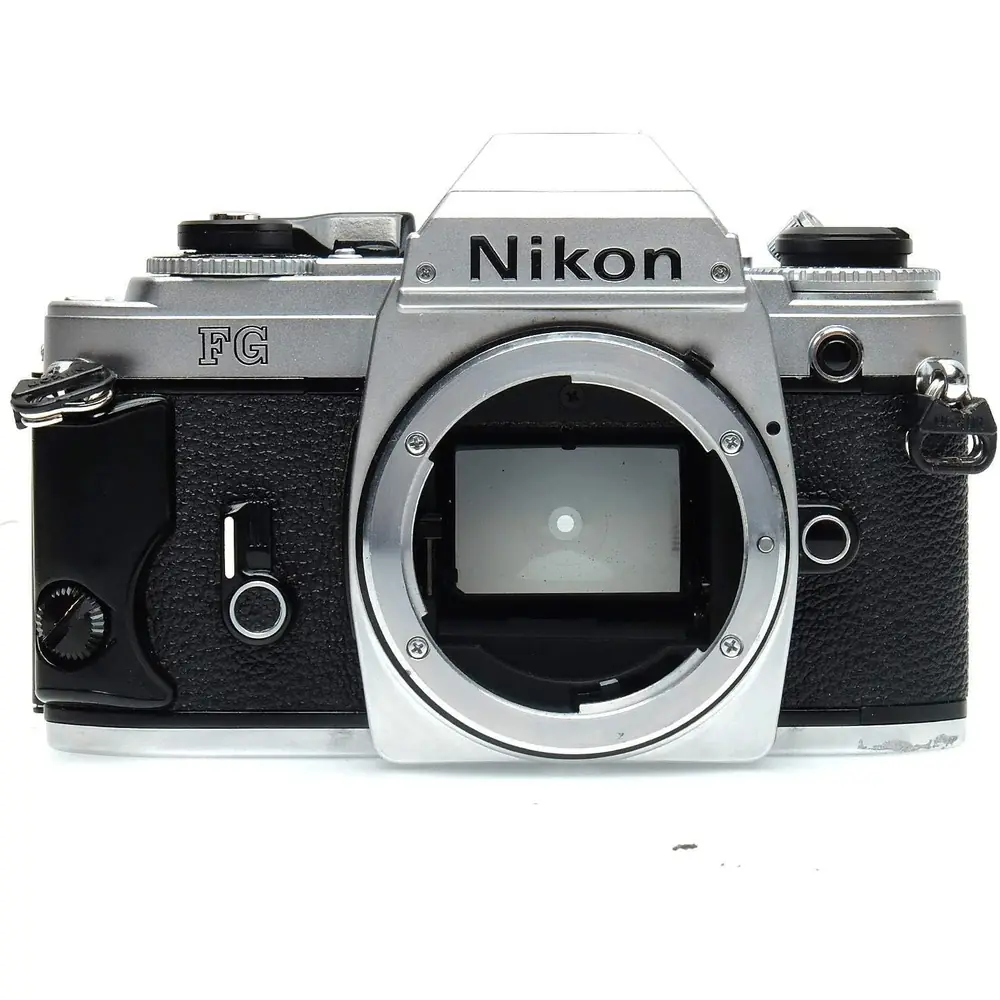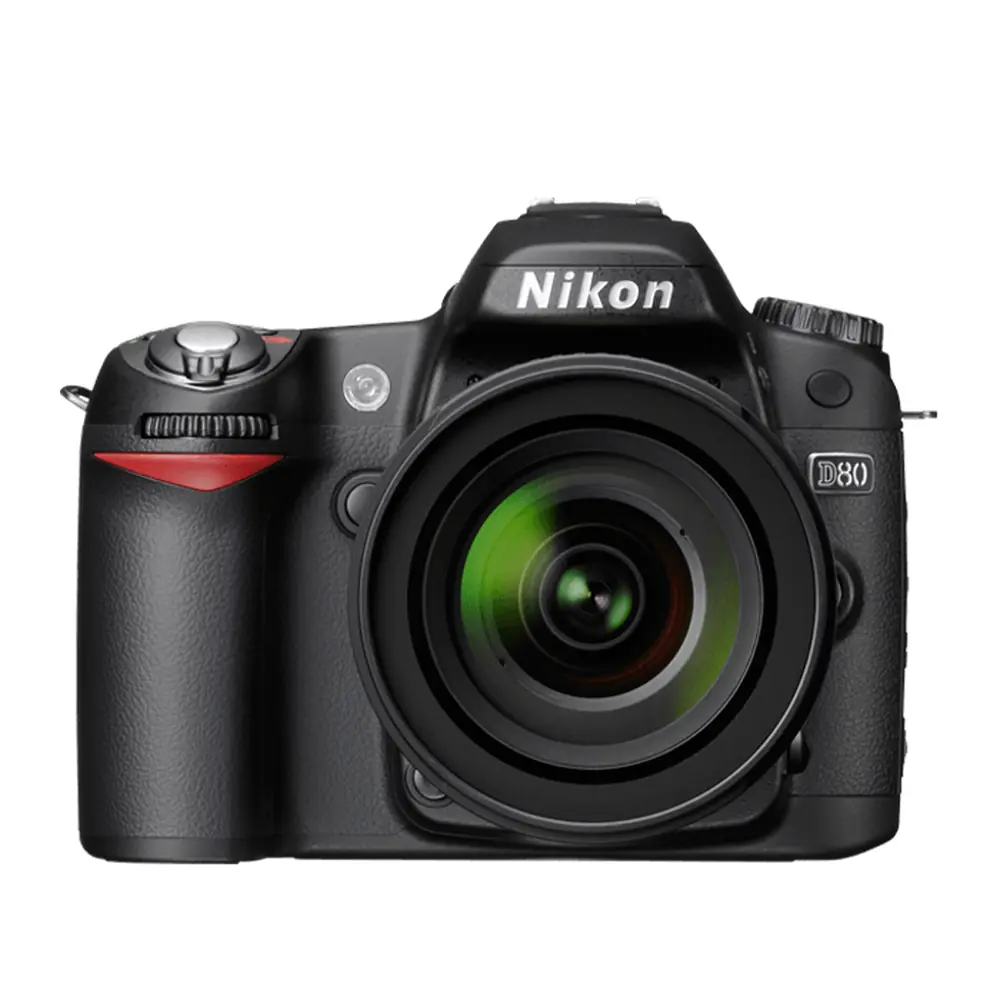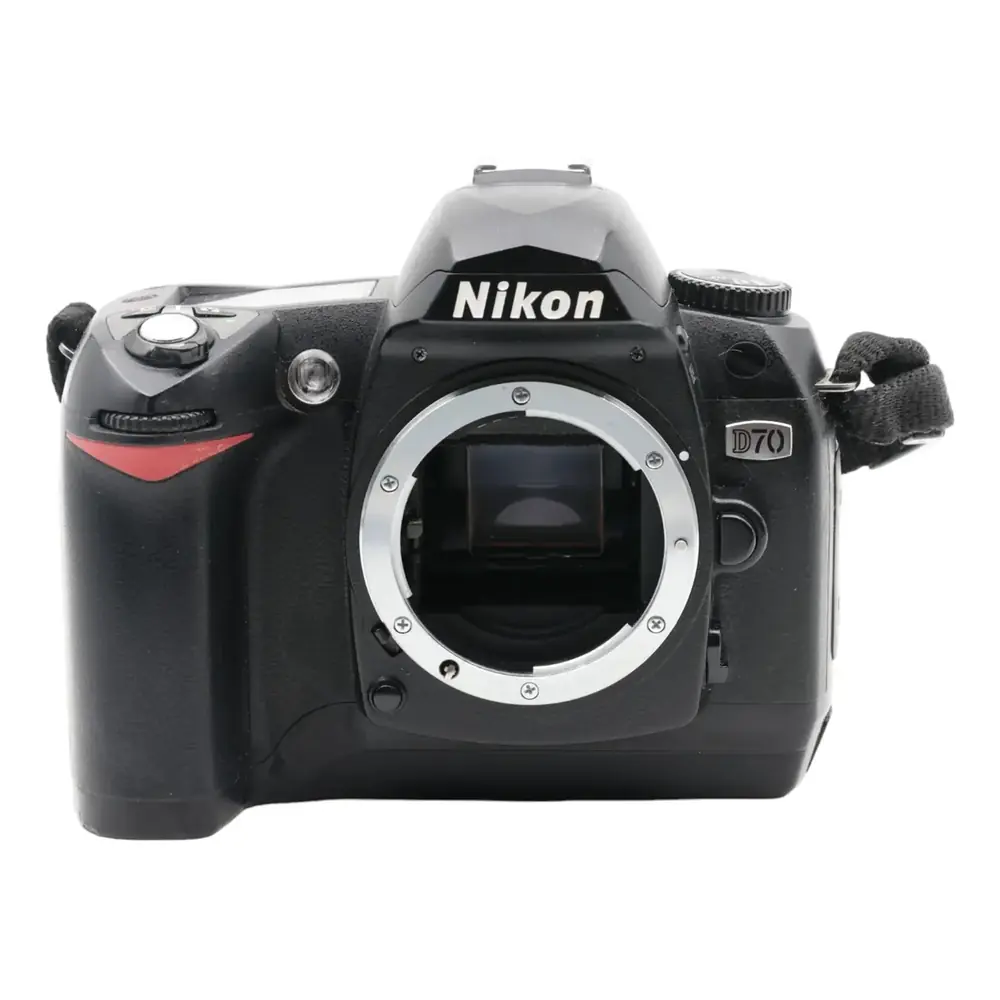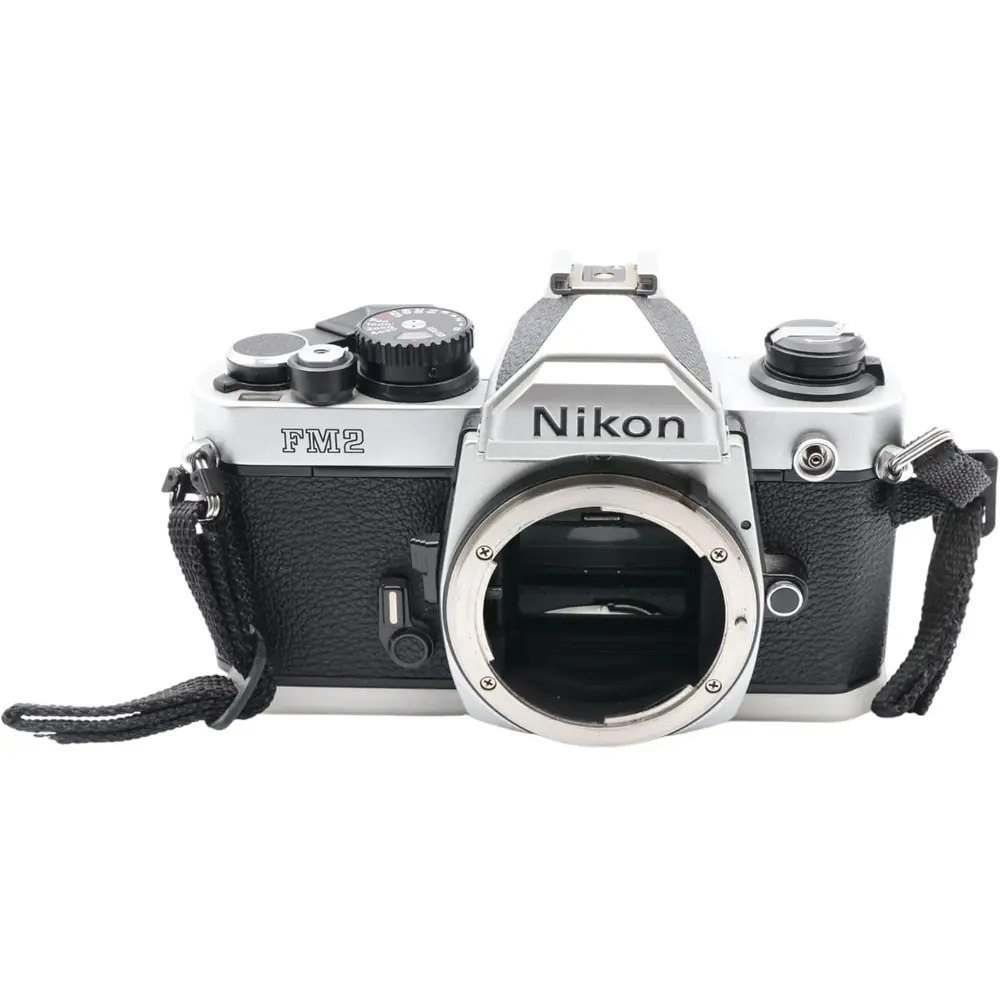
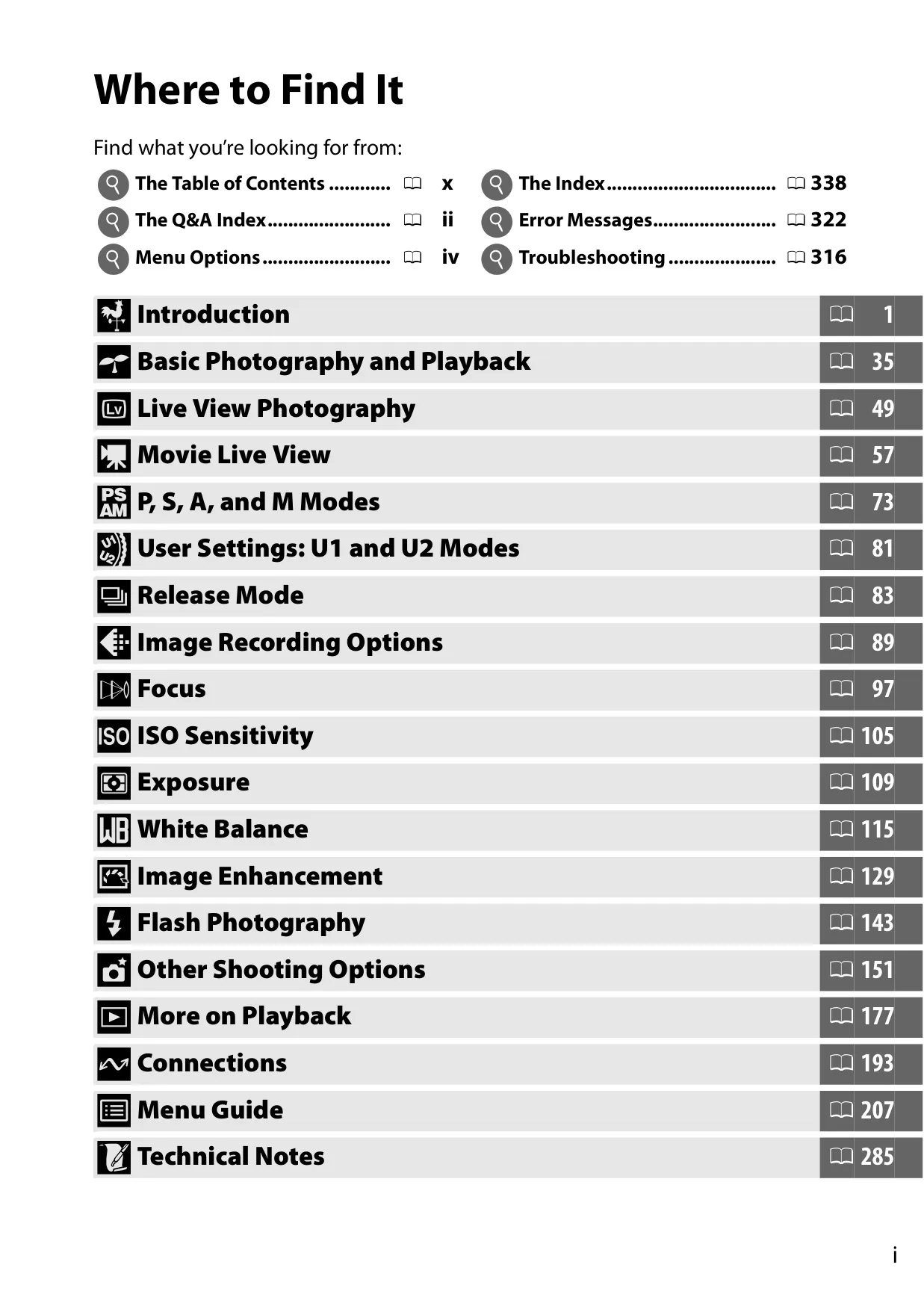
Nikon D610 DSLR Camera Instruction Manual
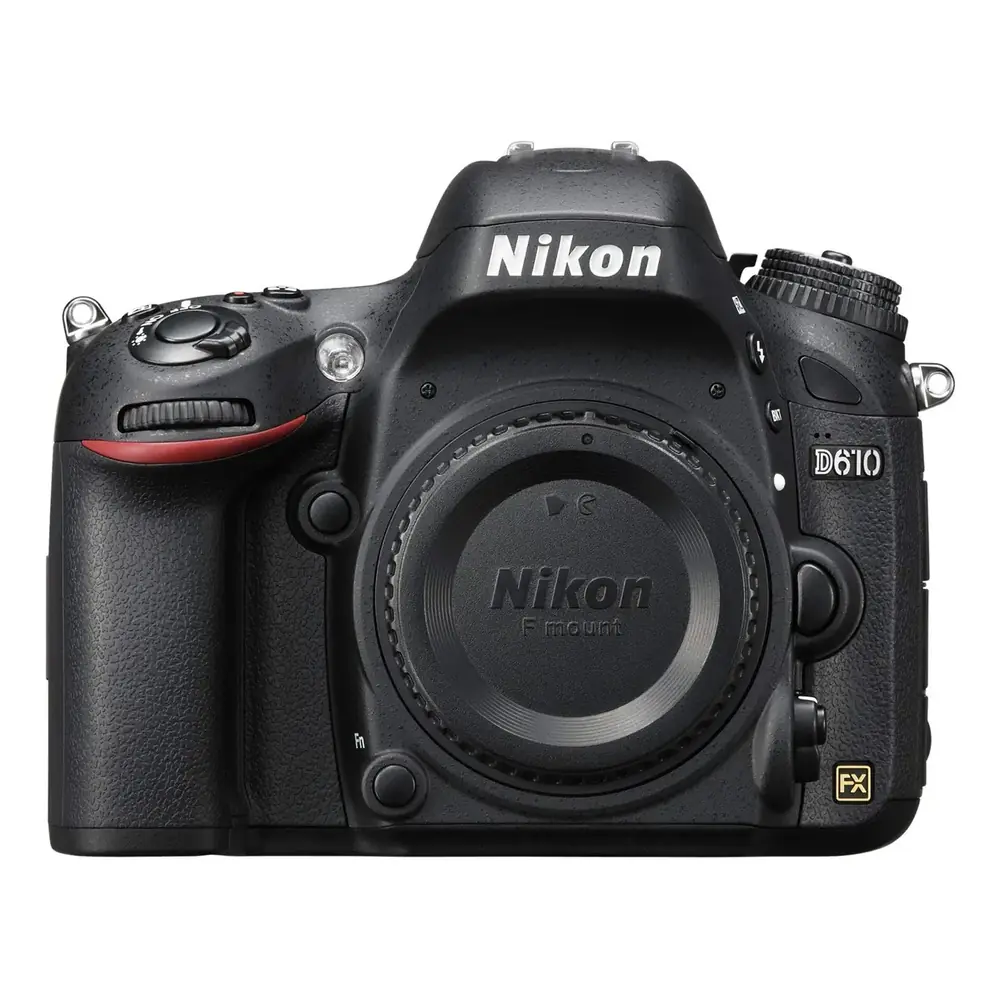
Nikon D610 DSLR Camera


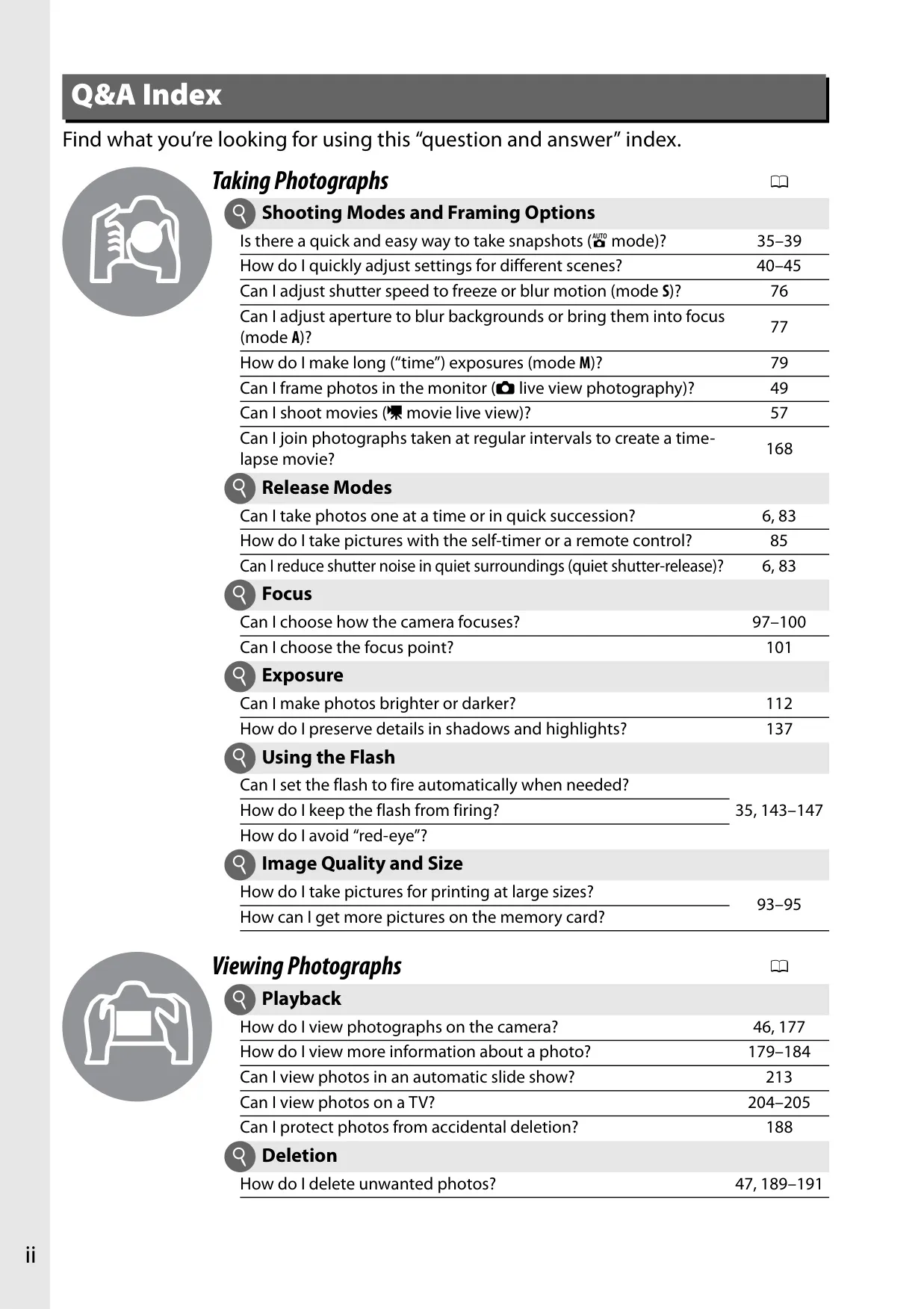





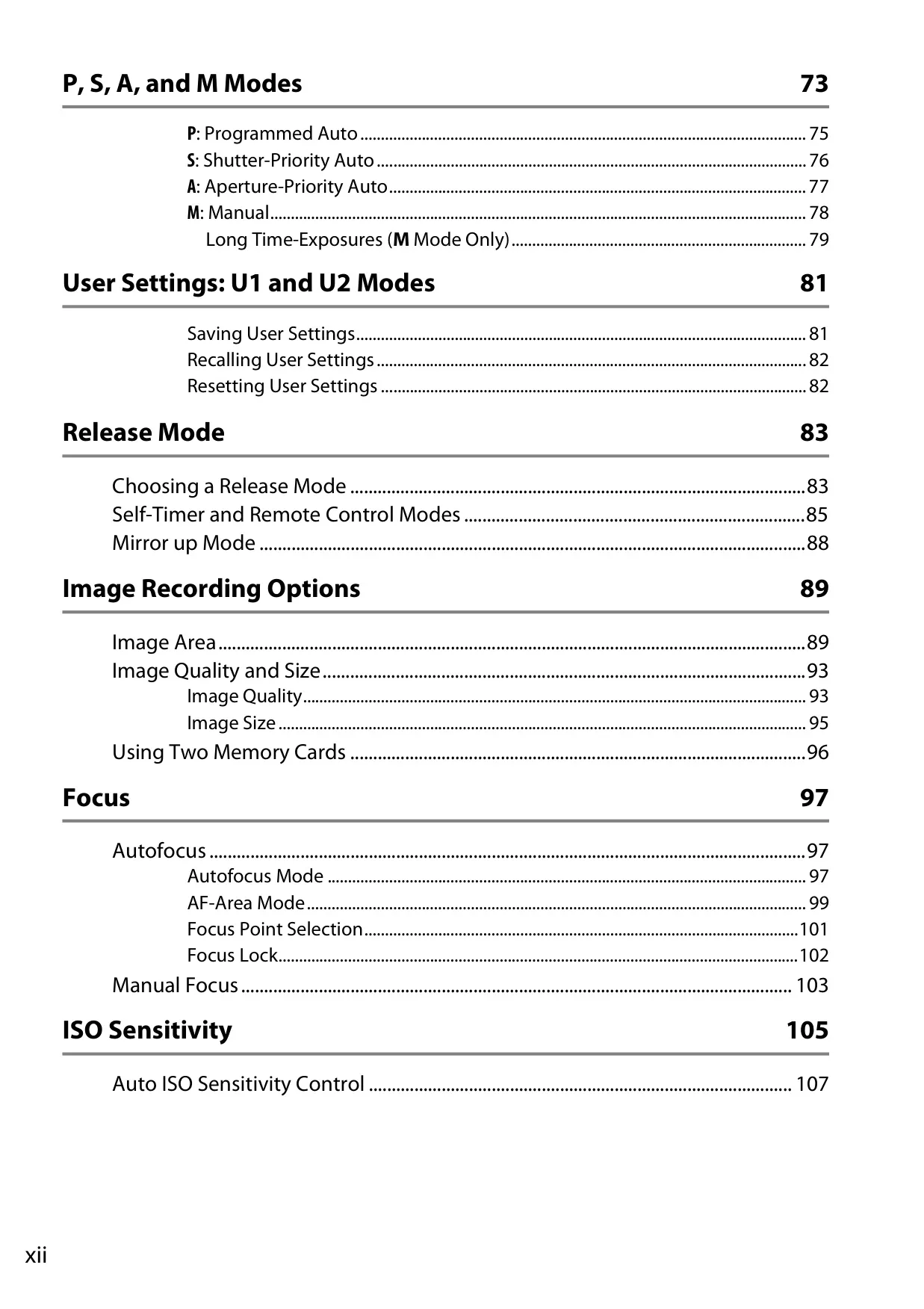

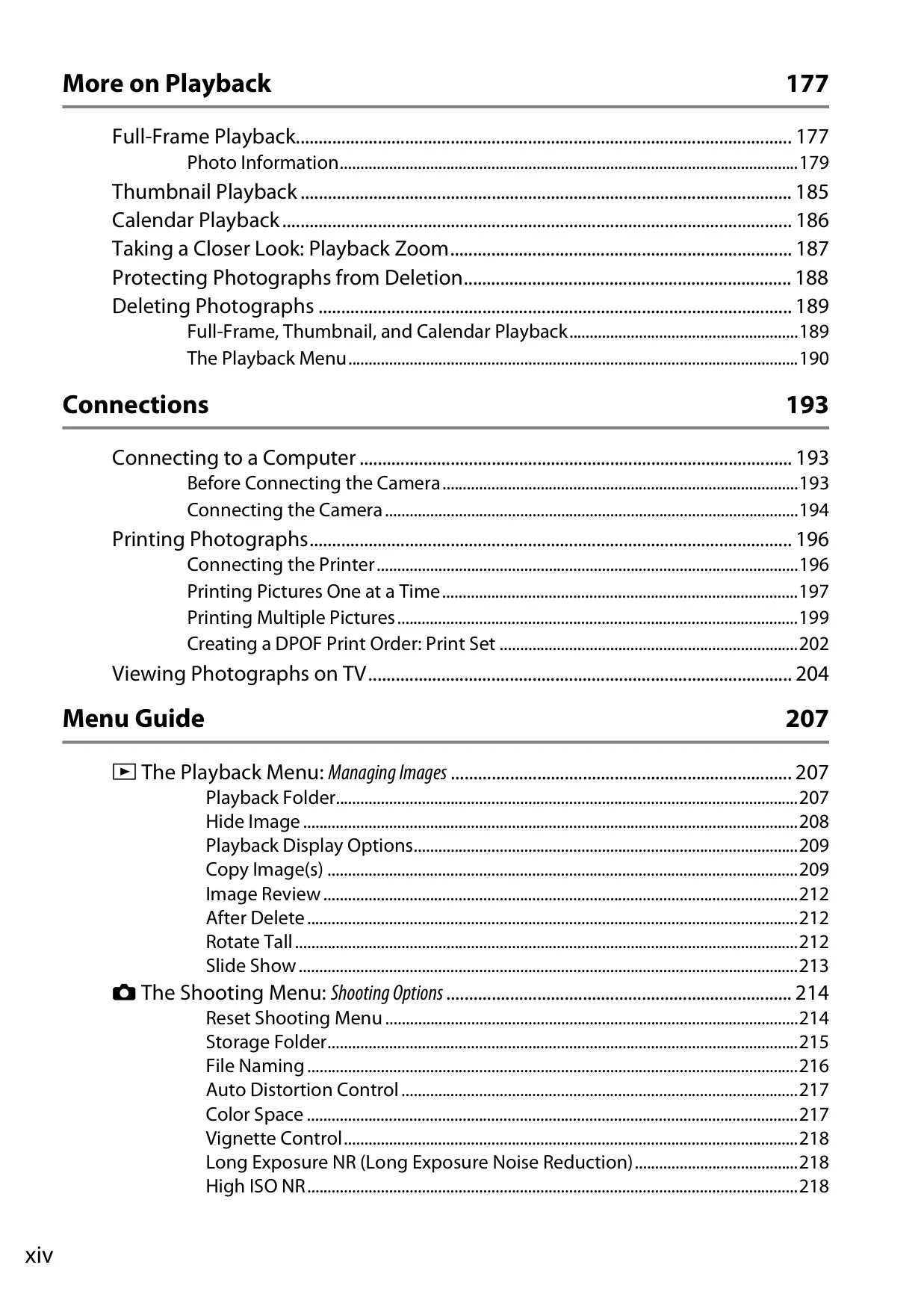

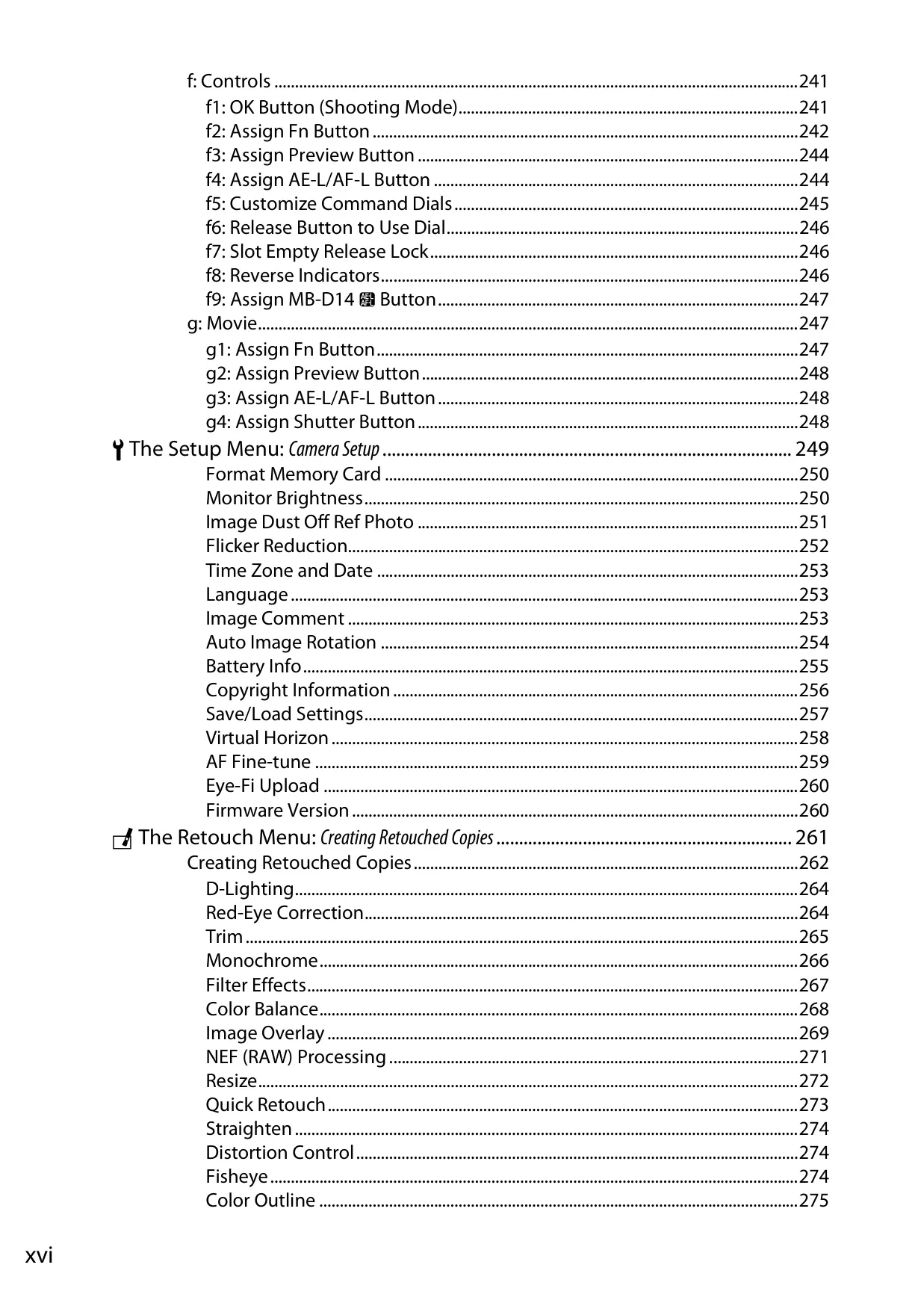

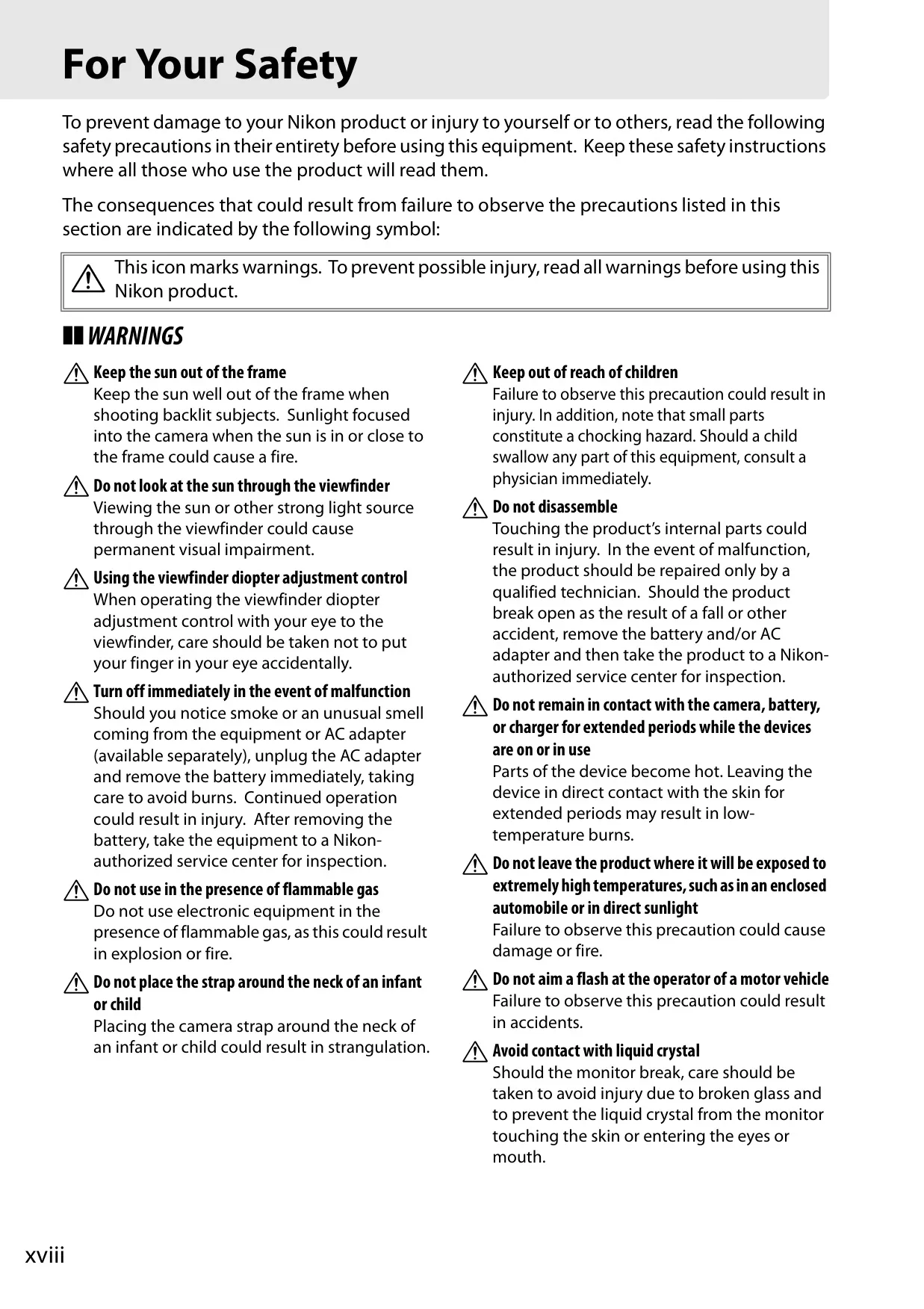


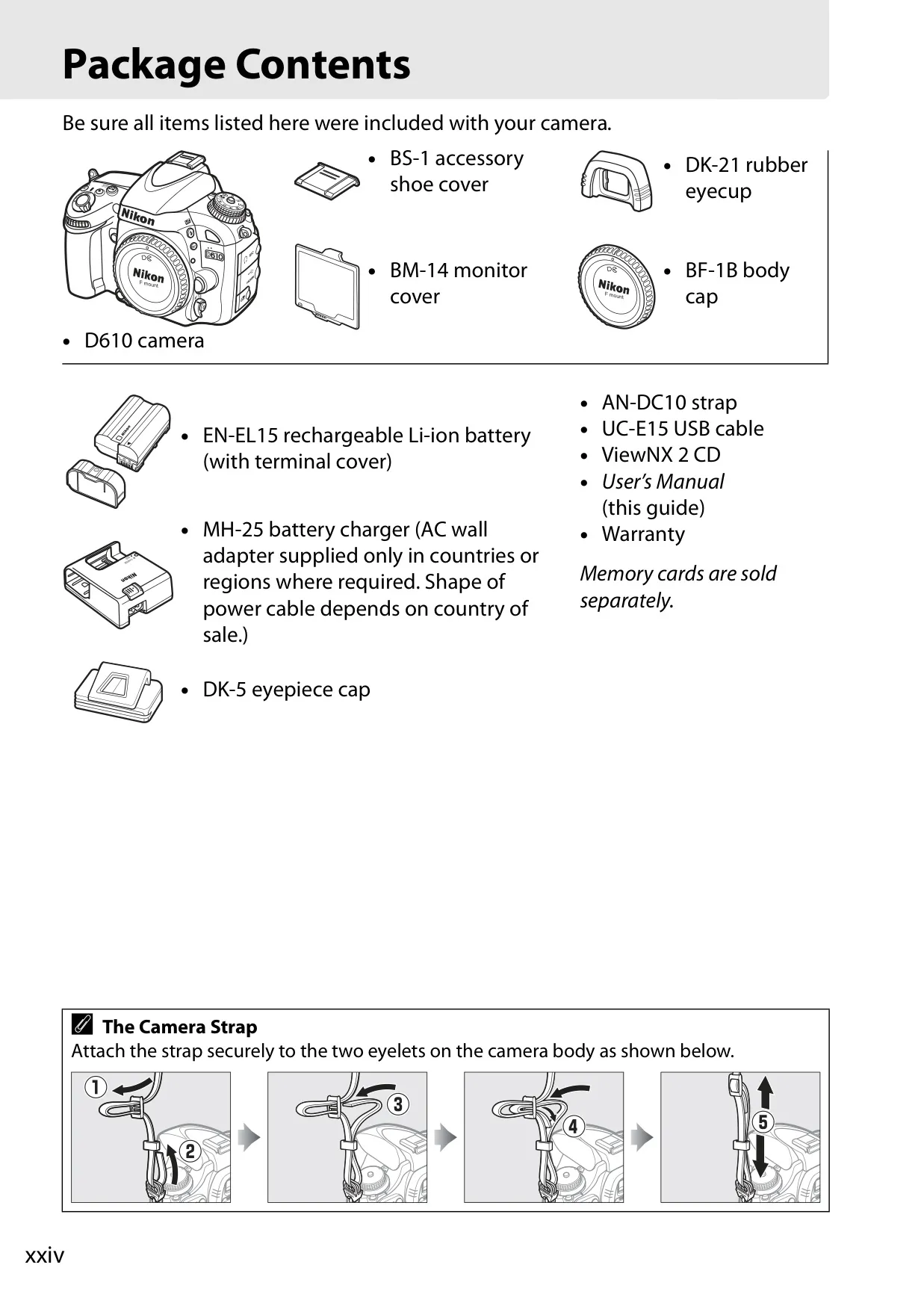
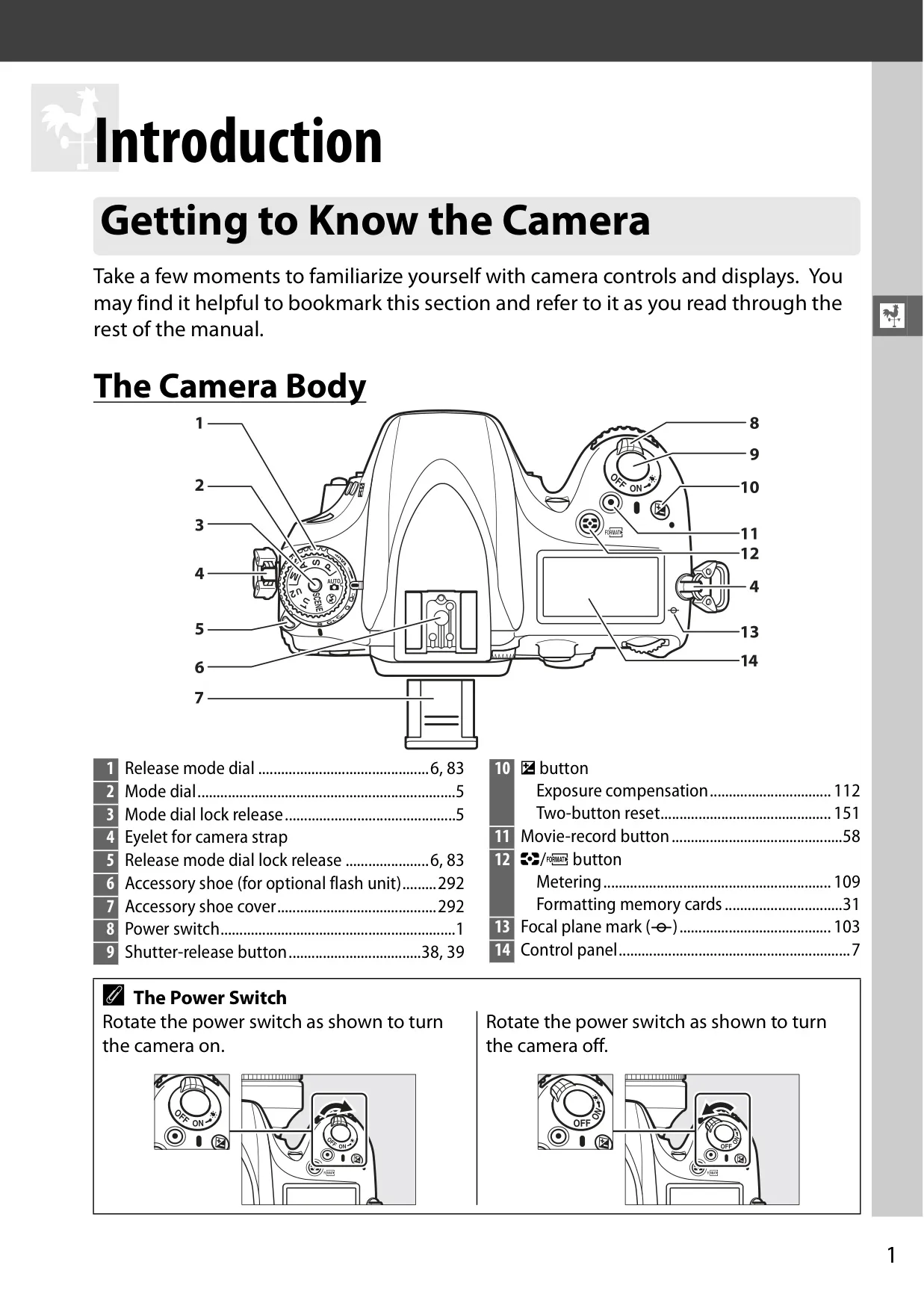


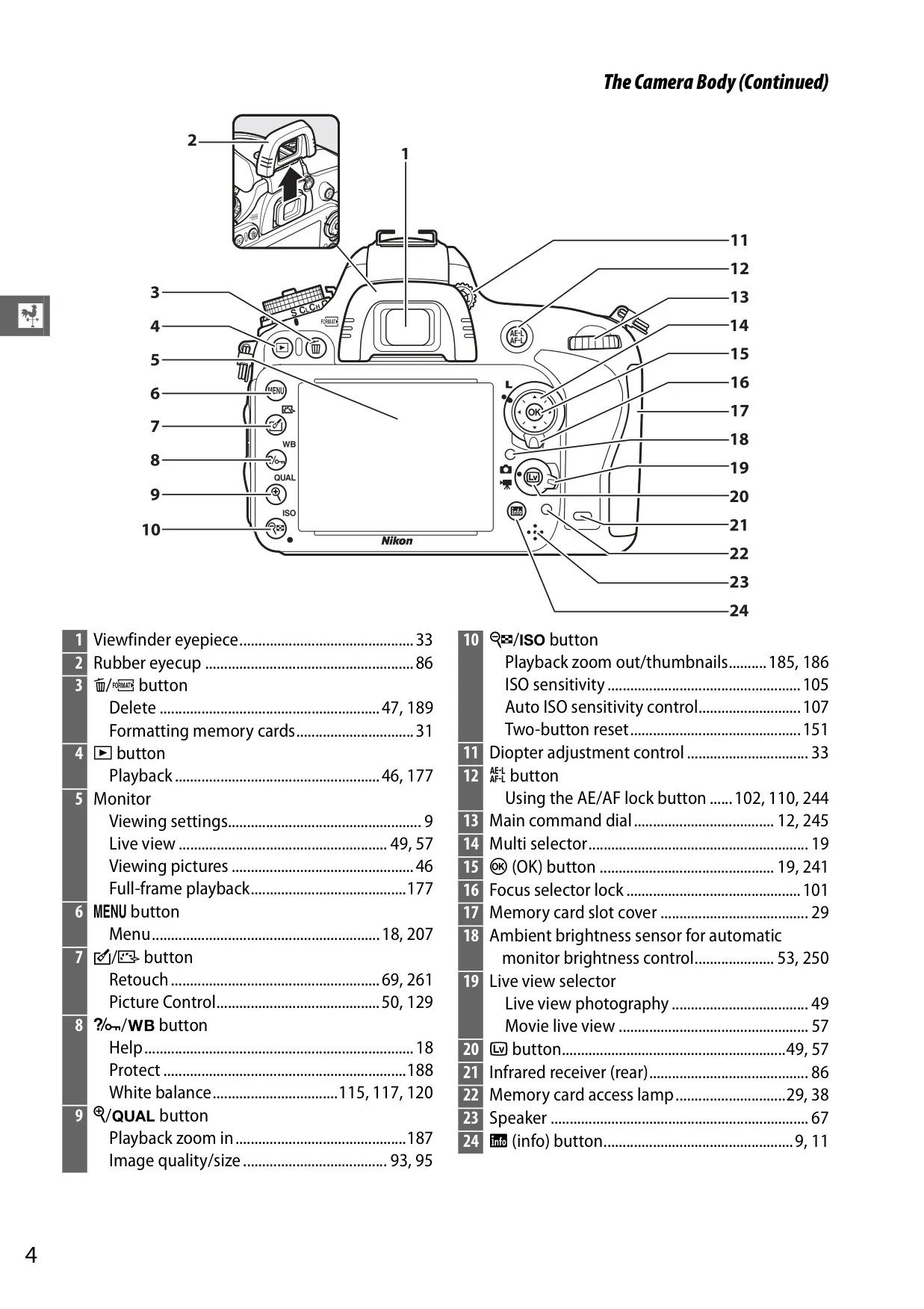
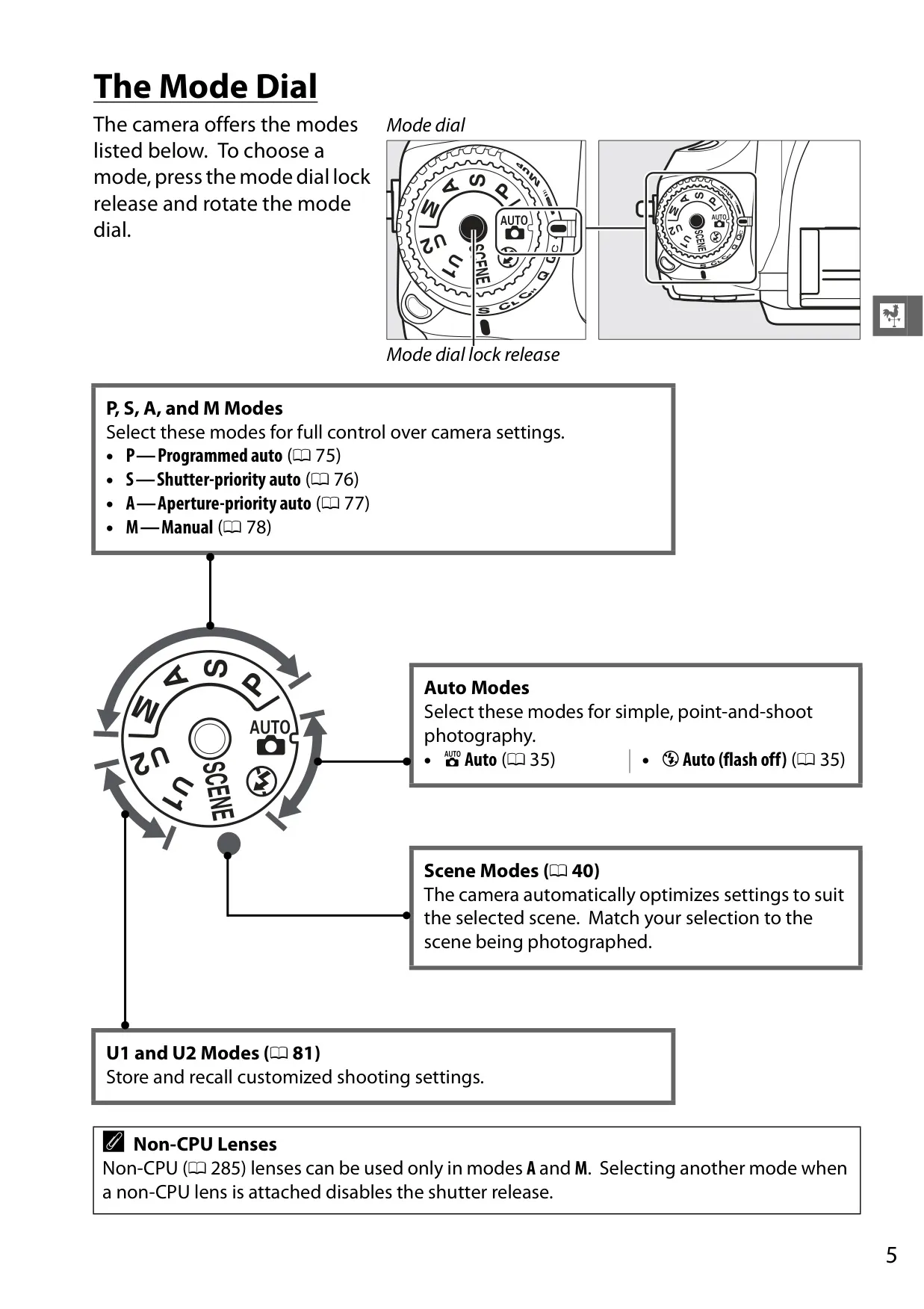


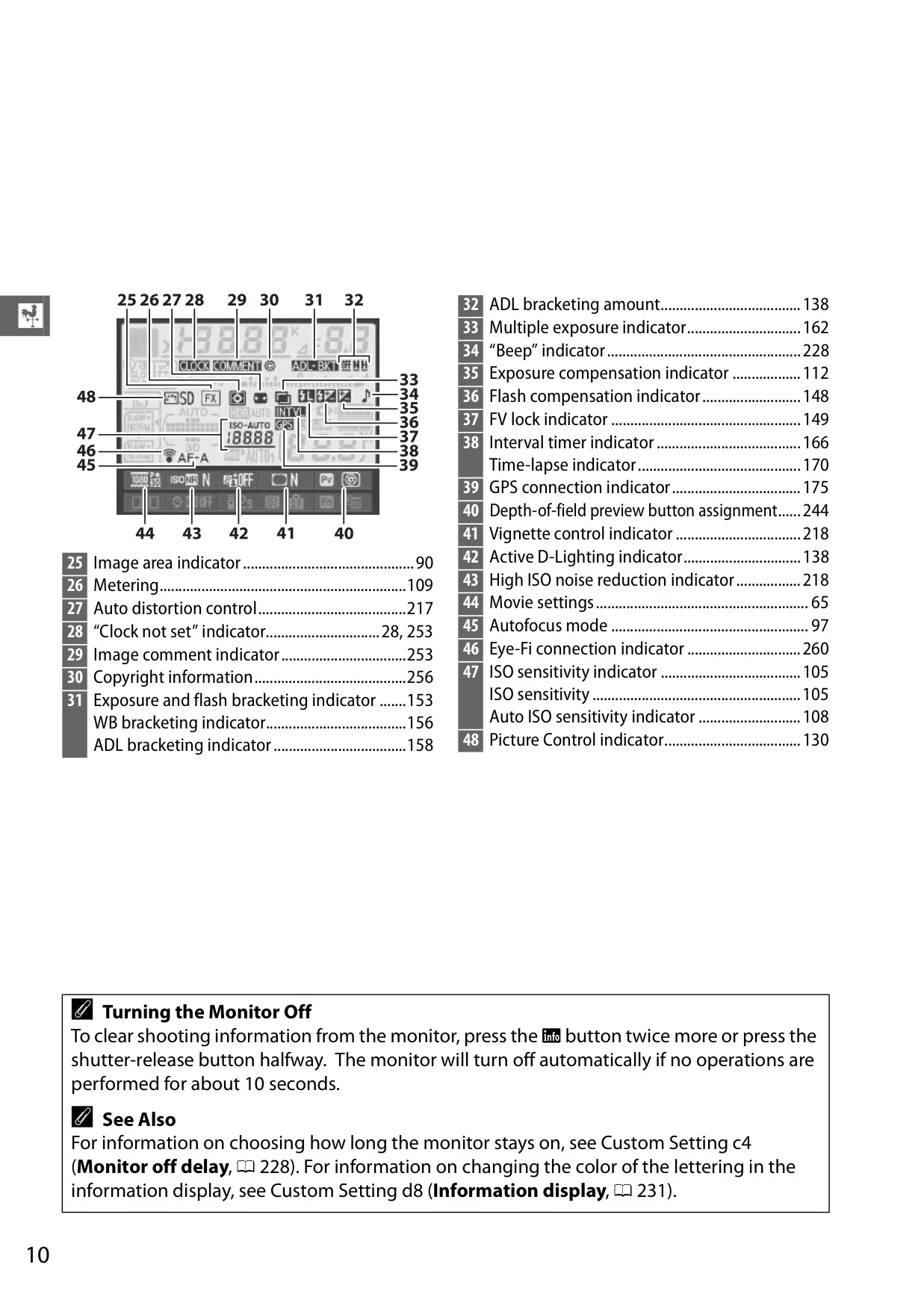


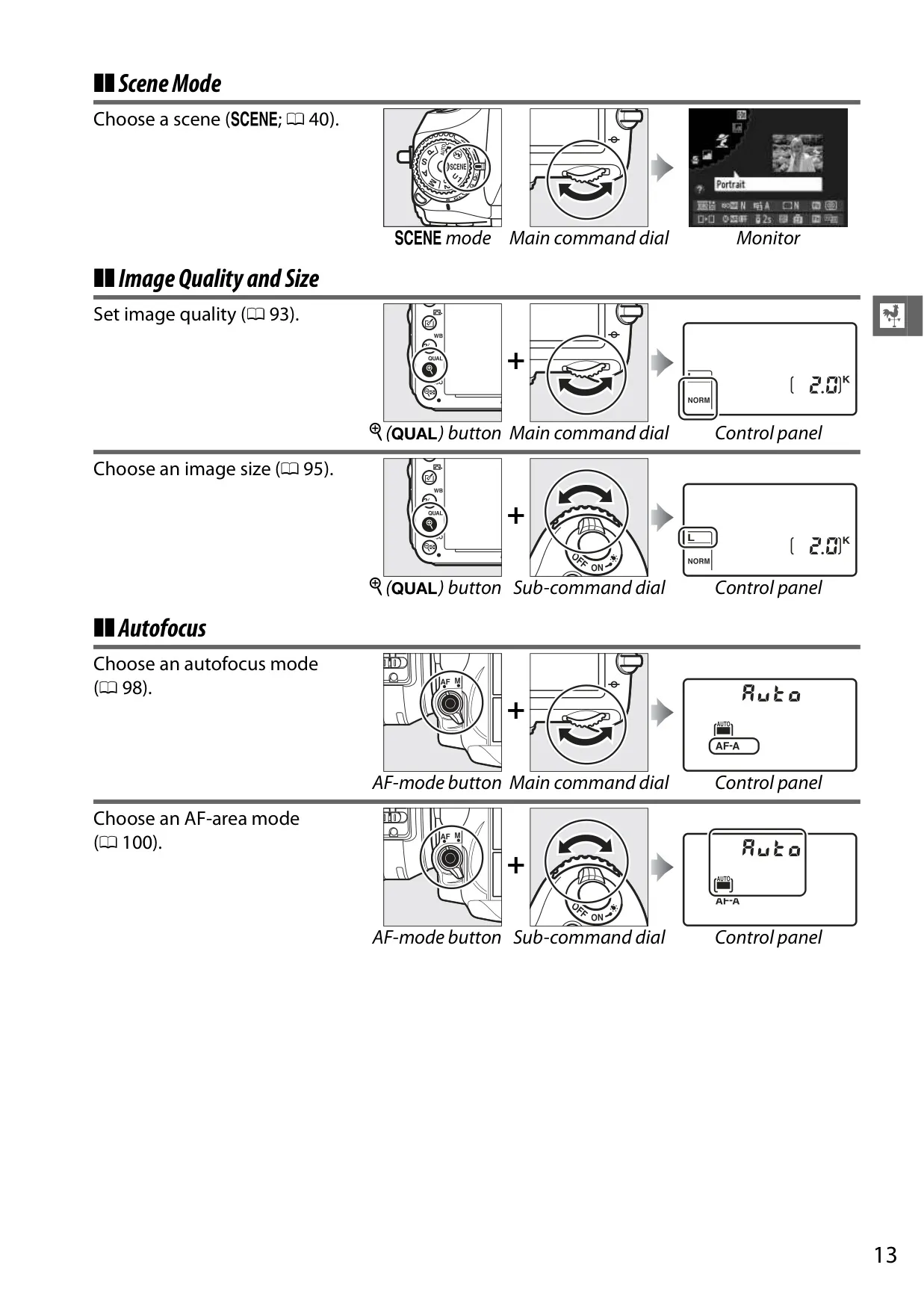
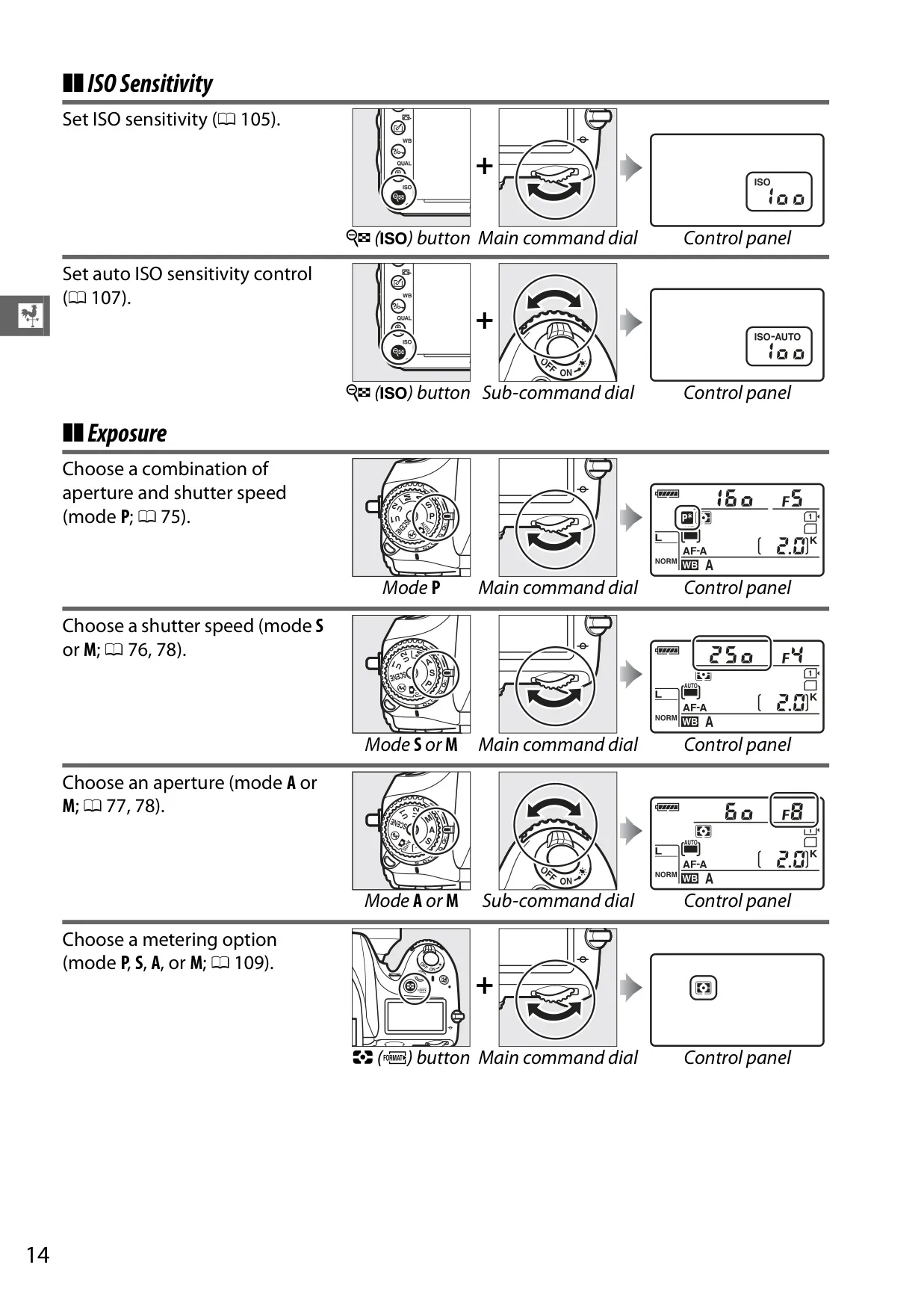
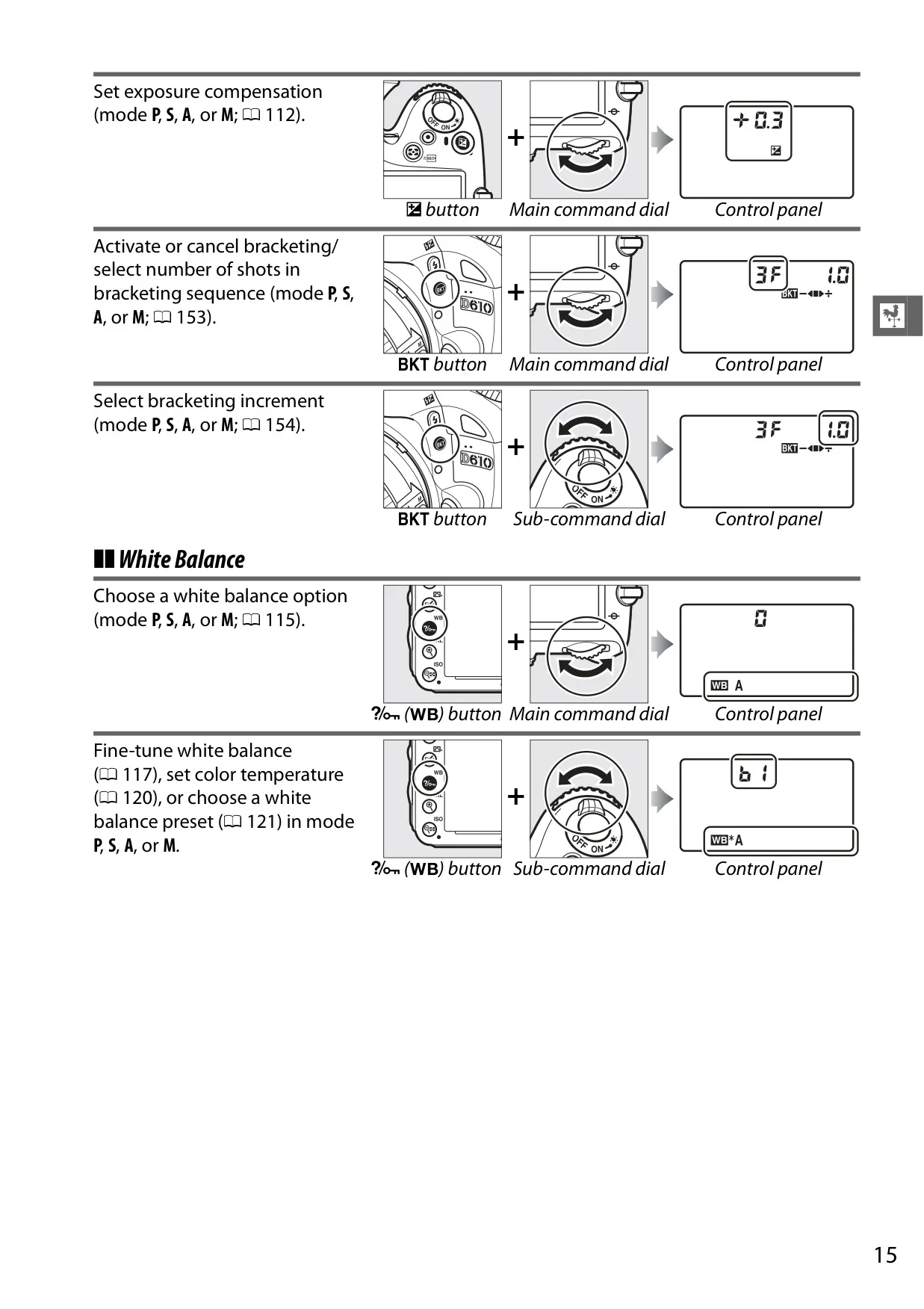


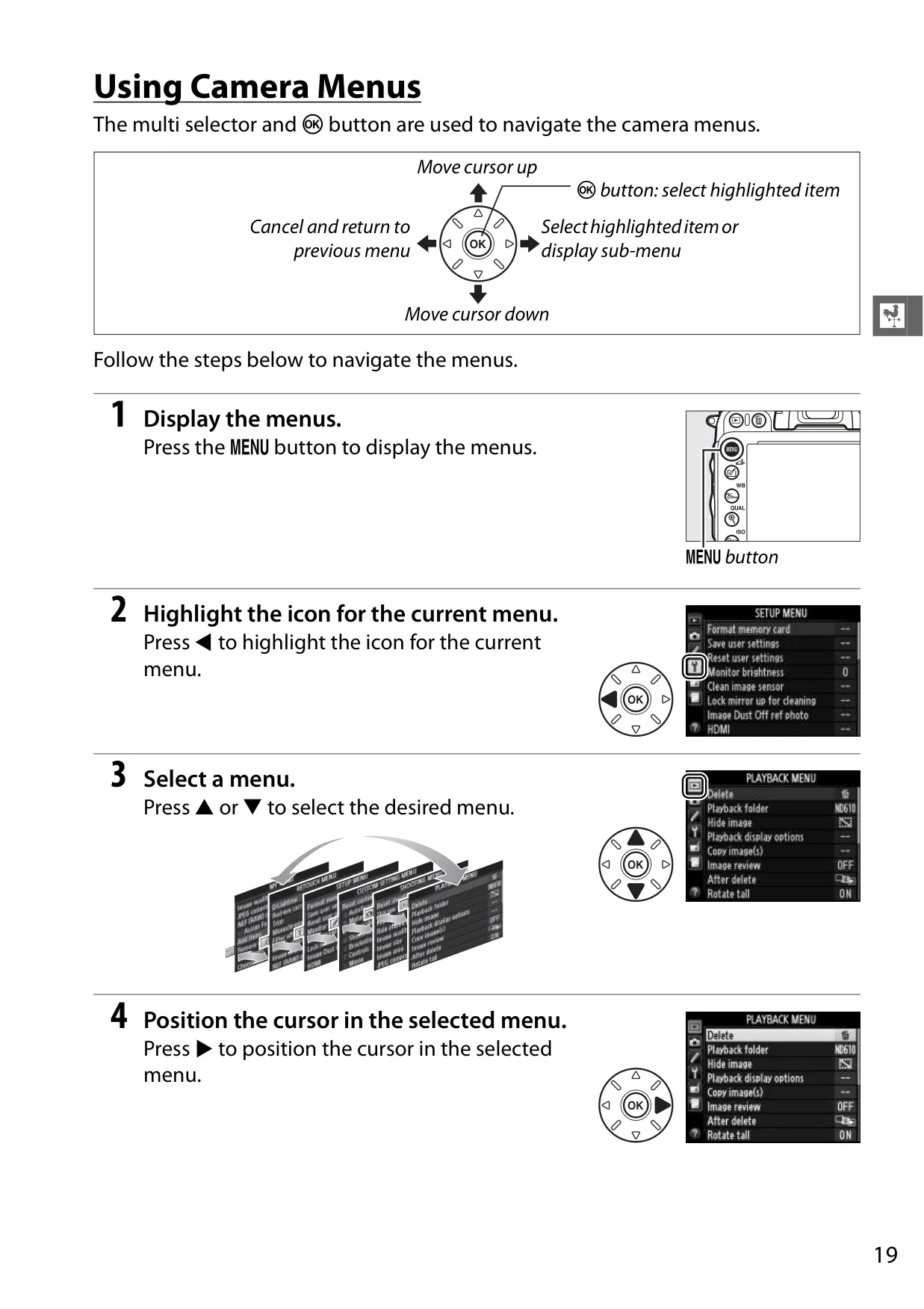
































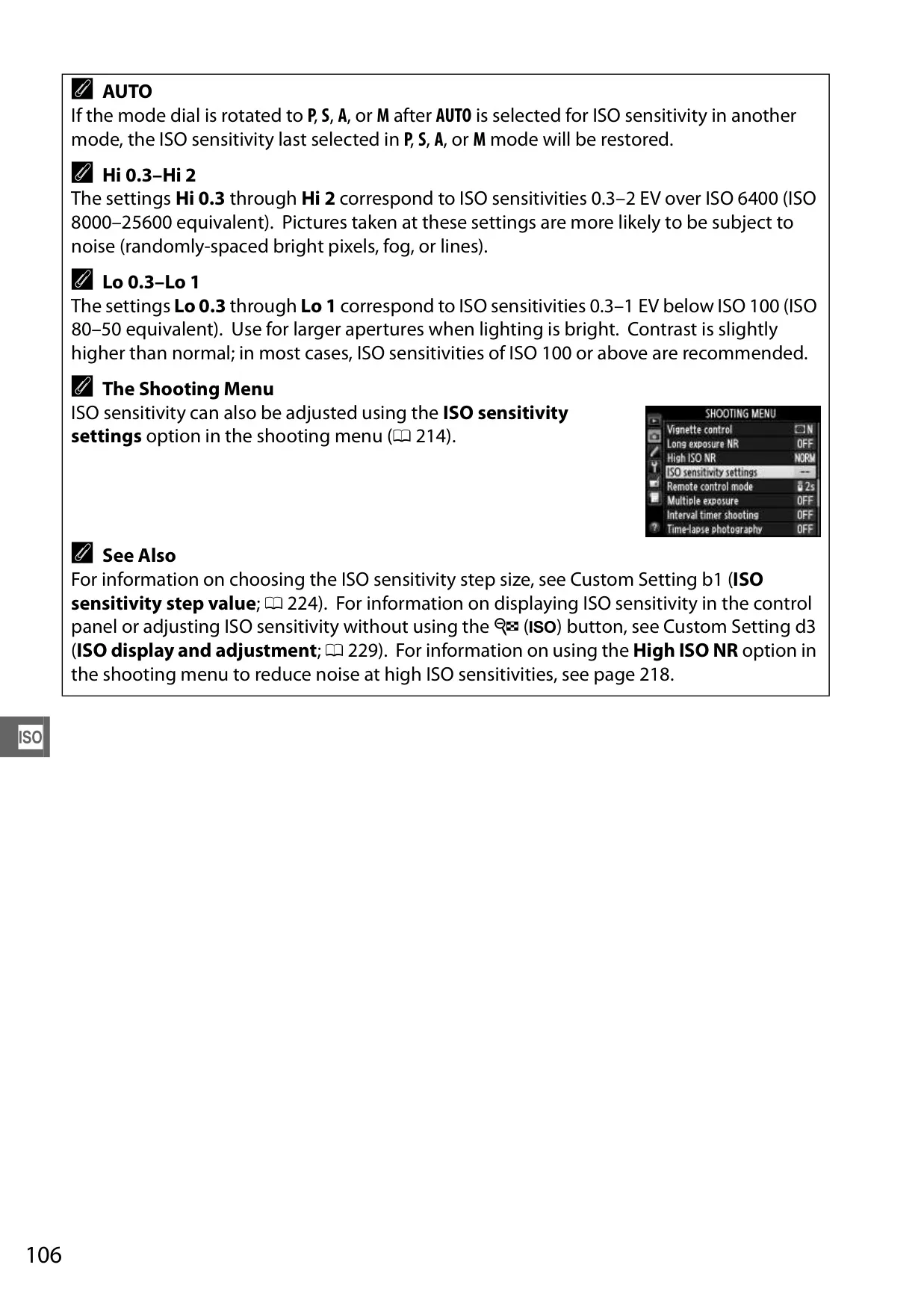
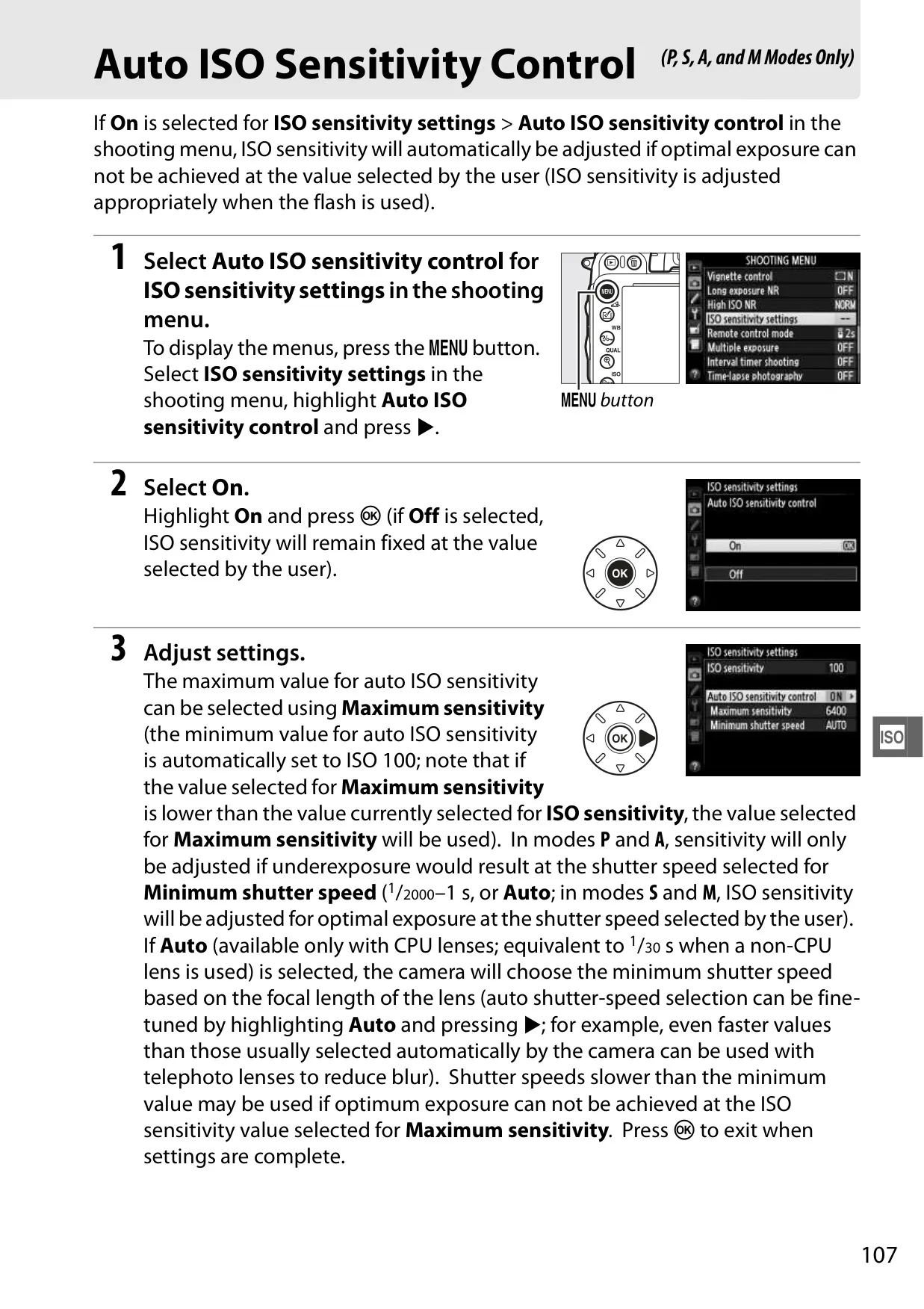

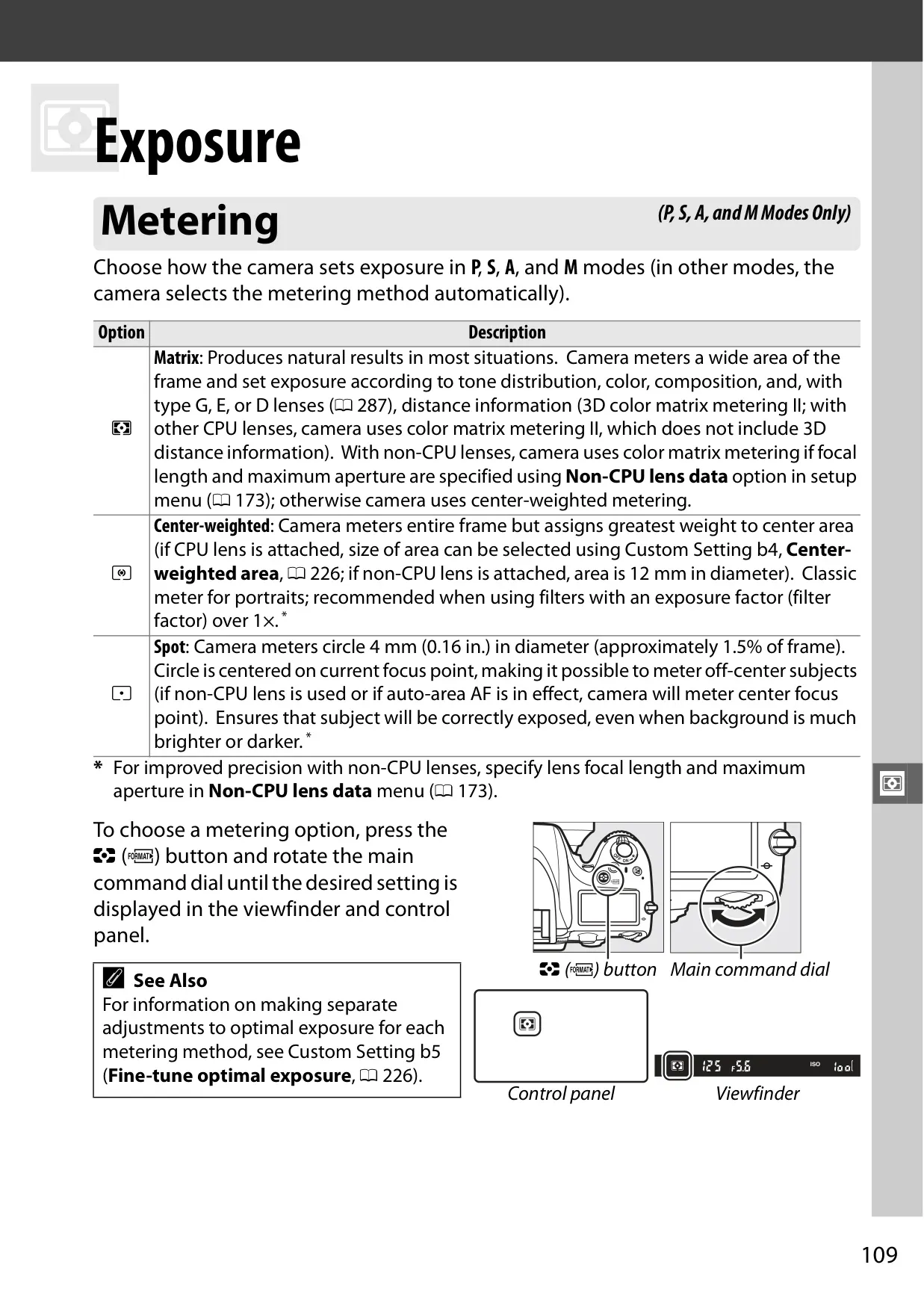
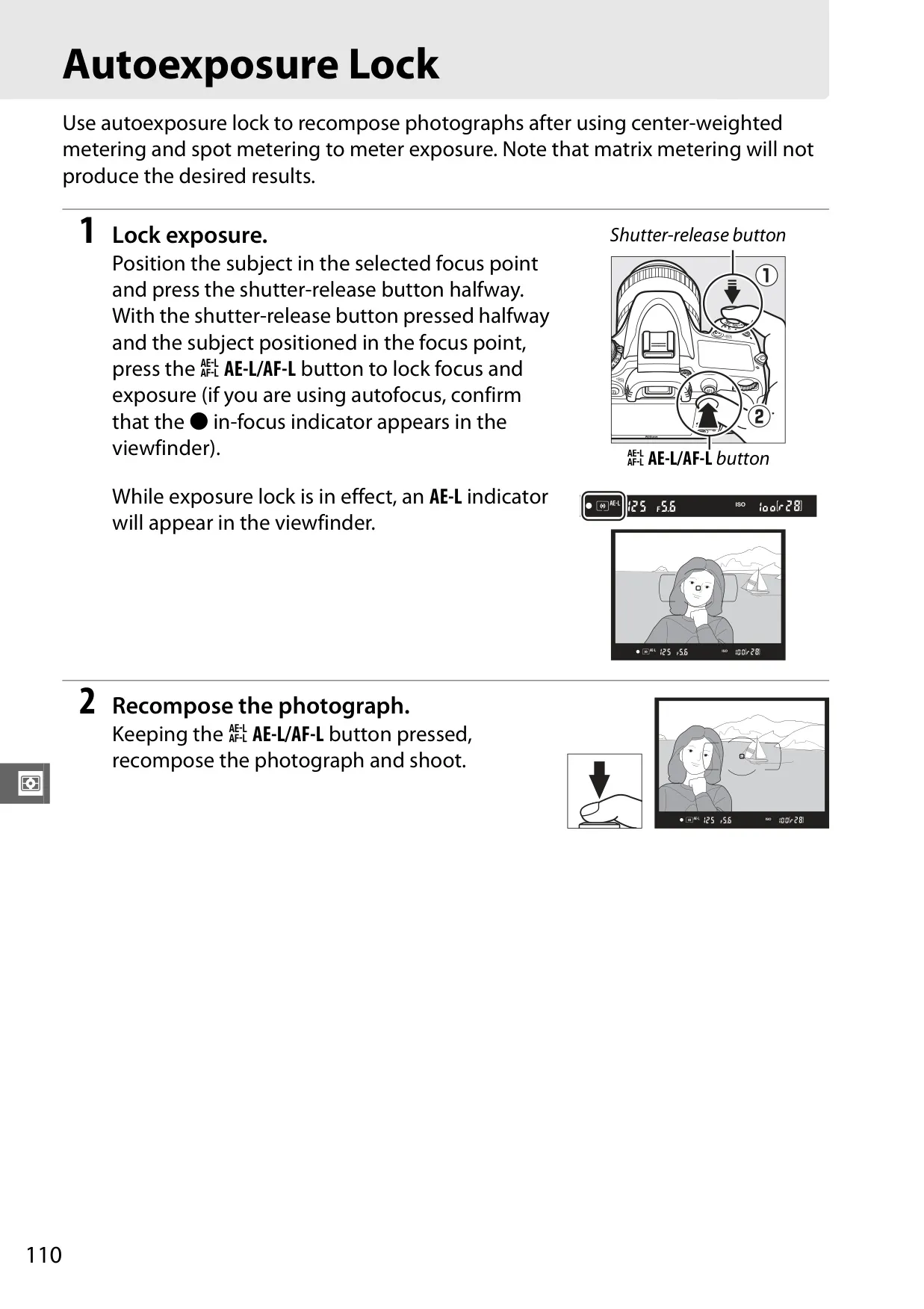








































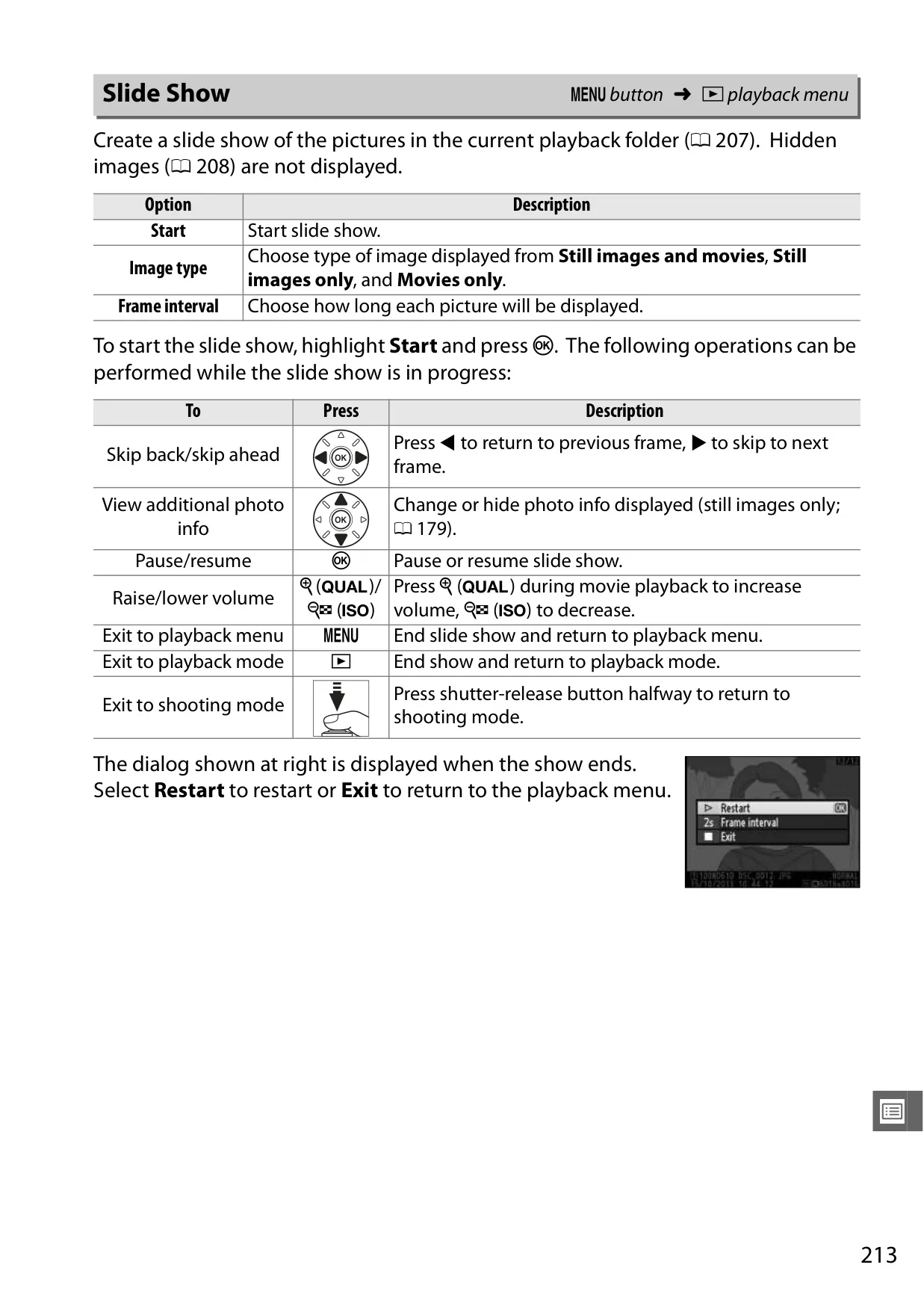
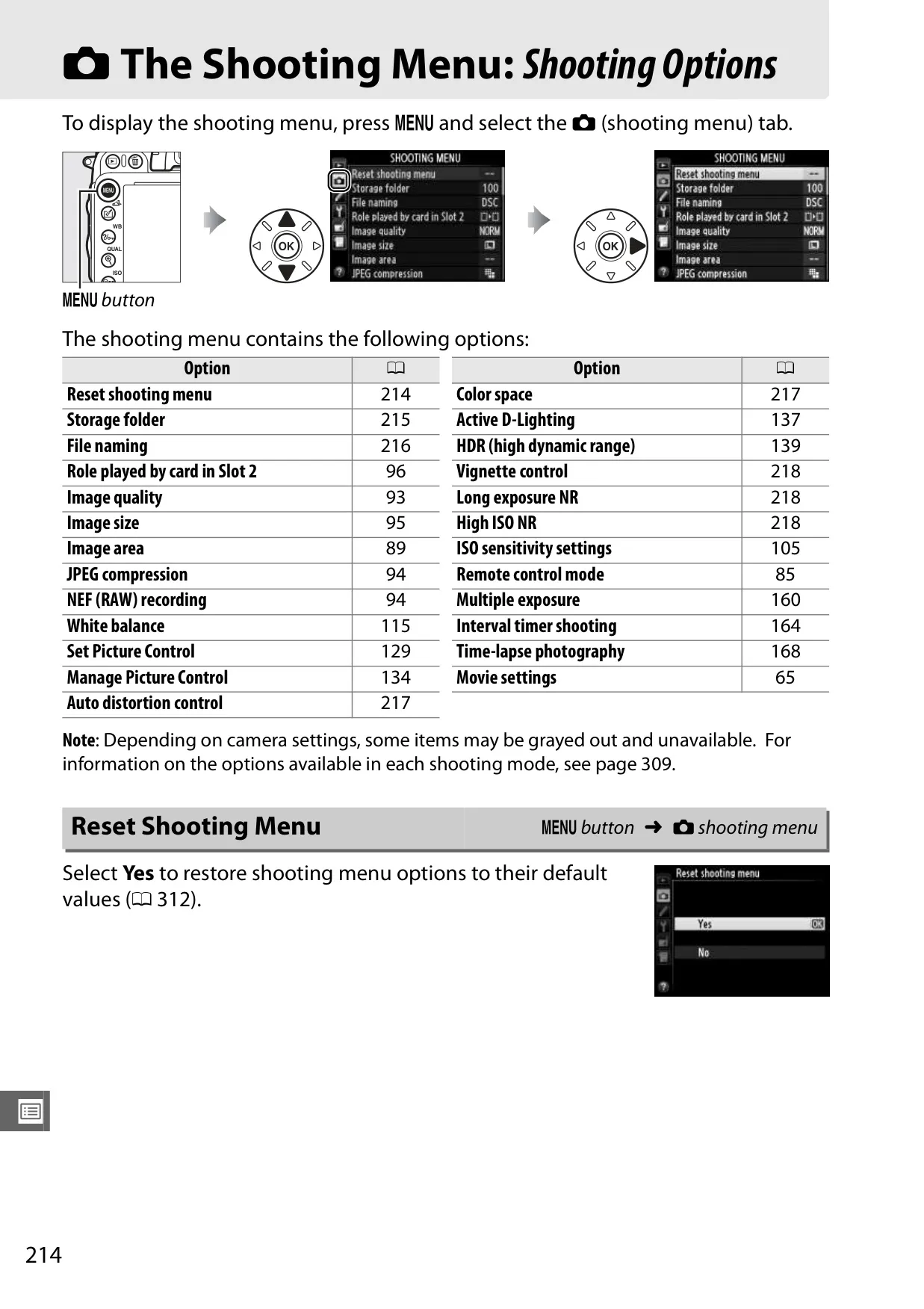


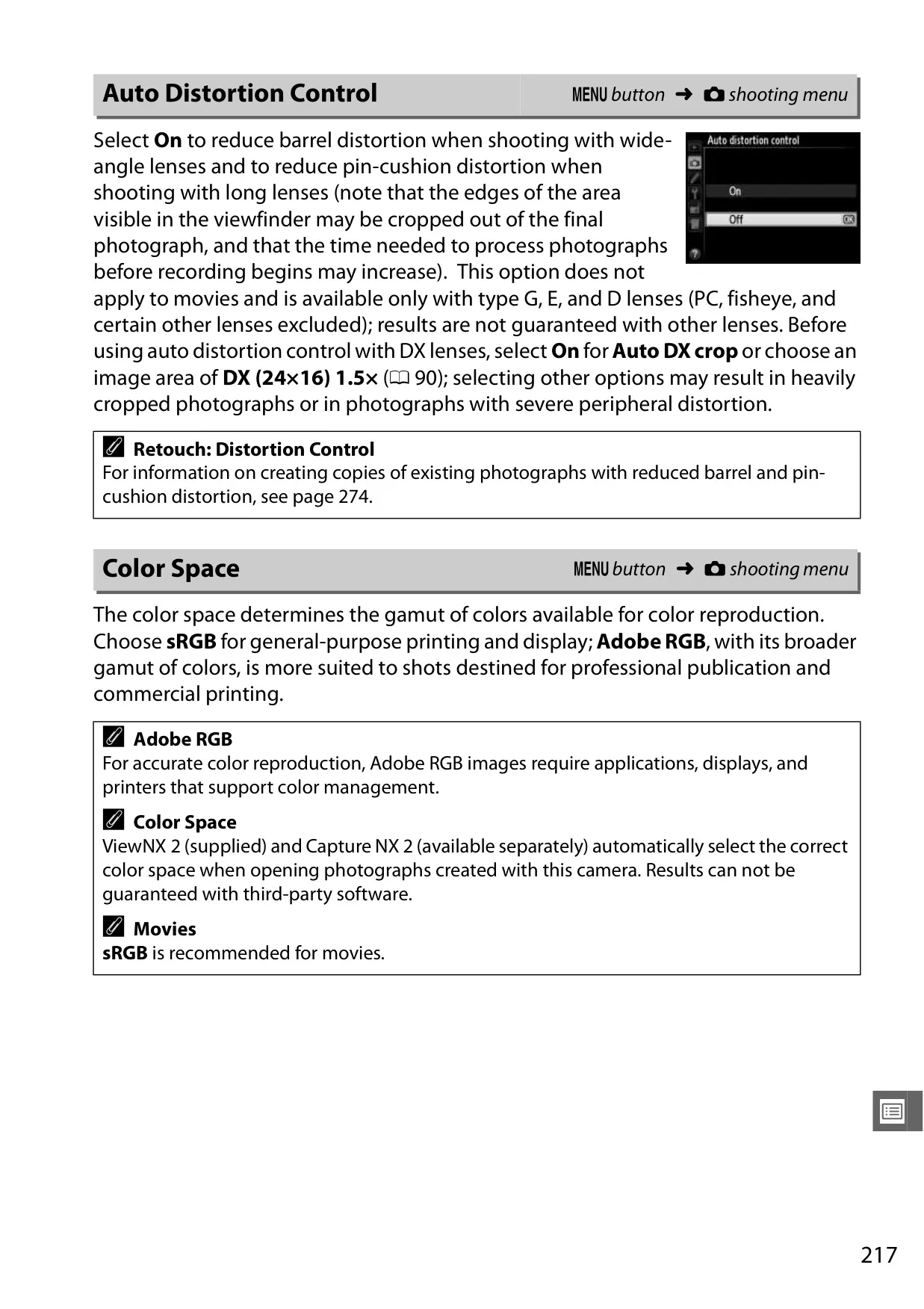
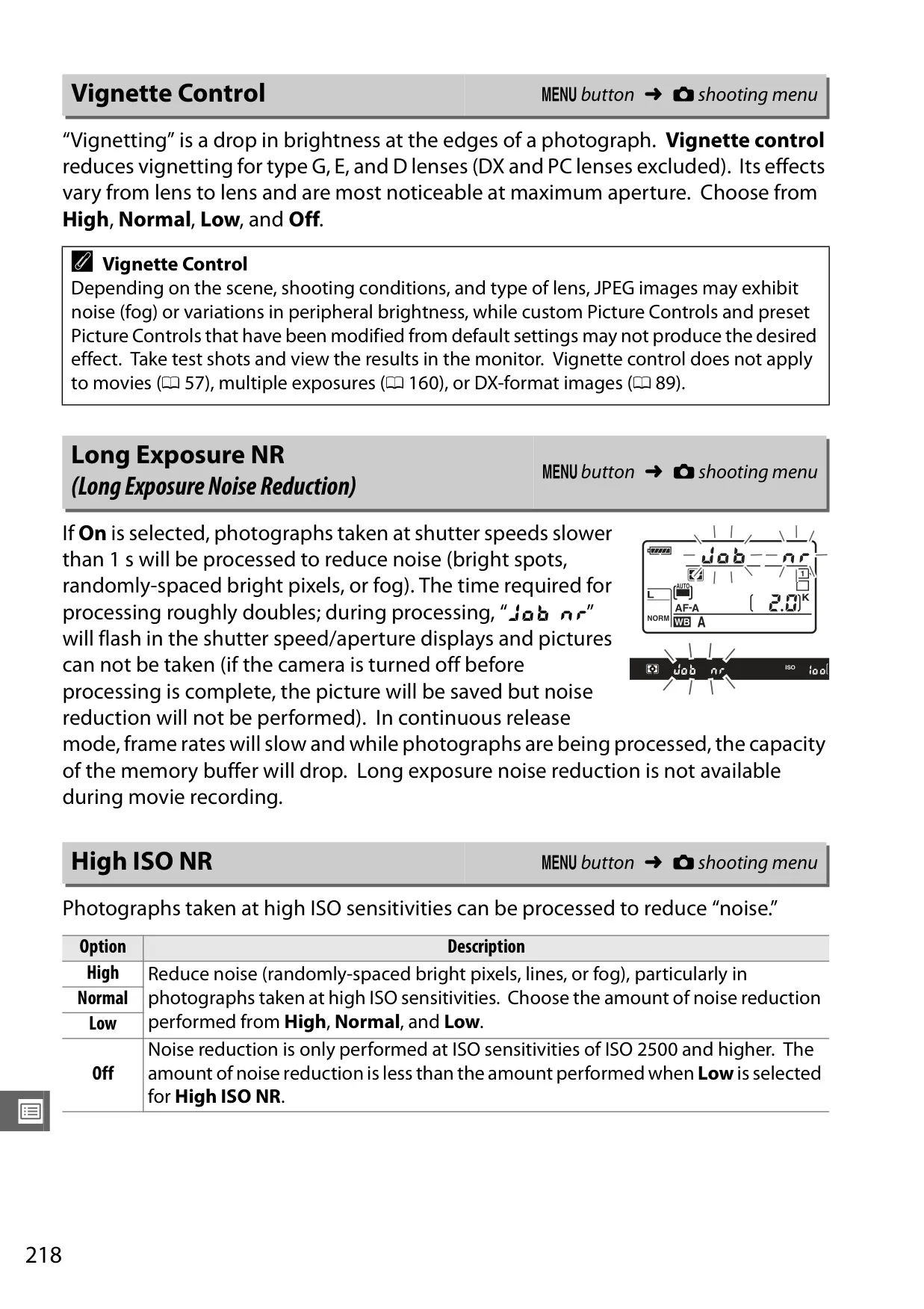


















































Nikon D610 DSLR Camera Instructions
Here we offer the Nikon D610 DSLR Camera manual completely free and in English. We have cataloged this manual in the SLR Cameras section on Manualverse, and it has been rated by 1 users with an average rating of 5. If you have any specific questions about Nikon D610 DSLR Camera, we suggest checking the Frequently Asked Questions (FAQs) section of this manual.
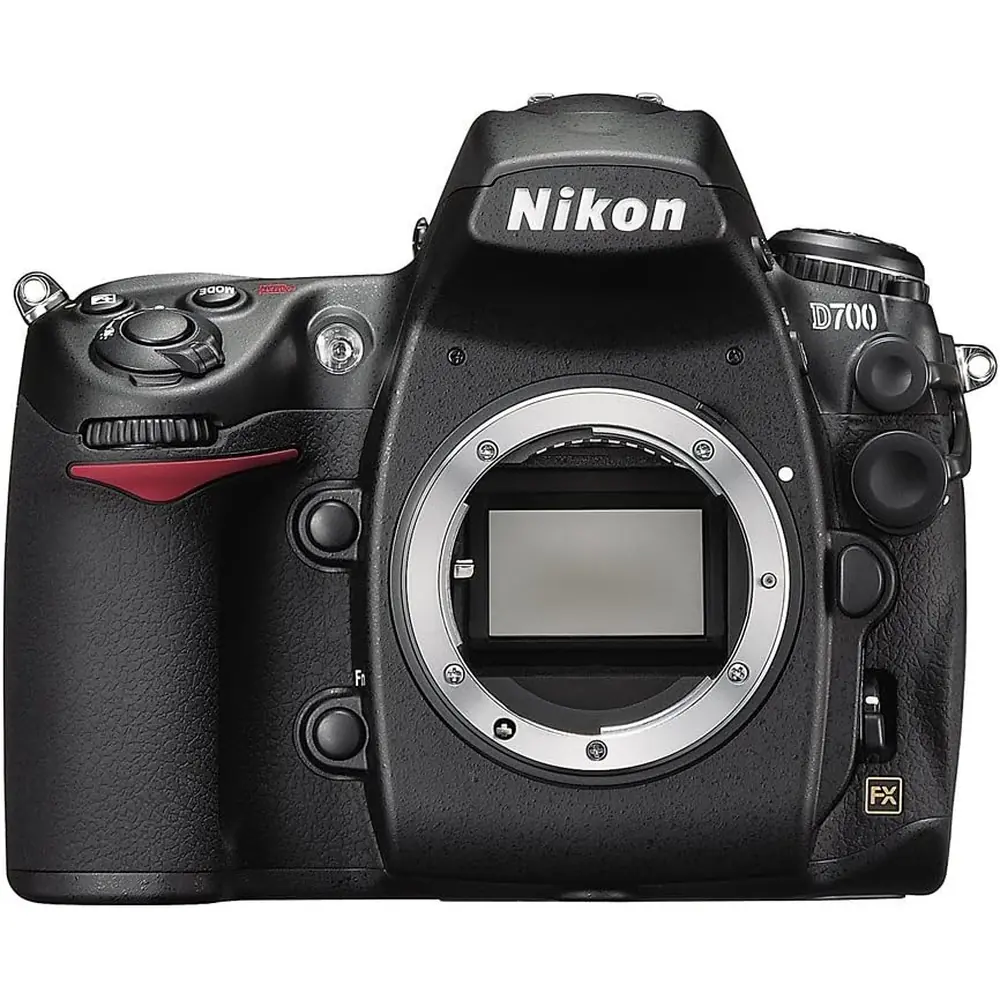
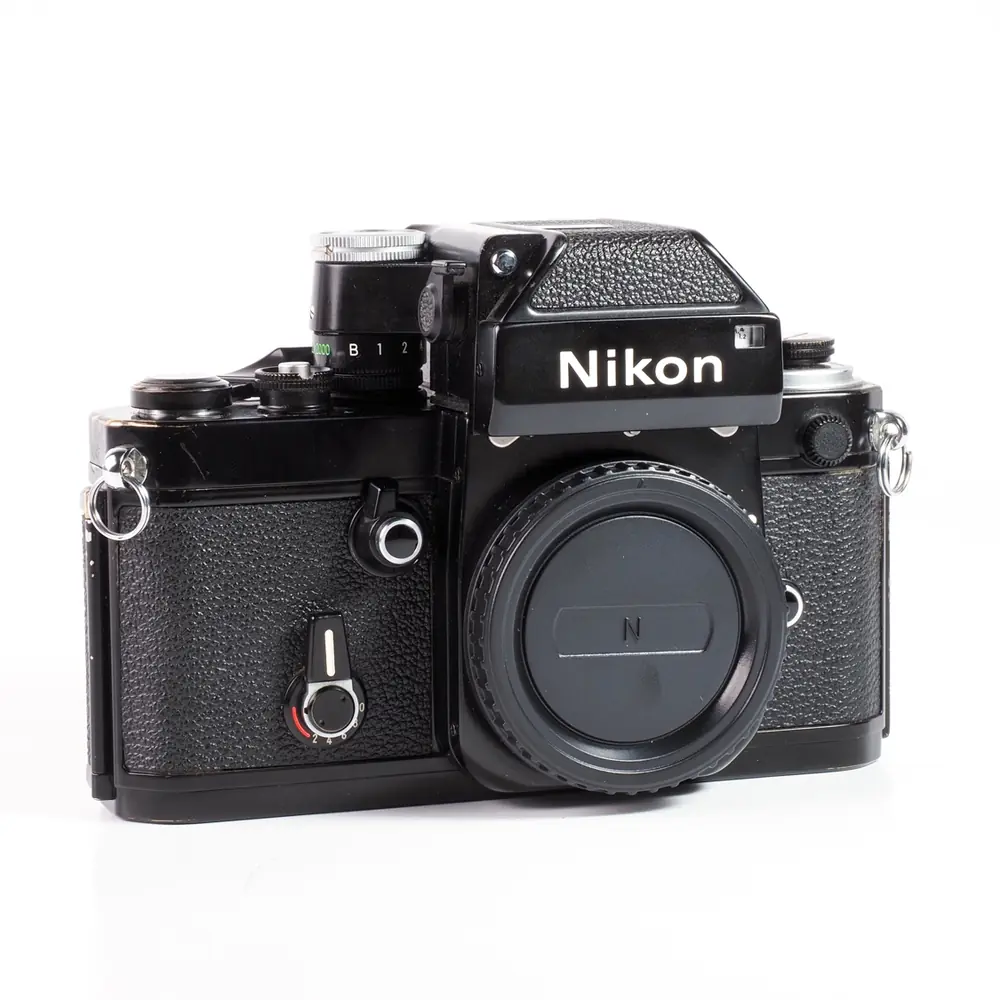
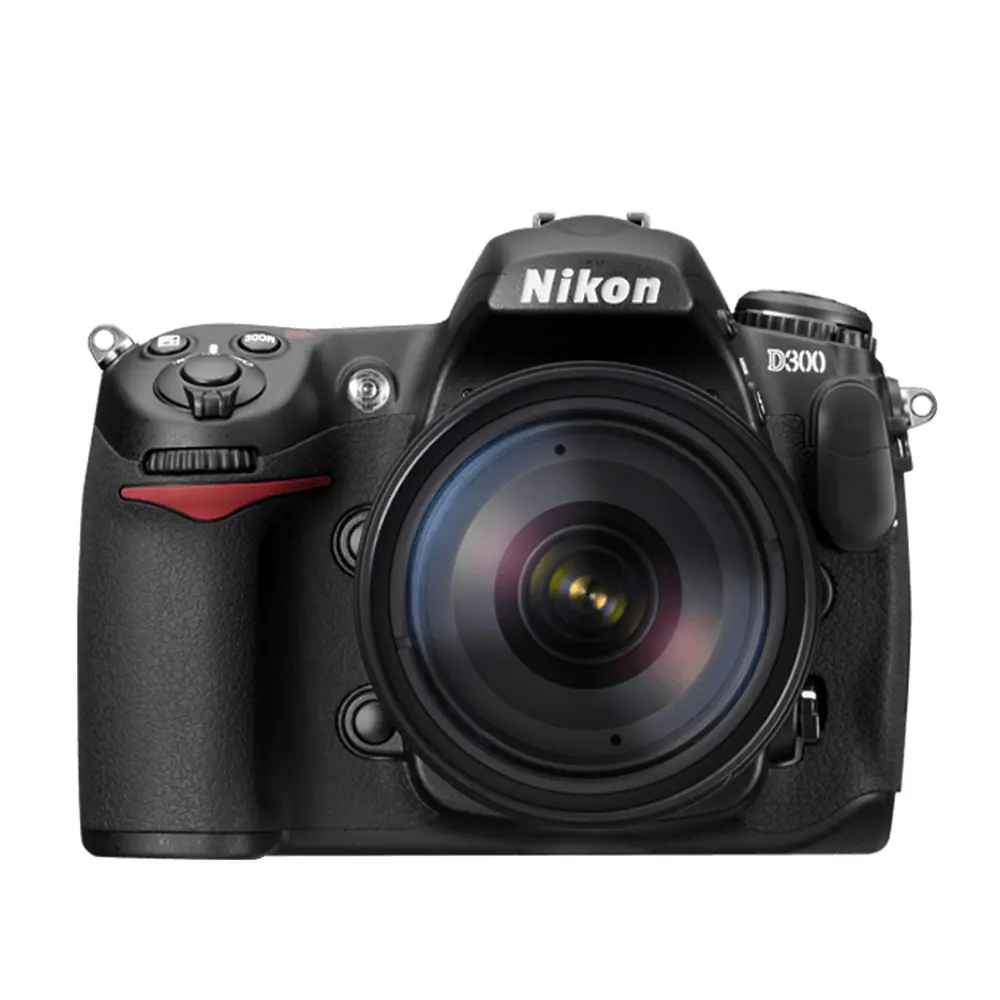
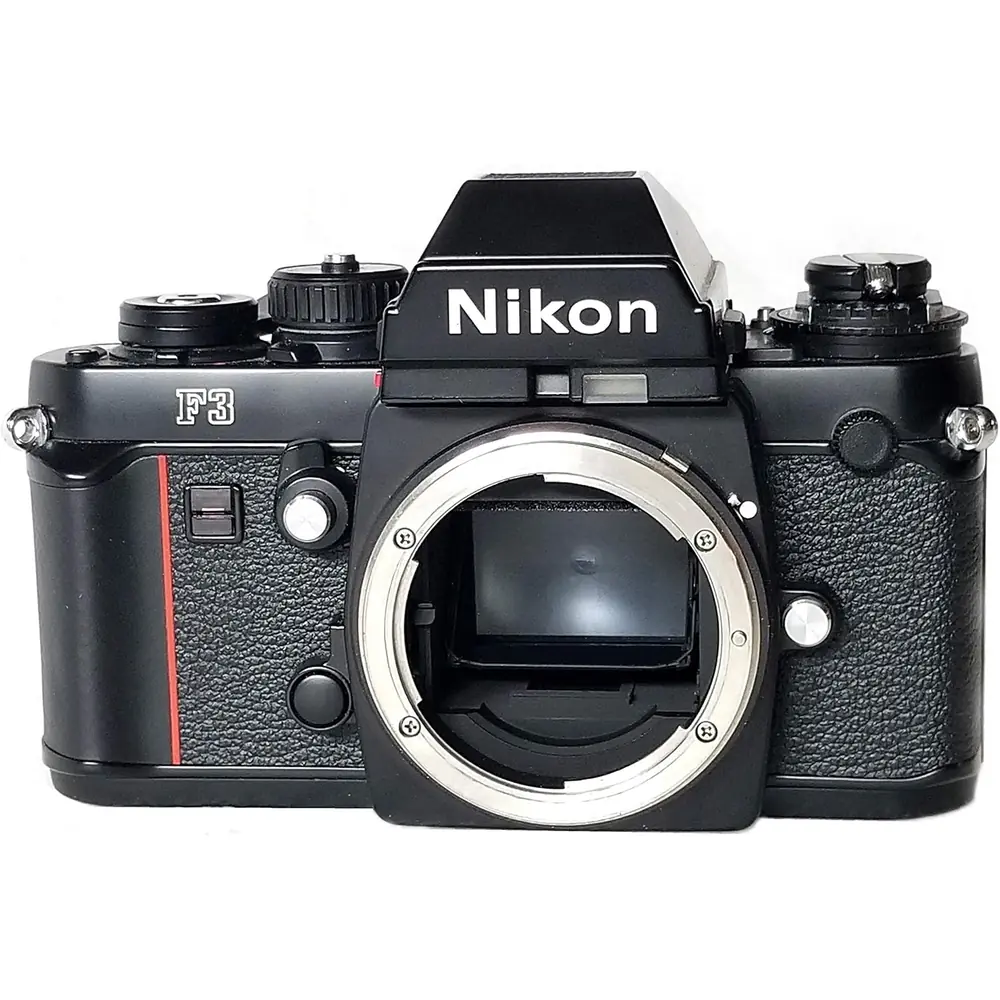
Product Images
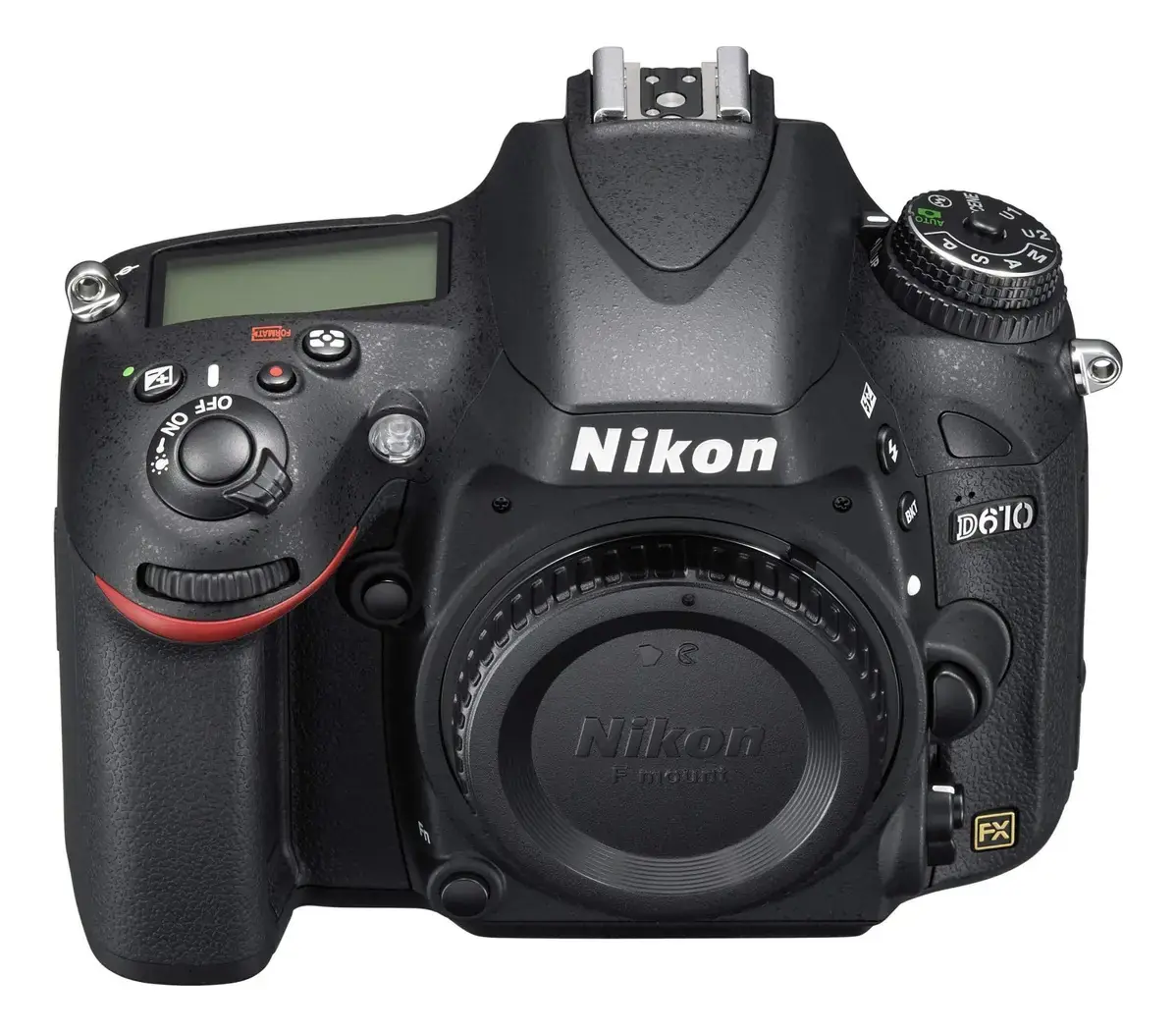
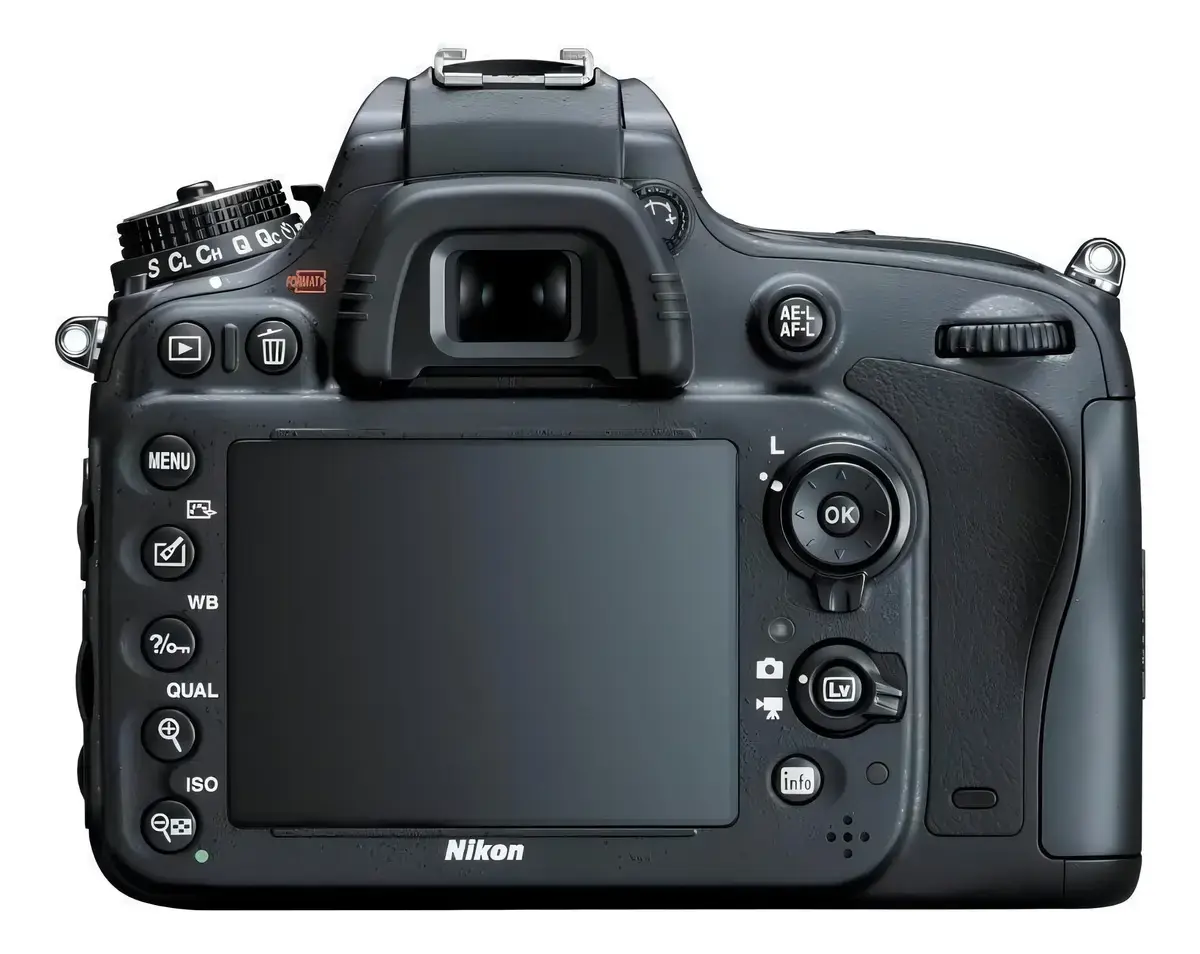
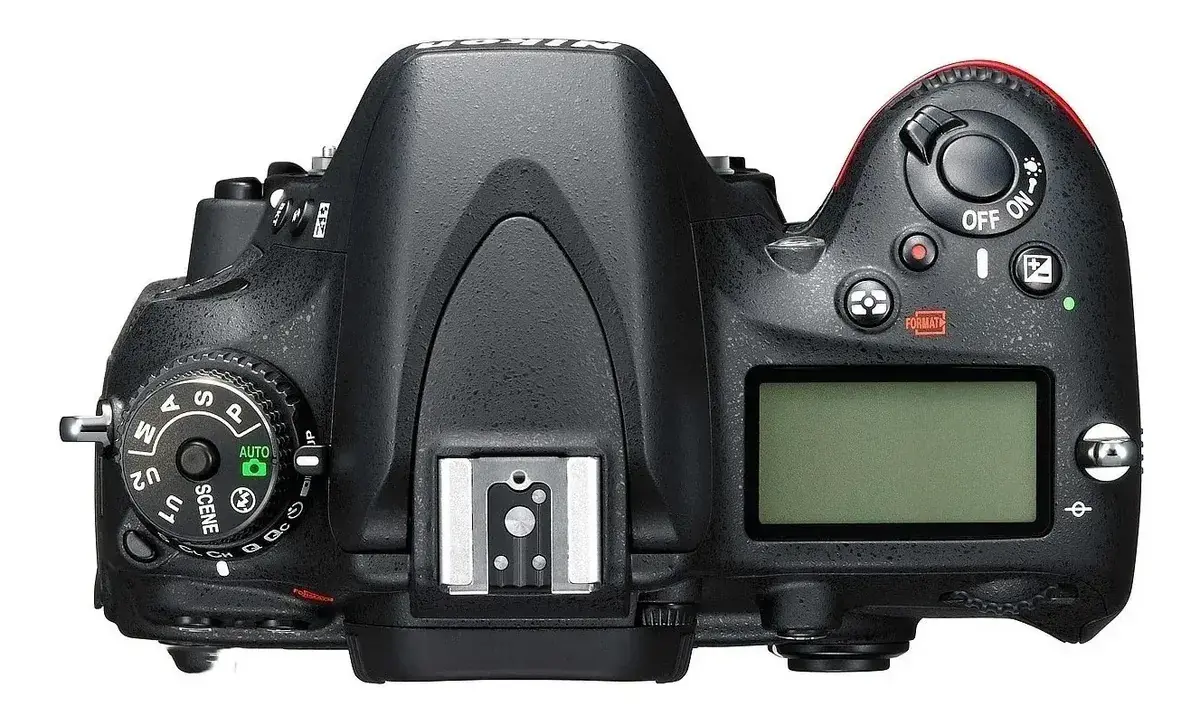
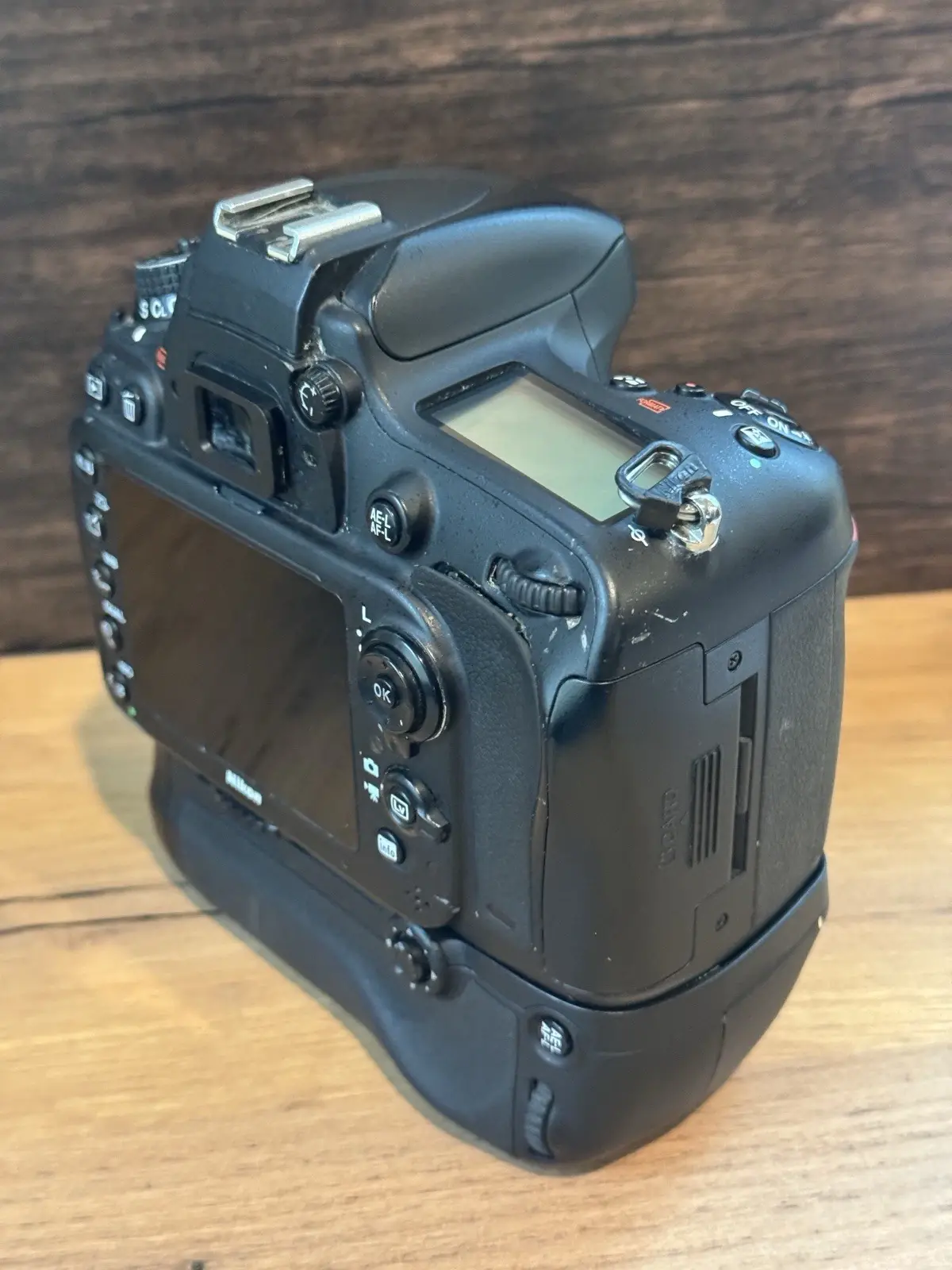
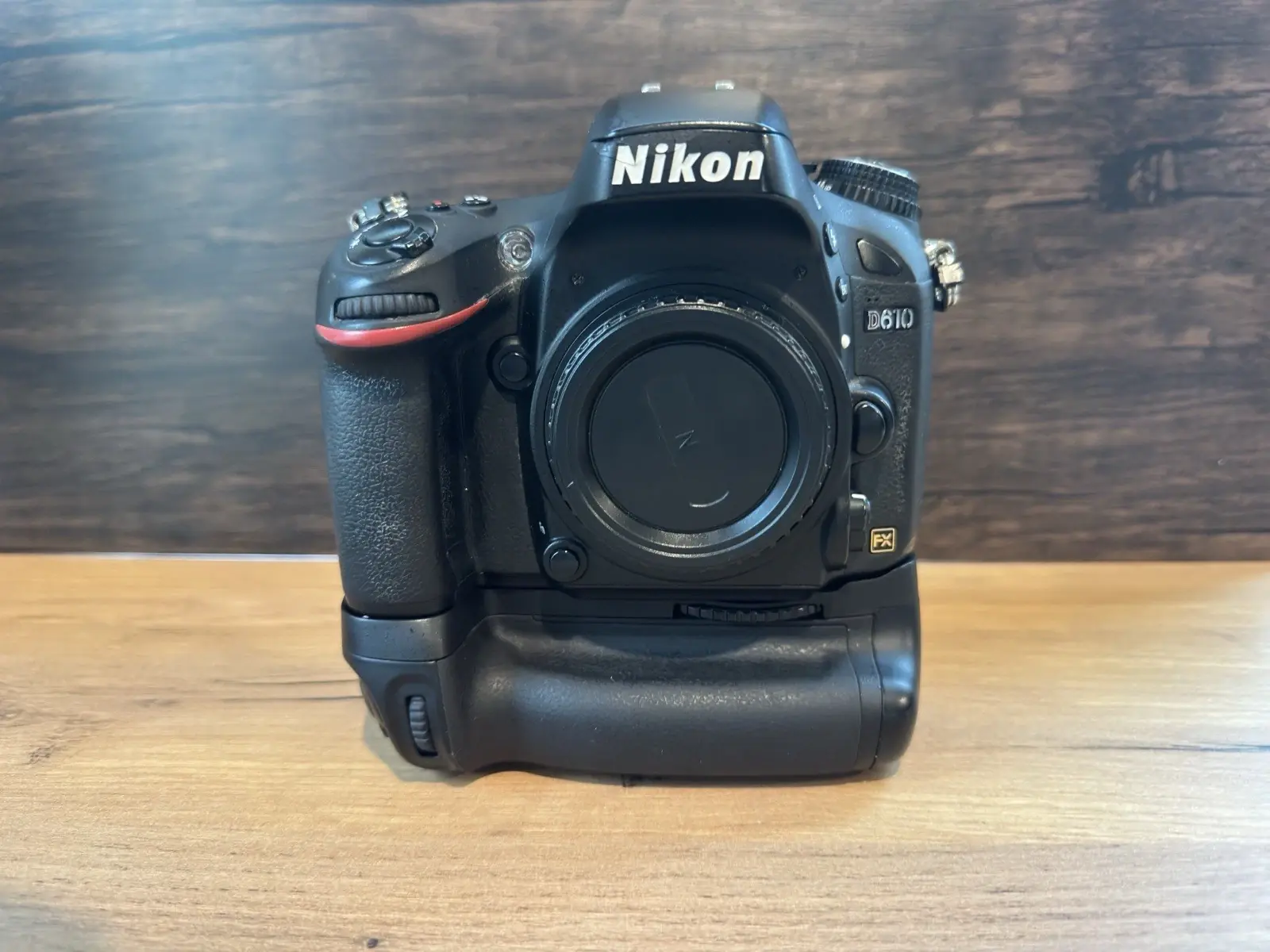
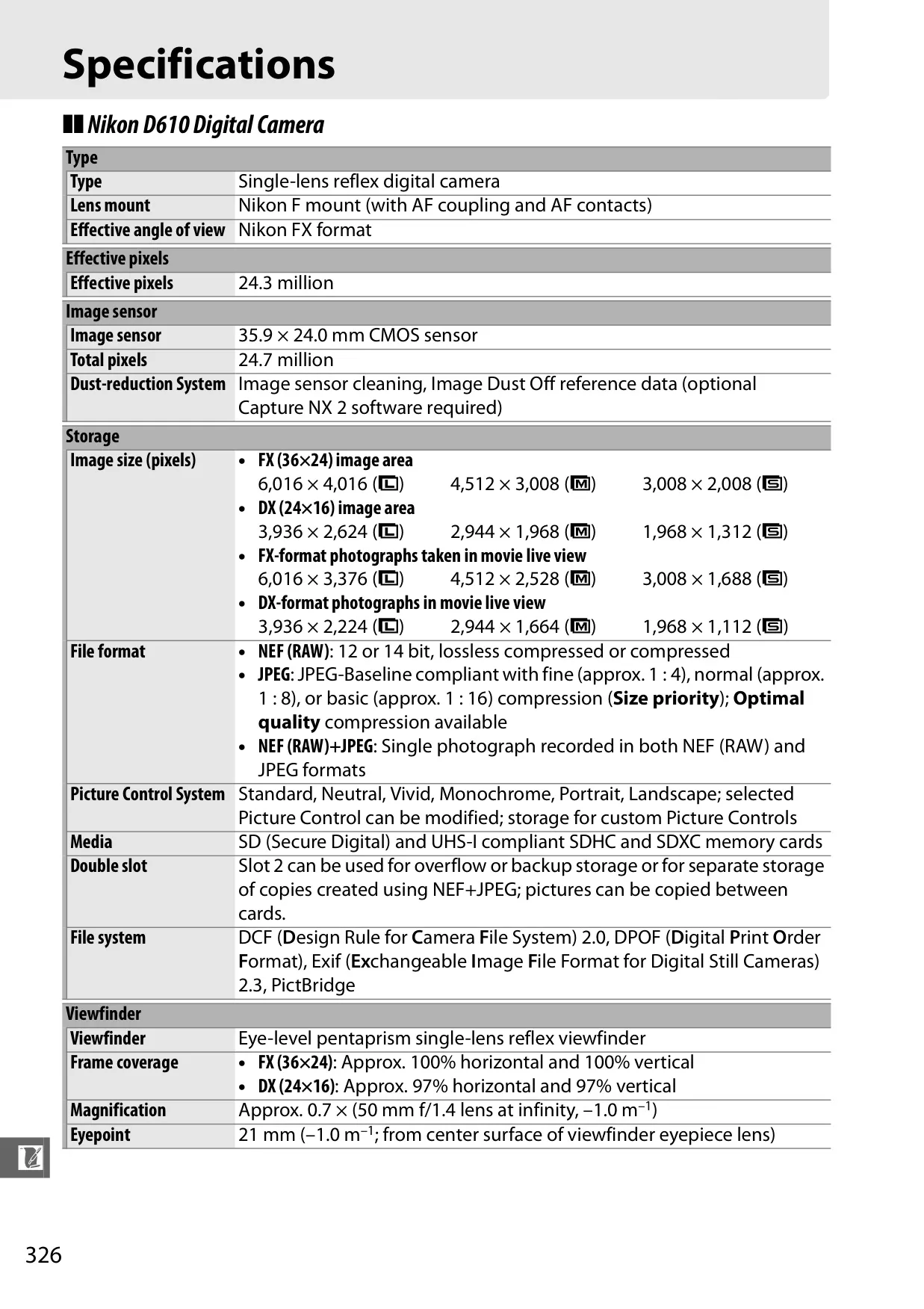
Nikon D610 DSLR Camera Specifications
| Feature | Specification |
|---|---|
| Camera Type | Single-lens reflex digital camera |
| Lens Mount | Nikon F mount (with AF coupling and AF contacts) |
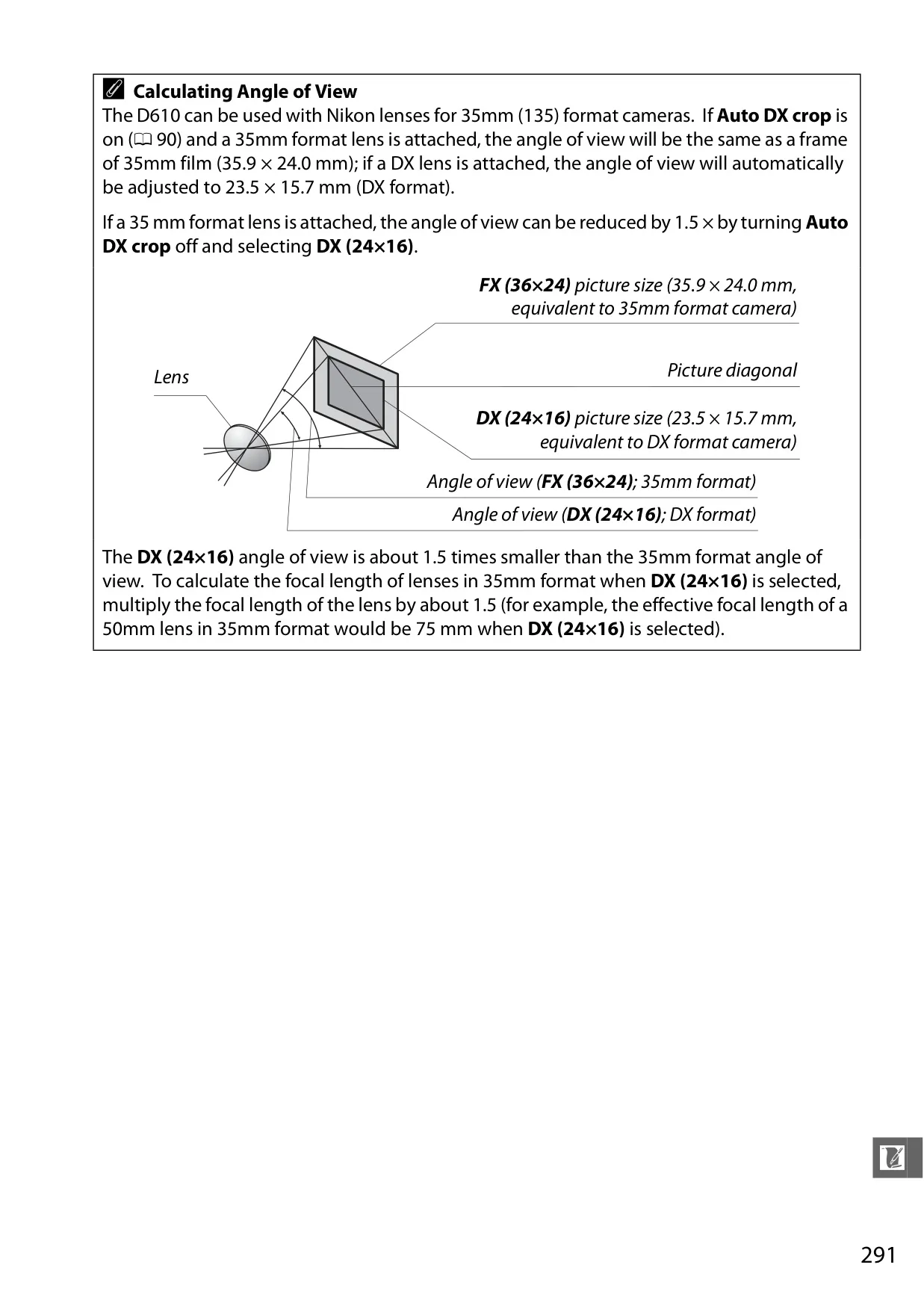
| Effective Angle of View | Nikon FX format |
| Image Sensor | 35.9 × 24.0 mm CMOS sensor |
| Effective Pixels | 24.3 million |
| Total Pixels | 24.7 million |
| Dust Reduction System | Image sensor cleaning, Image Dust Off reference data |
| Storage Media | SD (Secure Digital), SDHC, and SDXC memory cards (UHS-I compliant) |
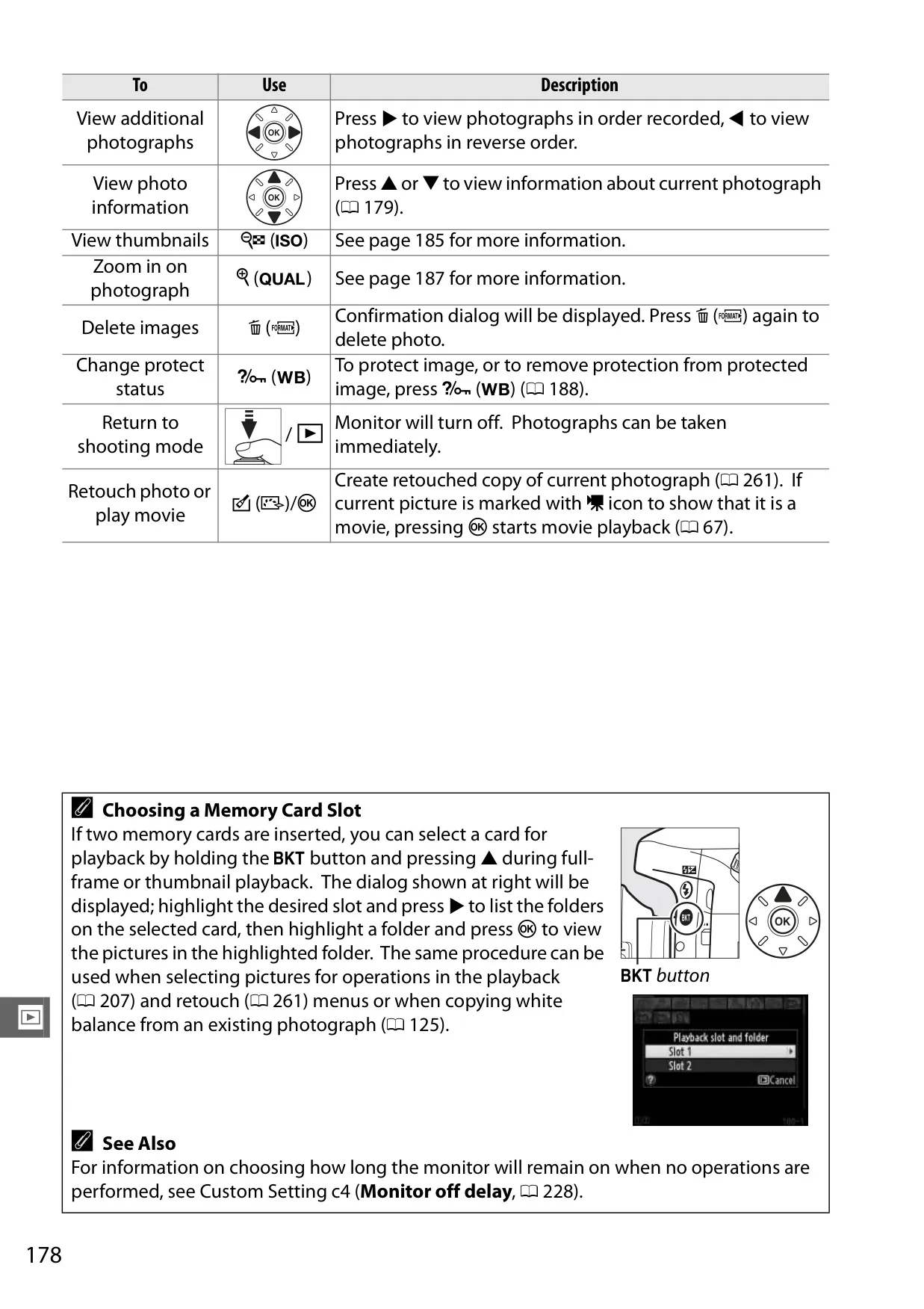
| Dual Card Slots | Slot 2 for overflow, backup, or separate NEF+JPEG storage |
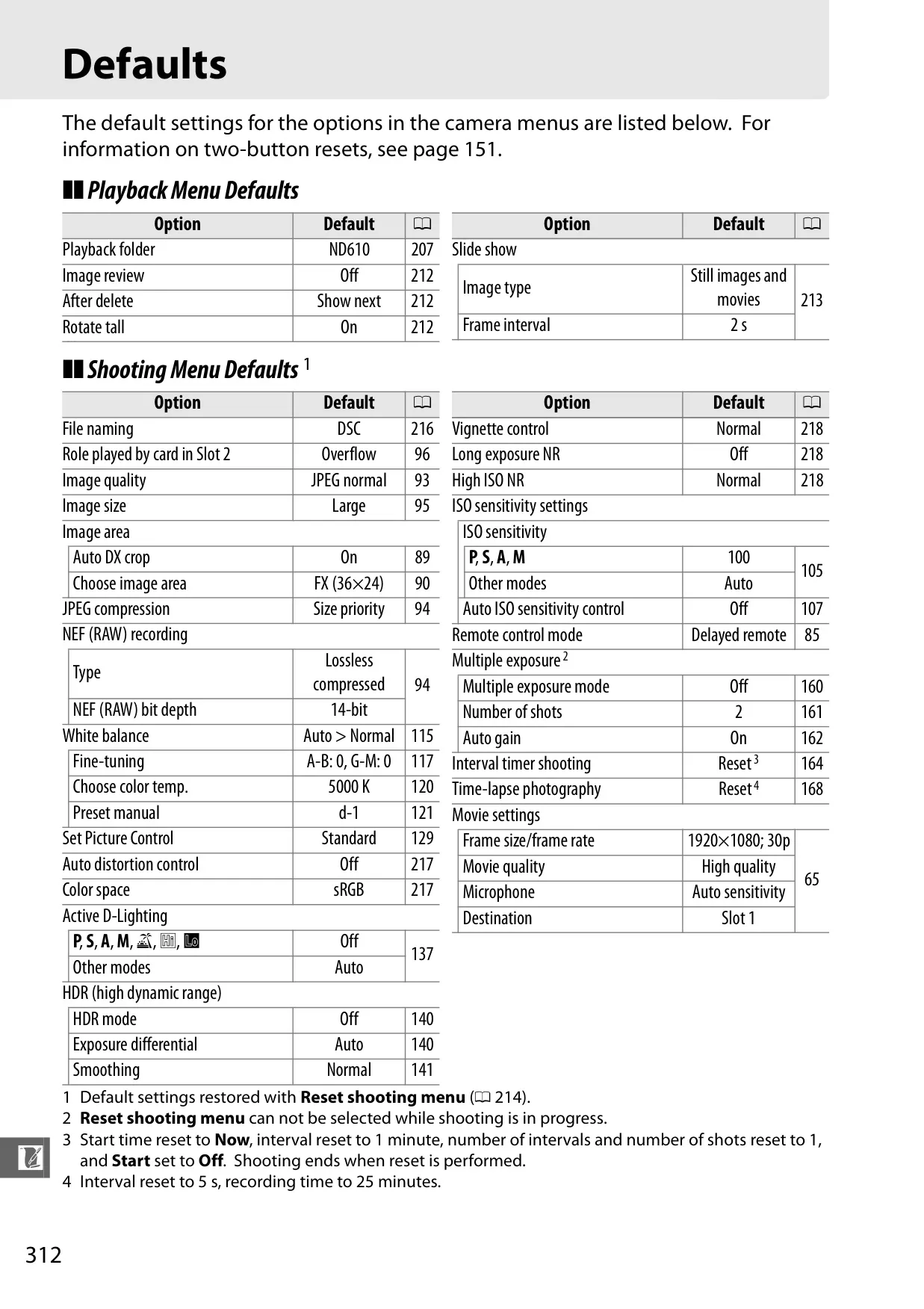
| Image Sizes (FX) | Large: 6016 × 4016; Medium: 4512 × 3008; Small: 3008 × 2008 |
| Image Sizes (DX) | Large: 3936 × 2624; Medium: 2944 × 1968; Small: 1968 × 1312 |
| Image Formats | NEF (RAW): 12 or 14-bit (lossless compressed or compressed); JPEG: Baseline-compliant (Fine, Normal, Basic); NEF (RAW)+JPEG |
| Viewfinder | Eye-level pentaprism single-lens reflex viewfinder |
| Viewfinder Coverage | FX: Approx. 100%; DX: Approx. 97% |
| Viewfinder Magnification | Approx. 0.7x |
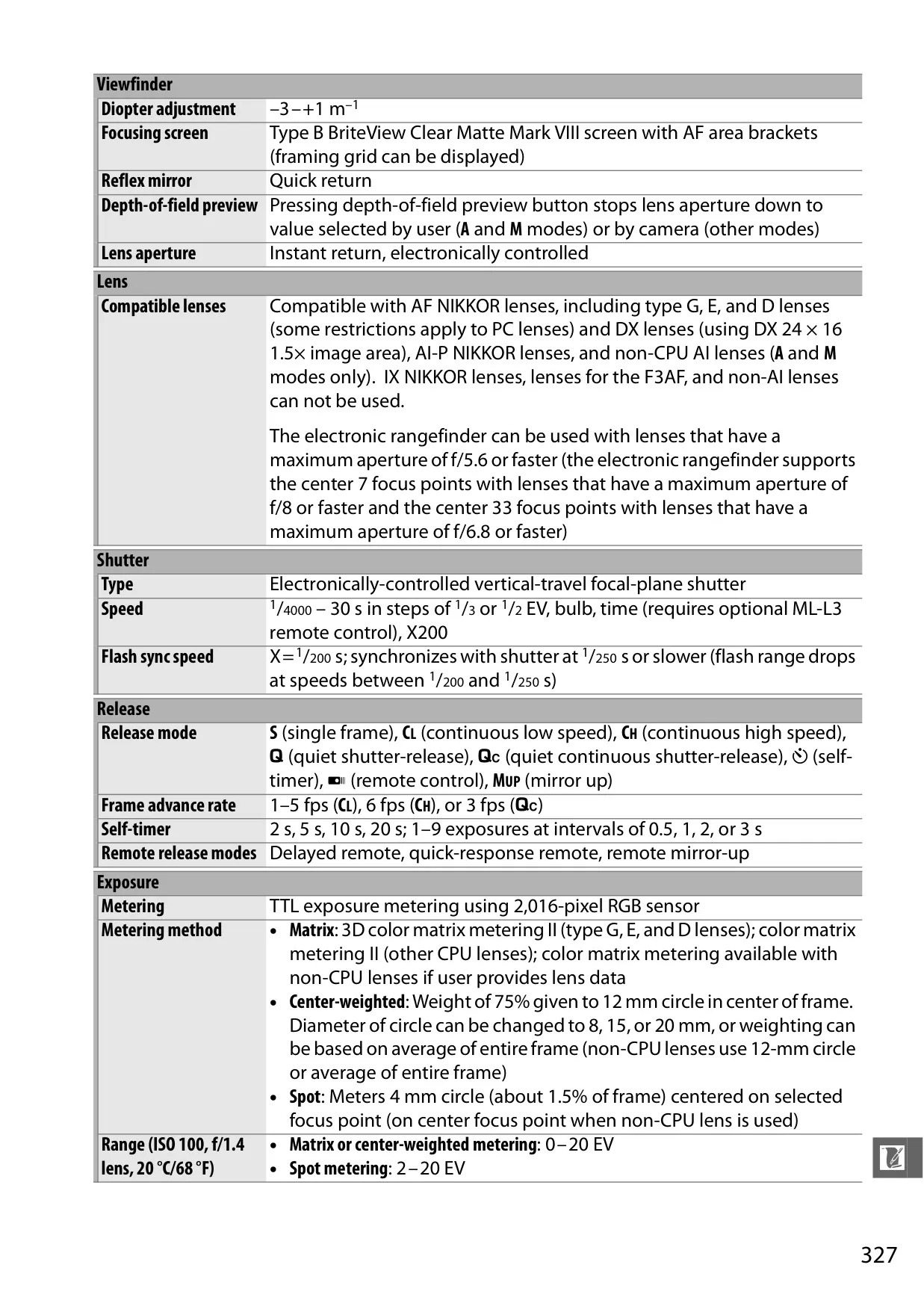
| Diopter Adjustment | -3 to +1 m⁻¹ |
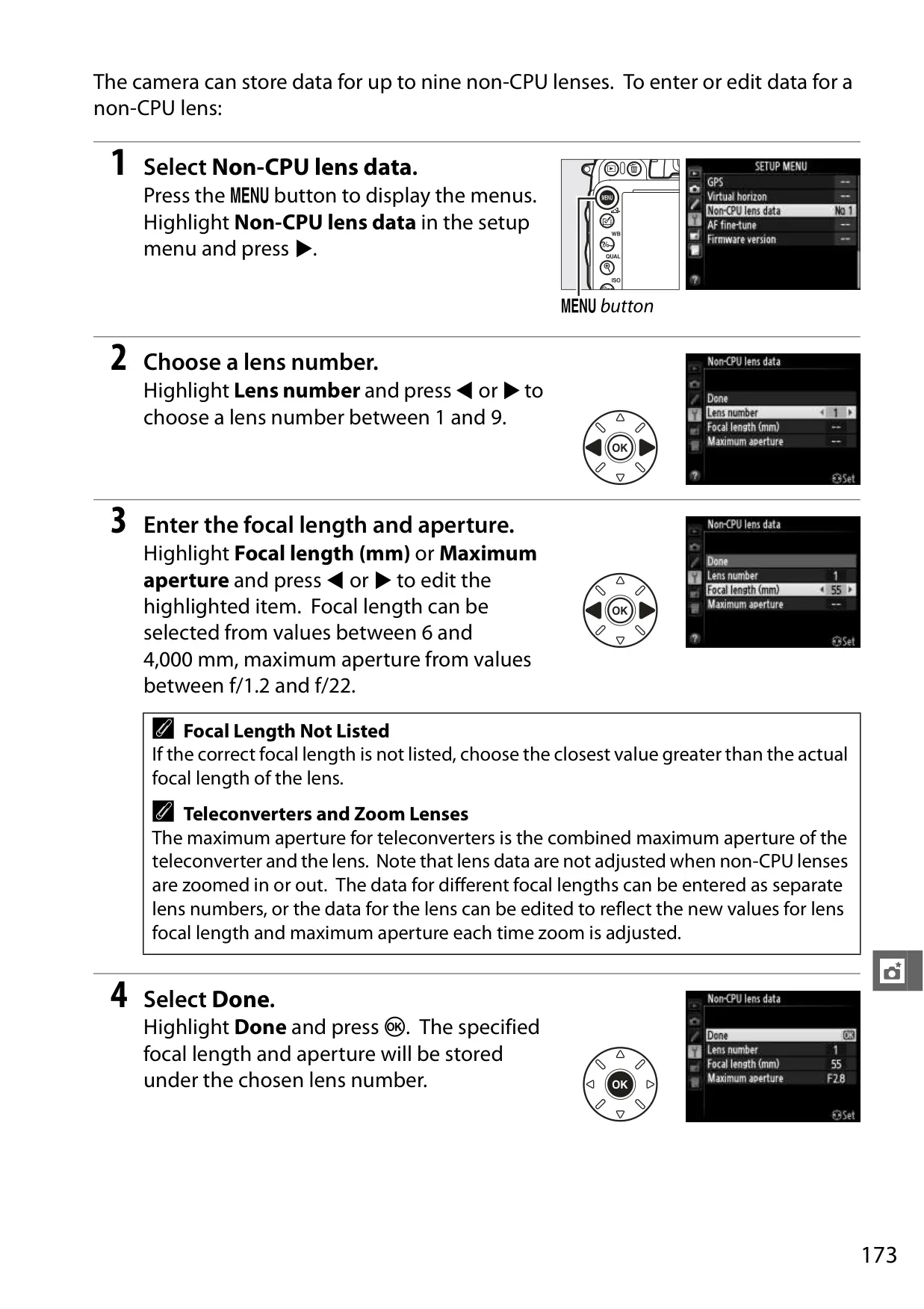
| Lens Compatibility | AF NIKKOR lenses (G, E, D types), DX NIKKOR (using DX image area), AI-P NIKKOR, non-CPU AI lenses (A and M modes only) |
| Shutter Type | Electronically controlled vertical-travel focal-plane shutter |
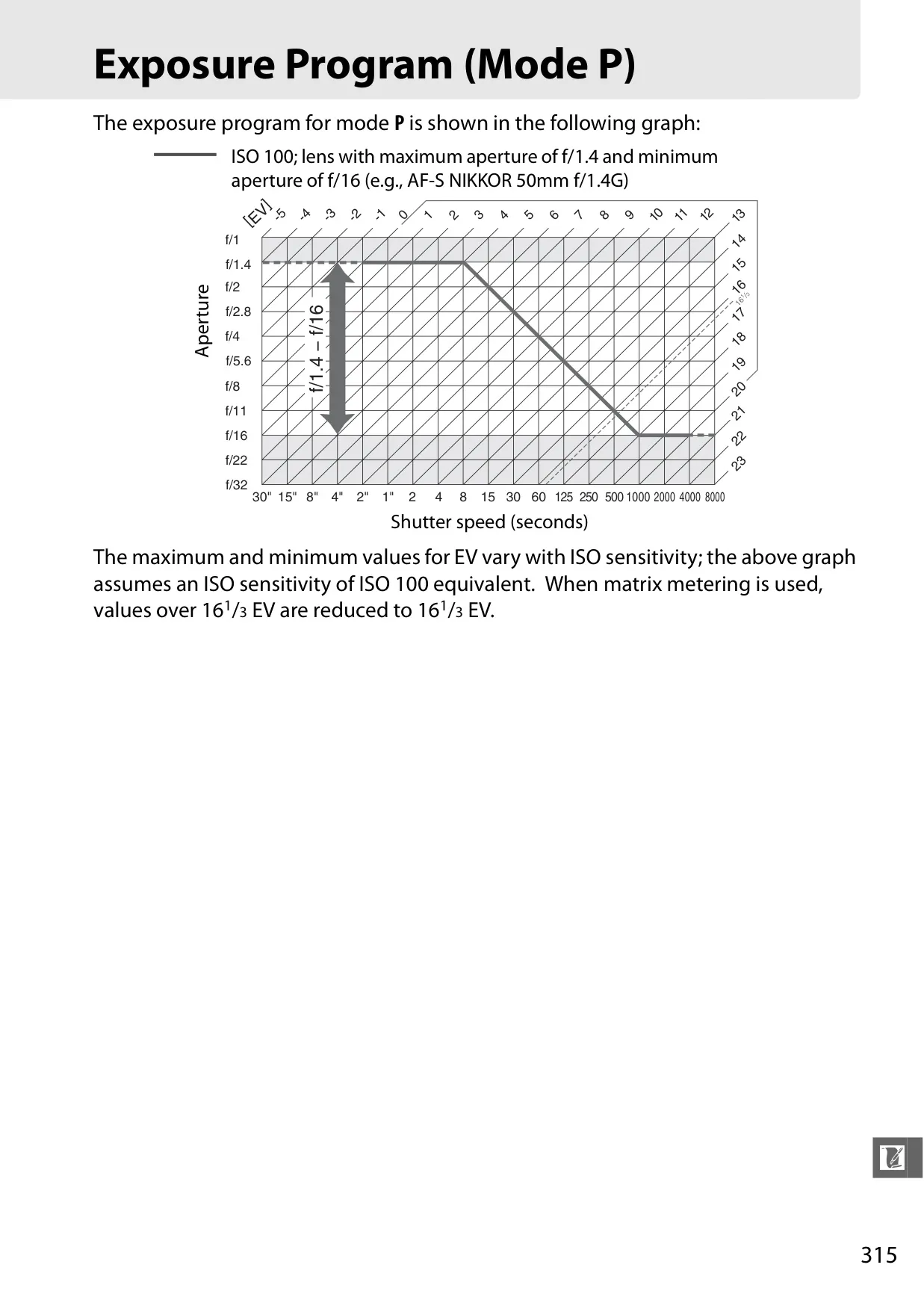
| Shutter Speed | 1/4000 to 30 s (1/3 or 1/2 EV steps), Bulb, Time, X200 |
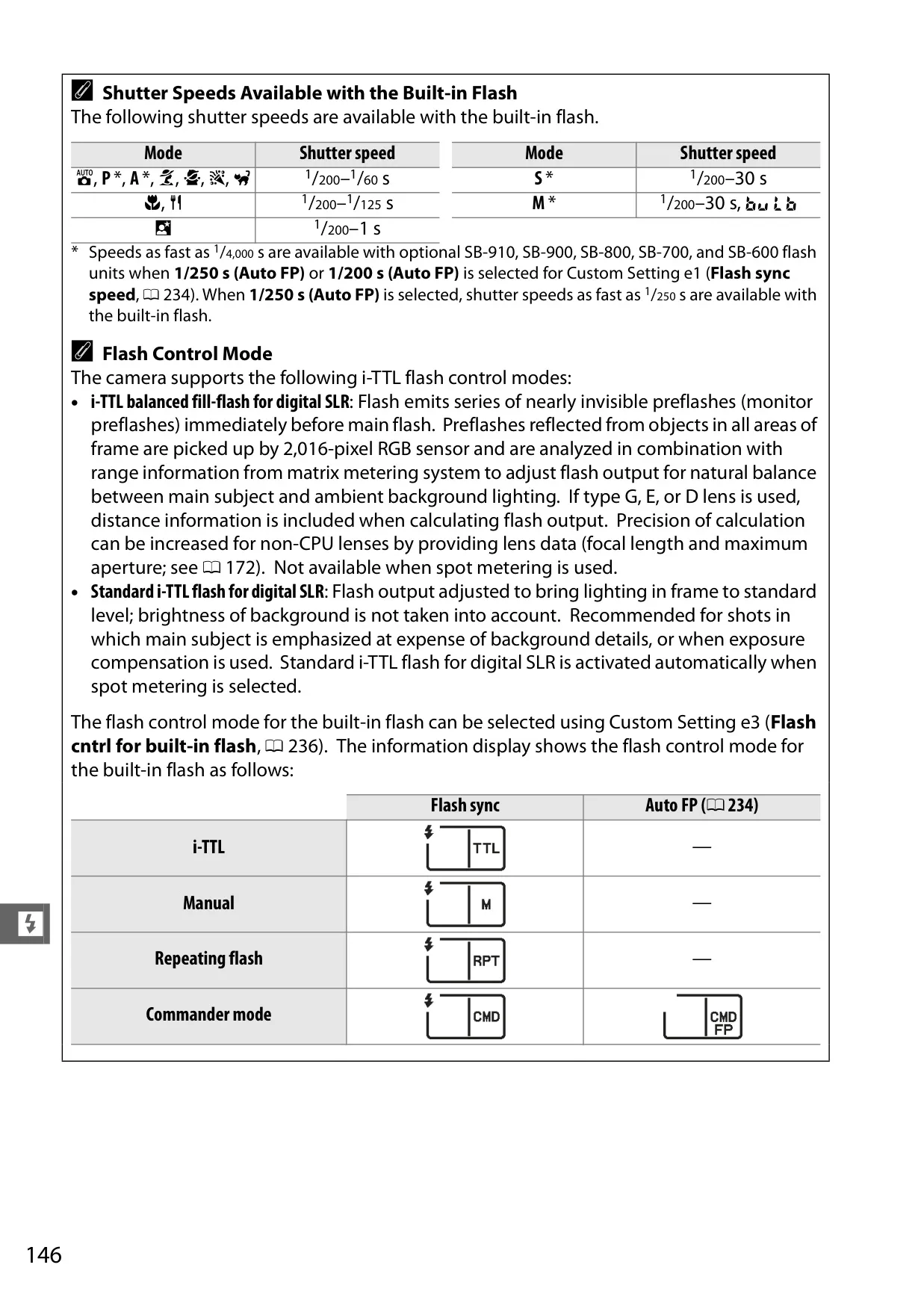
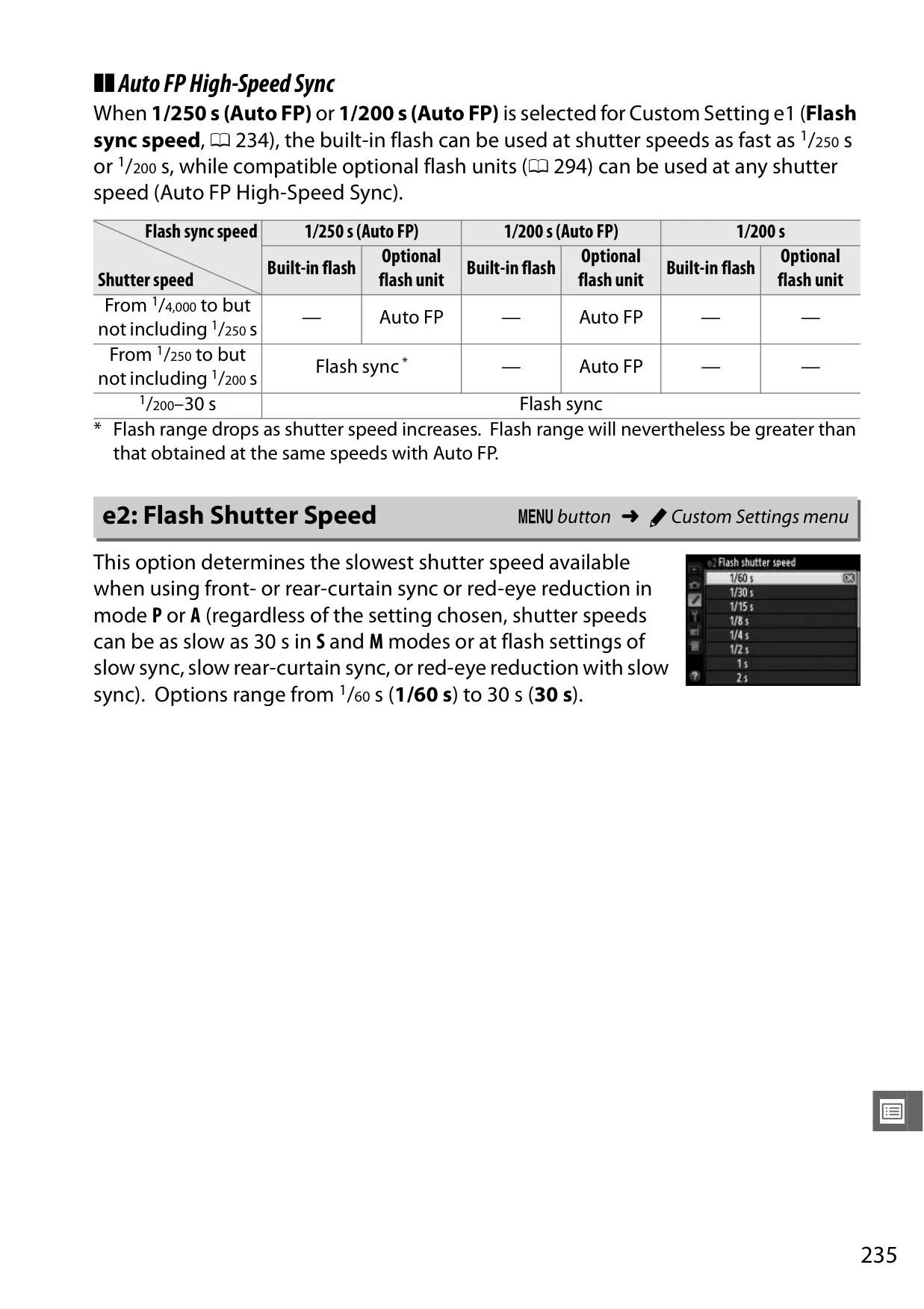
| Flash Sync Speed | X = 1/200 s; synchronizes with shutter at 1/250 s or slower |
| Metering System | TTL exposure metering using 2016-pixel RGB sensor |
| Metering Modes | Matrix: 3D color matrix metering II; Center-weighted: 75% weight on 12mm circle; Spot: 4mm circle on selected focus point |
| Metering Range | 0–20 EV (Matrix, CW); 2–20 EV (Spot) (ISO 100, f/1.4, 20 °C) |
| ISO Sensitivity | ISO 100–6400 (1/3 or 1/2 EV steps); expandable to Lo 1 (ISO 50) and Hi 2 (ISO 25600) |
| Autofocus System | Nikon Multi-CAM 4800 AF sensor module with TTL phase detection |
| Autofocus Points | 39 focus points (including 9 cross-type sensors) |
| AF Detection Range | -1 to +19 EV (ISO 100, 20 °C) |
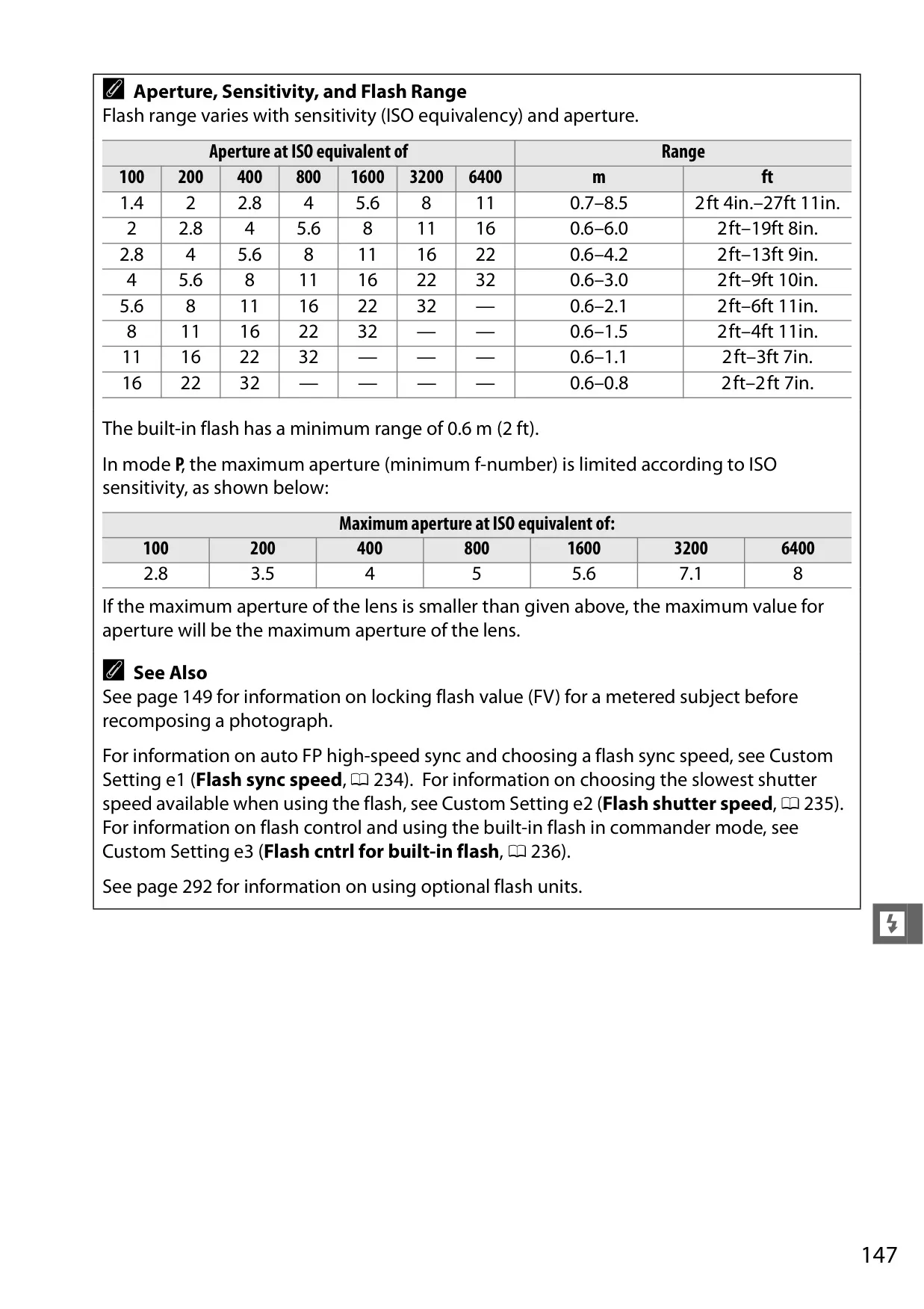
| Built-in Flash | Guide number approx. 12/39 (m/ft, ISO 100, 20 °C) |
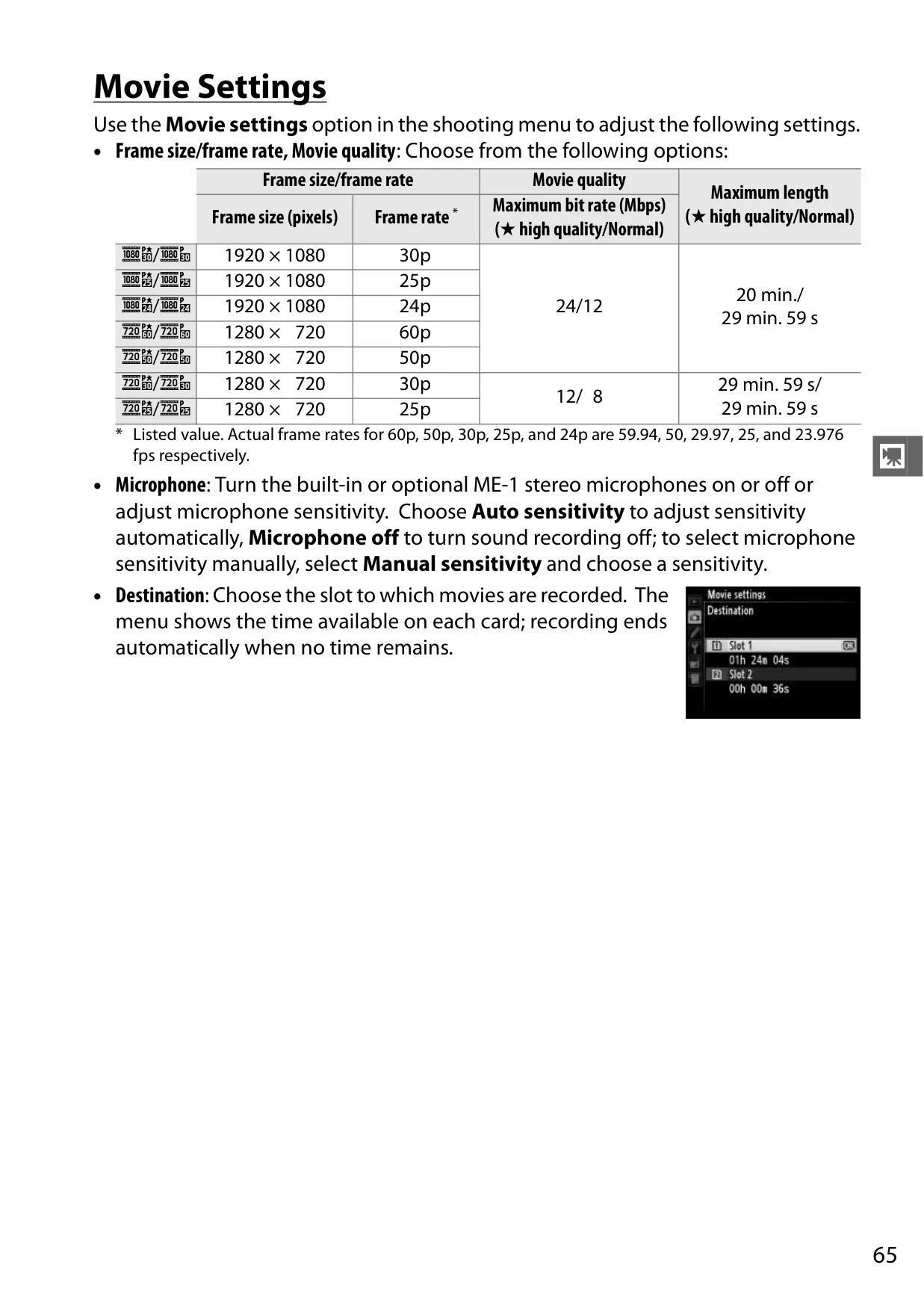
| Video Frame Size/Rate | 1920 × 1080: 30p, 25p, 24p; 1280 × 720: 60p, 50p, 30p, 25p |
| Video File Format | MOV (H.264/MPEG-4 Advanced Video Coding) |
| Audio Recording | Built-in stereo microphone; external stereo microphone input (sensitivity adjustable) |
| Monitor | 8 cm (3.2 in.), approx. 921k-dot (VGA) TFT LCD; 170° viewing angle, 100% frame coverage |
| USB | High-Speed USB |
| HDMI Output | Type C mini-pin HDMI connector |
| Power Source | One EN-EL15 rechargeable Li-ion battery |
| Dimensions (W × H × D) | Approx. 141 × 113 × 82 mm (5.6 × 4.4 × 3.2 in.) |
| Weight | Approx. 840 g (with battery and memory card, without body cap); approx. 760 g (camera body only) |
| Operating Environment | Temperature: 0–40 °C (+32–104 °F); Humidity: 85% or less (no condensation) |
Nikon D610 DSLR Camera Details
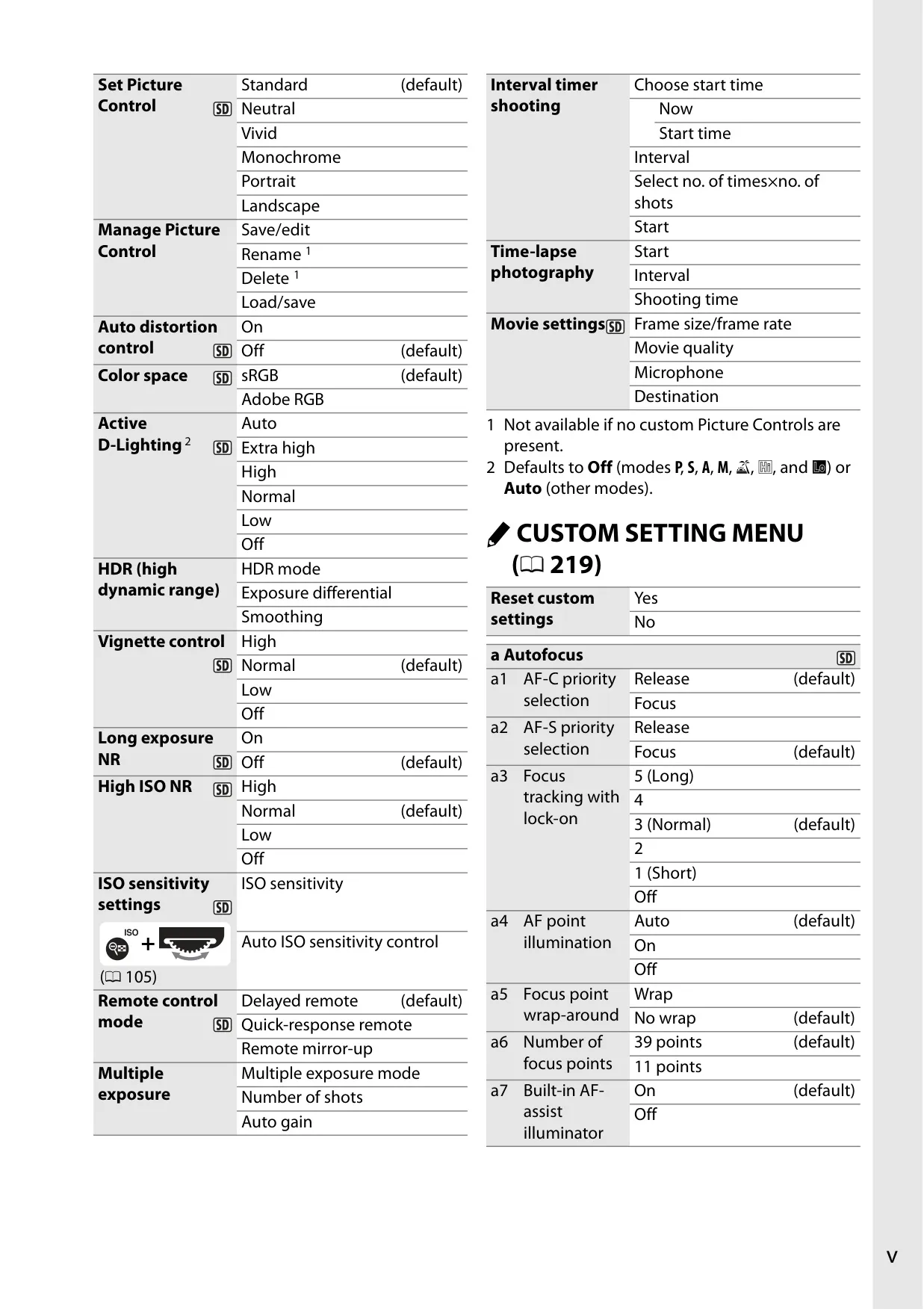
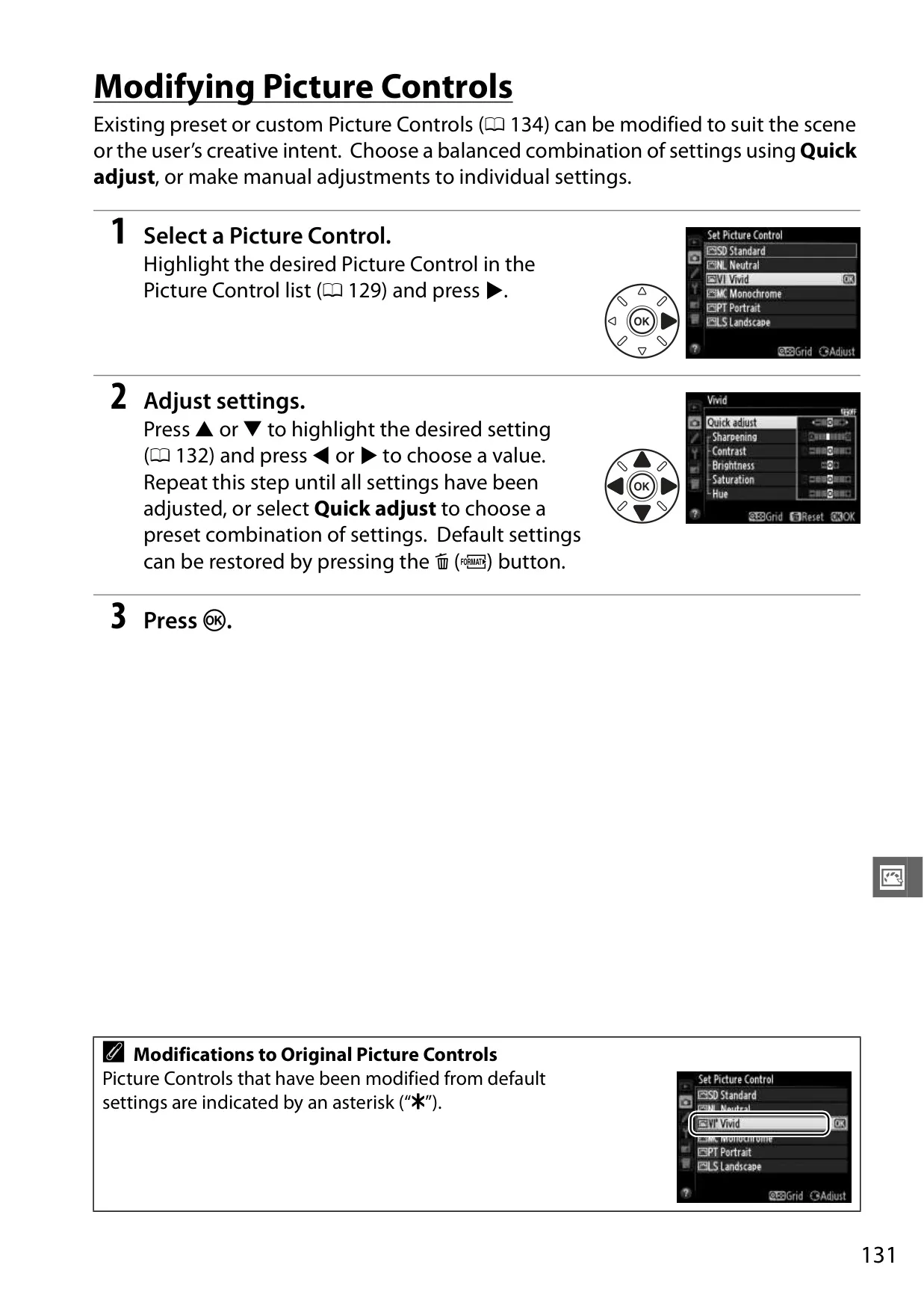
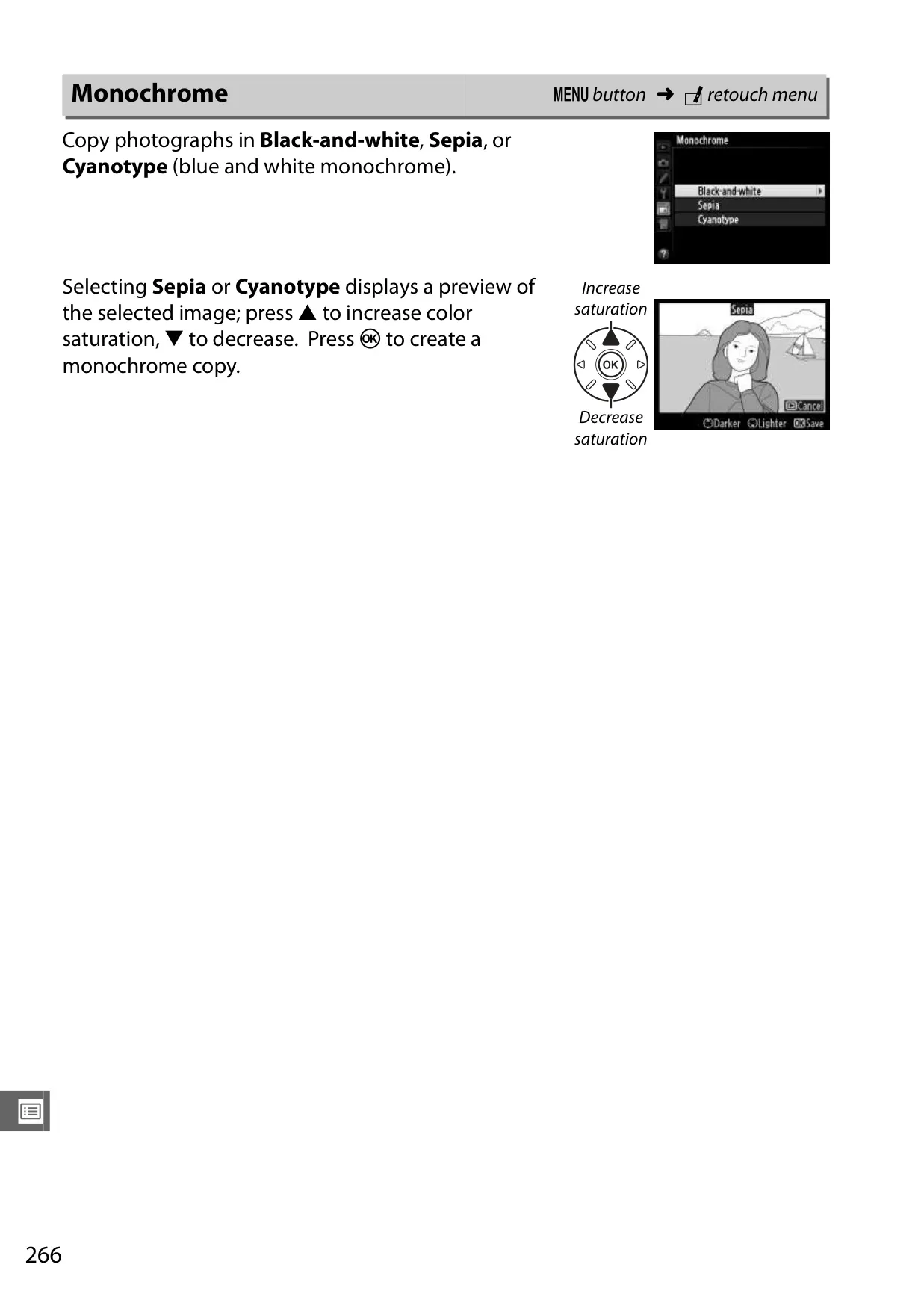
The Nikon D610 DSLR Camera manual reveals a comprehensive set of features designed to enhance a photographer's creative control and shooting flexibility. Beyond the core specifications, the camera offers sophisticated controls like Picture Control, enabling users to fine-tune image characteristics such as sharpness, contrast, brightness, hue, and saturation across various presets including Standard, Neutral, Vivid, Monochrome, Portrait, and Landscape. These settings can be customized and saved for quick access, allowing for consistent results or unique artistic expressions tailored to specific shooting conditions.
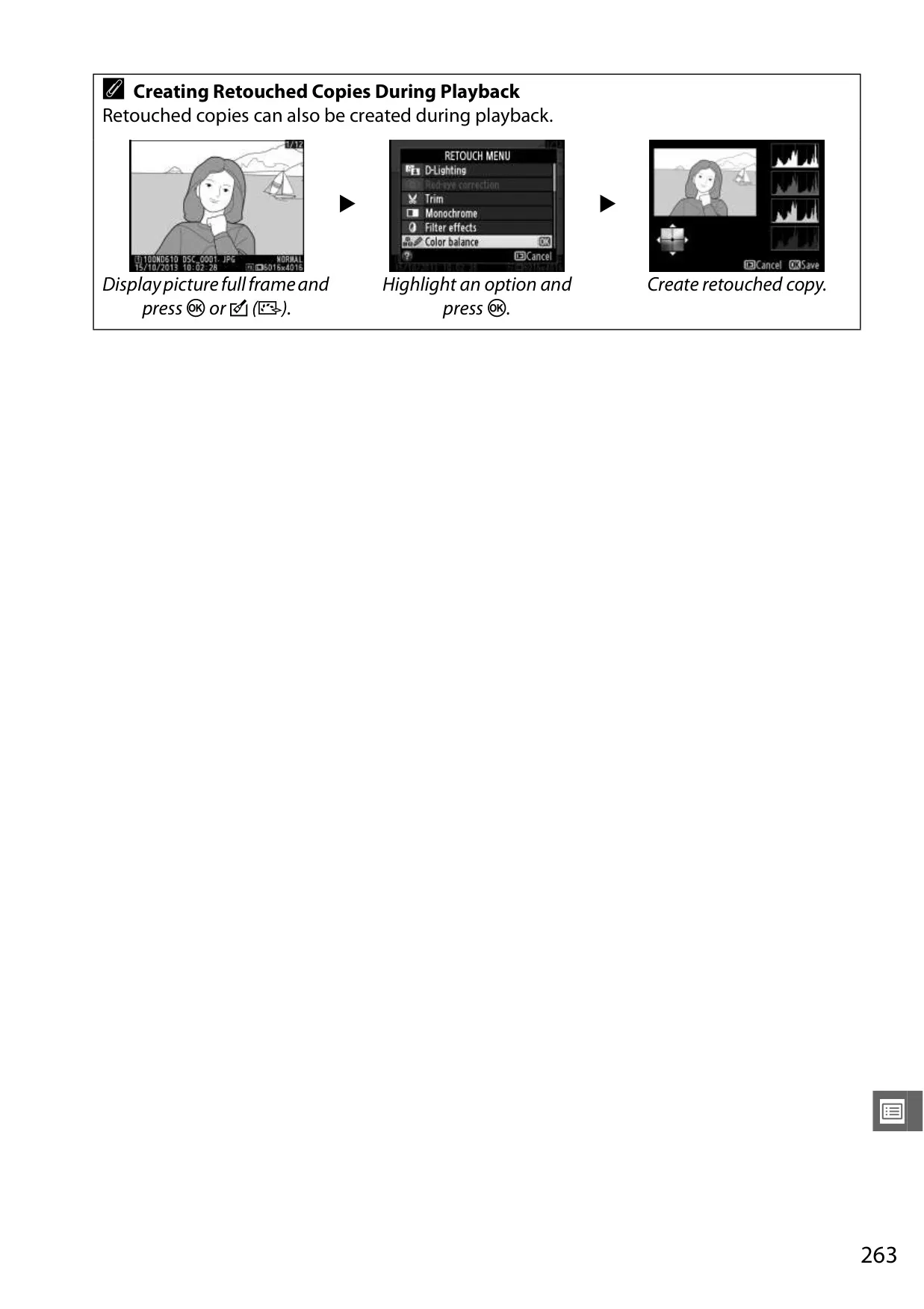
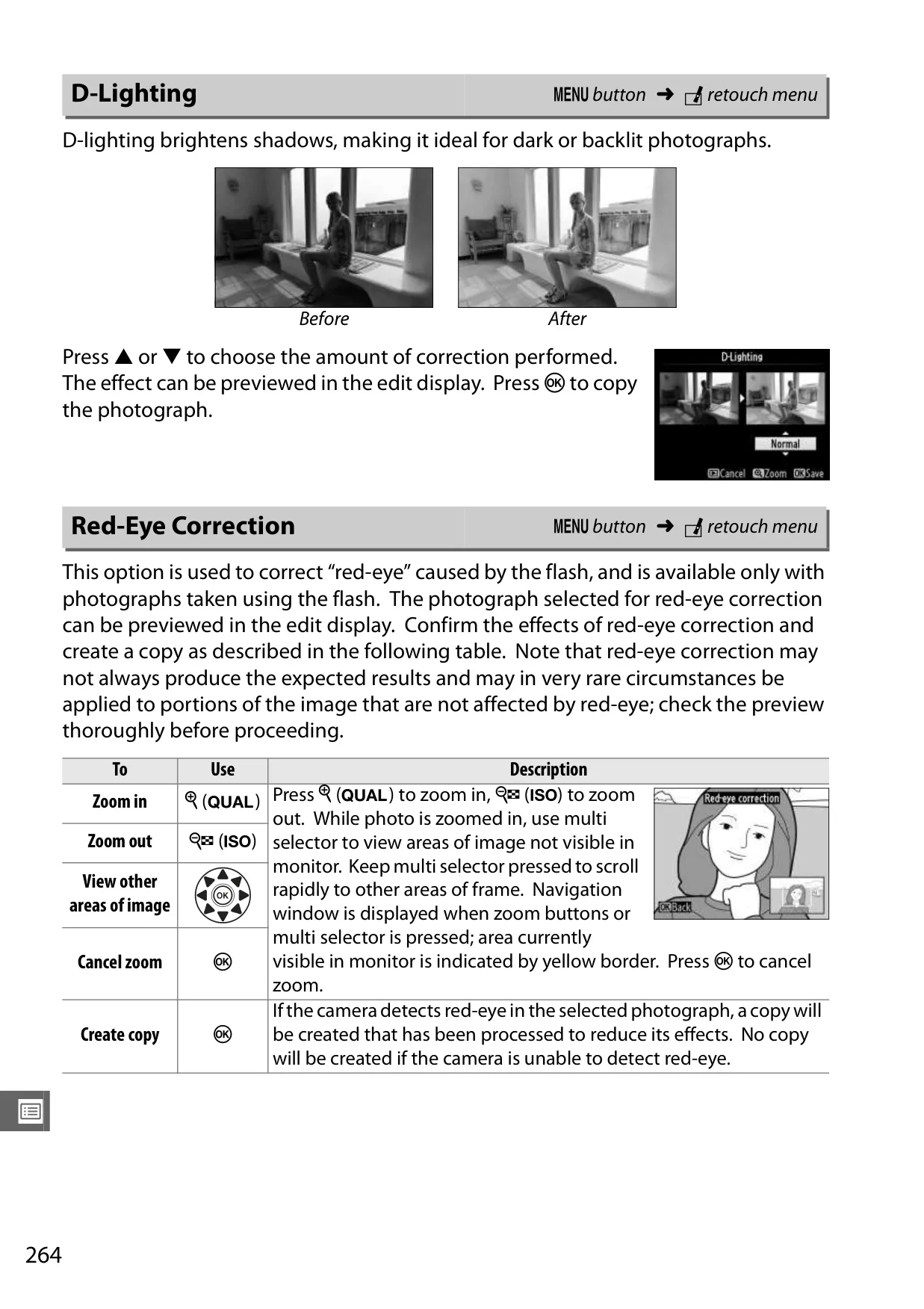
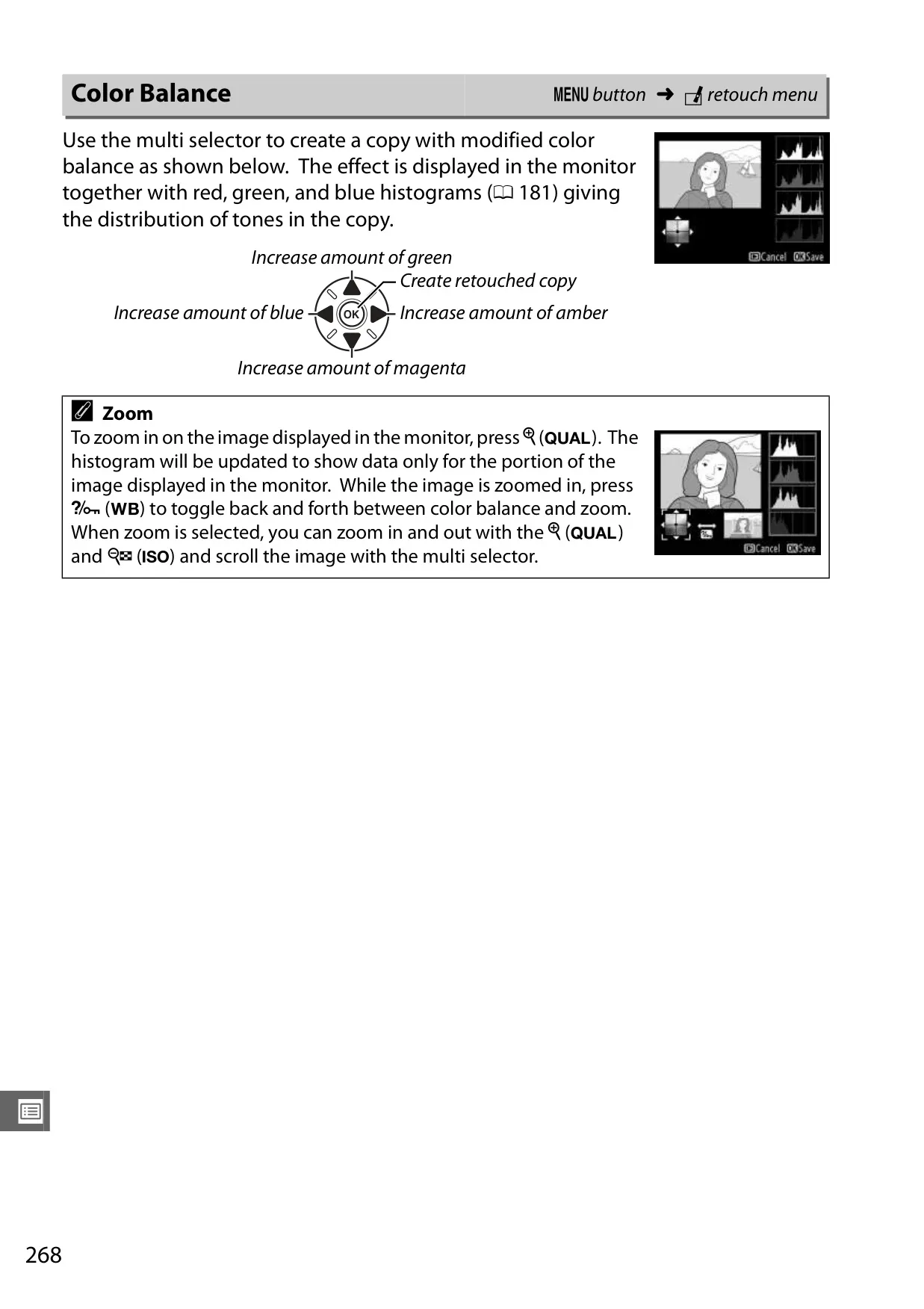
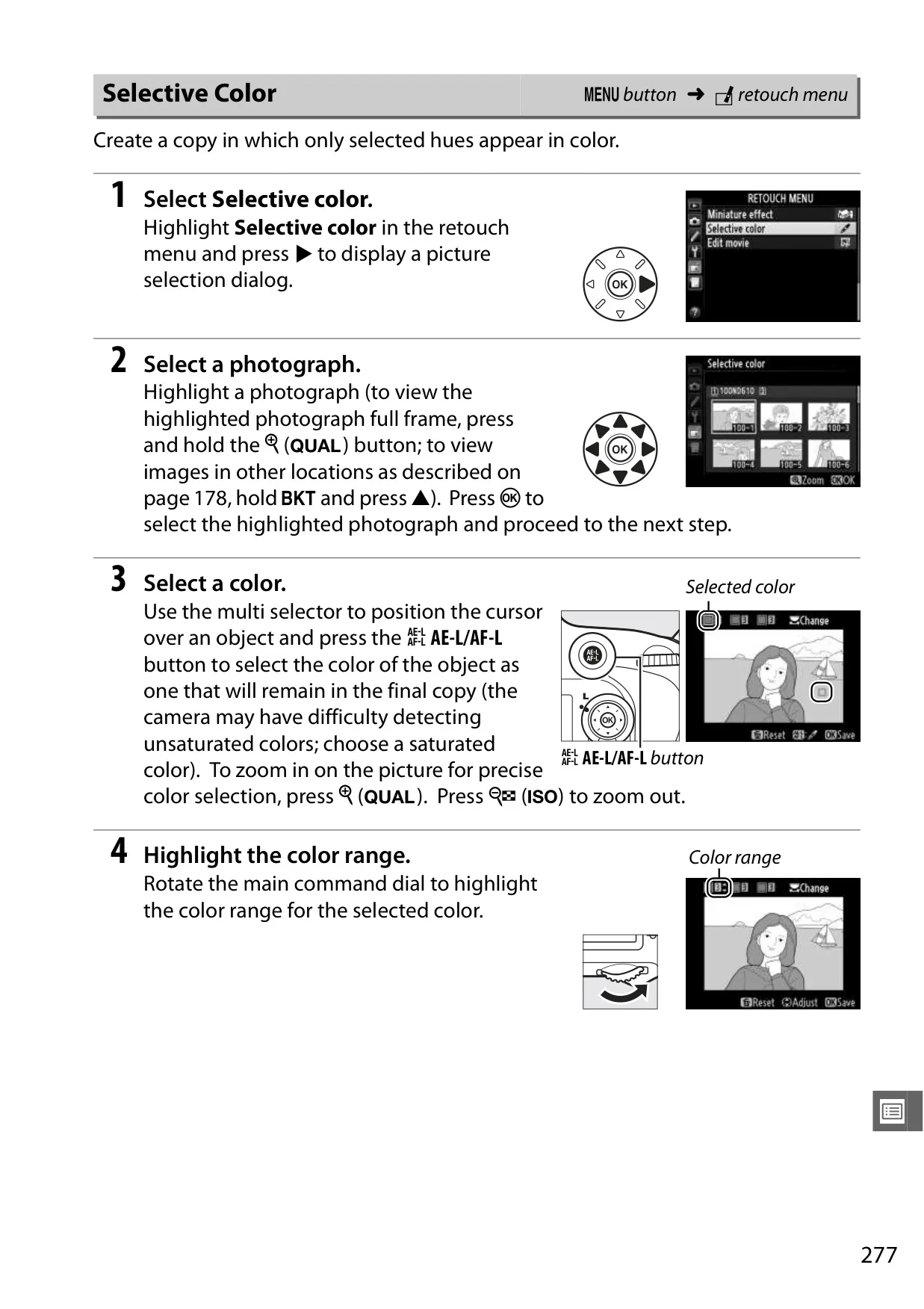
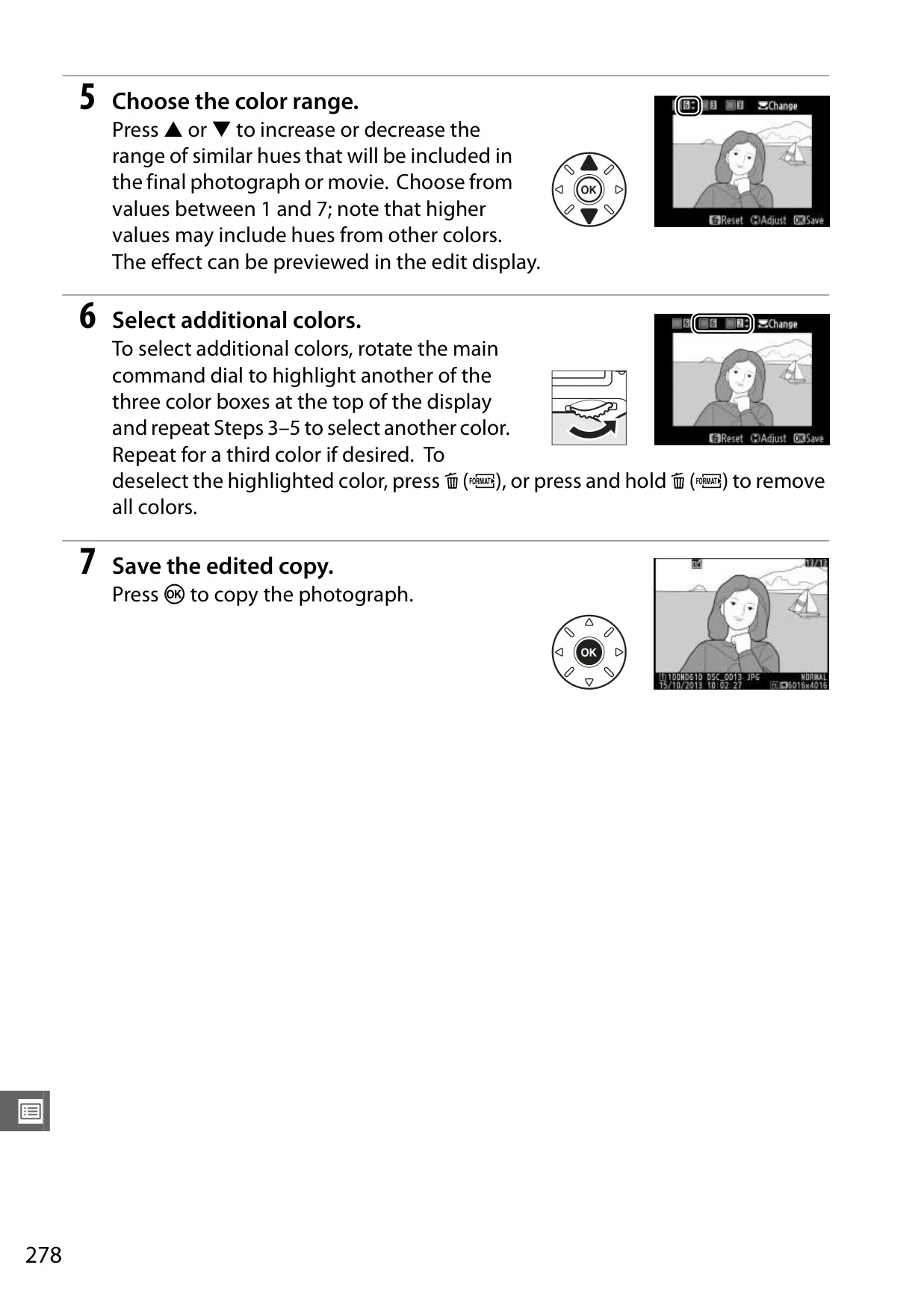
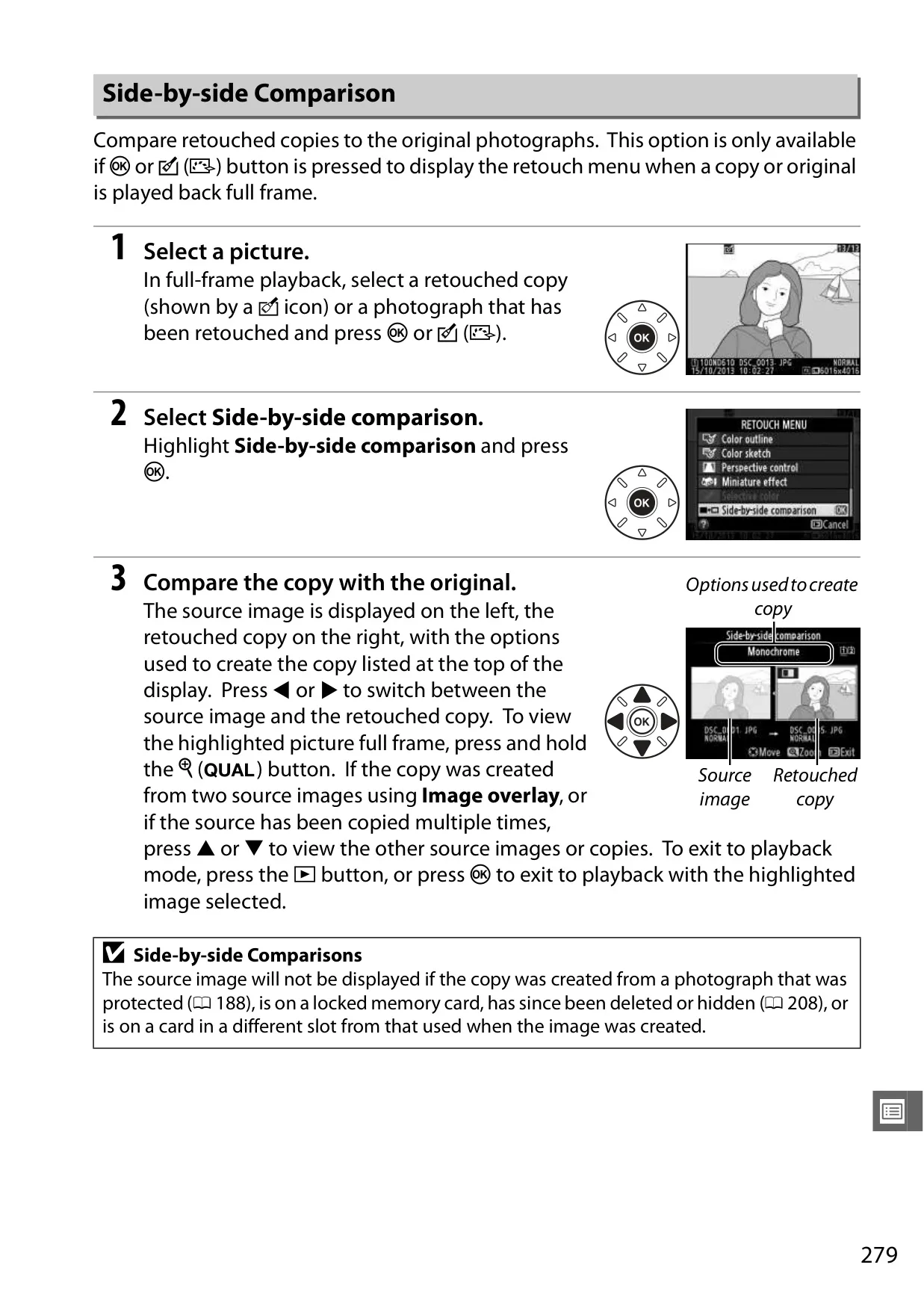
For post-capture adjustments, the D610 includes an extensive Retouch Menu with options ranging from basic D-Lighting and red-eye correction to more advanced functions like image overlay, NEF (RAW) processing, and selective color. Creative effects such as miniature effect, color outline, and fisheye are also available, offering in-camera creative possibilities without the need for external software. This makes the D610 a versatile tool for both capturing and refining images on the go.
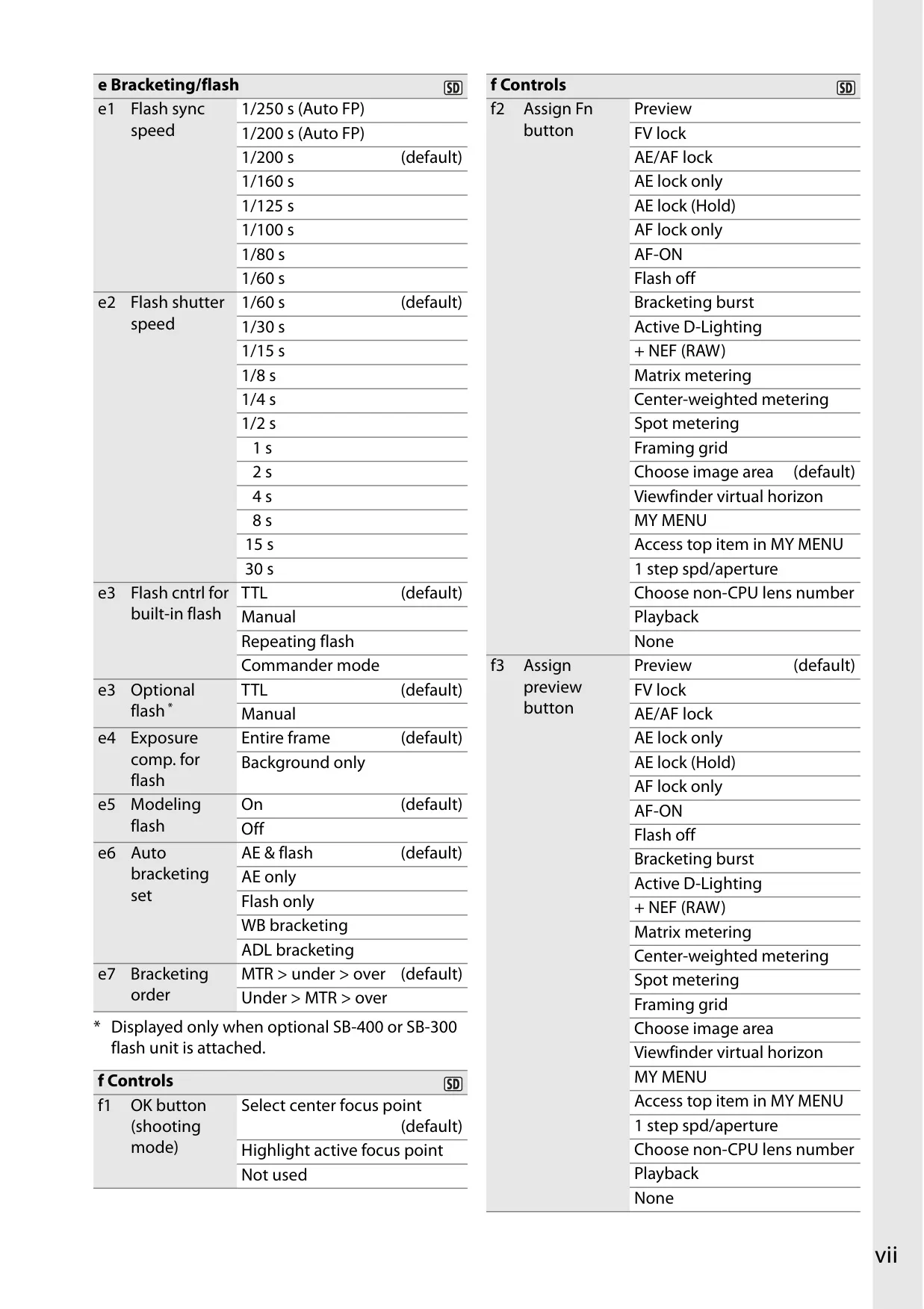
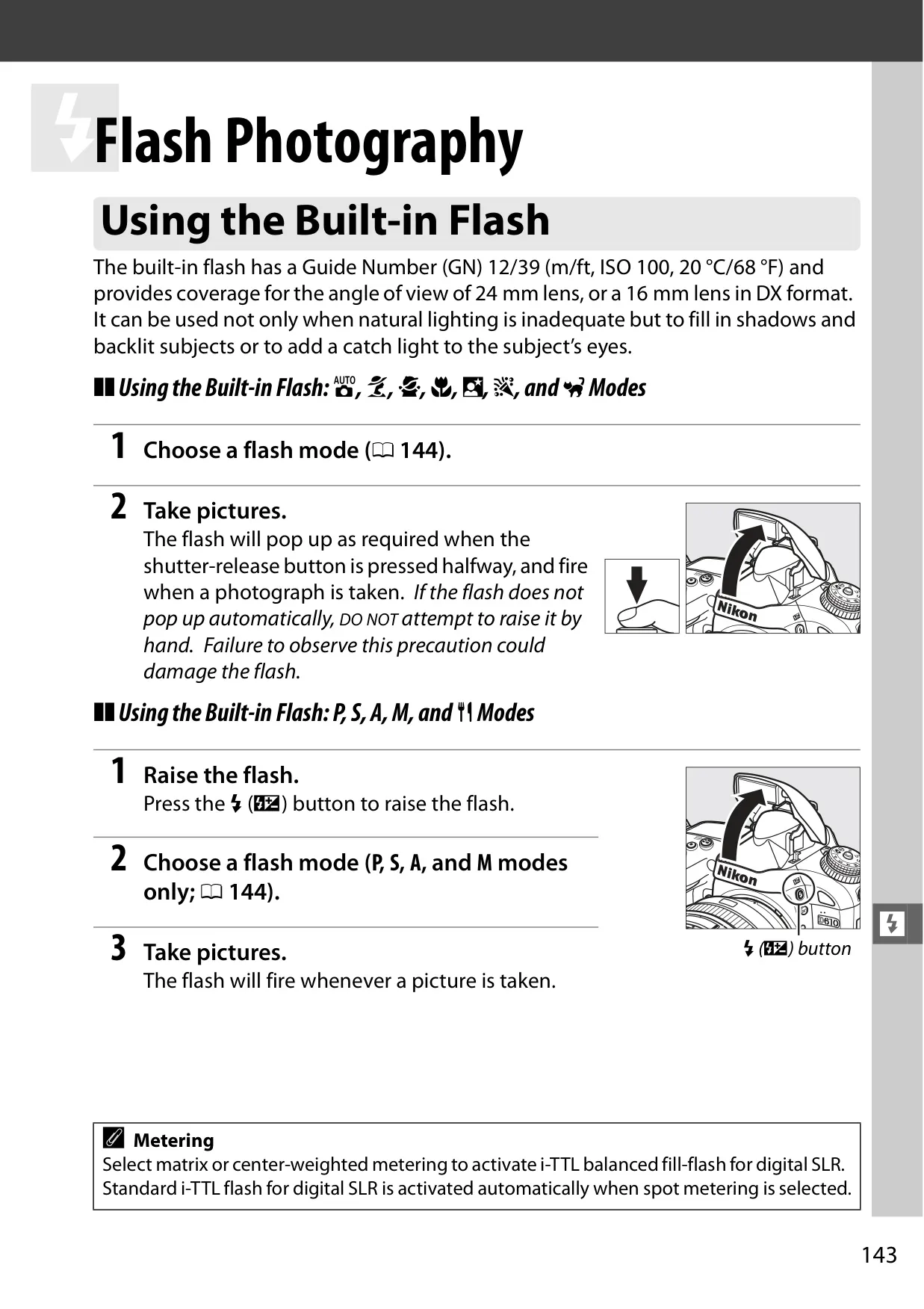
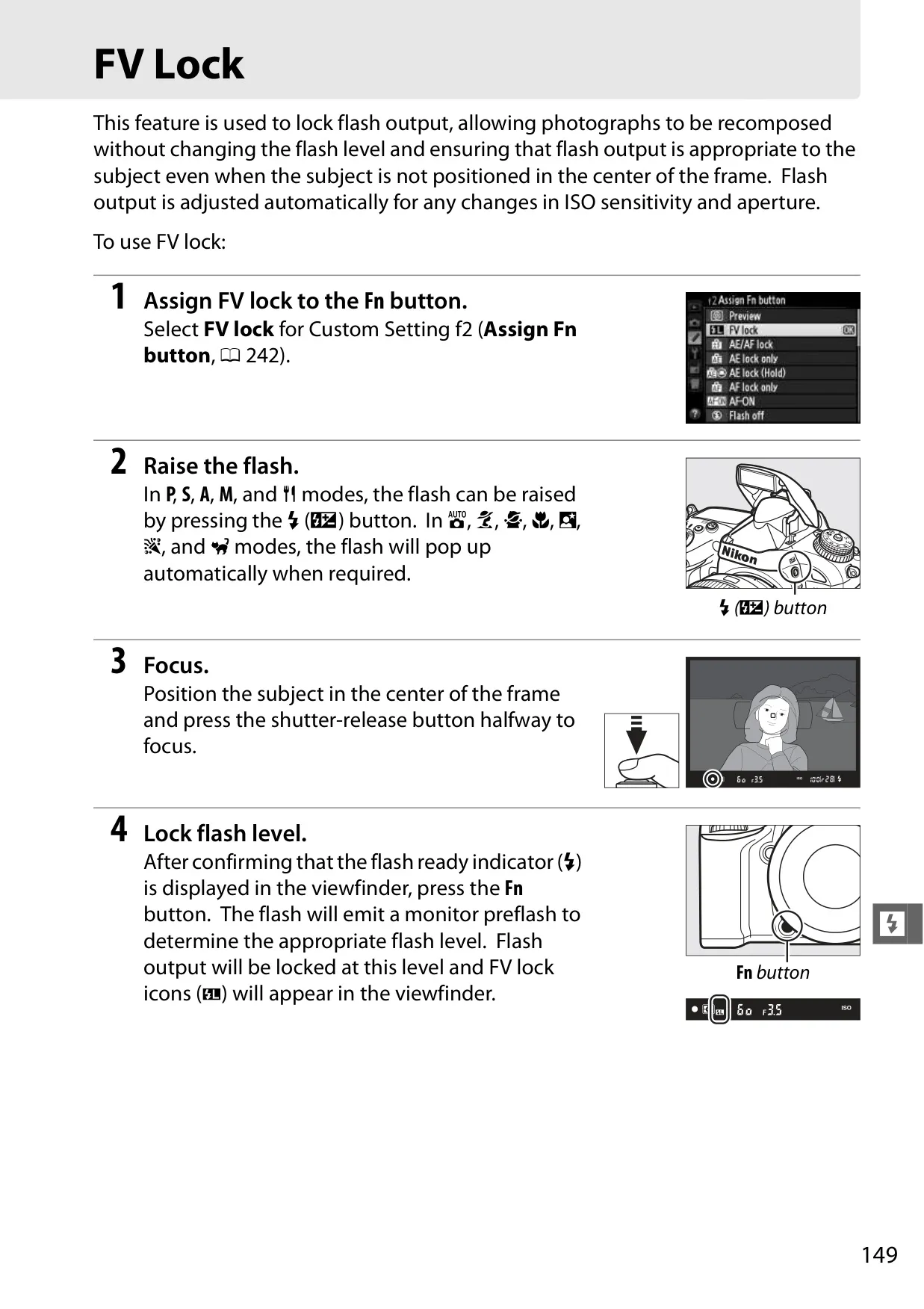
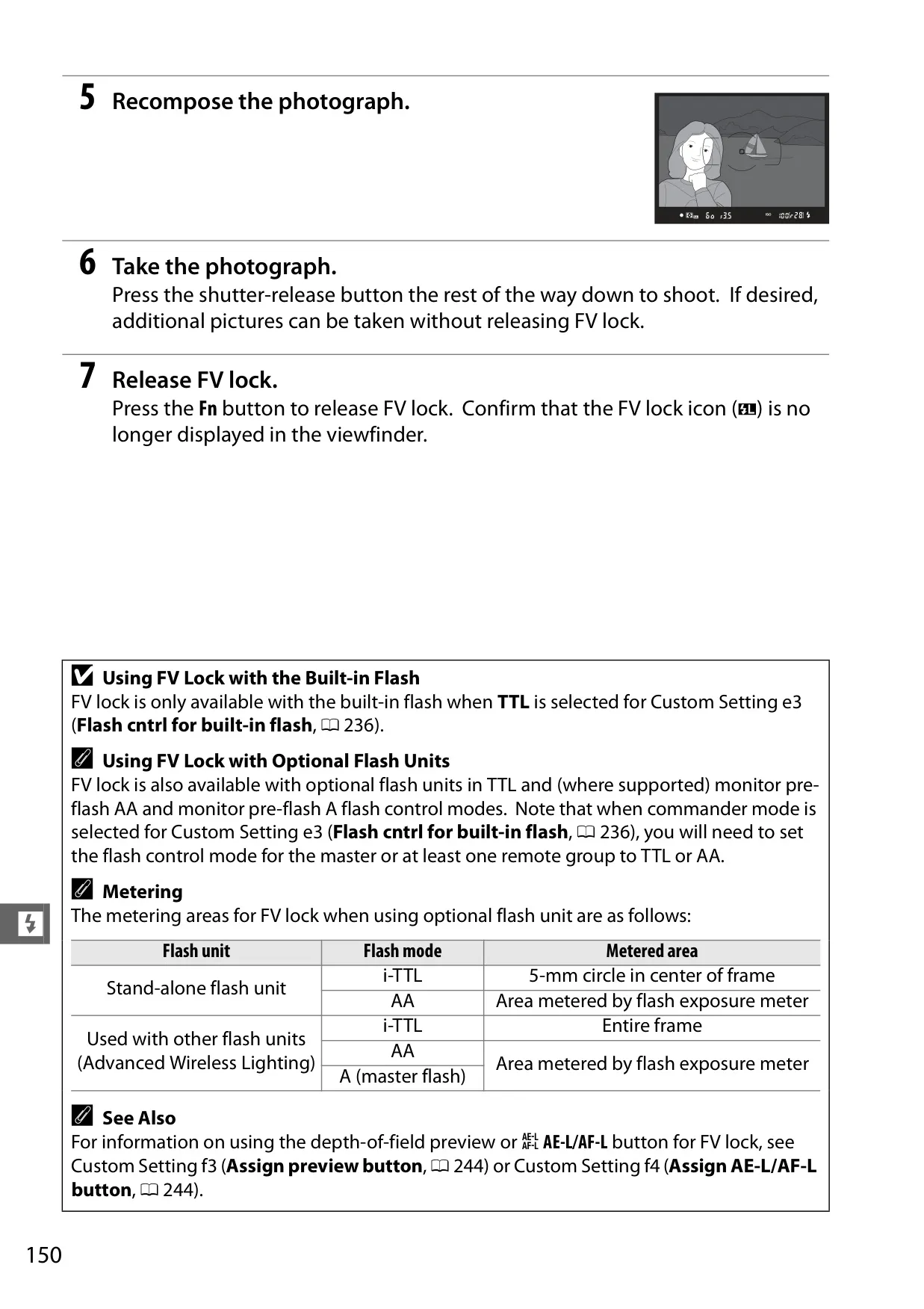
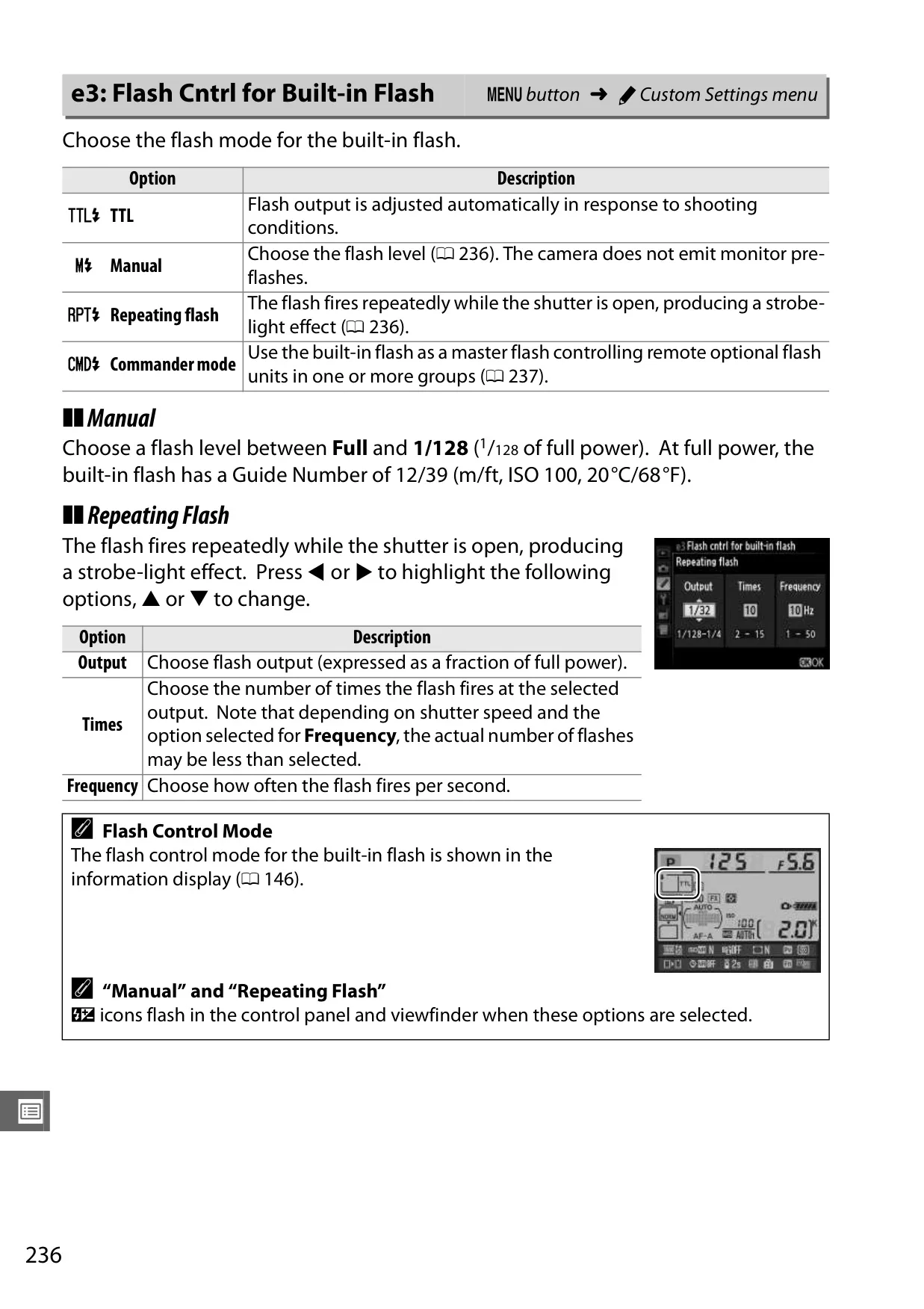
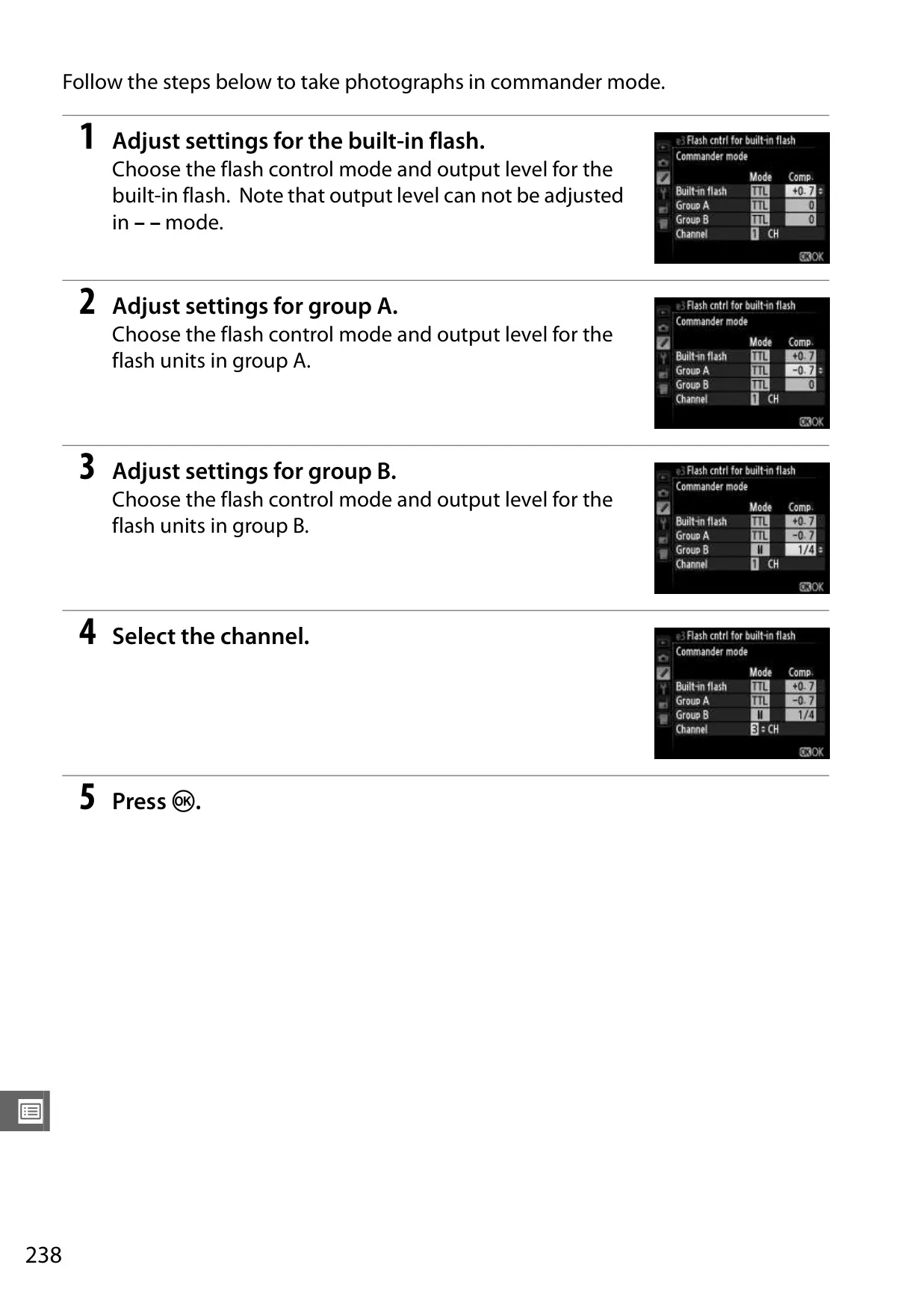
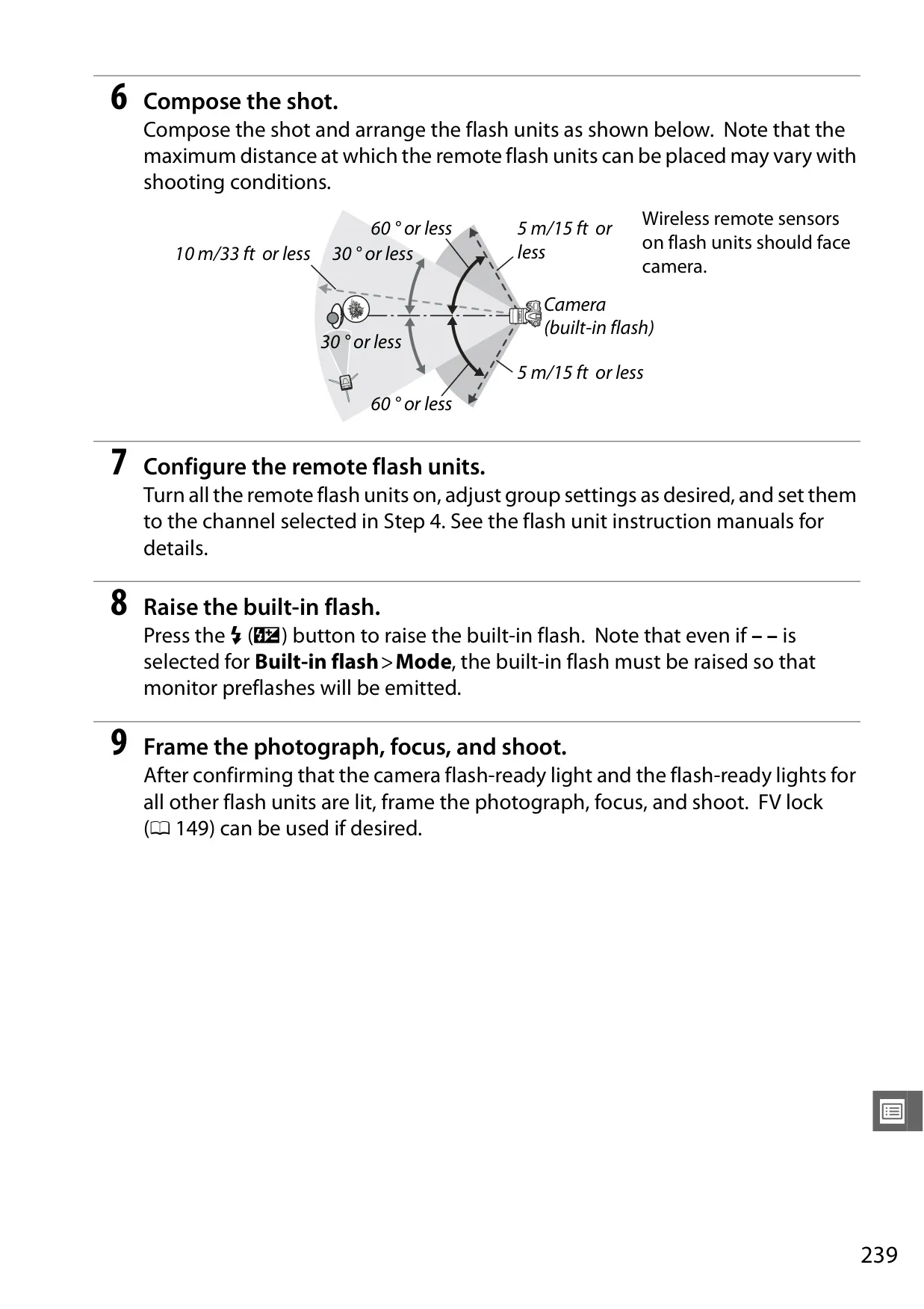
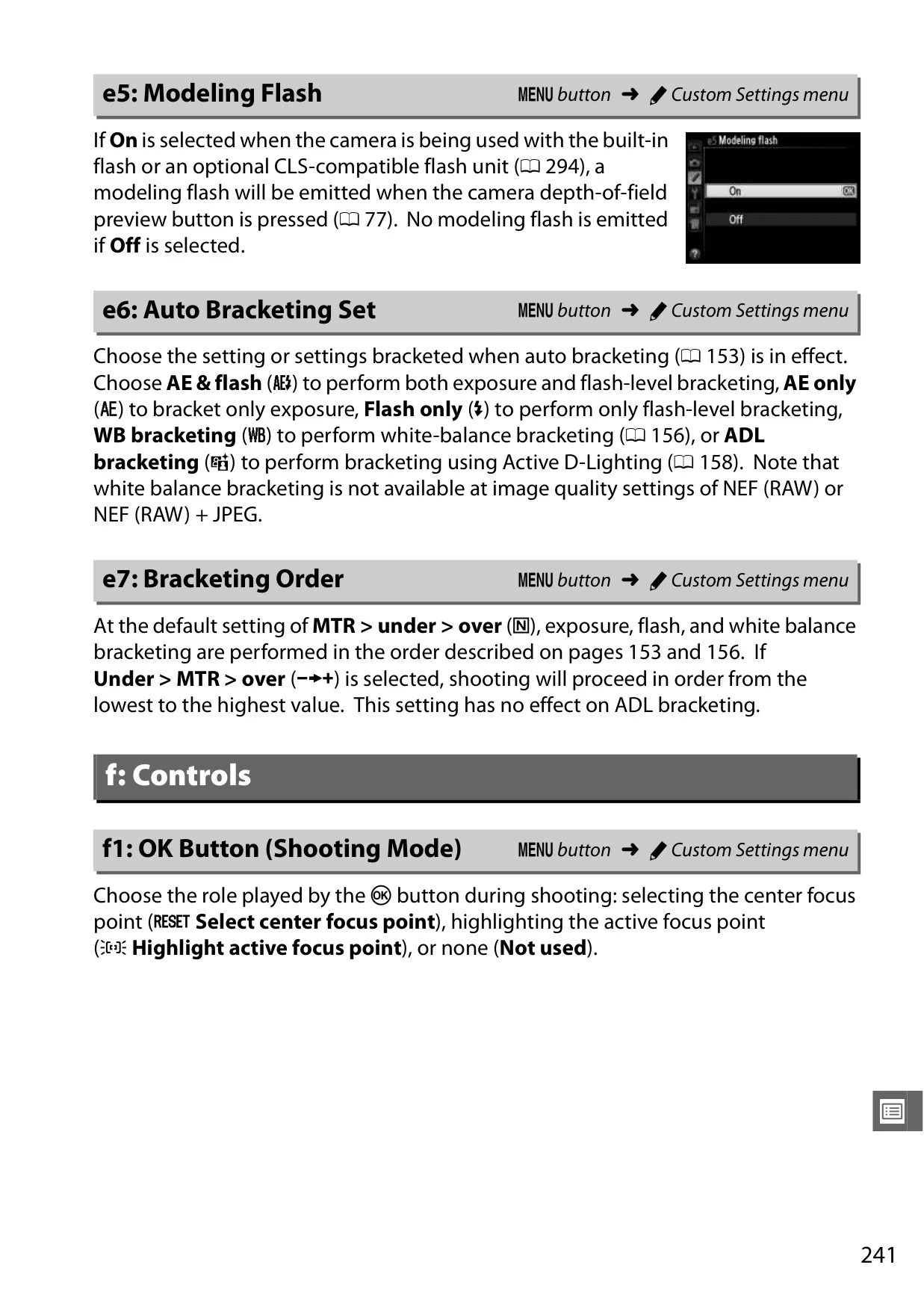
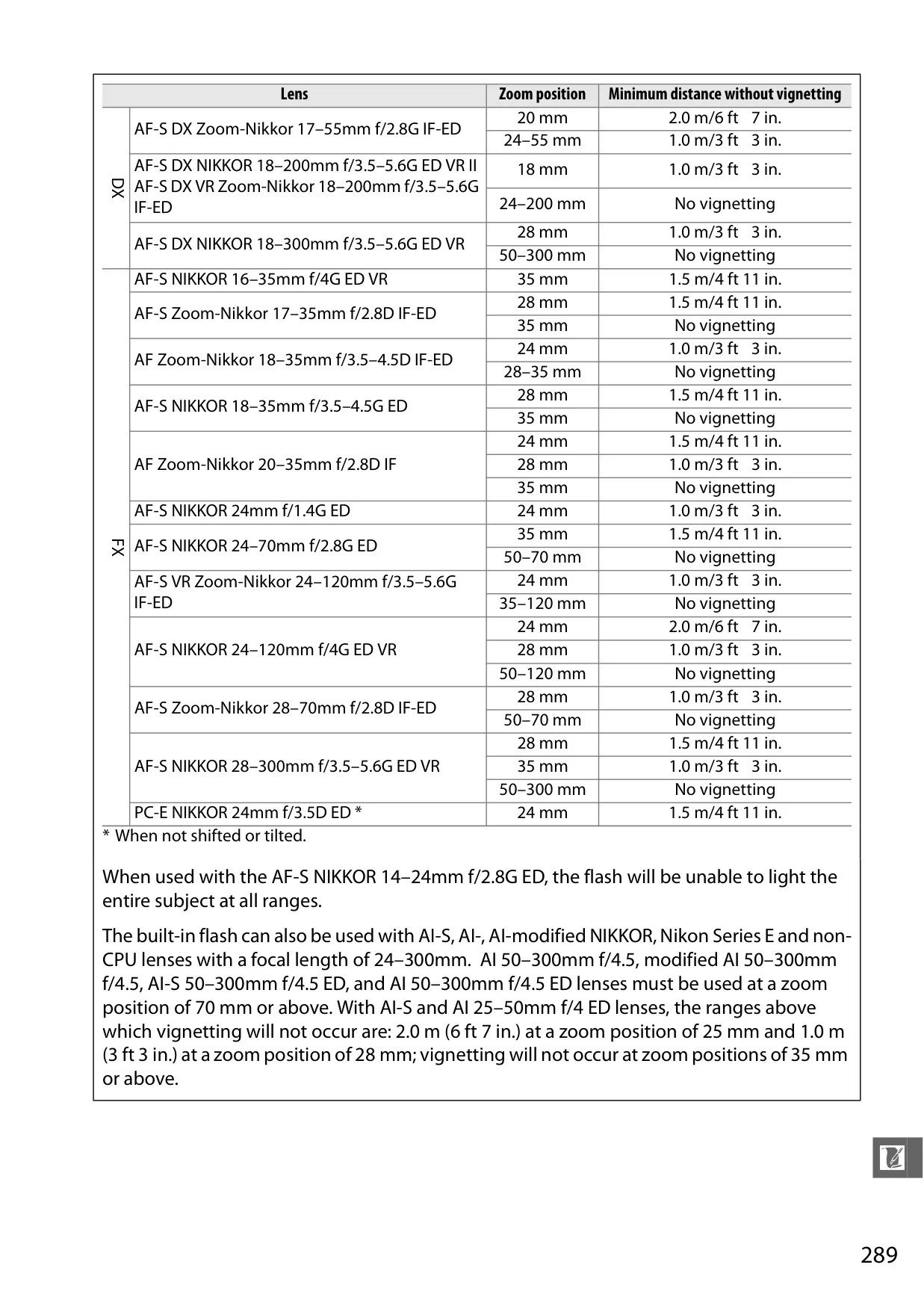
The D610 significantly extends its capabilities with Nikon's Creative Lighting System (CLS). The built-in flash can function as a commander, enabling advanced wireless lighting setups by controlling multiple off-camera flash units like the SB-910, SB-900, or SB-700. This system supports high-speed sync, modeling light functionality, flash color information communication, and FV lock, providing professional-grade lighting control for complex scenarios.
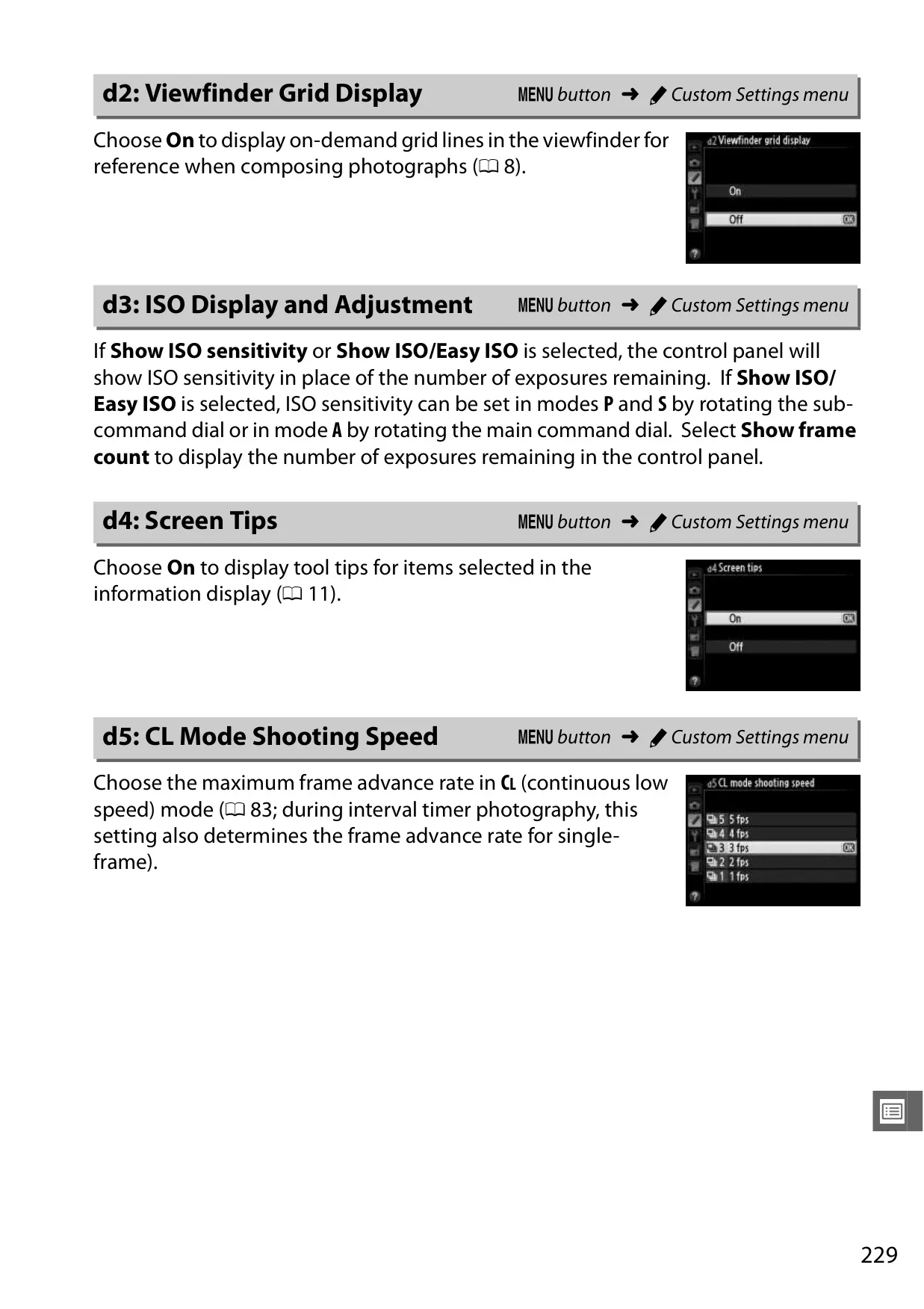
For dynamic shooting, the D610 offers various frame advance rates, including a continuous low-speed (CL) mode from 1-5 frames per second (fps) and a continuous high-speed (CH) mode at 6 fps. Additionally, the camera features a dedicated Quiet shutter release mode, which significantly reduces the sound of the mirror and shutter, making it ideal for discreet photography in sensitive environments such as weddings or wildlife.
The camera's autofocus system is highly configurable, offering AF fine-tune capabilities to address slight front or back focus issues with specific lenses. In Live View mode, the D610 employs contrast-detect AF across the entire frame and includes advanced area modes like Face-priority AF, wide-area AF, normal-area AF, and subject-tracking AF, ensuring sharp focus whether you're shooting stills or video.
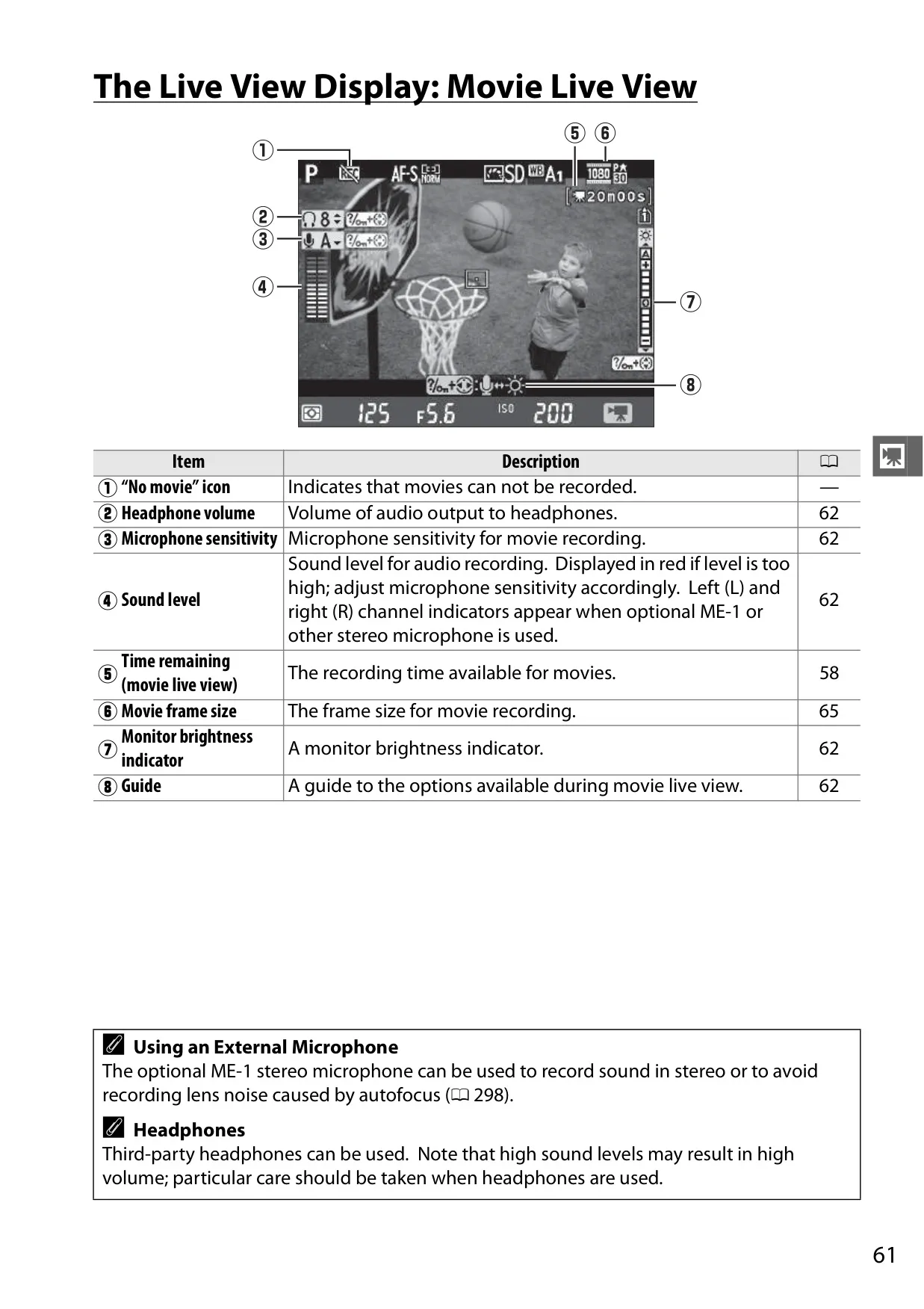
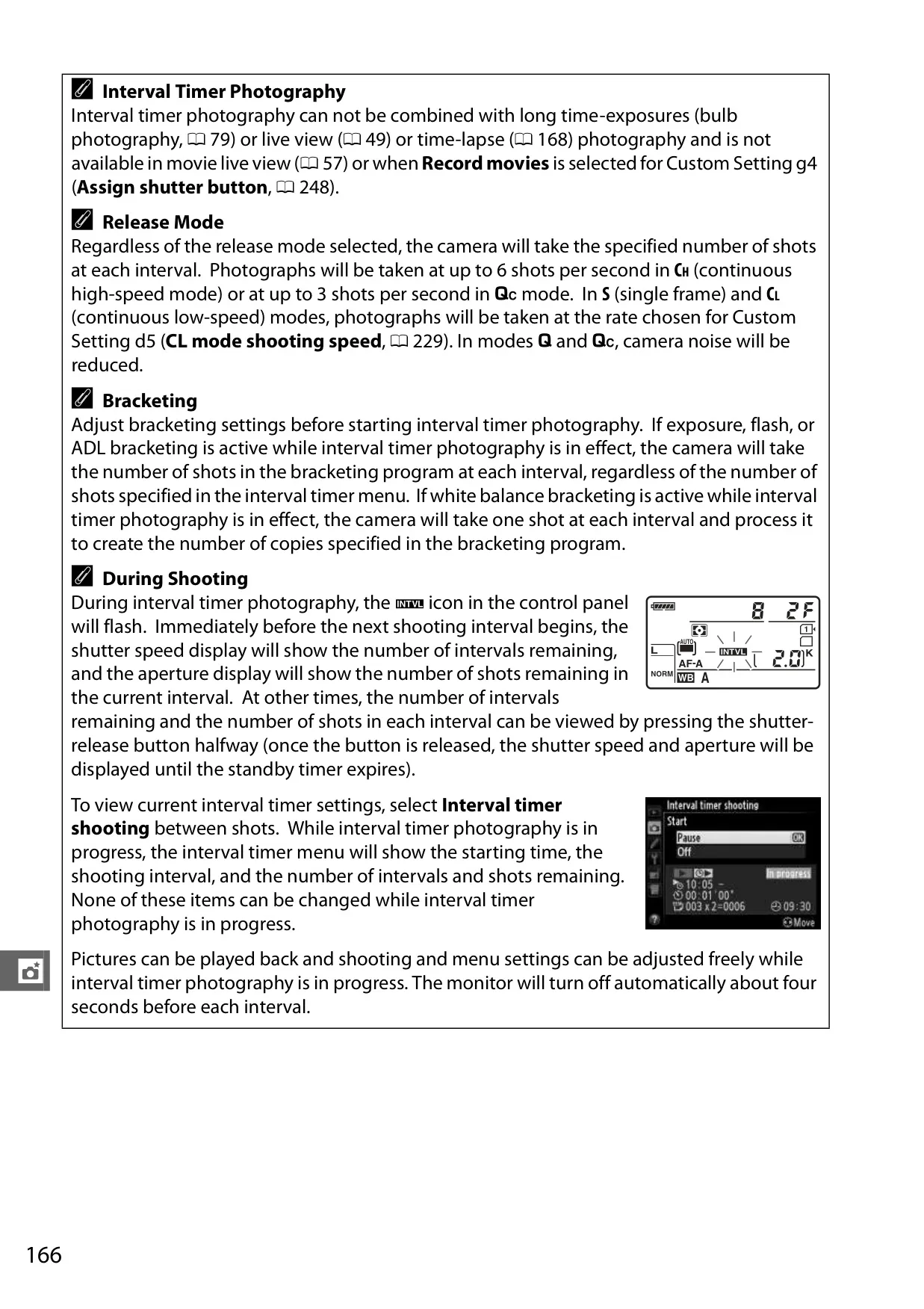
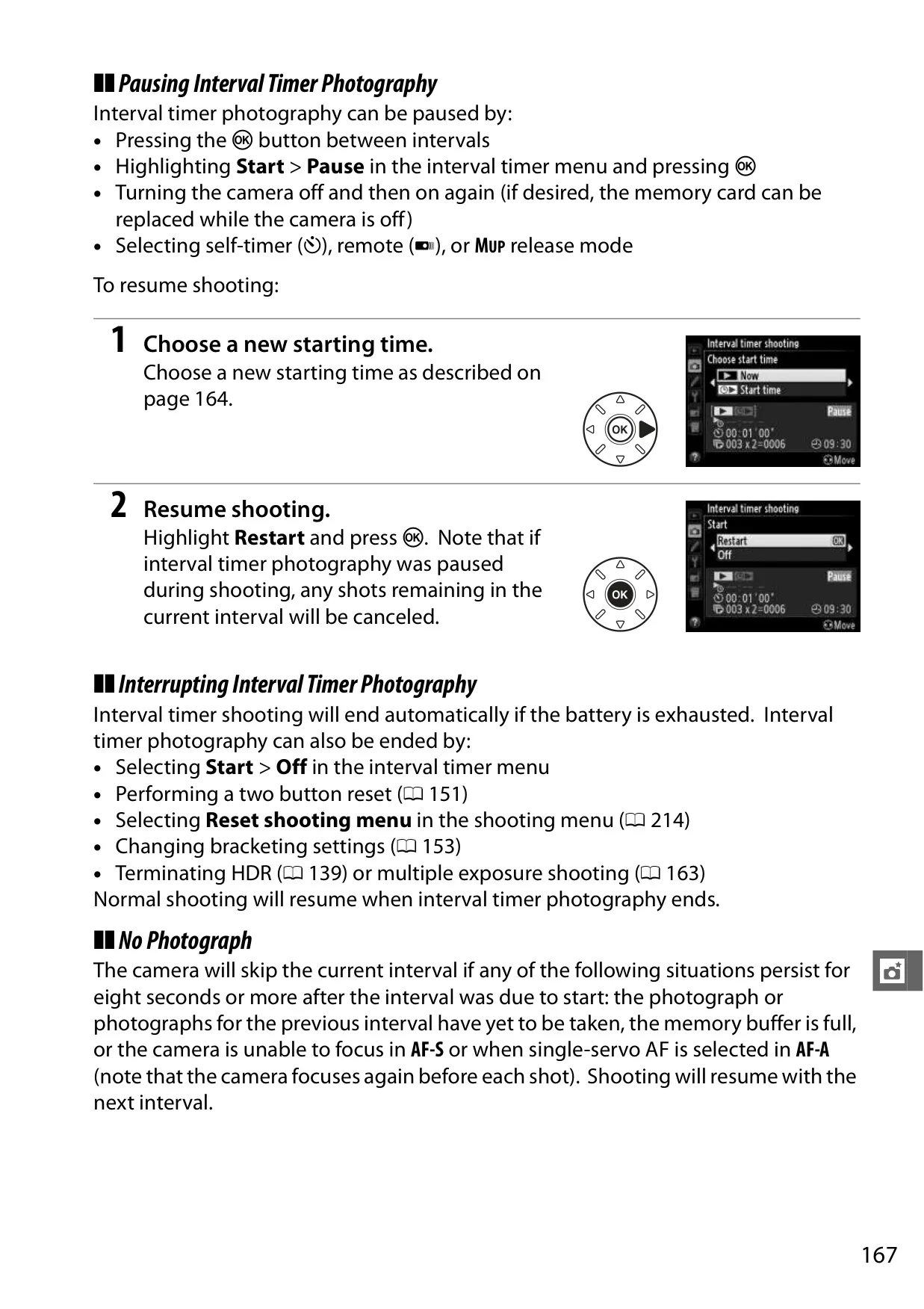
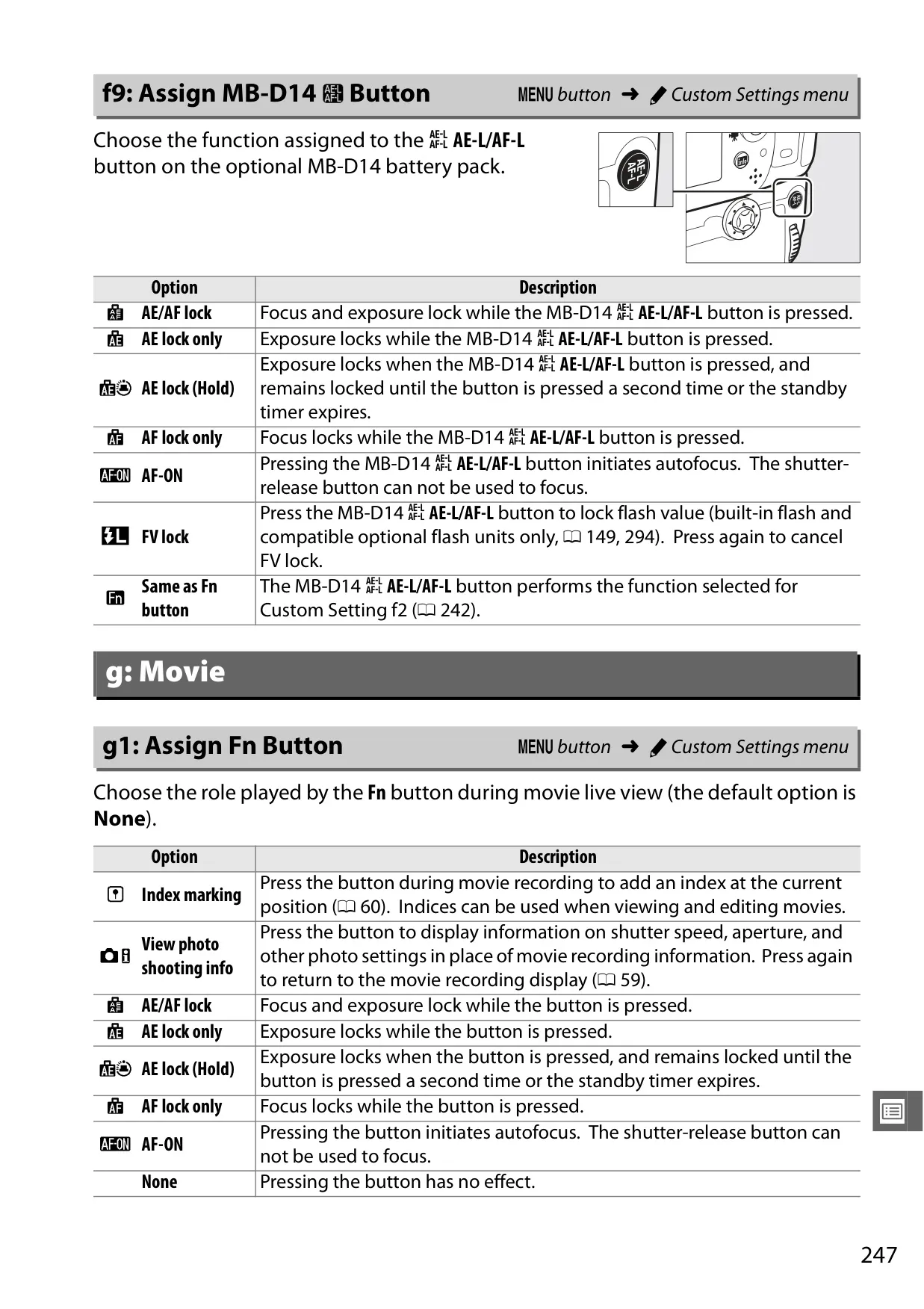
For video enthusiasts, the D610 provides robust features. While the specifications cover resolutions and frame rates, it’s worth noting the adjustable audio sensitivity for both the built-in stereo microphone and external mic input, crucial for quality sound recording. The camera also supports index marking during movie recording and offers time-lapse photography, which automatically creates a movie from a series of still images, providing unique creative opportunities.
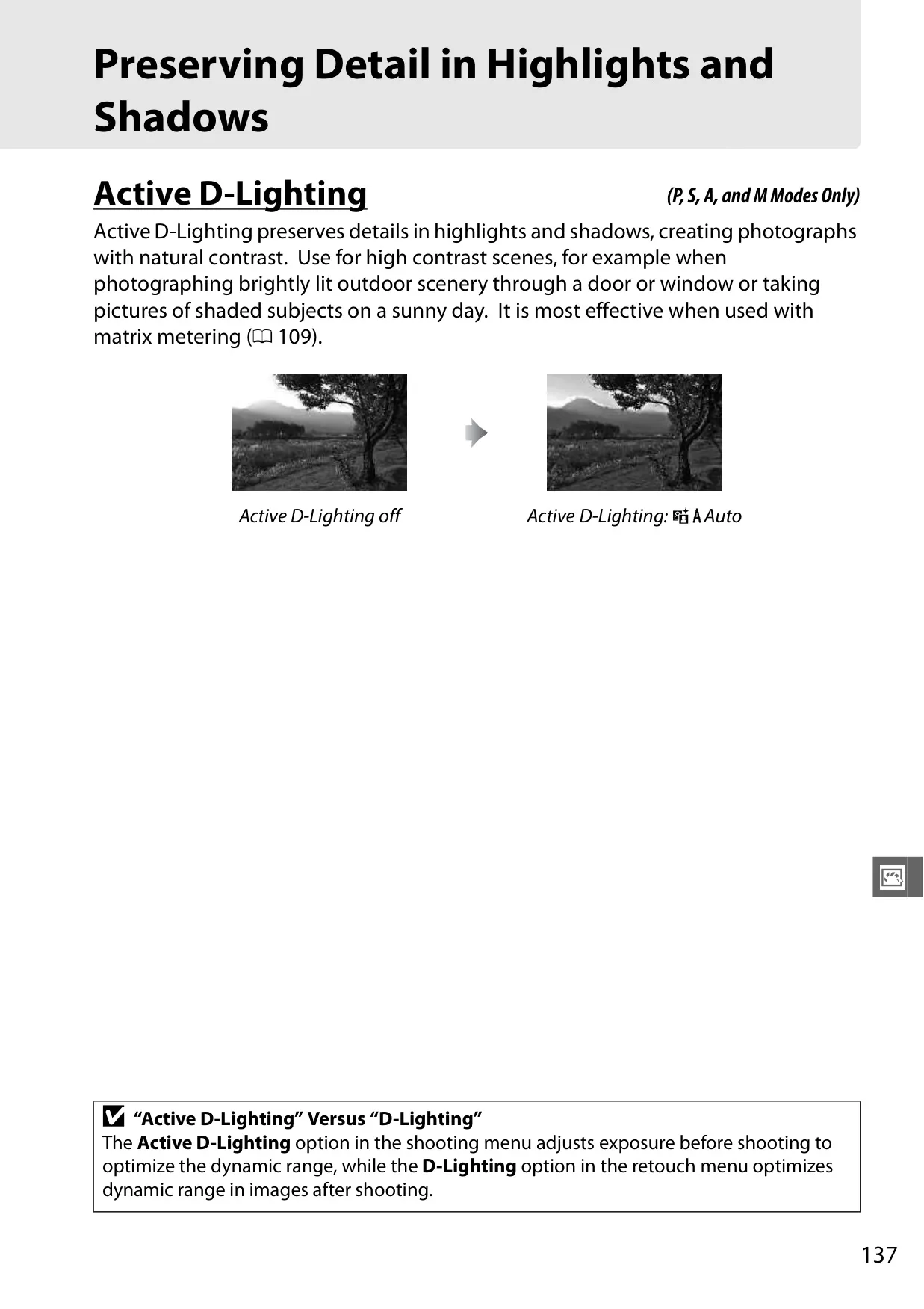
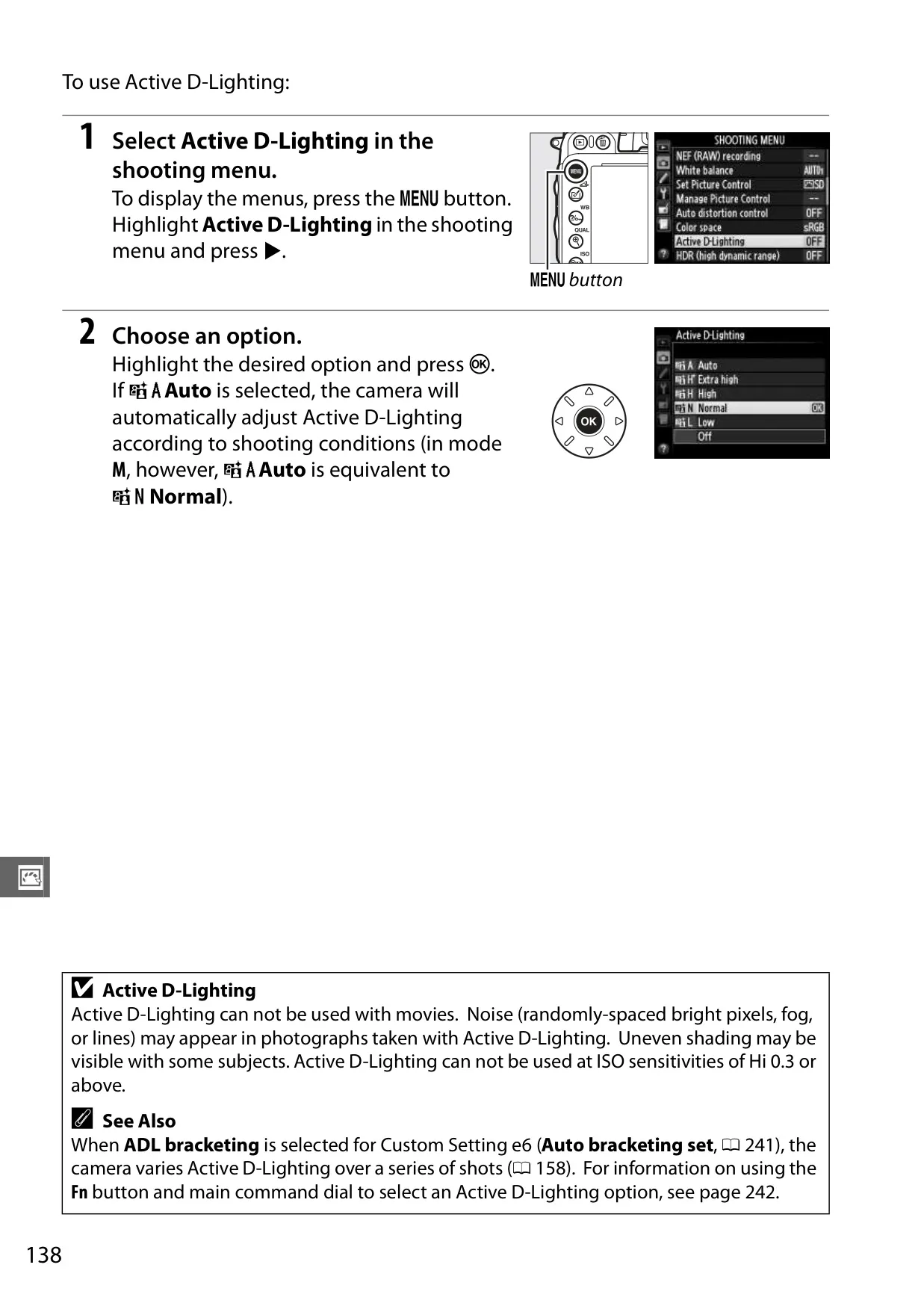
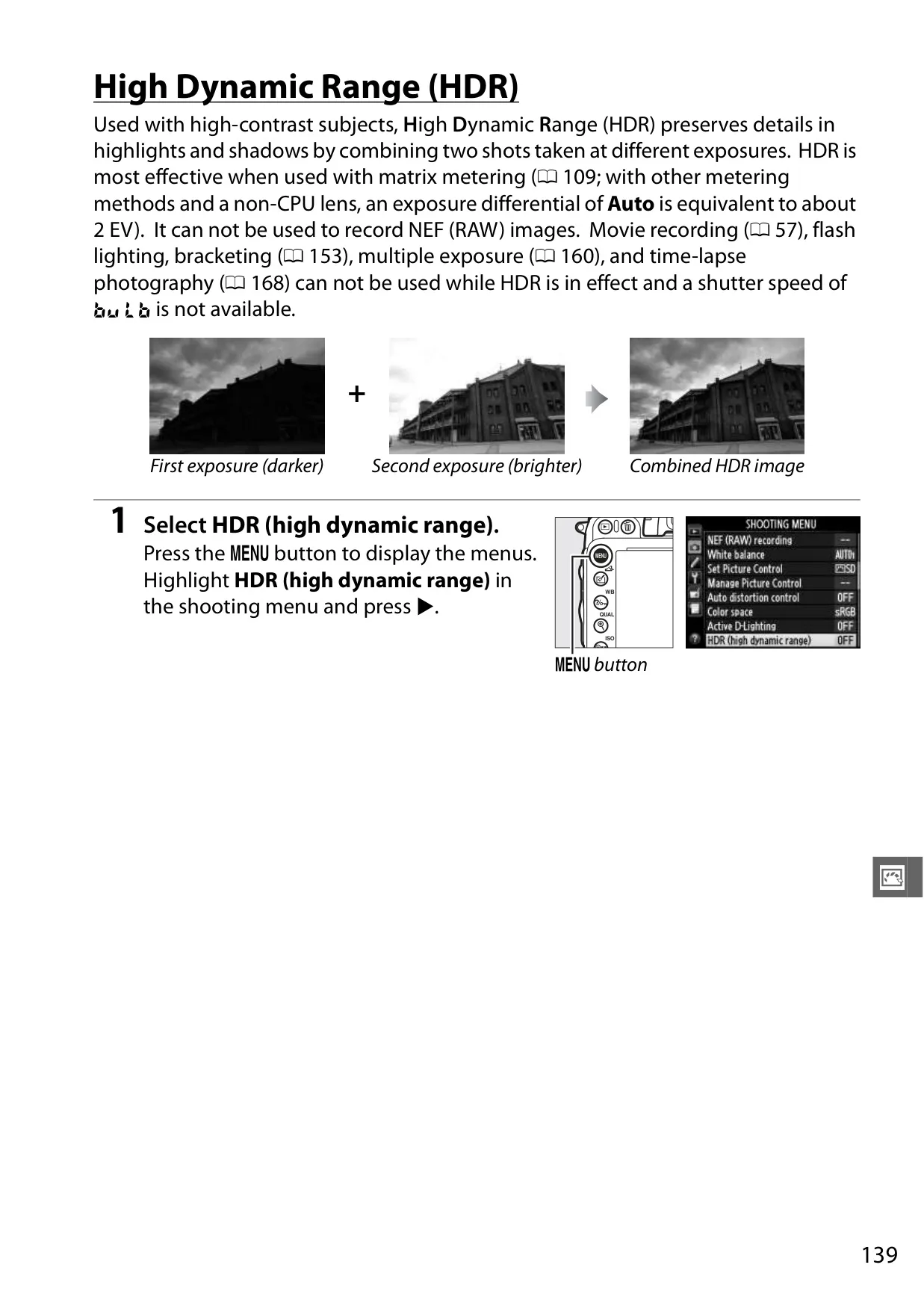
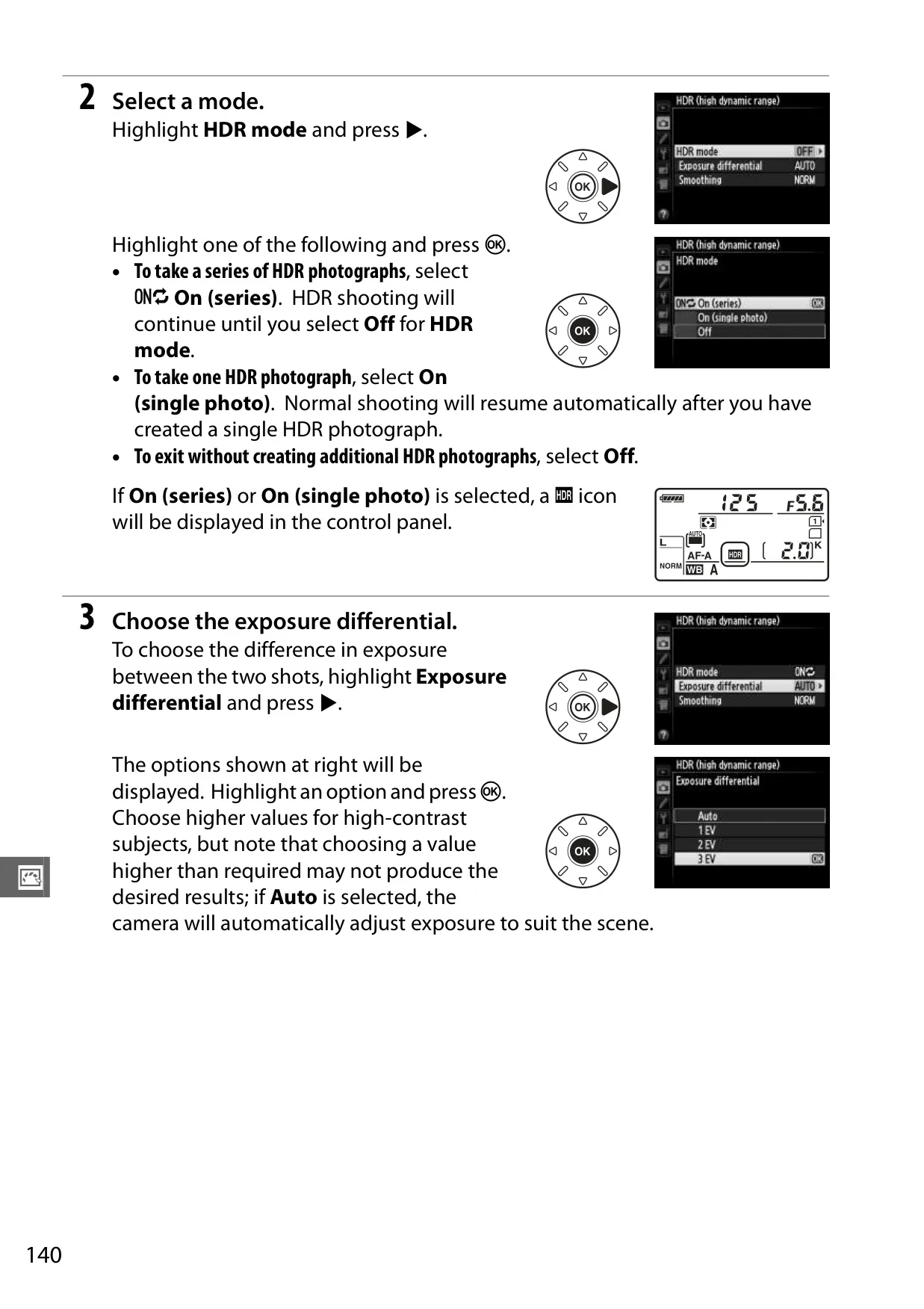
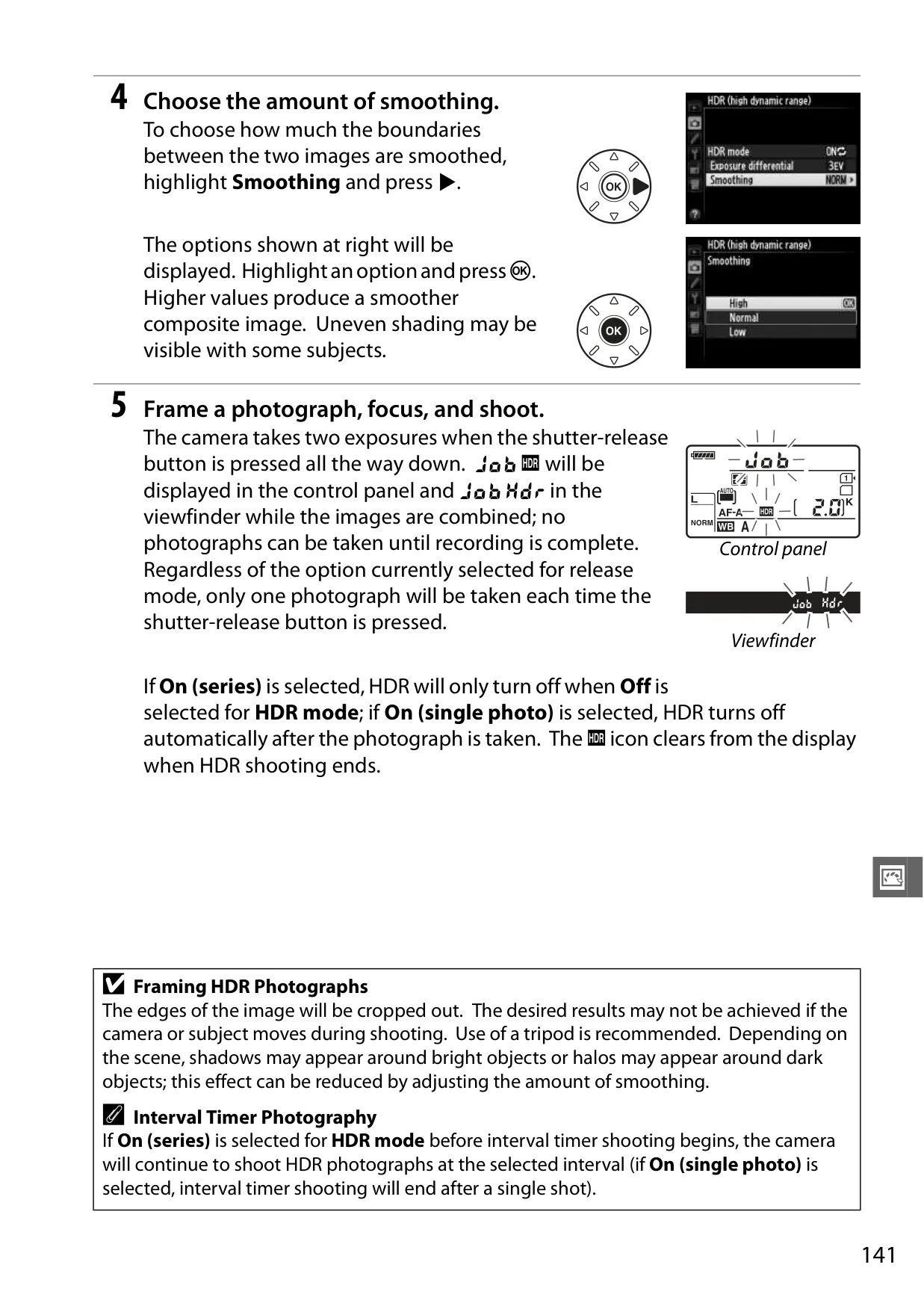
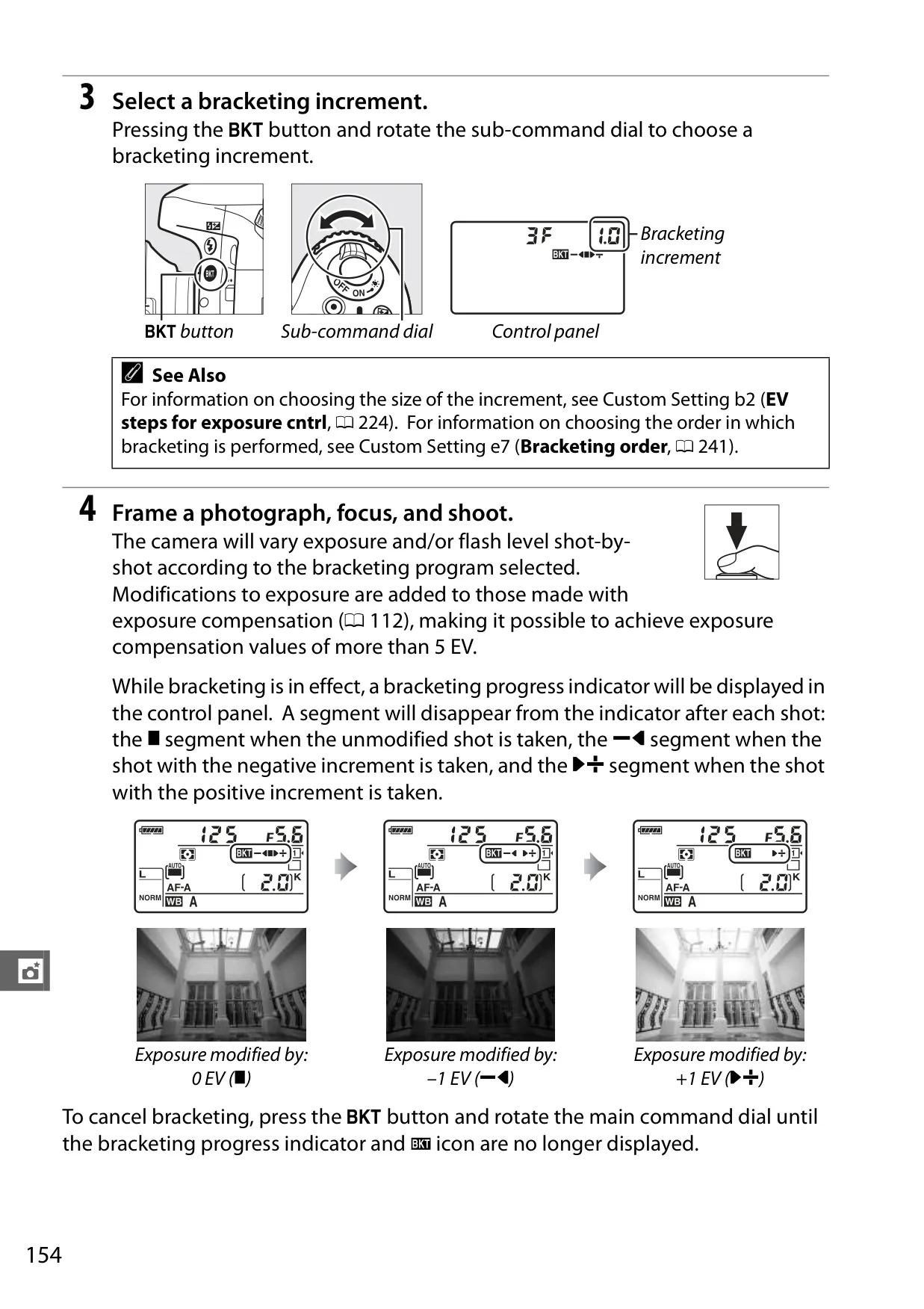
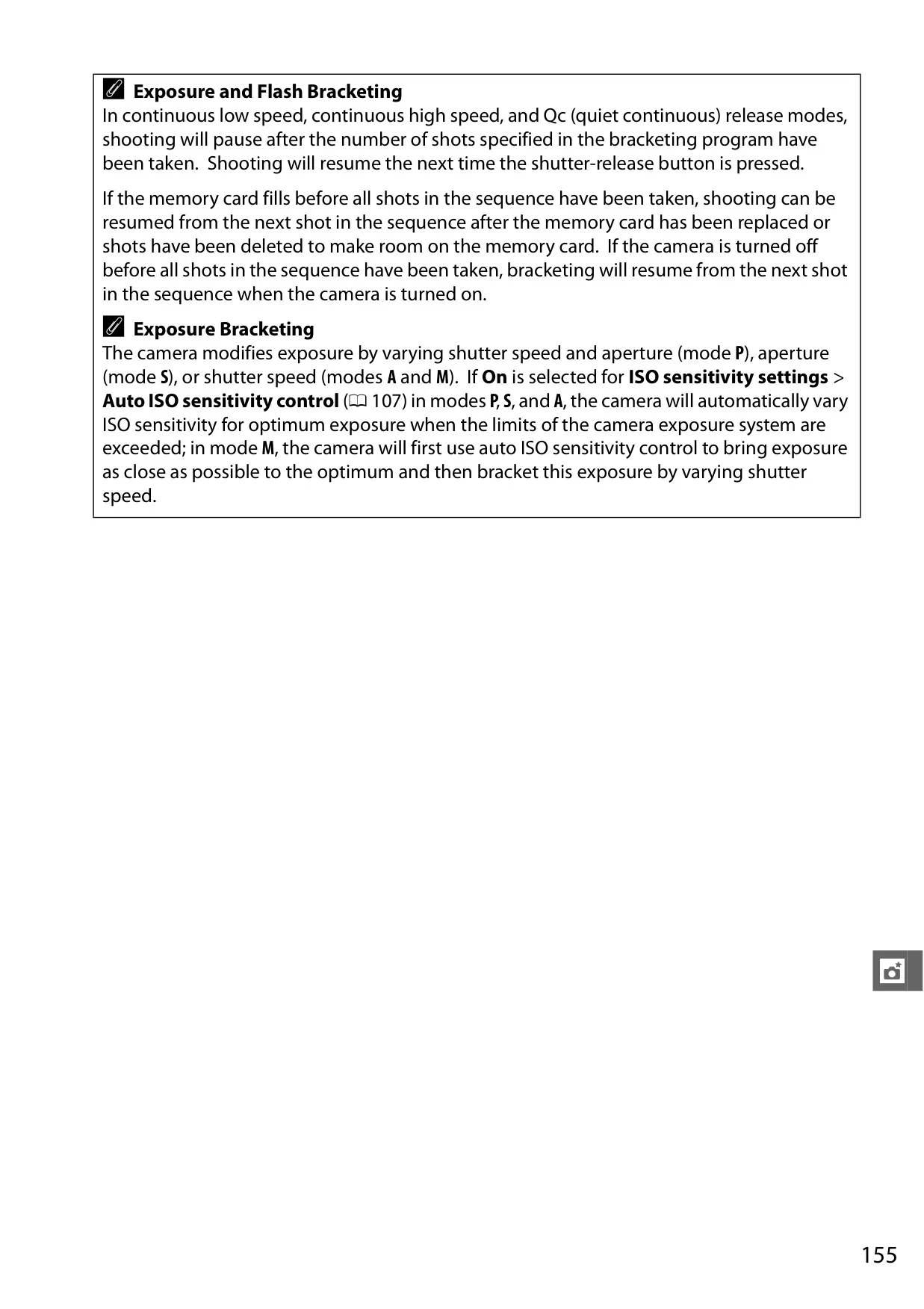
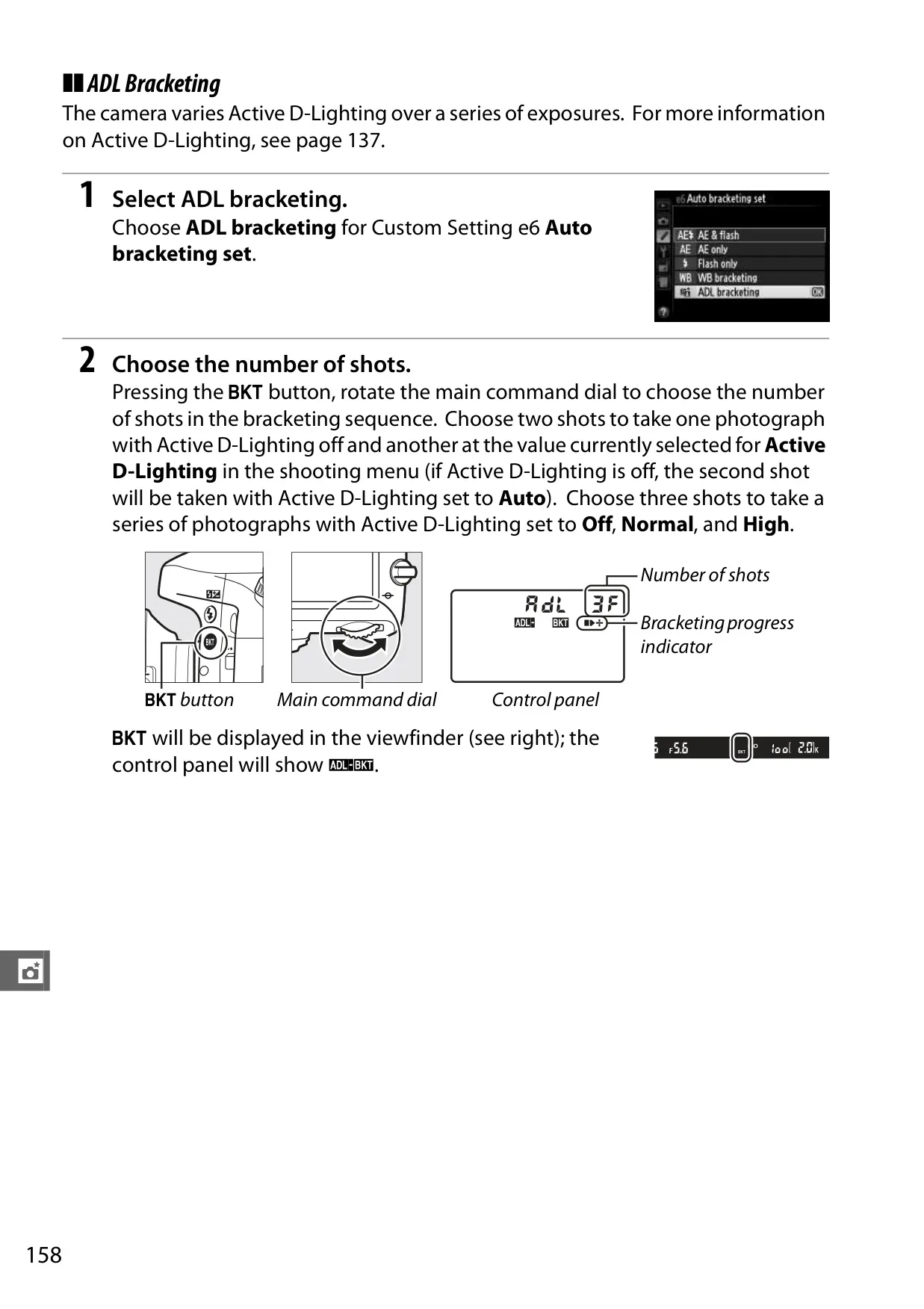
Advanced exposure controls include ±5 EV compensation and versatile bracketing options for exposure, flash, white balance, and Active D-Lighting (ADL). The ADL system helps preserve details in both highlights and shadows, while the High Dynamic Range (HDR) mode allows the camera to merge two exposures for an even wider tonal range, with adjustable exposure differential and smoothing.
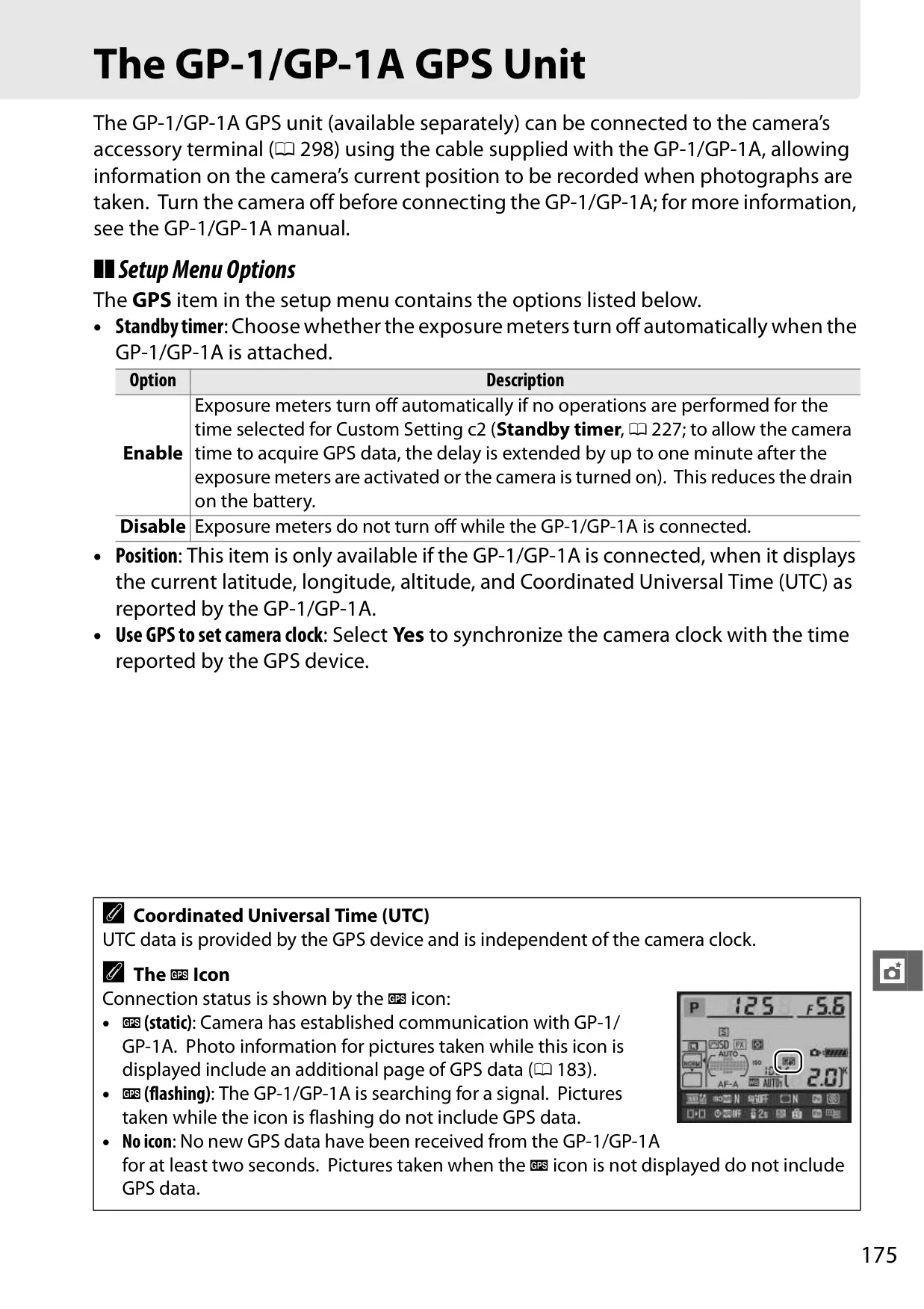
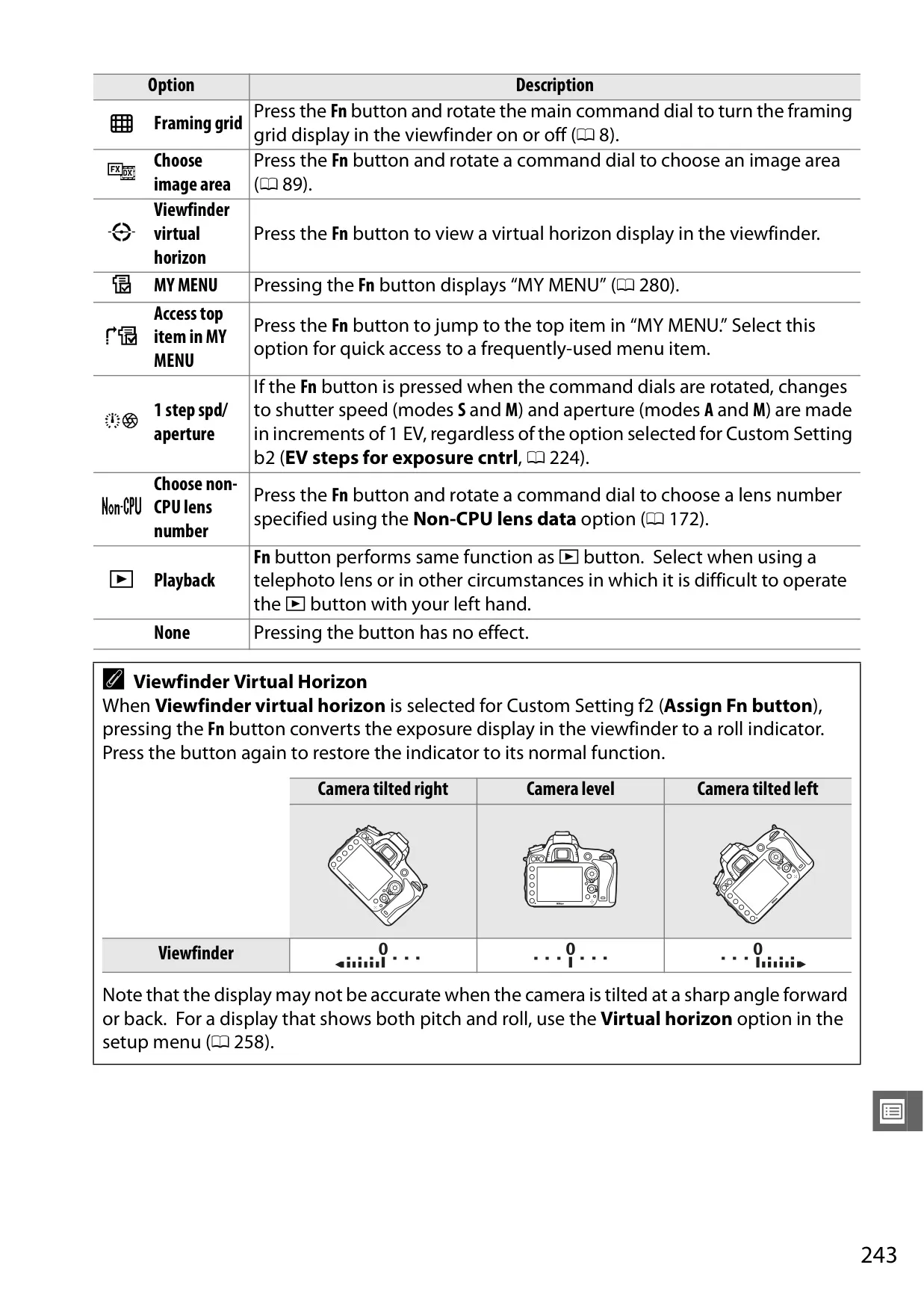
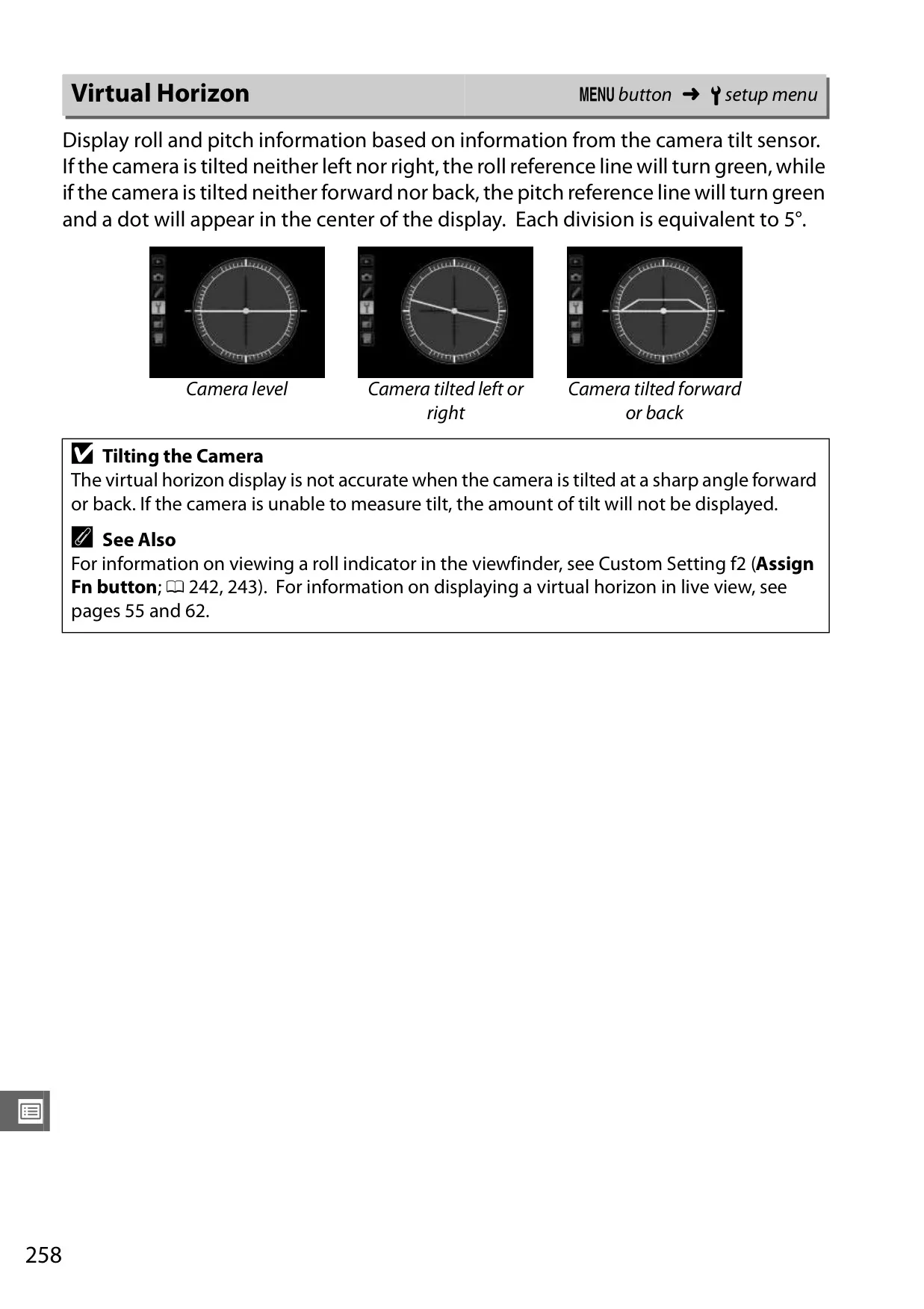
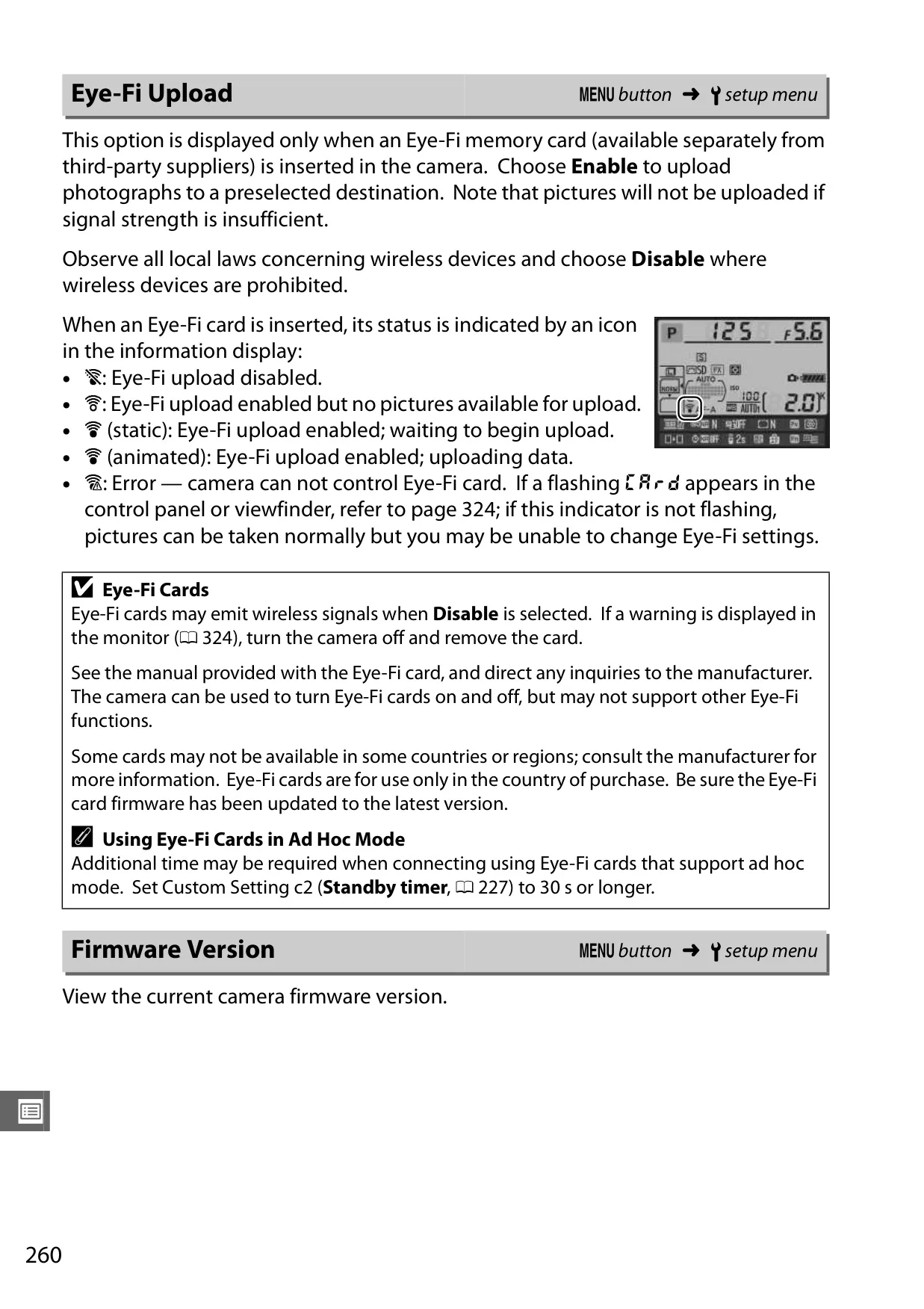
User settings U1 and U2 allow photographers to save and recall preferred camera configurations instantly, streamlining workflow for different shooting scenarios. Additional handy features include an optional GPS unit (GP-1/GP-1A) for geotagging images, a virtual horizon display to ensure level shots, and support for Eye-Fi cards for wireless image transfer, underscoring the D610's blend of traditional DSLR robust functionality with modern convenience.
Frequently Asked Questions (FAQs)
Can't find the answer you need? Here are some frequently asked questions about the Nikon D610 DSLR Camera, and we answer them below.