Nikon F2 Photomic Instruction Manual
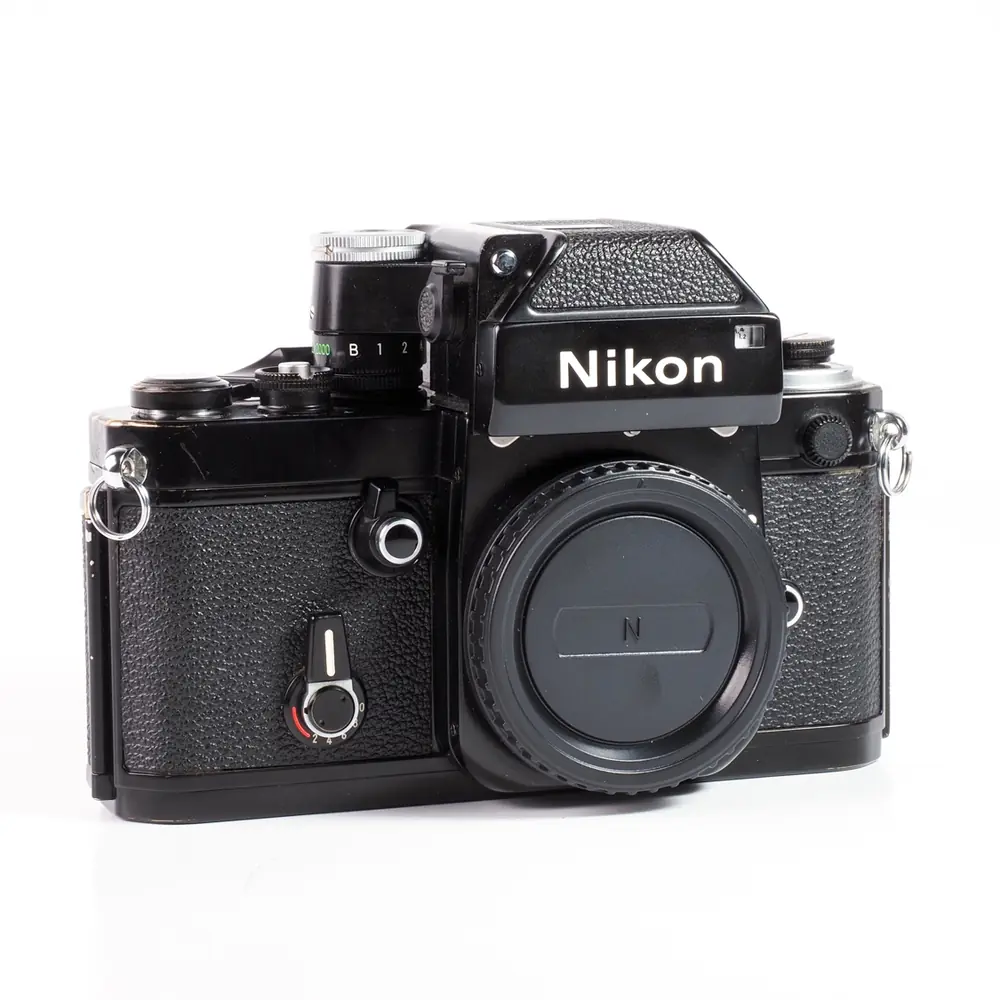
Nikon F2 Photomic


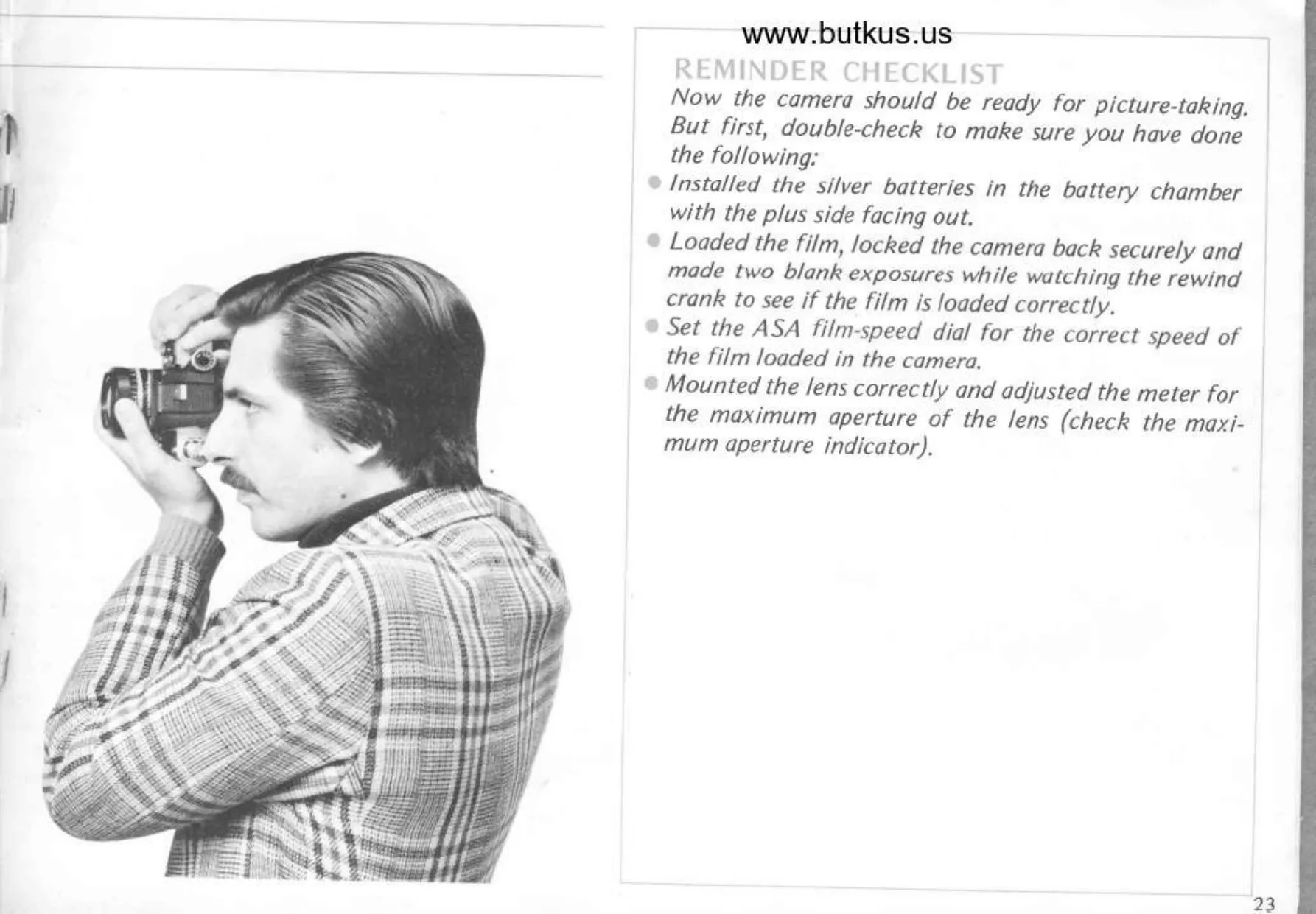




Nikon F2 Photomic








Nikon F2 Photomic Instructions
Here we offer the Nikon F2 Photomic manual completely free and in English. We have cataloged this manual in the SLR Cameras section on Manualverse, and it has been rated by 1 users with an average rating of 5. If you have any specific questions about Nikon F2 Photomic, we suggest checking the Frequently Asked Questions (FAQs) section of this manual.
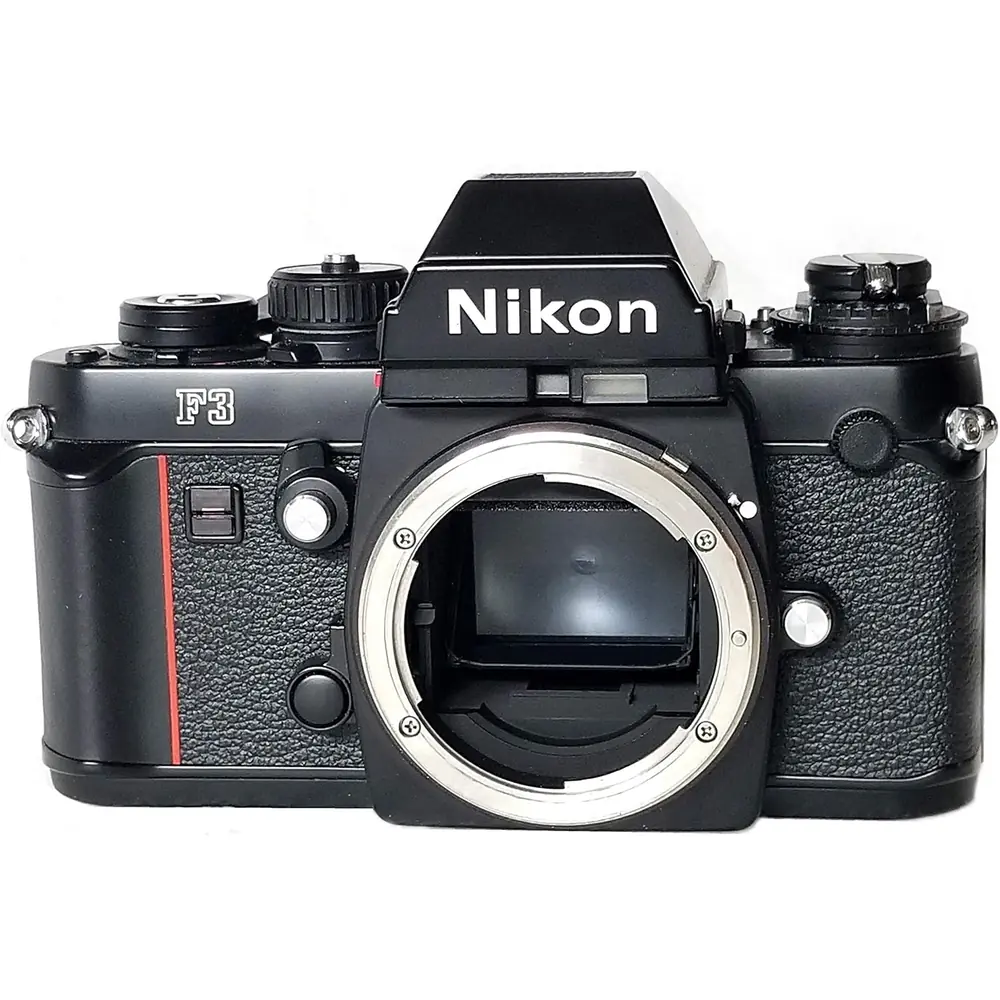
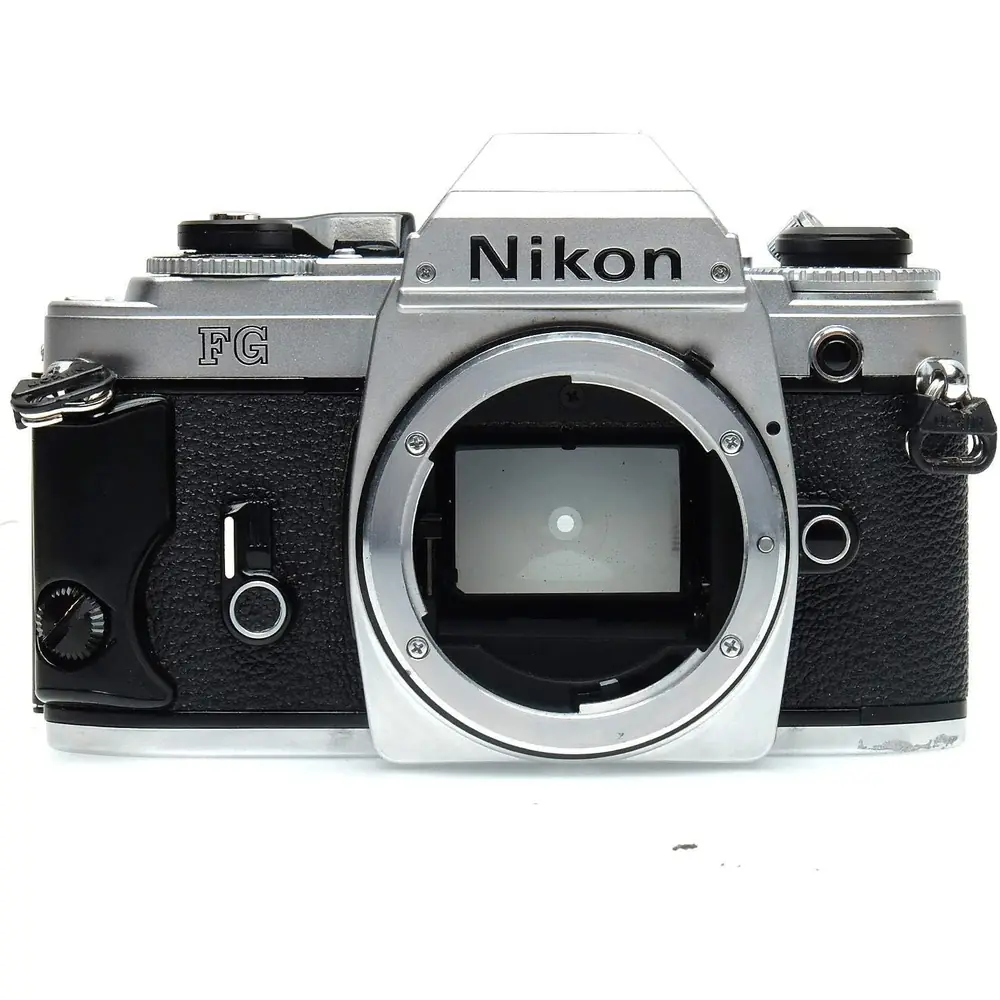
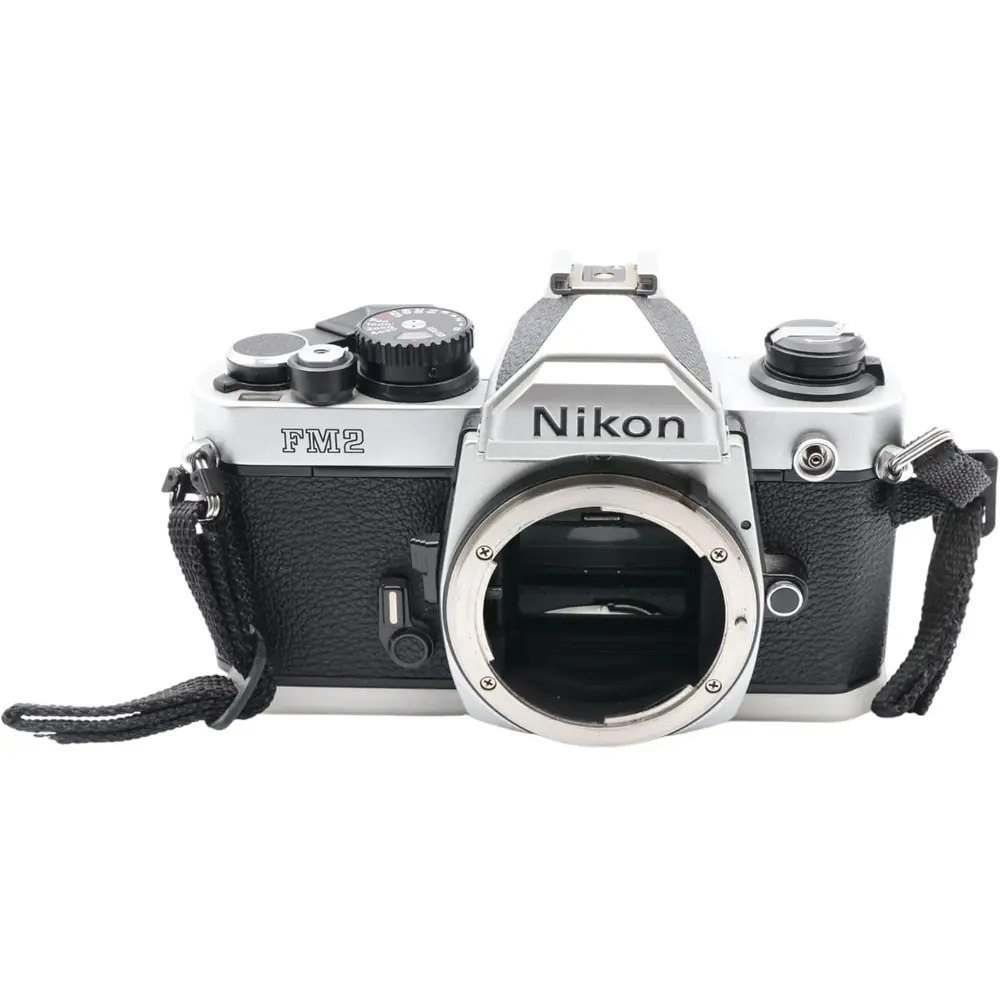
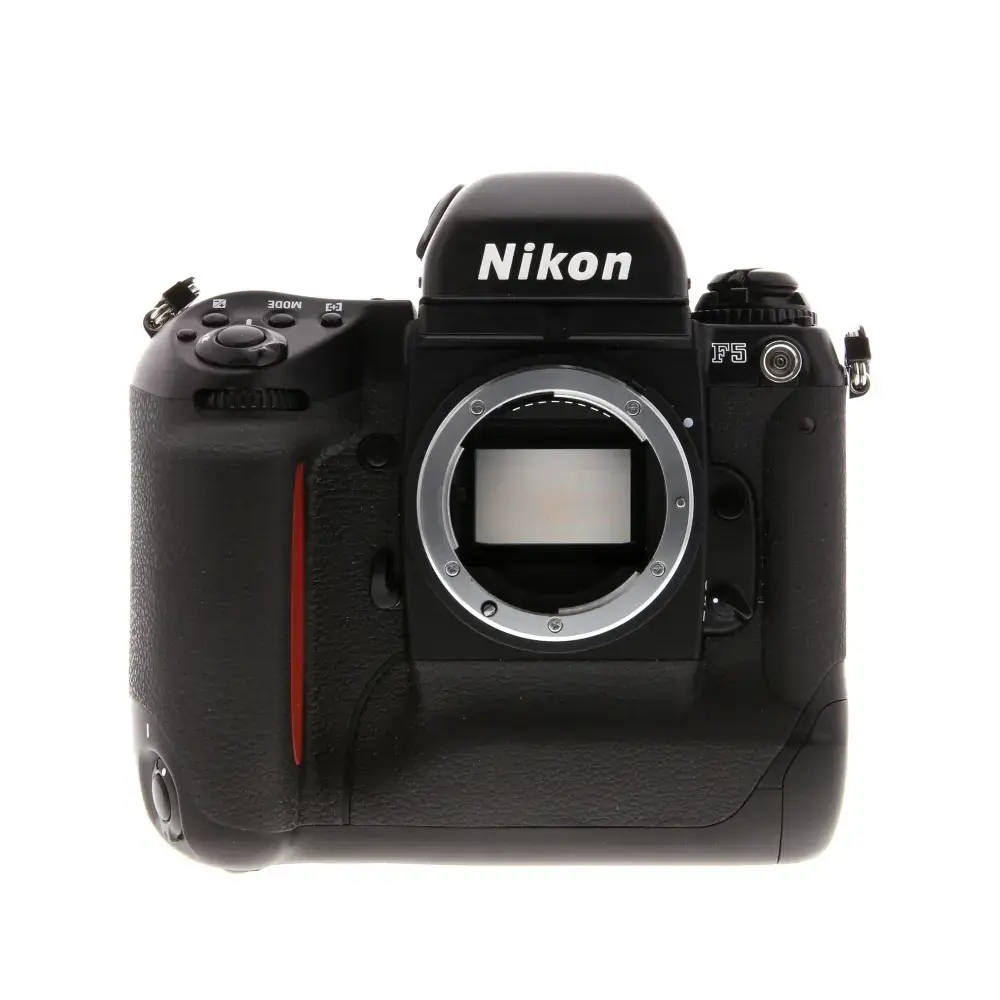
Product Images


Nikon F2 Photomic Specifications
| Feature | Specification |
|---|---|
| Camera Type | 35mm Single Lens Reflex (SLR) |
| Lens Mount | Nikon F bayonet mount |
| Viewfinder | Interchangeable Photomic, 100% frame accuracy, exposure data visible, Type K focusing screen (standard) |
| Shutter | Titanium focal plane, 10 to 1/2000 sec. plus B, T, X synchro |
| Mirror | Automatic instant-return type with lock-up feature |
| Self-Timer | Adjustable for 2, 4, 6, 8, 10-second delay |
| Film Advance | Single or series stroke lever (20° play, 120° working angle); cocks shutter, operates frame counter, switches meter on/off |
| Frame Counter | Automatic resetting |
| Flash Synchronization | All speeds (except B, X, T) with flashbulbs; up to 1/80 sec. with electronic flash |
| Camera Back | Hinged, detachable type |
| Tripod Socket | Provided |
| Memo Holder | Provided |
| Exposure Meter | CdS center-weighted, full aperture; EV1-17 (ASA 100); f/1.2-f/32 coupling range; f/1.2-f/5.6 max aperture scale; 1-1/2000 sec, B, T shutter scale; two 1.5V silver-oxide batteries; built-in ready-light |
| Dimensions | 152.5mm (L) x 65mm (W) x 102mm (H) |
| Weight | 840g (without lens) |
| Battery Type | Two 1.5V silver-oxide batteries |
Nikon F2 Analog SLR Camera Details
The Nikon F2 Photomic's exposure meter relies on two 1.5V silver-oxide batteries. Installation is straightforward, requiring placement with the positive side facing out after removing a baseplate cap. A quick battery check feature, accessible via the film-advance lever, confirms their health. Users should remove batteries for long-term storage to prevent leakage and note their potential reduced performance in freezing temperatures, ensuring consistent meter functionality.
Loading film involves opening the camera back, lifting the rewind knob, and securing the film cartridge. The film leader is inserted into the take-up spool, verifying alignment with sprockets. After locking the back, the rewind crank removes slack. Two blank exposures advance the frame counter to '0', confirming correct loading. Unloading follows a similar process, pressing the rewind button and rotating the crank until tension is released, preventing accidental film exposure.
The F2 offers comprehensive exposure control with shutter speeds from 1/2000s to 10s (plus B/T) and variable lens apertures. Its Photomic finder incorporates a center-weighted thru-the-lens metering system. This system automatically adjusts to Nikkor Auto lenses by cycling the aperture ring through its full range after mounting. This ensures accurate light measurement and a consistently bright viewfinder for precise focusing and composition.
Beyond standard operation, the F2 features specialized shutter functions. For 2-10 second exposures, the "B" setting is paired with the T-L fingerguard and self-timer. "Time" exposures, exceeding 10 seconds, maintain an open shutter until manually reset via the T-L guard, which also doubles as a shutter lock. A dedicated mirror lock-up lever minimizes vibrations, crucial for specific wide-angle lenses or high-speed motor drive applications.
Creative control over sharpness is achieved through depth of field. The camera includes a depth-of-field preview button, stopping down the lens to the selected aperture for visual assessment of the in-focus zone. A clear, color-coded scale on the lens barrel provides precise numerical depth-of-field readings. Focusing itself, always performed at full aperture for brightness, utilizes the Type K screen's split-image, microprism, or matte field for sharp clarity.
The Nikon F2 is renowned for its modularity. Lenses are swiftly interchangeable via the F-mount, requiring an aperture ring sweep to correctly couple with the meter. Photographers can select from six different viewfinders, including various Photomic options, to suit their preferences. Furthermore, an extensive range of nineteen focusing screens is available, allowing customization for virtually any photographic task or lens choice, from macro to specialized applications.
The F2 facilitates advanced techniques like multiple exposures by enabling shutter recocking without film advance, achieved by holding the rewind button. For infrared photography, a red dot on Nikkor lenses guides focus adjustments. Maintaining the camera's precision involves regular cleaning of optical surfaces and the interior, avoiding harsh environments, and proper storage. Adhering to these care practices ensures the camera's longevity and reliable performance for years.
Frequently Asked Questions (FAQs)
Can't find the answer you need? Here are some frequently asked questions about the Nikon F2 Analog SLR Camera, and we answer them below.