Nikon F3 Analog SLR Camera Instruction Manual
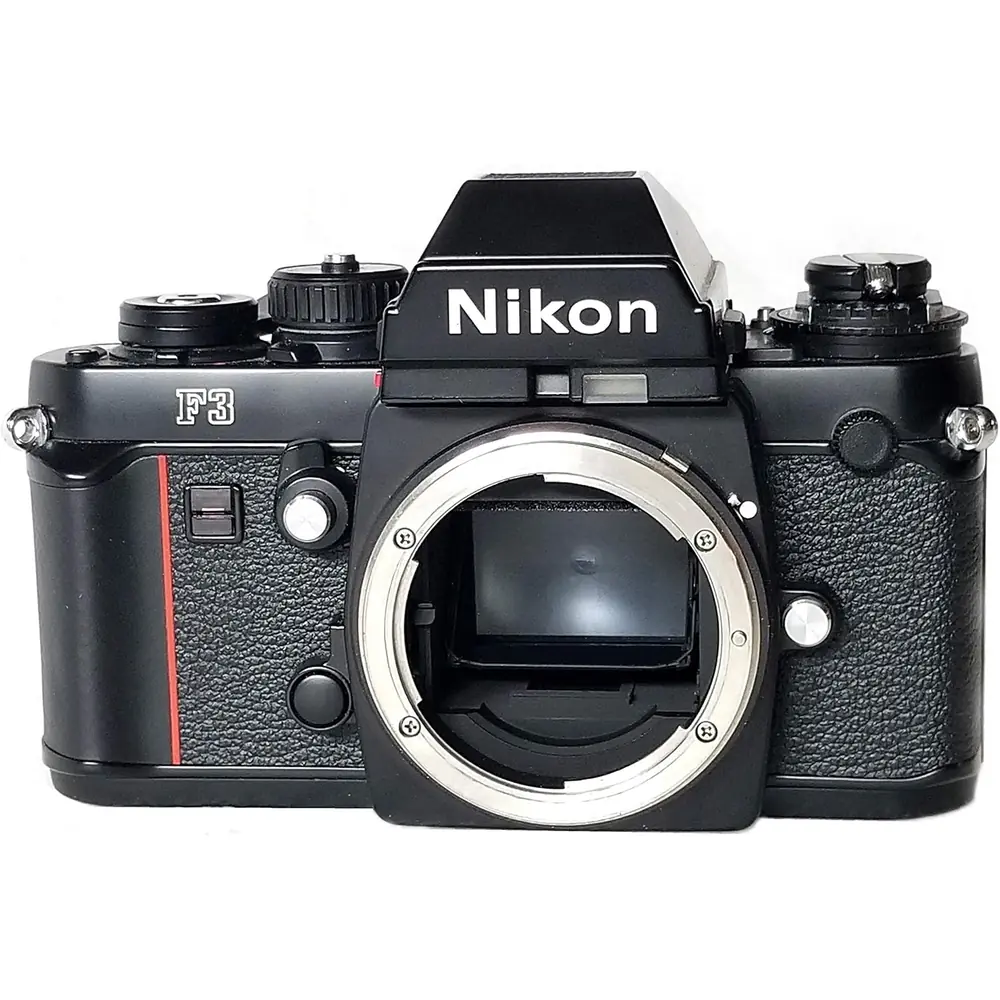
Nikon F3 Analog SLR Camera




Nikon F3 Analog SLR Camera


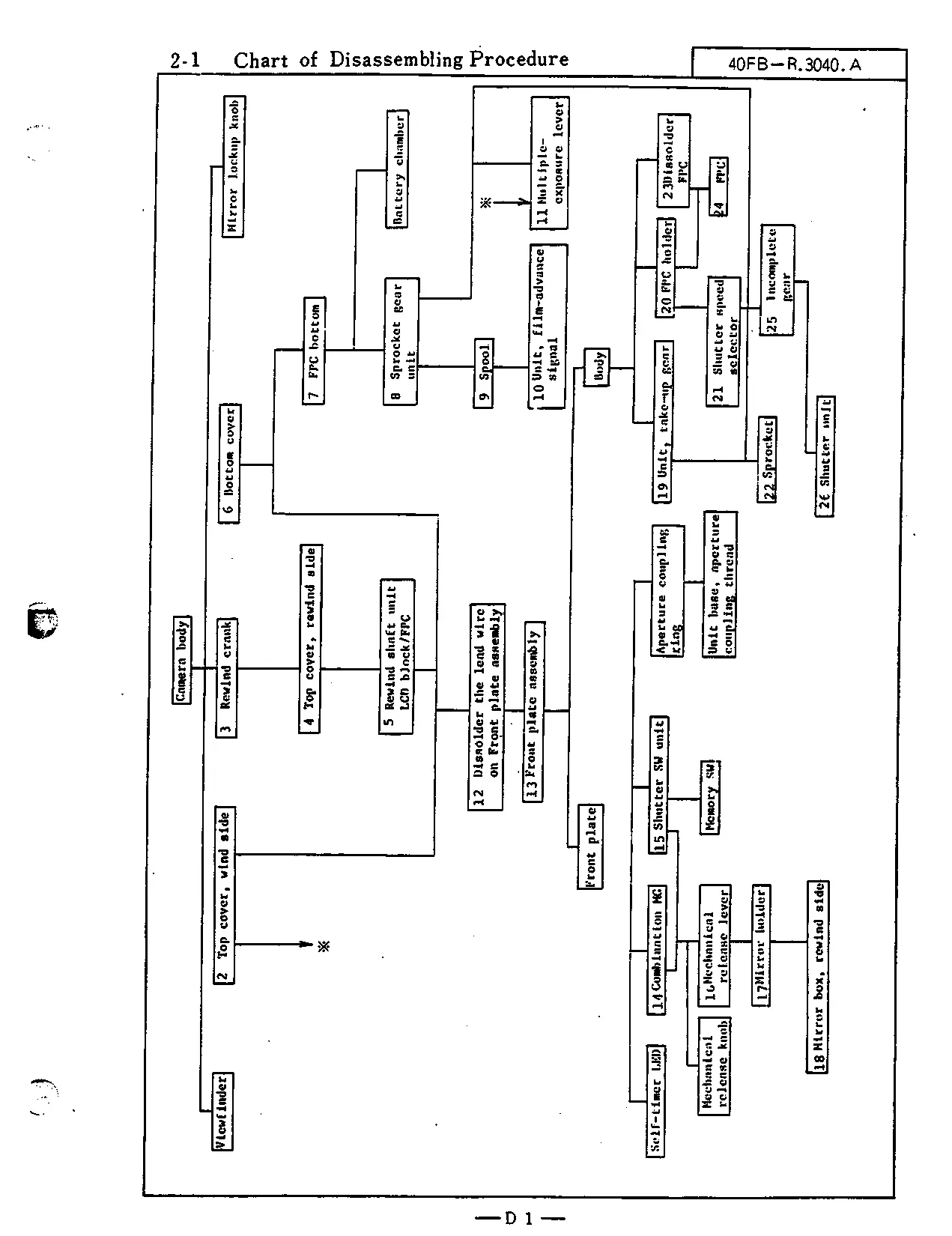





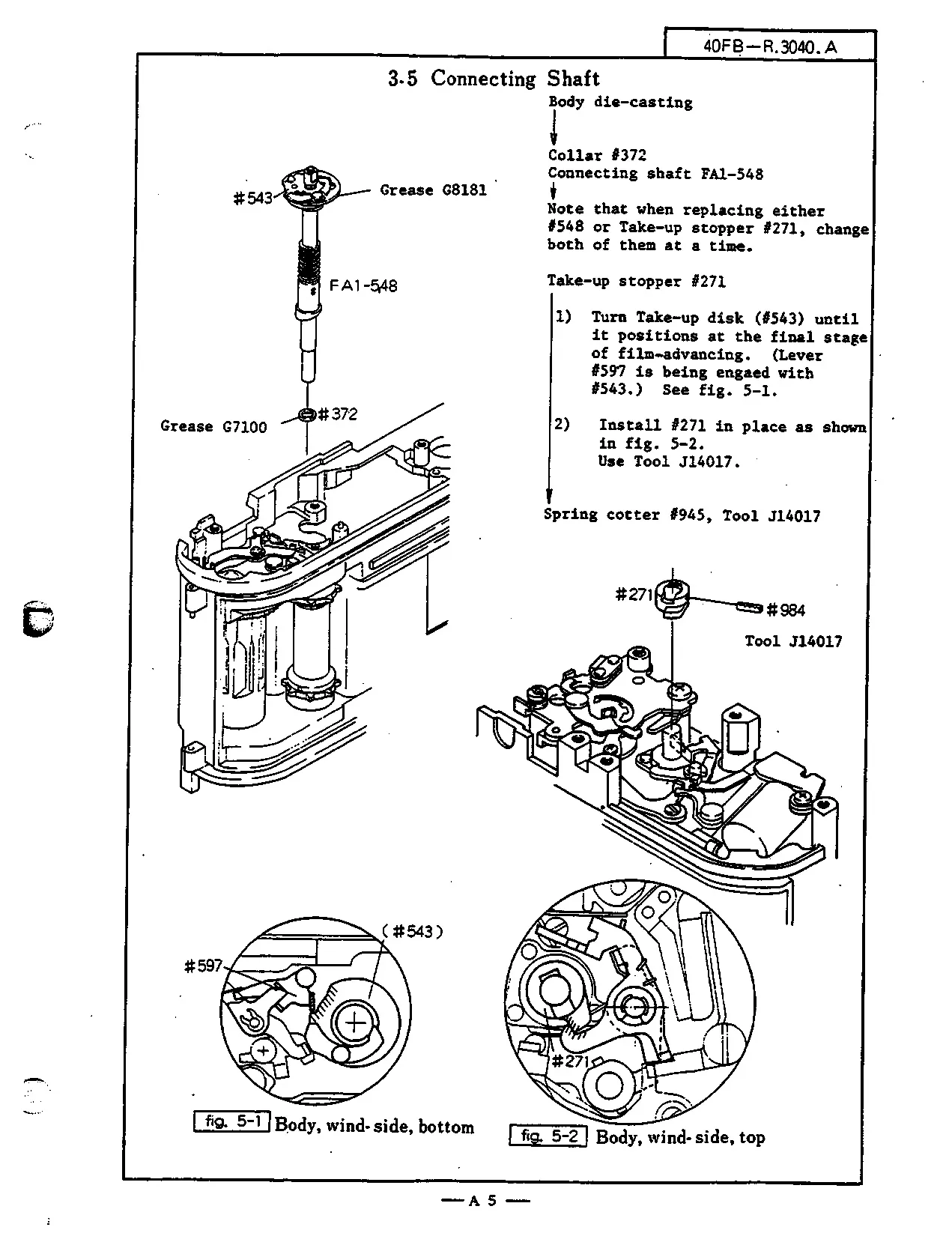


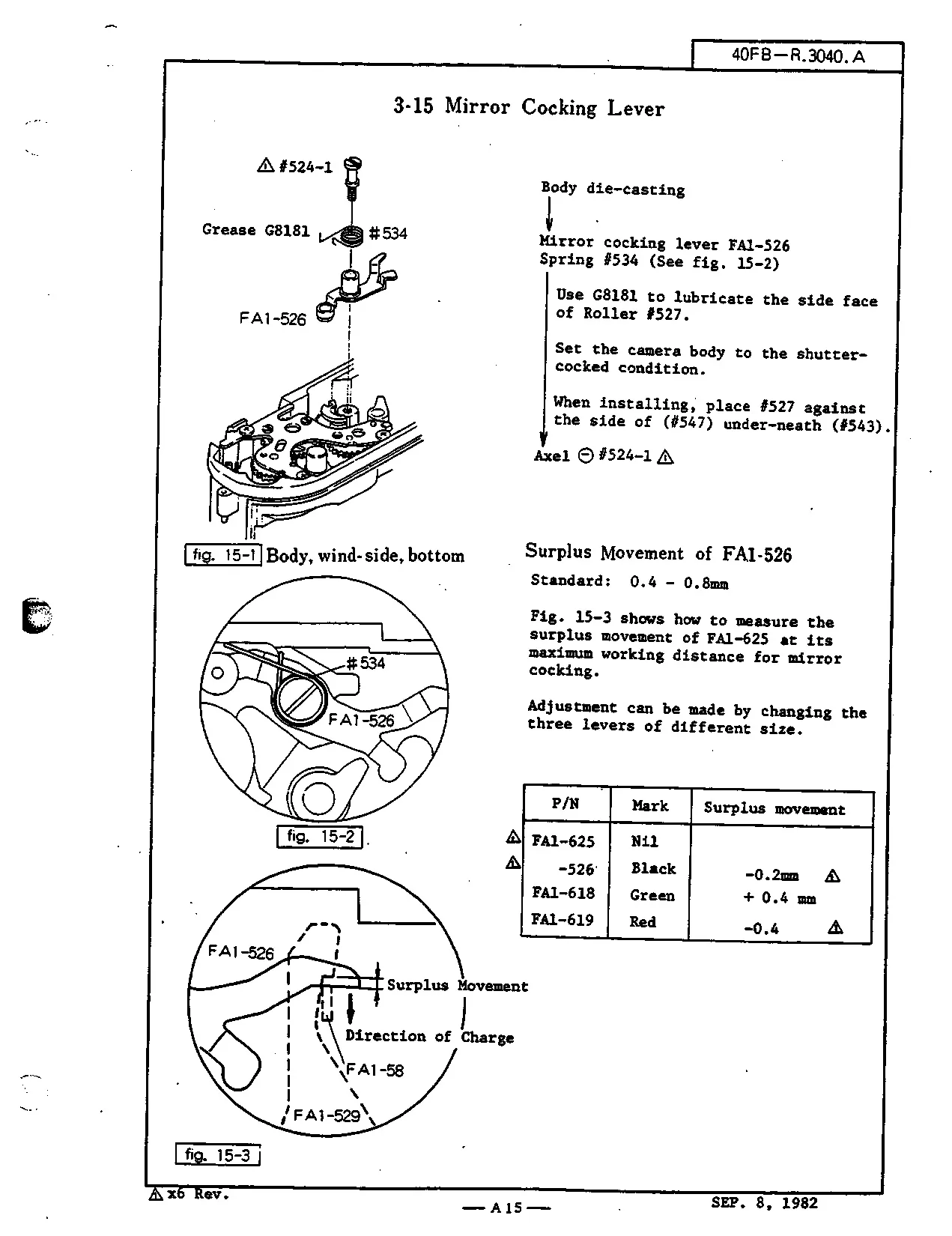


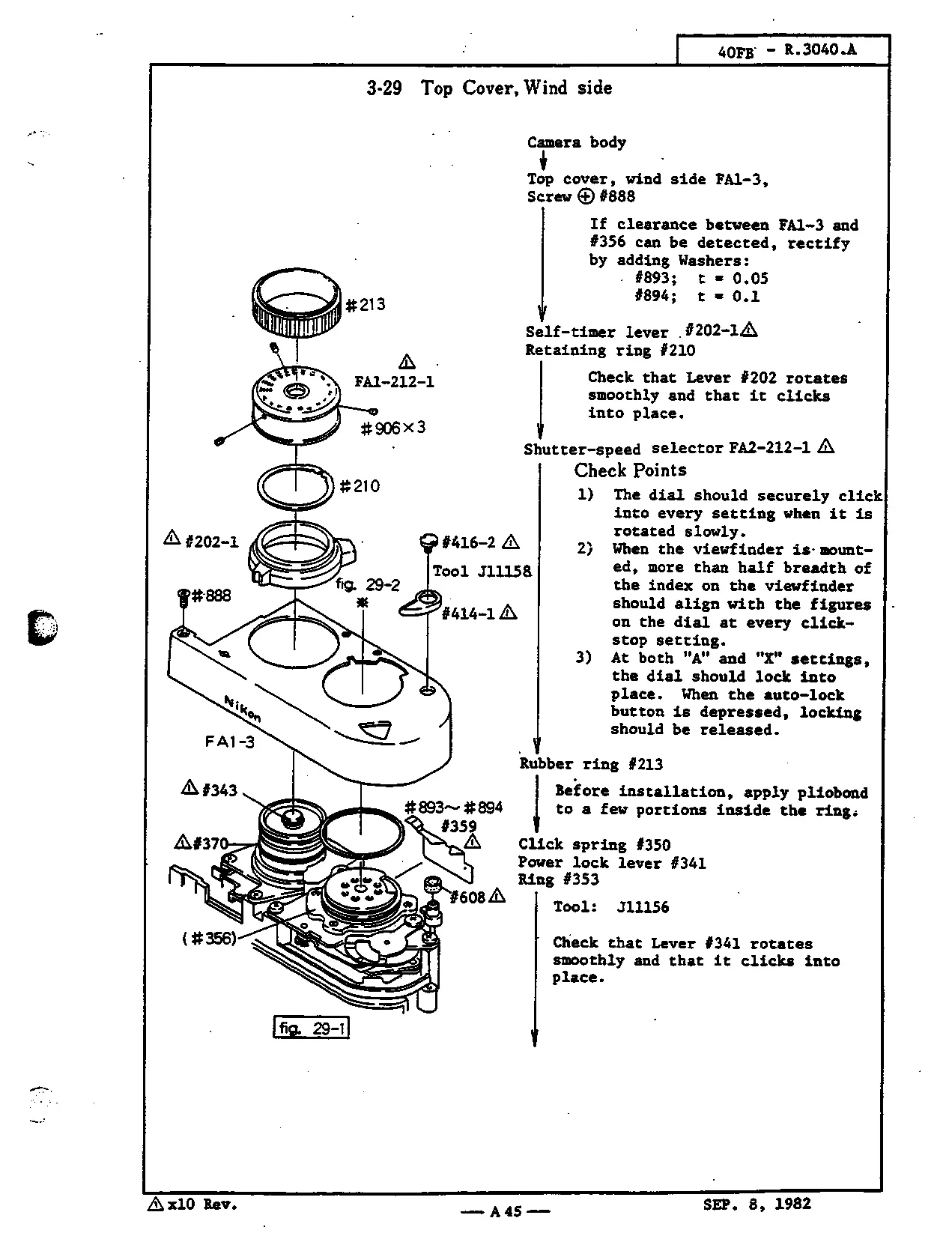


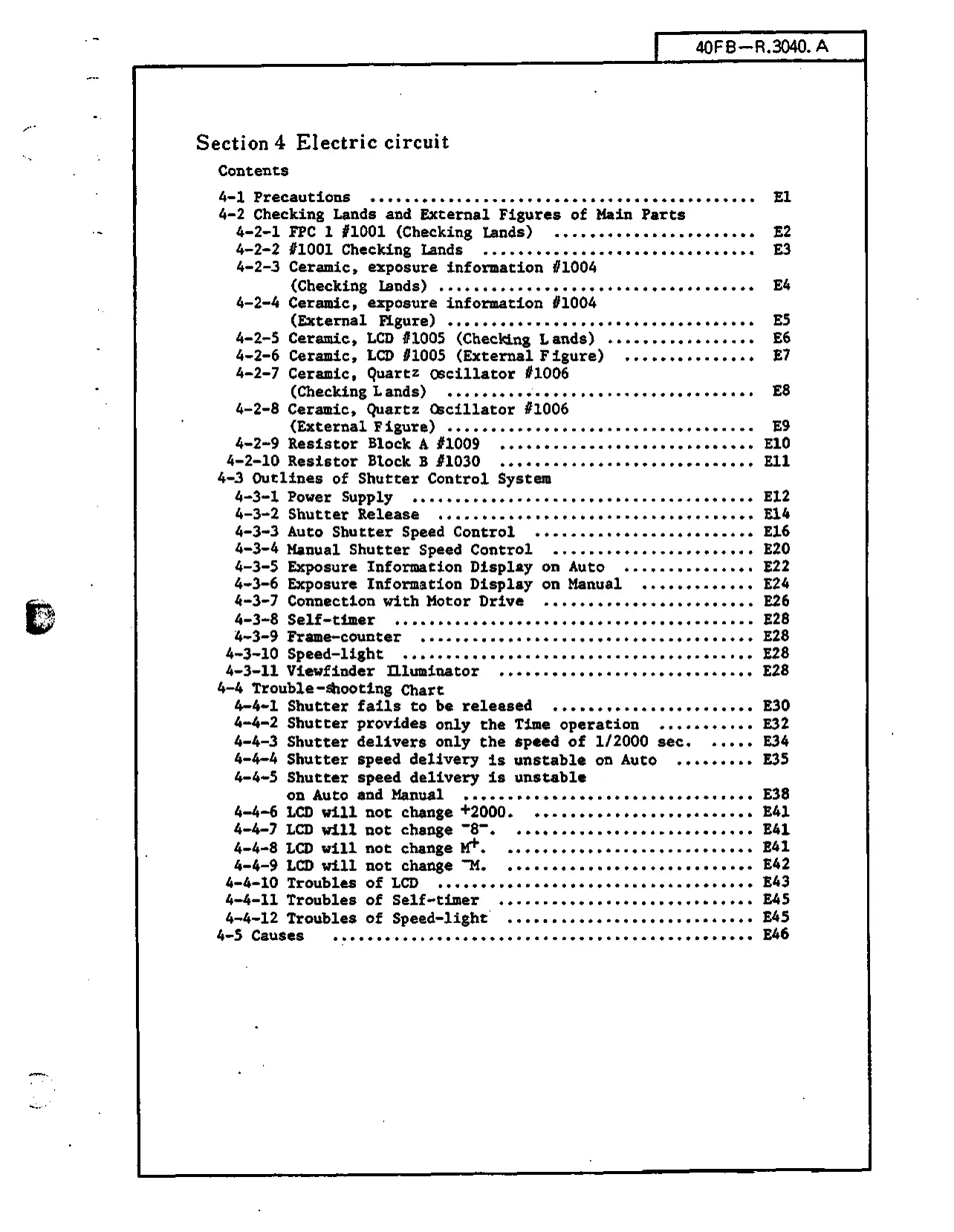


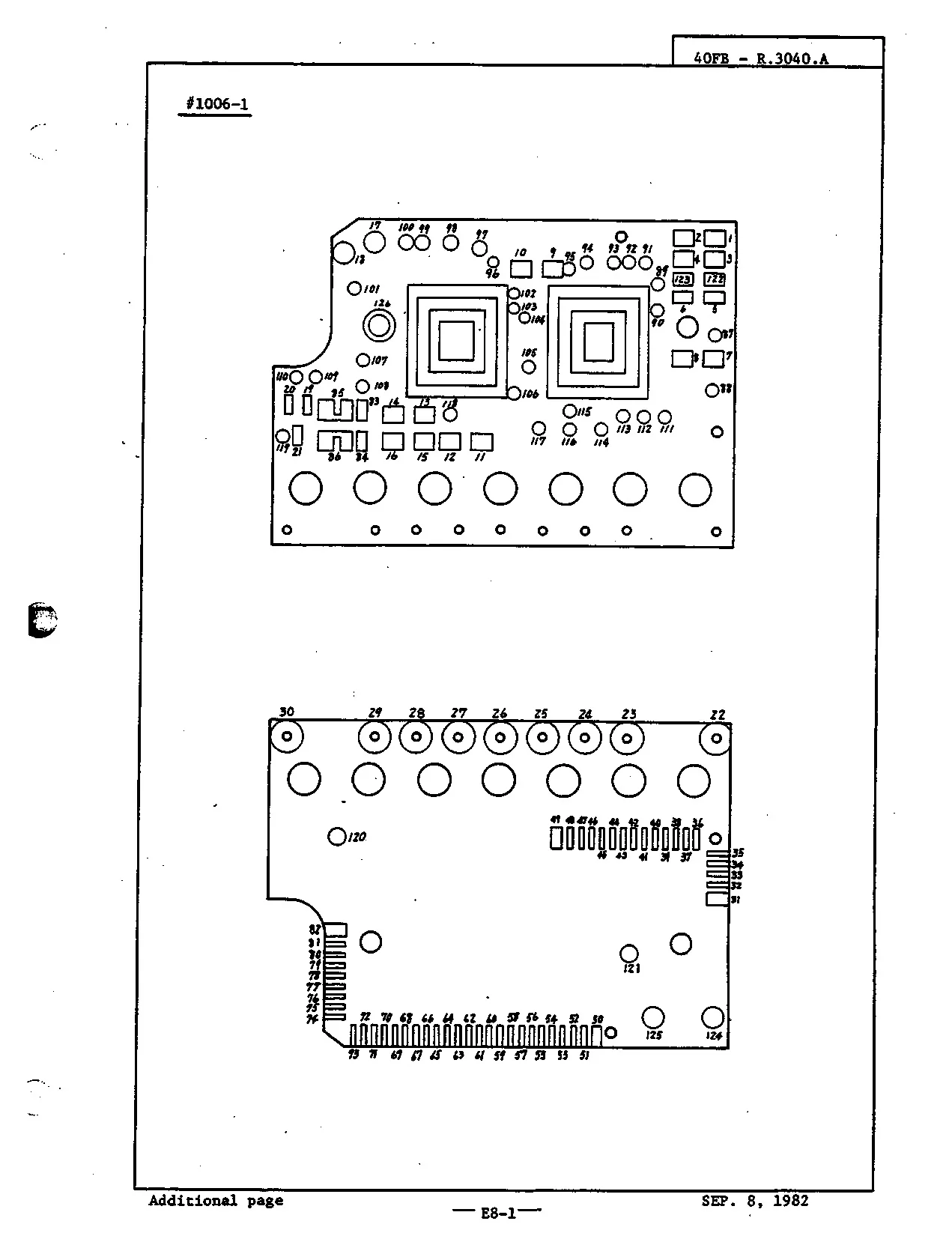





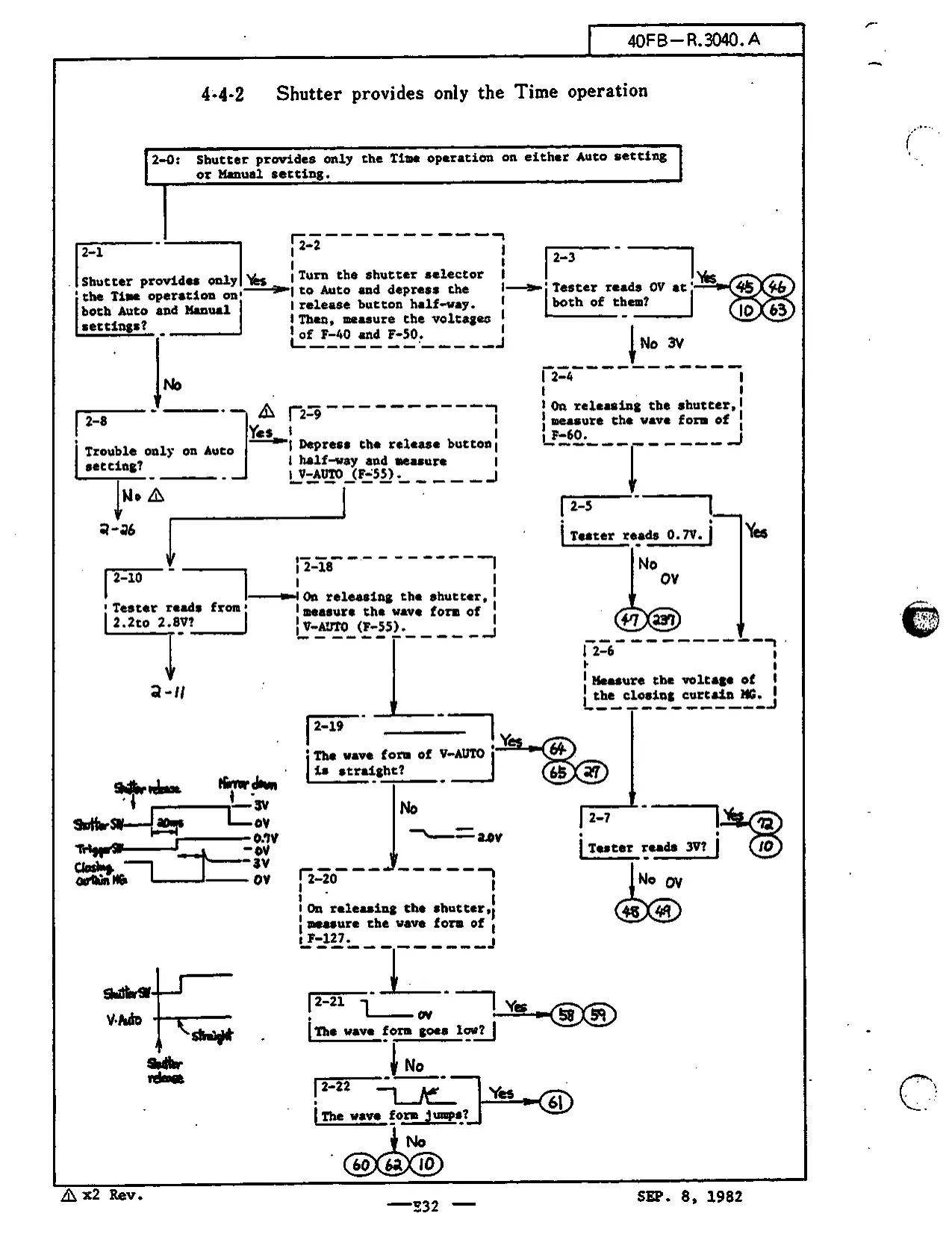








Nikon F3 Analog SLR Camera Instructions
Here we offer the Nikon F3 Analog SLR Camera manual completely free and in English. We have cataloged this manual in the SLR Cameras section on Manualverse, and it has been rated by 1 users with an average rating of 5. If you have any specific questions about Nikon F3 Analog SLR Camera, we suggest checking the Frequently Asked Questions (FAQs) section of this manual.
Product Images


Nikon F3 Analog SLR Camera Specifications
| Feature | Specification |
|---|---|
| Type of Camera | 35mm single-lens reflex |
| Picture Format | 24mm x 36mm (standard 35mm film format) |
| Lens Mount | Nikon bayonet mount |
| Standard Lenses | Nikkor 50/1.2, 50/1.4, 50/1.8, and Nikon Series E 50/1.8 |
| Shutter | Horizontal-travel, titanium focal-plane shutter |
| Shutter Speeds (Auto) | Electromagnetically controlled stepless speeds from 8 to 1/2000 sec. |
| Shutter Speeds (Manual) | Quartz/electromagnetically controlled discrete speeds from 8 to 1/2000 sec., plus B and X (1/80 sec.) |
| Shutter Speeds (Mechanical) | T setting and 1/60 sec. (backup control) |
| Exposure Control | Aperture-priority automatic with manual override and backup mechanical control; TTL, full aperture metering via SPD with center-weighted pattern |
| Film Speed Range | ASA 12 to ASA 6400 |
| Metering Range | EV1 to EV18 at ASA 100 with f/1.4 lens |
| Exposure Compensation | ±2 EV in one-third increments |
| Exposure Memory Lock | Provided (operates on Auto mode) |
| Accessory Shoe | Special Nikon type (at base of rewind knob), for SB-12 or SB-11 TTL cord |
| Flash Synchronization | Up to 1/80 sec. with electronic flash; auto 1/80 sec. with SB-12 on "A" |
| Autoflash Control | TTL direct flash control for SB-12 (ASA 25 to ASA 400) |
| Viewfinder | Interchangeable eye-level pentaprism type DE-2 (standard); 0.8X magnification with 50mm lens; virtually 100% frame coverage |
| Focusing Screen | Type K as standard; interchangeable with 19 other types |
| Reflex Mirror | Automatic instant-return type with lockup facility; incorporates air damper |
| Frame Counter | Additive type, self-resetting |
| Film Rewind | Folding crank with rewind button in baseplate |
| Eyepiece Shutter | Provided |
| Camera Back | Hinged, interchangeable type; memo holder provided |
| Batteries | Two 1.5V silver-oxide cells (Eveready EPX76, D76 or equivalent); MD-4 motor drive provides camera power |
| Dimensions | 148.5mm (W) x 96.5mm (H) x 65.5mm (D) |
| Weight | 700g with DE-2 Eyelevel finder |
Nikon F3 Analog SLR Camera Details
The Nikon F3 boasts an exceptionally intuitive user interface, designed for professional photographers. The film advance lever features a comfortable 30-degree stand-off angle and a 140-degree winding angle, enabling smooth, single-stroke or series-of-strokes winding. The initial pressure on the electromagnetic shutter release button activates the meter, which remains active for 16 seconds after the finger is removed, ensuring ample time for exposure adjustments.
For moments when battery power is unavailable, the F3 includes a robust backup mechanical release lever. This feature allows the shutter to be tripped at a fixed 1/60 second (except when set to T), ensuring critical shots are never missed due to power issues. Additionally, the integrated self-timer offers a precise, quartz-timed 10-second delay, accompanied by an LED that blinks at 2Hz for eight seconds and then rapidly at 8Hz for the final two seconds.
The camera's viewfinder offers comprehensive information through its Liquid Crystal Display (LCD), showing the current shutter speed. In automatic mode, `+2000` signals overexposure, while `-S-` indicates underexposure. For manual settings, `M` appears with `+` for overexposure, `-` for underexposure, and `- +` for correct exposure. An LED also glows to confirm when a compatible Nikon SB-11 or SB-12 Speedlight is fully recycled.
Beyond the digital display, the viewfinder also incorporates an Aperture-Direct-Readout (ADR) window, optically displaying the aperture in use directly from the lens. A dedicated viewfinder illuminator button ensures clear visibility of both the LCD and ADR window, even in low-light conditions, maintaining operational efficiency regardless of ambient lighting.
Creative control is enhanced by features like the depth-of-field preview button, which is coaxially designed with the mirror lock-up lever. This allows photographers to visually assess the depth of field before exposure. Furthermore, a dedicated multiple exposure lever temporarily disengages the frame counter, facilitating the precise creation of intentional multiple exposures on a single film frame without miscounting.
The Nikon F3 is built with versatility in mind, offering an interchangeable camera back that includes a convenient memo holder for film reminders. Its reflex mirror system is an automatic instant-return type, capable of lock-up and incorporating an air damper for reduced vibration, contributing to sharper images, especially during long exposures.
The sophisticated metering system is fully integrated, working seamlessly with all interchangeable viewfinders. For advanced flash photography, the F3 features TTL direct flash control that governs the output of the SB-12 Speedlight, ensuring optimal exposure within an effective ASA range of 25 to 400, adapting to various lighting scenarios.
The camera's modular design extends to its focusing screens; while Type K is standard, 19 other specialized types are available to suit diverse photographic needs. The film advance mechanism automatically sets the shutter speed to 1/125 second until frame "1" is reached when the dial is on "A" or 1/125 sec. and above, facilitating quick film loading.
The robust construction and thoughtful engineering, including the durable titanium focal-plane shutter and wide ASA film speed range, solidify the Nikon F3's reputation. Its ability to cater to both professional demands and creative experimentation, with comprehensive manual controls and advanced automation, made it a cornerstone of analog photography for decades.
Frequently Asked Questions (FAQs)
Can't find the answer you need? Here are some frequently asked questions about the Nikon F3 Analog SLR Camera, and we answer them below.