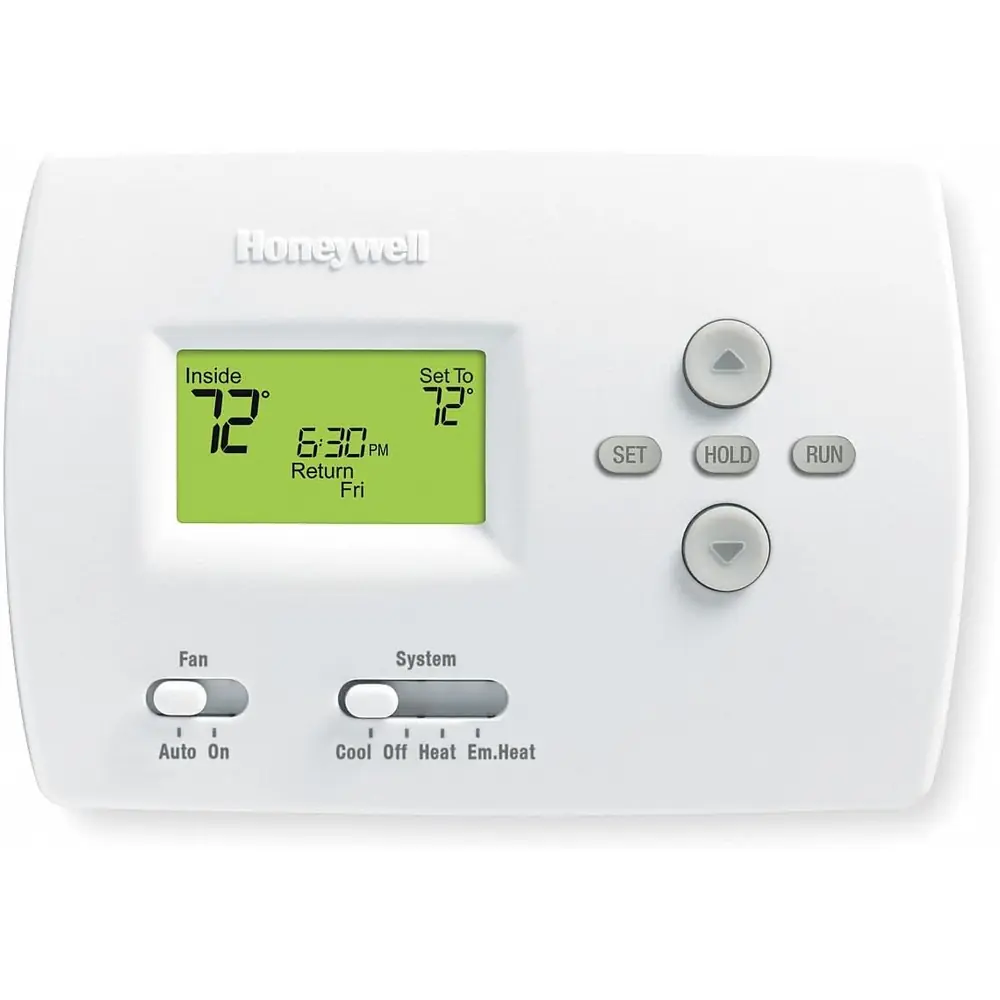
Honeywell CT410B Thermostat Instruction Manual

Honeywell CT410B Thermostat
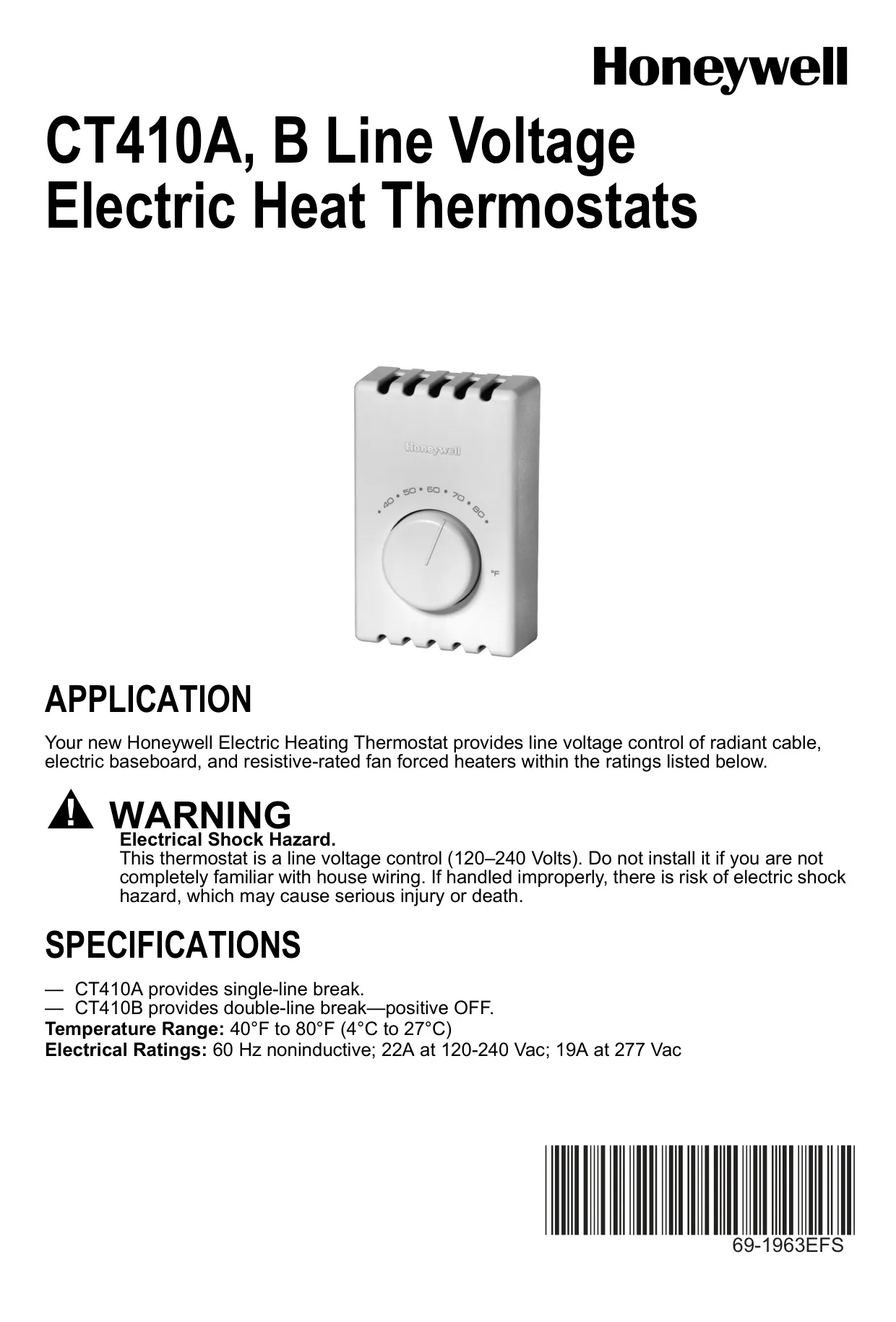
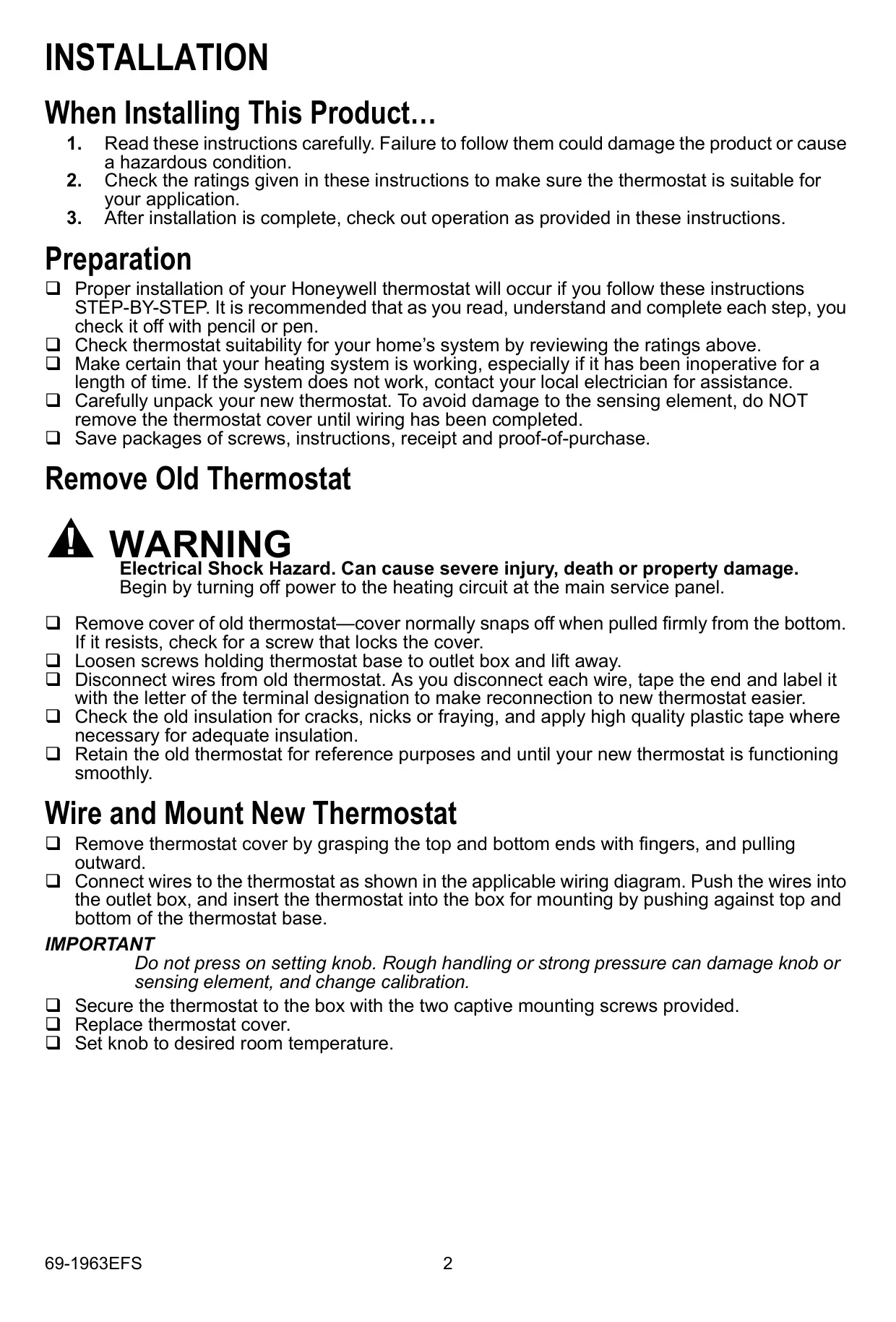




Honeywell CT410B Thermostat Instructions
Here we offer the Honeywell CT410B Thermostat manual completely free and in English. We have cataloged this manual in the Thermostats section on Manualverse, and it has been rated by 1 users with an average rating of 5. If you have any specific questions about Honeywell CT410B Thermostat, we suggest checking the Frequently Asked Questions (FAQs) section of this manual.
Product Images
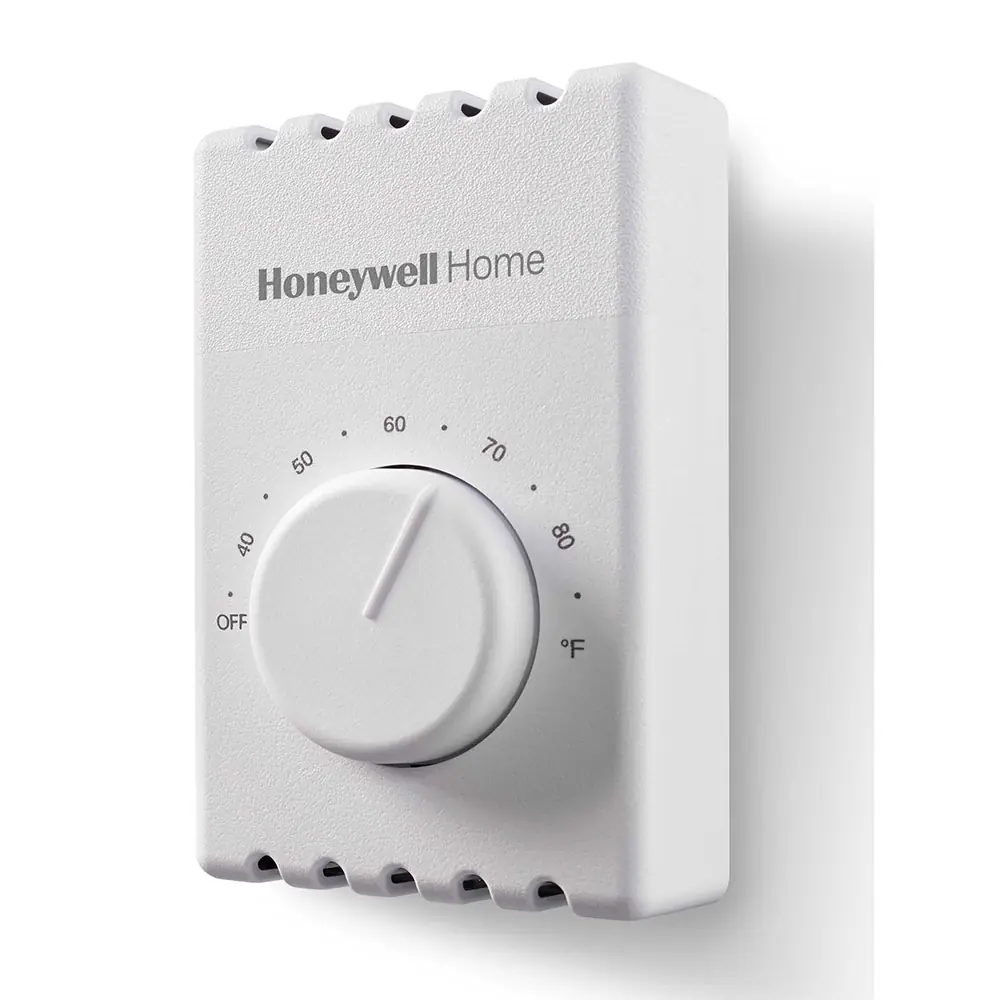
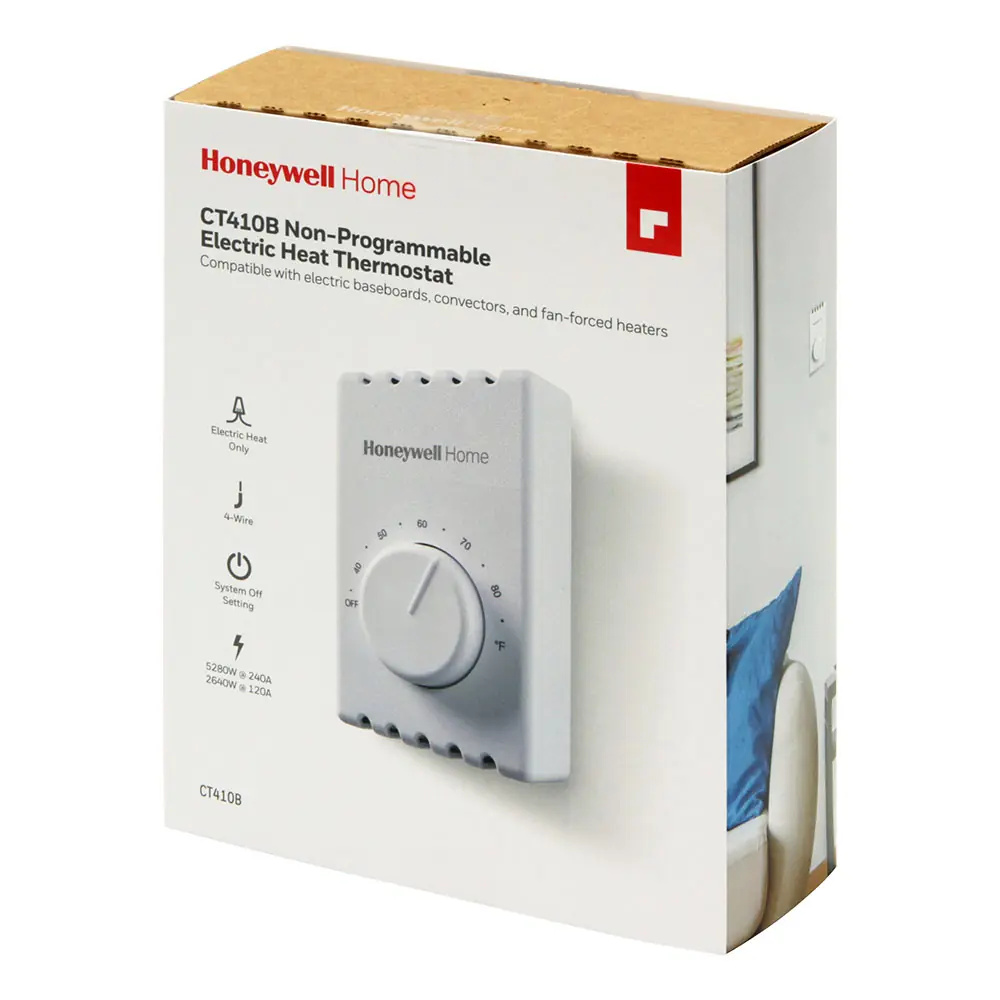
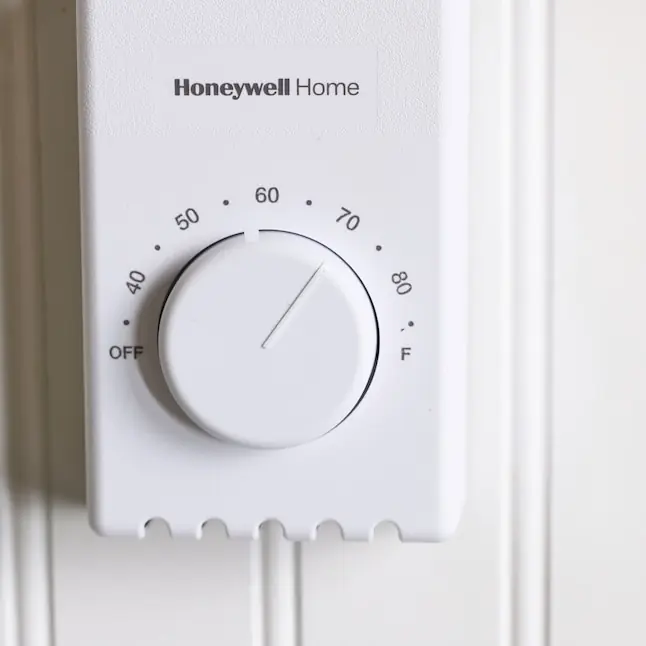
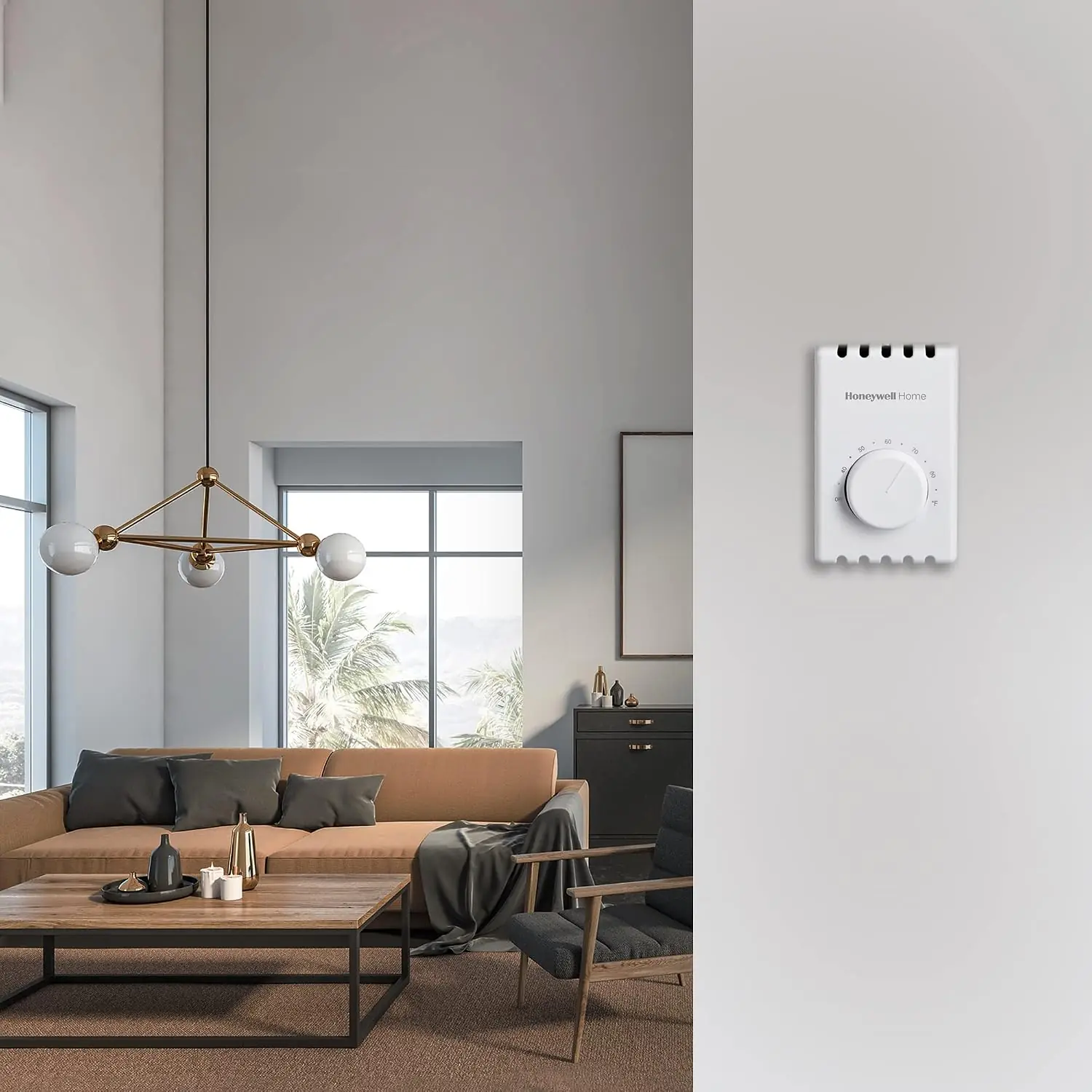
Honeywell CT410B Thermostat Specifications
| Feature | Specification |
|---|---|
| Model | CT410B |
| Thermostat Type | Line Voltage Electric Heat Thermostat |
| Application | Control of radiant cable, electric baseboard, resistive-rated fan forced heaters |
| Temperature Range | 40°F to 80°F (4°C to 27°C) |
| Electrical Rating (Frequency) | 60 Hz noninductive |
| Electrical Rating (Voltage/Amperage 1) | 22A at 120-240 Vac |
| Electrical Rating (Voltage/Amperage 2) | 19A at 277 Vac |
Honeywell CT410B Thermostat Details
The Honeywell CT410B Thermostat is specifically designed for line voltage control of various electric heating systems, including radiant cables, electric baseboards, and resistive-rated fan-forced heaters. A distinctive and critical safety feature of the CT410B model is its double-line break capability, ensuring a positive OFF state. This means that when the thermostat is turned off, it completely disconnects both live wires, significantly enhancing safety by eliminating potential voltage even when the heater is inactive. This contrasts with single-line break models, offering superior protection against electrical hazards.
Before any installation or maintenance, the manual emphatically warns of a severe electrical shock hazard. Given this thermostat operates at line voltage (120-240 Volts, up to 277 Vac), it is imperative that only individuals completely familiar with house wiring undertake the installation. Improper handling carries a substantial risk of serious injury or even death. The initial and most crucial step in any procedure involving this device is to always turn off power to the heating circuit at the main service panel to prevent accidental electrocution during work.
The installation process emphasizes meticulous adherence to instructions. Users are advised to verify the thermostat's suitability for their system and ensure the heating system is operational beforehand. When replacing an old thermostat, careful labeling of wires is recommended for easier reconnection. A critical caution during mounting is to avoid pressing on the setting knob, as this can damage the knob or the internal sensing element, potentially affecting calibration and performance. The manual provides clear wiring diagrams for proper connection.
Once installed, checking the thermostat's operation involves confirming that the electric heater turns on when the knob is set fully clockwise and turns off when set fully counterclockwise, listening for audible clicks. For regular use, the thermostat should initially be set to a comfortable temperature, such as 70°F (20°C). Adjustments should be made gradually, typically by only one degree at a time, allowing at least two hours for the system to respond and stabilize before making further changes. This gradual approach ensures optimal comfort and energy efficiency.
The manual includes a concise troubleshooting guide for common issues. Symptoms like "no heat" or "heater never turns off" are addressed with clear steps, often involving checking power, connections, or confirming thermostat settings. If problems persist or if the thermostat setting disagrees with an actual room thermometer (potentially due to drafts or radiant heat affecting sensor), contacting a qualified electrician is recommended. Honeywell also provides a 1-year limited warranty, covering defects in workmanship or materials under normal use, with contact information for customer care and return procedures.
Frequently Asked Questions (FAQs)
Can't find the answer you need? Here are some frequently asked questions about Honeywell CT410B Thermostat, and we answer them below.