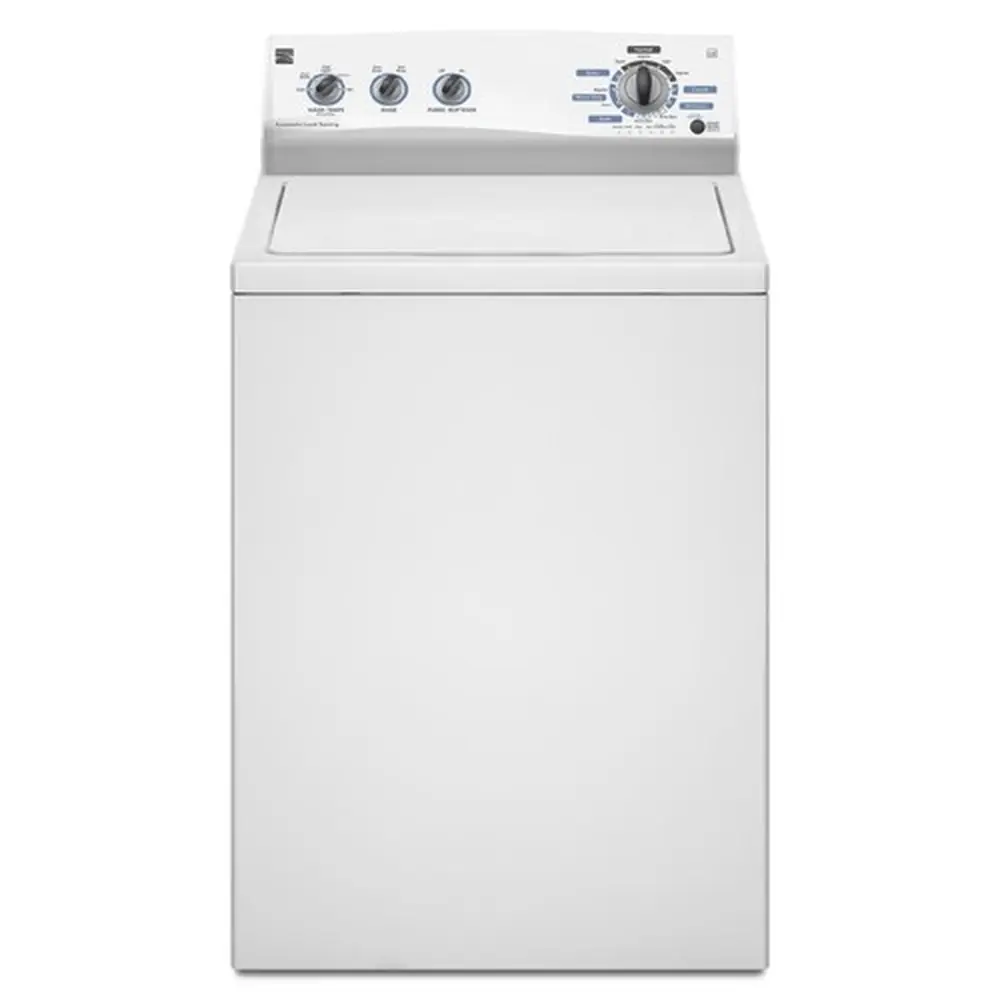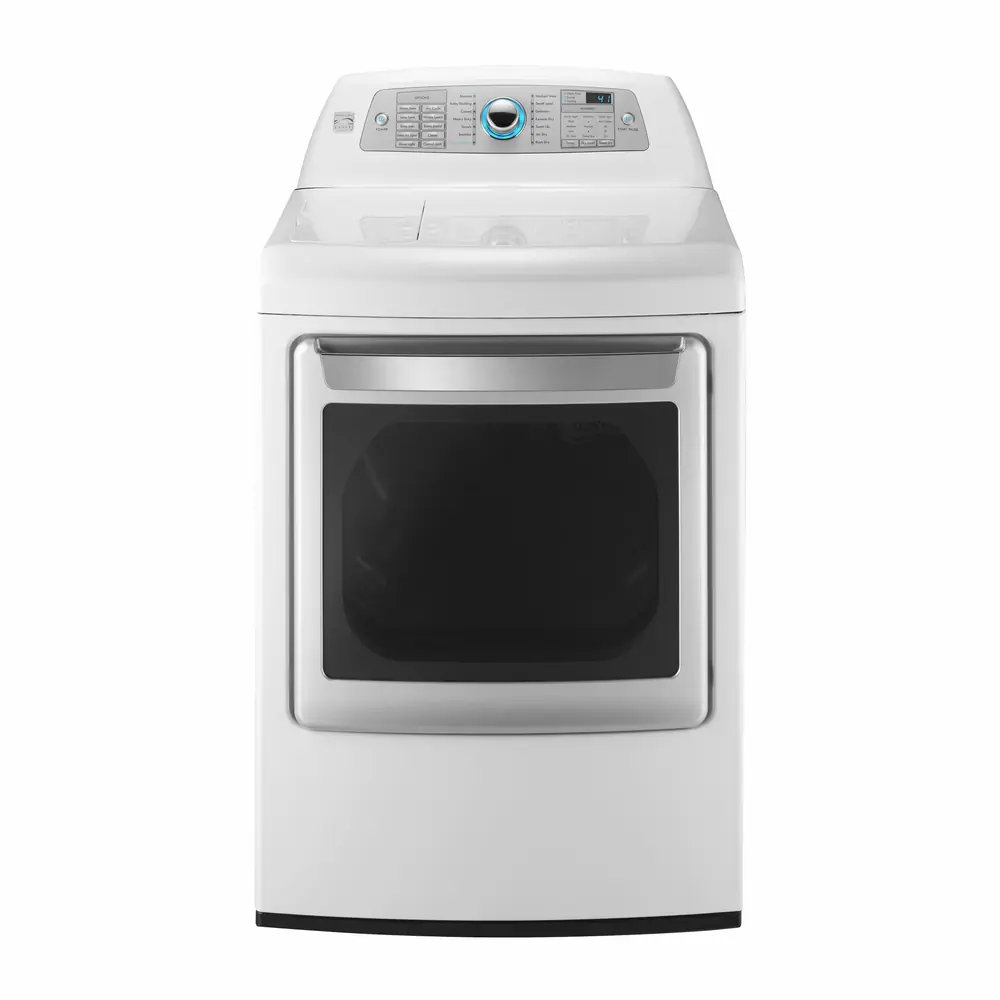
Kenmore Series 90 Washing Machine Instruction Manual
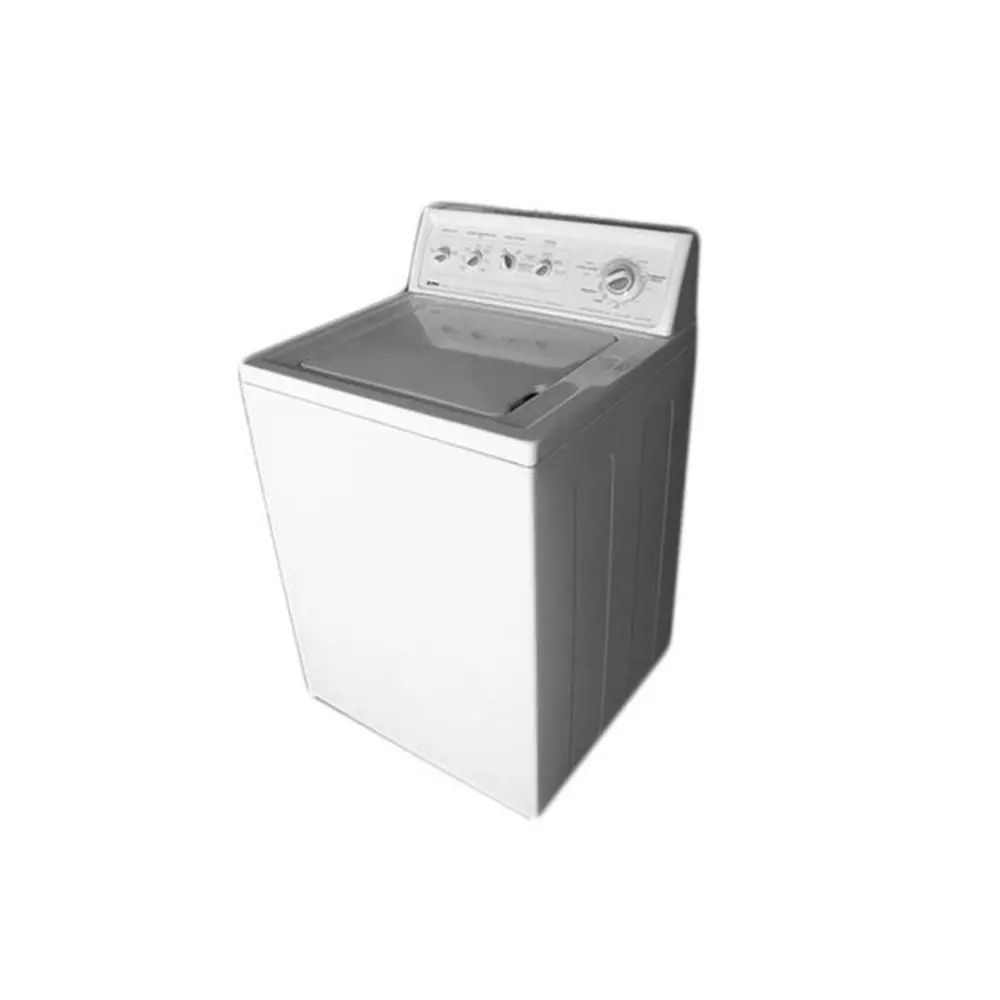
Kenmore Series 90 Washing Machine
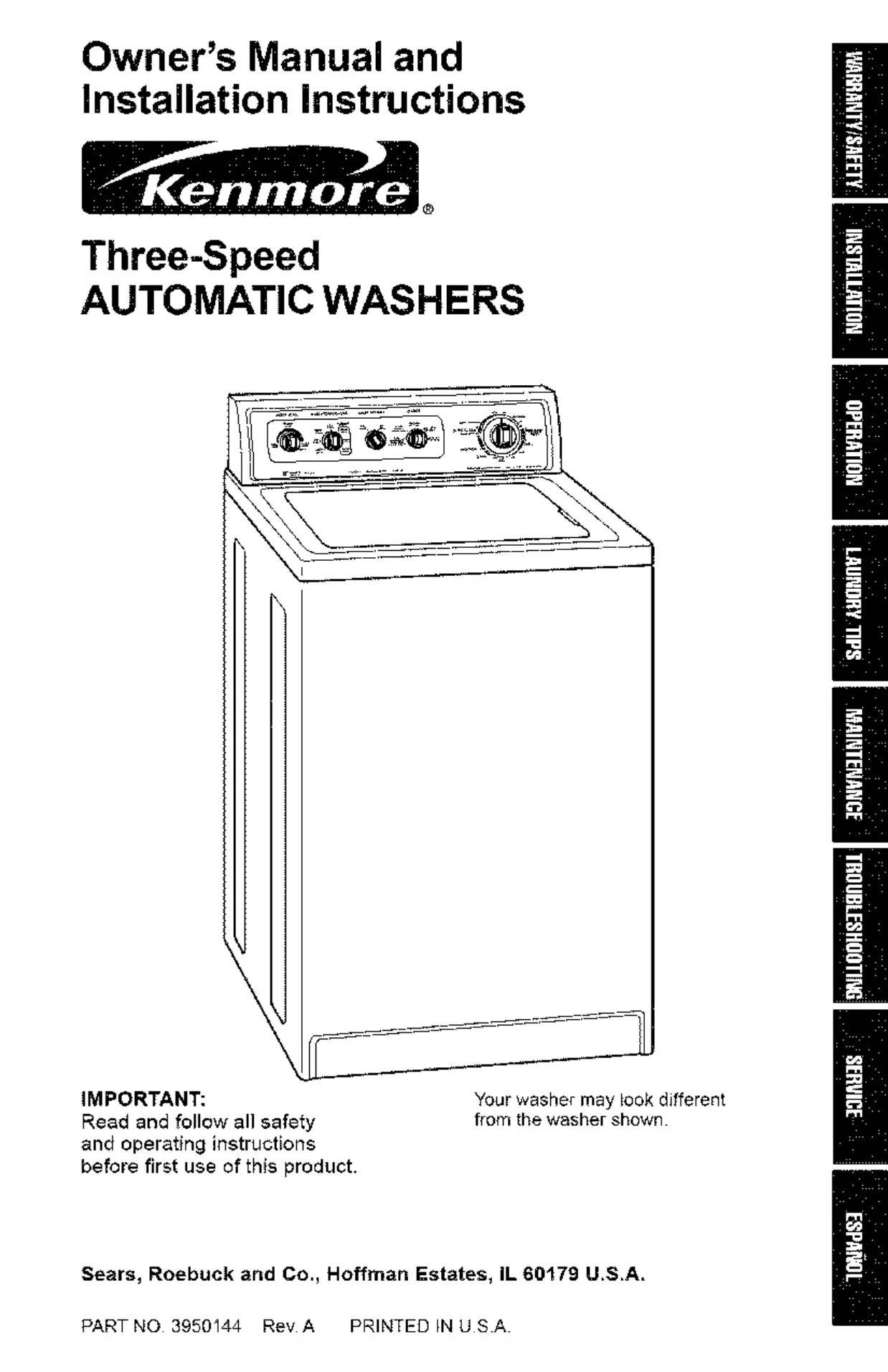
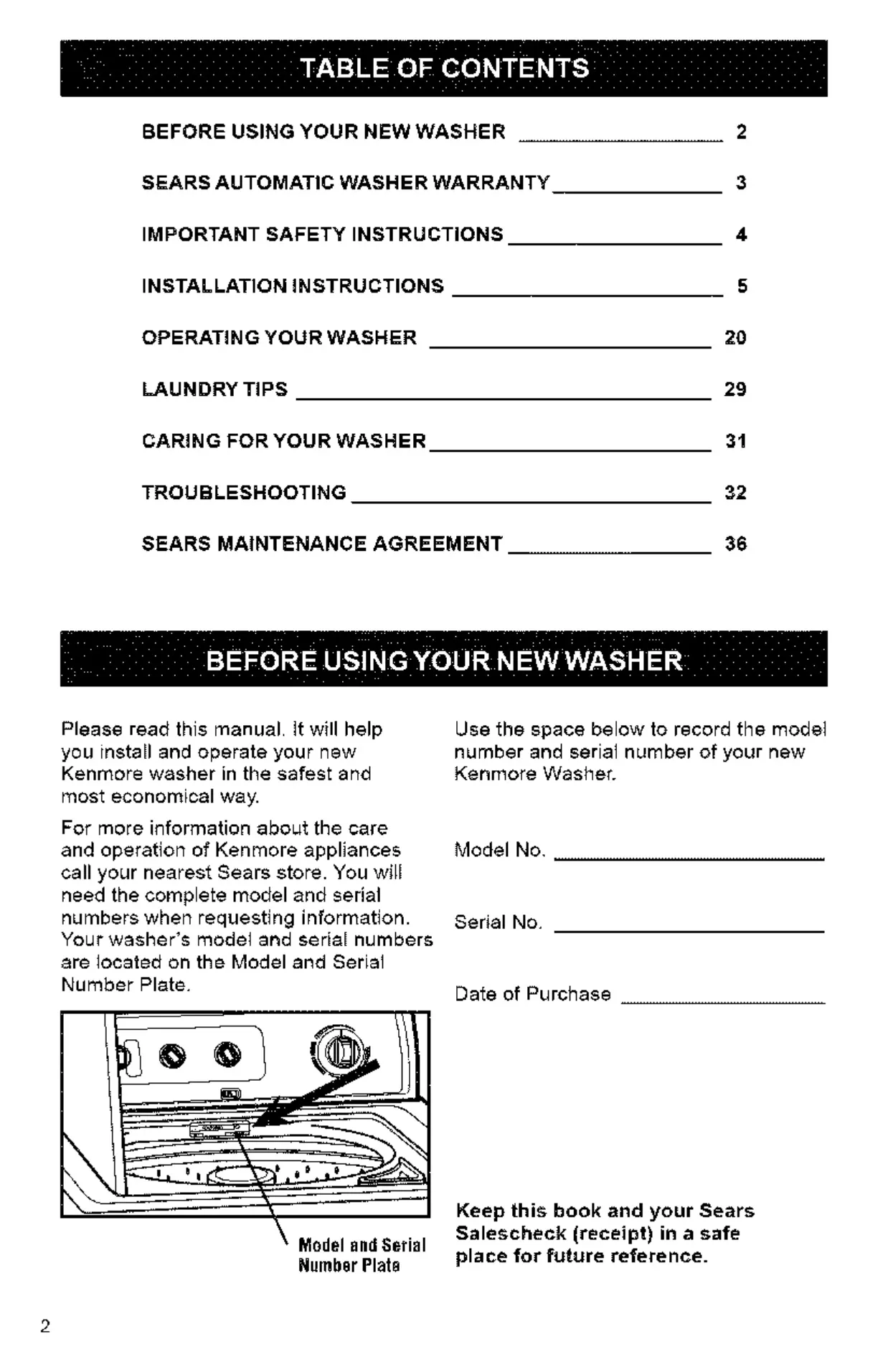





Kenmore Series 90 Washer Instructions
Here we offer the Kenmore Series 90 Washing Machine manual completely free and in English. We have cataloged this manual in the Washing Machines section on Manualverse, and it has been rated by 1 users with an average rating of 5. If you have any specific questions about Kenmore Series 90 Washing Machine, we suggest checking the Frequently Asked Questions (FAQs) section of this manual.
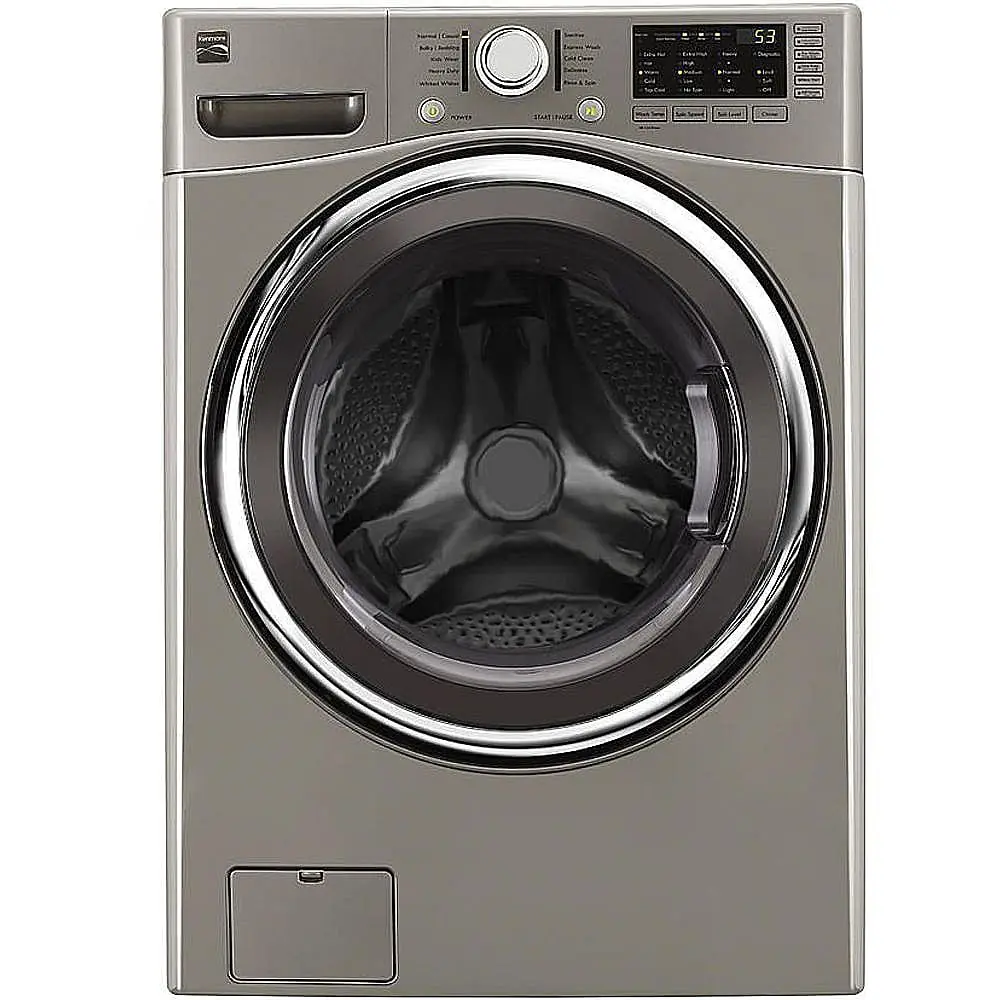
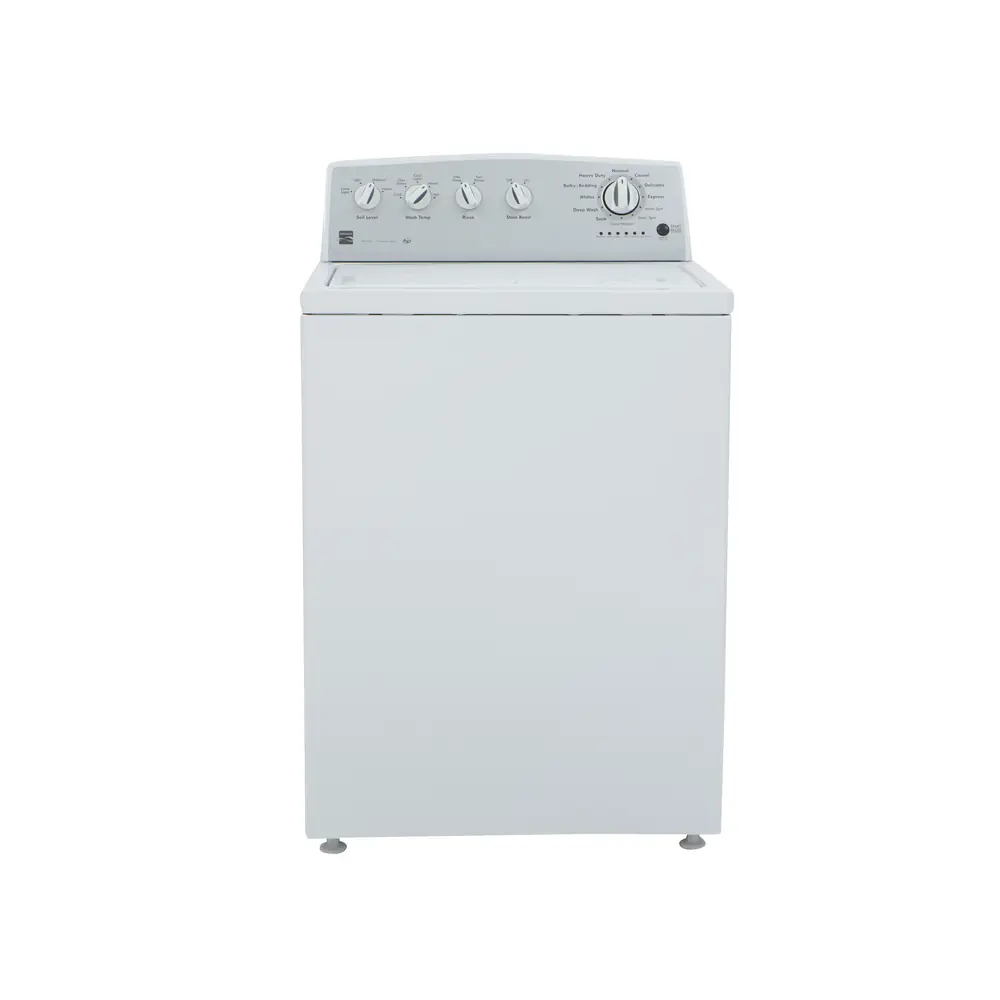
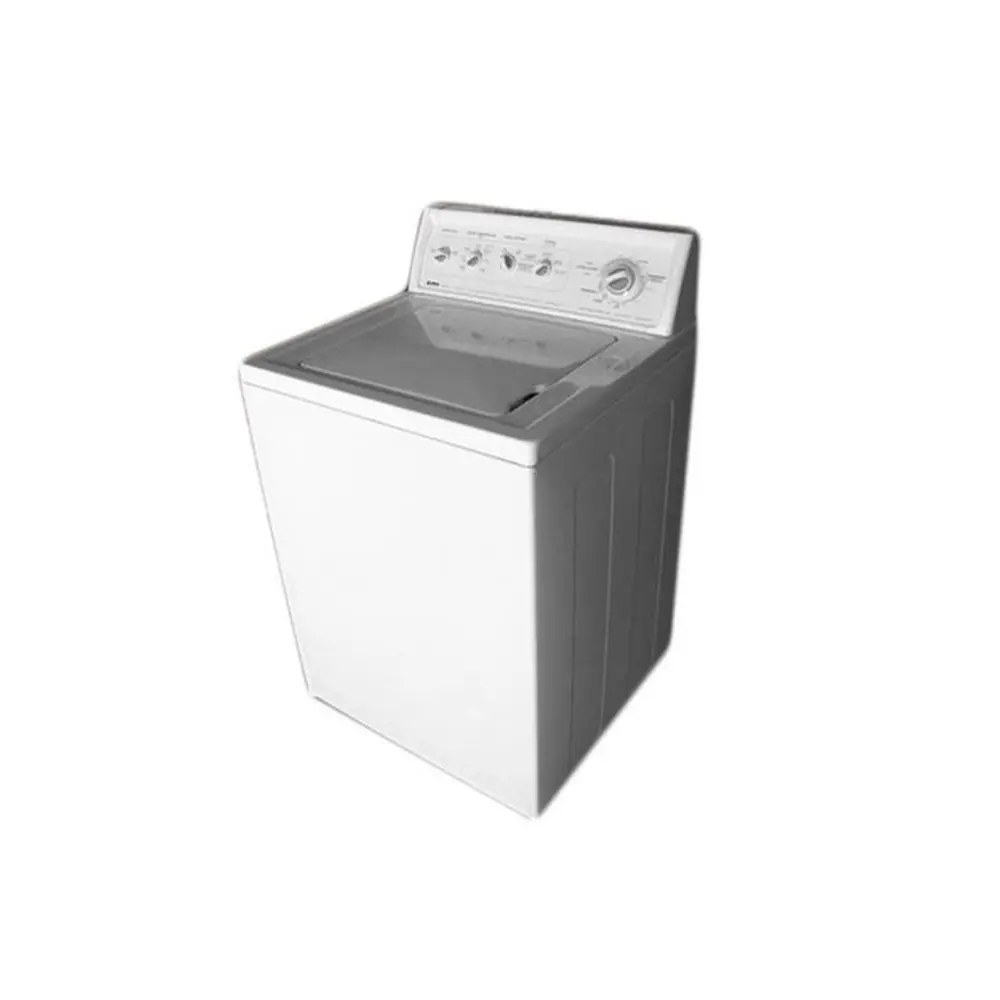
Product Images
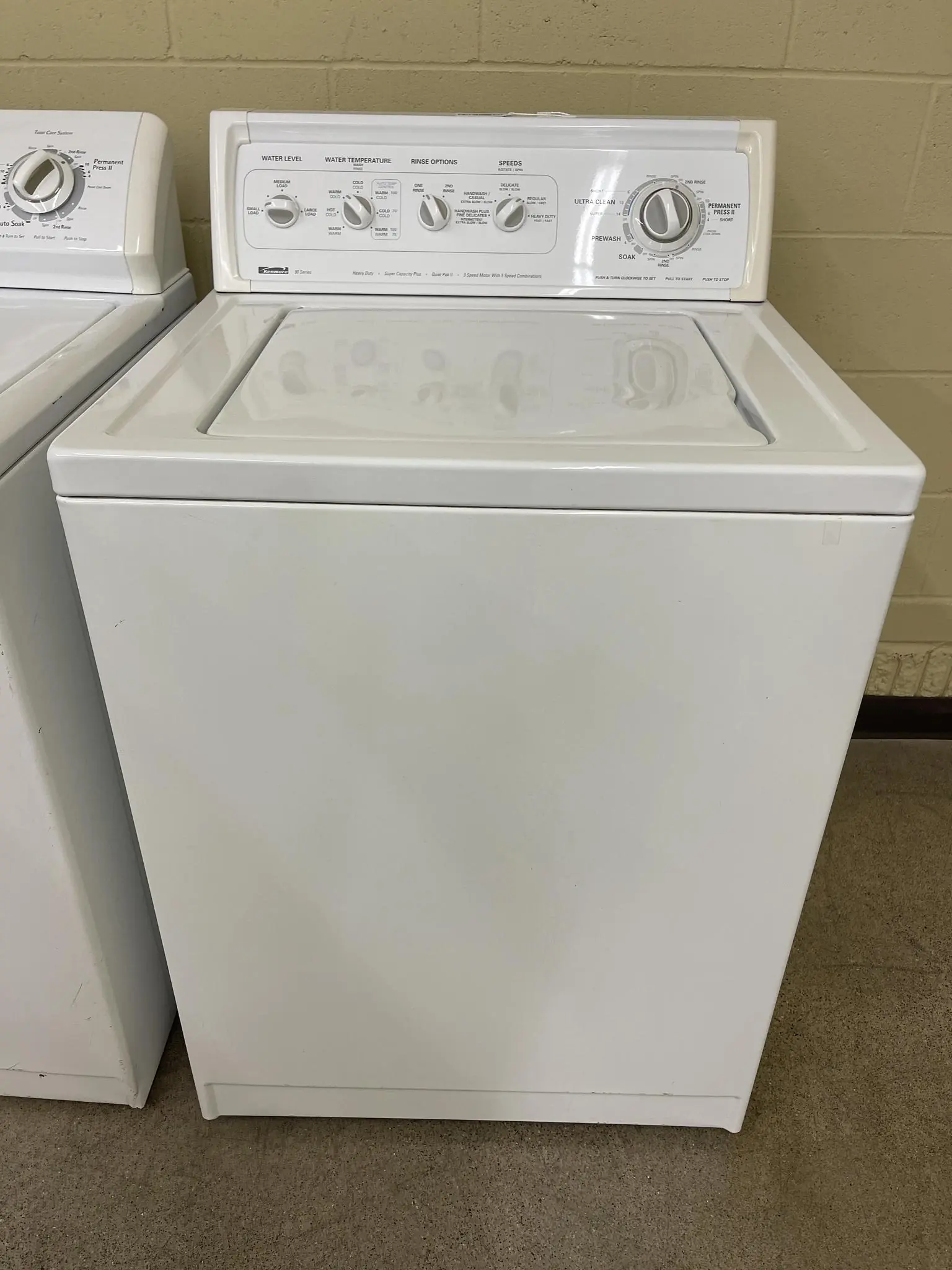
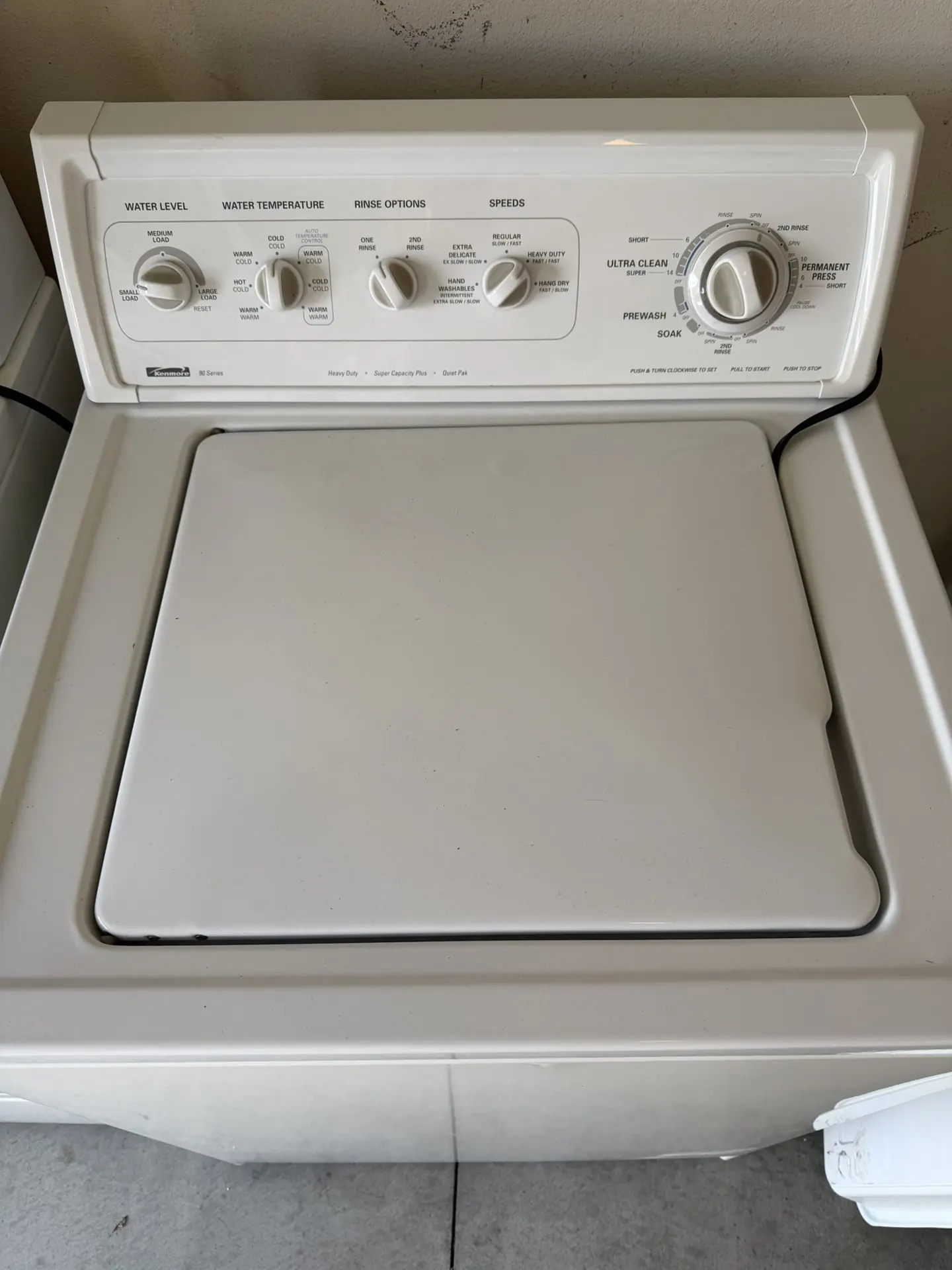
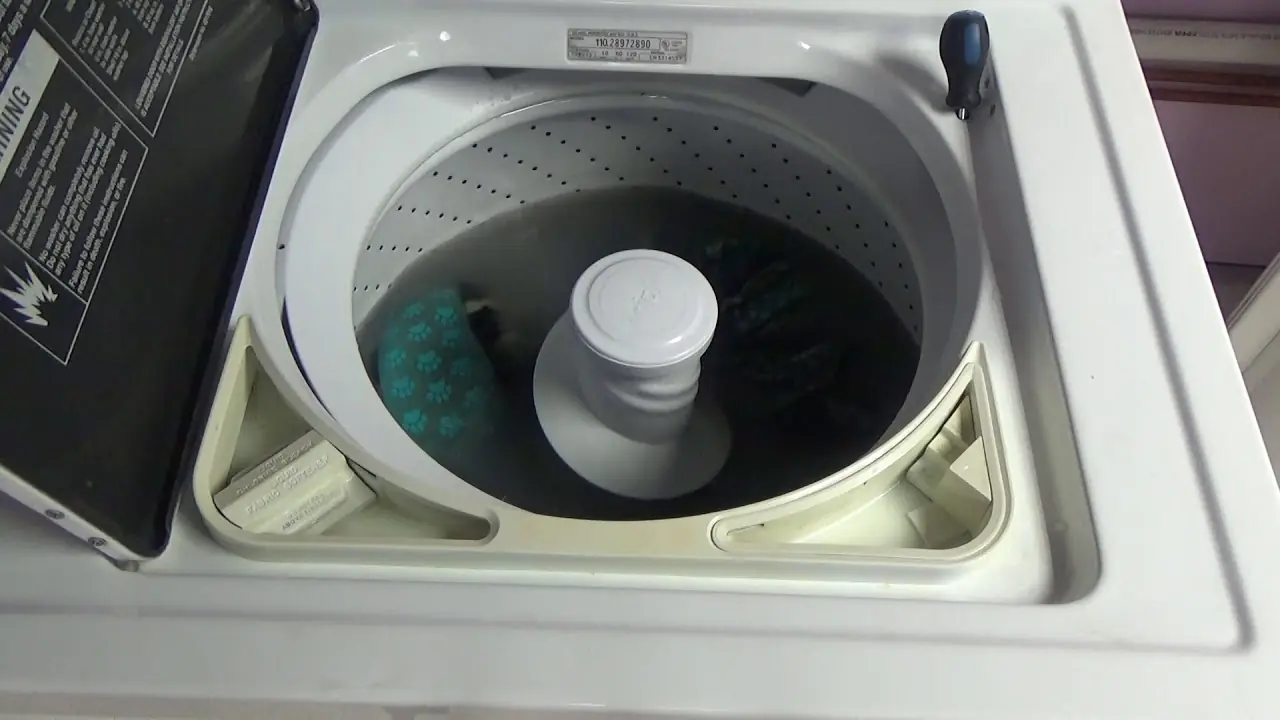
Kenmore Series 90 Washing Machine Specifications
| Feature | Specification |
|---|---|
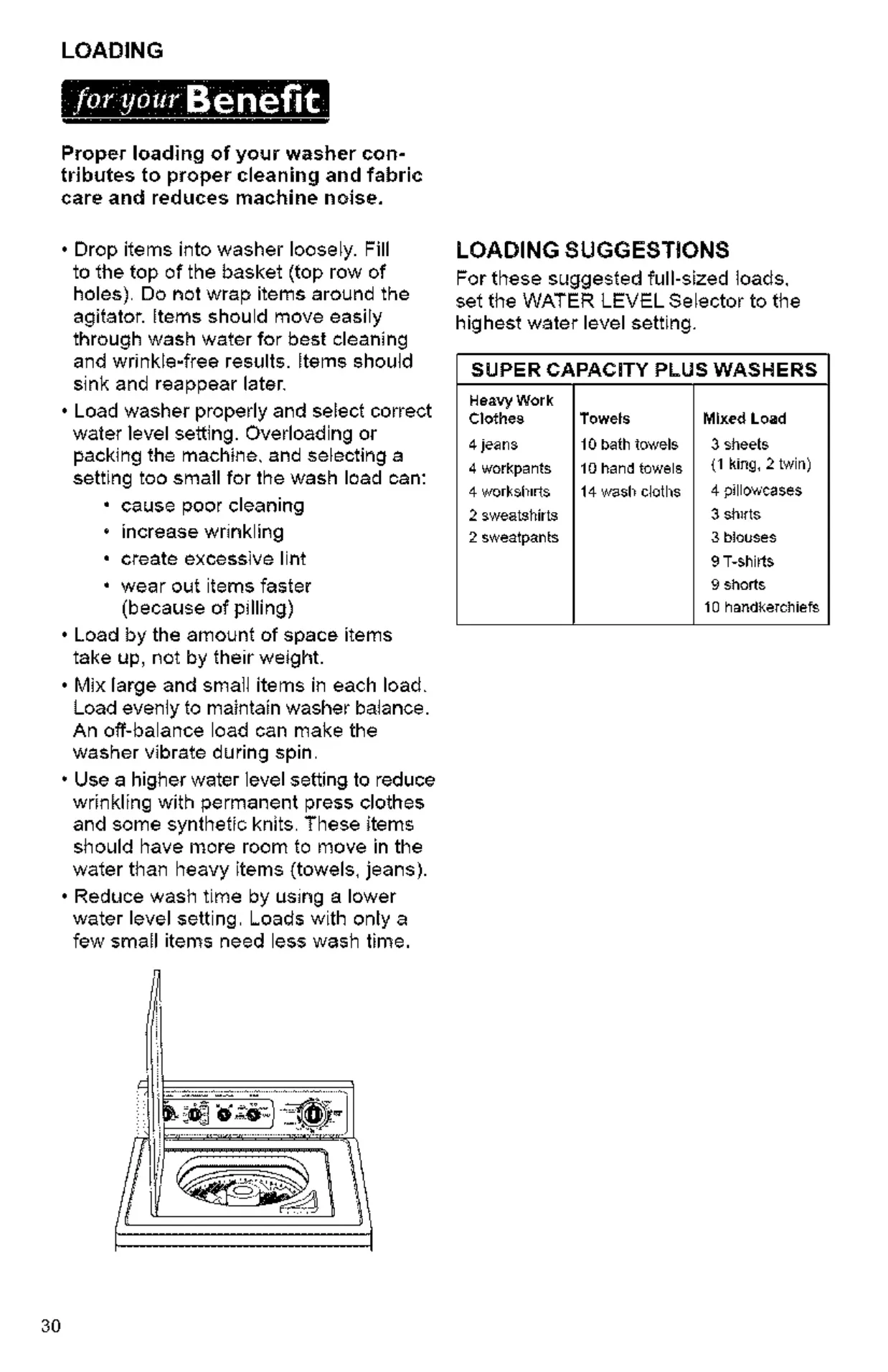
| Capacity | Super Capacity / Super Capacity Plus (designed for large loads like 4 jeans, 4 workpants, 4 workshirts, 2 sweatshirts, 2 sweatpants or 10 bath towels, 10 hand towels, 14 washcloths) |
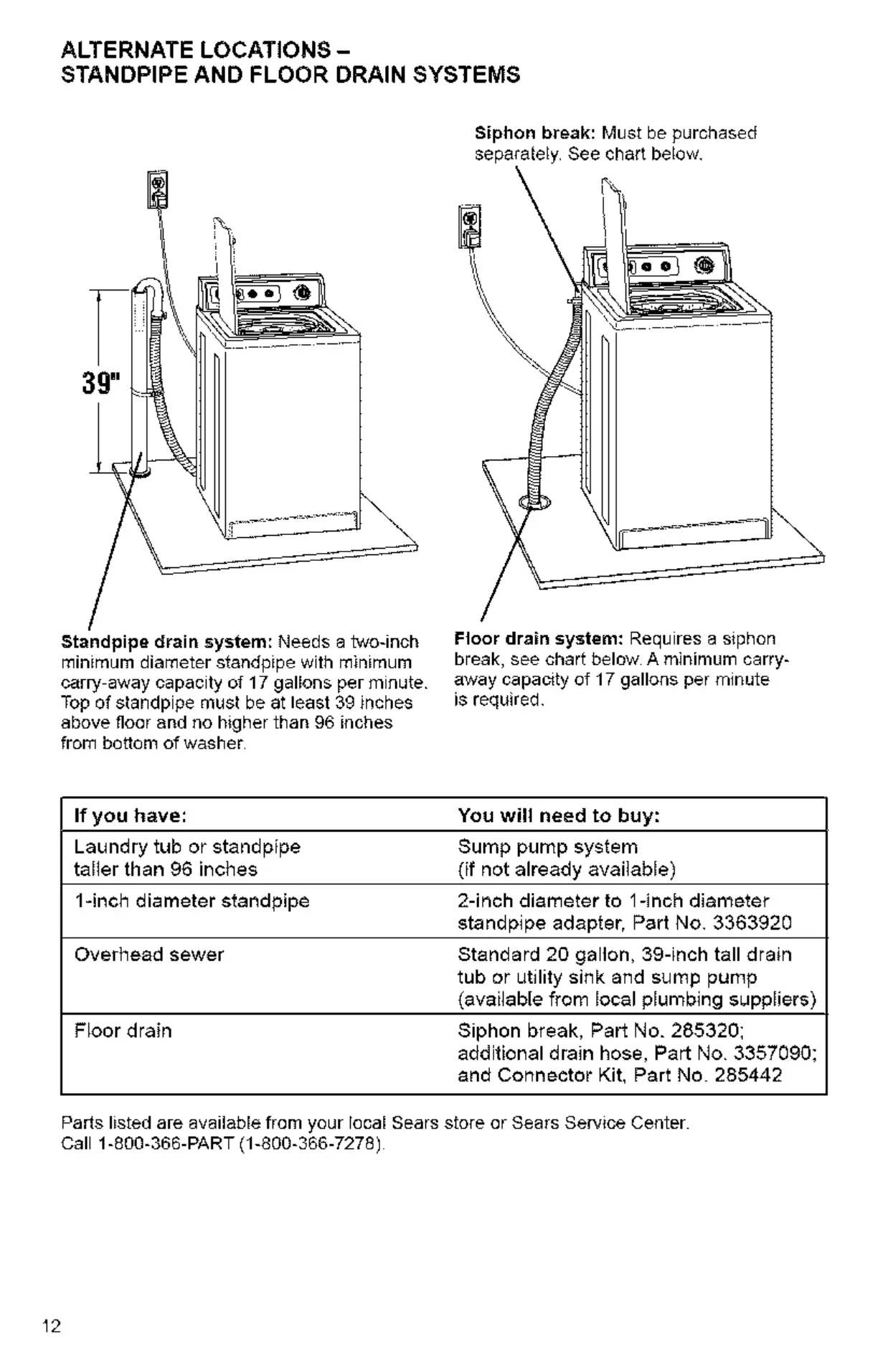
| Drain Requirements | Min. 17 gallons per minute handling capacity. Standpipe diameter options (1-inch, 2-inch adapter available: Part No. 3363920). Minimum 39 inches, maximum 96 inches above floor for drain hose. |
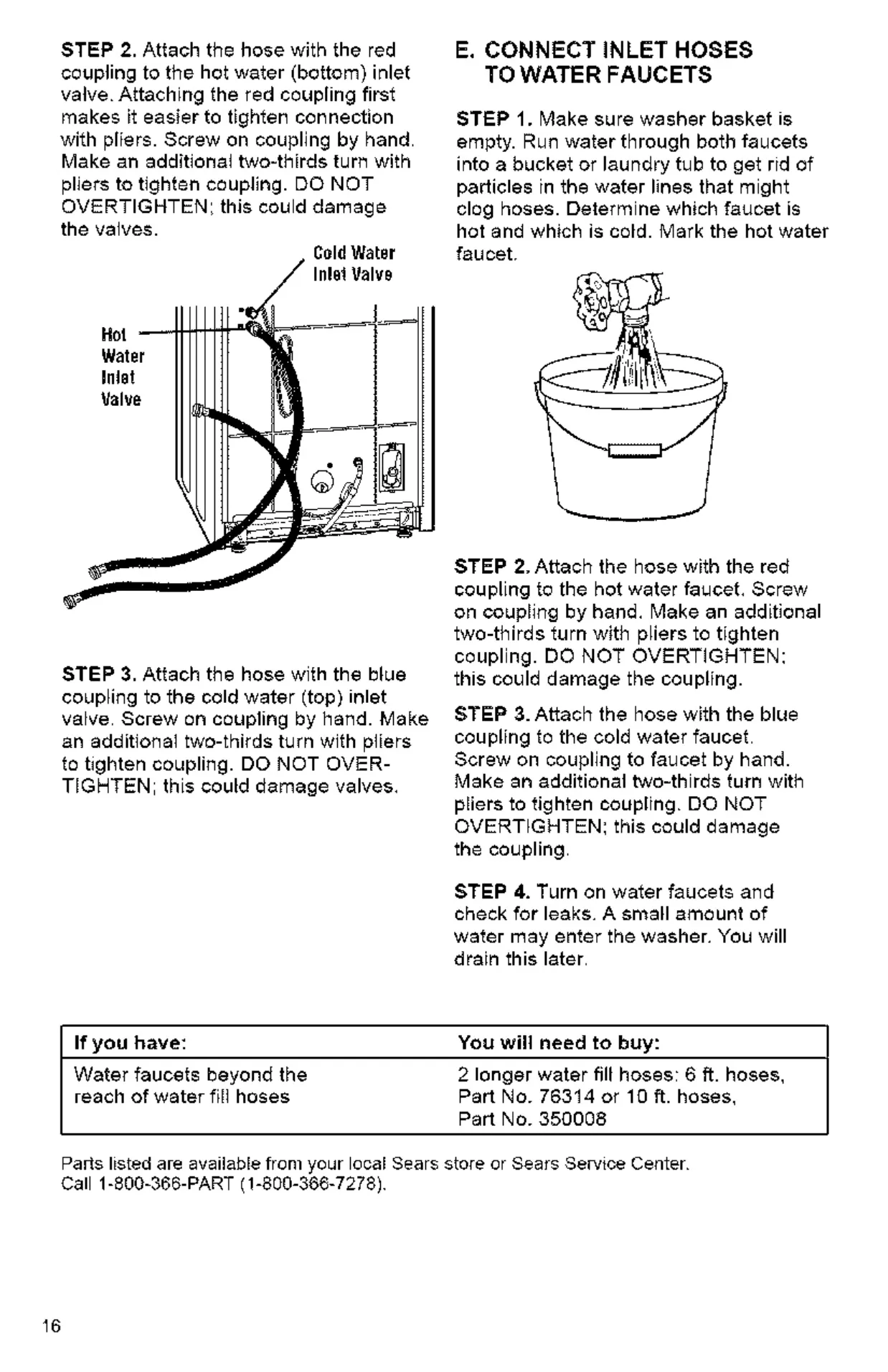
| Water Fill Hoses | Standard supply hoses. Optional longer hoses available (6 ft. Part No. 76314 or 10 ft. Part No. 350008). |
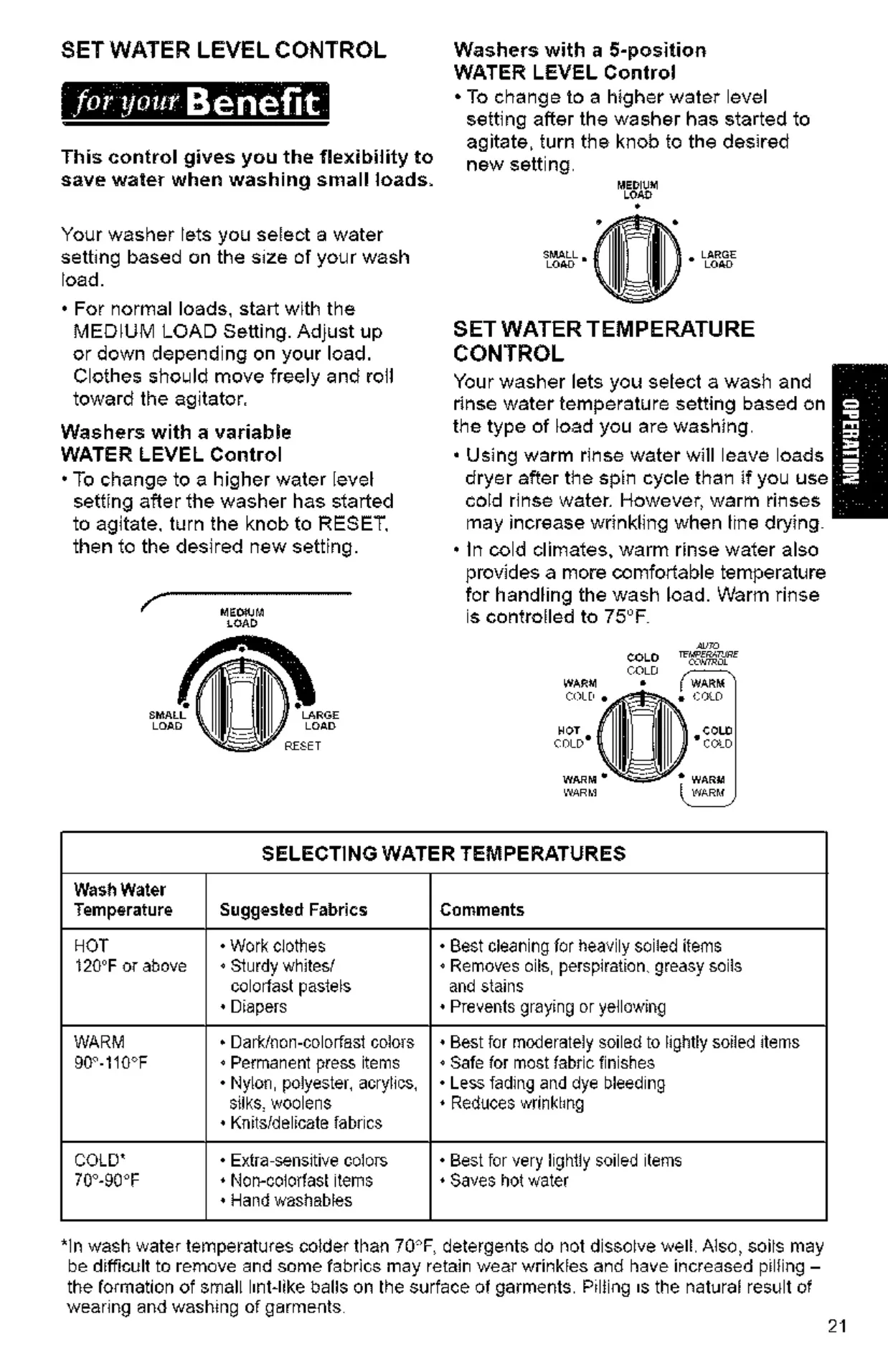
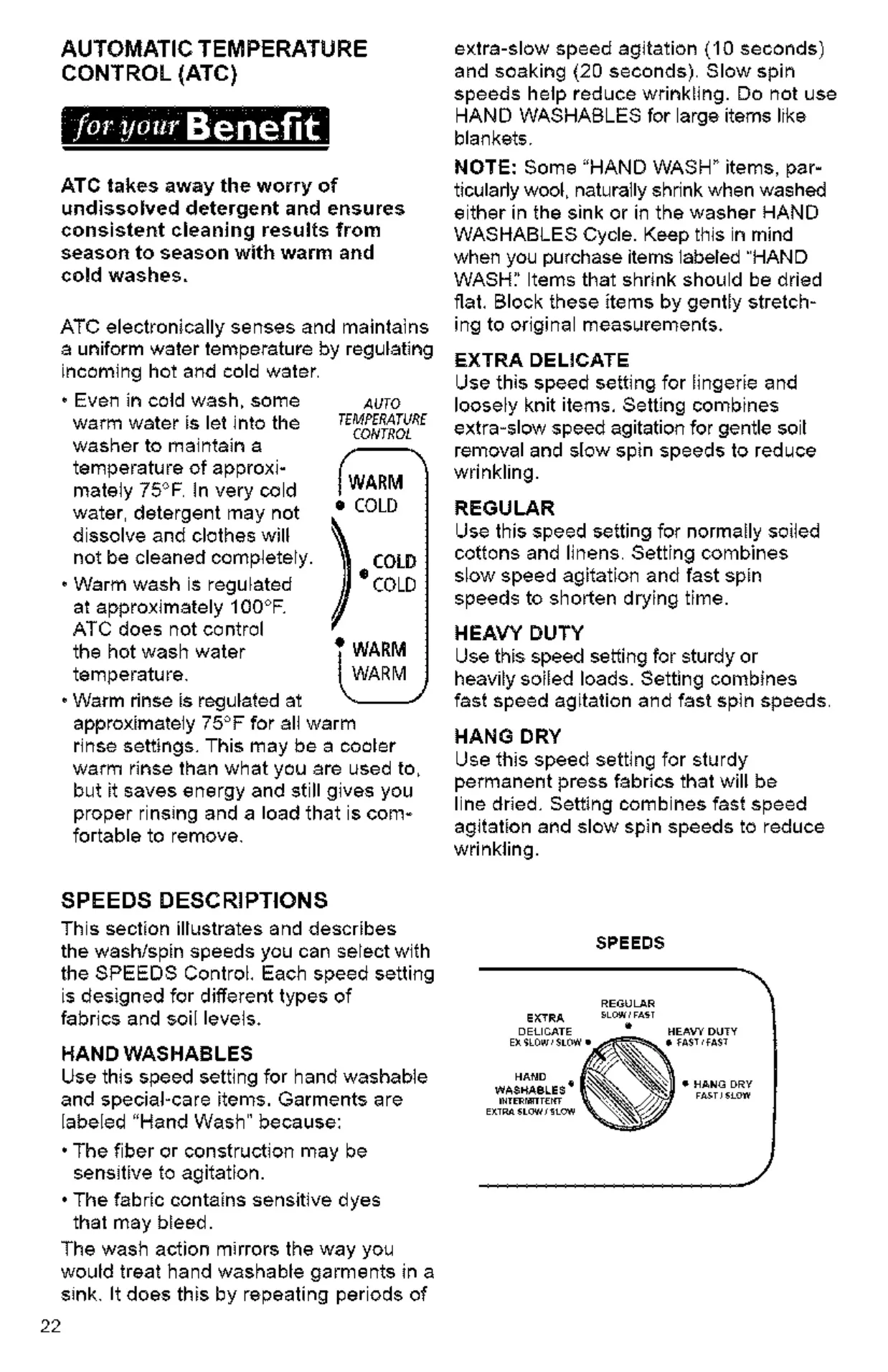
| Water Temperatures | Hot (120°F or above), Warm (90°-110°F), Cold (70°-90°F). Automatic Temperature Control (ATC) recommended for optimal detergent dissolving. |
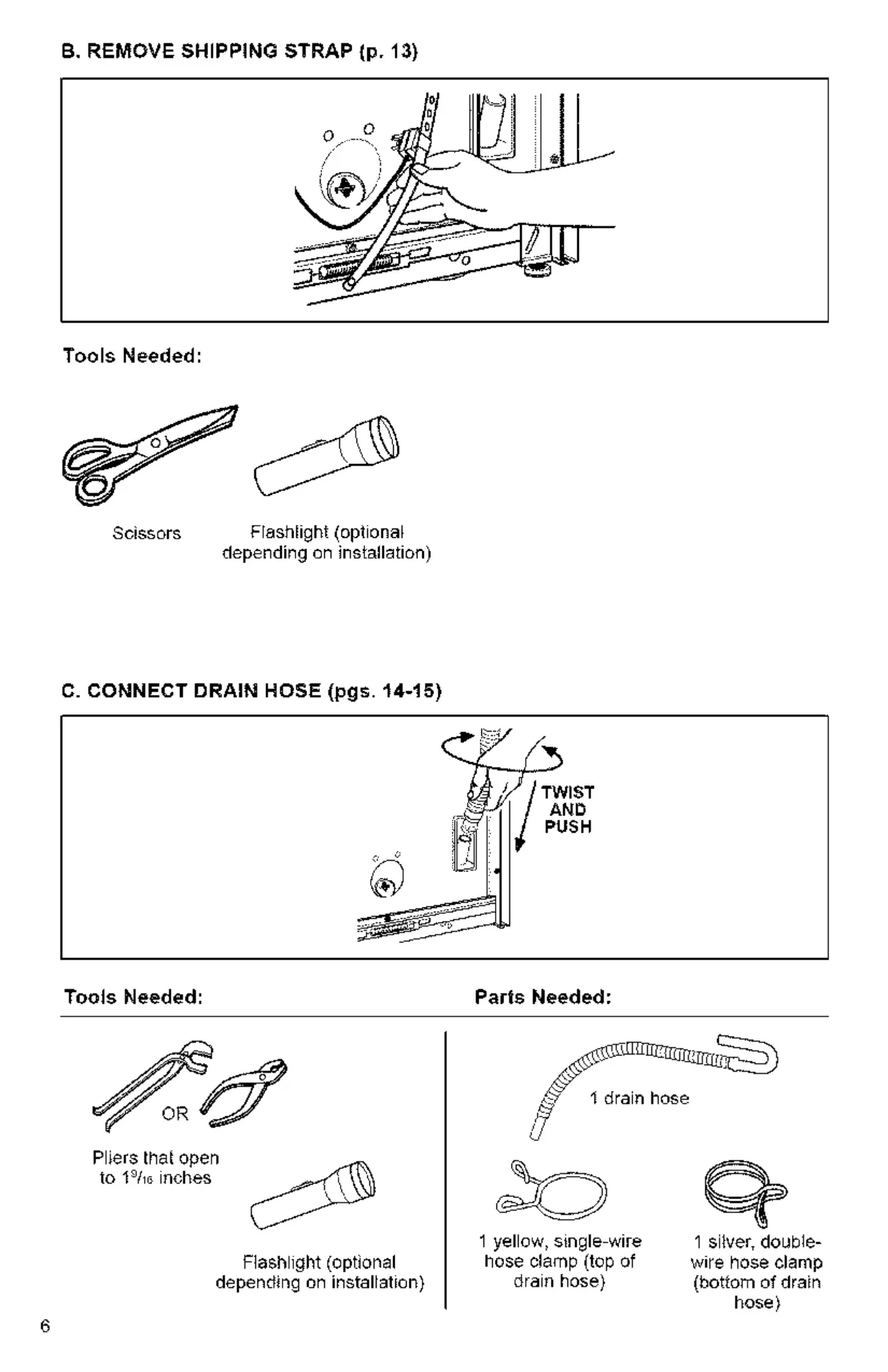
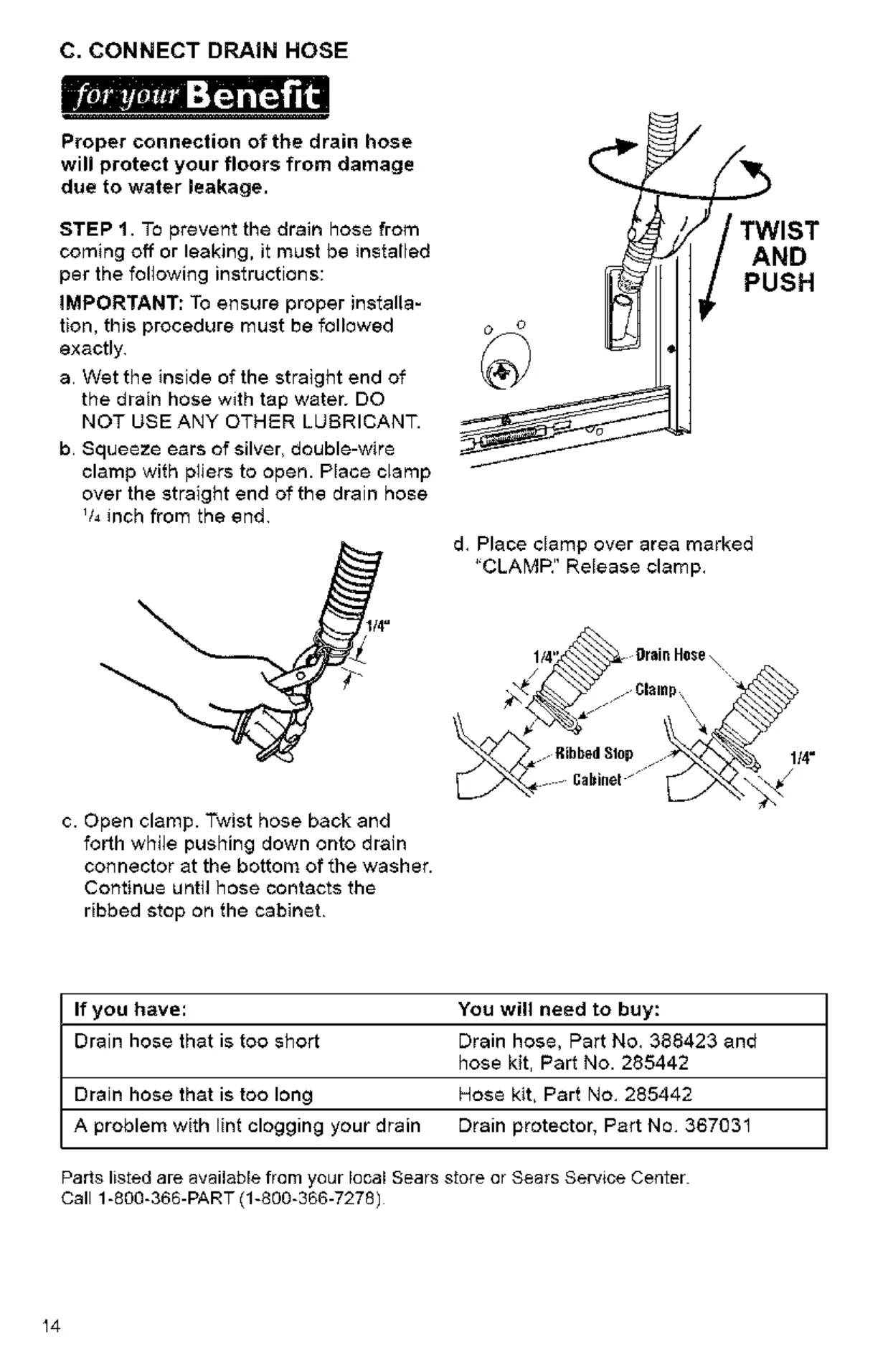
| Drain Hose Extensions | Drain hose, Part No. 388423 and hose kit, Part No. 285442 (for too short hoses). Hose kit, Part No. 285442 (for too long hoses). |
| Siphon Break | Required for floor drain setups (Part No. 285320), with additional drain hose (Part No. 3357090) and Connector Kit (Part No. 285442). |
| Lint Protection | Optional Drain Protector, Part No. 367031. |
| Sump Pump System | Needed for laundry tub or standpipe taller than 96 inches, or overhead sewer setups (Standard 20 gallon, 39-inch tall drain tub or utility sink and sump pump available from local plumbing suppliers). |
Kenmore Series 90 Washing Machine Details
The Kenmore Series 90 Washer Machine is designed for efficient, large-capacity laundry care, emphasizing user convenience and optimal cleaning. This appliance features a robust construction suitable for everyday demands, making it a reliable choice for households. Its Super Capacity and Super Capacity Plus designations highlight its ability to handle substantial loads, reducing the frequency of washes and saving valuable time.
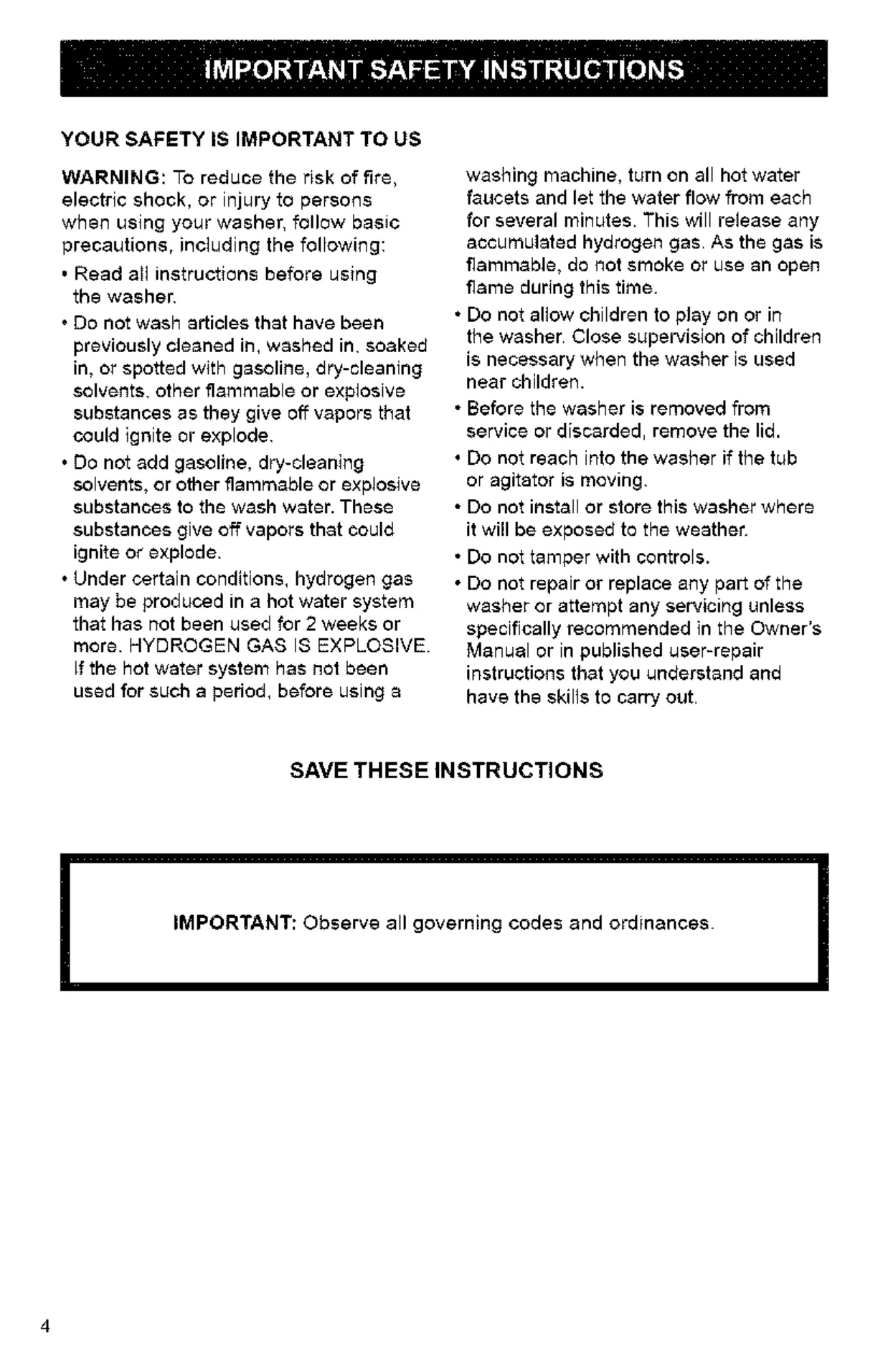
Safety is paramount, with the manual providing important safety instructions to ensure secure operation and prevent accidents. Users are guided on proper handling, electrical connections, and general precautions. This proactive approach to safety empowers users to operate their washer with confidence, knowing potential hazards are addressed.
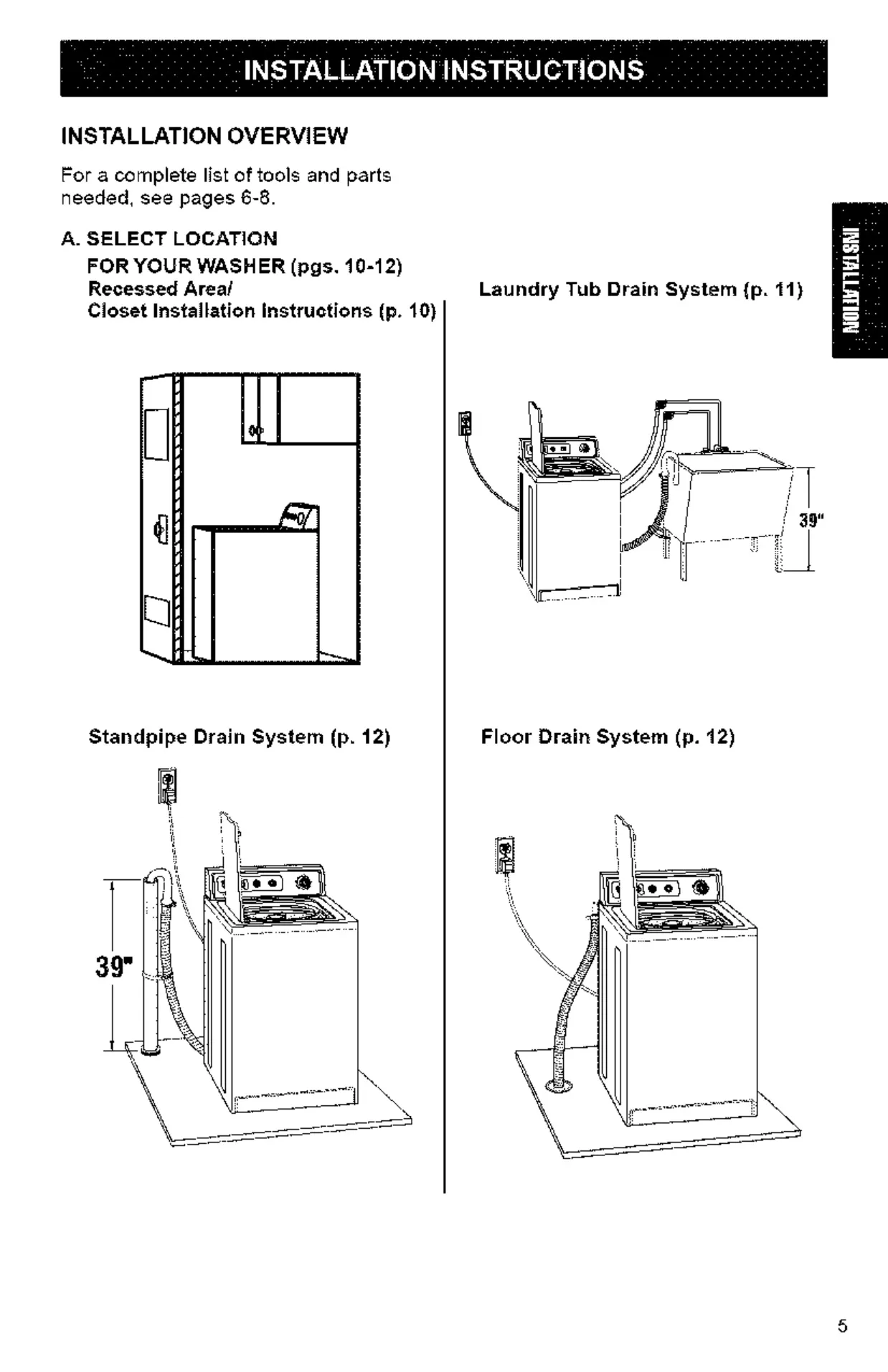
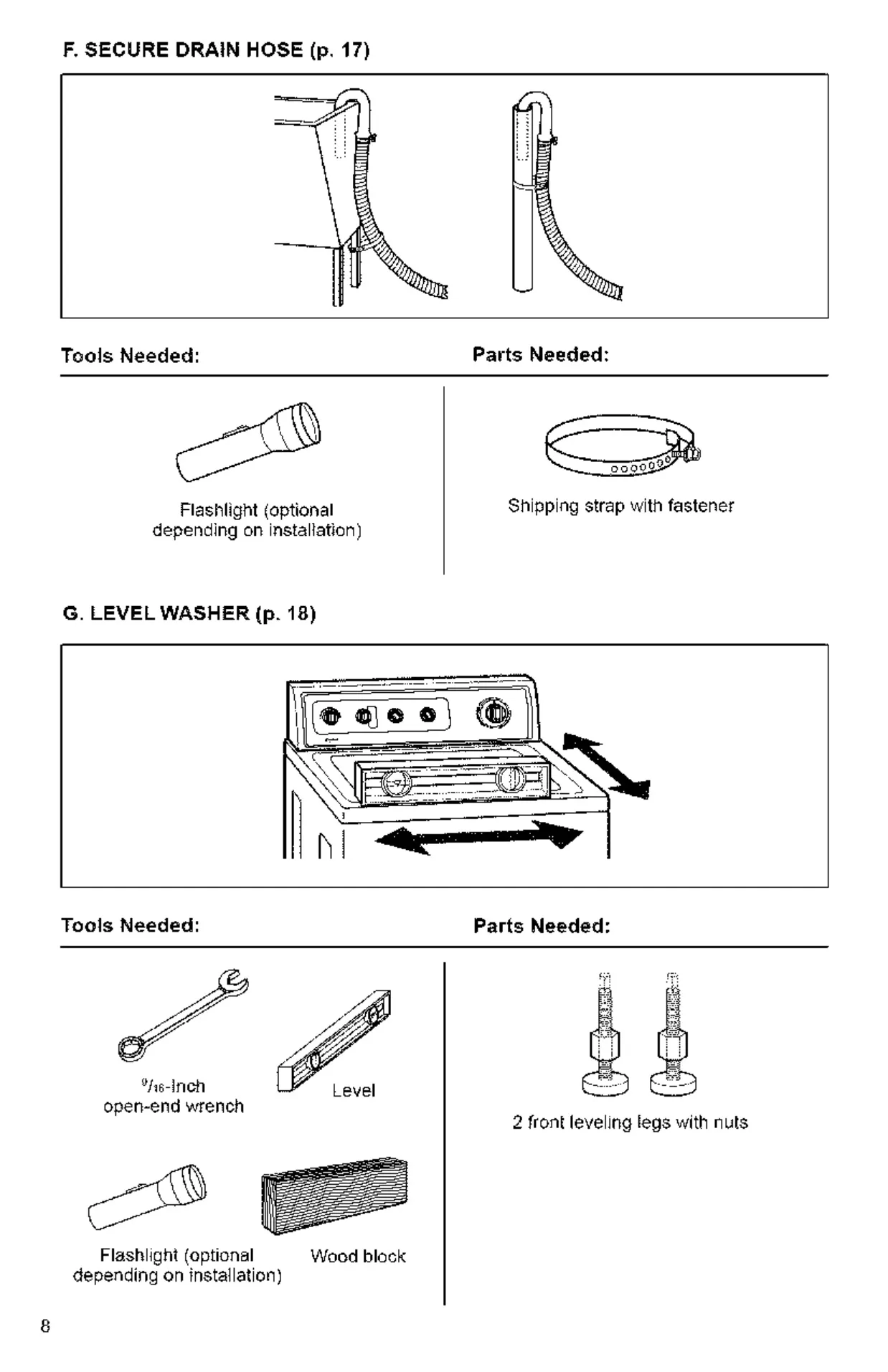
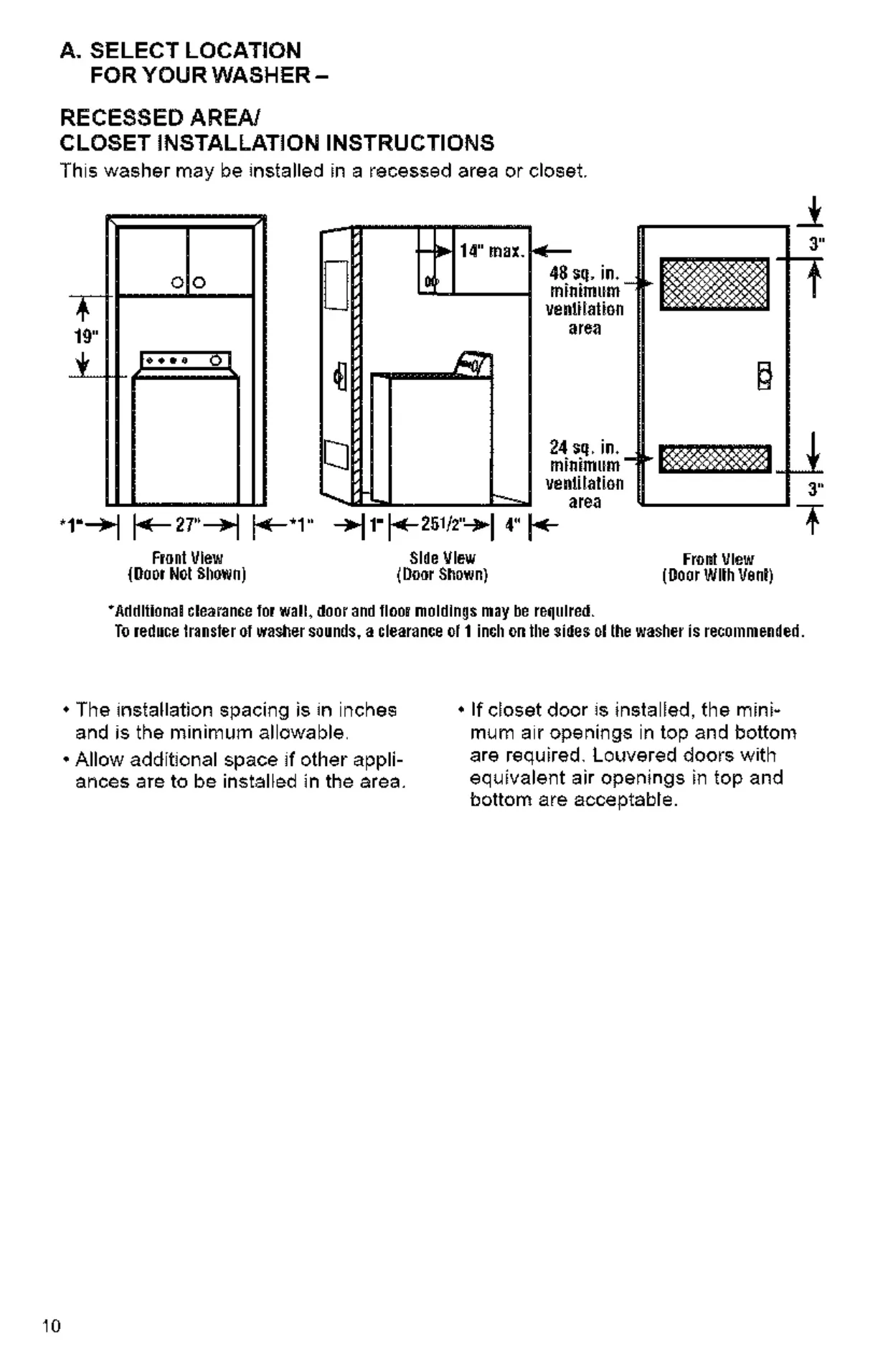
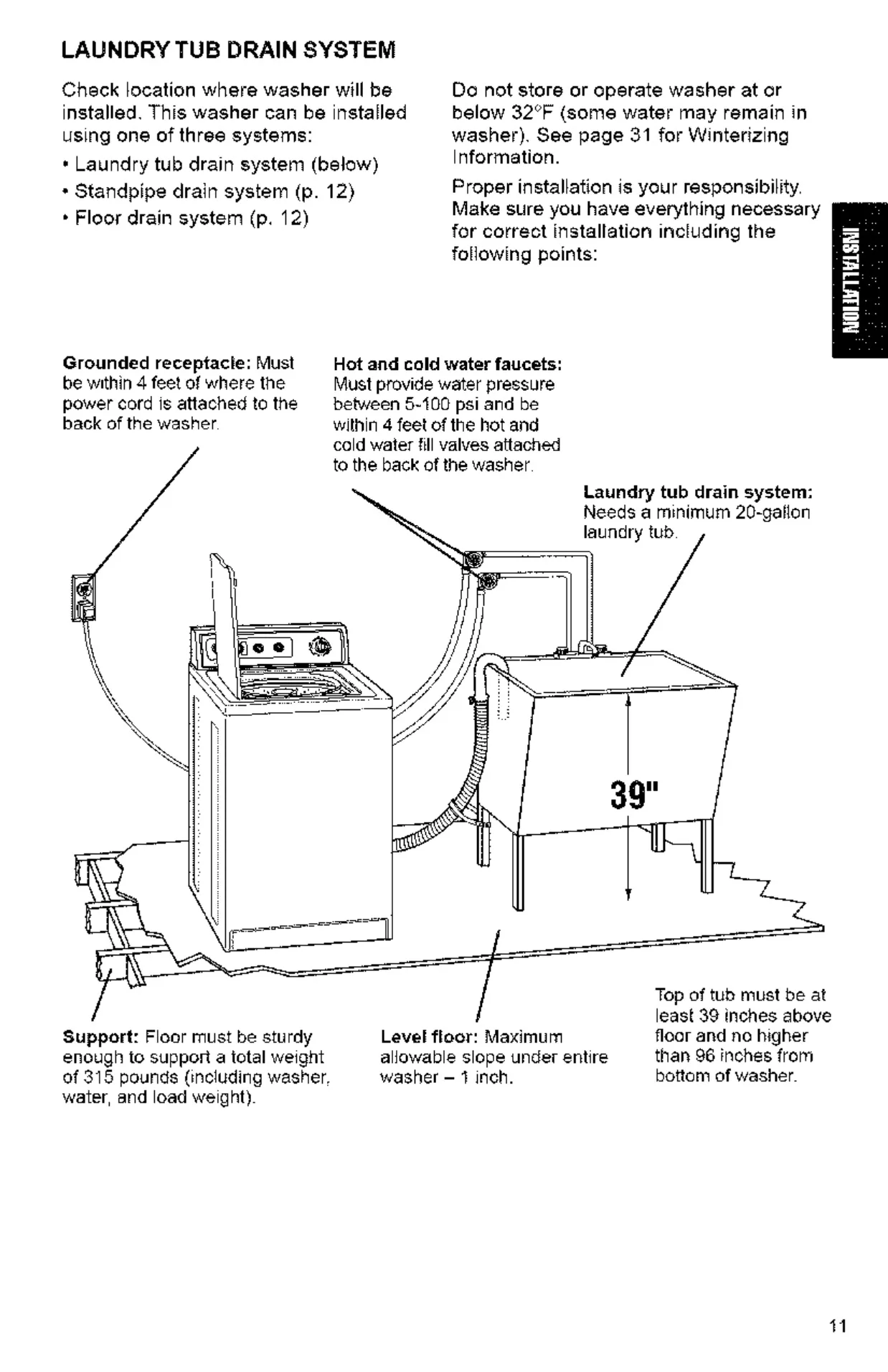
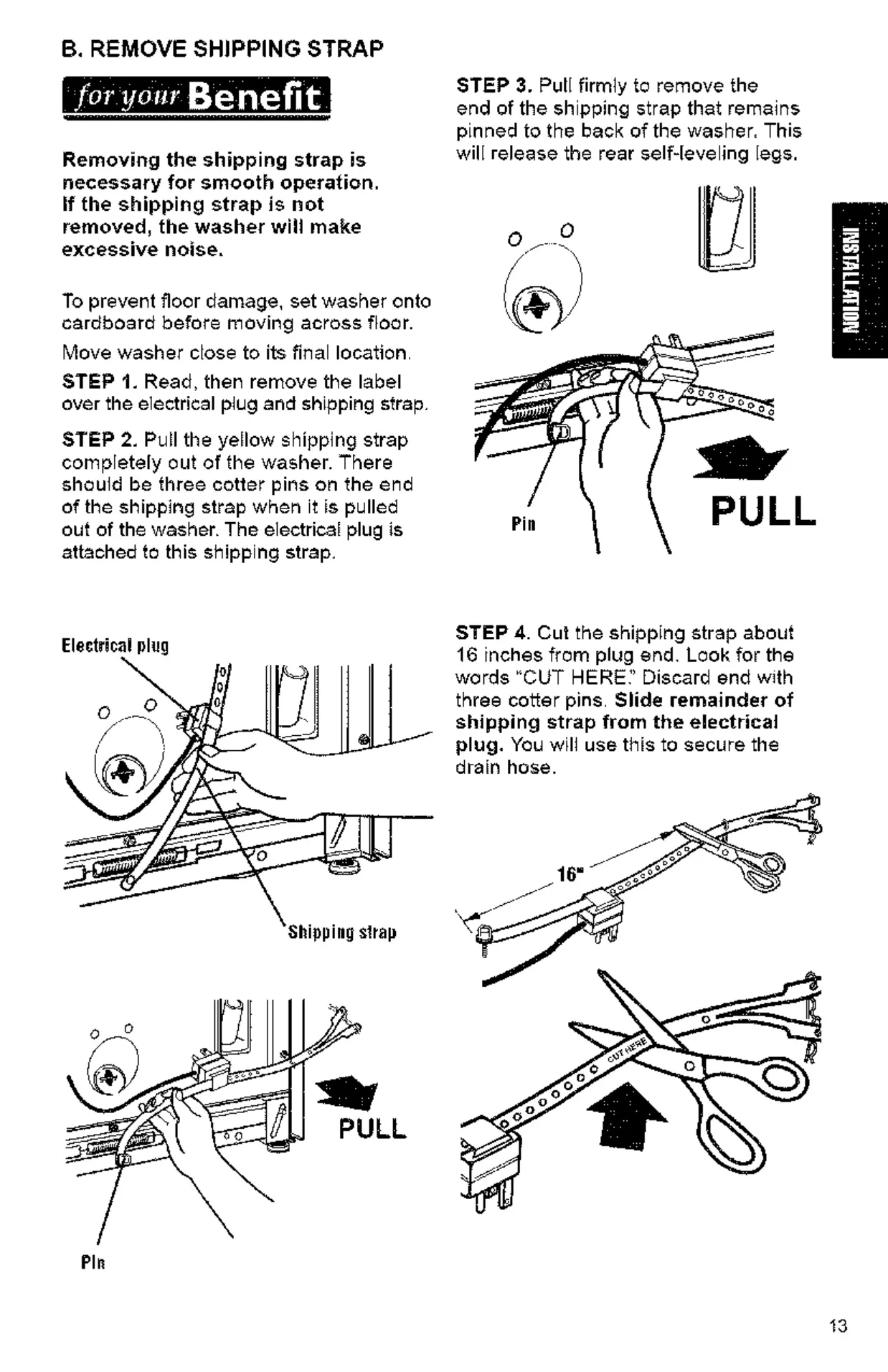
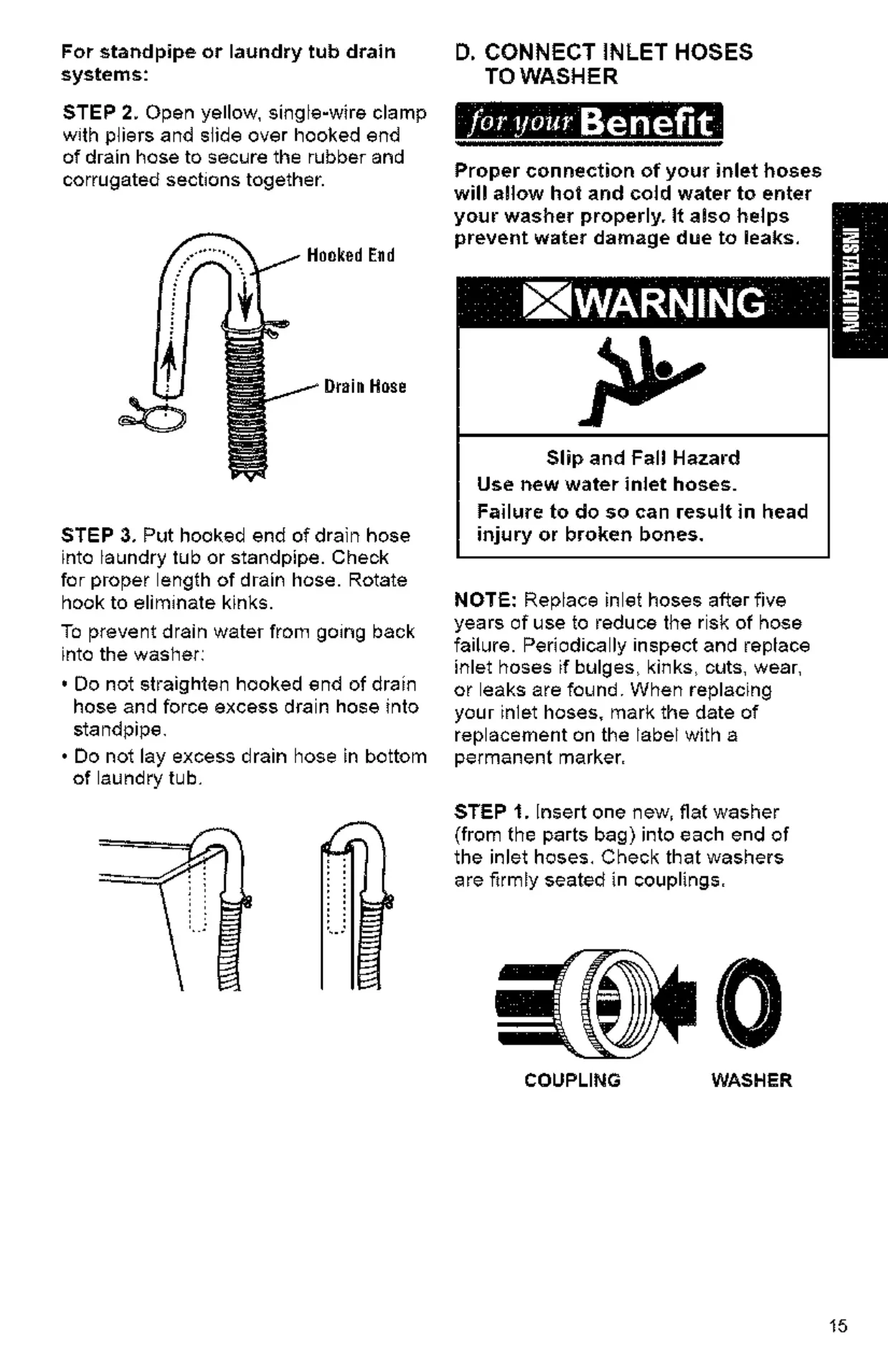
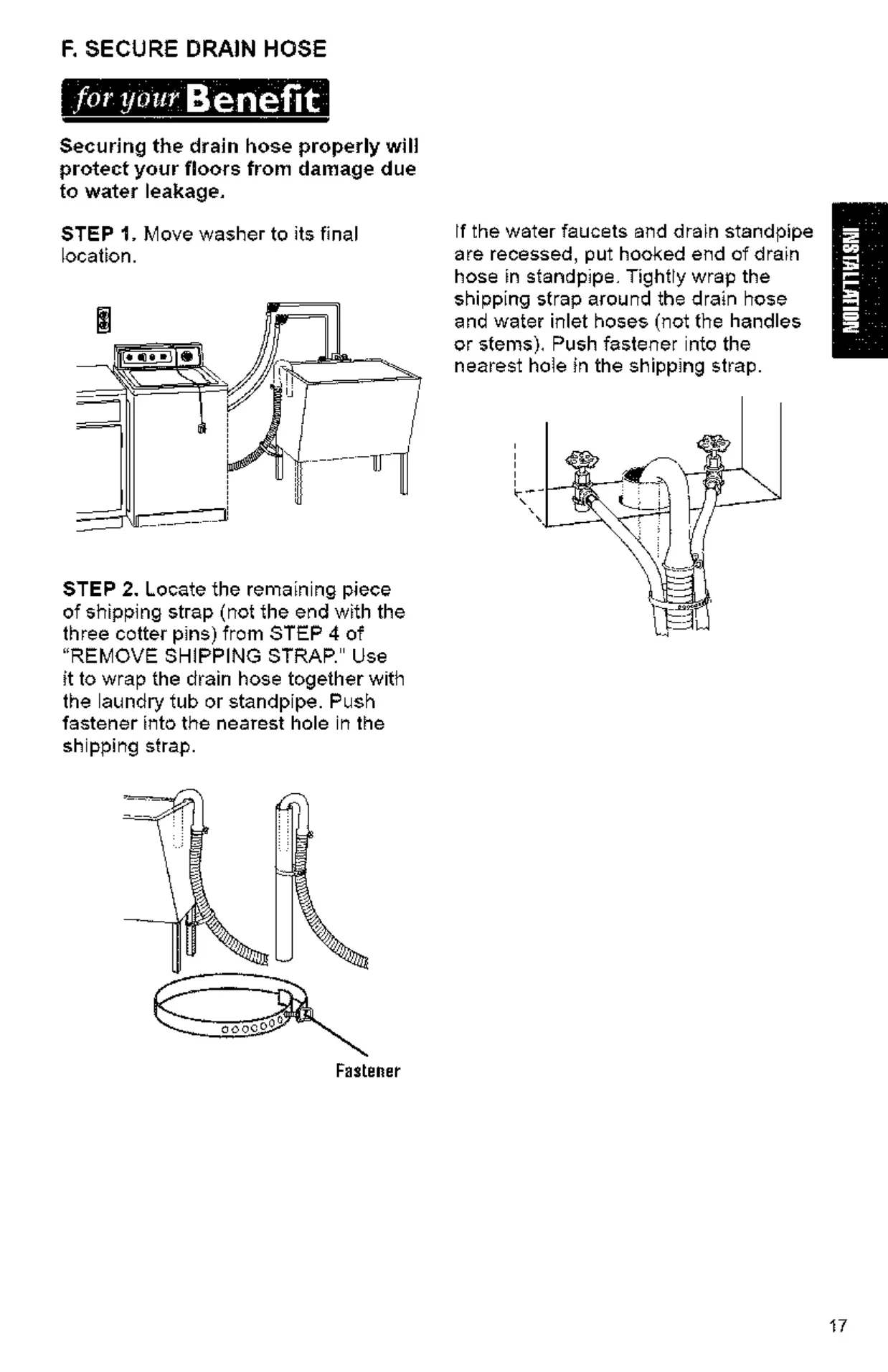
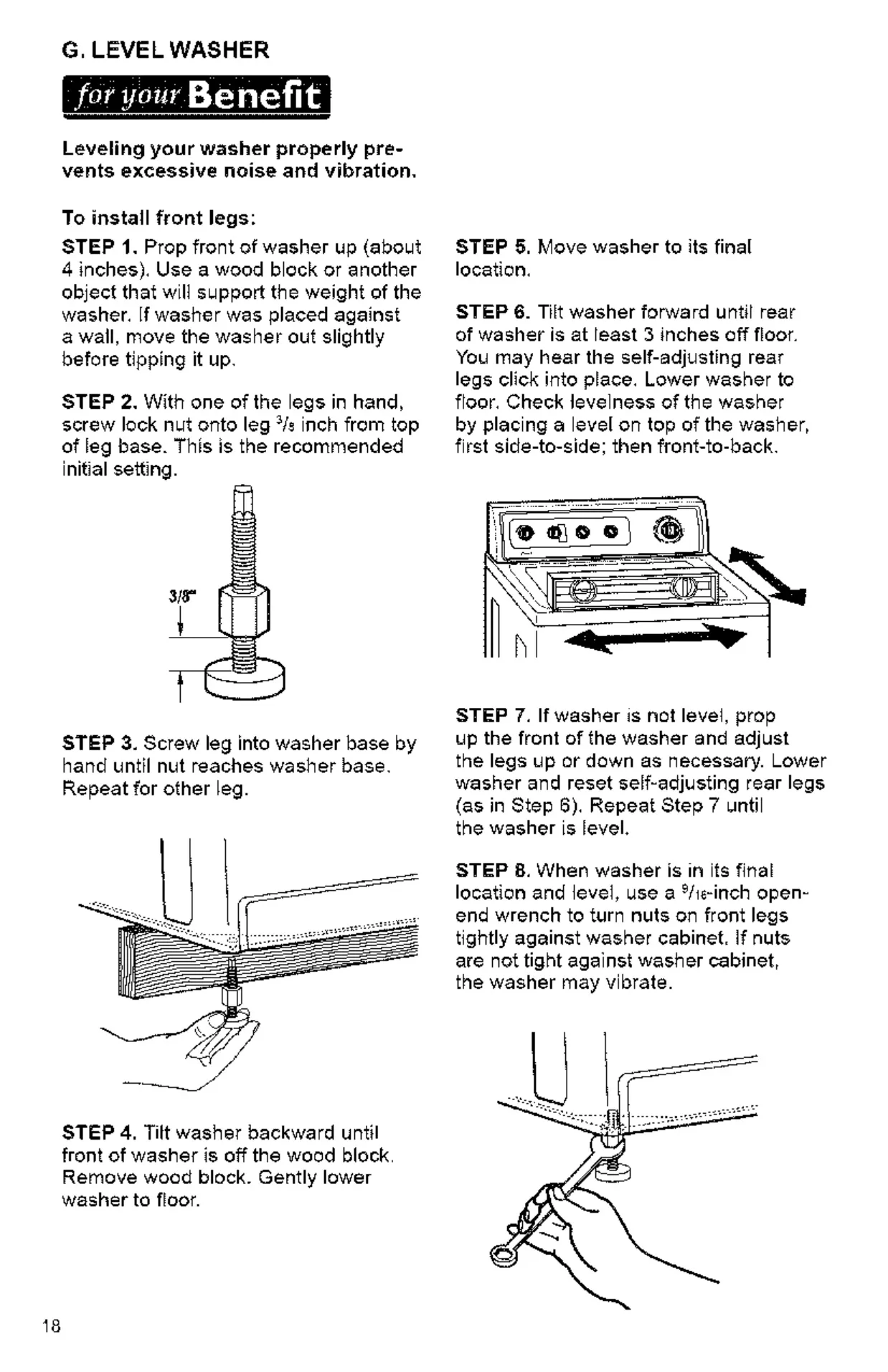
Installation is made flexible with detailed instructions covering various plumbing setups, including configurations for laundry tubs, standpipes, and floor drains. The manual outlines specific accessories needed for different drain scenarios, such as siphon breaks and drain hose extensions, ensuring a proper and leak-free setup. Careful leveling of the unit is also stressed to prevent noise and ensure efficient operation.
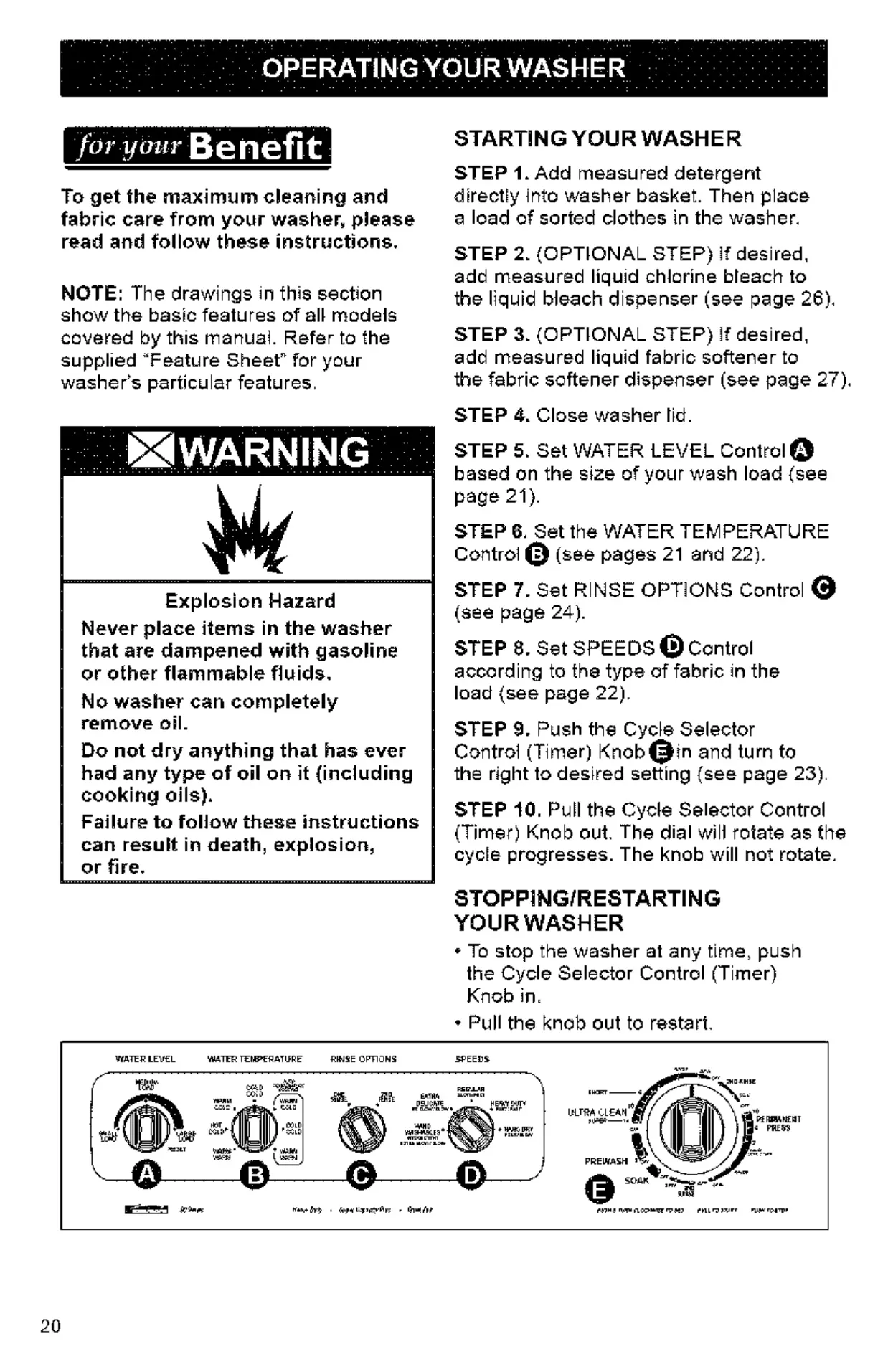
Operating the Kenmore Series 90 is straightforward, with clear guidelines on selecting appropriate wash water temperatures—Hot (120°F+), Warm (90°-110°F), and Cold (70°-90°F)—to suit various fabric types and soil levels. The inclusion of Automatic Temperature Control (ATC) ensures detergent dissolves effectively, even in colder incoming water, optimizing cleaning performance and fabric care.
Beyond basic operation, the manual offers comprehensive laundry tips, covering everything from effective sorting of lint-givers and lint-takers to proper loading techniques to avoid tangling or overloading. It also provides advice on detergent usage, fabric softener application (emphasizing dilution), and correct bleach handling to protect garments and the washer itself.
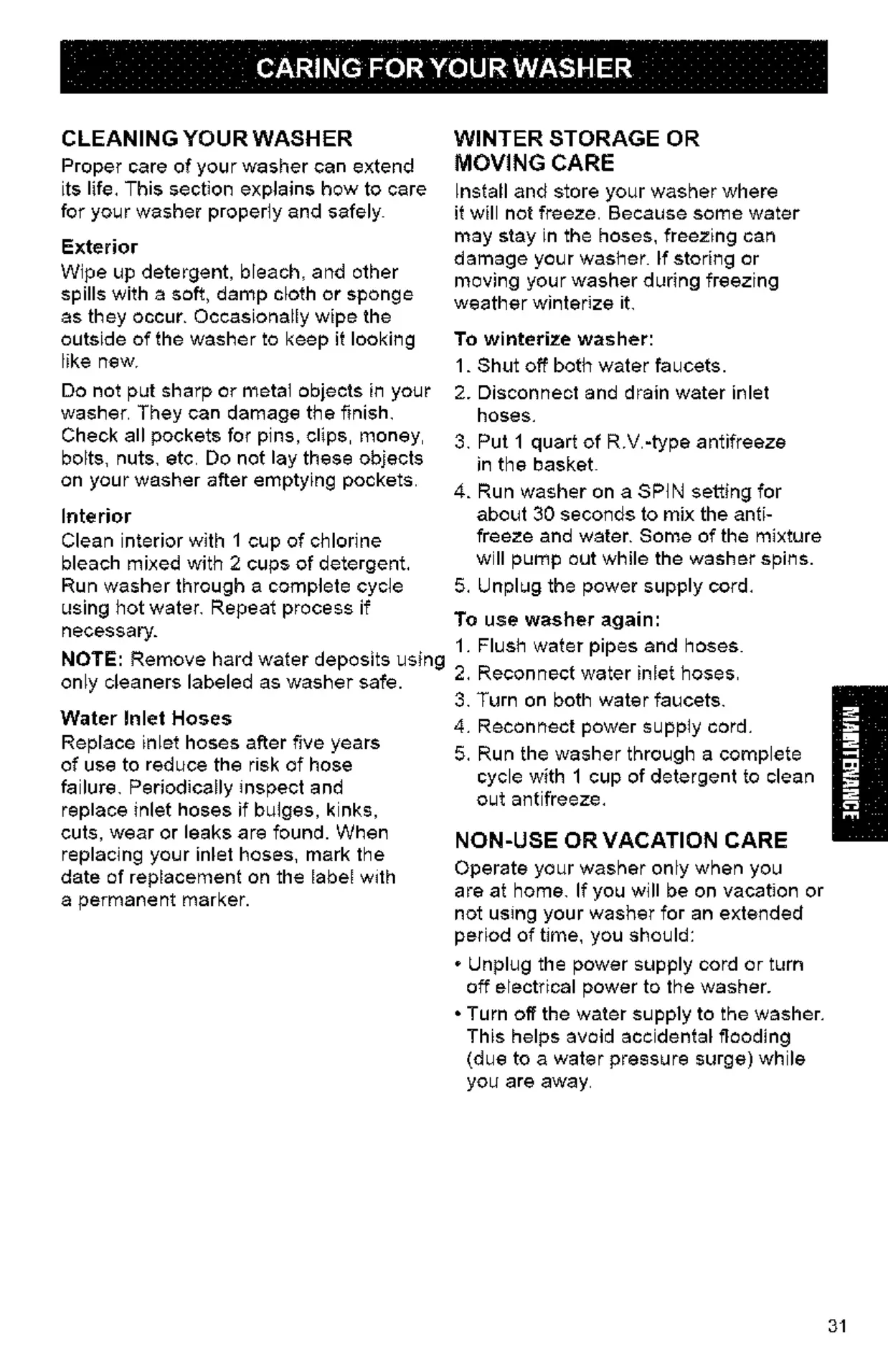
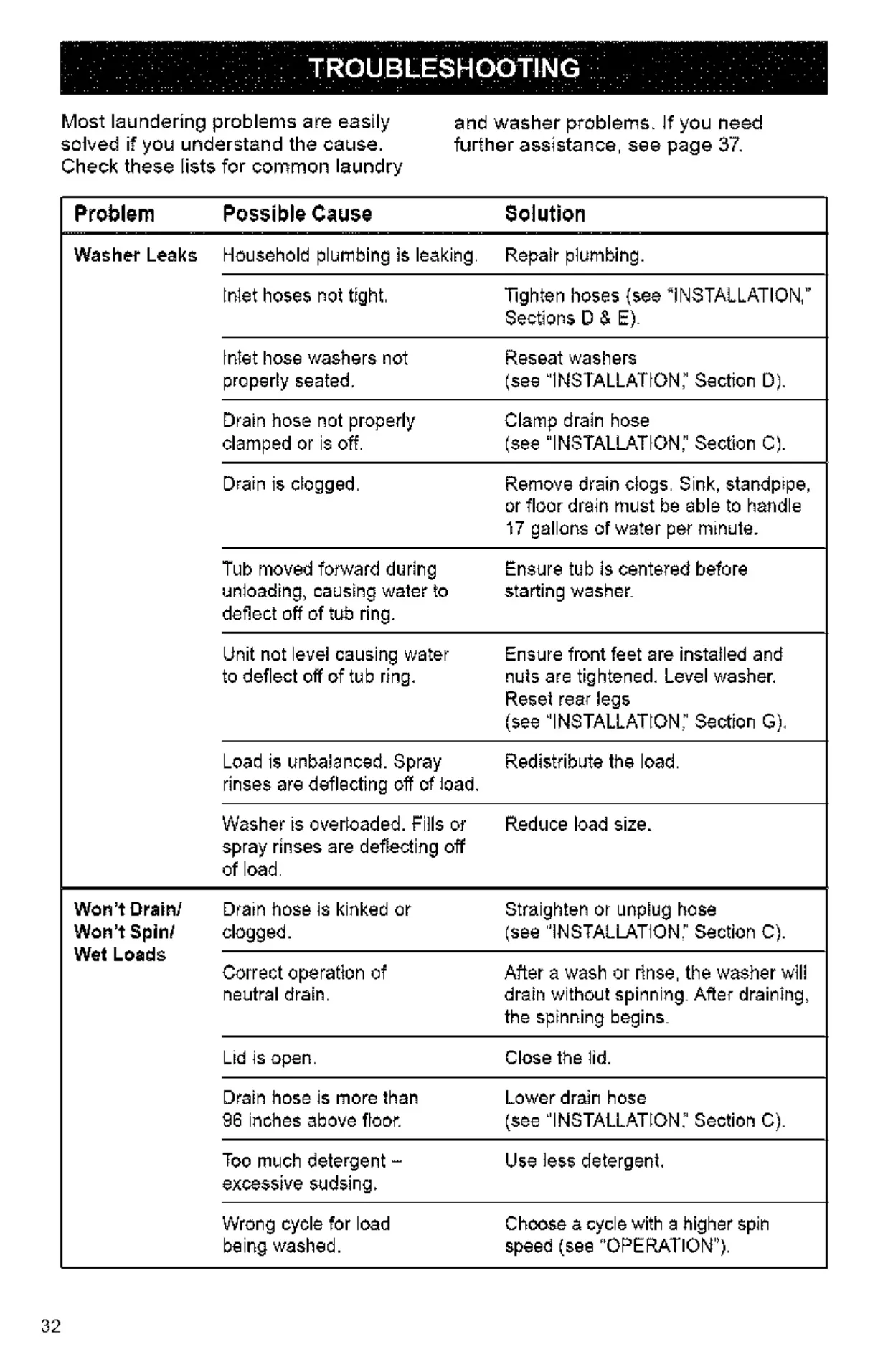
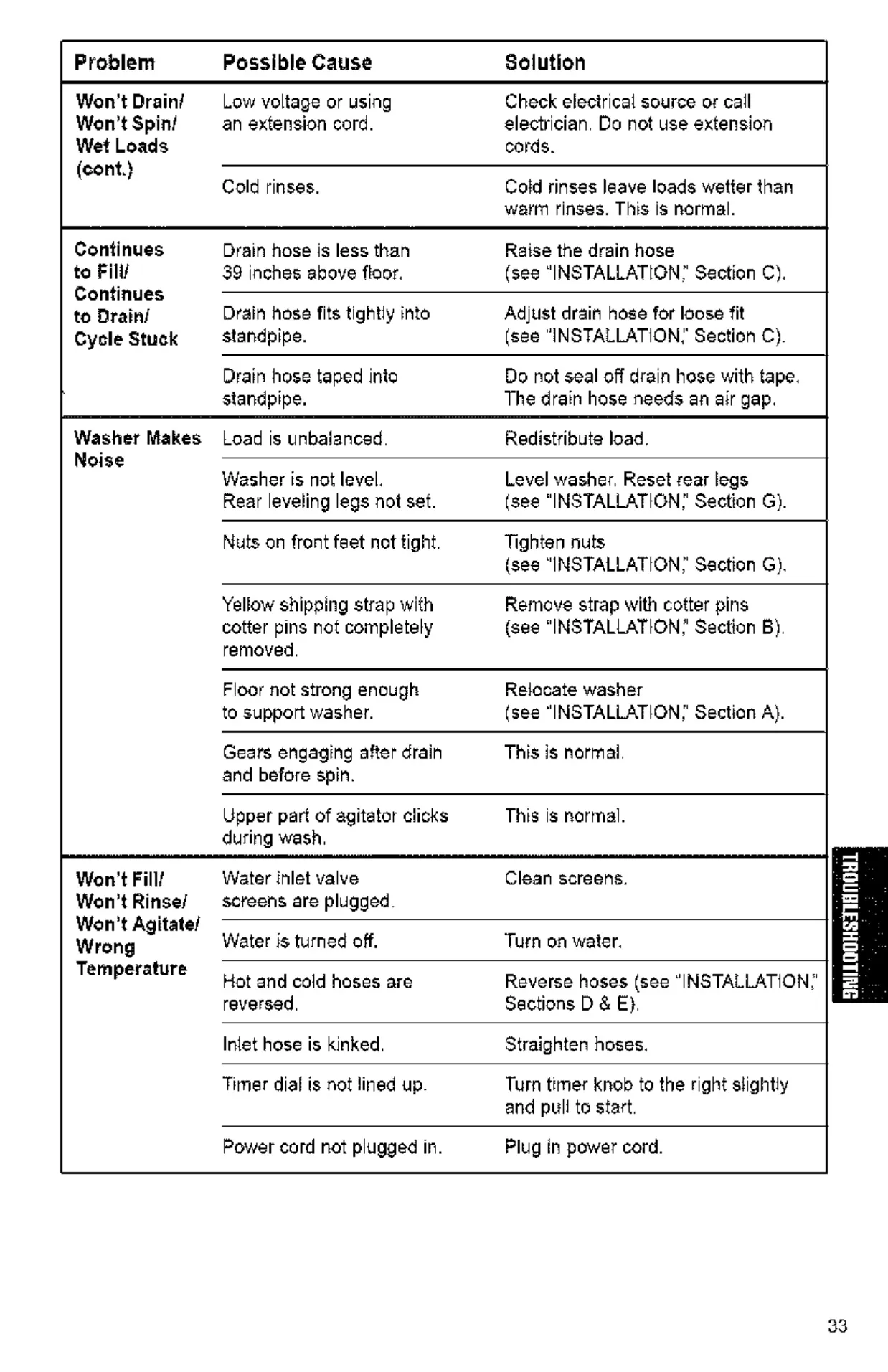
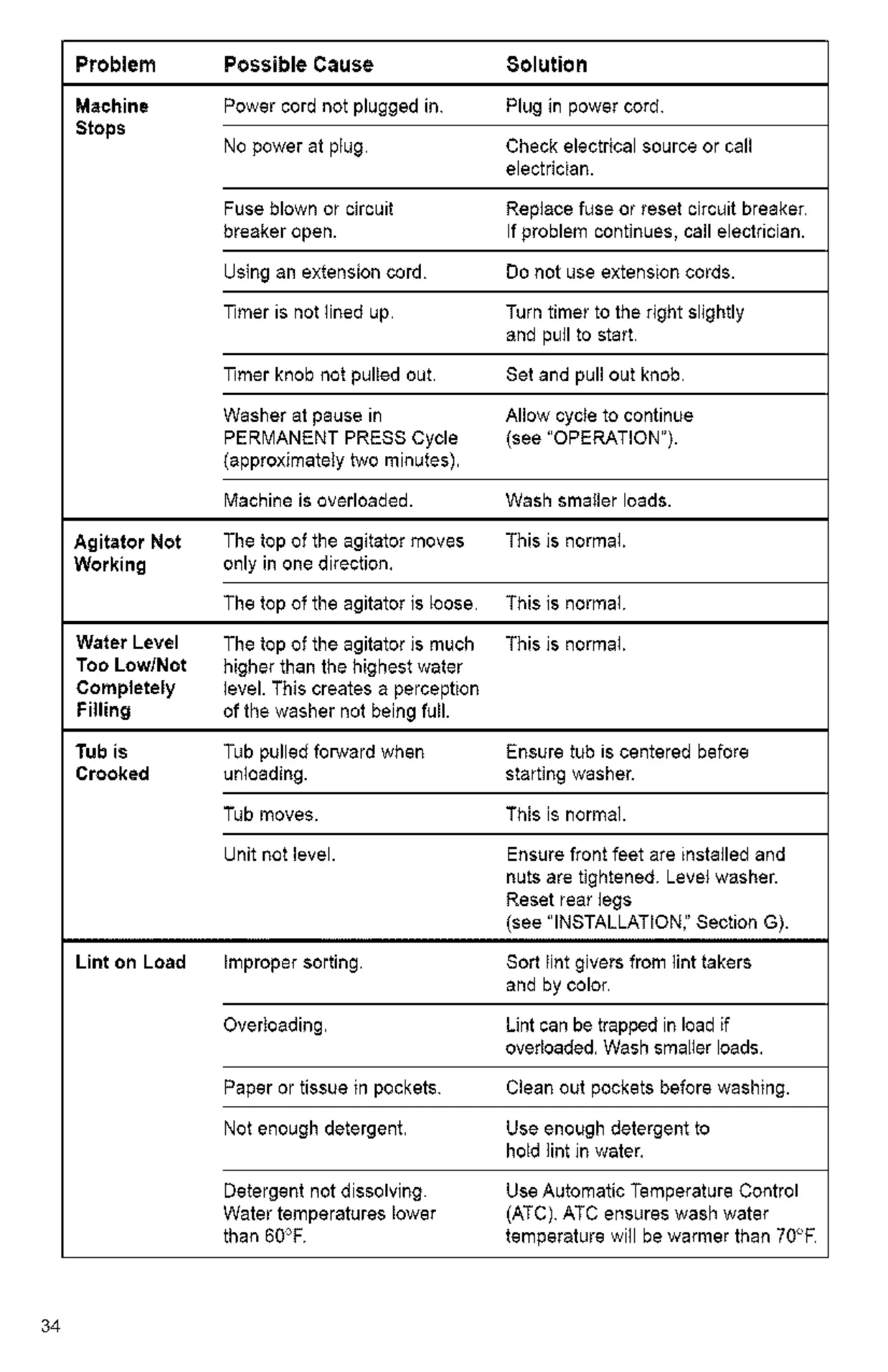
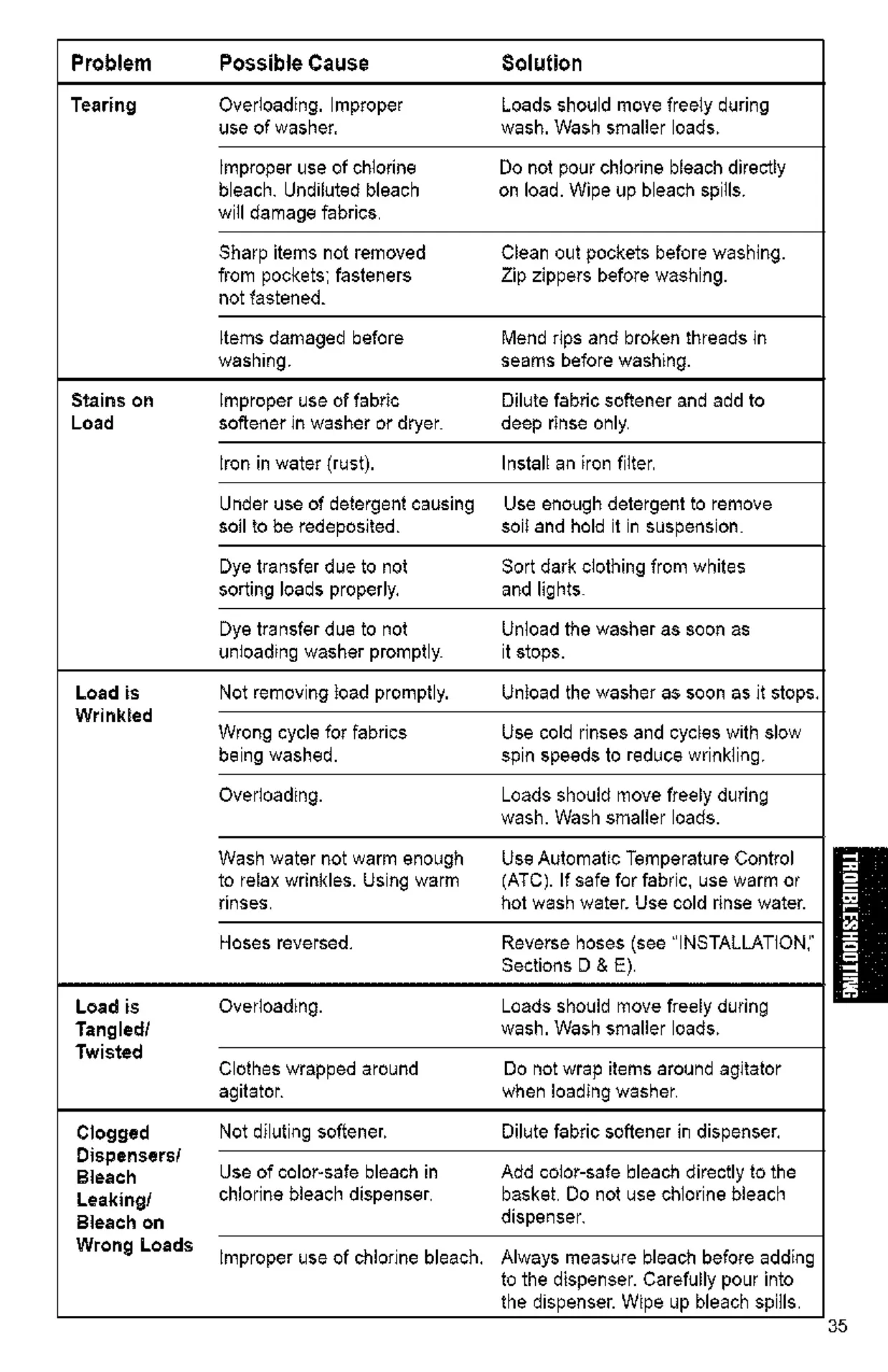
Maintenance instructions guide users on caring for their washer to prolong its lifespan and maintain peak performance. While specific cleaning steps are not detailed in the provided excerpt, the section's presence indicates the importance of regular upkeep. The machine's troubleshooting guide is exceptionally detailed, providing solutions for a wide array of common issues, from leaks and noise to agitation problems and lint on loads, enabling quick self-diagnosis and resolution.
Frequently Asked Questions (FAQs)
Can't find the answer you need? Here are some frequently asked questions about the Kenmore Series 90 Washer Machine, and we answer them below.