Kenmore 385 Sewing Machine Instruction Manual
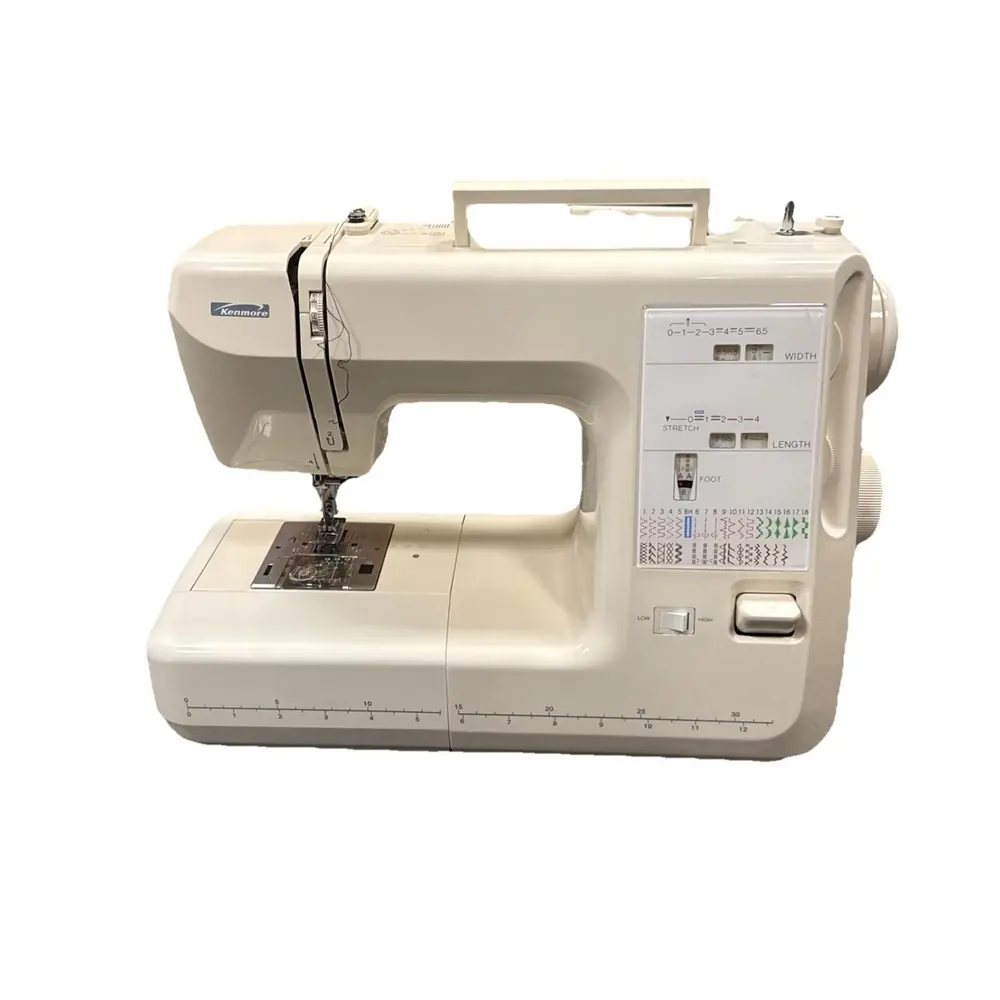
Kenmore 385 Sewing Machine
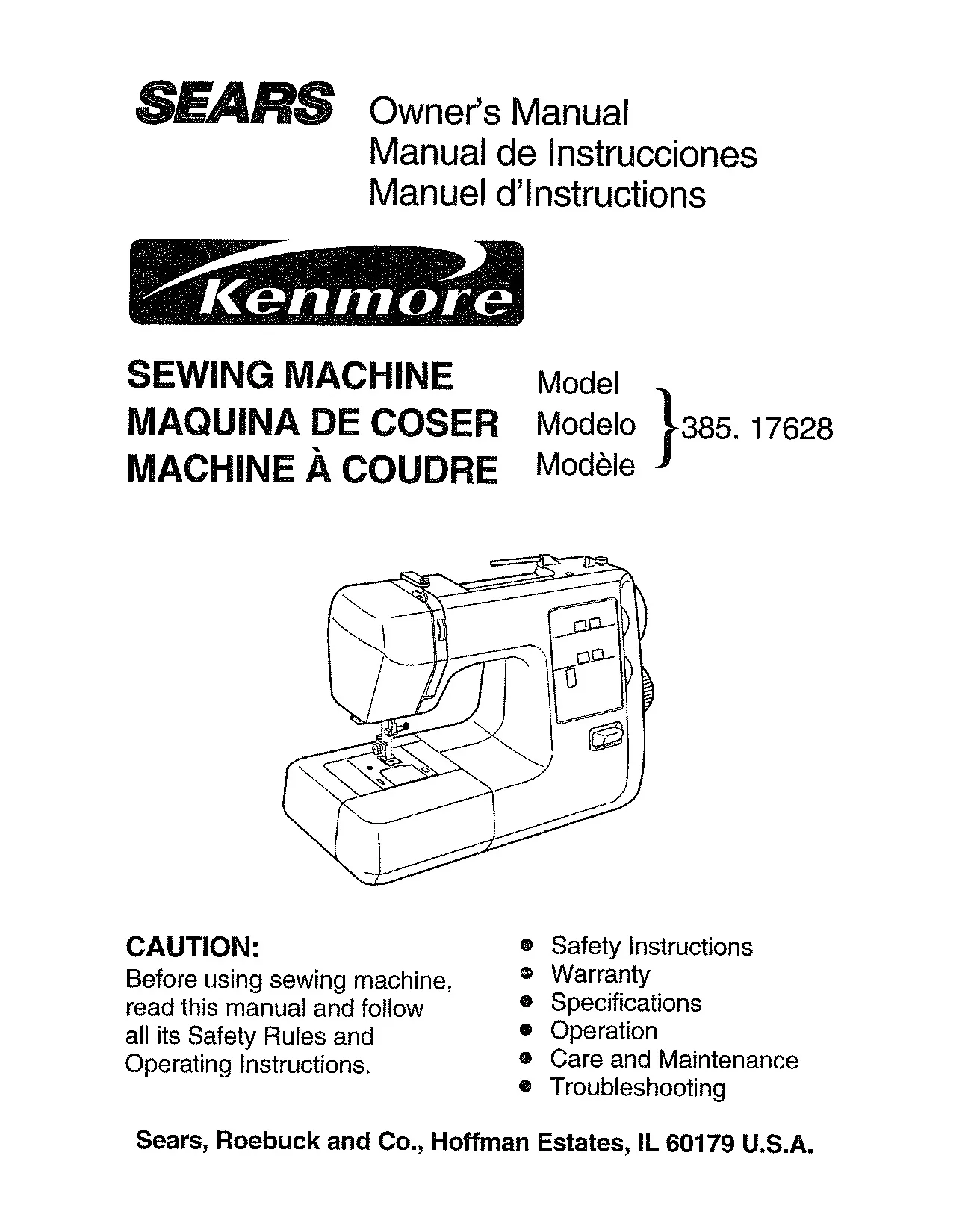
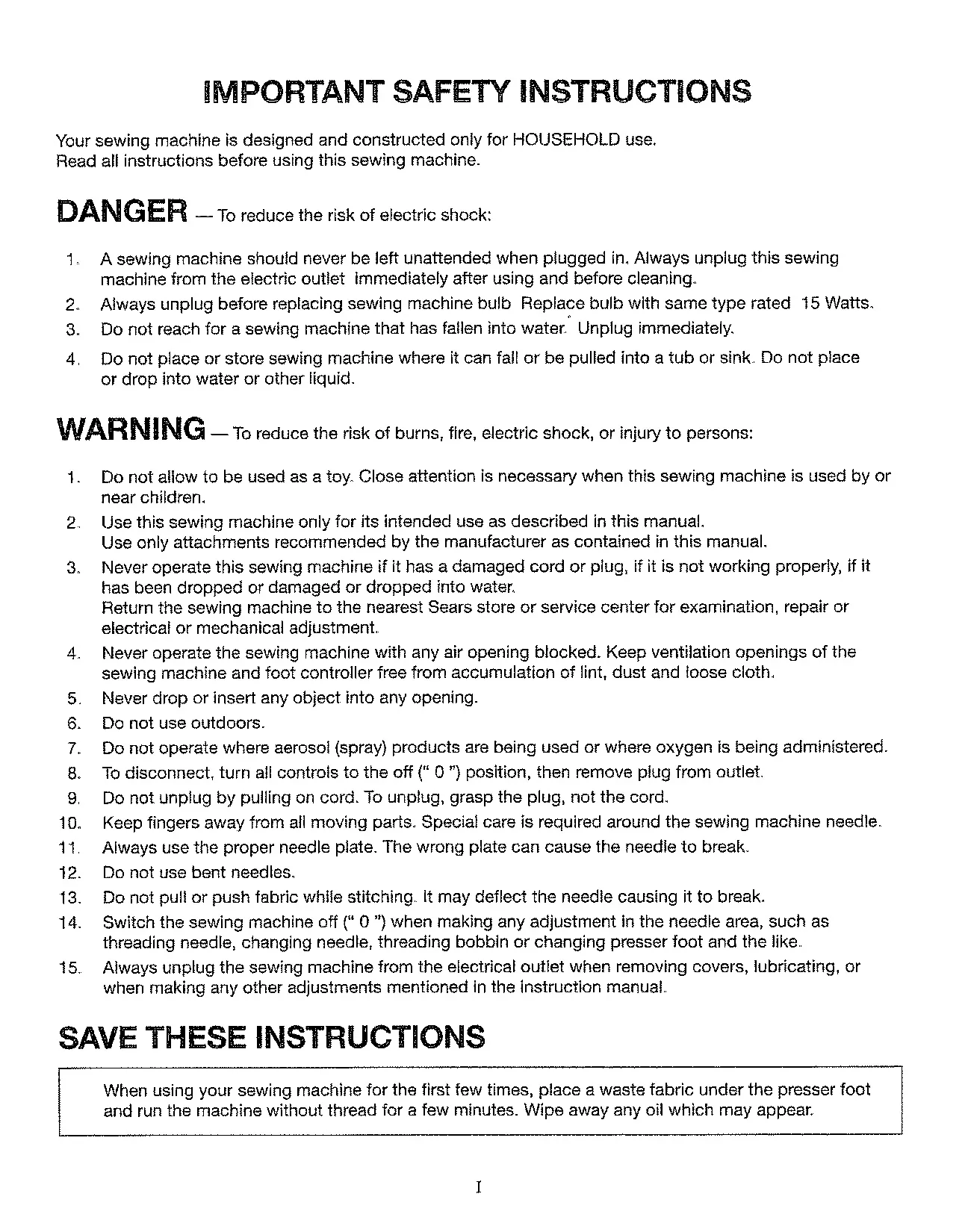
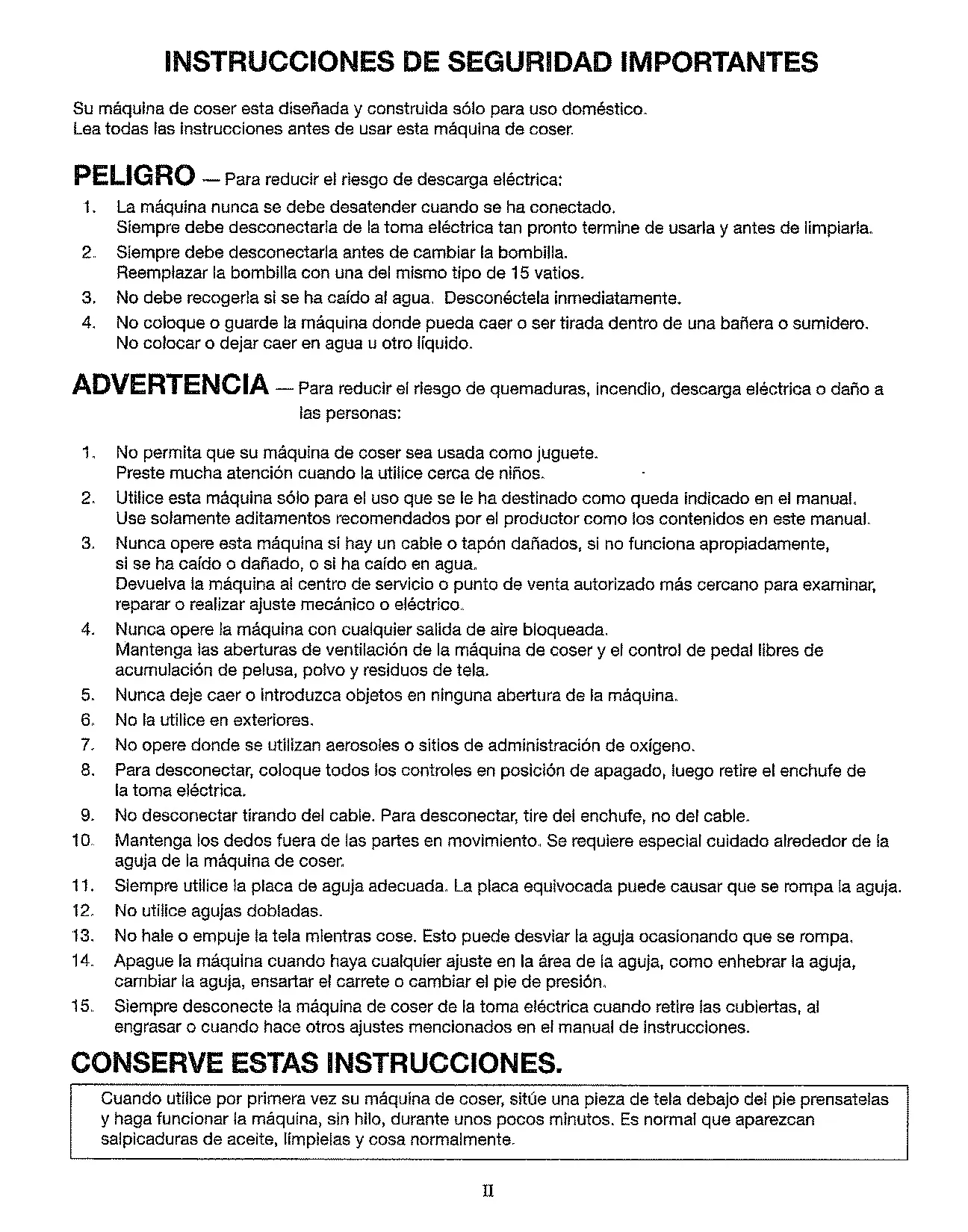
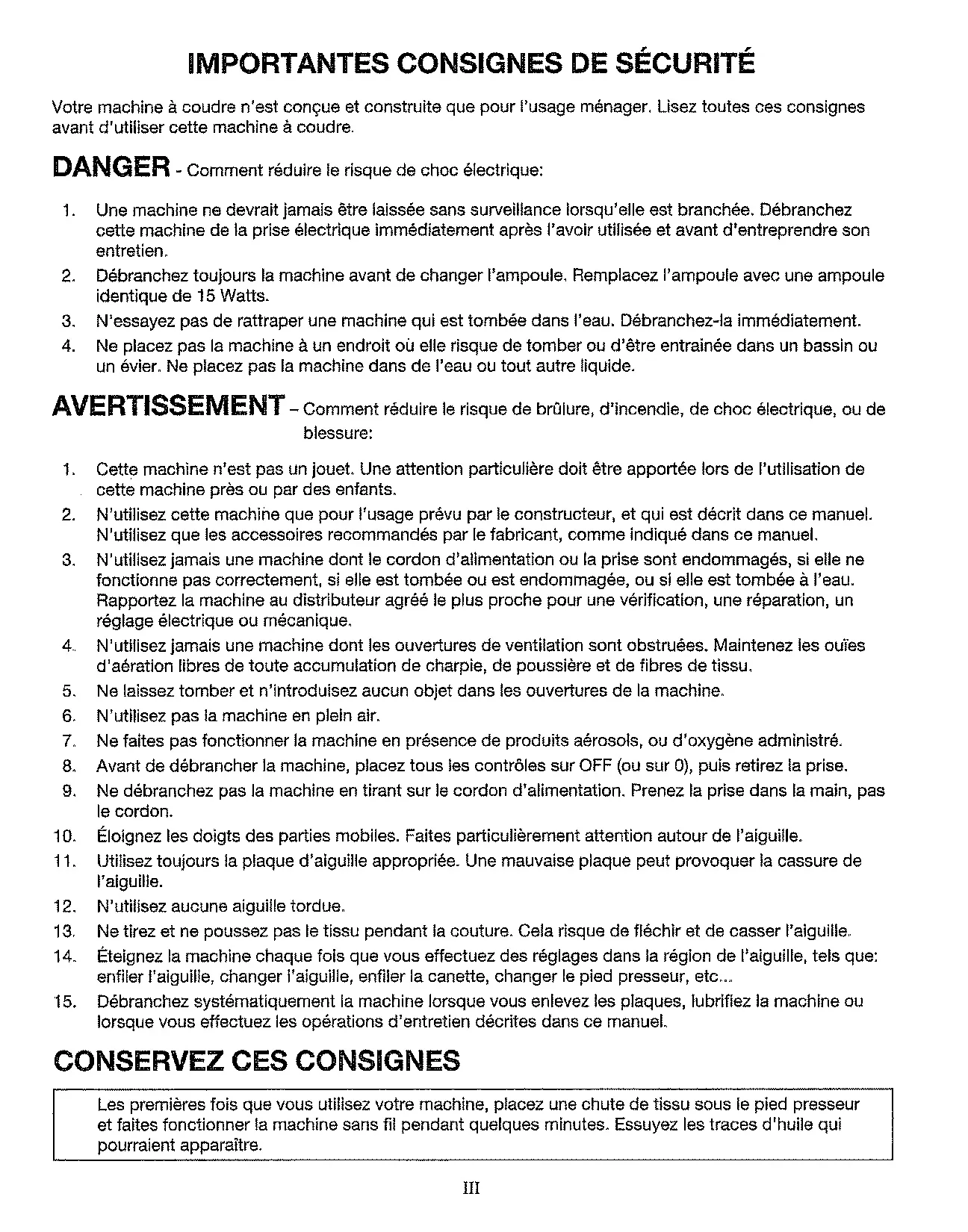
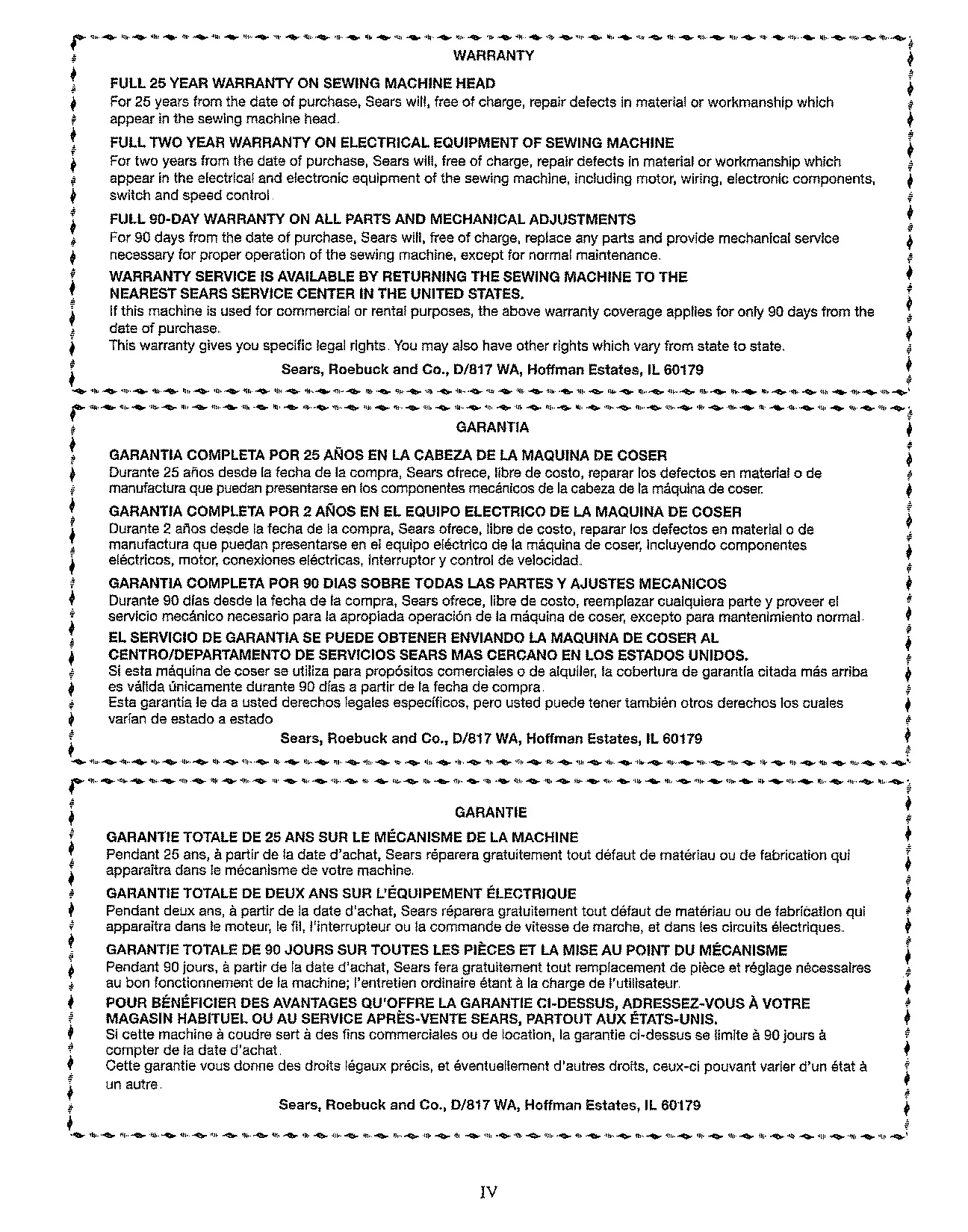

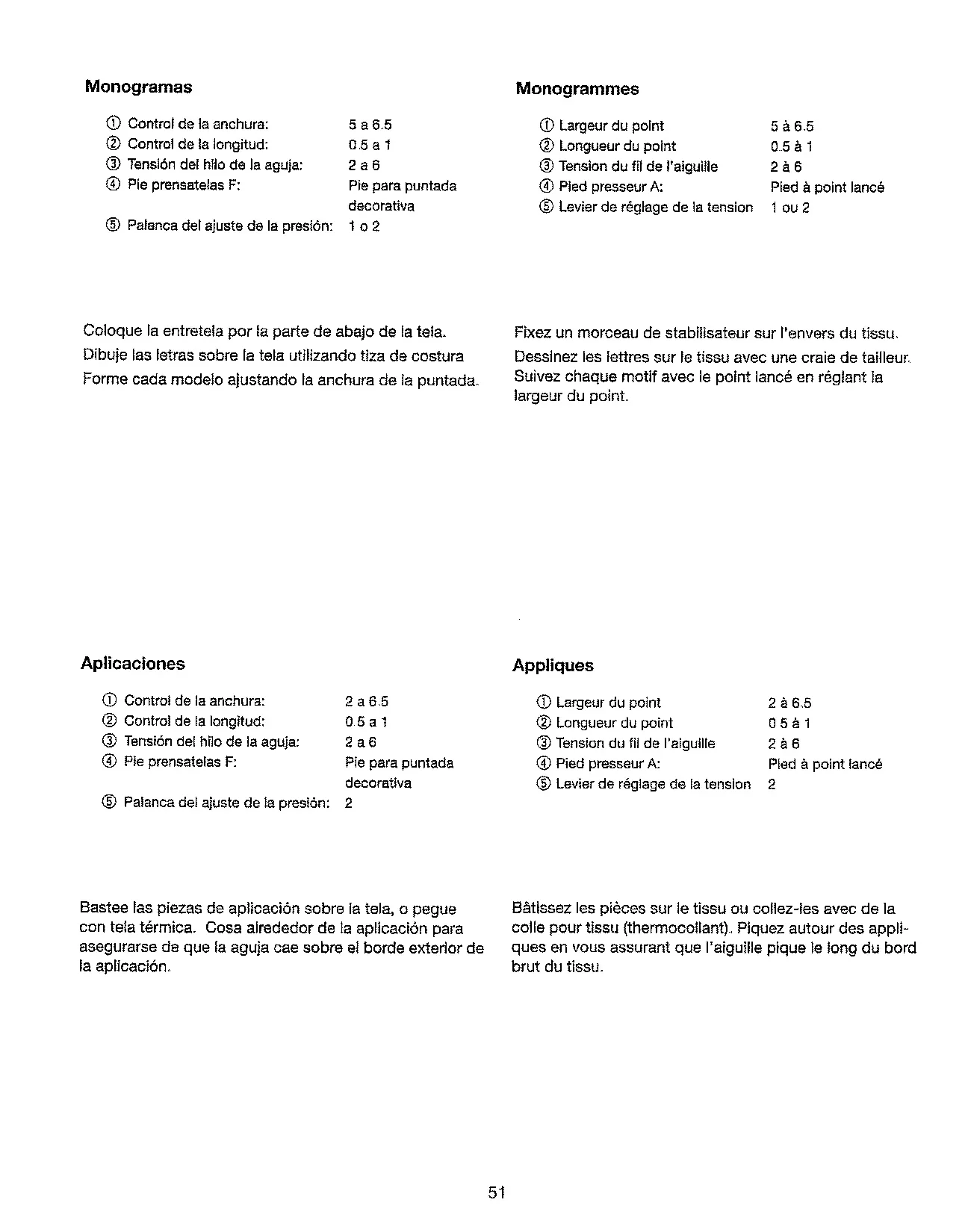
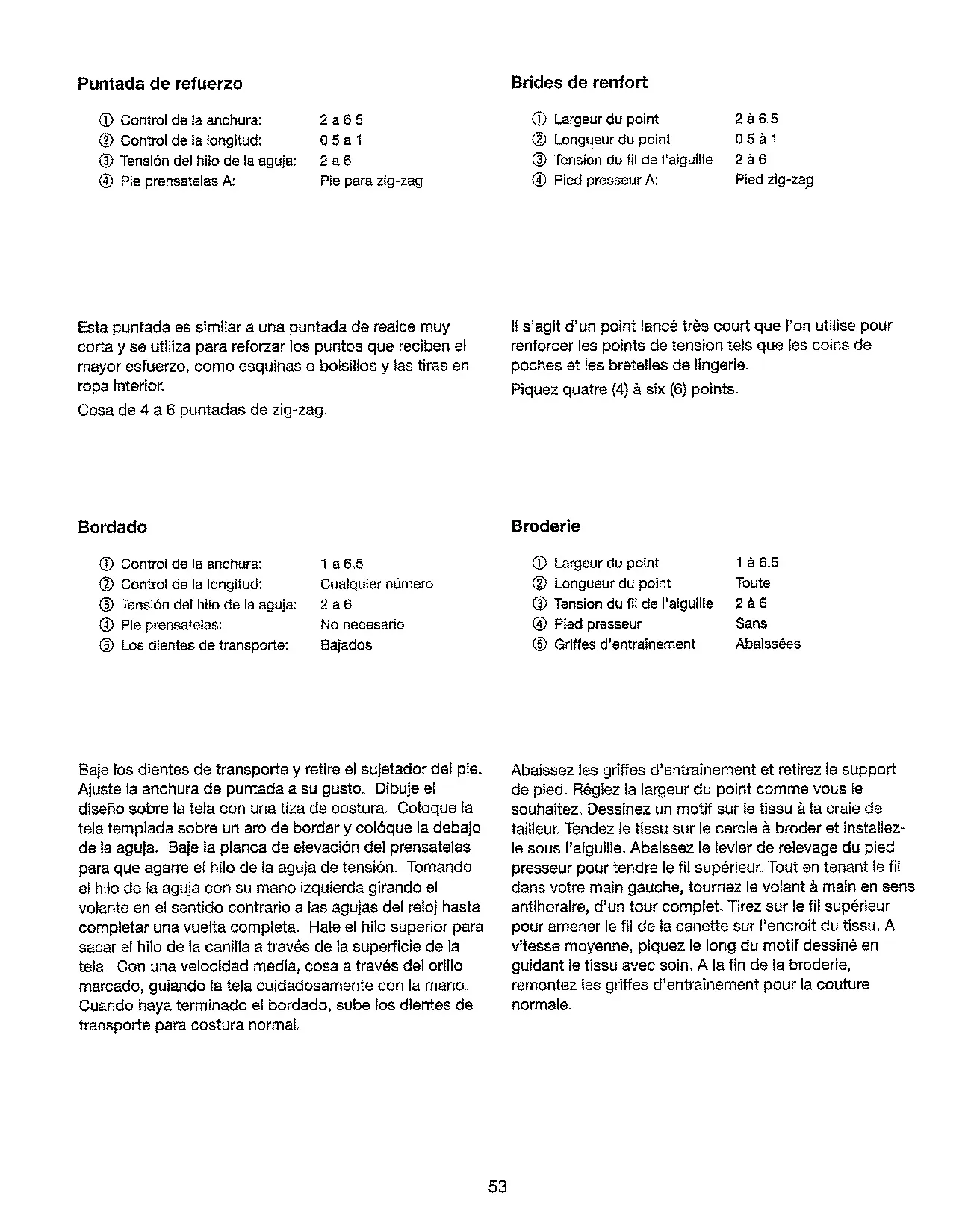

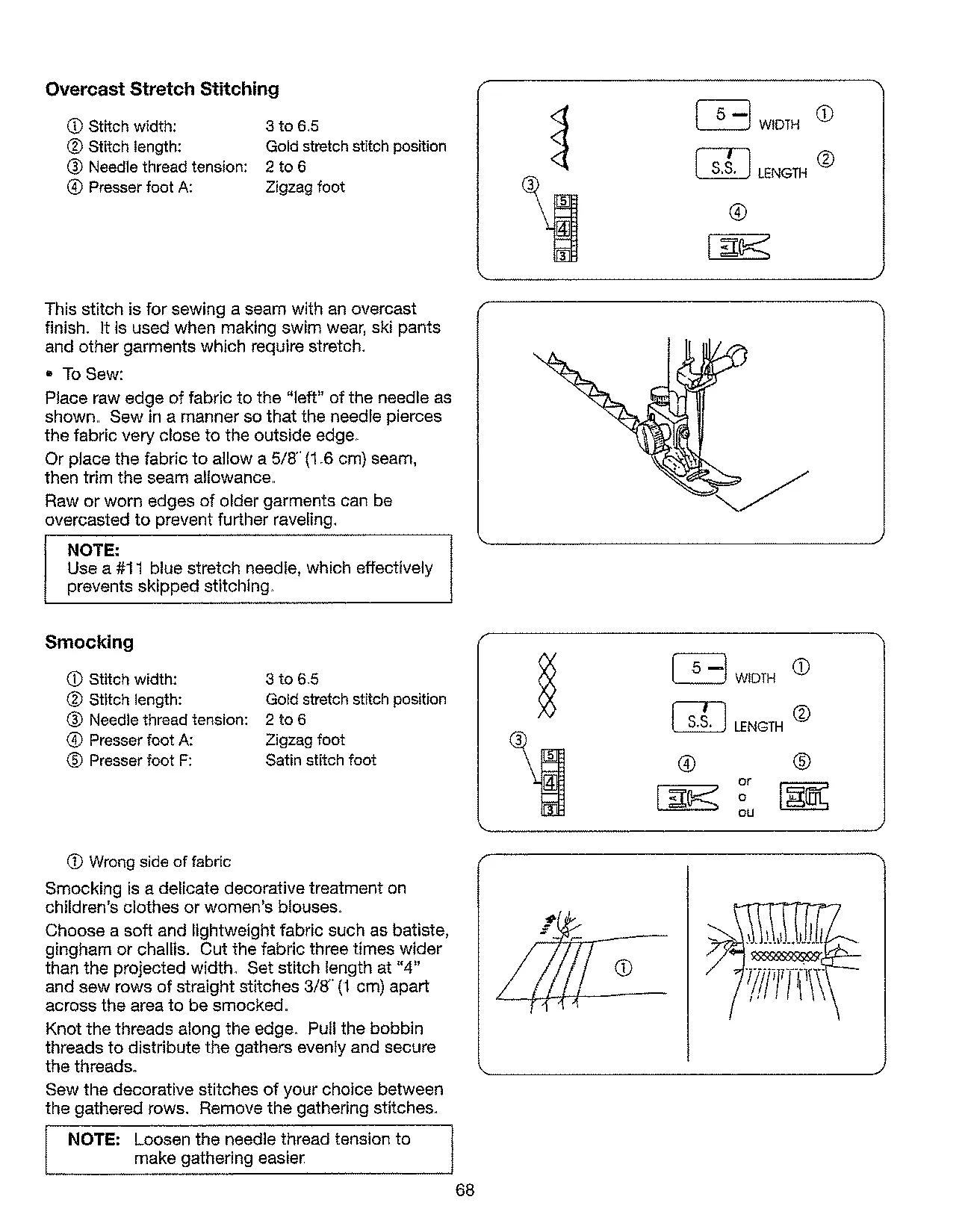
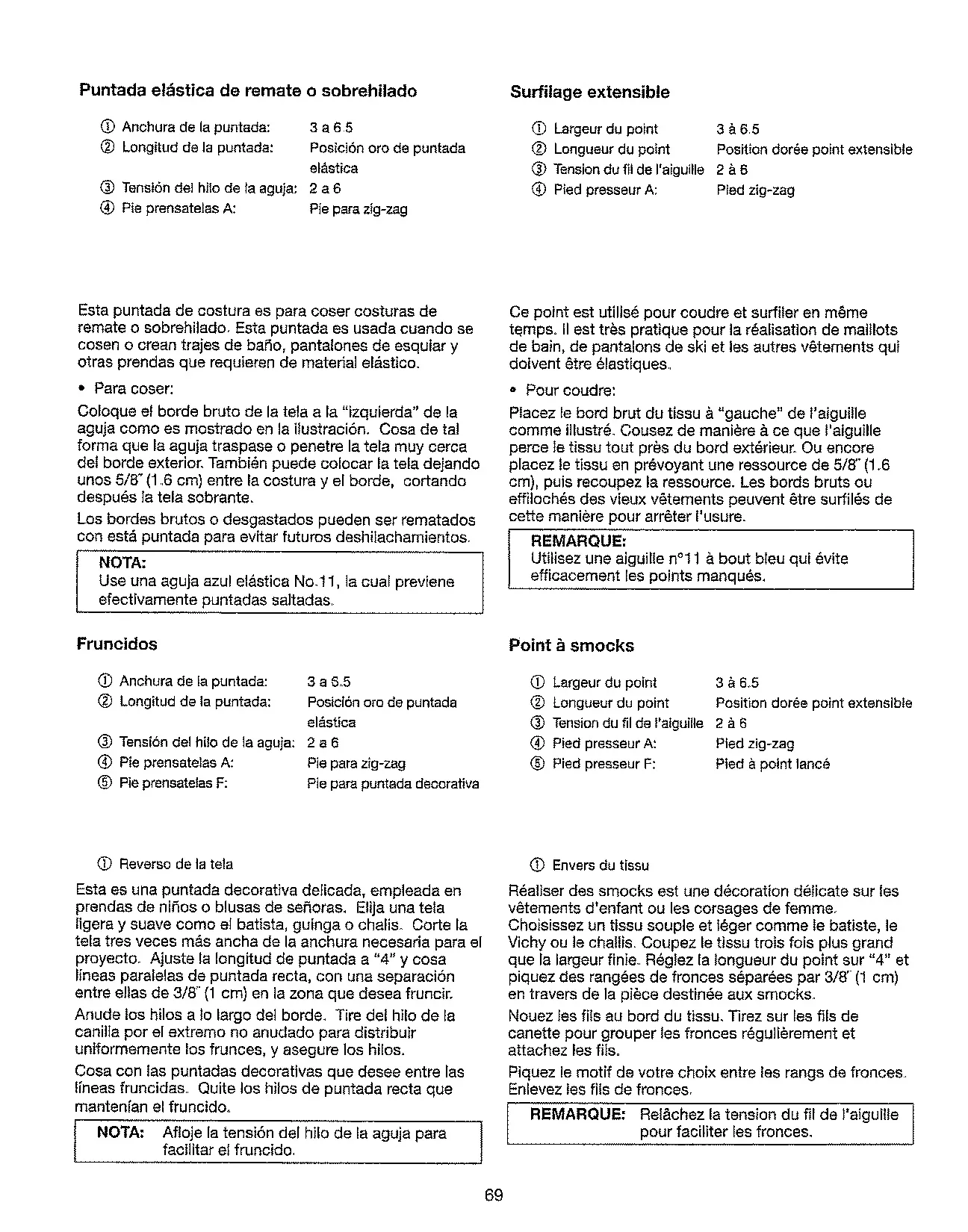
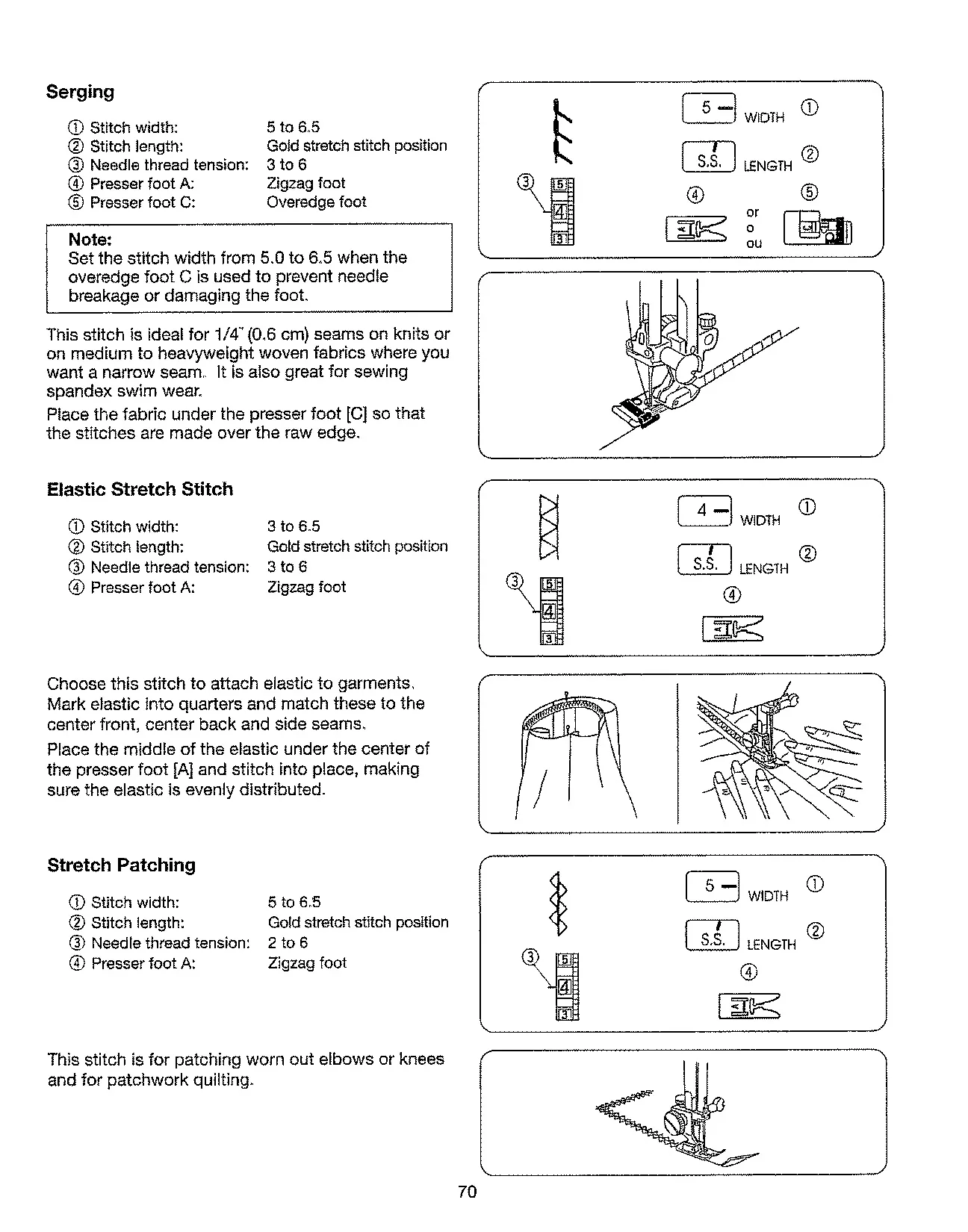
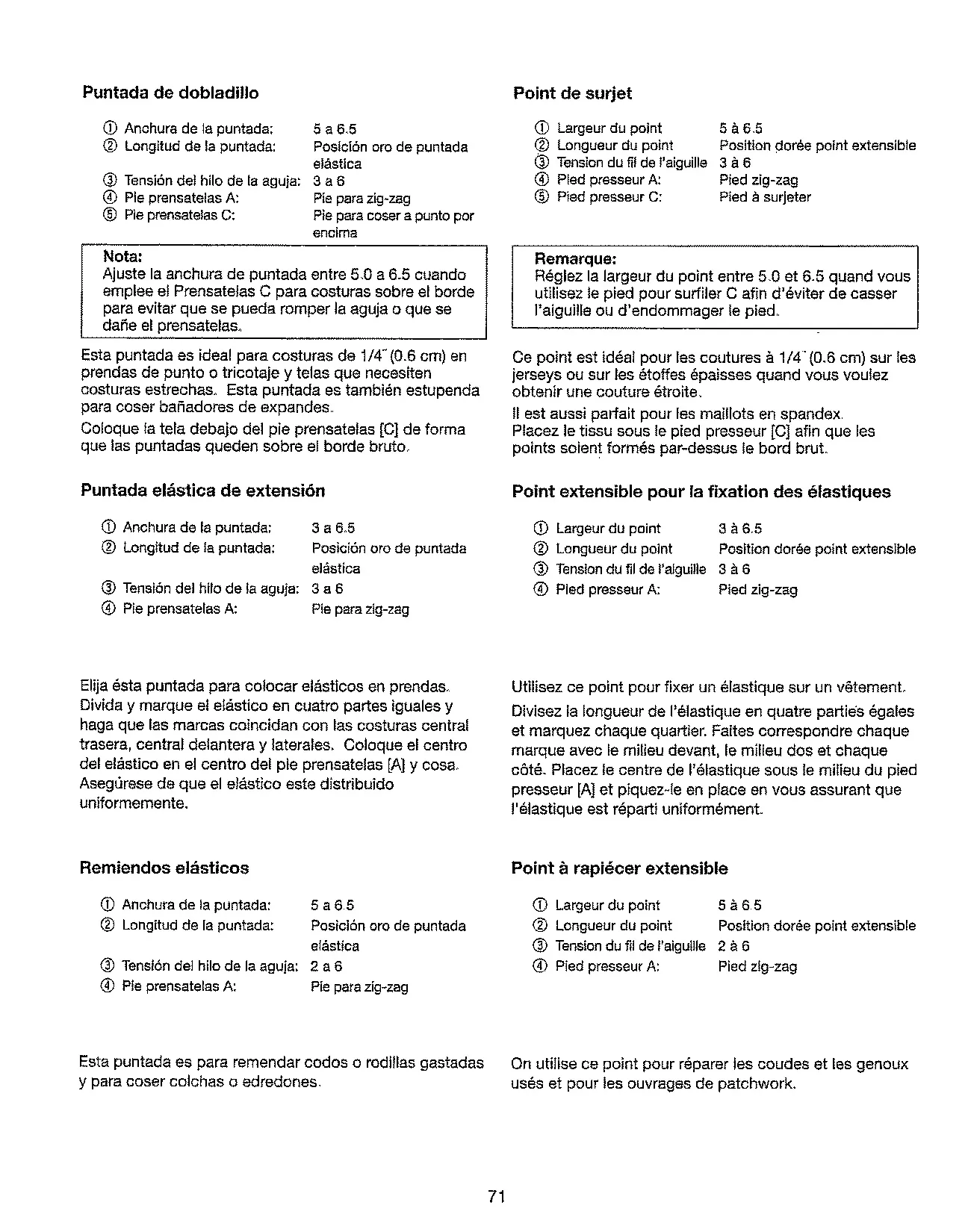
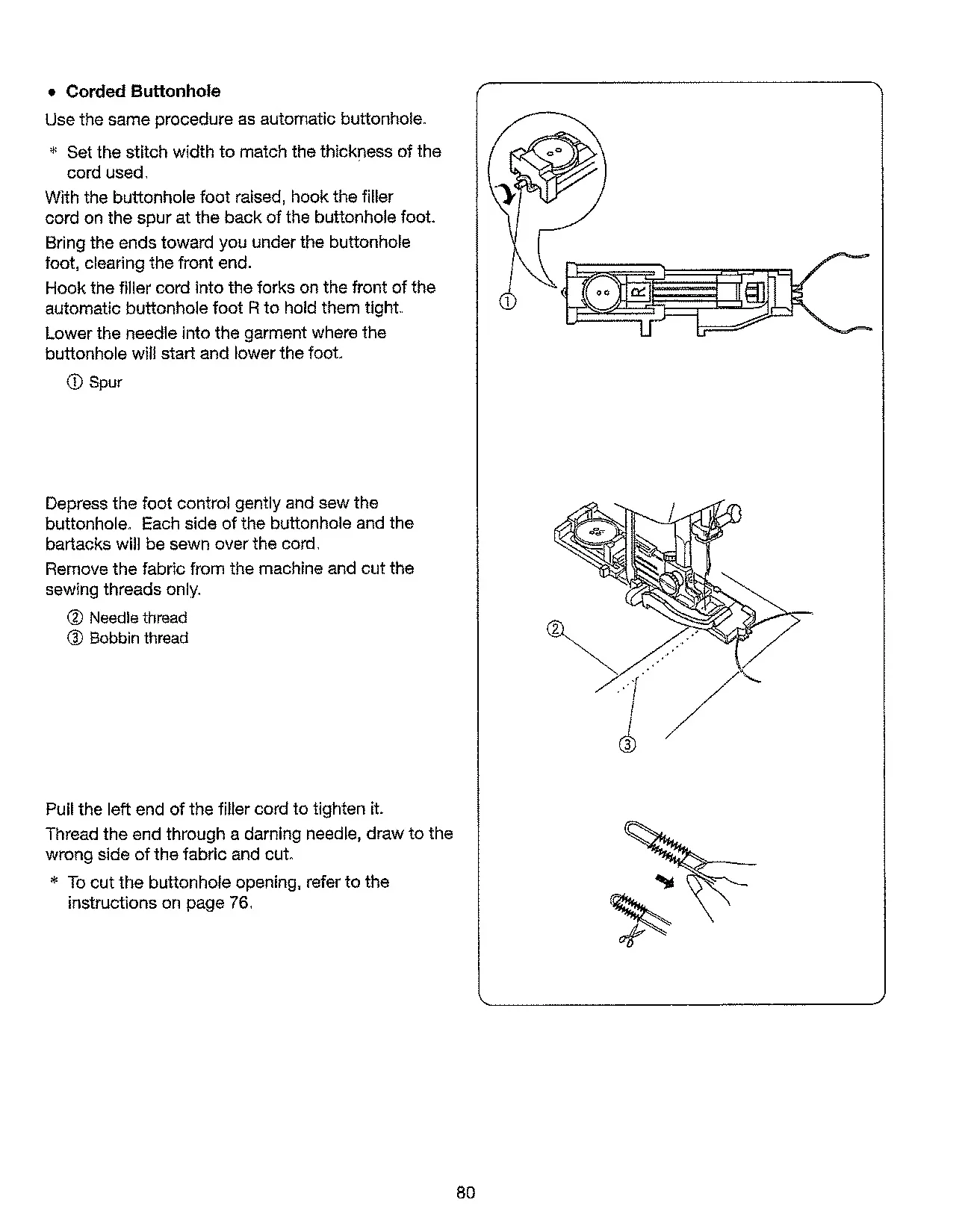
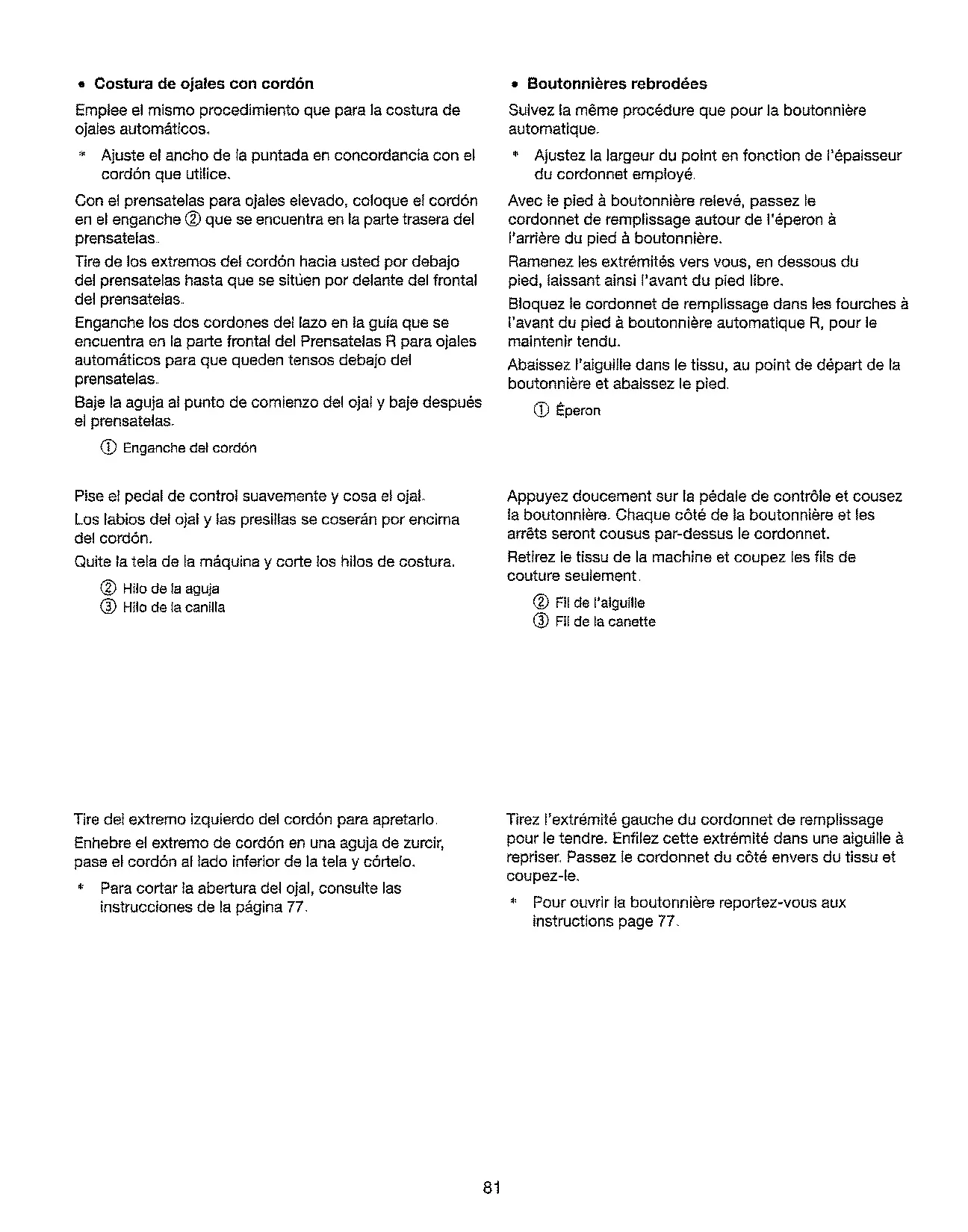
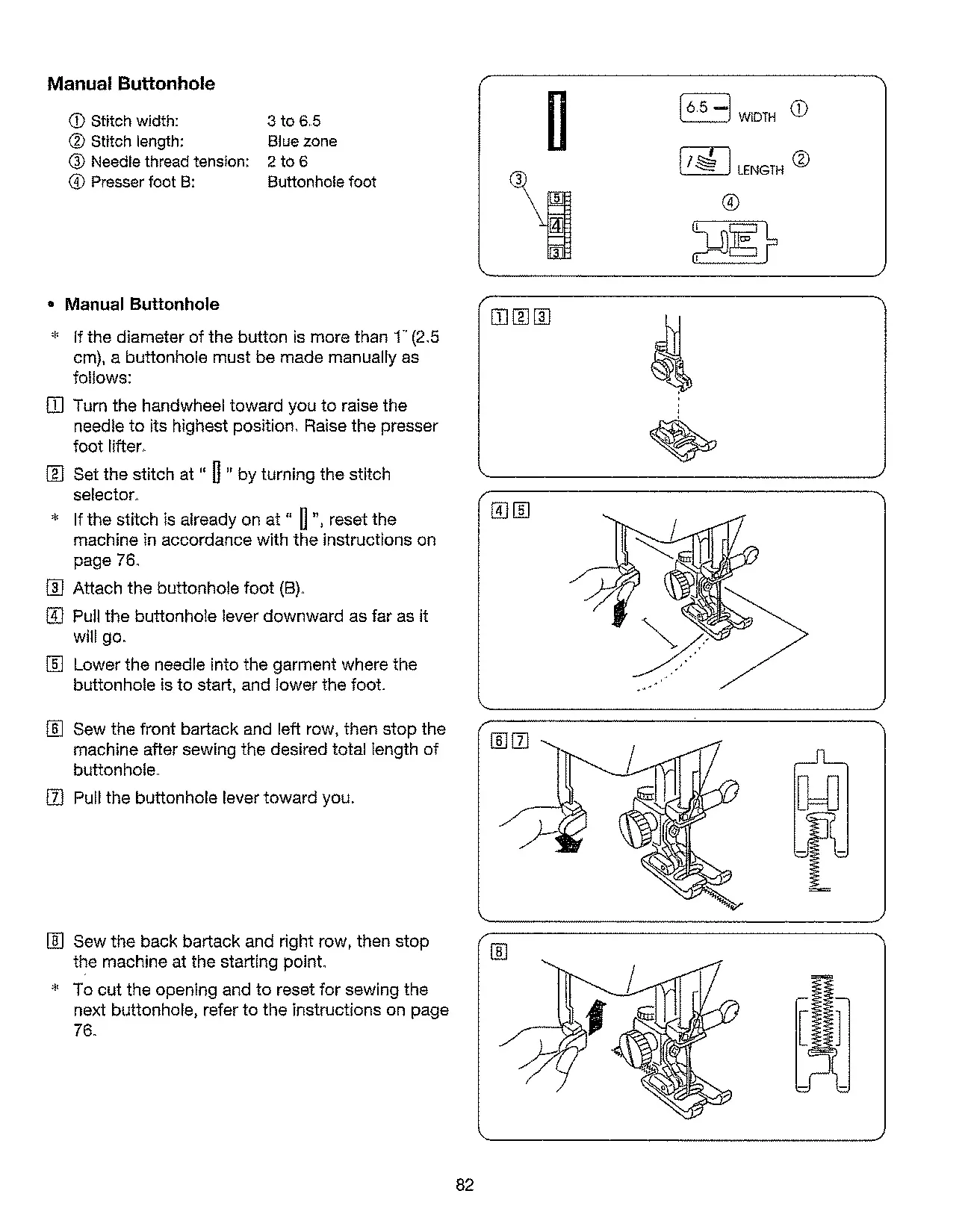
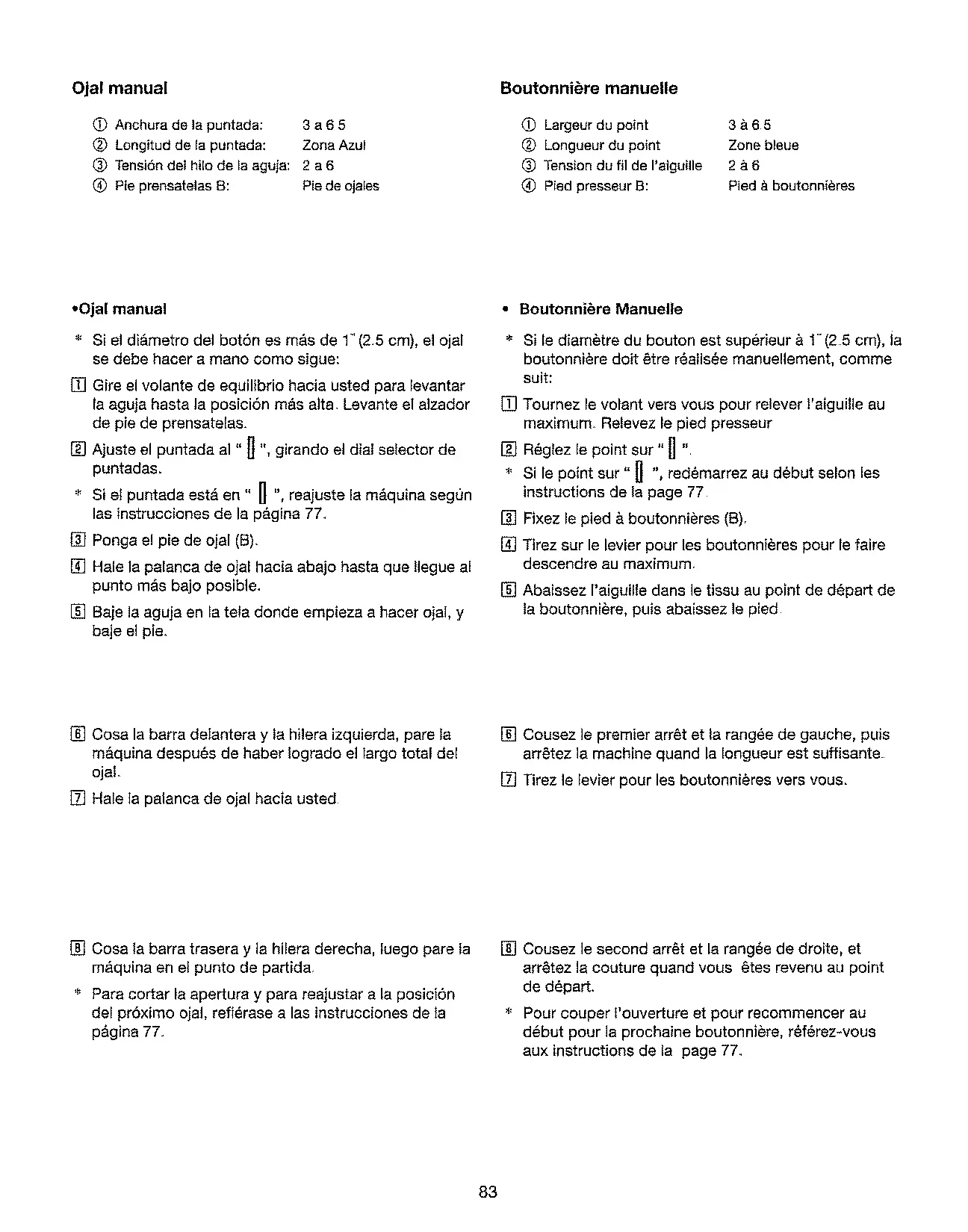



Kenmore 385 Sewing Machine Instructions
Here we offer the Kenmore 385 Sewing Machine manual completely free and in English. We have cataloged this manual in the Sewing Machines section on Manualverse, and it has been rated by 1 users with an average rating of 5. If you have any specific questions about Kenmore 385 Sewing Machine, we suggest checking the Frequently Asked Questions (FAQs) section of this manual.
Product Images
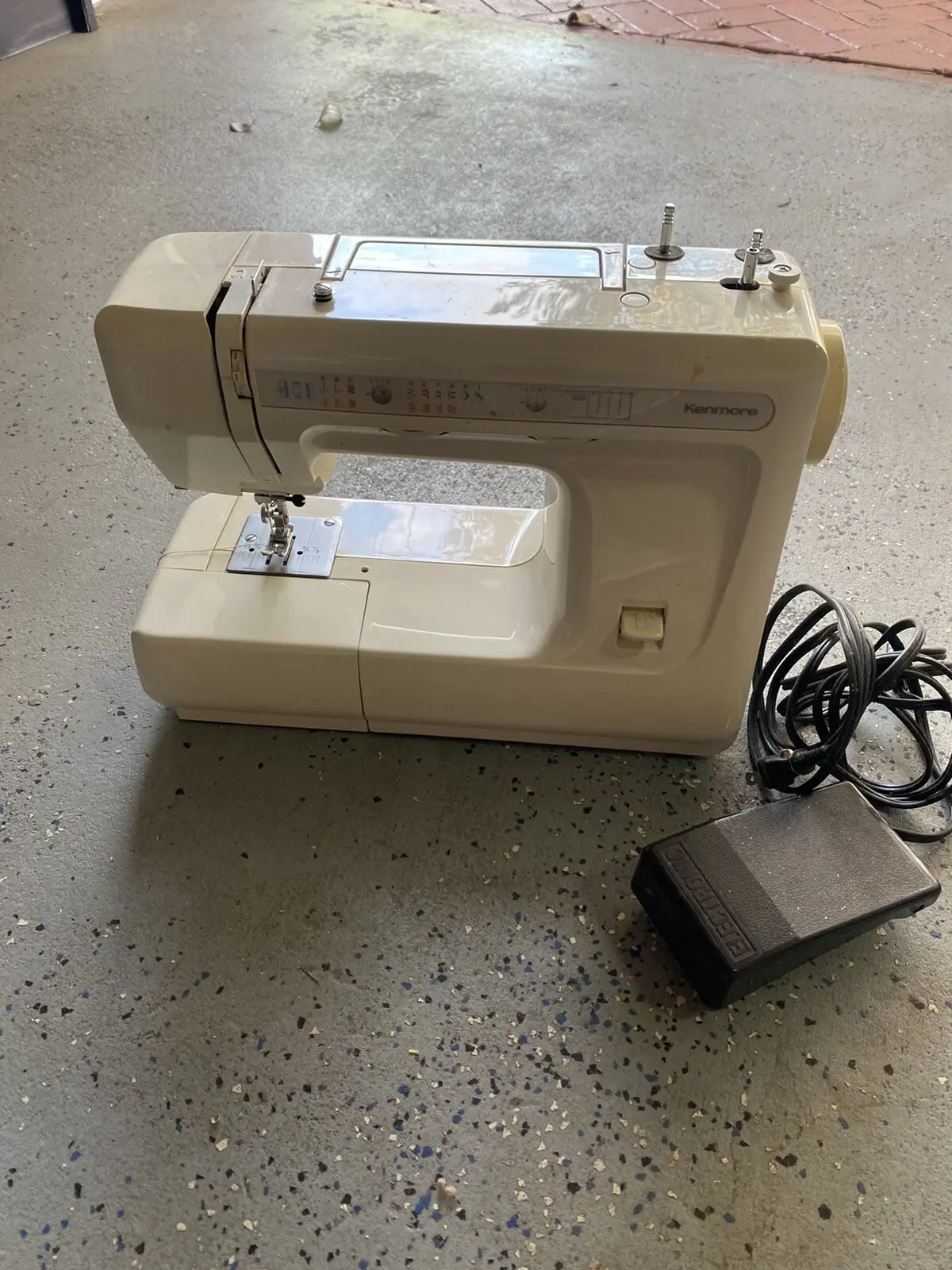
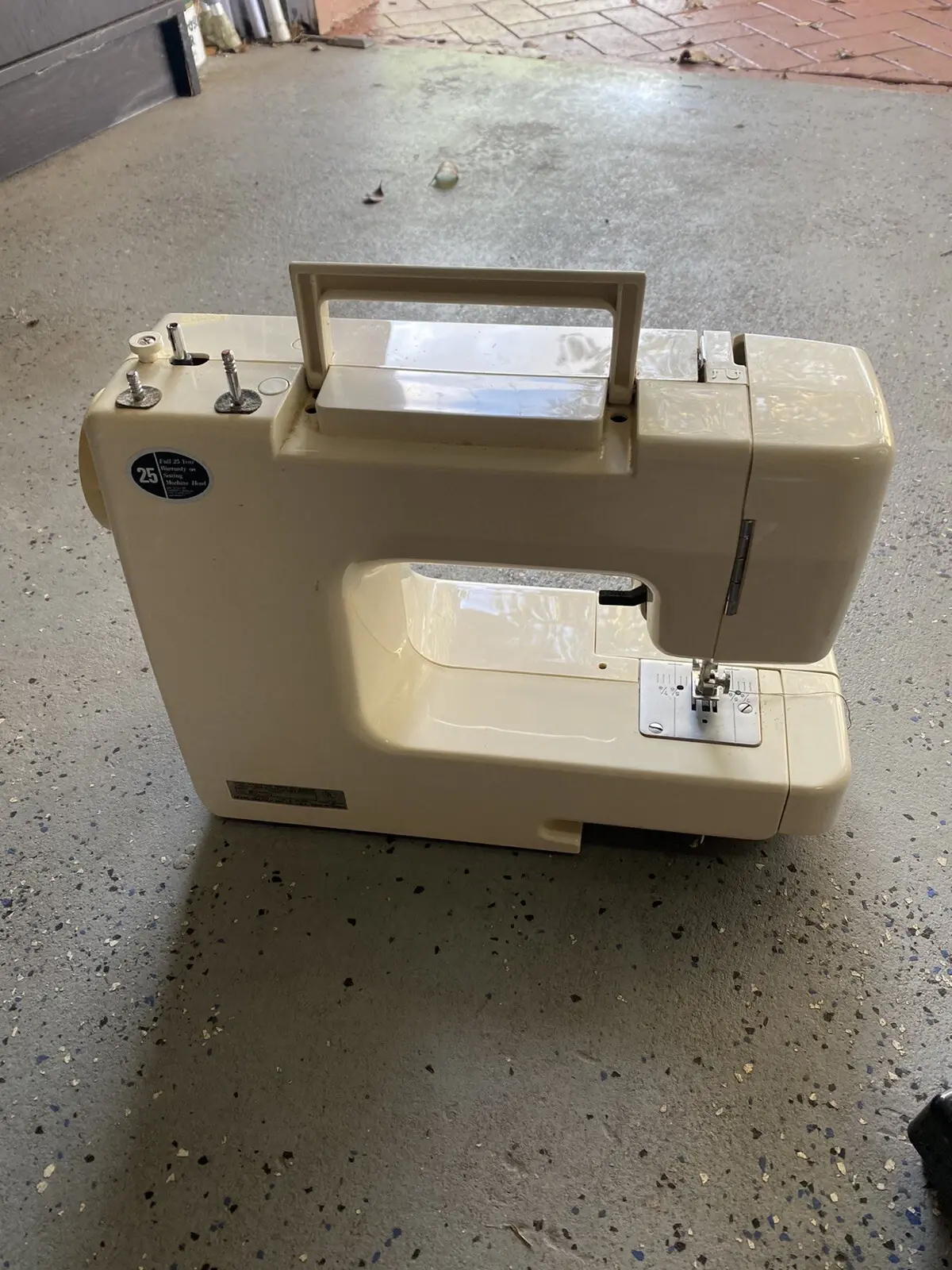
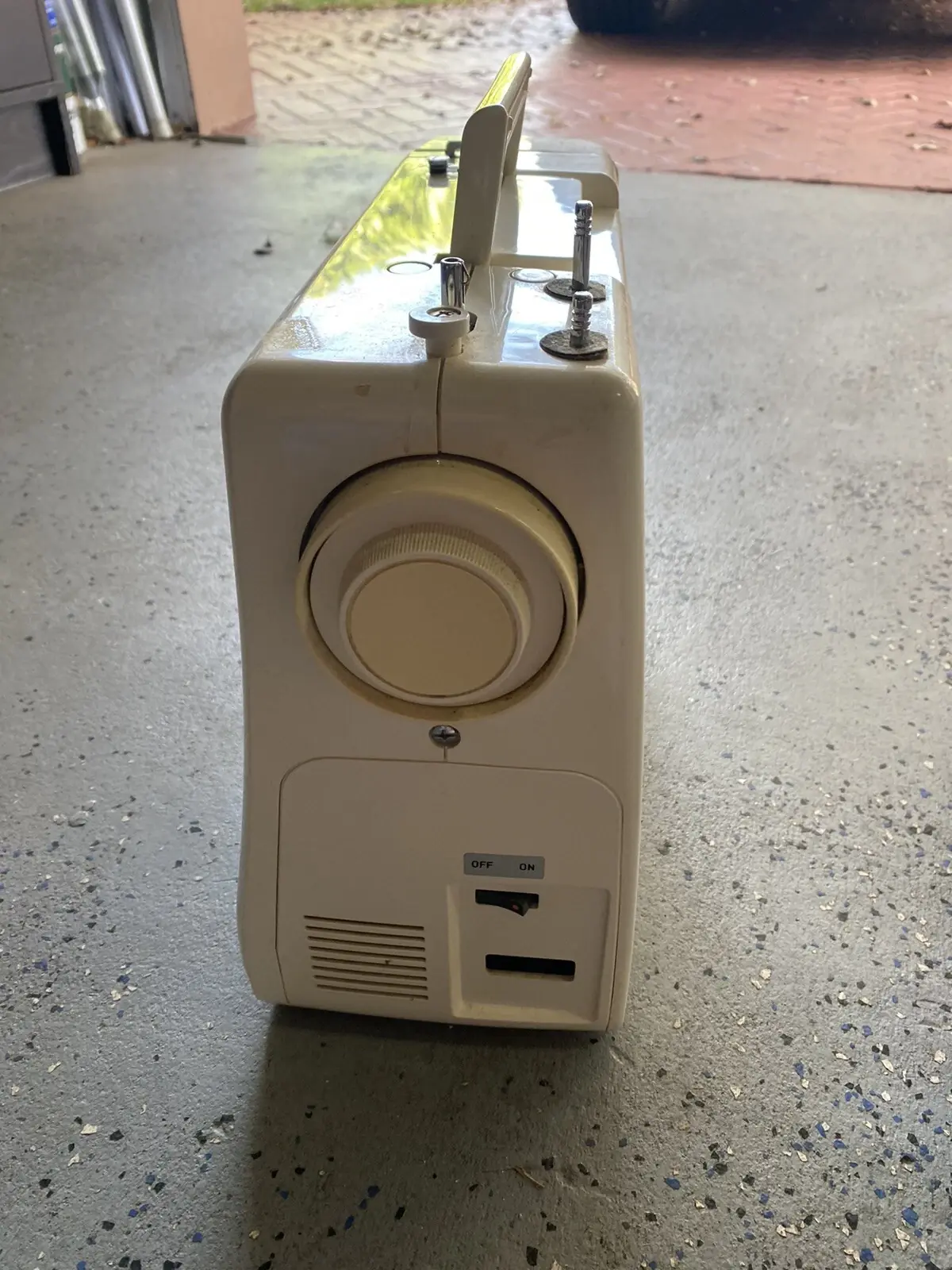
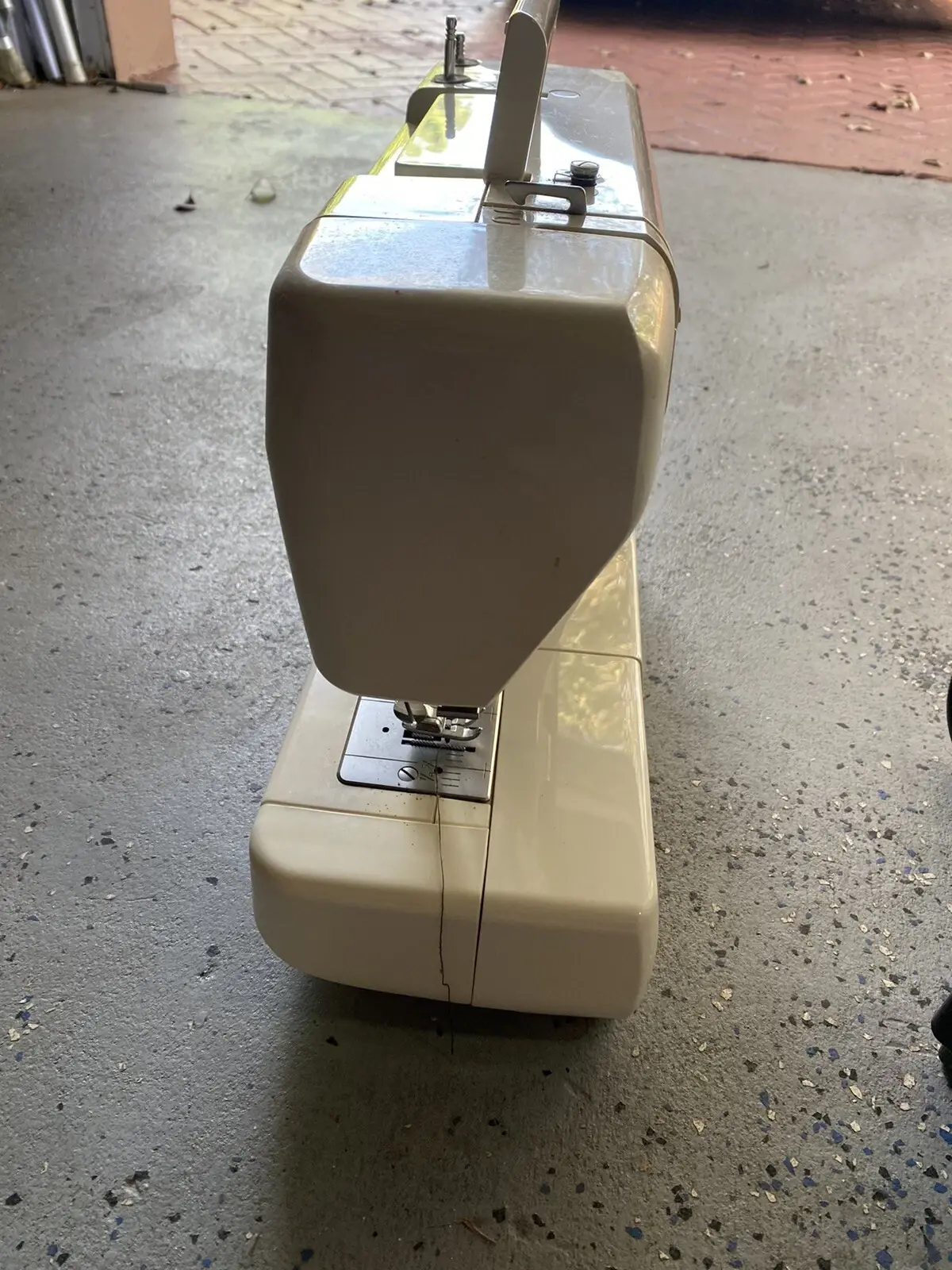
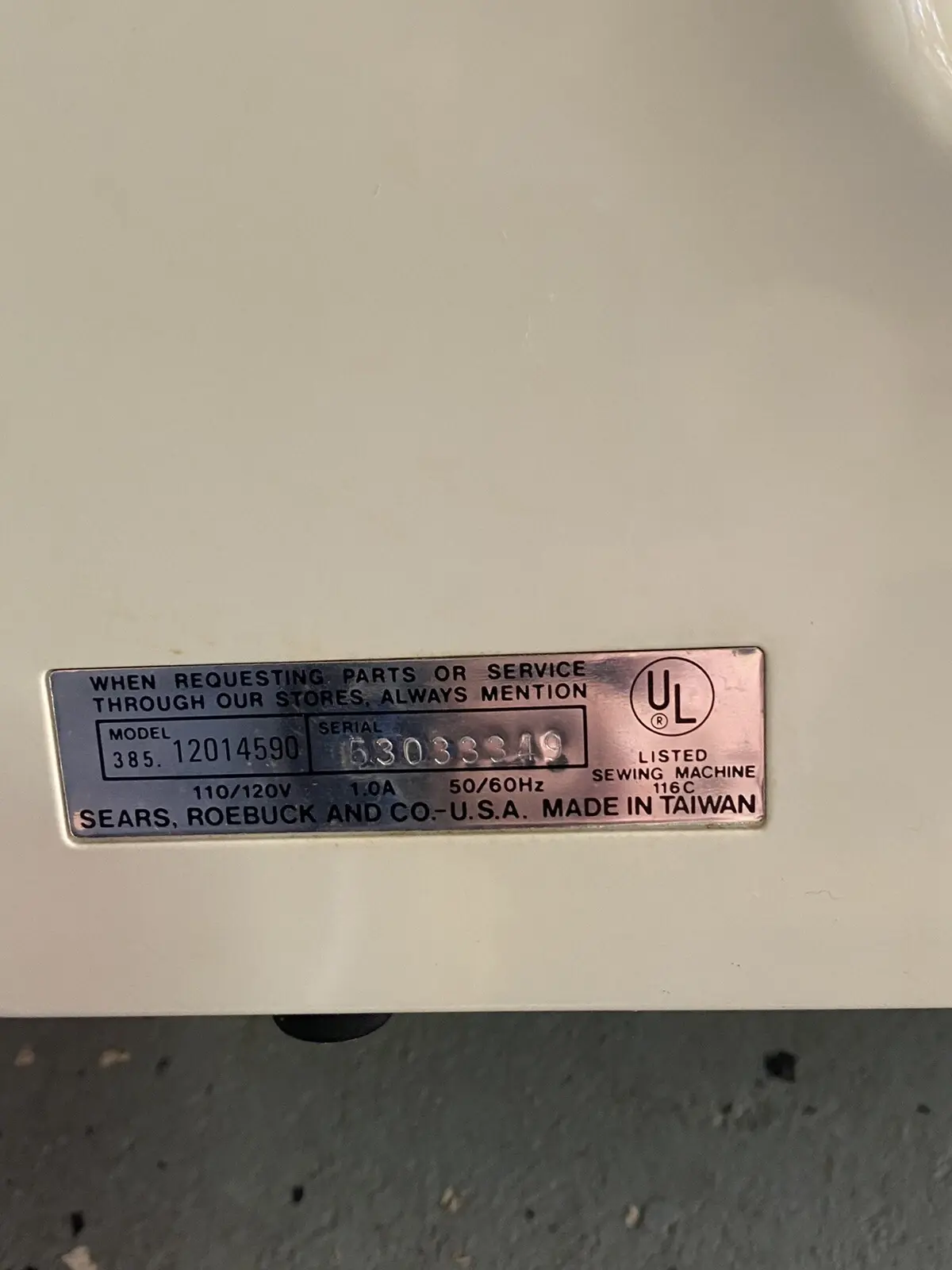
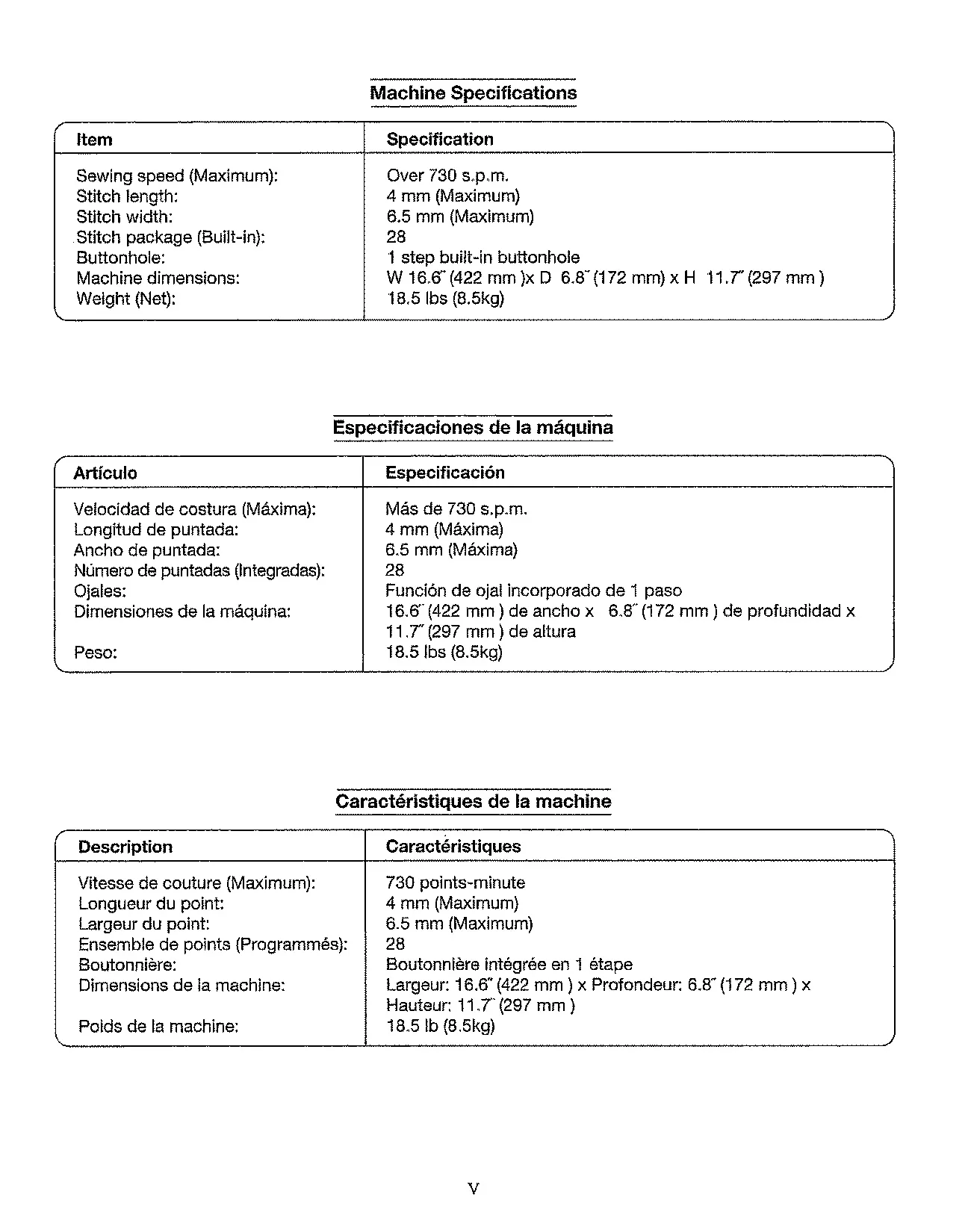
Kenmore 385 Sewing Machine Specifications
| Item | Specification |
|---|---|
| Maximum Sewing Speed | Over 730 SPM |
| Maximum Stitch Length | 4 mm |
| Maximum Stitch Width | 6.5 mm |
| Built-in Stitches | 28 |
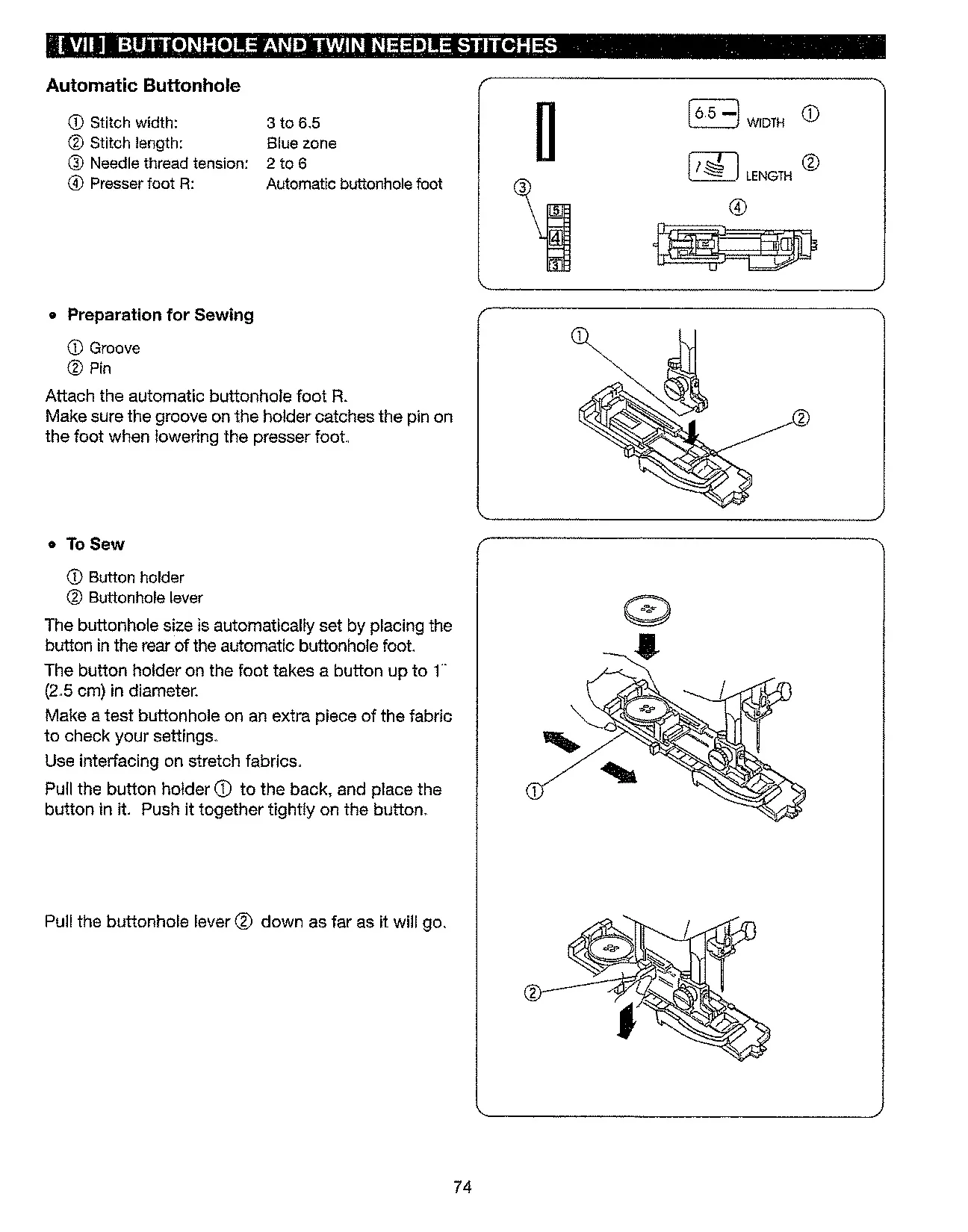
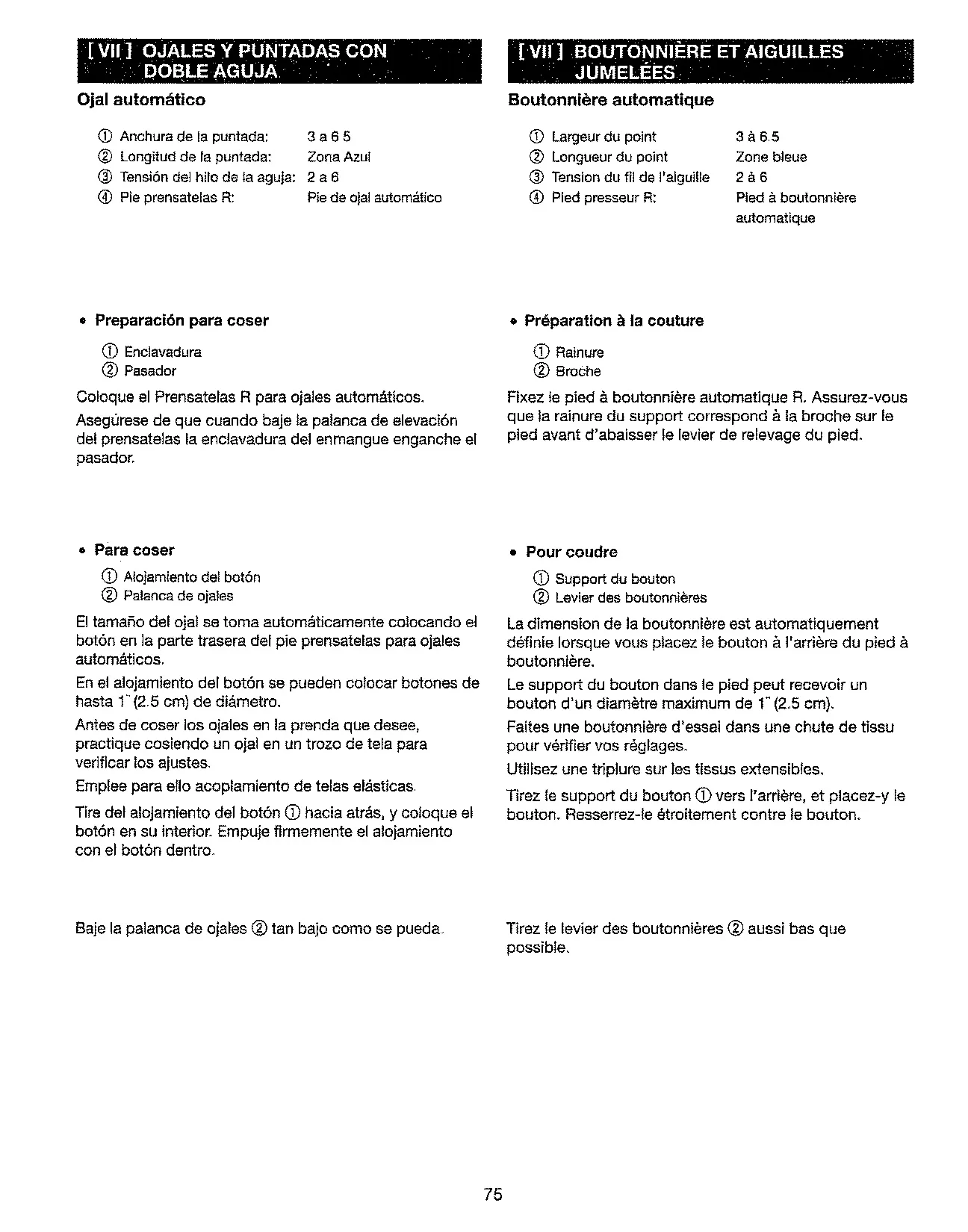
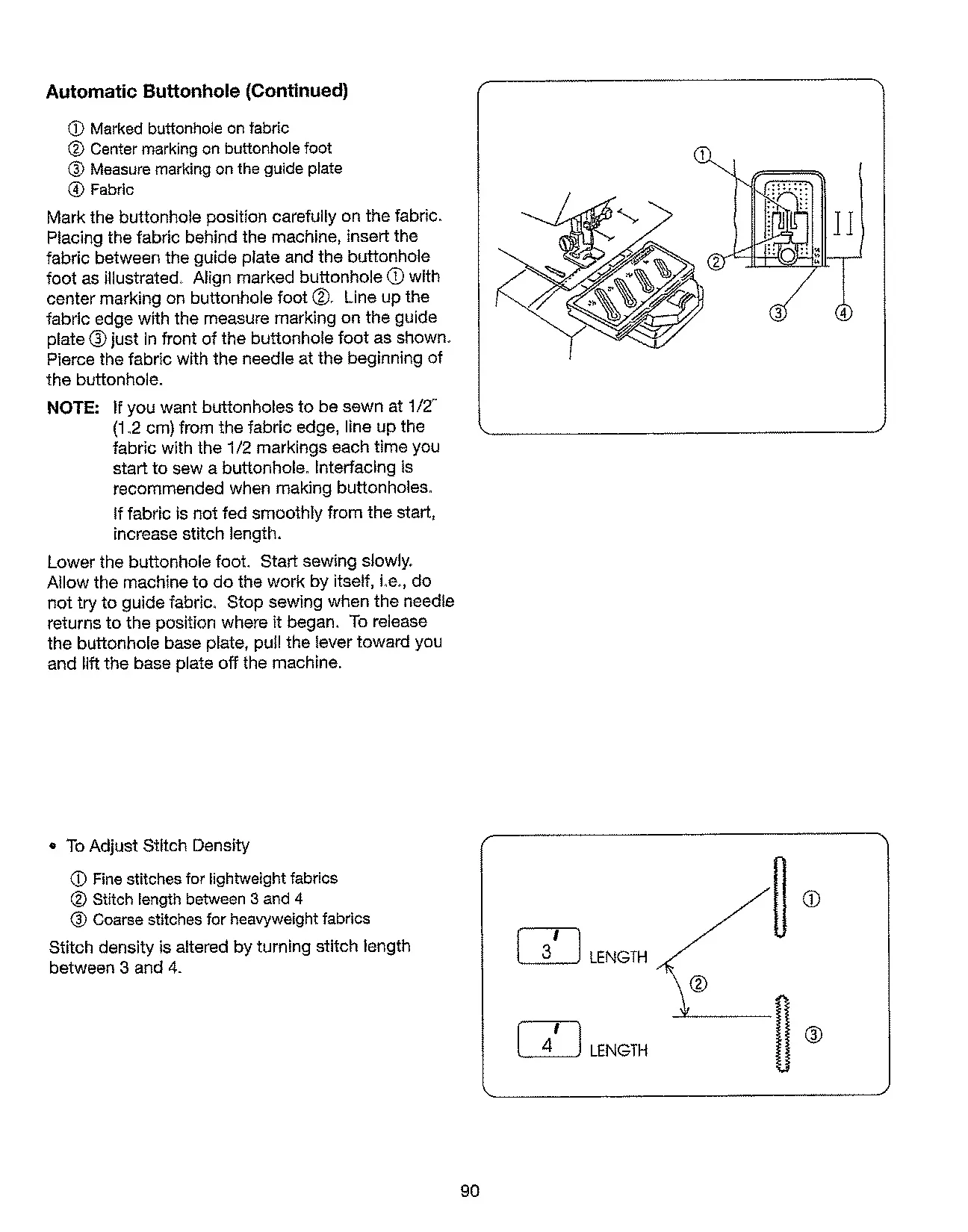
| Buttonhole Function | 1-Step Automatic Buttonhole |
| Machine Dimensions (W x D x H) | 16.6" (422 mm) x 6.8" (172 mm) x 11.7" (297 mm) |
| Machine Weight | 18.5 lbs (8.5 kg) |
Kenmore 385 Sewing Machine Details
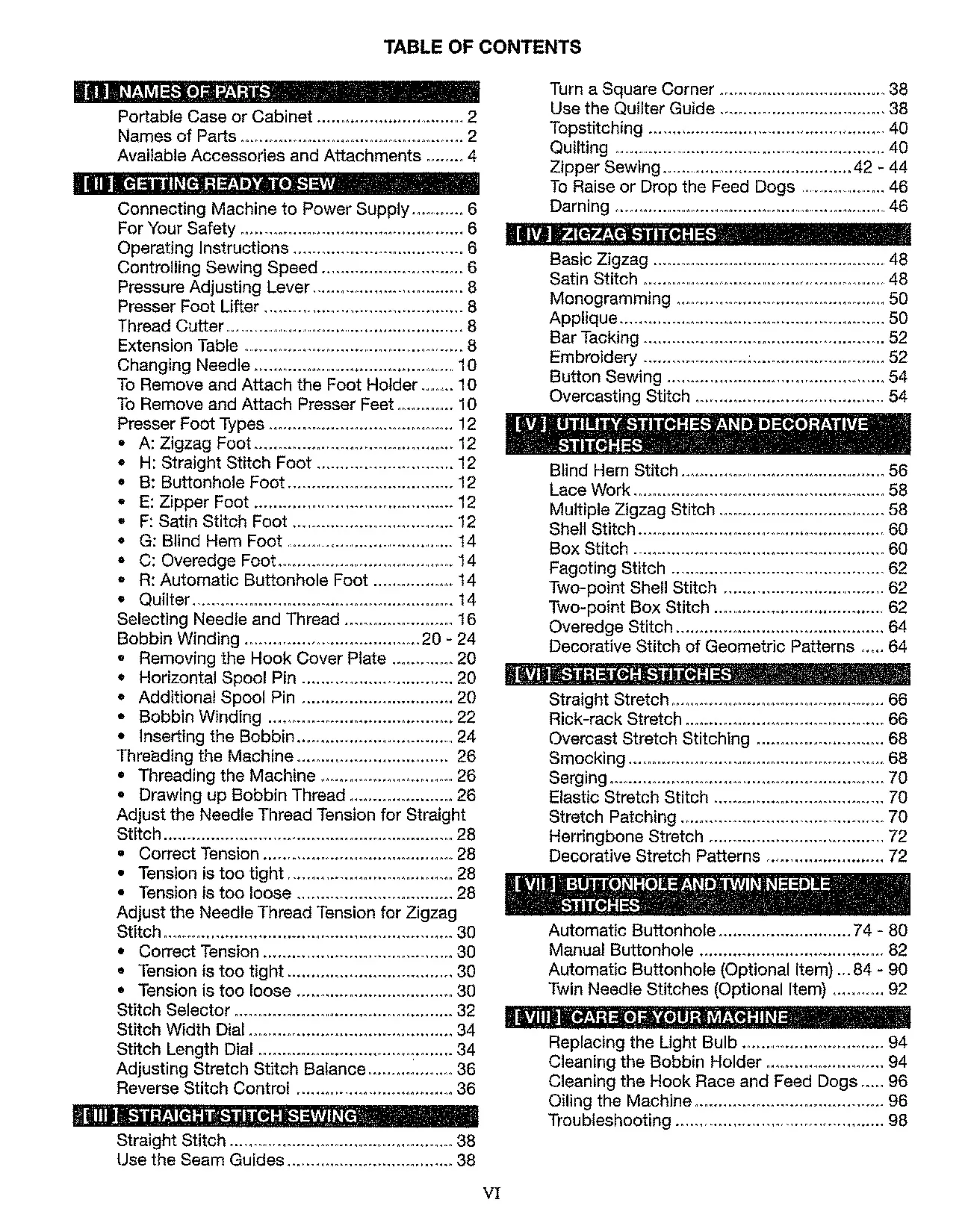
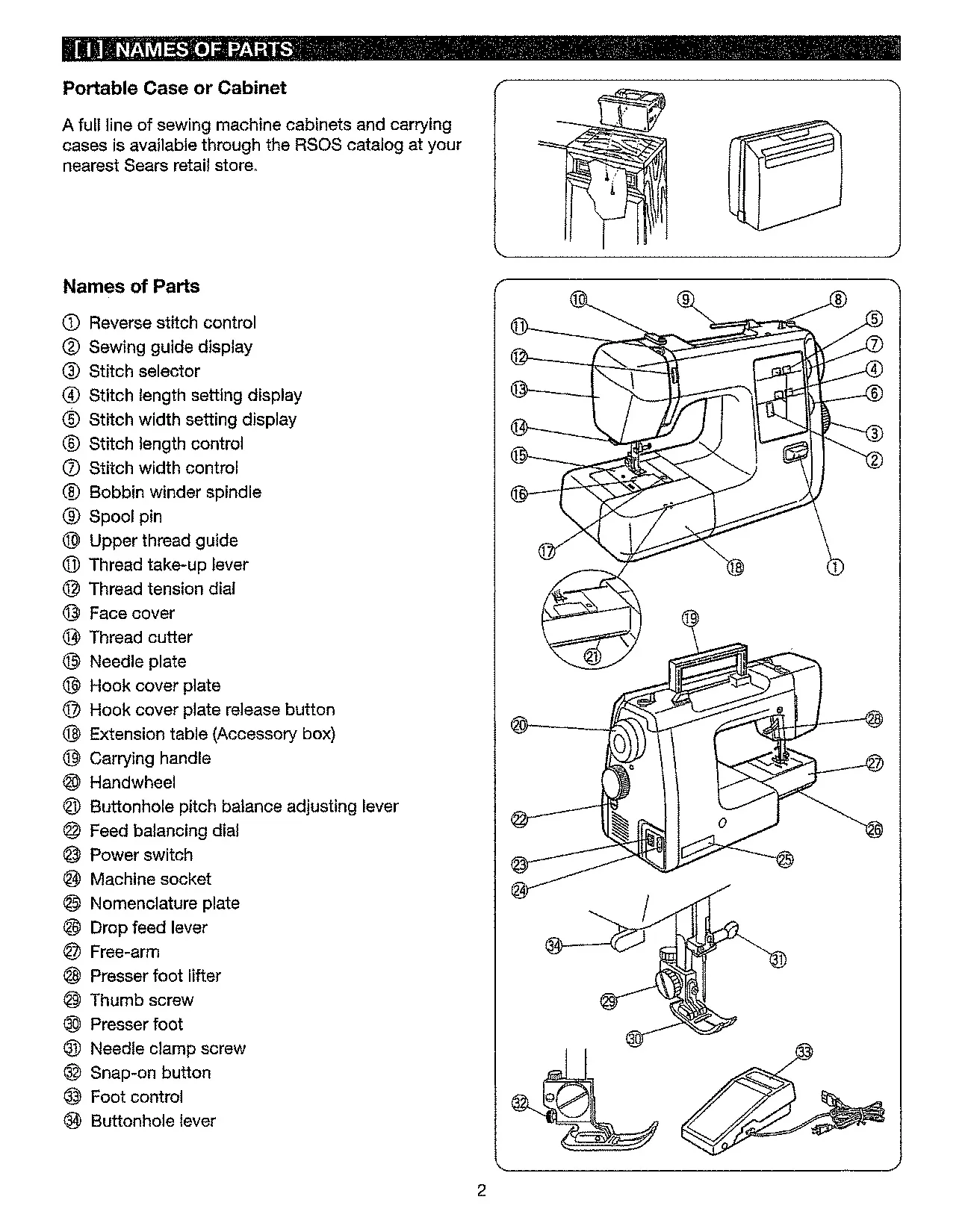
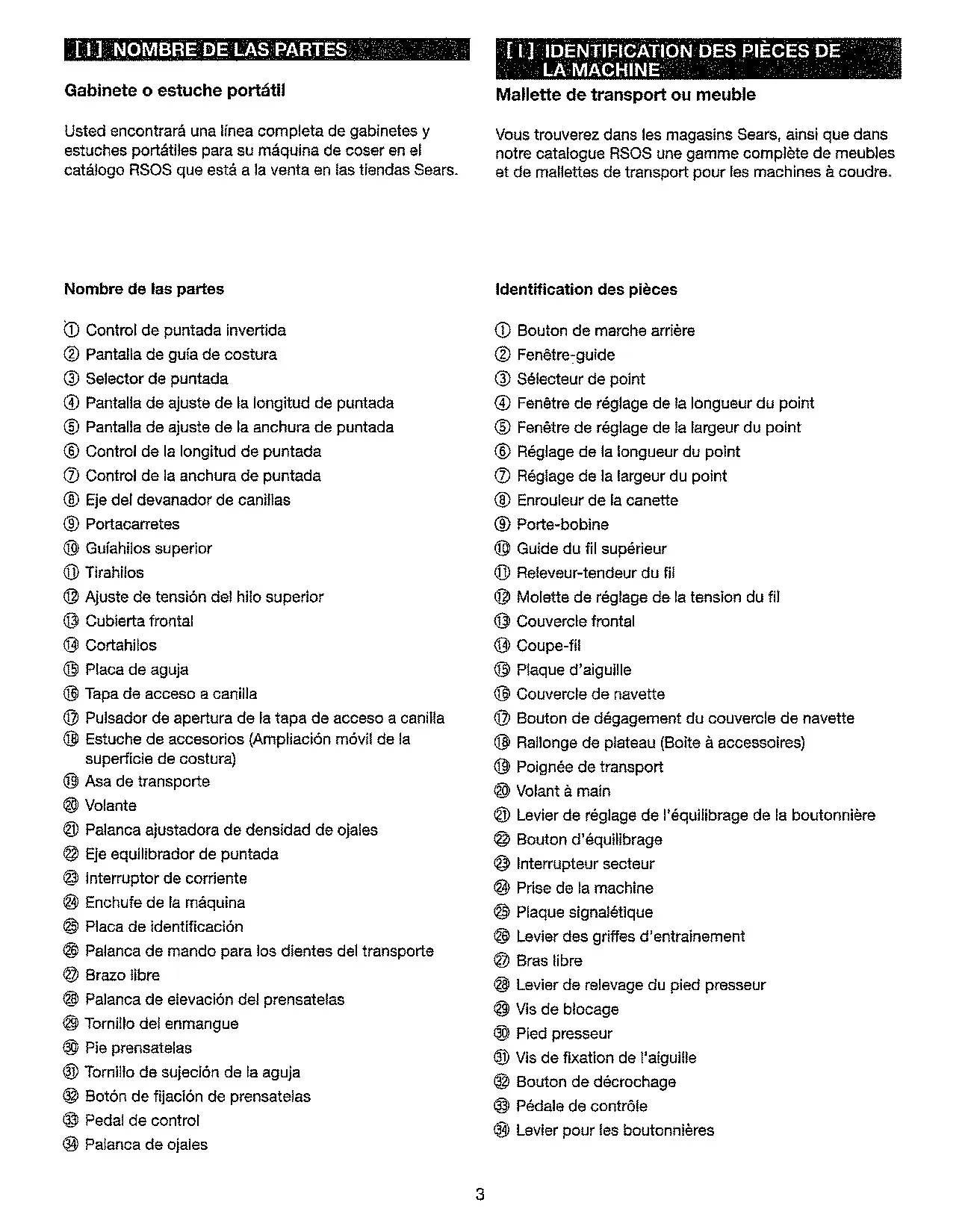
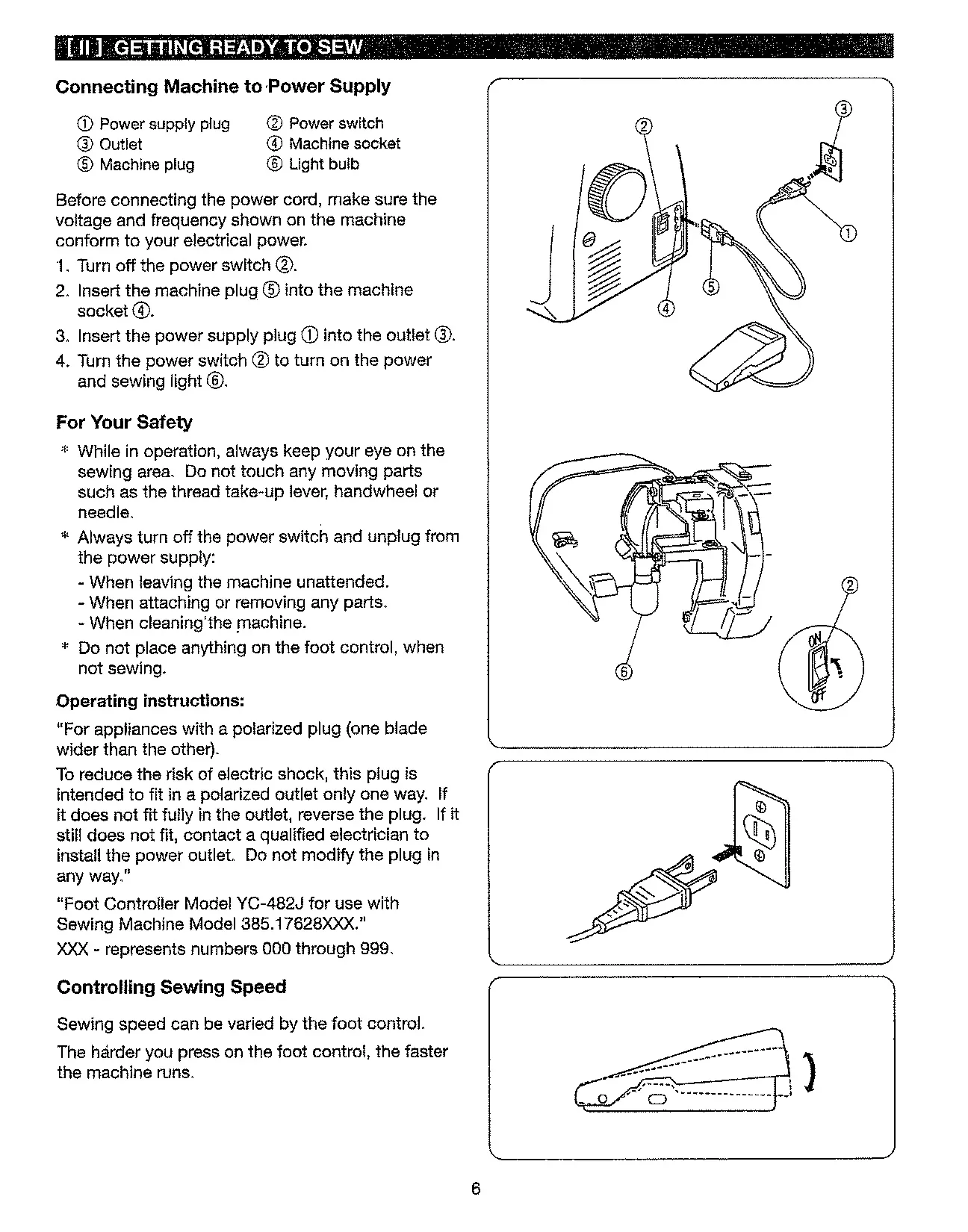
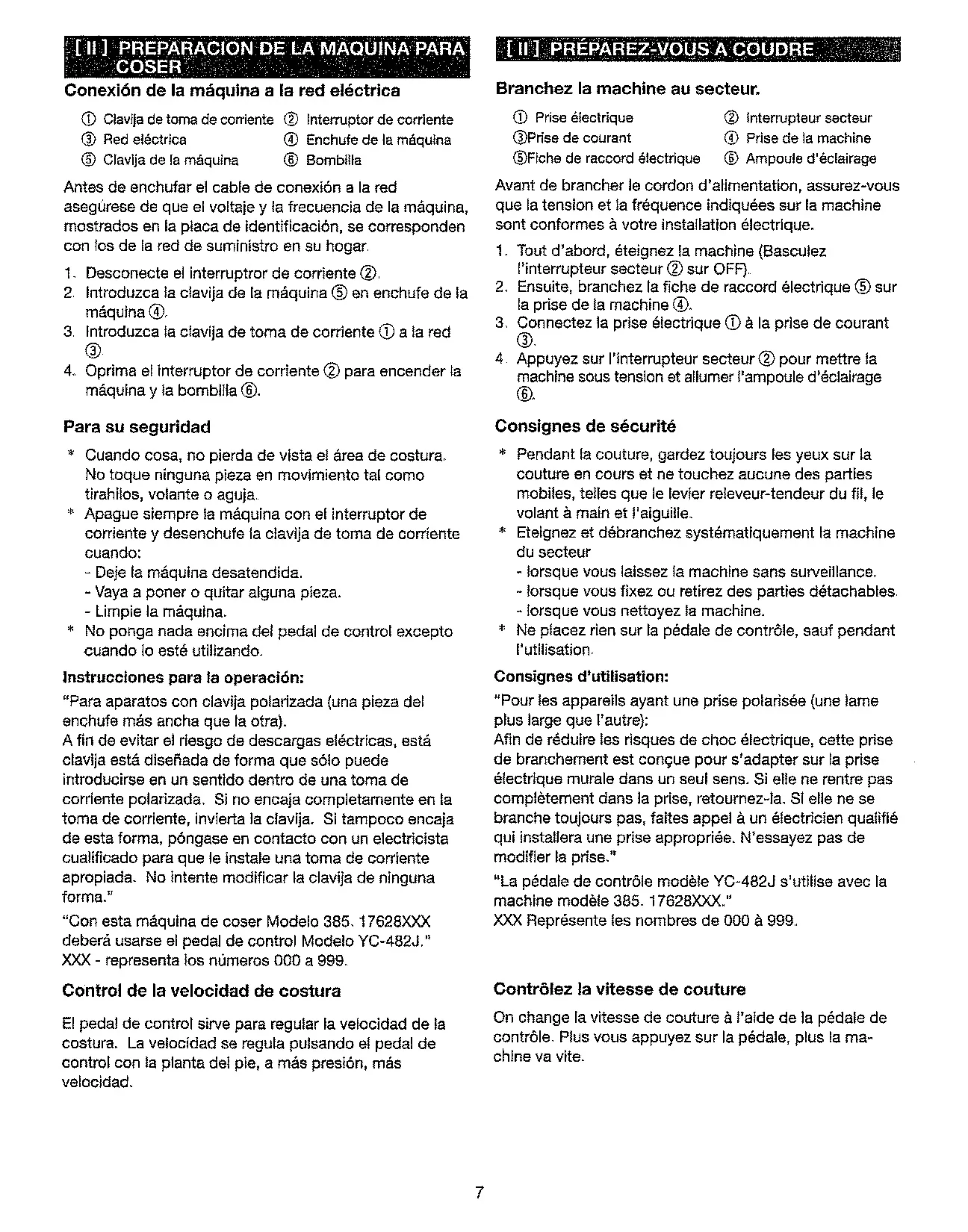
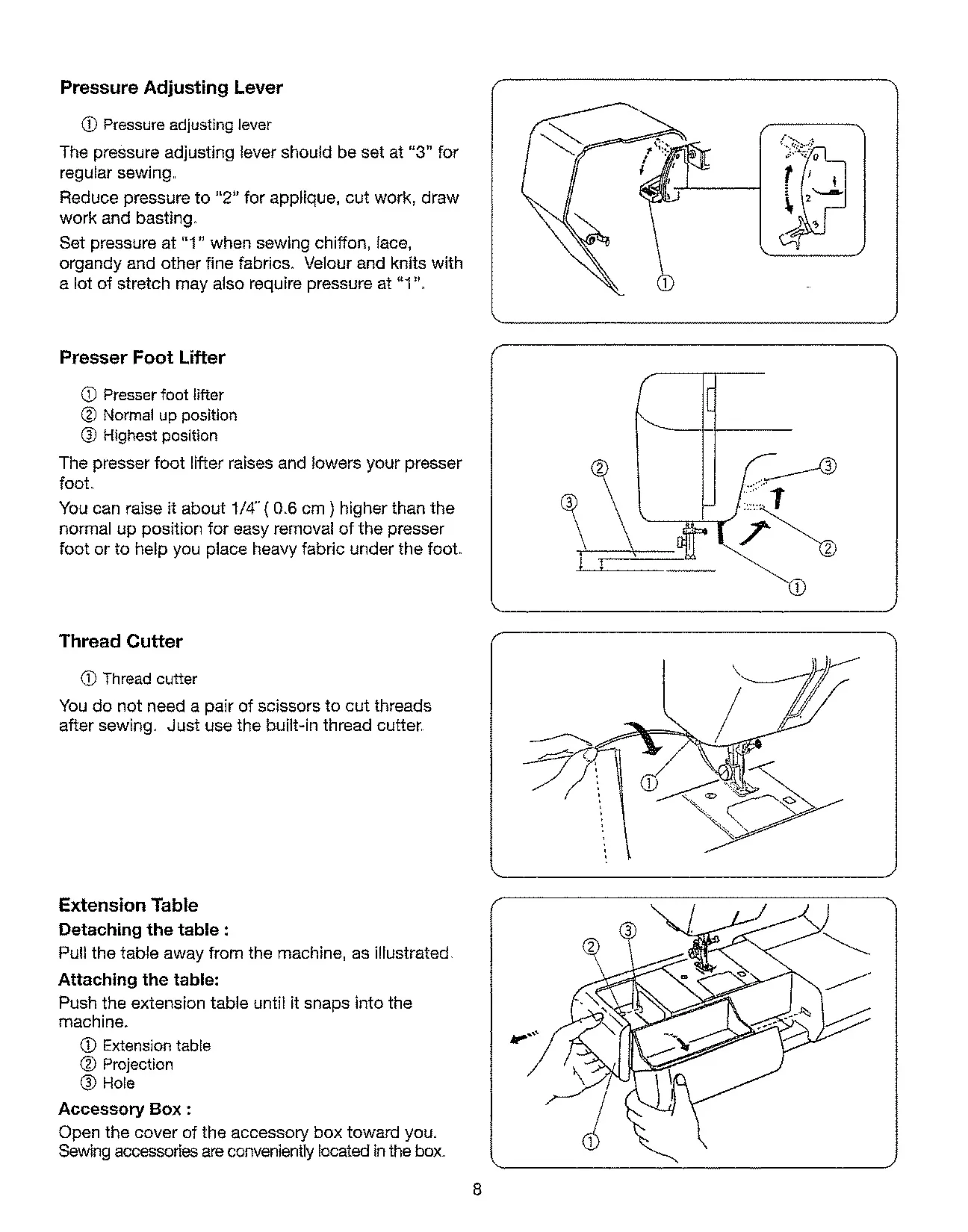
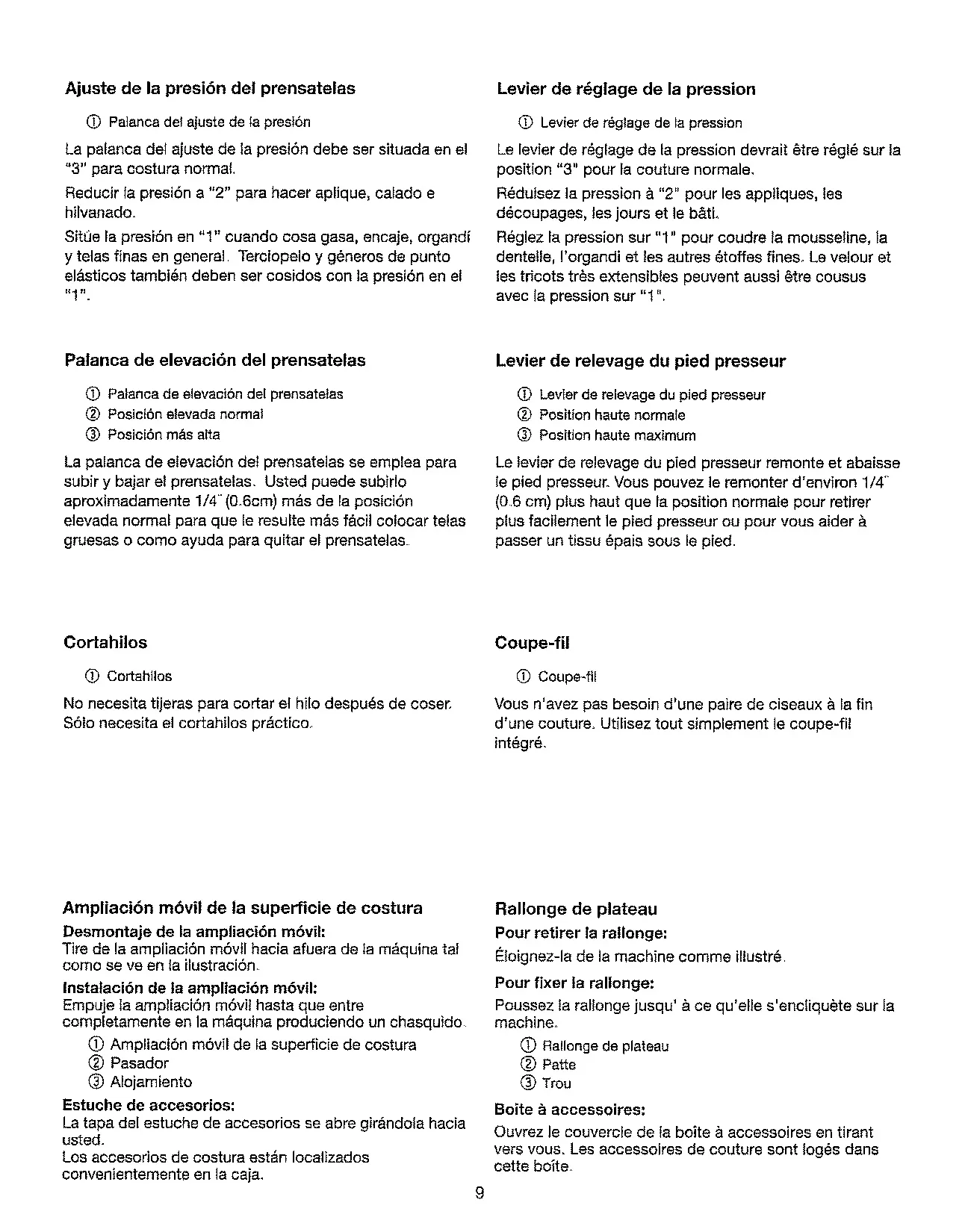
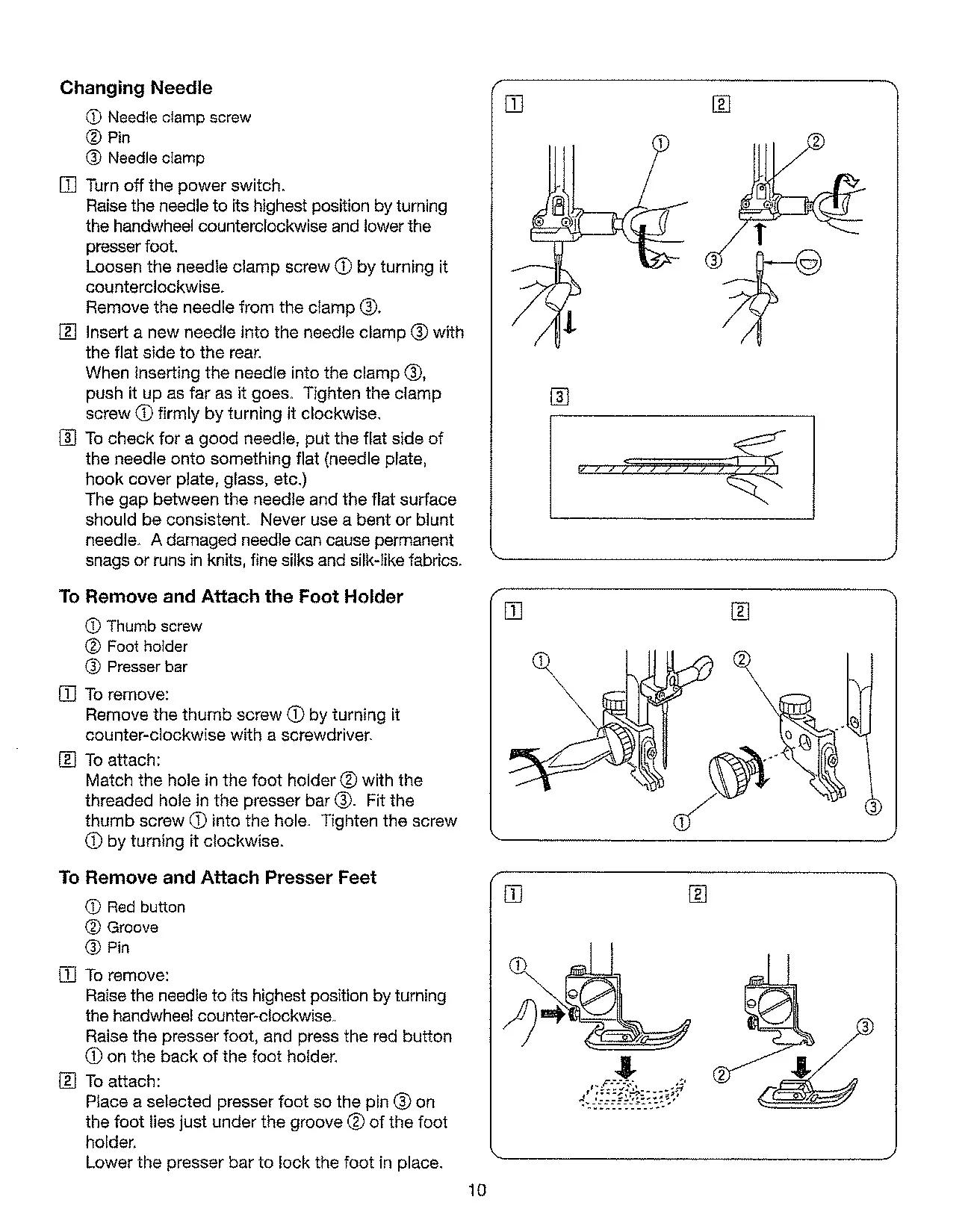
The Kenmore 385 sewing machine offers intuitive control over your projects. Users can precisely manage sewing speed, ensuring comfort and accuracy for various tasks. A dedicated pressure adjusting lever allows for optimal handling of different fabric types, complementing the ease of use provided by the presser foot lifter. For convenience, a built-in thread cutter is included, simplifying thread management during and after sewing. The machine's design emphasizes user-friendliness, making it suitable for both novice and experienced sewers.
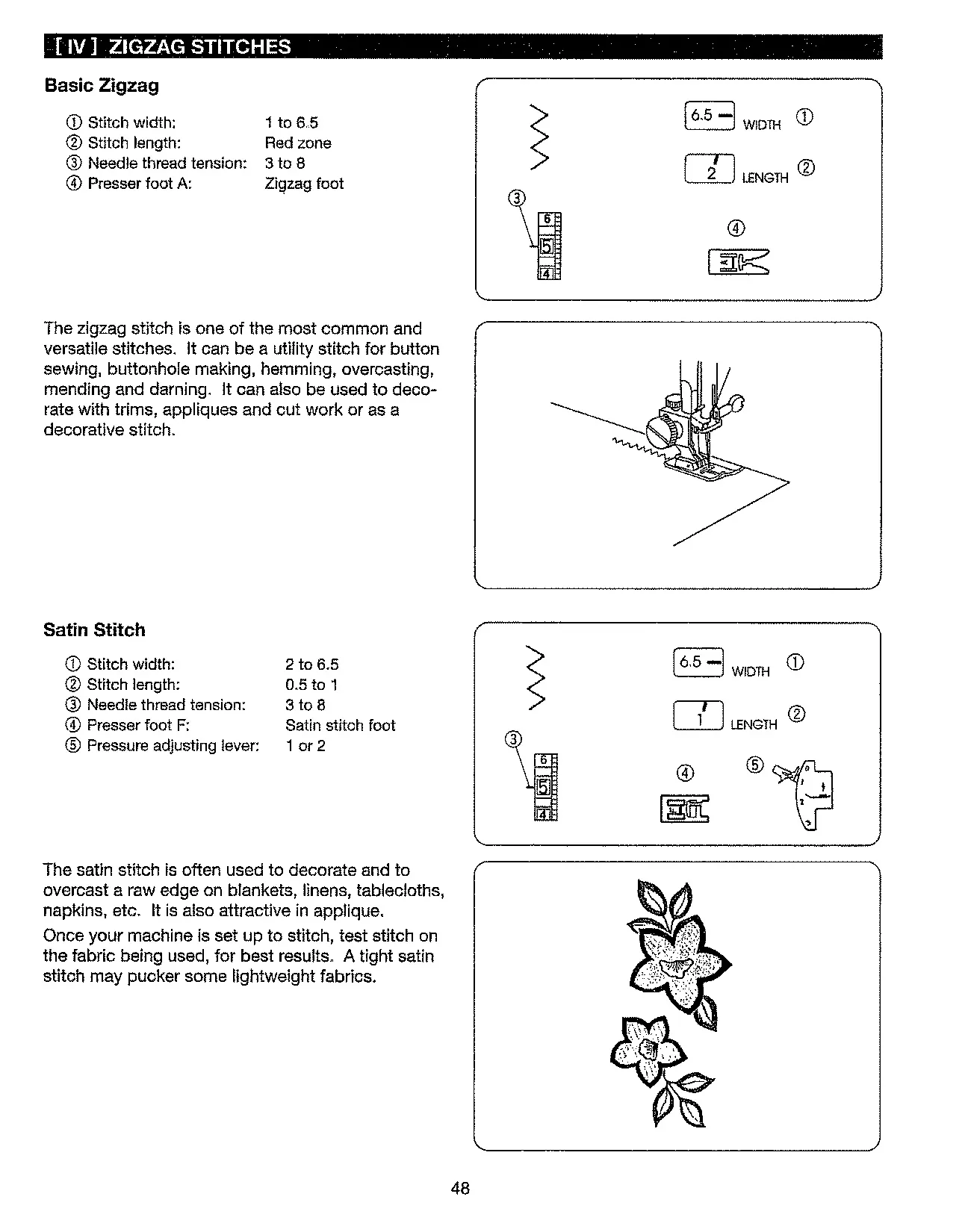
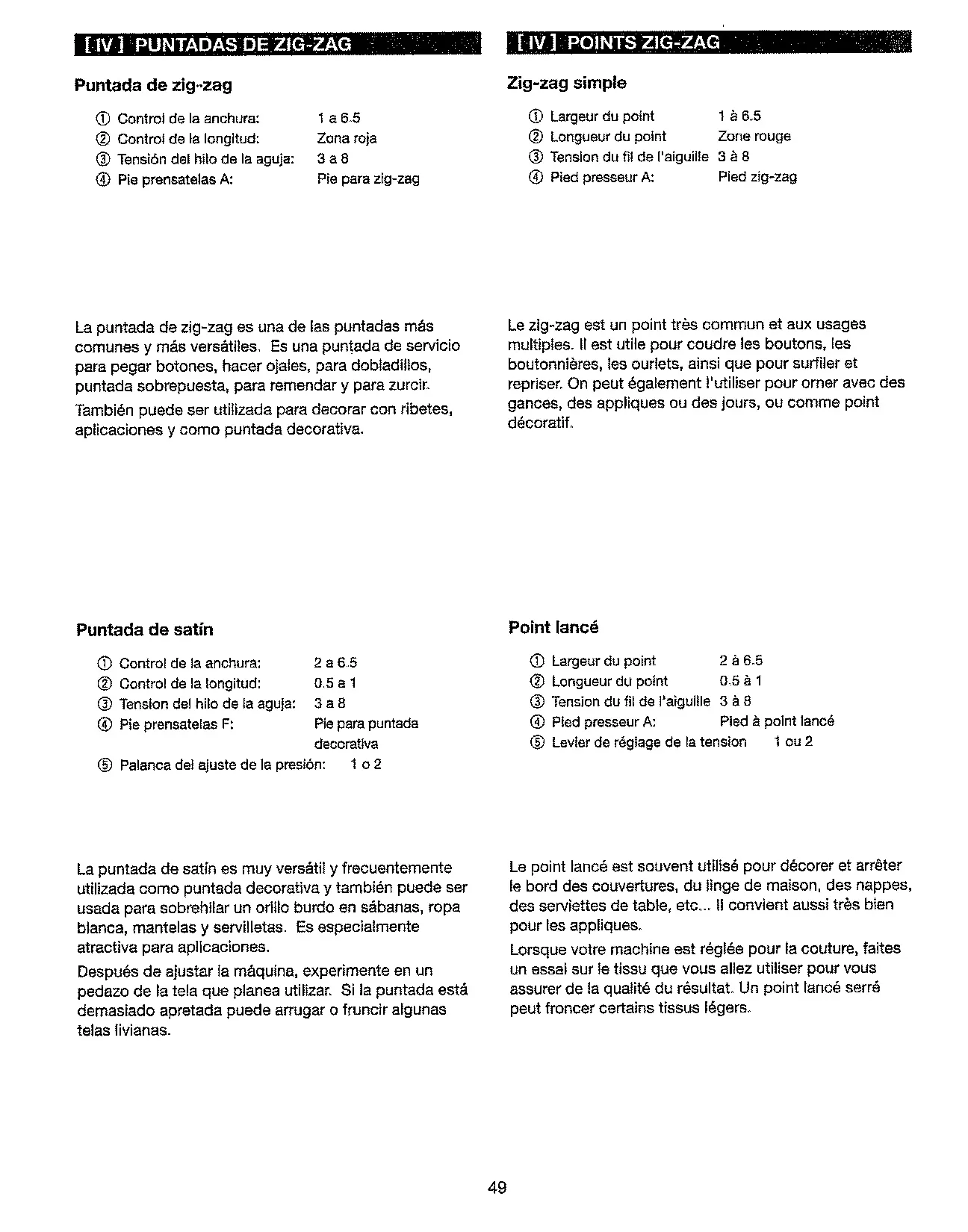
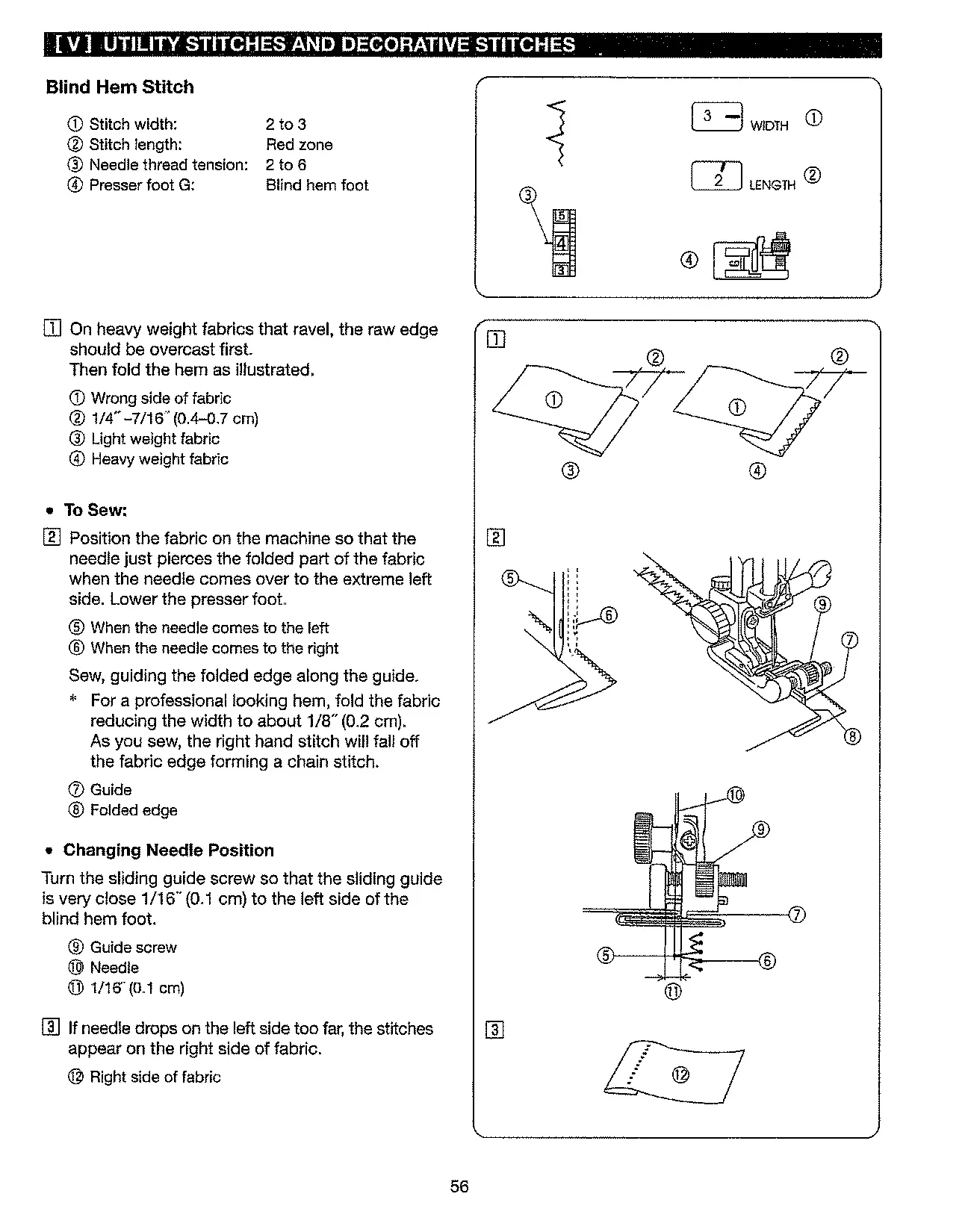
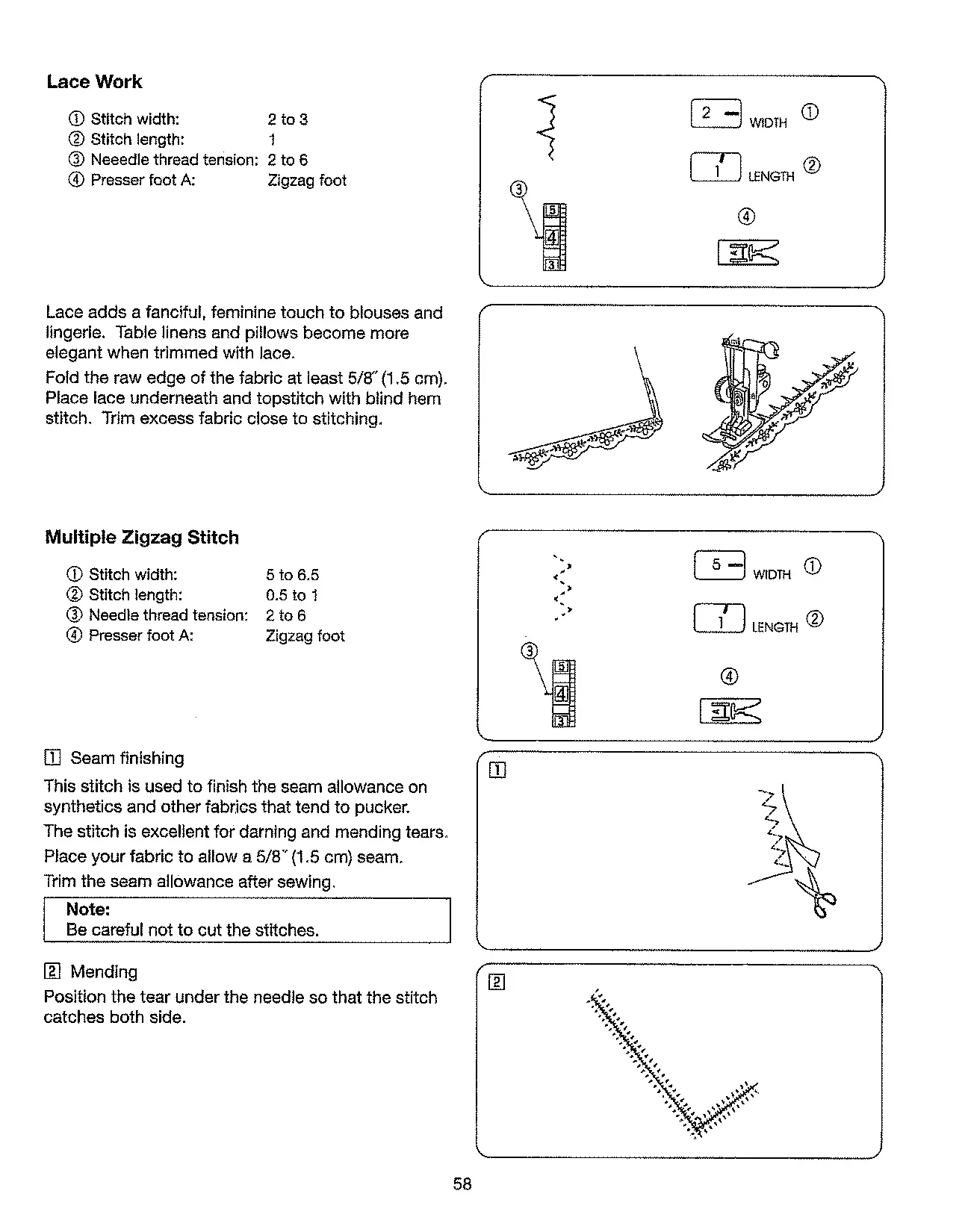
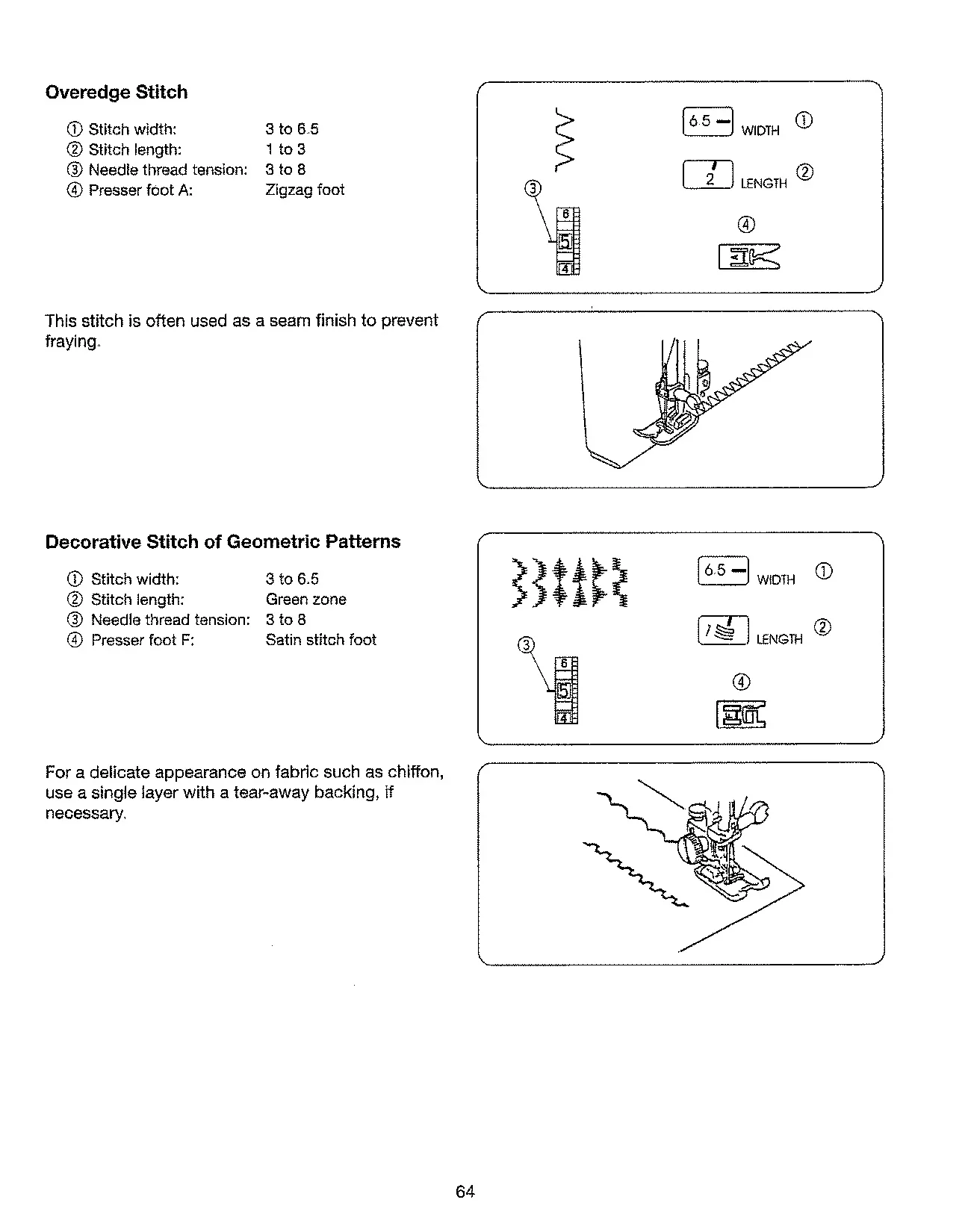
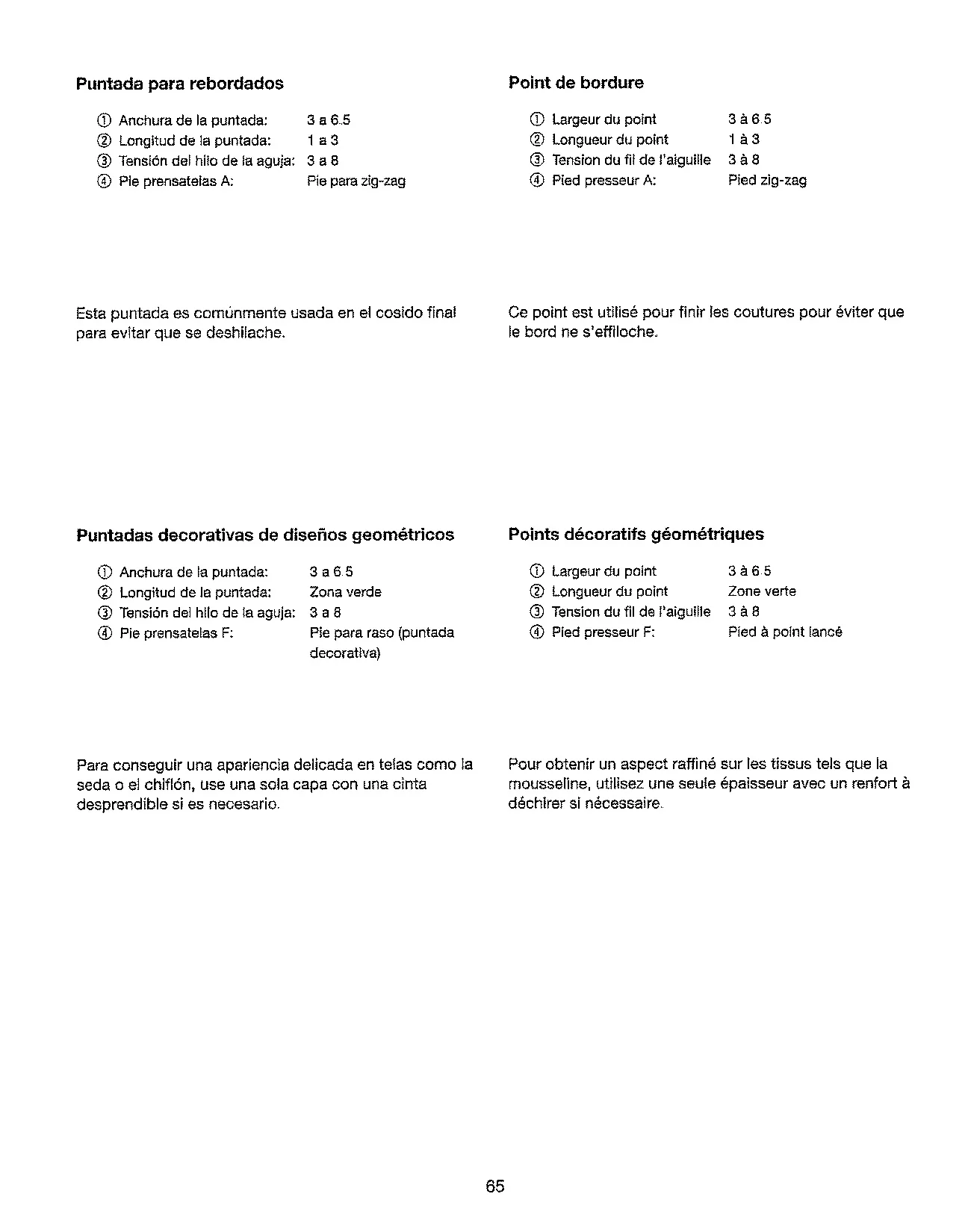
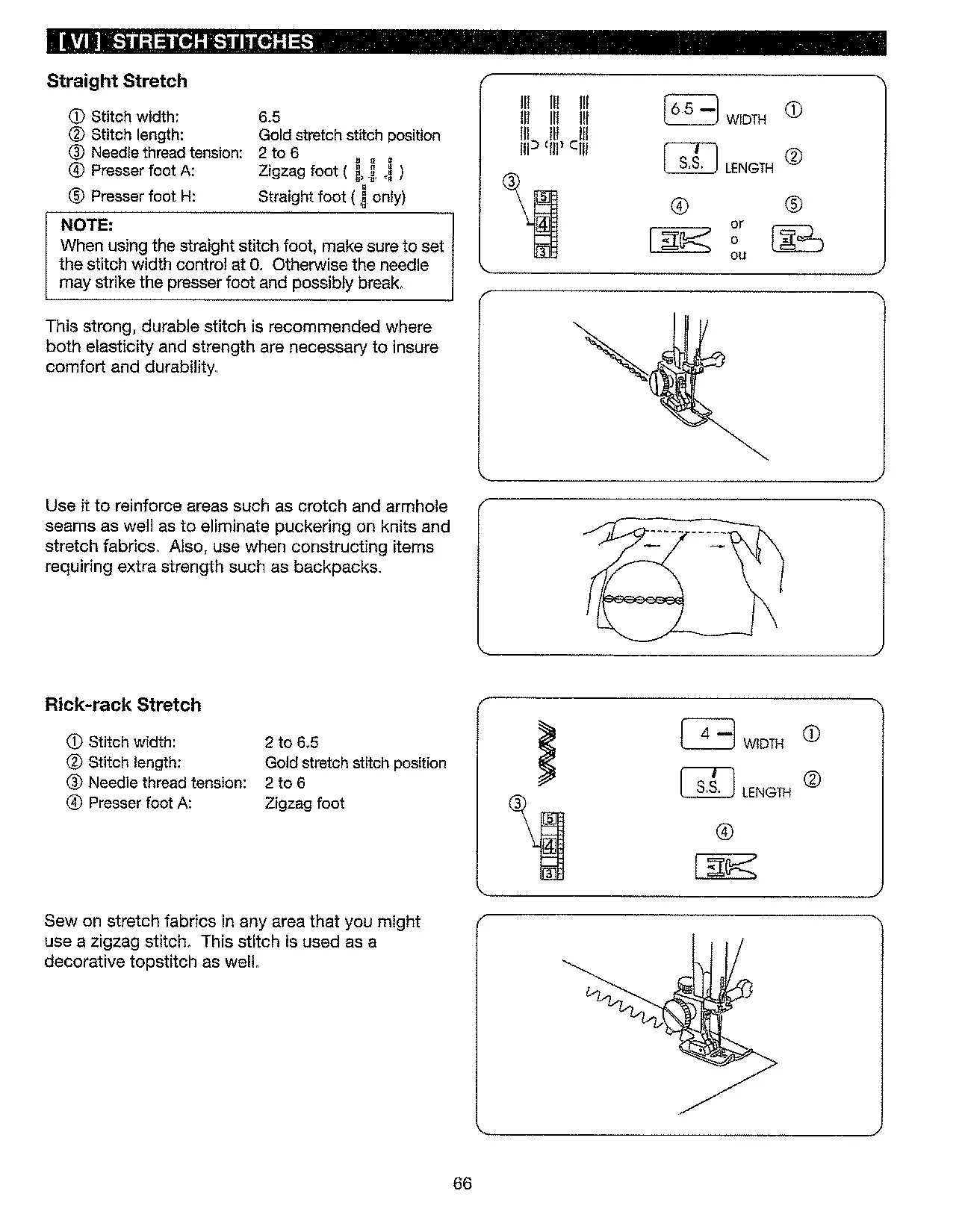
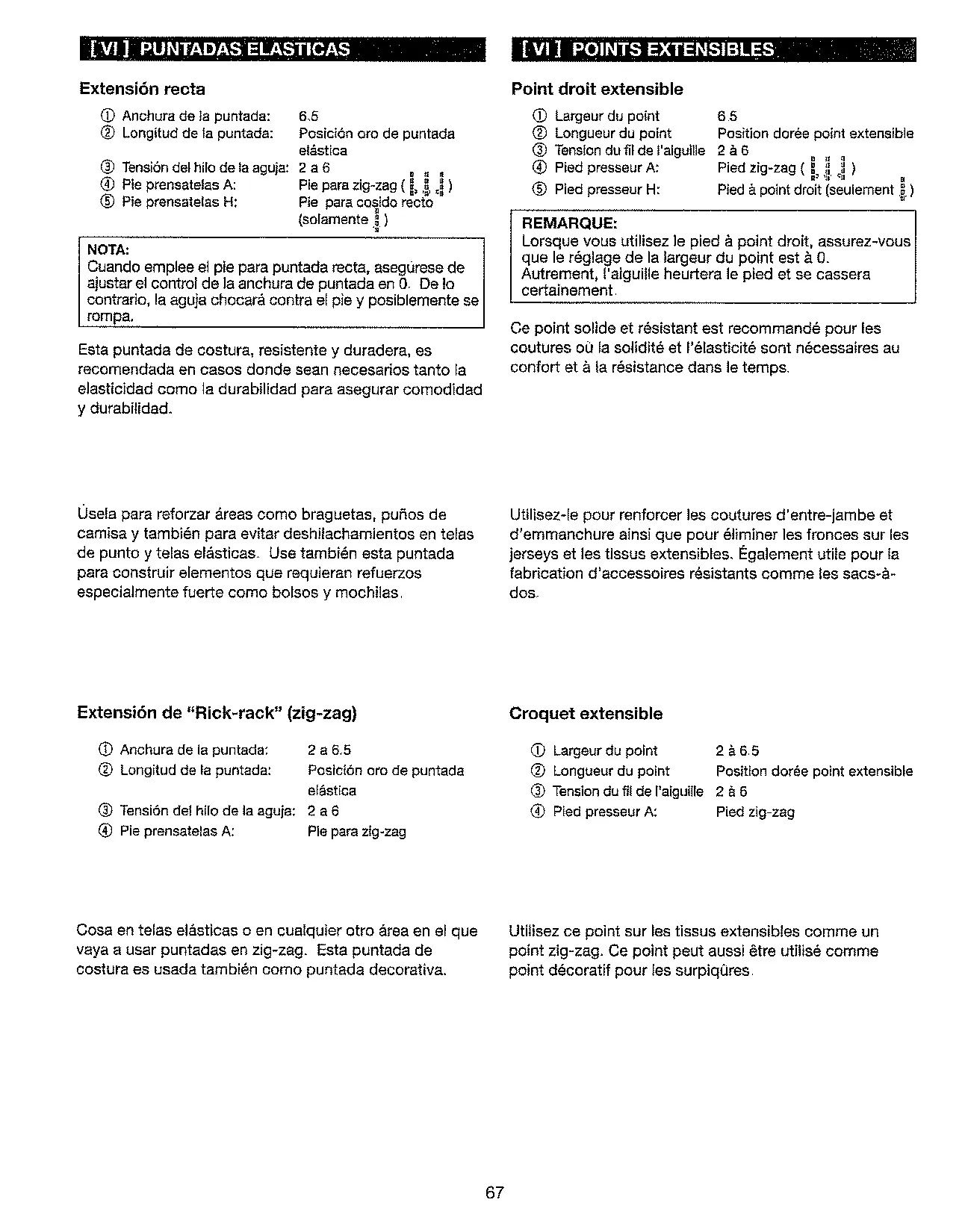
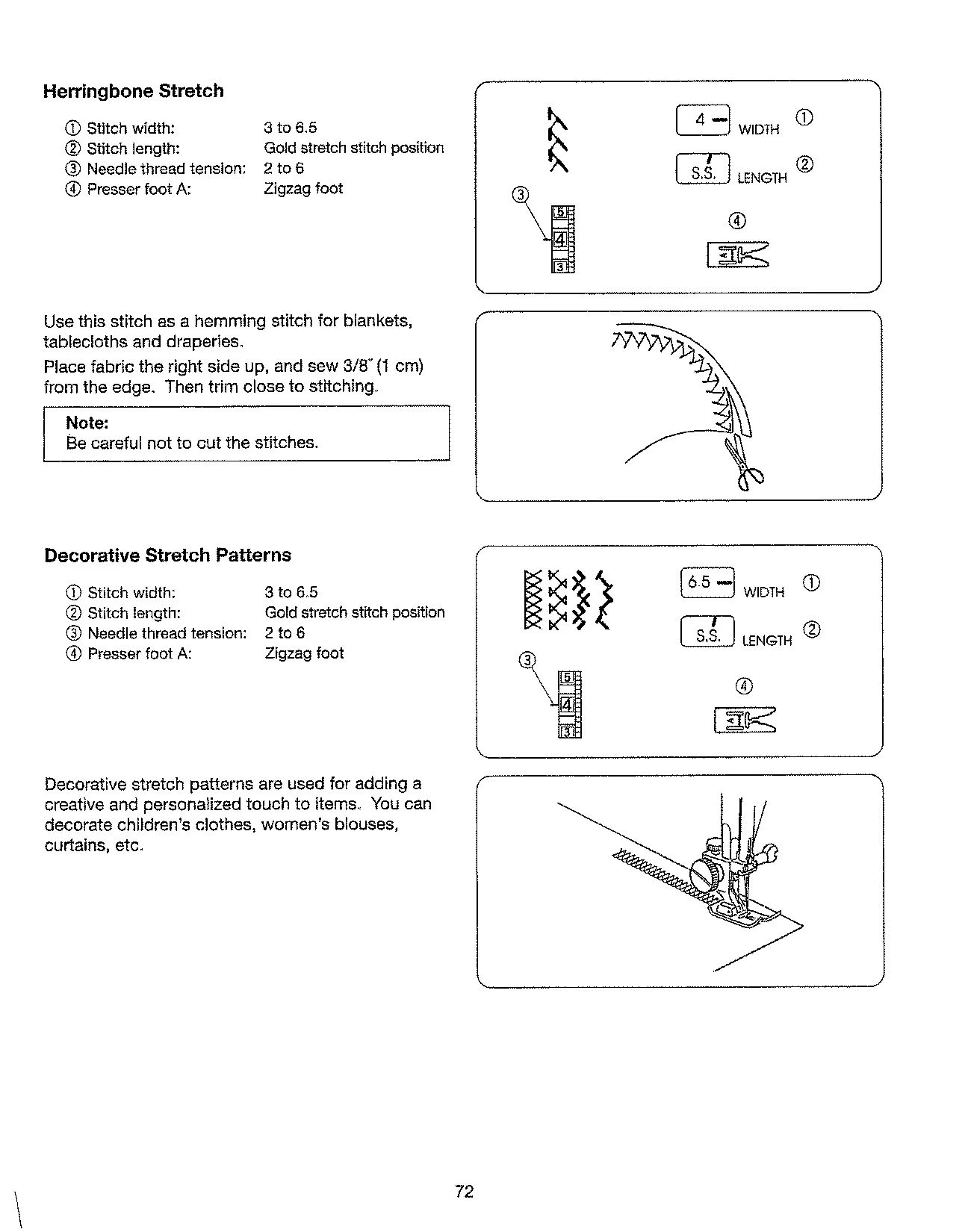
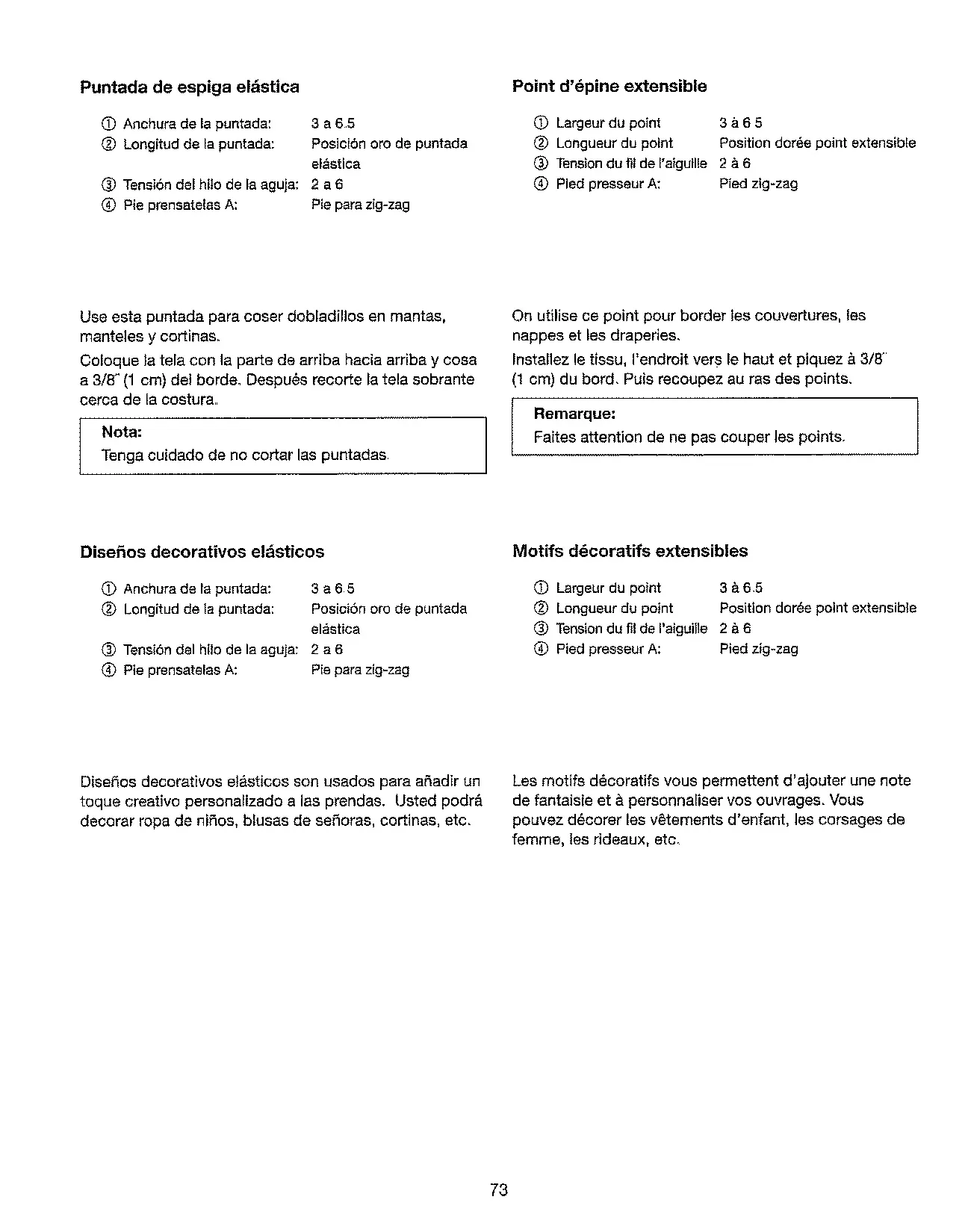
Beyond its 28 integrated stitches, the Kenmore 385 provides a vast array of specialized patterns and functions. This includes utility stitches like straight and zigzag, alongside decorative options such as satin stitch, shell stitch, and various geometric patterns. The machine is adept at handling diverse sewing needs, from practical repairs to creative embellishments. Specific settings for stretch stitches, rick-rack, and herringbone patterns further expand its creative potential. These capabilities ensure versatility for almost any sewing project.
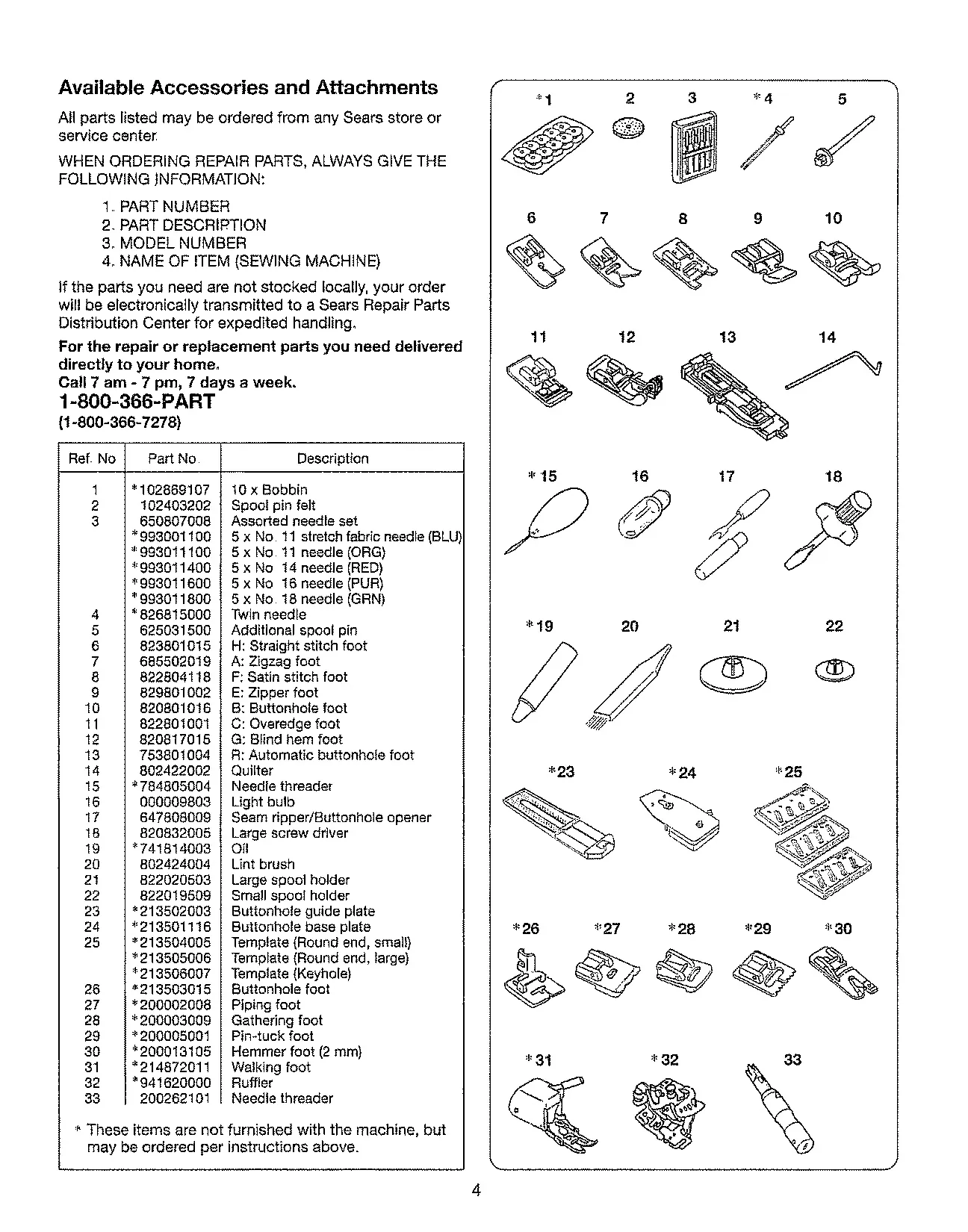
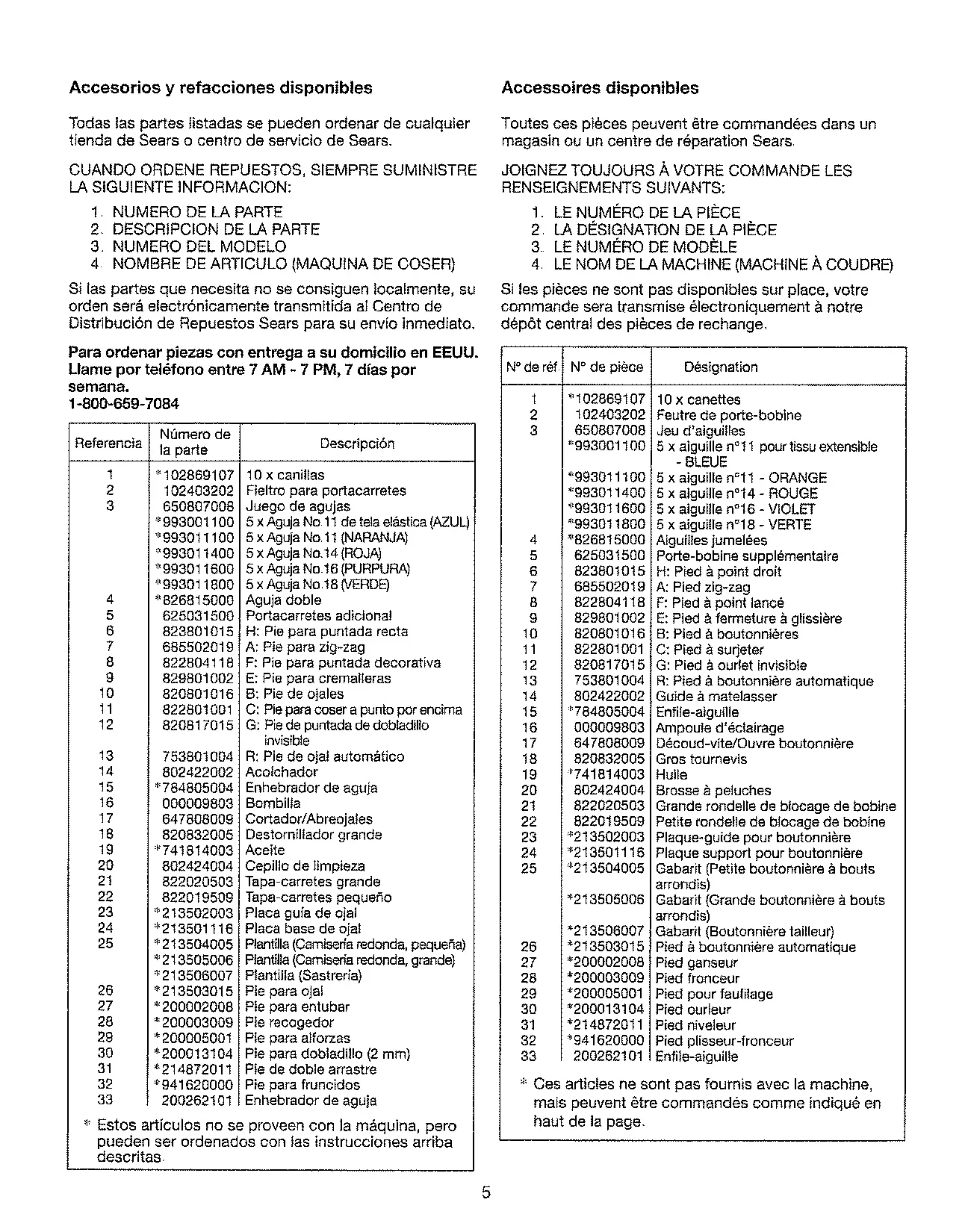
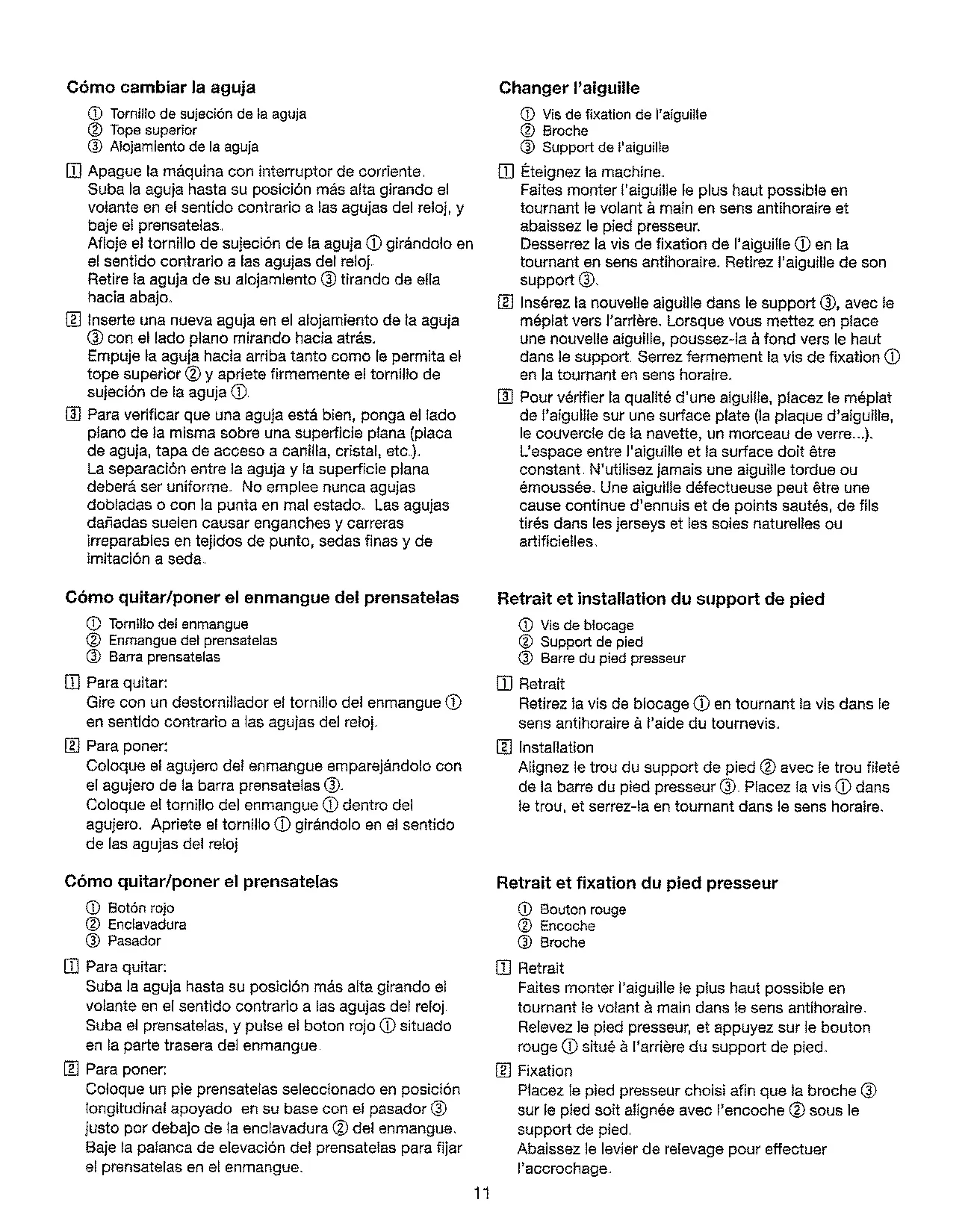
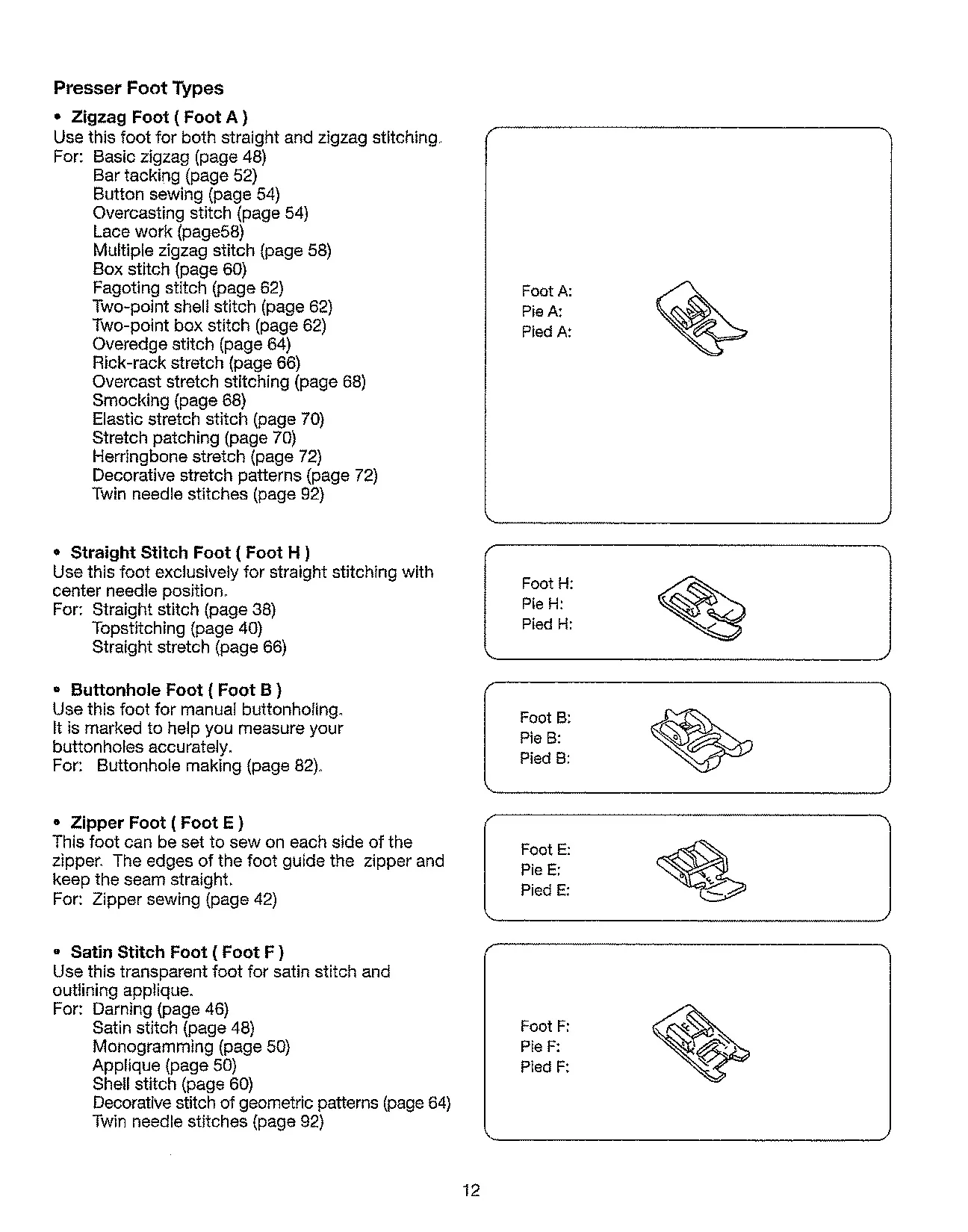
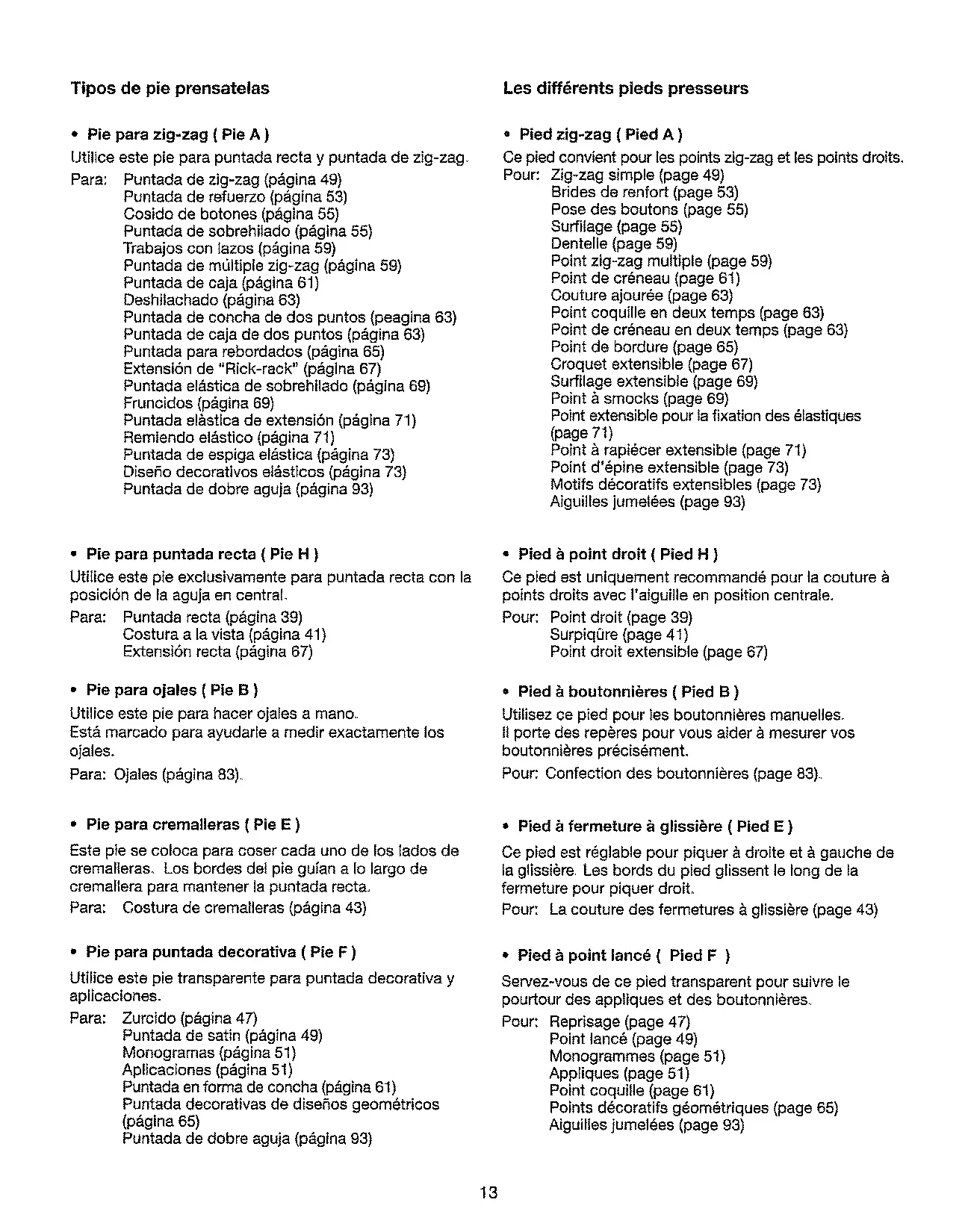
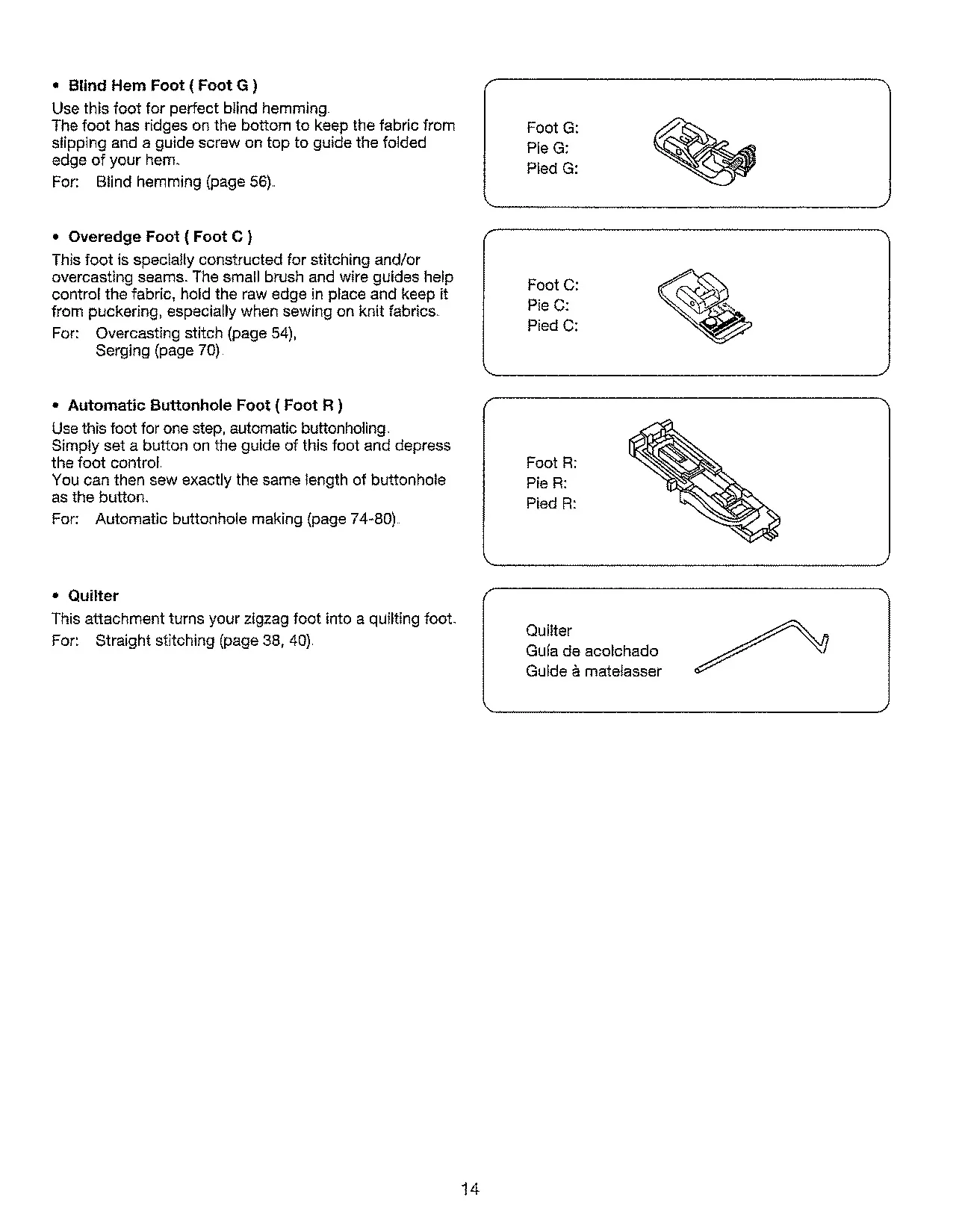
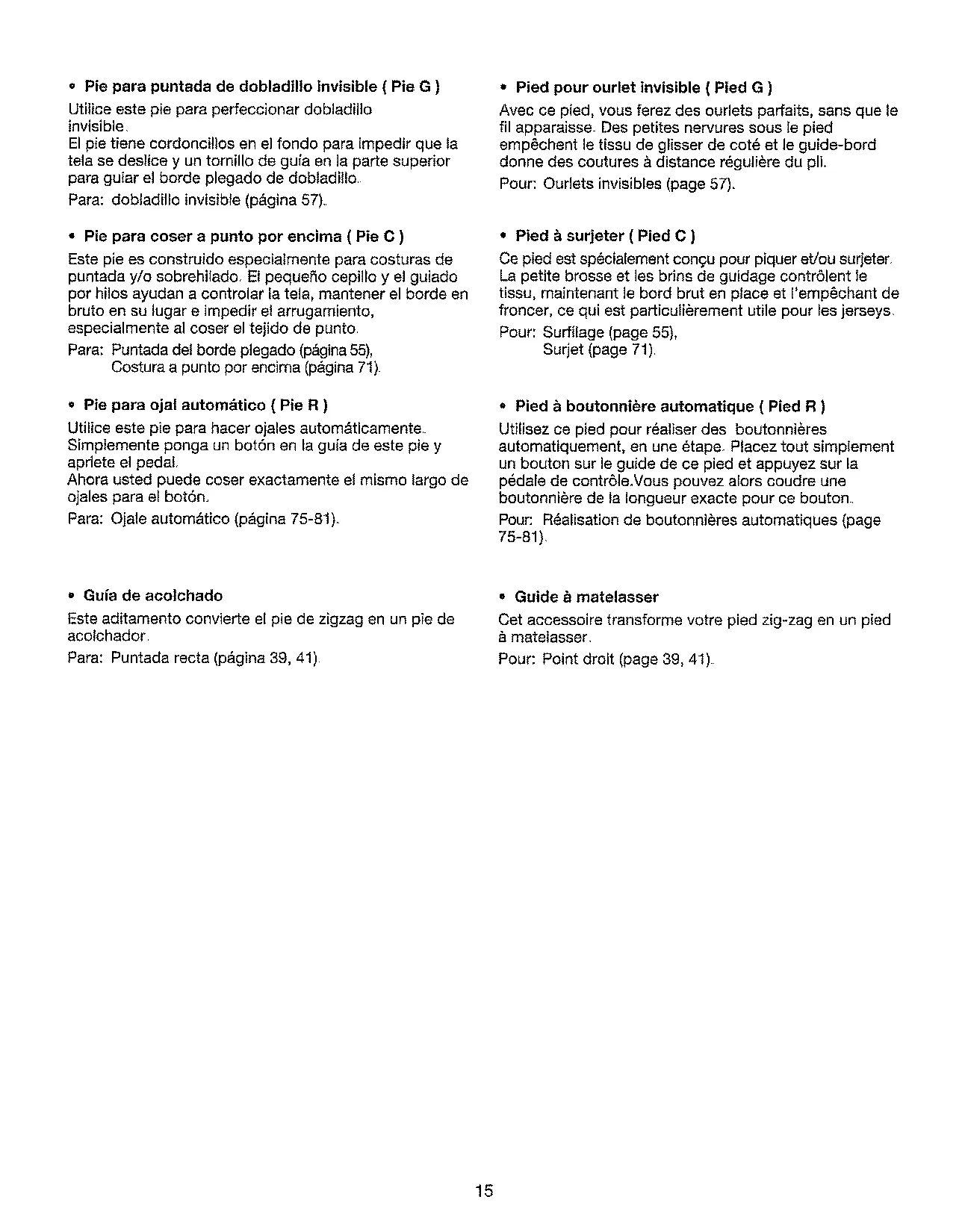
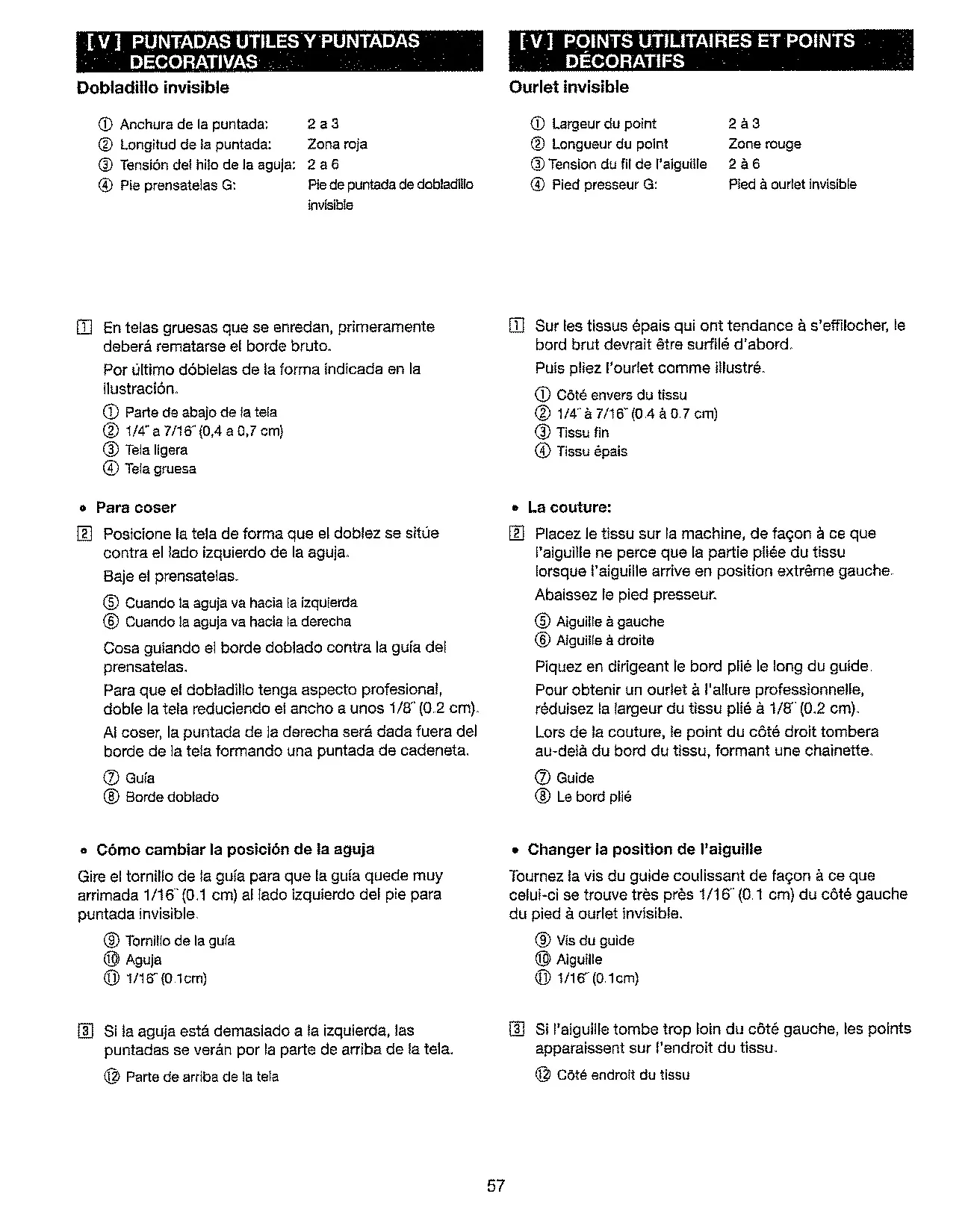
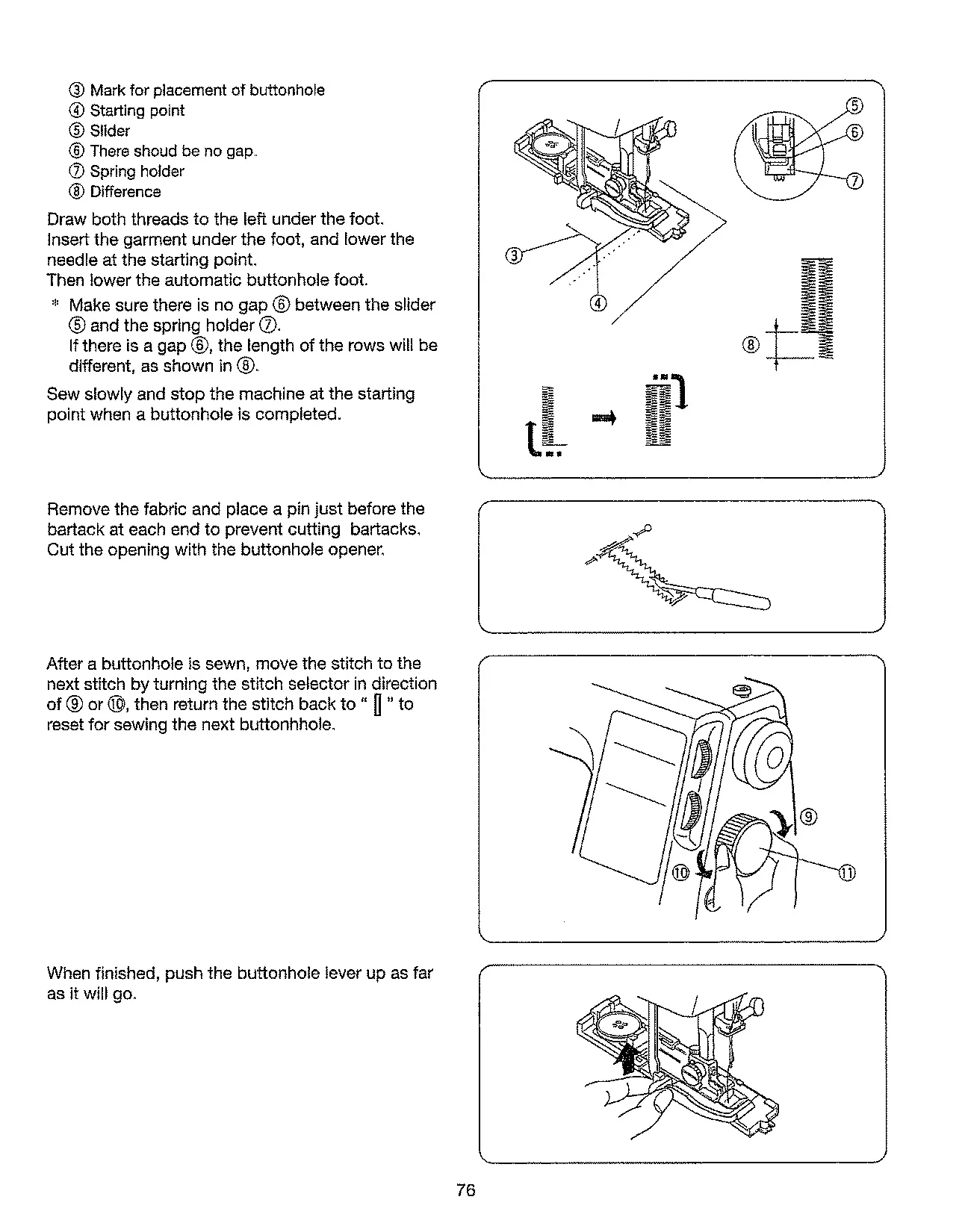
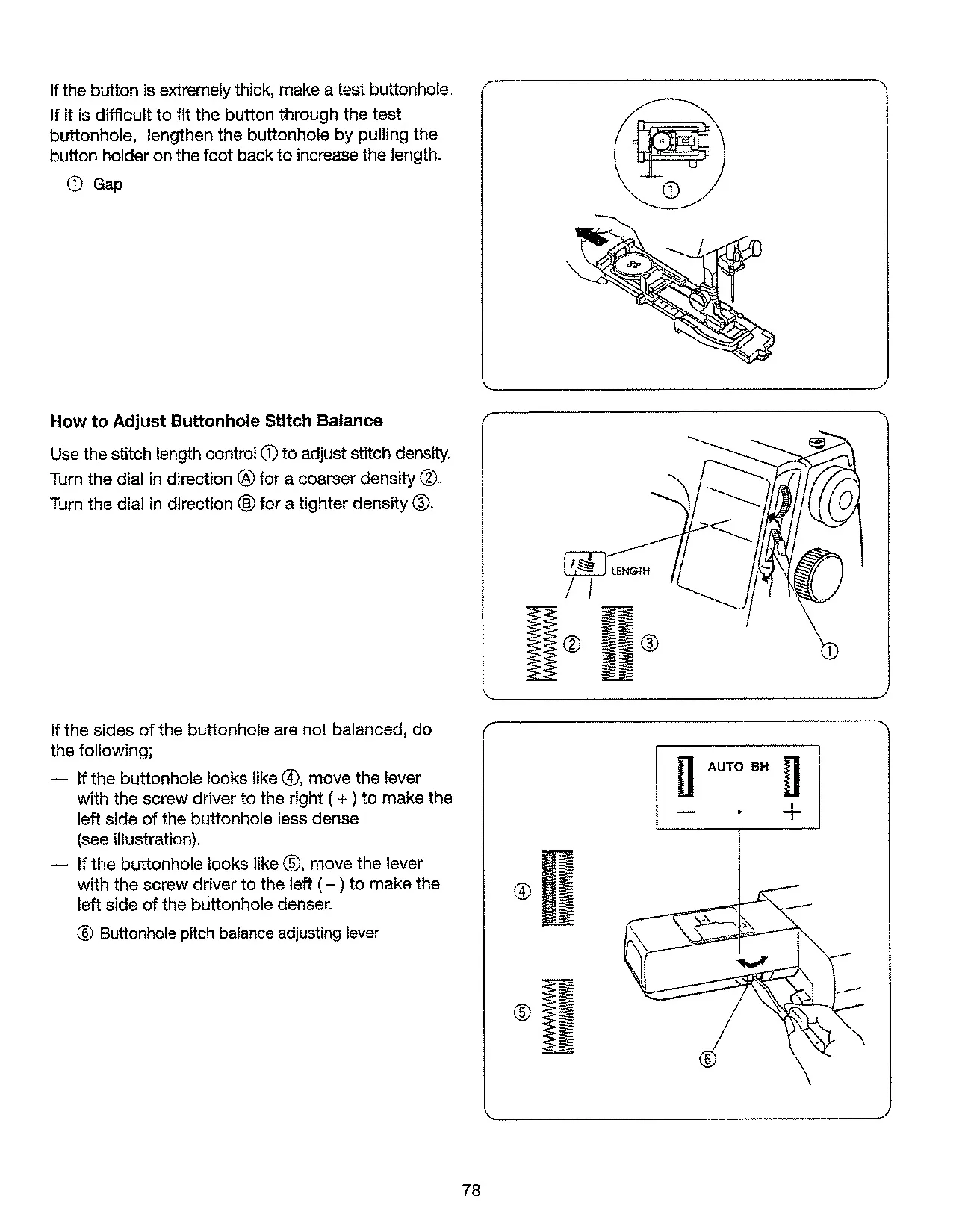
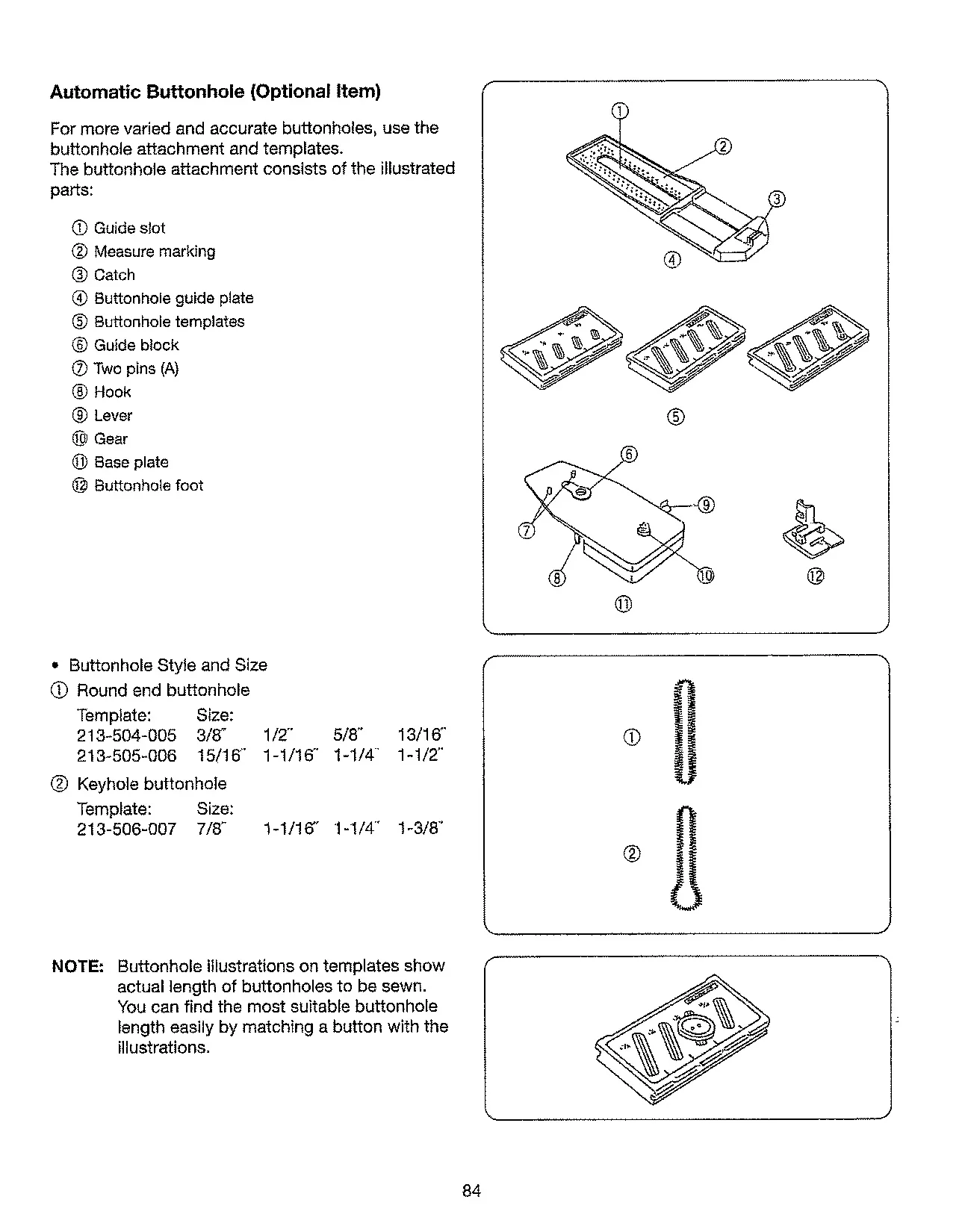
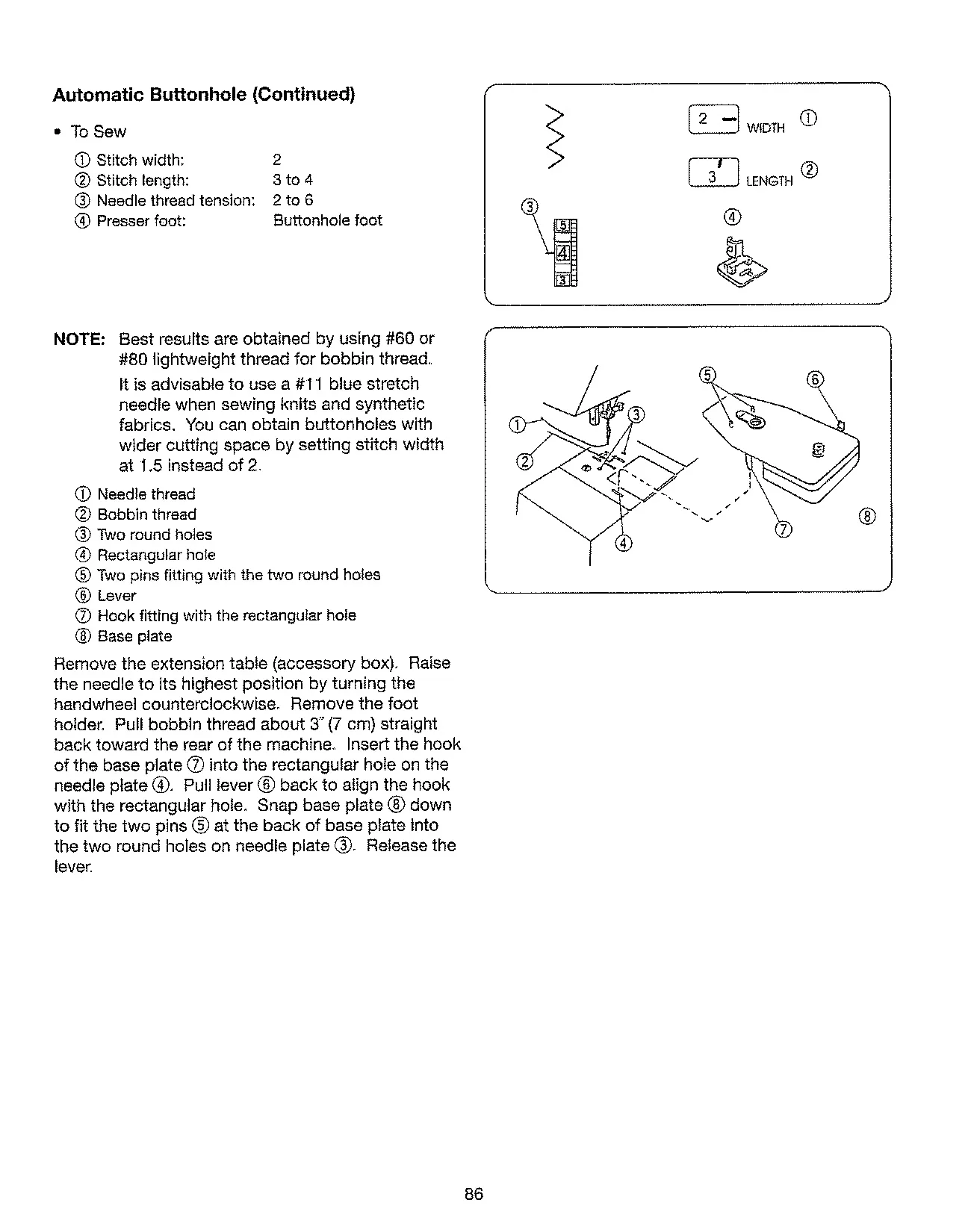
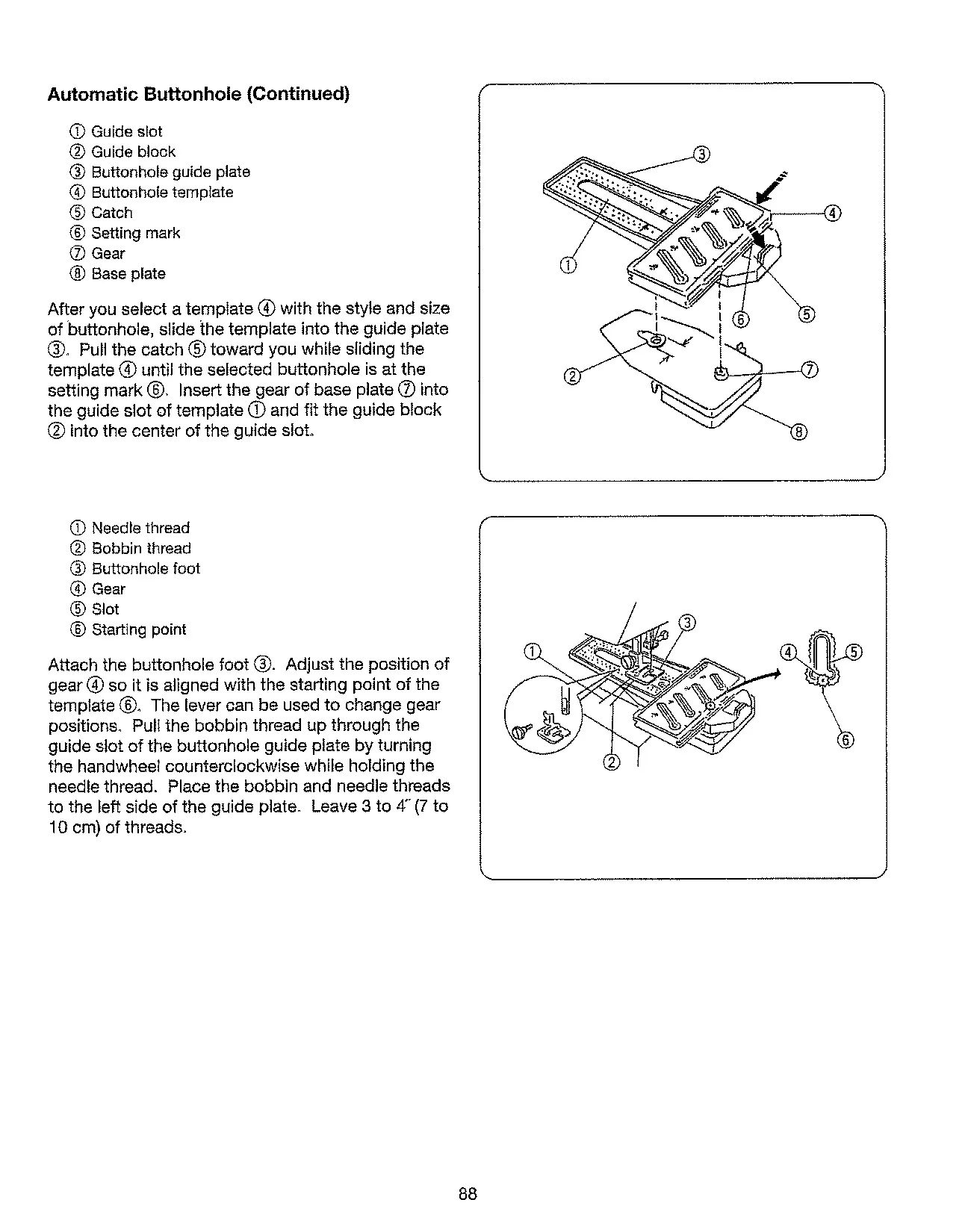
The machine's capabilities are greatly enhanced by its comprehensive set of accessories and presser feet. Standard feet include zigzag, straight stitch, buttonhole, zipper, satin stitch, blind hem, and overedge, covering most common applications. For more specialized work, optional items like piping, gathering, pin-tuck, and walking feet are available. An automatic buttonhole foot simplifies precise buttonhole creation, while the quilter guide assists with intricate quilting projects. These tools empower users to tackle a wide range of sewing challenges.
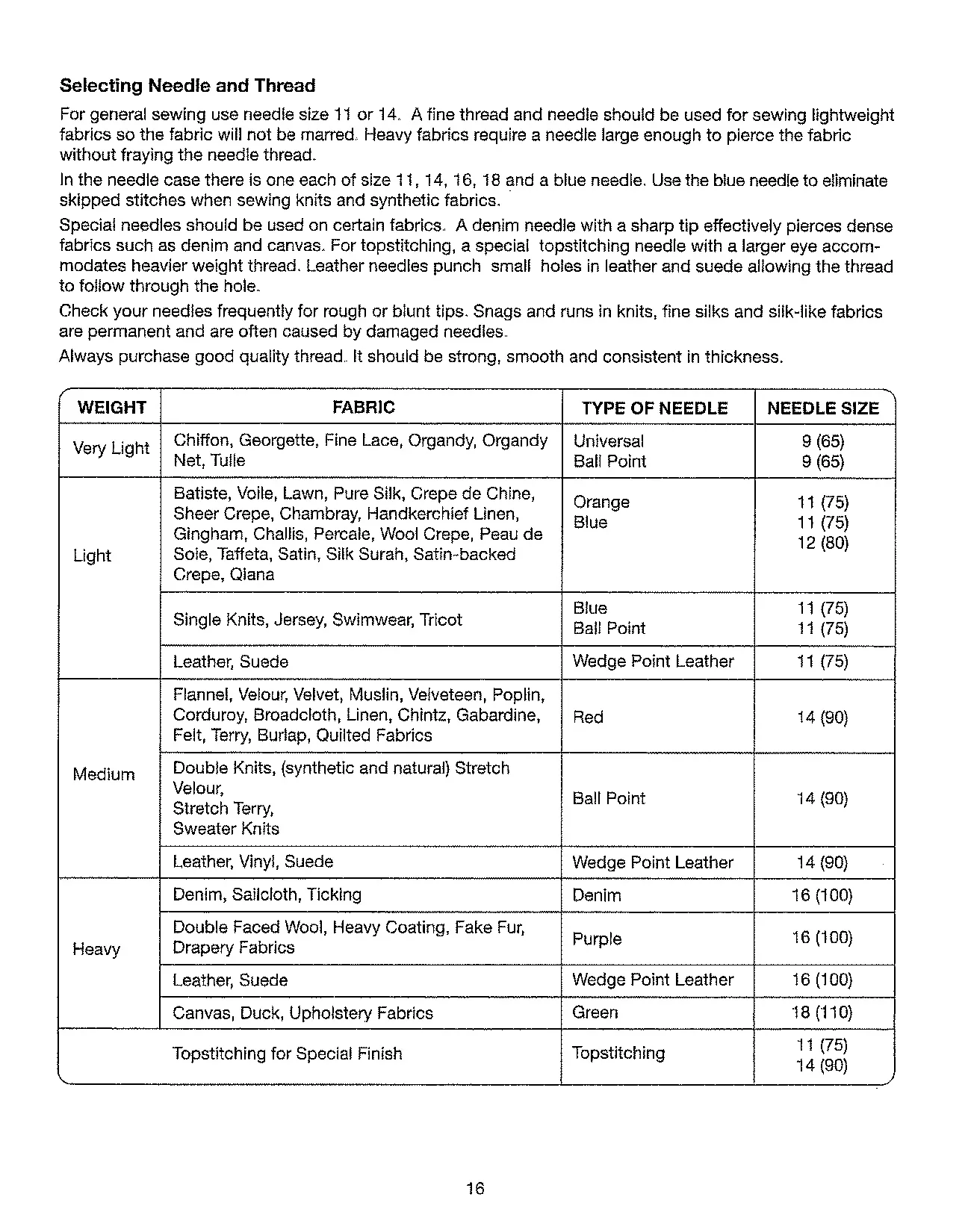
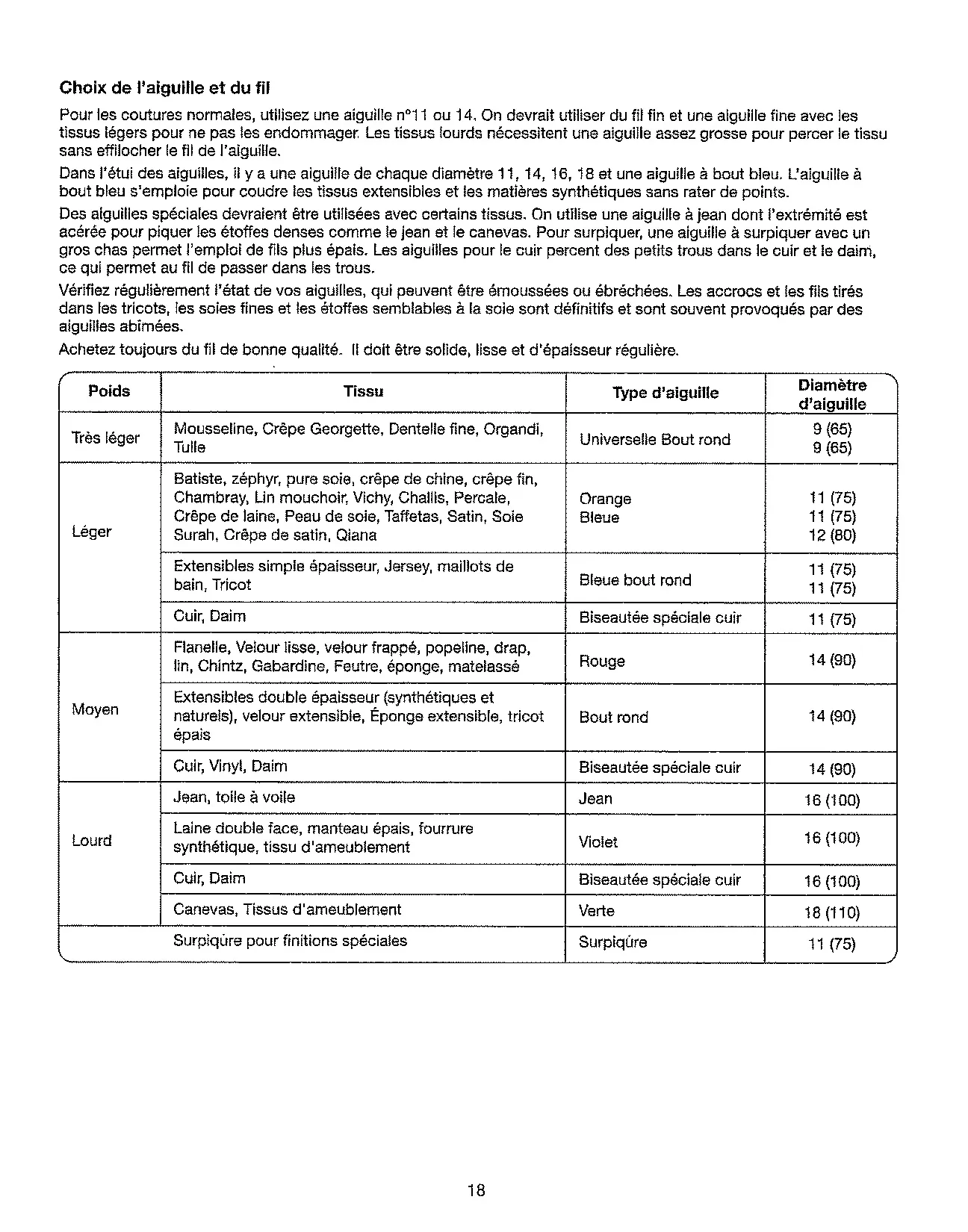
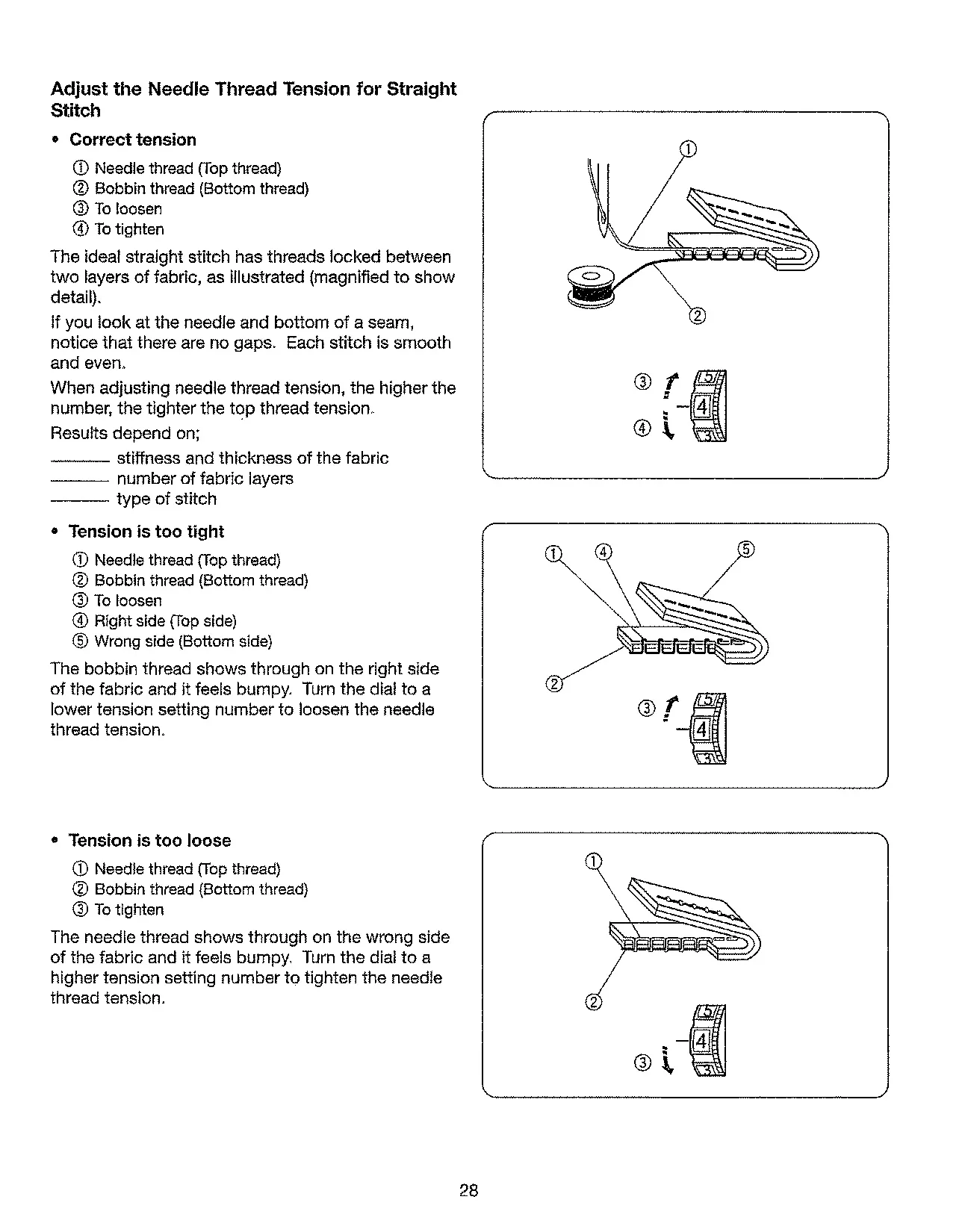
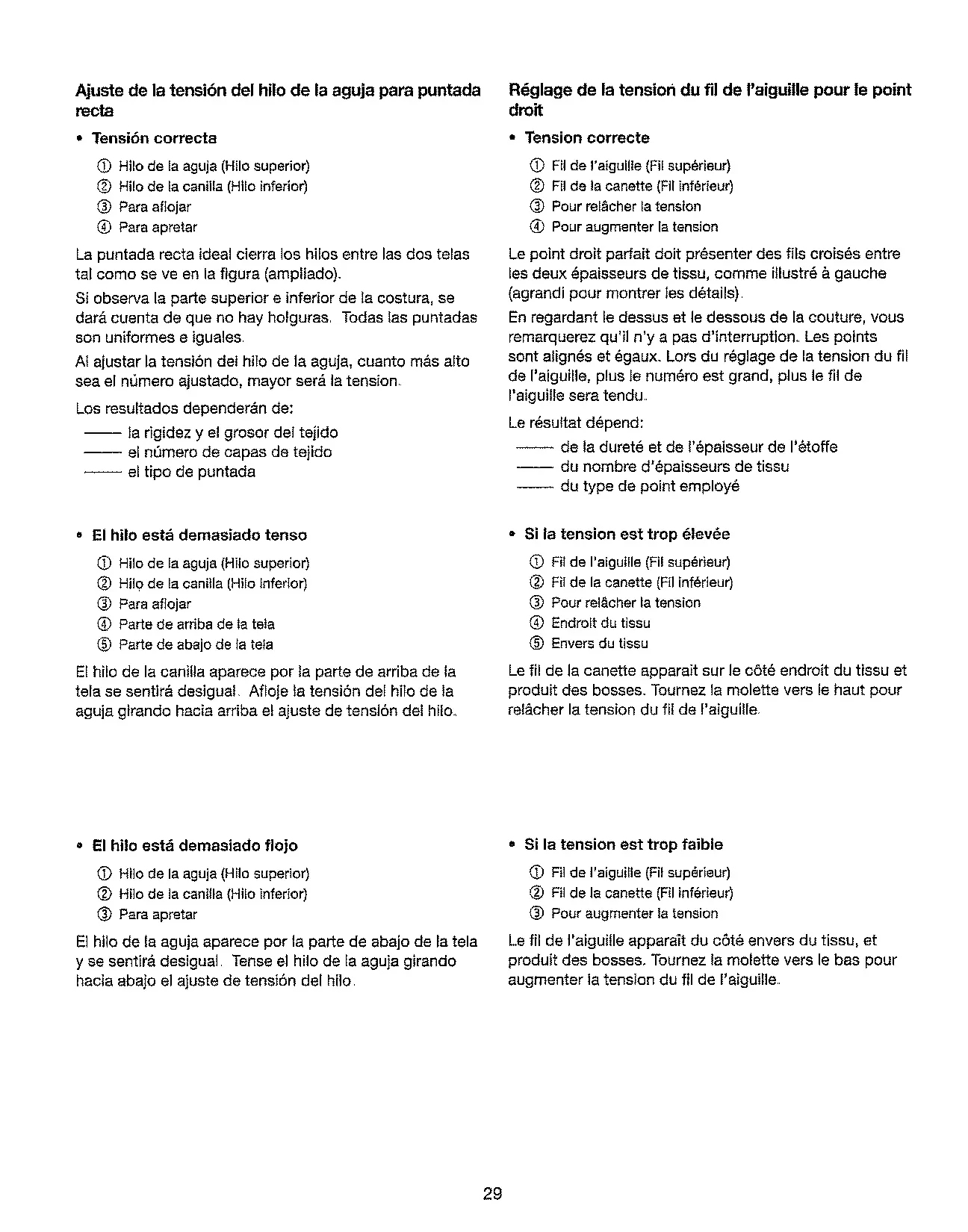
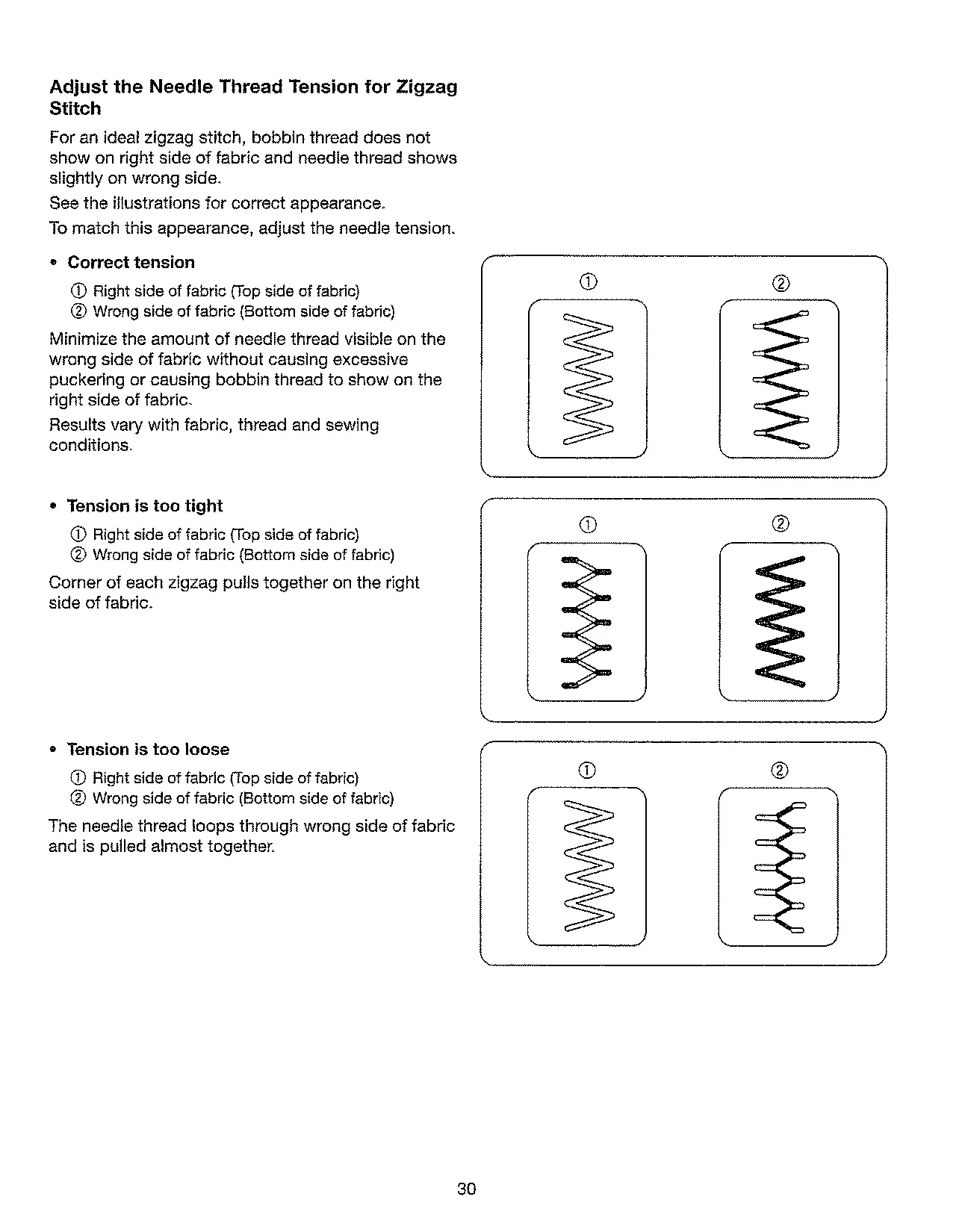
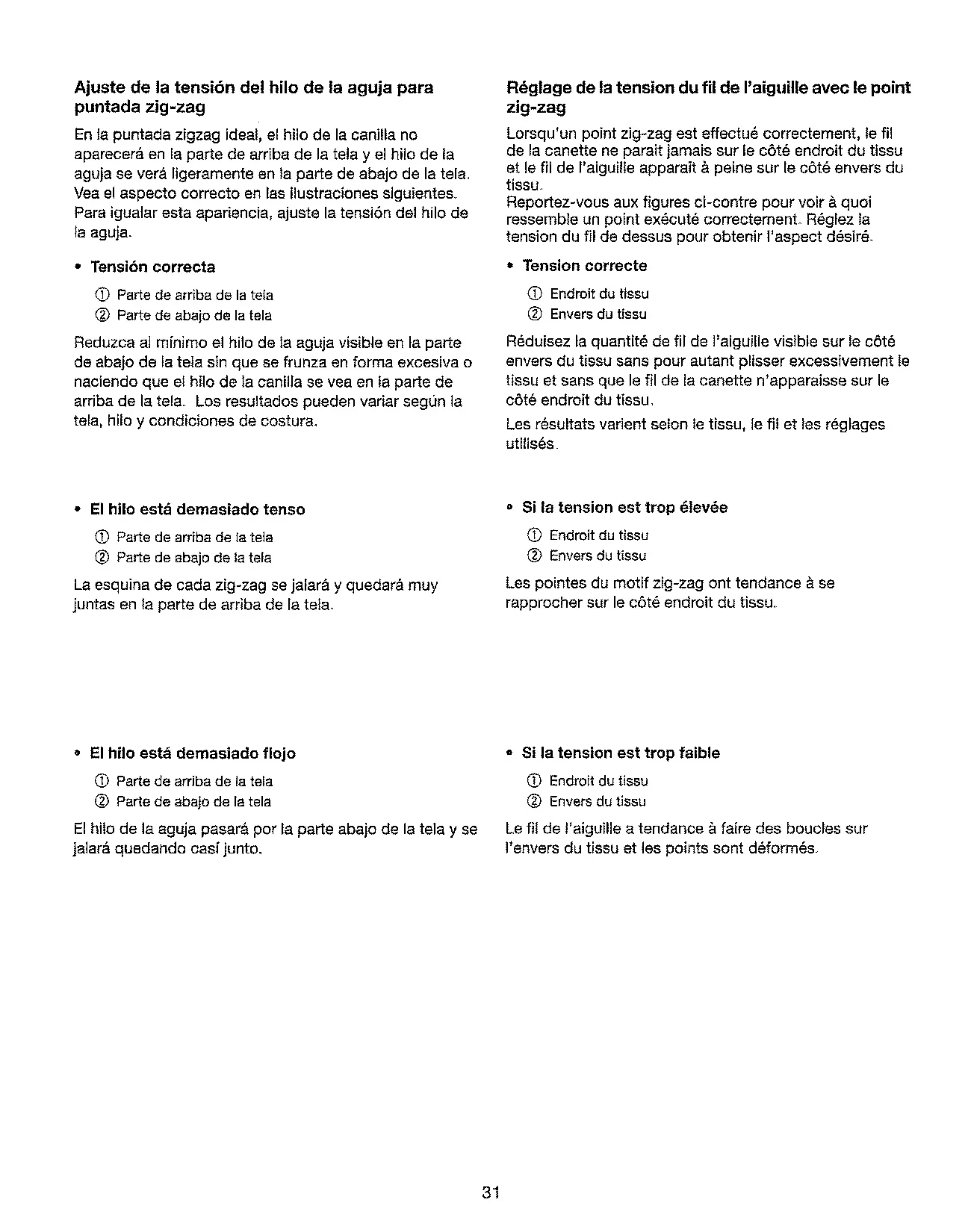
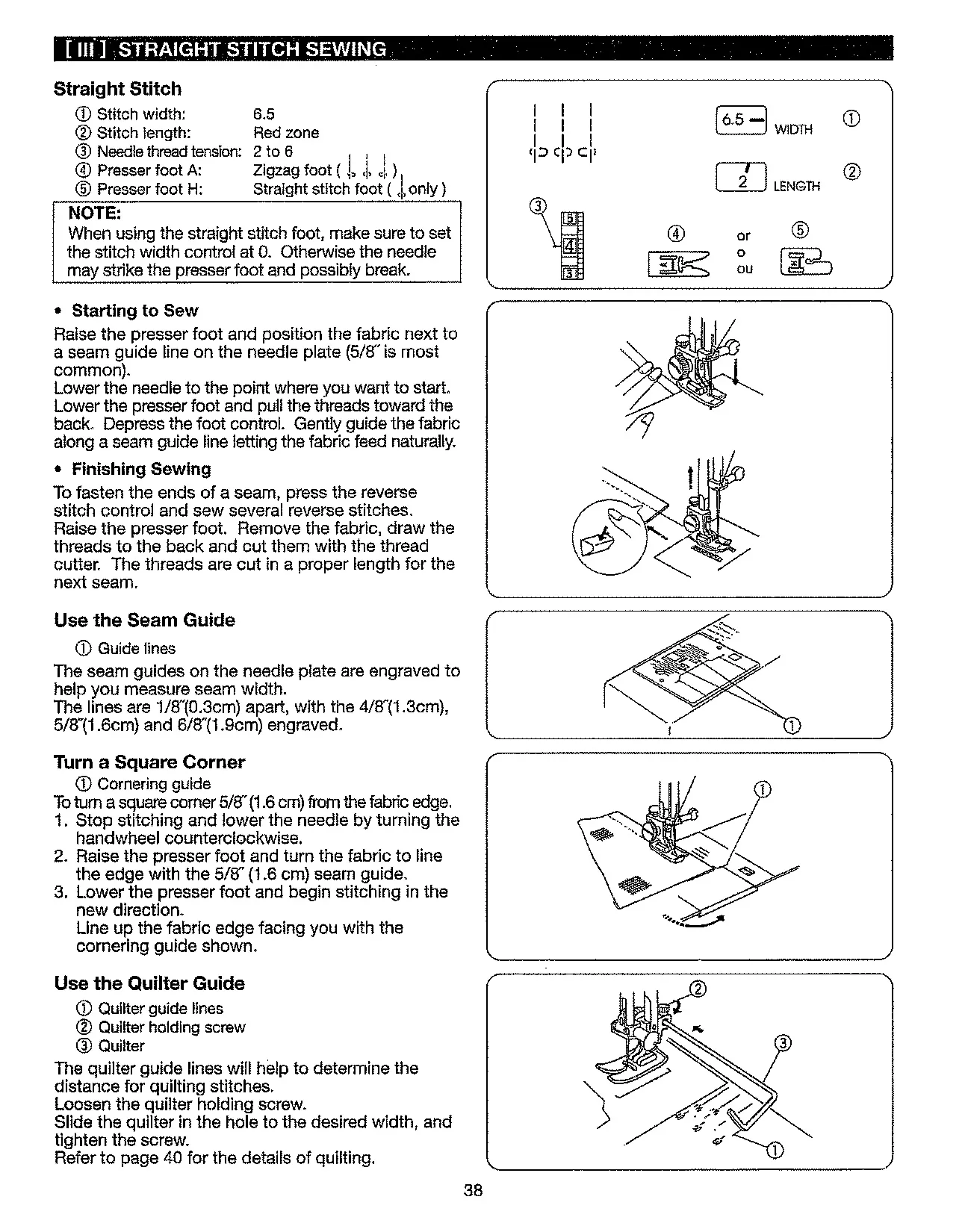
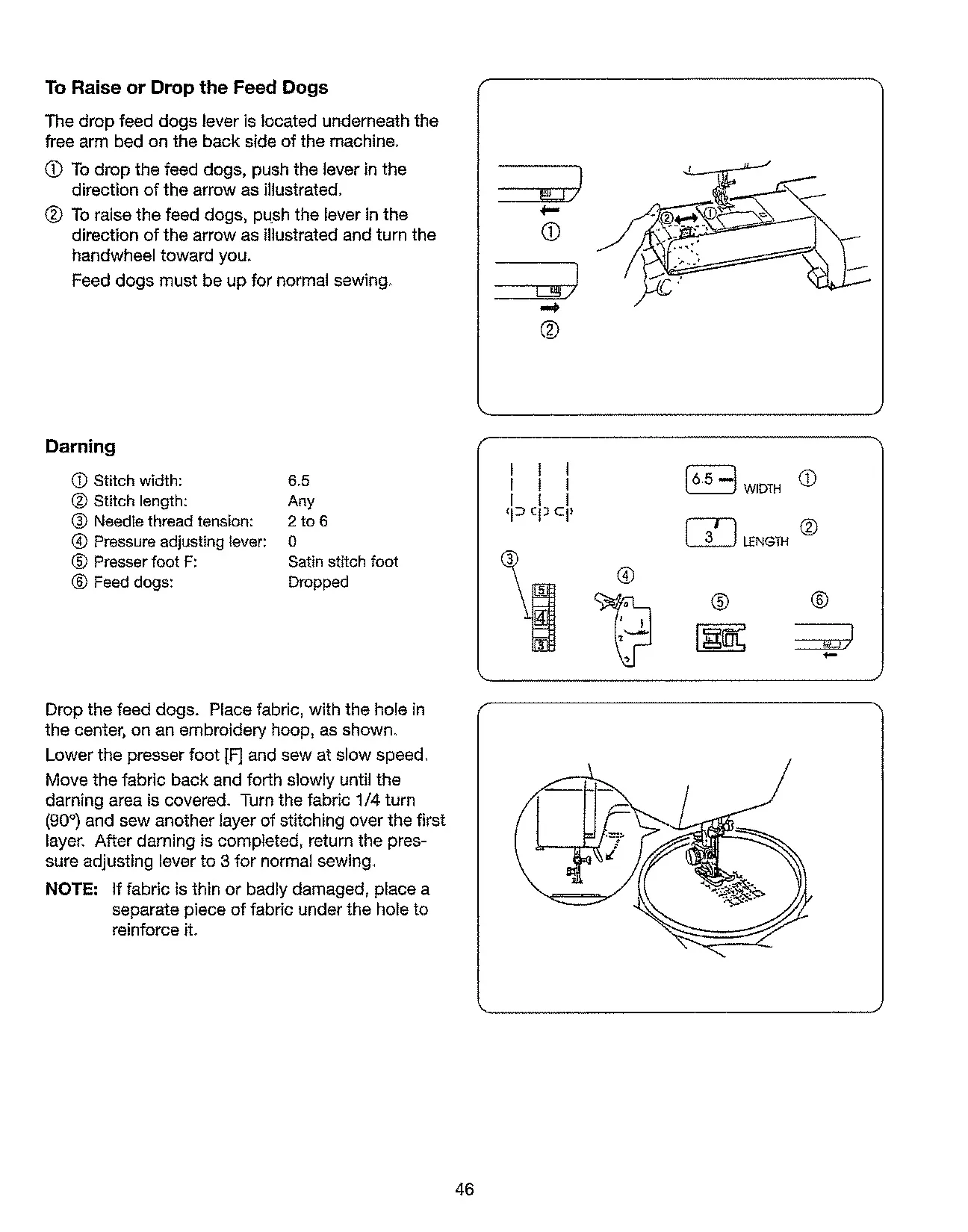
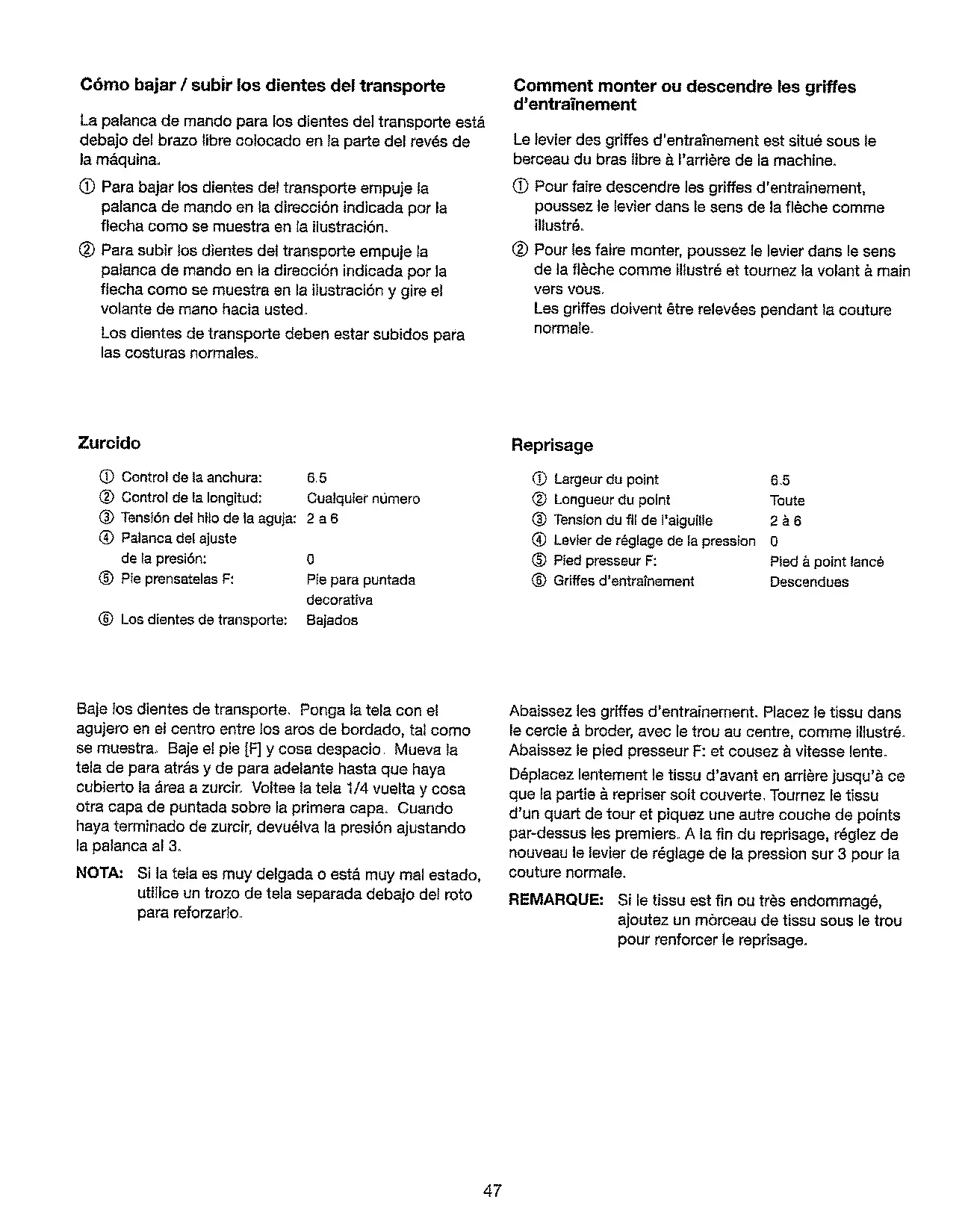
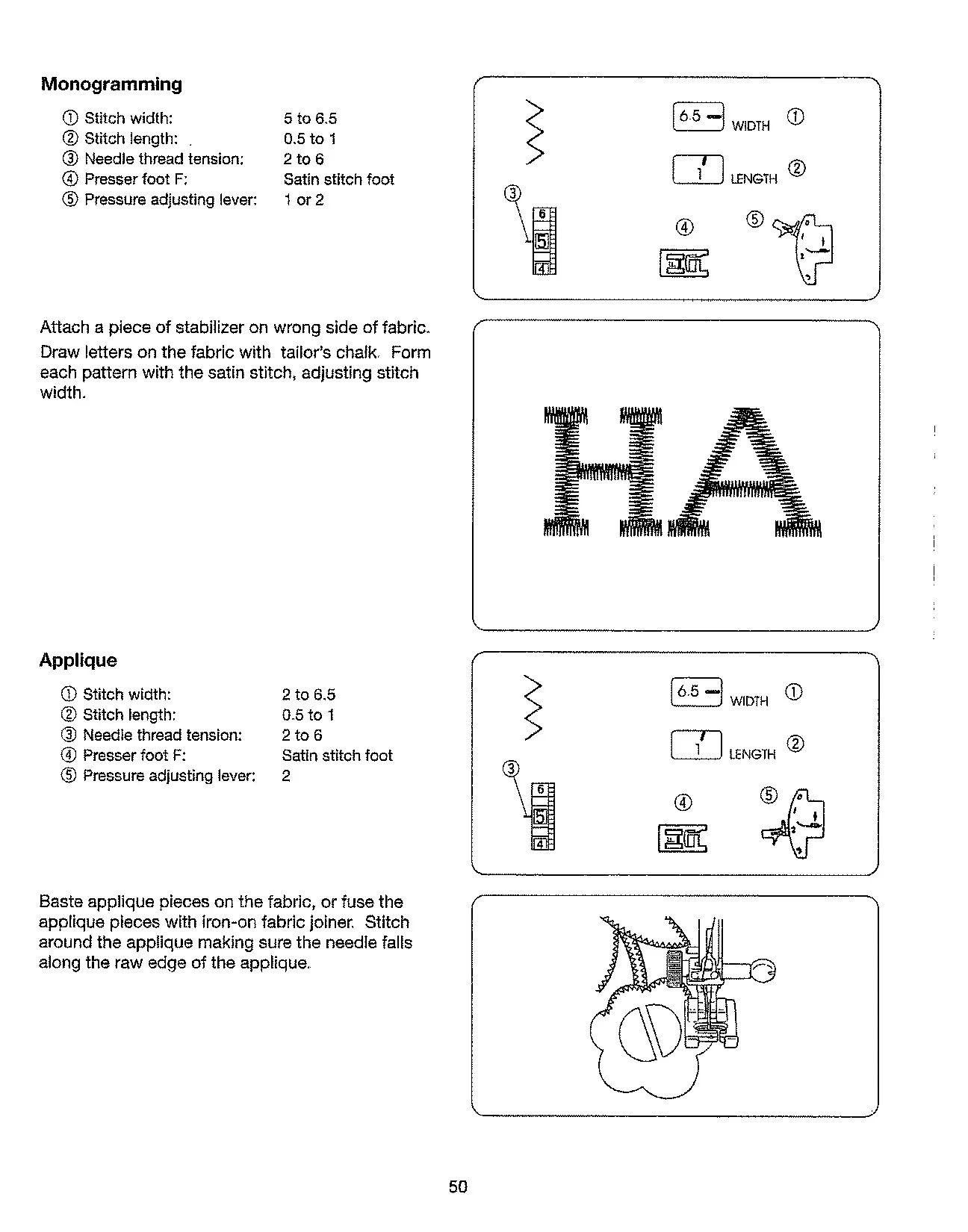
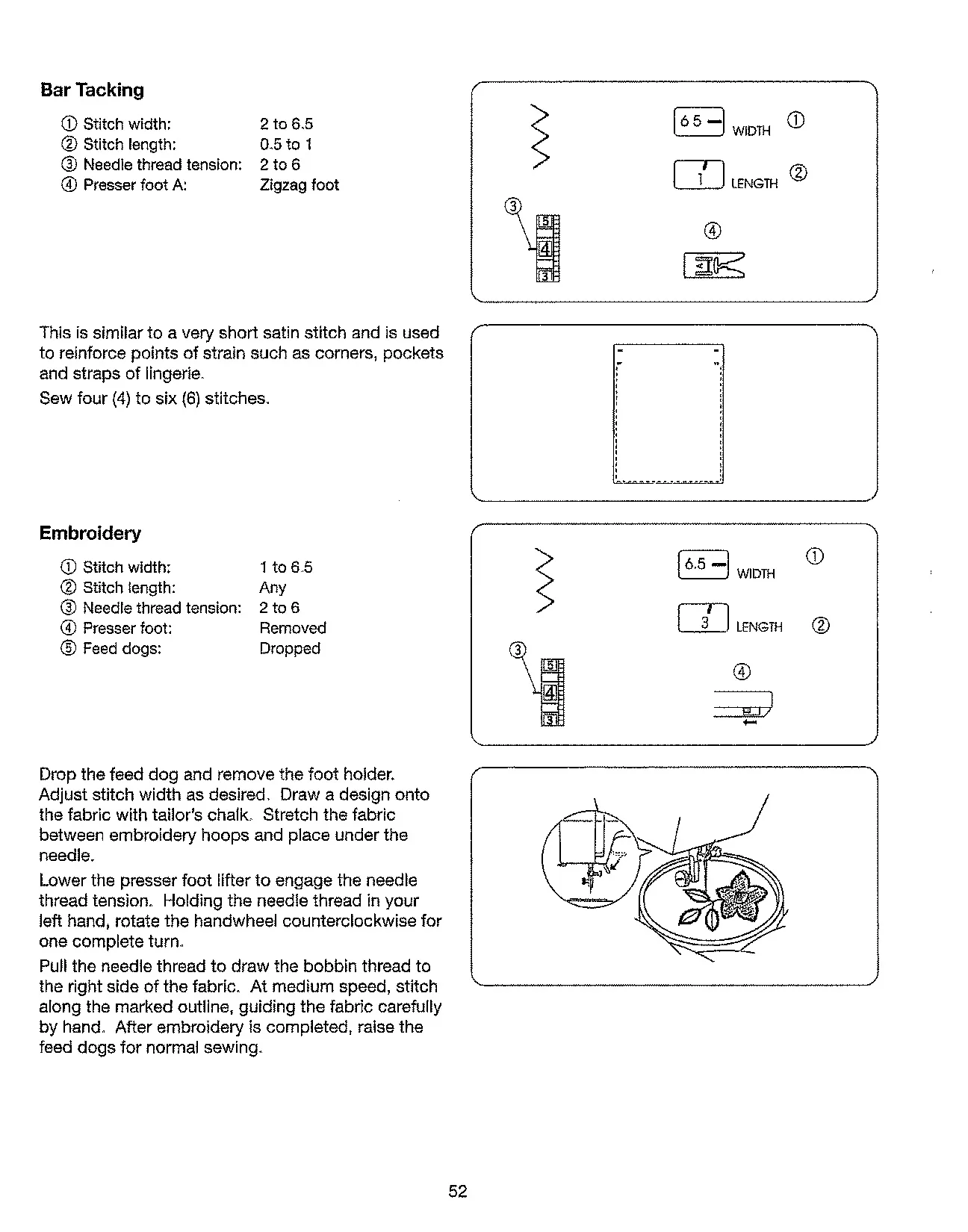
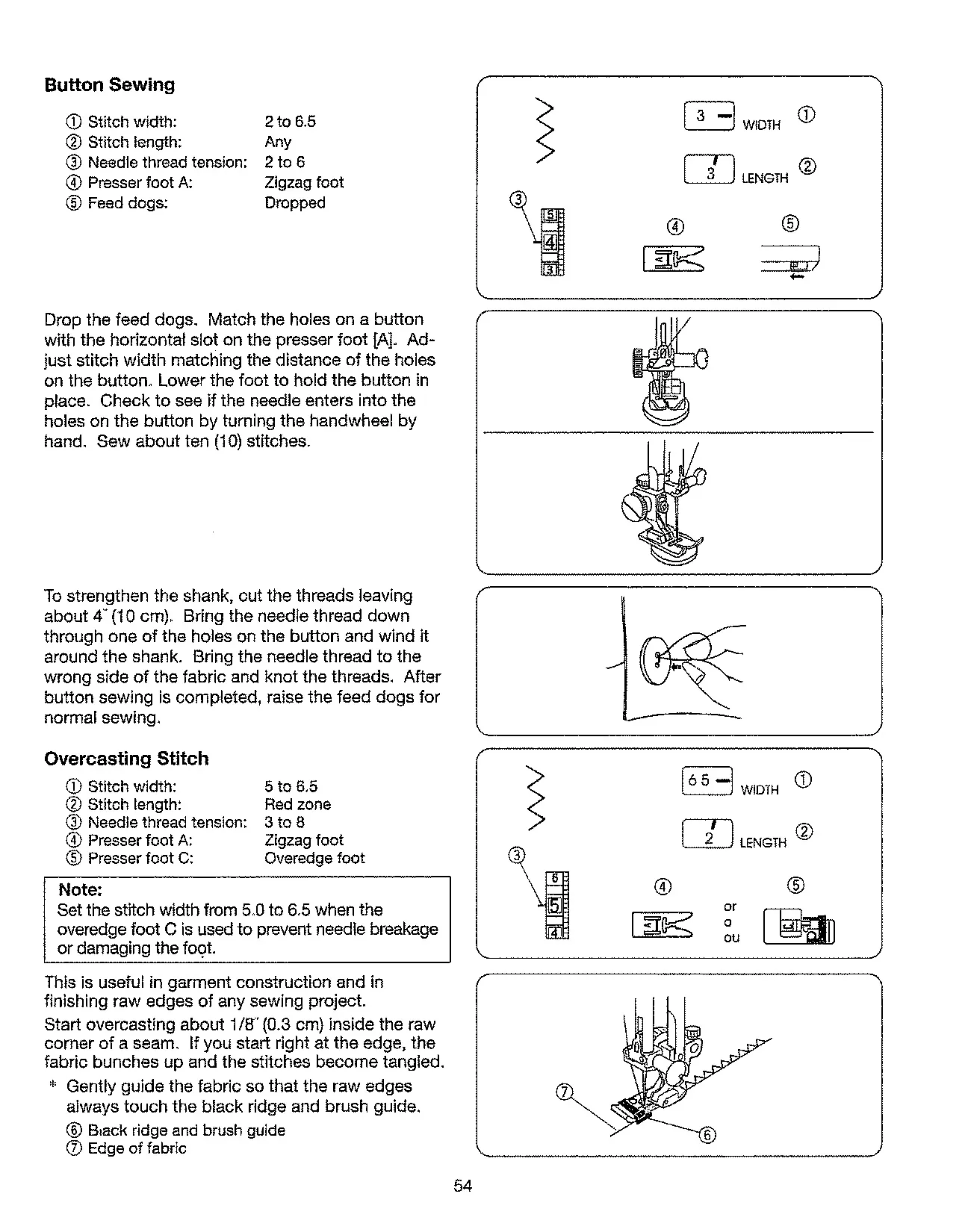
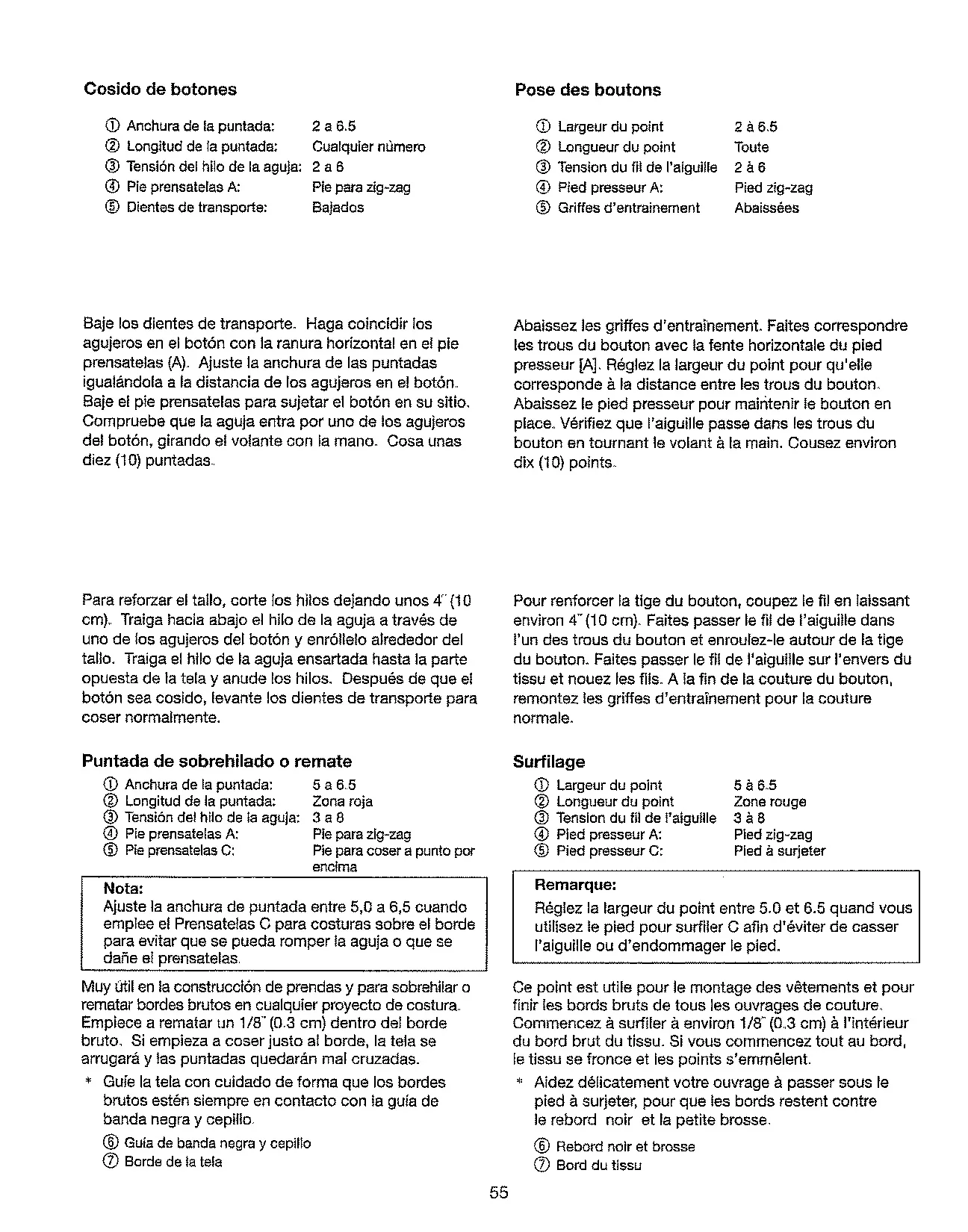
The Kenmore 385 supports various advanced sewing techniques. Users can easily perform quilting, darning, and monogramming. Features like the ability to raise or drop the feed dogs make free-motion quilting and embroidery accessible. The machine's tension adjustment system, crucial for optimal stitch formation, is detailed for both straight and zigzag stitches. This ensures perfect results across different fabrics, from delicate chiffons to heavy denim. The guide also covers button sewing and zipper installation with precision.
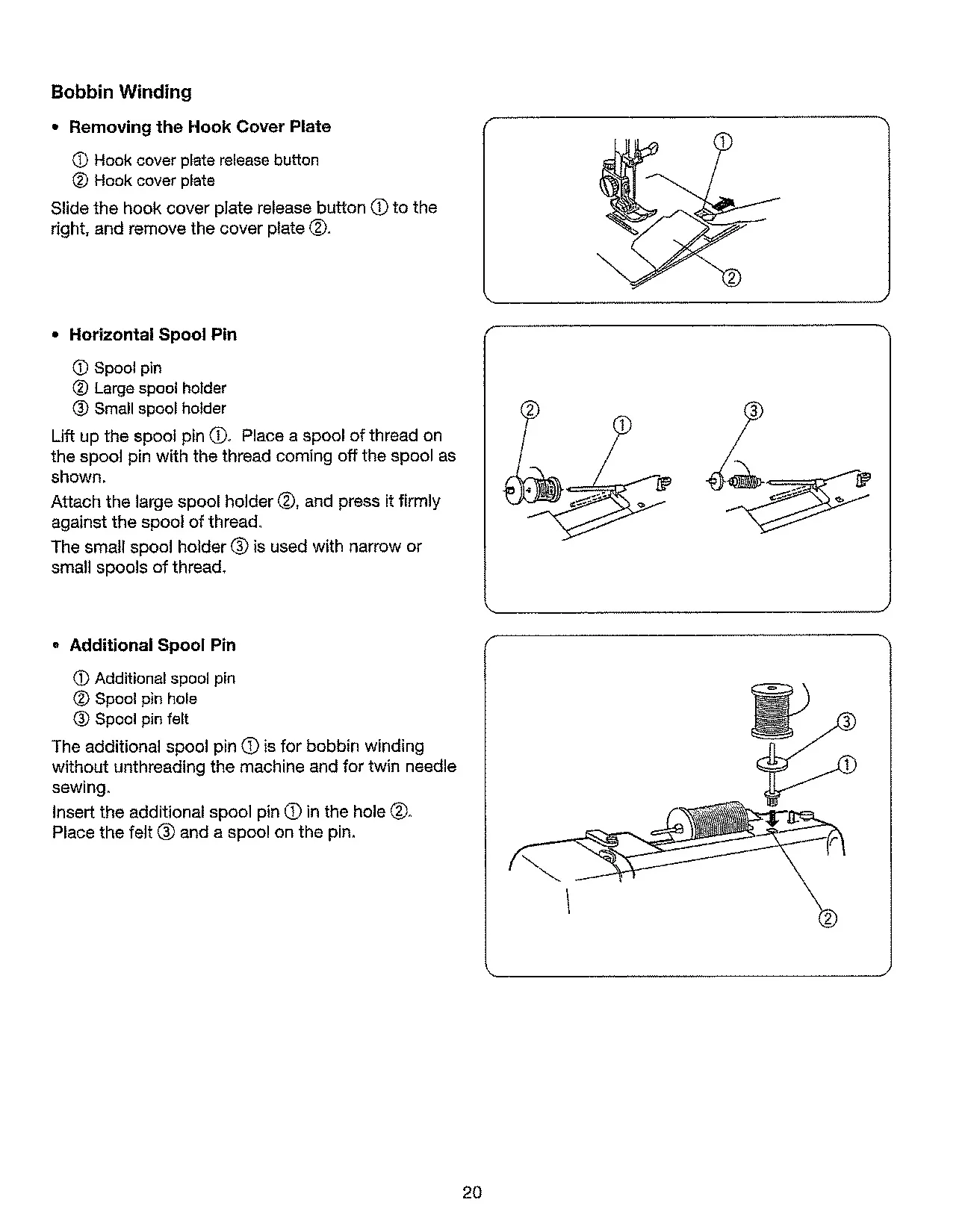
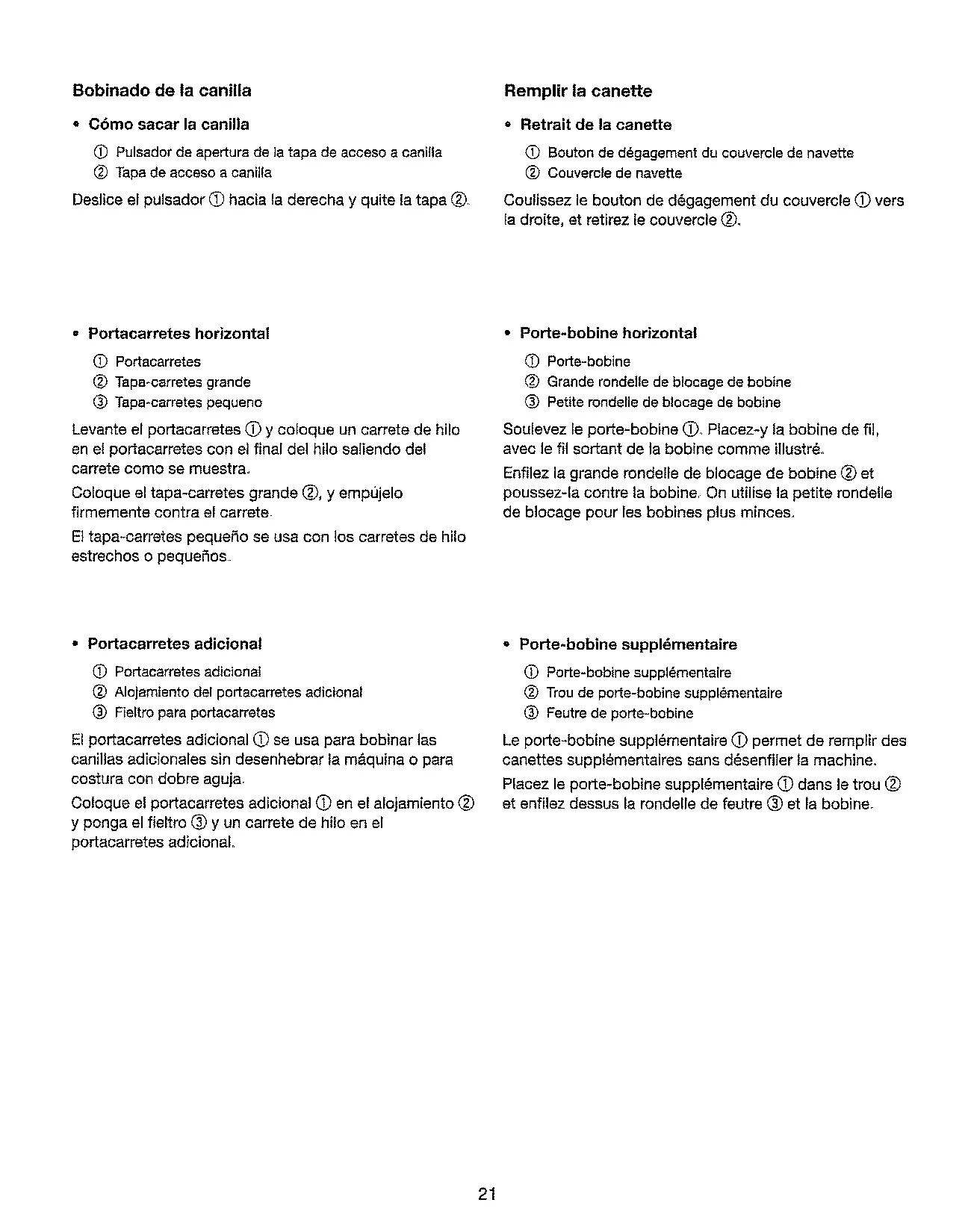
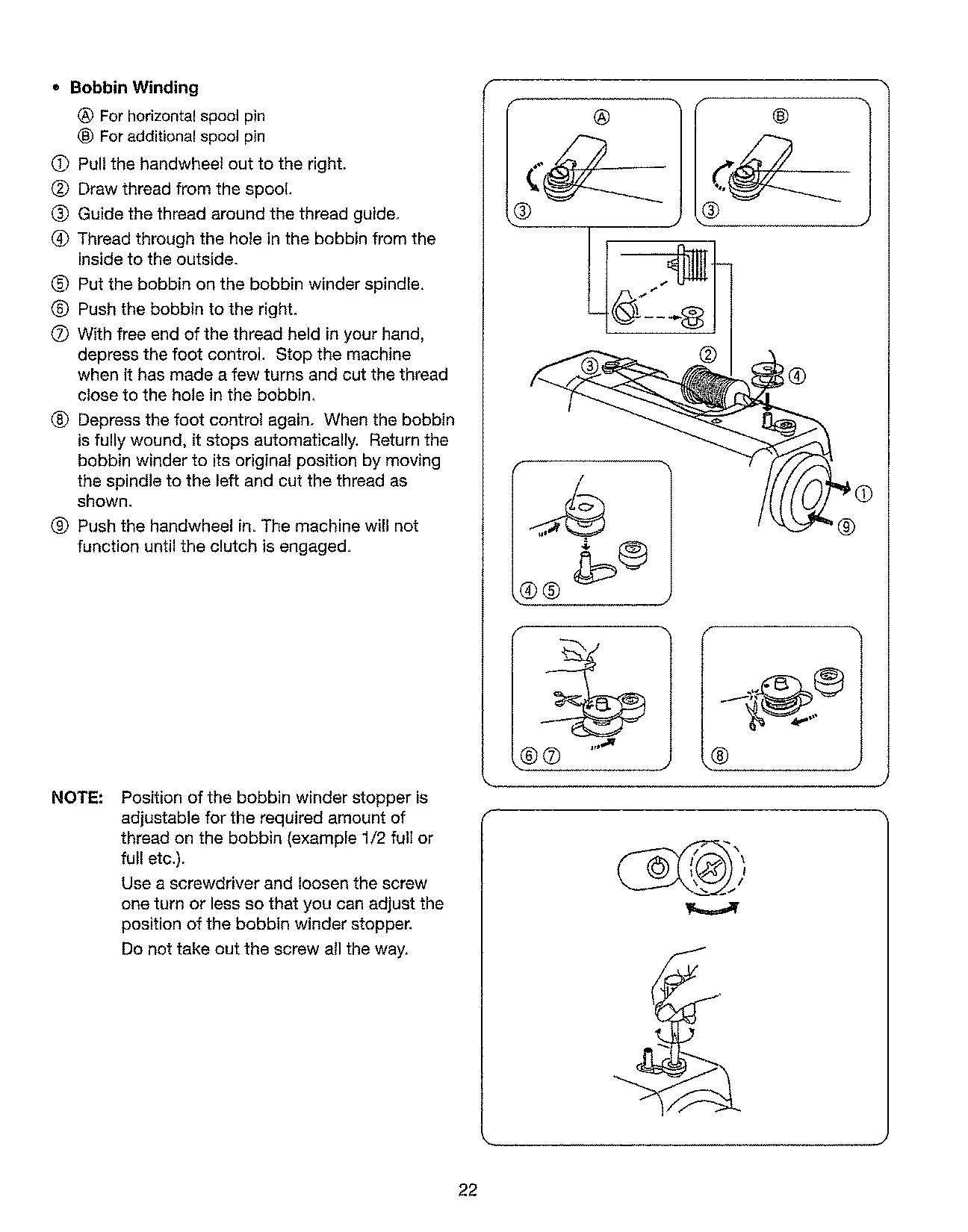
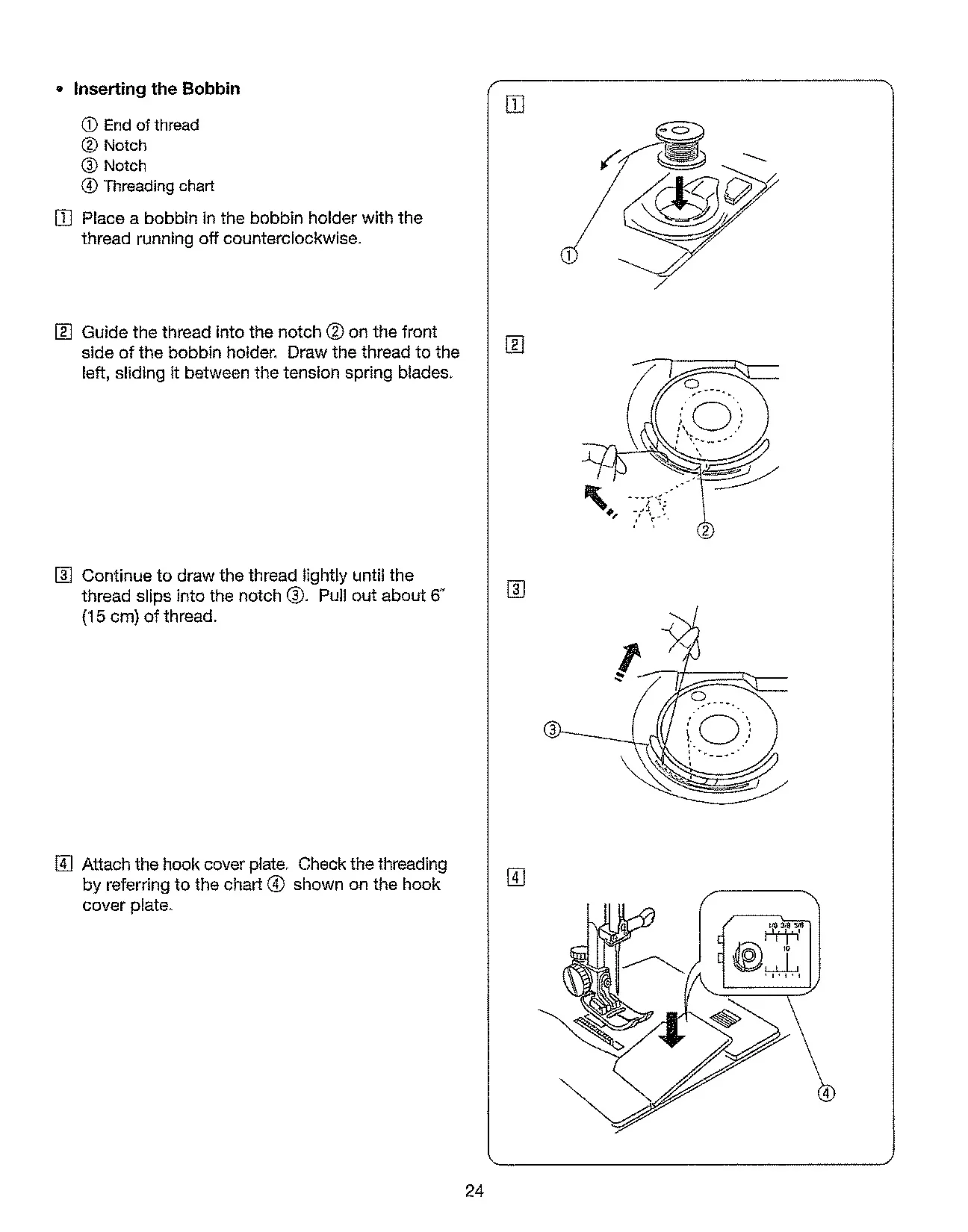
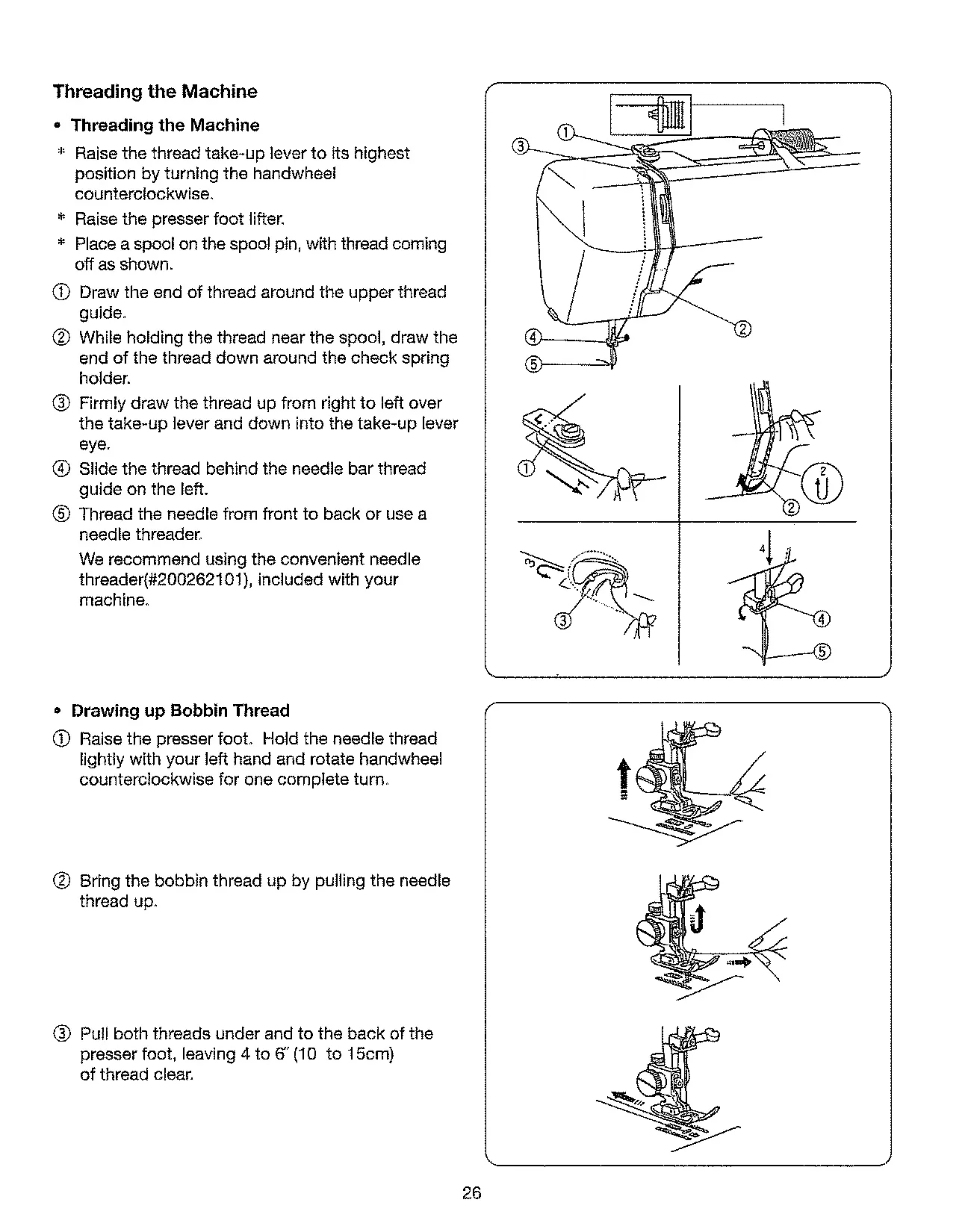
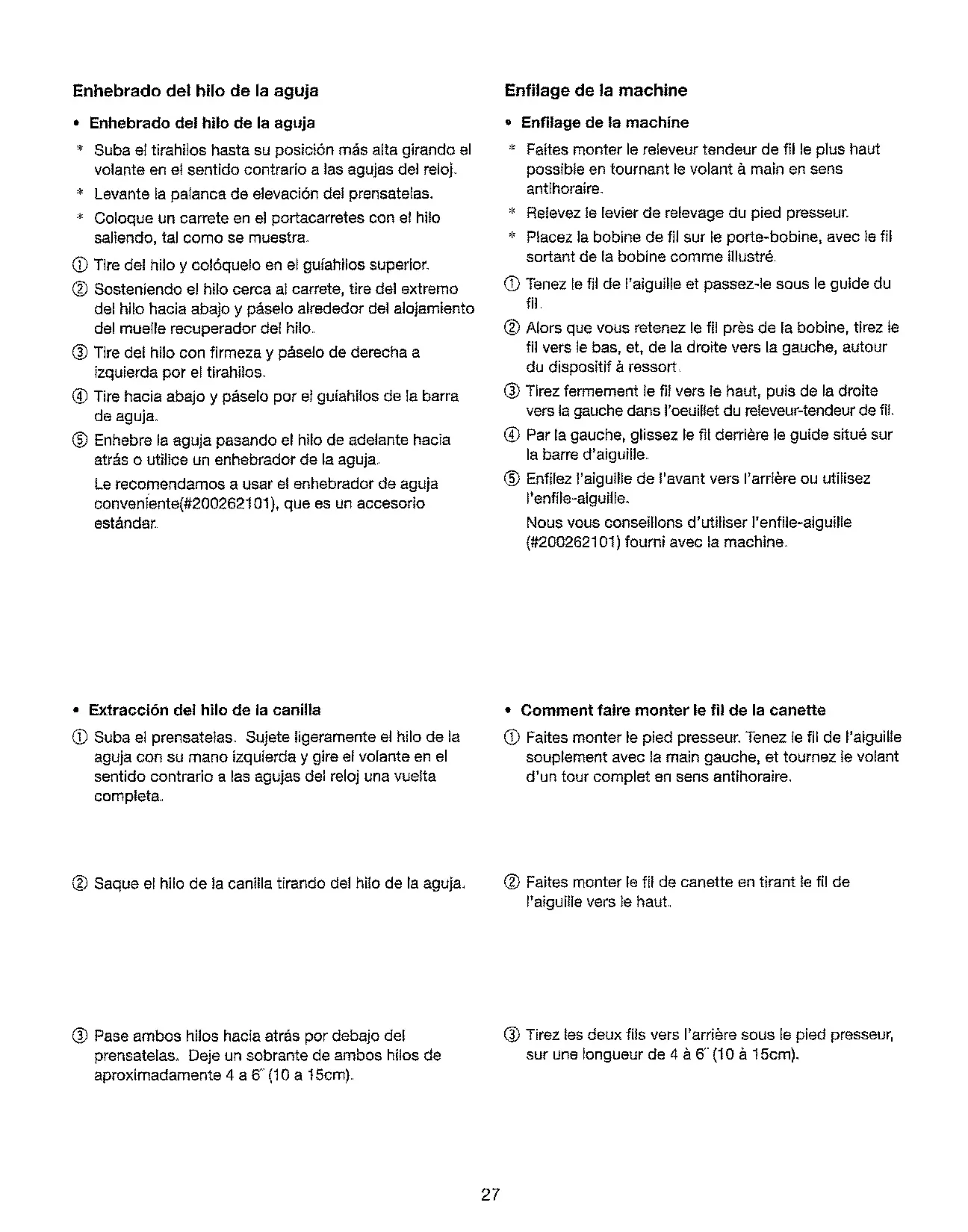
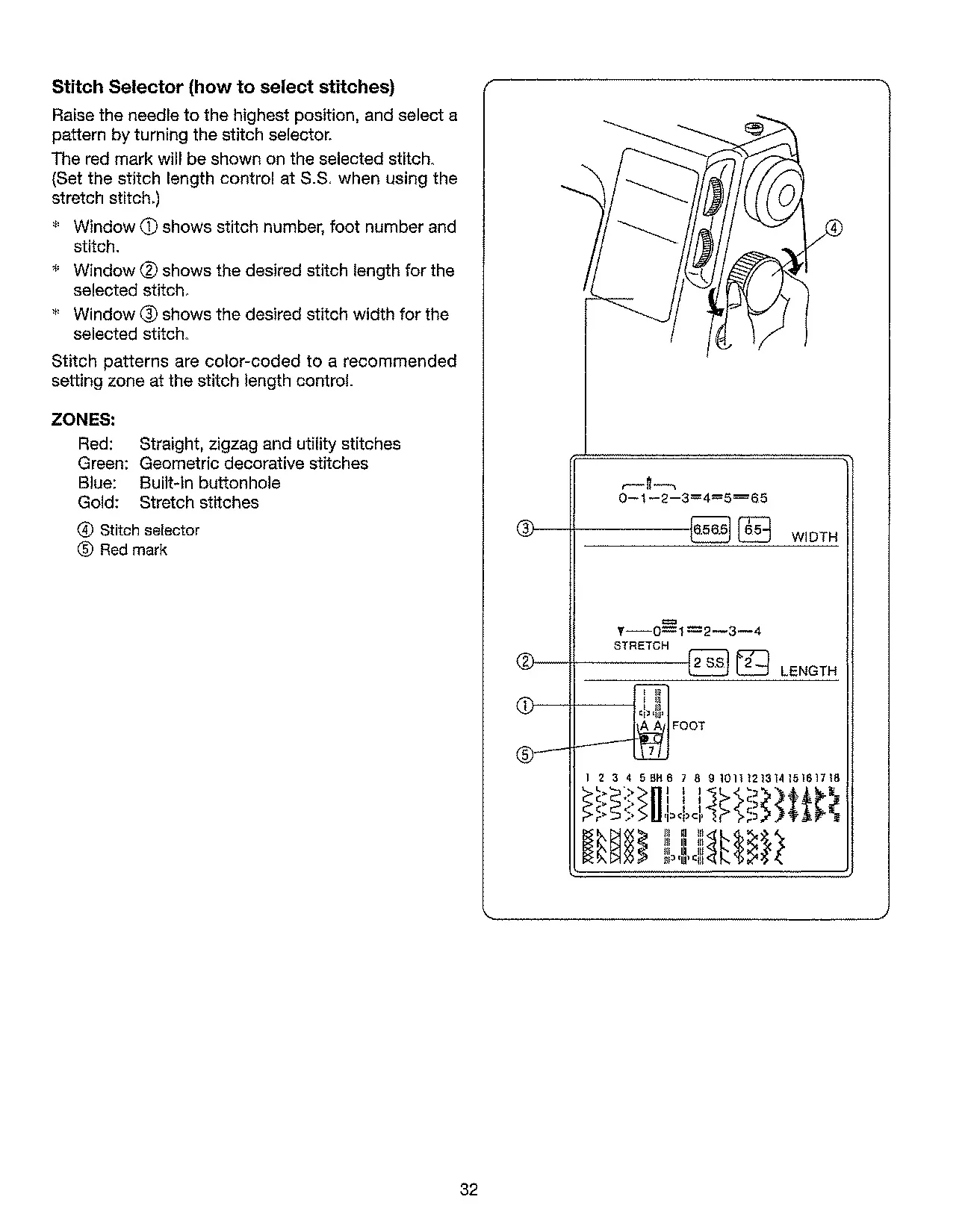
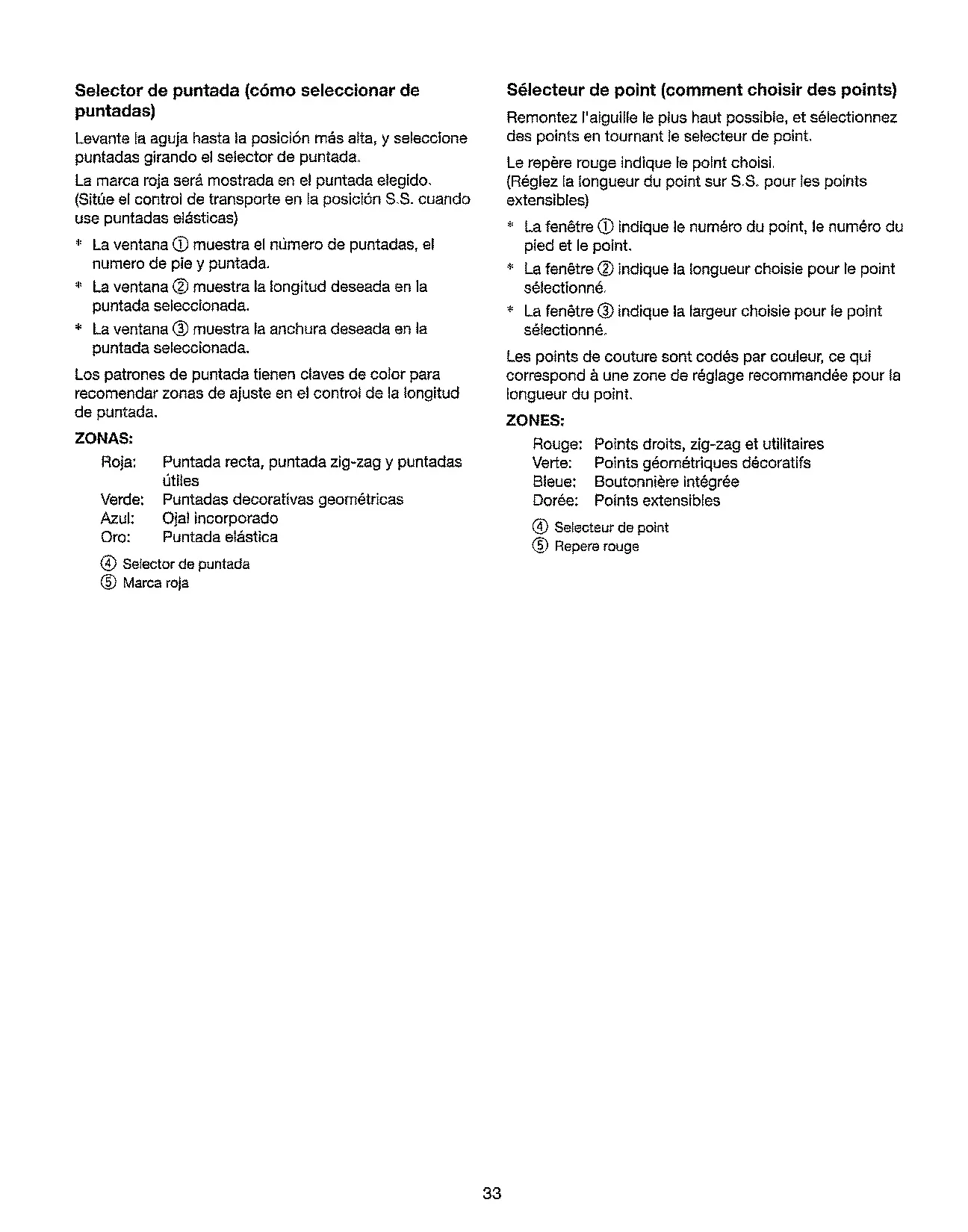
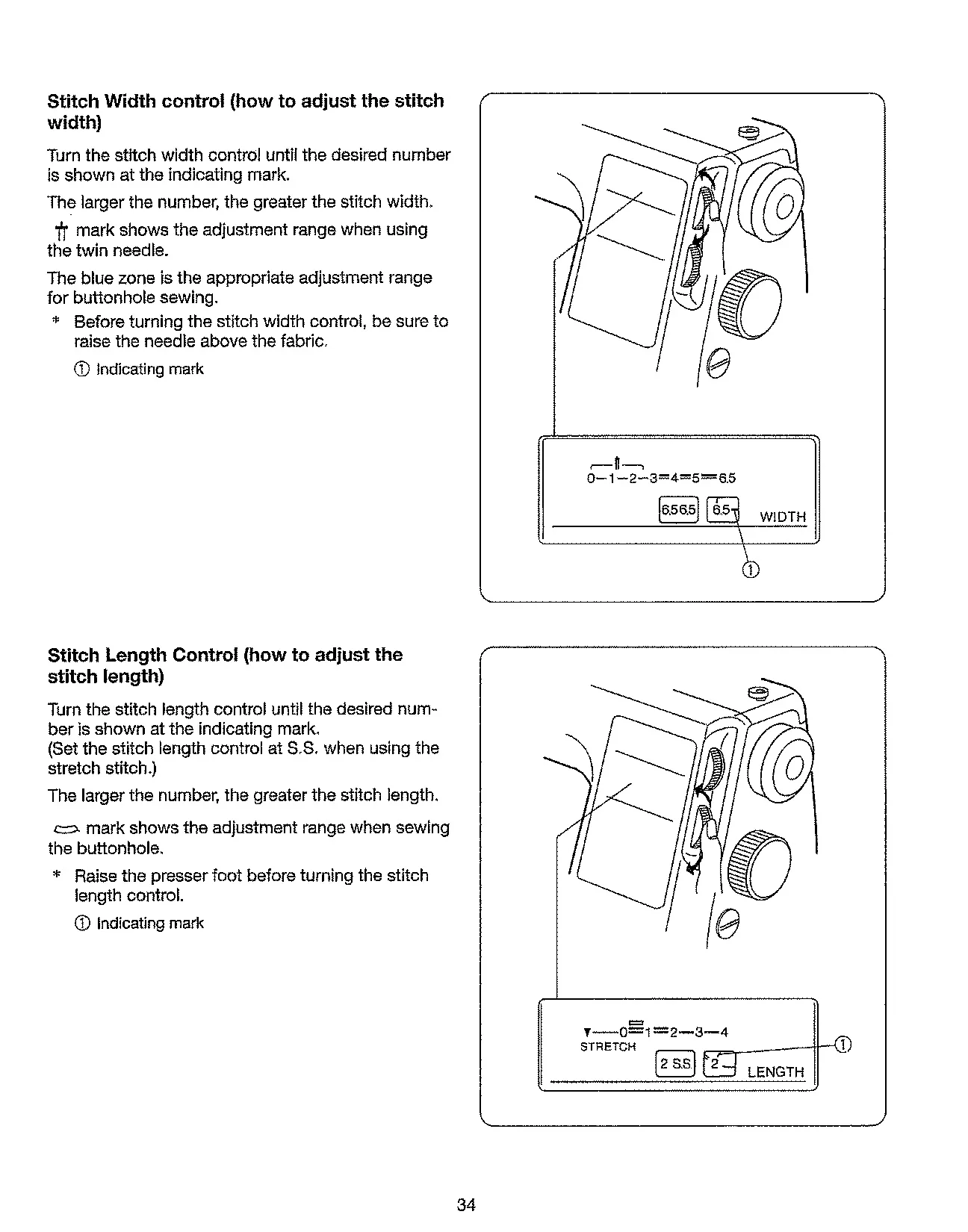
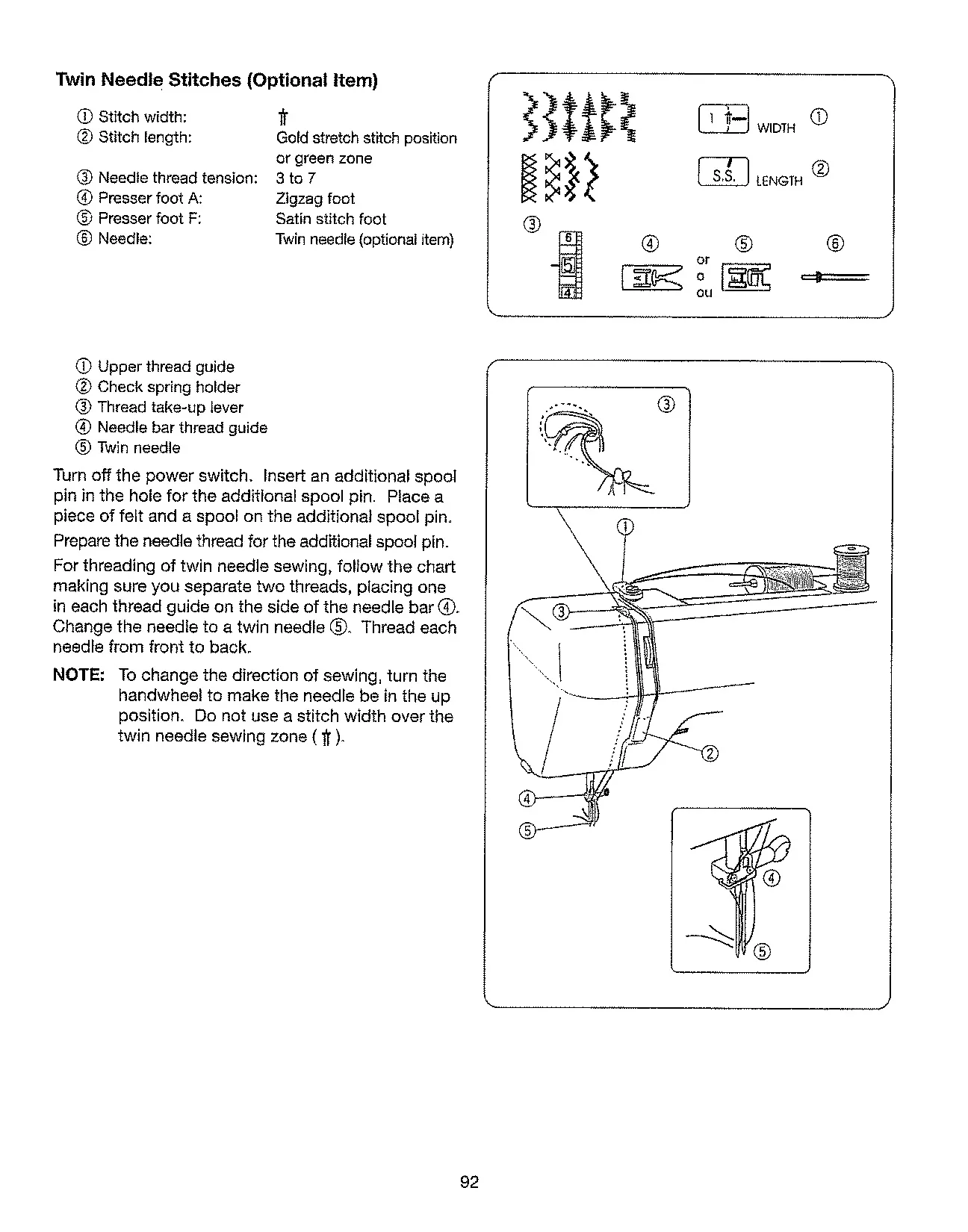
Designed for user comfort and efficiency, the Kenmore 385 incorporates several thoughtful features. The extension table provides ample workspace for larger projects, enhancing stability and control. Threading the machine and winding the bobbin are straightforward processes, clearly outlined for quick setup. An additional spool pin allows for twin needle sewing, expanding decorative and functional possibilities. The machine's intuitive stitch selector, width, and length dials ensure effortless pattern customization.
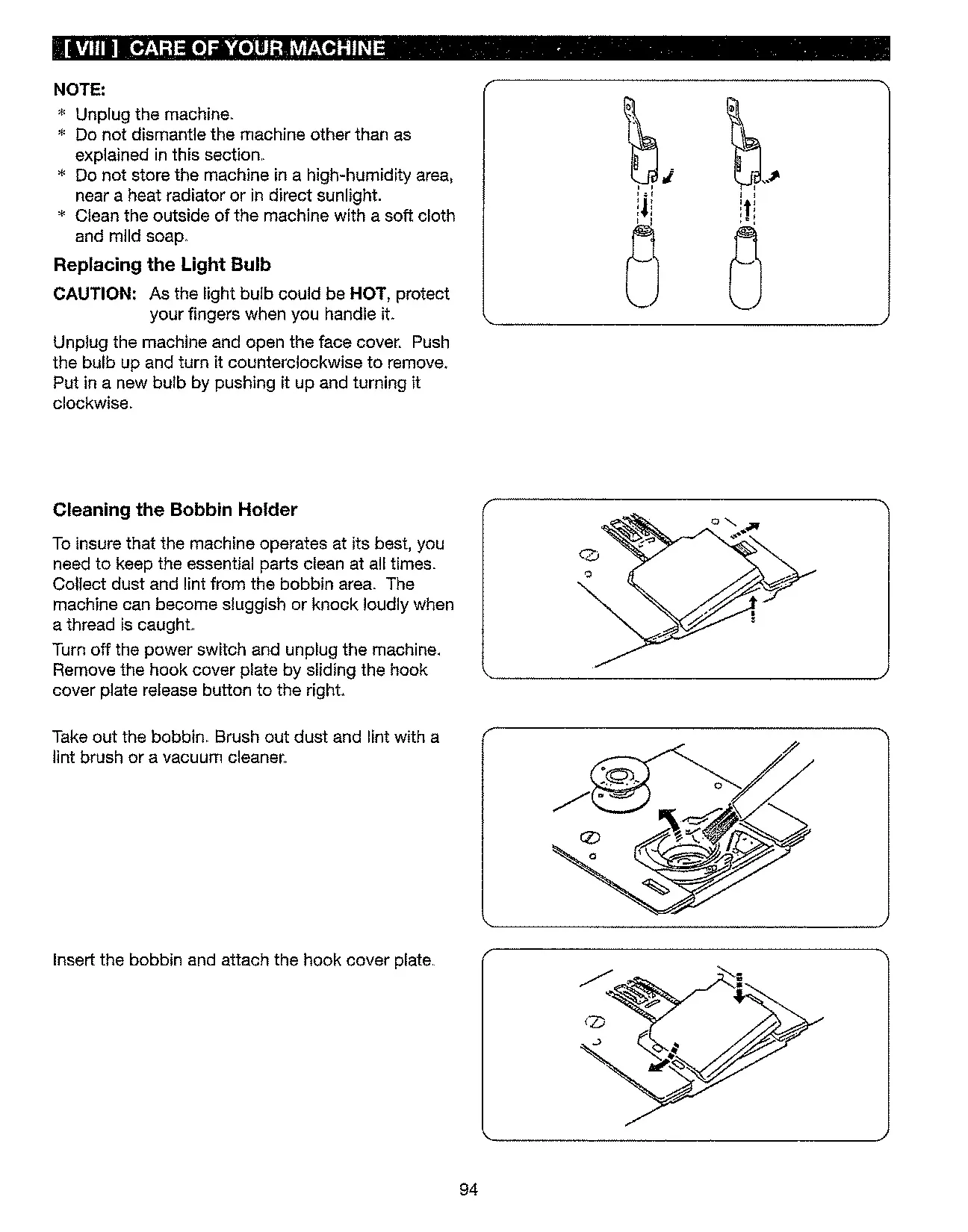
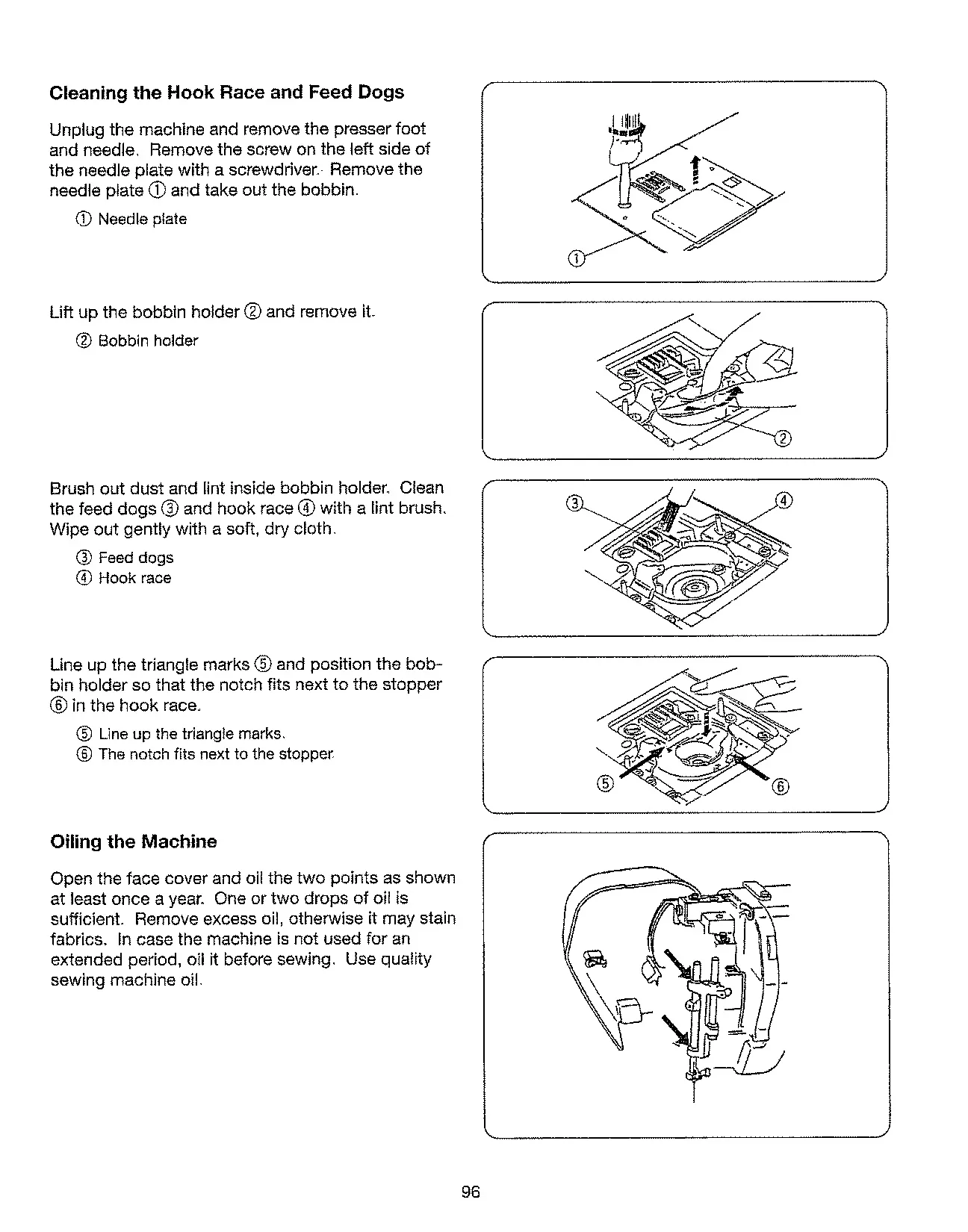
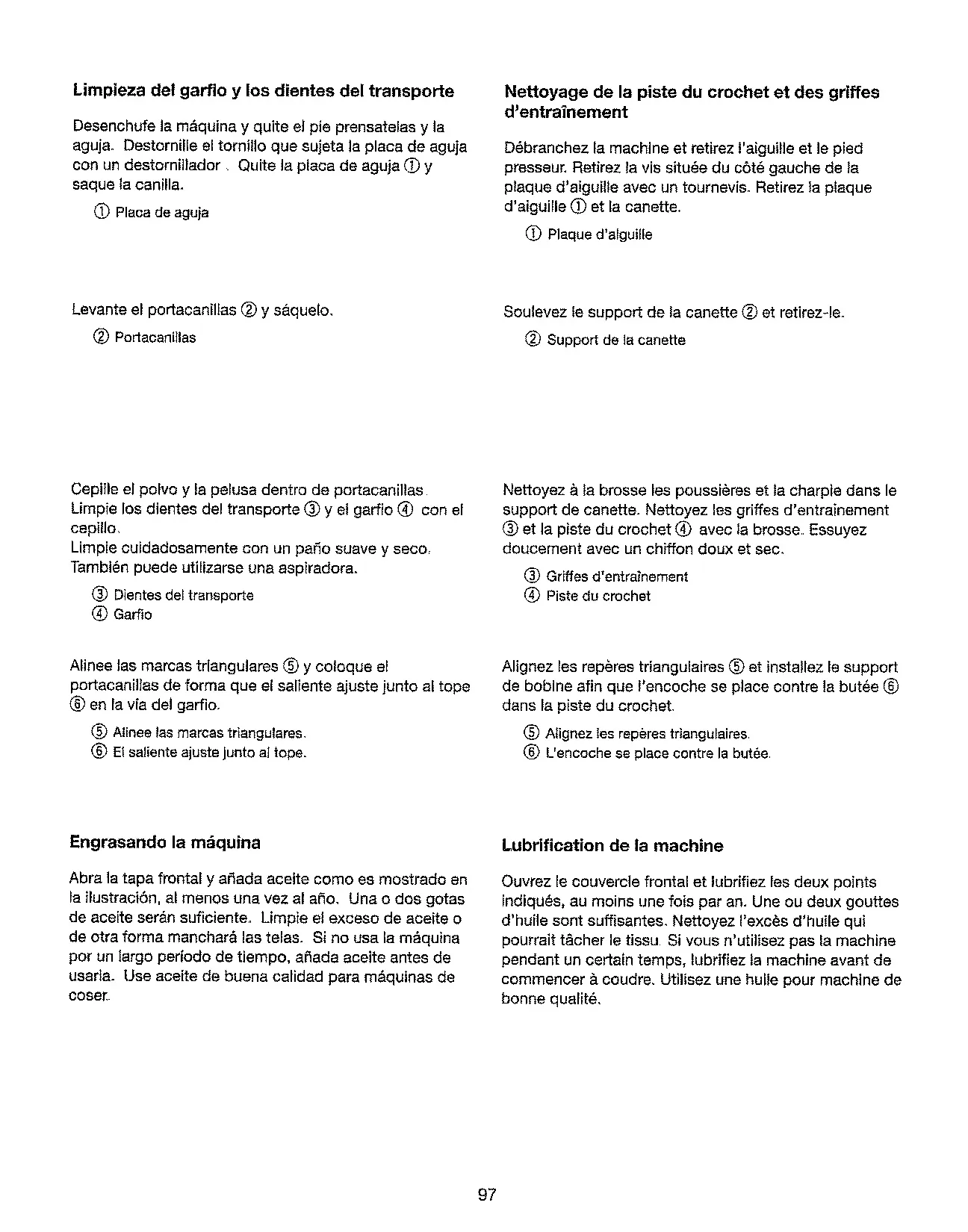
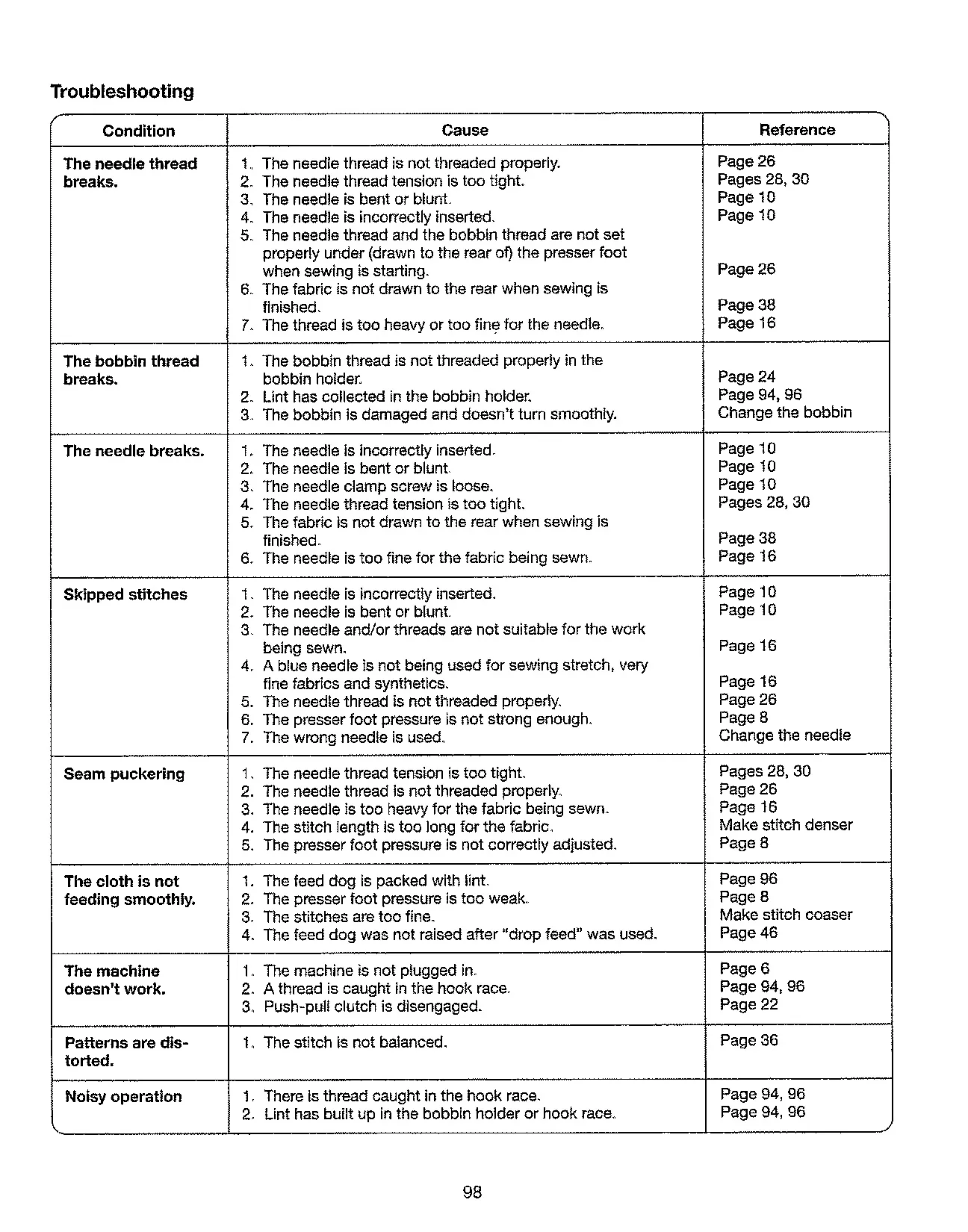
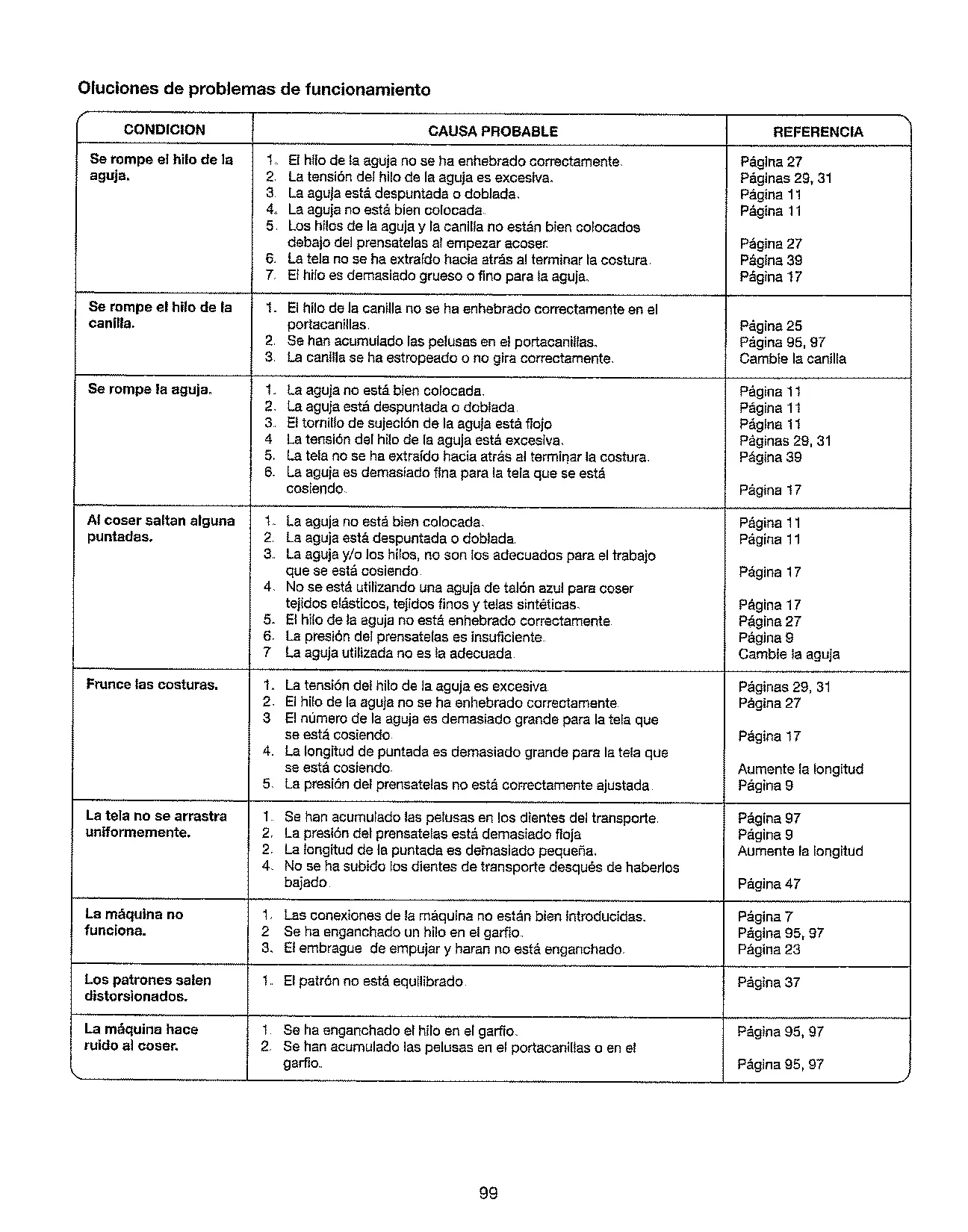
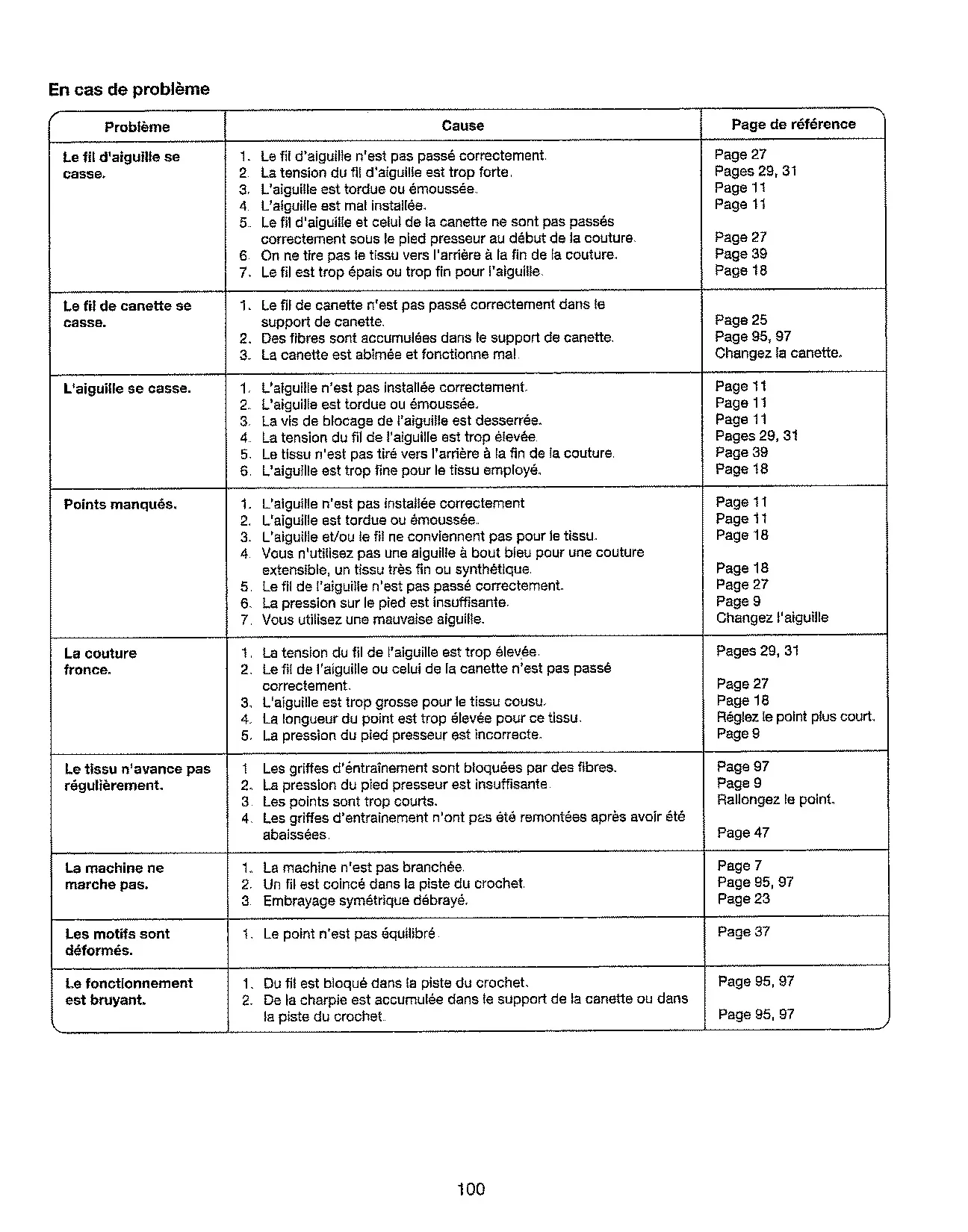
Maintaining the Kenmore 385 is made simple with clear instructions for routine care. The manual provides guidance on replacing the light bulb, essential for good visibility, and details how to clean the bobbin holder, hook race, and feed dogs. Proper oiling procedures are also outlined to ensure smooth and quiet operation. Furthermore, a comprehensive troubleshooting section helps users diagnose and resolve common issues like thread breakage, skipped stitches, and noisy operation, minimizing downtime and extending the machine's lifespan.
Frequently Asked Questions (FAQs)
Can't find the answer you need? Here are some frequently asked questions about the Kenmore 385 Sewing Machine, and we answer them below.