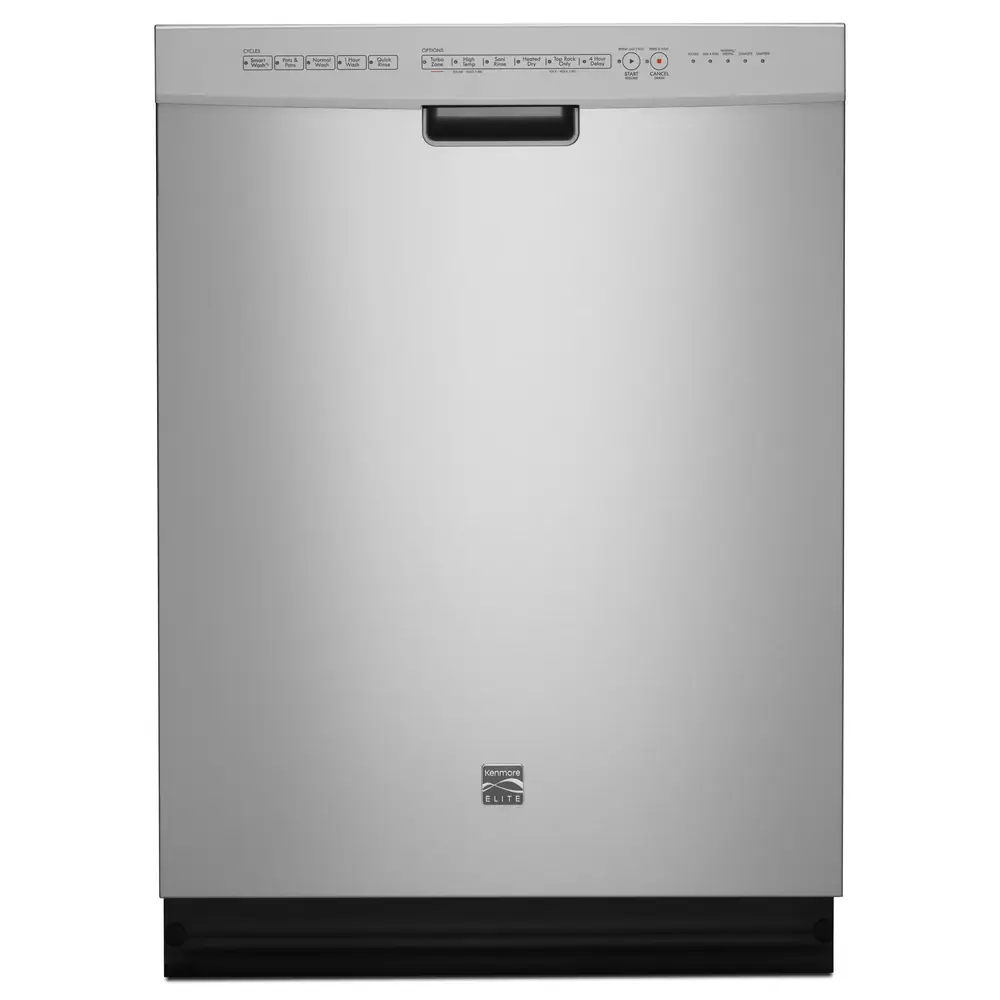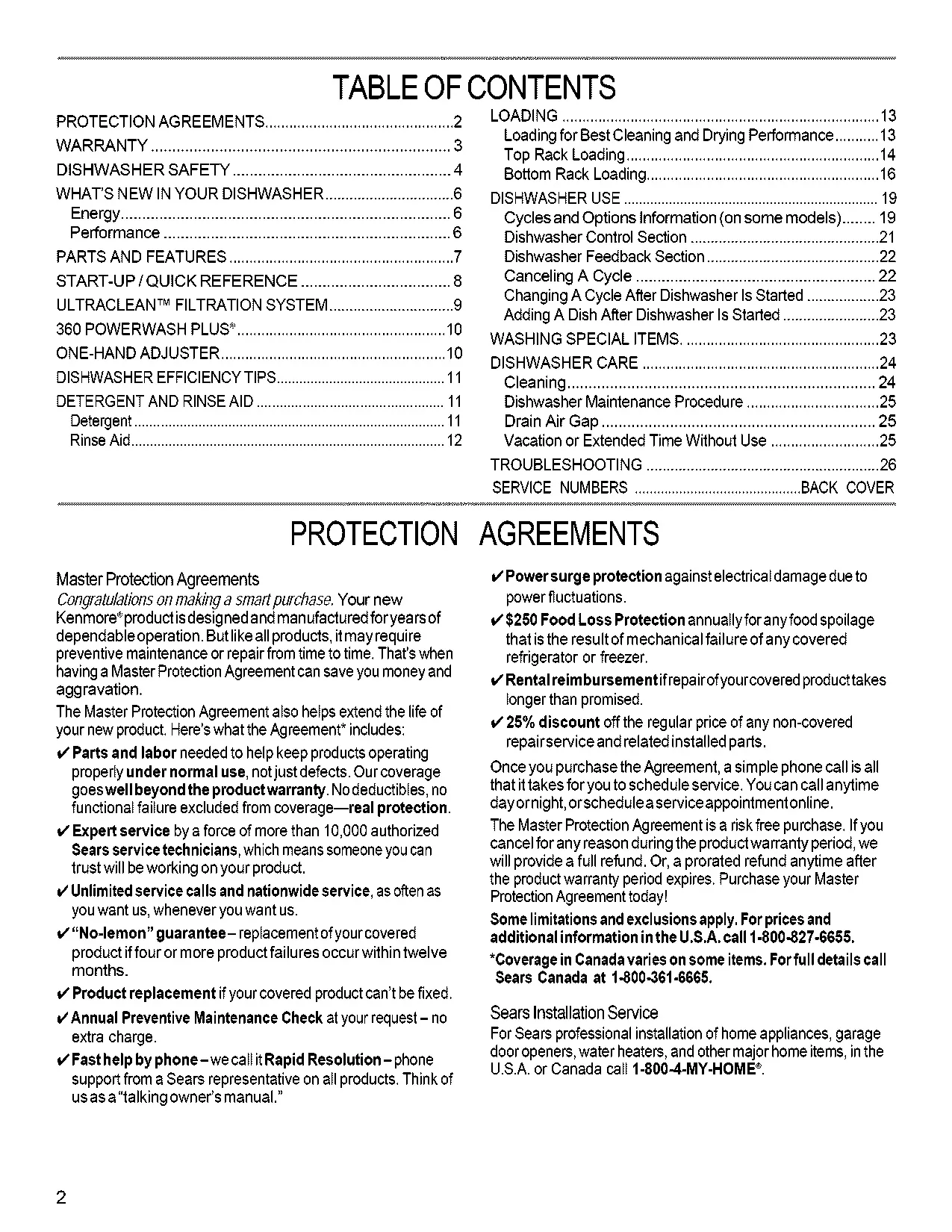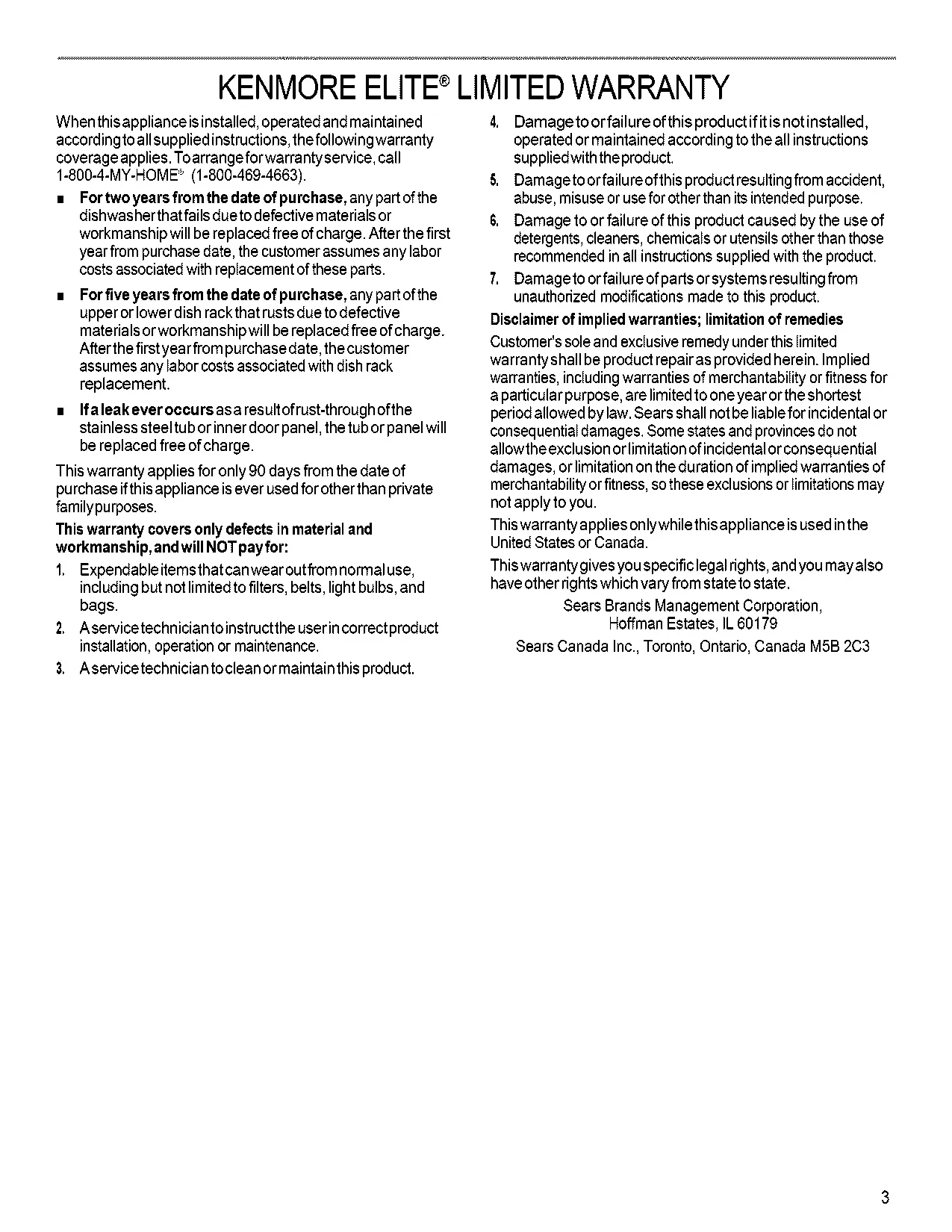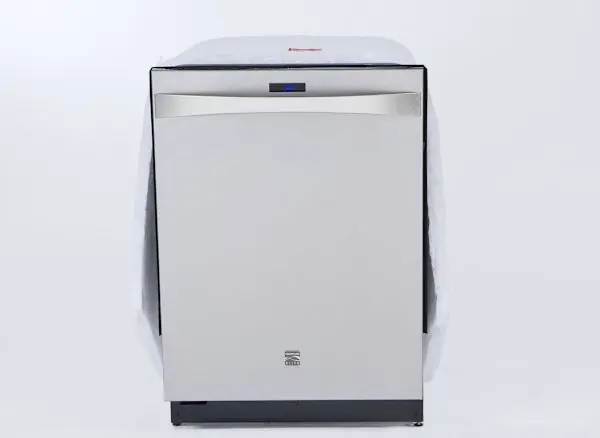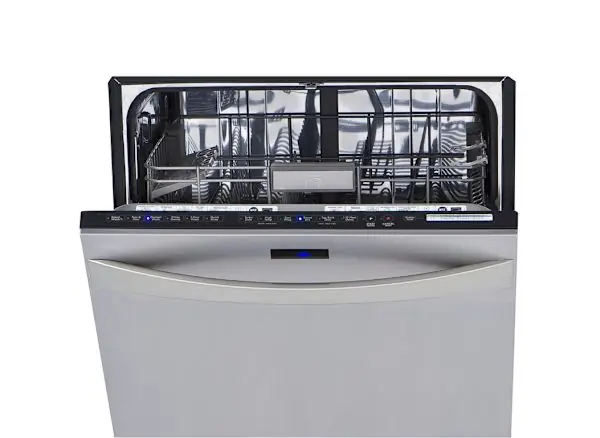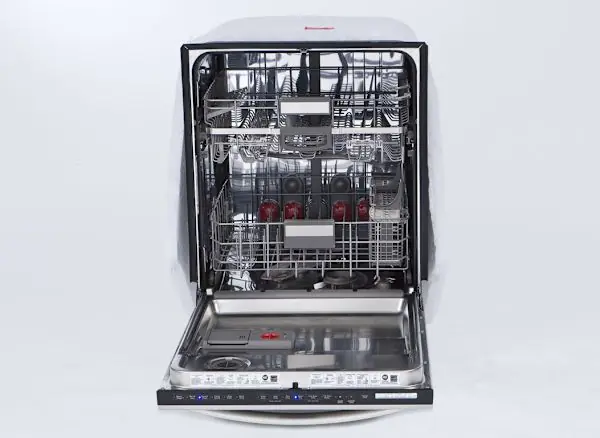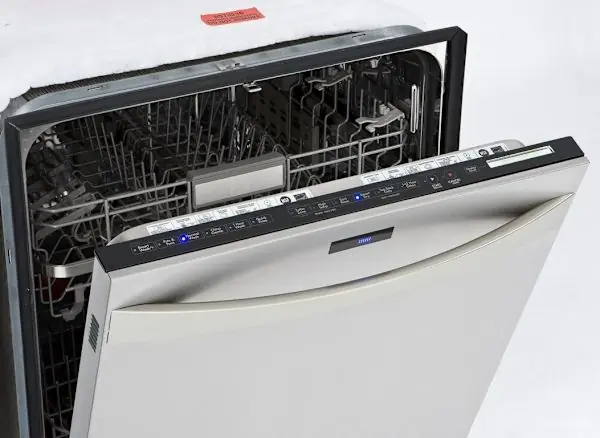
Here we offer the Kenmore Elite Dishwasher Model 665 manual completely free and in English. We have cataloged this manual in the Dishwashers section on Manualverse, and it has been rated by 1 users with an average rating of 5. If you have any specific questions about Kenmore Elite Dishwasher Model 665, we suggest checking the Frequently Asked Questions (FAQs) section of this manual.
Product Images
Kenmore Elite Dishwasher Model 665 Specifications
Feature
Specification
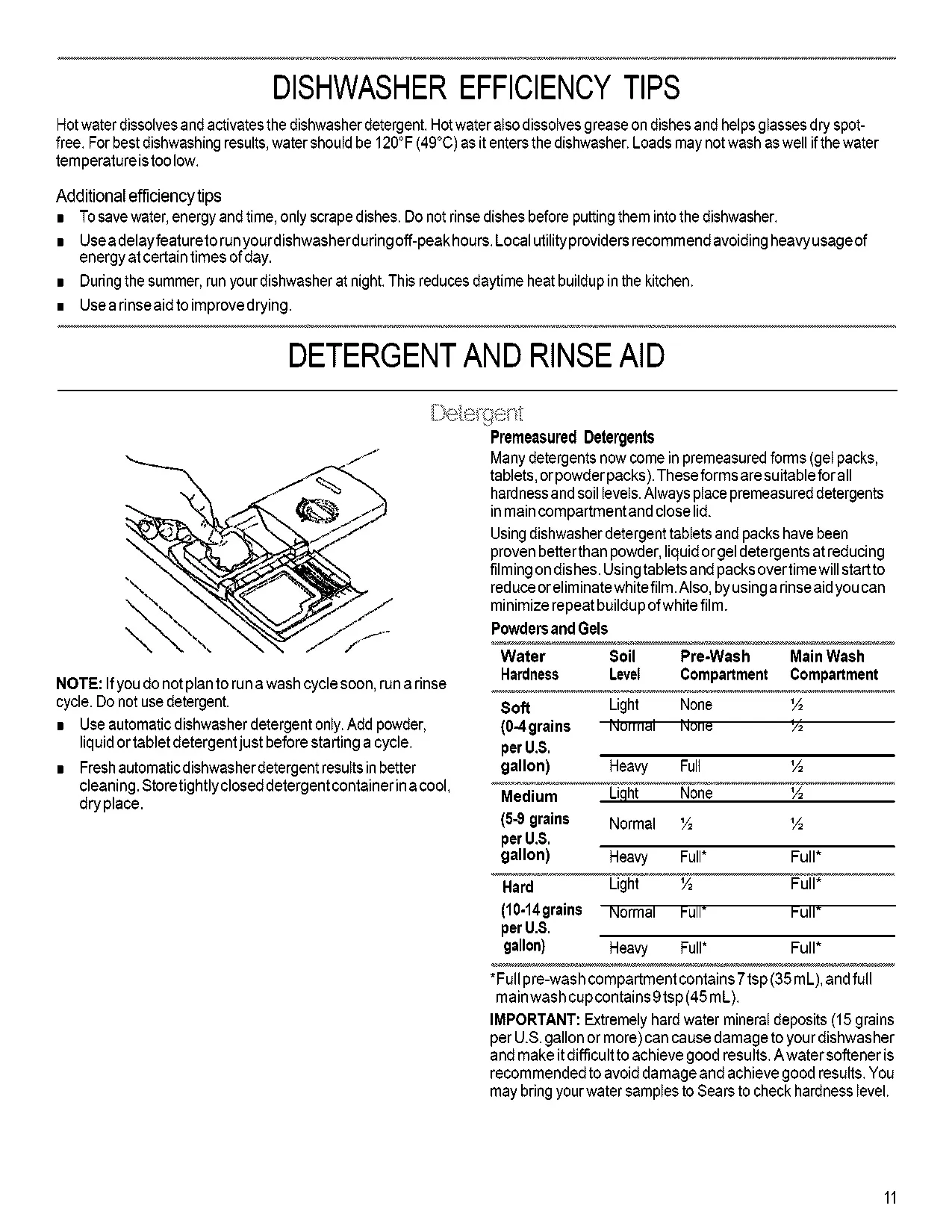
Water Hardness Handling
Soft (0-4 grains), Medium (5-9 grains), Hard (10-14 grains) per U.S. gallon
Standard Main Wash Temperature
120°F (49°C)
HighTemp Option Wash Temperature
Raises main wash to 140°F (60°C)
SaniRinse Option Temperatures
Main wash to 140°F (60°C), final rinse to 155°F (68°C)
Recommended Incoming Water Temperature
Minimum 120°F (49°C)
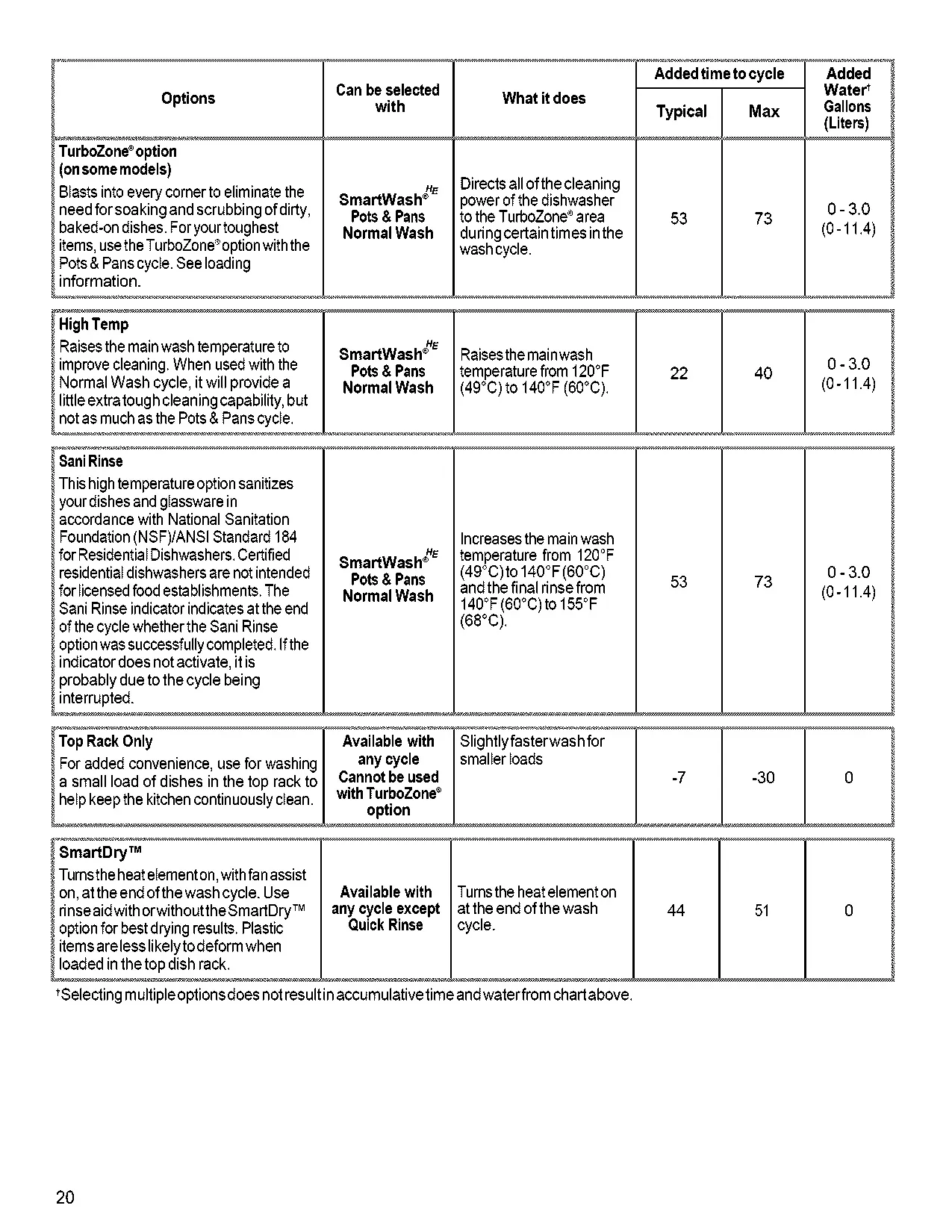
TurboZone® Option Added Time
53-73 minutes
TurboZone® Option Added Water
0-3.0 gallons (0-11.4 liters)
HighTemp Option Added Time
22-40 minutes
HighTemp Option Added Water
0-3.0 gallons (0-11.4 liters)
SaniRinse Option Added Time
53-73 minutes
SaniRinse Option Added Water
0-3.0 gallons (0-11.4 liters)
Top Rack Only Option Time Reduction
7-30 minutes
SmartDry™ Option Added Time
44-51 minutes
Detergent Compartments
Pre-Wash and Main Wash (capacities vary by soil level/water hardness)
Supported Languages (LCD)
English, French, Spanish
Kenmore Elite Dishwasher Model 665 Details
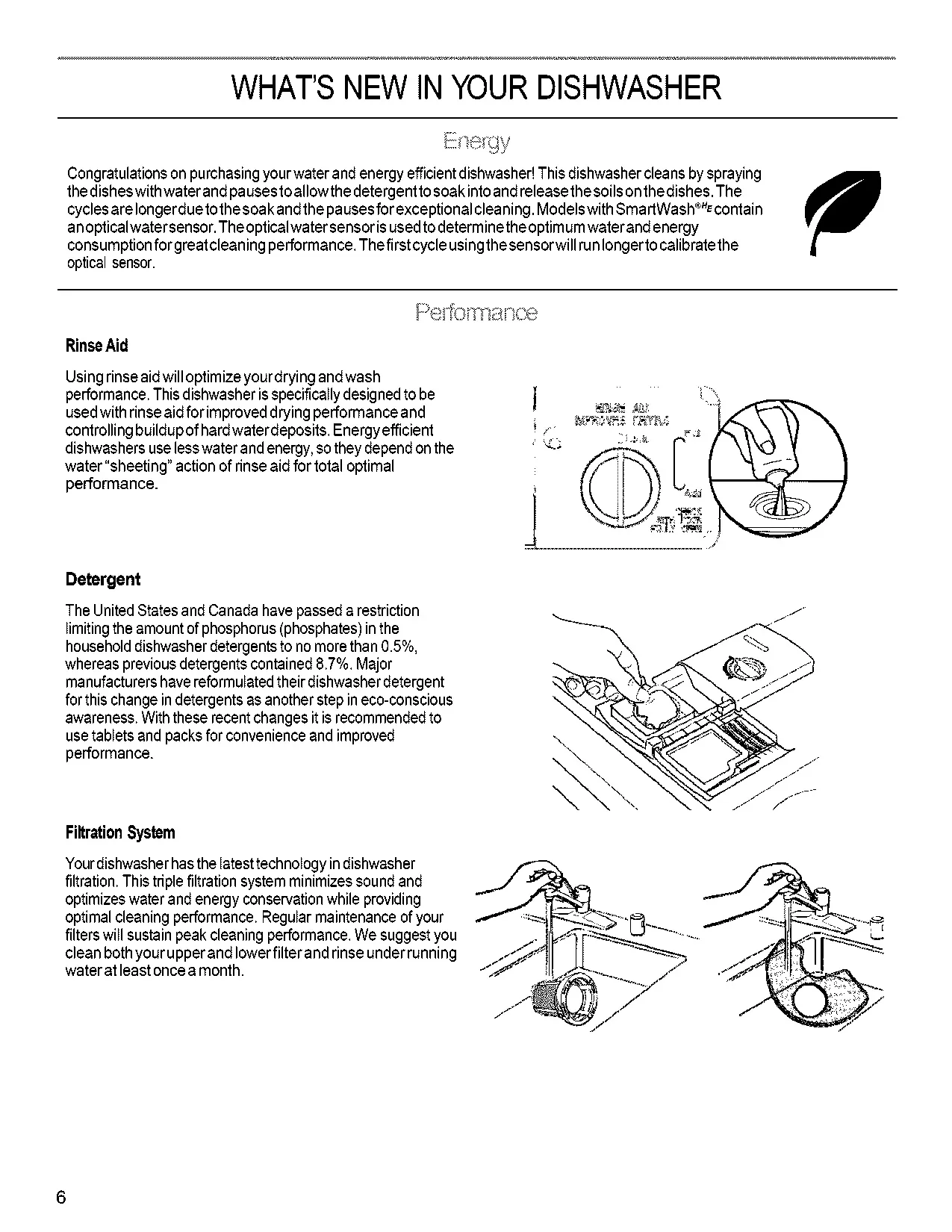
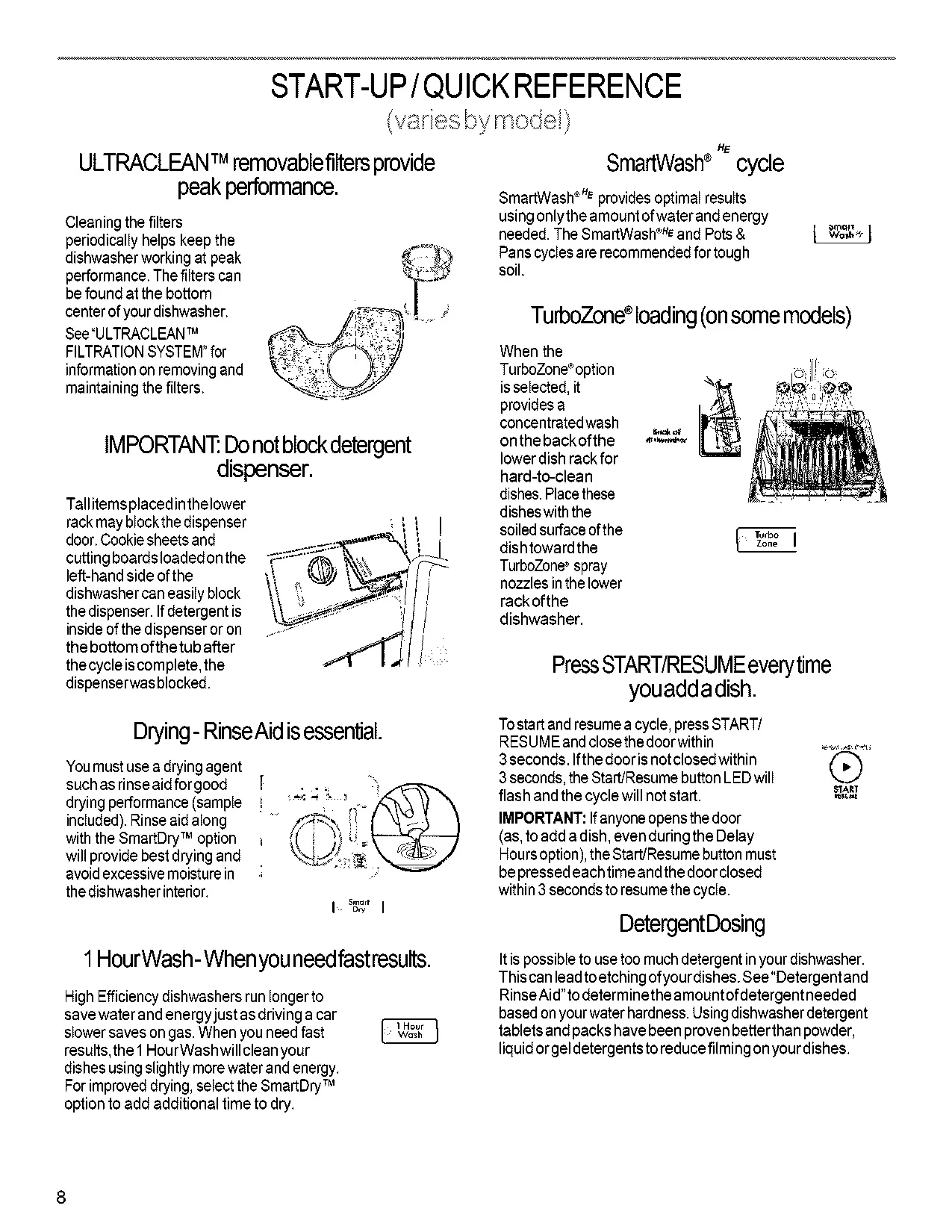
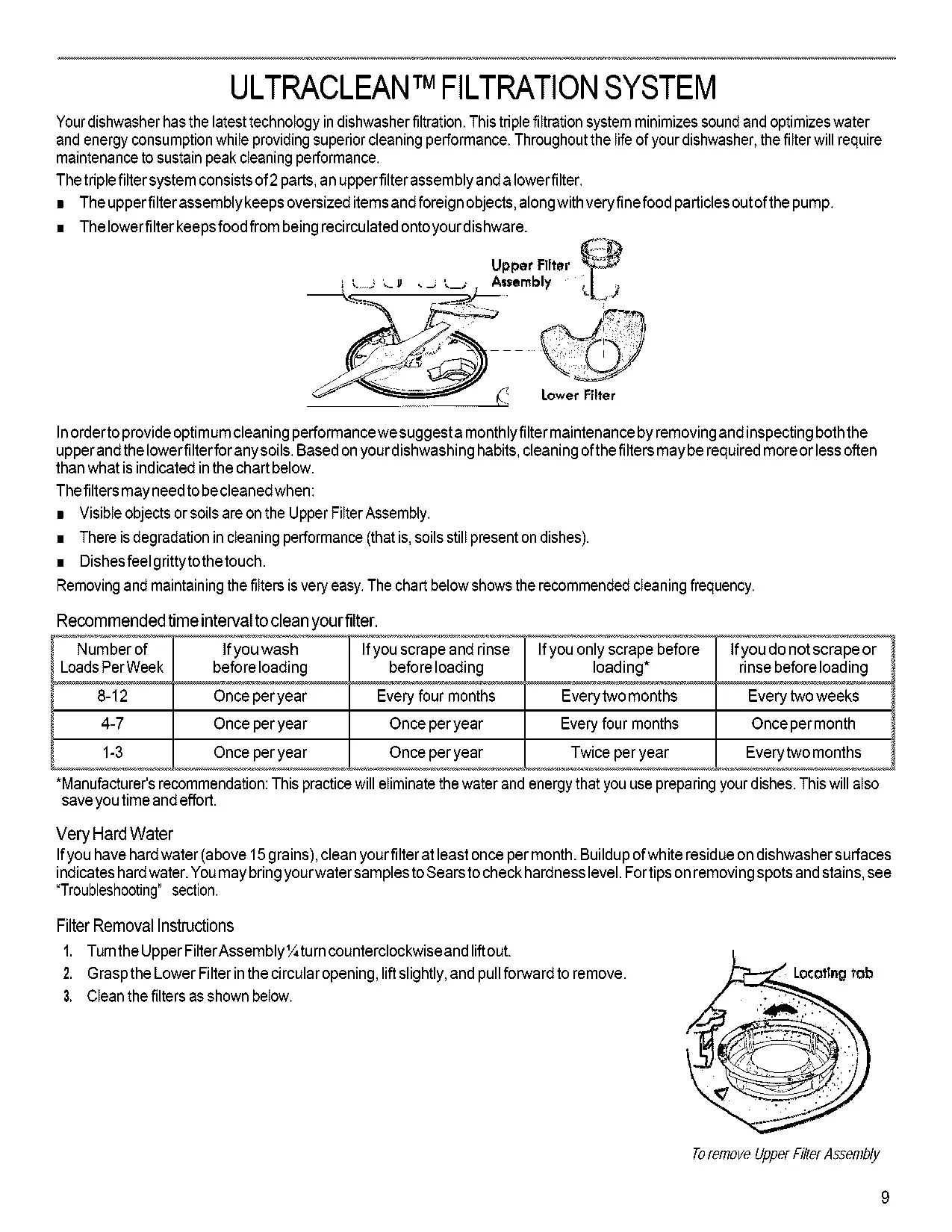
The Kenmore Elite Dishwasher Model 665 introduces several advanced features designed for superior cleaning performance and user convenience. At its core is the ULTRACLEAN™ Filtration System, a multi-component setup with removable filters crucial for maintaining optimal cleaning. Regular cleaning of these filters, recommended from every two weeks to annually depending on usage and pre-rinsing habits, ensures the dishwasher operates efficiently, tackling tough food soils effectively.
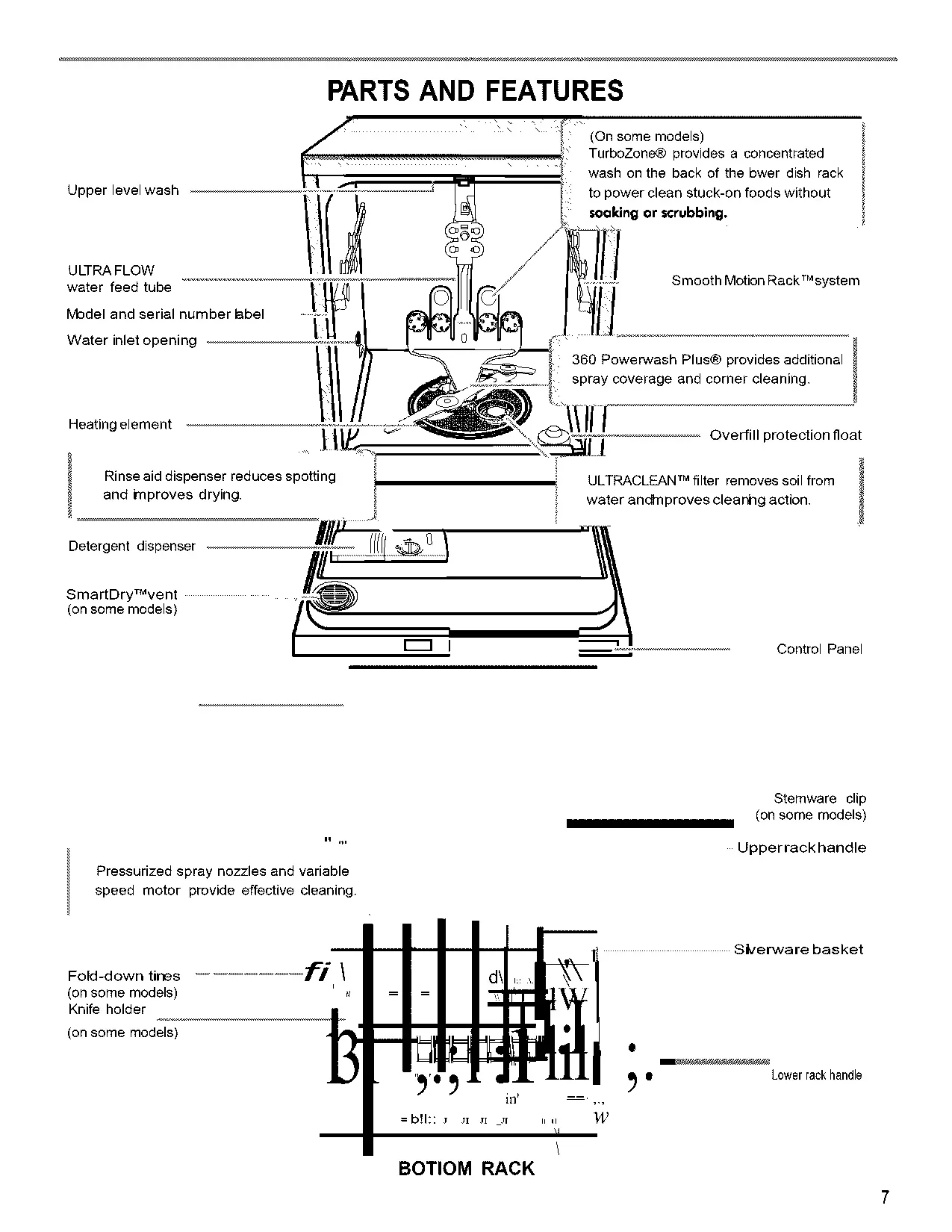
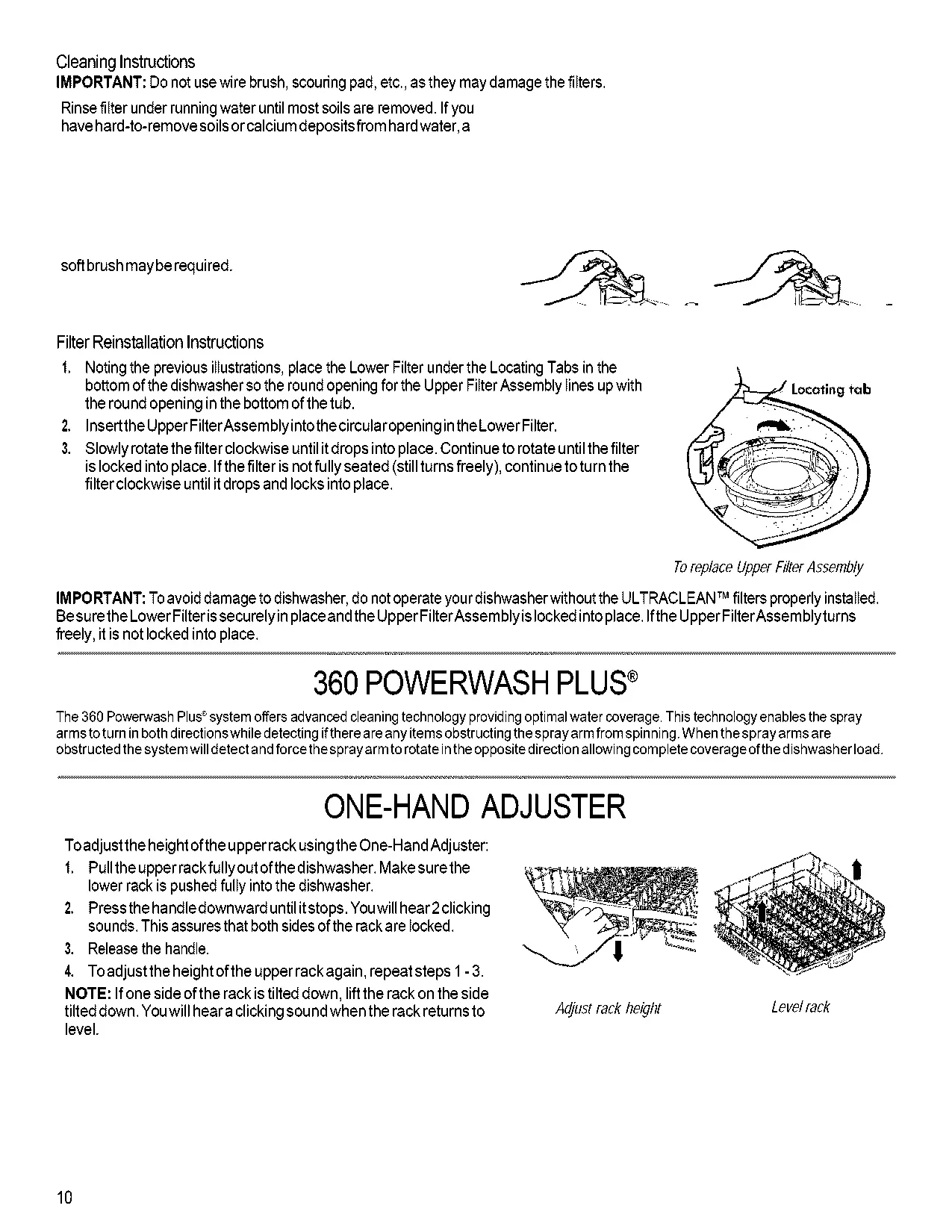
For enhanced washing power, the Model 665 incorporates the 360 POWERWASH PLUS® system. This feature signifies a comprehensive wash action that ensures dishes receive a thorough cleaning from all angles, minimizing the need for manual pre-scrubbing. It complements the dishwasher's ability to handle various soil levels, offering peace of mind that even heavily soiled items will emerge spotless.

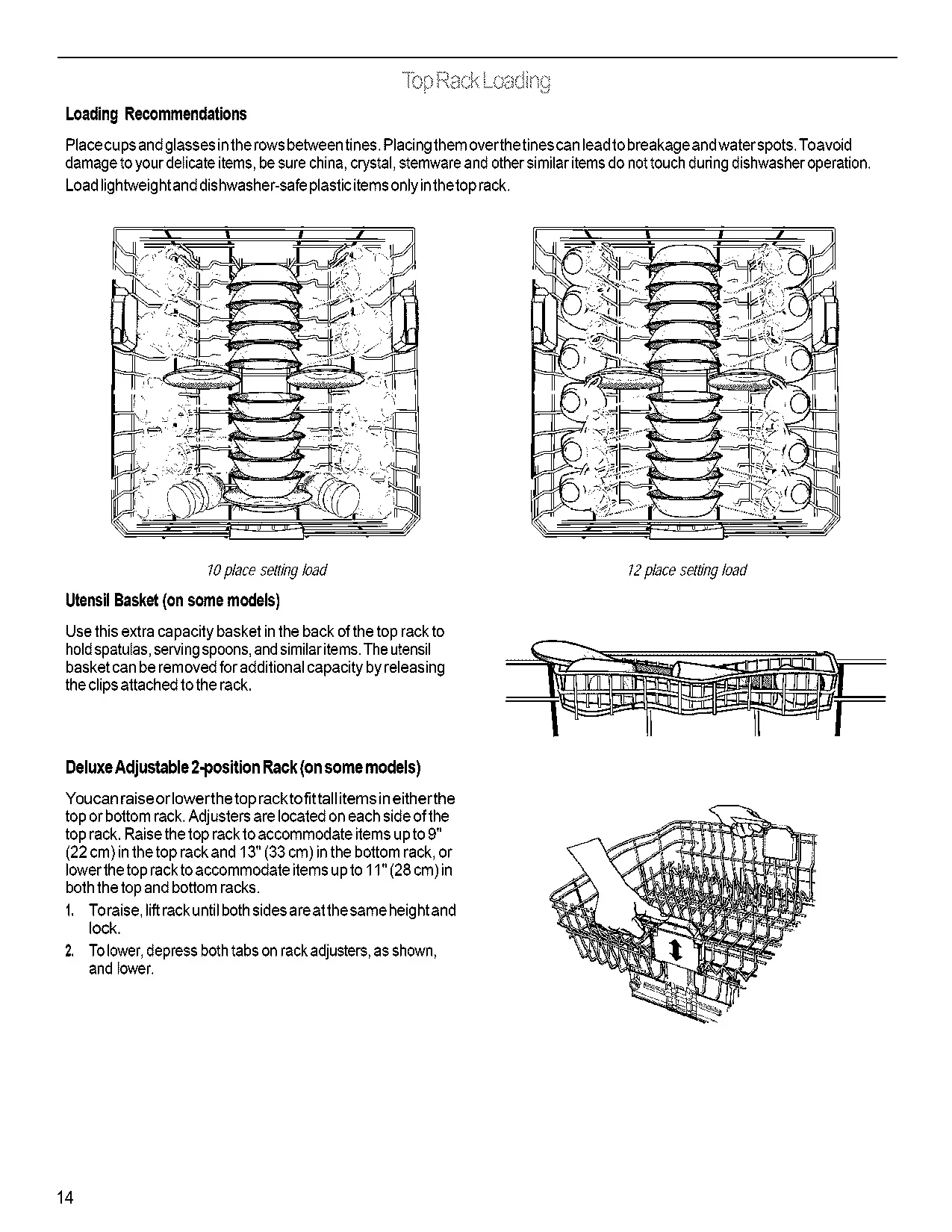
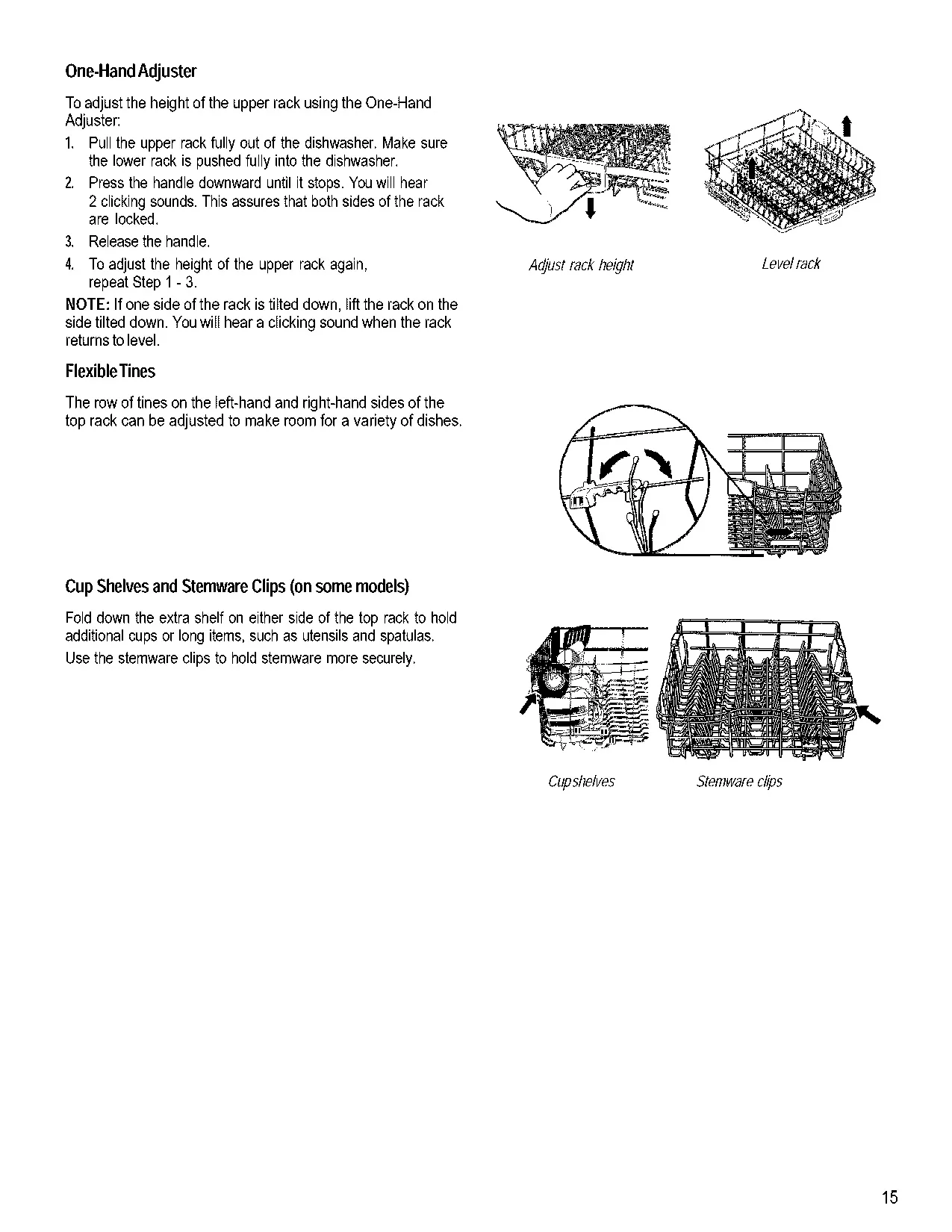
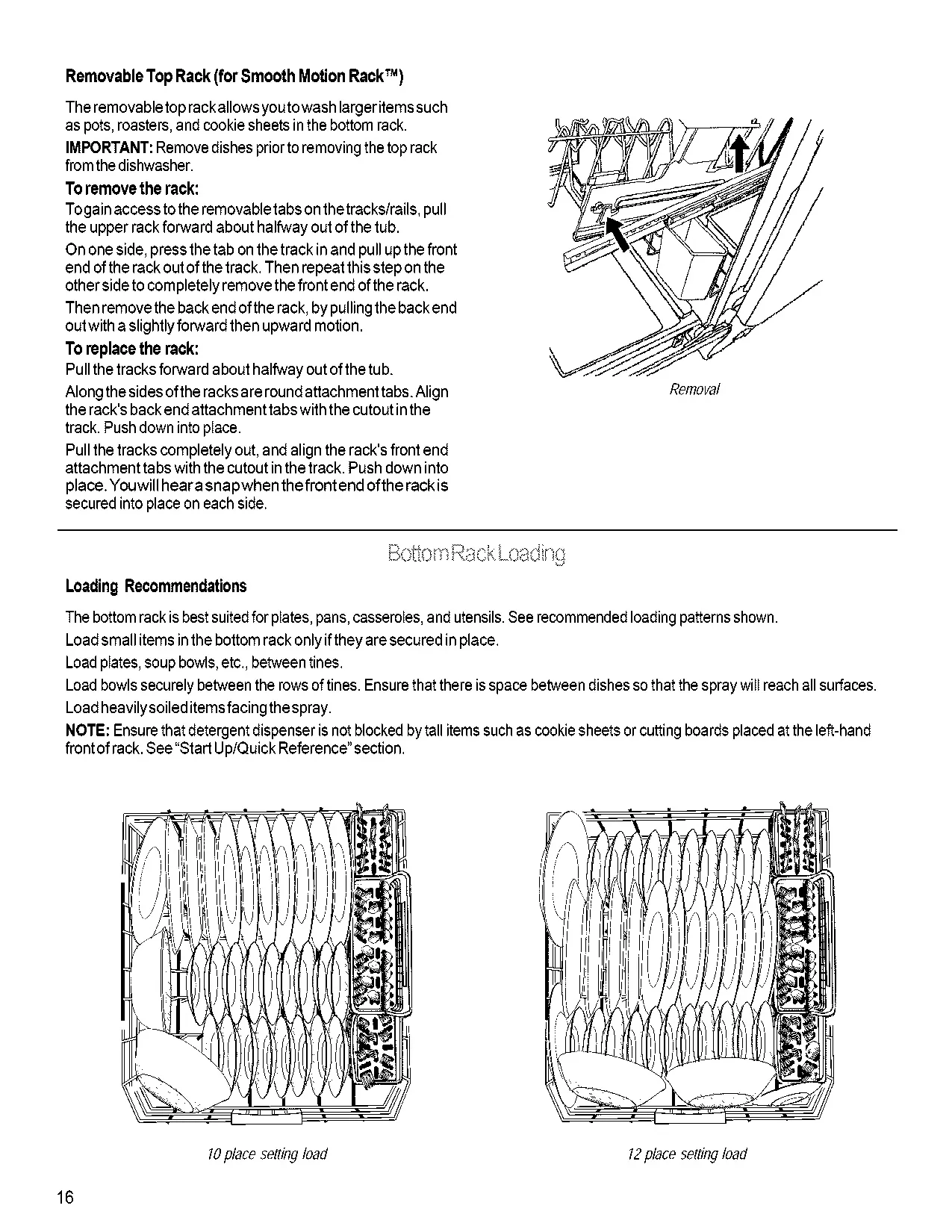
Loading flexibility is a key aspect, facilitated by the ONE-HAND ADJUSTER for the upper rack. This ingenious mechanism allows users to effortlessly raise or lower the top rack, even when it's fully loaded, making it simple to accommodate tall glasses or large plates. This adjustability optimizes space and ensures proper water spray coverage for all items, enhancing overall cleaning and drying performance.
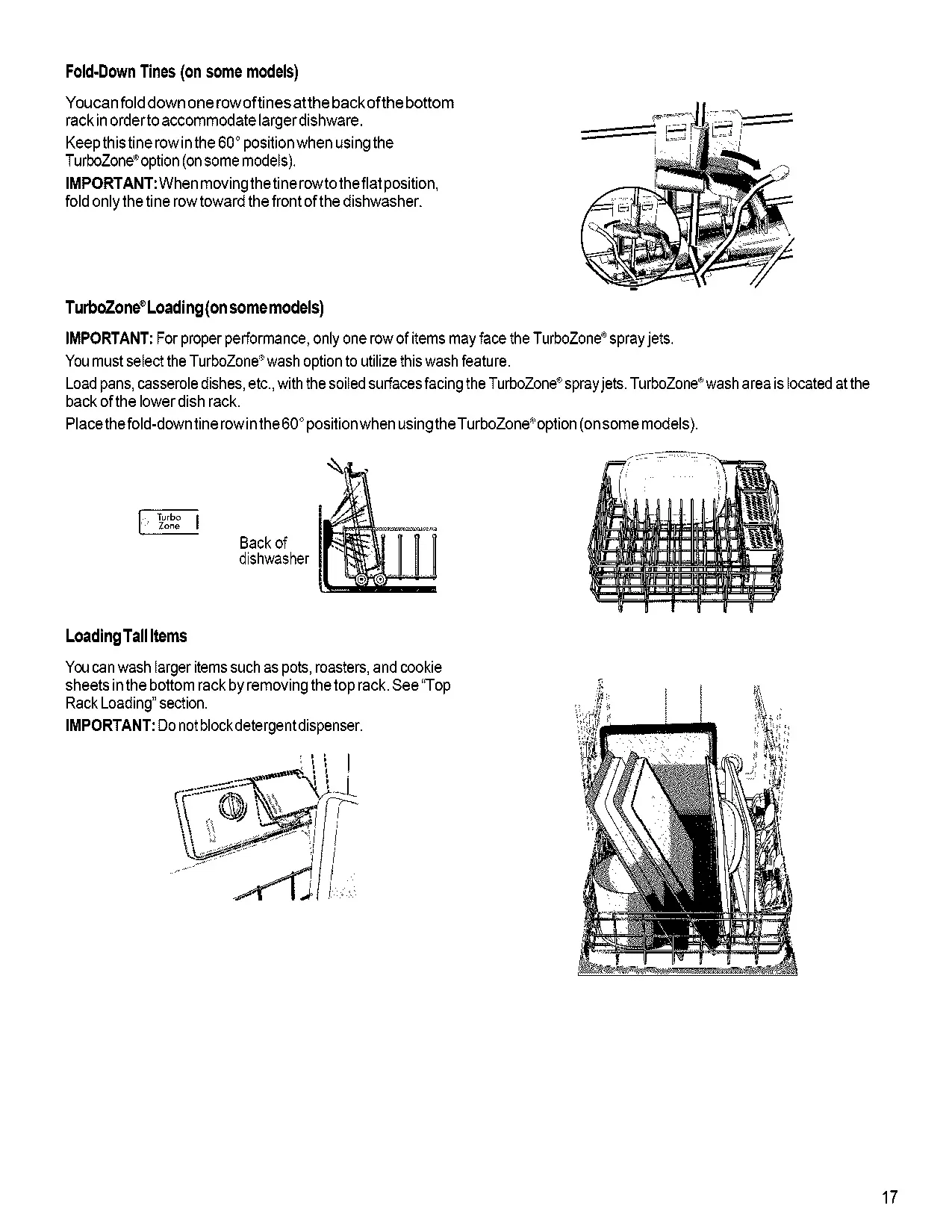
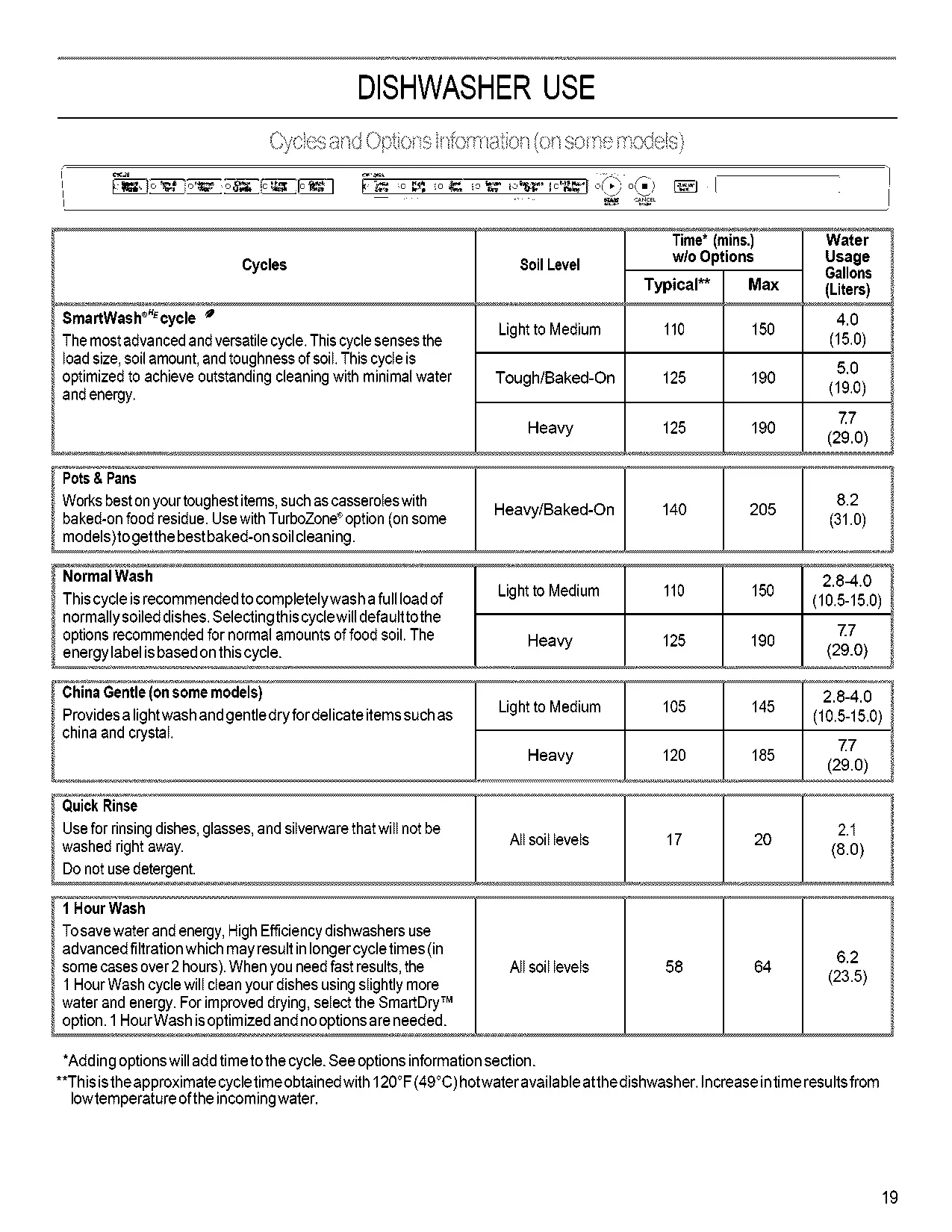
The dishwasher offers a range of cycles and options to suit diverse washing needs. The SmartWash™ cycle intelligently detects the soil level and adjusts the wash intensity, water usage, and cycle time automatically. For the most stubborn grime, the Pots & Pans cycle, especially when combined with the TurboZone® option (on some models), delivers a powerful blast of water to tackle baked-on messes, eliminating the need for soaking.
Beyond cleaning, the Model 665 prioritizes sanitization and drying. The SaniRinse option, certified by NSF/ANSI Standard 184, increases wash and rinse temperatures to sanitize dishes and glassware, indicated by a light at the cycle's end. For superior drying, the SmartDry™ option engages a heat element with fan assist. Using rinse aid in conjunction with SmartDry™ is highly recommended for best results, especially with plastic items, which are less prone to deforming when placed in the top rack.

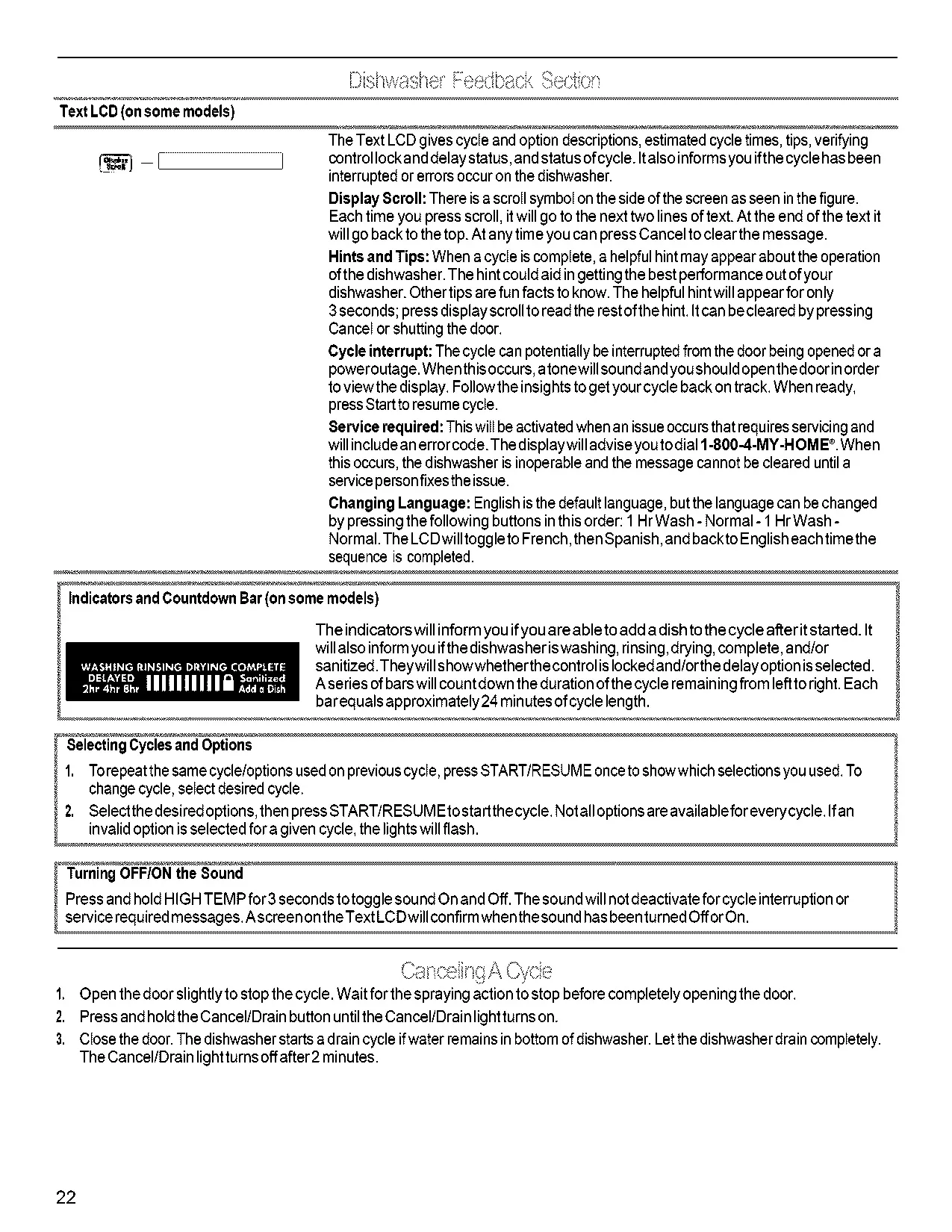
User feedback and control are streamlined through a sophisticated Text LCD display. This display provides detailed cycle and option descriptions, estimated cycle times, helpful tips, and status updates for control lock and delay. It also alerts users to cycle interruptions or error codes, guiding them on how to resolve issues or contact service. The convenience extends to language settings, allowing users to easily switch between English, French, and Spanish.
Frequently Asked Questions (FAQs)
Can't find the answer you need? Here are some frequently asked questions about the Kenmore Elite Dishwasher Model 665, and we answer them below.
Why isn't my dishwasher running?
First, ensure the door is securely closed and latched, and that a cycle has been selected. If the Start/Resume light is blinking, press START/RESUME and close the door within 3 seconds. Check your circuit breaker or fuse, and ensure no dishes are obstructing the door or wash system.
Why does detergent remain in the dispenser or tablet at the bottom of the tub?
Check for large dishware (like cookie sheets) blocking the dispenser. Ensure your detergent is fresh and lump-free, and that the cycle has completed. If not, resume by pressing START/RESUME and closing the door within 3 seconds.
Why does a wash cycle take so long?
Modern dishwashers use less water and energy, leading to longer cycles (up to 3 hours). A water heater setting of 120°F (49°C) is ideal; cooler water will delay cycles. Options like SmartDry™ or SaniRinse will also add time. Try the 1 Hour Wash cycle for faster results.
My dishes aren't drying properly, especially plastics. What can I do?
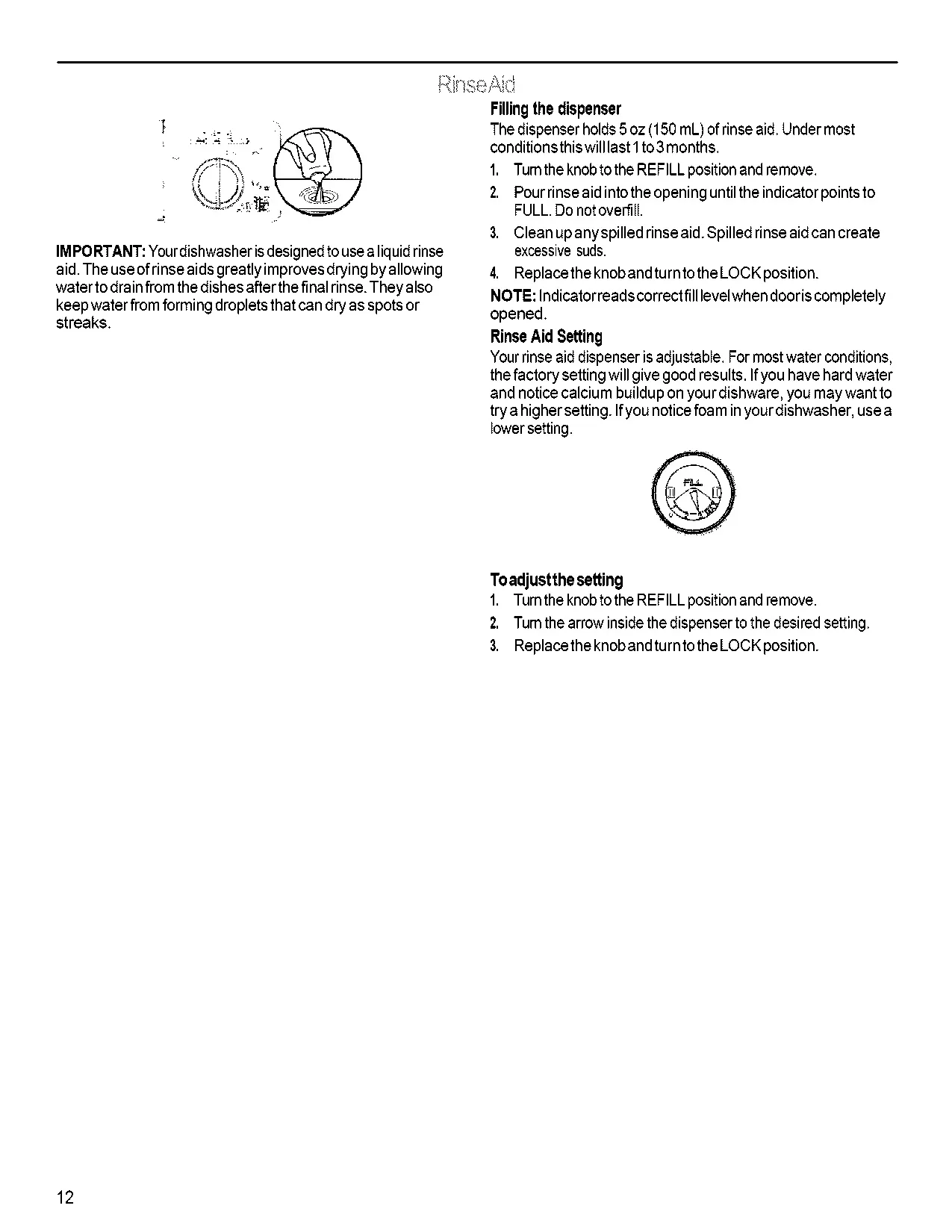
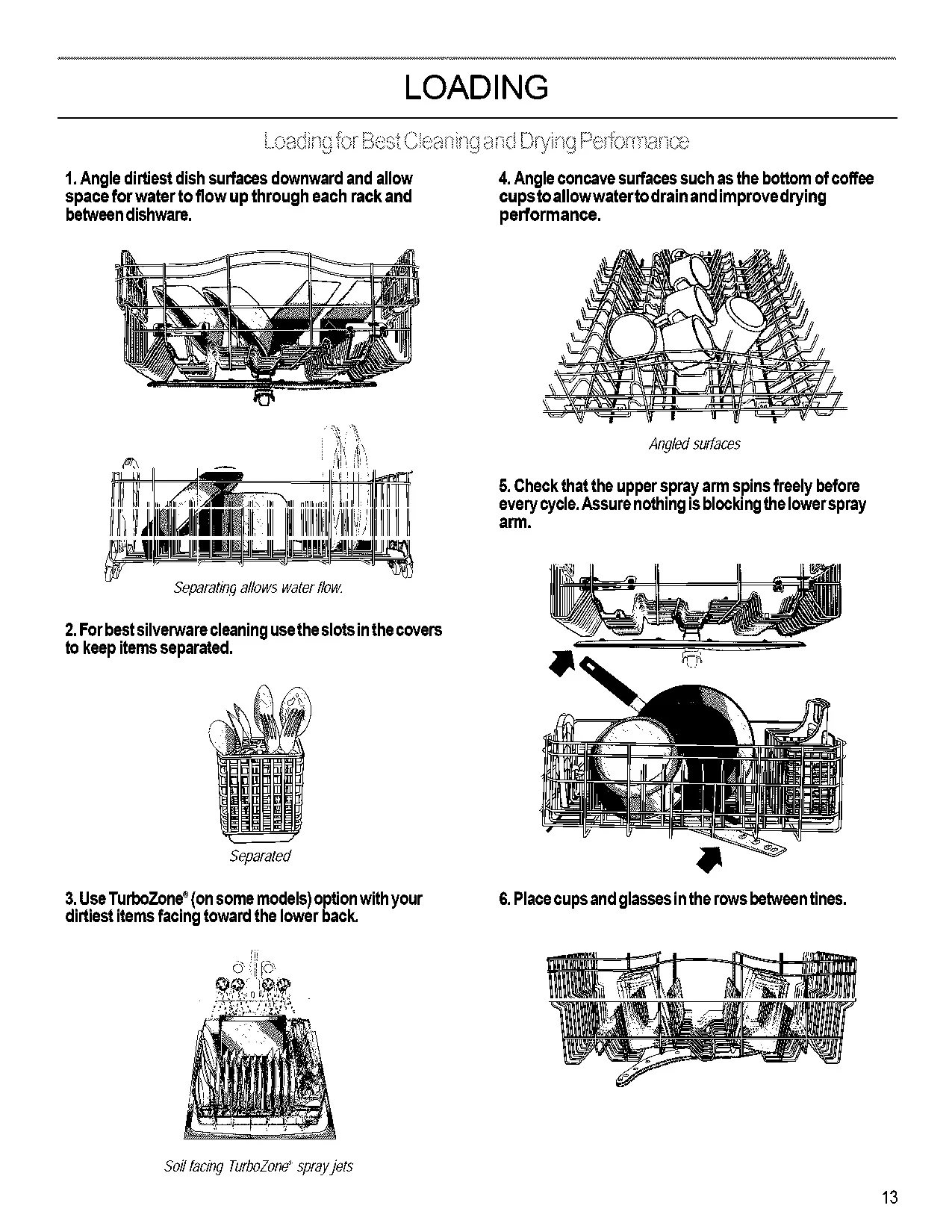
Plastic and non-stick items are difficult to dry. Always use rinse aid, preferably with the SmartDry™ option. Proper loading is crucial; glasses with concave bottoms can hold water. Unload the bottom rack first, and place items on slanted rack sides for improved drainage.
The dishwasher isn't filling with water. What's wrong?
Make sure the water supply to the dishwasher is turned on. Check that the float inside the tub is free from obstructions. If foam or suds are present, the dishwasher may not operate properly or fill, so use only dishwasher-specific detergent and measure accurately.
Why is there water remaining in the tub, or why isn't it draining?
First, ensure the cycle has completed (green light on). If not, resume the cycle by pressing START/RESUME and closing the door within 3 seconds. If connected to a garbage disposer, ensure the knockout plug has been removed. Check for kinks in the drain hose or food obstructions in the drain/disposer.
I'm seeing white residue on my dishes or the dishwasher interior (hard water). How can I fix this?
Consider a water softener if your water hardness is 15 grains or more. Use a dishwasher cleaner monthly, clean the ULTRACLEAN™ filters regularly, and always use rinse aid and a high-quality, fresh detergent. A detergent booster/water softener additive can also help.
Why does my dishwasher have odors?
If not used daily, run a rinse cycle or use the Top Rack Only option until a full load is ready. Run a vinegar rinse by placing 2 cups (500 mL) of white vinegar in an upright glass in the lower rack and running a normal cycle (without detergent and with SmartDry™ off). Ensure the dishwasher is draining properly.
Why is my dishwasher noisy?
Some sounds are normal, like surging, water valve hissing, and the detergent dispenser opening. Ensure filters are properly installed. A thumping sound might indicate items extending beyond the racks and interfering with the wash arms; readjust dishware if this occurs. Improper installation can also affect noise levels.
Food soils are remaining on my dishes after a cycle. What should I check?
Ensure the dishwasher is loaded correctly to avoid blocking spray. Check and clean the ULTRACLEAN™ filters. Select the appropriate cycle and option (e.g., Pots & Pans with TurboZone® for tough loads). Confirm incoming water temperature is at least 120°F (49°C) and use the correct amount of fresh detergent for soil level and water hardness. Scrape, but do not pre-rinse, food from dishes.
My dishes did not sanitize, even with SaniRinse. What happened?
If the SaniRinse indicator light is blinking, the load was NOT sanitized. This usually means the cycle was interrupted during the final rinse or your water heater is set too low. Ensure your water heater is set to at least 120°F (49°C).
My dishware is getting chipped or damaged. How can I prevent this?
Improper loading is the most common cause. Refer to the specific loading instructions in your guide to ensure dishes are spaced correctly and not touching or interfering with the wash arms or each other during the cycle.
My dishes are cloudy or spotted. Is this permanent?
First, check if the cloudiness disappears after soaking the item in white vinegar for 5 minutes. If it does, it's due to hard water, and you should adjust detergent/rinse aid amounts (see "Hard Water" FAQ). If it doesn't clear, it's likely etching, which is permanent damage (see next FAQ). Using High Temp and SaniRinse options can also help reduce spotting.
What is etching, and how can I avoid it?
Etching is permanent cloudiness caused by erosion of glassware surfaces. It can result from water that's too hot, using too much detergent with soft water, or pre-washing. Detergent needs food soil to act upon. To avoid further etching, adjust detergent for water hardness, stop pre-washing, and only use water heating options if incoming water is below 120°F (49°C).
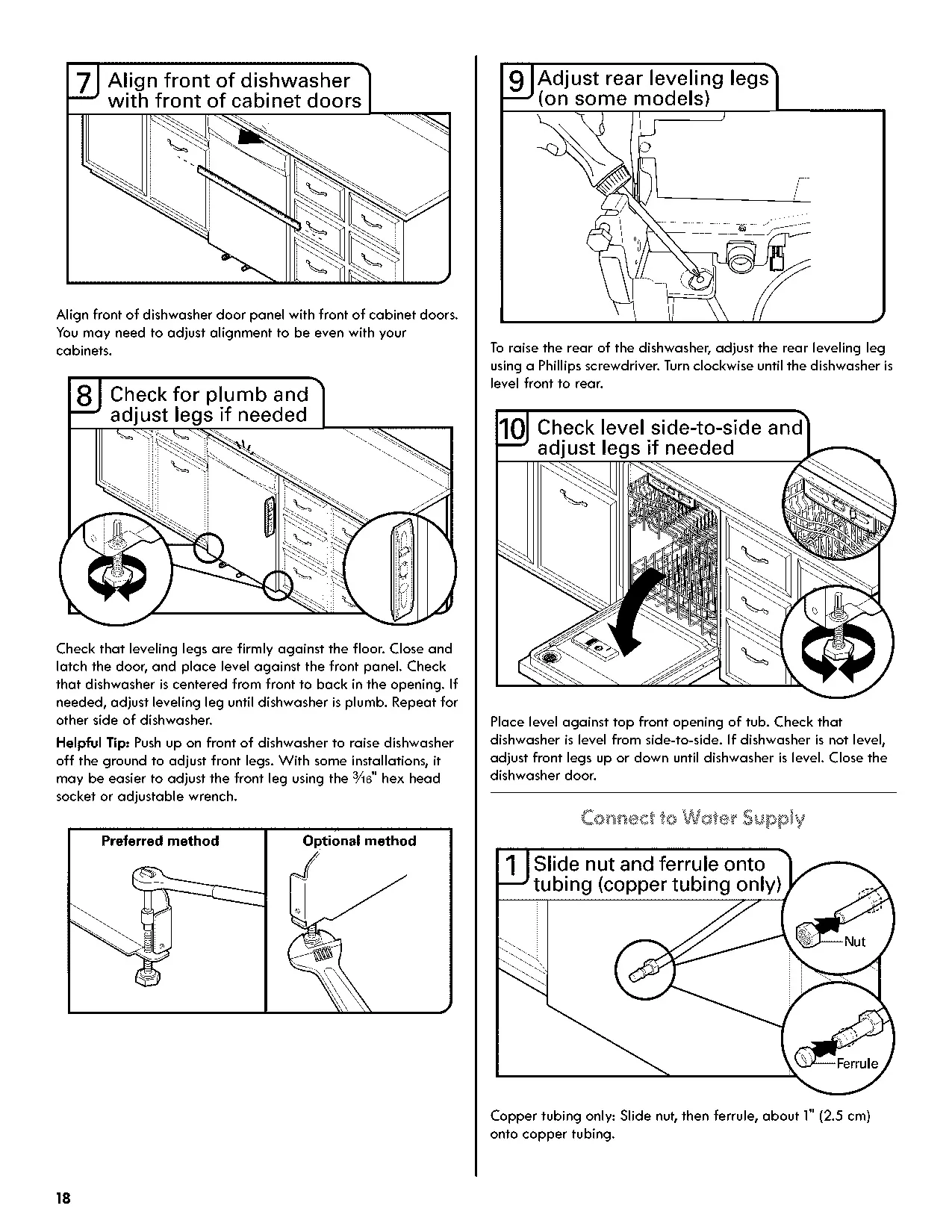
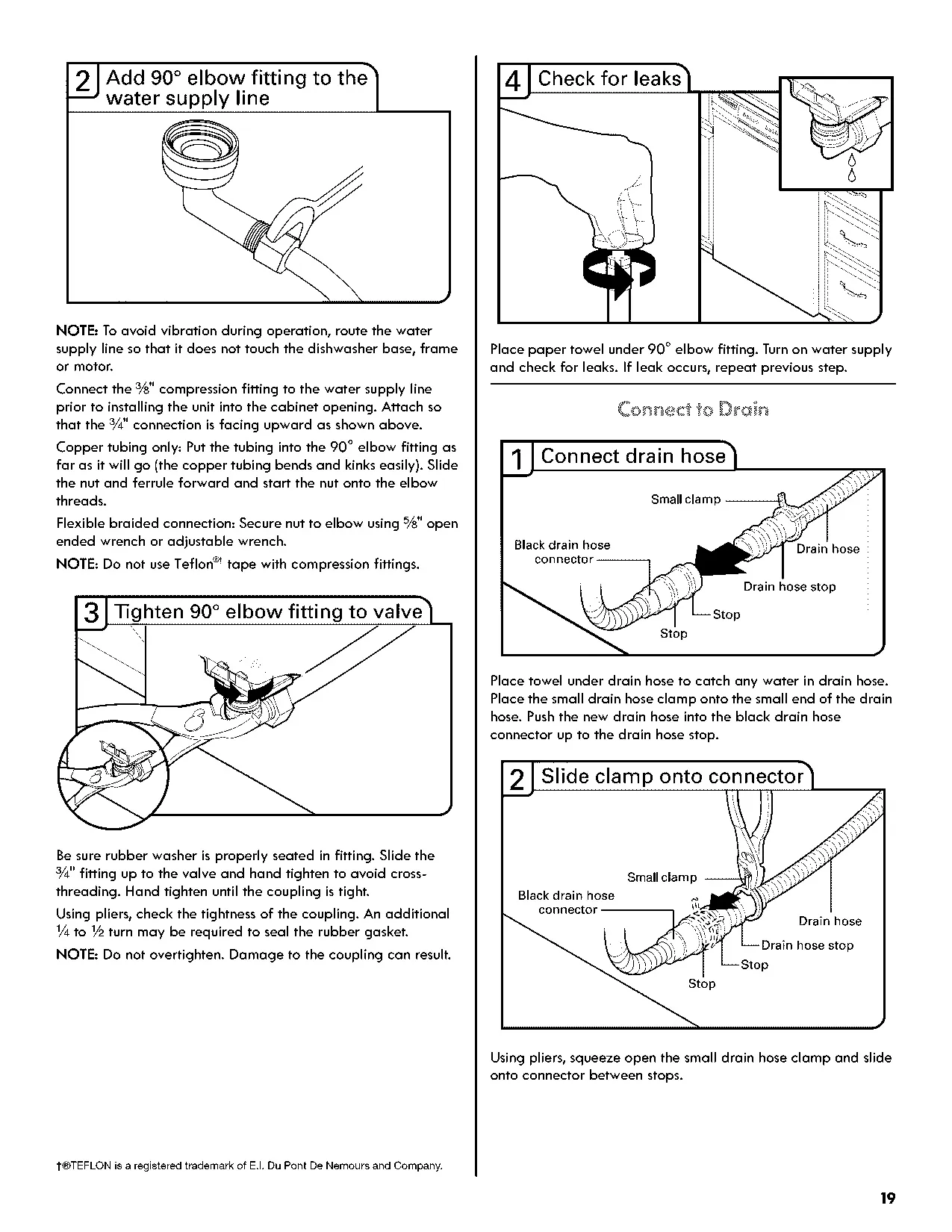
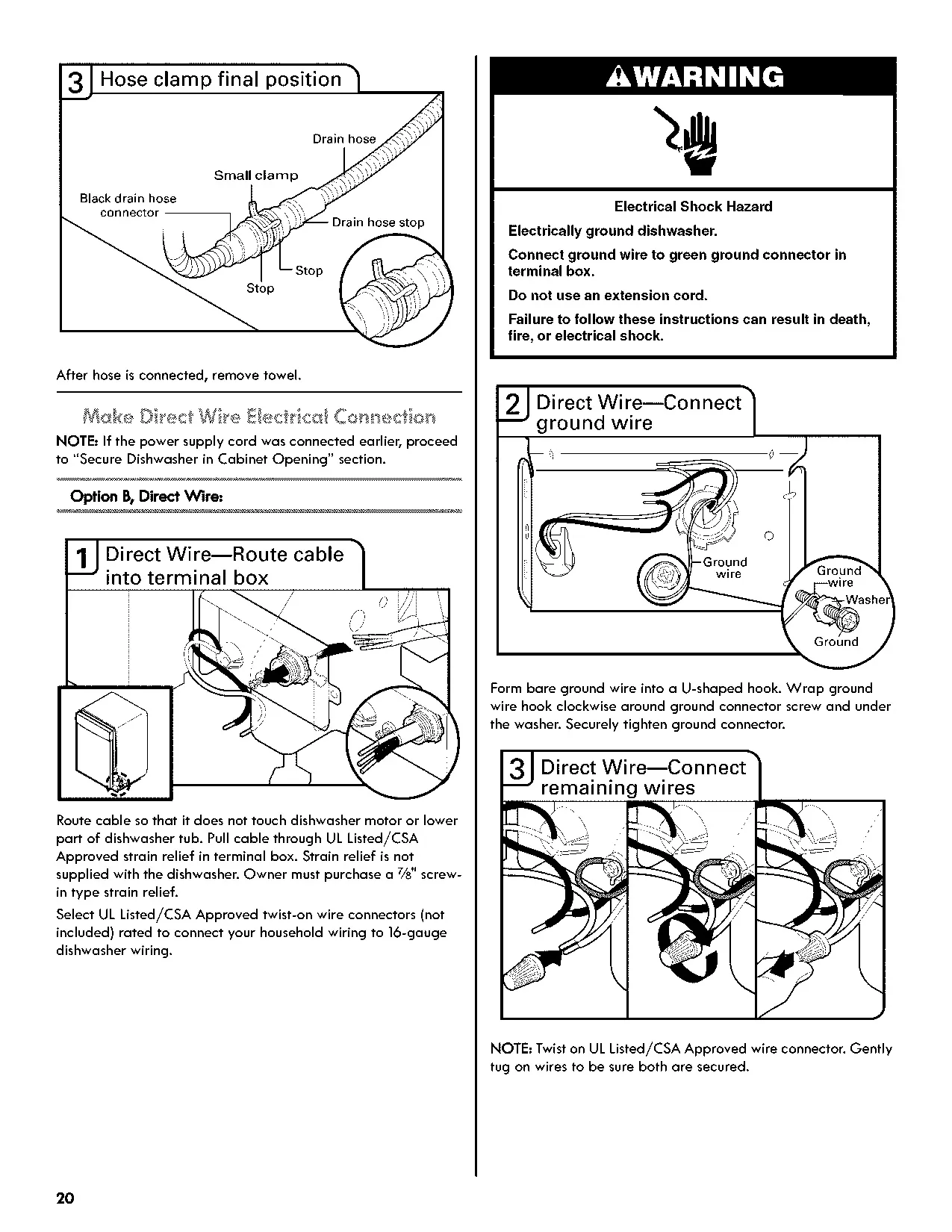
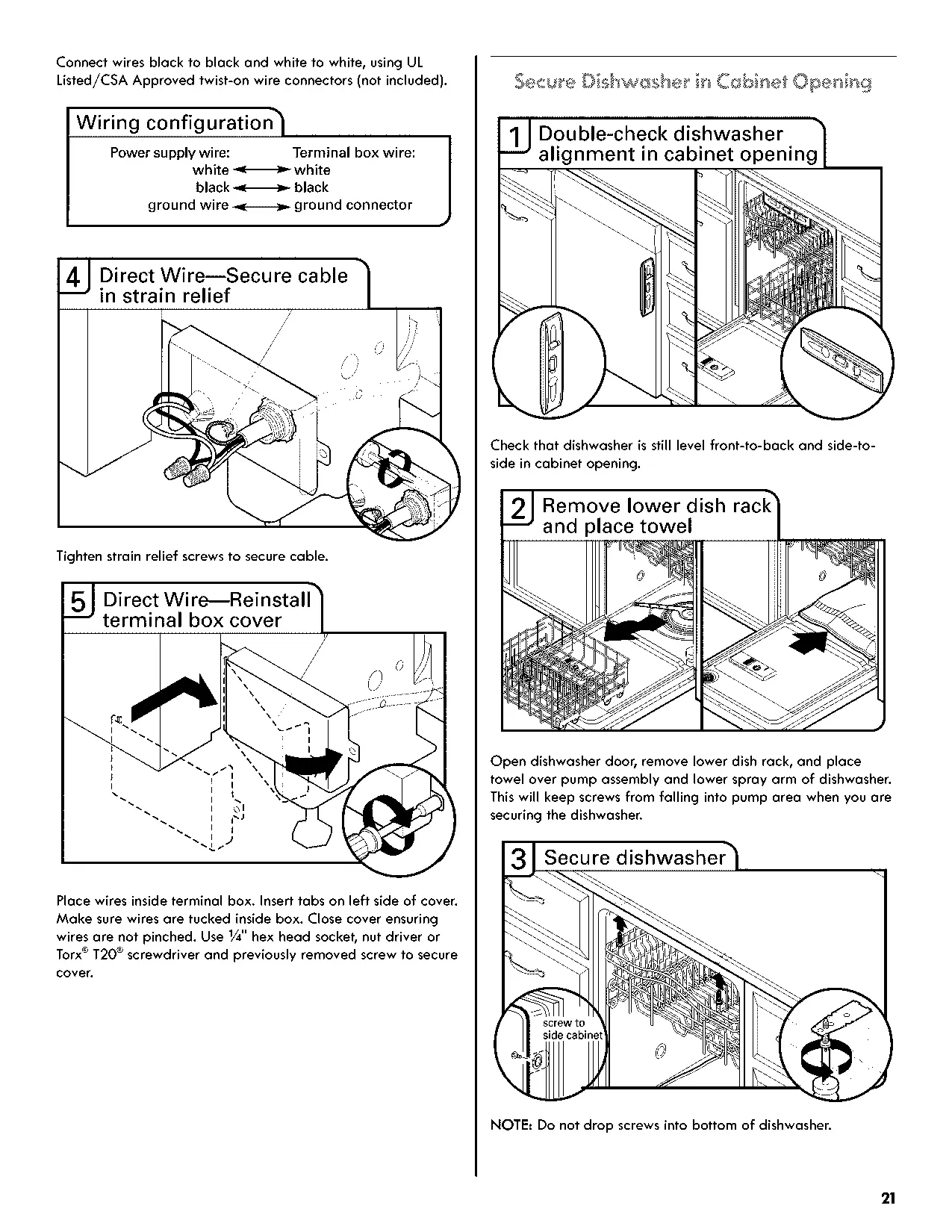
Why is water leaking from my dishwasher?
Ensure the dishwasher is properly installed and level. Suds can cause overflows, so measure detergent accurately and use only dishwasher-specific brands; less detergent is needed in soft water. If rinse aid is leaking, check that the dispenser lid is securely attached and avoid overfilling.