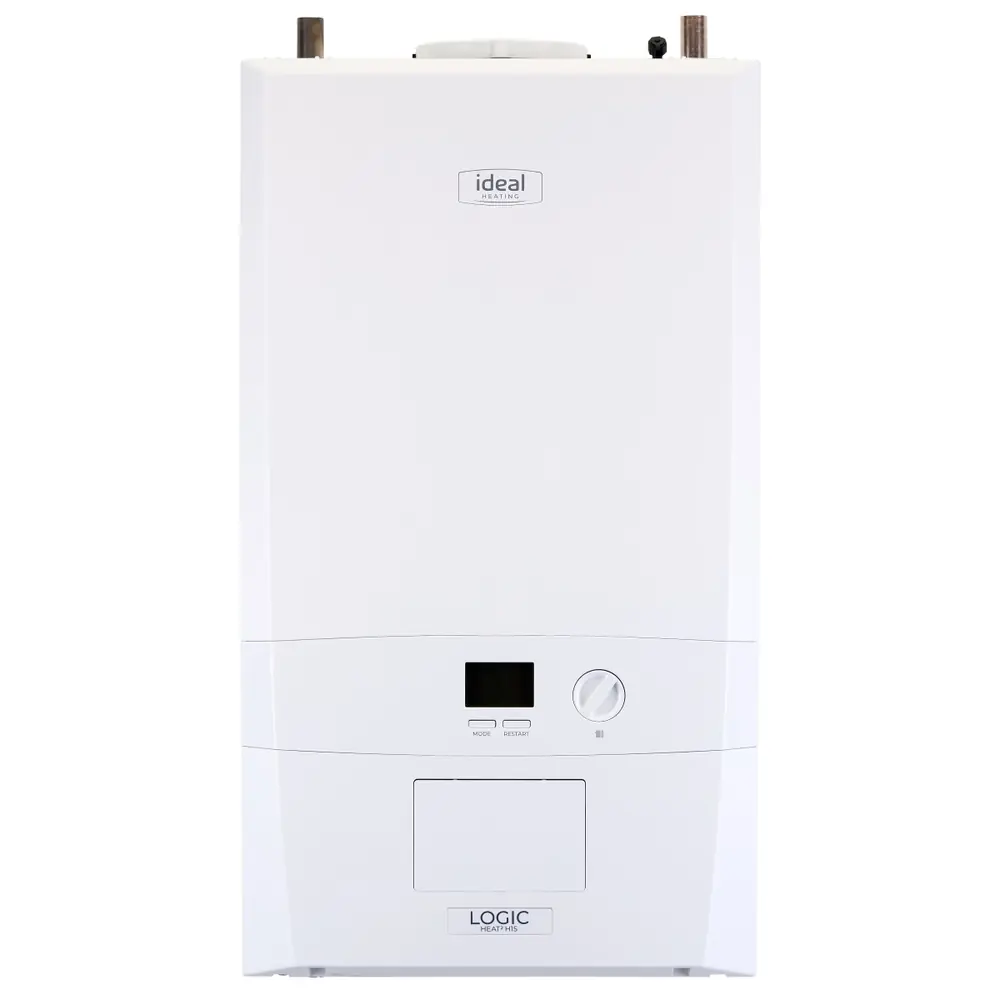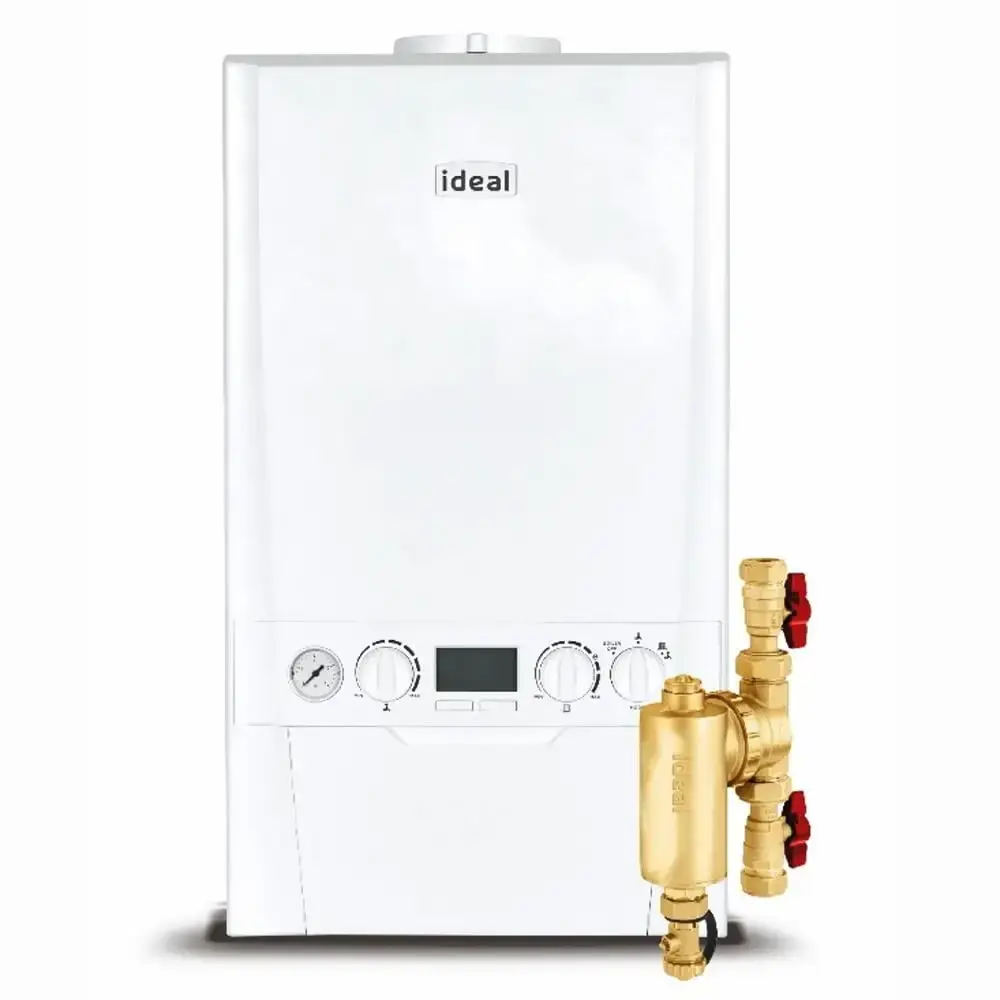
Ideal Logic Combi ESP1 30 Boiler Instruction Manual
Ideal Logic Combi ESP1 30 Boiler





Ideal Logic Combi ESP1 30 Boiler



Ideal Logic Combi ESP1 30 Boiler







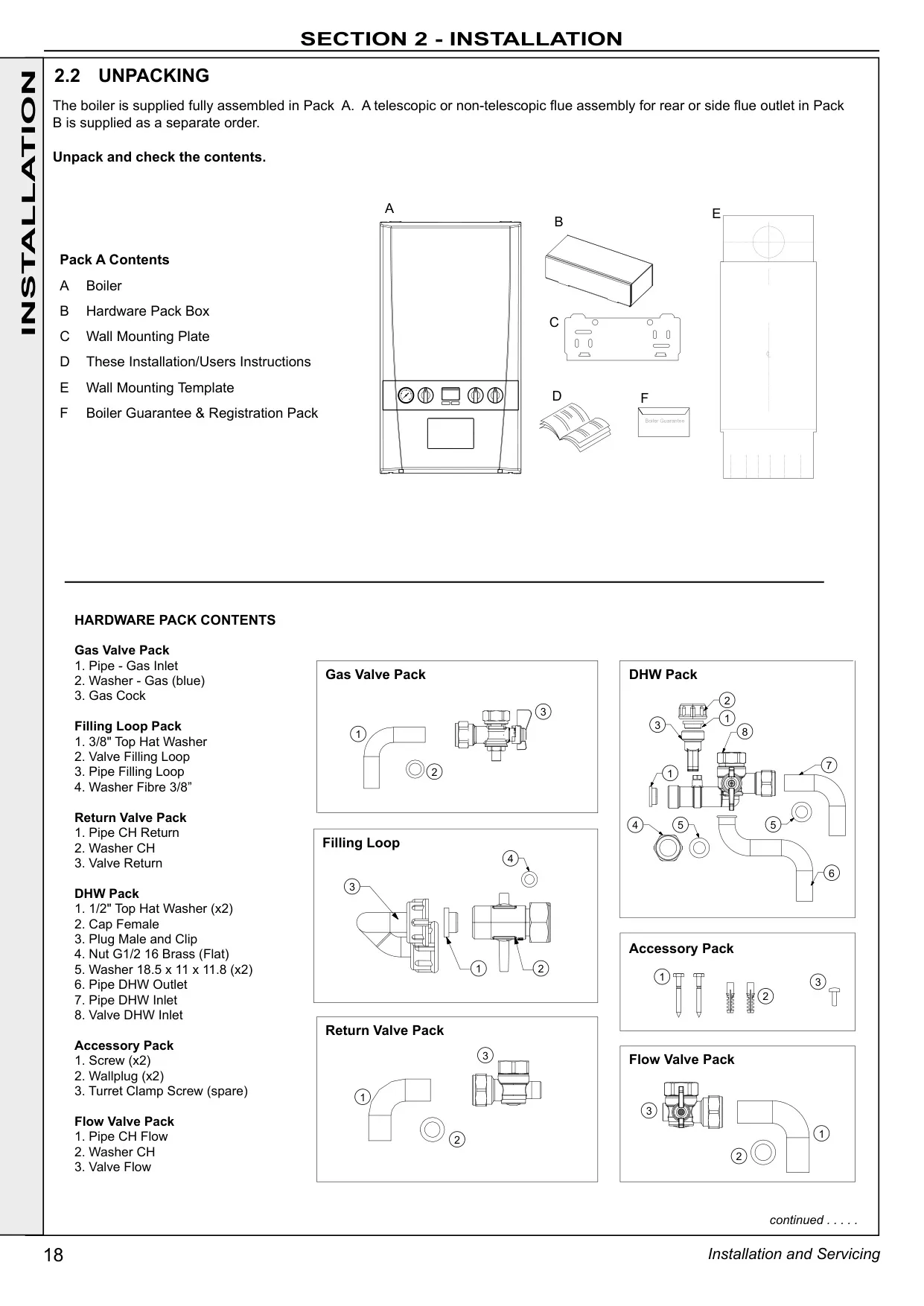


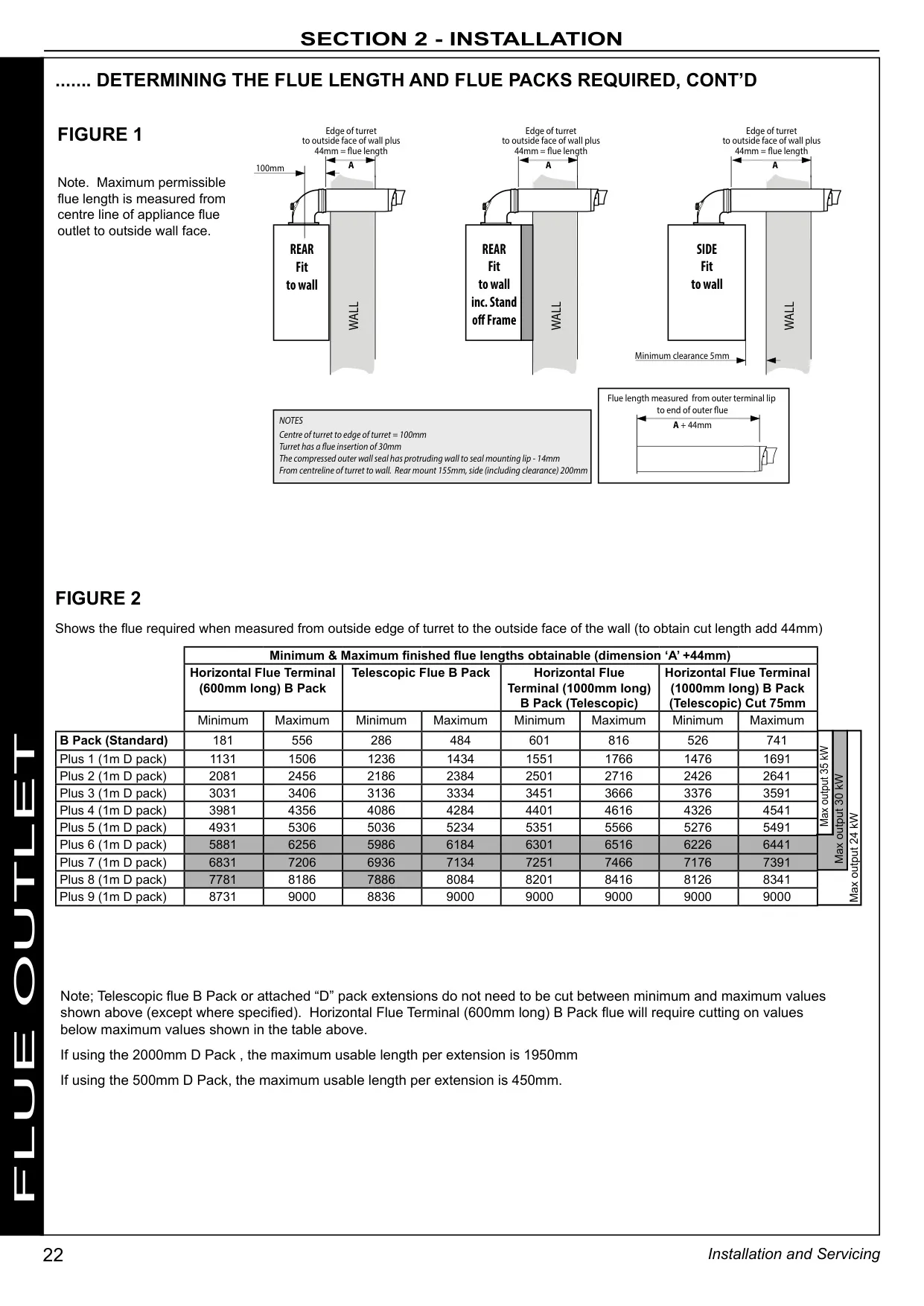


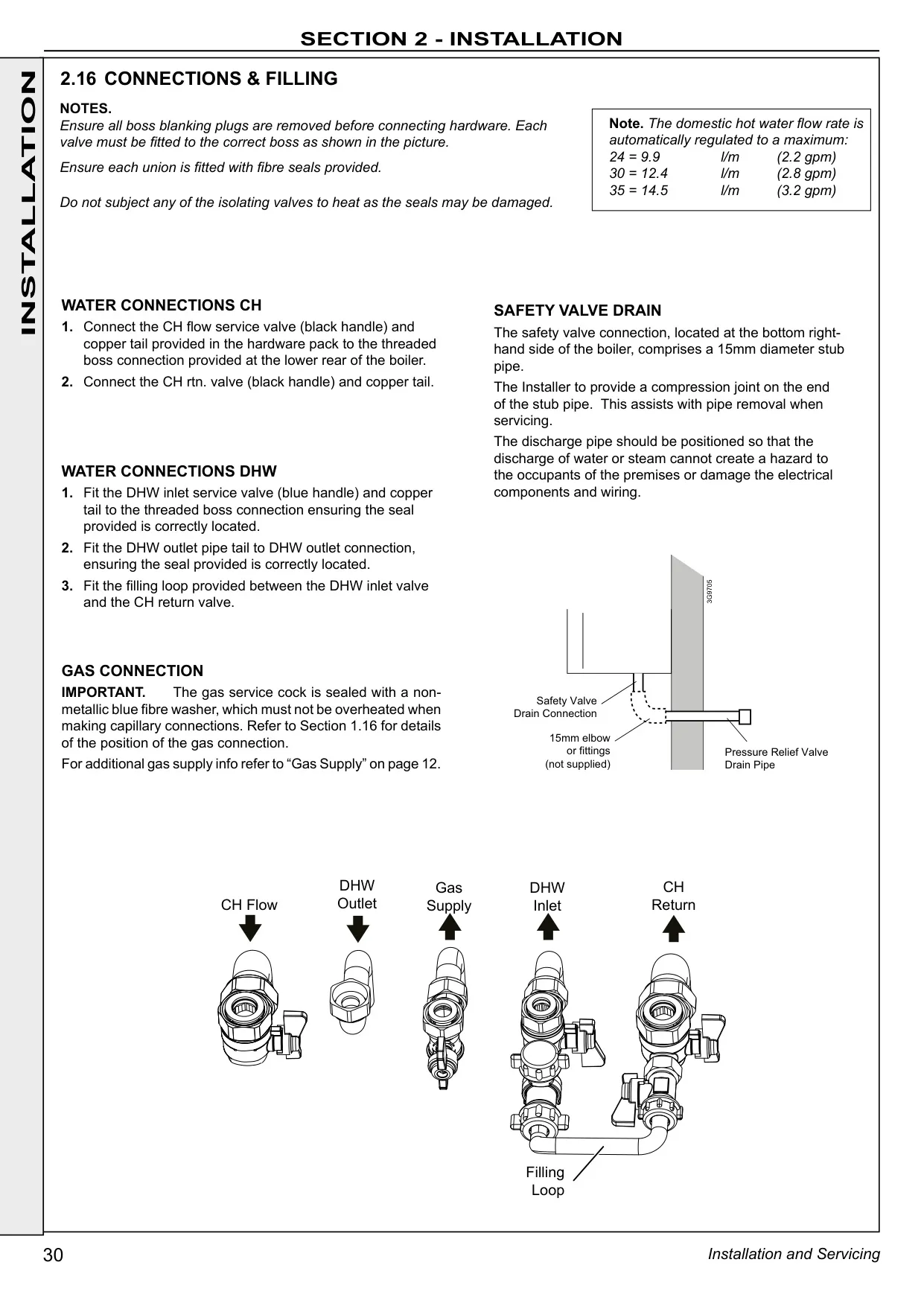


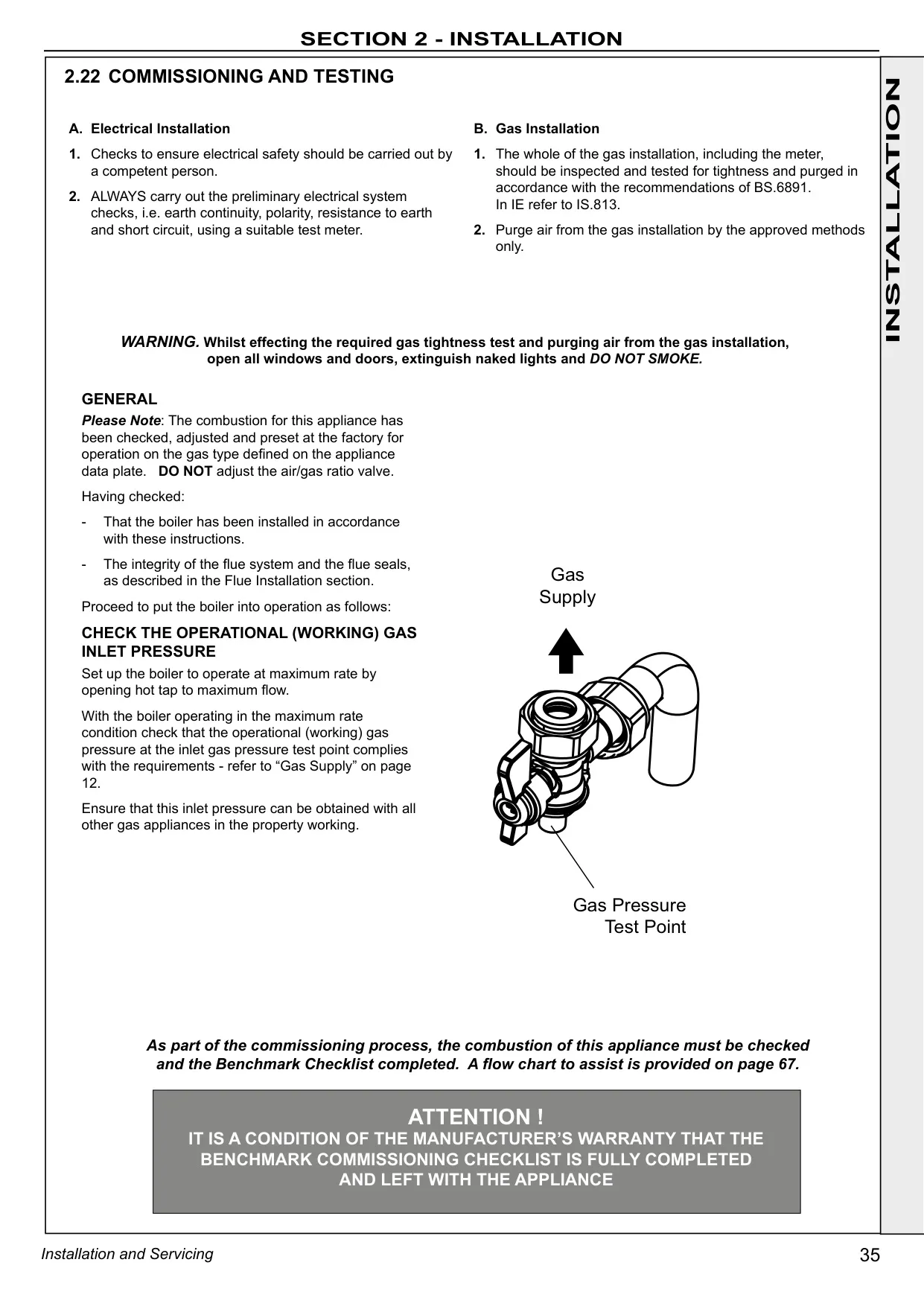


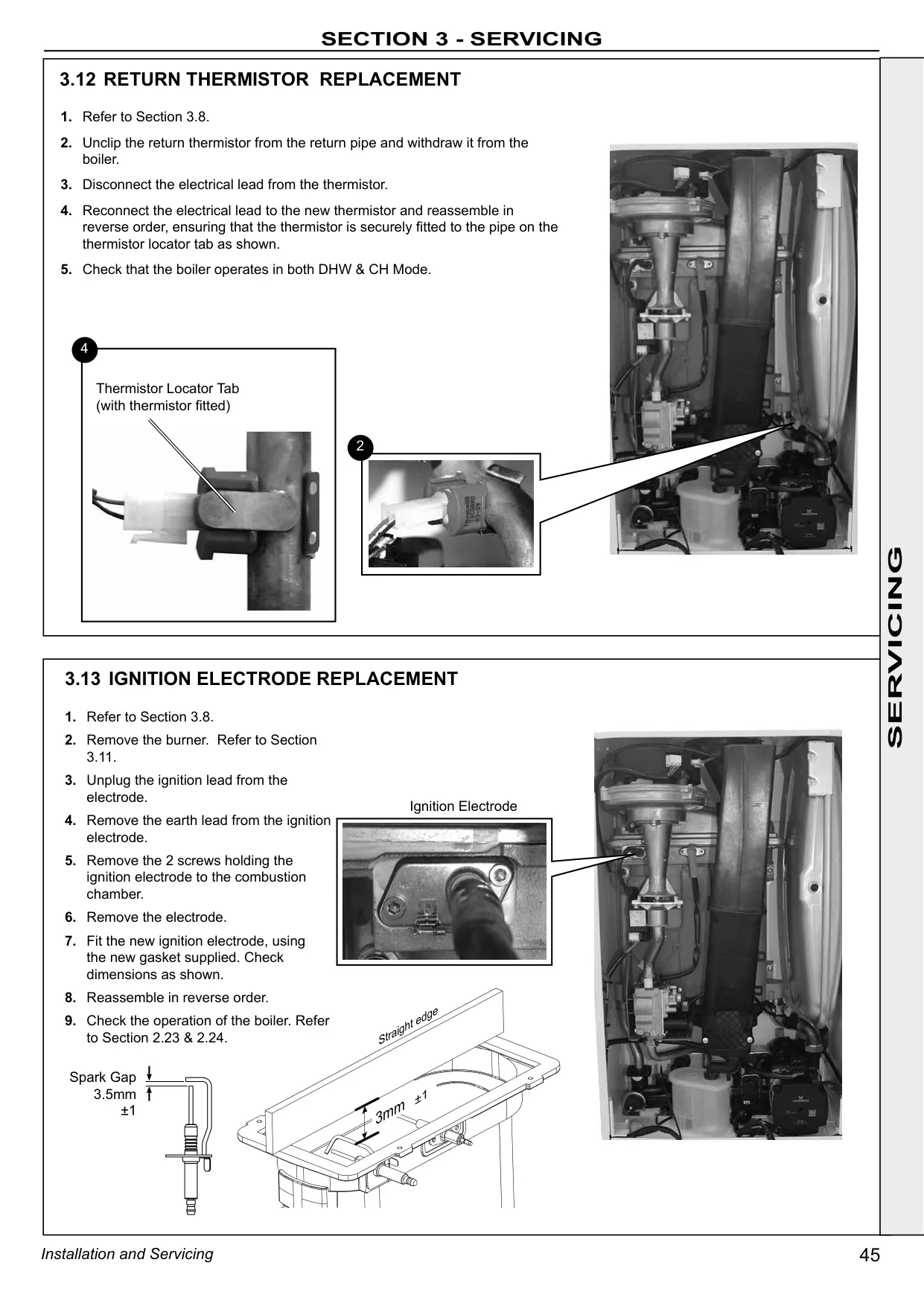


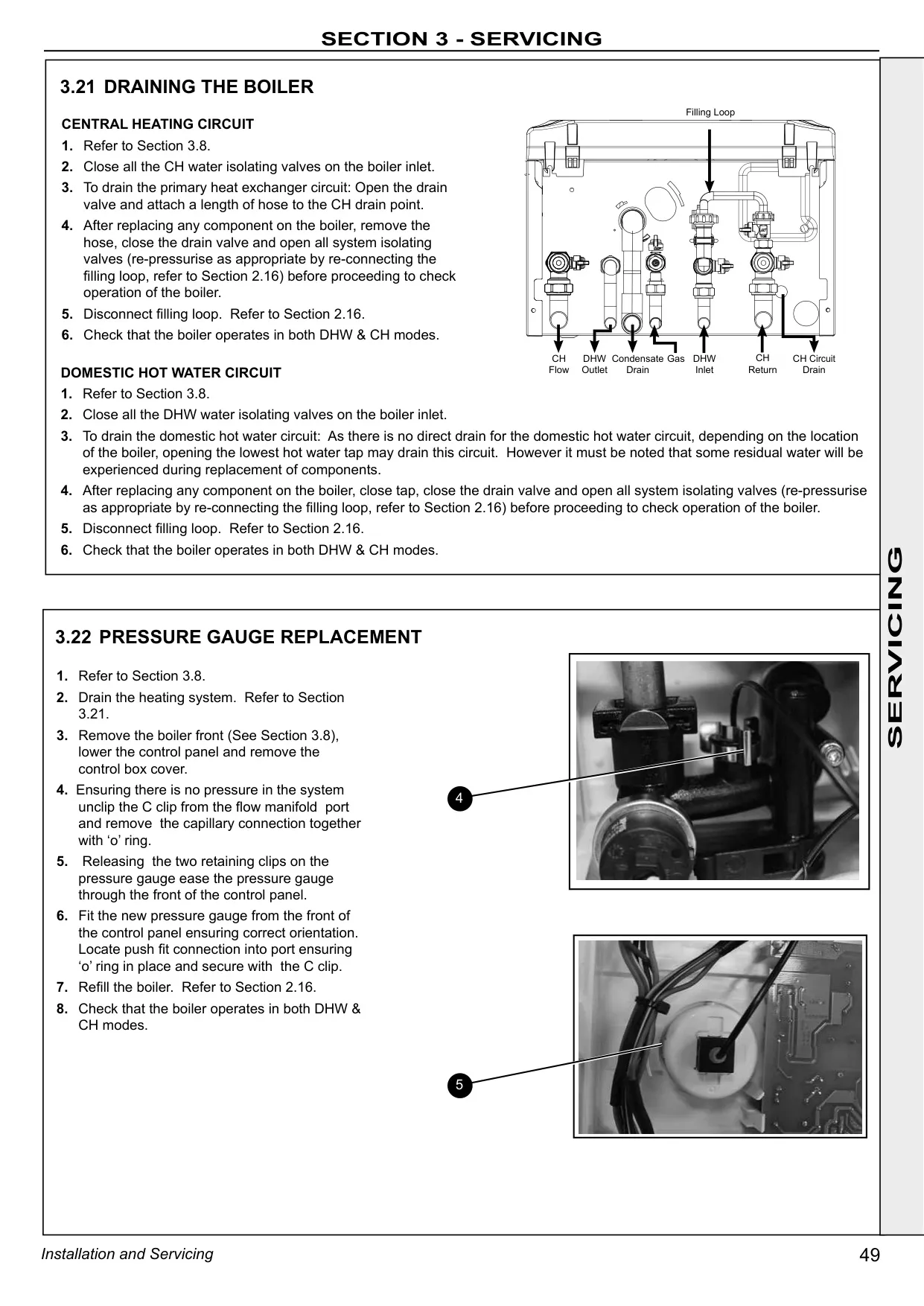


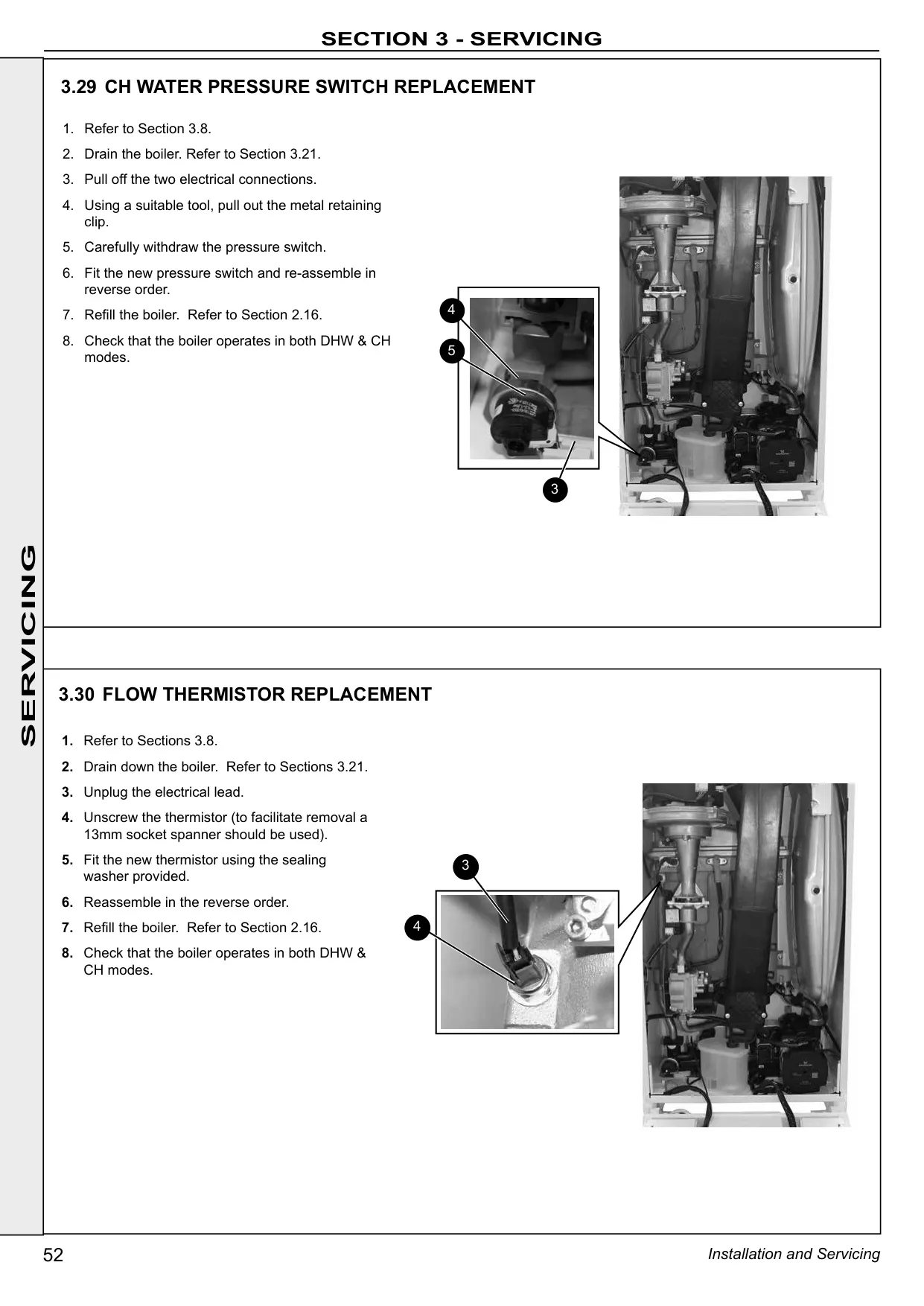


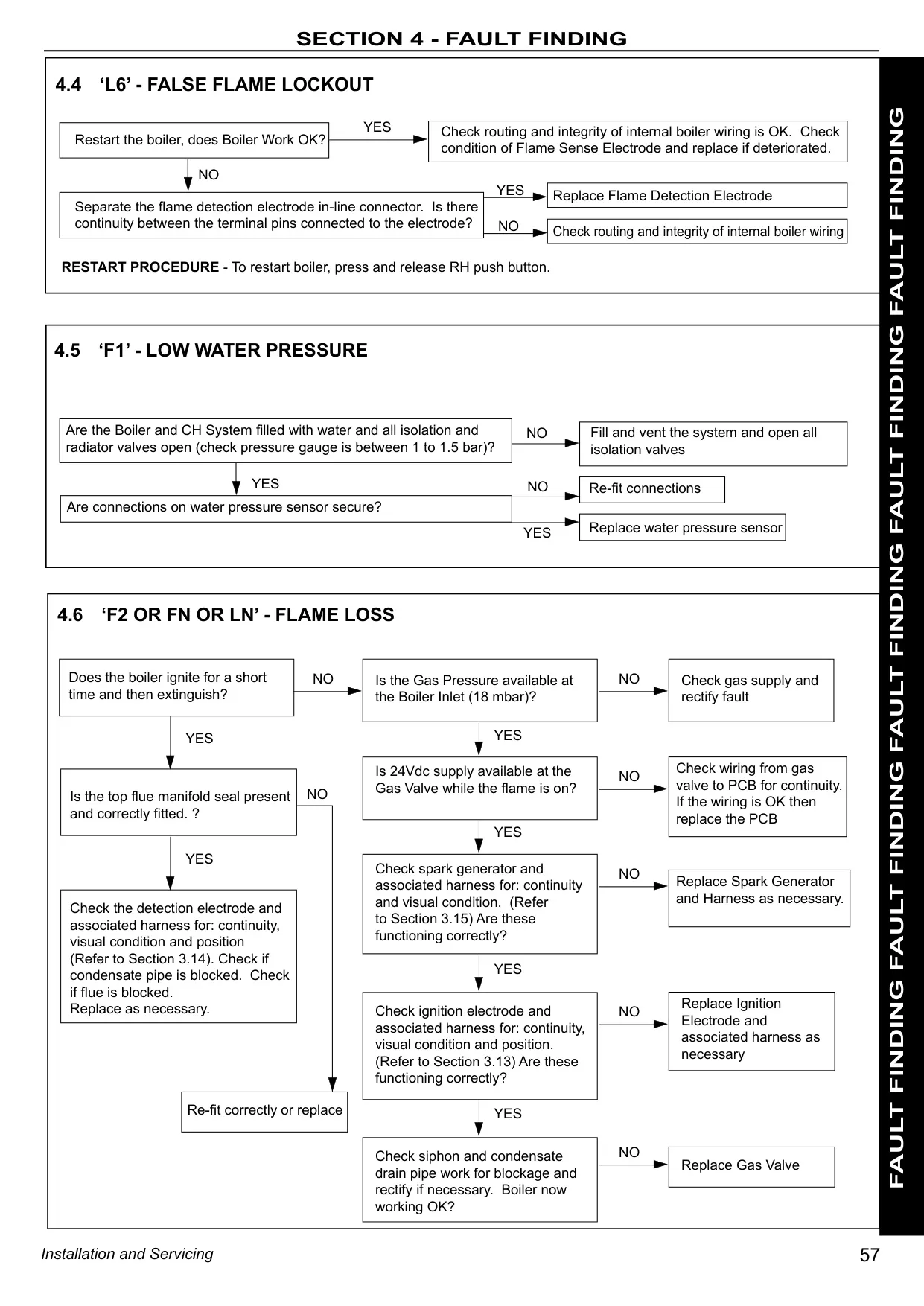









Ideal Logic Combi ESP1 30 Boiler


Ideal Logic Combi ESP1 30 Instructions
Here we offer the Ideal Logic Combi ESP1 30 Boiler manual completely free and in English. We have cataloged this manual in the Boilers section on Manualverse, and it has been rated by 1 users with an average rating of 5. If you have any specific questions about Ideal Logic Combi ESP1 30 Boiler, we suggest checking the Frequently Asked Questions (FAQs) section of this manual.
Product Images


Ideal Logic Combi ESP1 30 Boiler Specifications
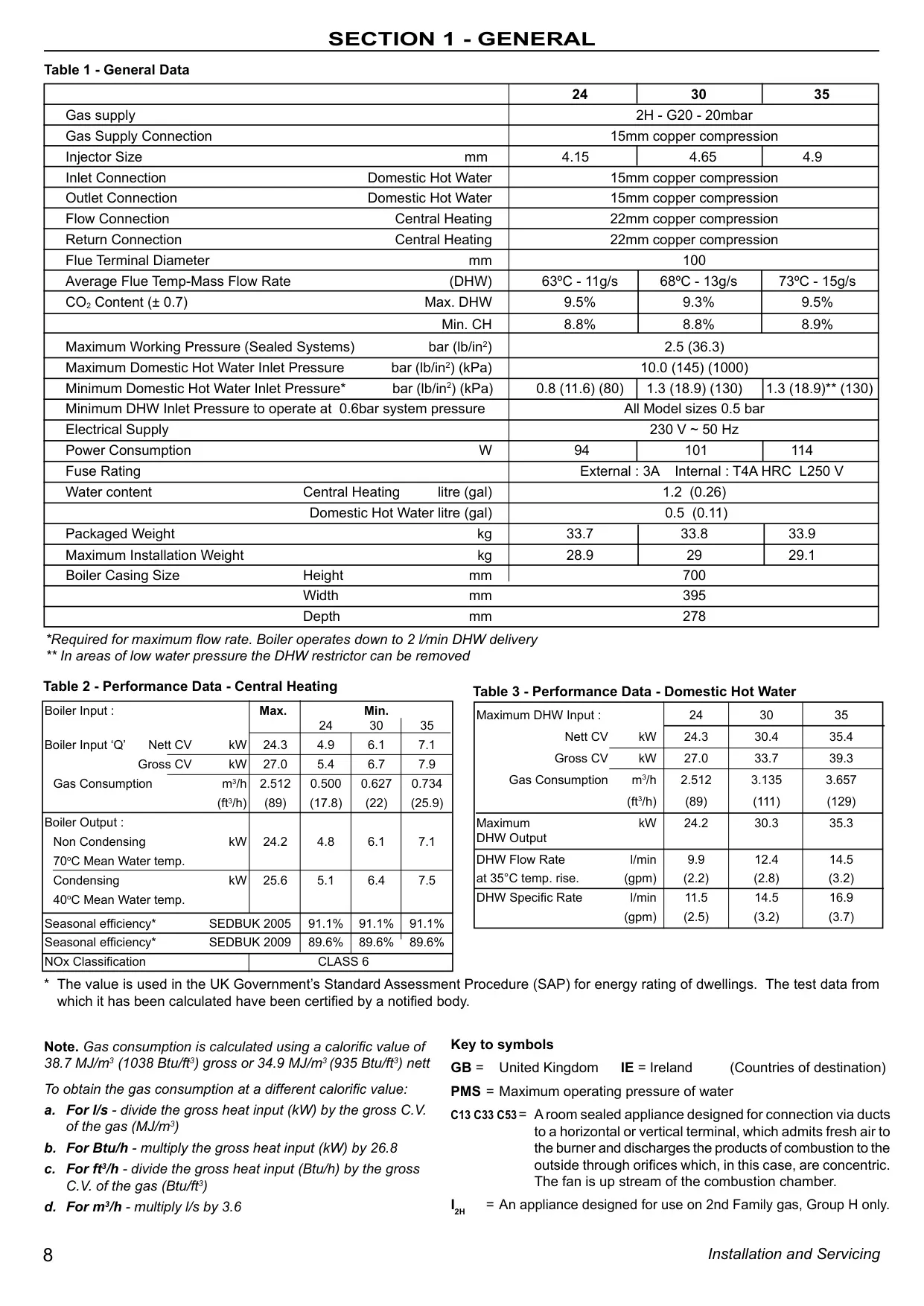
| Feature | Specification |
|---|---|
| Appliance Type | Wall-mounted, fan-assisted, room-sealed condensing combination gas boiler (C13, C33, C53) |
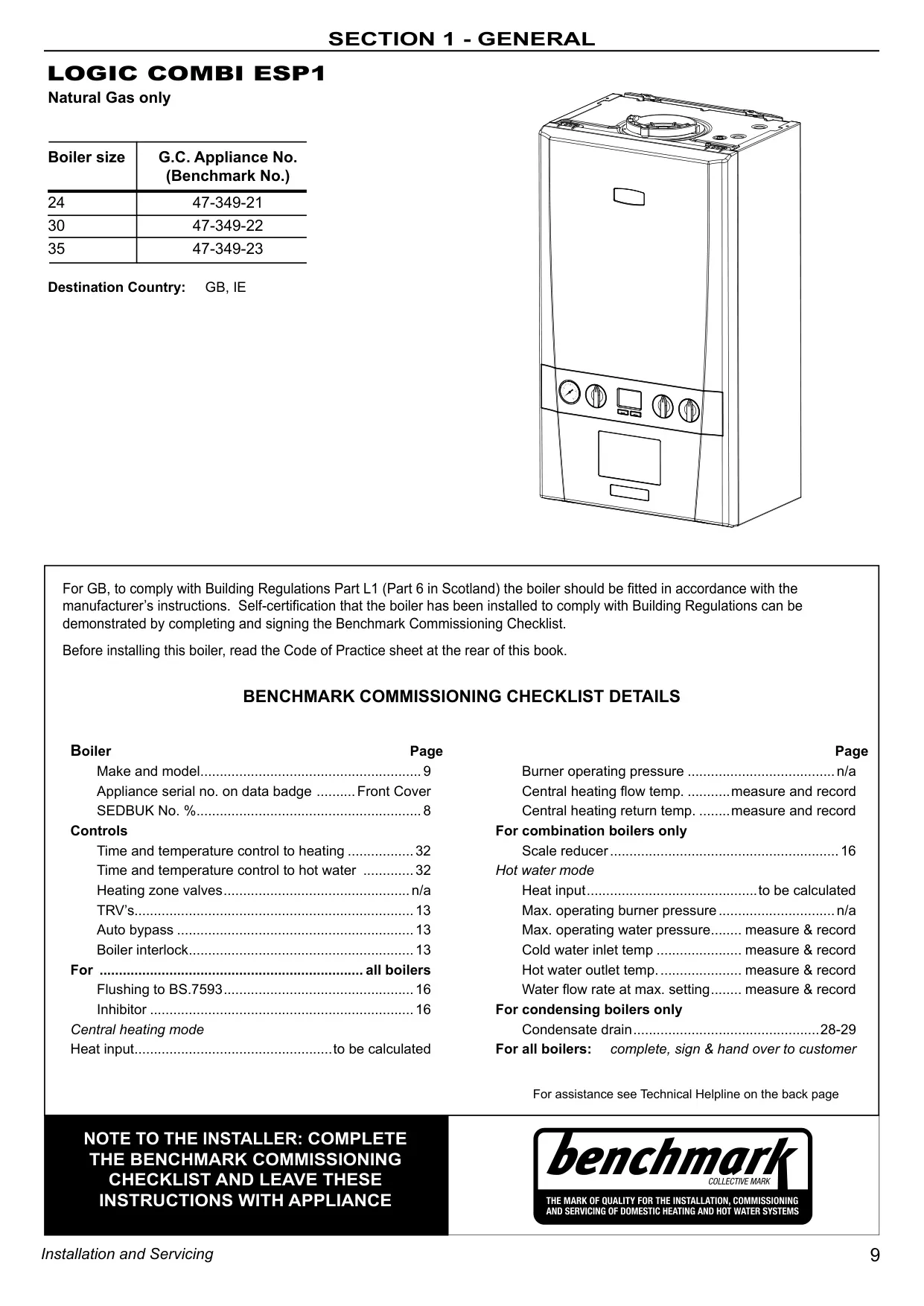
| G.C. Appliance No. (Benchmark No.) | 47-349-22 |
| Destination Countries | GB, IE |
| Gas Category / Supply | I2H, Natural Gas 2H - G20 - 20 mbar (LPG conversion kit available) |
| Injector Size | 4.65 mm |
| Central Heating Output (70°C mean water temp.) | 6.1 - 24.2 kW (fully modulating) |
| Central Heating Output (40°C mean water temp., condensing) | 6.4 - 25.6 kW |
| Central Heating Input (Nett CV) max / min | 24.3 kW / 6.1 kW |
| Central Heating Input (Gross CV) max / min | 27.0 kW / 6.7 kW |
| Maximum DHW Input (Nett / Gross CV) | 30.4 kW / 33.7 kW |
| Maximum DHW Output | 30.3 kW |
| DHW Flow Rate at 35°C Rise | 12.4 l/min (2.8 gpm) |
| DHW Specific Rate | 14.5 l/min (3.2 gpm) |
| Minimum DHW Delivery | 2 l/min |
| Gas Consumption (max DHW) | 3.135 m³/h (111 ft³/h) |
| Gas Consumption (min CH) | 0.627 m³/h (22 ft³/h) |
| CO2 Content (±0.7) | 9.3% max DHW / 8.8% min CH |
| Average Flue Temperature - Mass Flow Rate (DHW) | 68°C - 13 g/s |
| NOx Classification / Emissions | Class 6 / 25 mg/kWh (gross) |
| SEDBUK Seasonal Efficiency | 91.1% (2005) / 89.6% (2009) |
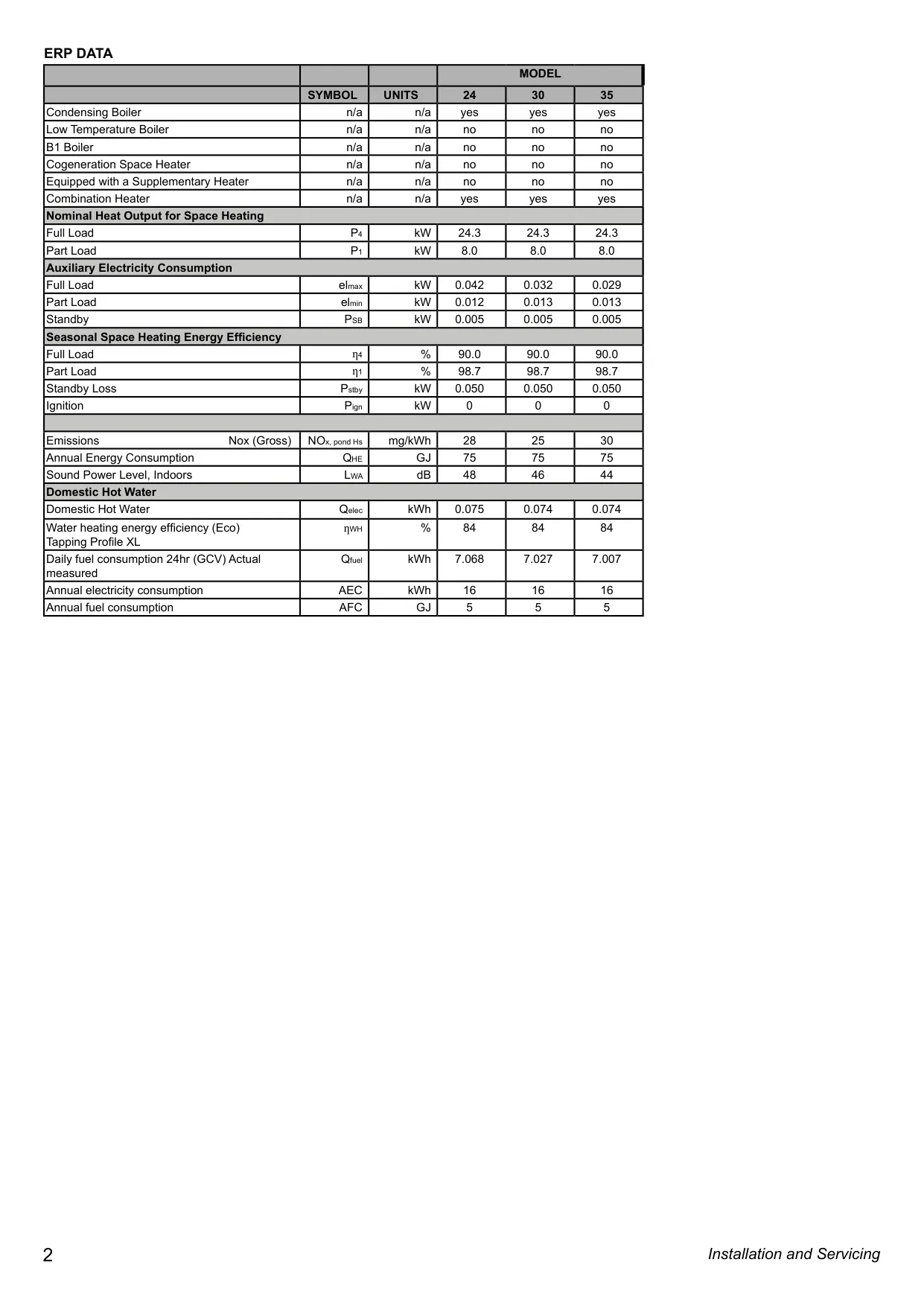
| Seasonal Space Heating Energy Efficiency (ηs) | 94%, Class A |
| Useful Efficiency Full Load / Part Load | 90.0% / 98.7% |
| Water Heating Energy Efficiency | 84%, Class A (Tapping Profile XL) |
| Annual Energy Consumption (QHE) | 75 GJ |
| Daily Fuel Consumption (DHW, 24 hr GCV) | 7.027 kWh |
| Sound Power Level, Indoors | 46 dB |
| CH Temperature Range | 30°C - 80°C |
| DHW Temperature Range | 40°C - 65°C |
| Electrical Supply | 230 V ~ 50 Hz |
| Power Consumption | 101 W |
| Auxiliary Electricity Consumption (full / part / standby) | 0.032 kW / 0.013 kW / 0.005 kW |
| Fuse Rating | External 3A, Internal T4A HRC L250 V |
| Electrical Protection | IP20 |
| Pre-fitted Mains Cable | 1.8 m |
| Maximum Working Pressure (sealed systems) | 2.5 bar (36.3 lb/in²) |
| Maximum DHW Inlet Pressure | 10.0 bar (145 lb/in²) |
| Minimum DHW Inlet Pressure | 1.3 bar for maximum flow rate; 0.5 bar to operate at 0.6 bar system pressure |
| Normal System Pressure (cold) | 1 - 1.5 bar; boiler will not operate below 0.3 bar |
| Safety Valve Setting | 3.0 bar (non-adjustable) |
| Integral Expansion Vessel | 8 litres, 0.75 bar charge pressure |
| Pressure Gauge Range | 0 - 4 bar |
| CH Water Flow Rate / Available Head | 17.3 l/min at 20°C differential / 3.4 m.w.g. (11.1 ft.w.g.) |
| Water Content | CH 1.2 litres / DHW 0.5 litres |
| Heat Exchanger | Cast aluminium alloy |
| Gas Connection | 15 mm copper compression |
| DHW Inlet / Outlet Connections | 15 mm copper compression |
| CH Flow / Return Connections | 22 mm copper compression |
| Condensate Drain Outlet | Universal fitting for 21.5 mm overflow pipe, 75 mm siphonic trap |
| Flue Terminal Diameter | 100 mm (60/100 concentric) |
| Maximum Horizontal Flue Length | 8 m (minus extensions or bends) |
| Maximum Vertical Flue Length | 7.5 m (minus bends) |
| Powered Vertical Flue | Up to 22 m |
| Flue Bend Equivalent Resistance | 90° = 1 m, 45° = 0.6 m |
| Casing Dimensions (H x W x D) | 700 x 395 x 278 mm |
| Packaged Weight | 33.8 kg |
| Maximum Installation Weight | 29.0 kg |
| Servicing Clearances | 165 mm above, 100 mm below, 2.5 mm sides, 450 mm front |
| Warranty | 2 years parts and labour when registered within 30 days of installation |
Ideal Logic Combi ESP1 30 Boiler Details
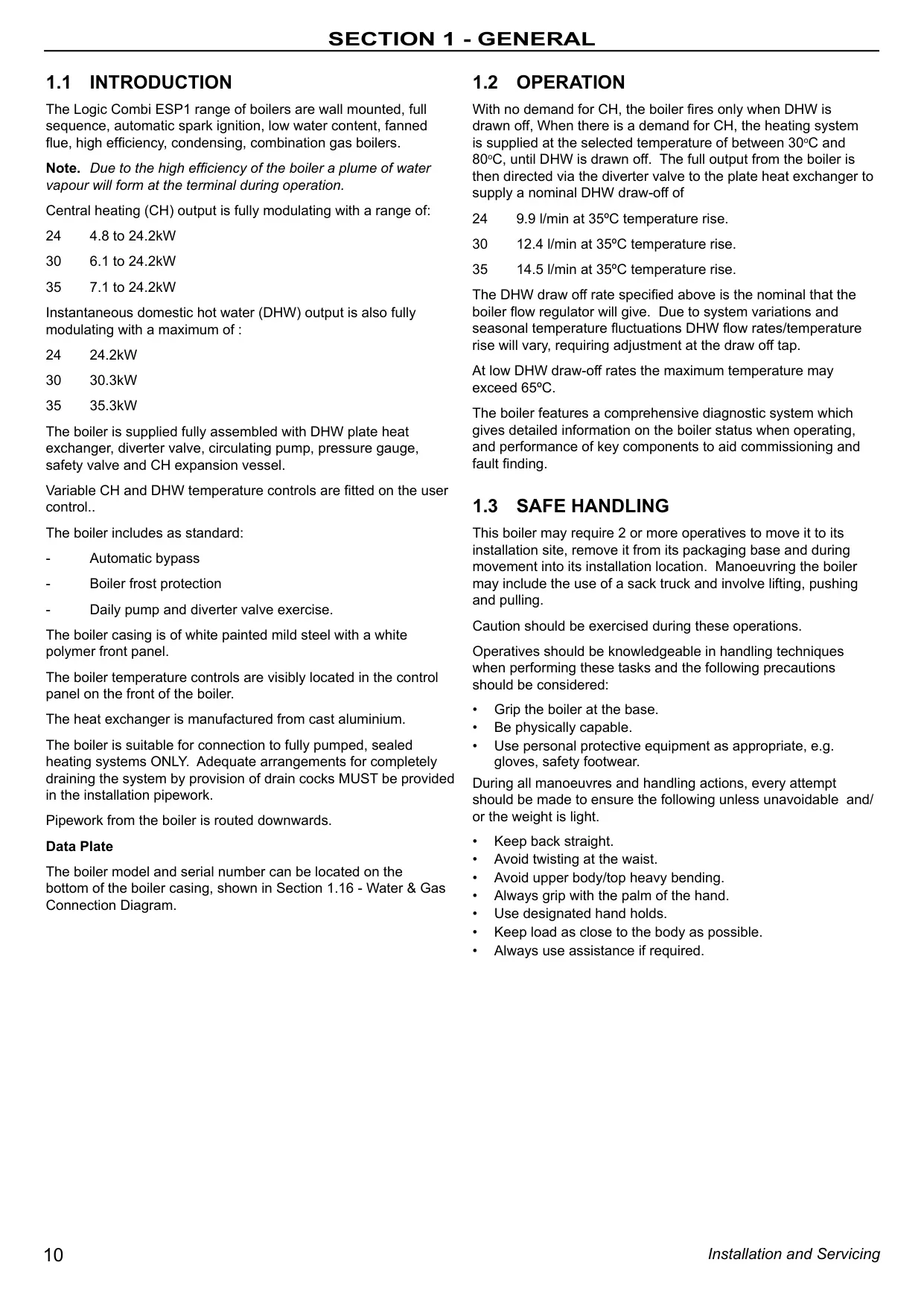
The Ideal Logic Combi ESP1 30 arrives fully assembled with a DHW plate heat exchanger, diverter valve, circulating pump, pressure gauge, safety valve and CH expansion vessel already fitted. It also includes an automatic bypass, boiler frost protection and a daily exercise of the pump and diverter valve. The casing is white-painted mild steel with a white polymer front panel. All pipework runs downwards from the boiler, and the data plate showing the model and serial number sits on the underside of the casing.
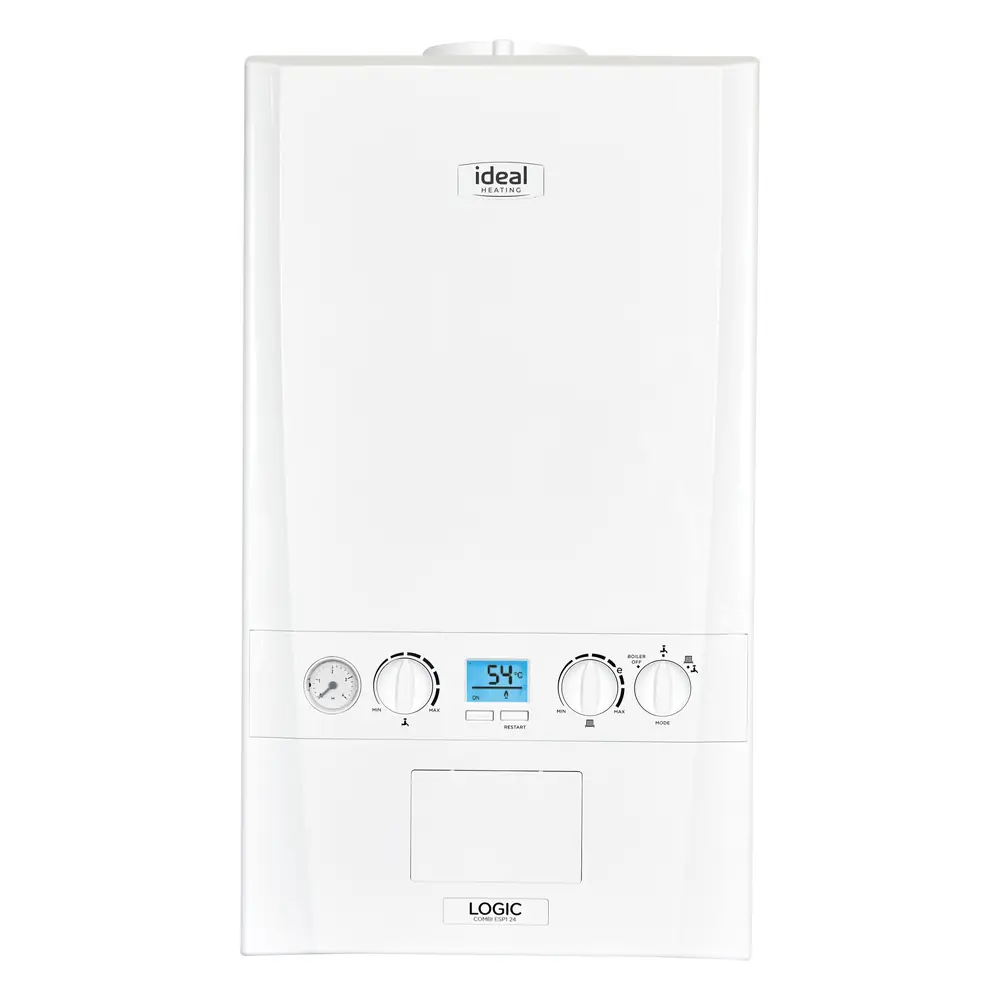
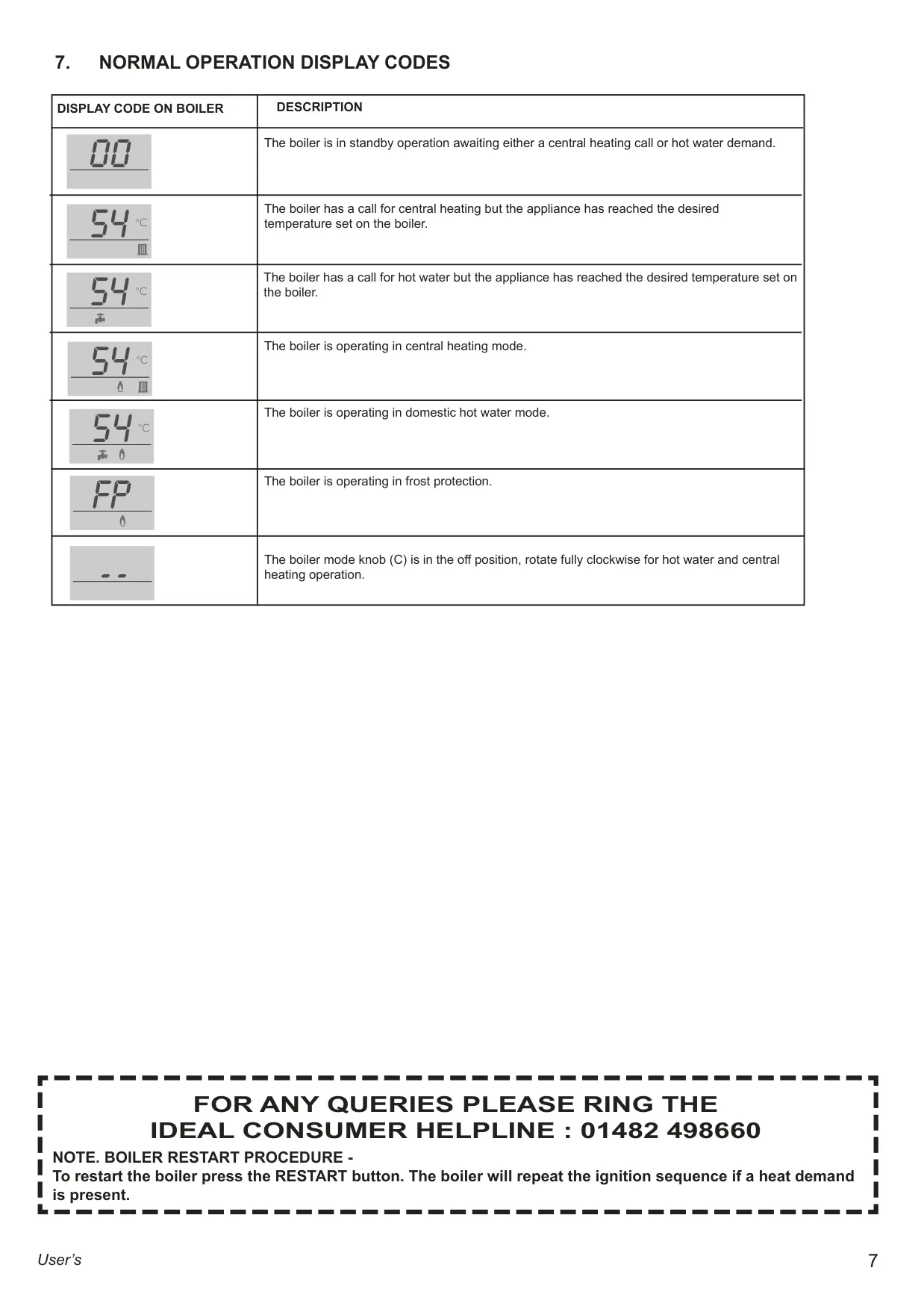
The user control panel has three knobs: one for DHW temperature, one for CH temperature and one for mode. The mode knob selects Boiler Off, Summer (hot water only) or Winter (heating and hot water, with hot water taking priority). A back-lit LCD shows status codes and a flame symbol while the burner is lit. A marked economy setting on the CH knob keeps flow temperatures low enough for the boiler to condense. According to Ideal, turning the room thermostat down by 1°C can cut gas use by up to 10%.
Frost protection works in every mode as long as the mains power stays on. If the water inside the boiler drops below 5°C, the boiler runs until it reaches 19°C. To stop the pump seizing, it also runs briefly once every 24 hours, whether or not there is any heating demand. After the burner shuts off, the fan keeps running for a short time. Do not cut this overrun short by switching off the mains.
Engineers can open Installer Mode by holding FUNCTION and RESTART together for more than five seconds. It first shows the last three faults, then gives access to these functions: SL (minimum rate), SH (maximum rate), VF (a 5-minute venting cycle), dU (diverter valve to mid-position), P1 or P7 (minimum pump speed of 100% or 70%) and SE (service timer). The maximum and minimum rate modes each run for 10 minutes for combustion testing. A CO/CO2 ratio below 0.004 is a pass.
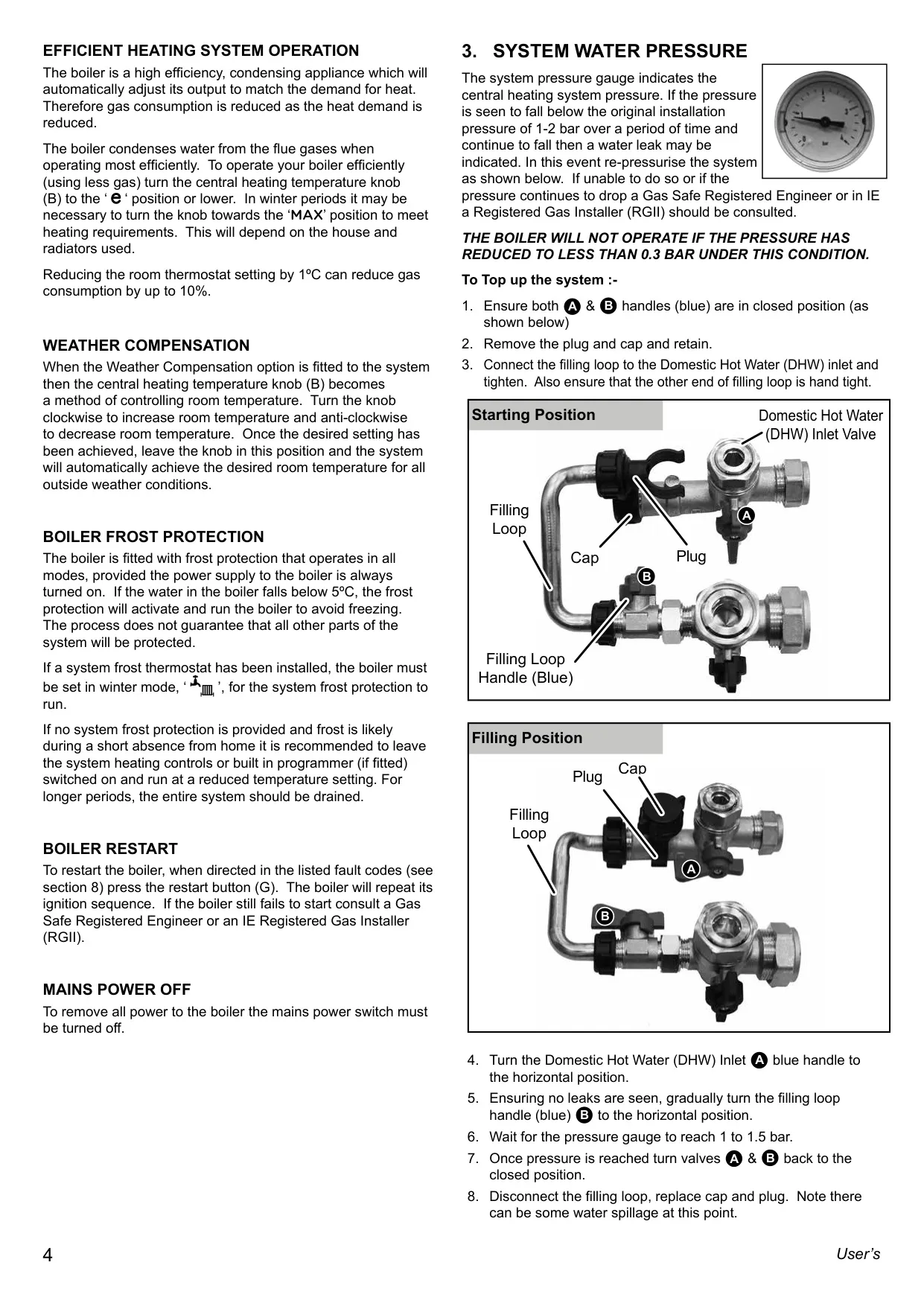
The built-in filling loop connects between the DHW inlet valve and the CH return valve, so you can top up the system without a separate hose. The 75 mm siphonic condensate trap lowers the risk of freezing. If the condensate pipe does freeze, the boiler makes a gurgling noise and then locks out on L2. Thaw the pipe with warm water or a heat pack, never boiling water. Internal condensate pipework needs an internal diameter of at least 19 mm, and external runs need at least 30 mm.
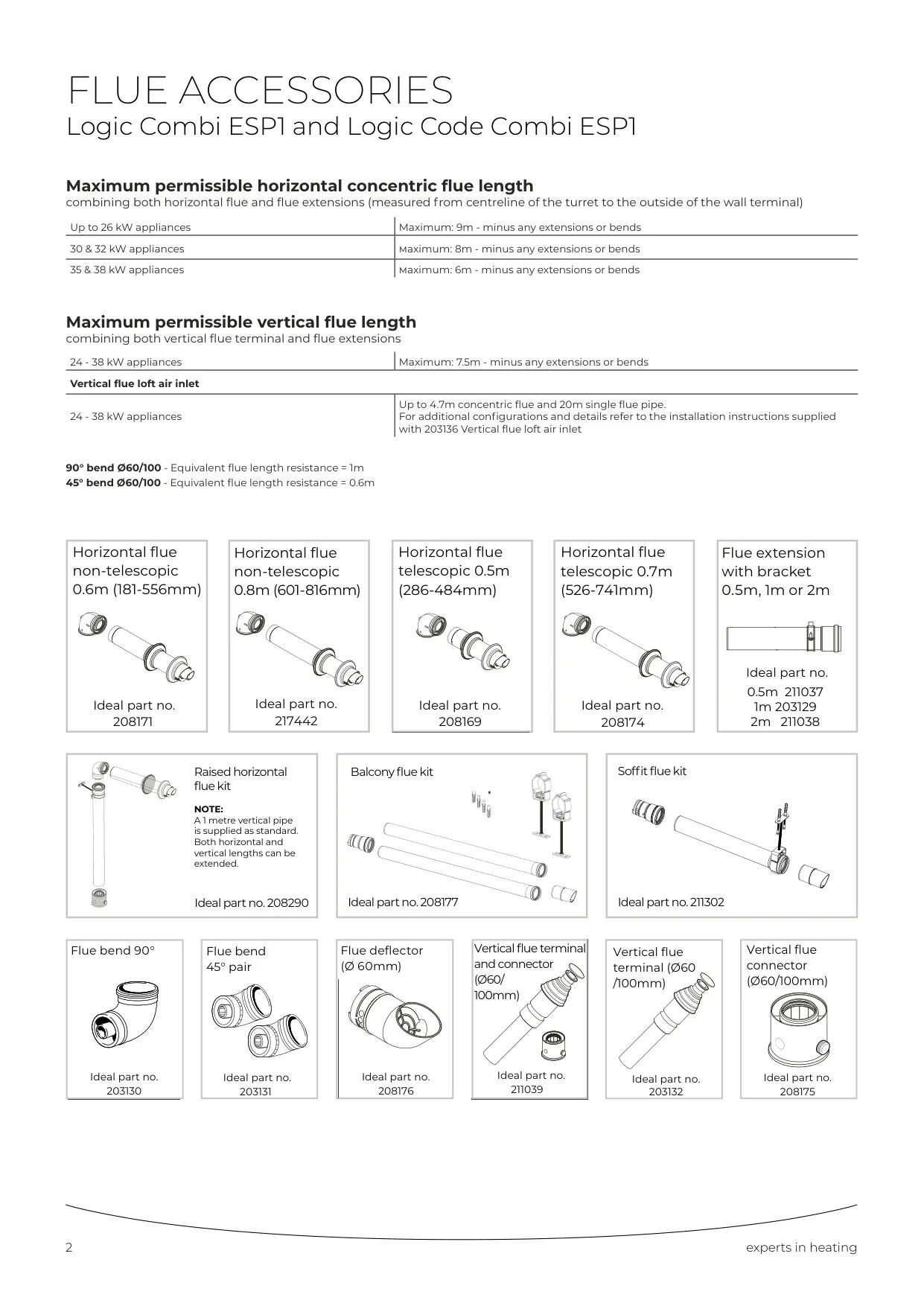
The boiler can be controlled by a 230 V room thermostat or timer, an OpenTherm device, or an optional outside sensor for weather compensation. With weather compensation fitted, the CH knob sets the room temperature instead of the flow temperature. There is a wide range of flue options: telescopic and non-telescopic terminals, vertical kits, high-level outlets, balcony and soffit kits, and flues with aluminium inner ducts for high-rise buildings. Every extended flue must fall 1.5° back towards the boiler.
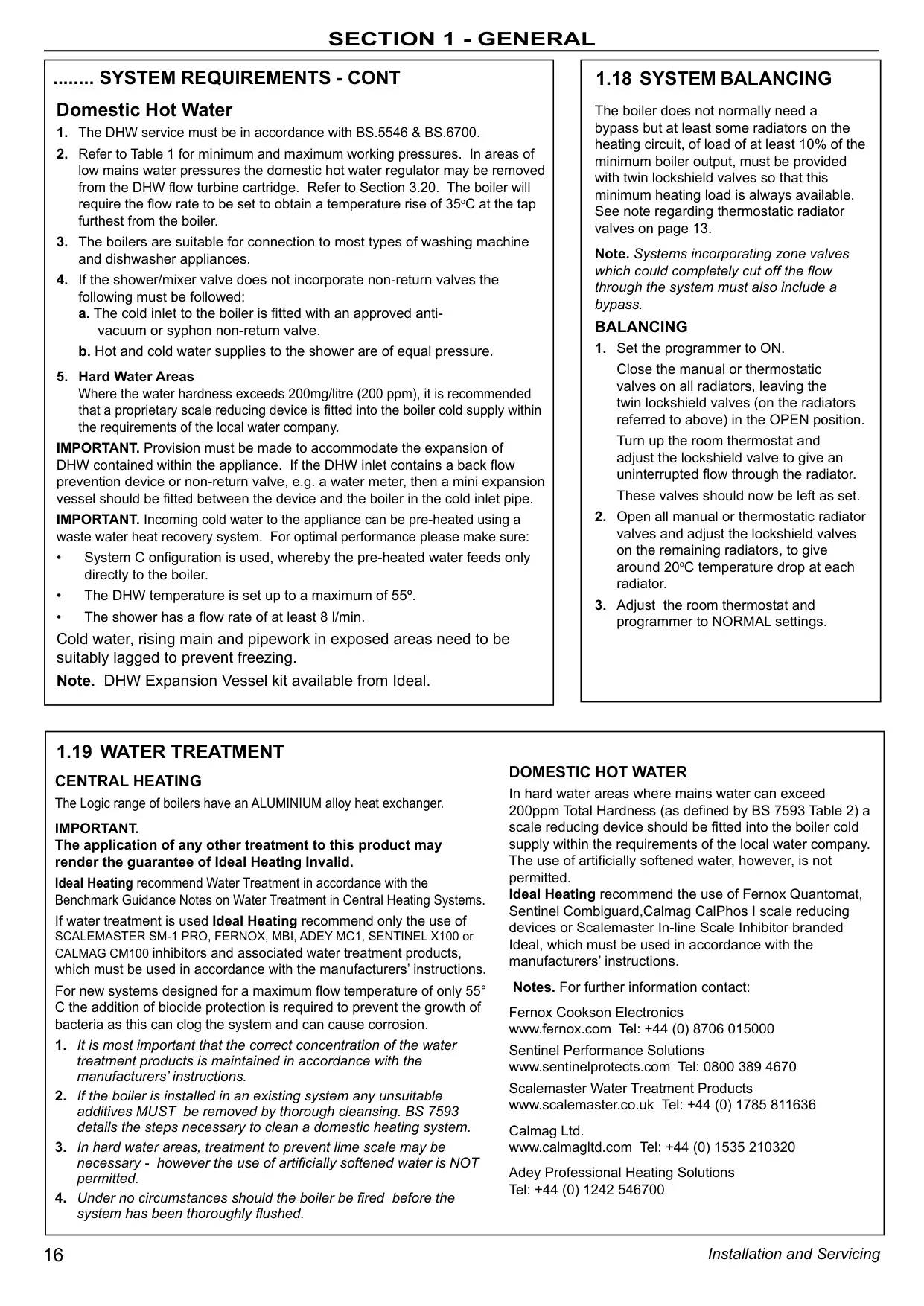
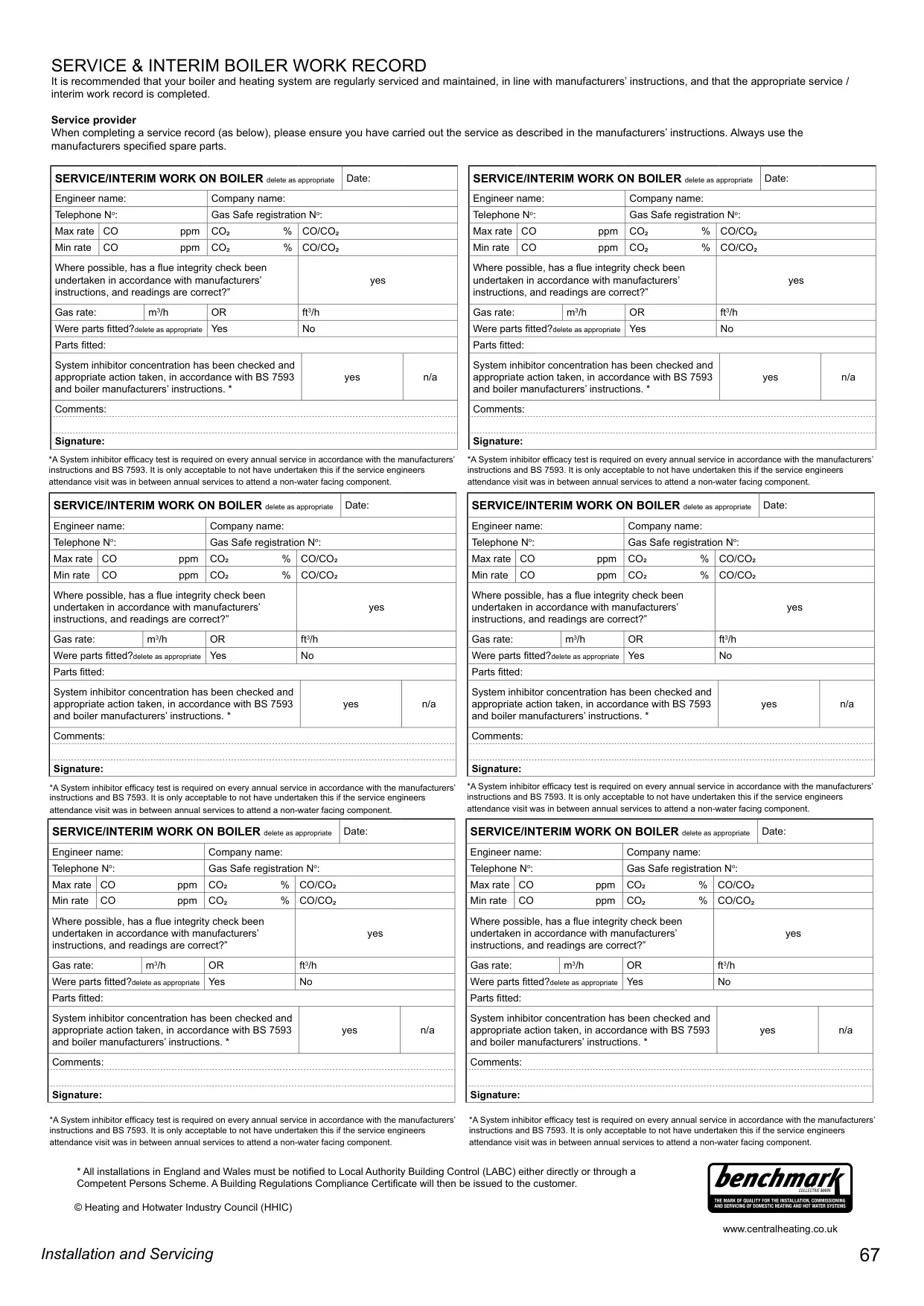
The boiler should be serviced at least once a year by a Gas Safe Registered Engineer. The service includes cleaning the burner, heat exchanger, siphon and DHW filter. Ideal recommends specific inhibitors because the heat exchanger is aluminium, and artificially softened water is not allowed. A scale reducer is recommended where water hardness is above 200 ppm.
Frequently Asked Questions (FAQs)
Can't find the answer you need? Here are some frequently asked questions about the Ideal Logic Combi ESP1 30 Boiler, and we answer them below.