Kenmore Washer Series 100 High Efficiency Instruction Manual

Kenmore Washer Series 100 High Efficiency

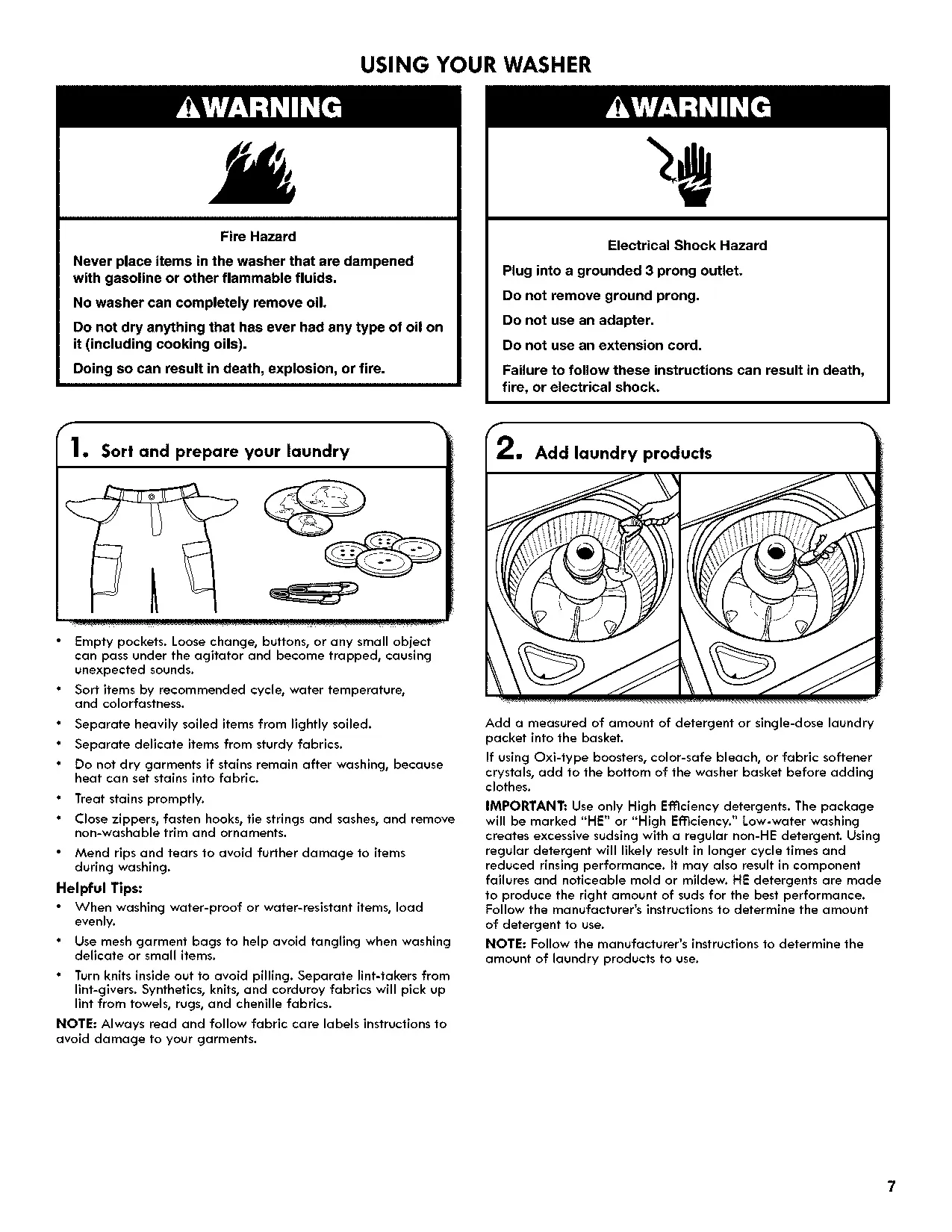
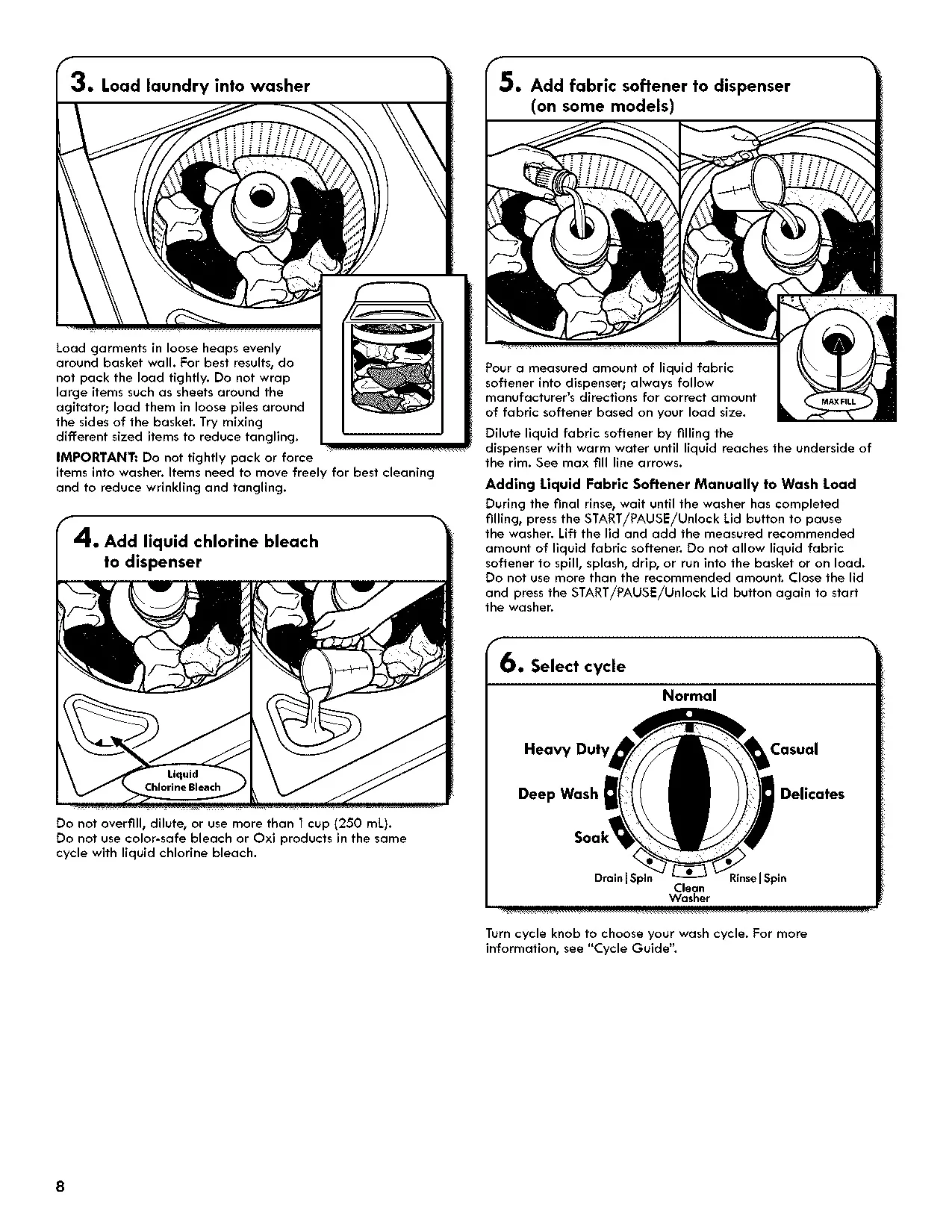
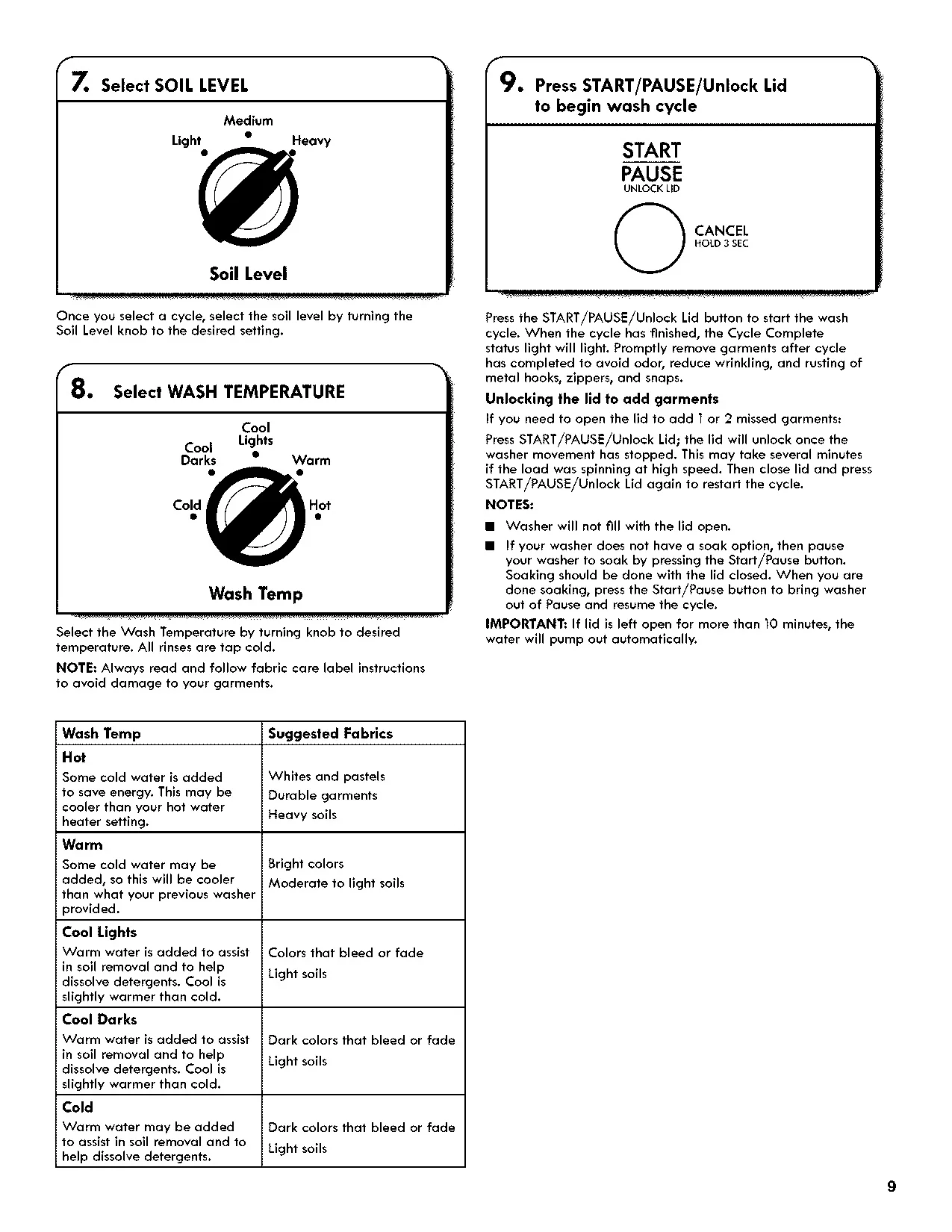
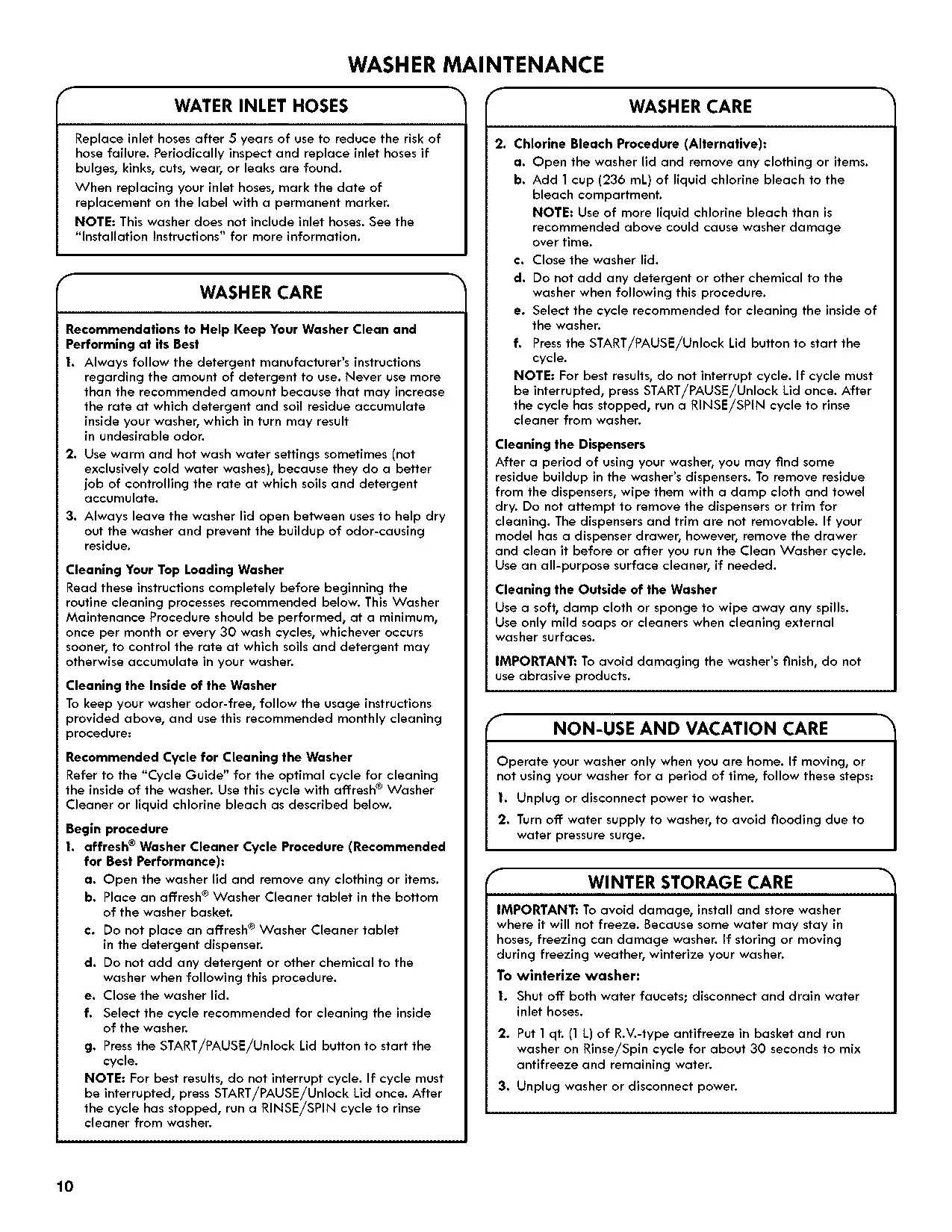
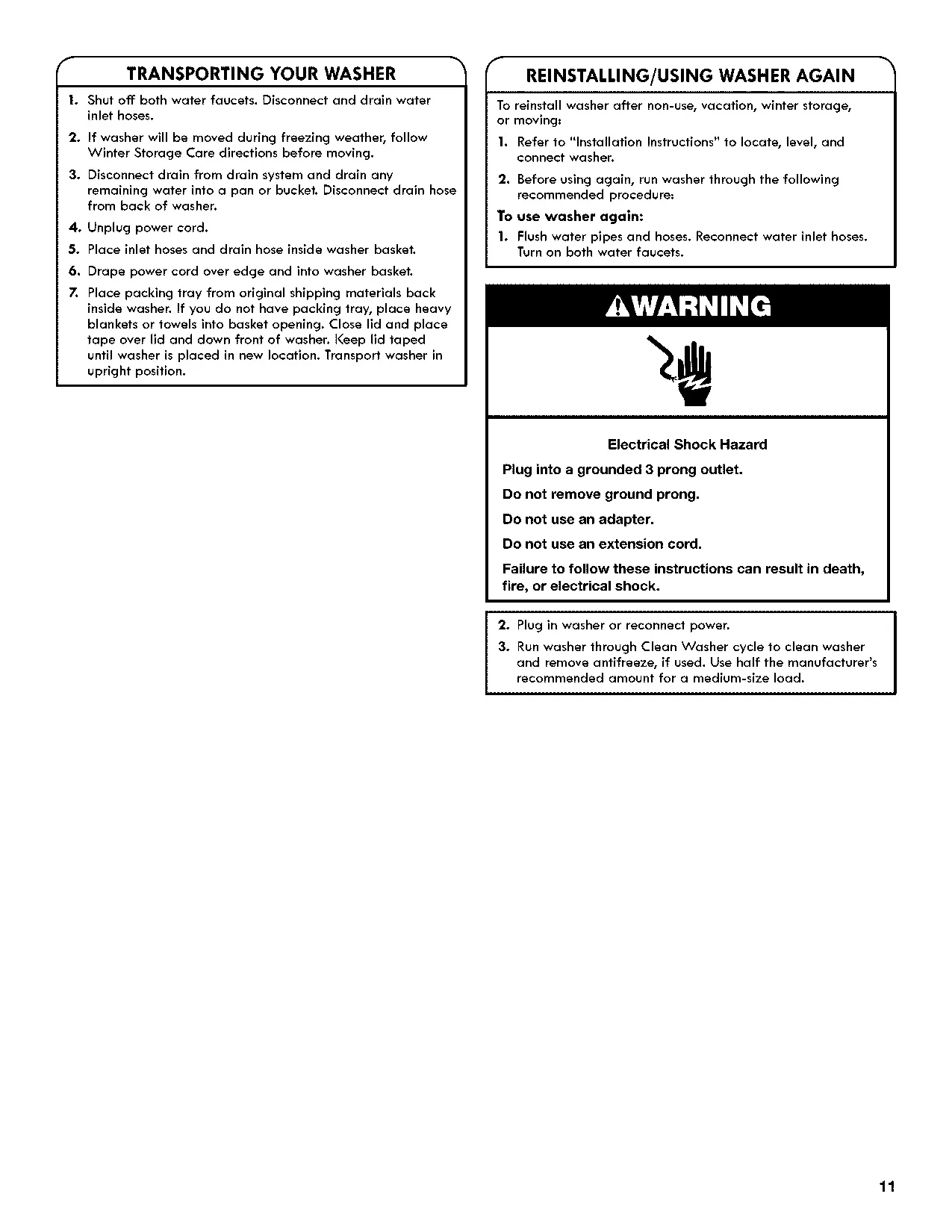
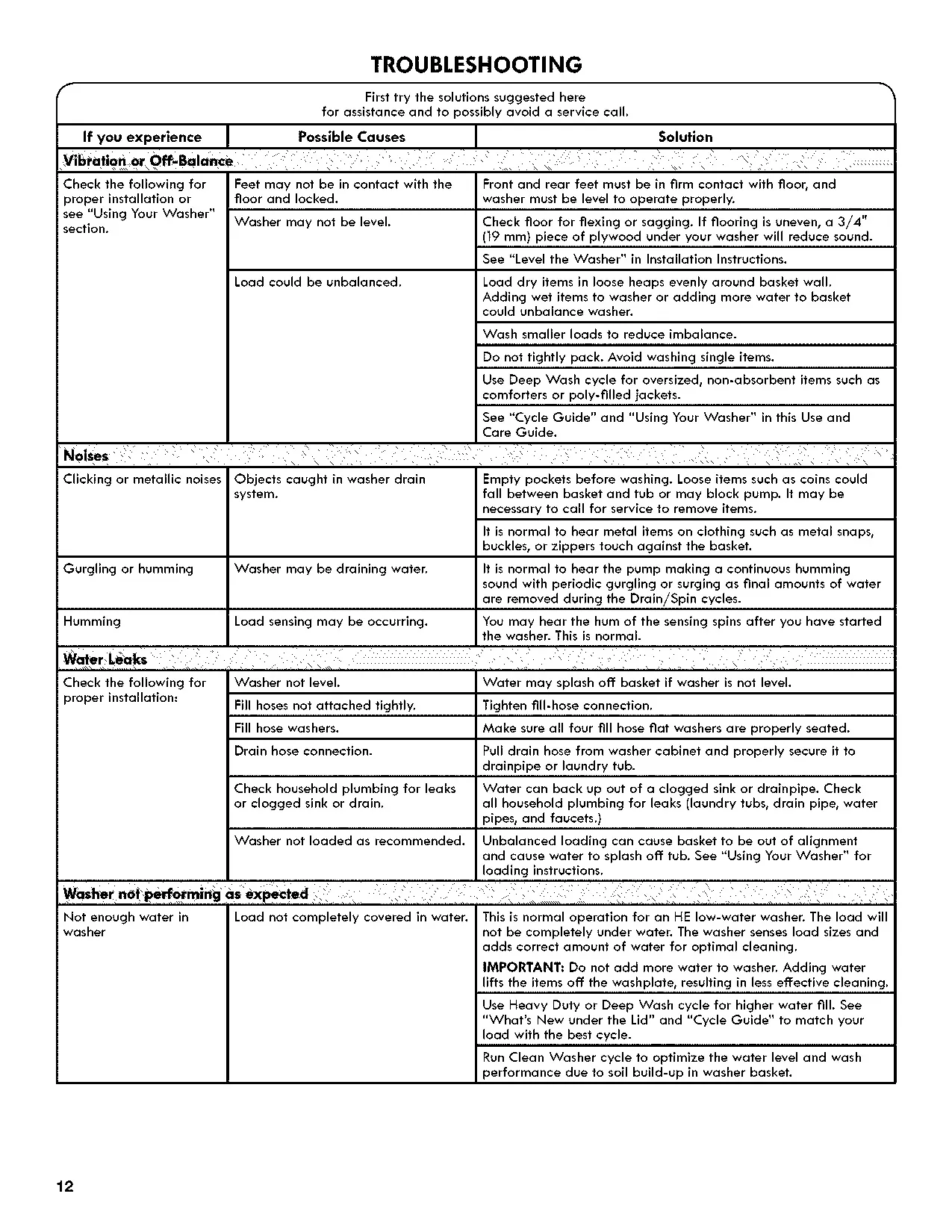
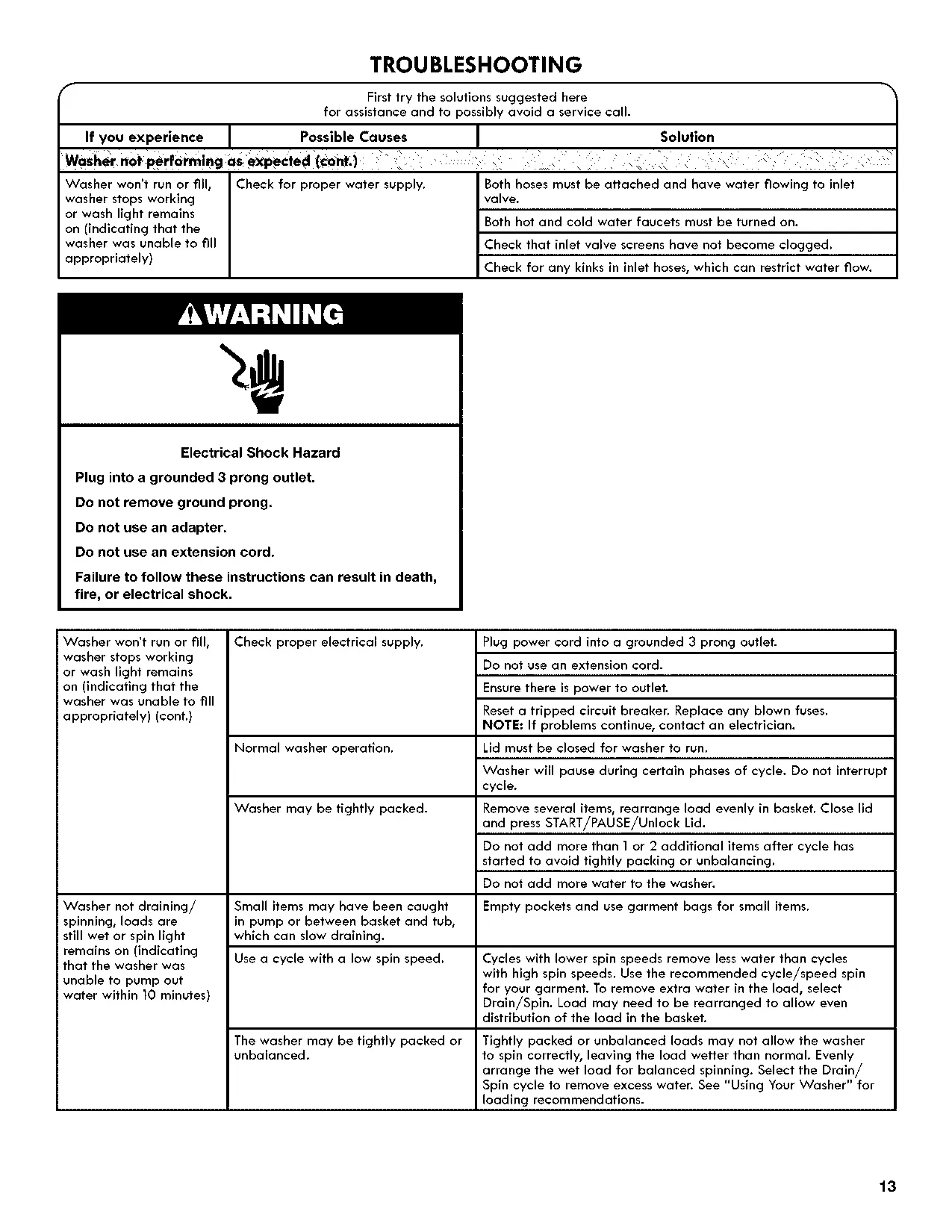
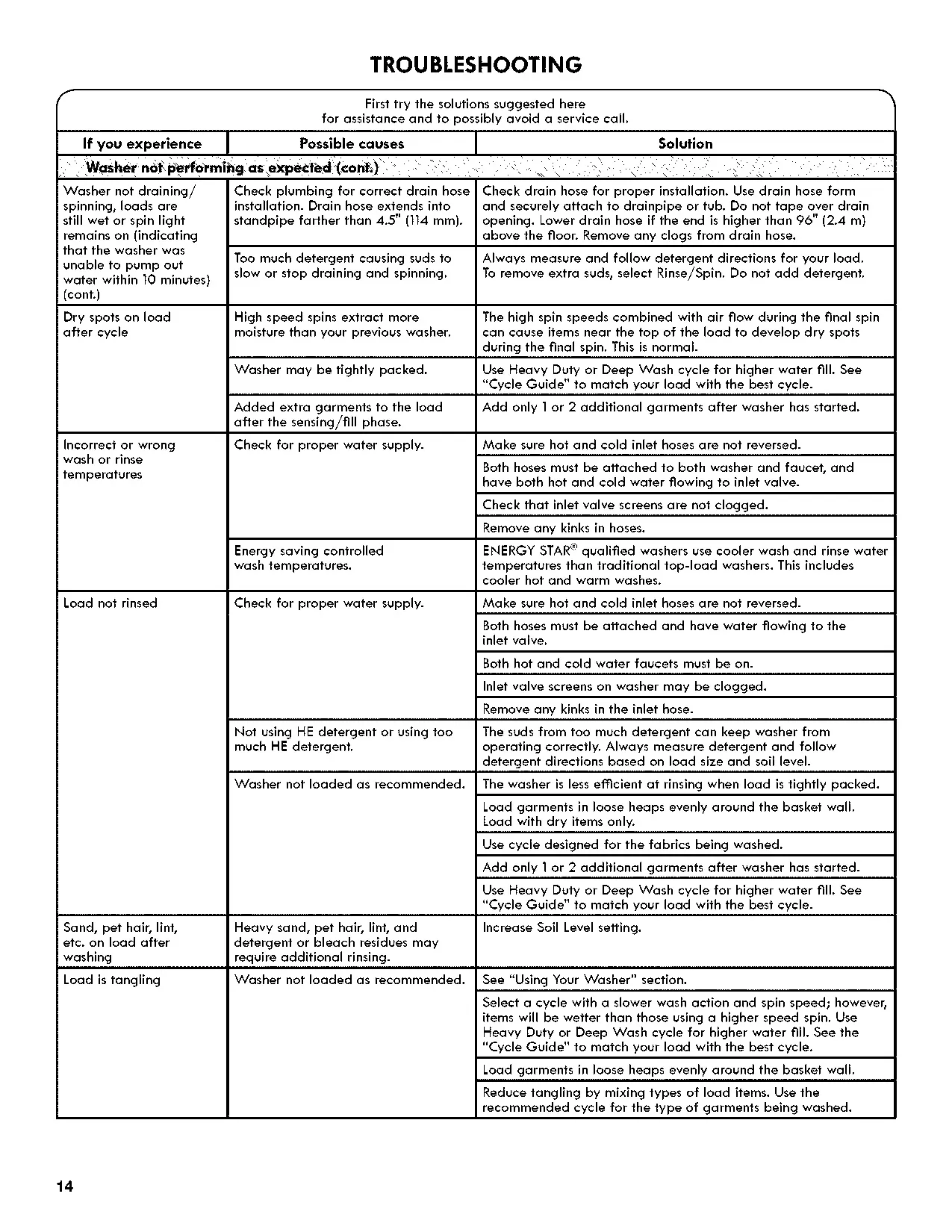



Kenmore Washer Series 100 High Efficiency

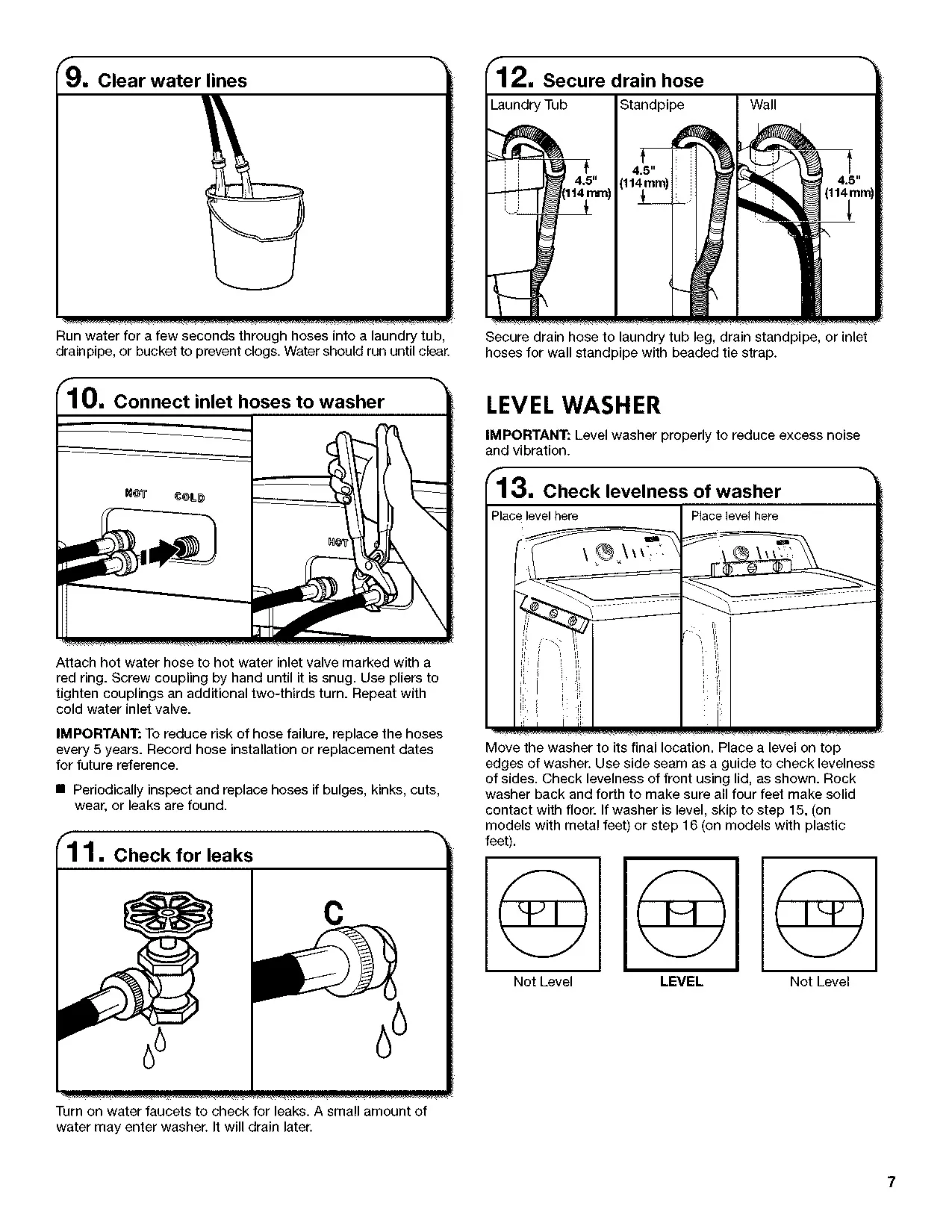

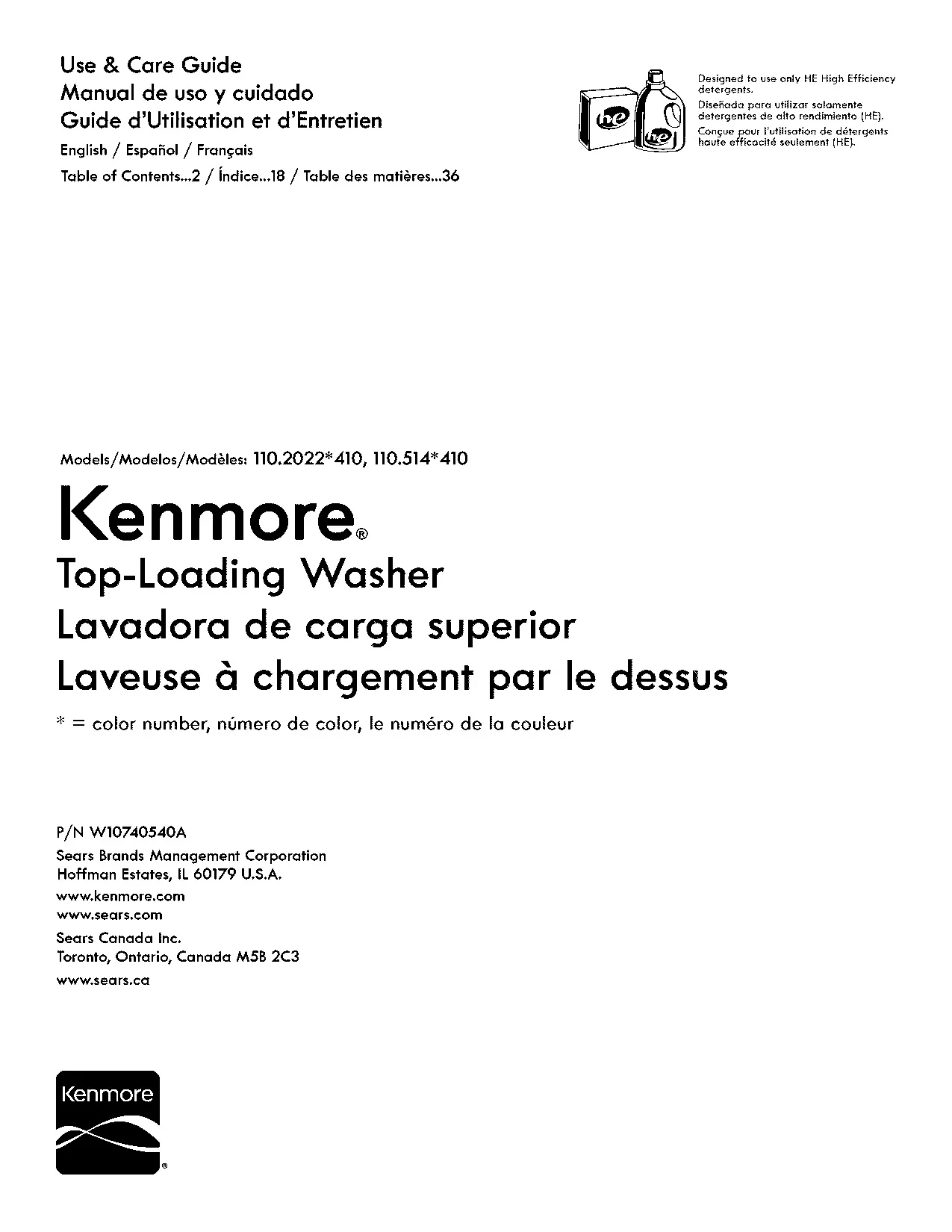
Kenmore Washer Series 100 HE Instructions
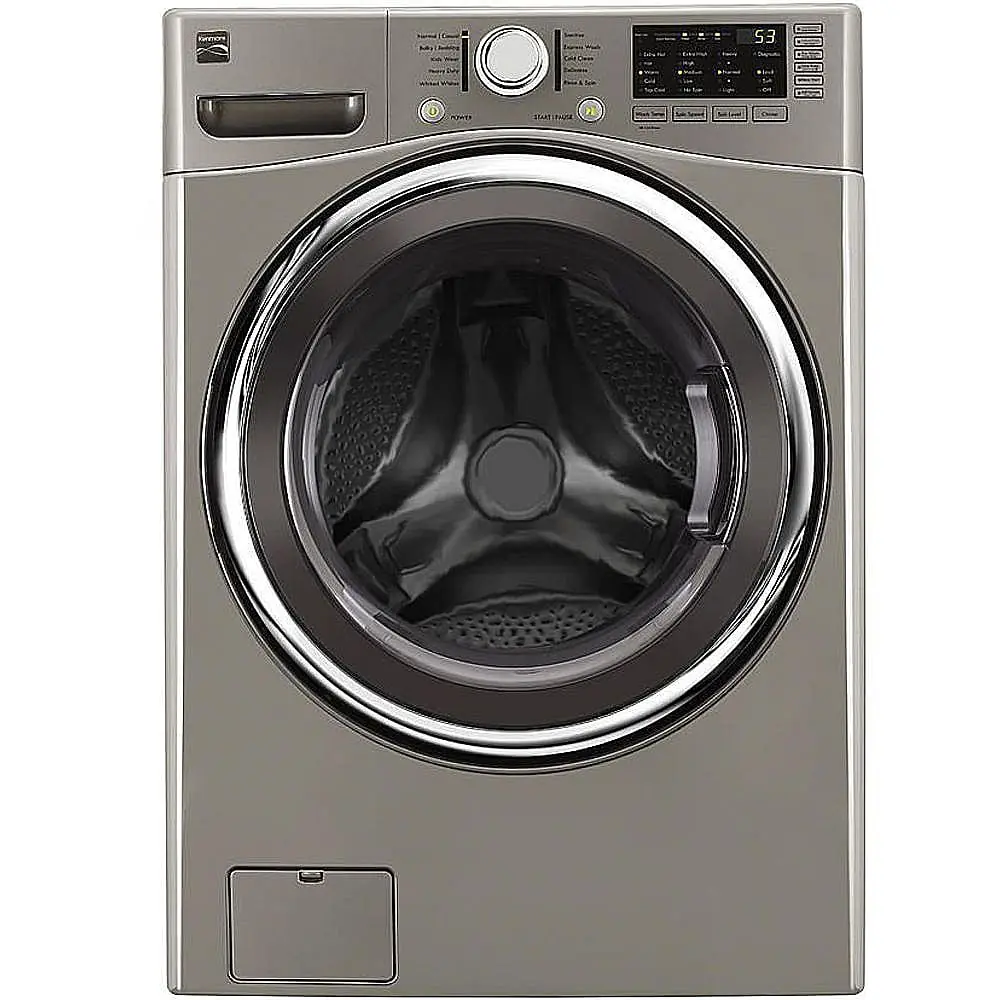
Here we offer the Kenmore Washer Series 100 High Efficiency manual completely free and in English. We have cataloged this manual in the Washing Machines section on Manualverse, and it has been rated by 1 users with an average rating of 5. If you have any specific questions about Kenmore Washer Series 100 High Efficiency, we suggest checking the Frequently Asked Questions (FAQs) section of this manual.
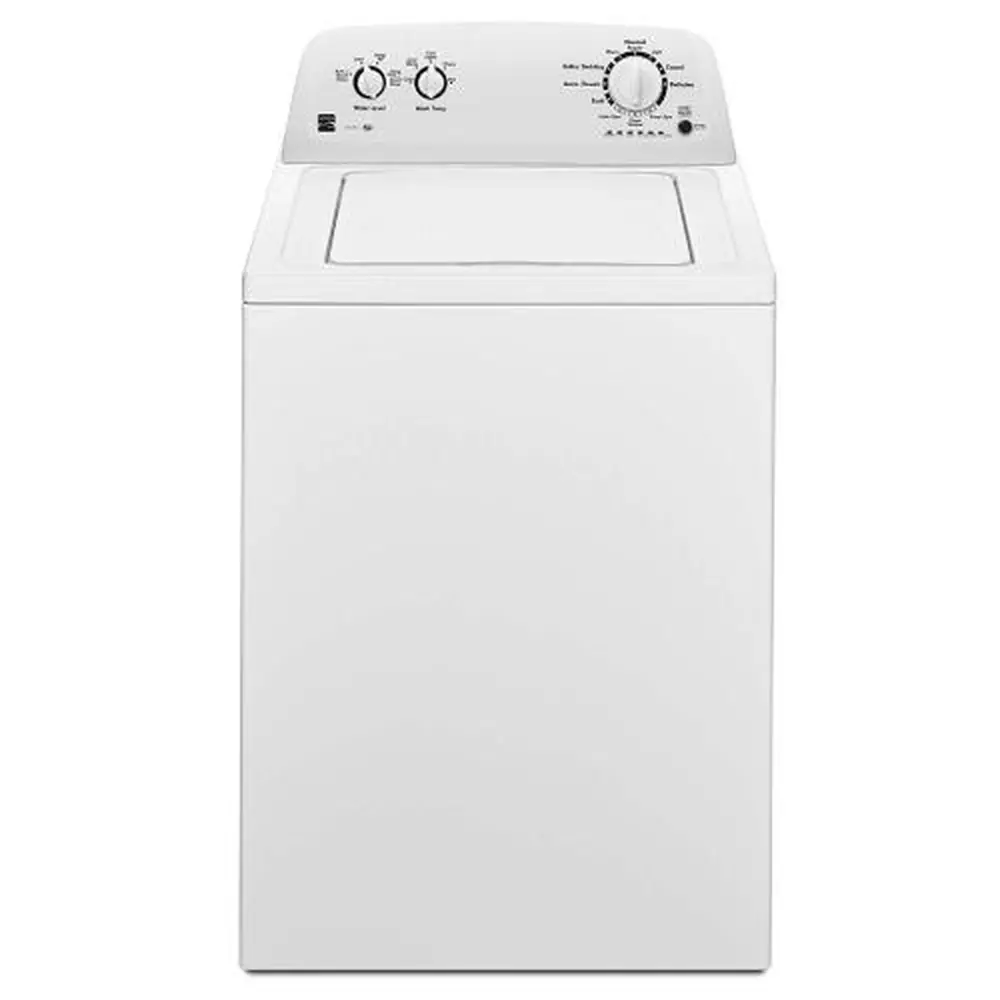
Product Images
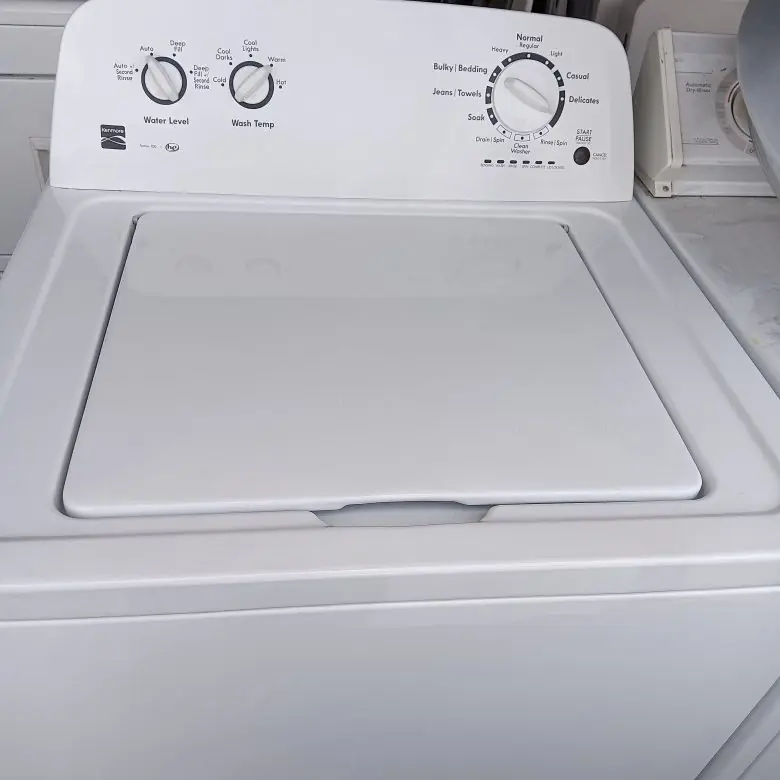
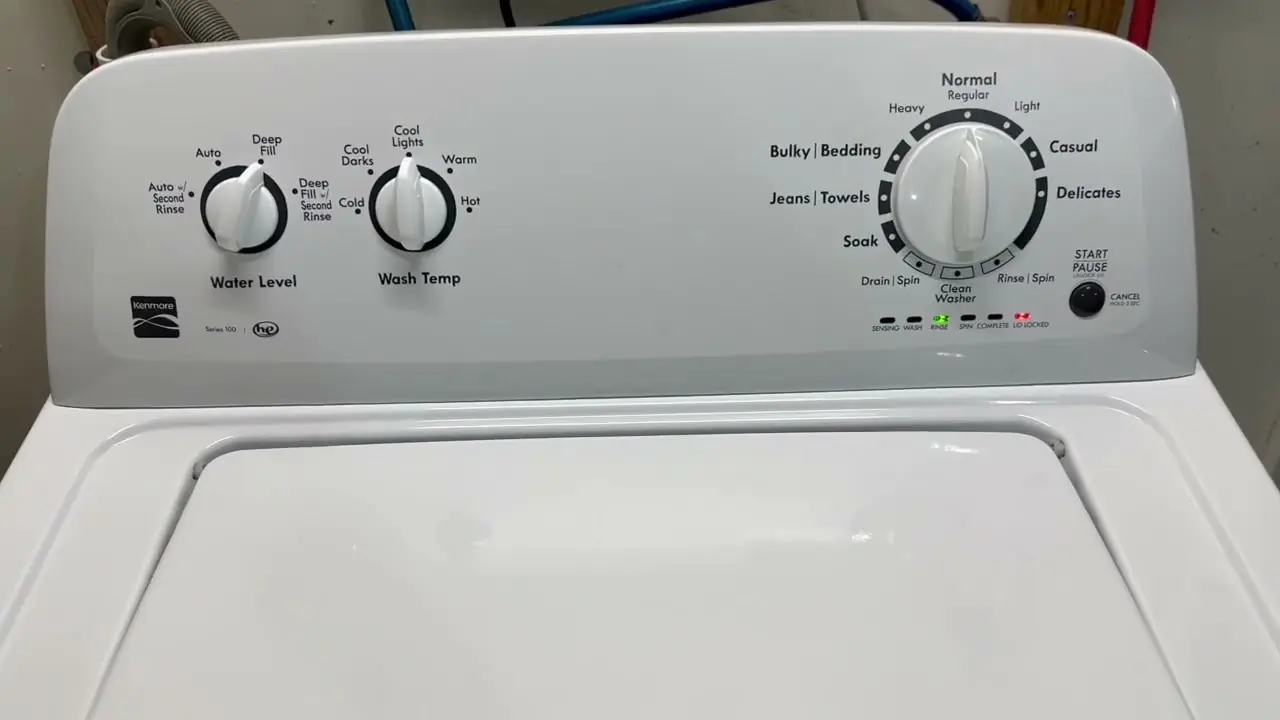
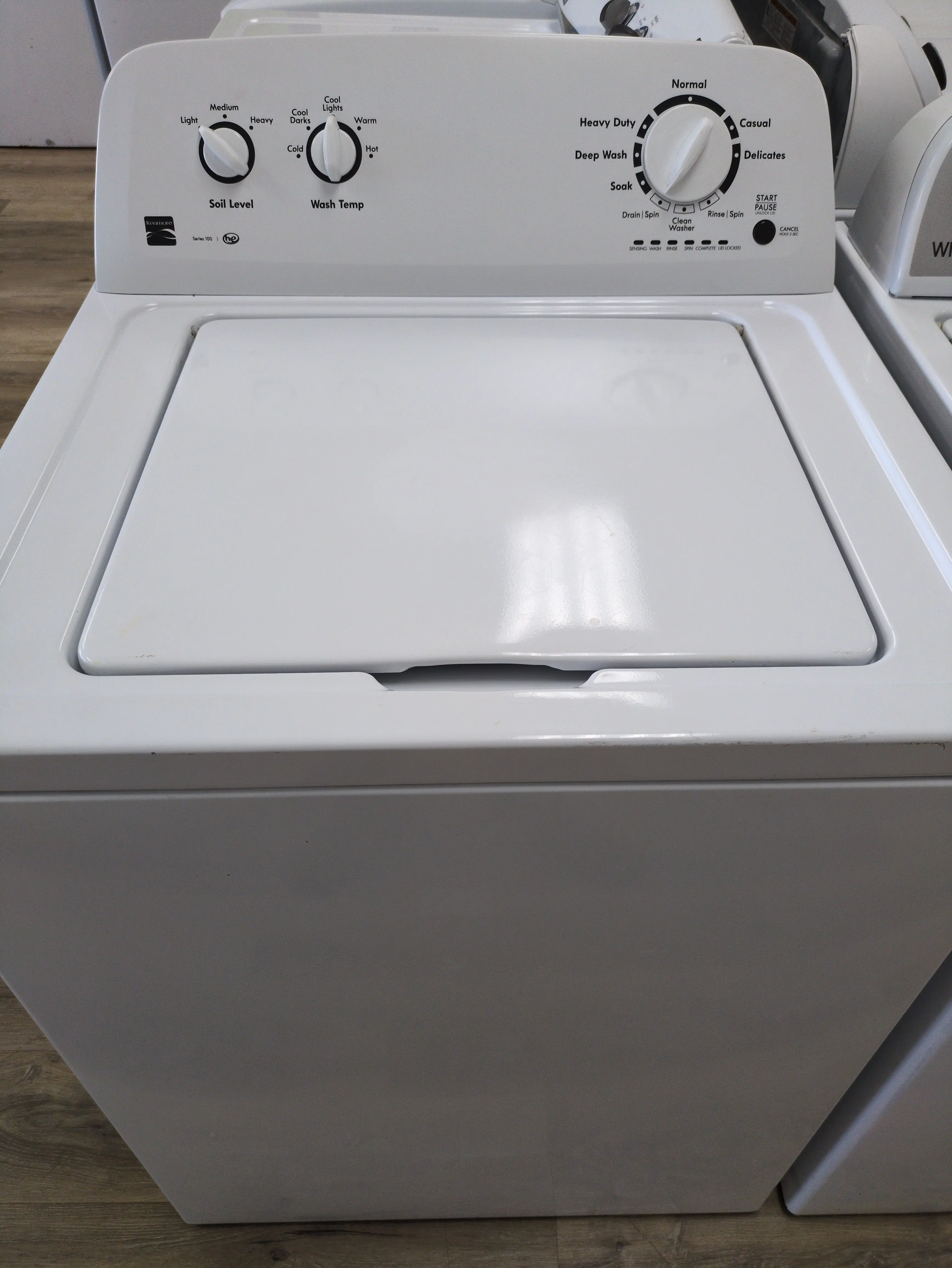
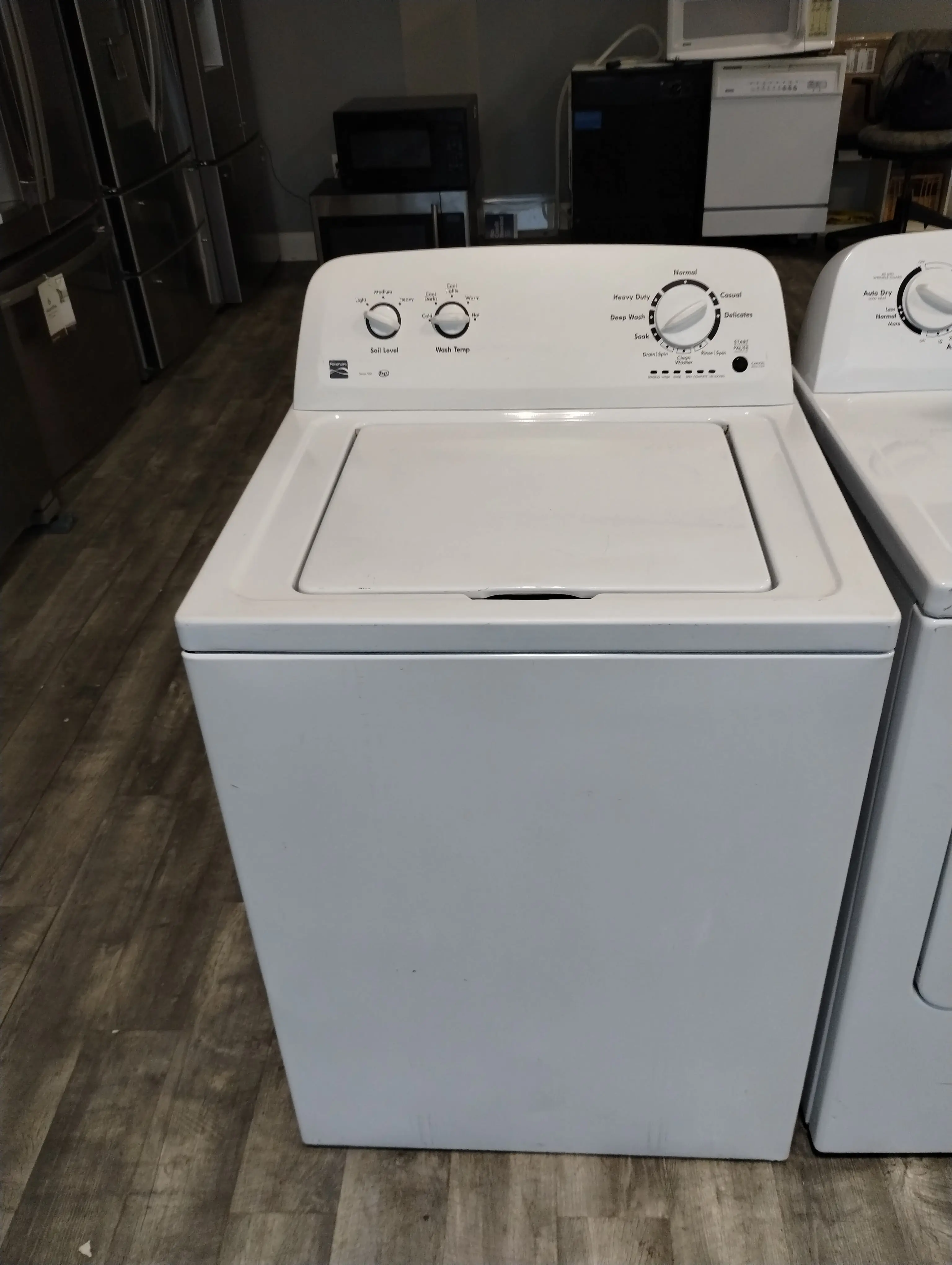
Kenmore Washing Machine Series 100 High Efficiency Specifications
| Feature | Specification |
|---|---|
| Product Series | Kenmore Washer Machine Series 100 |
| Efficiency Type | High Efficiency (HE), ENERGY STAR® Qualified |
| Wash Agitation | Intermittent agitation (Soak cycle), Alternating wash action (Deep Wash cycle) |
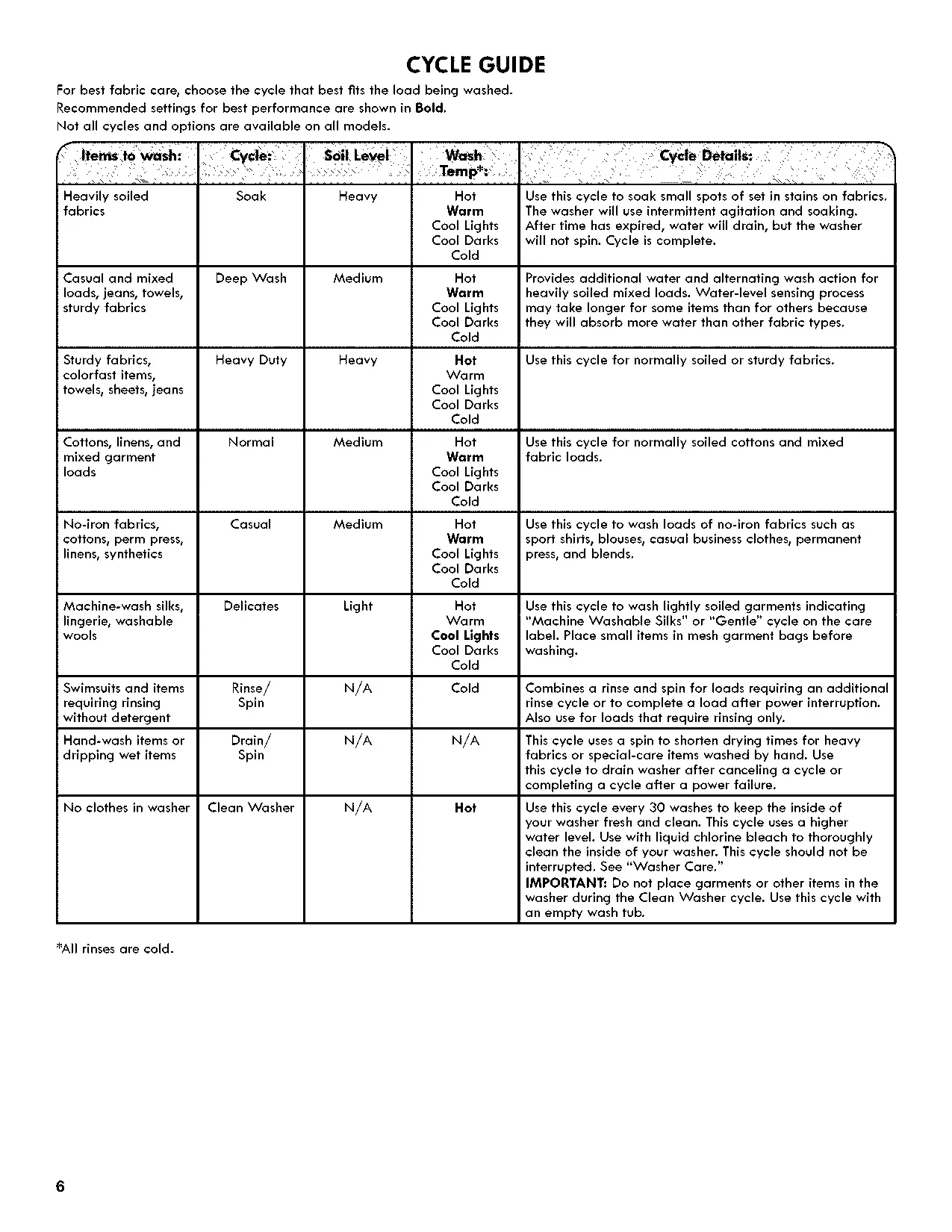
| Standard Wash Cycles | Soak, Deep Wash, Heavy Duty, Normal, Casual, Delicates |
| Specialty Cycles | Rinse/Spin, Drain/Spin, Clean Washer |
| Available Wash/Rinse Temperatures | Hot, Warm, Cool Lights, Cool Darks, Cold (Cycle-dependent) |
| Water Level Control | Automatic Load Sensing (HE low-water wash), Higher water level options for specific cycles (e.g., Clean Washer, Heavy Duty, Deep Wash) |
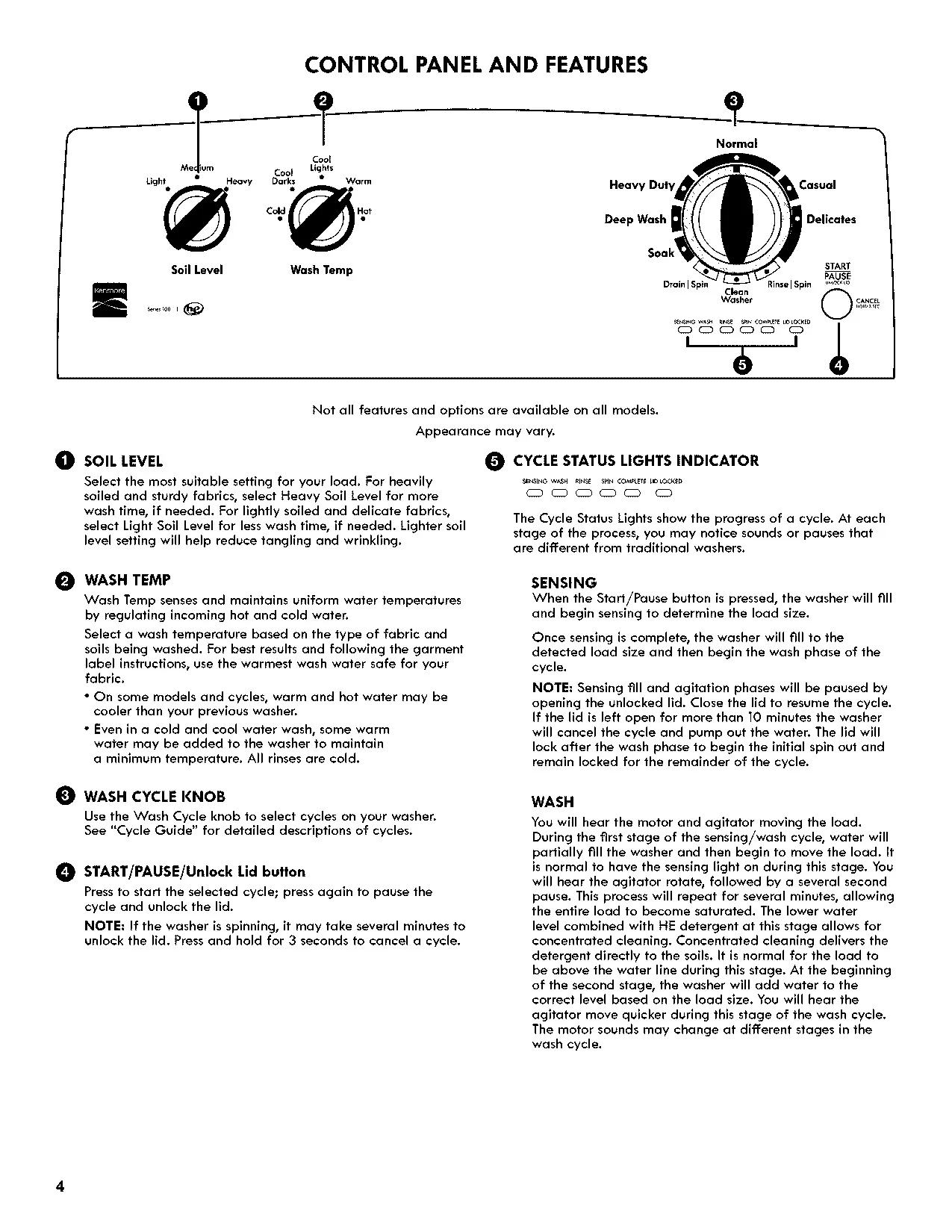
| User Interface Features | START/PAUSE/Unlock Lid button, Adjustable Soil Level setting |
| Detergent Type | HE (High Efficiency) detergent required |
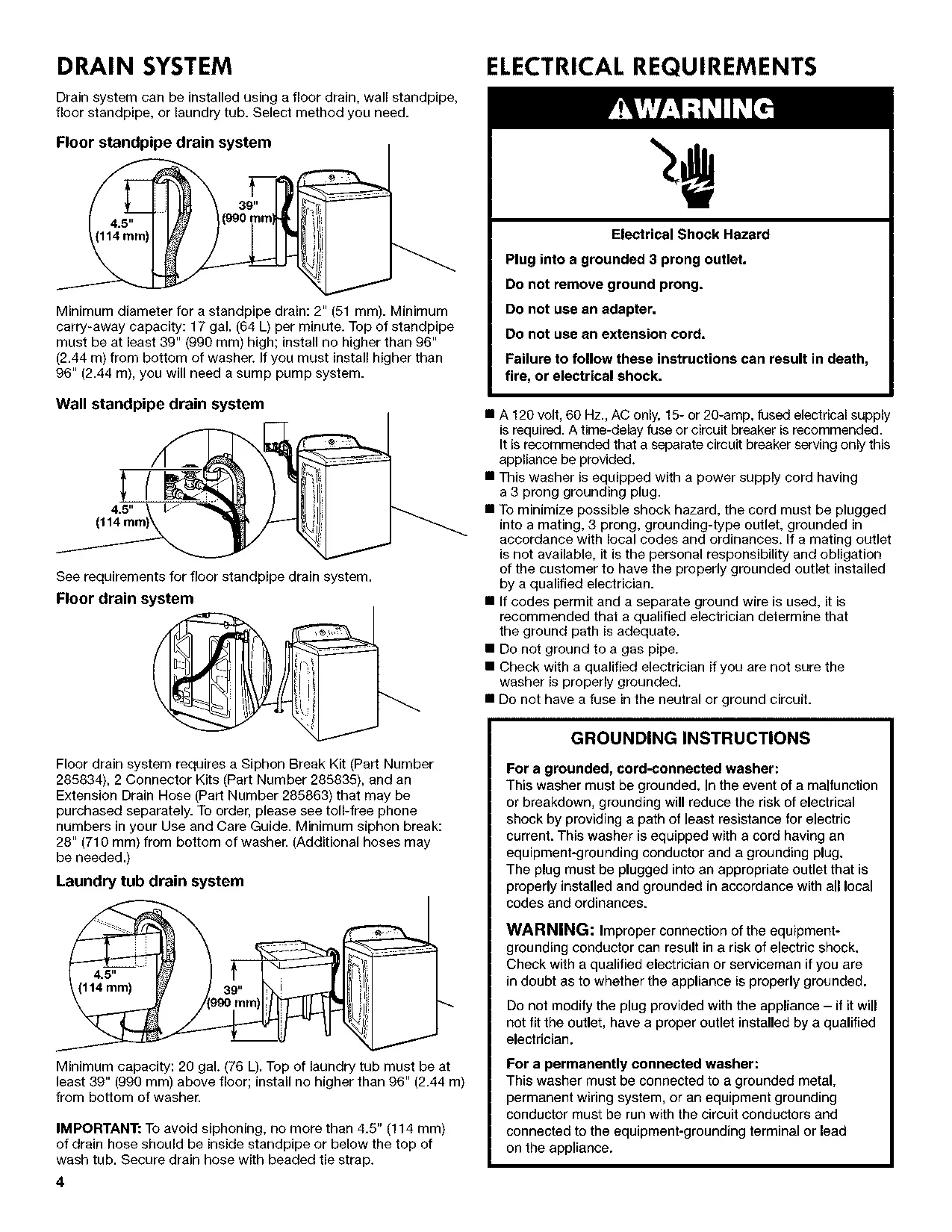
| Electrical Requirements | Grounded 3-prong outlet, No adapters or extension cords |
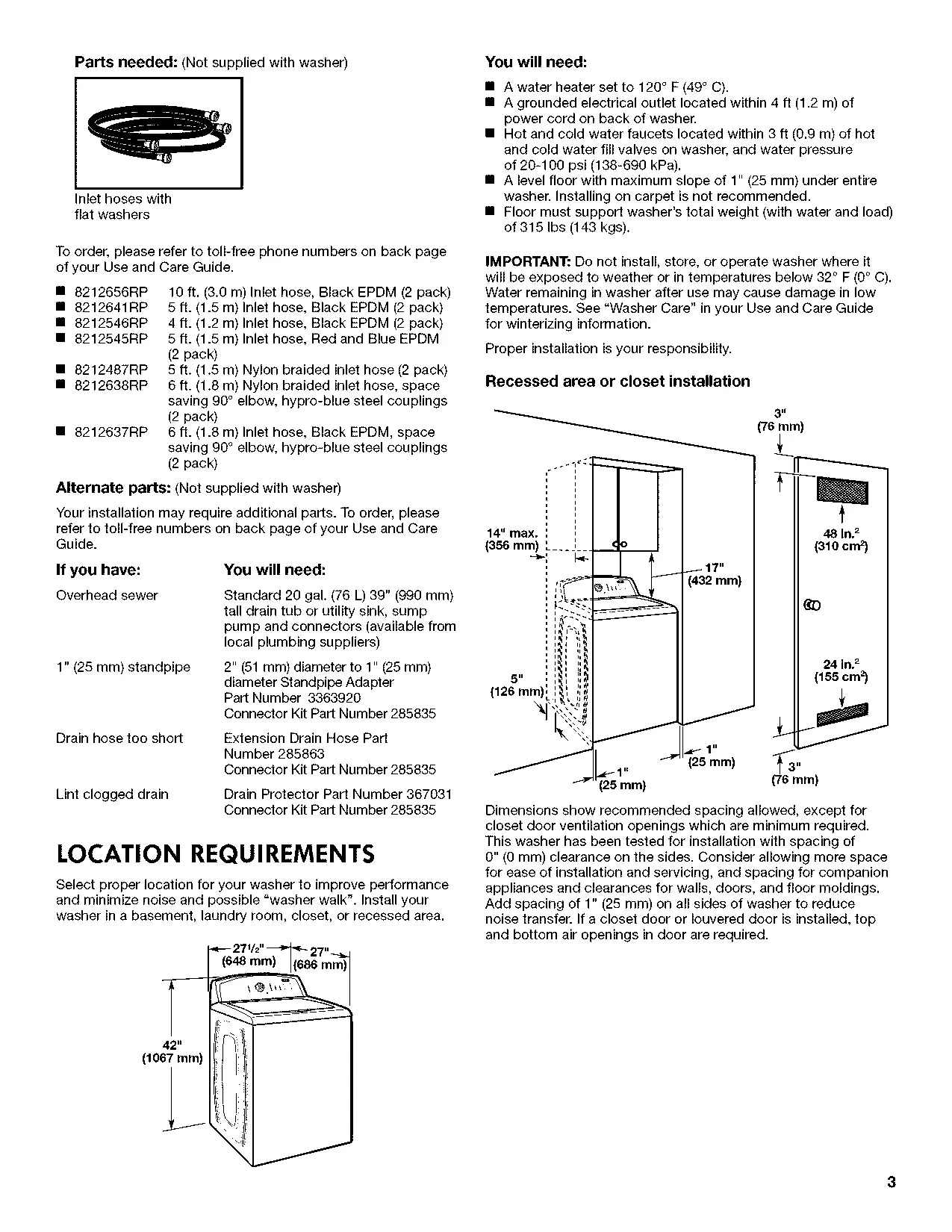
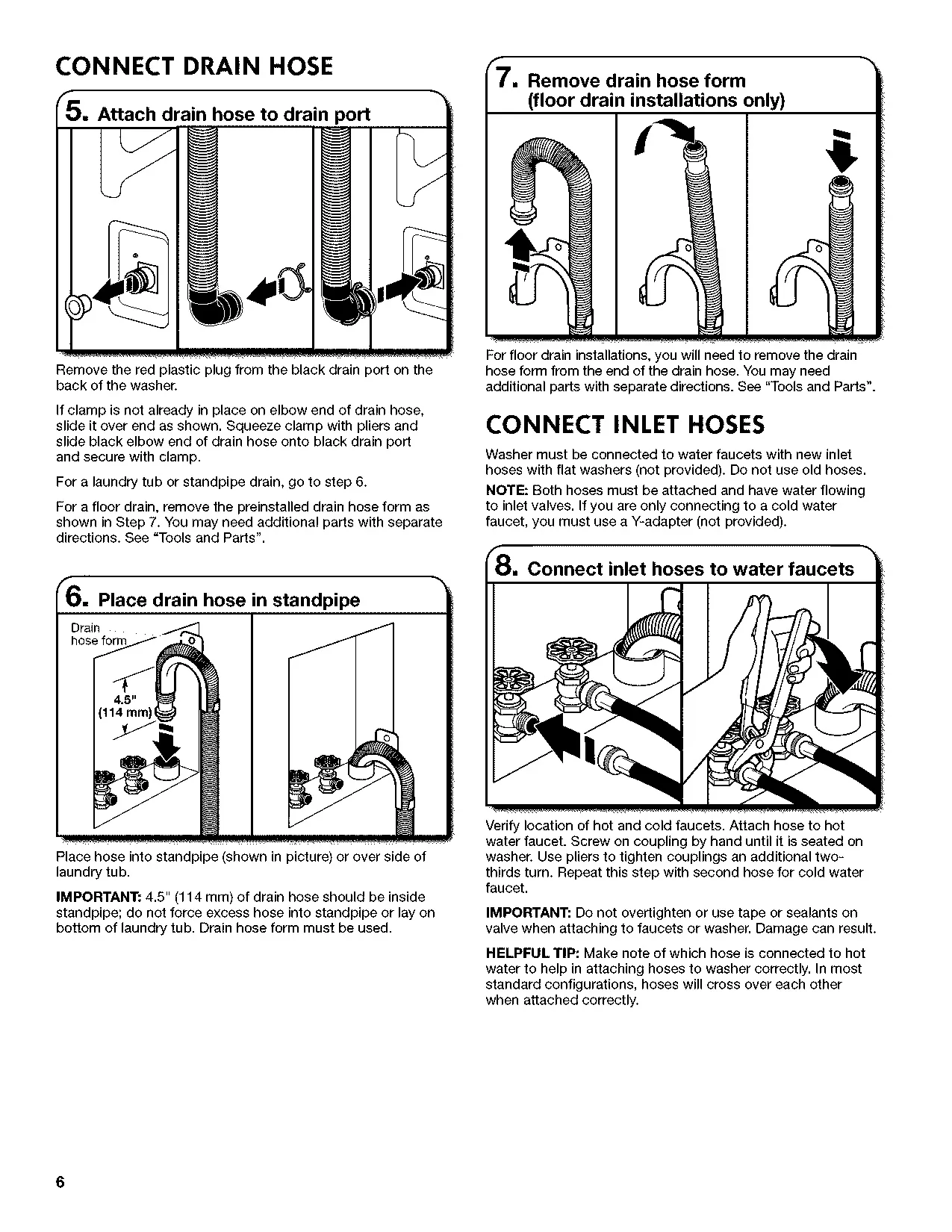
| Drain Hose Installation Limits | Maximum 4.5 inches (114 mm) into standpipe, Maximum 96 inches (2.4 m) height above floor |
| Maintenance Cycle Frequency | Clean Washer cycle recommended every 30 washes |
| Safety Features | Lid must be closed for operation, Lid locked during spin phases |
Kenmore Washer Series 100 HE Details
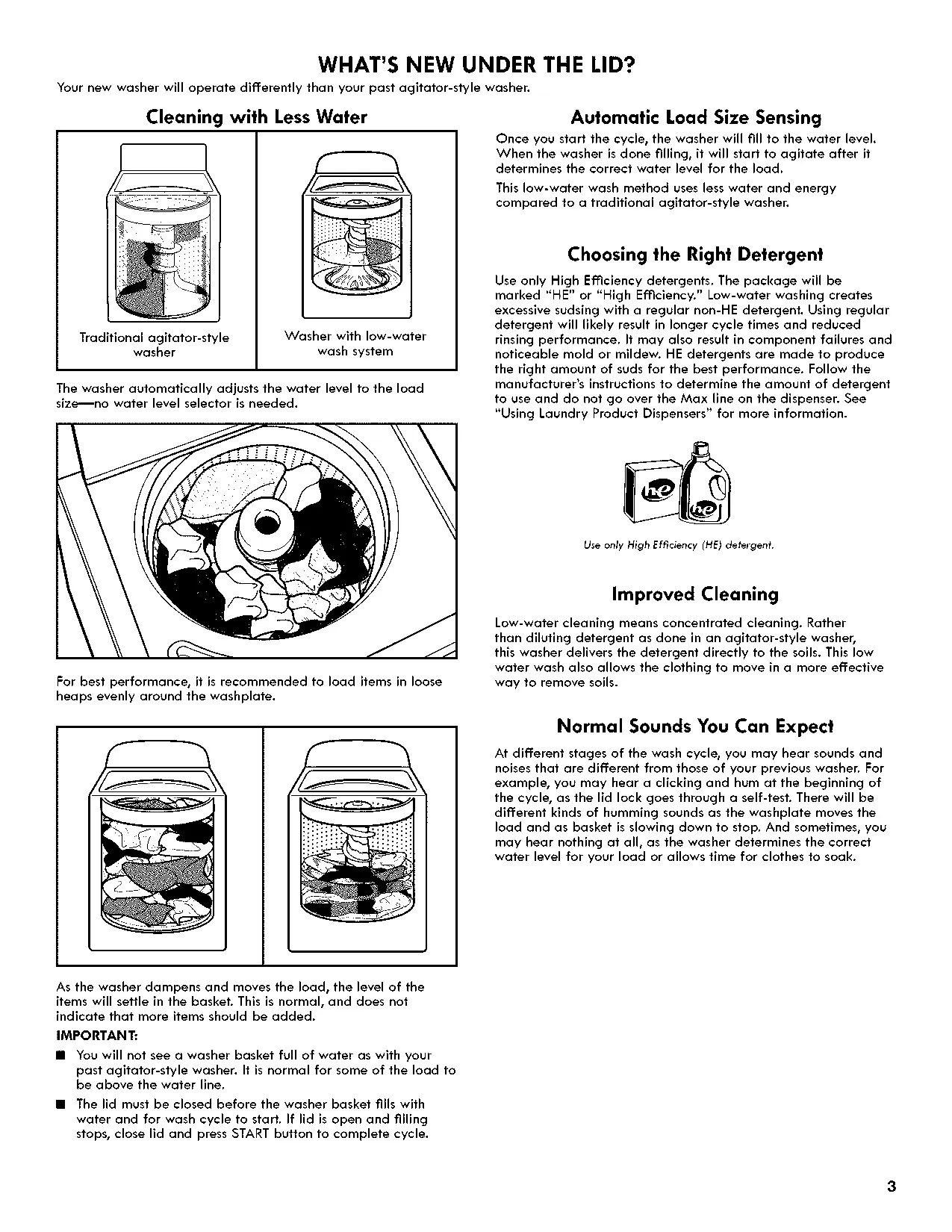
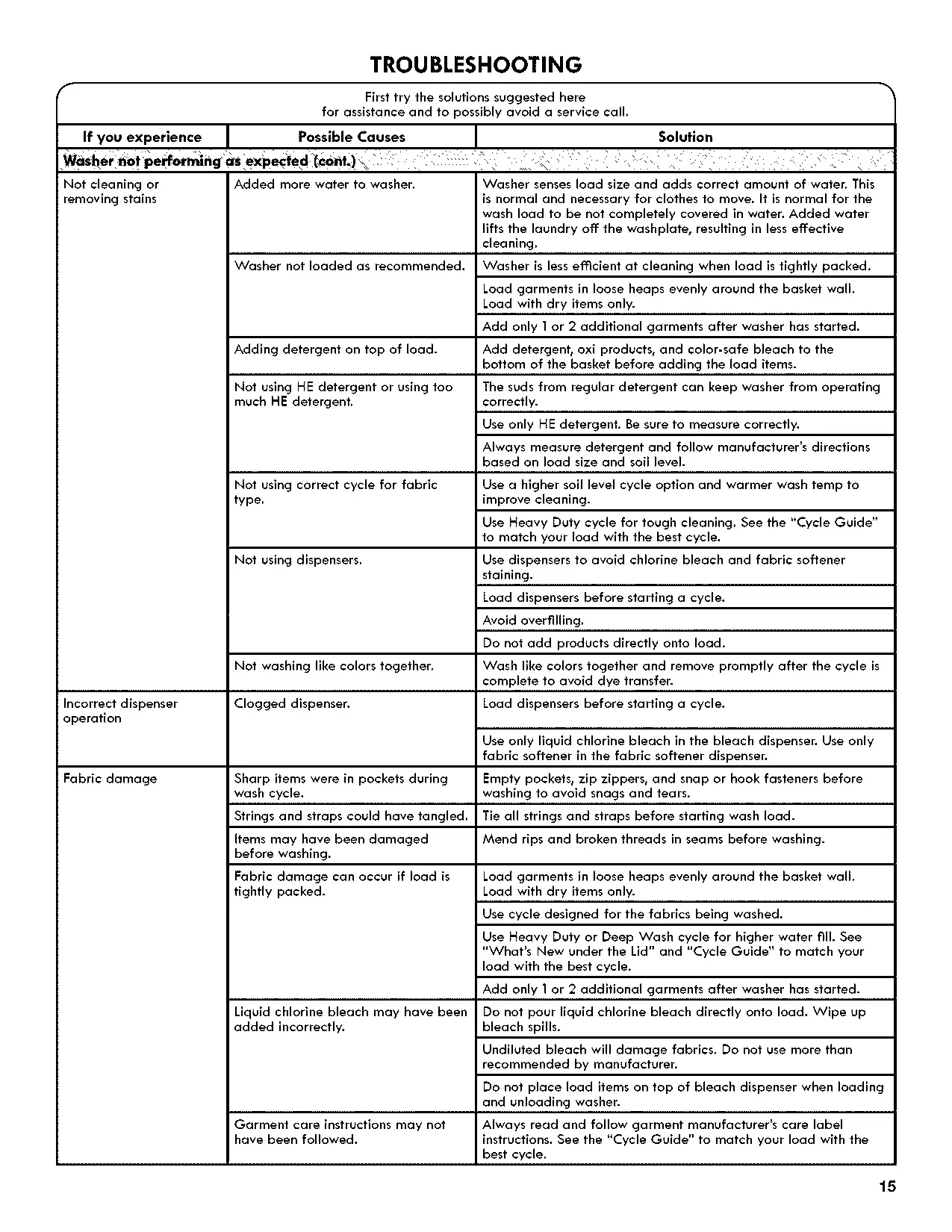
The Kenmore Washer Machine Series 100 High Efficiency is engineered for optimal cleaning with minimal water usage, aligning with its ENERGY STAR® qualification. This innovative approach means your laundry will not be fully submerged in water, a normal operational characteristic of HE washers. The machine intelligently senses the load size and adds the precise amount of water required, ensuring efficient washing without waste.
This model offers a comprehensive suite of wash cycles designed to handle a variety of fabrics and soil levels. The Deep Wash cycle, for instance, provides additional water and an alternating wash action, ideal for heavily soiled mixed loads like jeans and towels. For delicate items, the Delicates cycle uses a light wash action, perfect for machine-washable silks and lingerie; placing small items in mesh bags is advised for best results.
Specialized cycles enhance the washer's versatility. The Soak cycle combines intermittent agitation with soaking to effectively tackle small, set-in stains. After the soak time, water drains without spinning, making it easy to remove items before a full wash. For situations requiring an extra rinse or spin, the Rinse/Spin and Drain/Spin cycles are readily available, proving useful after power interruptions or for hand-washed items.
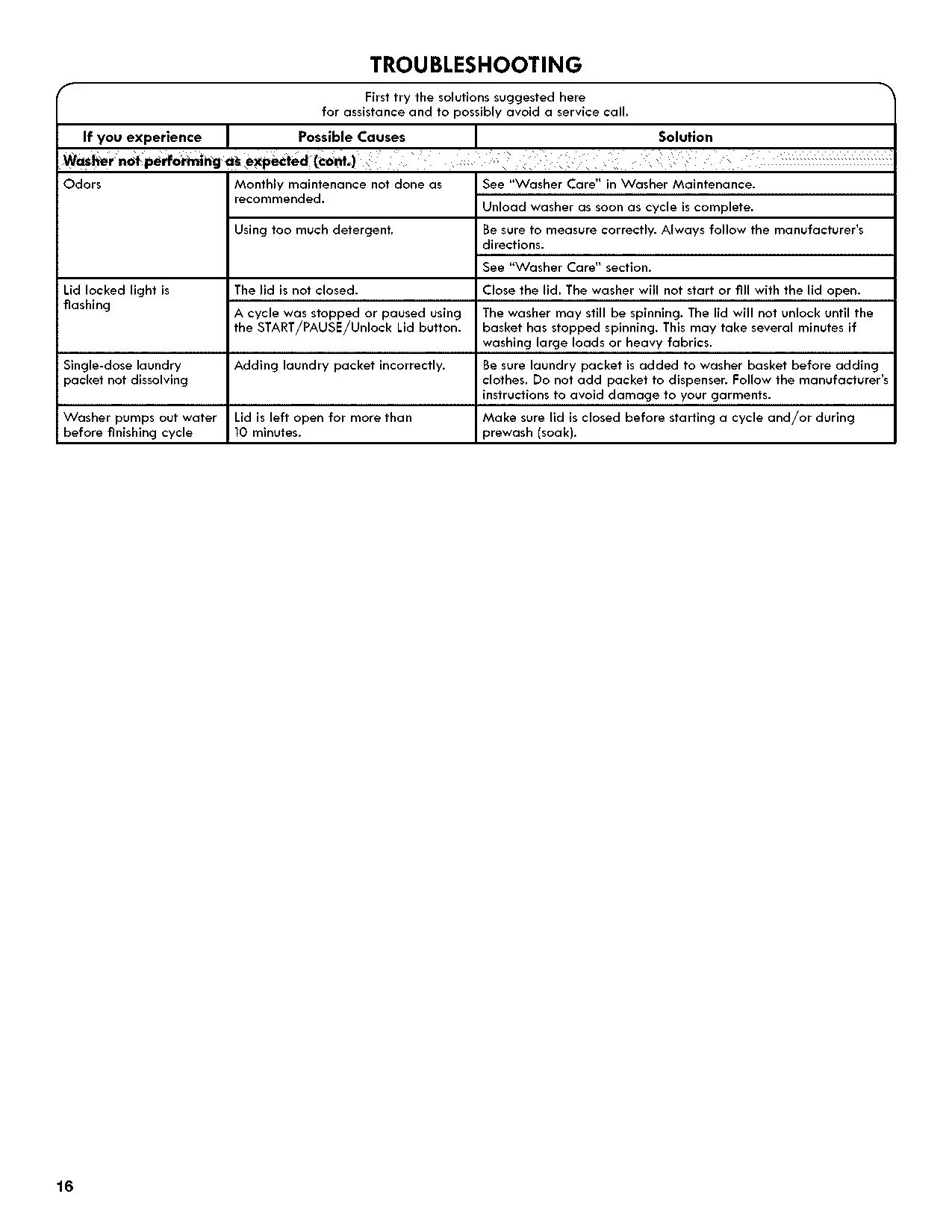
Maintaining the washer’s performance and freshness is simplified with the dedicated Clean Washer cycle. Recommended every 30 washes, this cycle utilizes a higher water level and should be run with an empty tub and liquid chlorine bleach to thoroughly clean the interior. It’s crucial not to interrupt this cycle and to avoid placing any garments inside during its operation.
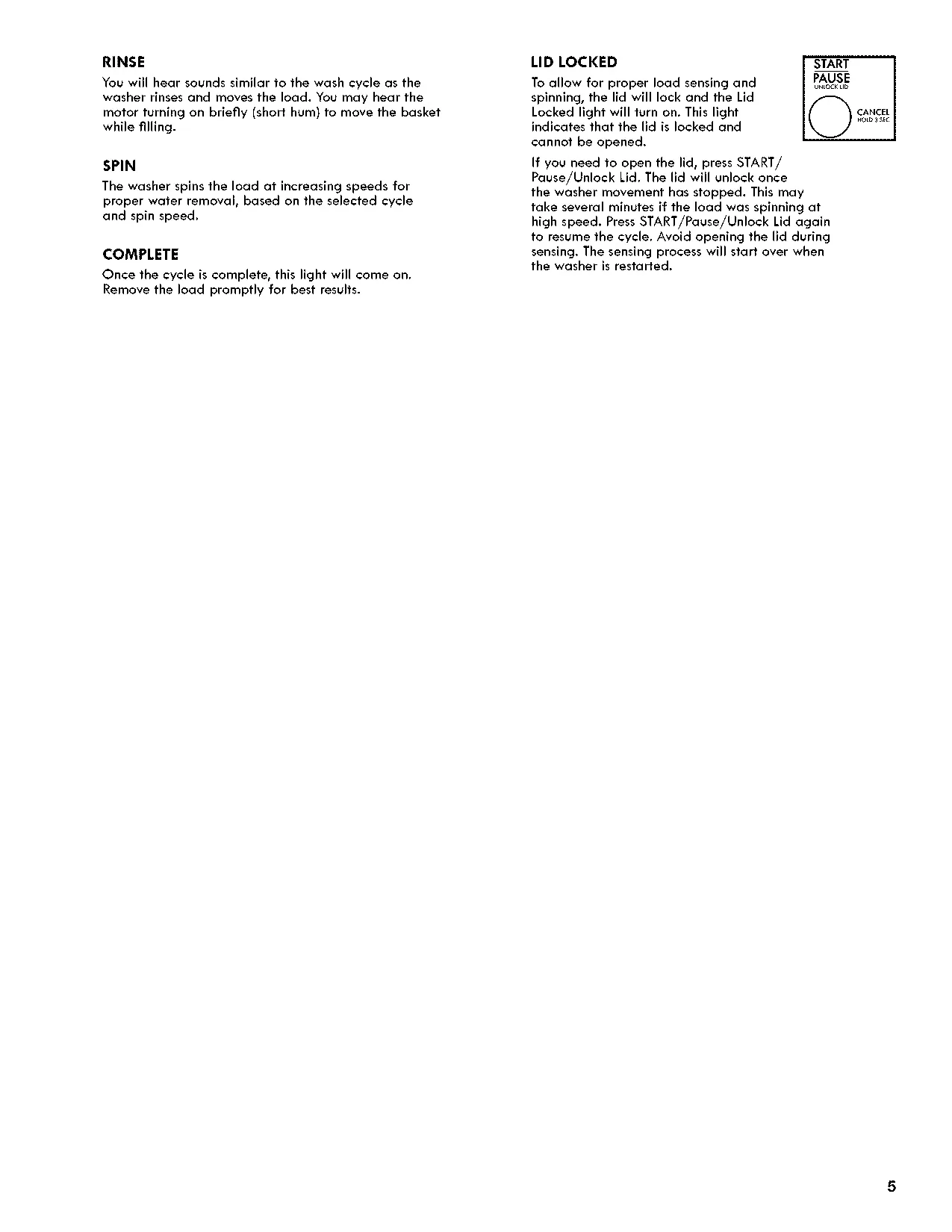
The user experience is intuitive, featuring a straightforward control panel with essential functions like the START/PAUSE/Unlock Lid button. This button not only manages cycle progression but also controls the lid's locking mechanism, which engages during spinning. The ability to select a specific Soil Level allows for customization, ensuring clothes receive the appropriate intensity of cleaning for their condition.
For best results, it is imperative to use only HE detergent and to measure it correctly according to load size and soil level. Detergent, along with oxi products and color-safe bleach, should be added to the bottom of the basket before loading clothes. Proper loading, characterized by loose heaps evenly distributed around the basket, is critical to prevent imbalances, tangling, and ensure effective cleaning and rinsing.
The high spin speeds characteristic of this HE washer efficiently extract more moisture from loads, significantly shortening drying times. While this can occasionally lead to dry spots on items near the top of the load, it is a normal outcome of its moisture-removal capabilities. Understanding these operational nuances ensures optimal use of your Kenmore Series 100 High Efficiency washer.
Frequently Asked Questions (FAQs)
Can't find the answer you need? Here are some frequently asked questions about the Kenmore Washer Machine Series 100 High Efficiency, and we answer them below.