Kenmore 15343 Sewing Machine Instruction Manual

Kenmore 15343 Sewing Machine
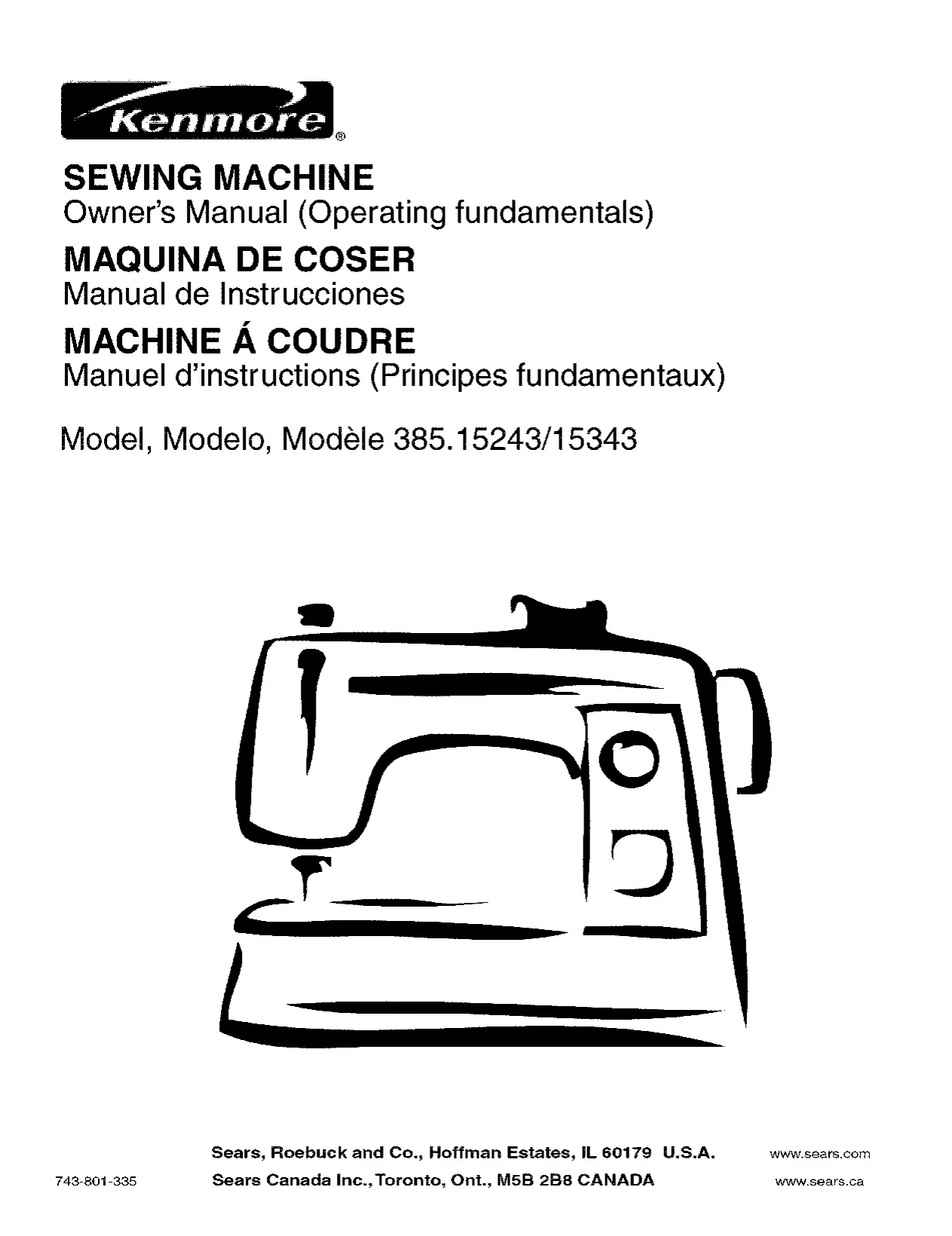





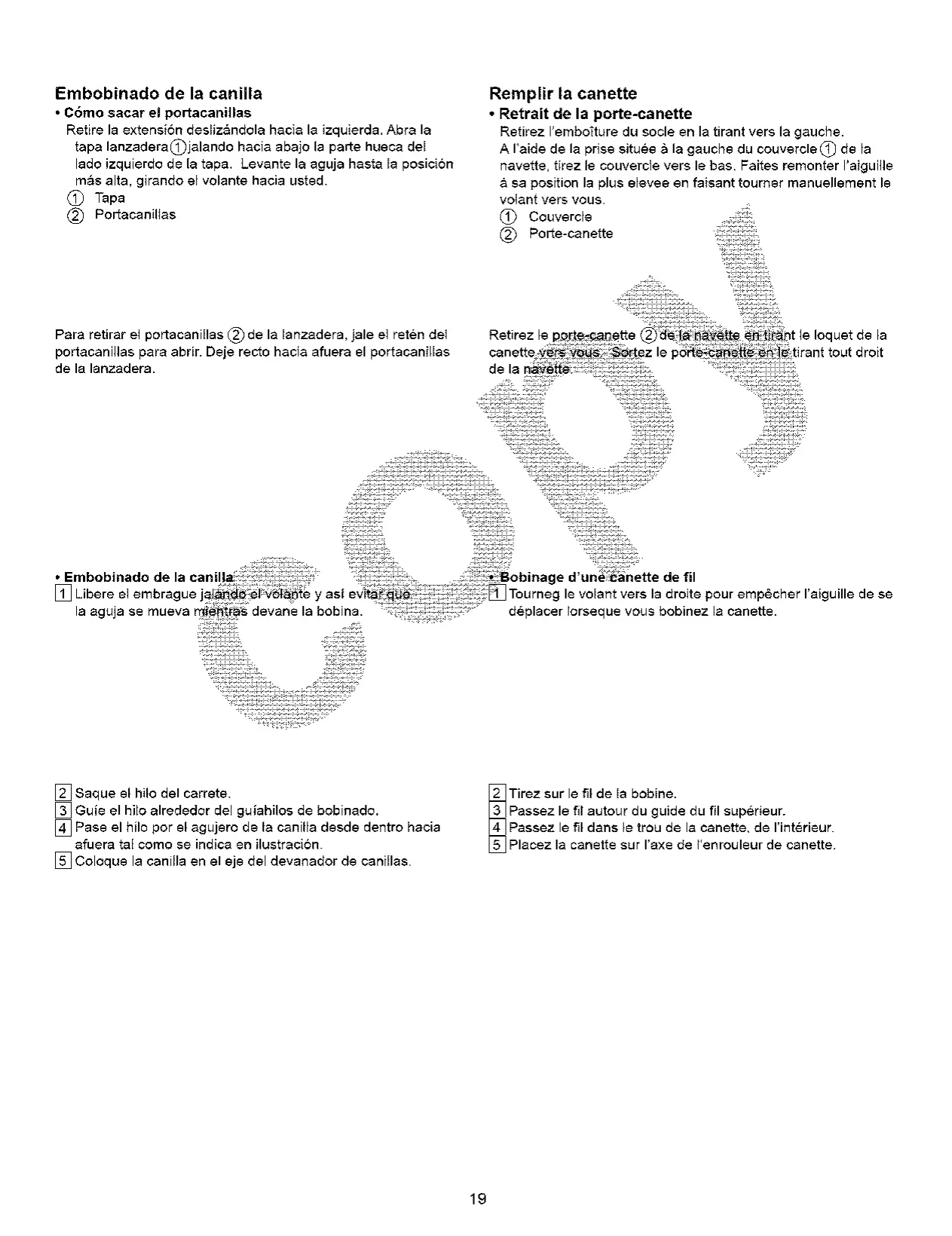
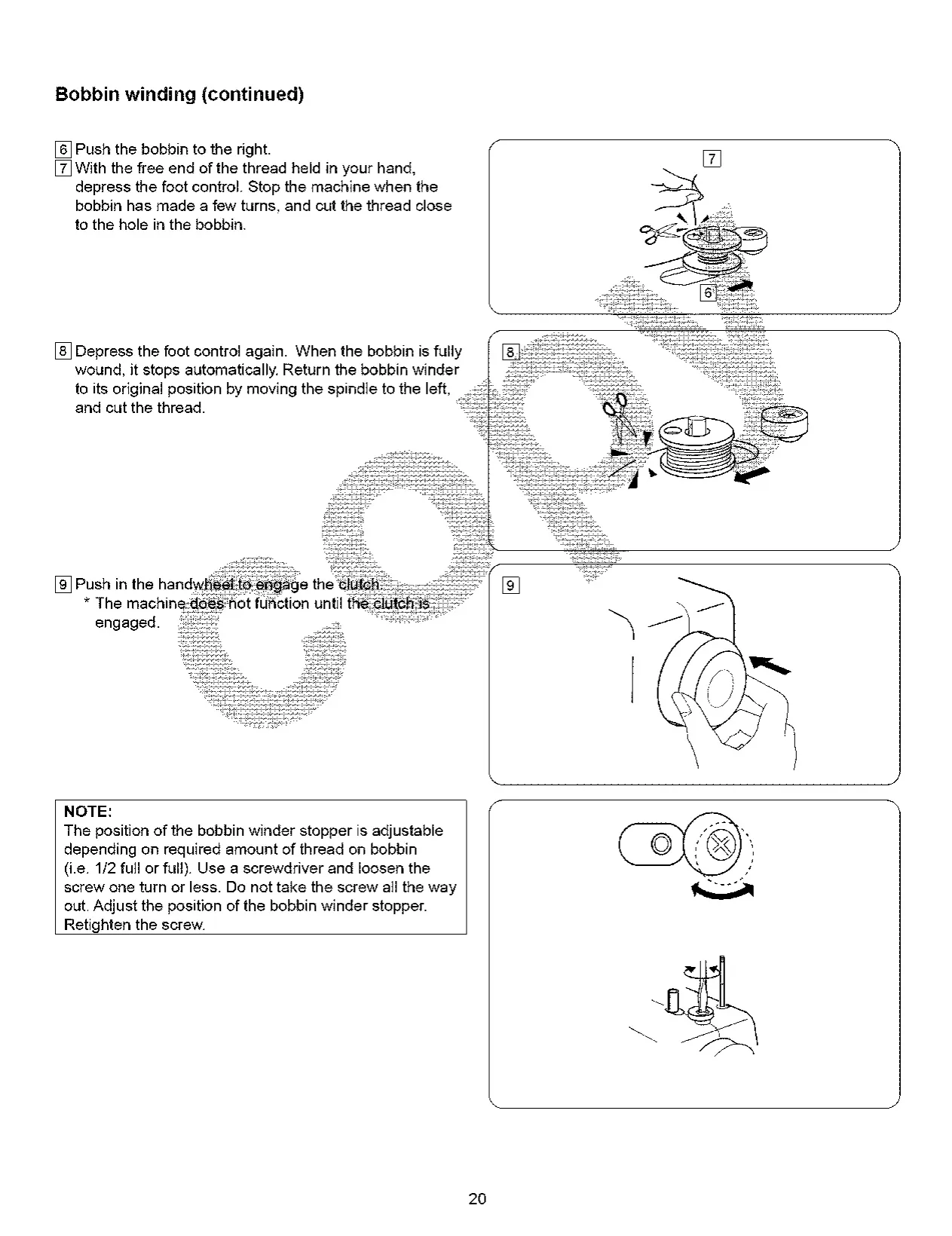
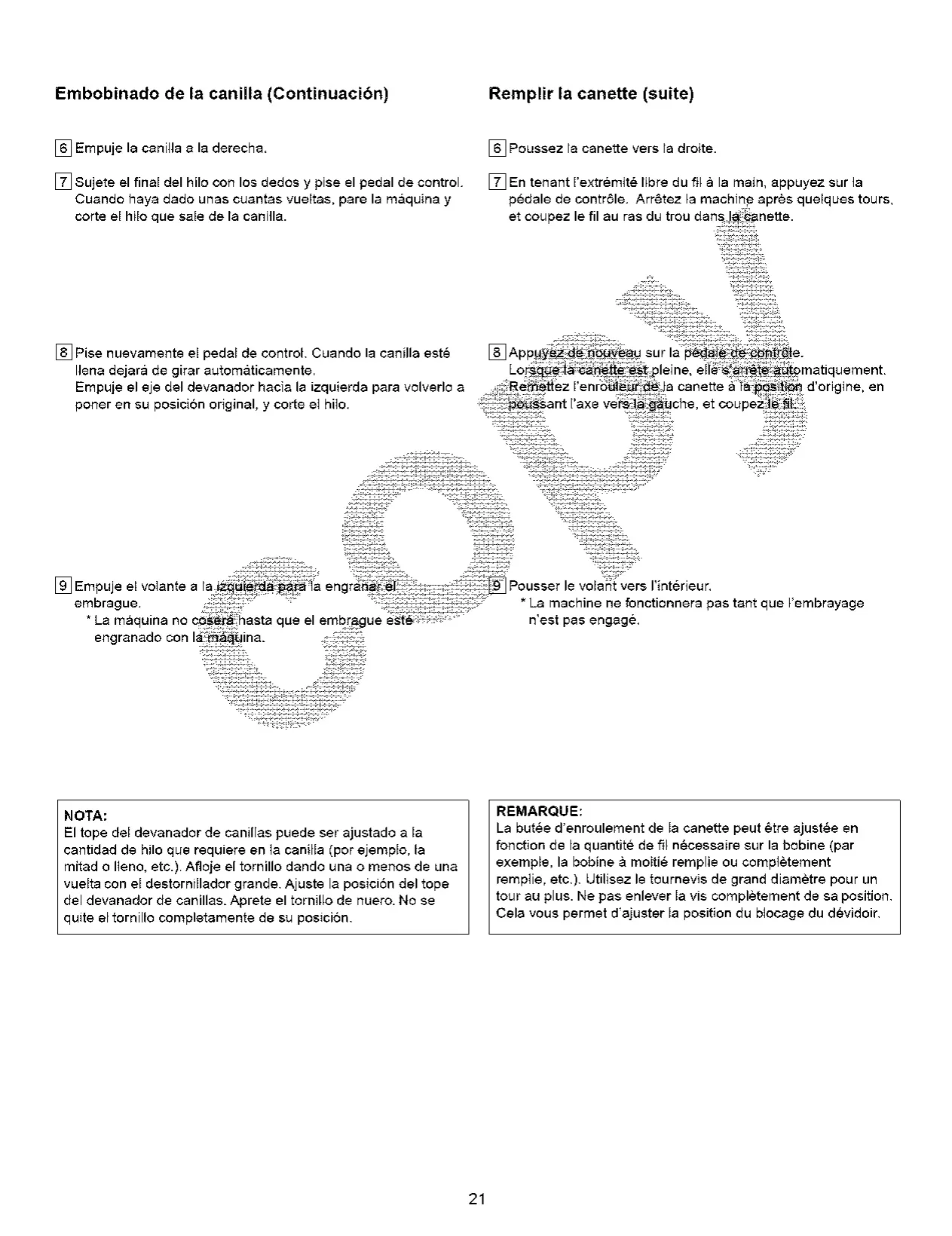
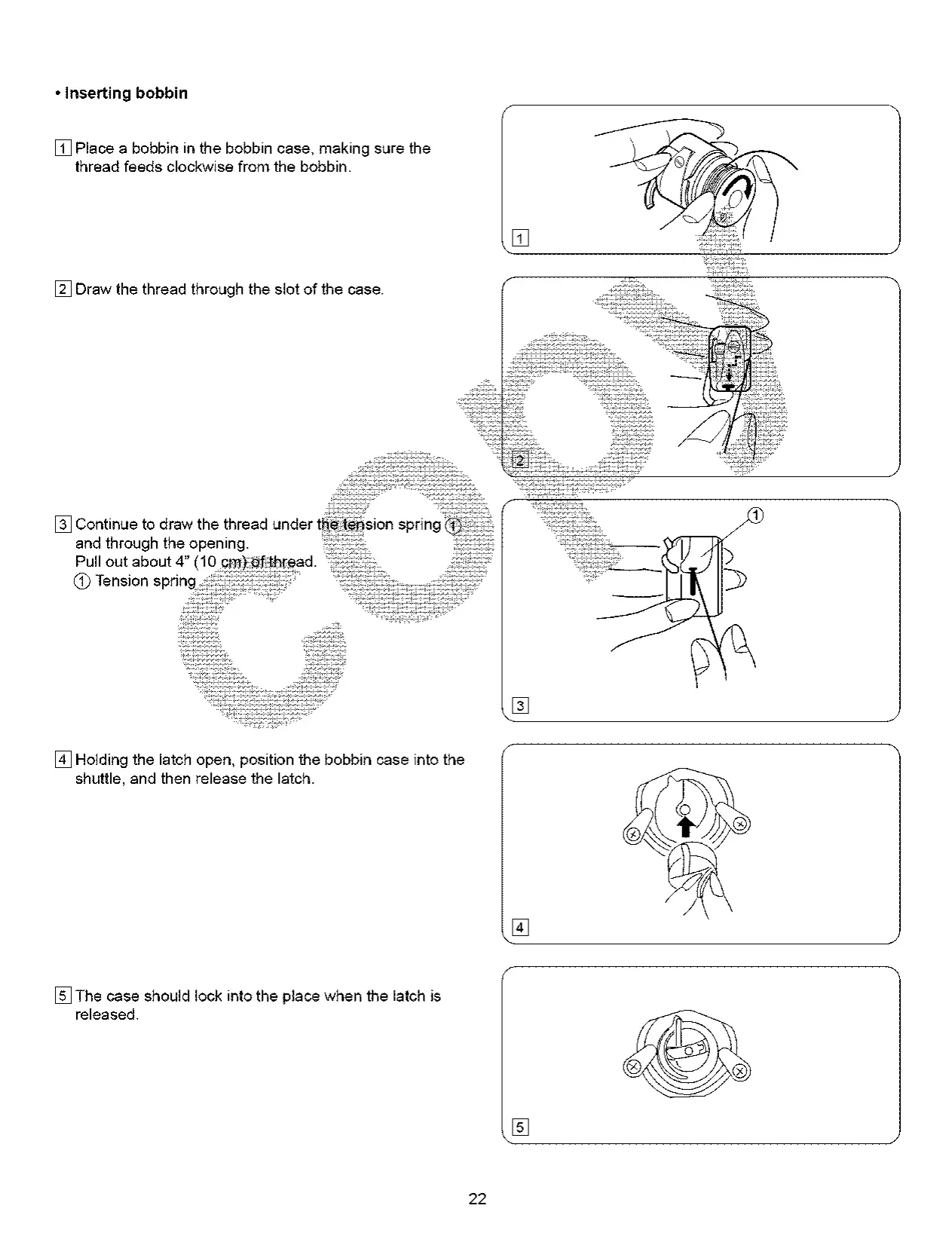
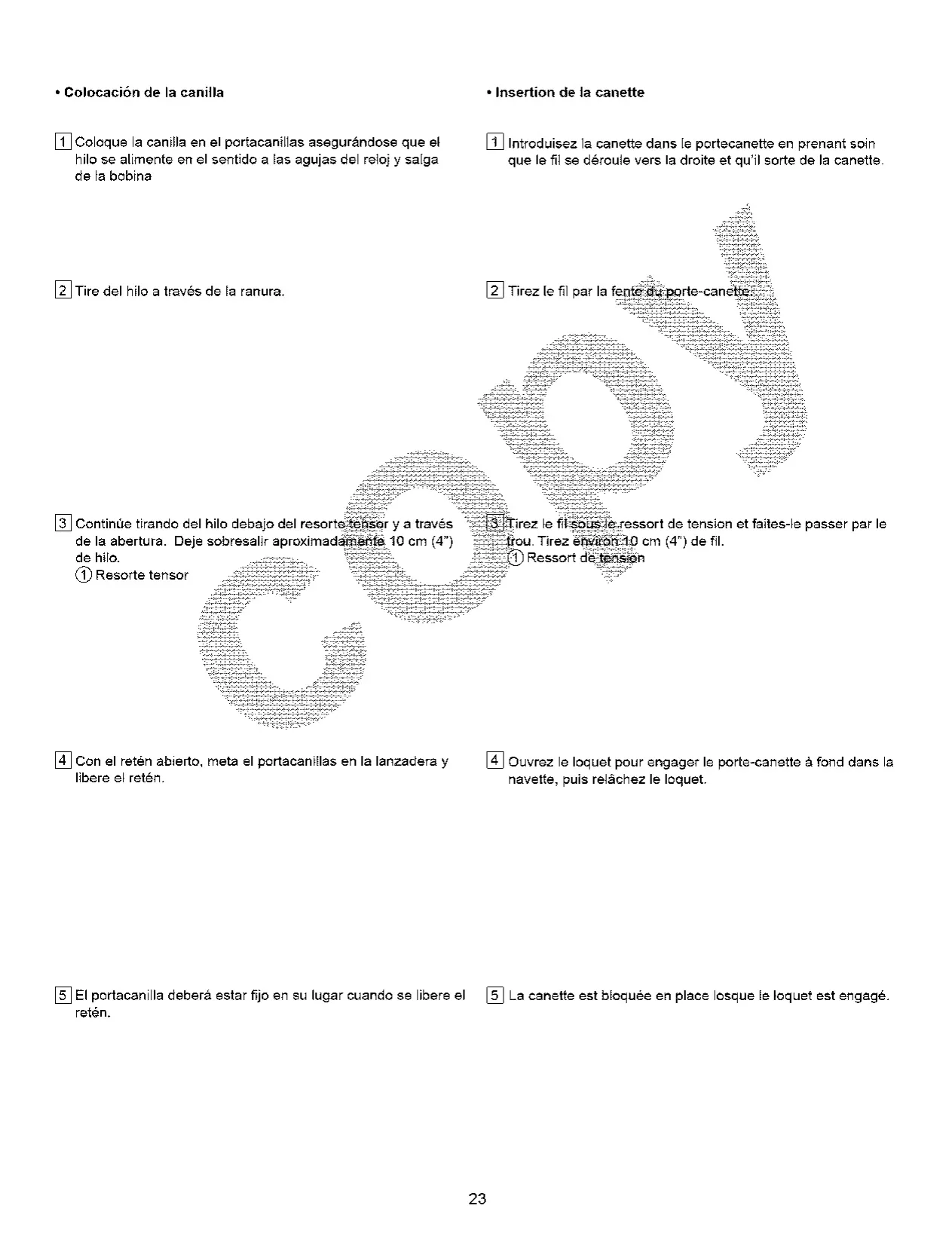
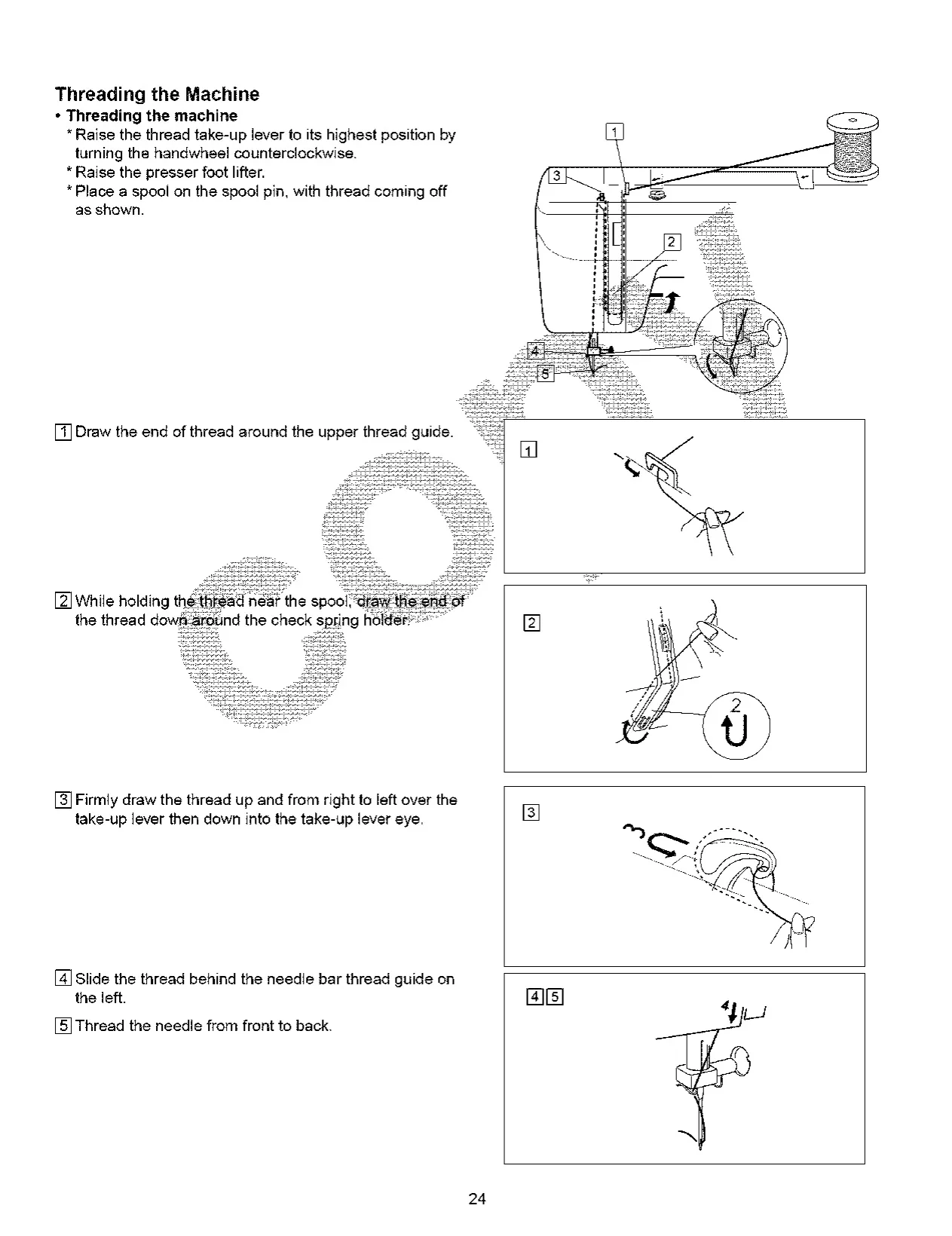
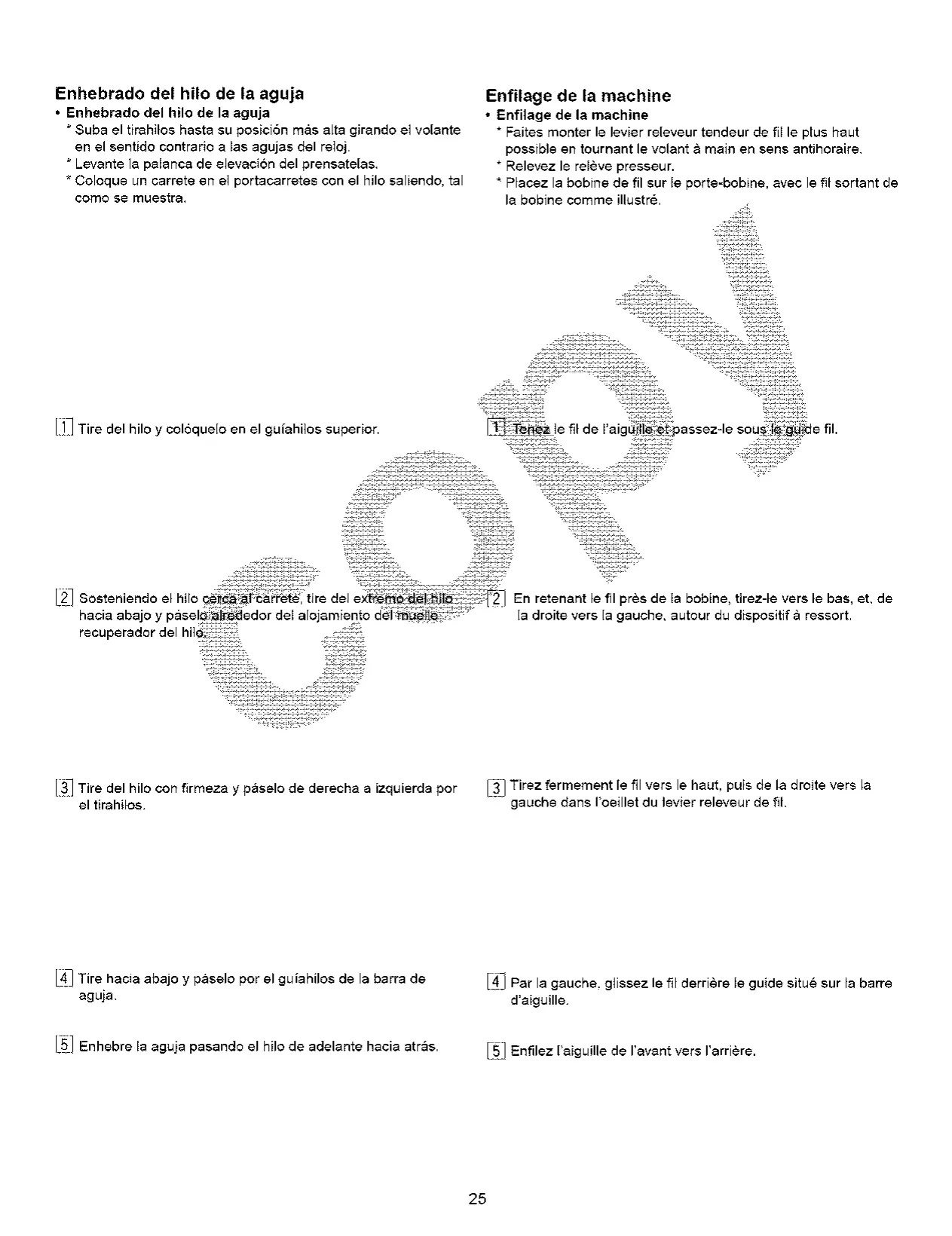
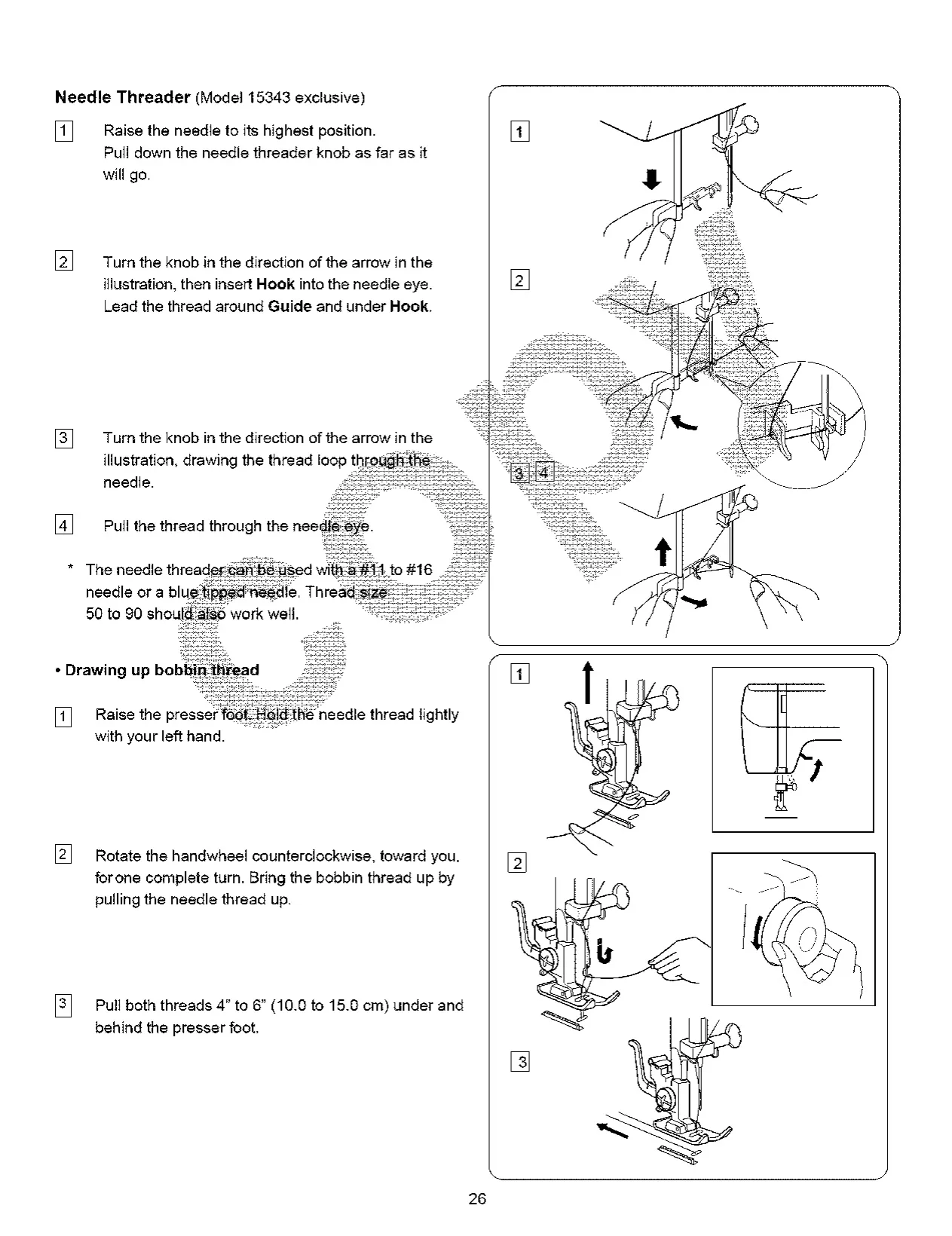


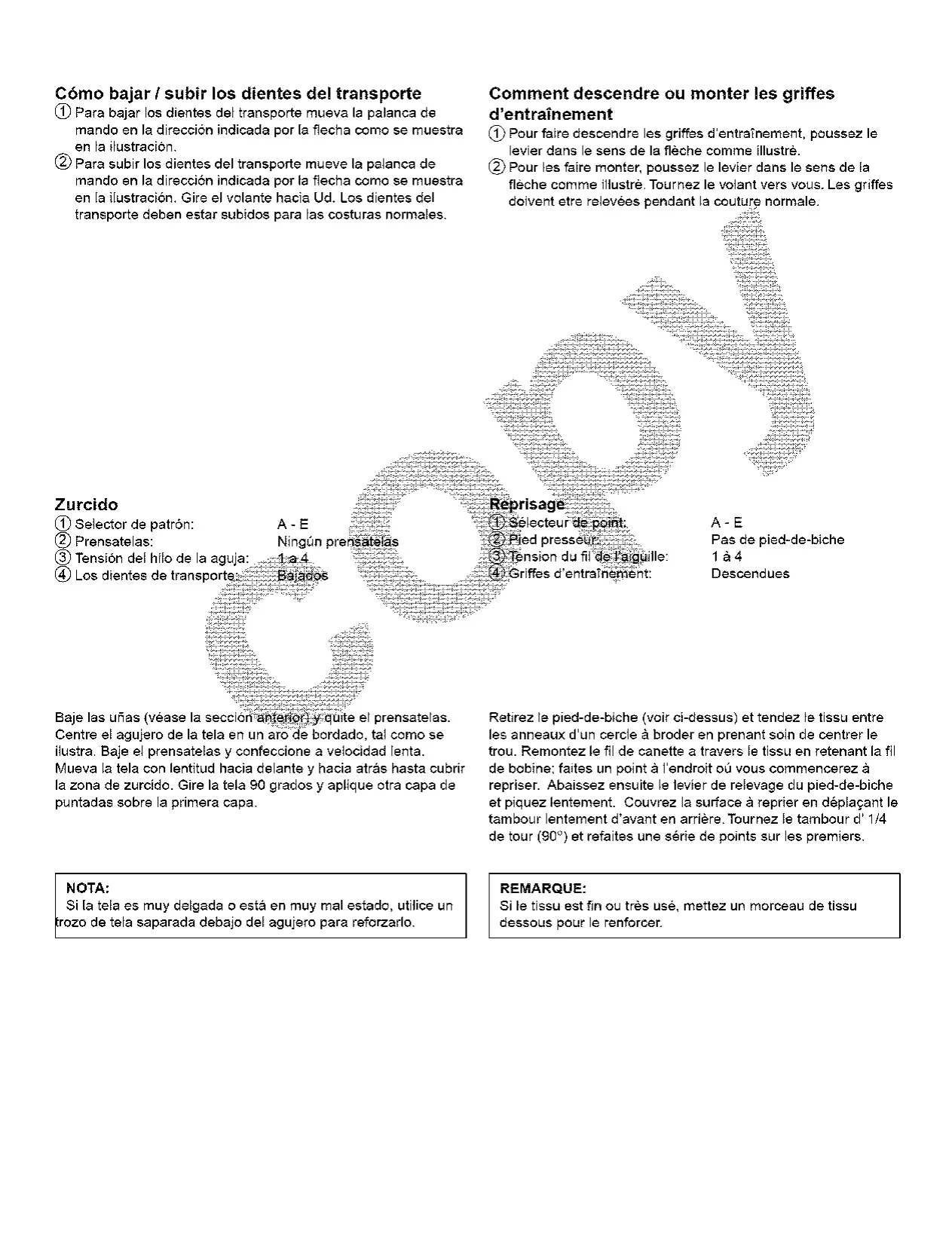
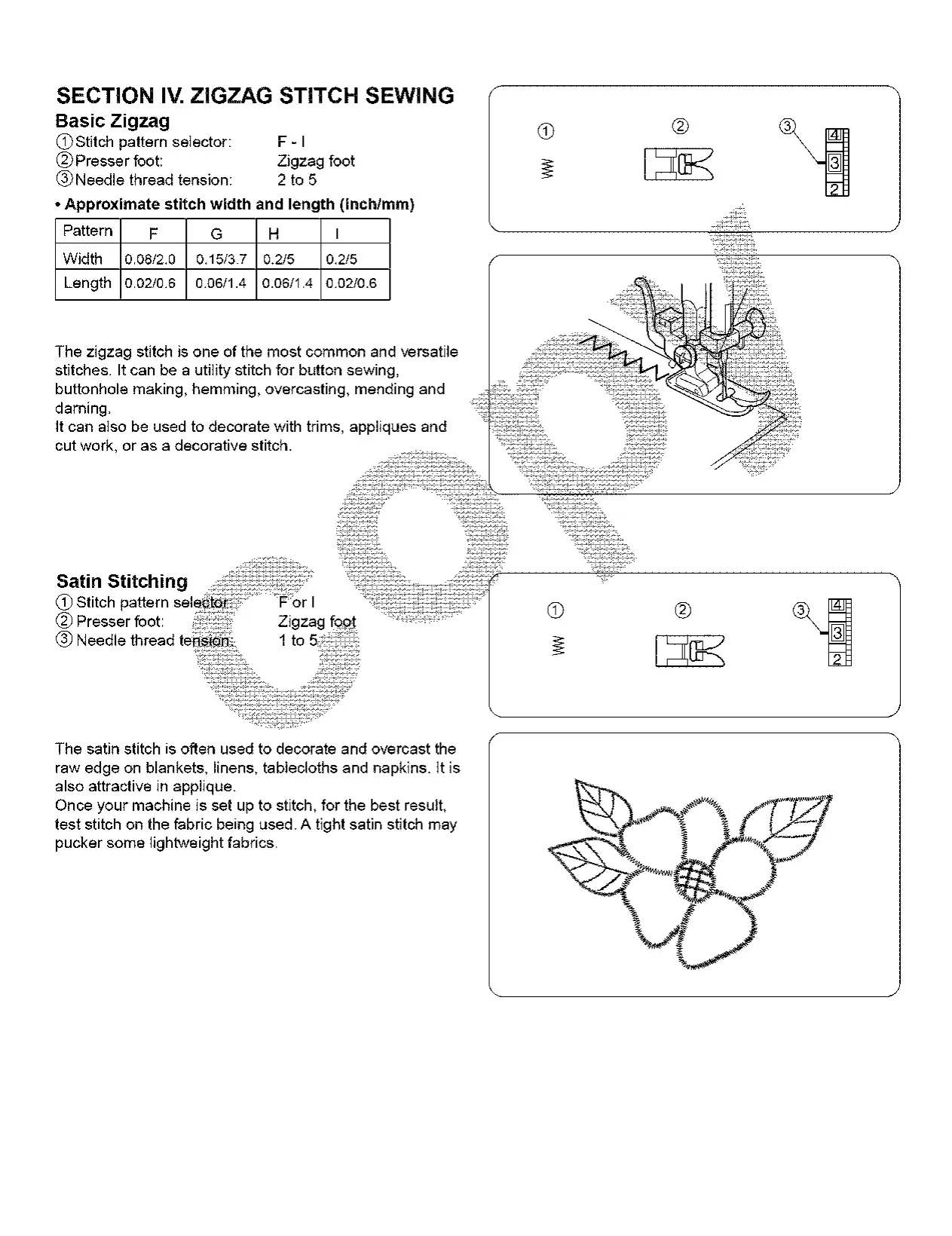

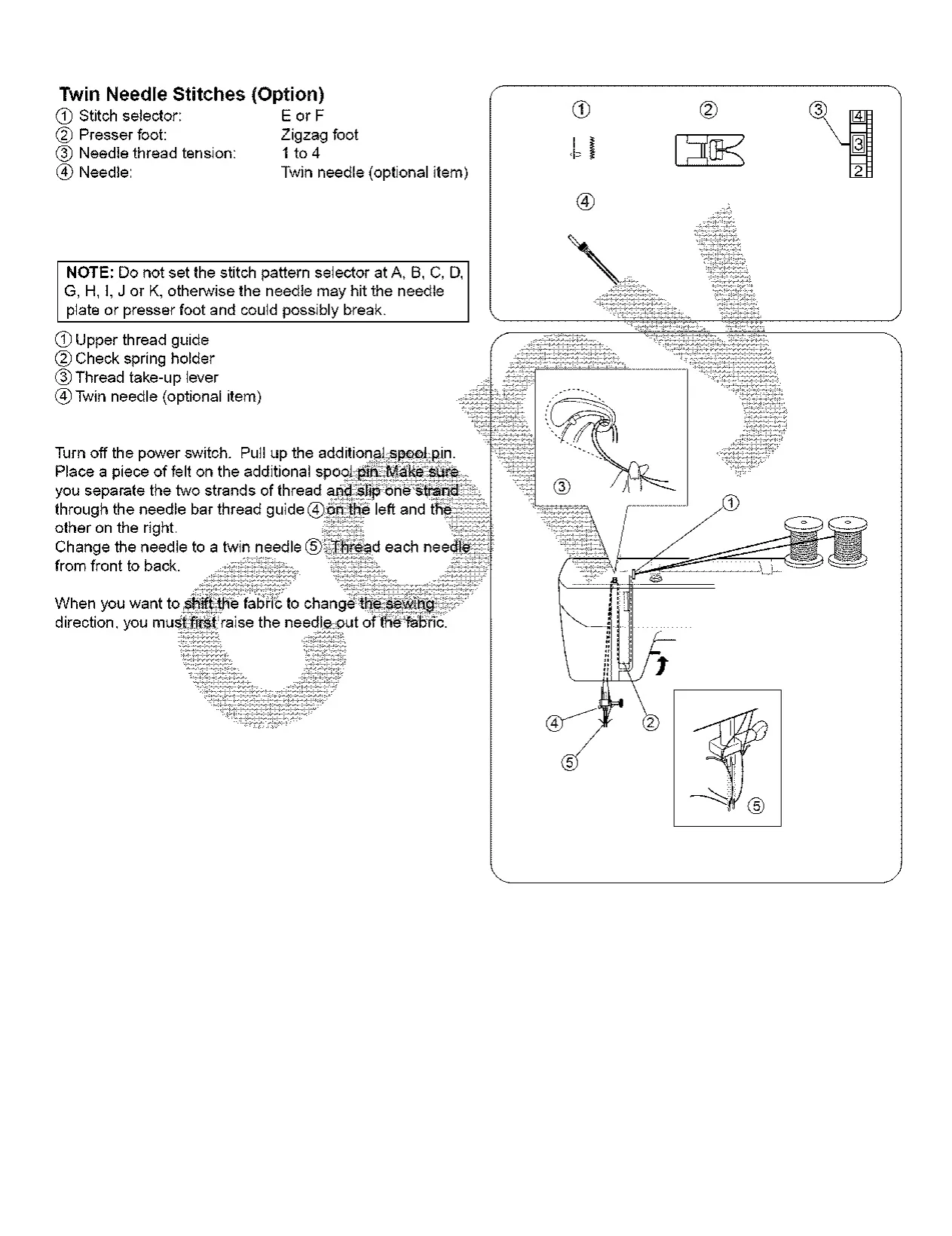
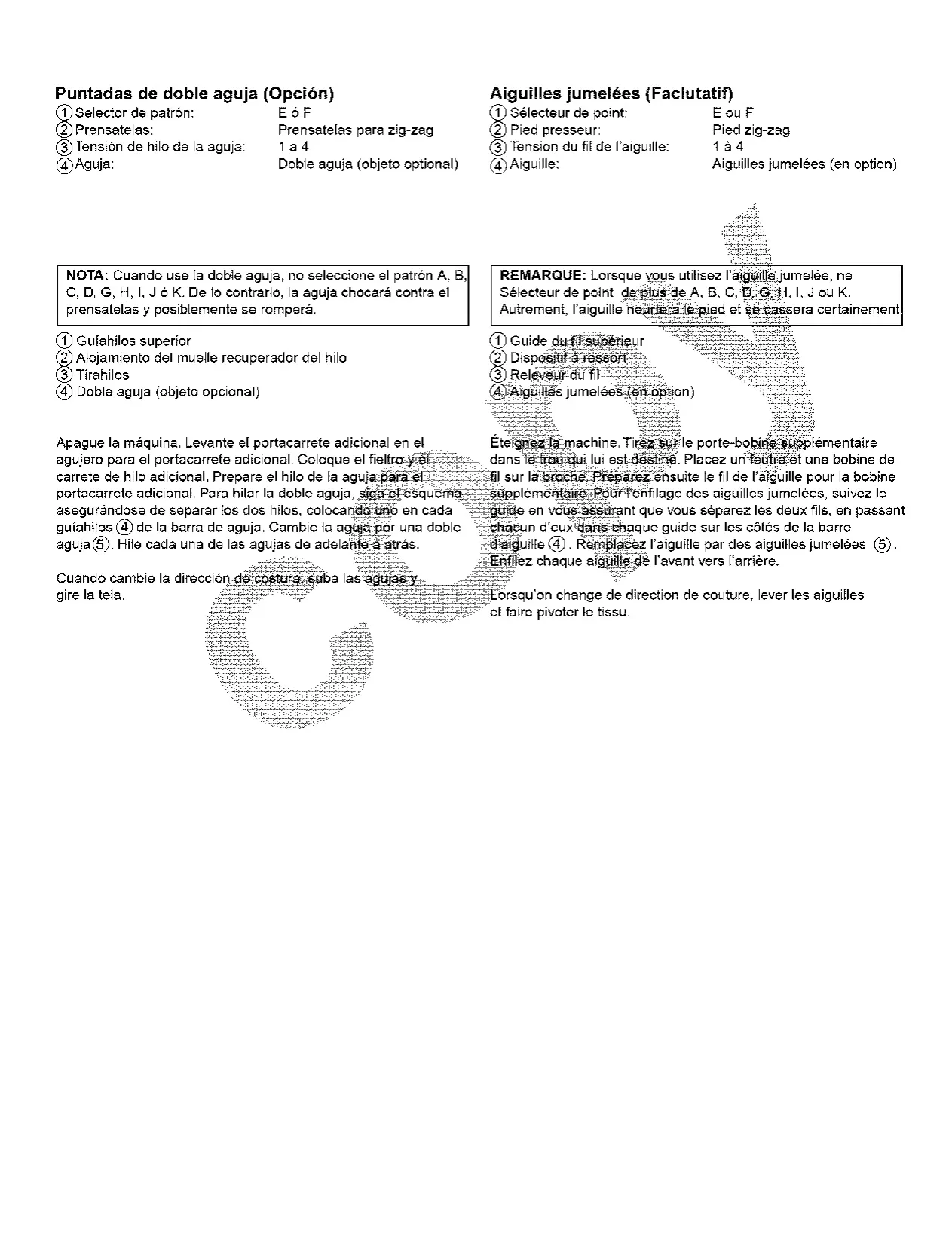




Kenmore 15343 Sewing Machine Instructions
Here we offer the Kenmore 15343 Sewing Machine manual completely free and in English. We have cataloged this manual in the Sewing Machines section on Manualverse, and it has been rated by 1 users with an average rating of 5. If you have any specific questions about Kenmore 15343 Sewing Machine, we suggest checking the Frequently Asked Questions (FAQs) section of this manual.
Product Images

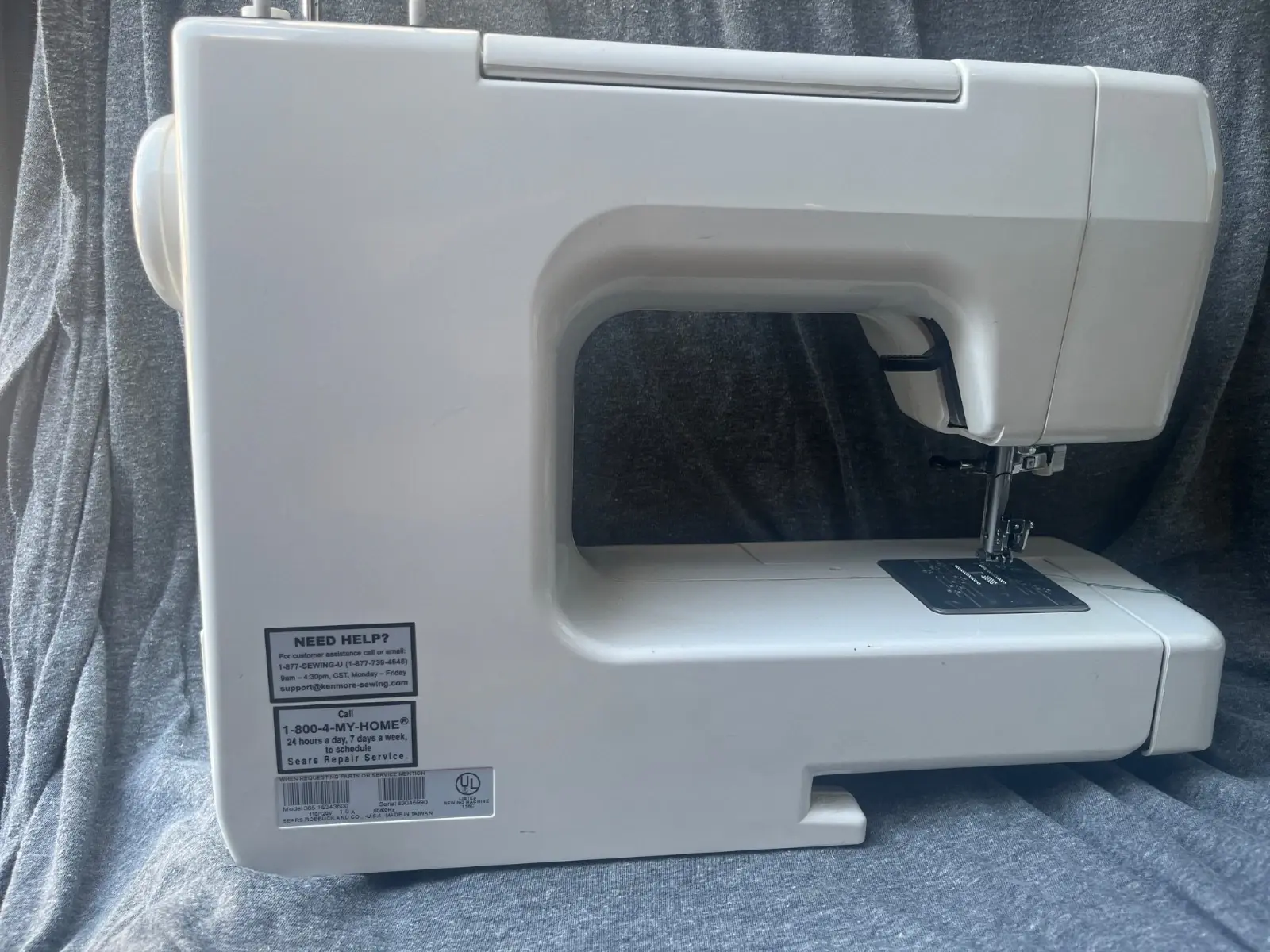
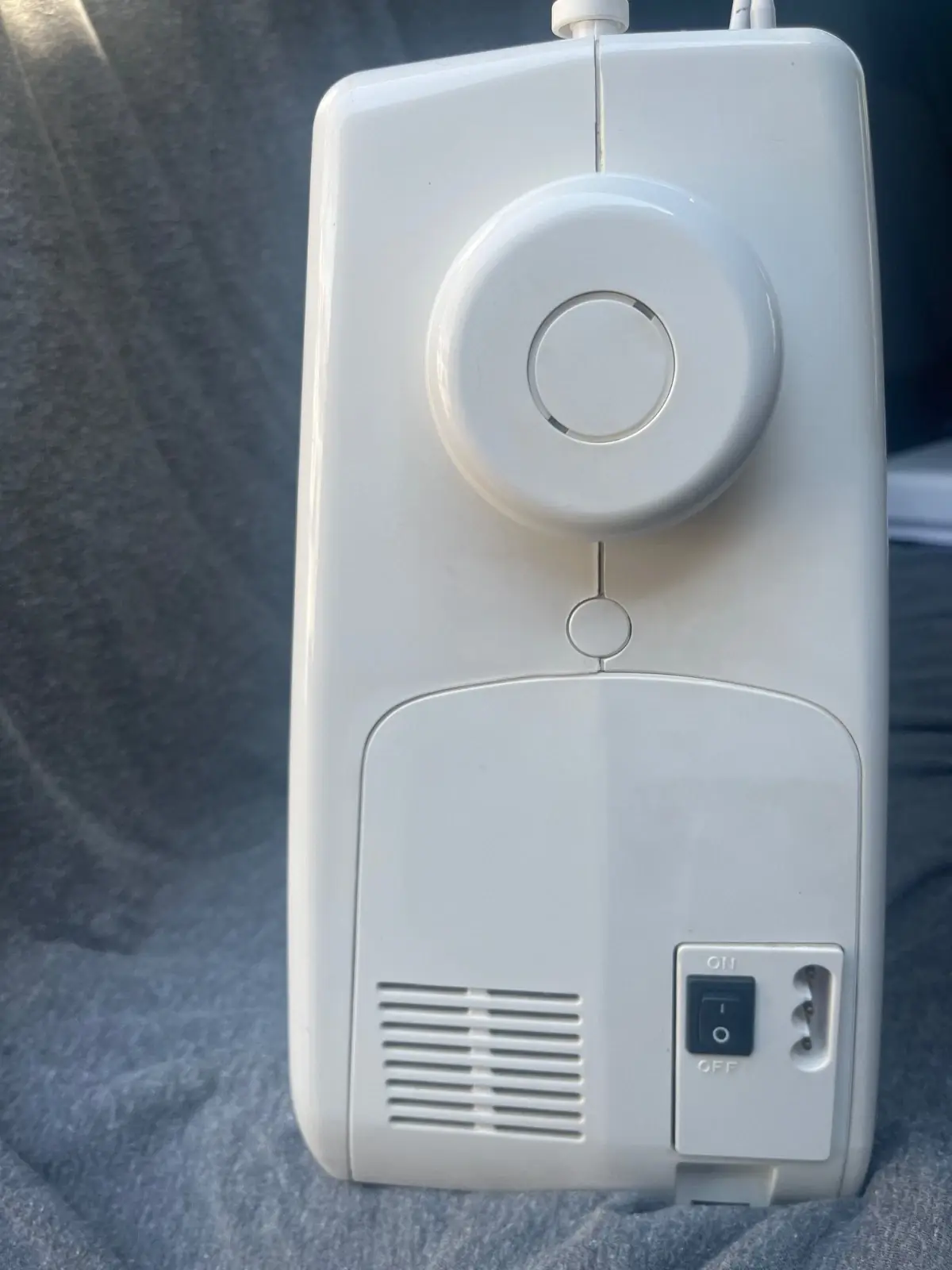
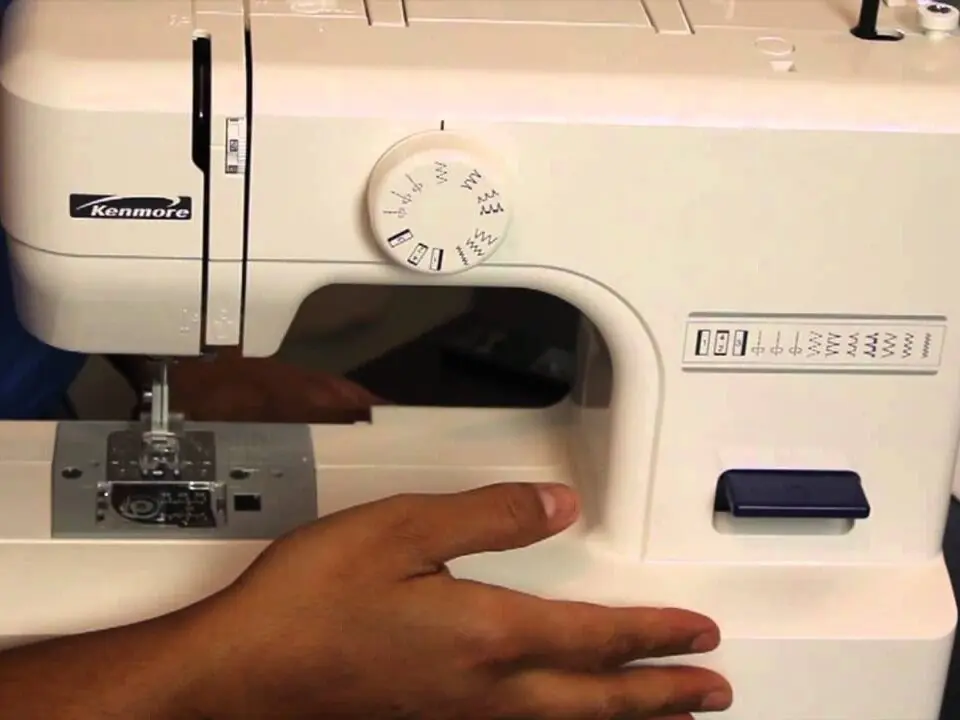
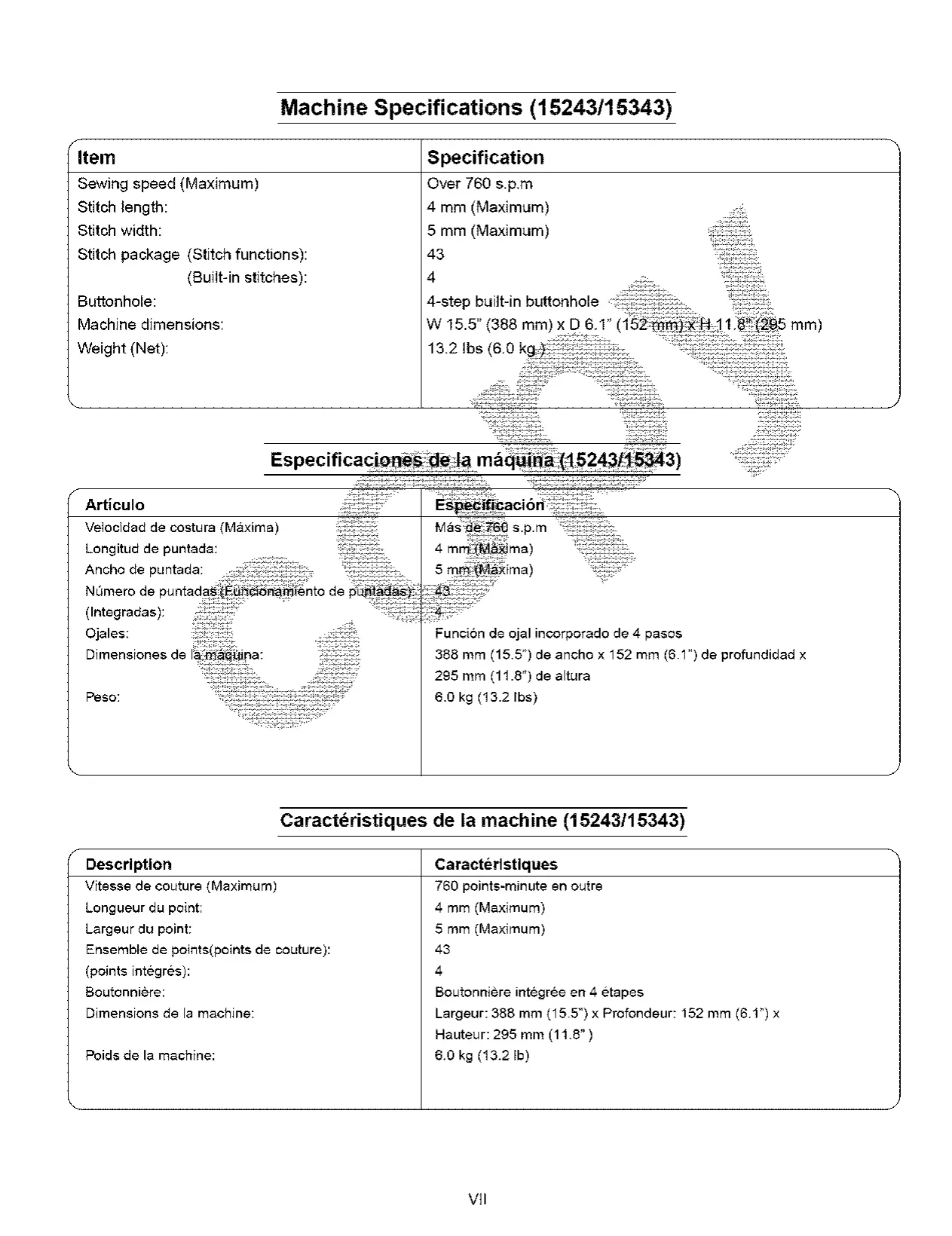
Kenmore 15343 Sewing Machine Specifications
| Feature | Specification |
|---|---|
| Maximum Sewing Speed | Over 760 stitches per minute (s.p.m) |
| Maximum Stitch Length | 4 mm |
| Maximum Stitch Width | 5 mm |
| Stitch Functions (Stitch Package) | 43 |
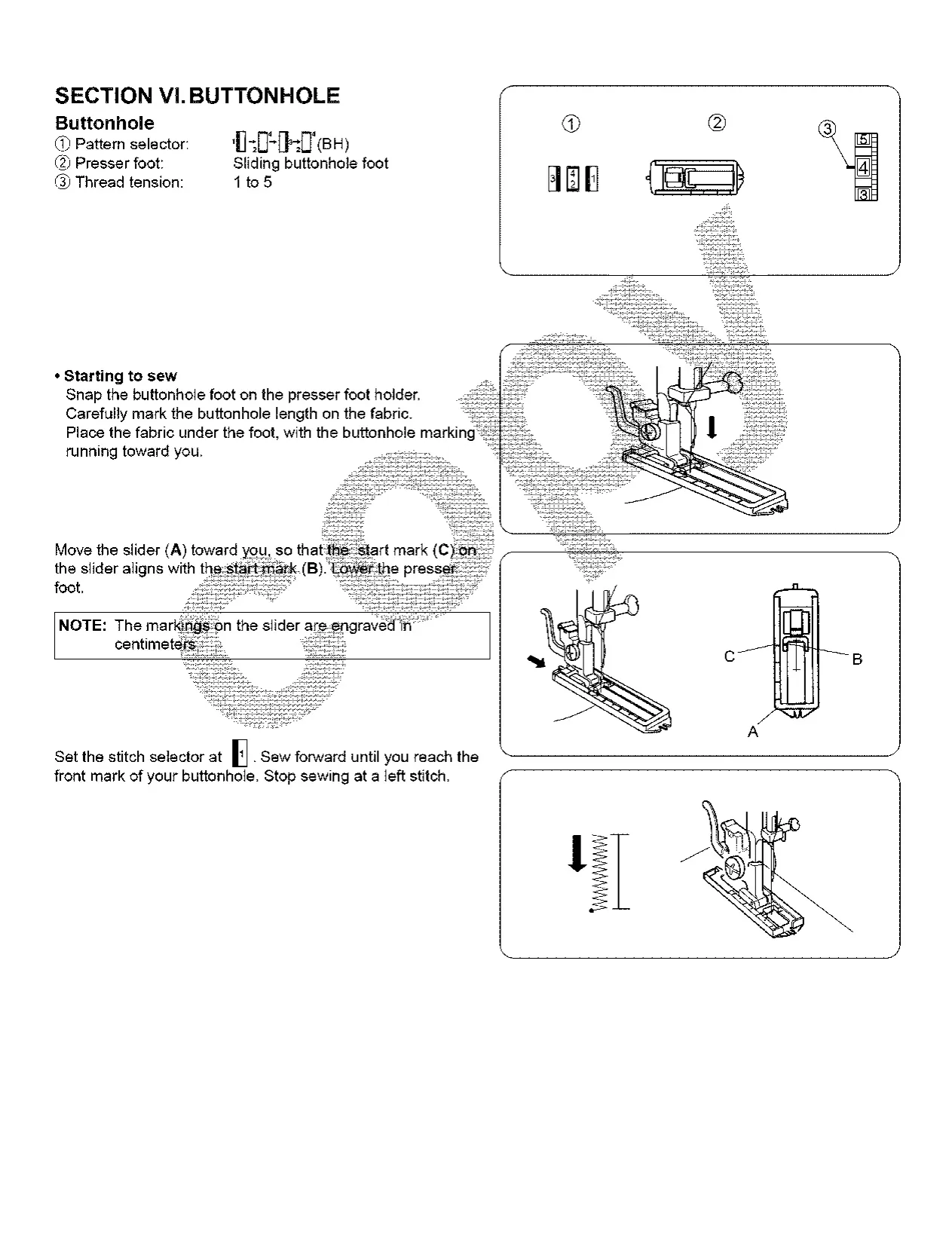
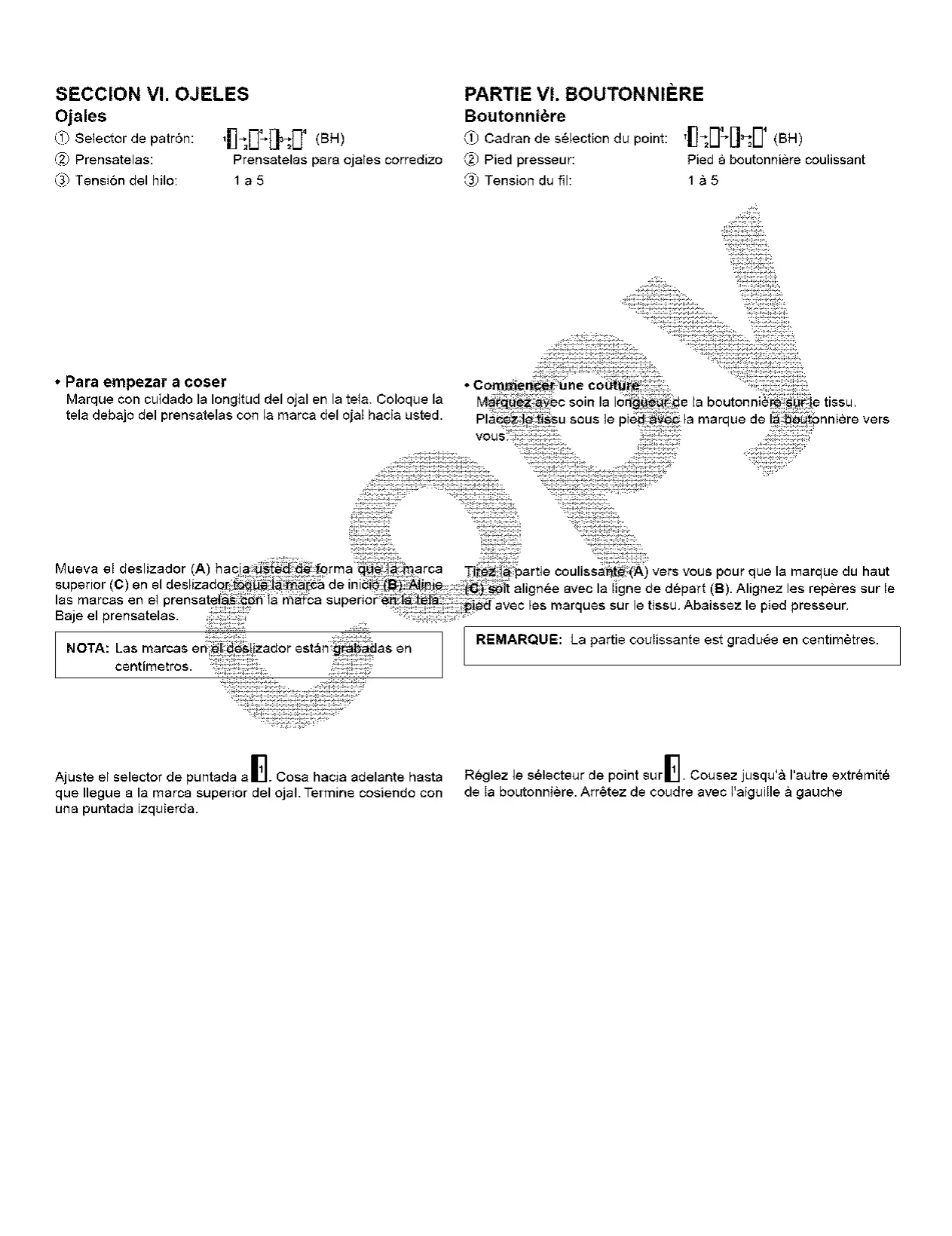
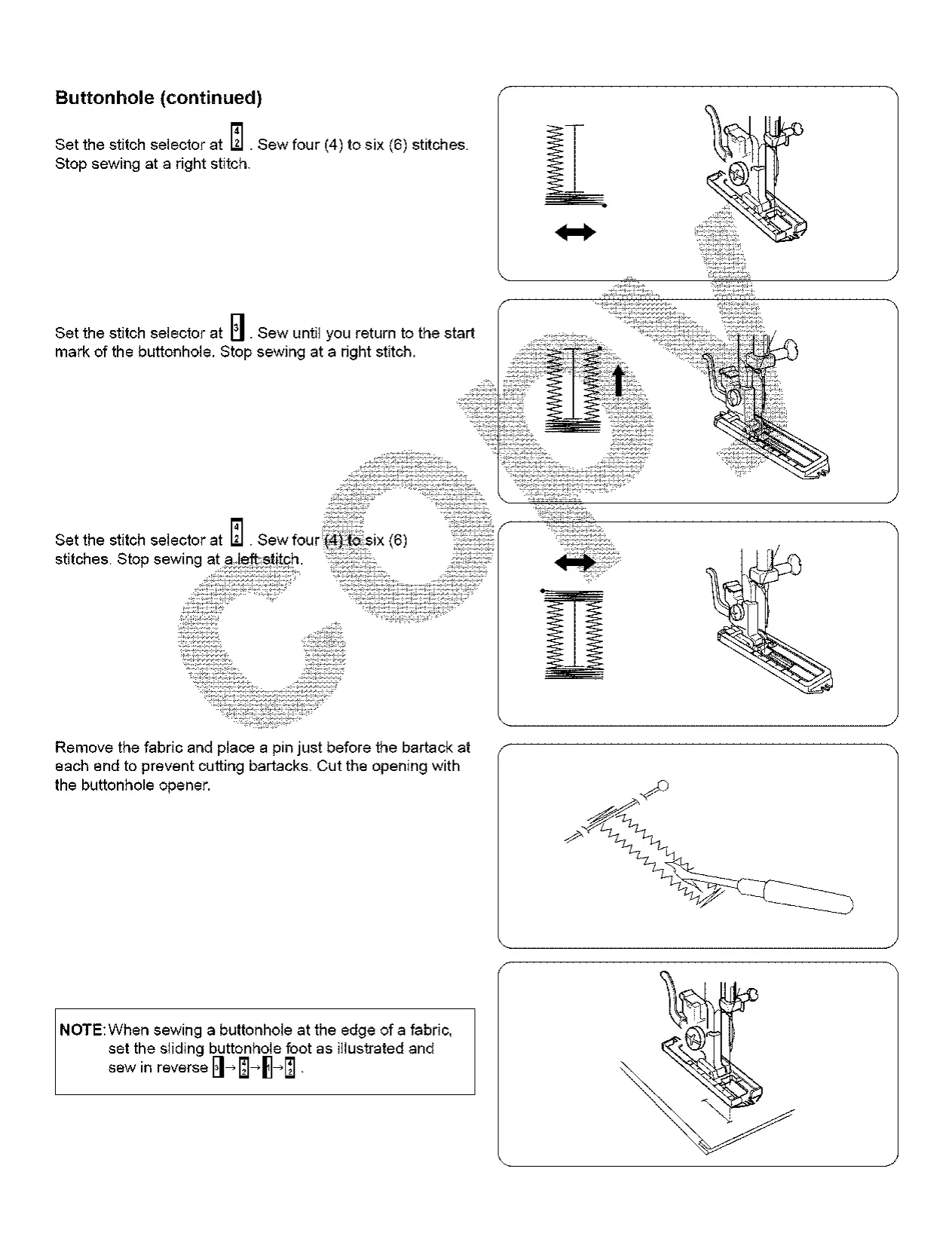
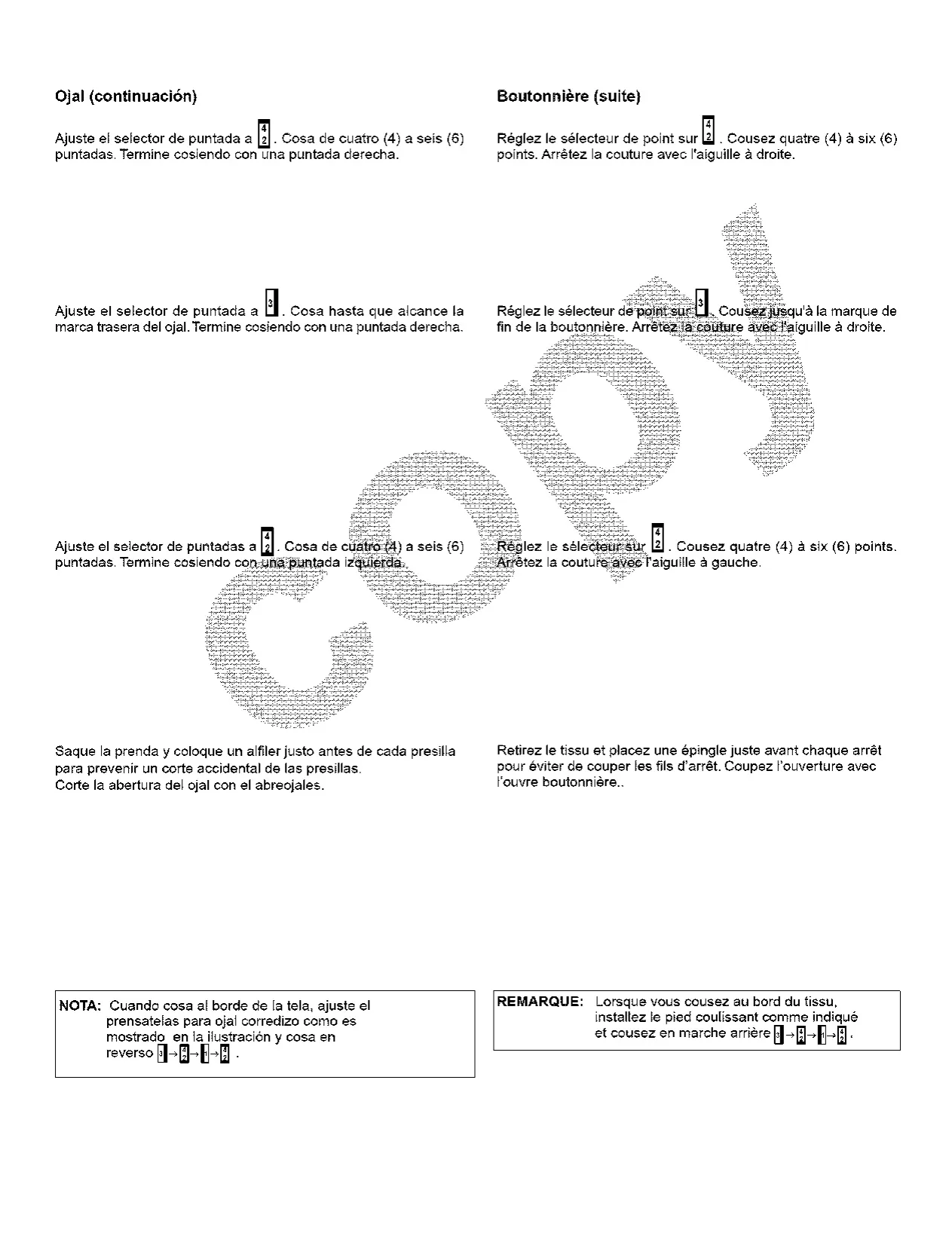
| Buttonhole Type | 4-step built-in buttonhole |
| Machine Dimensions (Width x Depth x Height) | 388 mm (15.5") x 152 mm (6.1") x 295 mm (11.8") |
| Net Weight | 6.0 kg (13.2 lbs) |
Kenmore 15343 Sewing Machine Details
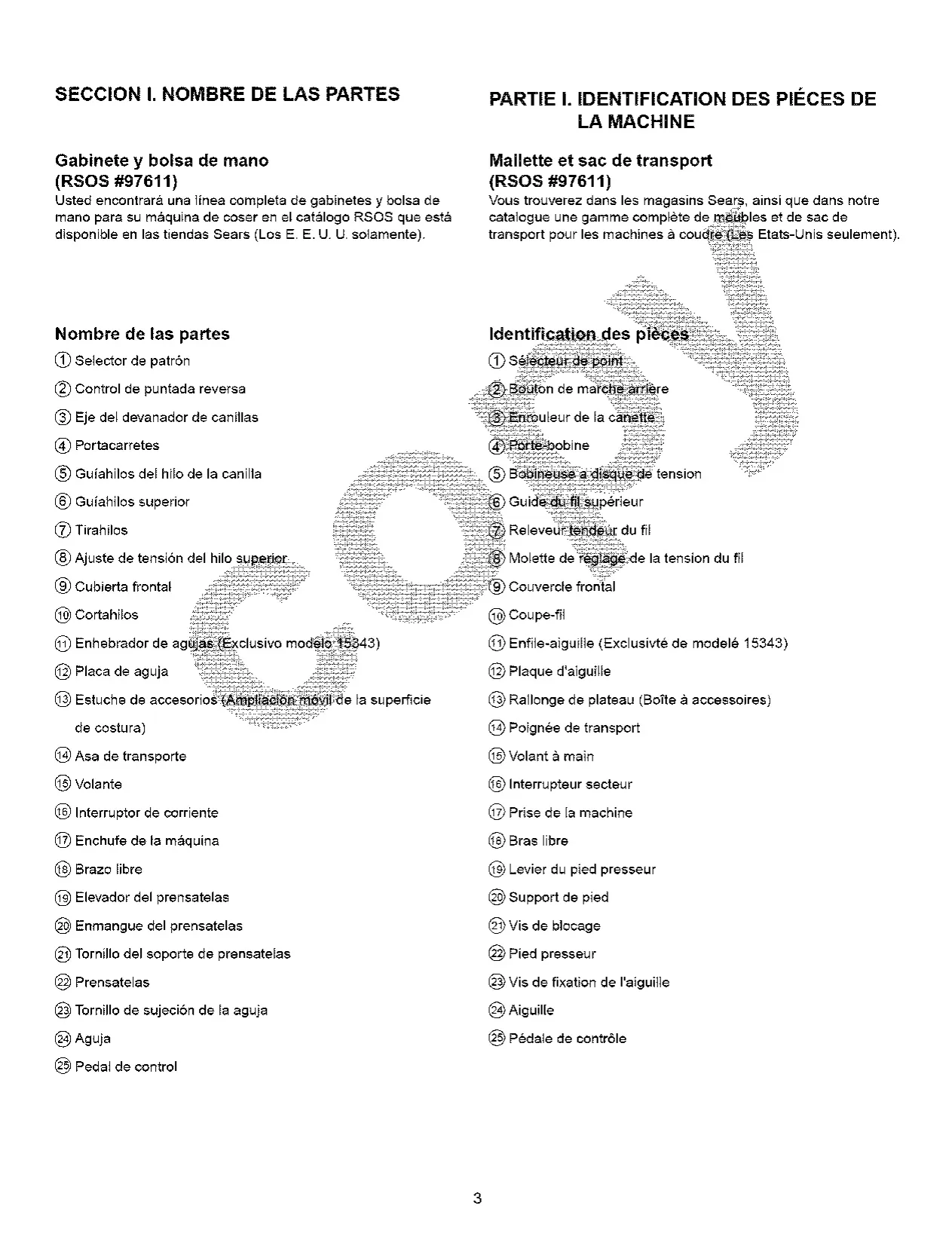
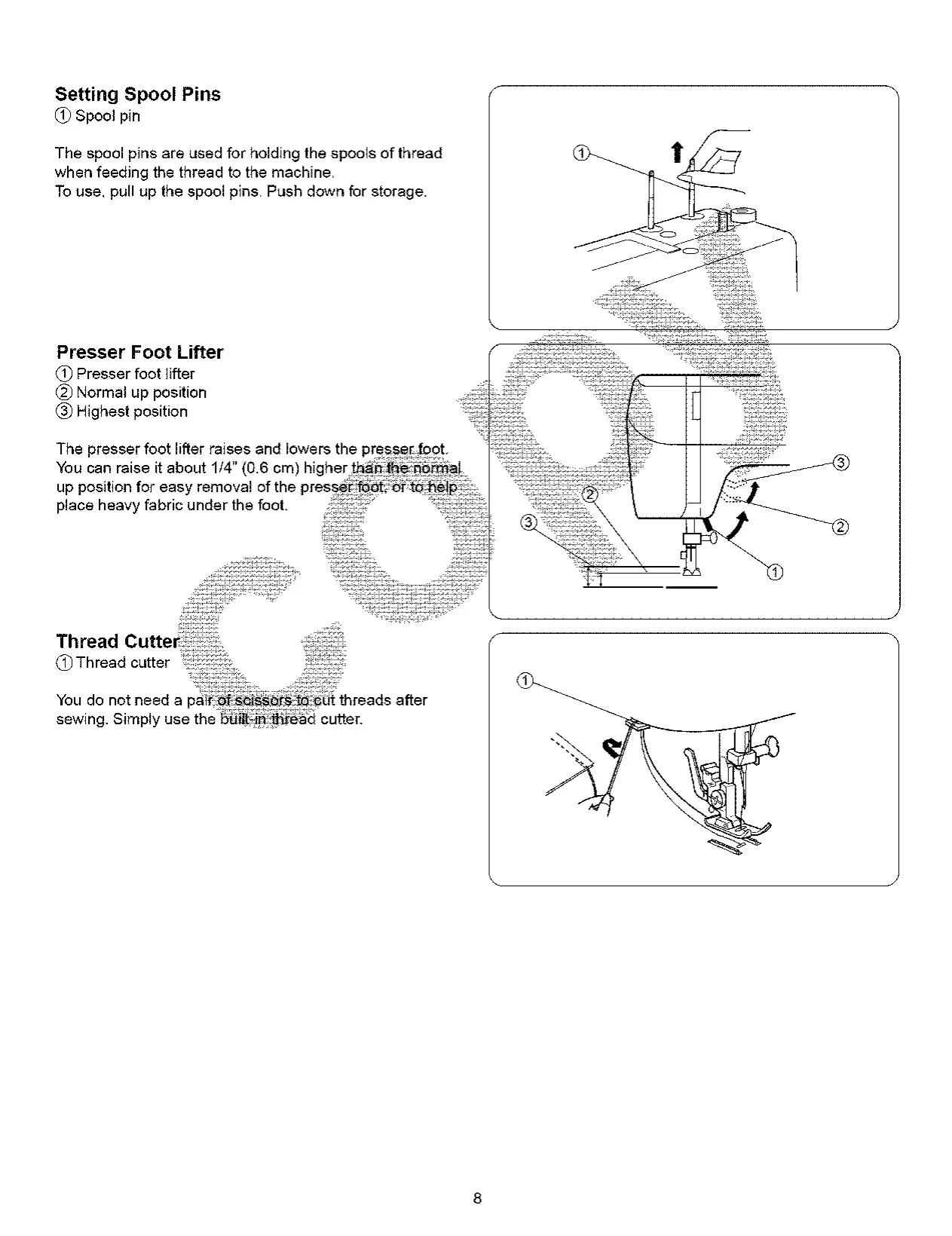
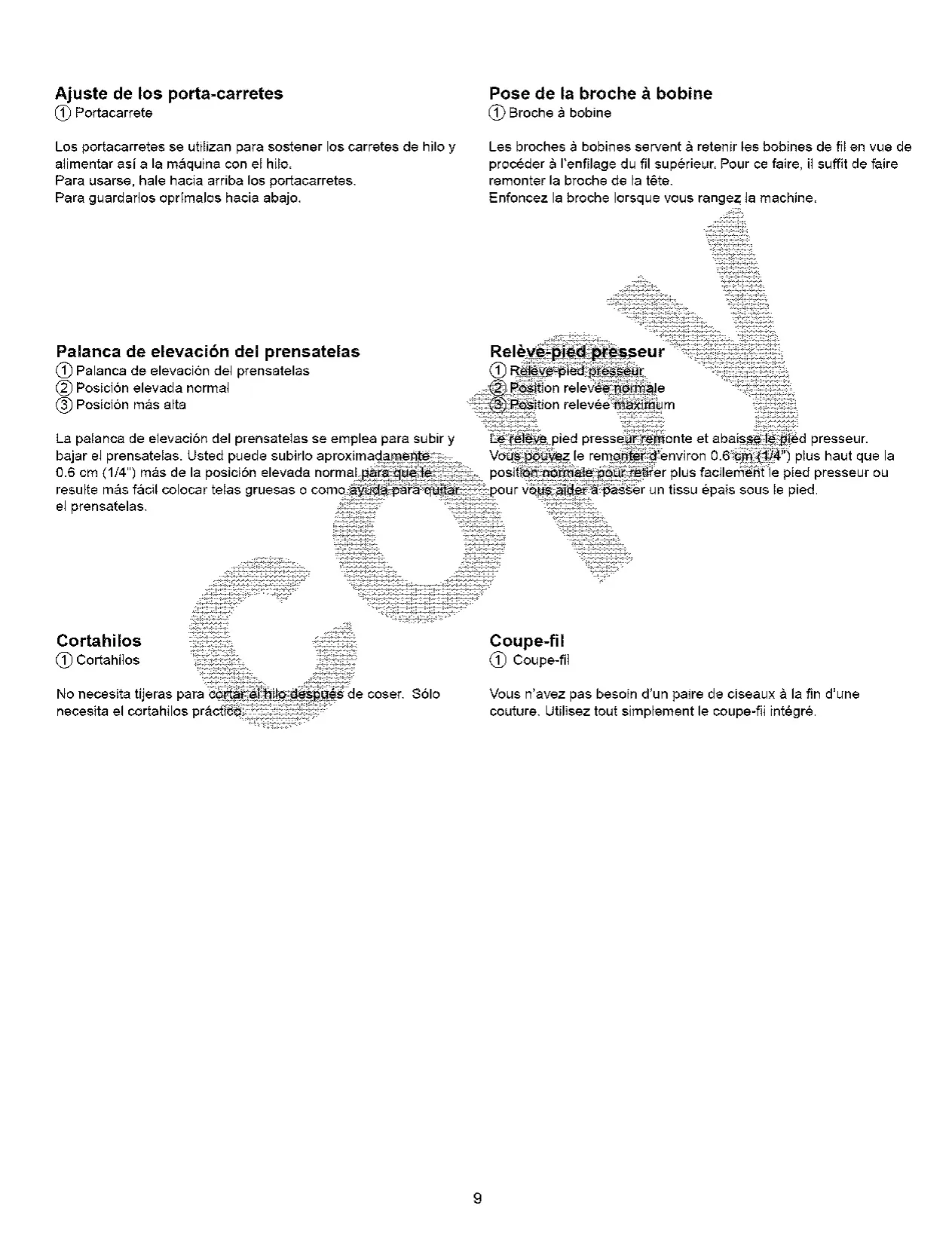
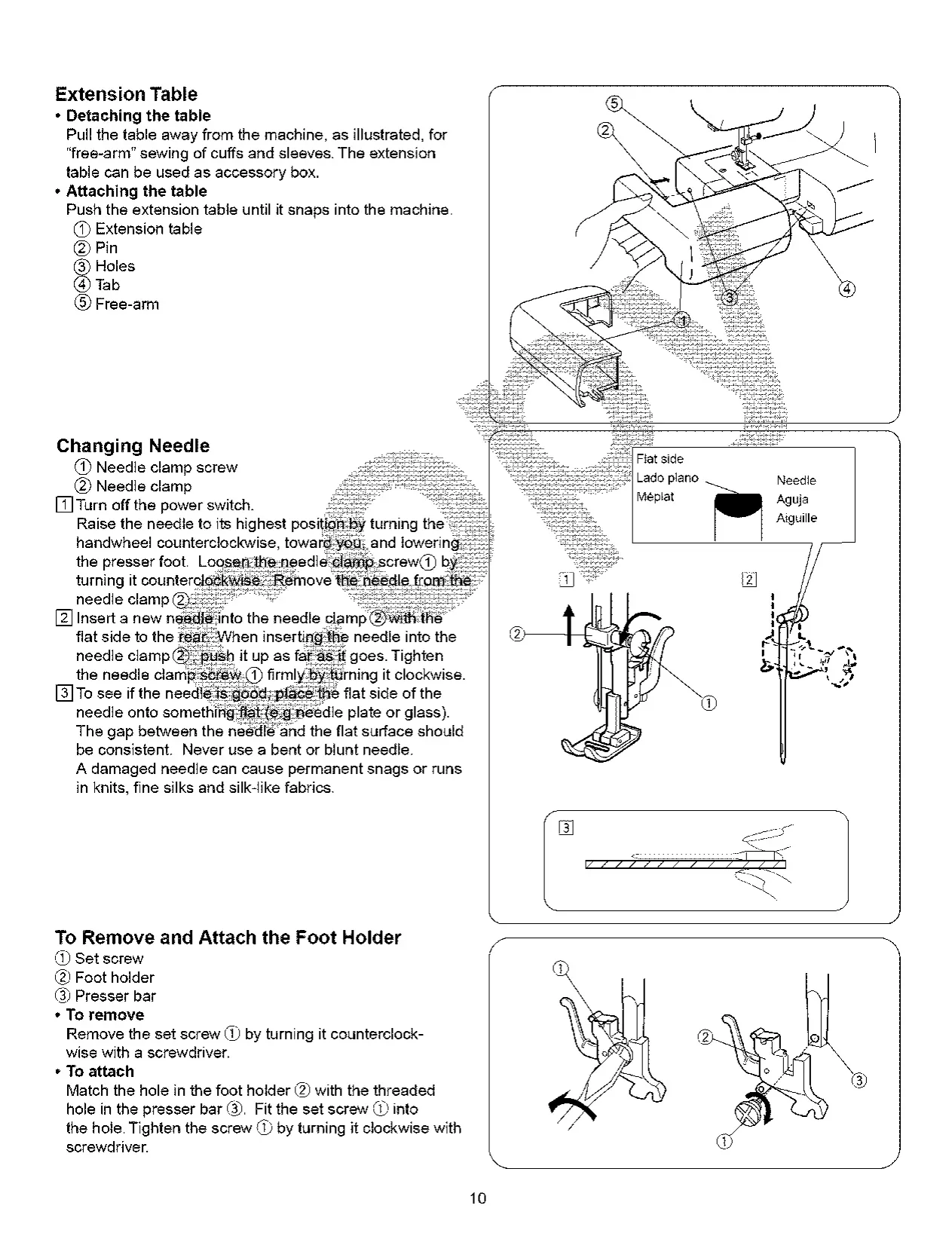
The Kenmore 15343 sewing machine is meticulously designed for user convenience and enhanced functionality. It features an integrated thread cutter, streamlining post-sewing tasks, and an indispensable extension table for a larger work surface. This table is also easily detachable, converting the machine into a free-arm configuration, ideal for cuffs, collars, and other tubular sewing projects. A standout feature, exclusive to this model, is the built-in needle threader, significantly simplifying the often tedious threading process for all skill levels.
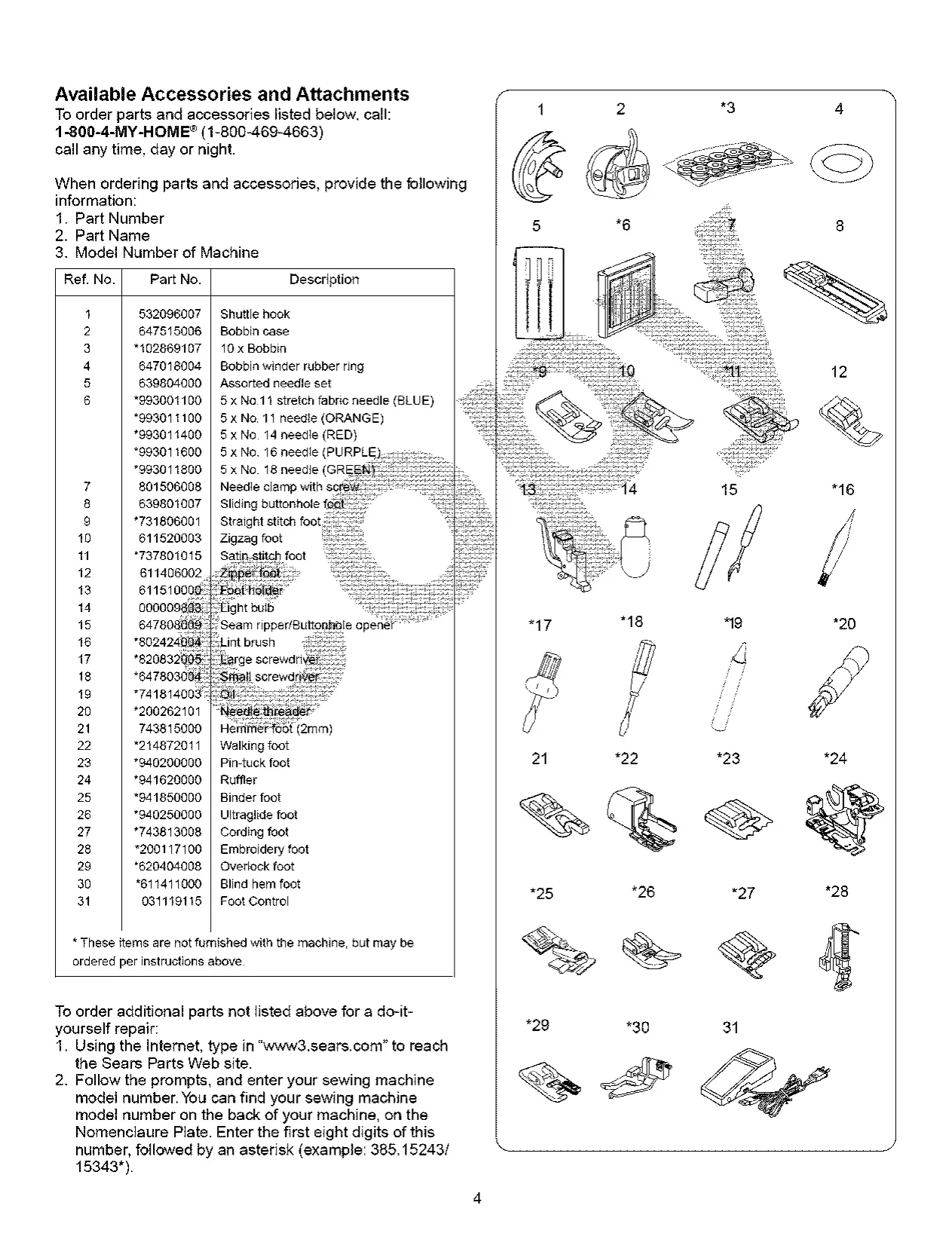
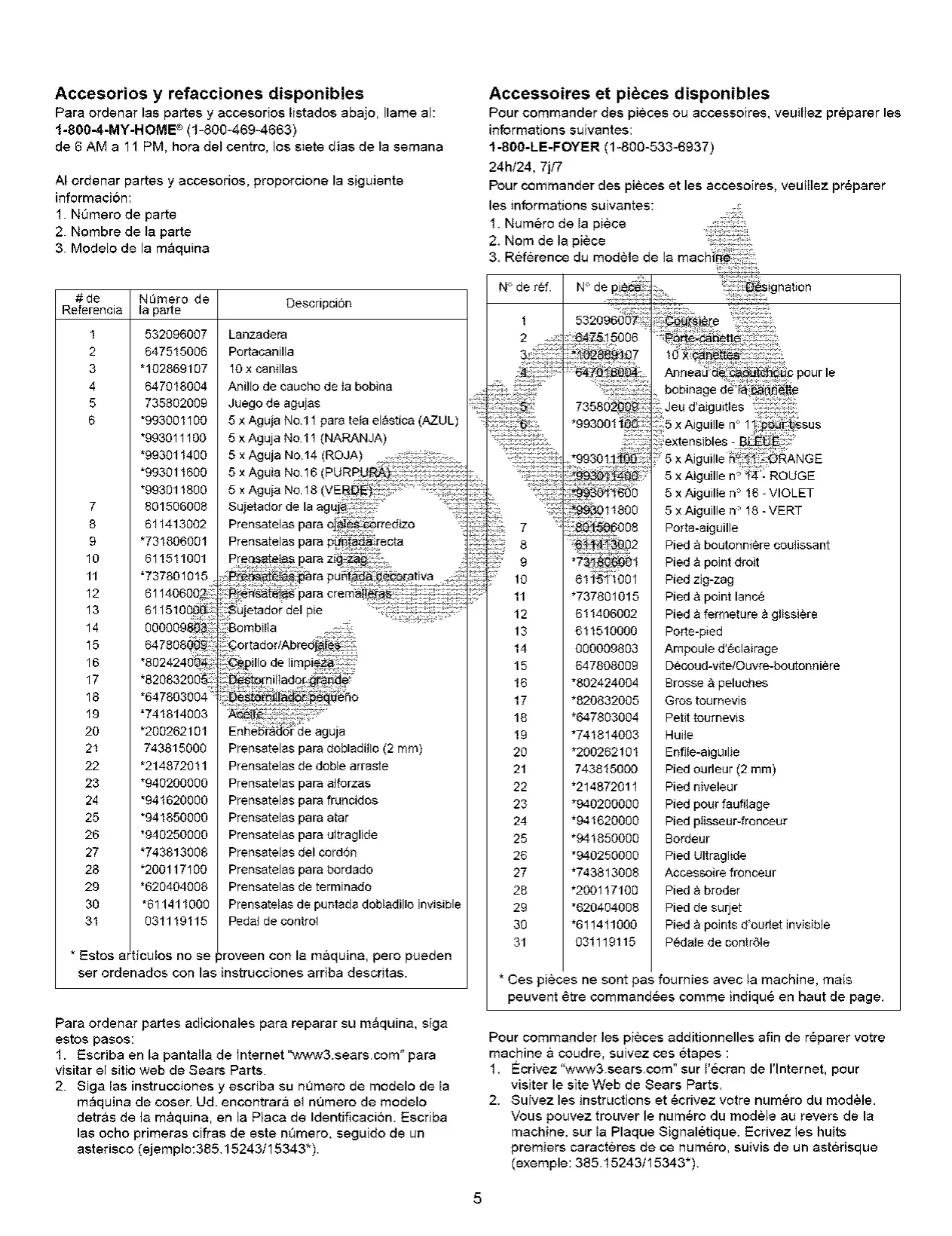
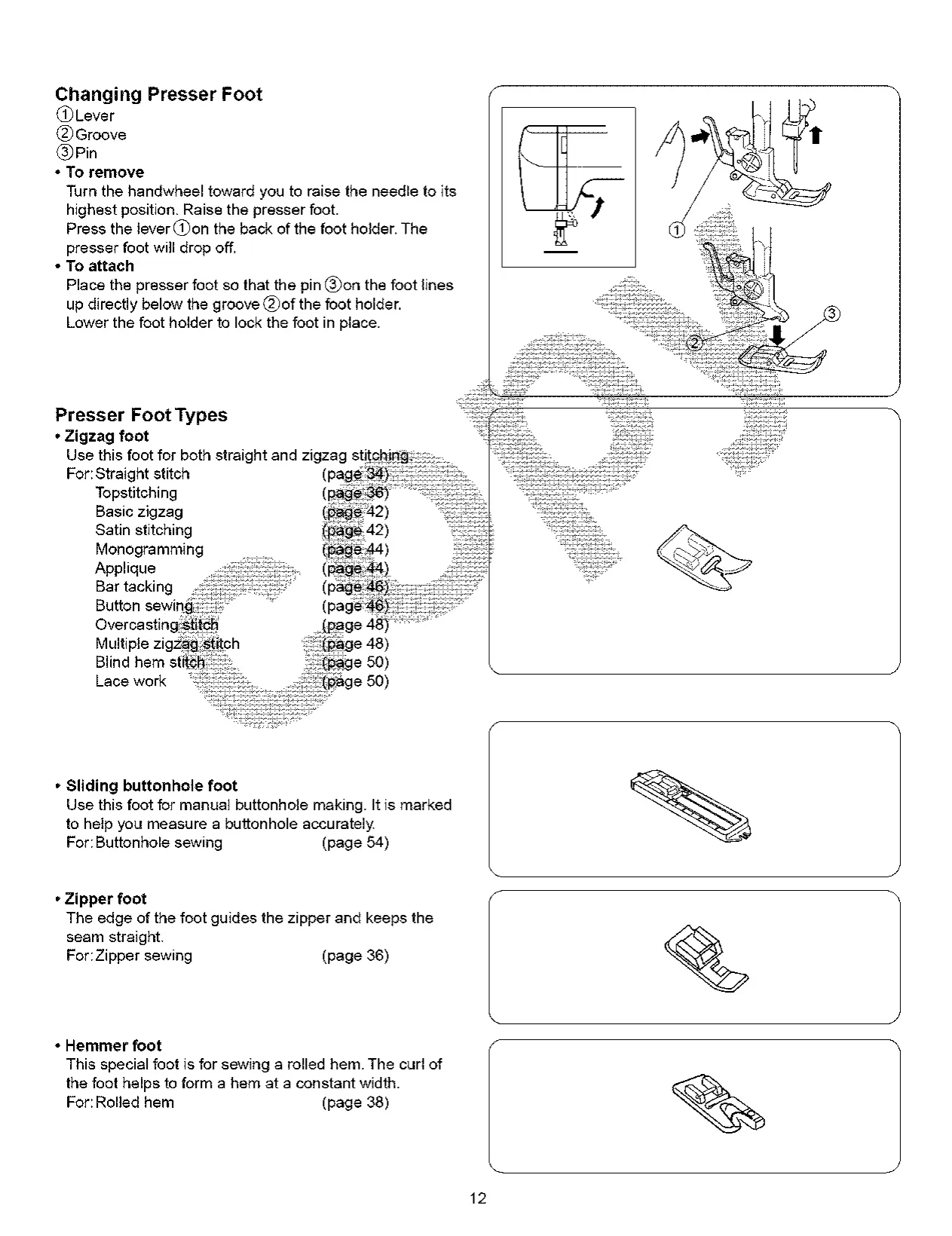
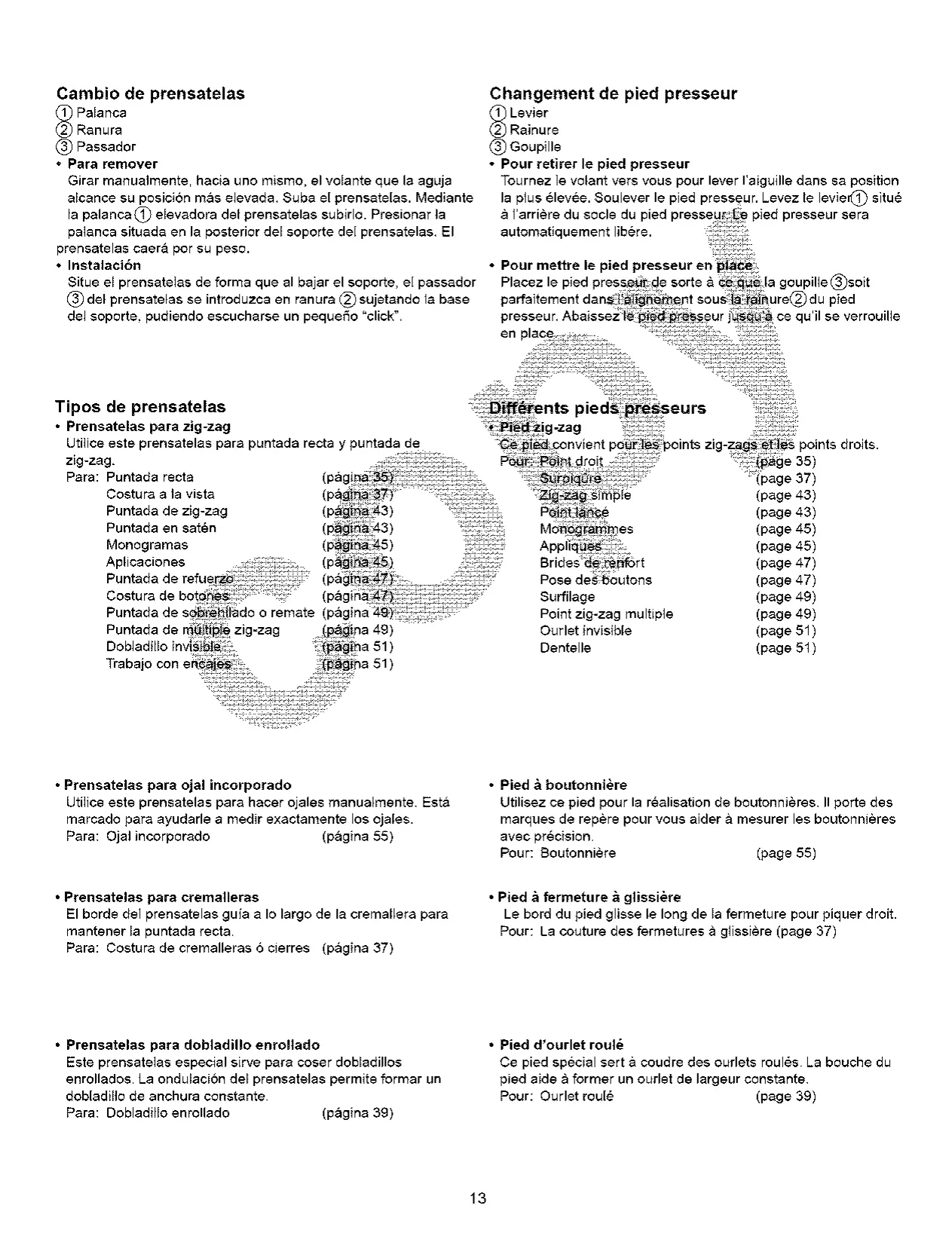
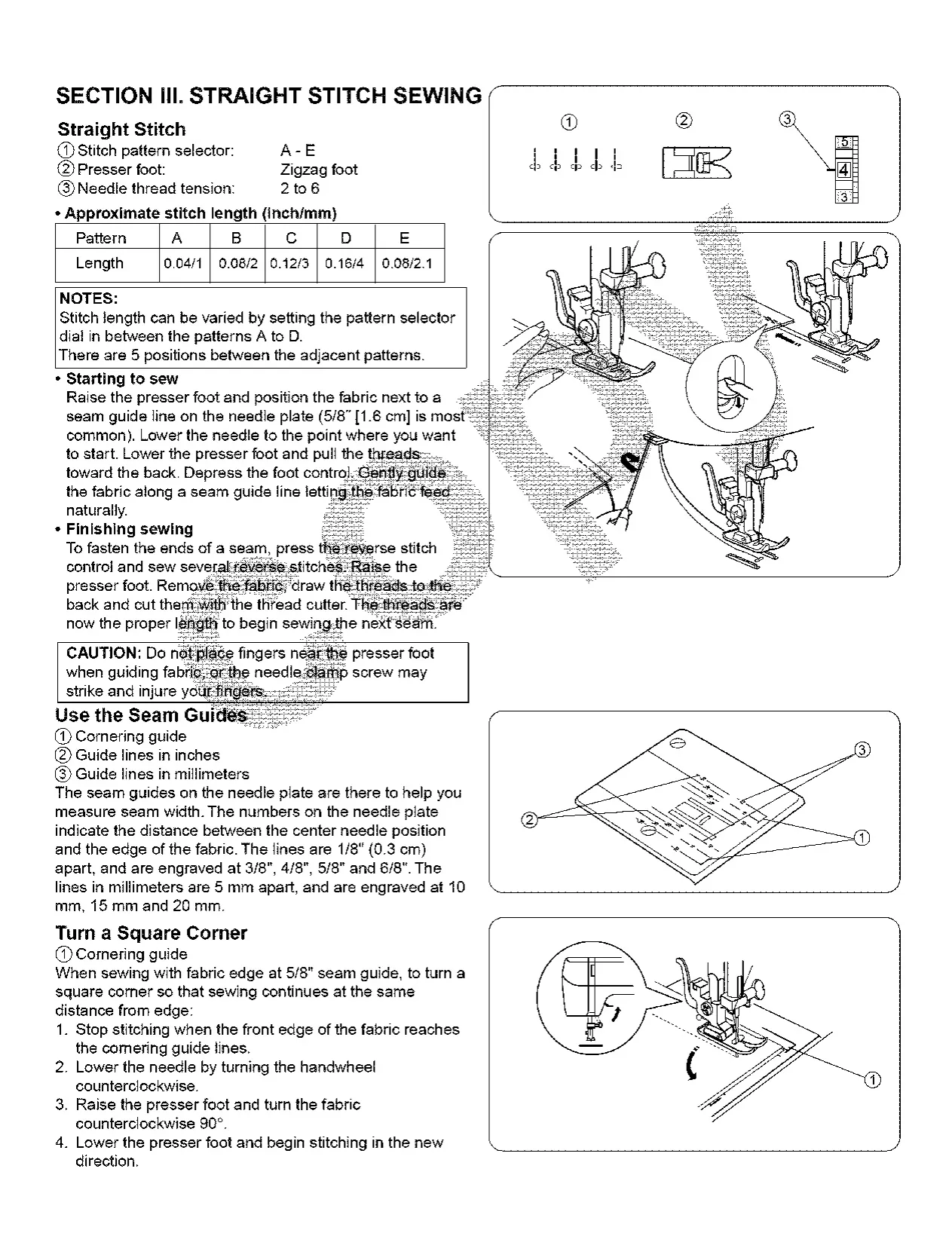
Beyond its robust specifications, the machine boasts versatile stitching options facilitated by a variety of specialized presser feet. These include a standard zigzag foot, a precise sliding buttonhole foot for perfect buttonholes, a zipper foot for clean insertions, and a hemmer foot for impeccably neat rolled hems. This comprehensive array of accessories empowers users to confidently tackle a wide spectrum of sewing projects, from basic repairs to intricate garment construction and decorative embellishments, achieving professional-looking results every time.
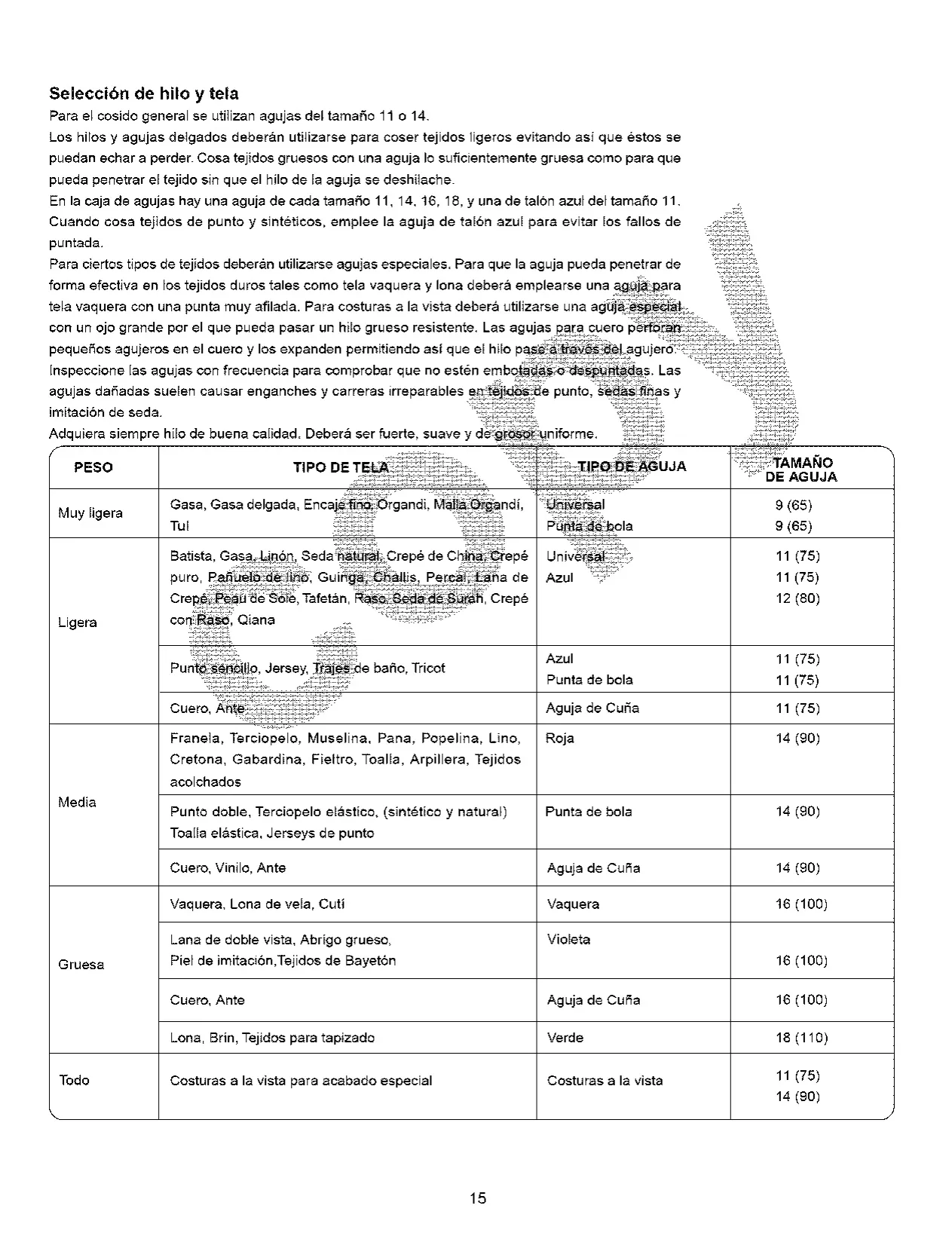
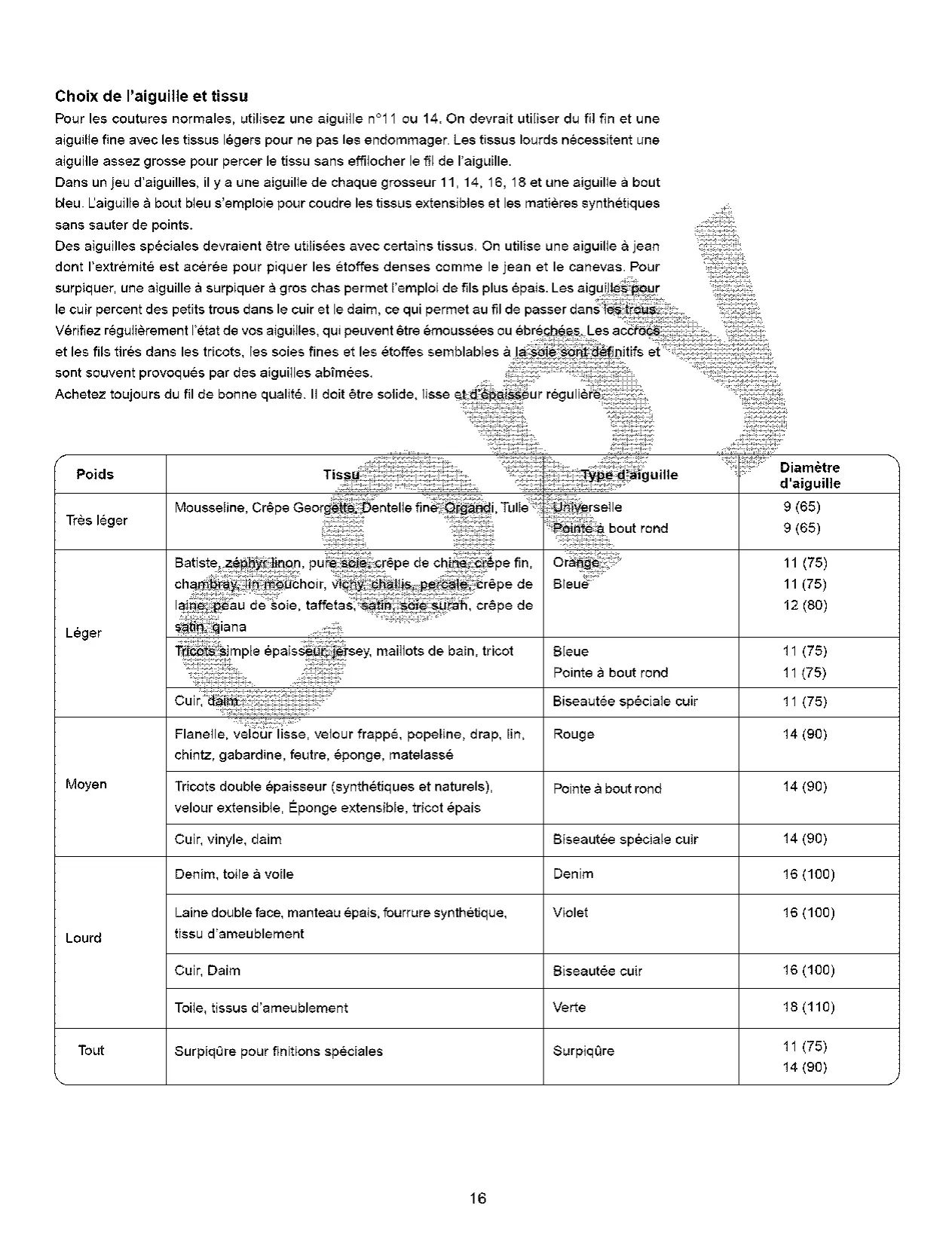
Understanding the critical interplay between fabric and needle, the manual provides crucial guidance on selecting the appropriate needle and fabric combination. It details various needle types such as universal, ball point for knits, wedge point for leather, denim-specific, and topstitching needles, available in sizes ranging from 9/65 to 18/110. Adhering to these recommendations is vital for preventing common issues like skipped stitches, fabric puckering, or needle breakage, ensuring optimal performance and extending the lifespan of both your projects and the machine.
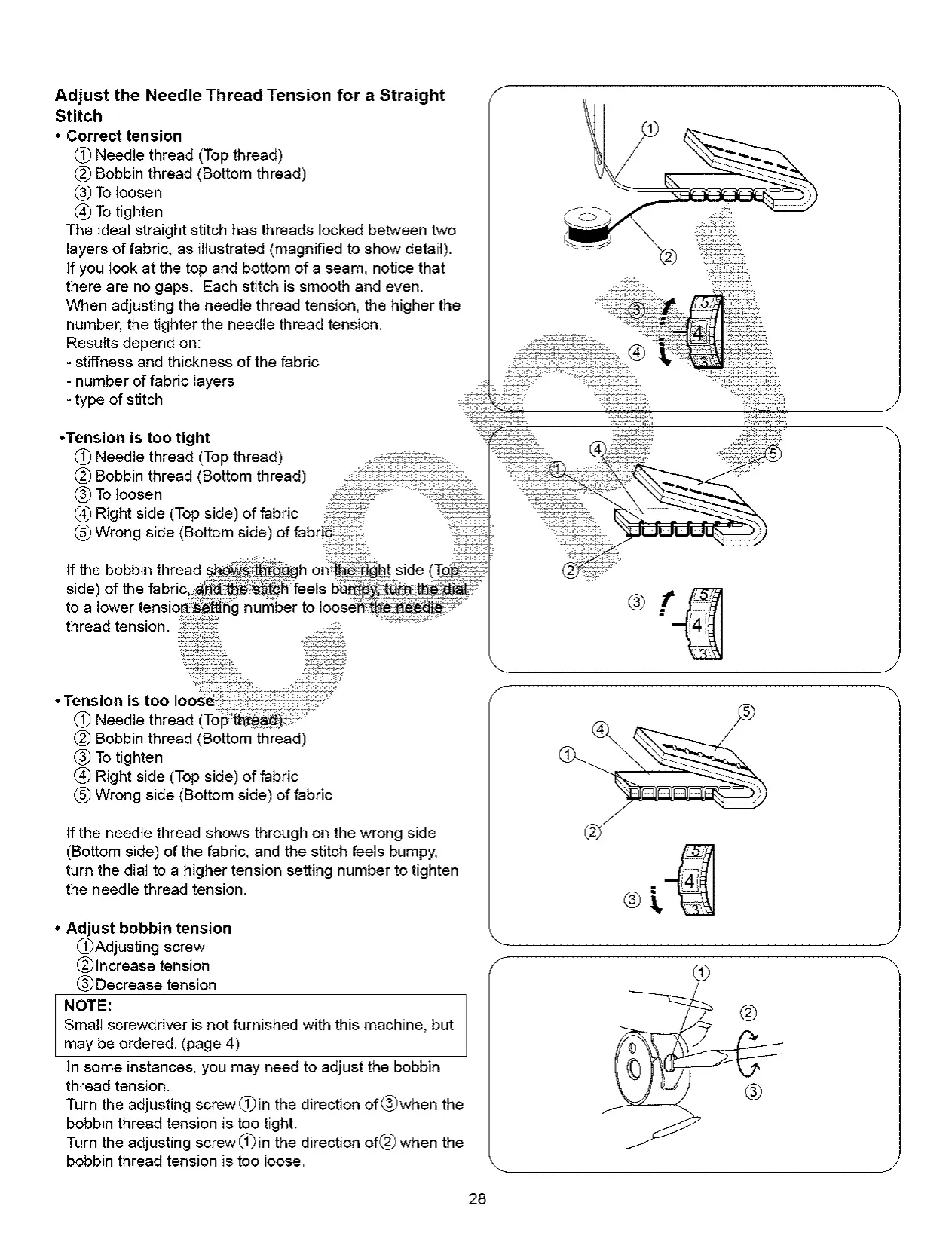
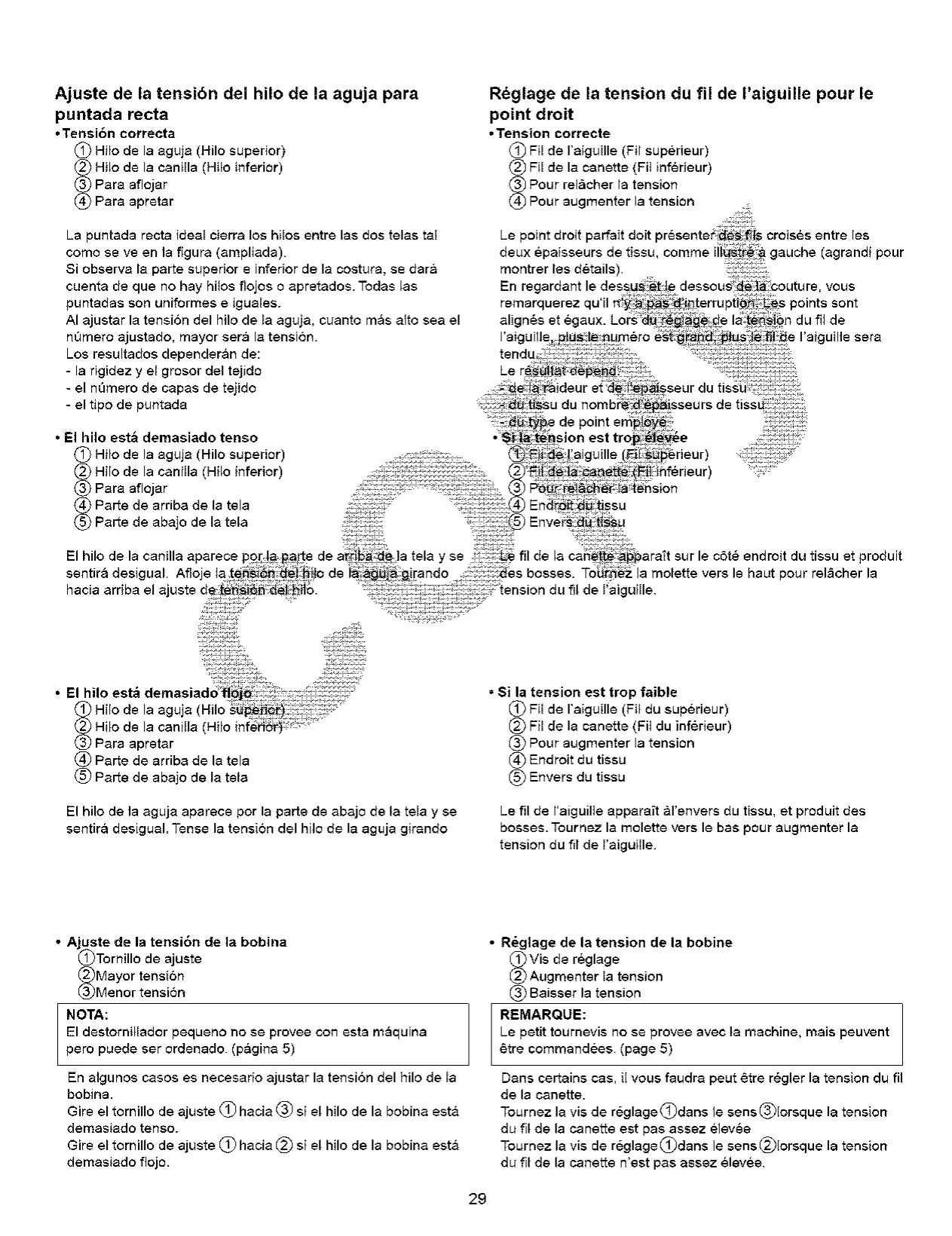
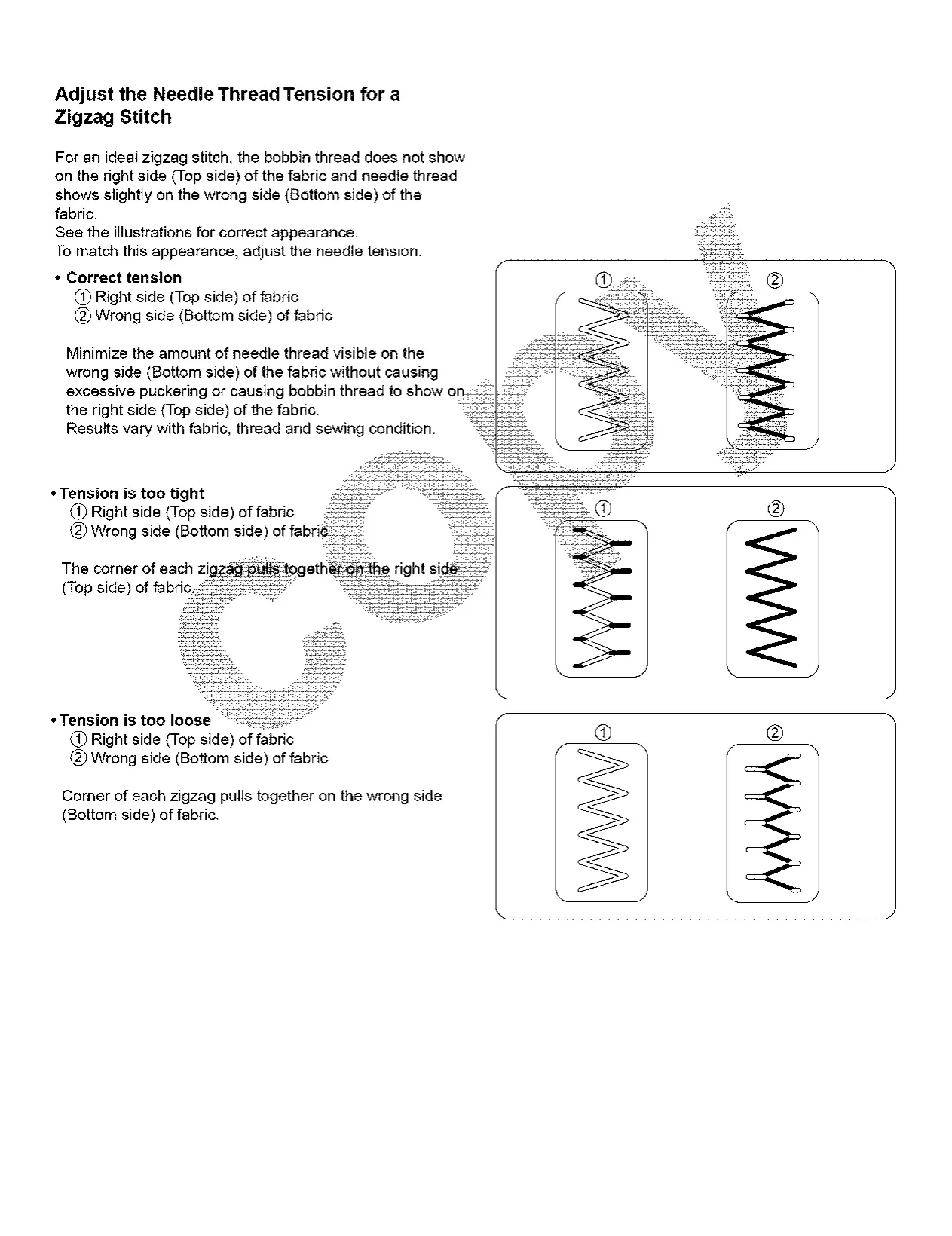
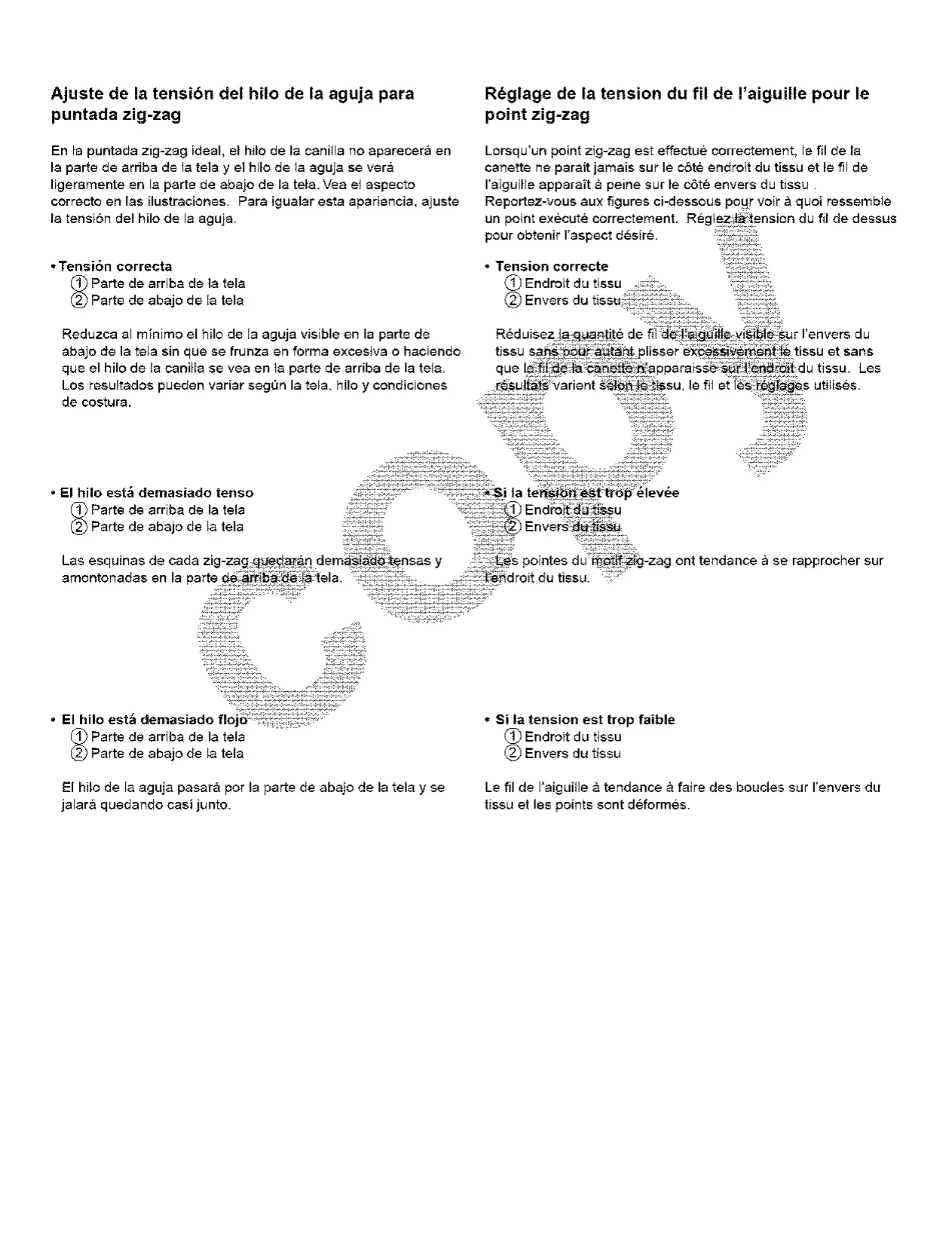
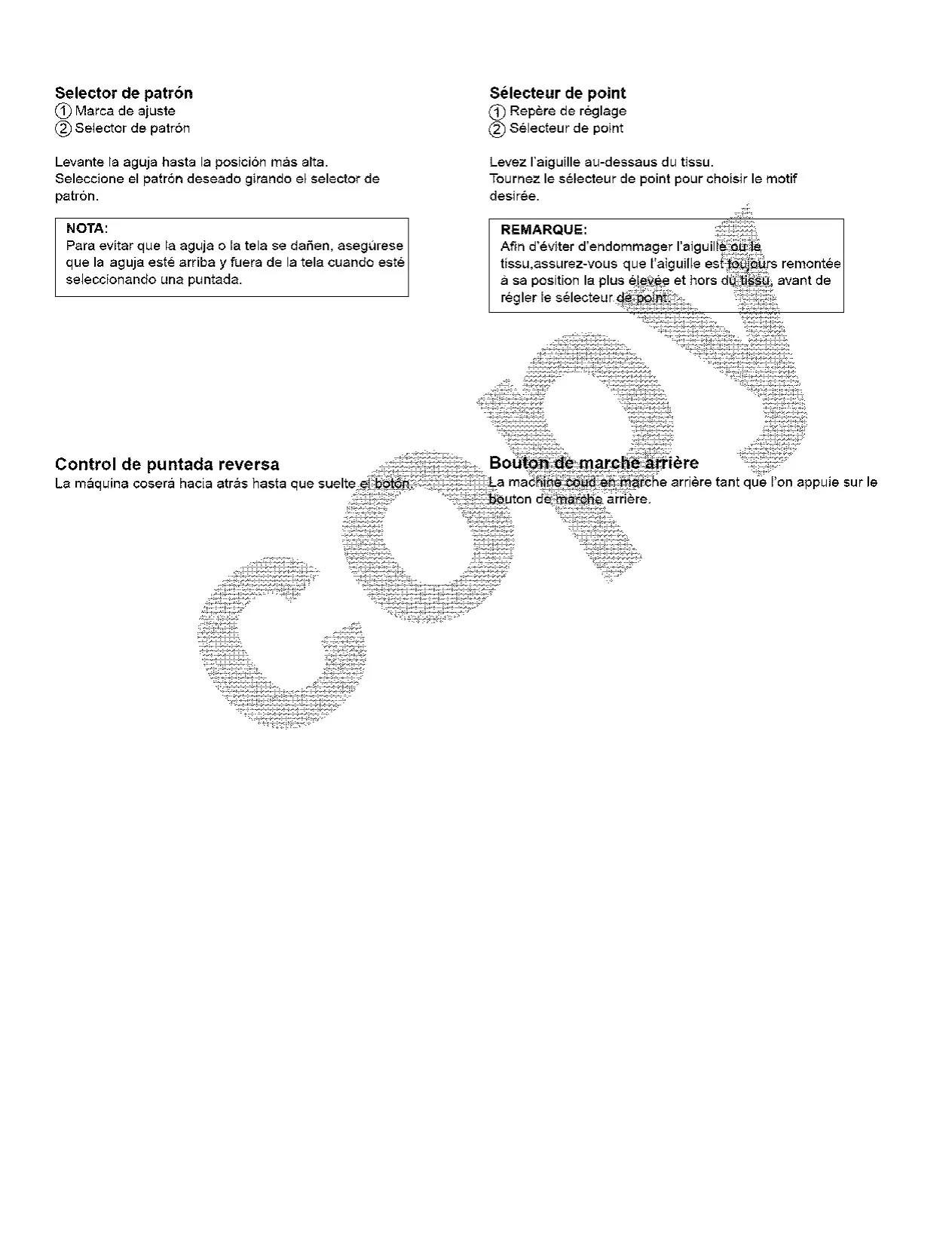
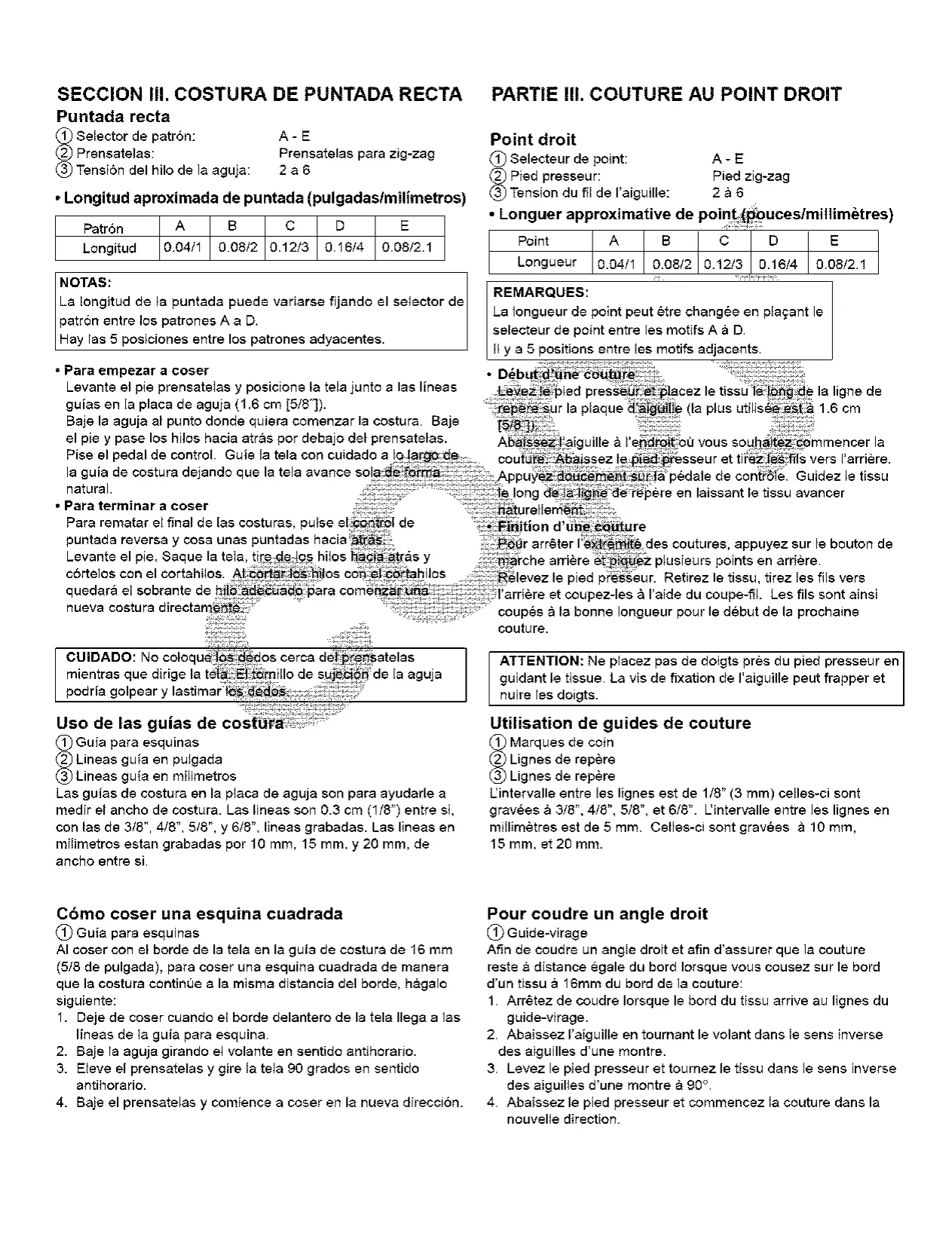
For superior stitch quality and control, the Kenmore 15343 integrates advanced fine-tuning capabilities. Users can precisely adjust the needle thread tension for both straight and zigzag stitches, alongside independent bobbin tension adjustment. This level of control is essential for achieving balanced and consistent stitches across diverse fabric types and thread weights. Further enhancing its functionality are the intuitive stitch pattern selector and a practical reverse stitch control, enabling creative pattern variations and securing seams at their beginning and end.
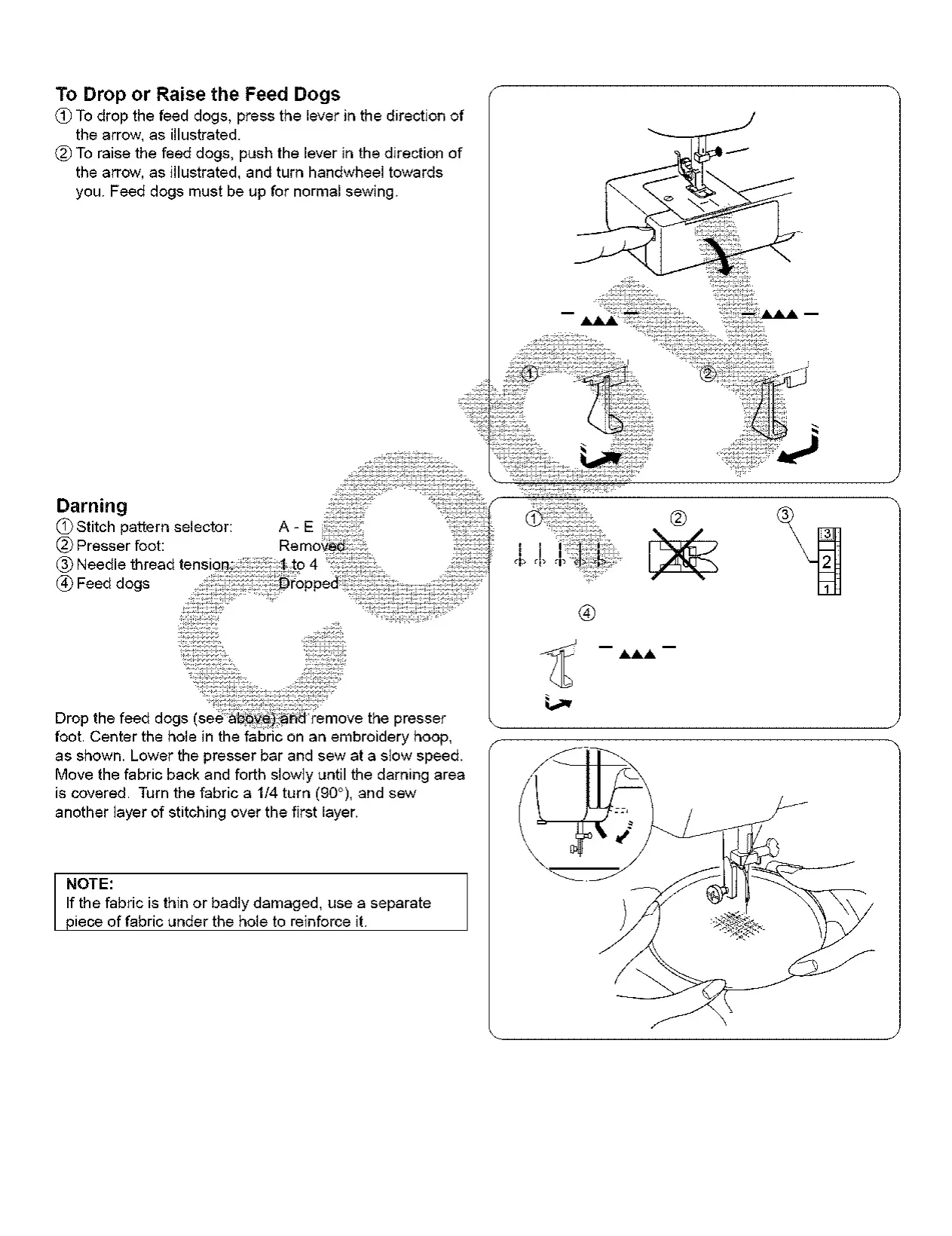
The machine supports an extensive range of sewing techniques, making it a versatile companion for various creative endeavors. Beyond basic straight and zigzag stitches, it excels in specialized tasks like topstitching for decorative accents, precise zipper sewing, and creating elegant rolled hems. For more intricate work, it covers darning, decorative appliqué, personalized monogramming, invisible blind hemming, delicate lace work, and even offers the option for twin needle stitching, opening up a world of creative possibilities for utility and decorative sewing alike.
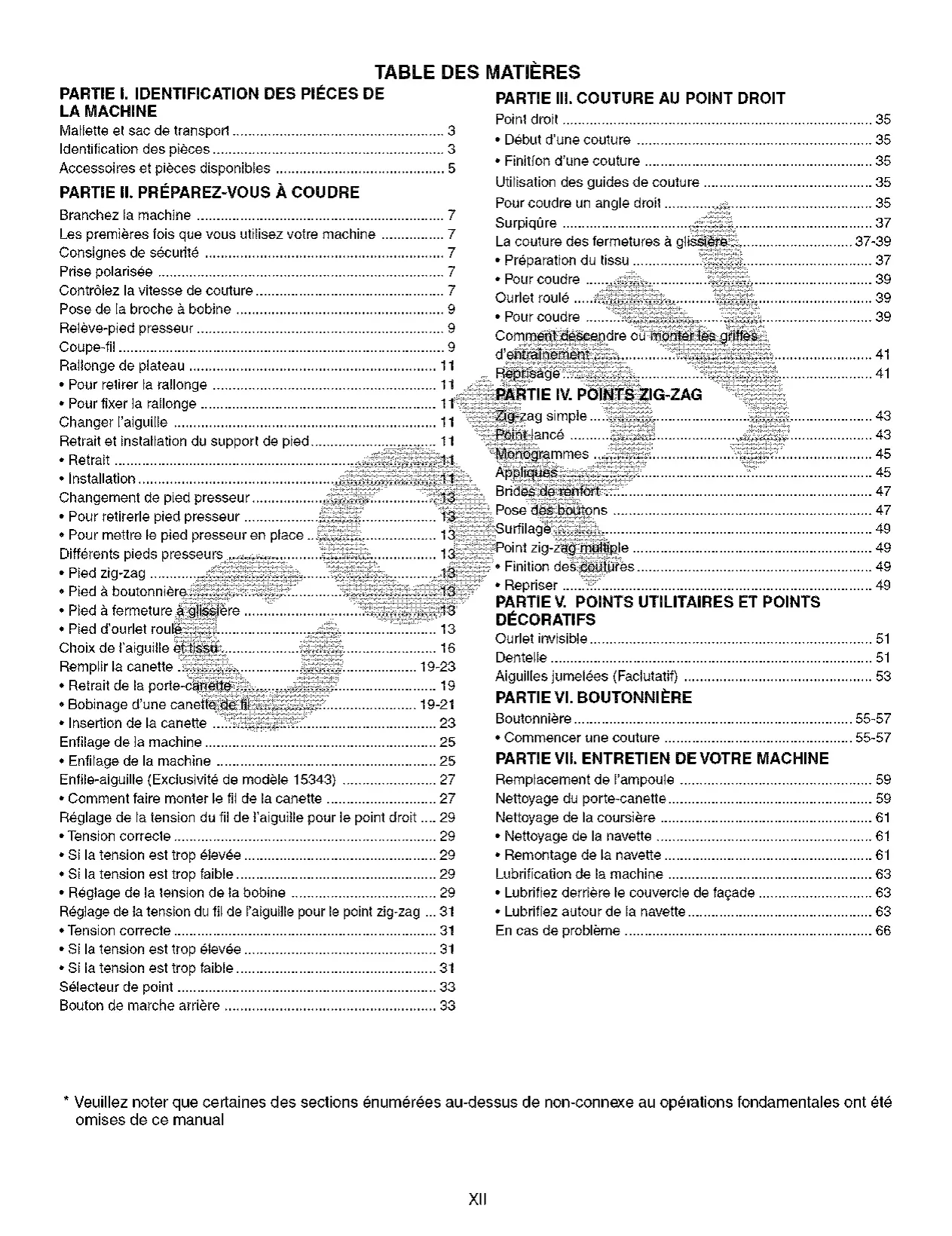
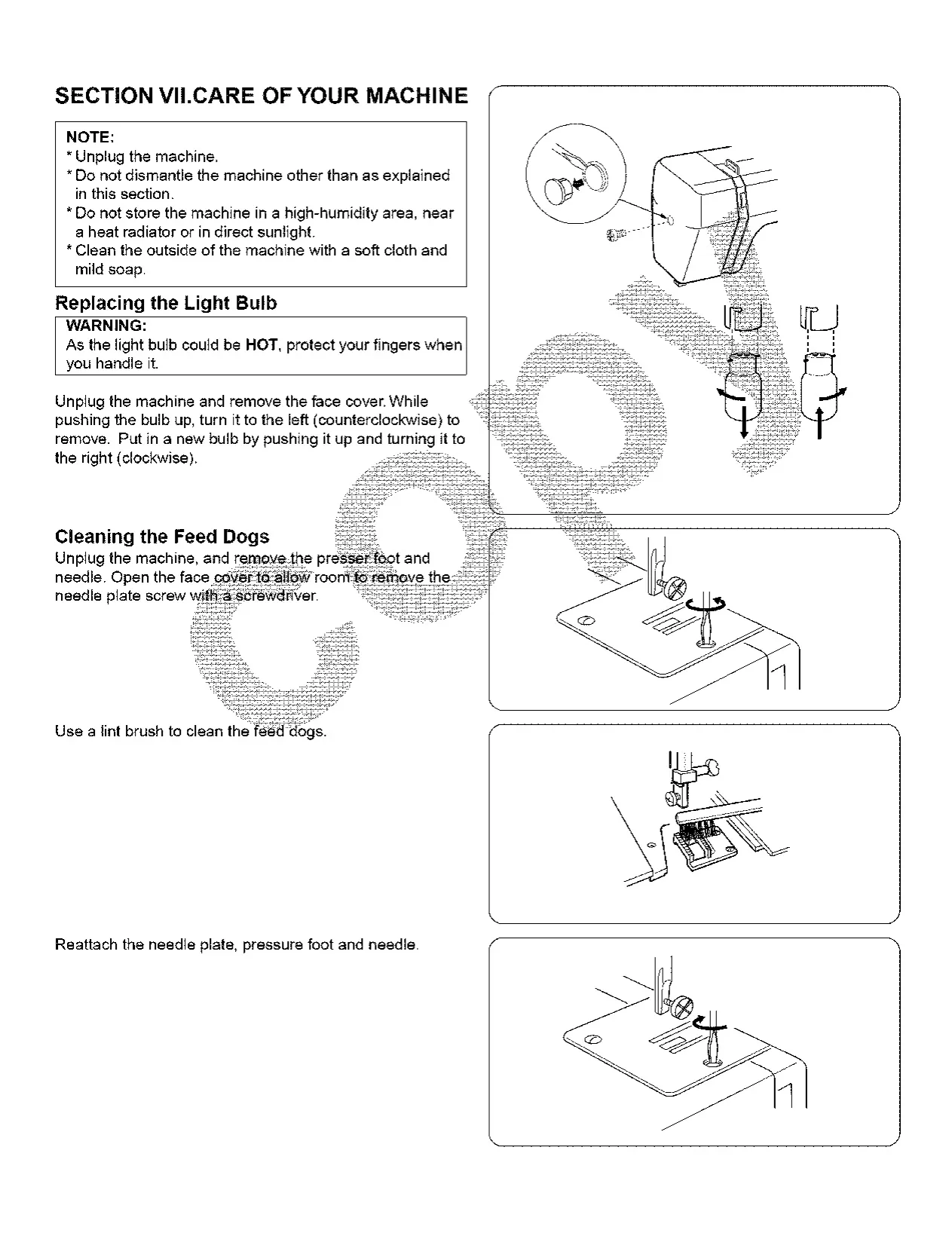
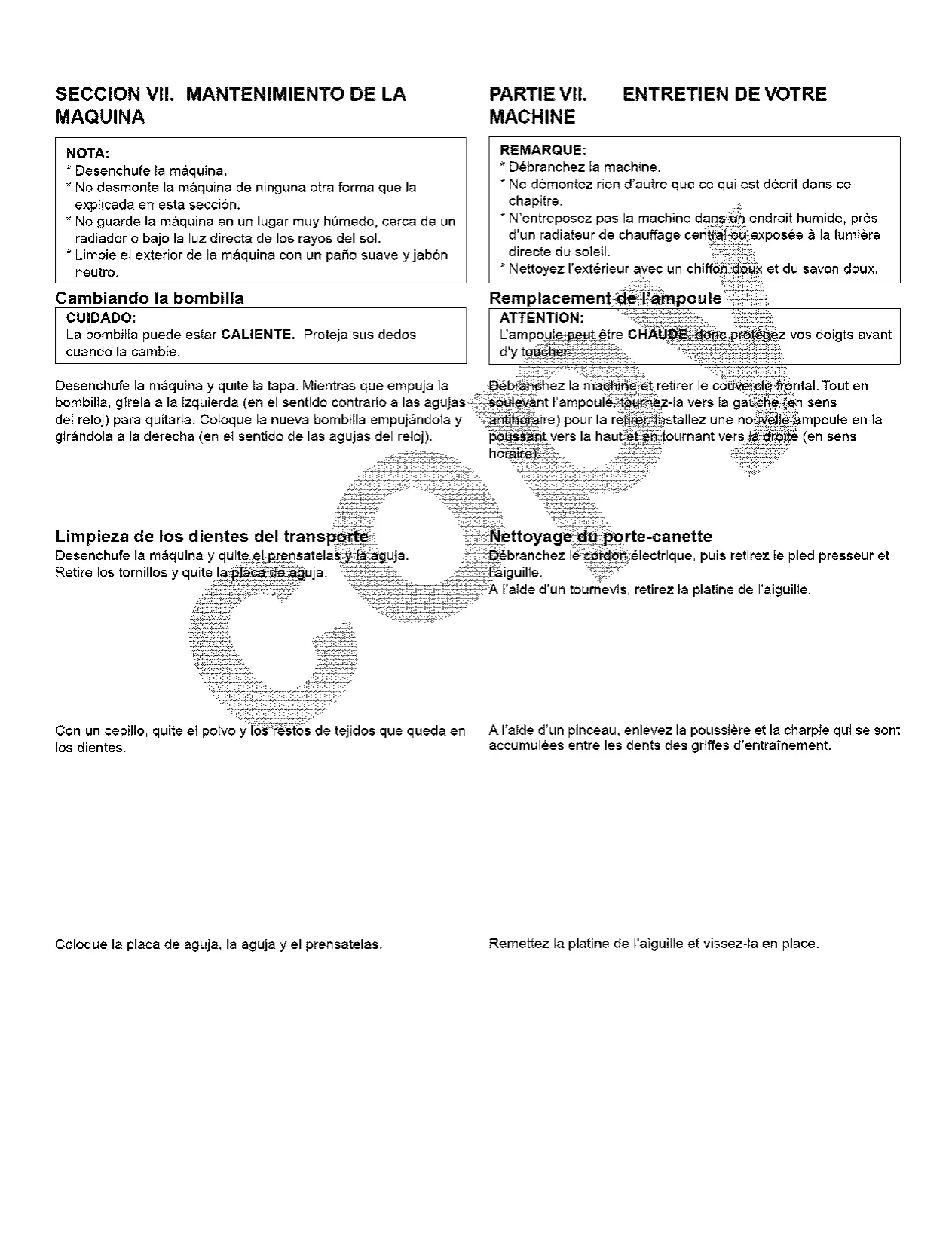
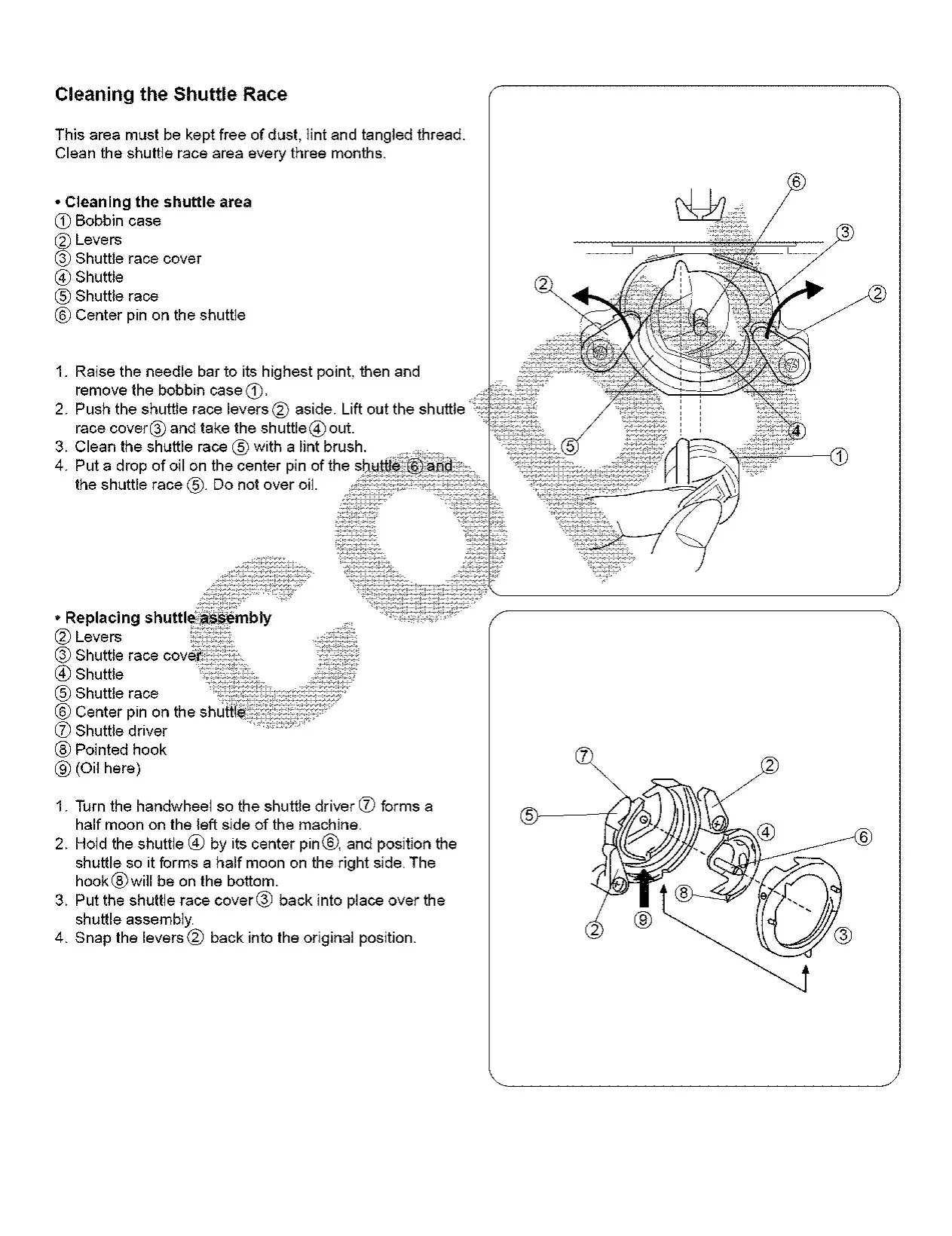
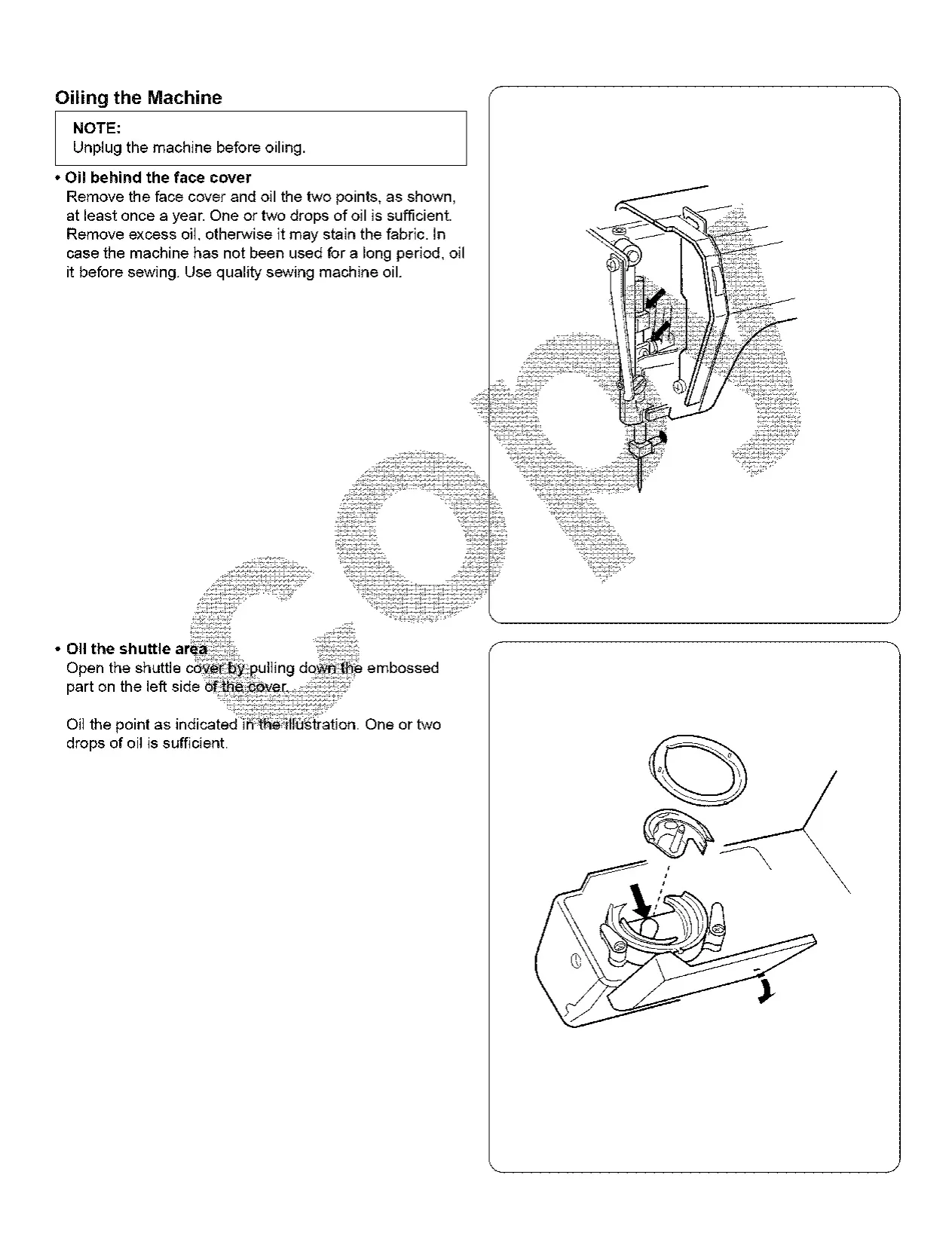
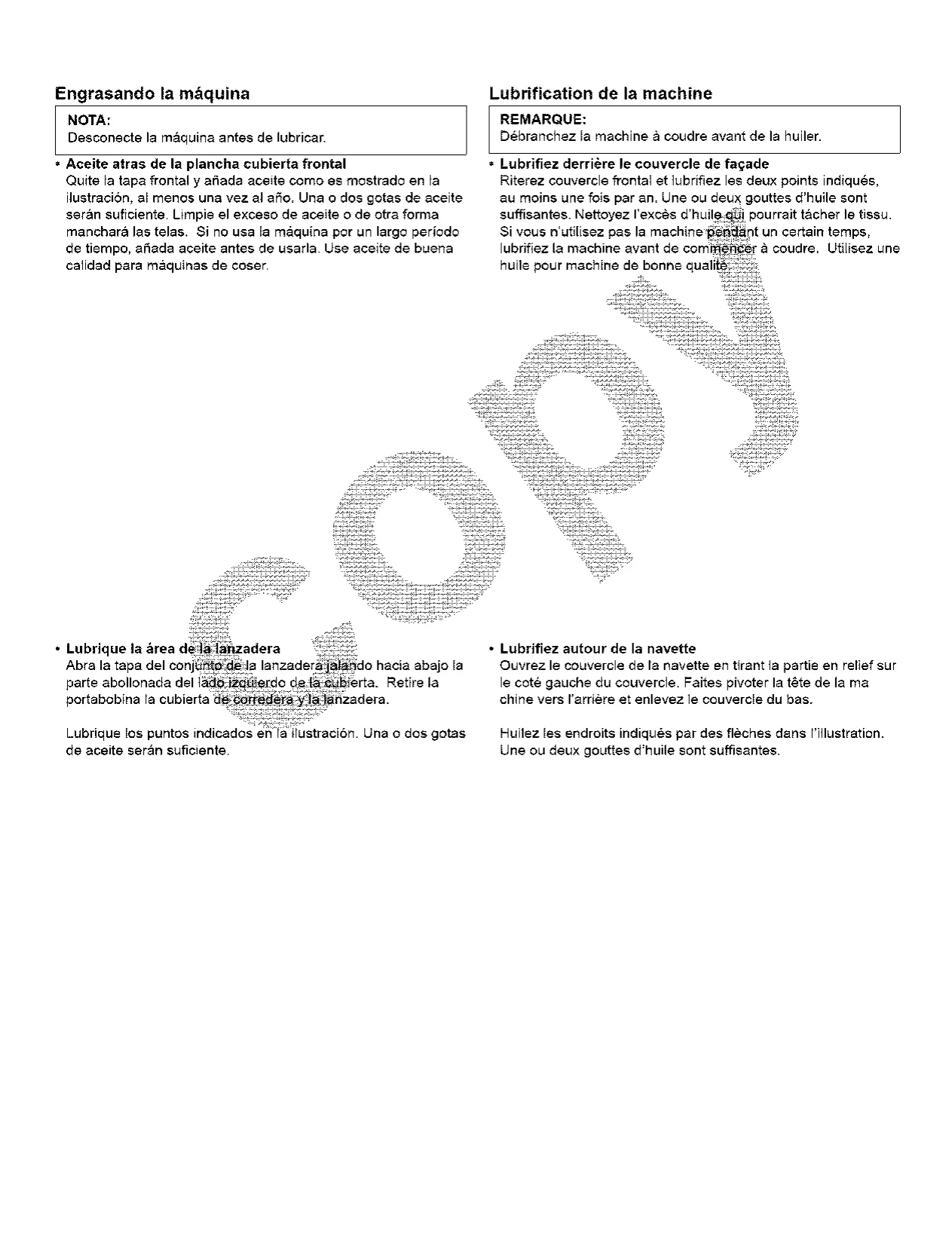
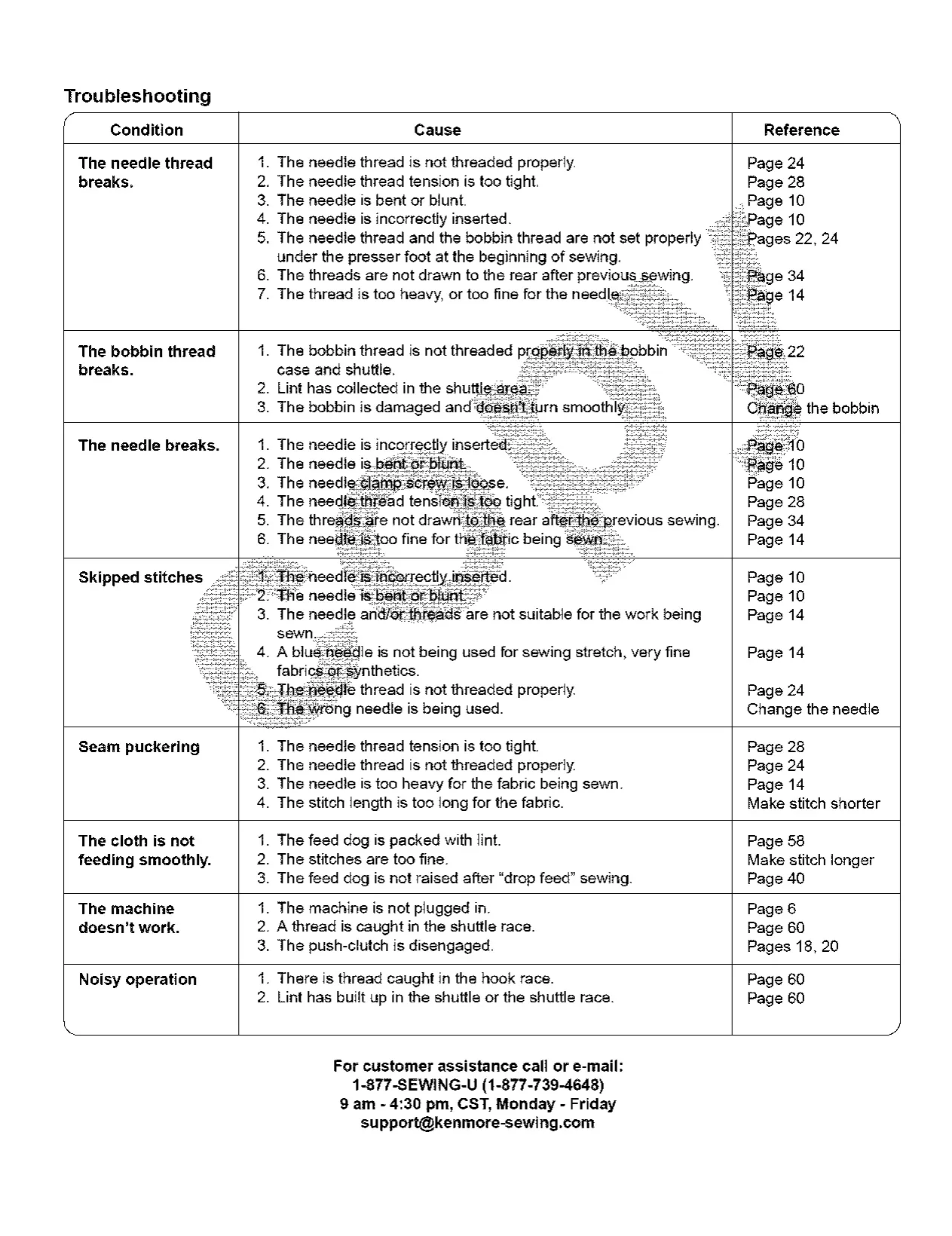
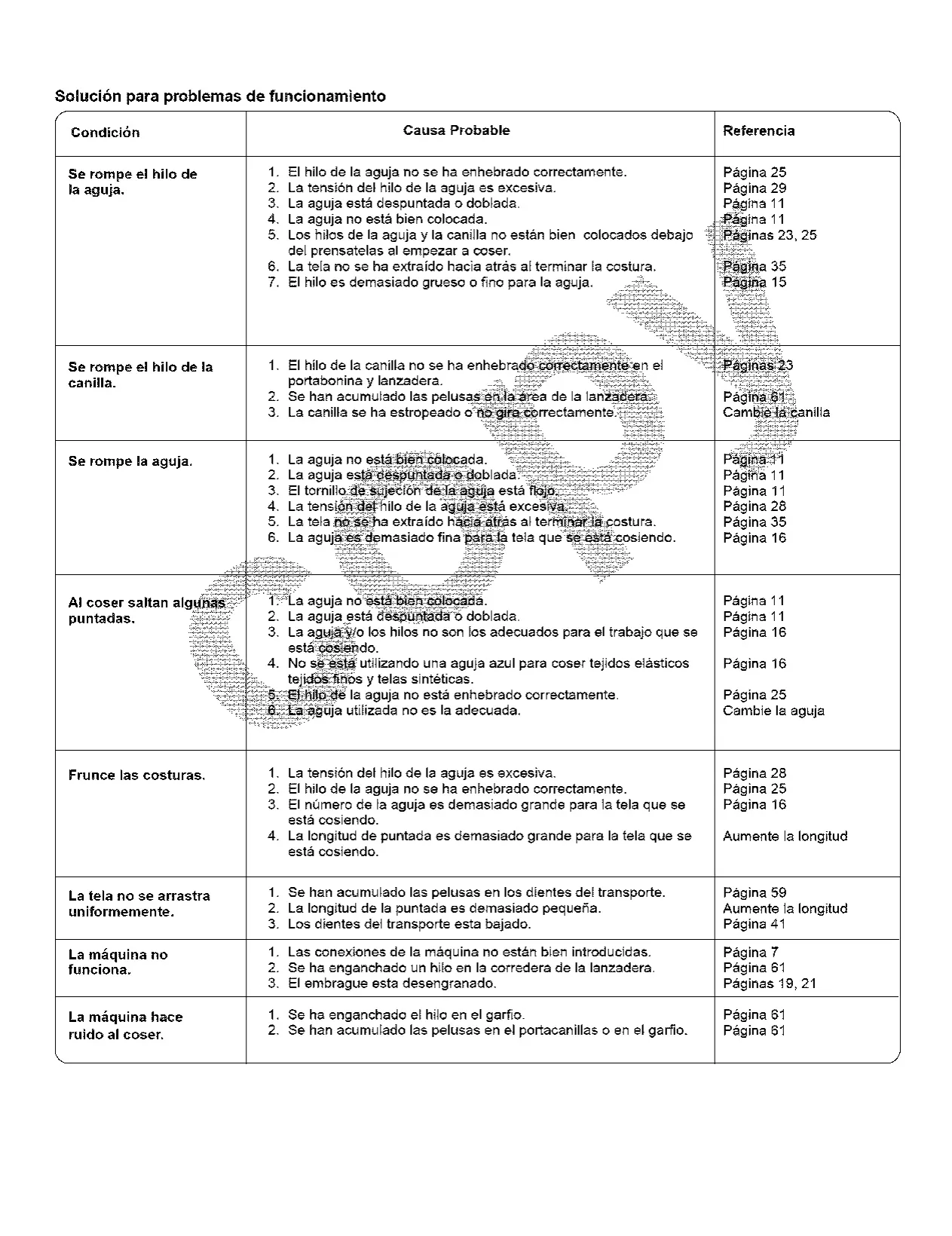
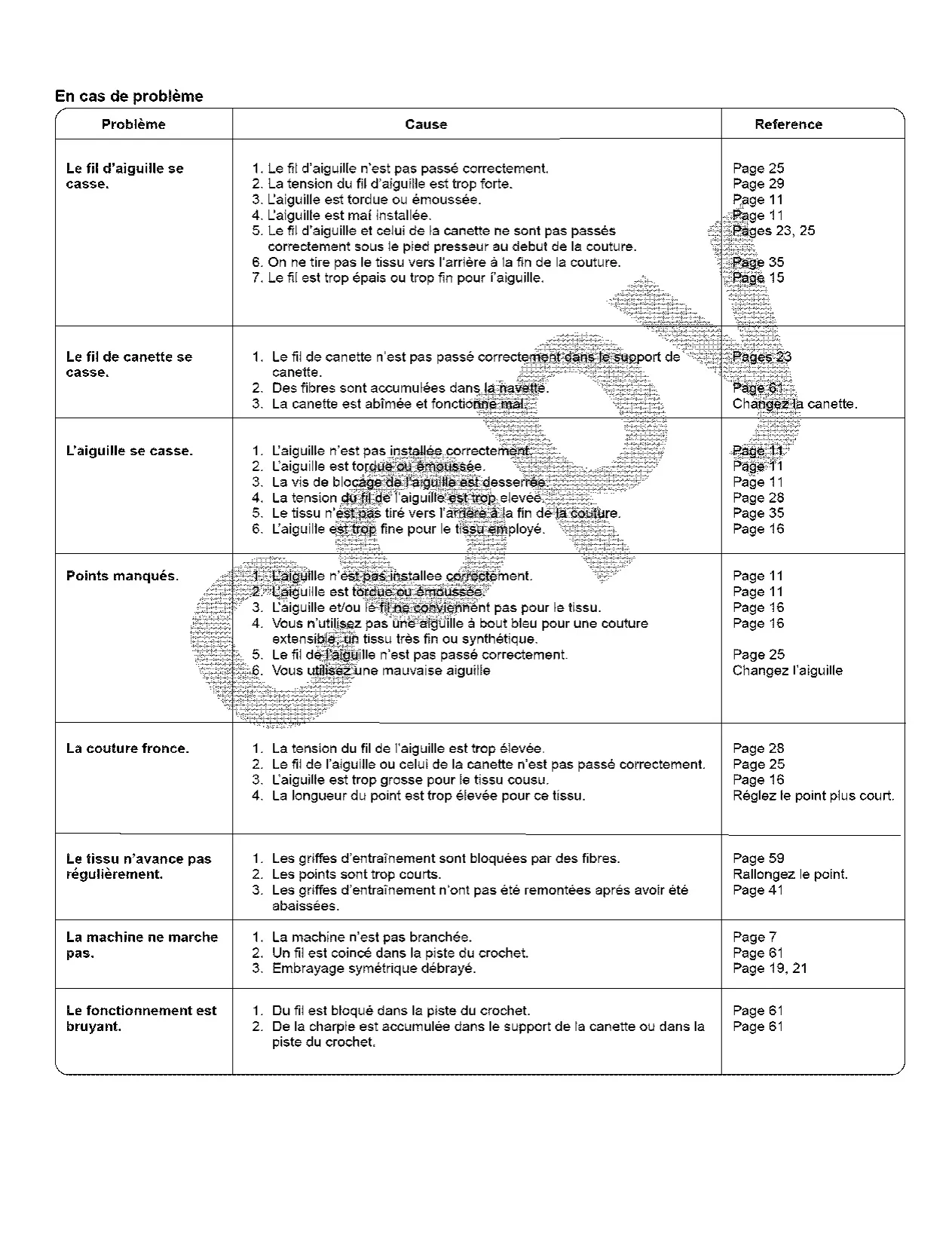
To ensure long-term durability and consistent performance, the manual outlines a clear maintenance regimen. Key procedures include instructions for replacing the light bulb, thorough cleaning of the feed dogs to prevent lint buildup, and meticulous cleaning and oiling of the shuttle race and surrounding area. These preventative steps are crucial for maintaining the machine's smooth operation and preventing common problems such as thread breakage or noisy performance, all of which are thoroughly addressed in the comprehensive troubleshooting section.
Frequently Asked Questions (FAQs)
Can't find the answer you need? Here are some frequently asked questions about the Kenmore 15343 Sewing Machine, and we answer them below.