Kenmore 300 Series Washing Machine Instruction Manual
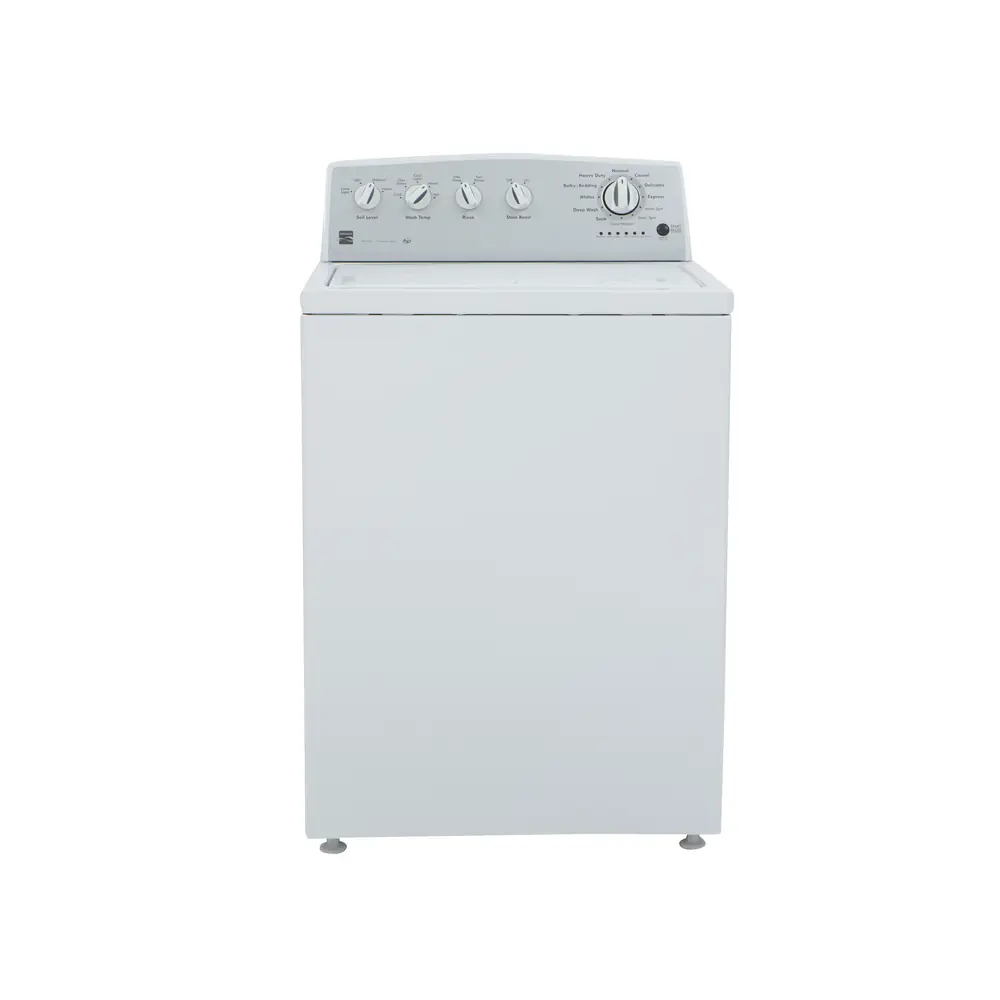
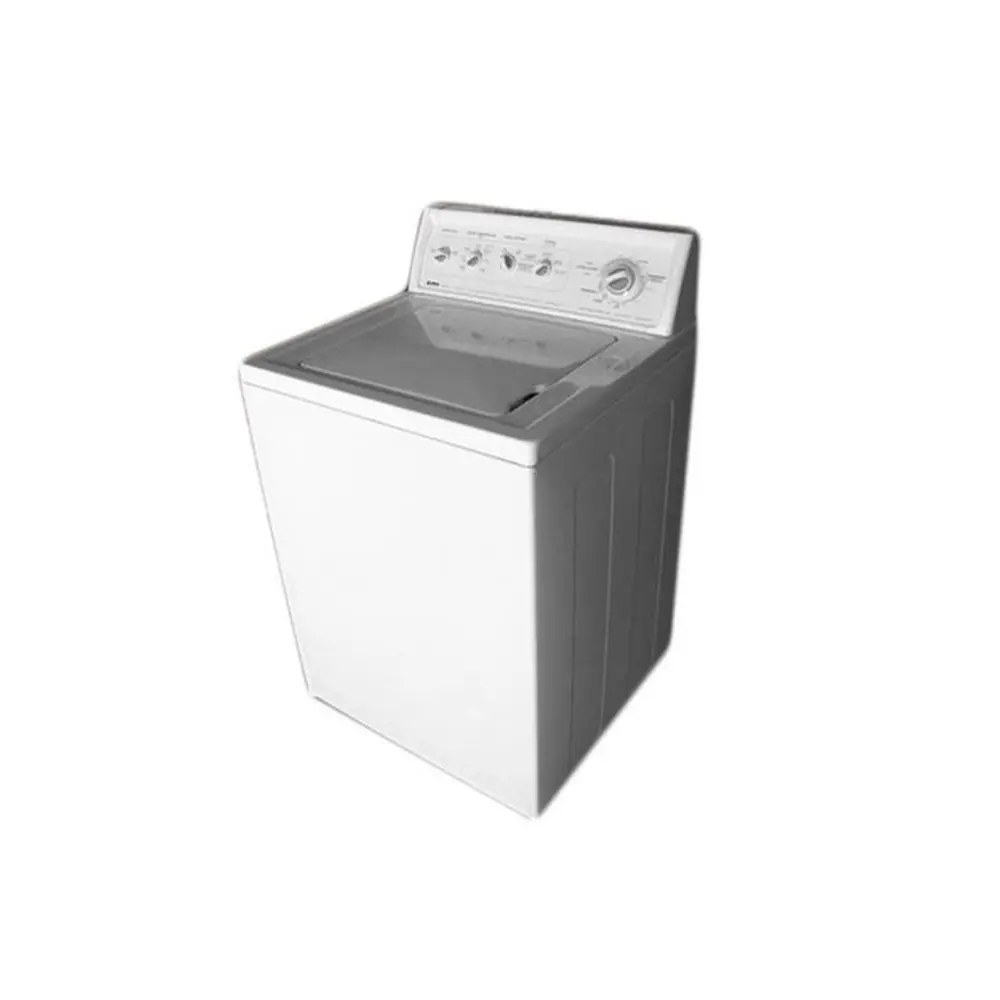
Kenmore 300 Series Washing Machine

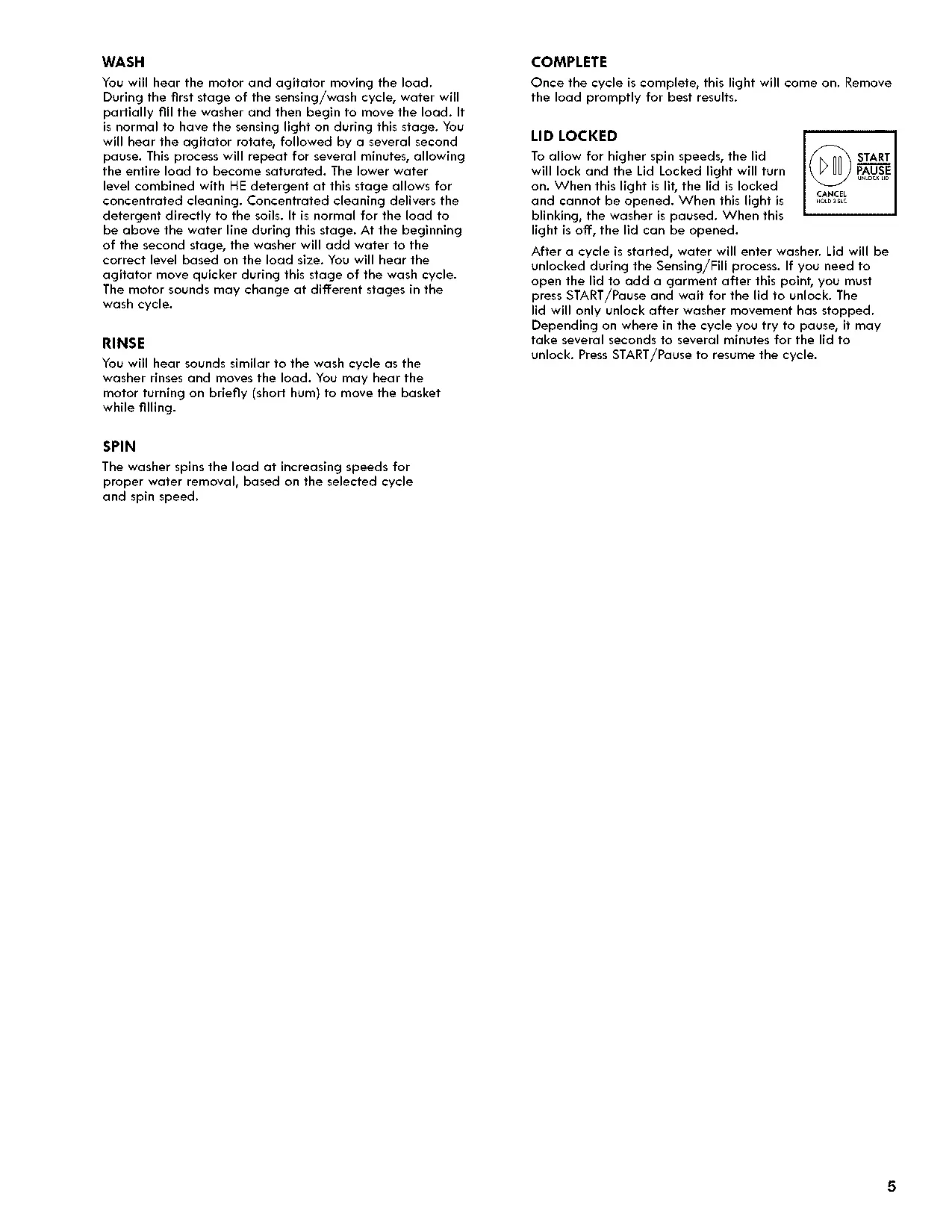
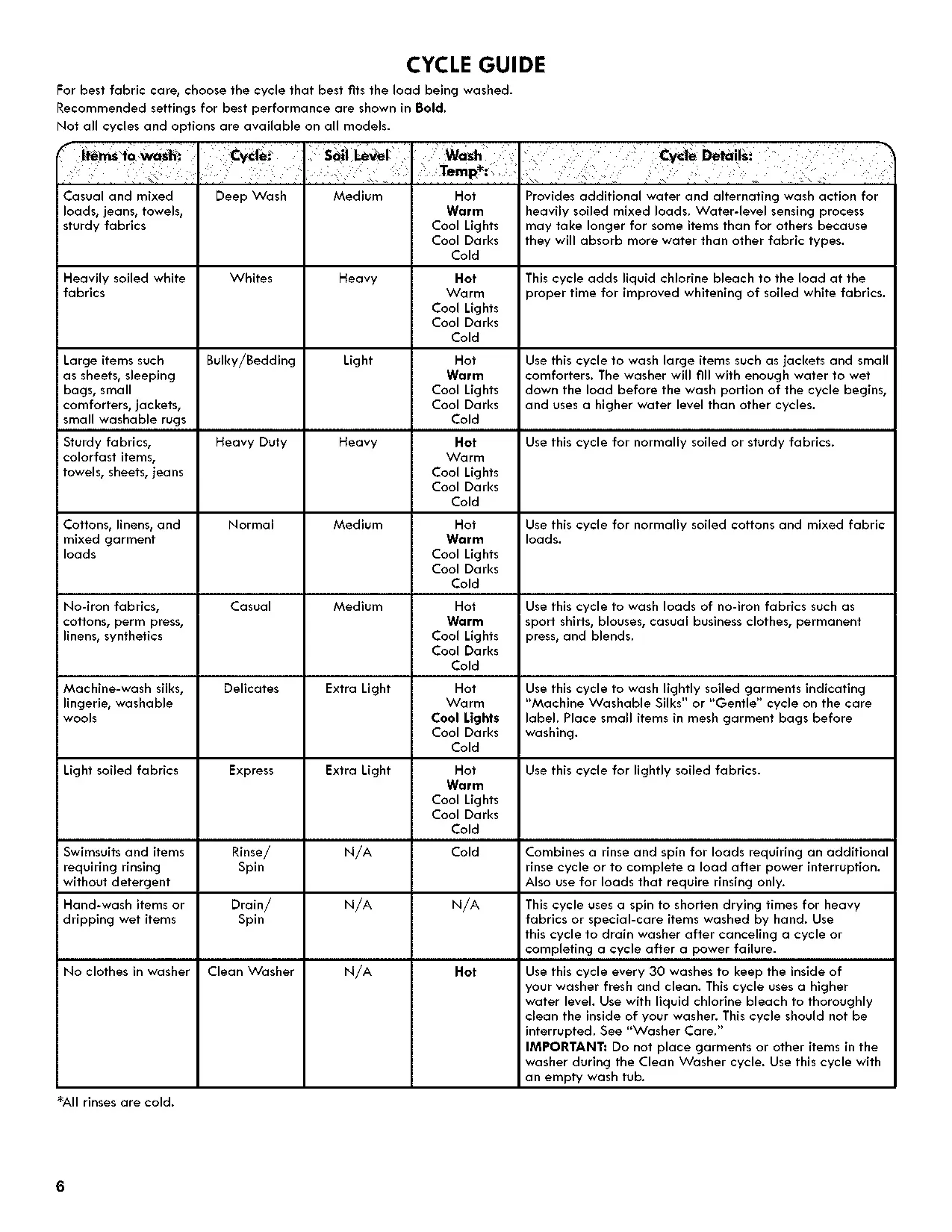
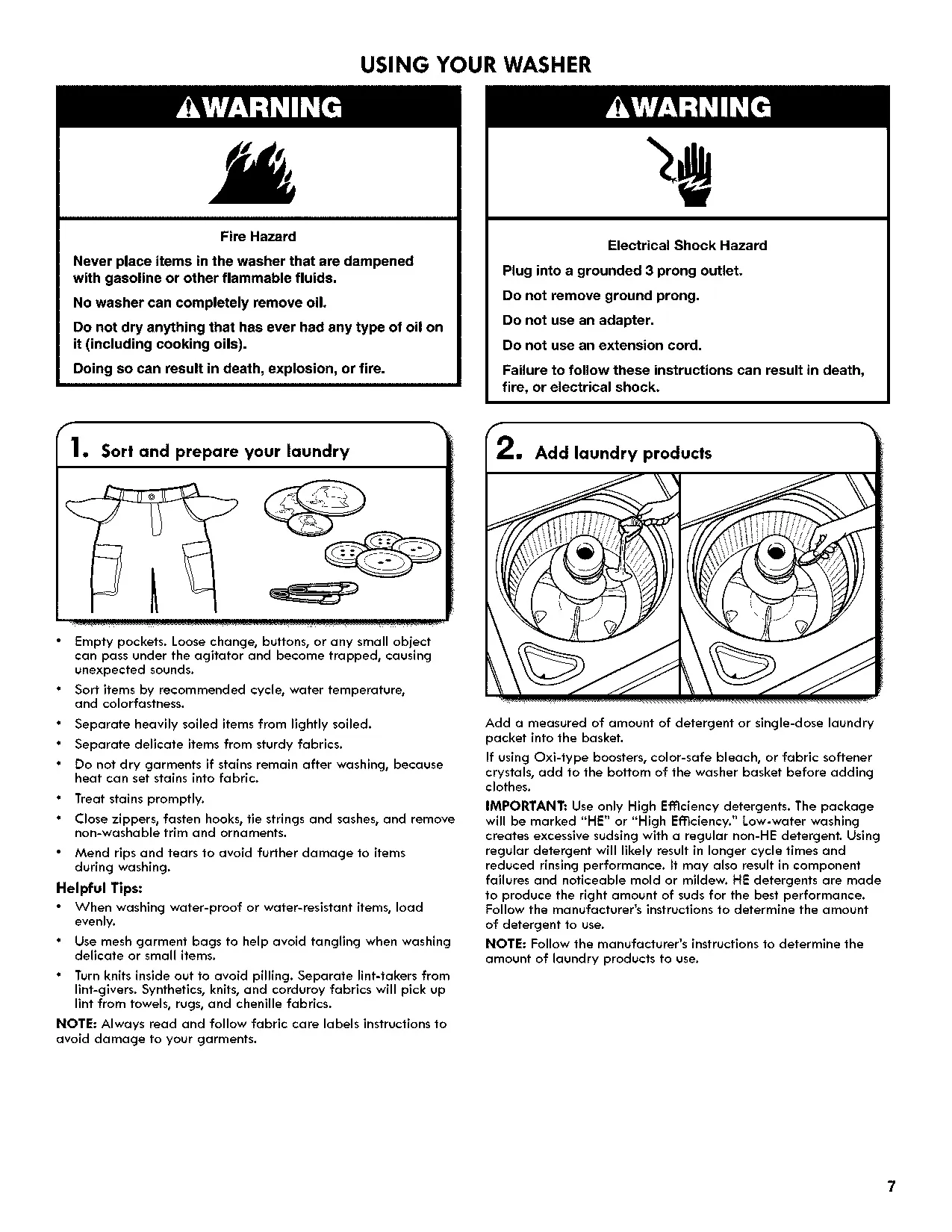
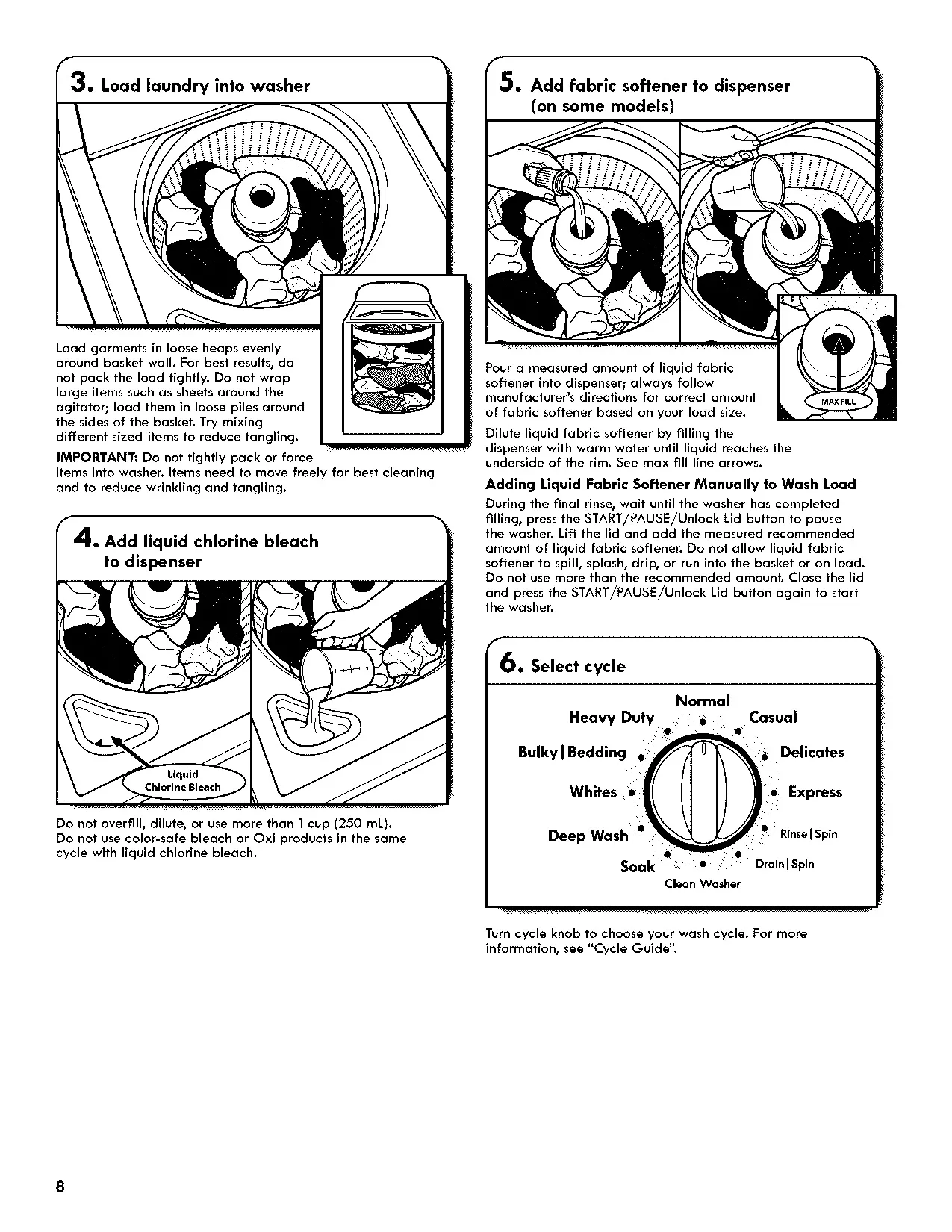



Kenmore 300 Series Washing Machine
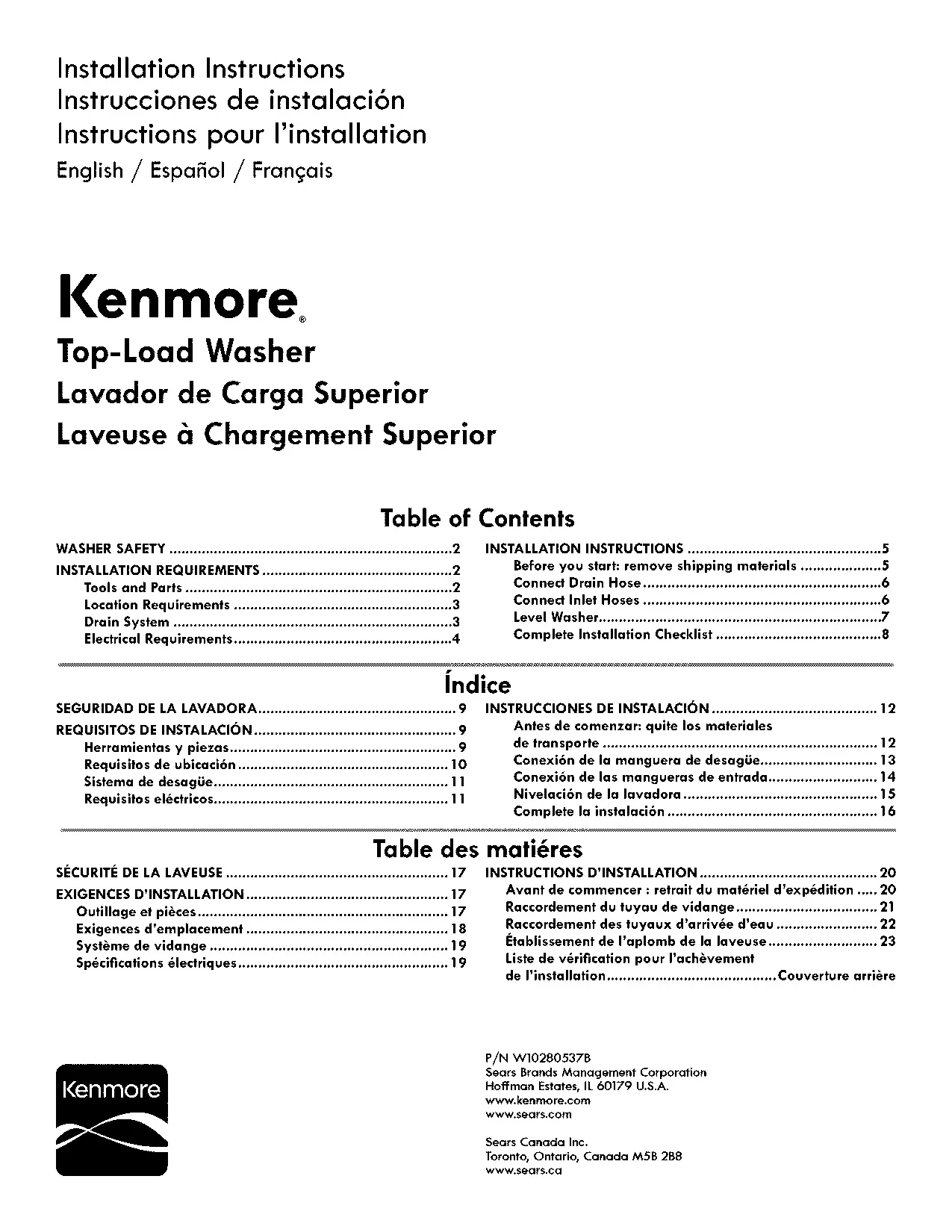

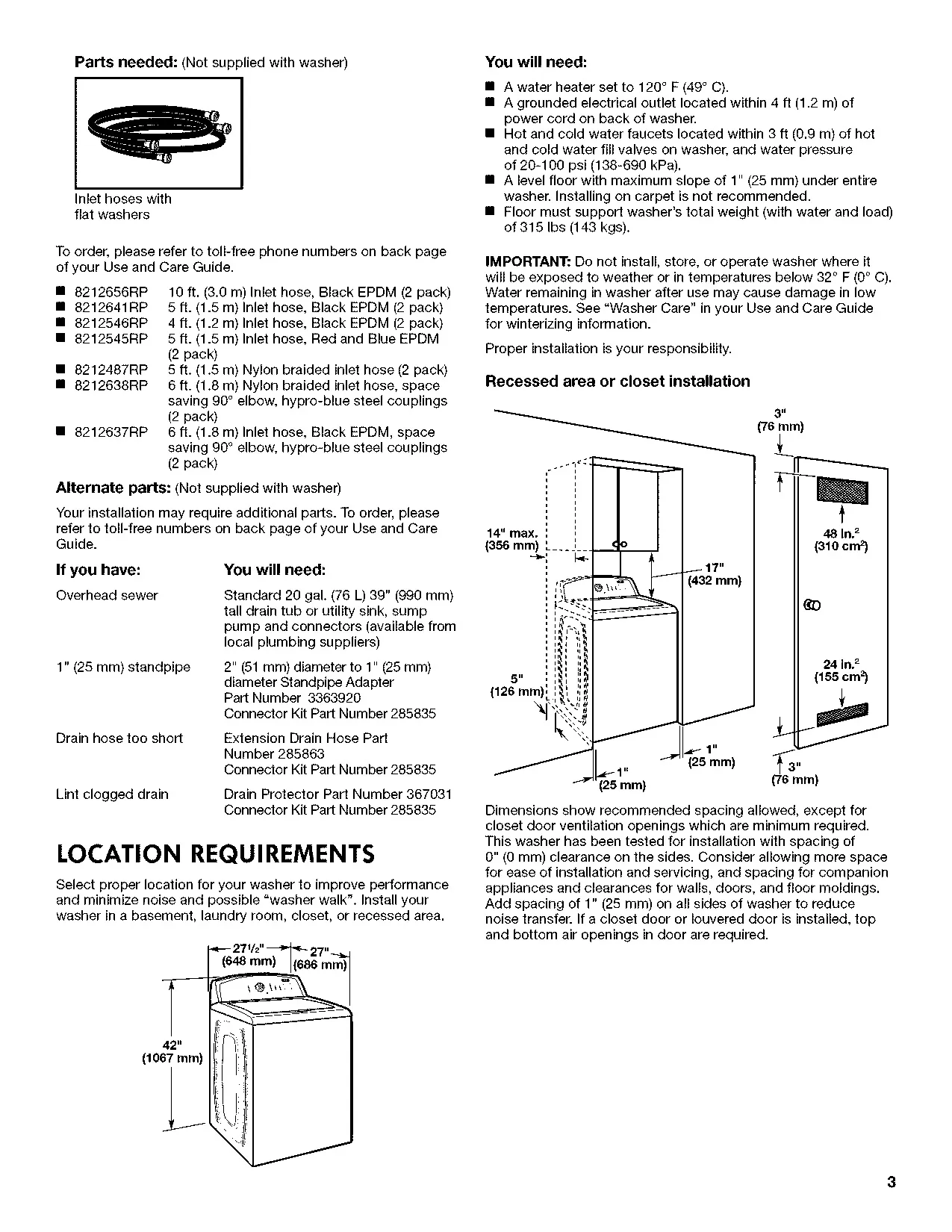
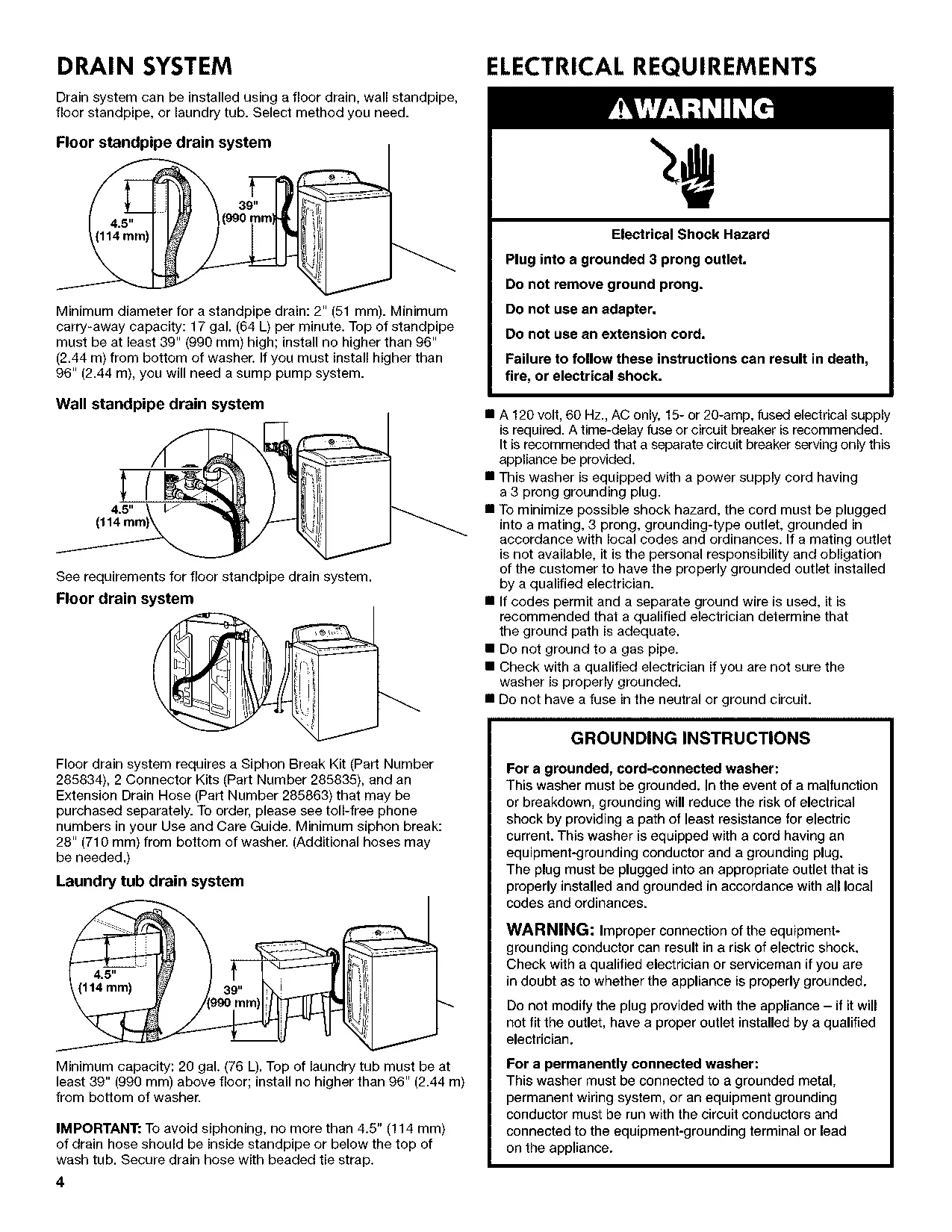
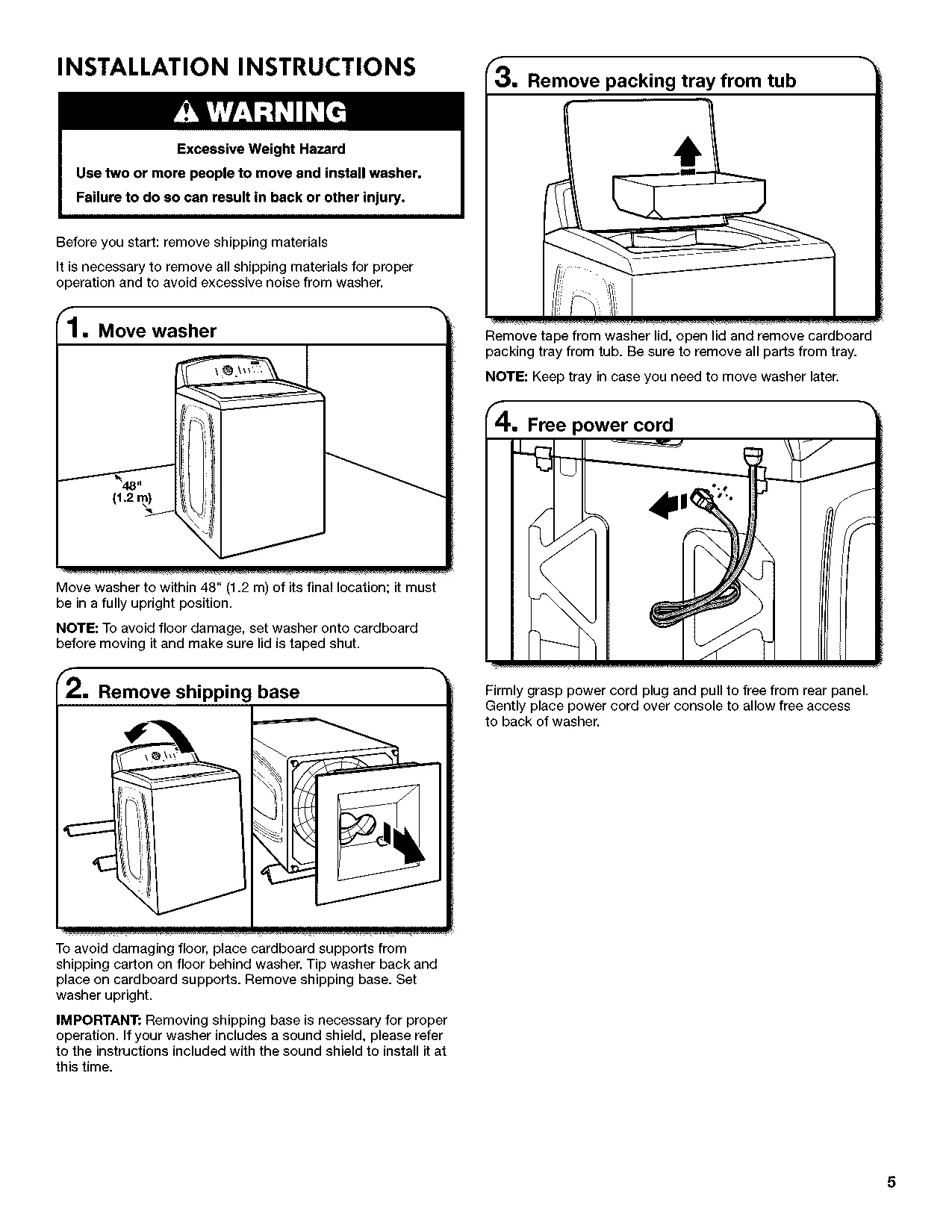
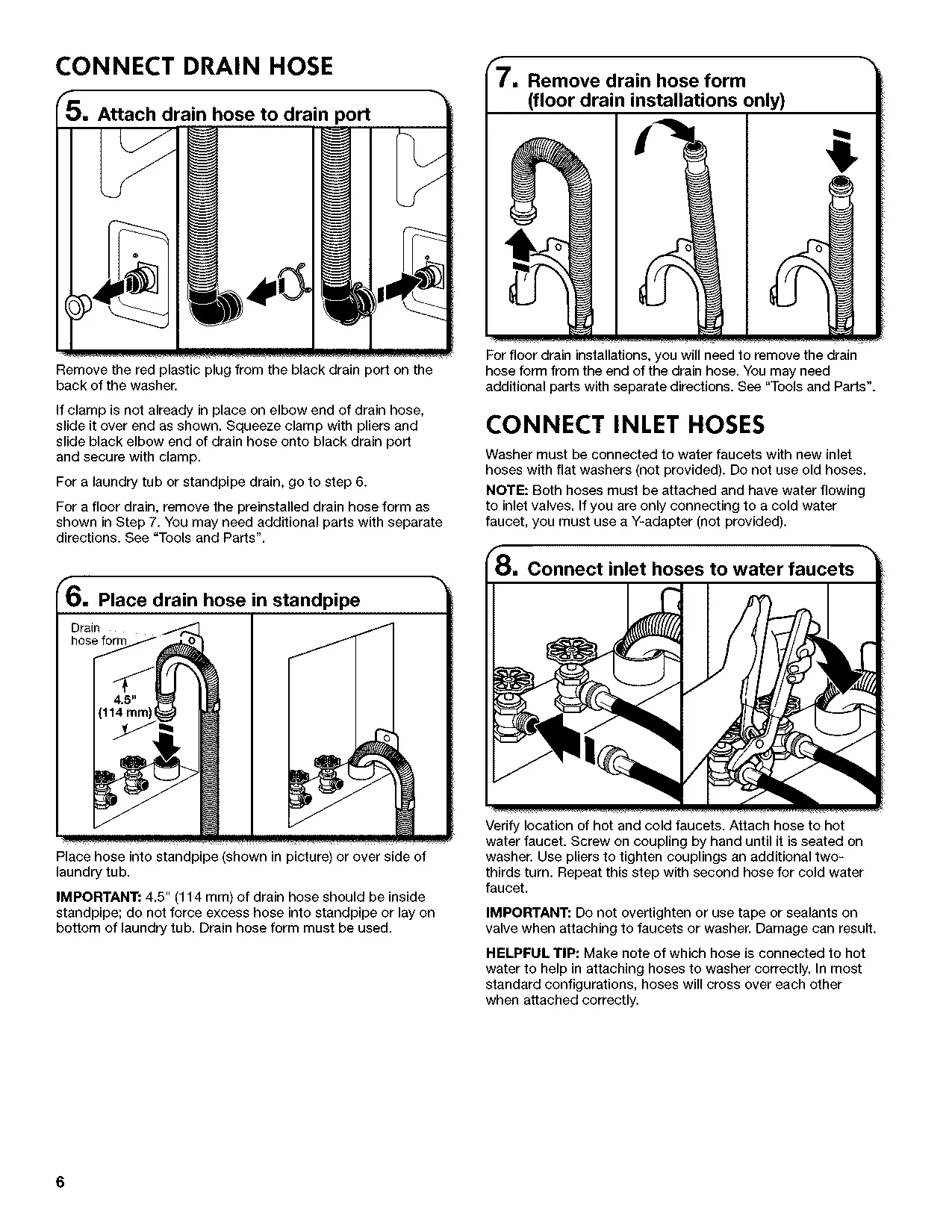
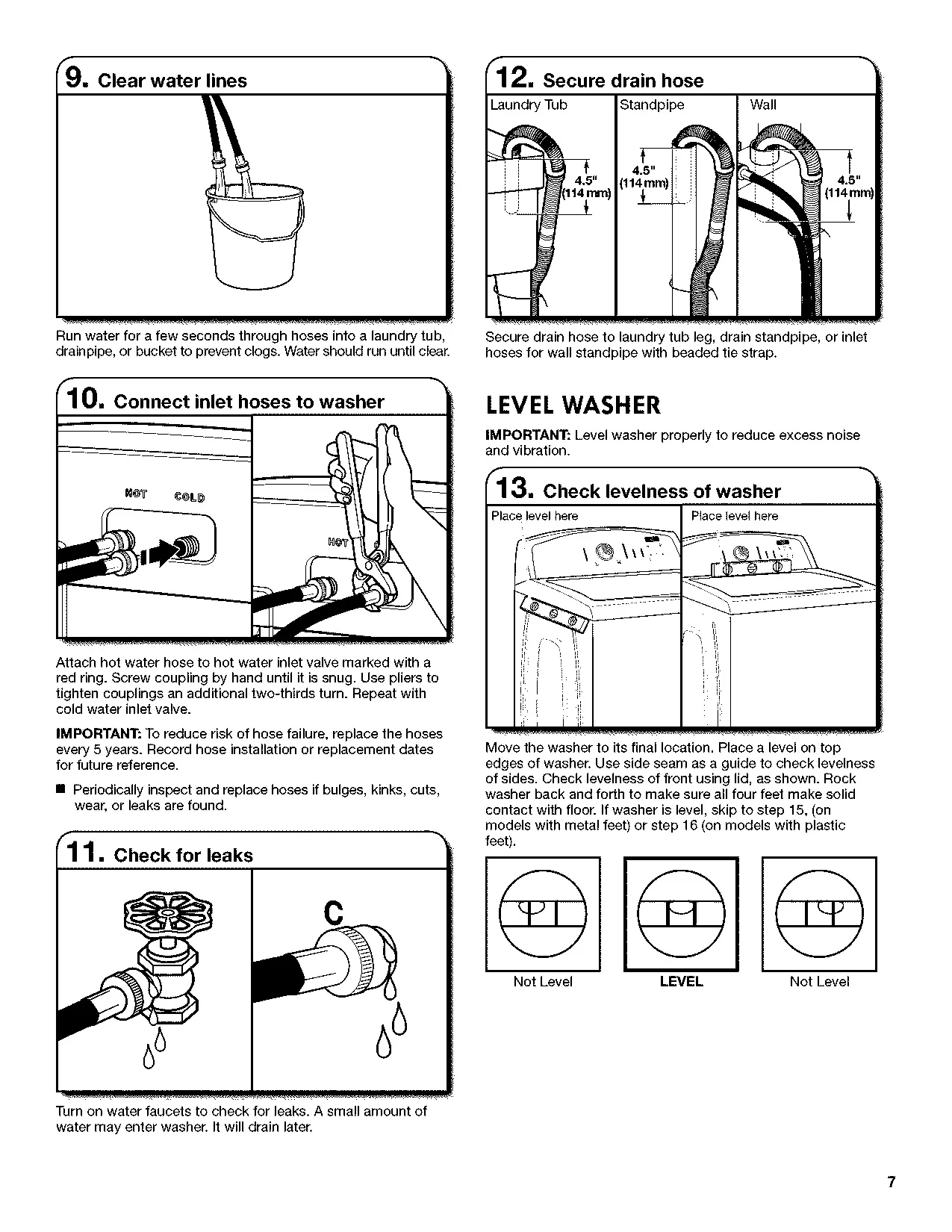

Kenmore 300 Series Washer Instructions
Here we offer the Kenmore 300 Series Washing Machine manual completely free and in English. We have cataloged this manual in the Washing Machines section on Manualverse, and it has been rated by 1 users with an average rating of 5. If you have any specific questions about Kenmore 300 Series Washing Machine, we suggest checking the Frequently Asked Questions (FAQs) section of this manual.
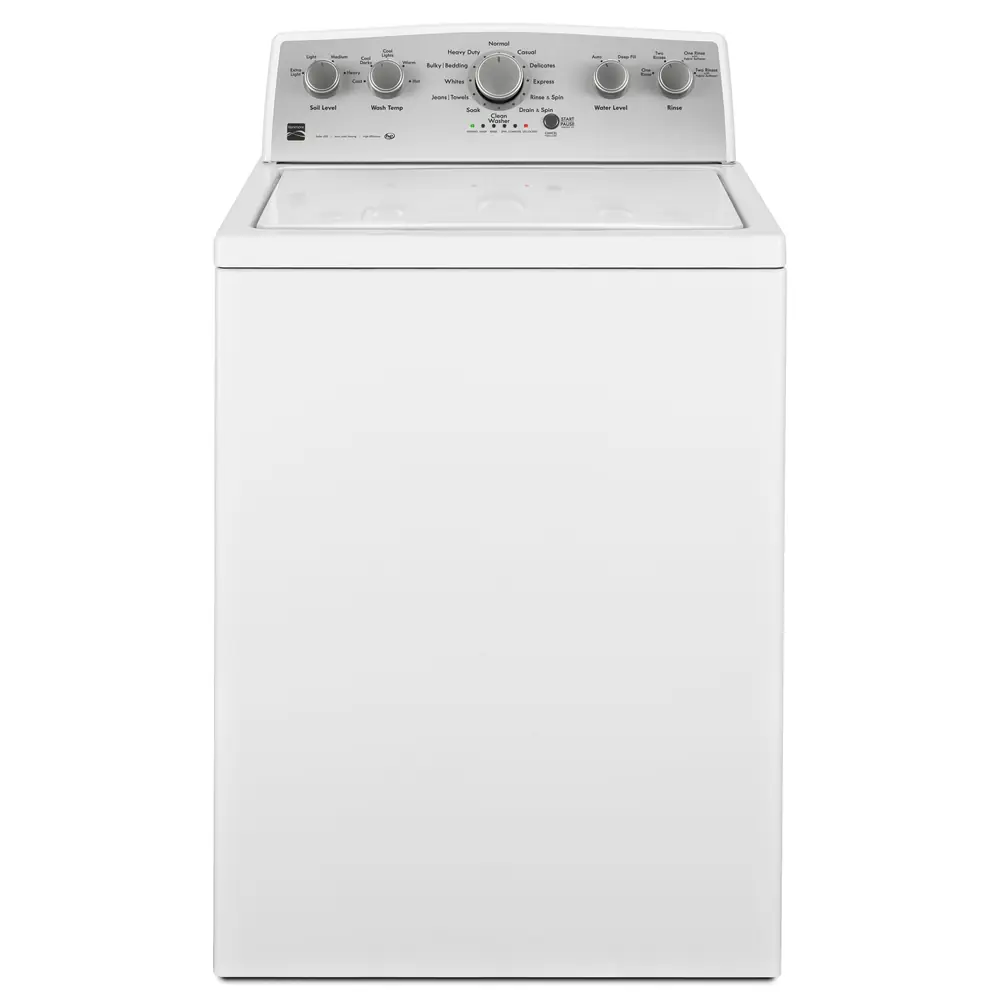
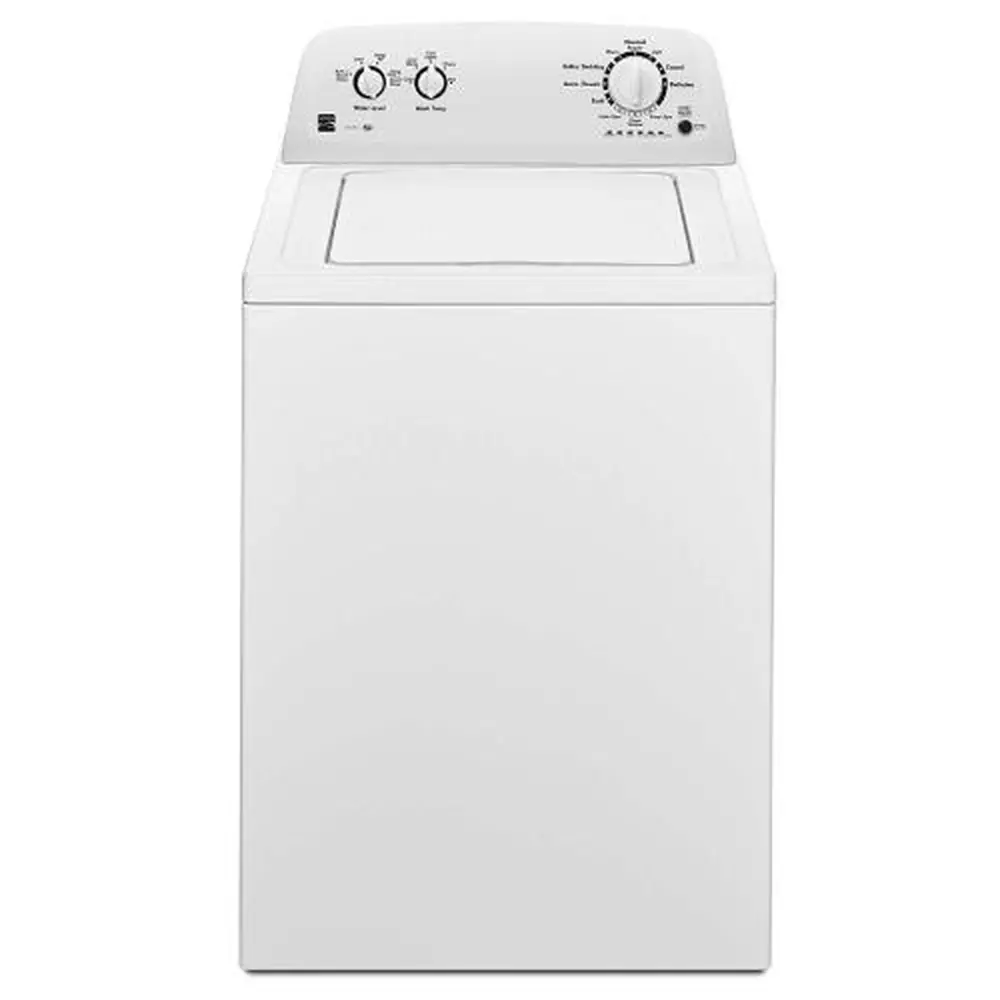
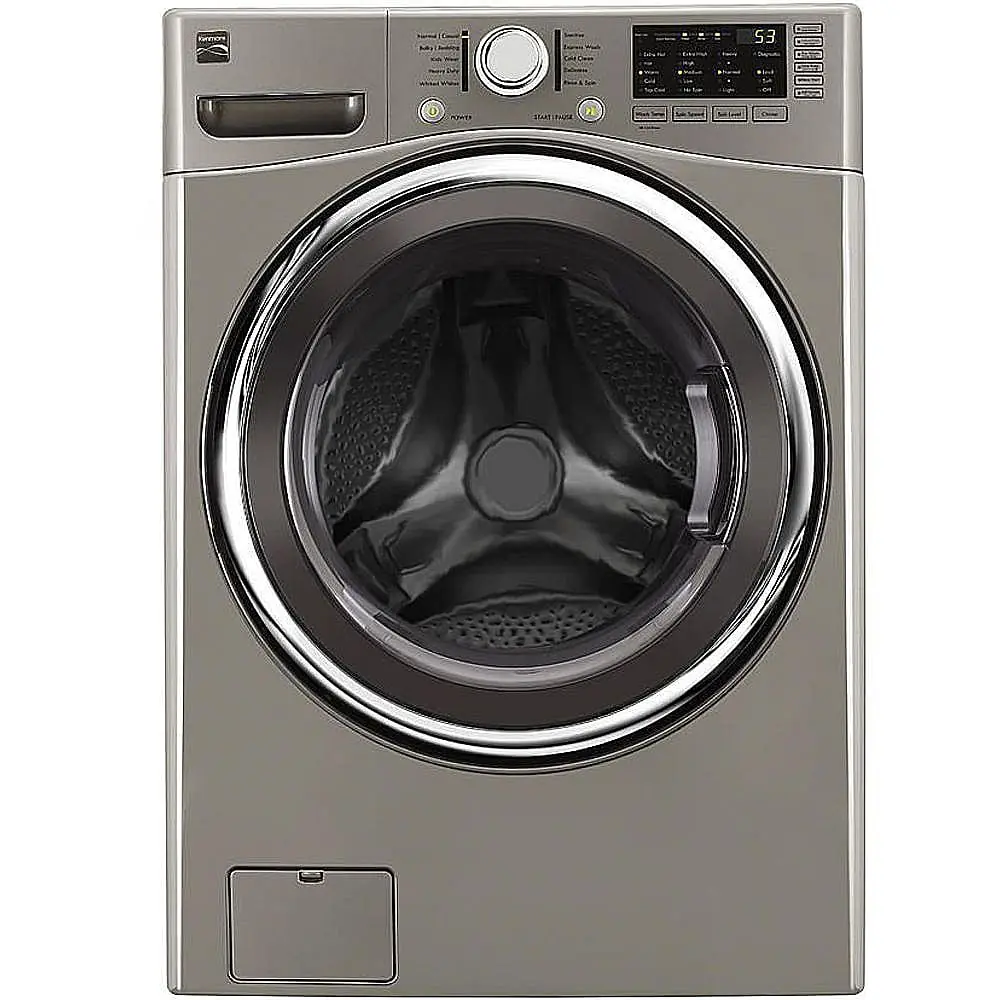
Product Images
Kenmore 300 Series Washing Machine Specifications
| Feature | Description |
|---|---|
| Washer Type | High-Efficiency (HE) Low-Water Washer |
| Water Management | Automatic Load Sensing (senses load size and adds correct amount of water for optimal cleaning; load may not be completely submerged) |
| Detergent Compatibility | HE (High-Efficiency) Detergent Only |
| Maintenance Cycle | Clean Washer Cycle (recommended every 30 washes with liquid chlorine bleach; utilizes a higher water level for thorough cleaning) |
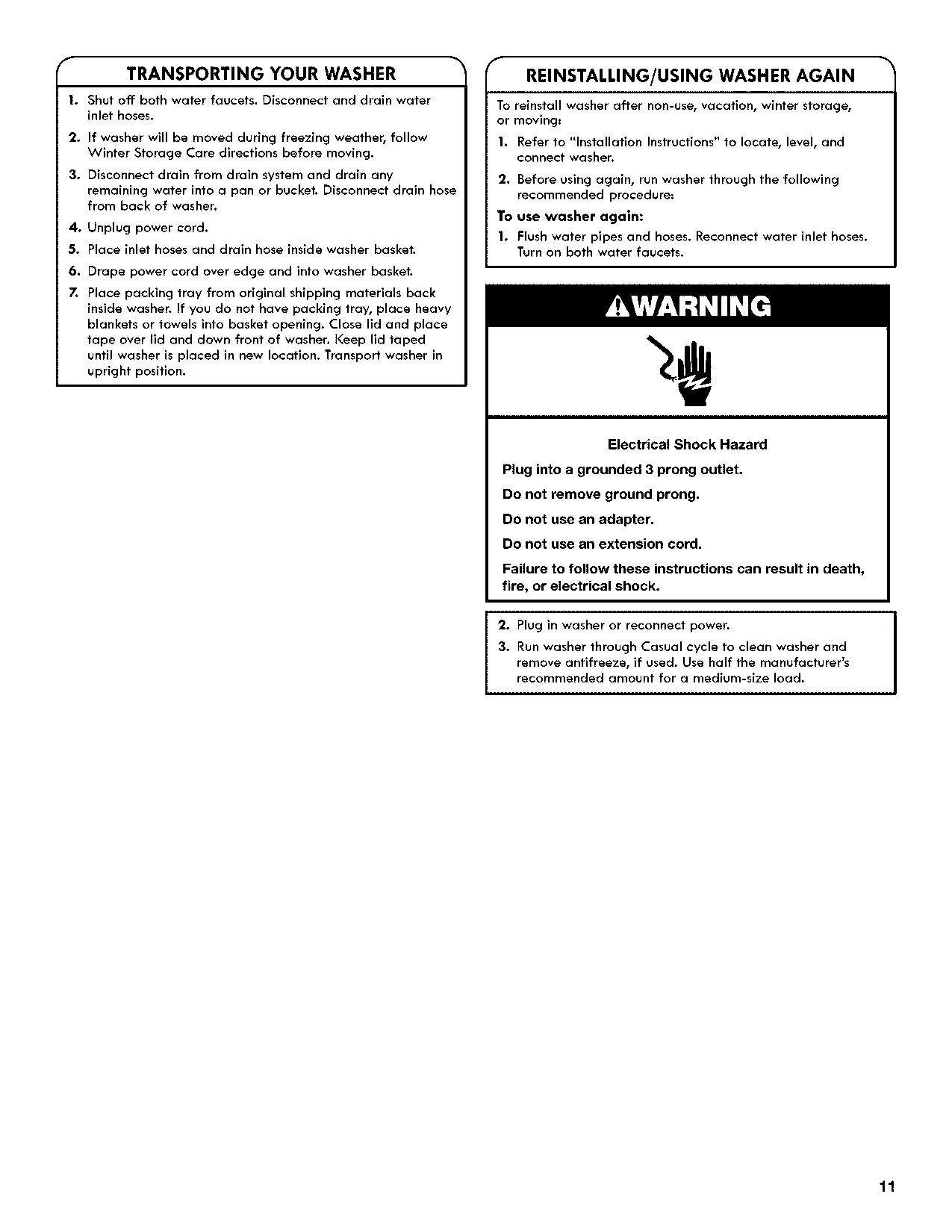
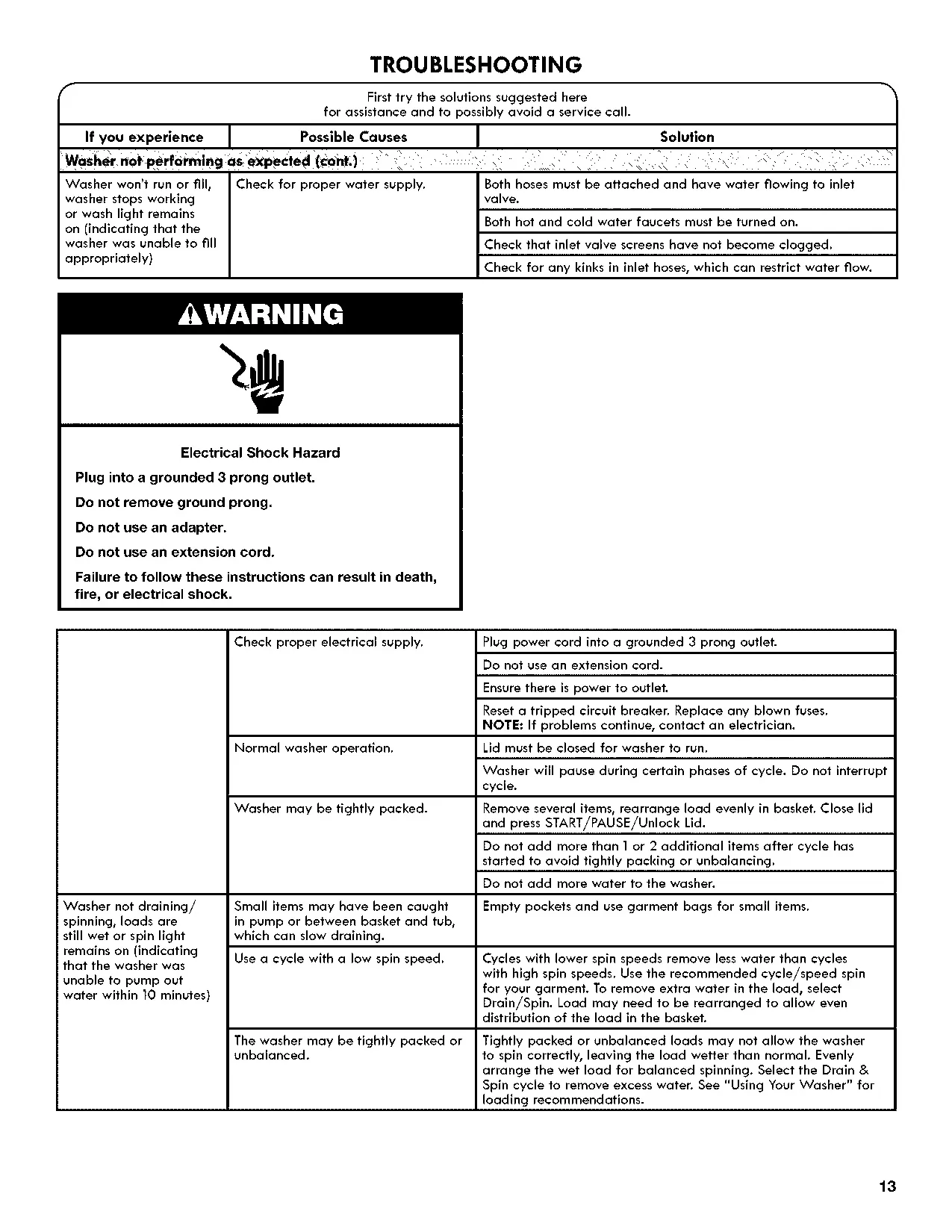
| Electrical Requirement | Grounded 3-Prong Outlet (do not use extension cords or adapters; ensure power to outlet) |
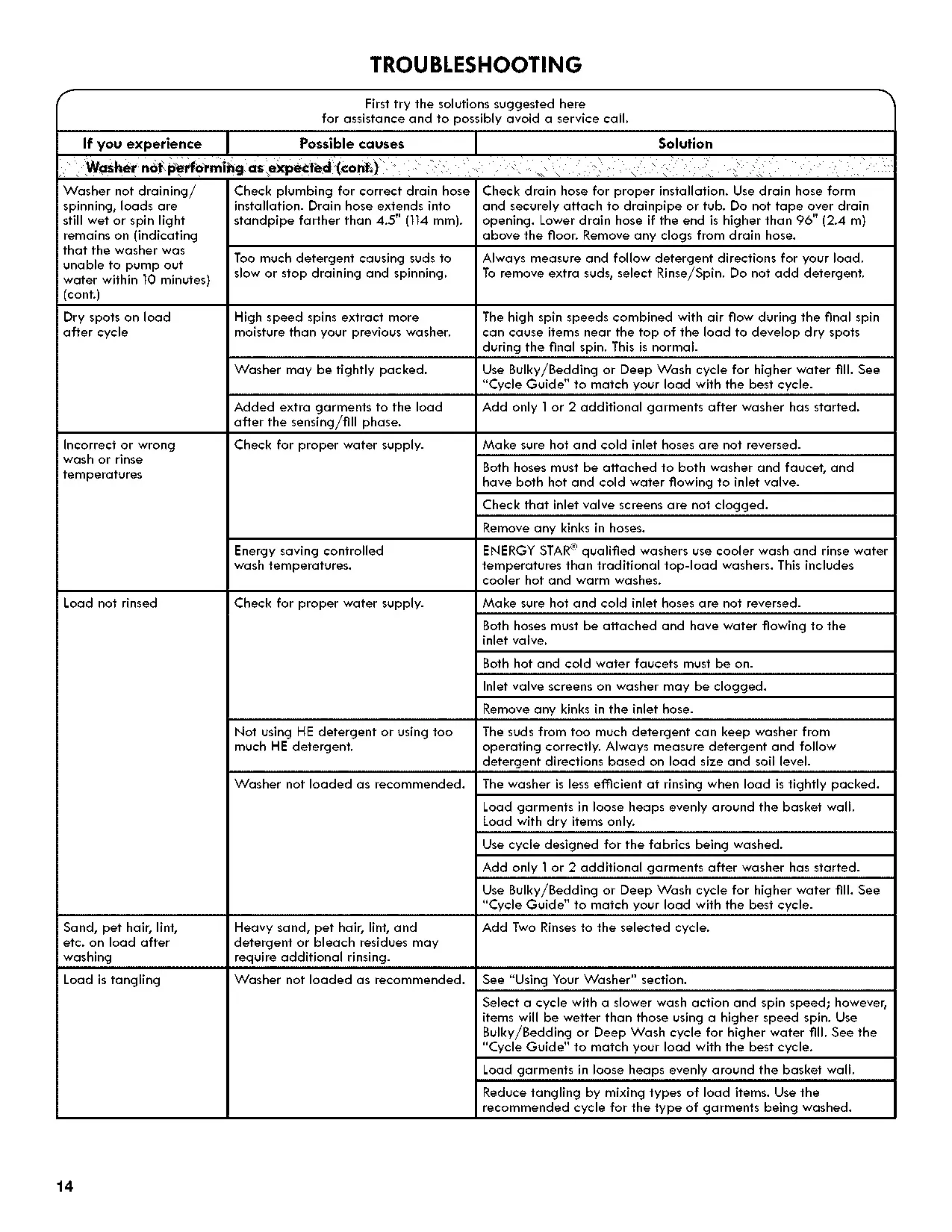
| Drain Hose Installation | Maximum 4.5 inches (114 mm) insertion into standpipe; maximum 96 inches (2.4 m) height above the floor |
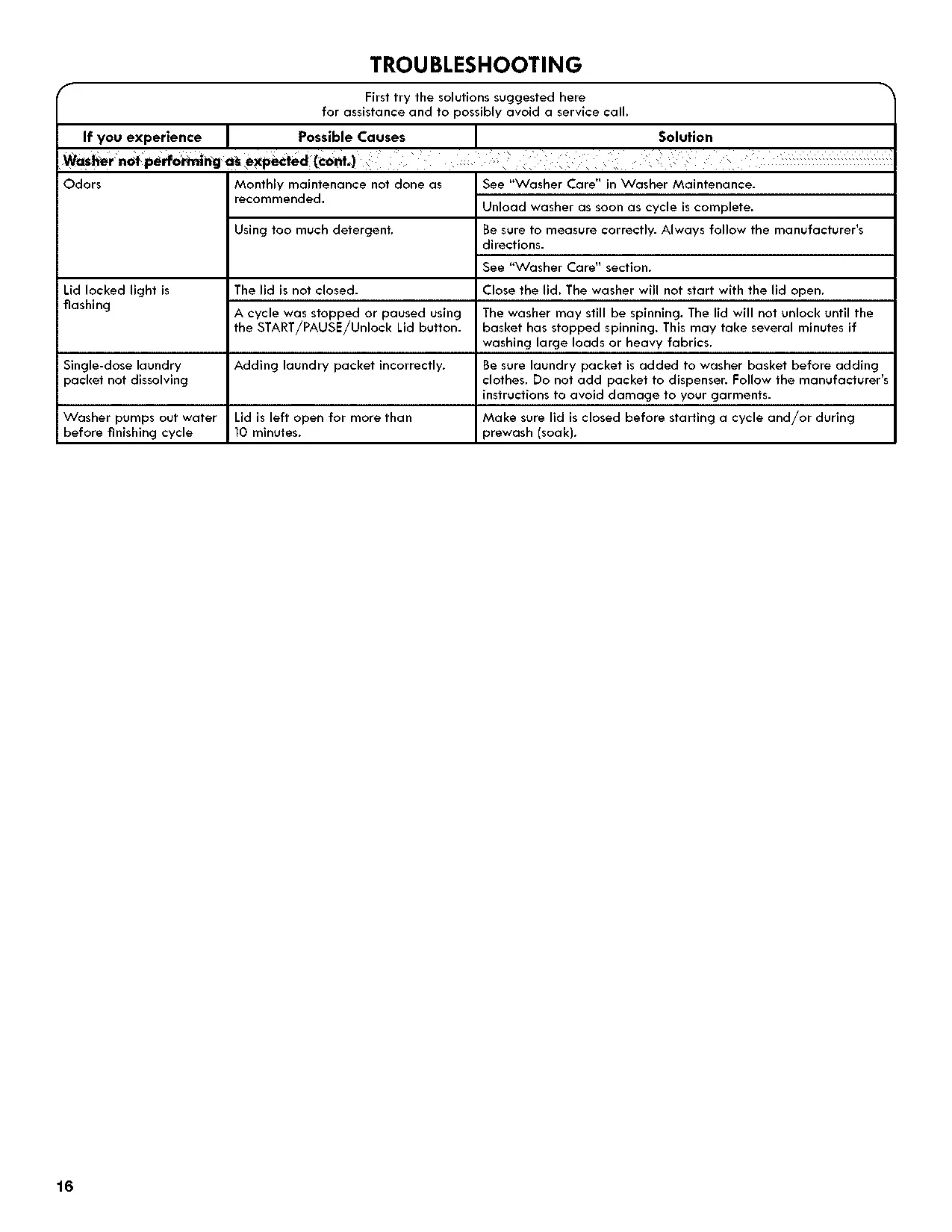
| Lid Operation | Automatic Lid Lock (locks during operation, unlocks after the basket has stopped spinning; lid must be closed for washer to run) |
| Temperature Control | ENERGY STAR® qualified (uses cooler wash and rinse water temperatures compared to traditional top-load washers for energy efficiency) |
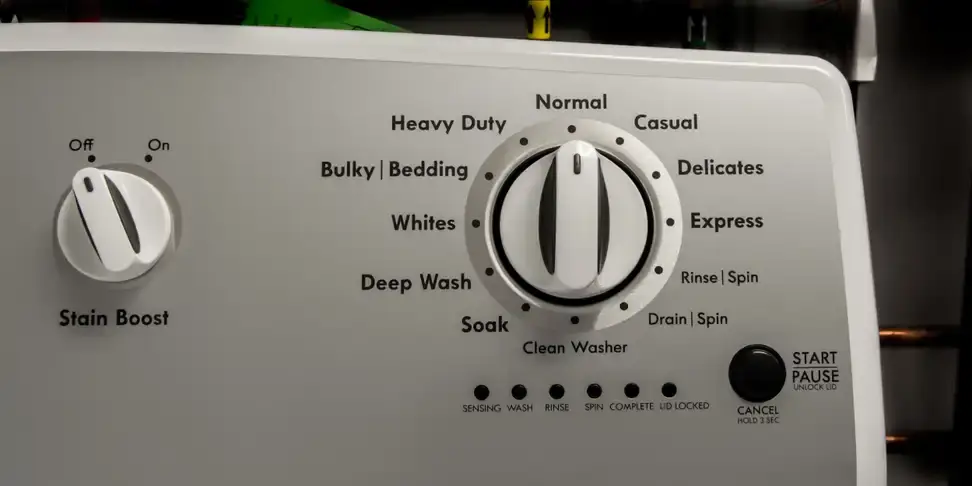
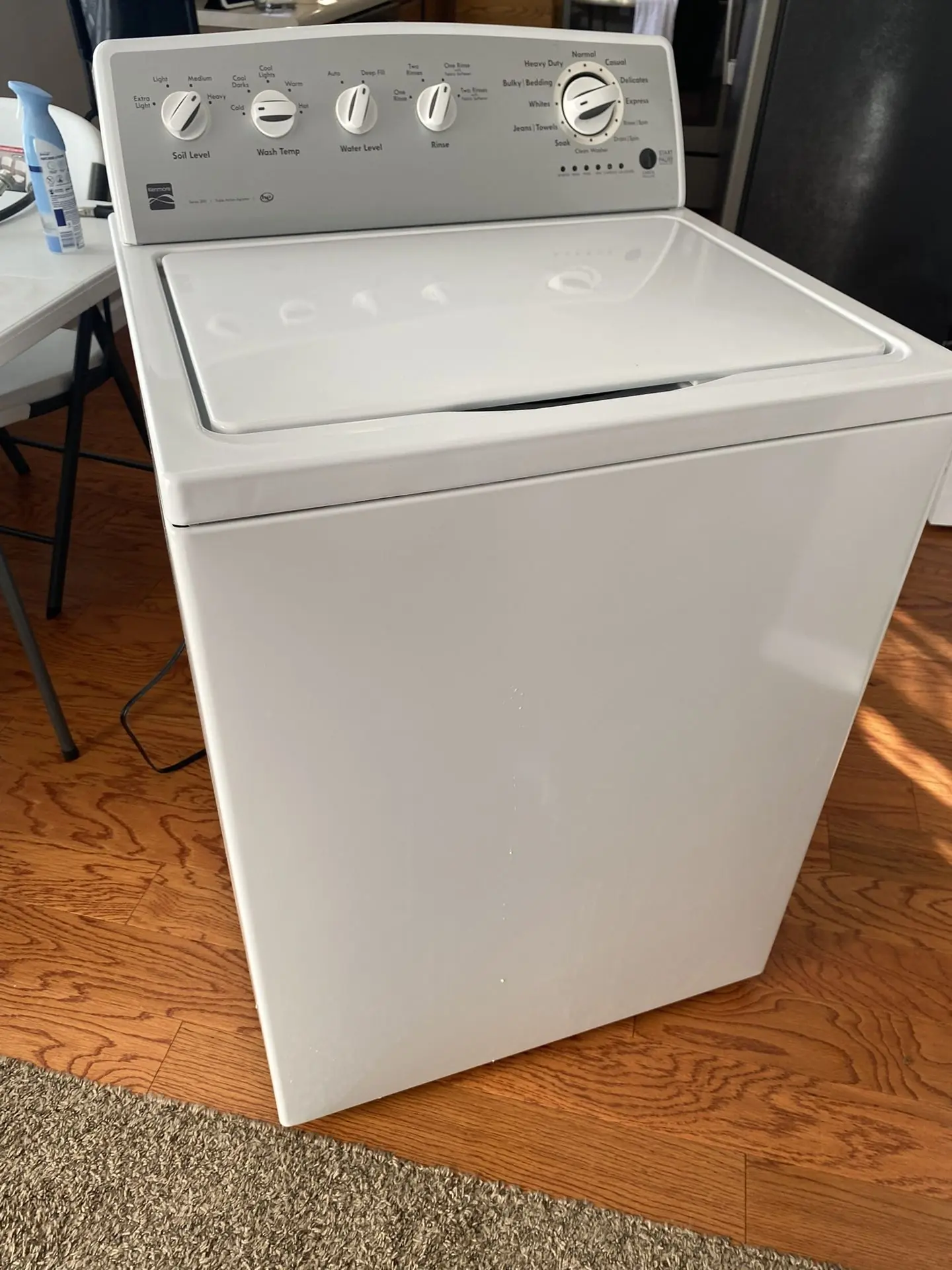
| Available Wash Cycles | Casual, Whites, Bulky/Bedding, Heavy Duty, Normal, Delicates, Express, Rinse/Spin, Drain/Spin, Clean Washer |
| Temperature Options | Hot, Warm, Cool, Cold, Cool Lights, Cool Darks (options vary by selected cycle) |
| Water Level Options | Deep Wash (provides additional water and alternating wash action for heavily soiled mixed loads), Bulky/Bedding (uses a higher water level for large items) |
Kenmore 300 Series Washer Details
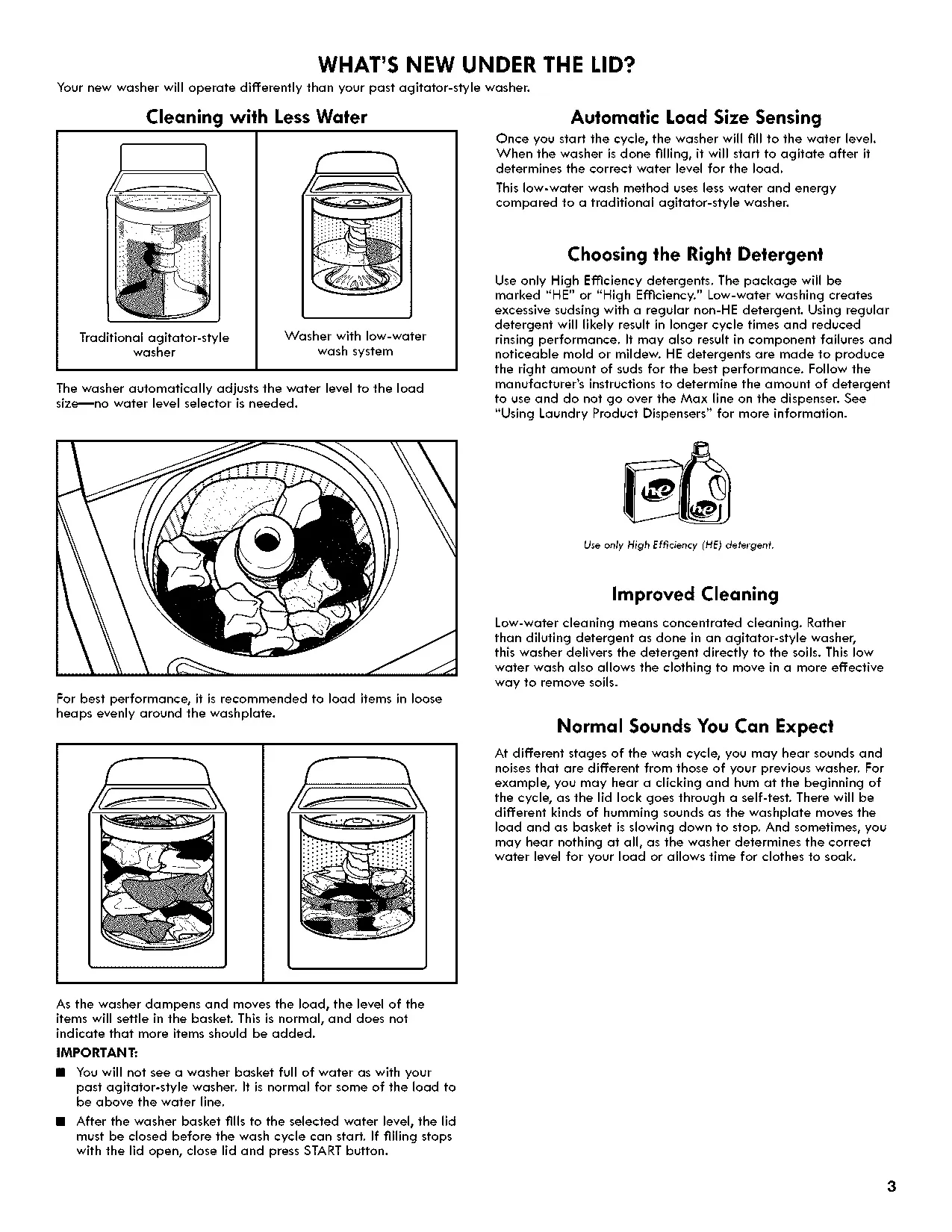
The Kenmore 300 Series Washing Machine is engineered for superior high-efficiency performance, strategically employing a low-water wash system to deliver exceptional cleanliness while significantly reducing water consumption. This intelligent appliance features automatic load sensing, precisely tailoring the water amount to each load for optimal cleaning without fully submerging the clothes. This innovative design is fundamental to its HE classification, ensuring resource conservation and effective garment care, a noticeable difference from older washing machine models.
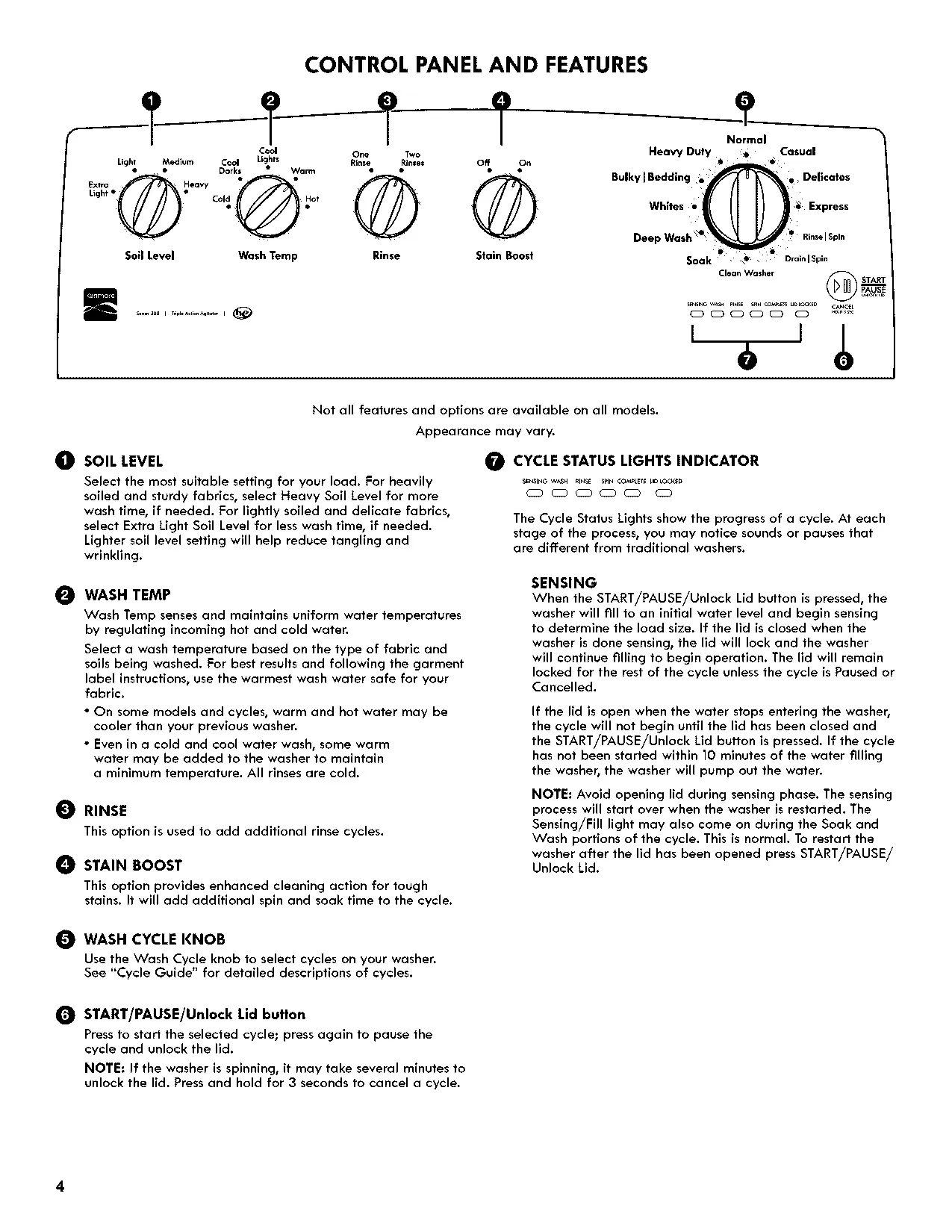
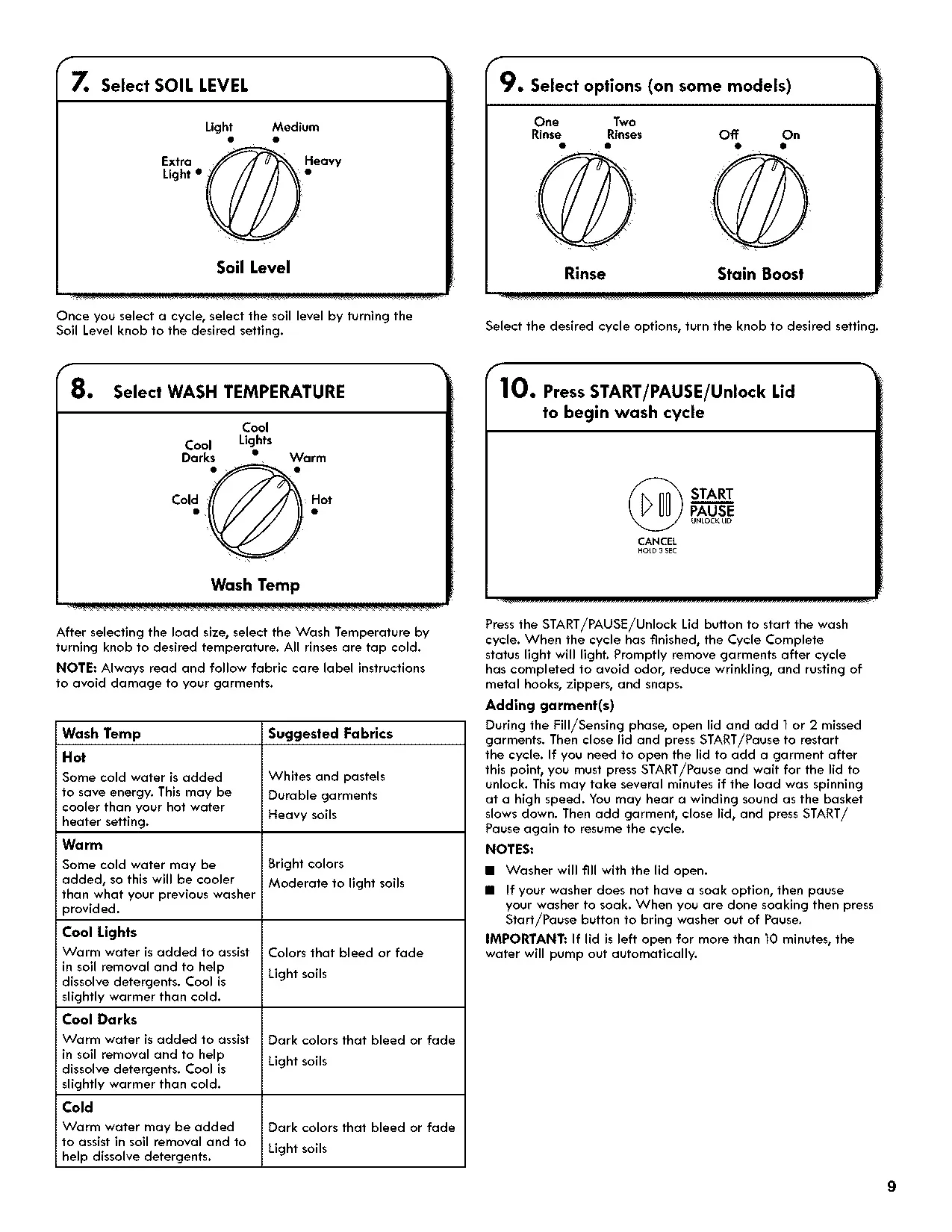
This model boasts a diverse selection of wash cycles, meticulously crafted to accommodate various fabric types and levels of soiling, offering unparalleled flexibility for all your laundry tasks. Cycles like "Casual" are perfect for everyday items such as jeans and mixed loads, while "Whites" specifically caters to heavily soiled white fabrics, often integrating a bleach step. For more delicate garments, the "Delicates" cycle provides gentle care for silks and lingerie, ensuring fabric integrity. Furthermore, "Express" is designed for quick washing of lightly soiled items.
To tackle more challenging laundry, the Kenmore 300 Series integrates specialized functions. The "Bulky/Bedding" cycle, for instance, automatically utilizes a higher water level to ensure large items like comforters and jackets are thoroughly soaked and cleaned. Additionally, the "Deep Wash" option enhances cleaning power by providing both extra water and a vigorous alternating wash action, making it ideal for heavily soiled mixed loads that demand intensive treatment. These thoughtful features ensure comprehensive cleaning for all fabric types.
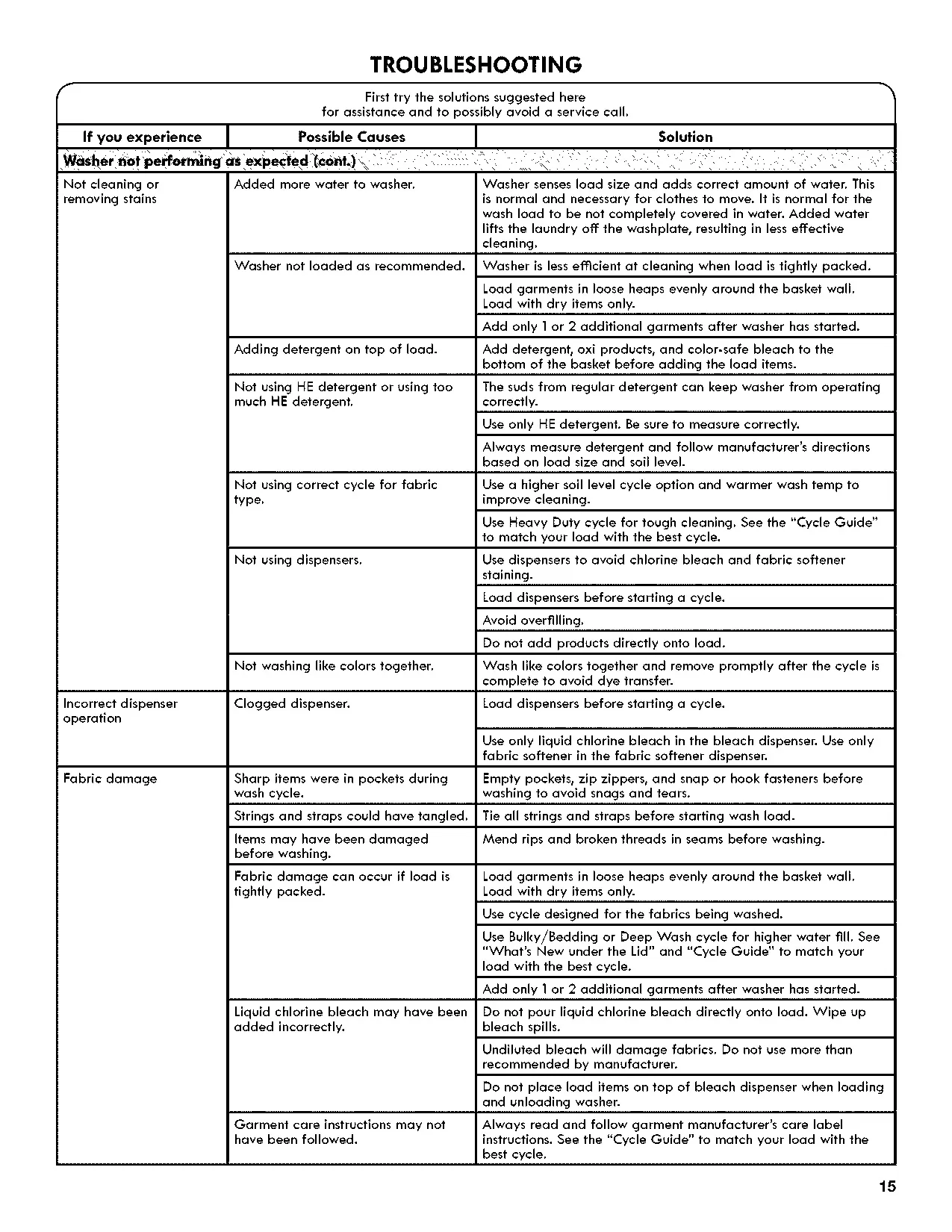
For optimal washing performance, it is imperative to use only HE (High-Efficiency) detergent, measuring the quantity accurately according to the specific load size and soil level. Proper loading technique is equally vital: garments should be placed in loose heaps, distributed evenly around the basket to facilitate thorough water circulation and wash action. The Kenmore 300 Series also includes dedicated dispensers for liquid chlorine bleach and fabric softener, which prevent direct contact with fabrics and ensure these additives are properly diluted and distributed.
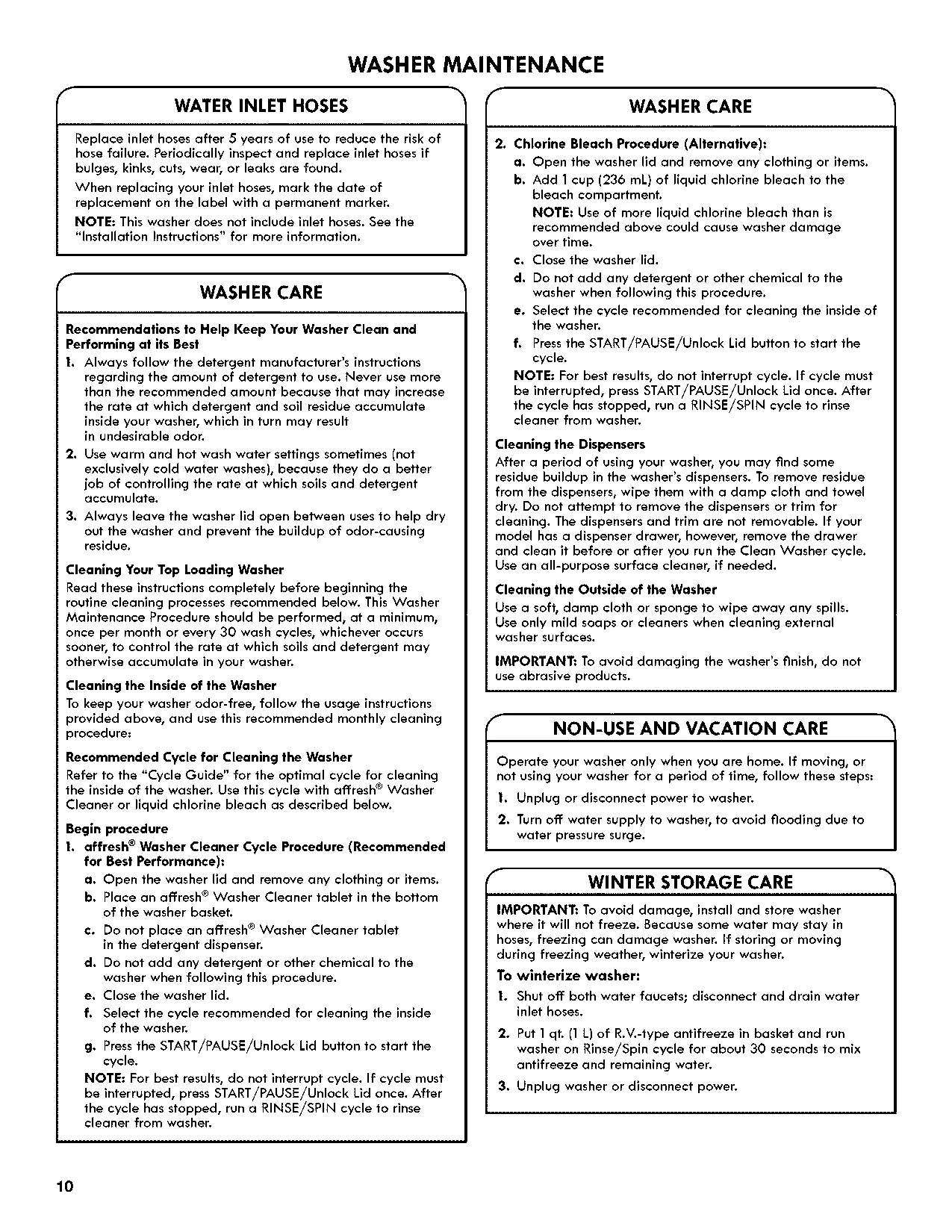
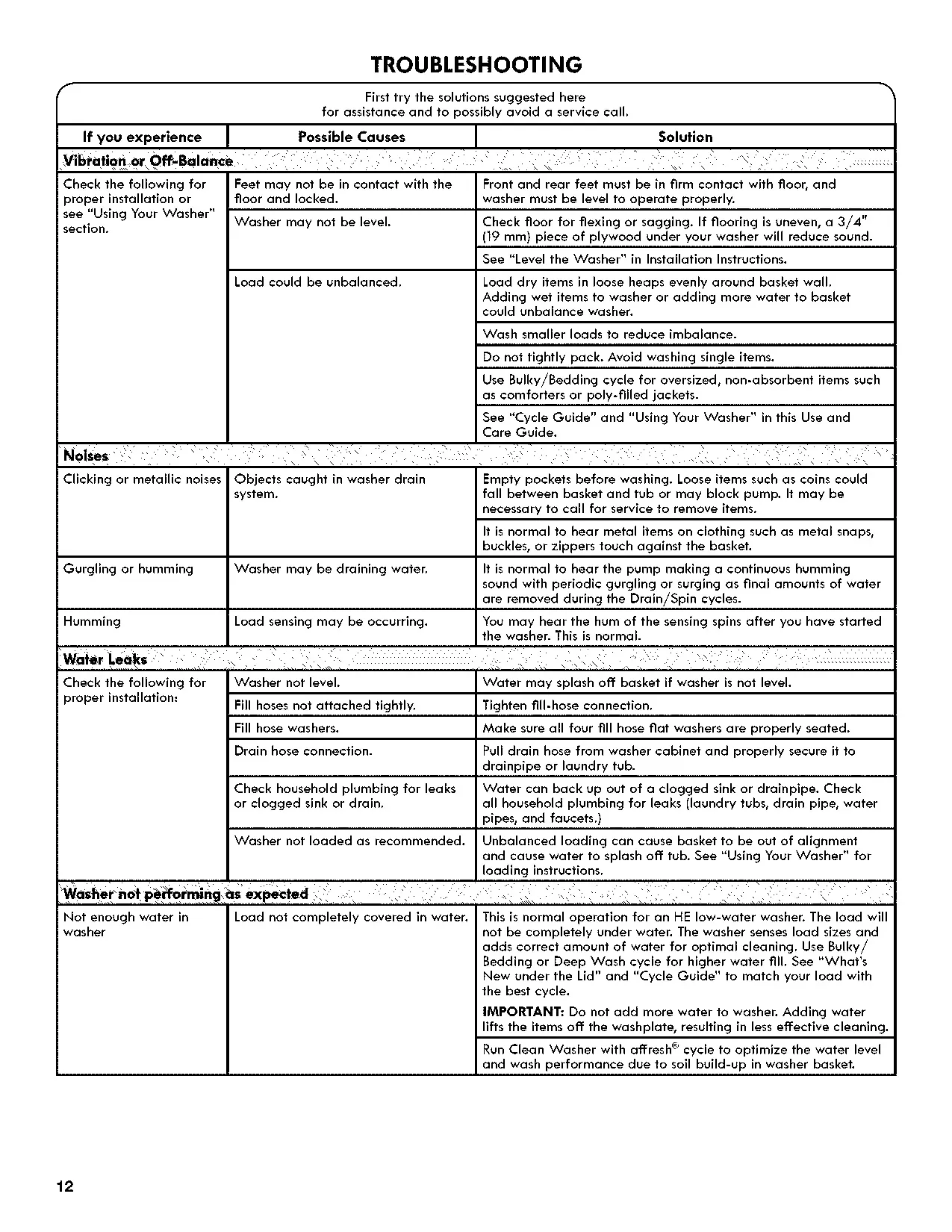
Understanding the operational characteristics of an HE washer contributes to a smooth user experience. It's normal for the machine to produce various sounds, such as the gentle hum during load sensing or the gurgling of the pump during draining; these are integral to its advanced functionality. Maintaining the washer's freshness and cleanliness is simplified with the "Clean Washer" cycle, recommended approximately every 30 washes. This cycle, run with an empty tub and liquid chlorine bleach, ensures long-term optimal performance and hygiene.
Frequently Asked Questions (FAQs)
Can't find the answer you need? Here are some frequently asked questions about the Kenmore 300 Series Washing Machine, and we answer them below.