Honeywell UDC2500 Digital Controller Instruction Manual
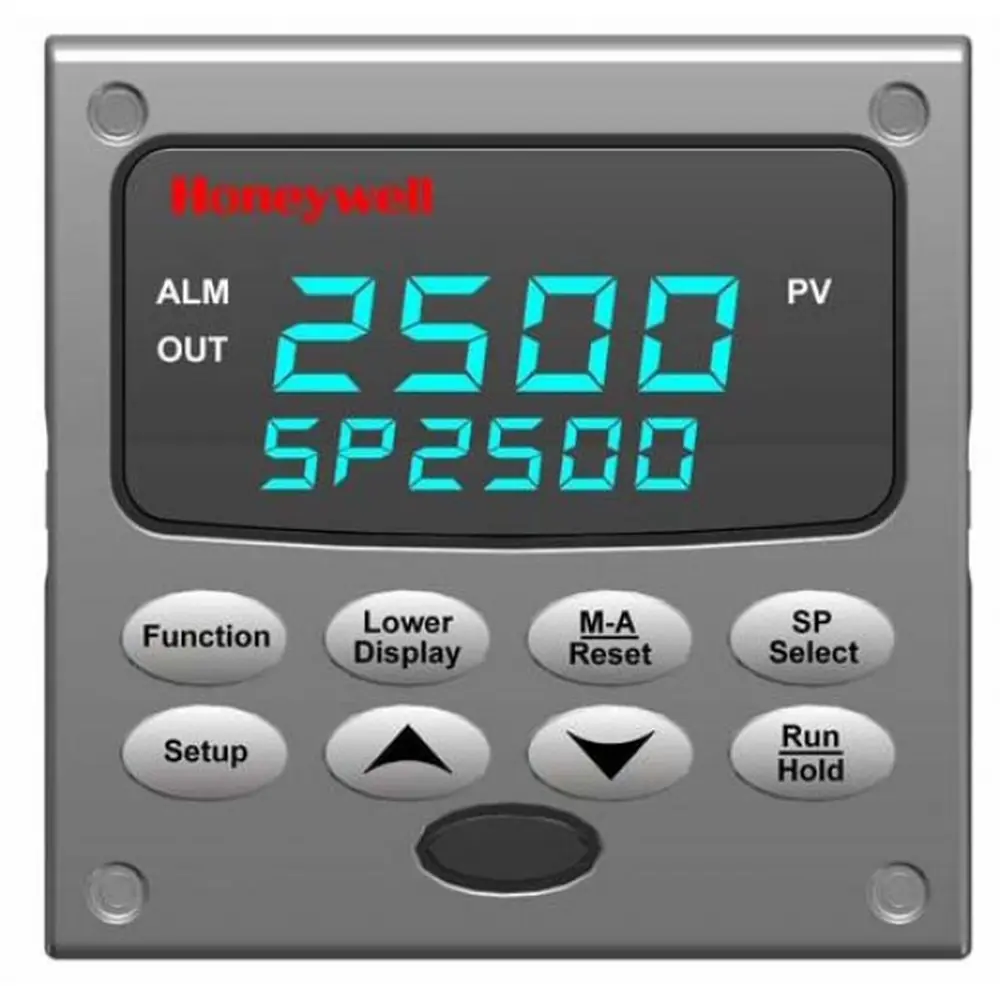
Honeywell UDC2500 Digital Controller
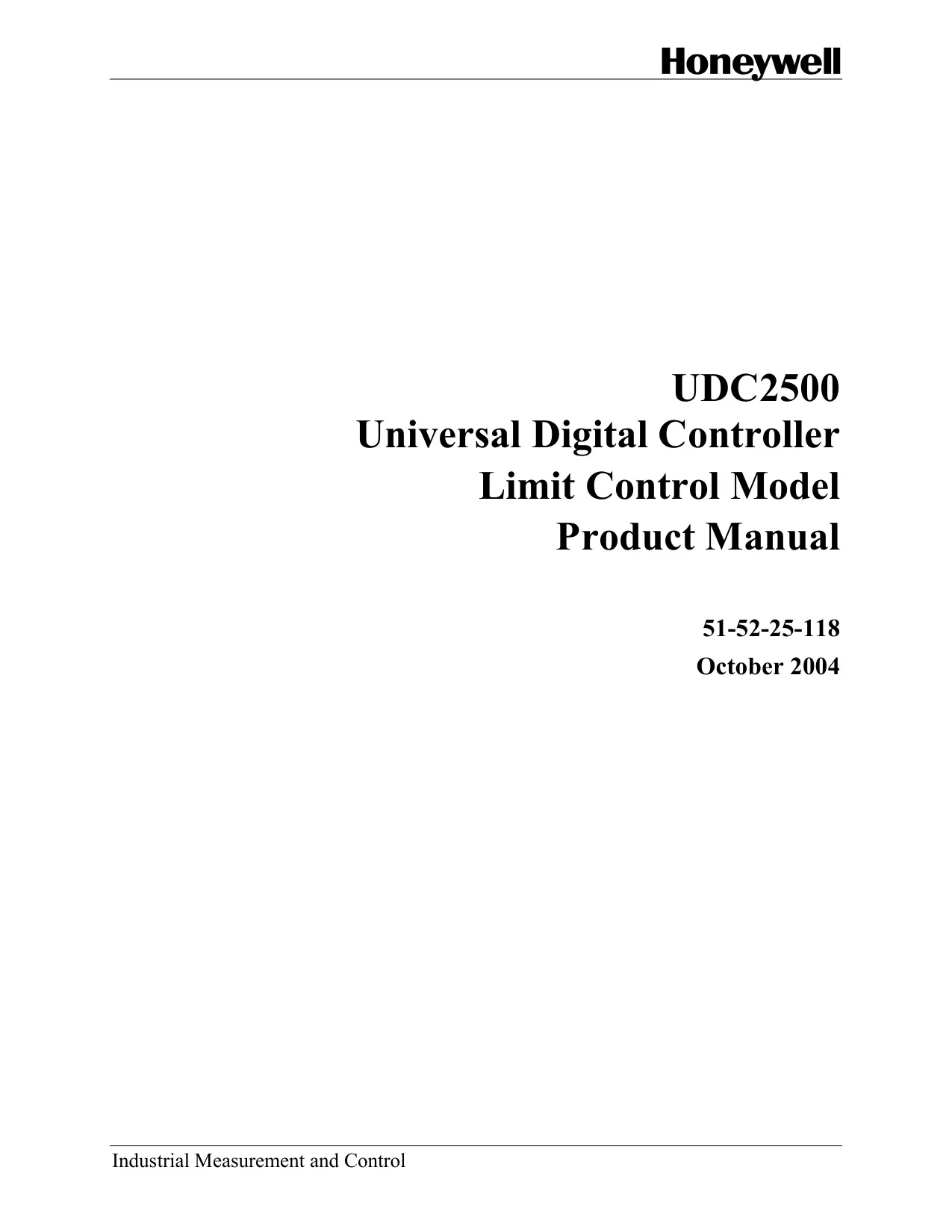

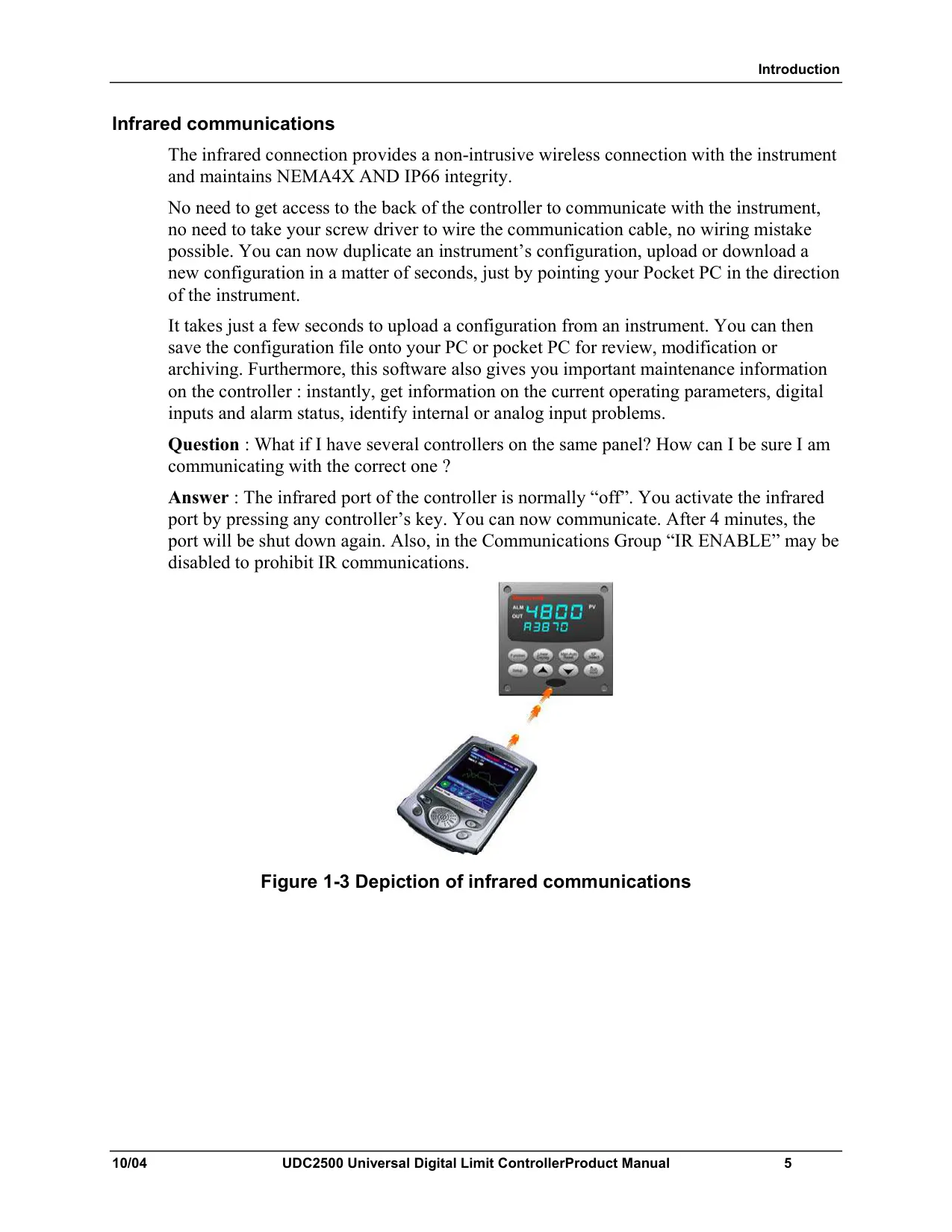




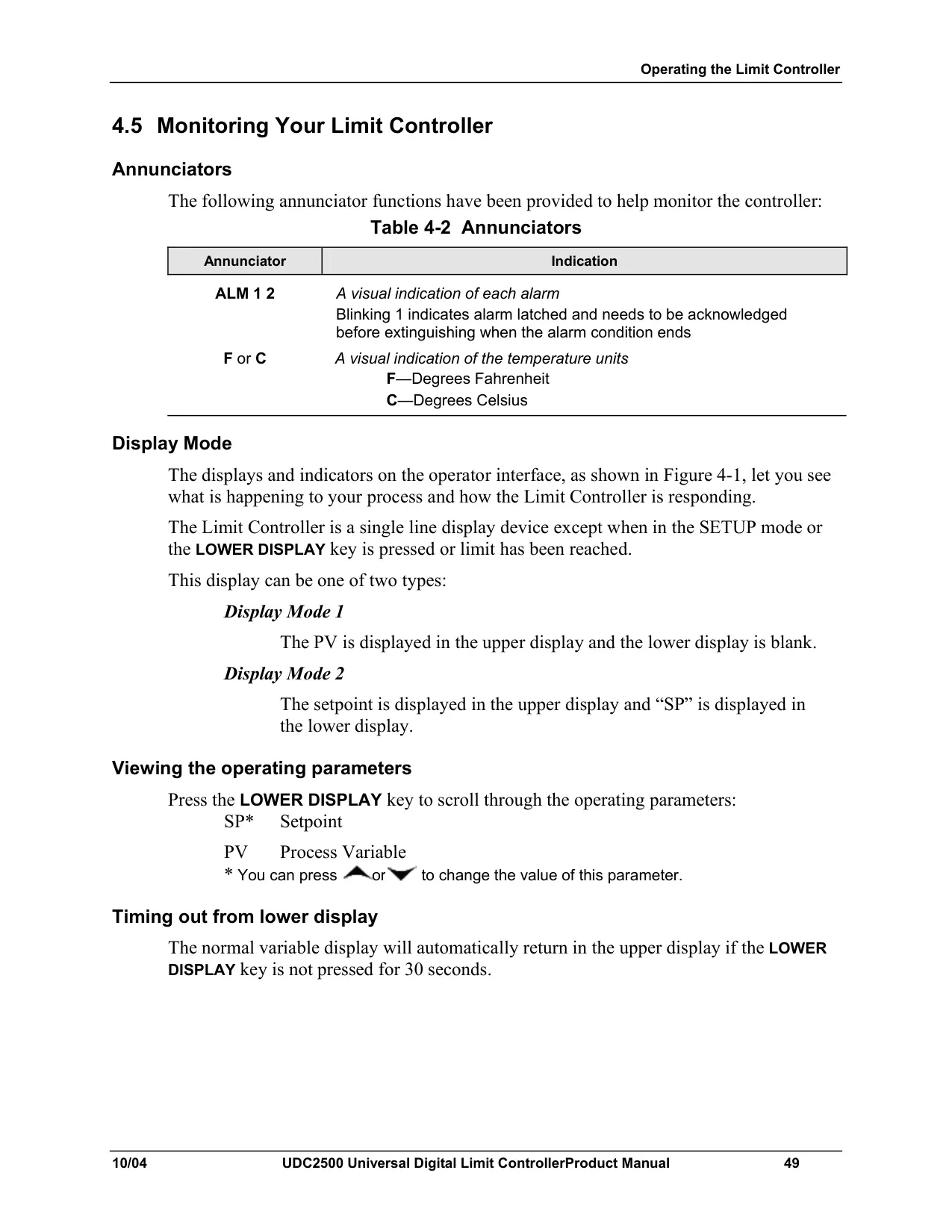
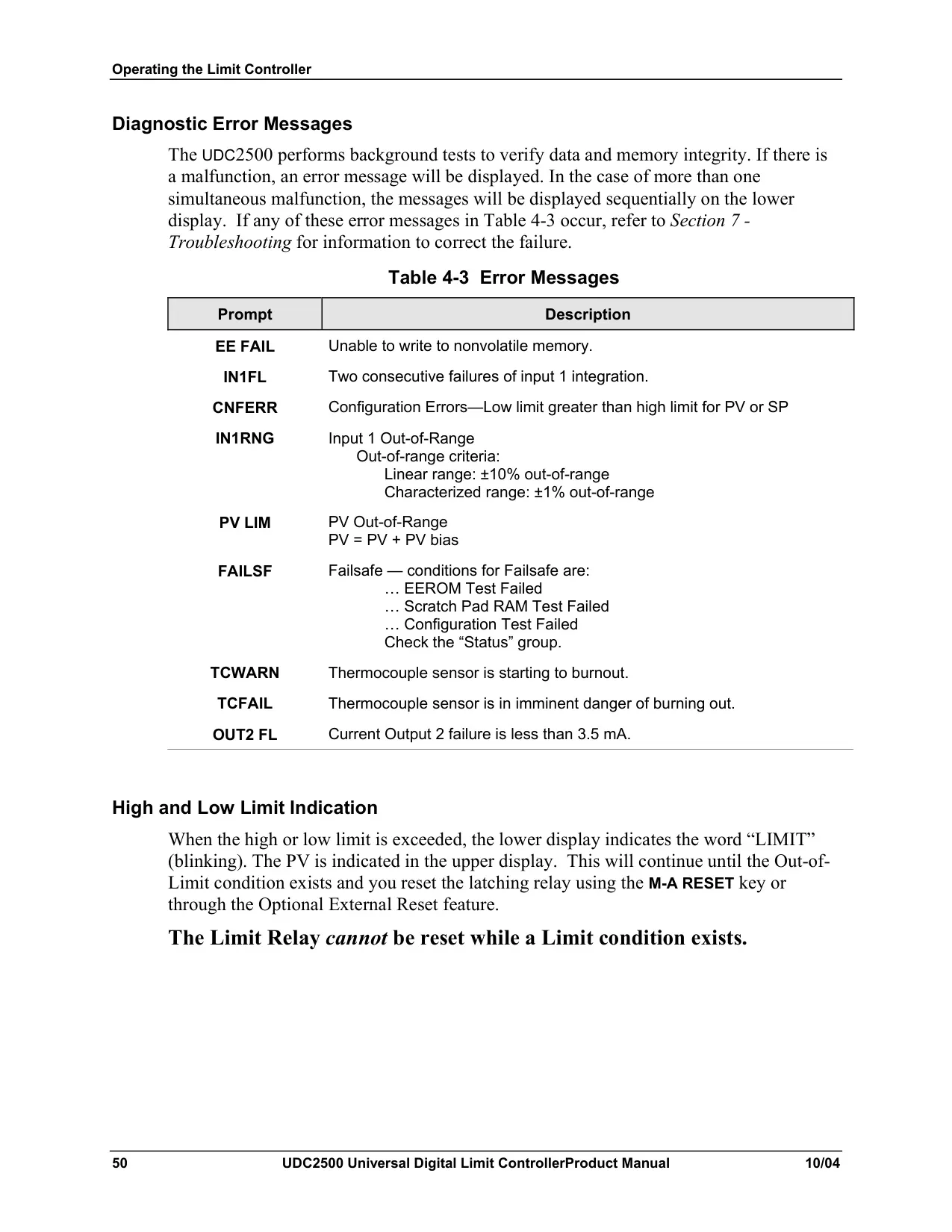

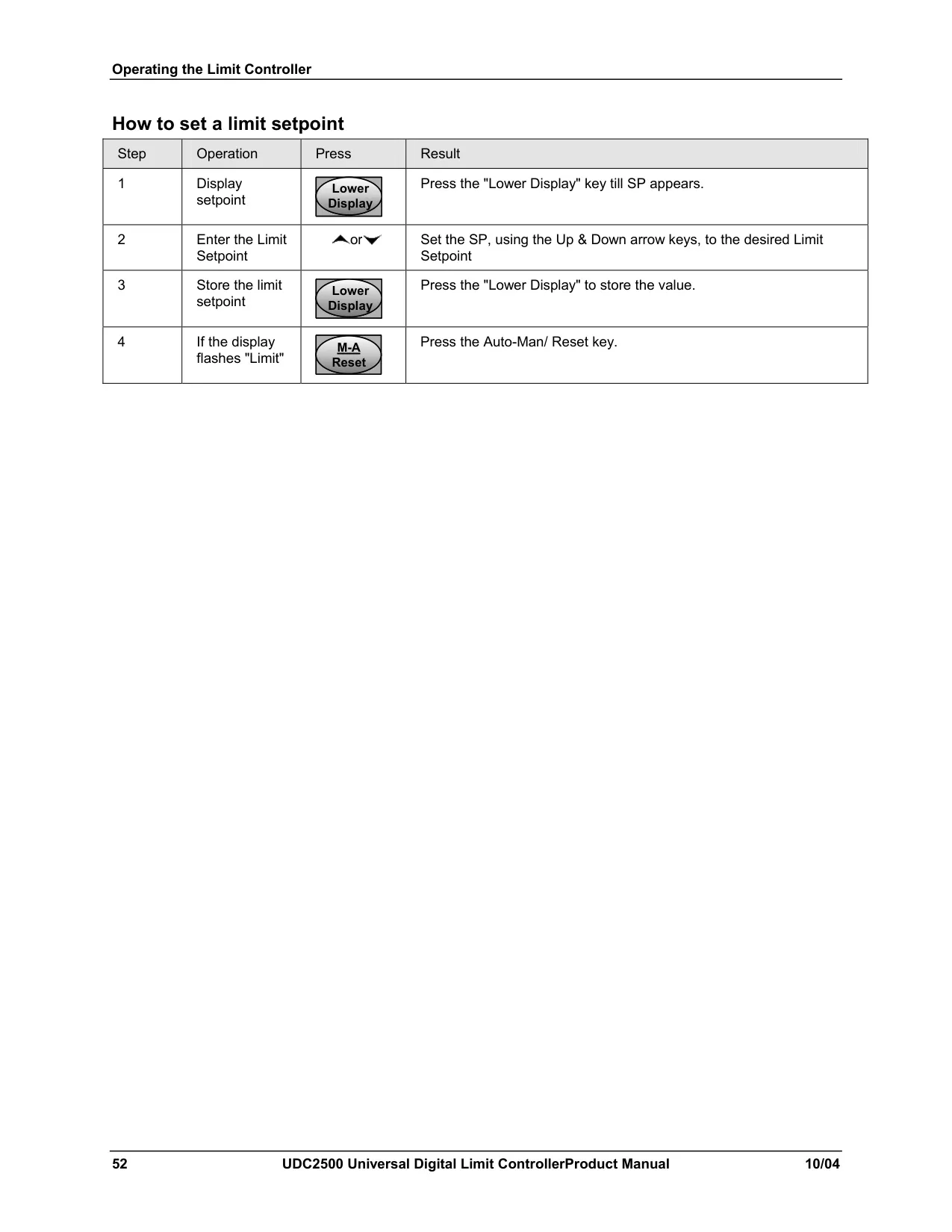
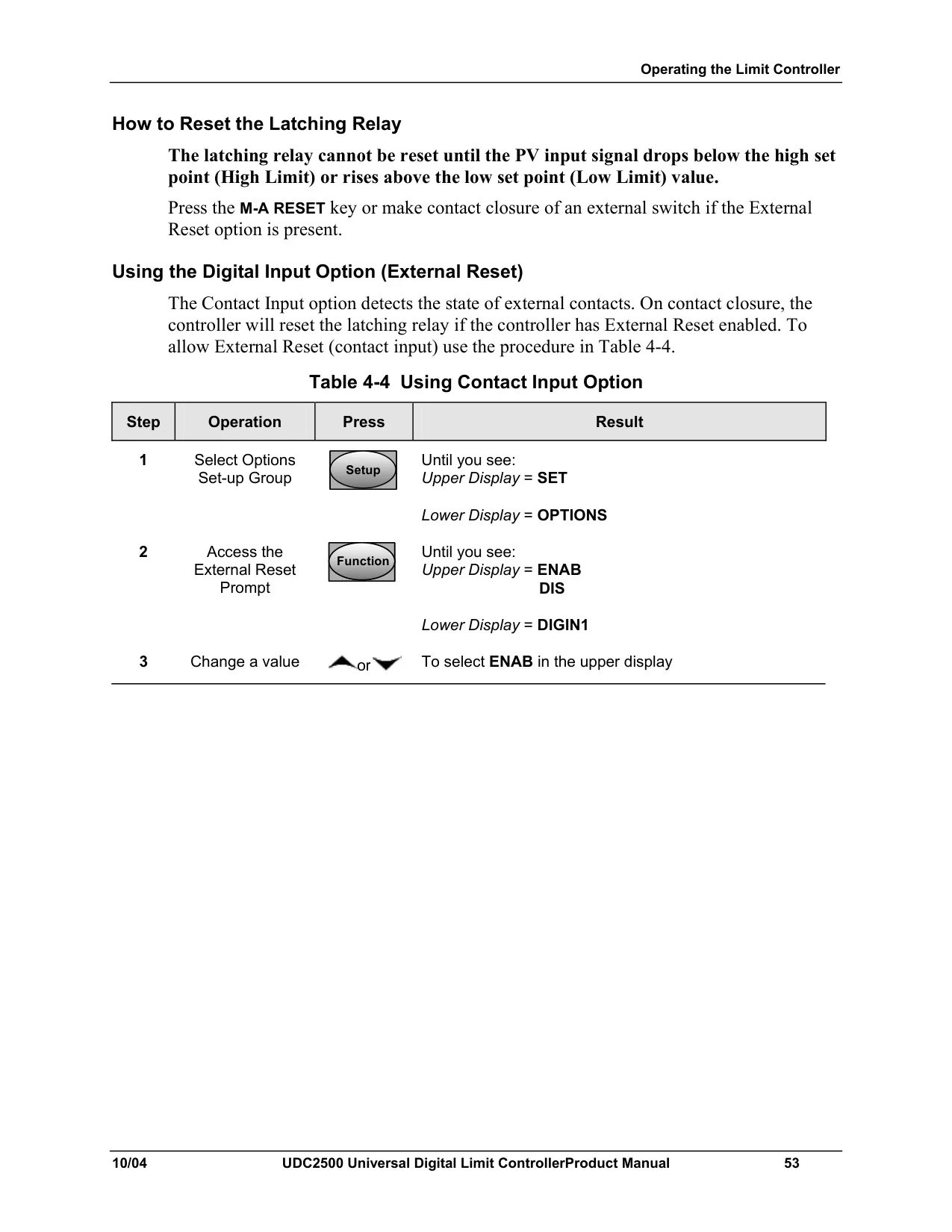












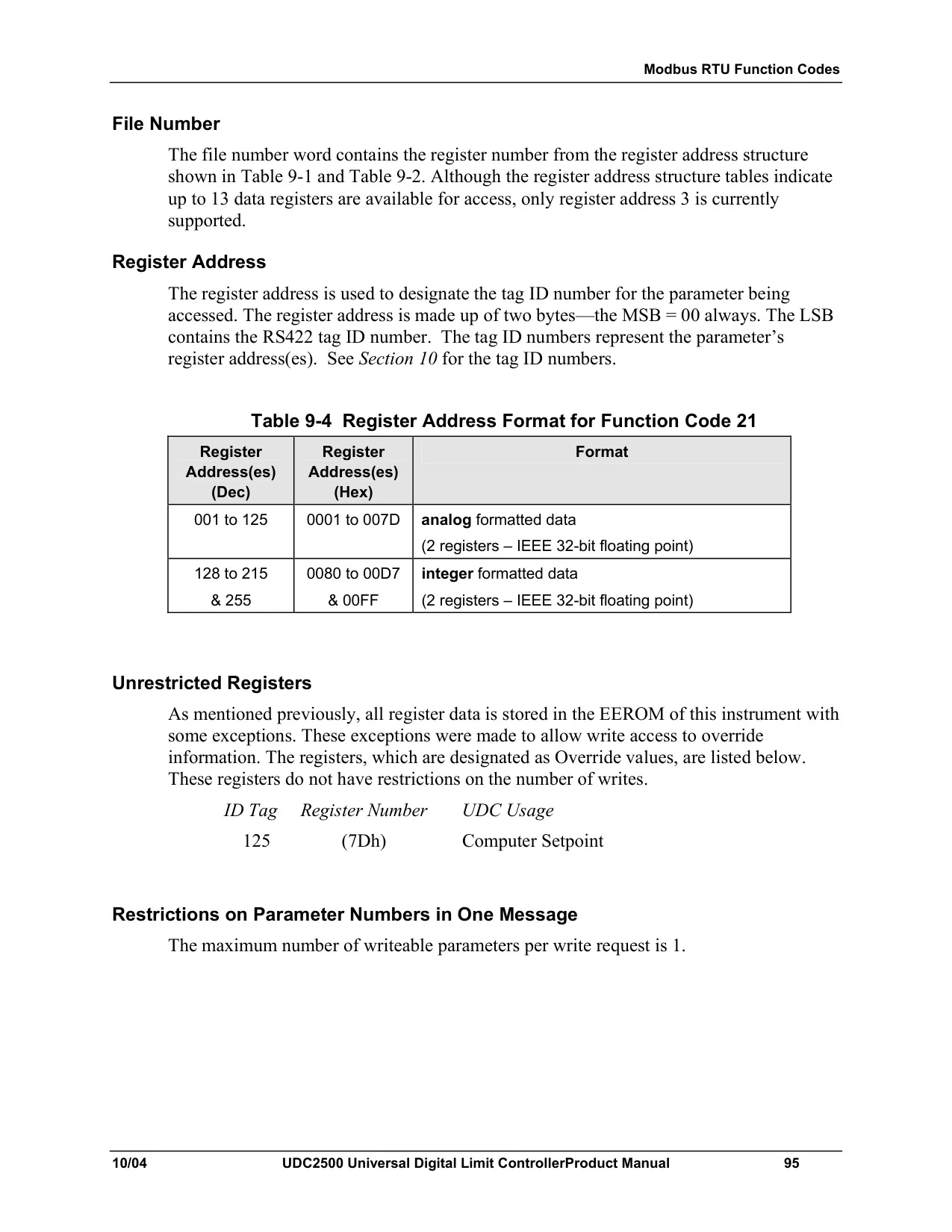







Honeywell UDC2500 Digital Controller
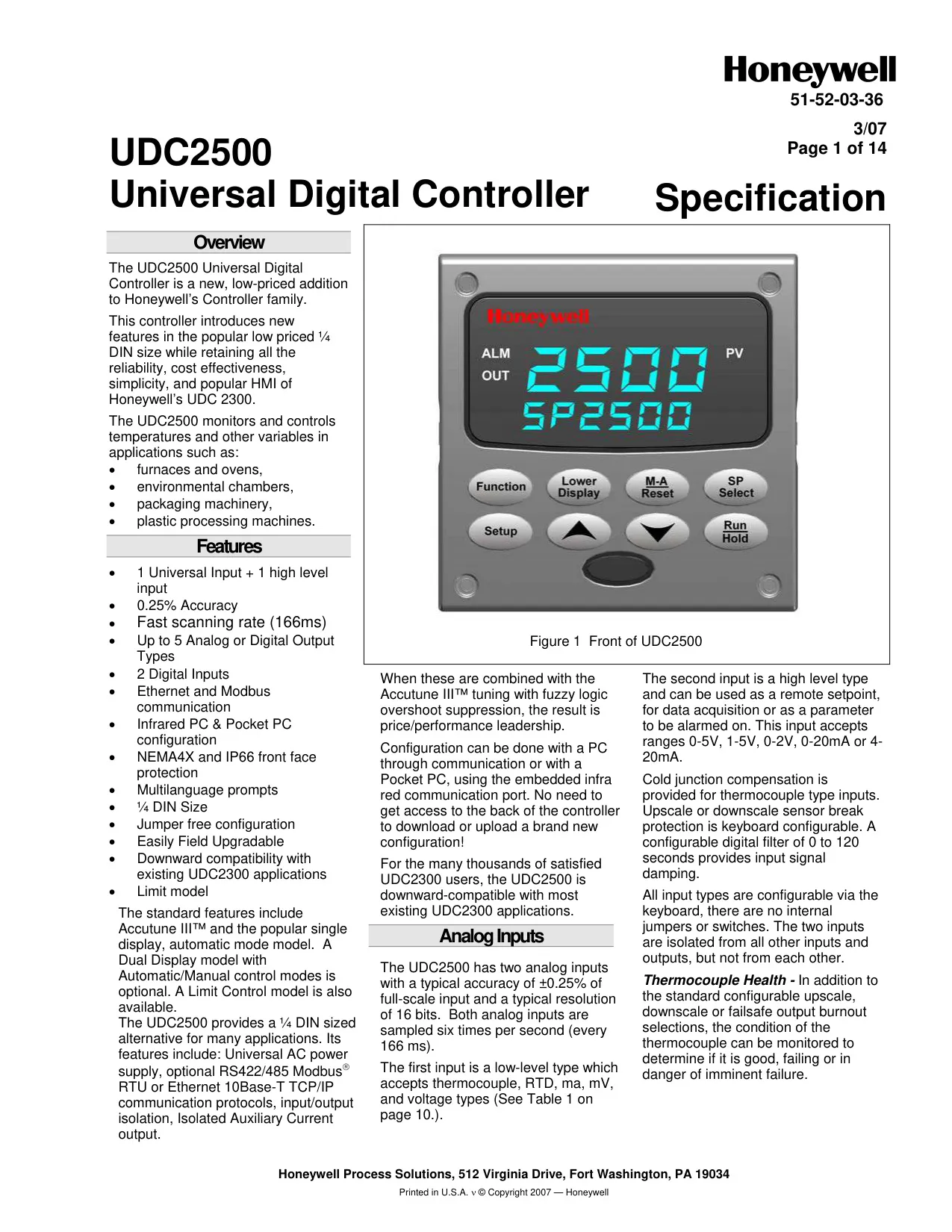
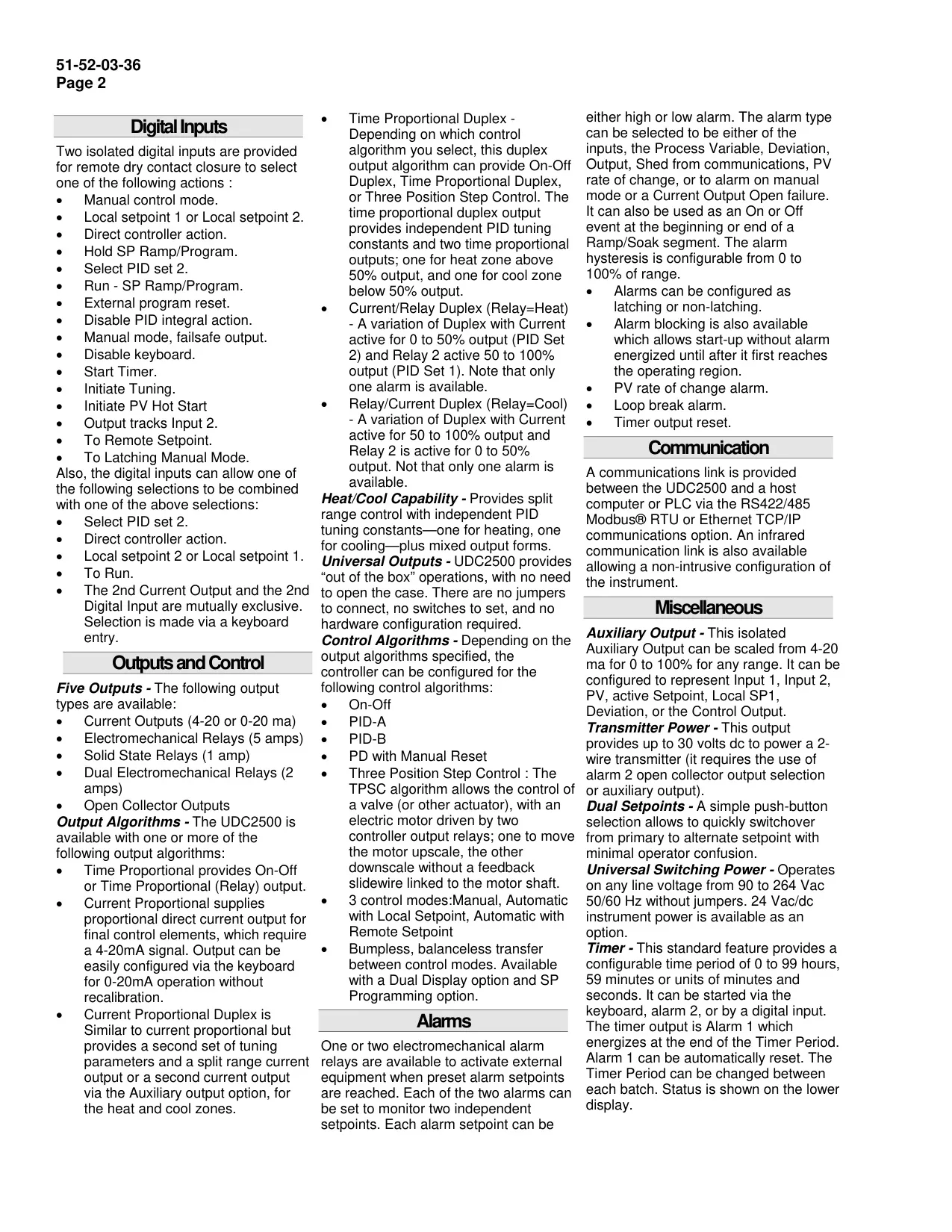
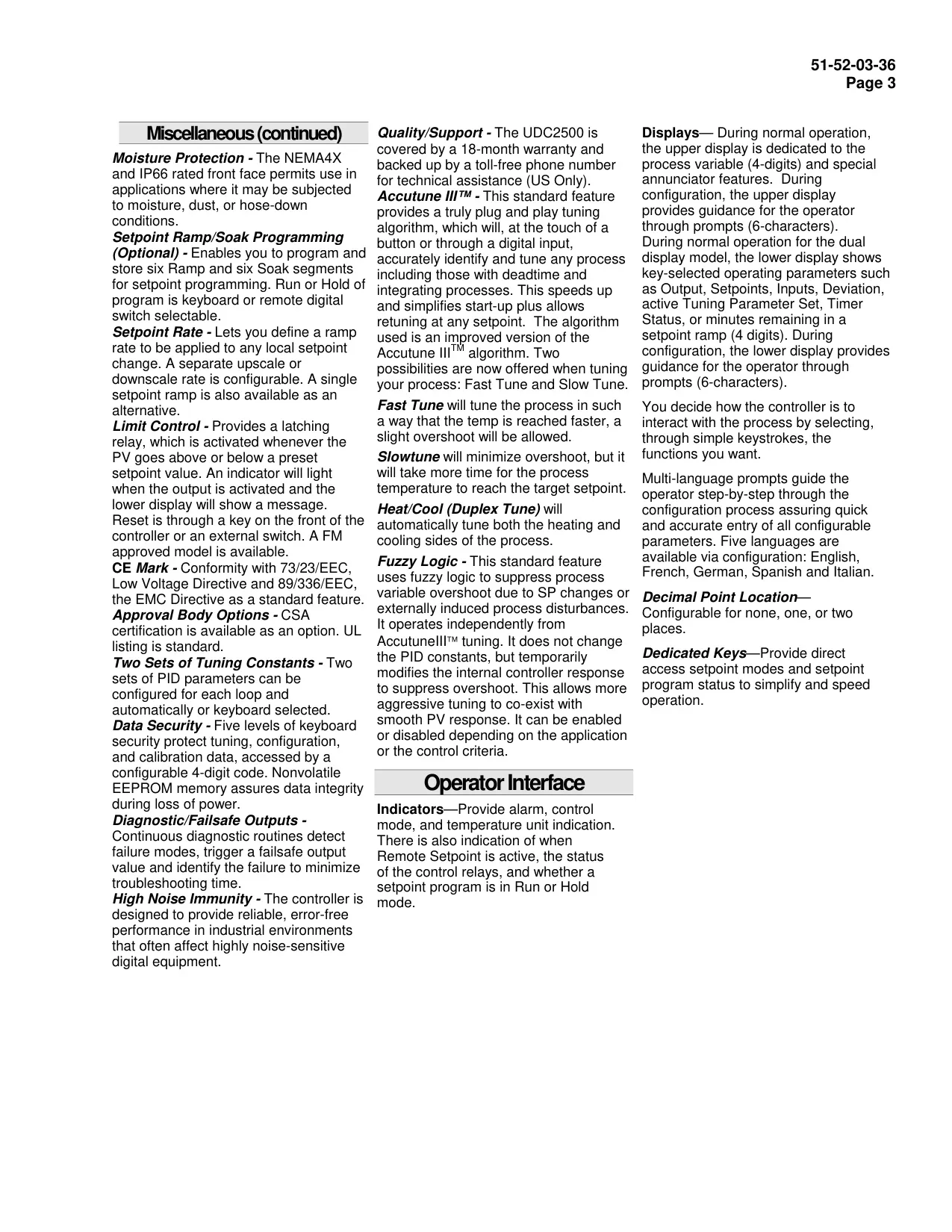

Honeywell UDC2500 Instructions
Here we offer the Honeywell UDC2500 Digital Controller manual completely free and in English. We have cataloged this manual in the Digital Controllers section on Manualverse, and it has been rated by 1 users with an average rating of 5. If you have any specific questions about Honeywell UDC2500 Digital Controller, we suggest checking the Frequently Asked Questions (FAQs) section of this manual.
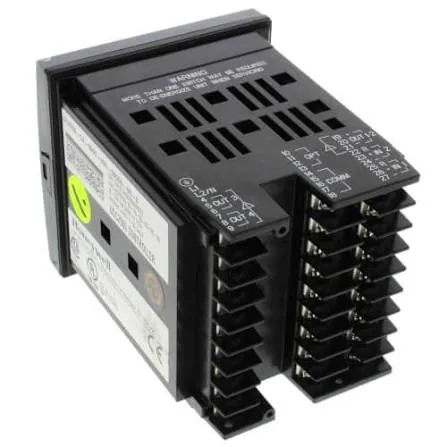
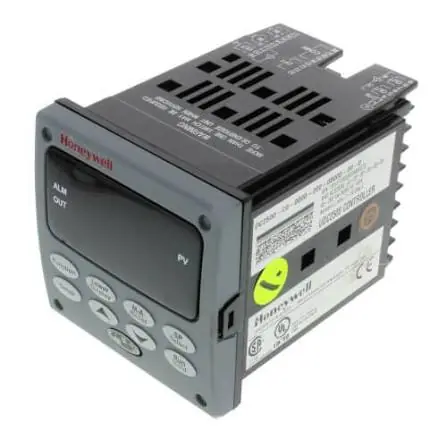
Product Images

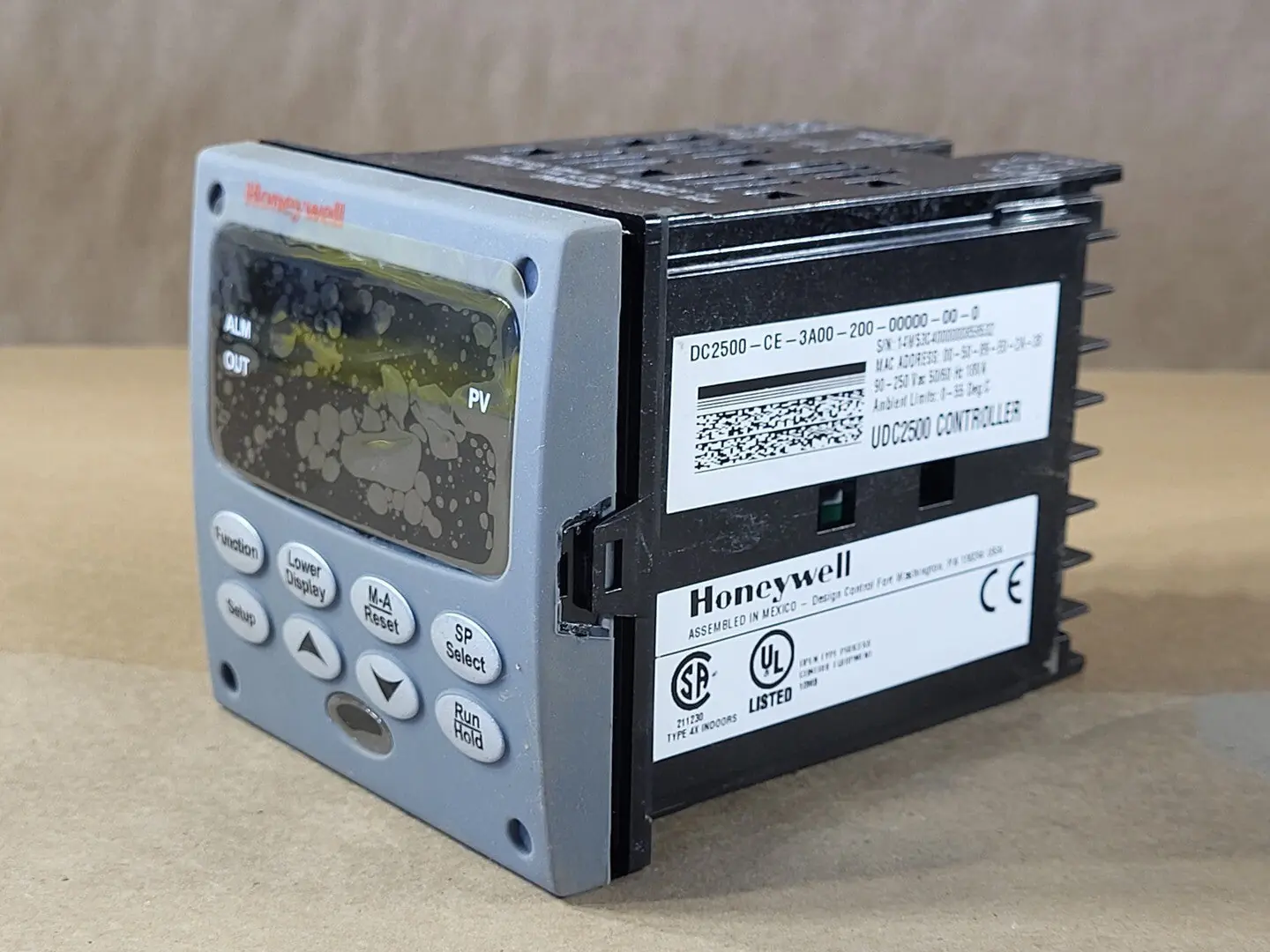
Honeywell UDC2500 Digital Controller Specifications
| Feature | Specification |
|---|---|
| Model | UDC2500 Universal Digital Limit Controller |
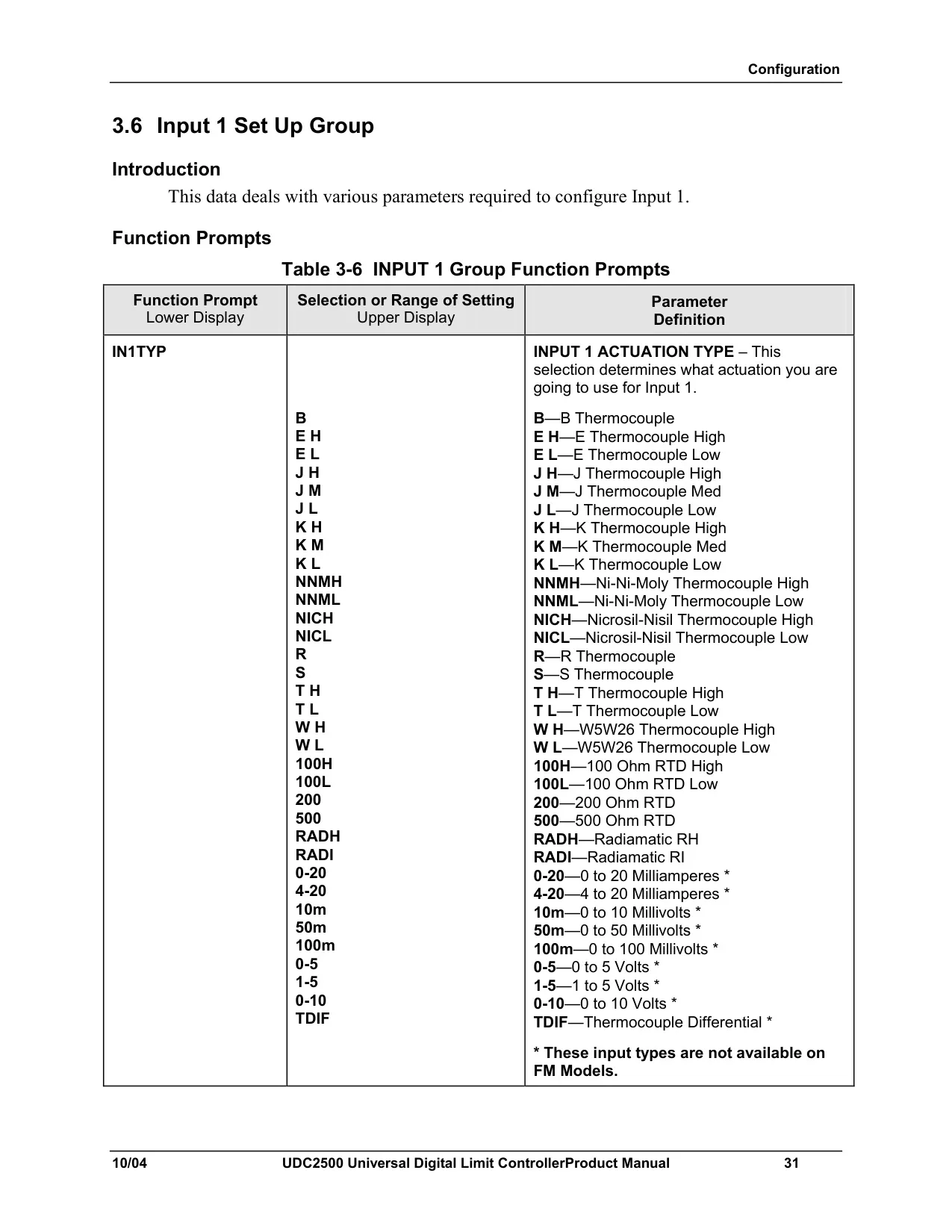
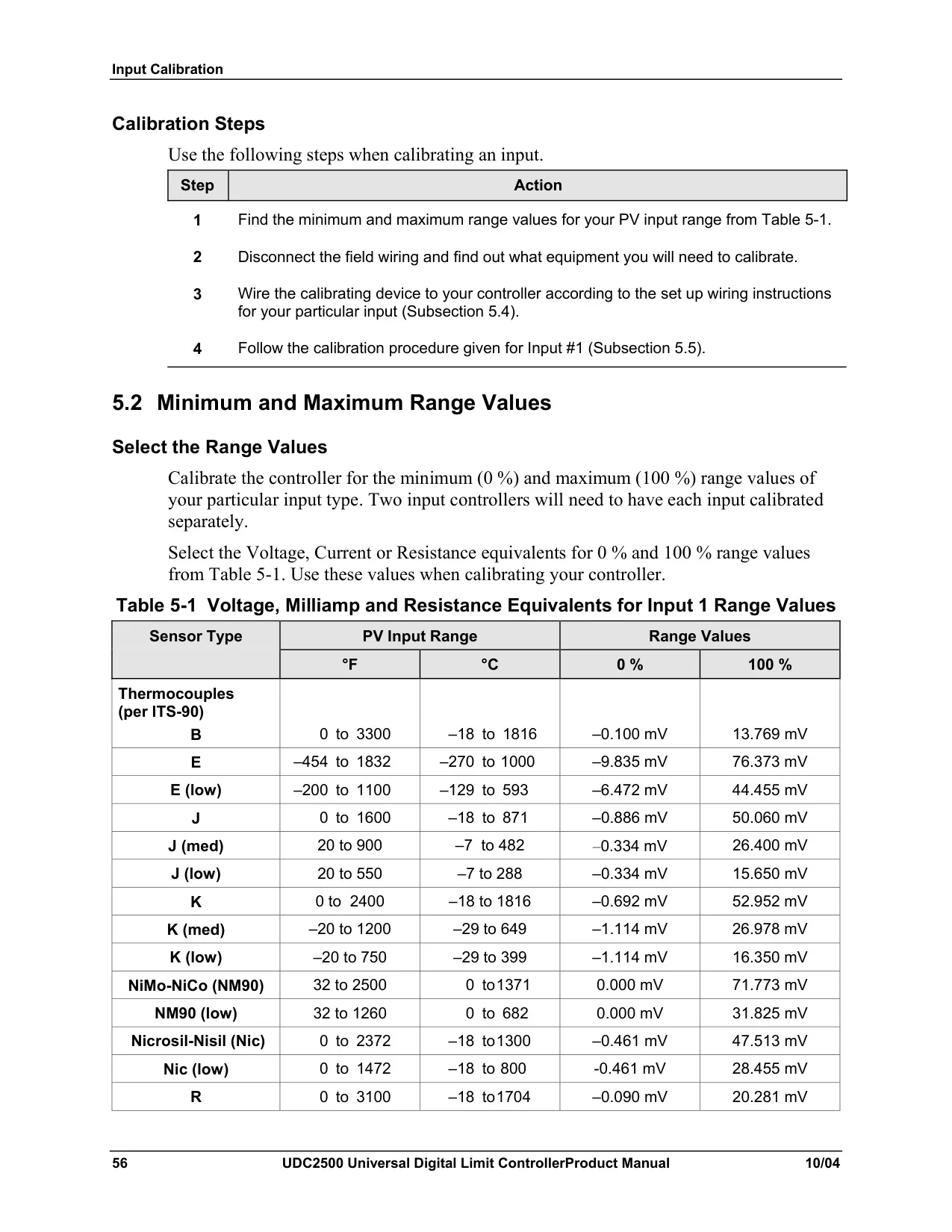
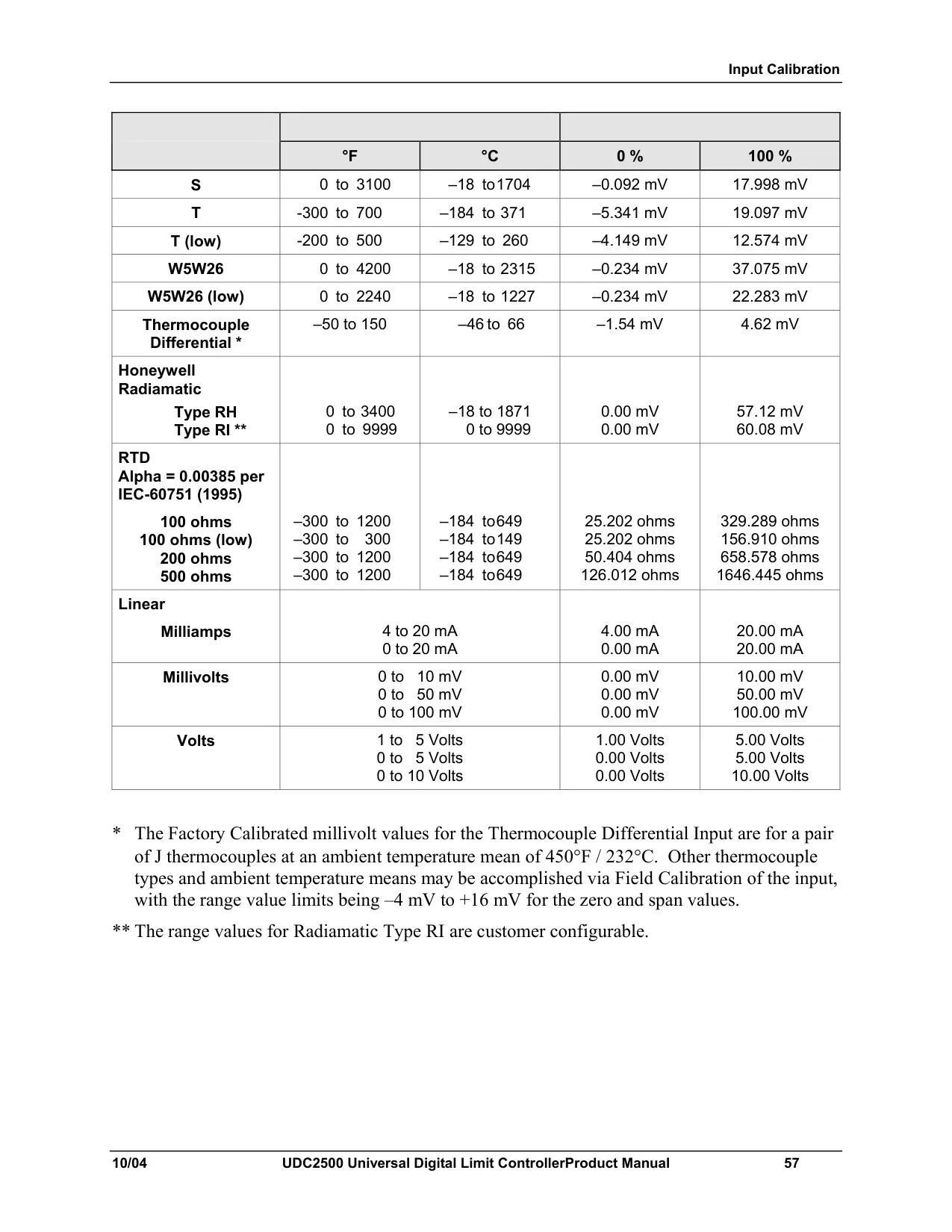
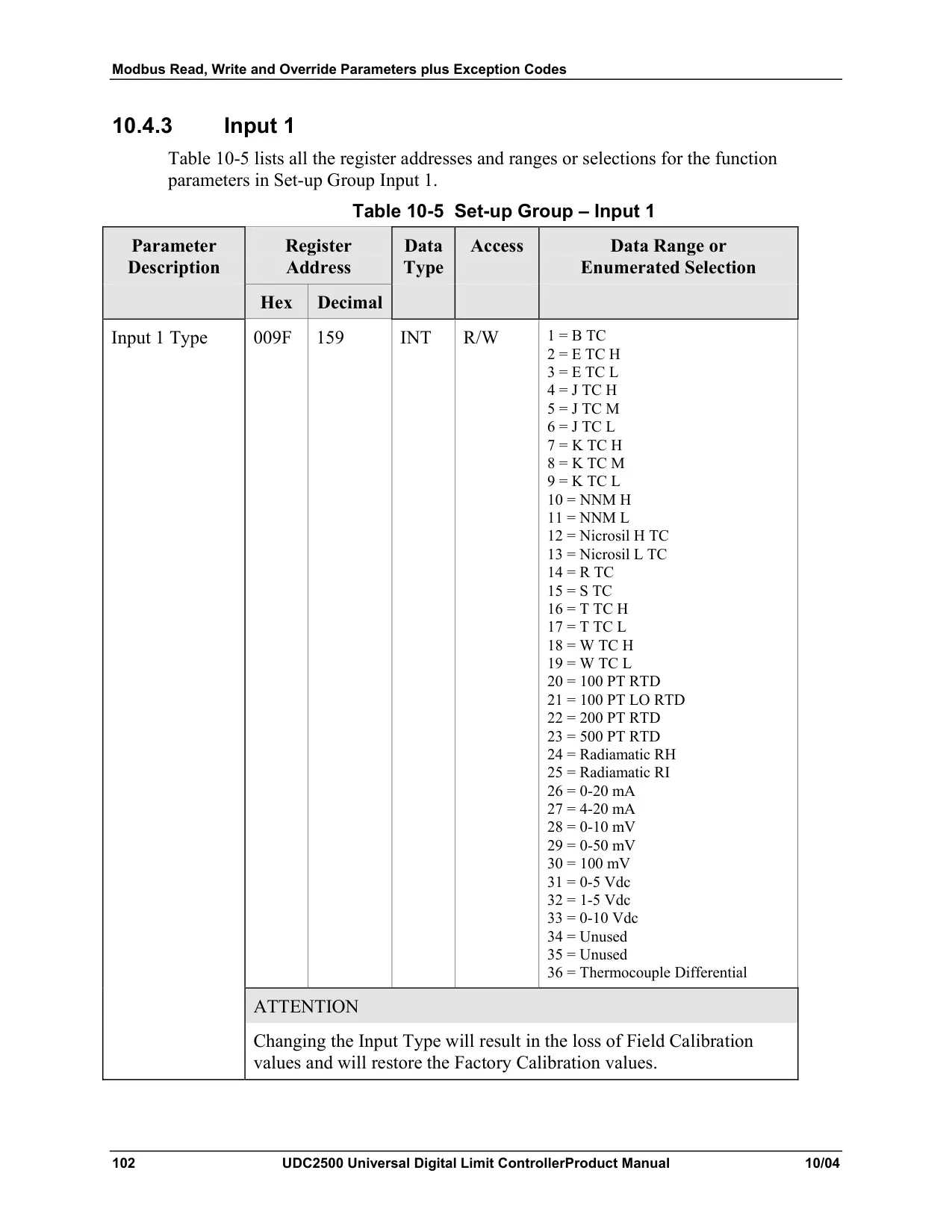
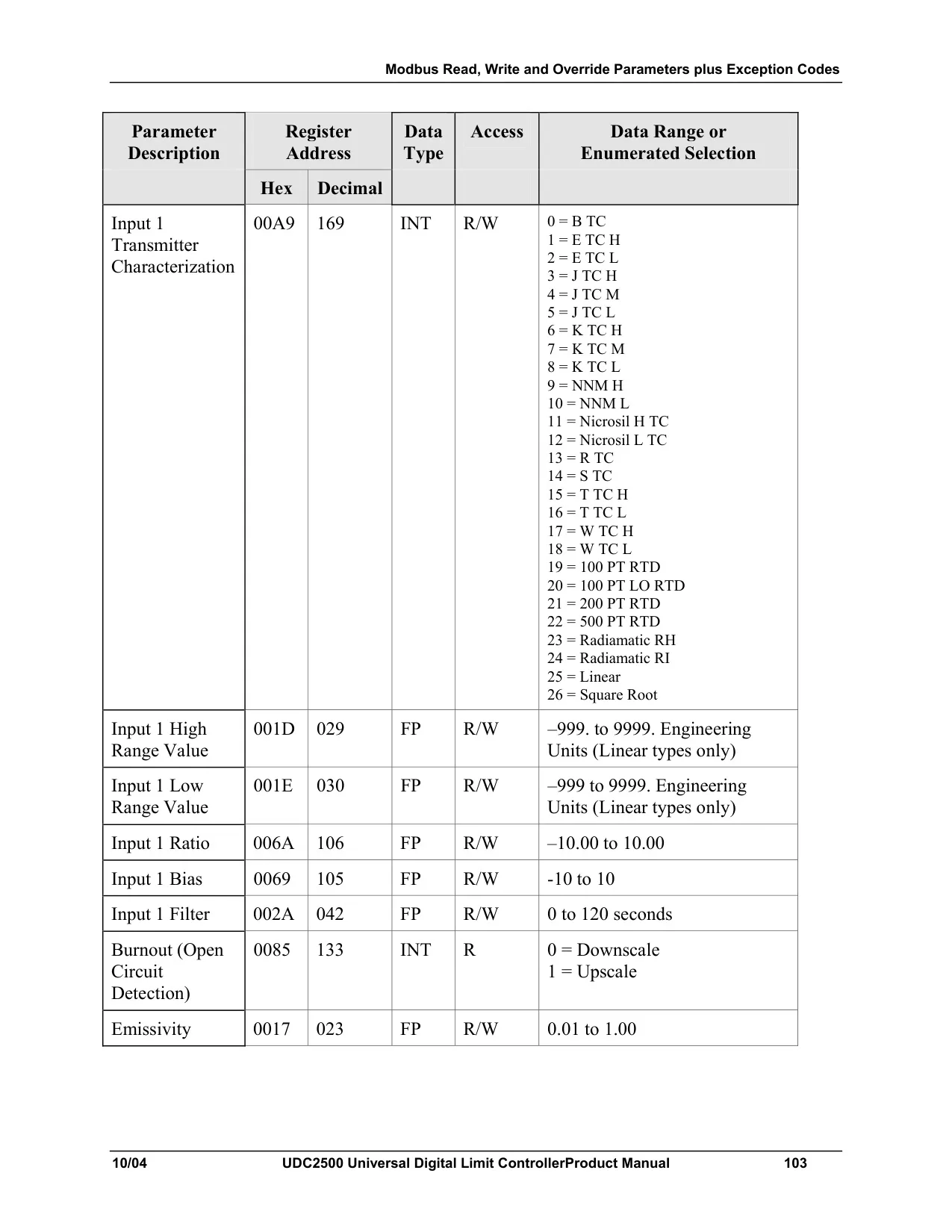
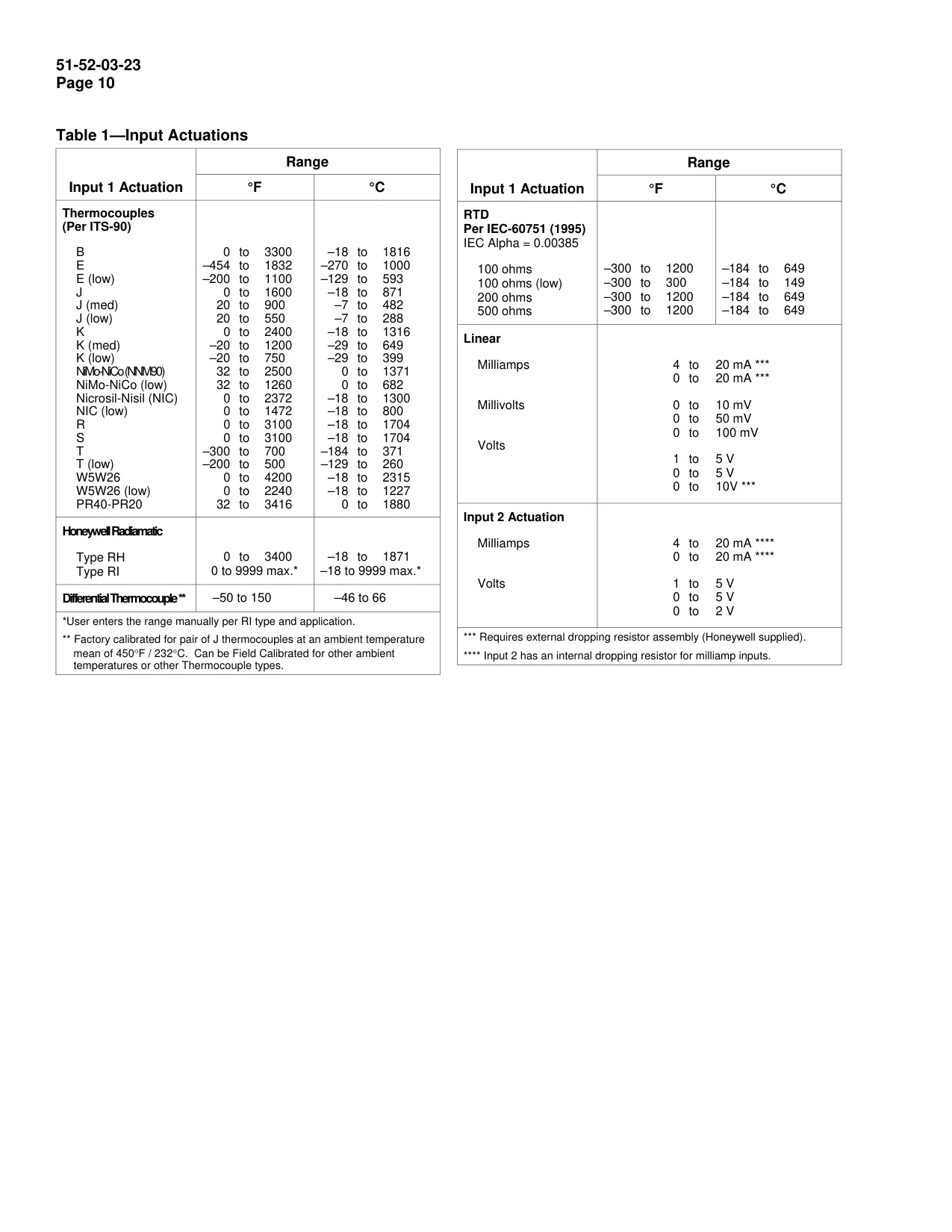
| Input Types | Thermocouples (B, E, J, K, N, R, S, T, W), RTDs (100, 200, 500 Ohm), Radiamatic (RH, RI), Milliamps (0-20mA, 4-20mA), Millivolts (0-10mV, 0-50mV, 0-100mV), Volts (0-5V, 1-5V, 0-10V), Thermocouple Differential |
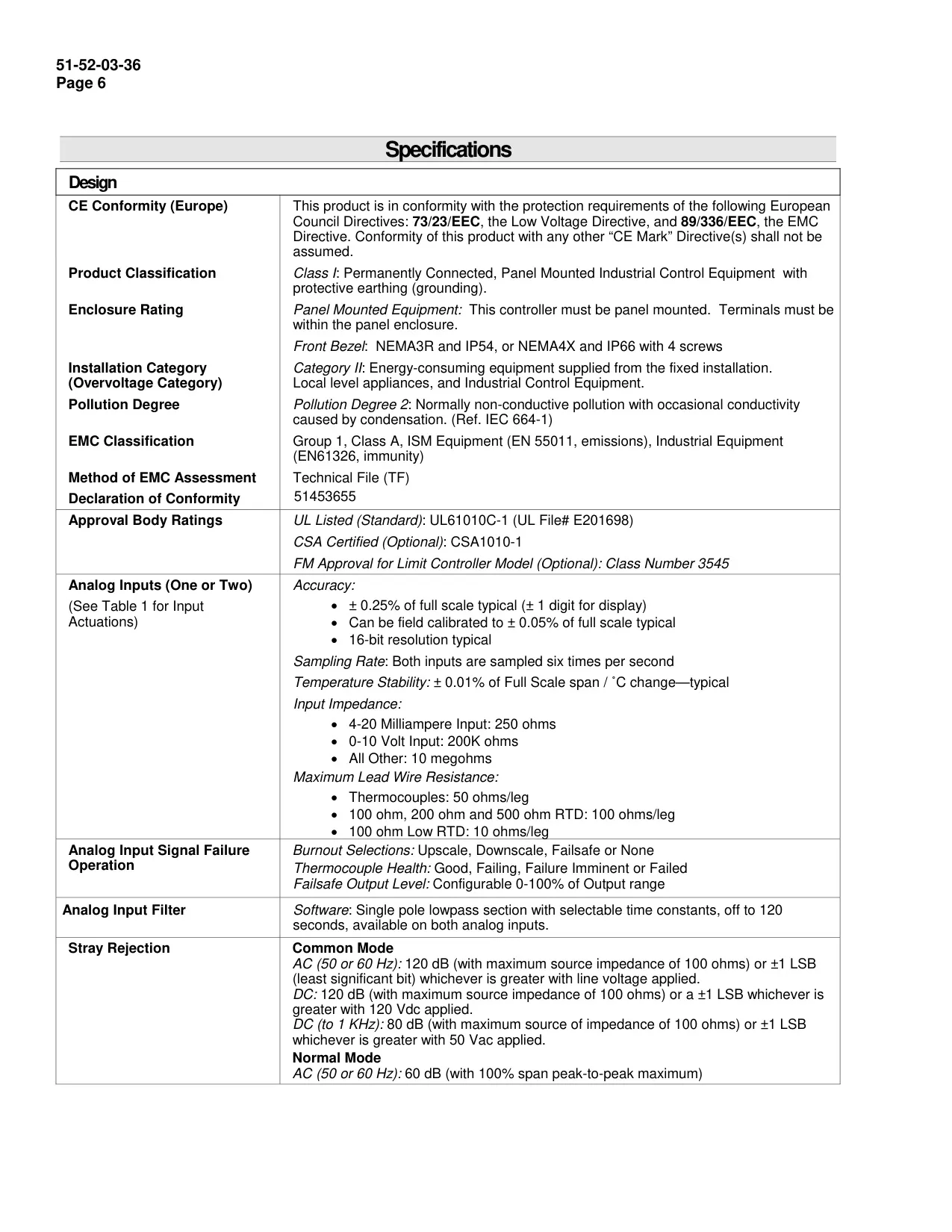
| Input Accuracy | ± 0.25% of full scale typical (± 1 digit for display), field calibrated to ± 0.05% typical |
| Input Resolution | 16-bit typical |
| Sampling Rate | Both inputs sampled six times per second (166 ms) |
| Temperature Stability | ± 0.01% of Full Scale span /°C change—typical |
| Input Impedance | 4-20 mA: 250 ohms; 0-10 Volt: 200K ohms; All Others: 10 megohms |
| Max Lead Wire Resistance | Thermocouples: 50 ohms/leg; 100/200/500 ohm RTD: 100 ohms/leg; 100 ohm Low RTD: 10 ohms/leg |
| Burnout Selections | Upscale, Downscale, Failsafe, None |
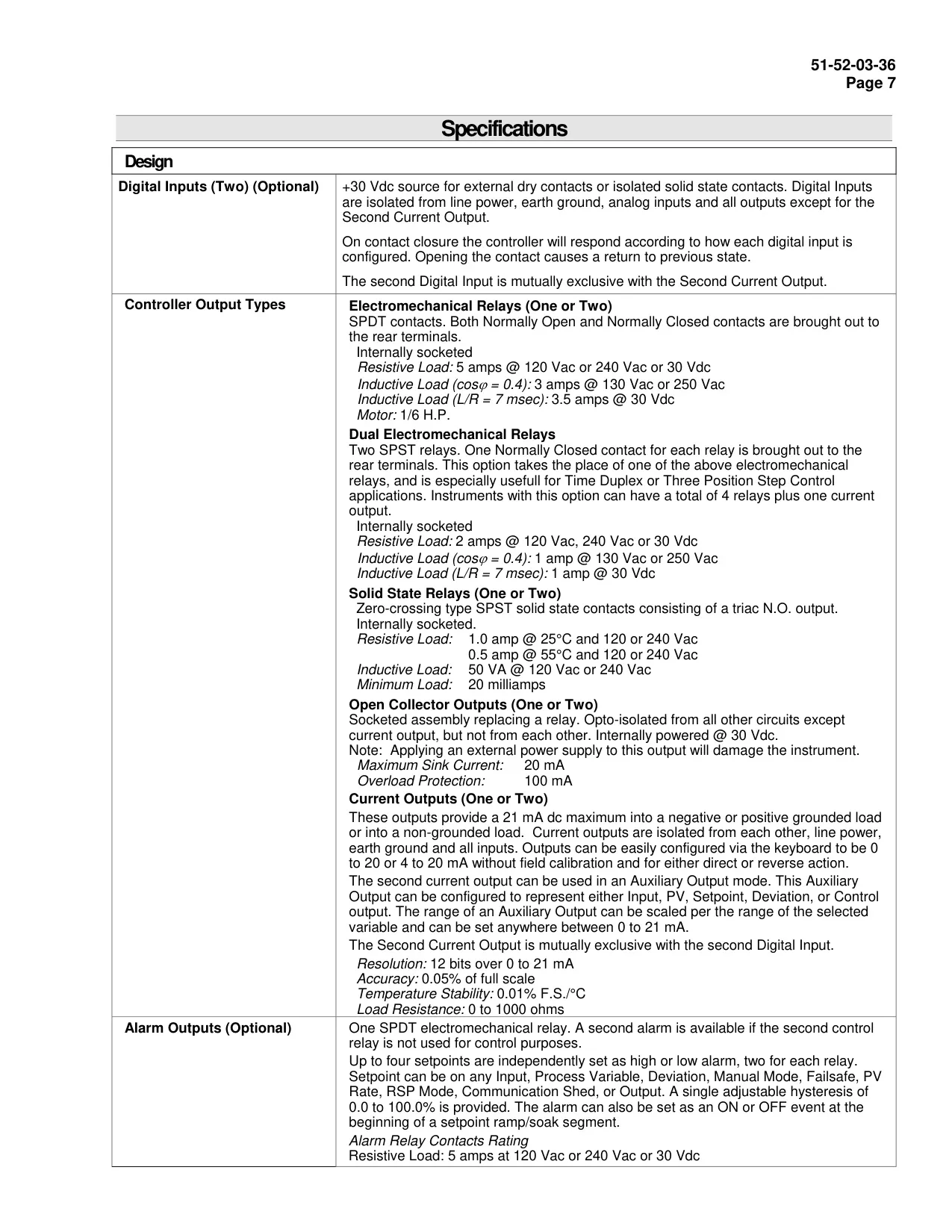
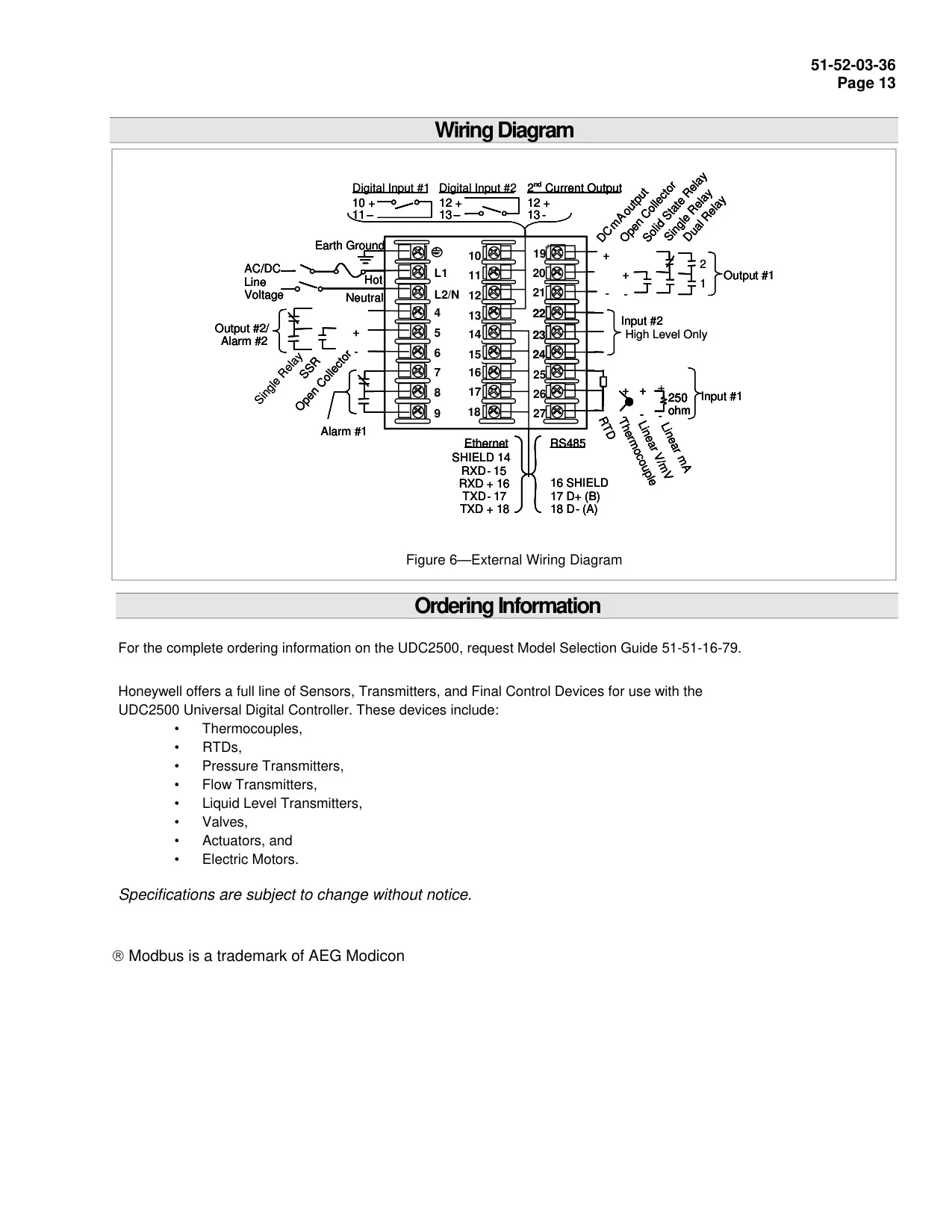
| Digital Inputs | Two (Optional): +30 Vdc source for external dry or isolated solid state contacts; isolated from line power, earth ground, analog inputs and all outputs except Second Current Output. |
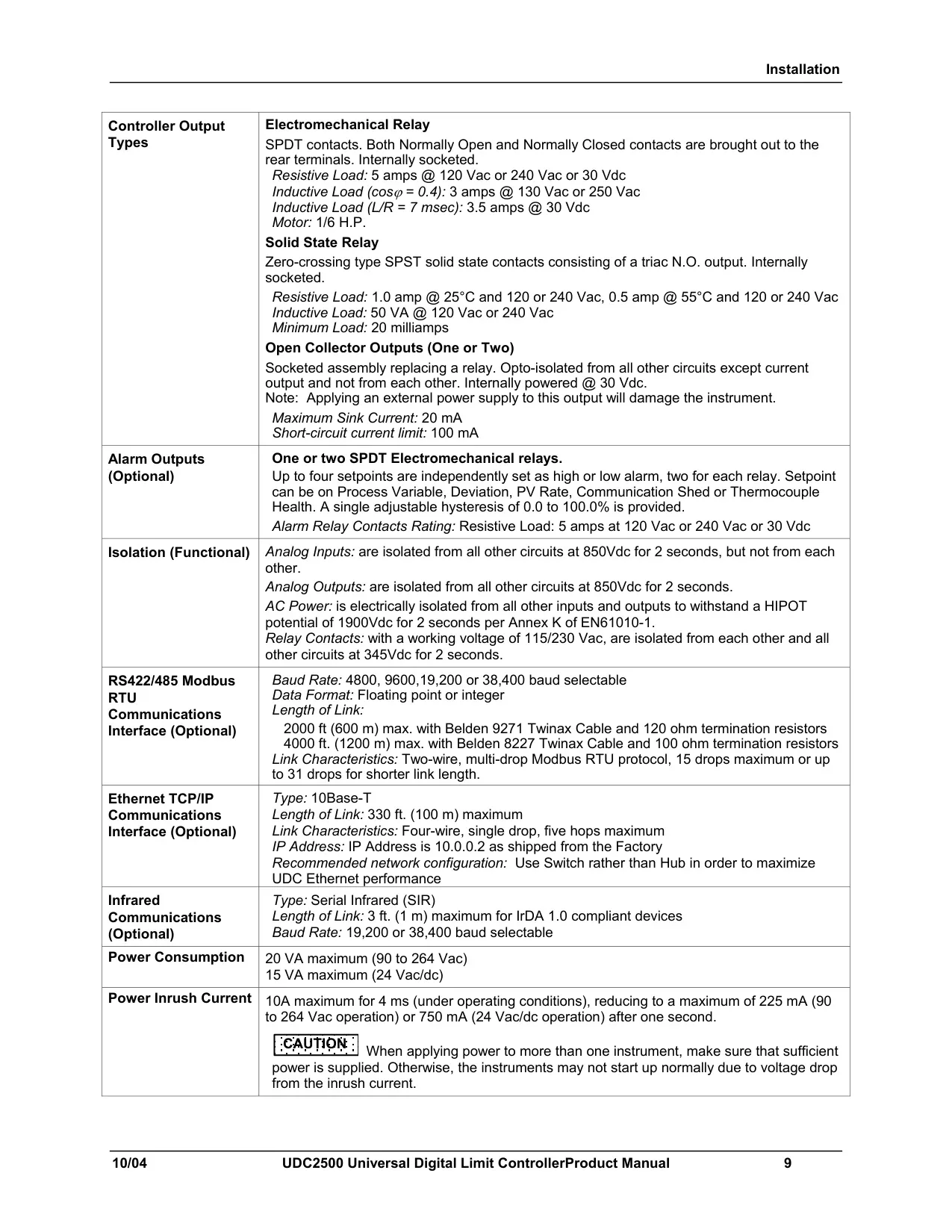
| Controller Output Types | Electromechanical Relays (SPDT, 5A @ 120/240 Vac or 30 Vdc); Solid State Relays (SPST N.O., 1.0A @ 25°C, 0.5A @ 55°C, 120/240 Vac); Open Collector Outputs (20 mA max sink, 30 Vdc internal power); Current Outputs (0-20mA, 4-20mA, 12-bit resolution, 0.05% accuracy, 0-1000 ohms load). |
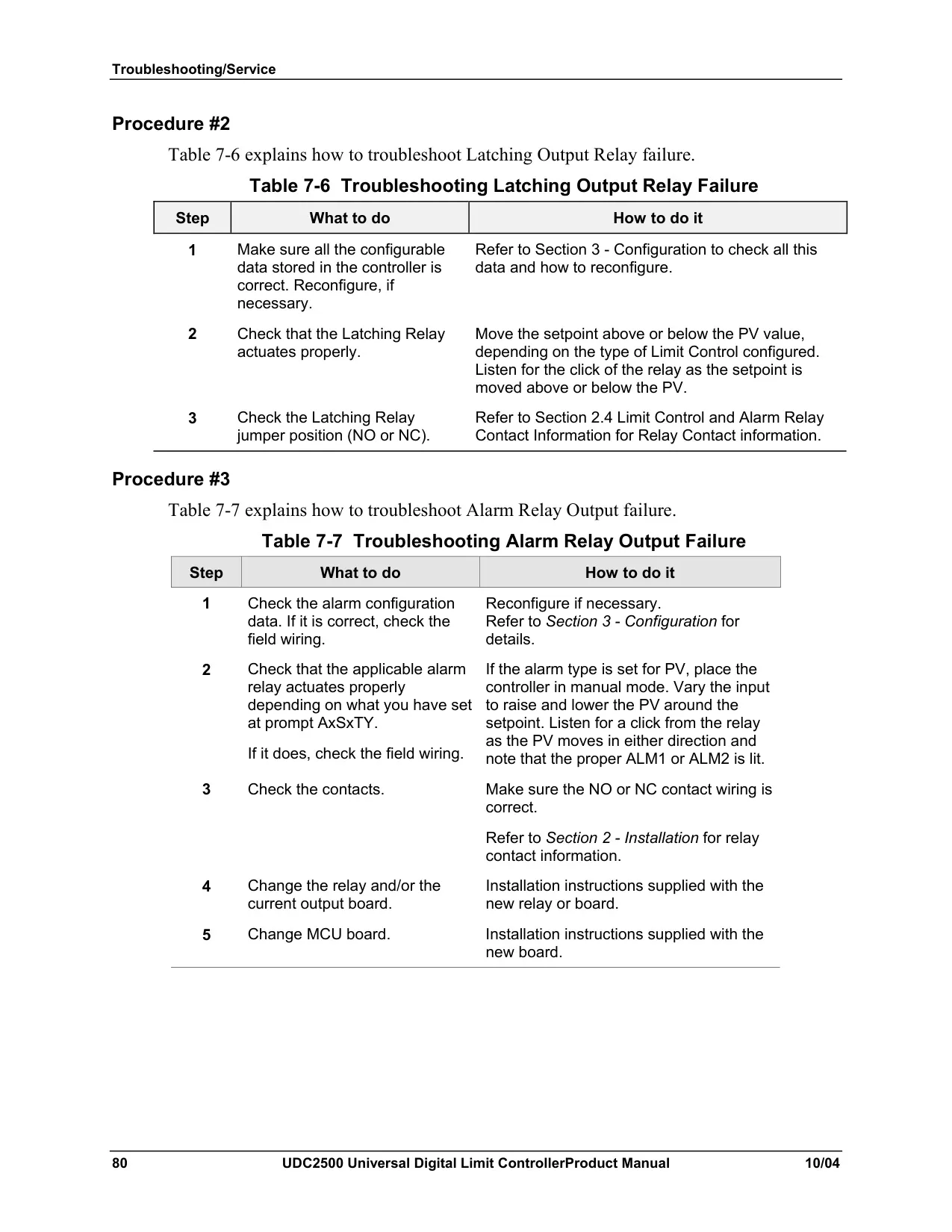
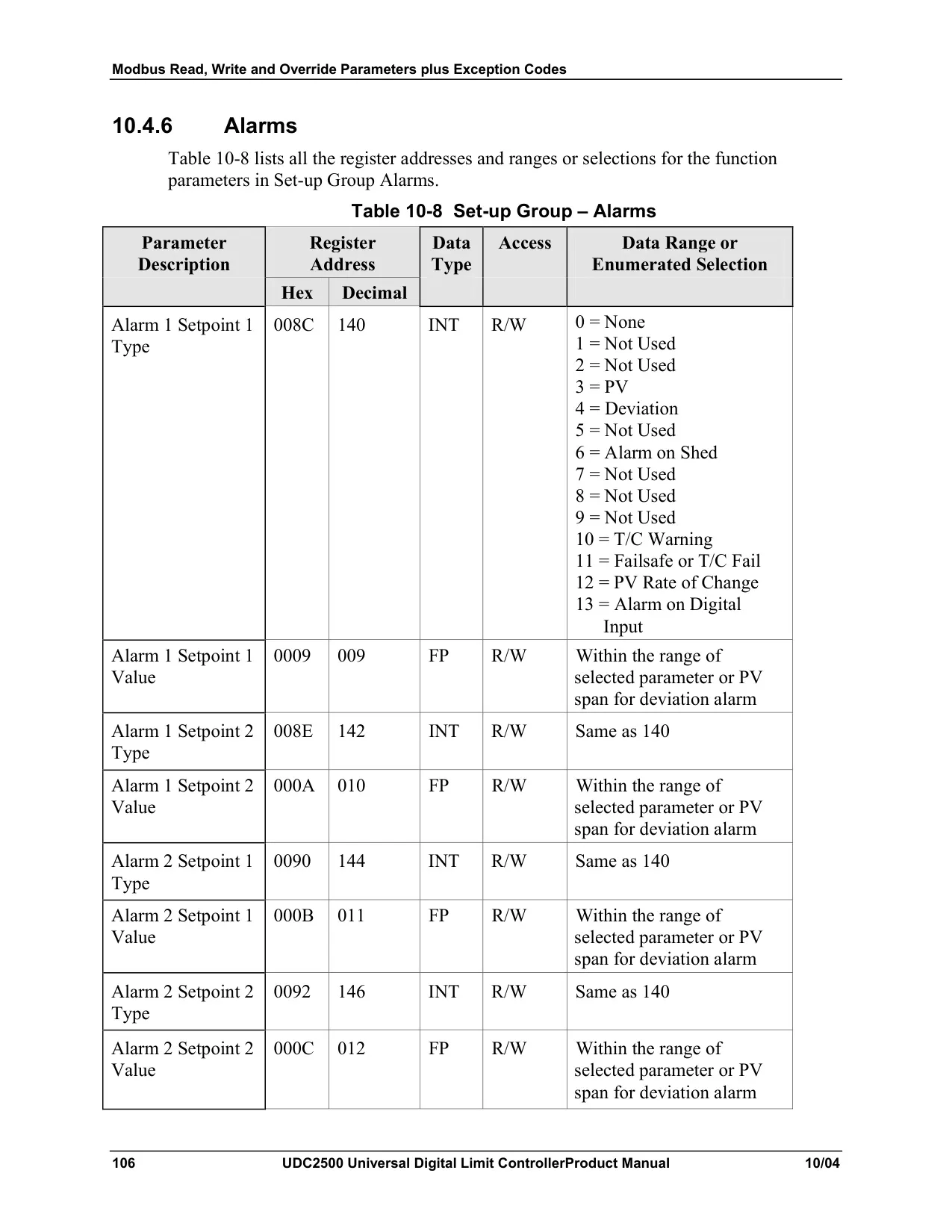
| Alarm Outputs | One or Two SPDT Electromechanical relays (5 amps @ 120/240 Vac or 30 Vdc). Up to four independently set high/low setpoints. |
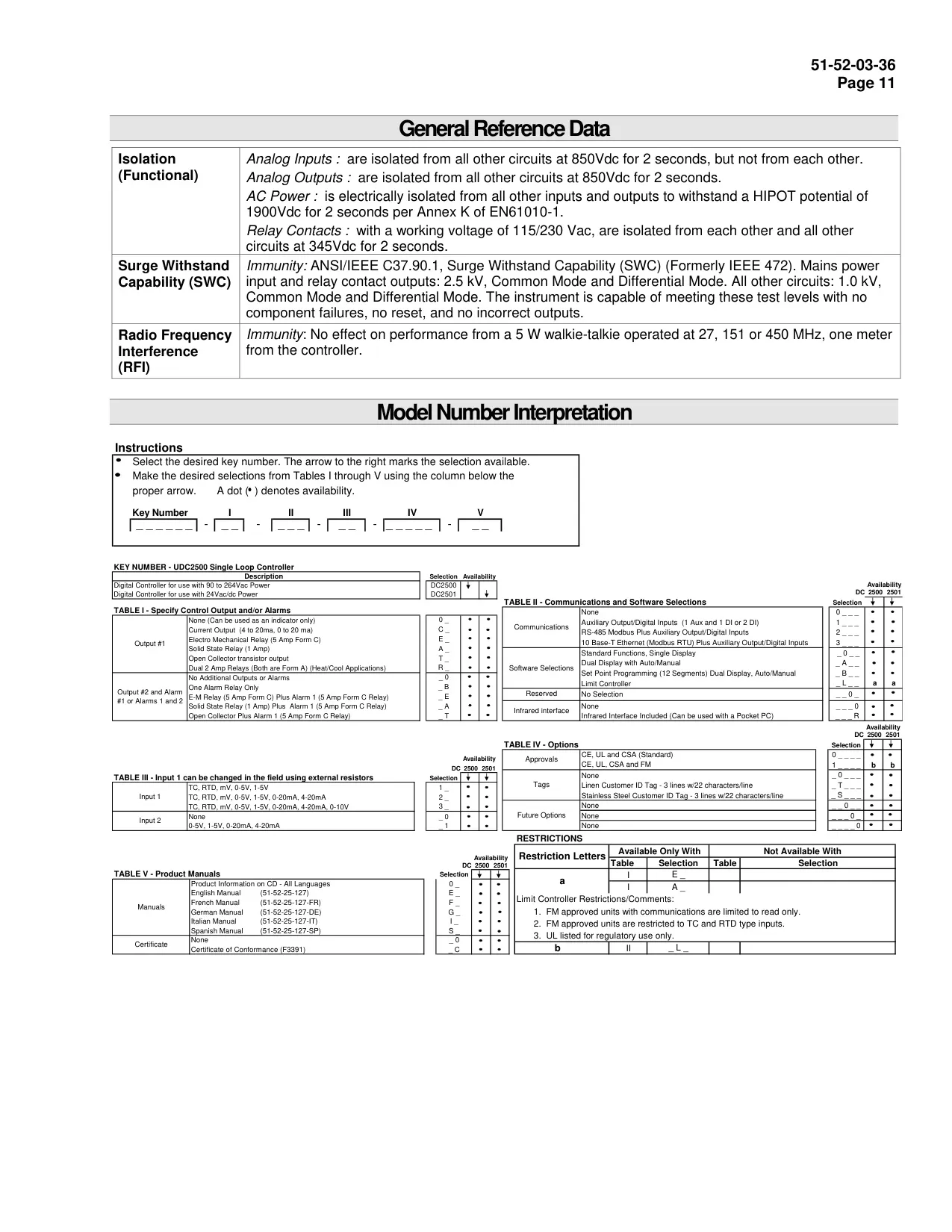
| Functional Isolation | Analog Inputs/Outputs: 850Vdc for 2 seconds; AC Power: 1900Vdc for 2 seconds (EN61010-1 Annex K); Relay Contacts: 345Vdc for 2 seconds. |
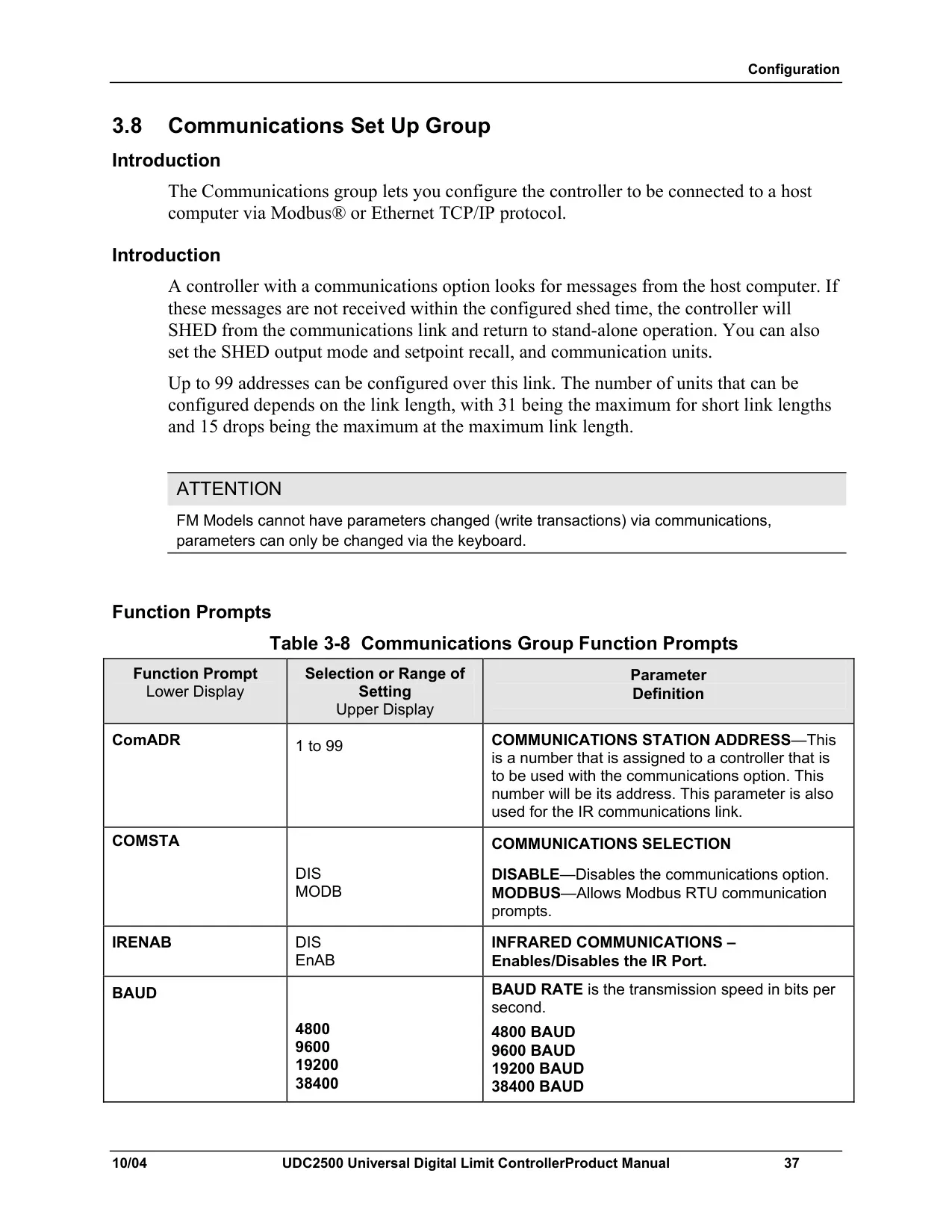
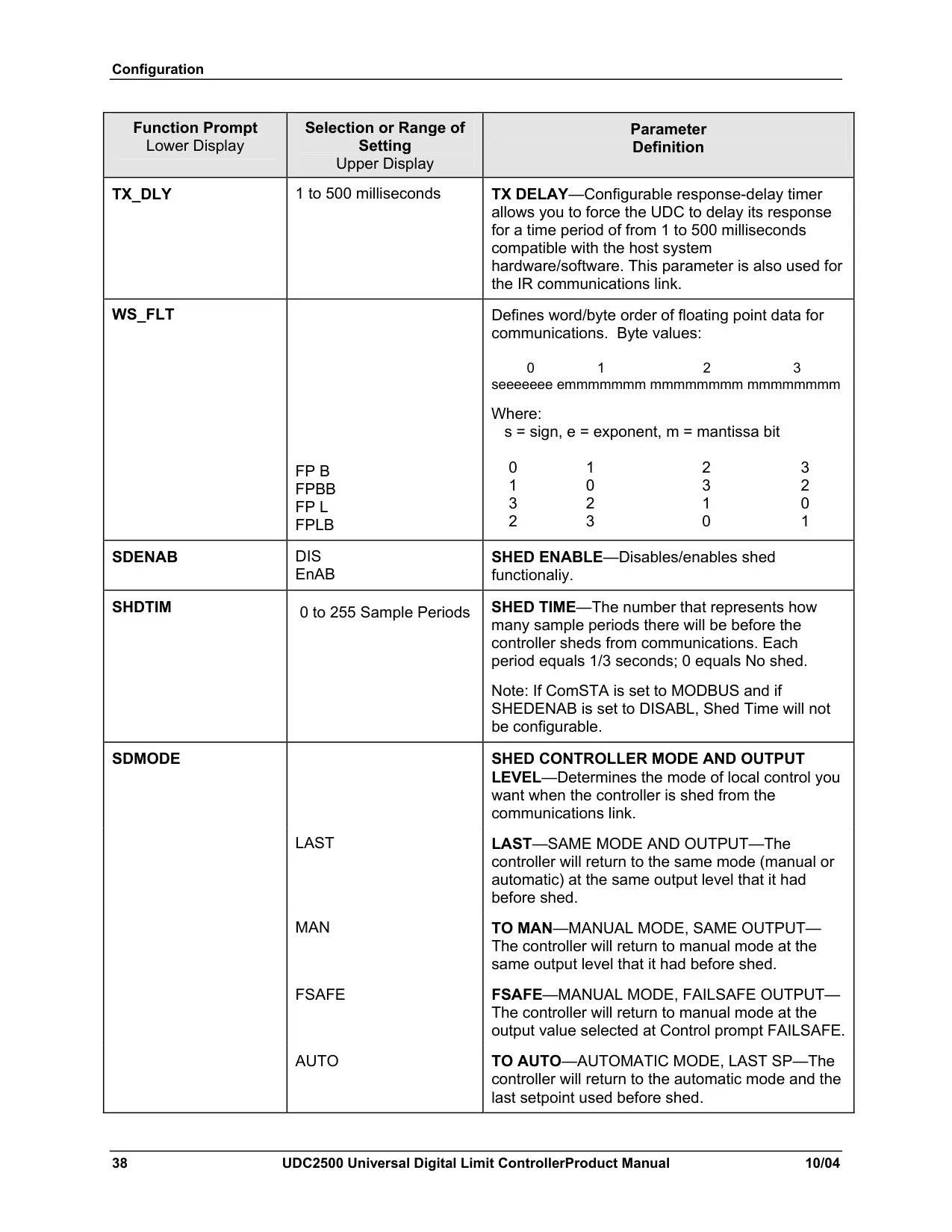
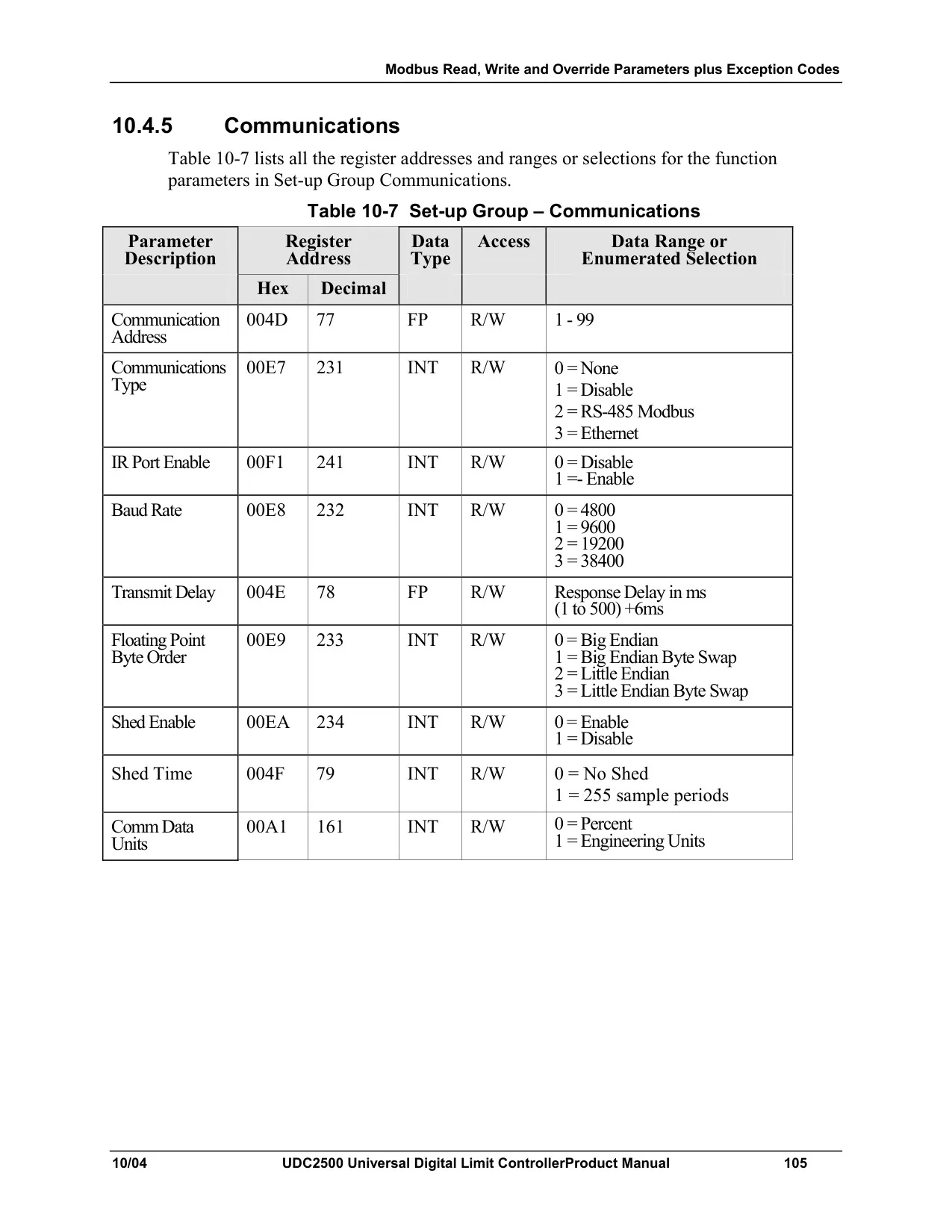
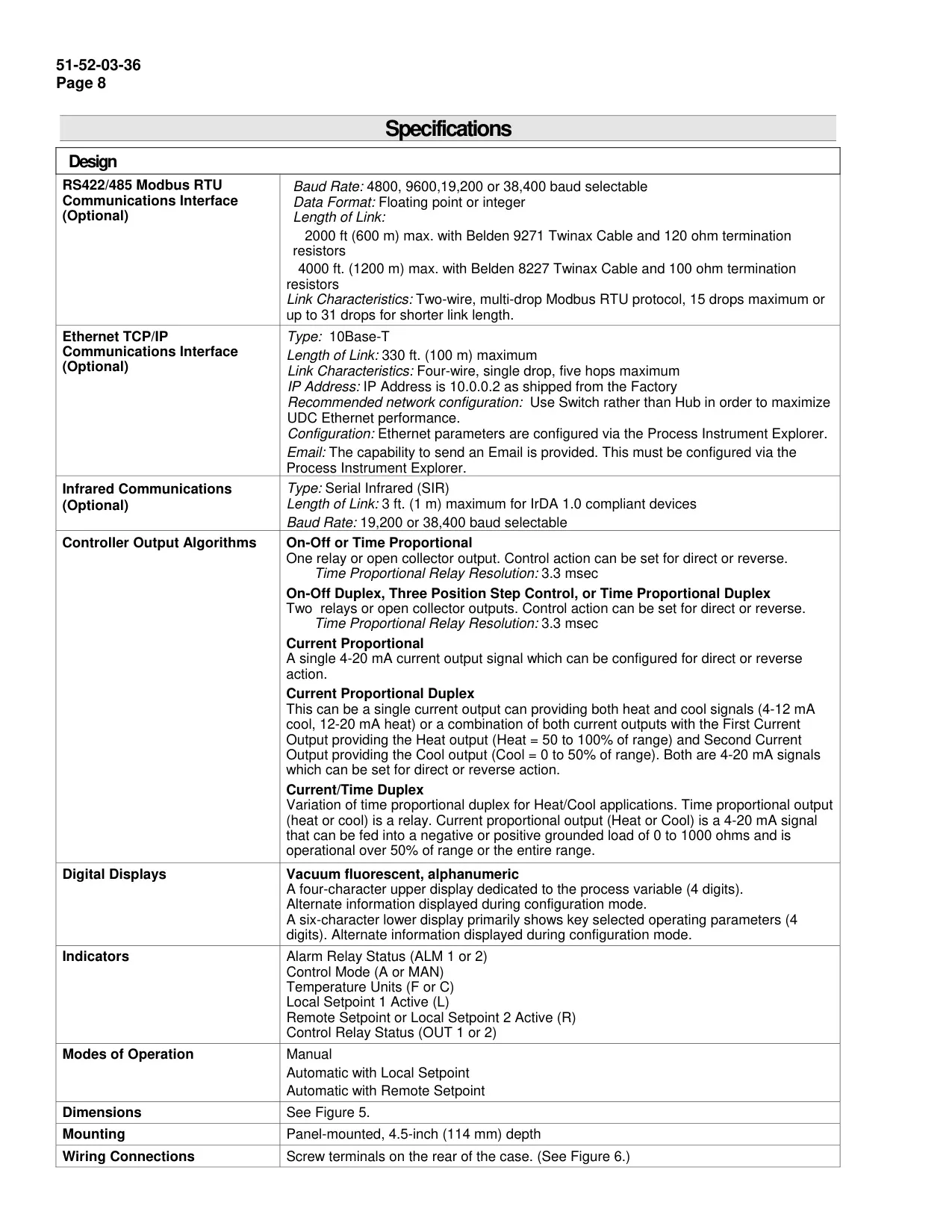
| RS422/485 Modbus RTU | Baud Rate: 4800, 9600, 19200, 38400; Data Format: Floating point or integer; Link Length: 2000 ft (600 m) max (Belden 9271), 4000 ft (1200 m) max (Belden 8227); 15 drops max. |
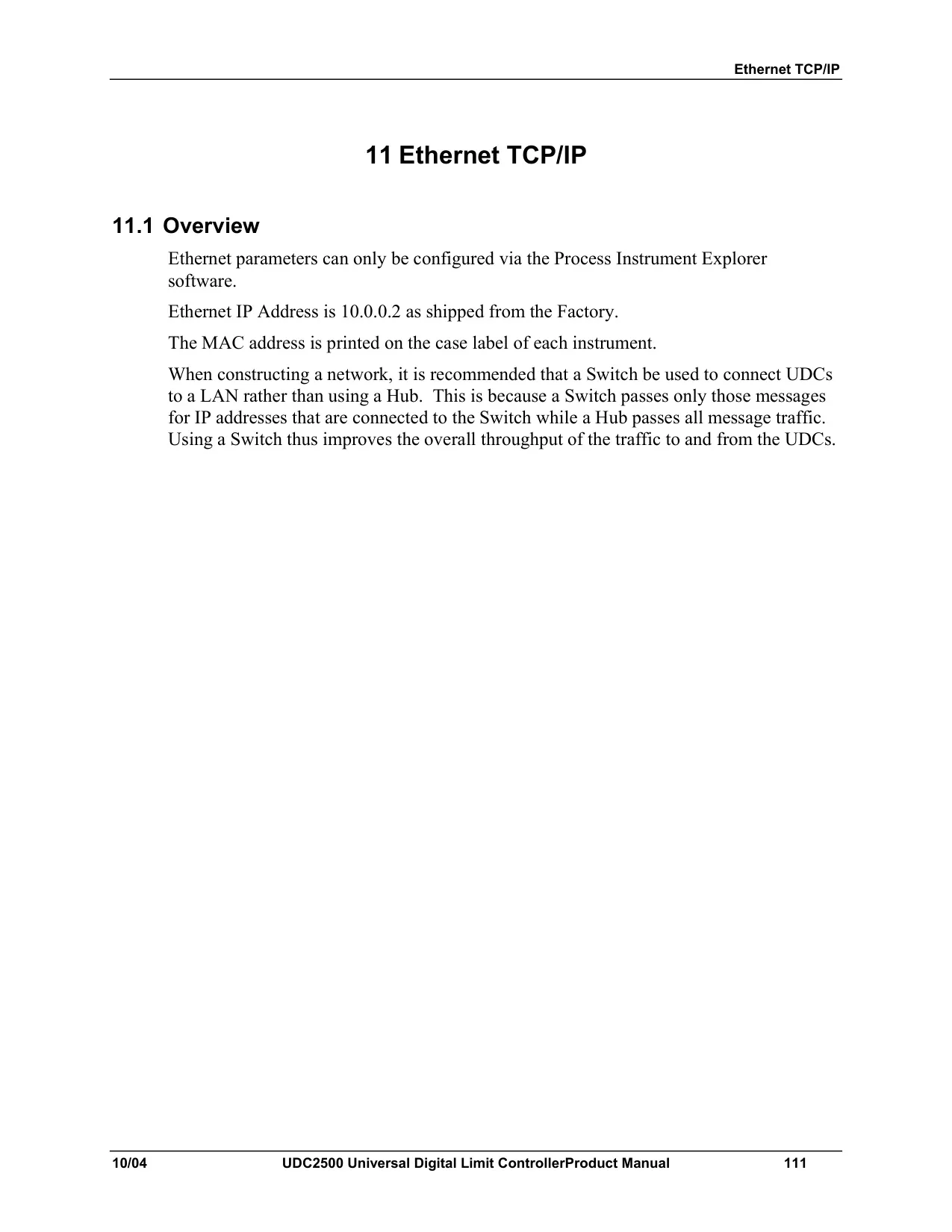
| Ethernet TCP/IP | Type: 10Base-T; Link Length: 330 ft (100 m) max; Link Characteristics: Four-wire, single drop, five hops max; Factory IP Address: 10.0.0.2. |
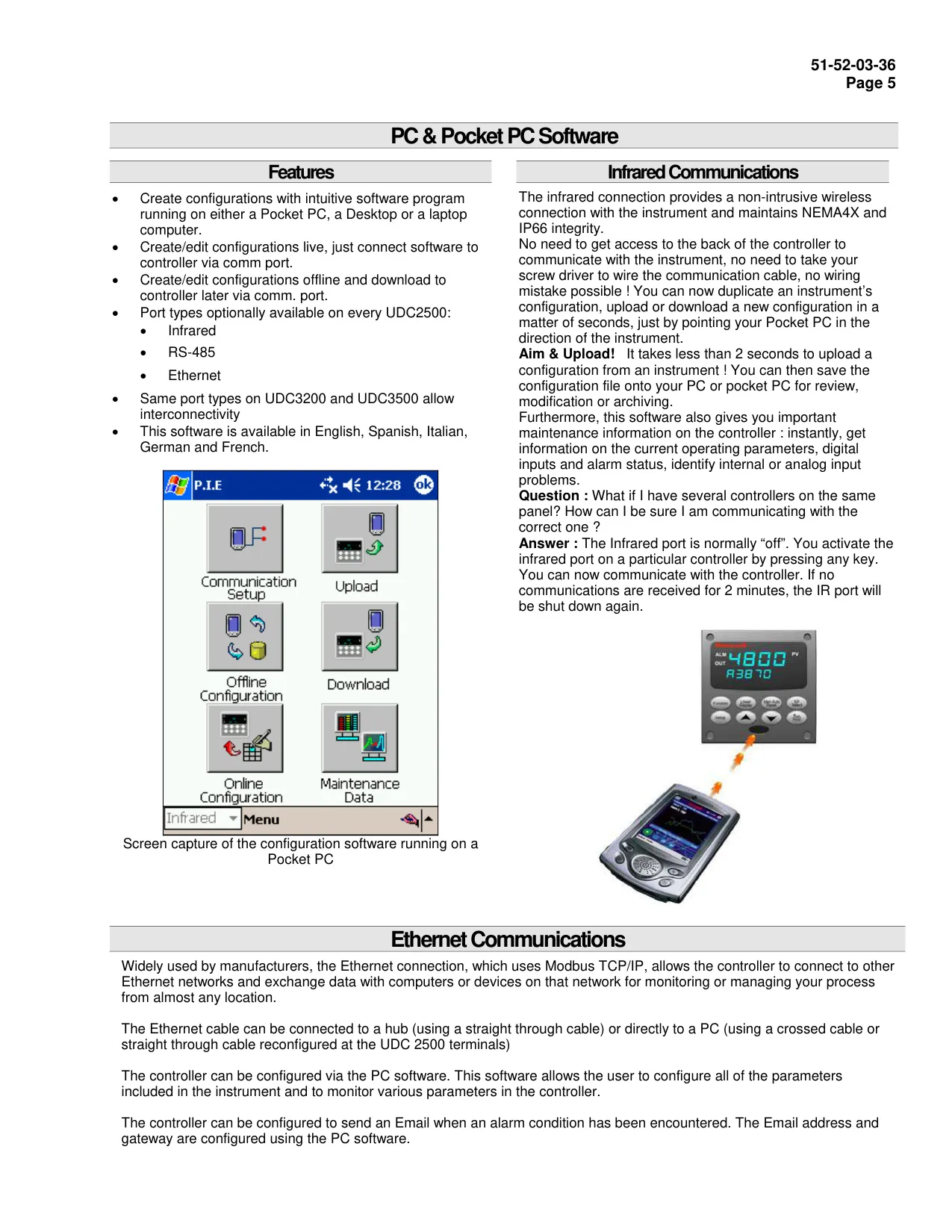
| Infrared Communications | Type: Serial Infrared (SIR); Link Length: 3 ft (1 m) max (IrDA 1.0); Baud Rate: 19200 or 38400. |
| Power Supply | Universal: 90 to 264 Vac, 50/60 Hz; Optional: 24 Vac/dc |
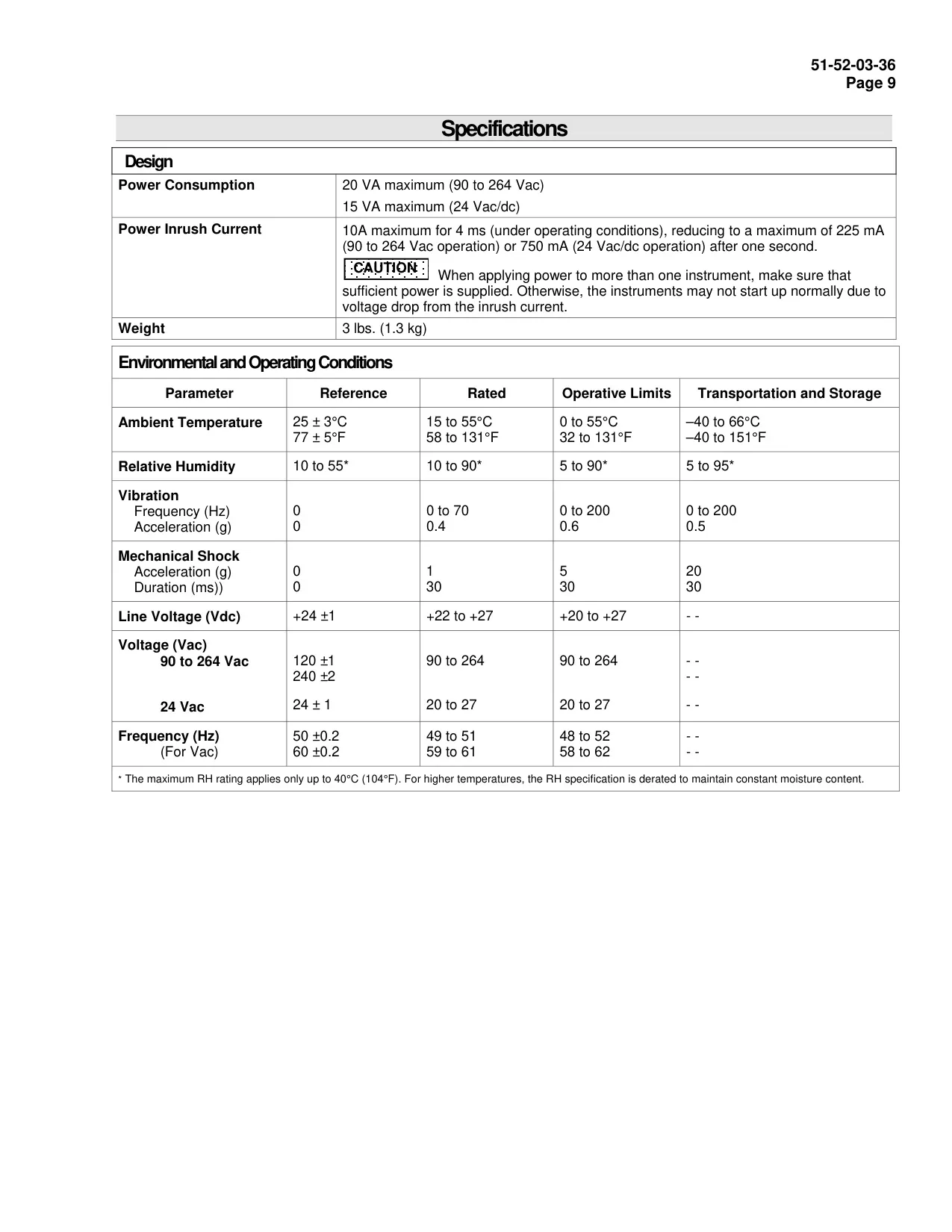
| Power Consumption | 20 VA maximum (90 to 264 Vac); 15 VA maximum (24 Vac/dc) |
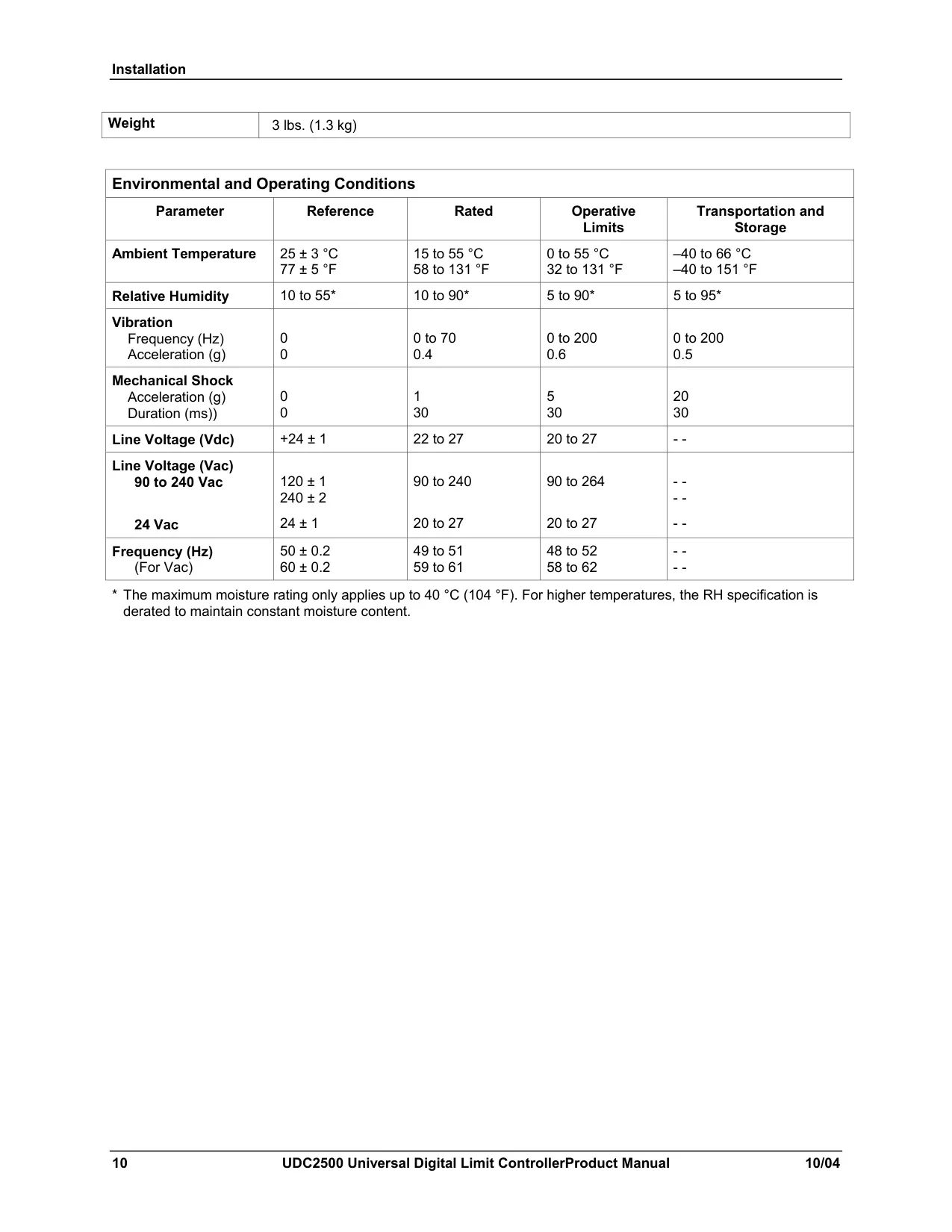
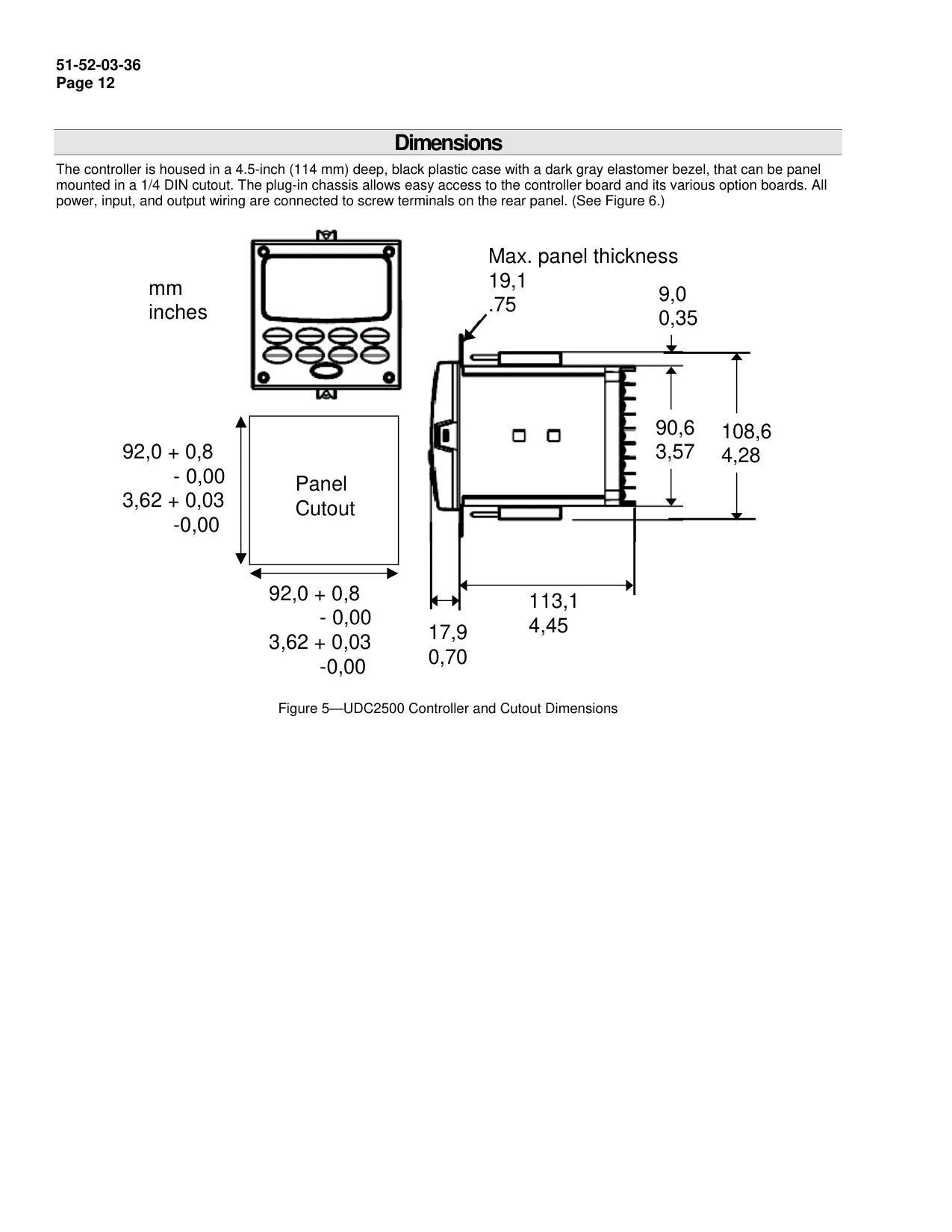
| Weight | 3 lbs (1.3 kg) |
| Ambient Temperature | Rated: 15 to 55 °C (58 to 131 °F); Operative: 0 to 55 °C (32 to 131 °F) |
| Relative Humidity | Rated: 10 to 90% RH (up to 40 °C); Operative: 5 to 90% RH (up to 40 °C) |
| Enclosure Rating | Front Bezel: NEMA3R and IP54, or NEMA4X and IP66 with 4 screws |
| Approval Body Ratings | UL Listed (UL61010C-1); CSA Certified (CSA1010-1); FM Approved for Limit Controller Model (Class 3545) |
Honeywell UDC2500 Controller Details
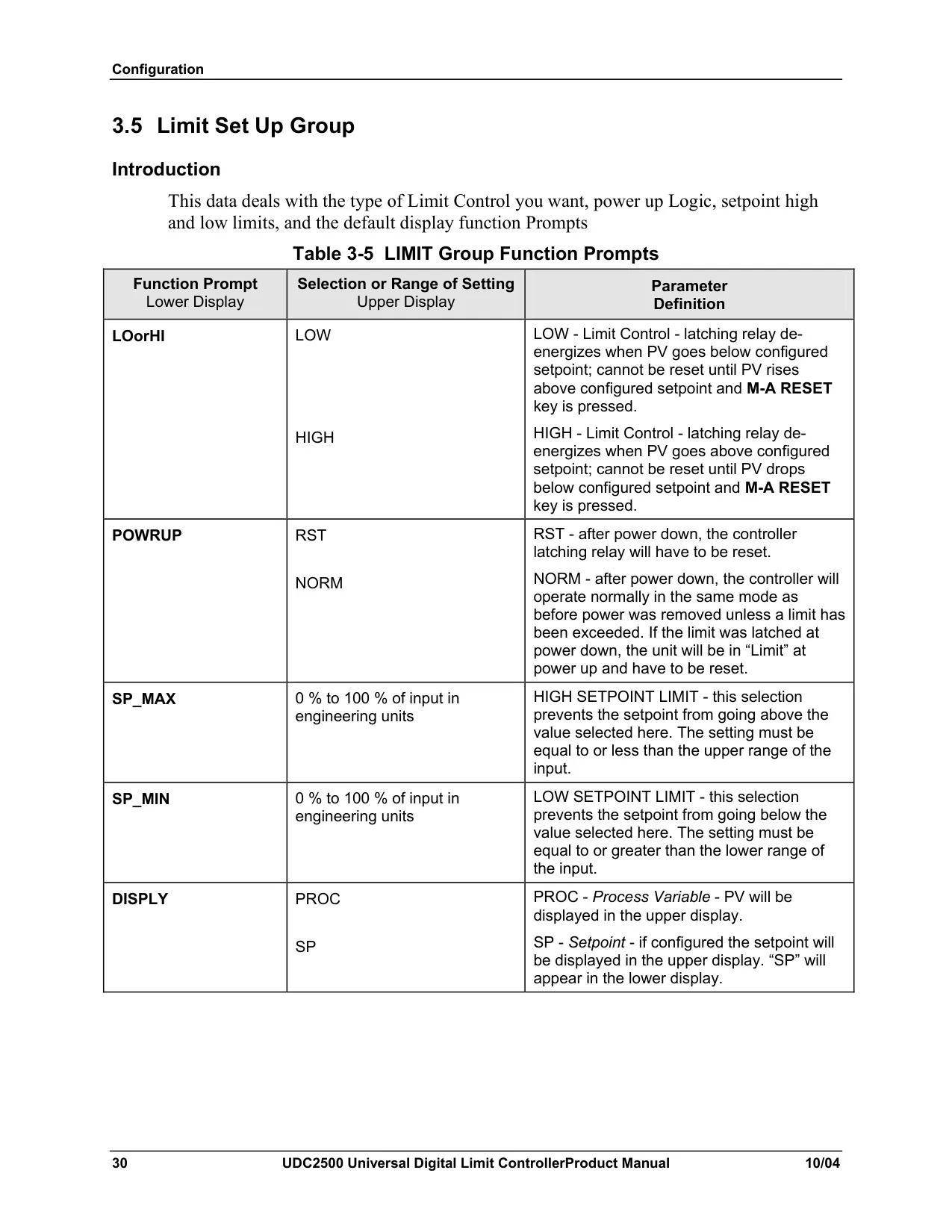
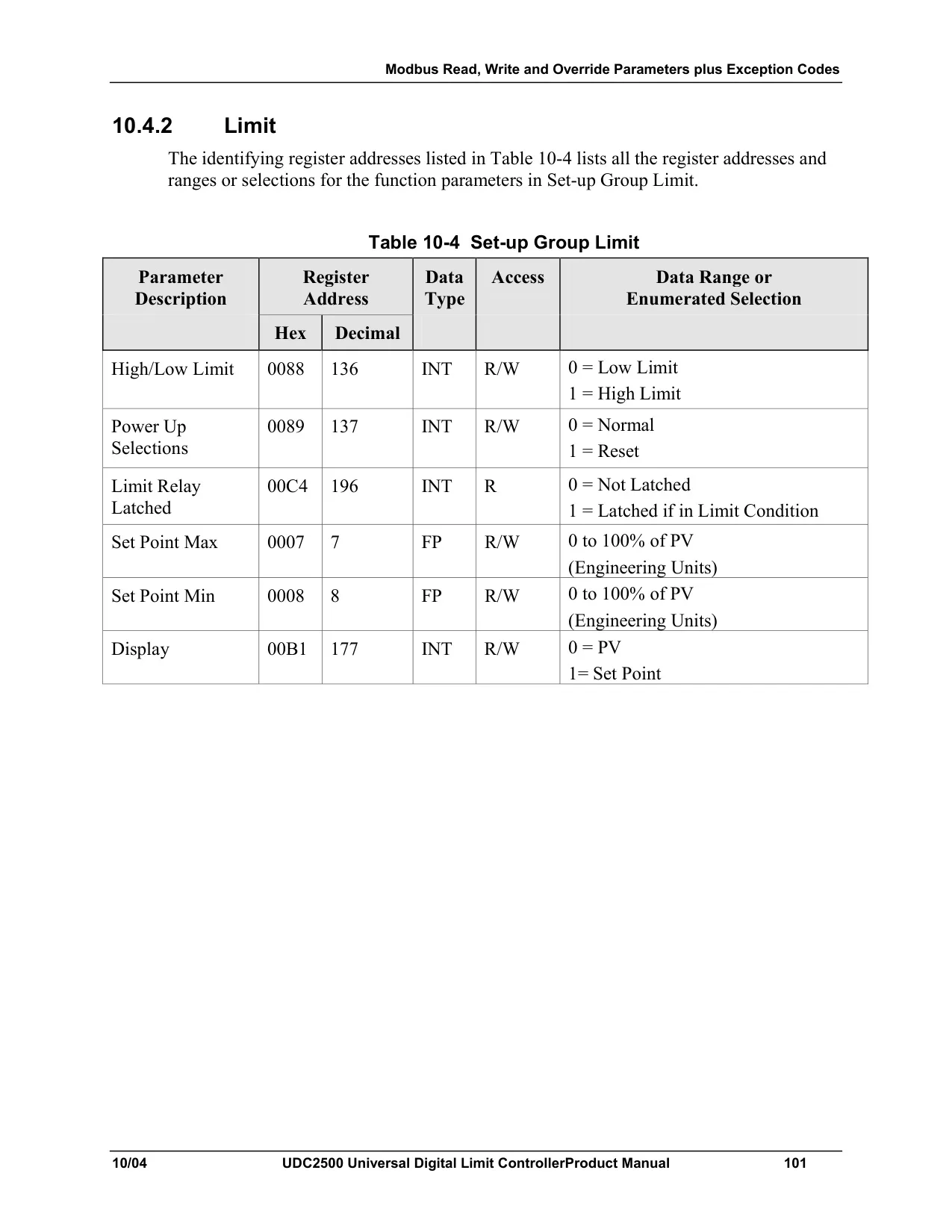
The Honeywell UDC2500 Universal Digital Limit Controller accepts diverse input signals from sensors like Thermocouples and RTDs, converting them into a Process Variable (PV). Its core function involves comparing the PV against a predefined limit setpoint. Should the PV exceed this limit, a latching output relay de-energizes, activating a flashing "LIMIT" indicator to signal the condition and enforce critical safety protocols.
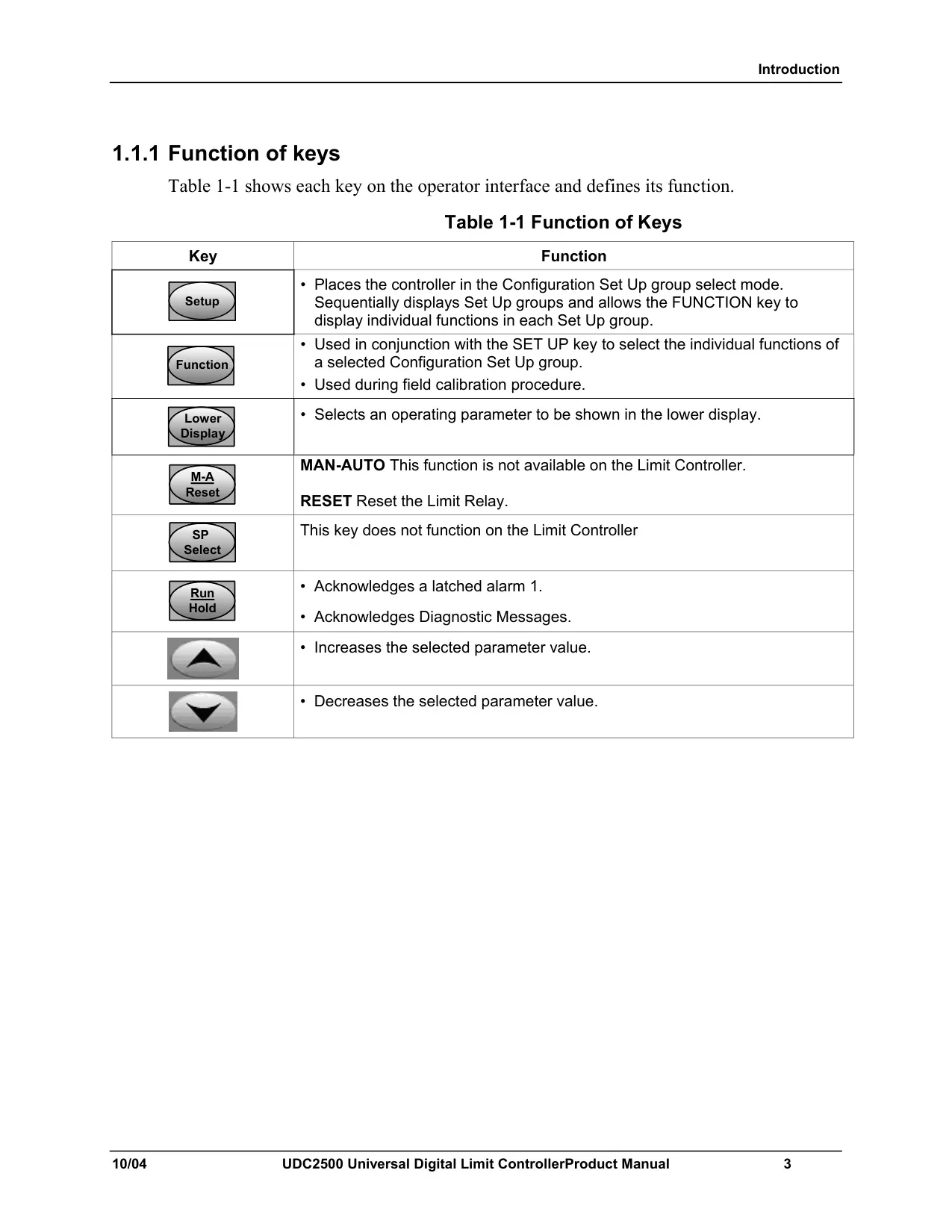
Once a limit condition is met and the PV returns to a safe operating range, the controller requires a manual reset via the "M-A Reset" key or an optional remote contact input. This fail-safe design ensures that an exceeded limit is not automatically cleared, demanding operator acknowledgment and verification of safe conditions before operation can resume.
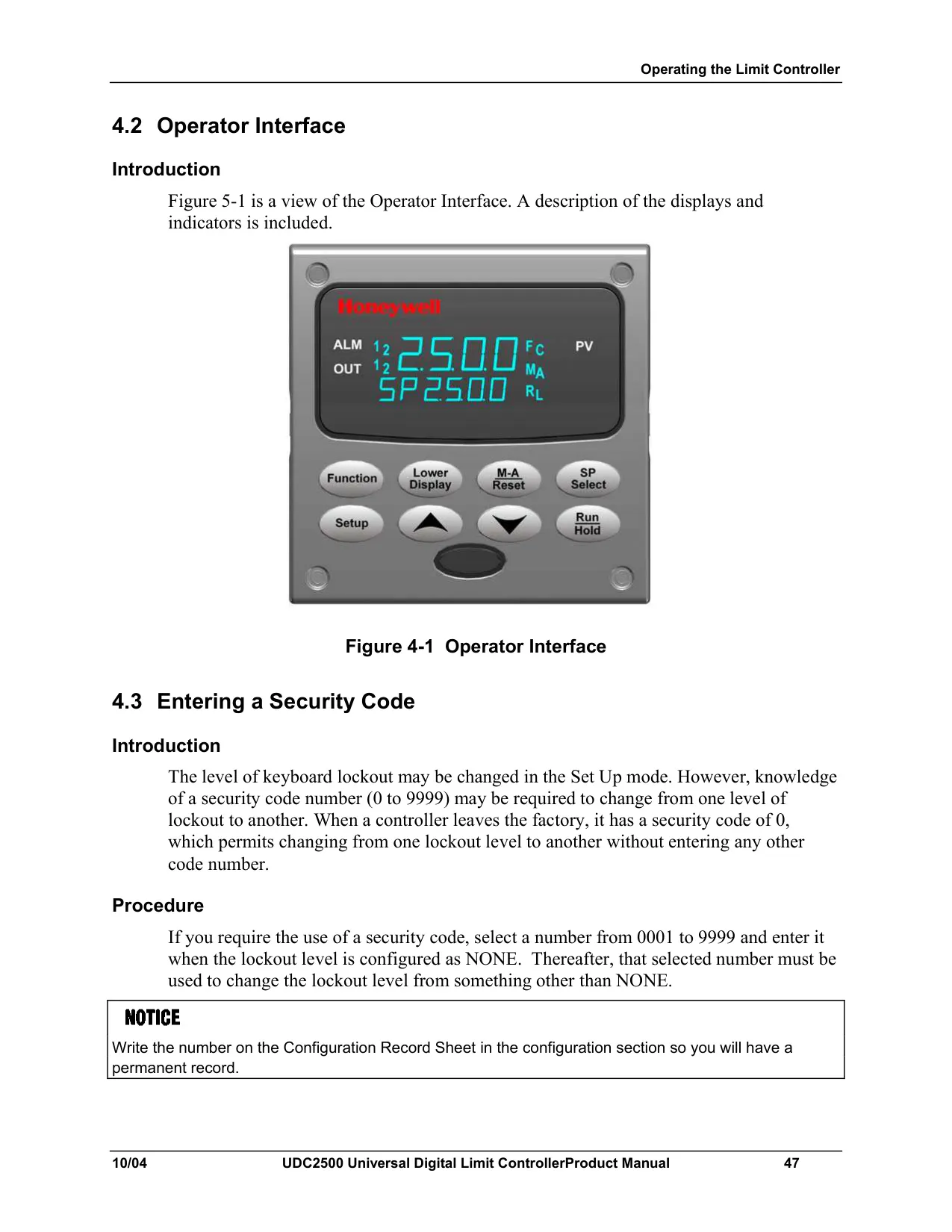
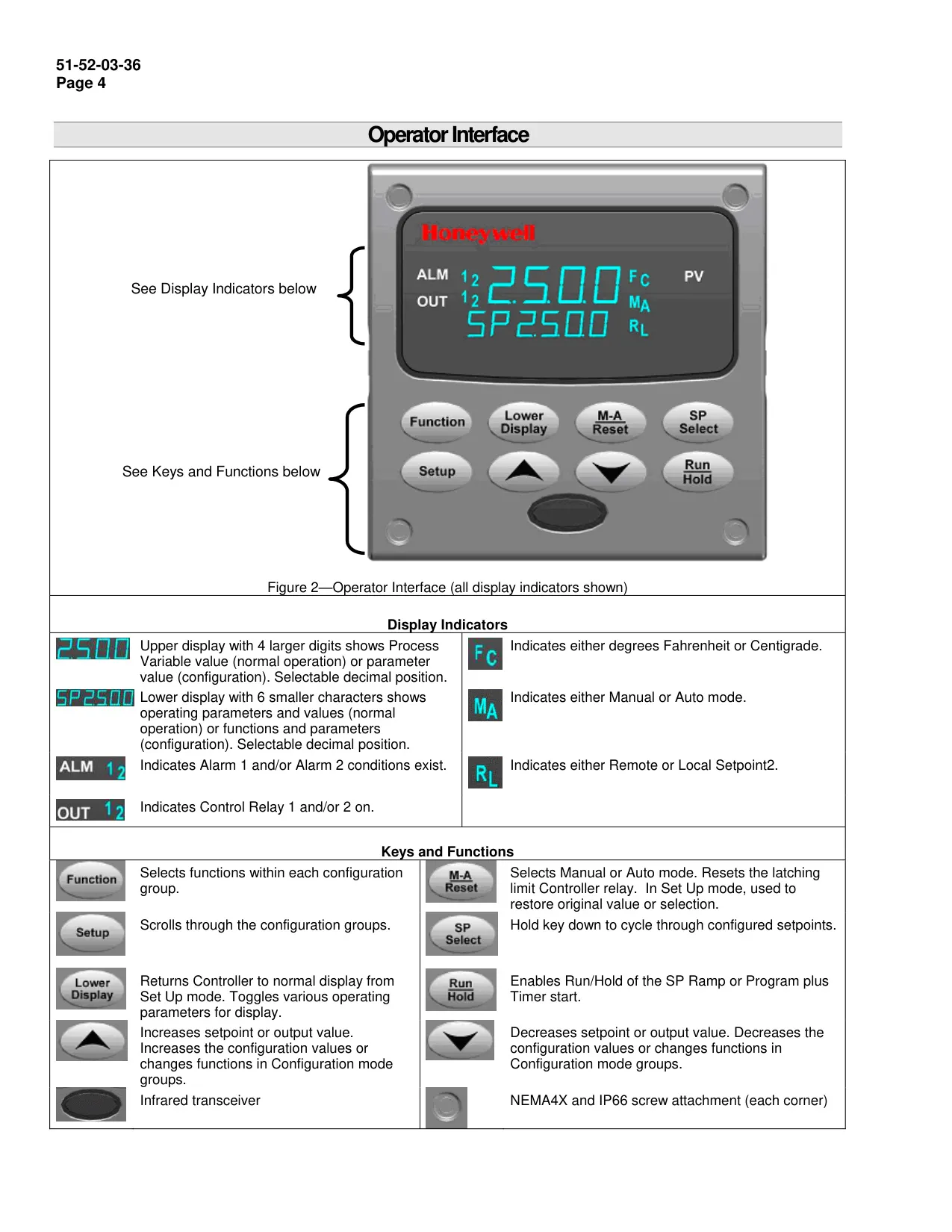
The controller is designed for ease of use, featuring dedicated vacuum fluorescent displays with multi-language prompts (English, Spanish, Italian, German, French) that simplify understanding and operation. Intuitive keystrokes guide users through input type selection, range configuration, and parameter settings, while programmed display sequences ensure quick and accurate data entry.
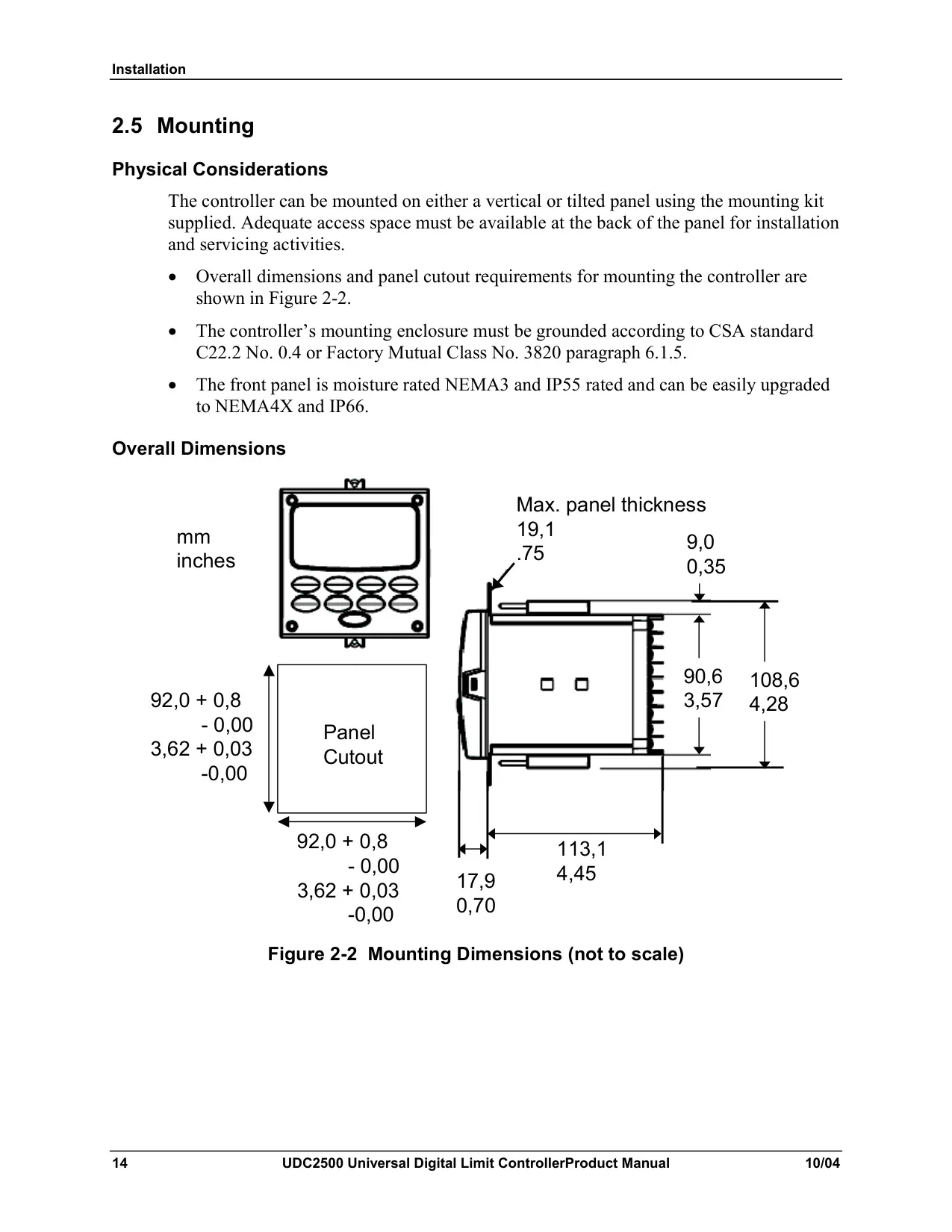
Built for industrial environments, the UDC2500 is suitable for panel mounting and boasts a NEMA3 and IP55 rated front face, which can be upgraded to NEMA4X and IP66 for severe hose-down applications. Its robust construction allows it to withstand ambient temperatures up to 55°C (133°F) and resist the effects of vibration and shock, ensuring reliable performance in harsh plant or factory settings.
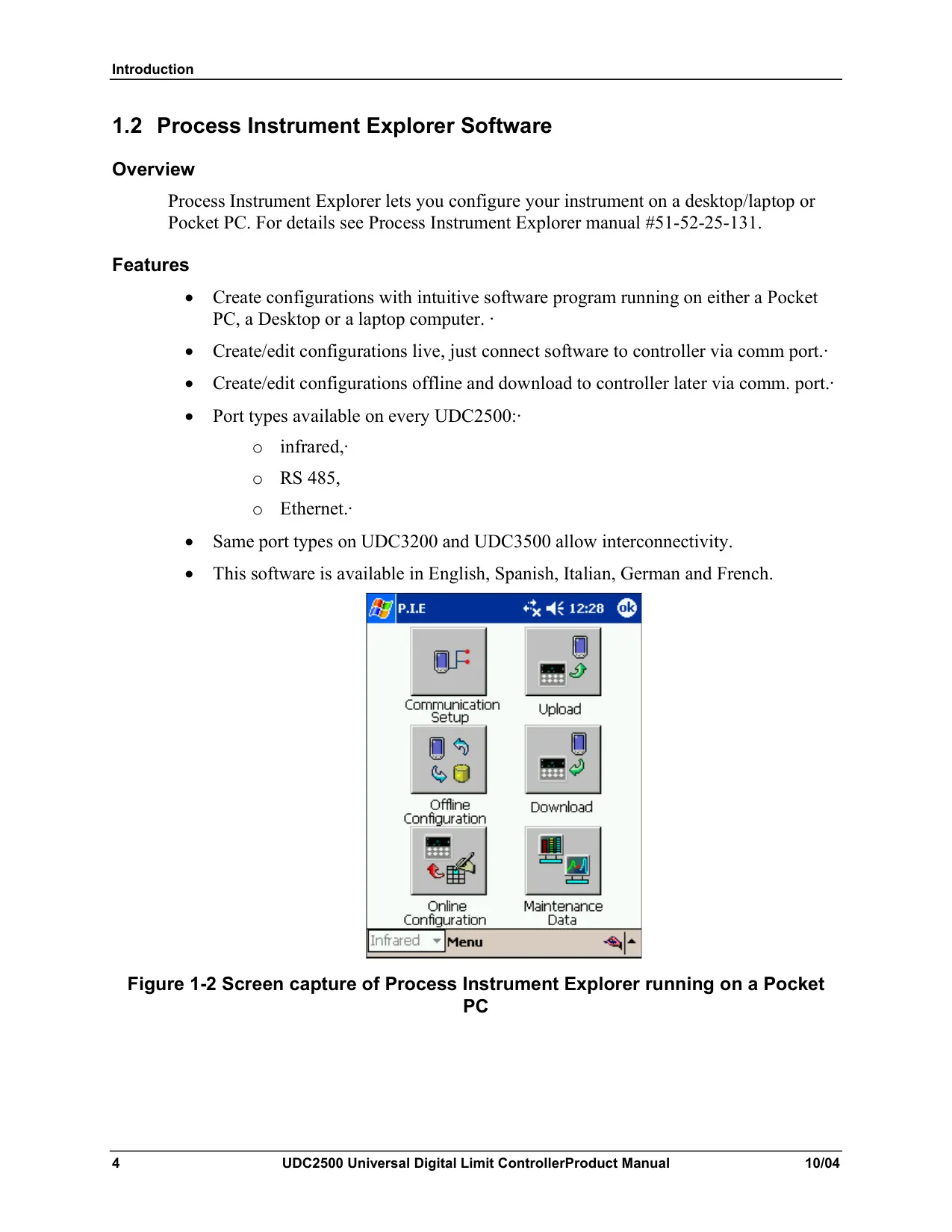
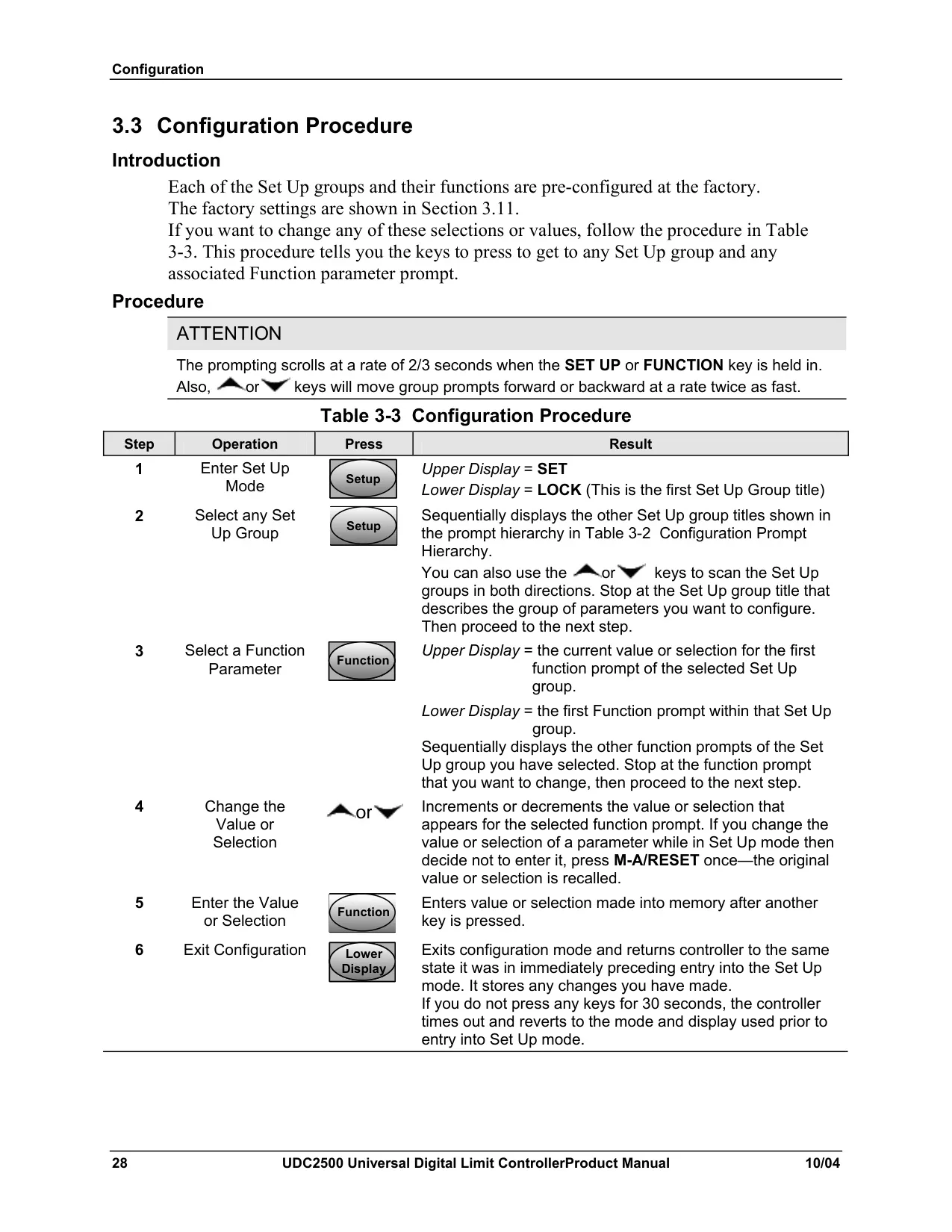
Configuration is streamlined with the Process Instrument Explorer software, compatible with desktops, laptops, and Pocket PCs. This software allows for both live and offline configuration editing, facilitating rapid upload or download of settings through various communication ports, including RS485, Ethernet, and a unique infrared (IR) wireless connection. The IR port, activated by any key press, offers non-intrusive wireless communication, maintaining the unit's environmental integrity without needing physical access to rear terminals.
For process optimization, the UDC2500 incorporates advanced algorithms like Accutune III™ and Fuzzy Logic. Accutune III™ provides "plug-and-play" tuning, effectively handling processes with deadtime or integrating characteristics. It offers "Fast Tune" for rapid temperature acquisition with minor overshoot, and "Slow Tune" to prioritize minimal overshoot. Fuzzy Logic independently suppresses PV overshoot from setpoint changes or external disturbances, allowing for aggressive tuning while maintaining smooth PV response.
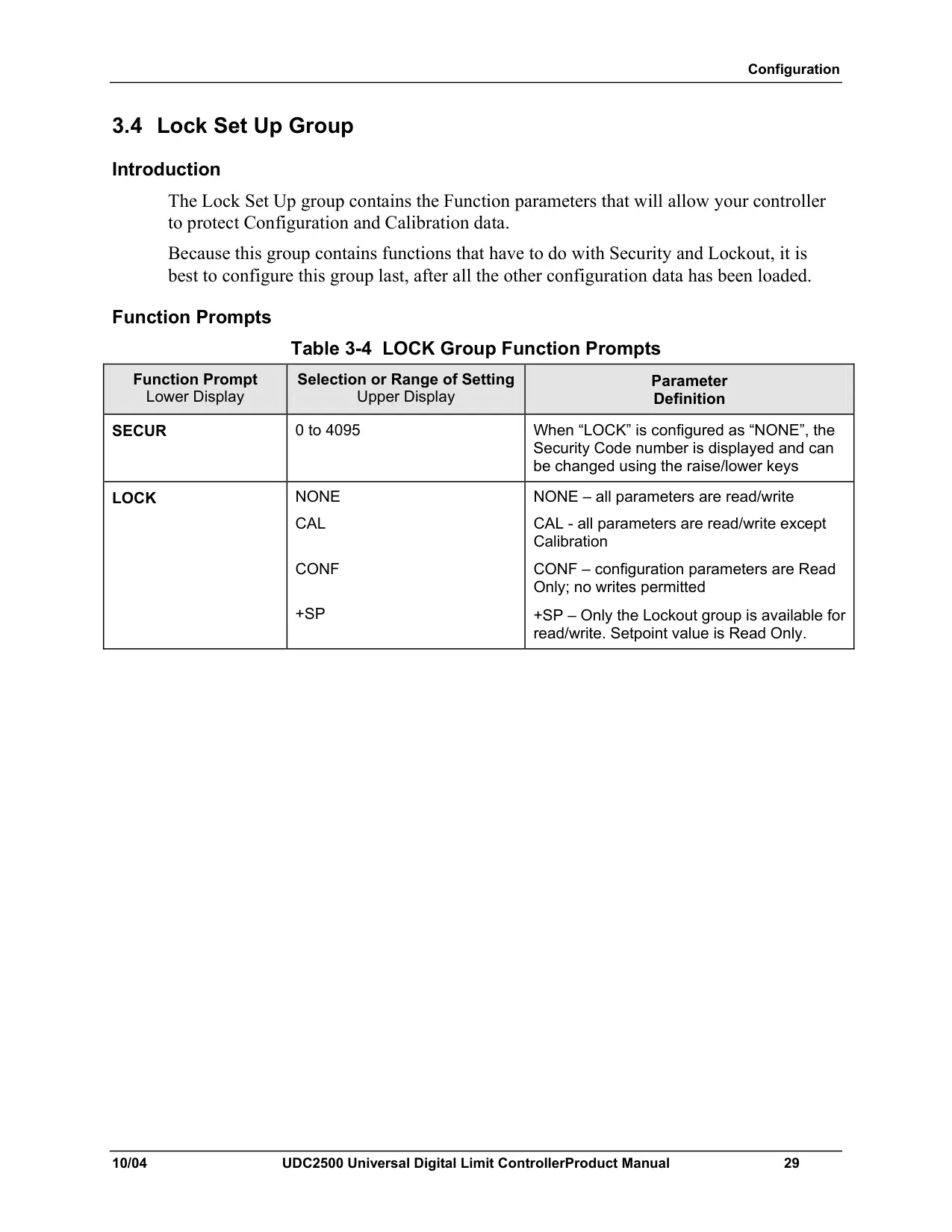
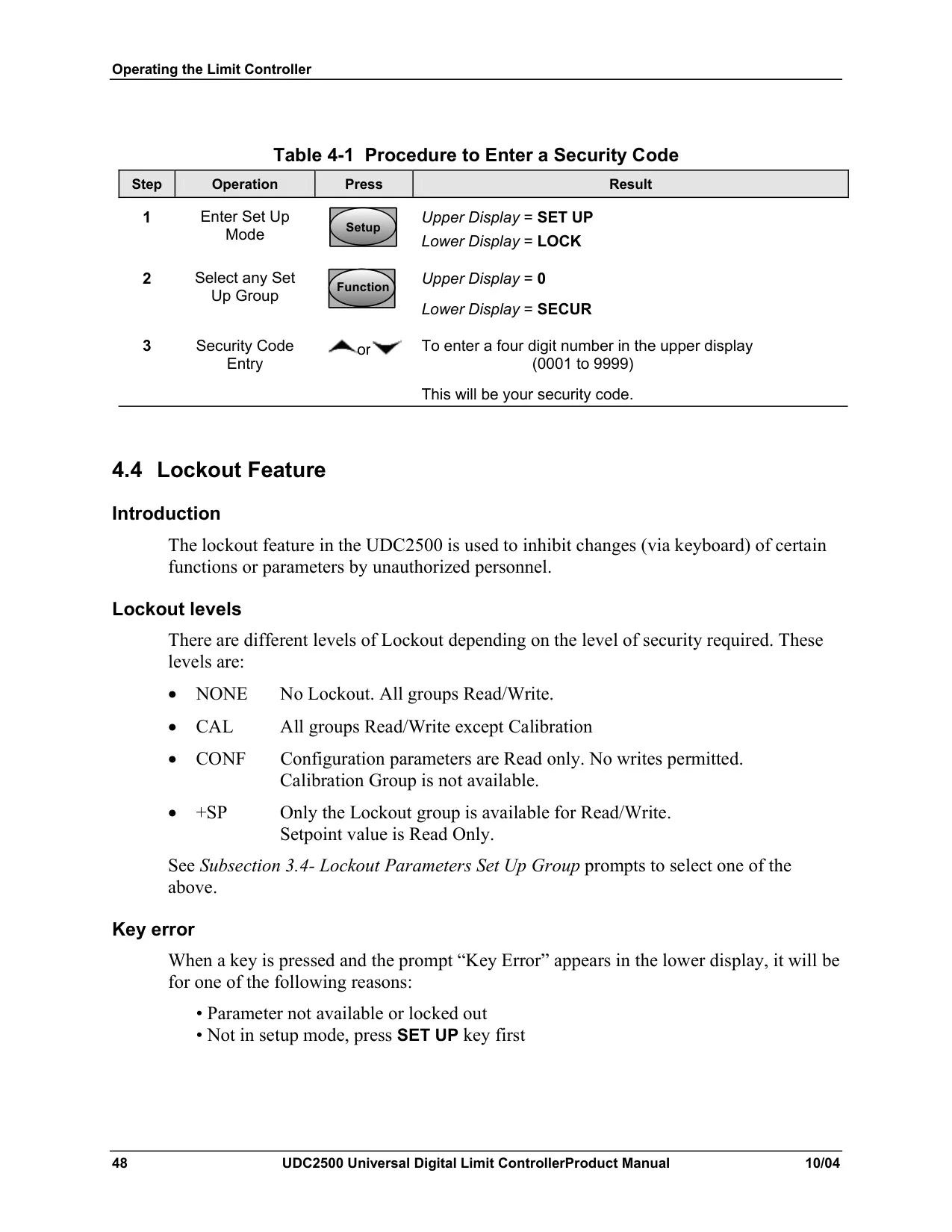
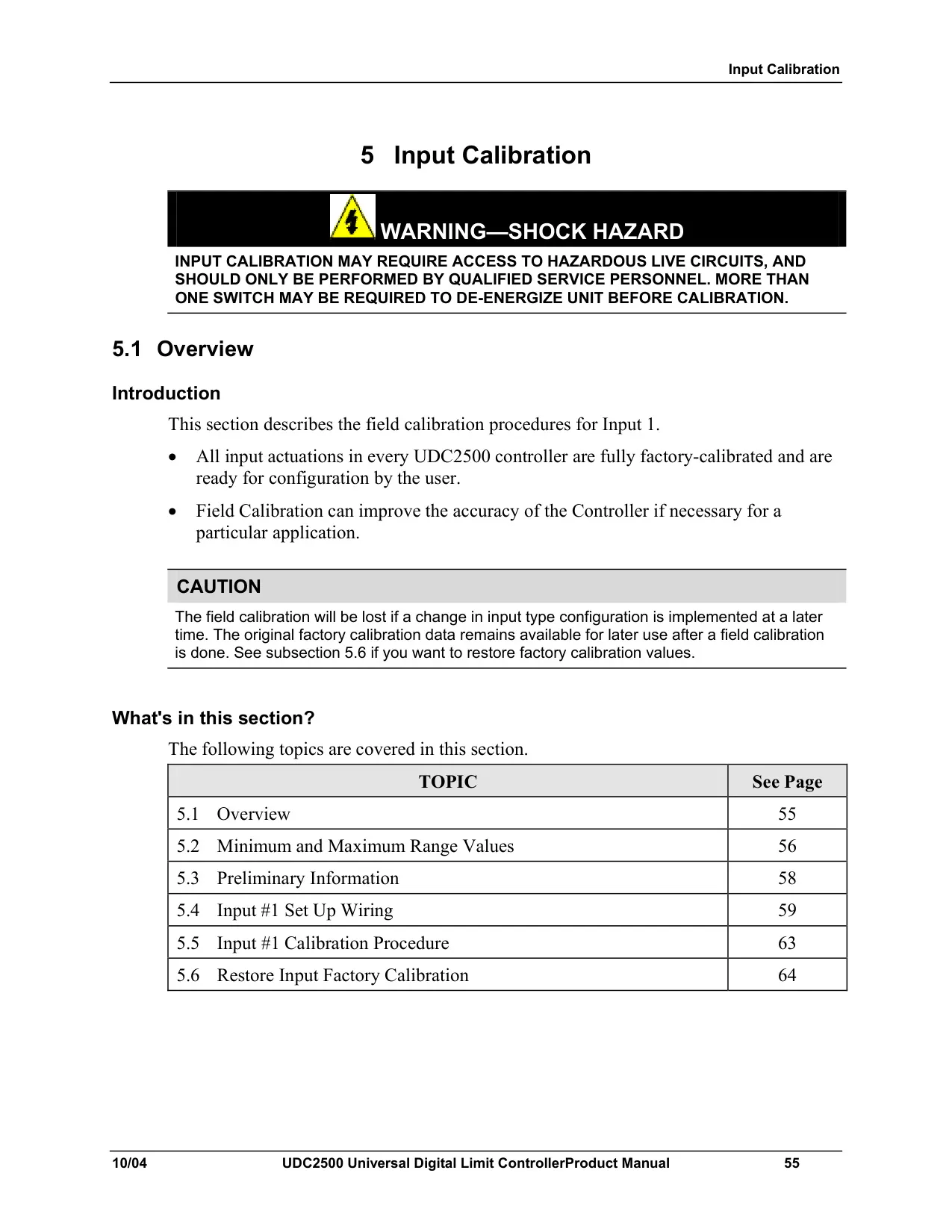
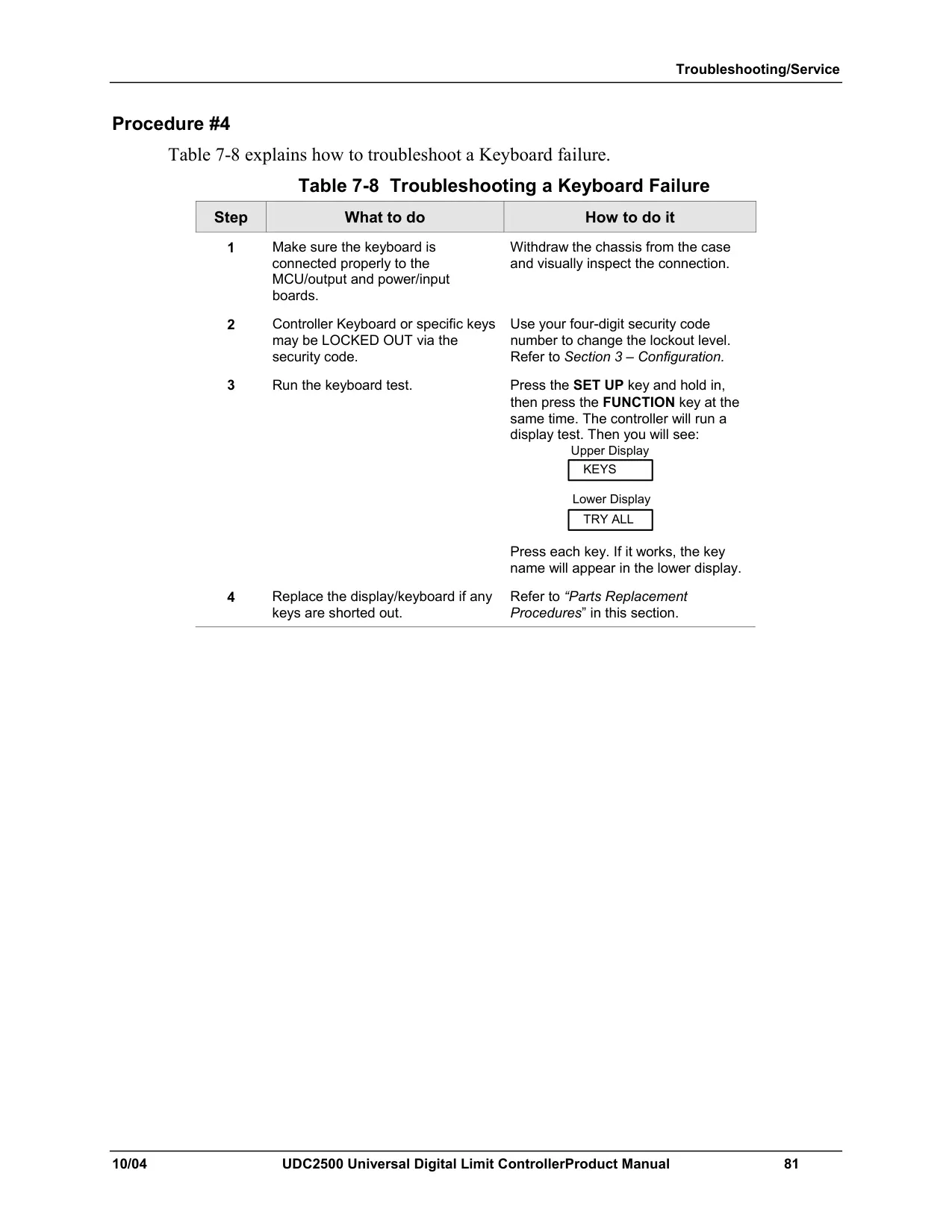
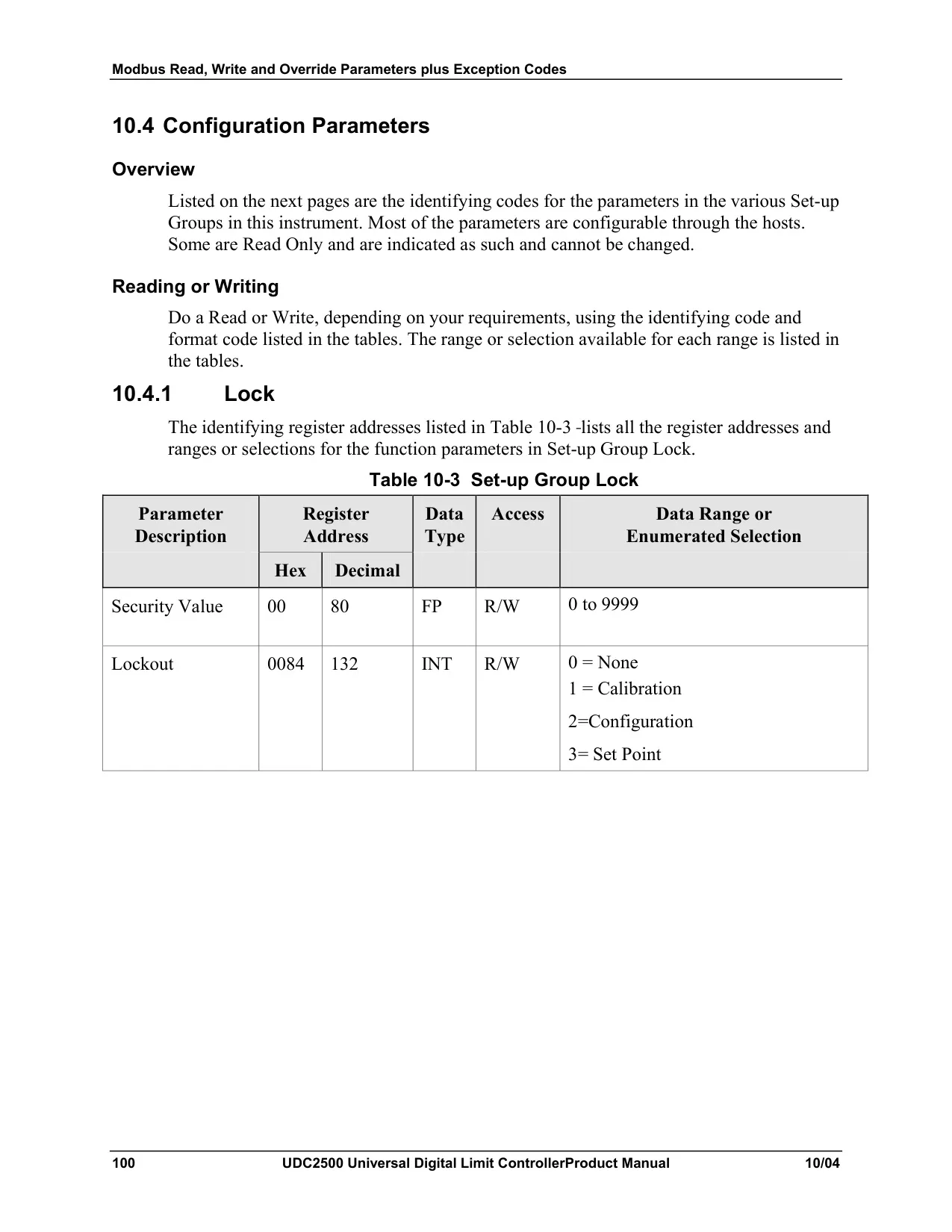
Data security is paramount, with five levels of keyboard lockout protecting sensitive tuning, configuration, and calibration data, accessible only via a configurable 4-digit security code. The controller utilizes non-volatile EEPROM memory to guarantee data integrity, even during power outages. Continuous diagnostic routines proactively detect failure modes, trigger failsafe outputs, and pinpoint issues, minimizing troubleshooting efforts.
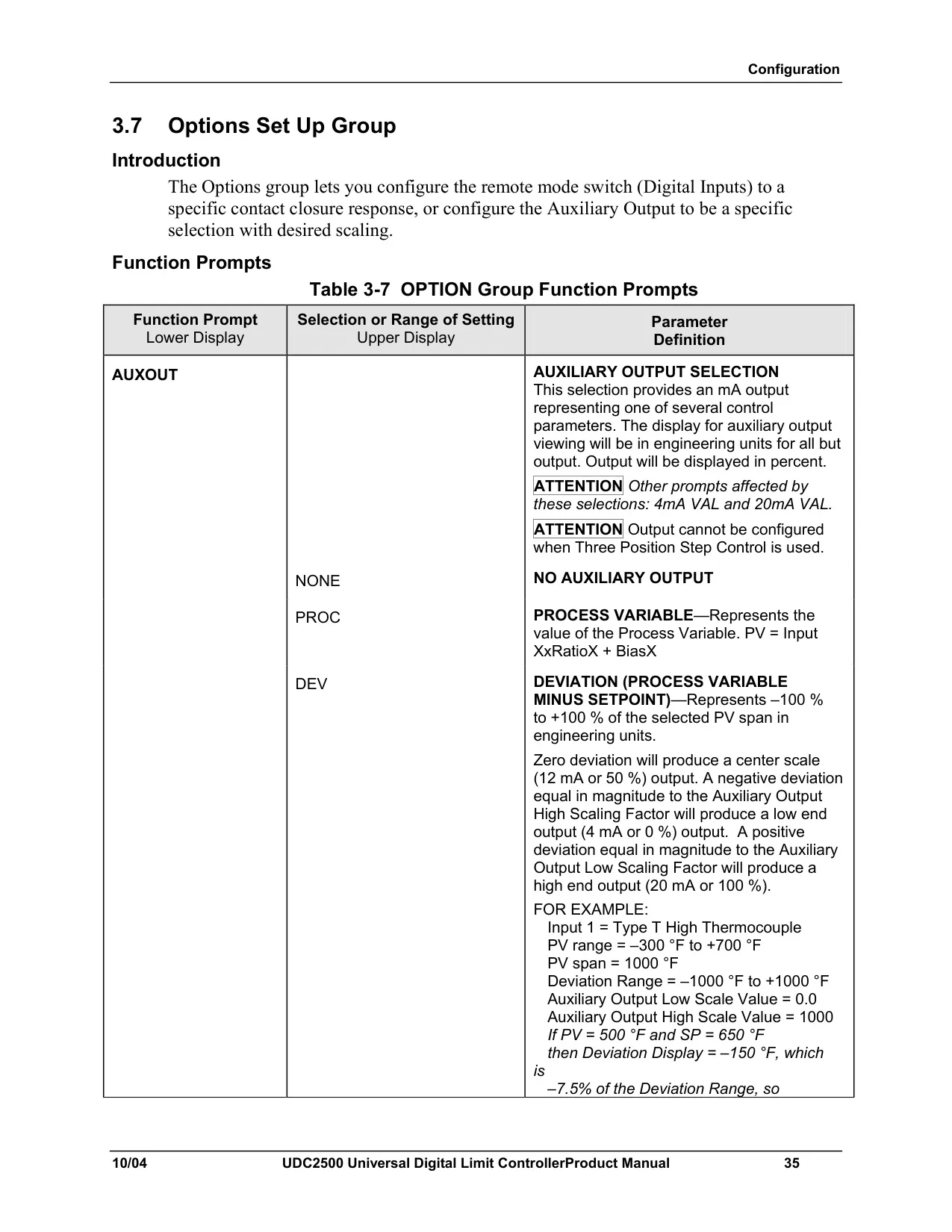
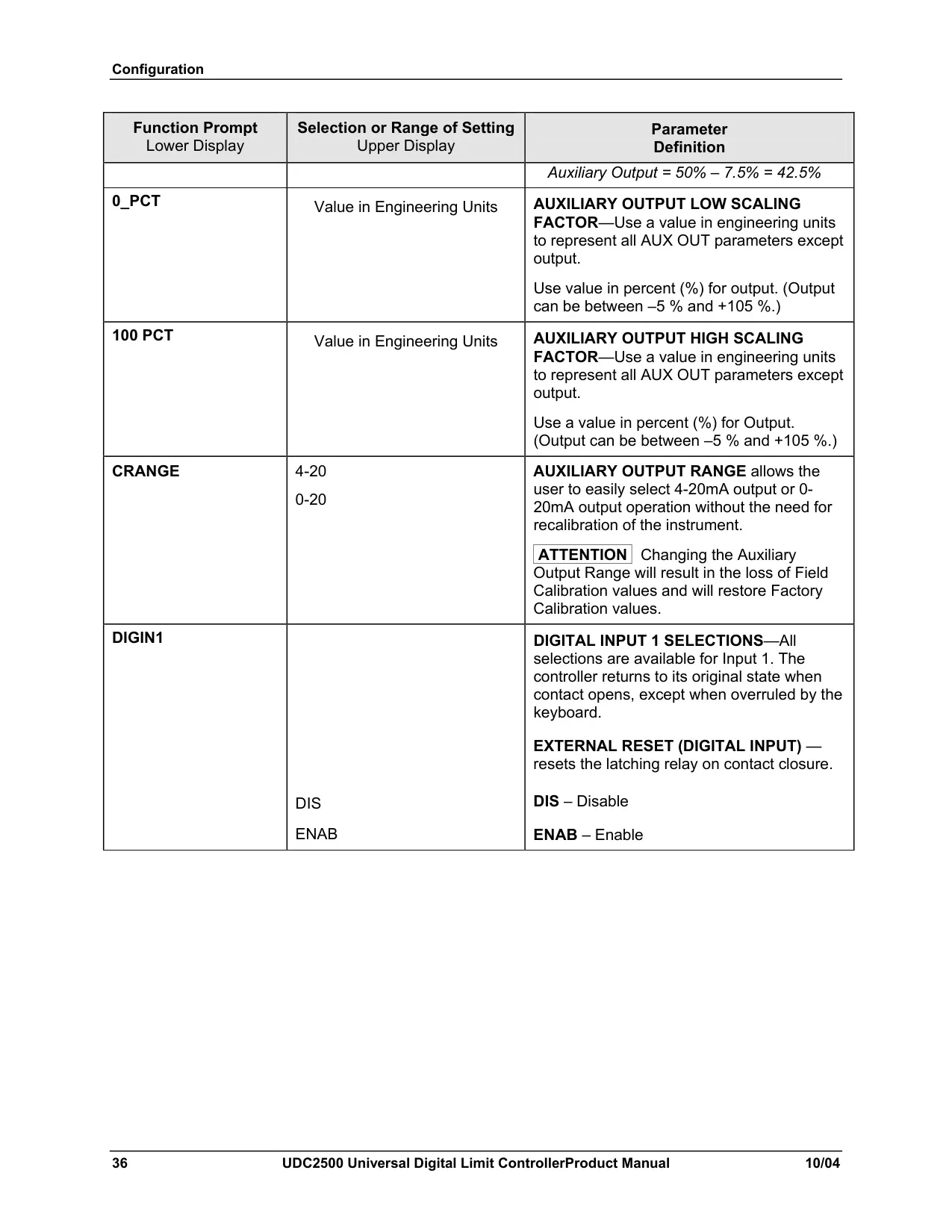
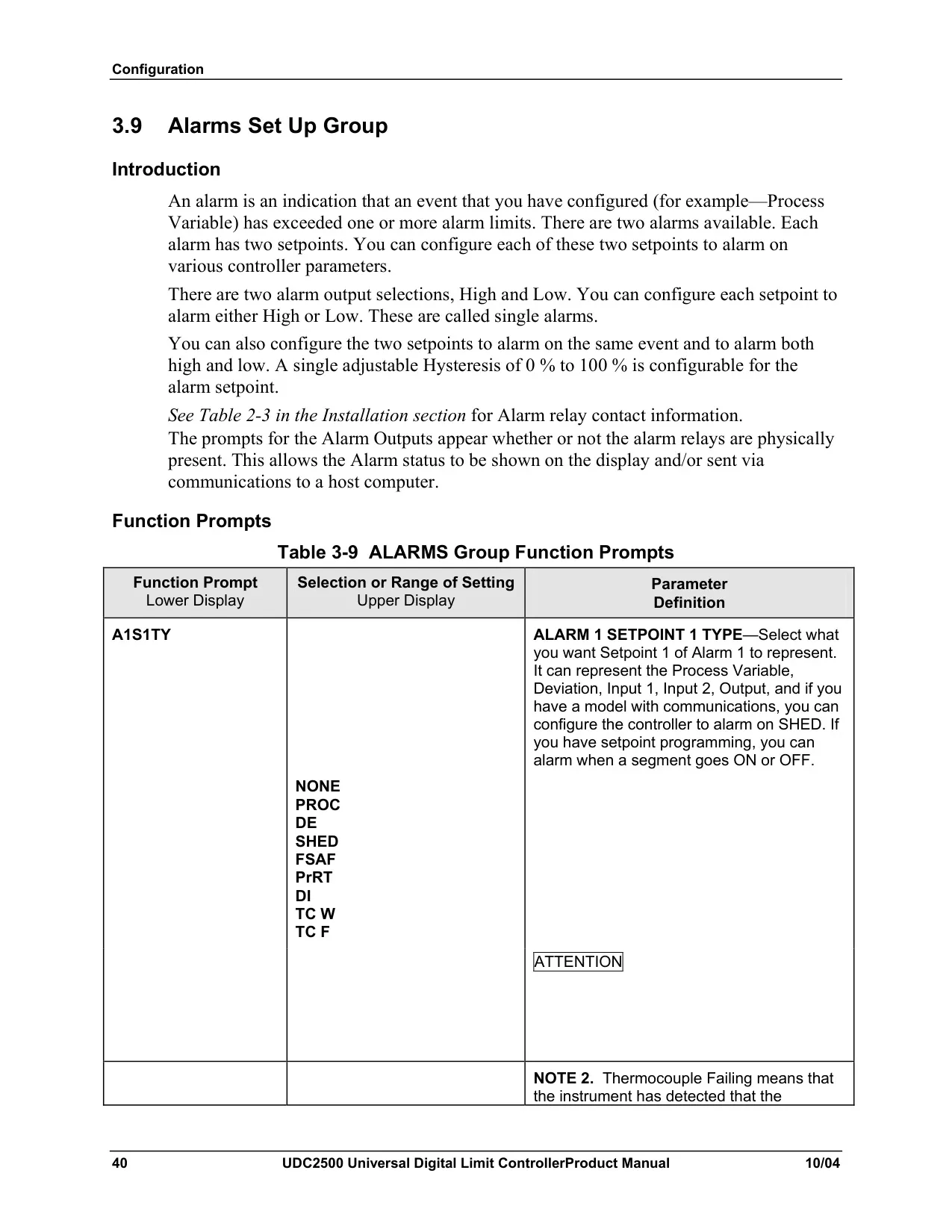
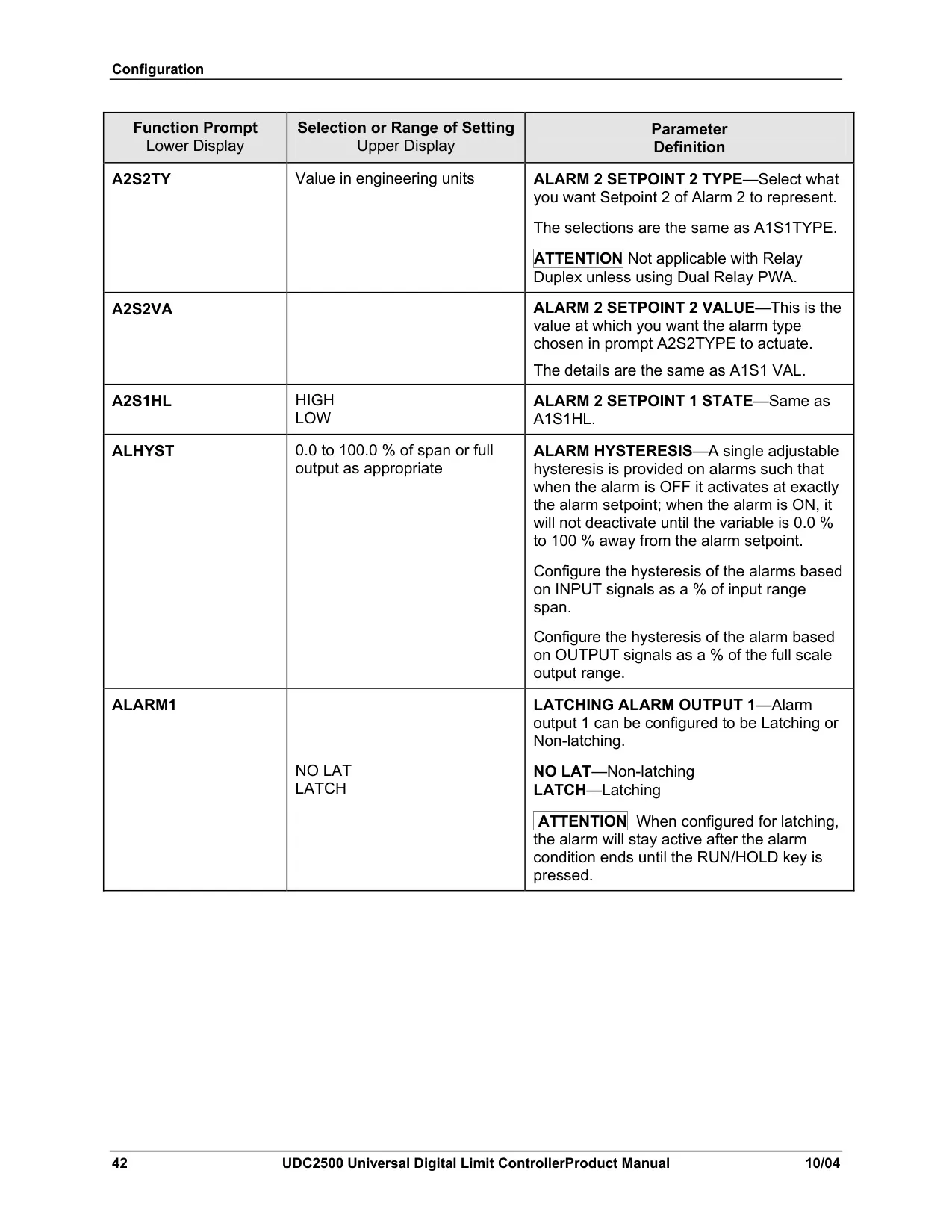
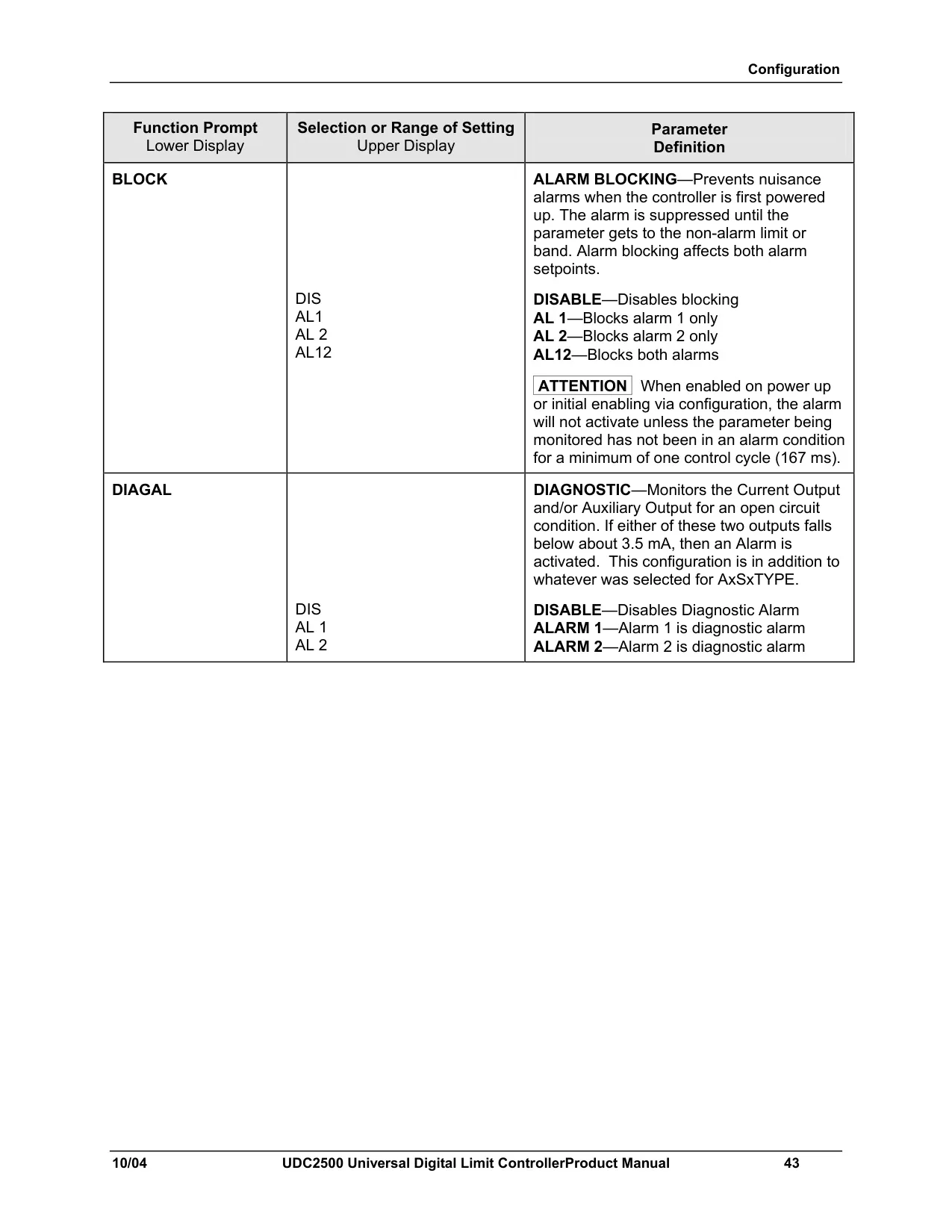
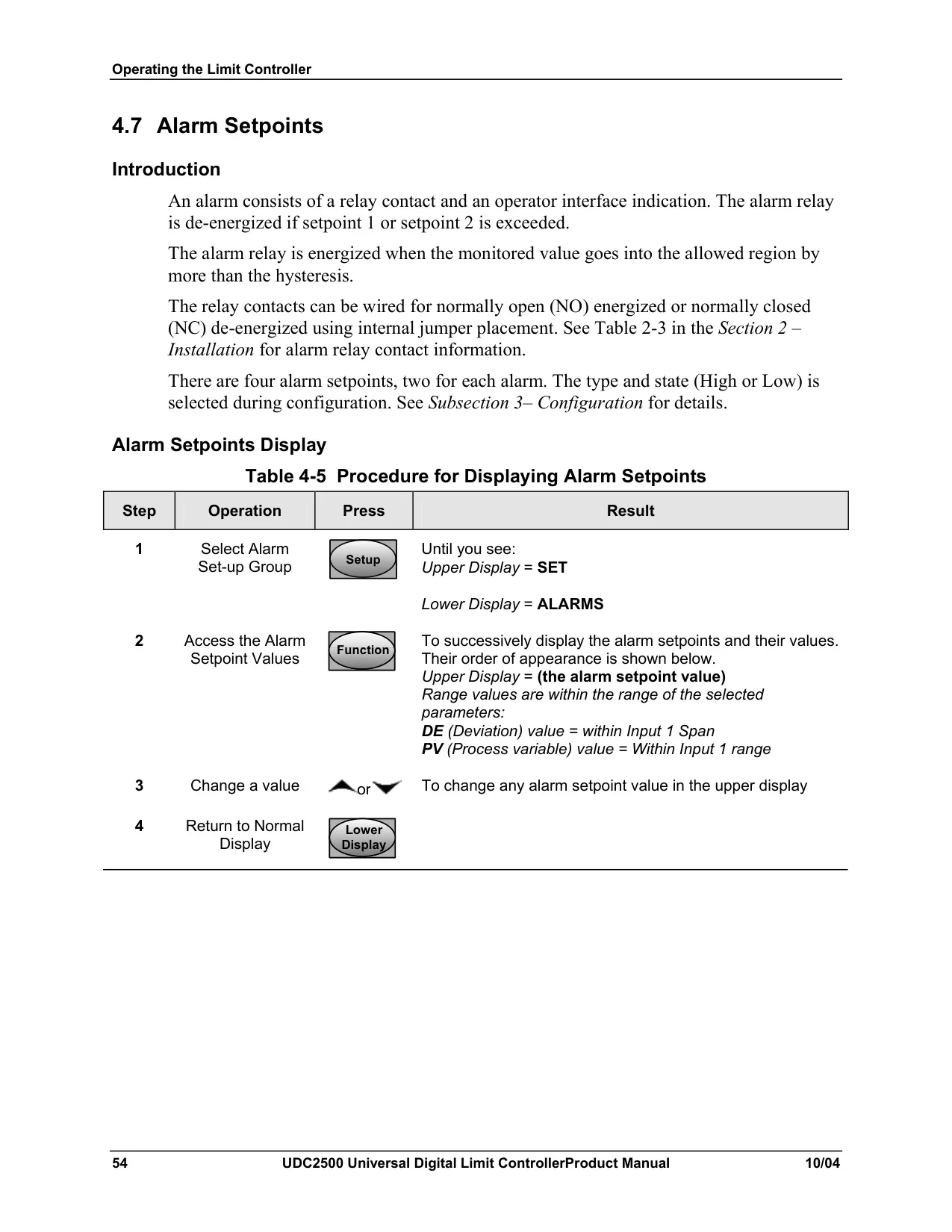
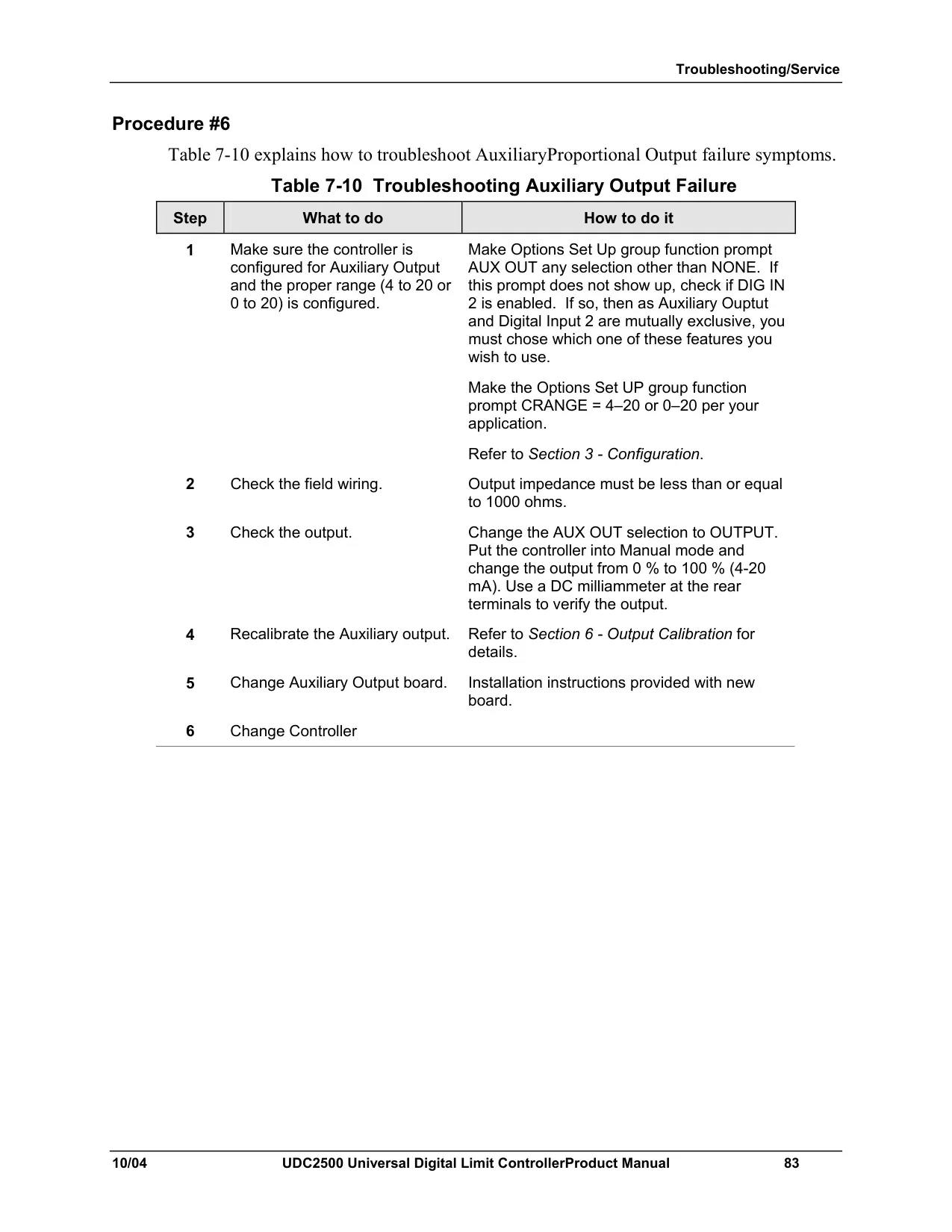
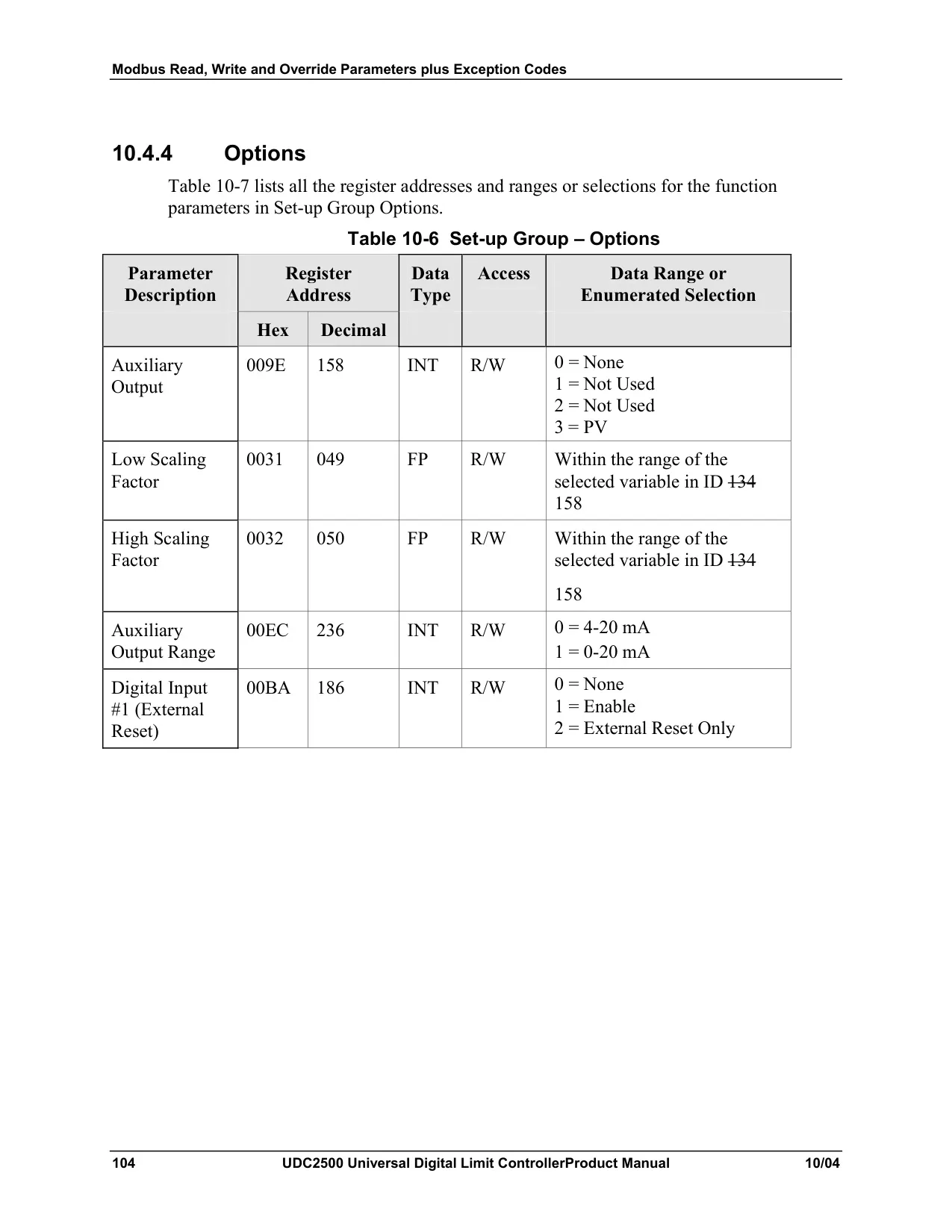
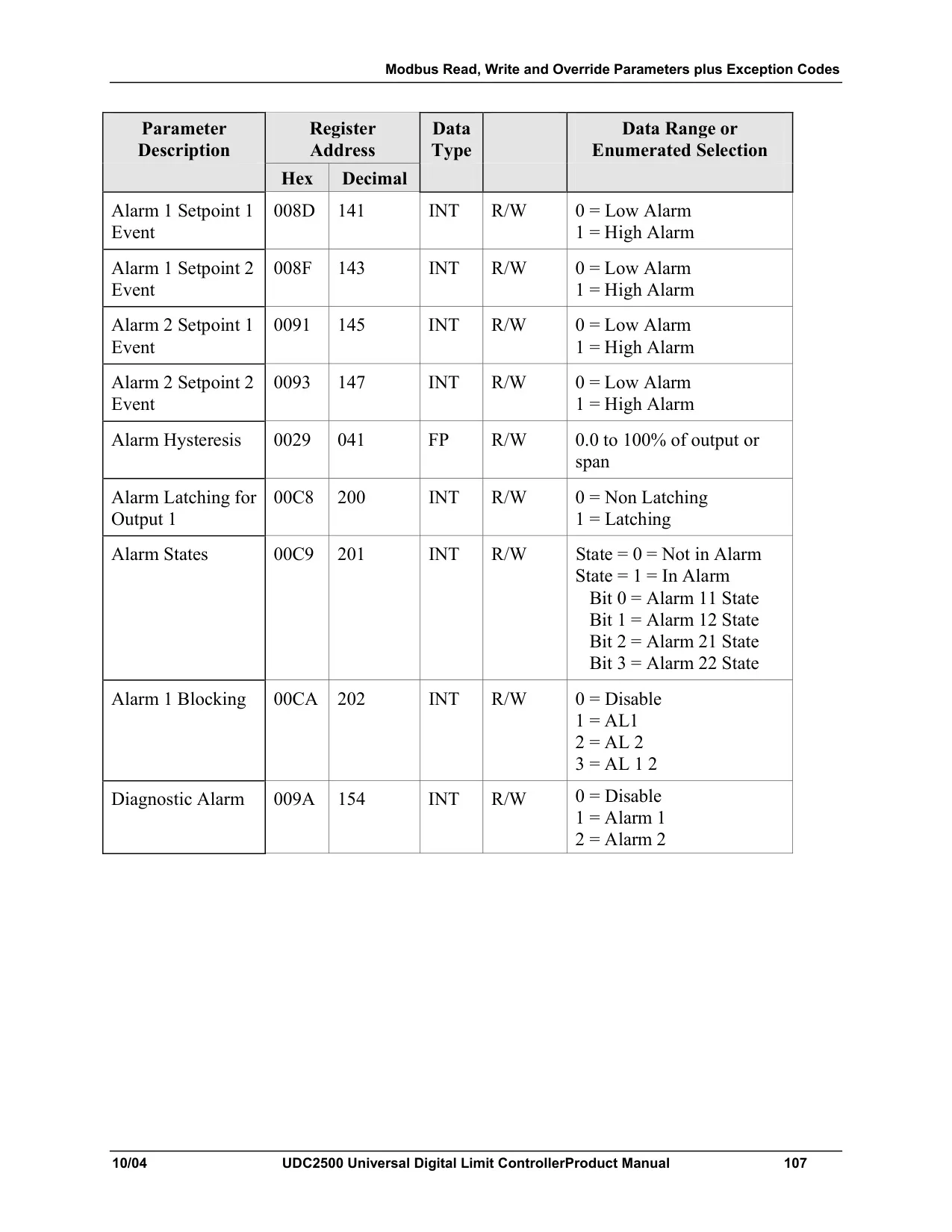
Operational versatility is enhanced by configurable power-up logic, allowing the latching relay to require a reset or resume normal operation. Digital inputs can be assigned various functions, including remote reset. The Auxiliary Output is highly adaptable, scalable from 0-21 mA, and configurable to represent different process parameters like Input 1, PV, or Deviation. Alarm functions are equally flexible, supporting multiple monitoring sources, latching/non-latching behaviors, and initial blocking to prevent nuisance alerts during startup.
Frequently Asked Questions (FAQs)
Can't find the answer you need? Here are some frequently asked questions about the Honeywell UDC2500 Digital Controller, and we answer them below.