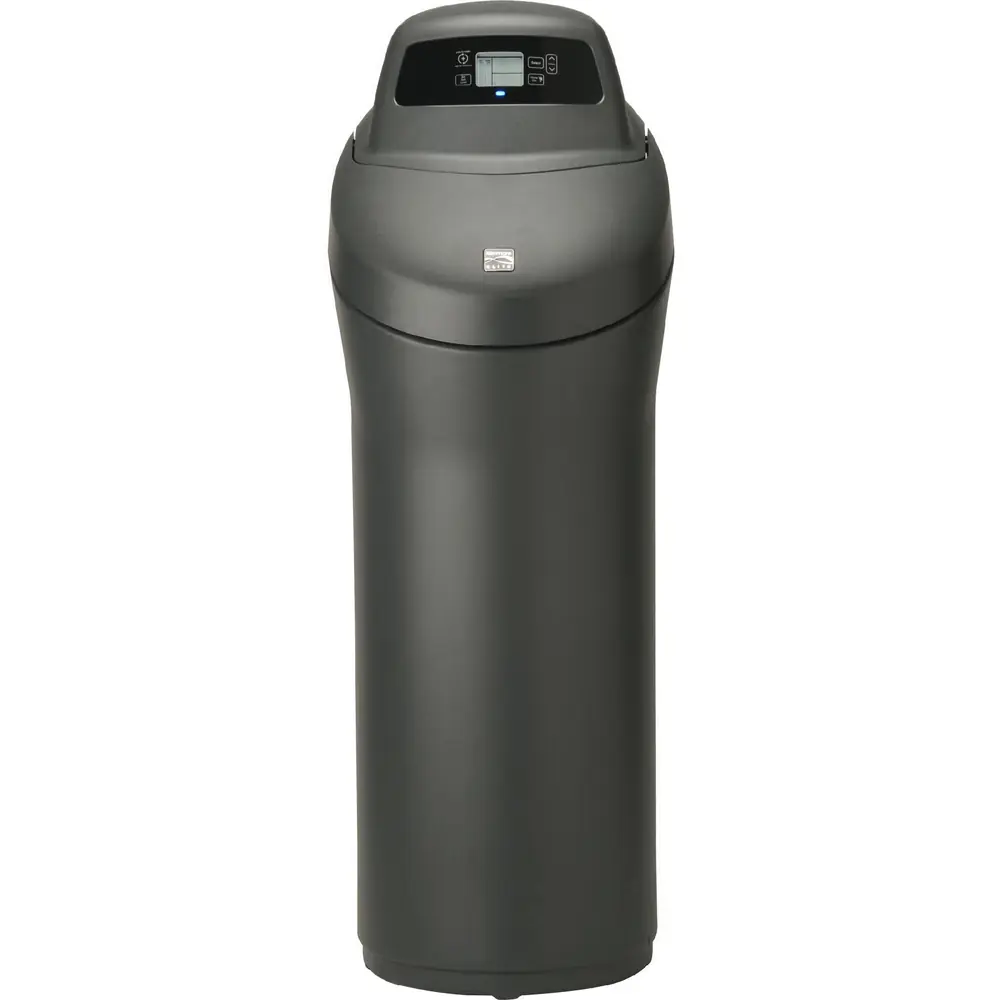
Kenmore Water Softener 625 Series Instruction Manual
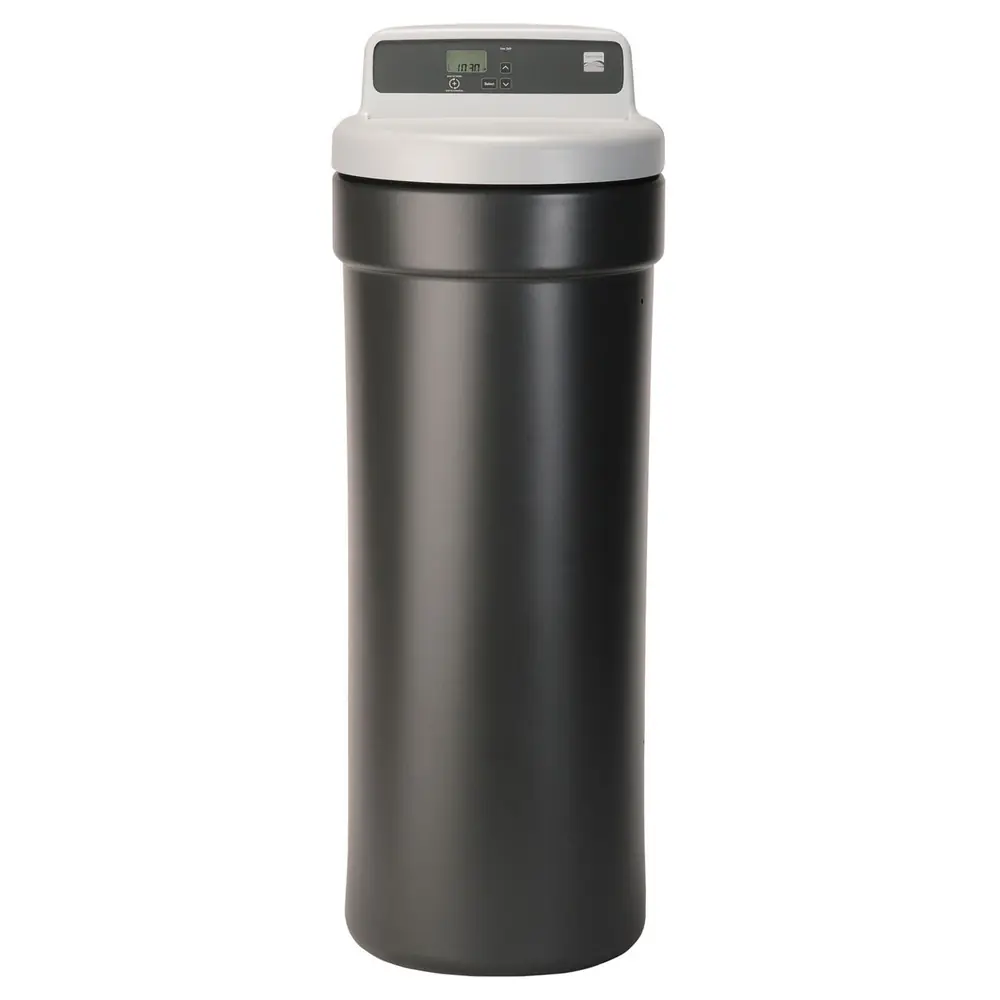
Kenmore Water Softener 625 Series
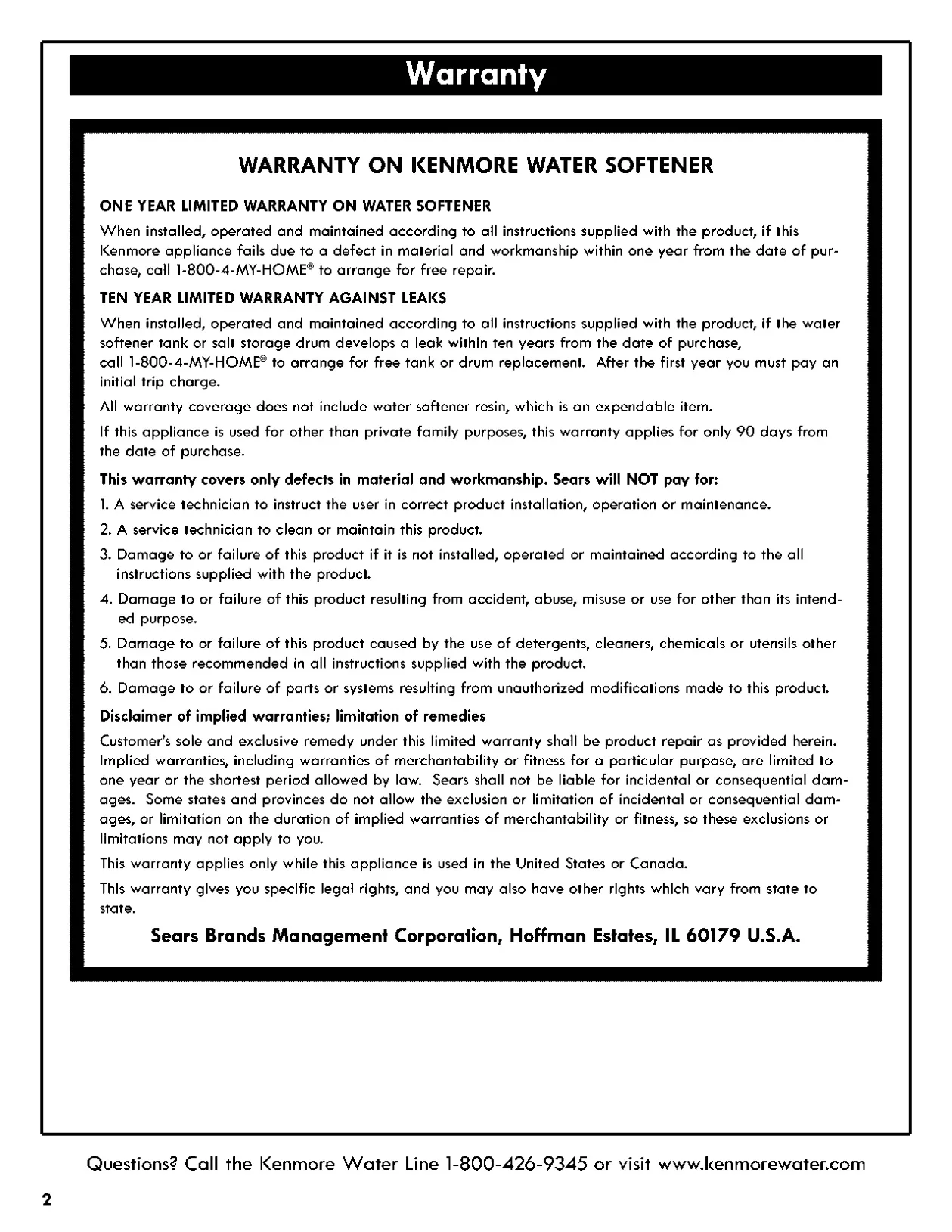
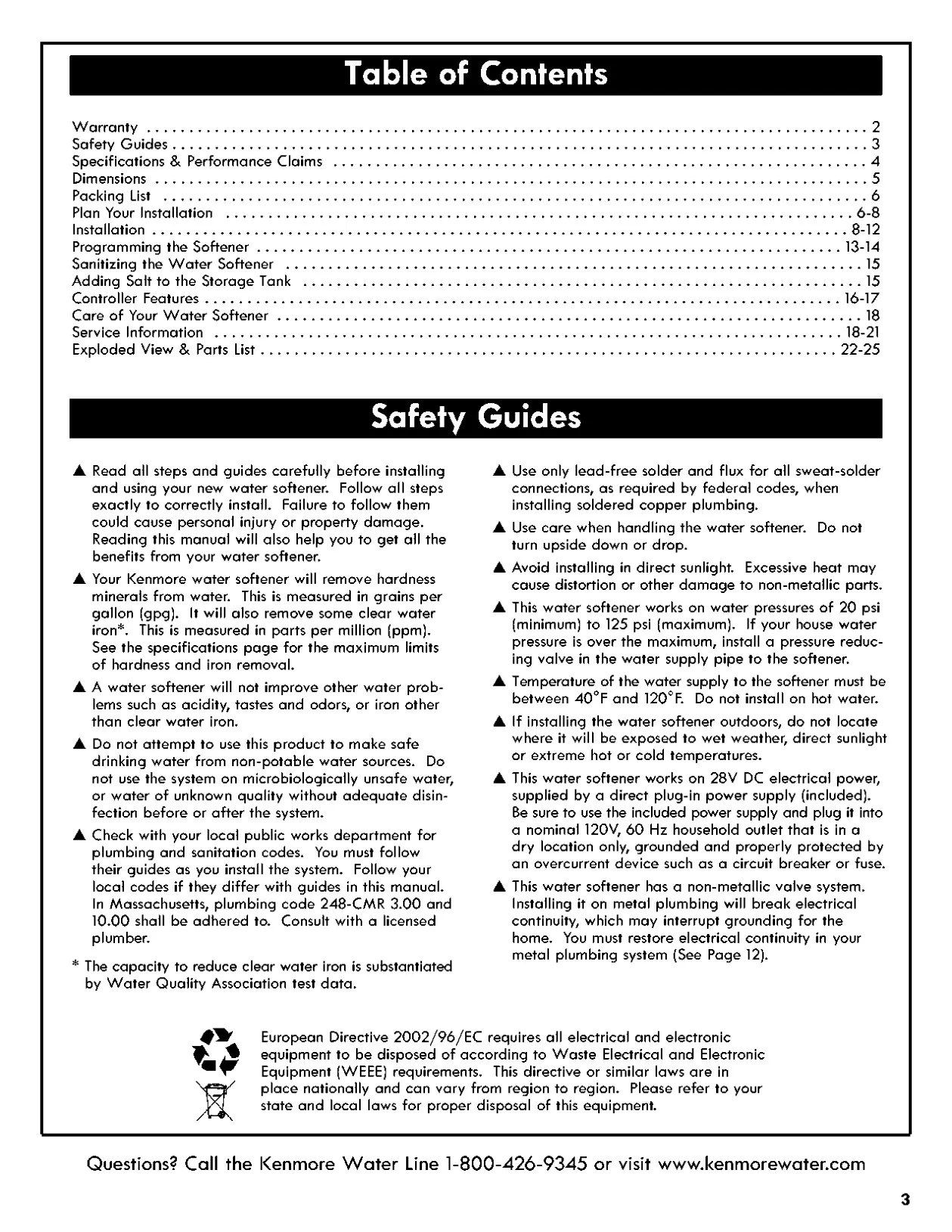










Kenmore Water Softener 625 Series

Kenmore 625 Series Instructions
Here we offer the Kenmore Water Softener 625 Series manual completely free and in English. We have cataloged this manual in the Water Softeners section on Manualverse, and it has been rated by 1 users with an average rating of 5. If you have any specific questions about Kenmore Water Softener 625 Series, we suggest checking the Frequently Asked Questions (FAQs) section of this manual.
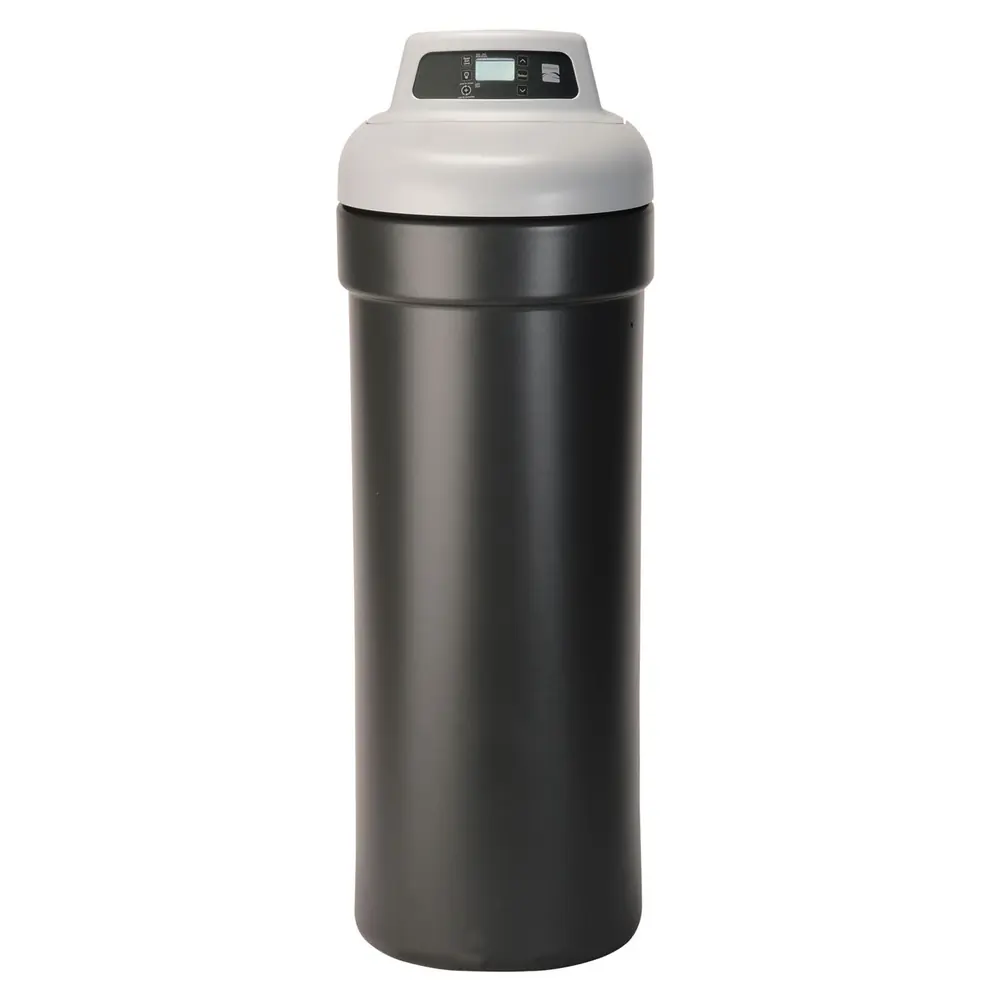
Product Images


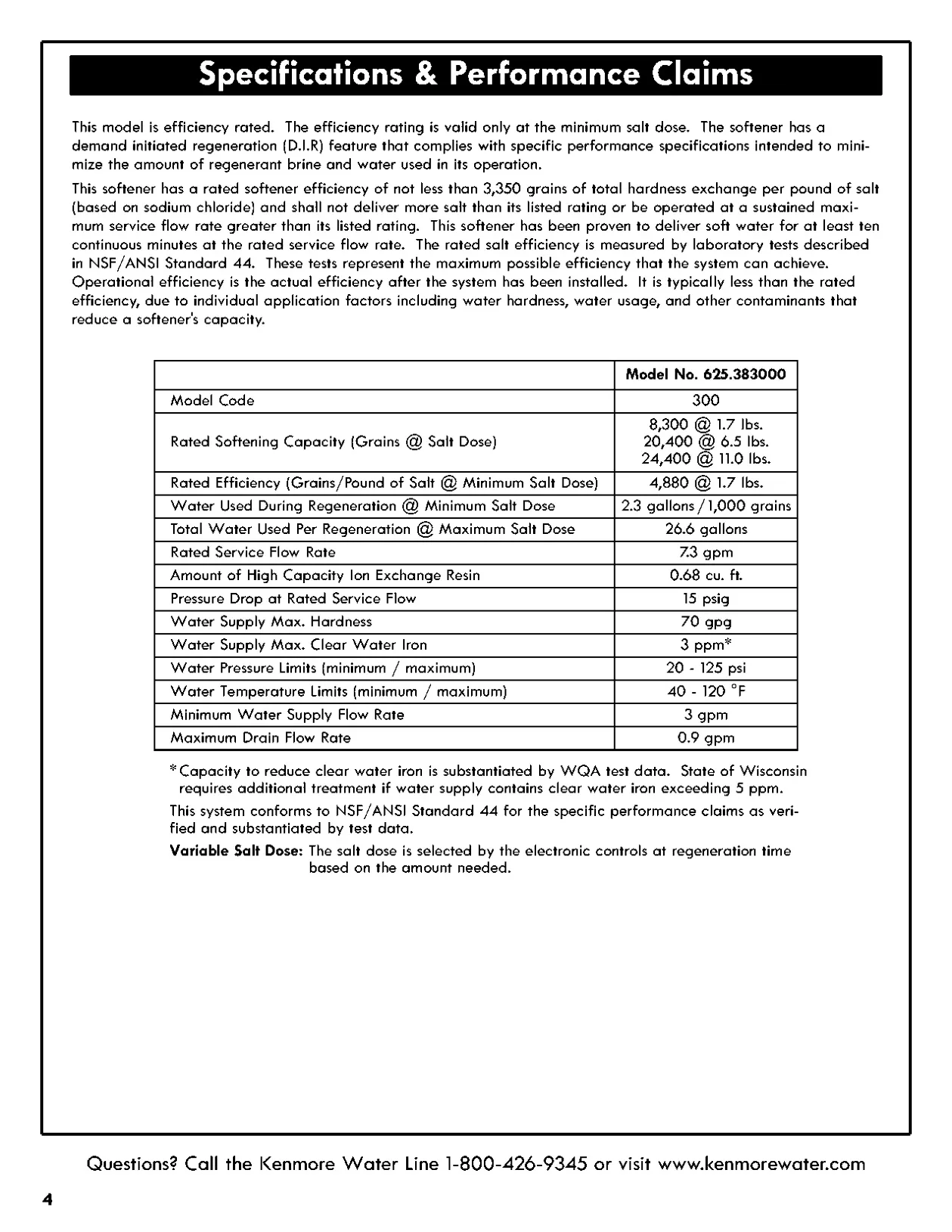
Kenmore Water Softener 625 Series Specifications
| Feature | Specification |
|---|---|
| Model Series | Kenmore Water Softener 625 Series |
| Electrical Requirements | 120V AC, 60Hz |
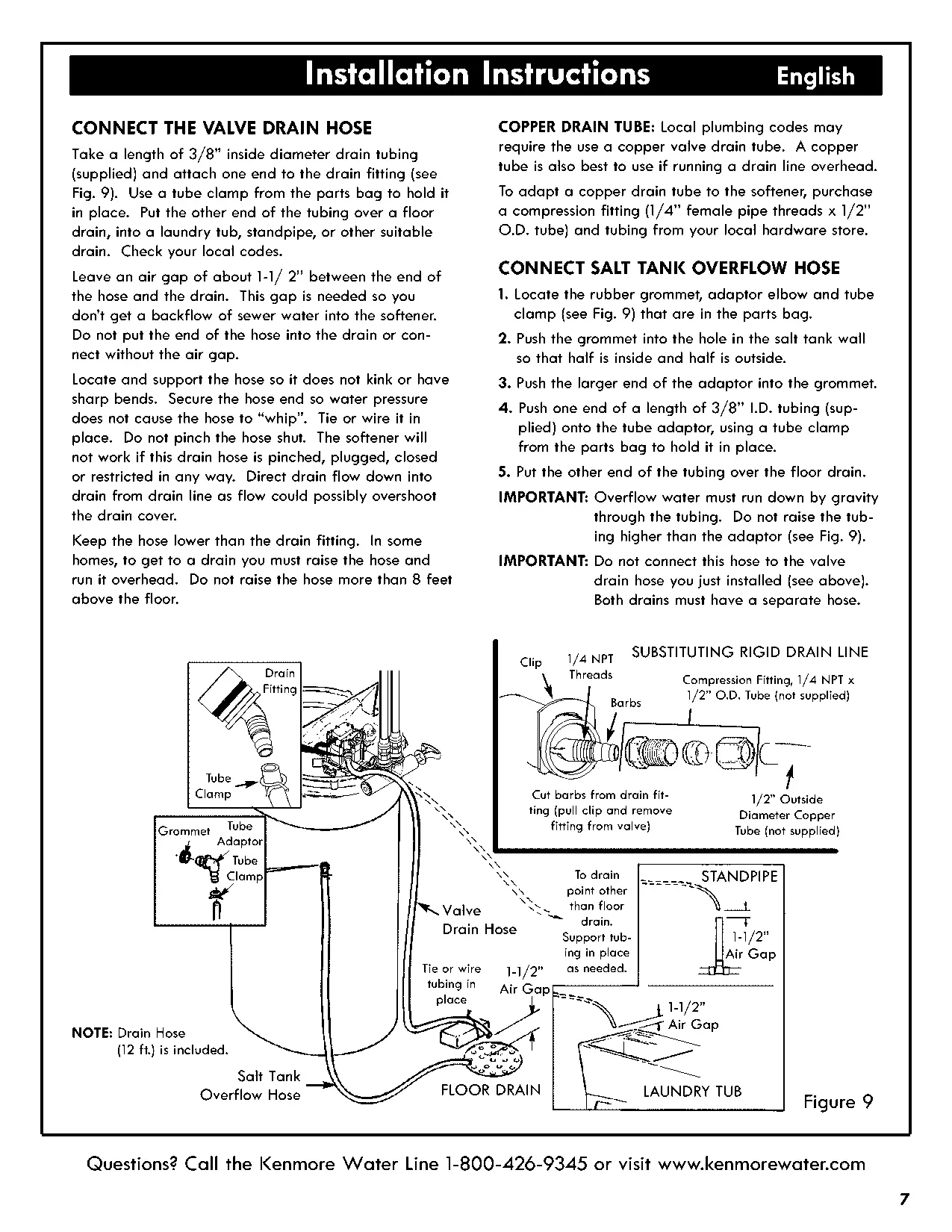
| Maximum Operating Water Pressure | 125 psi |
| Minimum Operating Water Pressure | 20 psi |
| Maximum Operating Water Temperature | 100°F (38°C) |
| Minimum Operating Water Temperature | 35°F (2°C) |
| Drain Line Connection | 1/2" NPT |
| Brine Line Connection | 3/8" OD tubing |
| Inlet/Outlet Connections | 3/4" or 1" NPT (with available adaptors) |
| Maximum Drain Hose Length (Recommended) | 20 feet |
| Maximum Drain Hose Height (Recommended) | 8 feet |
Kenmore Water Softener 625 Series Details
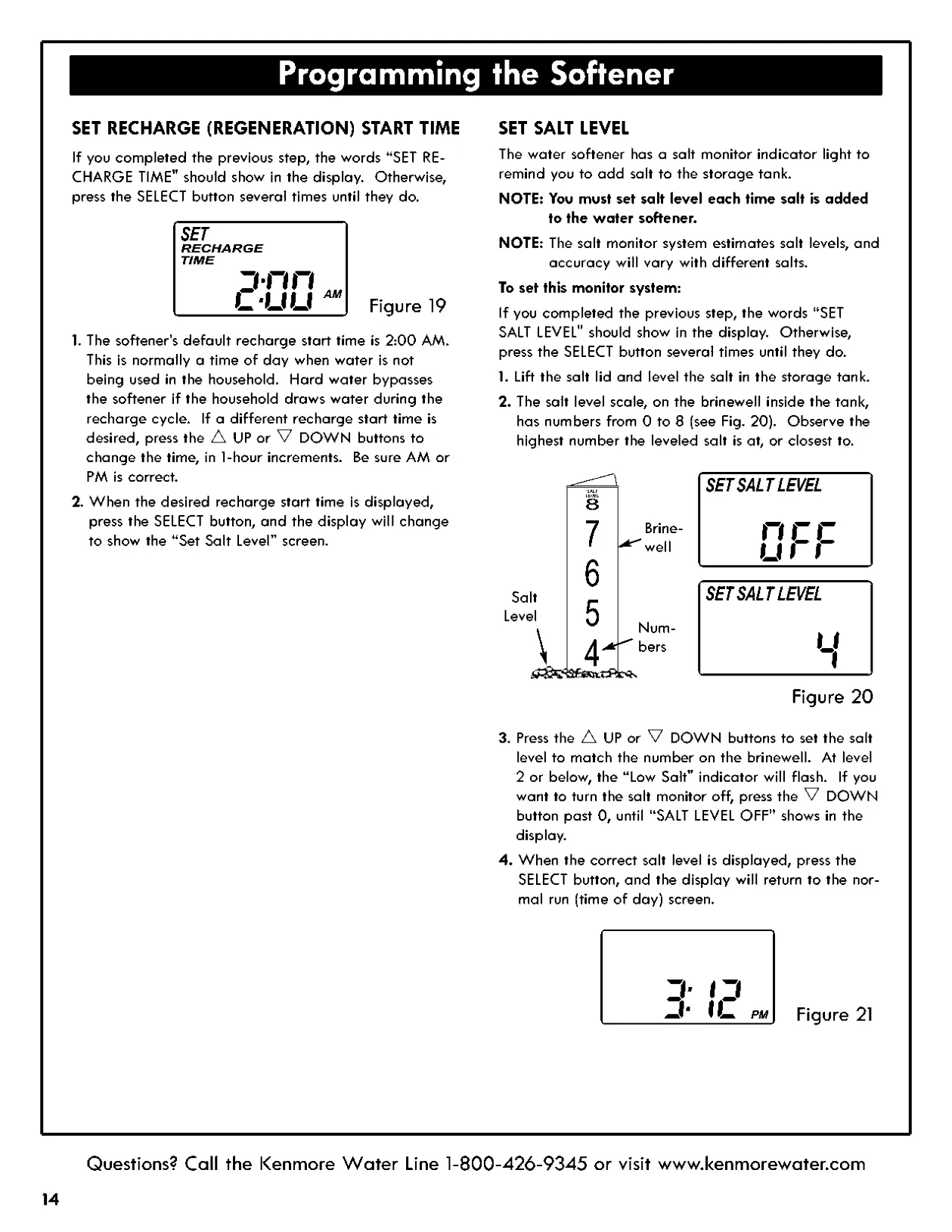
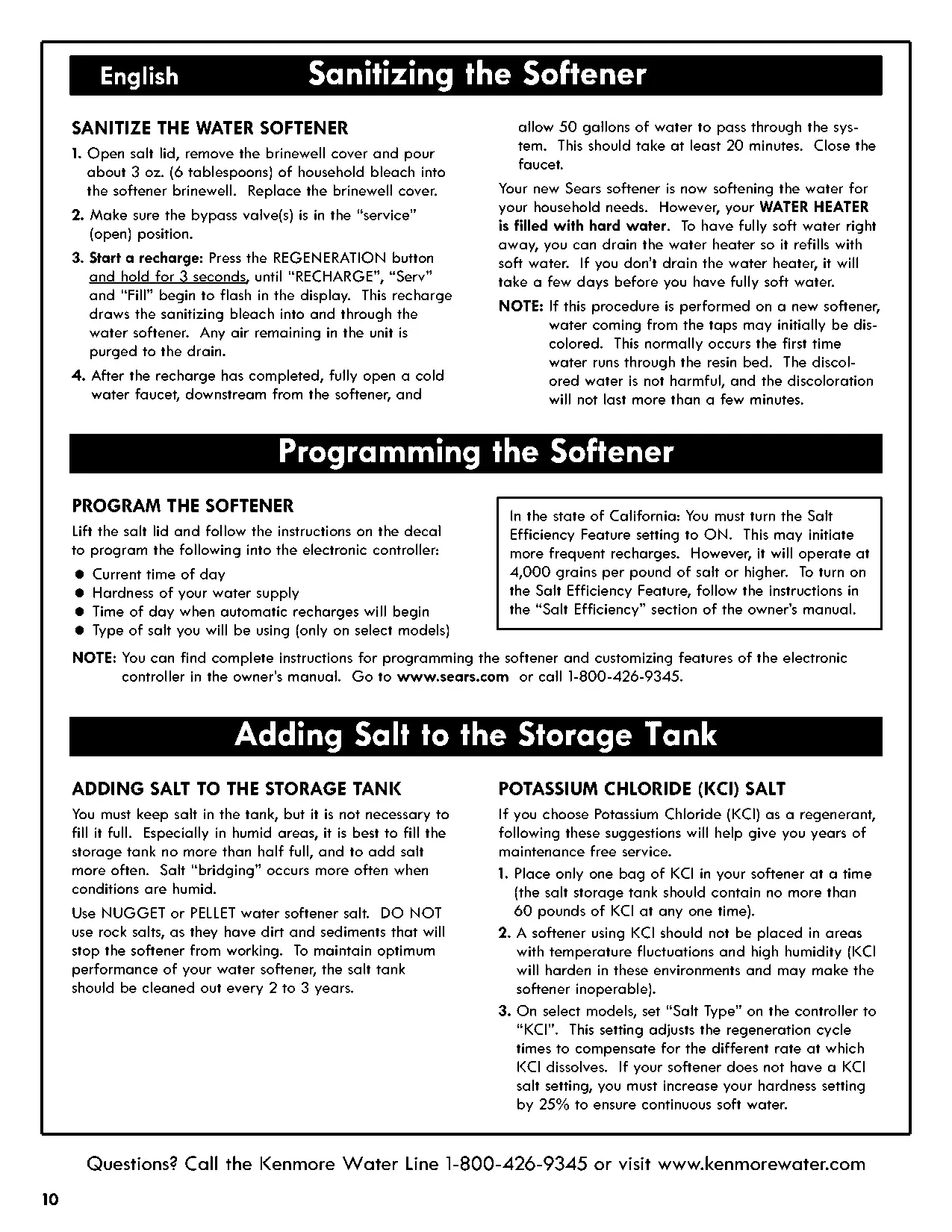
The Kenmore Water Softener 625 Series features an intuitive electronic control system, enabling precise customization of its operation. Users can easily program the current time of day and crucial water hardness settings. This advanced control panel is central to managing the softener's efficiency, ensuring it regenerates optimally based on household water usage and local water conditions. The system typically performs regeneration during off-peak hours to minimize disruption.
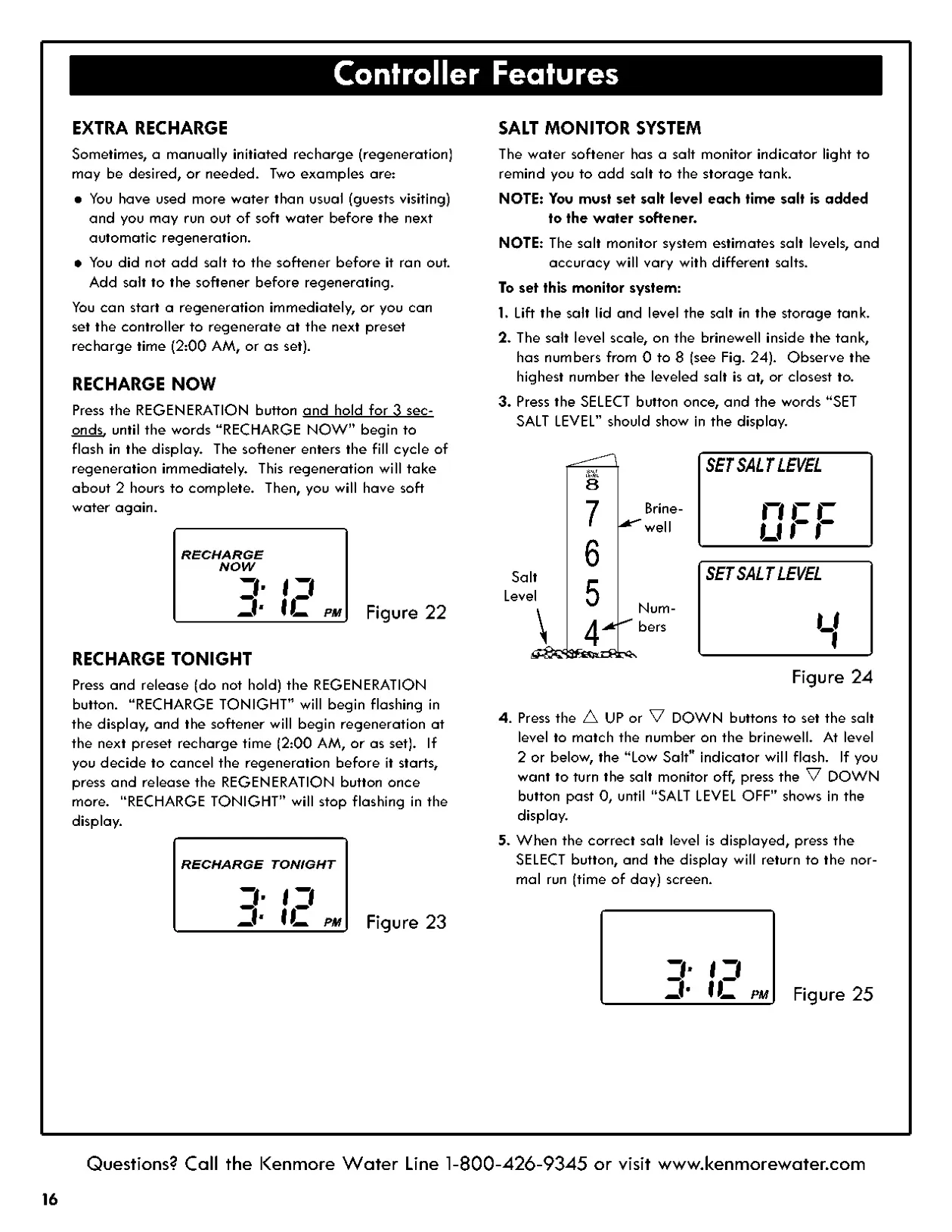
One key feature is the REGENERATE NOW option, allowing for immediate manual regeneration if needed, such as after periods of high water usage. The softener is designed to regenerate automatically, typically overnight, using a metered system to track water consumption. This approach ensures that salt and water are used efficiently, only regenerating when necessary, which contributes to lower operating costs and reduced environmental impact.
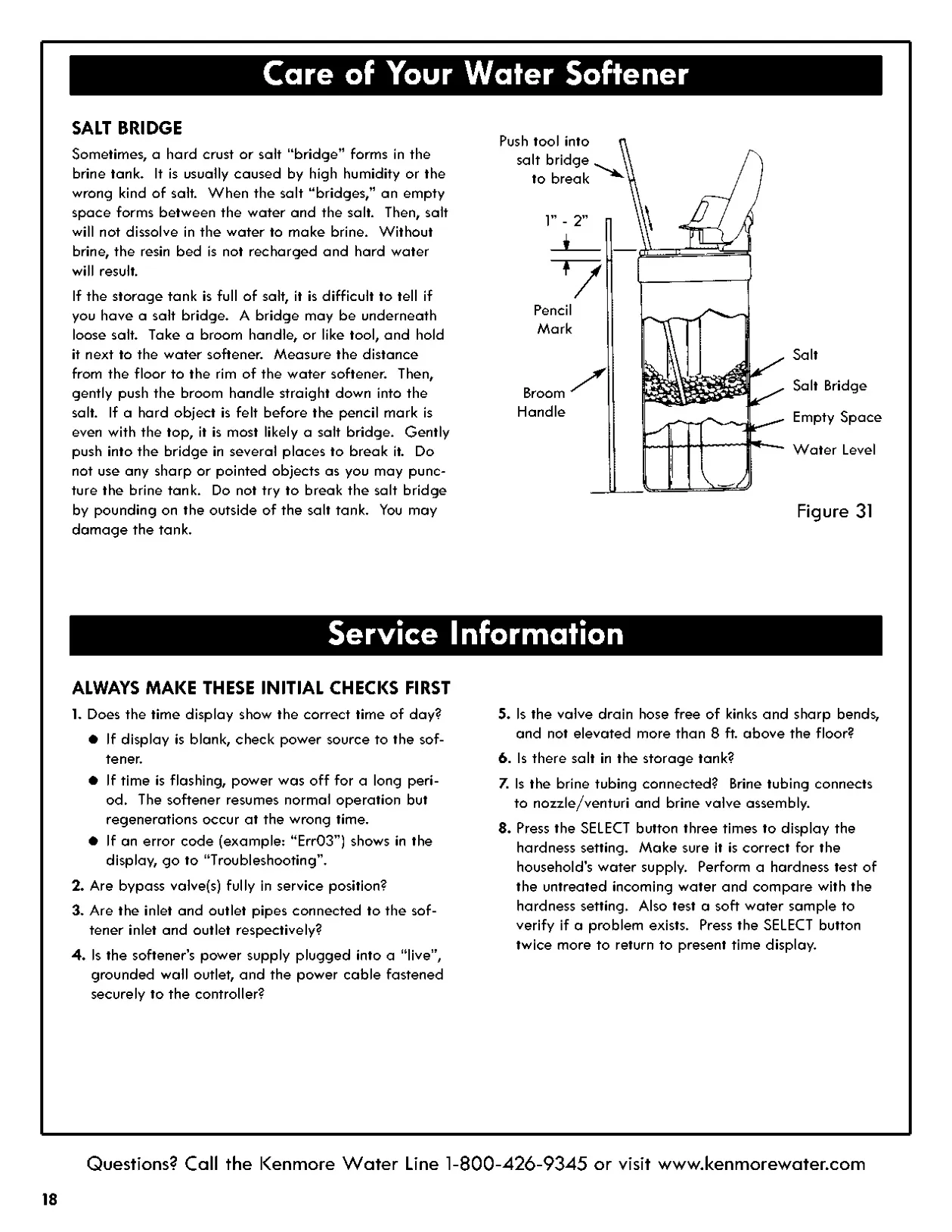
Proper salt management is critical for the 625 Series. The unit is compatible with both sodium chloride (NaCl) and potassium chloride (KCl) water softener salts. The manual provides clear guidance on how to maintain adequate salt levels and address common issues like a "salt bridge," which can impede regeneration. Regular monitoring of the salt storage tank ensures continuous soft water availability.
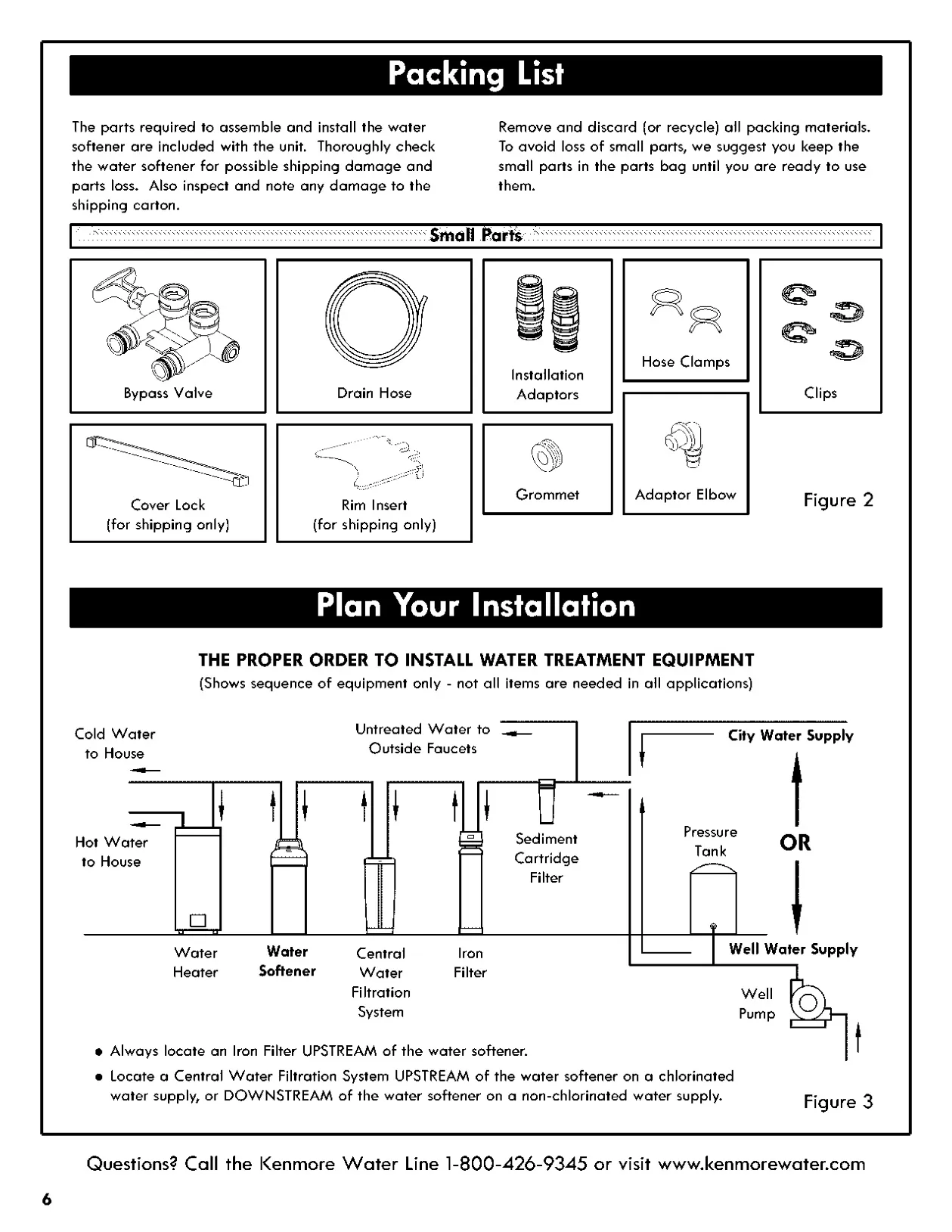
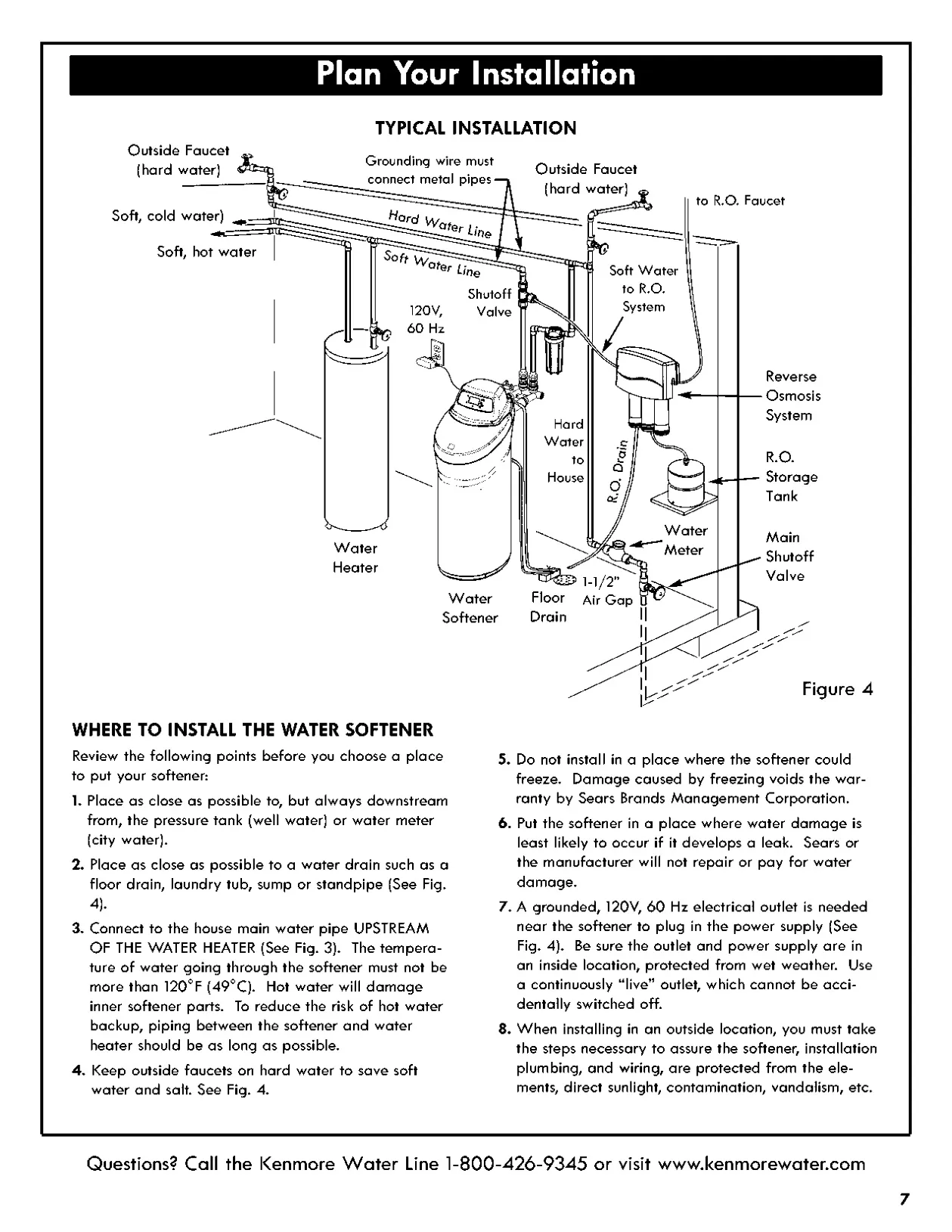
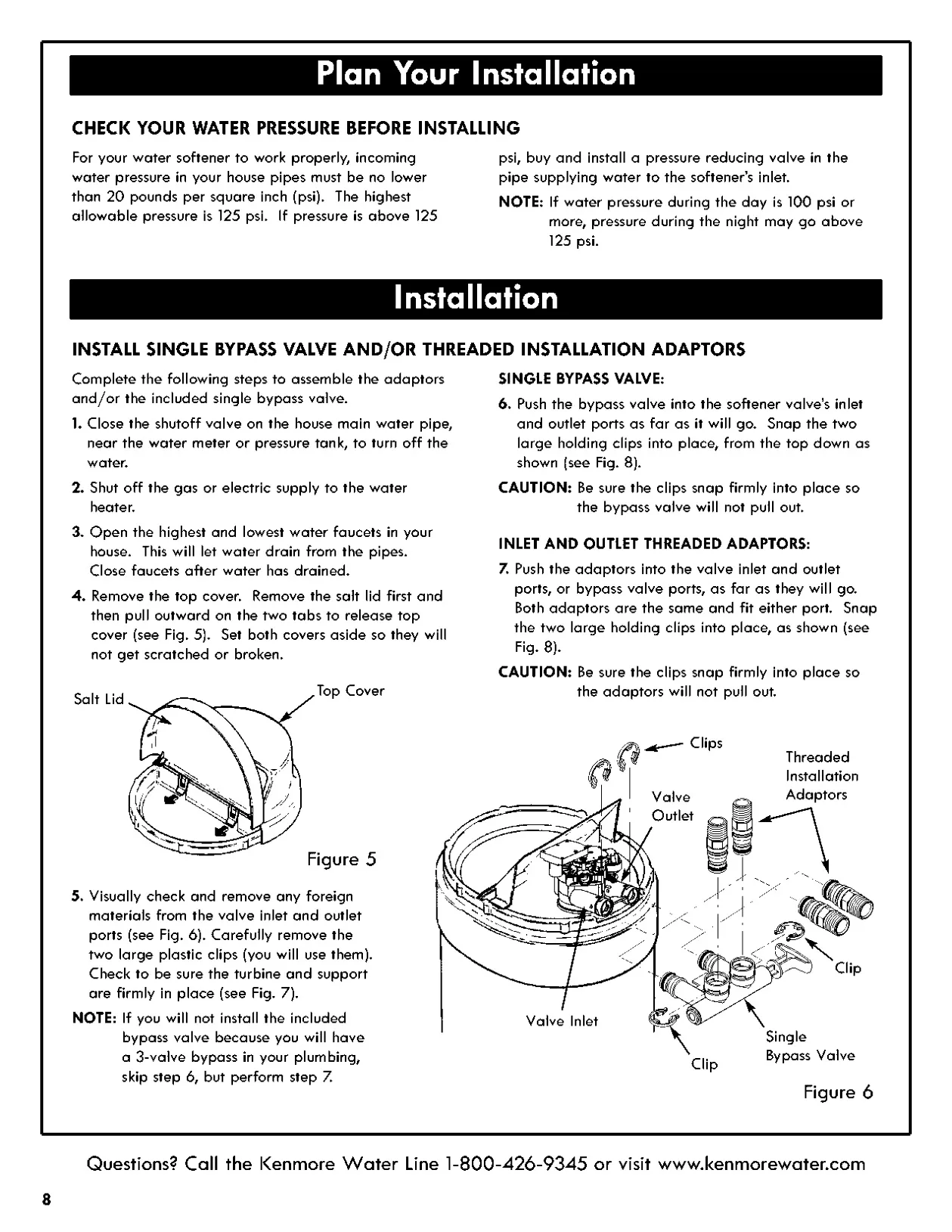
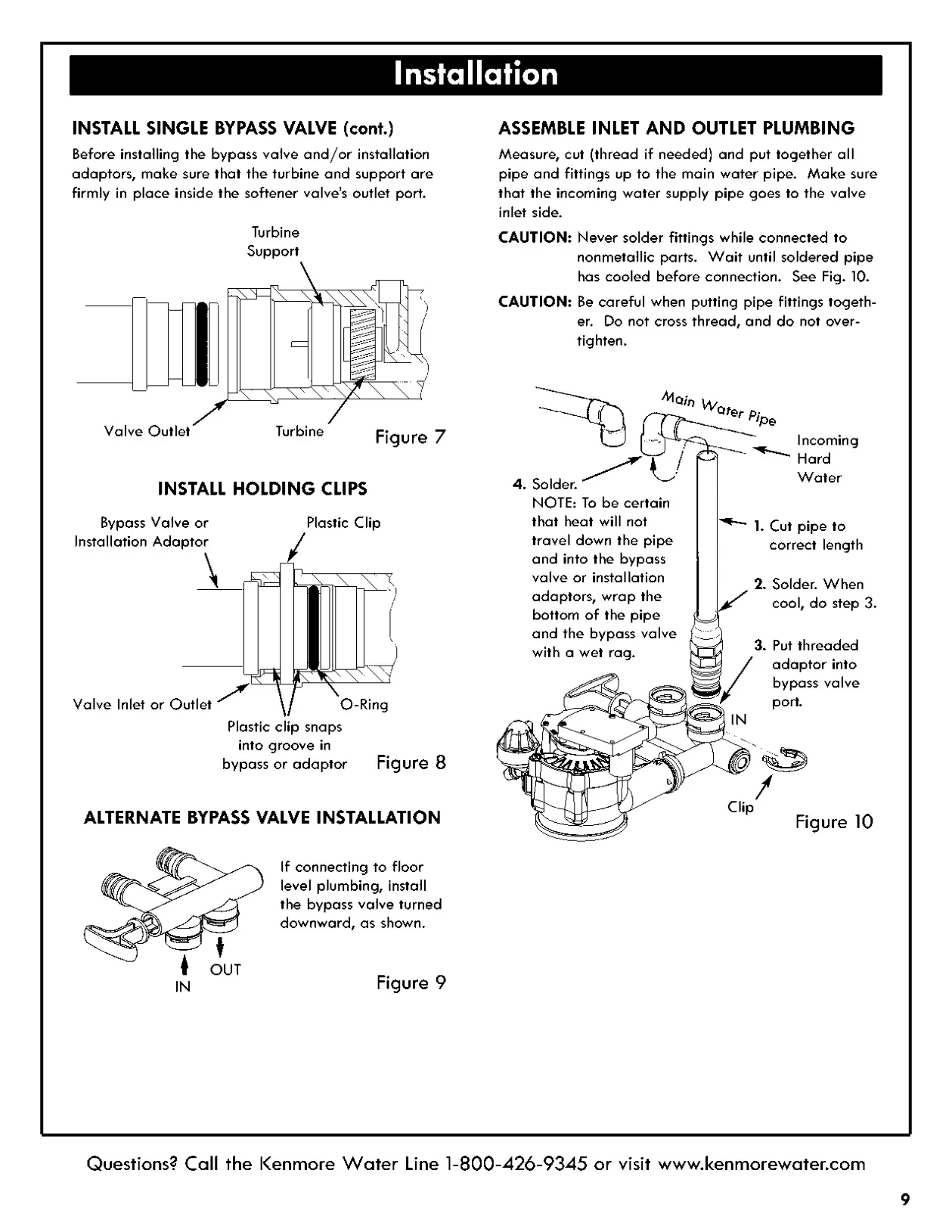
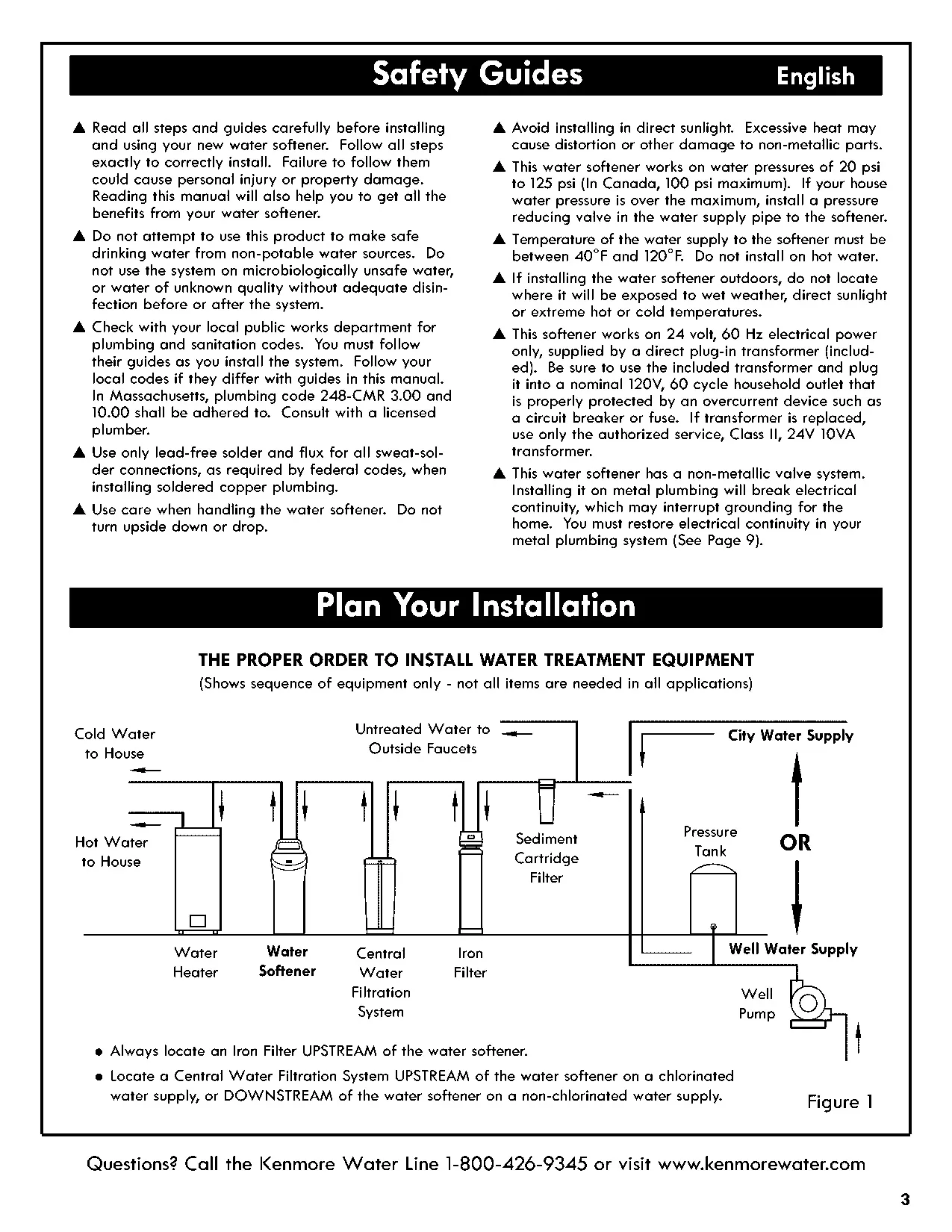
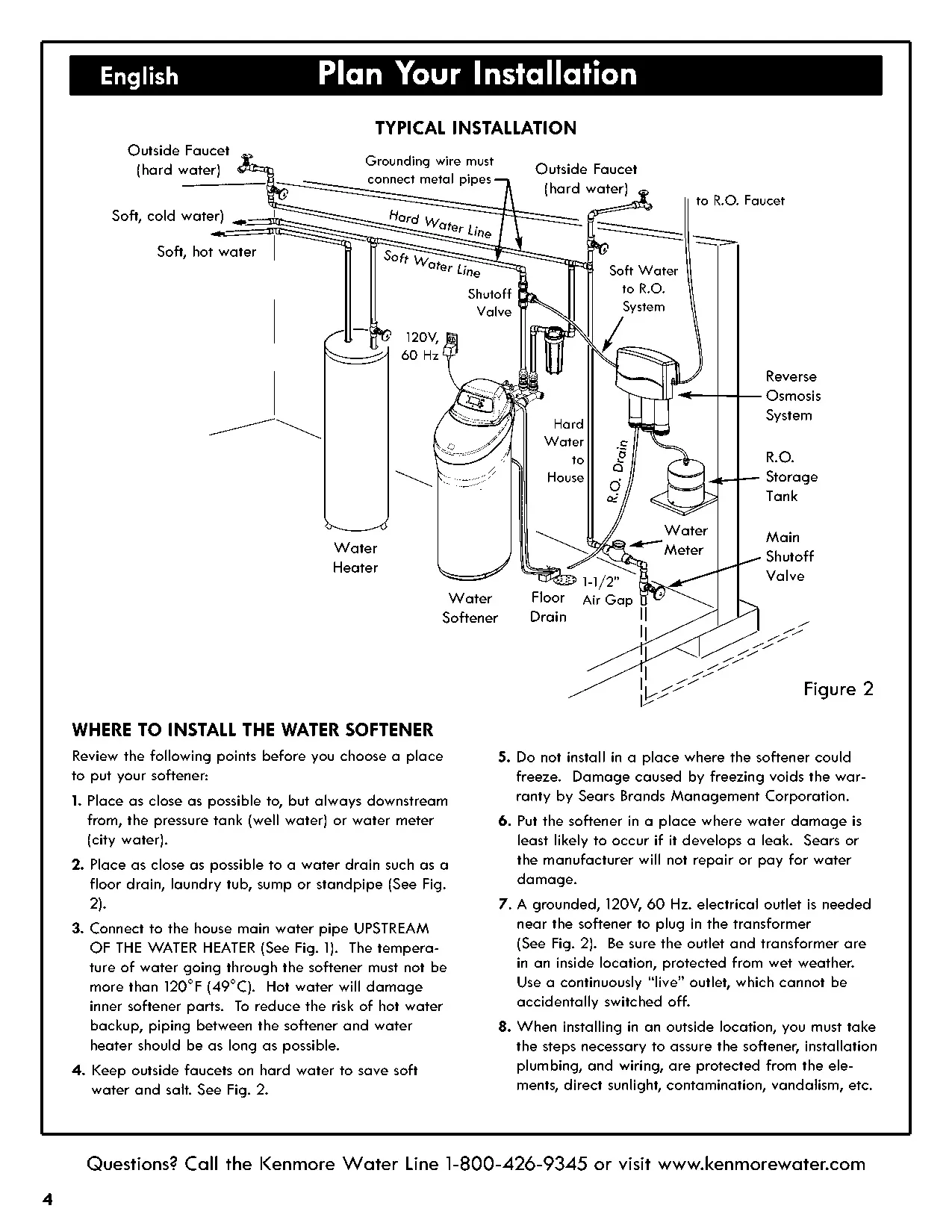
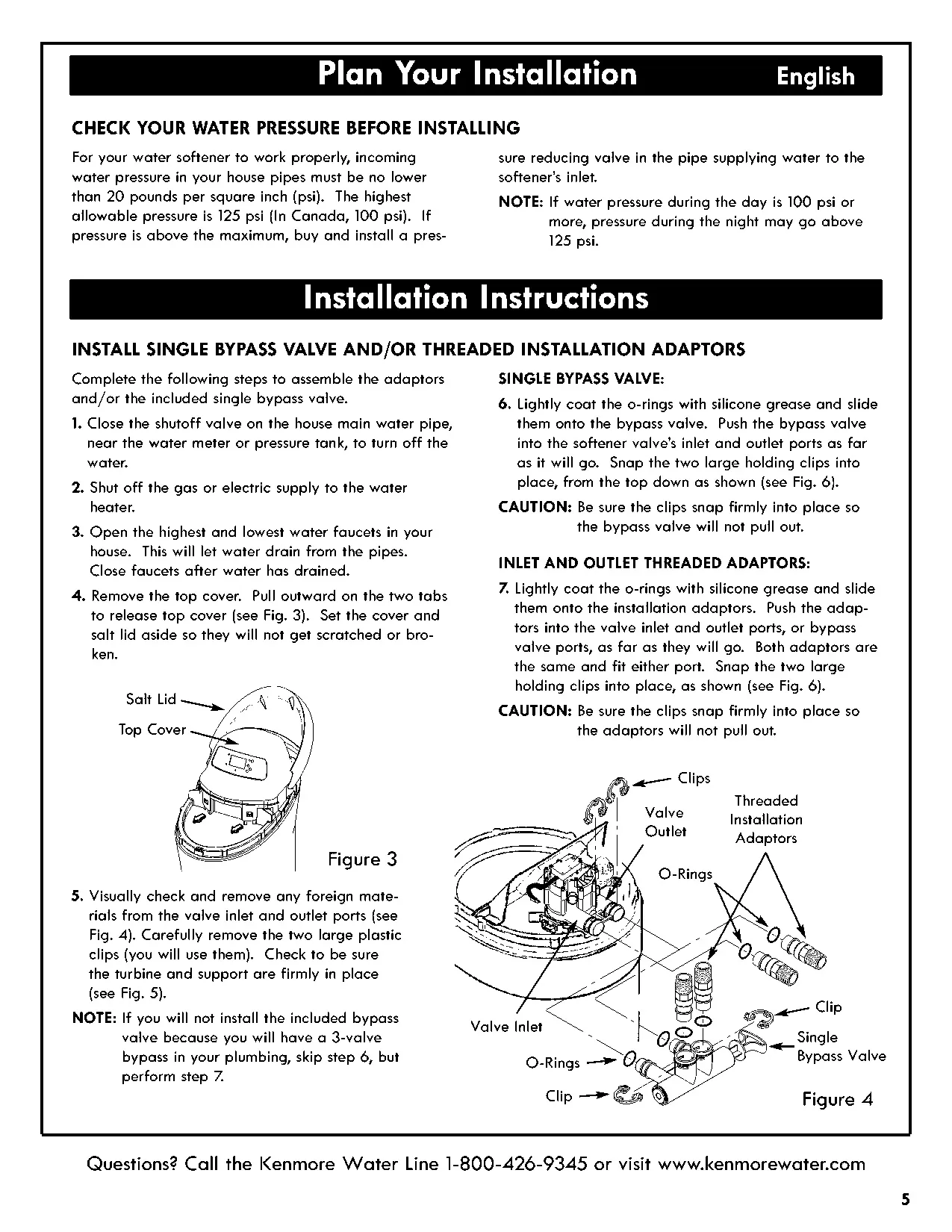
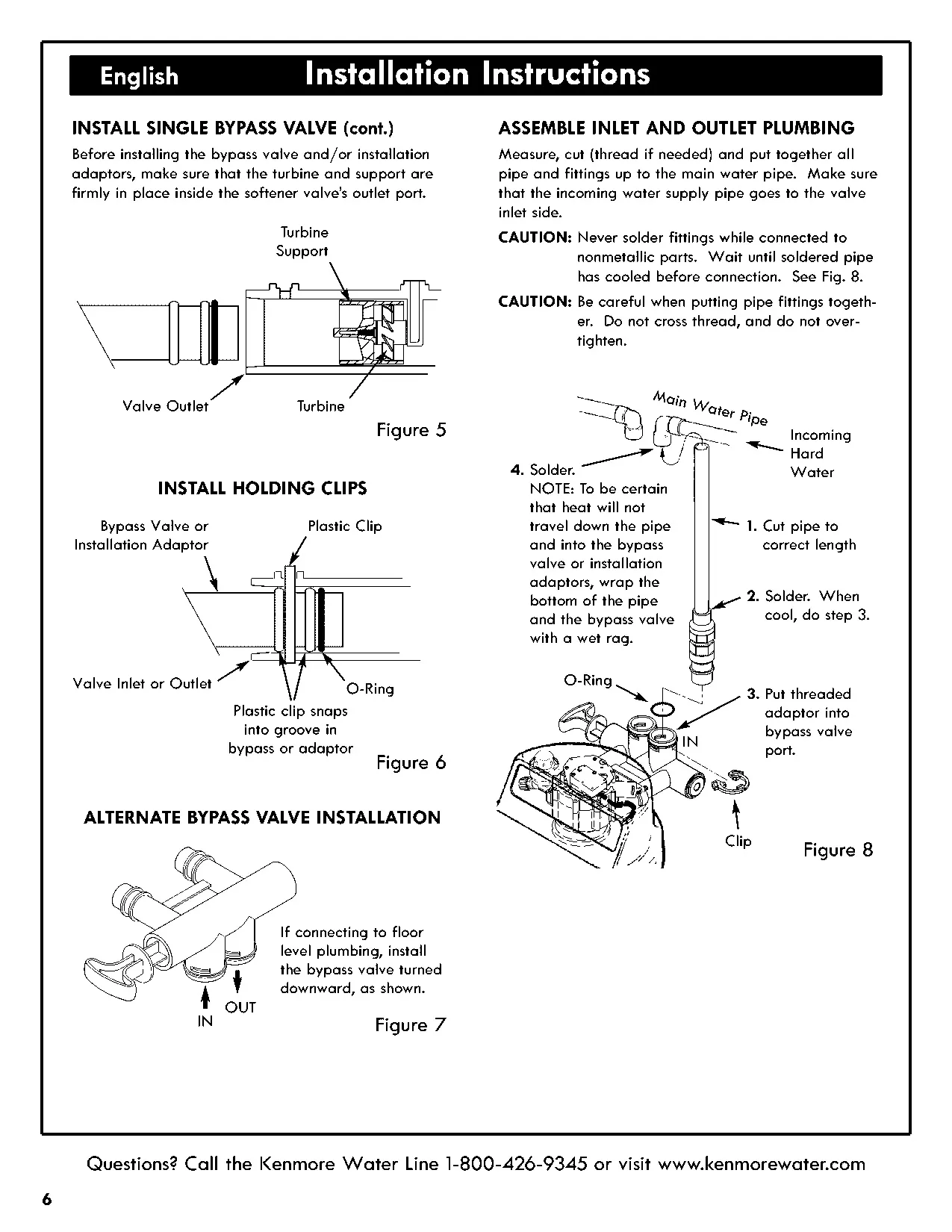
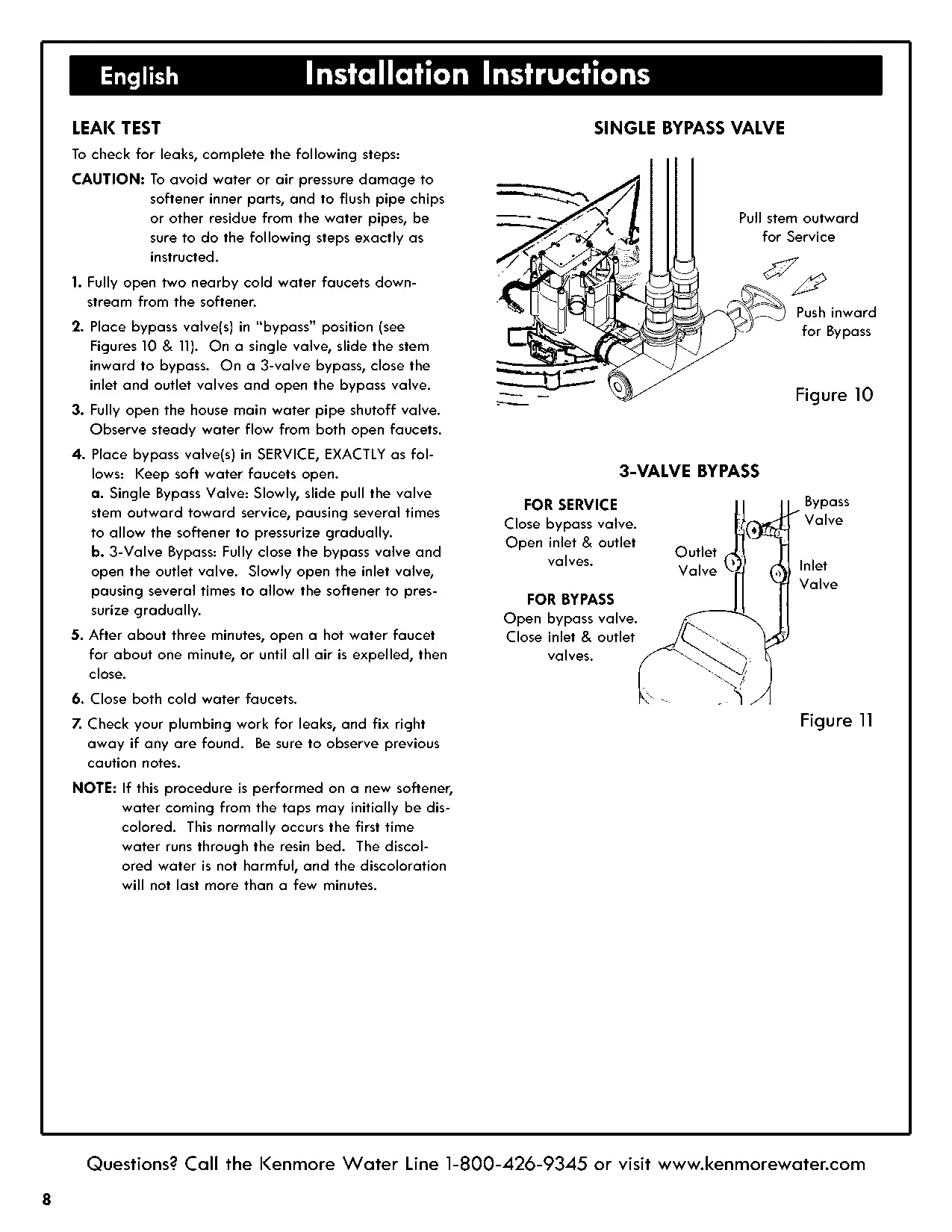
The installation process is detailed, emphasizing proper placement, plumbing, and electrical connections. A crucial component is the bypass valve, which allows users to direct water around the softener for maintenance or if untreated water is temporarily desired. This feature provides flexibility and simplifies service, making it possible to work on the unit without shutting off the main water supply to the home.
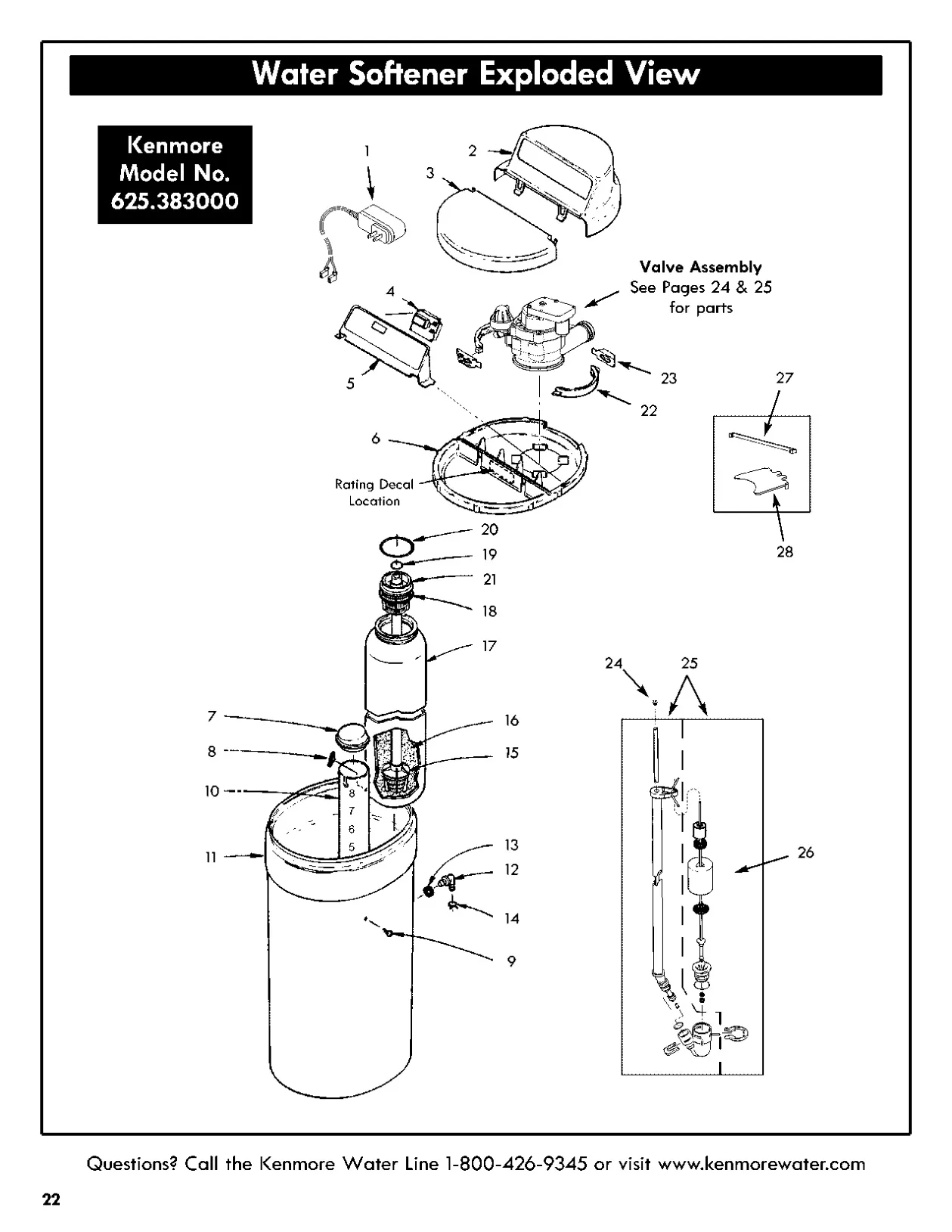
Maintenance for the 625 Series includes periodic cleaning of the nozzle and venturi assembly, a vital part of the brine draw system. The manual offers step-by-step instructions for this task, ensuring optimal performance. Furthermore, the electronic control displays error codes (e.g., "Err03") to assist with troubleshooting, providing clear indicators for diagnosing and resolving potential operational issues, minimizing downtime.
The 625 Series is equipped with power outage memory, retaining programmed settings in the event of a power interruption, saving users from having to reprogram the unit. Users are advised to avoid using hot water during regeneration cycles to prevent hard water from entering the water heater. This thoughtful design helps maintain soft water throughout the home effectively.
Beyond its technical features, the Kenmore 625 Series aims to provide a consistent supply of soft water, reducing scale buildup in pipes and appliances, extending their lifespan, and improving the effectiveness of soaps and detergents. Its user-friendly interface combined with robust components makes it a reliable solution for household water softening needs, contributing to overall home comfort and appliance longevity.
Frequently Asked Questions (FAQs)
Can't find the answer you need? Here are some frequently asked questions about the Kenmore Water Softener 625 Series, and we answer them below.