Kenmore Washing Machine Series 100 Instruction Manual
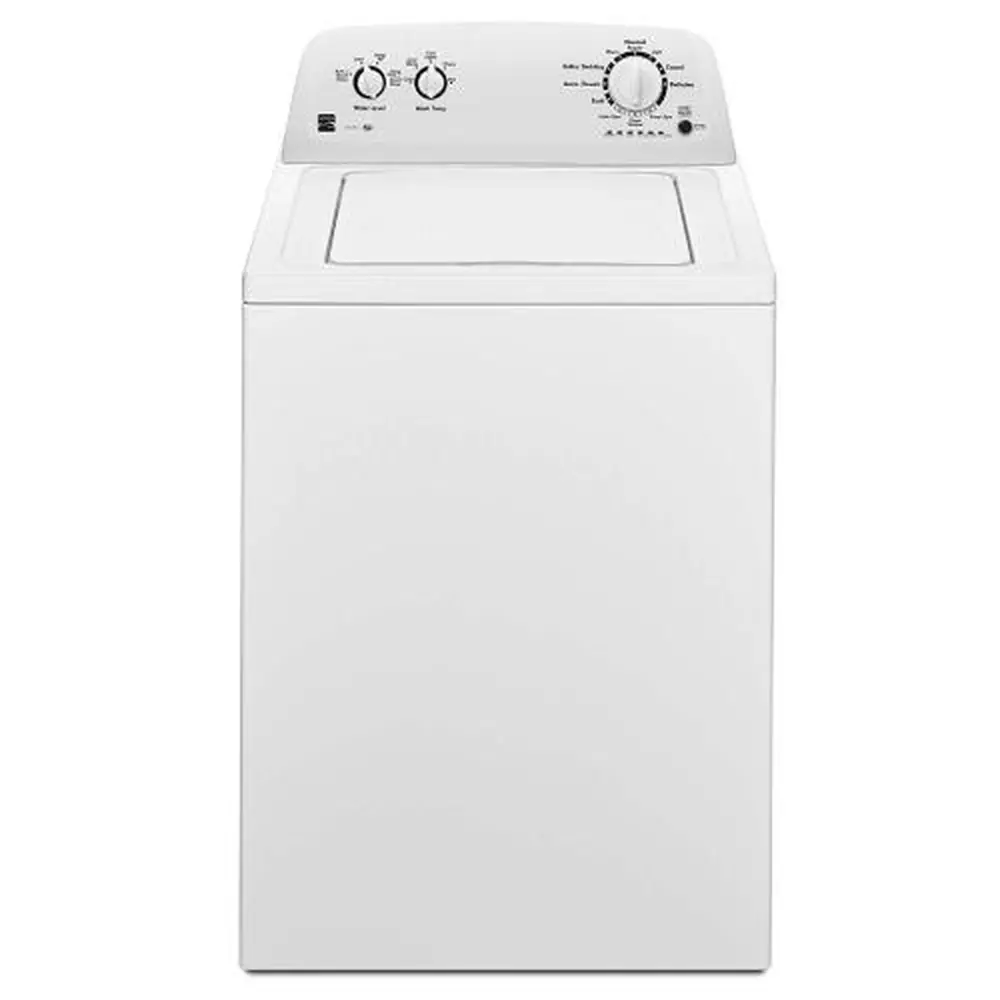
Kenmore Washing Machine Series 100
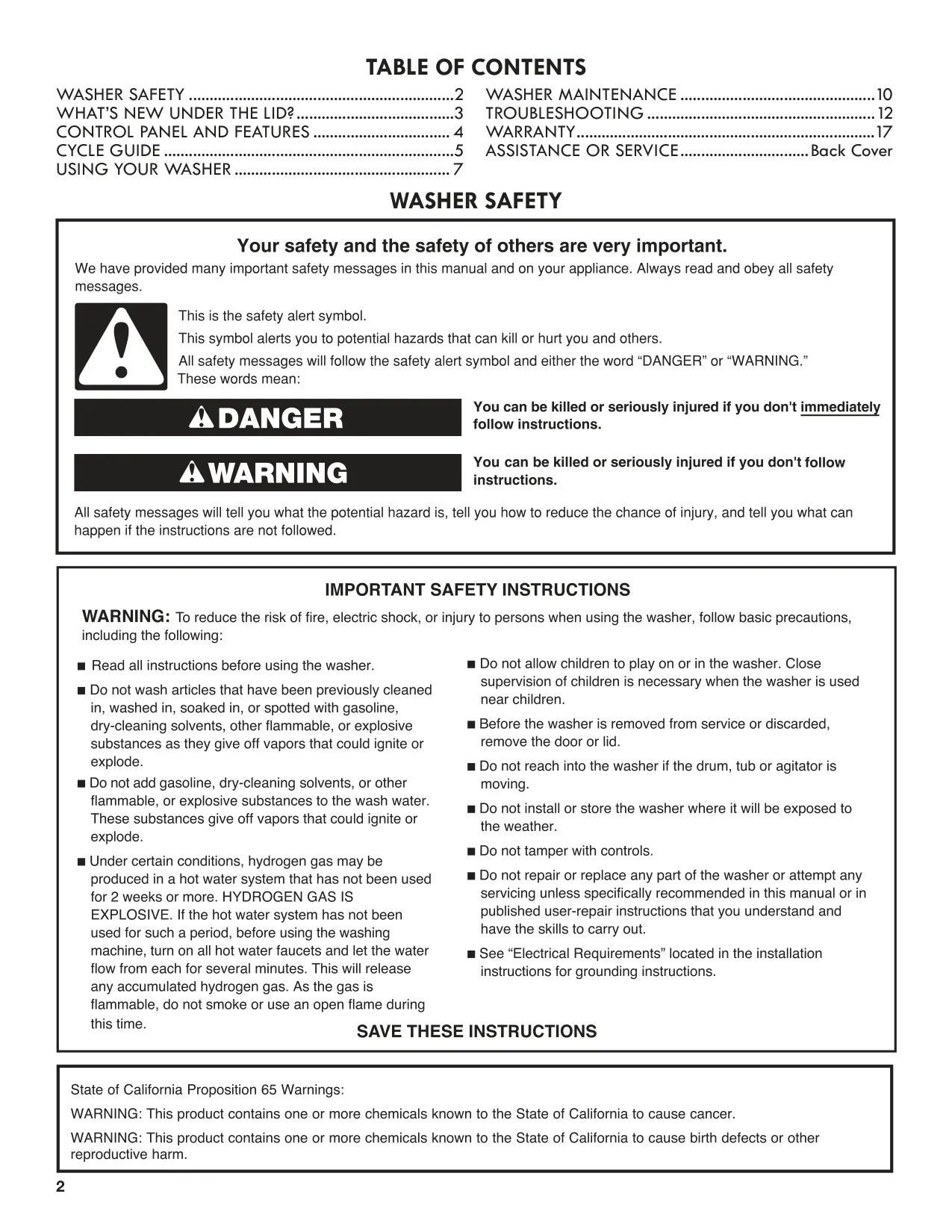
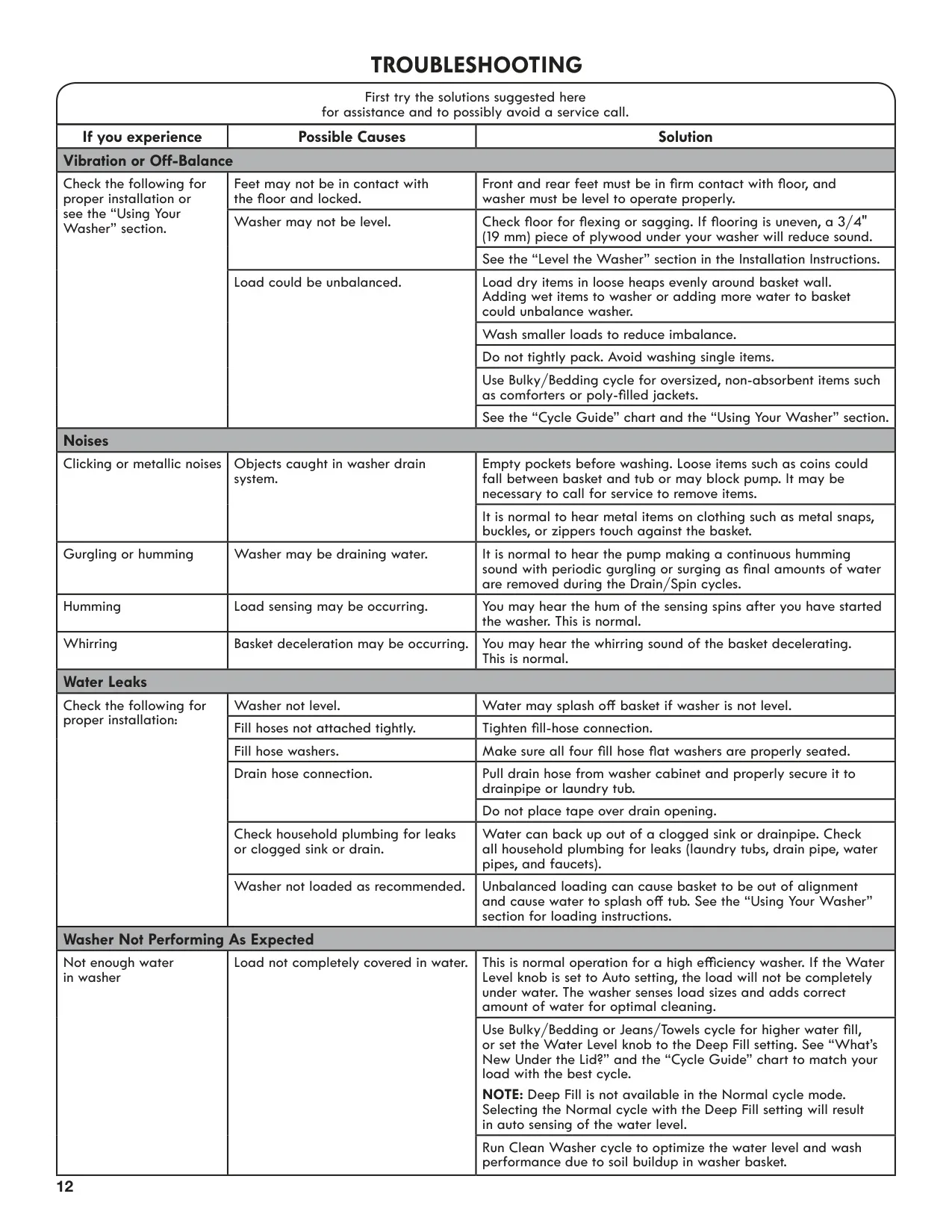
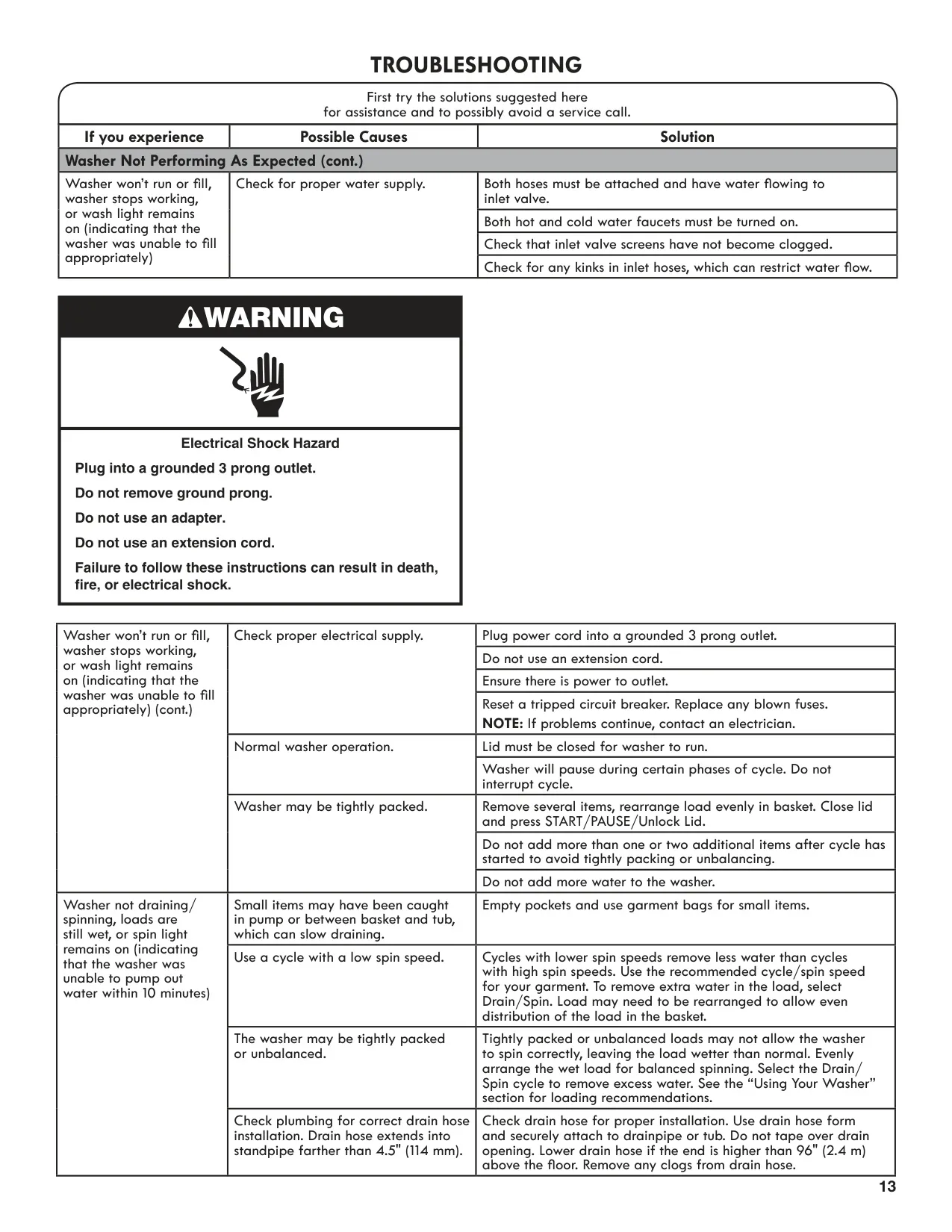
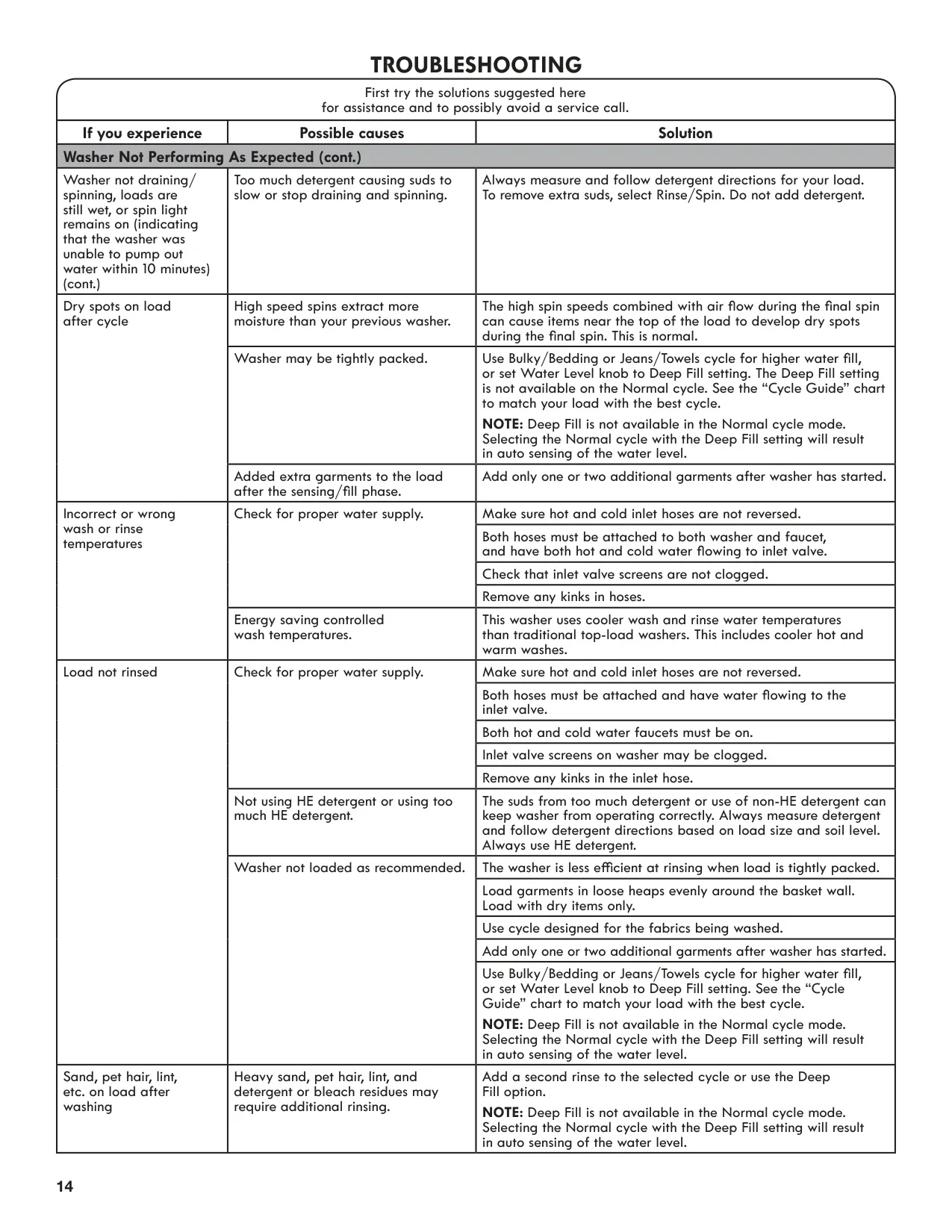
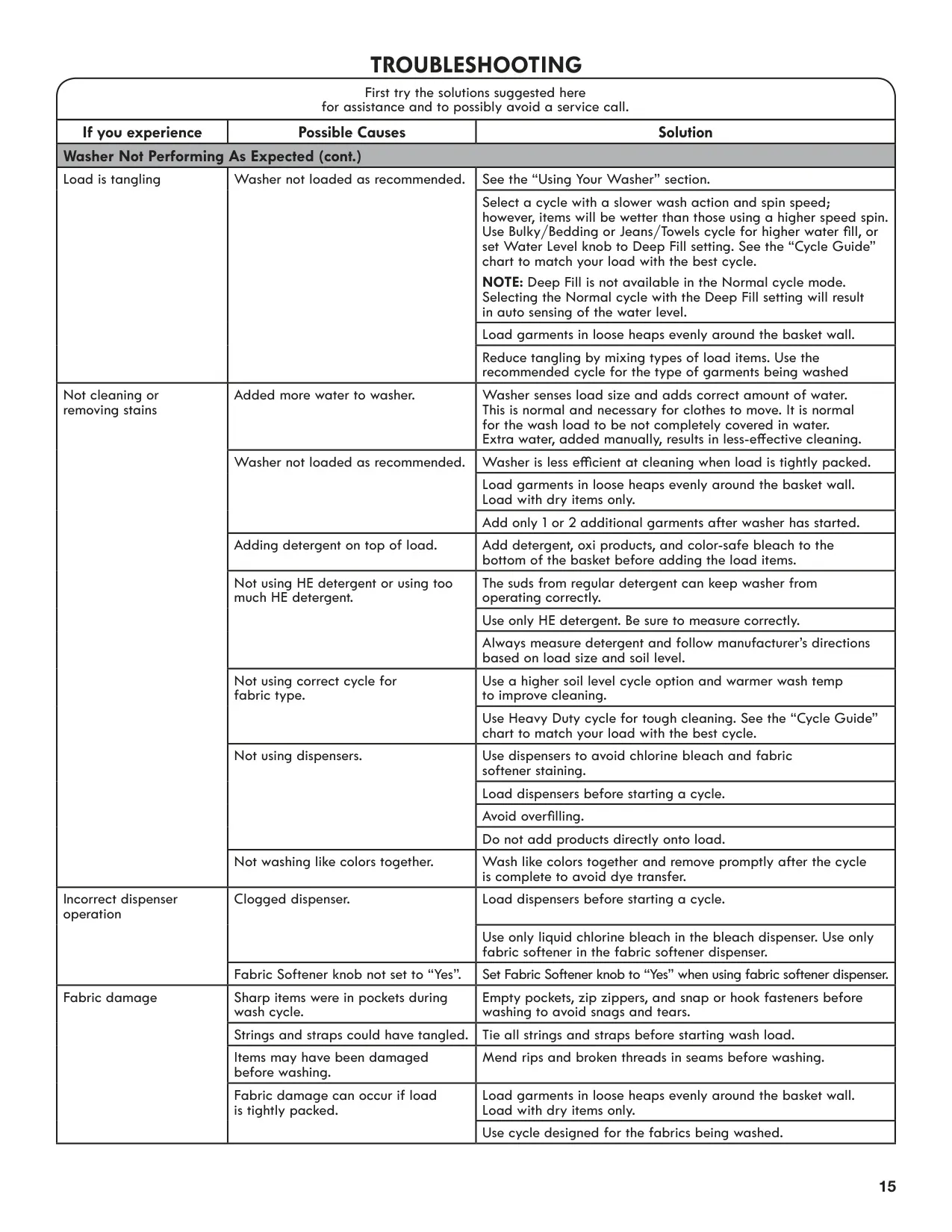
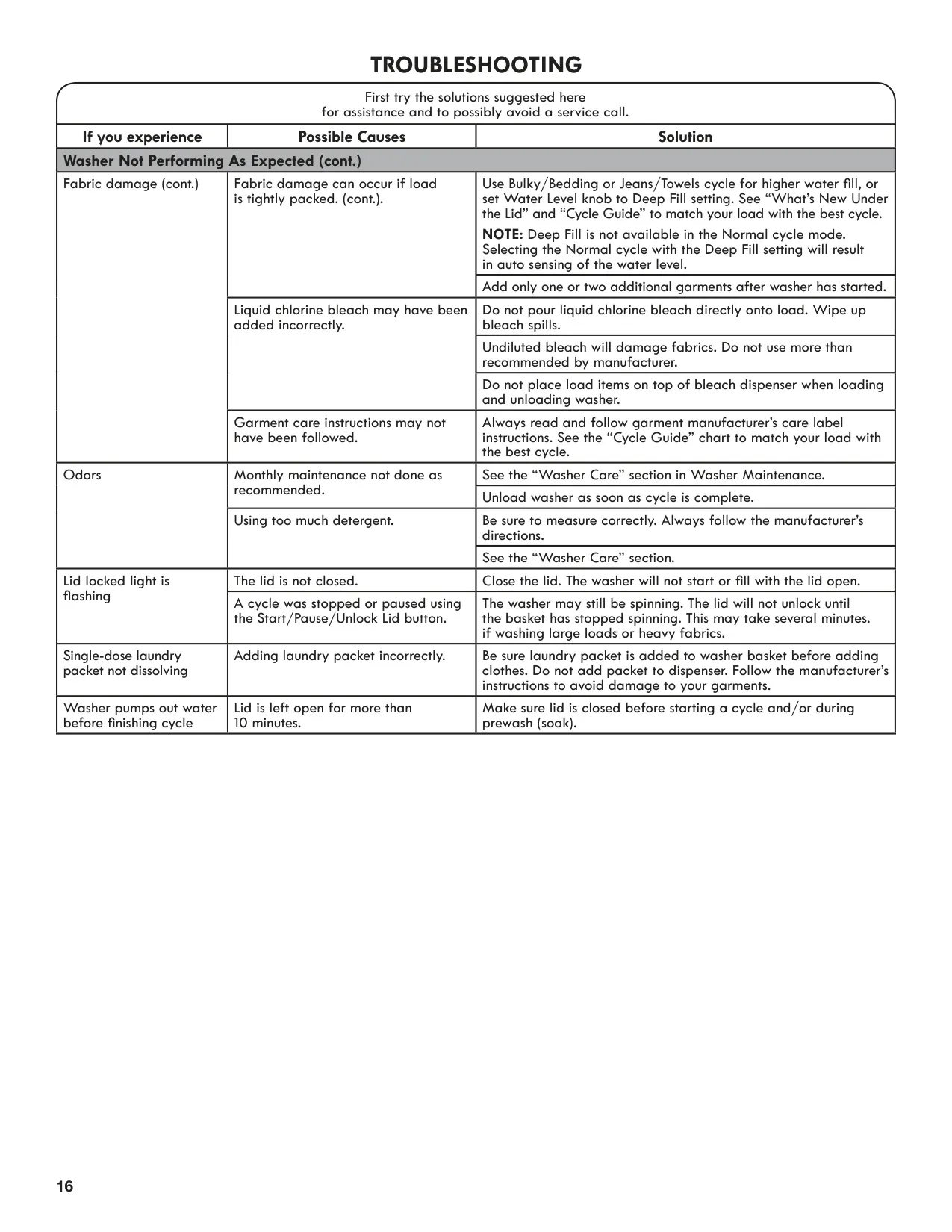
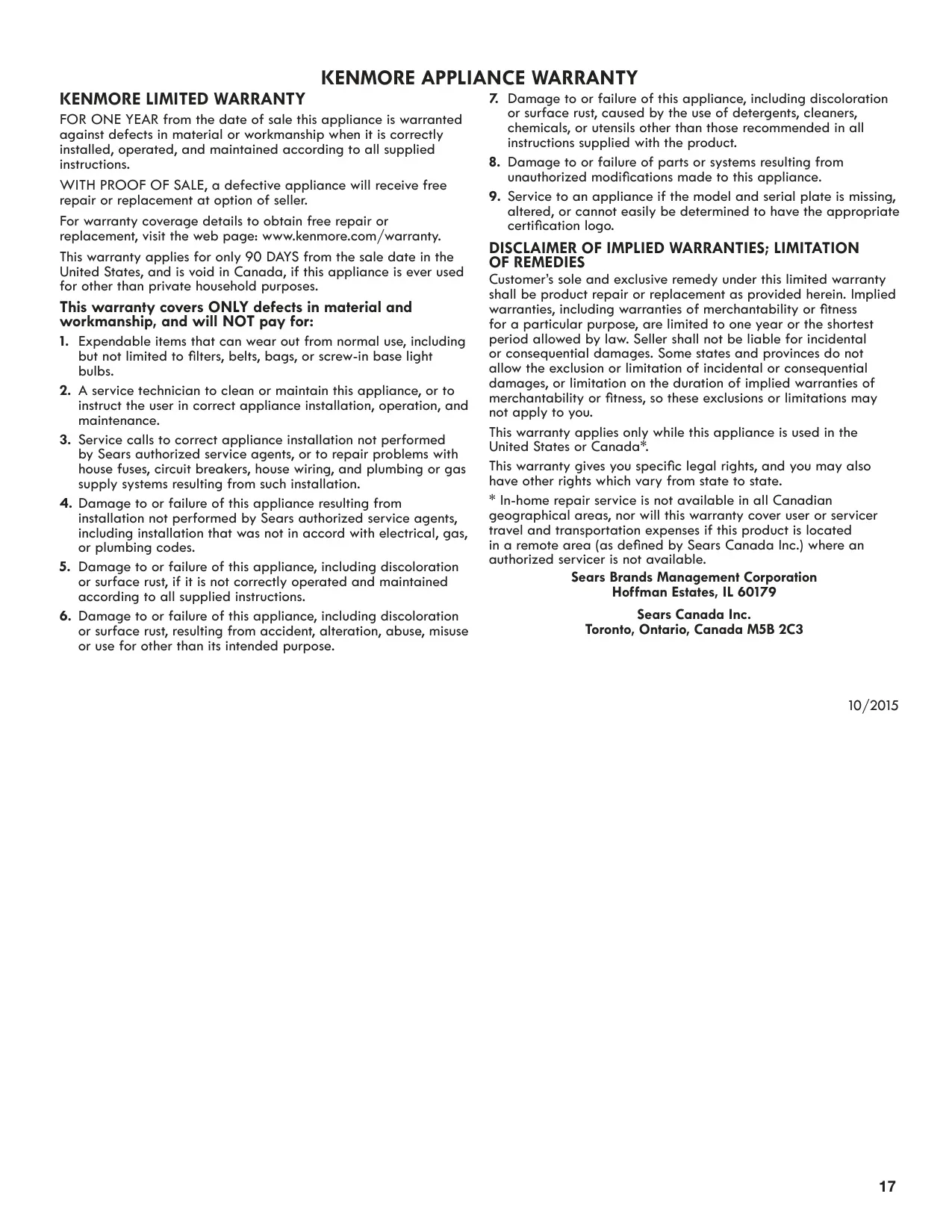



Kenmore Washer Series 100 Instructions
Here we offer the Kenmore Washing Machine Series 100 manual completely free and in English. We have cataloged this manual in the Washing Machines section on Manualverse, and it has been rated by 1 users with an average rating of 5. If you have any specific questions about Kenmore Washing Machine Series 100, we suggest checking the Frequently Asked Questions (FAQs) section of this manual.
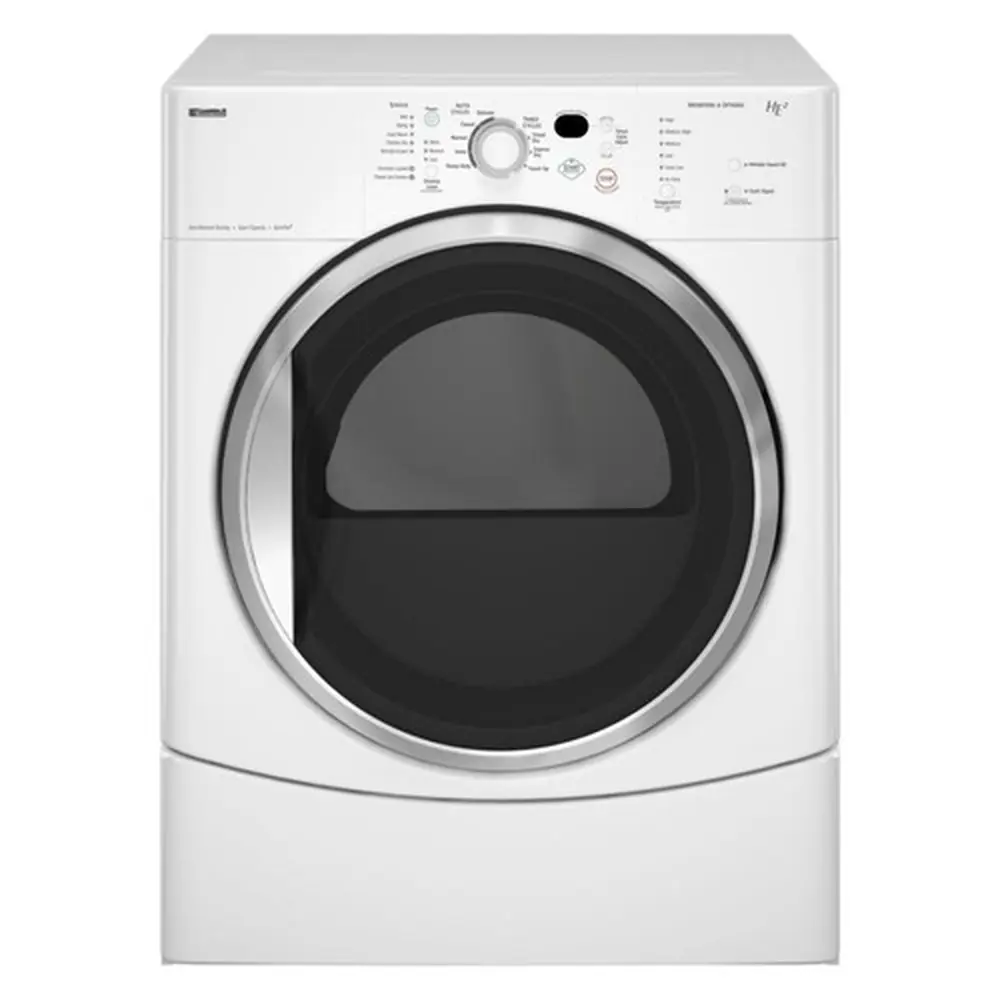
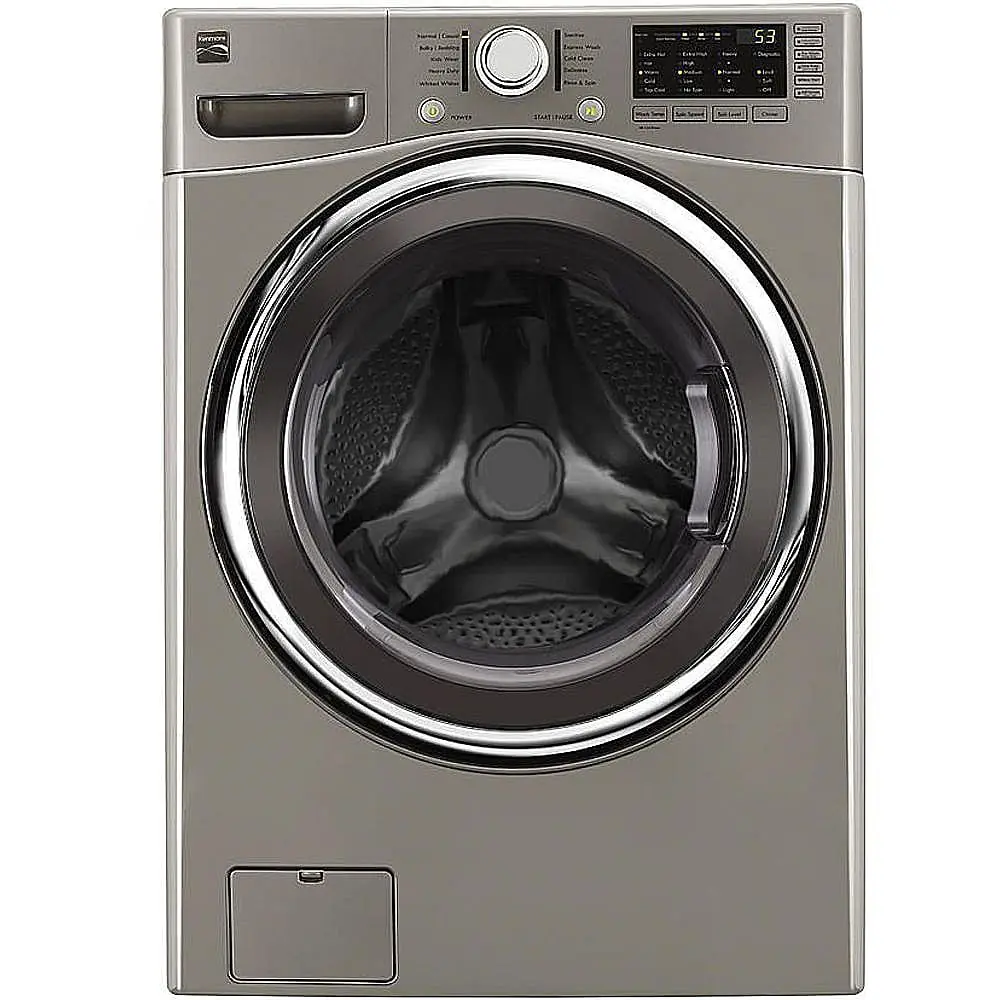
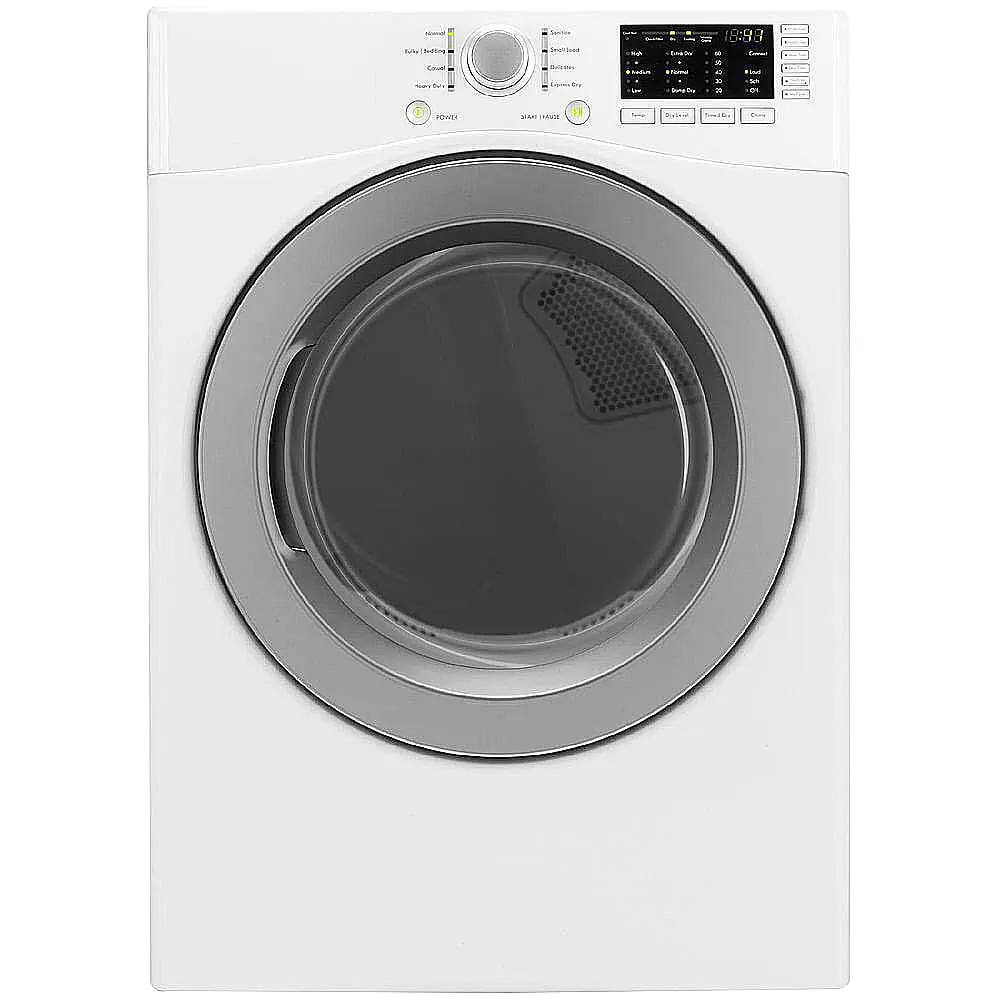
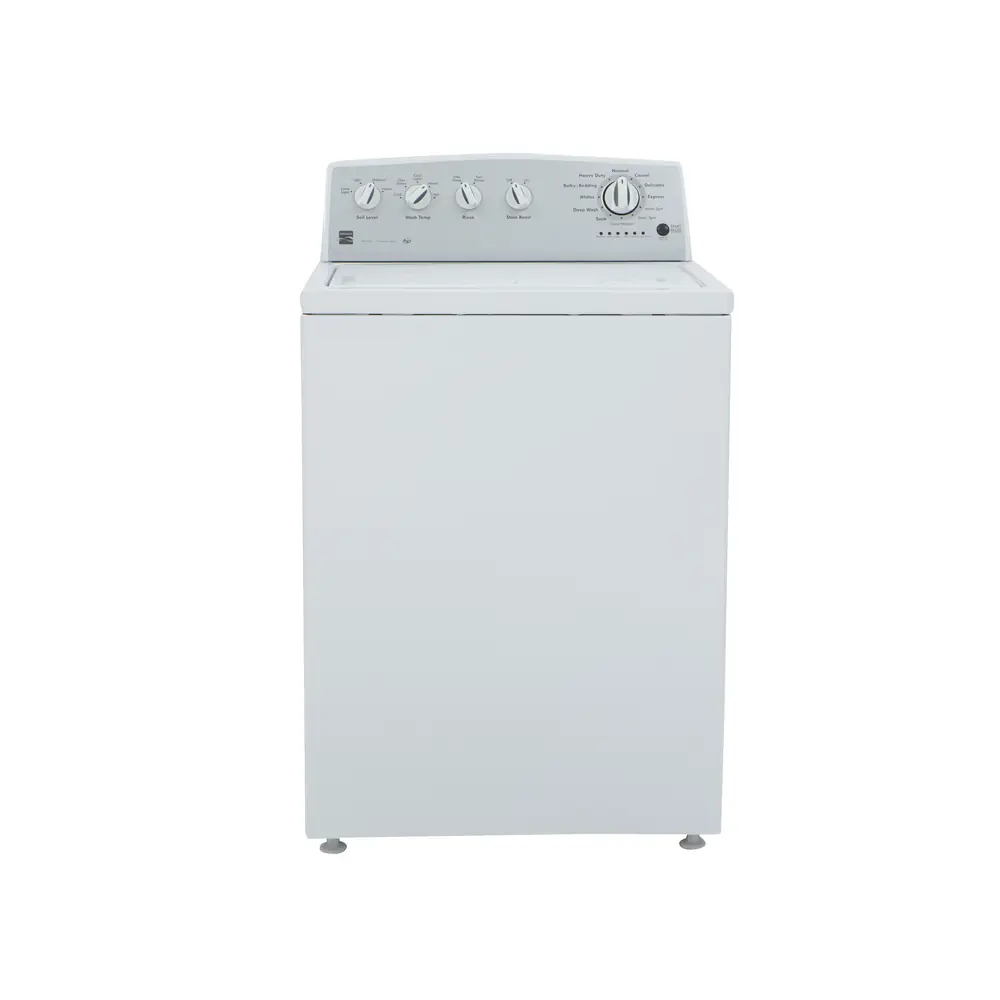
Product Images

Kenmore Washing Machine Series 100 Specifications
| Feature | Specification |
|---|---|
| Models | 110.22532512, 110.20232711 |
| Washer Type | Top-Loading, High Efficiency (HE) |
| Detergent Compatibility | High Efficiency (HE) detergents only |
| Water Level Settings | Auto Sensing, Deep Fill (Deep Fill not available in Normal cycle) |
| Rinse Water Temperature | Cold (All rinses) |
| Lid Feature | Lid Lock (activates before spin phase for higher spin speeds) |
| Warranty (Household Use) | 1 Year Limited (material/workmanship) |
| Warranty (Non-Household Use) | 90 Days Limited (U.S. only, void in Canada) |
| Part Number | W11098418A |
| Manufacturer (U.S.A.) | Sears Brands Management Corporation |
| Manufacturer (Canada) | Sears Canada Inc. |
Kenmore Washer Series 100 Details
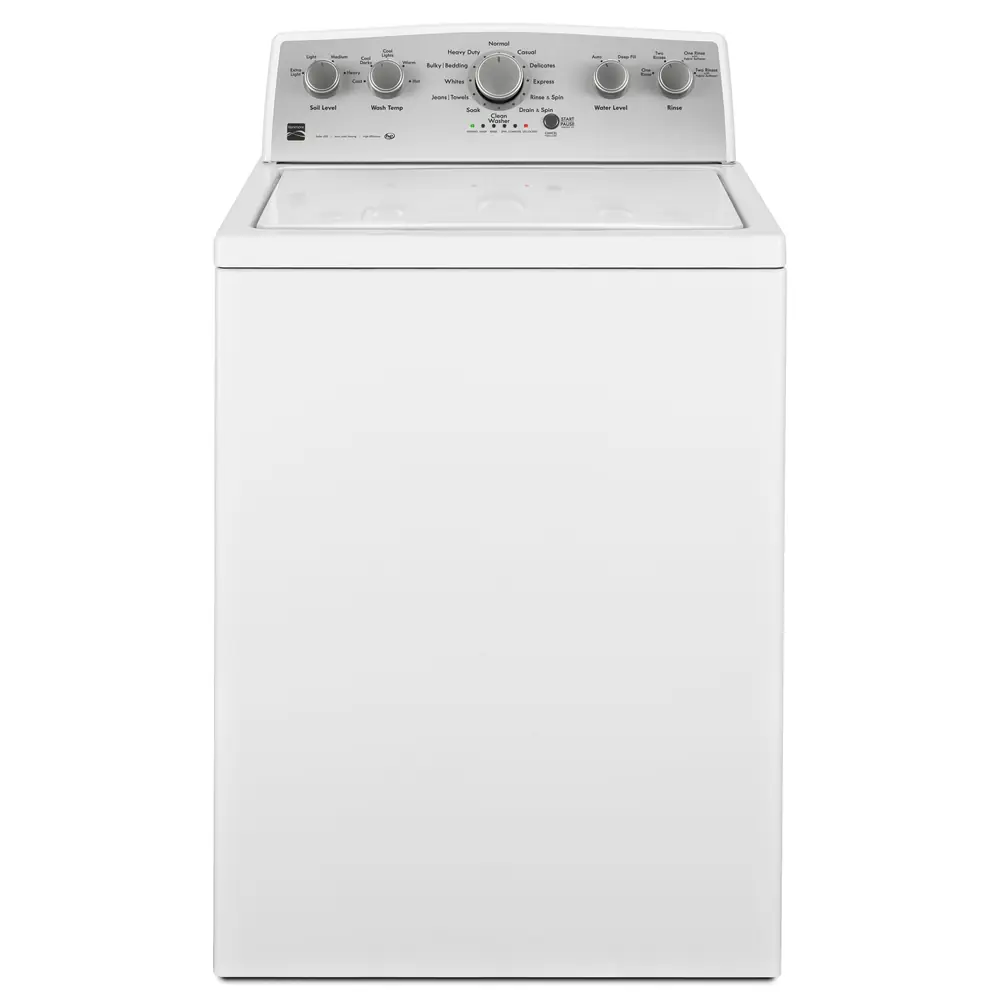
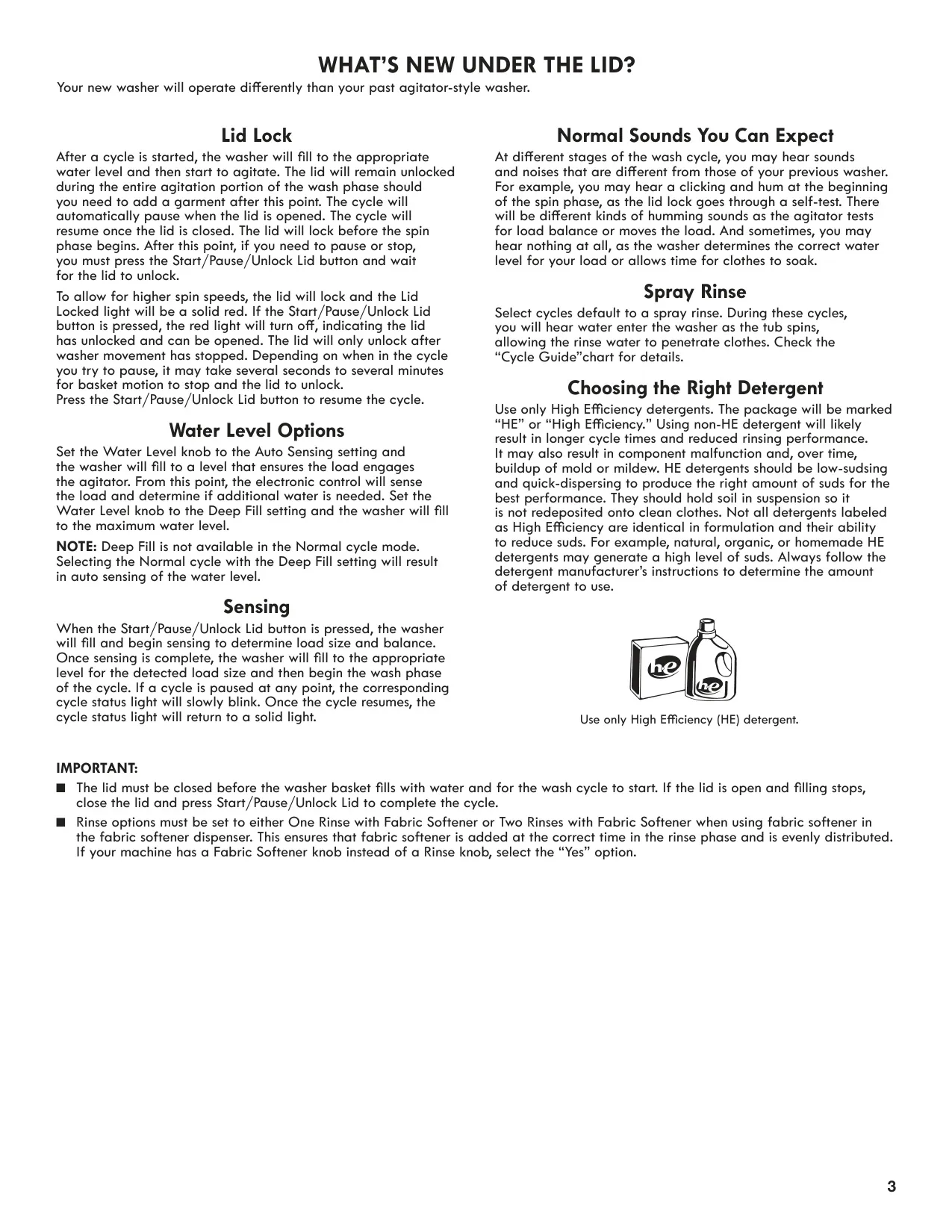
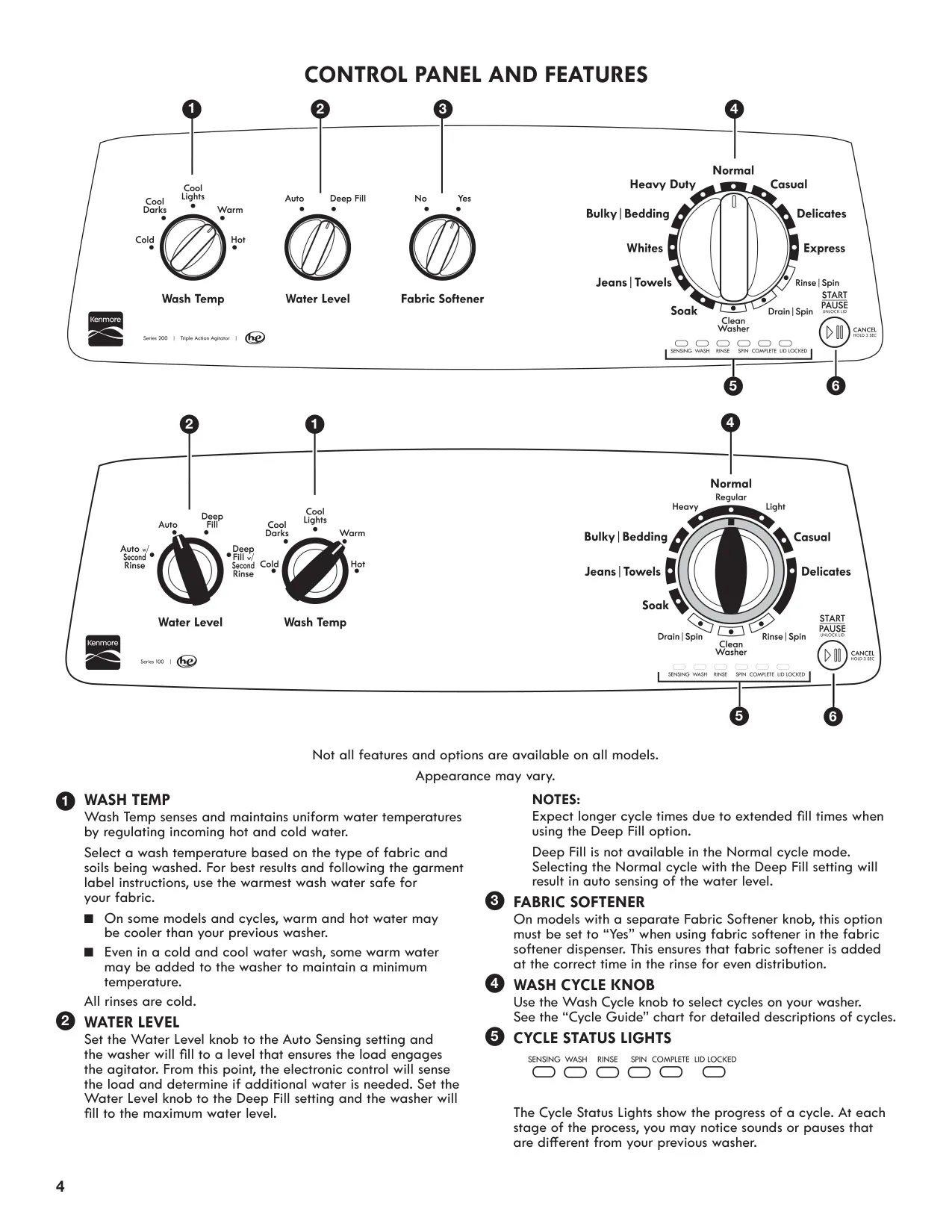
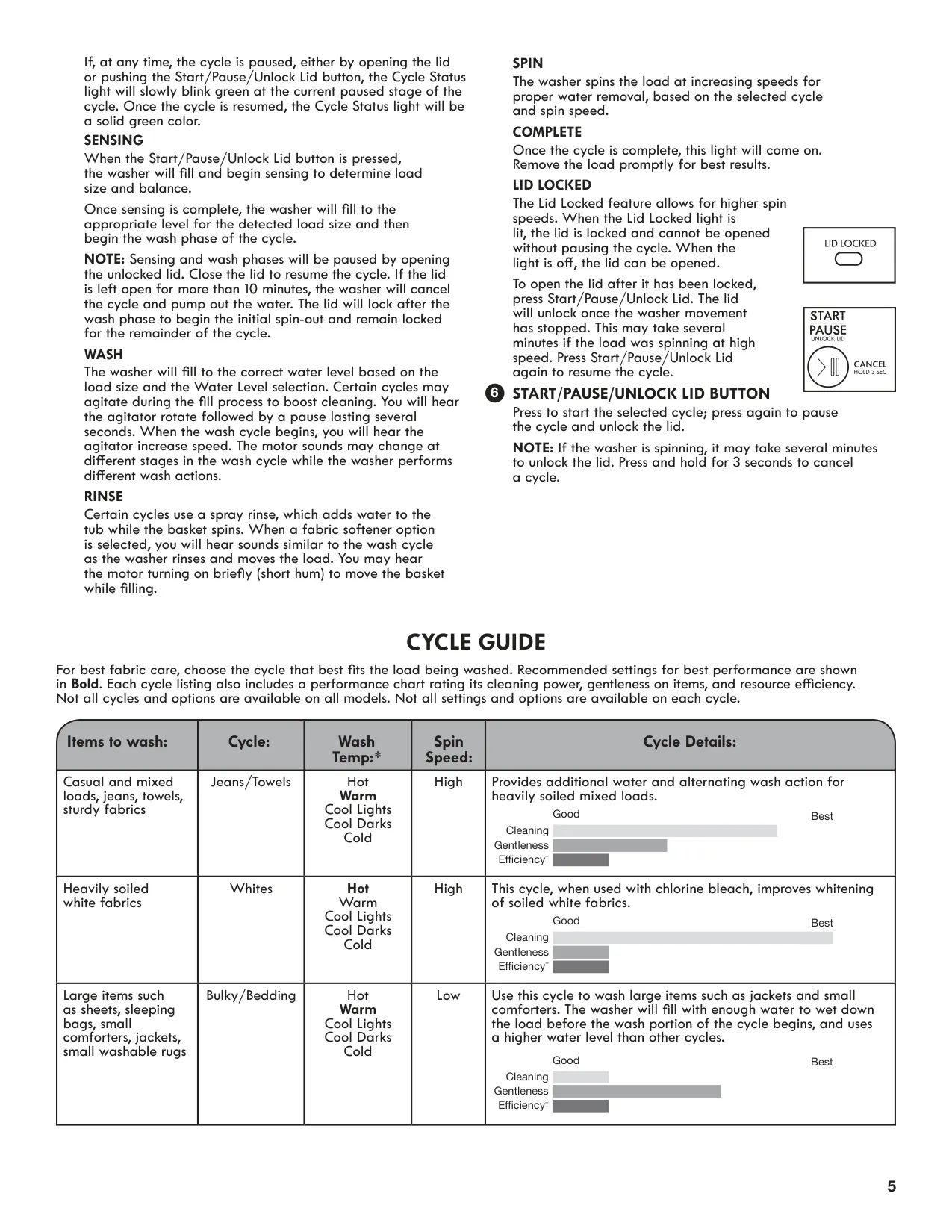
The Kenmore Washer Machine Series 100 incorporates a Lid Lock feature designed for both safety and optimal performance. After initiating a cycle, the lid remains unlocked during the agitation phase, allowing you to conveniently add forgotten garments. However, it automatically locks before the high-speed spin phase to ensure stability and safety. To pause an active cycle and unlock the lid after it has locked, users must press the "Start/Pause/Unlock Lid" button and wait for the basket motion to cease, which may take several minutes depending on the cycle stage. Once unlocked, the lid light will turn off, indicating it can be opened.
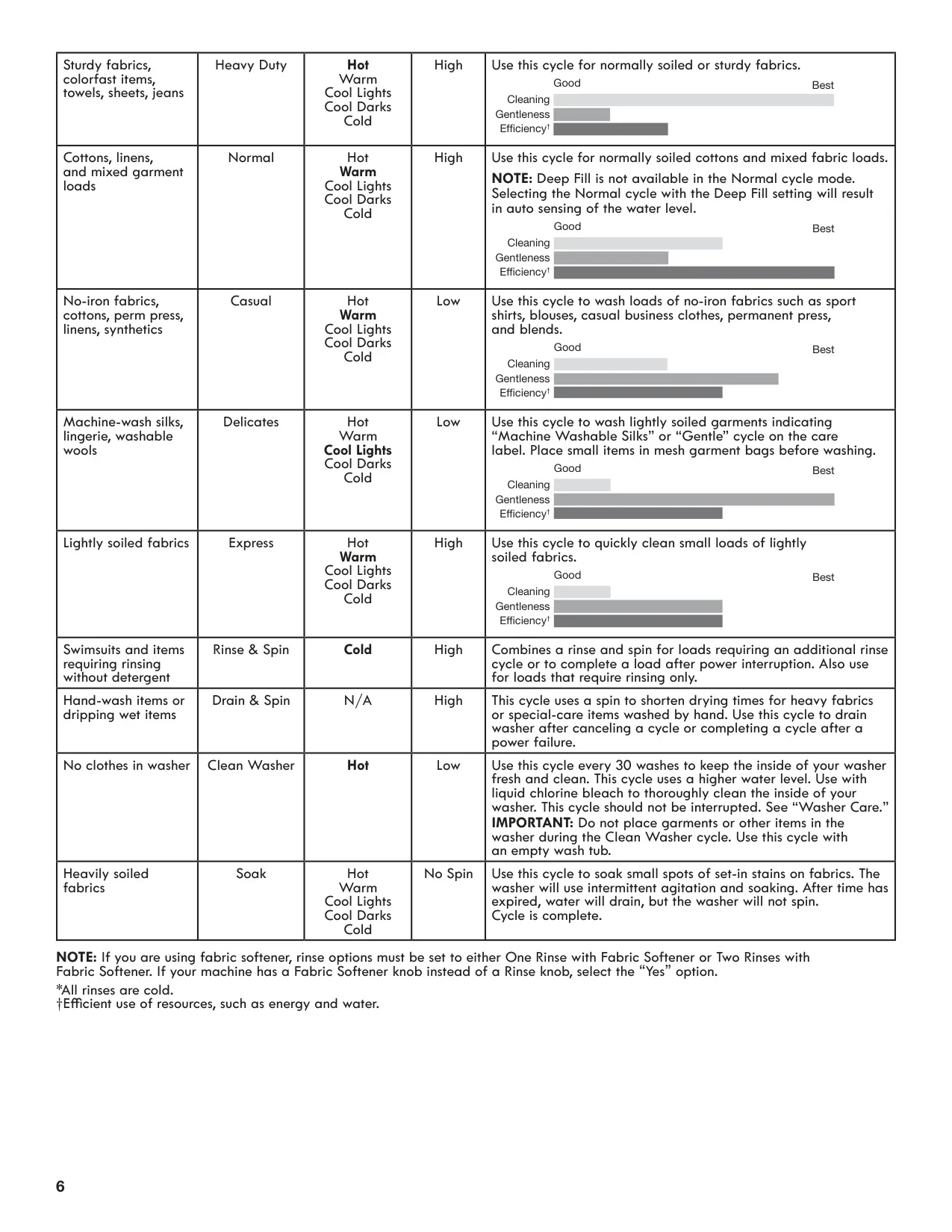
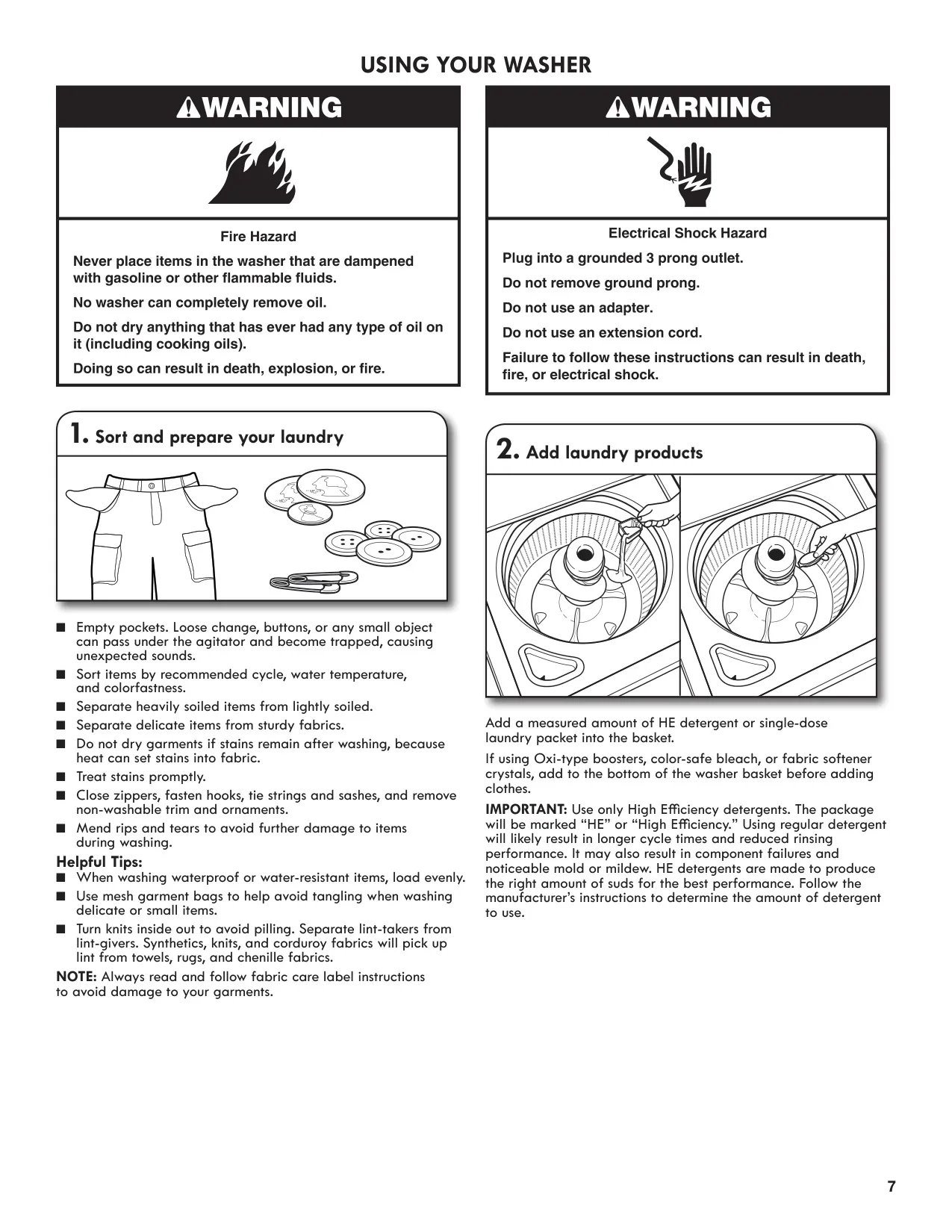
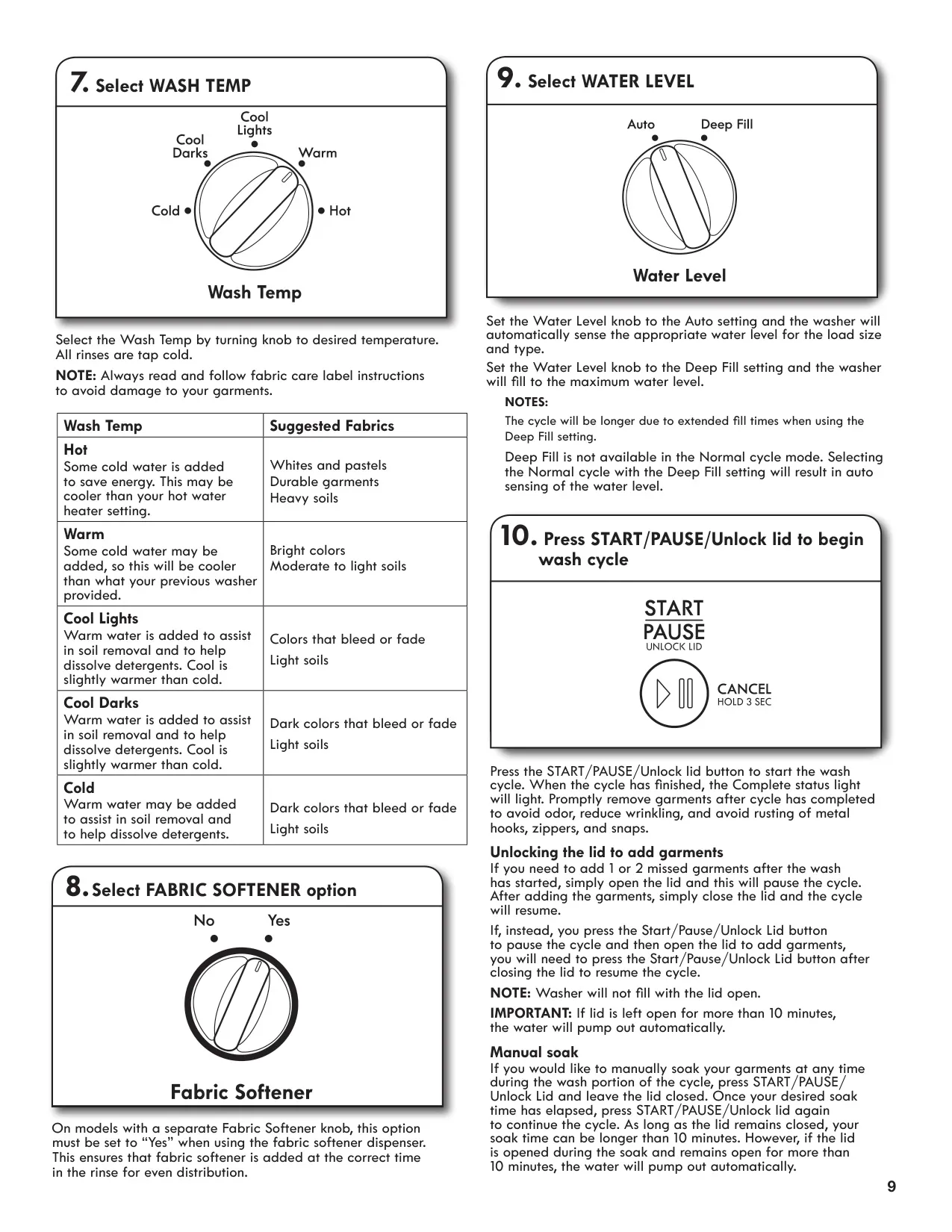
This high-efficiency washer provides flexible water level control. The "Auto Sensing" setting intelligently determines the appropriate water volume based on load size and type, ensuring efficient cleaning. For larger loads or when maximum water is desired, the "Deep Fill" option can be selected, though it's important to note this option is unavailable during the Normal wash cycle and typically extends overall cycle times. Crucially, the Series 100 is engineered exclusively for High Efficiency (HE) detergents. Using non-HE detergents can lead to excessive suds, longer cycles, reduced rinsing effectiveness, and potential component damage or mold buildup over time. Always check for the "HE" label on detergent packaging.
Operating the Kenmore Series 100 introduces several distinct sounds that differ from traditional agitator washers. Users can expect various hums and clicks as the lid lock engages, the agitator senses load balance, or the basket decelerates. Periods of silence are also normal, indicating the washer is sensing water levels or allowing for soaking. Certain cycles utilize a "Spray Rinse" feature, where water is sprayed into the spinning tub, effectively saturating clothes for a thorough rinse. The intuitive Cycle Status Lights on the control panel provide real-time feedback on the wash progress, blinking slowly when a cycle is paused and becoming solid upon resumption.
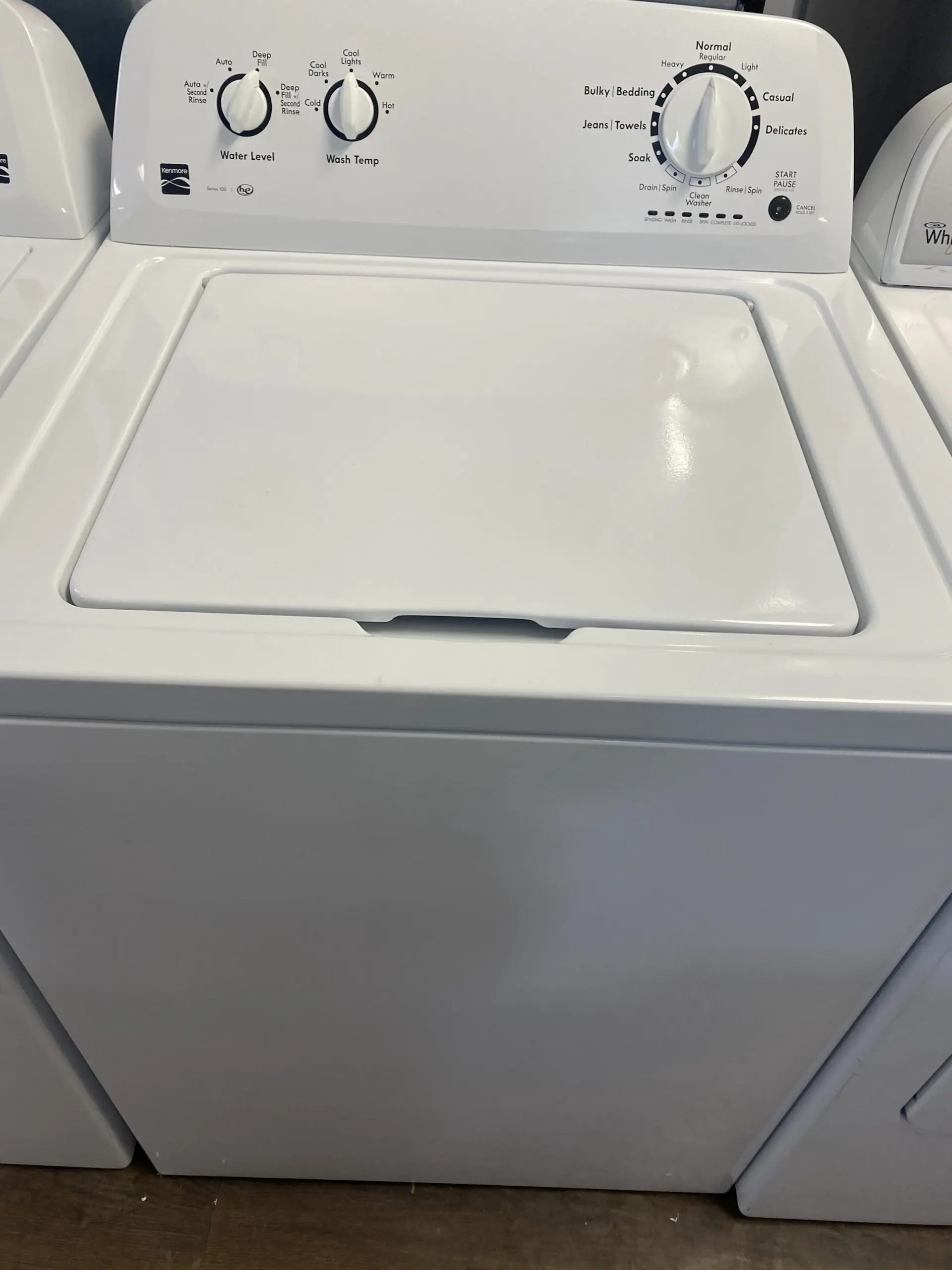
The "Wash Temp" control dynamically adjusts incoming hot and cold water to maintain consistent wash temperatures, offering options like Hot, Warm, Cool Lights, Cool Darks, and Cold. It’s worth noting that even "Hot" and "Warm" settings might be cooler than those on older washers, and some warm water is typically added to cold washes to achieve a minimum temperature for better cleaning. All rinse cycles use cold water. For models equipped with a separate "Fabric Softener" knob, selecting "Yes" is essential when using the dispenser, ensuring fabric softener is released at the precise moment for even distribution across the load.
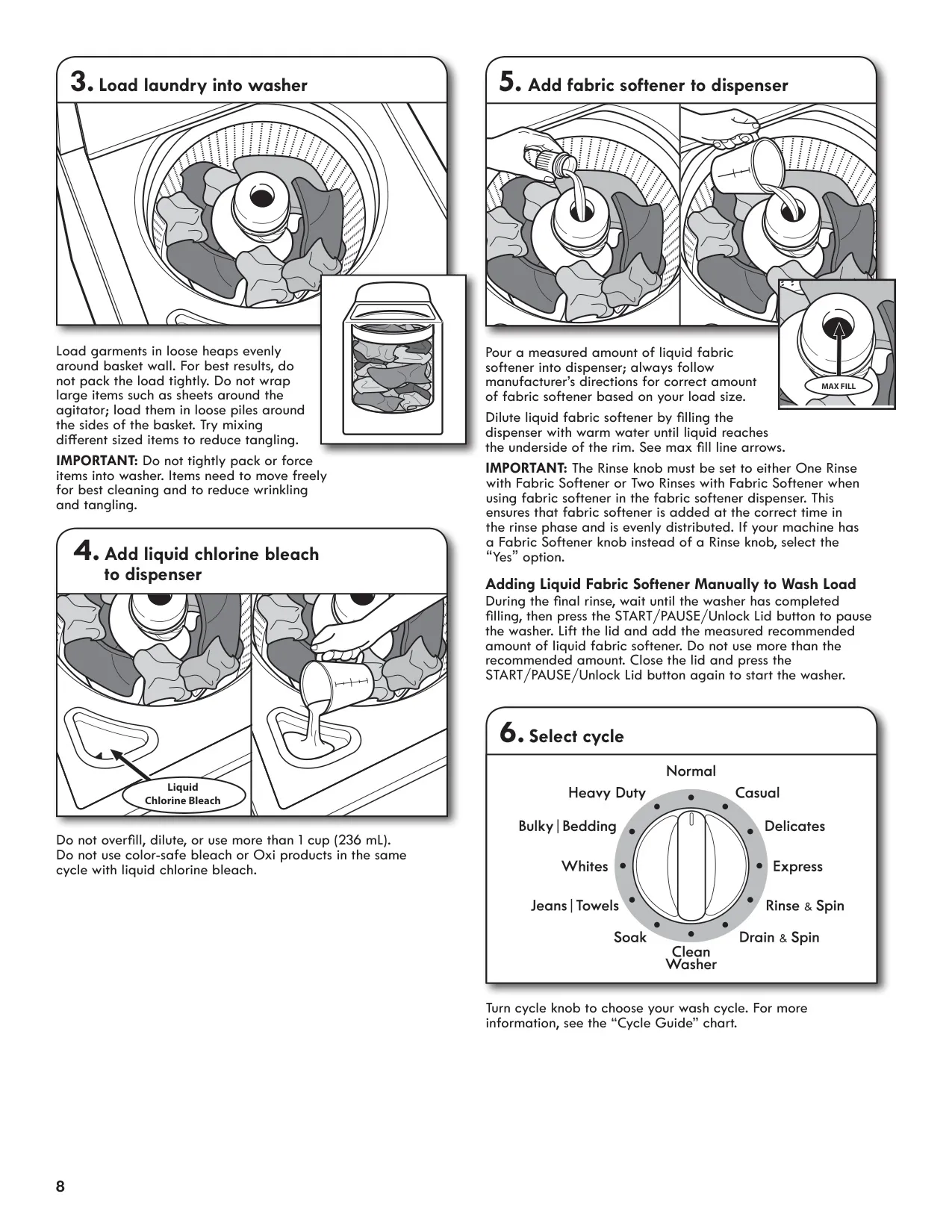
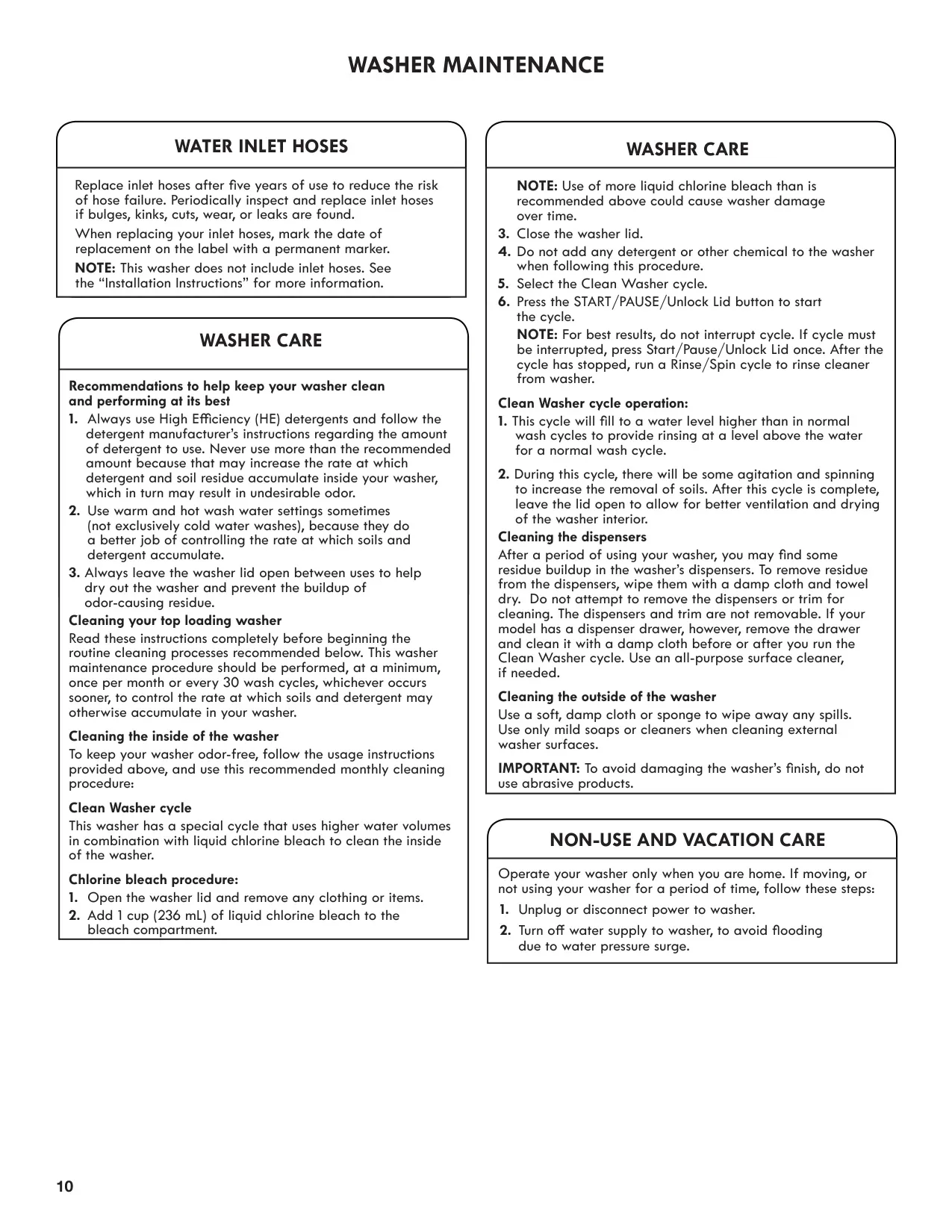
Proper loading is key to achieving optimal cleaning and preventing tangling or wrinkling. Garments should be loaded in loose heaps evenly around the basket wall, avoiding tight packing. When adding liquid chlorine bleach, it should go into the designated compartment, and liquid fabric softener into its dispenser, diluted with warm water to the "MAX FILL" line. Regular maintenance is crucial; running the "Clean Washer" cycle every 30 washes, leaving the lid open between uses to promote drying, and occasionally using warm or hot wash settings helps prevent odor and residue buildup, keeping the washer fresh and performing efficiently.
Frequently Asked Questions (FAQs)
Can't find the answer you need? Here are some frequently asked questions about the Kenmore Washer Machine Series 100, and we answer them below.