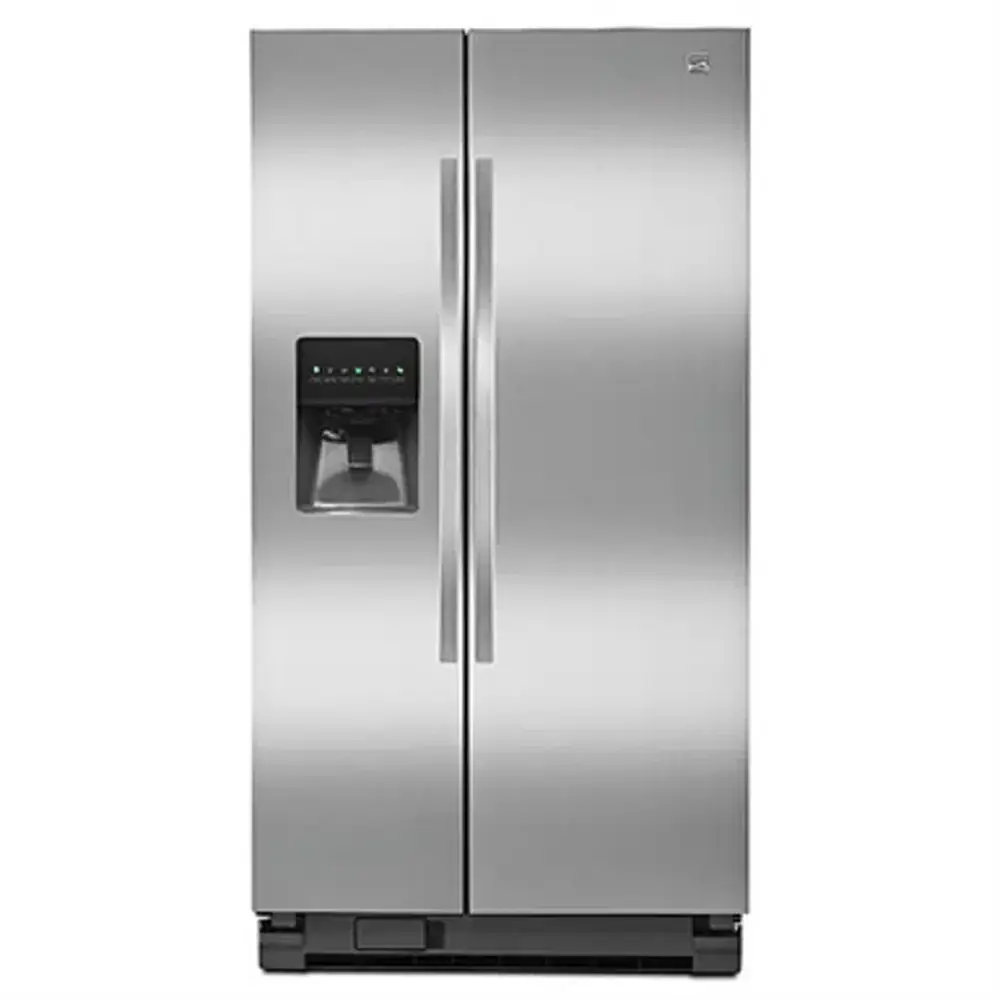
Kenmore 500 Series Washing Machine Instruction Manual
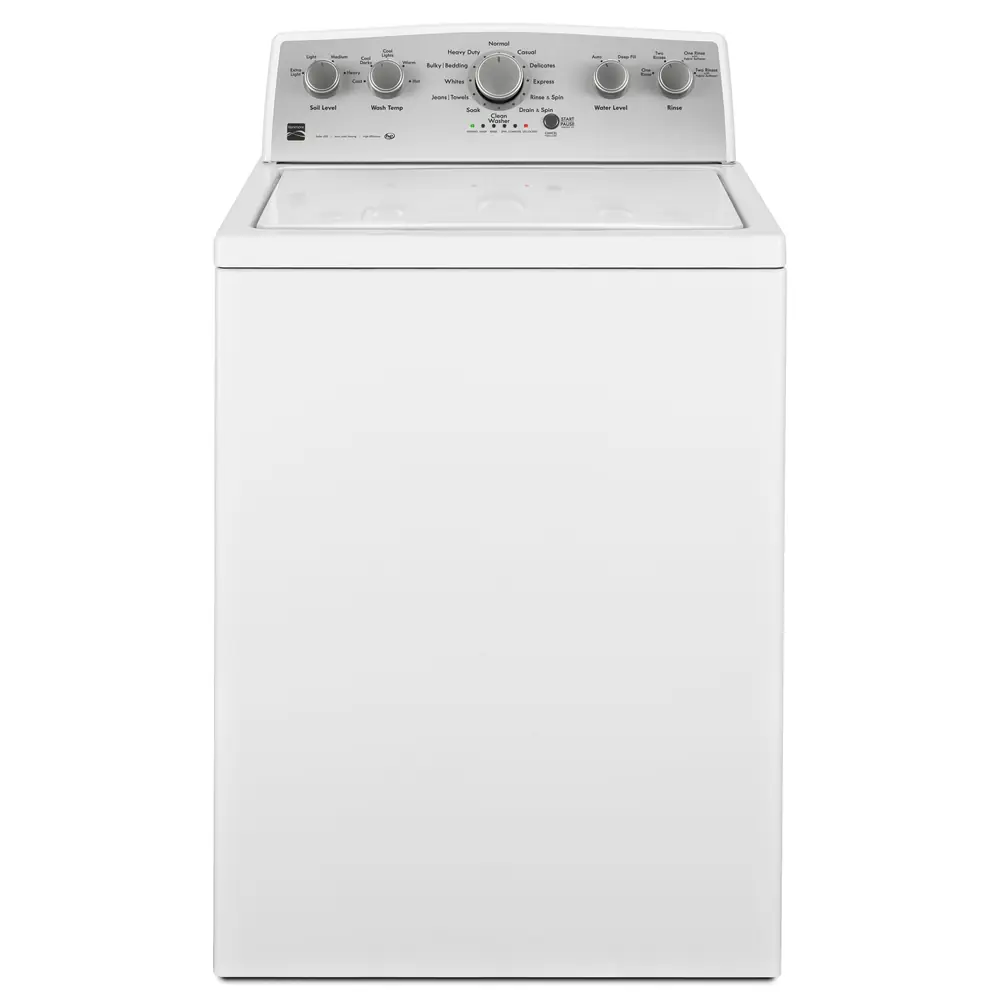
Kenmore 500 Series Washing Machine
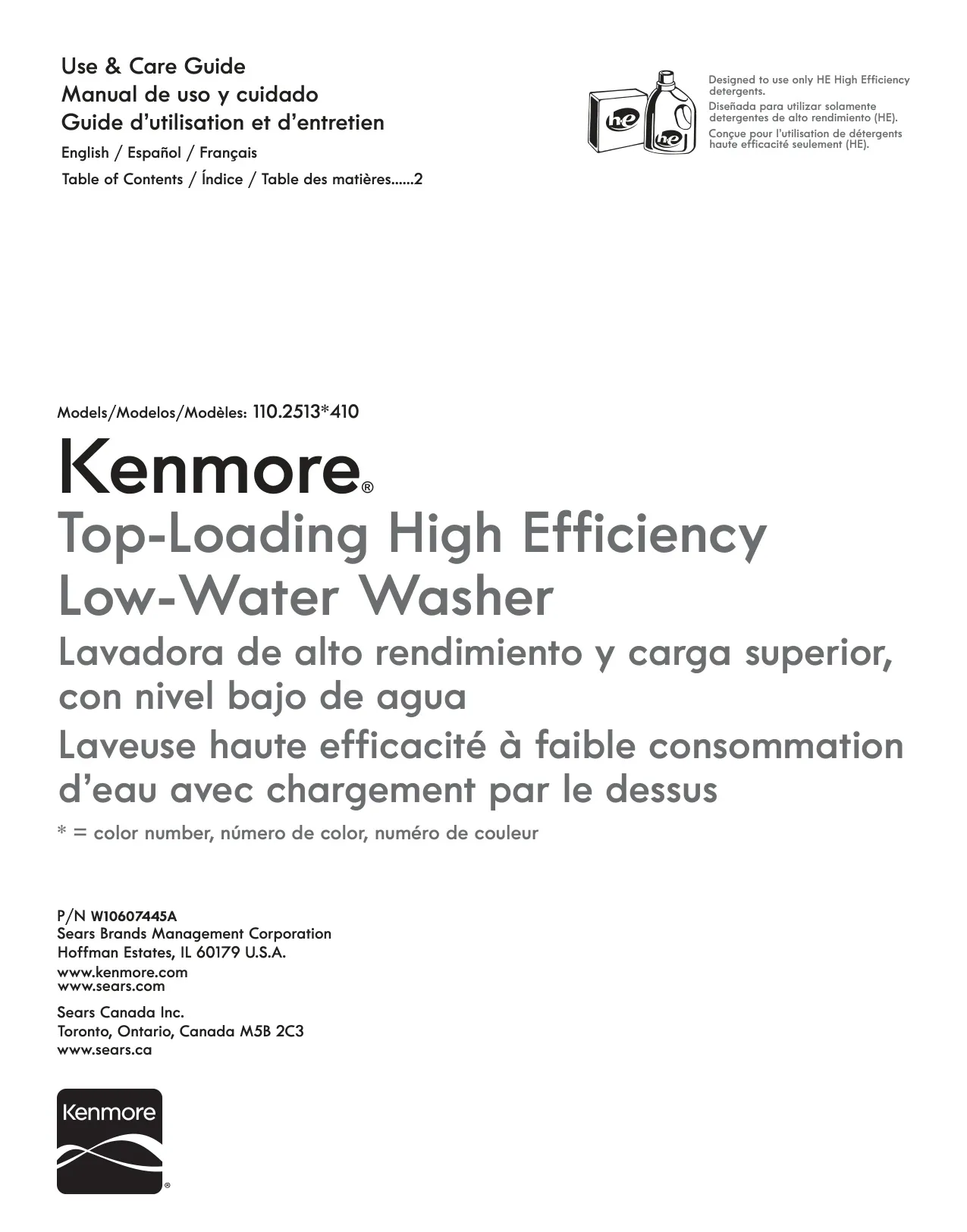
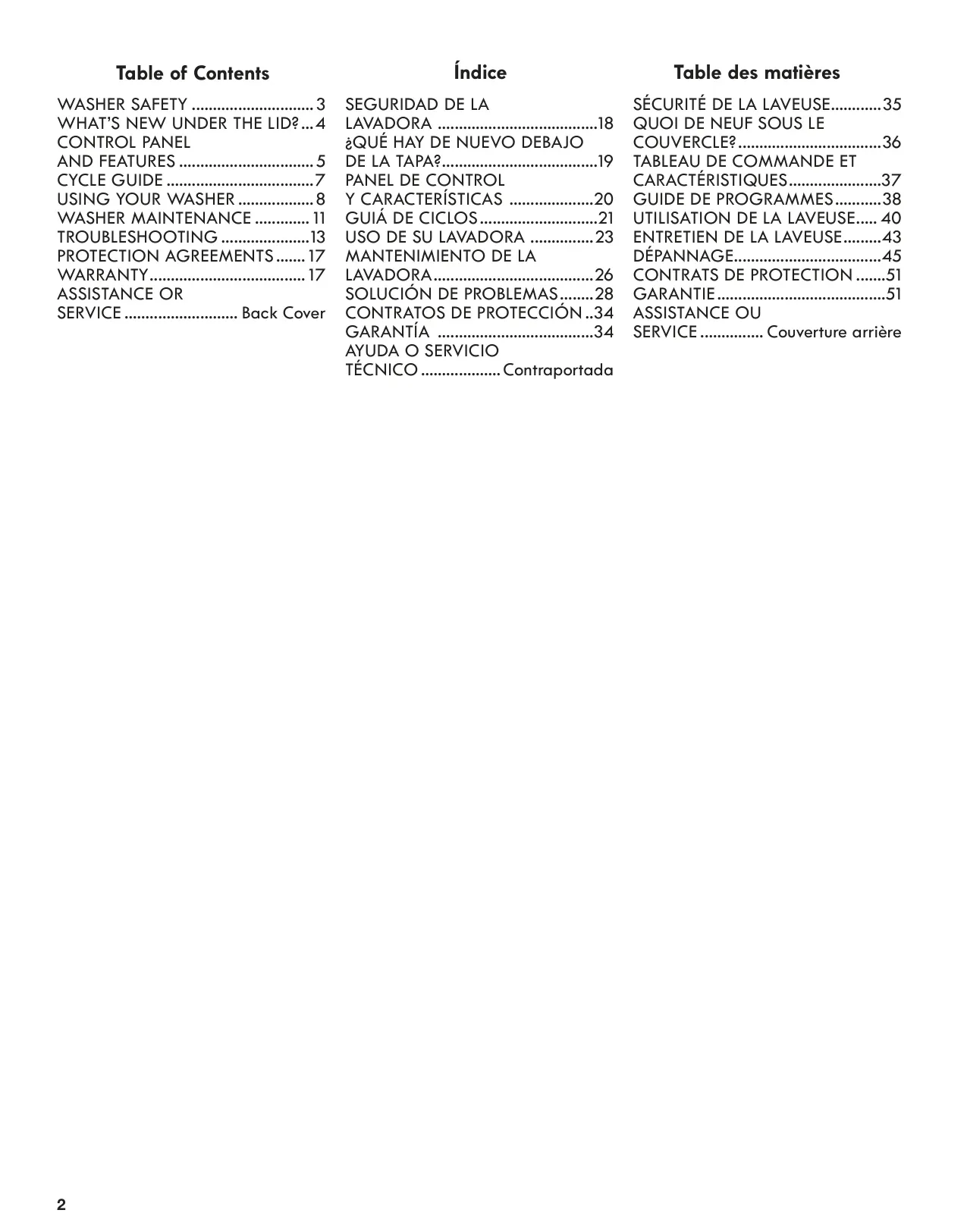
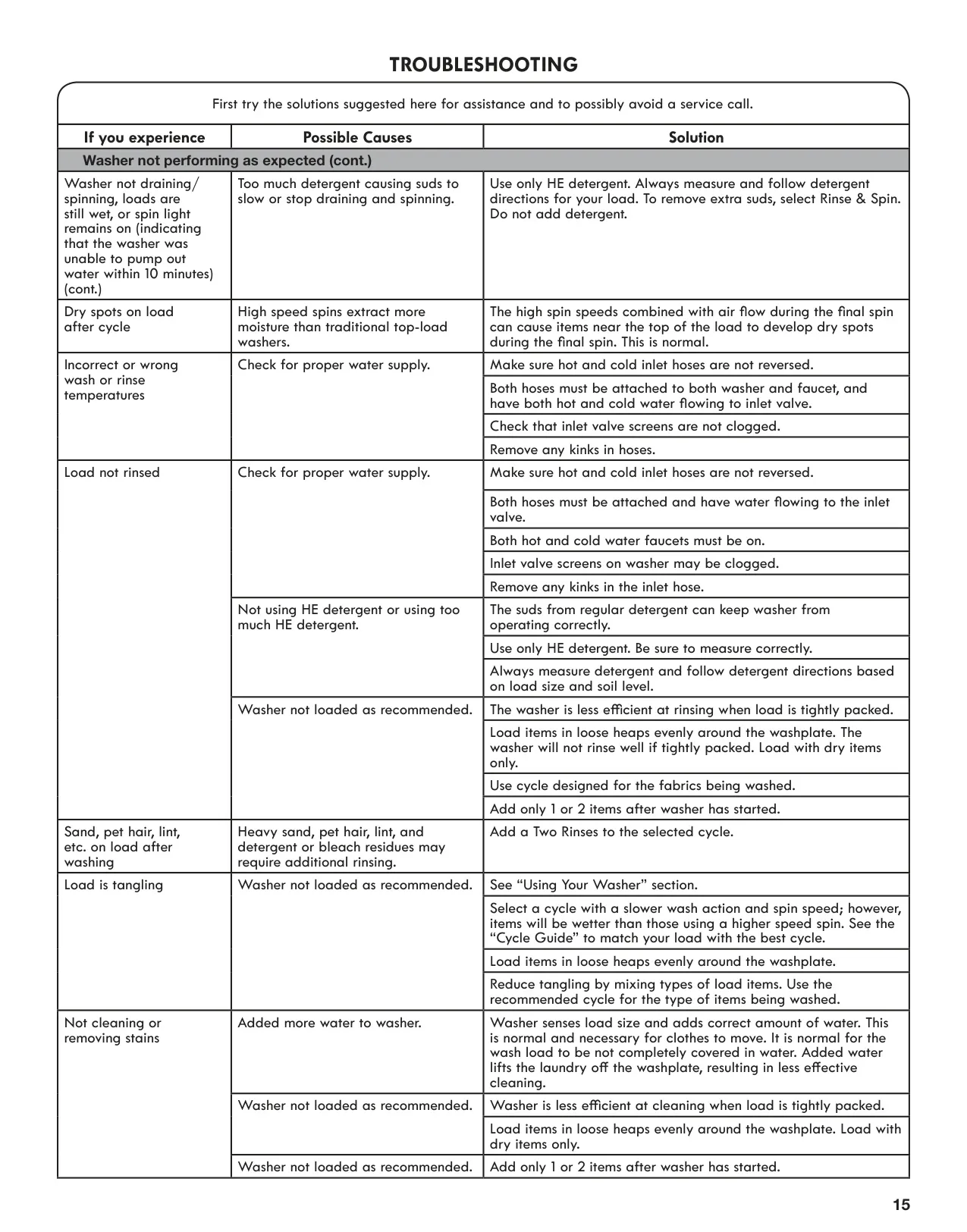
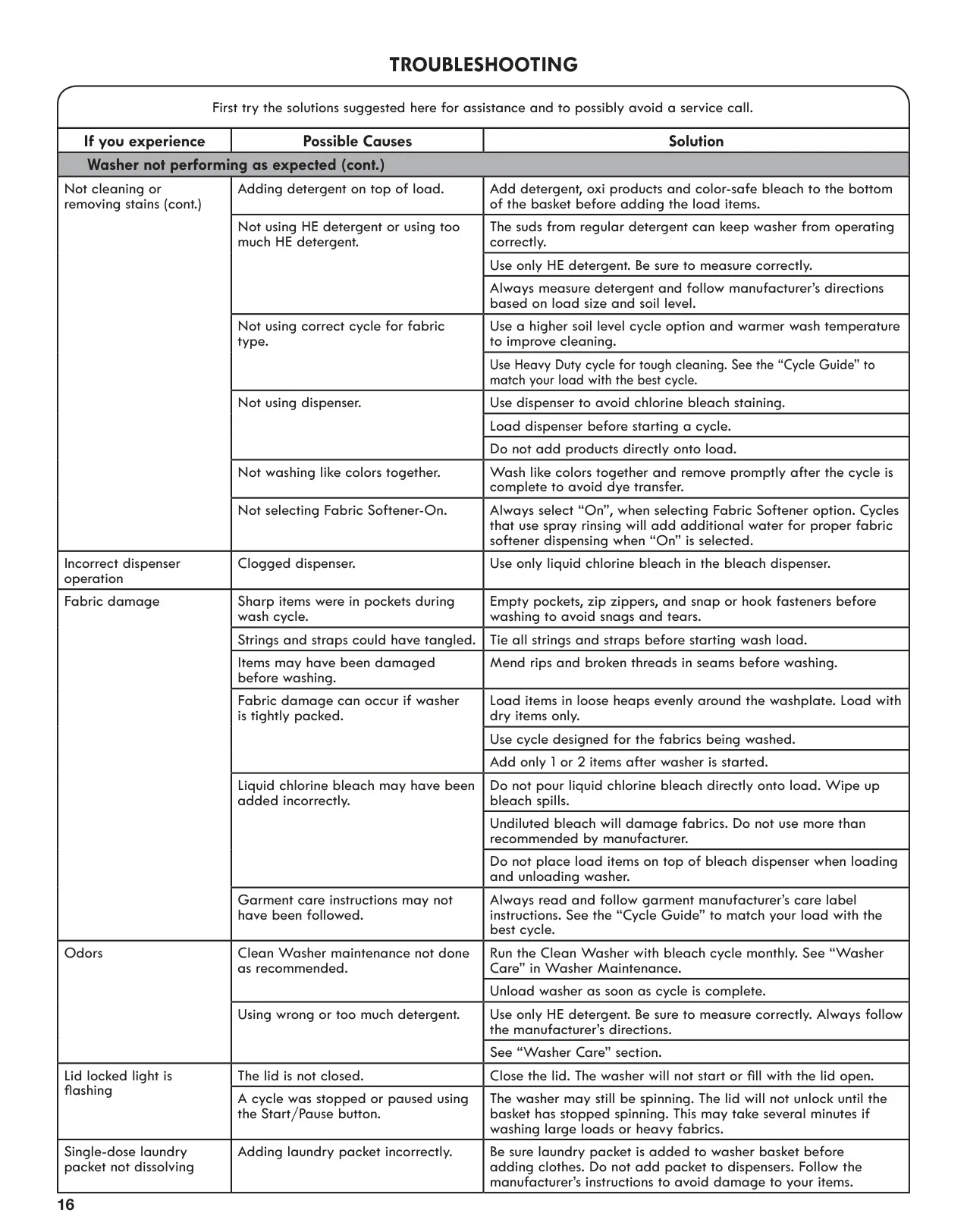
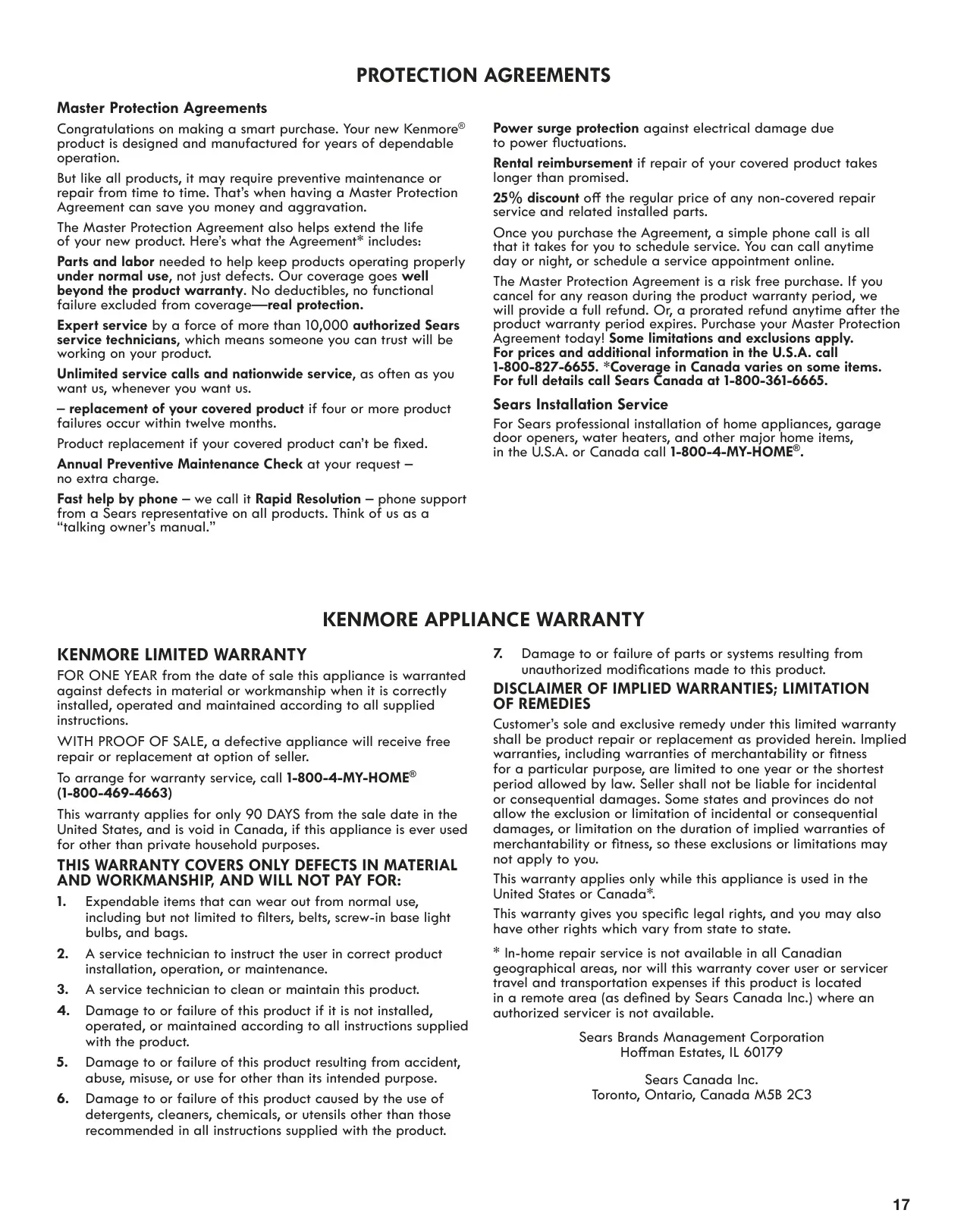


Kenmore 500 Series Washer Instructions
Here we offer the Kenmore 500 Series Washing Machine manual completely free and in English. We have cataloged this manual in the Washing Machines section on Manualverse, and it has been rated by 1 users with an average rating of 5. If you have any specific questions about Kenmore 500 Series Washing Machine, we suggest checking the Frequently Asked Questions (FAQs) section of this manual.
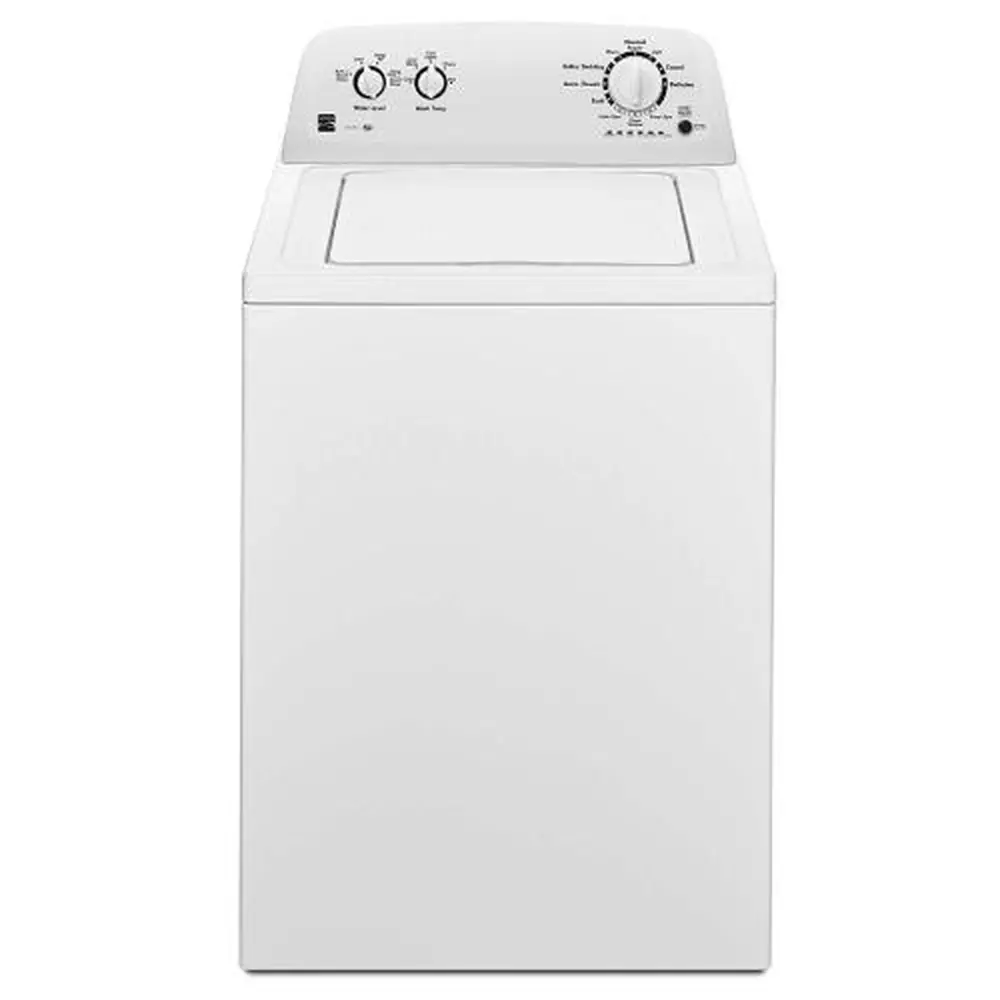
Product Images
Kenmore 500 Series Washing Machine Specifications
| Feature | Specification |
|---|---|
| Model Number | 110.2513*410 (* = color number) |
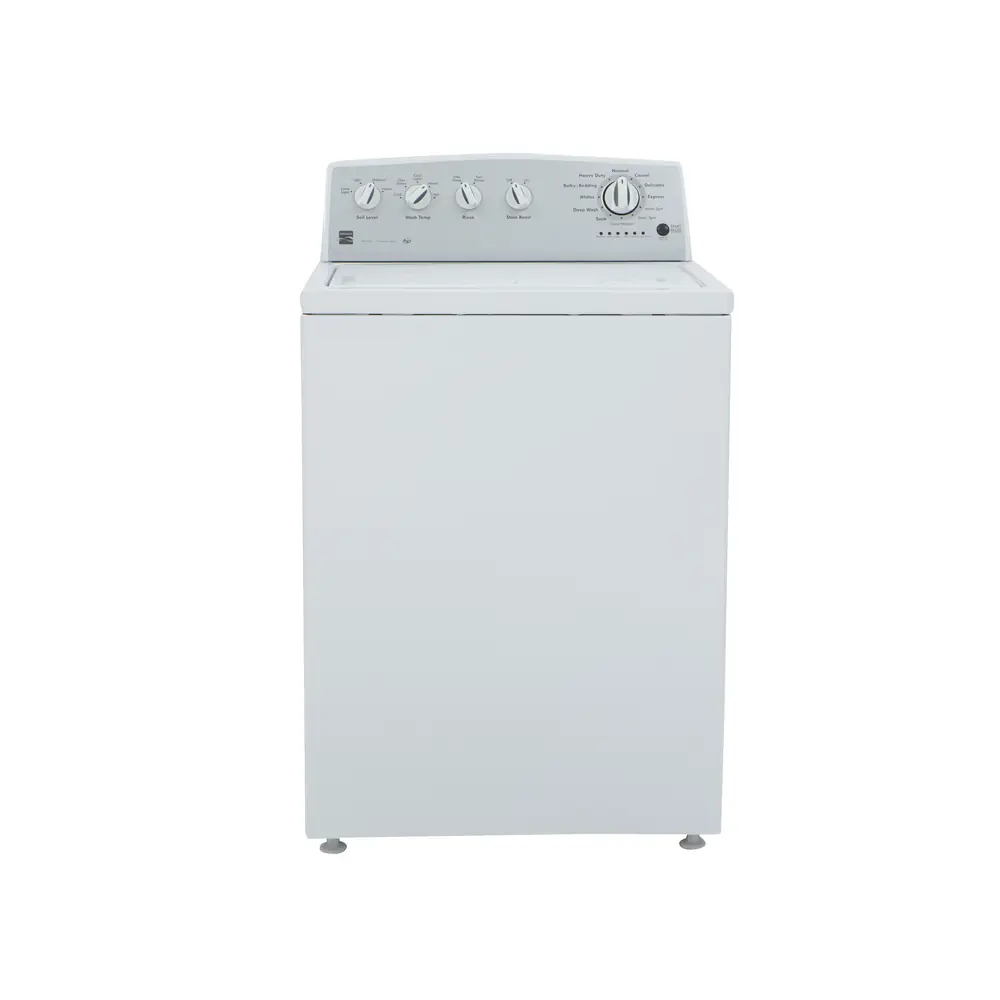
| Product Type | Top-Loading High Efficiency Low-Water Washer |
| Detergent Compatibility | Only HE (High Efficiency) detergents |
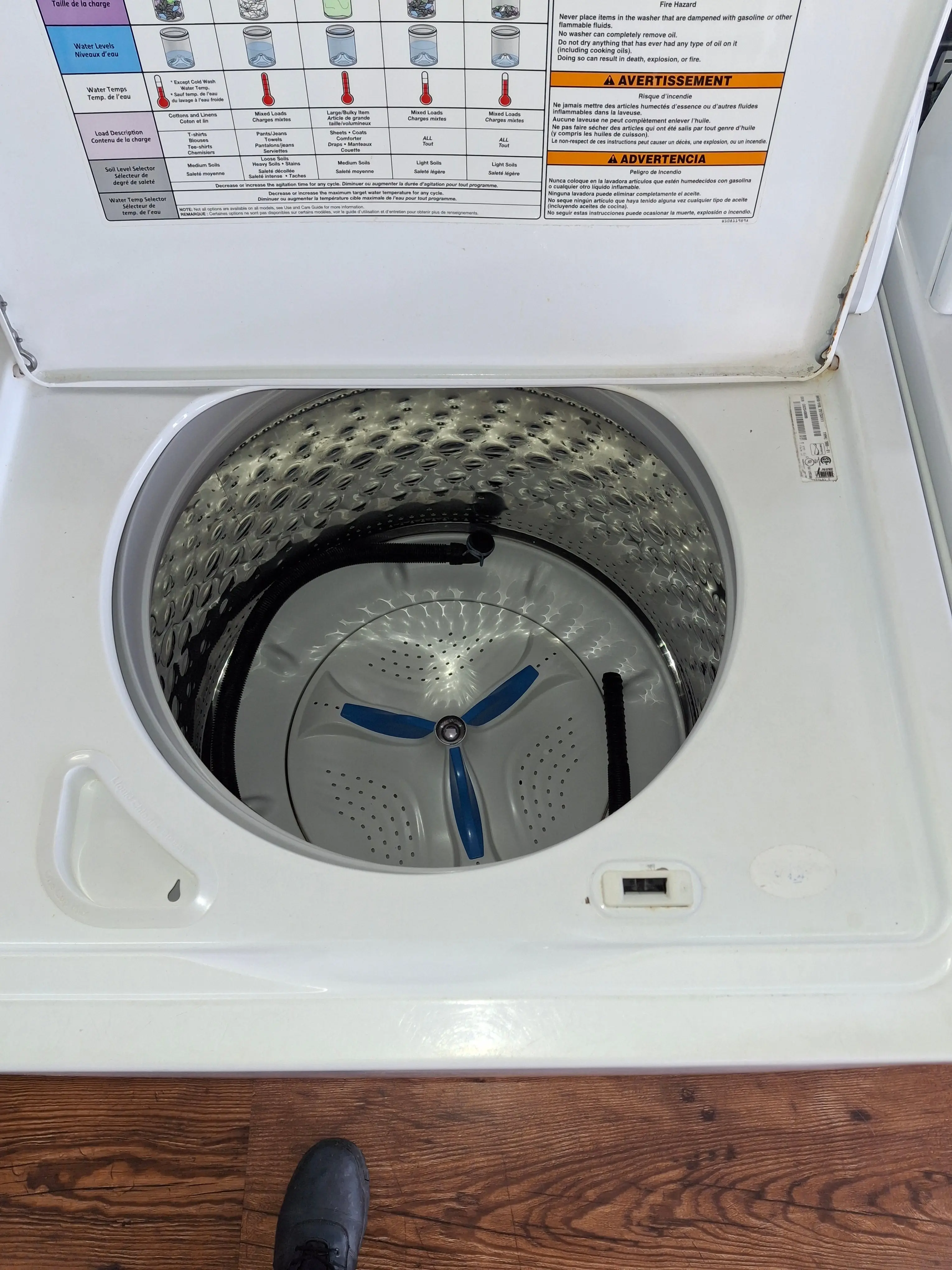
| Wash System | Low-water washplate wash system (no traditional agitator) |
| Water Level Sensing | Automatic Load Size Sensing (no manual selector) |
| Lid Operation | Automatic Lid Lock (during sensing and spin cycles) |
| Wash Temp Control | Senses and maintains uniform water temperatures by regulating incoming hot and cold water |
| Manufacturer (U.S.A.) | Sears Brands Management Corporation |
| Manufacturer (Canada) | Sears Canada Inc. |
| Manual Part Number | W10607445A |
| Maintenance Cycle | Clean Washer cycle (recommended every 30 washes or monthly) |
Kenmore 500 Series Washer Details
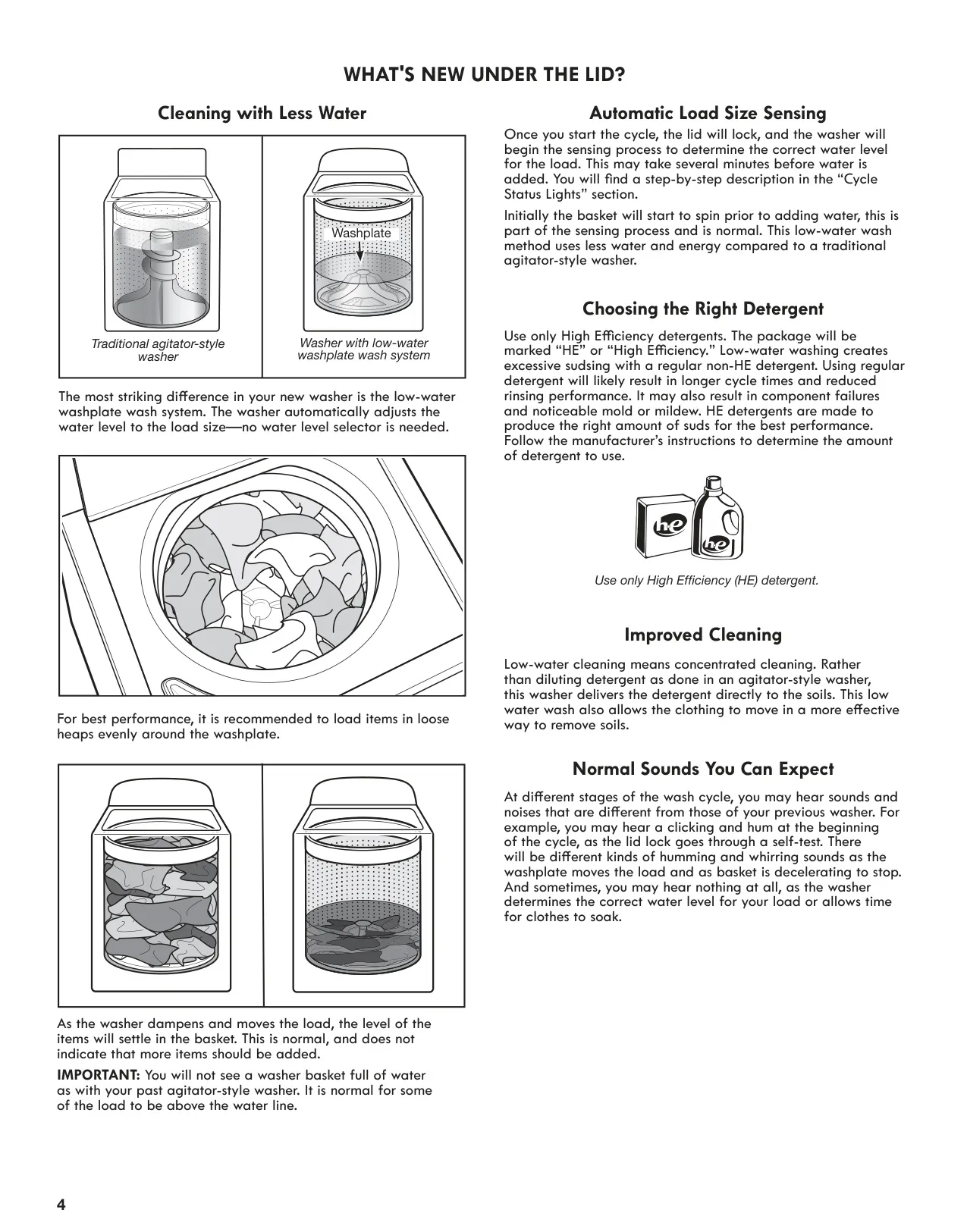
The Kenmore 500 Series Washing Machine redefines laundry with its innovative low-water washplate system, moving away from traditional agitators. This design focuses on concentrated cleaning, delivering detergent directly to soils rather than diluting it. Clothes move more effectively within the reduced water level, enhancing soil removal for superior cleanliness with less water and energy consumption compared to older models.
A key feature is its Automatic Load Size Sensing. Upon starting a cycle, the washer locks its lid and performs a series of short, slow spins to accurately estimate the load size. This process, which can take several minutes, determines the precise amount of water needed, eliminating the need for manual water level selection. It's important to note that the basket will not appear full of water, which is normal for this high-efficiency system.
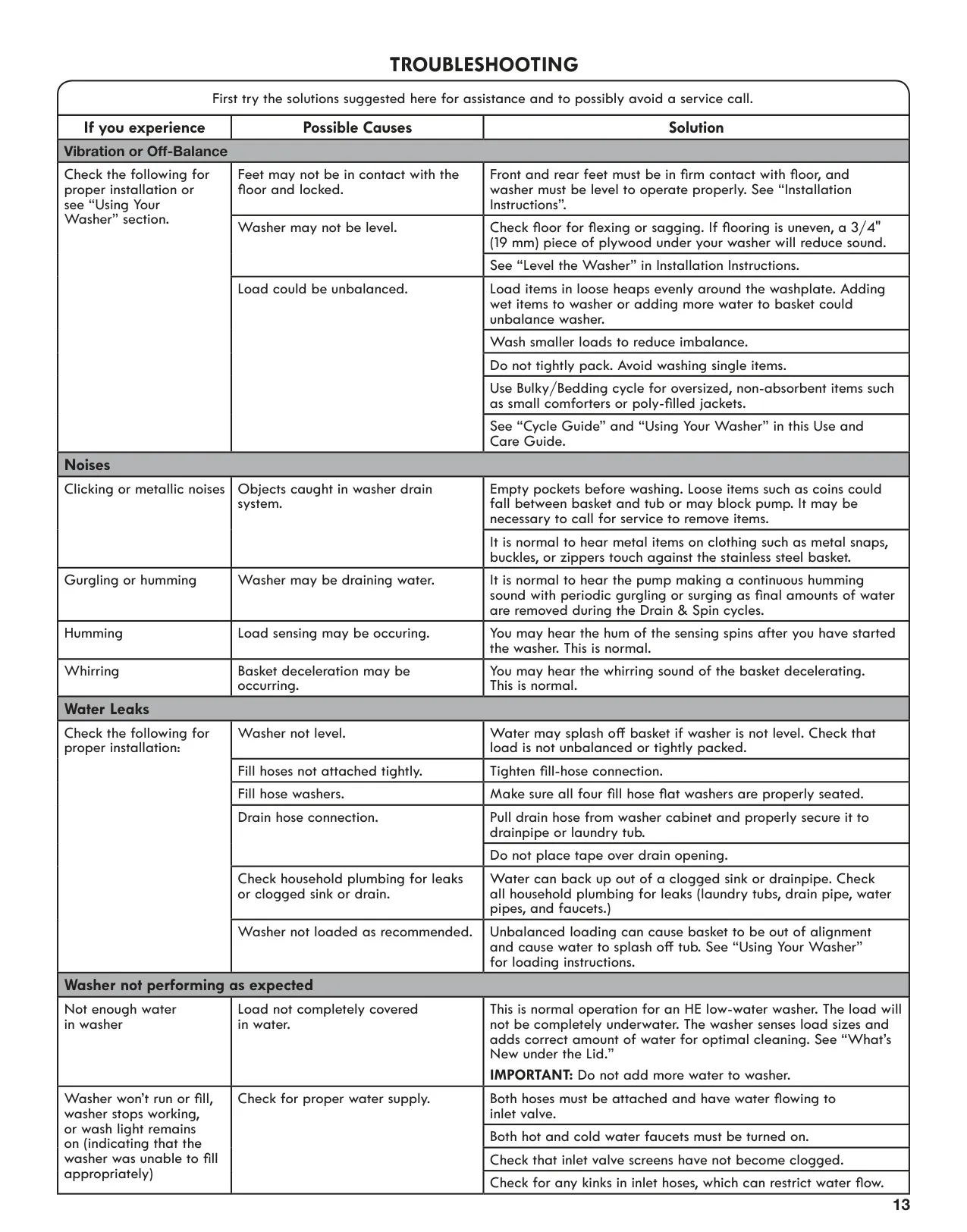
The washer's operation involves various normal sounds. Users may hear clicking and humming as the lid lock performs its self-test at the beginning of a cycle. Different humming and whirring sounds are expected as the washplate moves the load or the basket decelerates. Occasional silence is also normal, indicating the washer is determining water levels or allowing clothes to soak, all part of its advanced cleaning process.
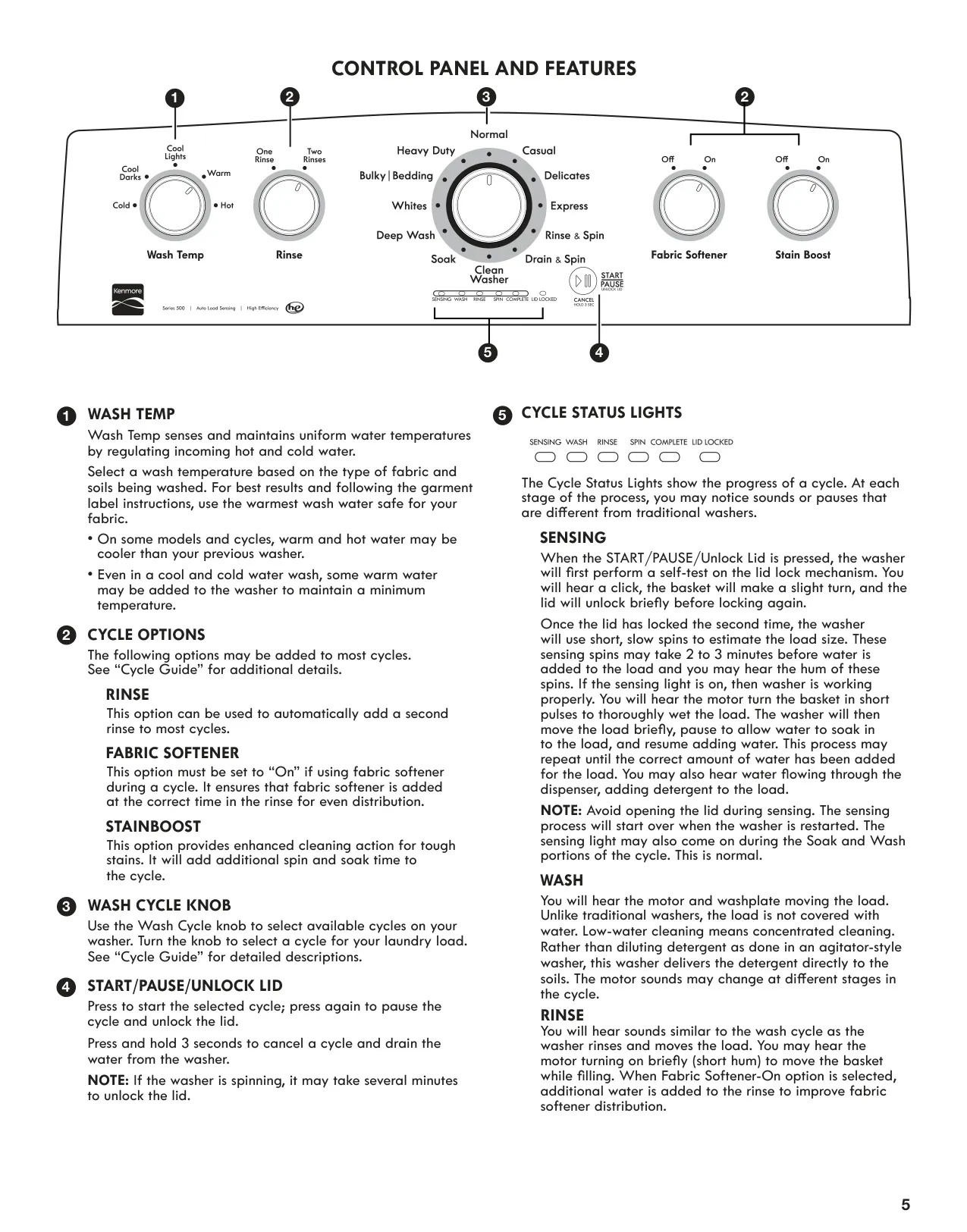
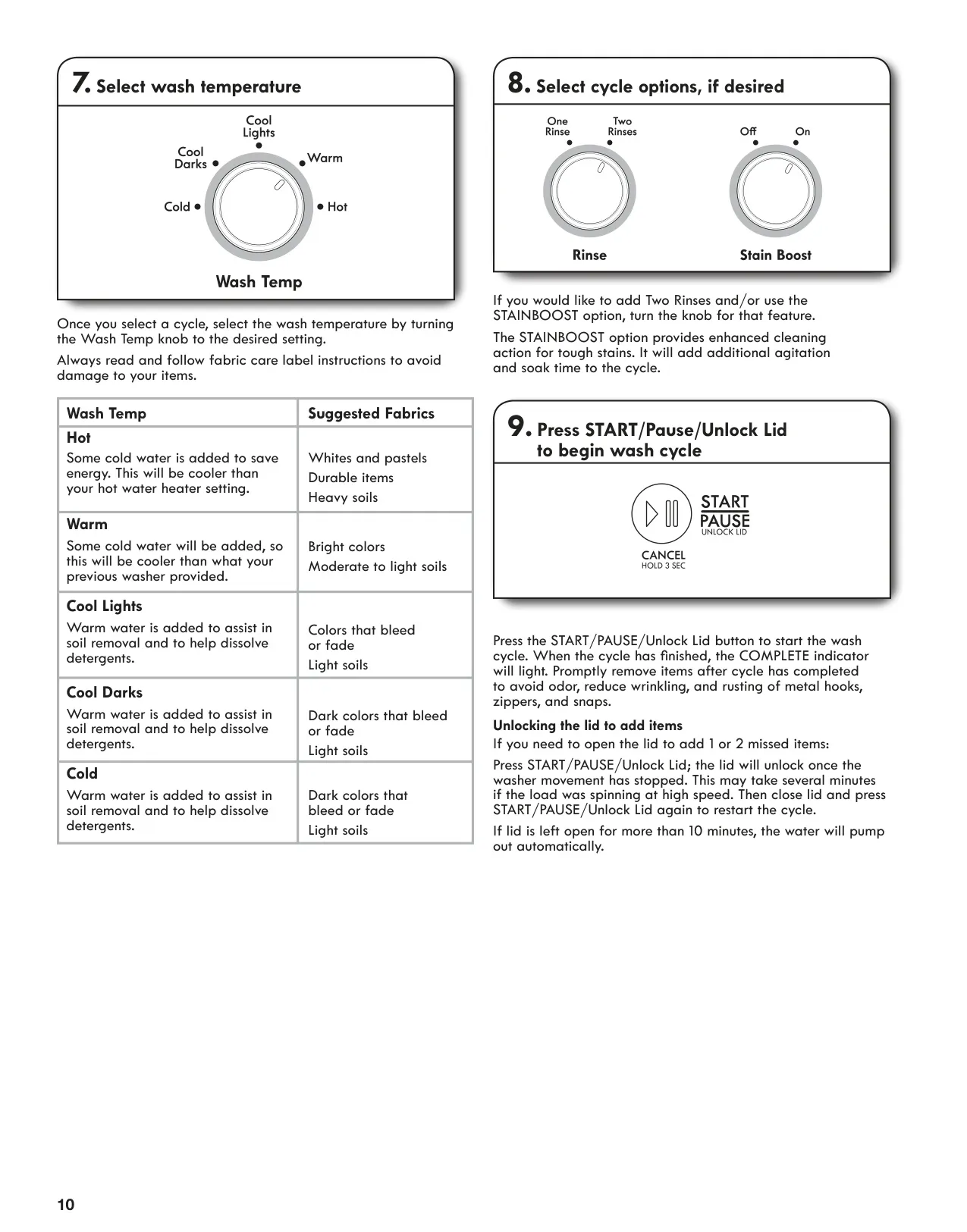
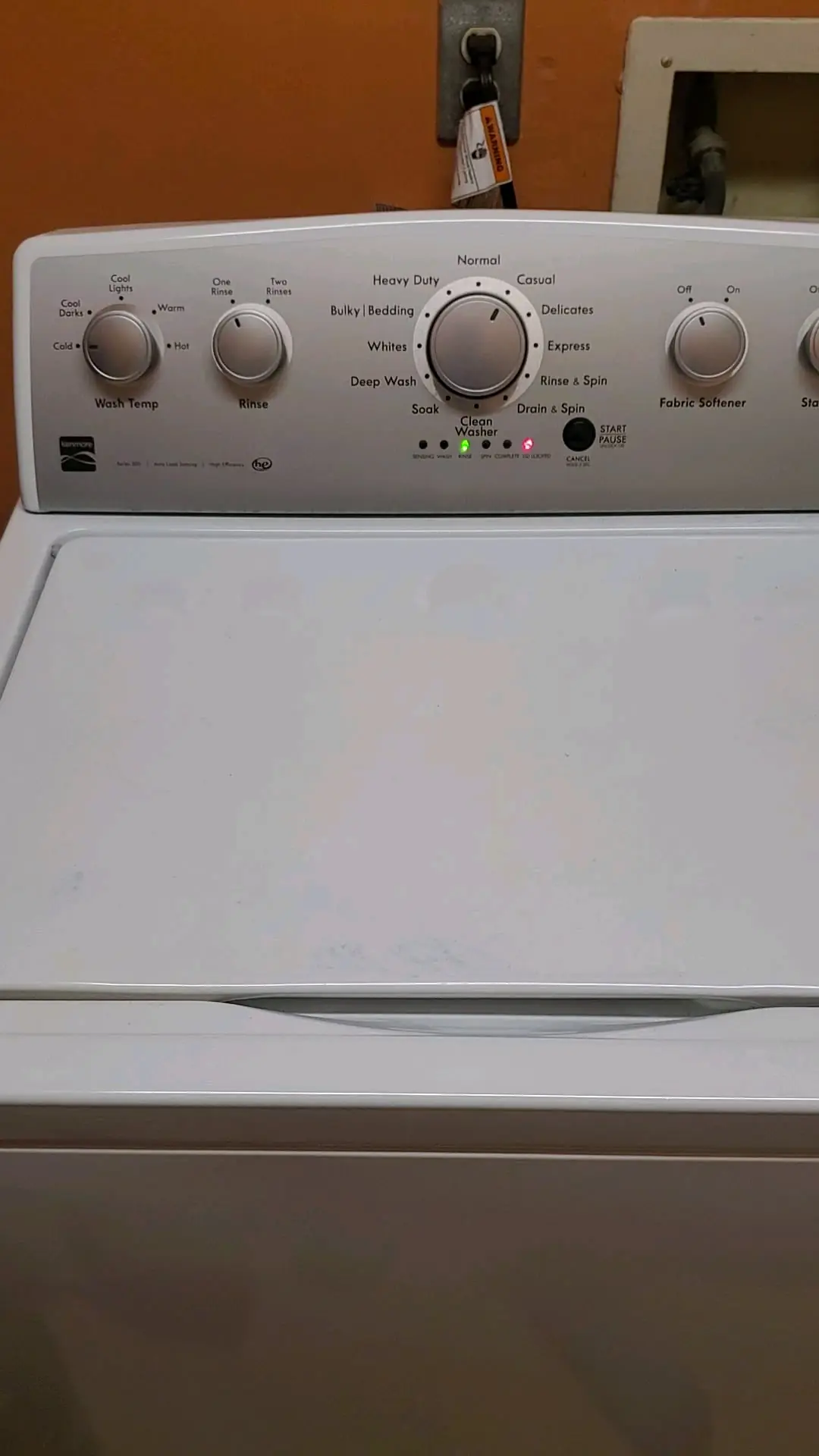
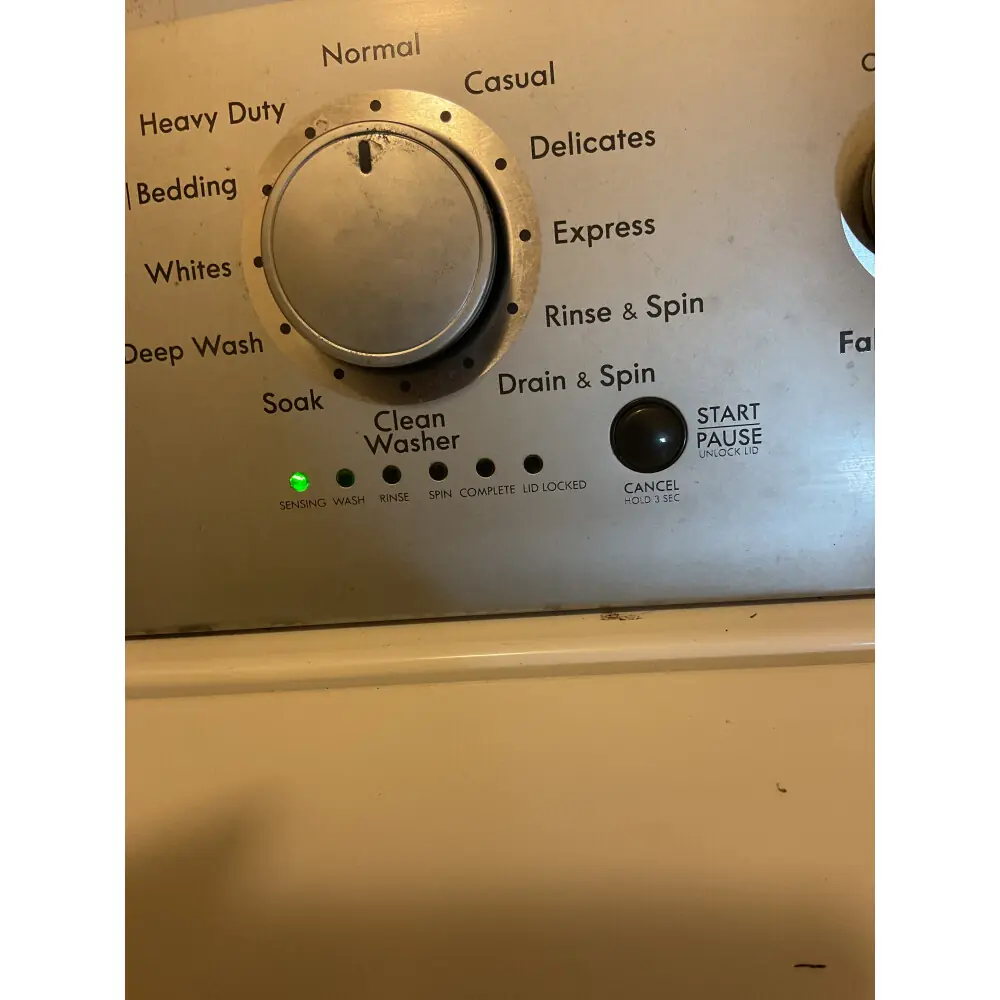
The control panel offers intuitive options for customizing wash cycles. The WASH TEMP knob allows selection based on fabric type and soil level, with the system regulating incoming hot and cold water to maintain uniform temperatures. Even in cool and cold washes, some warm water is added to maintain a minimum temperature, ensuring optimal detergent dissolution and cleaning performance.
Beyond temperature, CYCLE OPTIONS include a RINSE option for an additional rinse cycle, FABRIC SOFTENER to ensure proper distribution during the rinse, and STAINBOOST. STAINBOOST provides enhanced cleaning action for tough stains by adding extra spin and soak time to the selected cycle, tackling stubborn grime more effectively than standard settings.
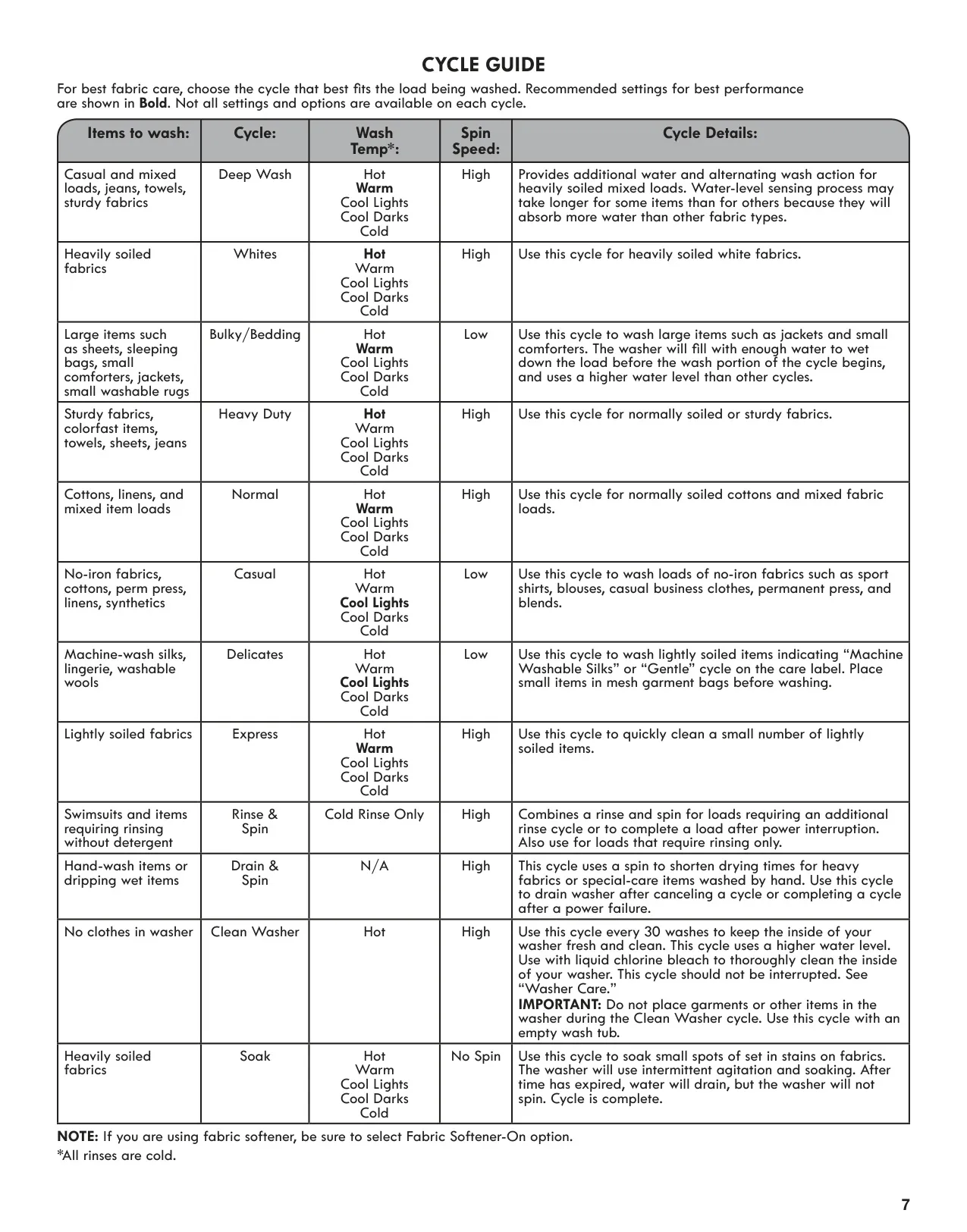
The Wash Cycle Knob allows users to select from a comprehensive list of cycles tailored for various fabric types and soil levels. These include Deep Wash for heavily soiled mixed loads, Bulky/Bedding for large items, Delicates for machine-washable silks, and Express for quick cleaning of lightly soiled items. Each cycle is optimized with recommended settings for best fabric care.
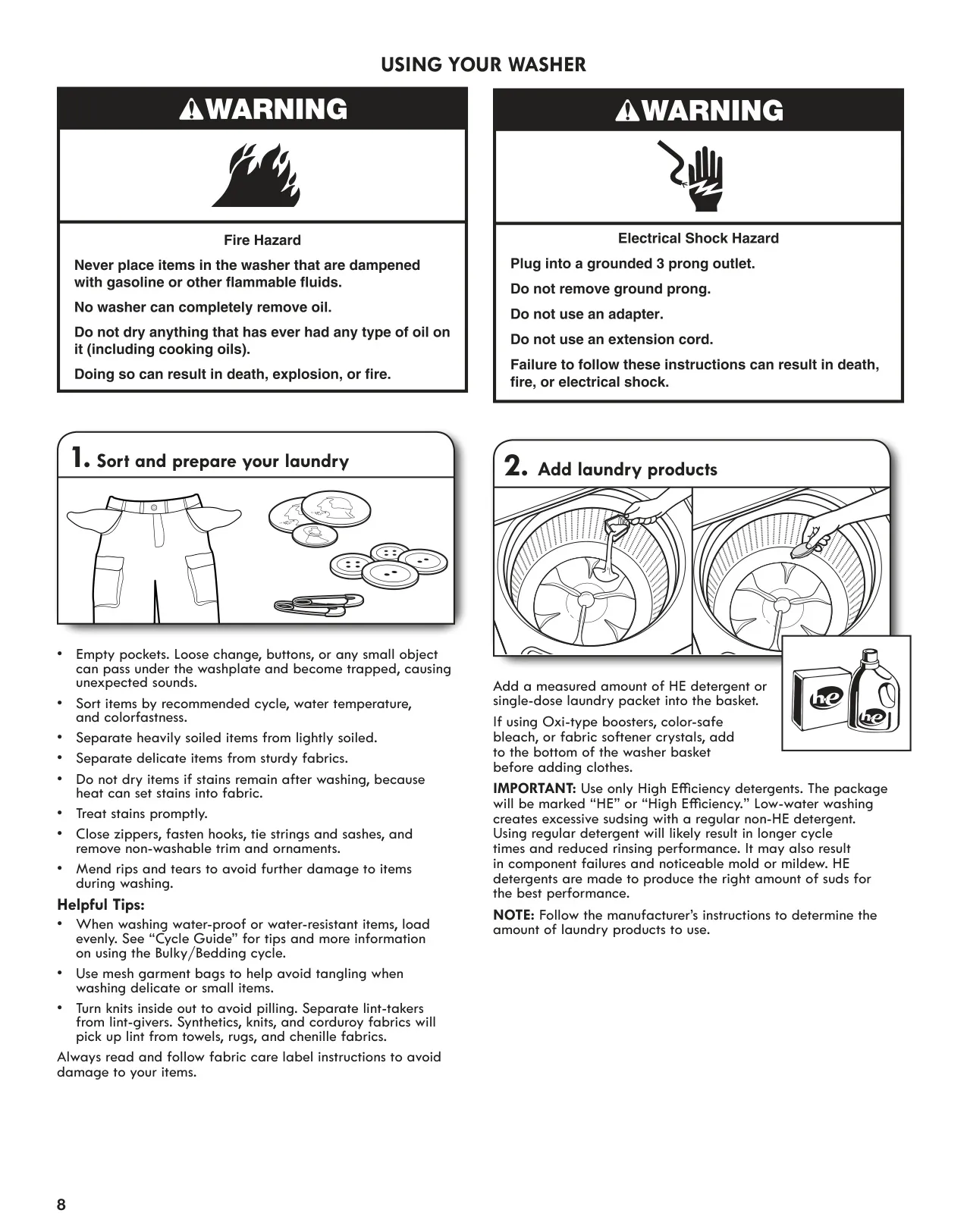
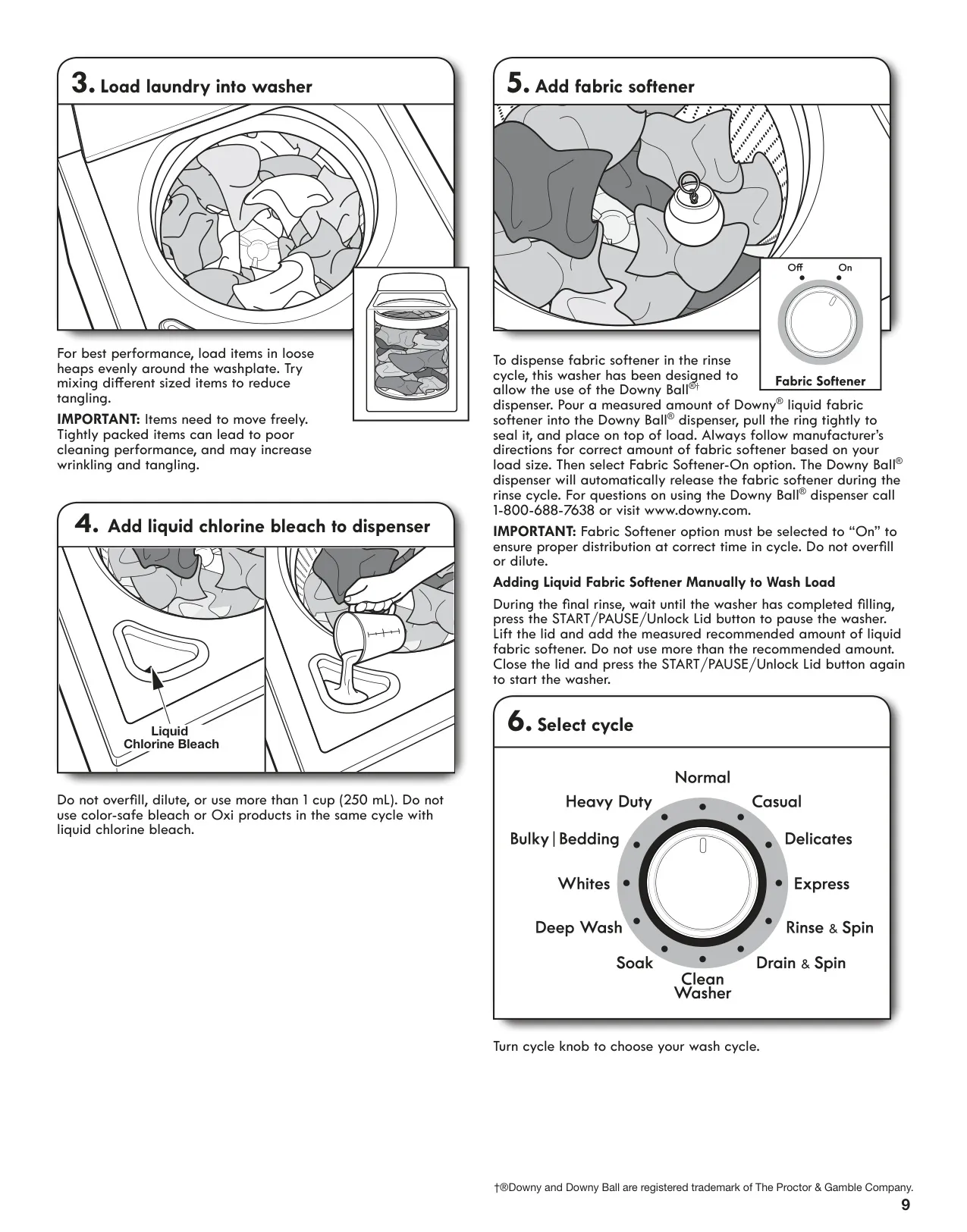
Using your washer correctly is crucial for optimal performance. Load items in loose heaps evenly around the washplate, avoiding tight packing that can lead to poor cleaning and increased wrinkling. For best results, it's recommended to mix different-sized items to reduce tangling and ensure uniform washing. This careful loading supports the low-water system's efficacy.
When adding laundry products, always place measured HE detergent or single-dose packets directly into the basket before clothes. Oxi-type boosters, color-safe bleach, or fabric softener crystals should also go into the bottom of the washer basket. For liquid fabric softener, users can utilize a Downy Ball dispenser or manually add it during the final rinse by pausing the cycle, ensuring proper distribution and preventing fabric damage.
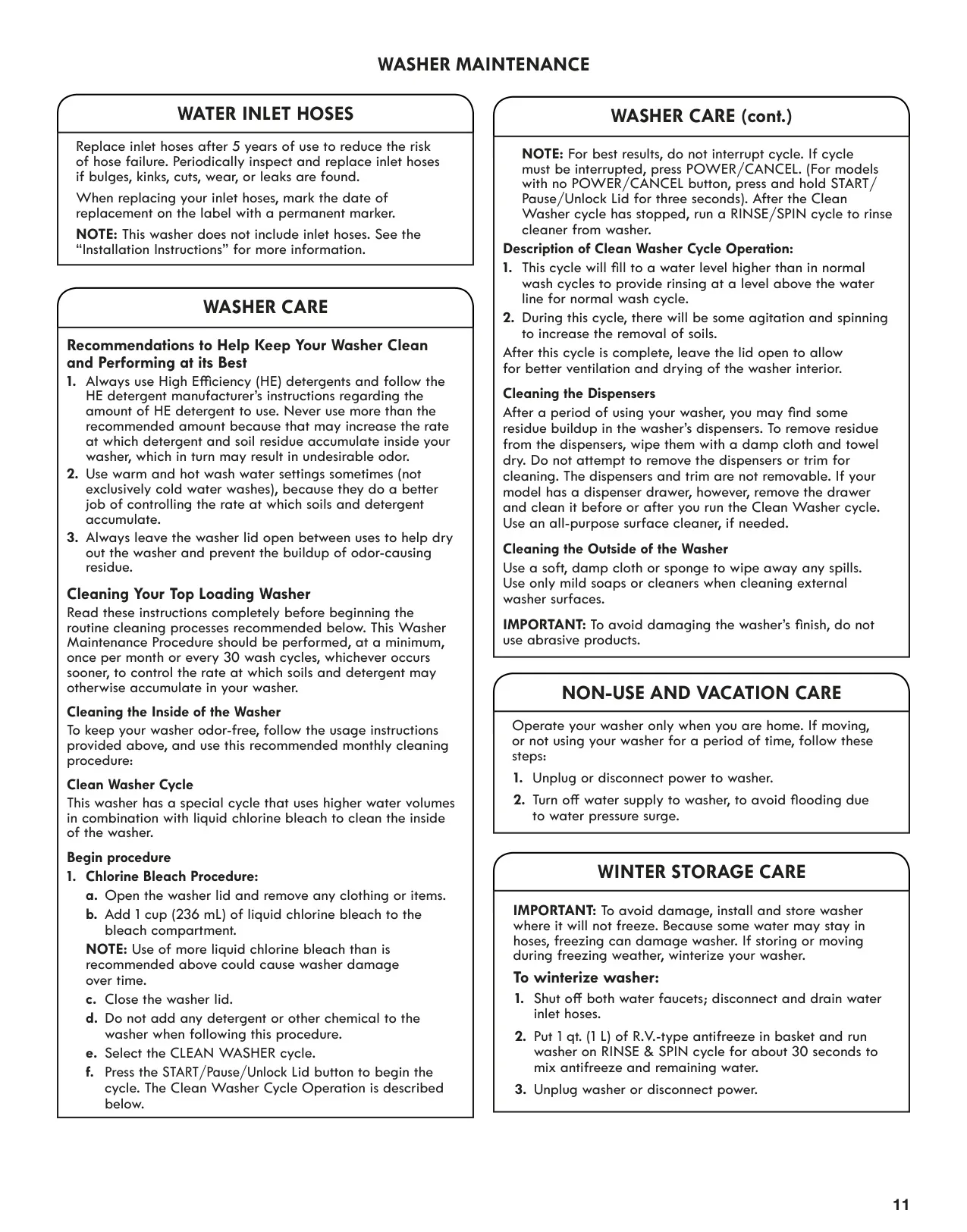
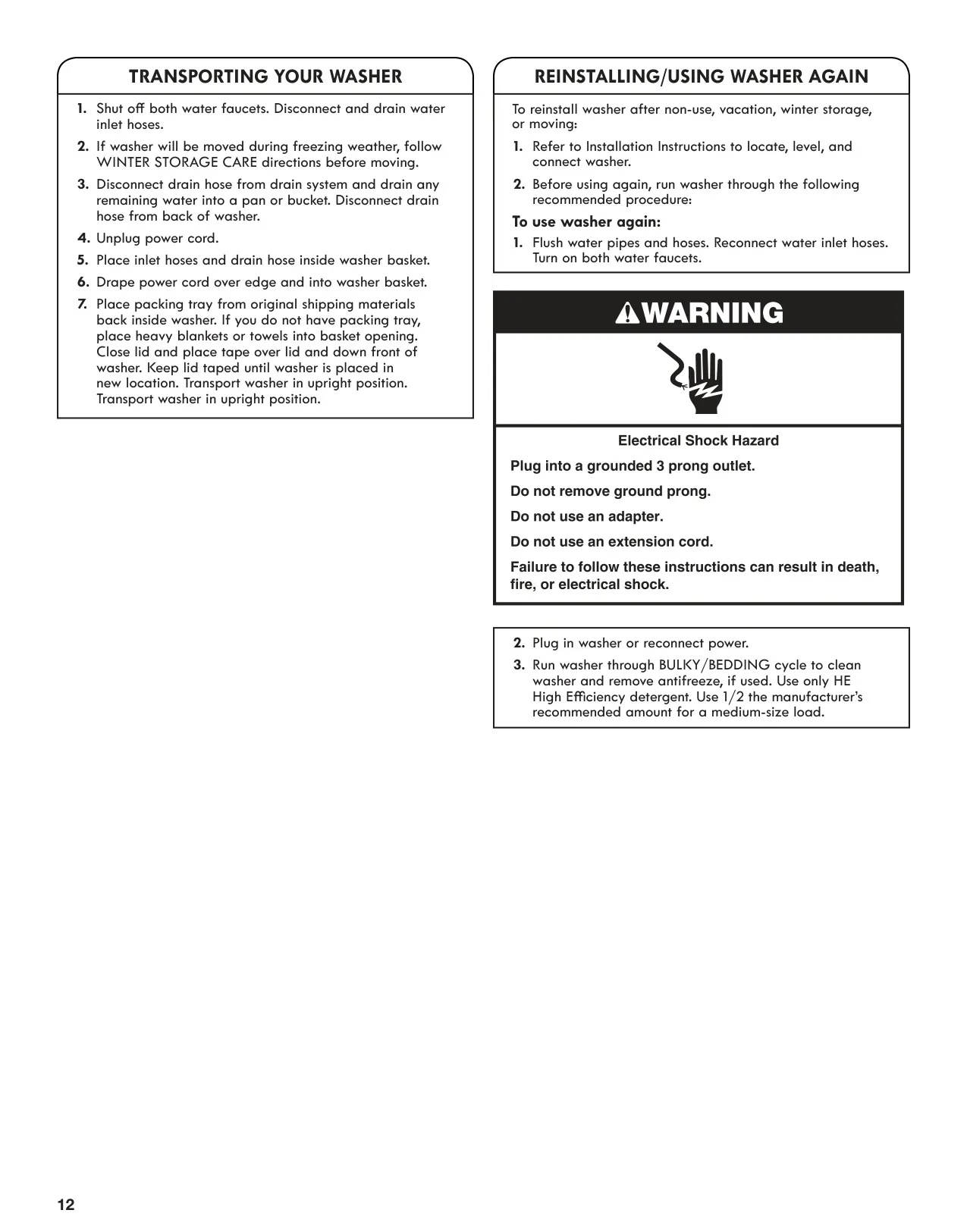
Regular maintenance is vital for longevity and performance. Inlet hoses should be replaced every five years to prevent failure, and the washer lid should always be left open between uses to facilitate drying and prevent odor buildup. The dedicated Clean Washer cycle, used monthly with liquid chlorine bleach, ensures the interior remains fresh and free of detergent and soil residue.
Frequently Asked Questions (FAQs)
Can't find the answer you need? Here are some frequently asked questions about the Kenmore 500 Series Washing Machine, and we answer them below.