Predator 4000 Generator Inverter Instruction Manual

Predator 4000 Generator Inverter
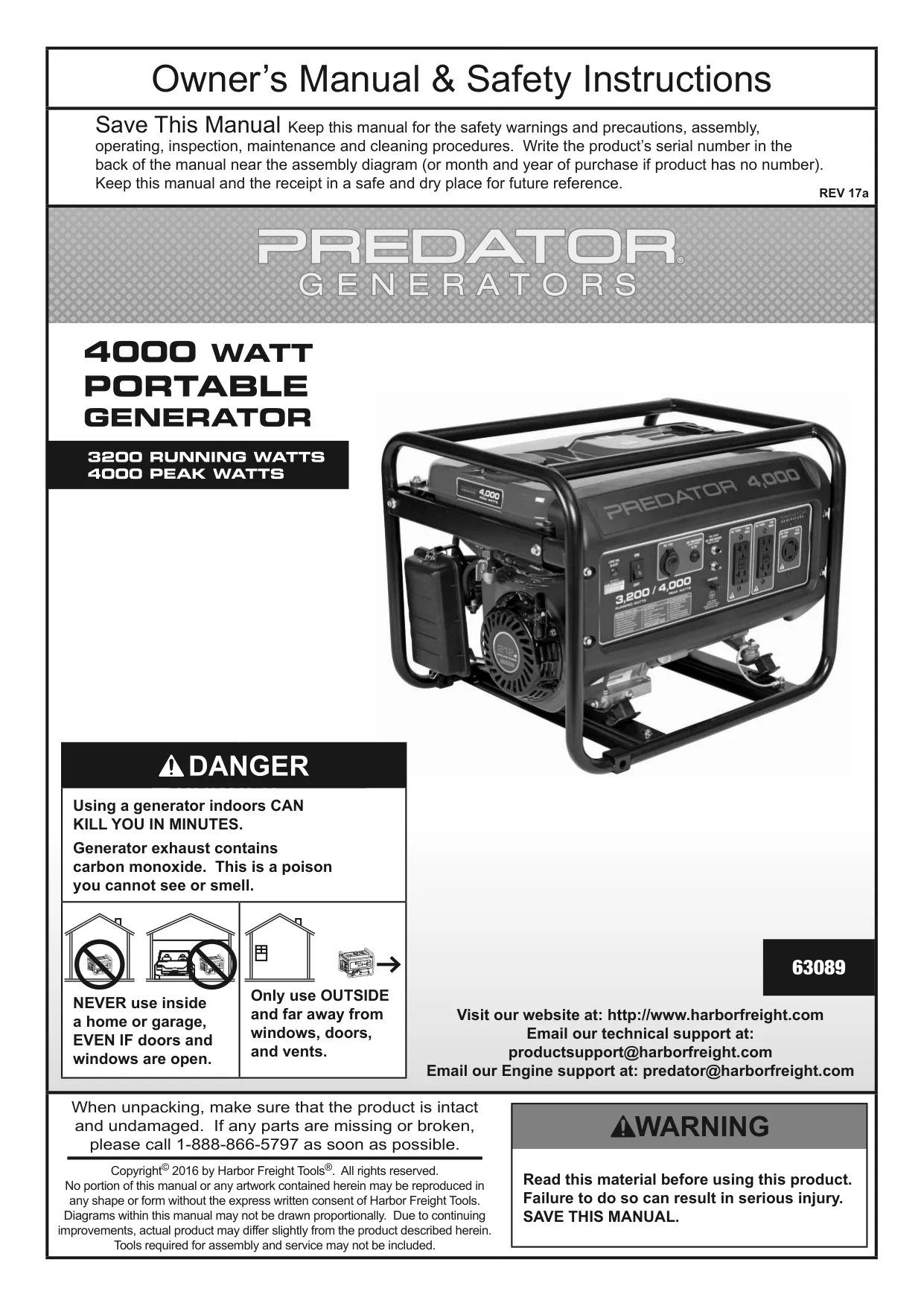
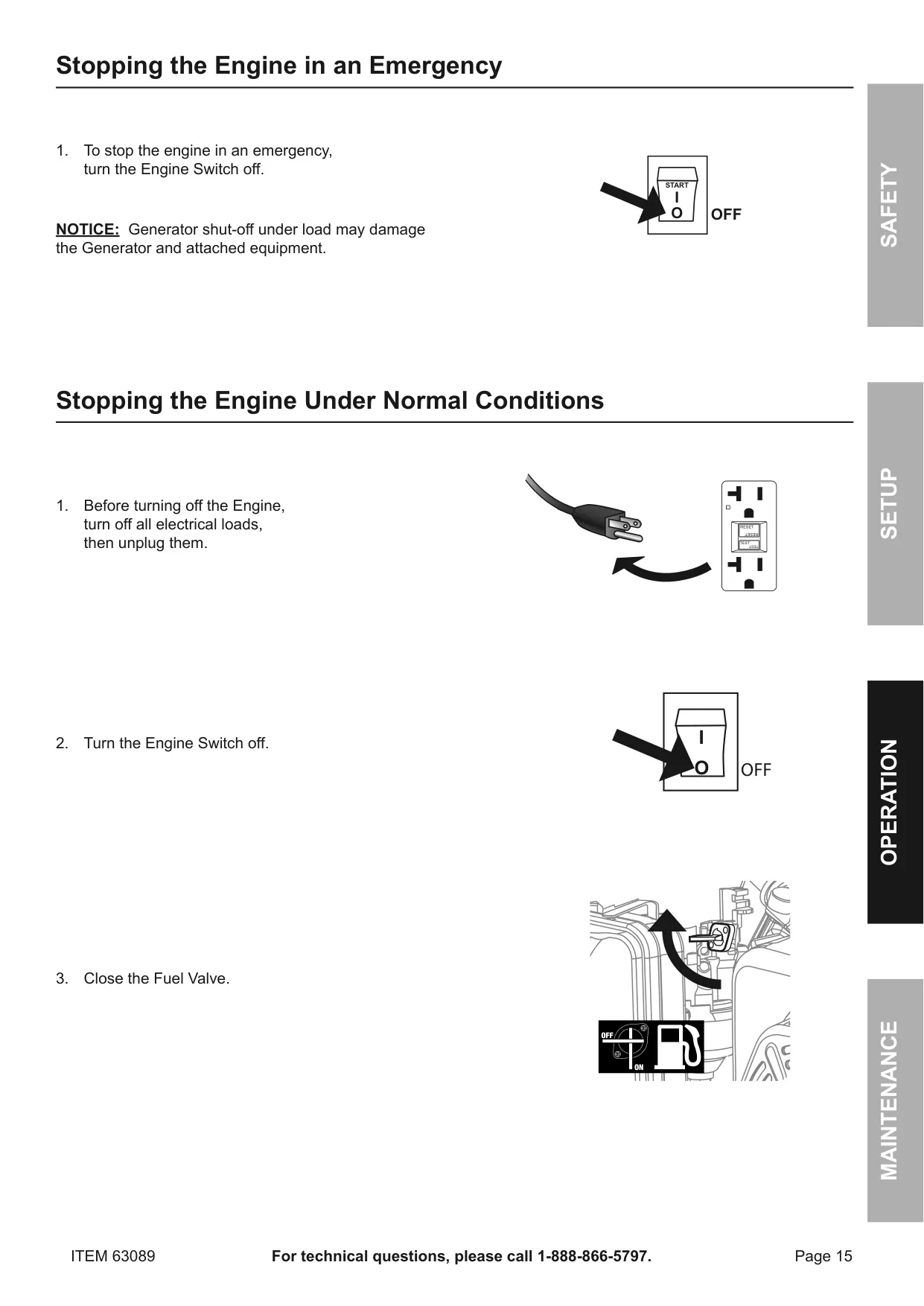
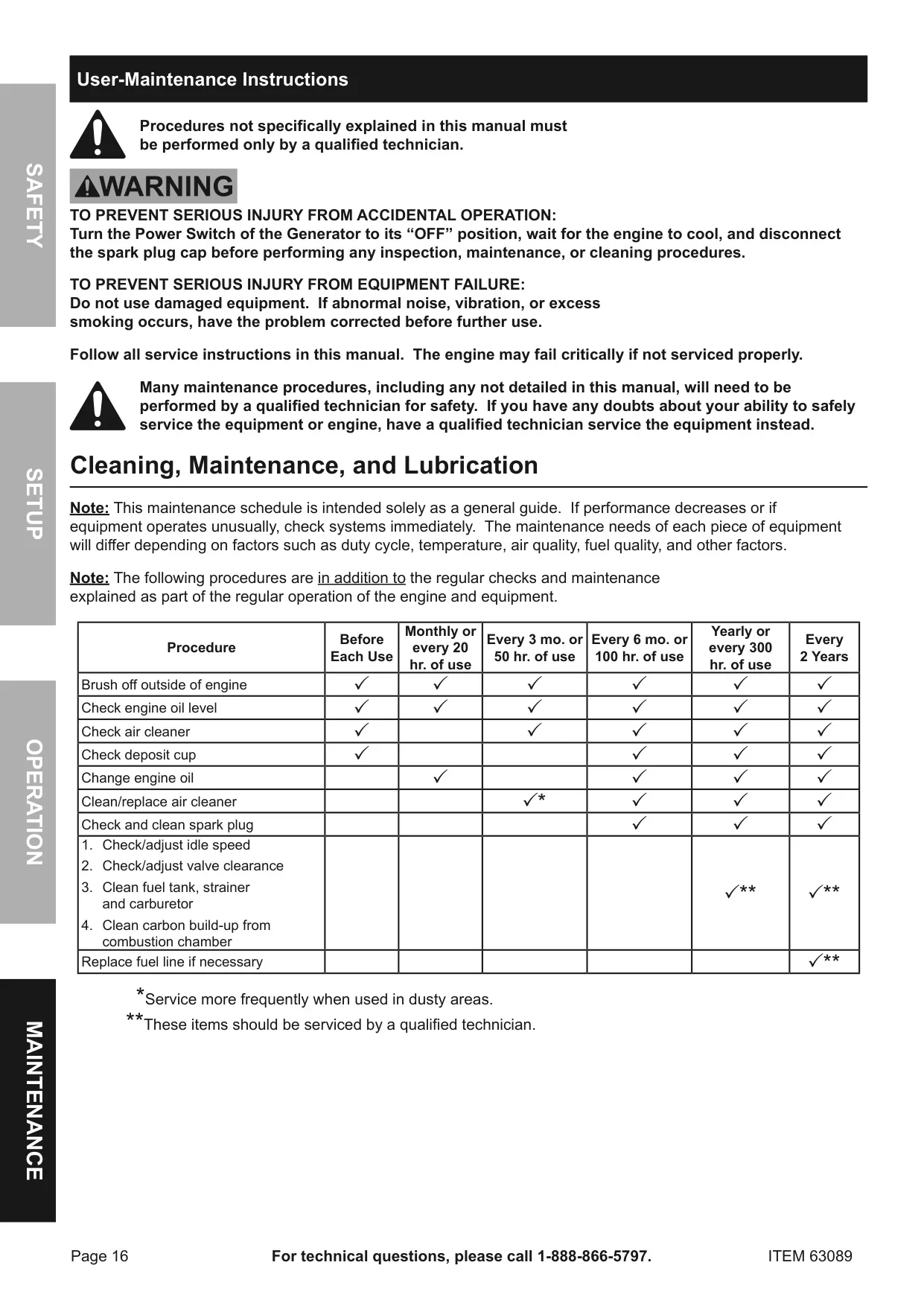
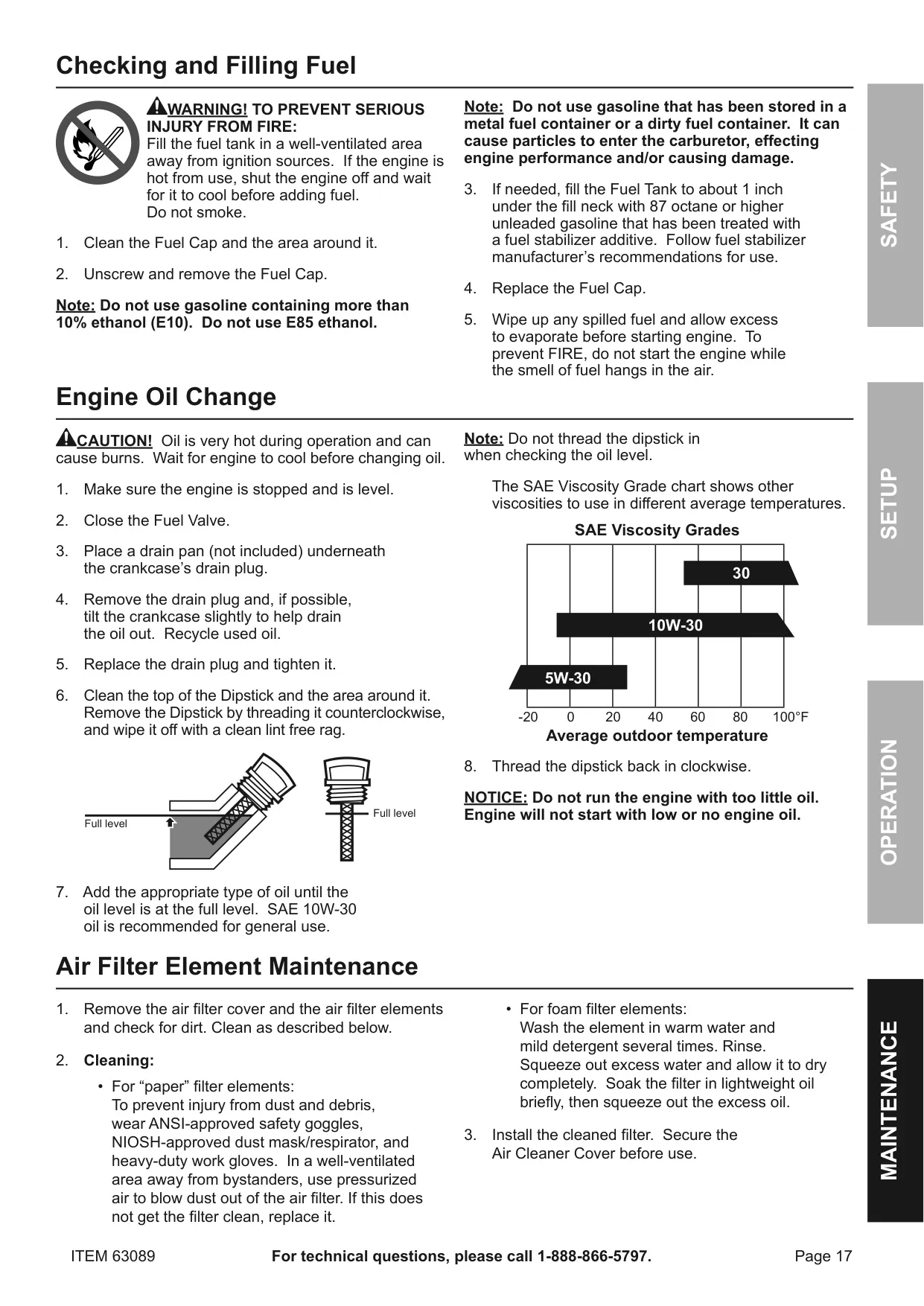
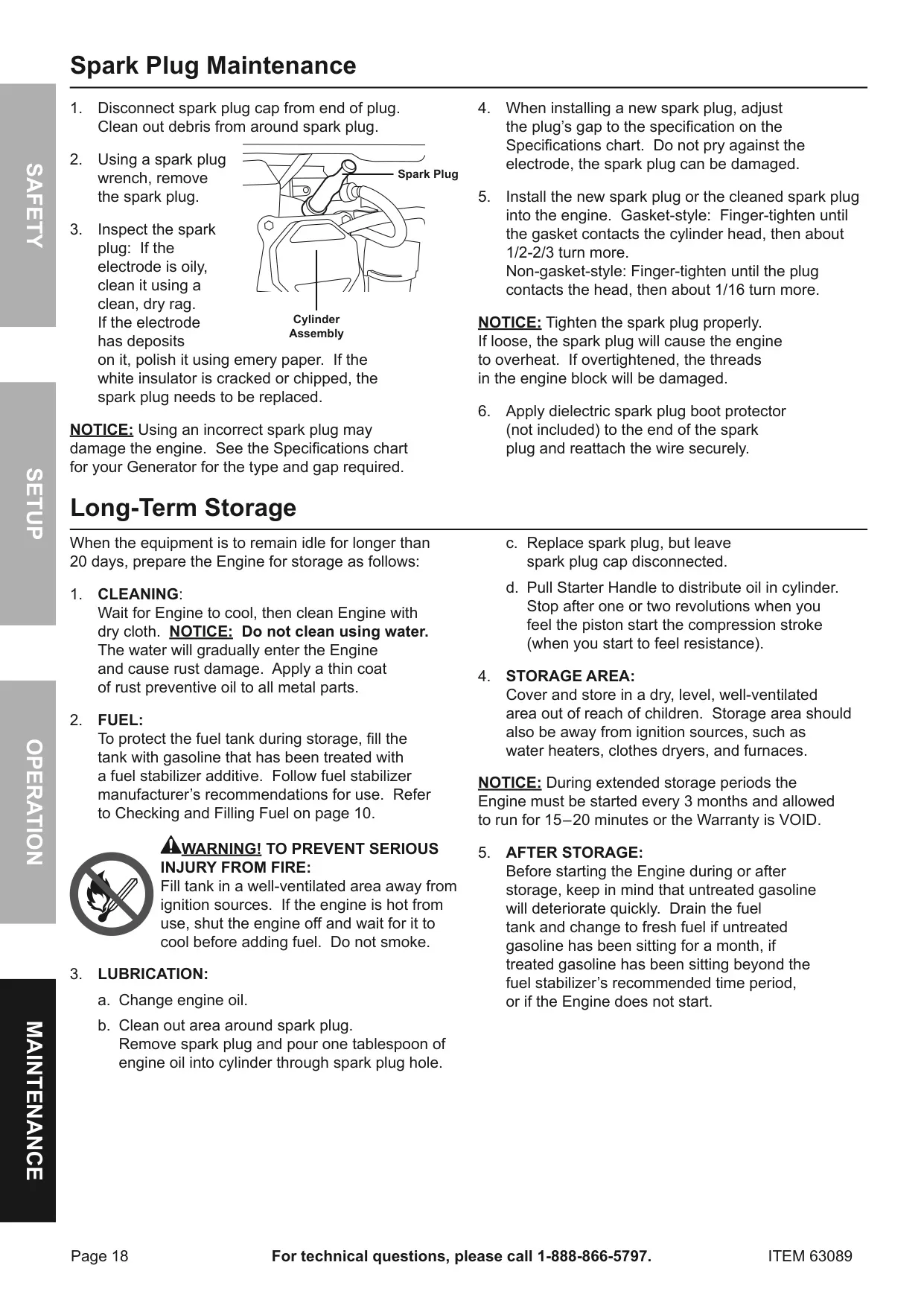
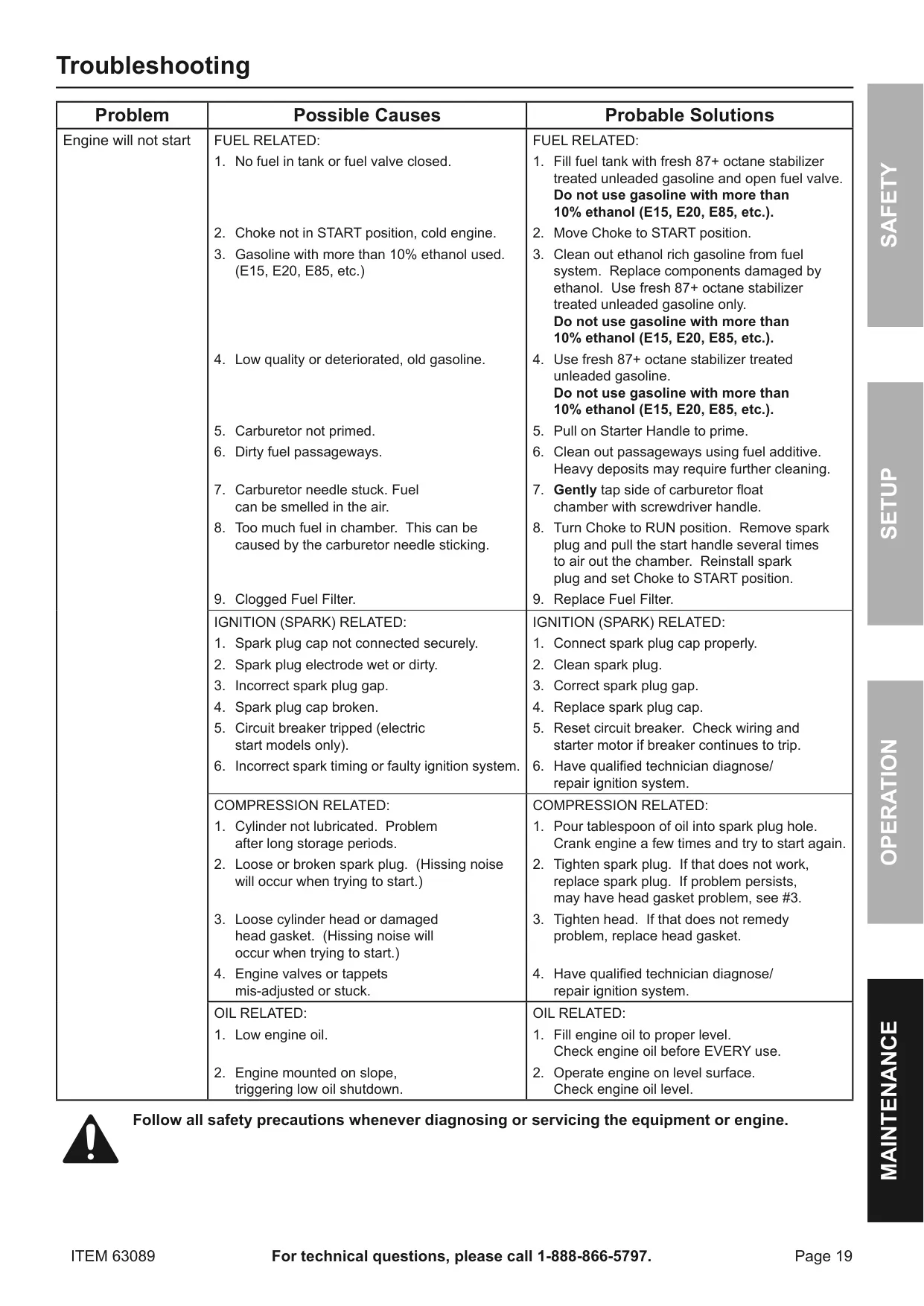
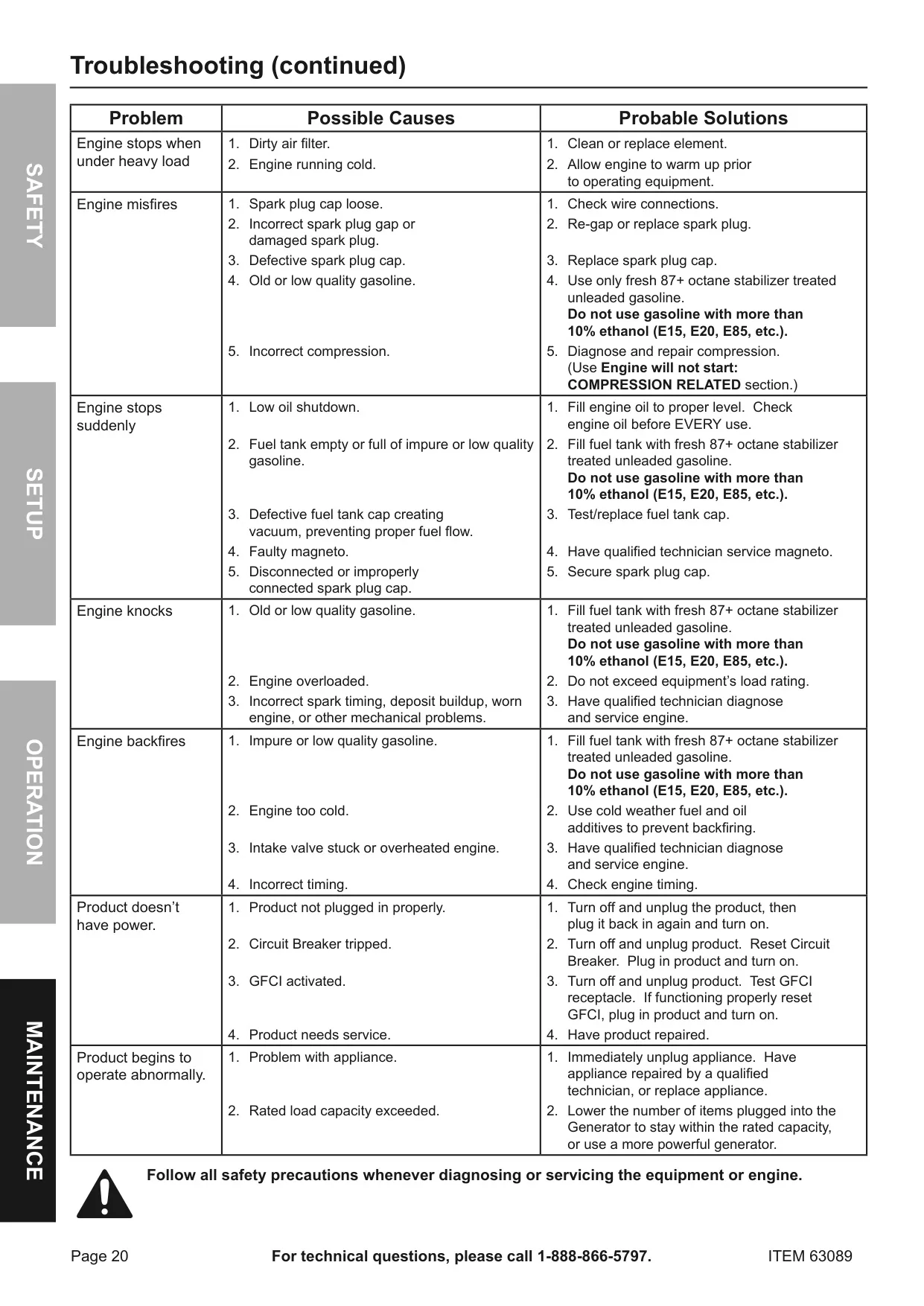
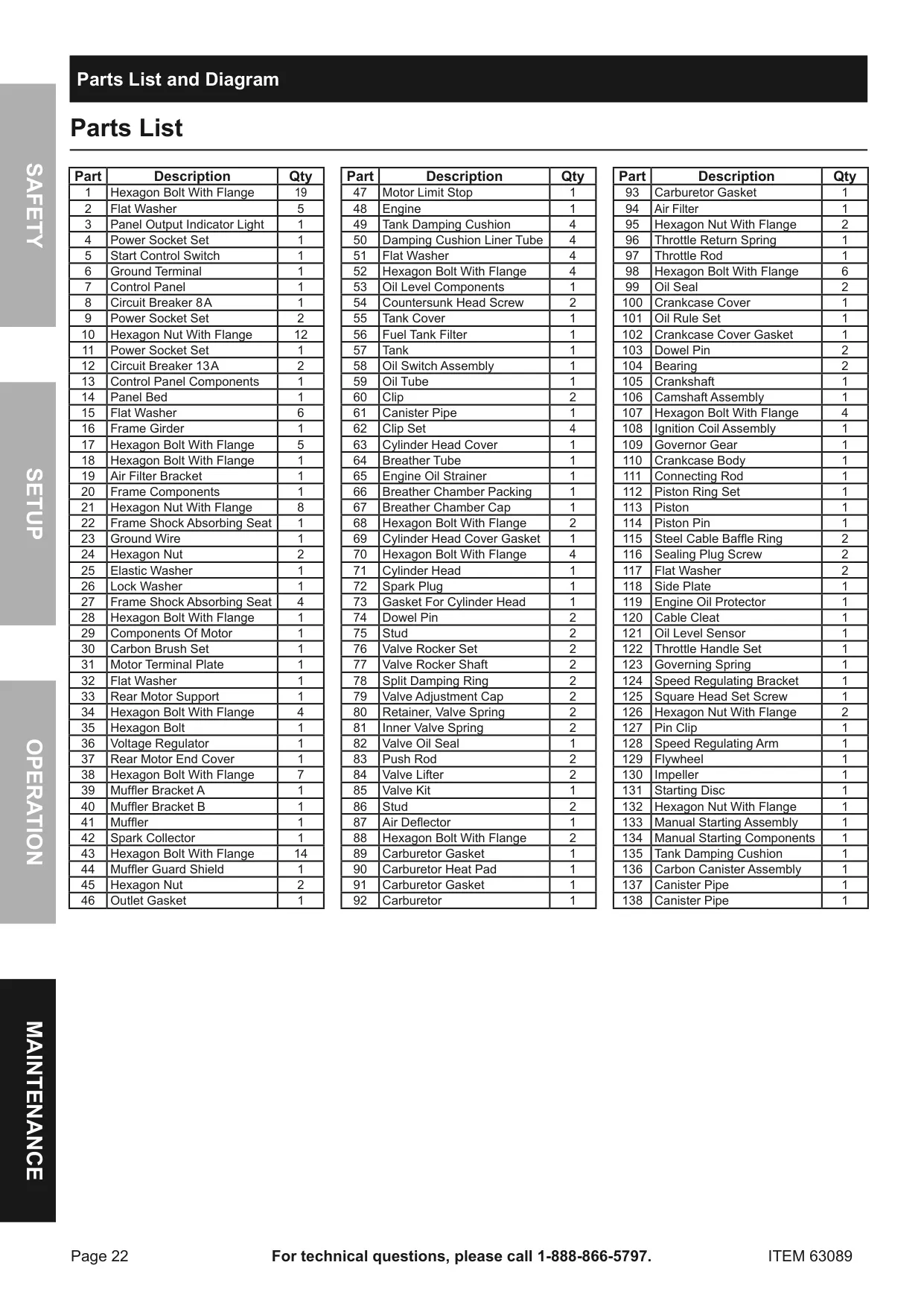
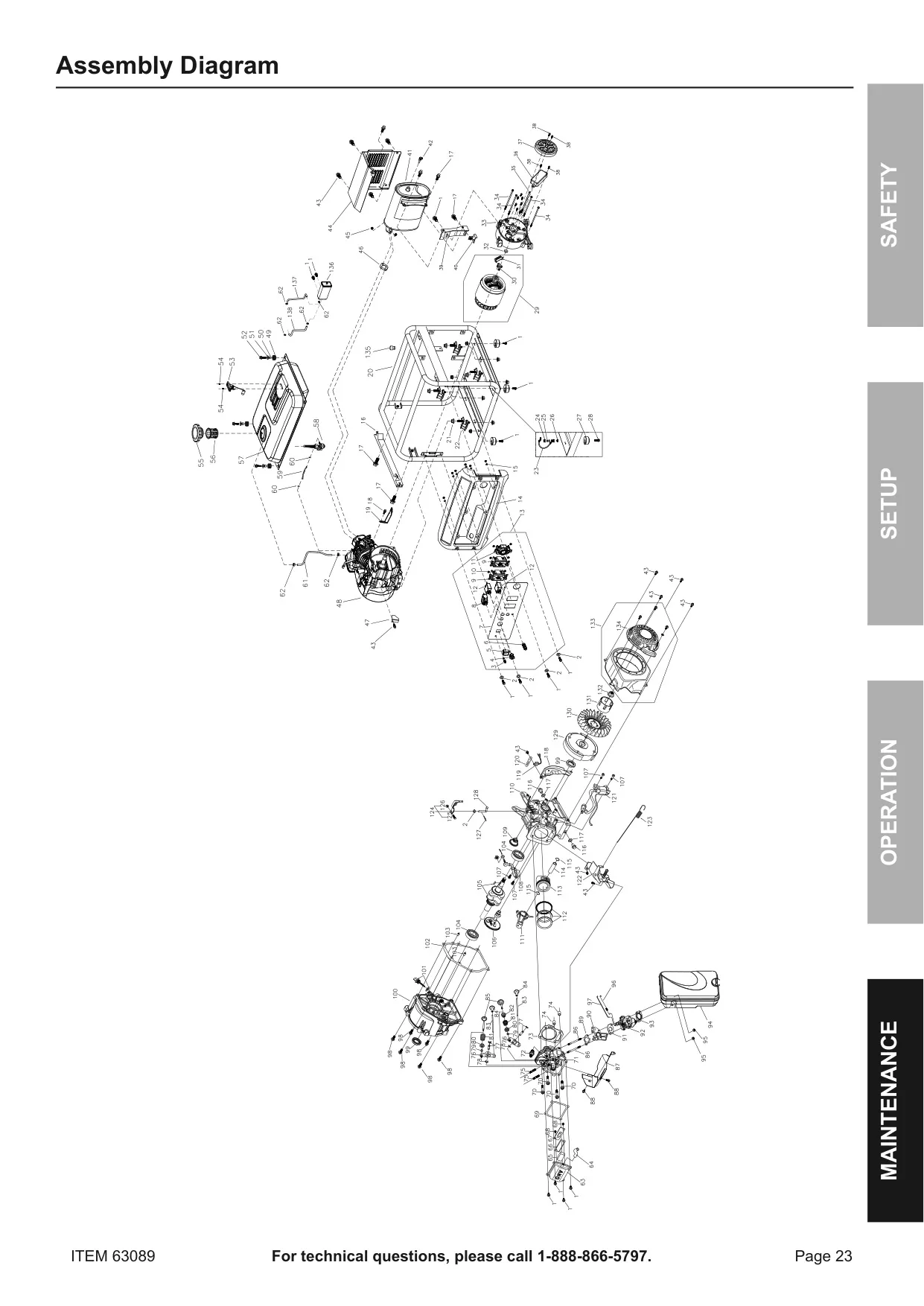



Predator 4000 Generator Instructions
Here we offer the Predator 4000 Generator Inverter manual completely free and in English. We have cataloged this manual in the Generators section on Manualverse, and it has been rated by 1 users with an average rating of 5. If you have any specific questions about Predator 4000 Generator Inverter, we suggest checking the Frequently Asked Questions (FAQs) section of this manual.
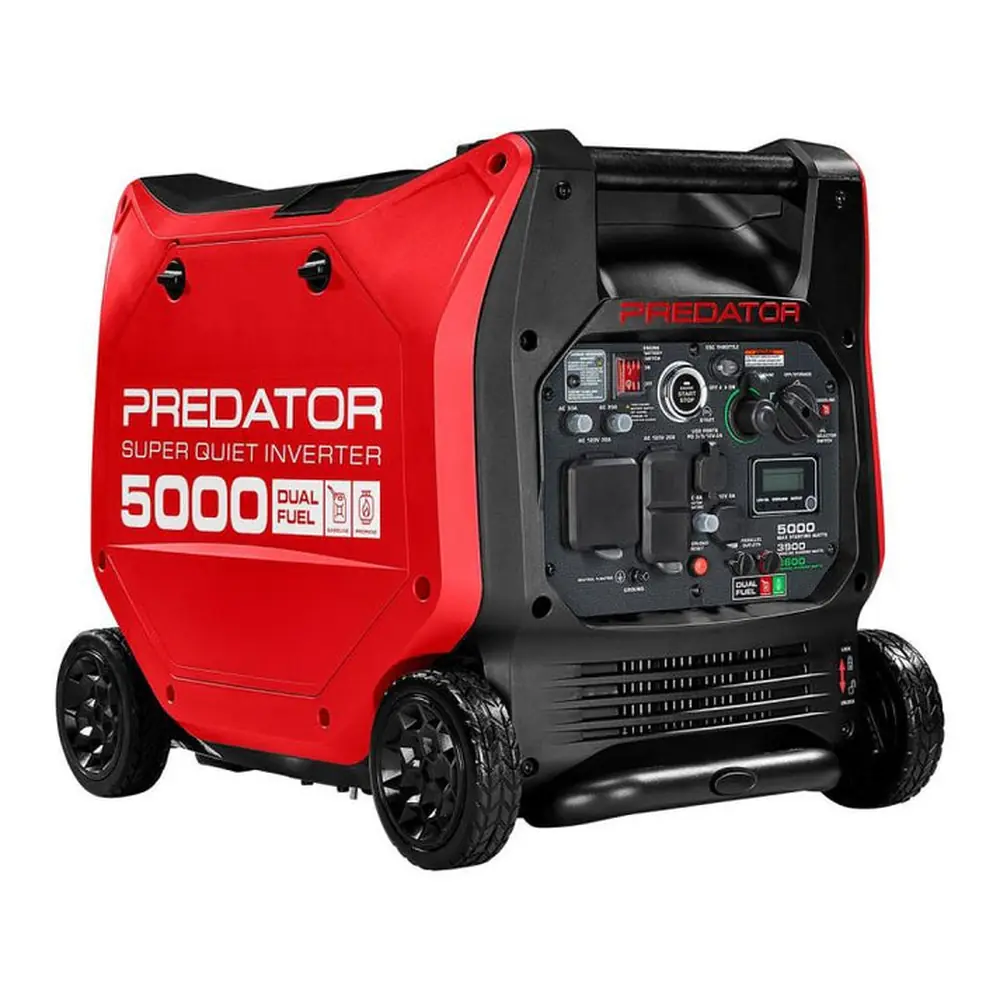
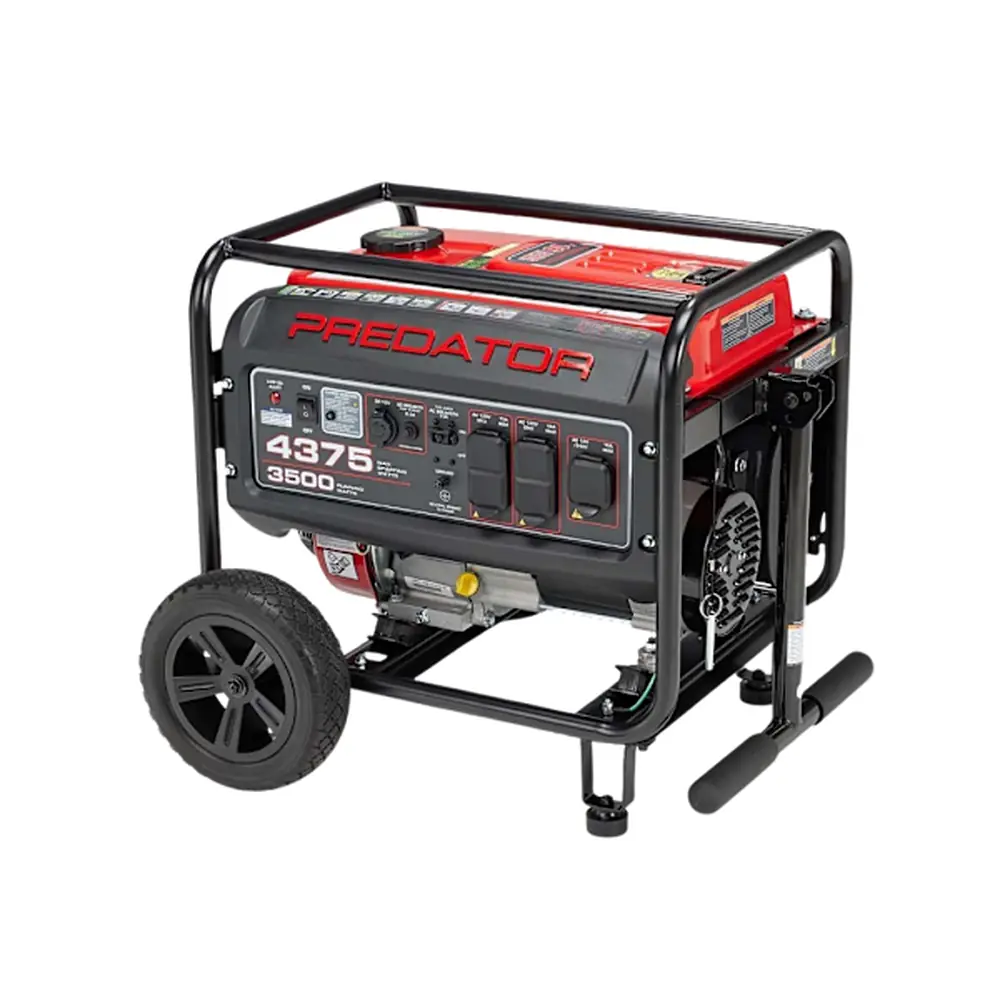
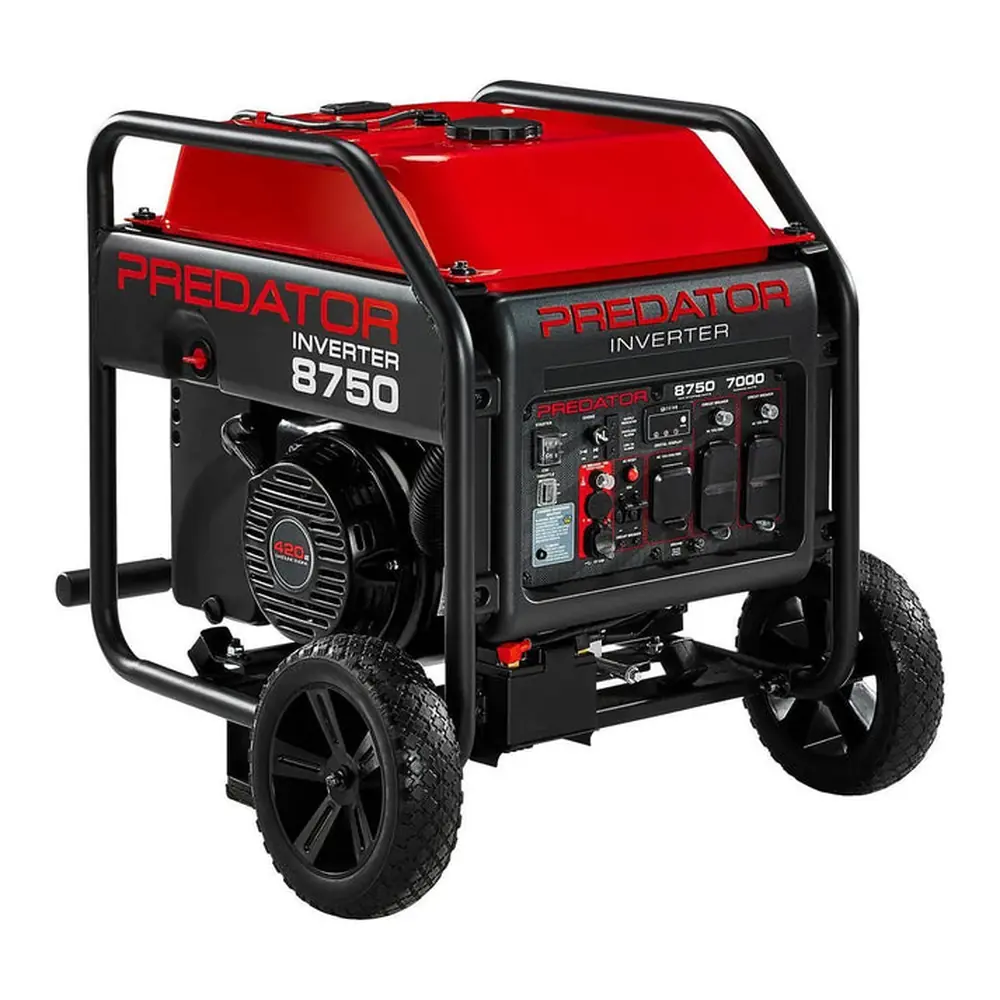
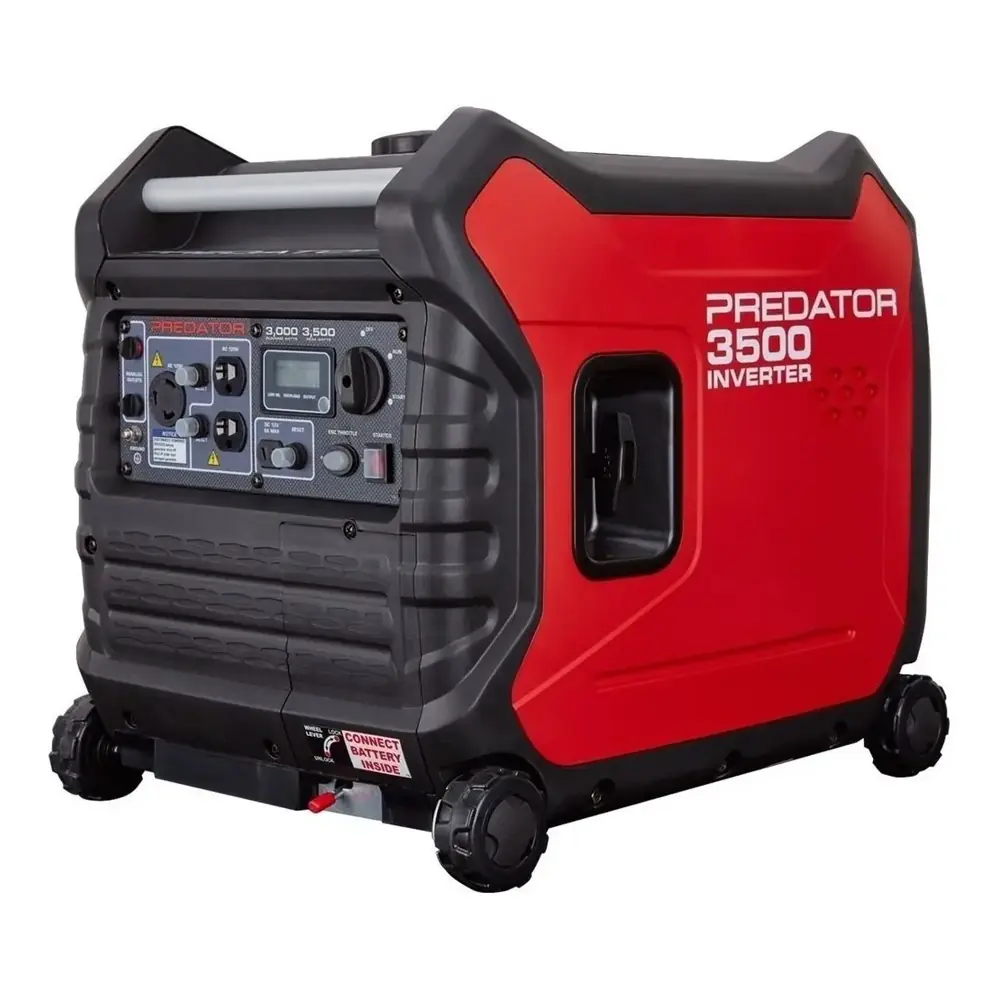
Product Images
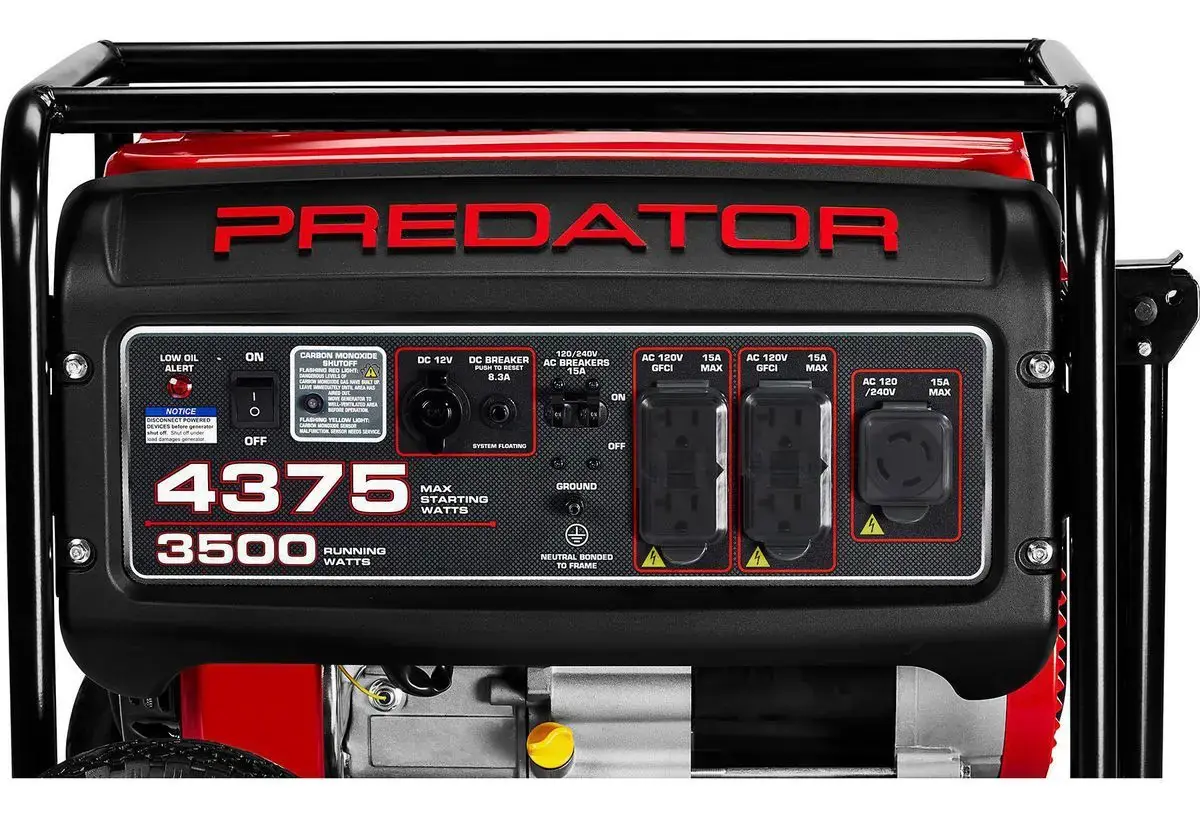
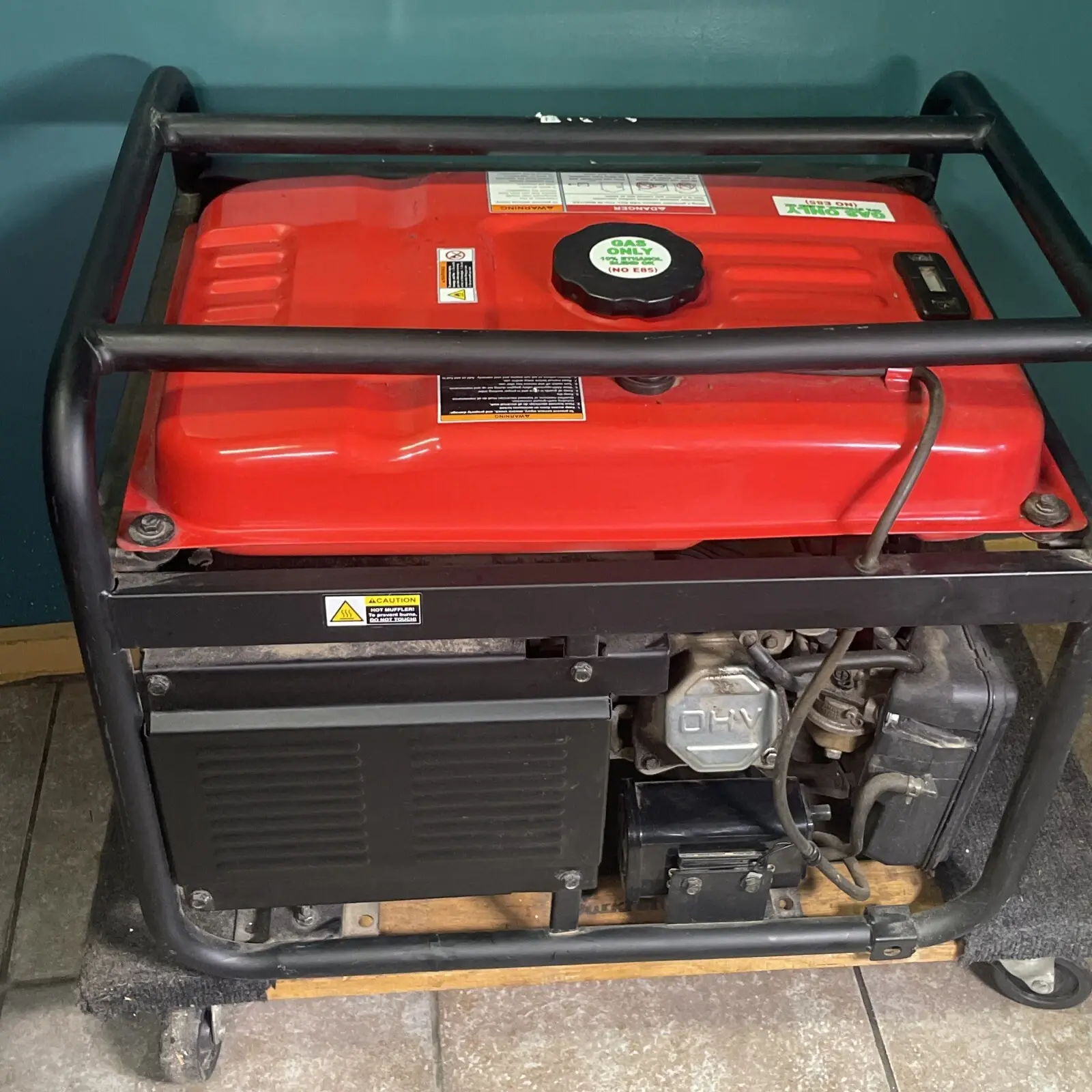
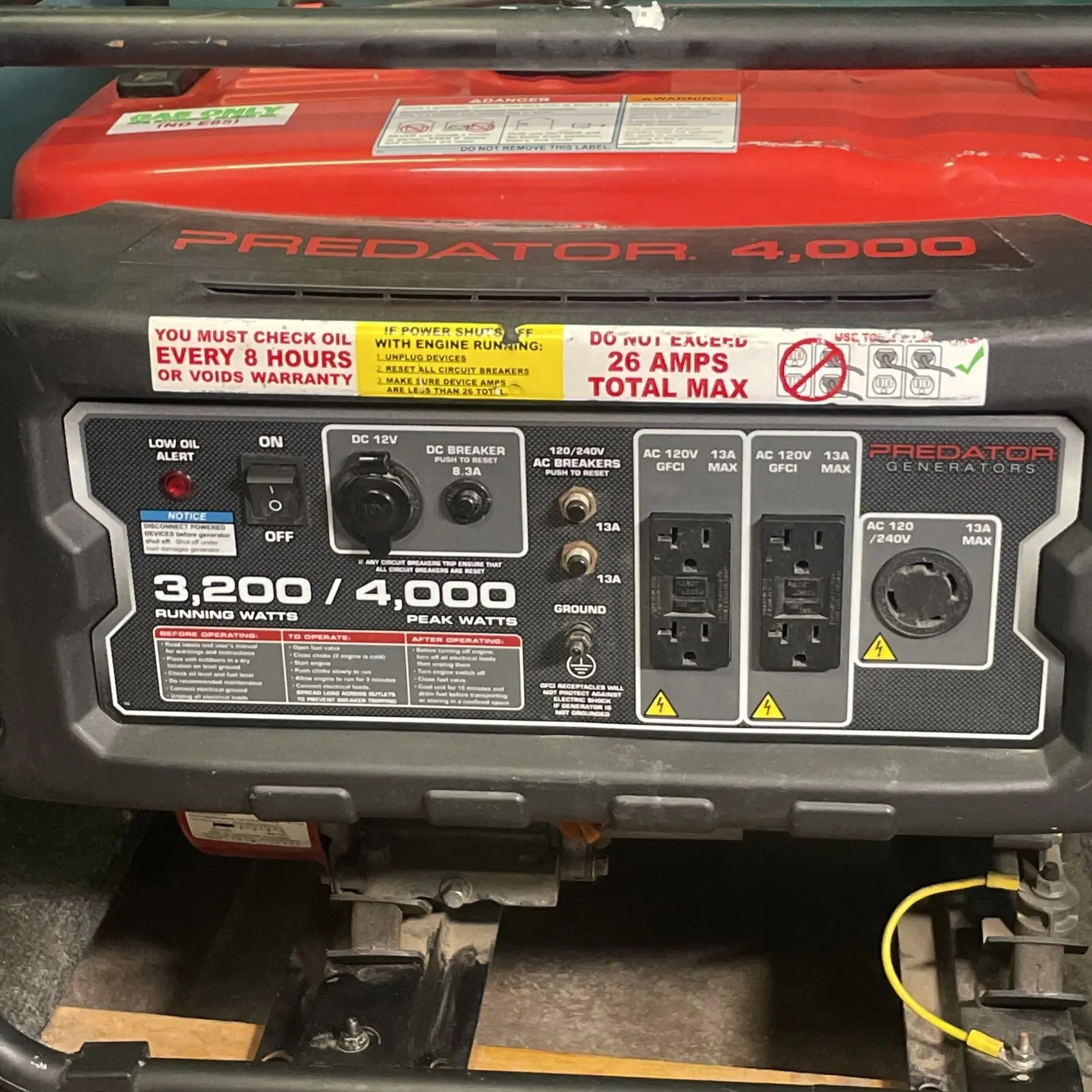
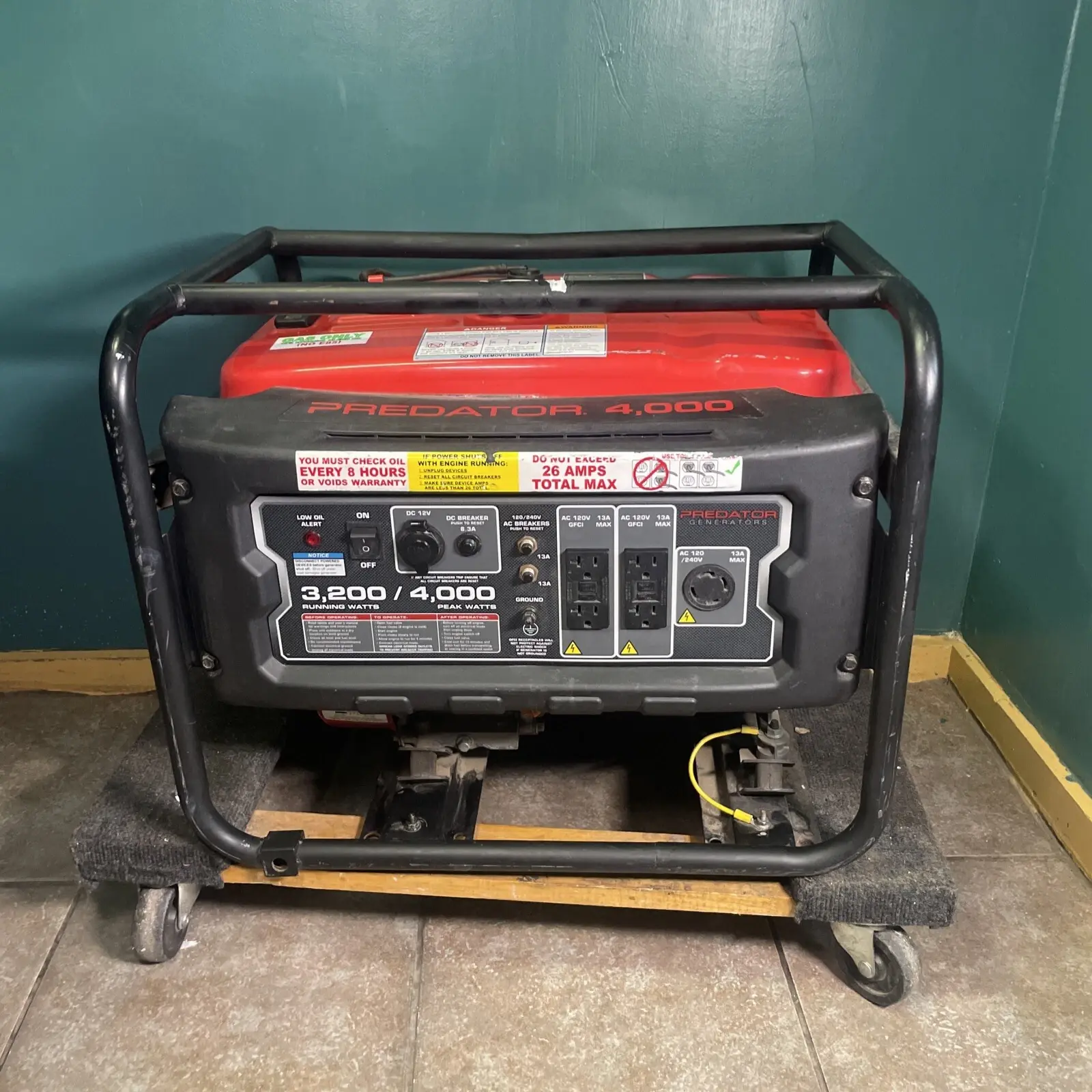
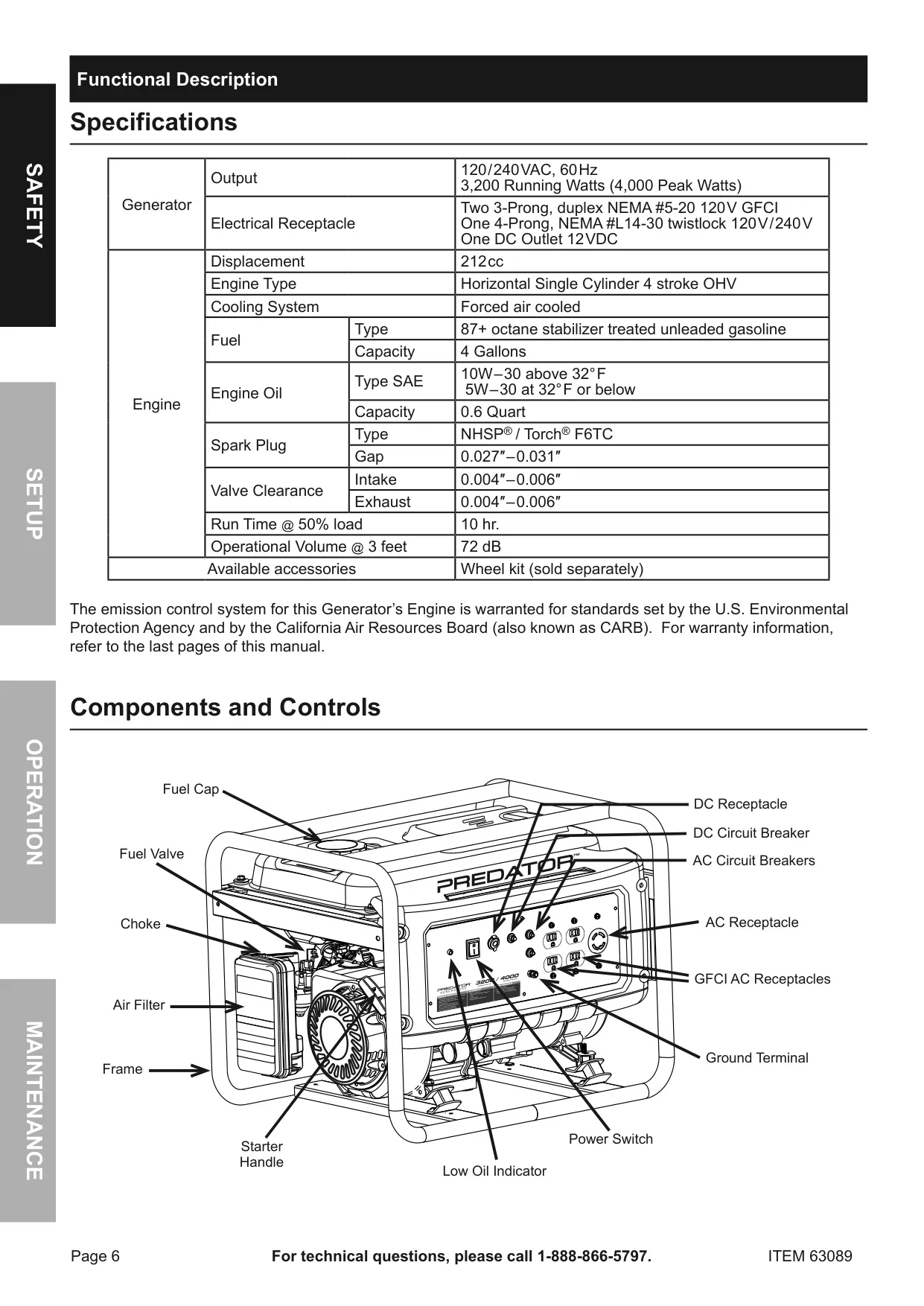
Predator 4000 Generator Inverter Specifications
| Category | Item | Value |
|---|---|---|
| Generator | Output | 120 / 240 VAC, 60 Hz 3,200 Running Watts (4,000 Peak Watts) |
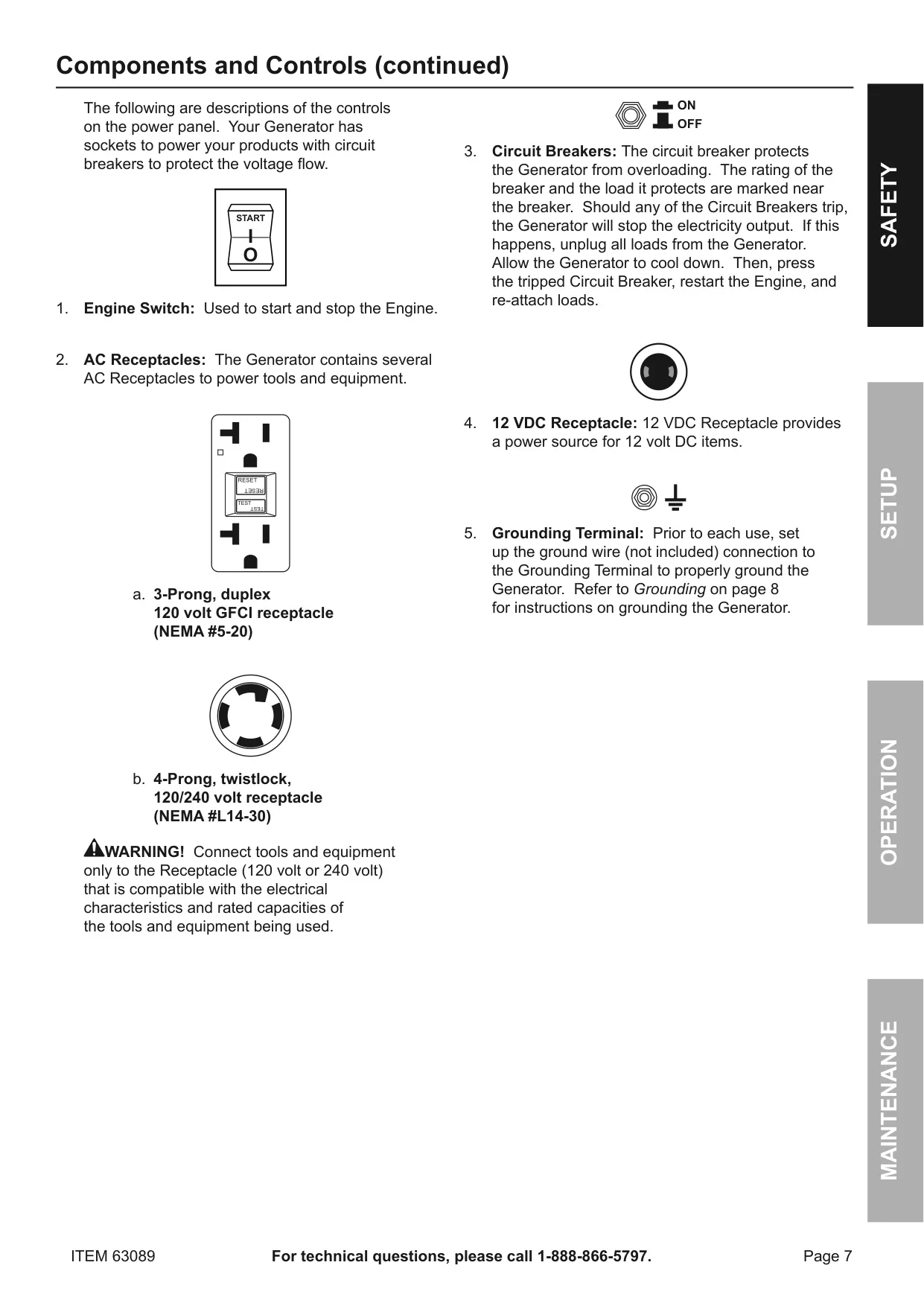
| Electrical Receptacle | Two 3-Prong, duplex NEMA #5-20 120 V GFCI One 4-Prong, NEMA #L14-30 twistlock 120 V / 240 V One DC Outlet 12 VDC |
|
| Engine | Displacement | 212 cc |
| Engine Type | Horizontal Single Cylinder 4 stroke OHV | |
| Cooling System | Forced air cooled | |
| Fuel | Type | 87+ octane stabilizer treated unleaded gasoline |
| Capacity | 4 Gallons | |
| Engine Oil | Type | SAE 10W – 30 above 32° F 5W – 30 at 32° F or below |
| Capacity | 0.6 Quart | |
| Spark Plug | Type | NHSP® / Torch® F6TC |
| Gap | 0.027″ – 0.031″ | |
| Valve Clearance | Intake | 0.004″ – 0.006″ |
| Exhaust | 0.004″ – 0.006″ | |
| Performance | Run Time @ 50% load | 10 hr. |
| Operational Volume @ 3 feet | 72 dB | |
| Accessories | Available accessories | Wheel kit (sold separately) |
Predator 4000 Generator Inverter Details
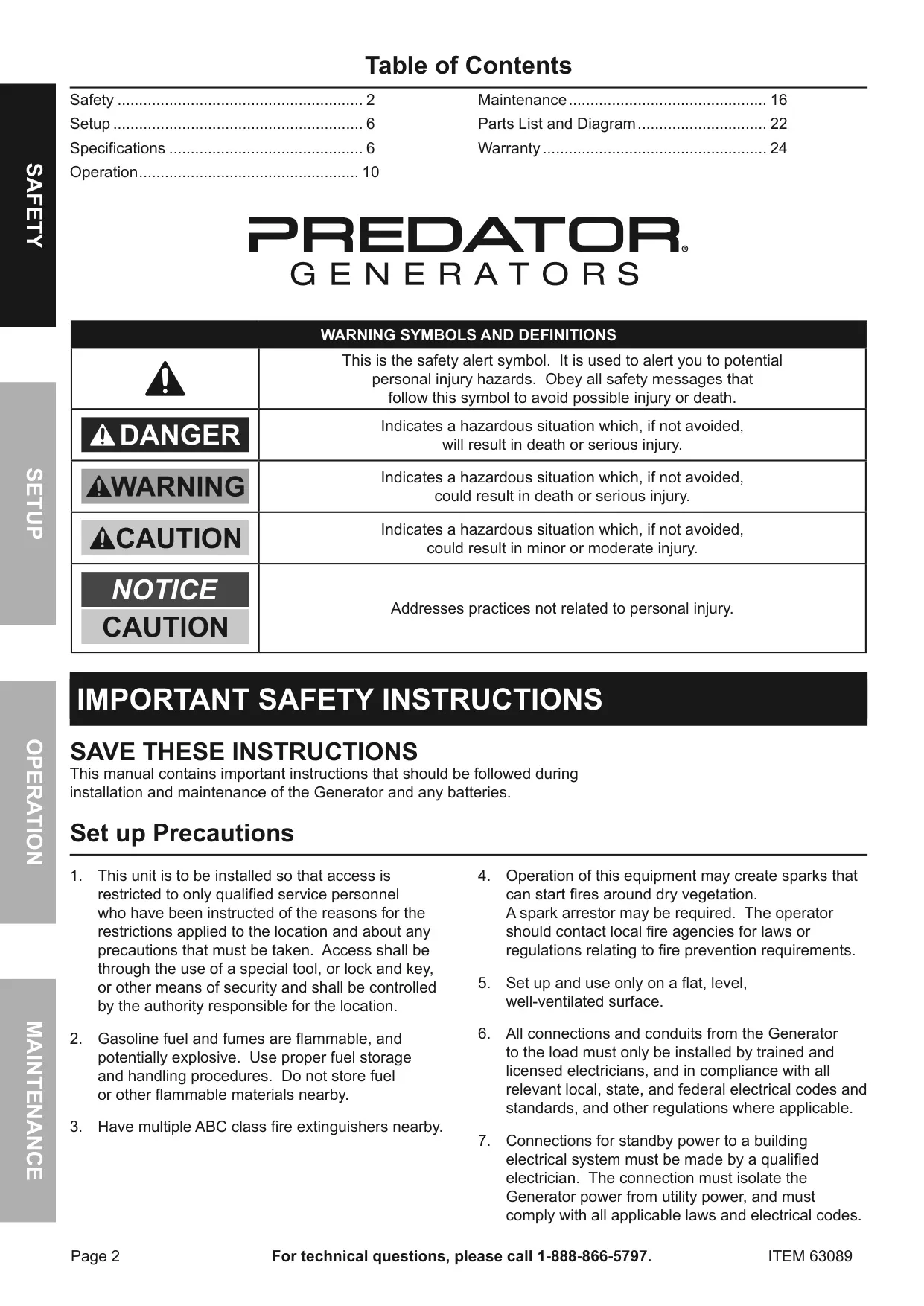
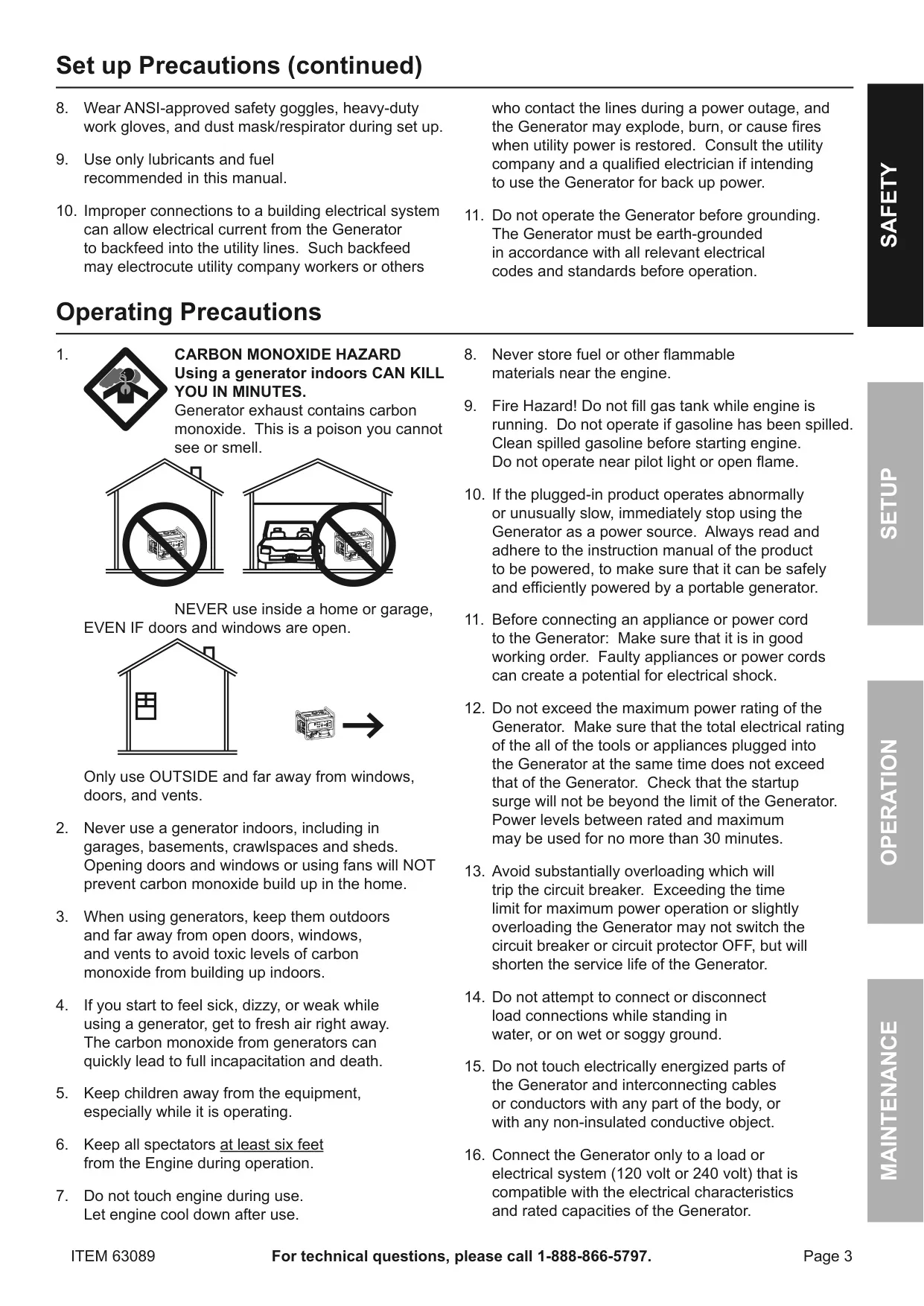
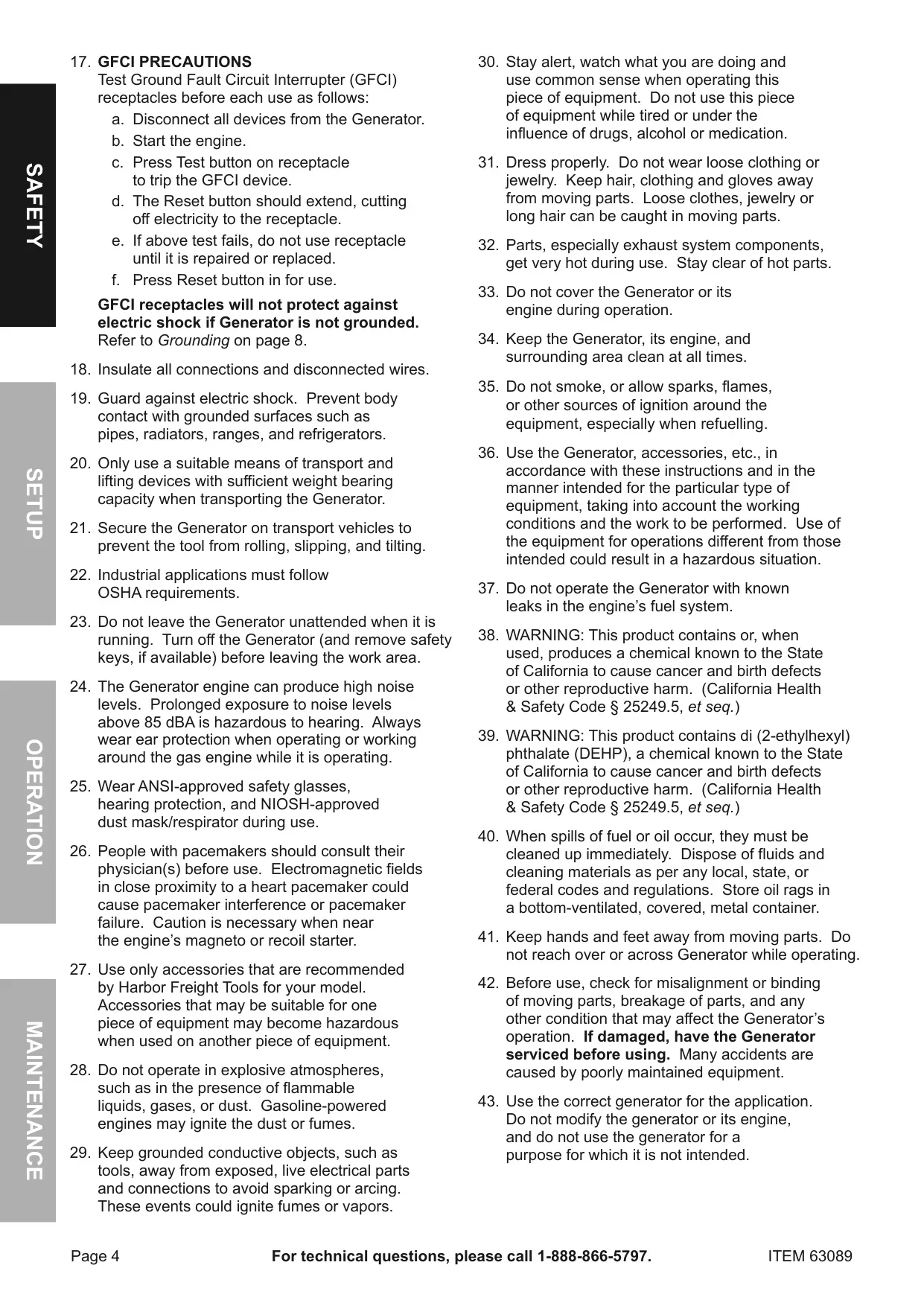
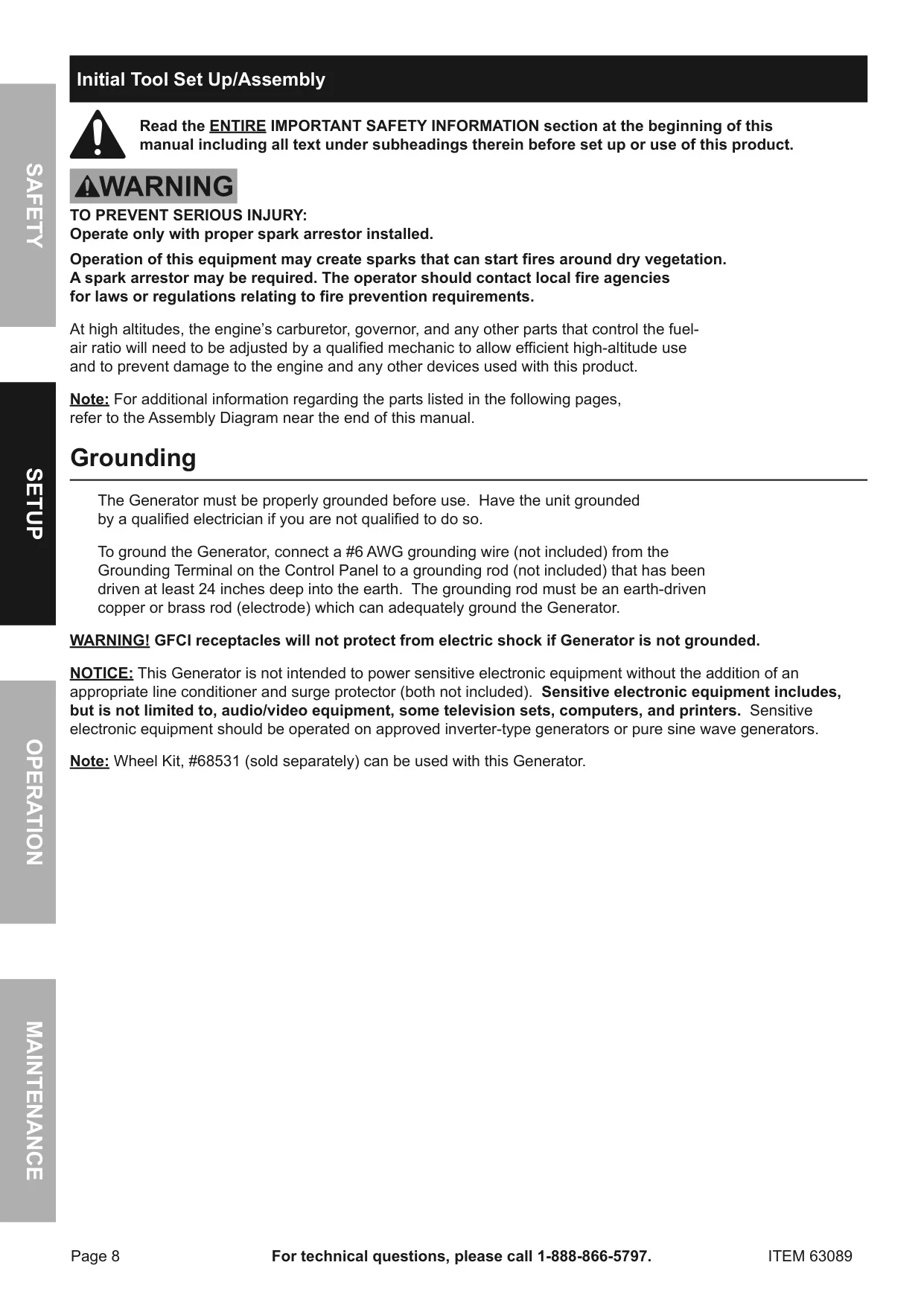
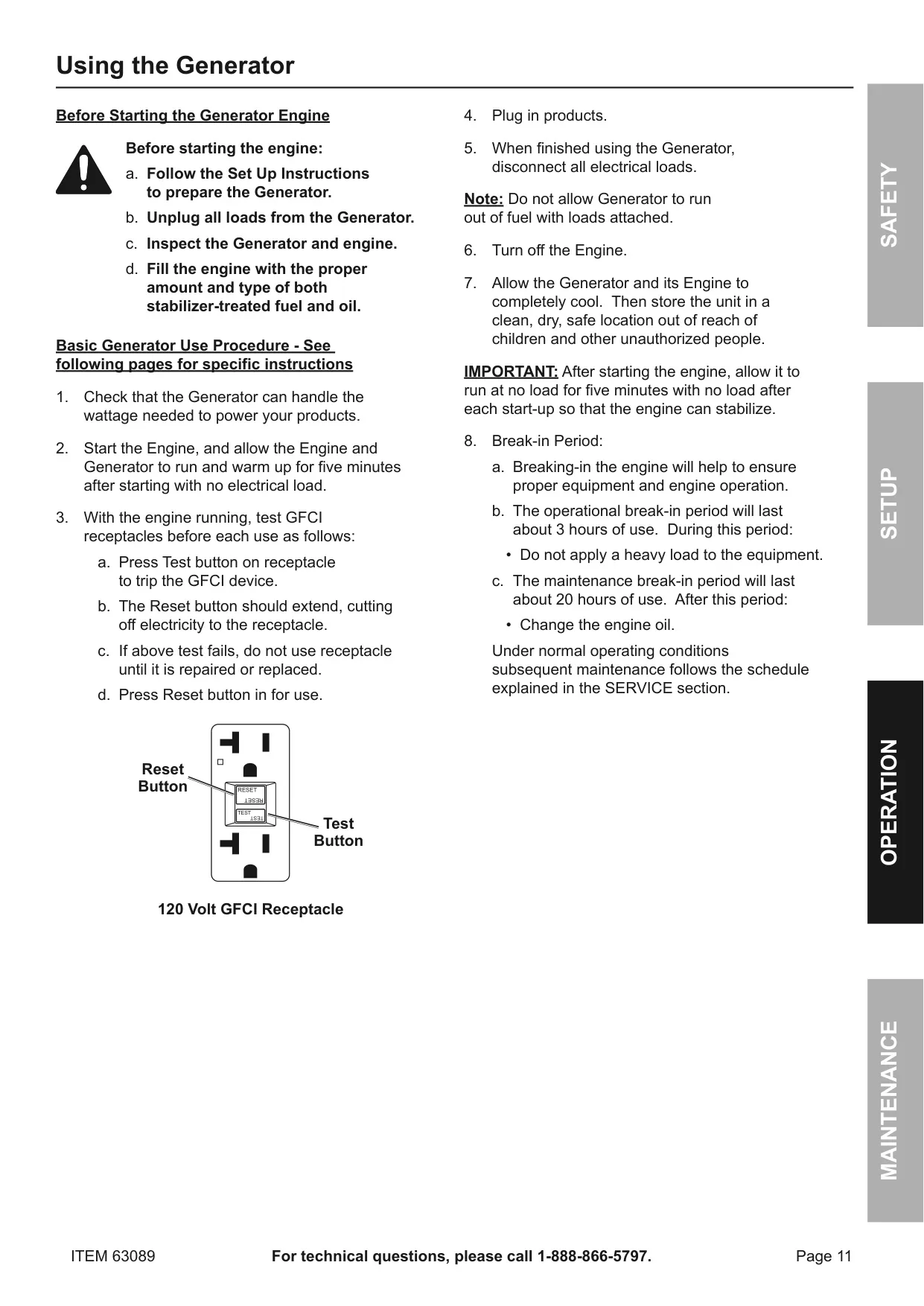
The Predator 4000 Generator Inverter is engineered with several key features for safe and efficient power generation. Foremost is its robust safety system, highlighted by Ground Fault Circuit Interrupter (GFCI) receptacles, which provide enhanced protection against electric shock. This generator must always be earth-grounded prior to operation, and its circuit breakers are designed to trip and protect against overloading. Furthermore, the manual sternly warns against indoor use due to the silent, deadly threat of carbon monoxide, emphasizing outdoor operation far from any building openings.
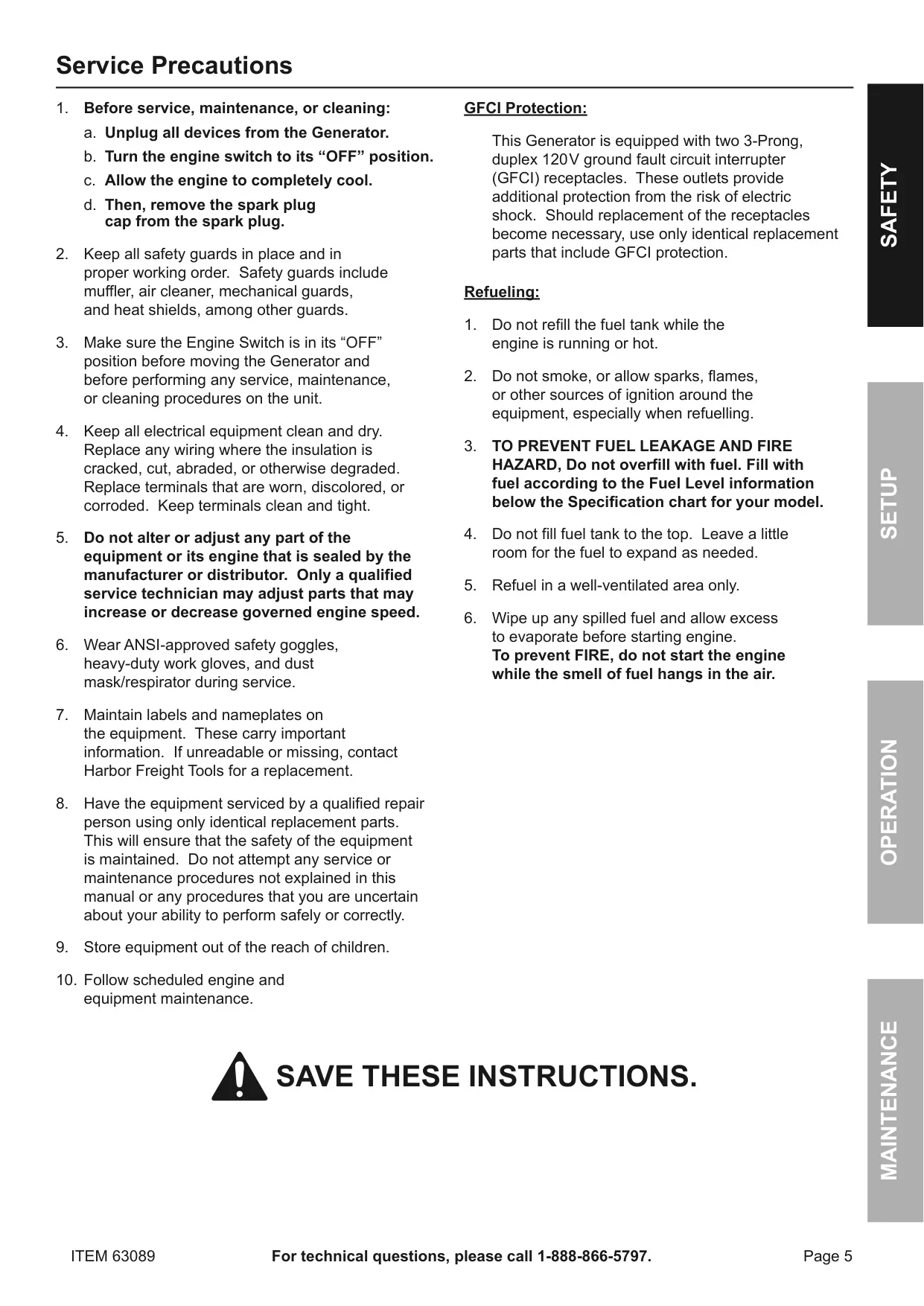
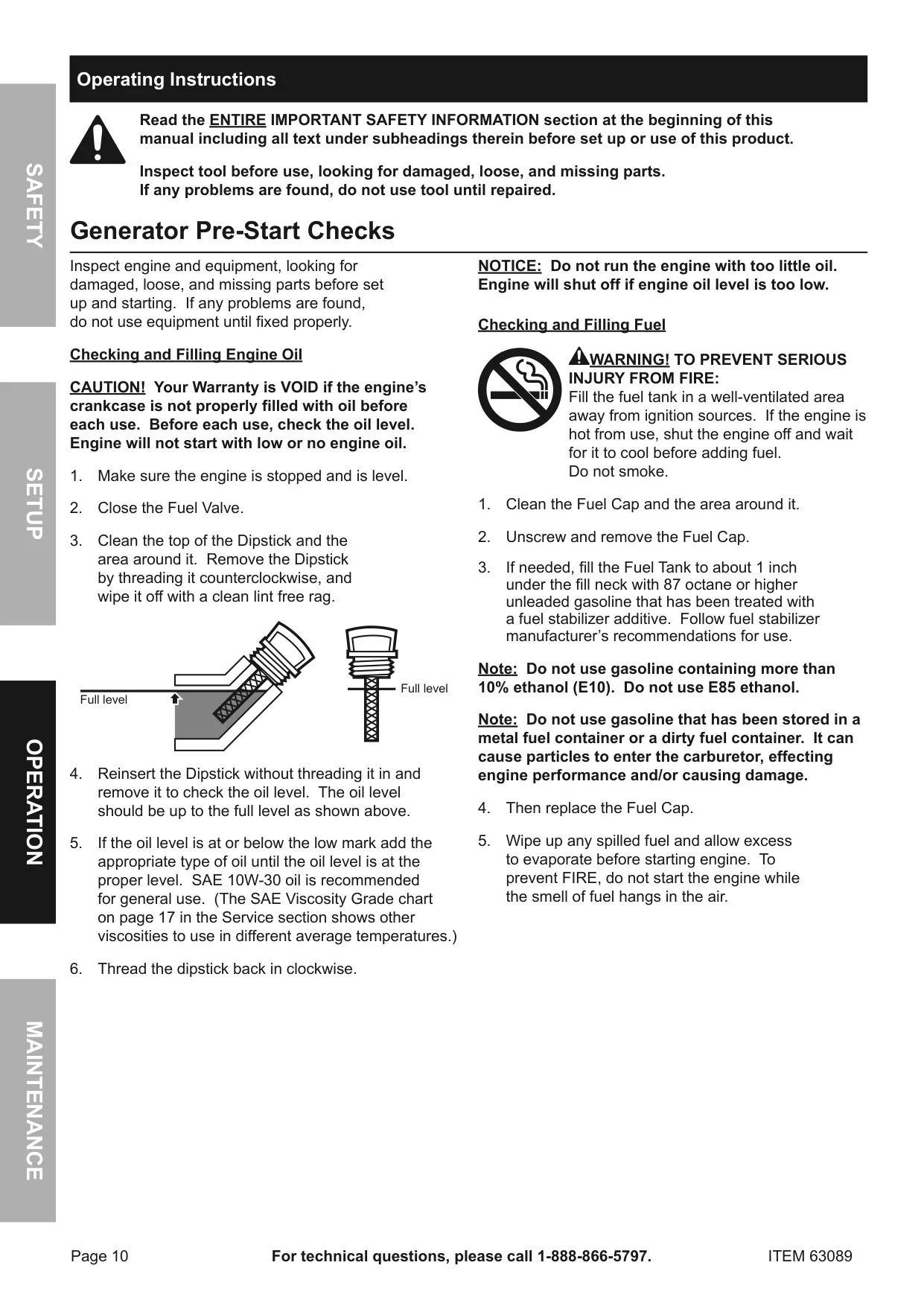
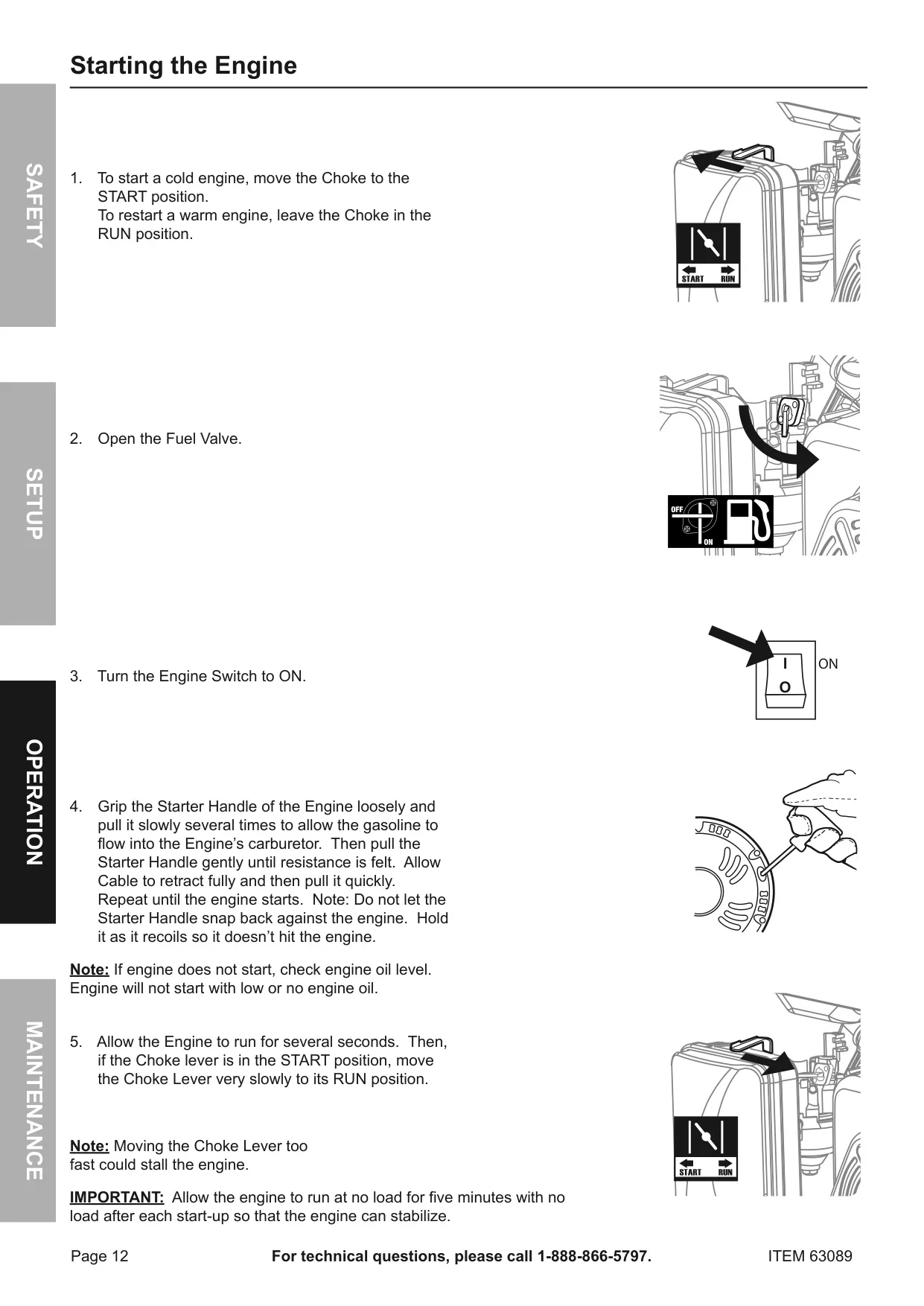
Operation is straightforward, featuring a clearly marked Engine Switch and Fuel Valve. The generator requires 87+ octane stabilizer-treated unleaded gasoline, specifically advising against fuel containing more than 10% ethanol (E10) or E85 to prevent engine damage. An important safety mechanism is the low oil shutdown, which prevents engine startup or operation if the oil level is insufficient, safeguarding the engine from critical failure. Proper refueling mandates a cool engine and a well-ventilated area, free from ignition sources, to mitigate fire hazards.
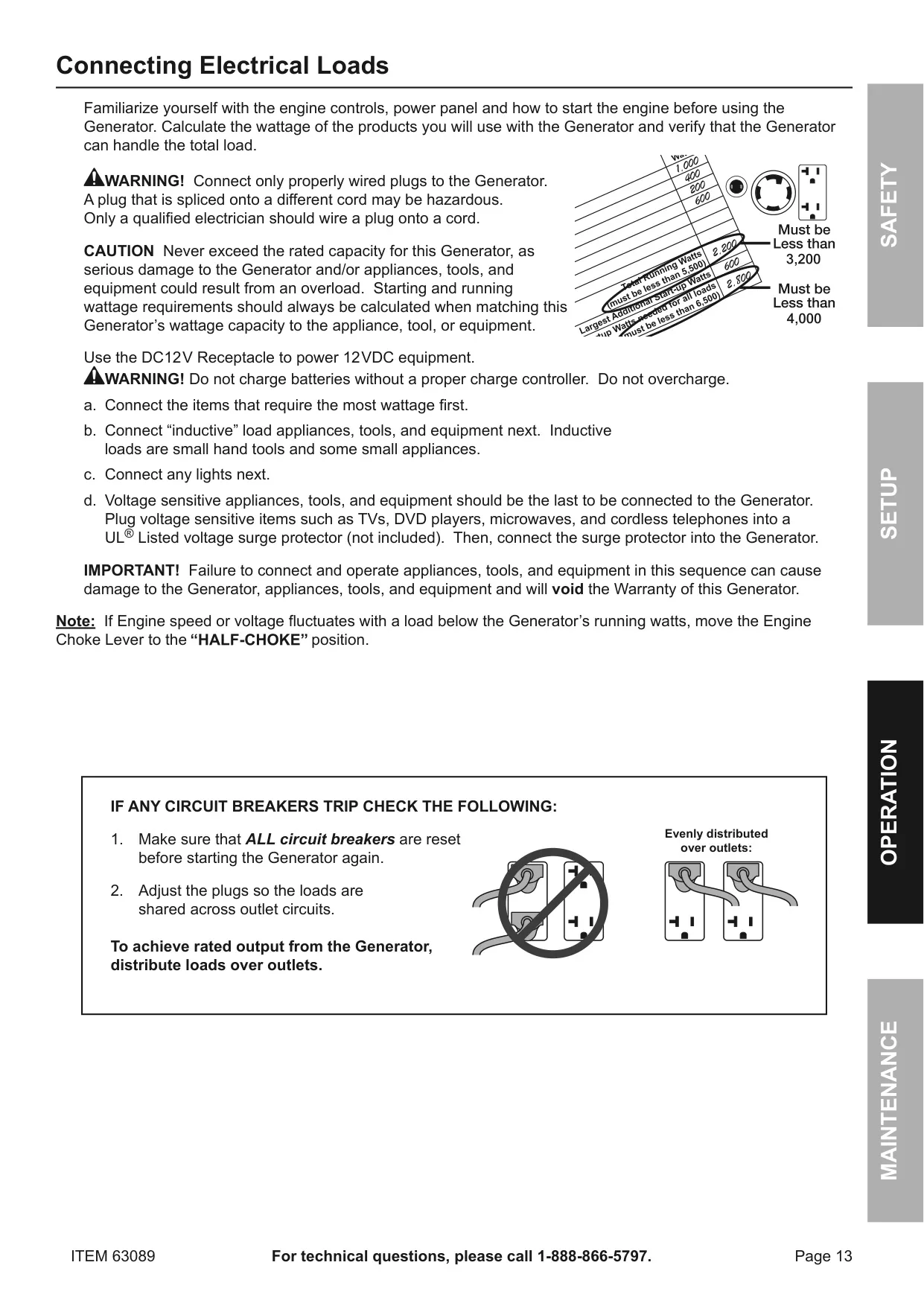
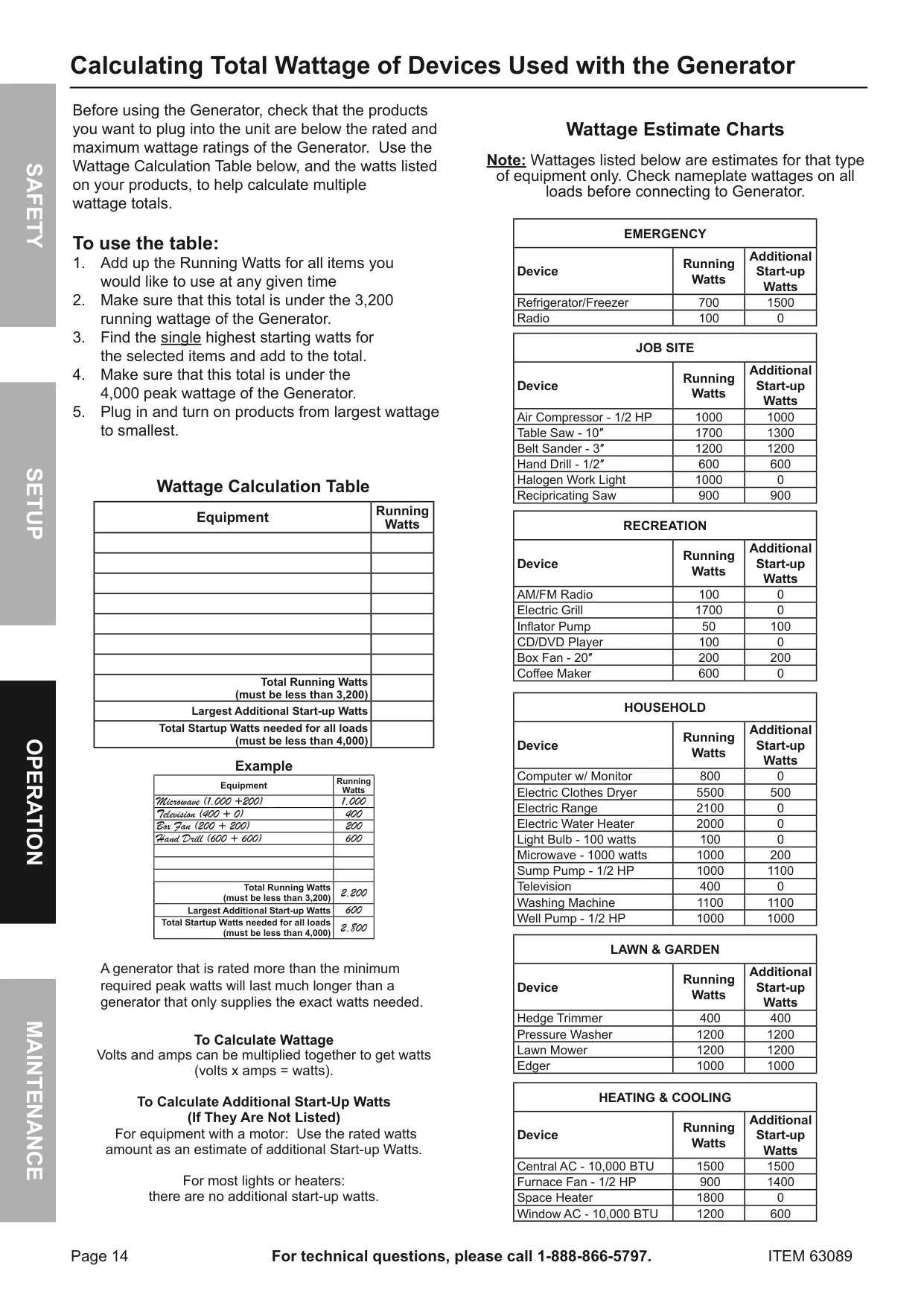
When connecting electrical loads, a specific sequence is recommended to prevent damage: begin with high-wattage devices, followed by inductive loads, then lights, and finally, voltage-sensitive electronics such as TVs or computers, ideally through a UL® Listed voltage surge protector. The manual stresses the importance of distributing loads evenly across the available outlets to maintain rated output and avoid stressing the generator. Users are also advised to allow the engine a five-minute warm-up period under no load after starting to ensure stabilization.
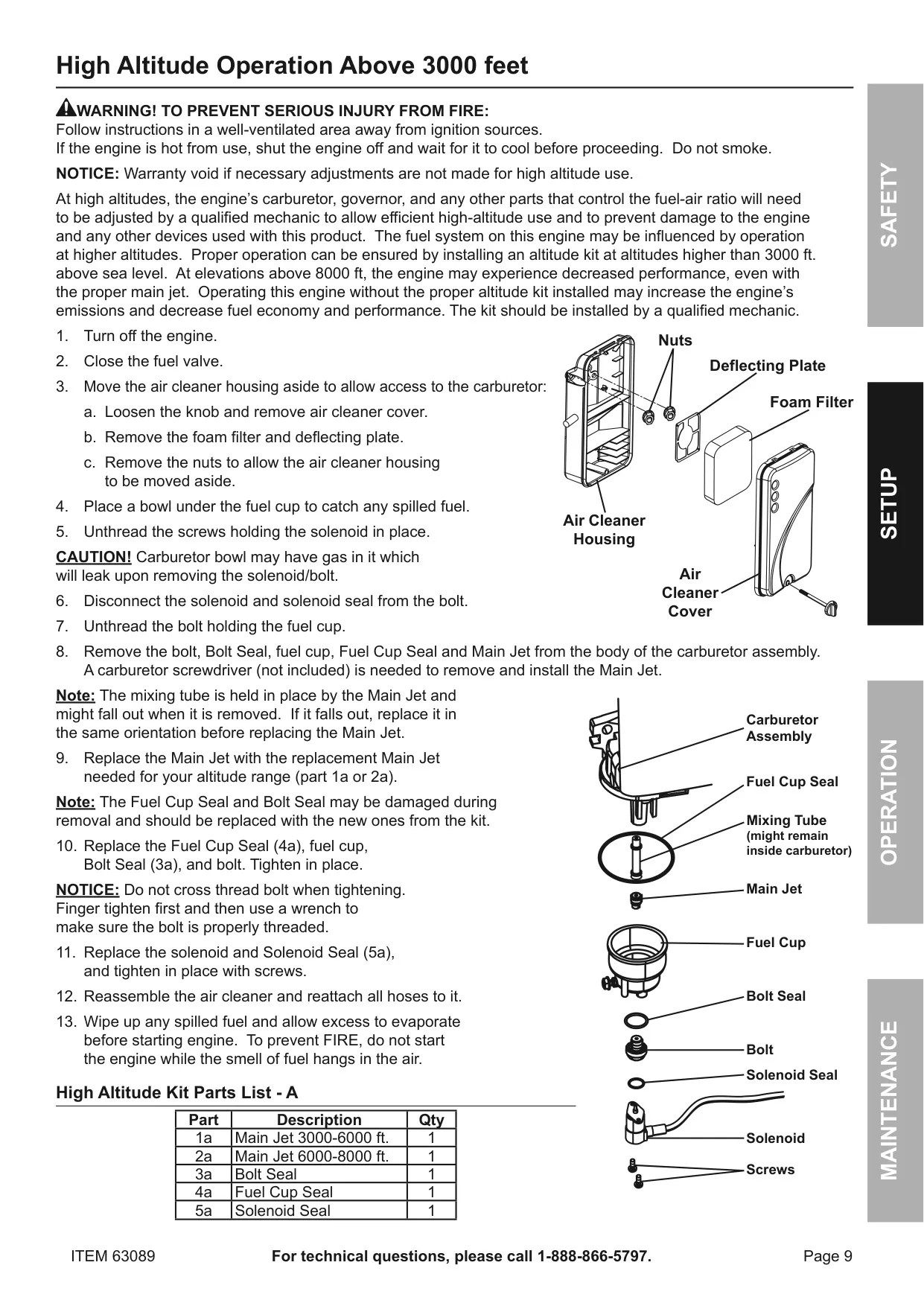
Special considerations apply for high-altitude operation. Above 3000 feet, the engine's carburetor and fuel-air ratio components require adjustment by a qualified mechanic using a specific altitude kit. Neglecting this crucial modification can void the warranty, diminish engine performance, and increase emissions. The manual details the steps for installing such a kit, underscoring the necessity of professional adjustment to ensure optimal and warranted performance in elevated environments.
Maintenance includes a recommended break-in period of approximately 3 hours of light use, with an oil change advised after 20 hours to complete the maintenance break-in. For long-term storage, comprehensive steps are outlined: thorough cleaning, filling the fuel tank with stabilizer-treated gasoline, and lubricating the cylinder by adding engine oil through the spark plug hole. These procedures ensure the generator remains in prime condition, ready for reliable use when needed, and protect its longevity.
Frequently Asked Questions (FAQs)
Can't find the answer you need? Here are some frequently asked questions about the Predator 4000 Generator Inverter, and we answer them below.