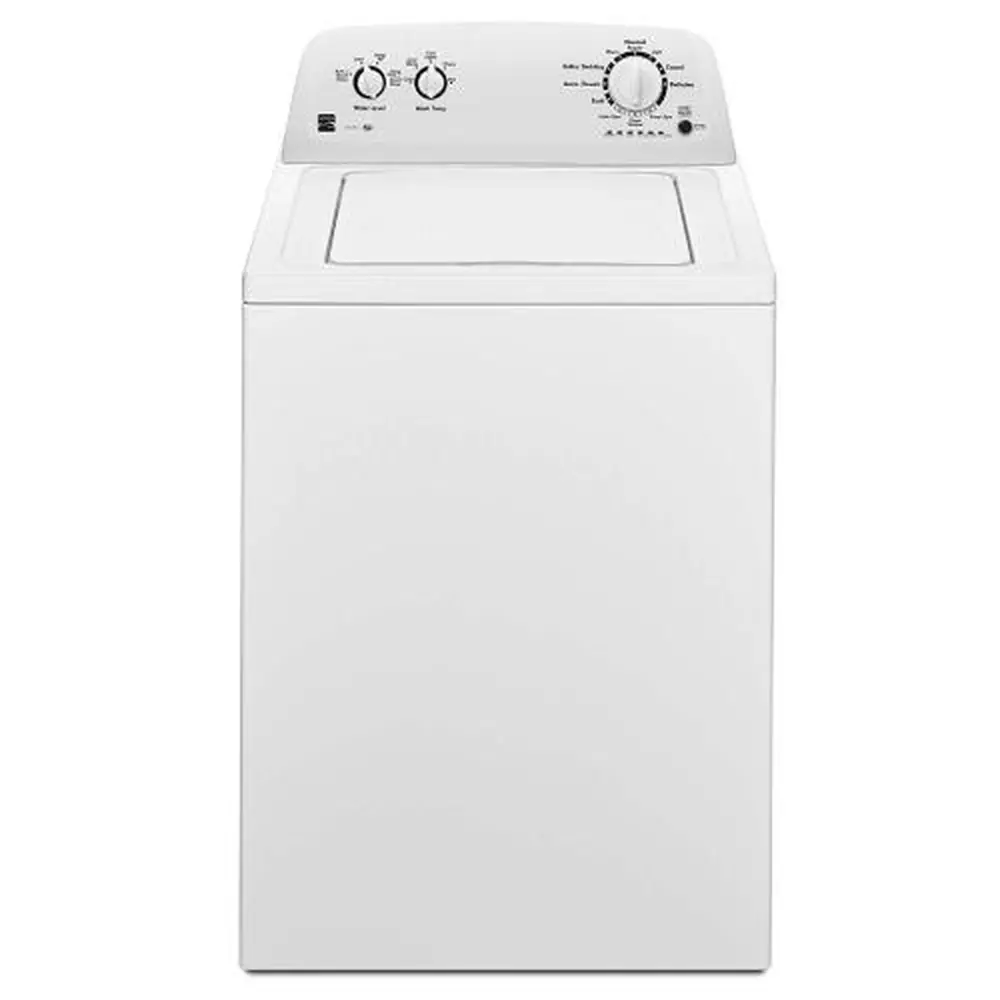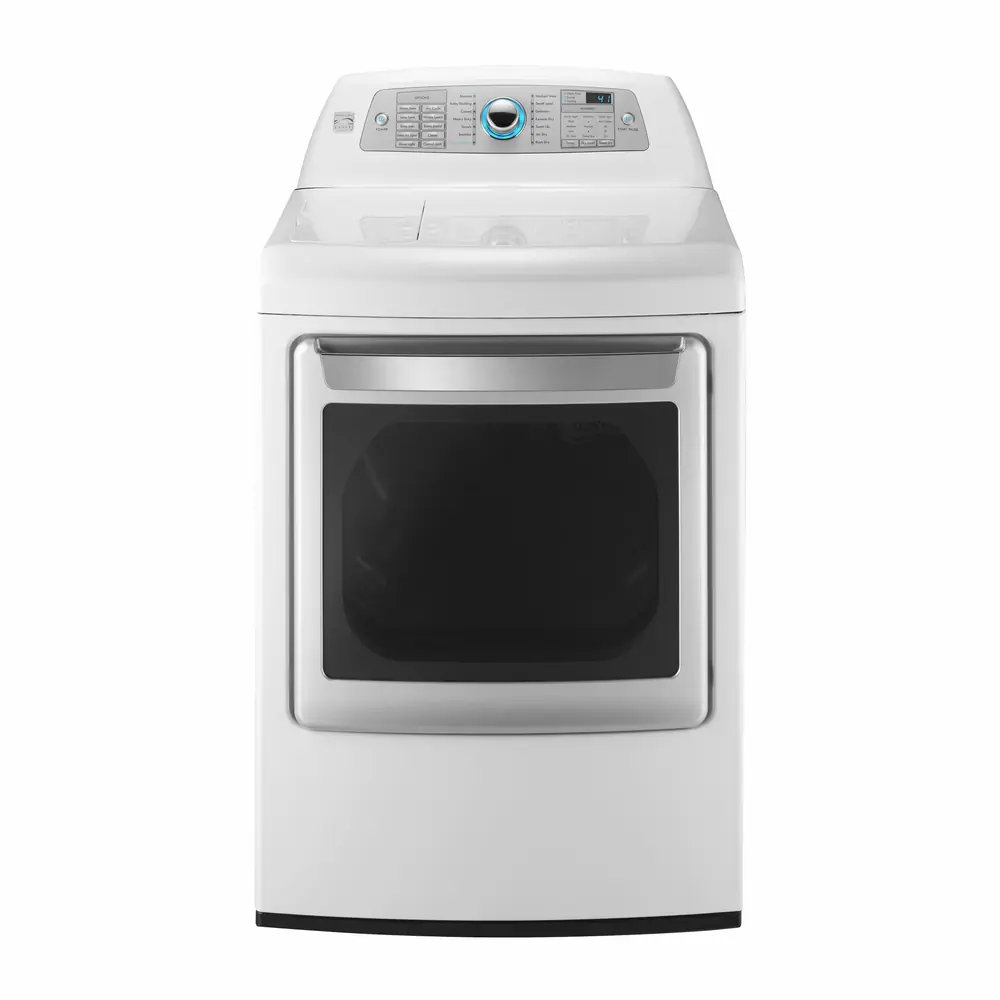
Kenmore 80 Series Washing Machine Instruction Manual
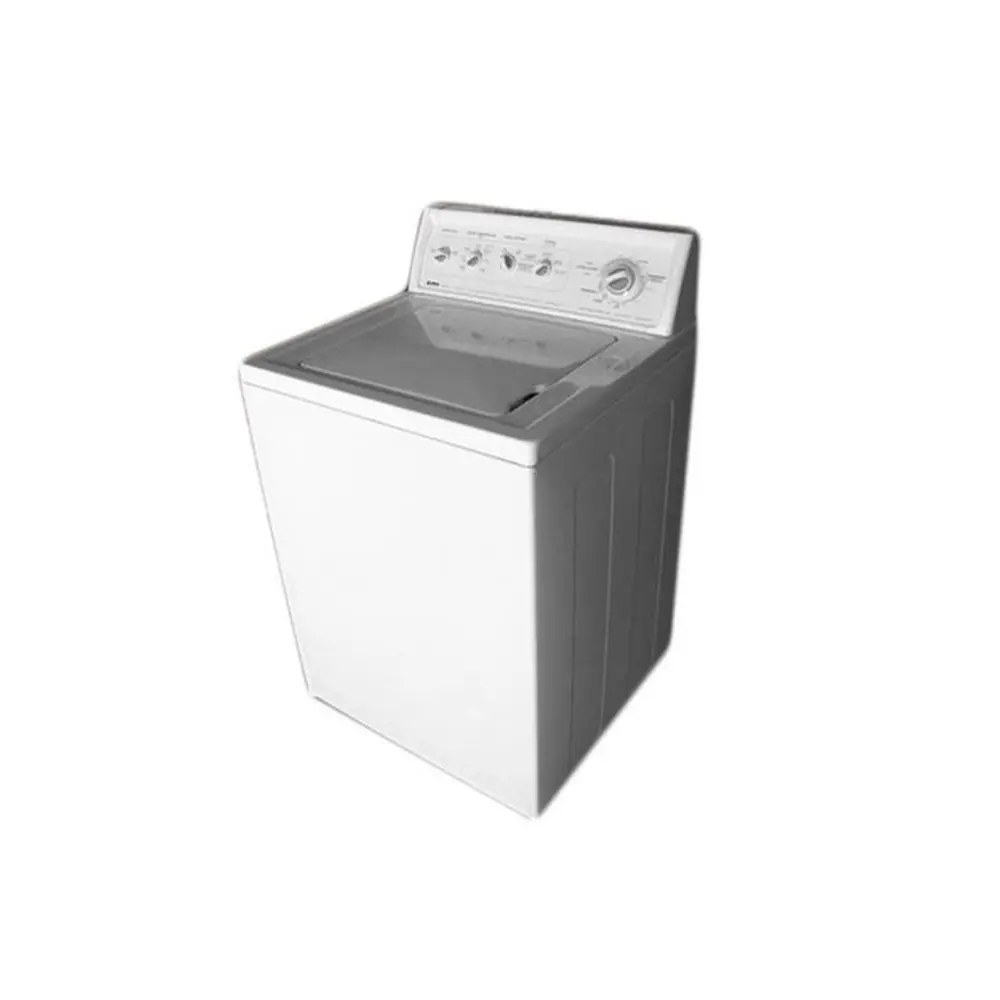
Kenmore 80 Series Washing Machine
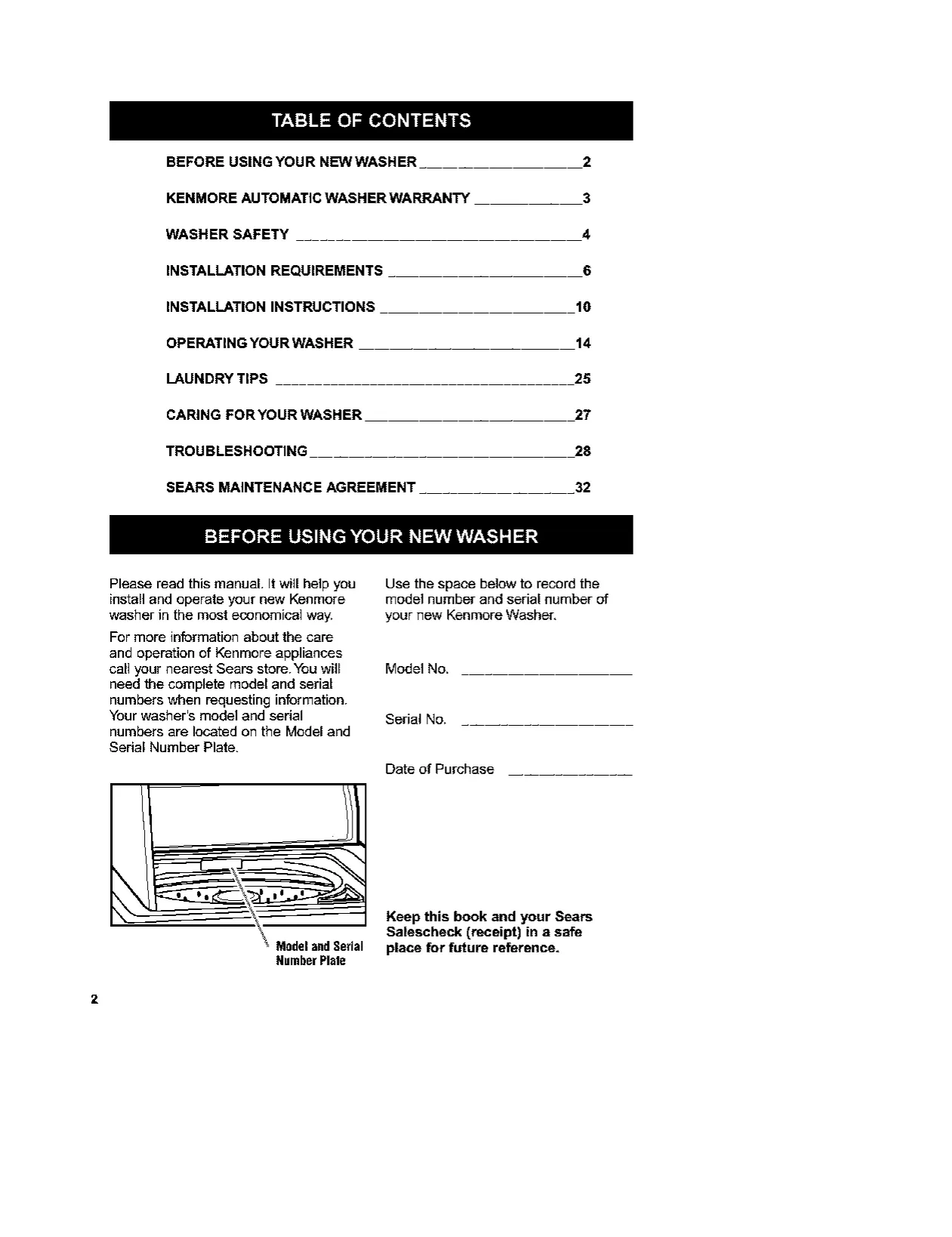
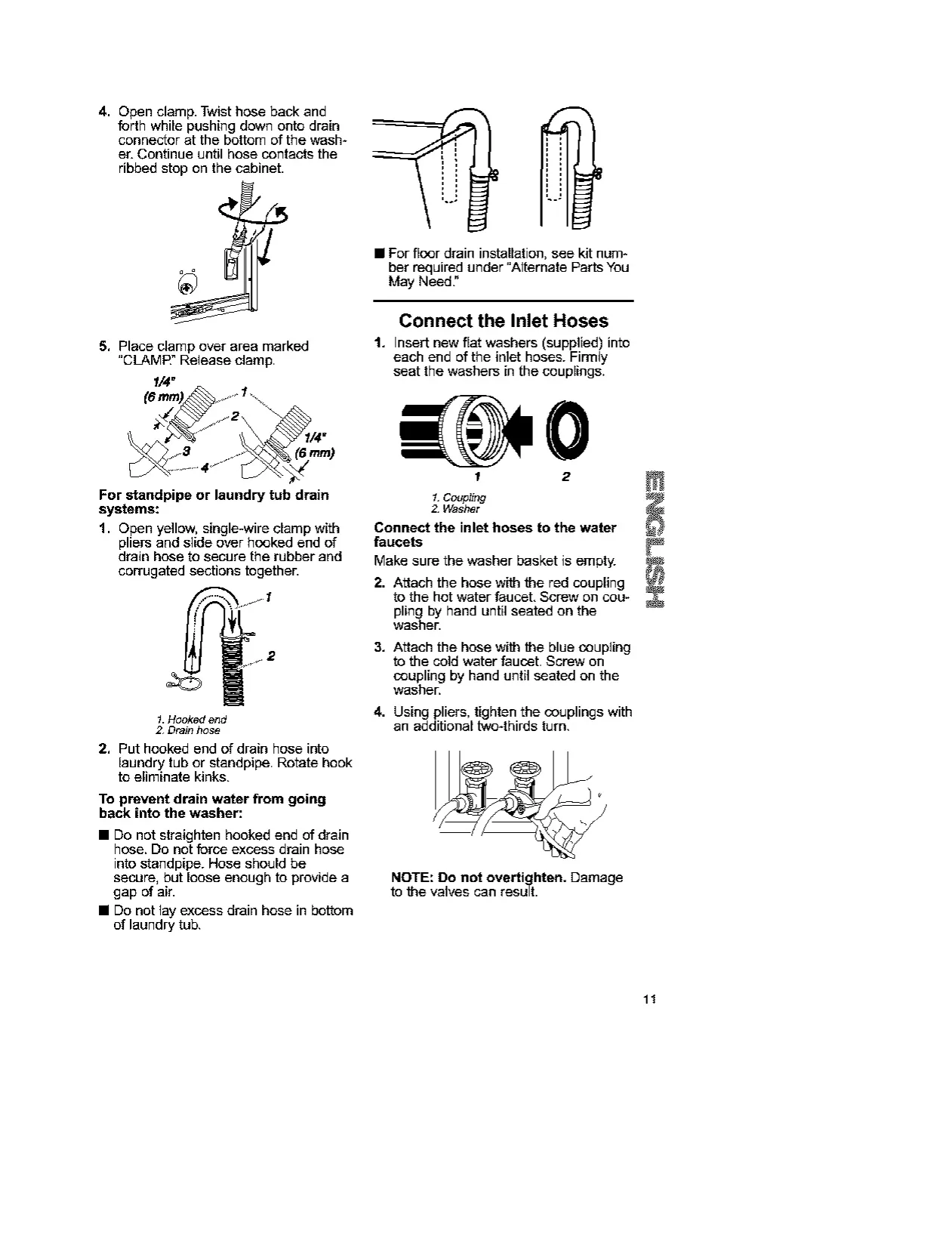
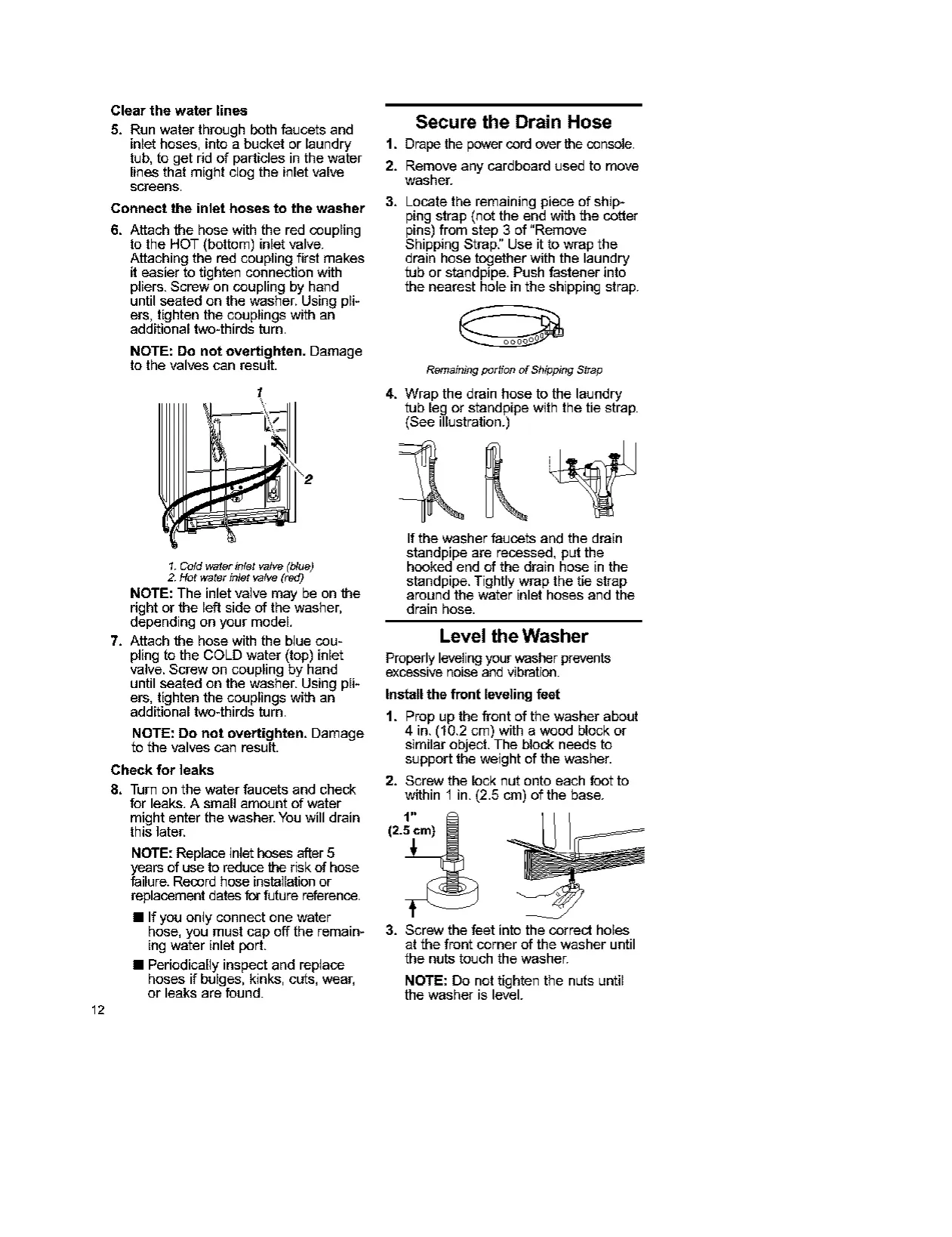
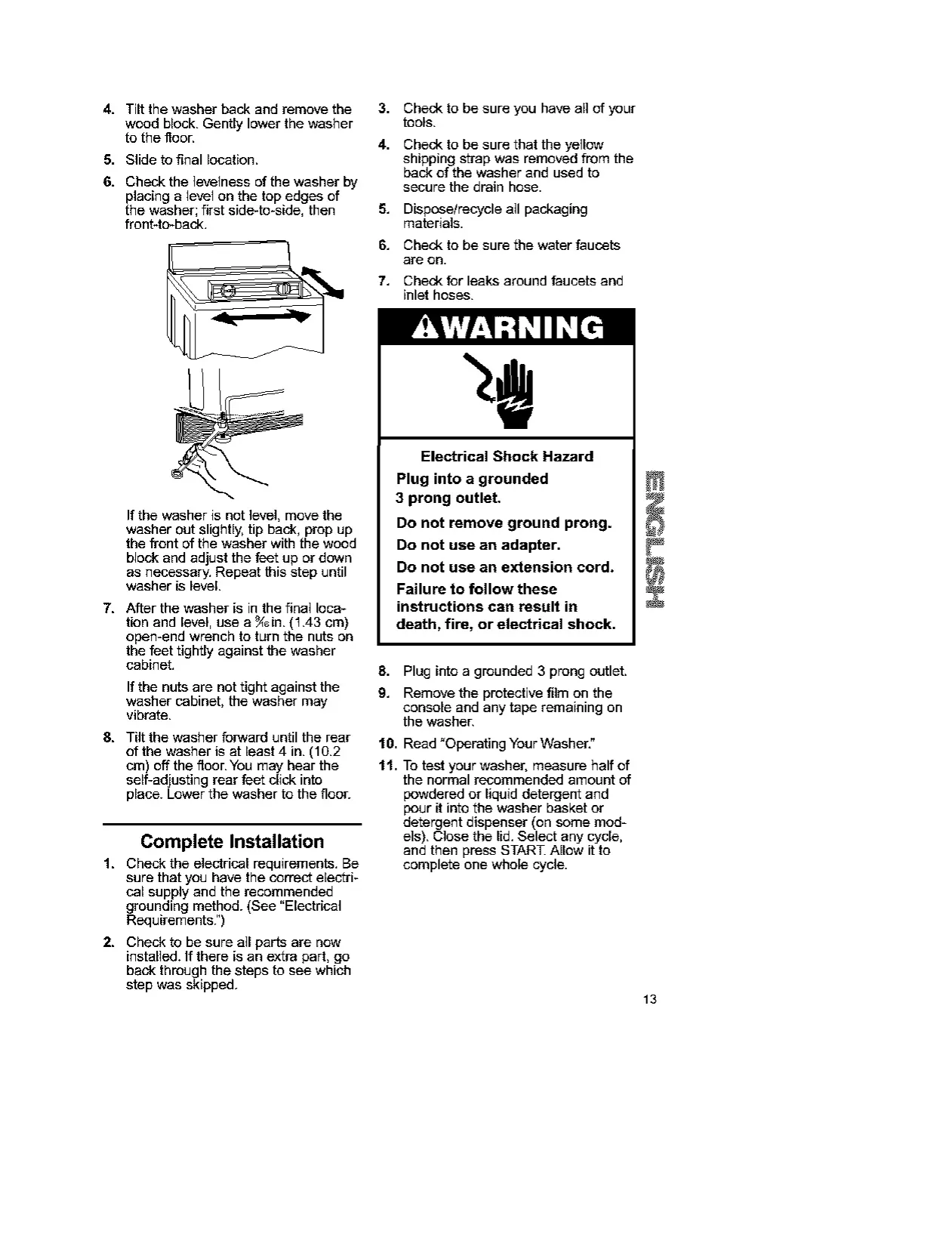
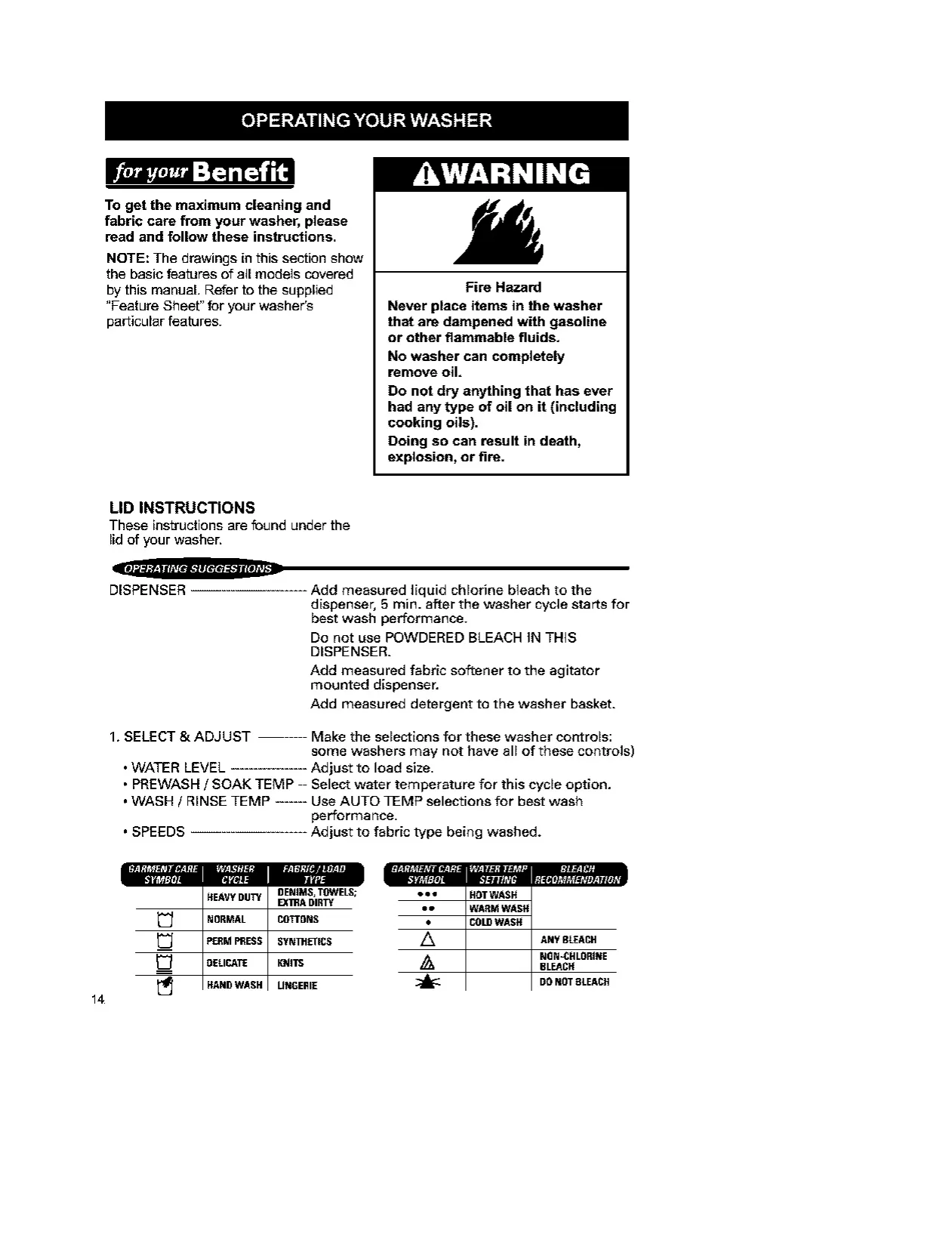
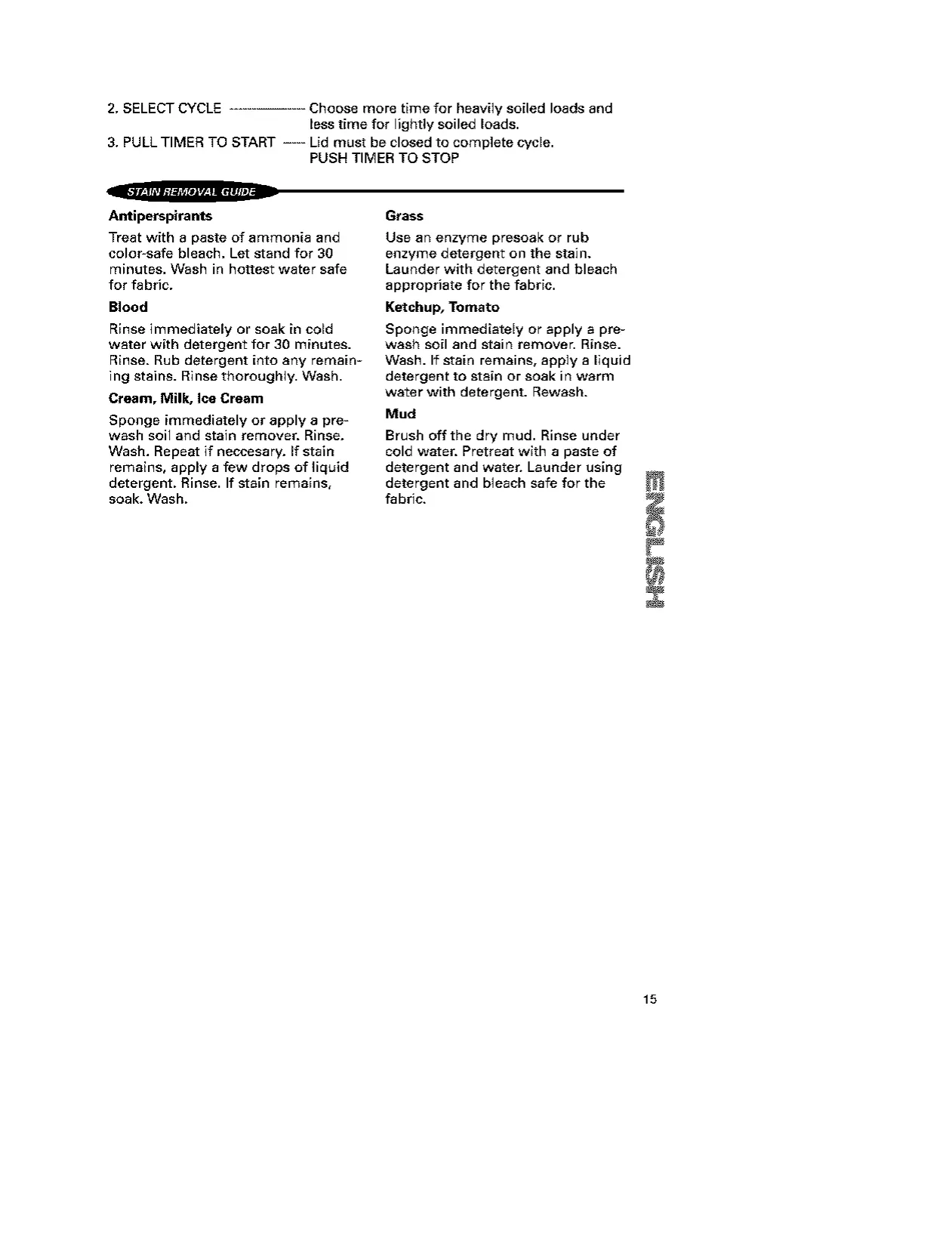
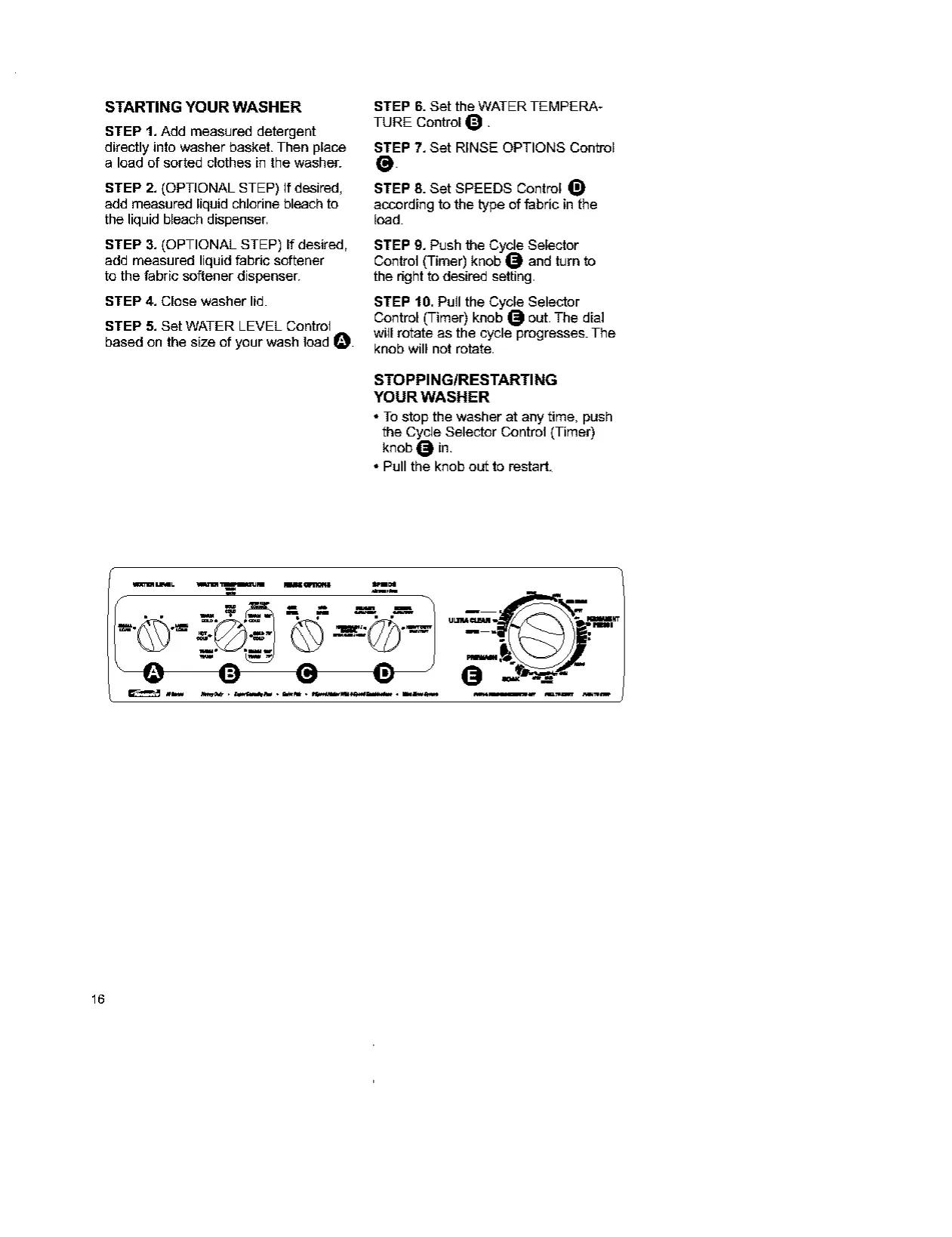
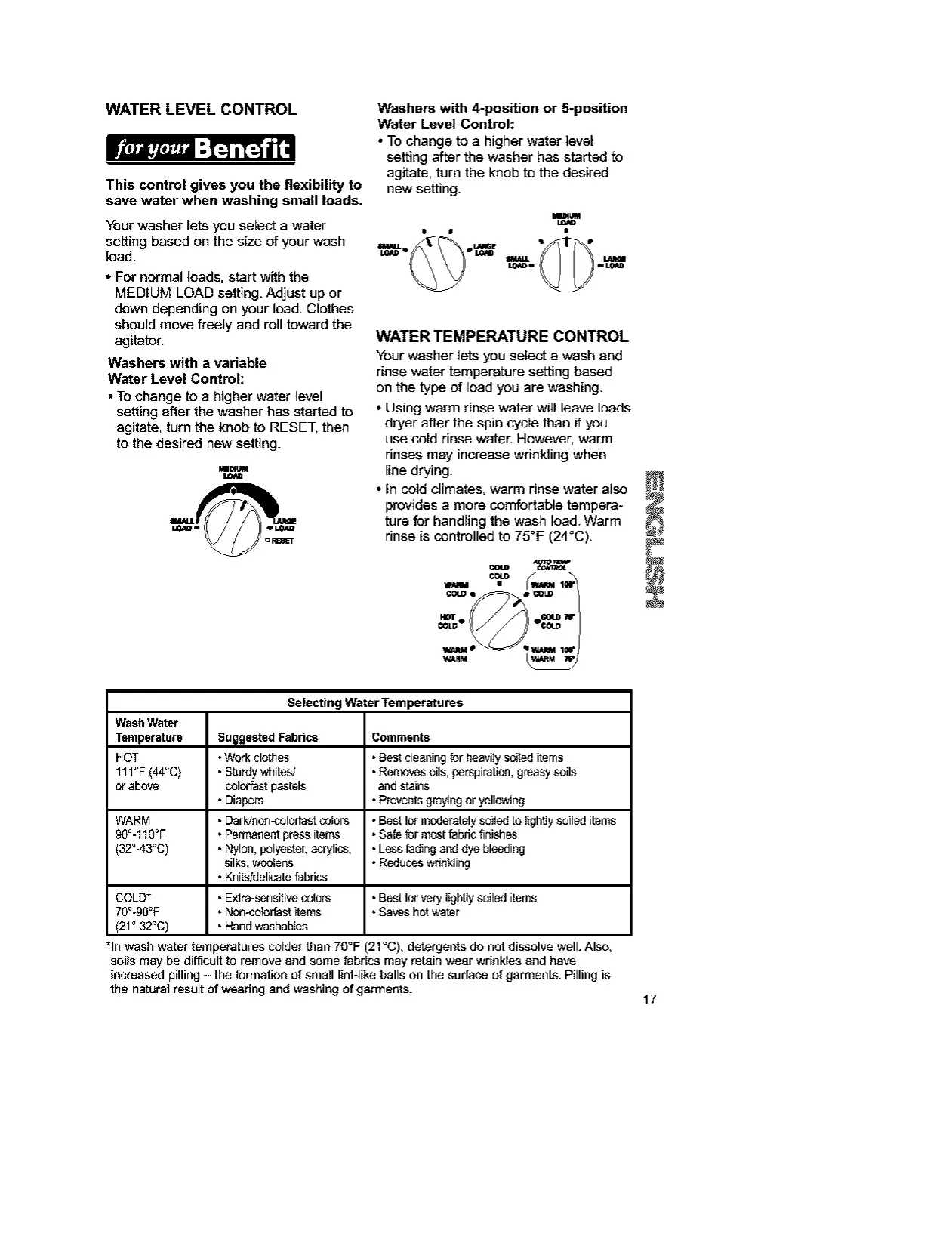
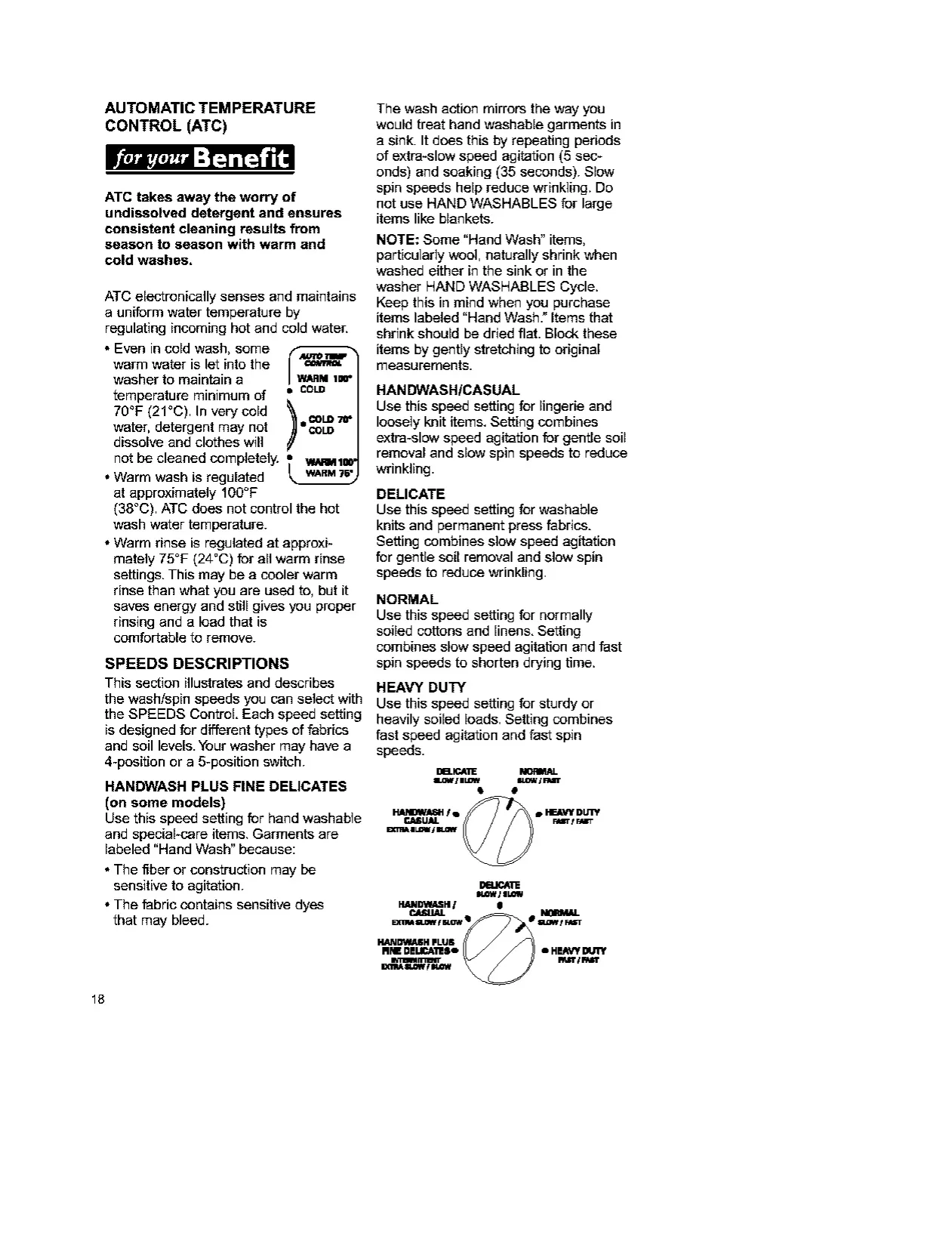



Kenmore 80 Series Washer Instructions
Here we offer the Kenmore 80 Series Washing Machine manual completely free and in English. We have cataloged this manual in the Washing Machines section on Manualverse, and it has been rated by 1 users with an average rating of 5. If you have any specific questions about Kenmore 80 Series Washing Machine, we suggest checking the Frequently Asked Questions (FAQs) section of this manual.
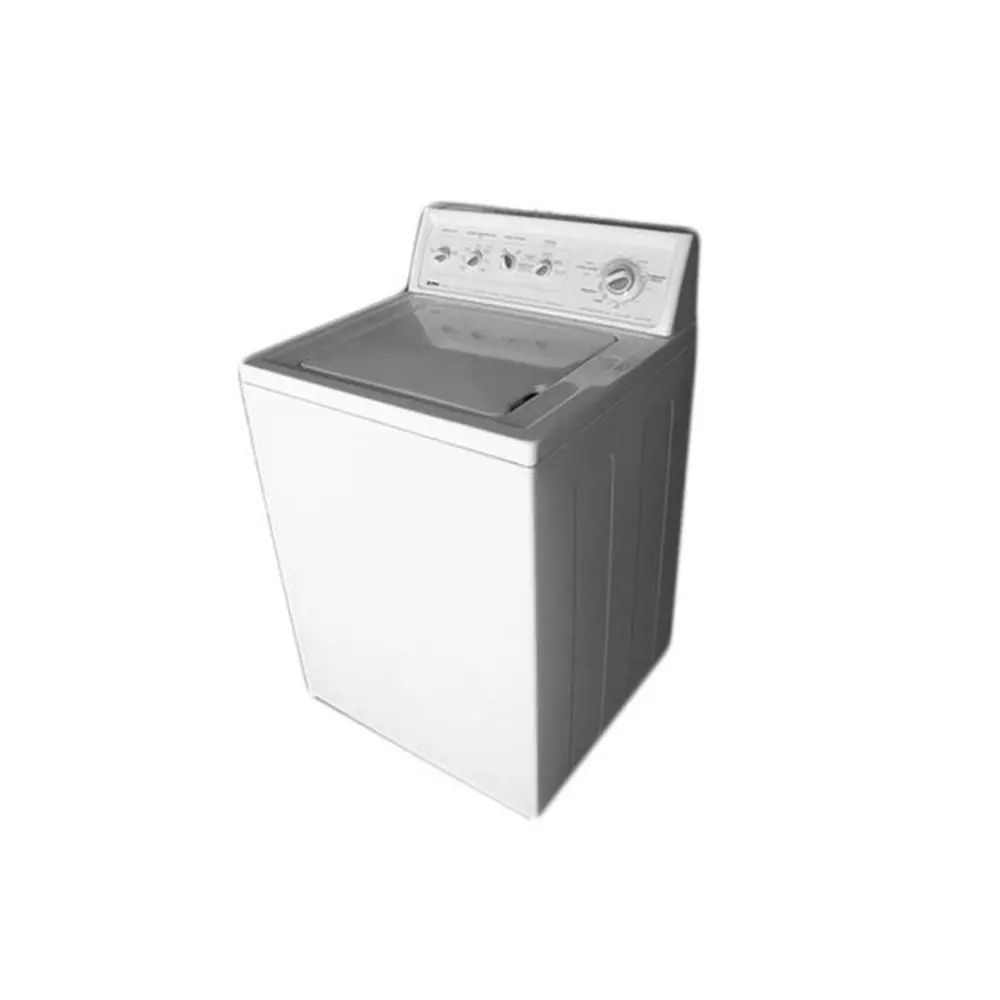
Product Images
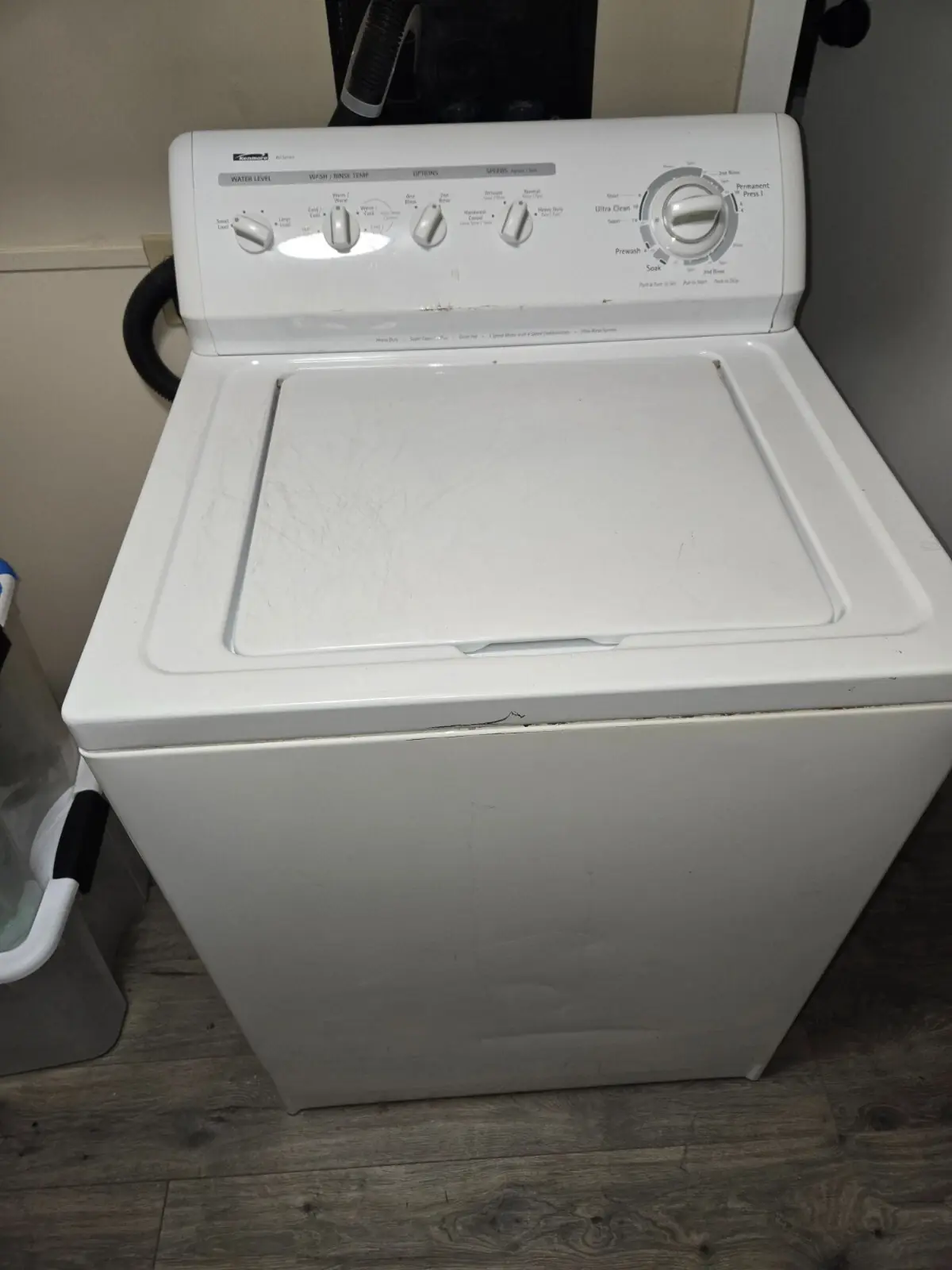
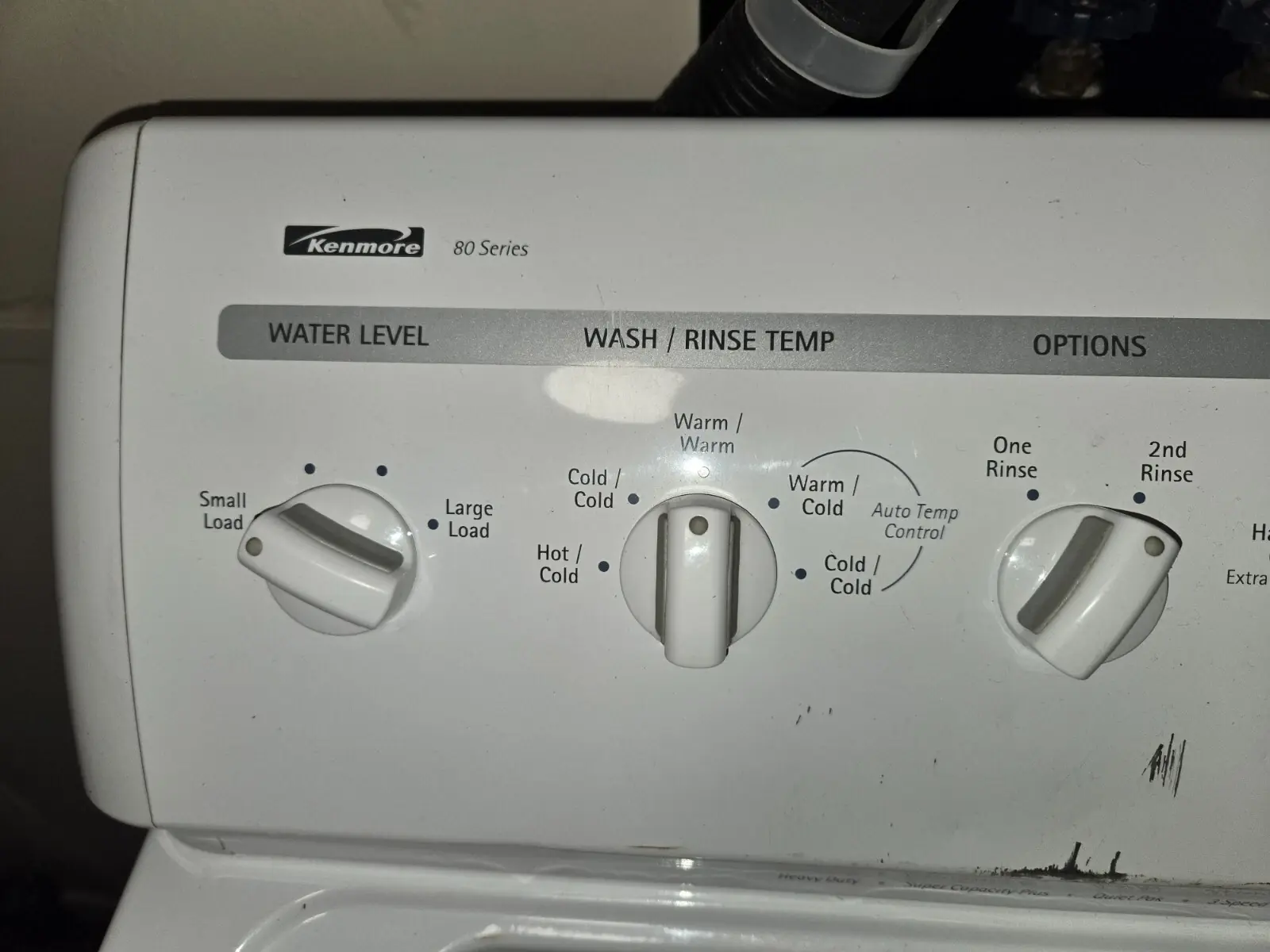
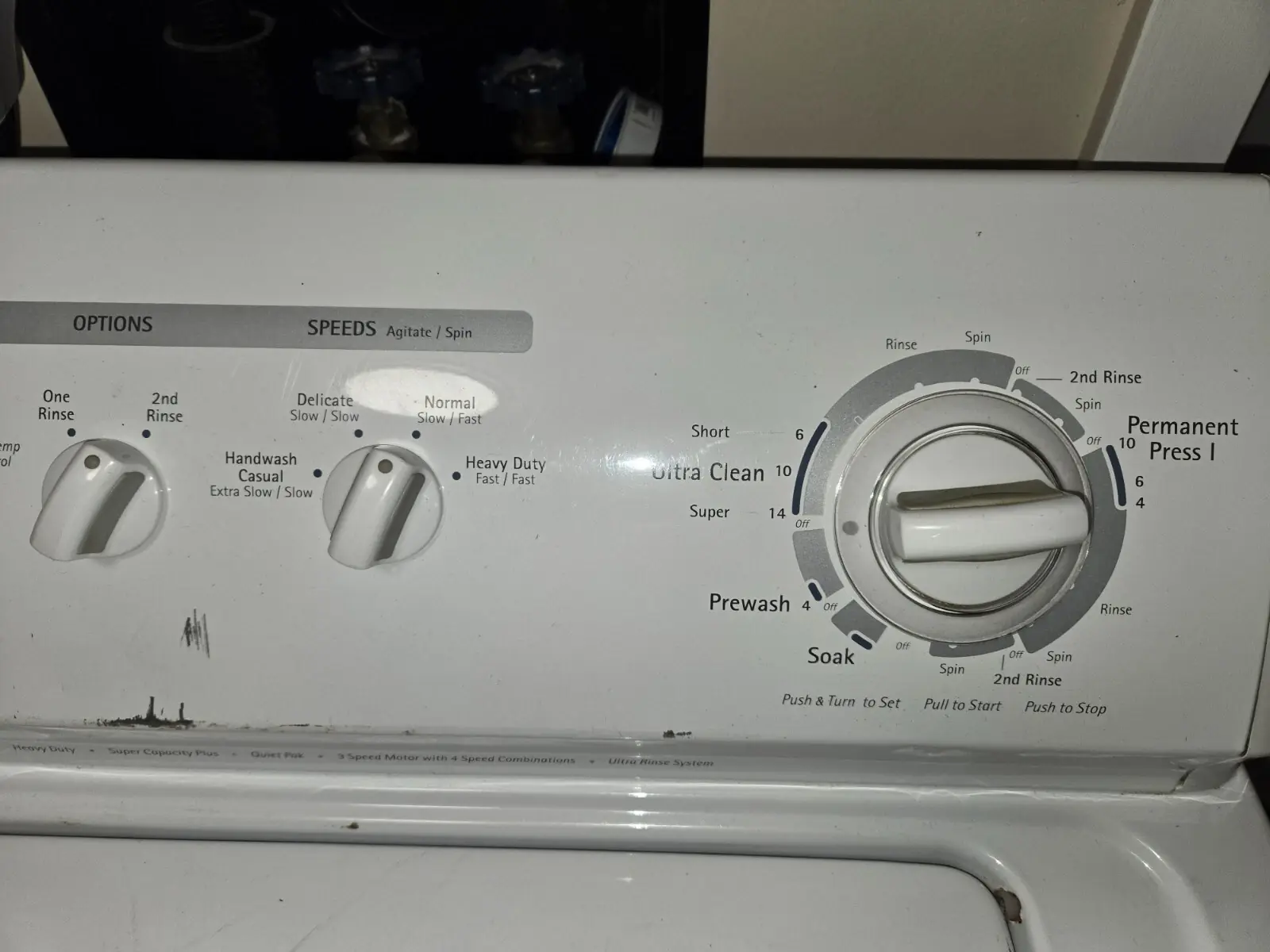
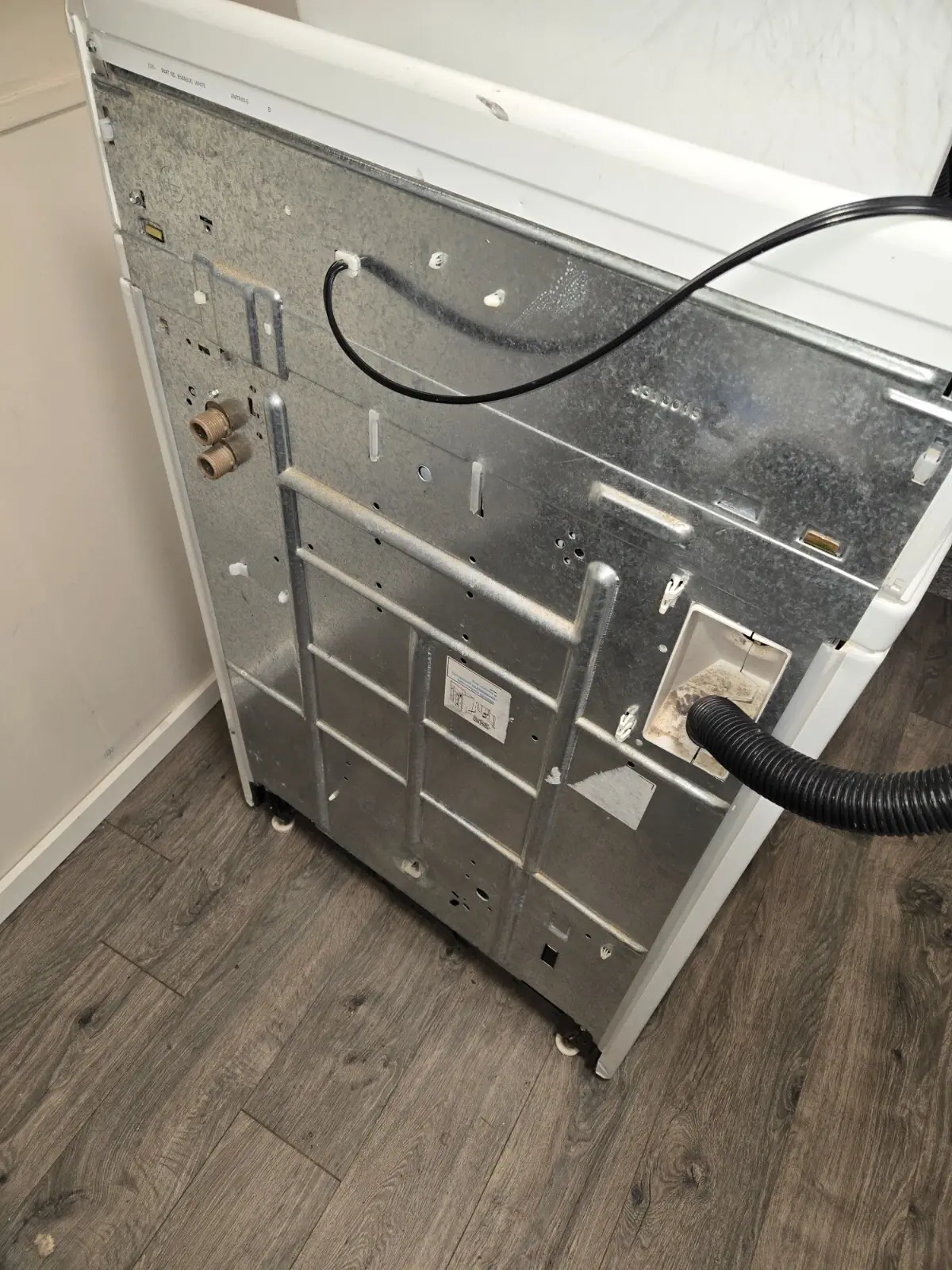
Kenmore 80 Series Washing Machine Specifications
| Feature/Specification | Detail |
|---|---|
| Operational Cycles | ULTRA CLEAN, PERMANENT PRESS I, PERMANENT PRESS II, PREWASH, SOAK |
| Wash Action | Agitator-based washing (top part moves in one direction, can be loose as normal operation) |
| Rinse Options | Cold Rinses, Warm Rinses (implied by cold rinse discussion) |
| Drain Capability | Neutral Drain (drains before spin), Spin/Spray for cooldown |
| Water Level Control | "Fill to selected level" options across cycles |
| Spin Speeds | Variable, with options for "no spin" and faster spins for drier loads |
| Temperature Control | Automatic Temperature Control (ATC) for wash water (ensures >70°F/21°C) |
| Lid Interlock | Requires lid to be closed for operation |
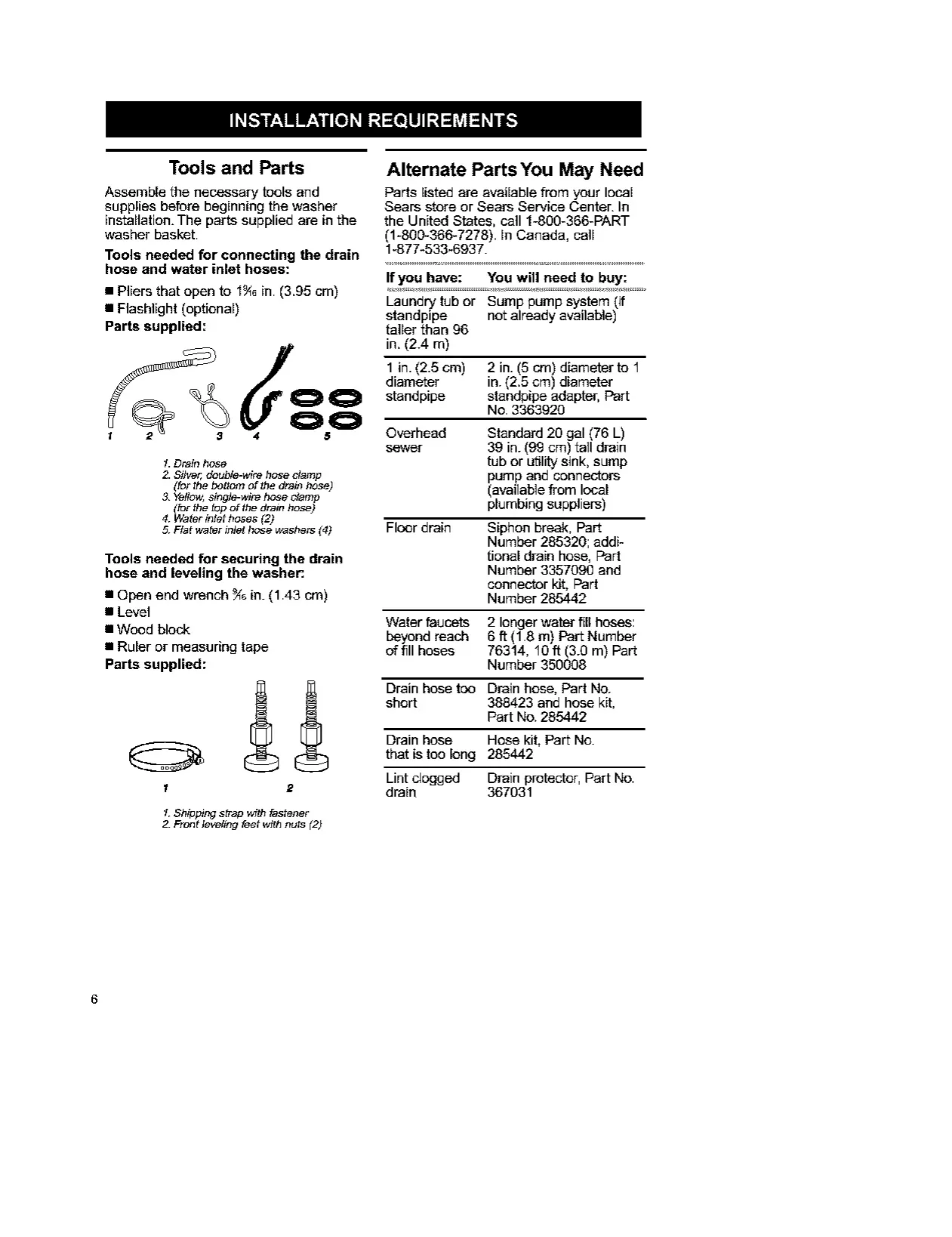
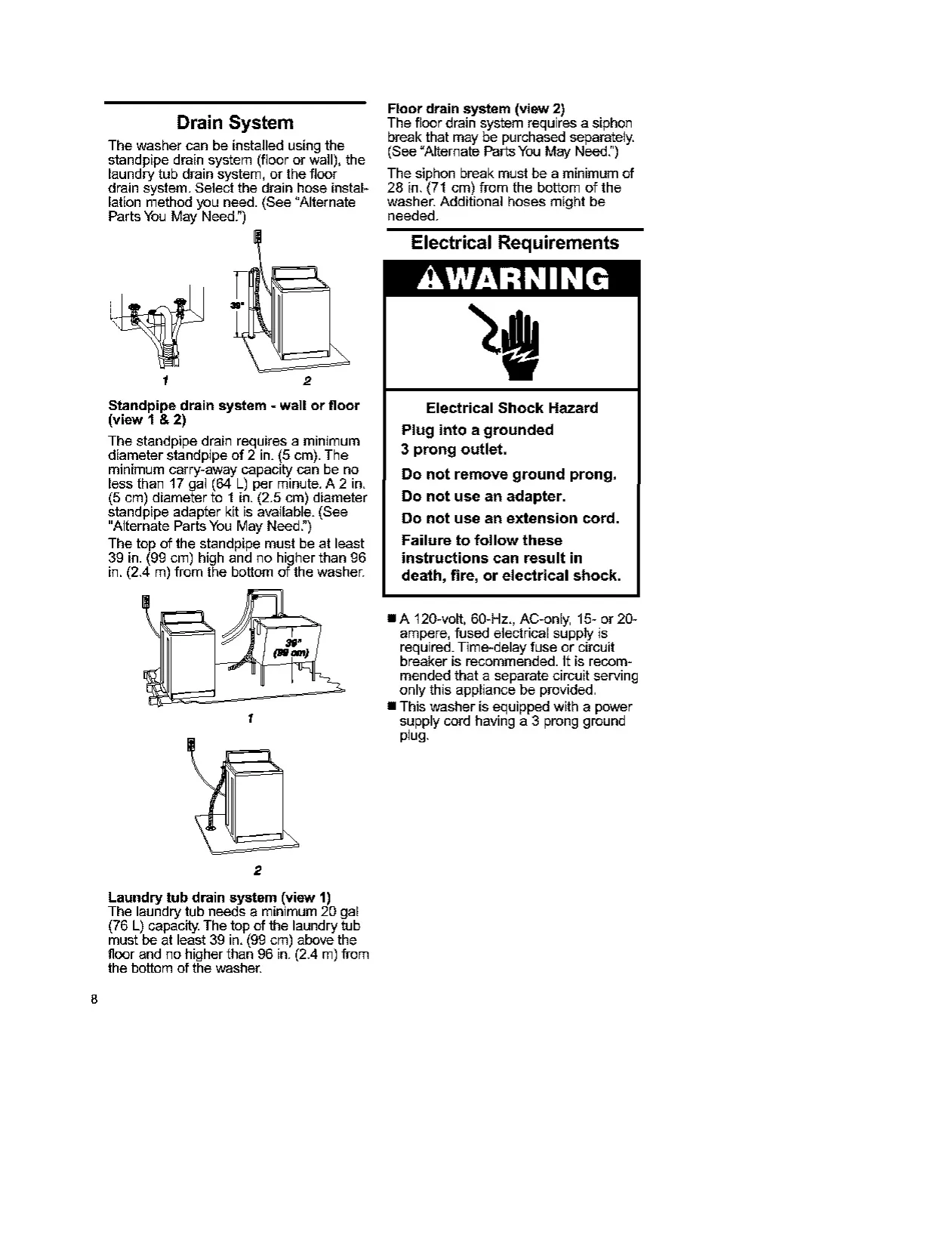
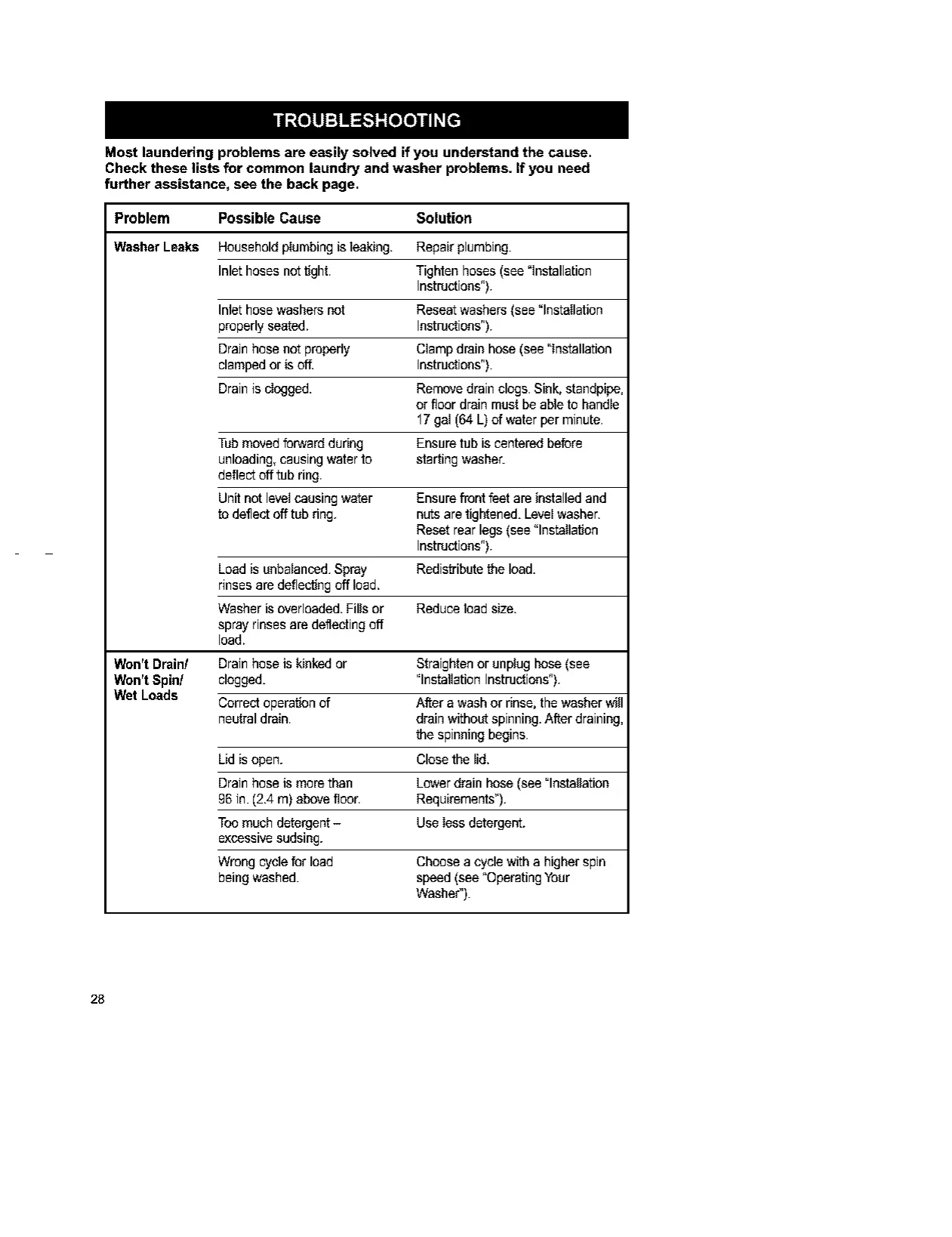
| Drain Hose Height | Minimum 39 in (99 cm), Maximum 96 in (2.4 m) above floor |
| Water Supply | Inlet hoses must be tight and washers properly seated. Household plumbing free of leaks. |
Kenmore 80 Series Washing Machine Details
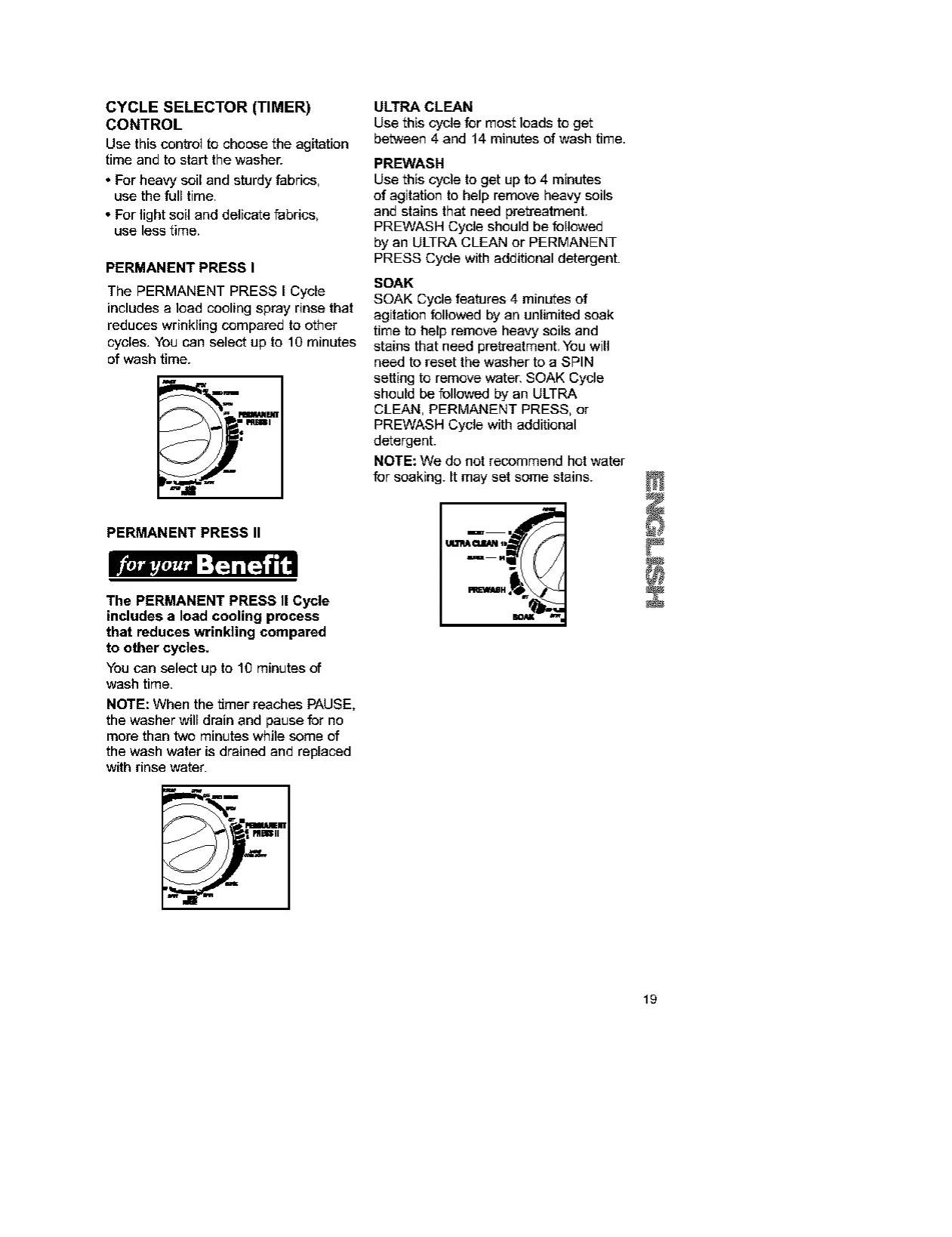
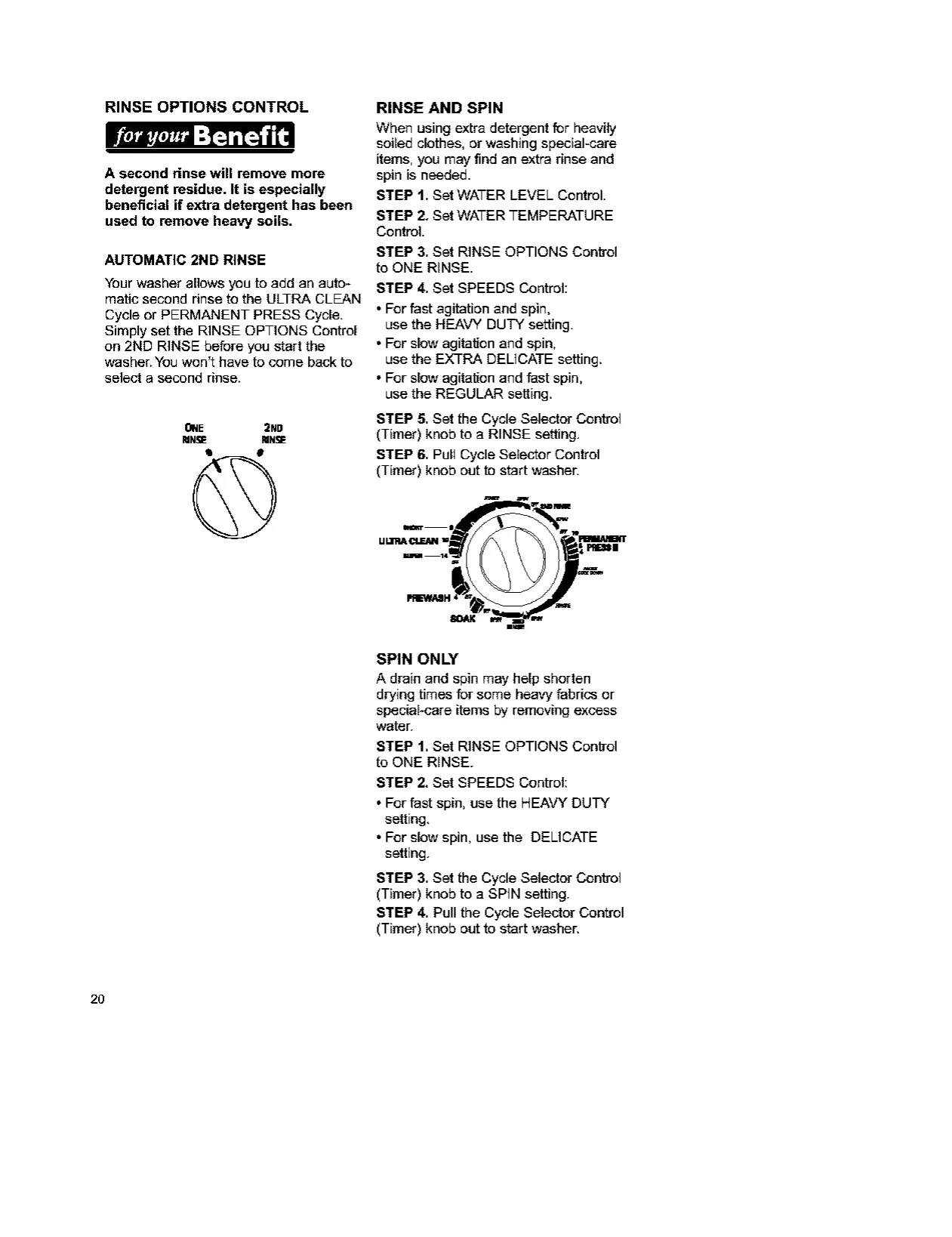
The Kenmore 80 Series Washing Machine is designed for efficient and thorough cleaning, incorporating several features to enhance the laundry experience. Its operational flexibility is evident through a selection of specialized cycles tailored for various fabric types and soil levels, ensuring optimal care and cleaning performance for different loads.
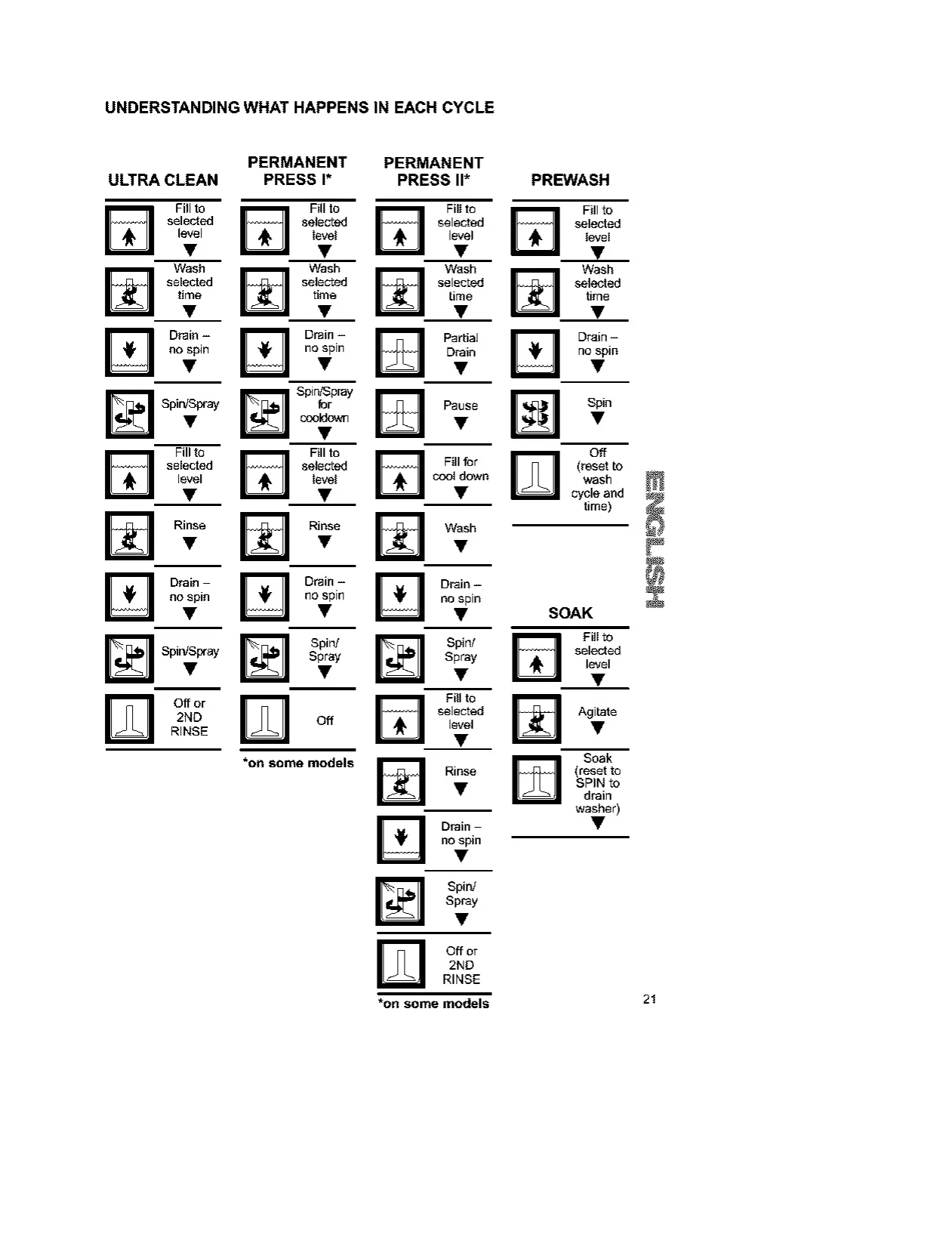
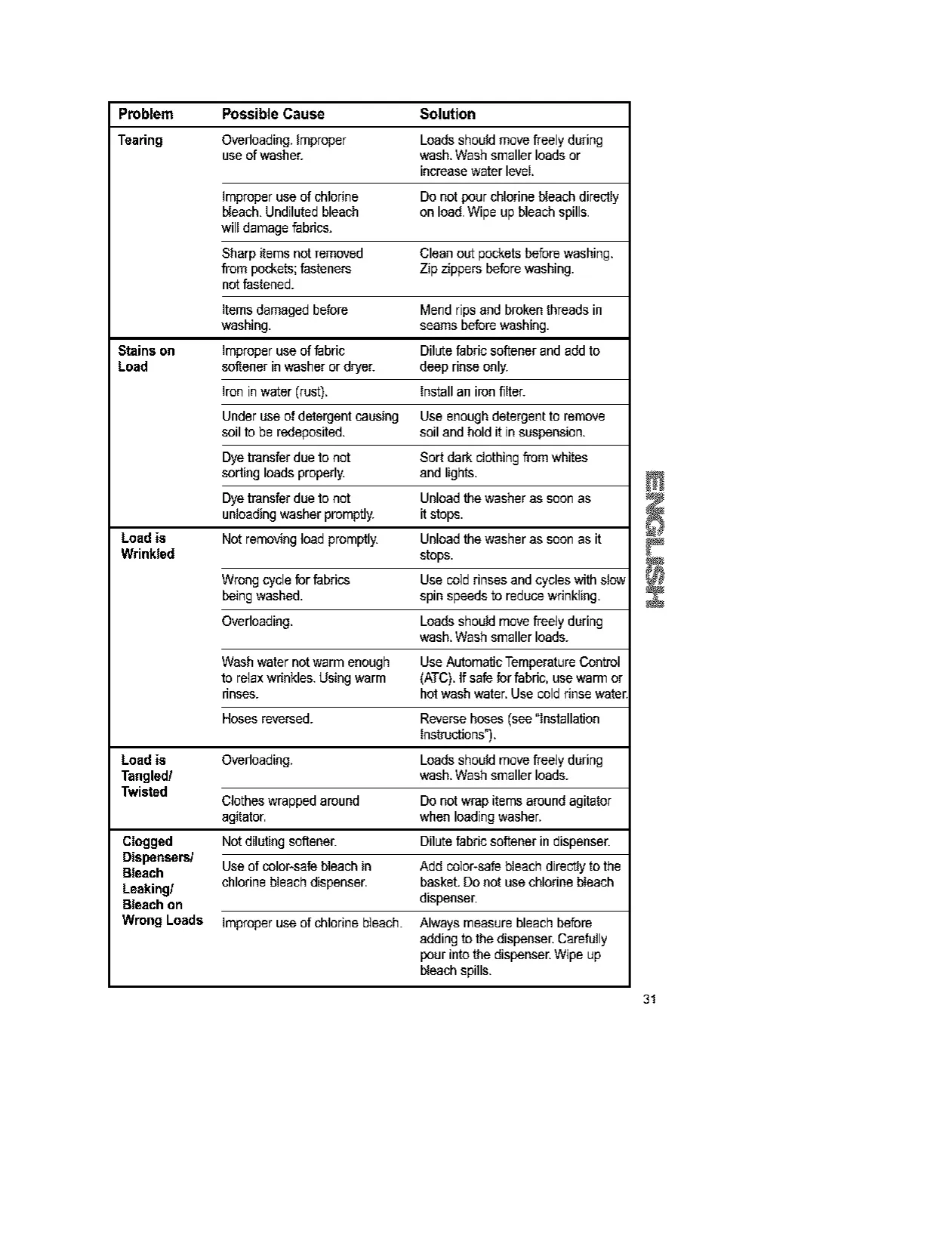
Key cycles include the ULTRA CLEAN option, engineered for deep cleaning, and the PERMANENT PRESS I and II cycles. These permanent press settings are particularly useful for minimizing wrinkles, with Permanent Press II including unique "Spin/Spray for cooldown" phases, which help relax fabrics and reduce creasing before the final spin.
For heavily soiled items or those requiring an initial treatment, the washer offers a dedicated PREWASH cycle, preparing garments for the main wash. Additionally, a specific SOAK cycle is available, providing a prolonged immersion and agitation period to loosen stubborn dirt and stains effectively before the primary washing process begins.
The washer features adaptable water level settings, allowing users to "Fill to selected level" for each cycle. This flexibility not only conserves water for smaller loads but also ensures adequate water volume for larger, bulkier items, contributing to both efficiency and effective cleaning.
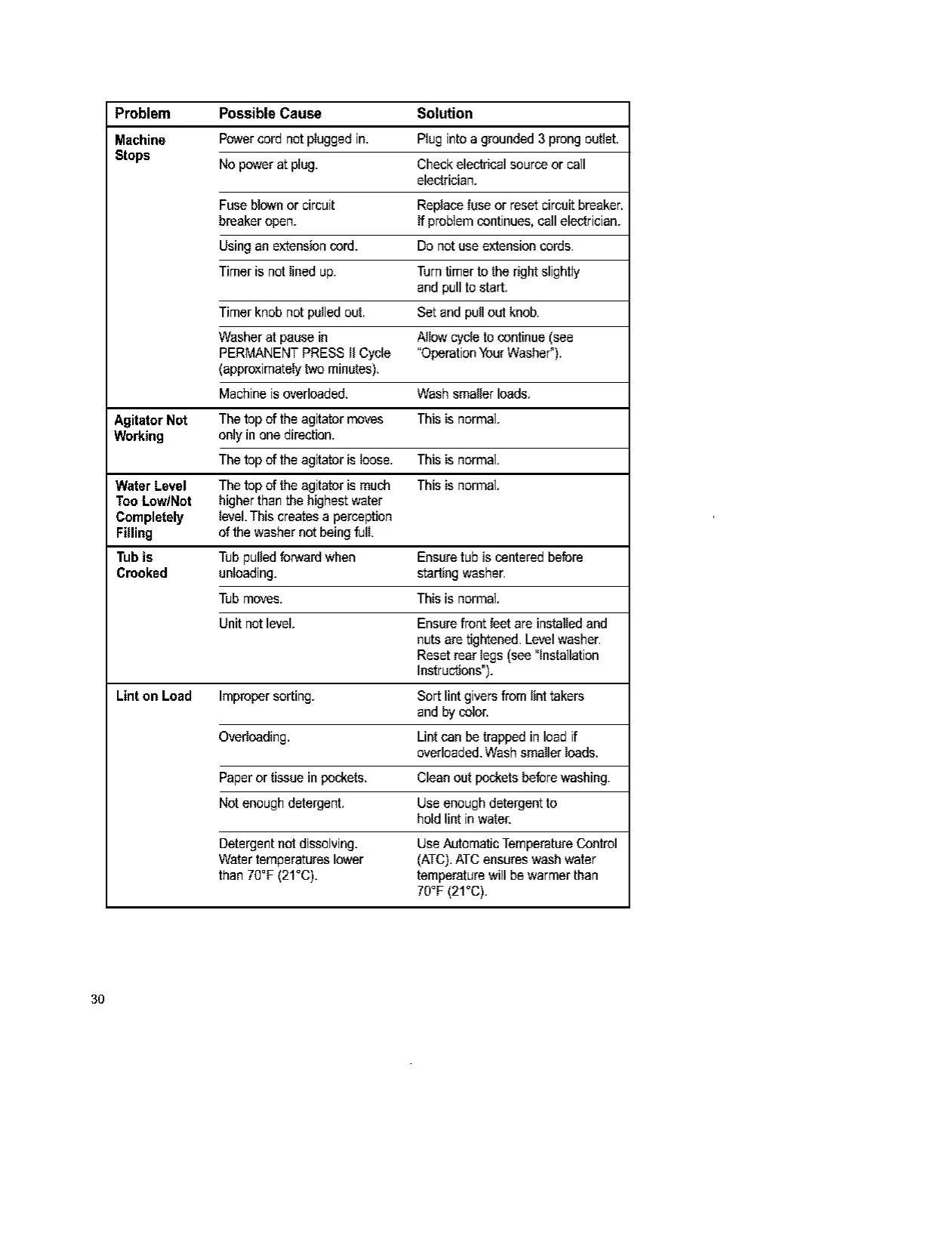
Regarding water temperature, the Kenmore 80 Series incorporates Automatic Temperature Control (ATC). This advanced feature ensures that wash water temperatures remain above 70°F (21°C), which is crucial for detergent efficacy and preventing issues like lint on clothes, especially with certain detergents that dissolve better in warmer water.
User convenience is enhanced by a straightforward timer dial, which, when properly aligned and pulled, initiates the washing cycle. The machine also features essential safety mechanisms, such as requiring the lid to be closed for operation, preventing accidental access to the moving tub during cycles.
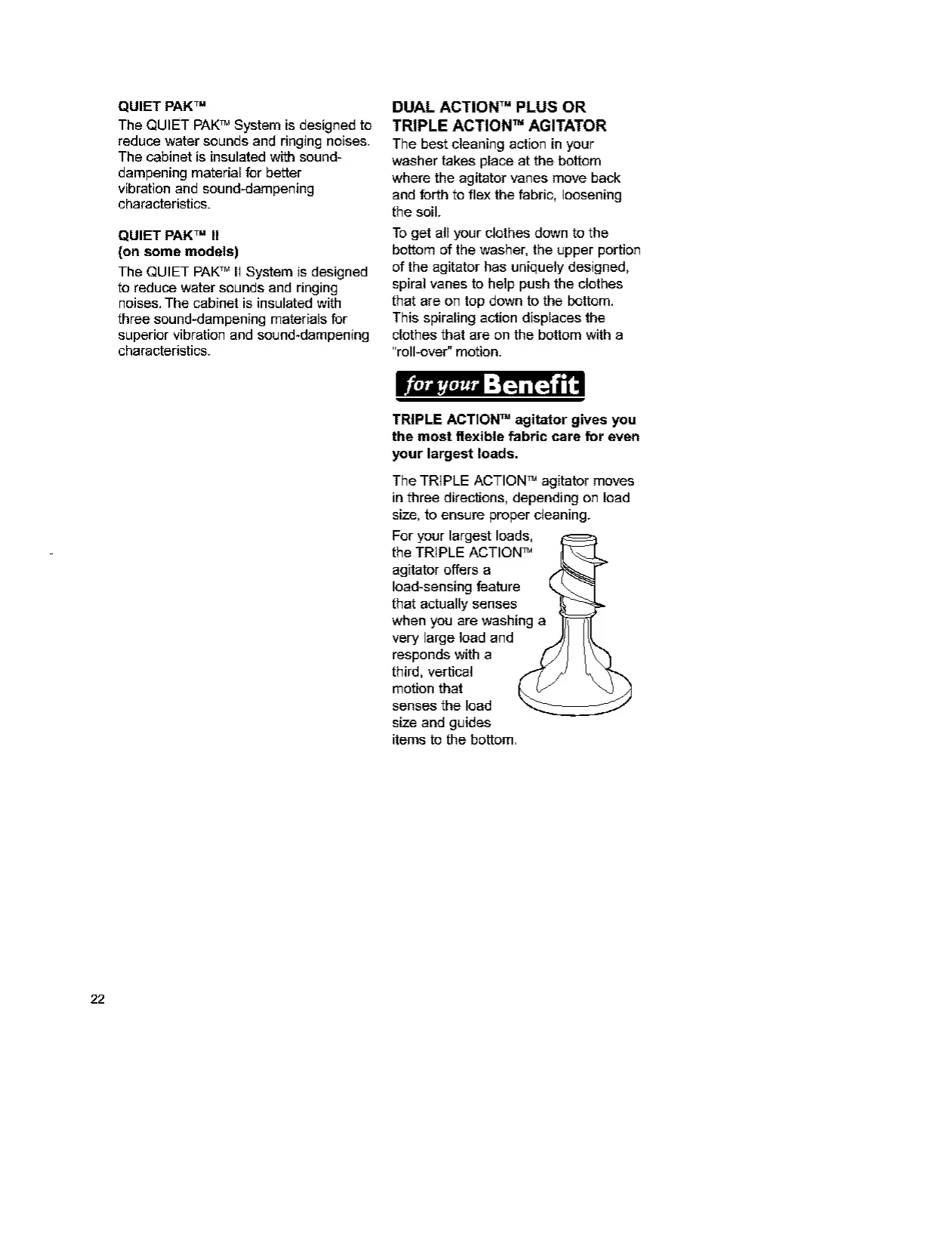
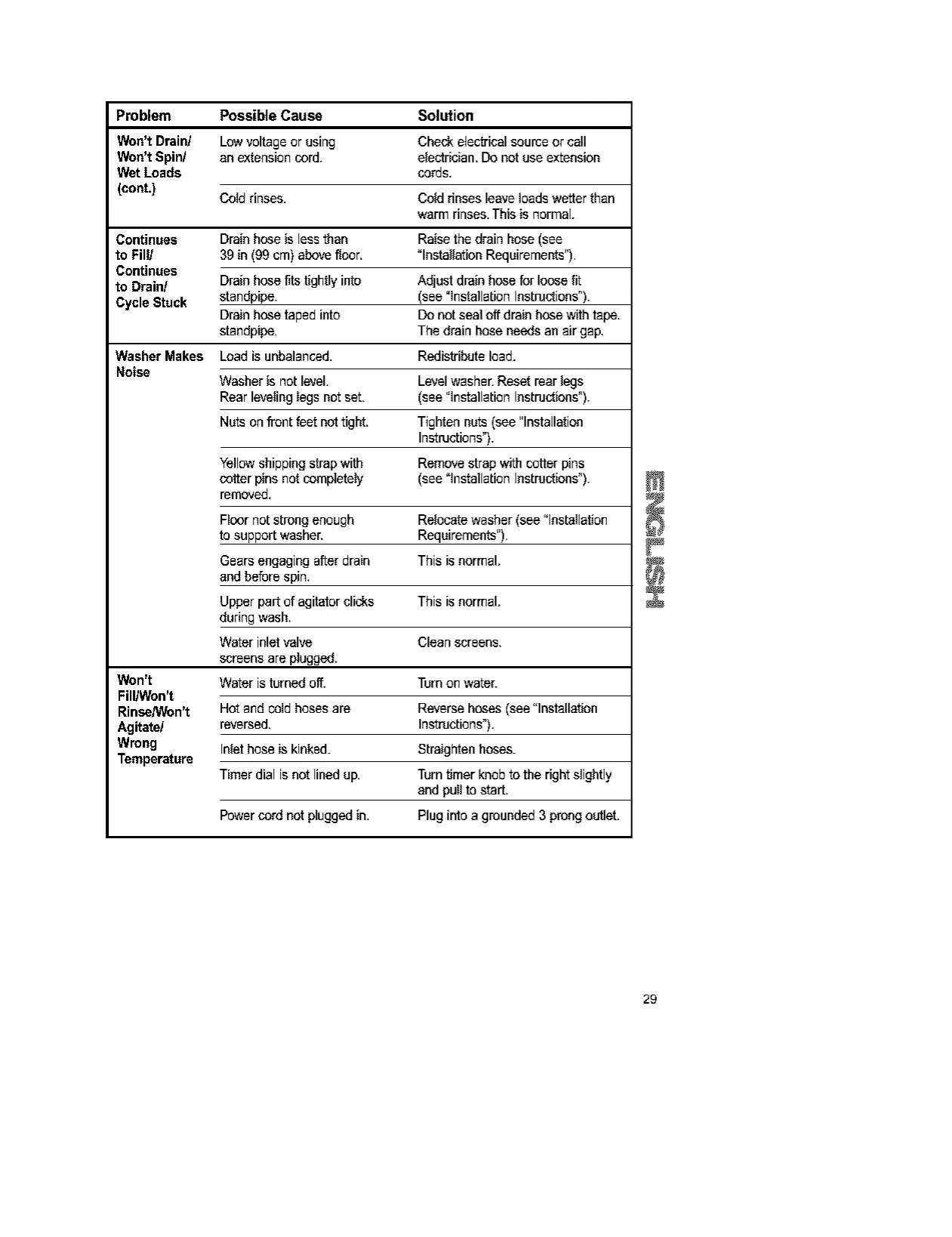
The design includes a robust agitator, central to its washing action. While the top part of the agitator moves unidirectionally and may seem loose, these are normal operational characteristics. This design ensures effective garment agitation for thorough cleaning without causing undue wear to fabrics, when used correctly.
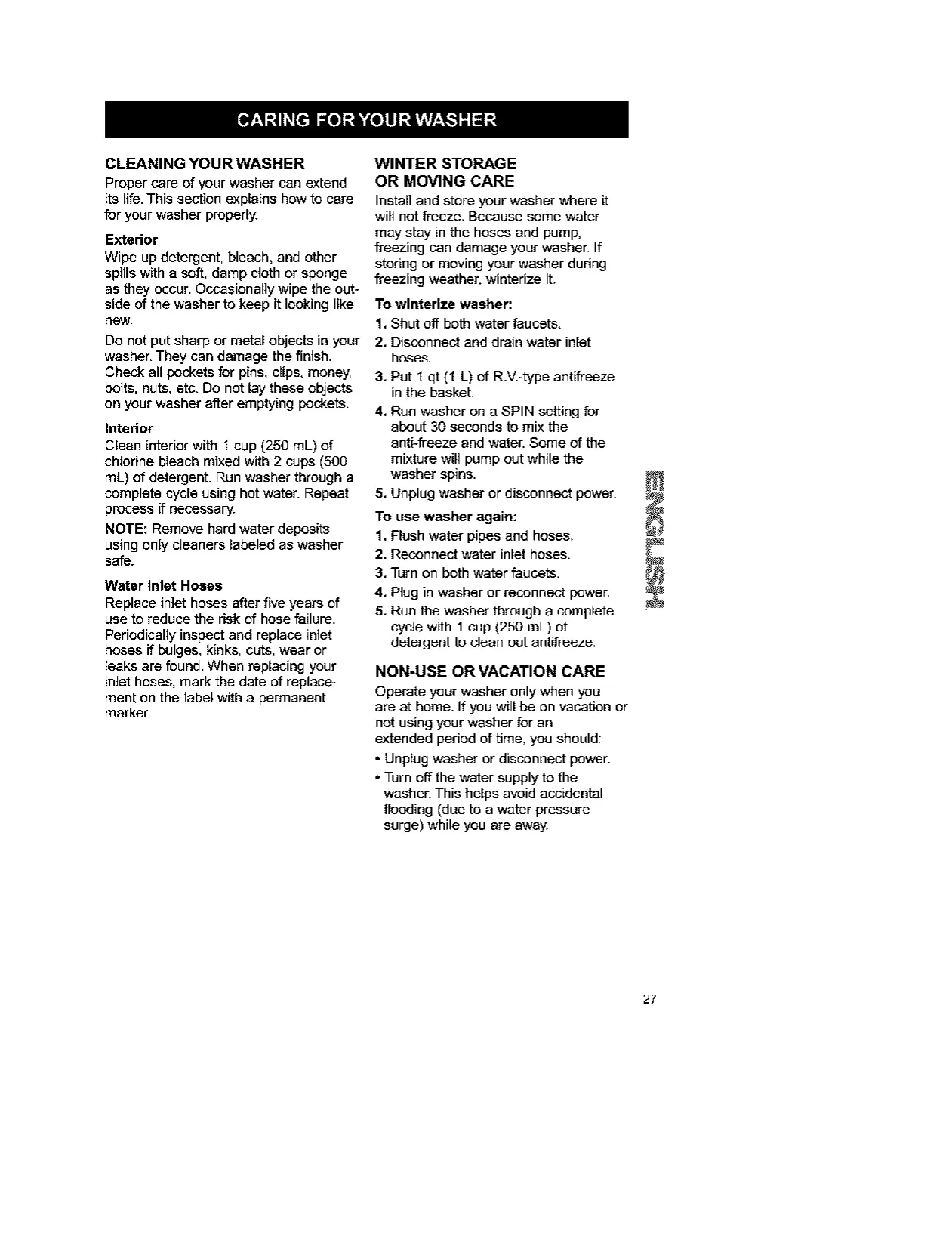
Maintenance aspects are also considered, with instructions provided for tasks such as cleaning water inlet valve screens to maintain optimal water flow. Furthermore, the manual stresses the importance of proper detergent use and fabric softener dilution, especially when using the dispenser, to prevent residue and maintain machine performance.
The machine's advanced draining and spinning capabilities include a "Neutral Drain" phase, where water is removed before spinning commences, and various spin speeds. These options, including "no spin" and "Spin/Spray for cooldown" cater to different fabric needs, aiming to leave loads adequately damp or drier as required.
Overall, the Kenmore 80 Series Washer combines a range of practical cycles, intelligent temperature control, and user-friendly features. It emphasizes proper loading techniques, detergent usage, and maintenance to deliver reliable performance, aiming to extend the life of both the appliance and the garments it washes.
Frequently Asked Questions (FAQs)
Can't find the answer you need? Here are some frequently asked questions about the Kenmore 80 Series Washing Machine, and we answer them below.