Honeywell XNX Universal Transmitter Instruction Manual
Honeywell XNX Universal Transmitter


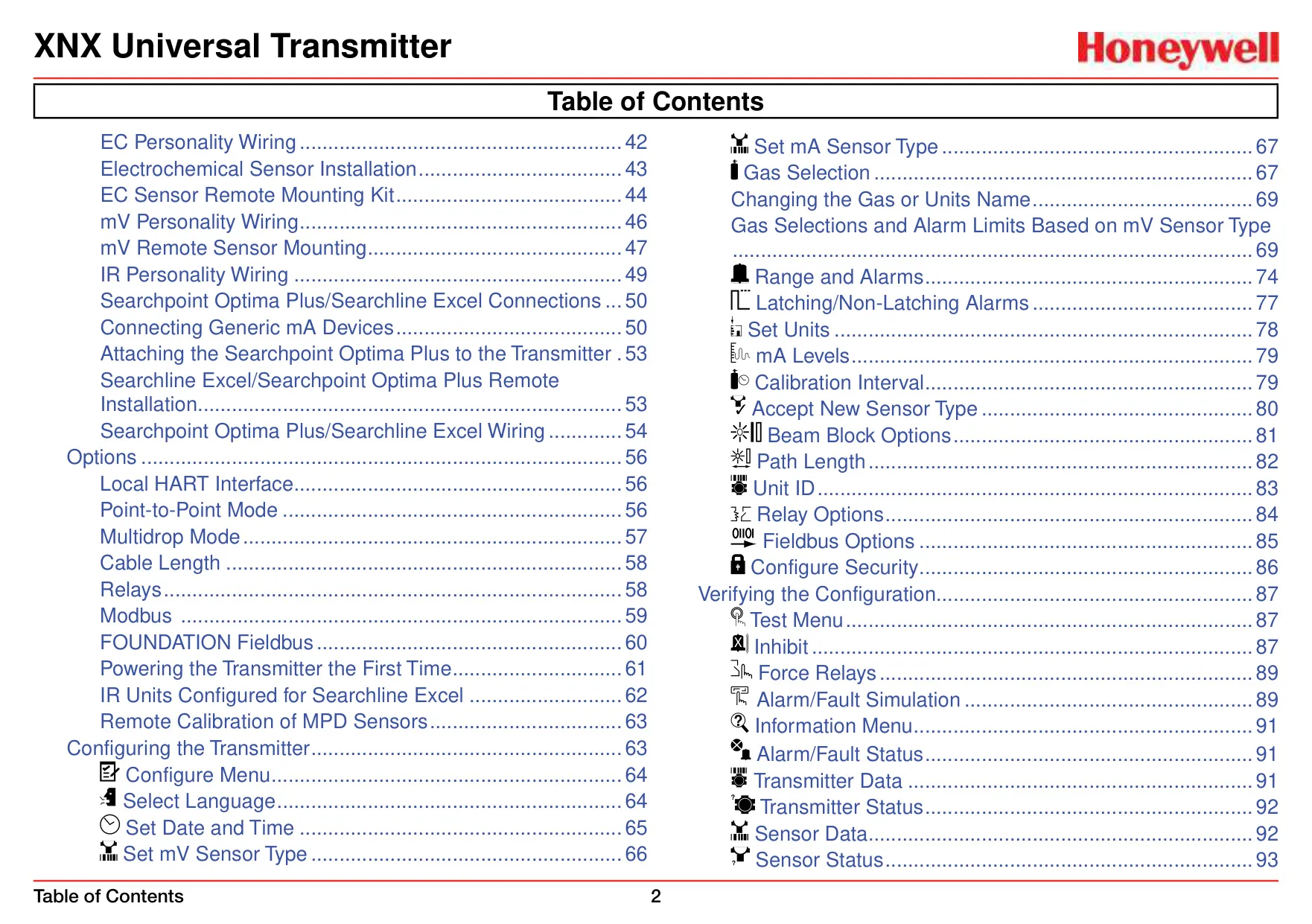
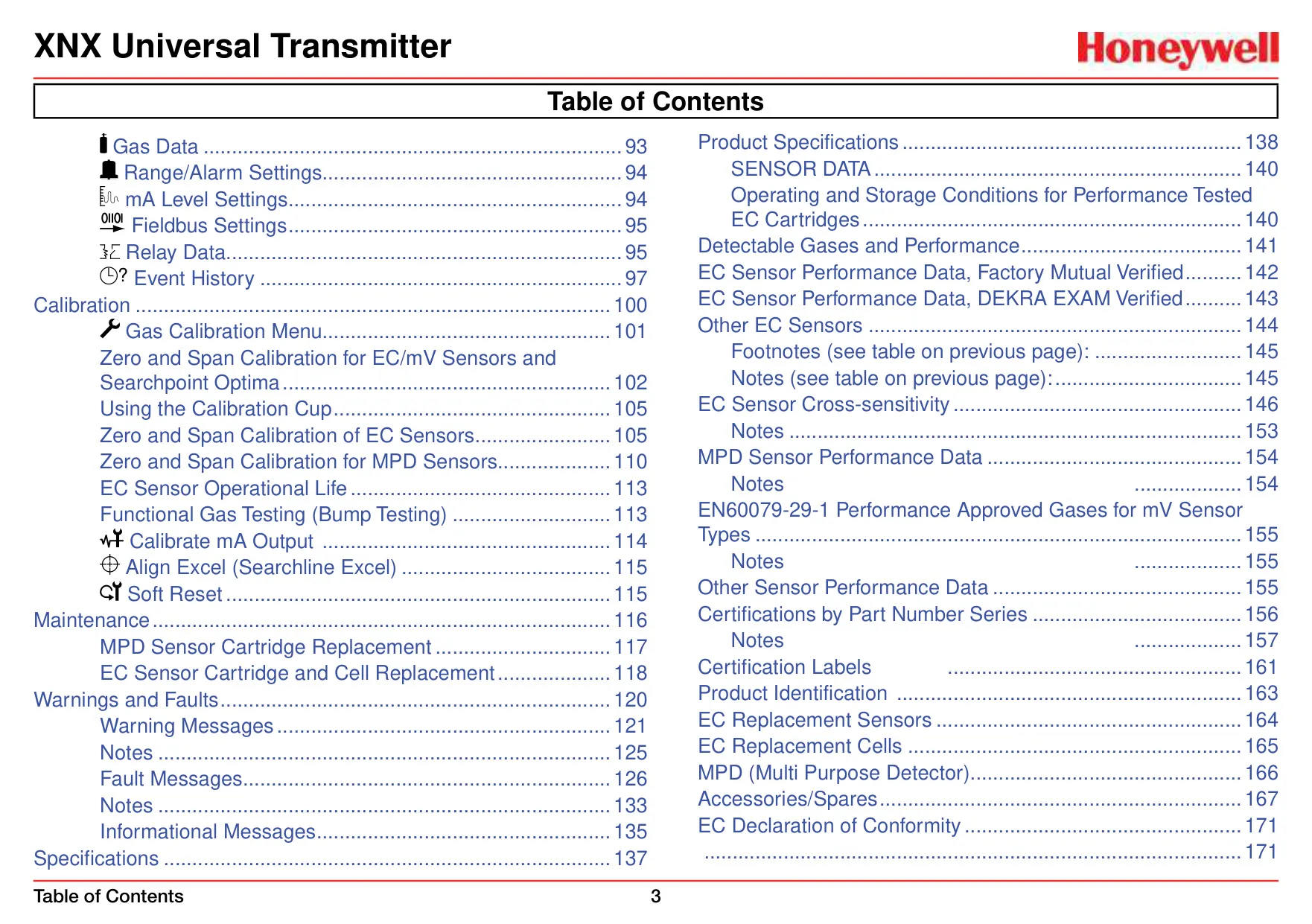
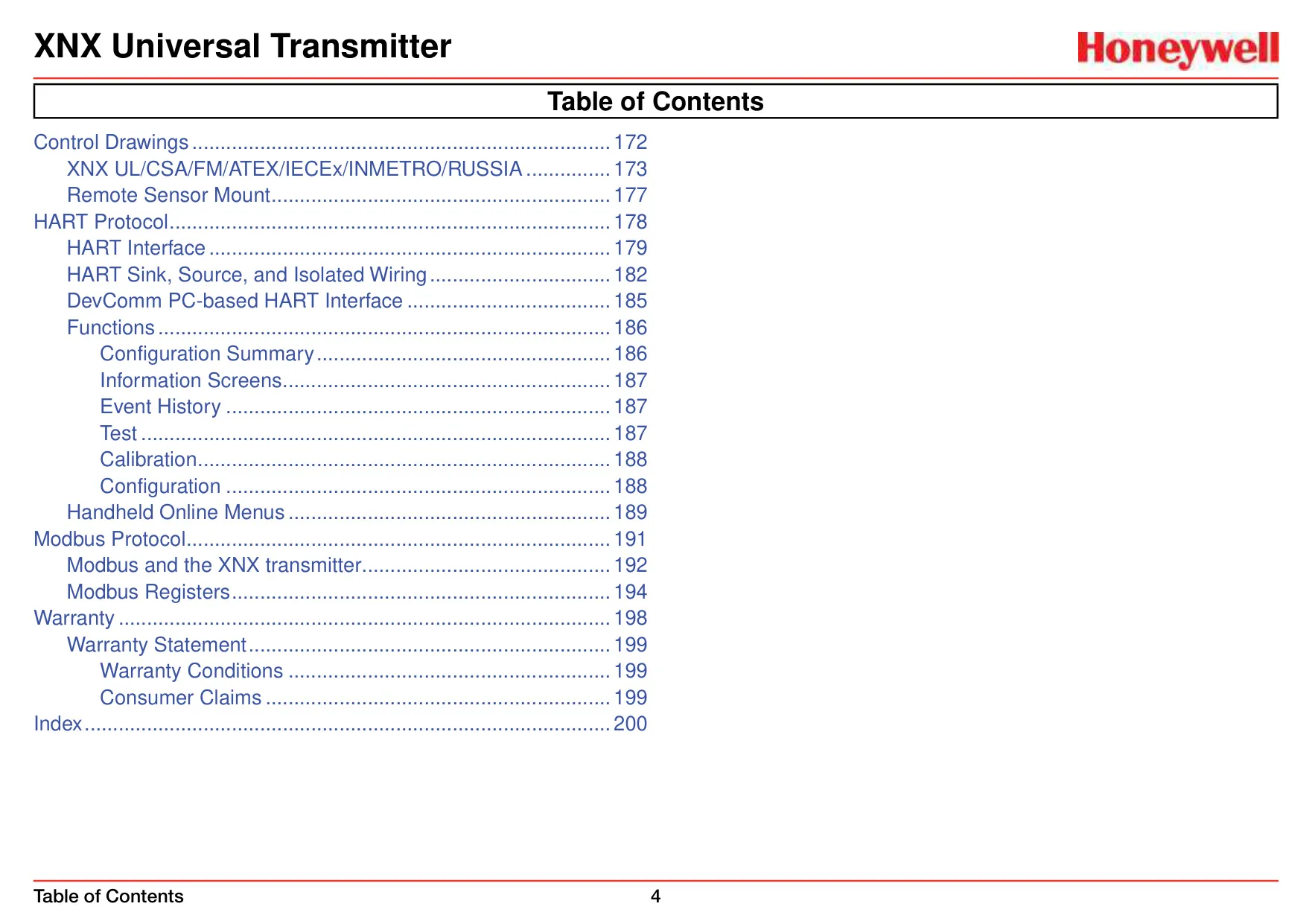

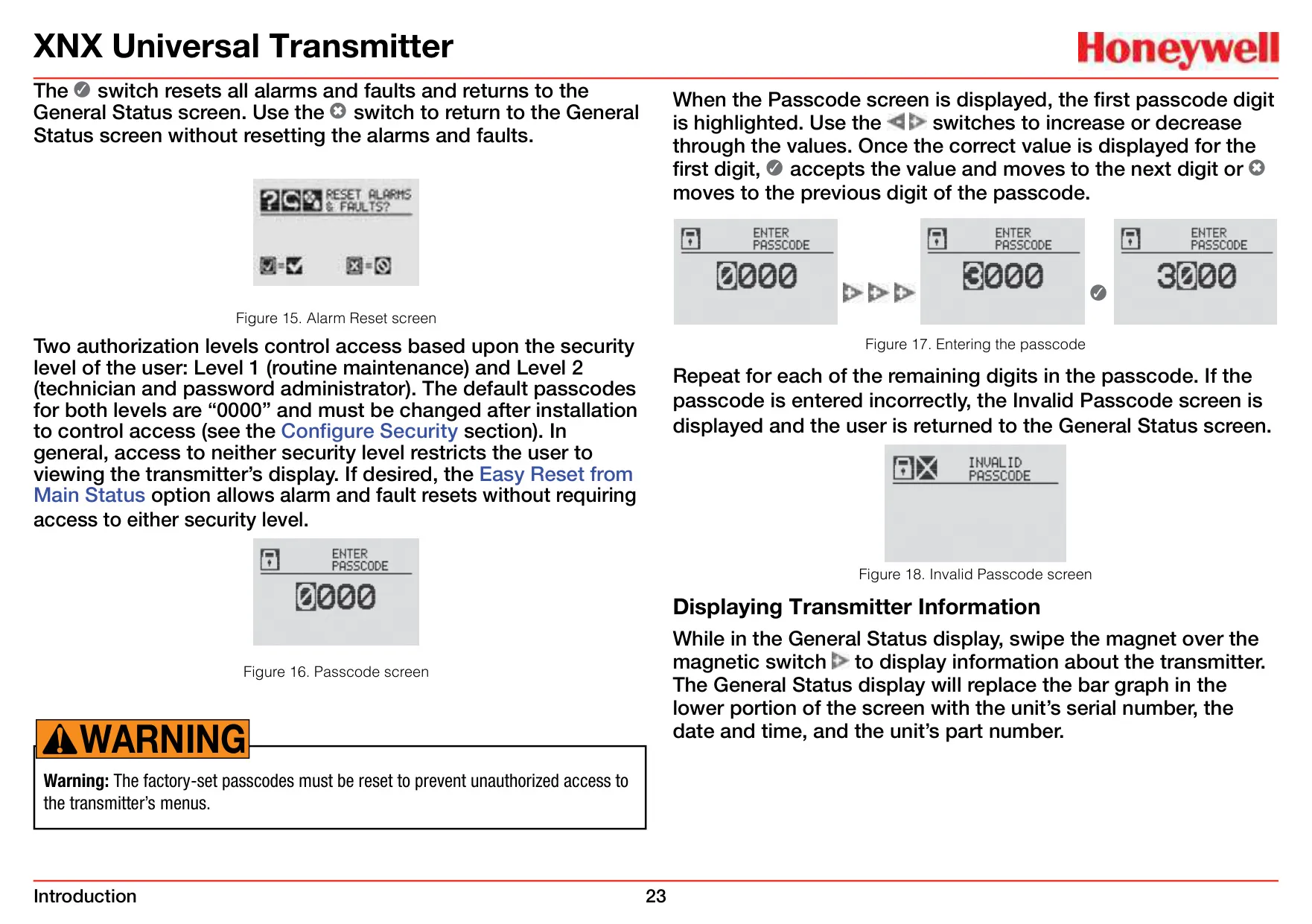
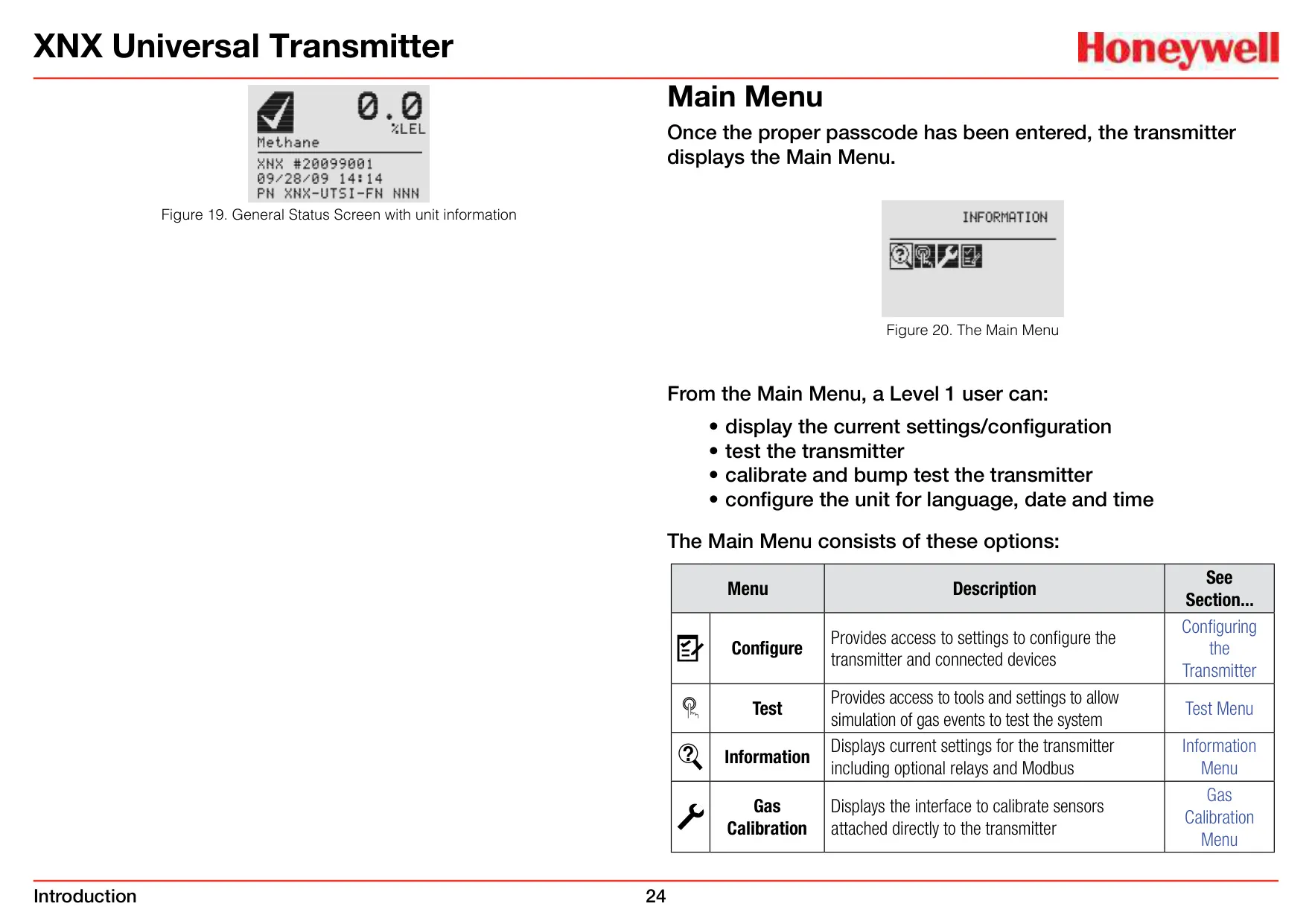

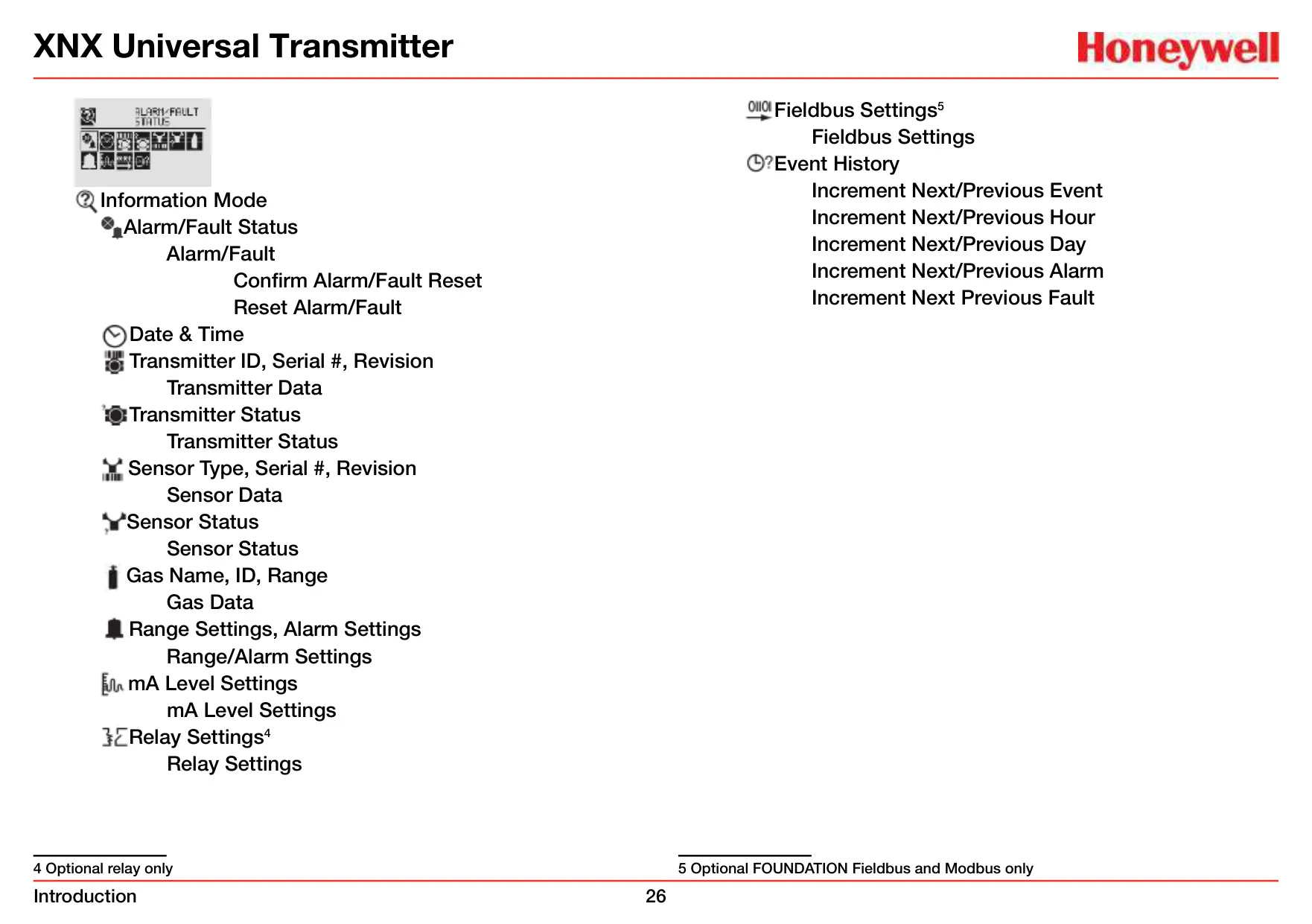
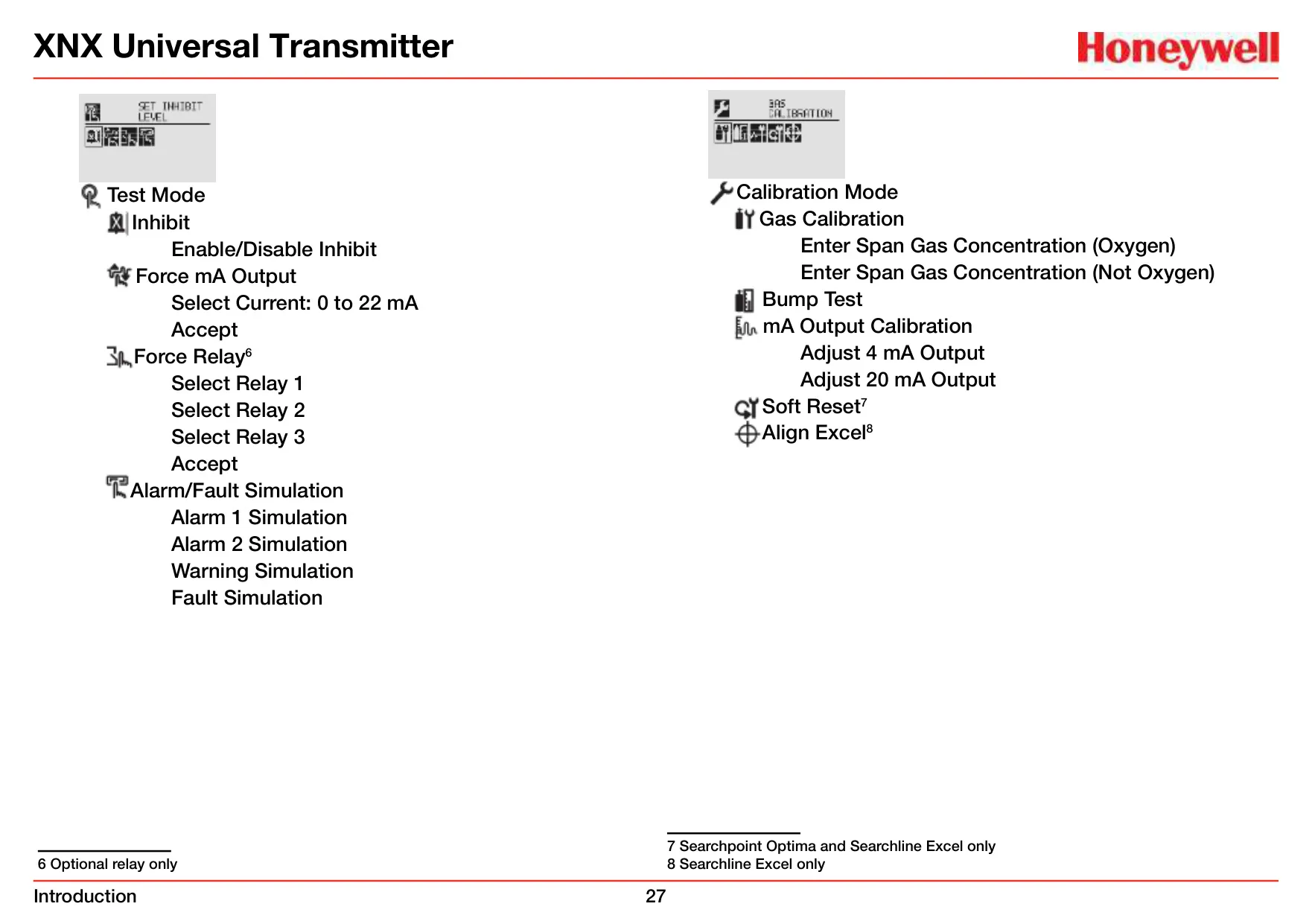



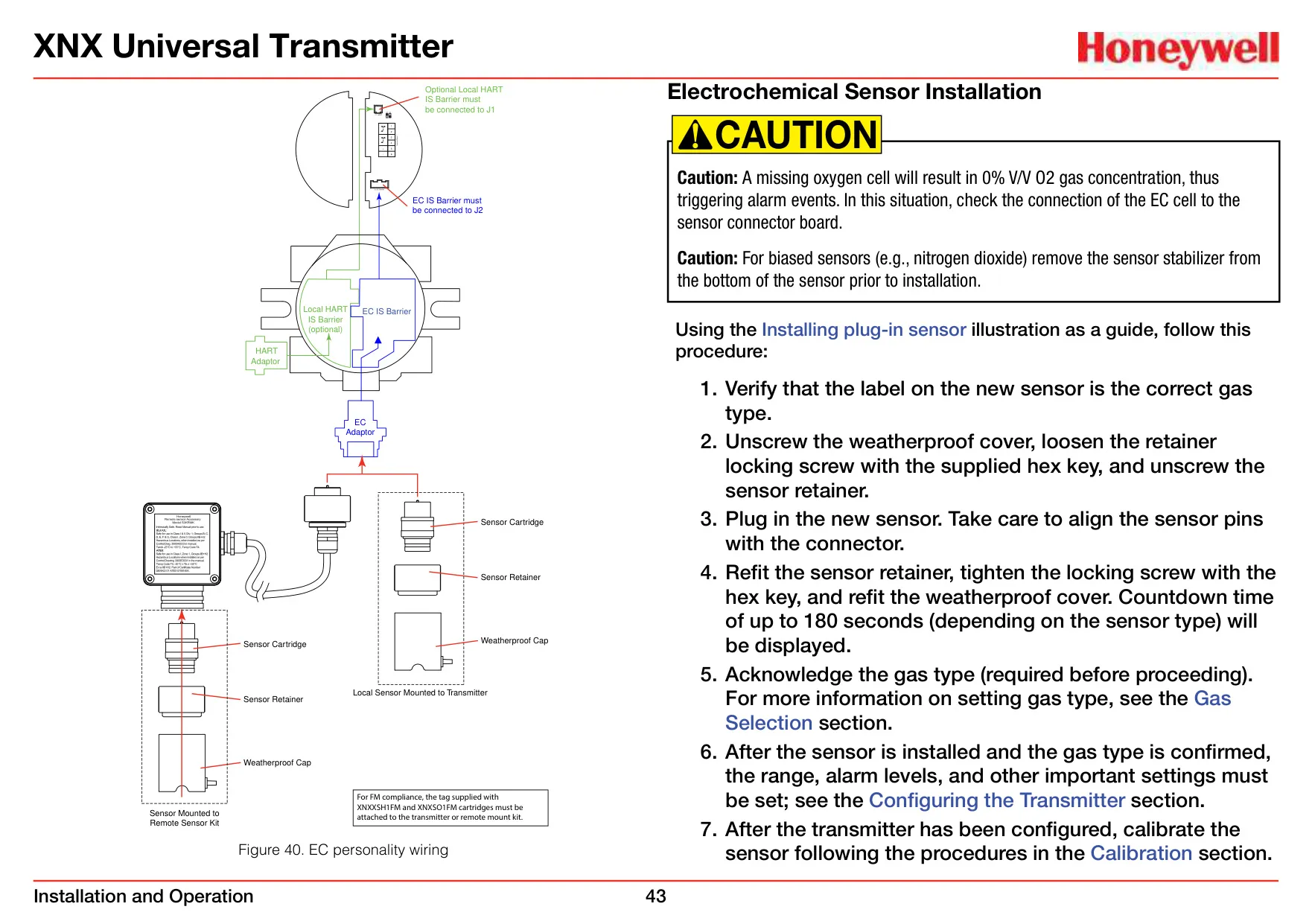

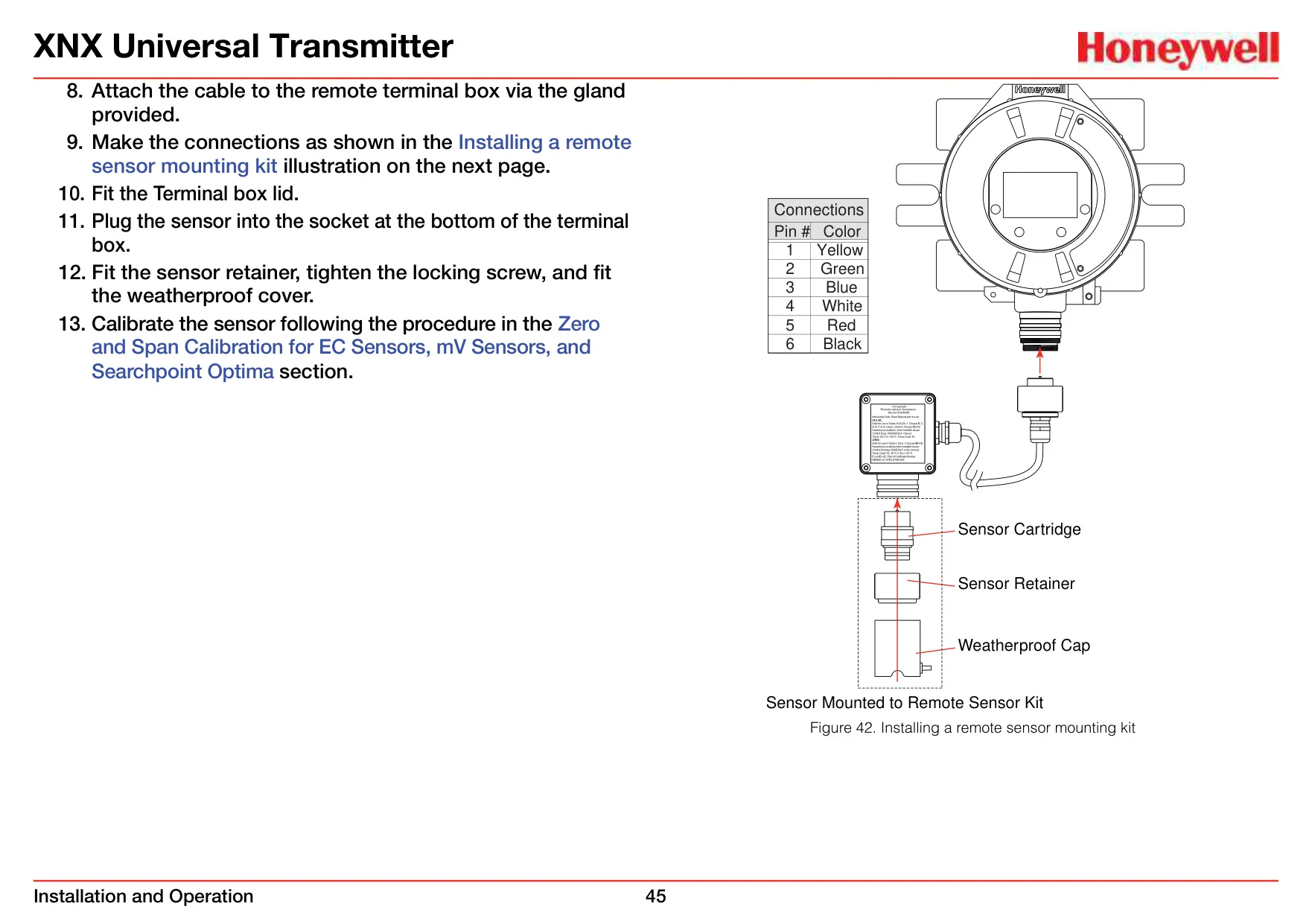
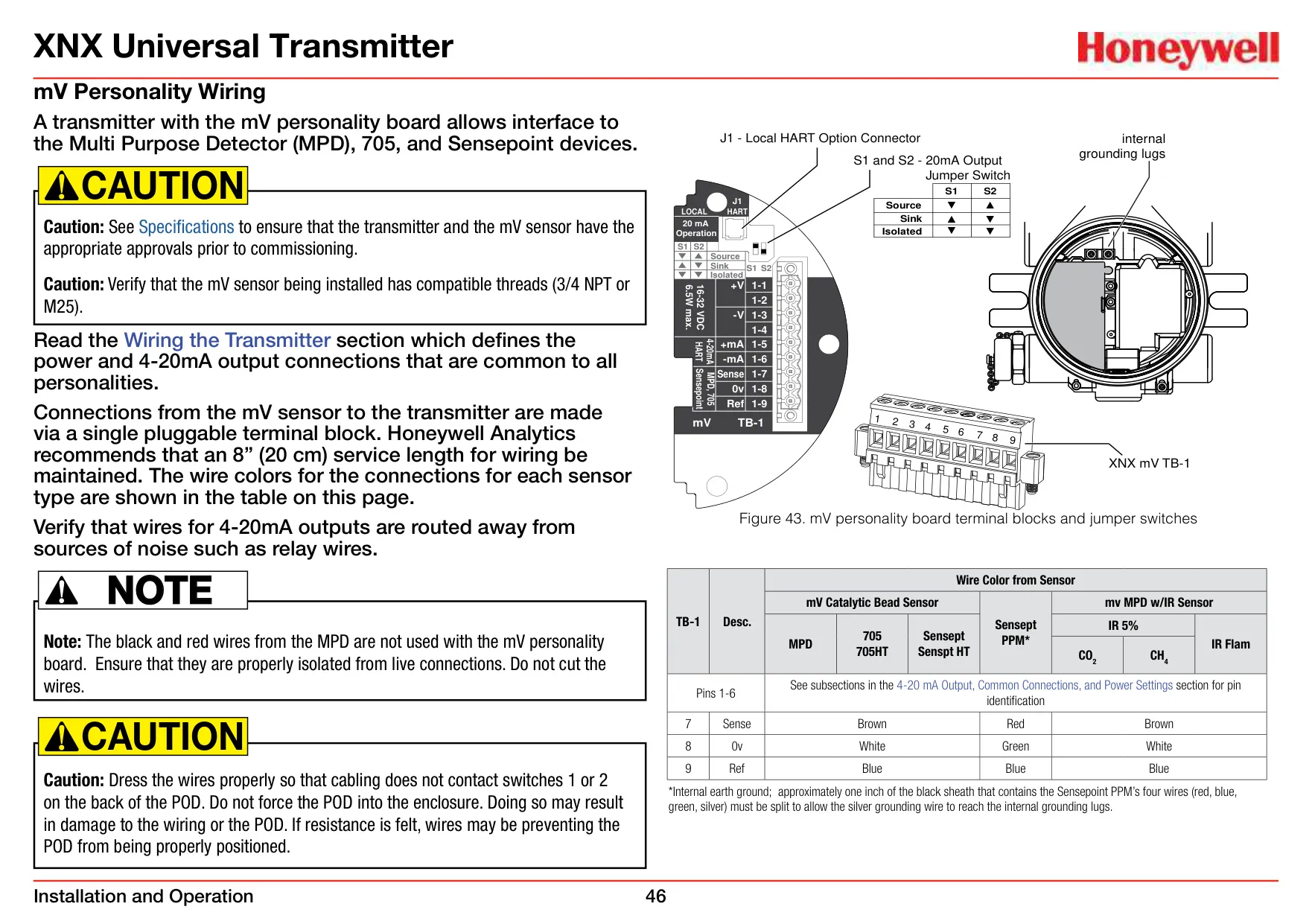
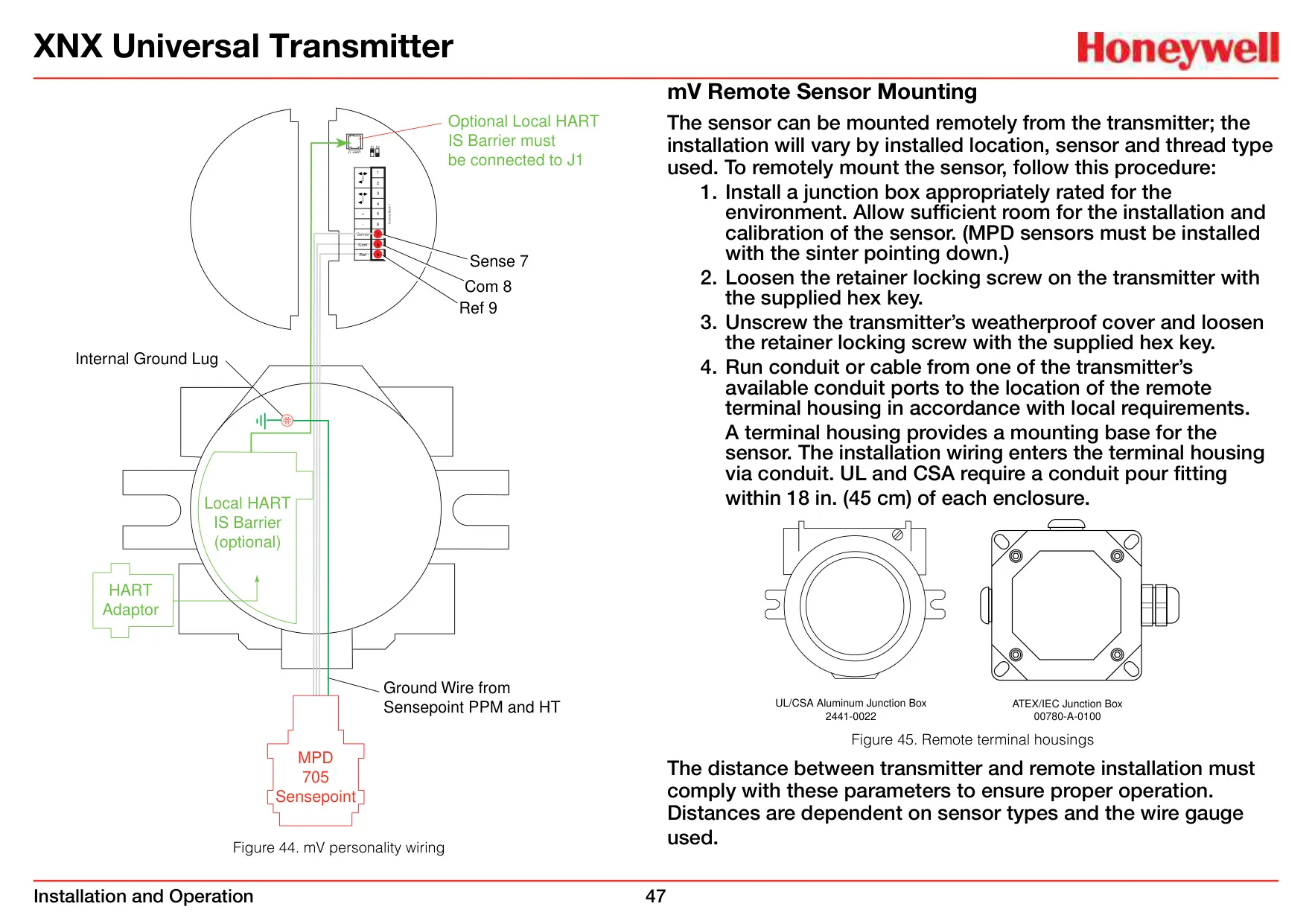
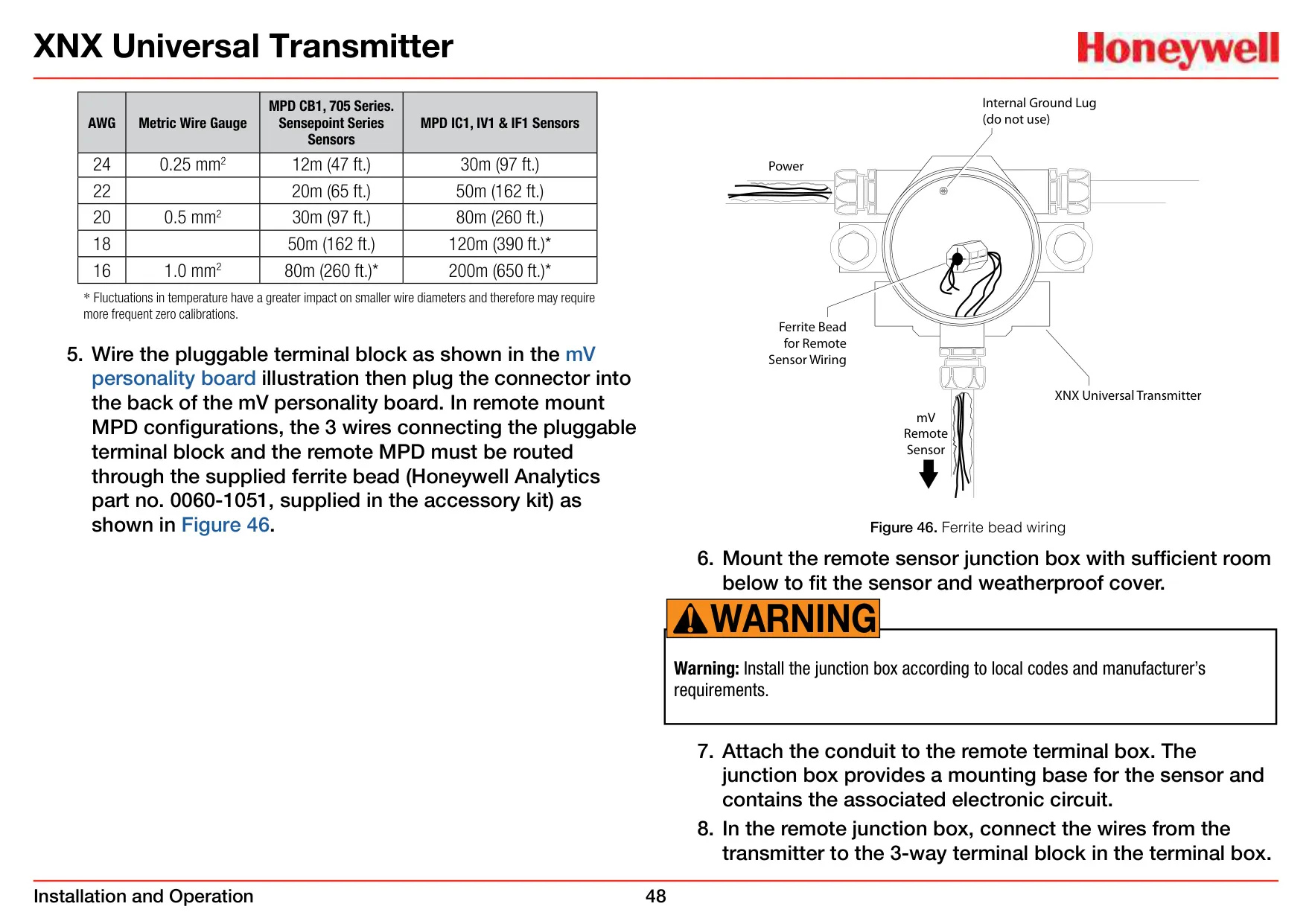
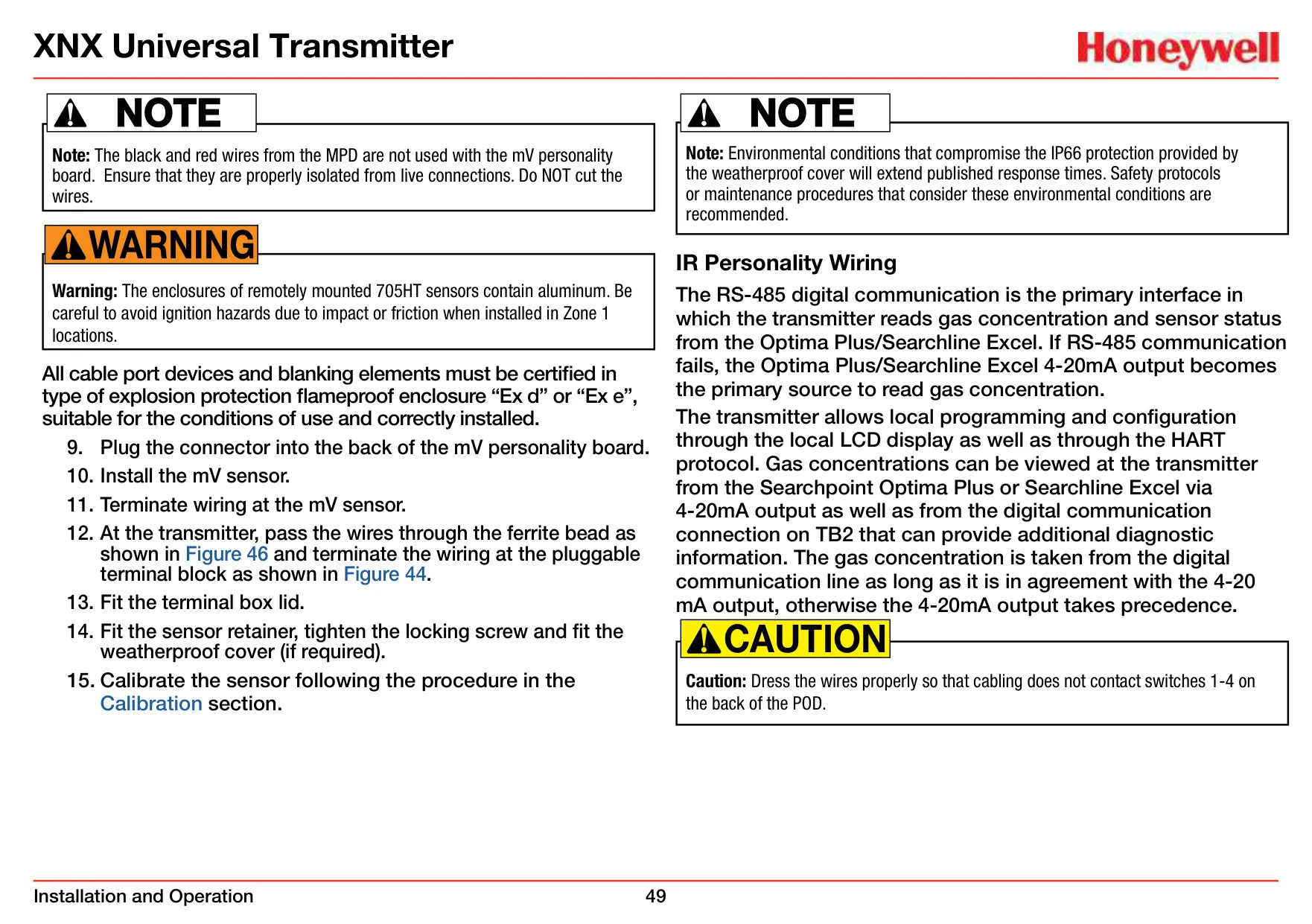
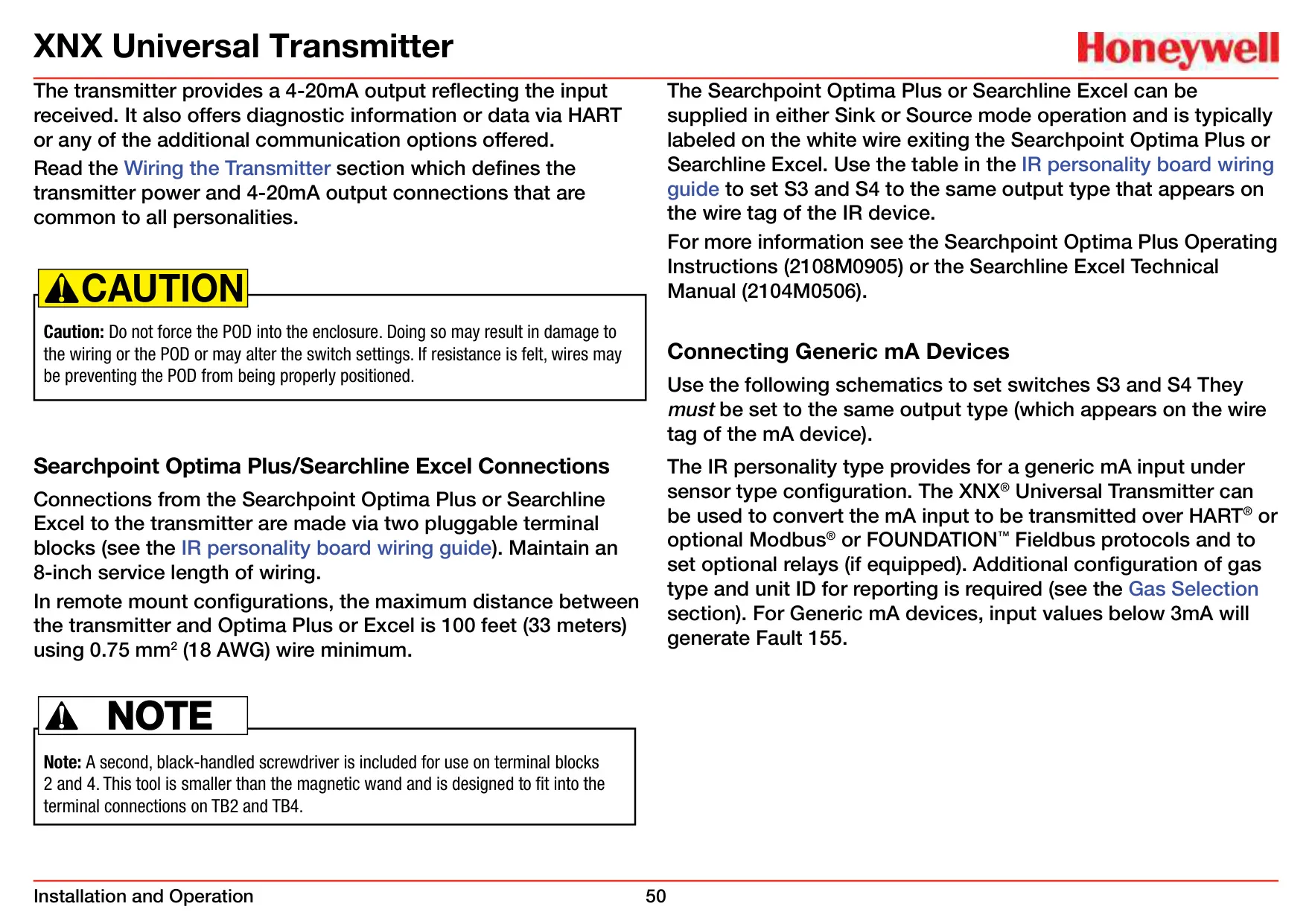
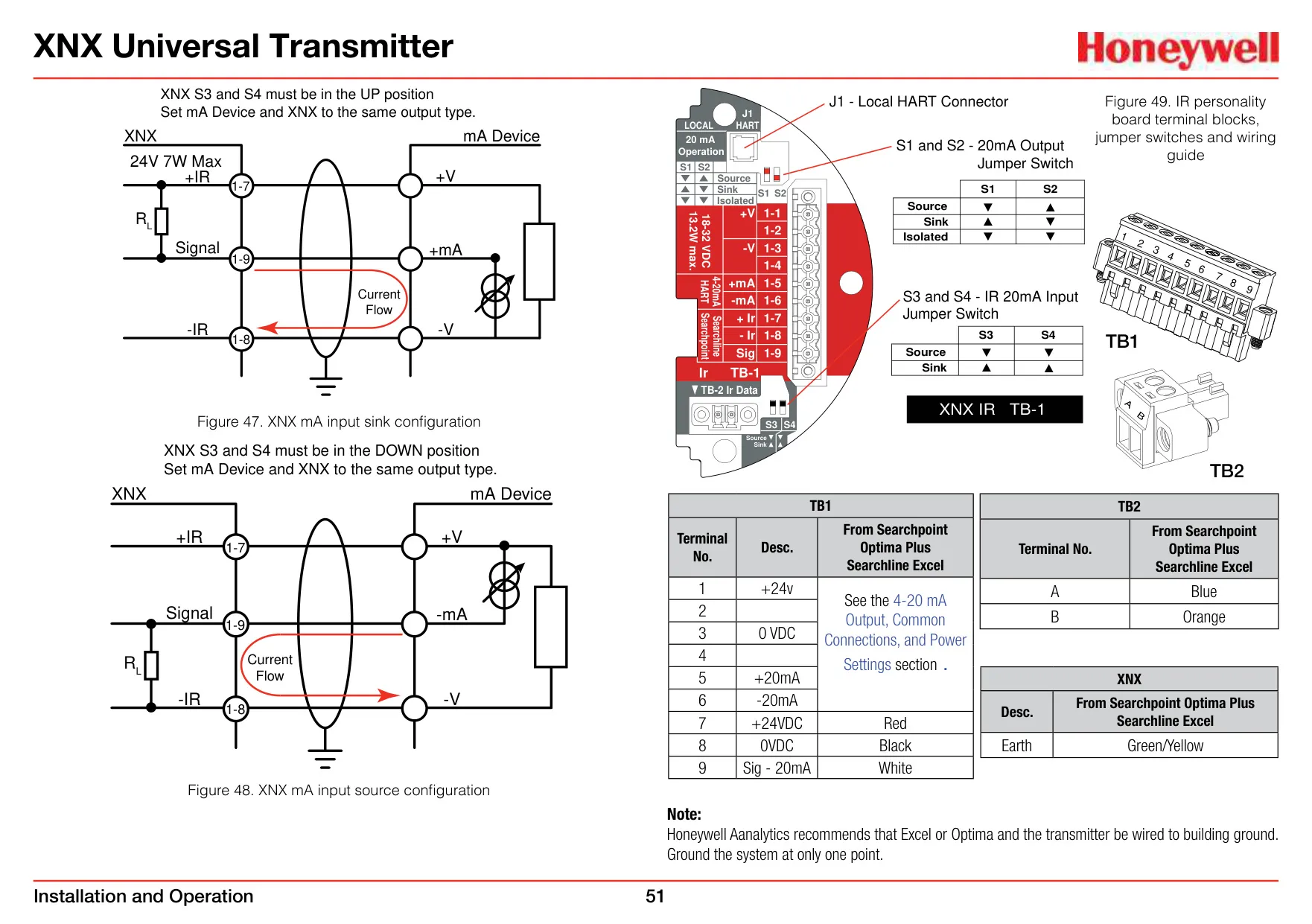
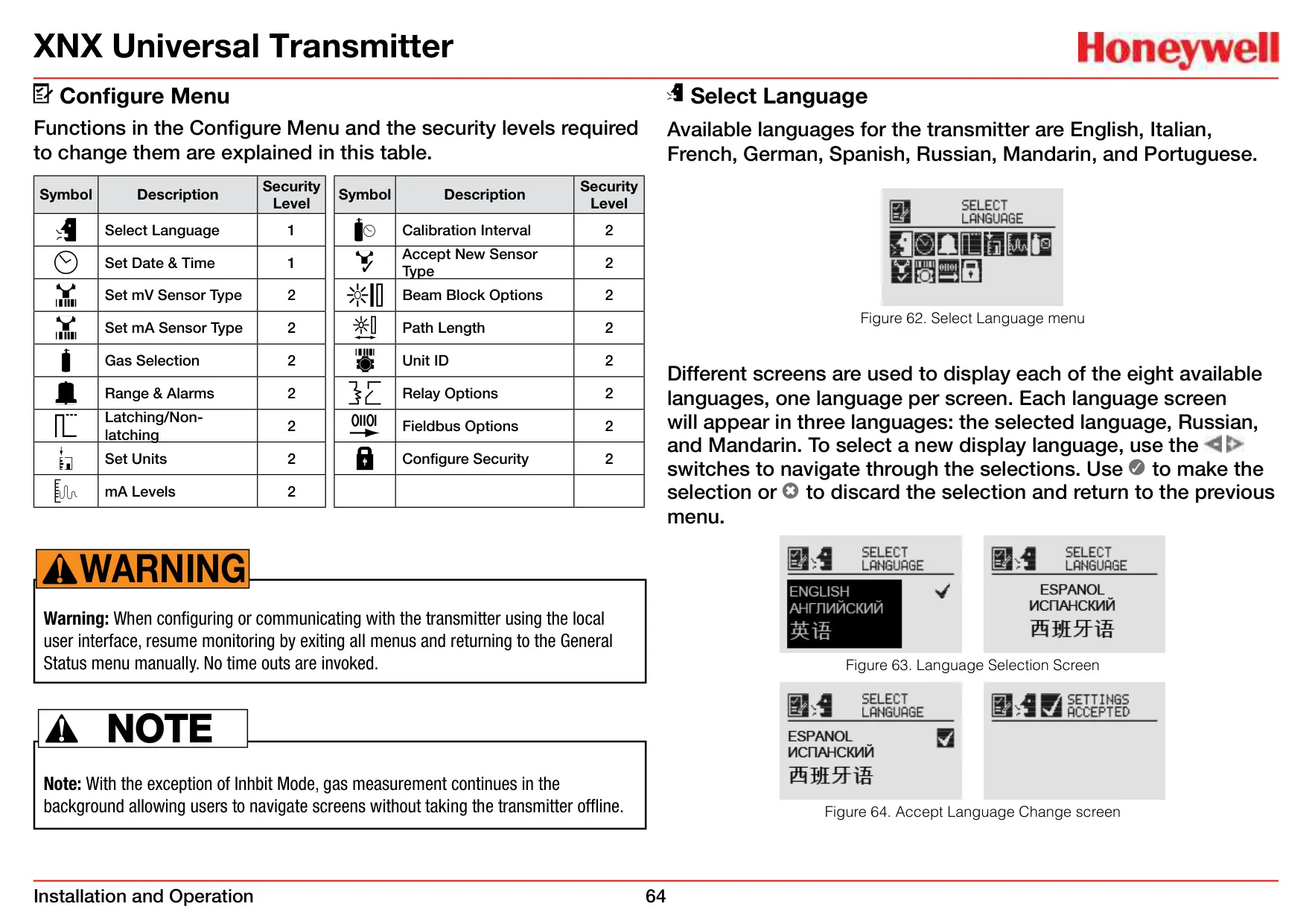
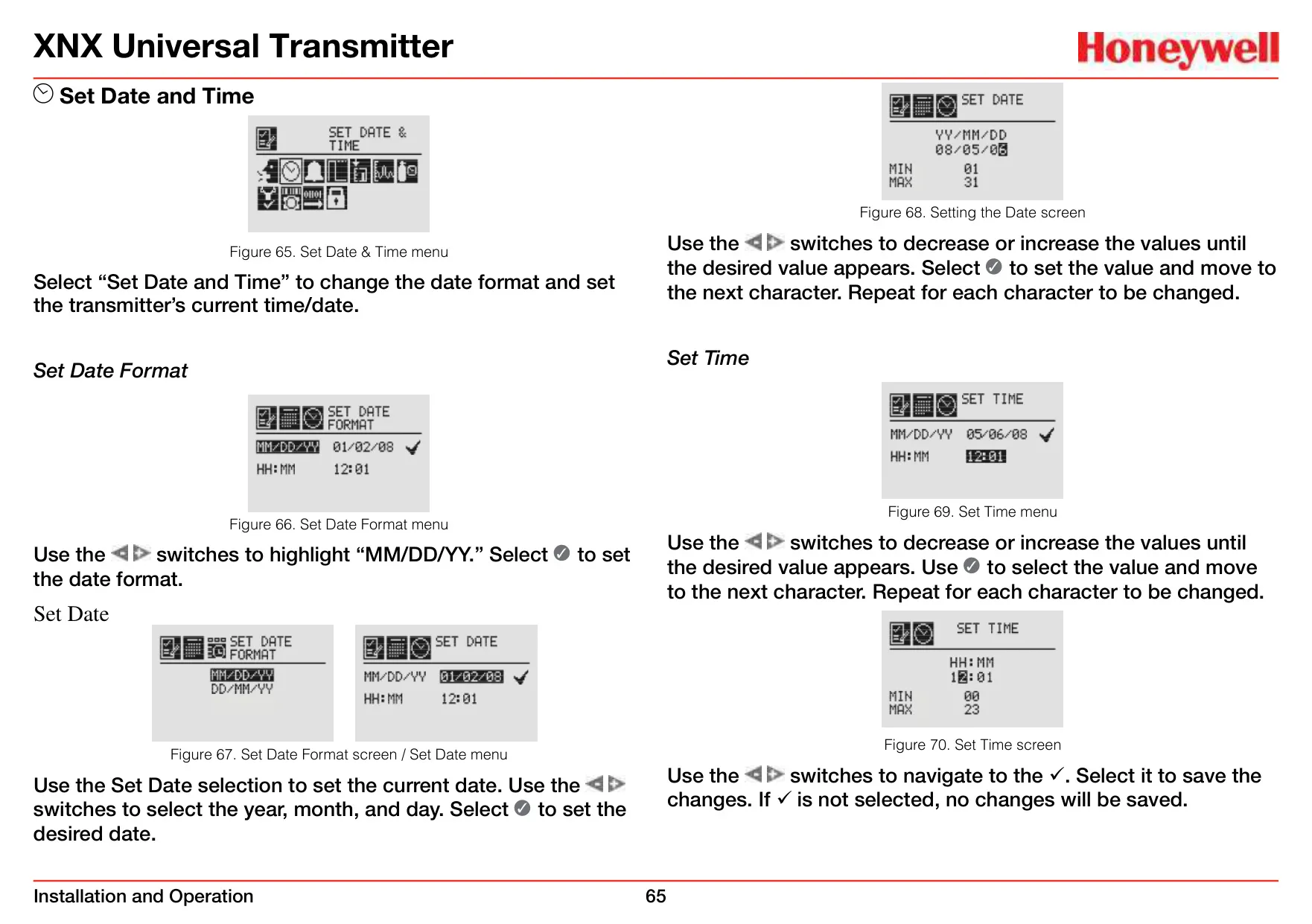
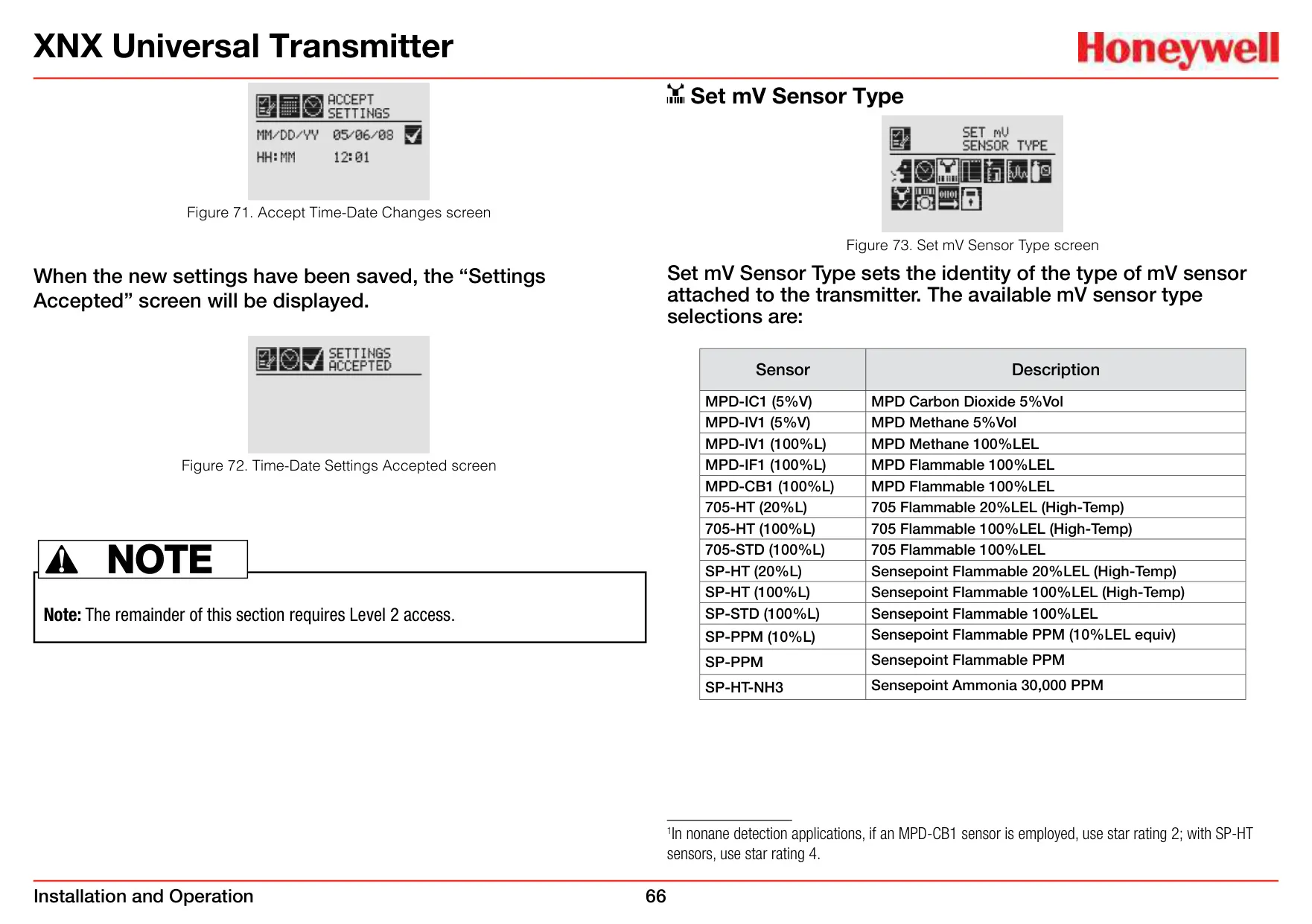
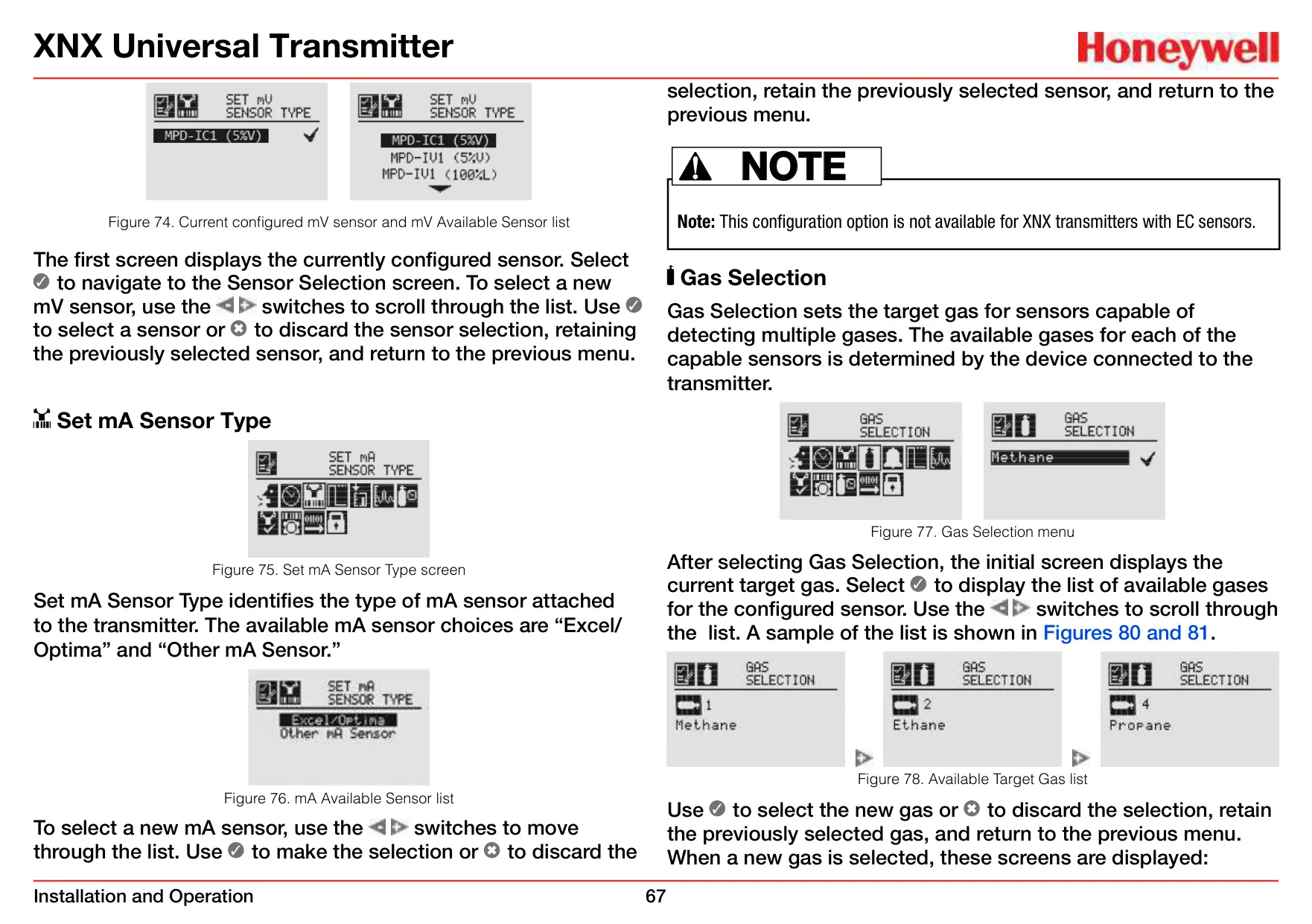
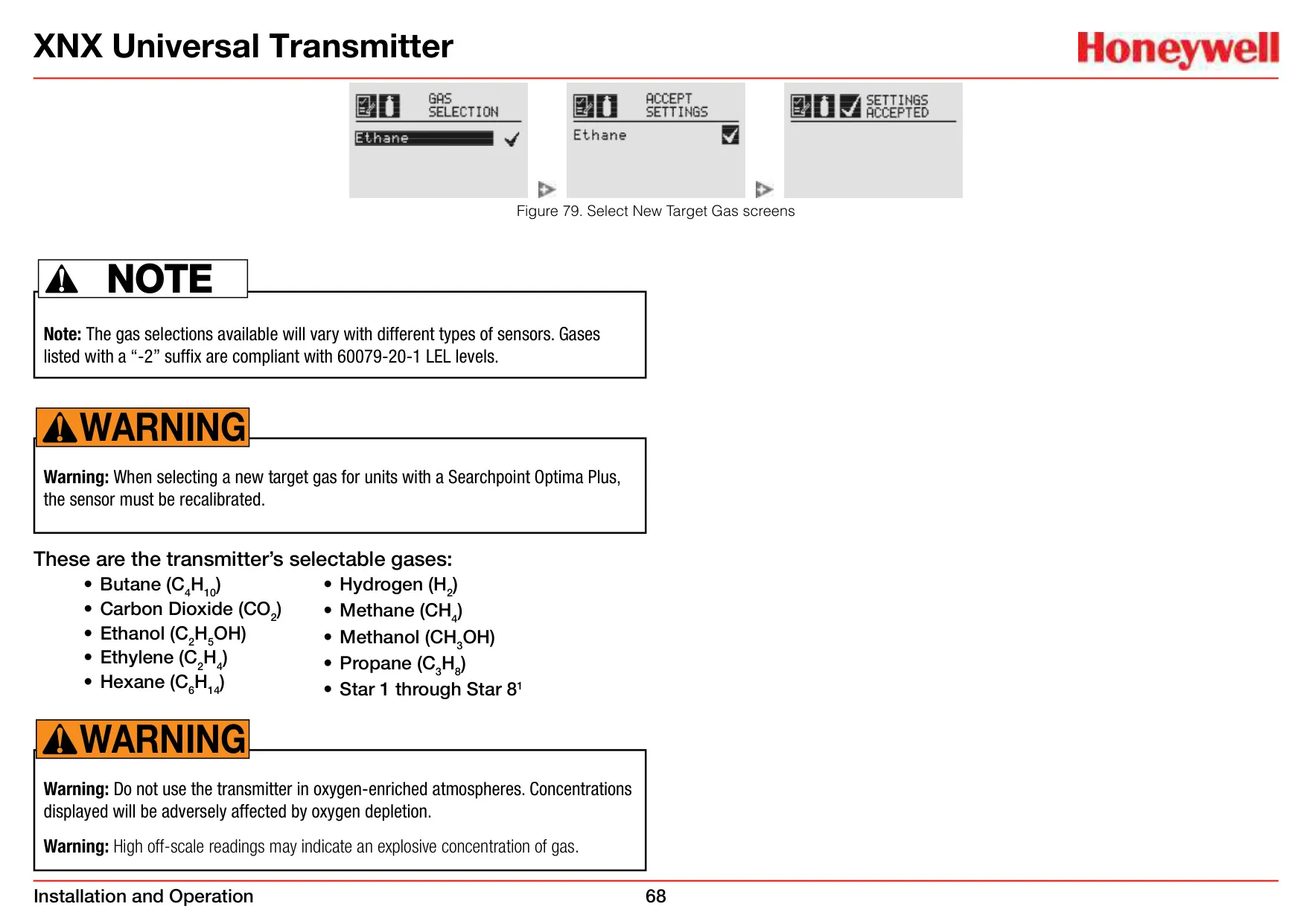
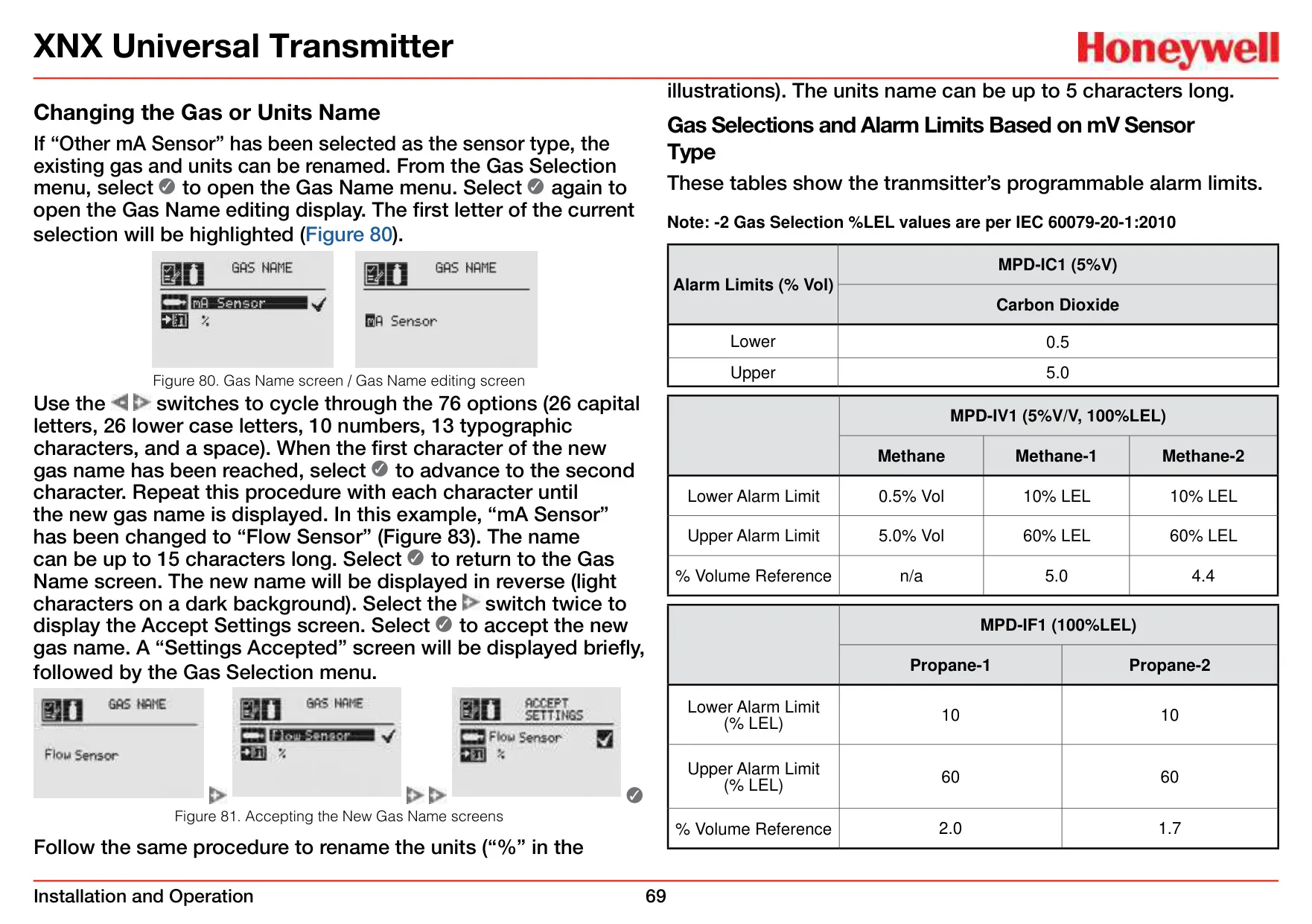

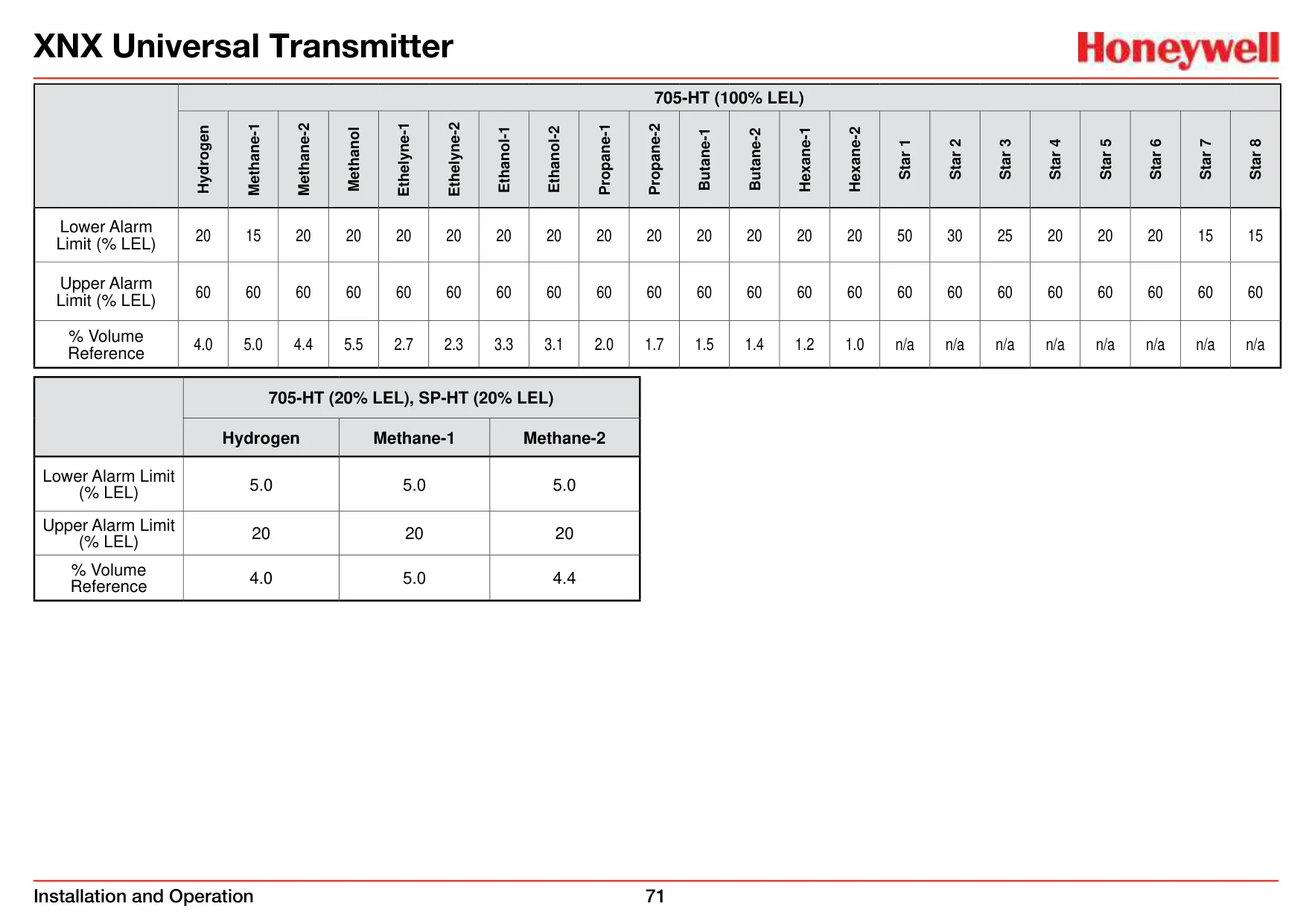
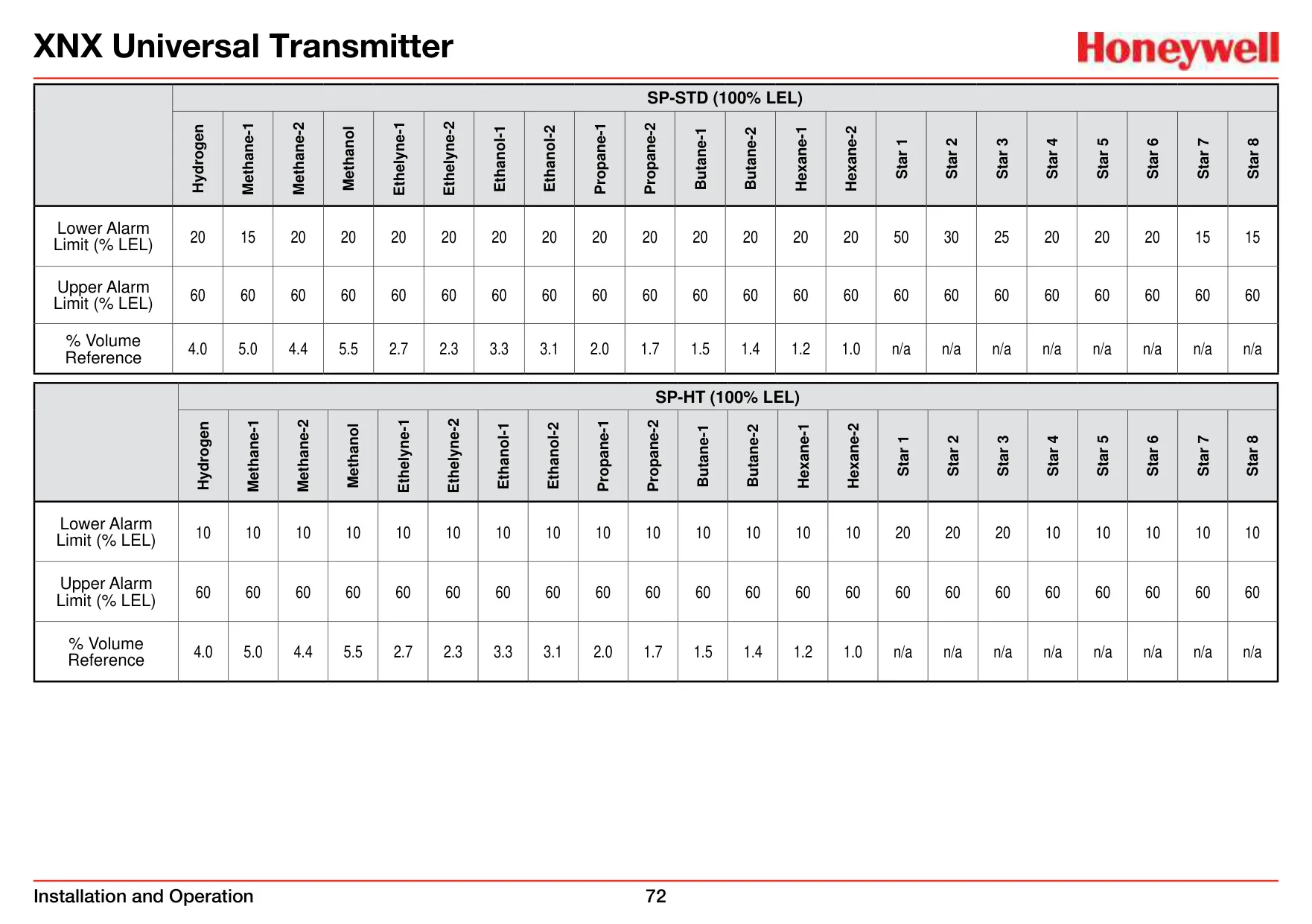

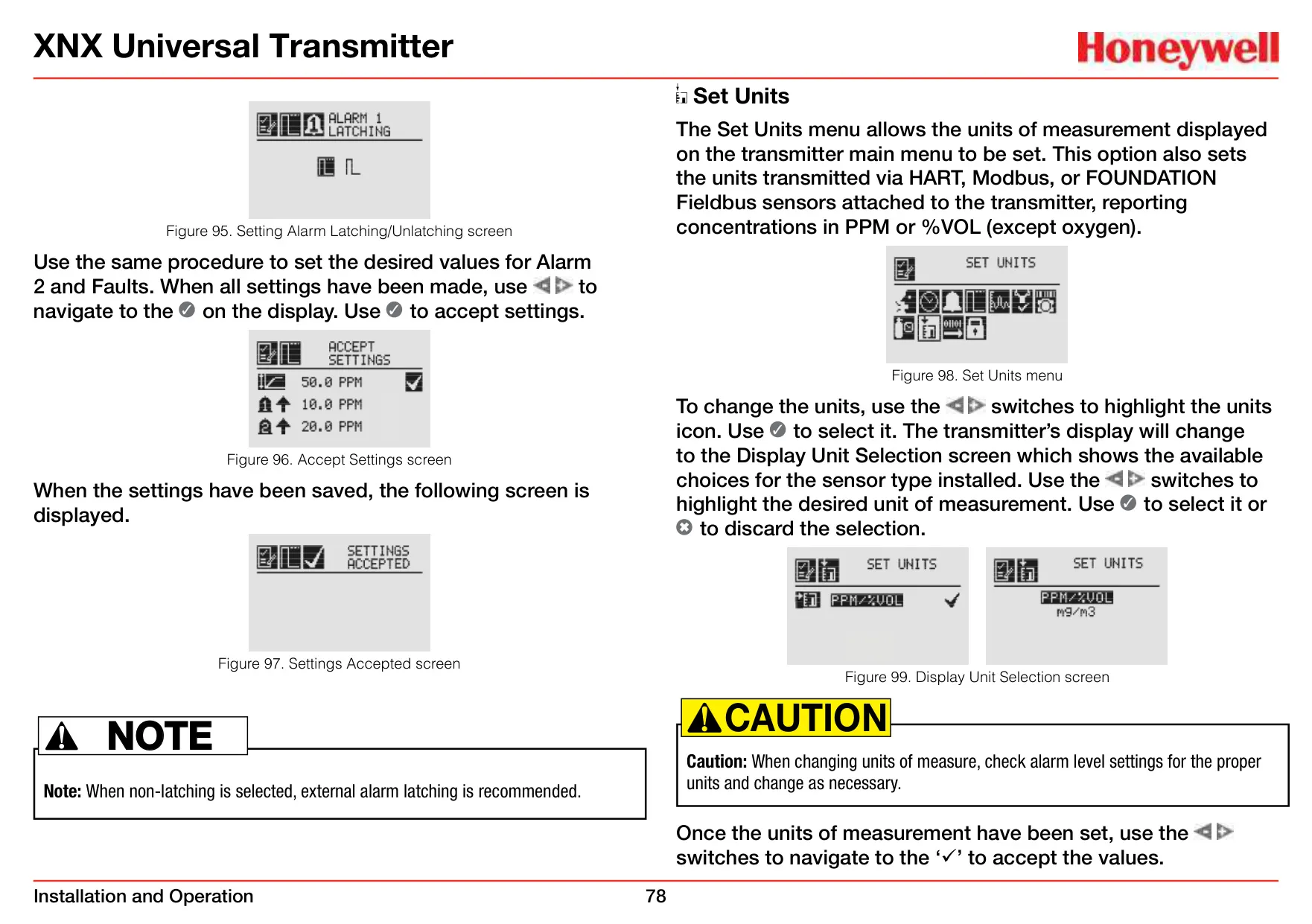

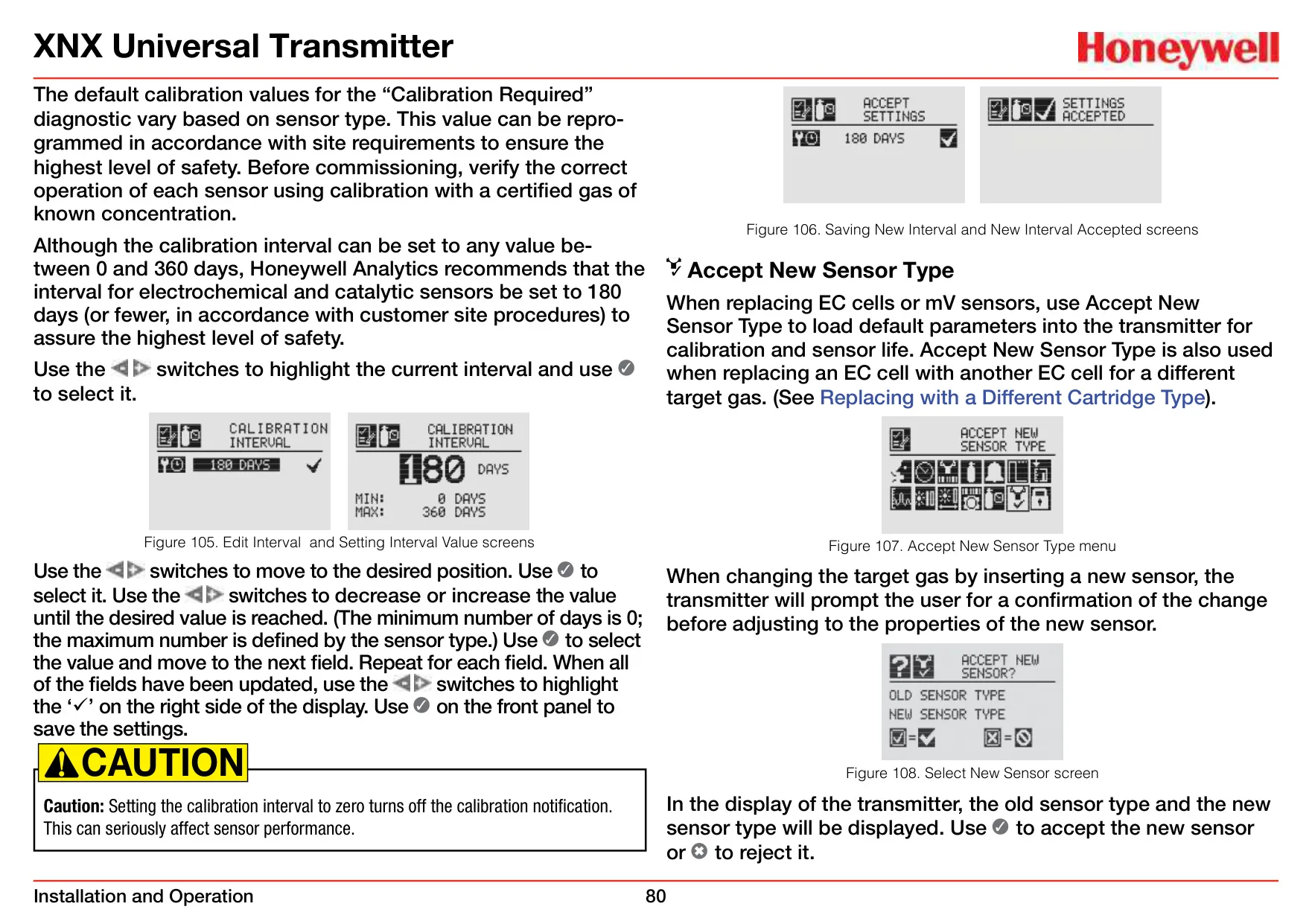
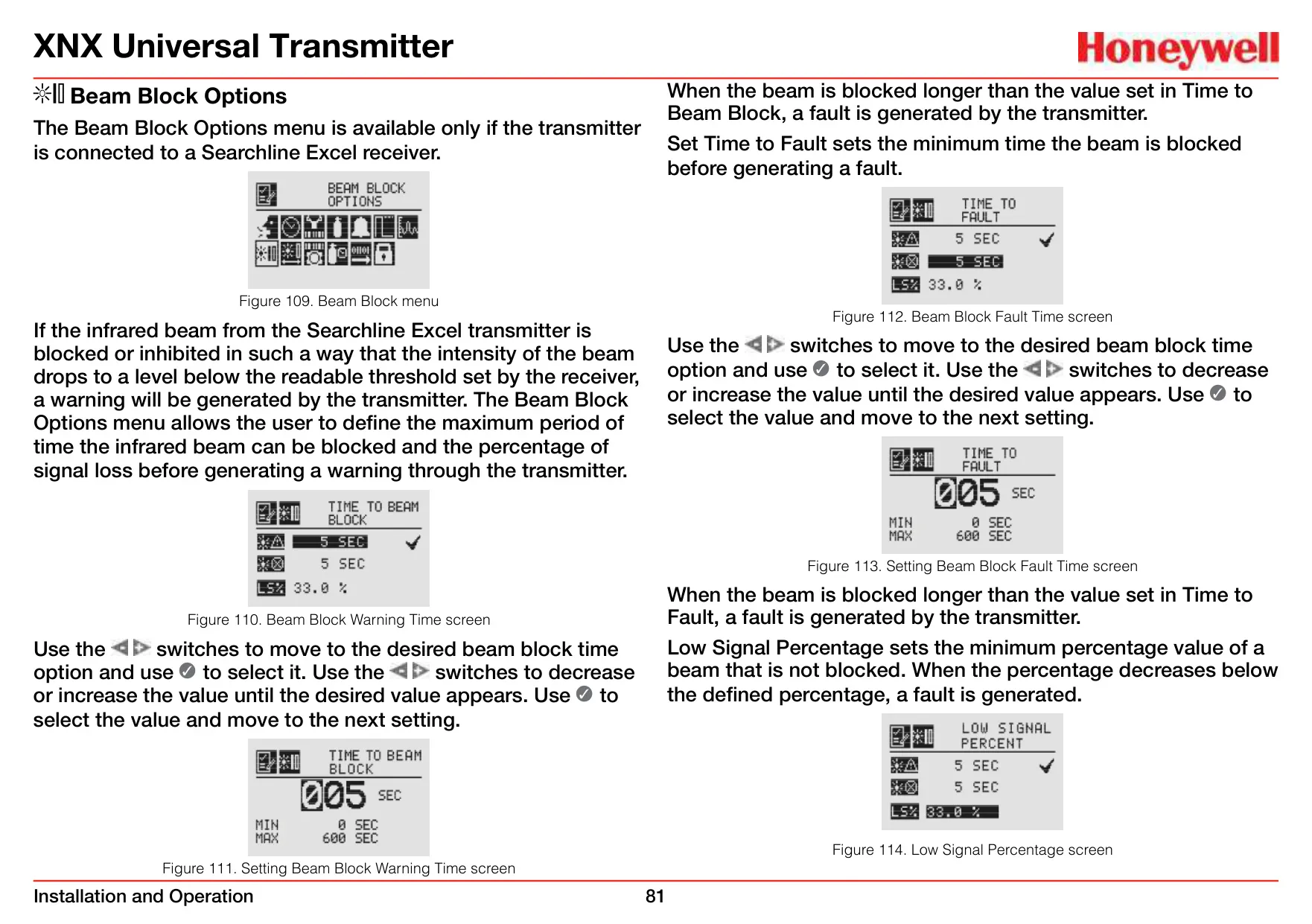
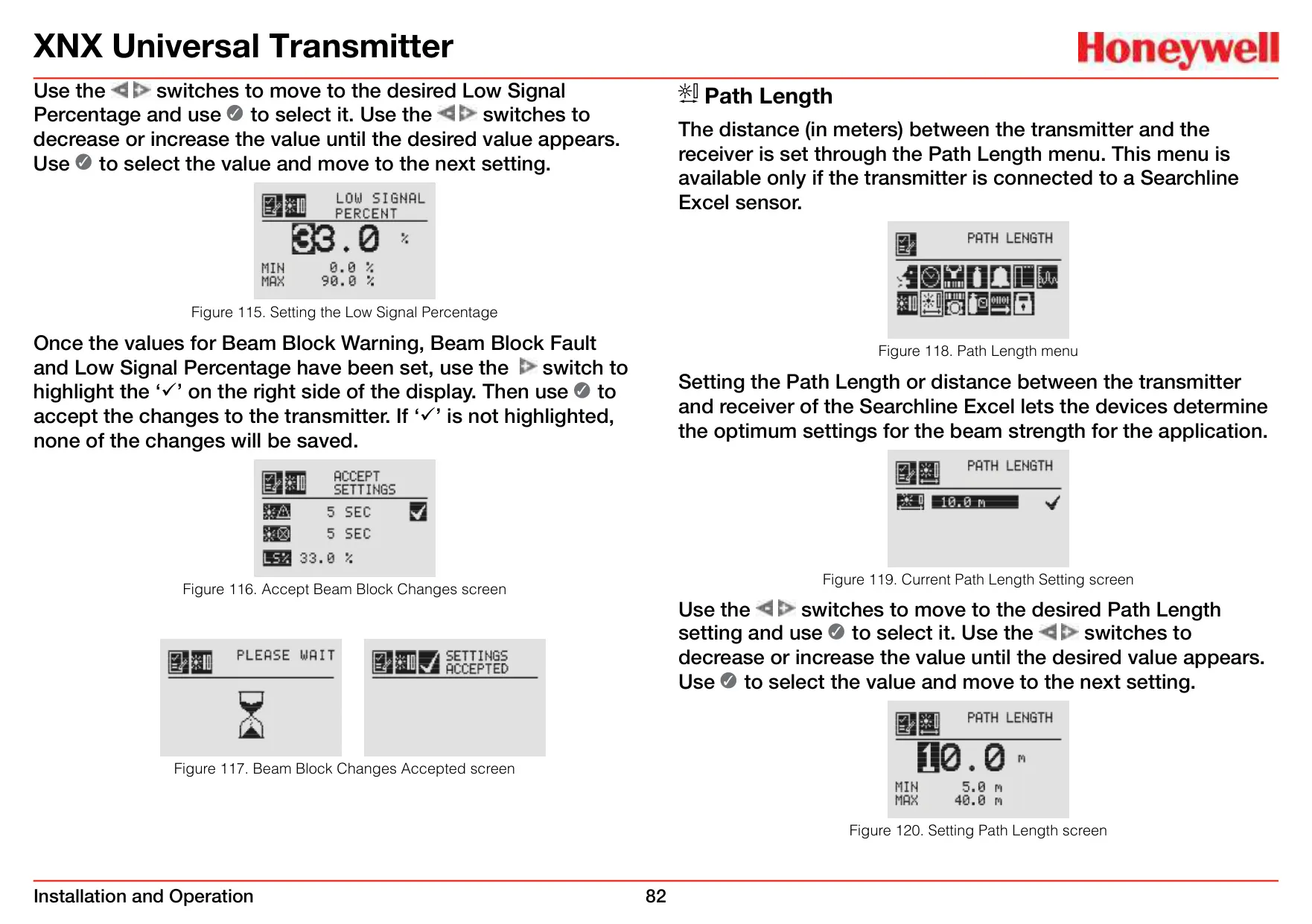
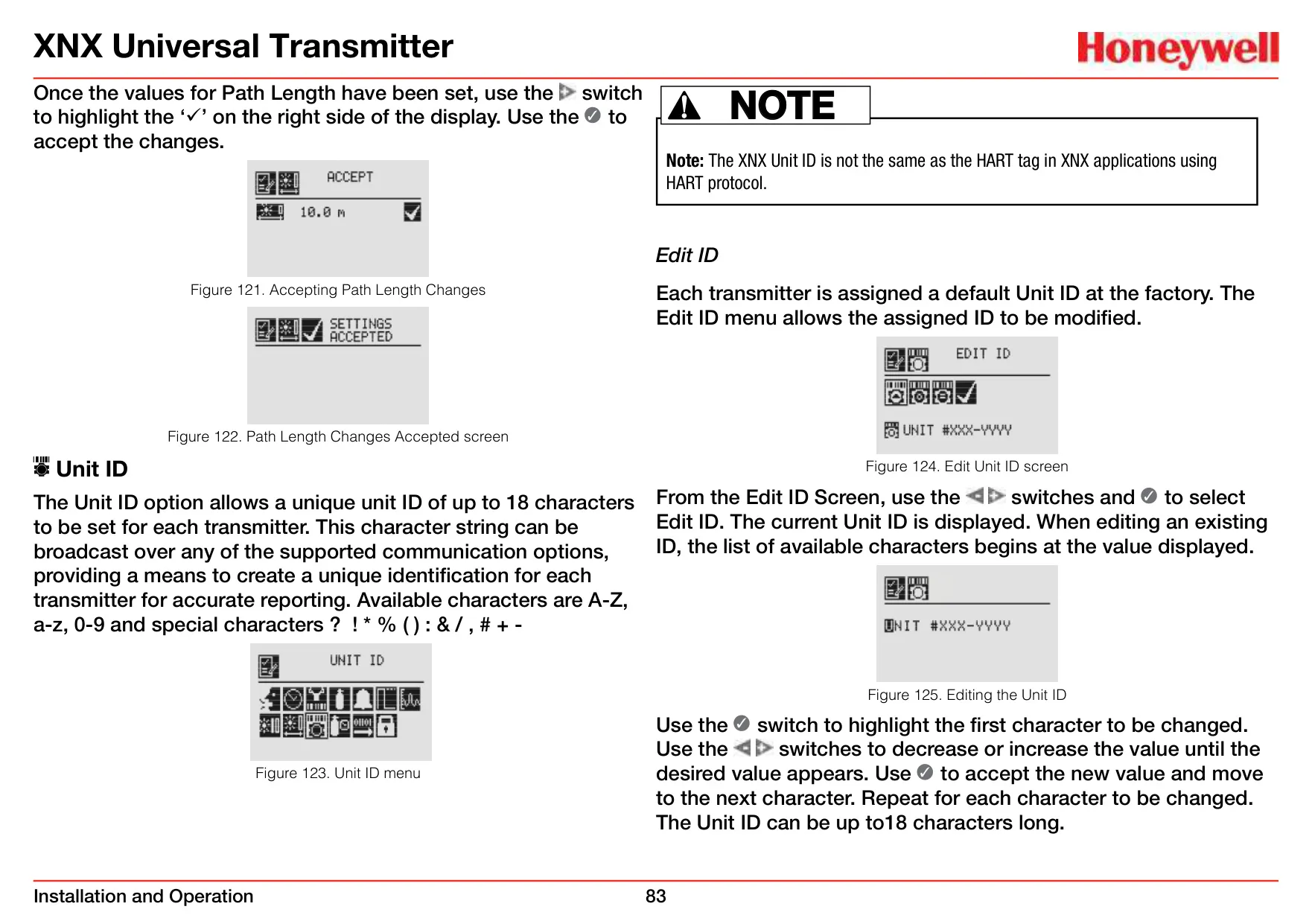
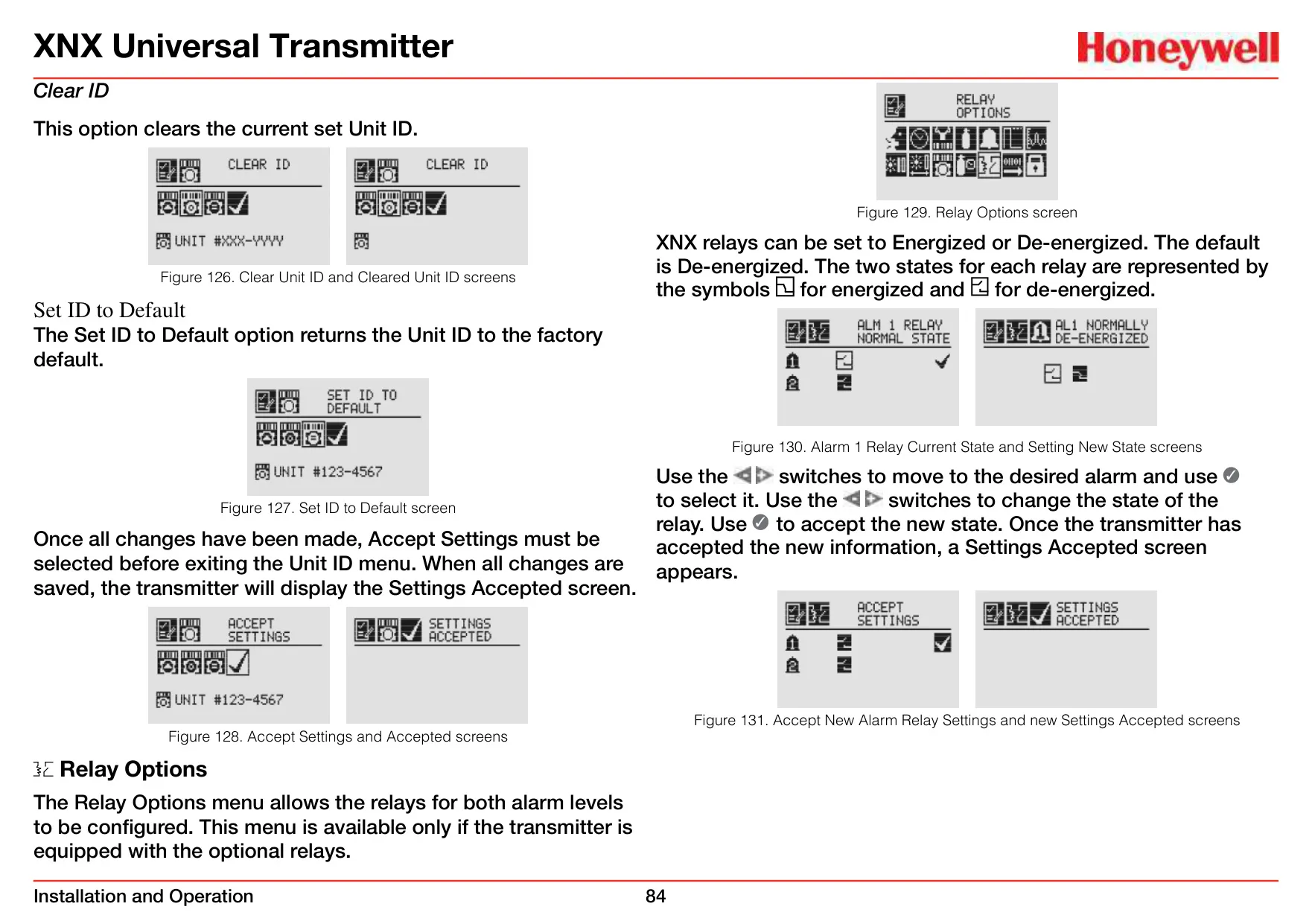
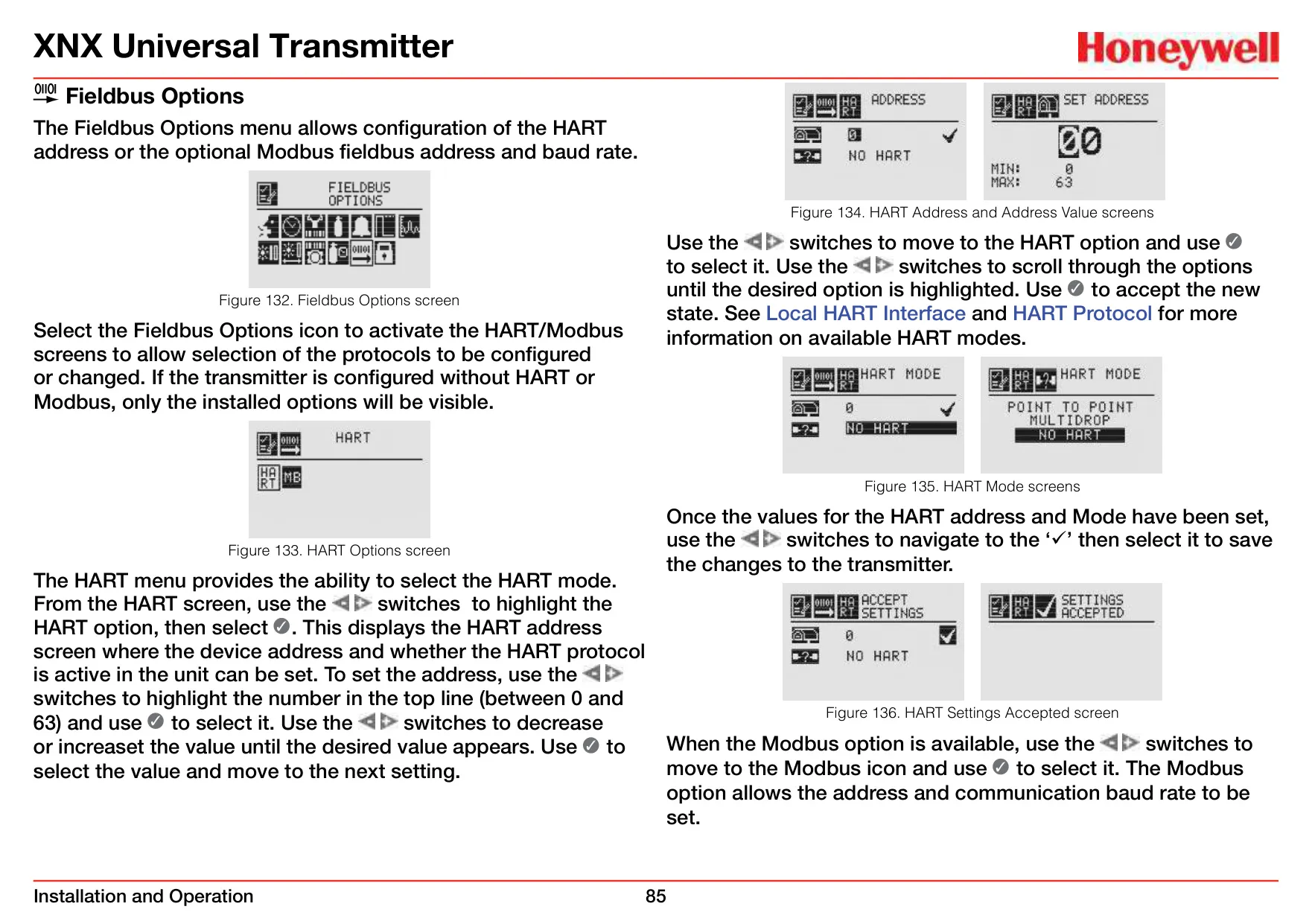
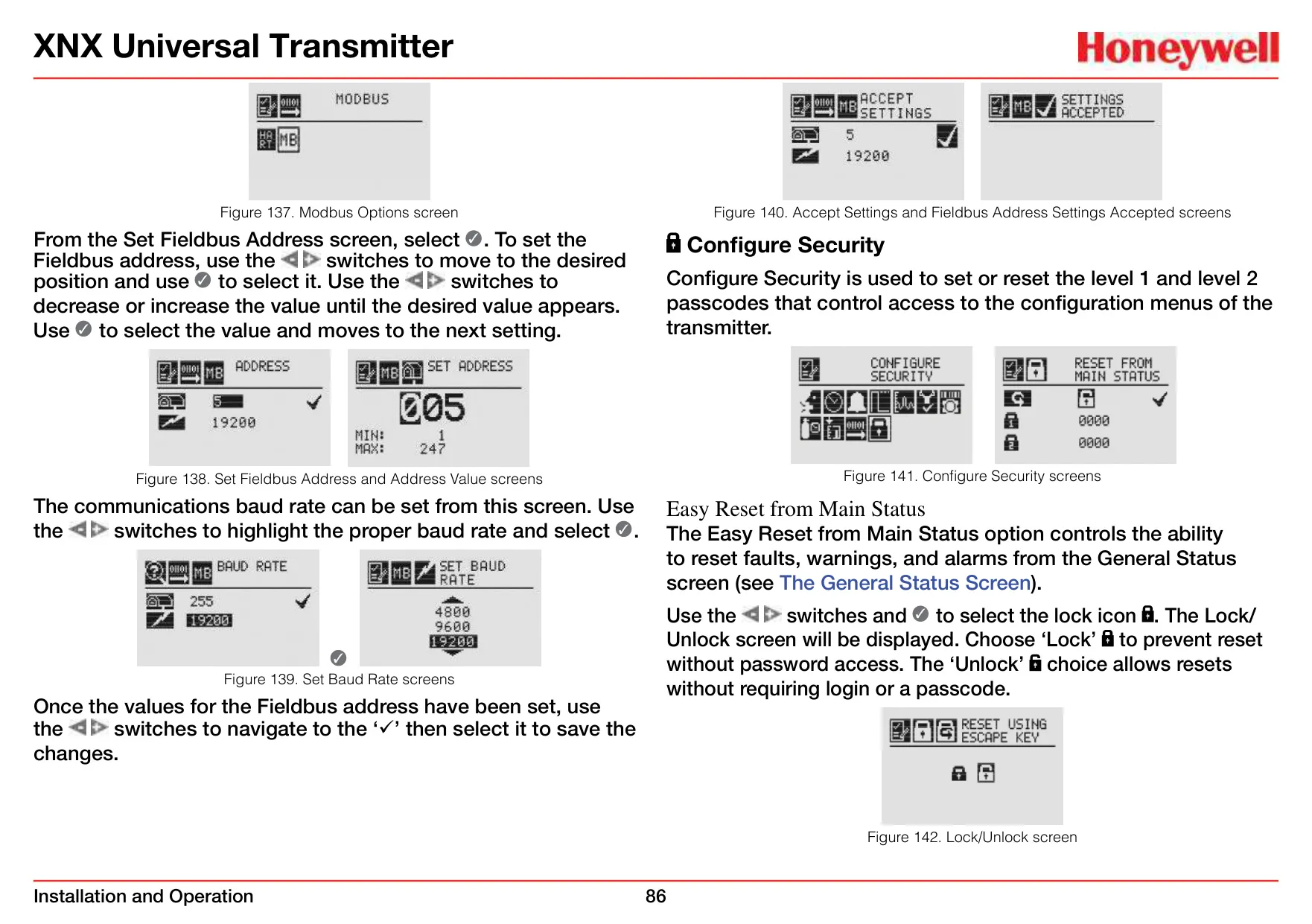
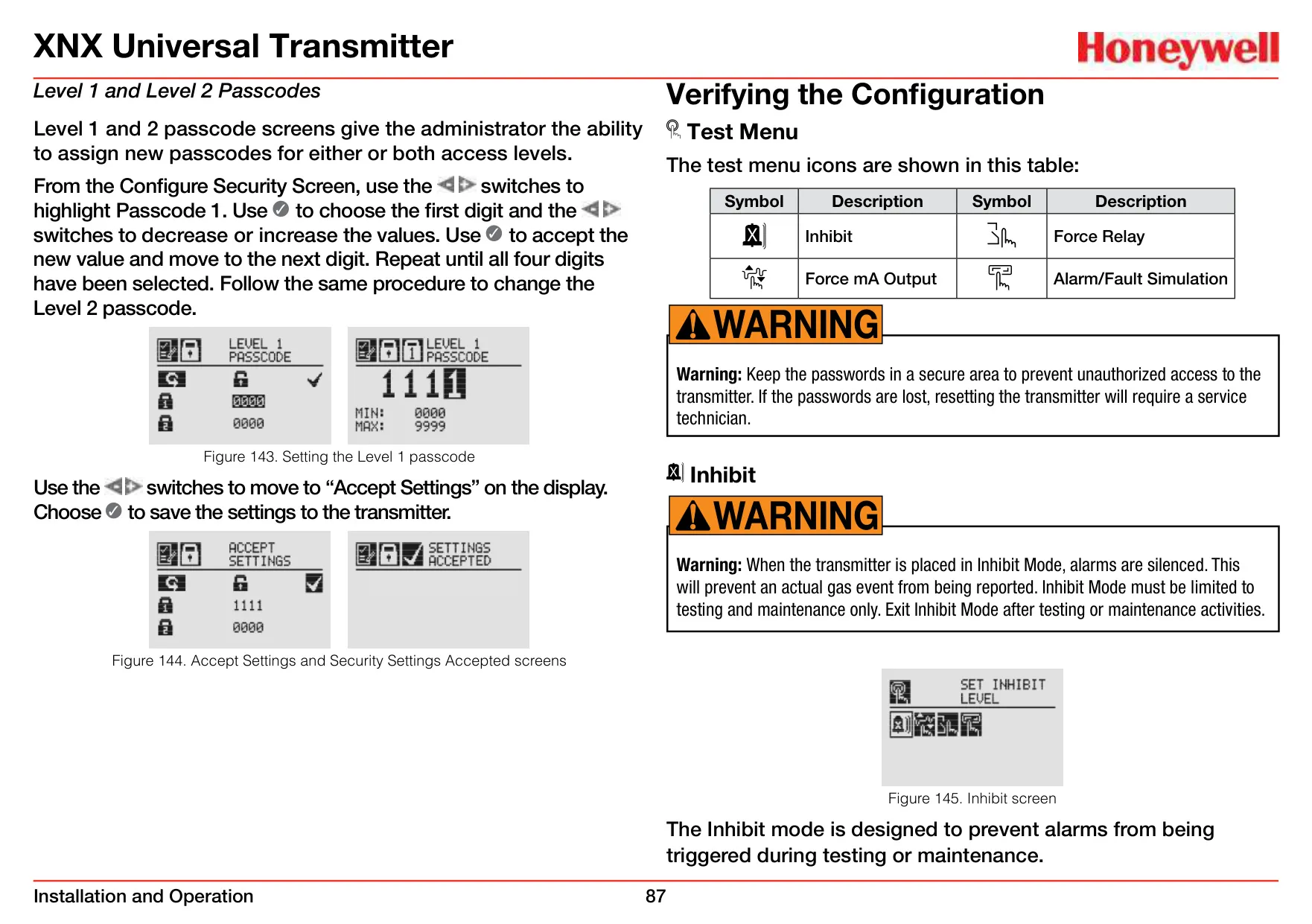
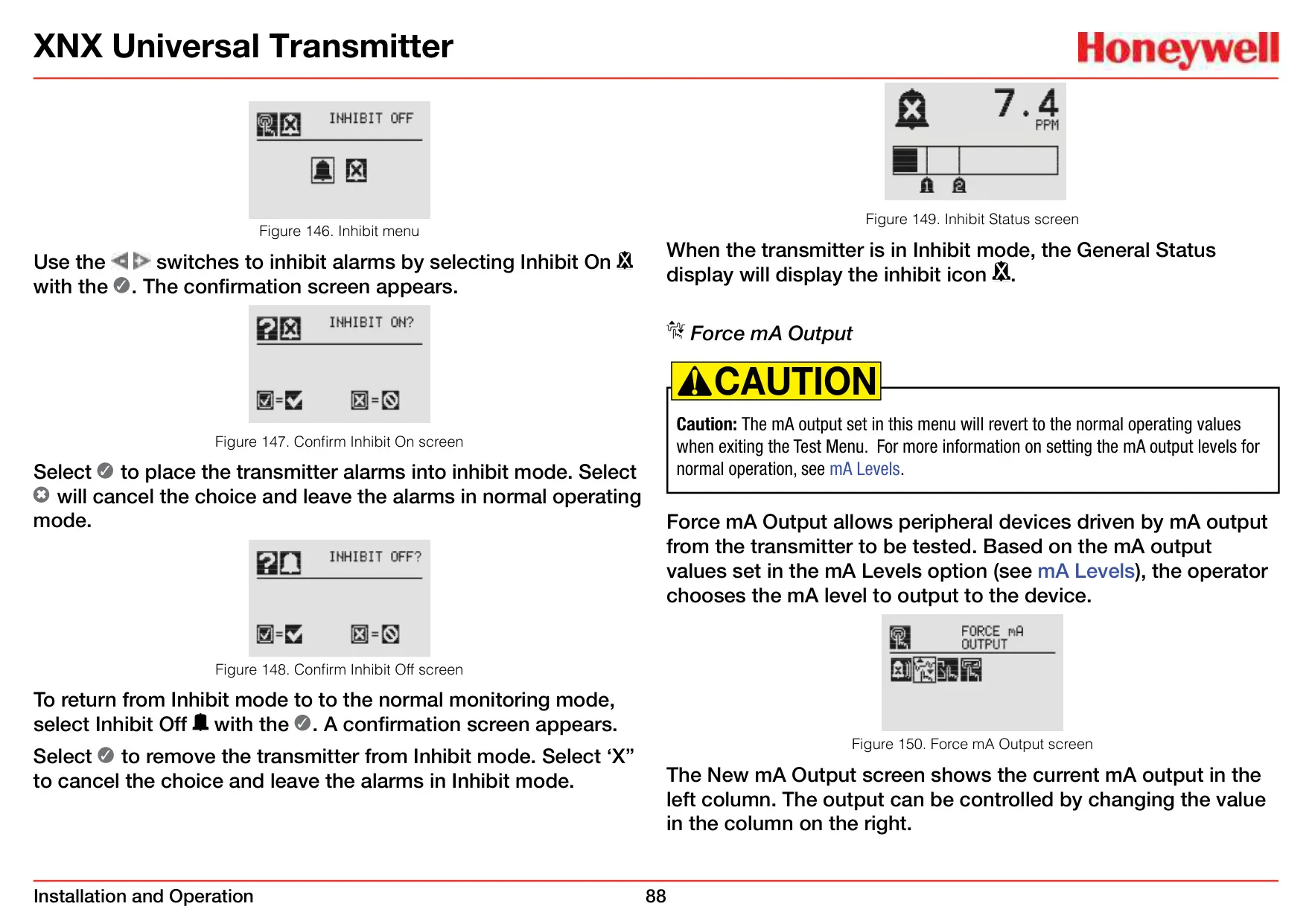
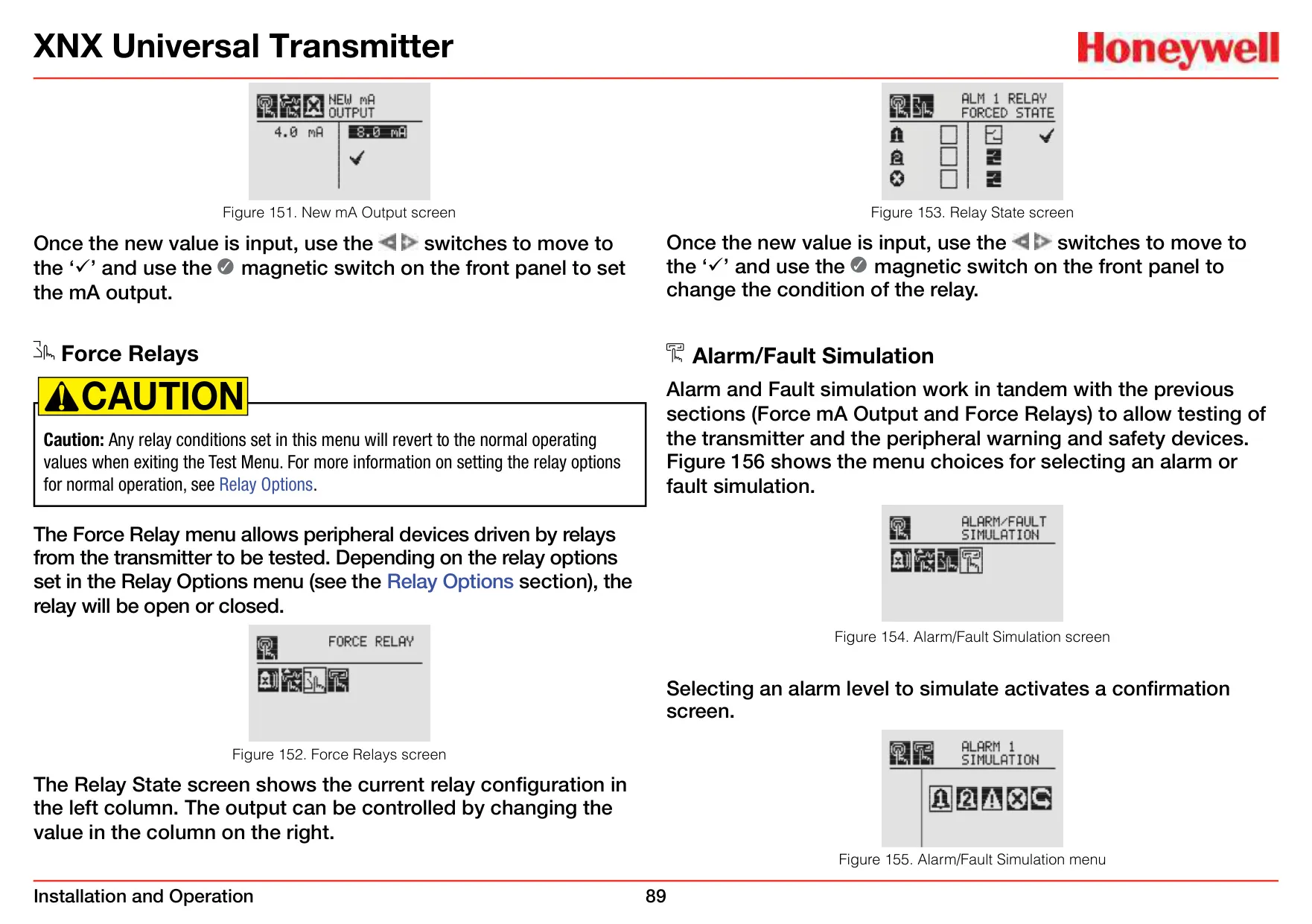
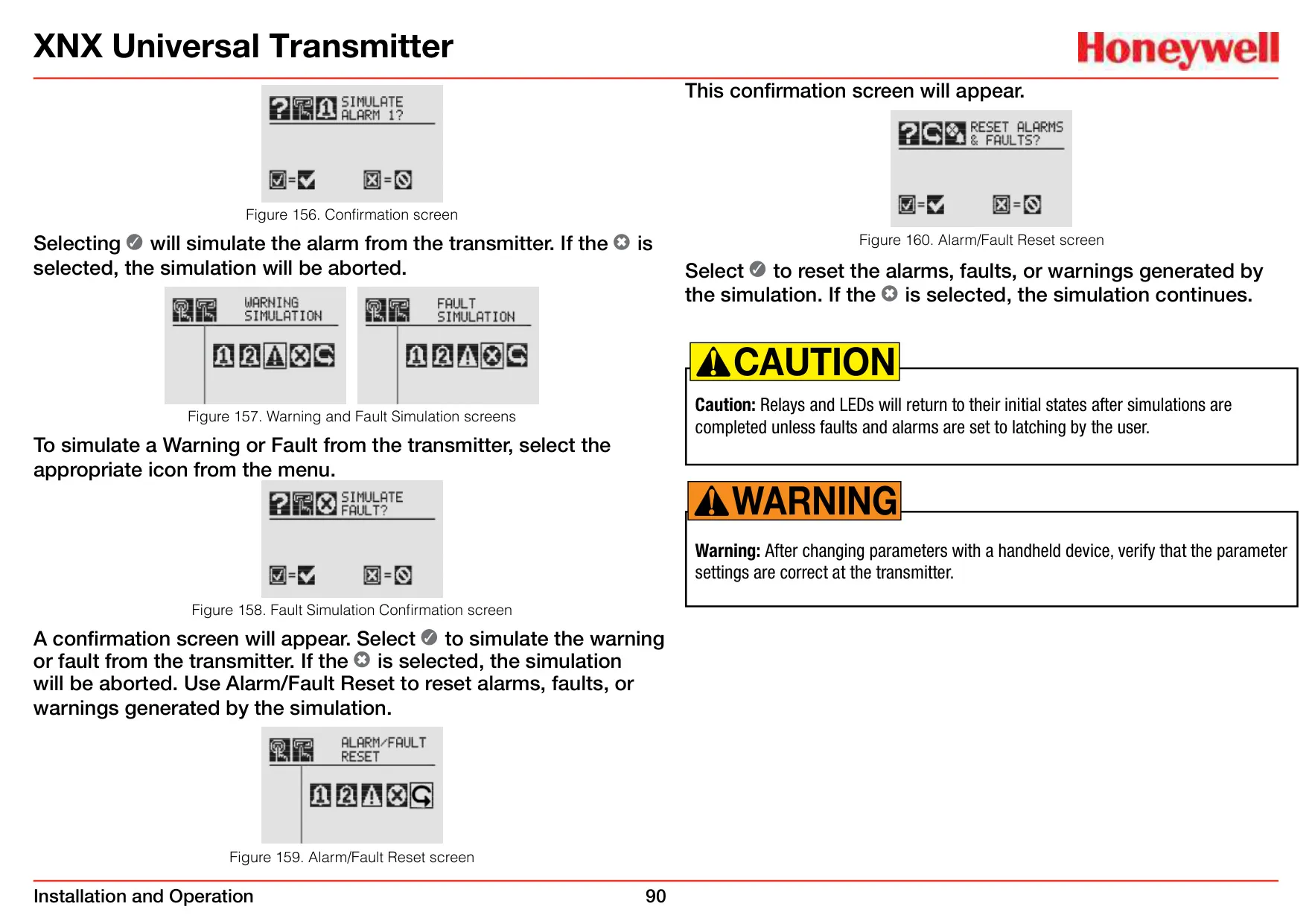
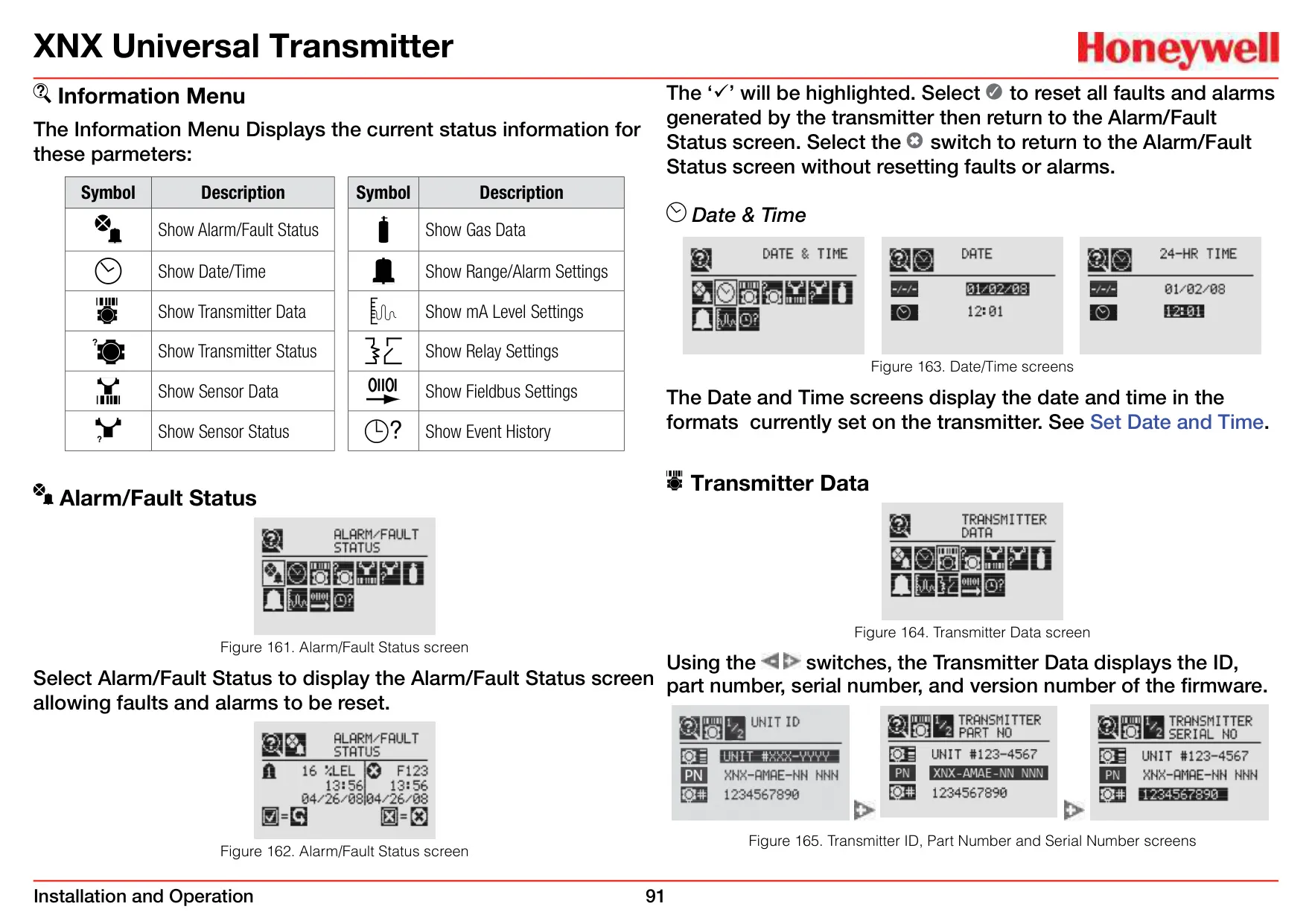
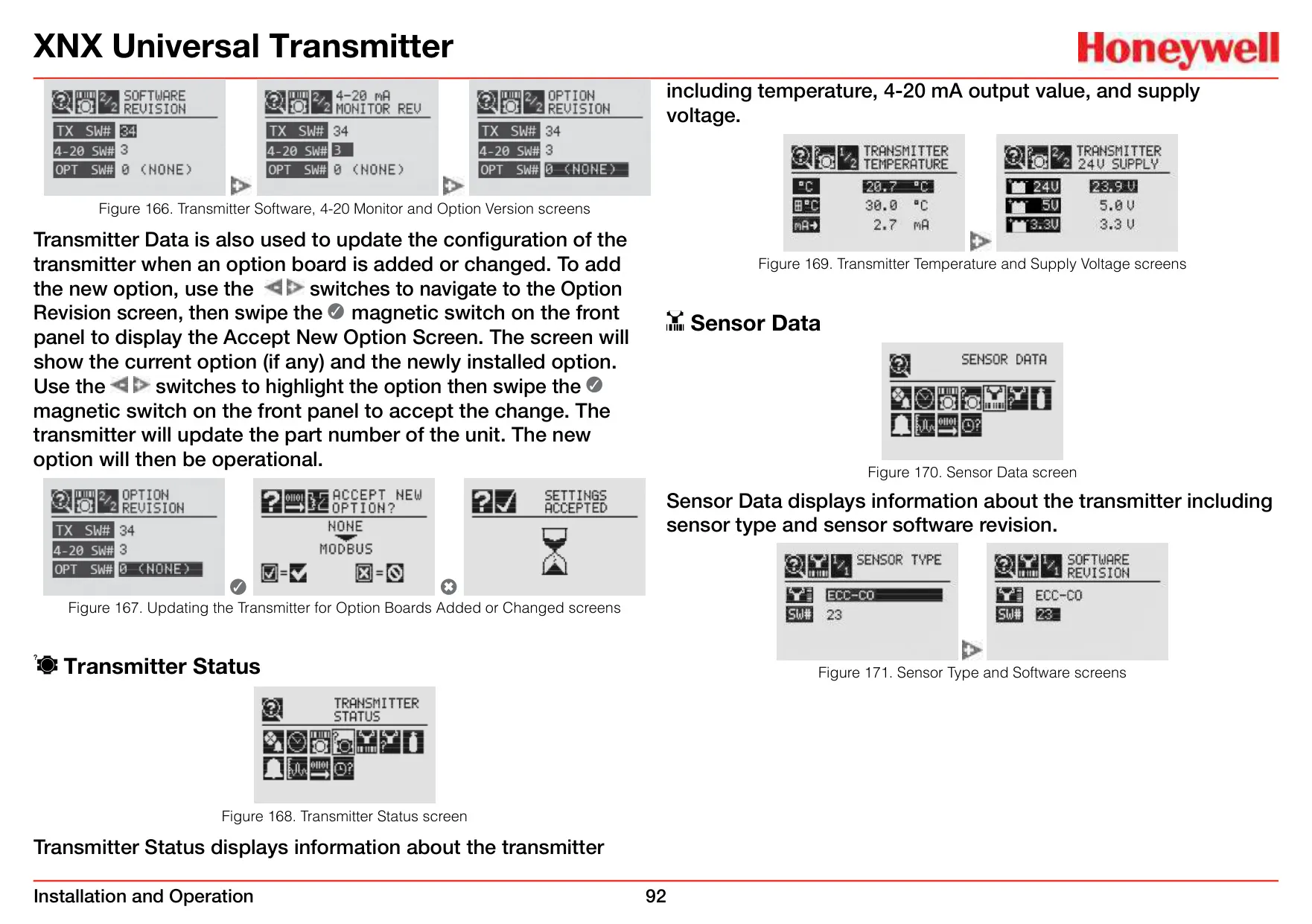
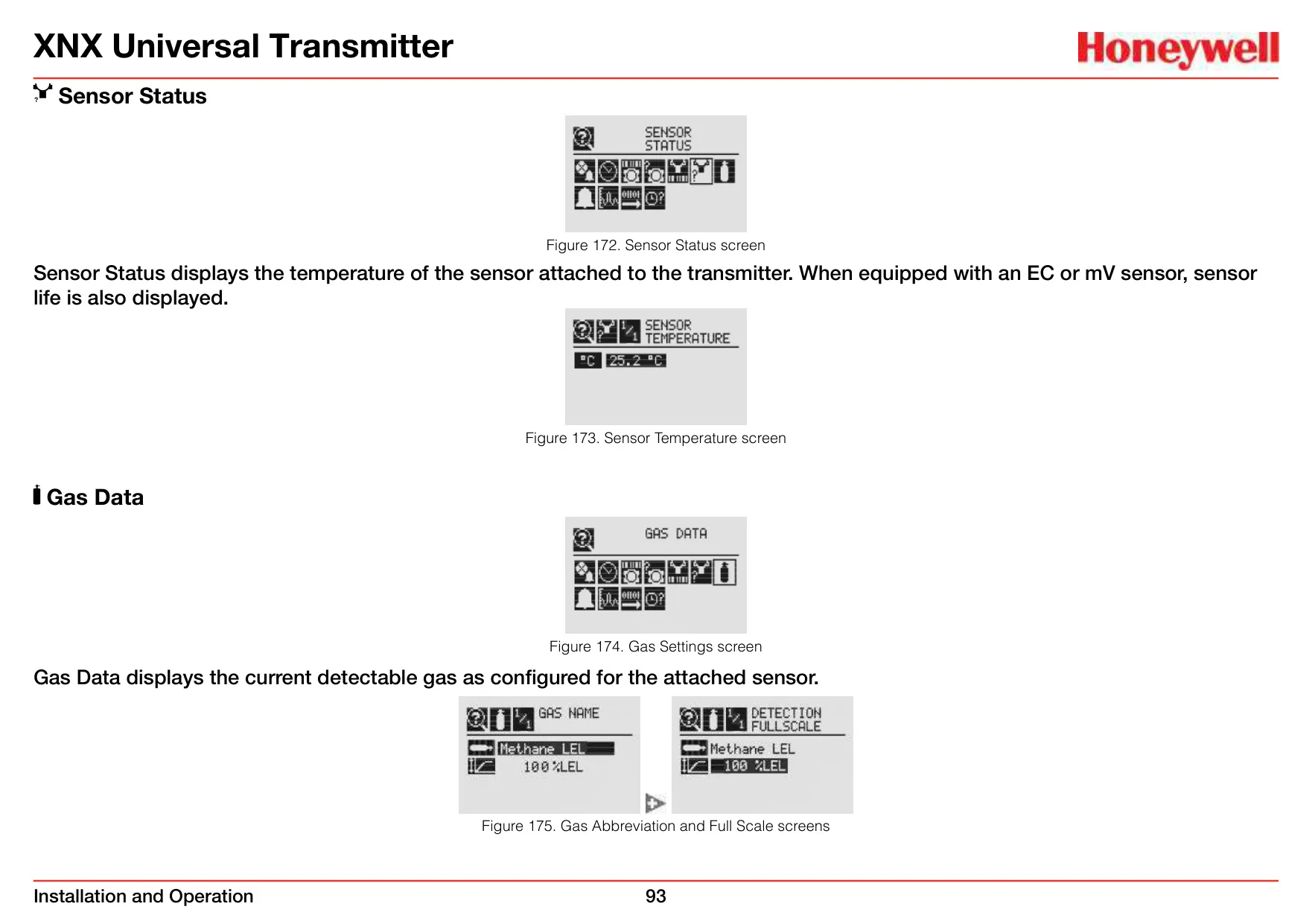
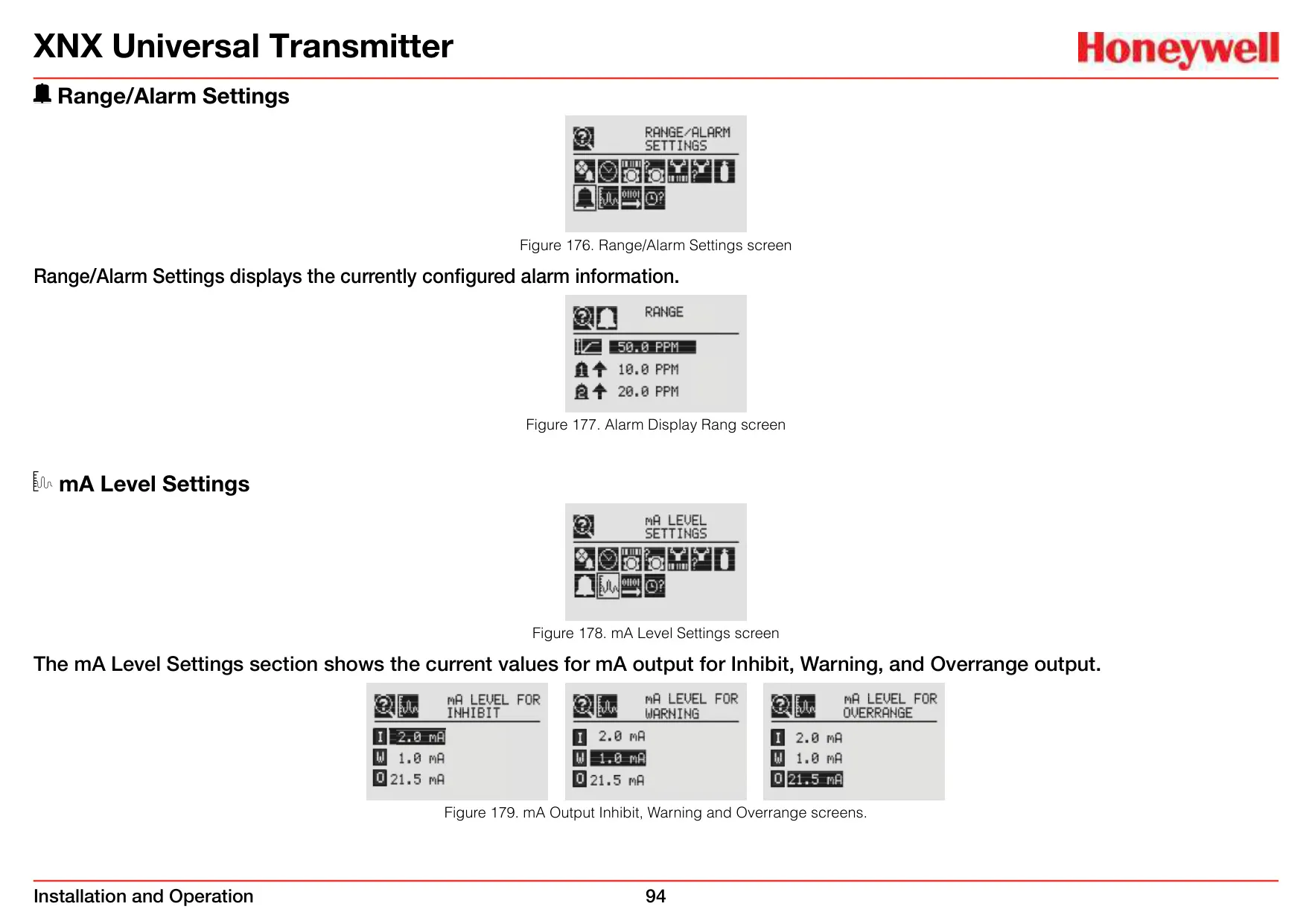





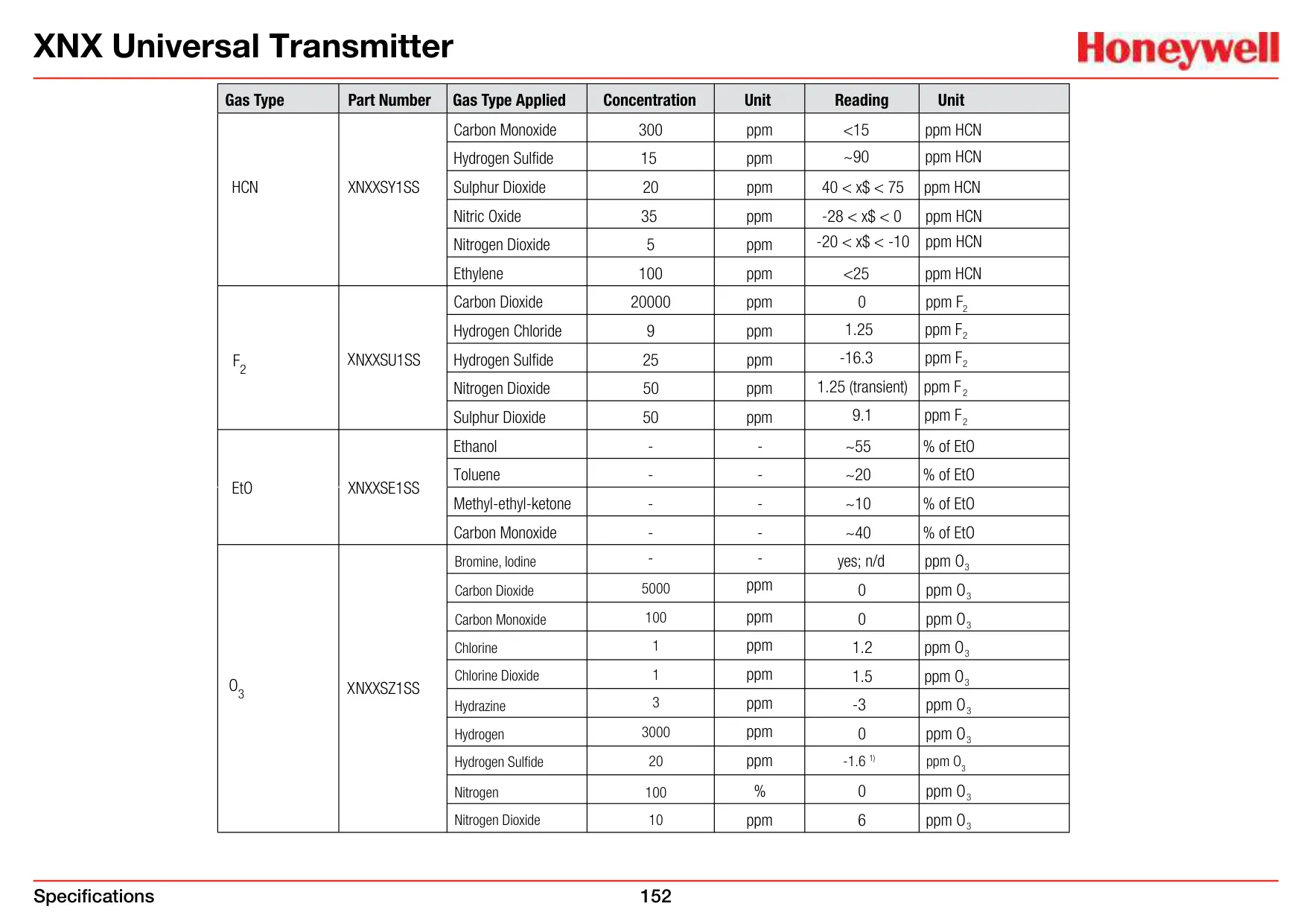
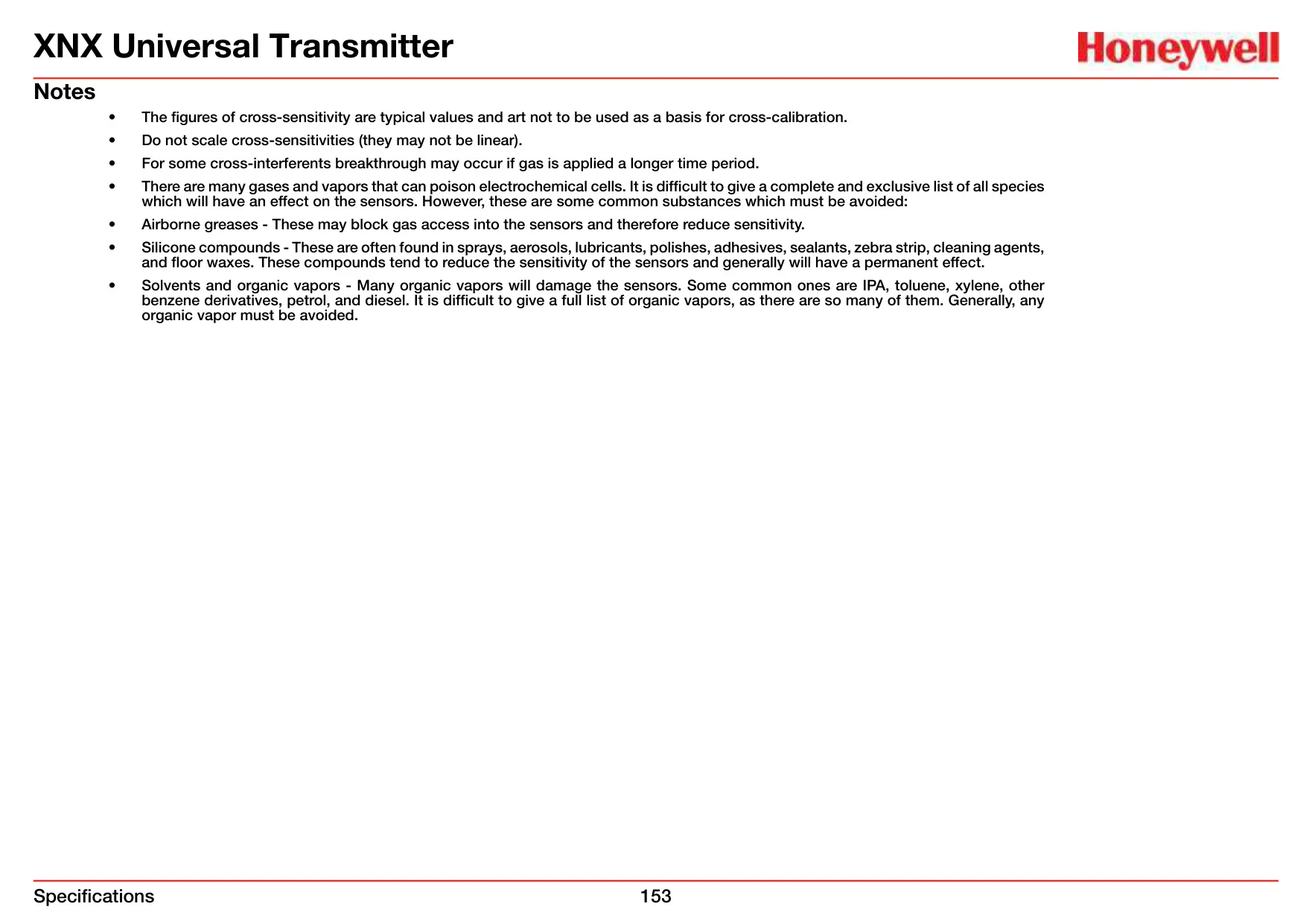
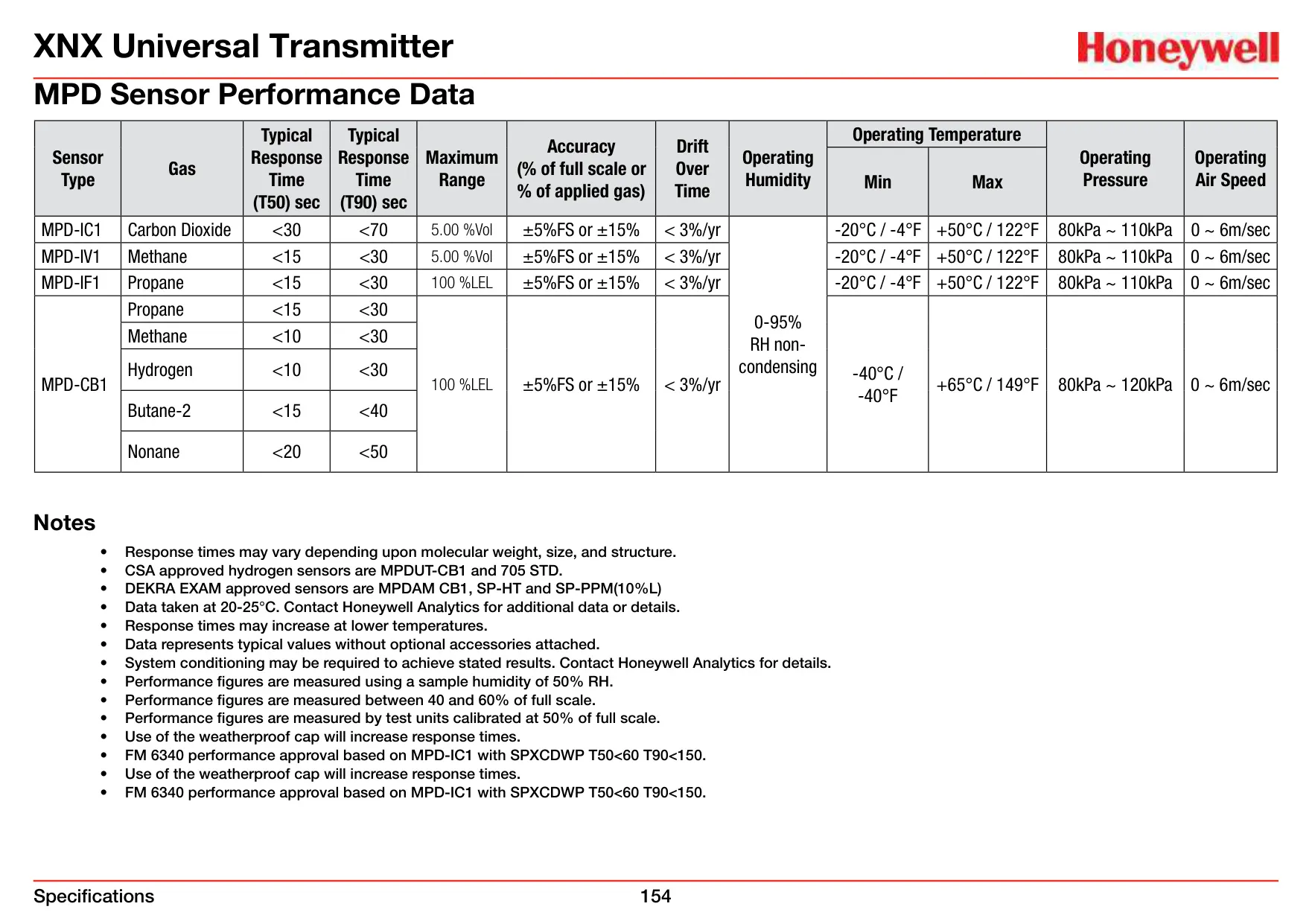

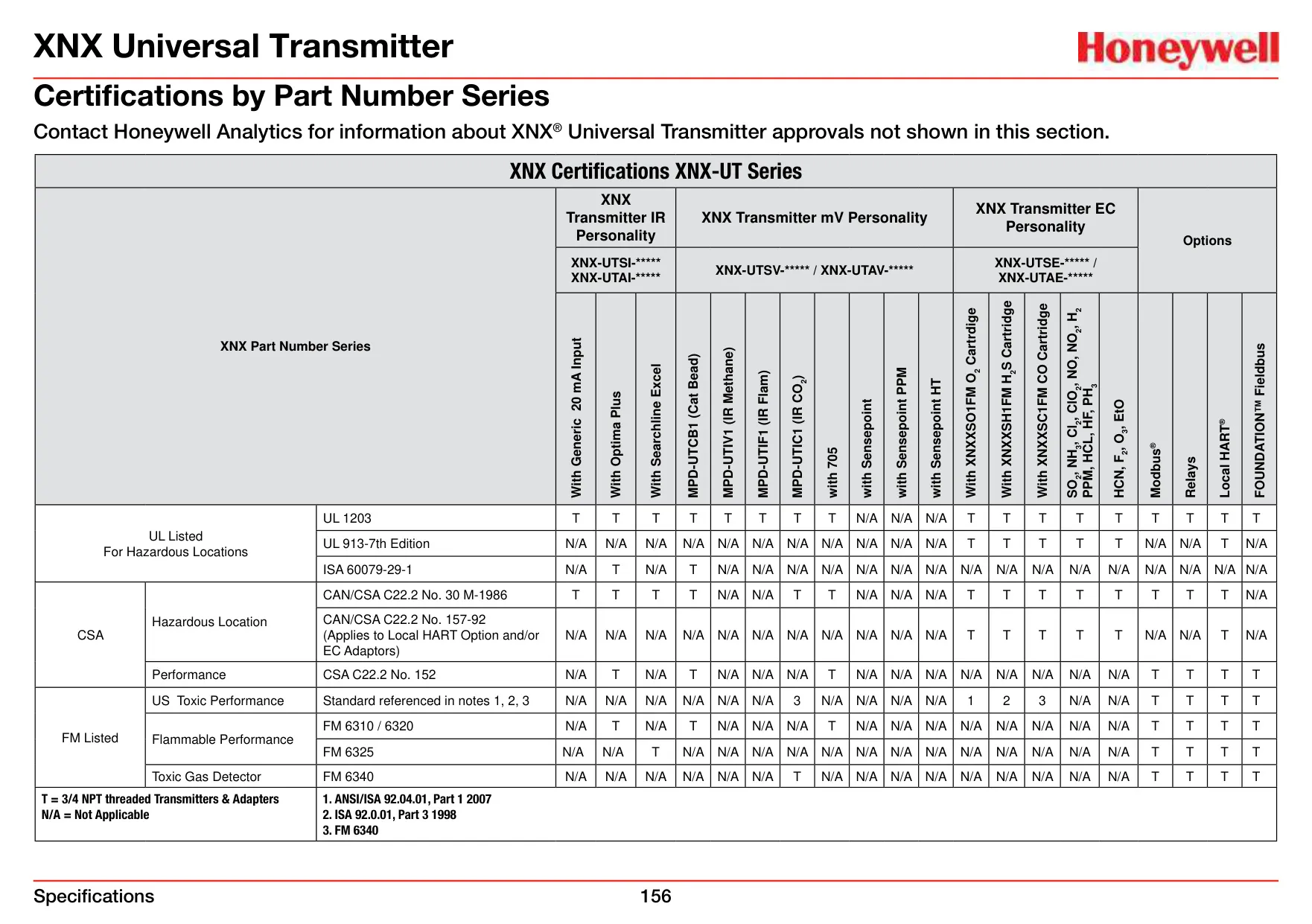


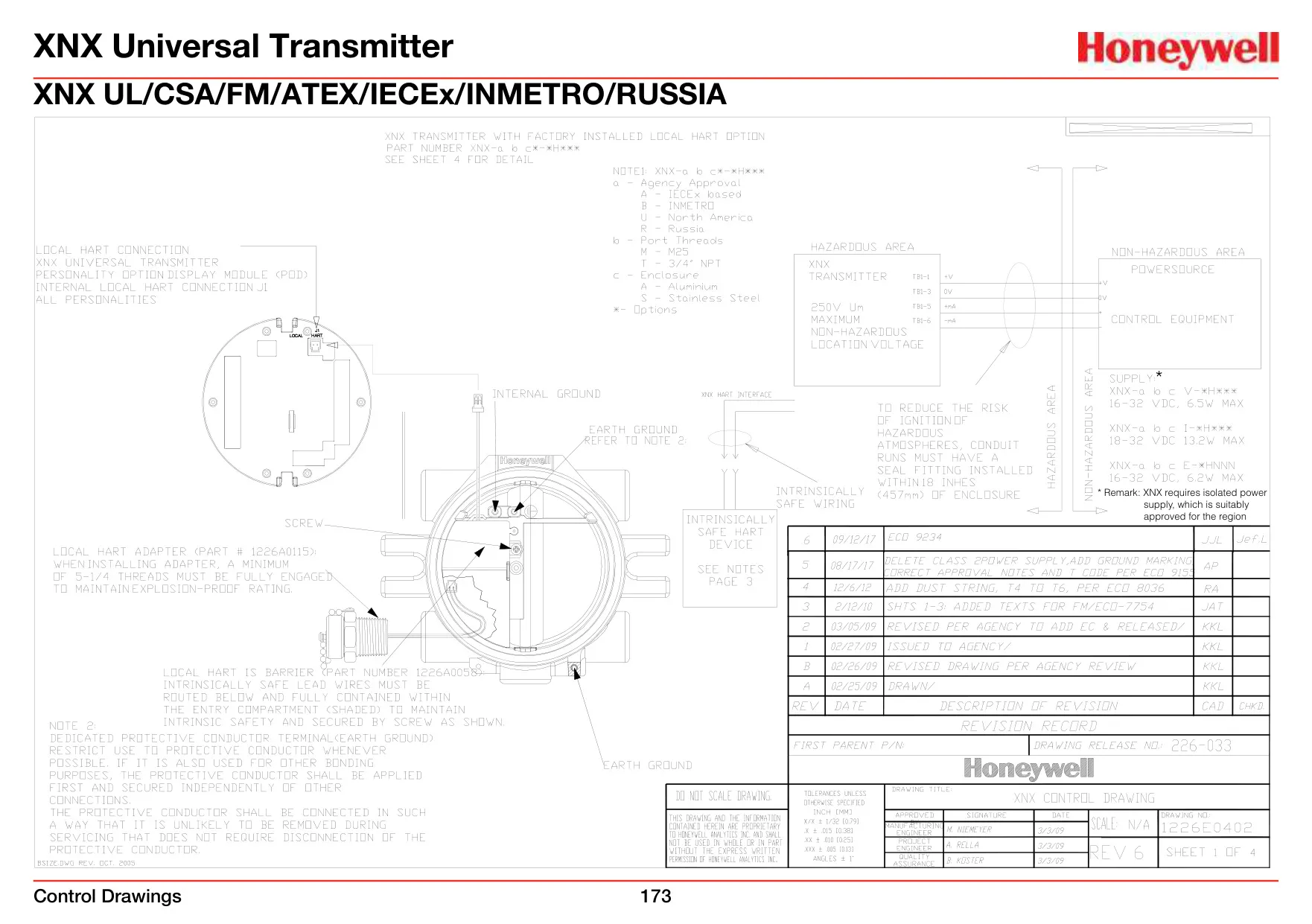
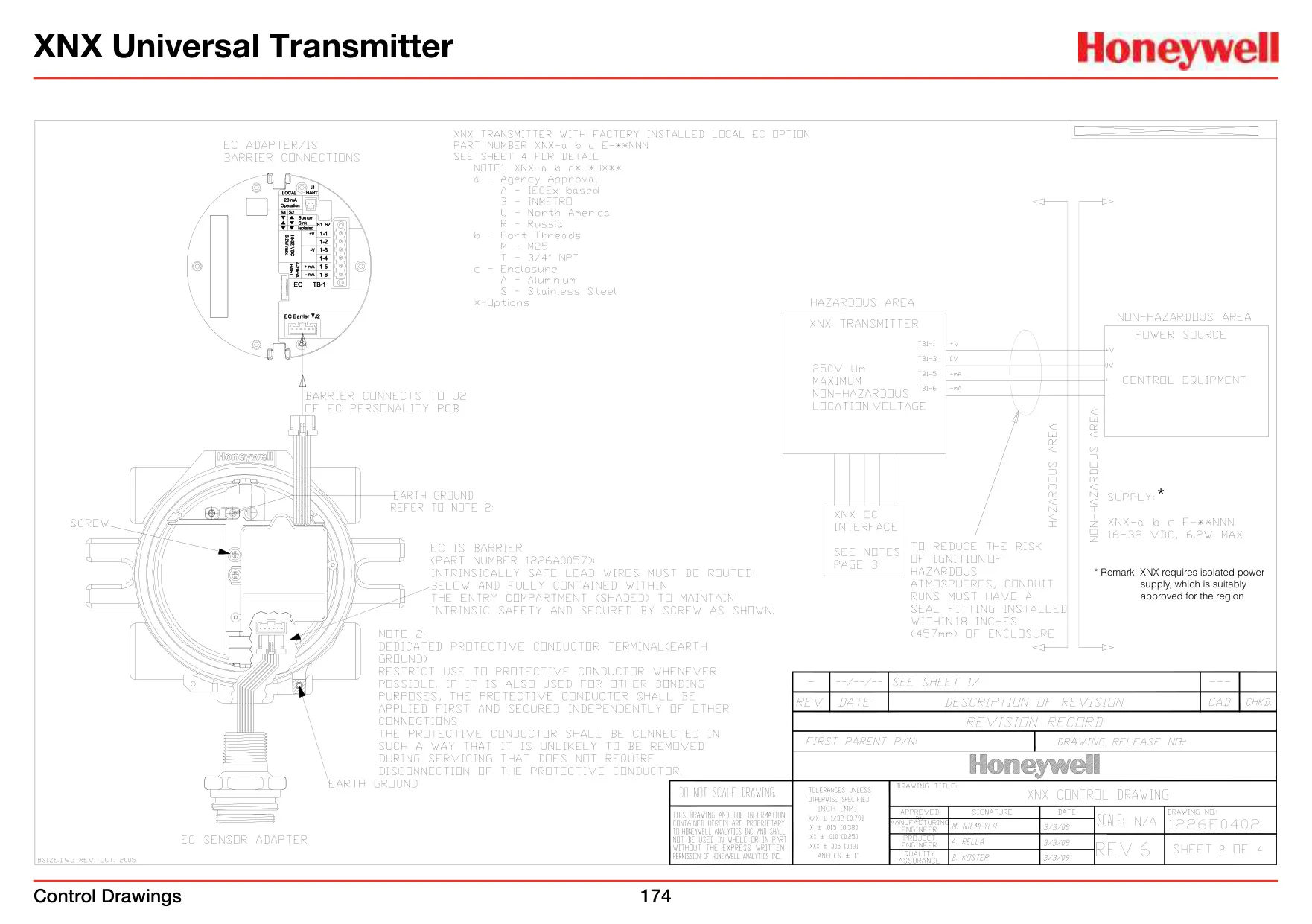
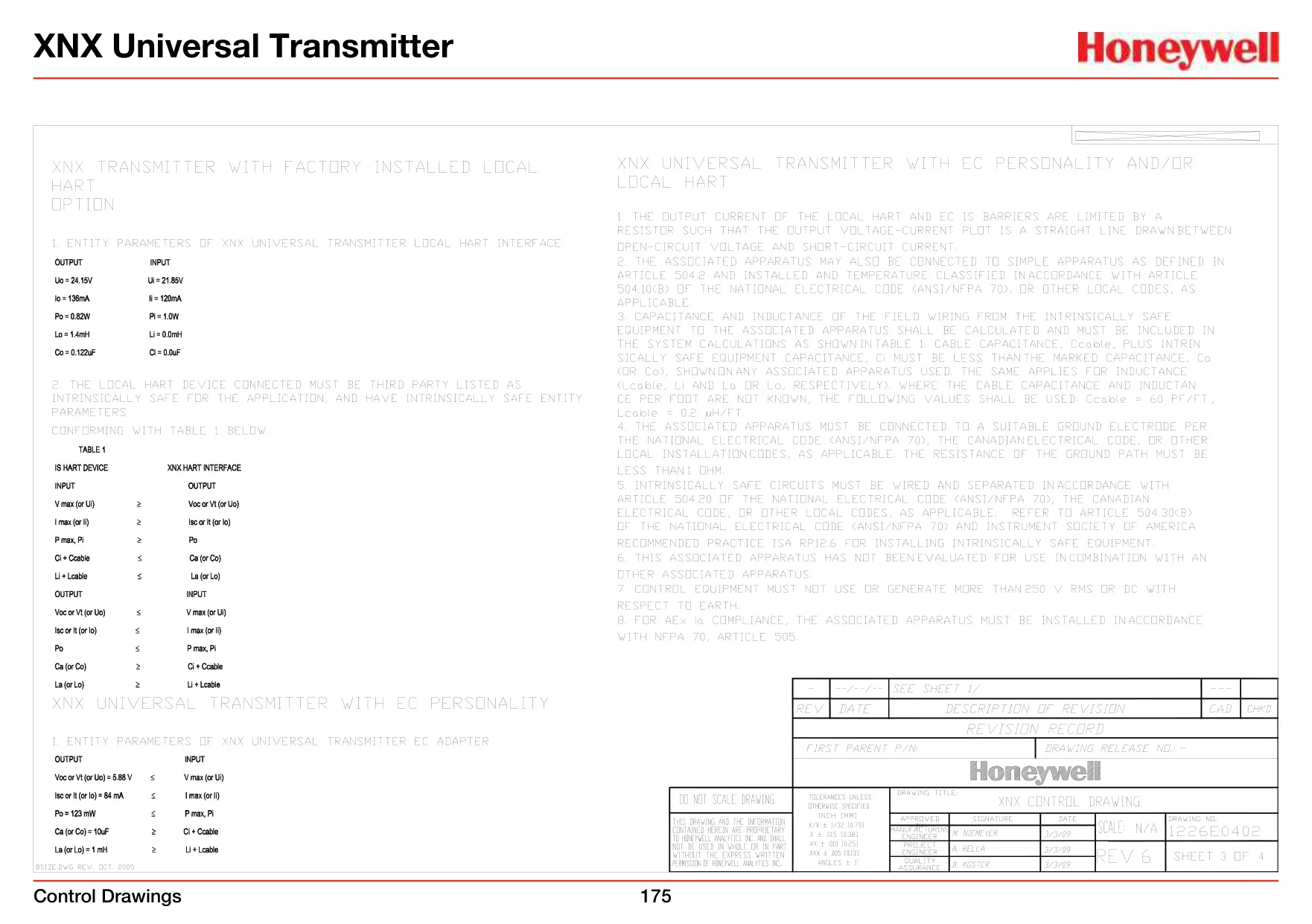
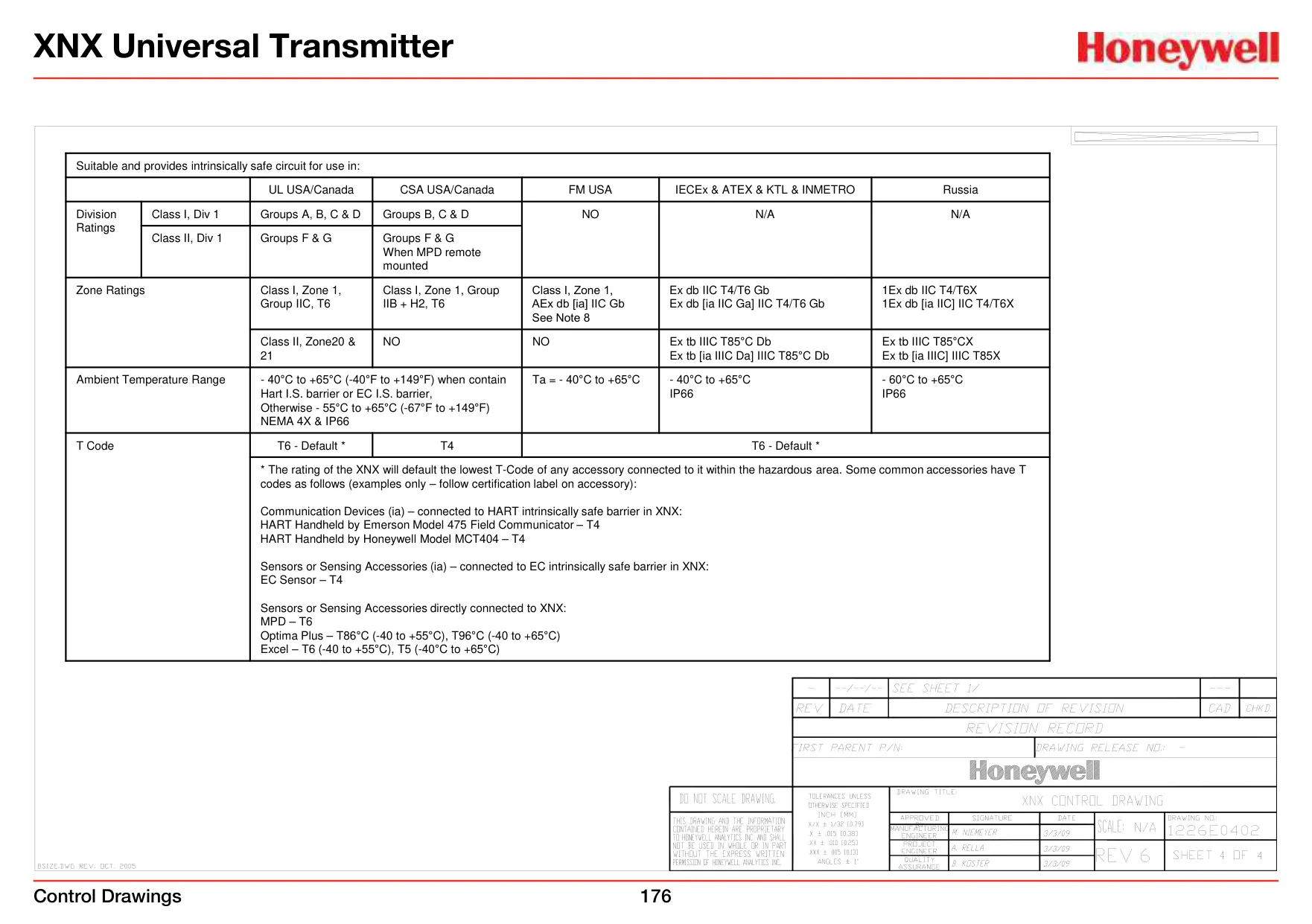
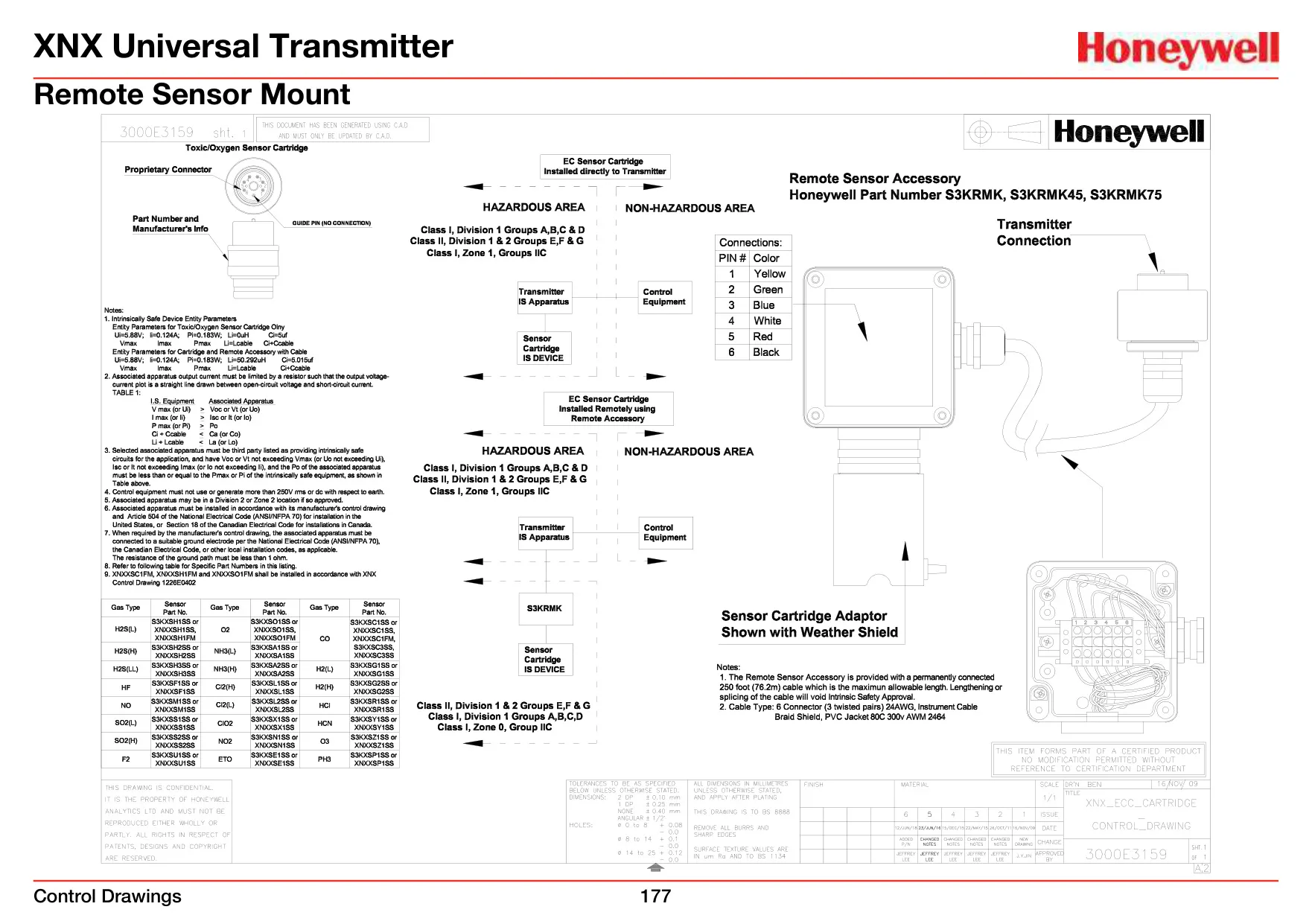



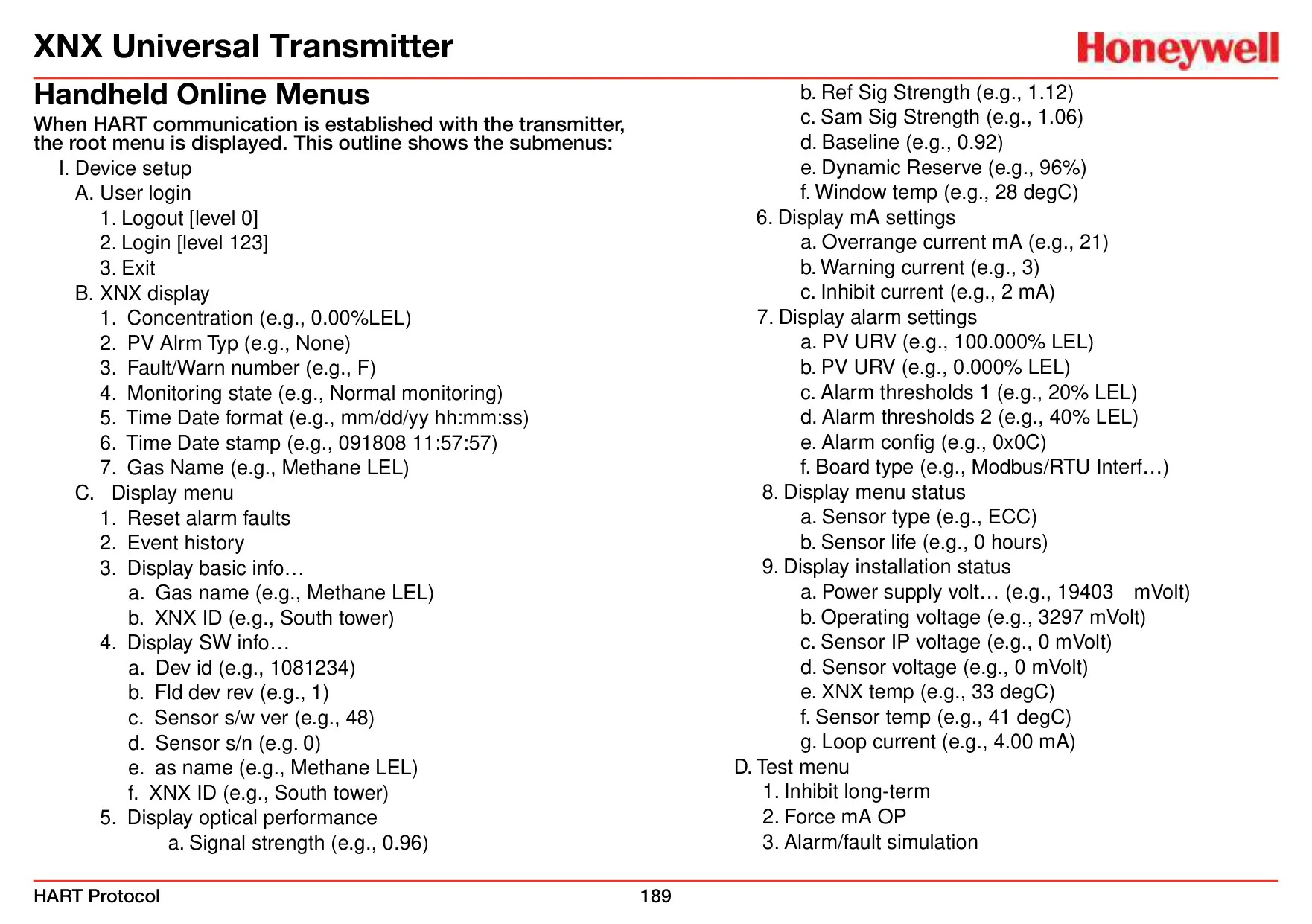
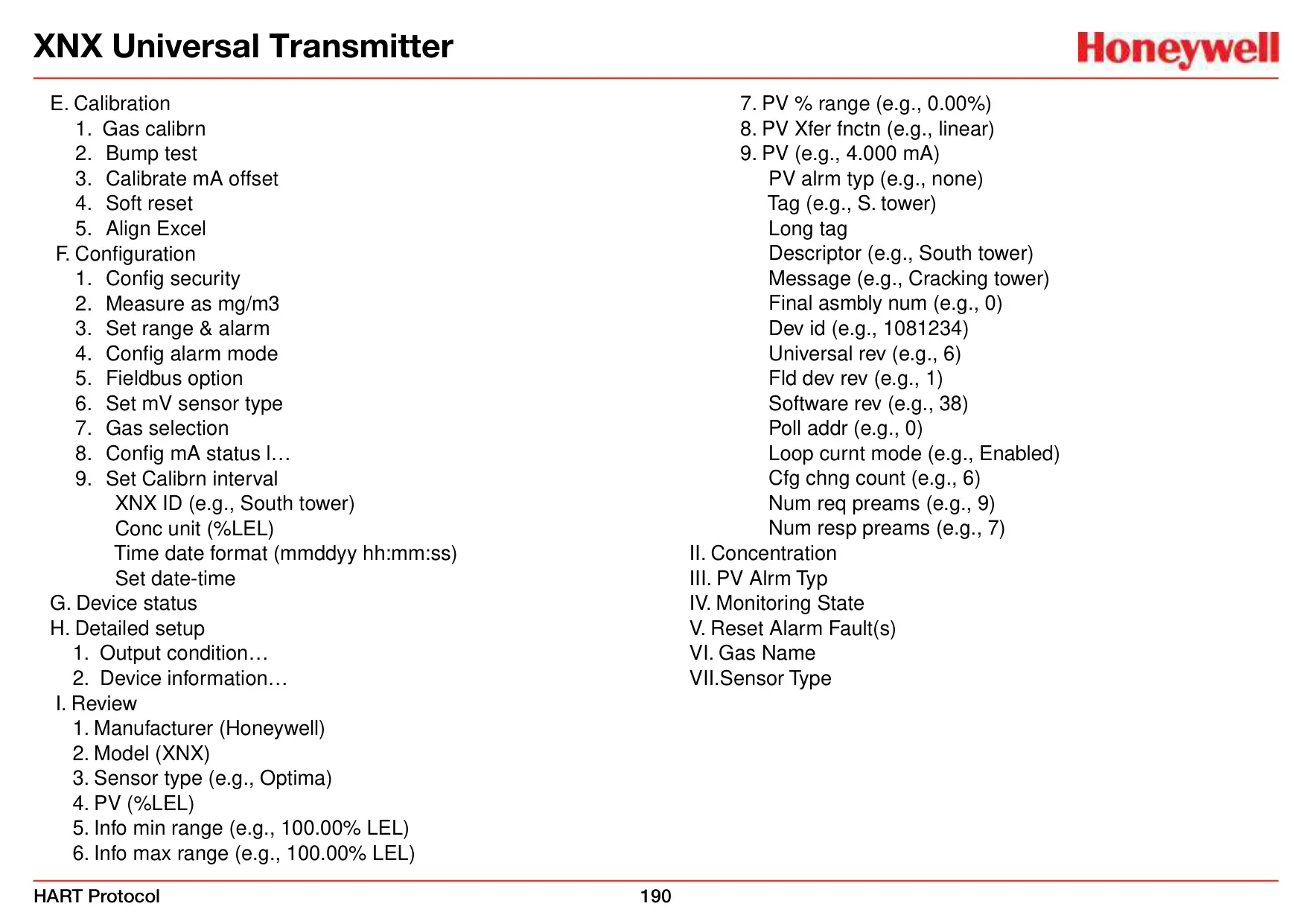
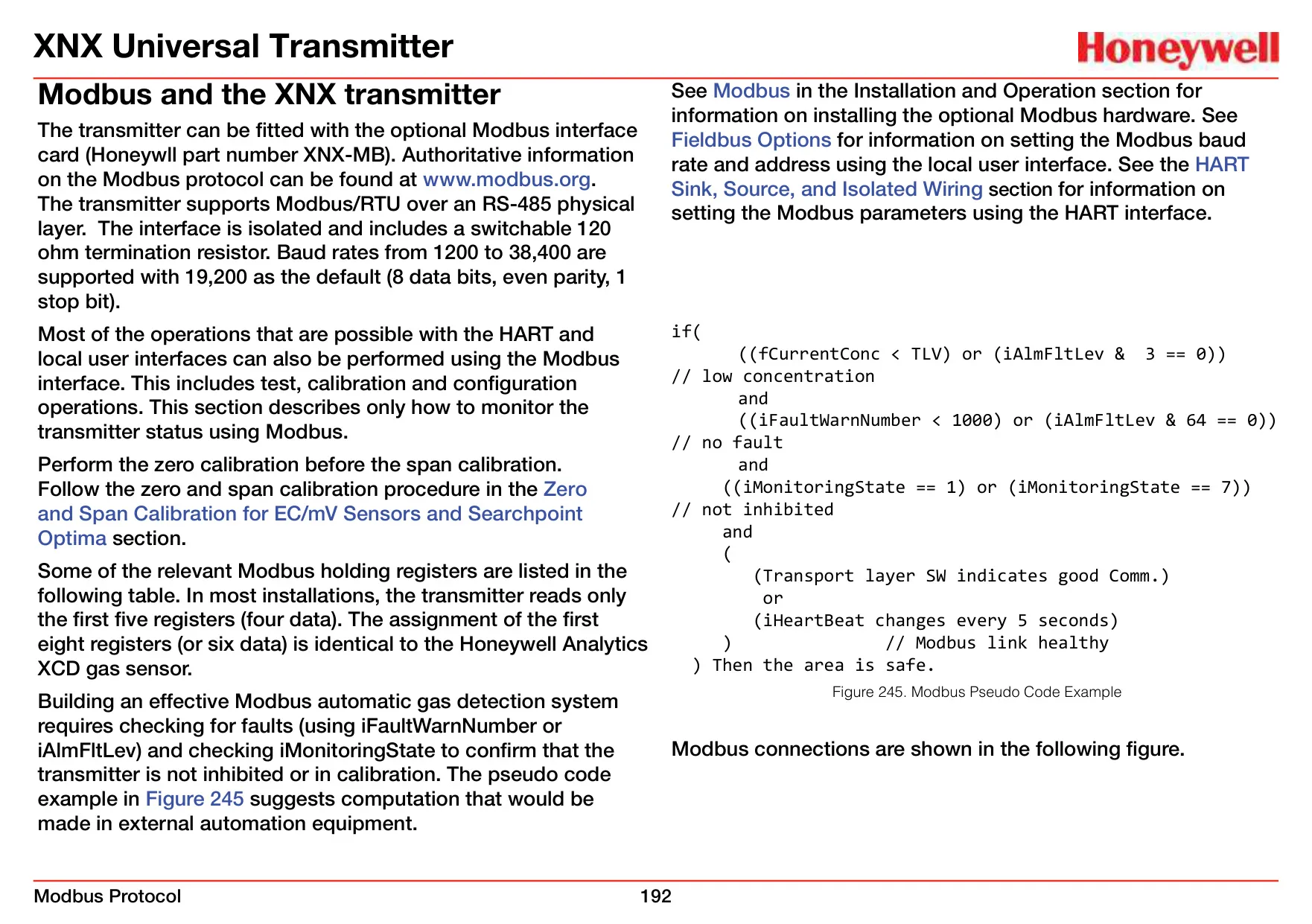




Honeywell XNX Universal Transmitter

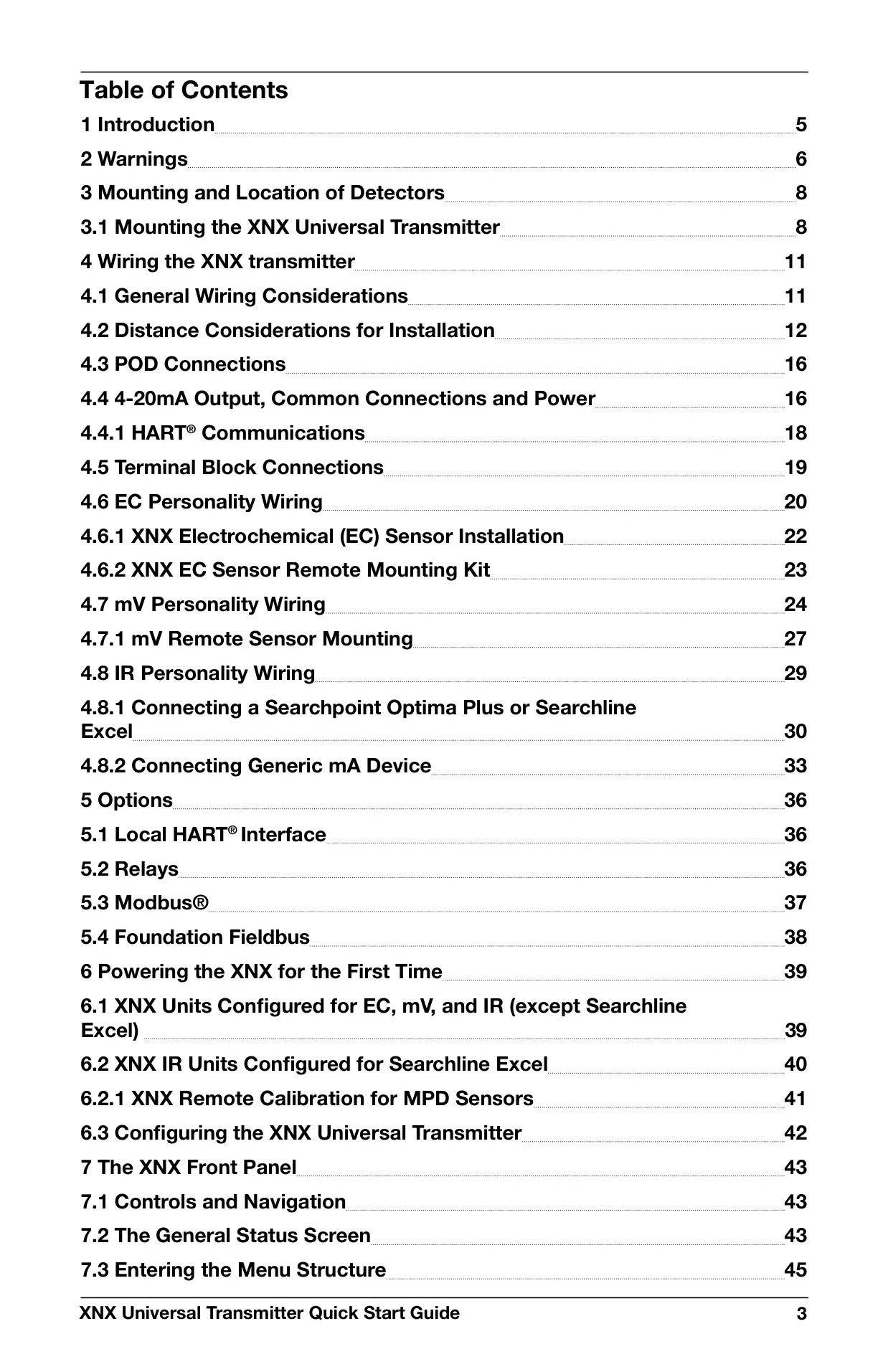
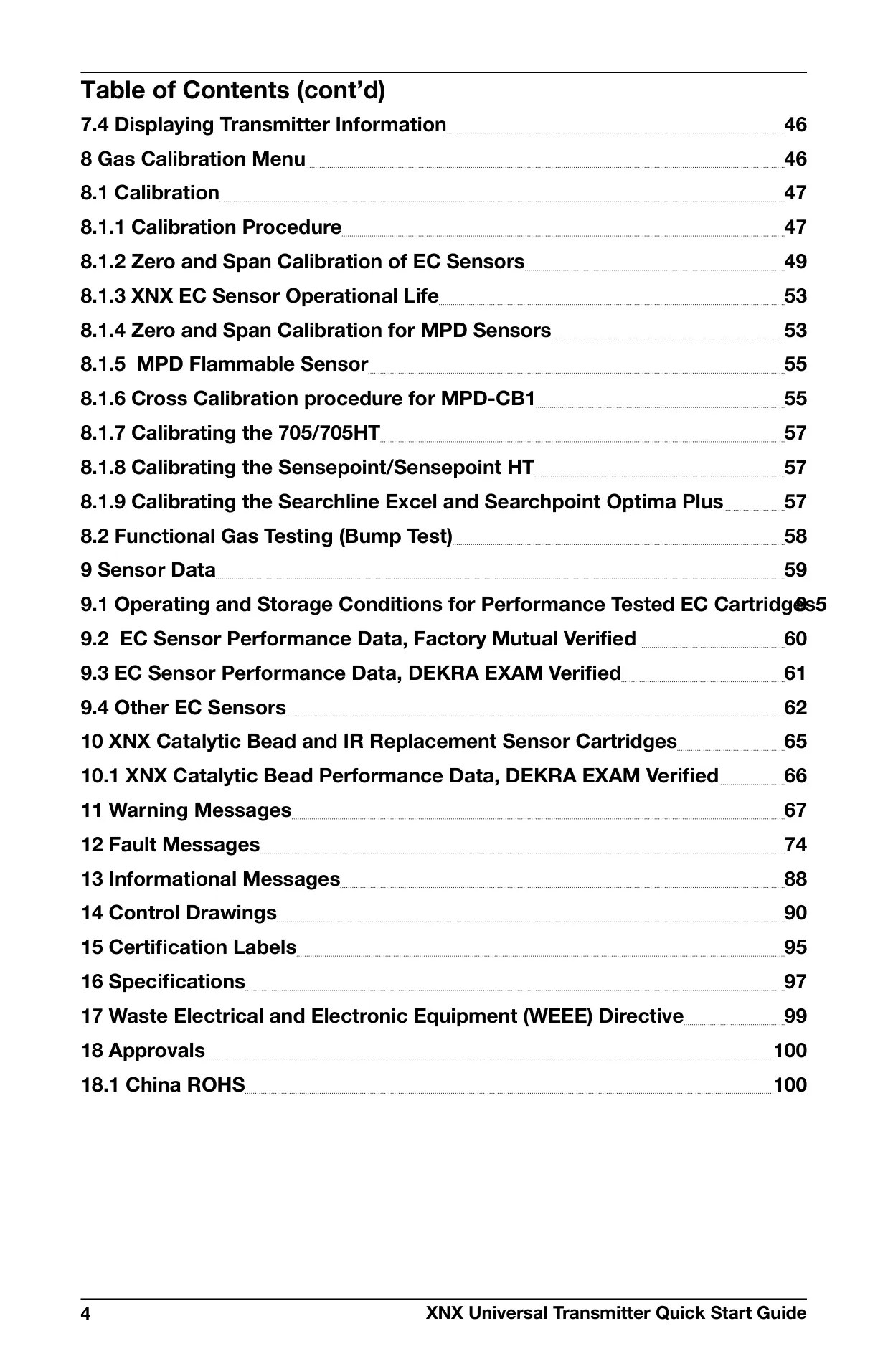
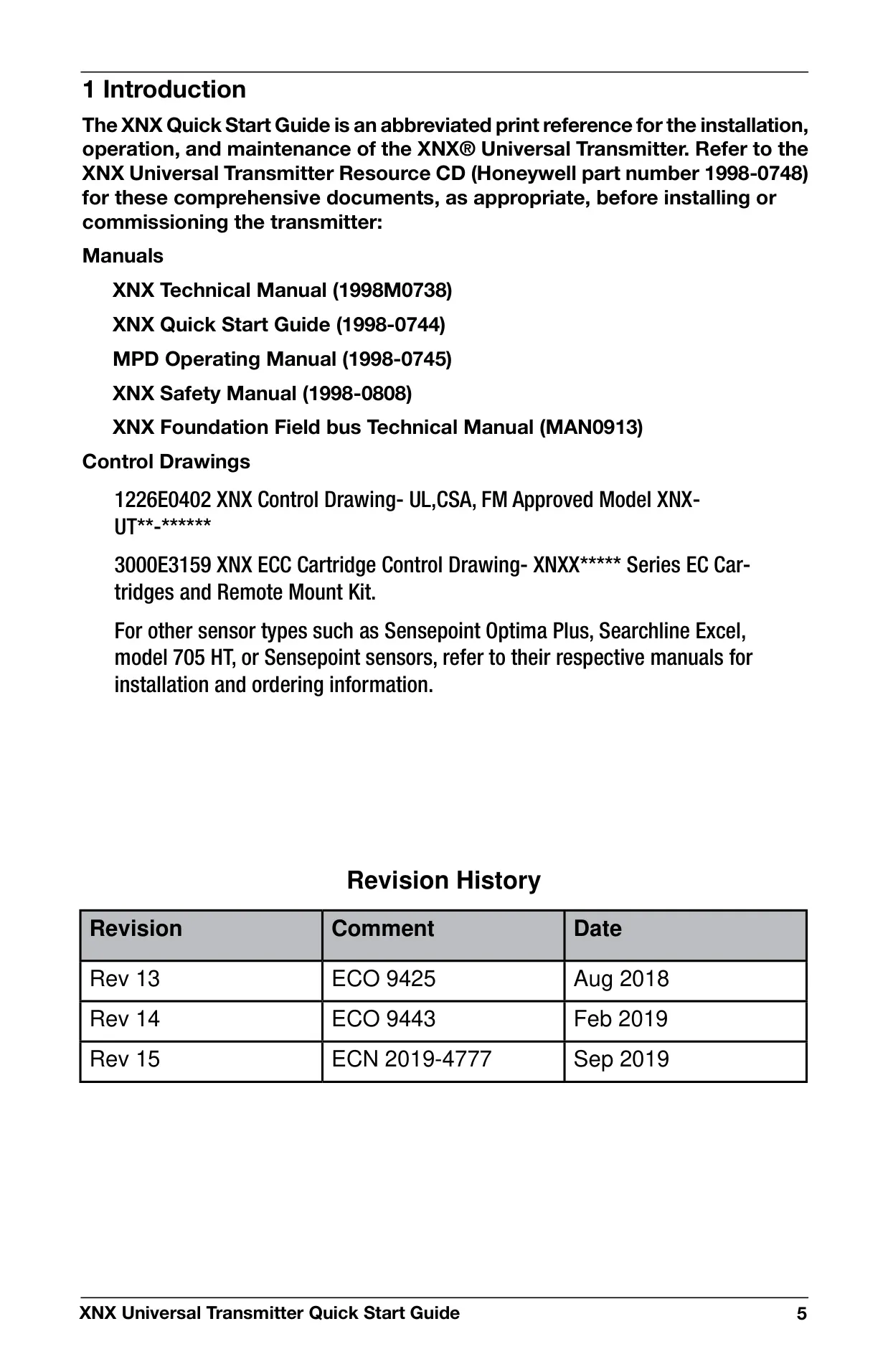

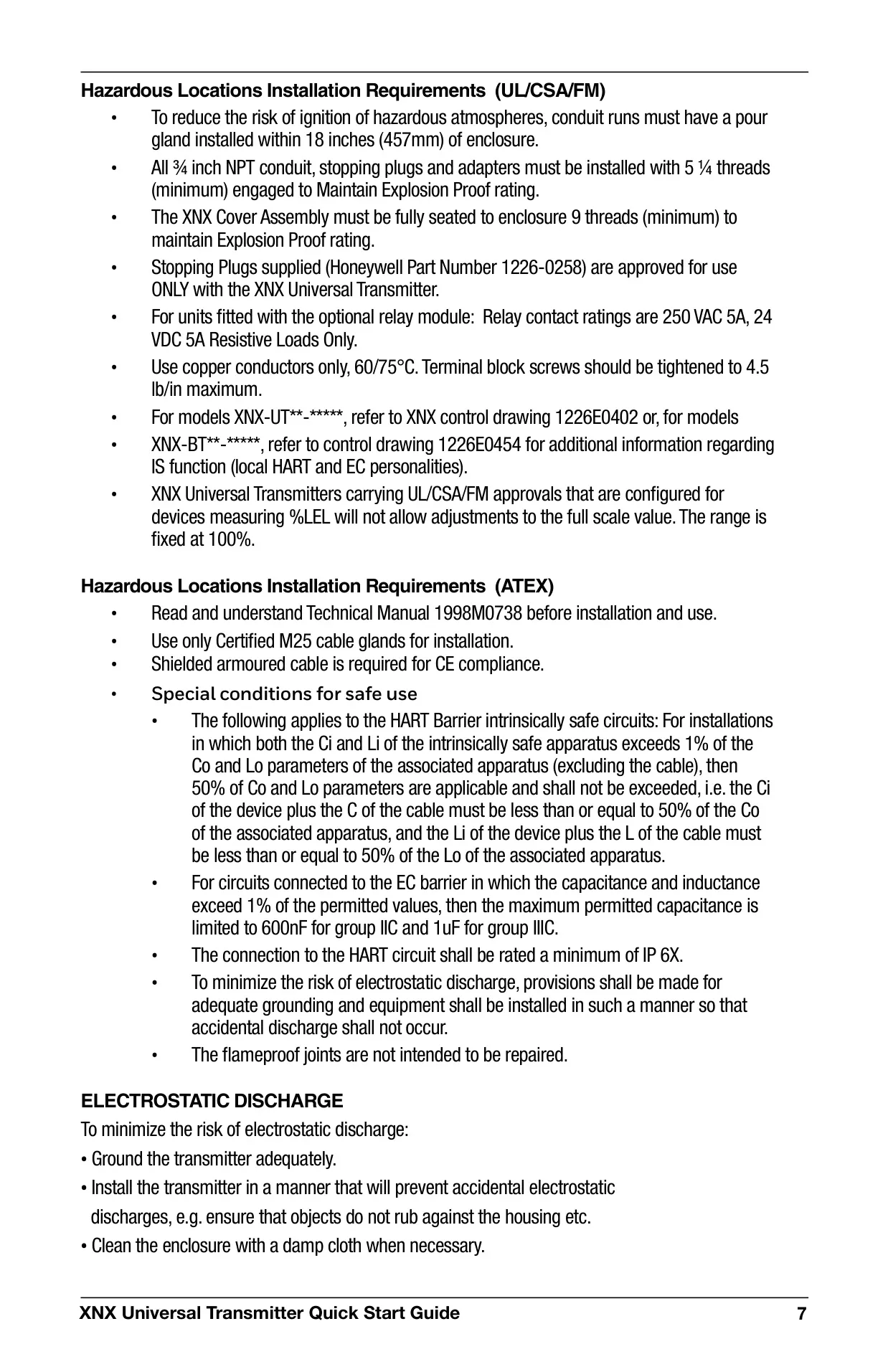






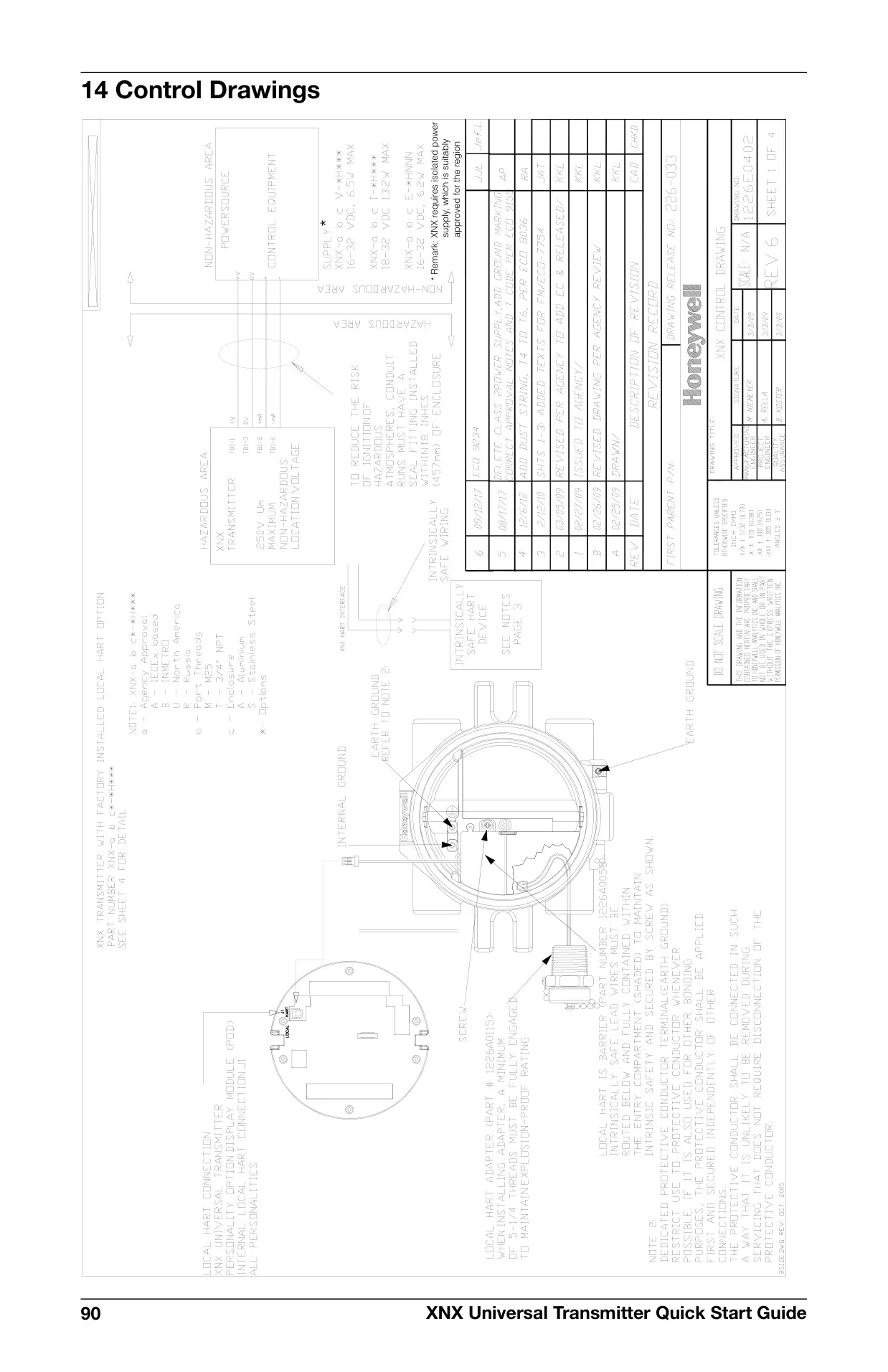
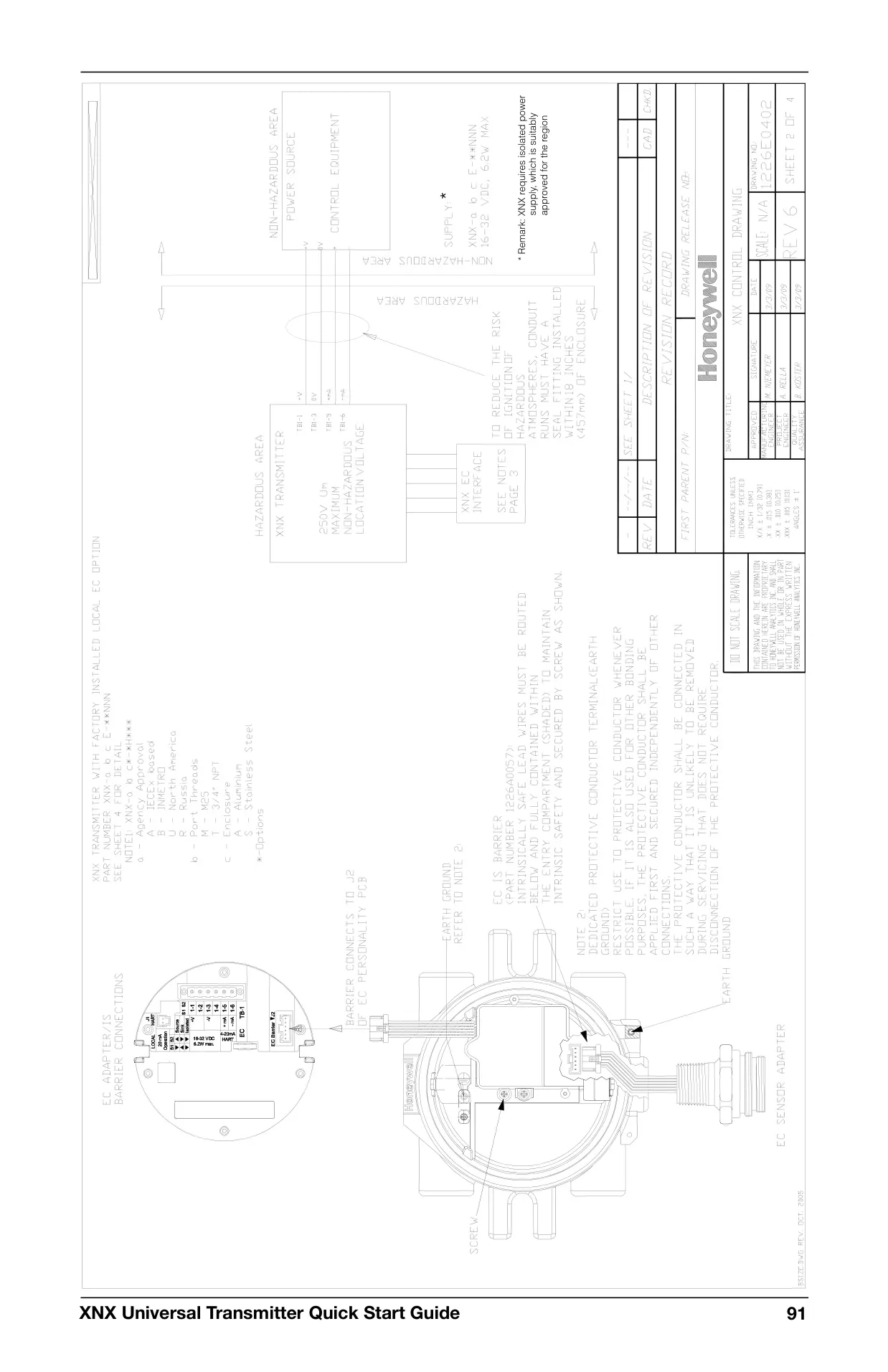
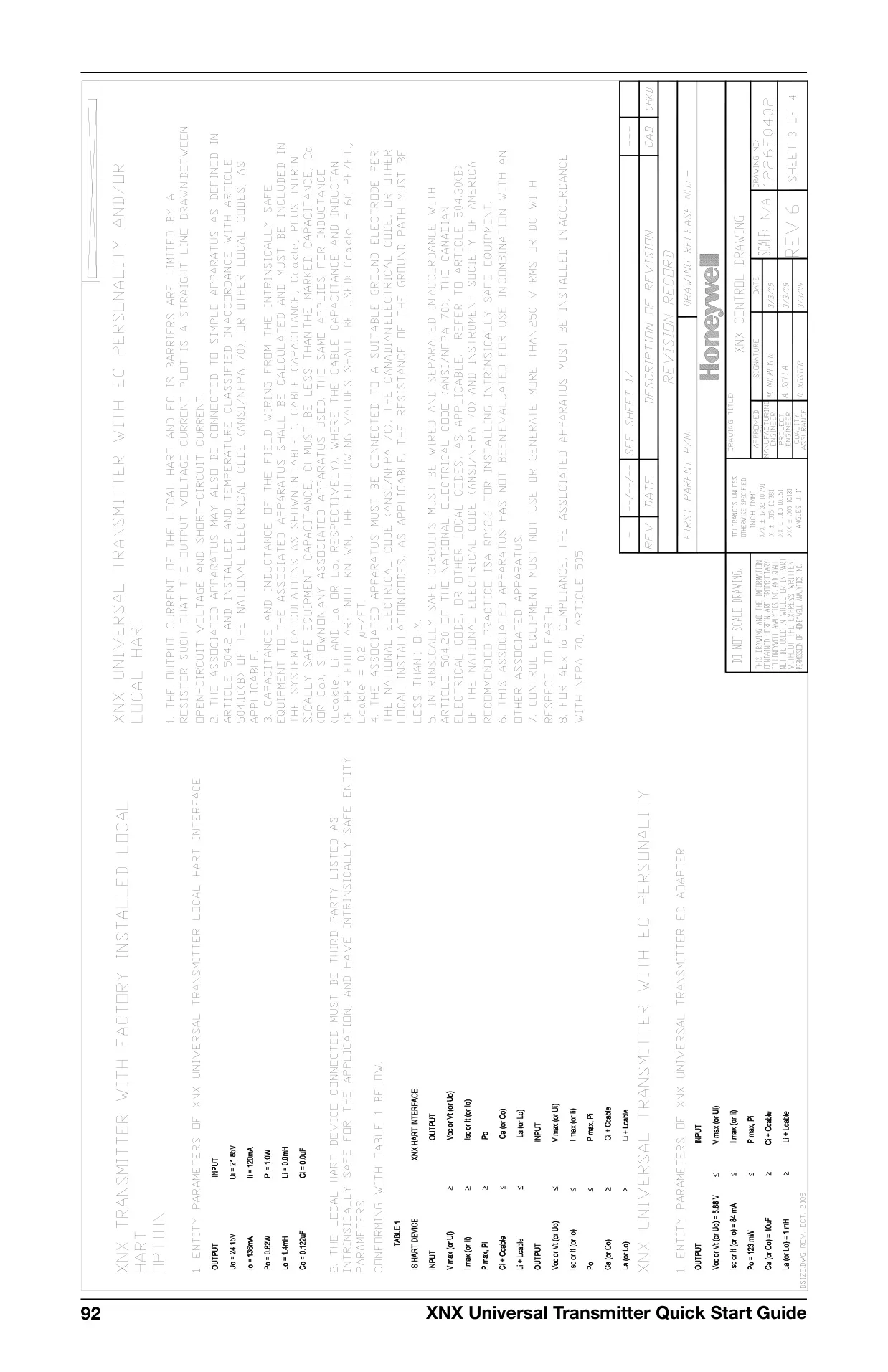


Honeywell XNX Universal Transmitter

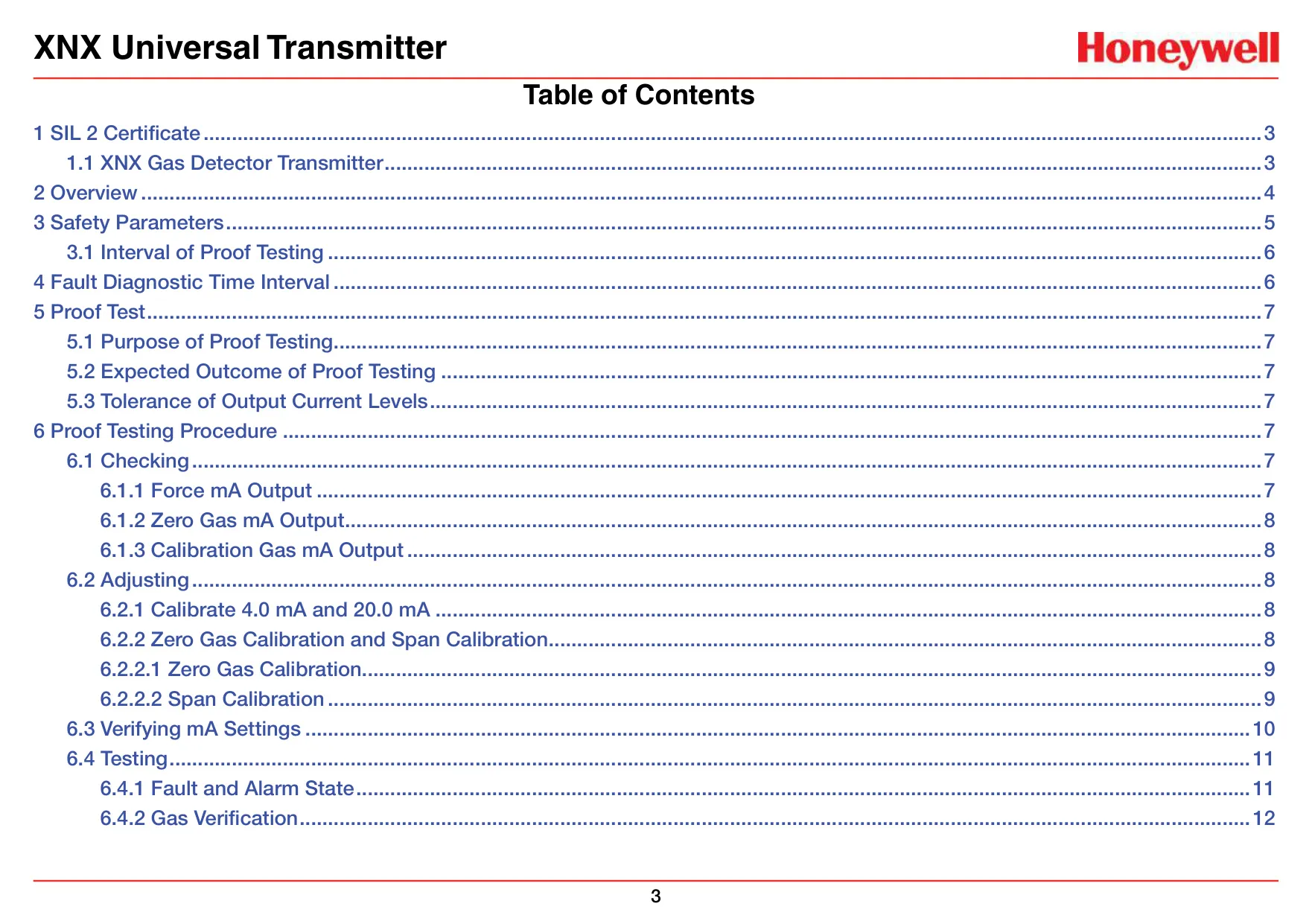

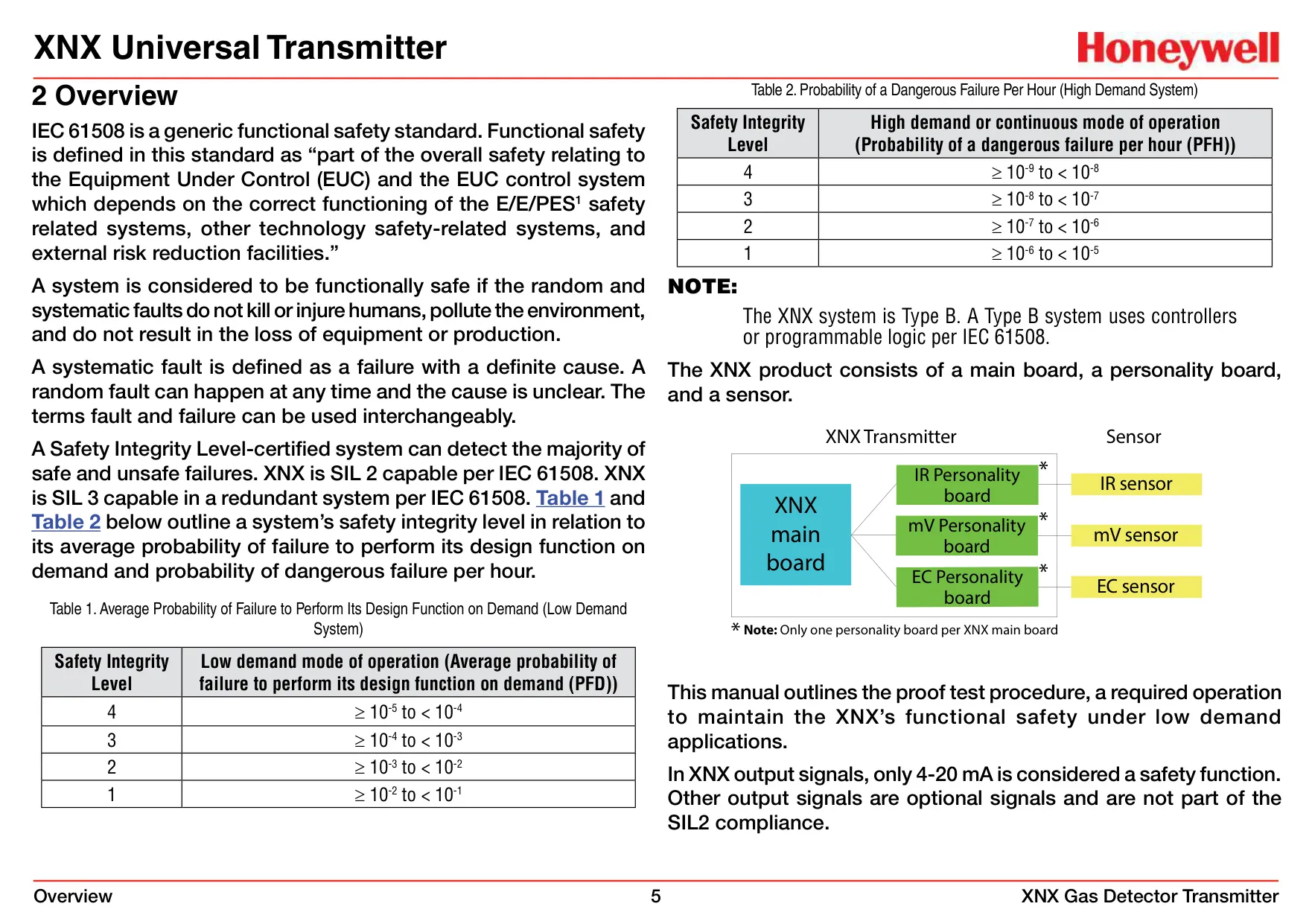
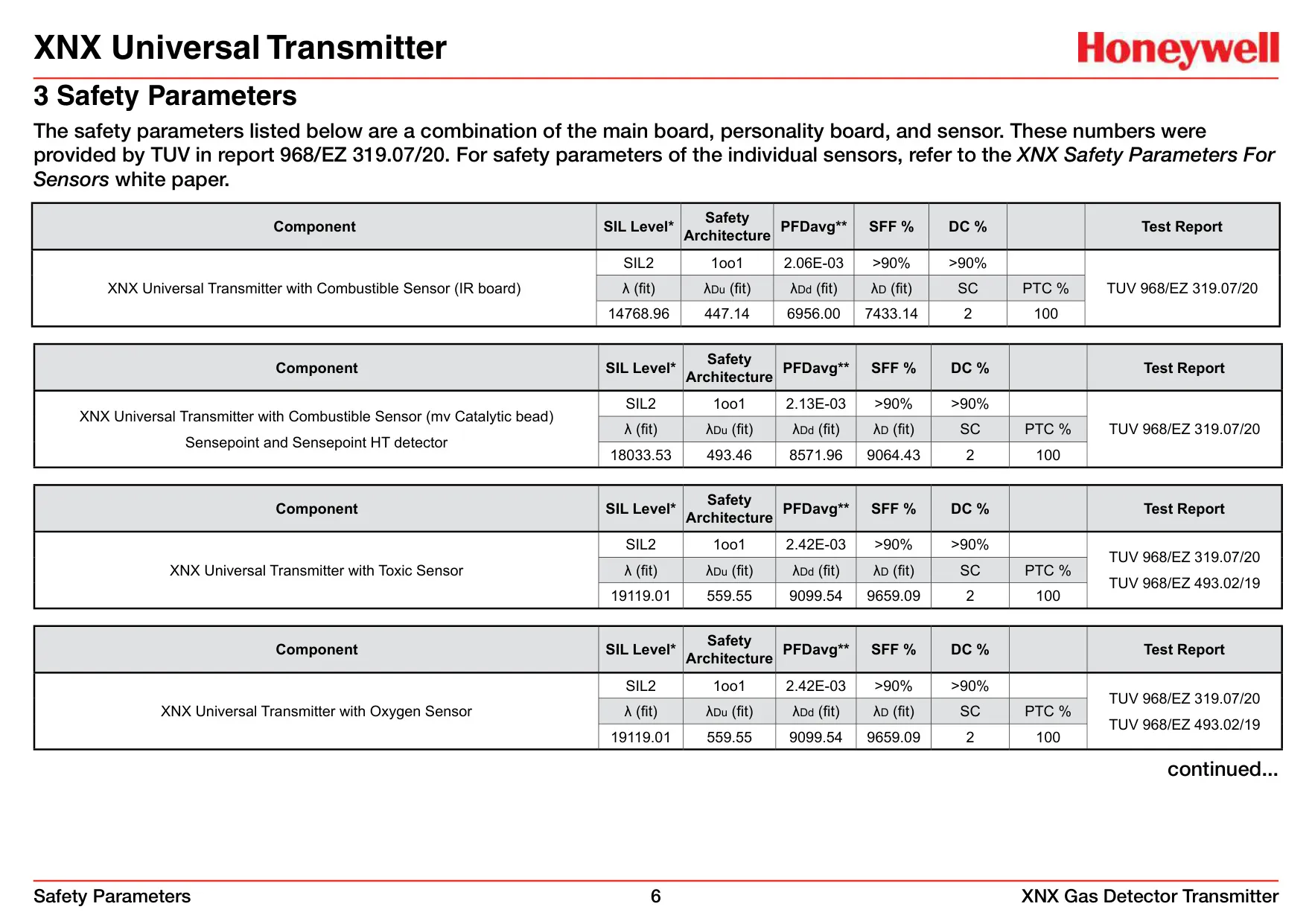
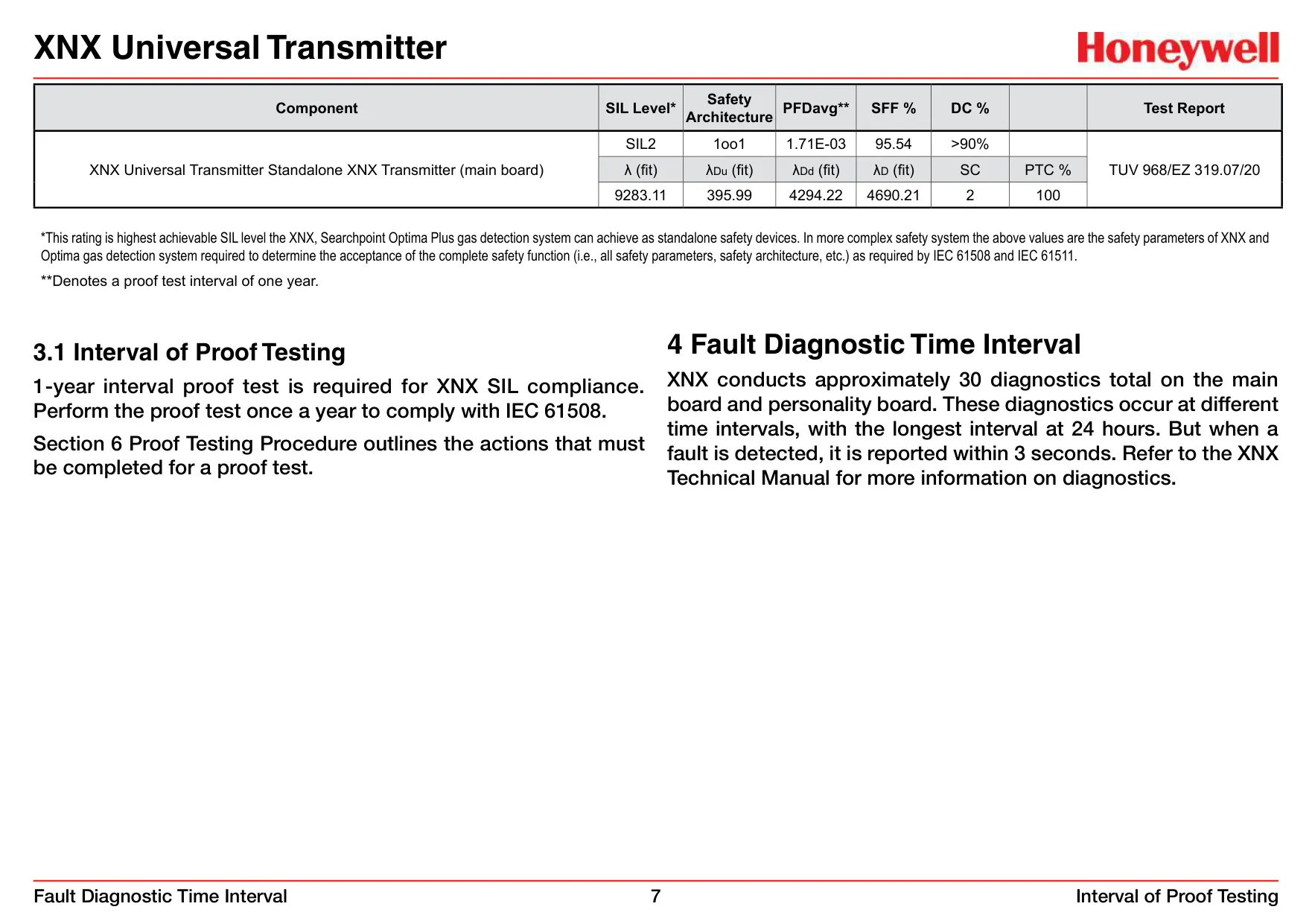
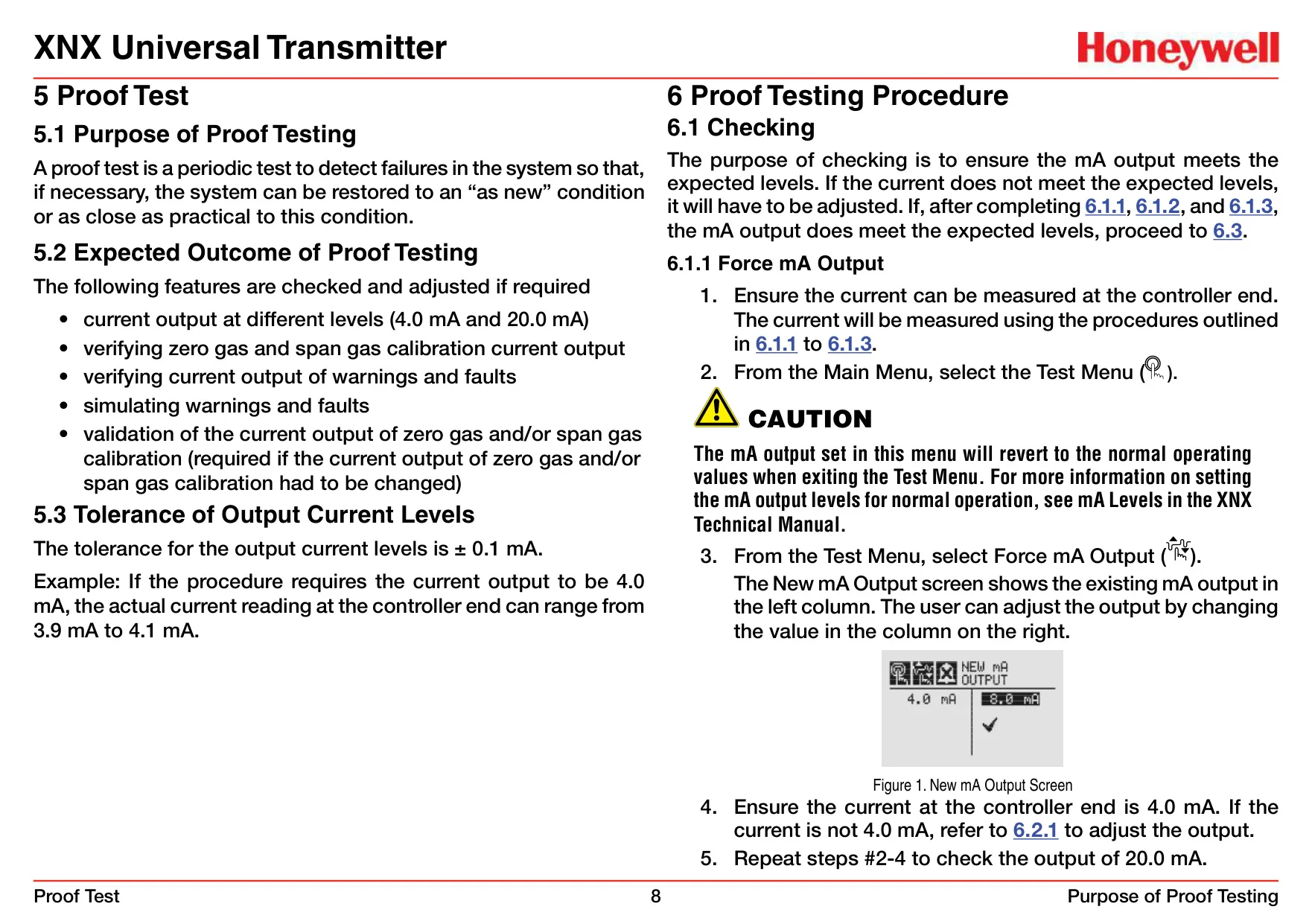
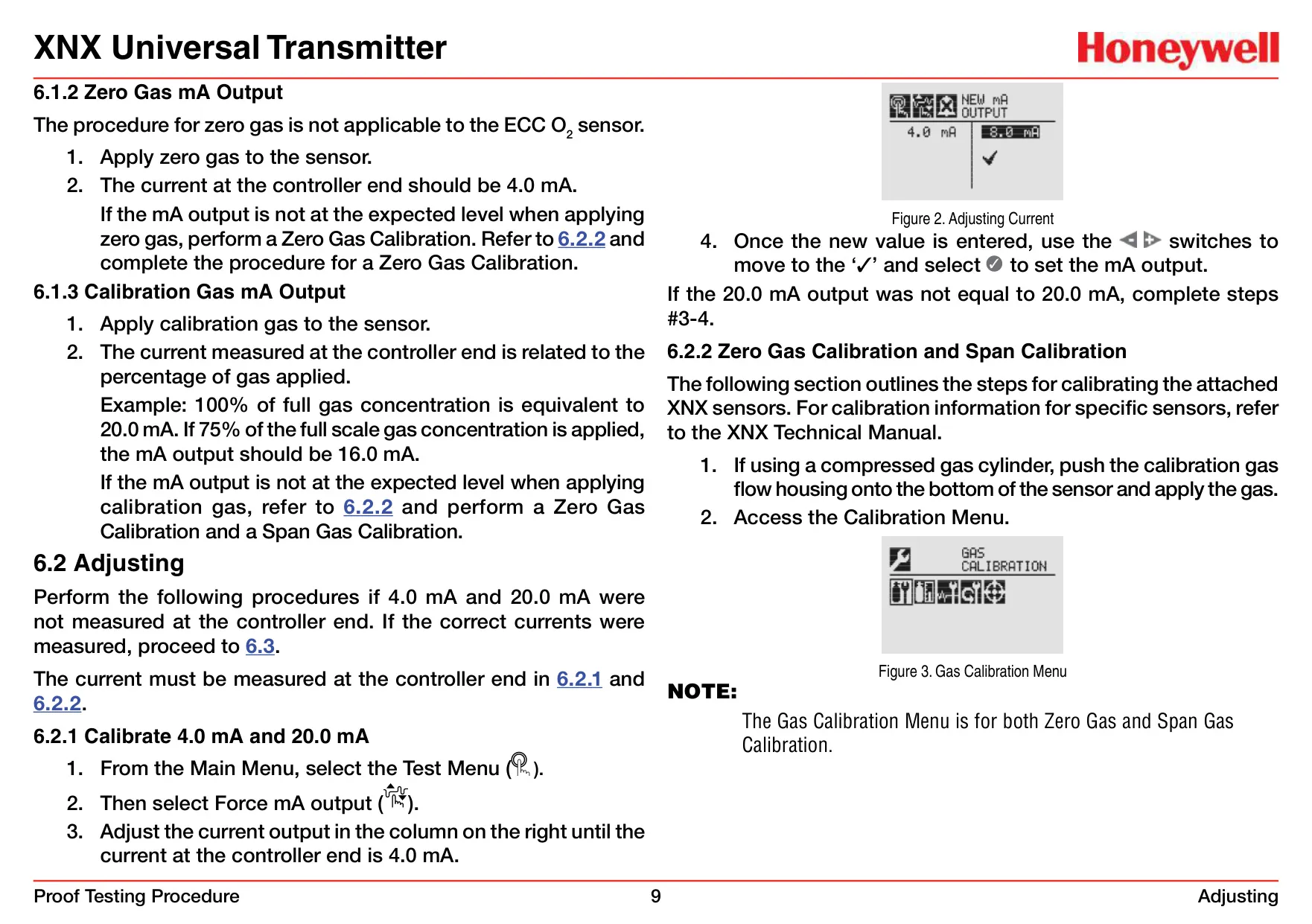
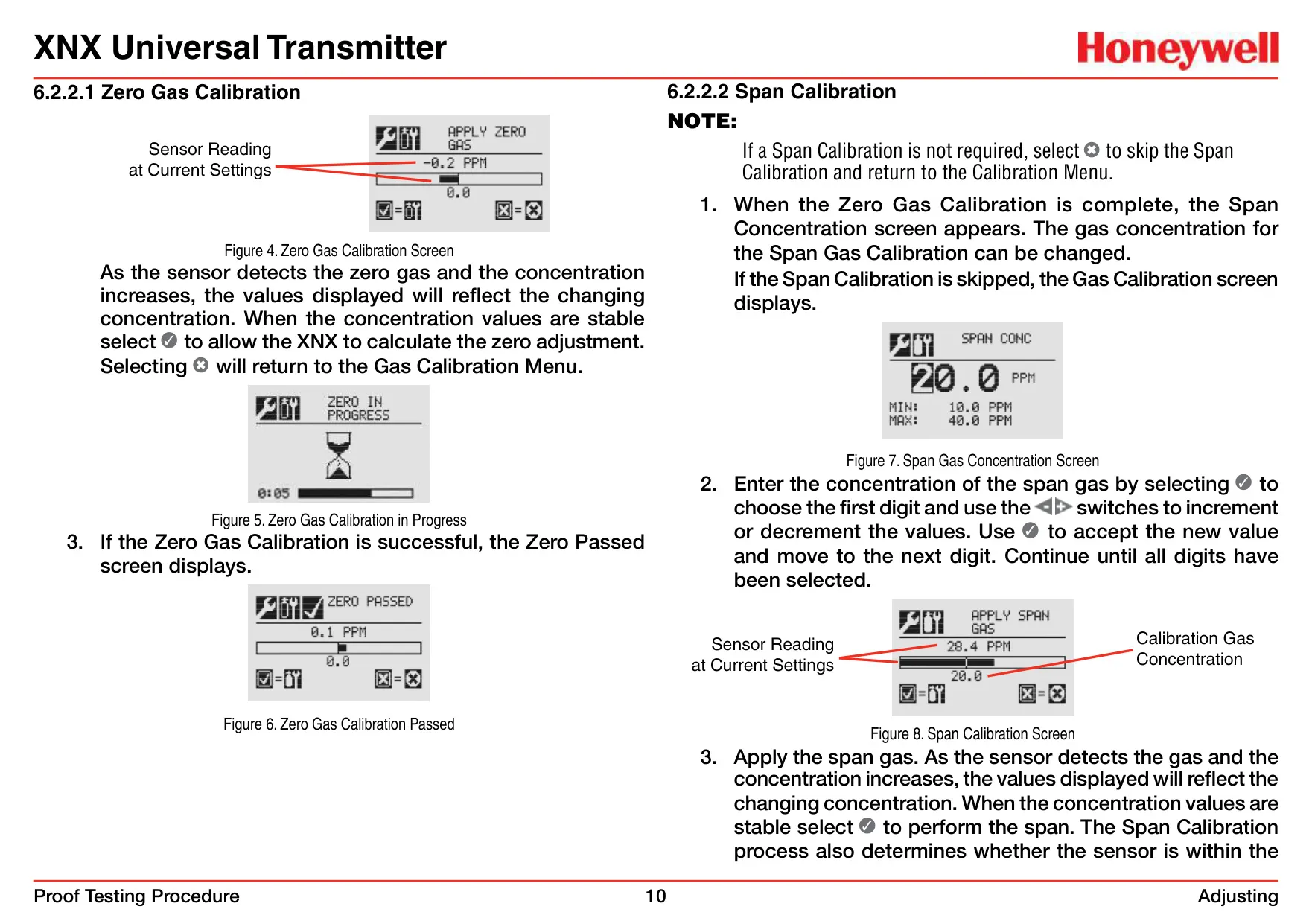
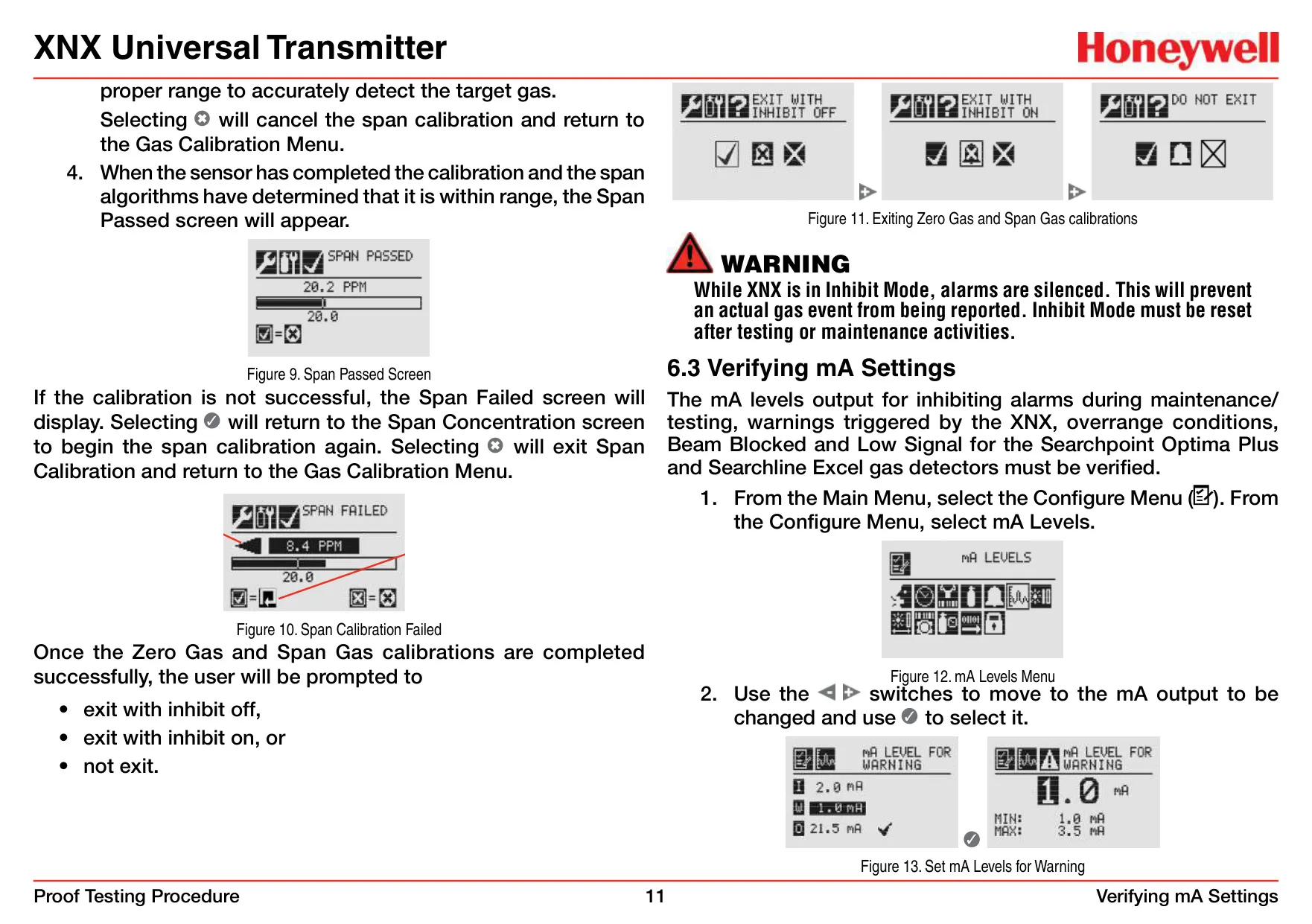

Honeywell XNX Instructions
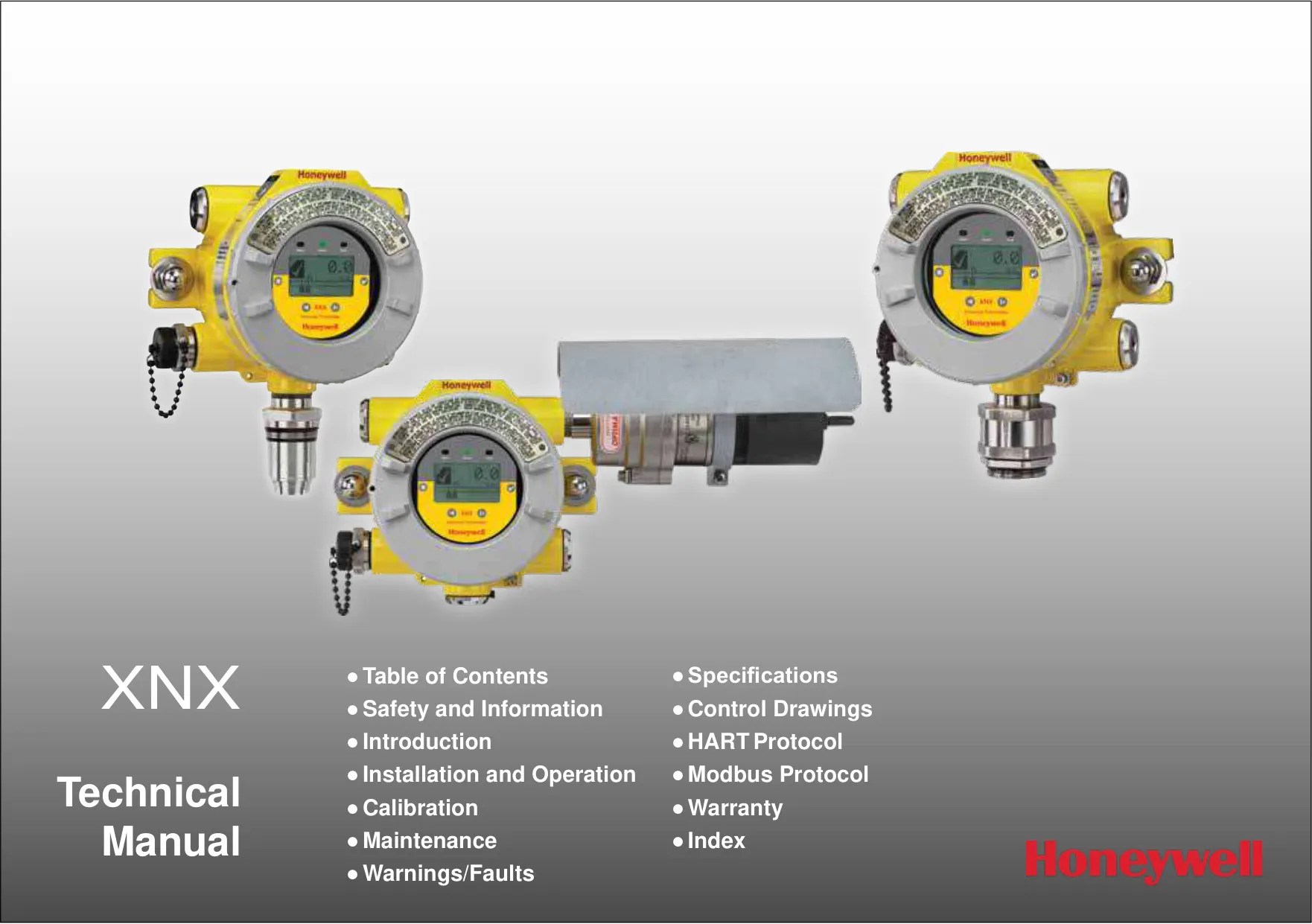
Here we offer the Honeywell XNX Universal Transmitter manual completely free and in English. We have cataloged this manual in the Universal Transmitters section on Manualverse, and it has been rated by 1 users with an average rating of 5. If you have any specific questions about Honeywell XNX Universal Transmitter, we suggest checking the Frequently Asked Questions (FAQs) section of this manual.
Product Images

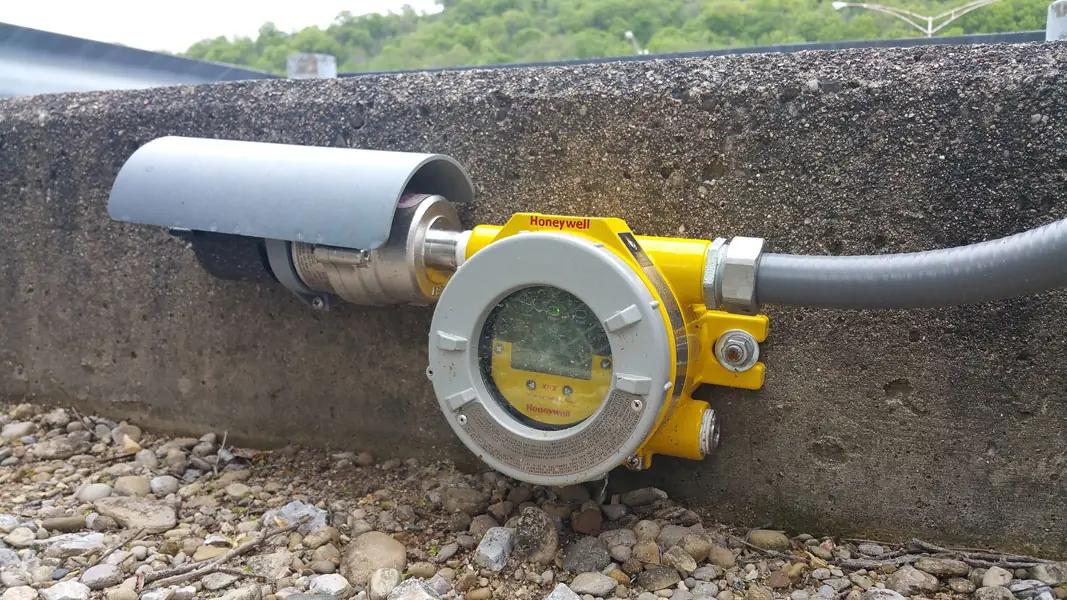
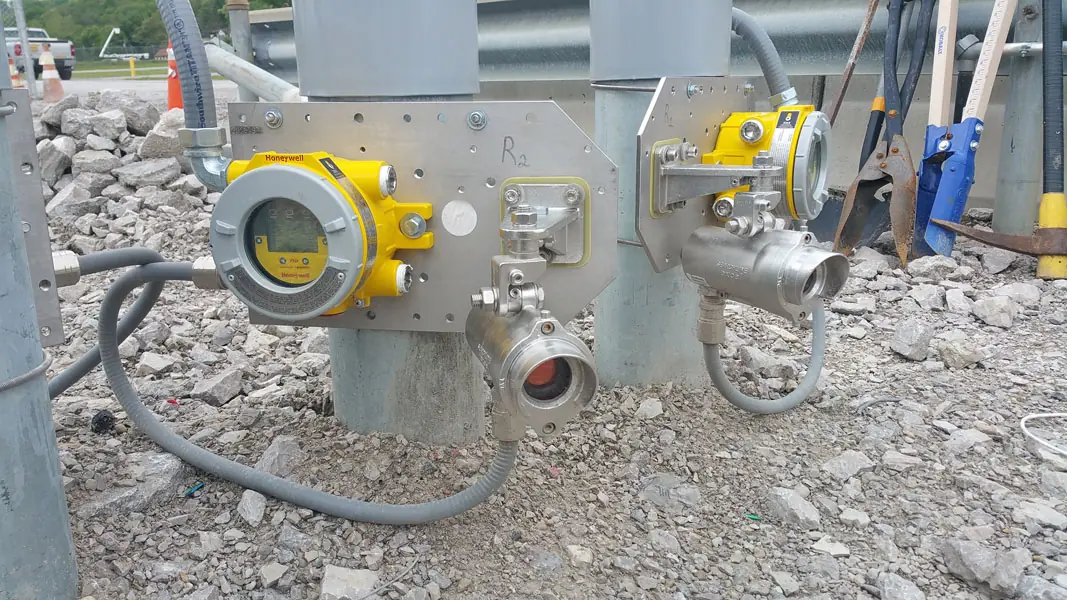
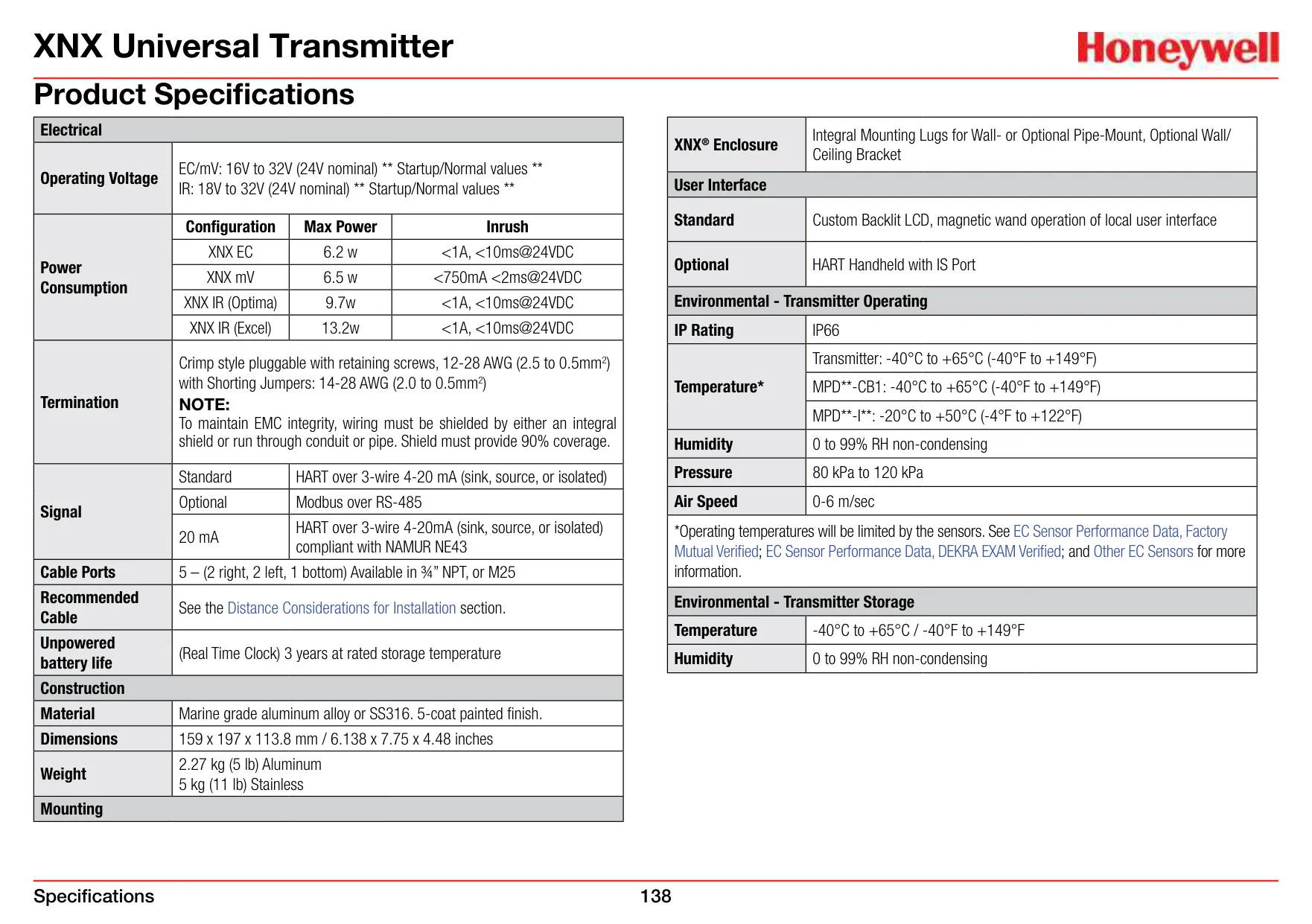
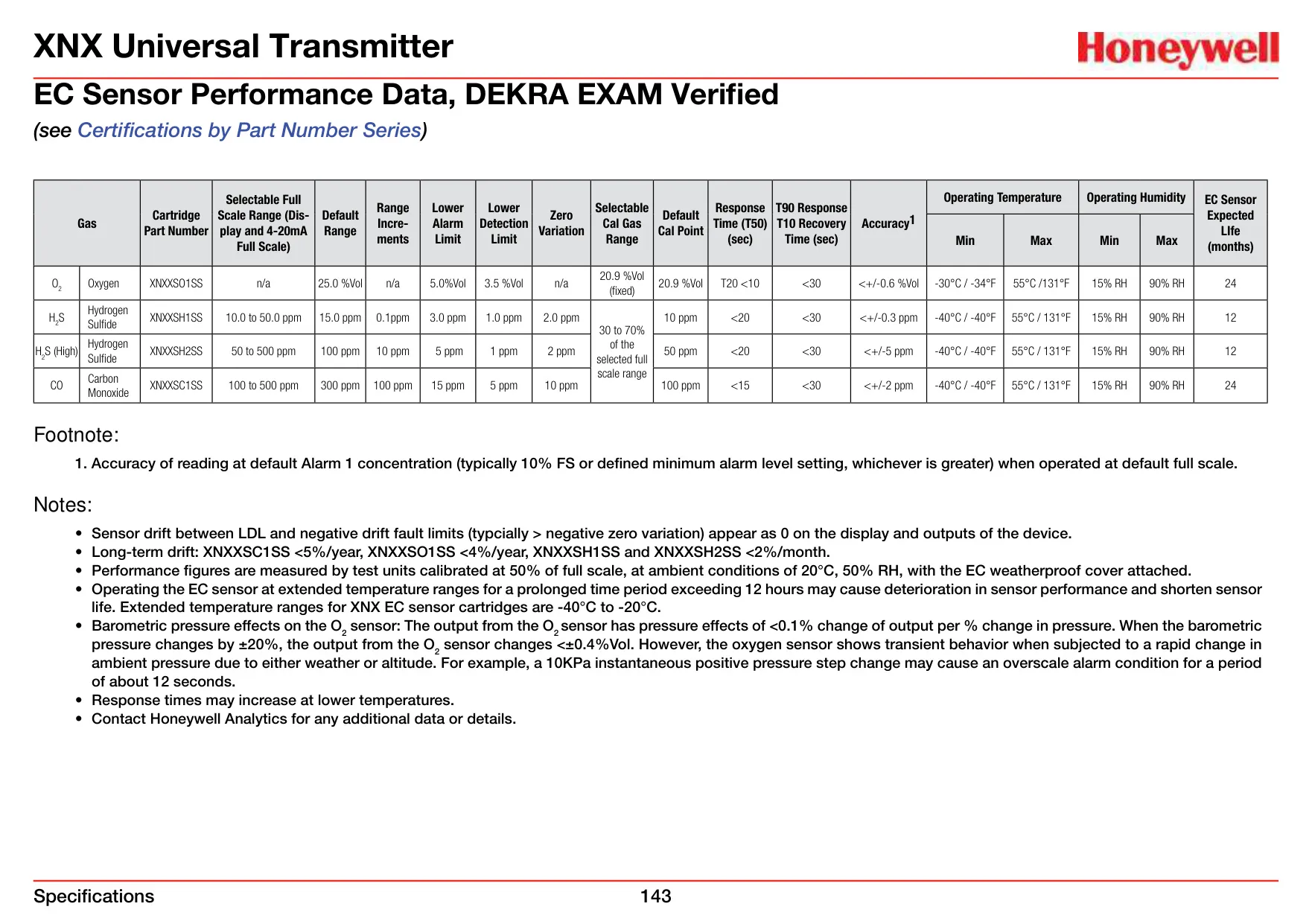
Honeywell XNX Universal Transmitter Specifications
| Feature | Specification |
|---|---|
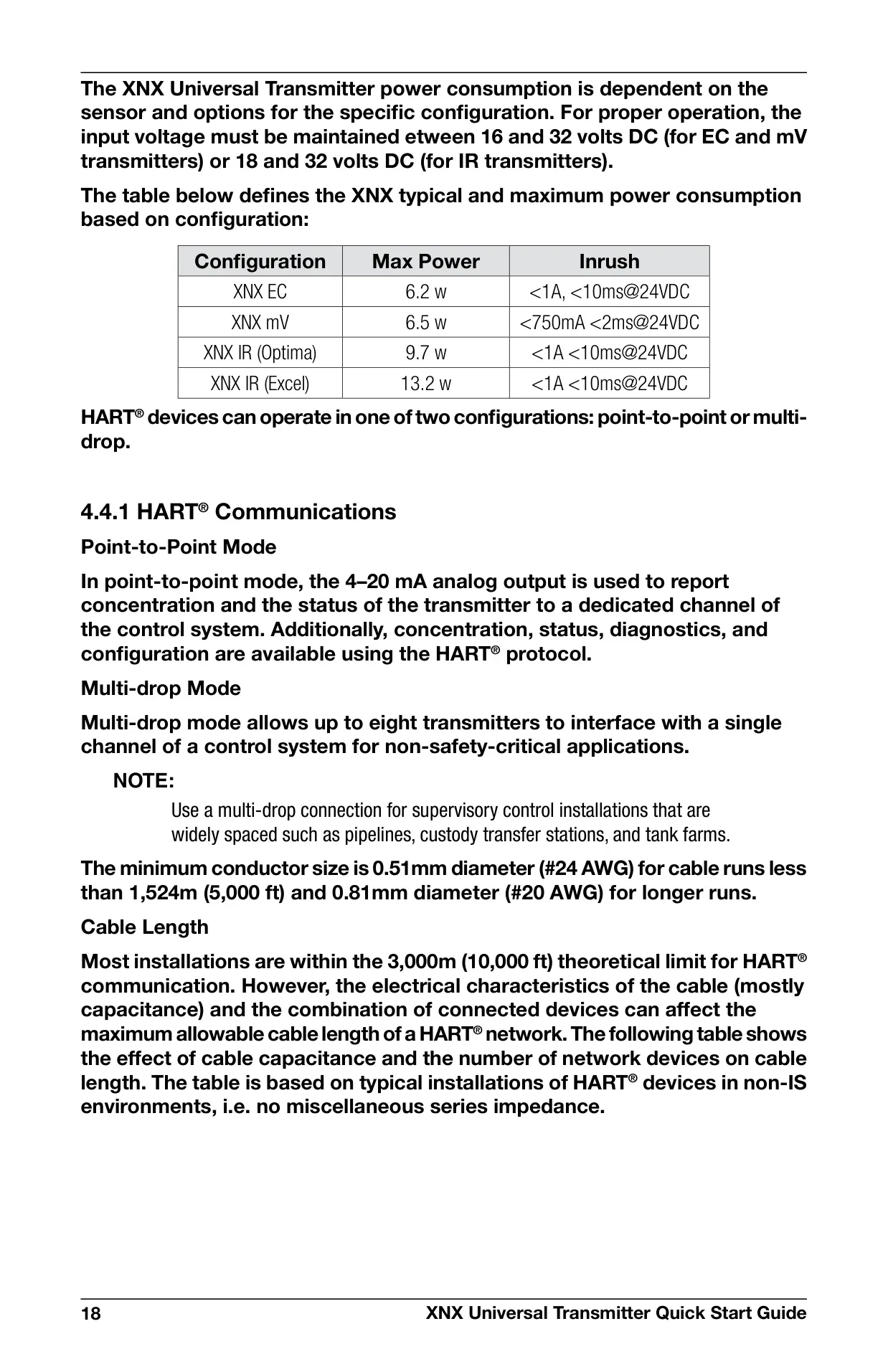
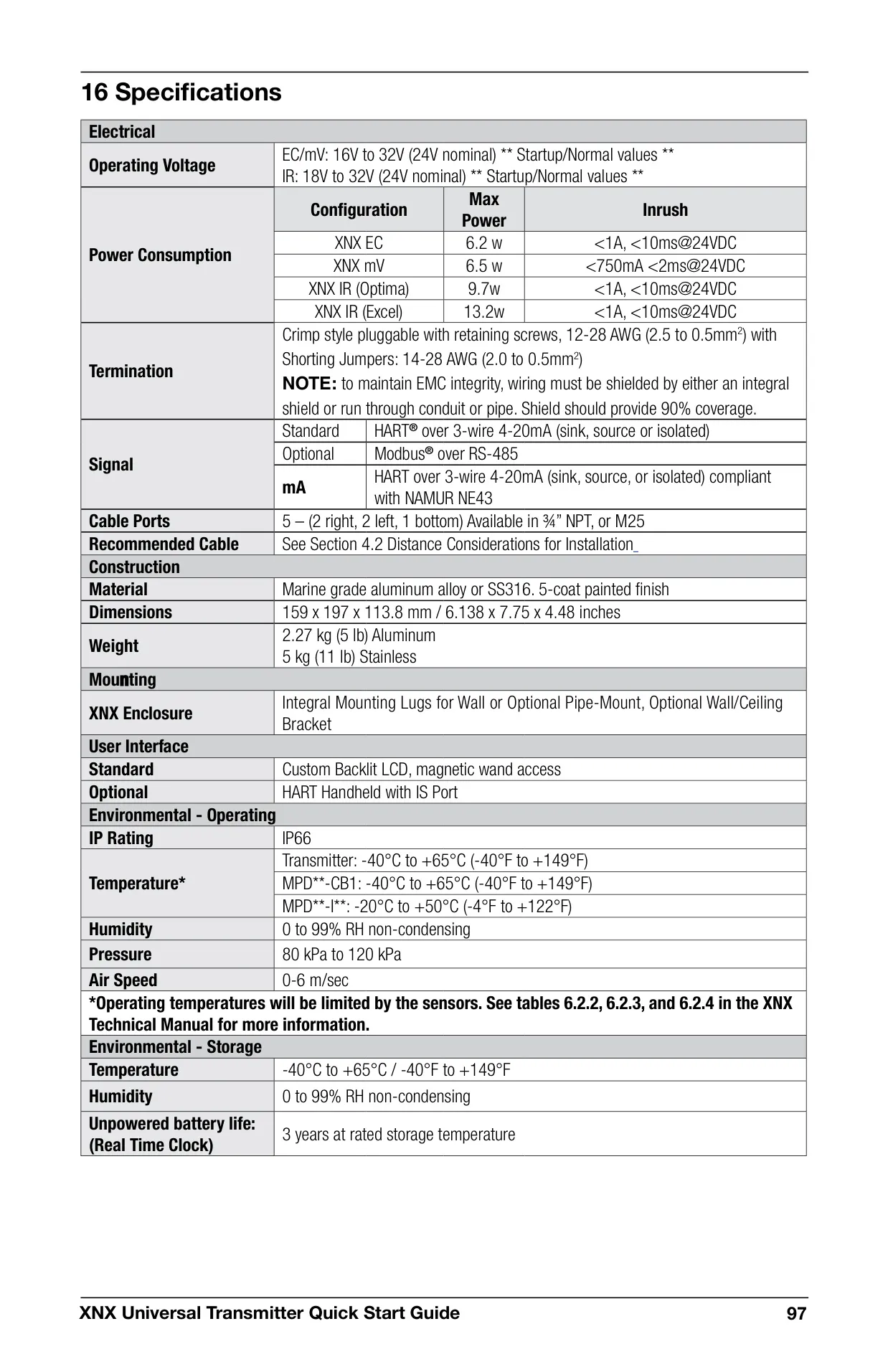
| Operating Voltage (Nominal) | EC/mV: 16V to 32V (24V nominal) IR: 18V to 32V (24V nominal) |
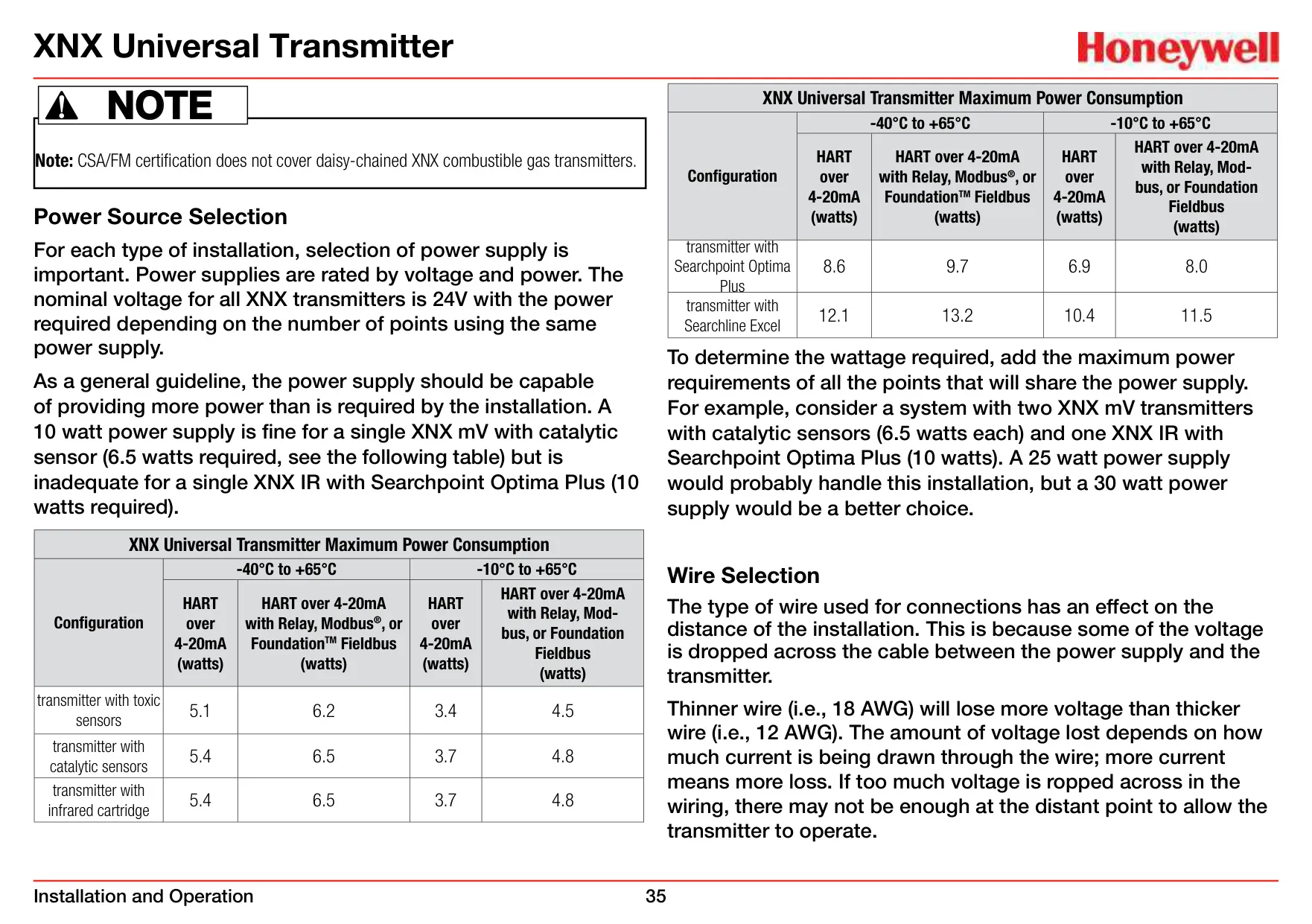
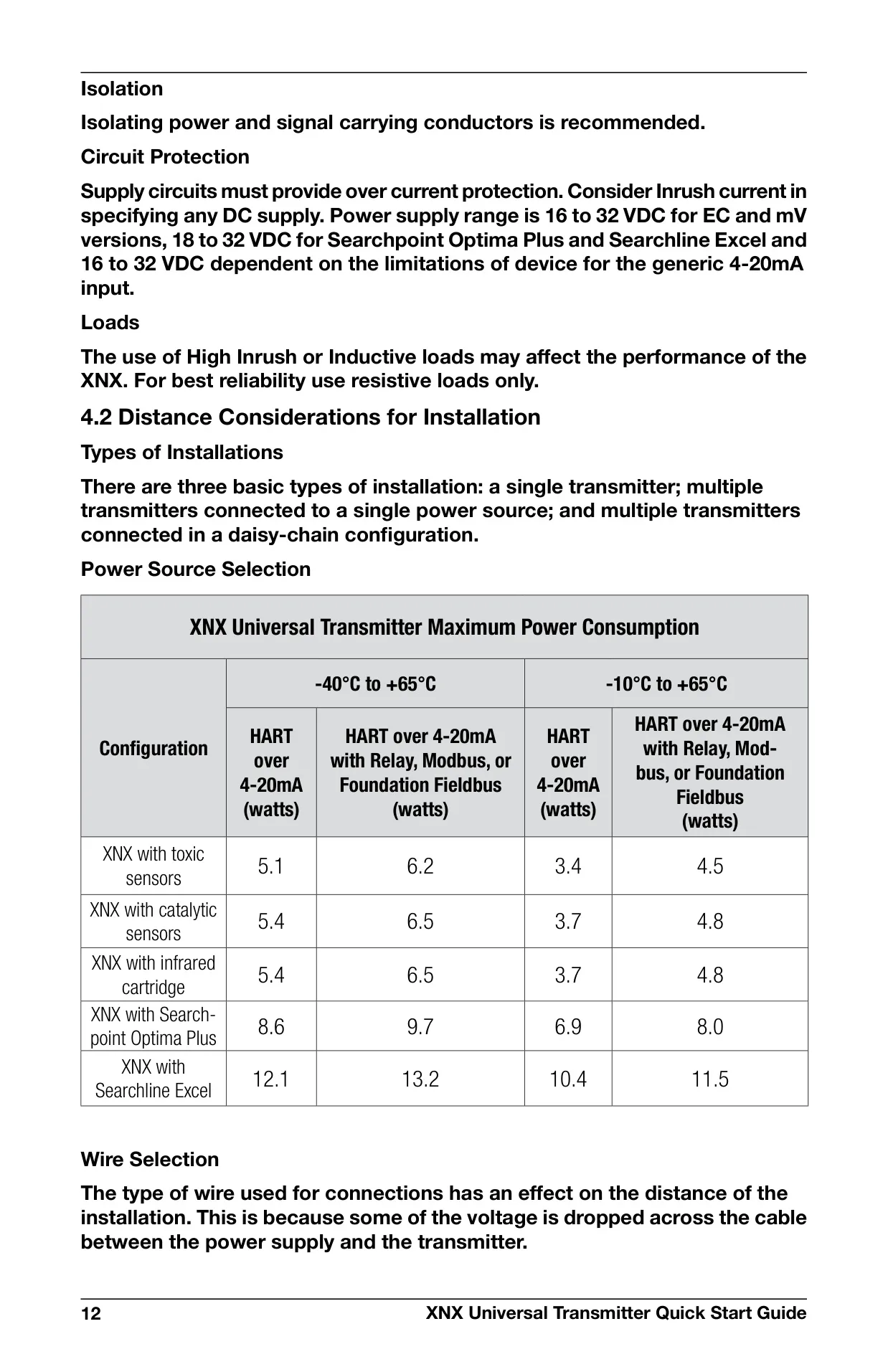
| Max Power Consumption | XNX EC: 6.2 W (-40°C to +65°C) XNX mV: 6.5 W (-40°C to +65°C) XNX IR (Optima): 9.7 W (-40°C to +65°C) XNX IR (Excel): 13.2 W (-40°C to +65°C) |
| Inrush Current | EC, Optima, Excel: <1A, <10ms @24VDC mV: <750mA, <2ms @24VDC |
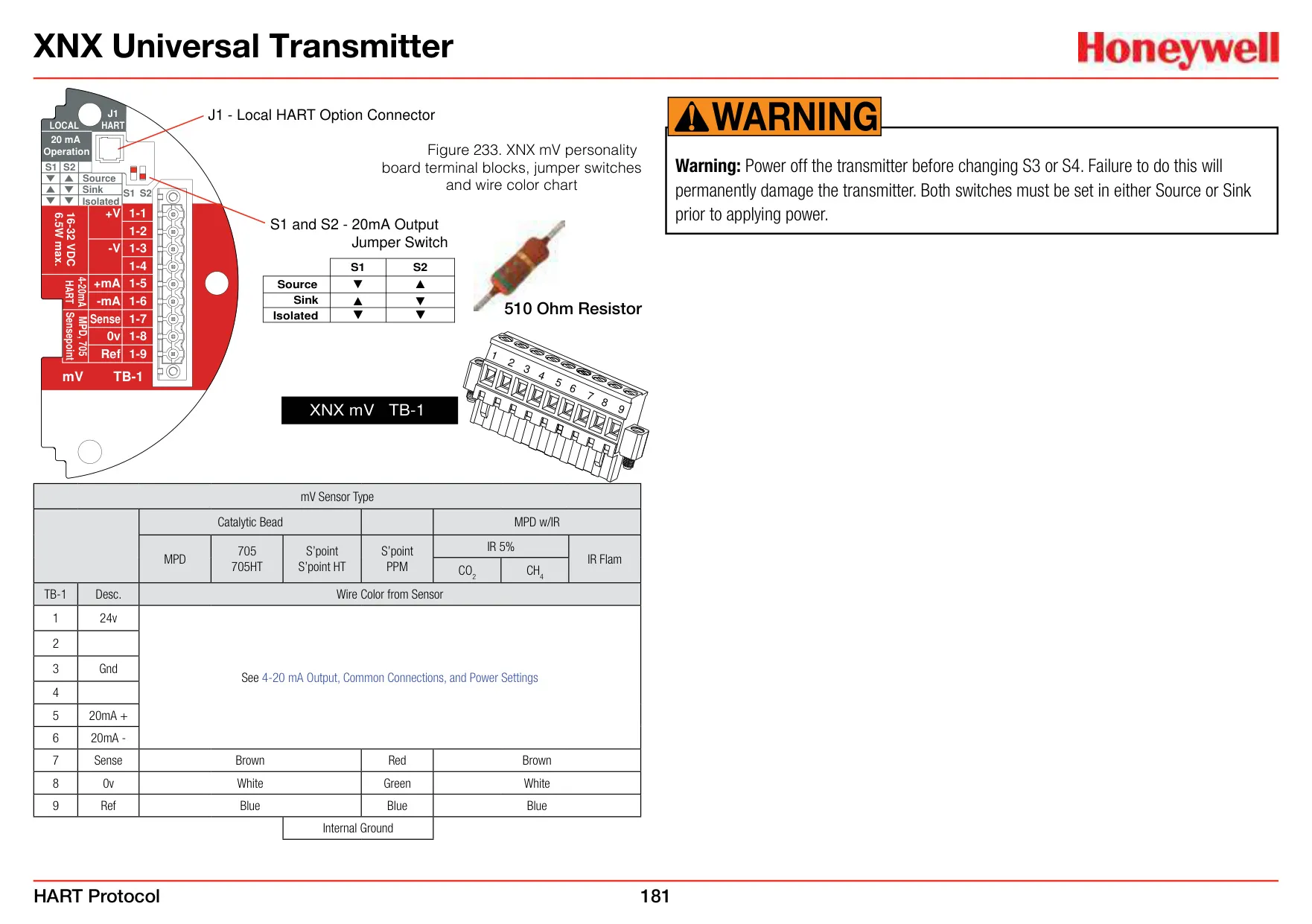
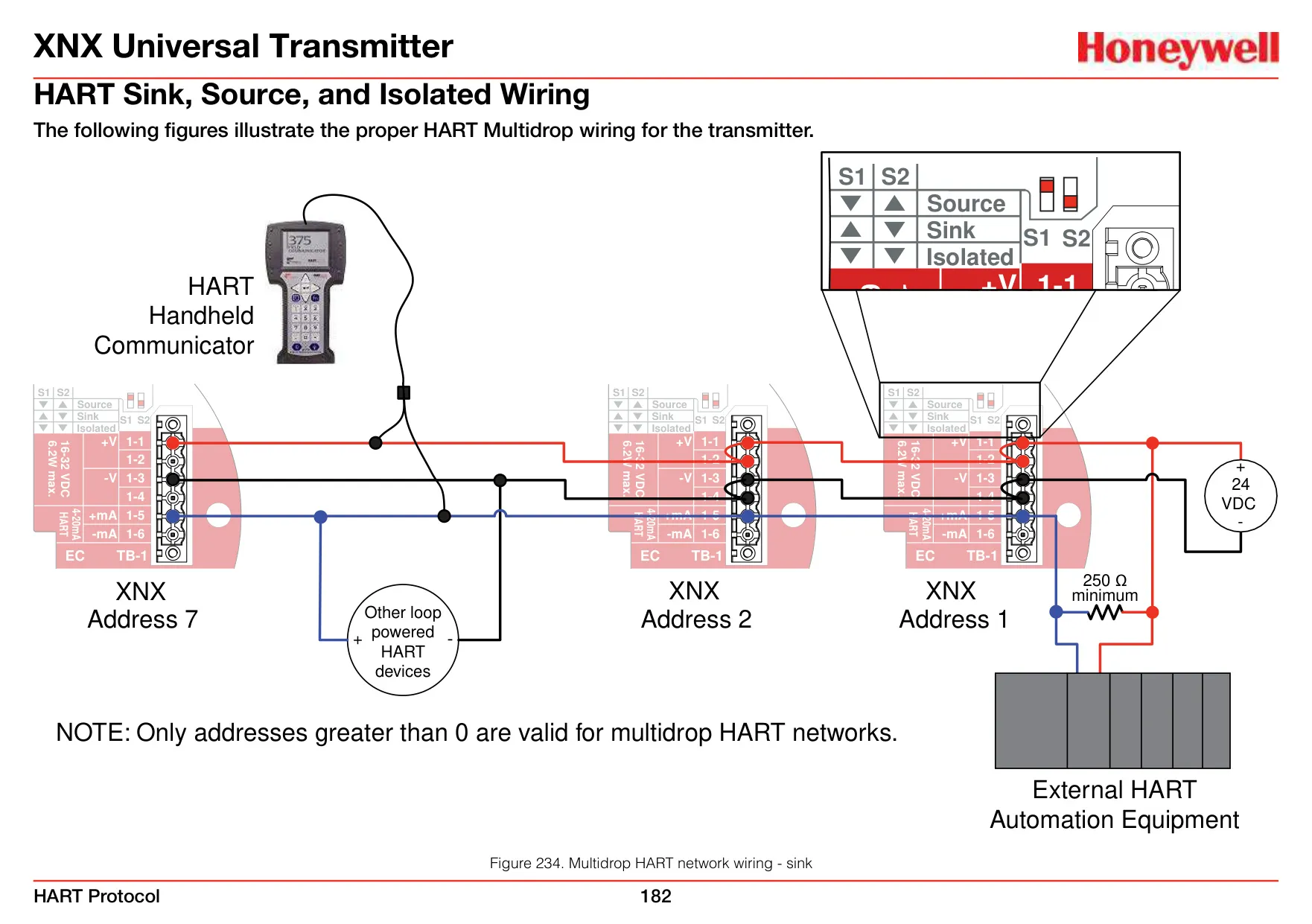
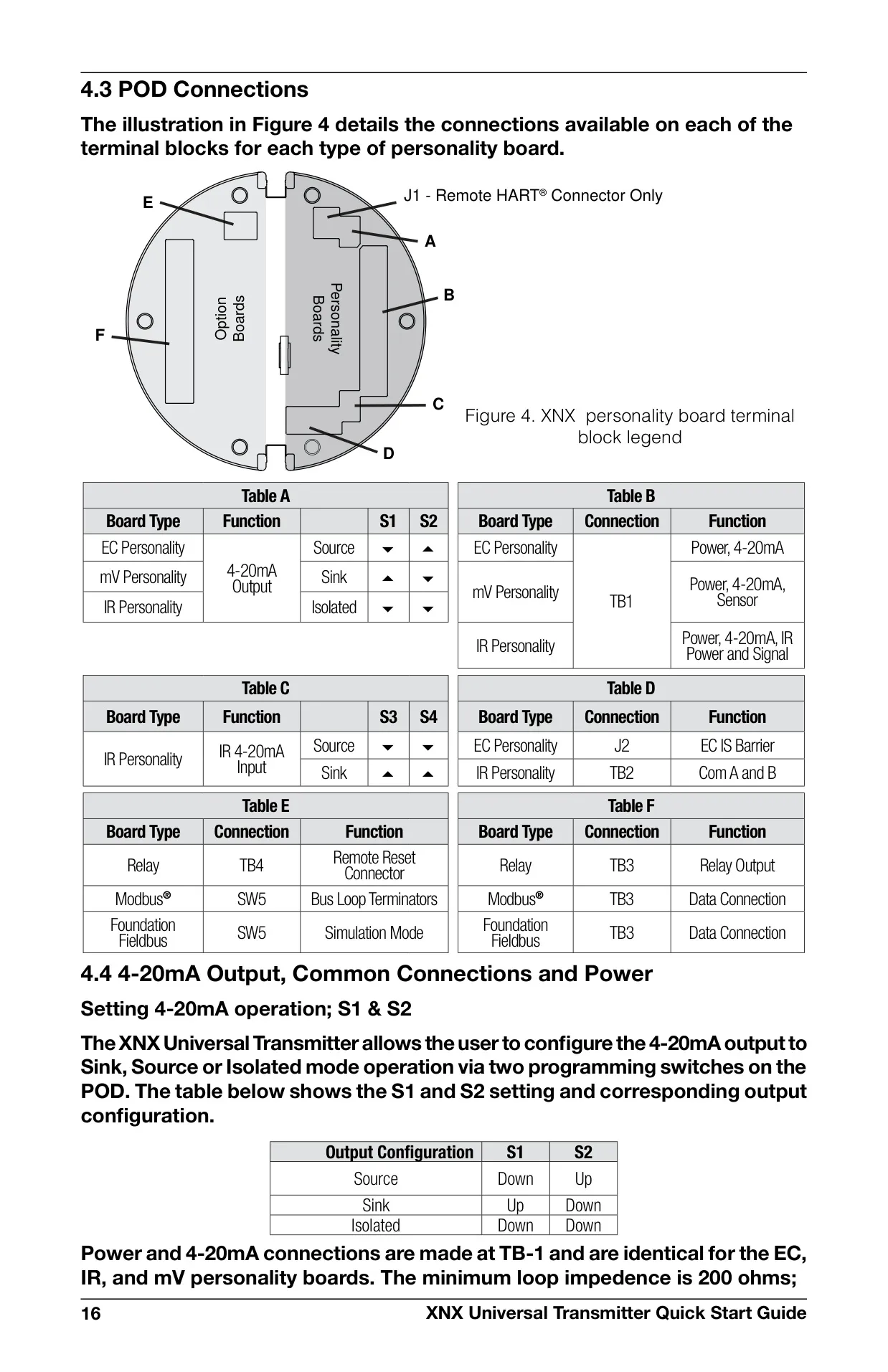
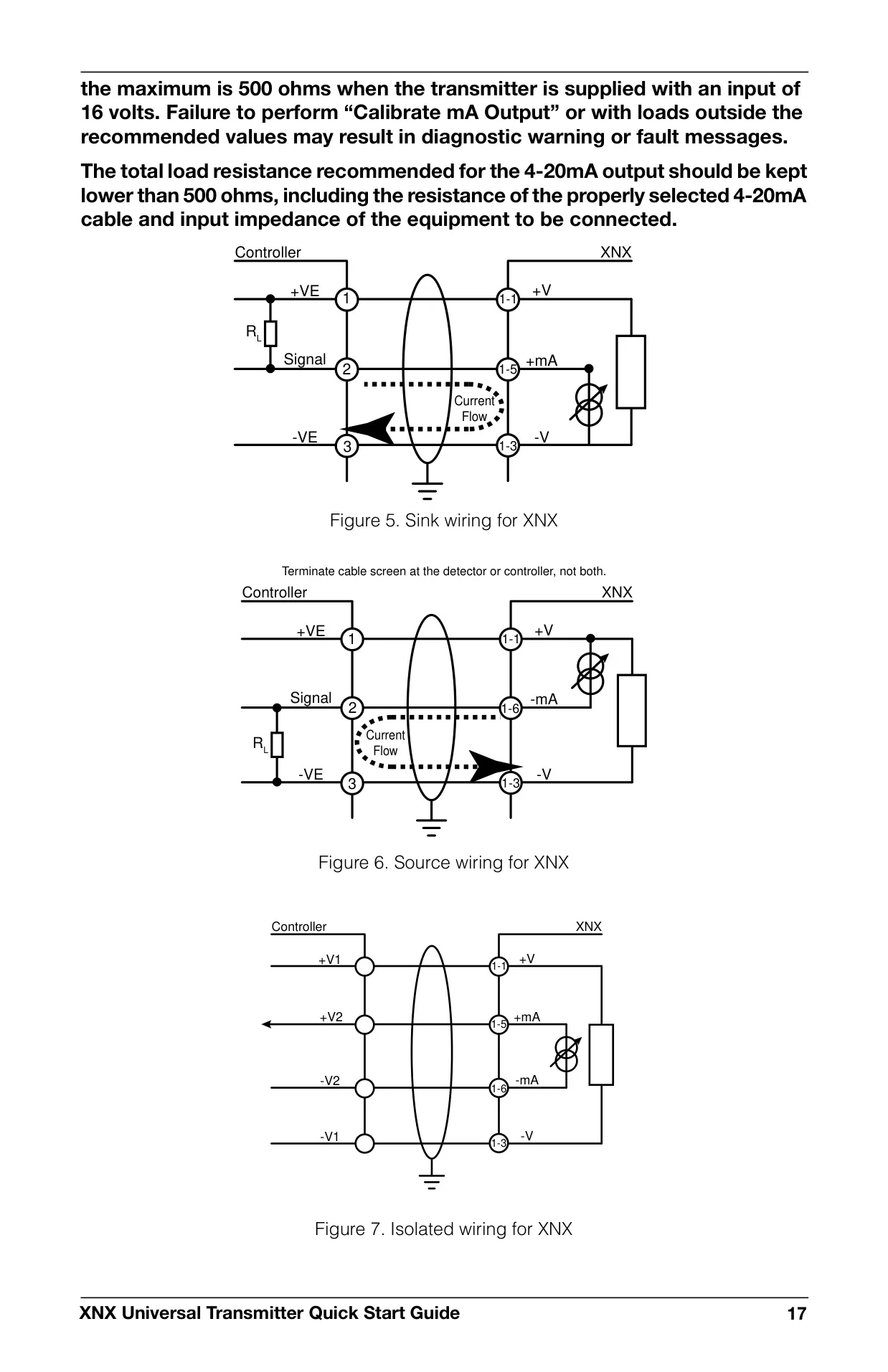
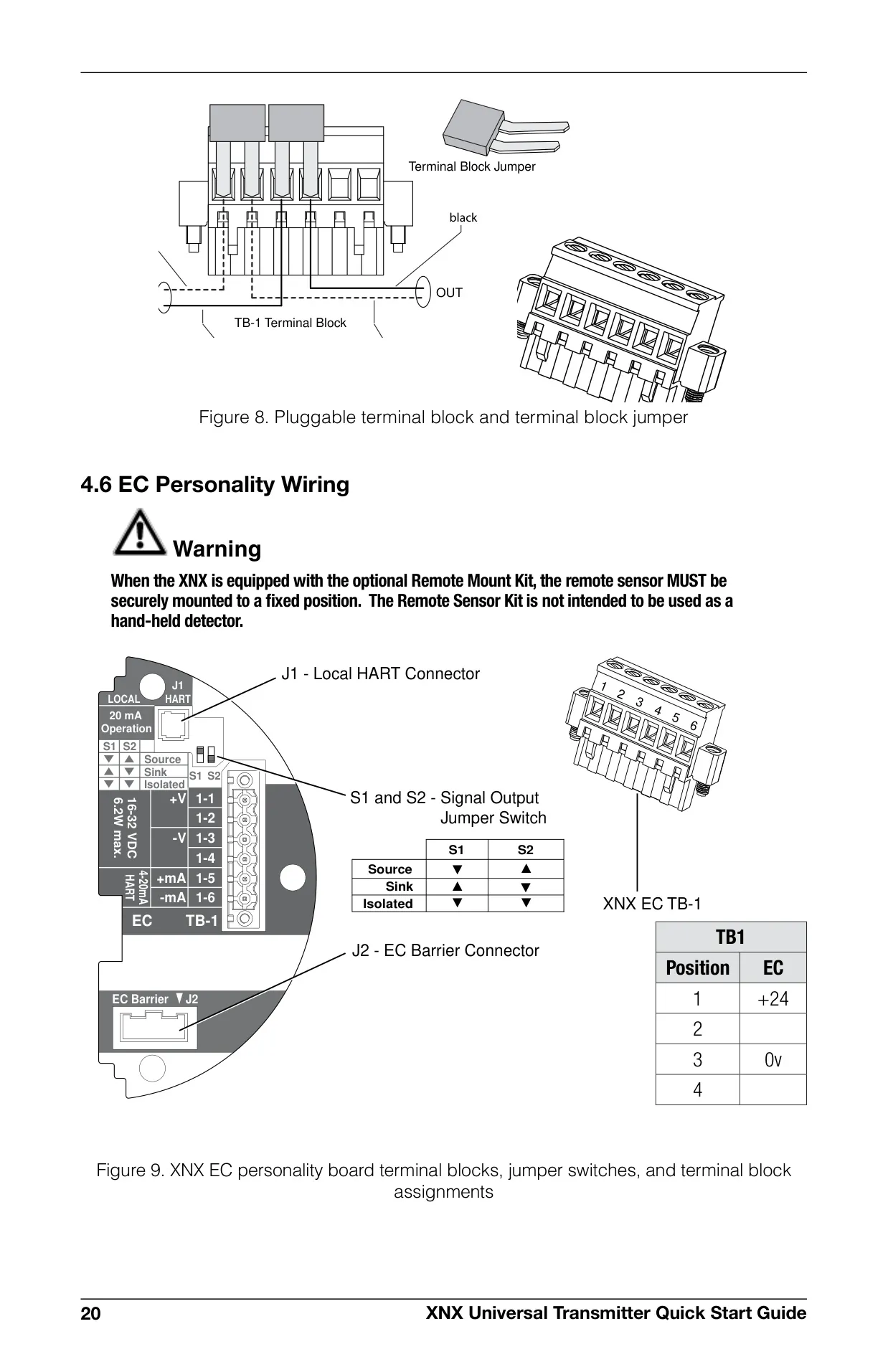
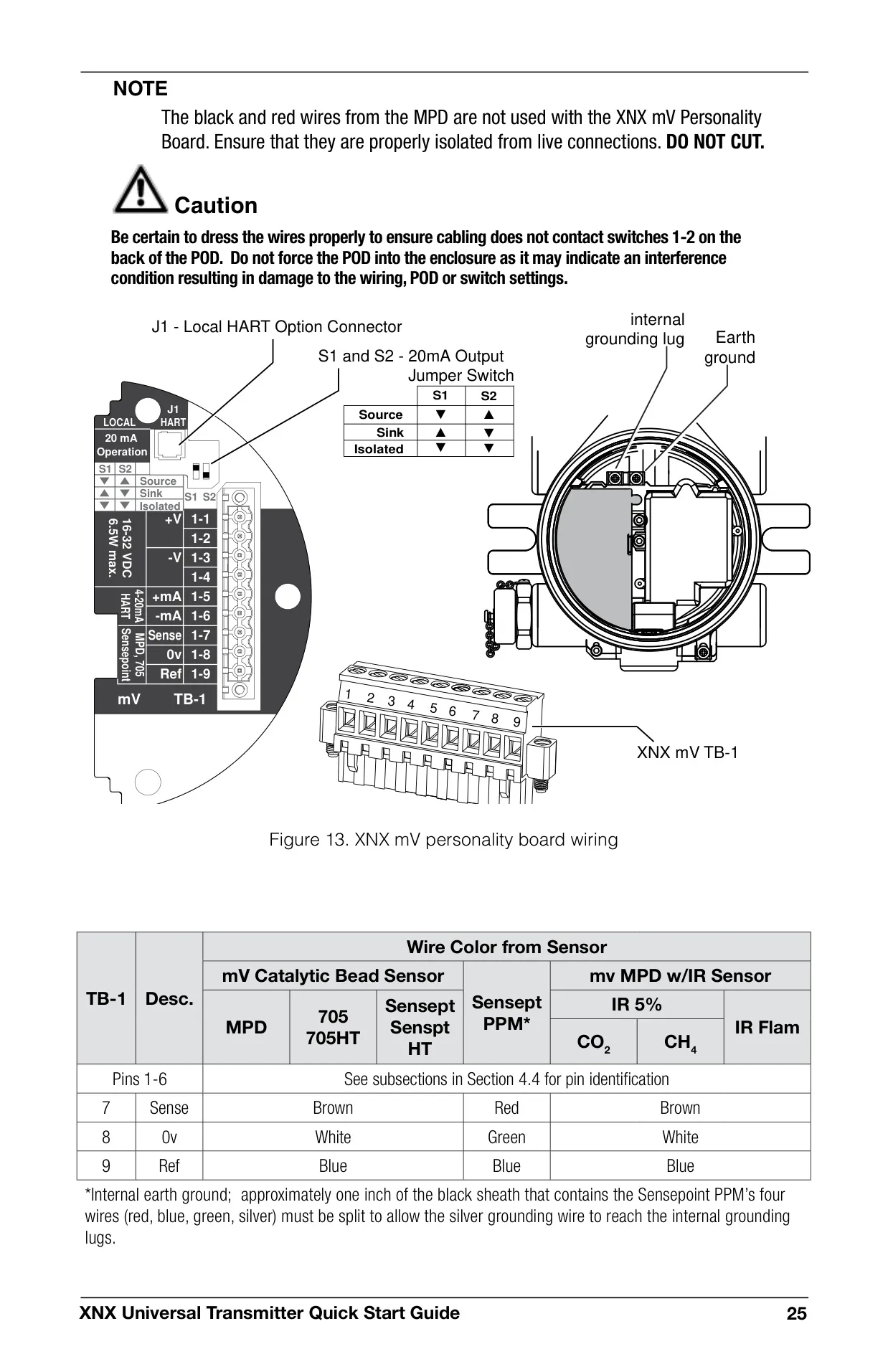
| Output Signal | Standard: HART over 3-wire 4-20 mA (sink, source, or isolated) Compliant with NAMUR NE43 |
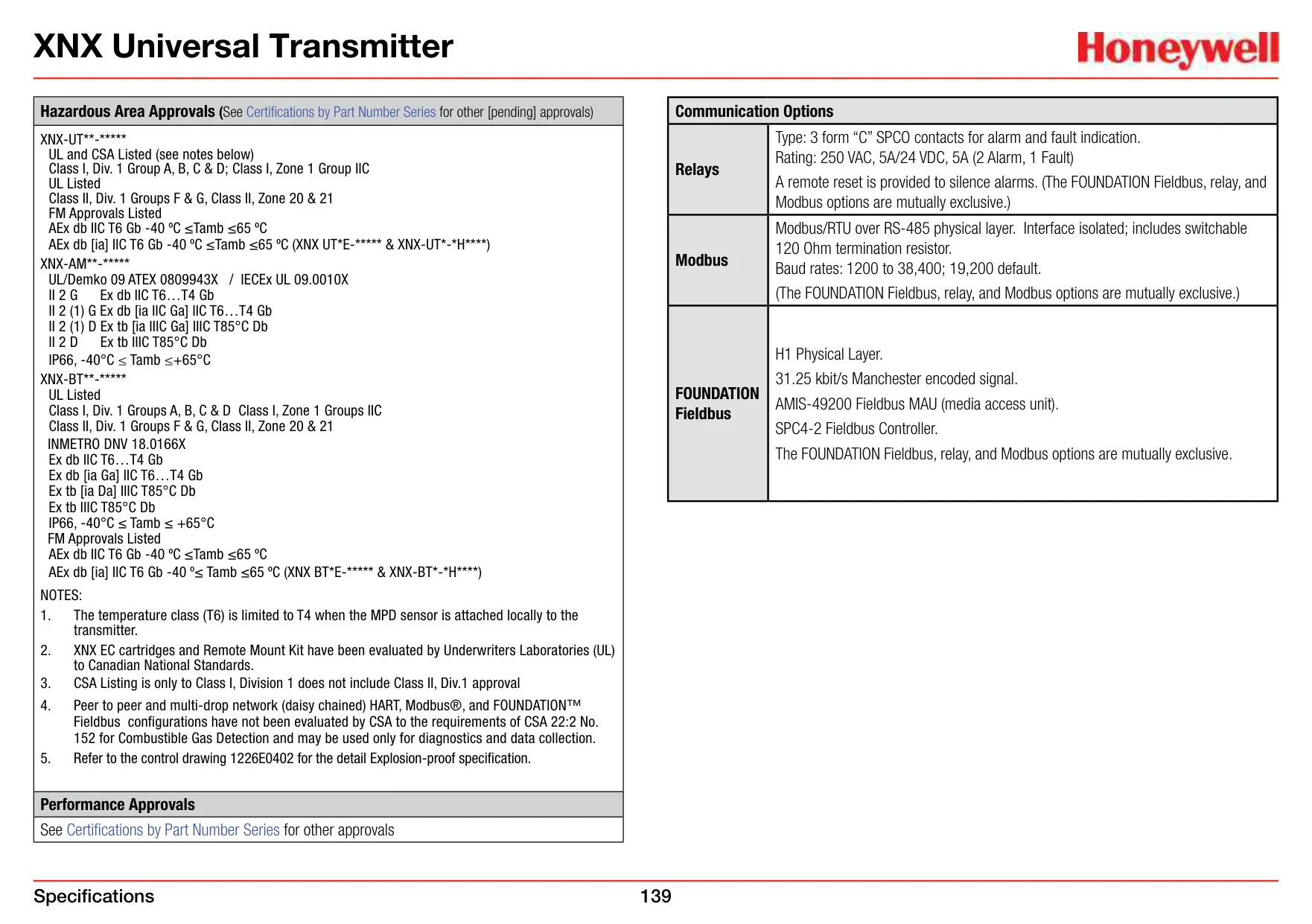
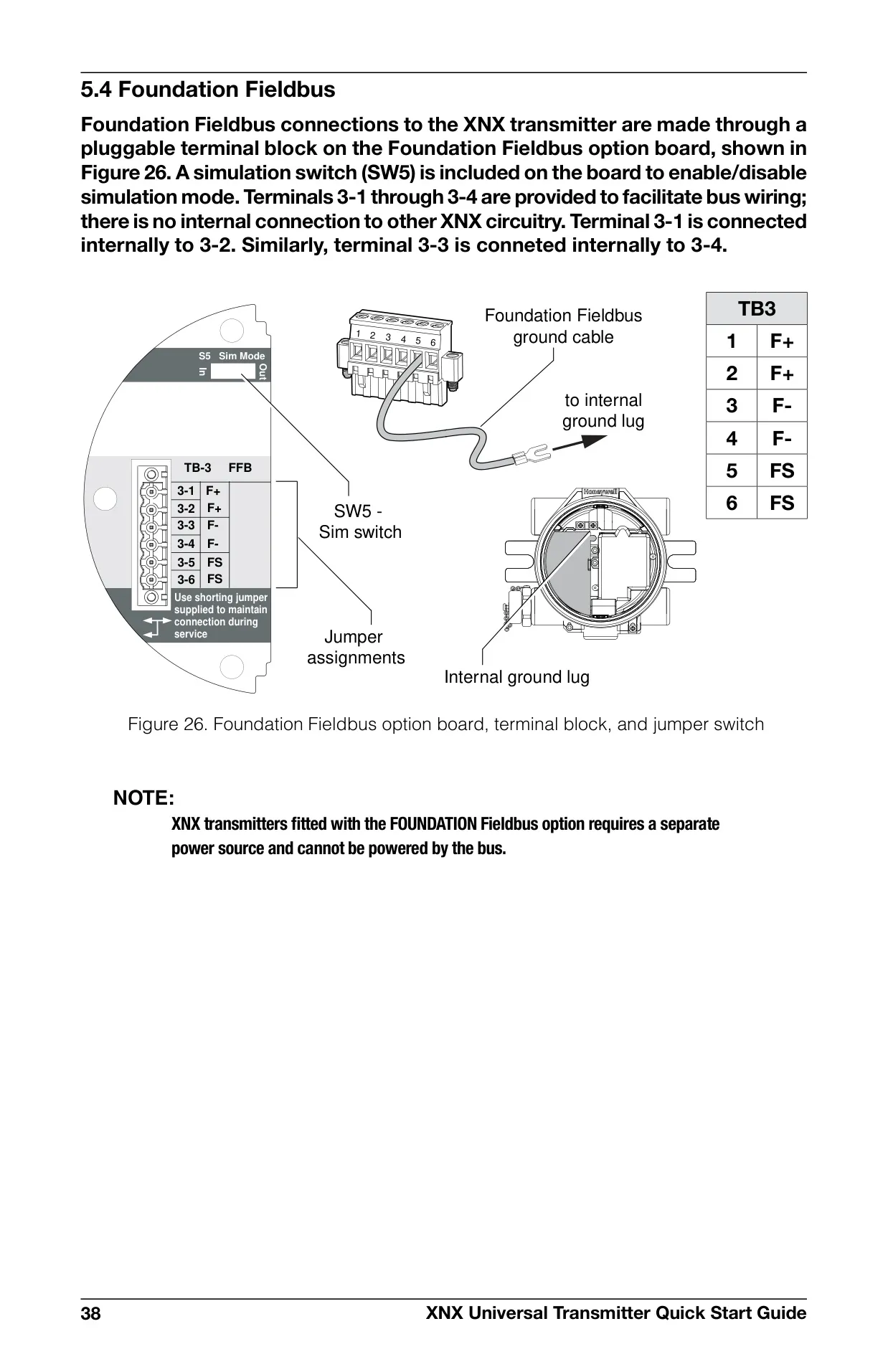
| Optional Communications | Relay: 3 form “C” SPCO contacts (2 Alarm, 1 Fault) Modbus: RTU over RS-485 (1200 to 38,400 baud, 19,200 default) FOUNDATION Fieldbus: H1 Physical Layer, 31.25 kbit/s |
| Relay Contact Ratings | 250 VAC, 5A / 24 VDC, 5A (resistive loads only) |
| Enclosure Material | Marine grade aluminum alloy or SS316. 5-coat painted finish. |
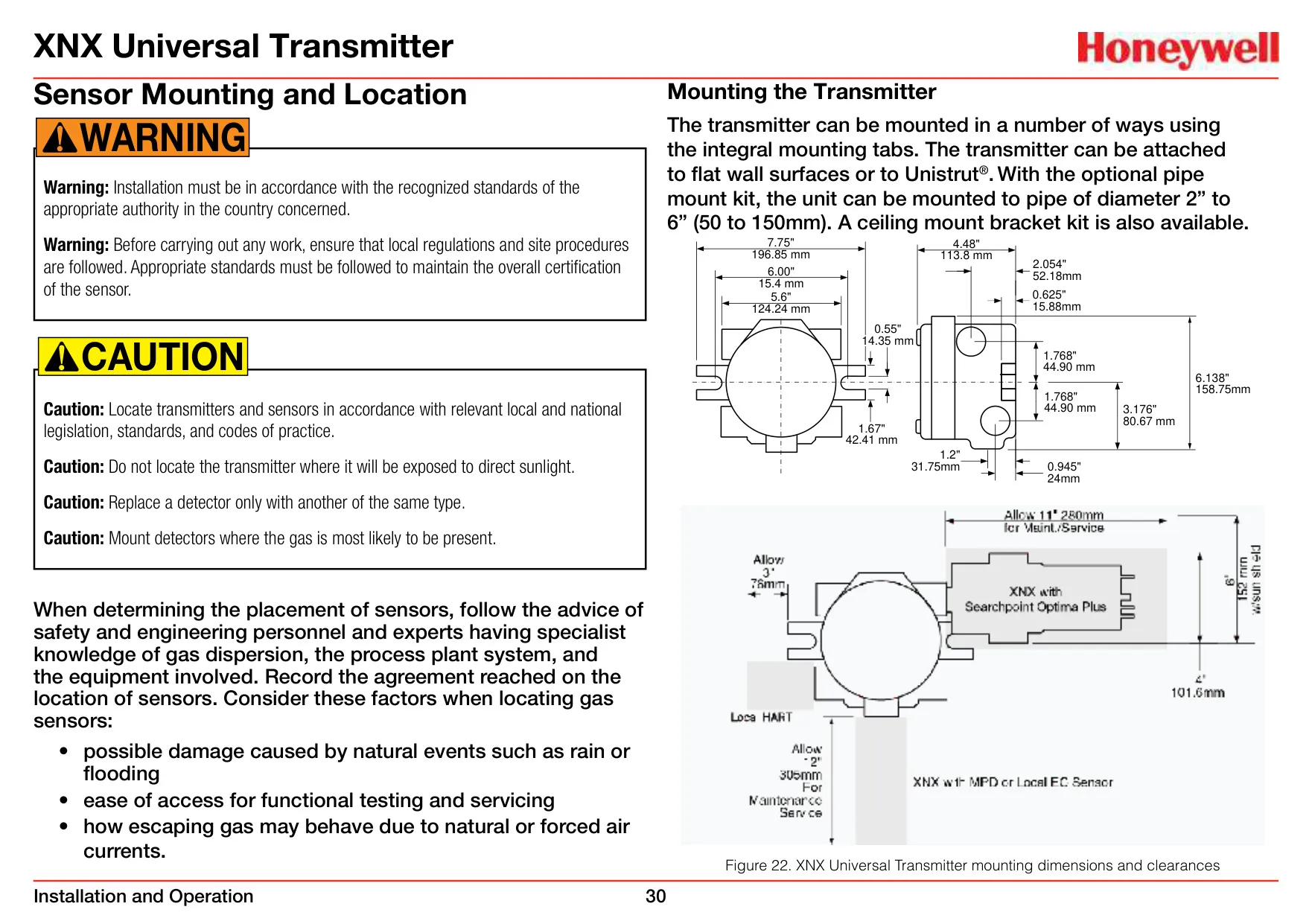
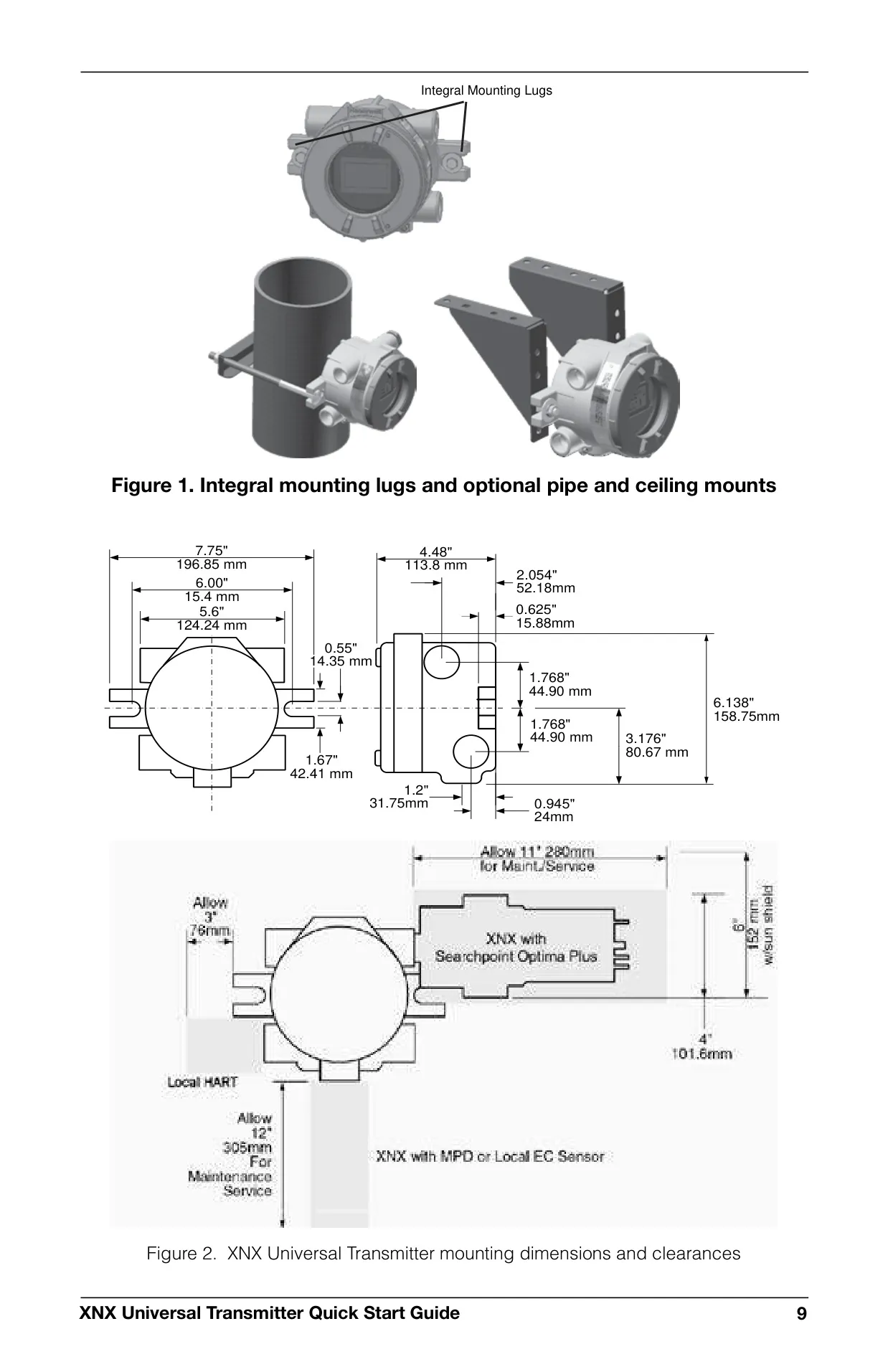
| Dimensions (HxWxD) | 159 x 197 x 113.8 mm (6.138 x 7.75 x 4.48 inches) |
| Weight | Aluminum: 2.27 kg (5 lb) Stainless Steel: 5 kg (11 lb) |
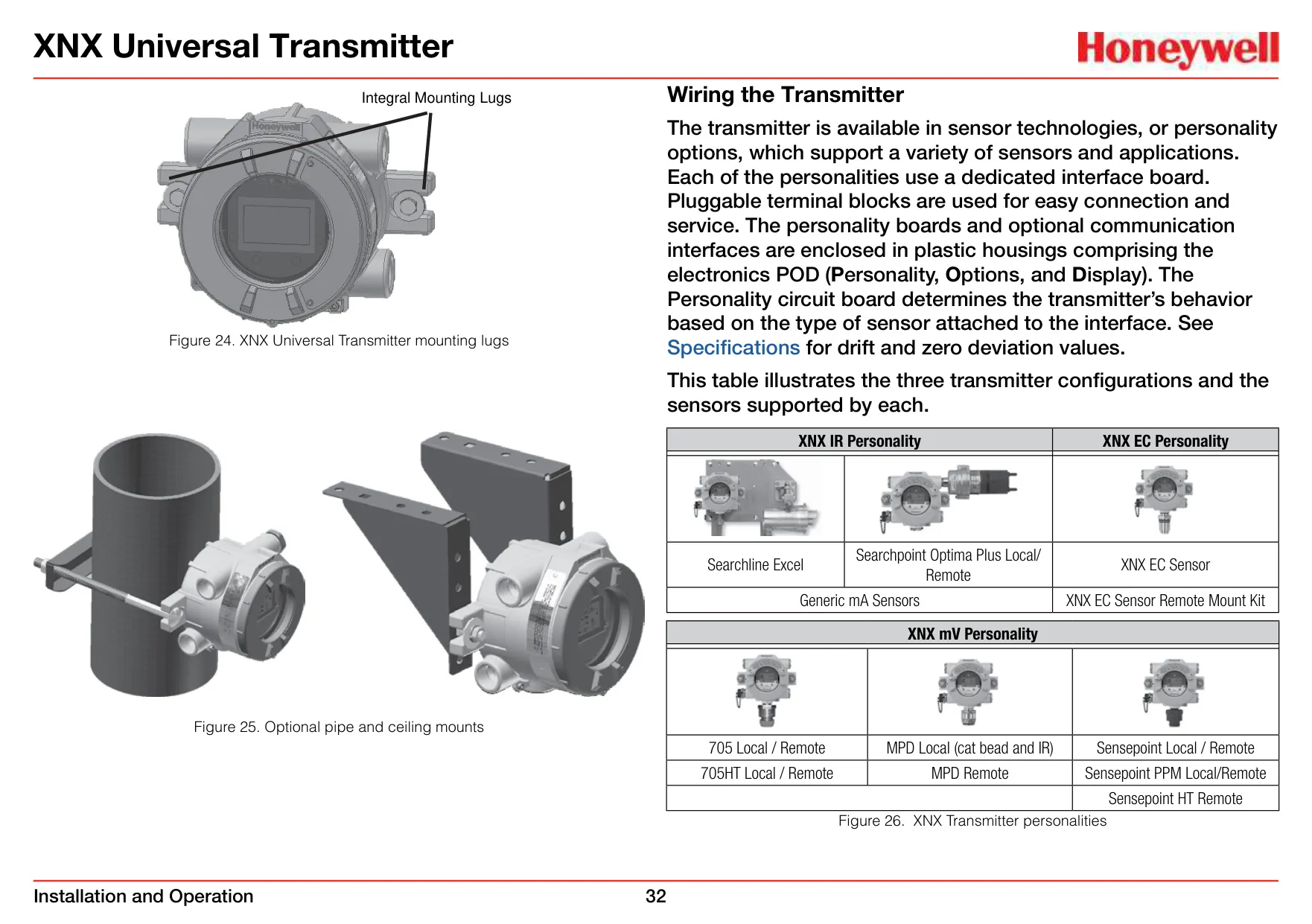
| Mounting Options | Integral Mounting Lugs (Wall), Optional Pipe-Mount, Optional Ceiling Bracket |
| IP Rating | IP66 |
| Operating Temperature | Transmitter: -40°C to +65°C (-40°F to +149°F) Sensor limits vary (e.g., MPD-IC1: -20°C to +50°C) |
| Operating Humidity | 0 to 99% RH non-condensing |
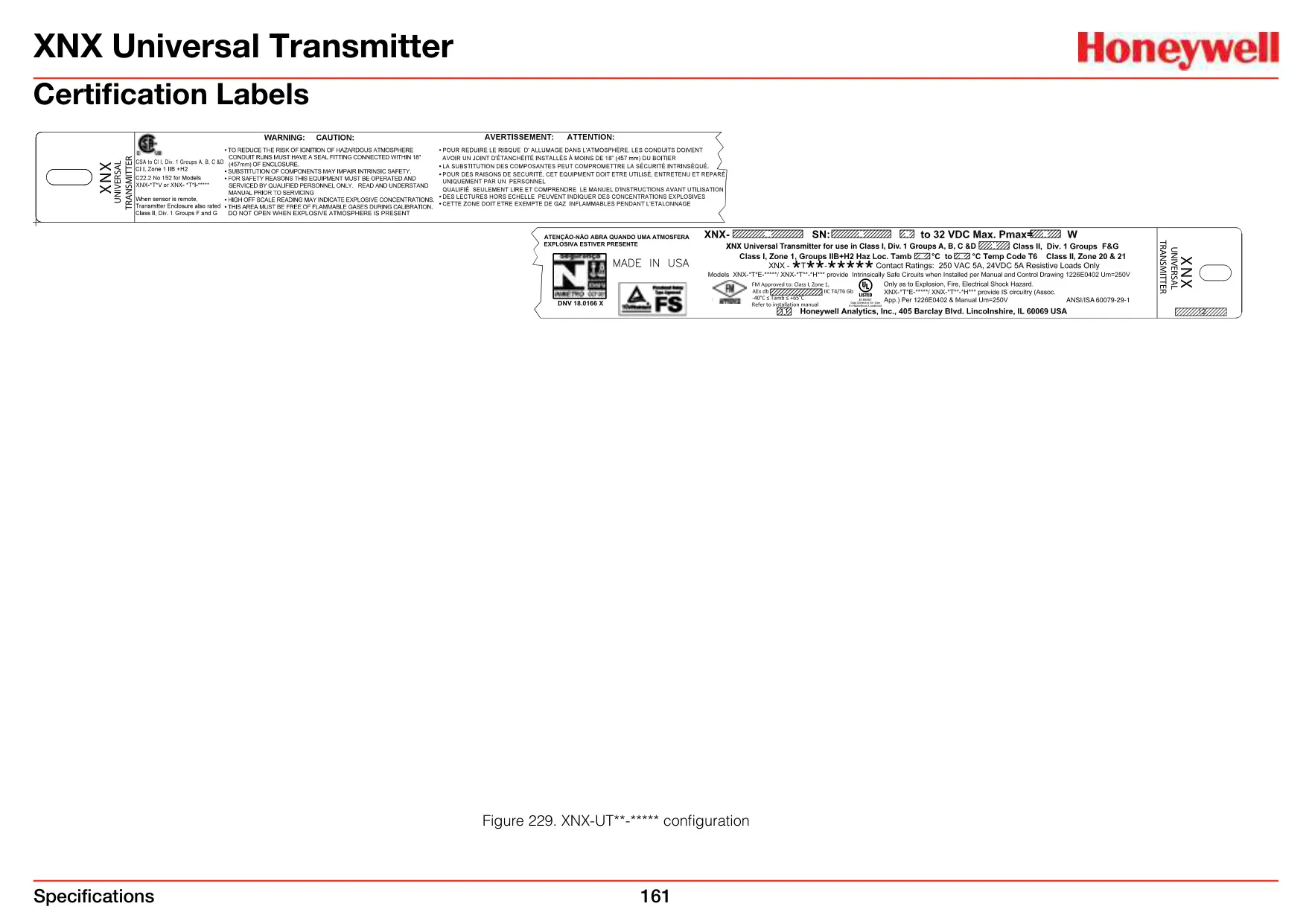
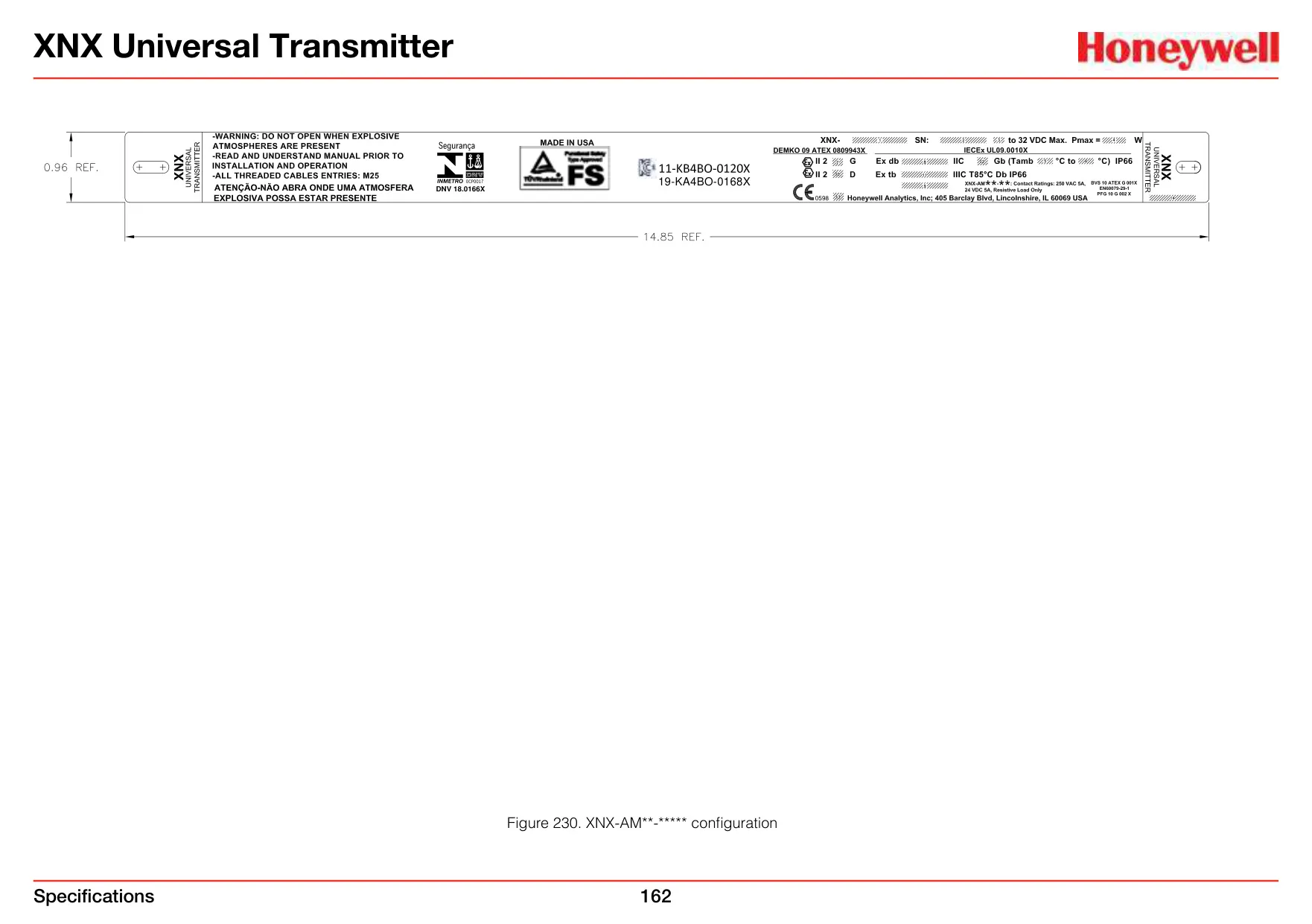
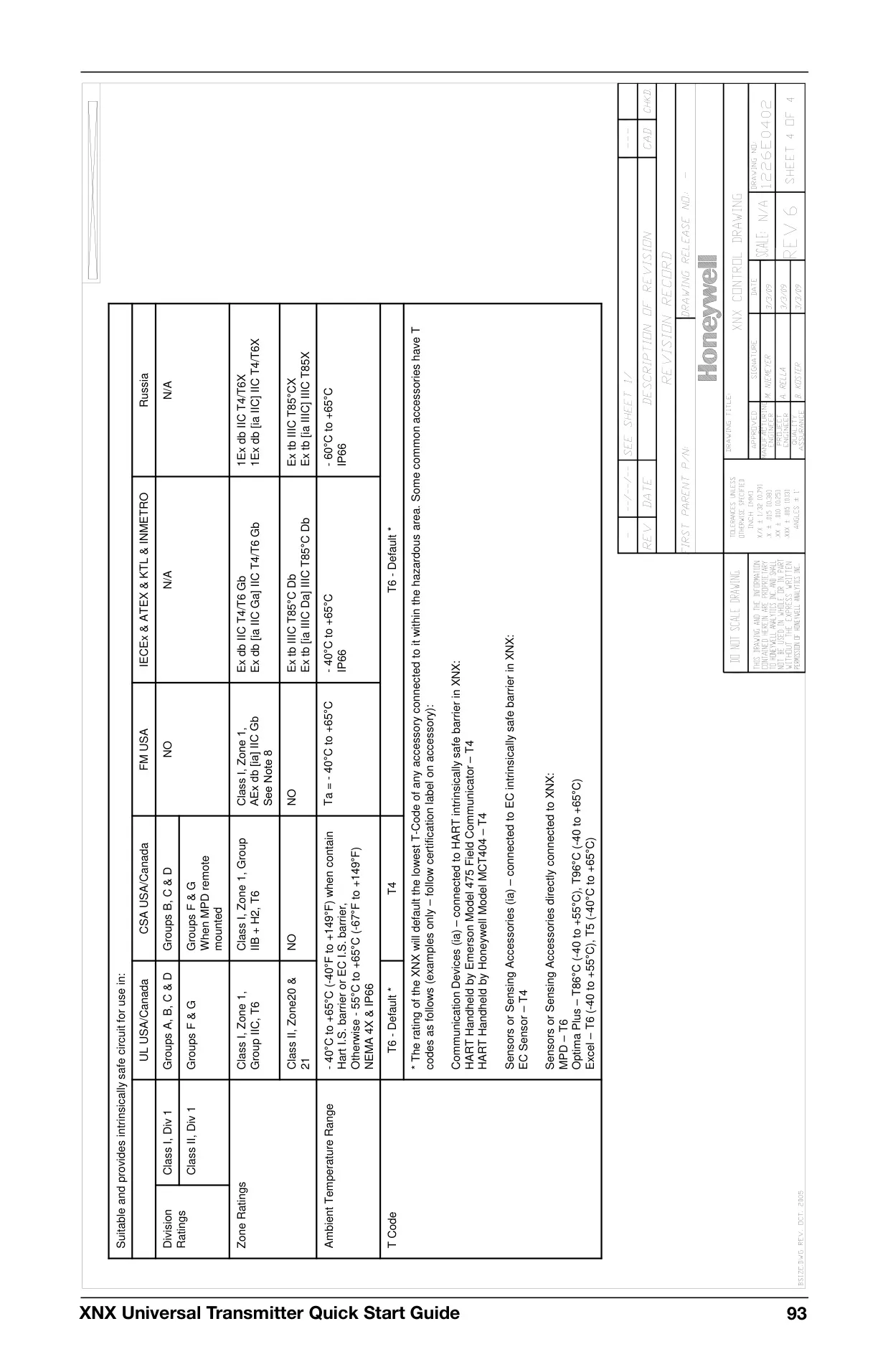
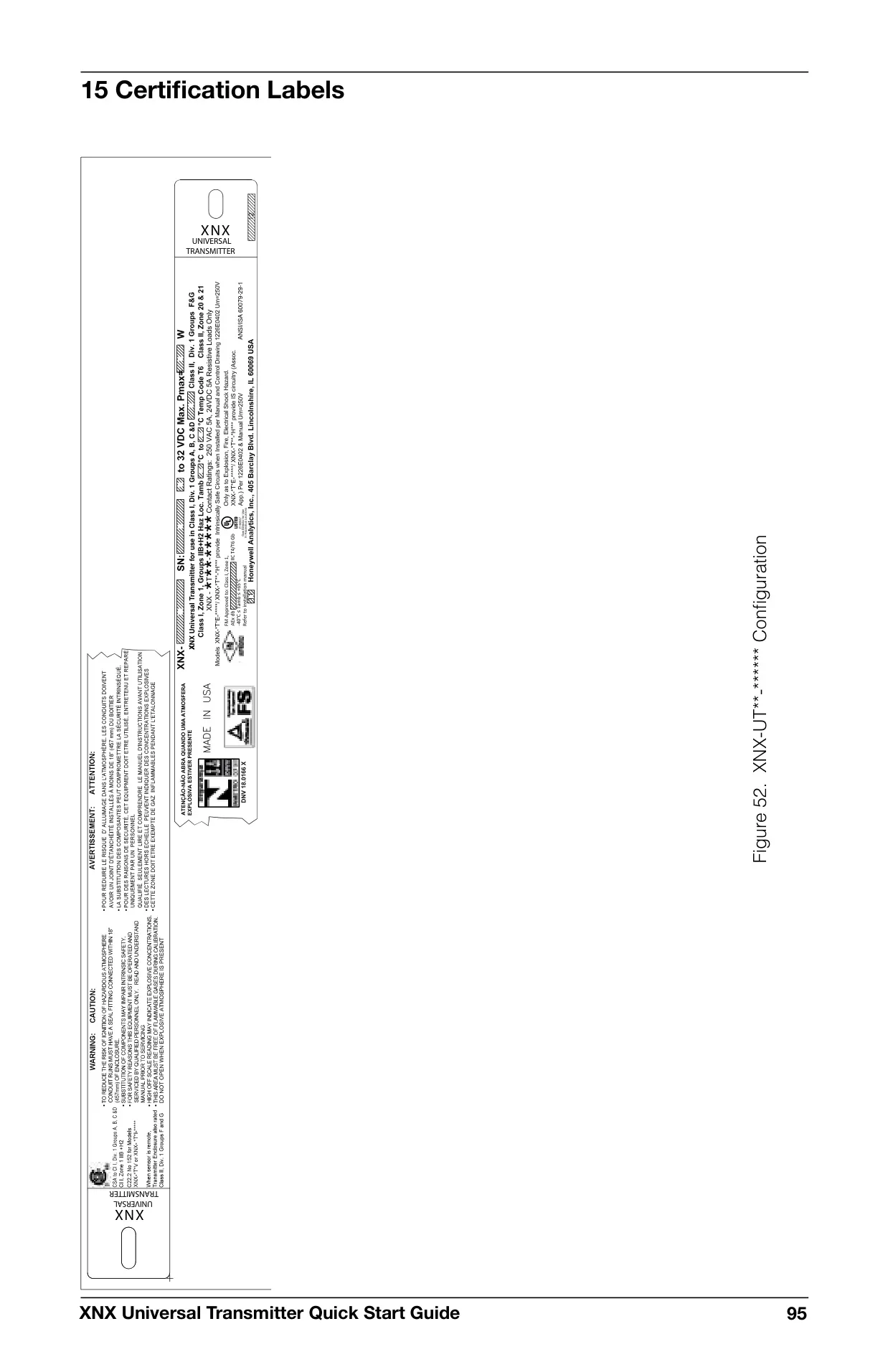
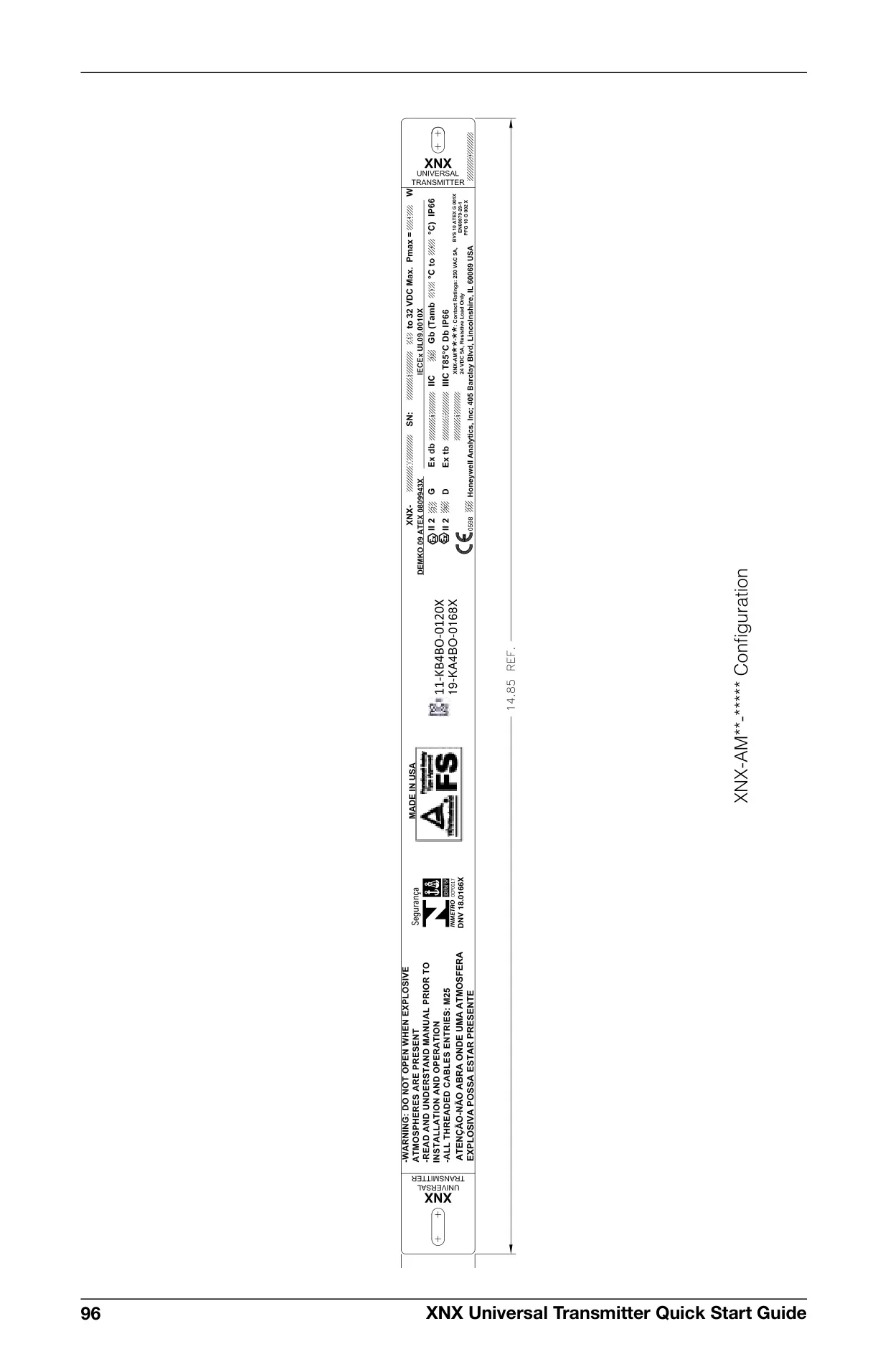
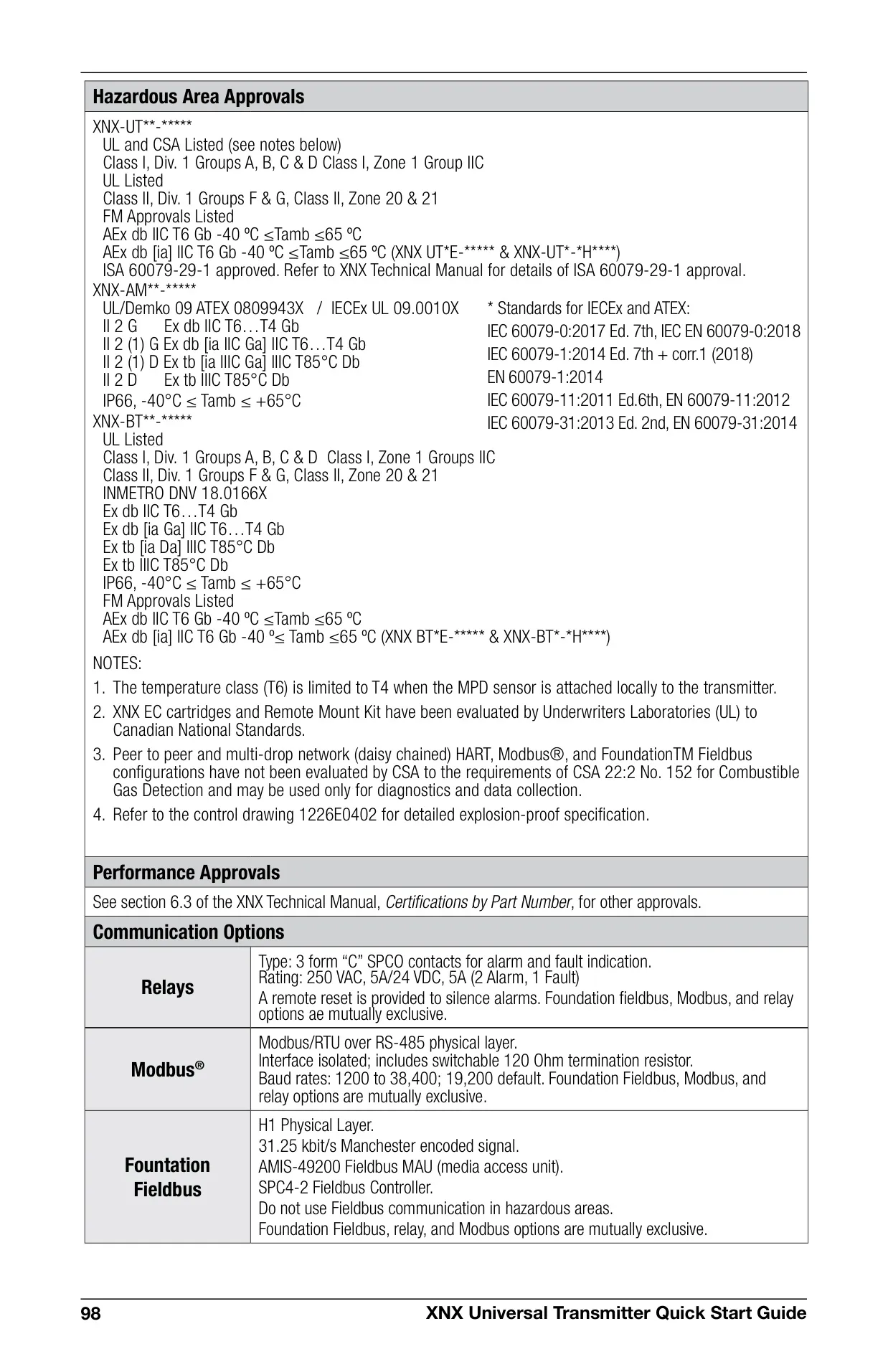
| Hazardous Area Approvals | UL/CSA Class I, Div. 1 Group A, B, C & D; Class I, Zone 1 Group IIC FM AEx db IIC T6 Gb (-40 ºC ≤Tamb ≤65 ºC) ATEX/IECEx Ex db IIC T6…T4 Gb; Ex tb IIIC T85°C Db IP66 |
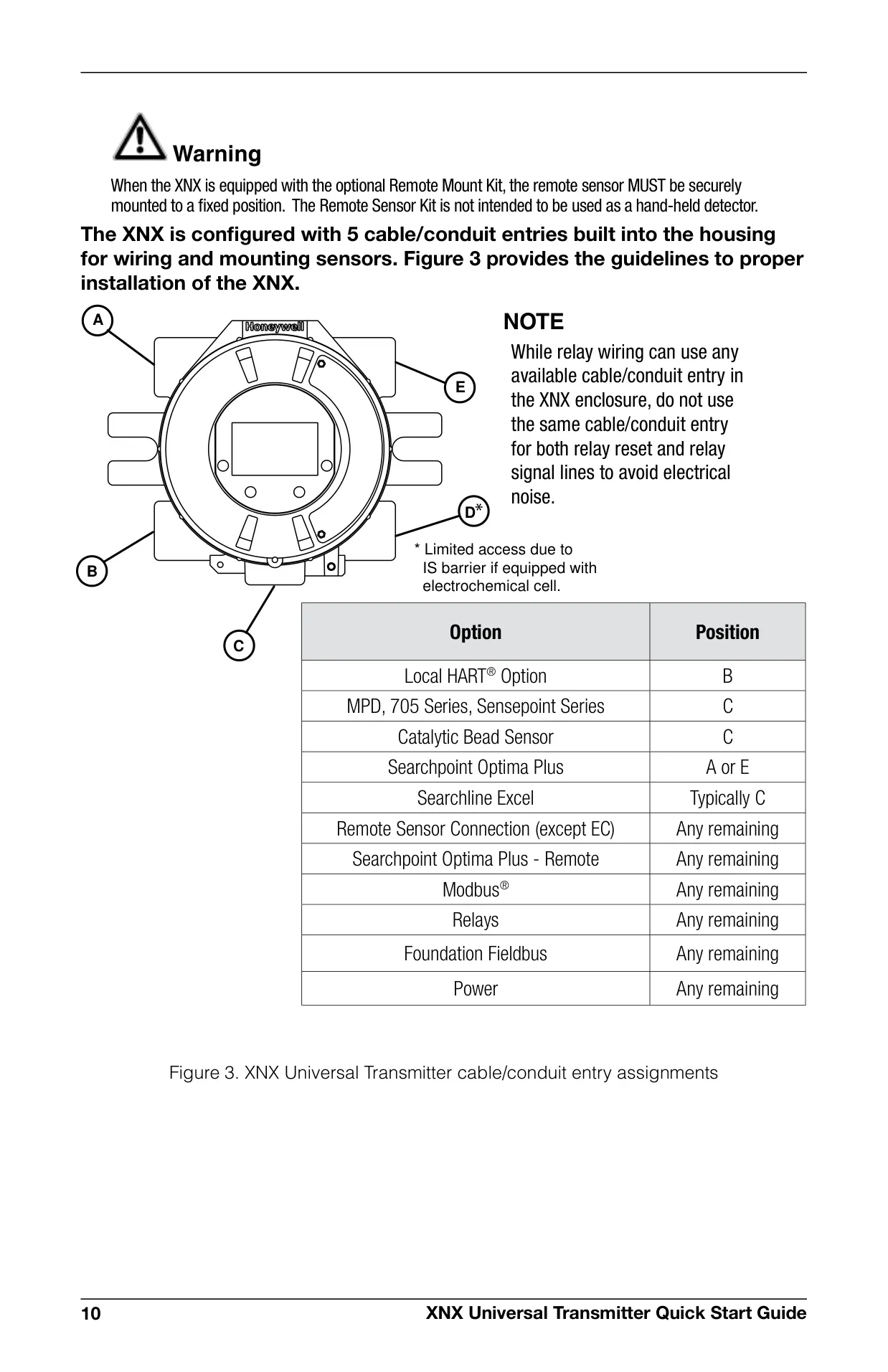
| Cable Ports | 5 – (2 right, 2 left, 1 bottom) available in ¾” NPT or M25 |
| Real Time Clock Battery Life | 3 years at rated storage temperature |
Honeywell XNX Details
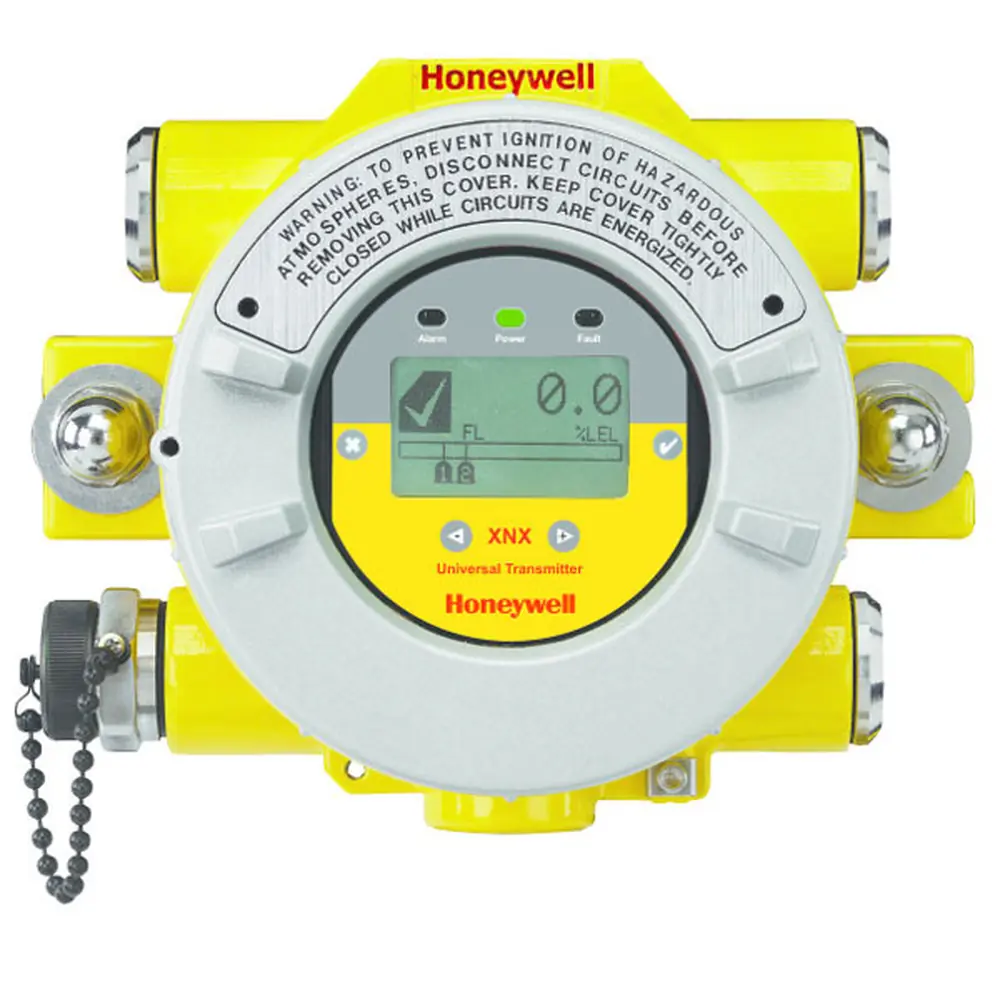
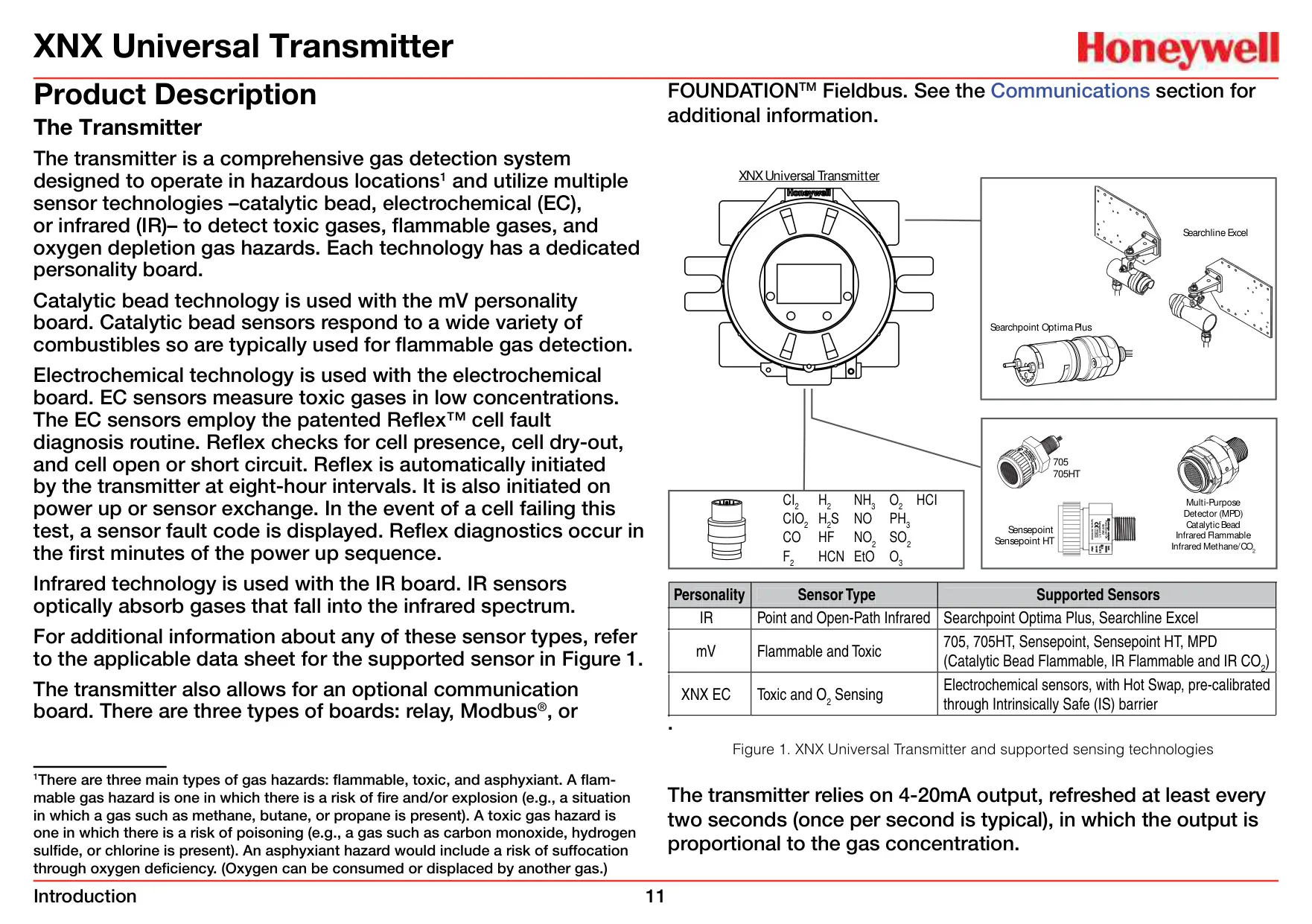
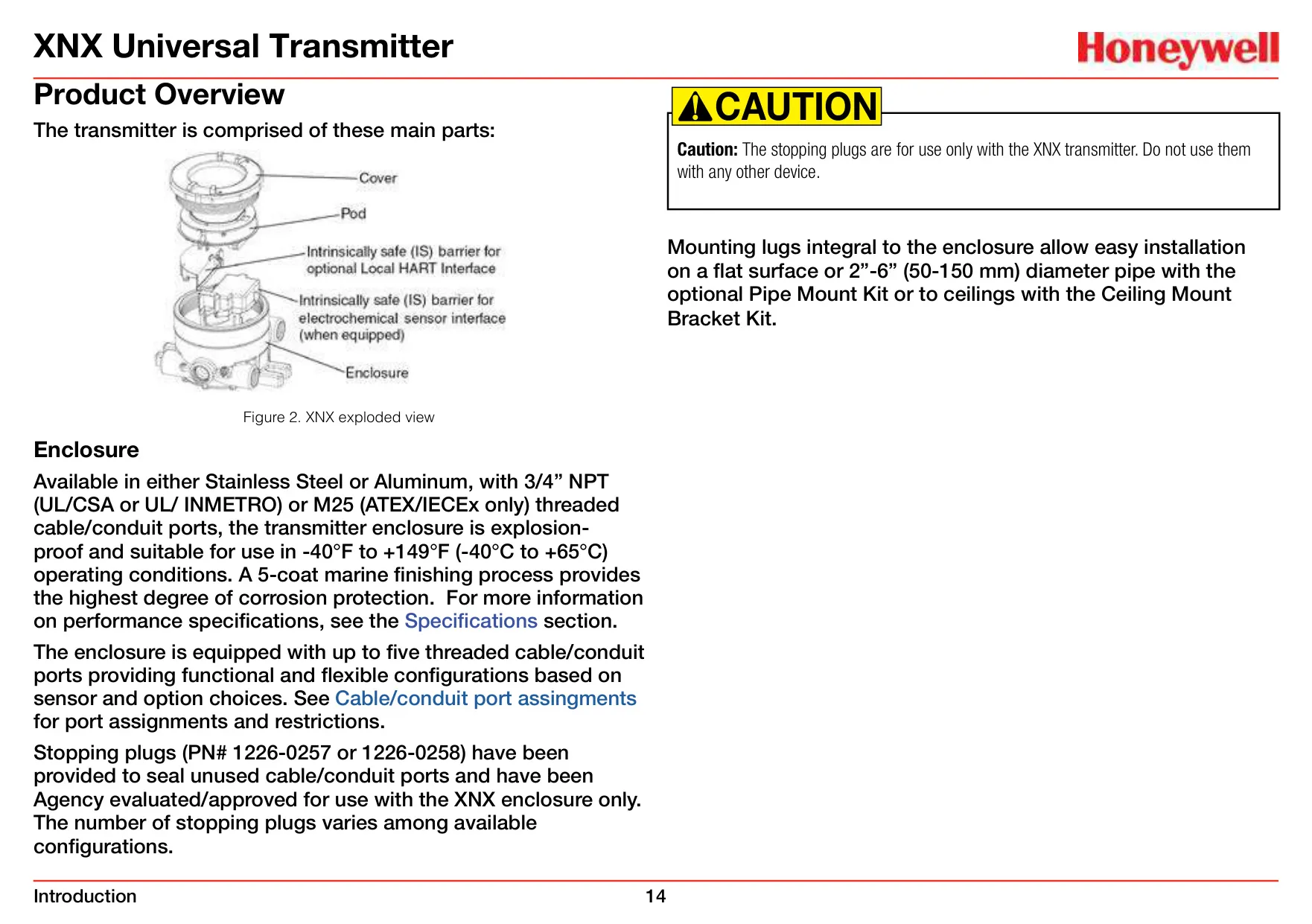
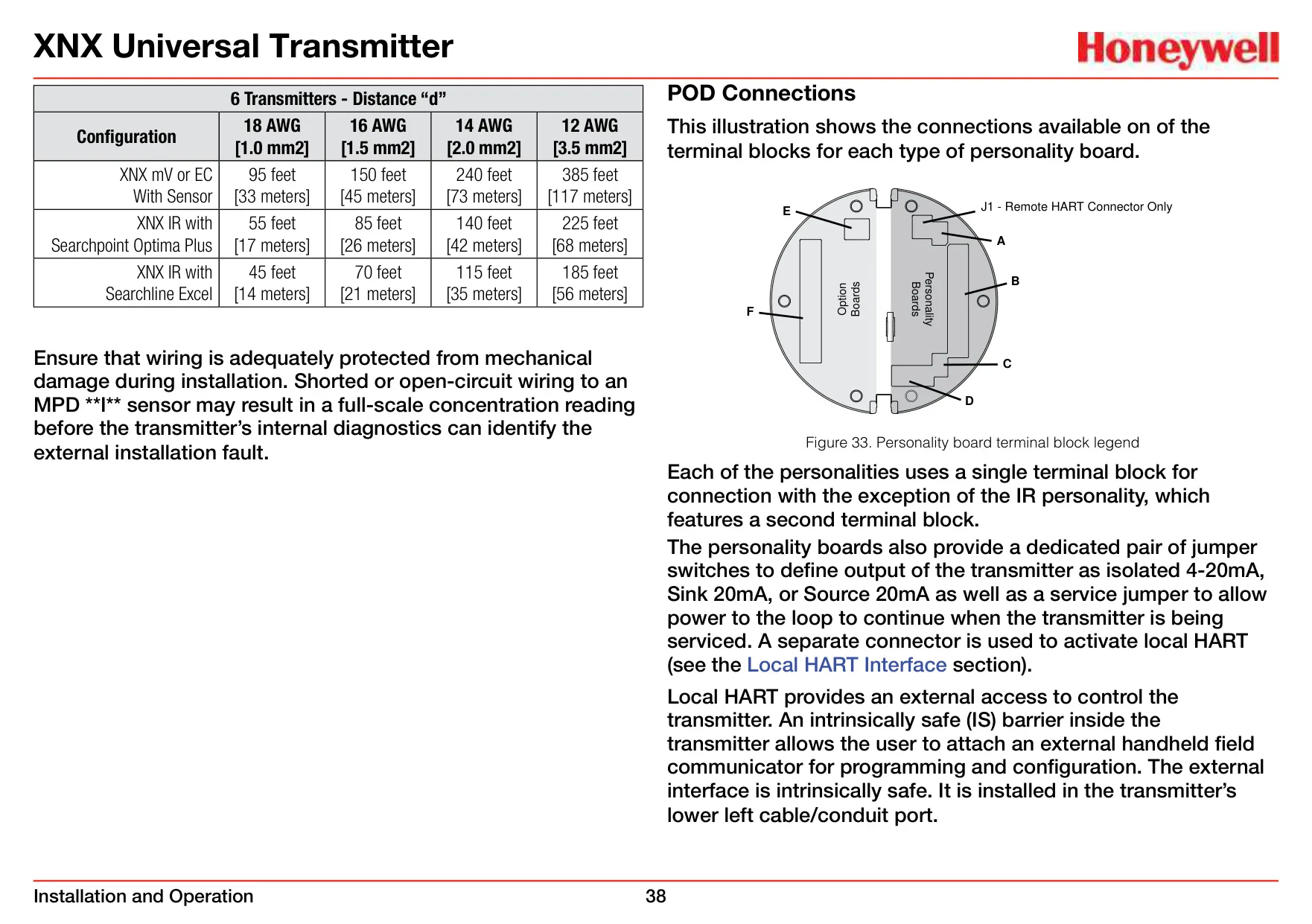
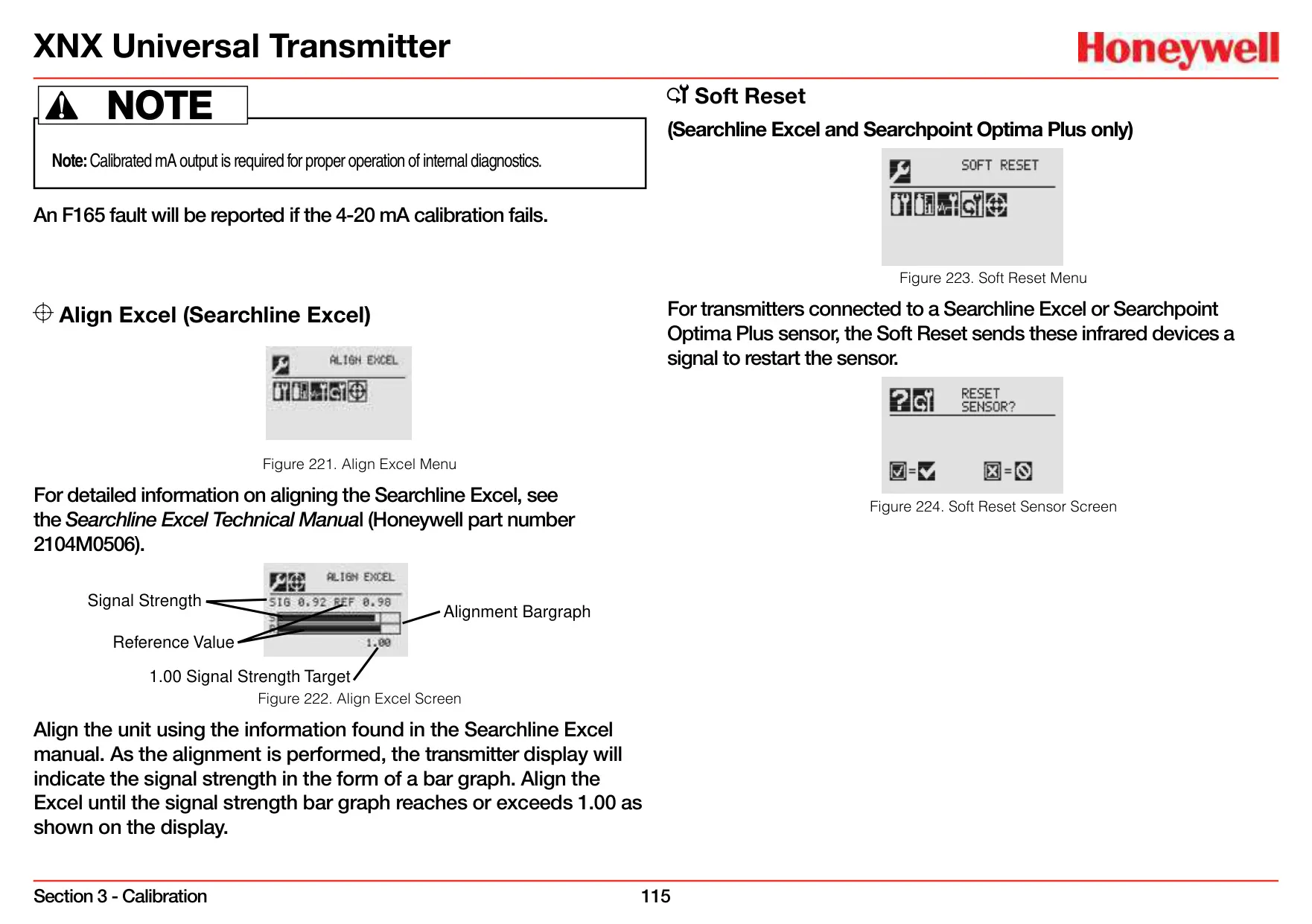
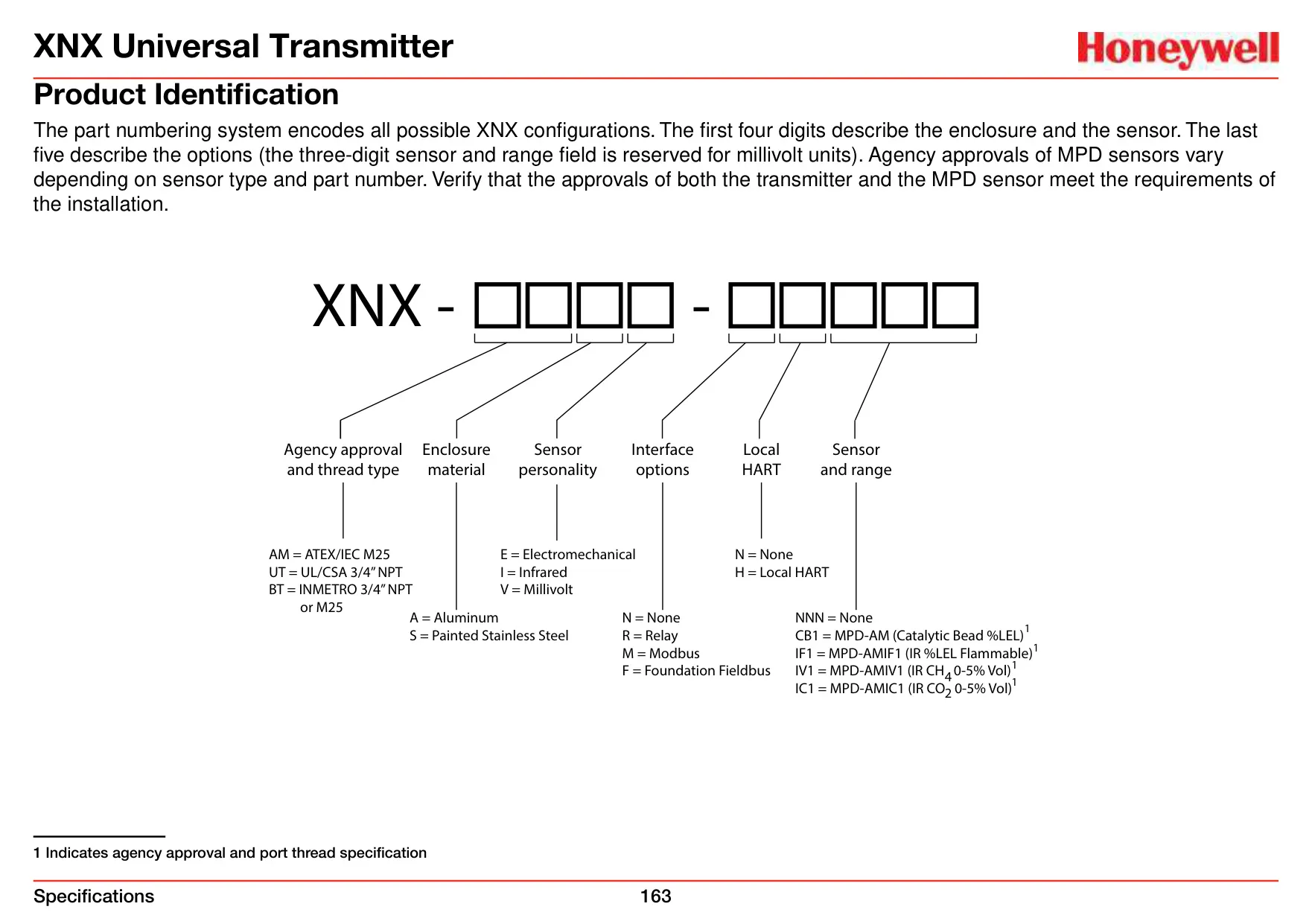
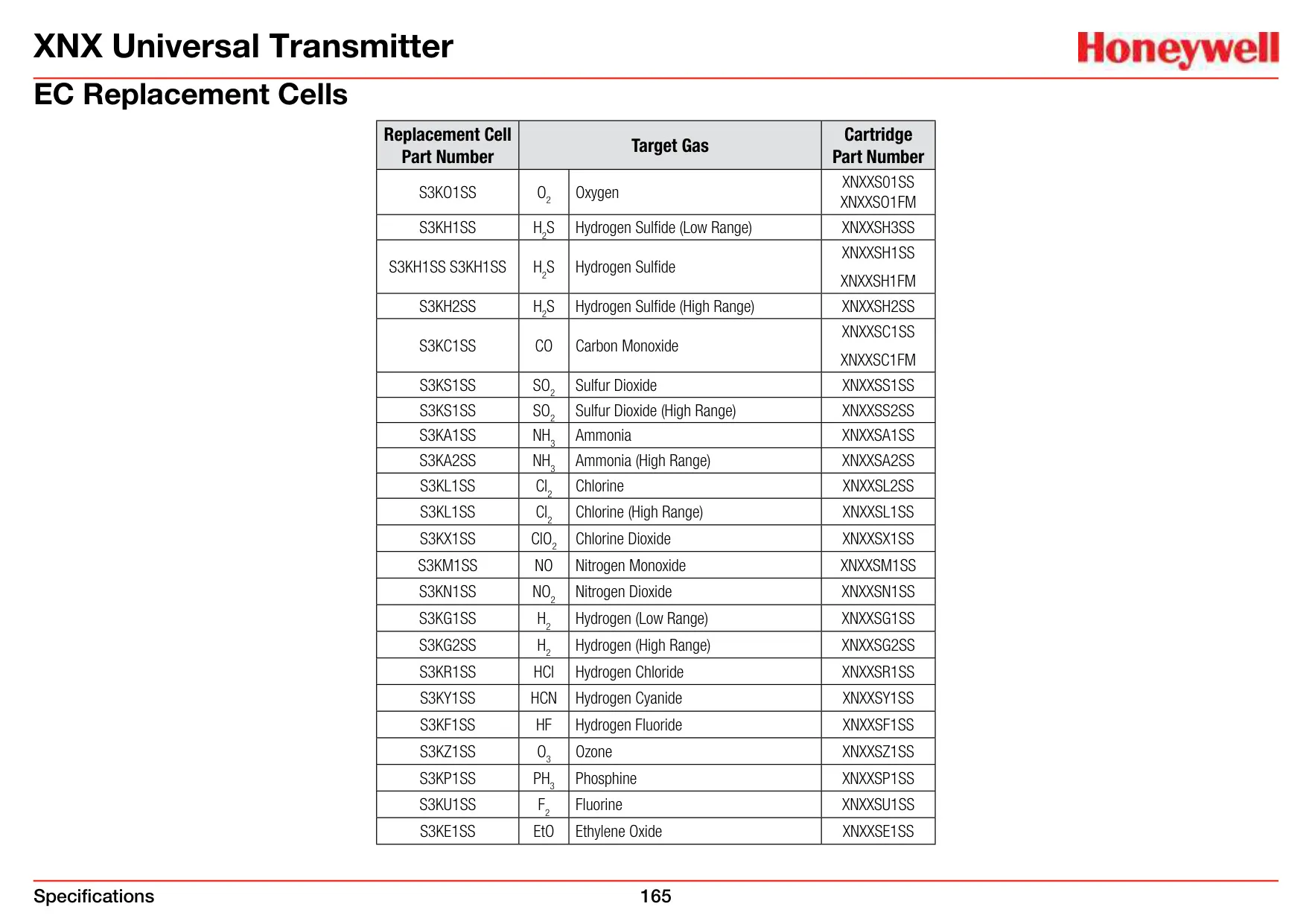
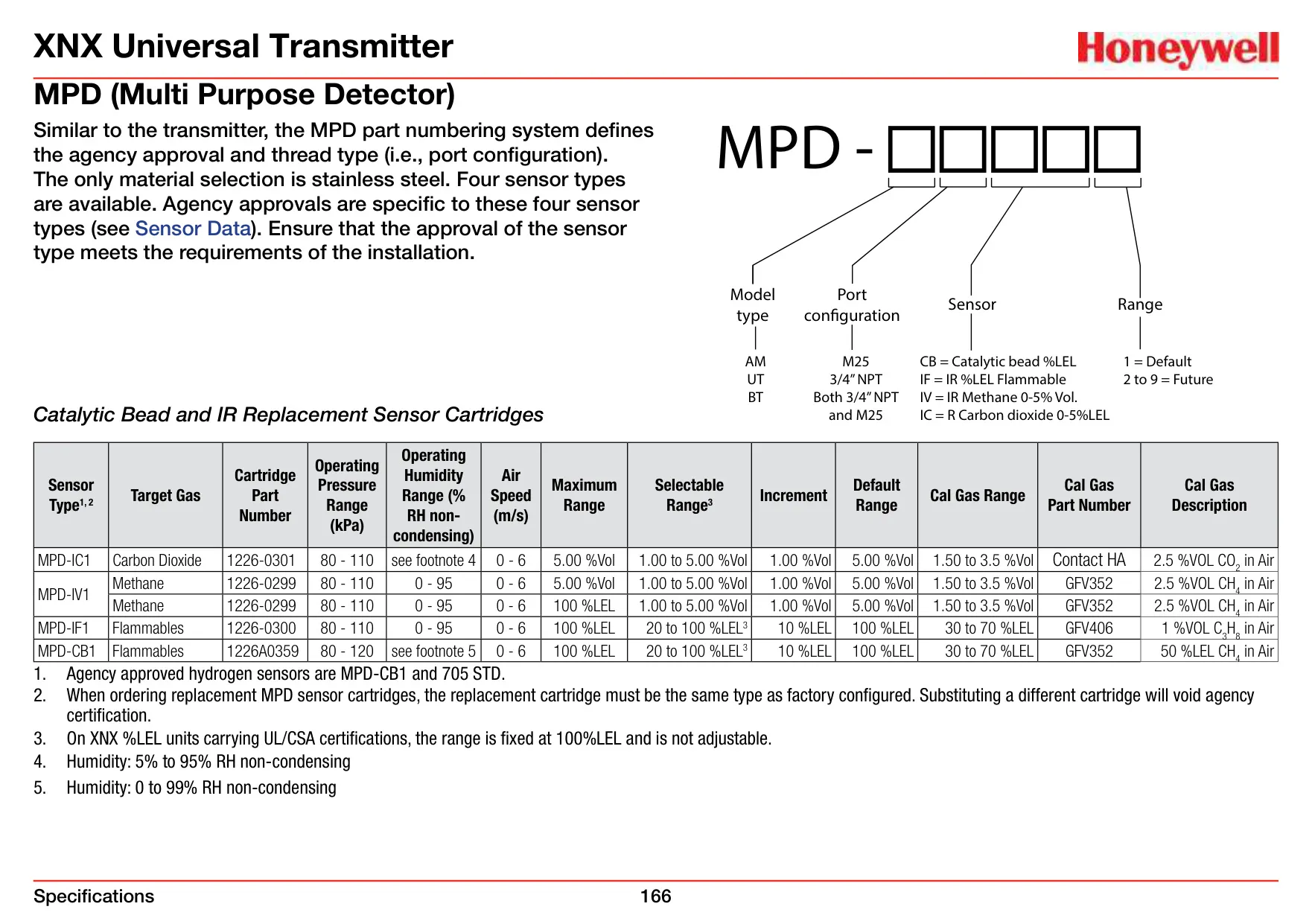
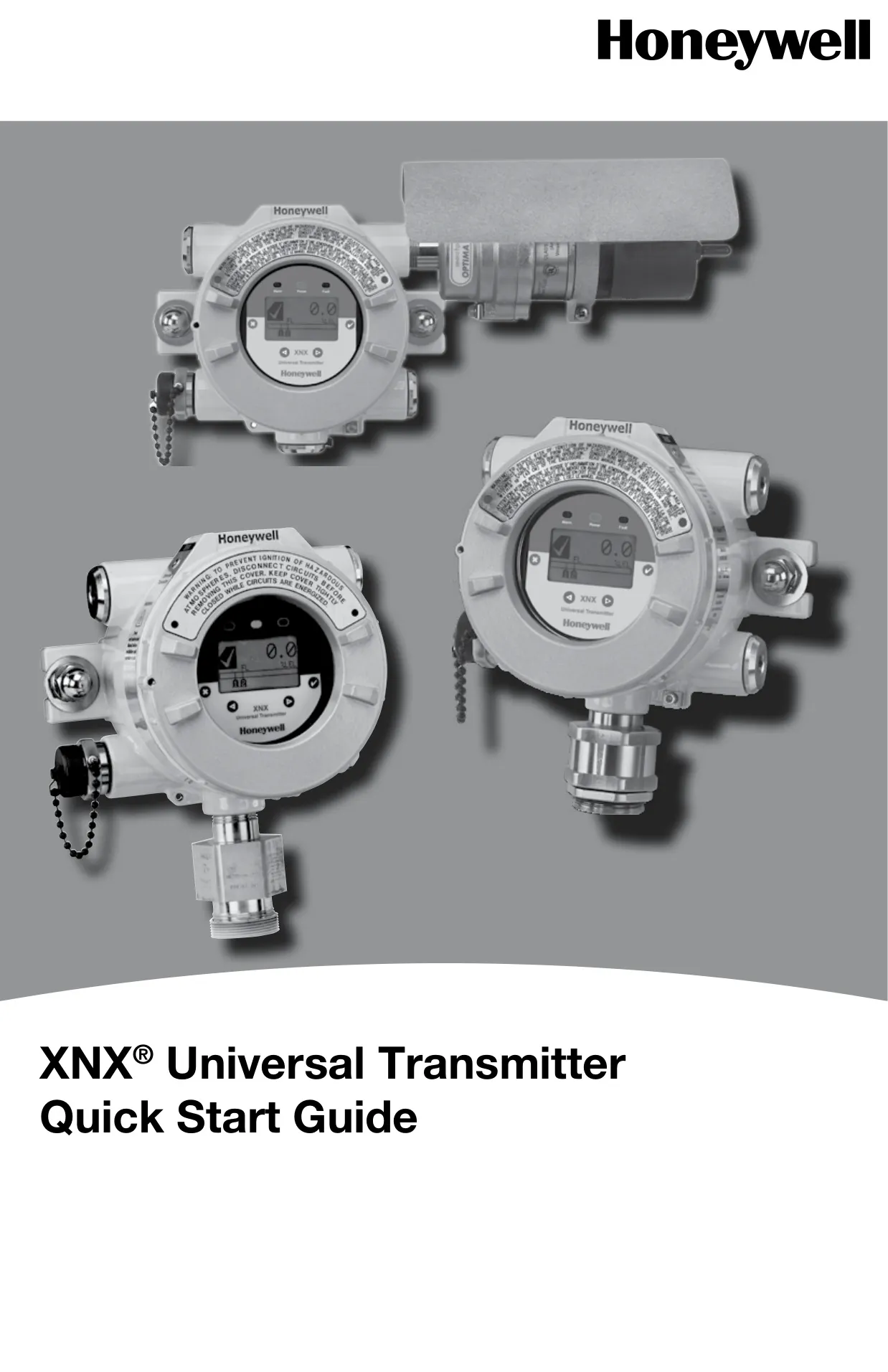
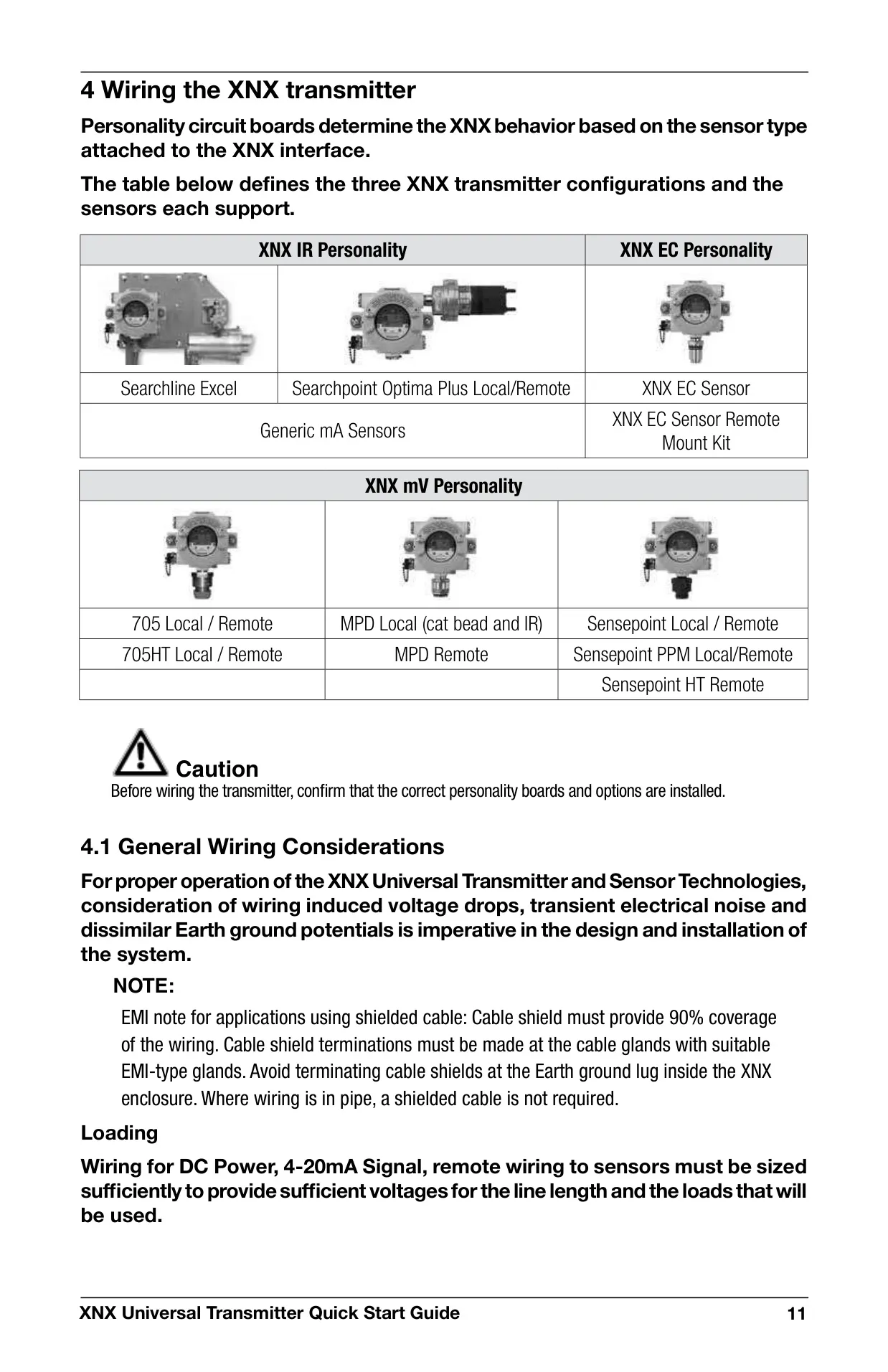
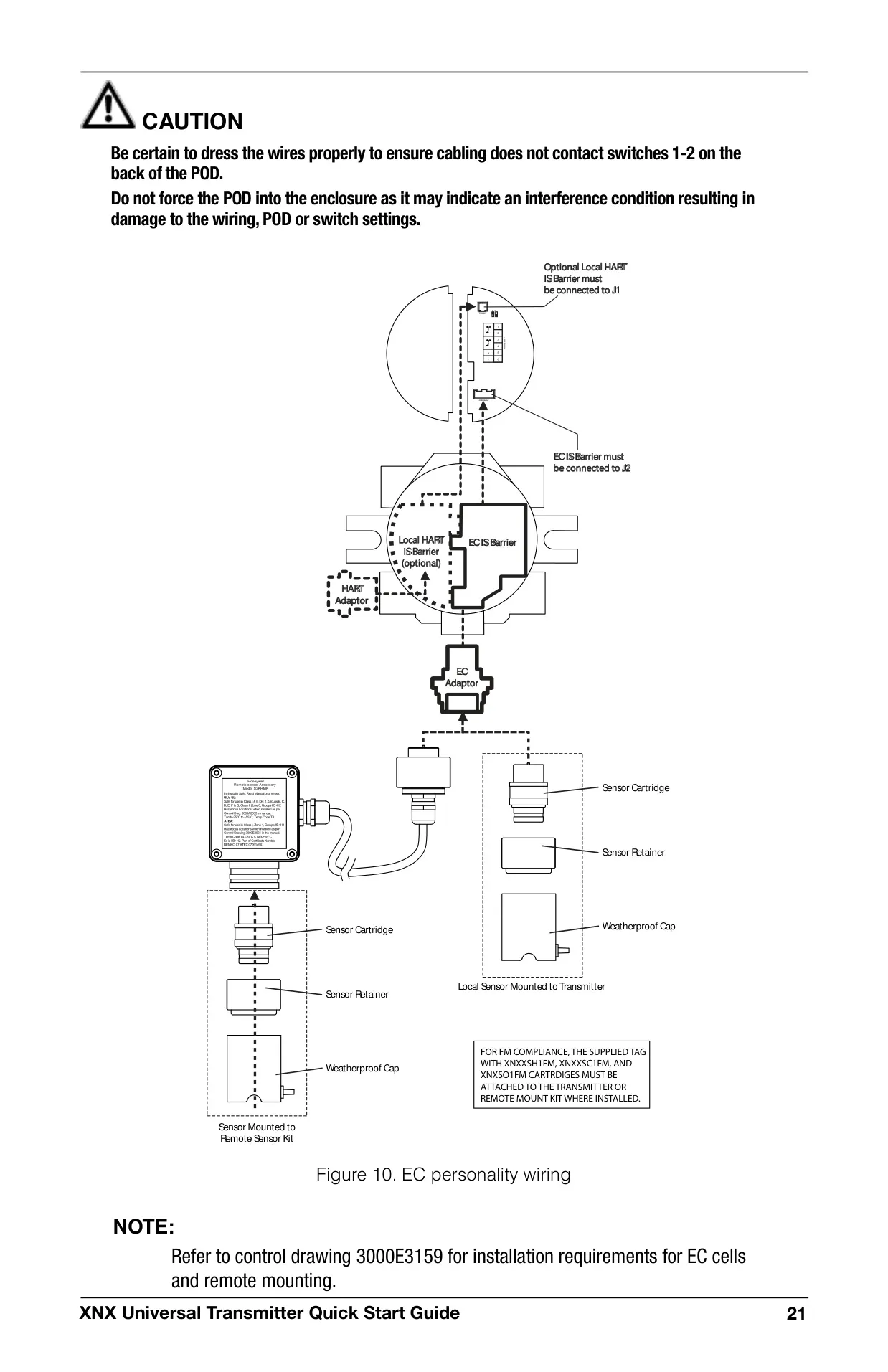
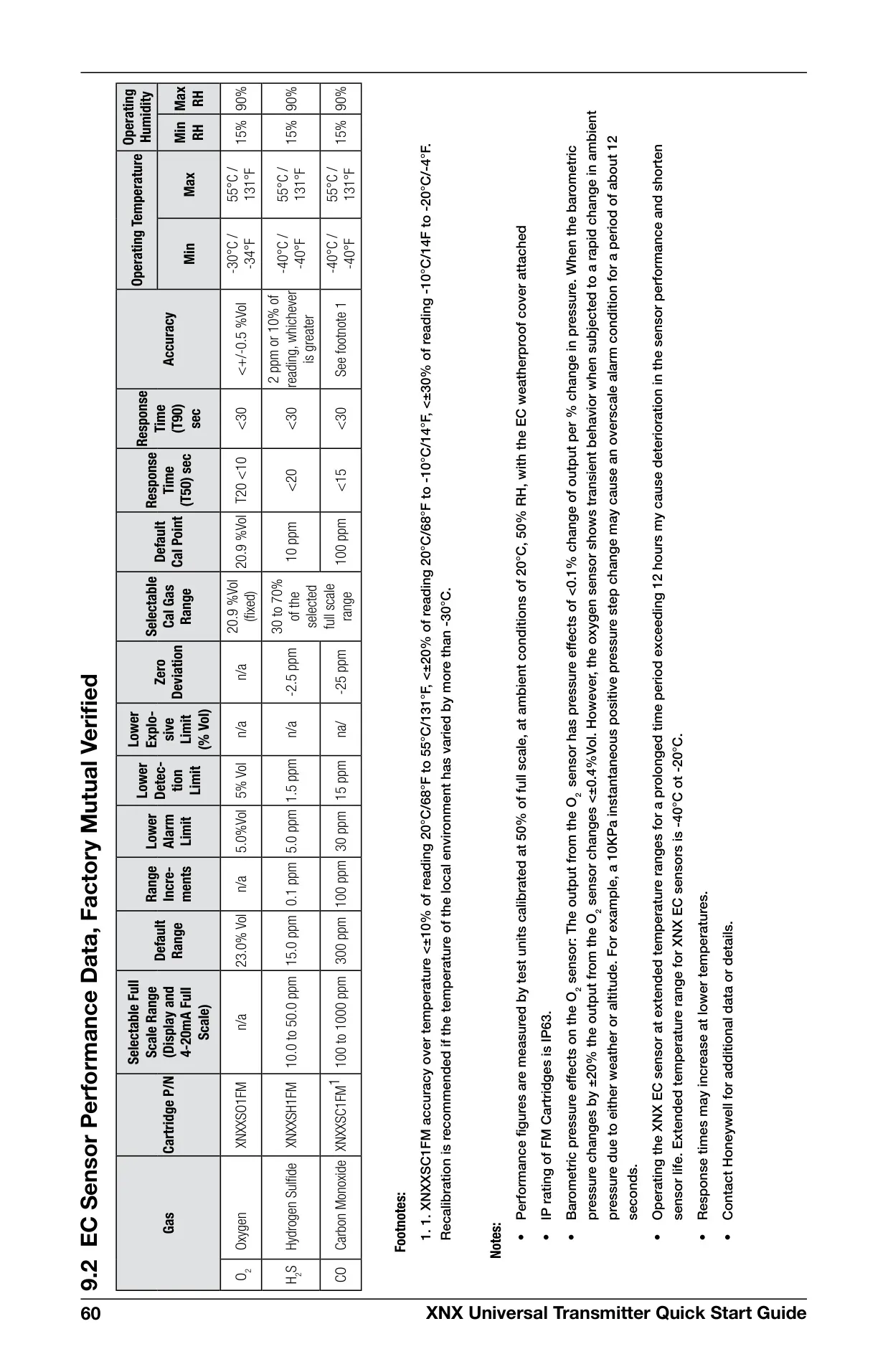
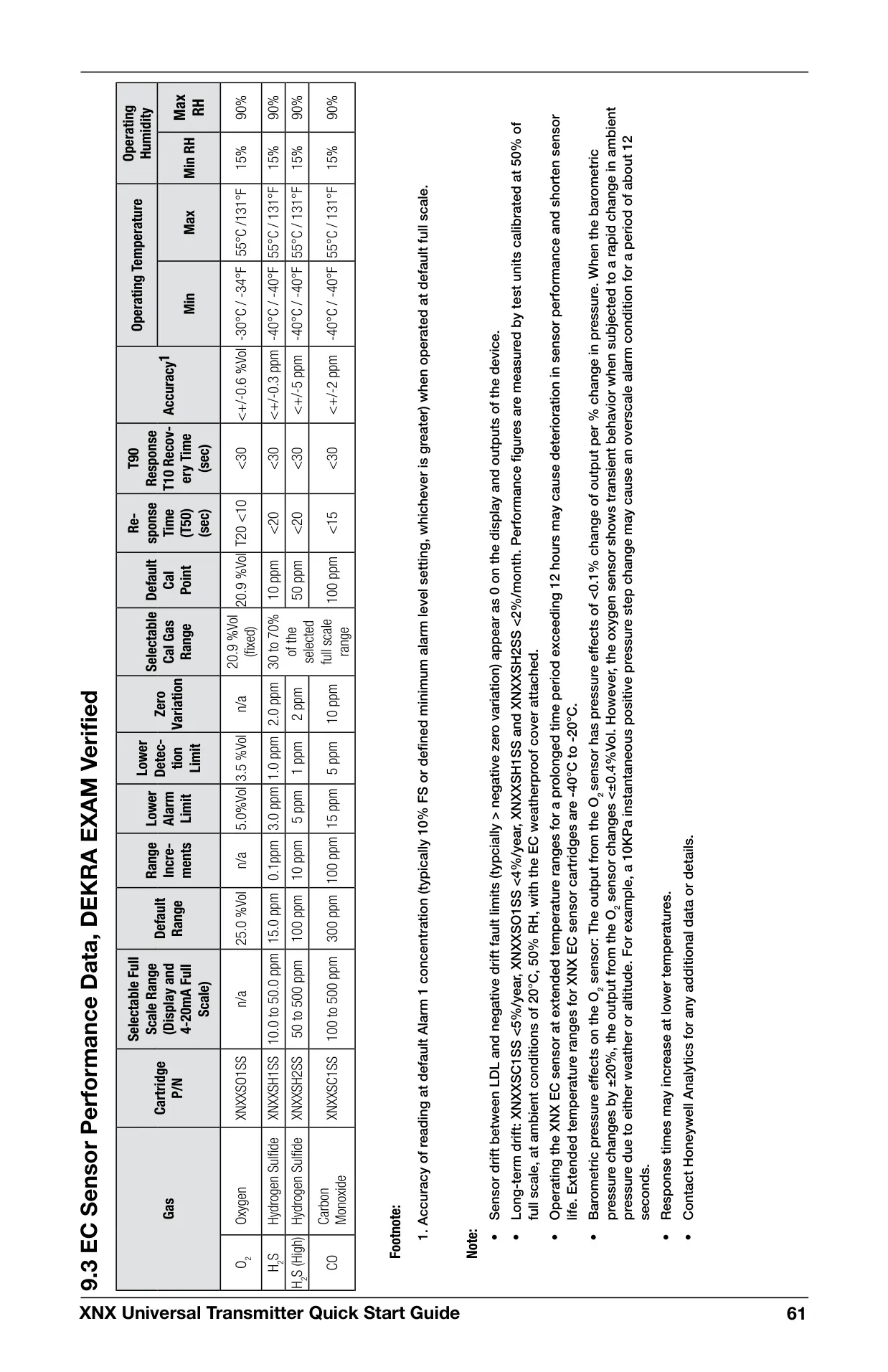
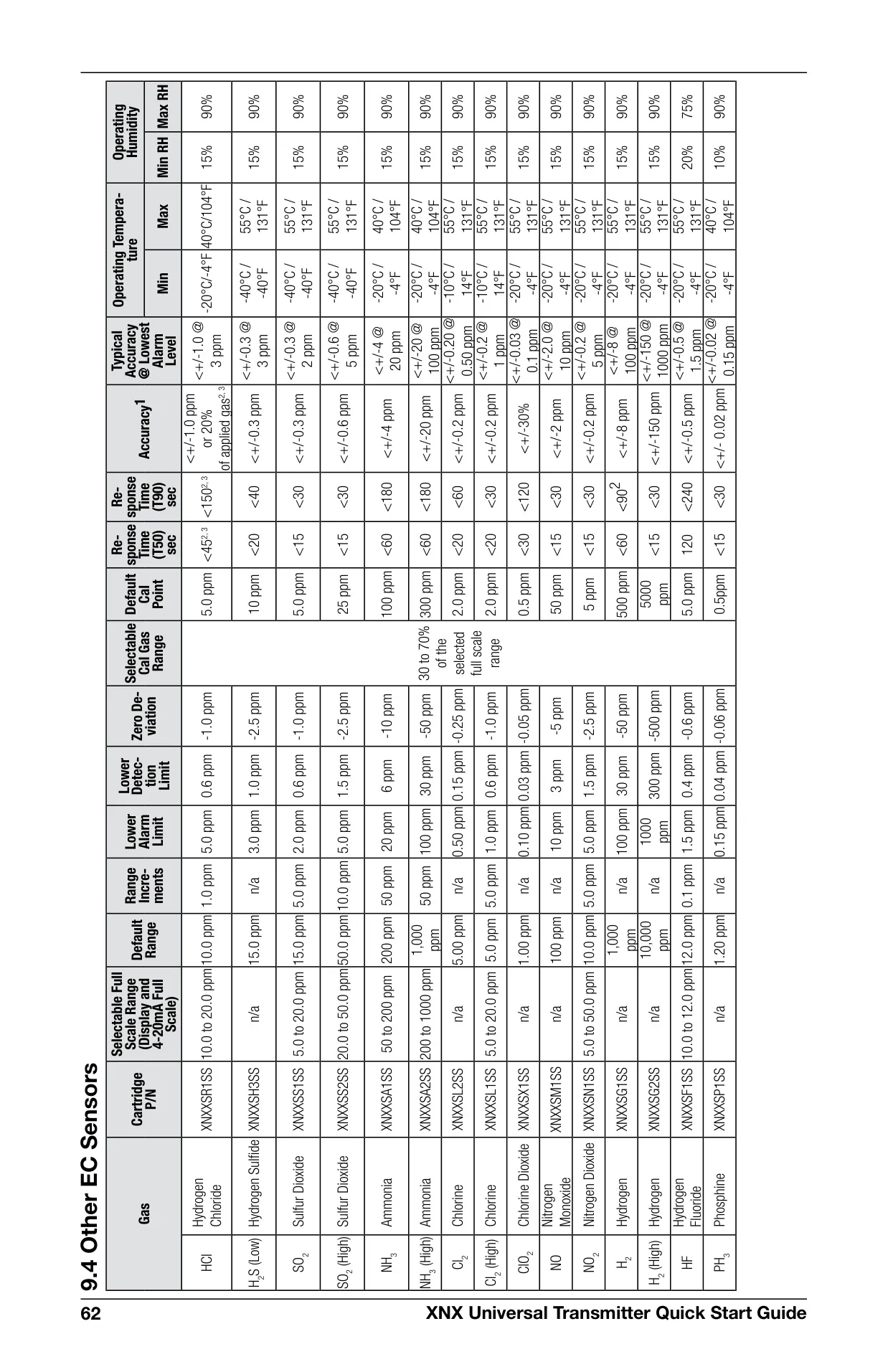
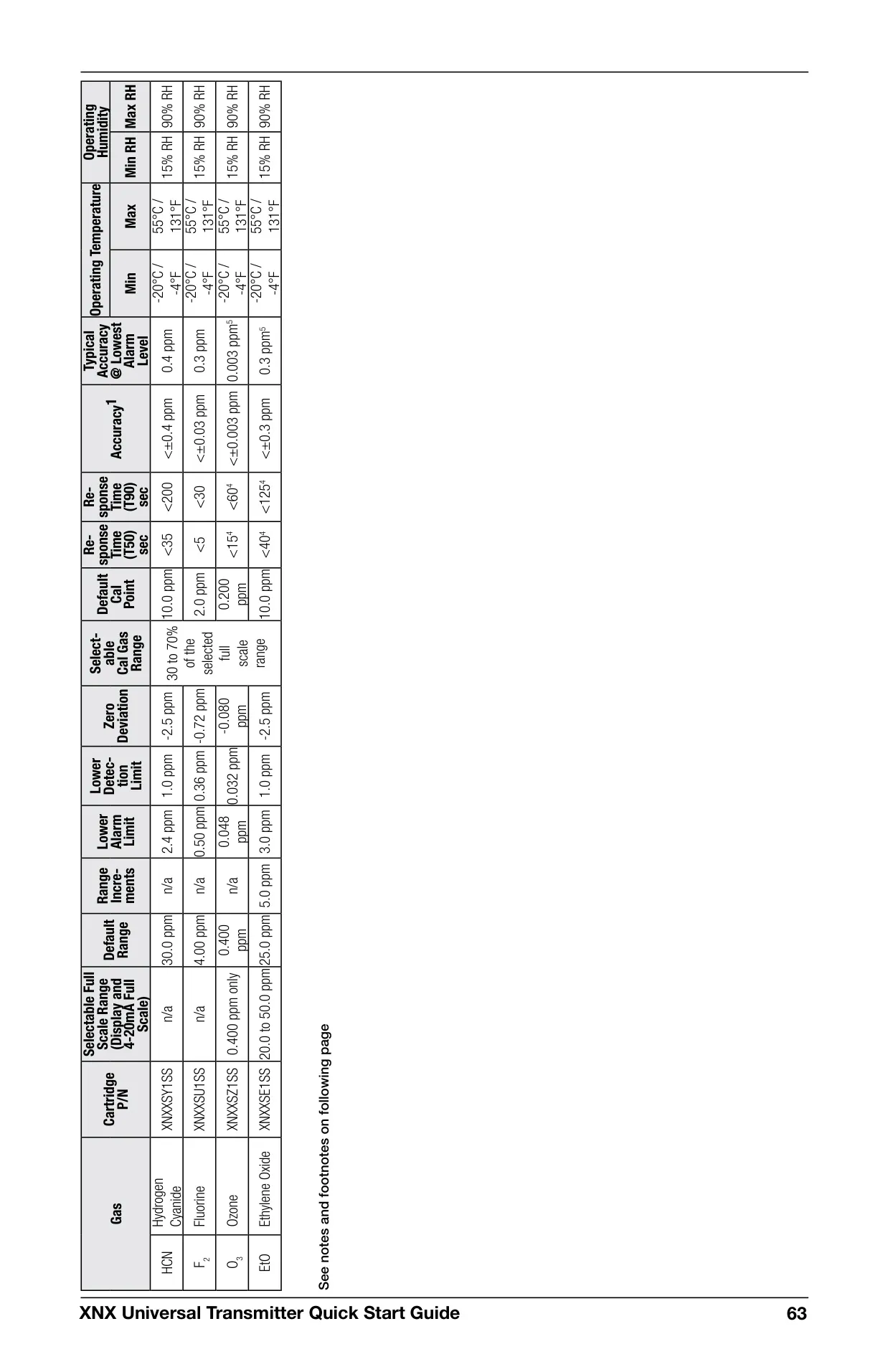
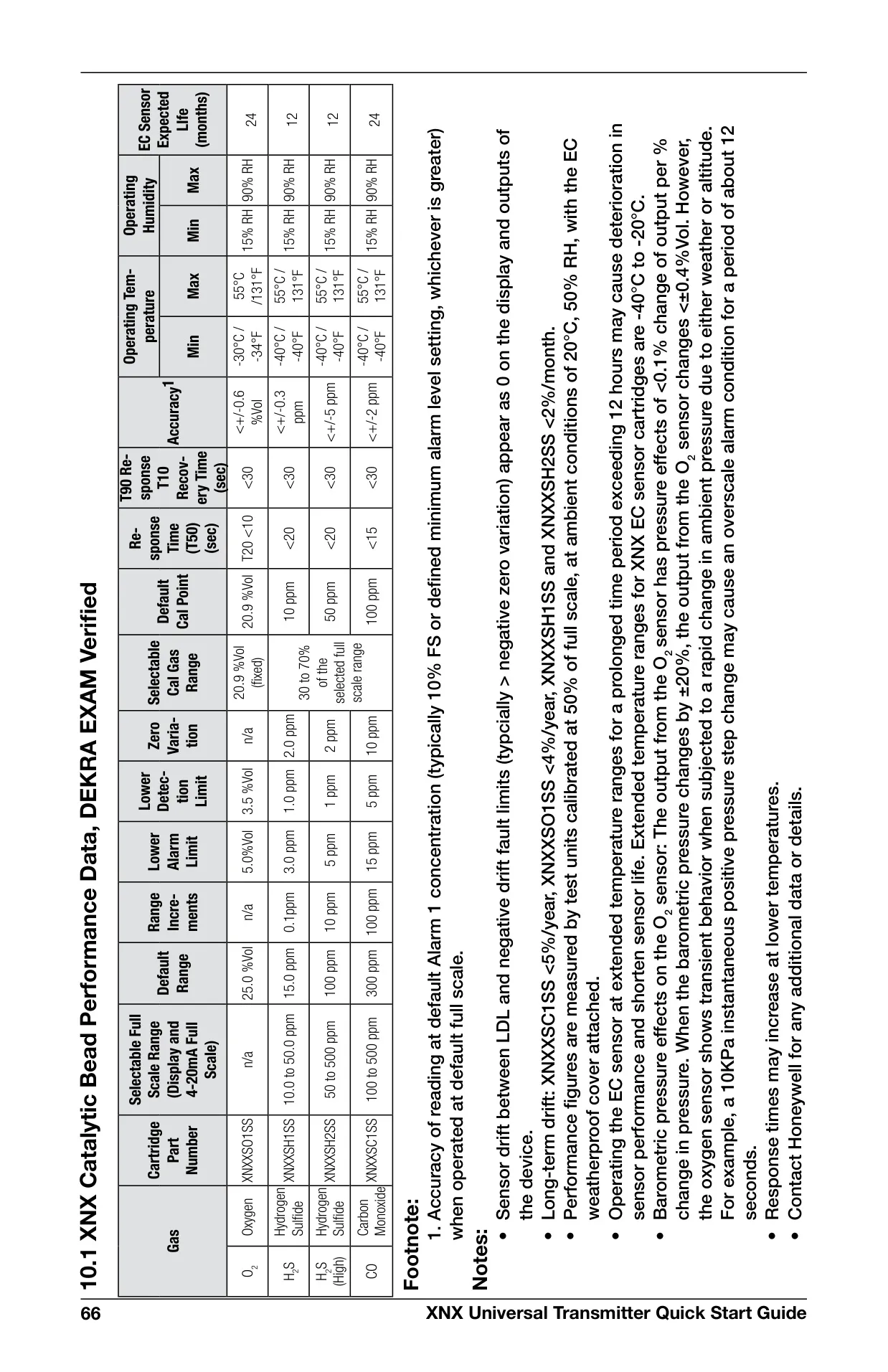
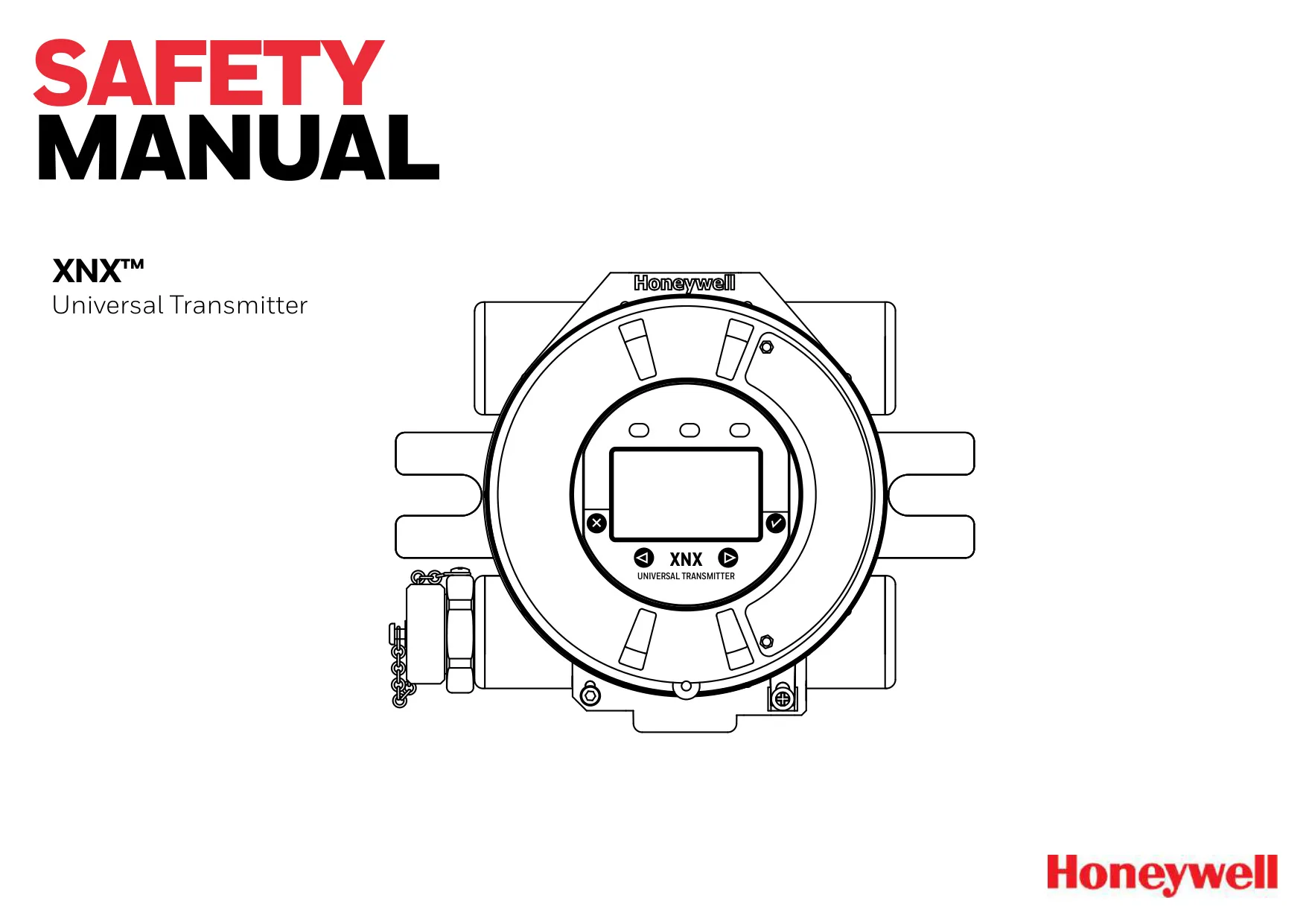
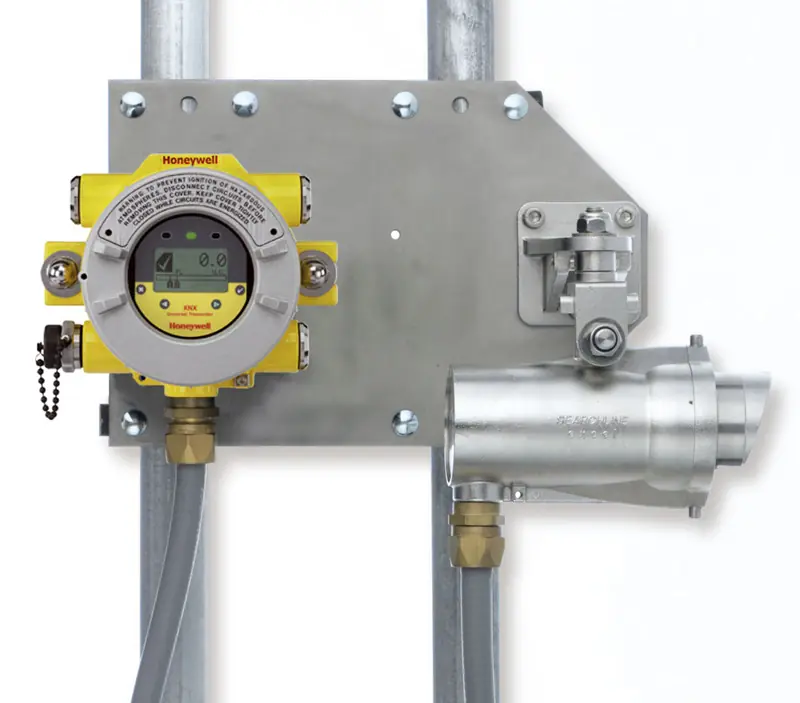
The Honeywell XNX Universal Transmitter stands as a versatile gas detection system meticulously engineered for hazardous locations. It uniquely integrates support for multiple sensor technologies—catalytic bead (mV board), electrochemical (EC board), and infrared (IR board)—each accommodated by a dedicated personality board, ensuring optimal performance for diverse gas hazards.
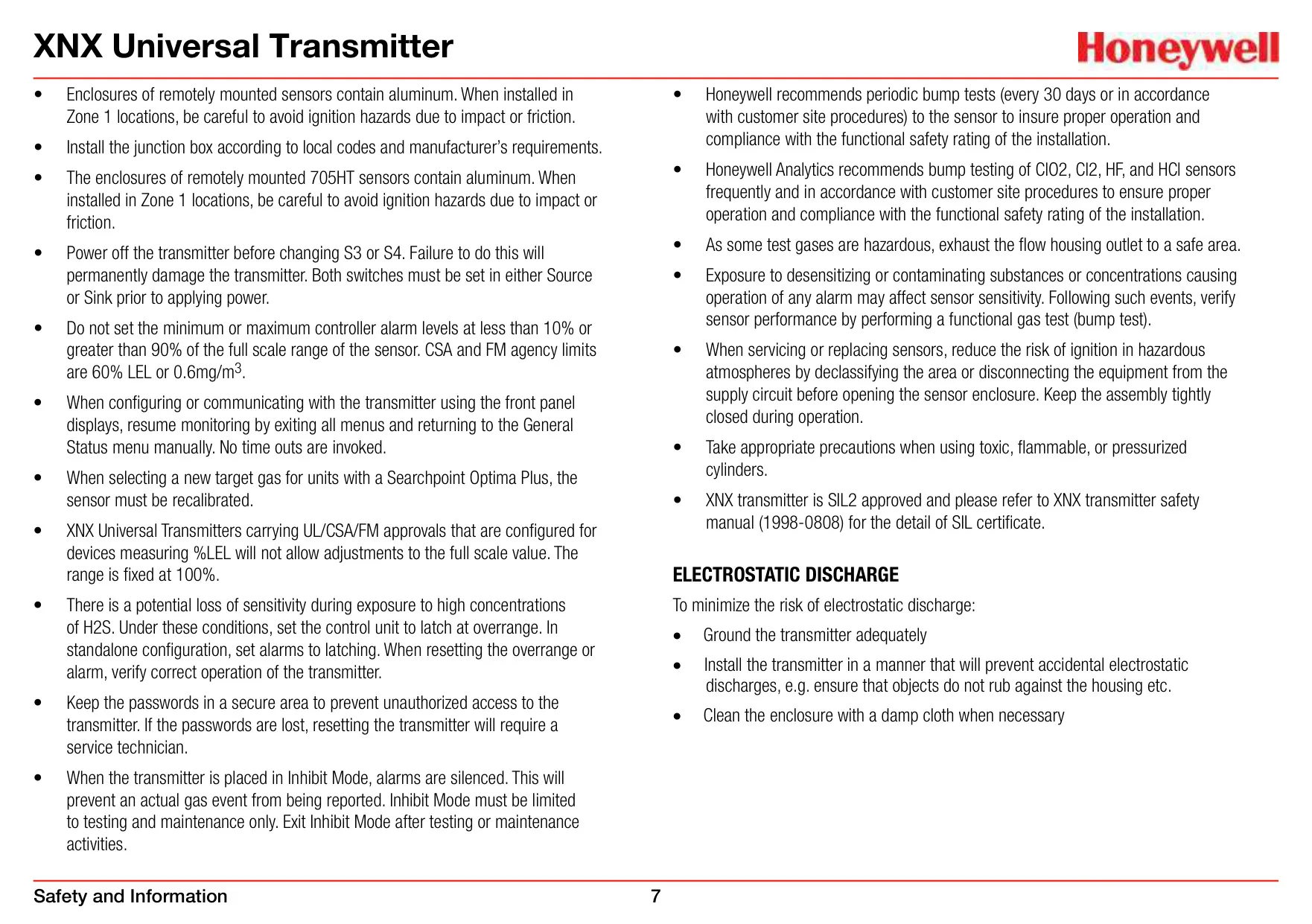
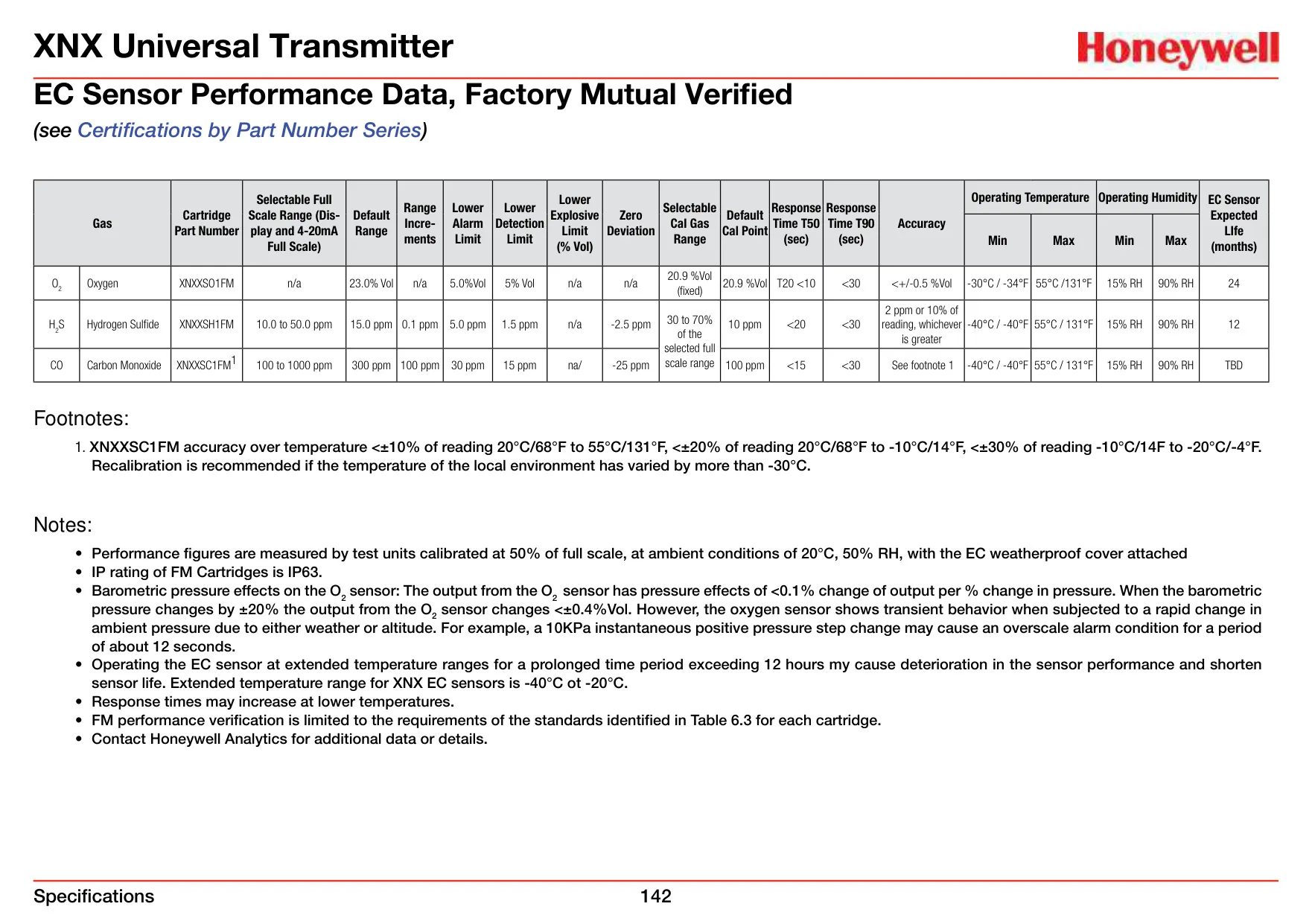
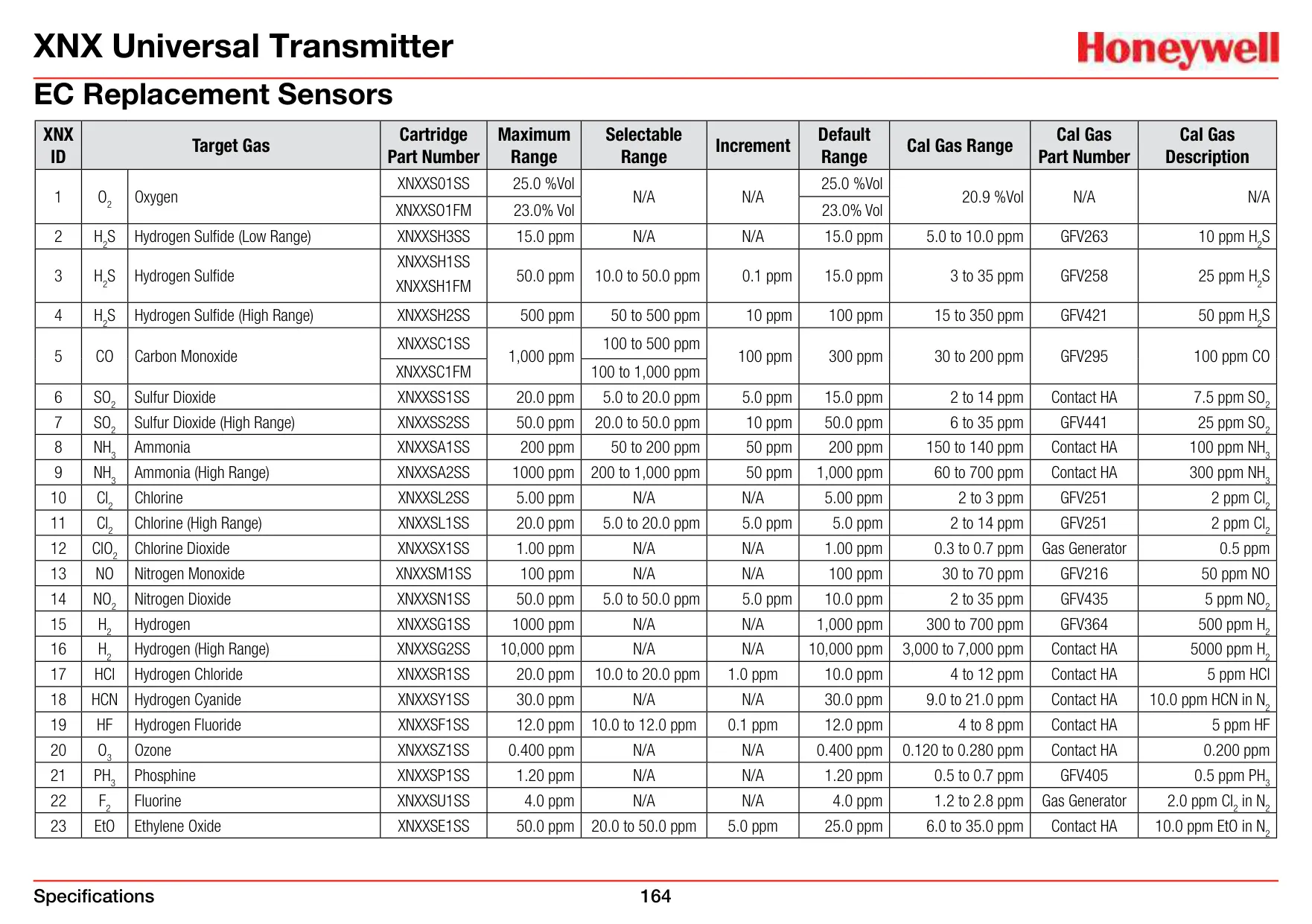
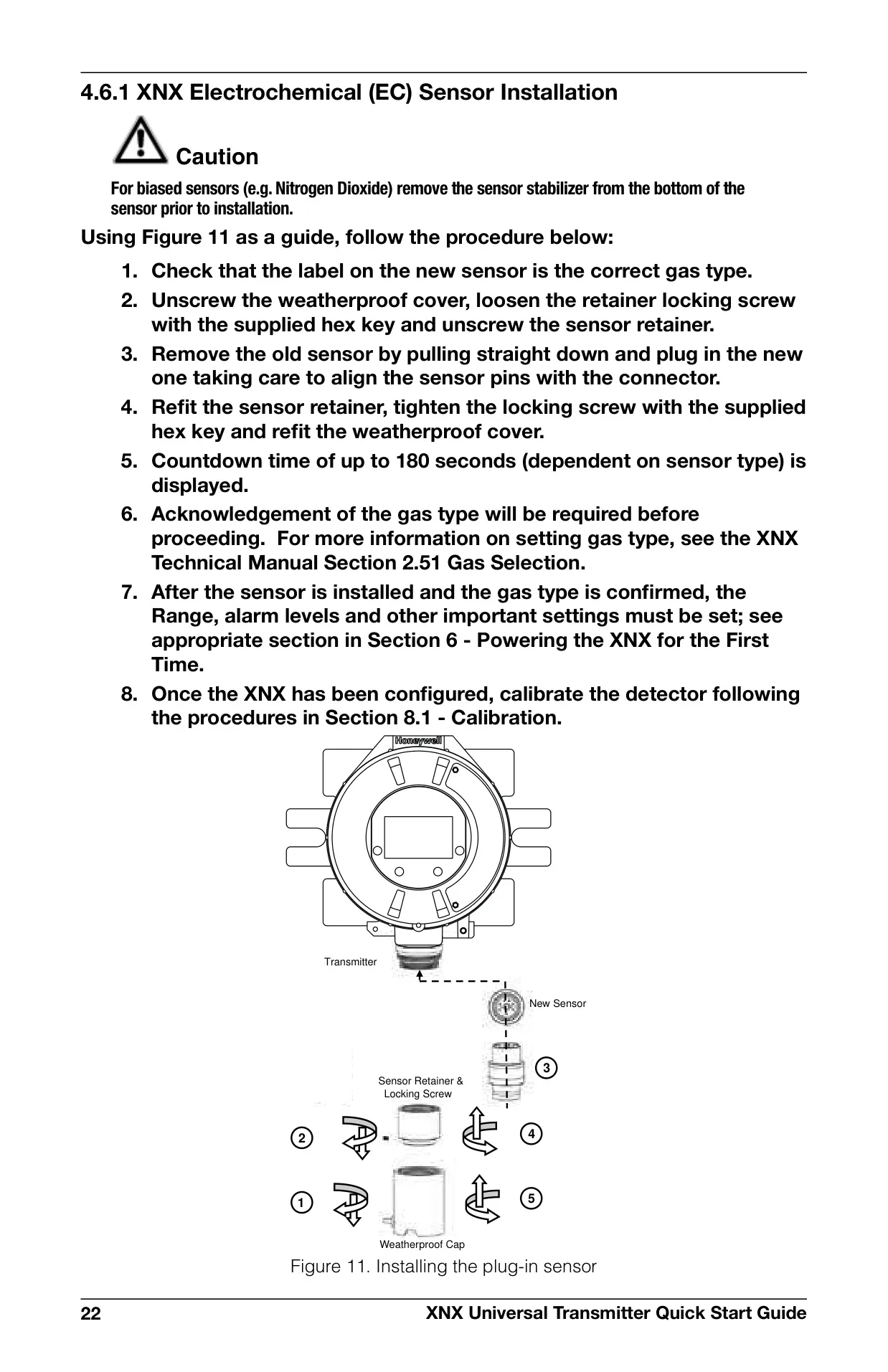
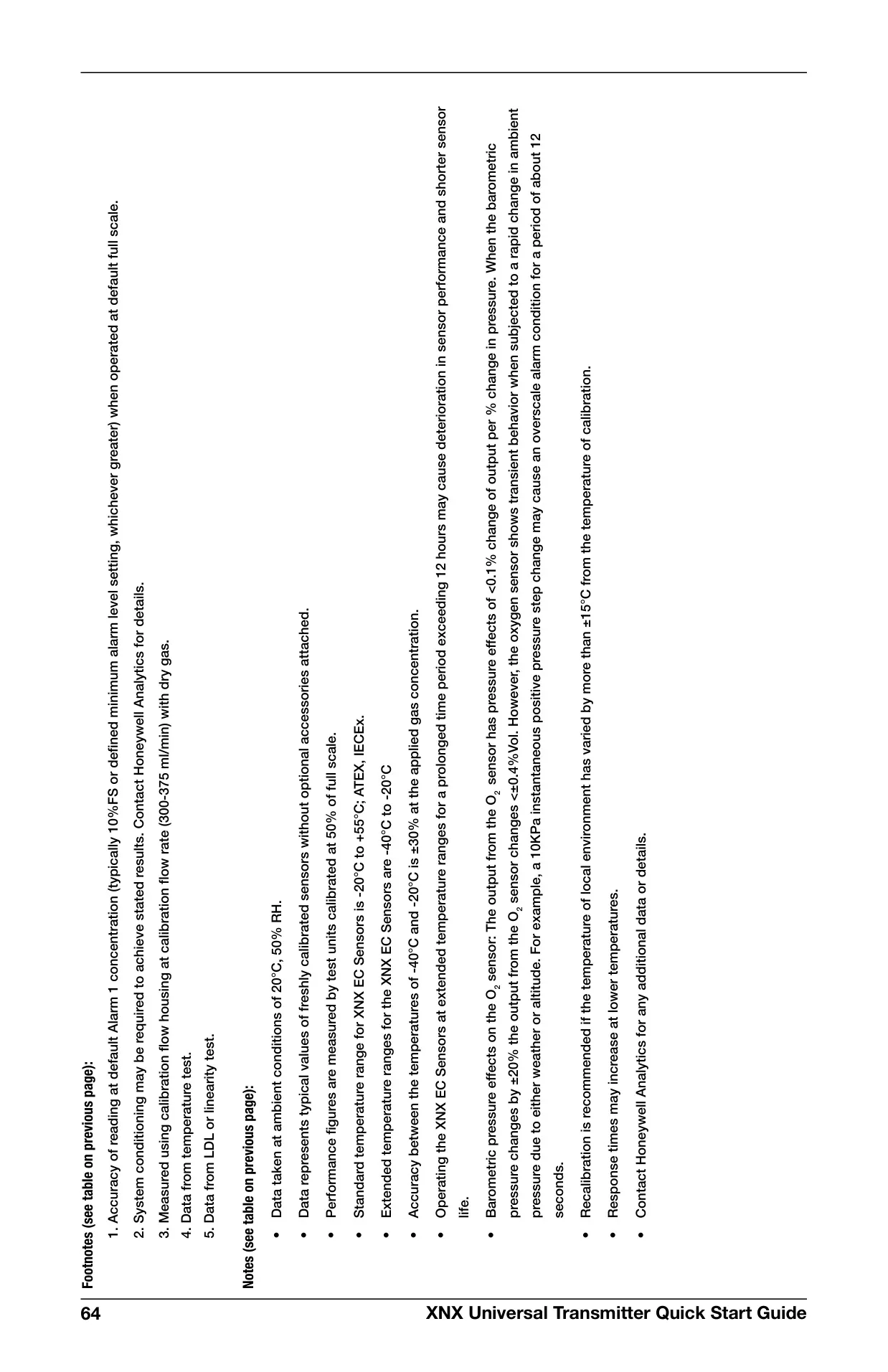
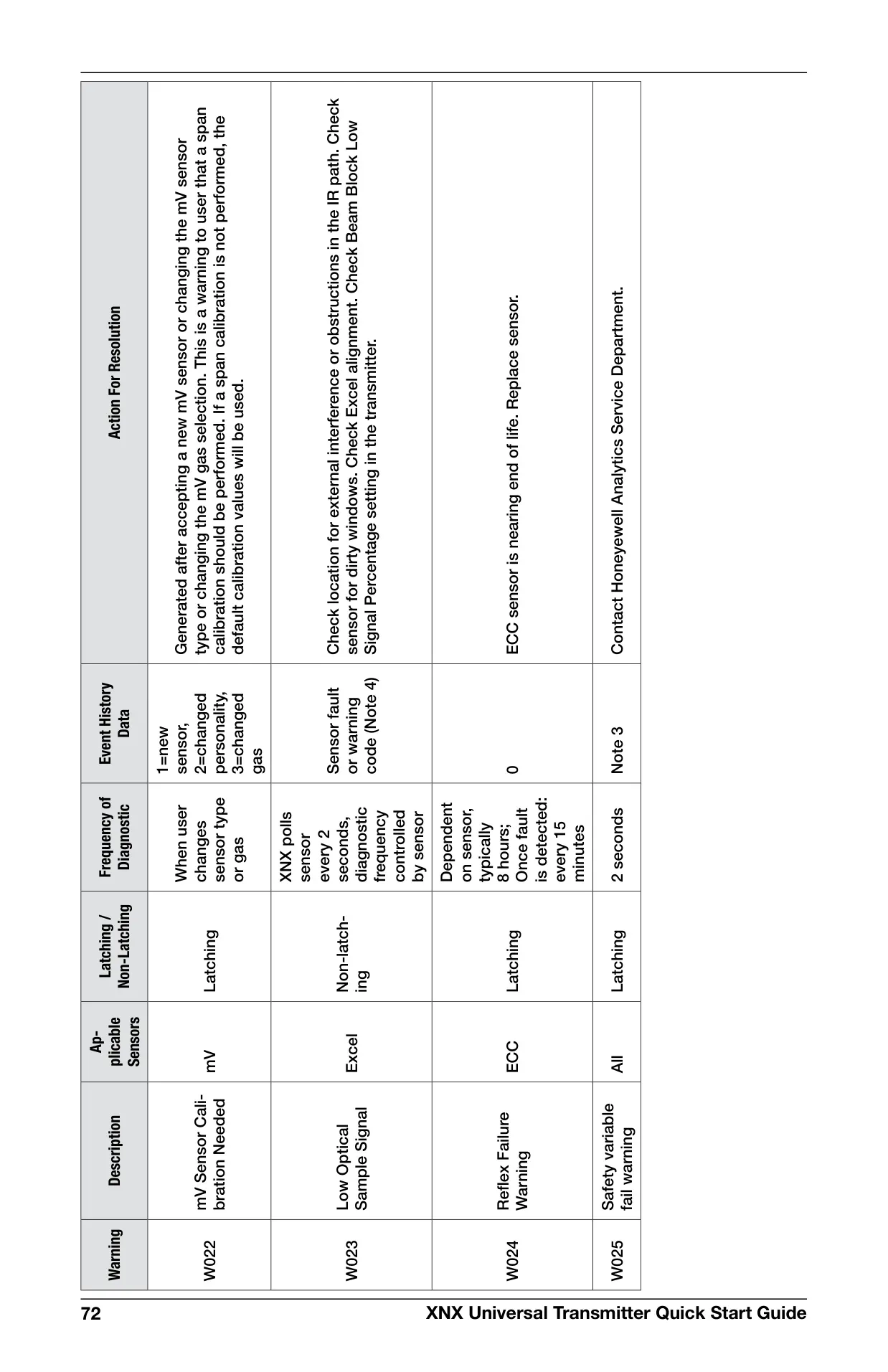
For electrochemical sensors, the XNX incorporates the patented Reflex™ cell fault diagnosis routine. This crucial feature automatically checks for cell presence, dry-out, and open or short circuits at eight-hour intervals, during power-up, or upon sensor exchange, enhancing reliability and safety by promptly displaying a fault code if a cell fails.
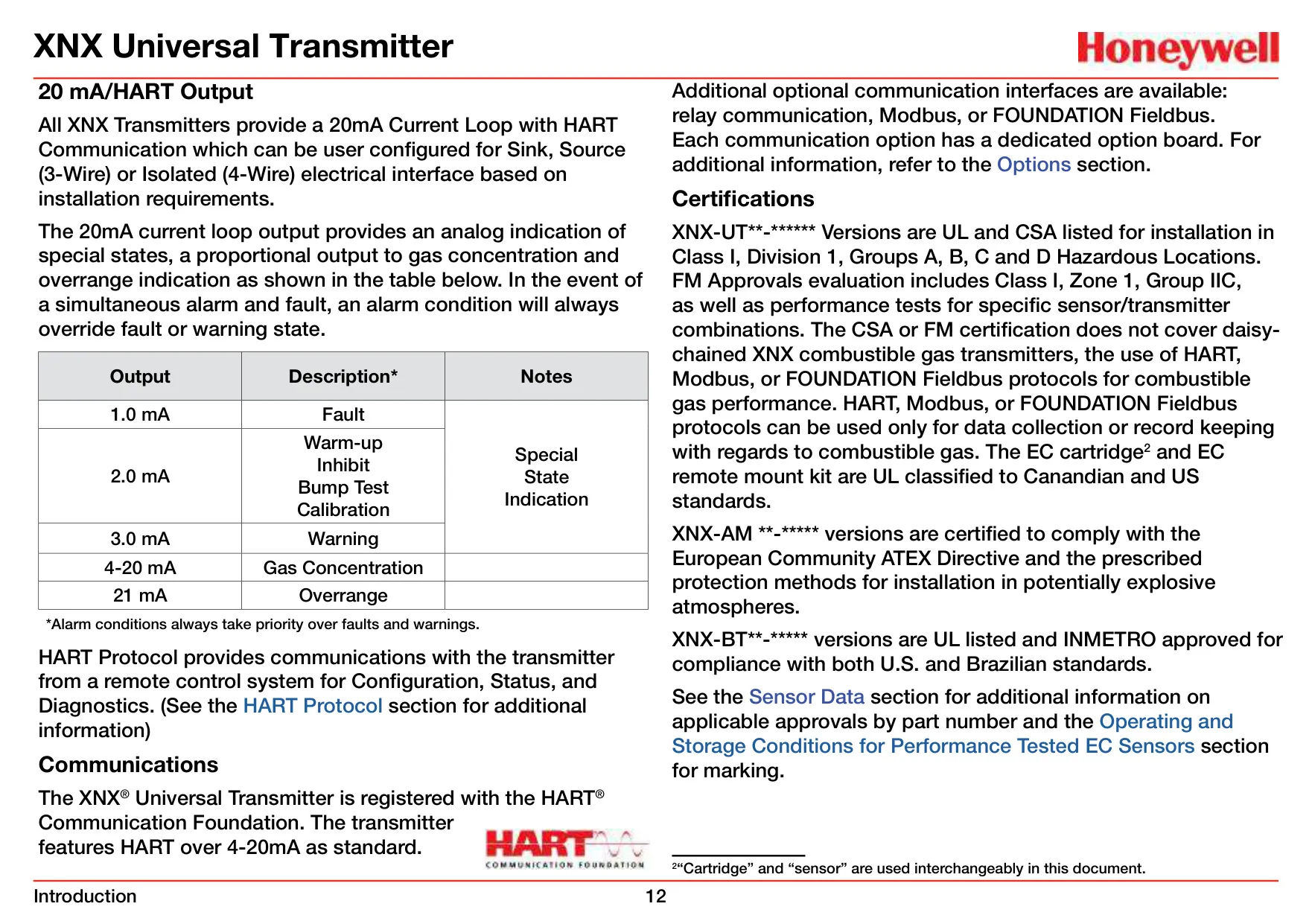
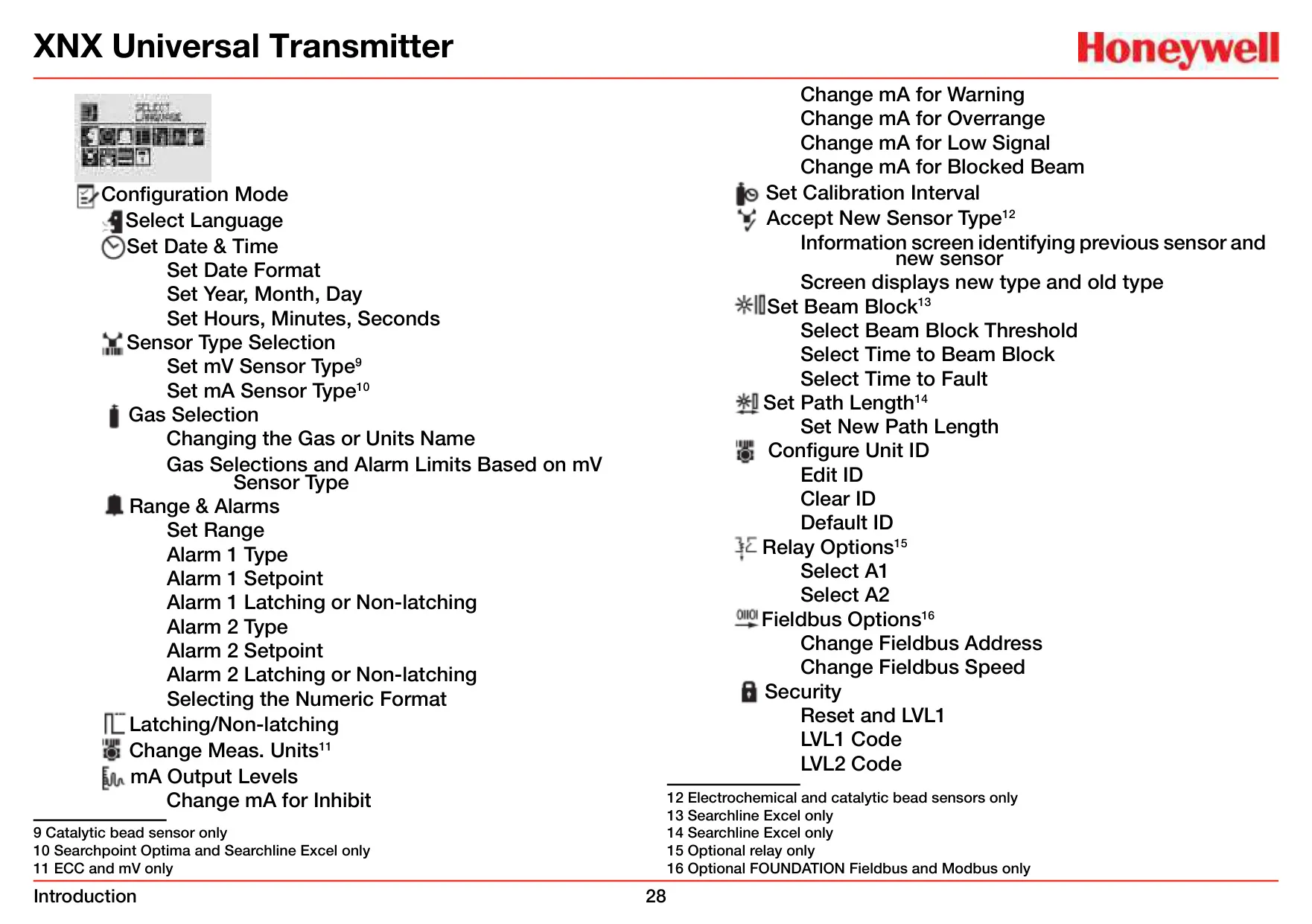
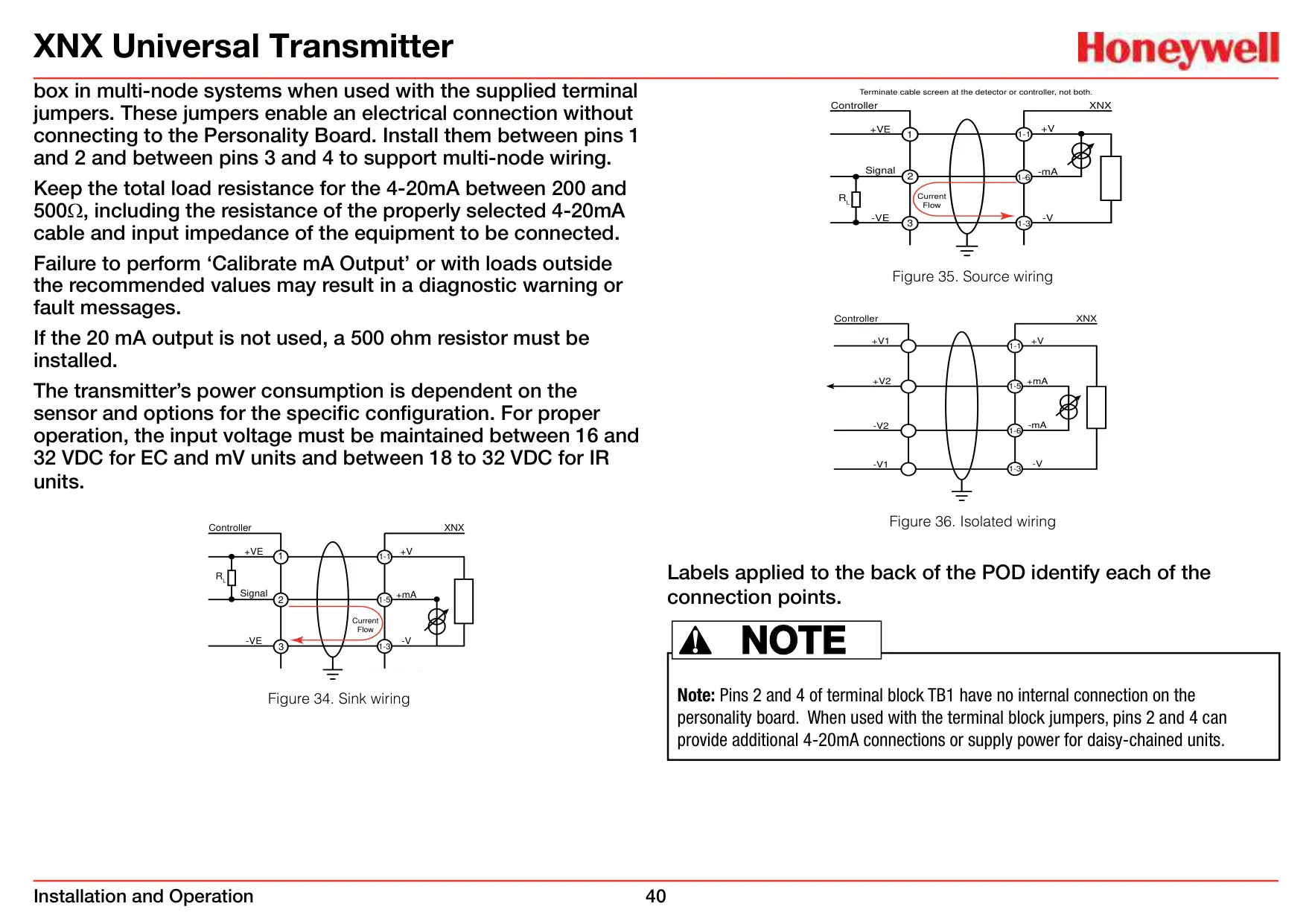
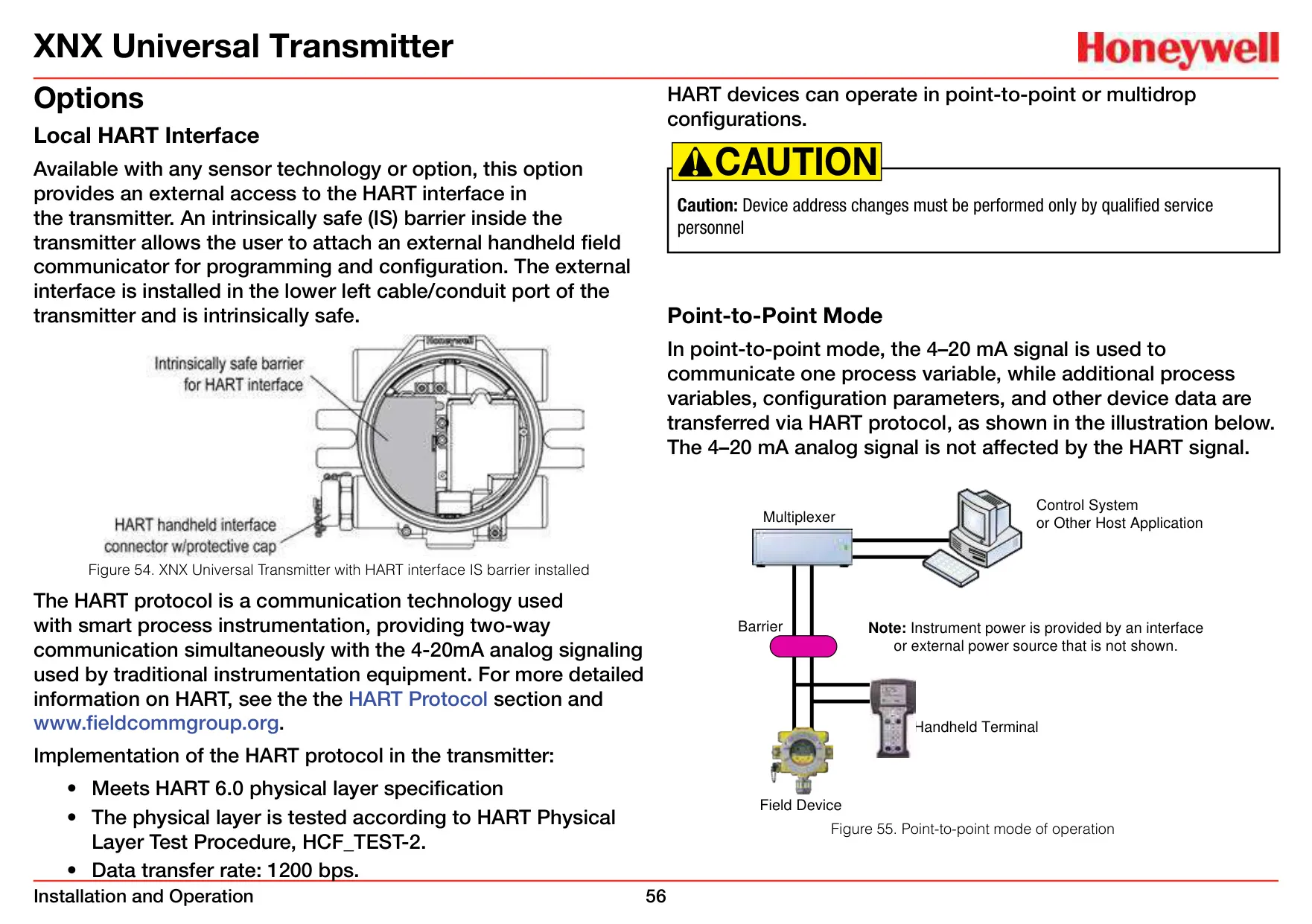
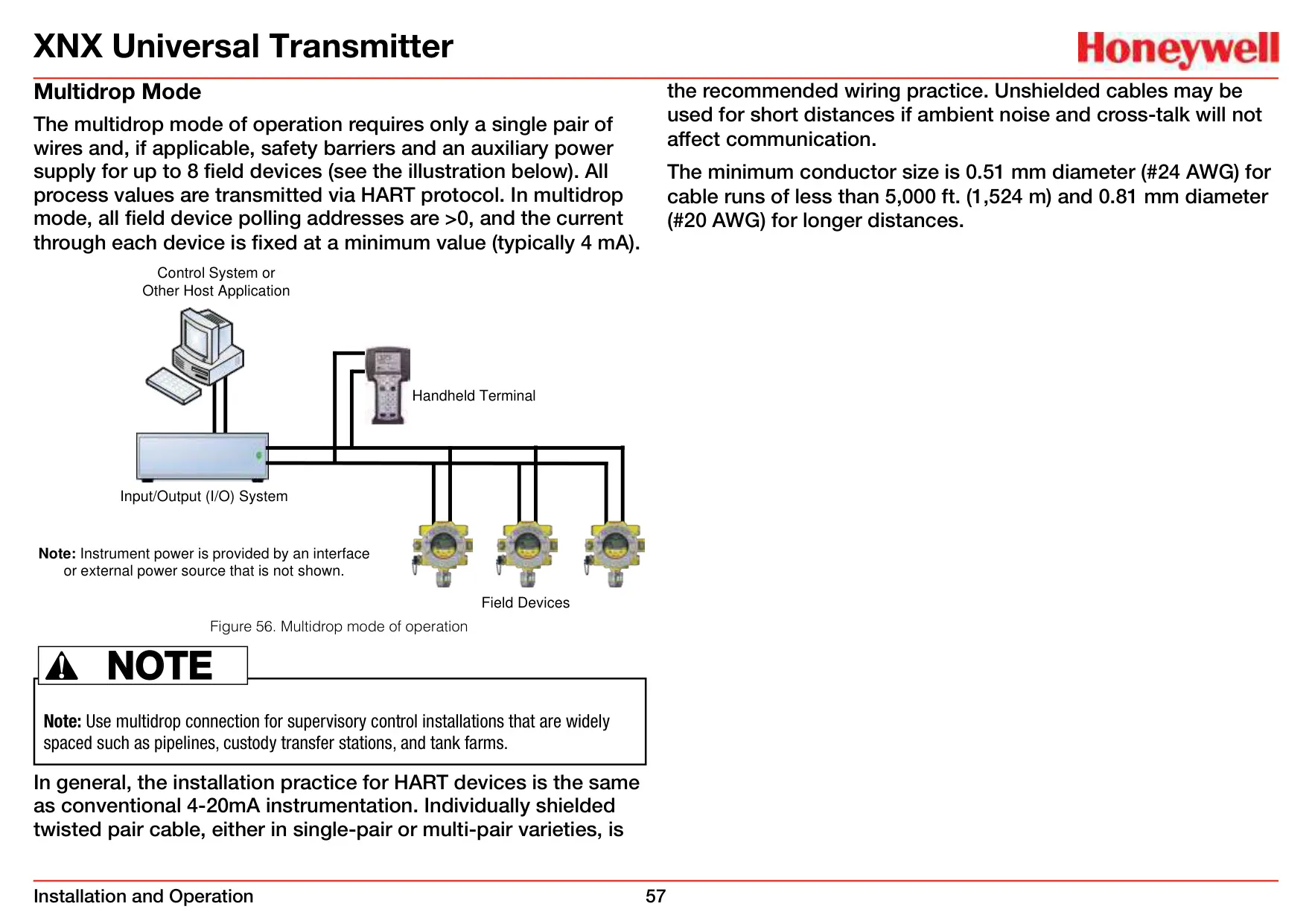
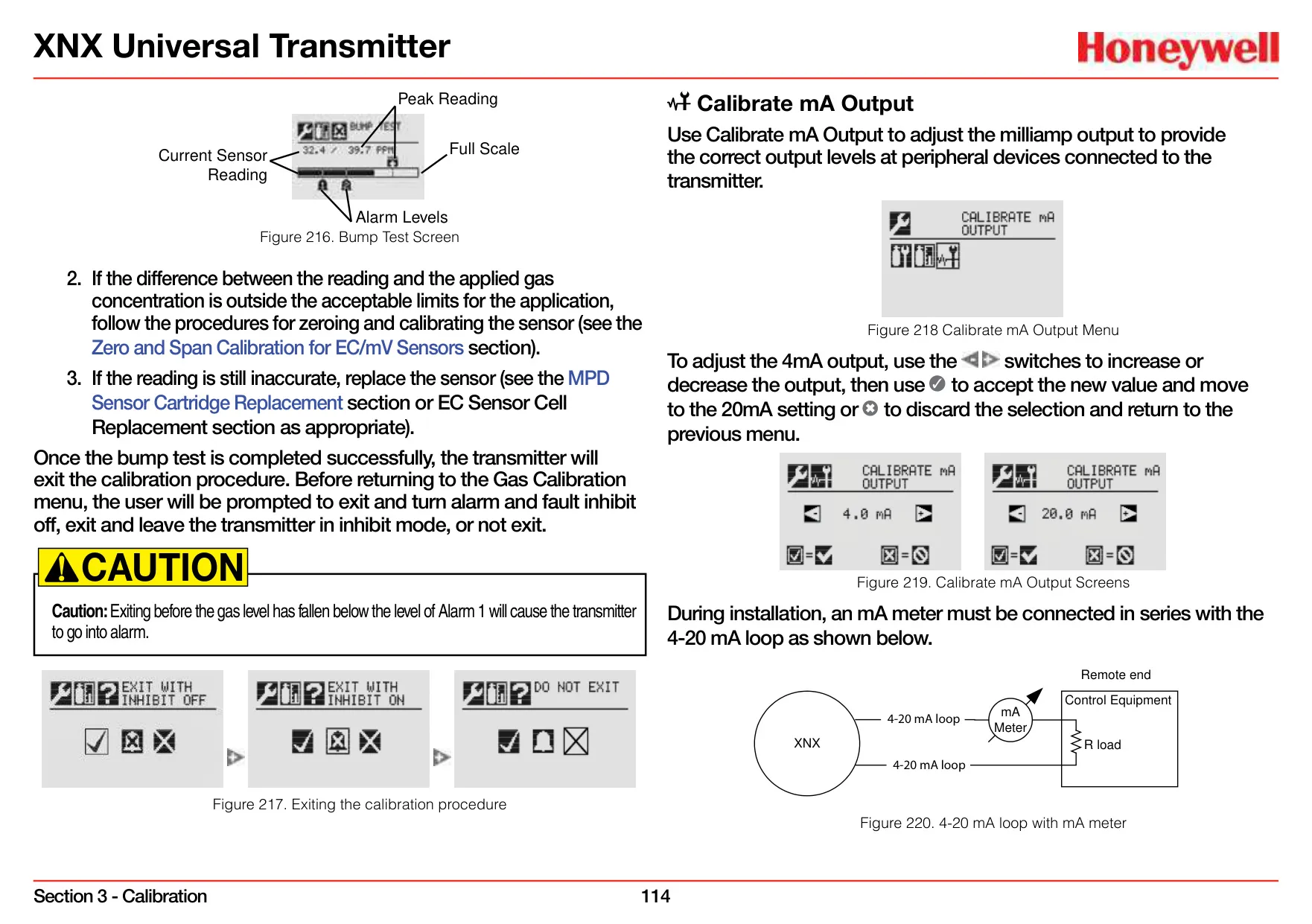
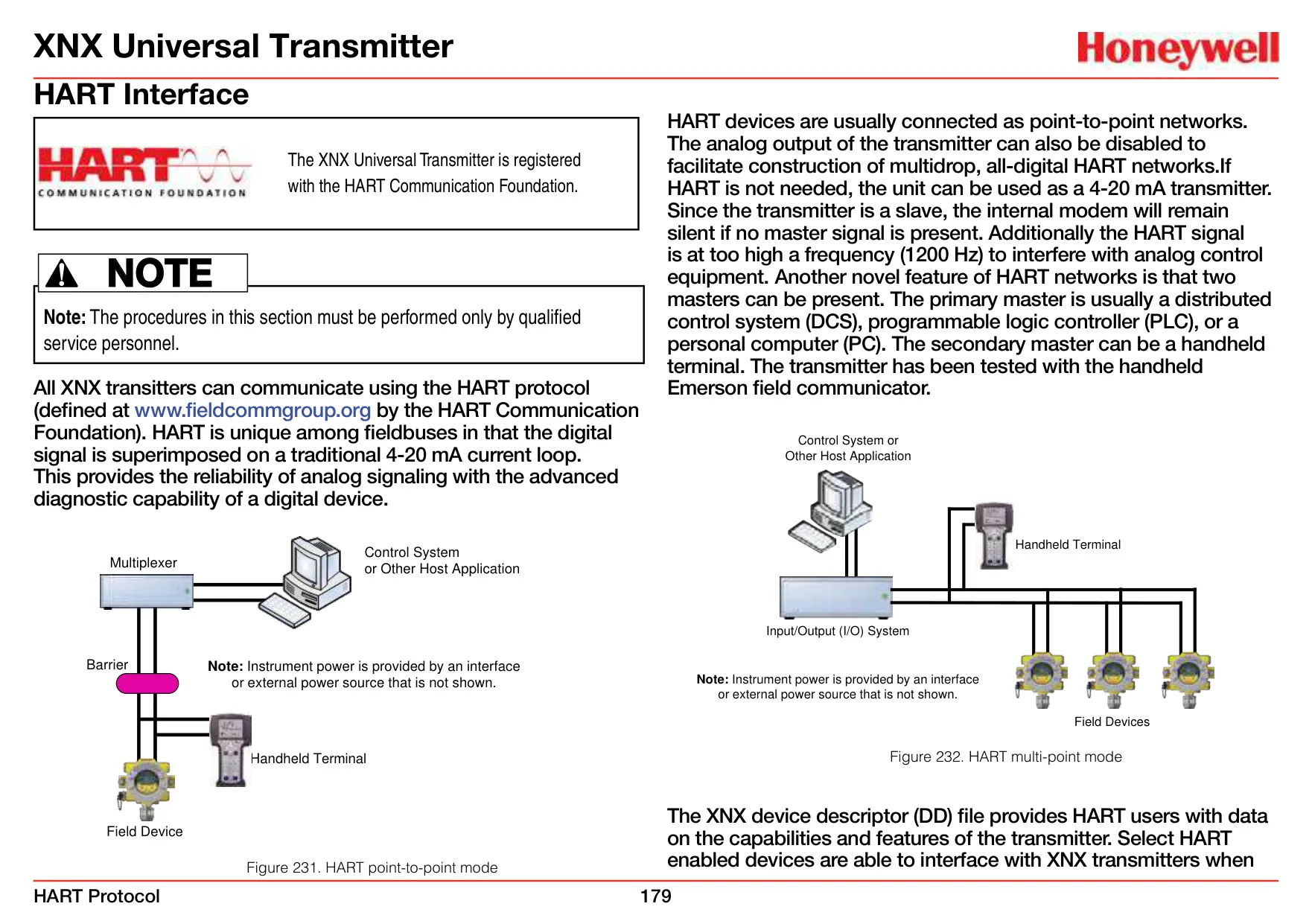
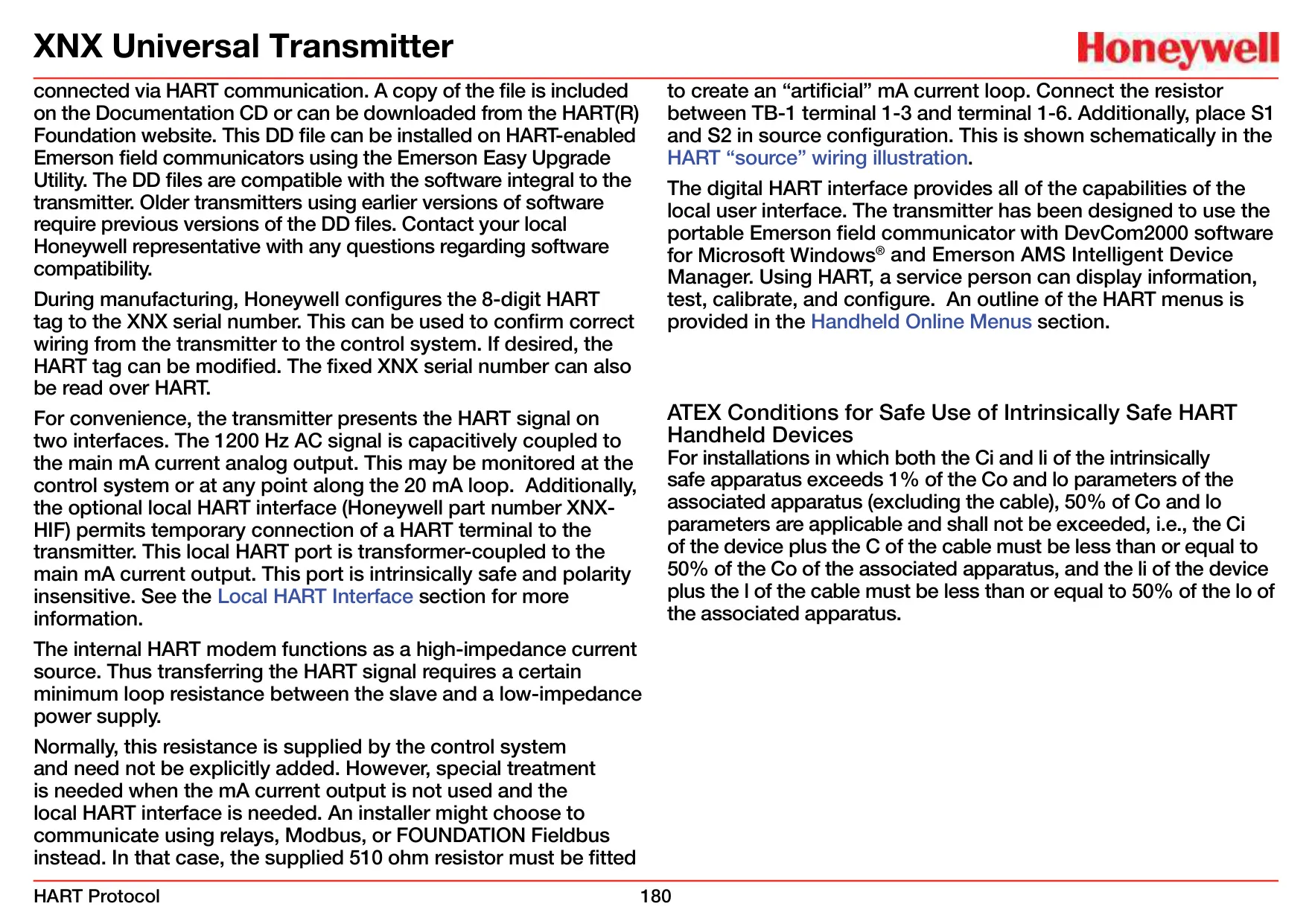
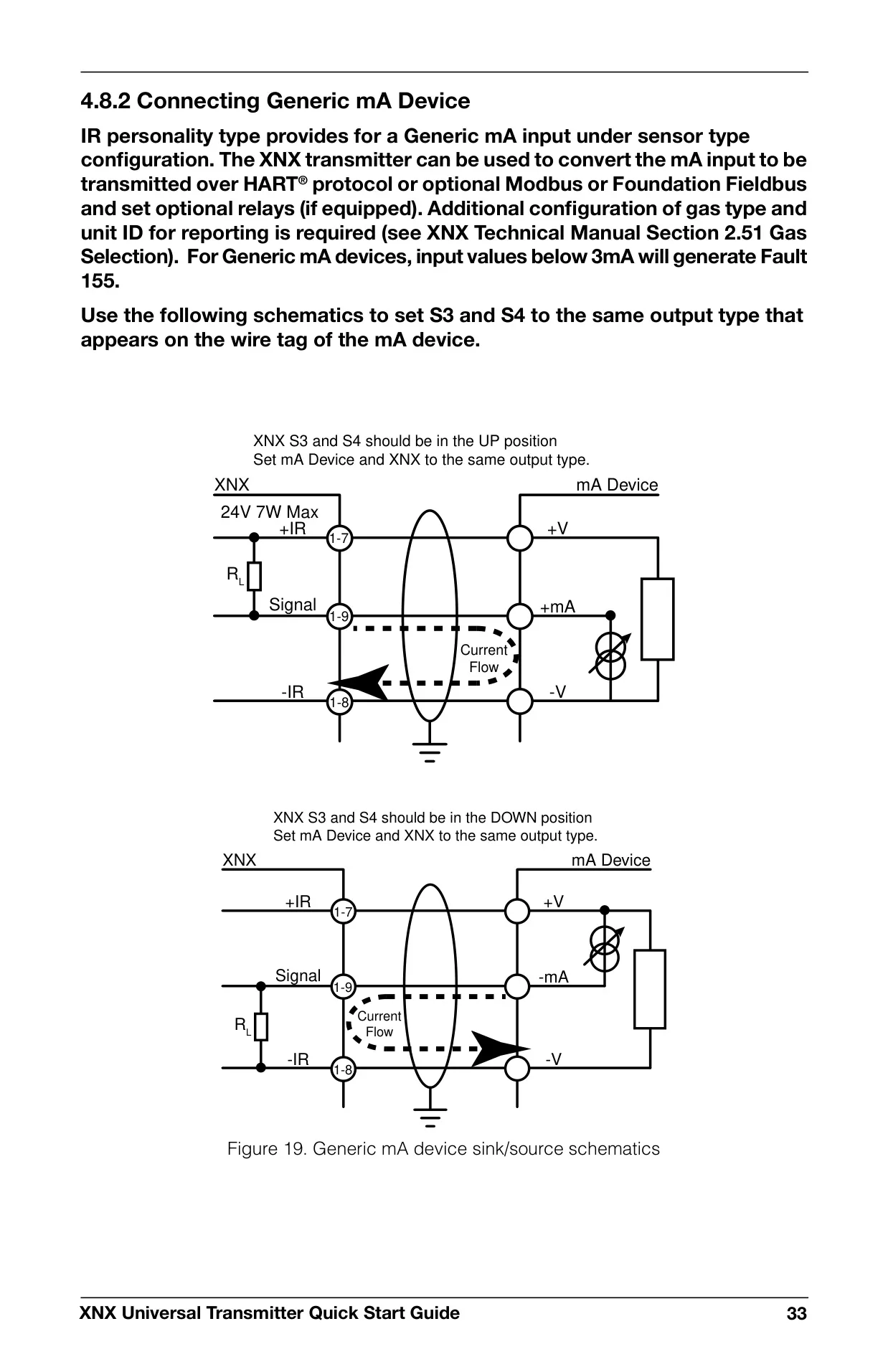
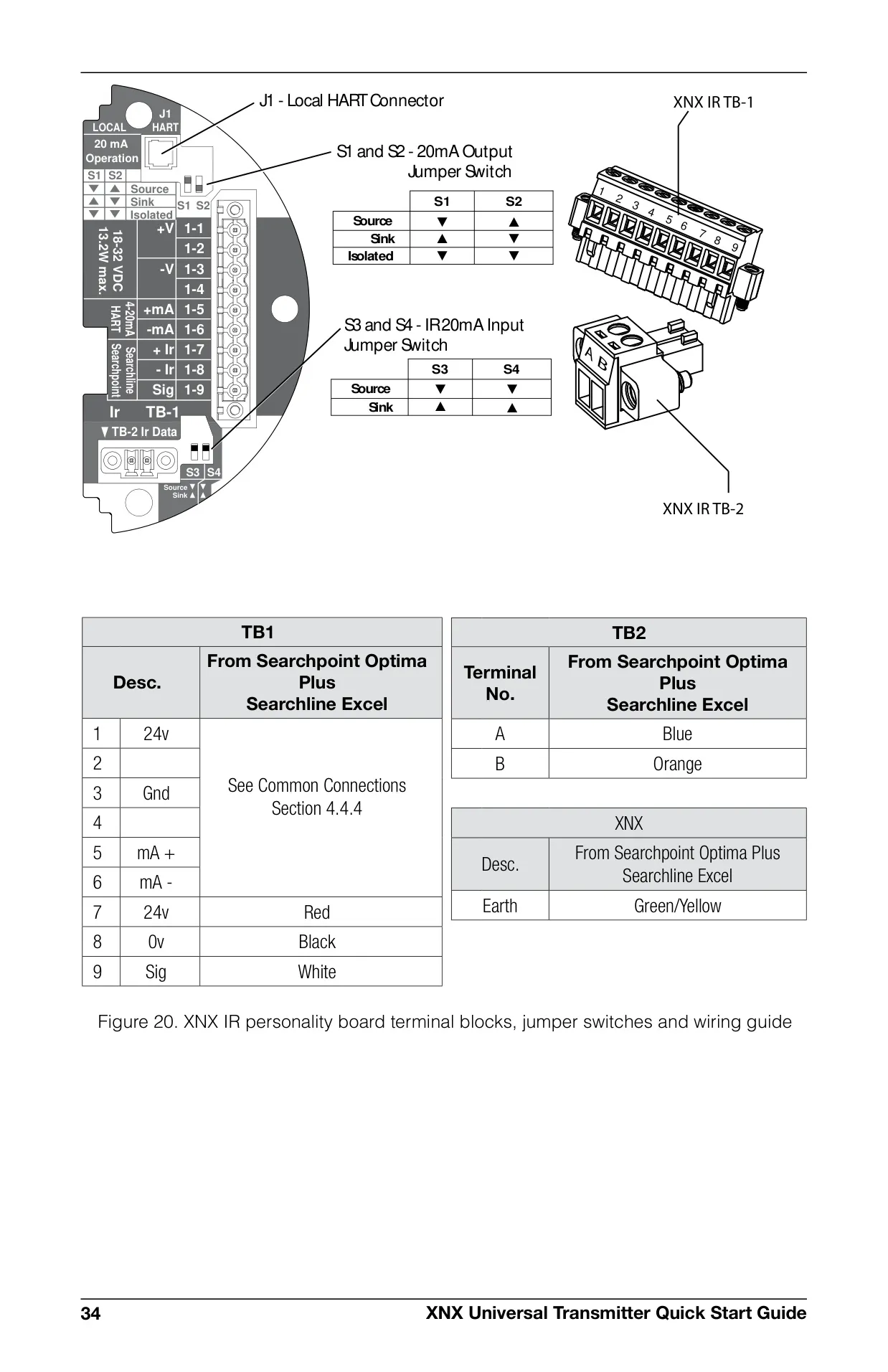
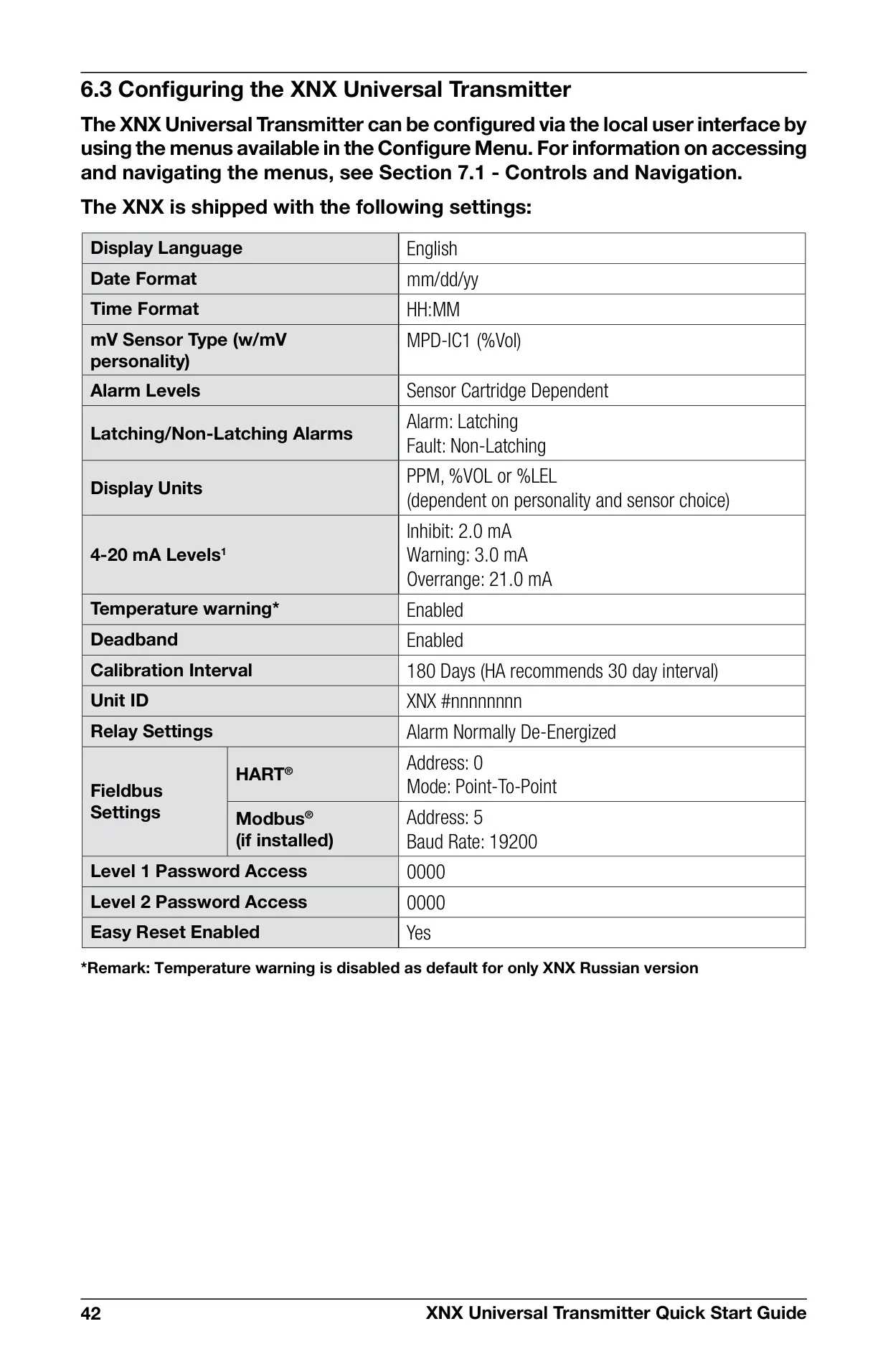
Beyond its robust sensor capabilities, the XNX offers a flexible communication suite. Standard is the 4-20mA current loop with HART communication, configurable for Sink, Source, or Isolated electrical interfaces. This output provides analog indications for various states, including fault (1.0 mA), warm-up or inhibit (2.0 mA), warning (3.0 mA), gas concentration (4-20mA), and overrange (21mA), with alarms always taking priority.
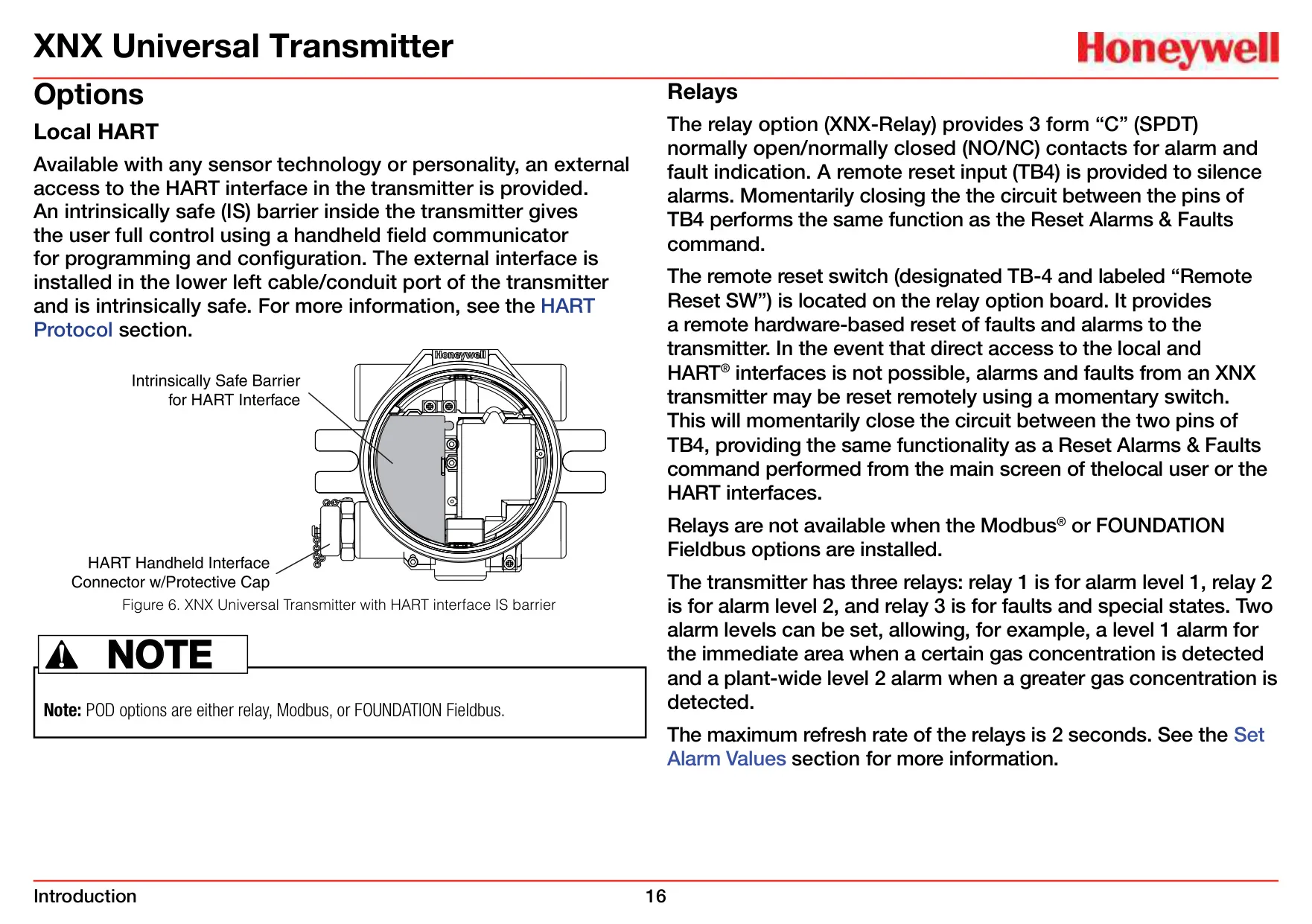
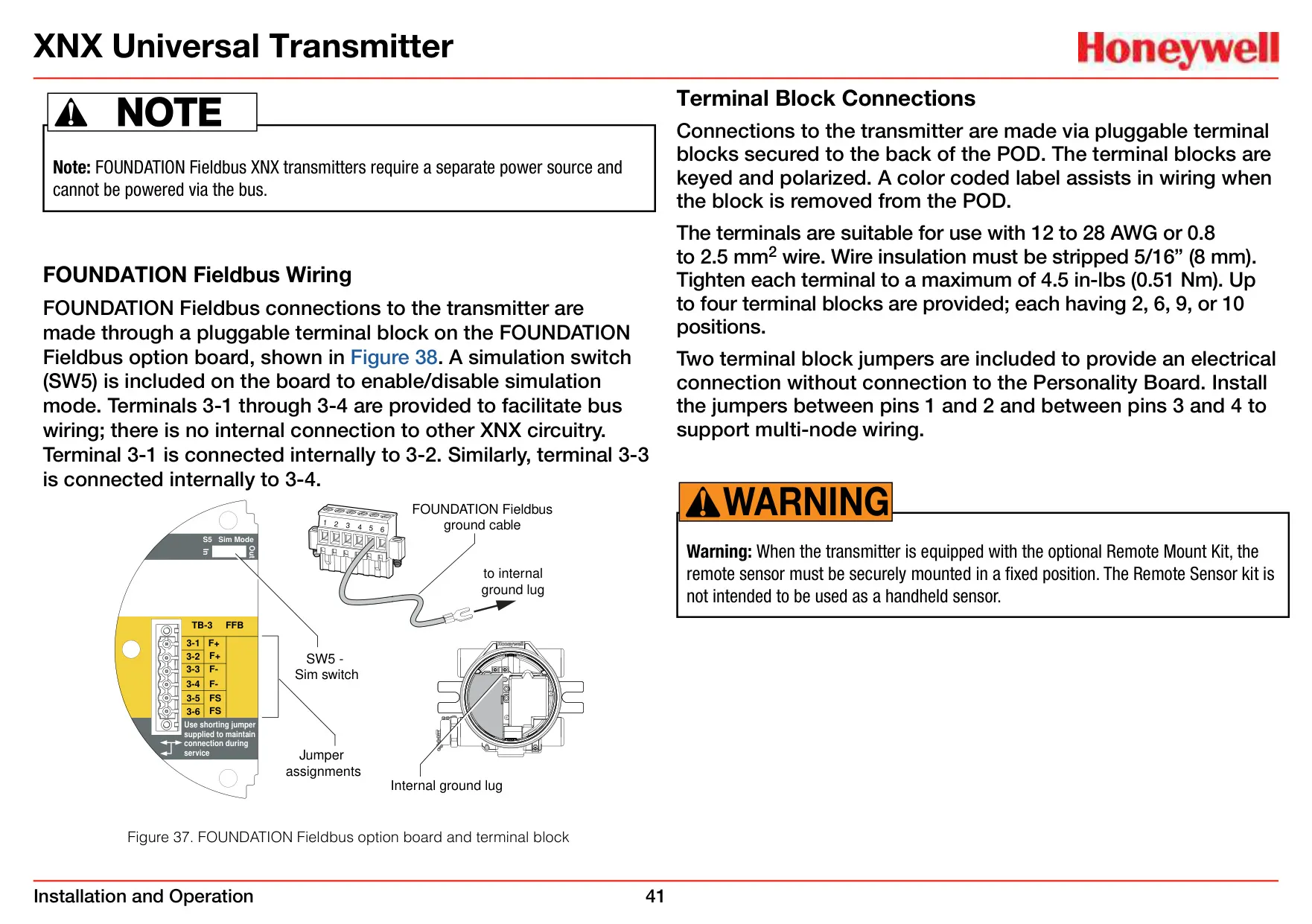
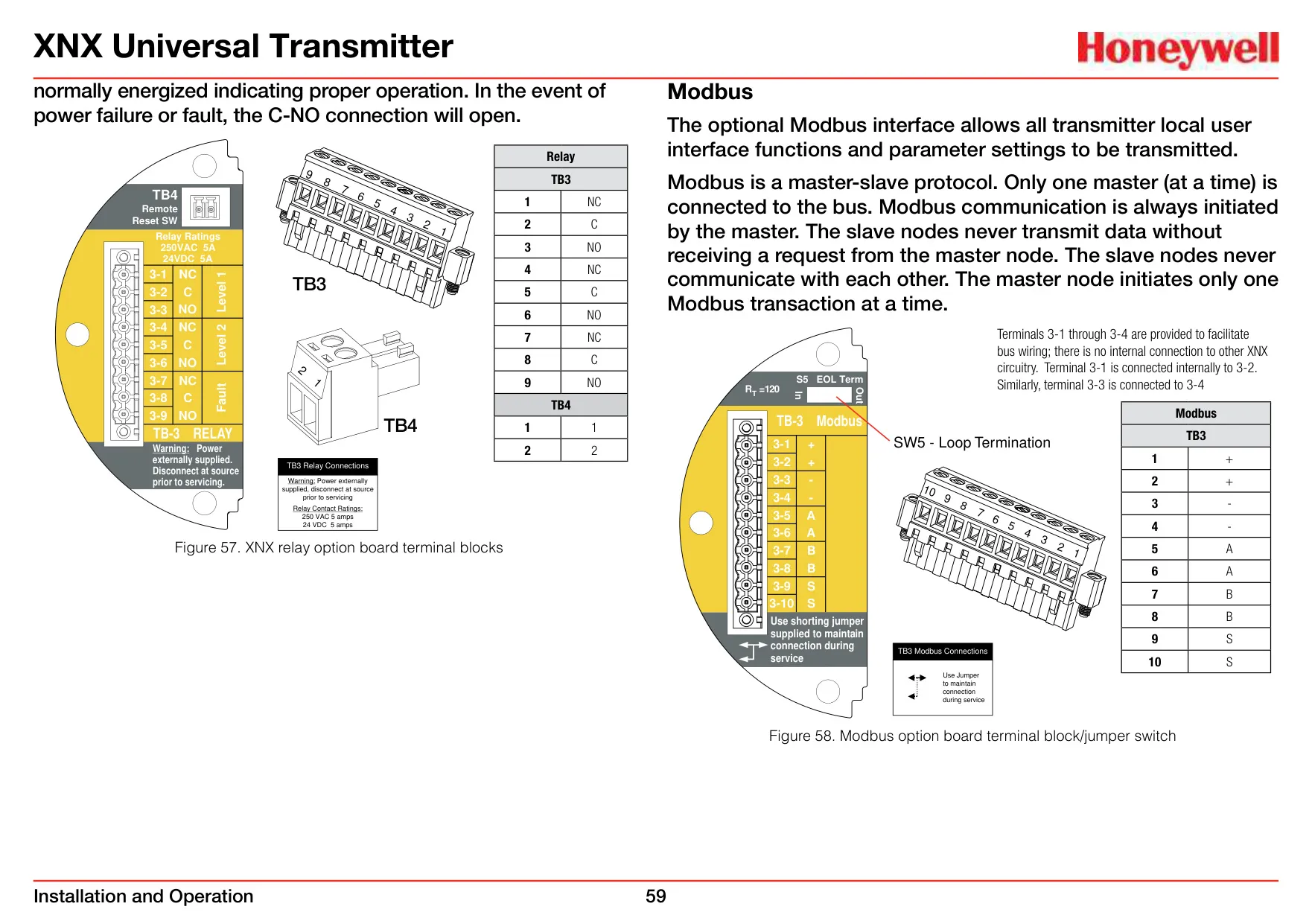
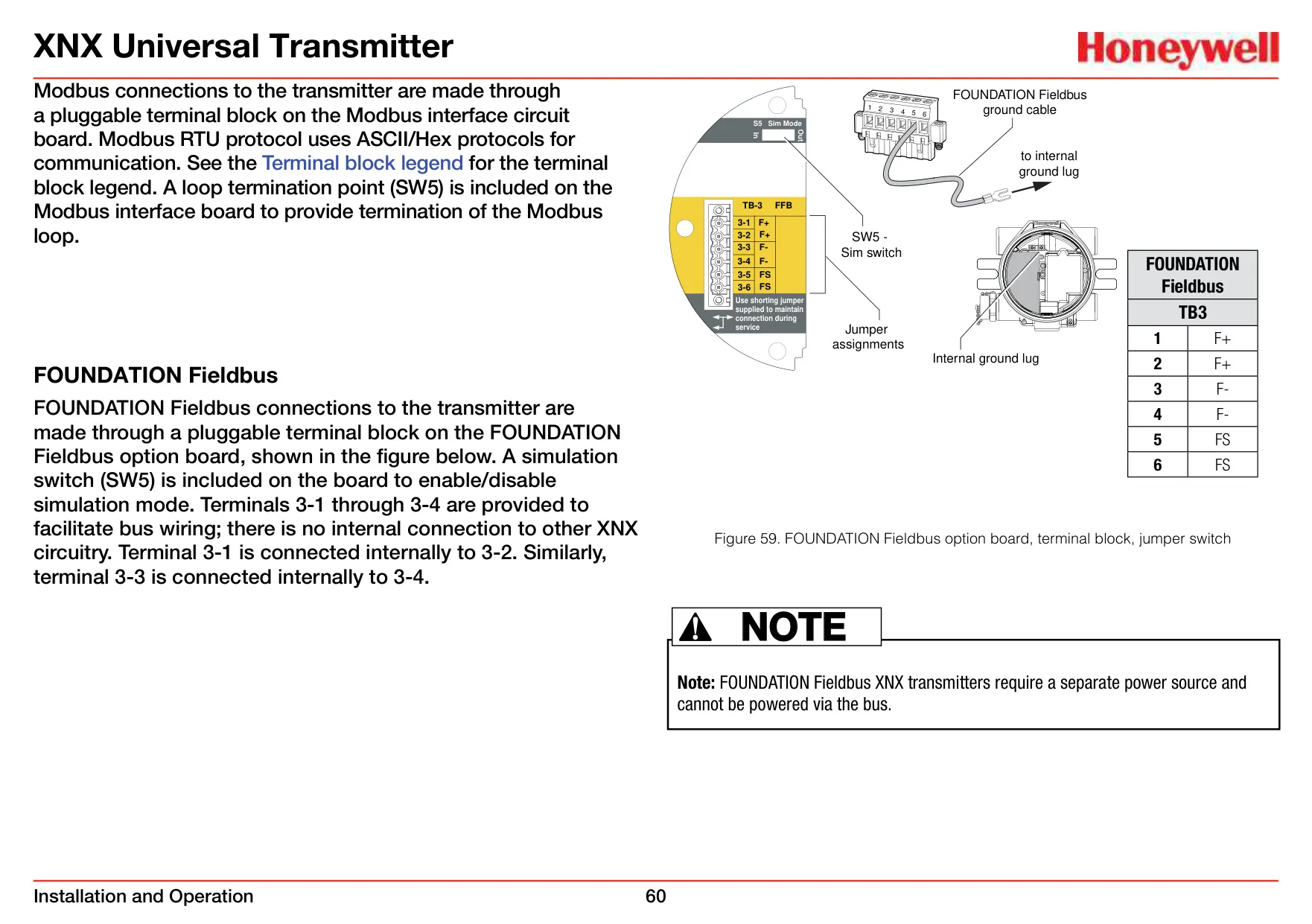
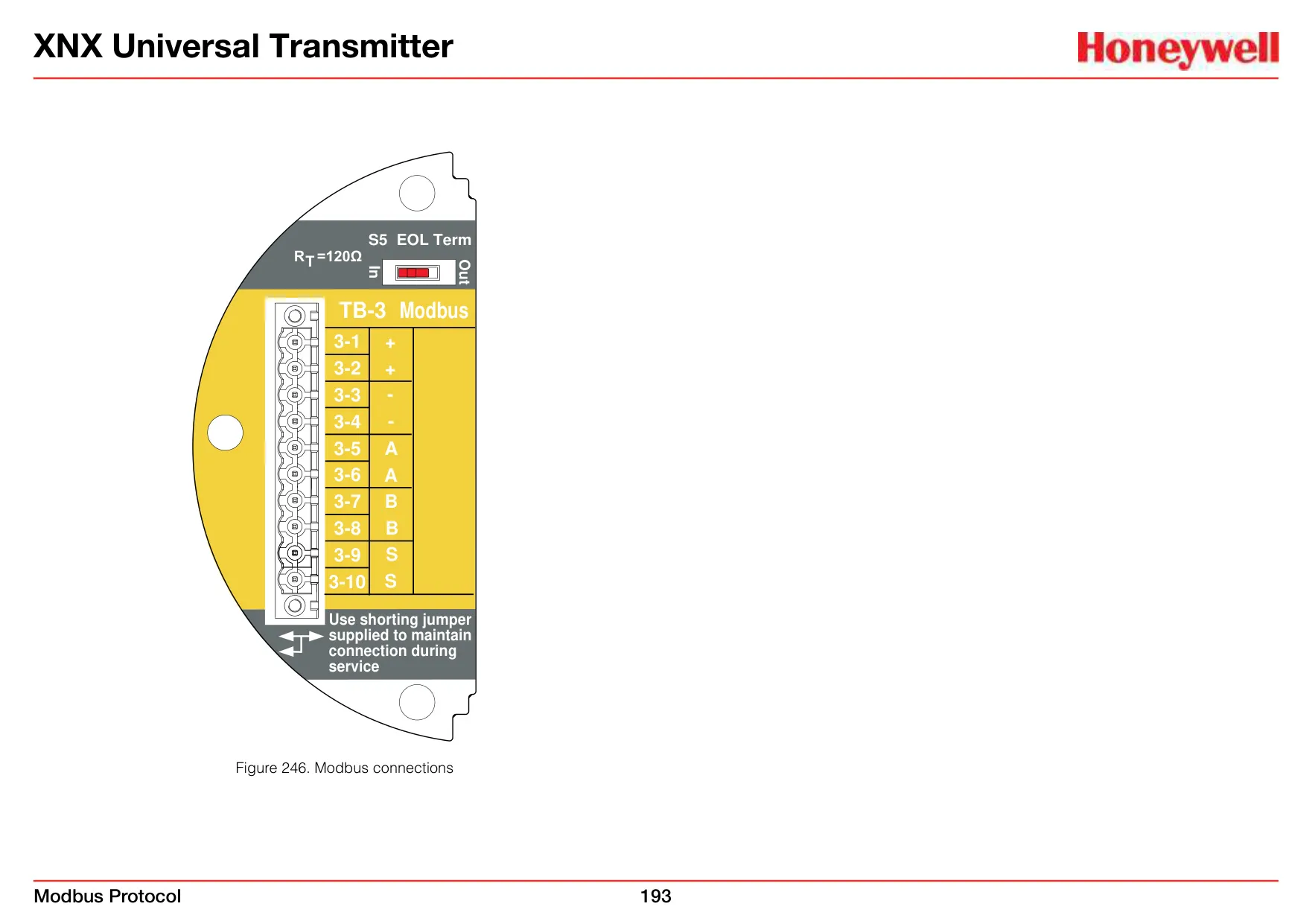
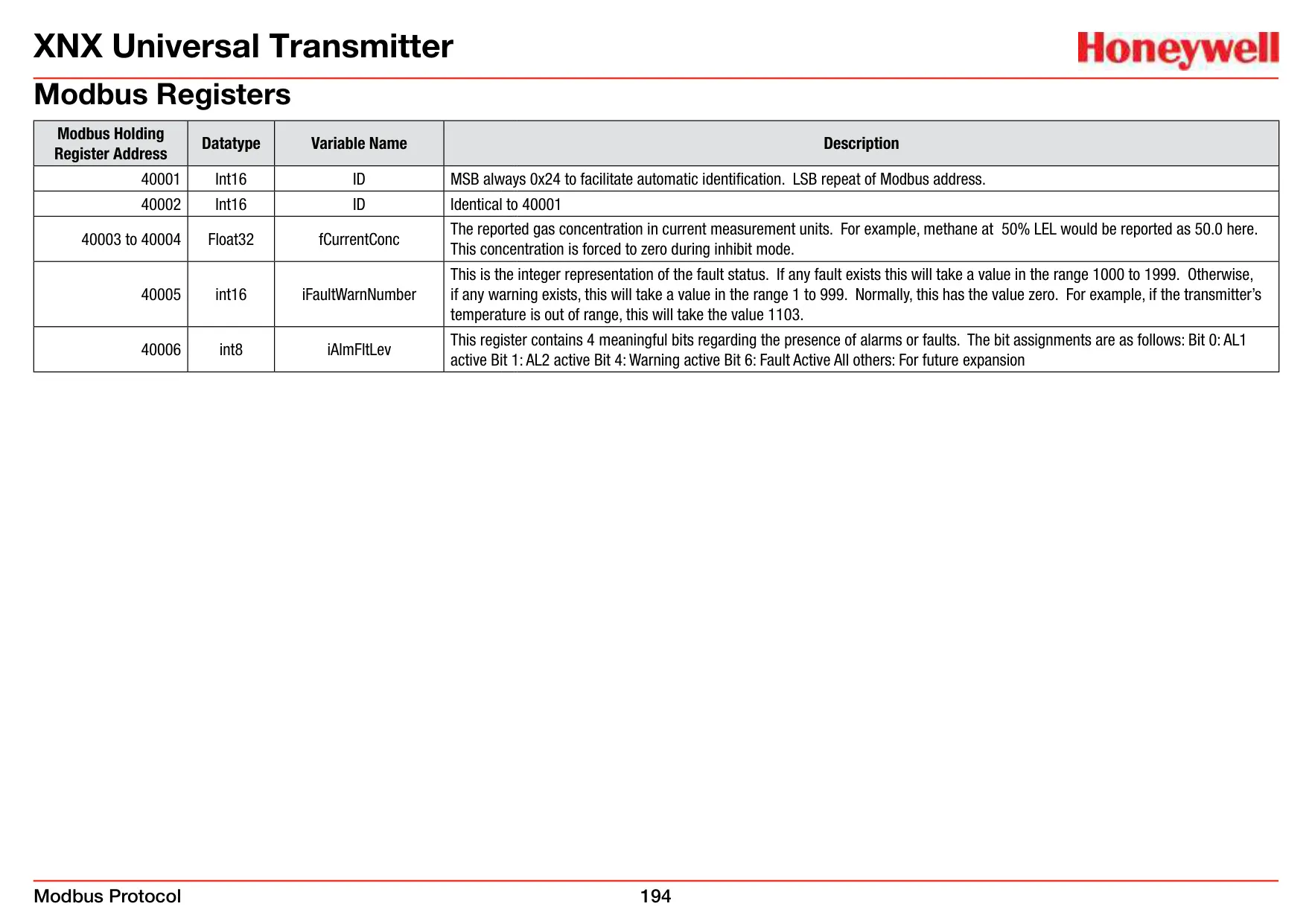
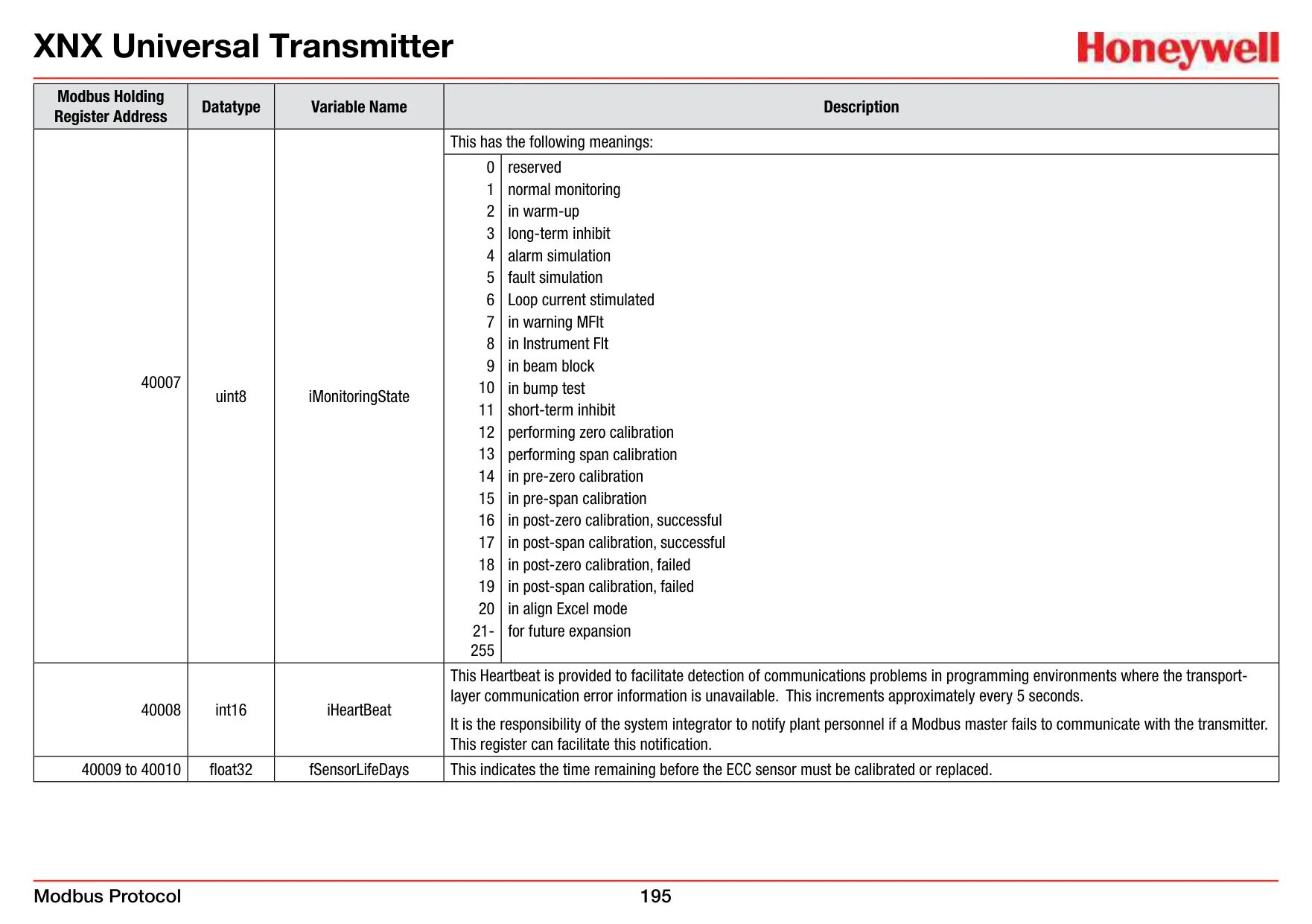
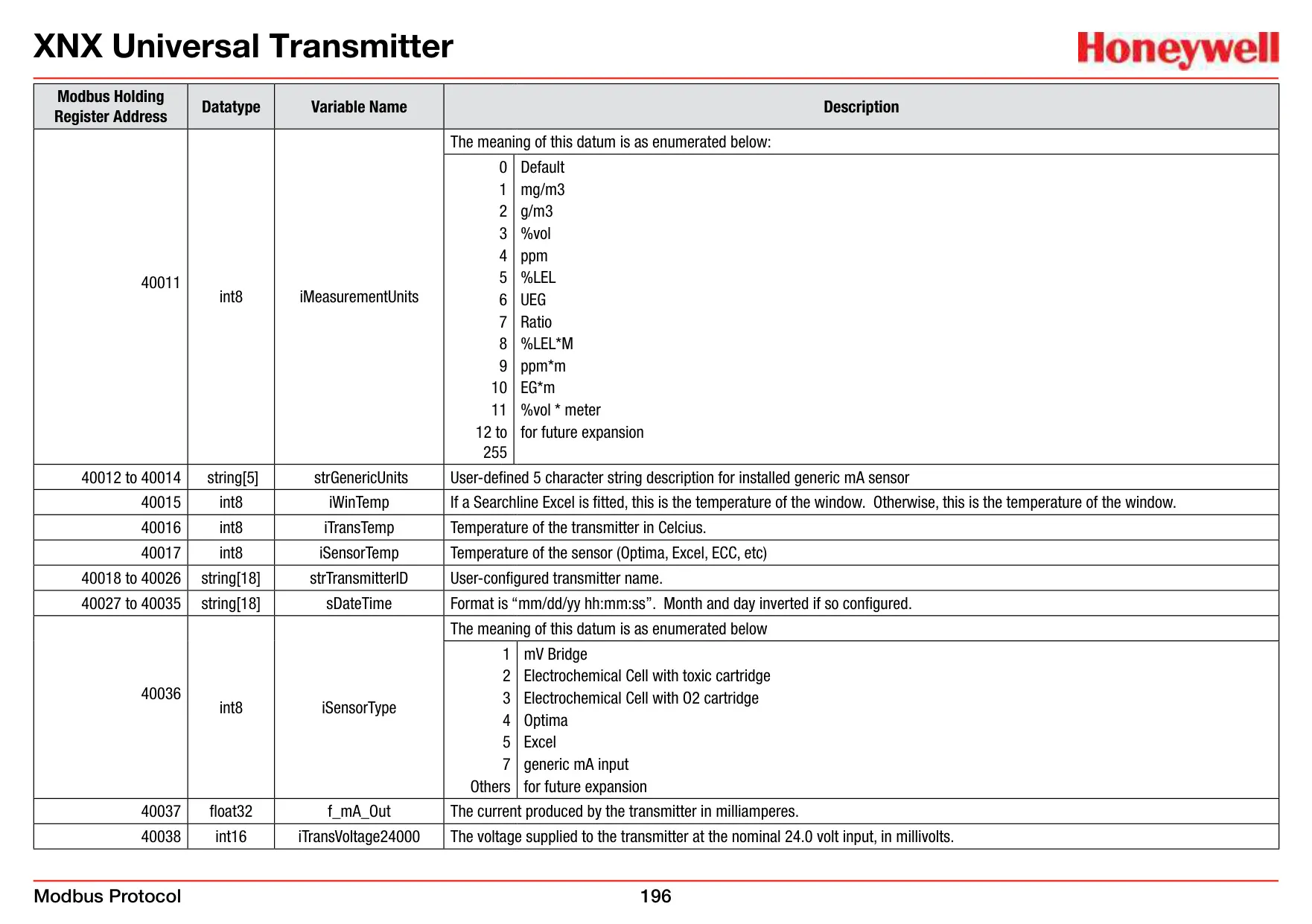
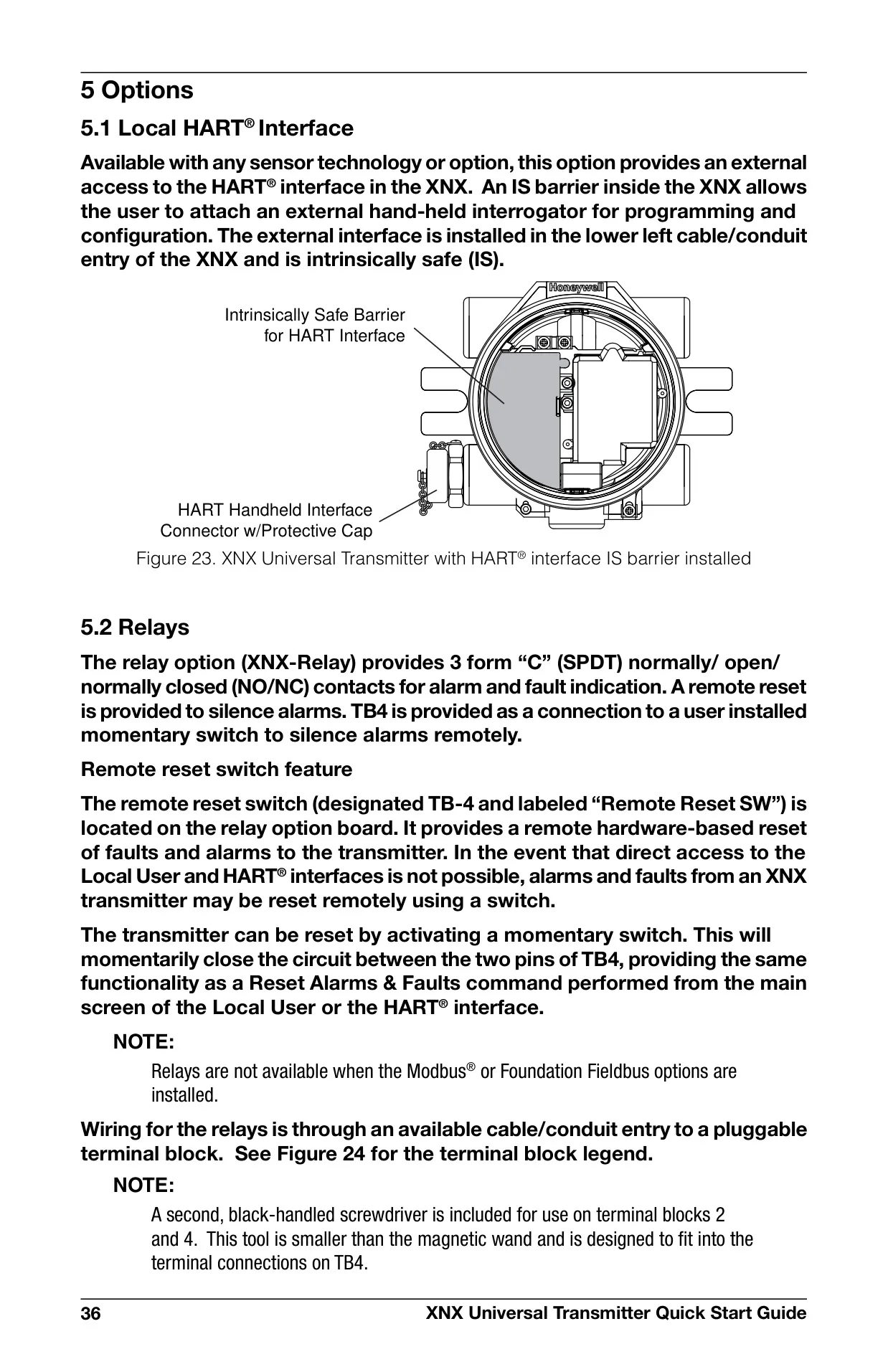
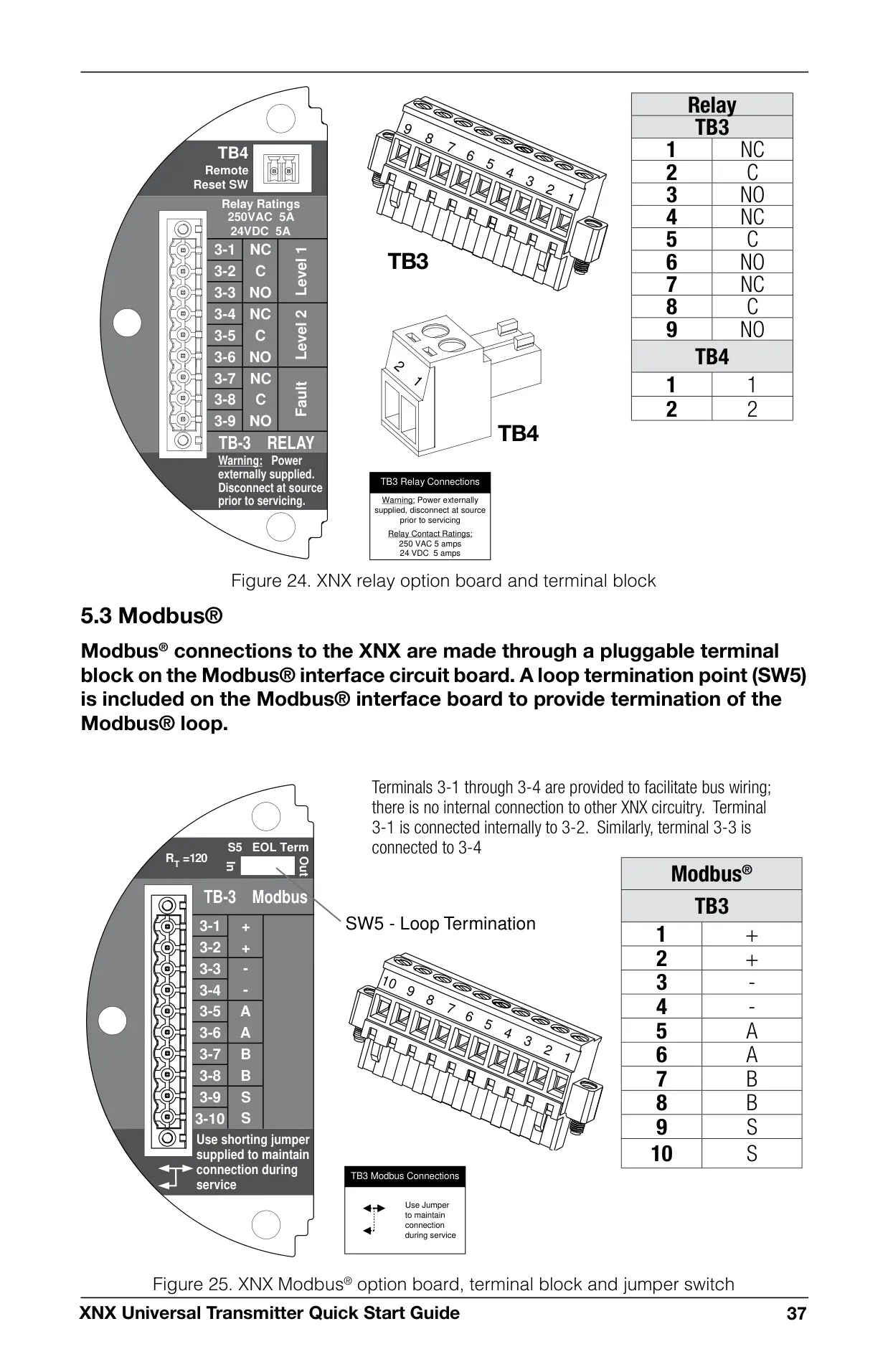
Optional communication boards expand its integration possibilities significantly. Users can opt for a Relay board providing three form “C” SPDT contacts for alarm and fault indications, complete with a remote reset input. Alternatively, the Modbus interface (RTU over RS-485) enables data transmission to PLCs or controllers, while FOUNDATION Fieldbus offers a digital communication system for connecting multiple devices.
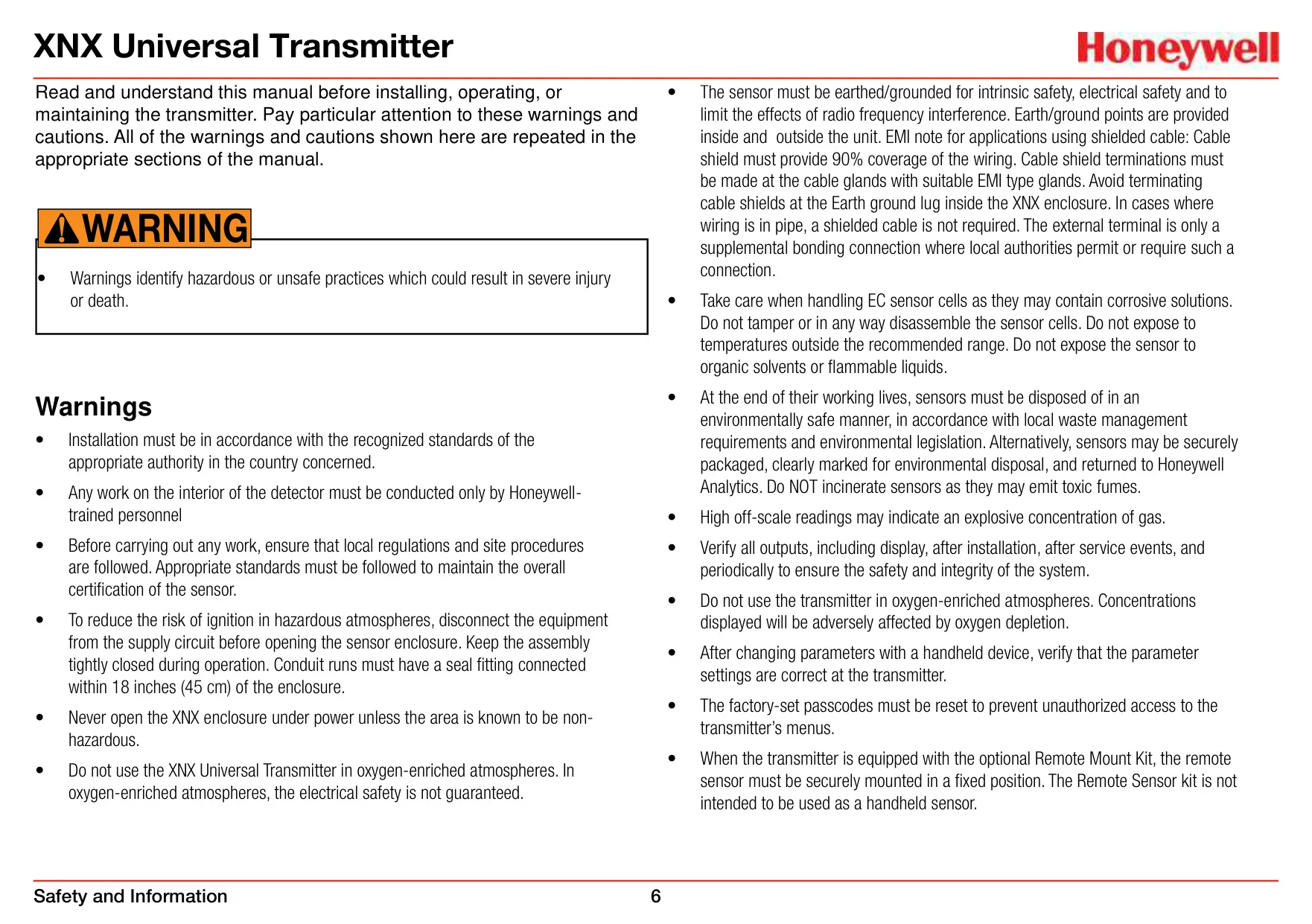
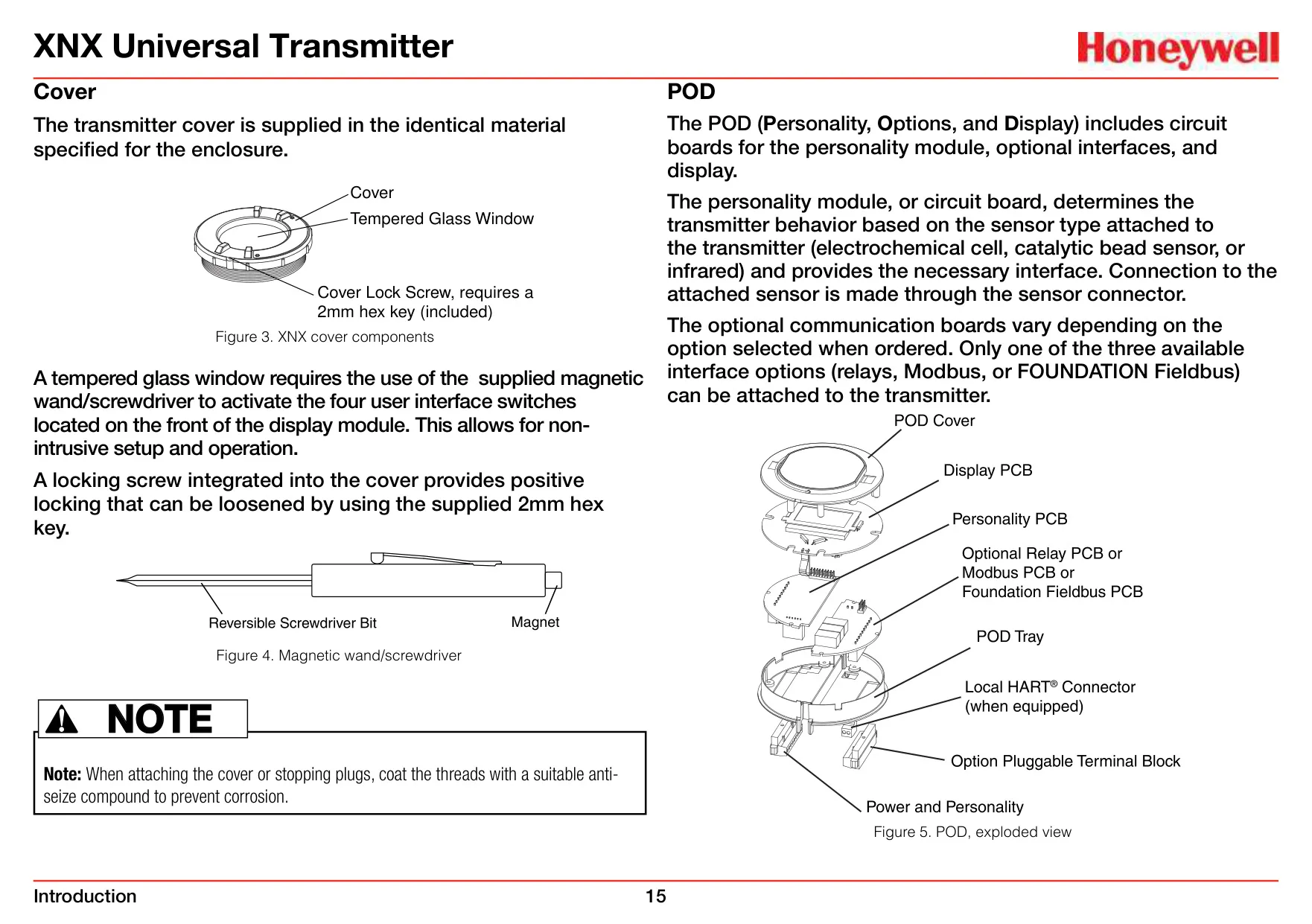
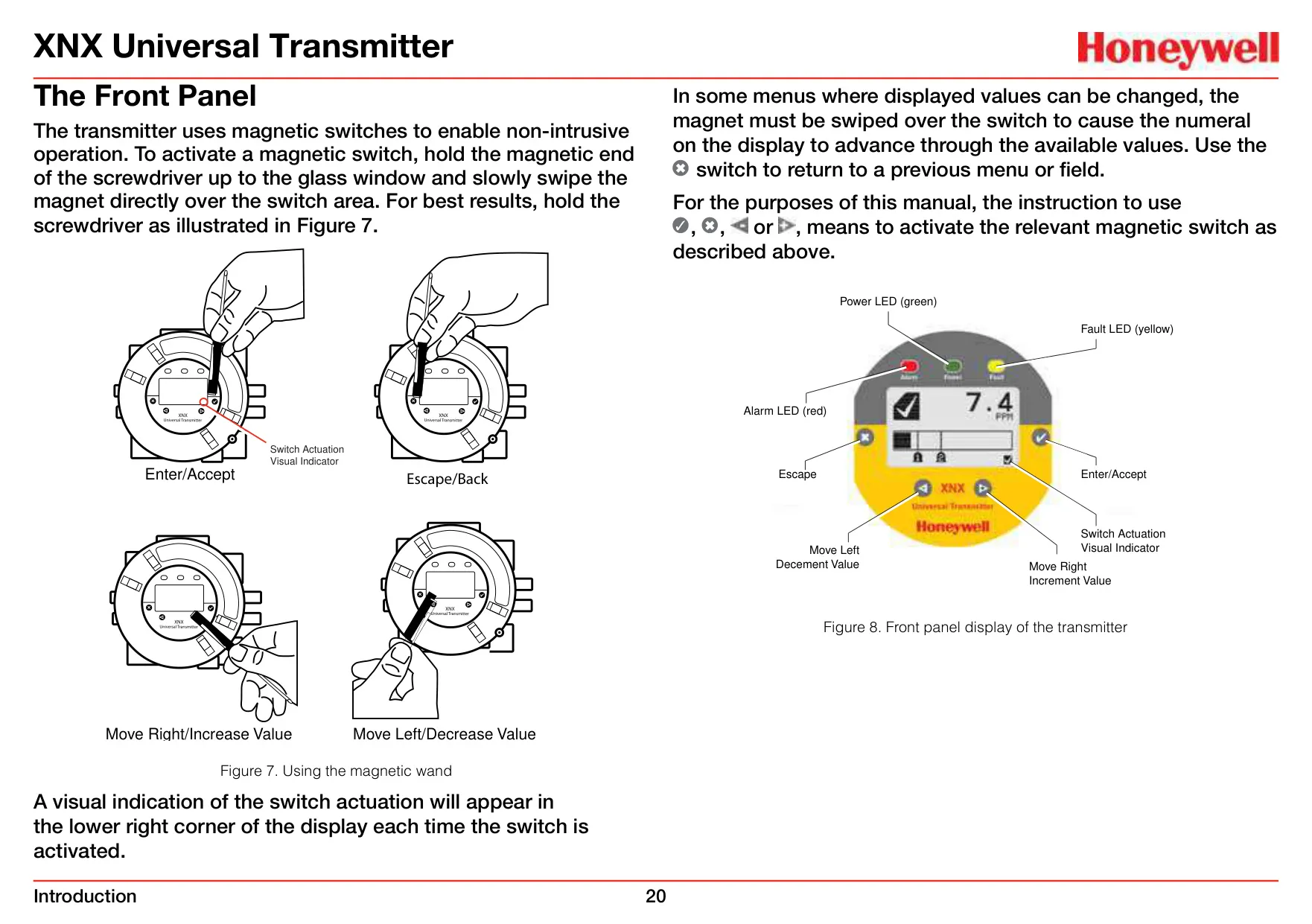
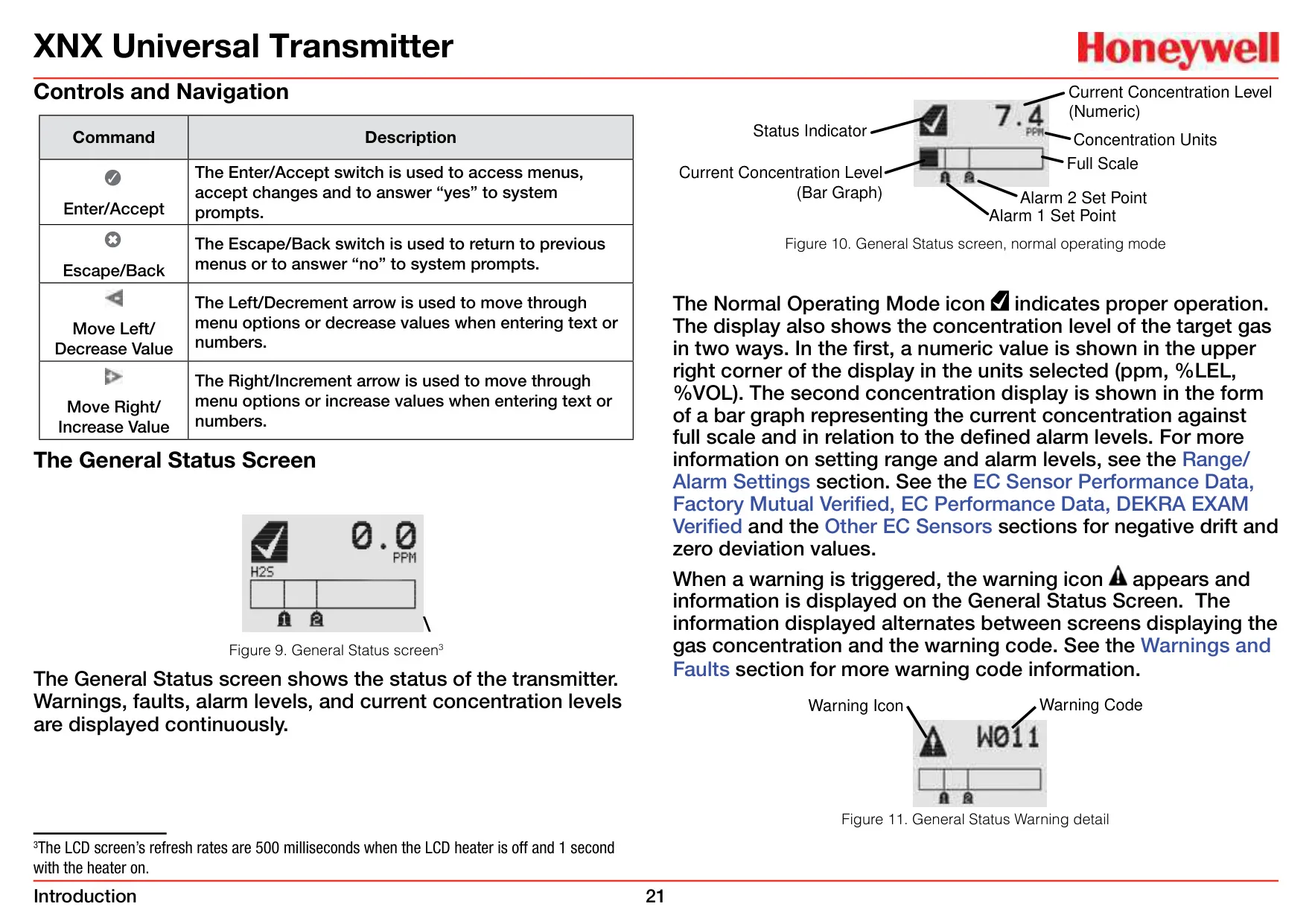
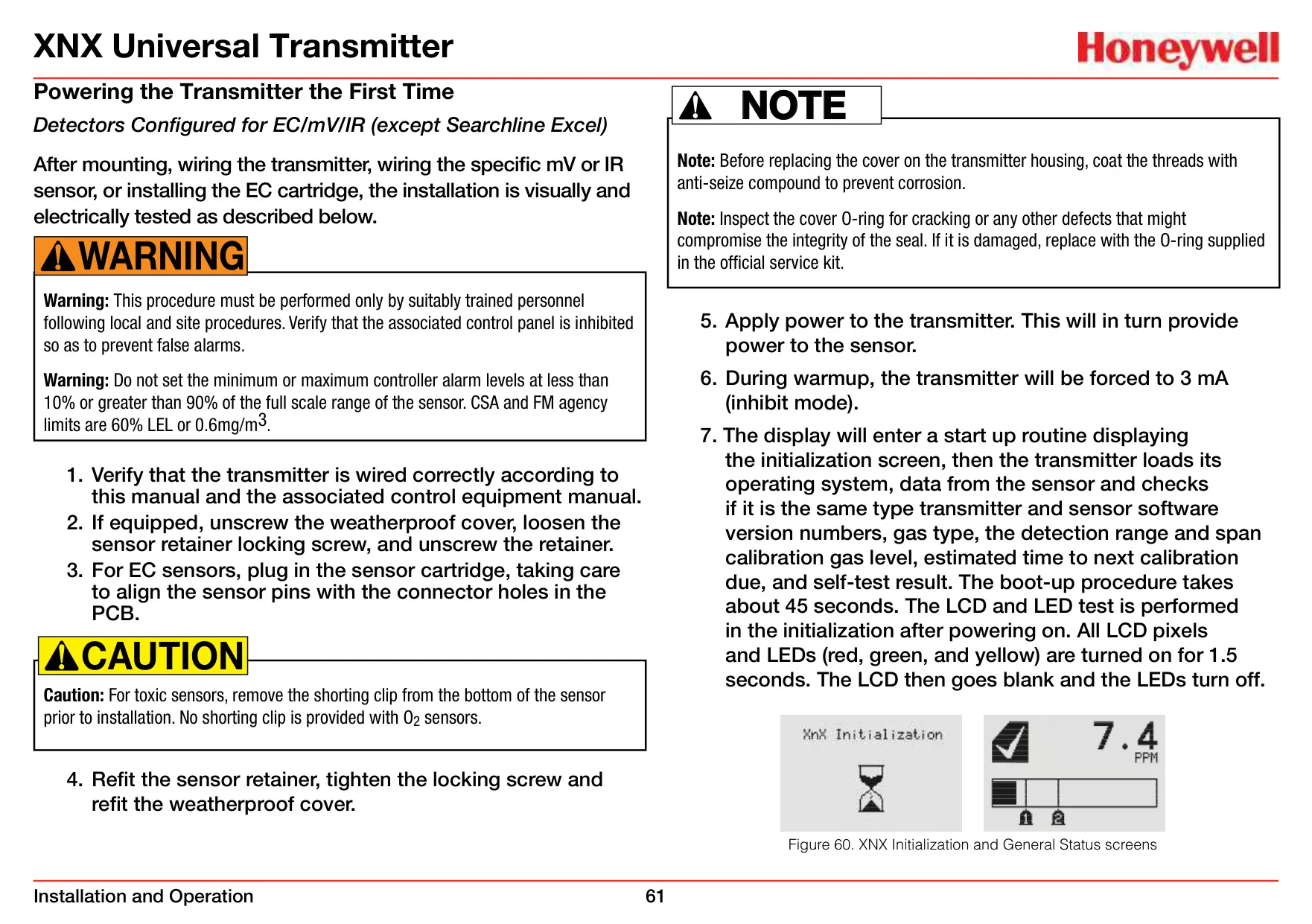
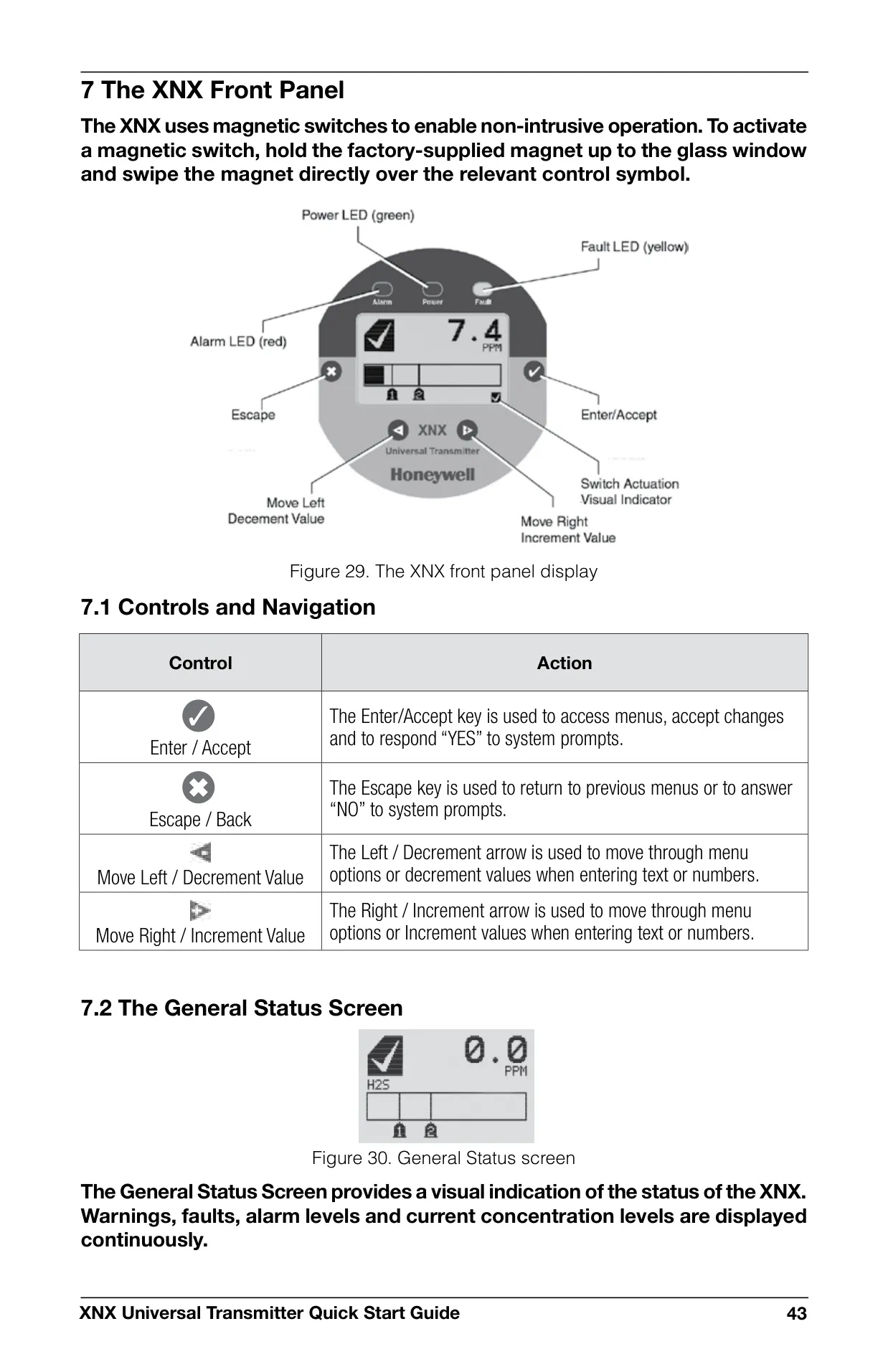
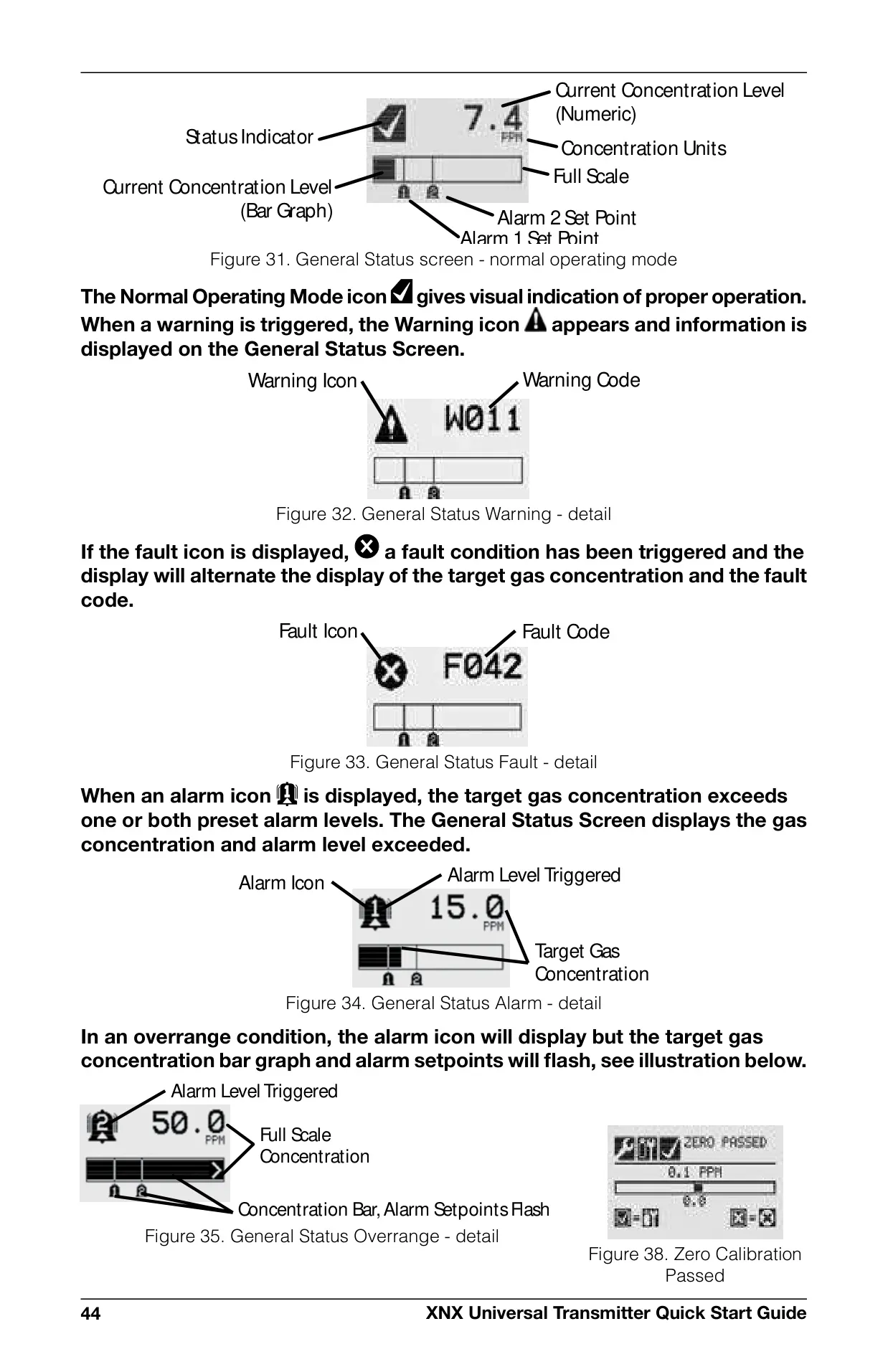
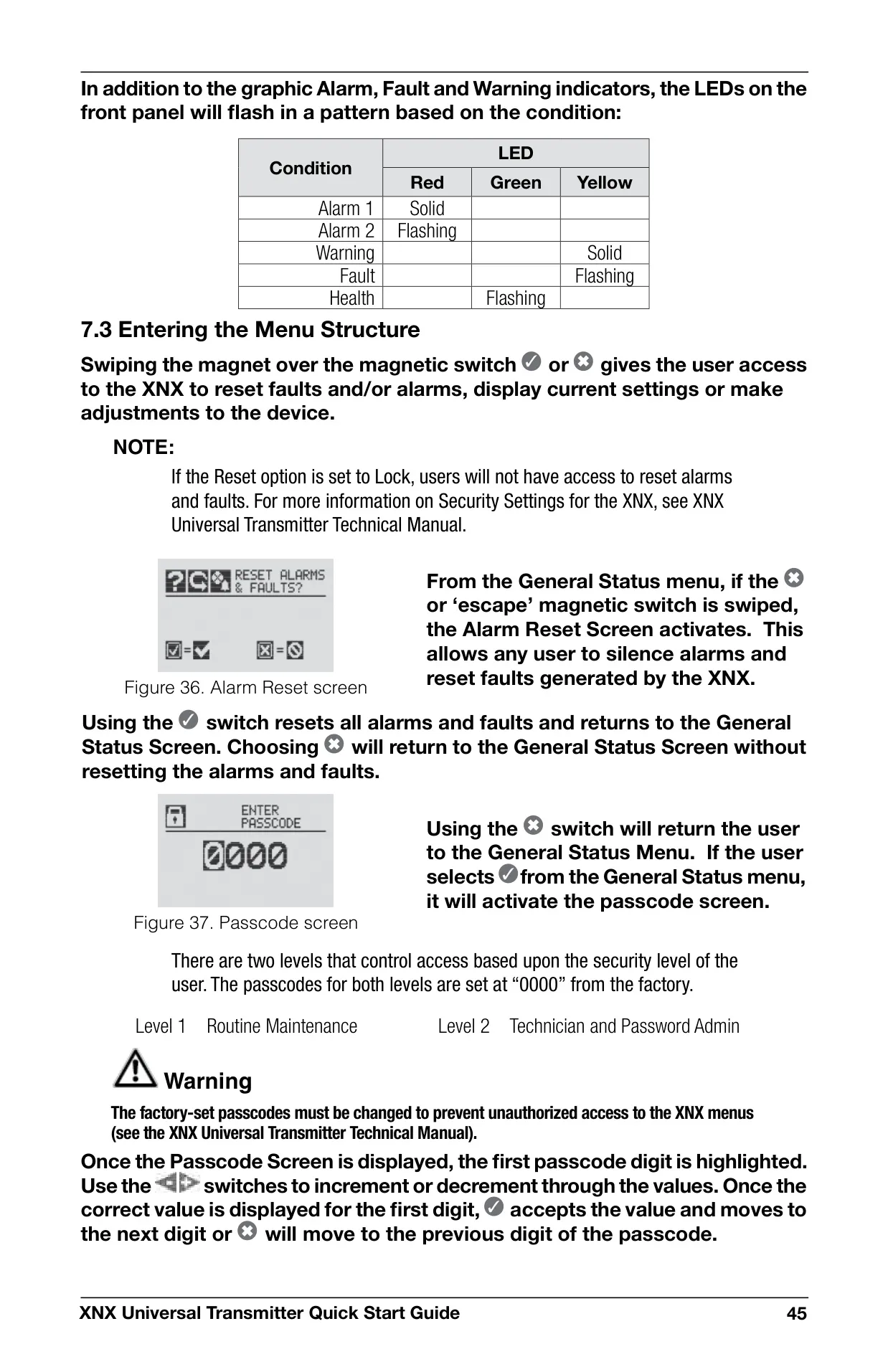
The transmitter’s durable construction features a marine-grade aluminum alloy or SS316 enclosure with a 5-coat painted finish, offering superior corrosion protection. Its tempered glass window facilitates non-intrusive operation via a supplied magnetic wand, allowing setup and navigation without opening the explosion-proof enclosure. A clear LCD provides continuous status updates, including gas concentration via a numeric value and a bar graph, along with visual warnings and fault codes.
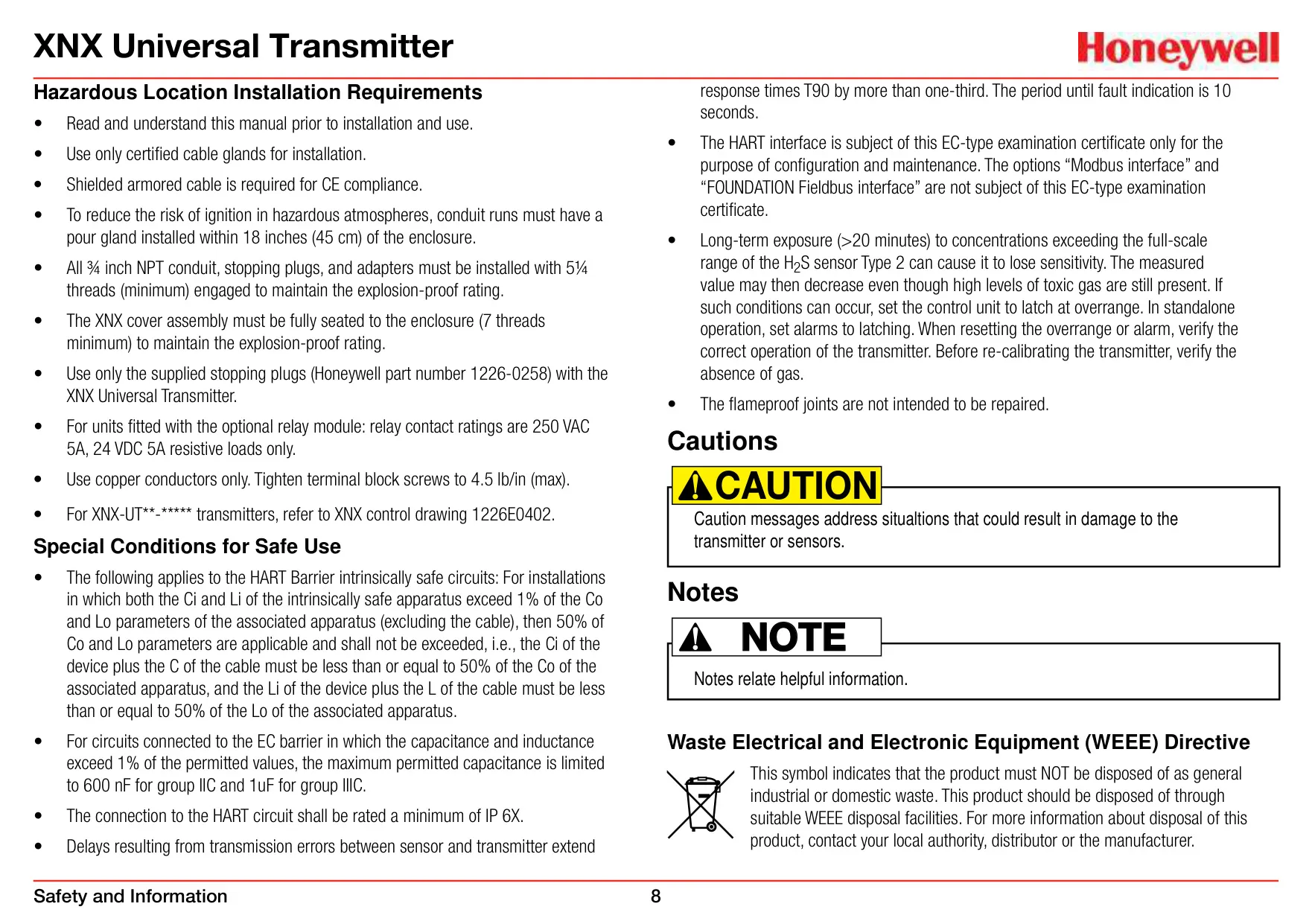
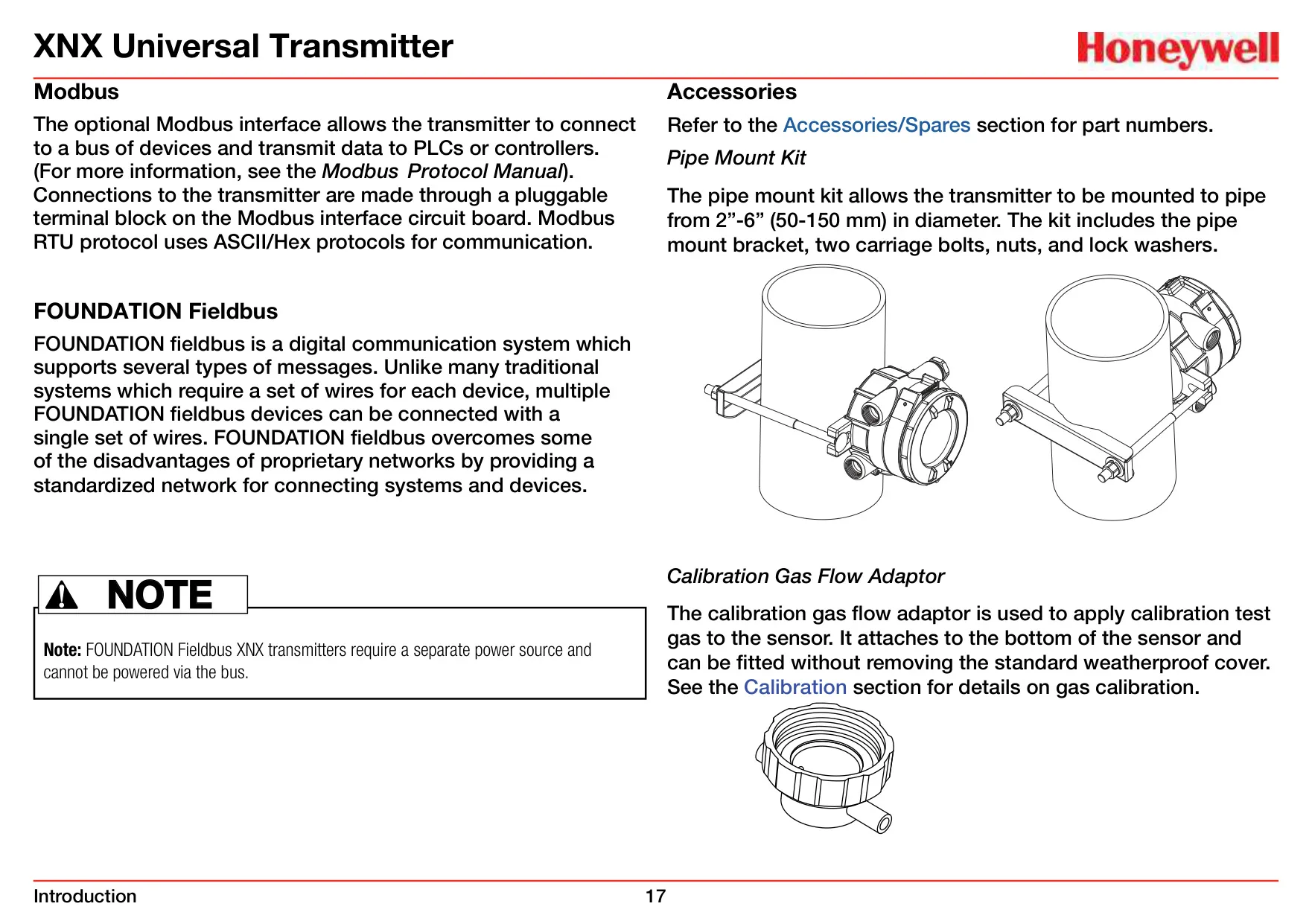
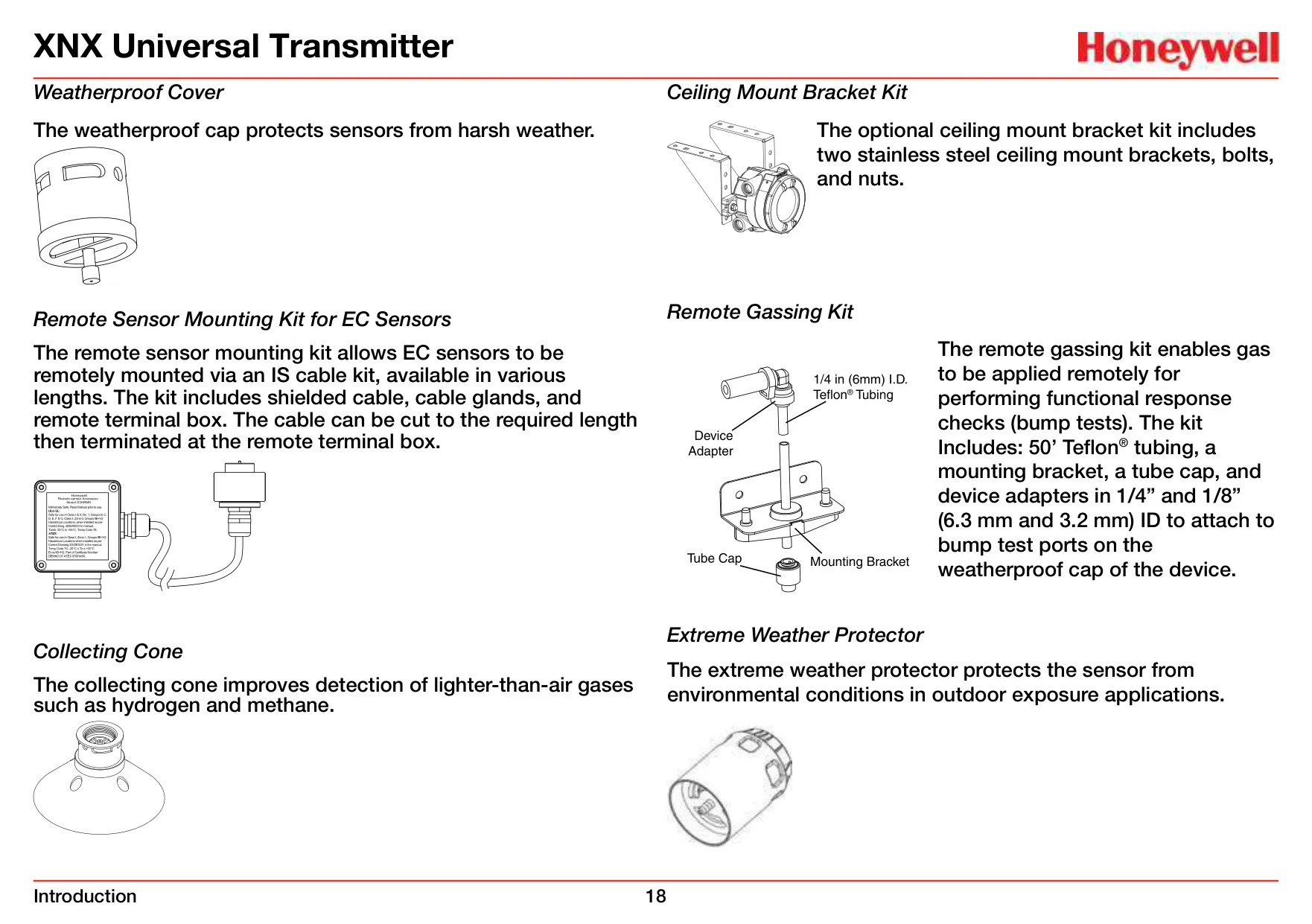
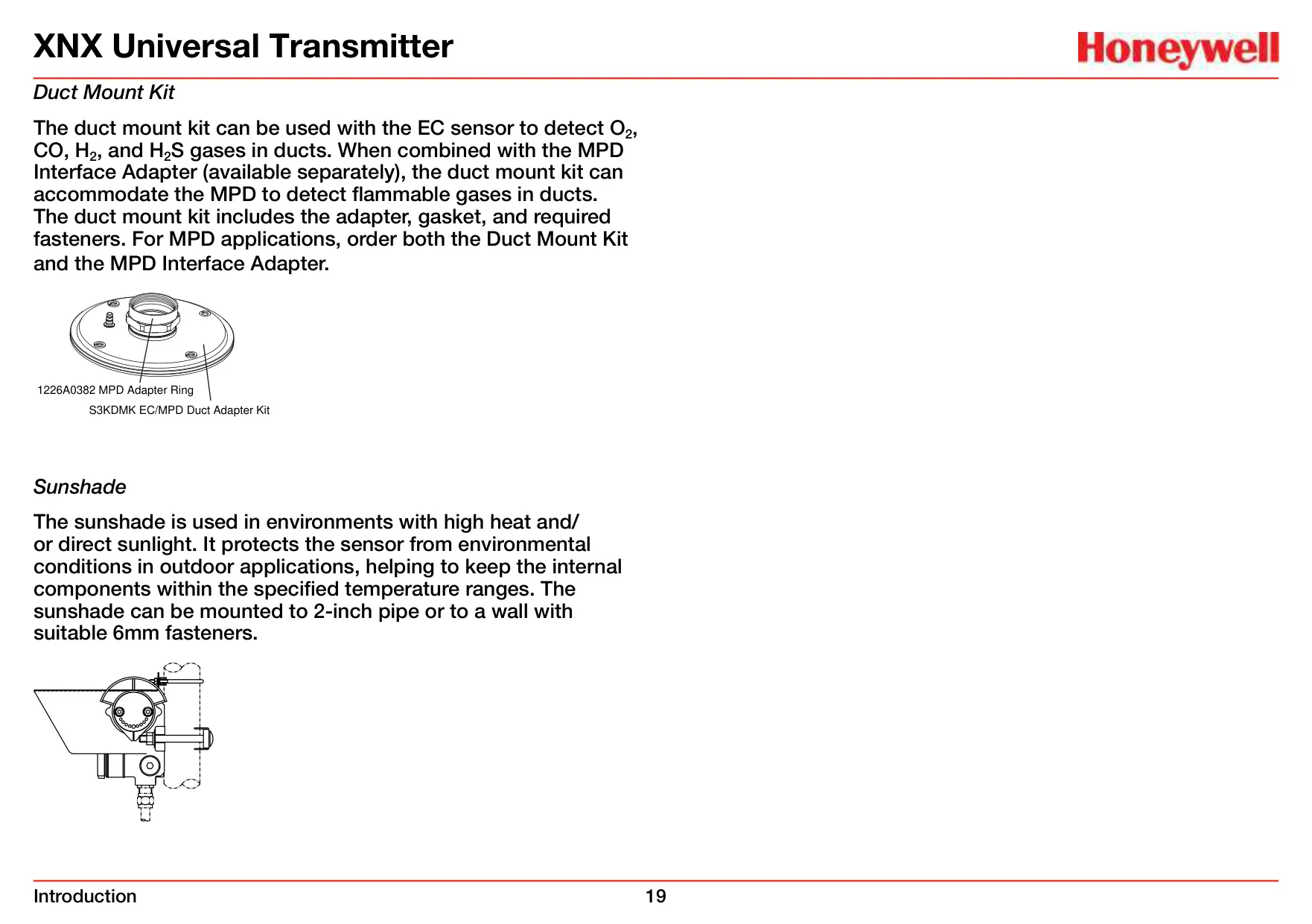
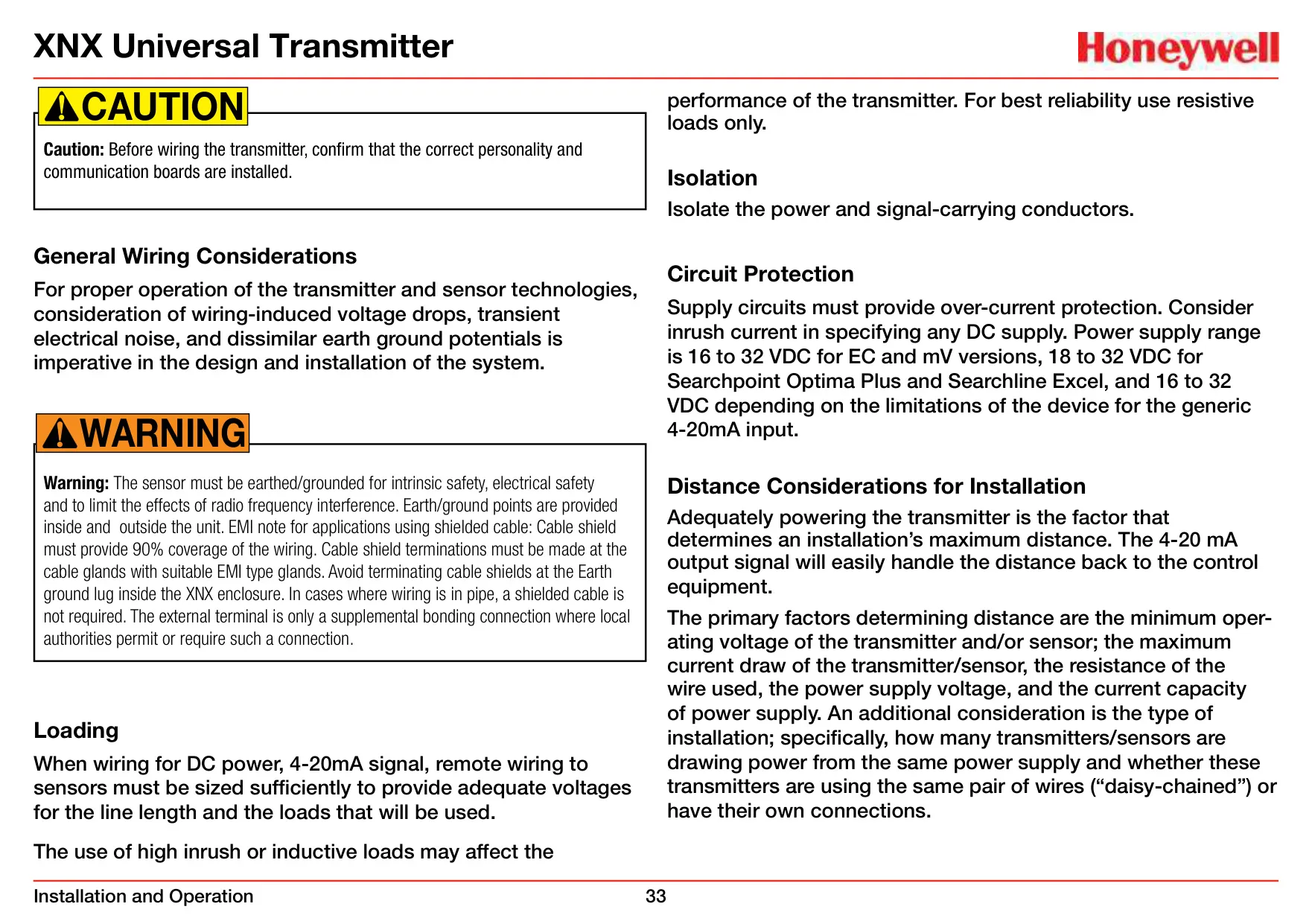
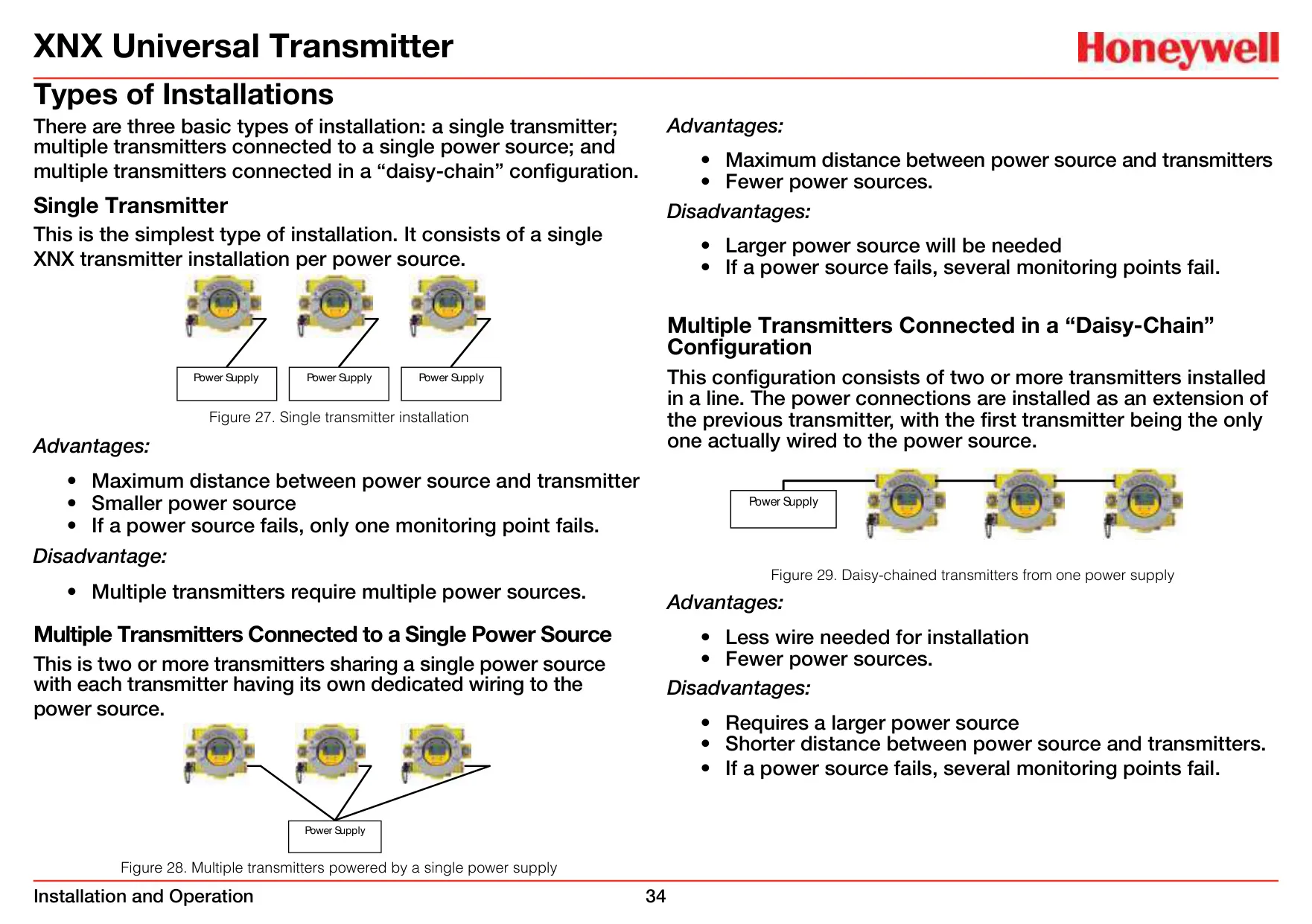
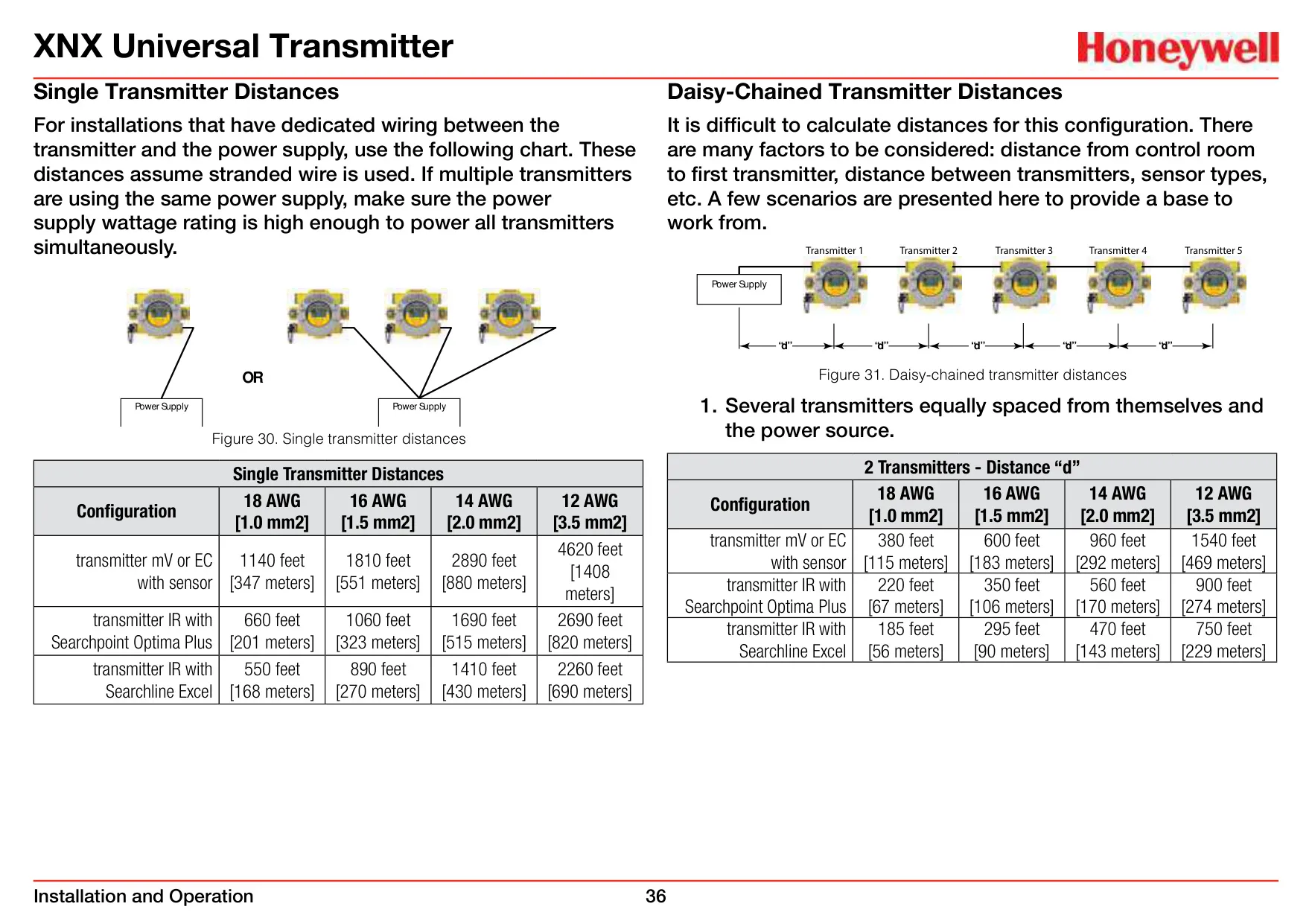
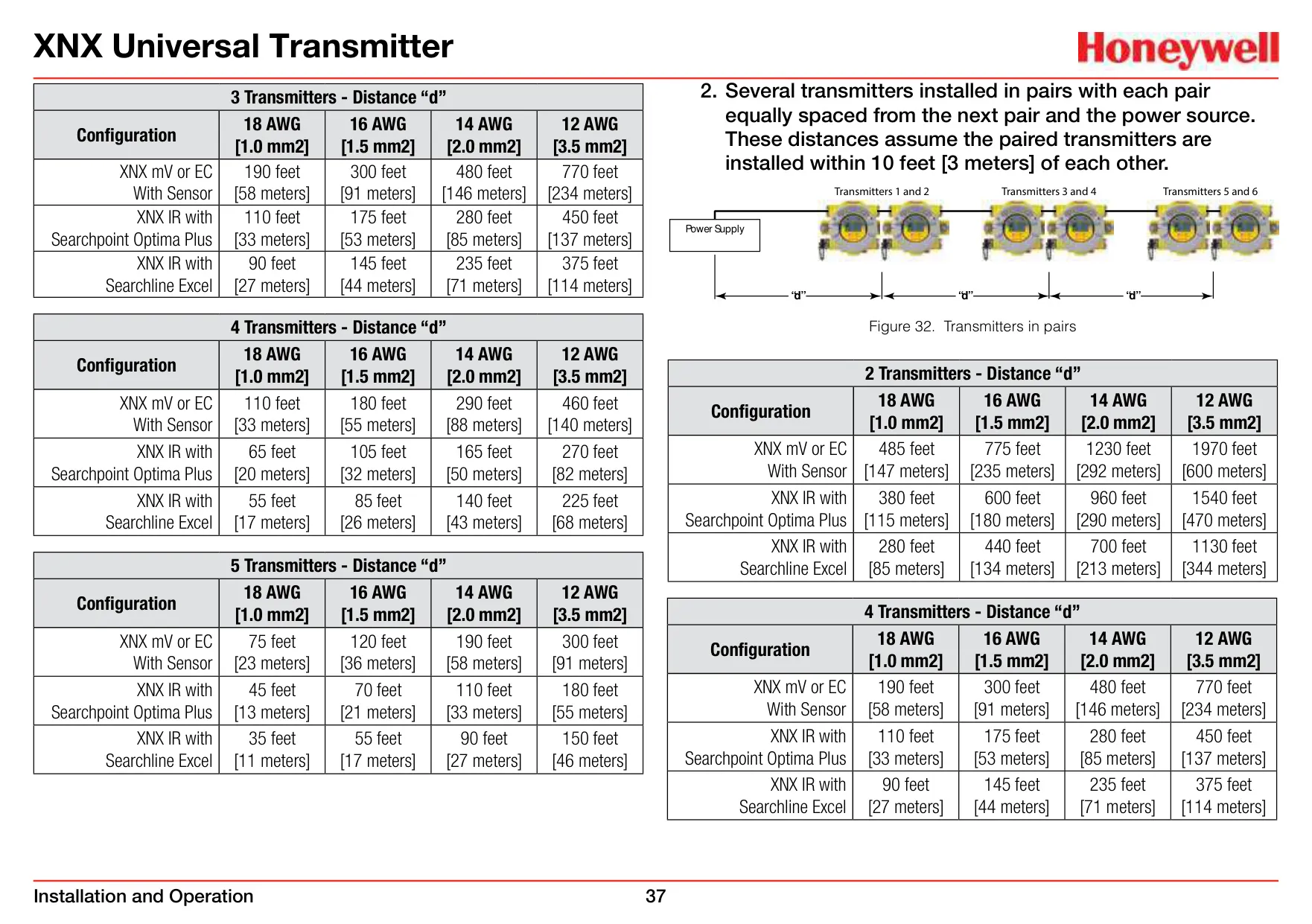
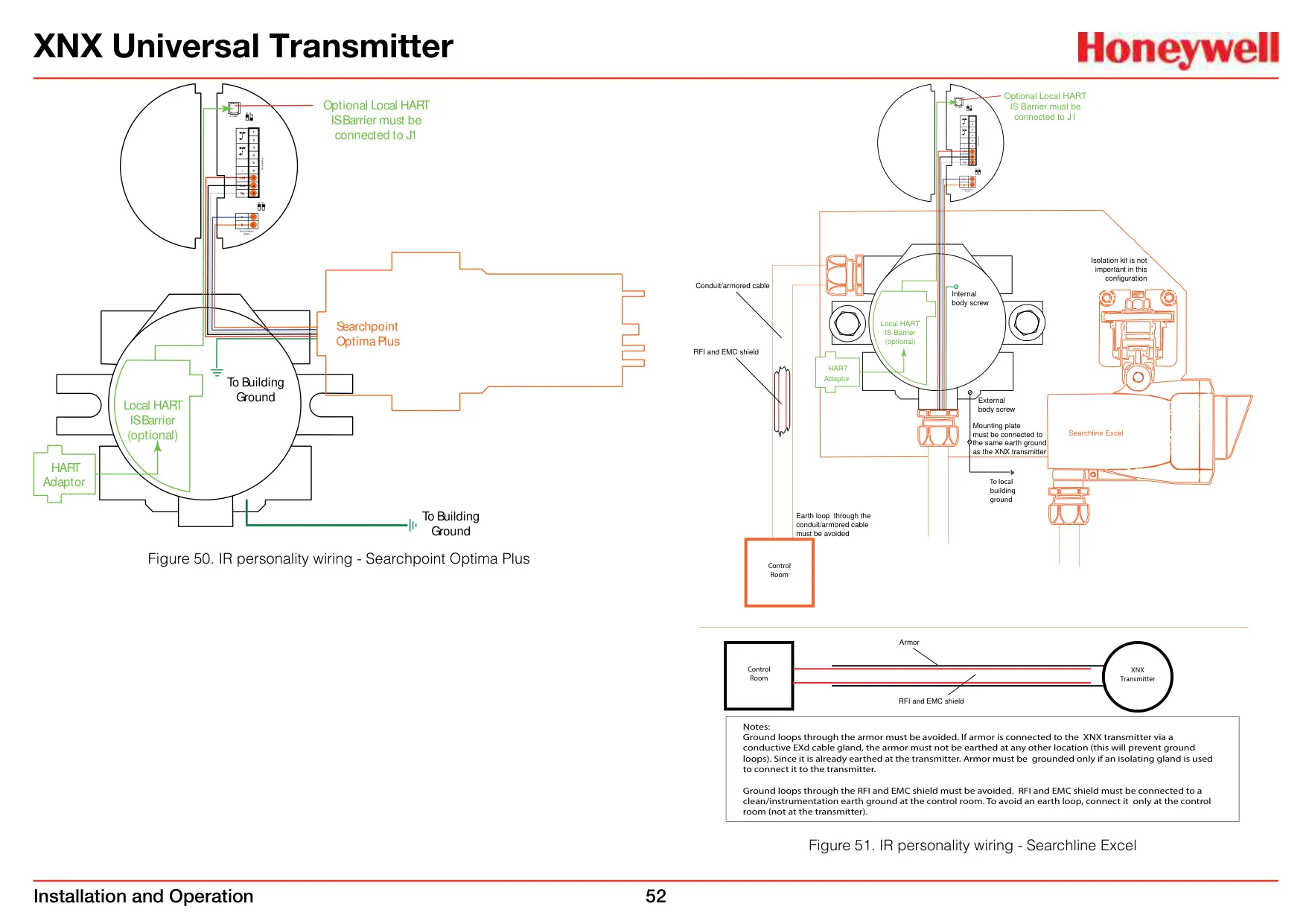
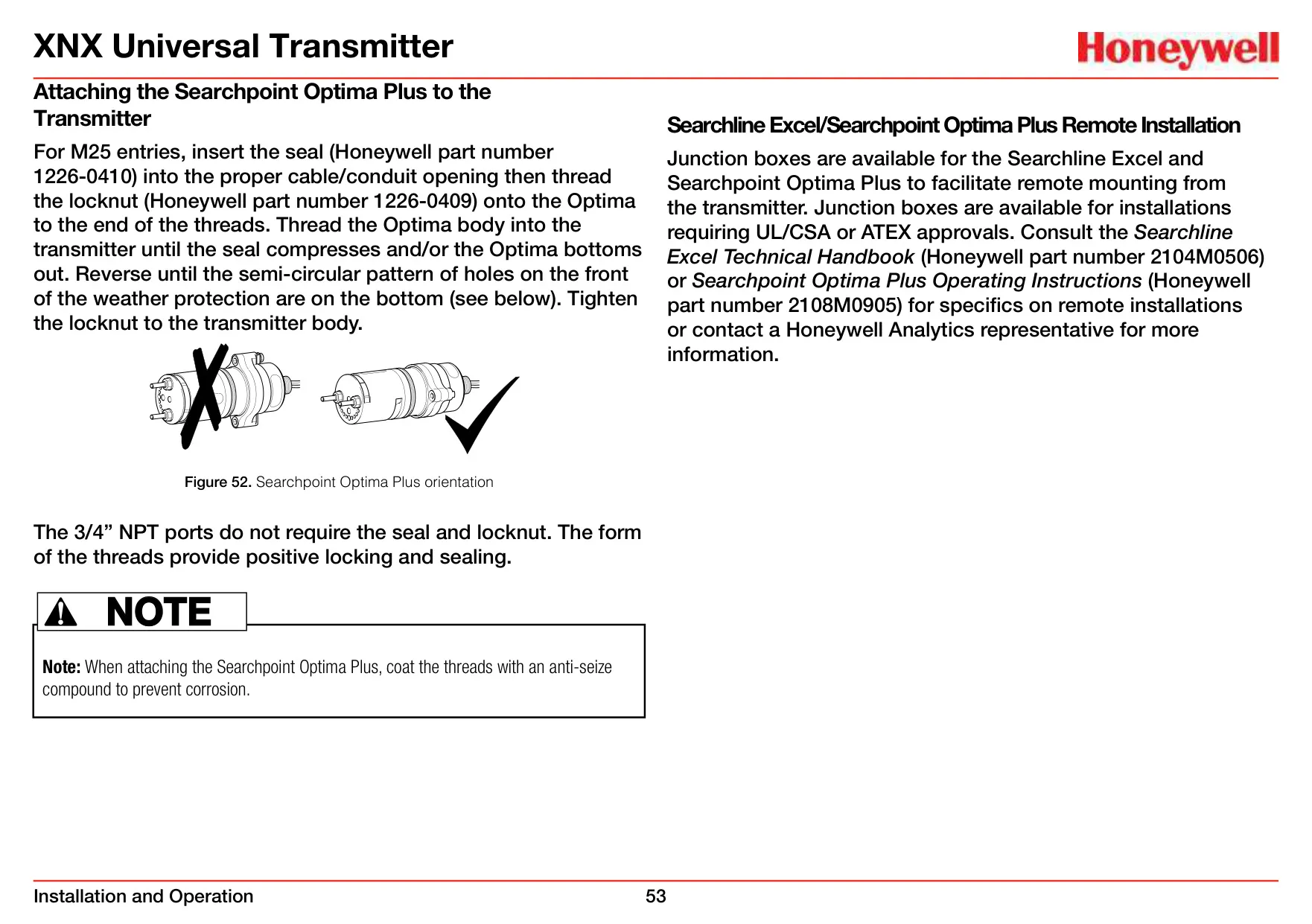
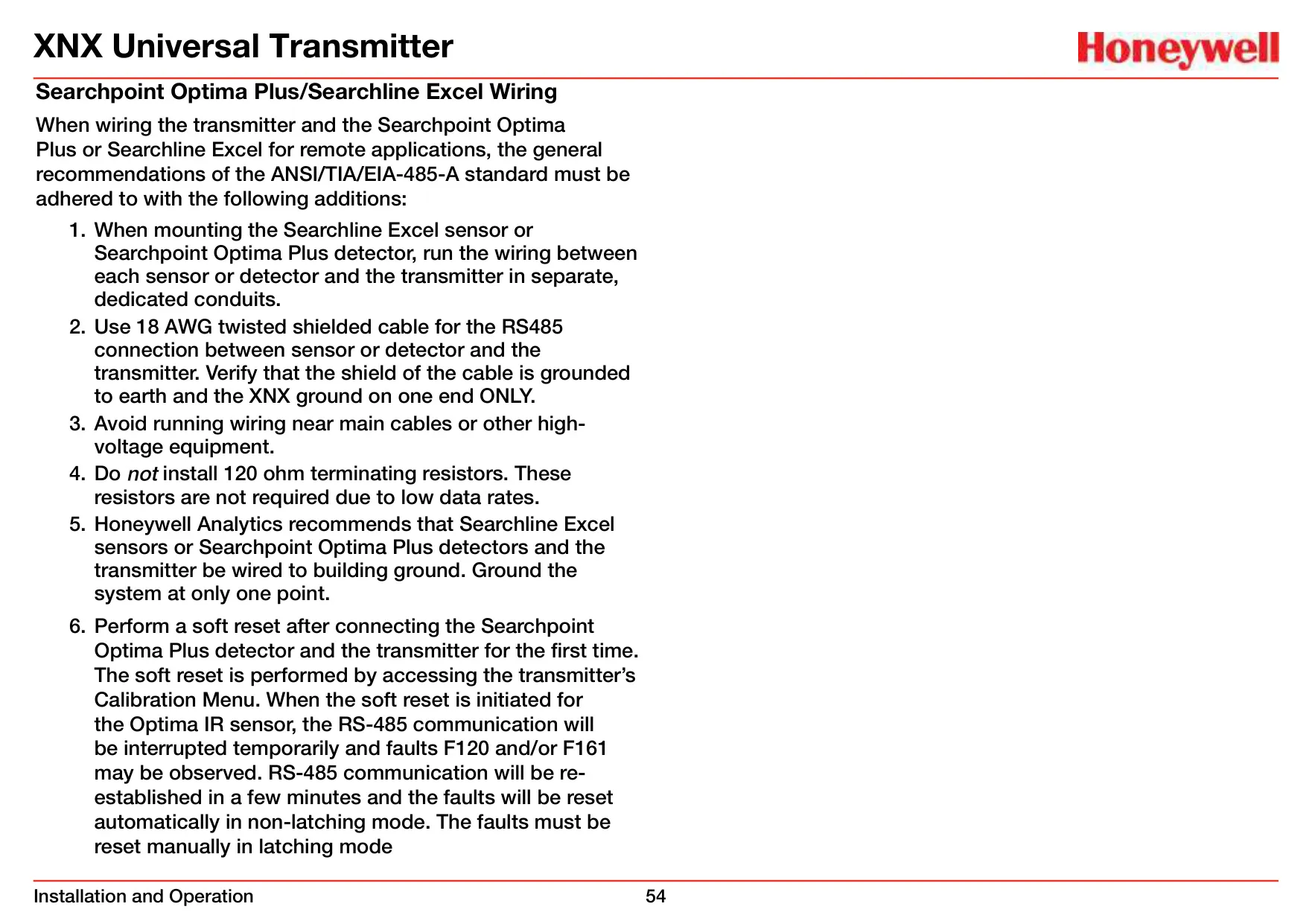
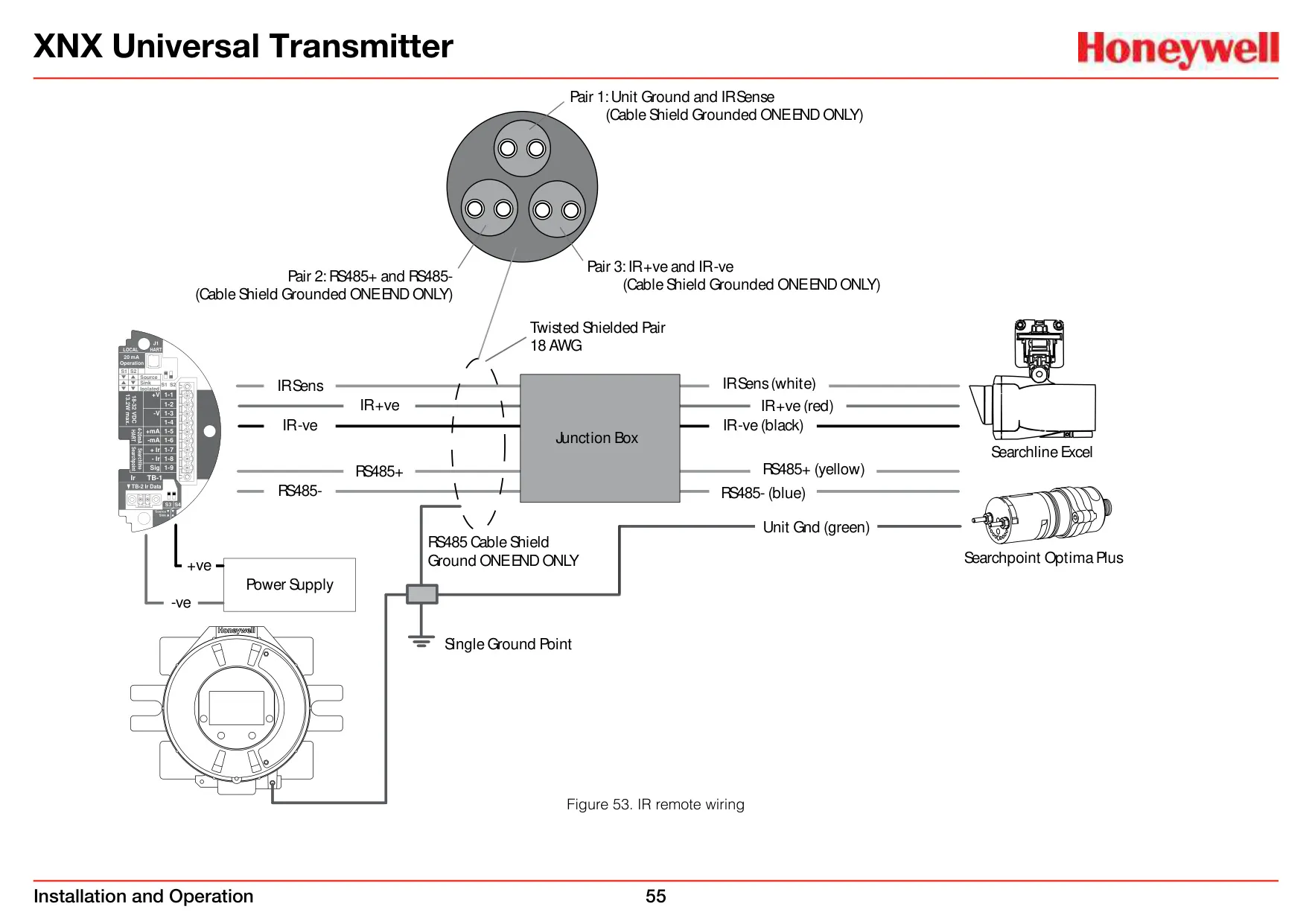
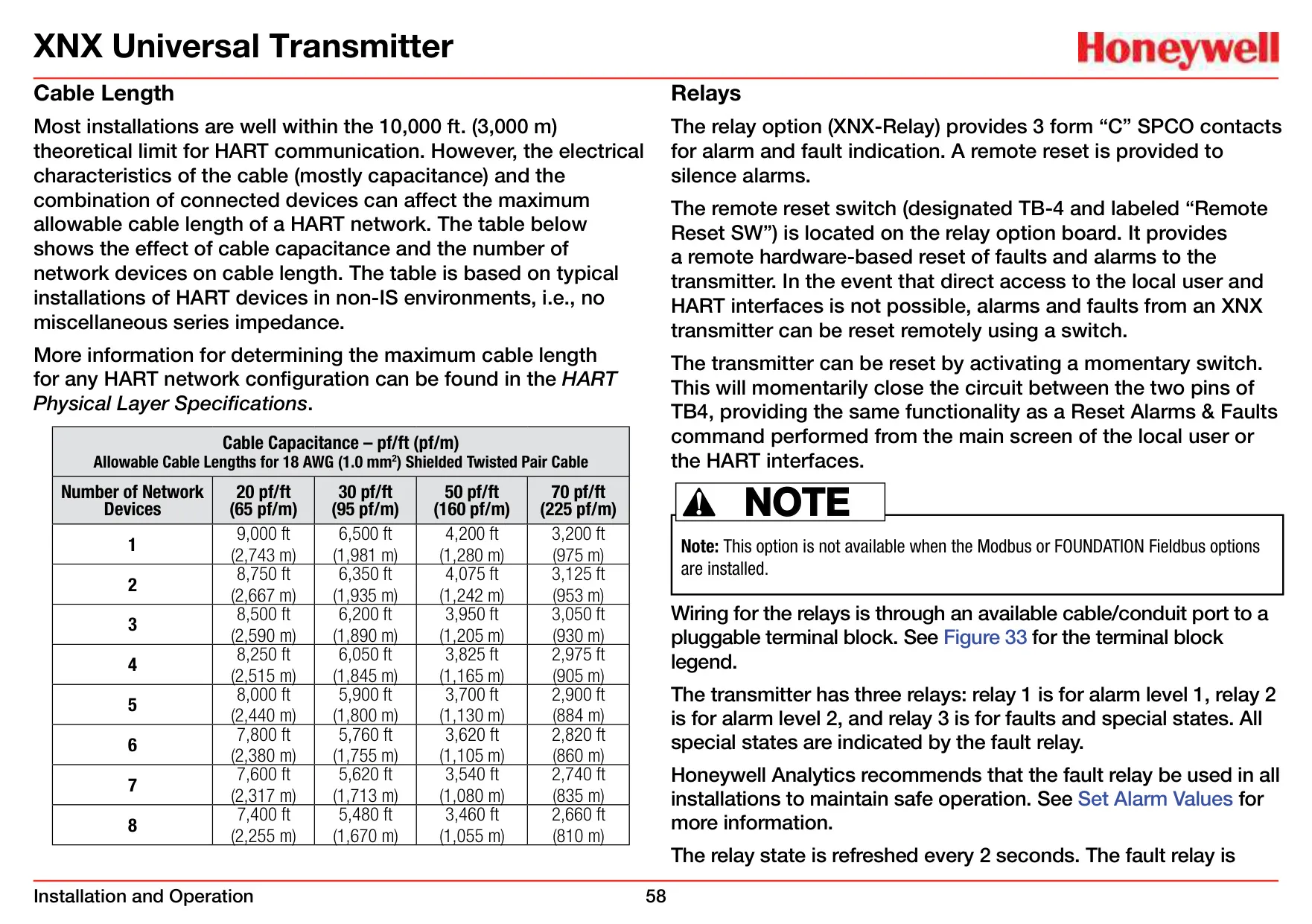
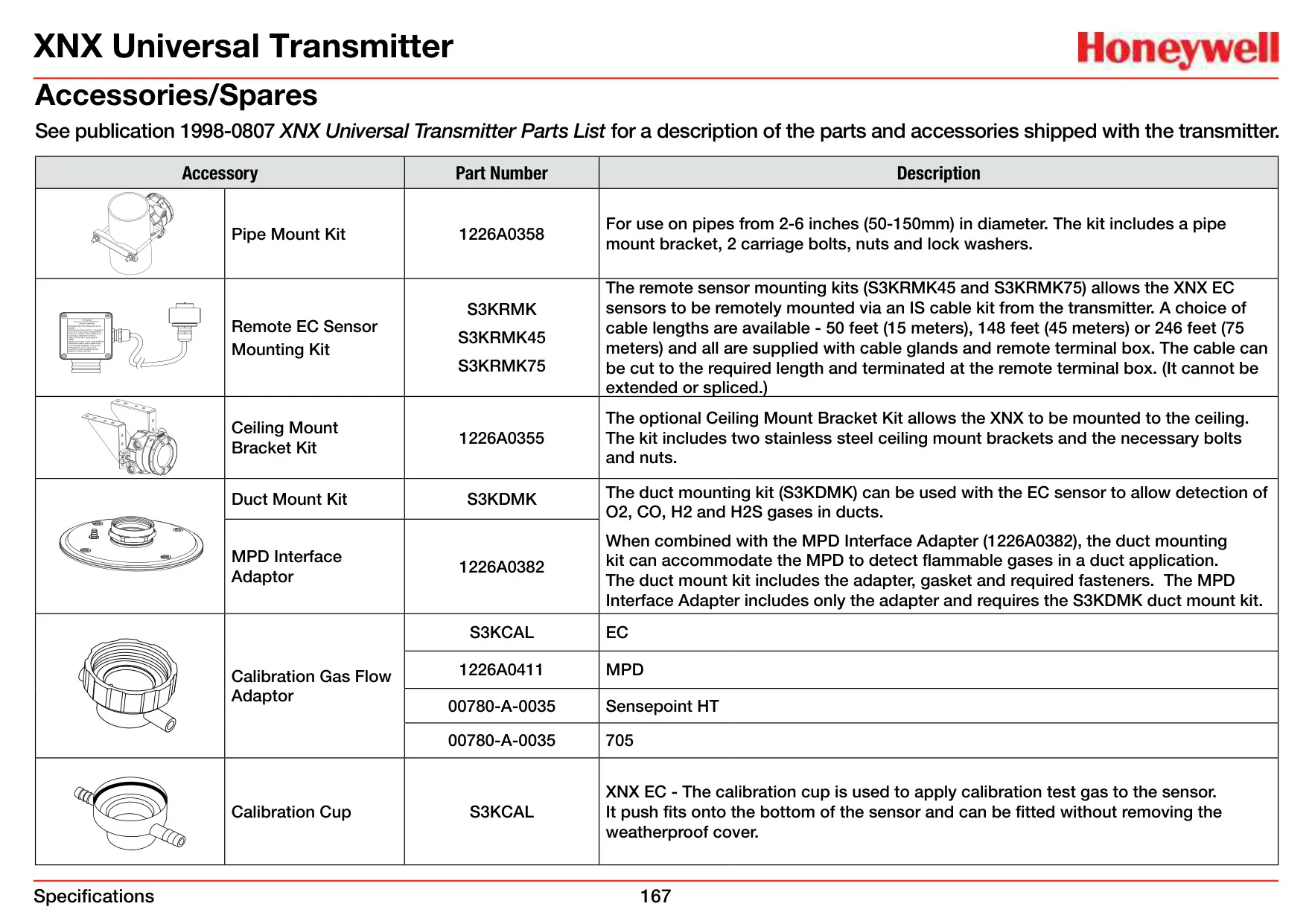
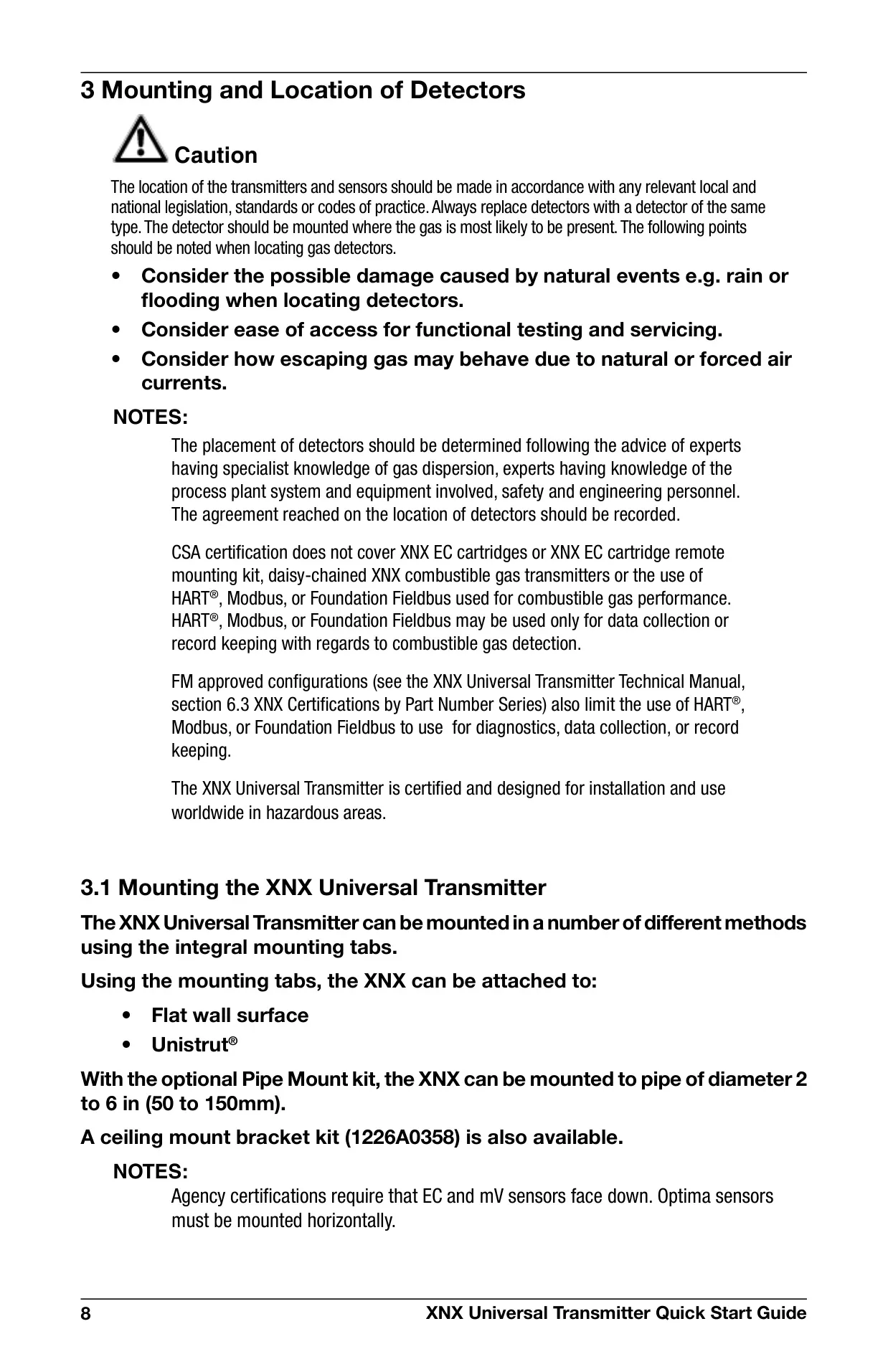
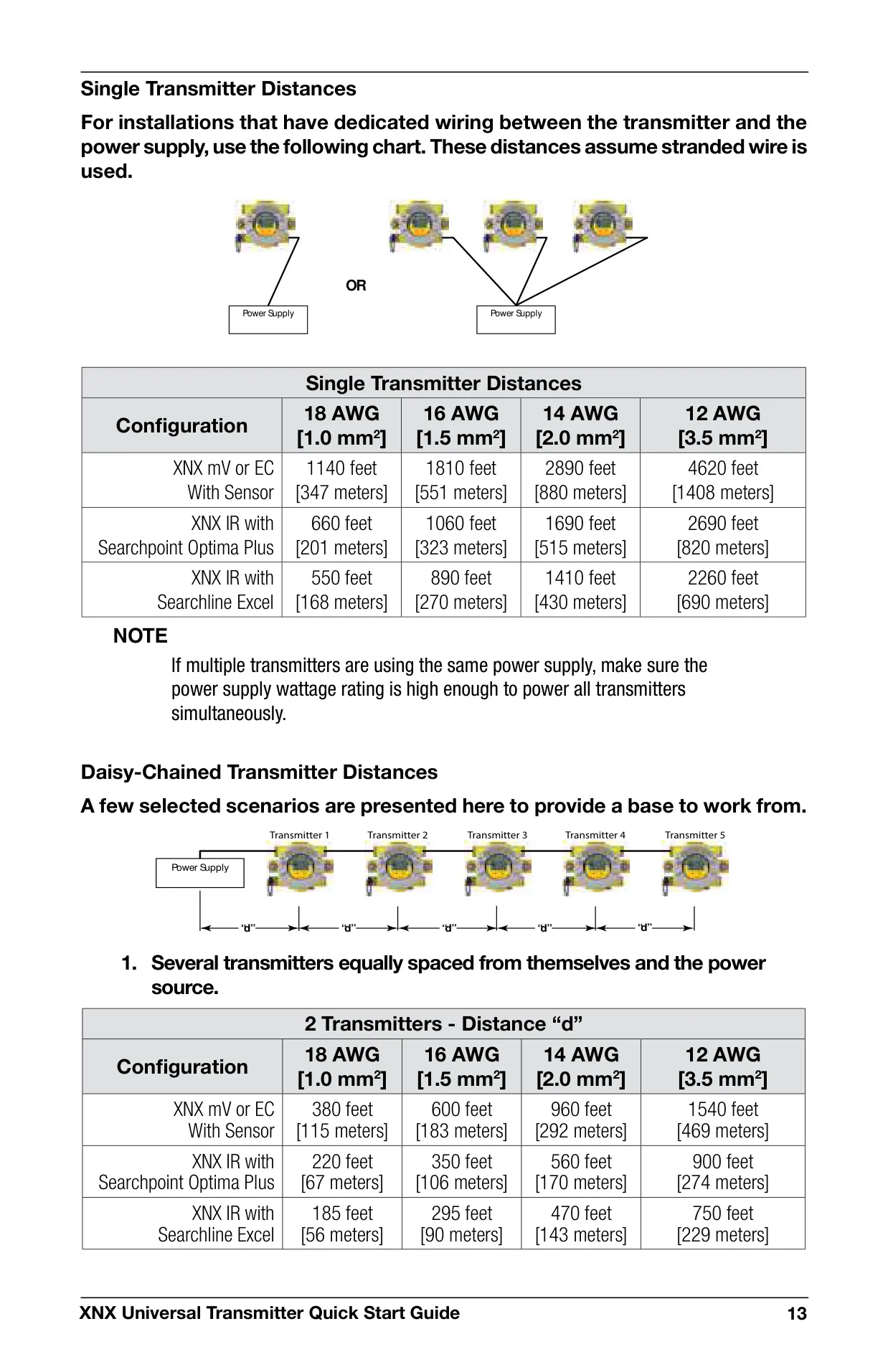
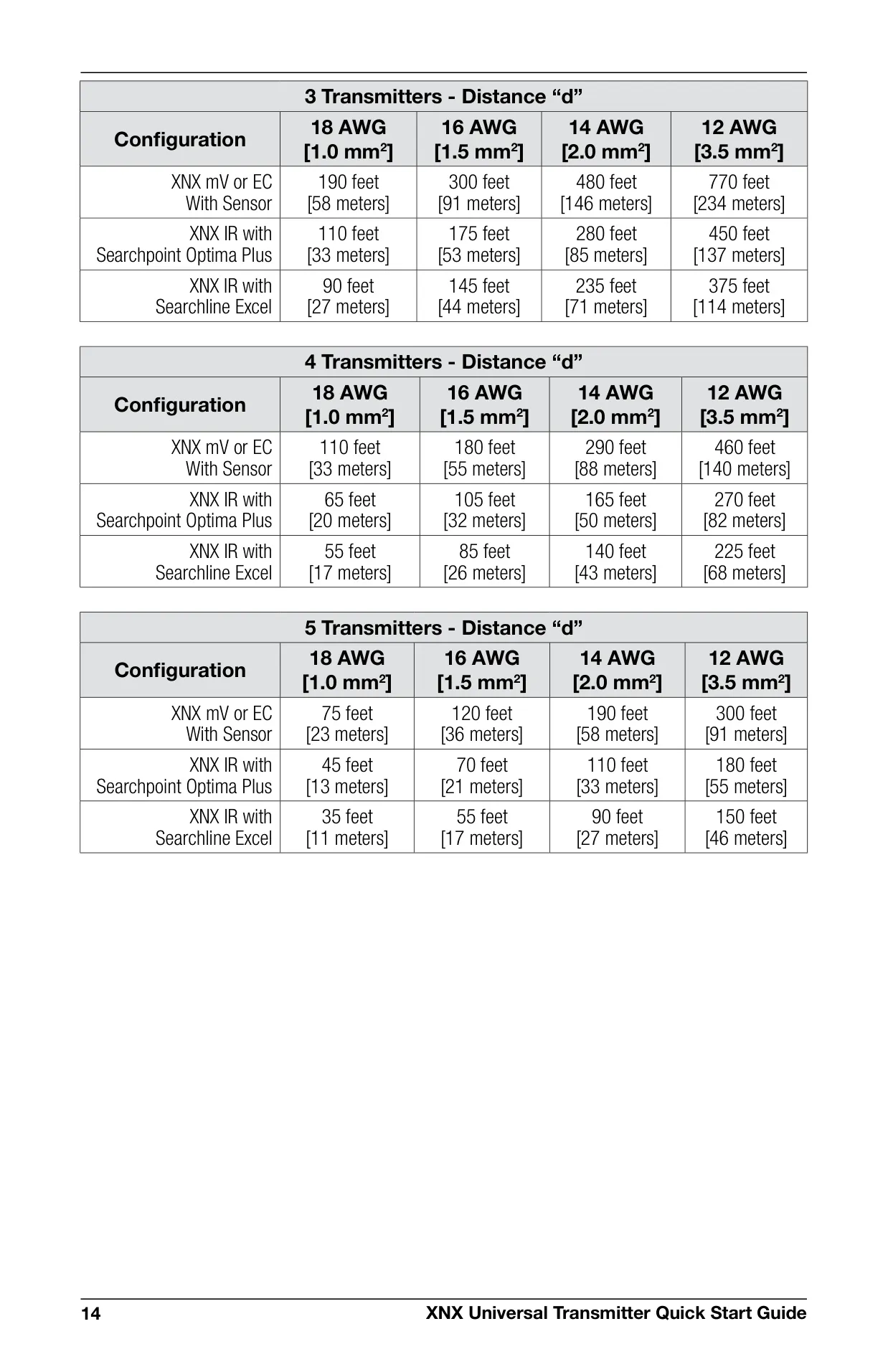
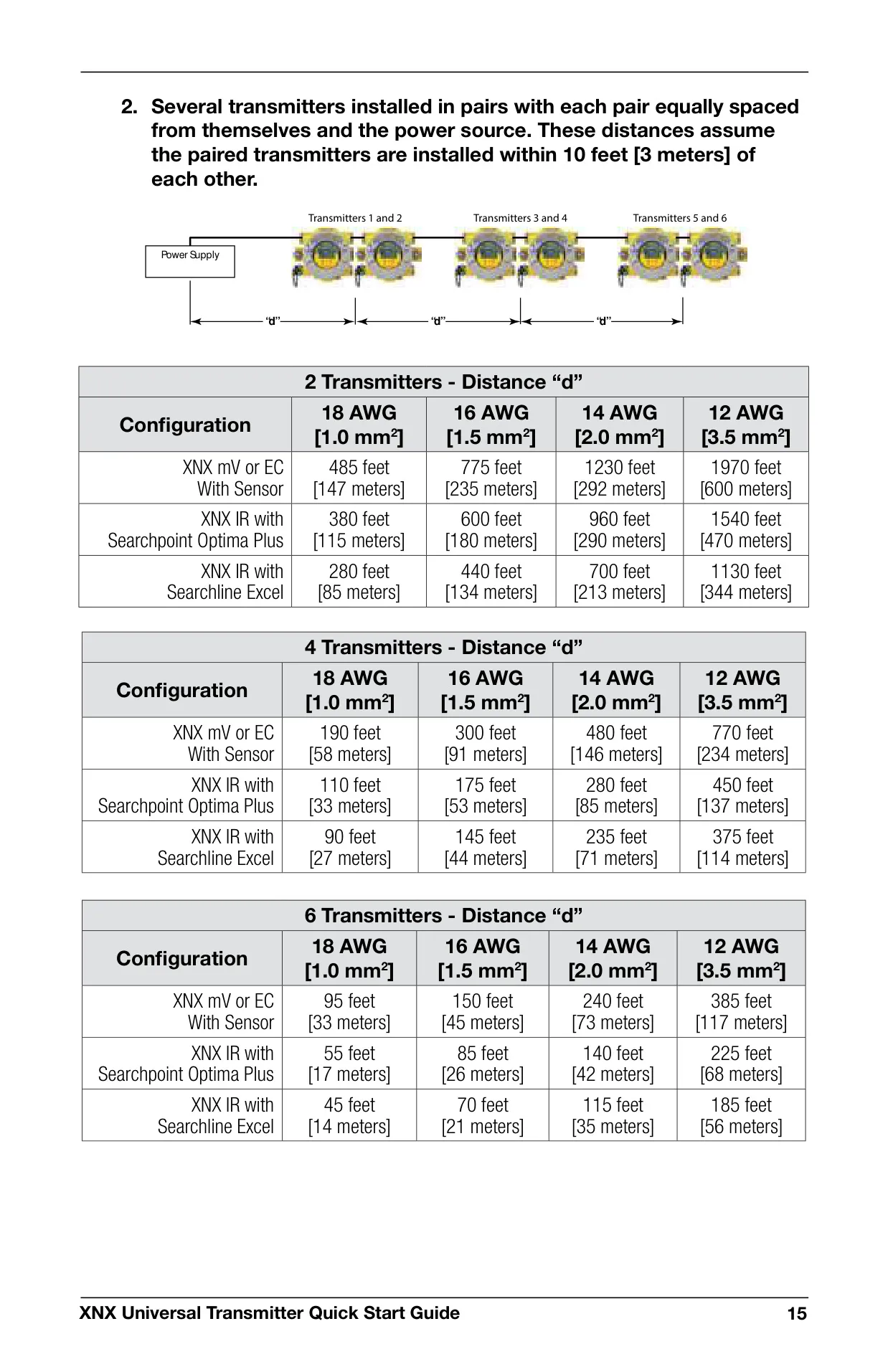
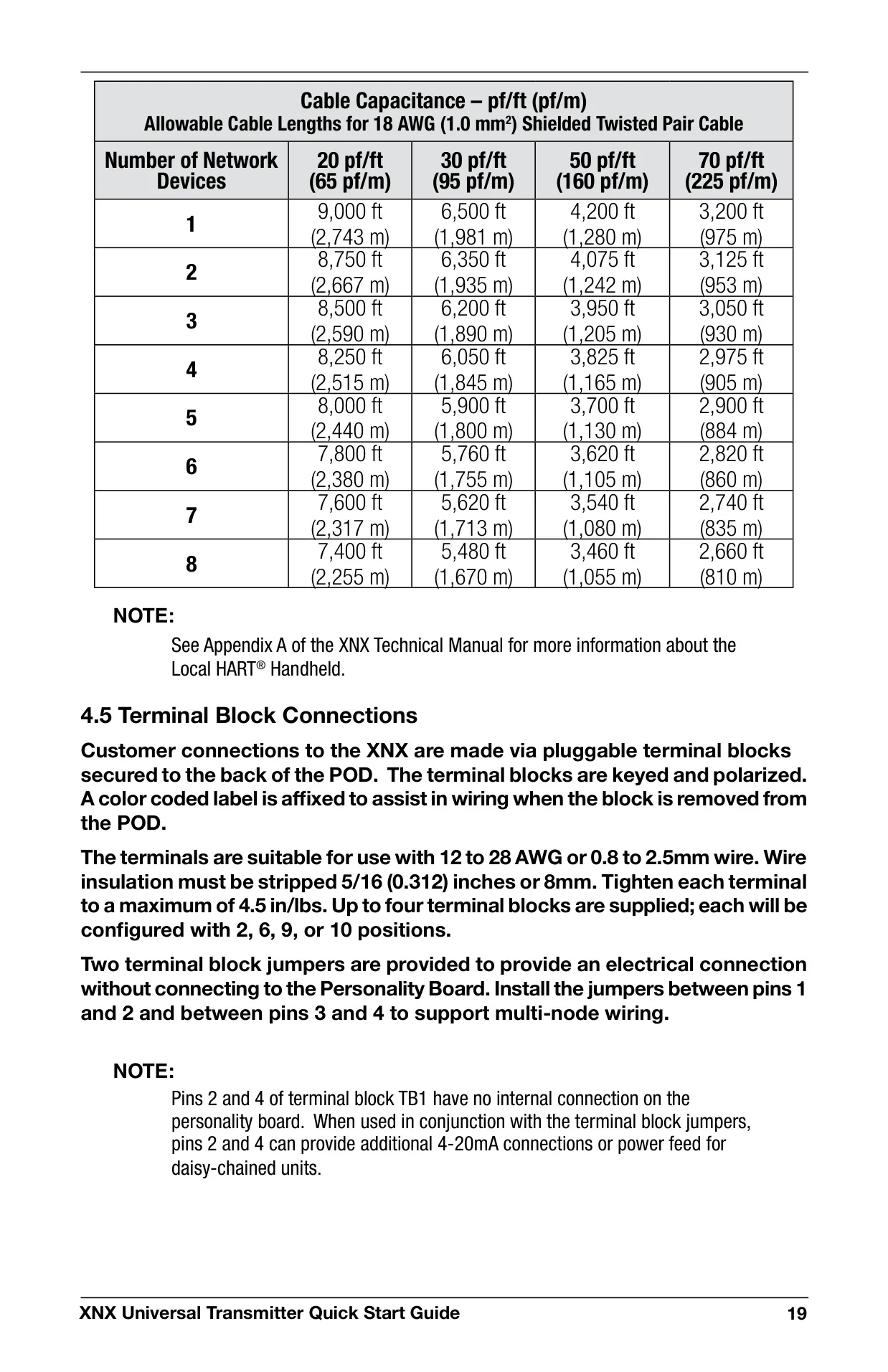
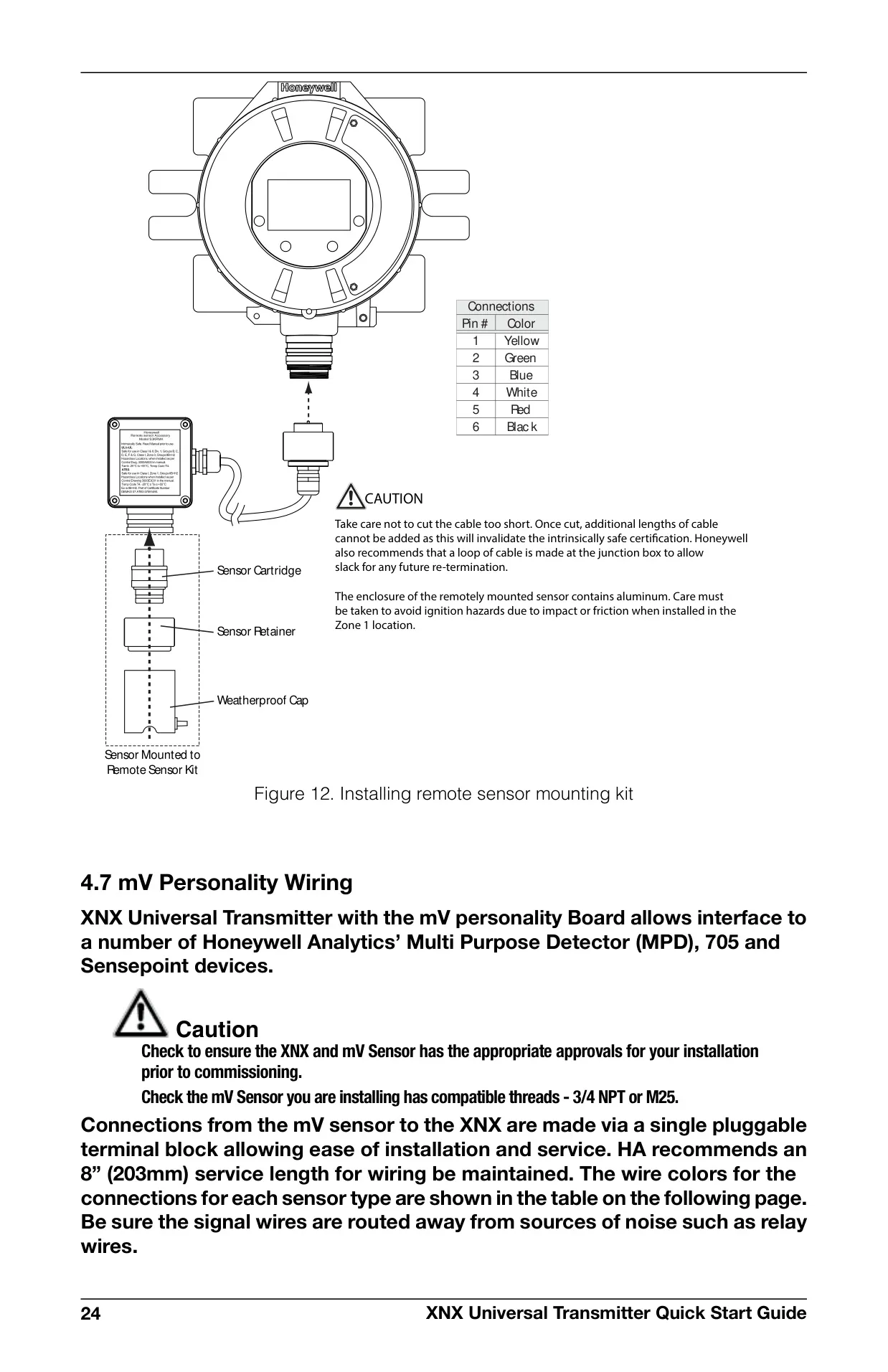
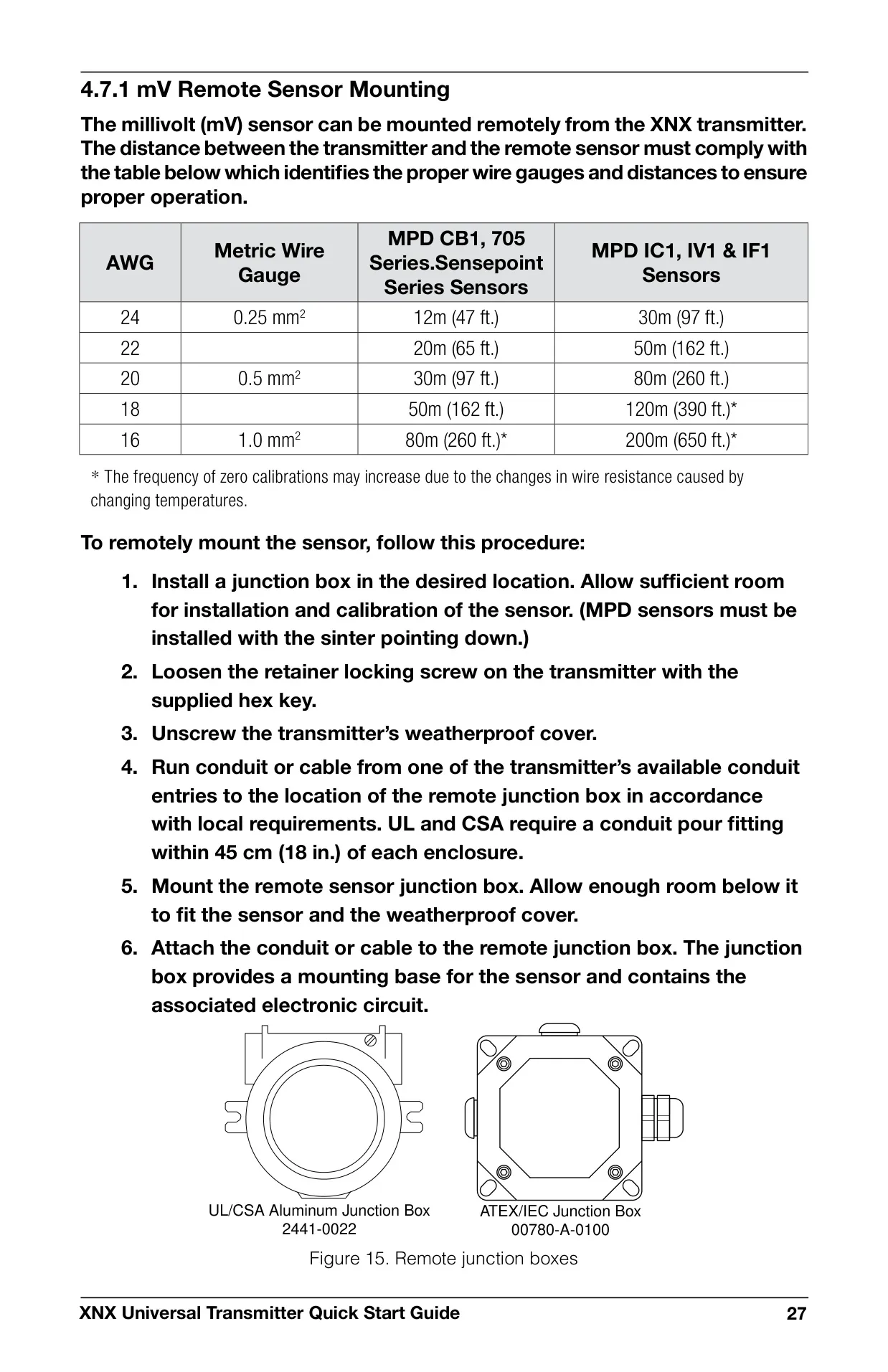
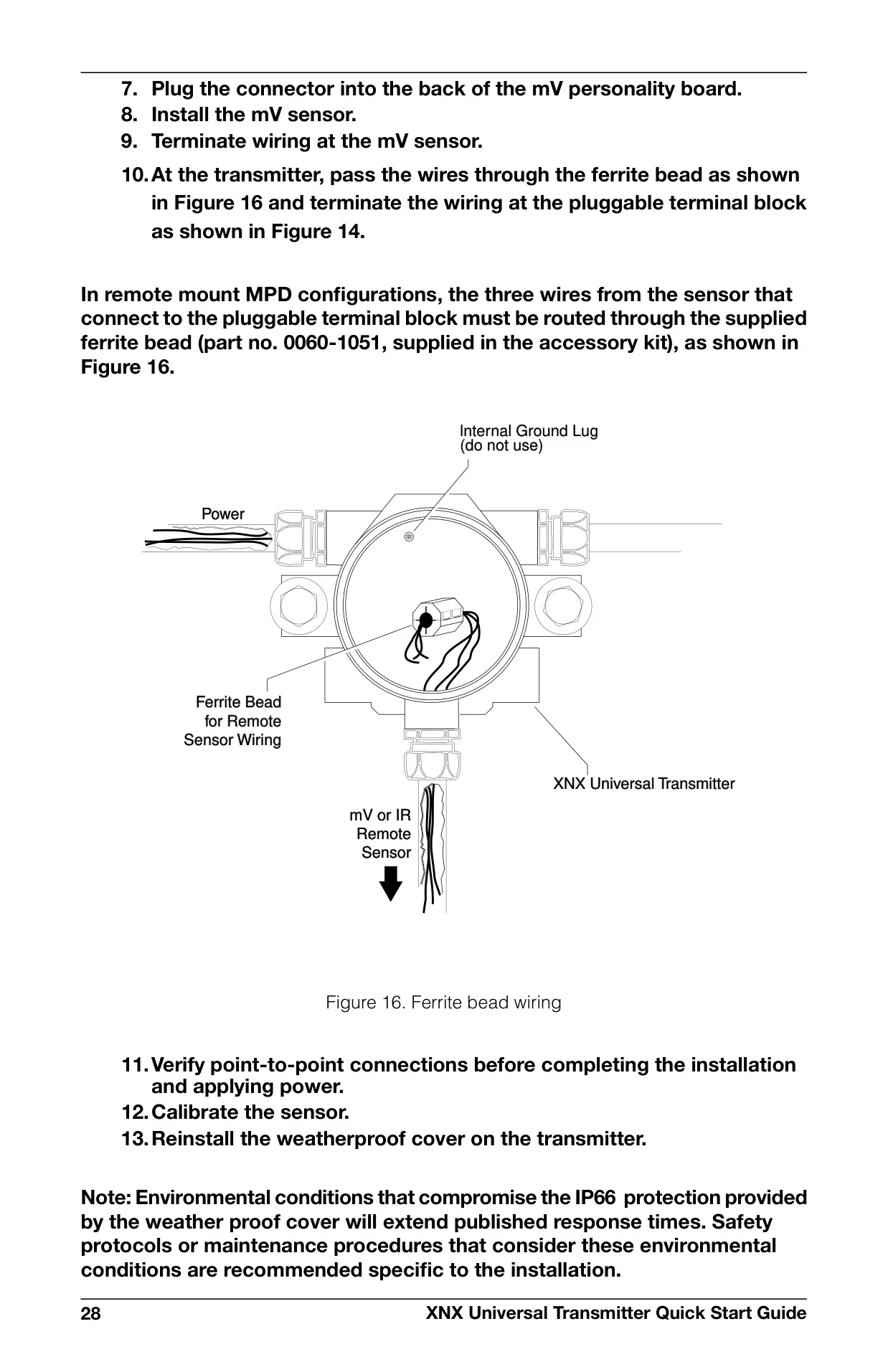
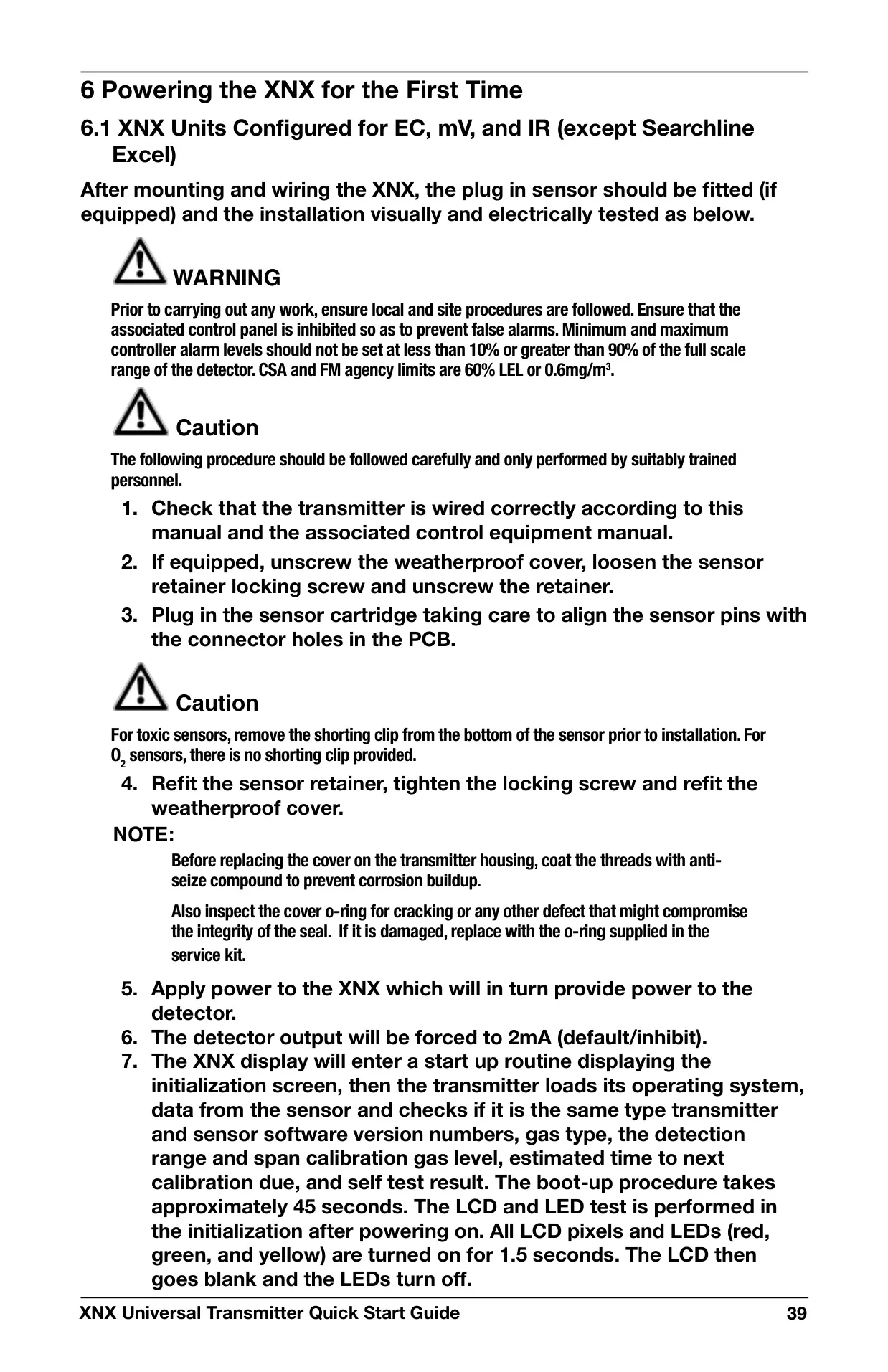
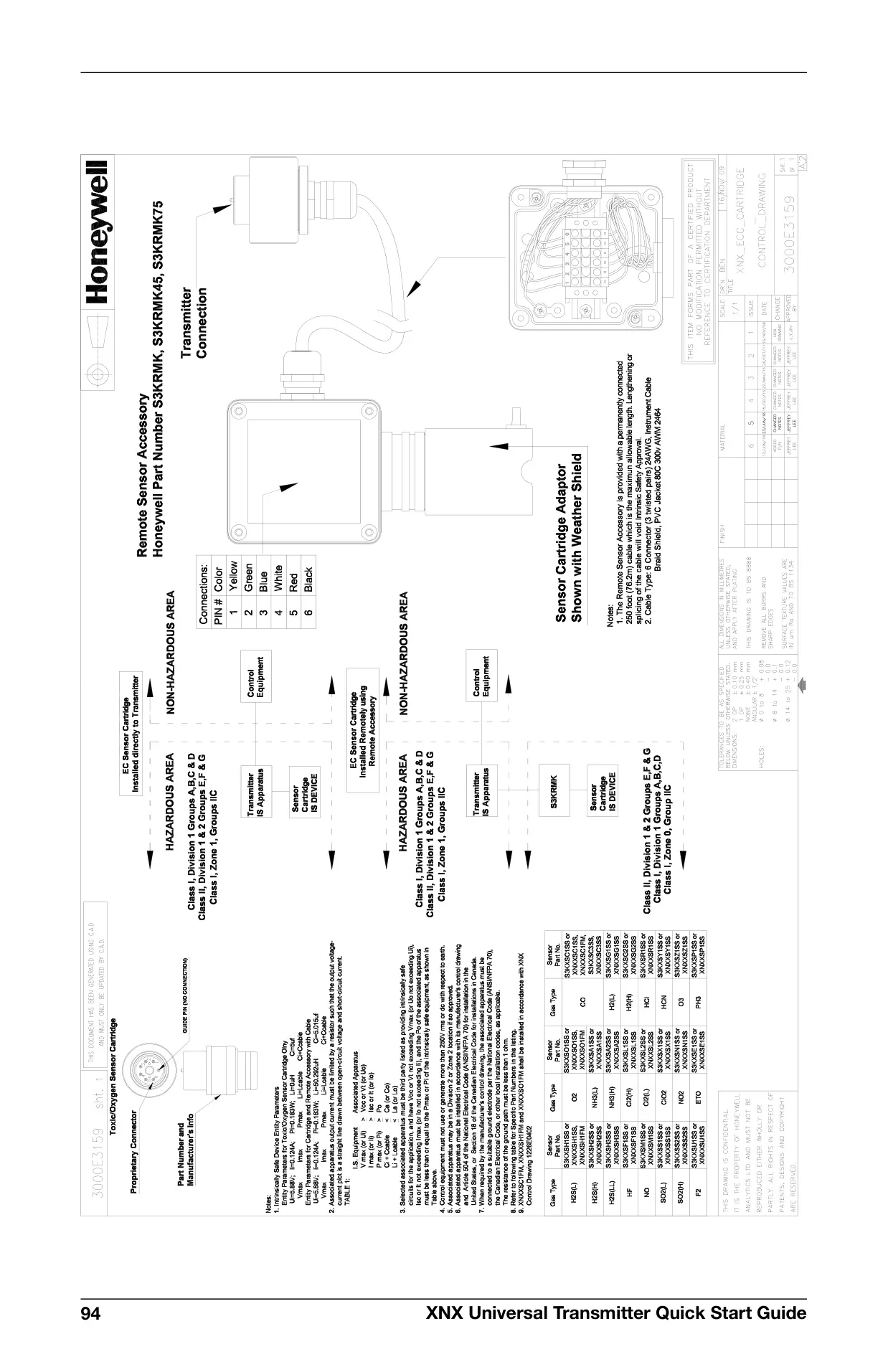
Installation is designed for flexibility, with integral mounting lugs for walls or optional kits for pipe and ceiling mounts. Detailed wiring considerations address voltage drops, electrical noise, and grounding, crucial for system reliability over various distances. The manual emphasizes adherence to local regulations and site procedures, particularly for hazardous location installations.
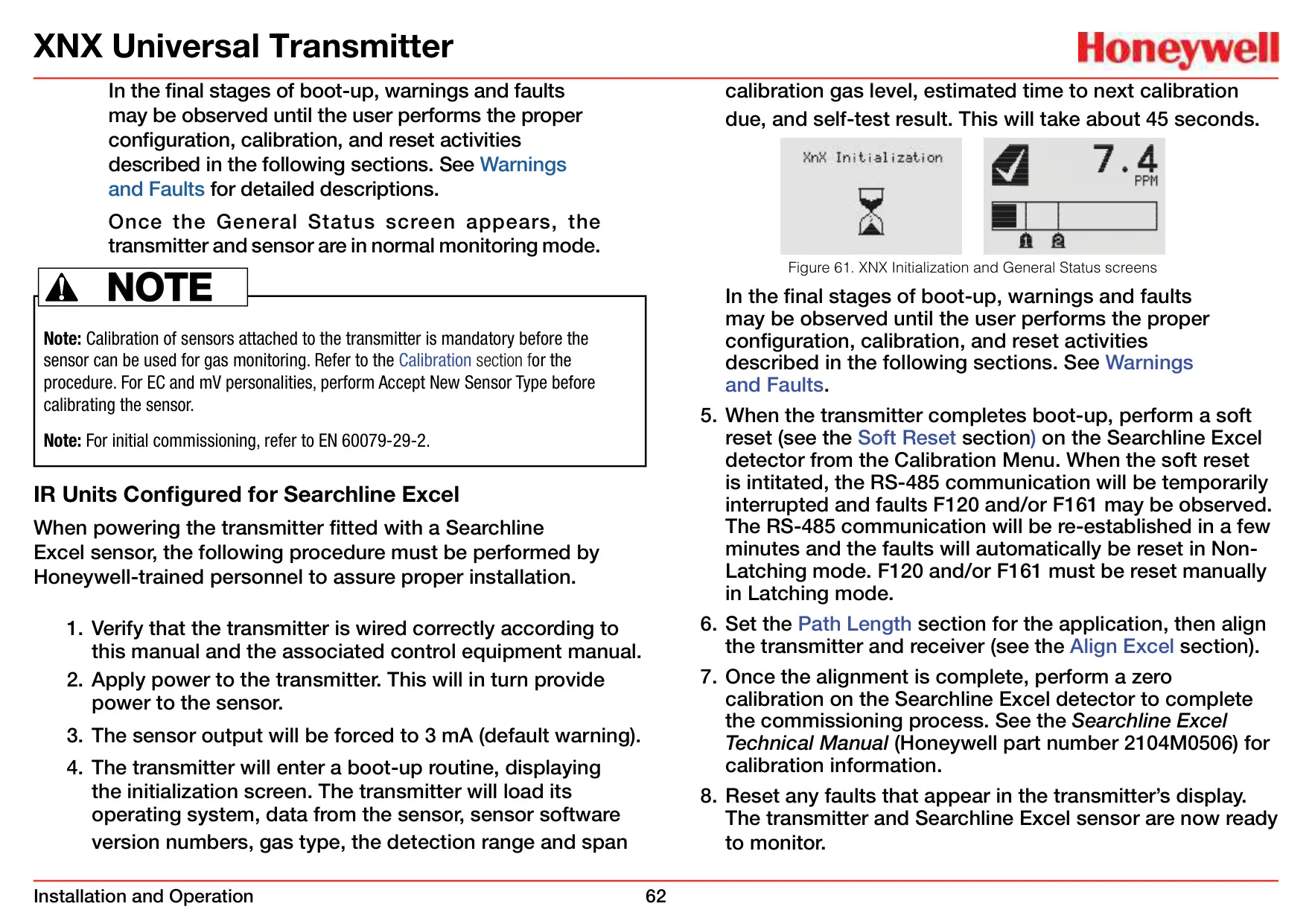
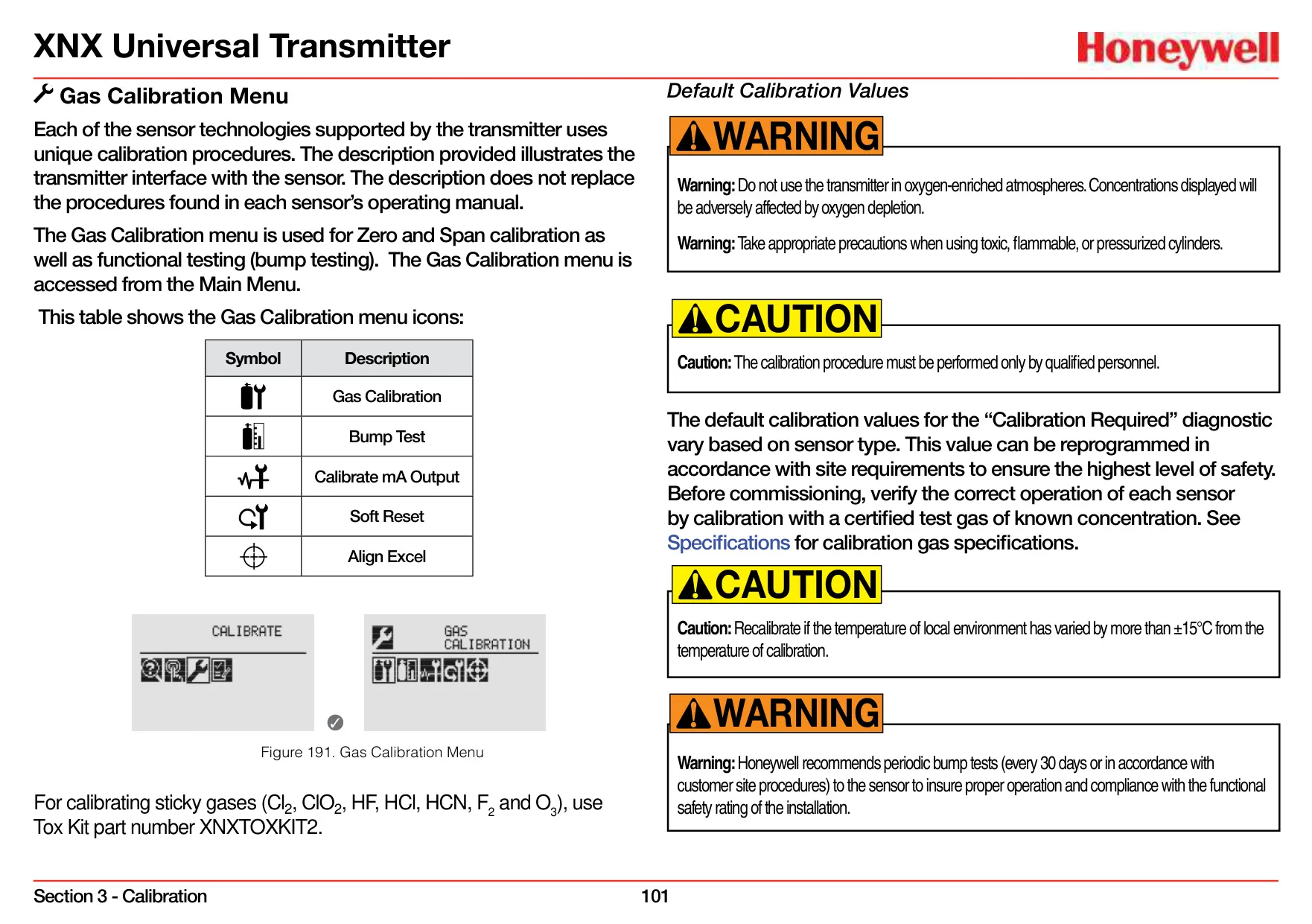
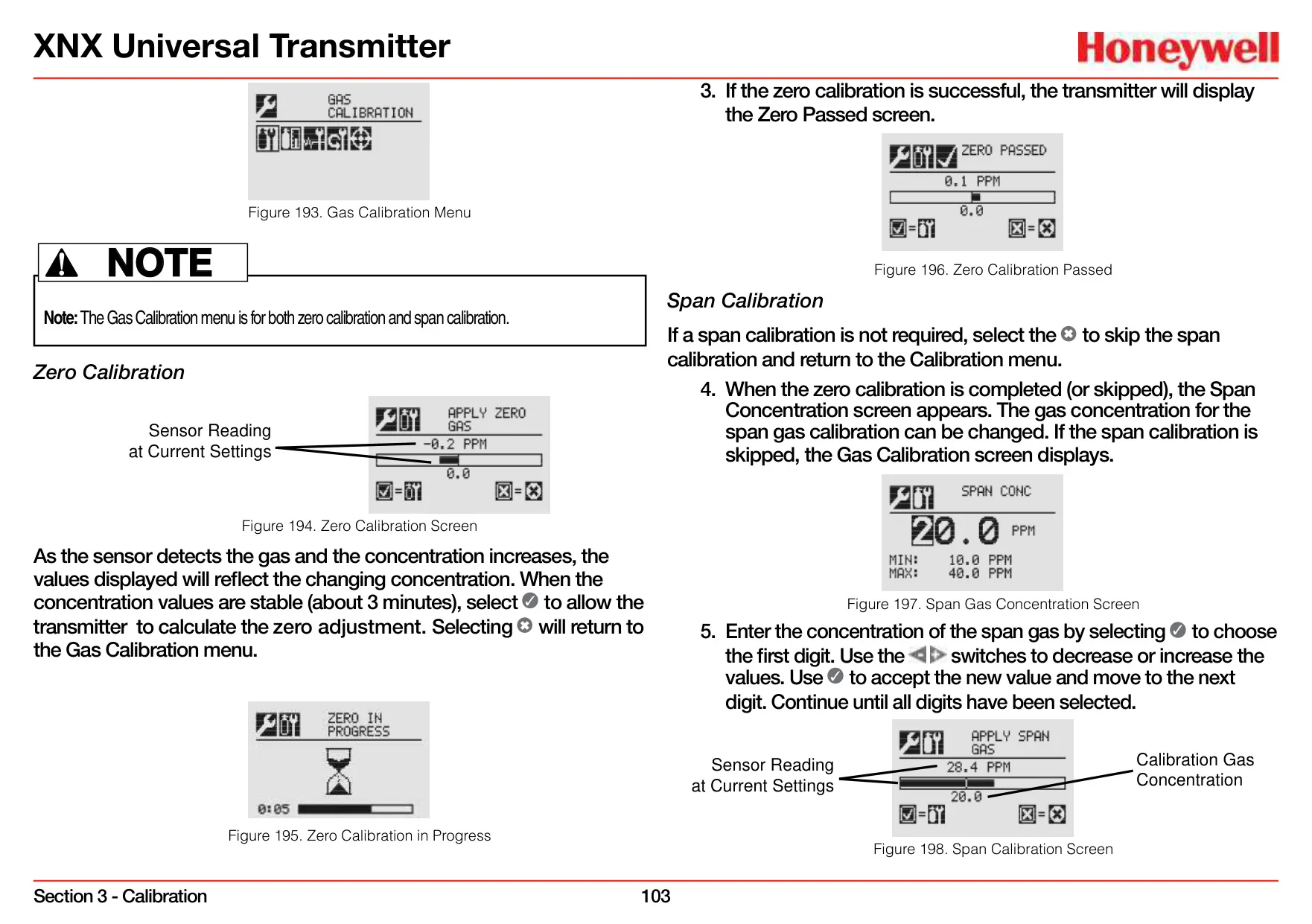
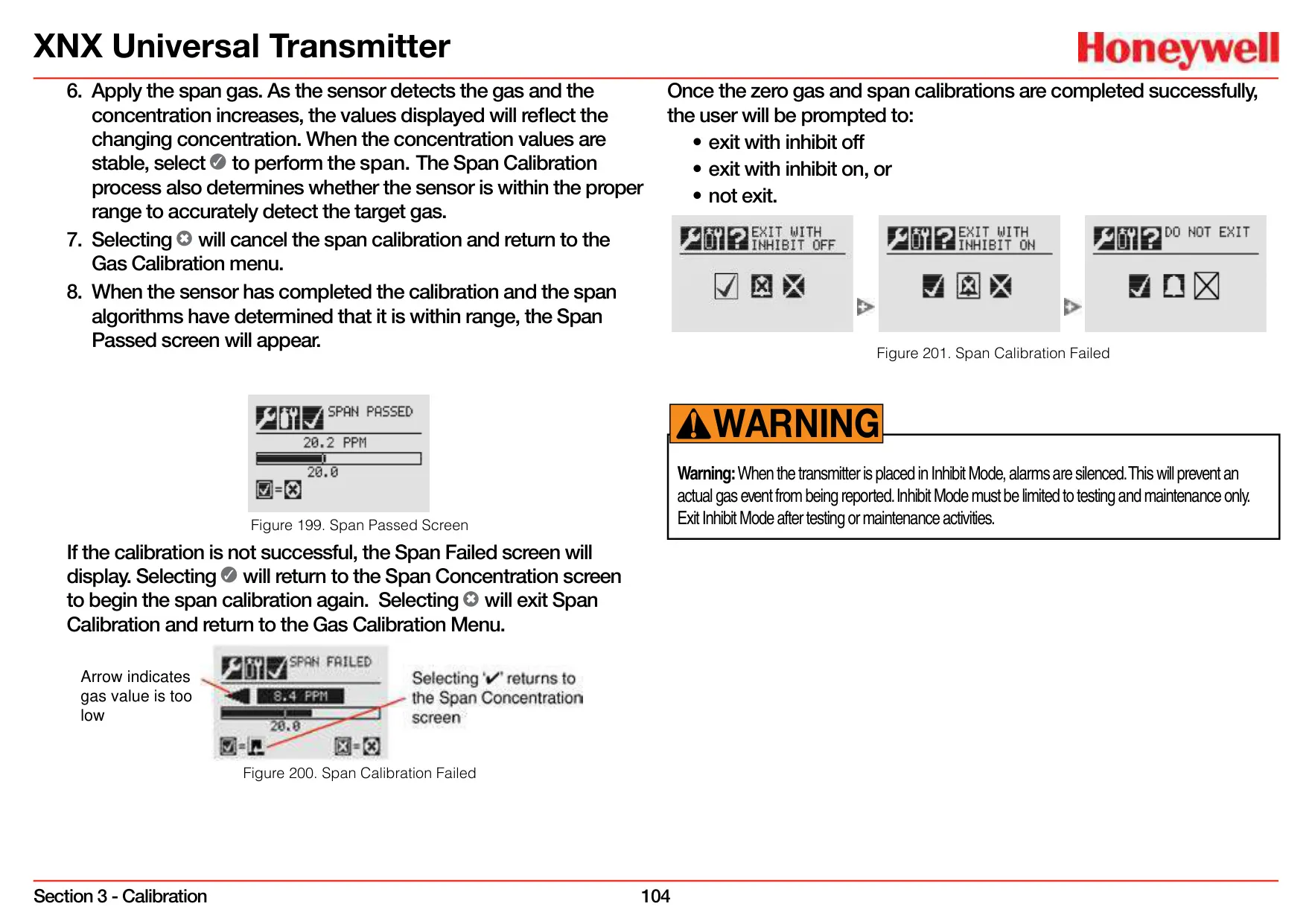
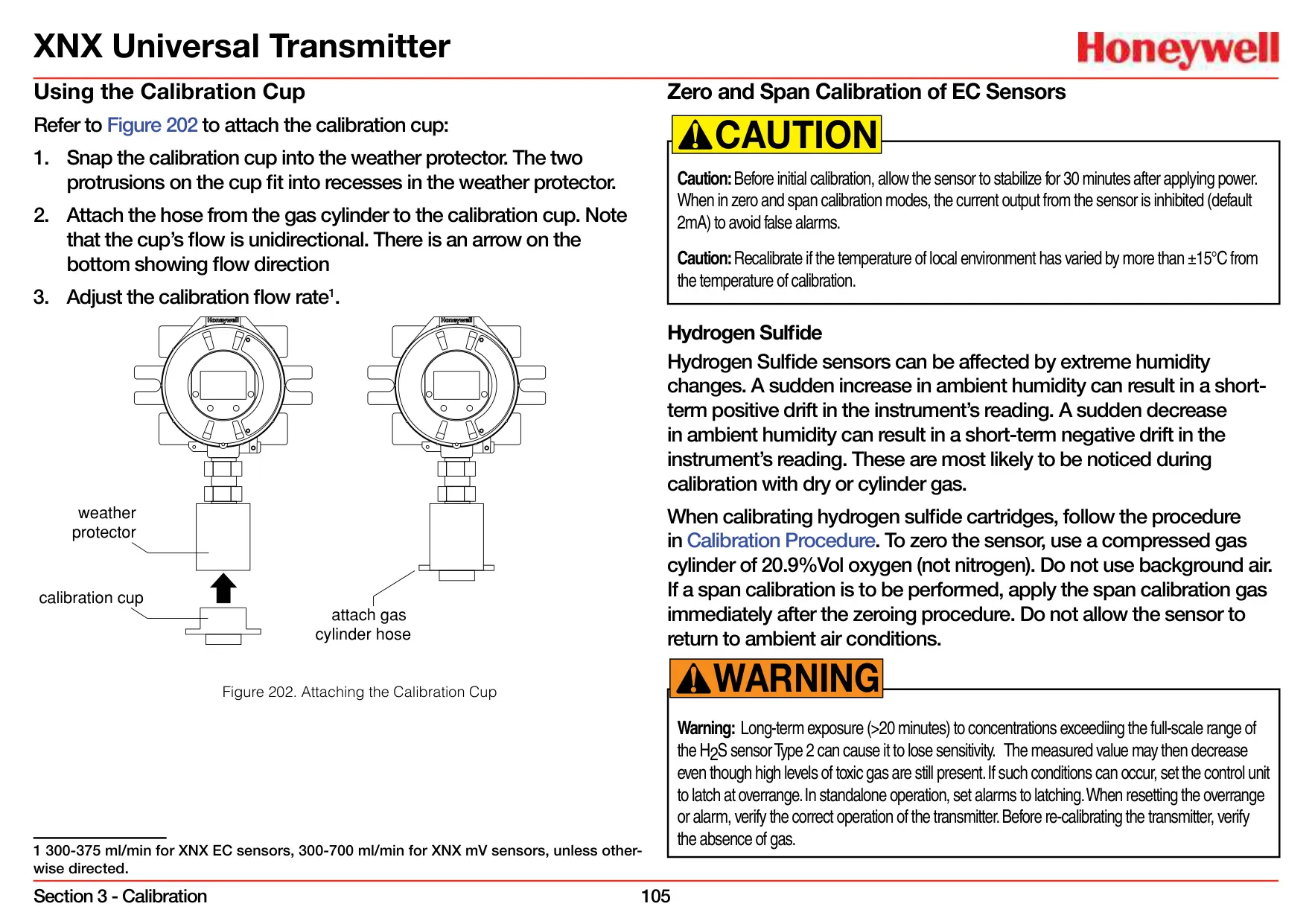
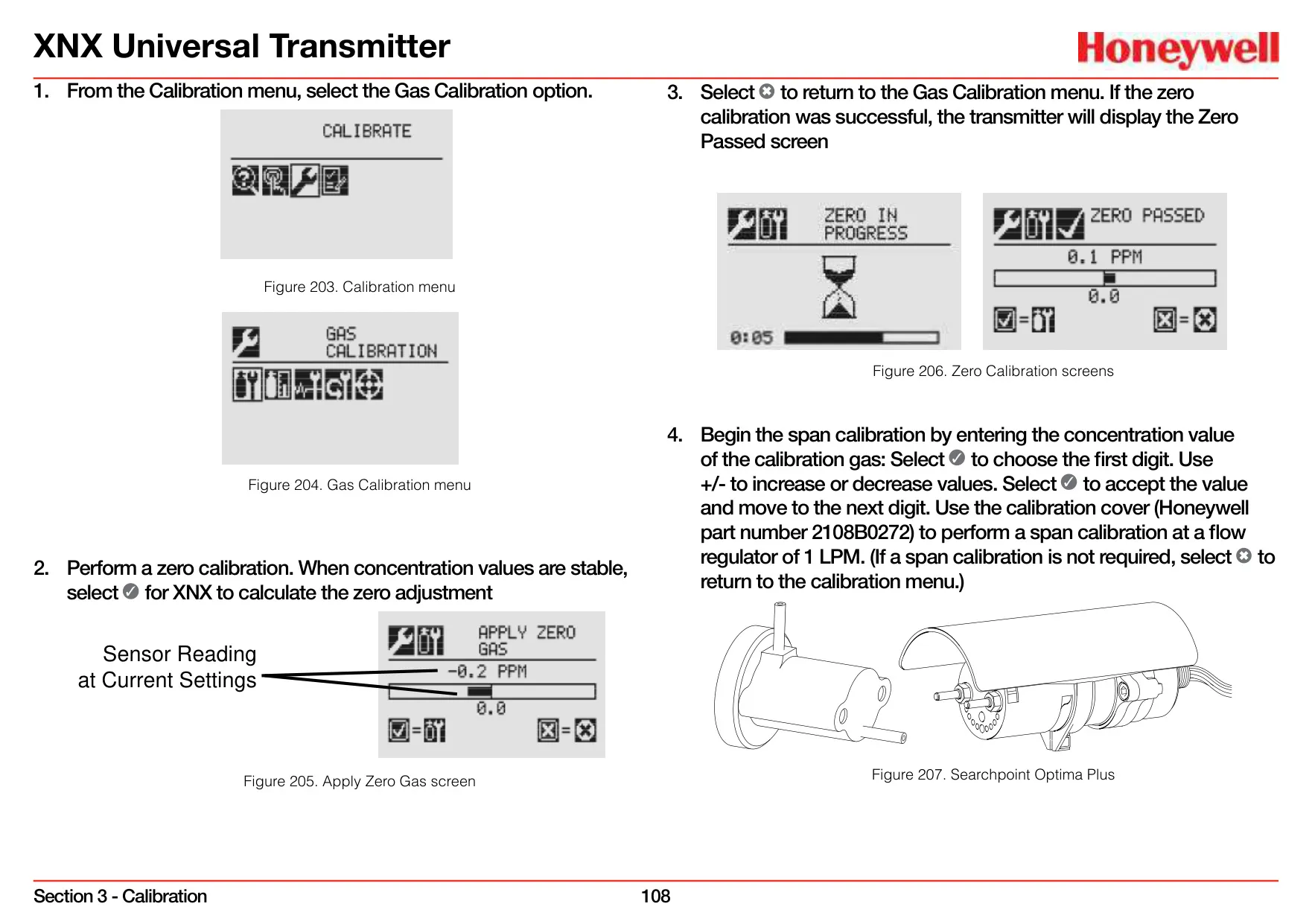
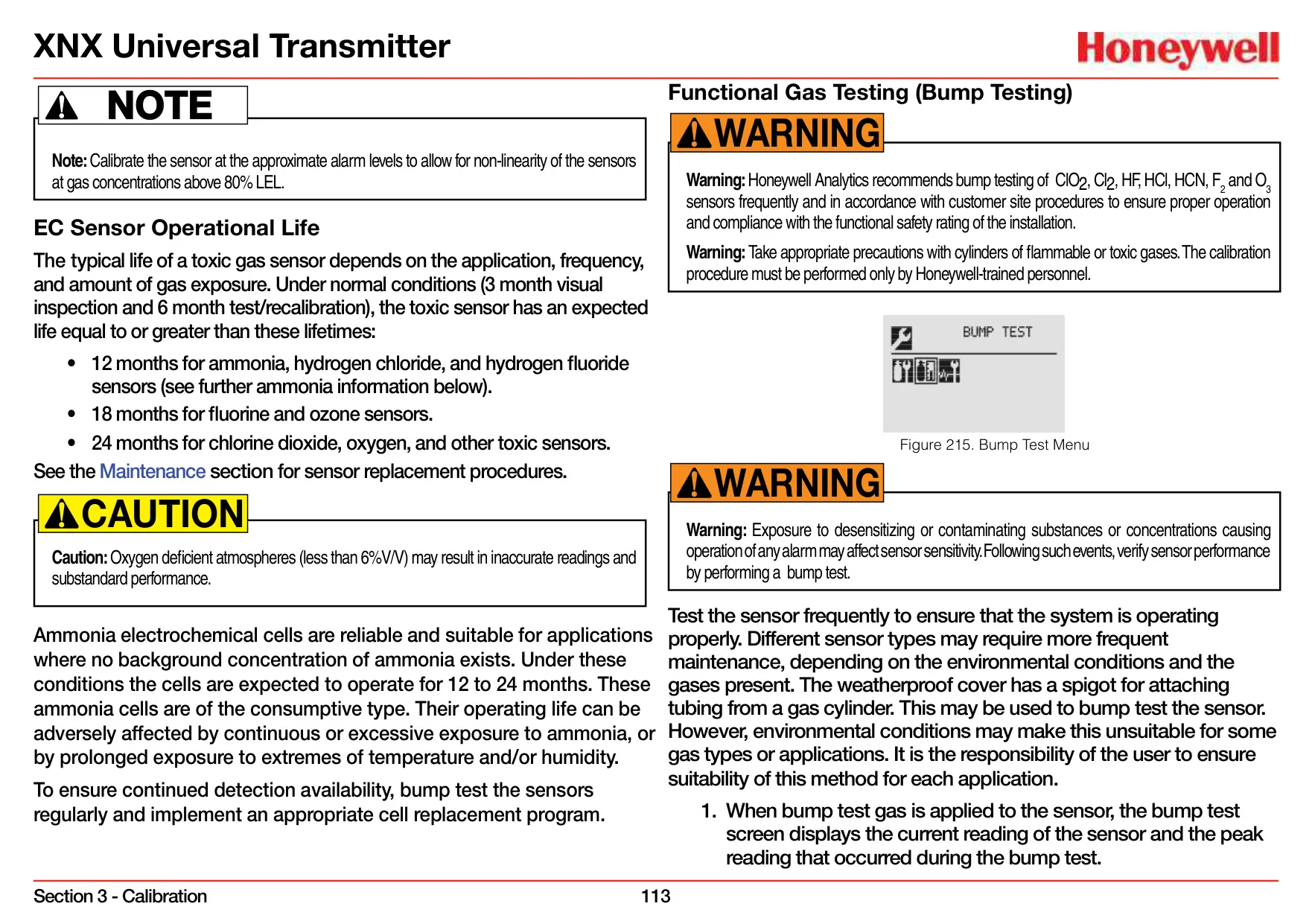
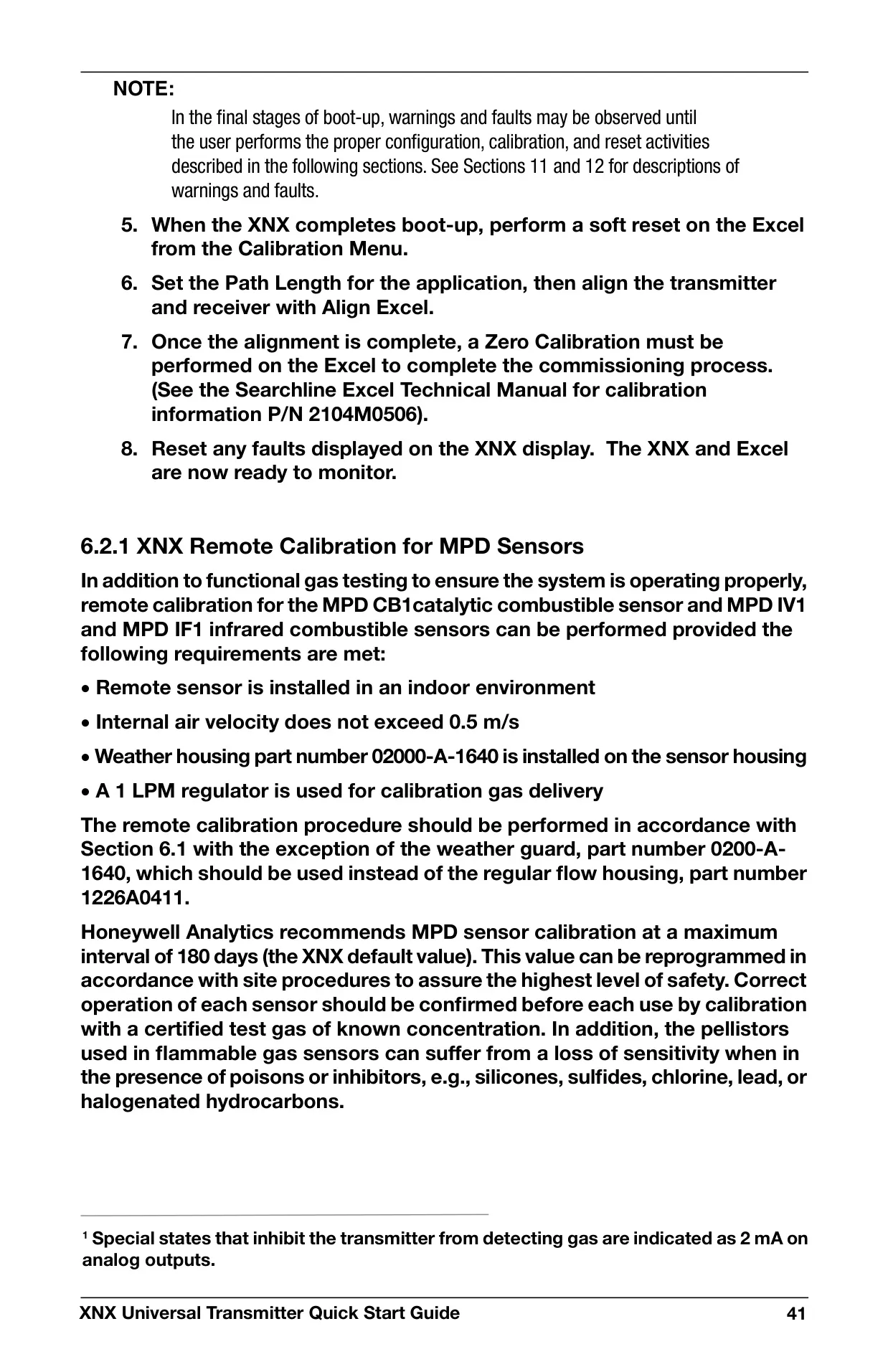
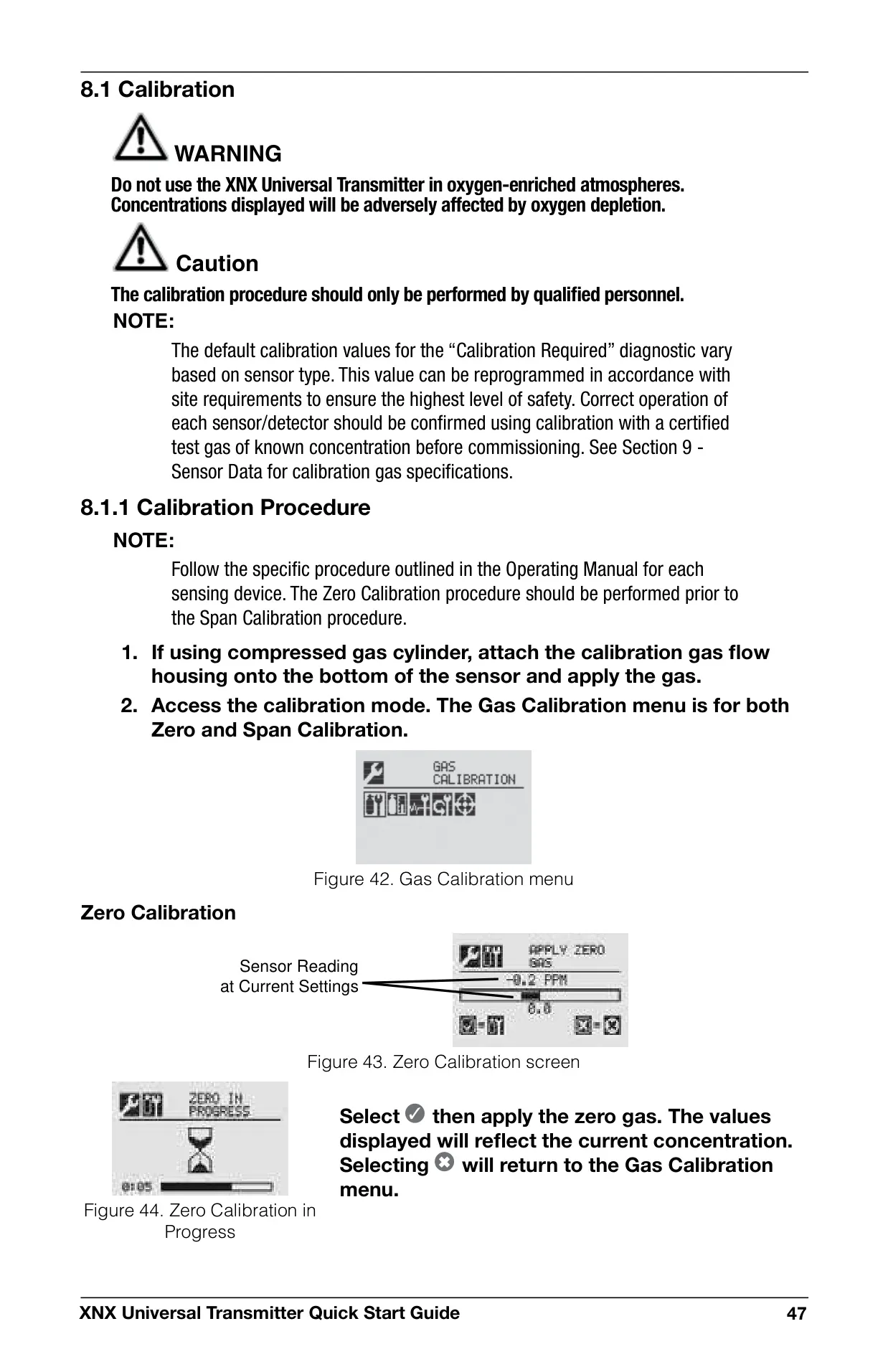
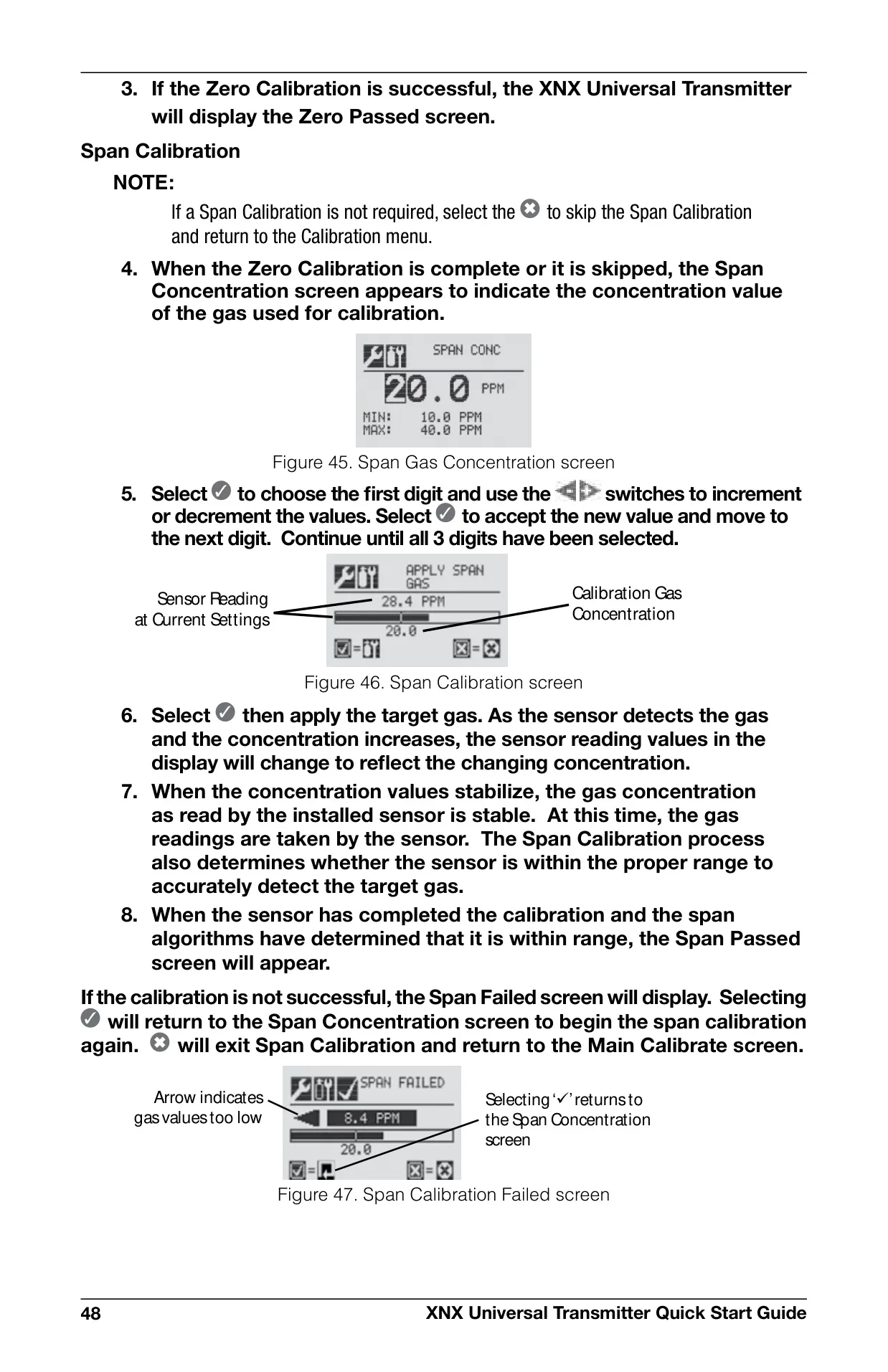
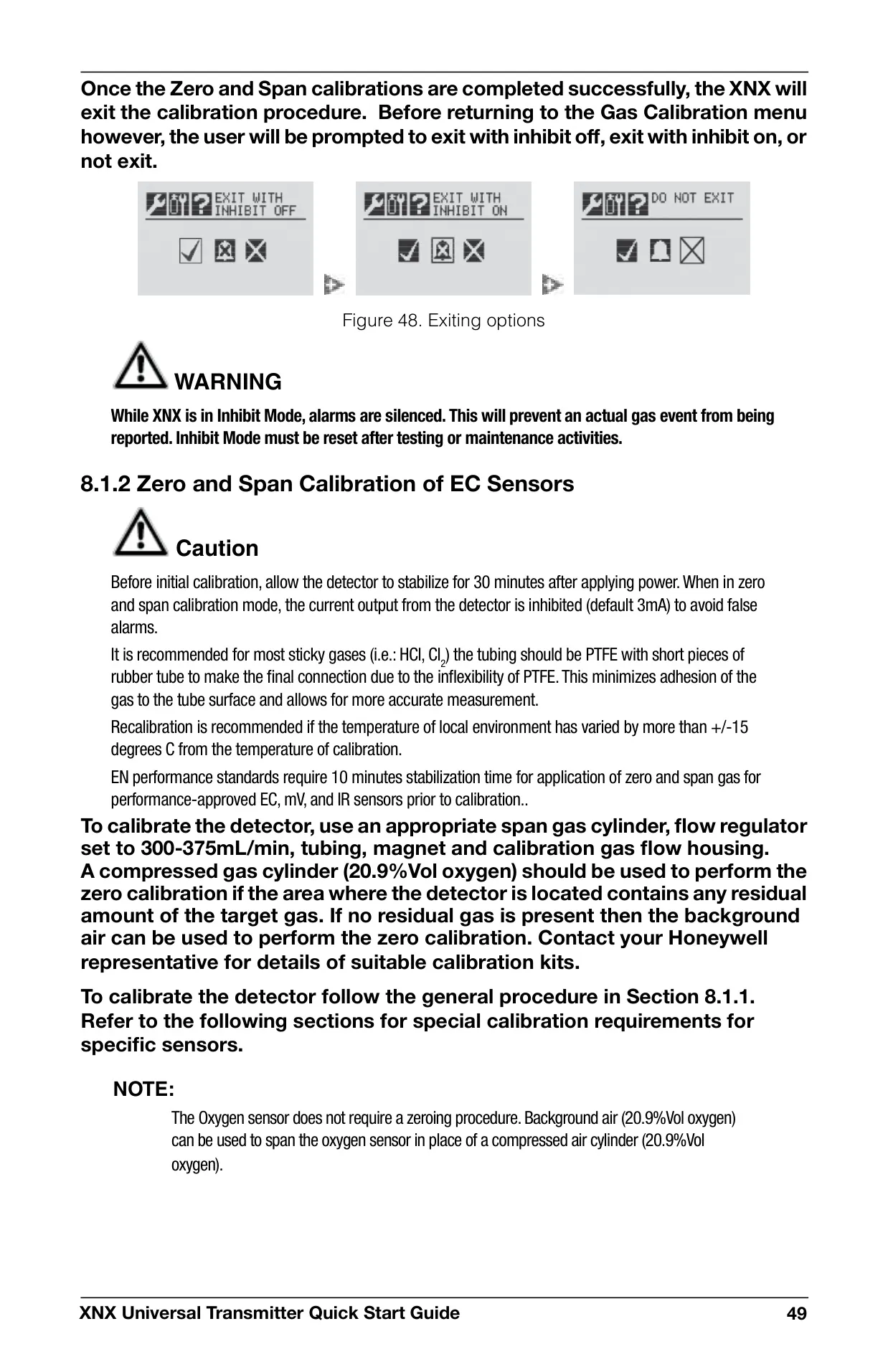
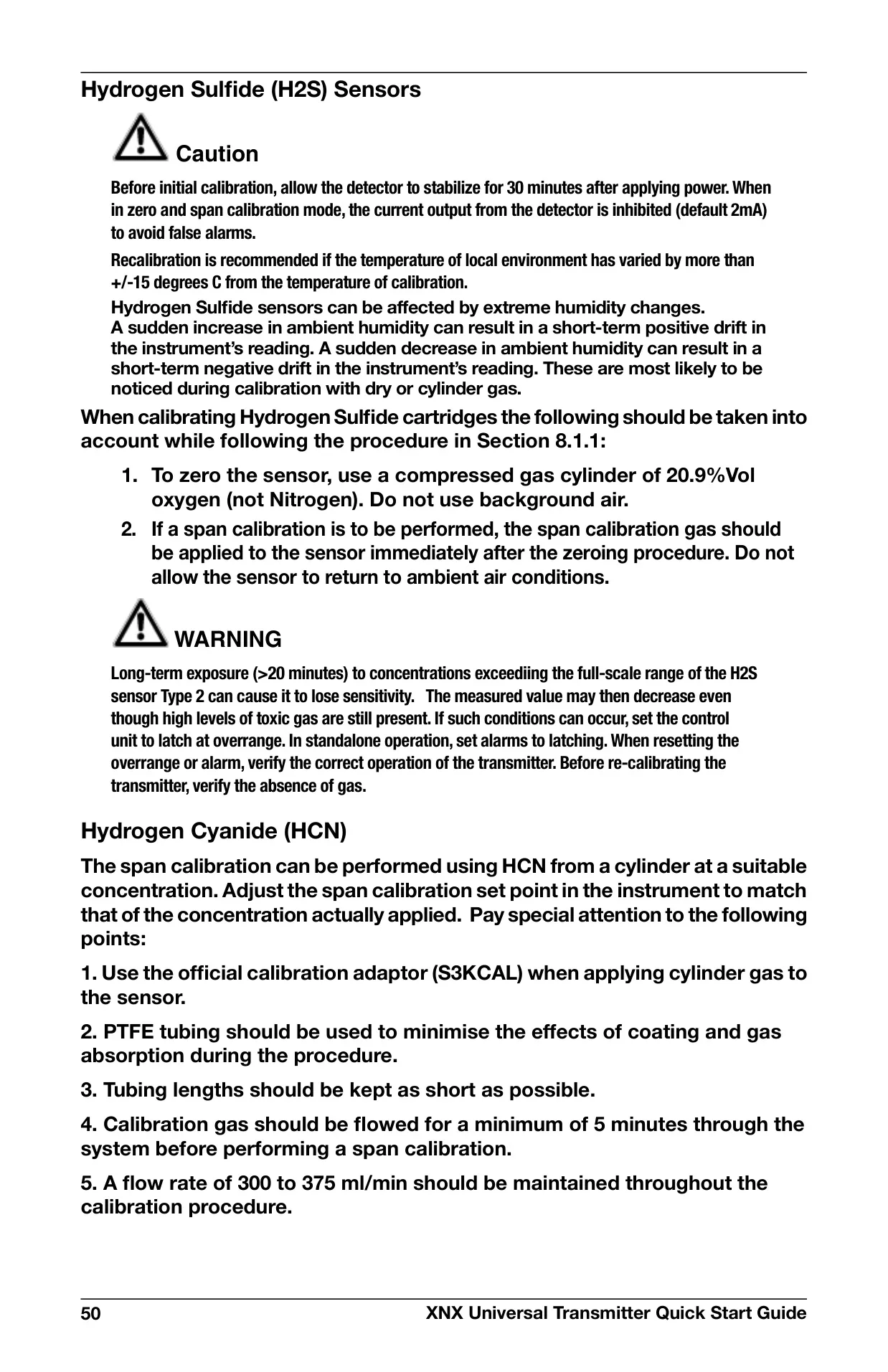
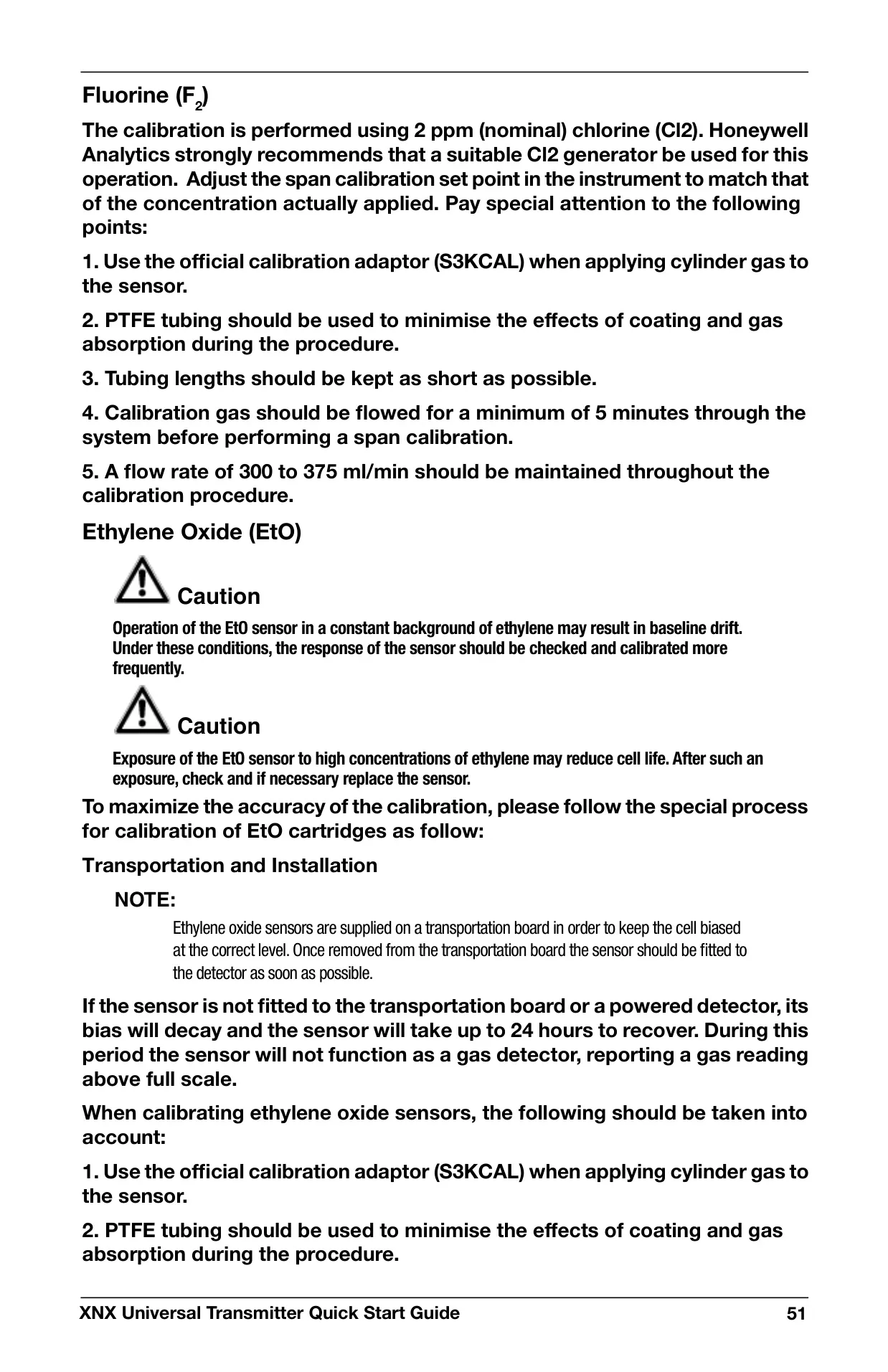
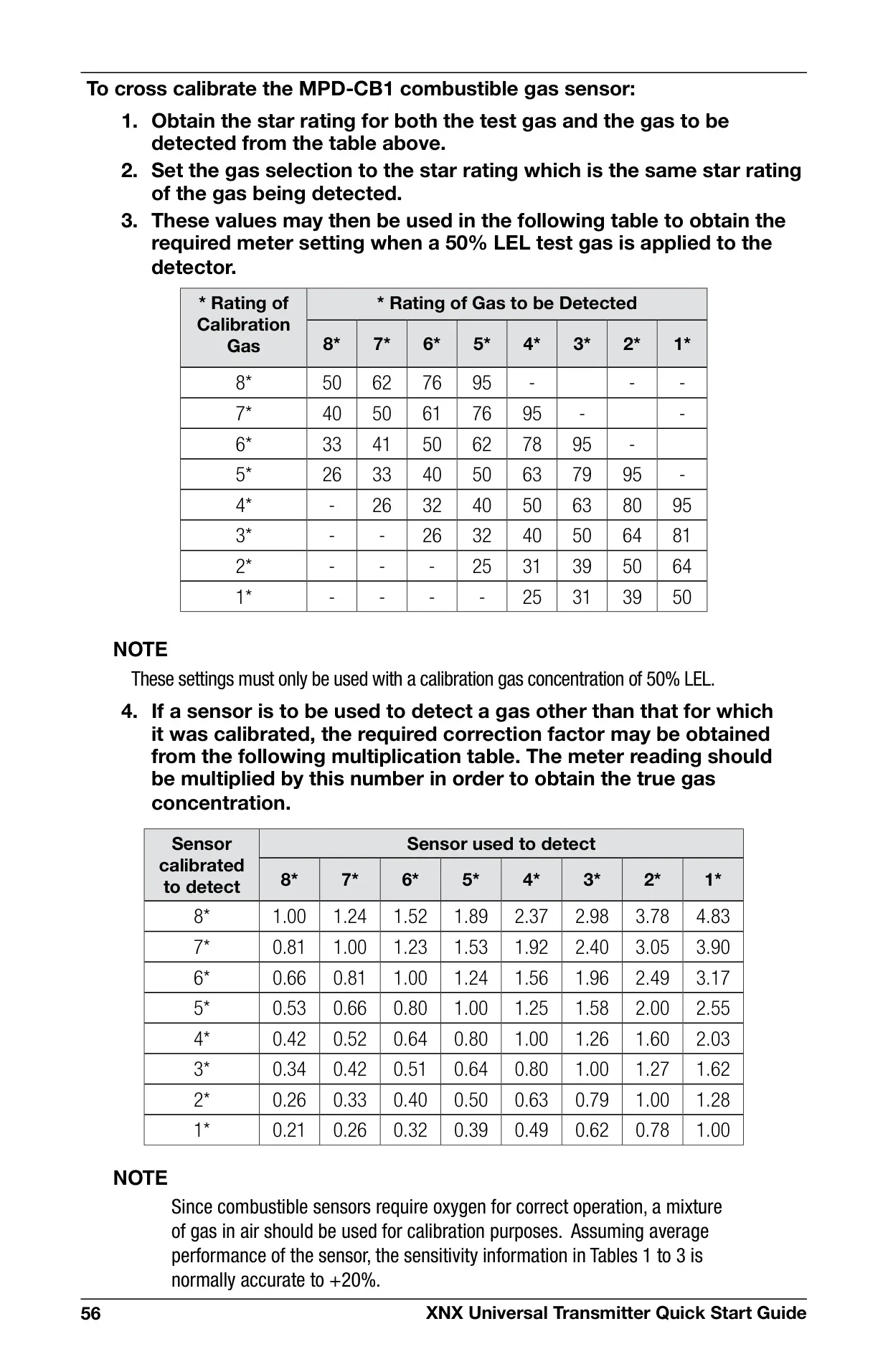
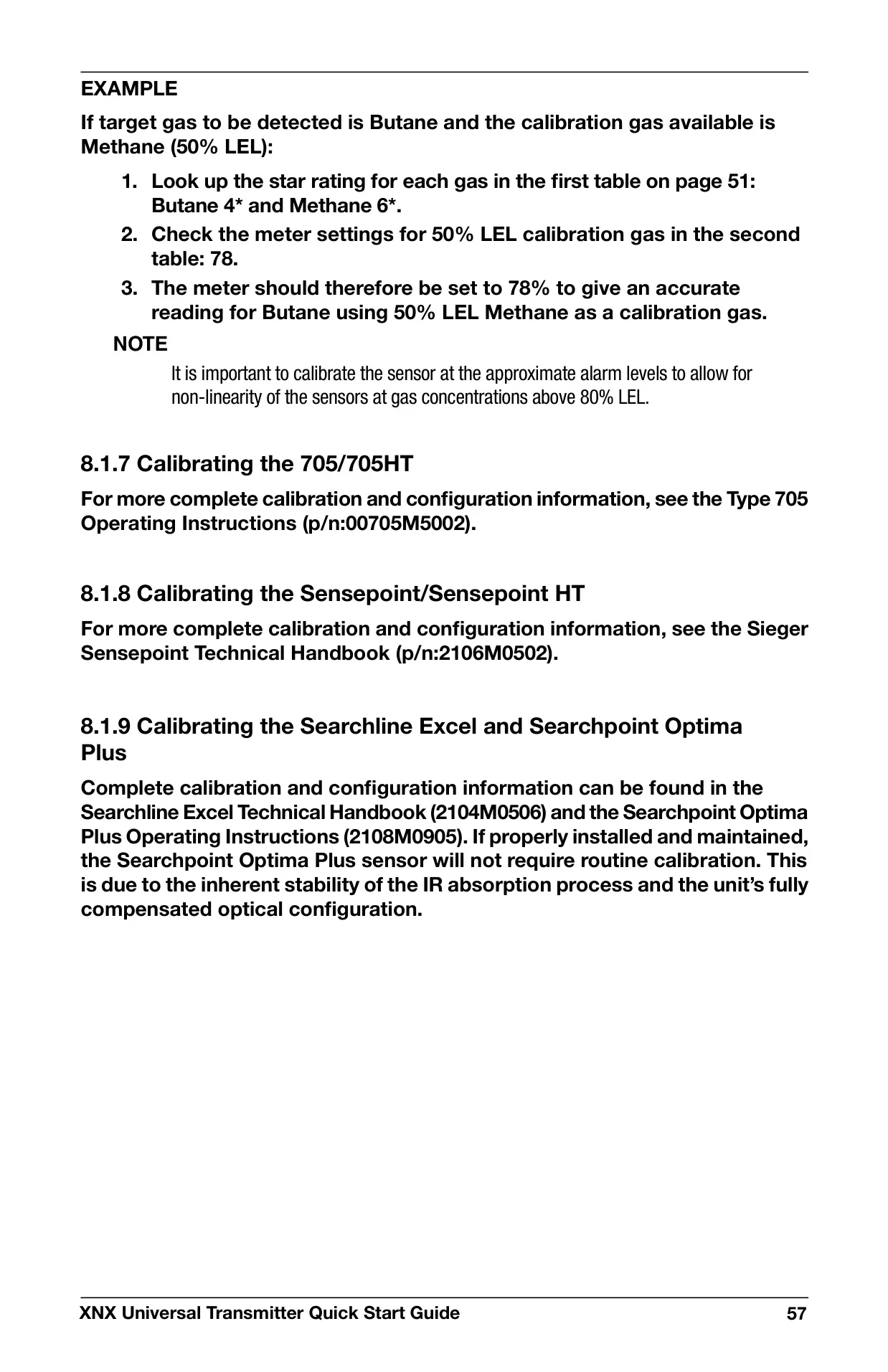
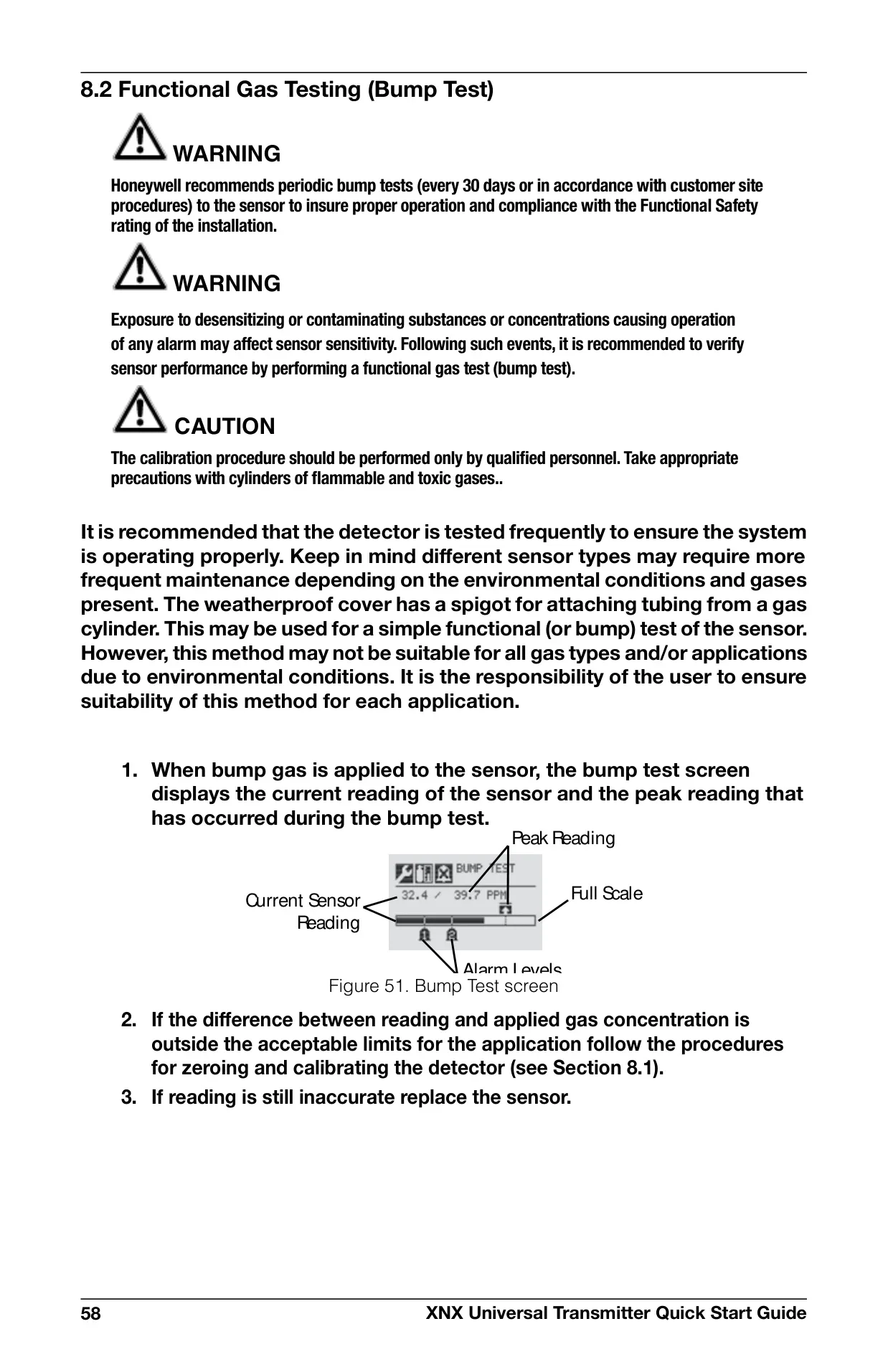
Calibration is a critical aspect of operation, with dedicated menus for zero and span calibration, as well as functional gas testing (bump testing). Procedures are tailored for EC/mV sensors, Searchpoint Optima, and MPD sensors, ensuring accuracy and compliance. Special attention is given to “sticky gases” requiring specific tubing and flow rates for precise calibration.
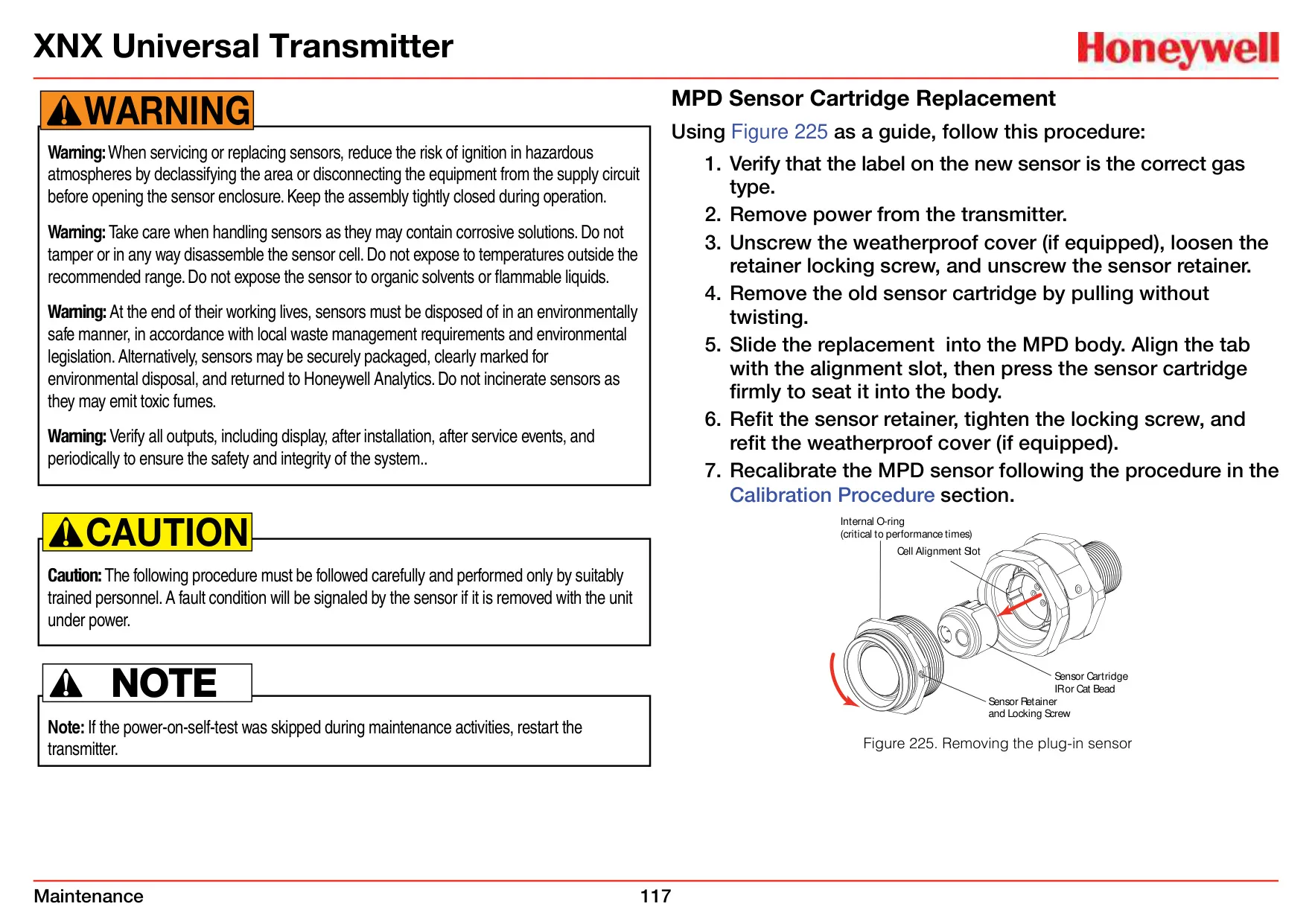
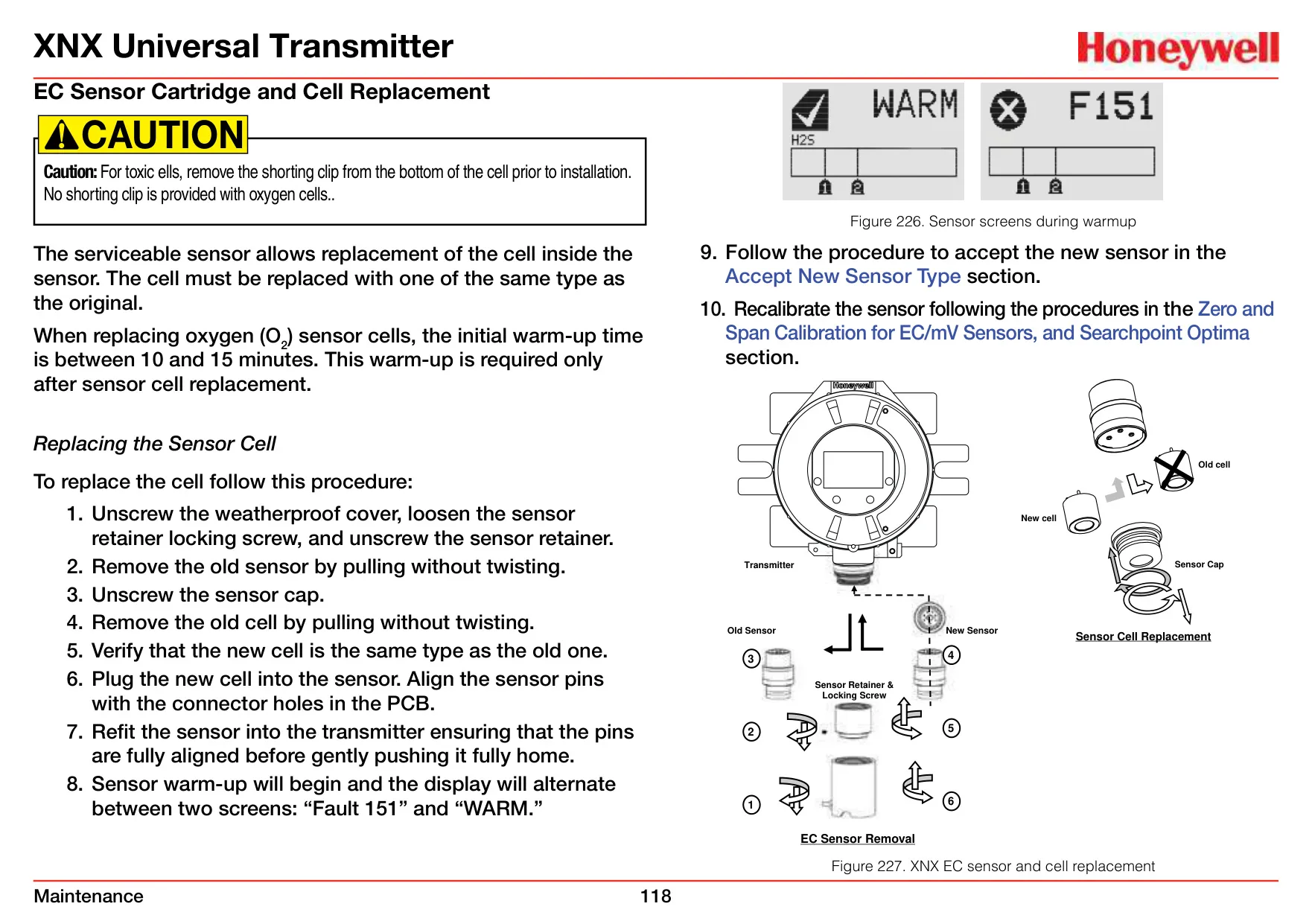
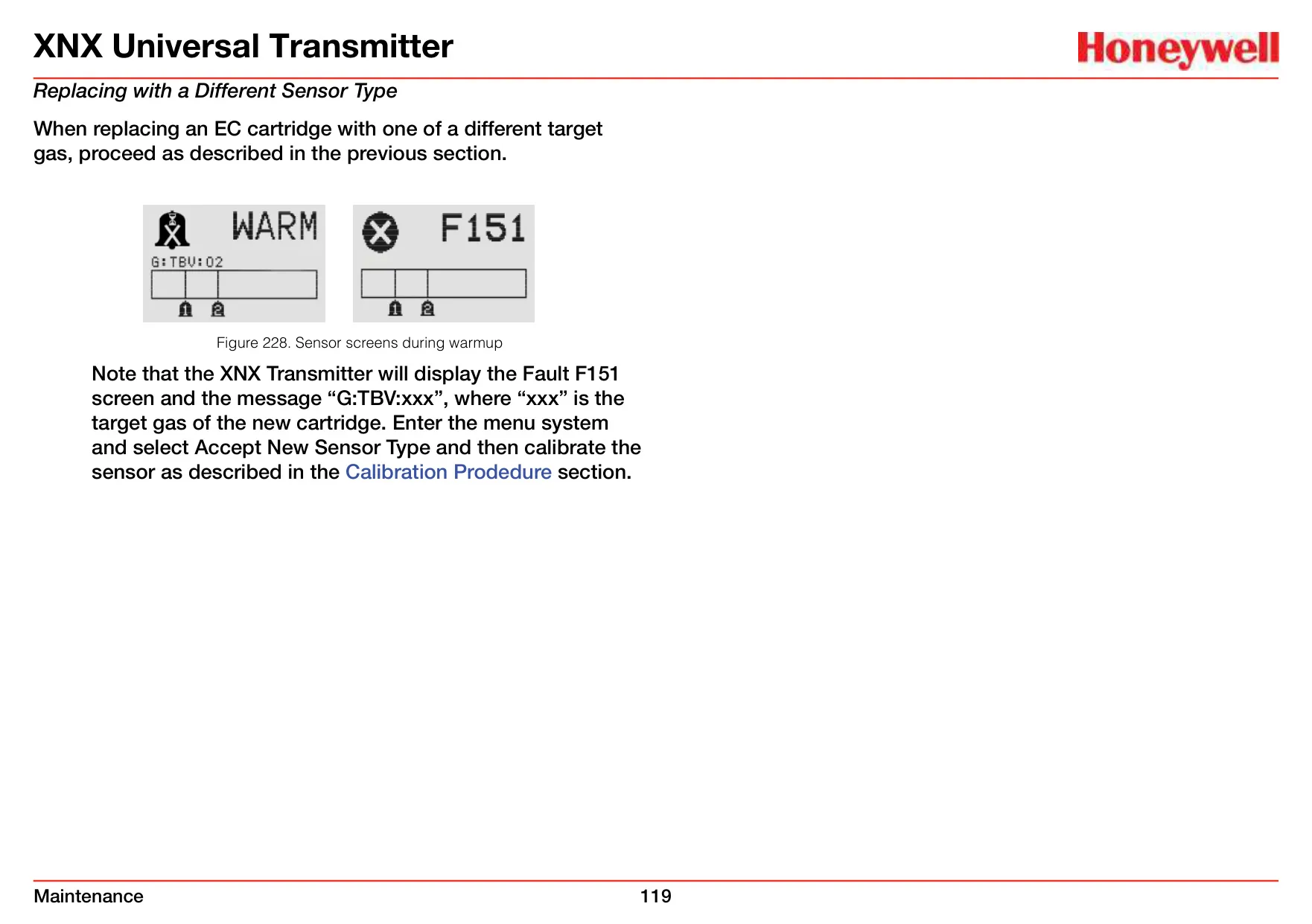
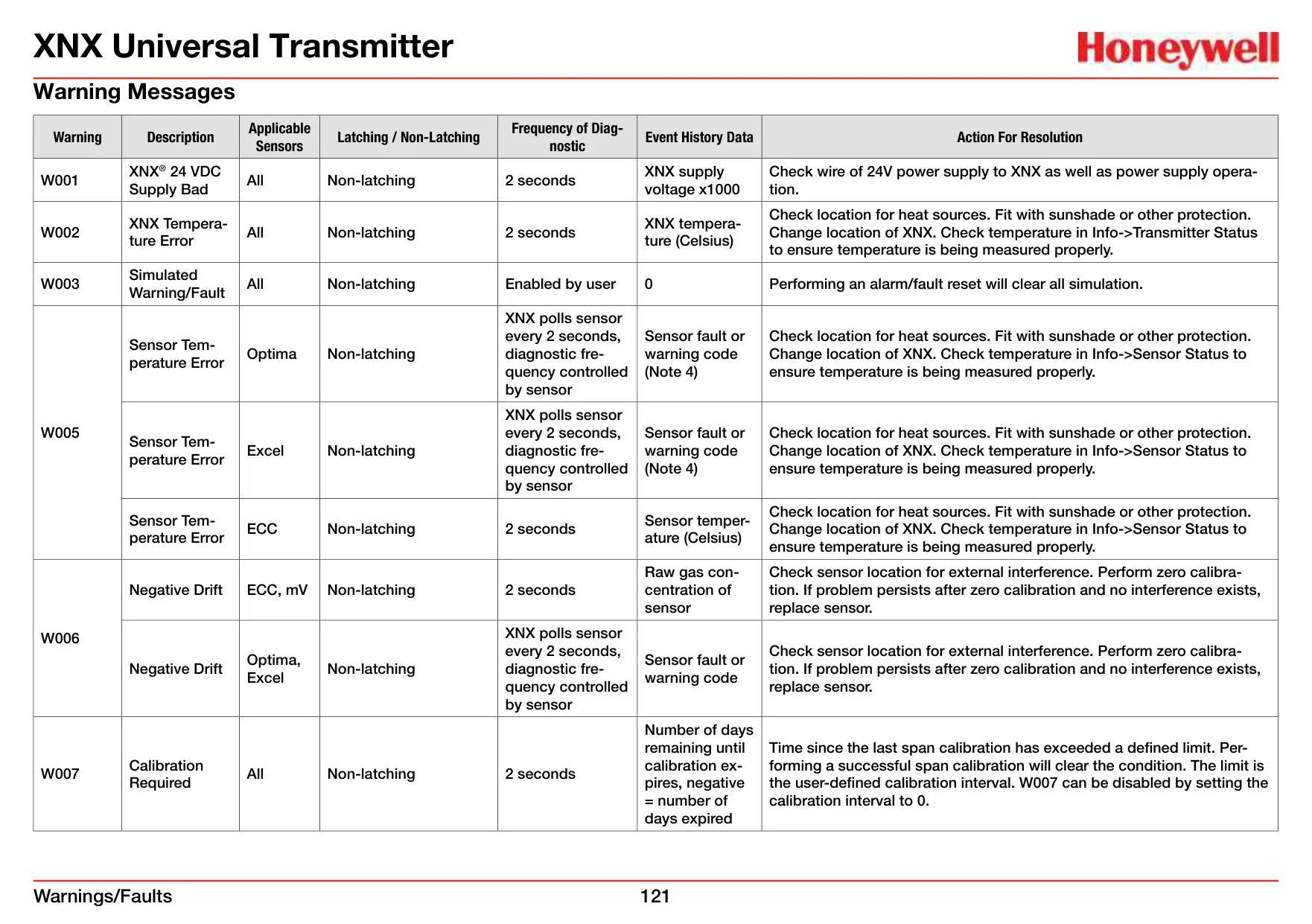
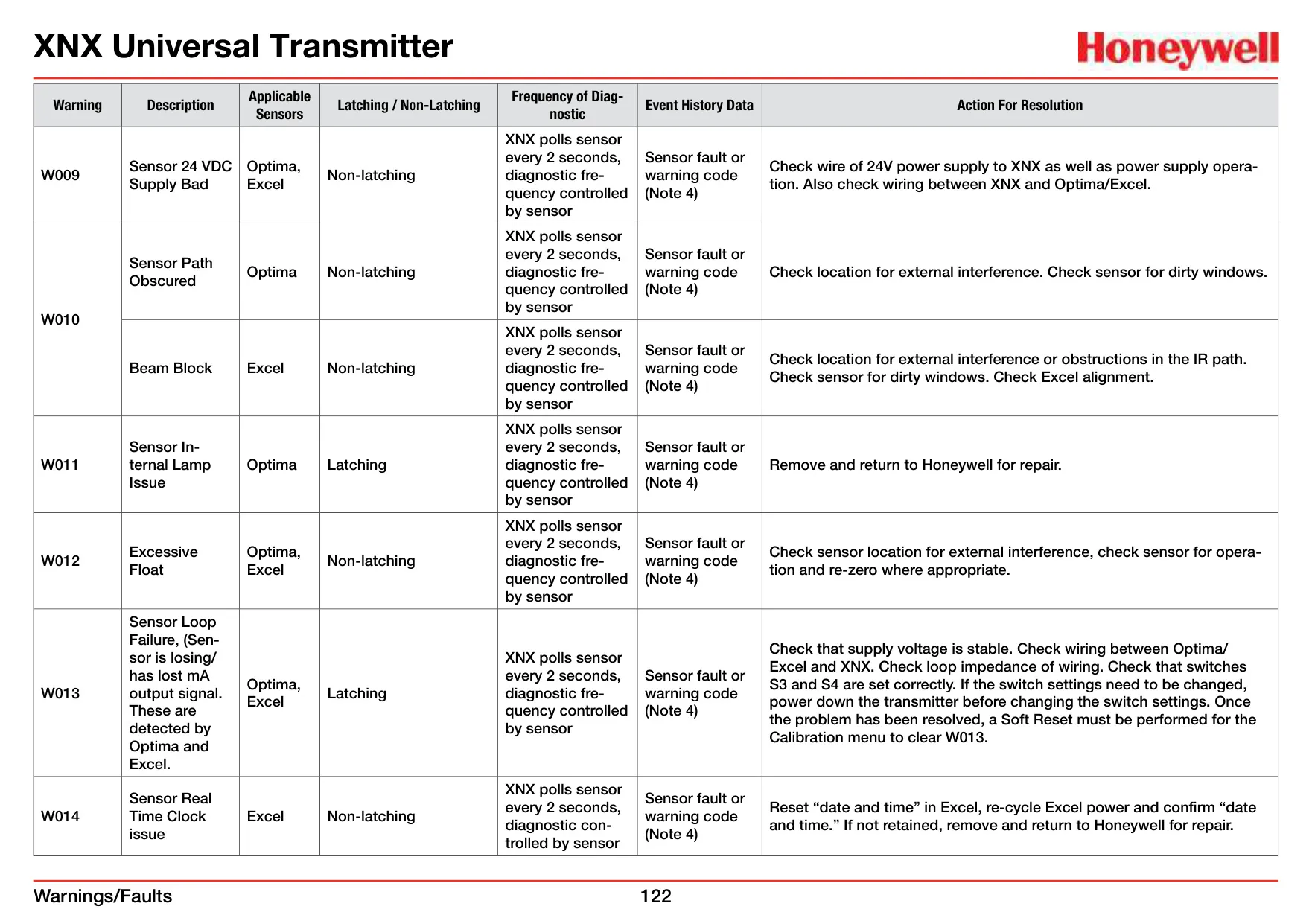
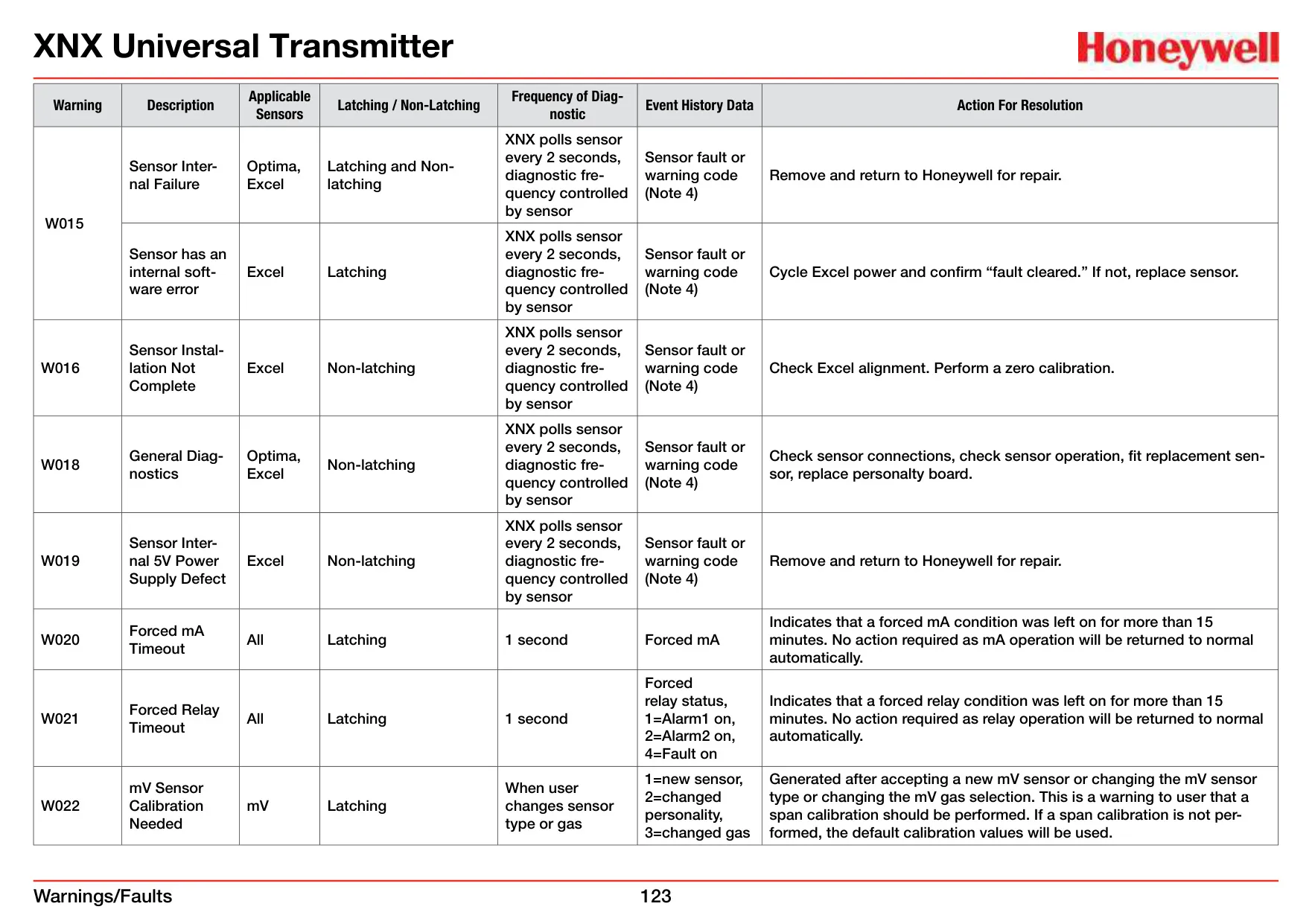
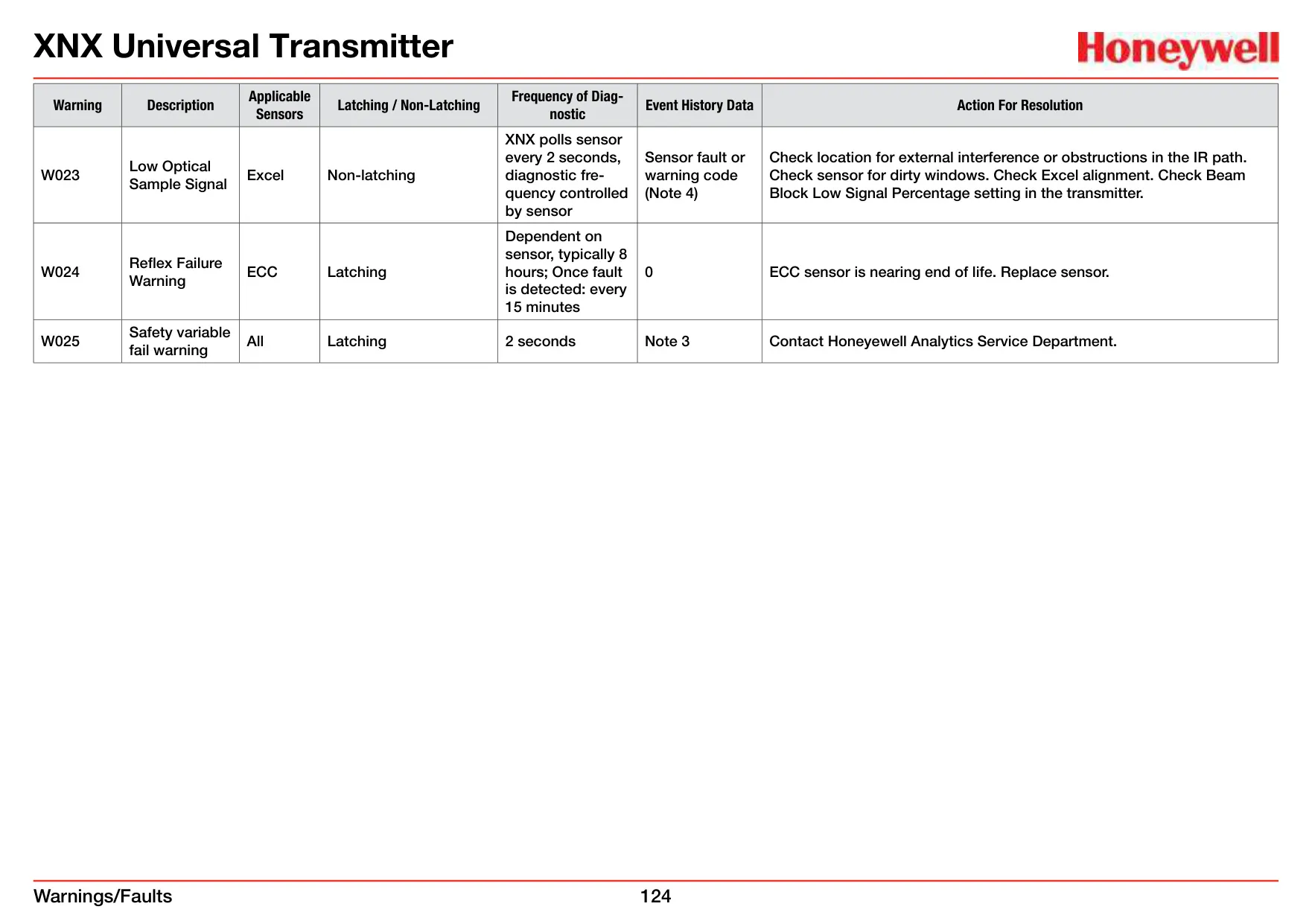
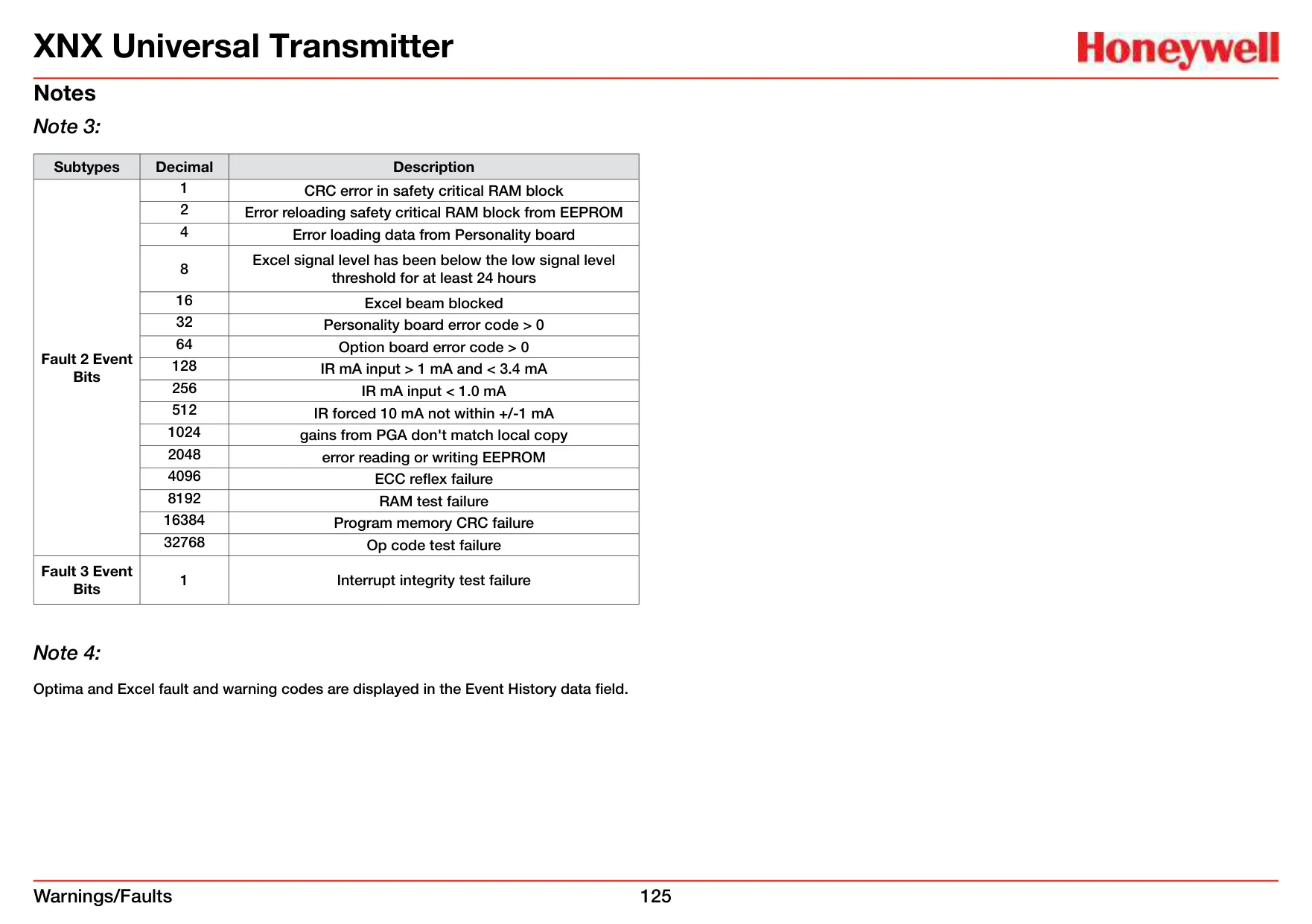
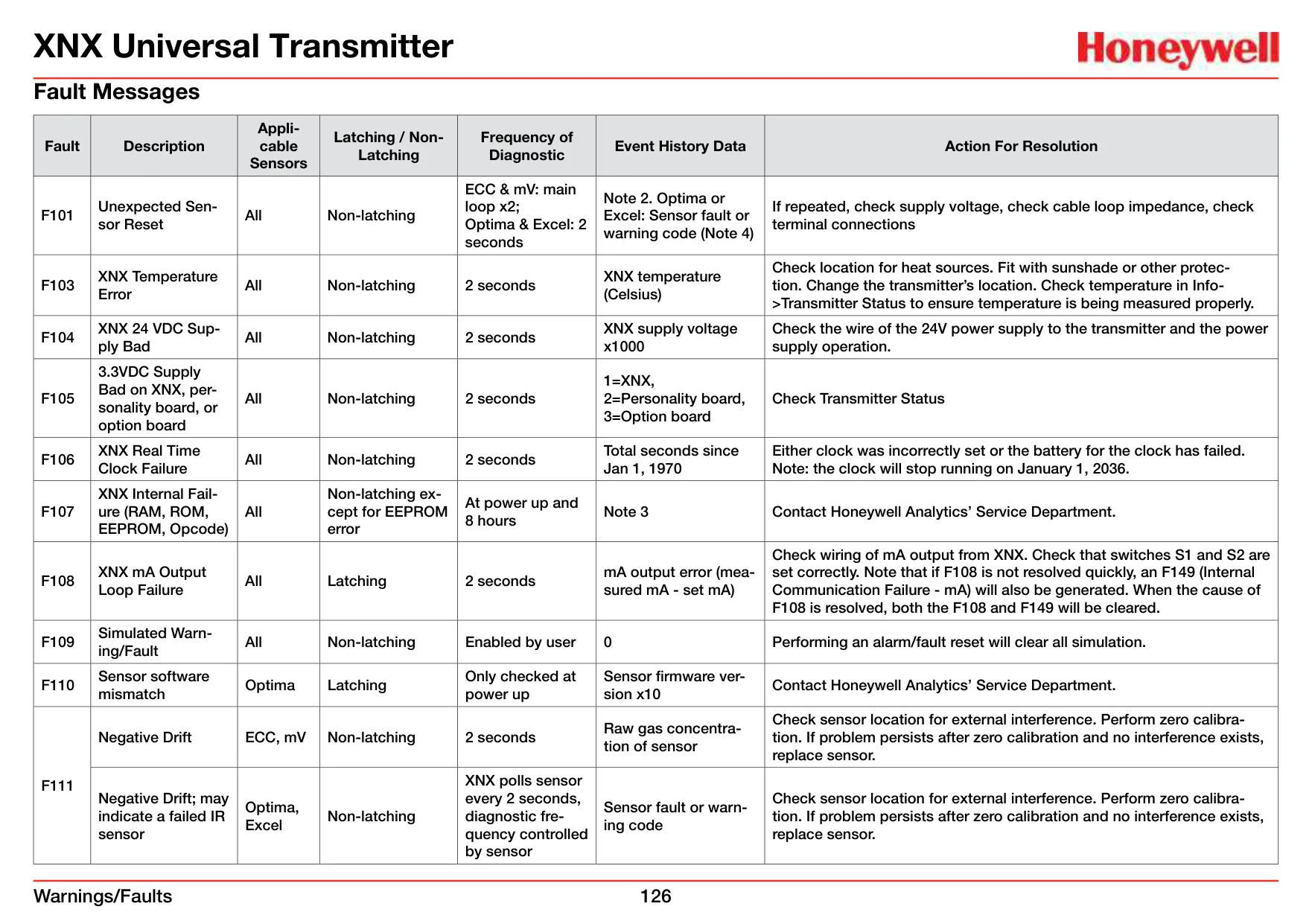
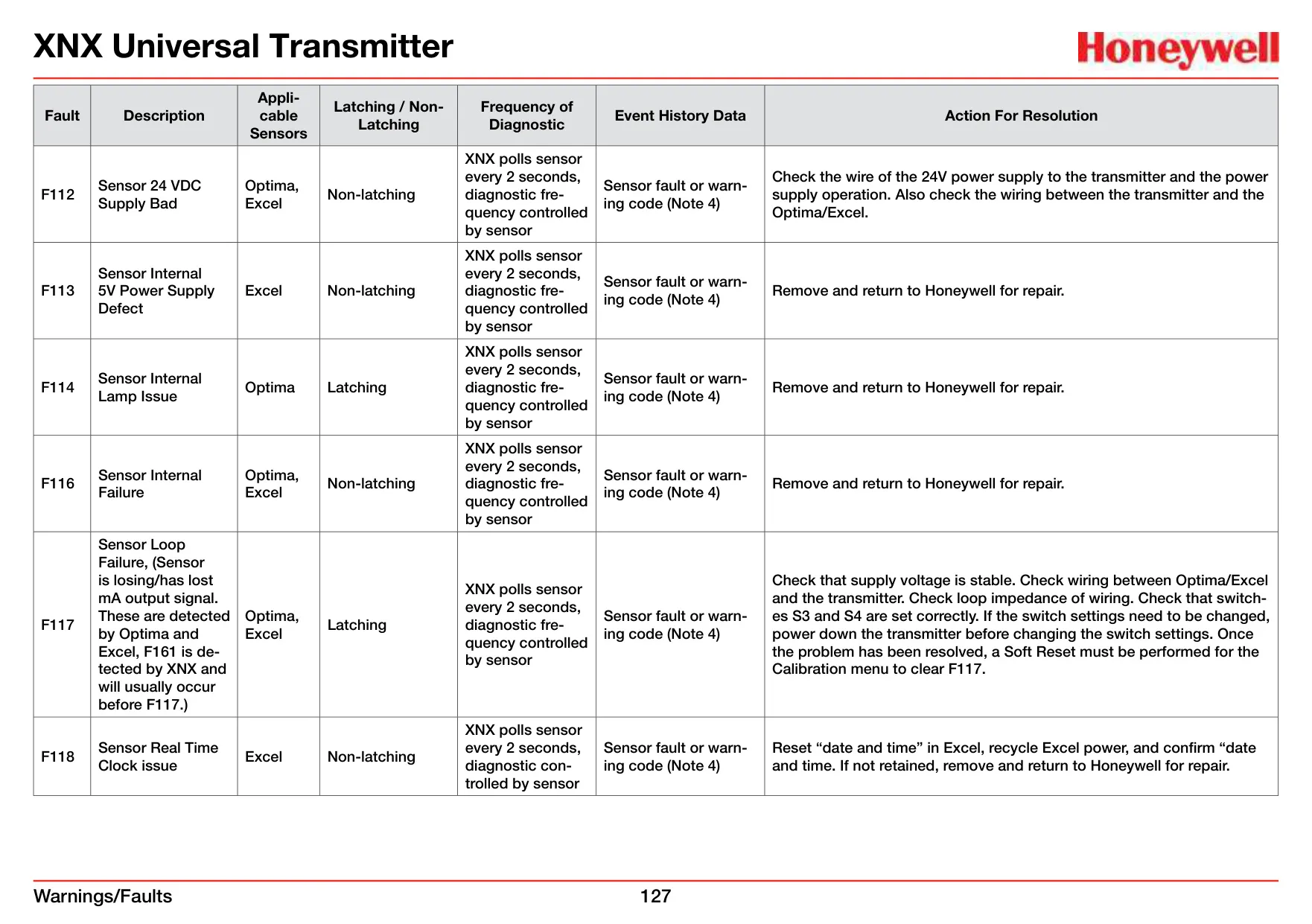
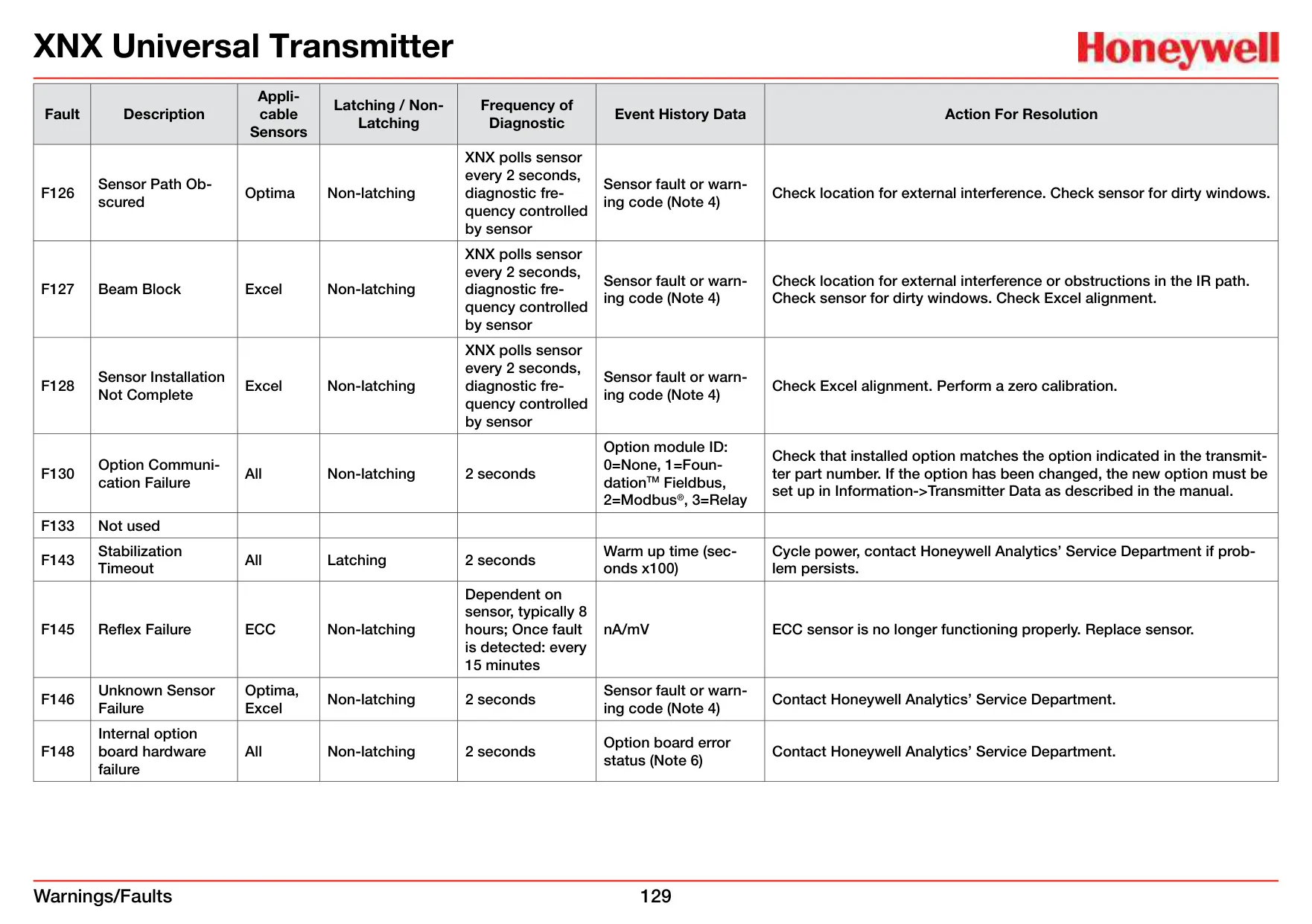
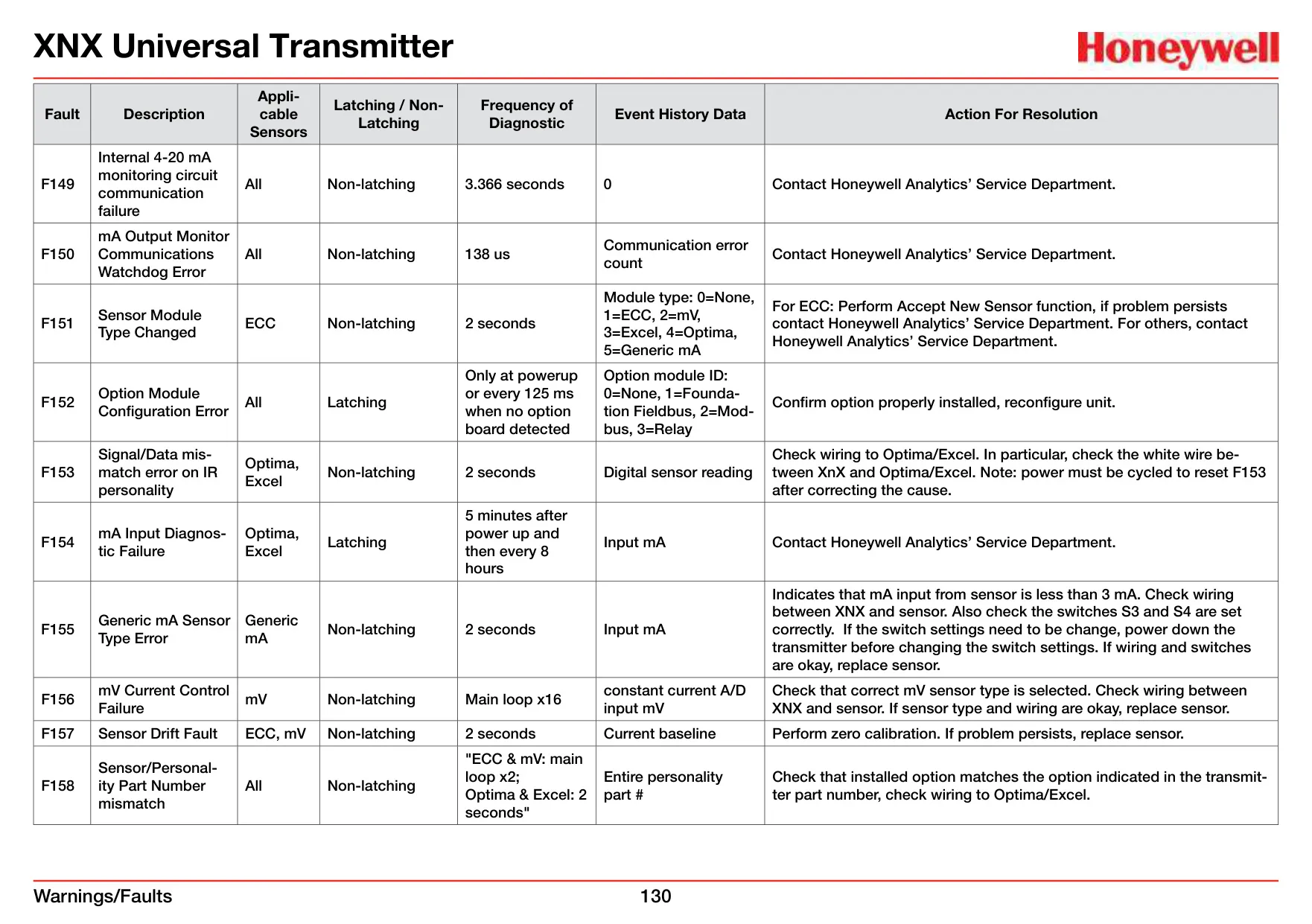
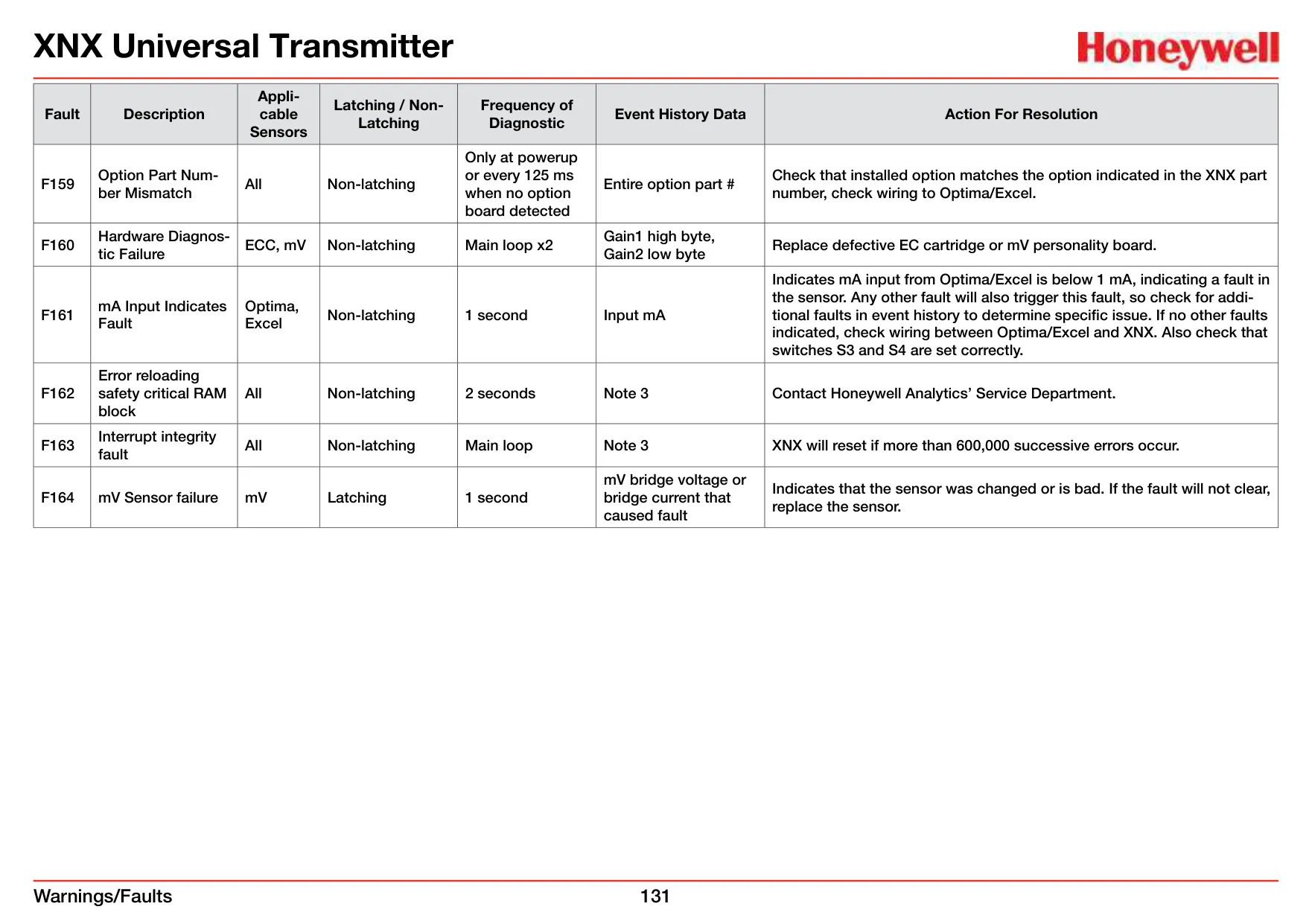
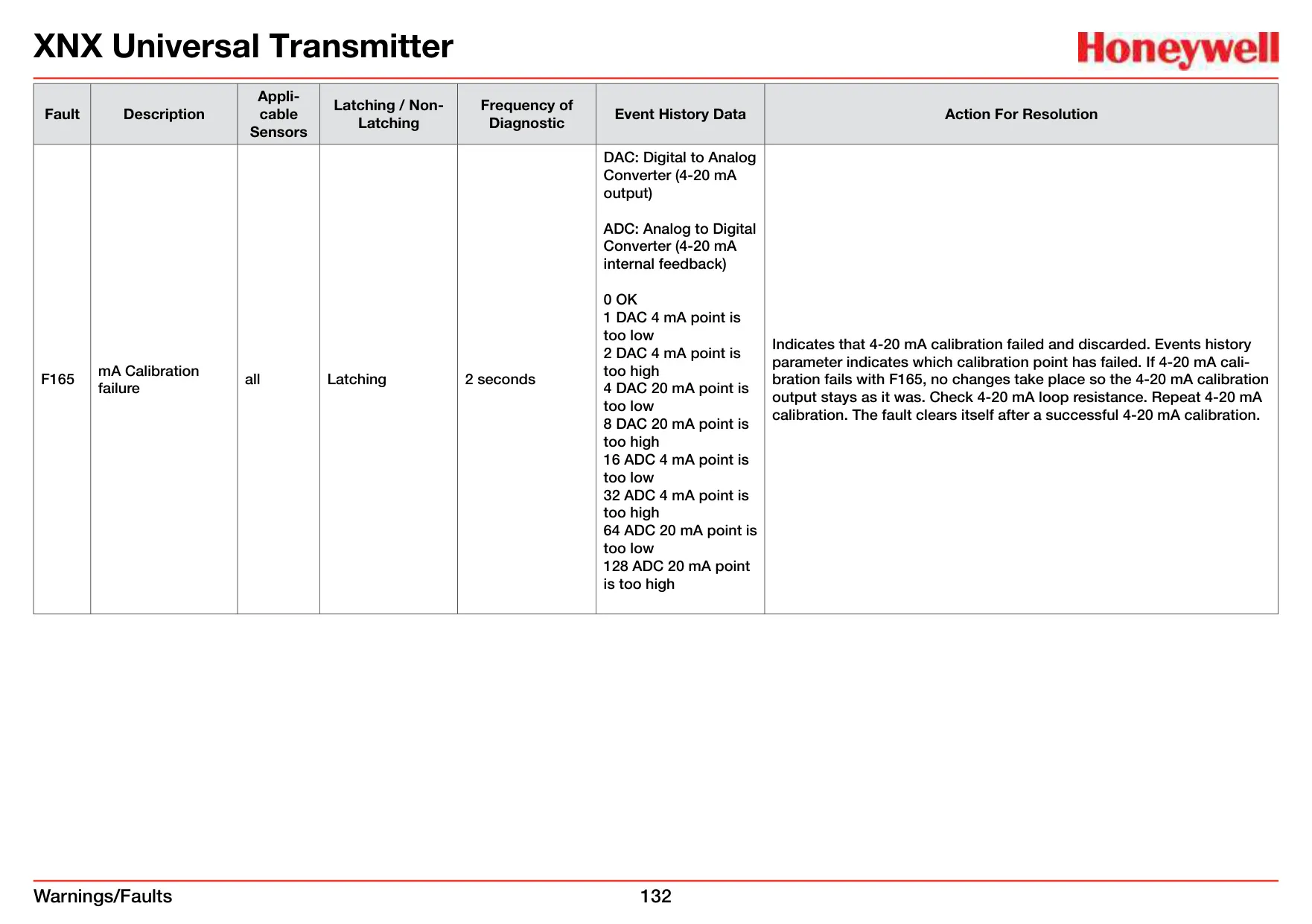
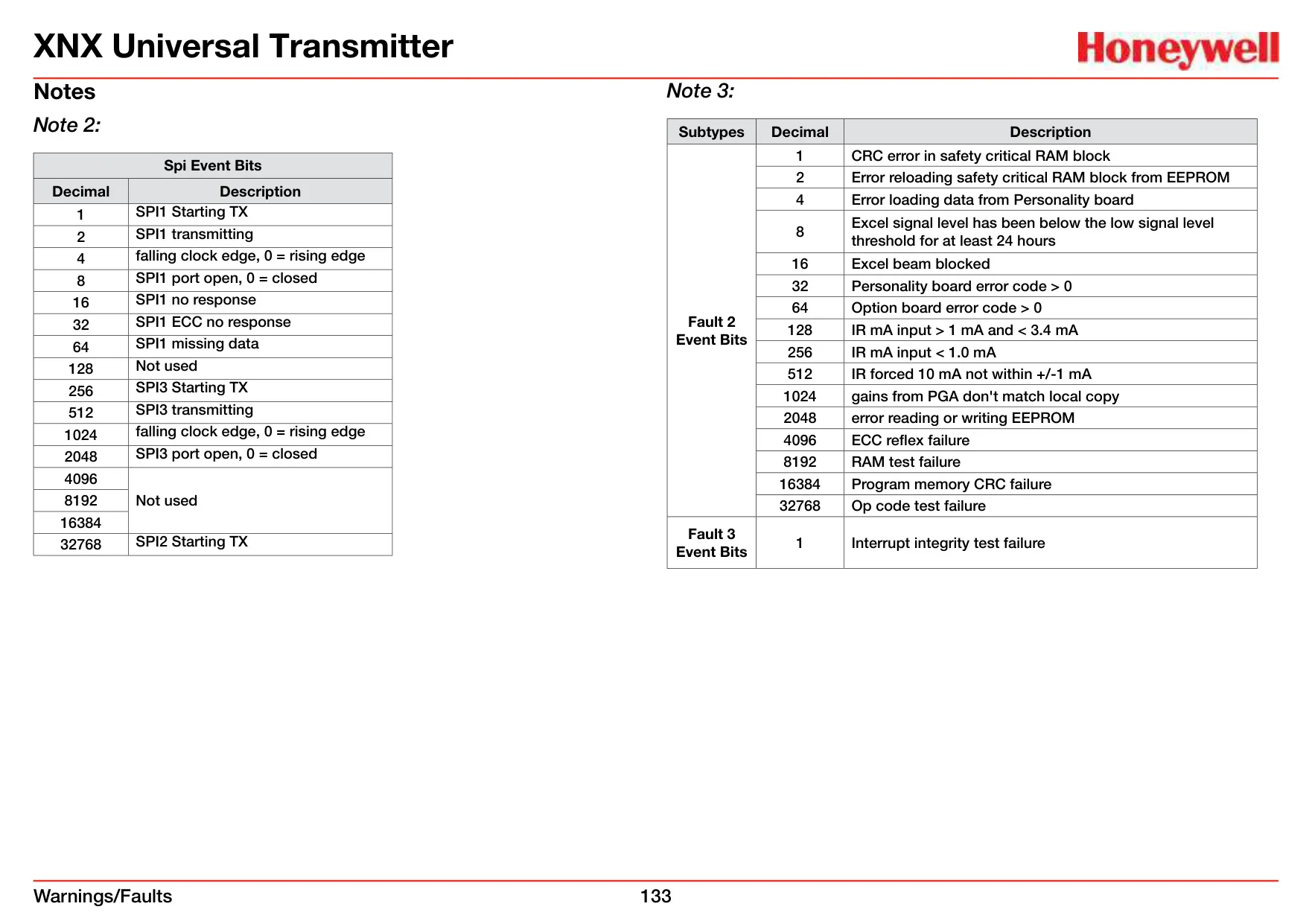
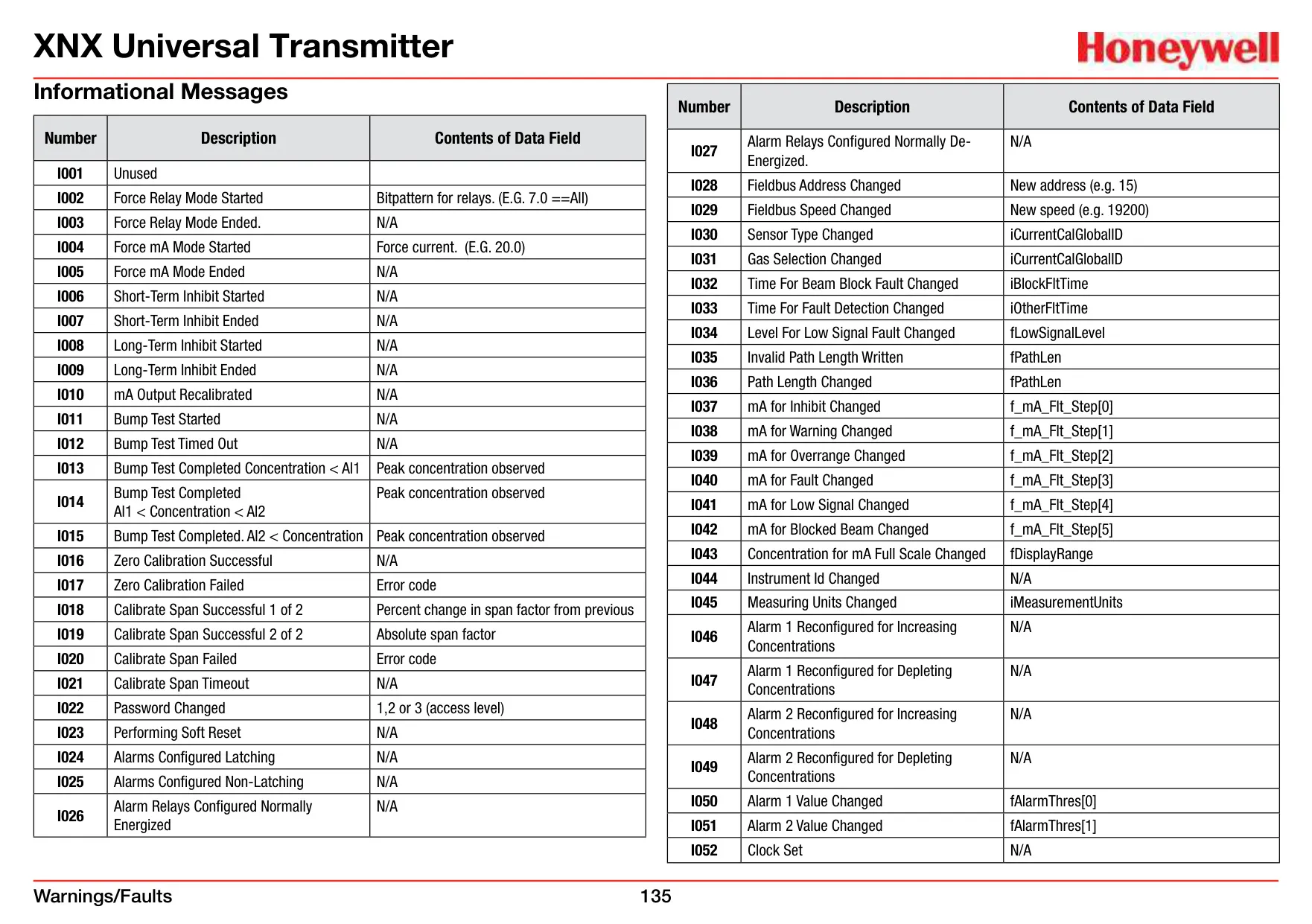
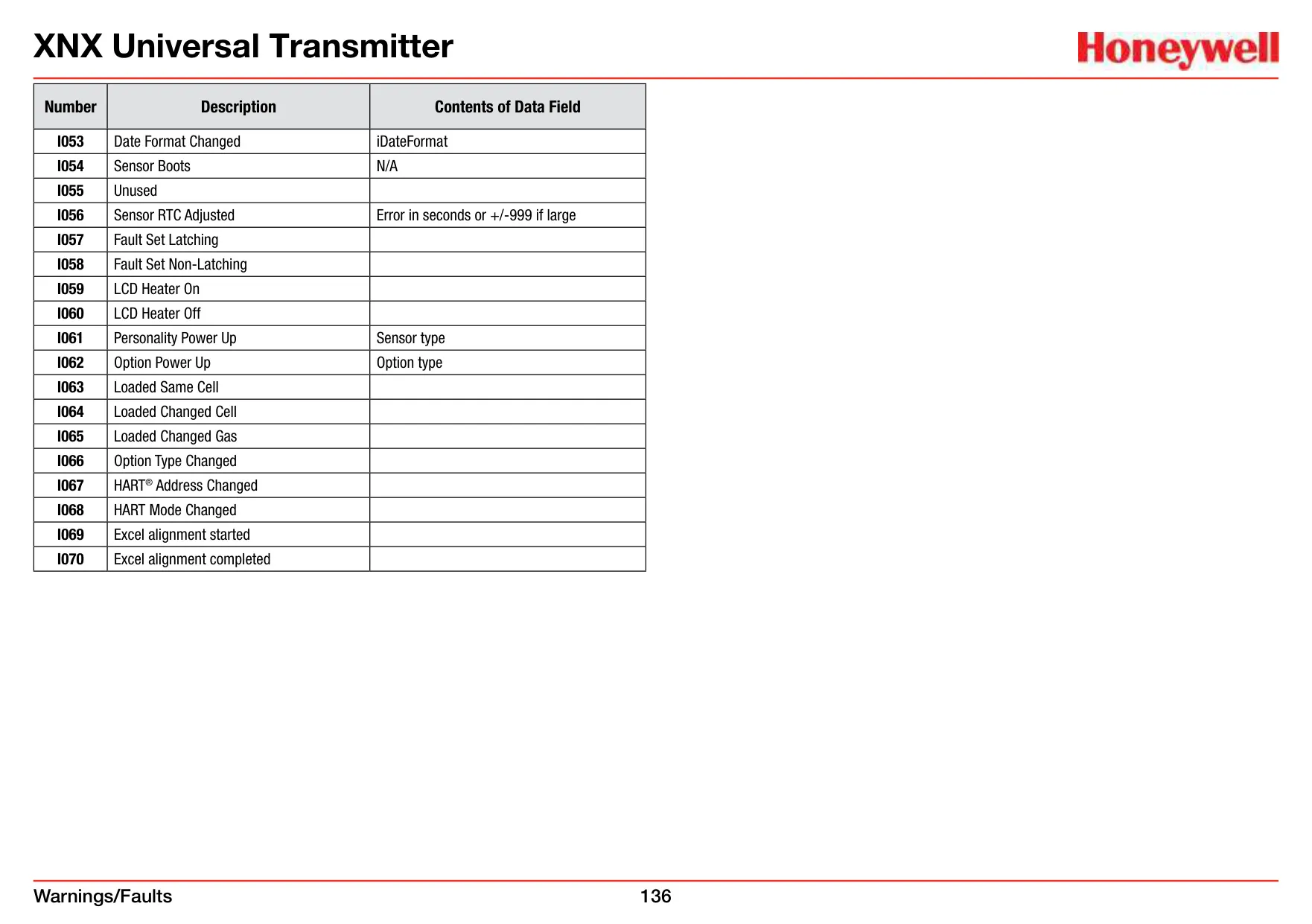
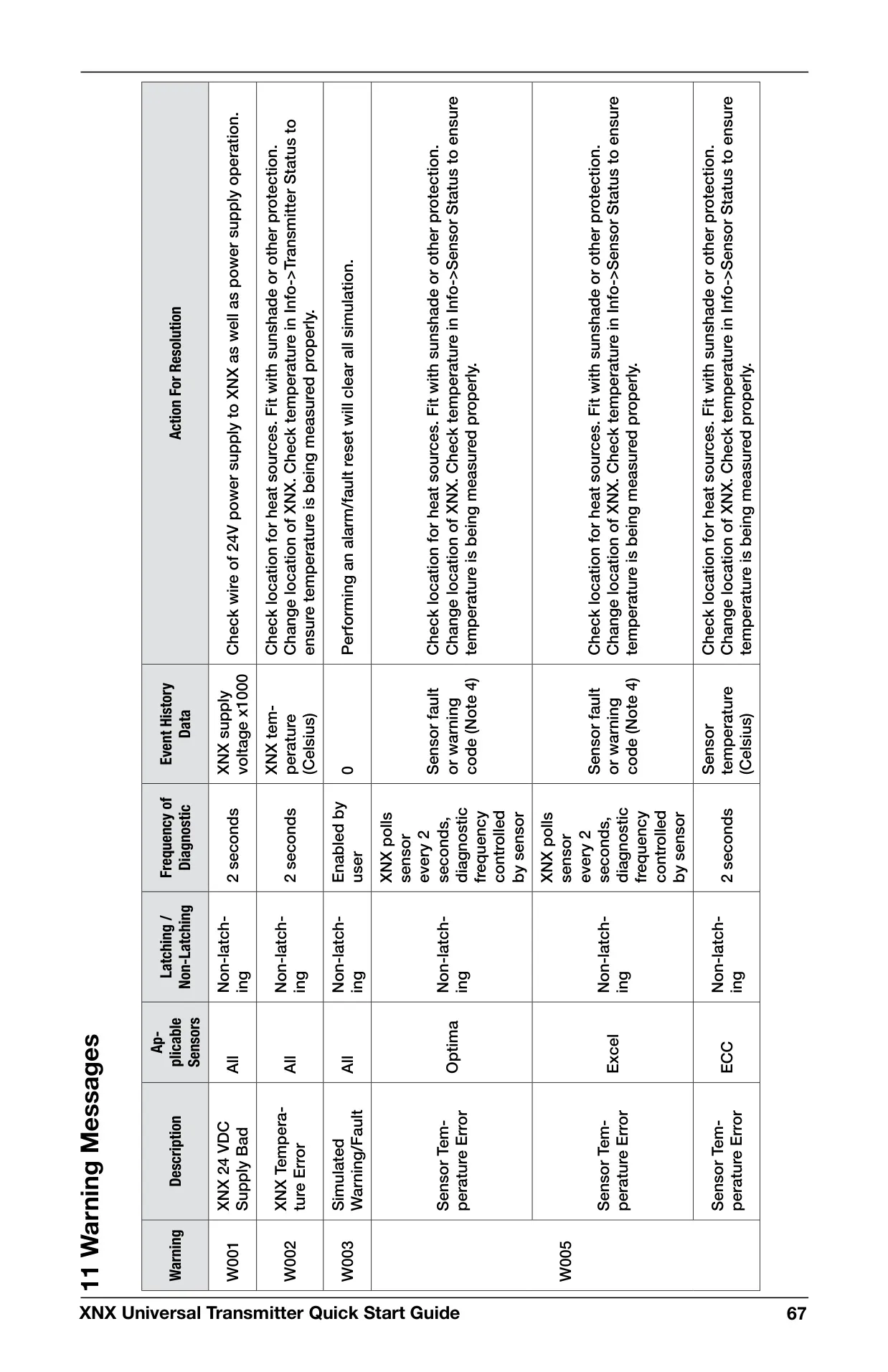
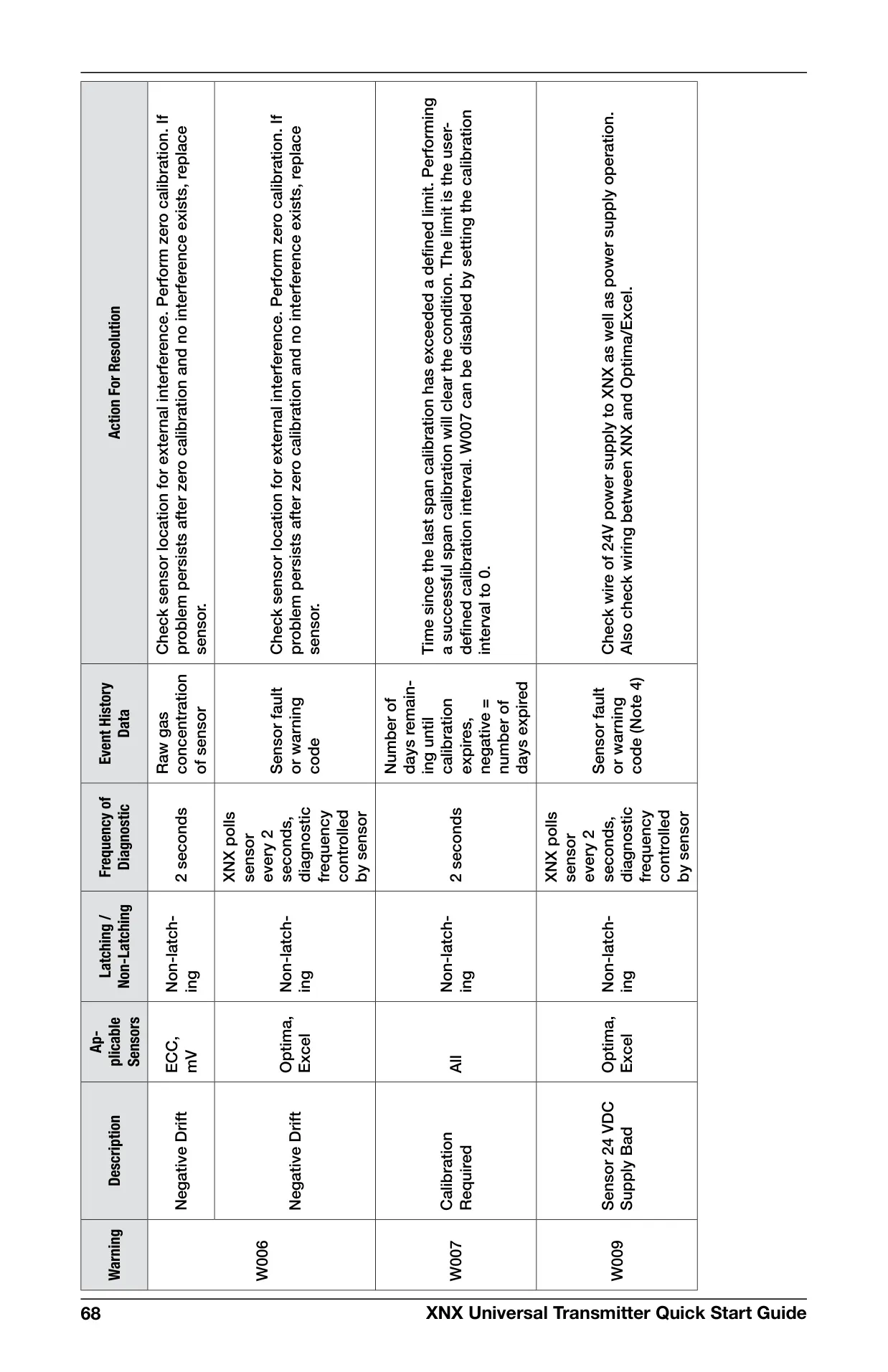
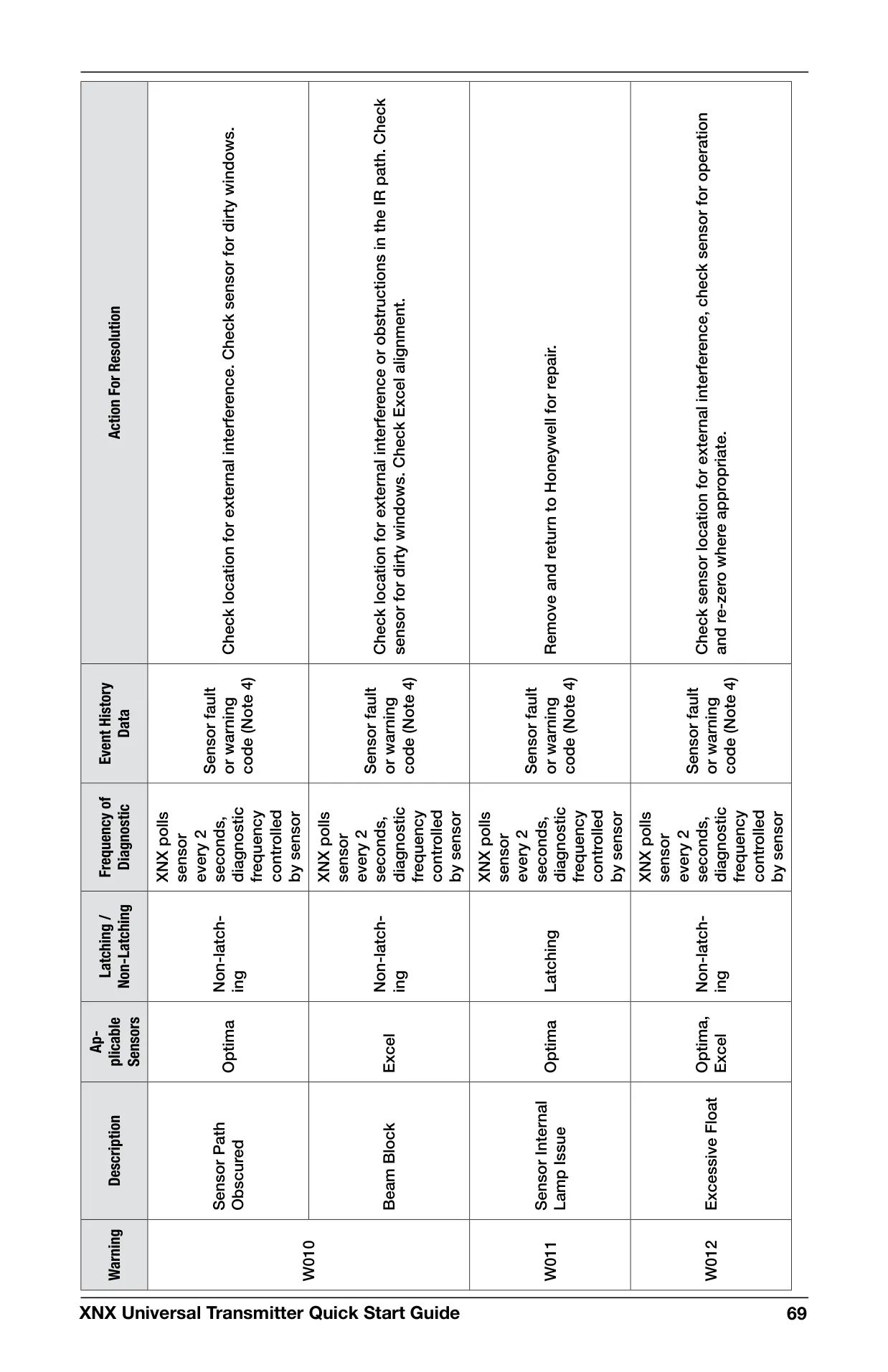
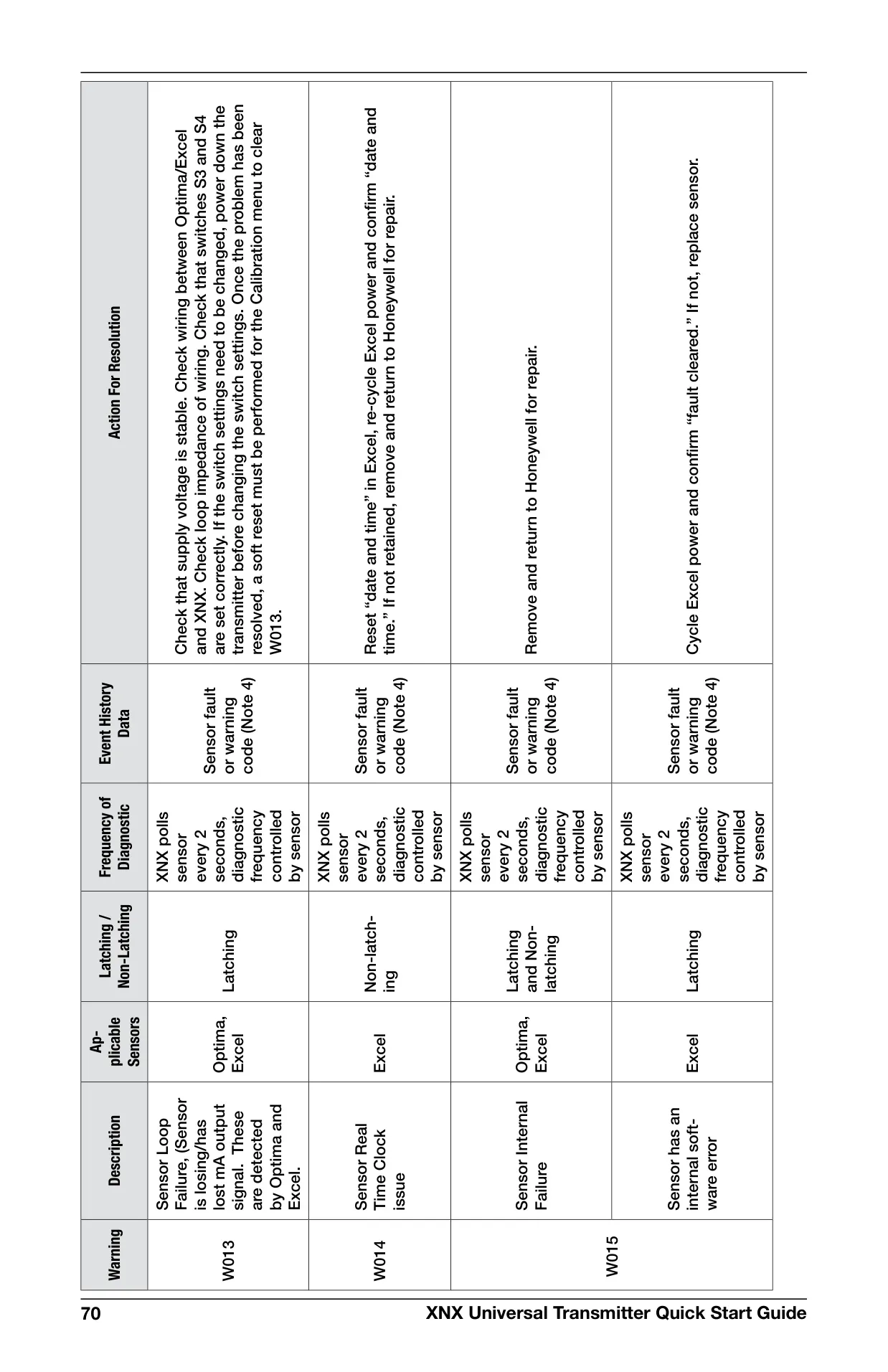
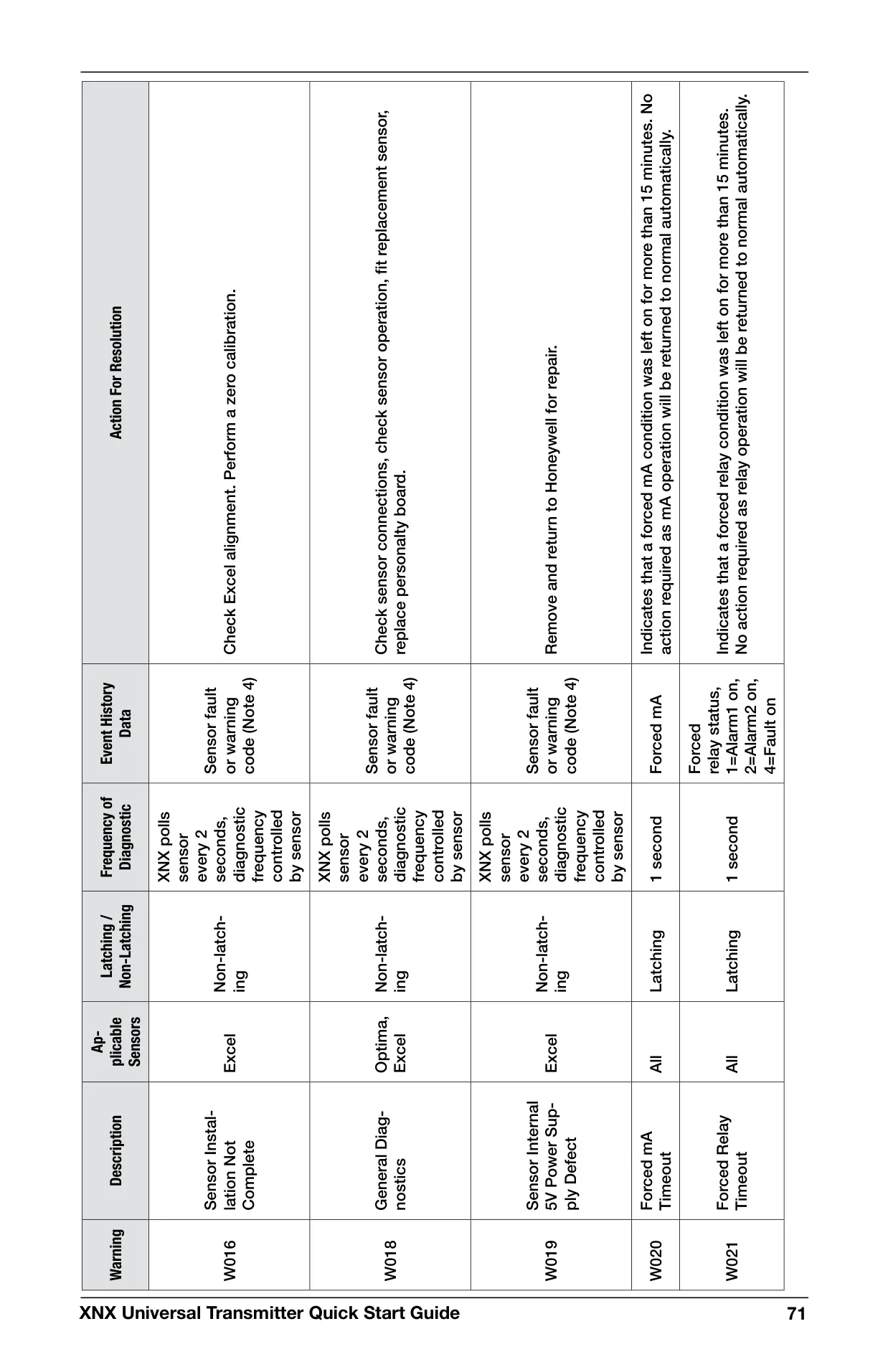
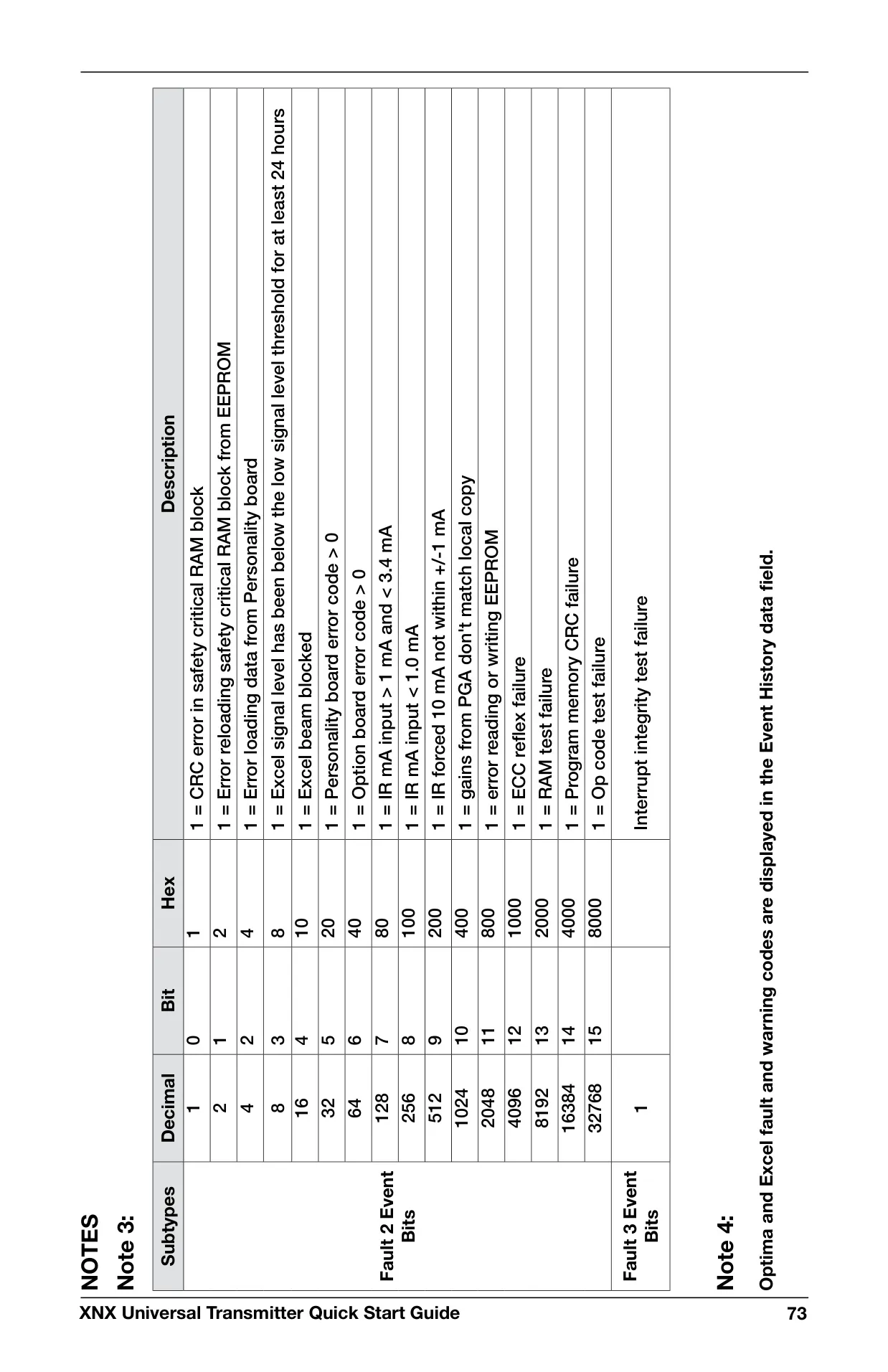
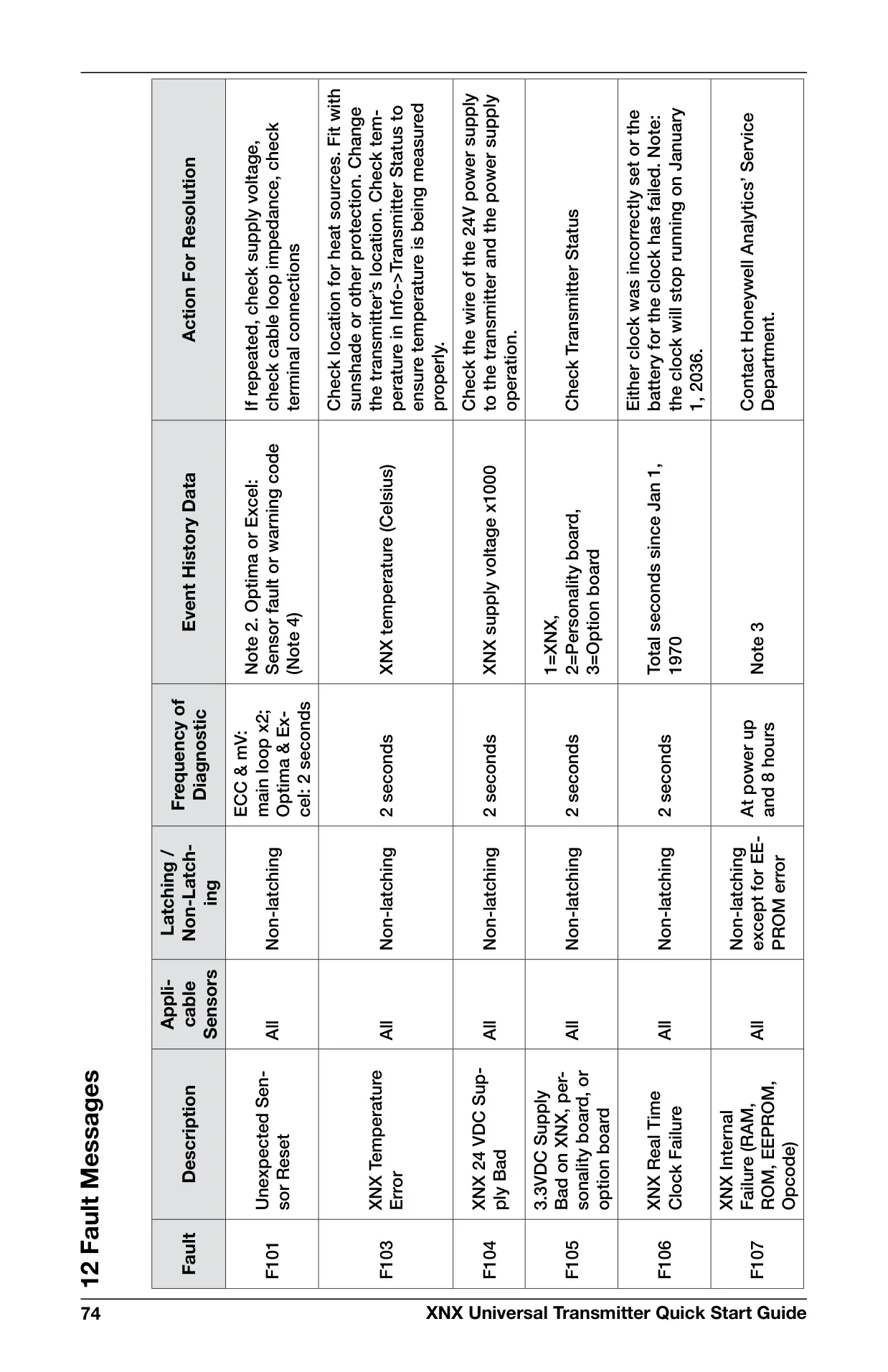
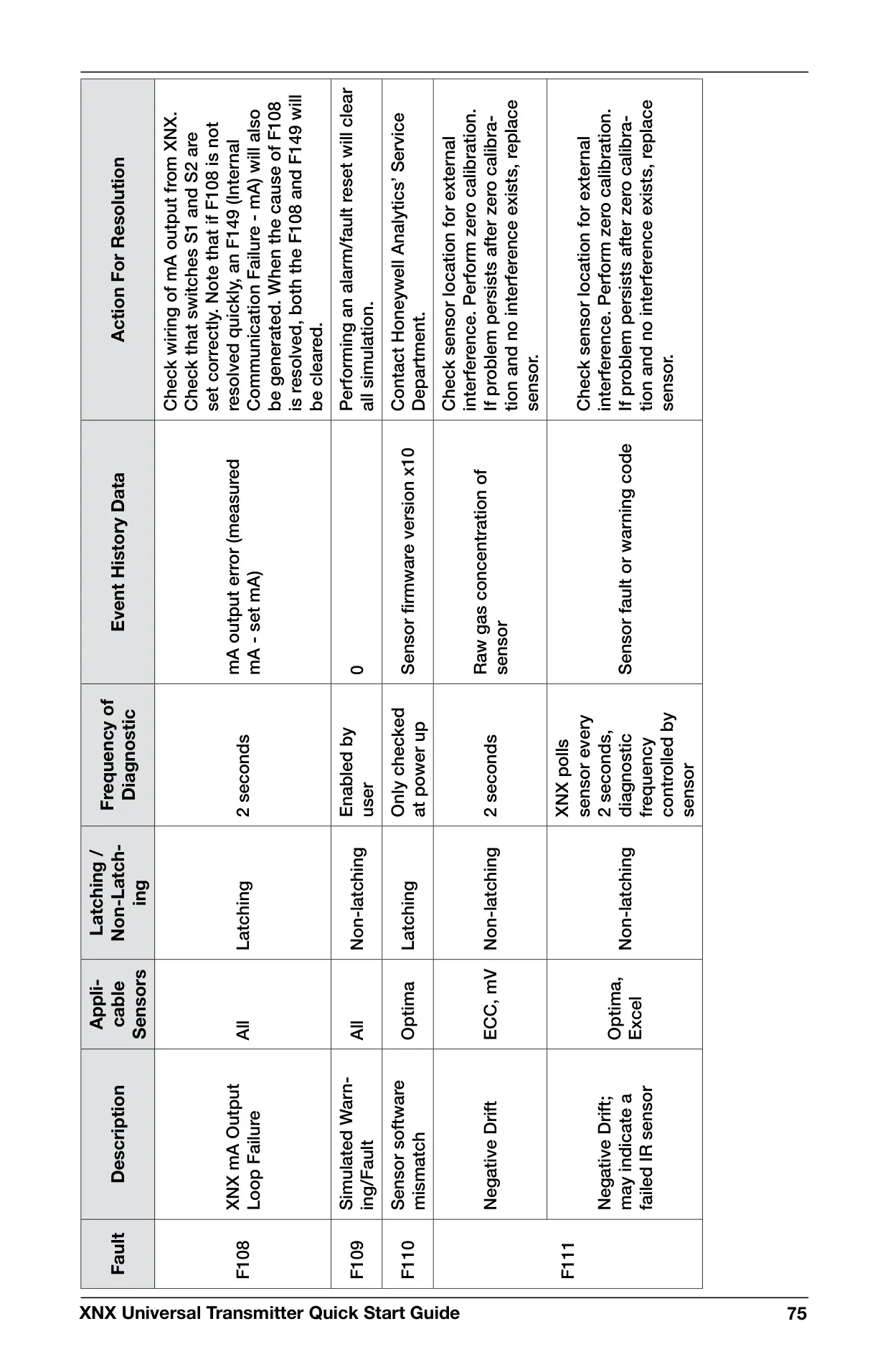
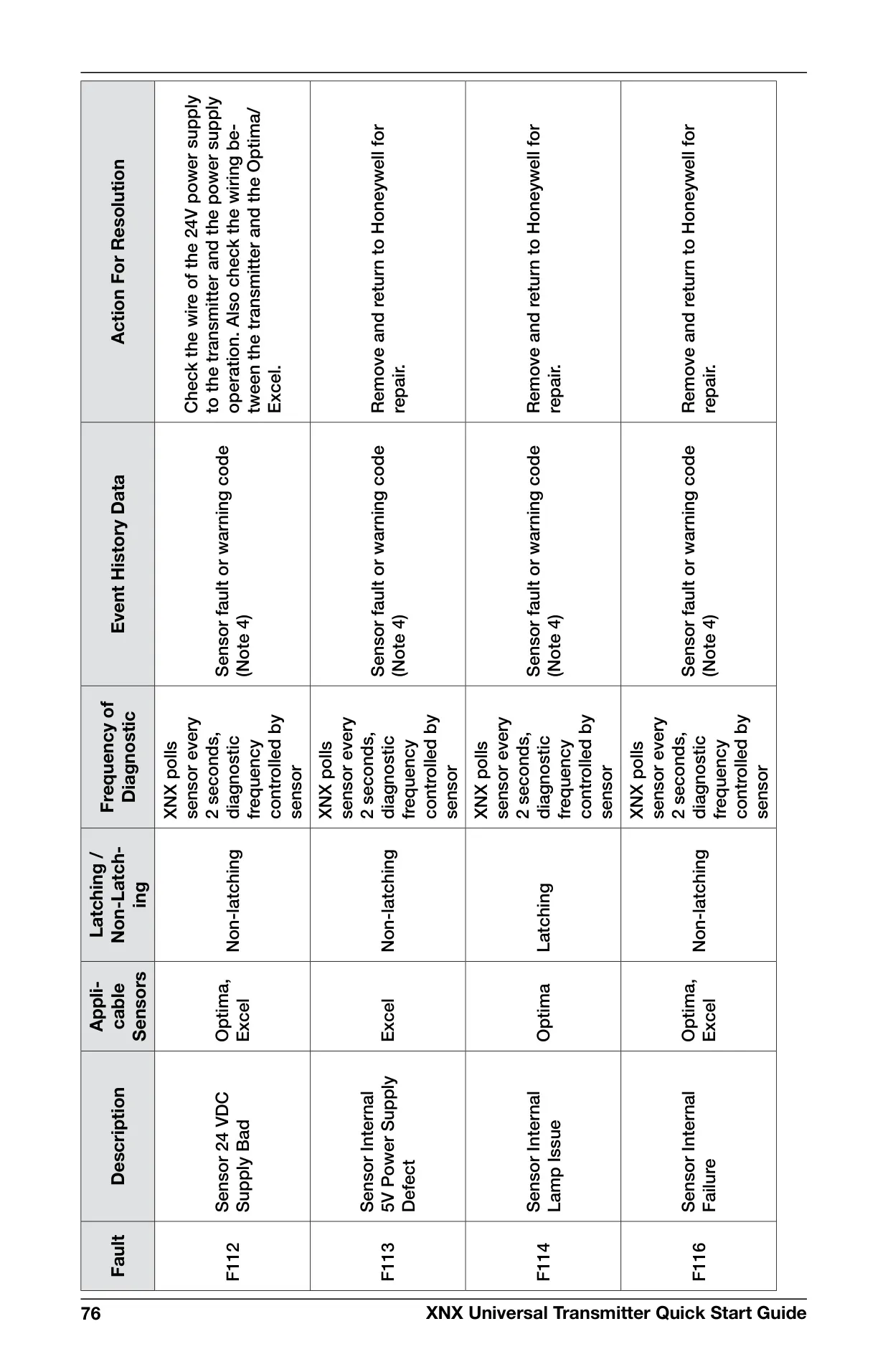
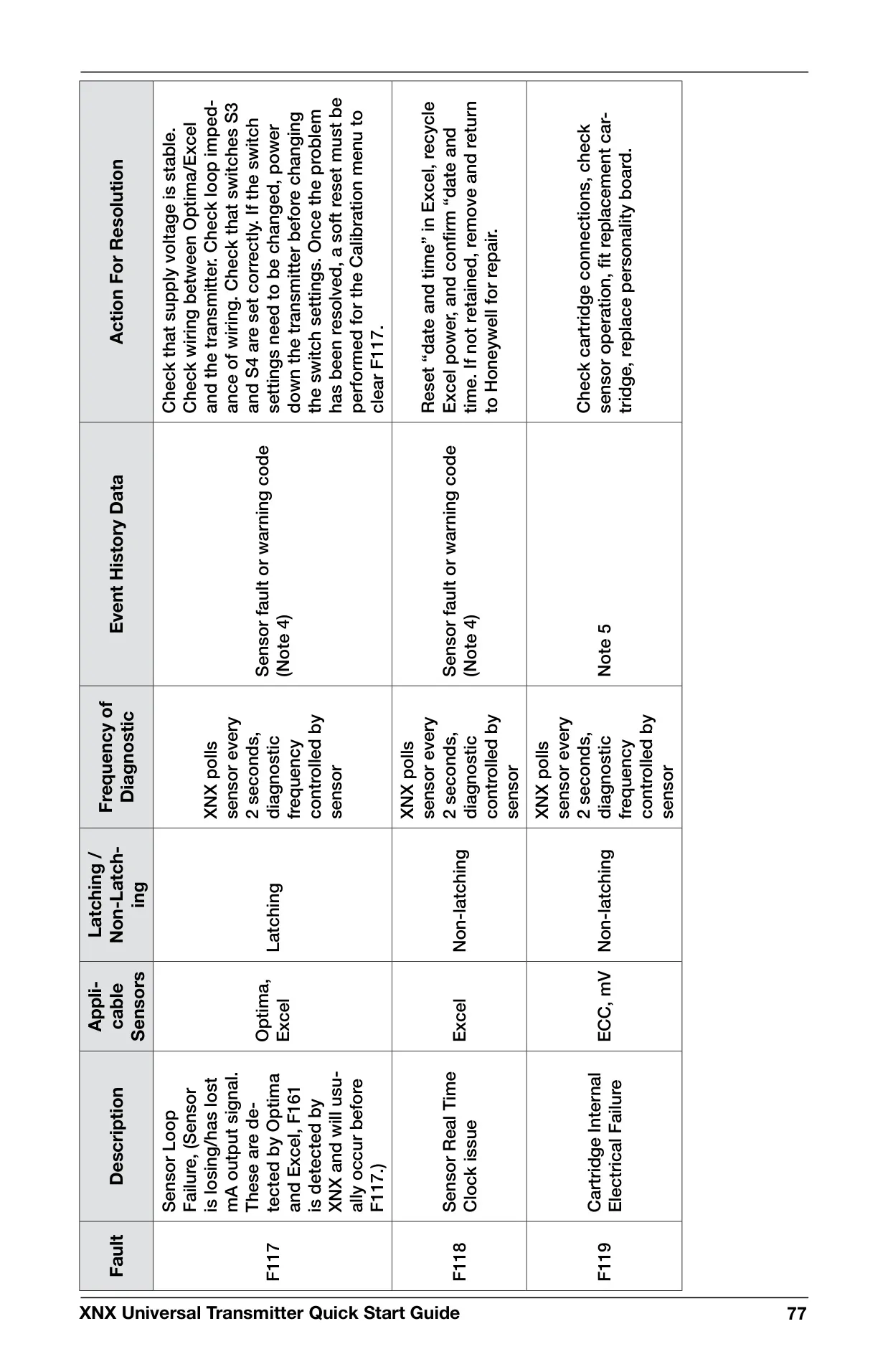
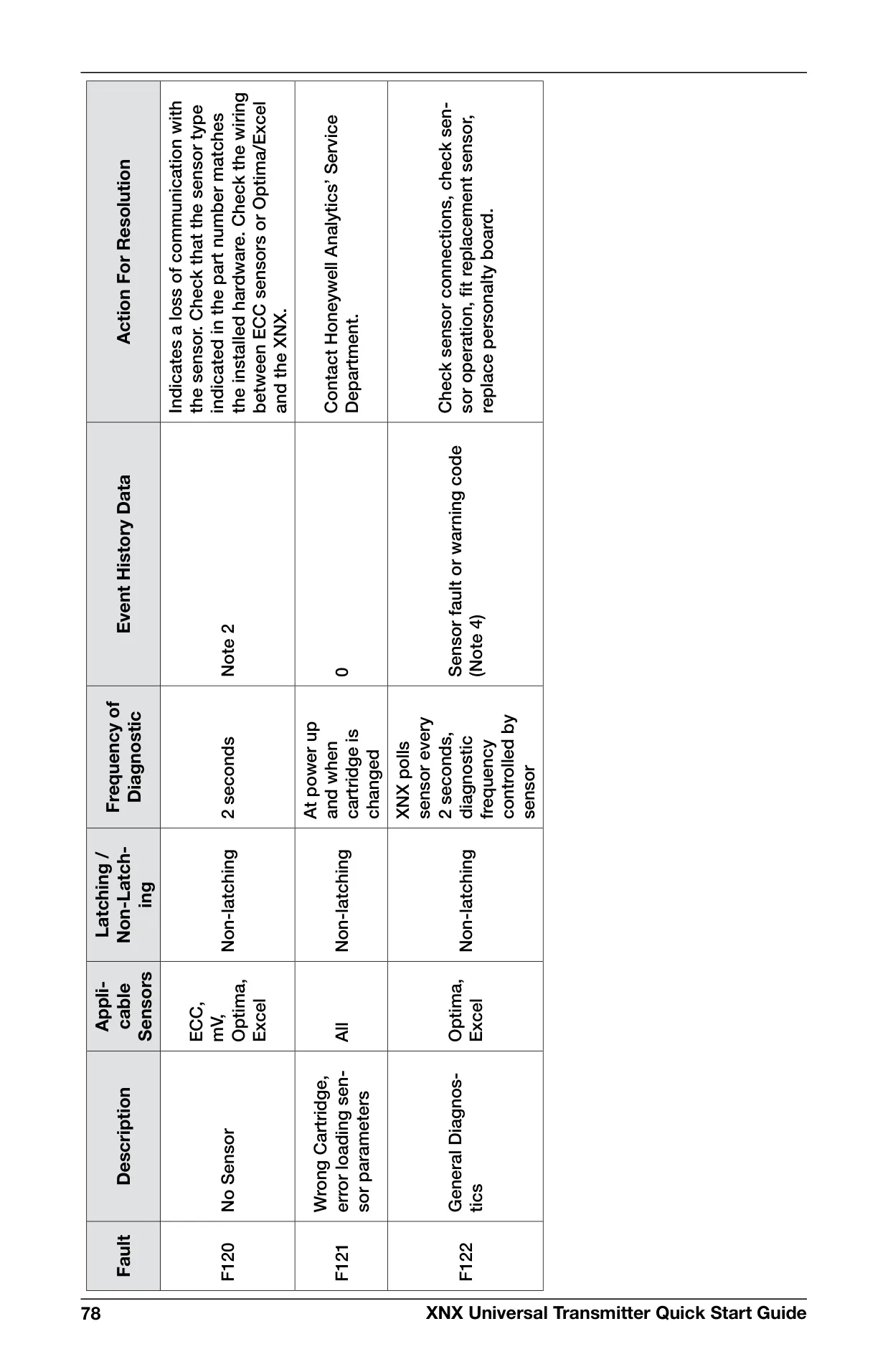
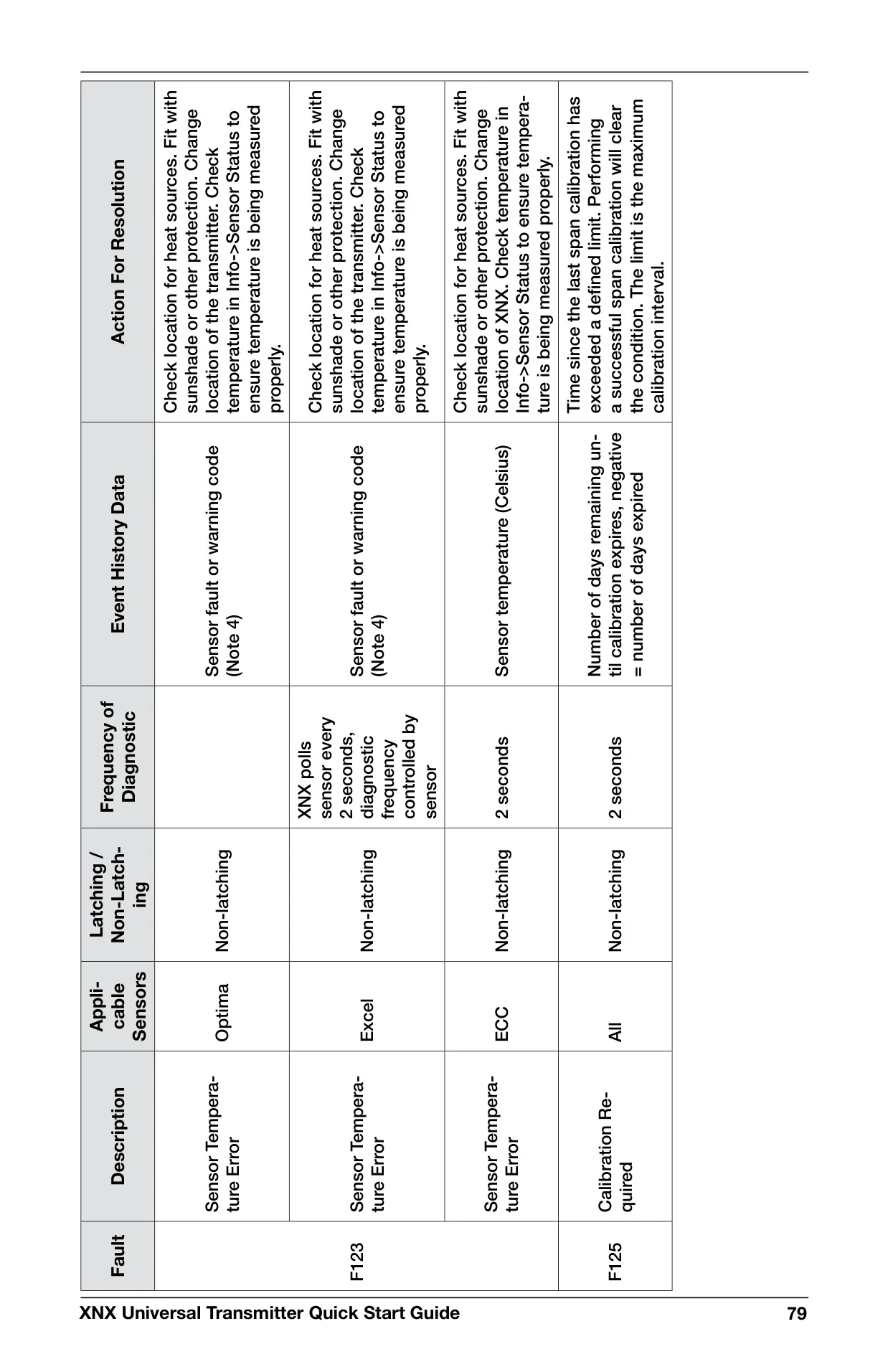
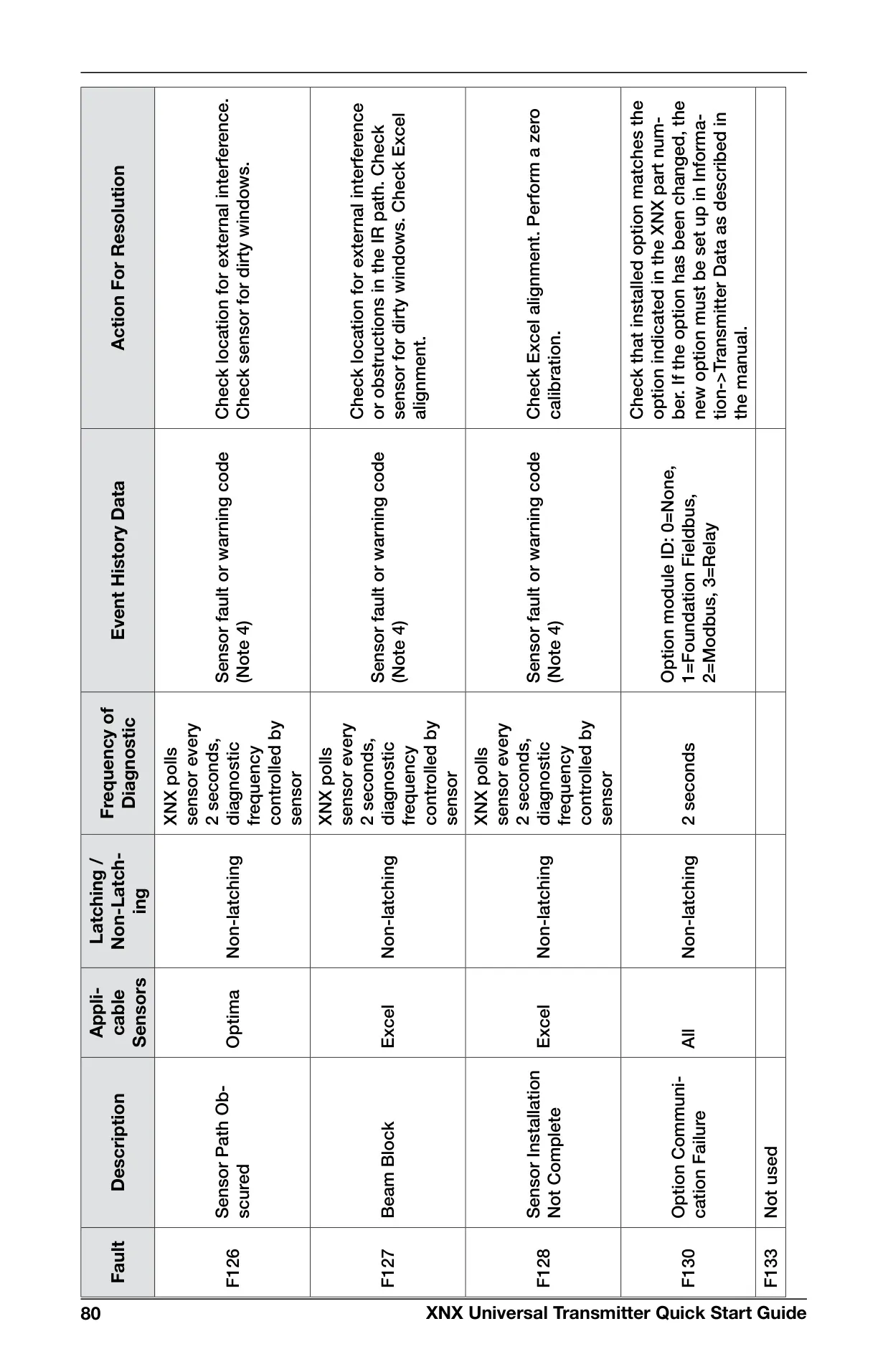
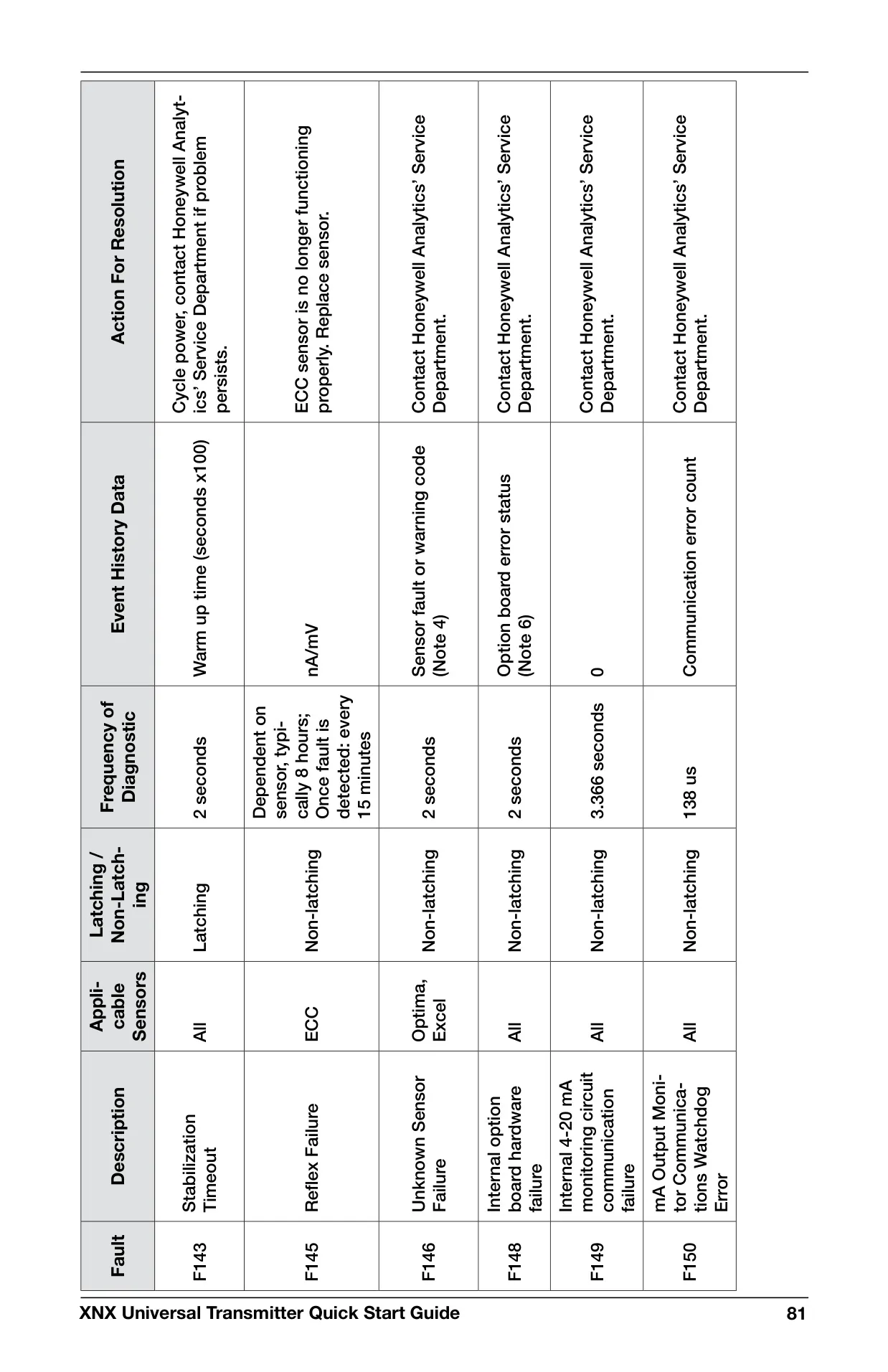
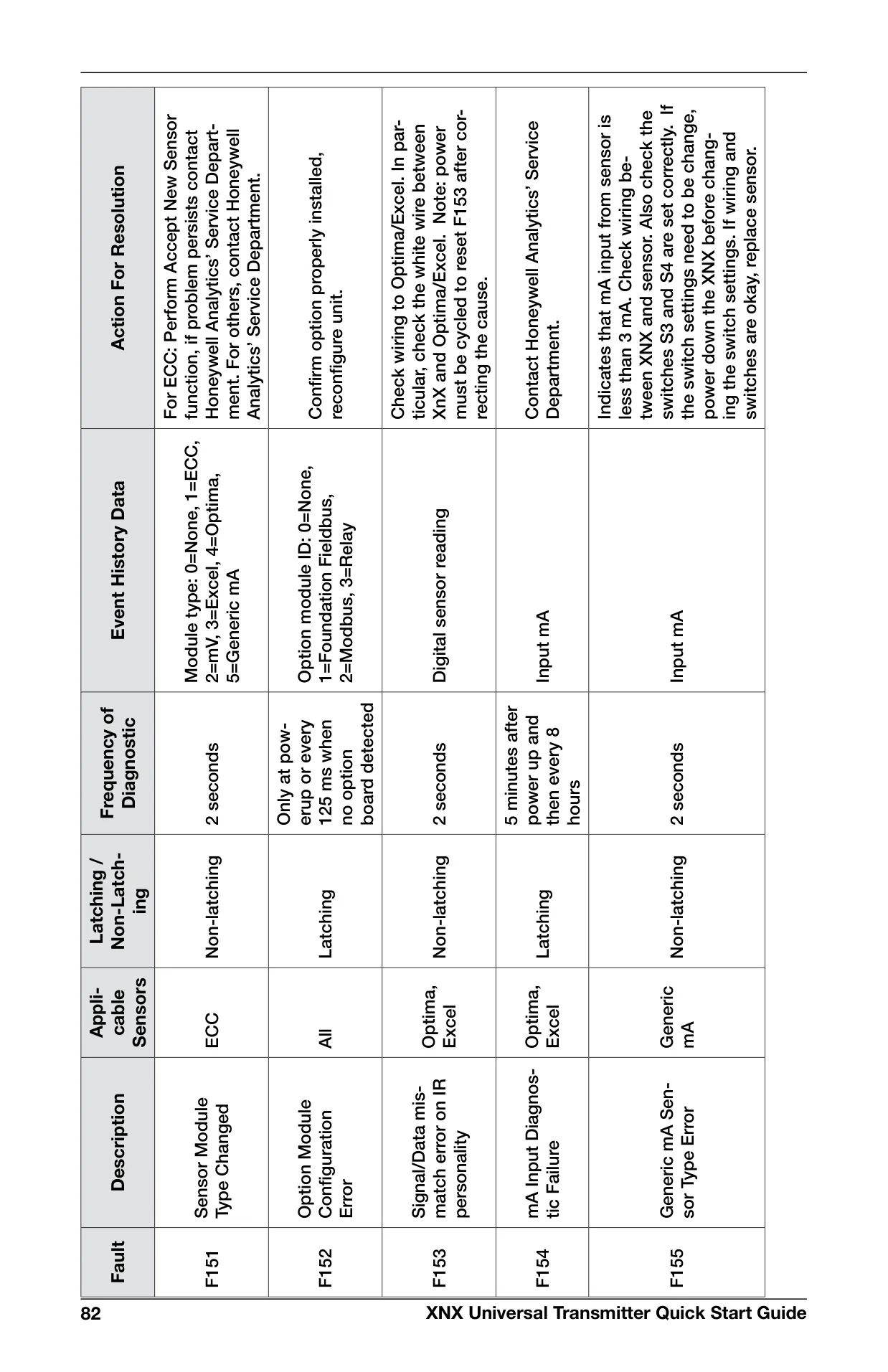
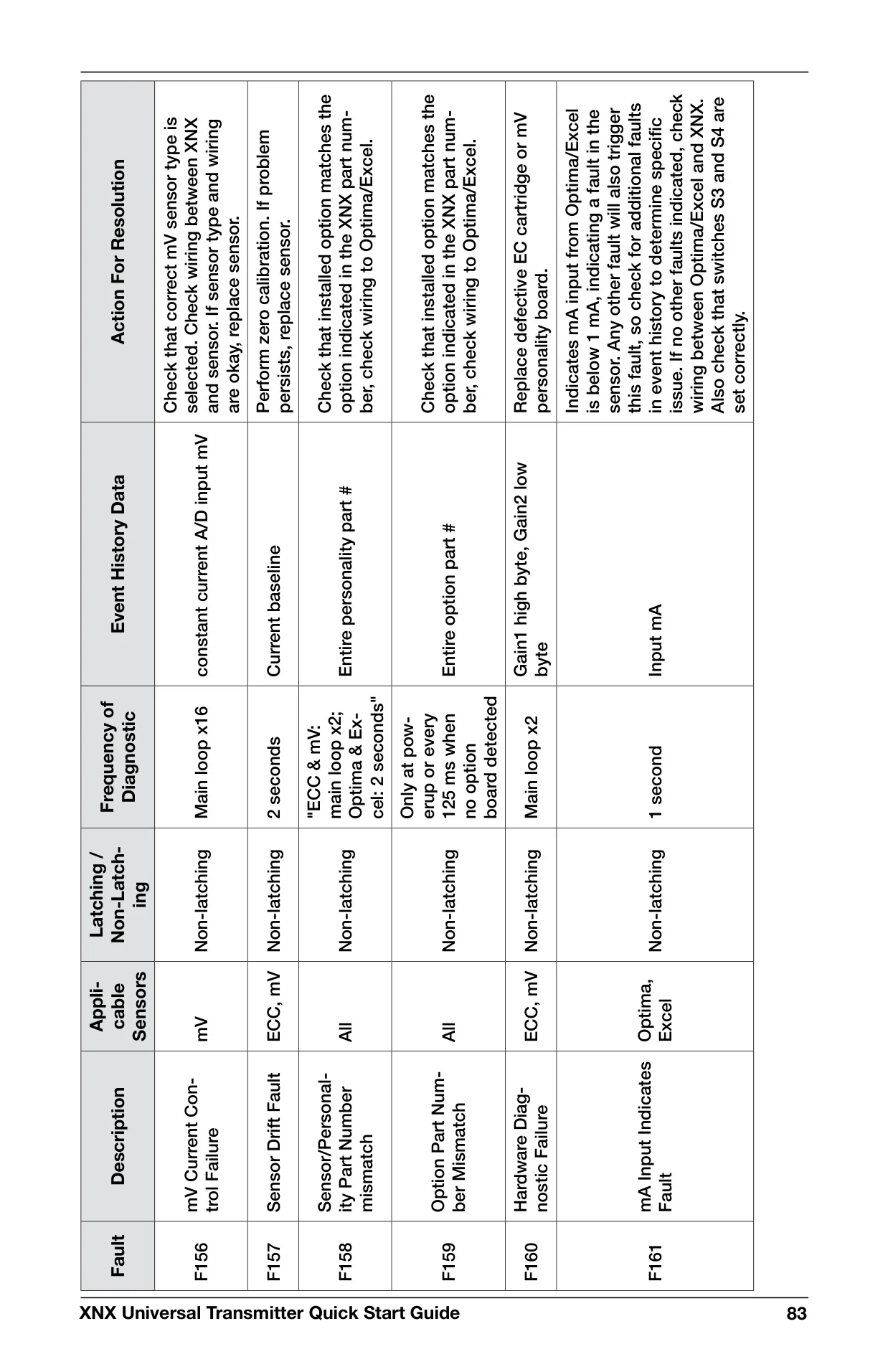
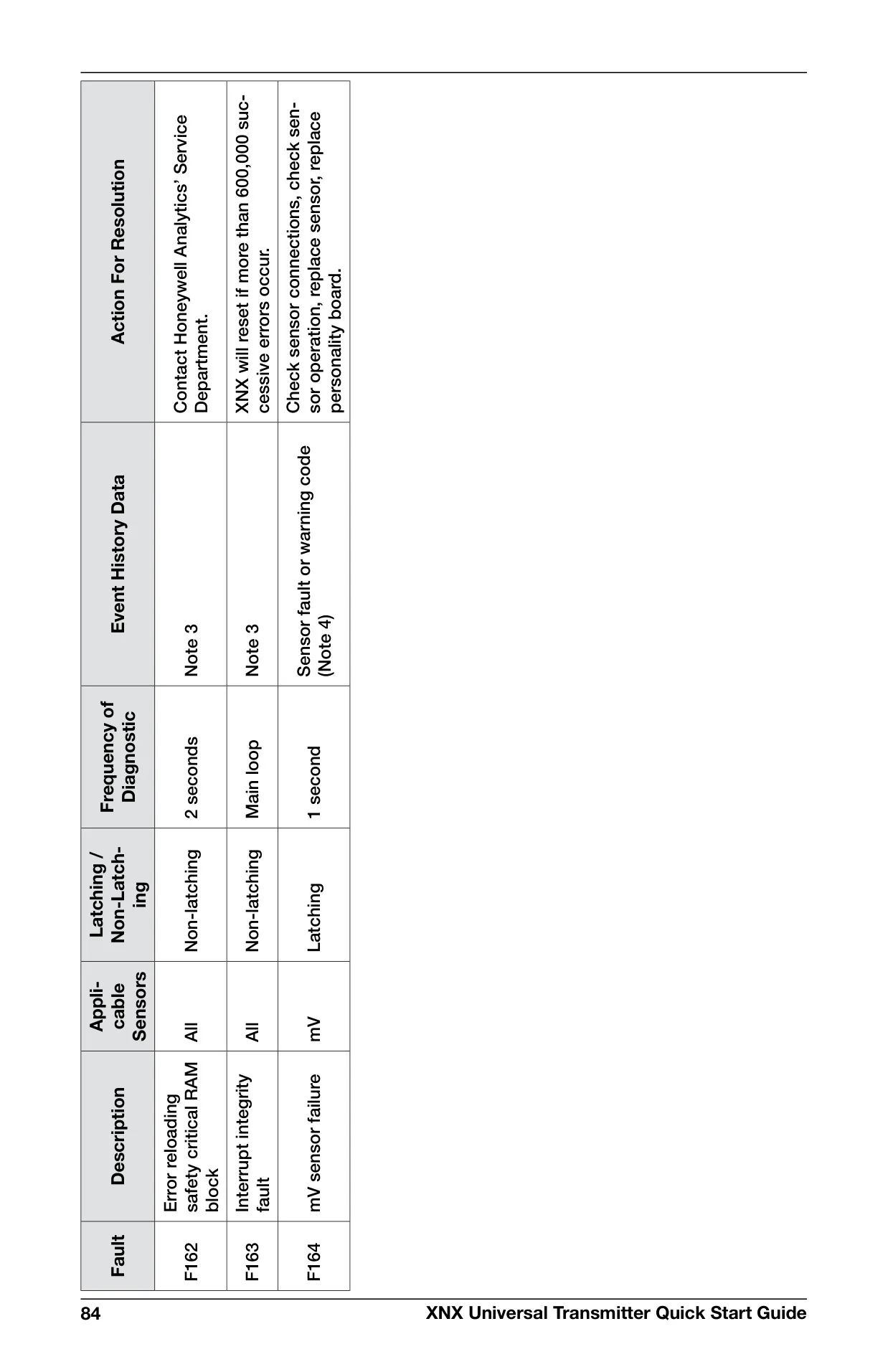
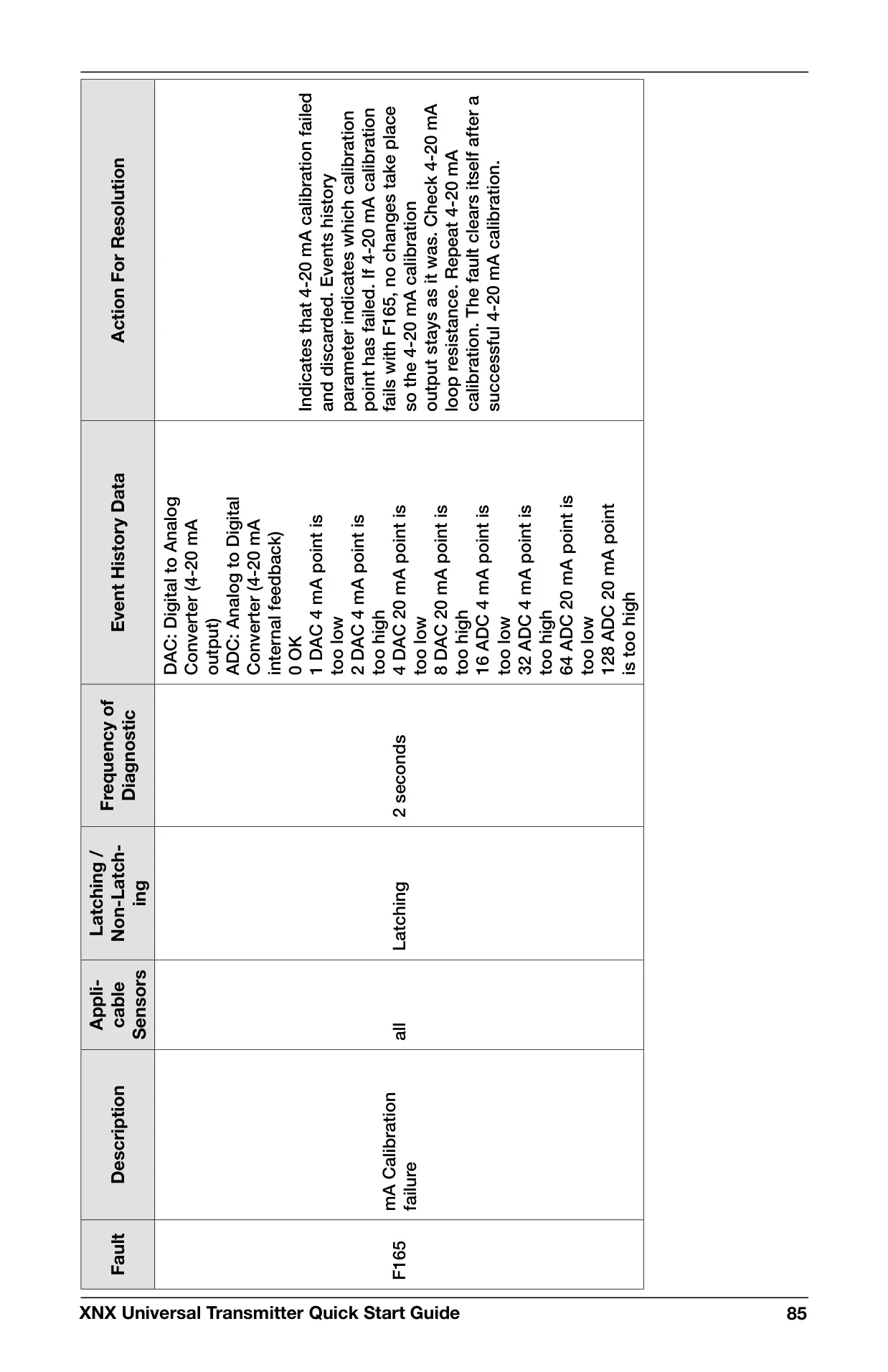
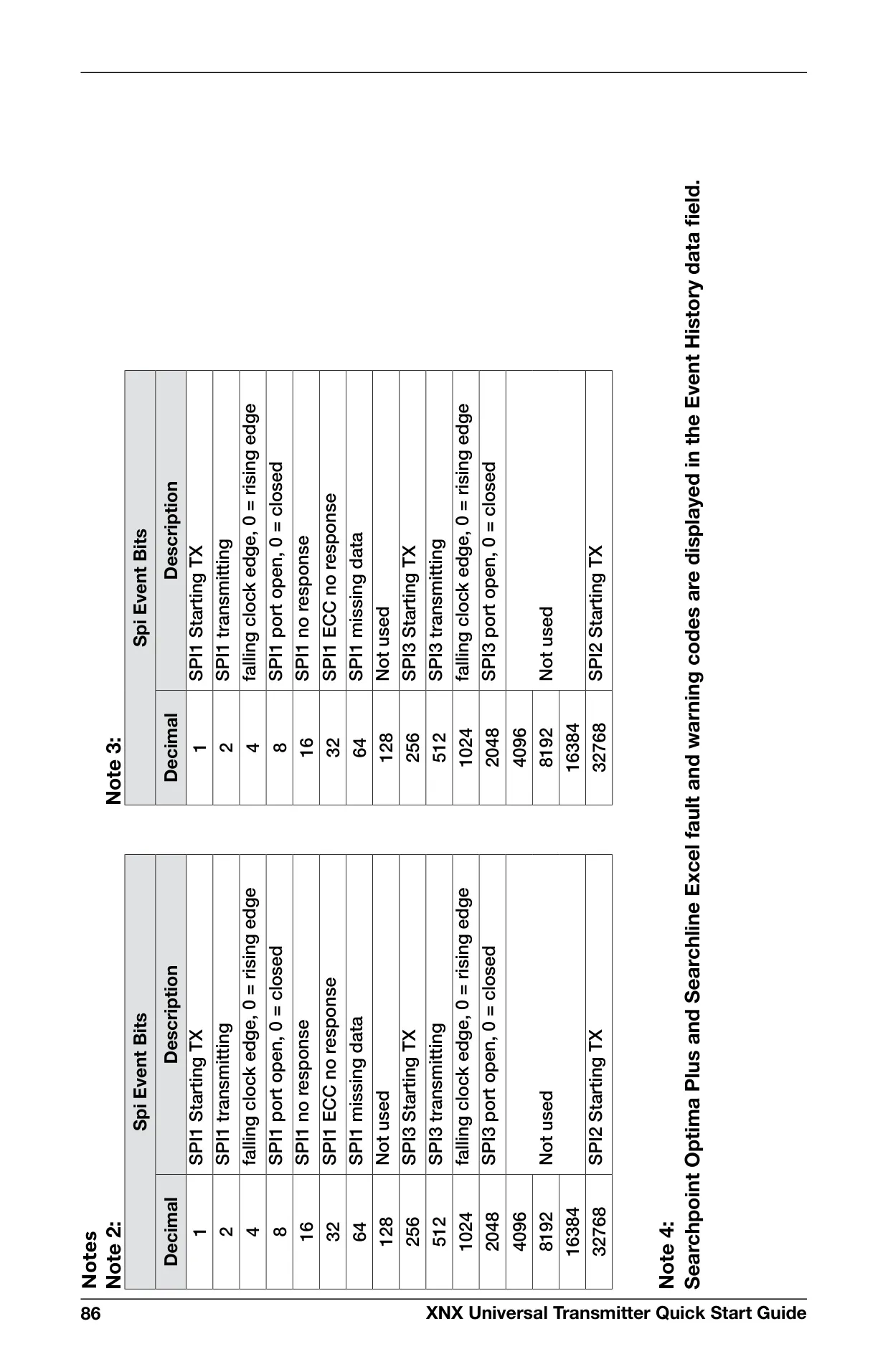
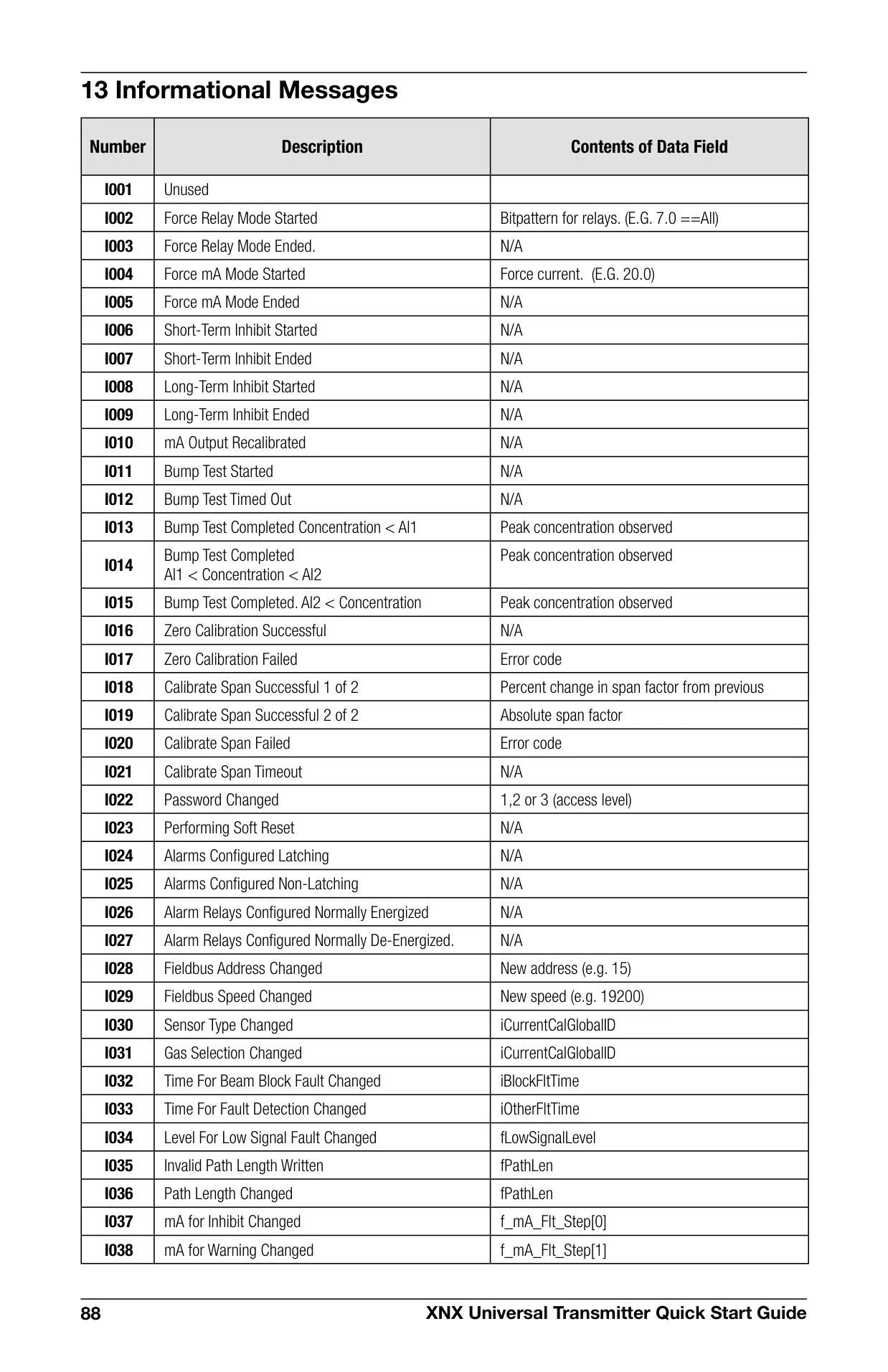
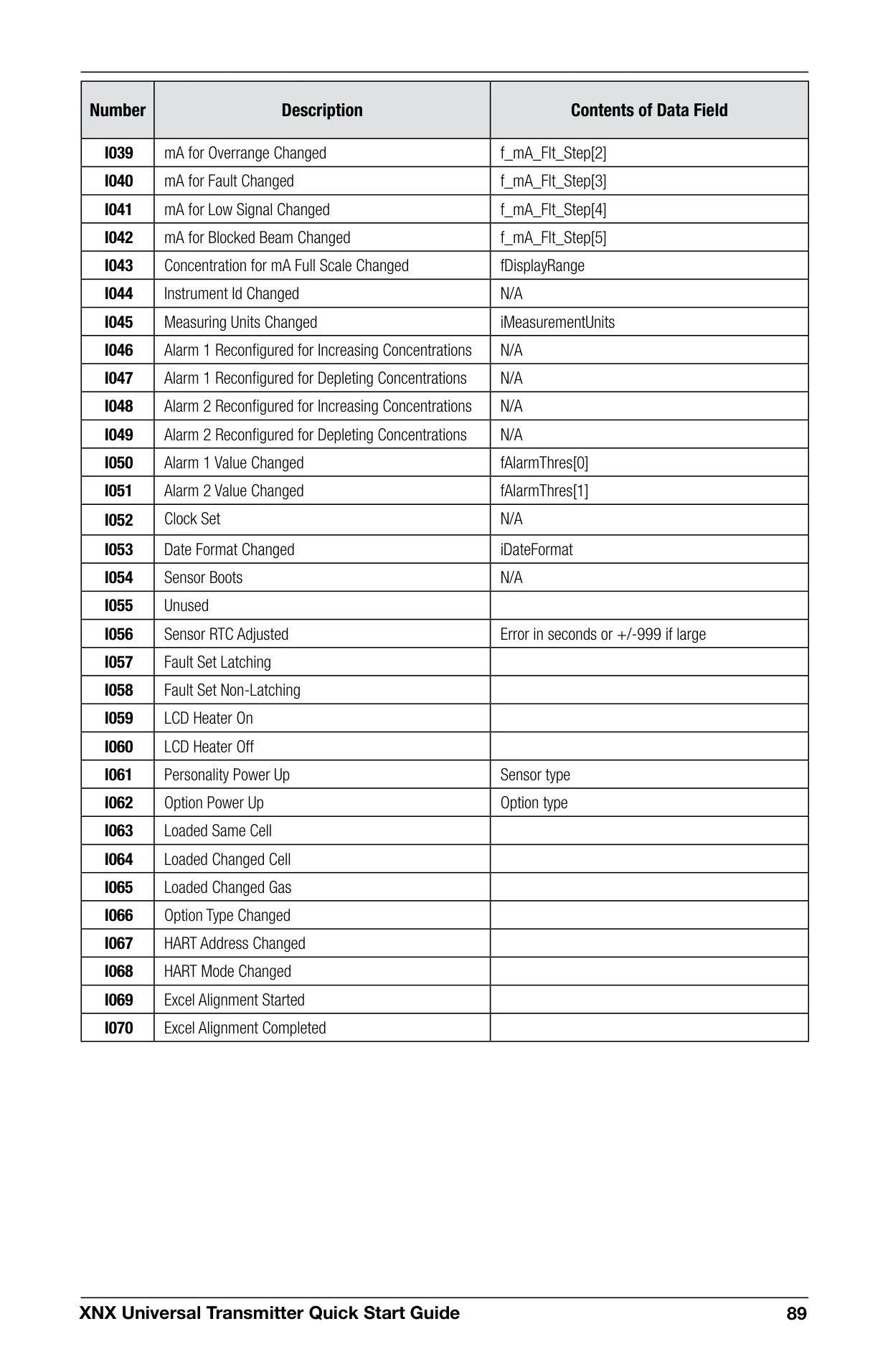
Maintenance guidelines cover sensor and cell replacement, including warnings for handling corrosive solutions and proper disposal. The extensive list of warning and fault messages (Wxxx and Fxxx) provides clear diagnostic information and recommended resolutions, aiding in efficient troubleshooting and ensuring the continuous safe operation of the XNX Universal Transmitter.
Frequently Asked Questions (FAQs)
Can't find the answer you need? Here are some frequently asked questions about the Honeywell XNX Universal Transmitter, and we answer them below.