Allen-Bradley Powerflex 525 VFD Instruction Manual
Allen-Bradley Powerflex 525 VFD
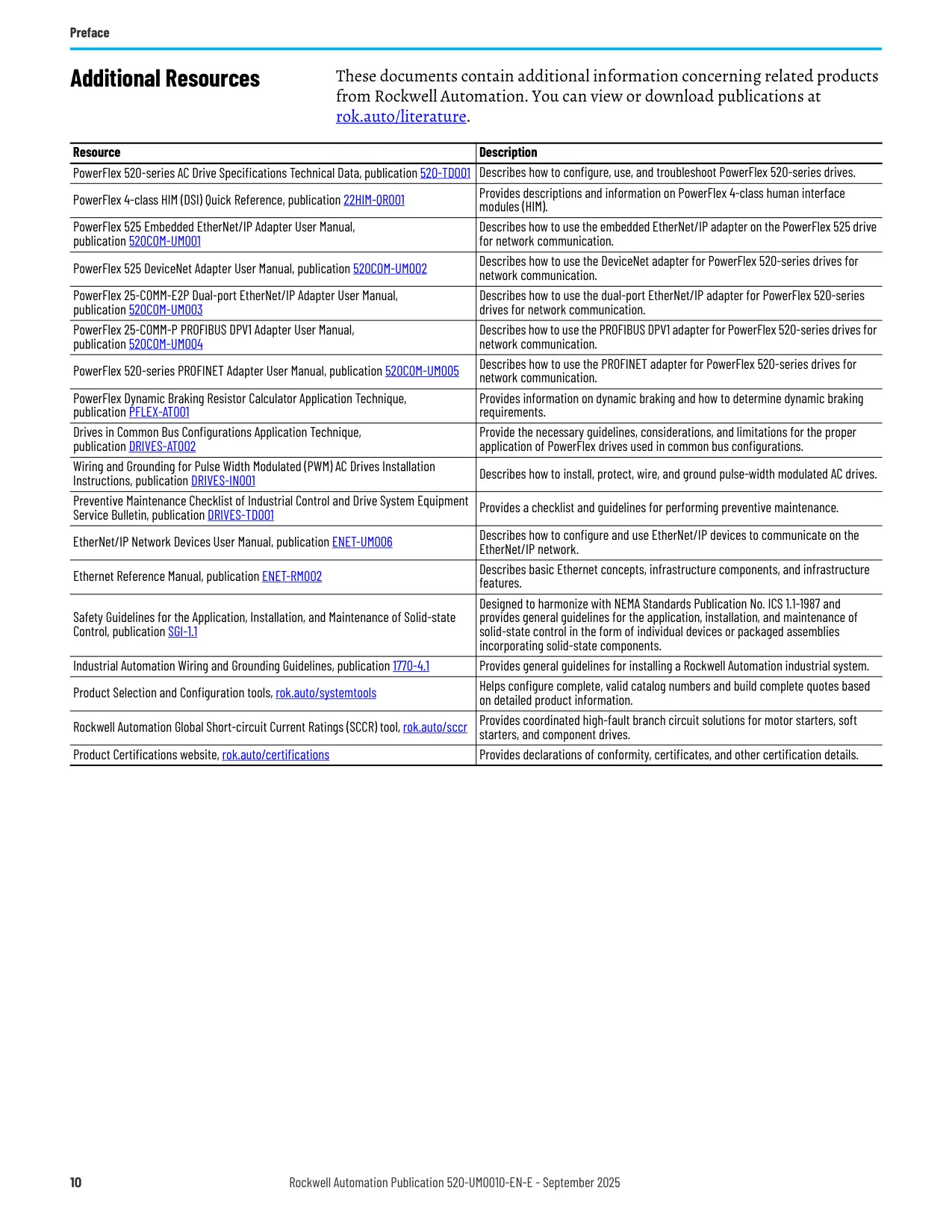
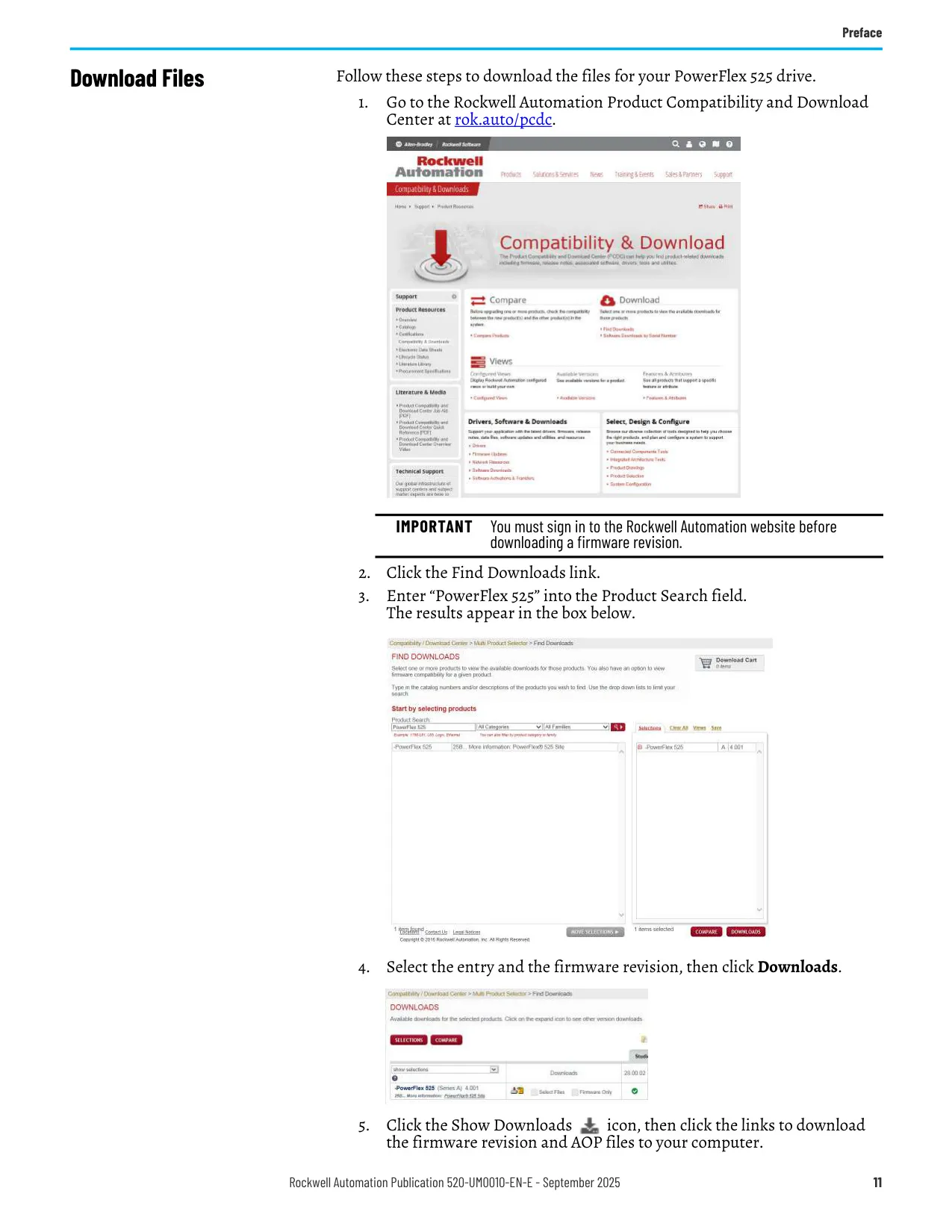
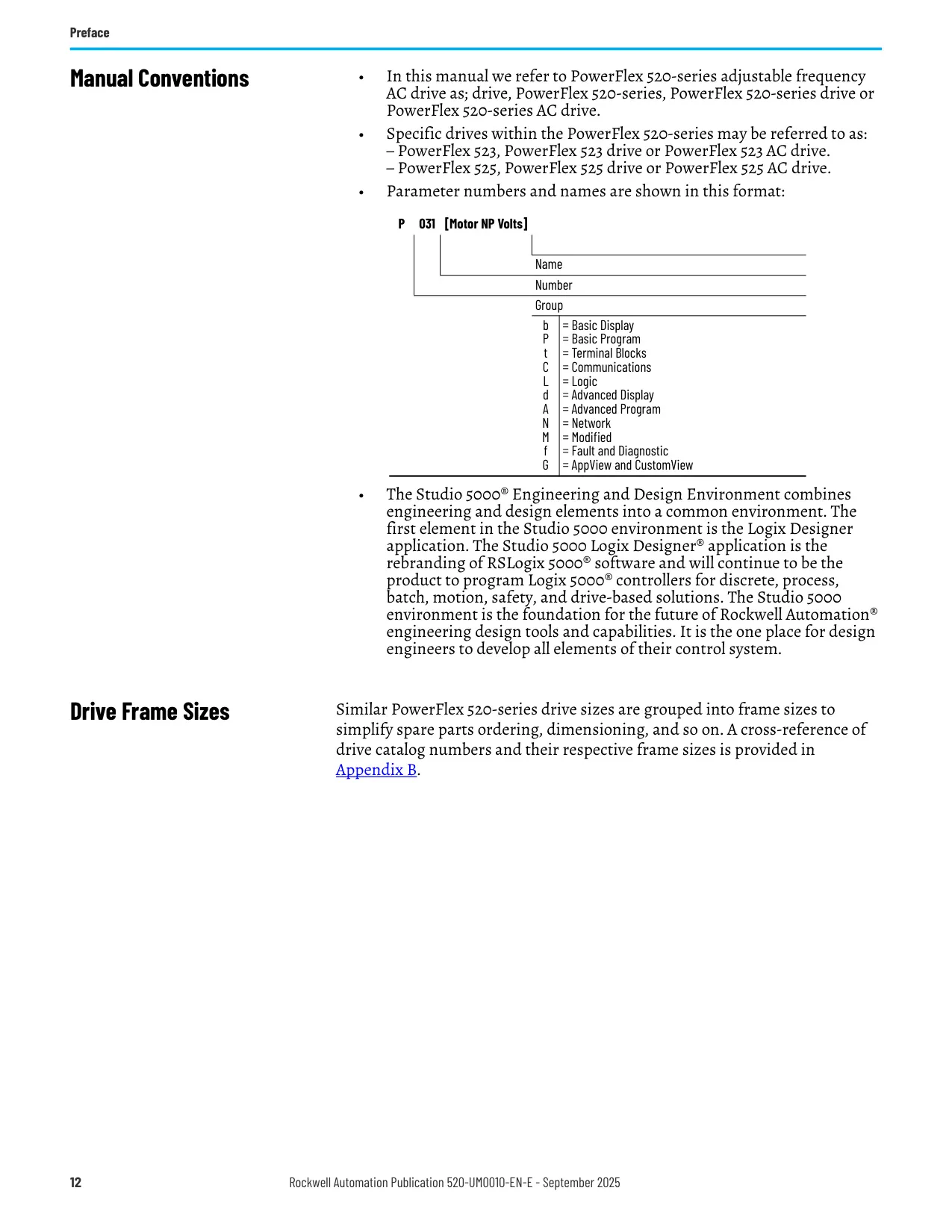
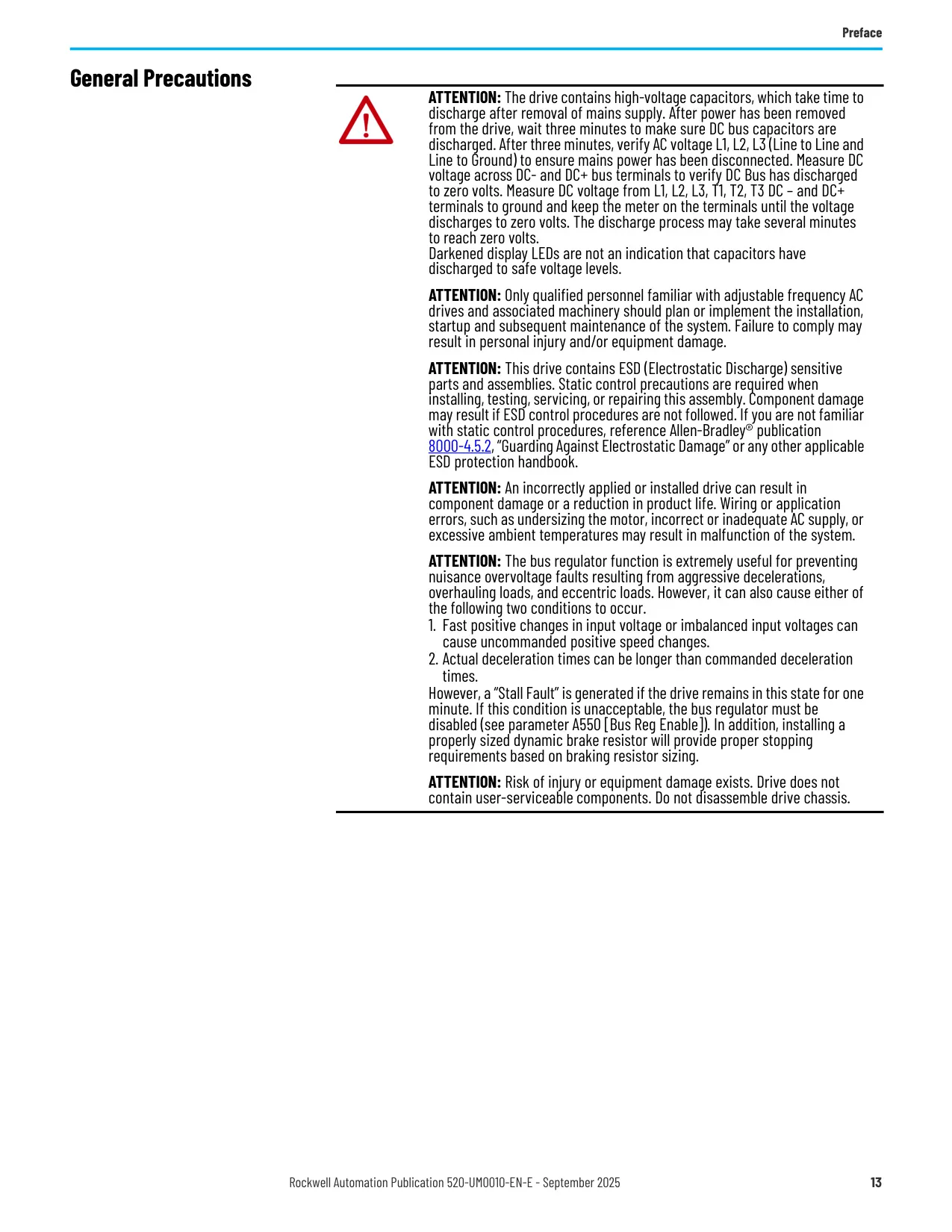
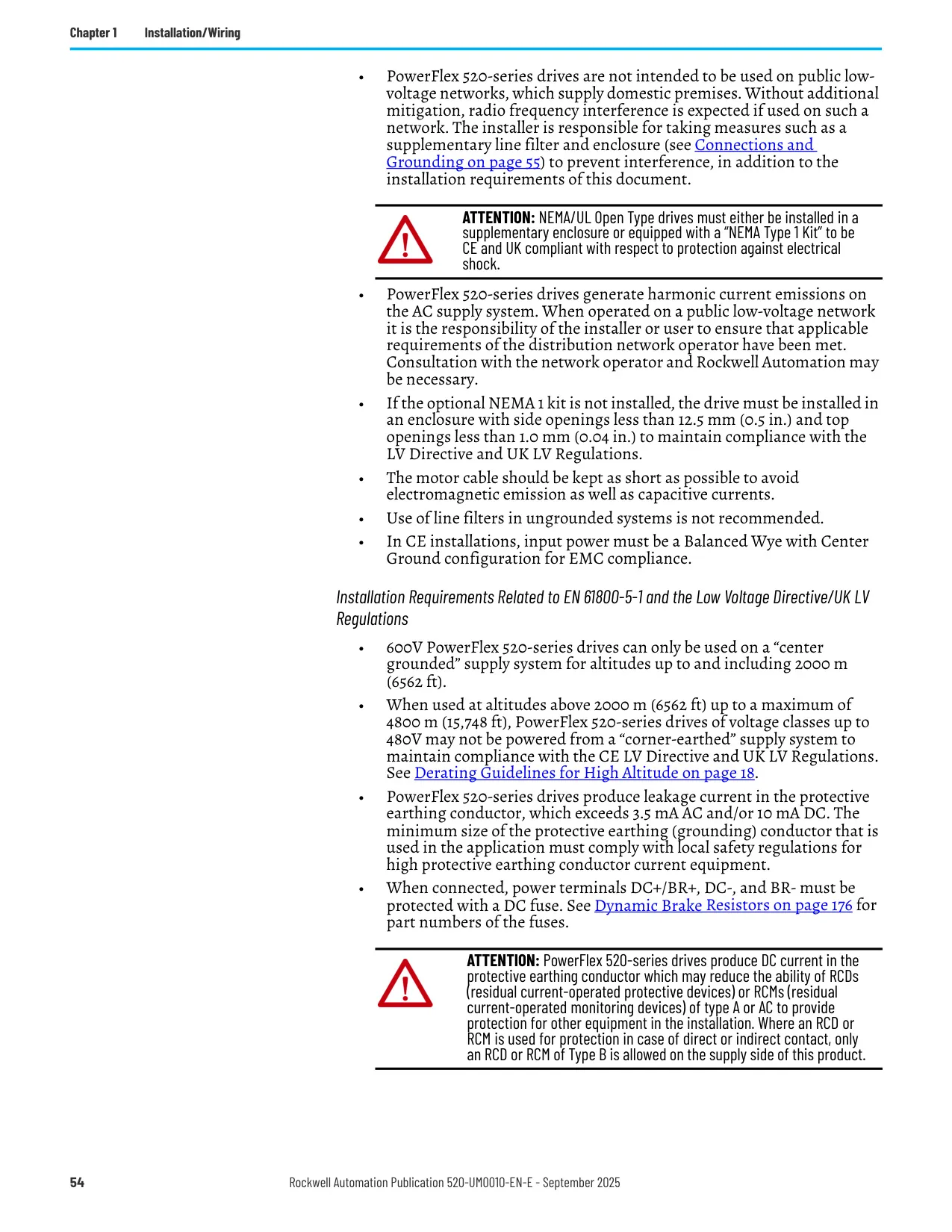
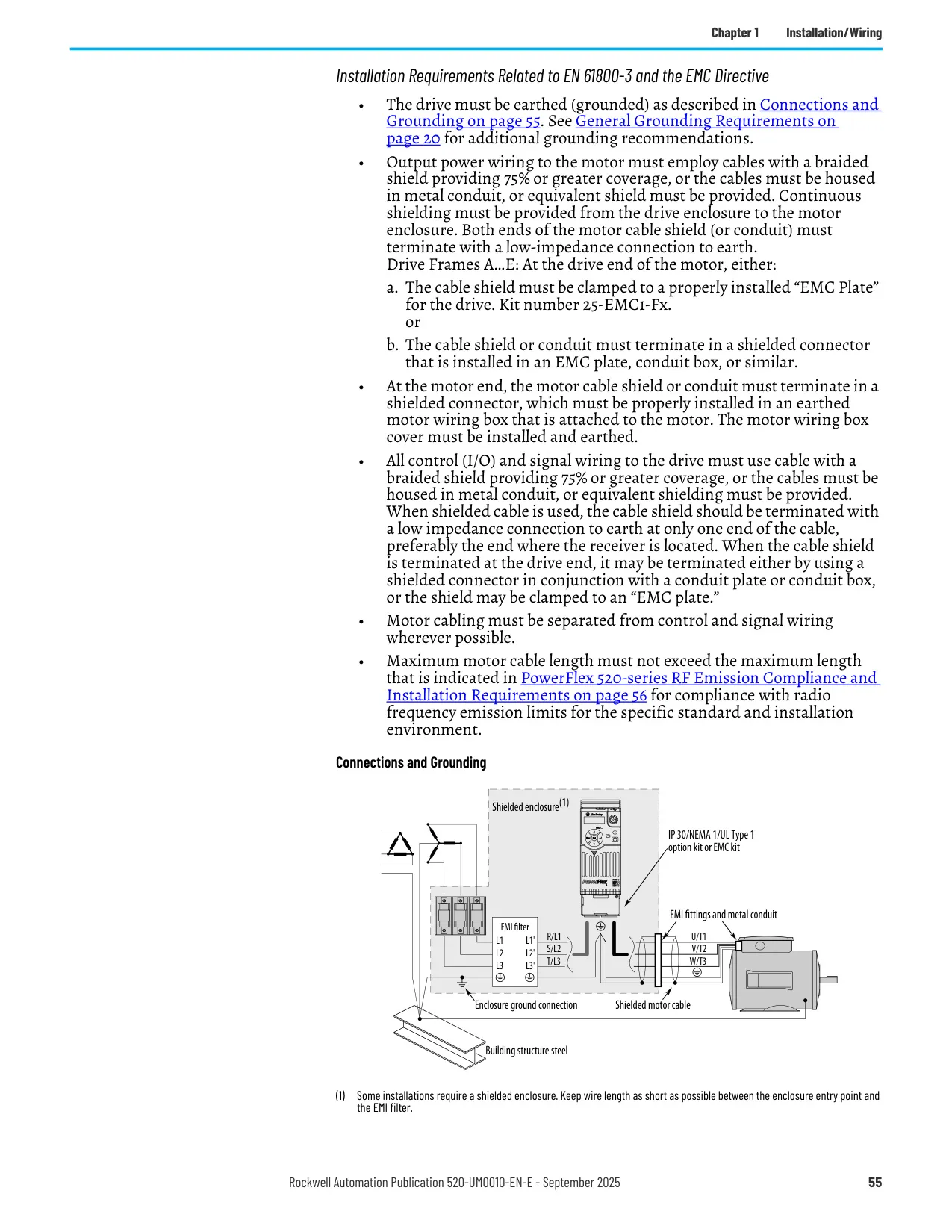
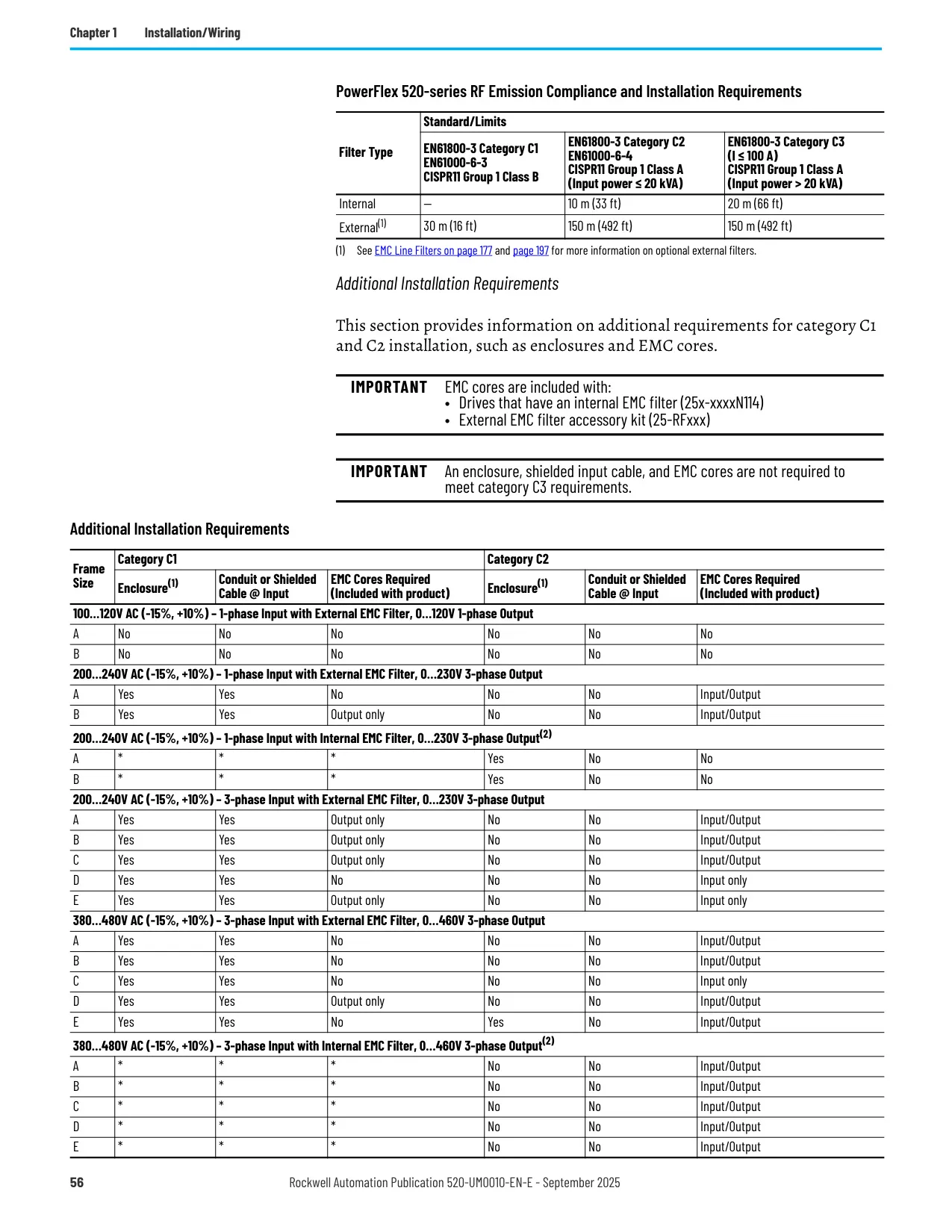
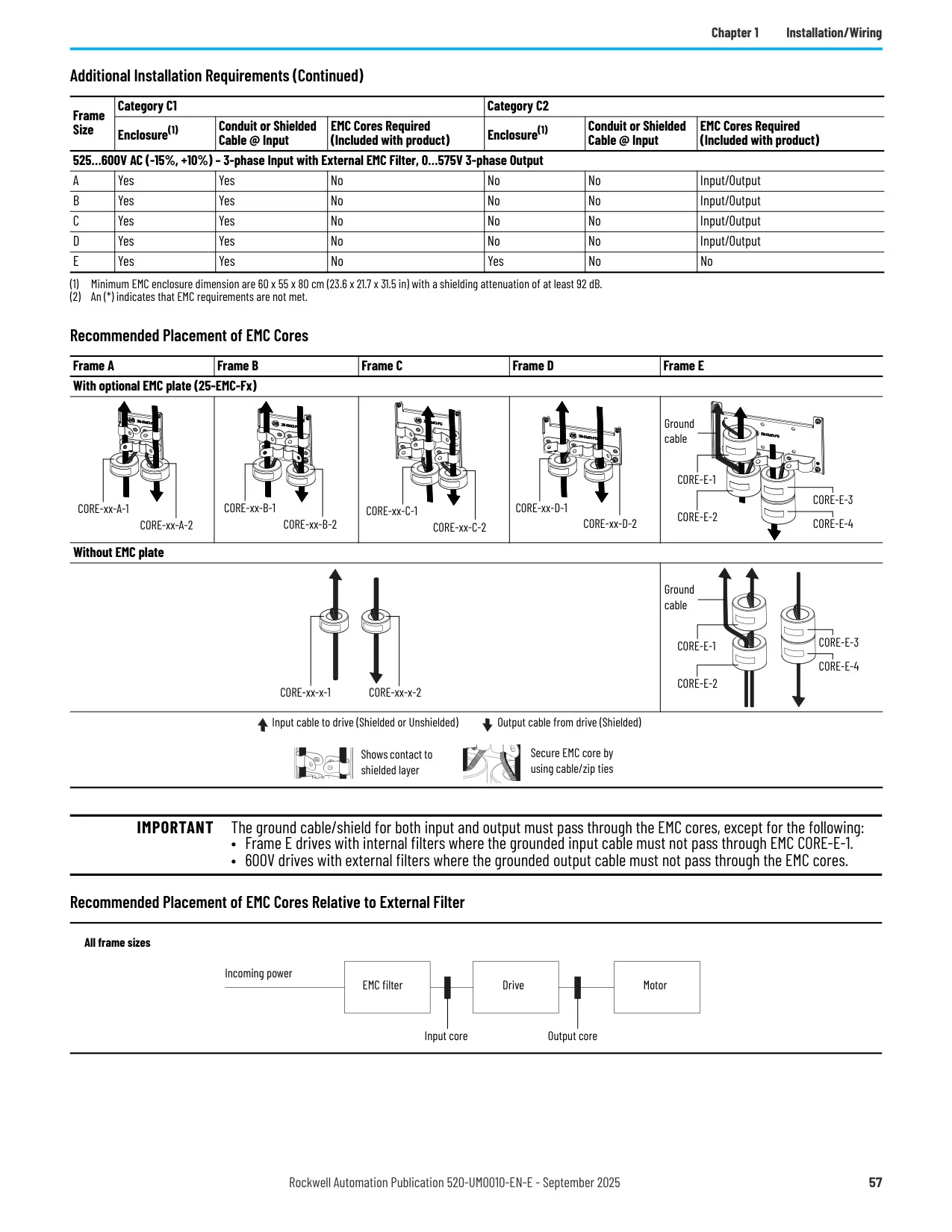
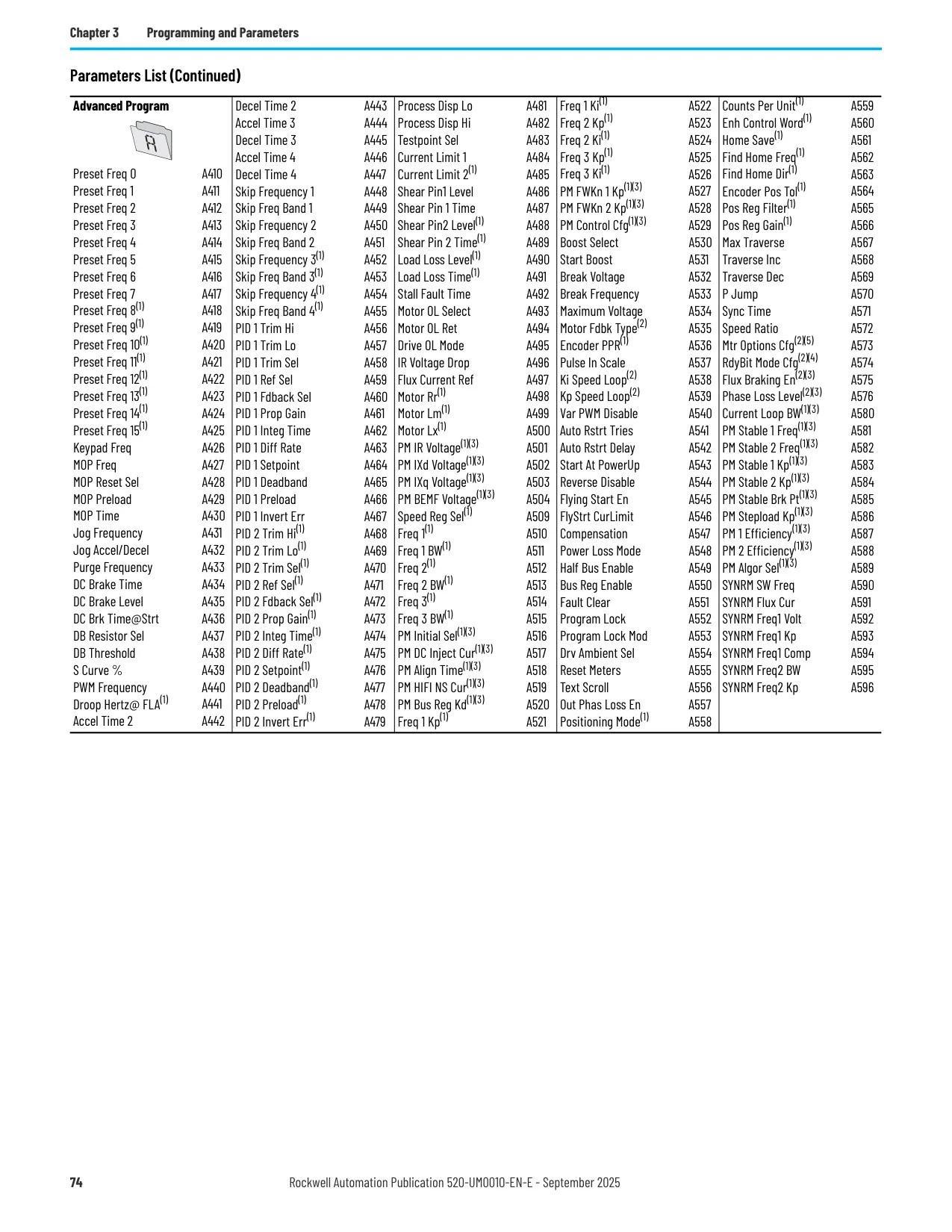
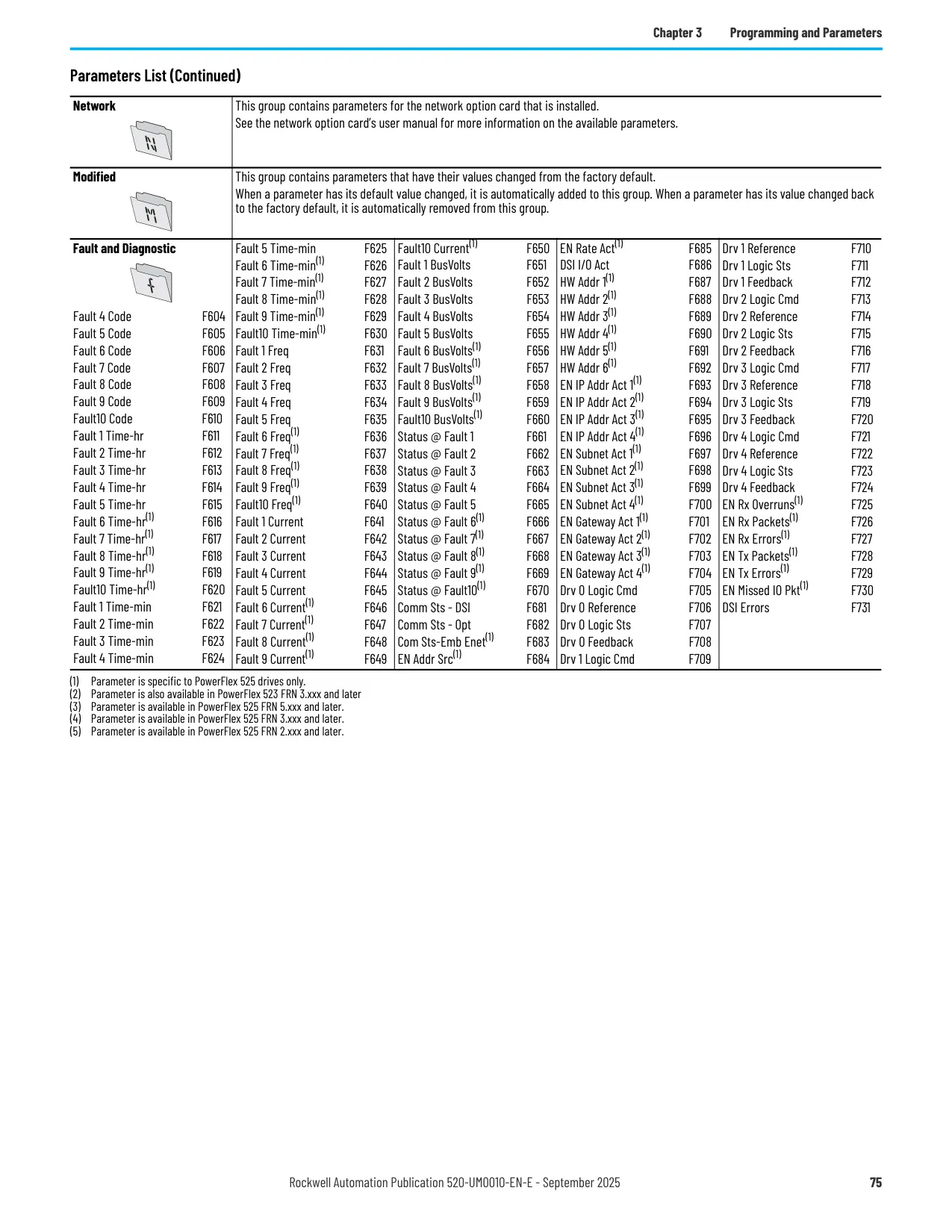
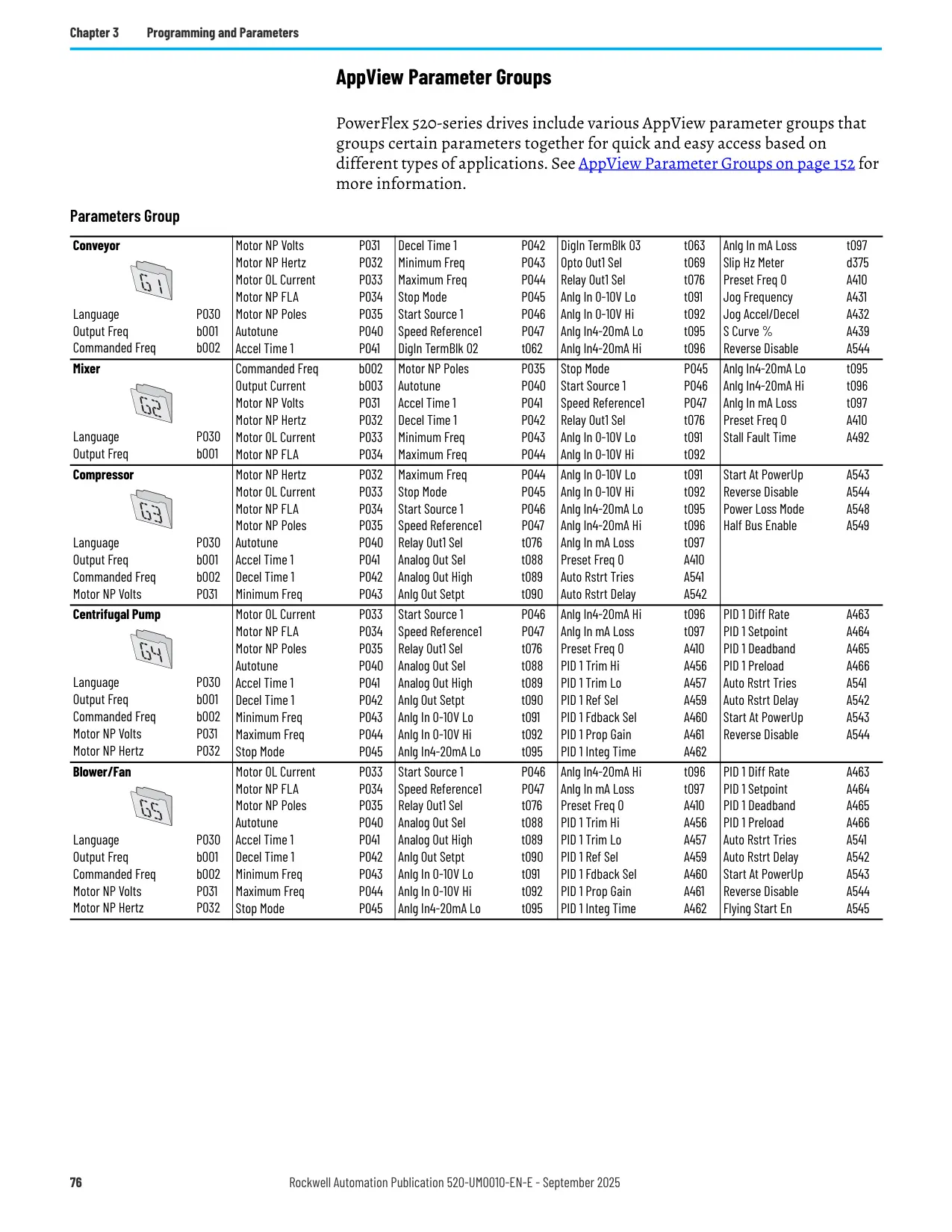
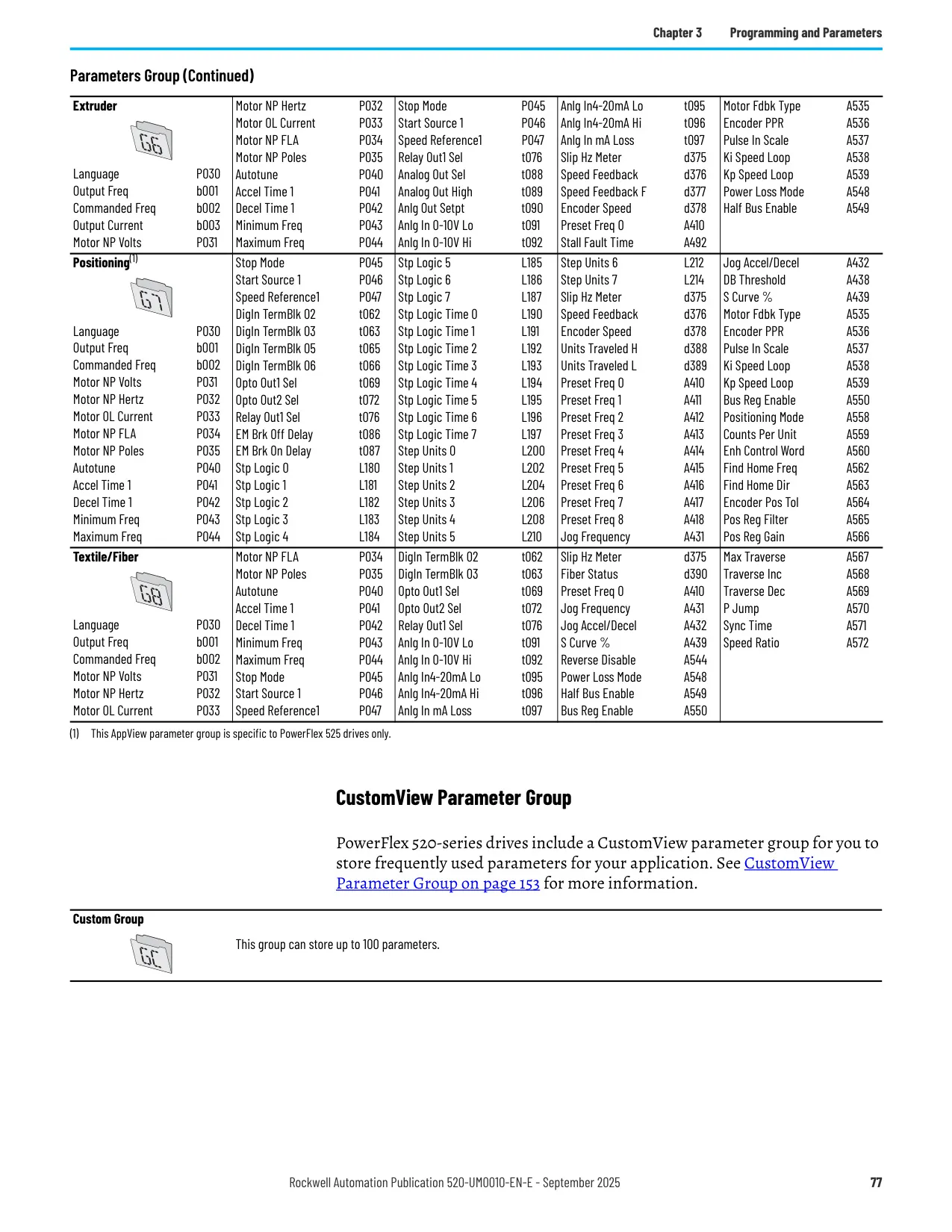
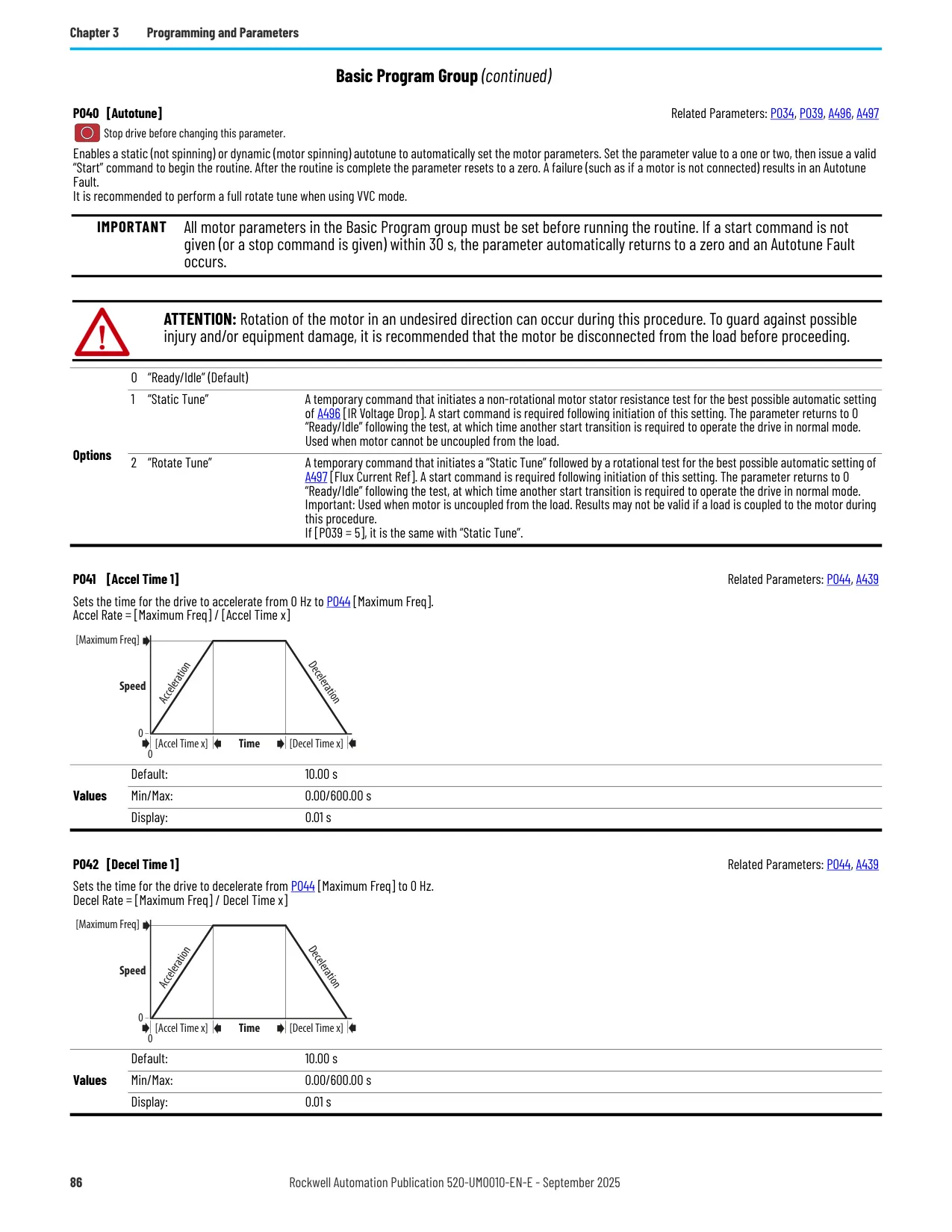
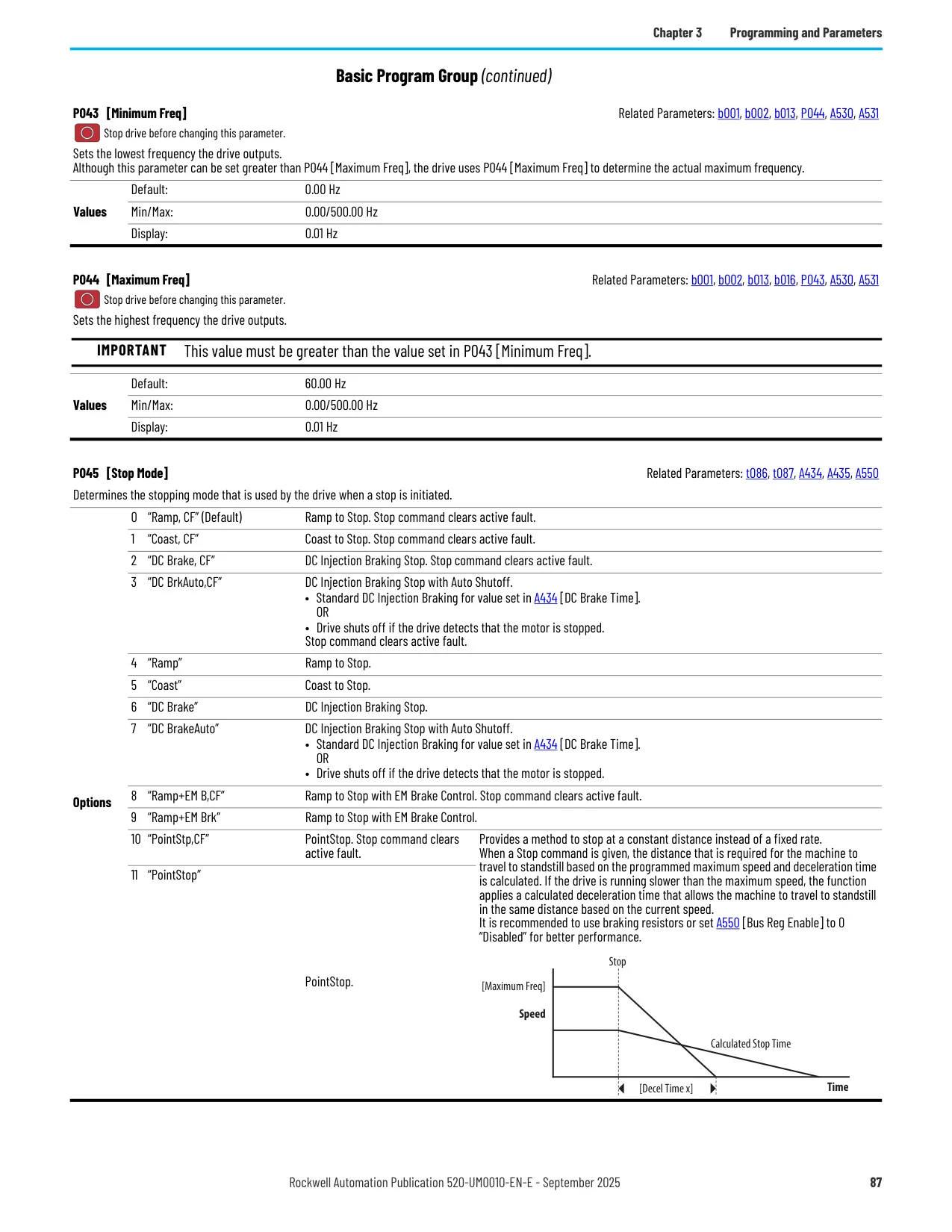
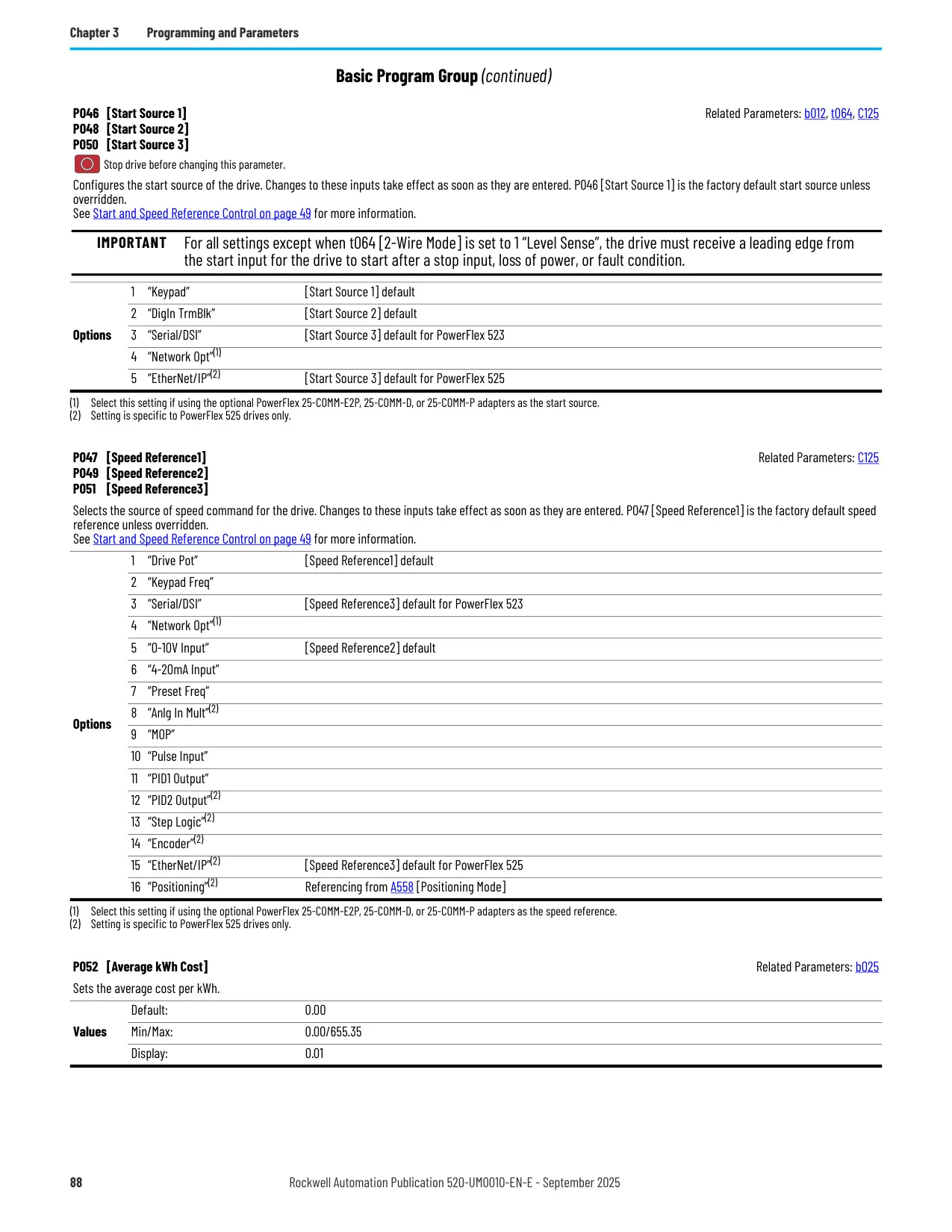
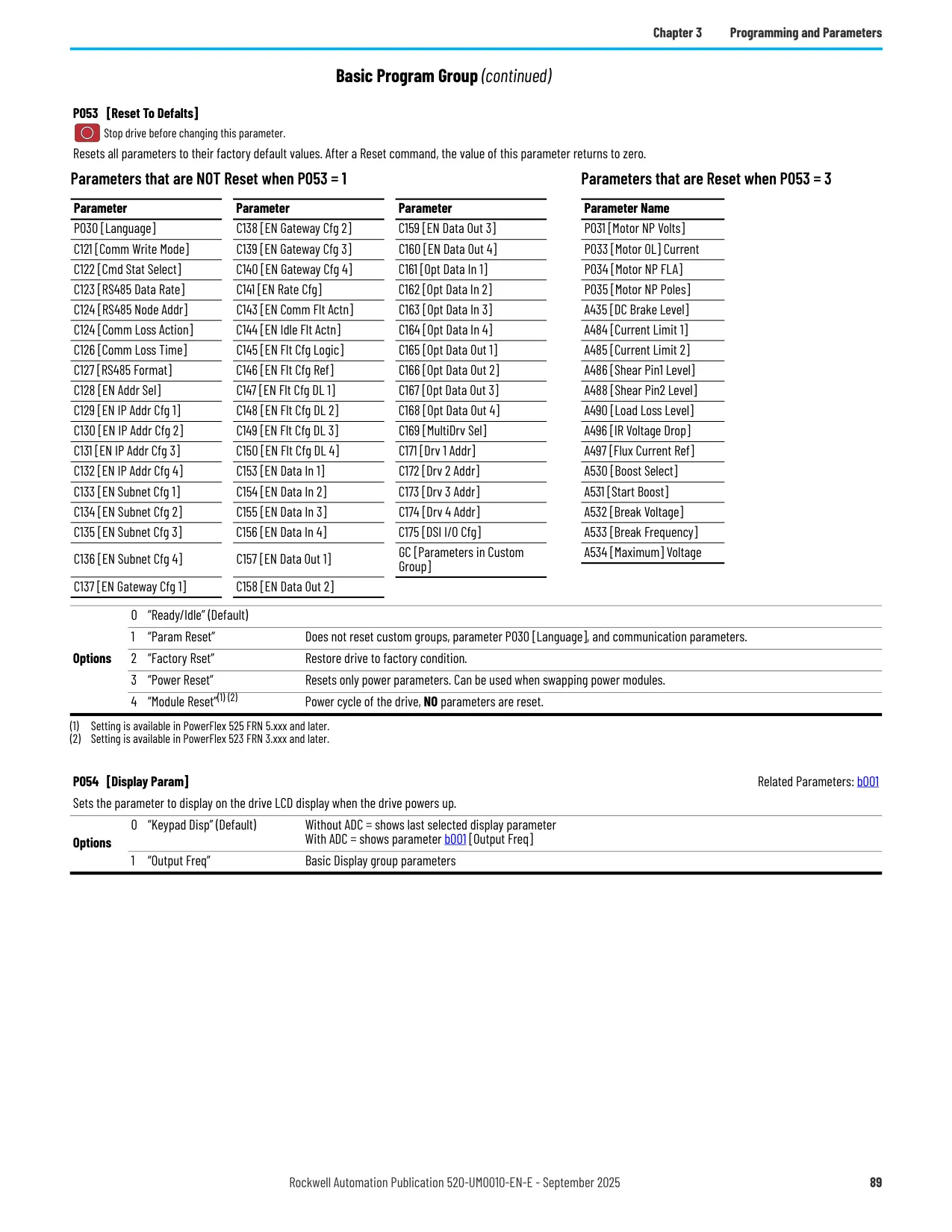
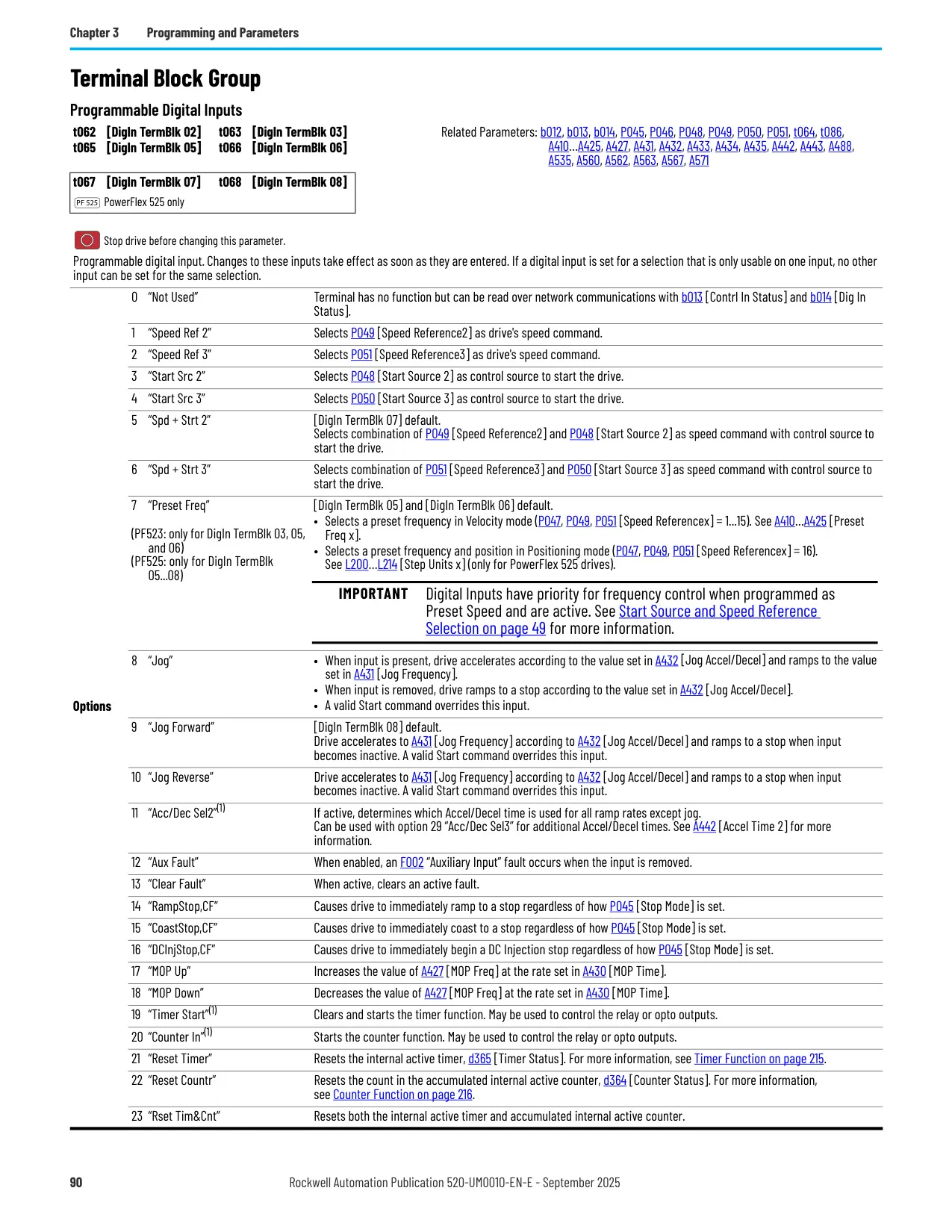
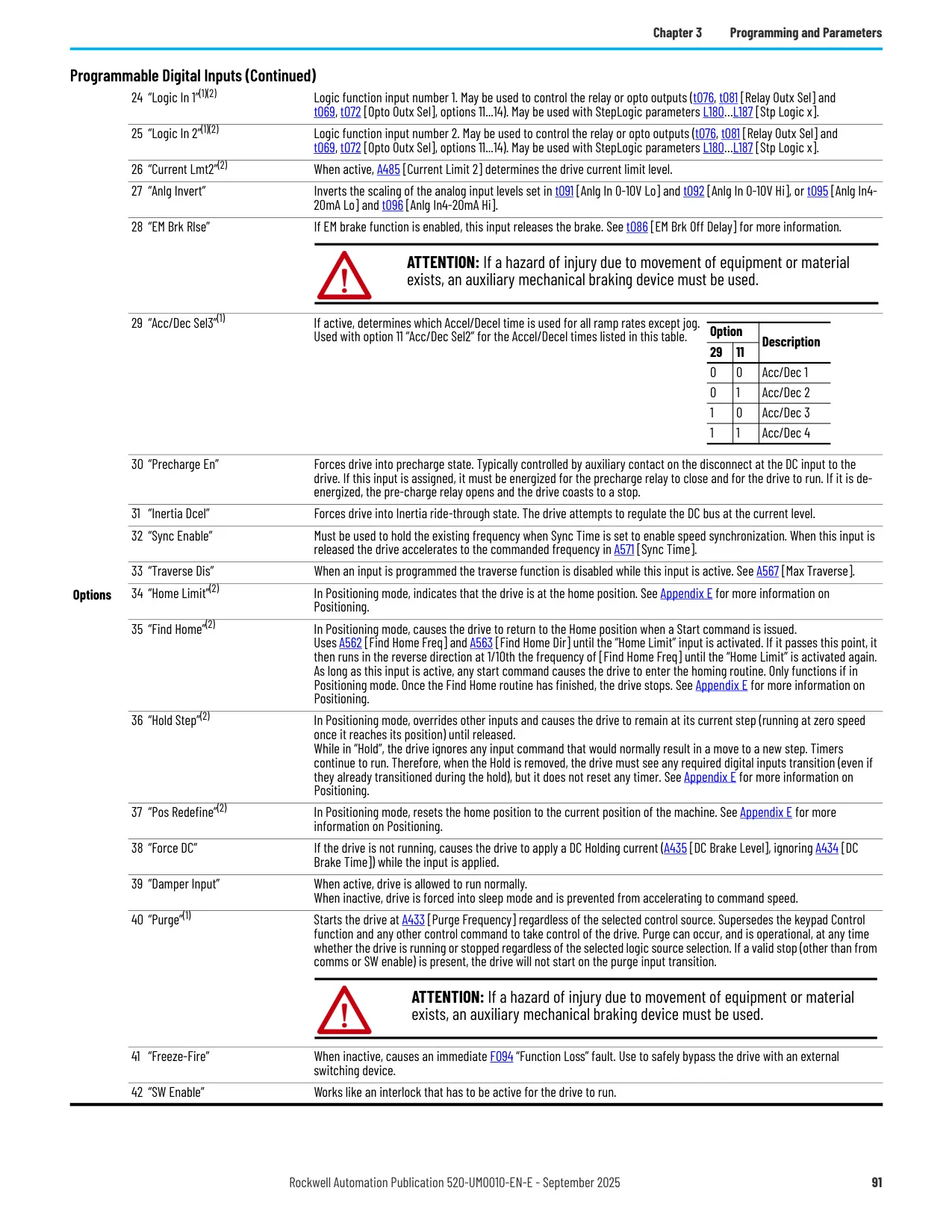
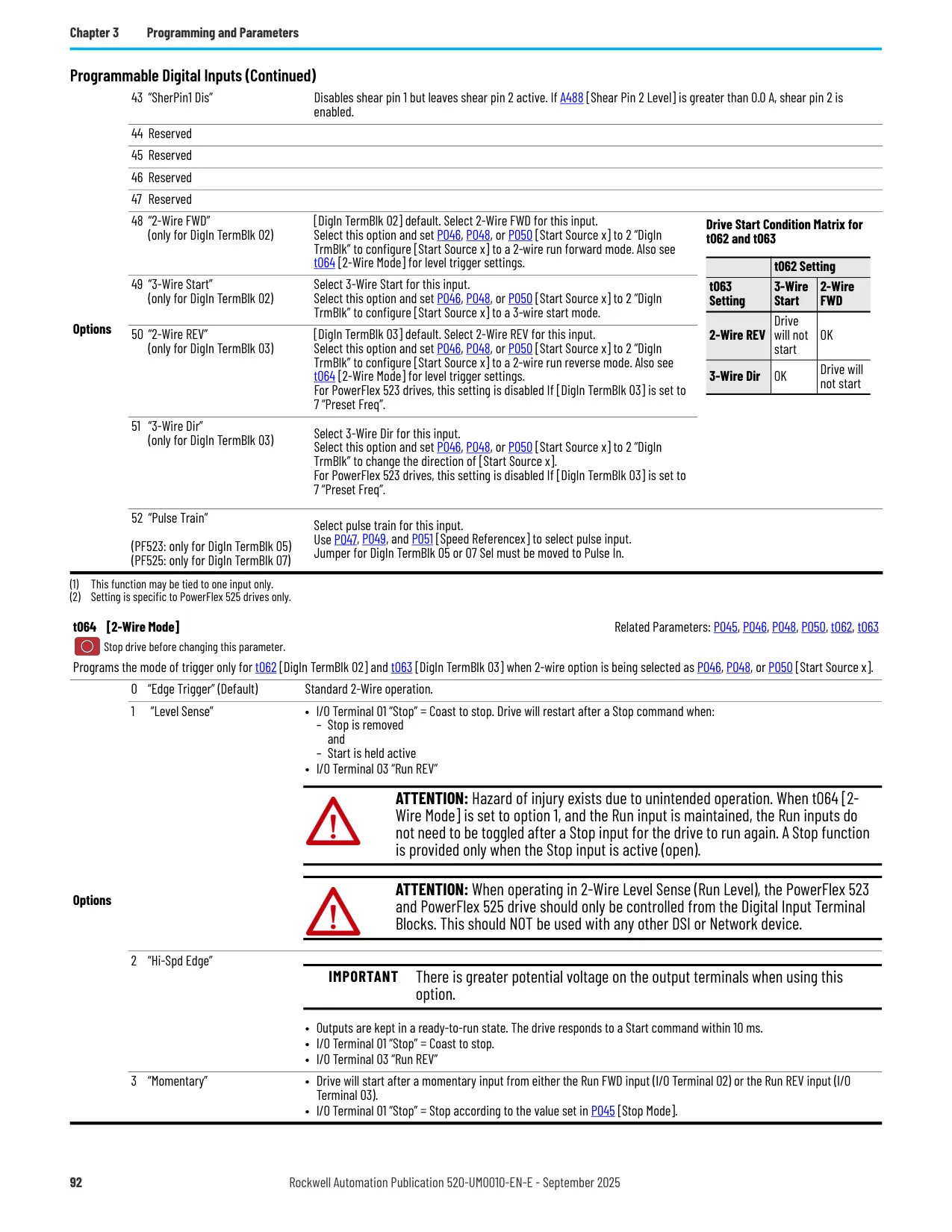
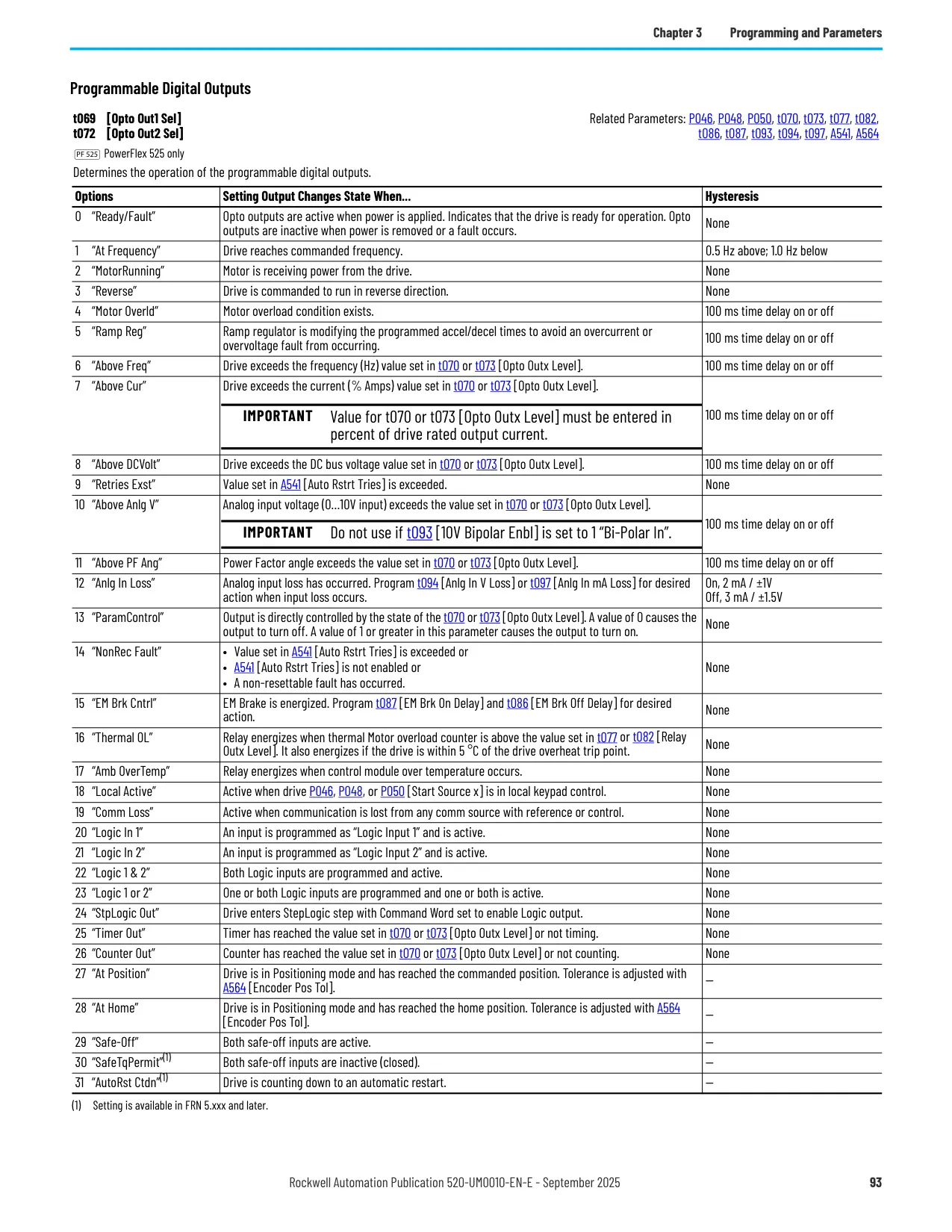
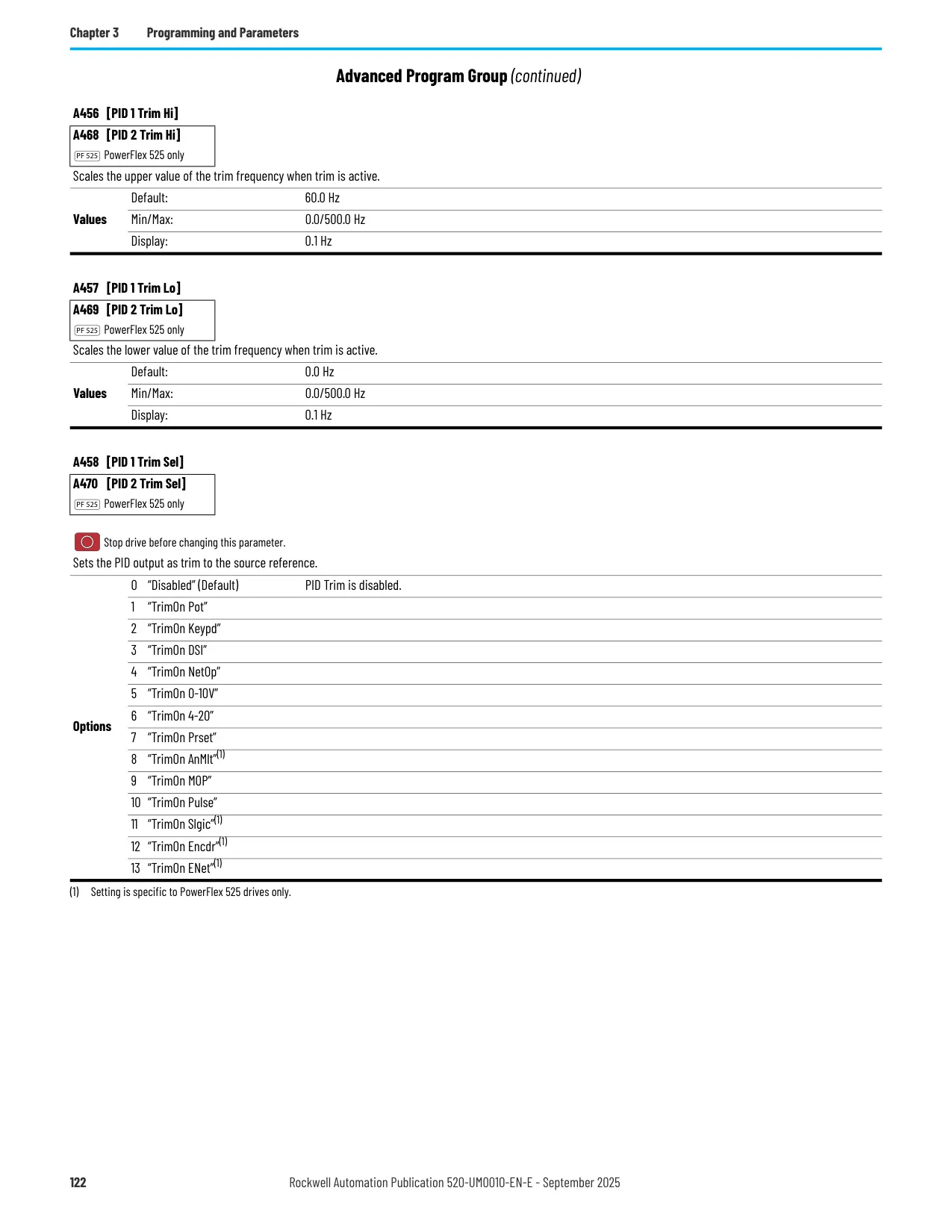
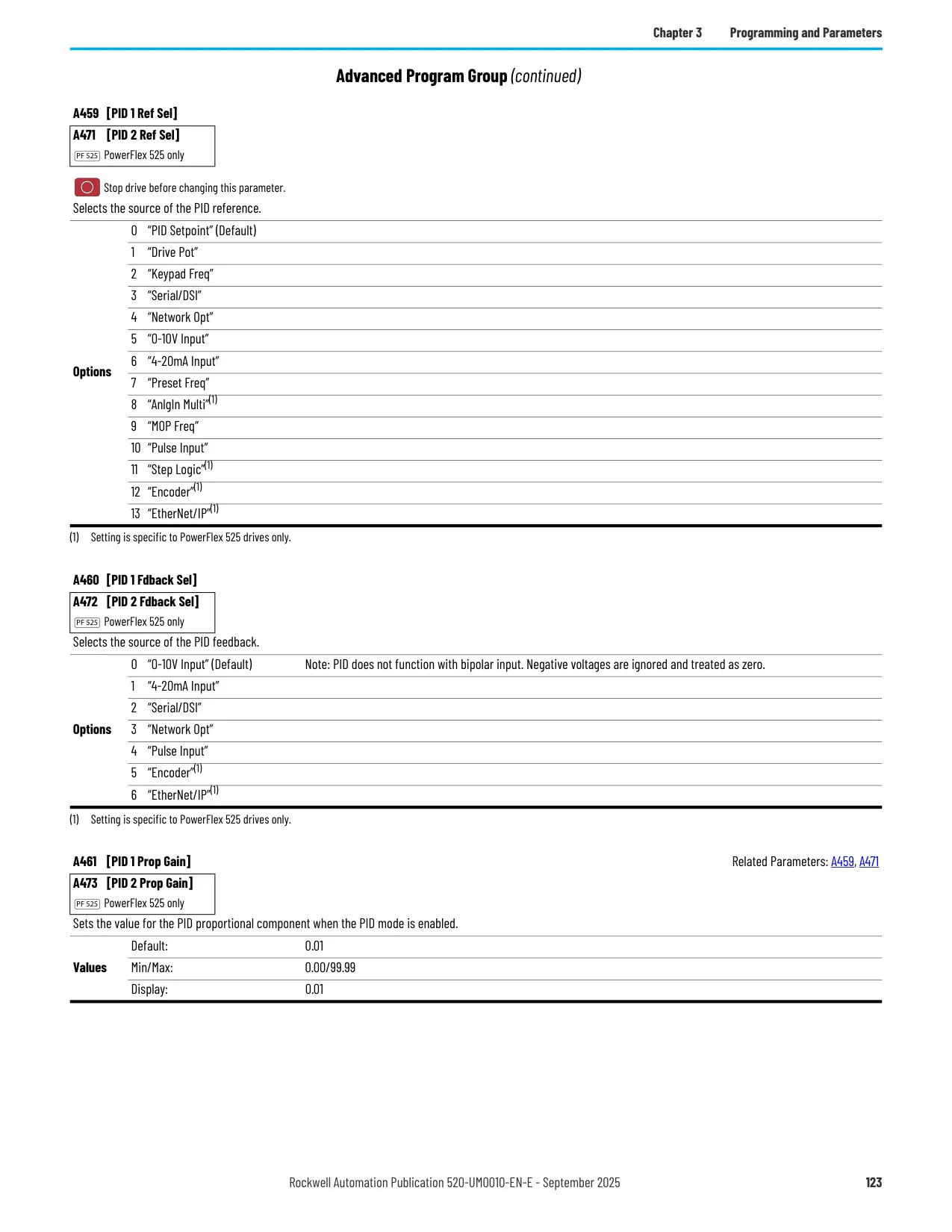
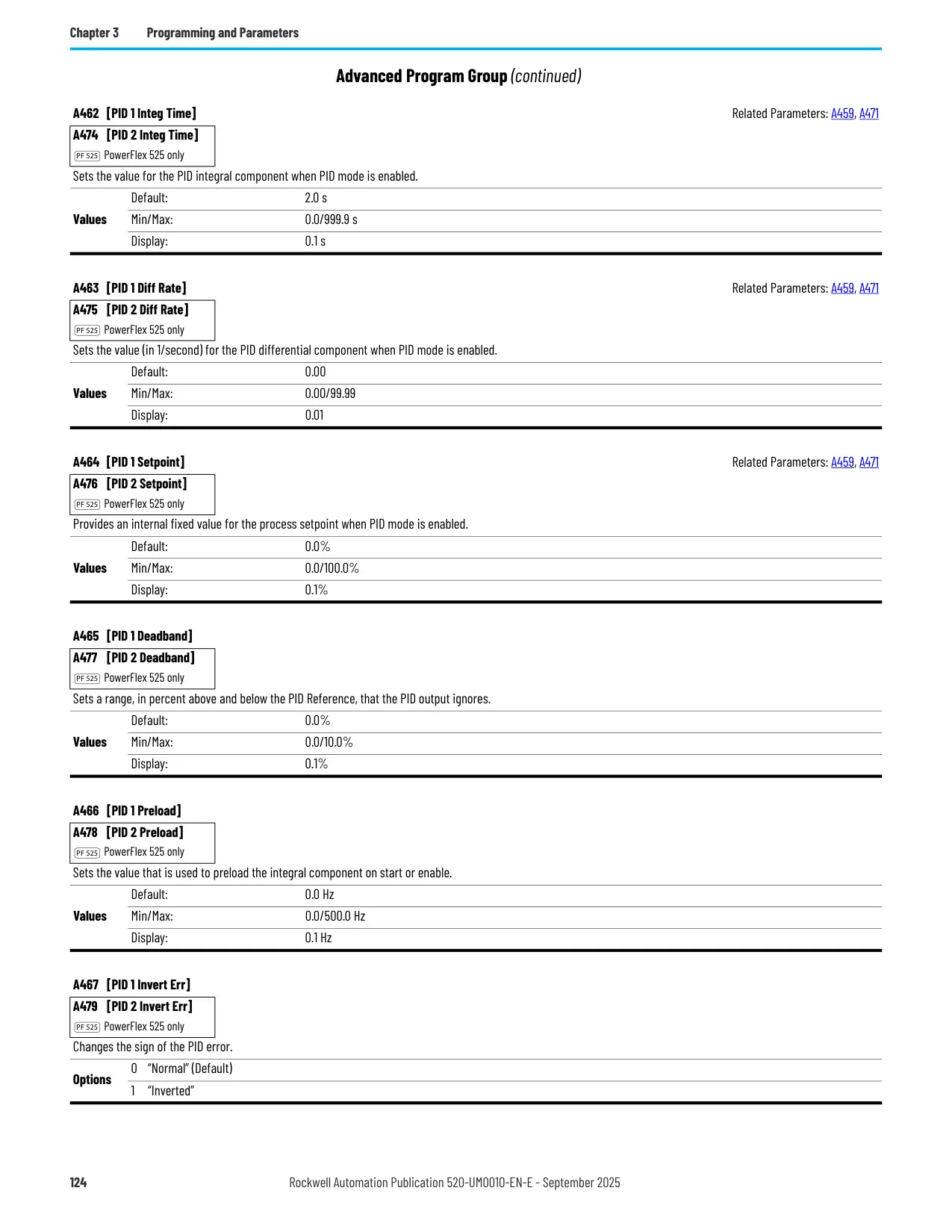
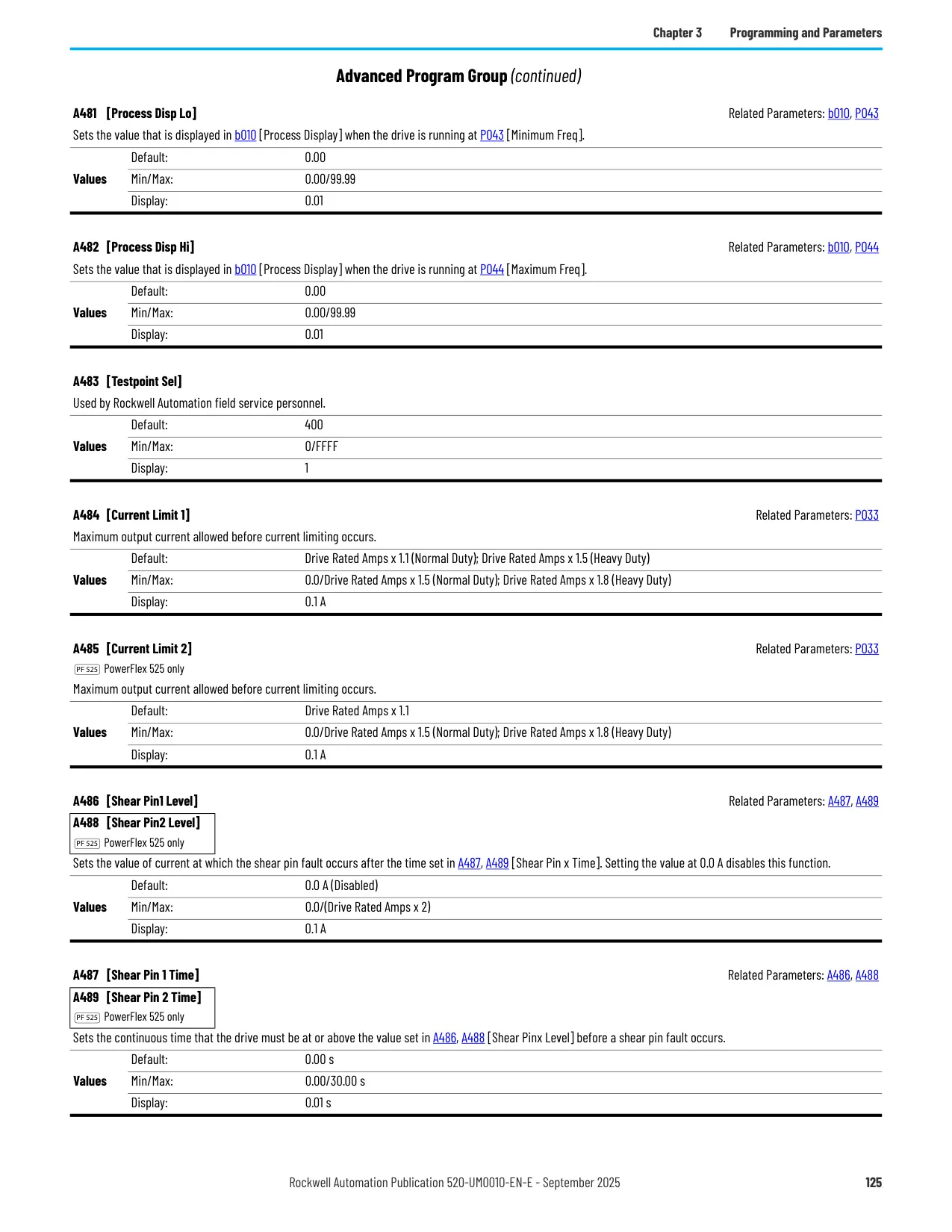
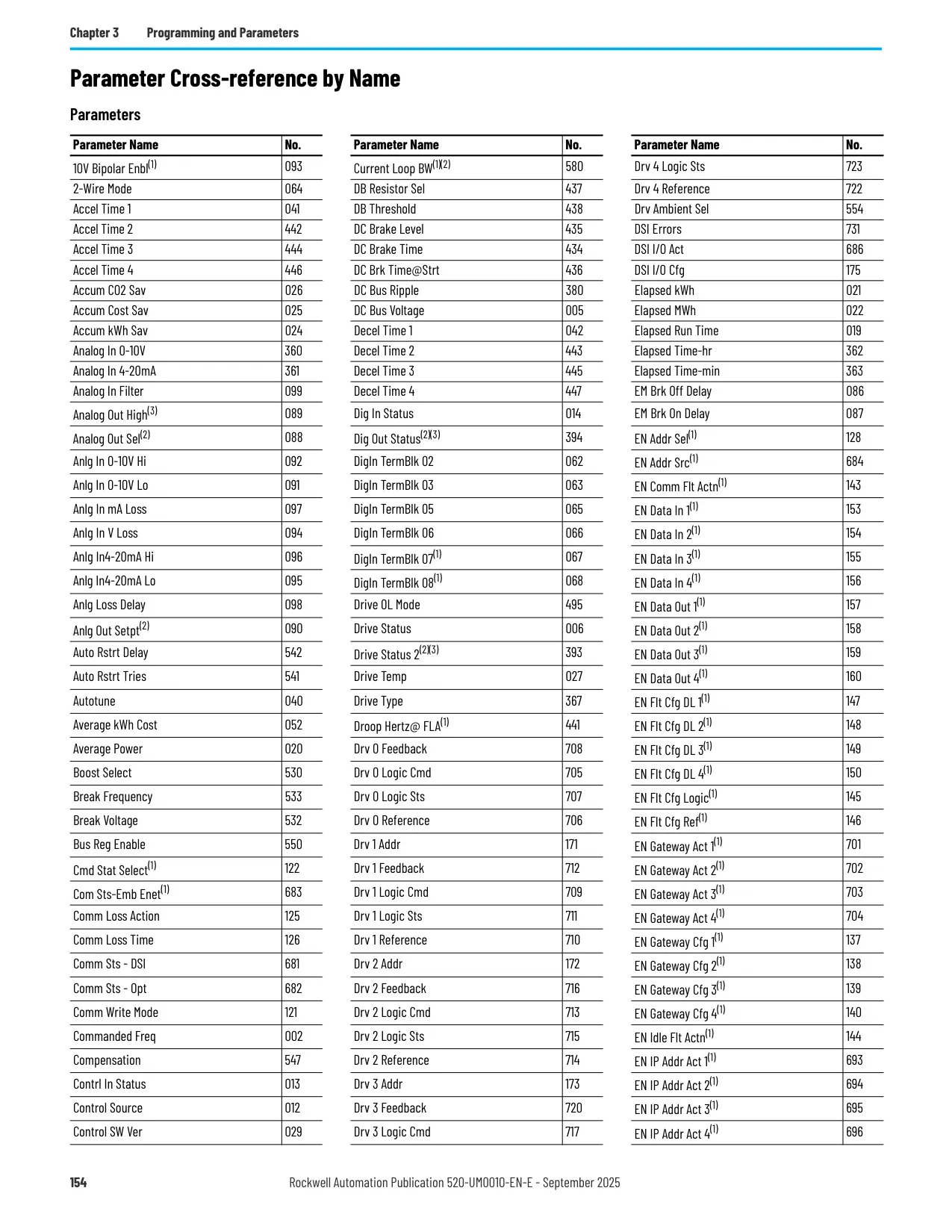
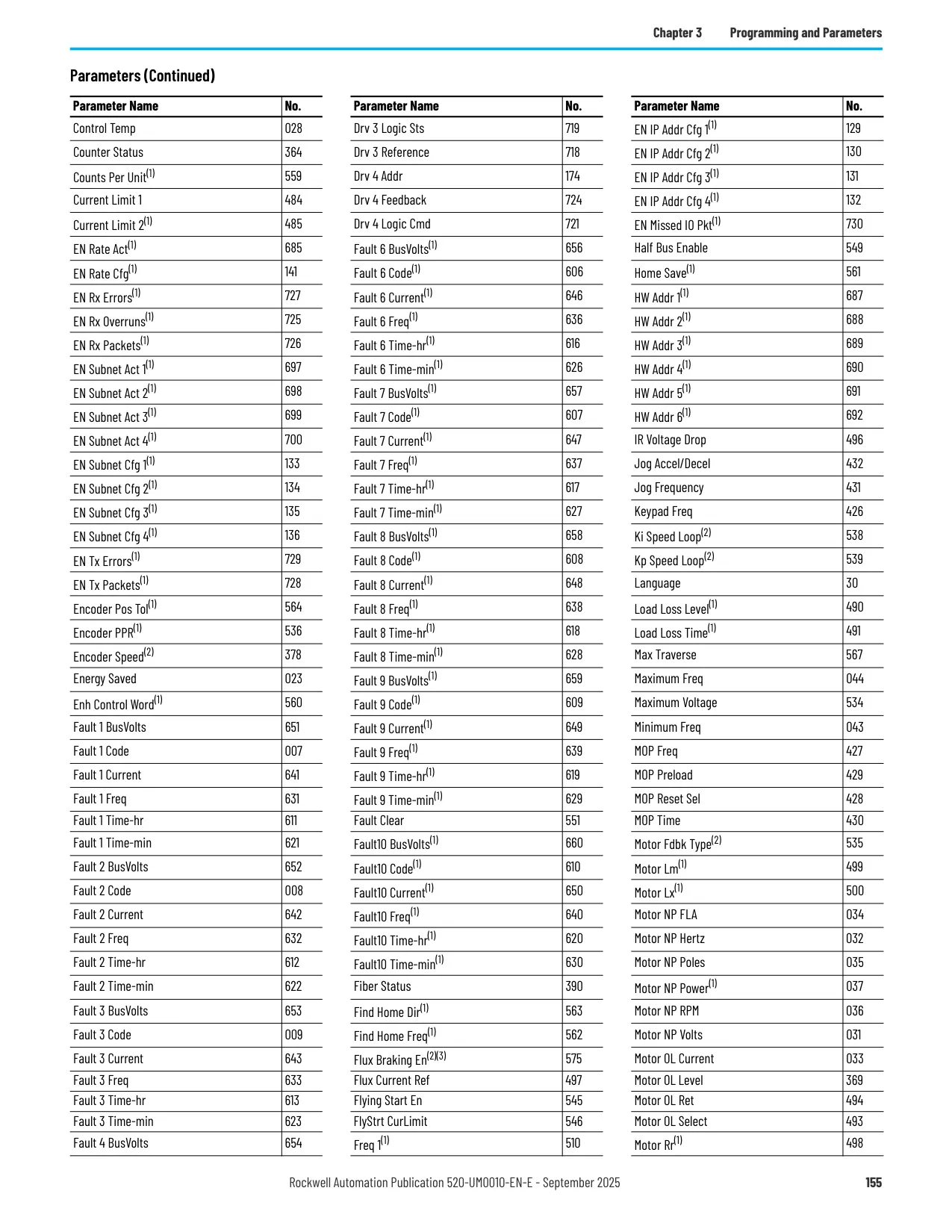
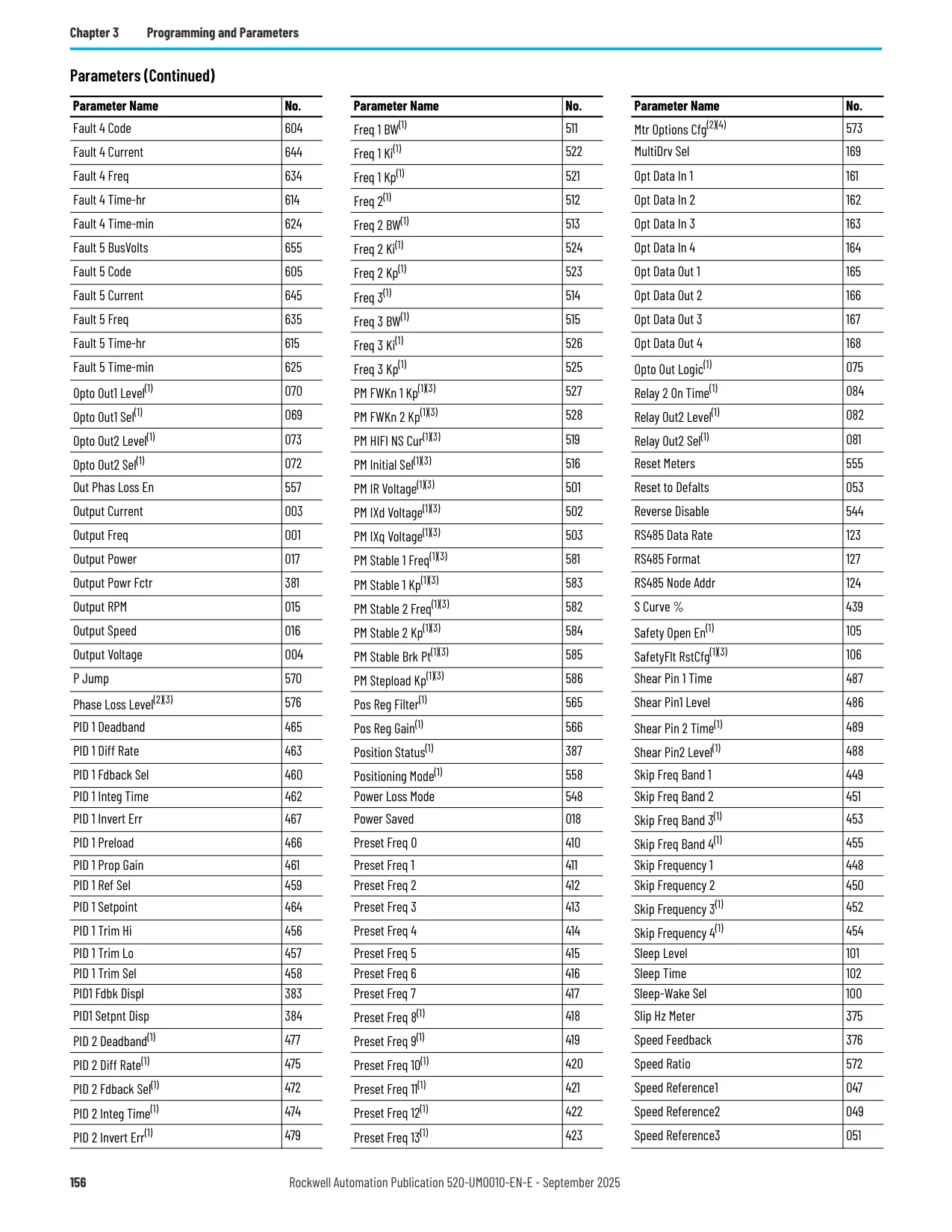
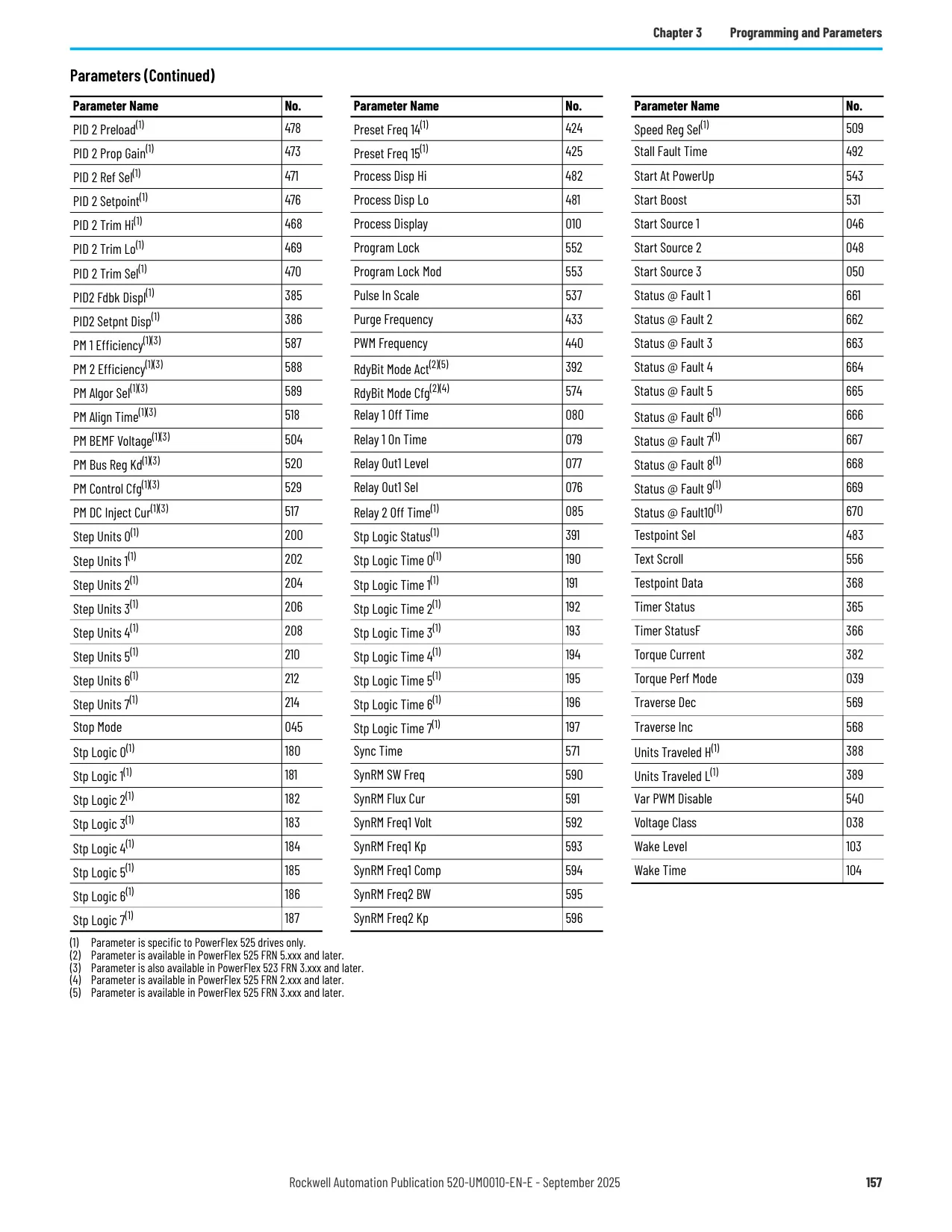
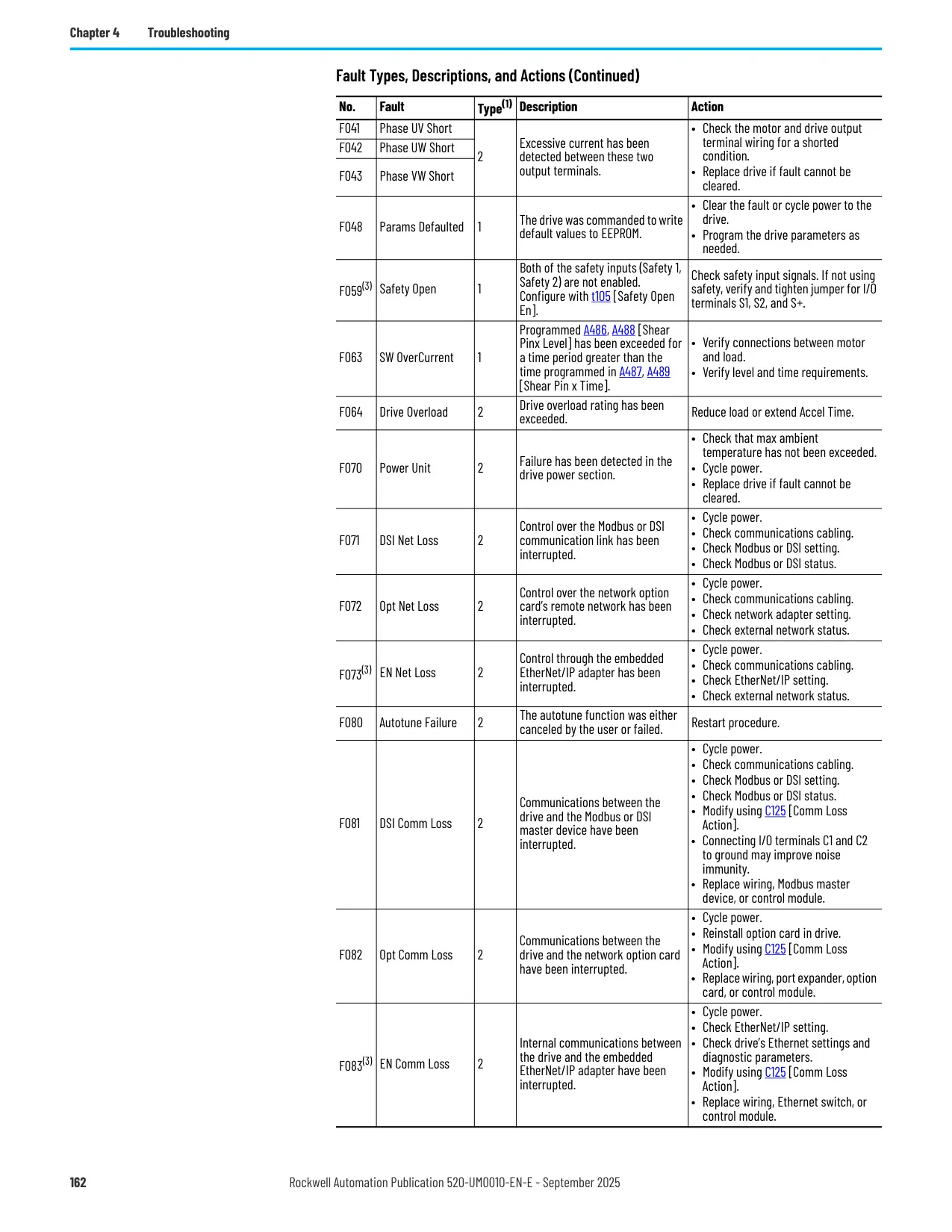
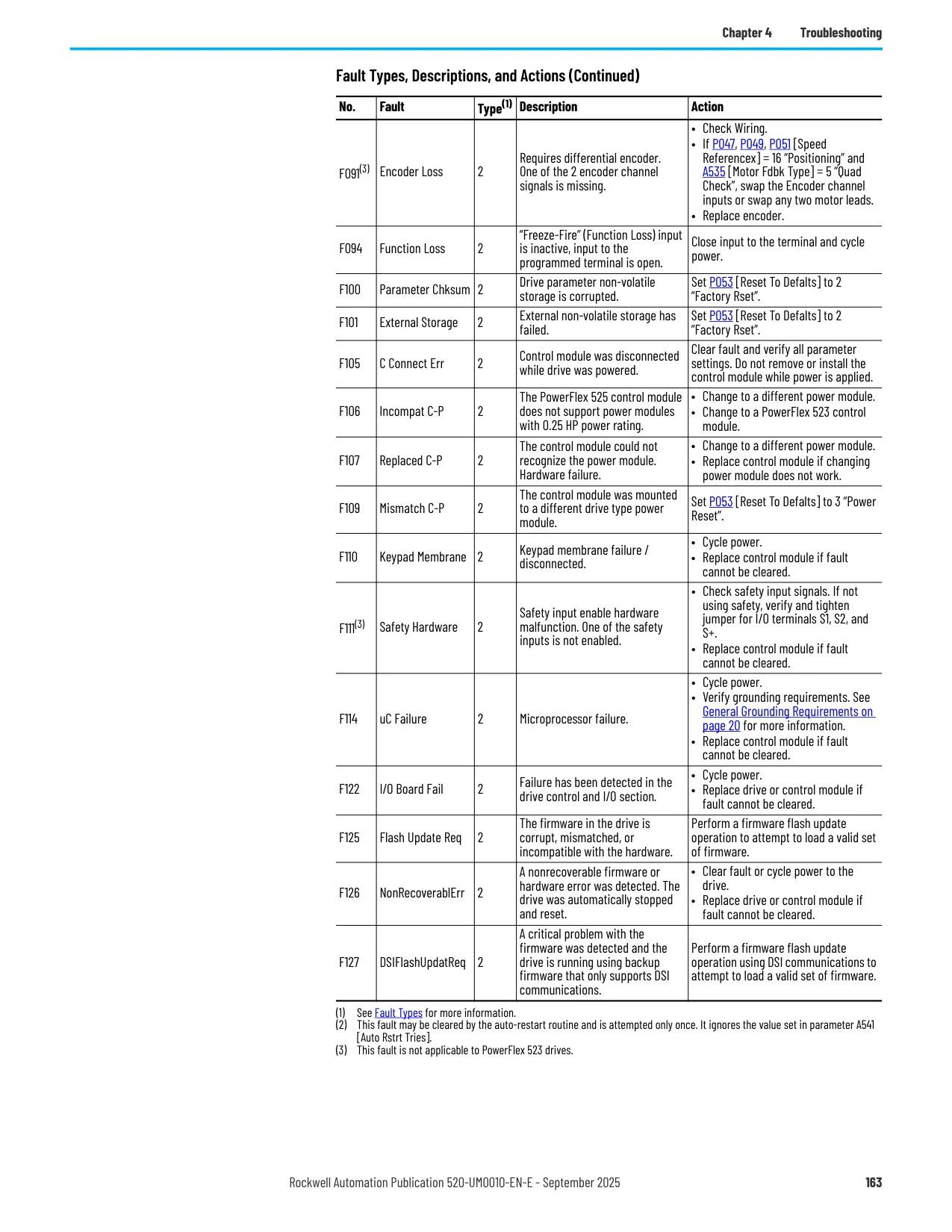
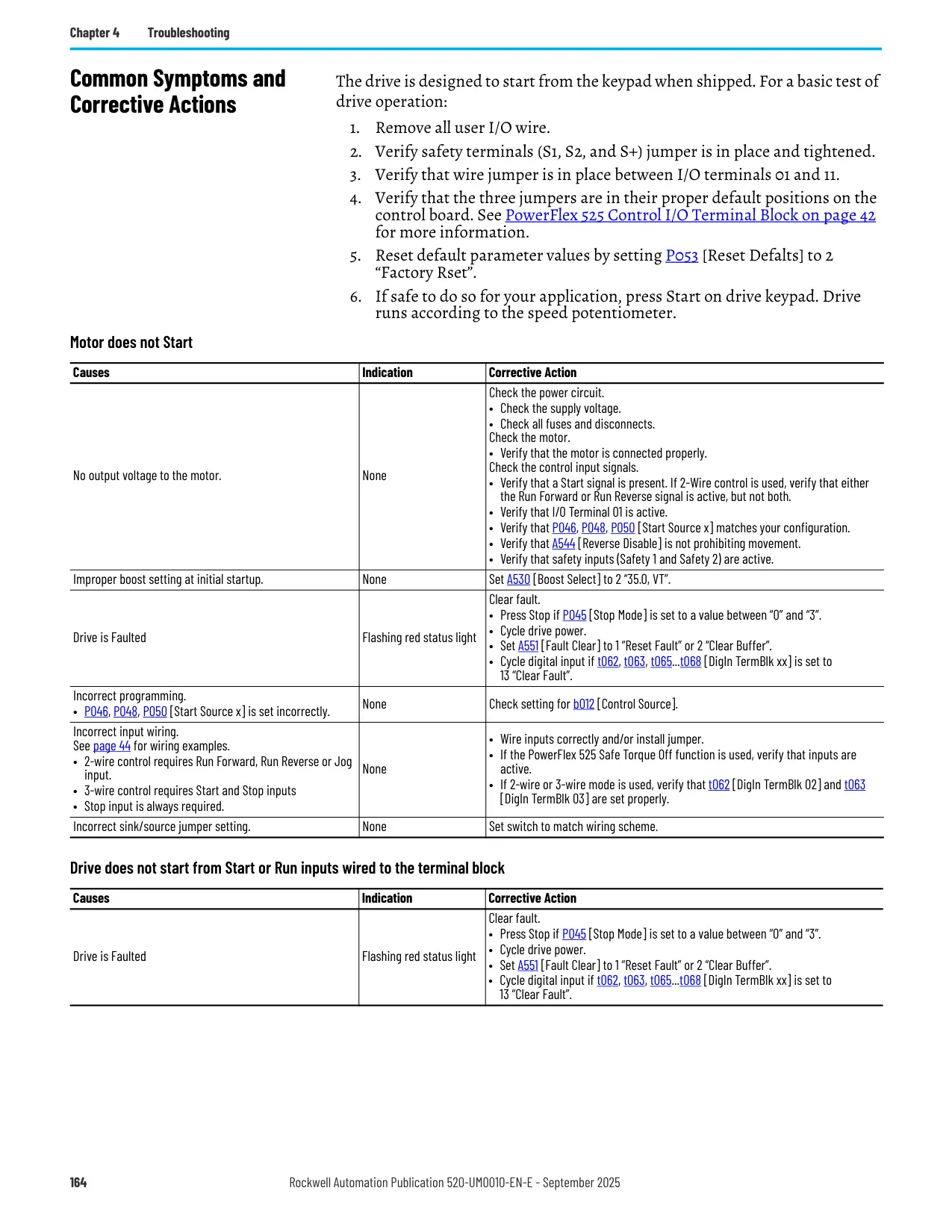
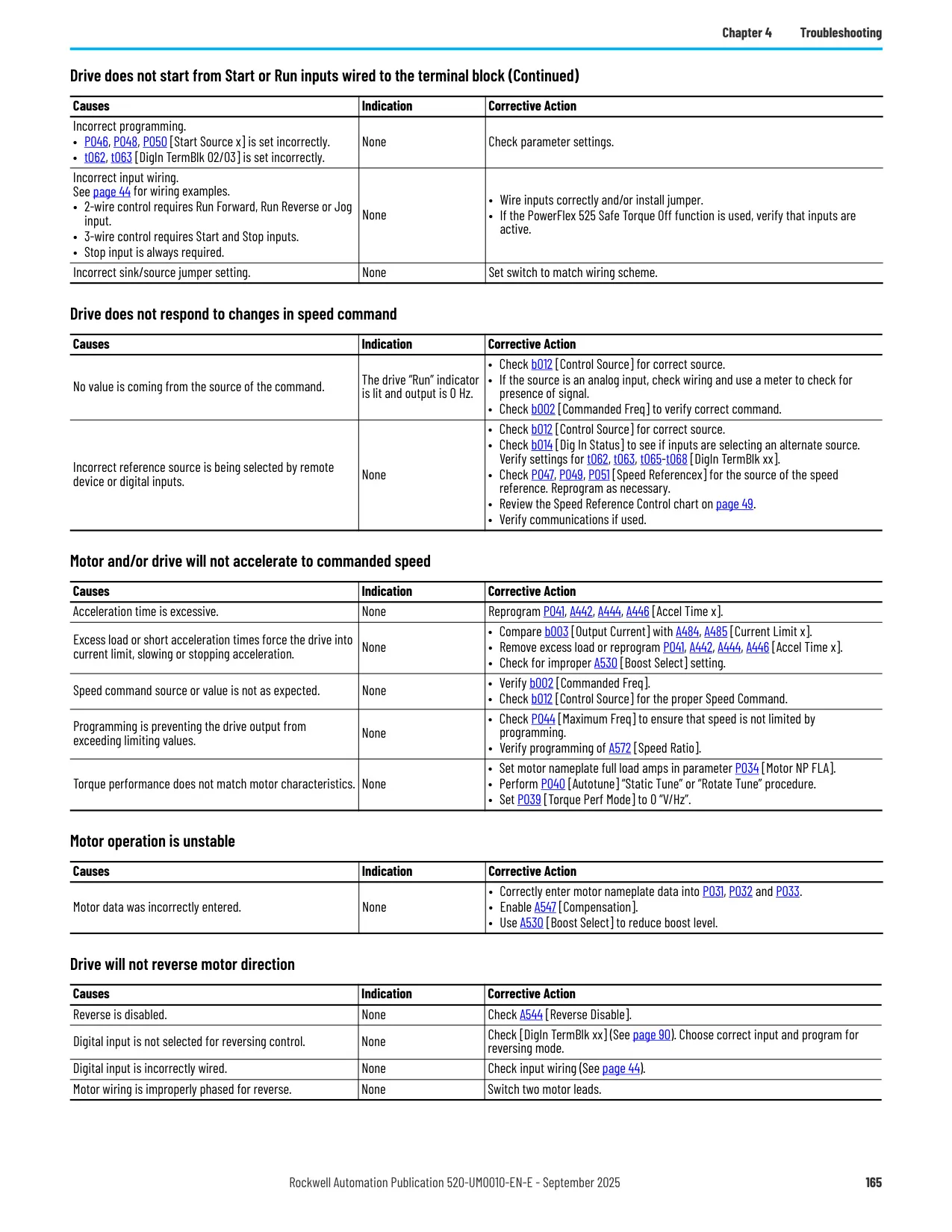
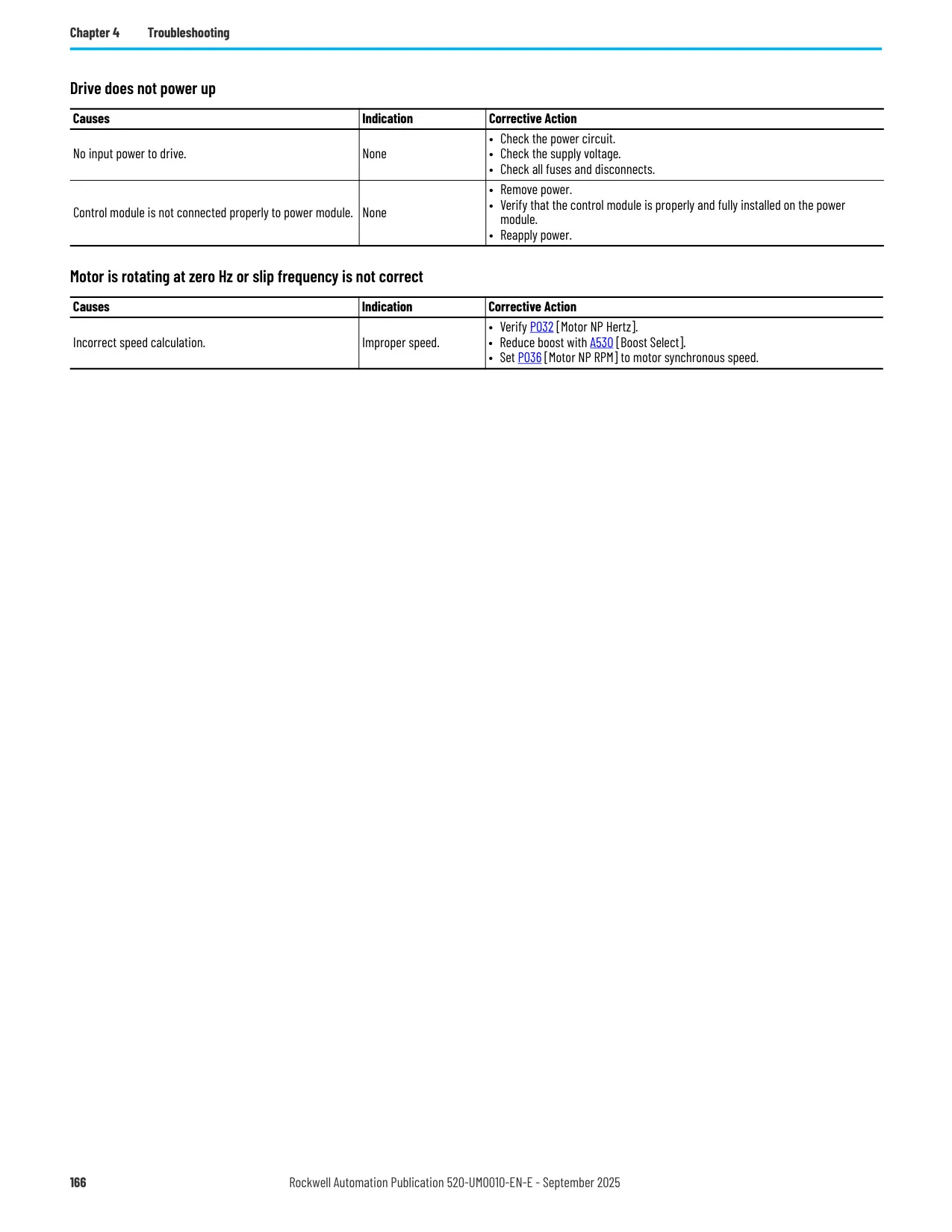
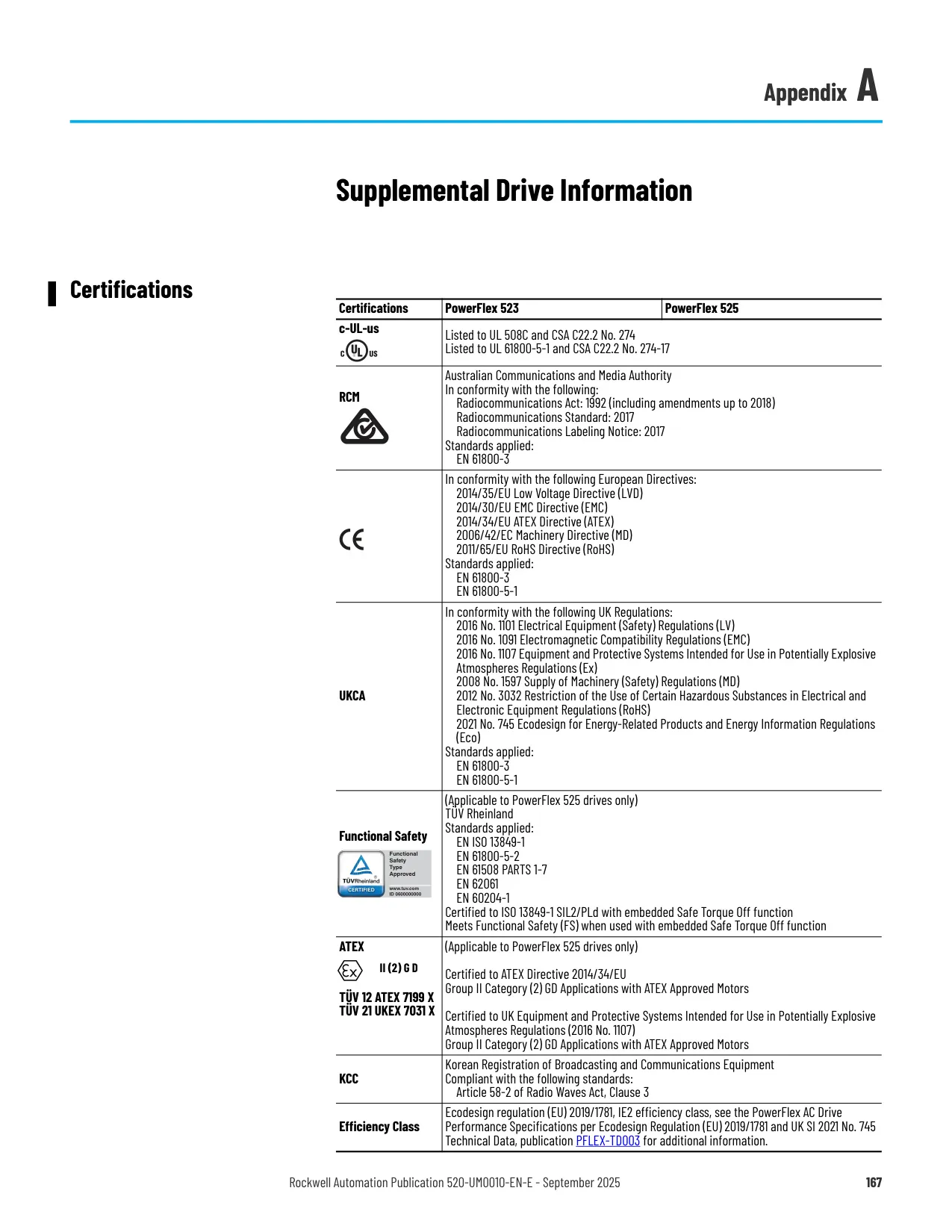
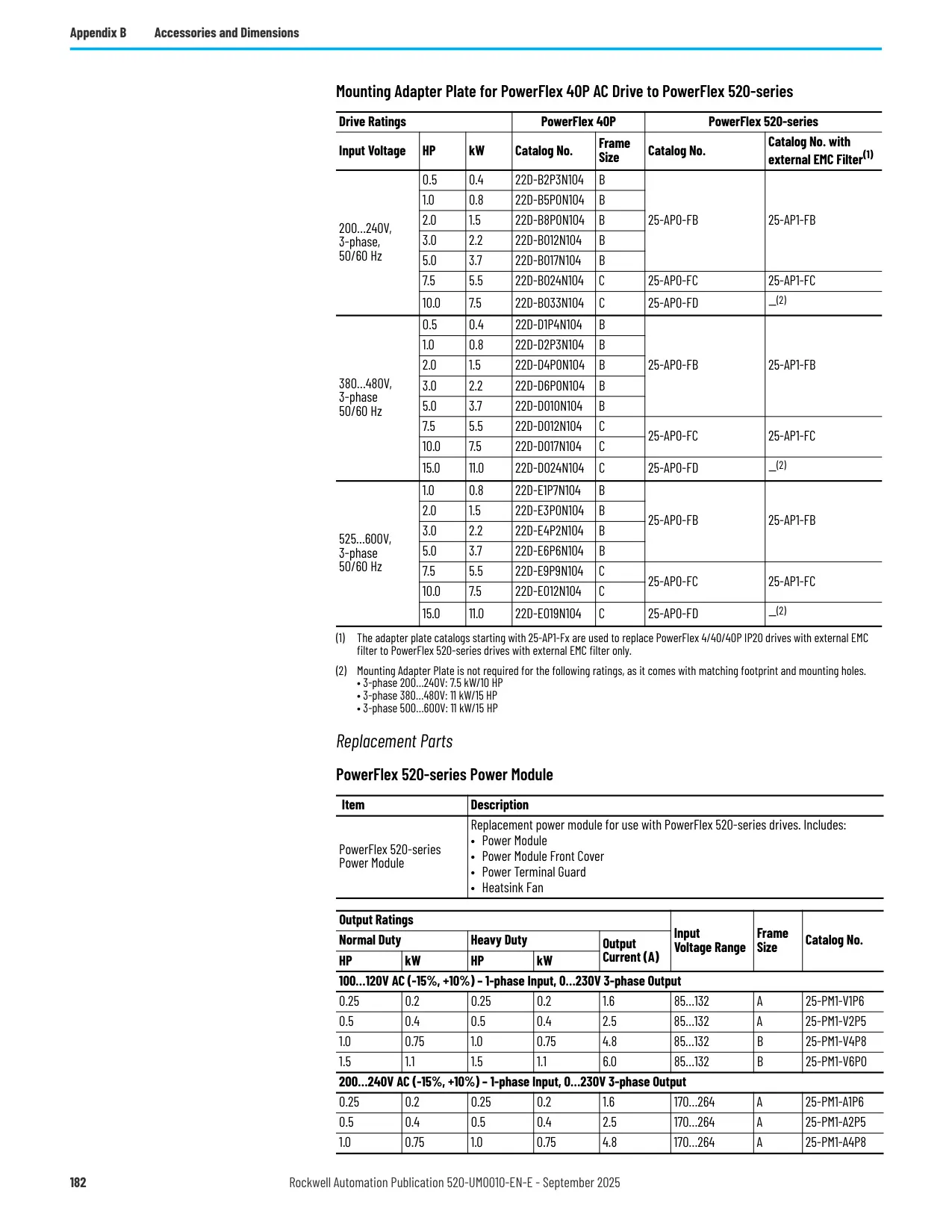
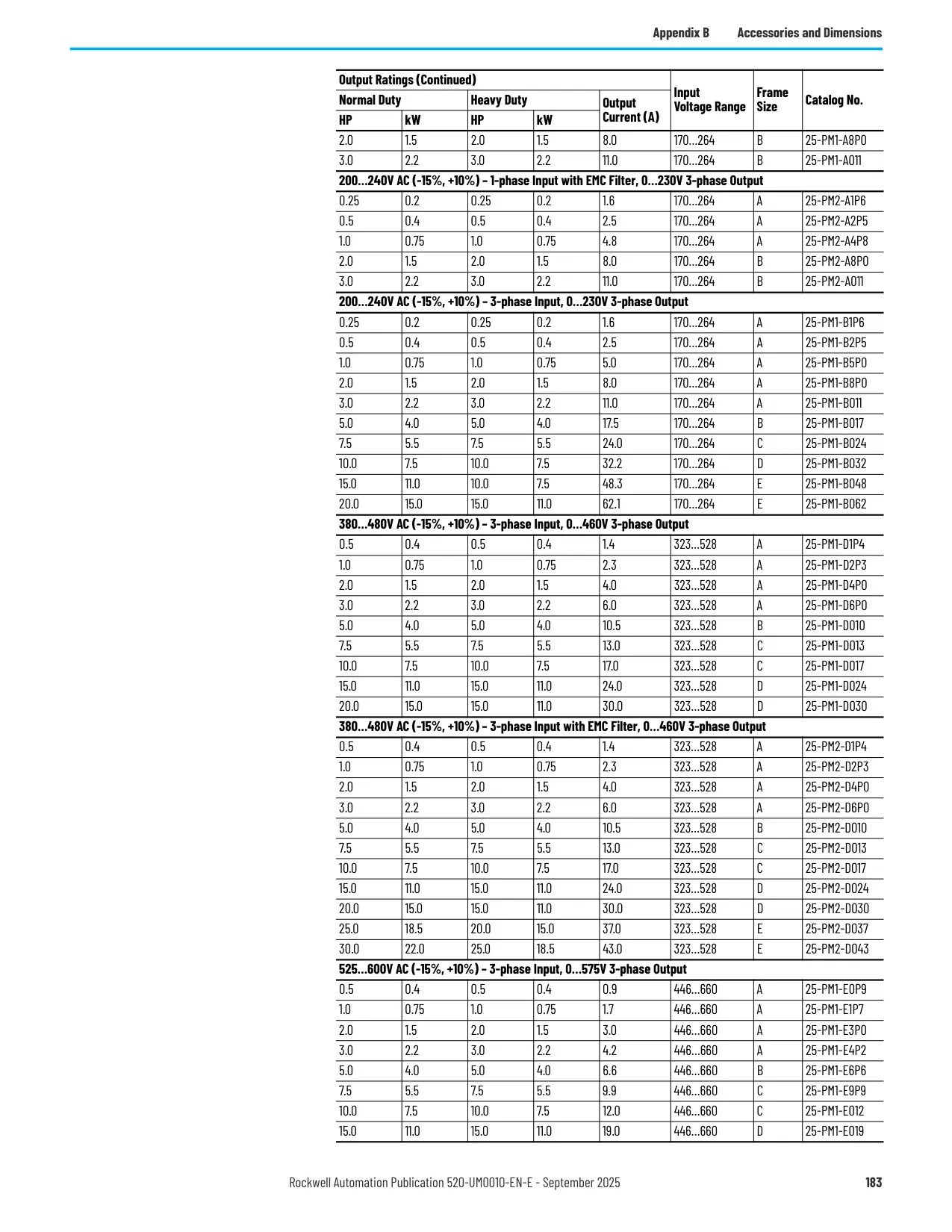
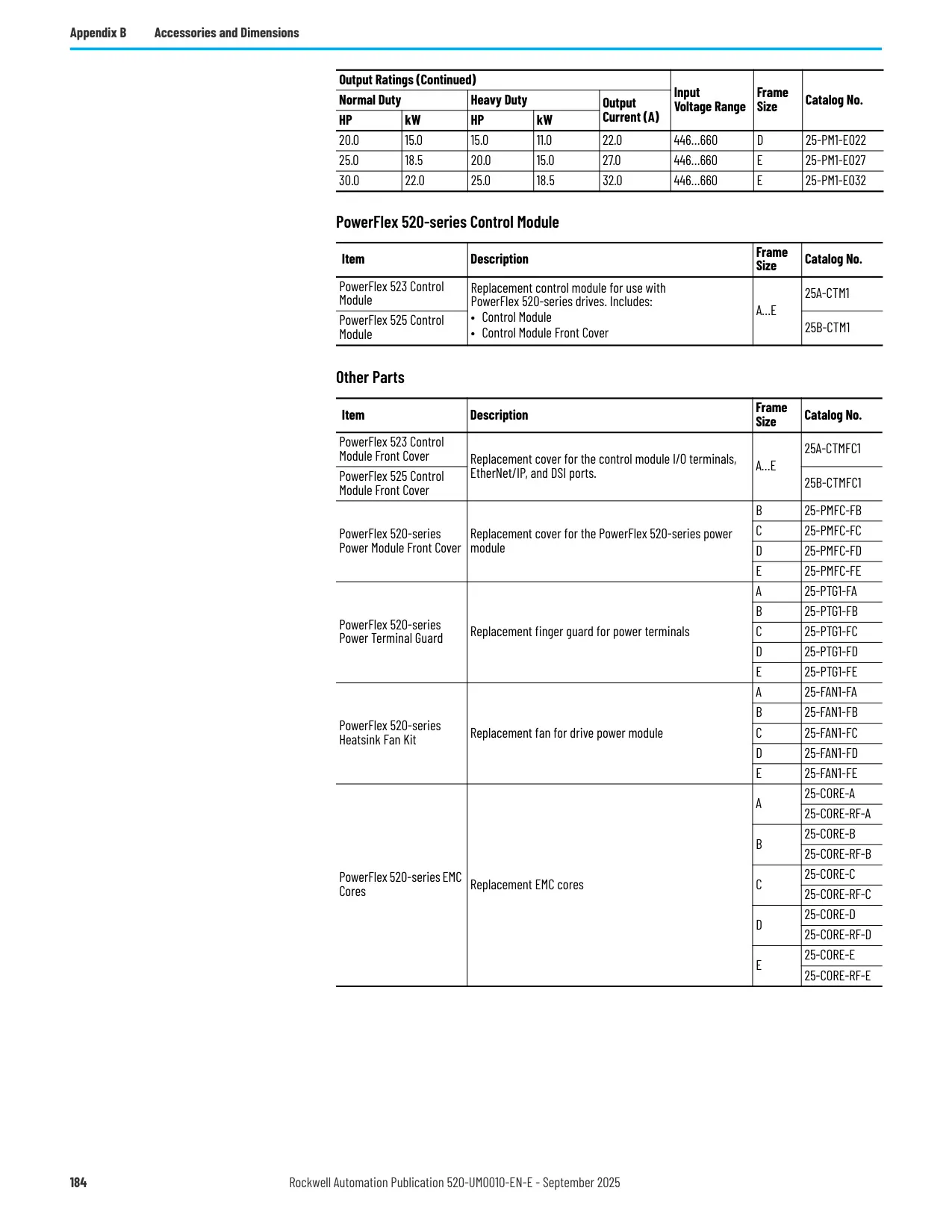
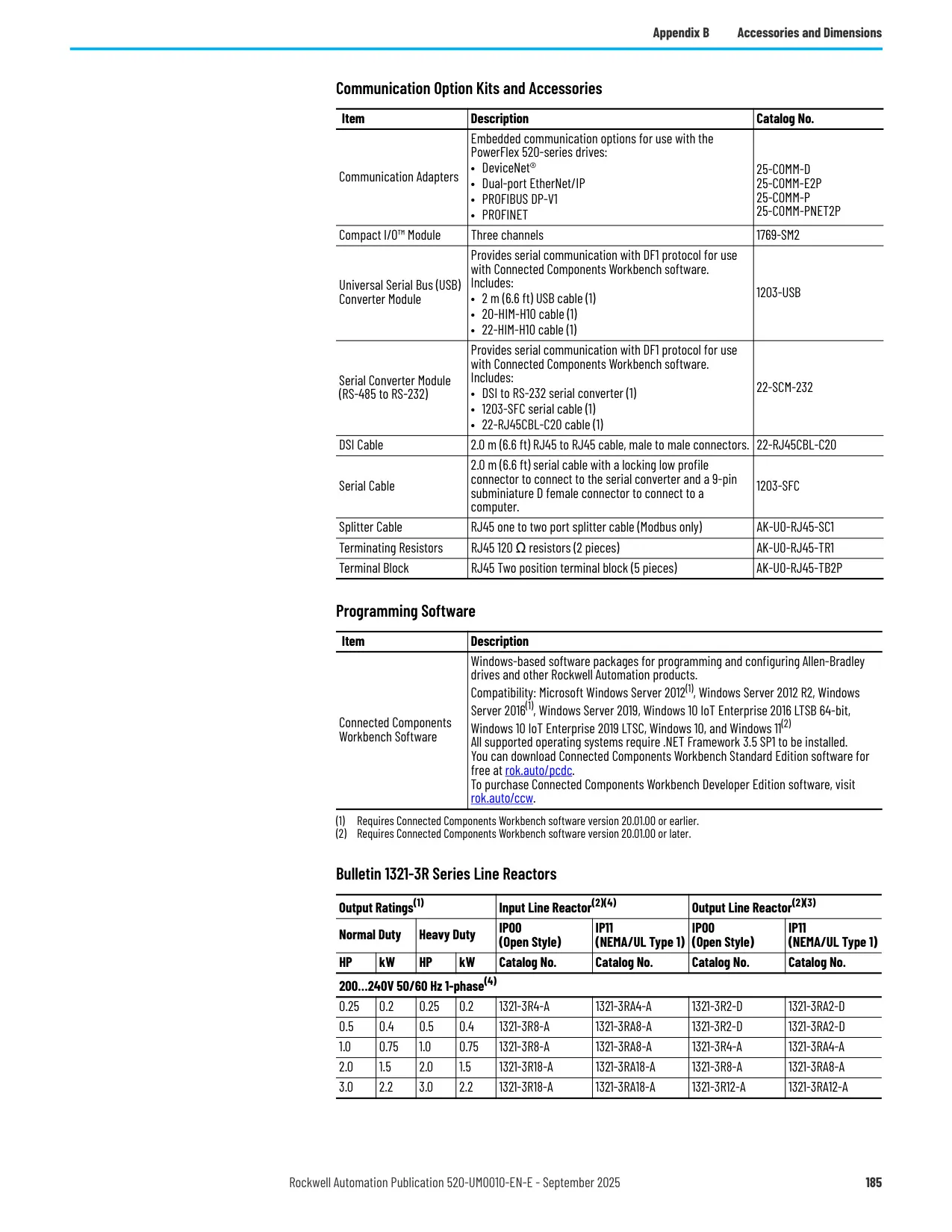
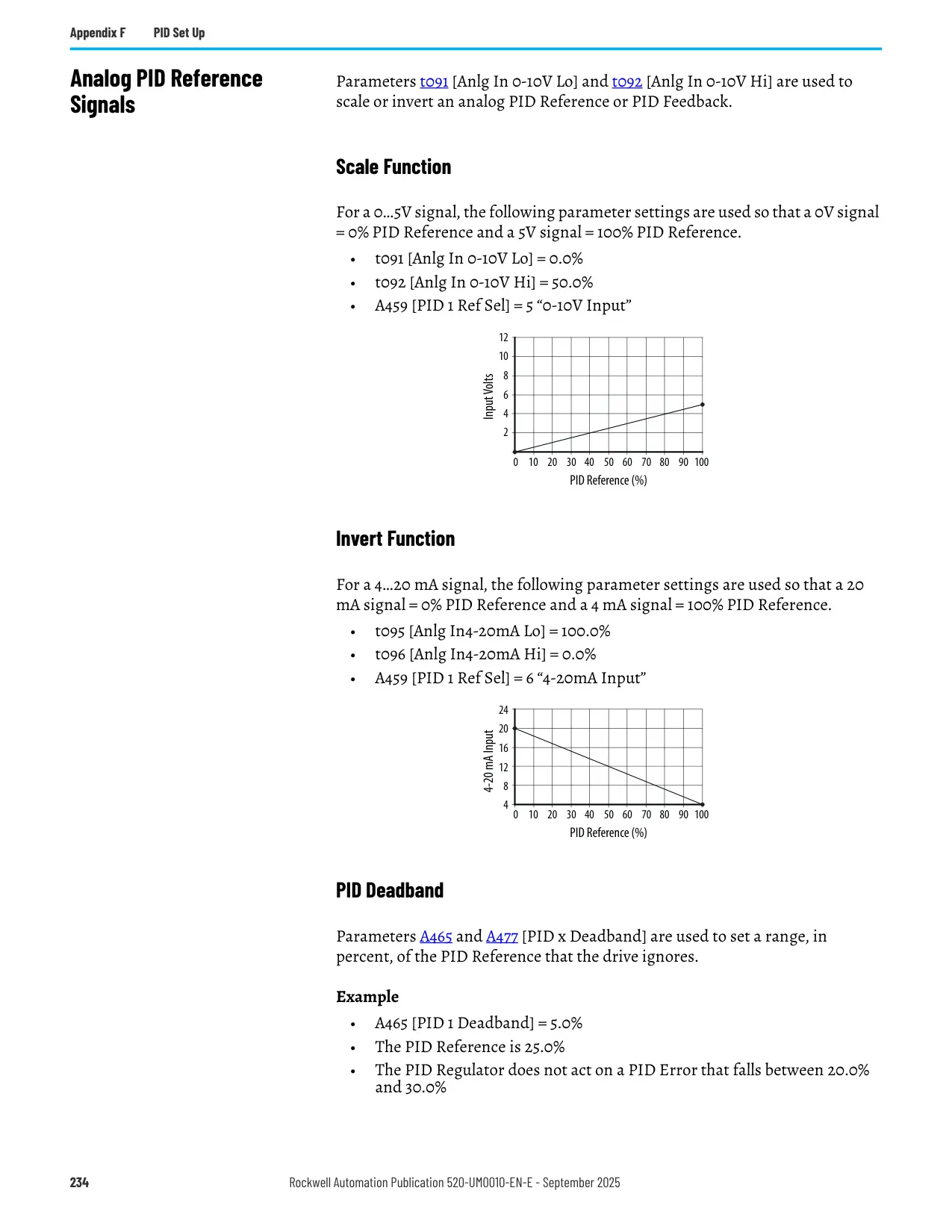
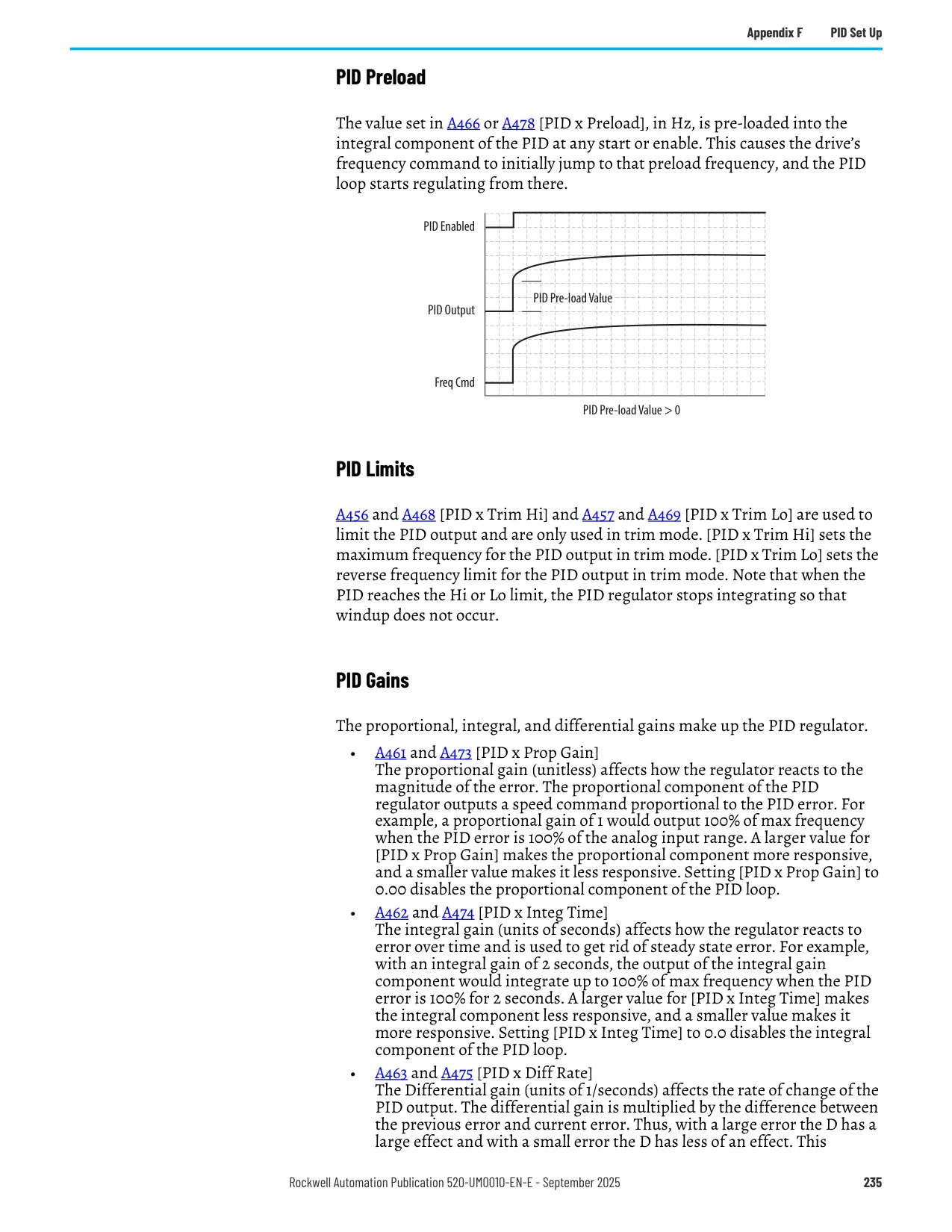
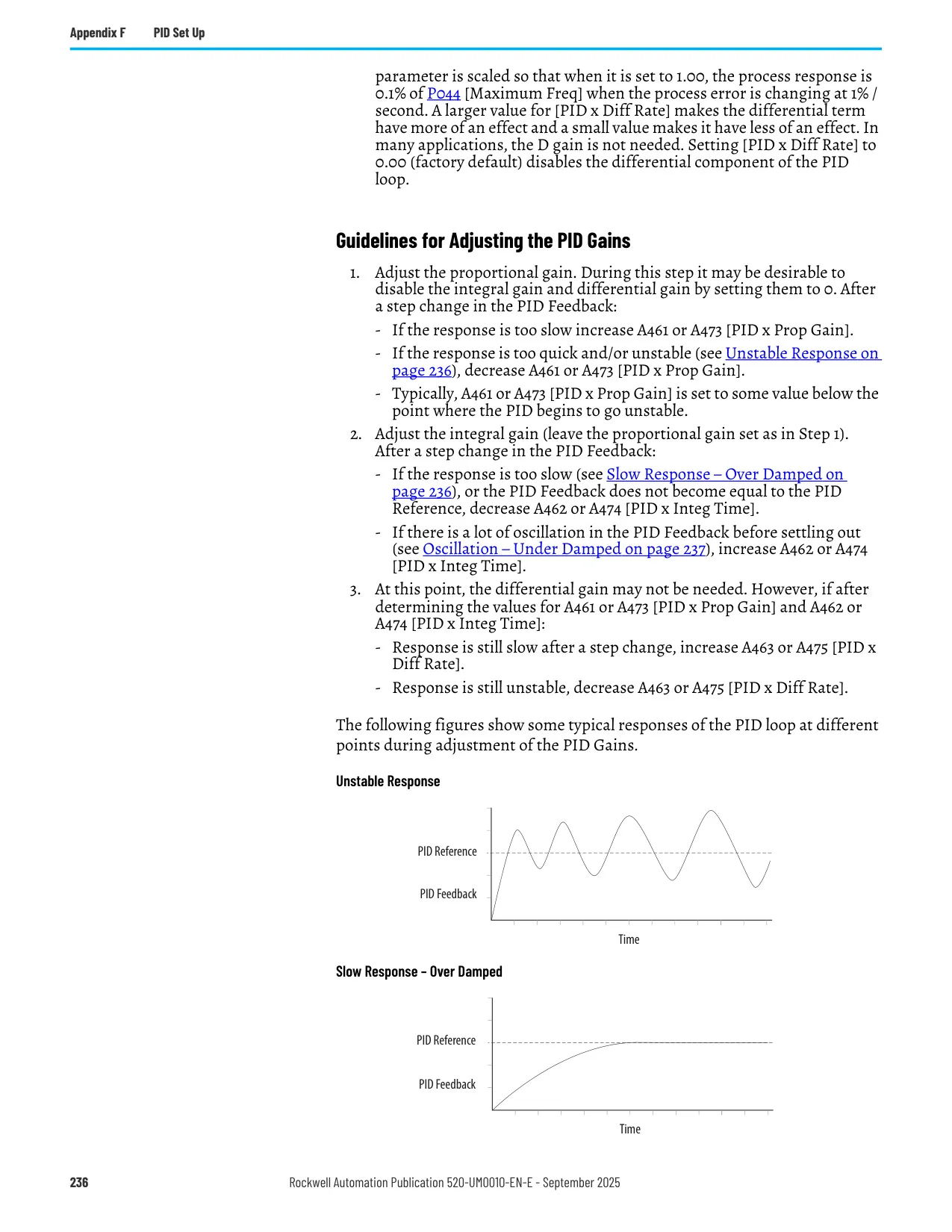
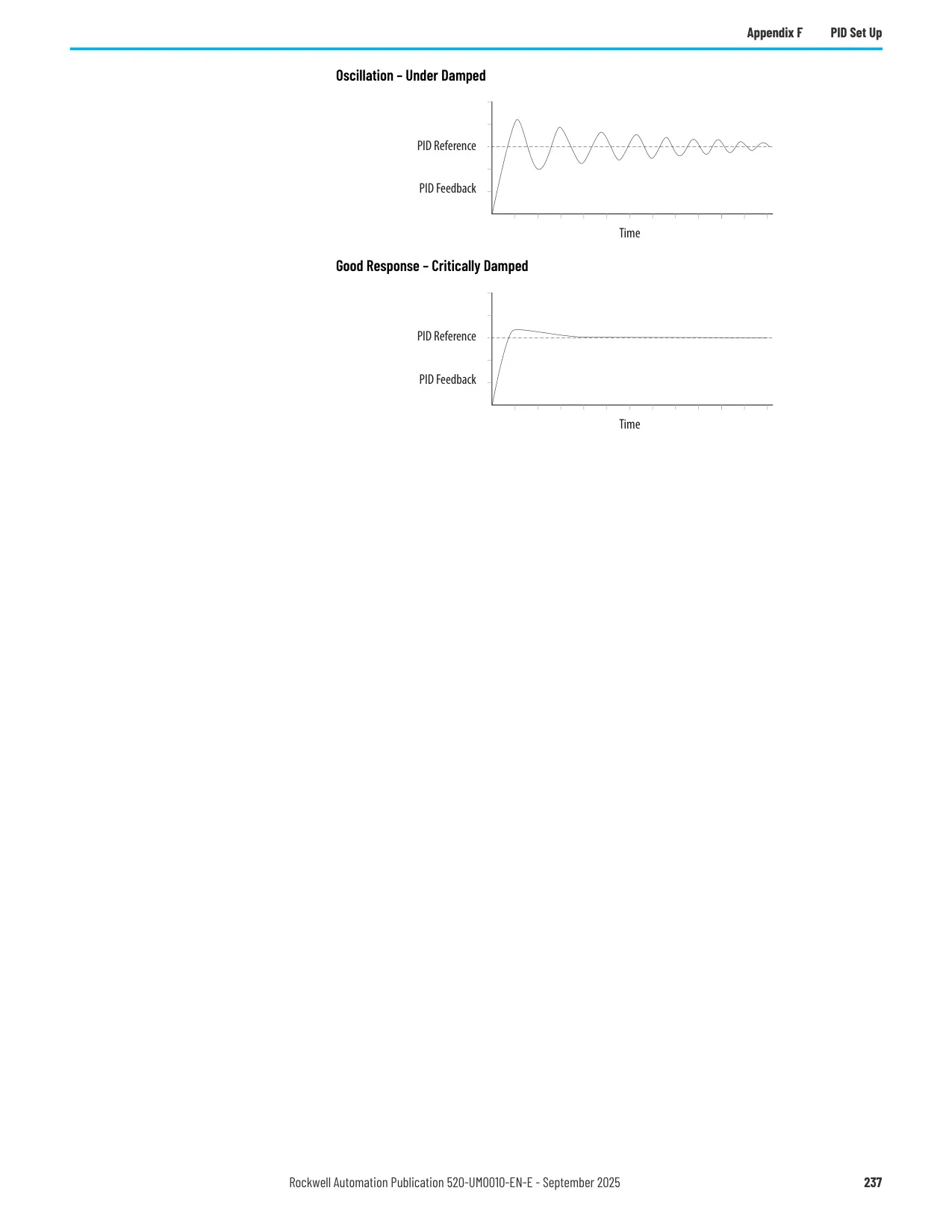



Allen-Bradley Powerflex 525 VFD






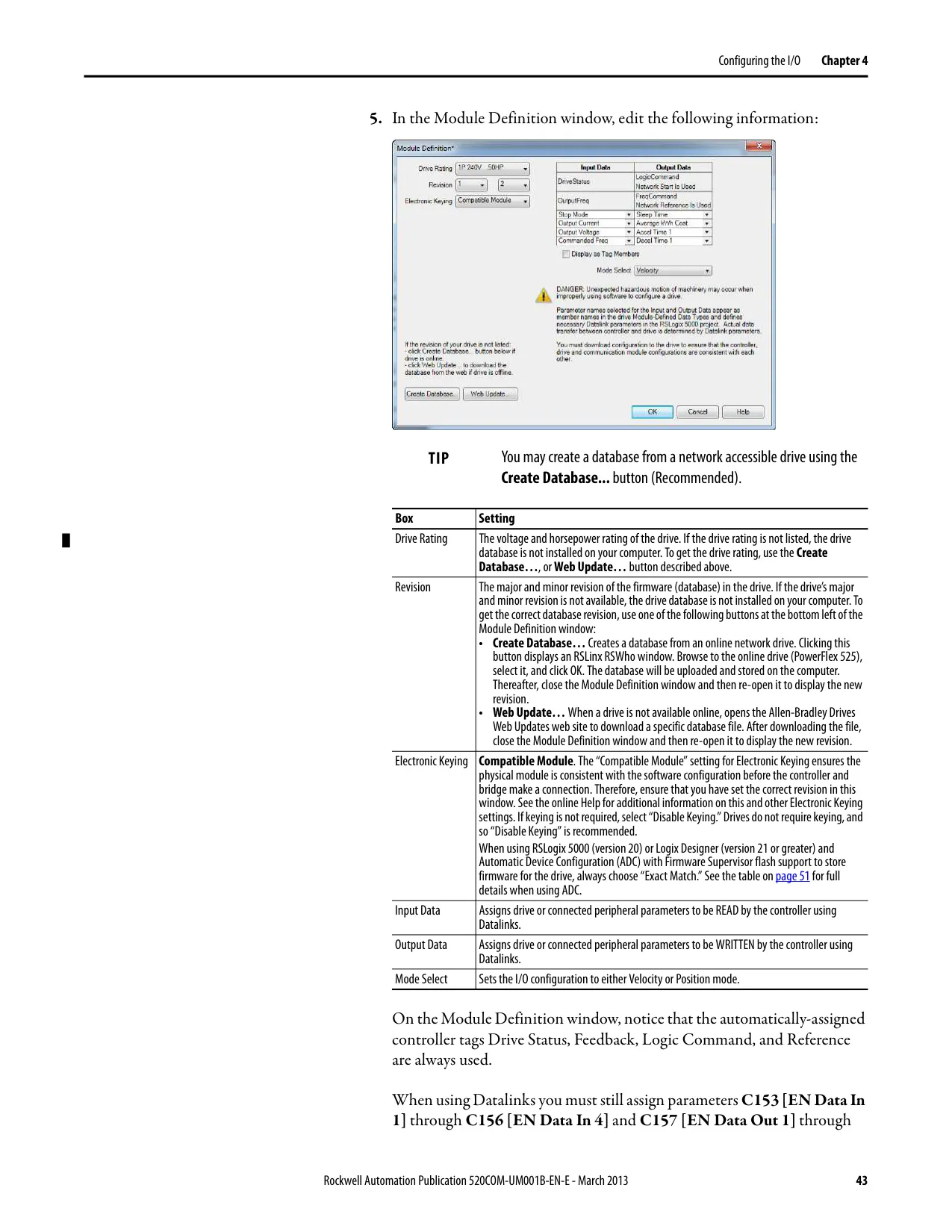
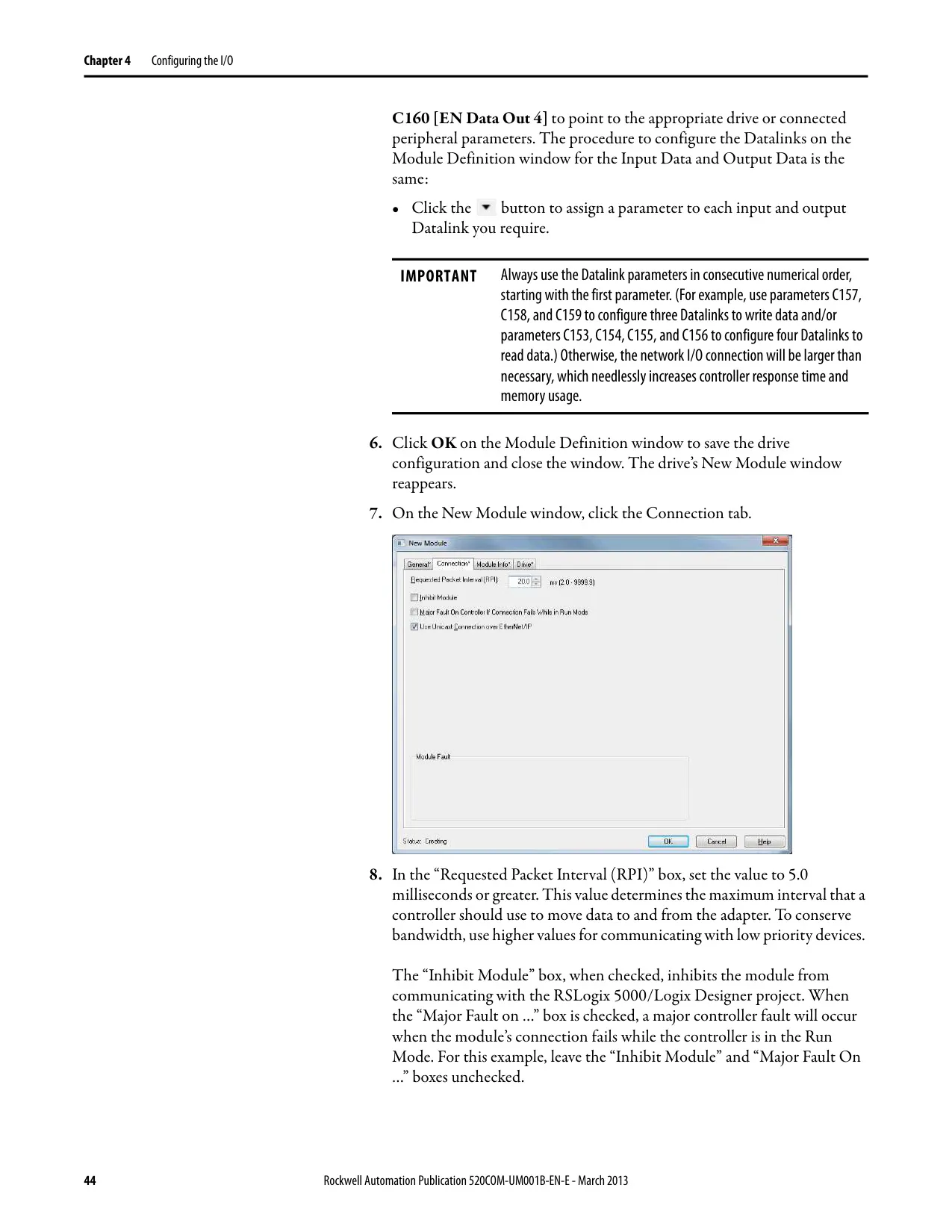
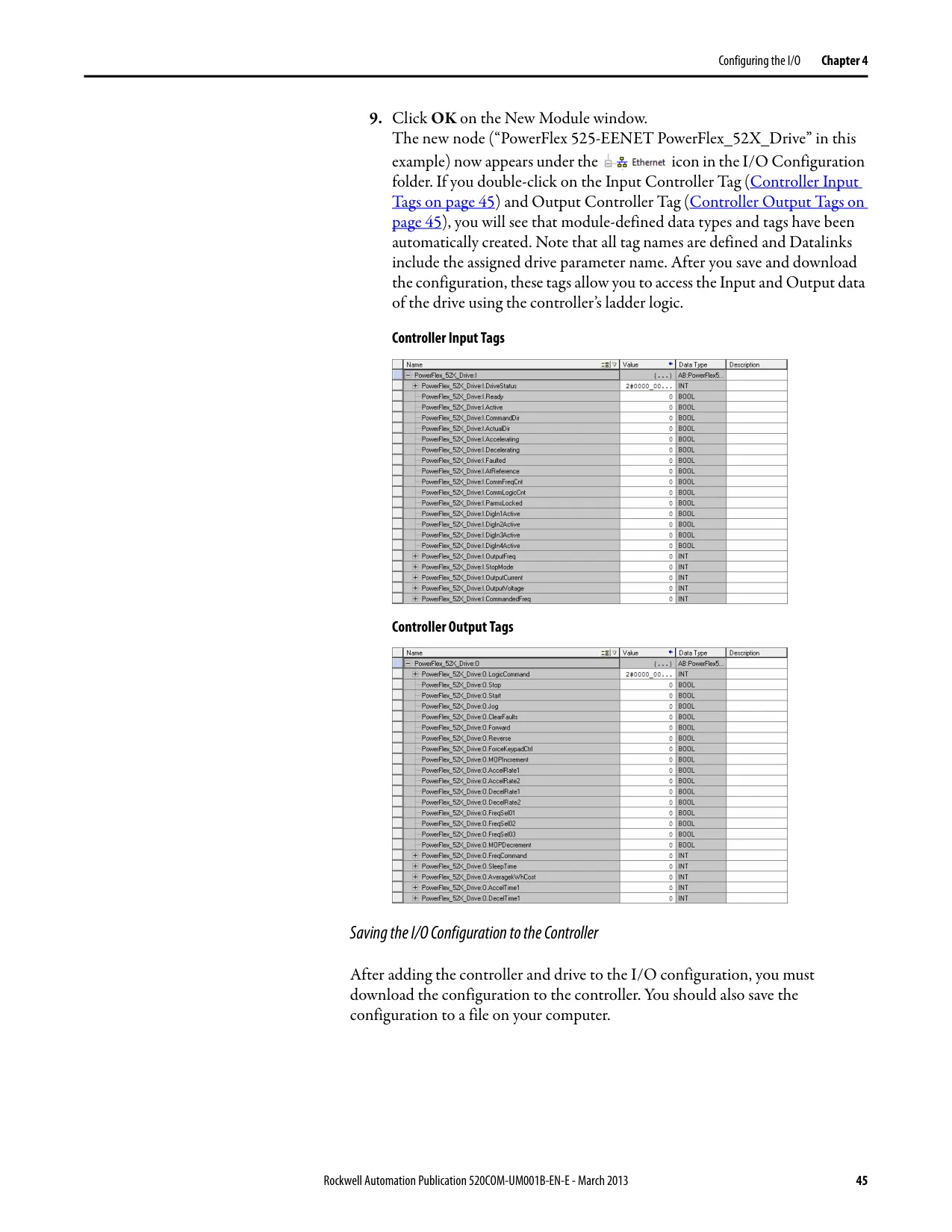
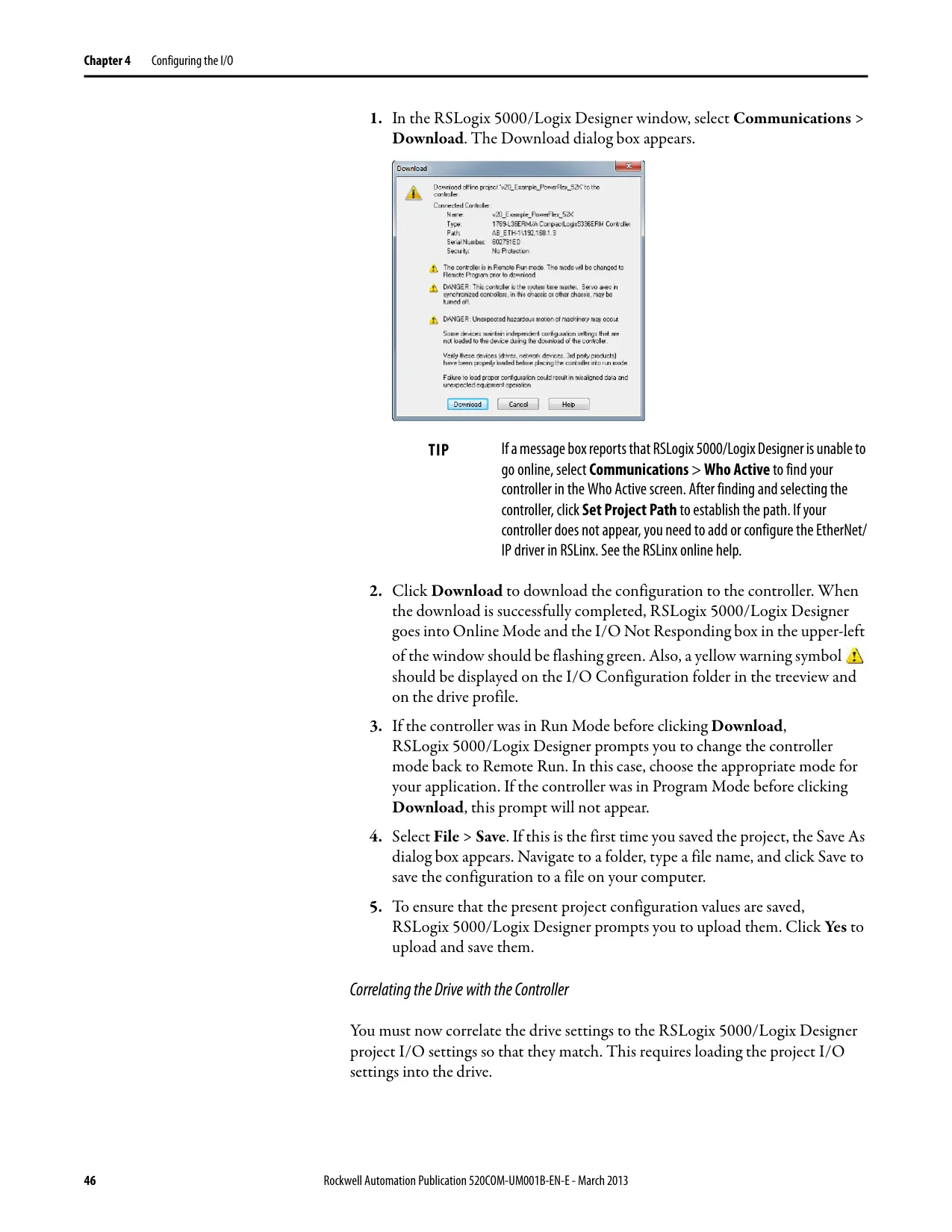
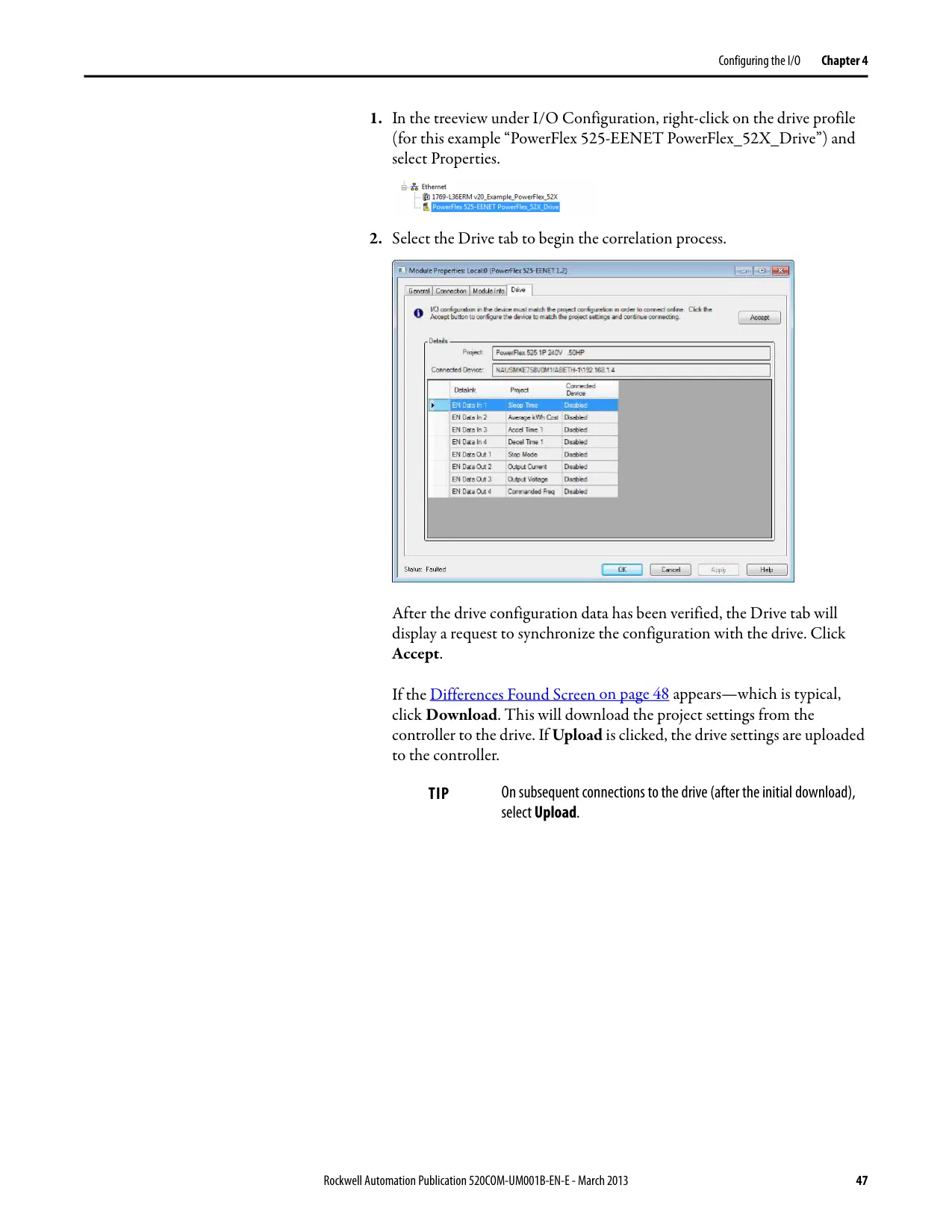
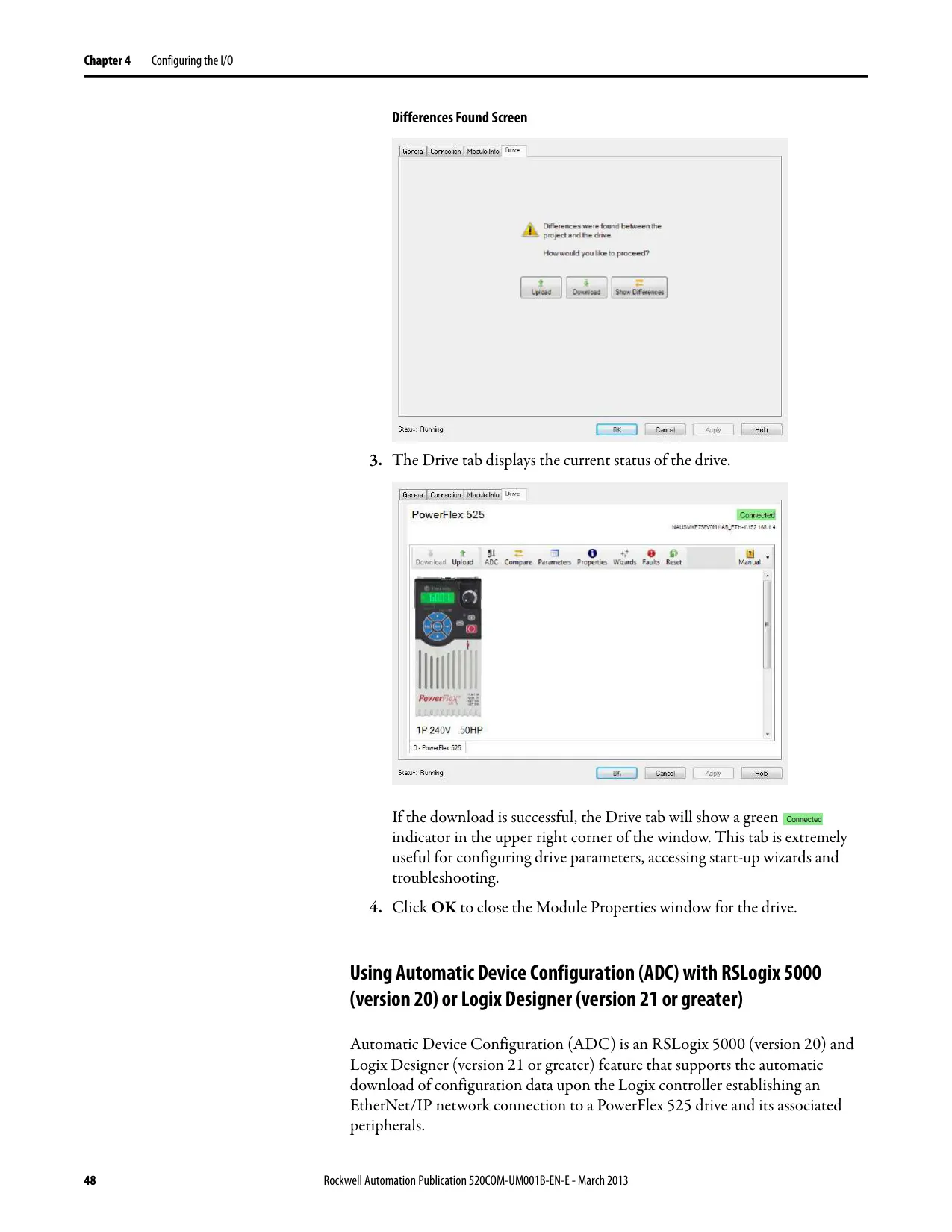
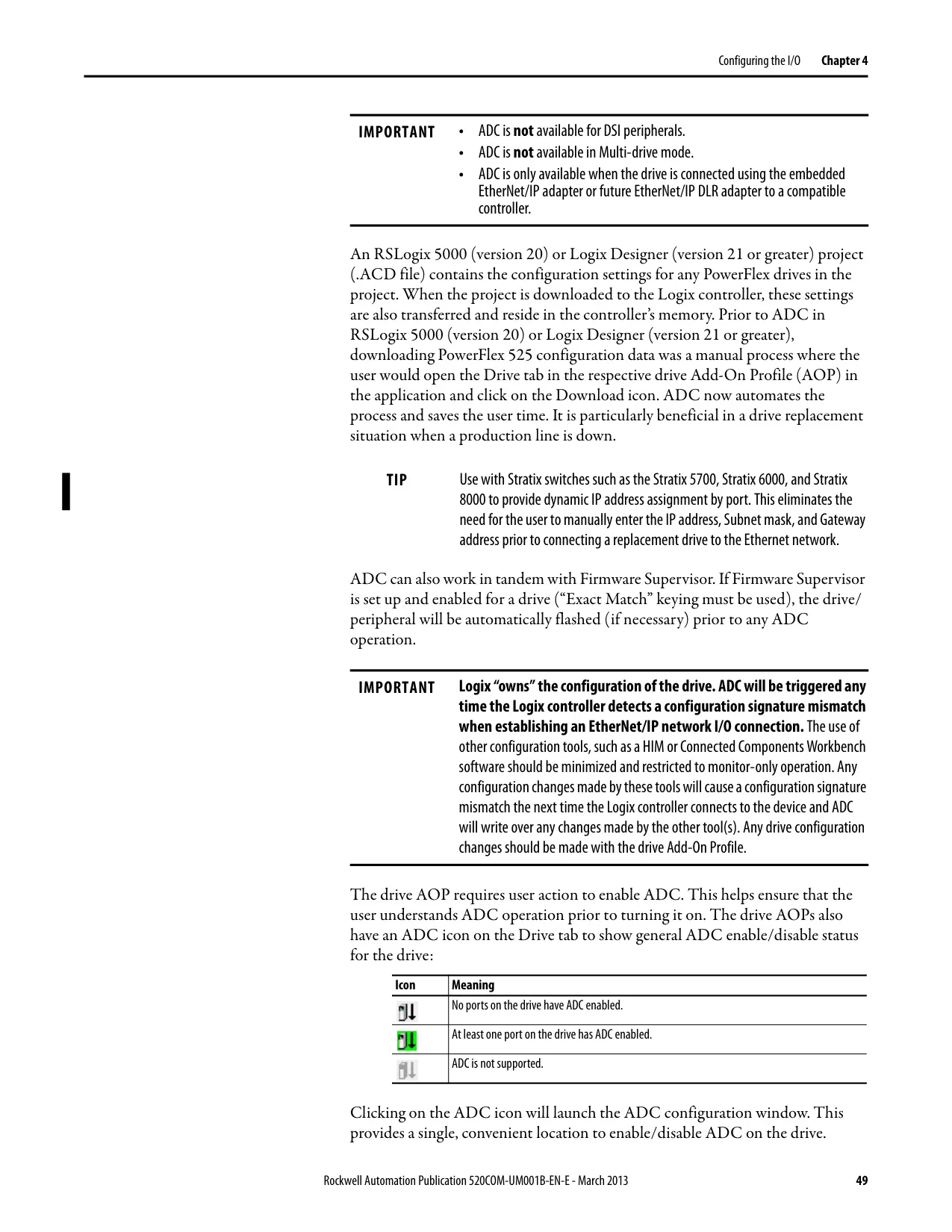
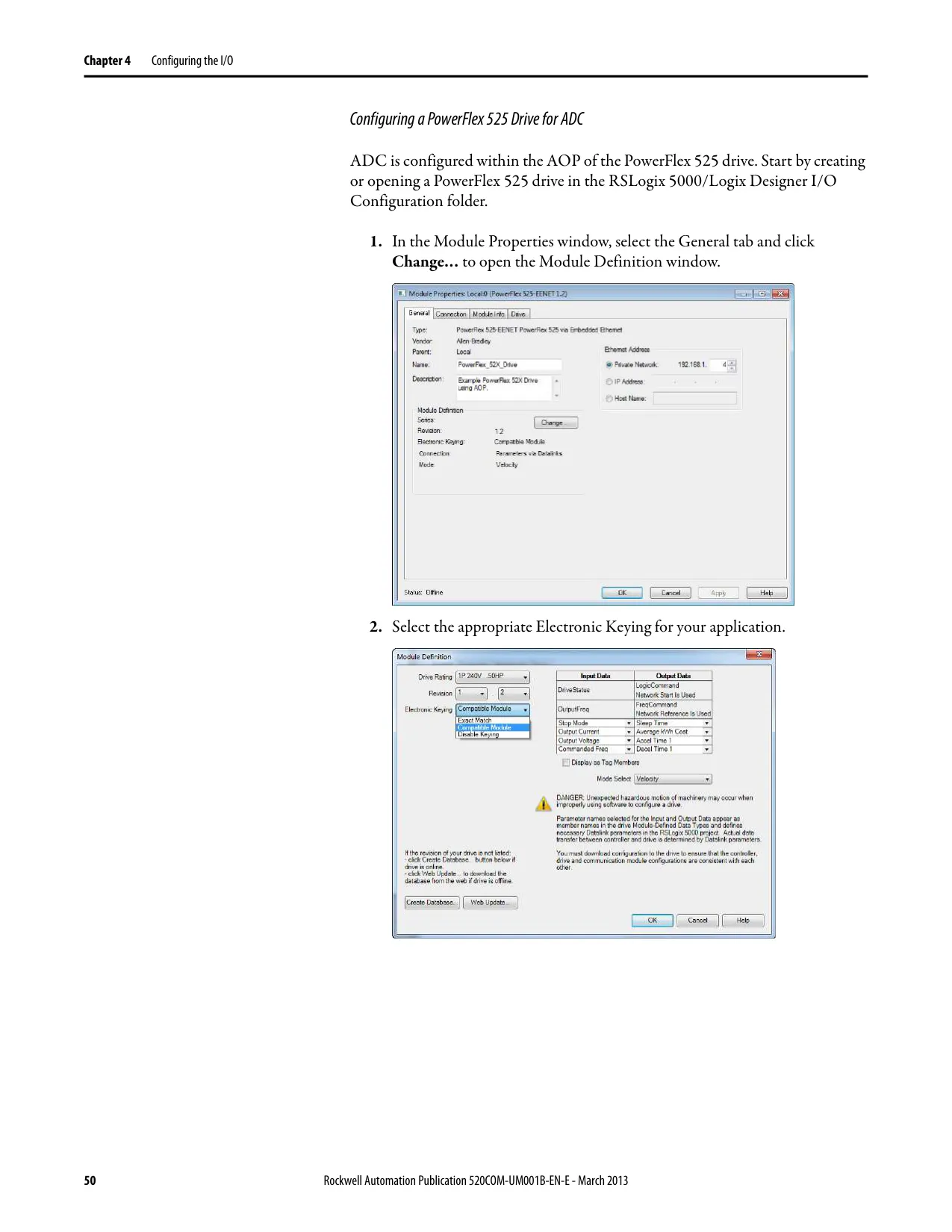
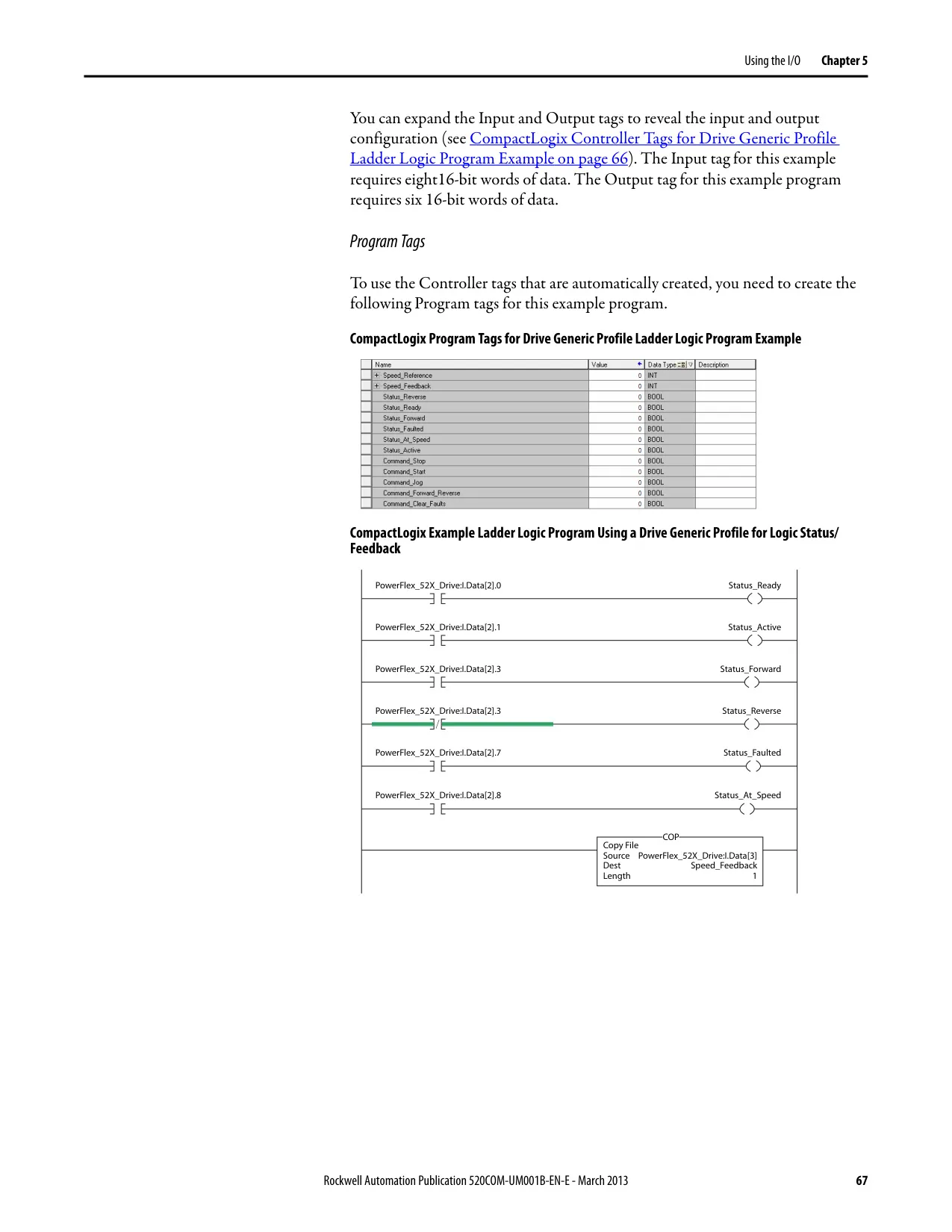
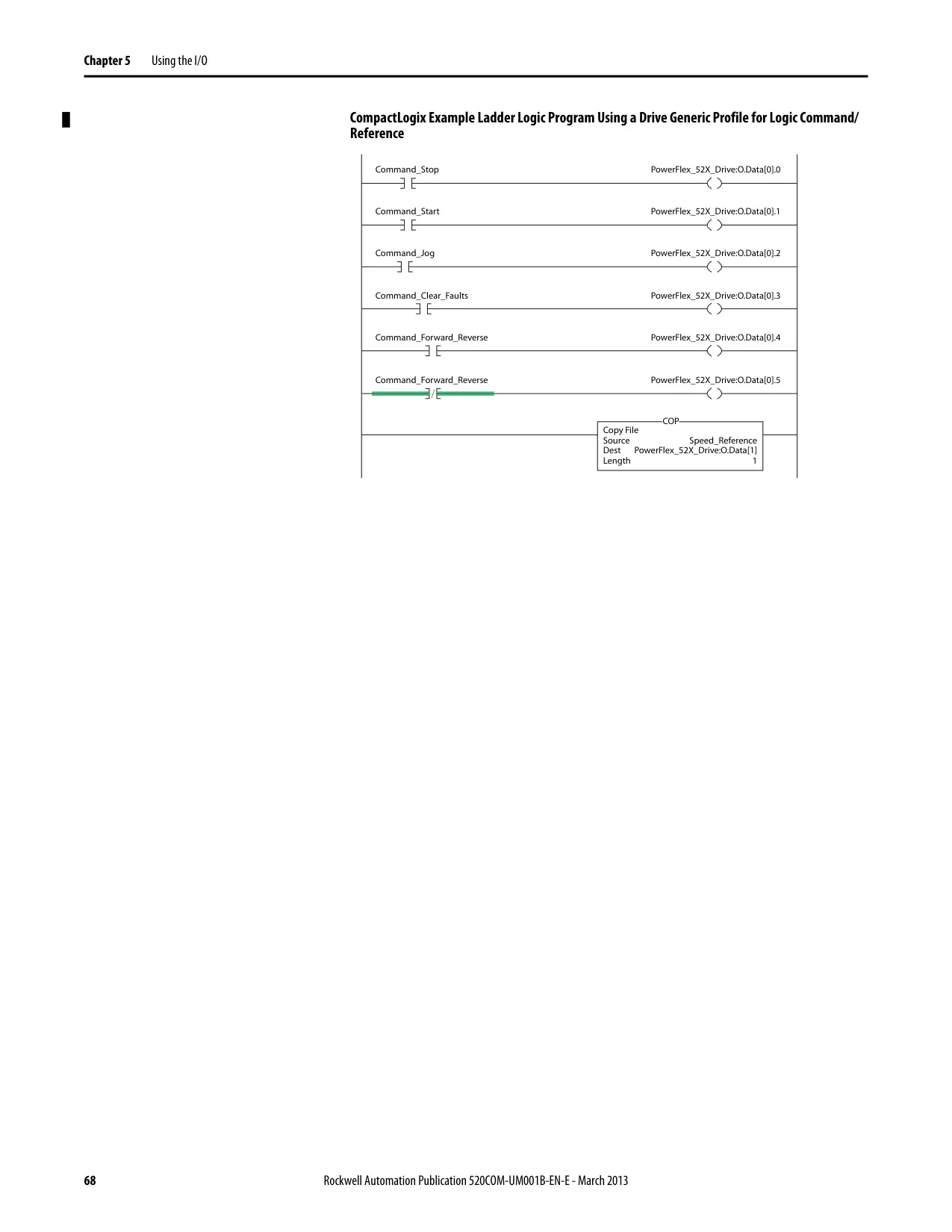
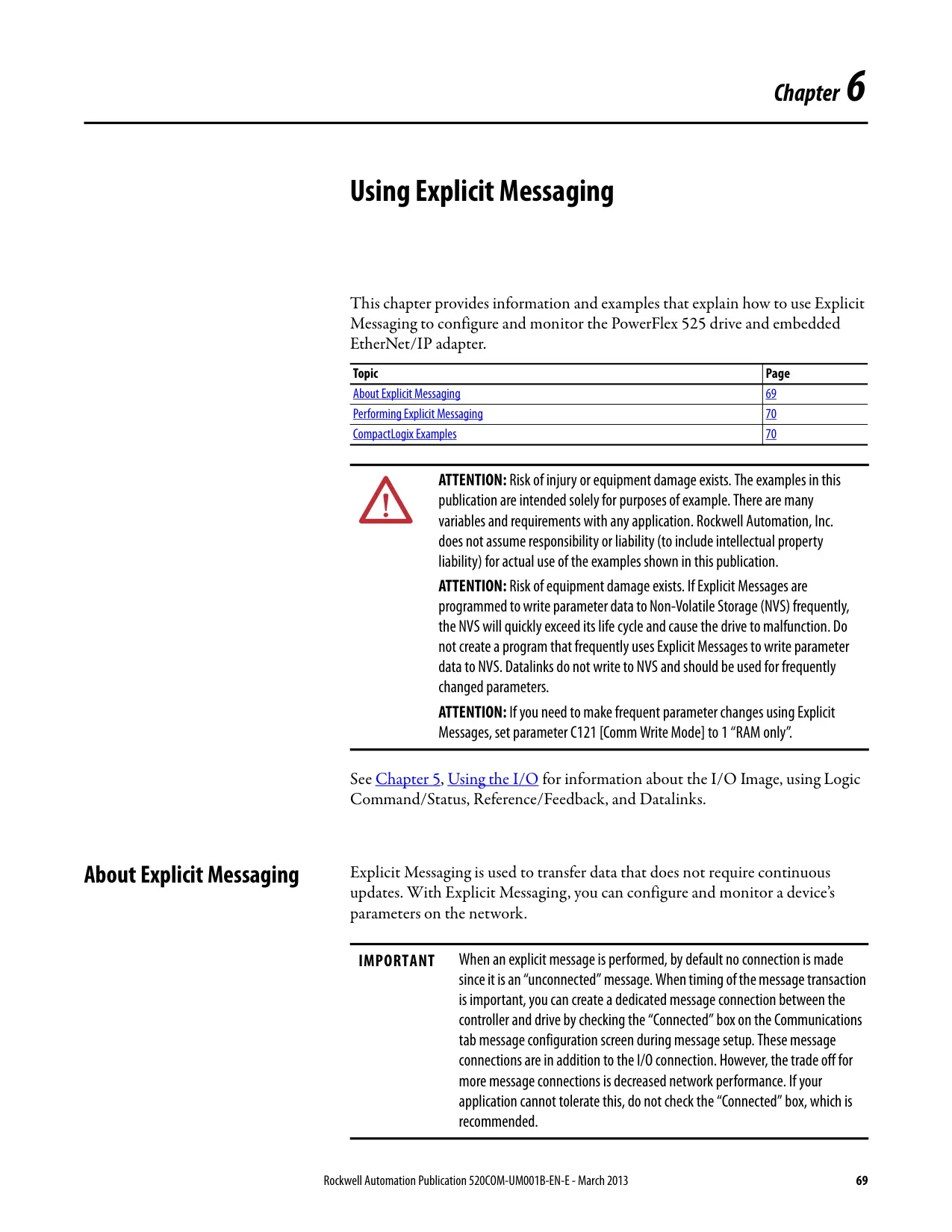
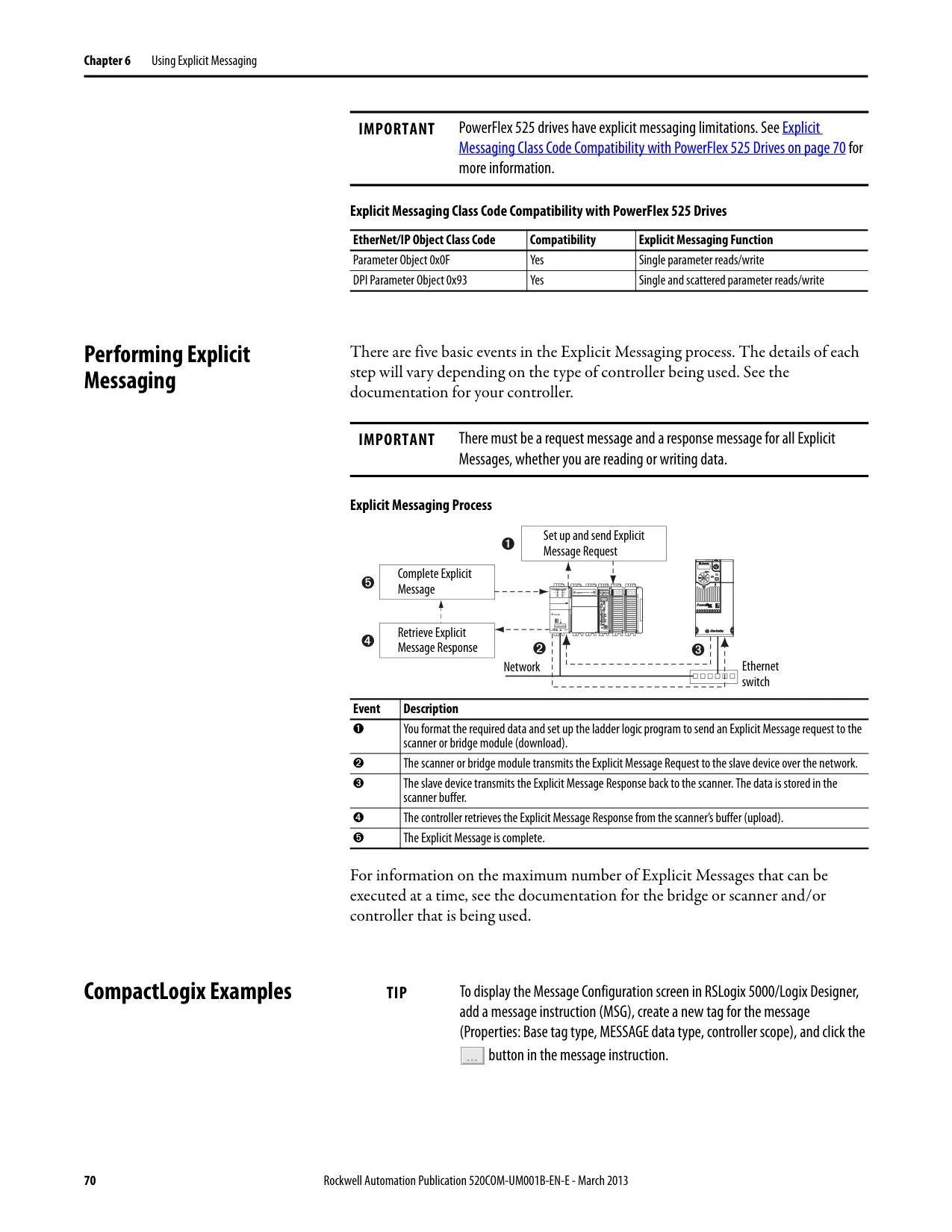
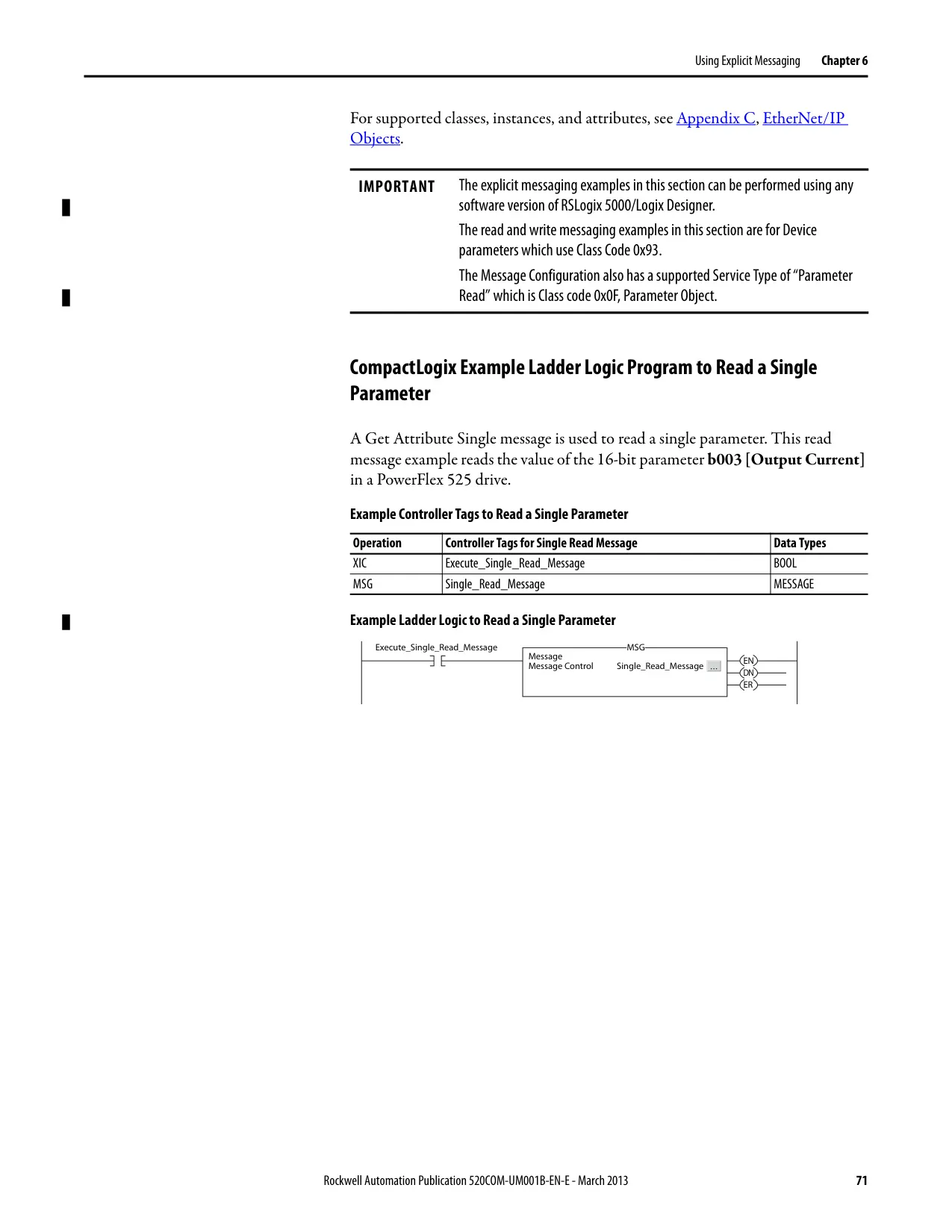
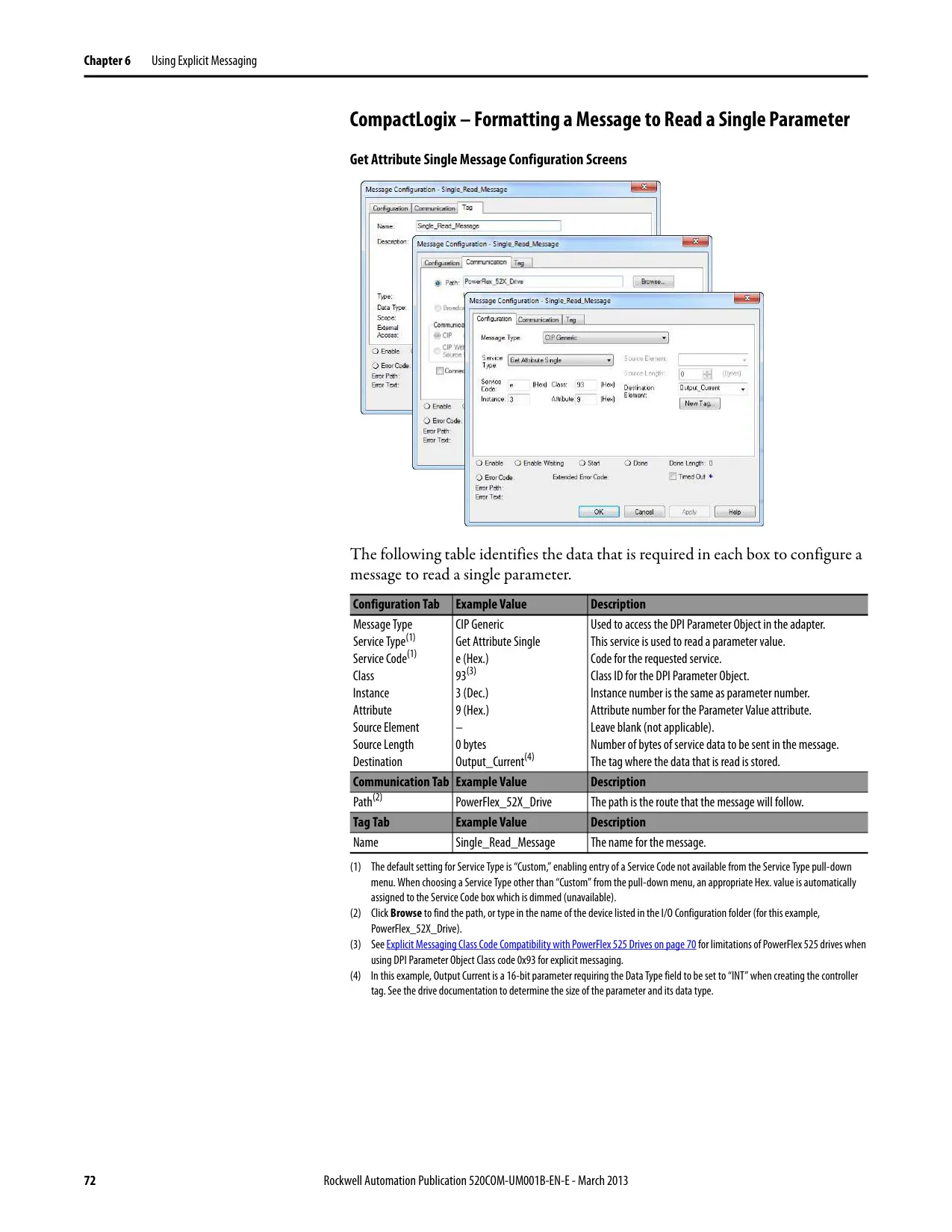
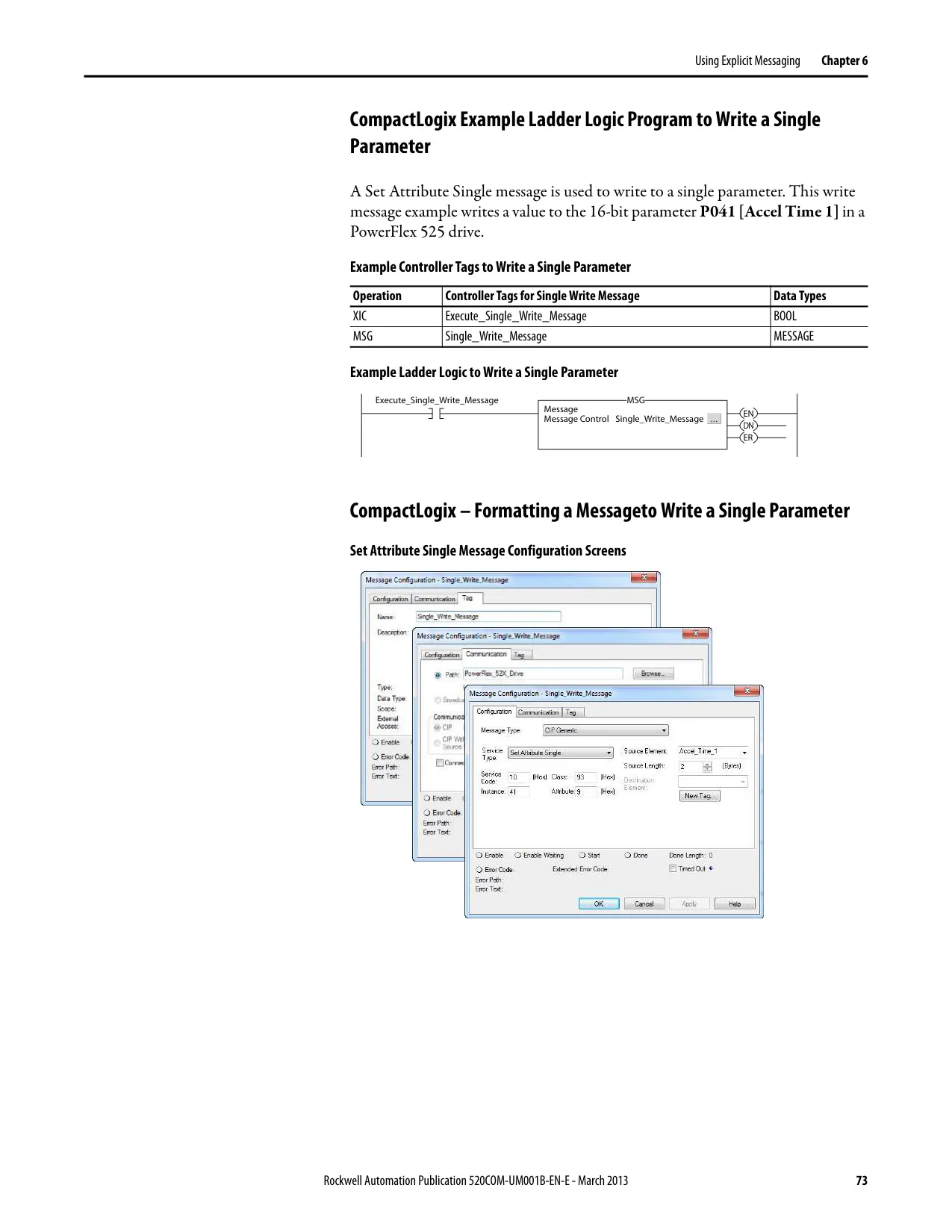
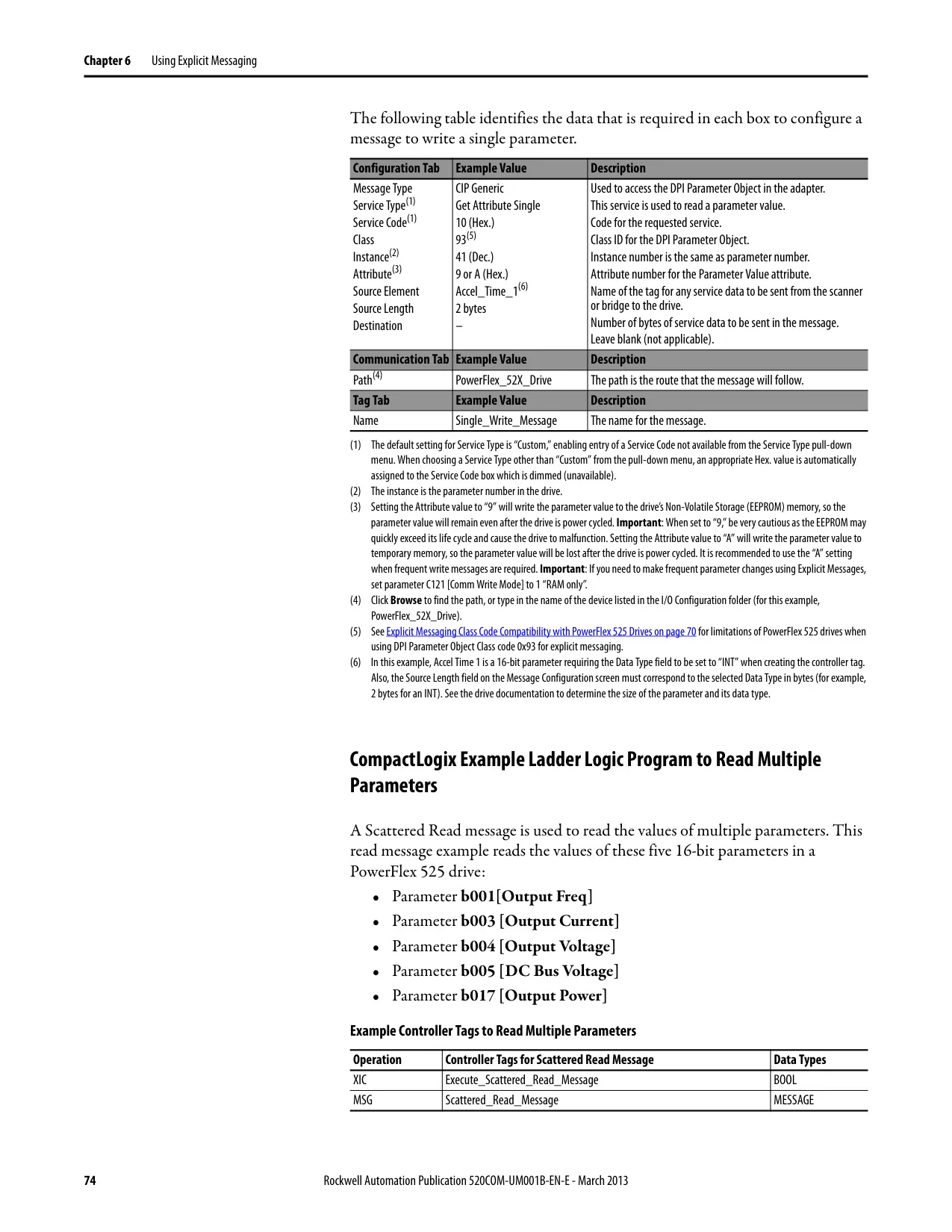




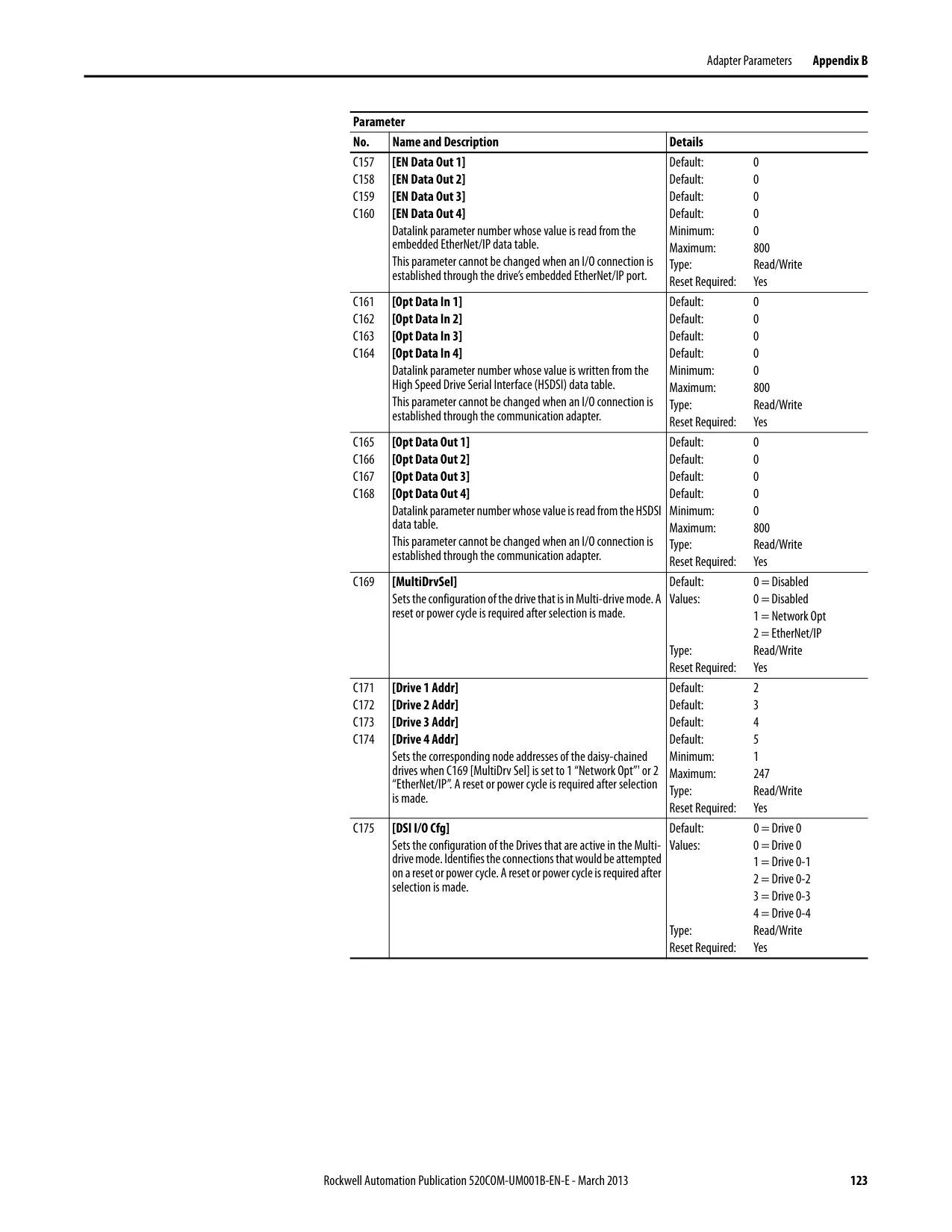

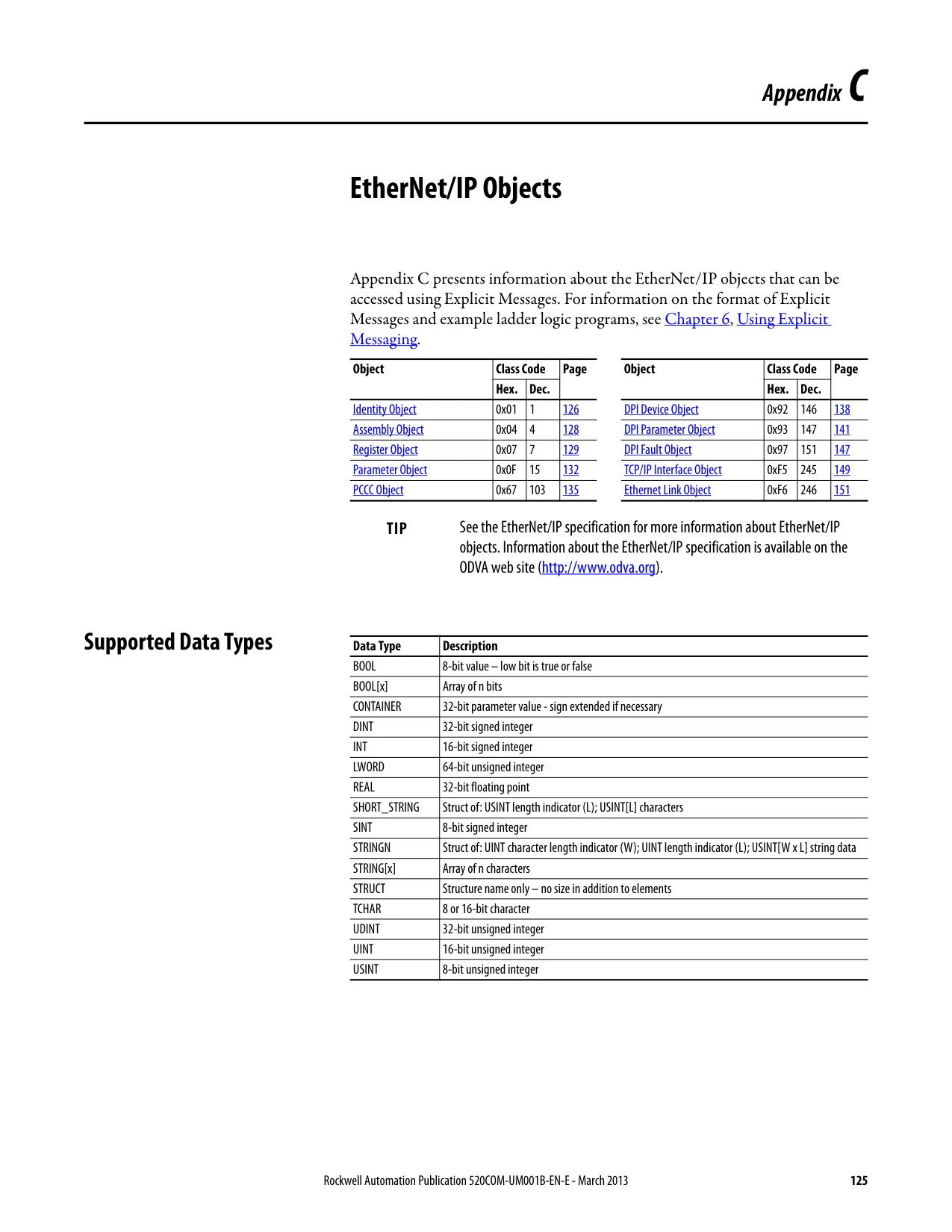
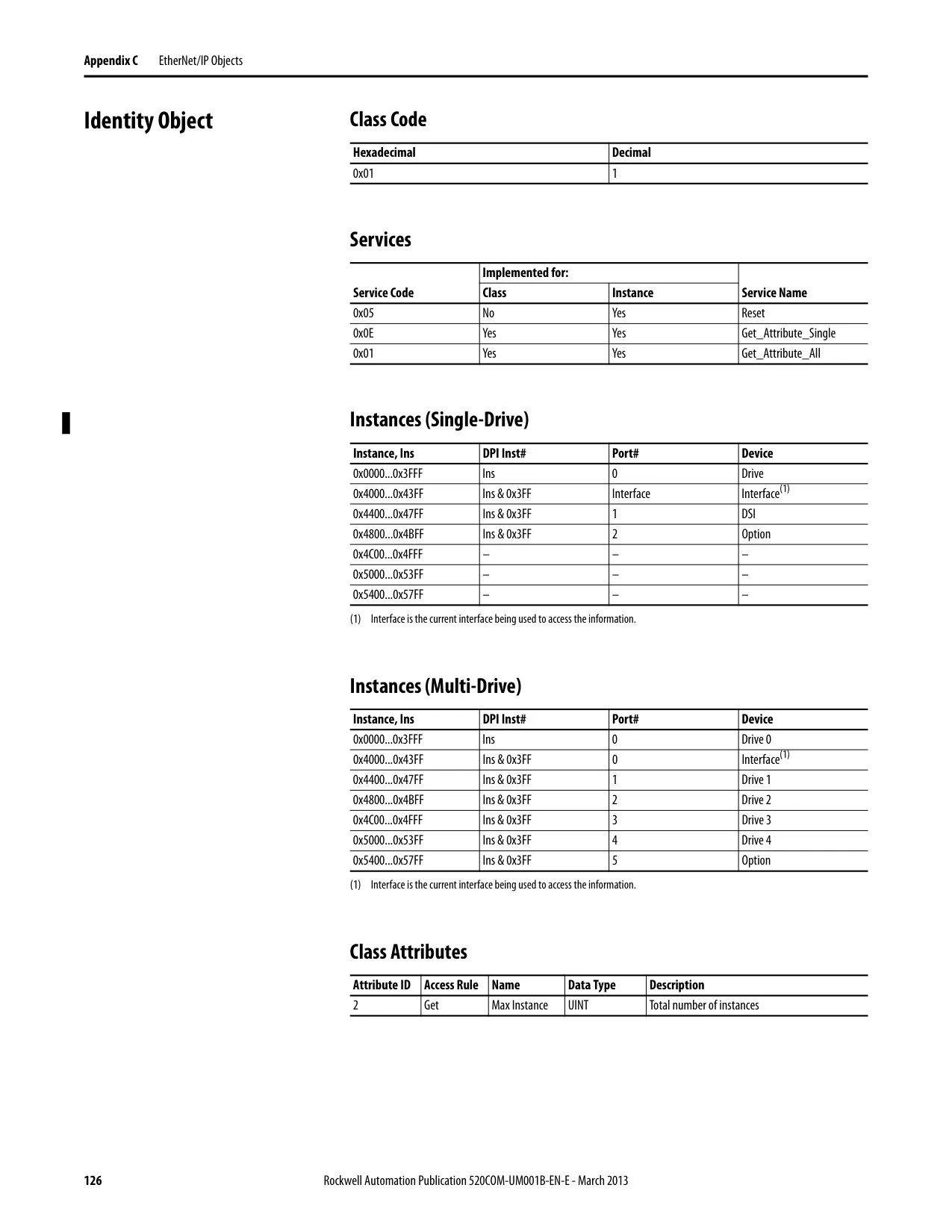
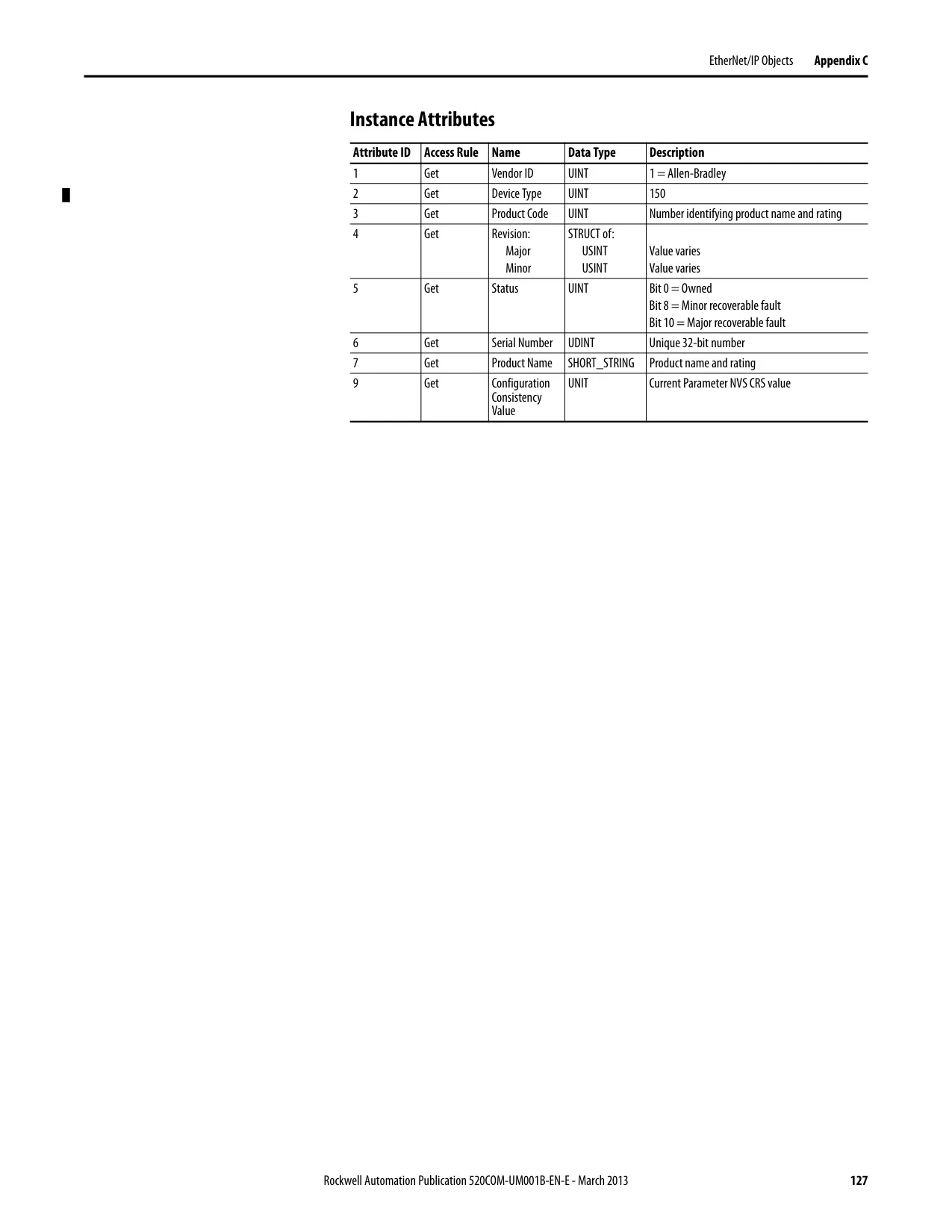
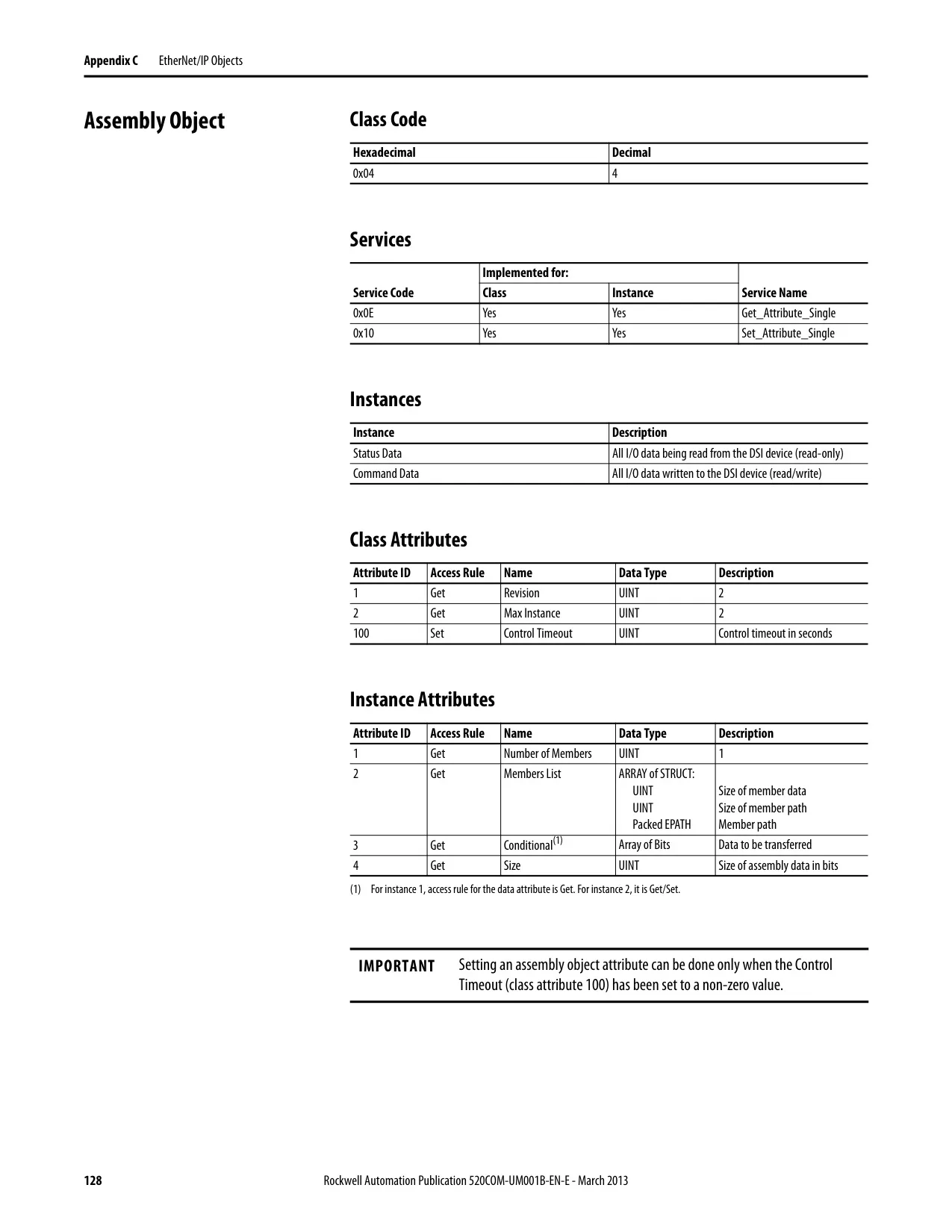
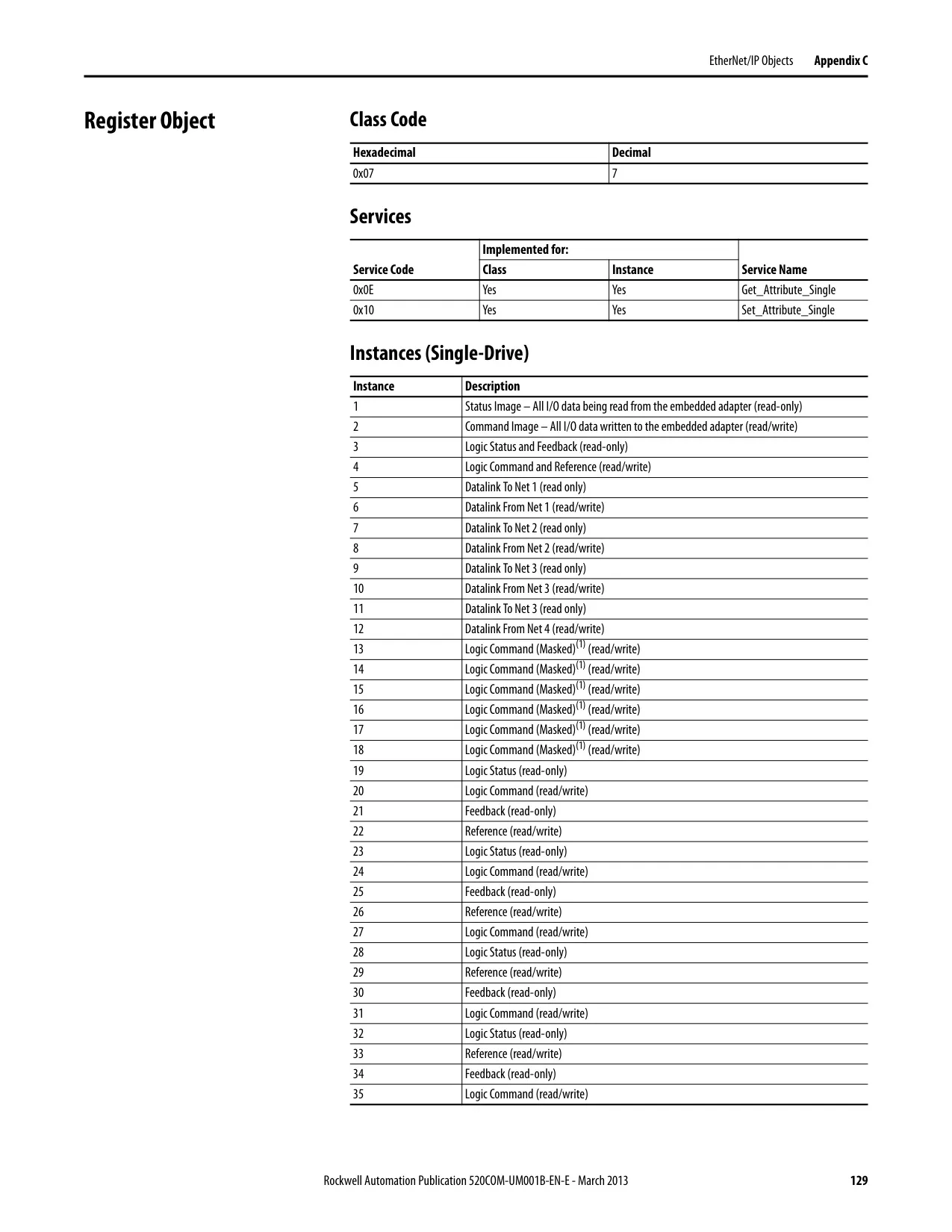
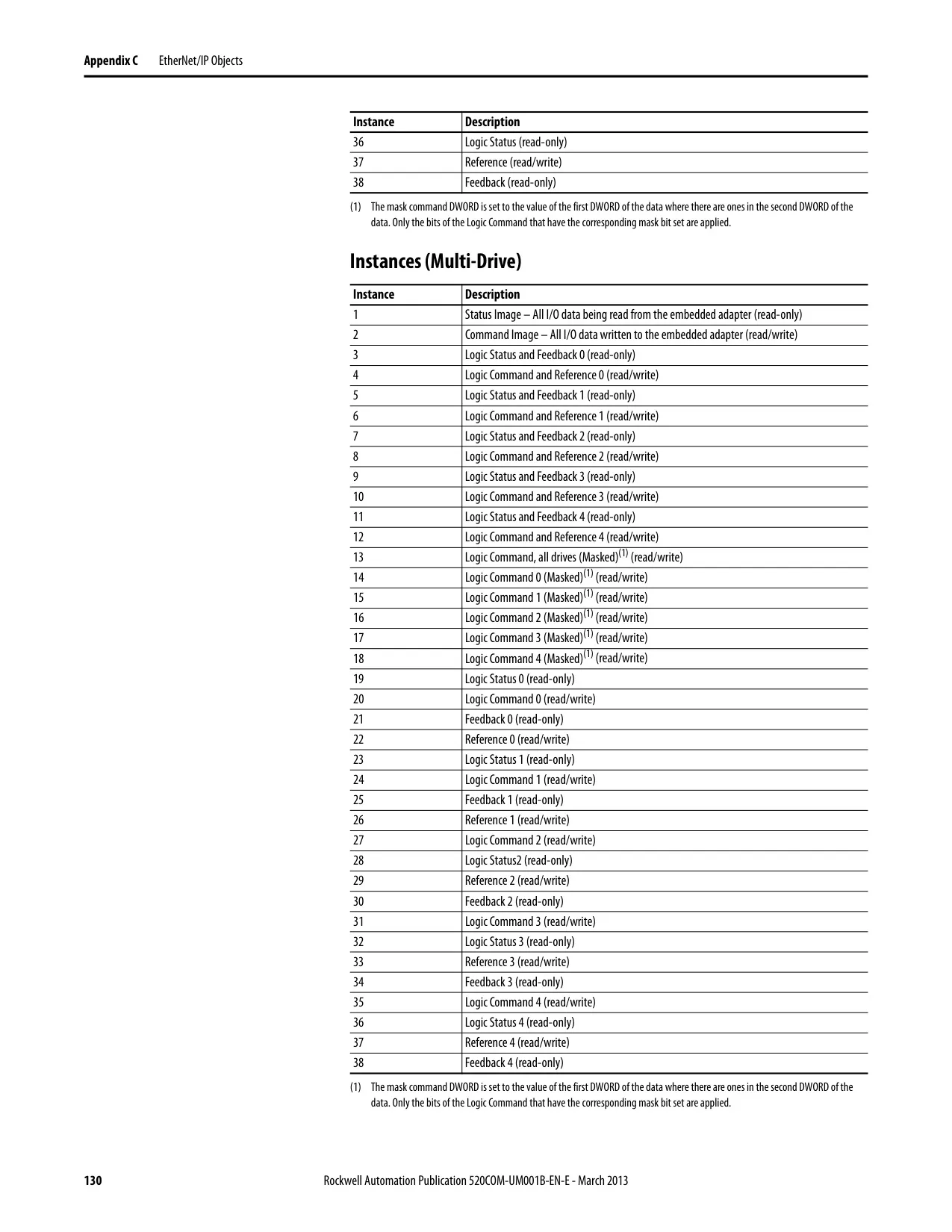
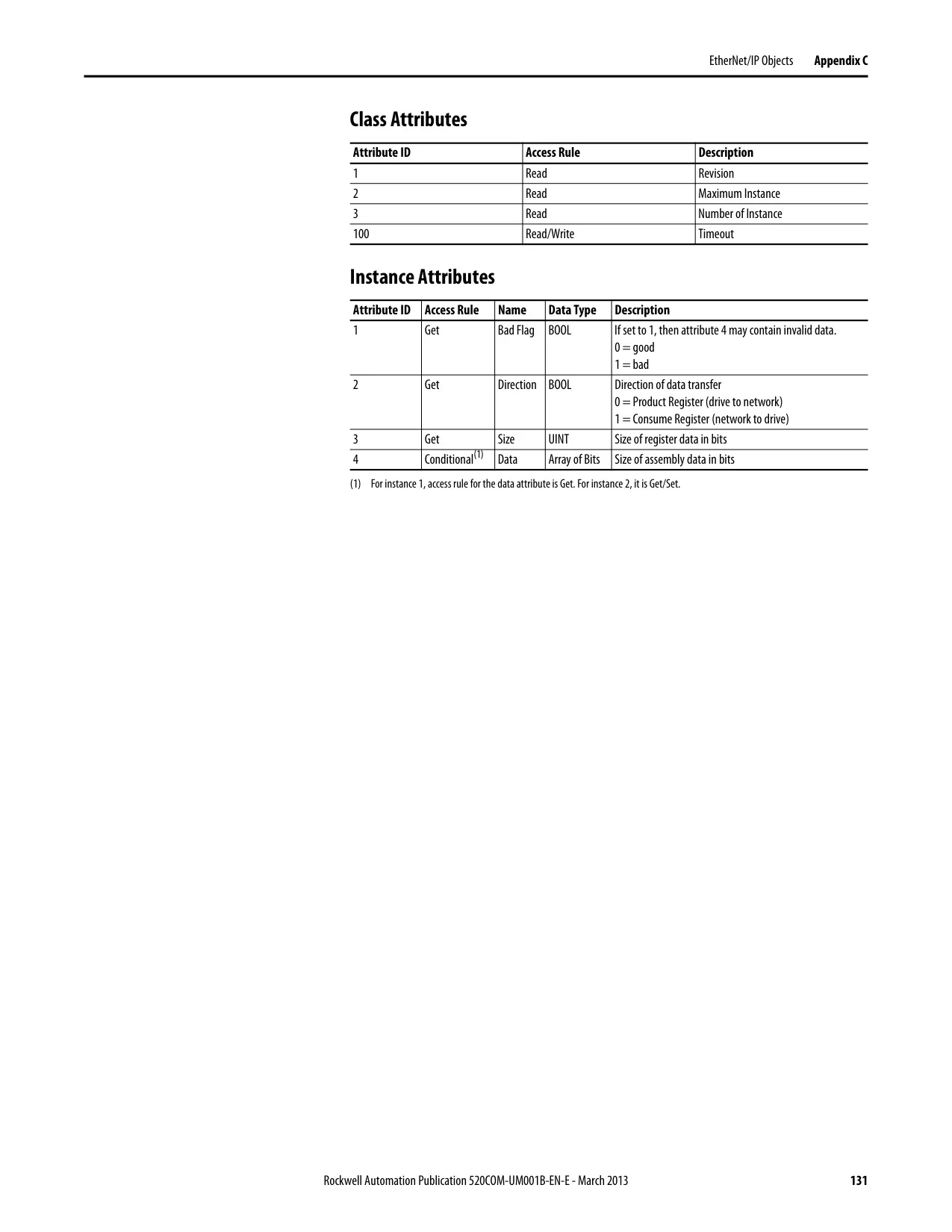


Allen-Bradley Powerflex 525 VFD
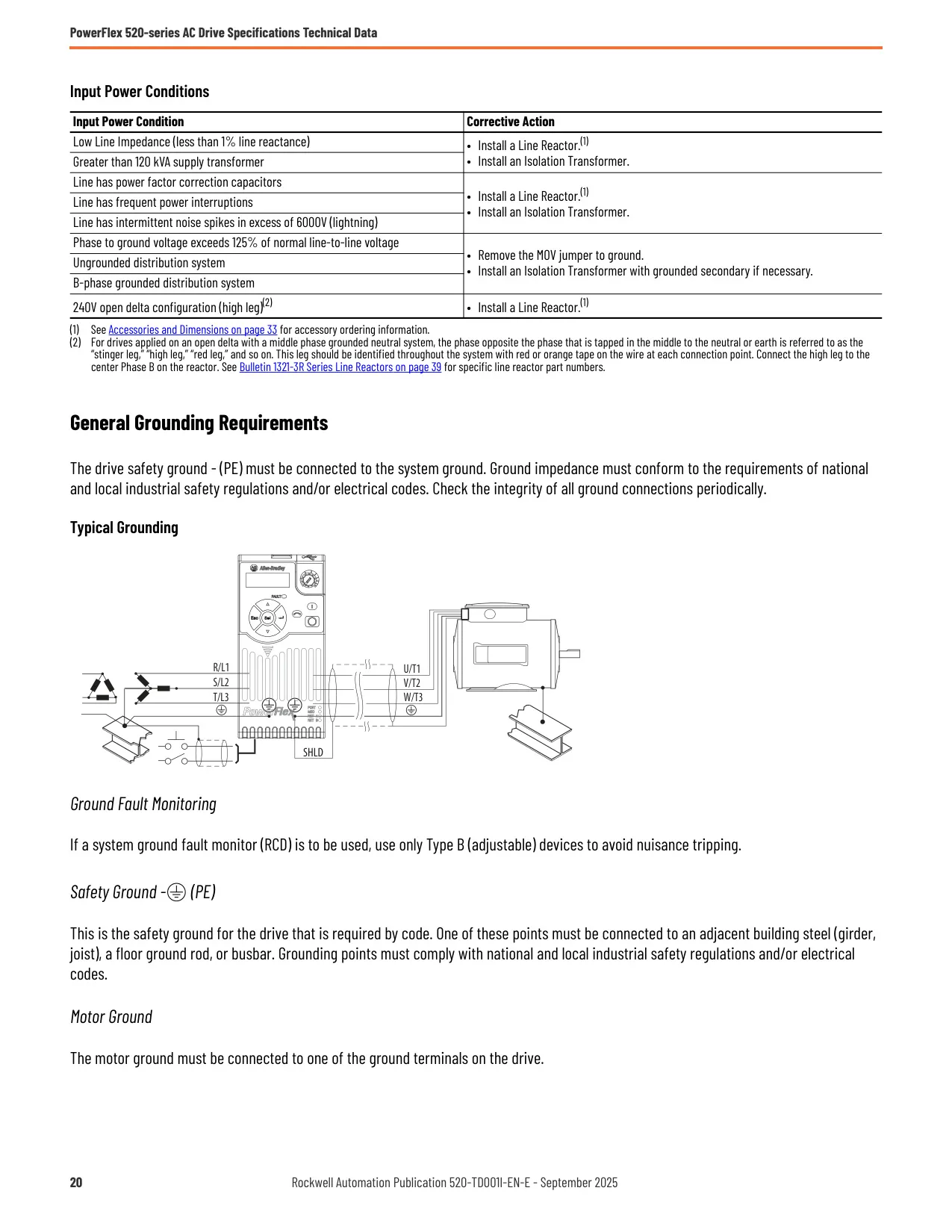
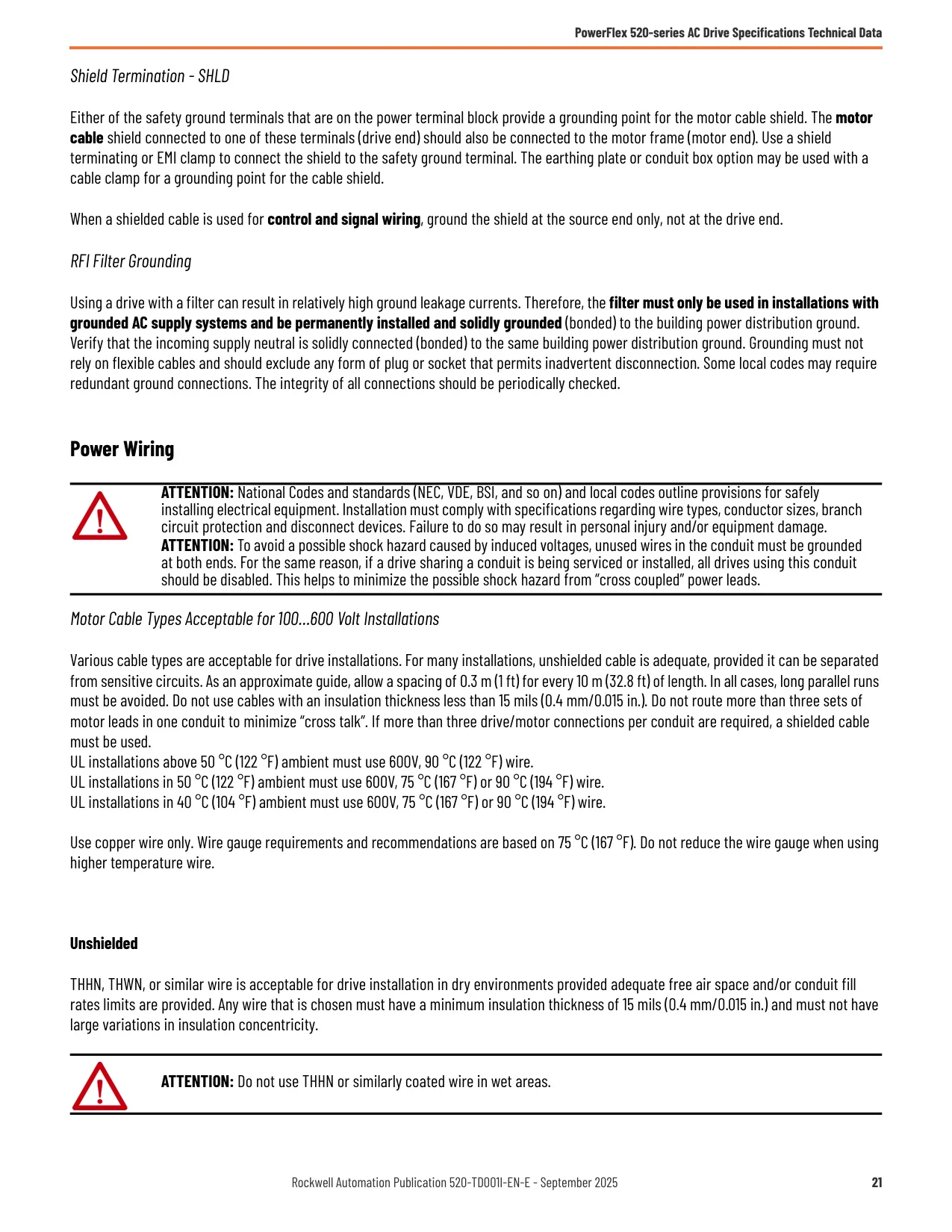
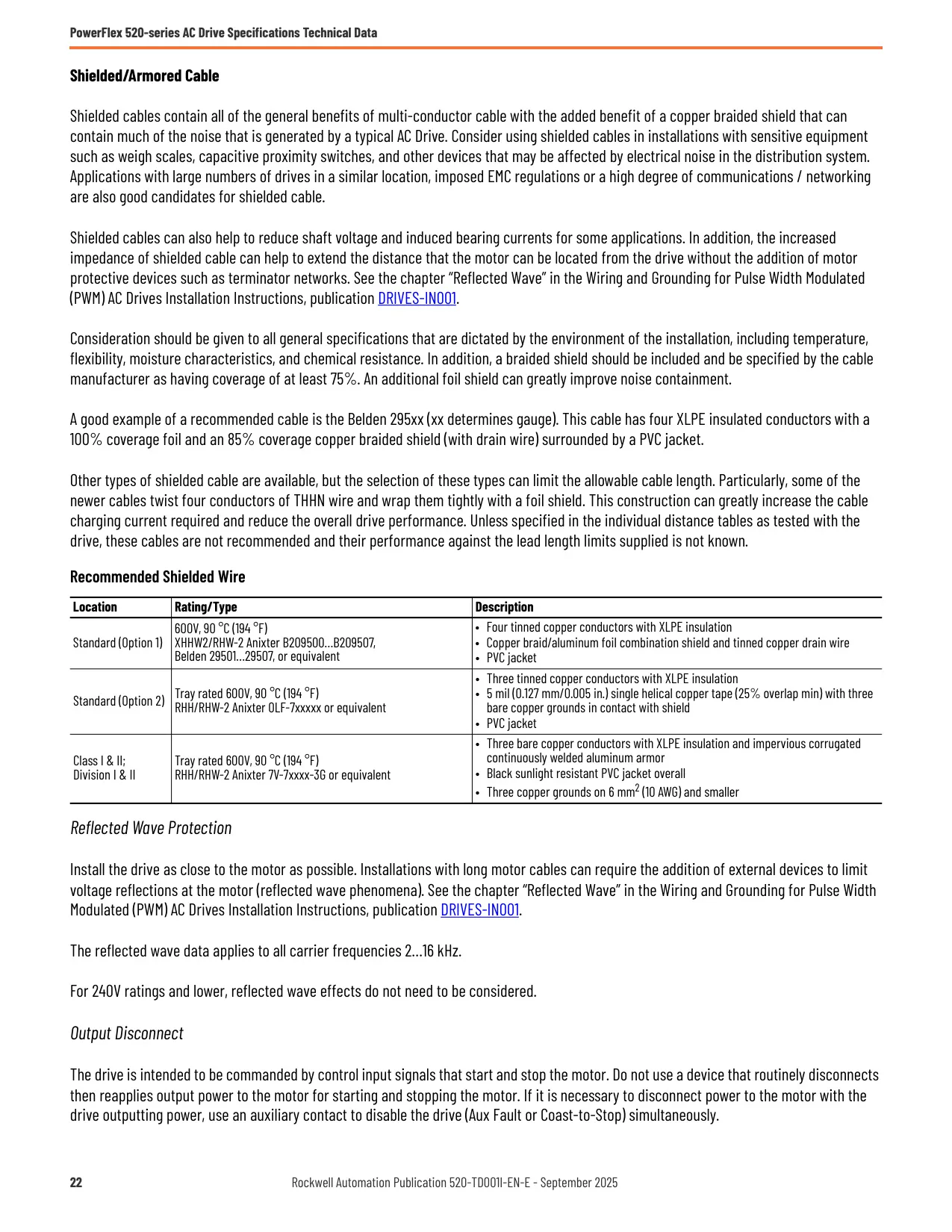
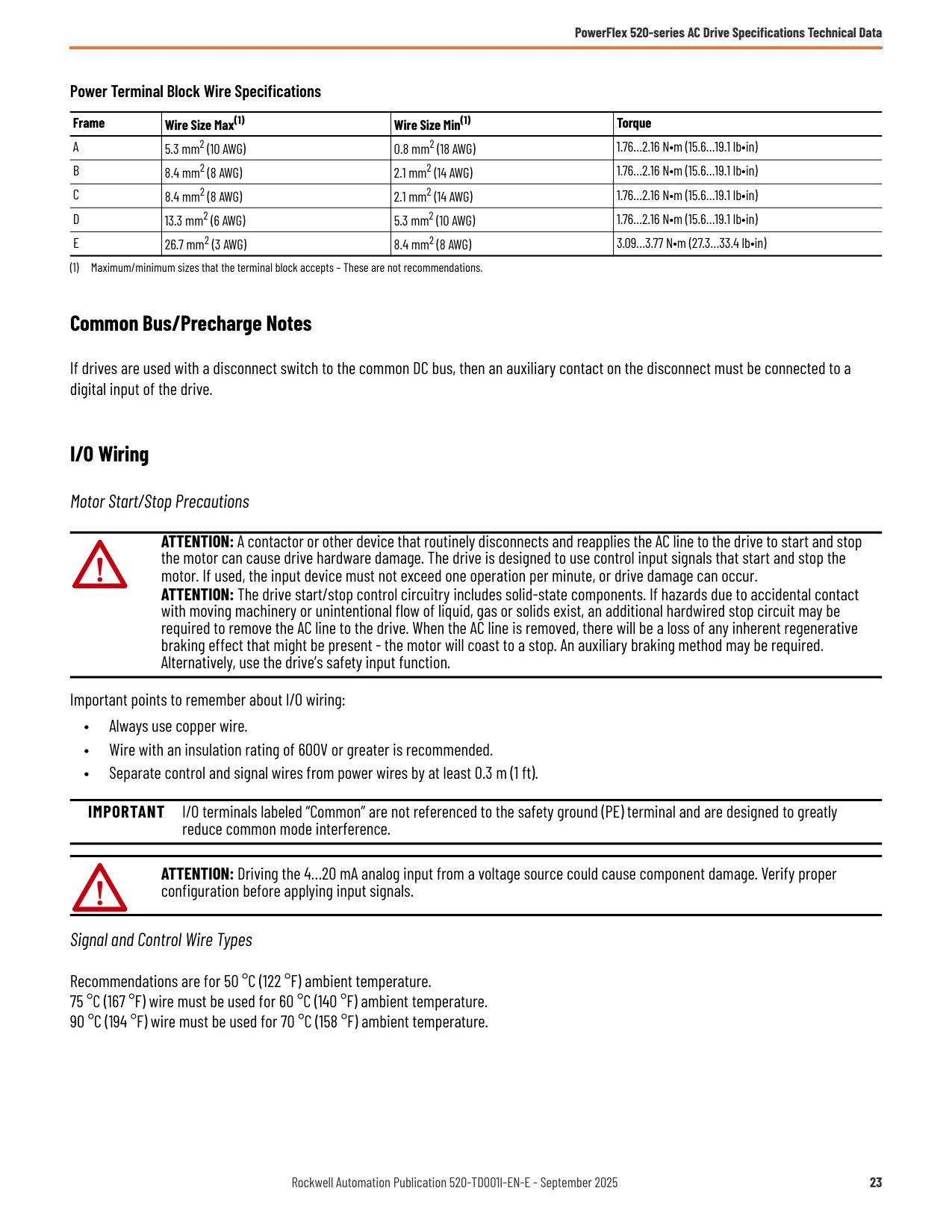
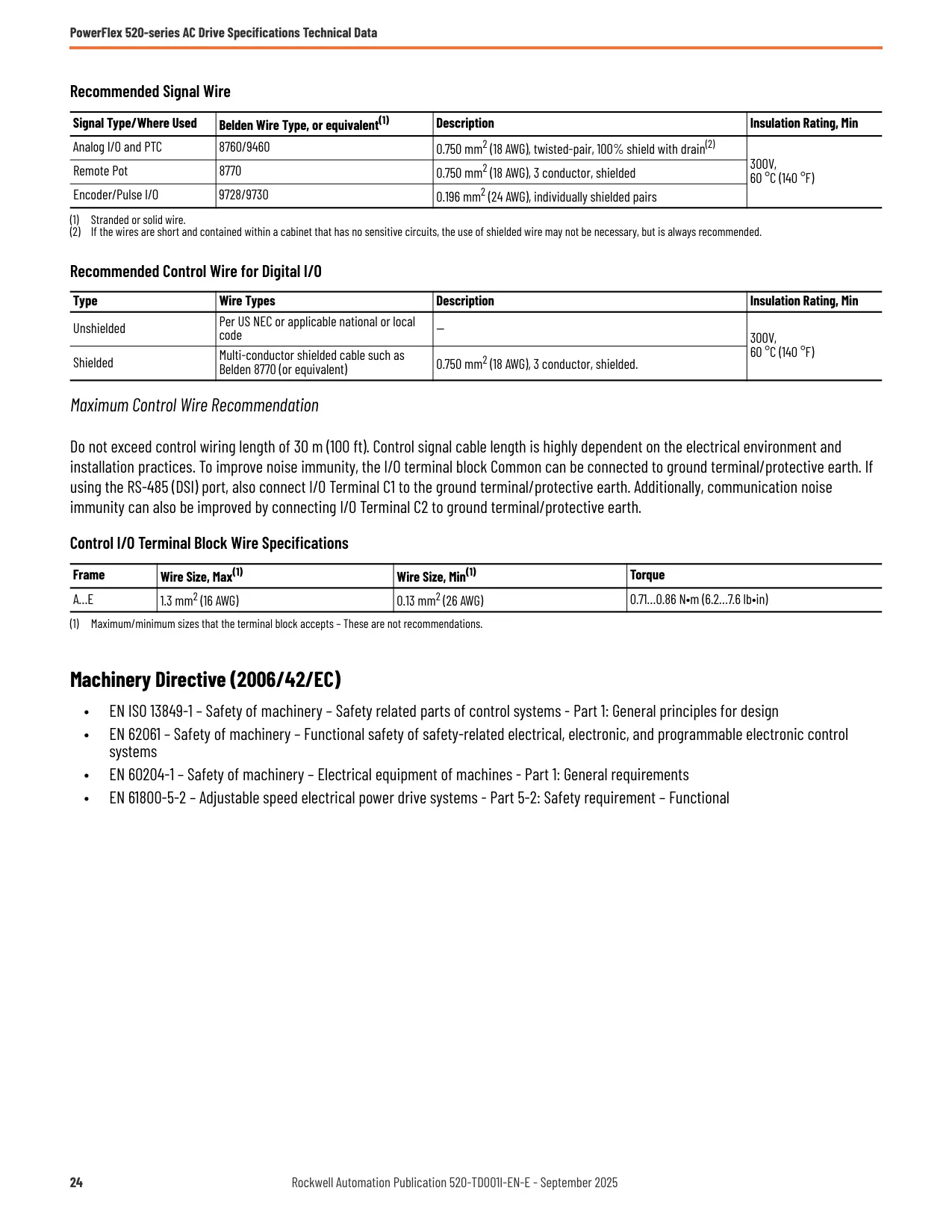
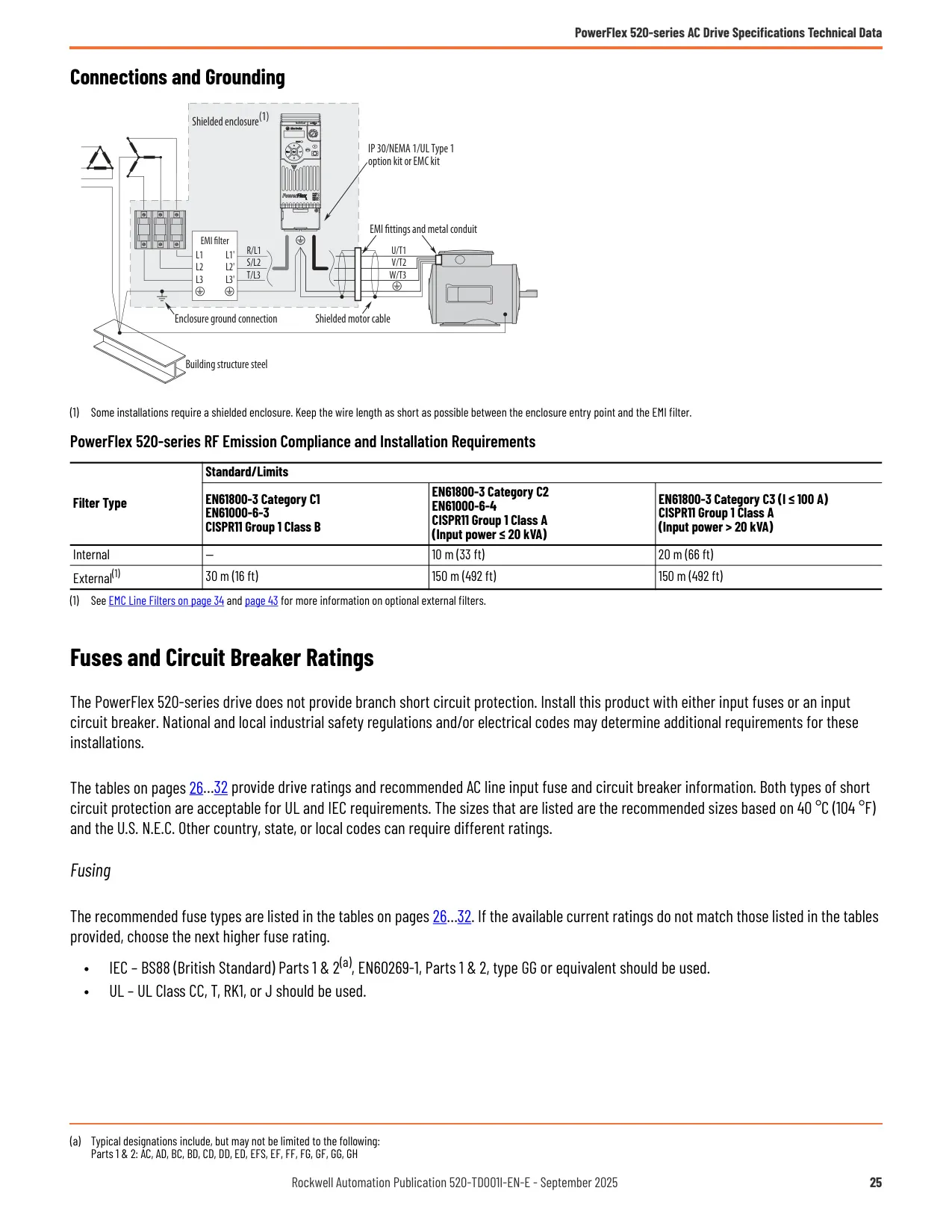
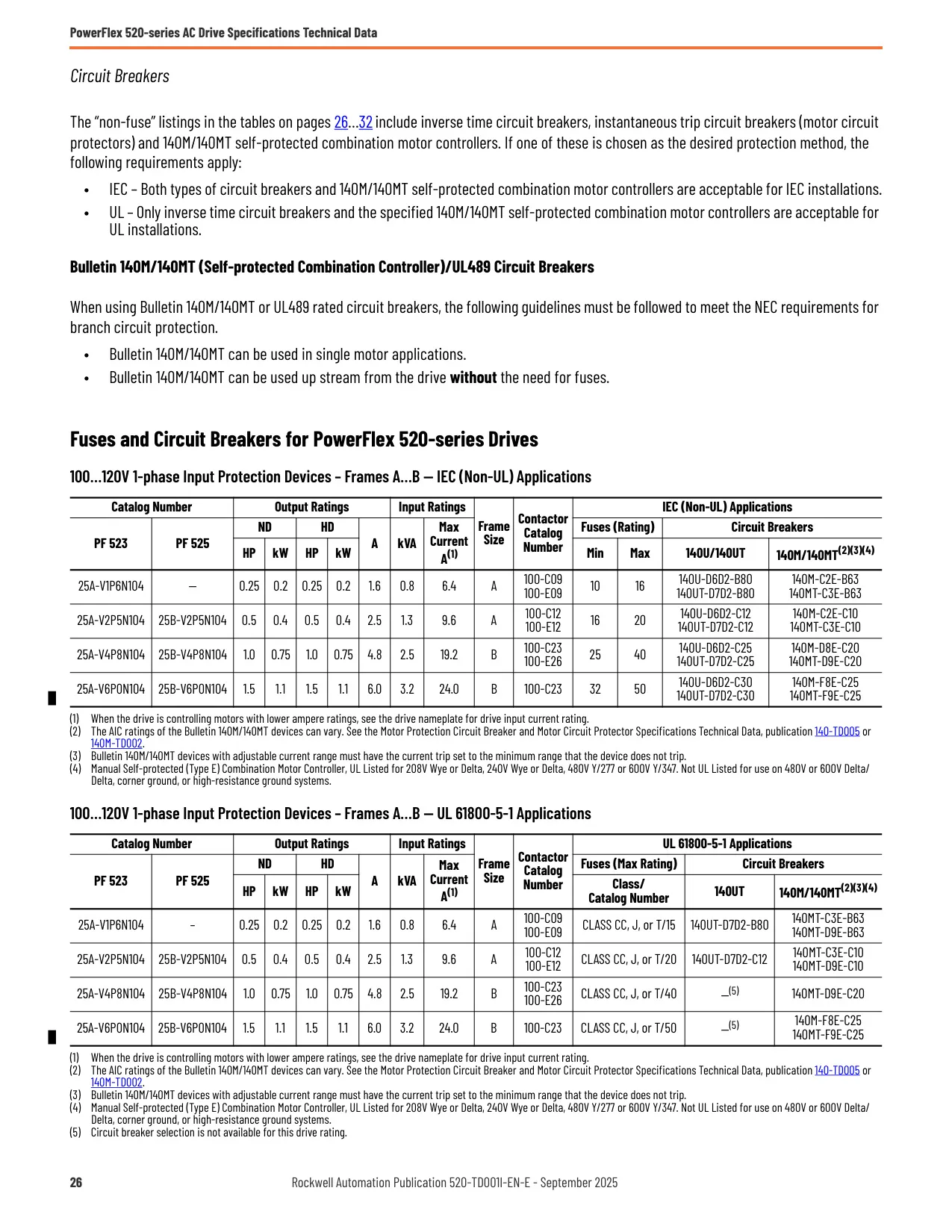
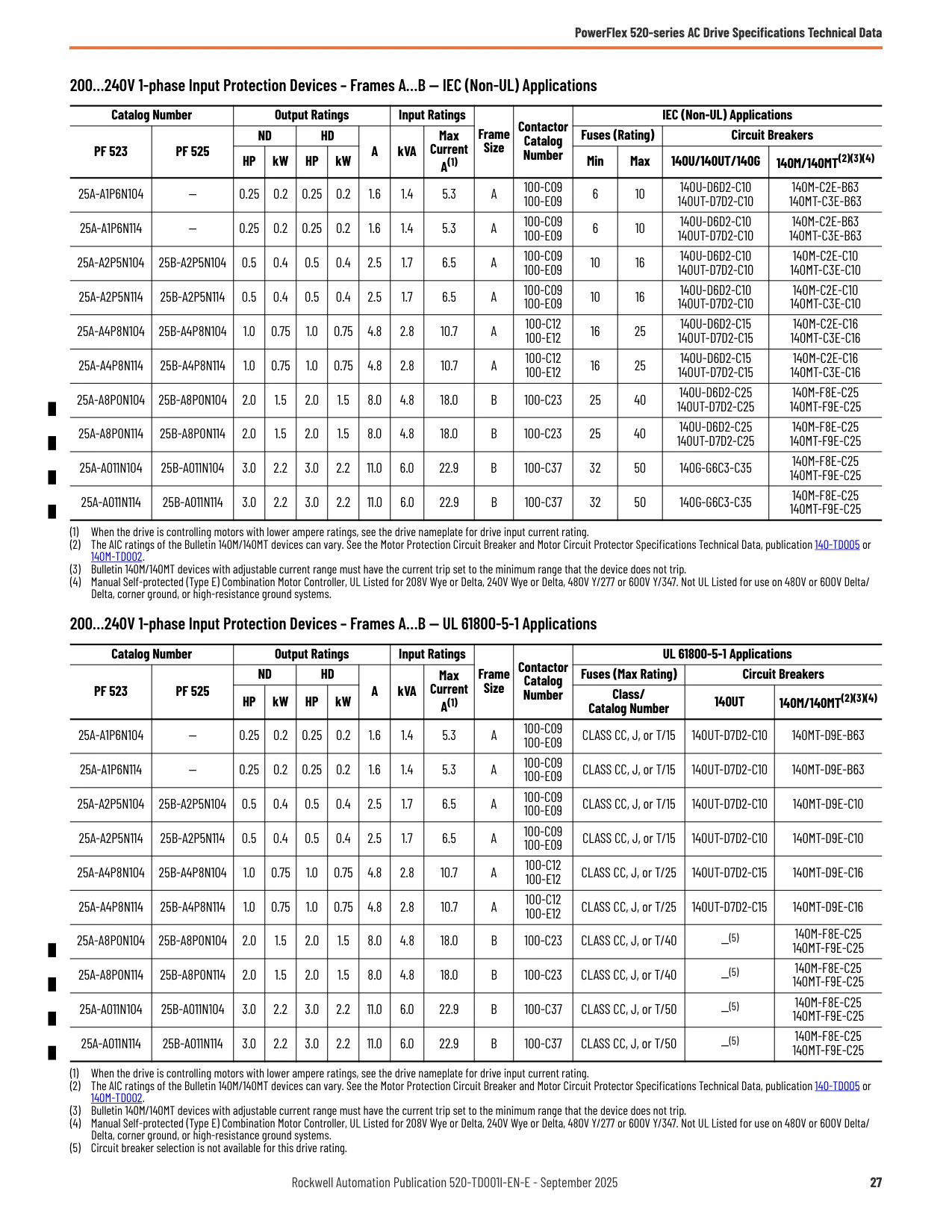
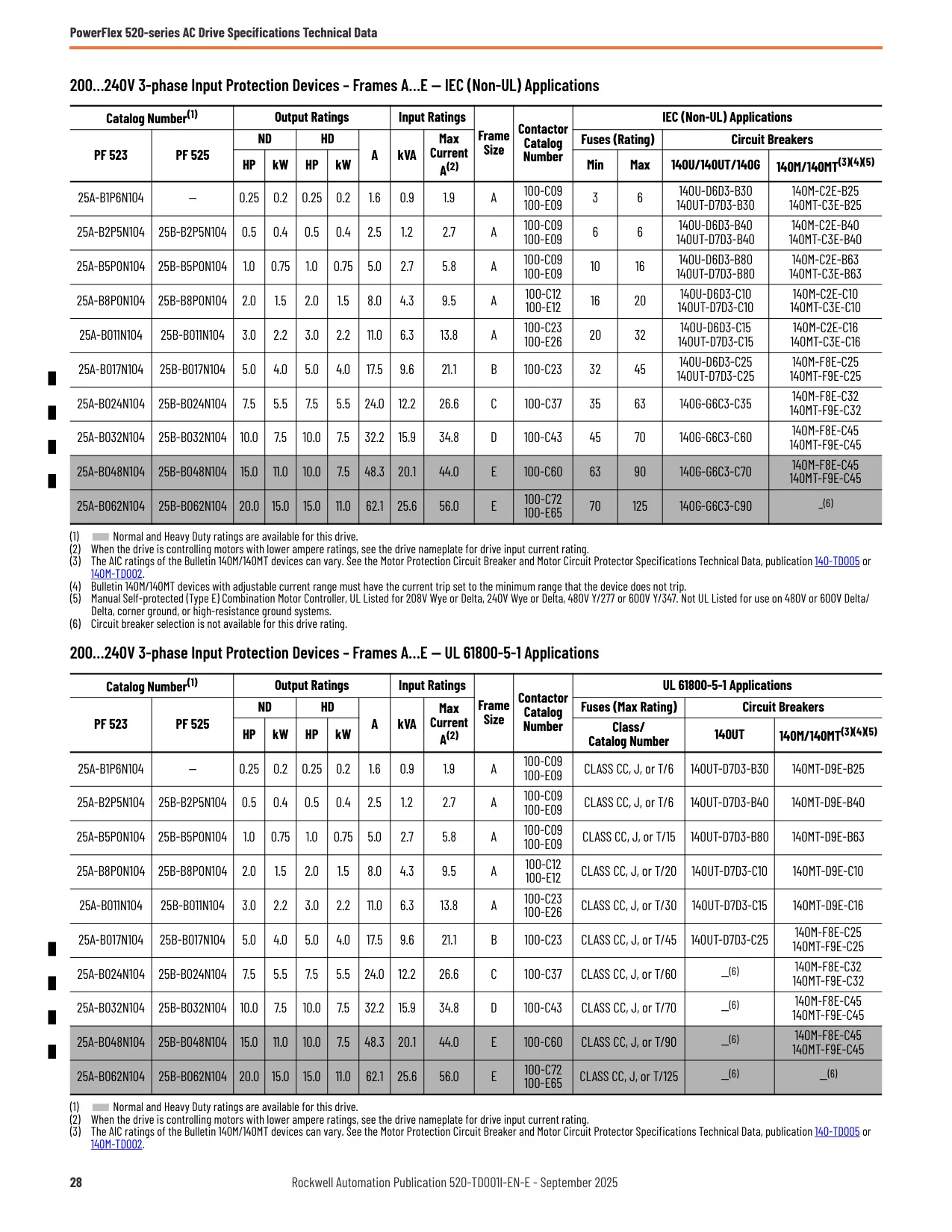
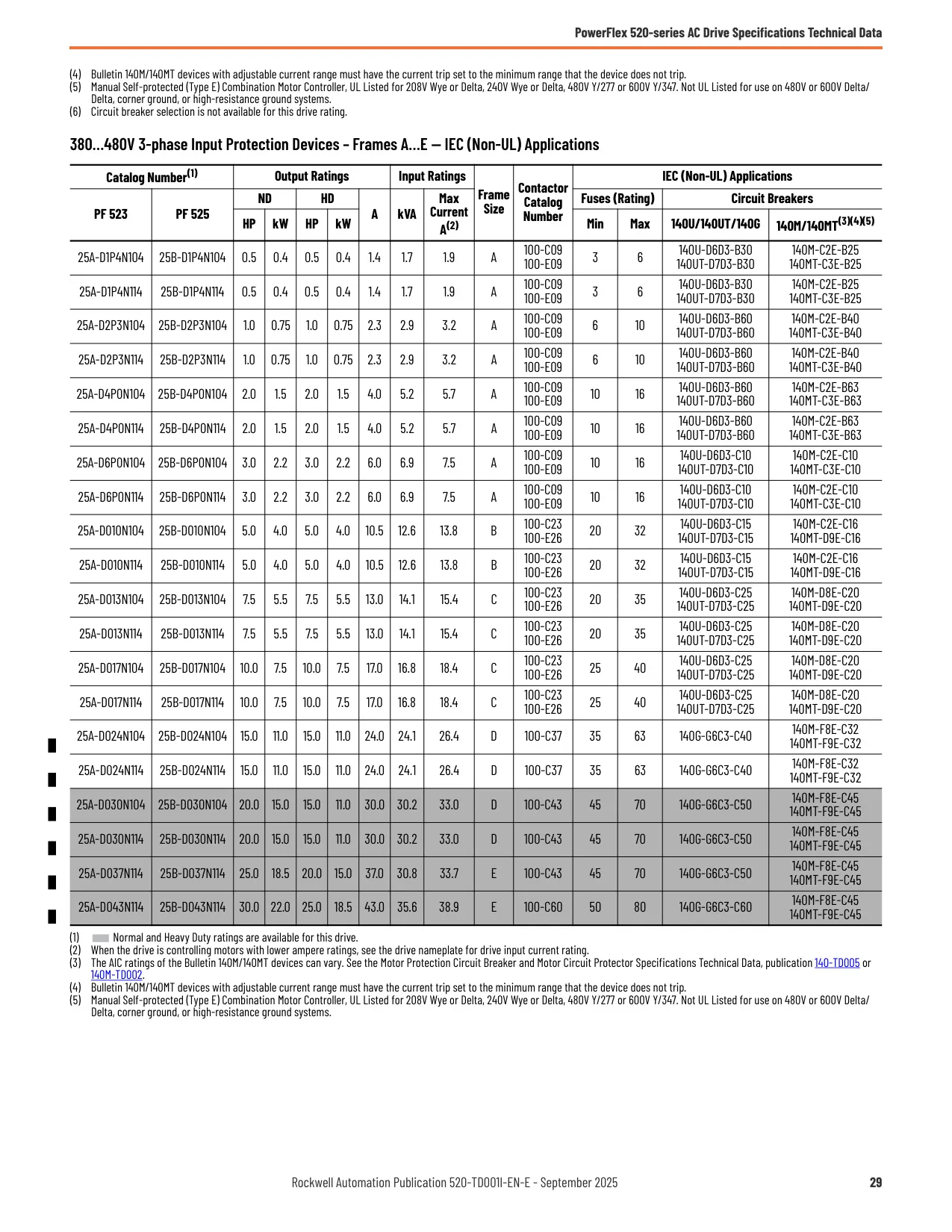
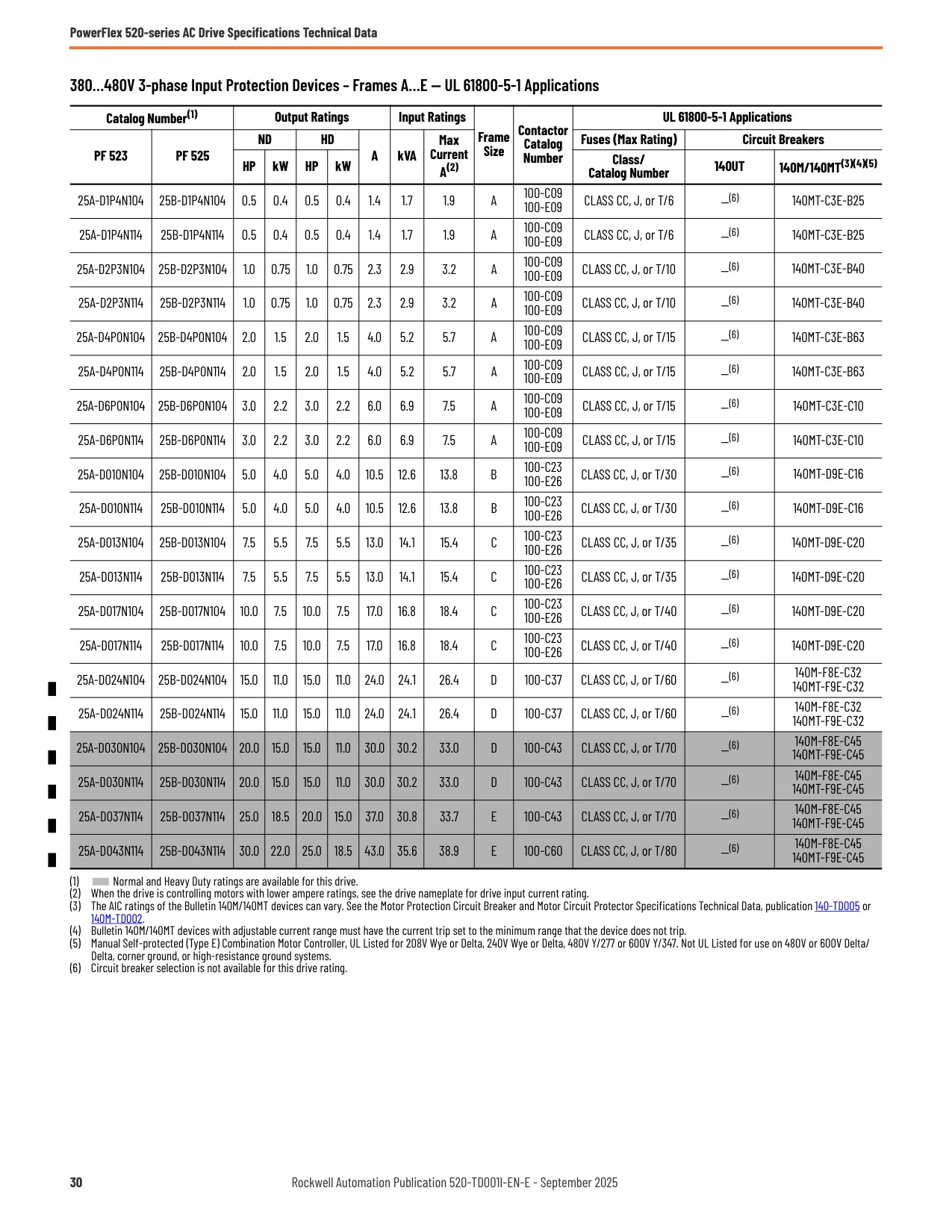
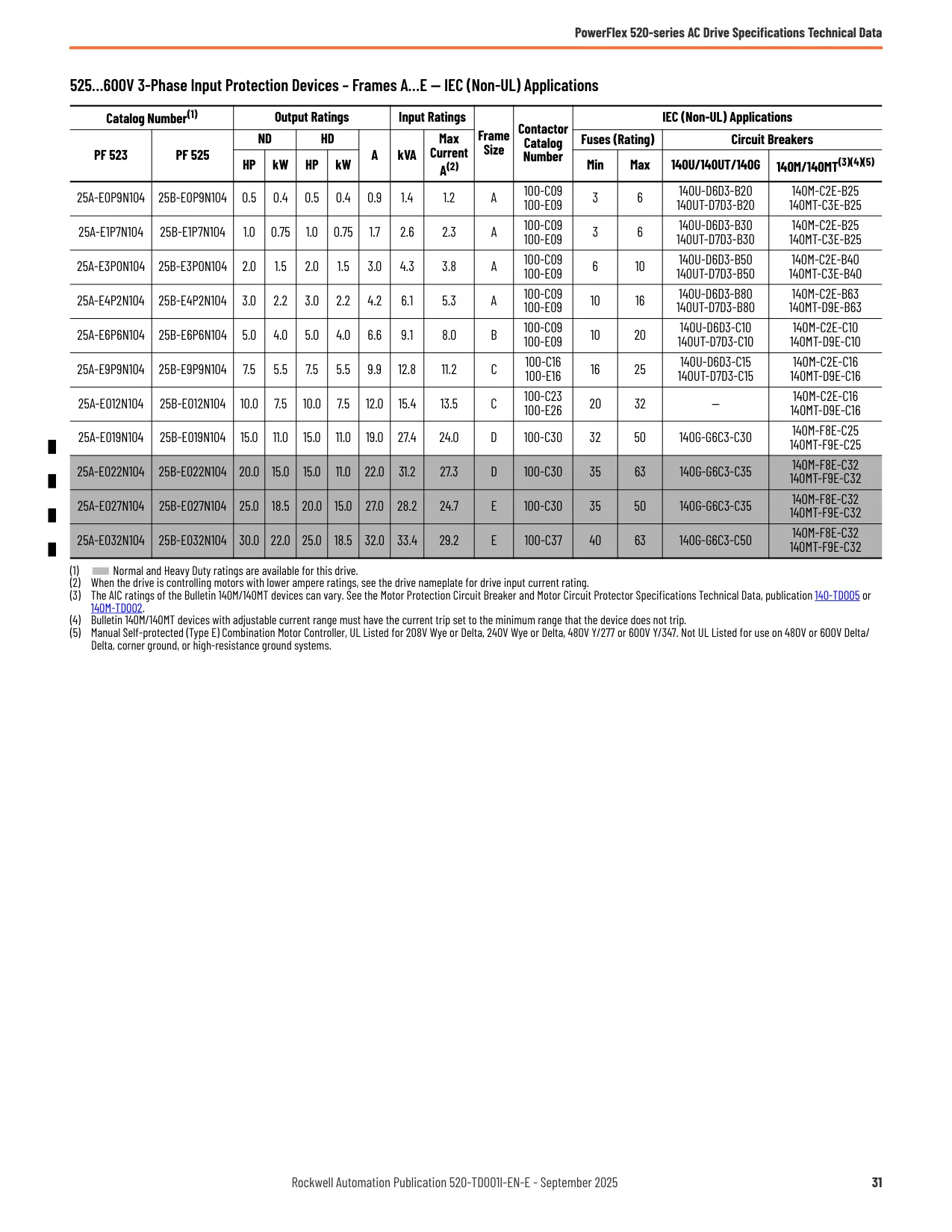
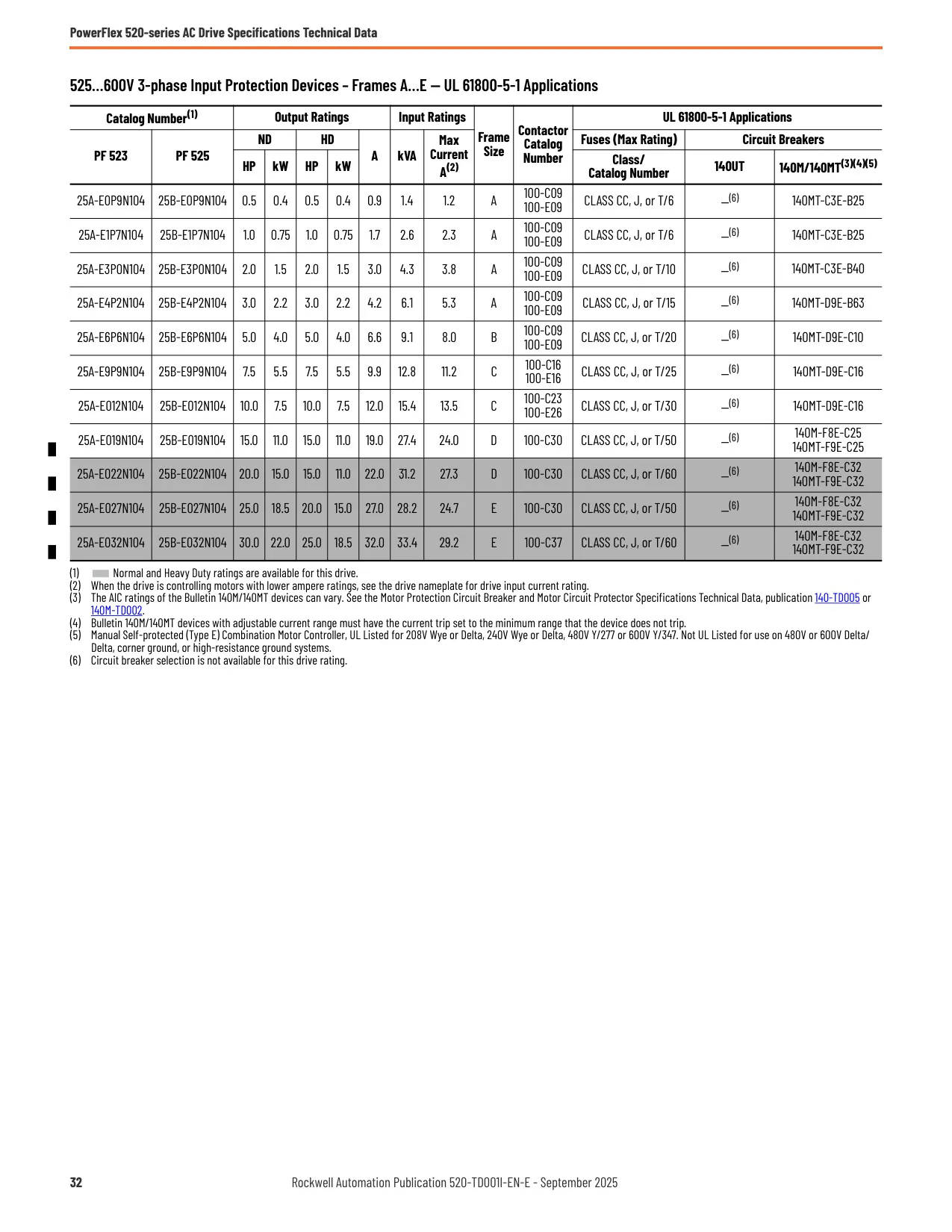
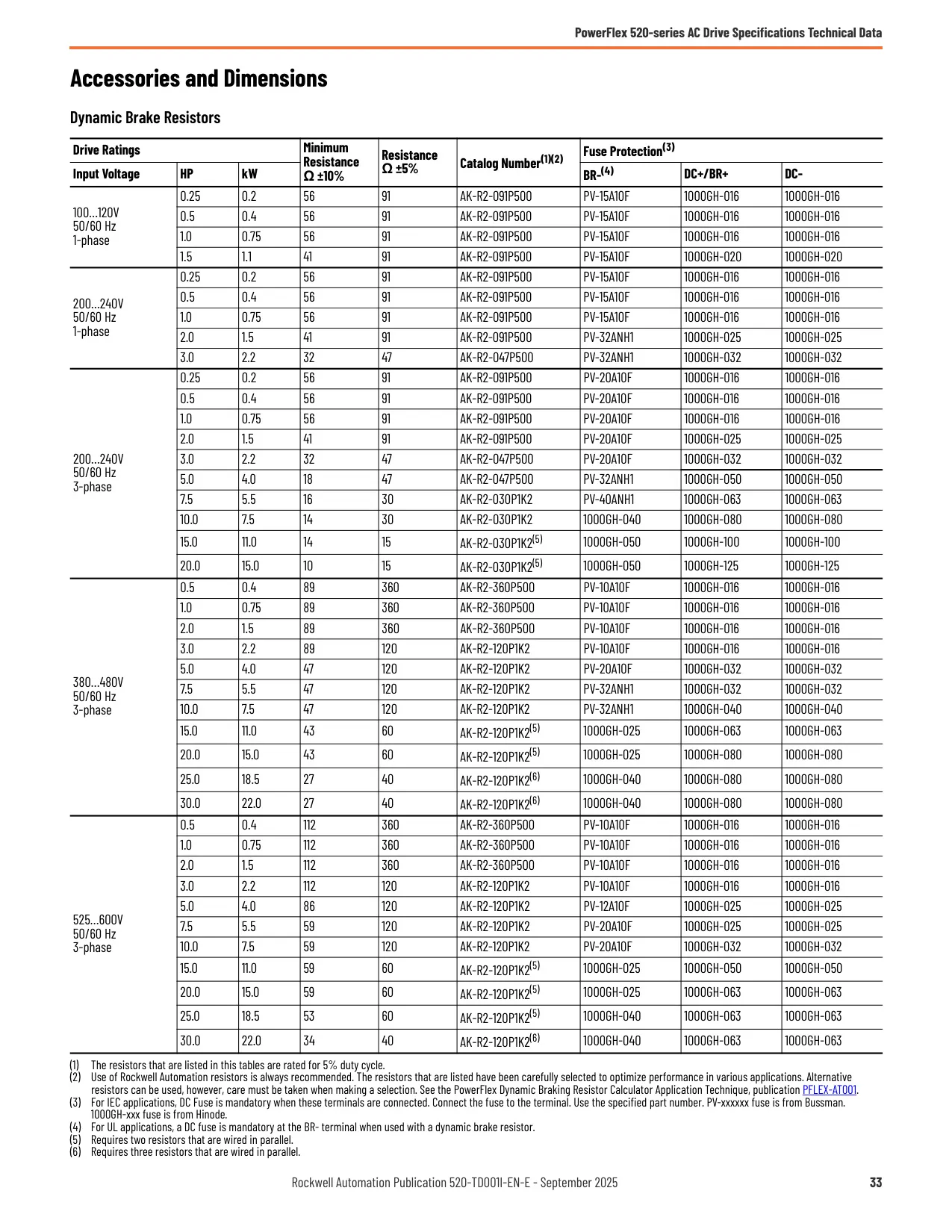
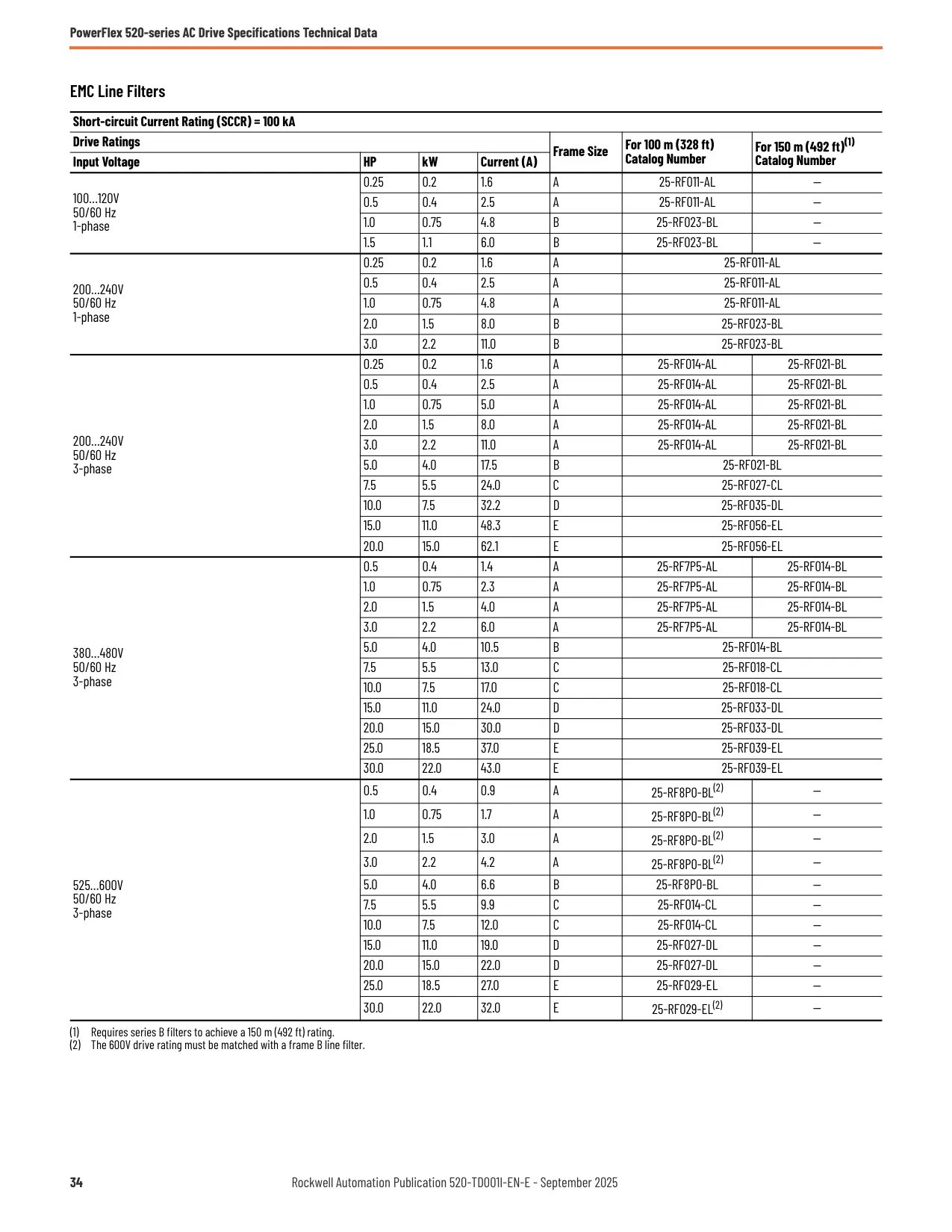
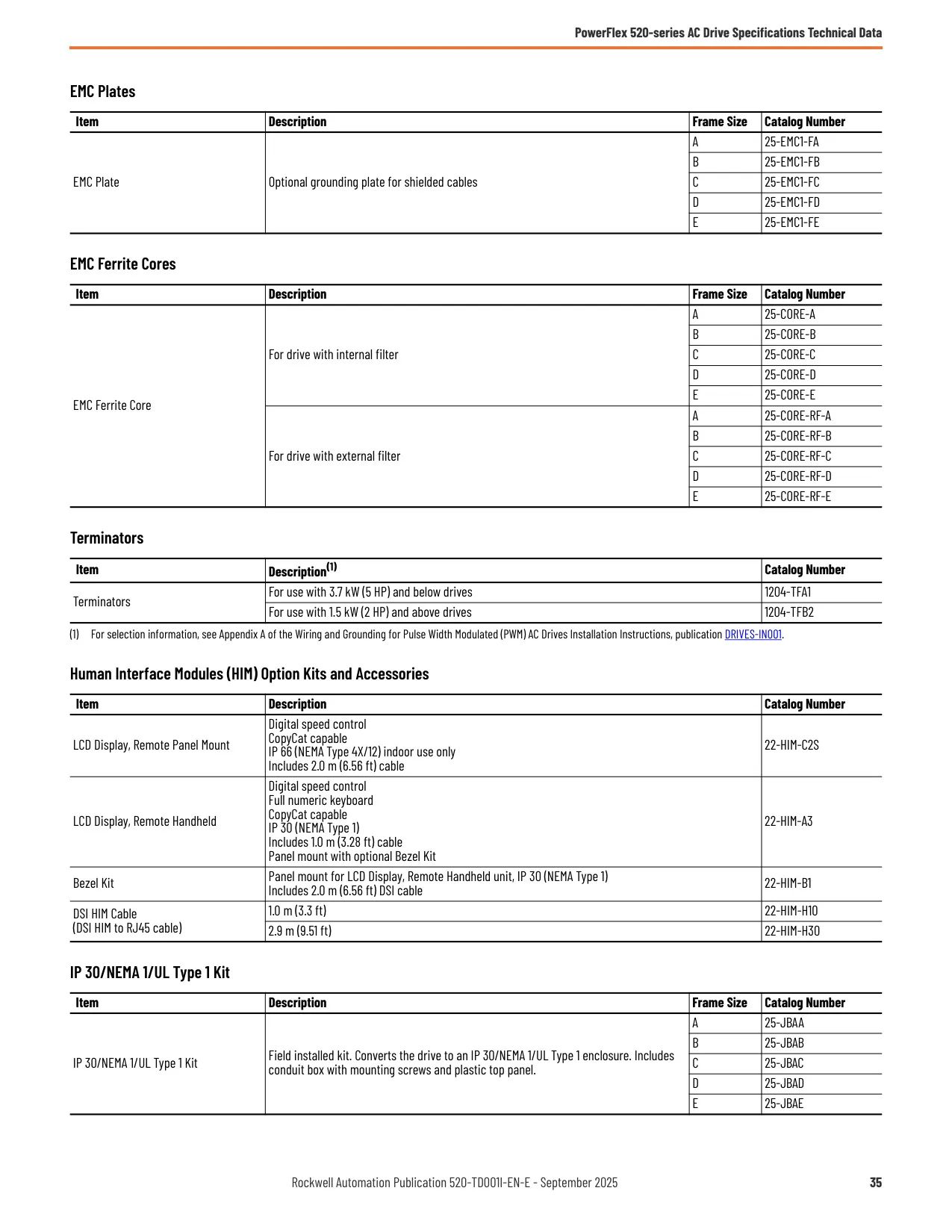

Allen-Bradley Powerflex 525 Instructions
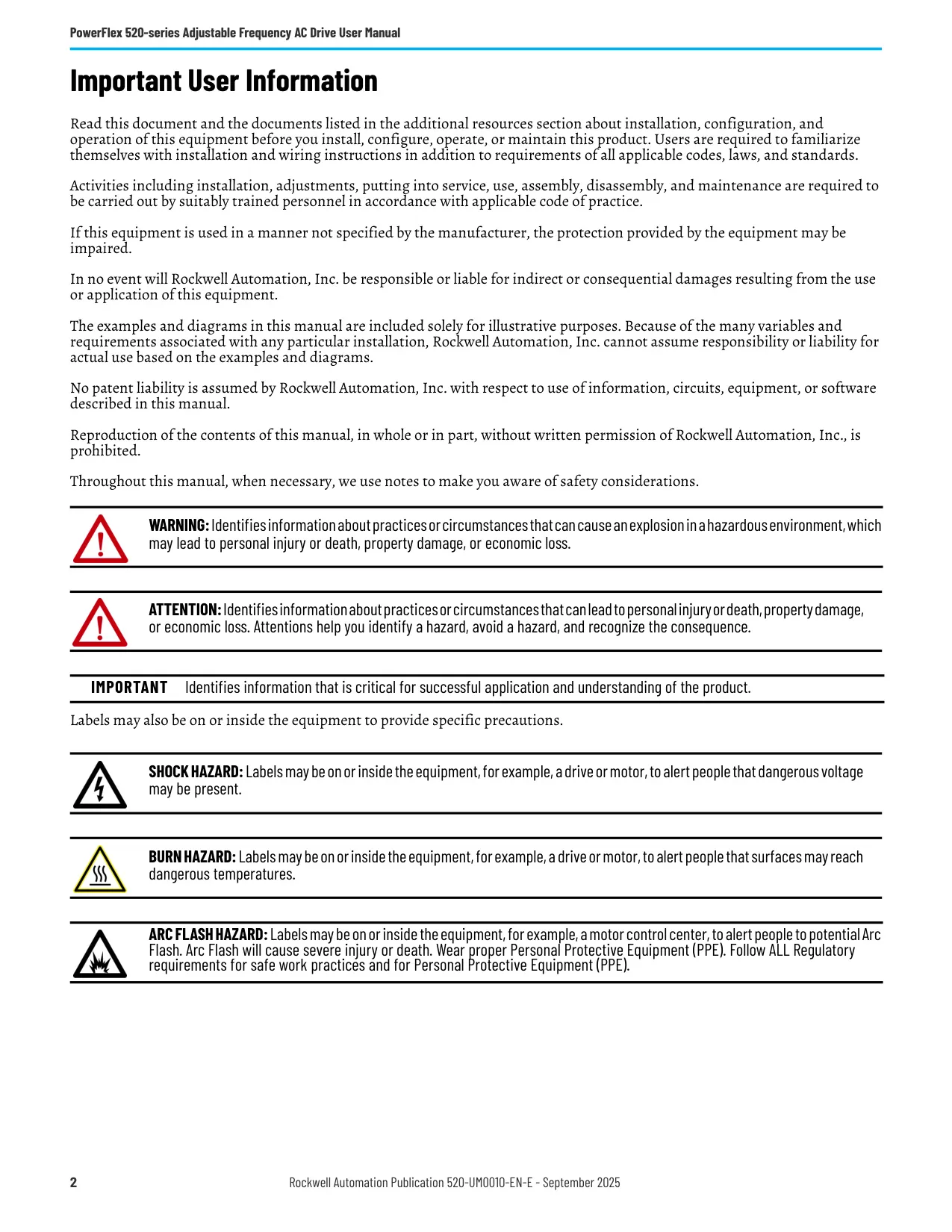
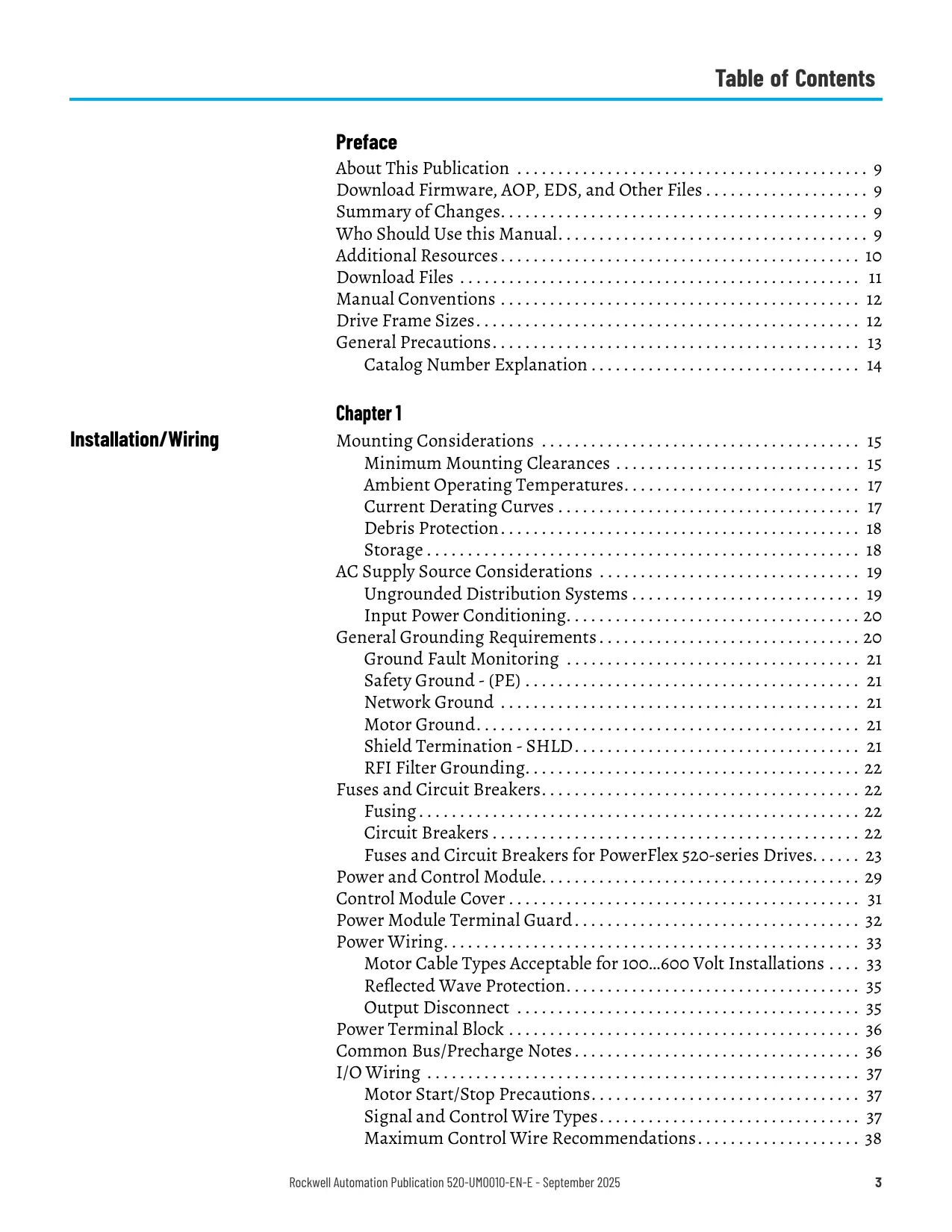
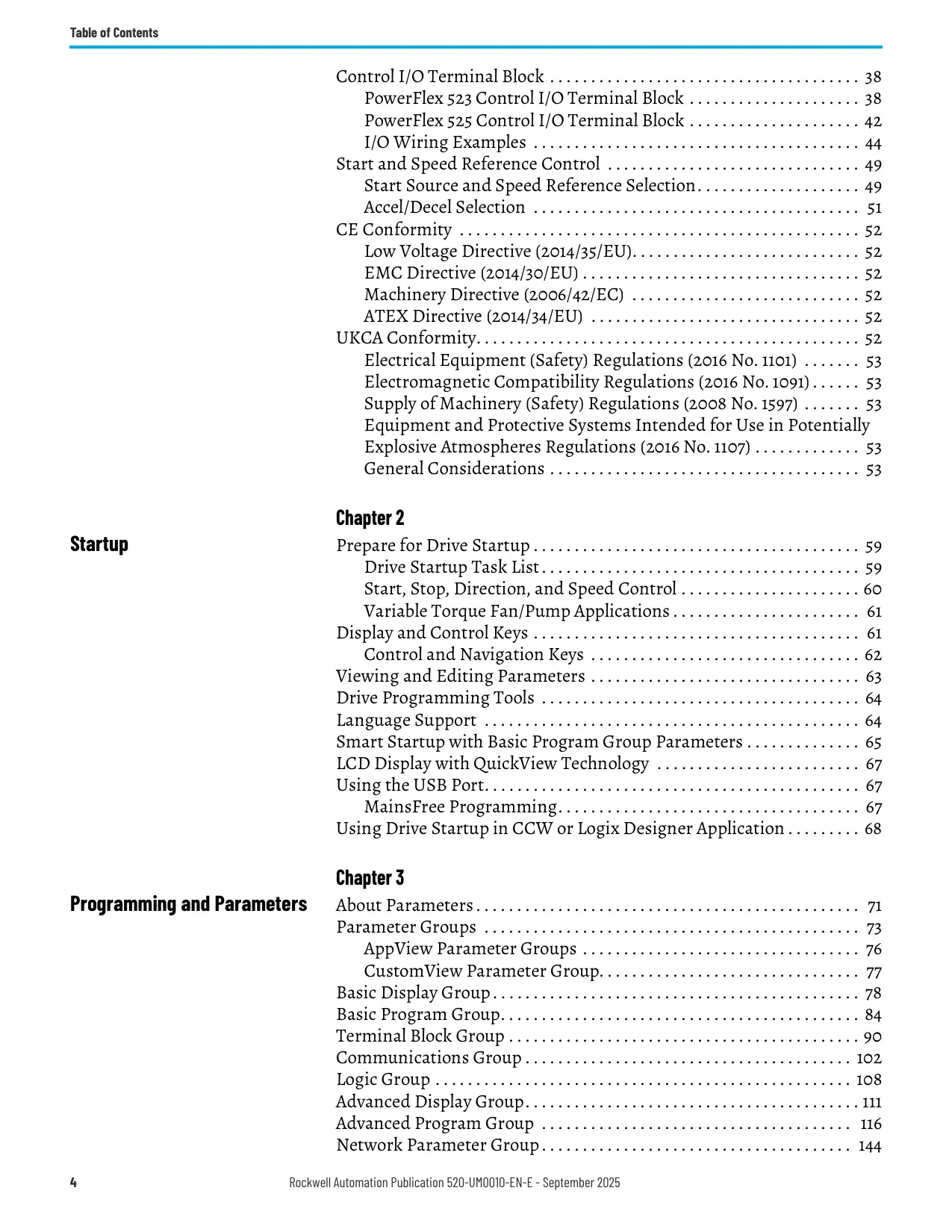
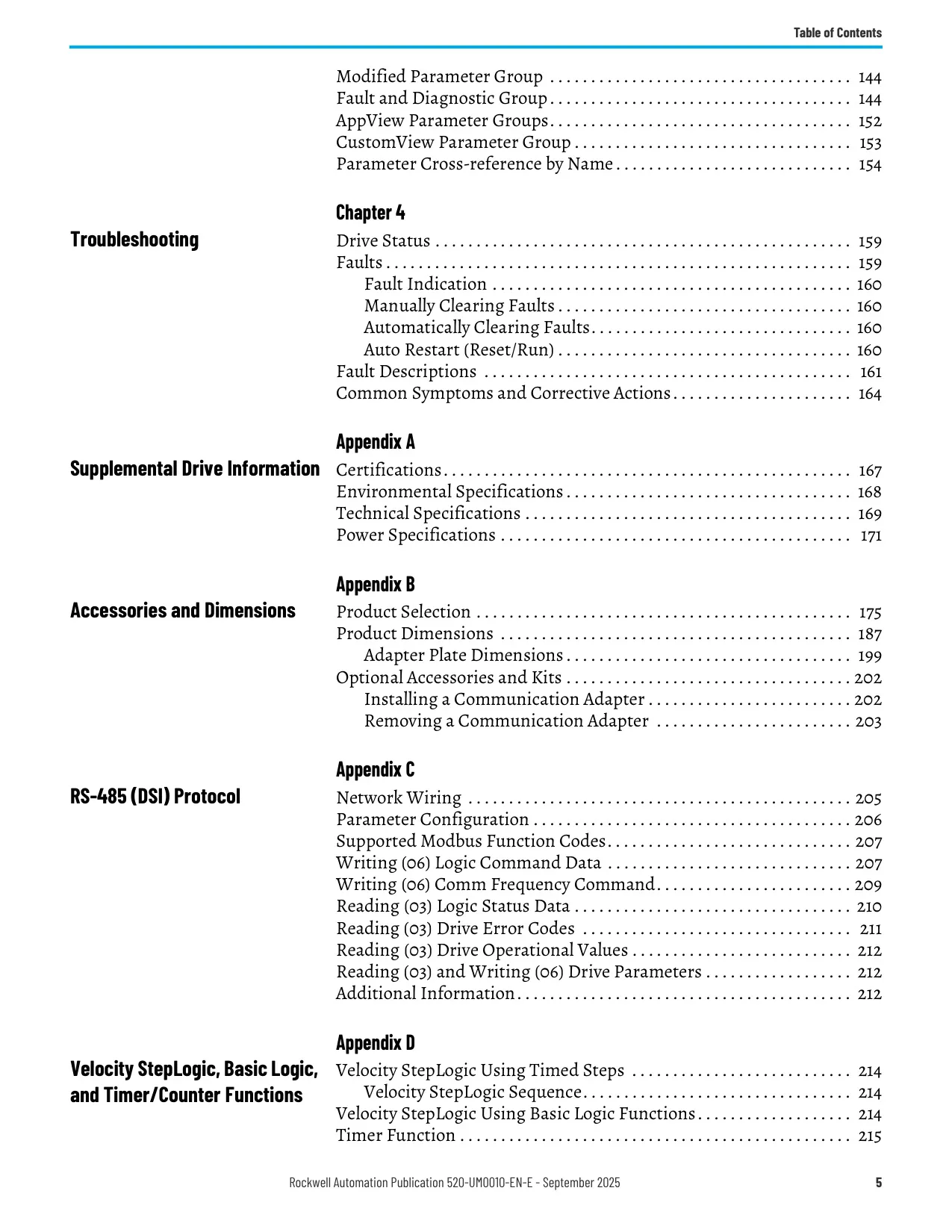
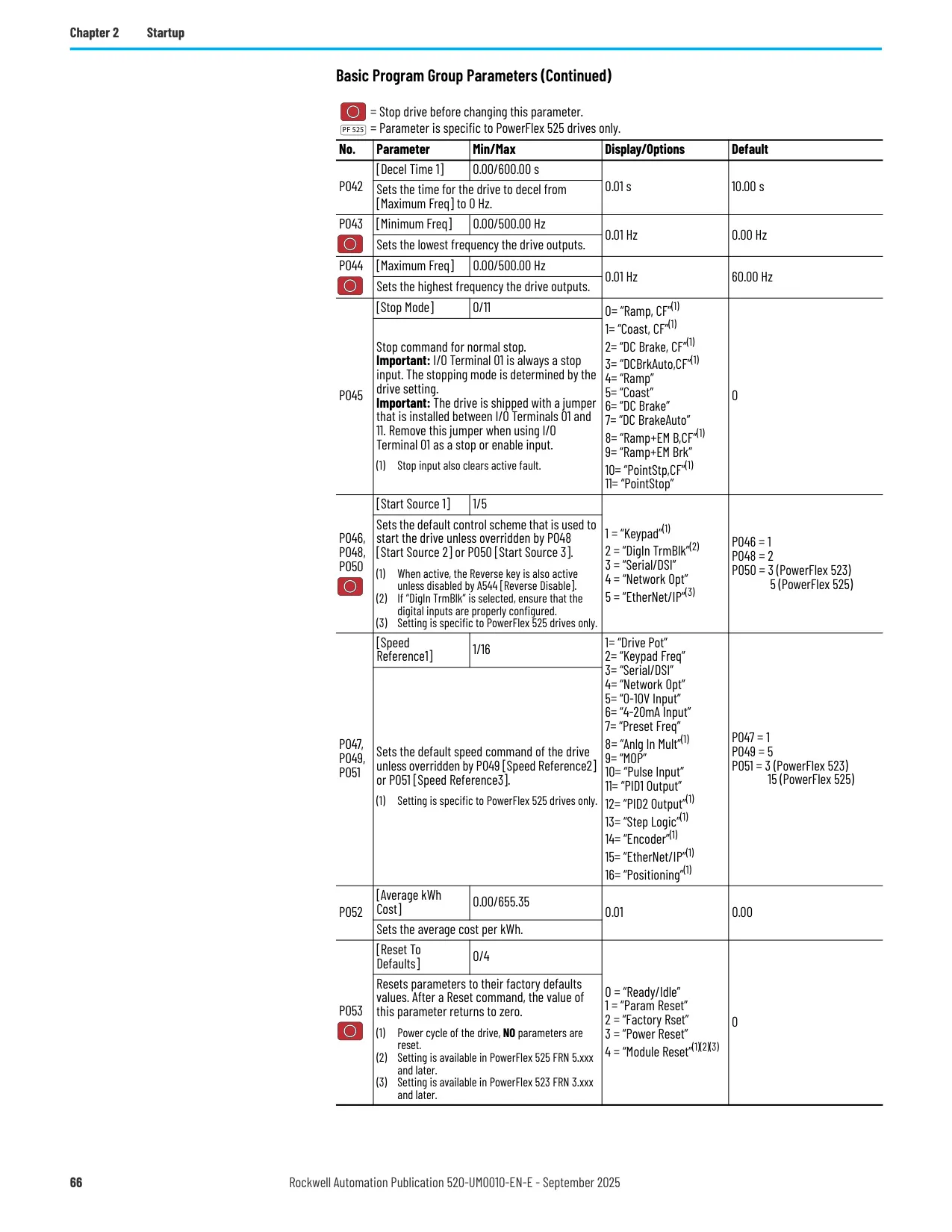
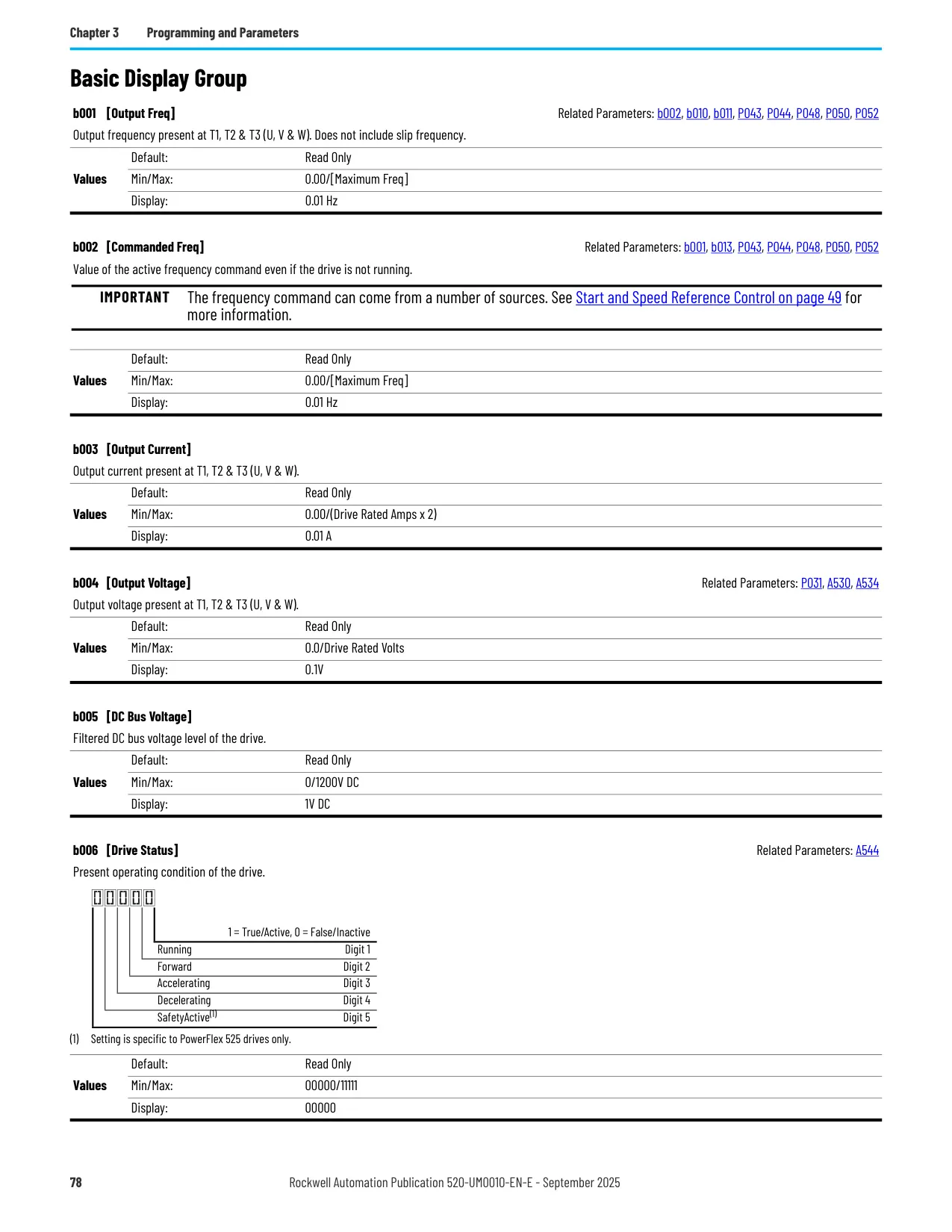
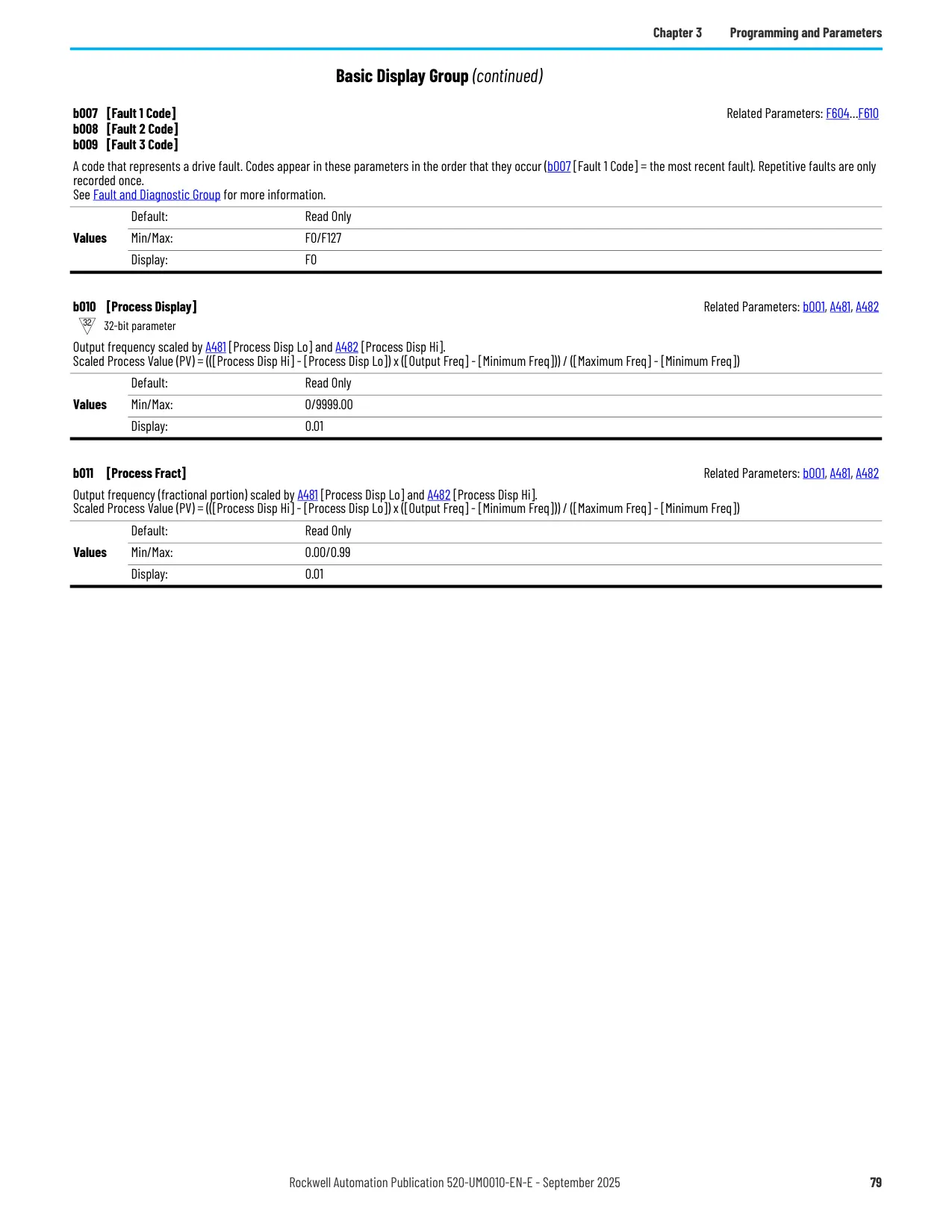
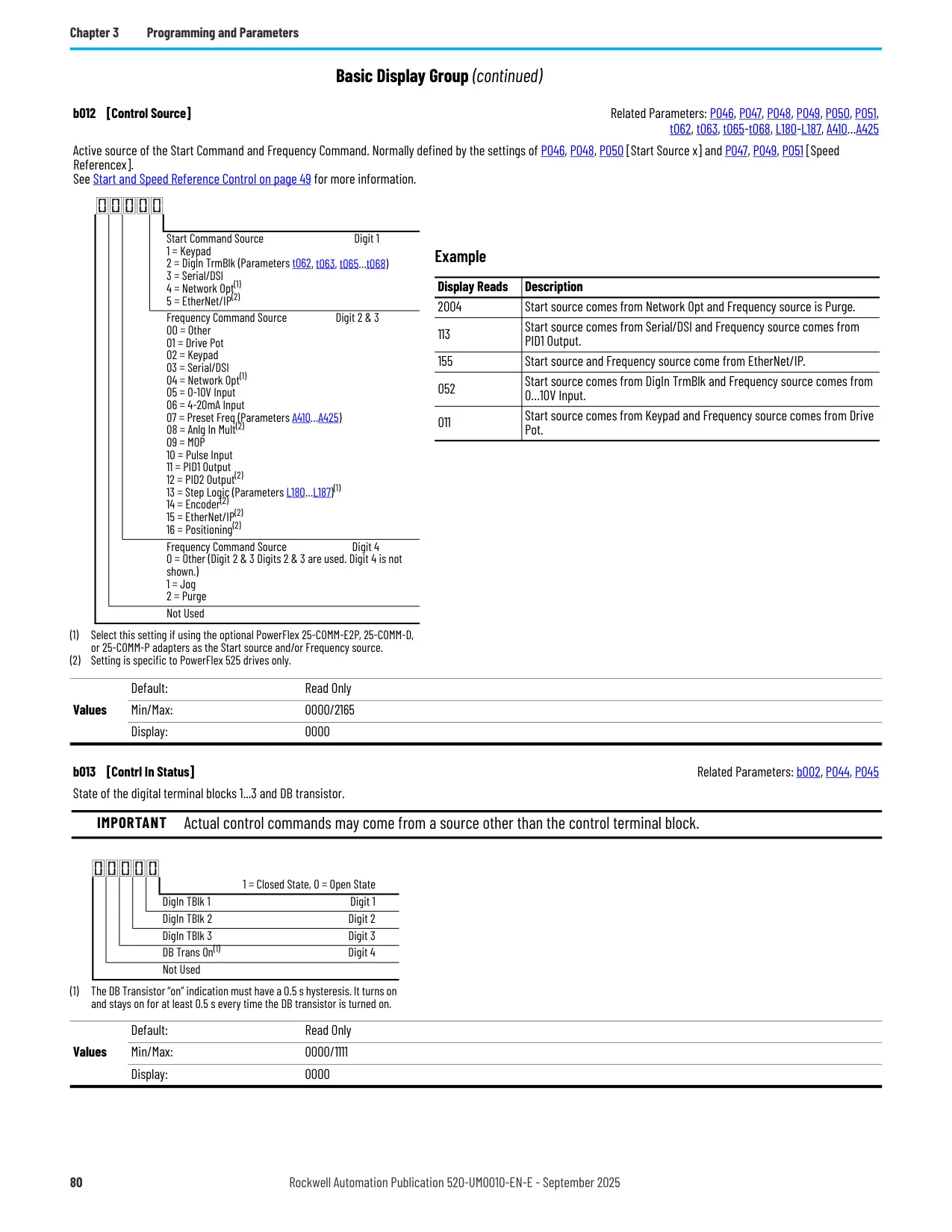
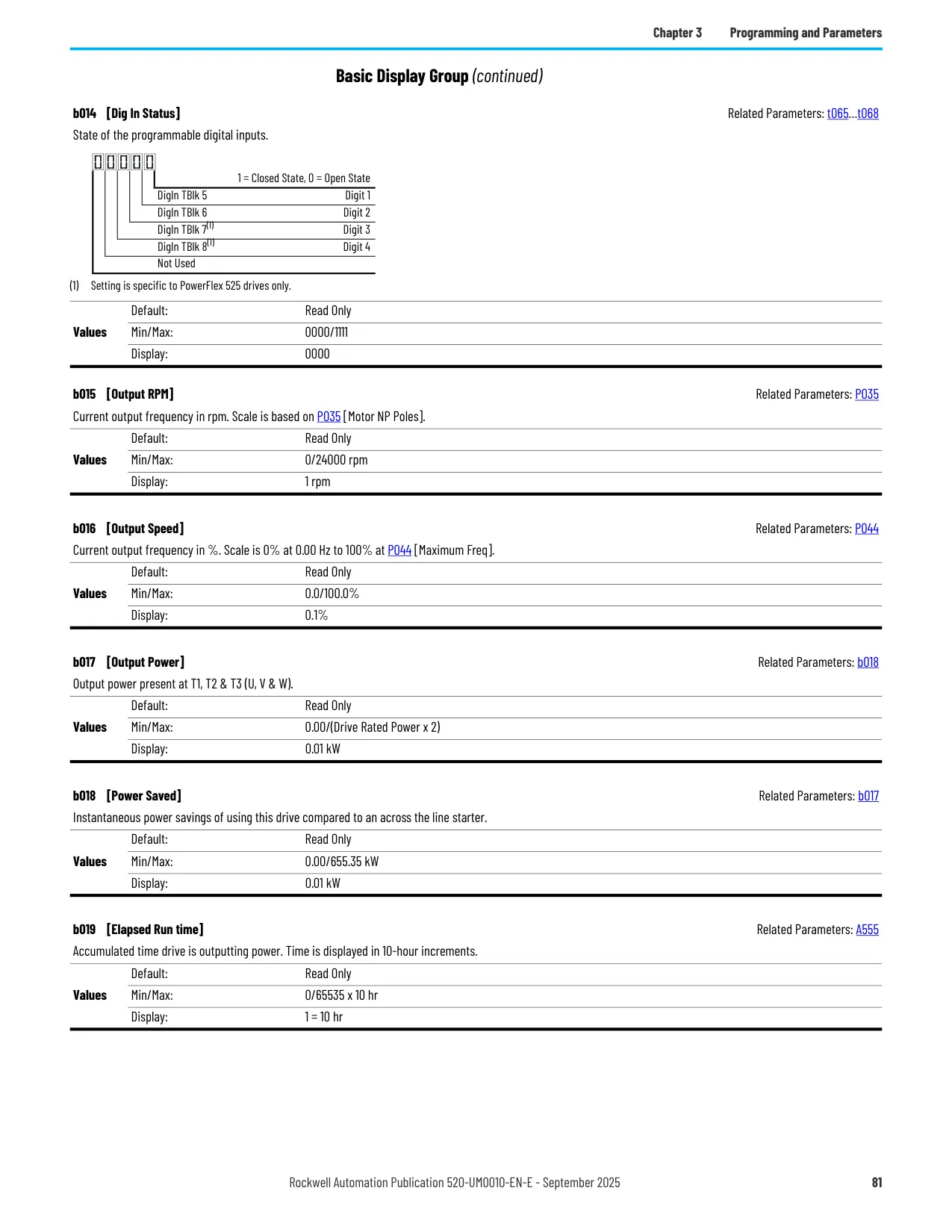
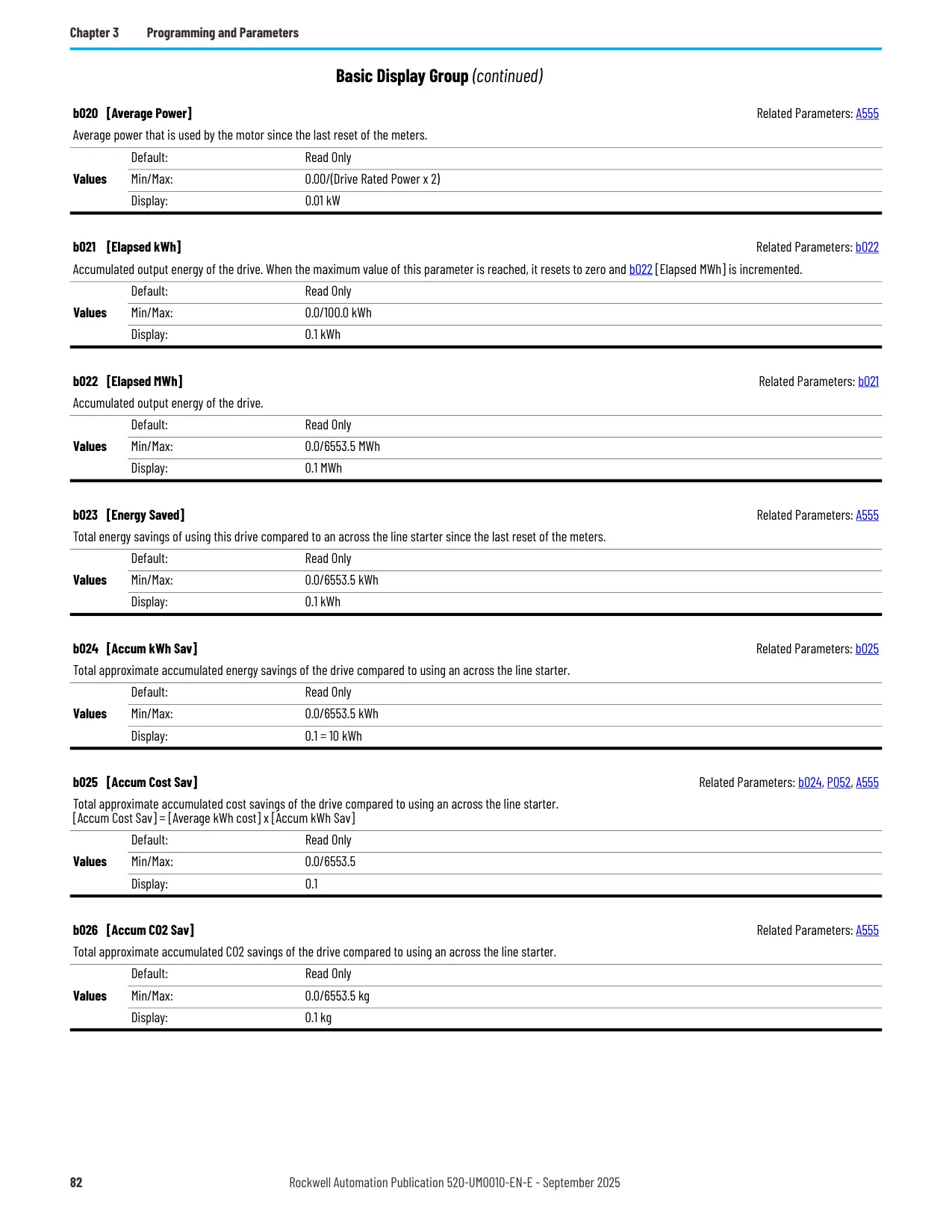
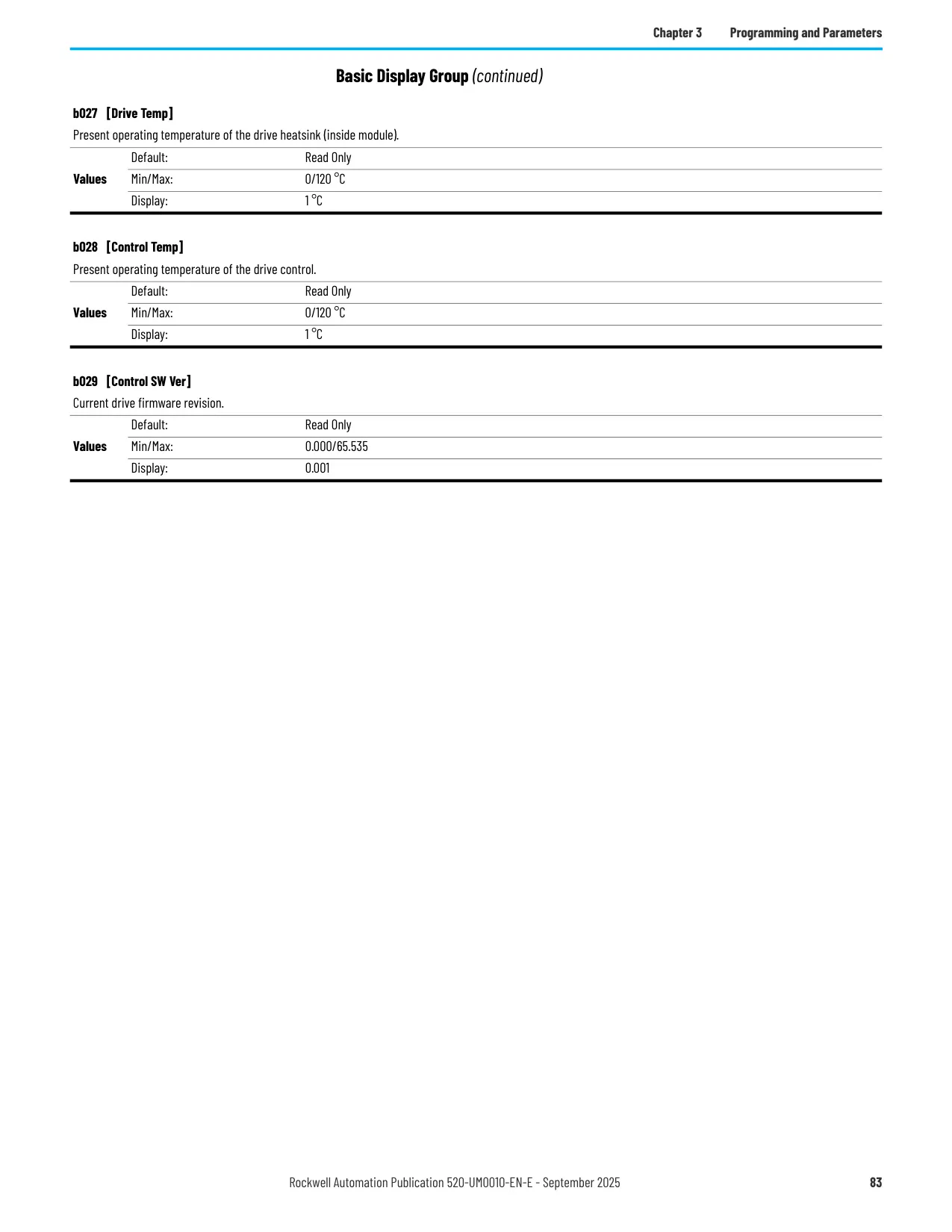
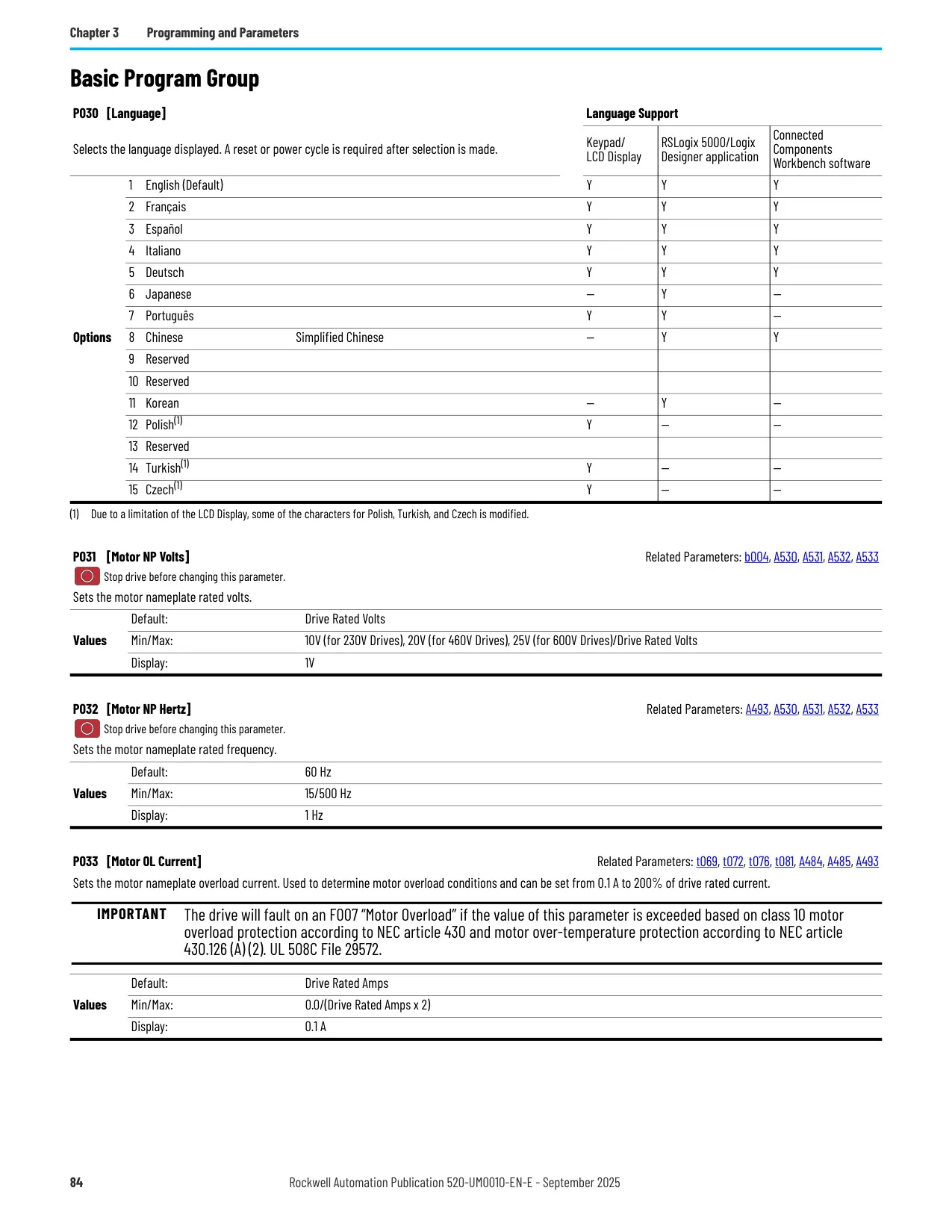
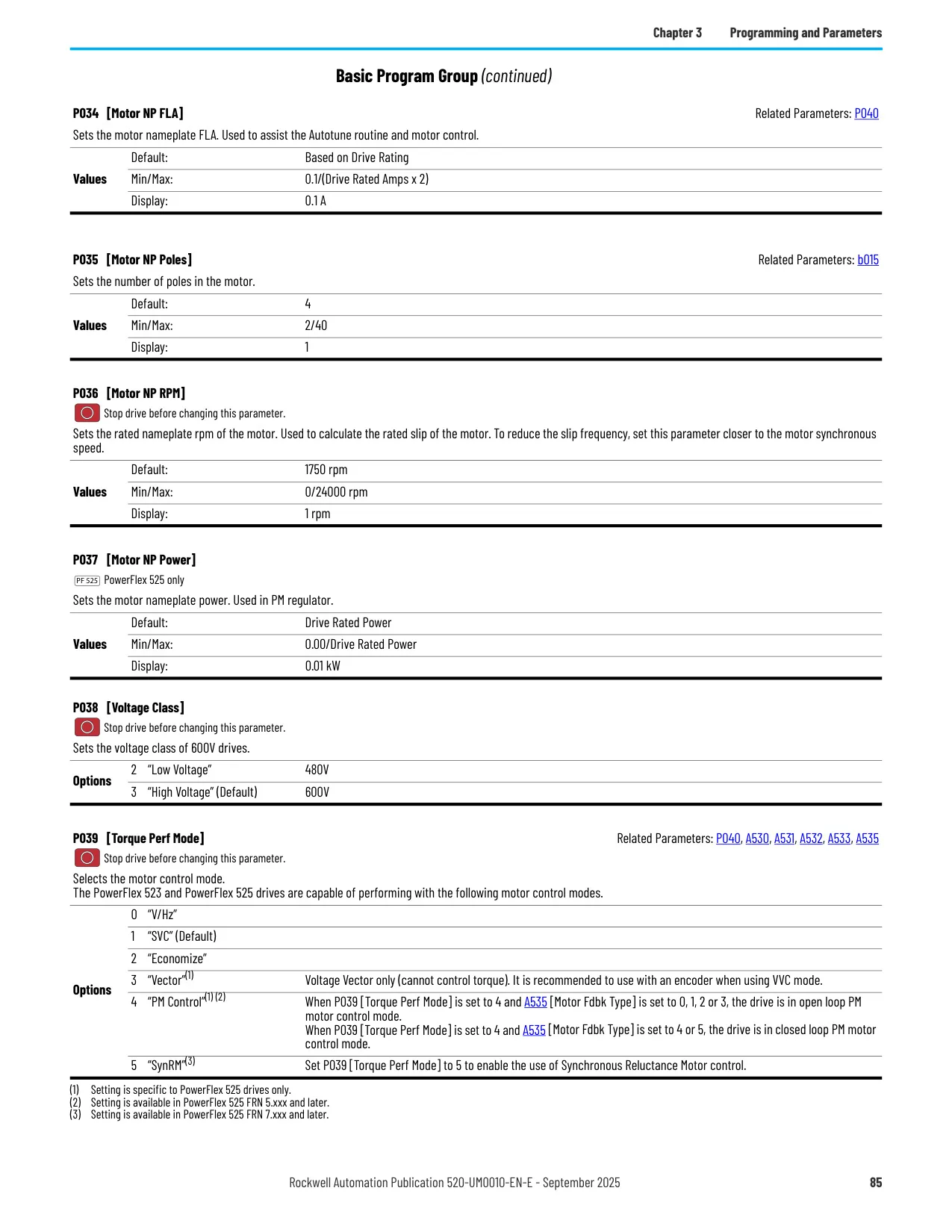
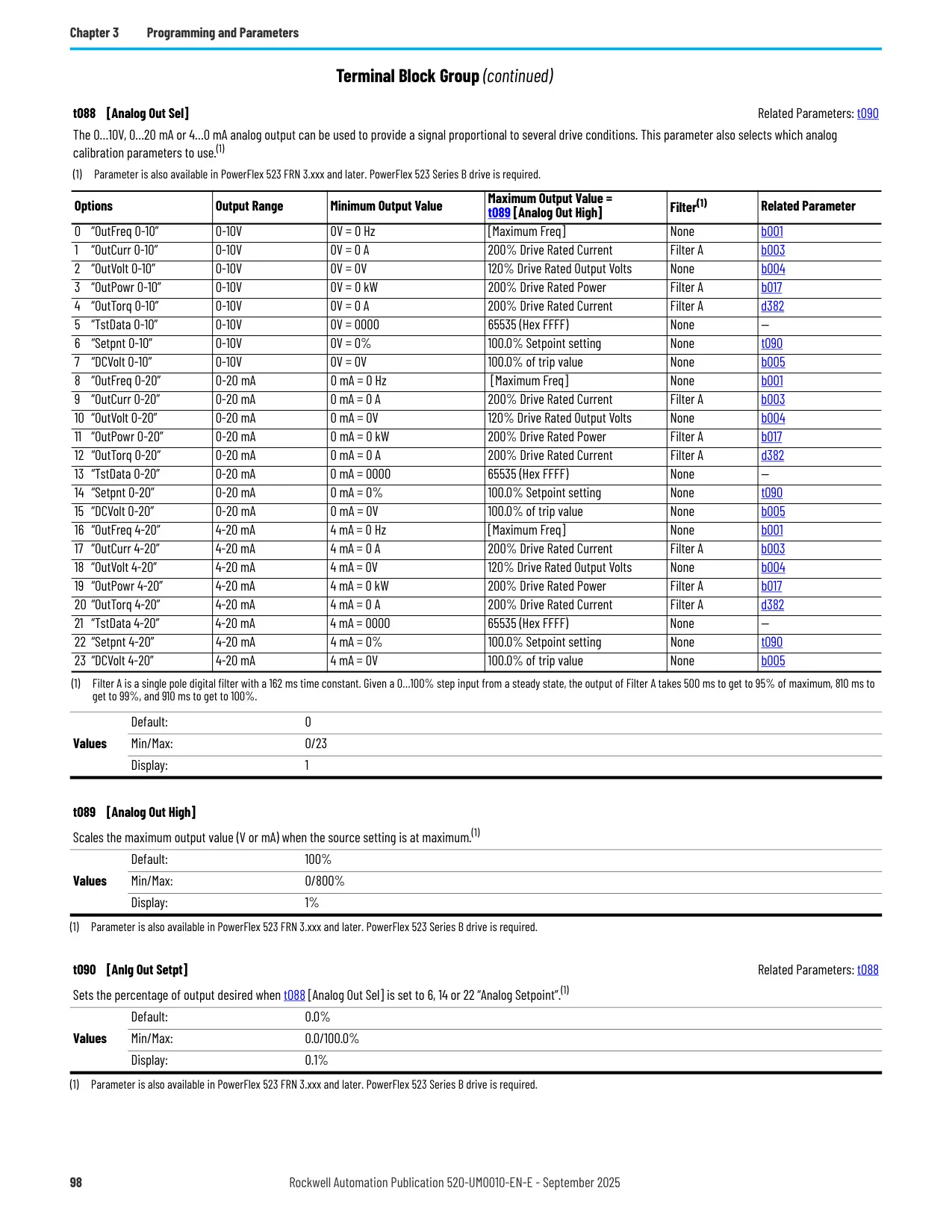
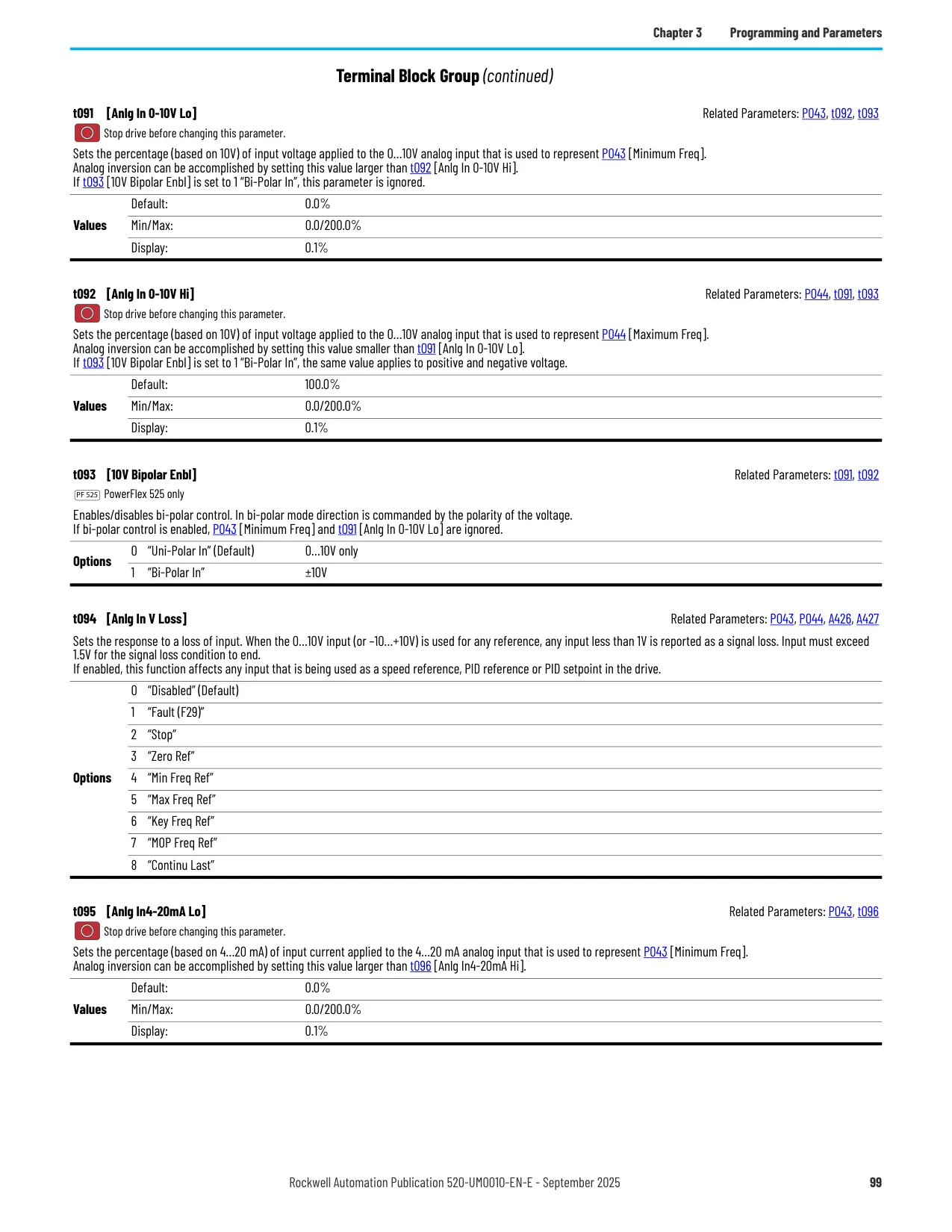
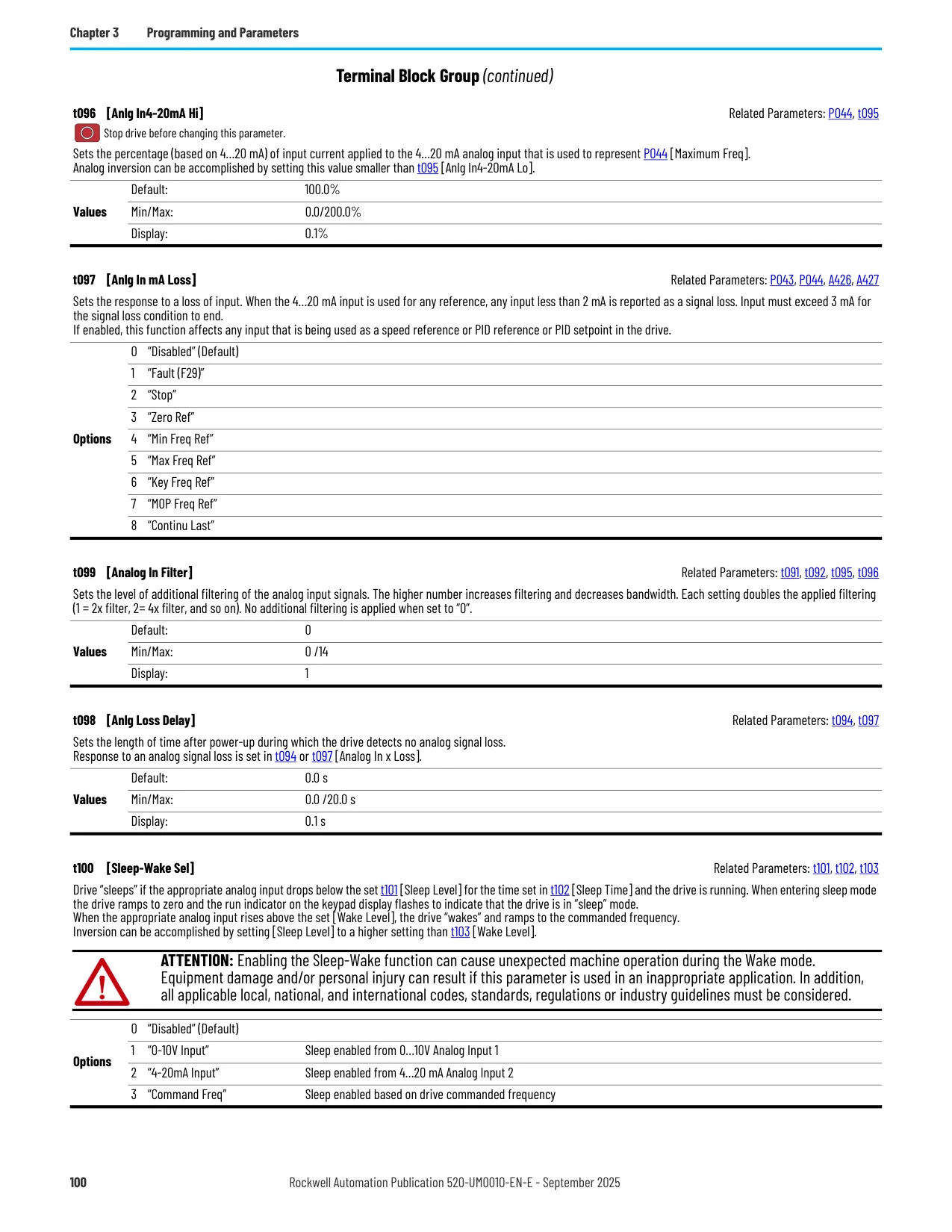
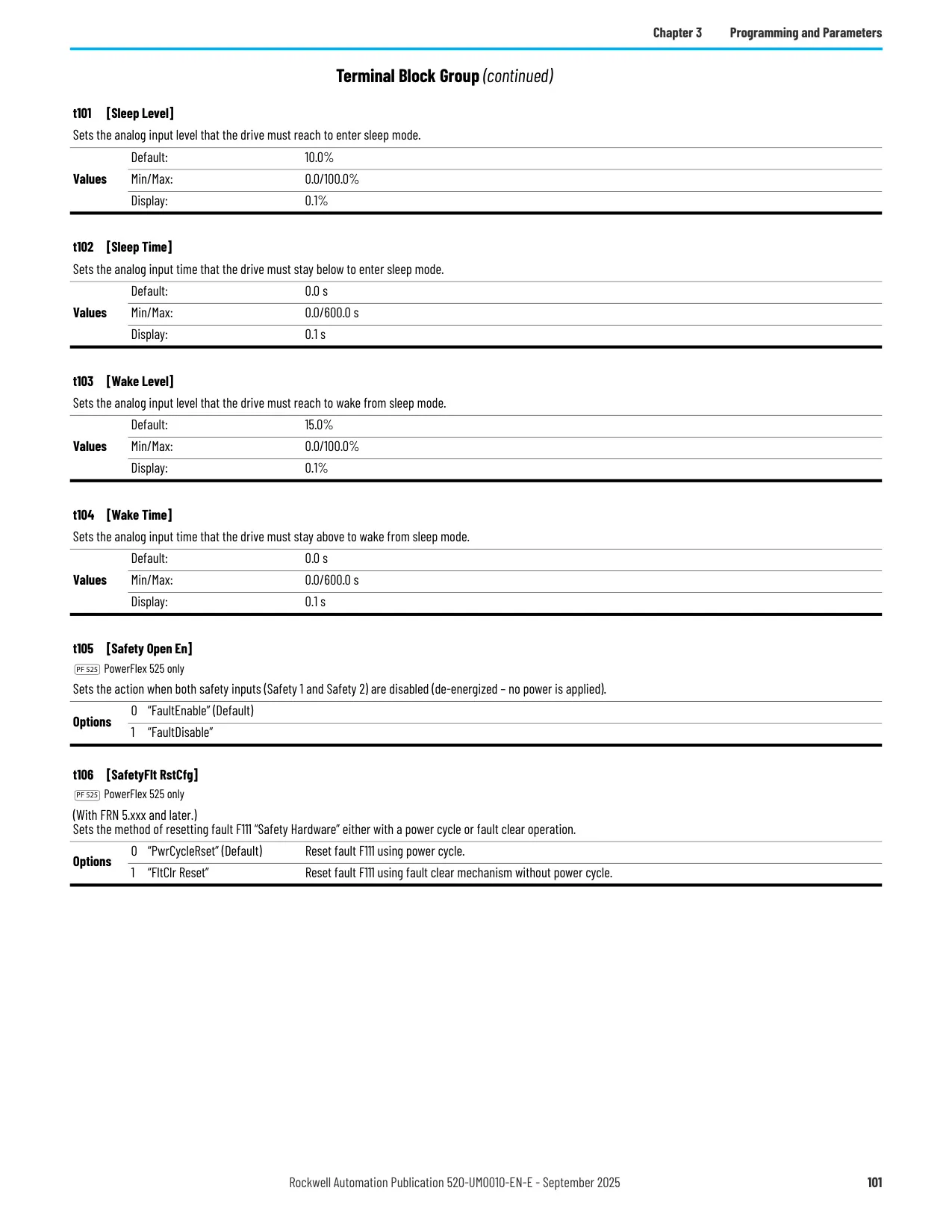
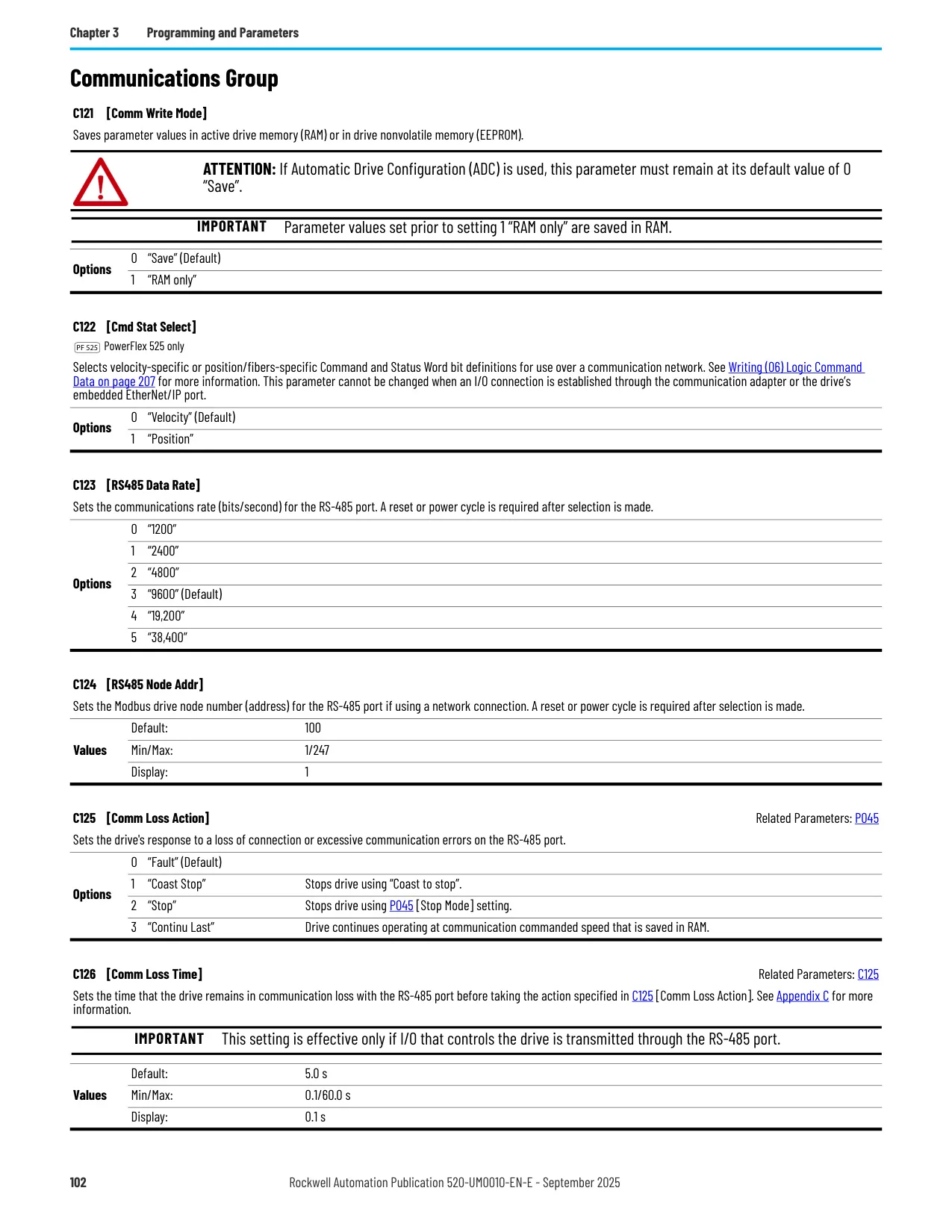
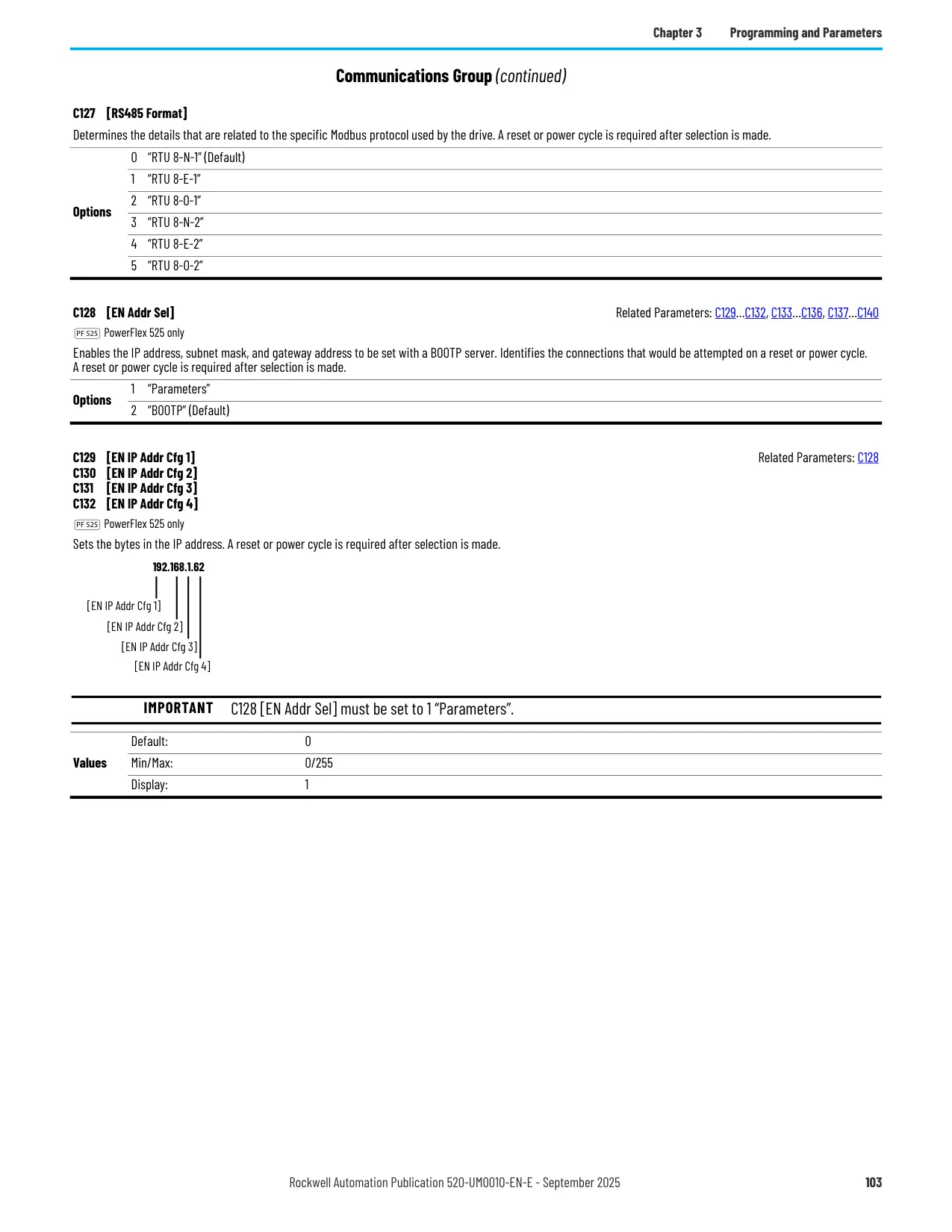
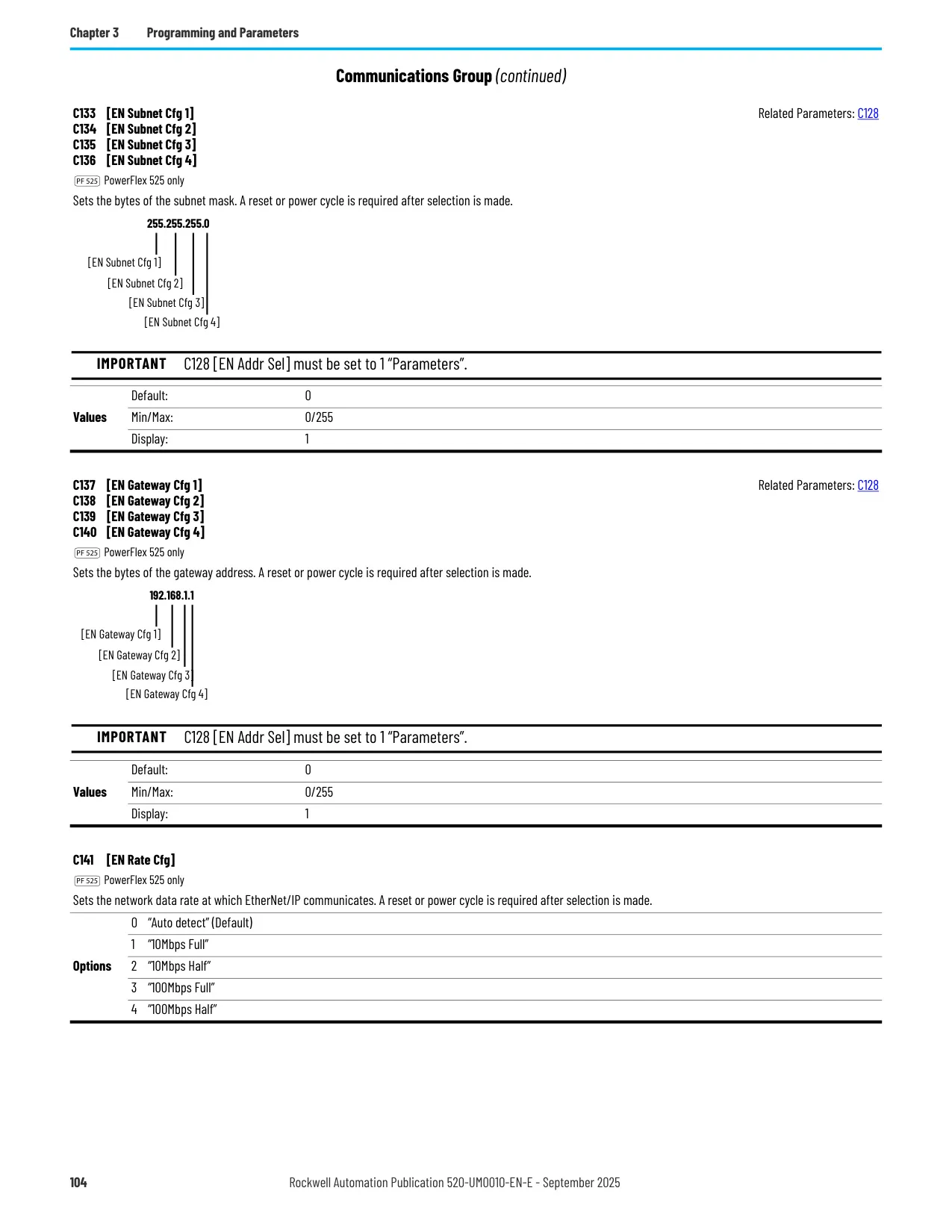
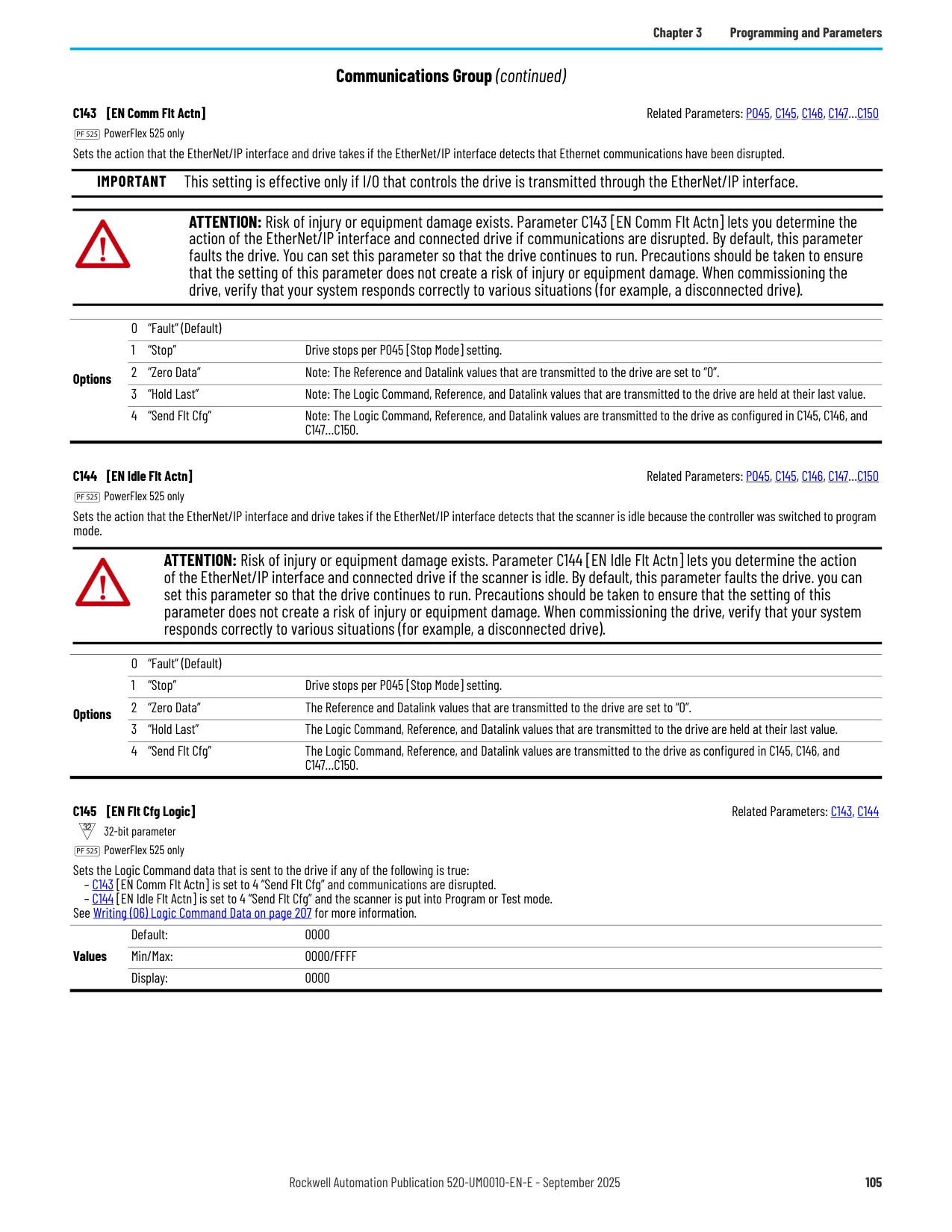
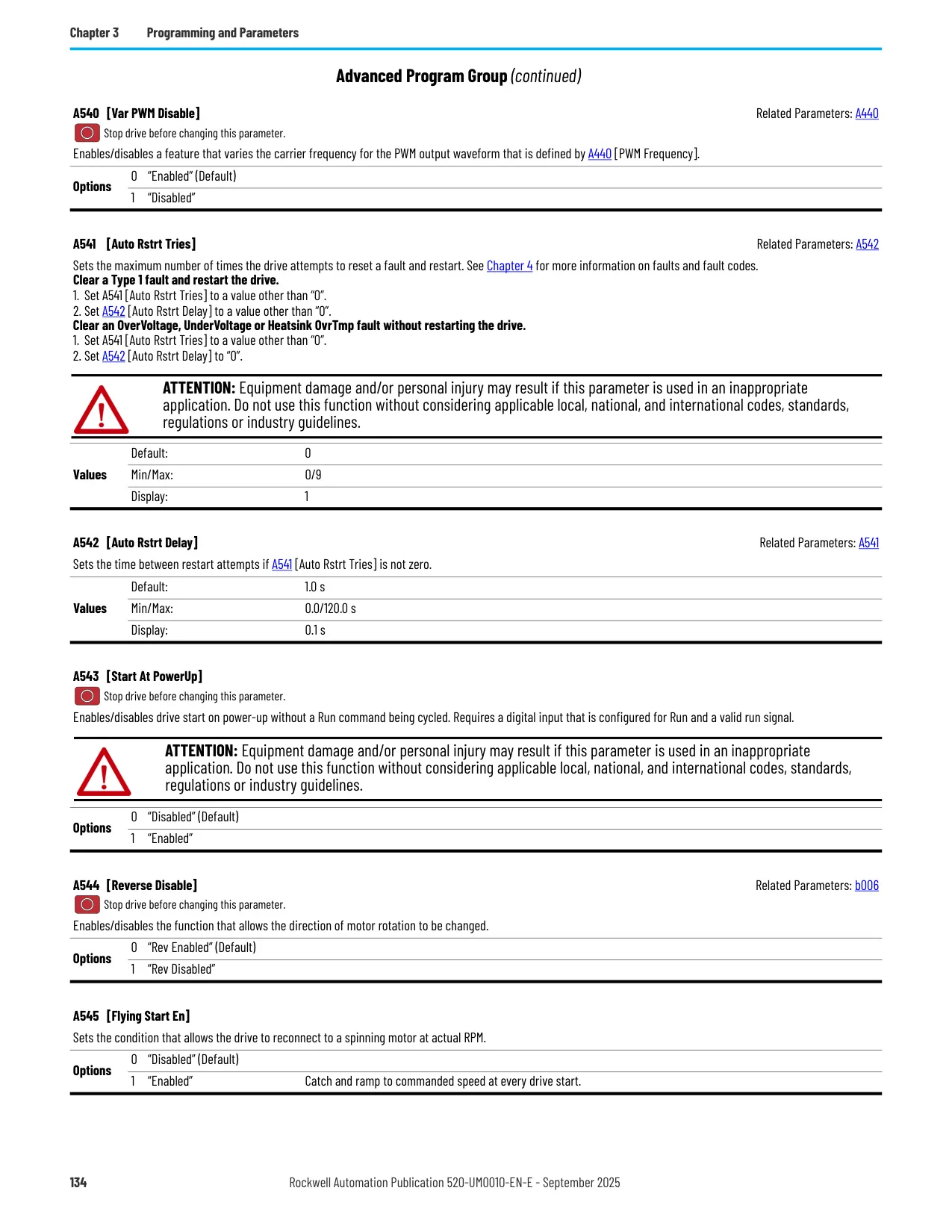
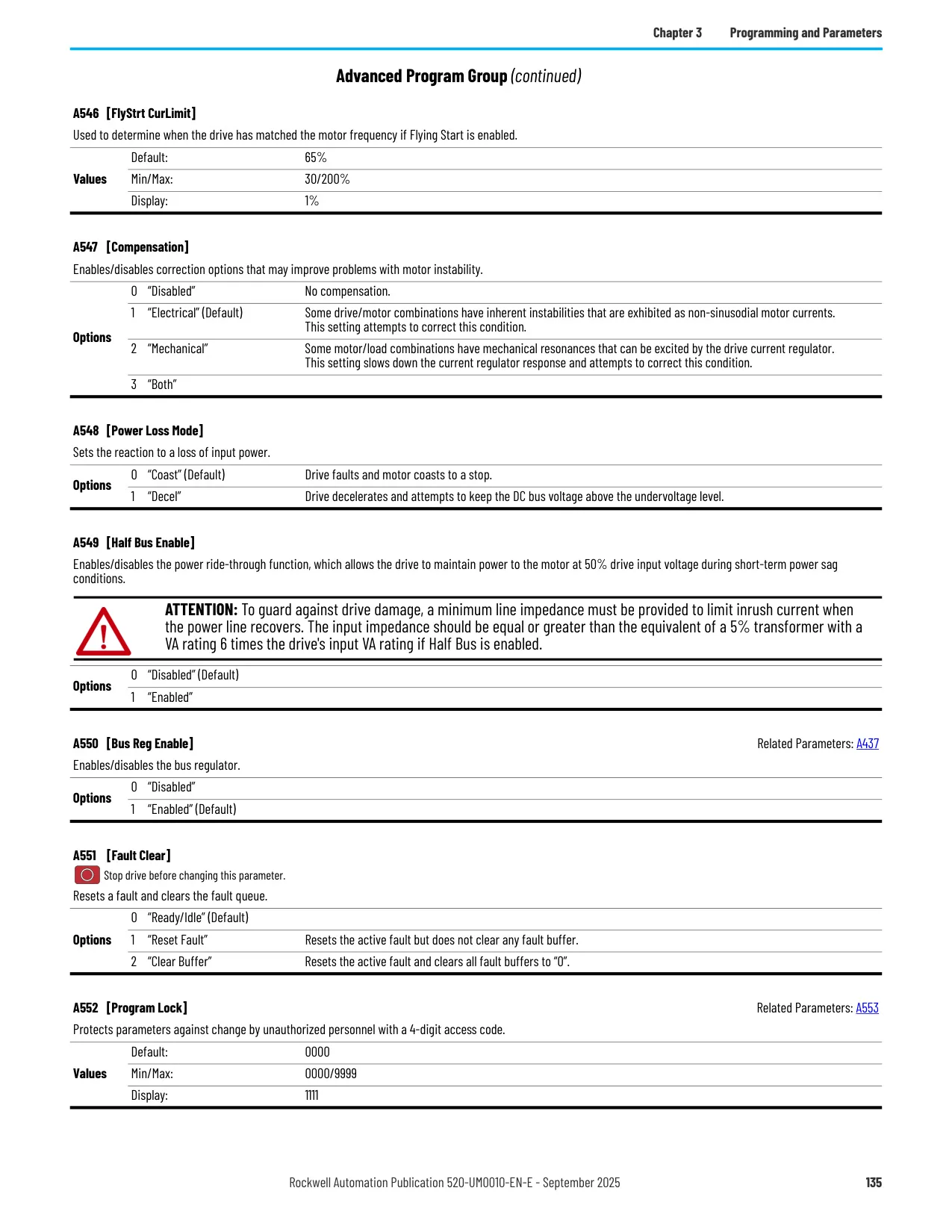
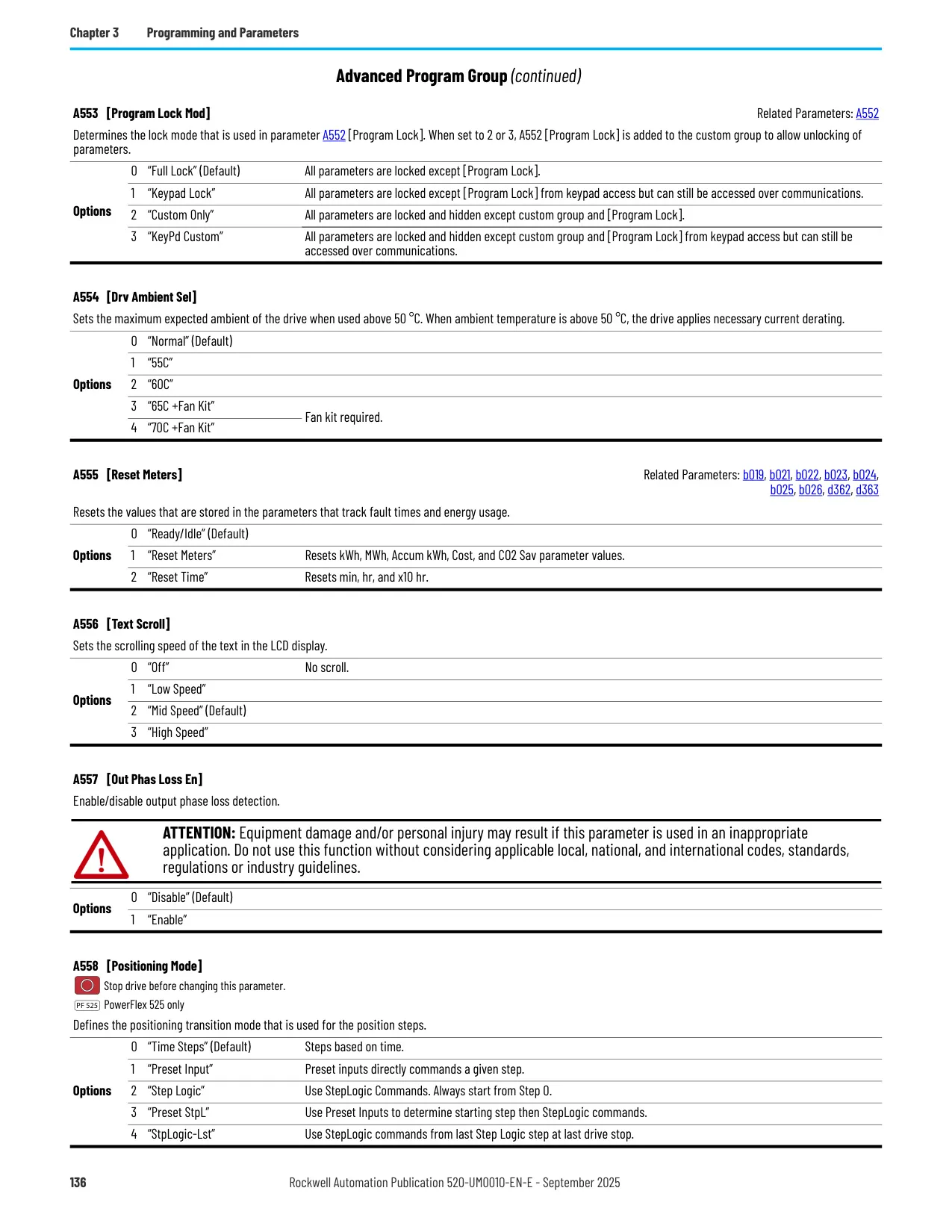
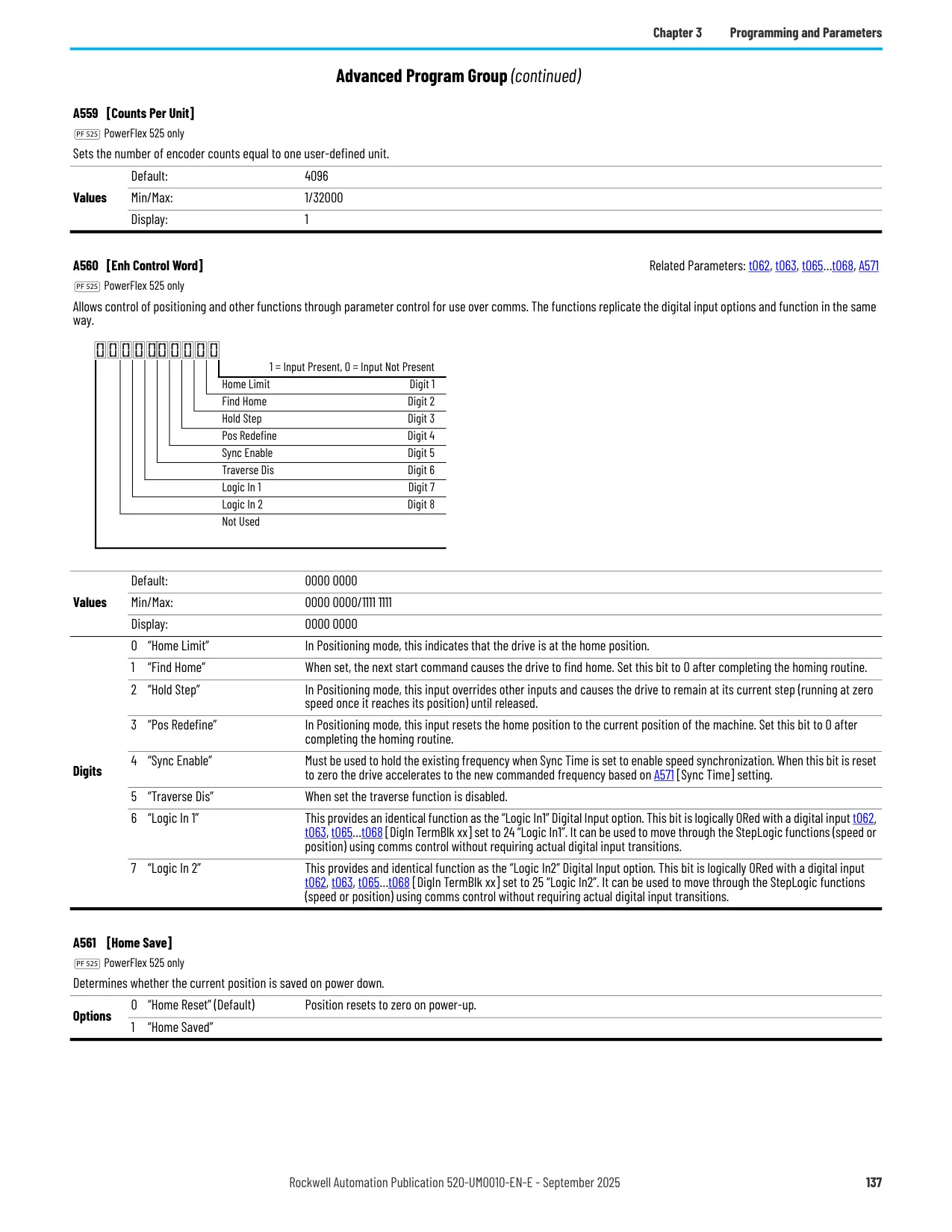
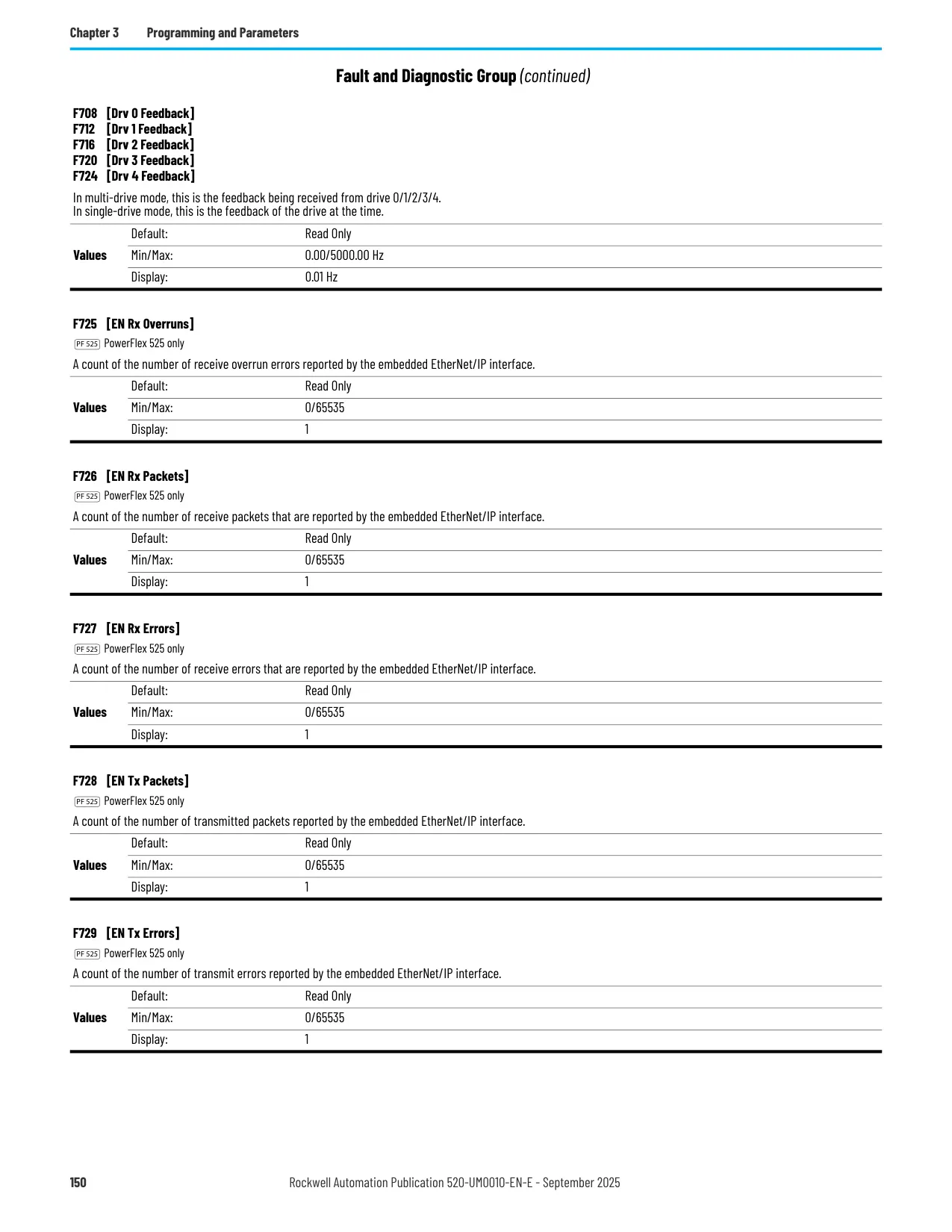
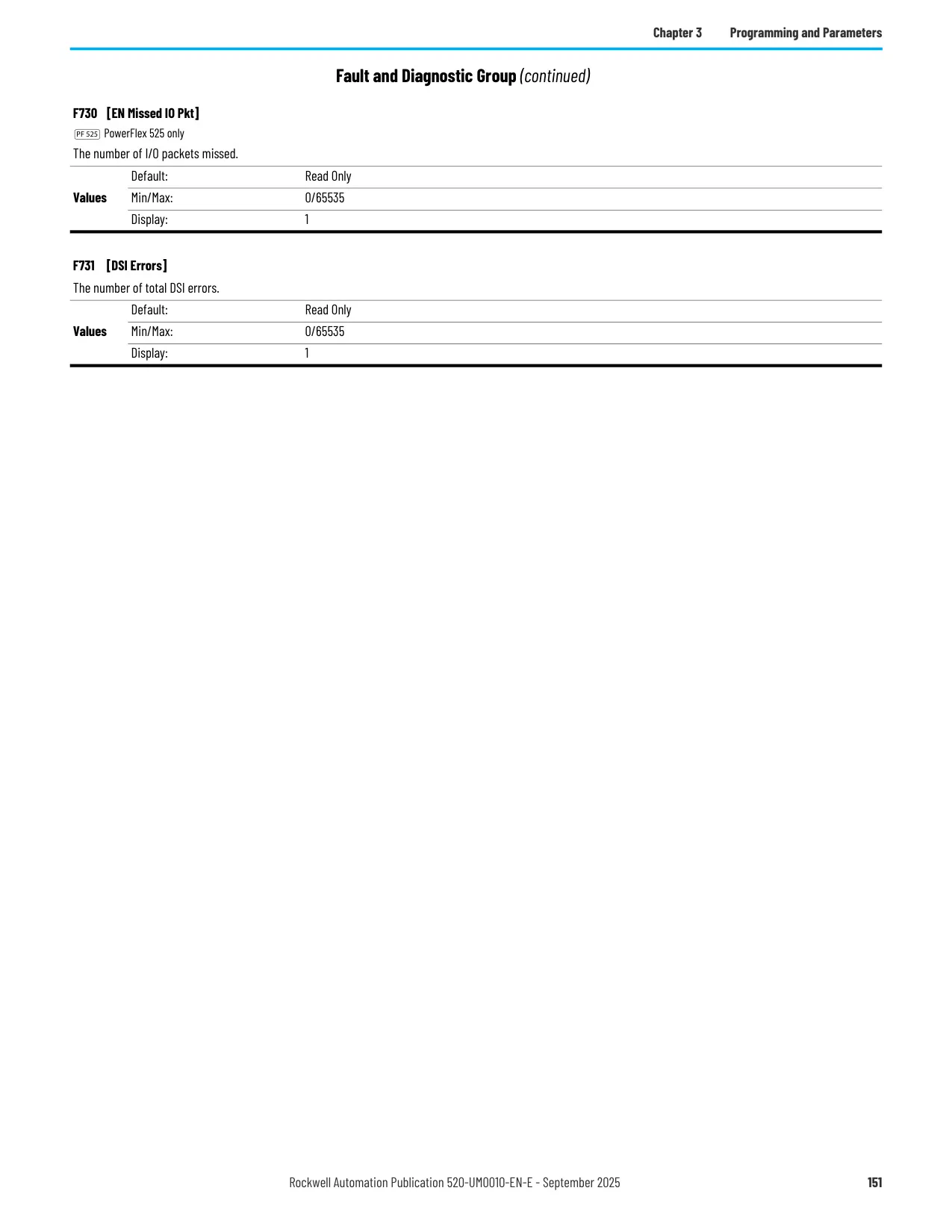
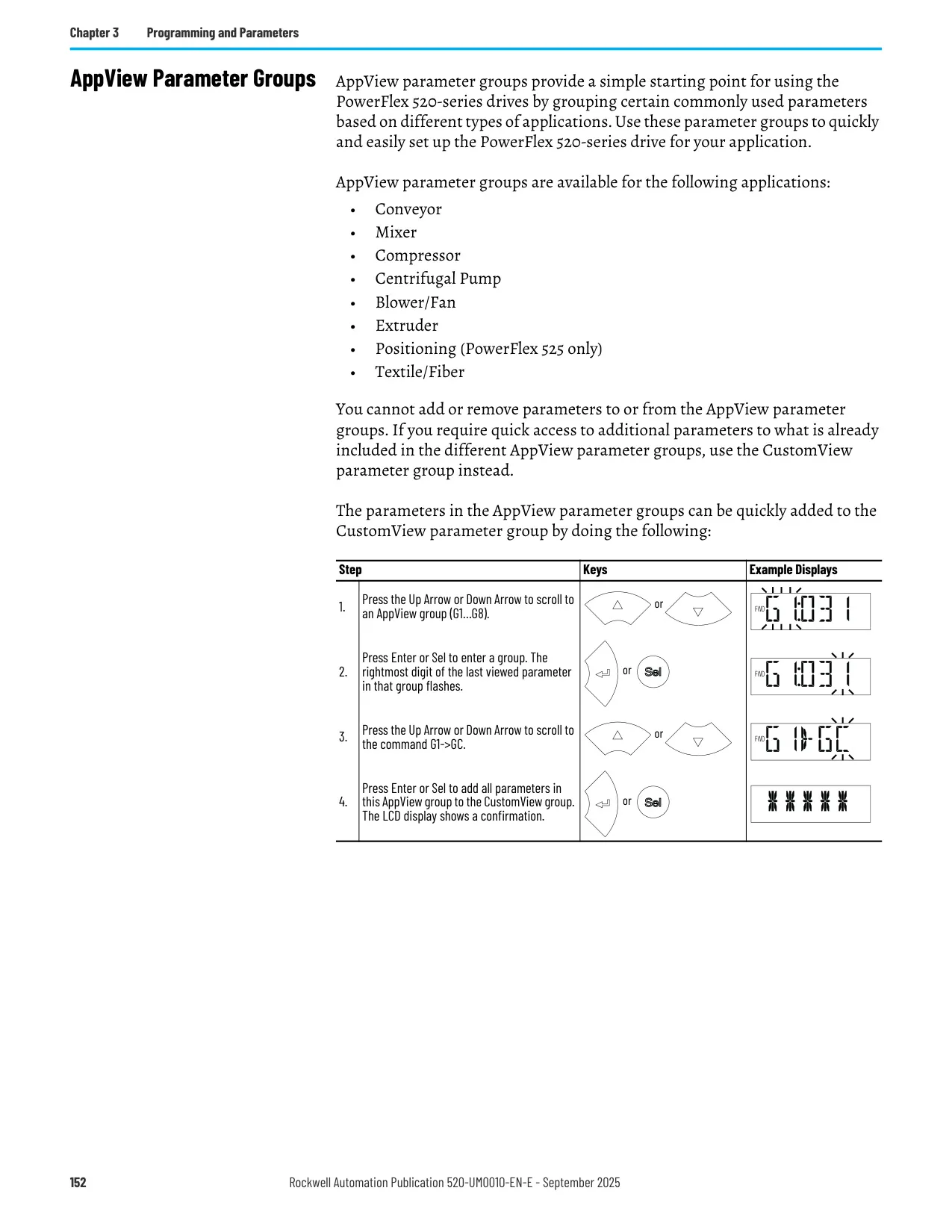
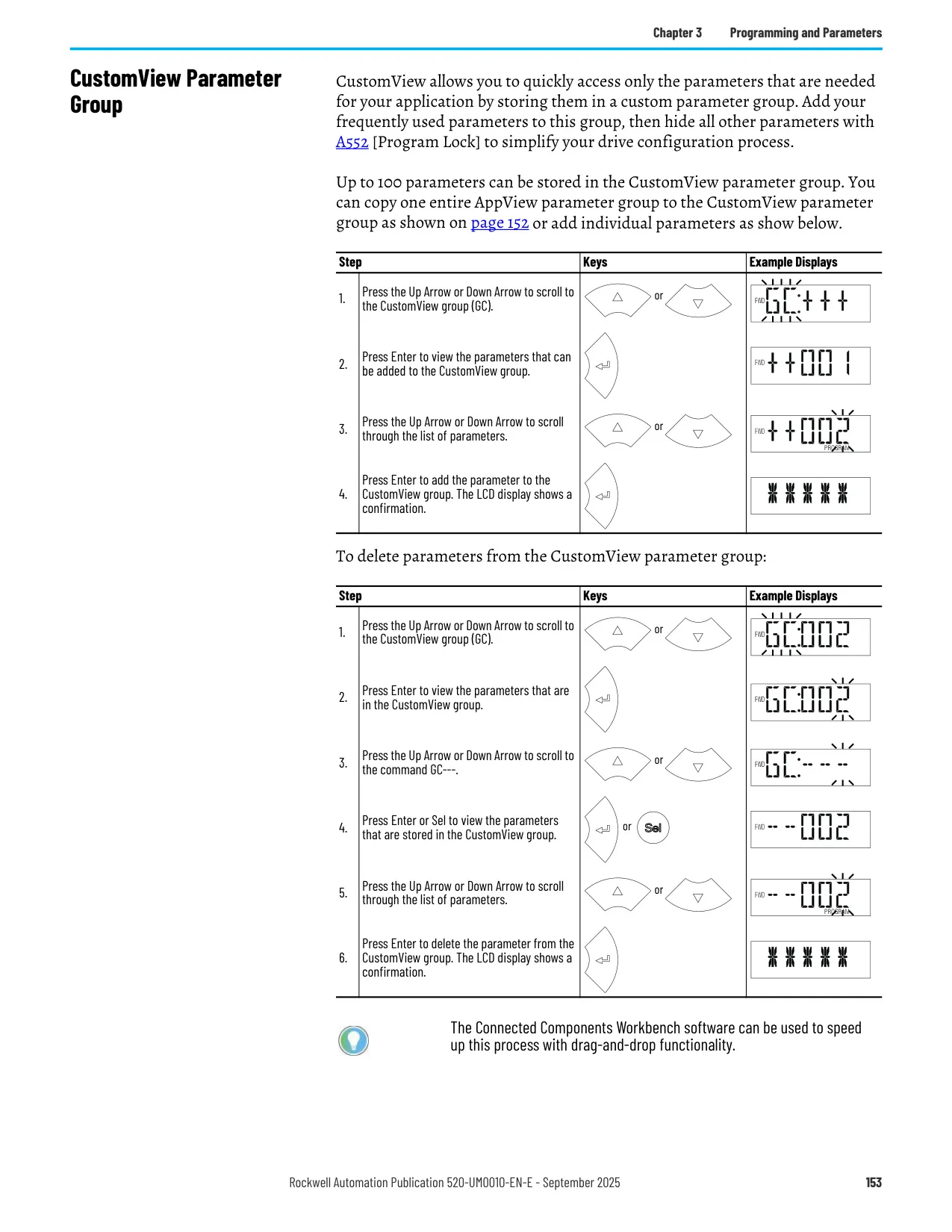
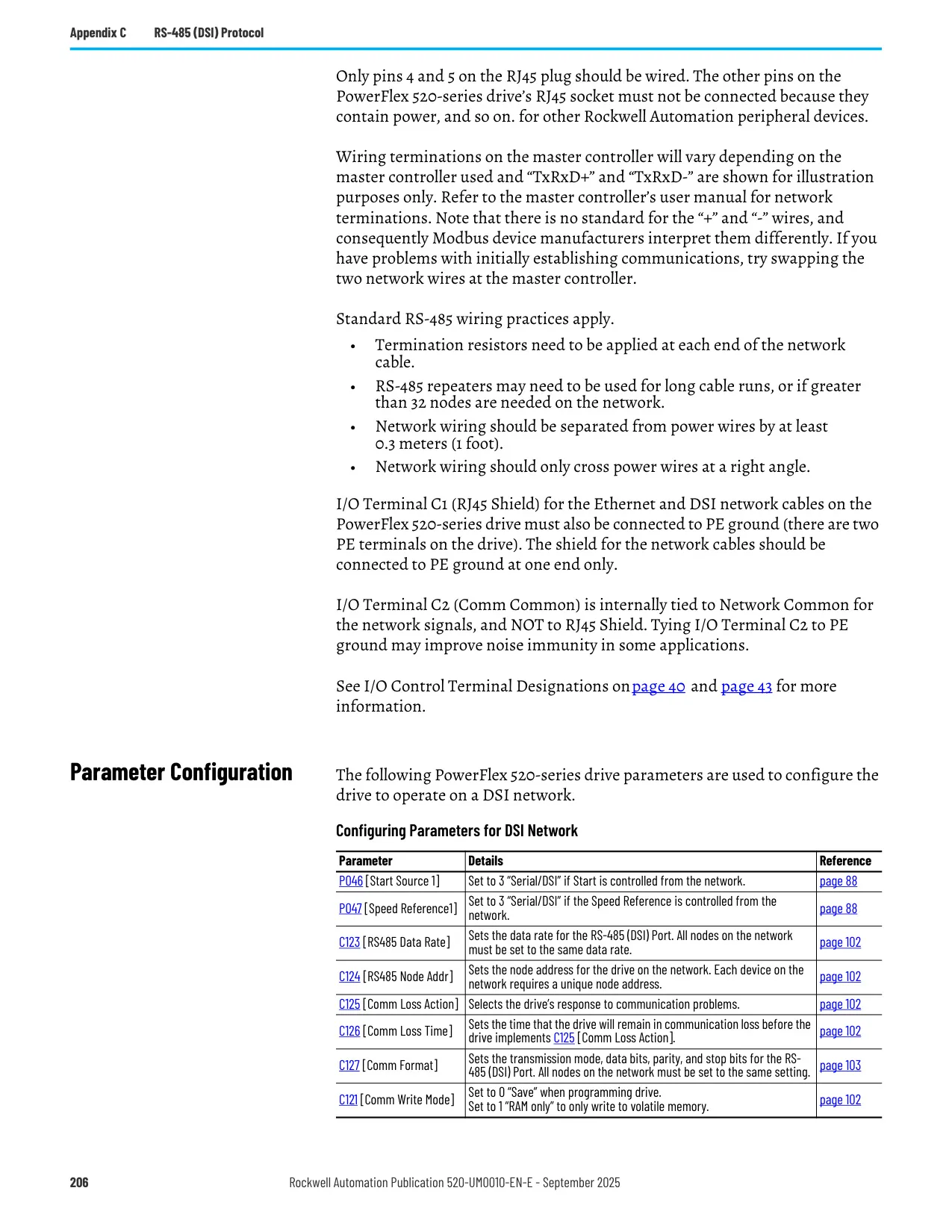
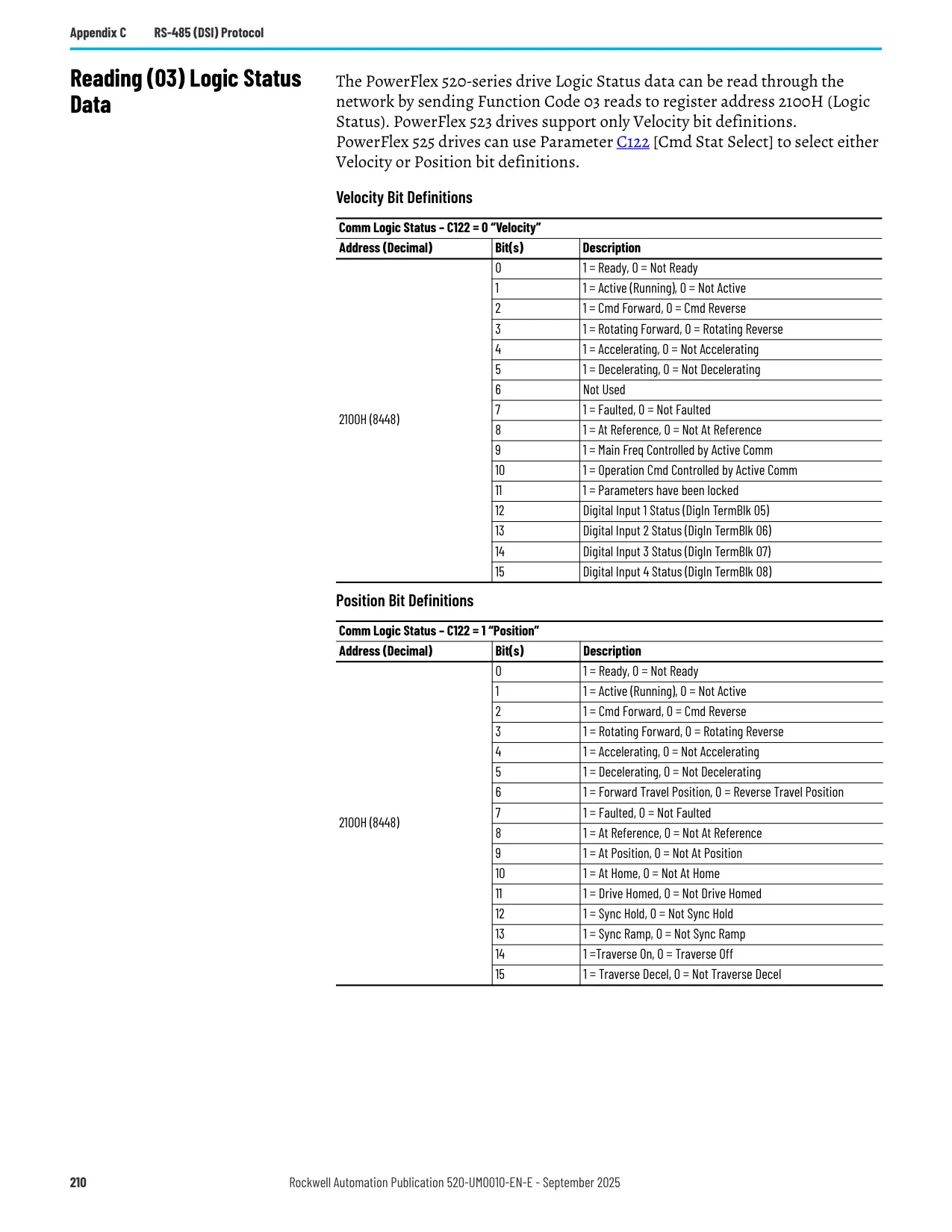
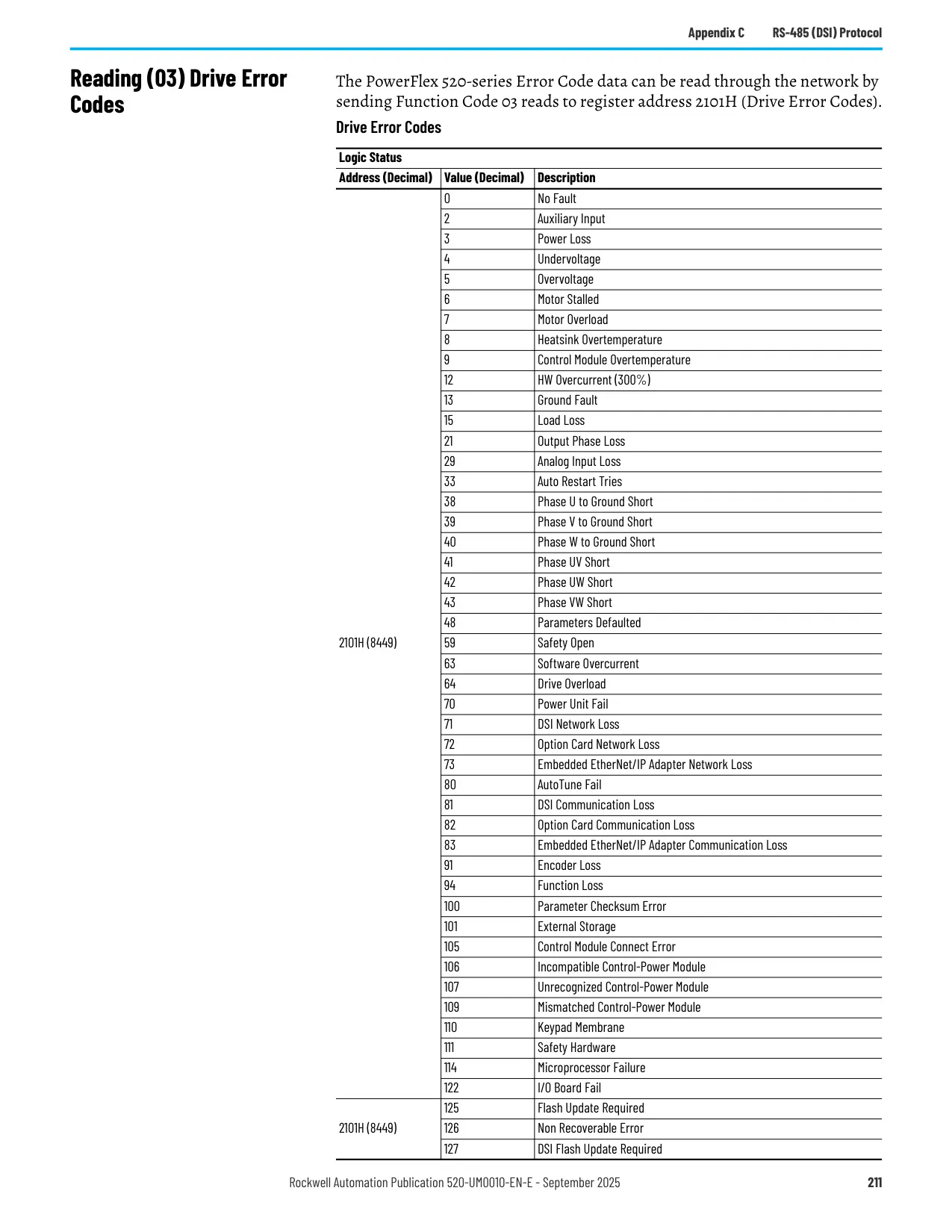
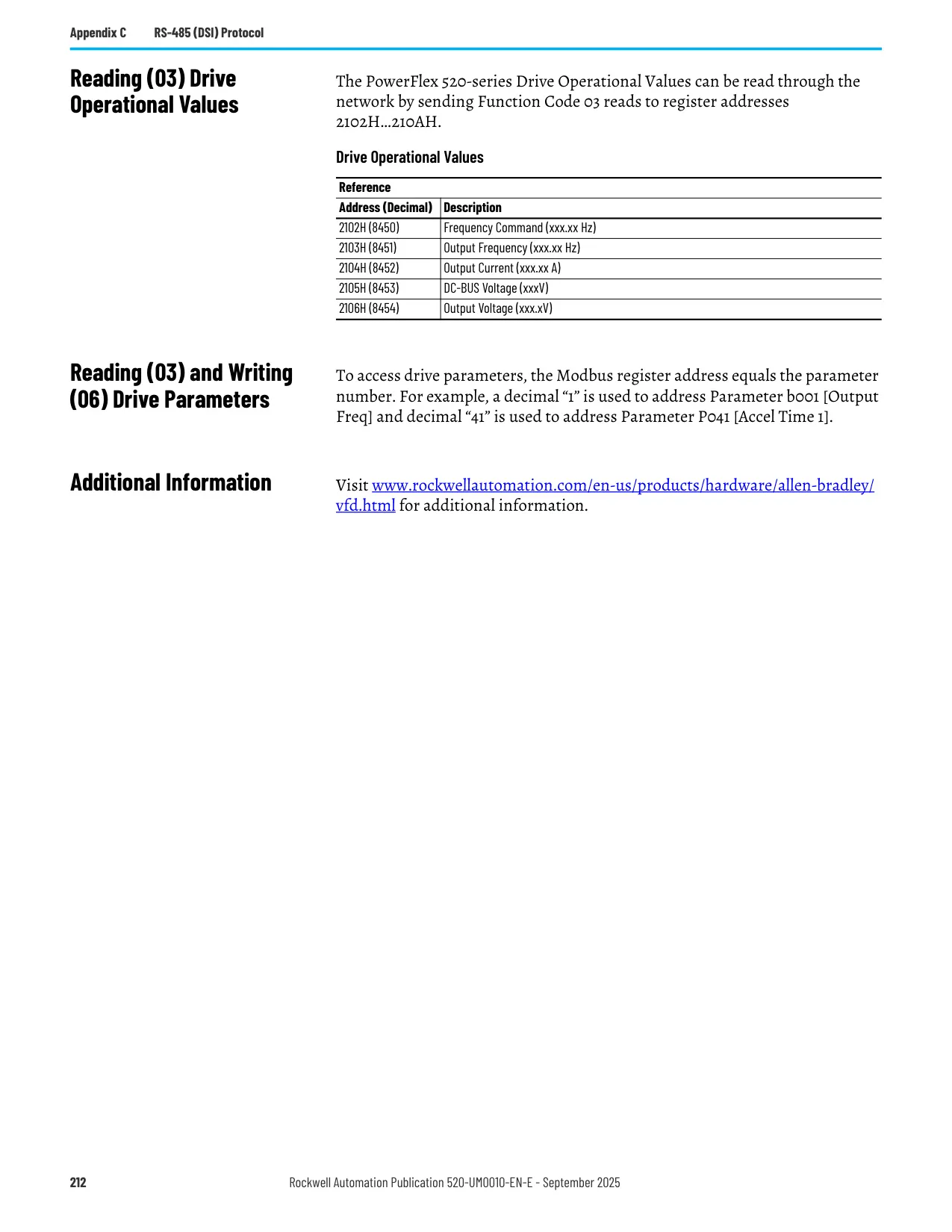
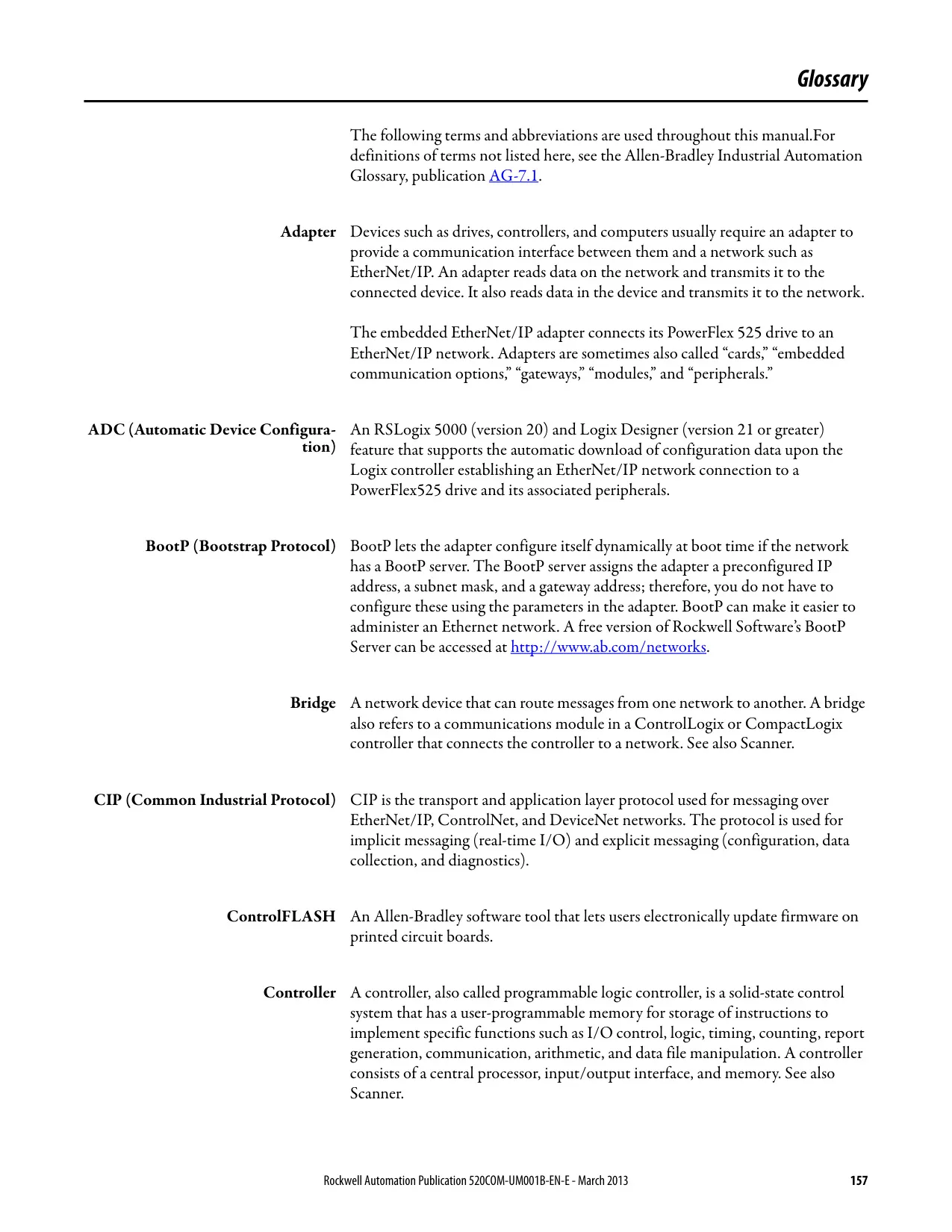
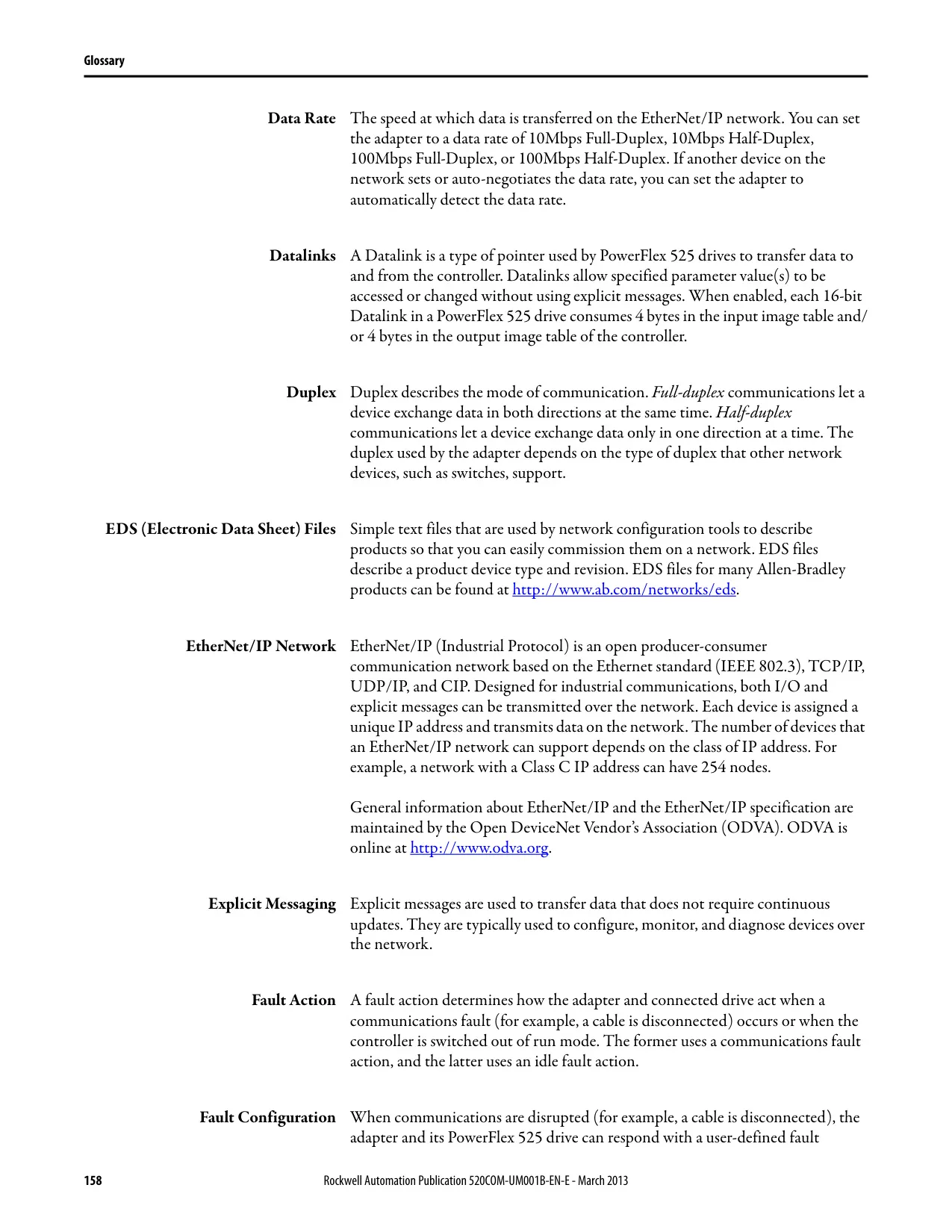
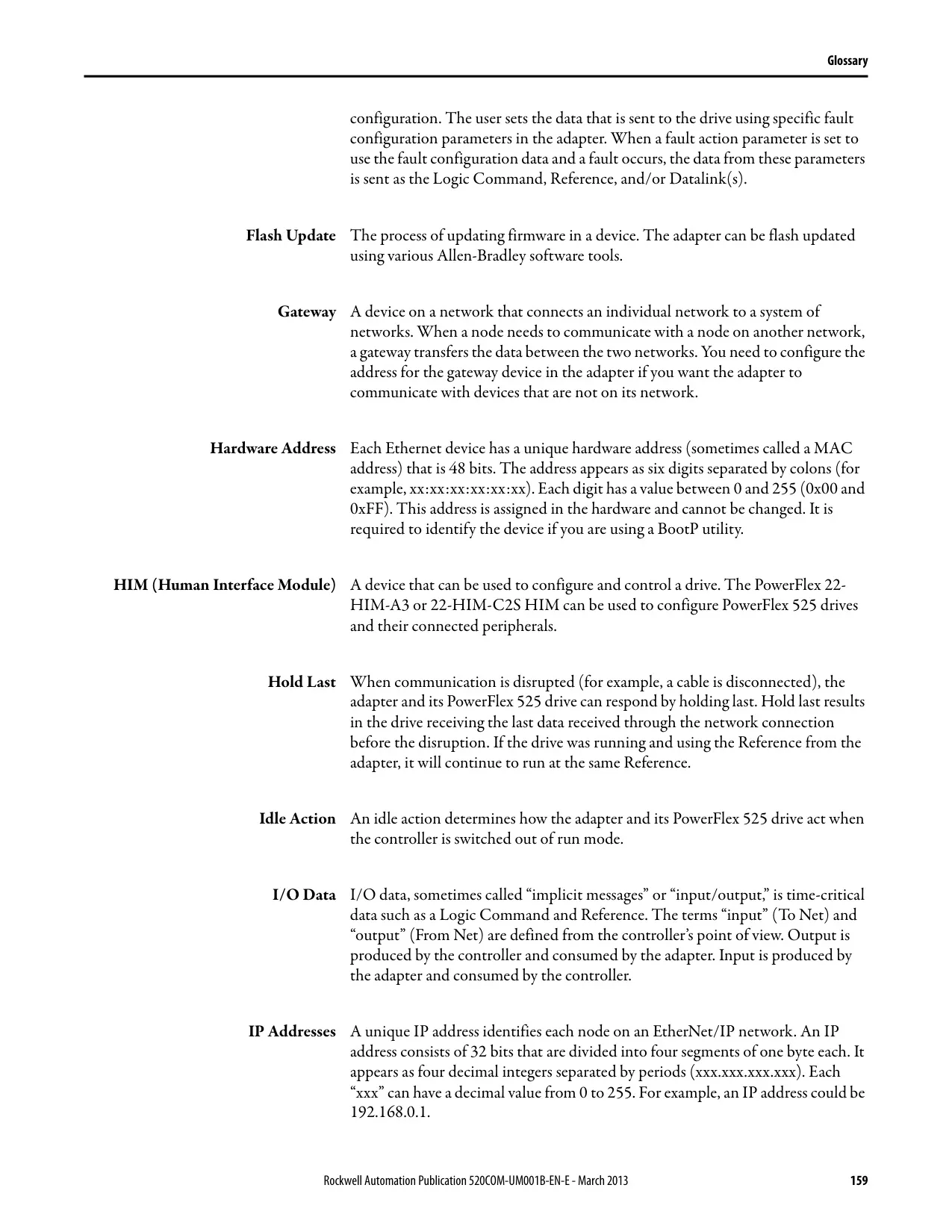
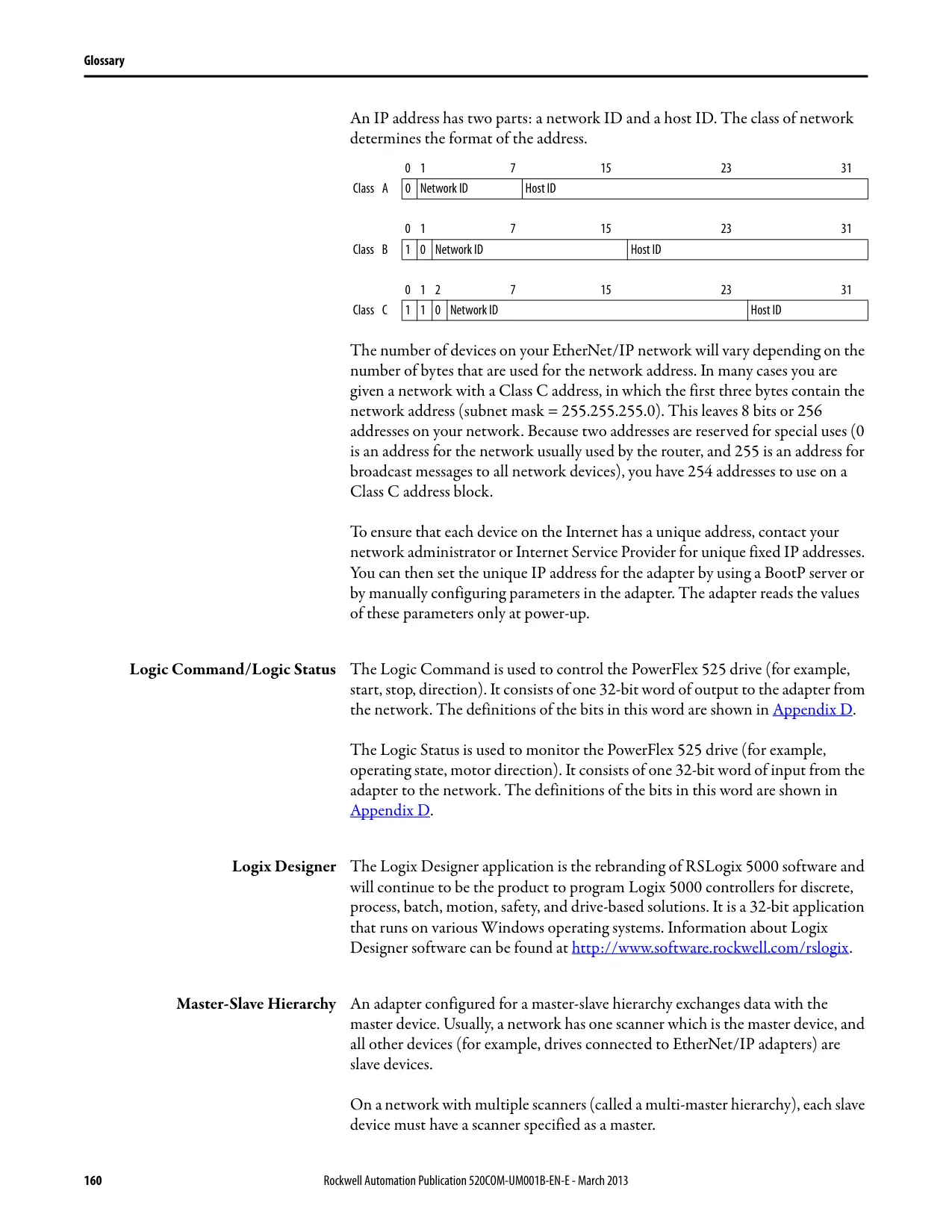
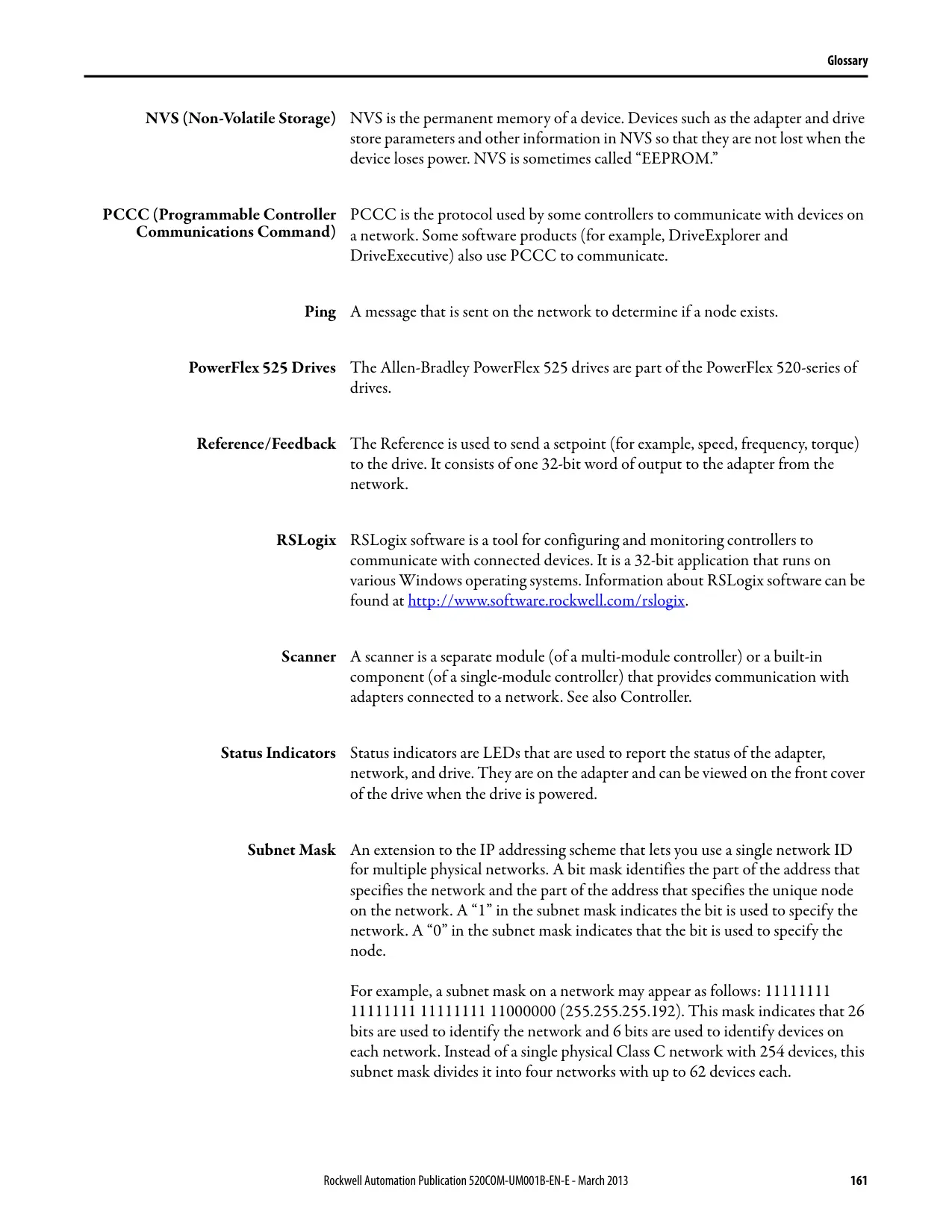
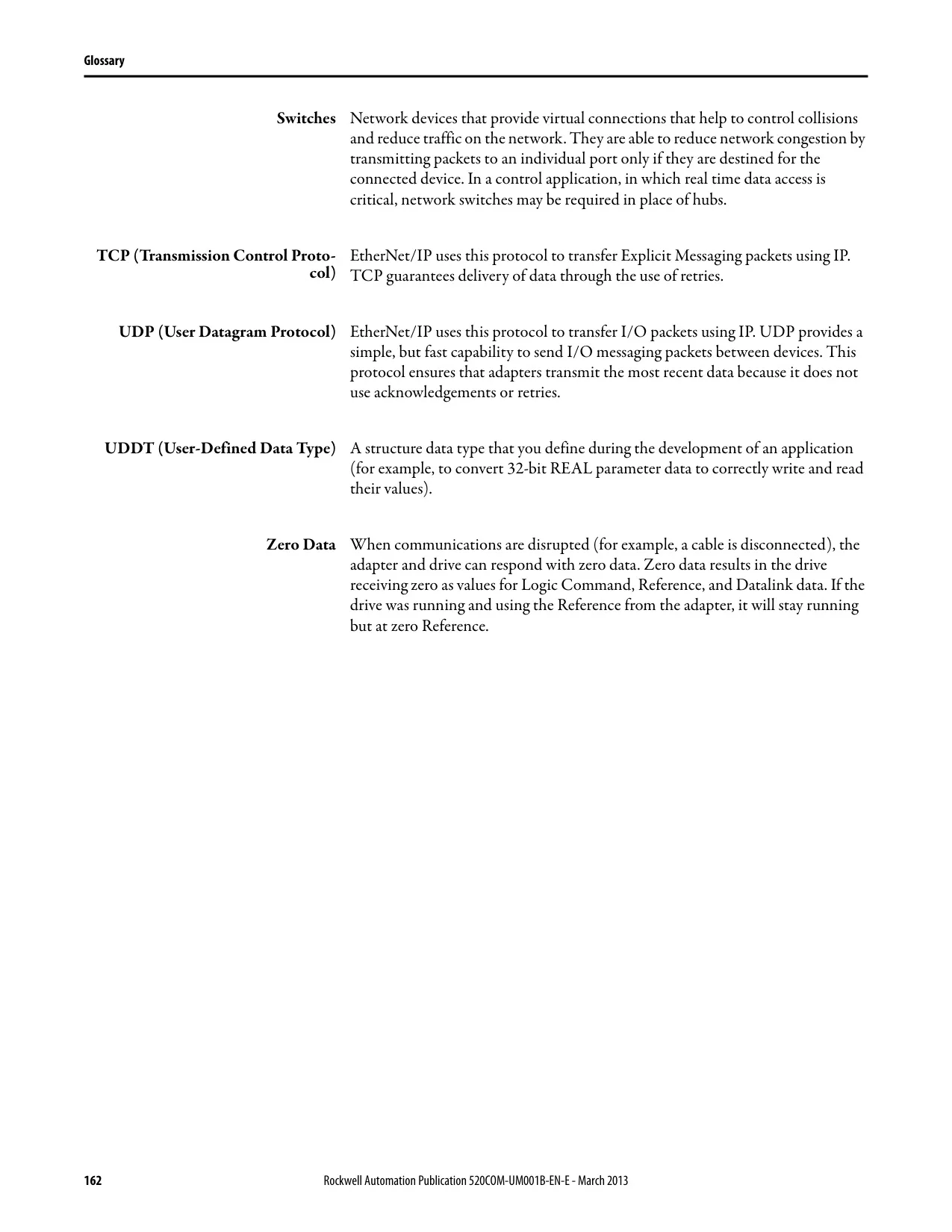
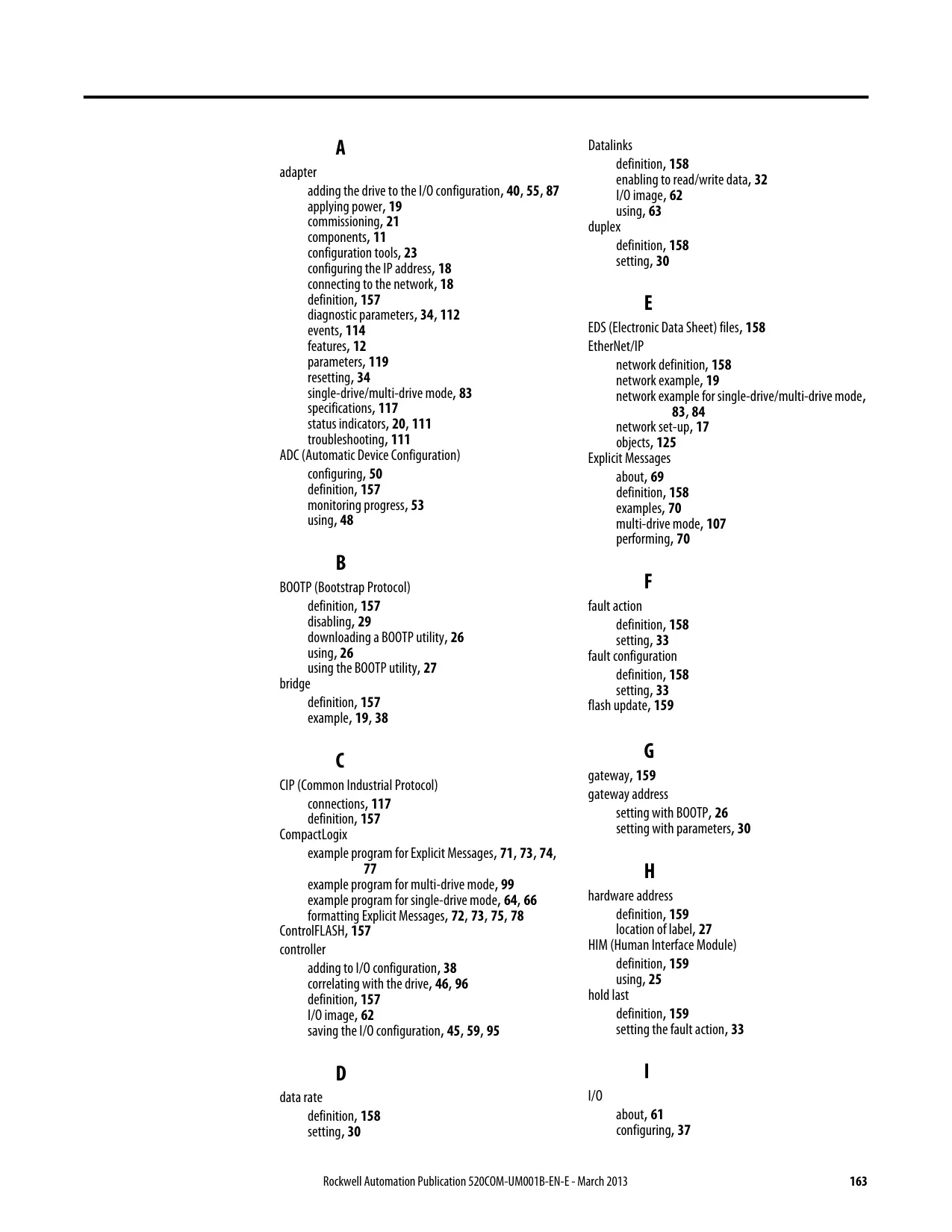
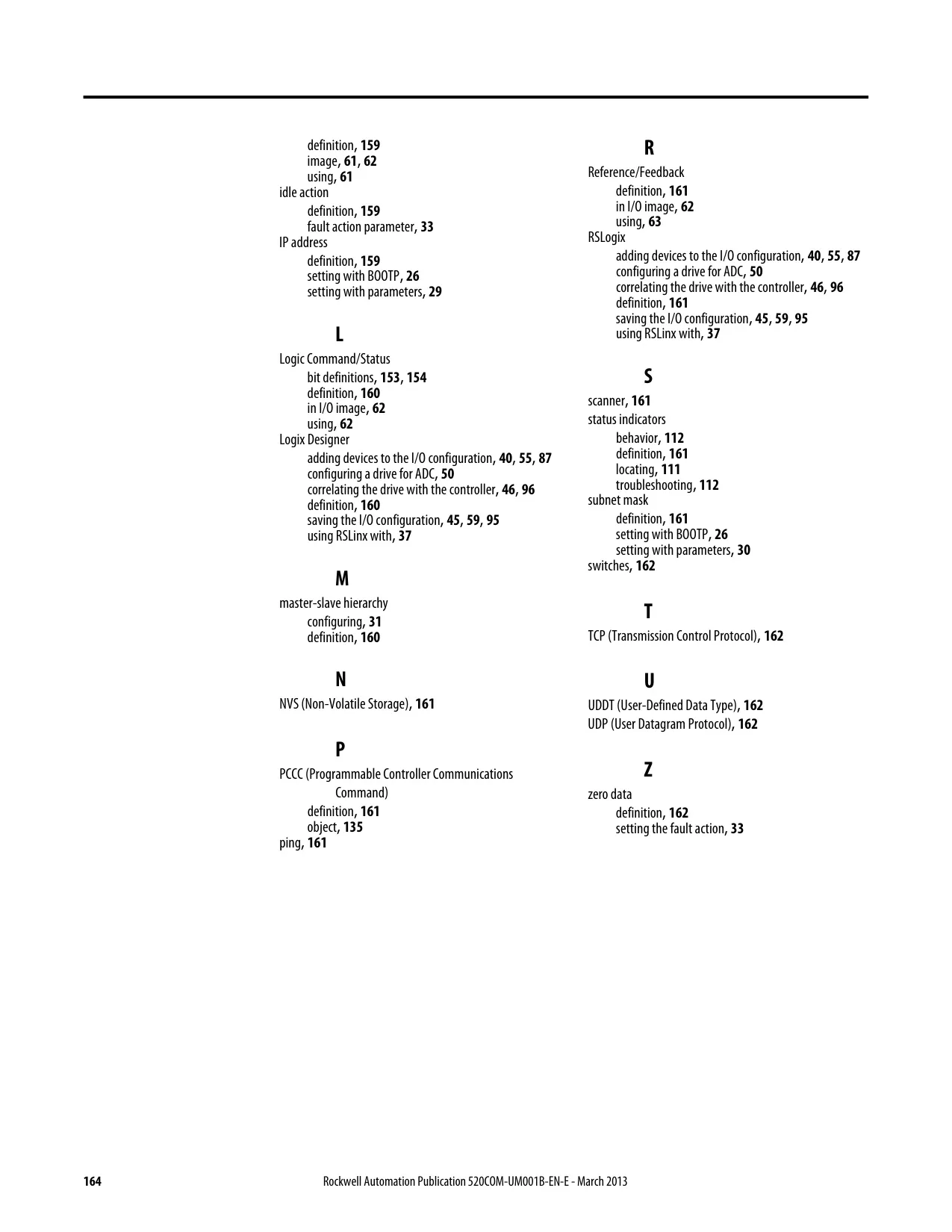
Here we offer the Allen-Bradley Powerflex 525 VFD manual completely free and in English. We have cataloged this manual in the Variable Frequency Drives section on Manualverse, and it has been rated by 1 users with an average rating of 5. If you have any specific questions about Allen-Bradley Powerflex 525 VFD, we suggest checking the Frequently Asked Questions (FAQs) section of this manual.
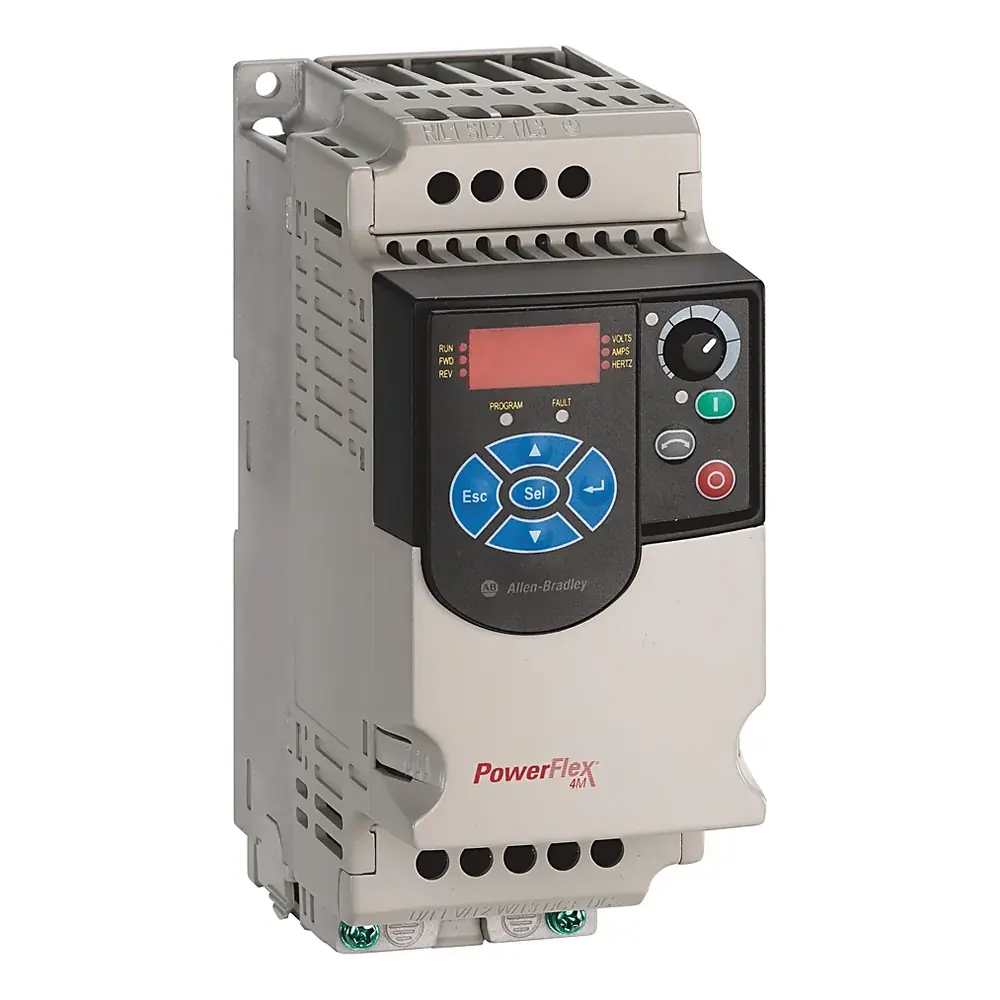
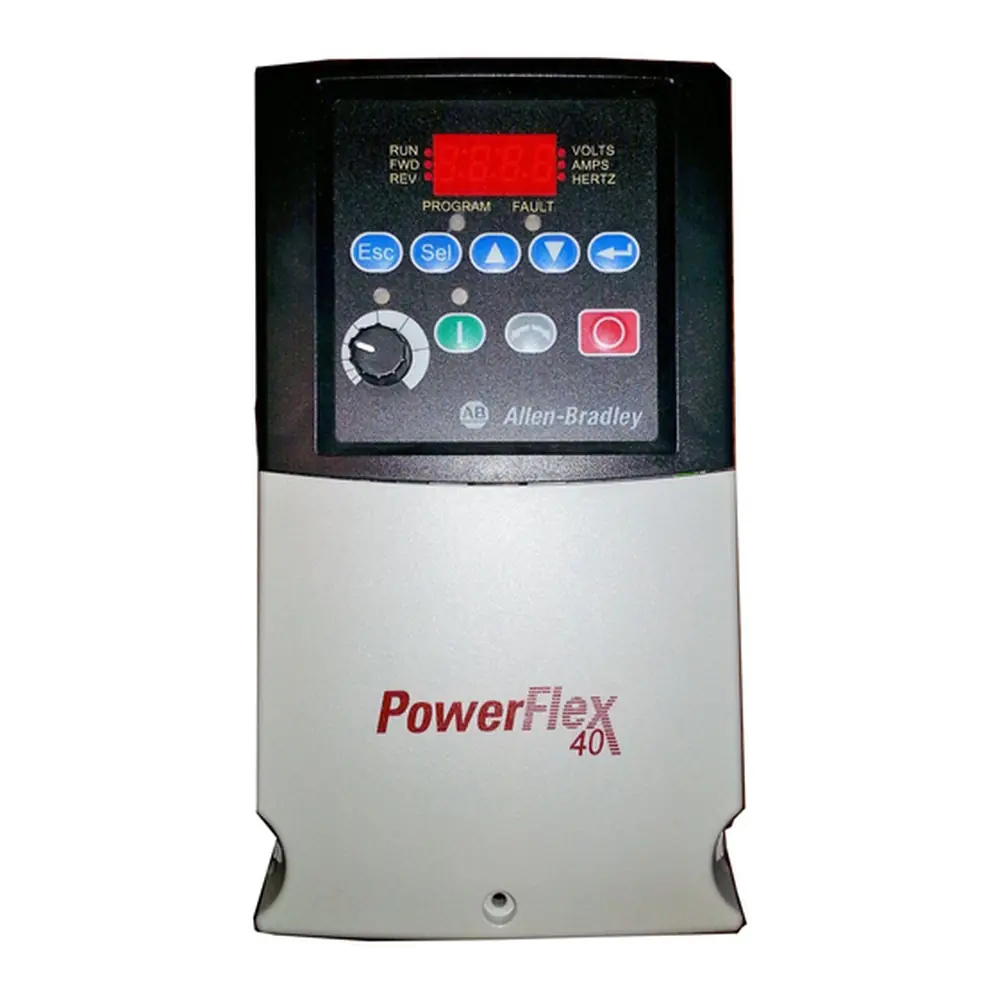
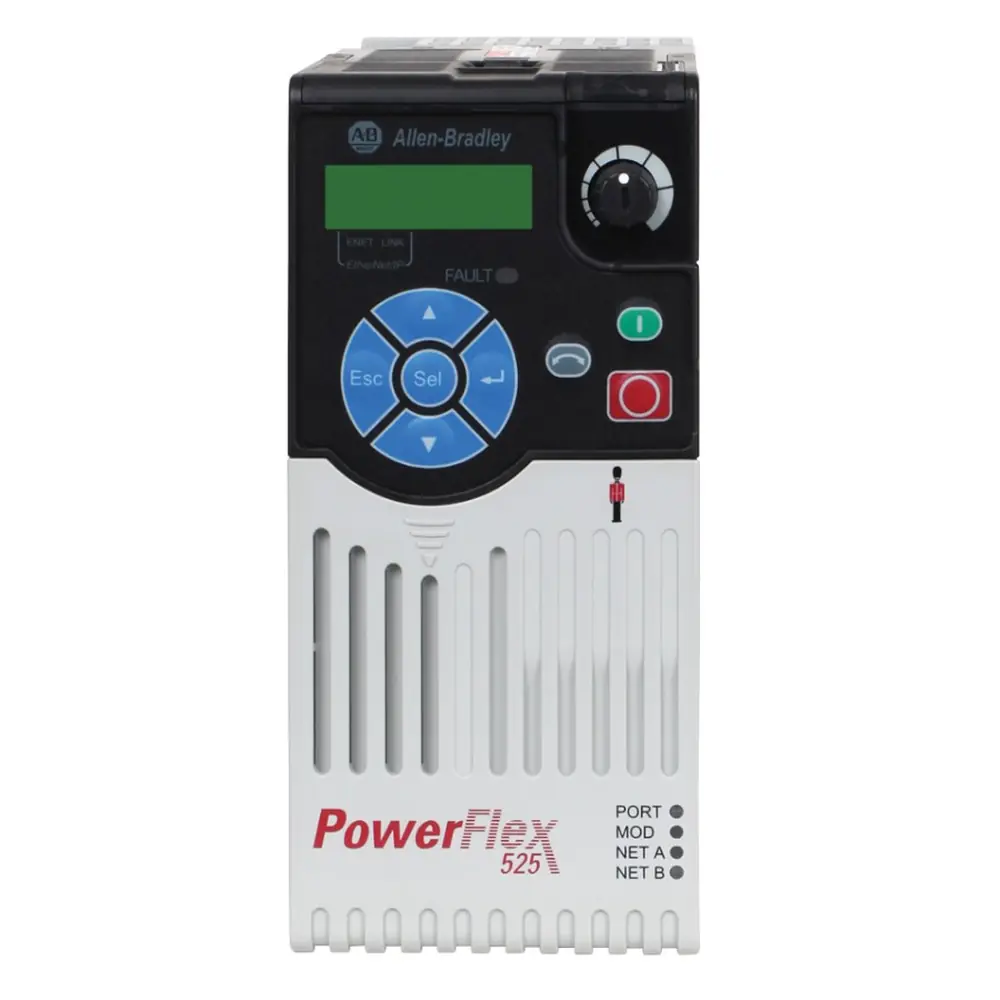
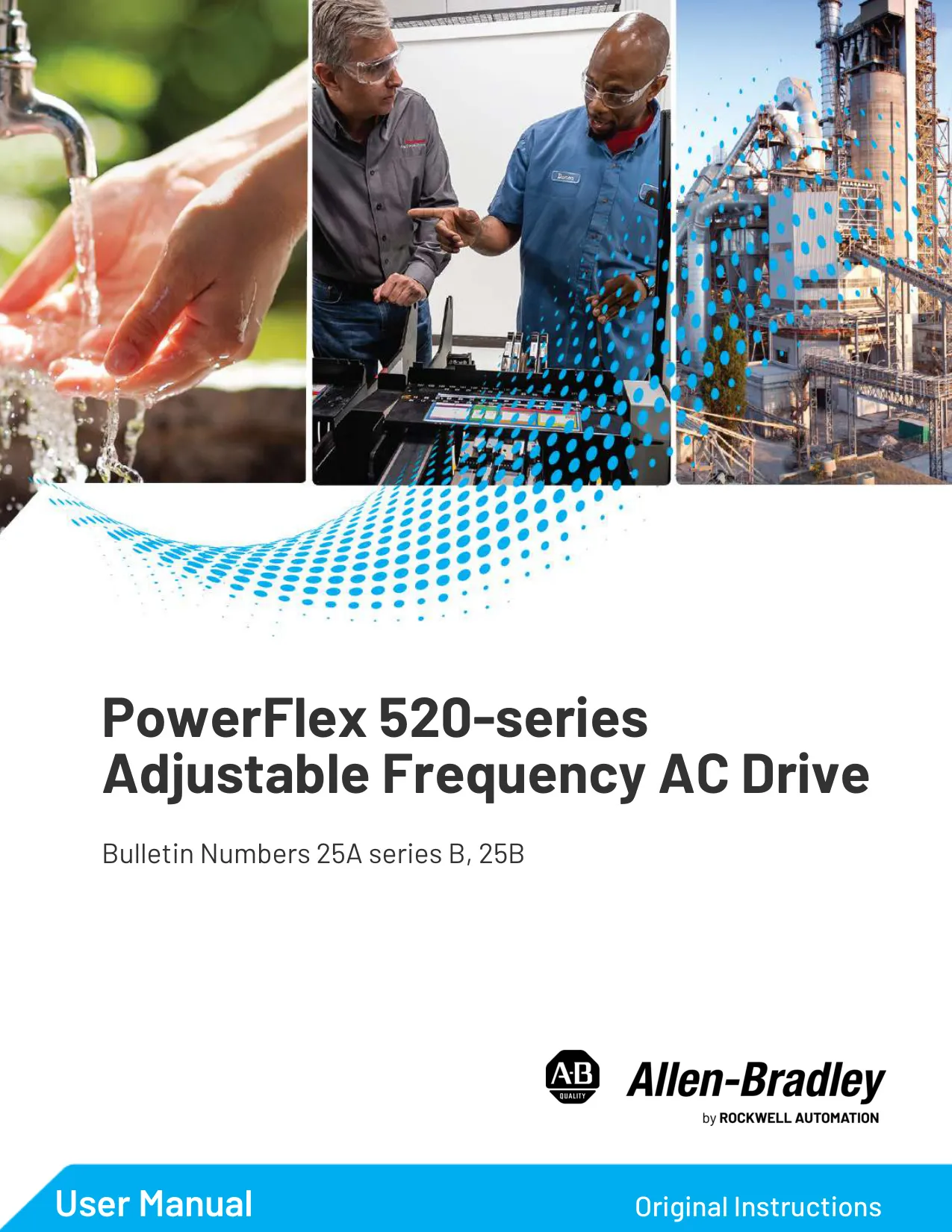
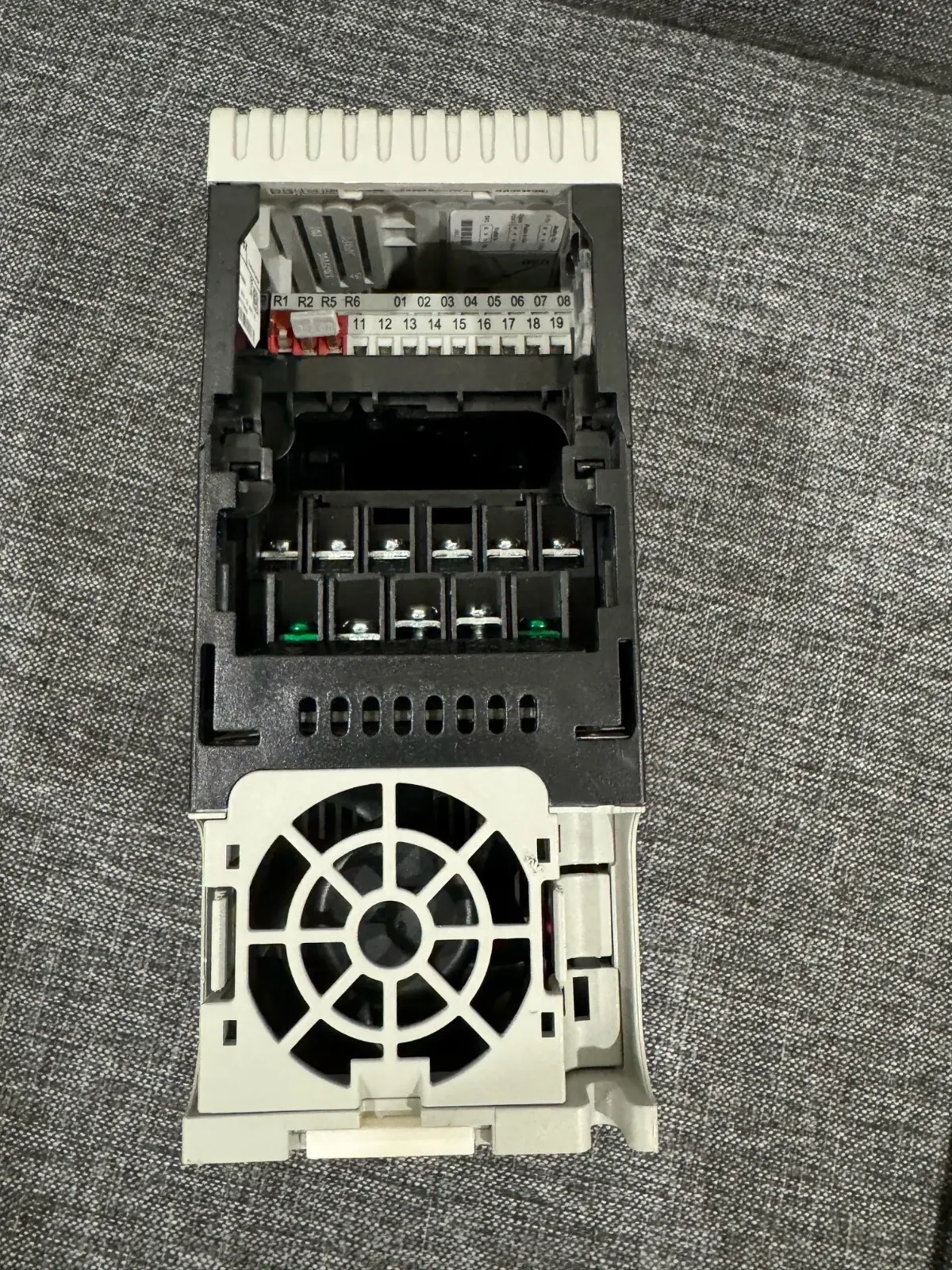
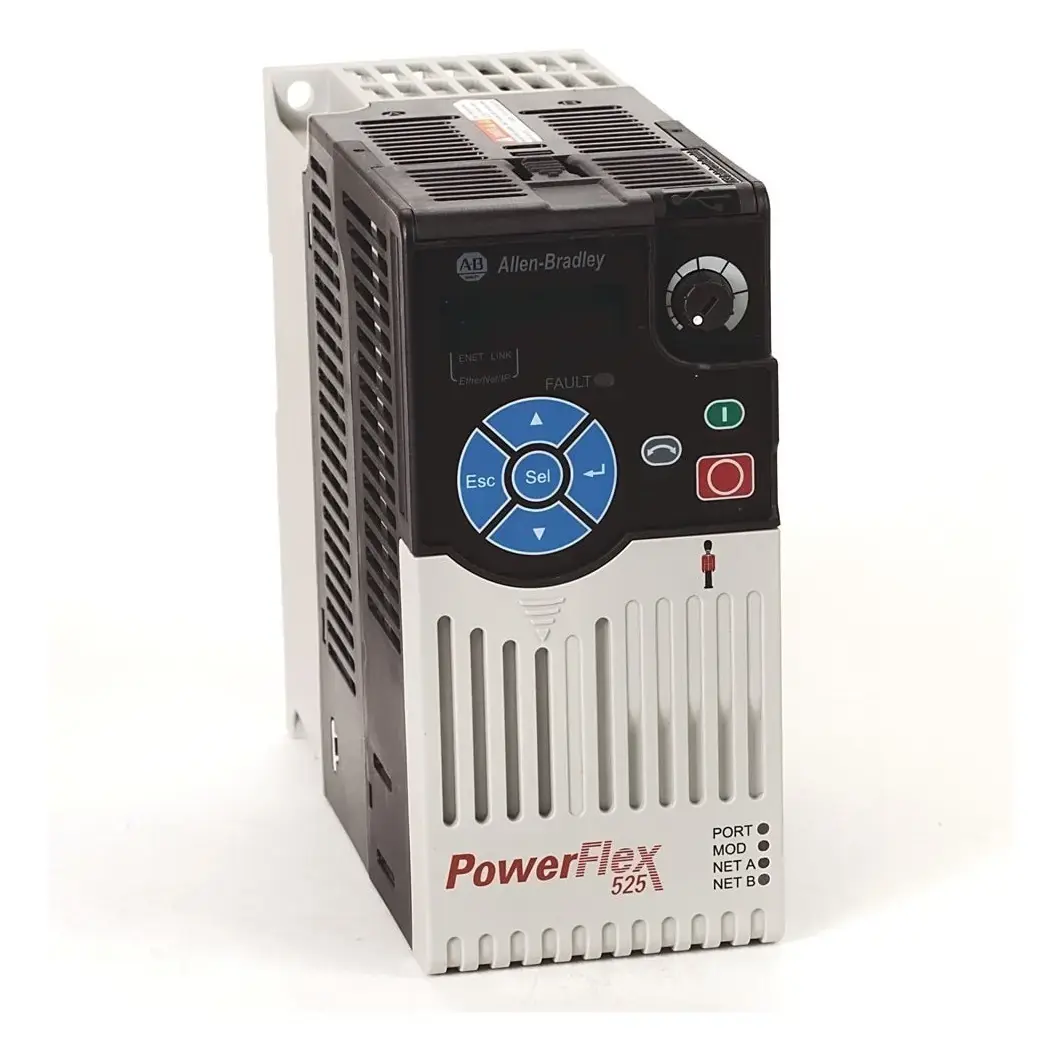
Product Images
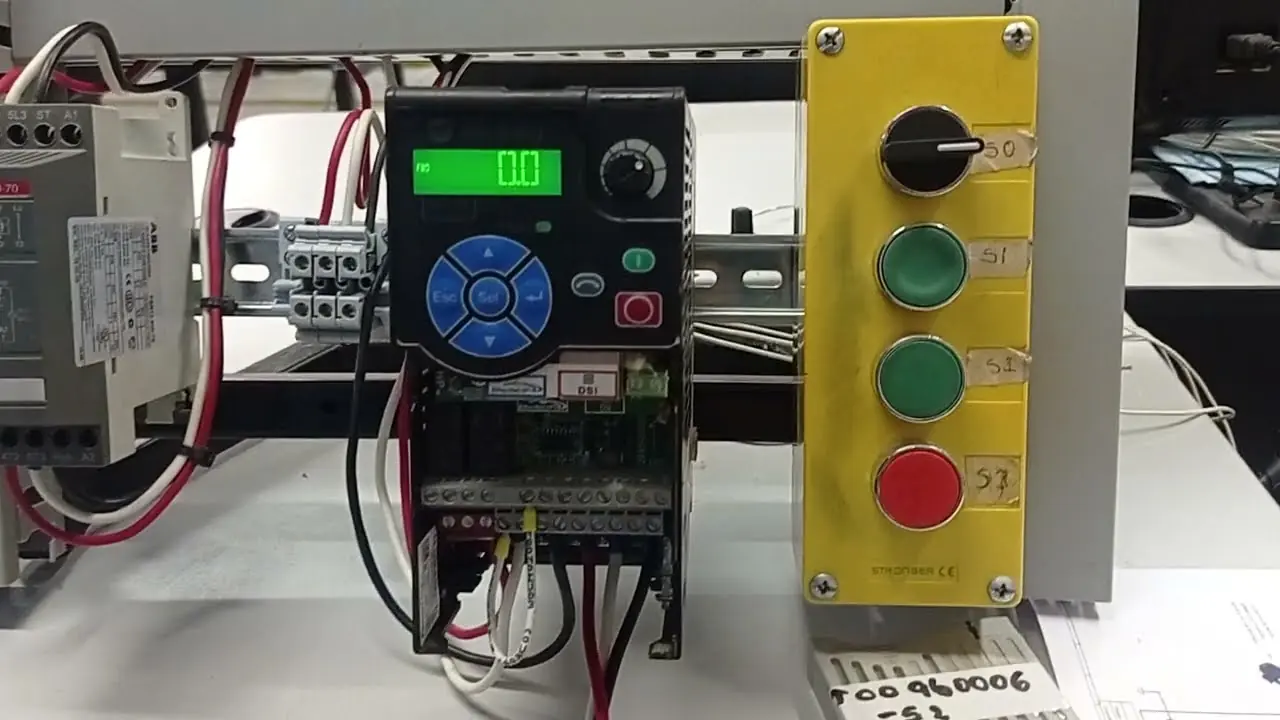
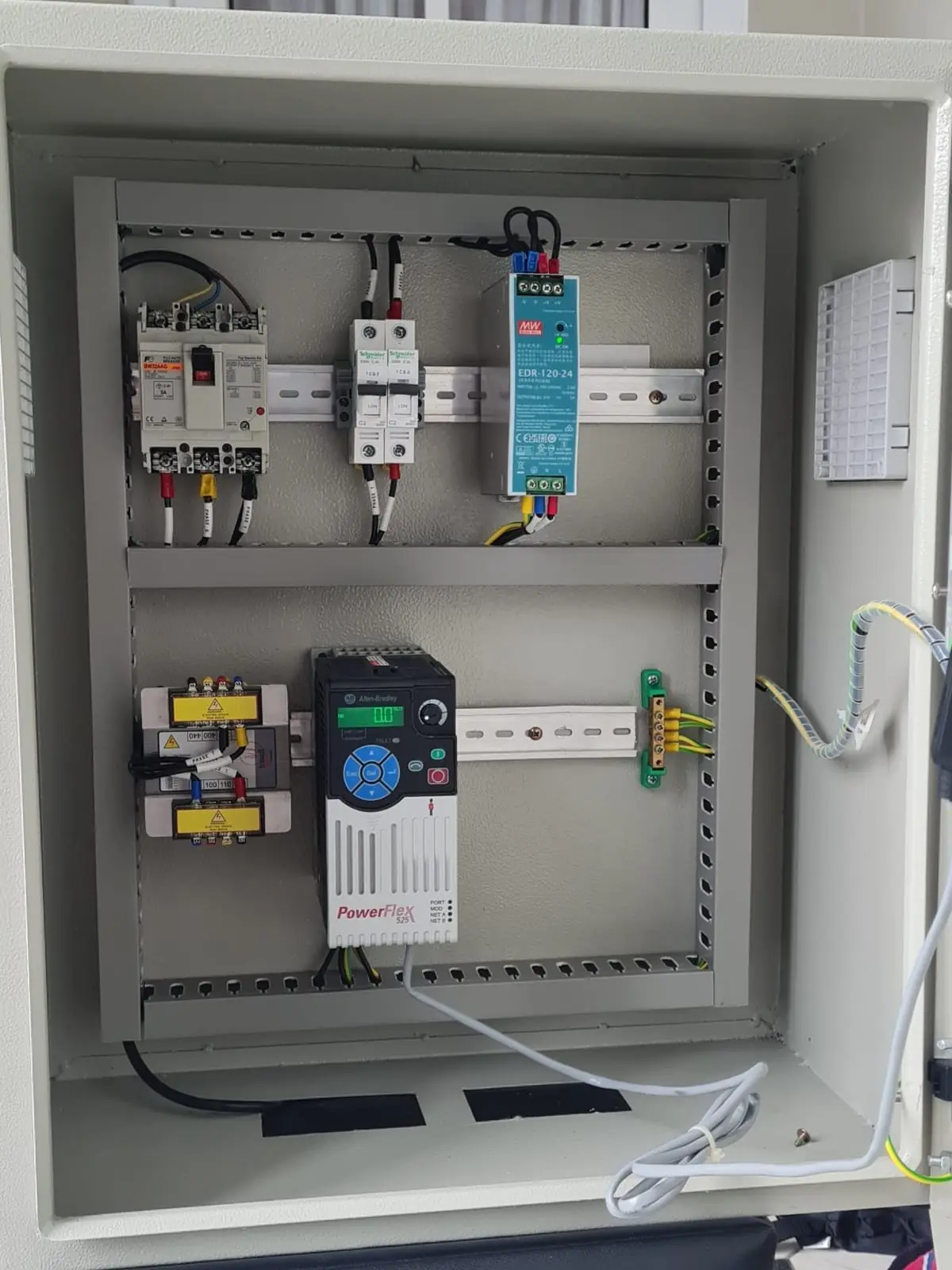
Allen-Bradley Powerflex 525 Specifications
| Feature | Specification (PowerFlex 525) |
|---|---|
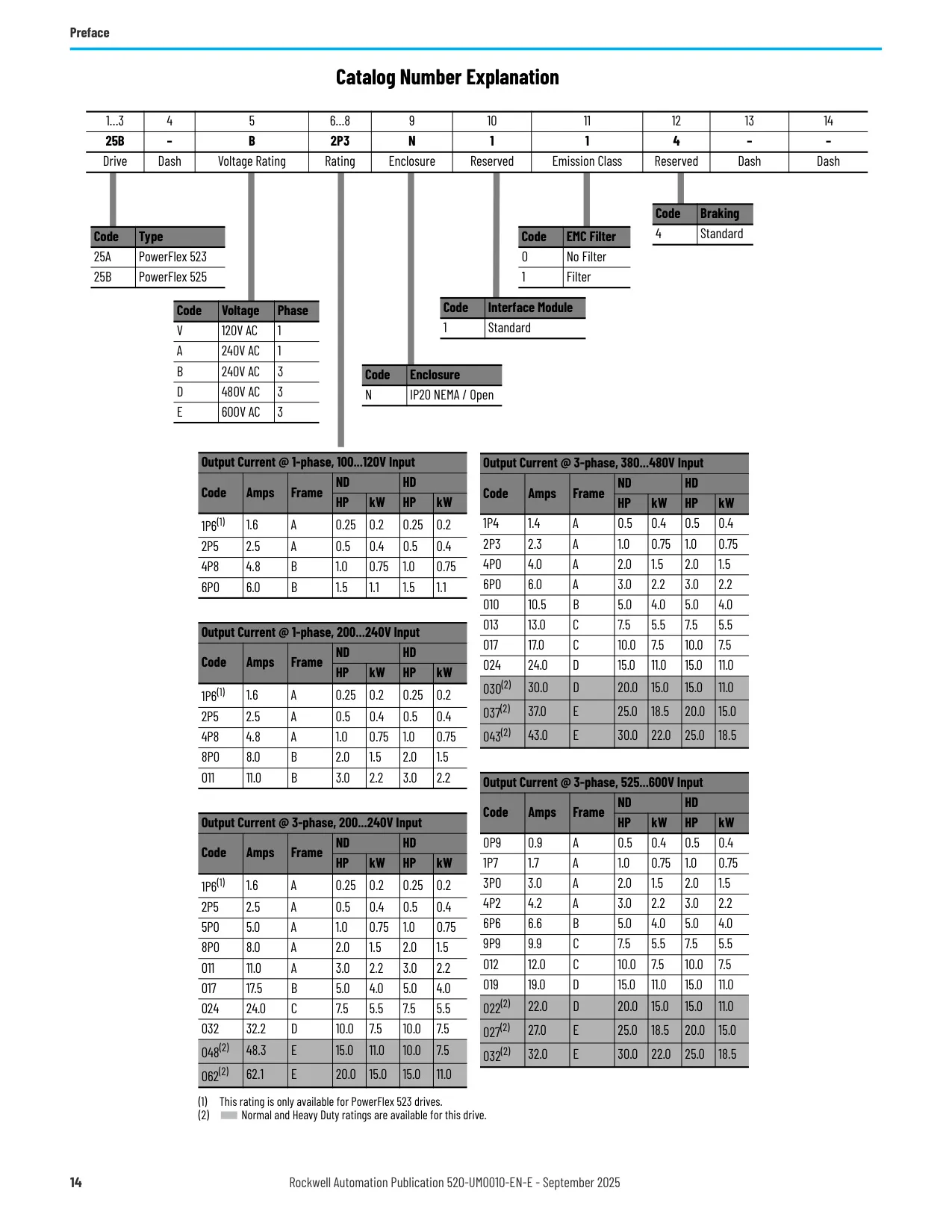
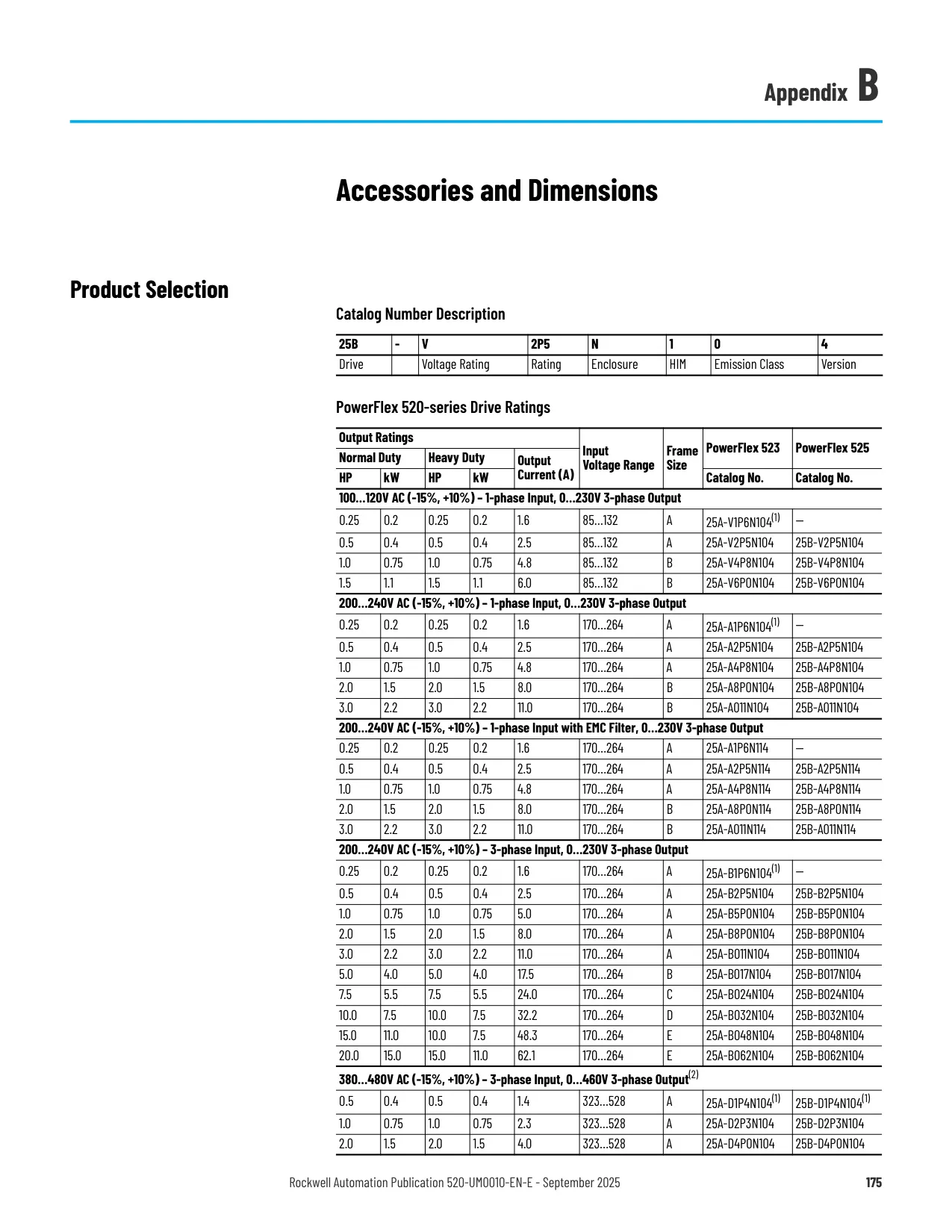
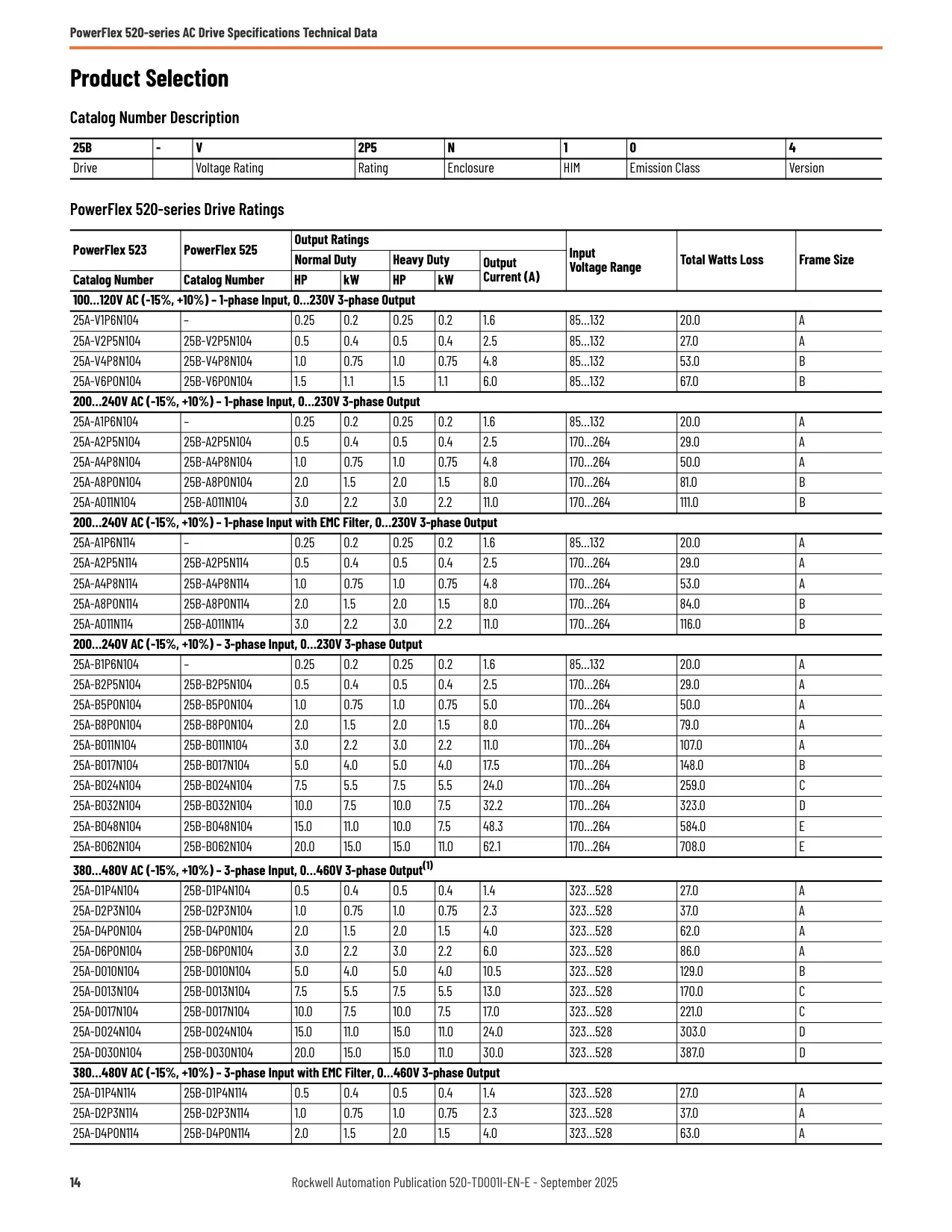
| Bulletin Numbers | 25B Series |
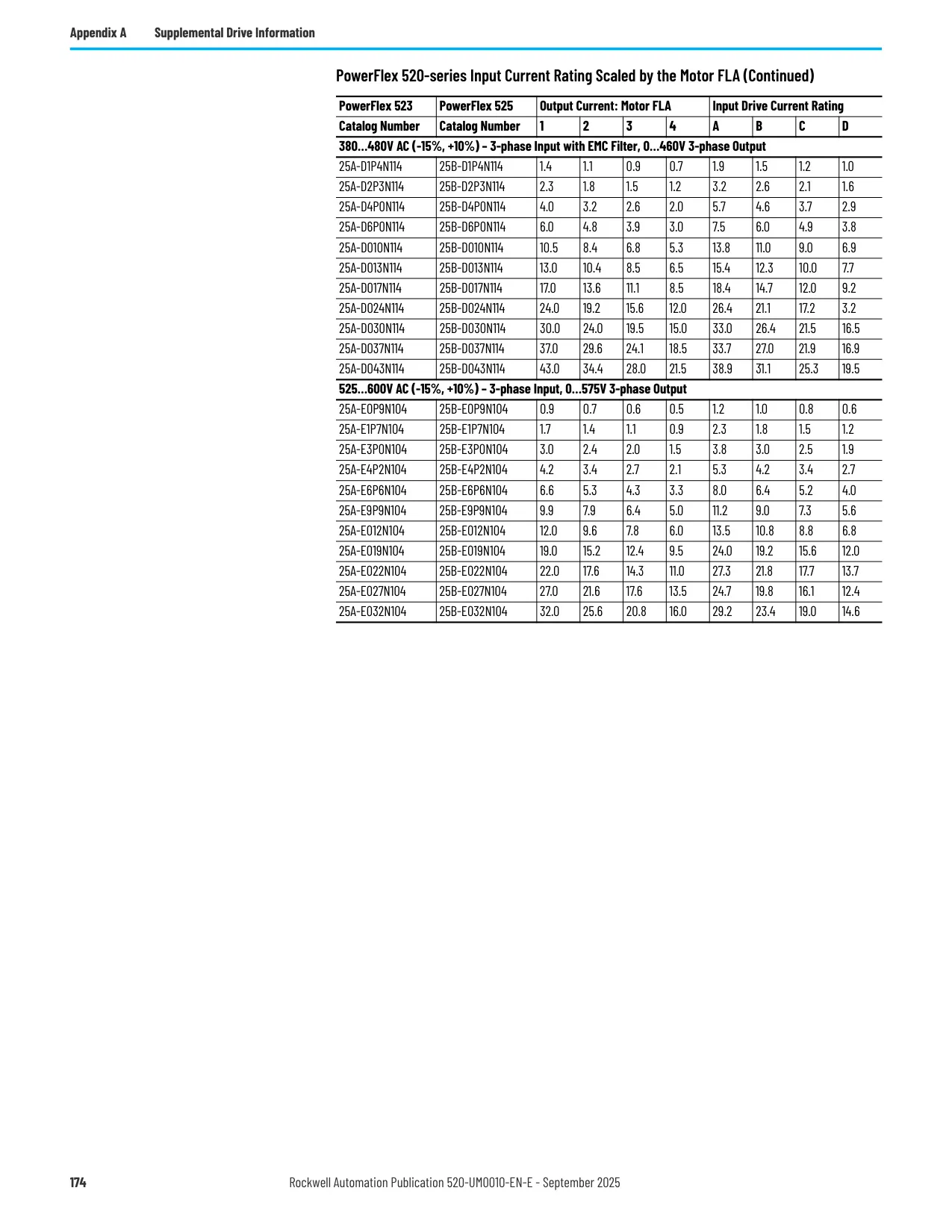
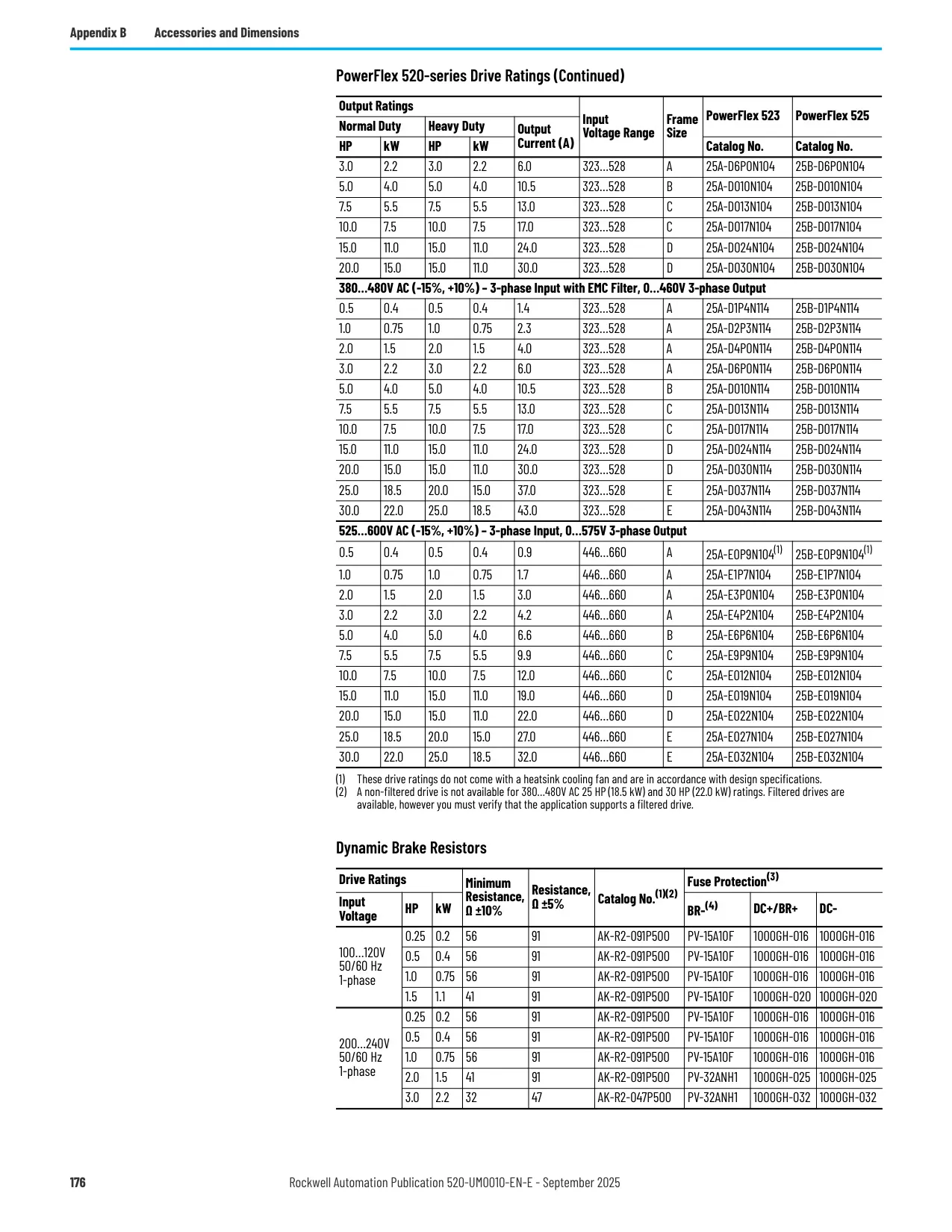
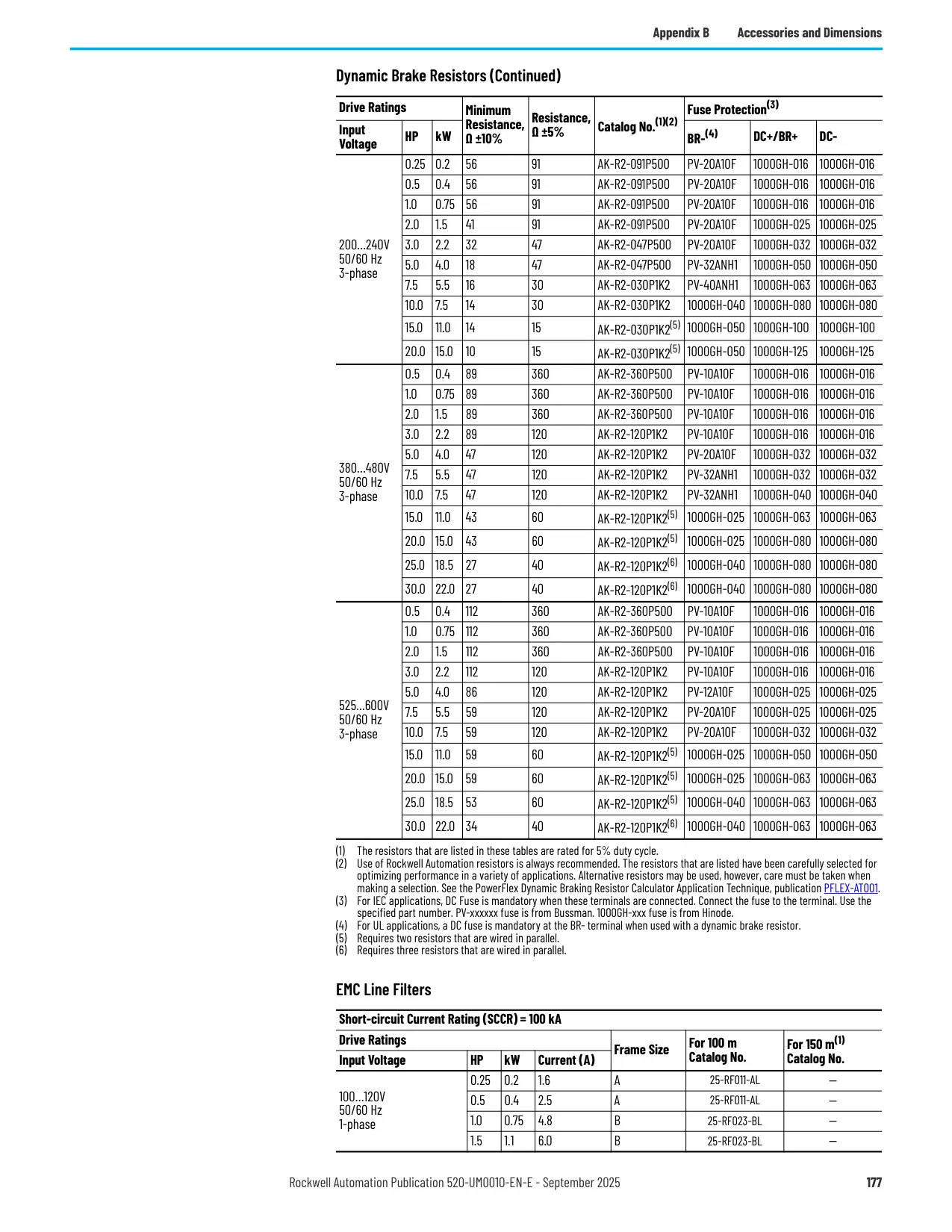
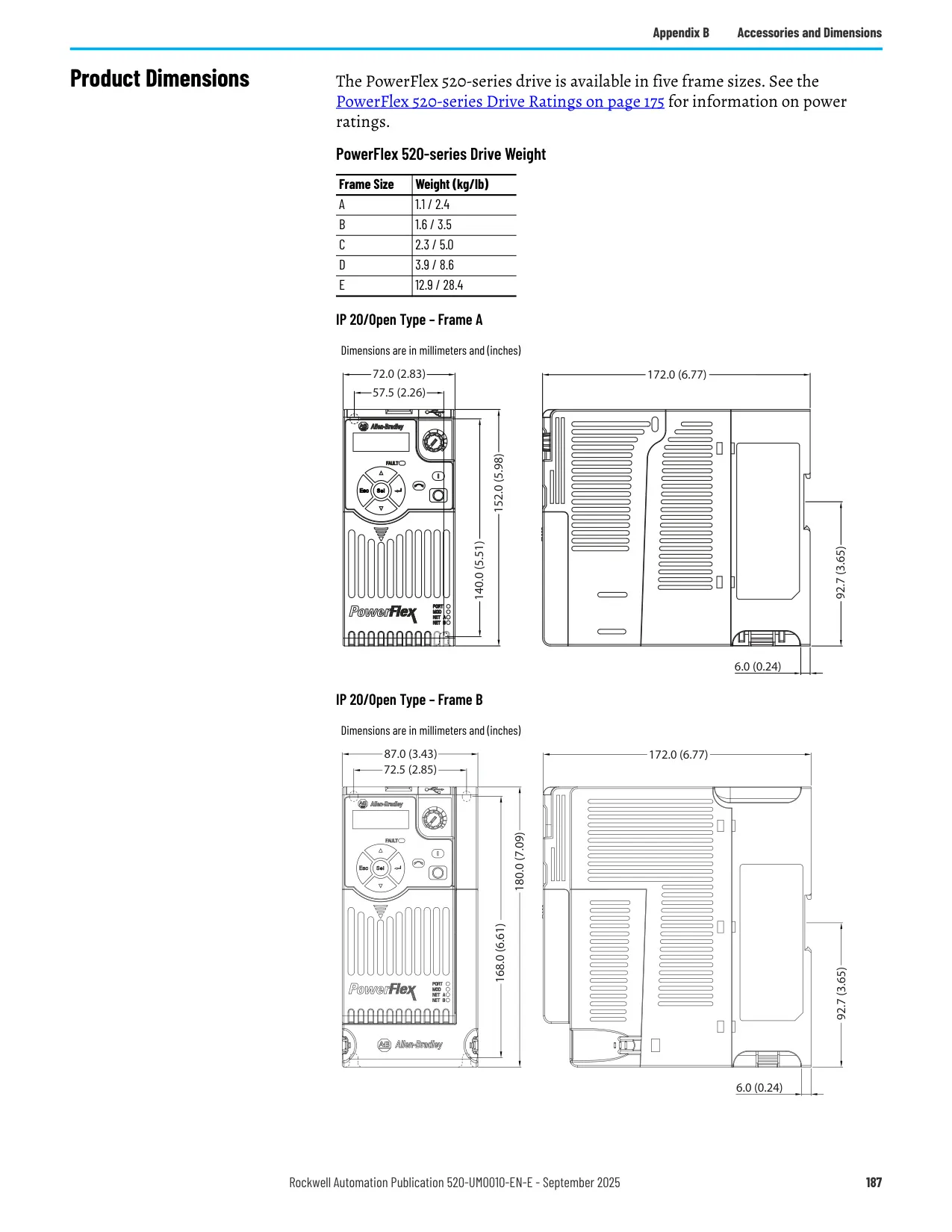
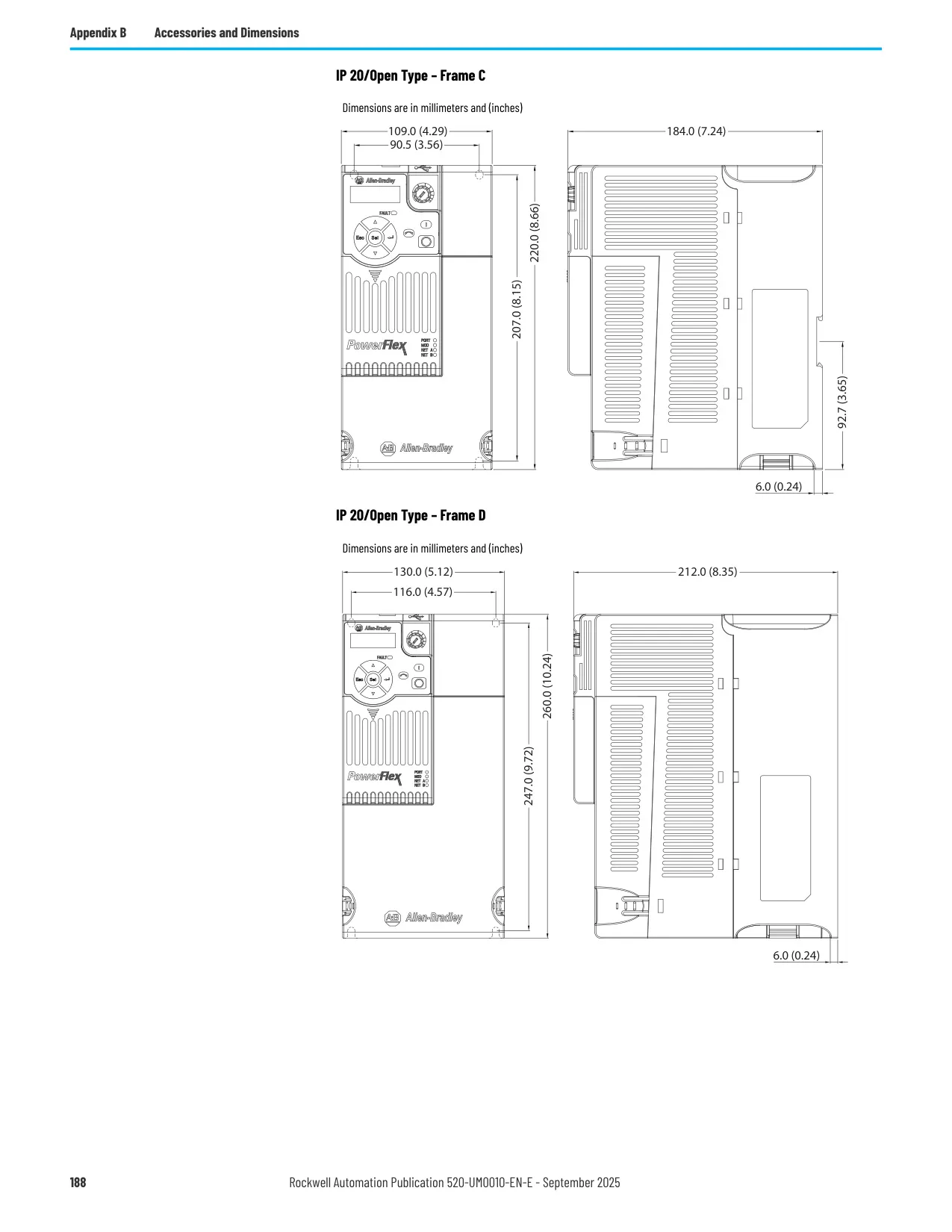
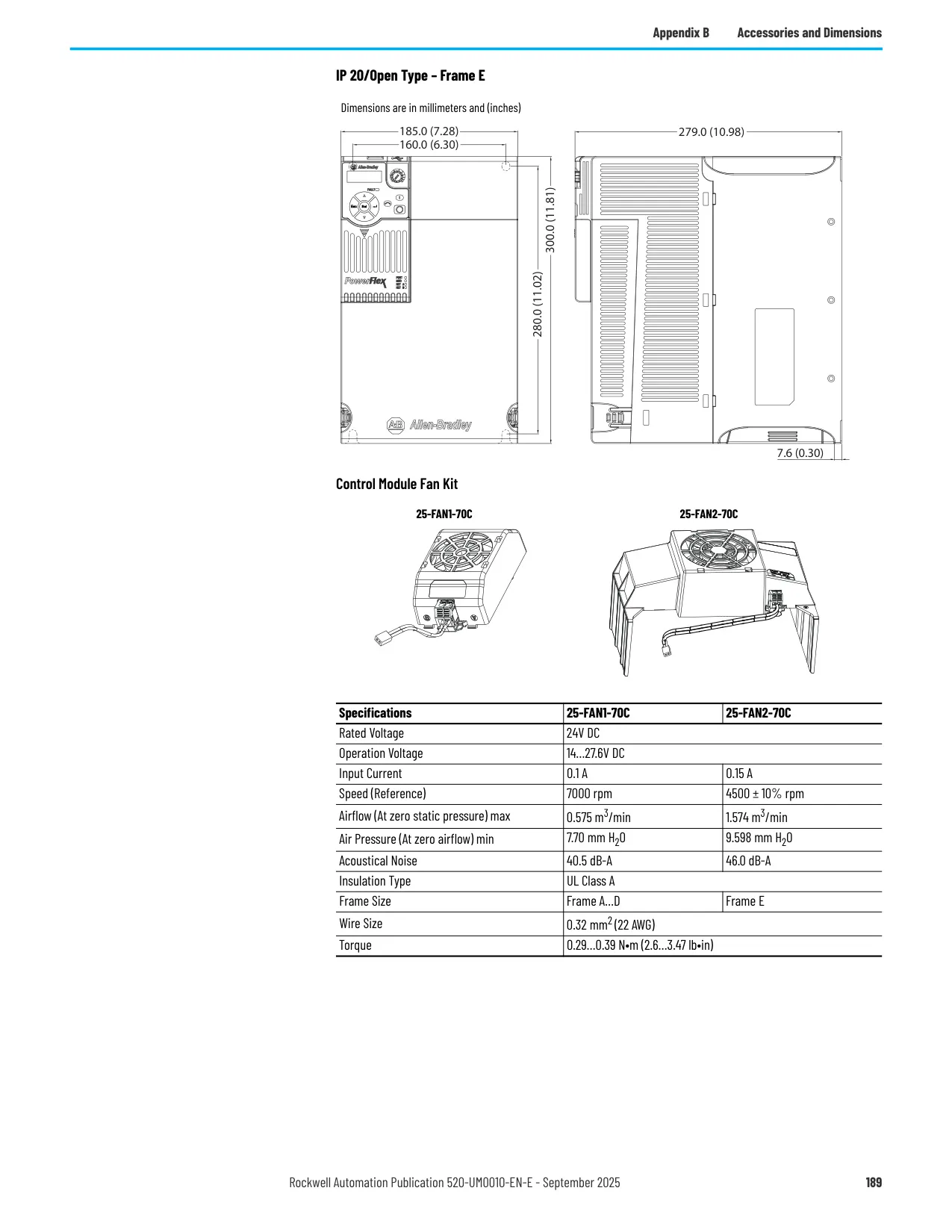
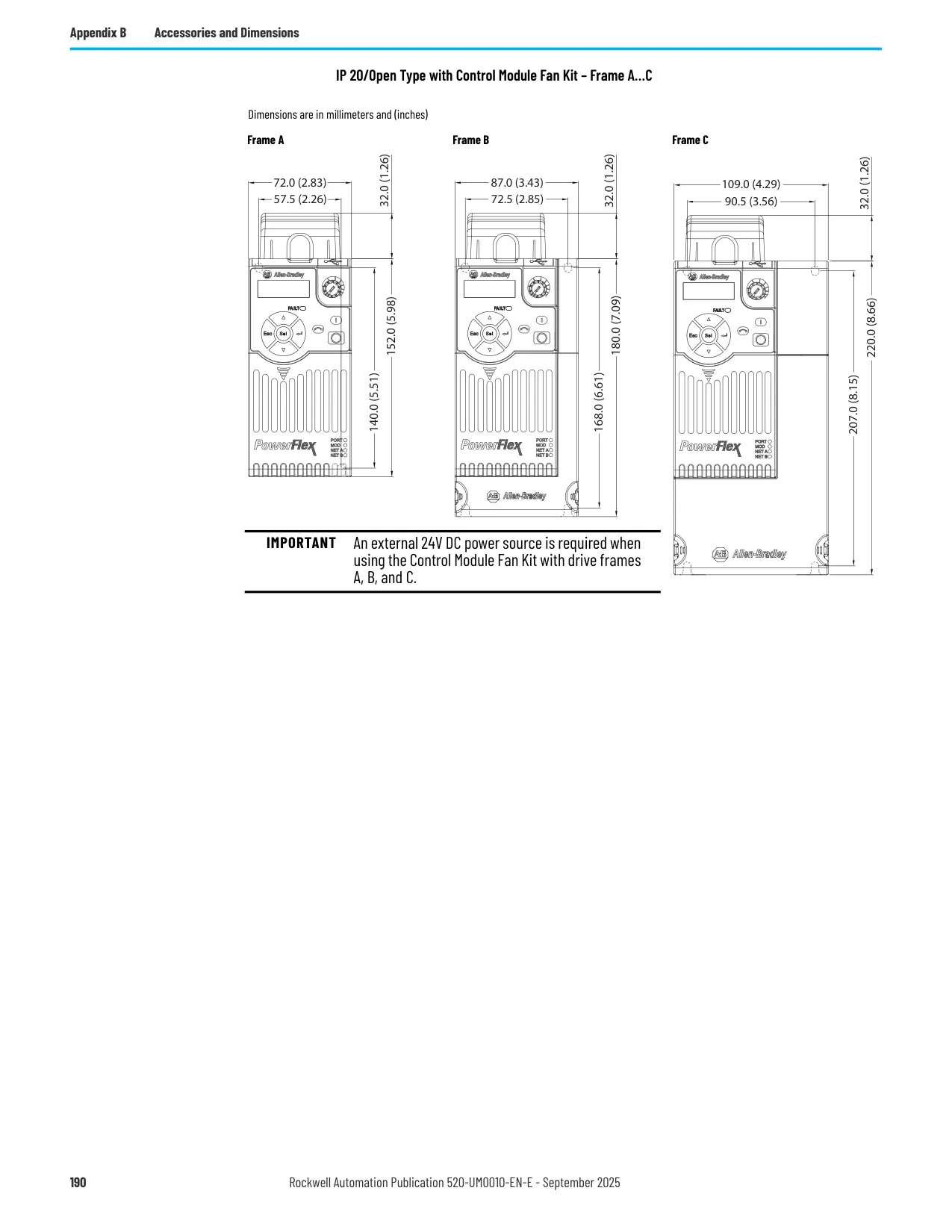
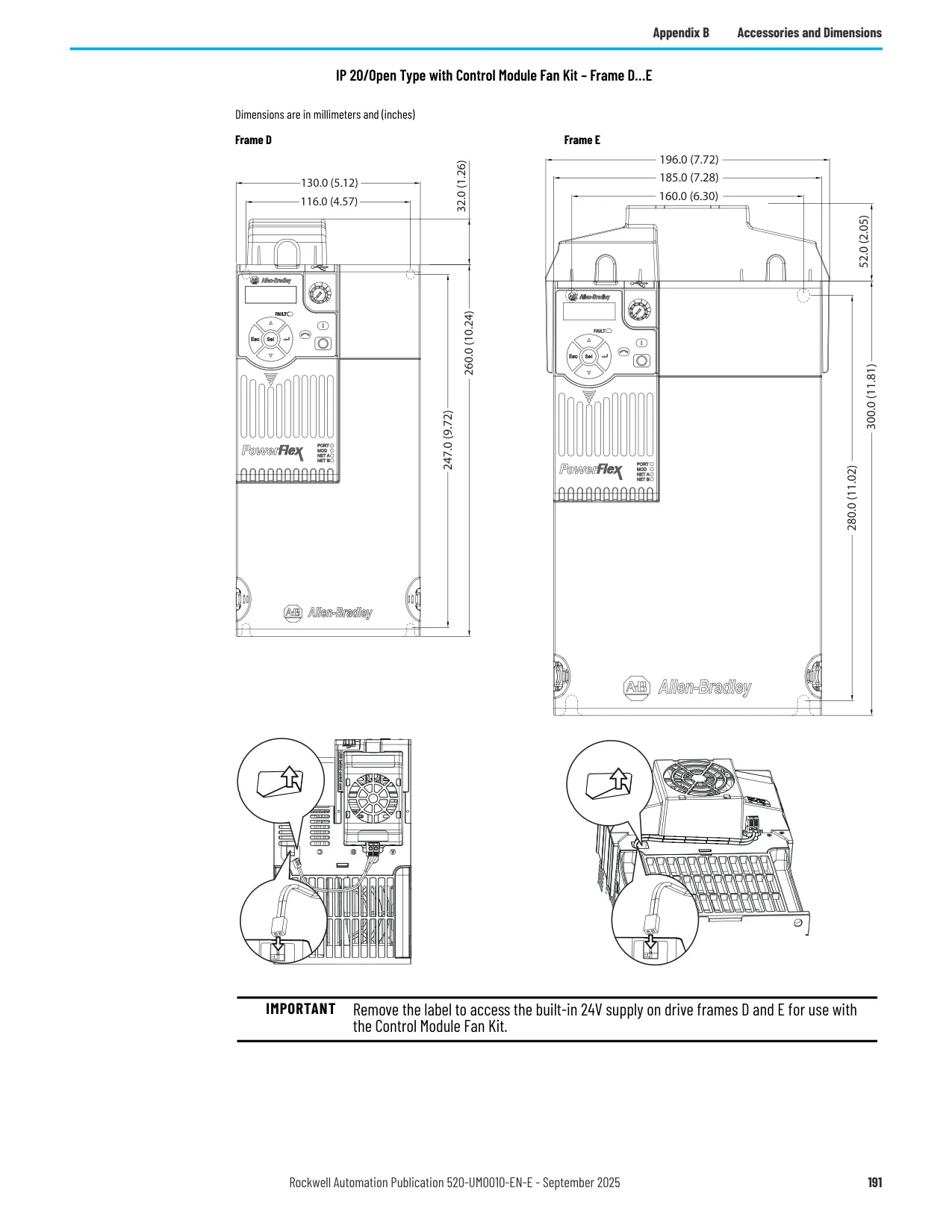
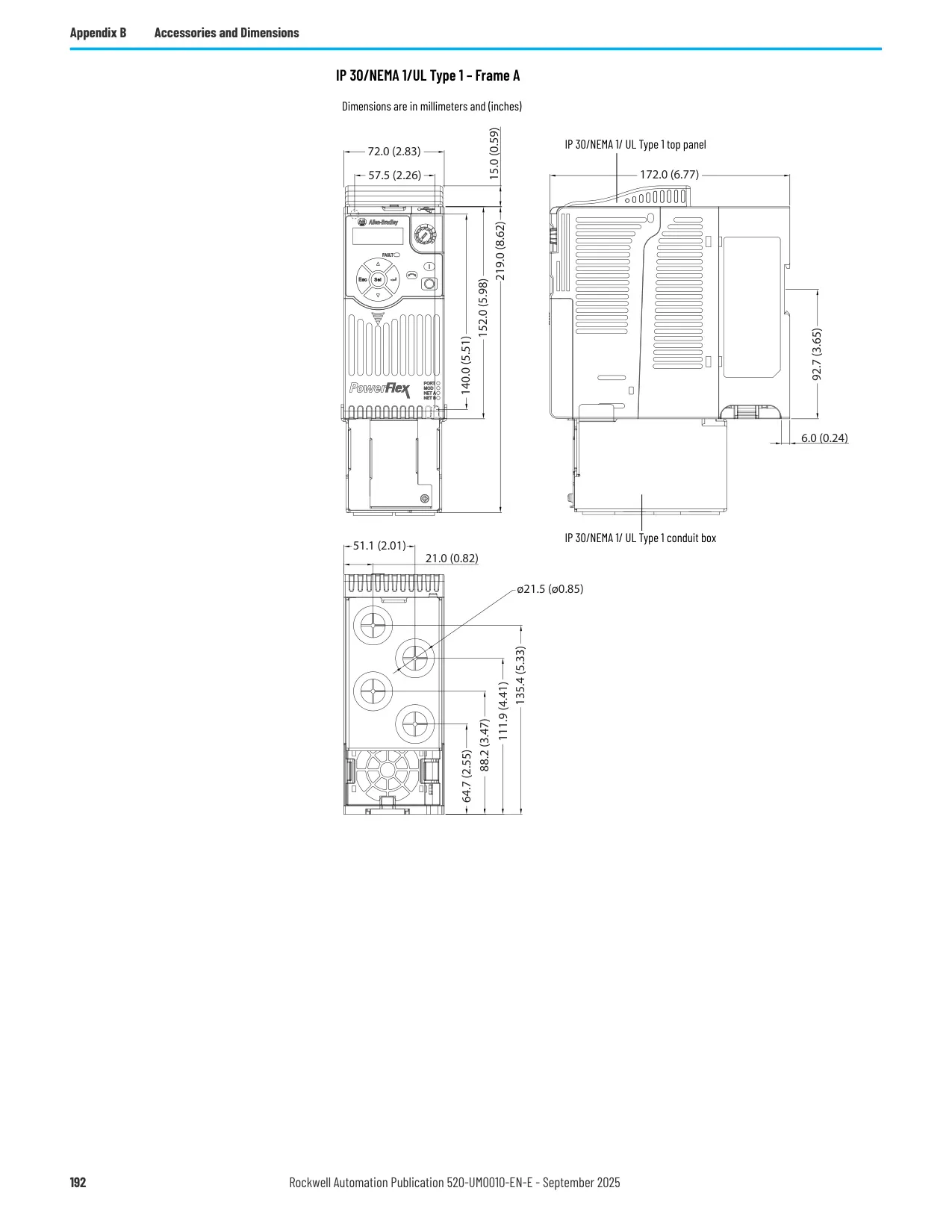
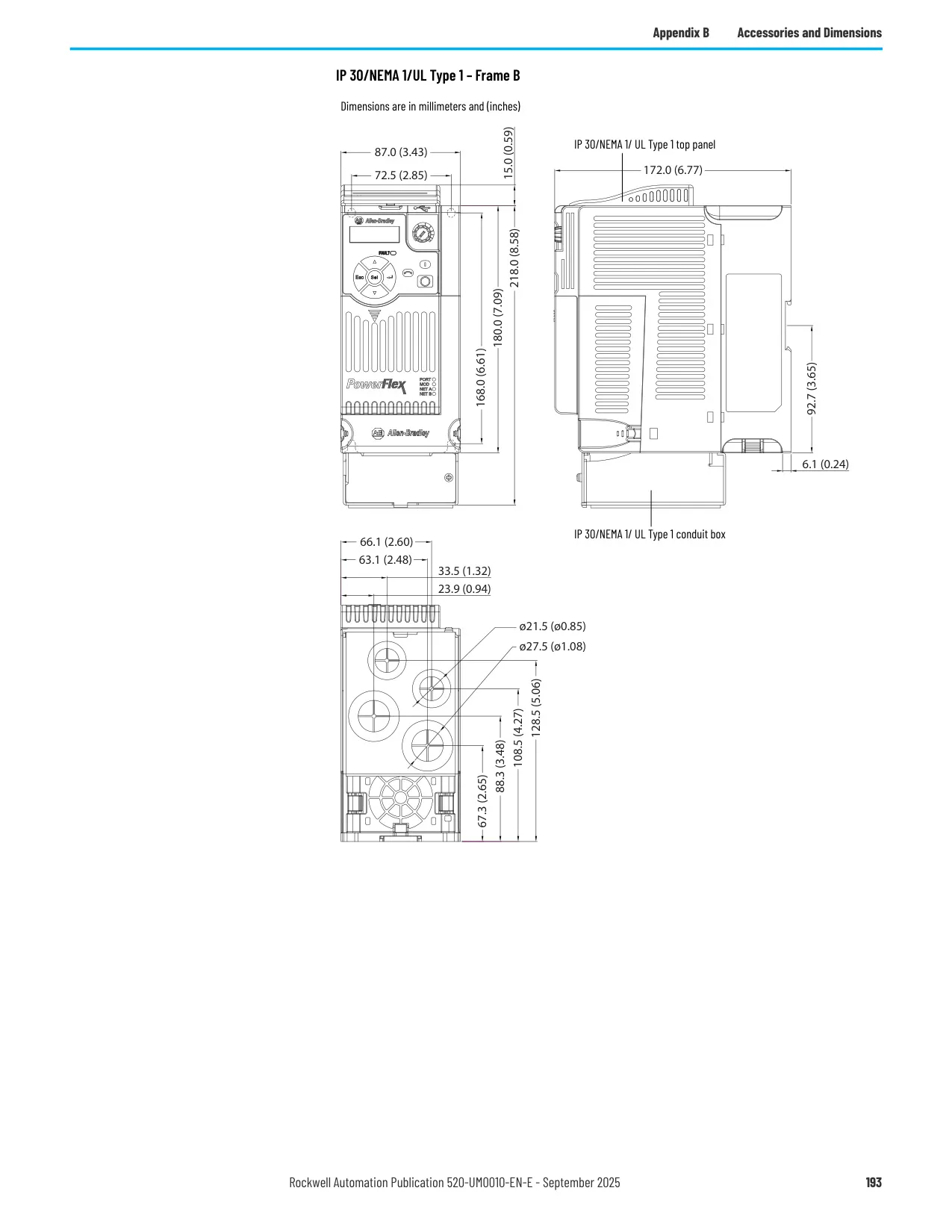
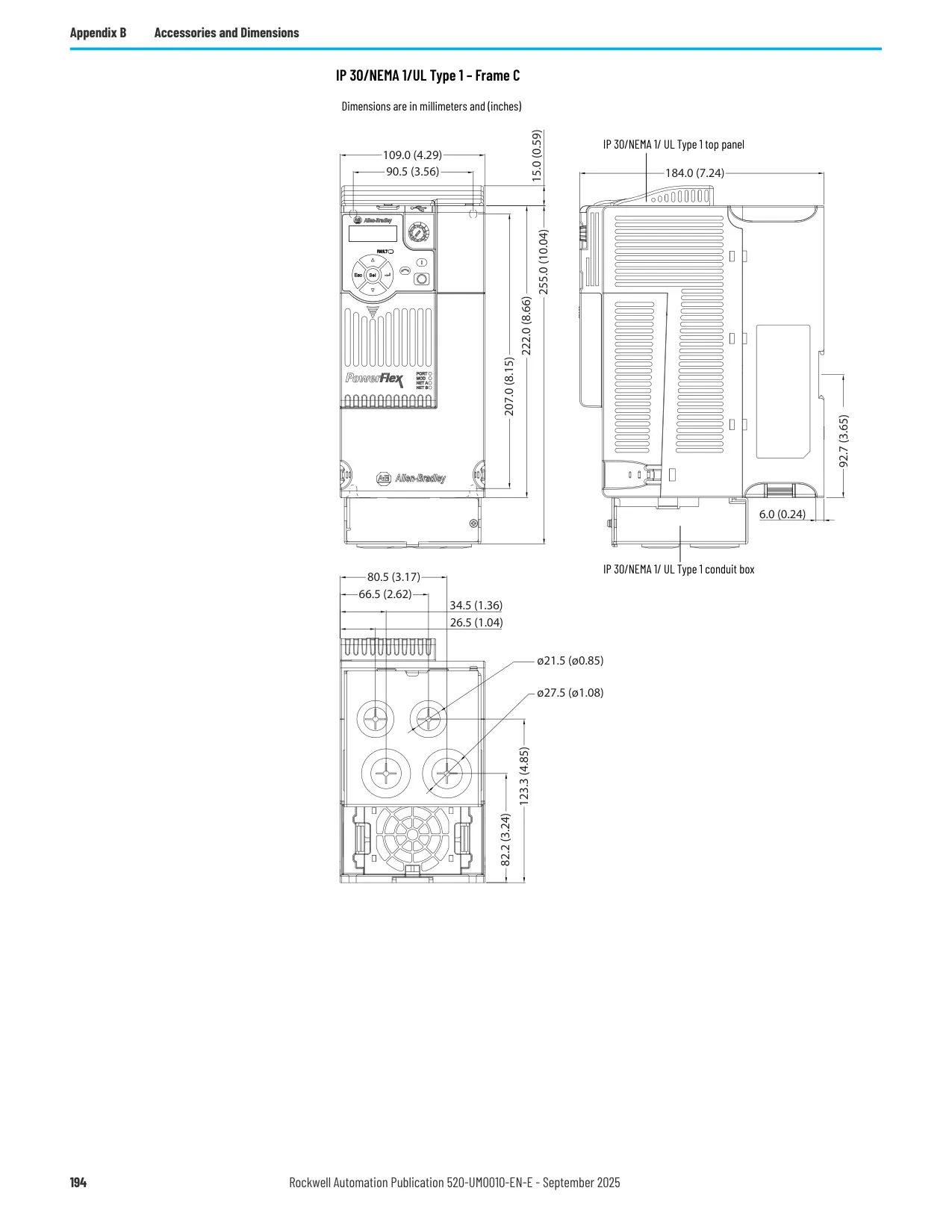
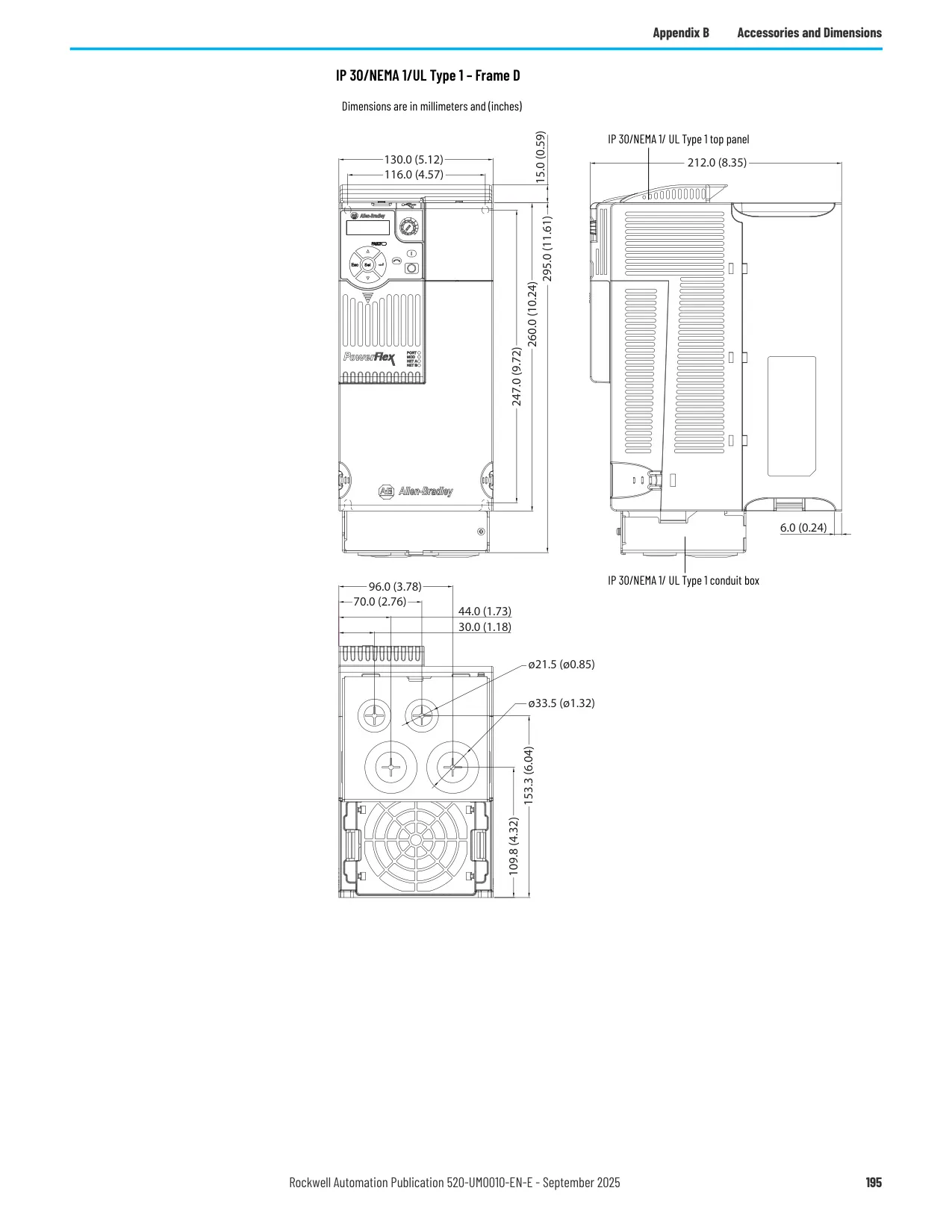
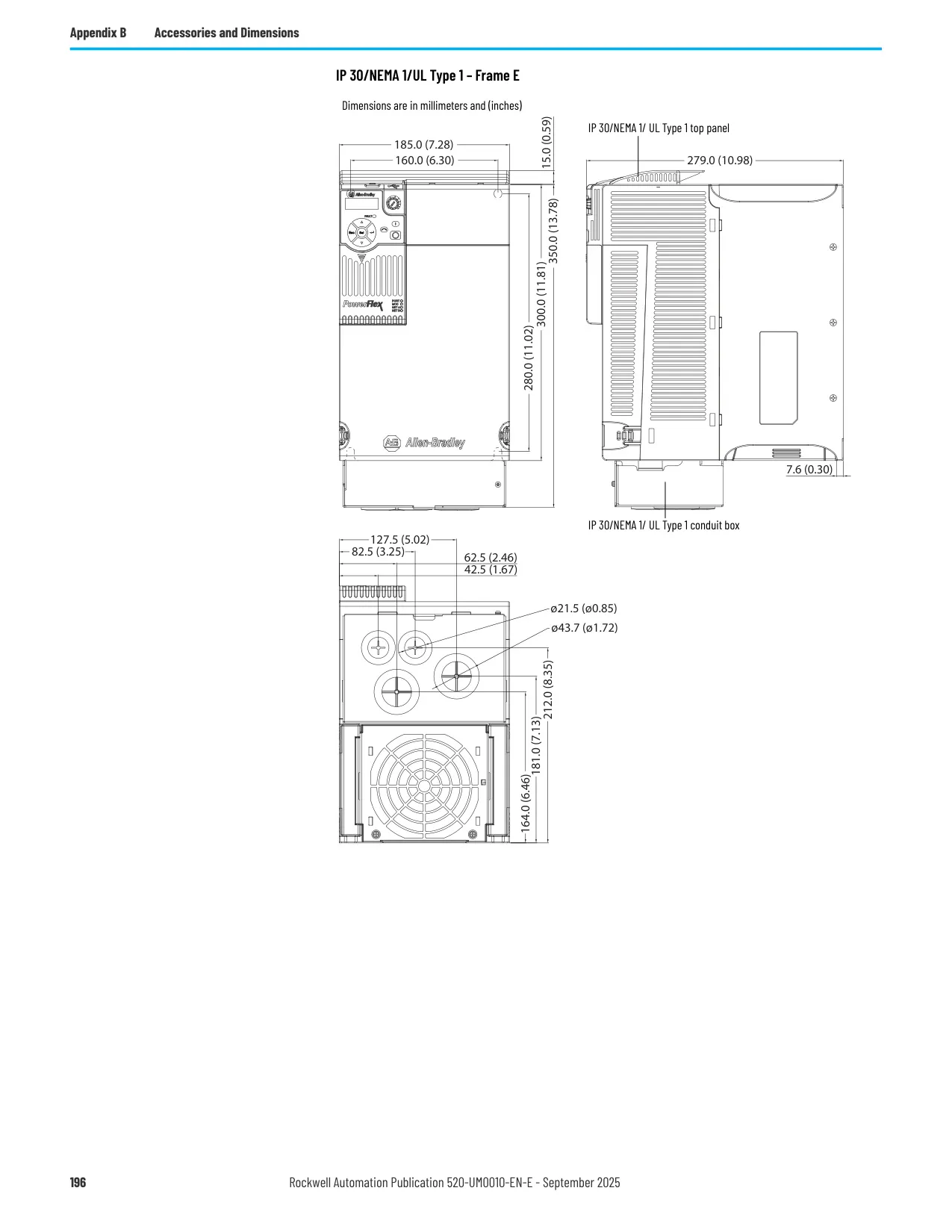
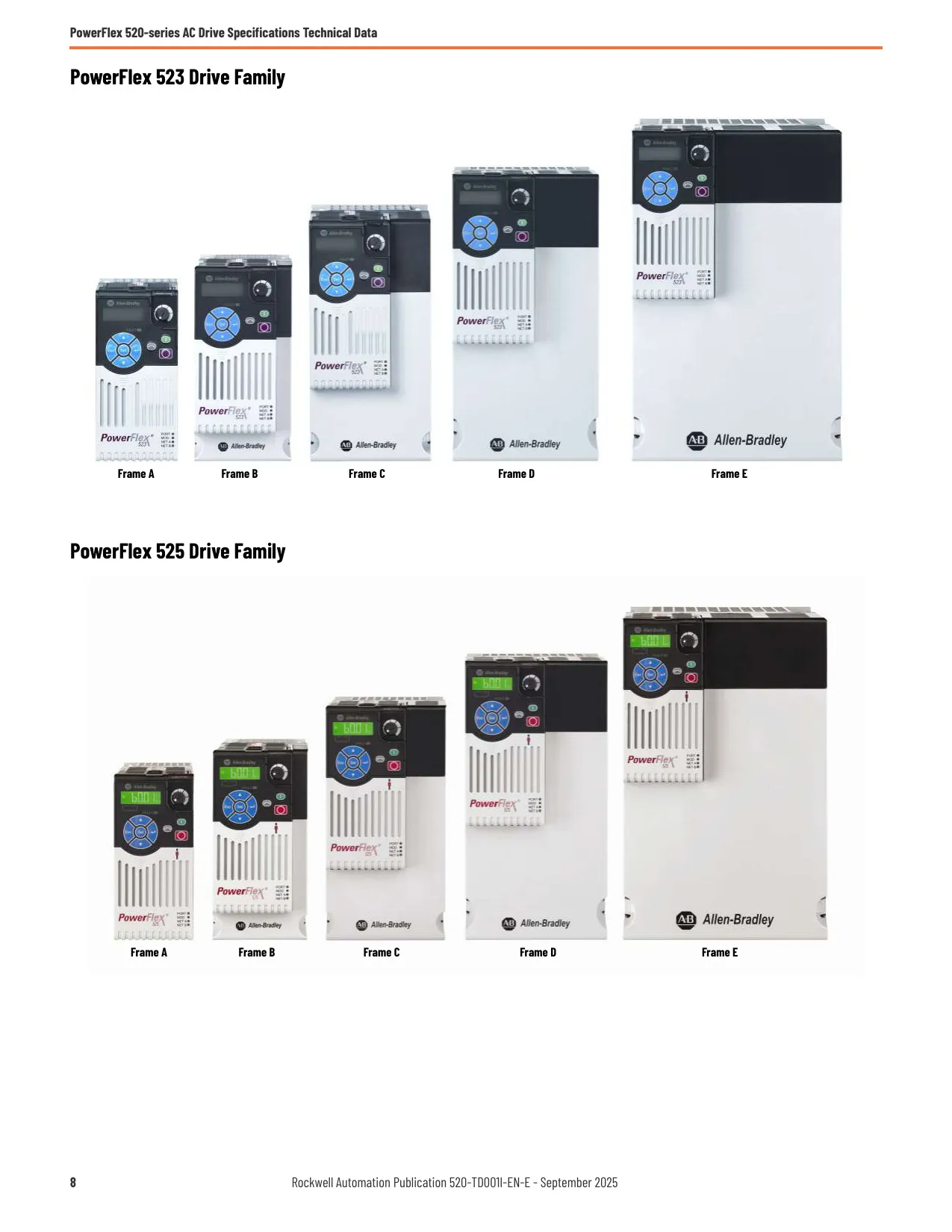
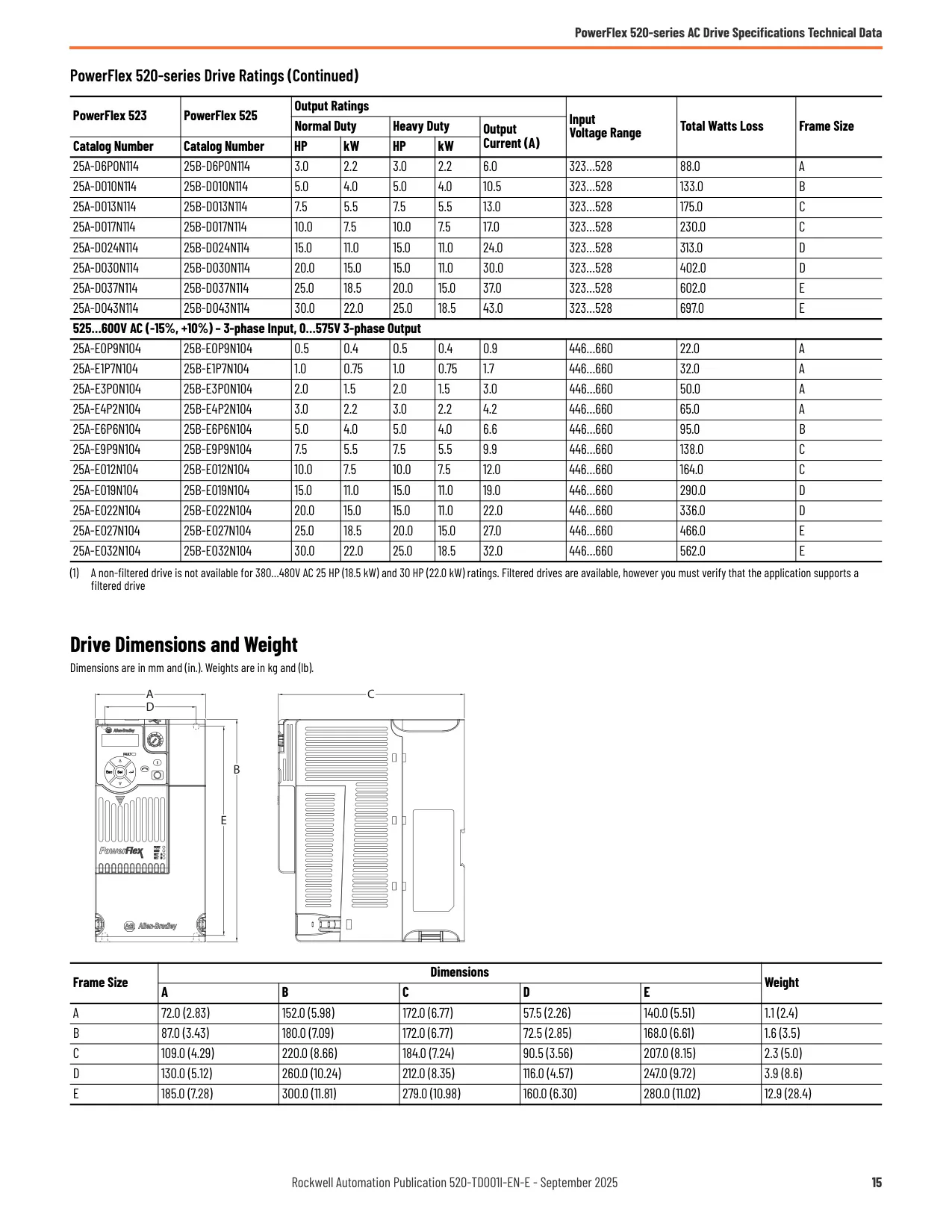
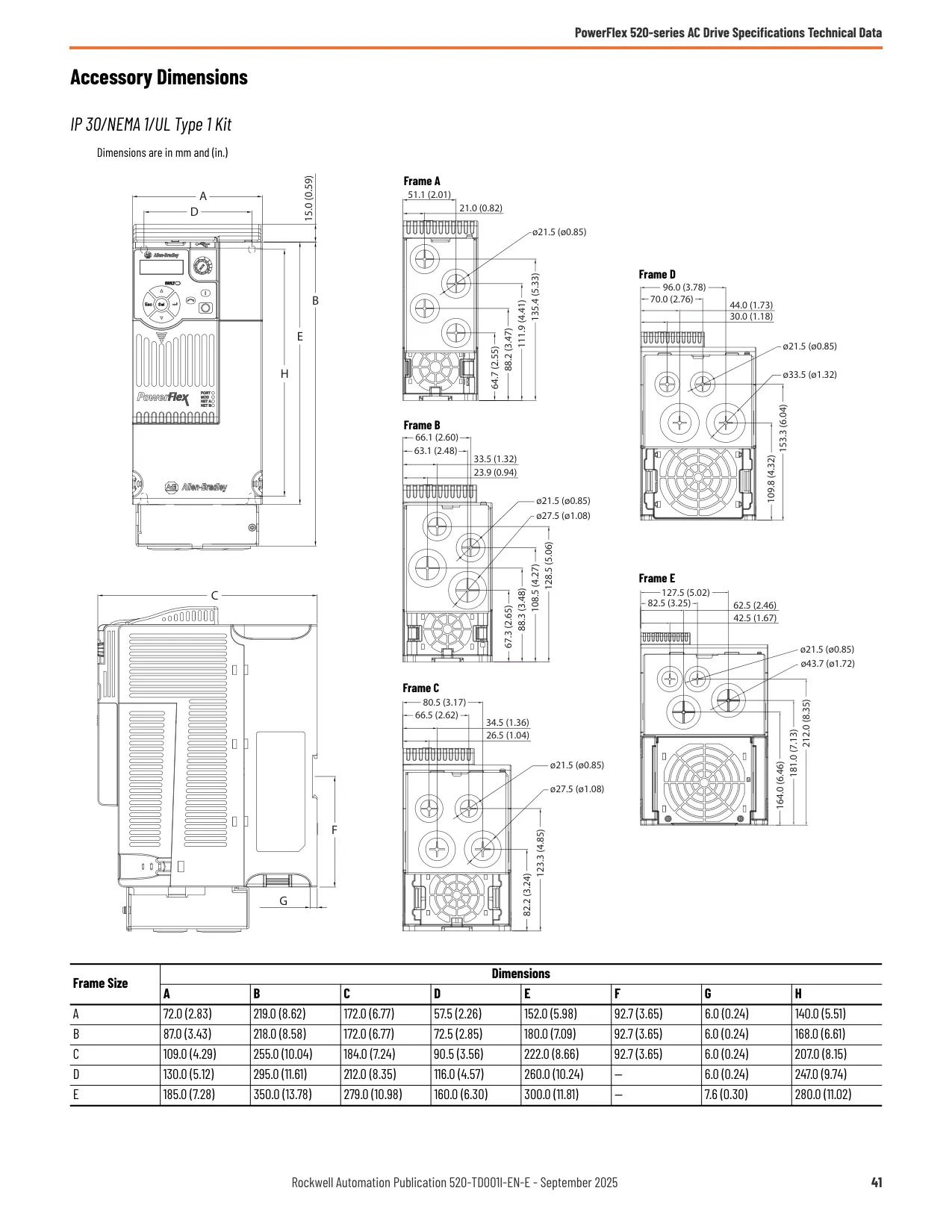
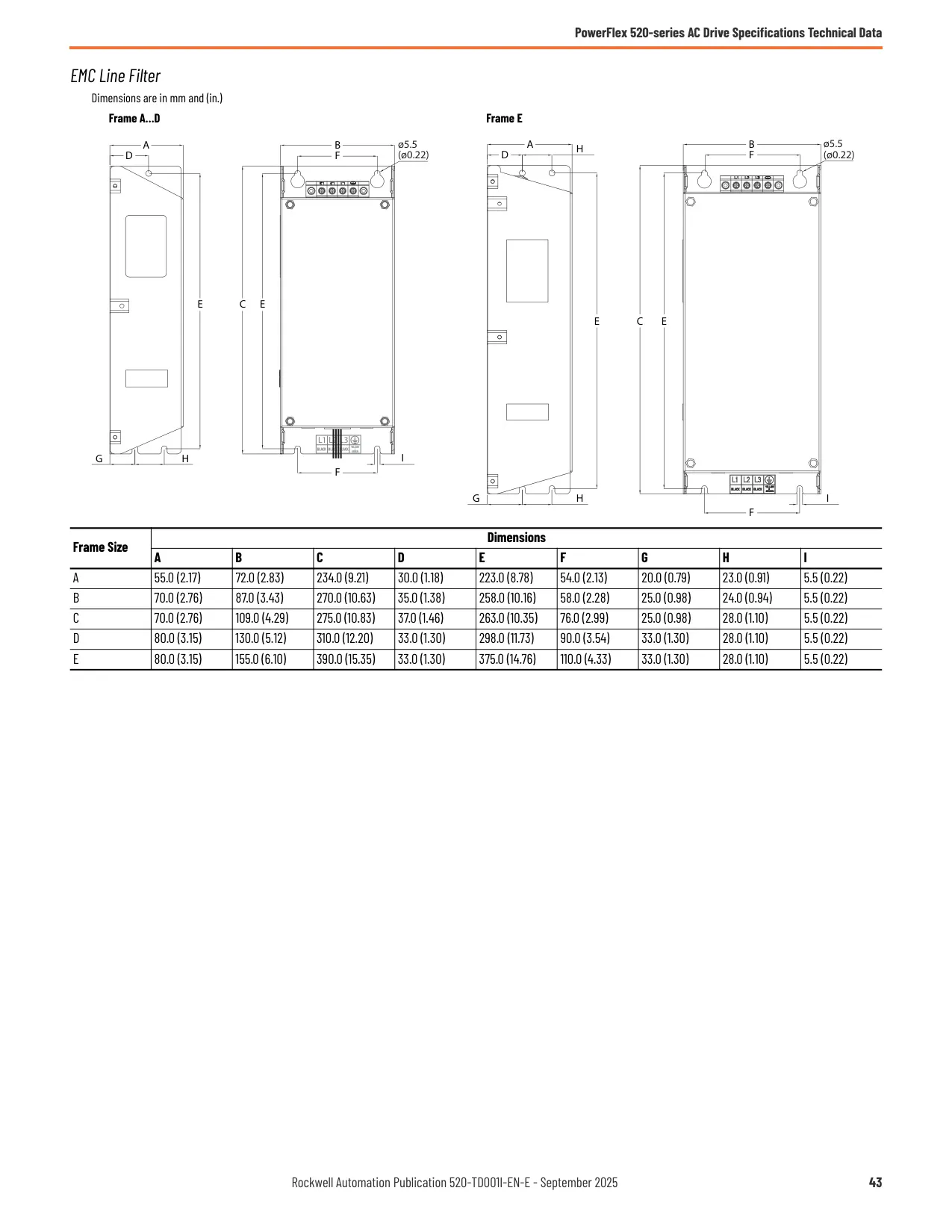
| Frame Sizes | A, B, C, D, E |
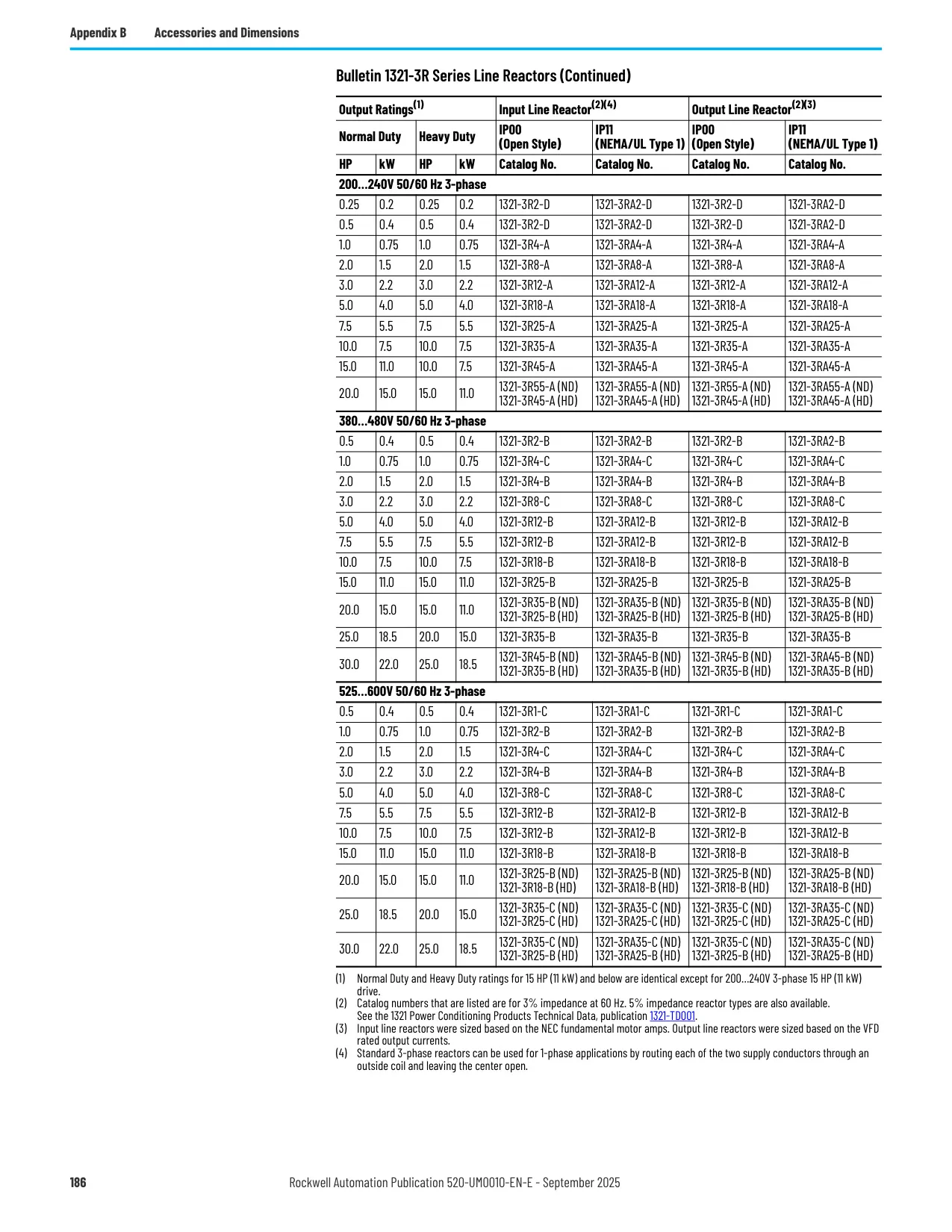
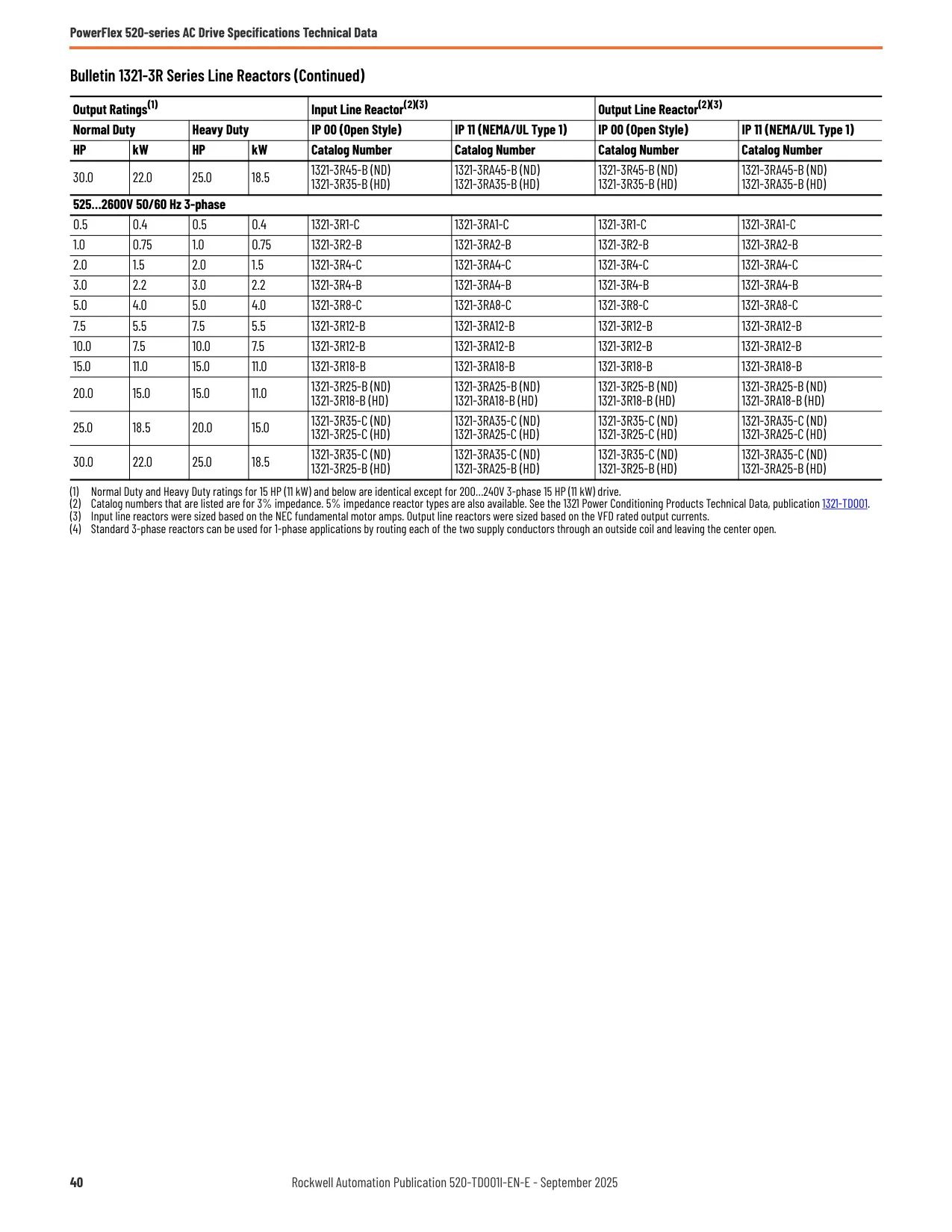
| Frame Weight (Frame A) | 1.1 kg (2.4 lb) |
| Frame Weight (Frame B) | 1.6 kg (3.5 lb) |
| Frame Weight (Frame C) | 2.3 kg (5.0 lb) |
| Frame Weight (Frame D) | 3.9 kg (8.6 lb) |
| Frame Weight (Frame E) | 12.9 kg (28.4 lb) |
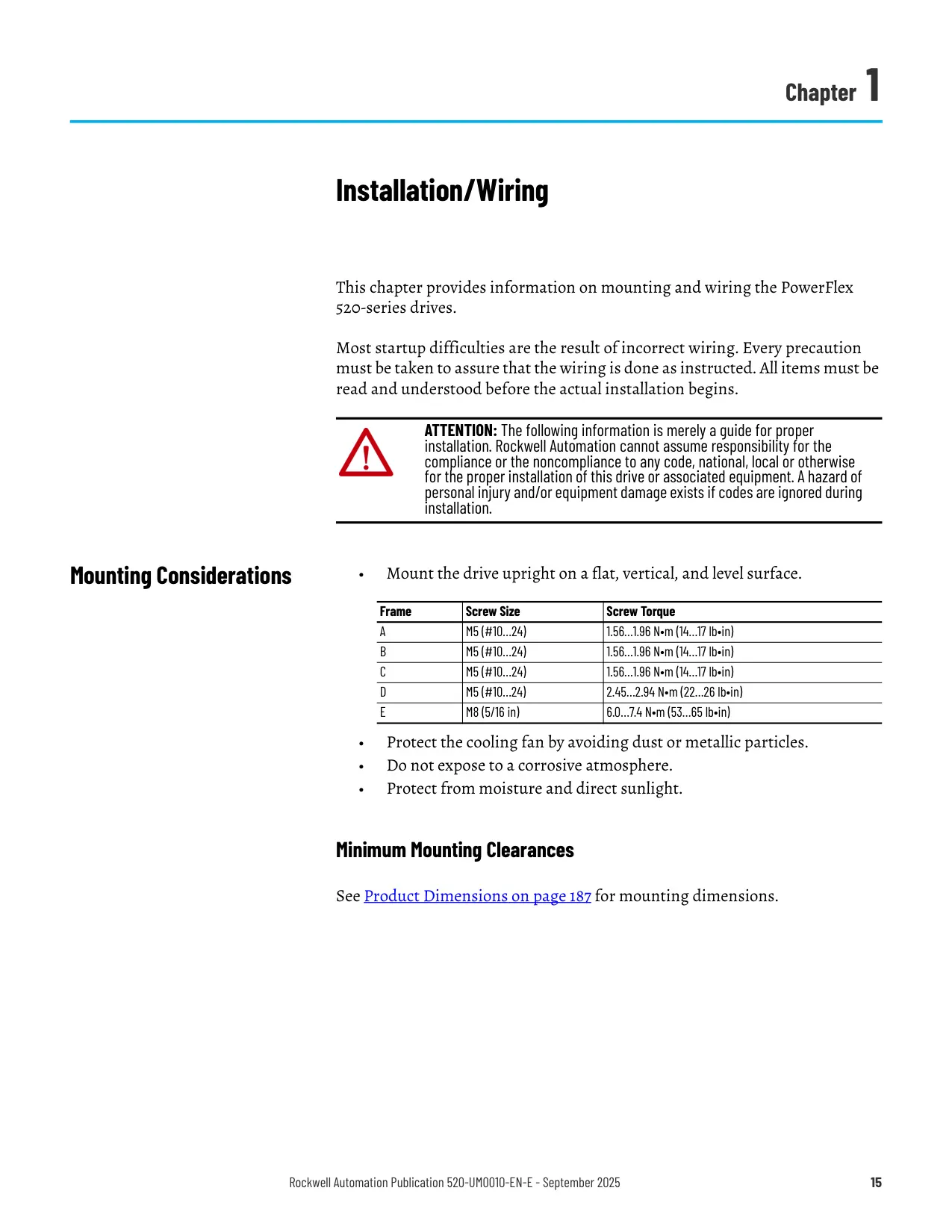
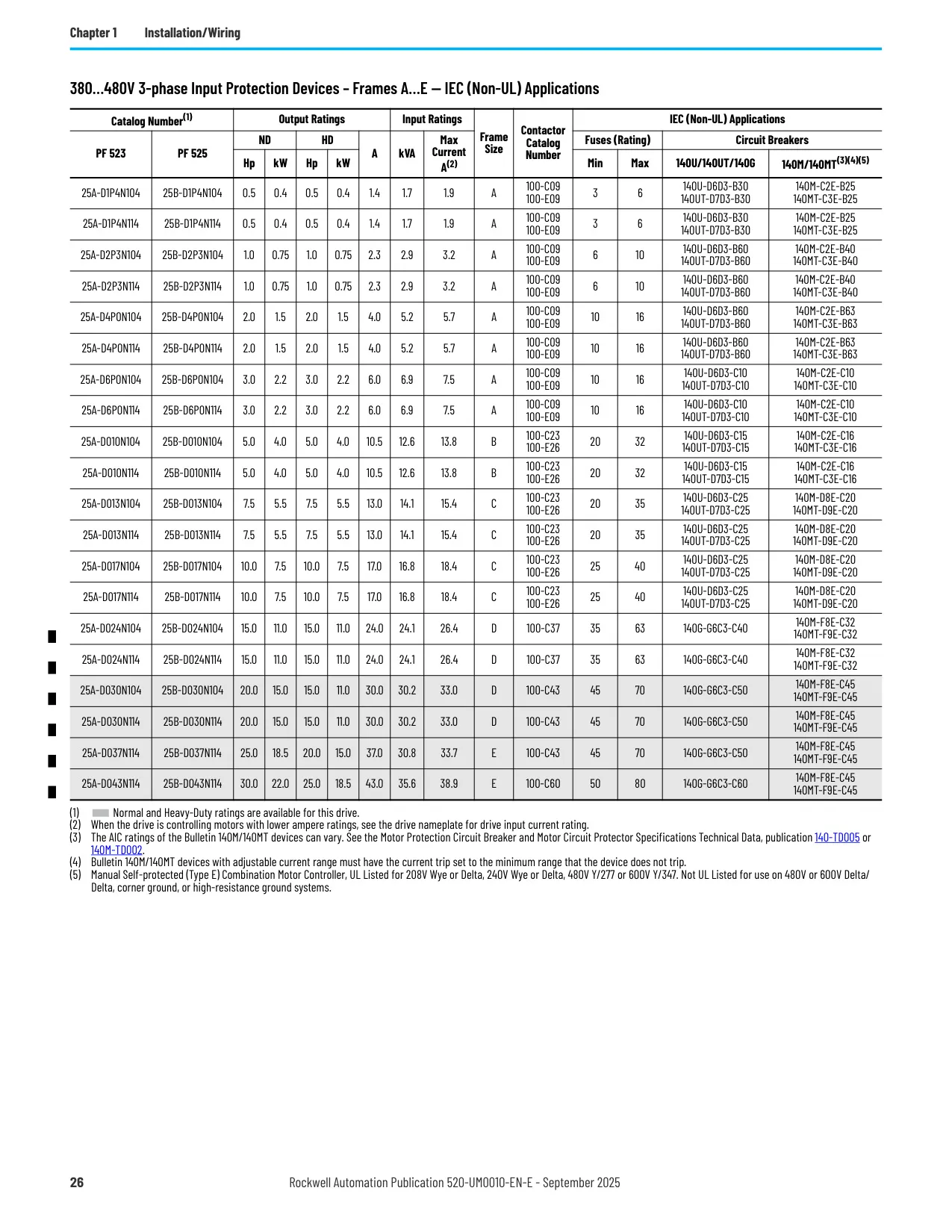
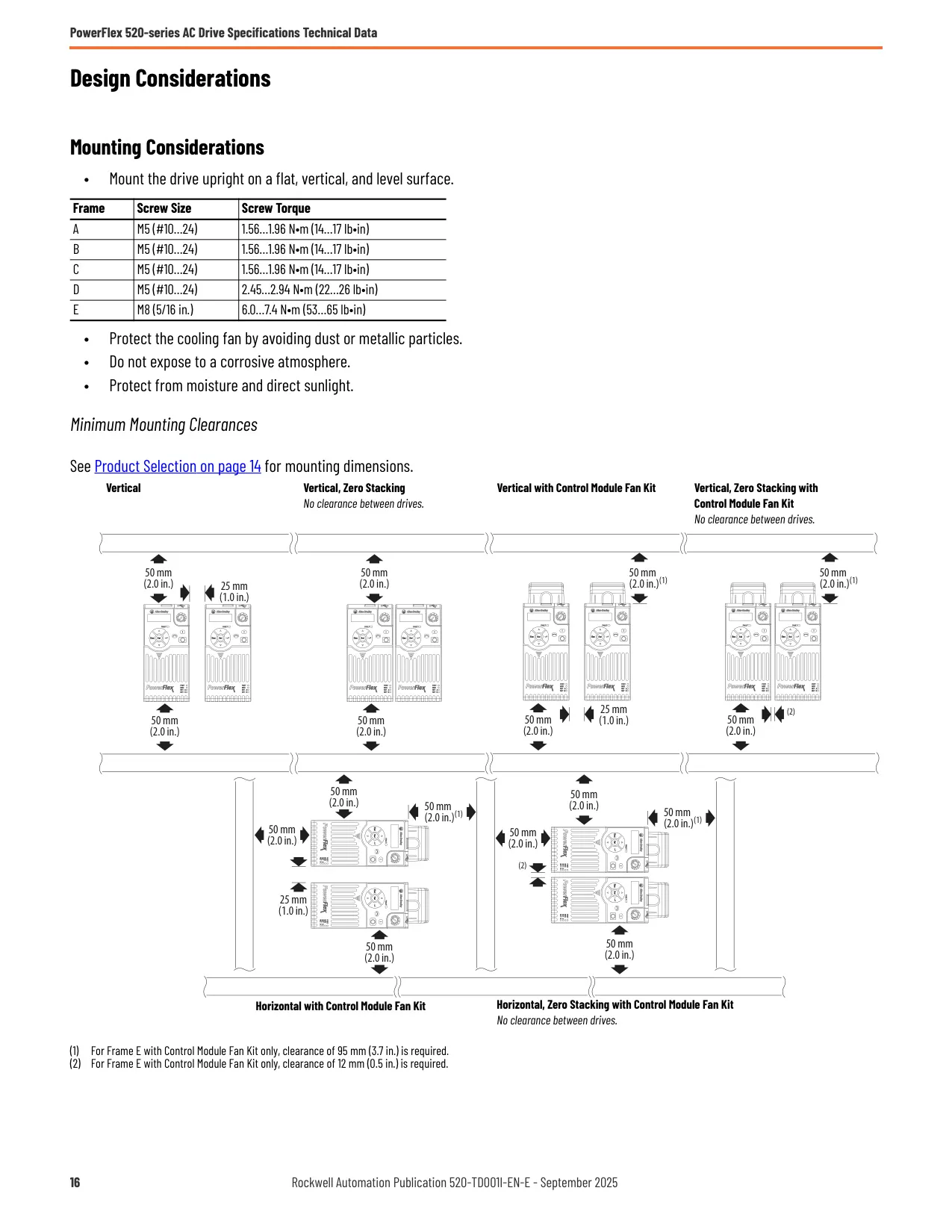
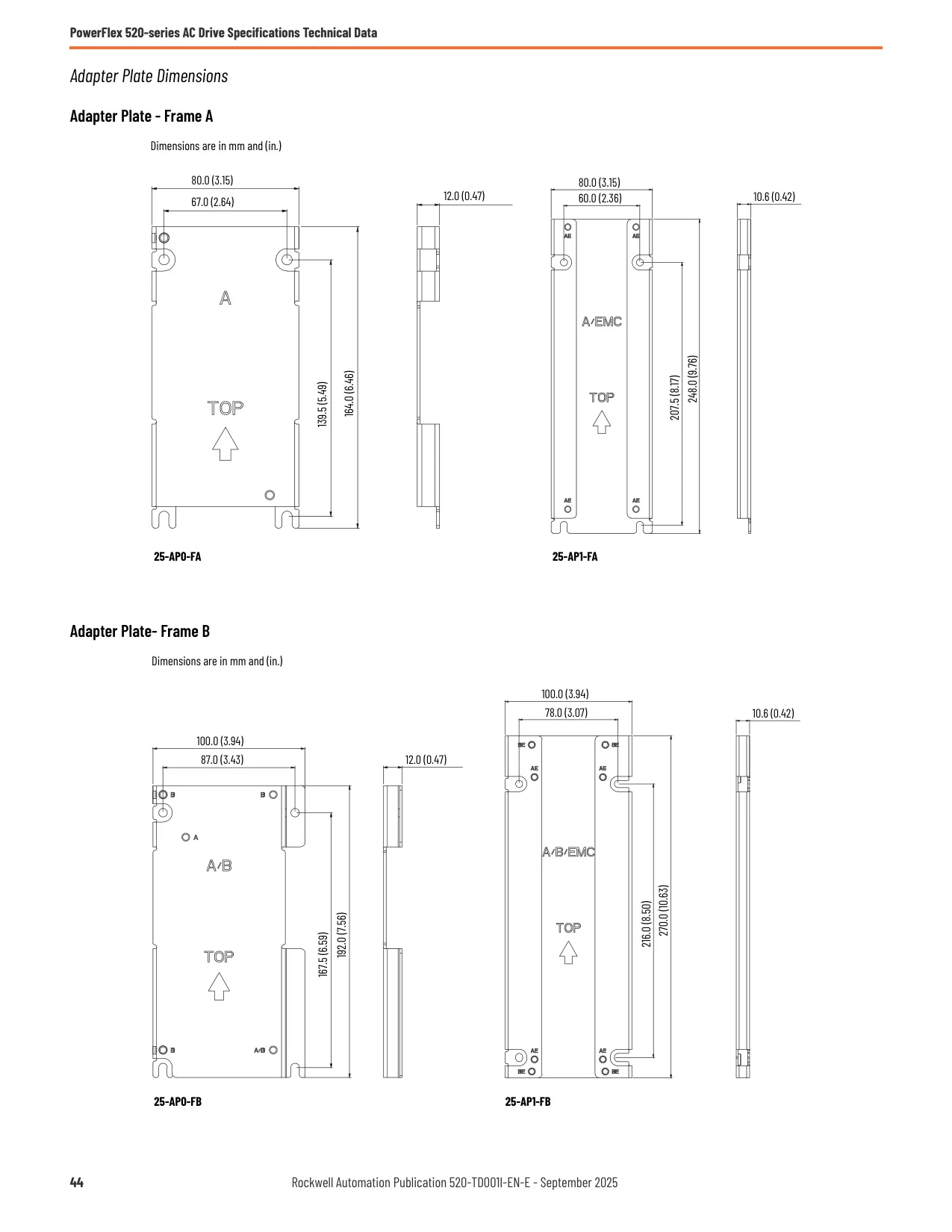
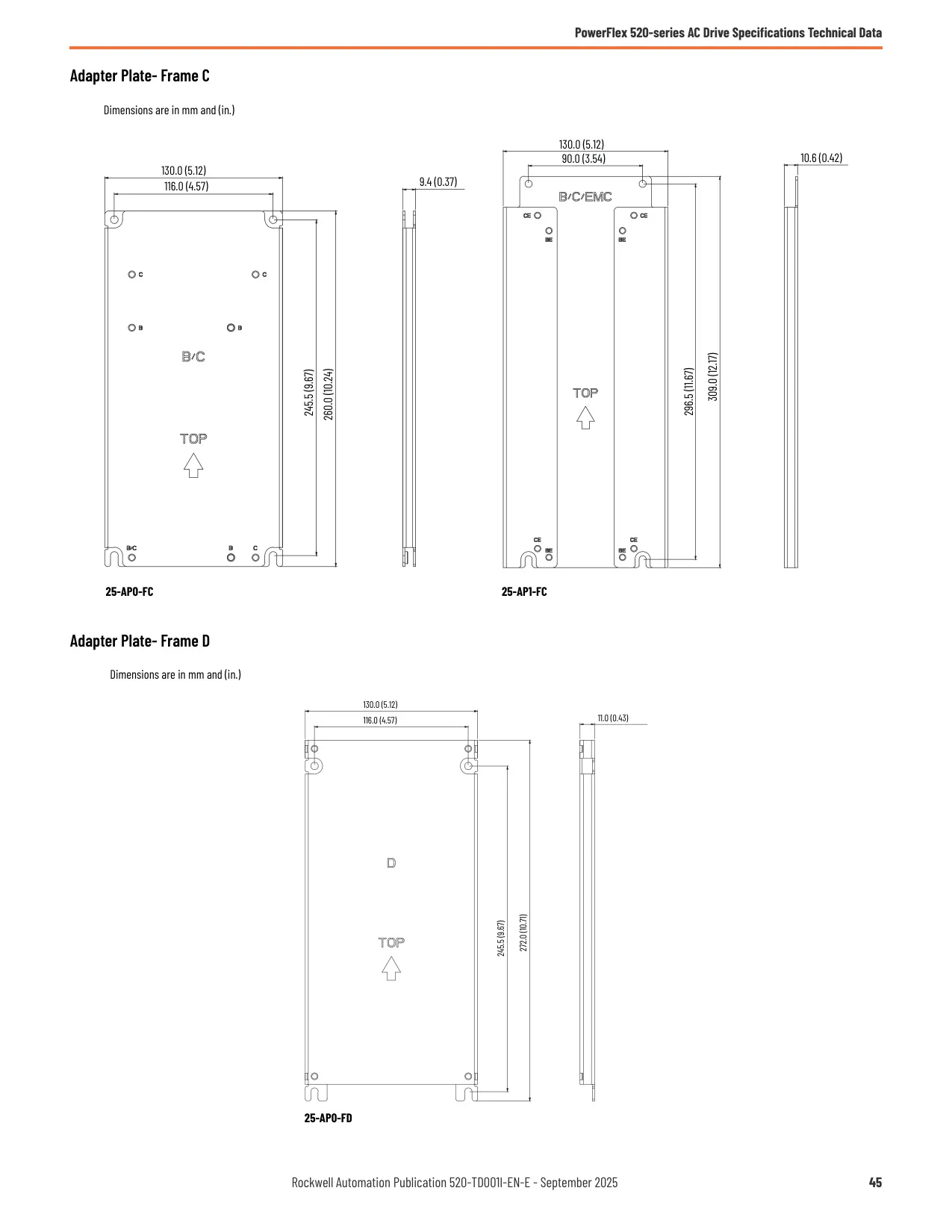
| Mounting Screw Torque (Frame A, B, C) | 1.56-1.96 N•m (14-17 lb•in) |
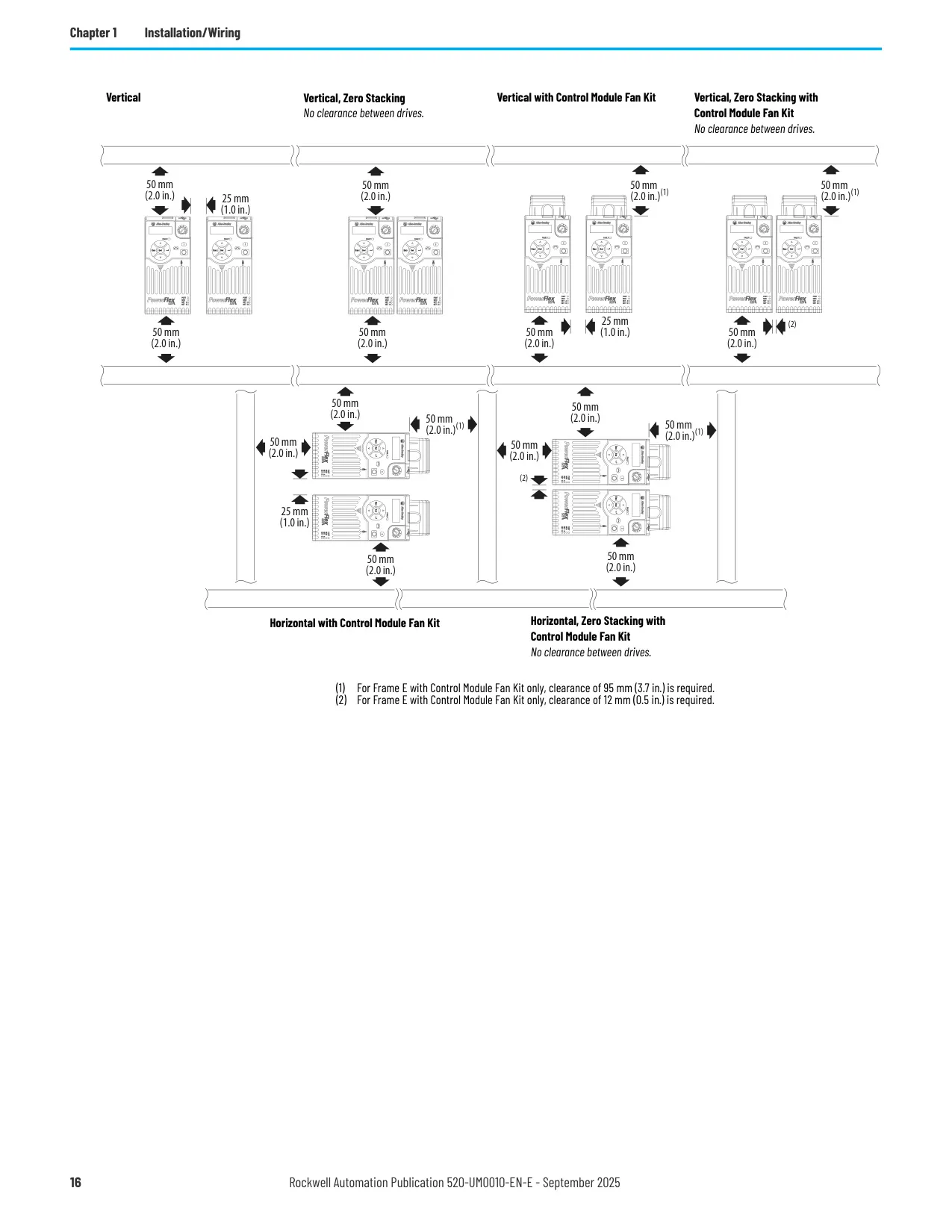
| Minimum Mounting Clearance (Vertical) | 50 mm (2.0 in) on all sides |
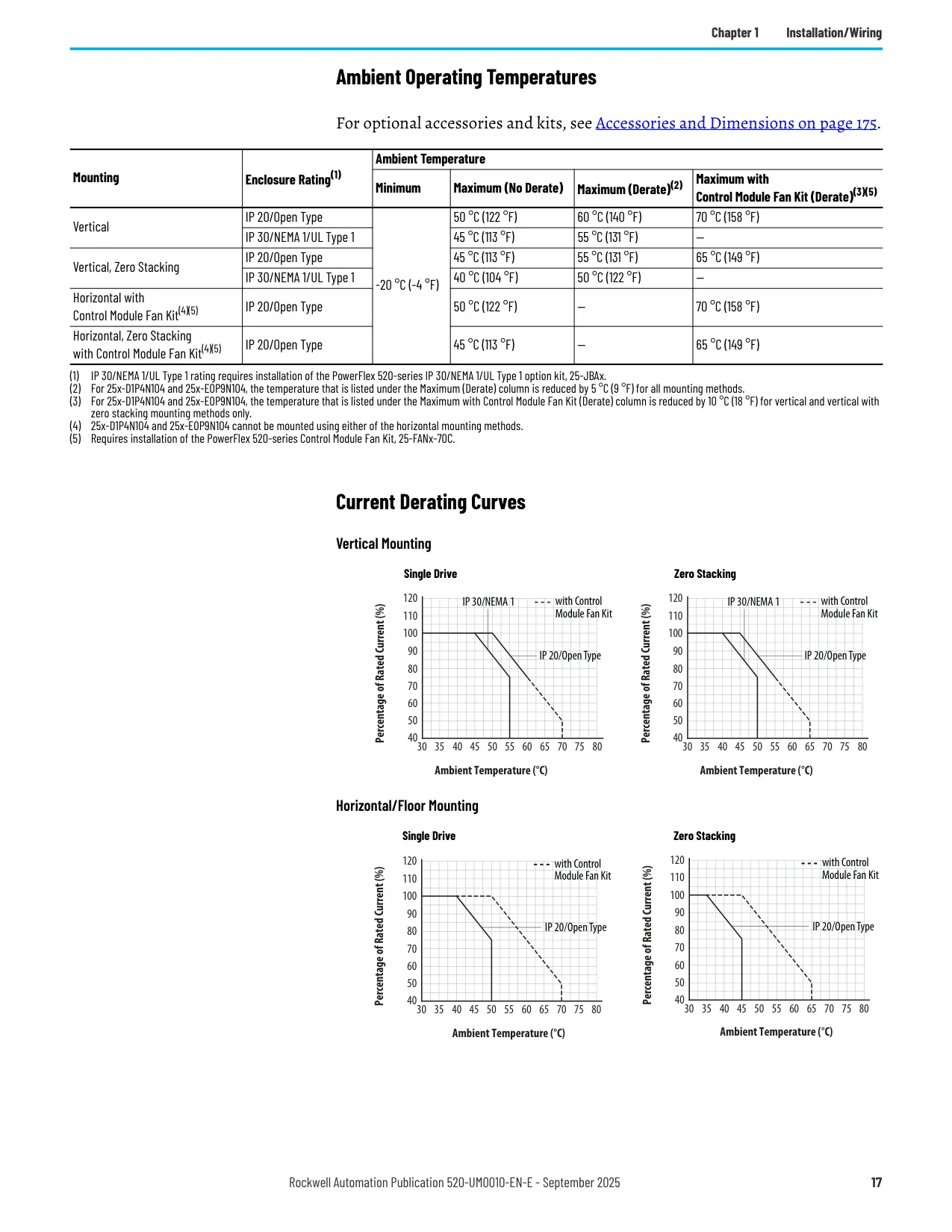
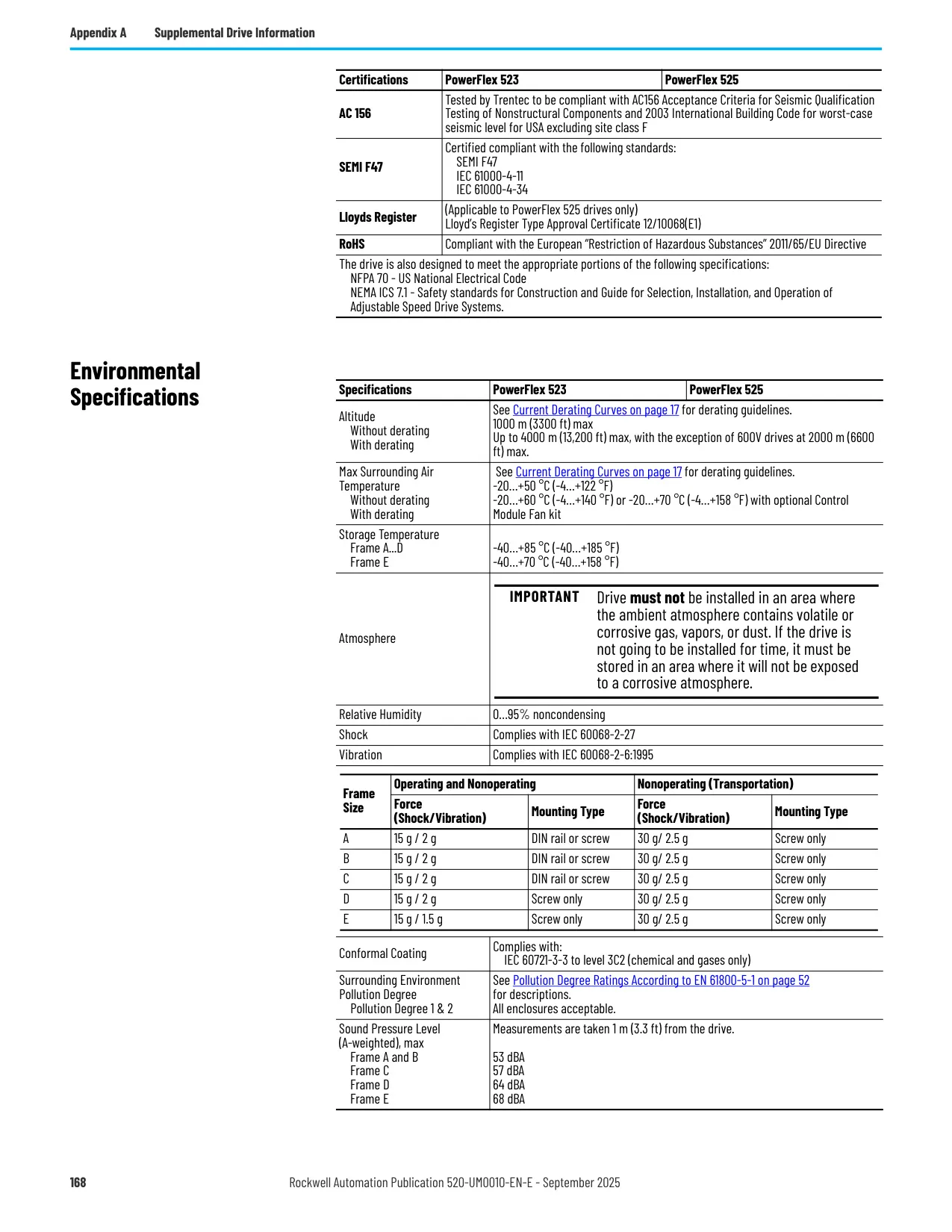
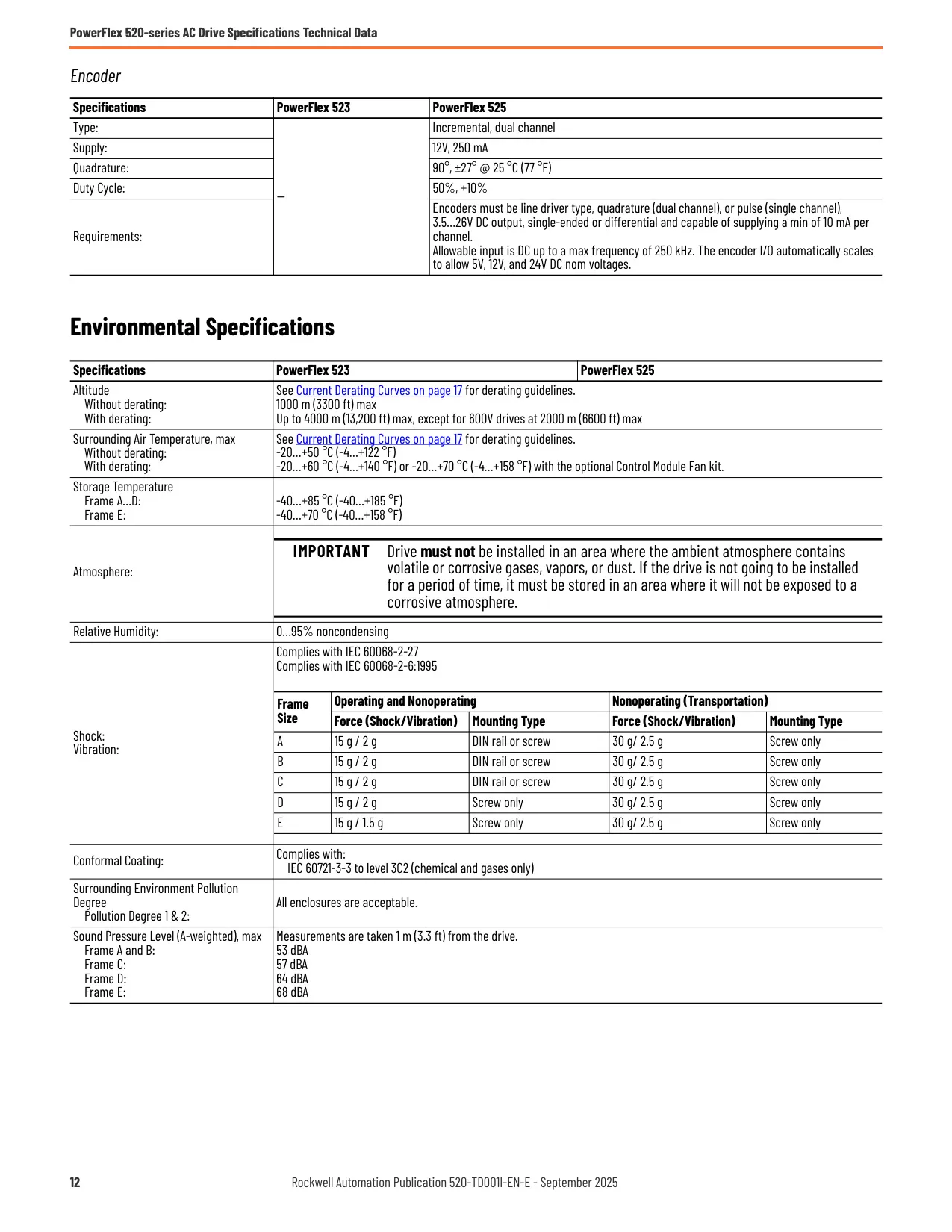
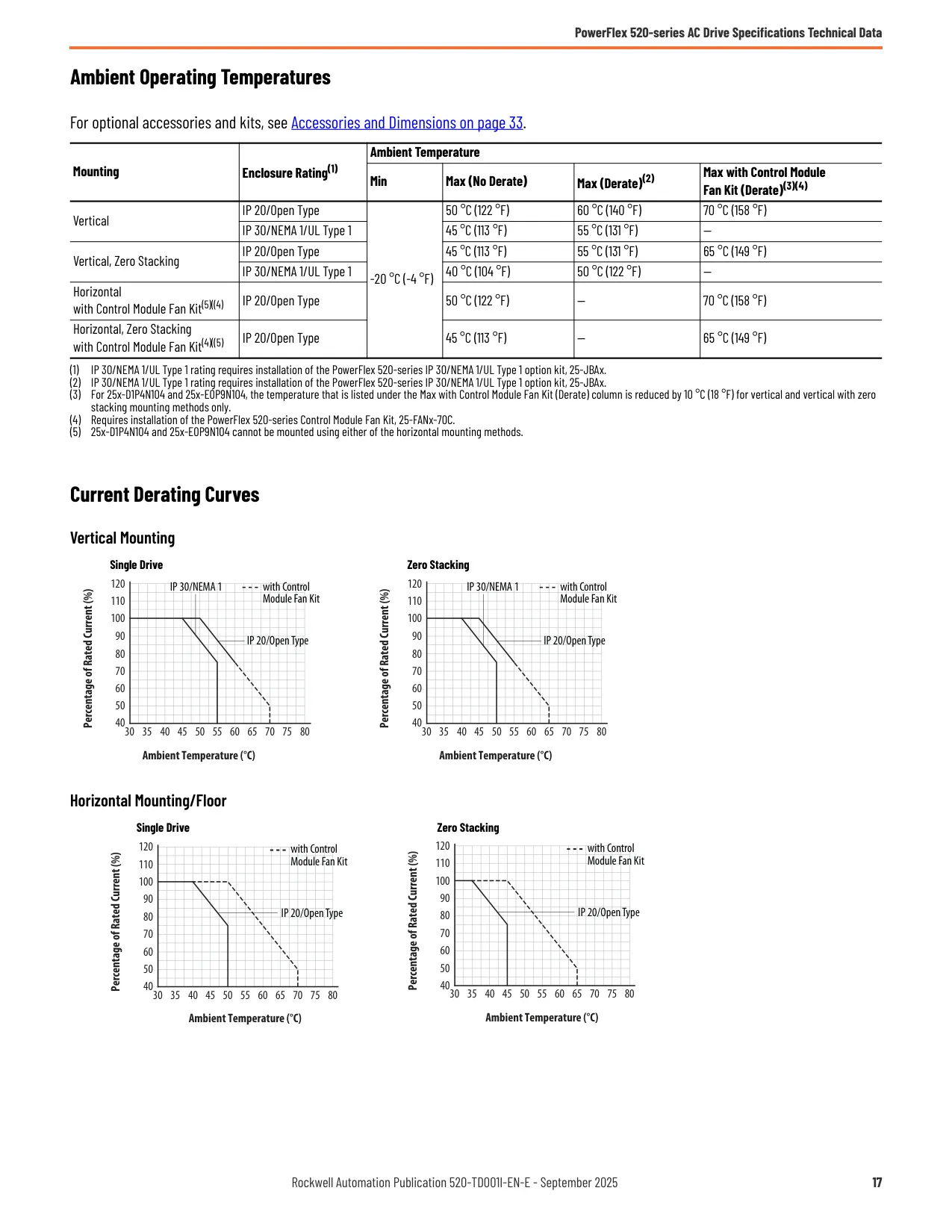
| Ambient Operating Temperature (Without Derating, IP20/Open) | 50 °C (122 °F) |
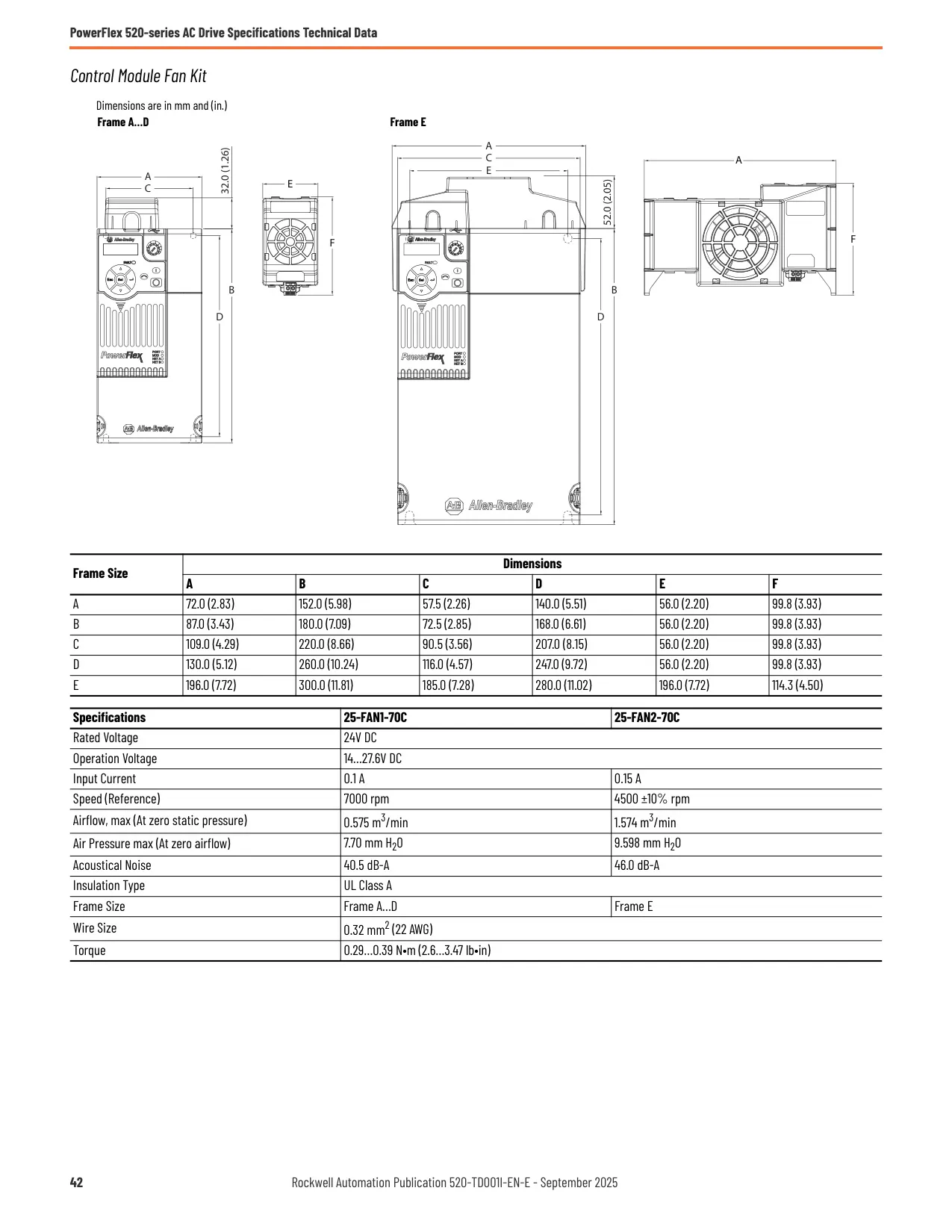
| Ambient Operating Temperature (With Fan Kit, IP20/Open) | 70 °C (158 °F) |
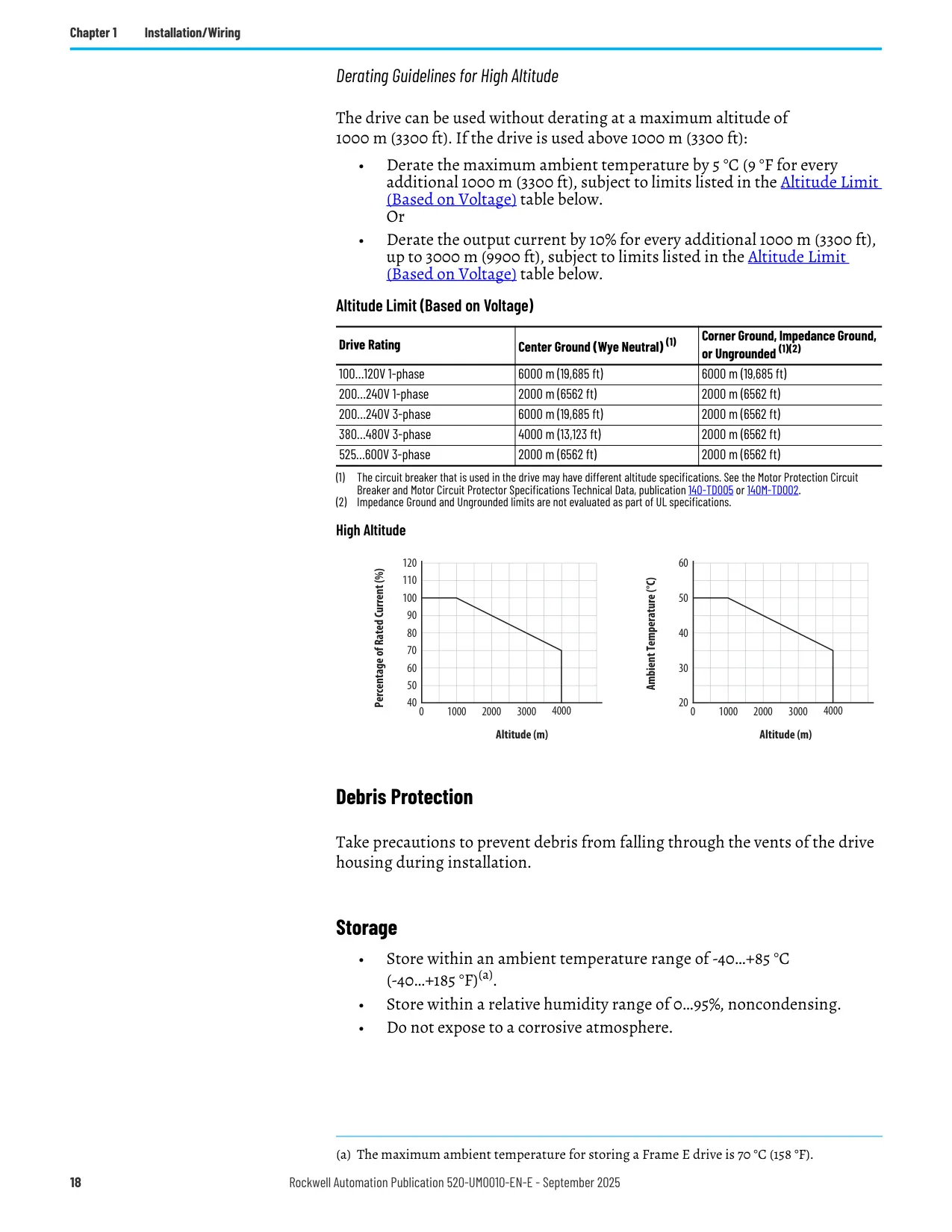
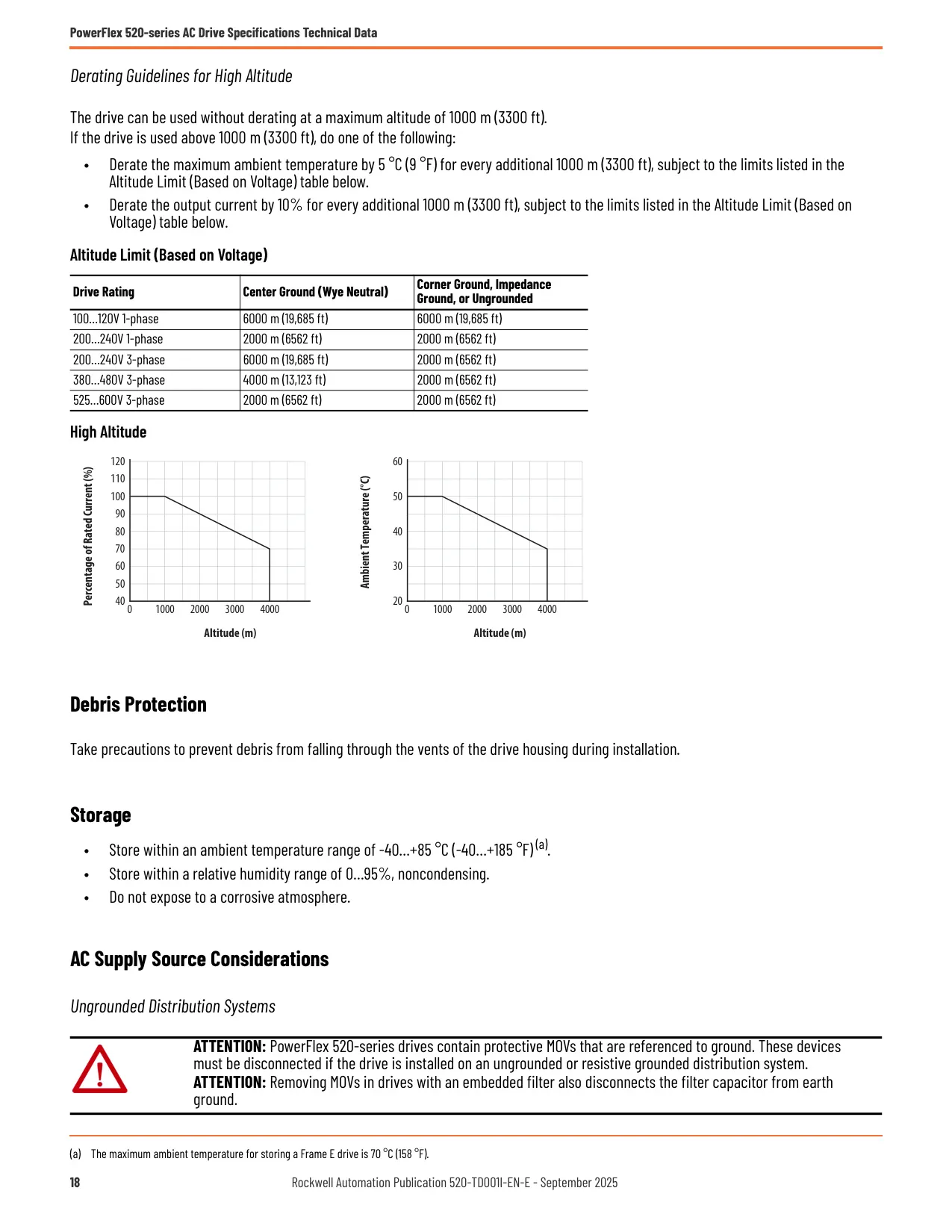
| Altitude (Without Derating) | Up to 1000 m (3300 ft) |
| Storage Temperature | -40…+85 °C (-40…+185 °F) |
| Relative Humidity | 0…95%, non-condensing |
| Sound Pressure Level (Frame A, B) | 53 dBA |
| Sound Pressure Level (Frame C) | 57 dBA |
| Sound Pressure Level (Frame D) | 64 dBA |
| Sound Pressure Level (Frame E) | 68 dBA |
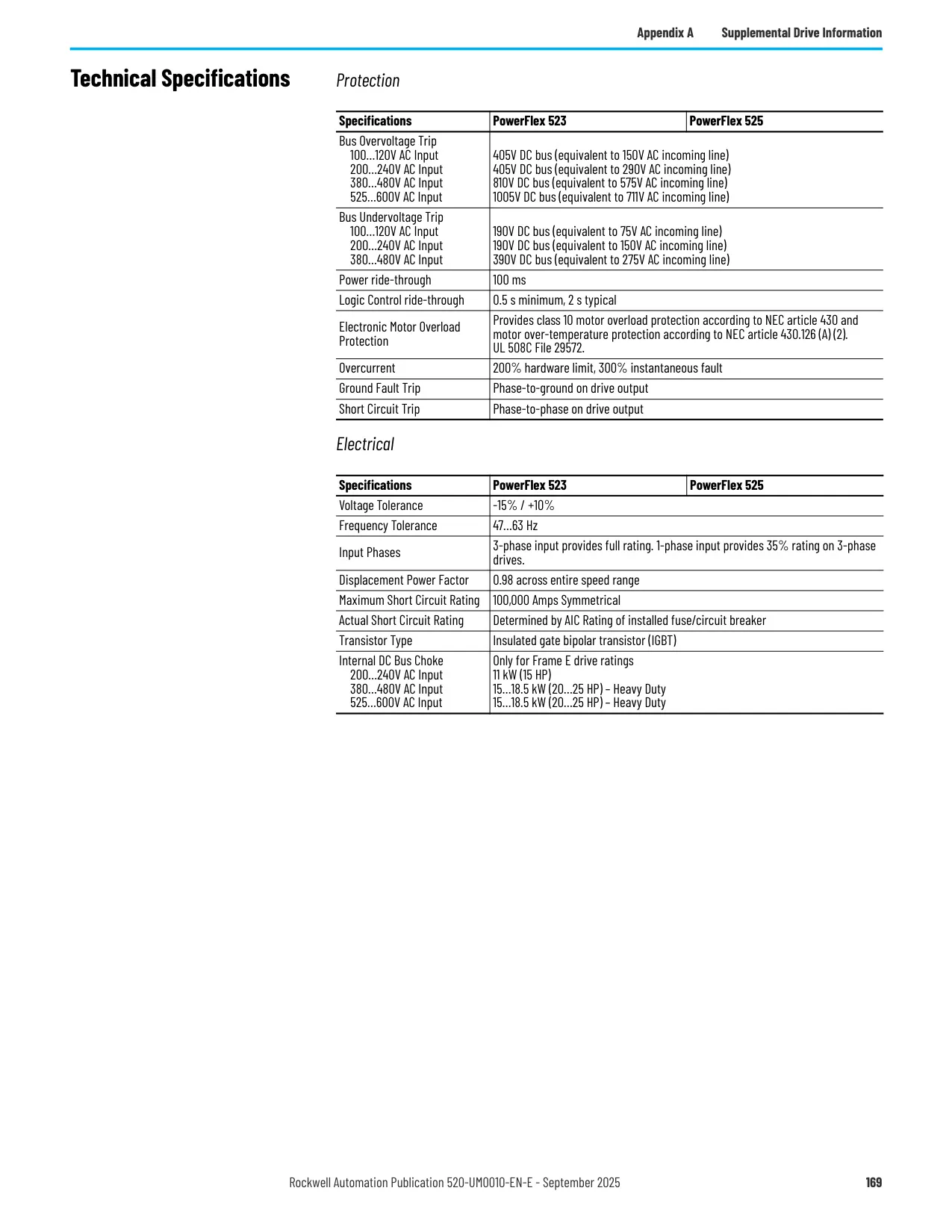
| Input Voltage Tolerance | -15% / +10% |
| Input Frequency Tolerance | 47…63 Hz |
| Displacement Power Factor | 0.98 |
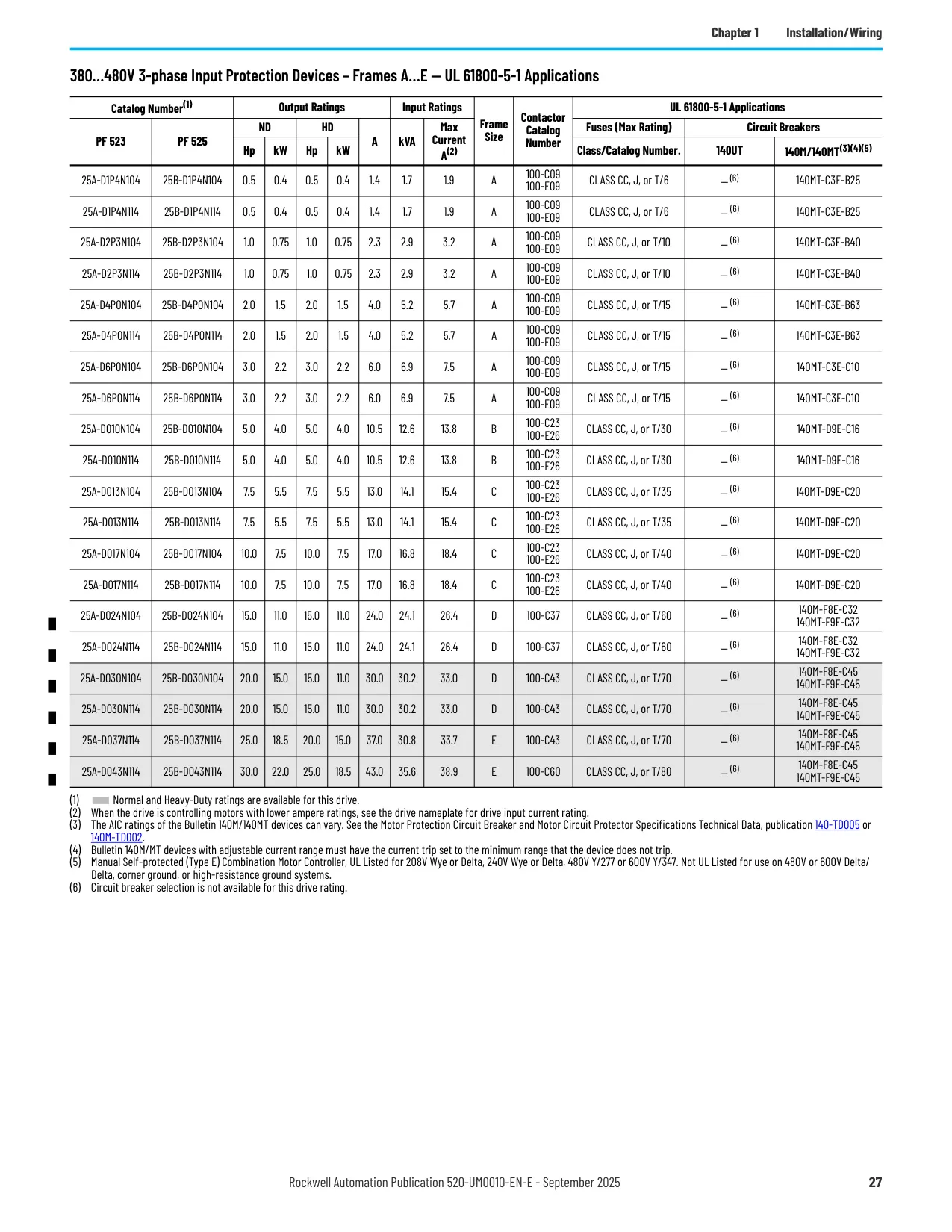
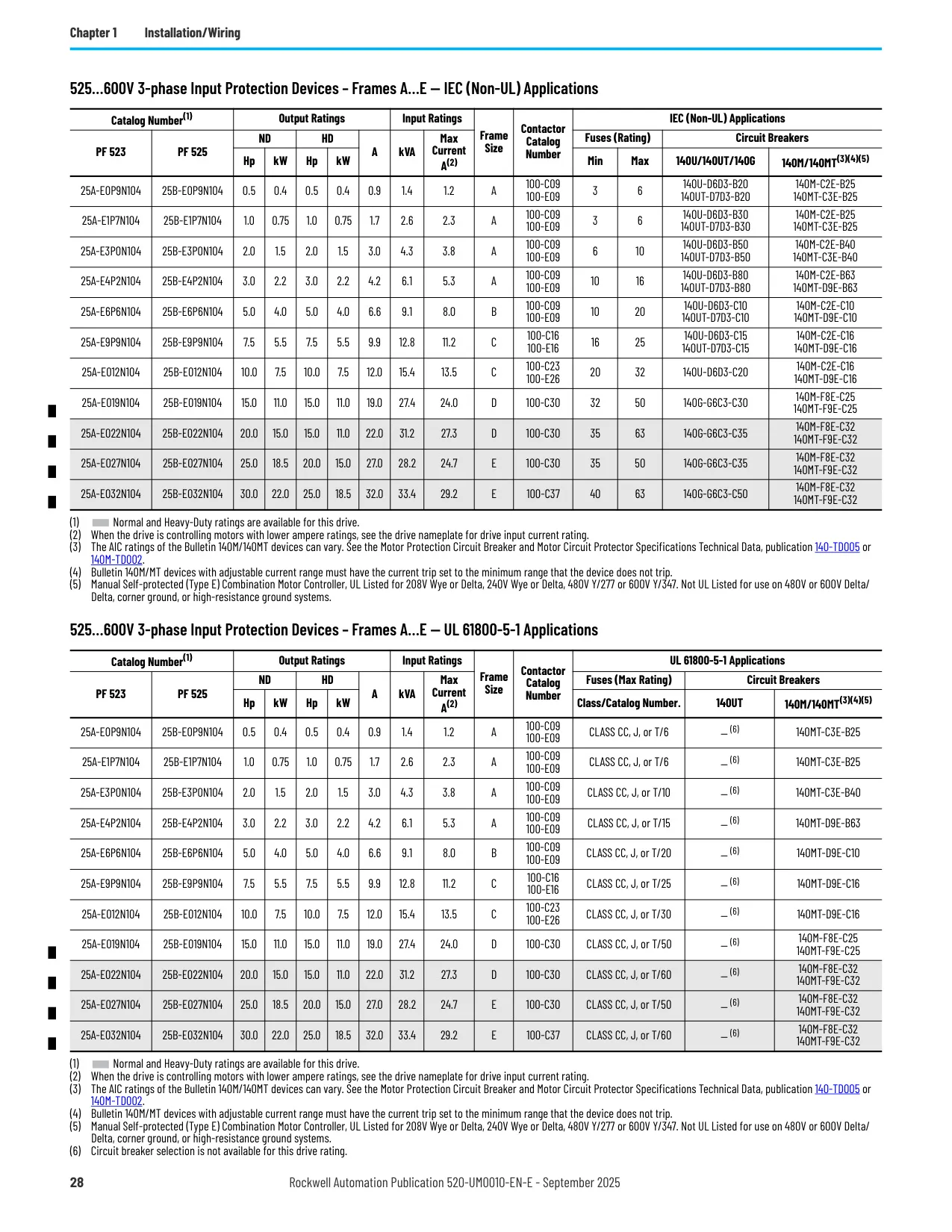
| Maximum Short-Circuit Rating (SCCR) | 100,000 Symmetrical Amperes |
| Transistor Type | IGBT |
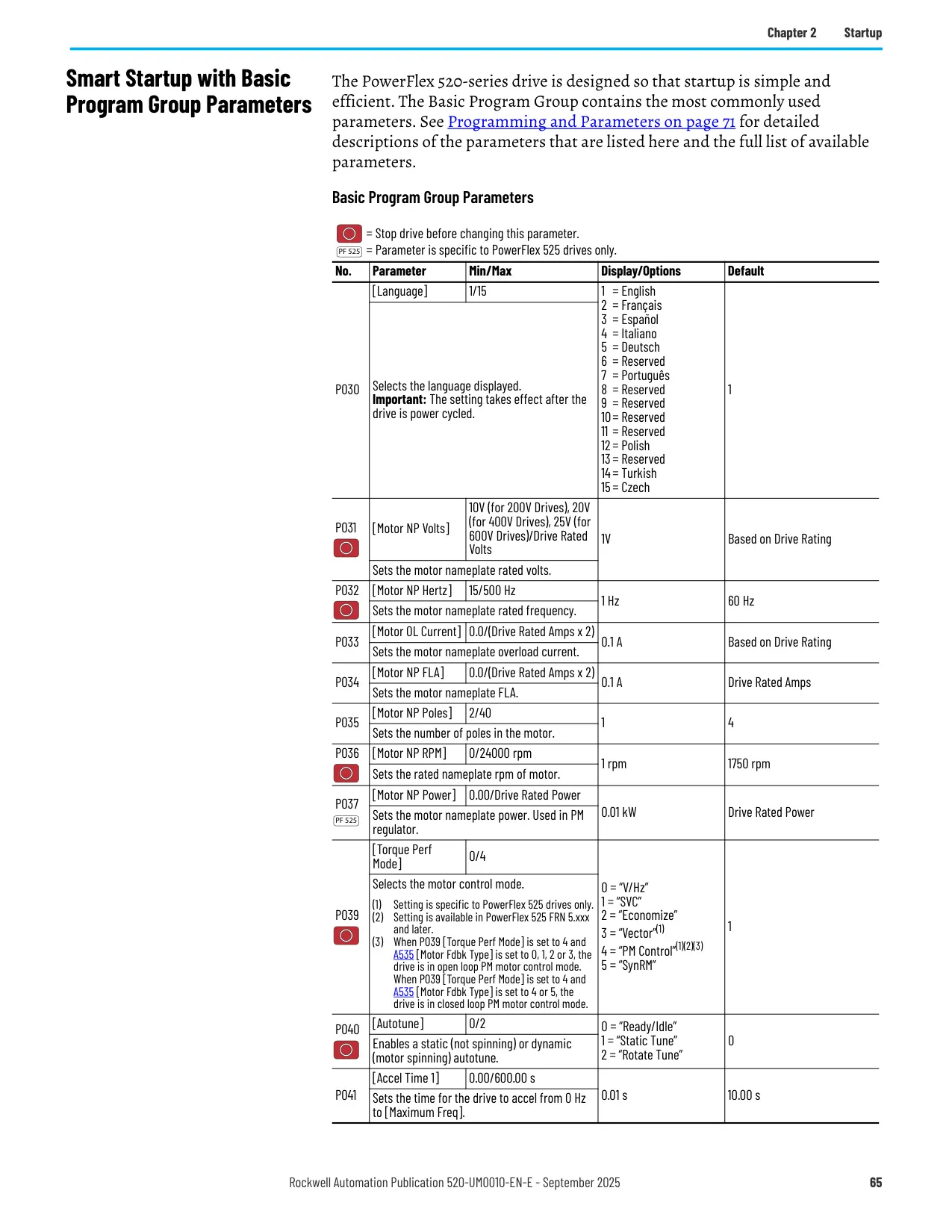
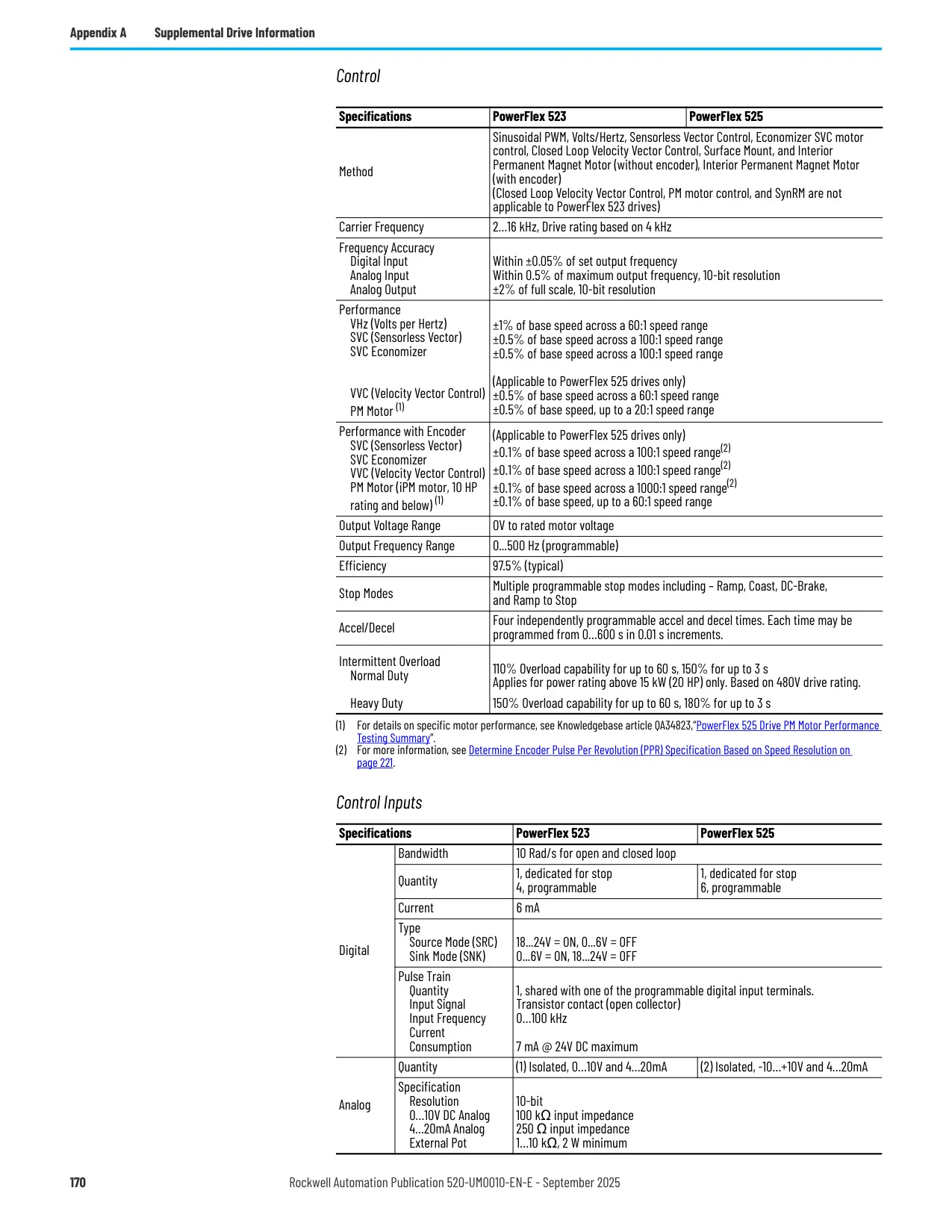
| Control Methods | V/Hz, SVC, SVC Economizer, VVC, PM Motor, SynRM |
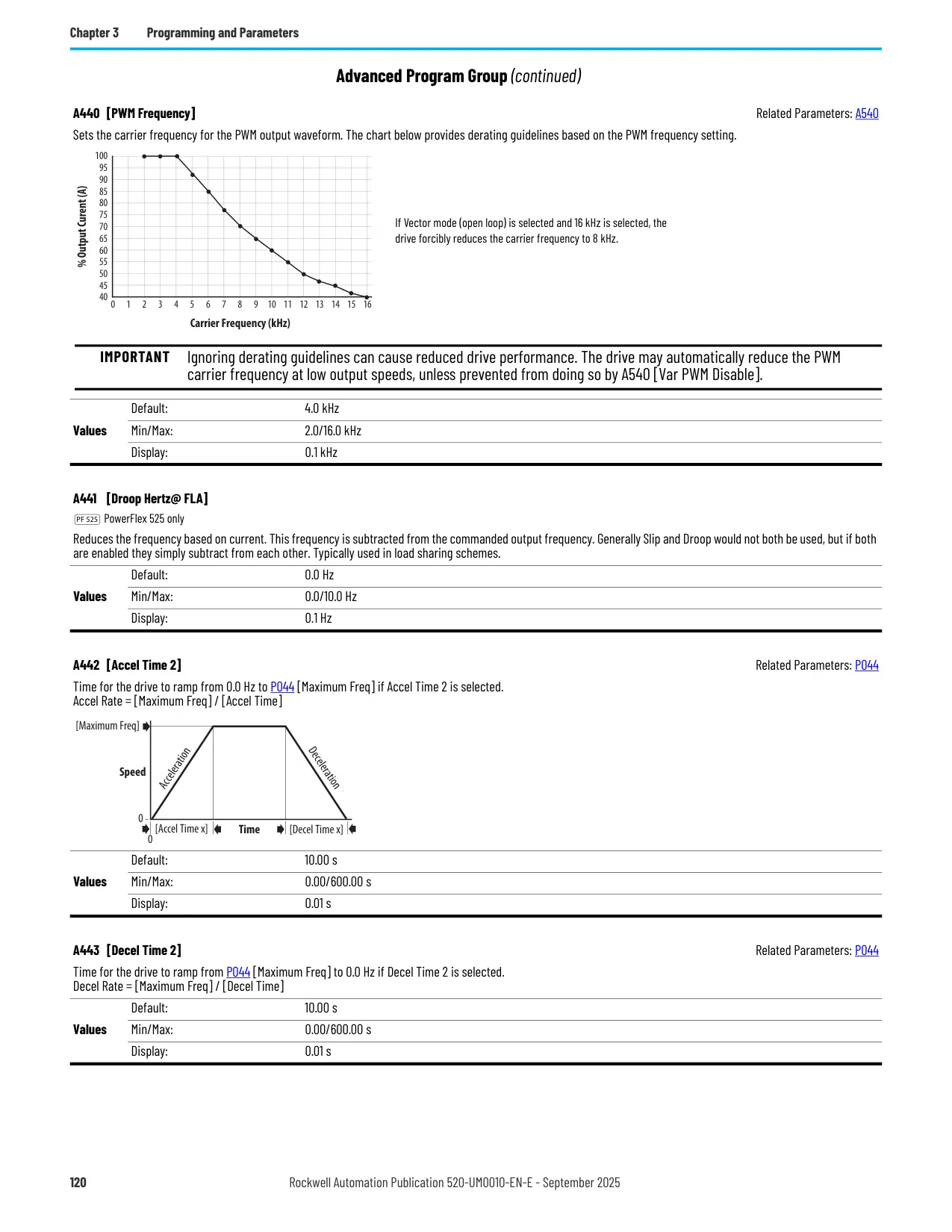
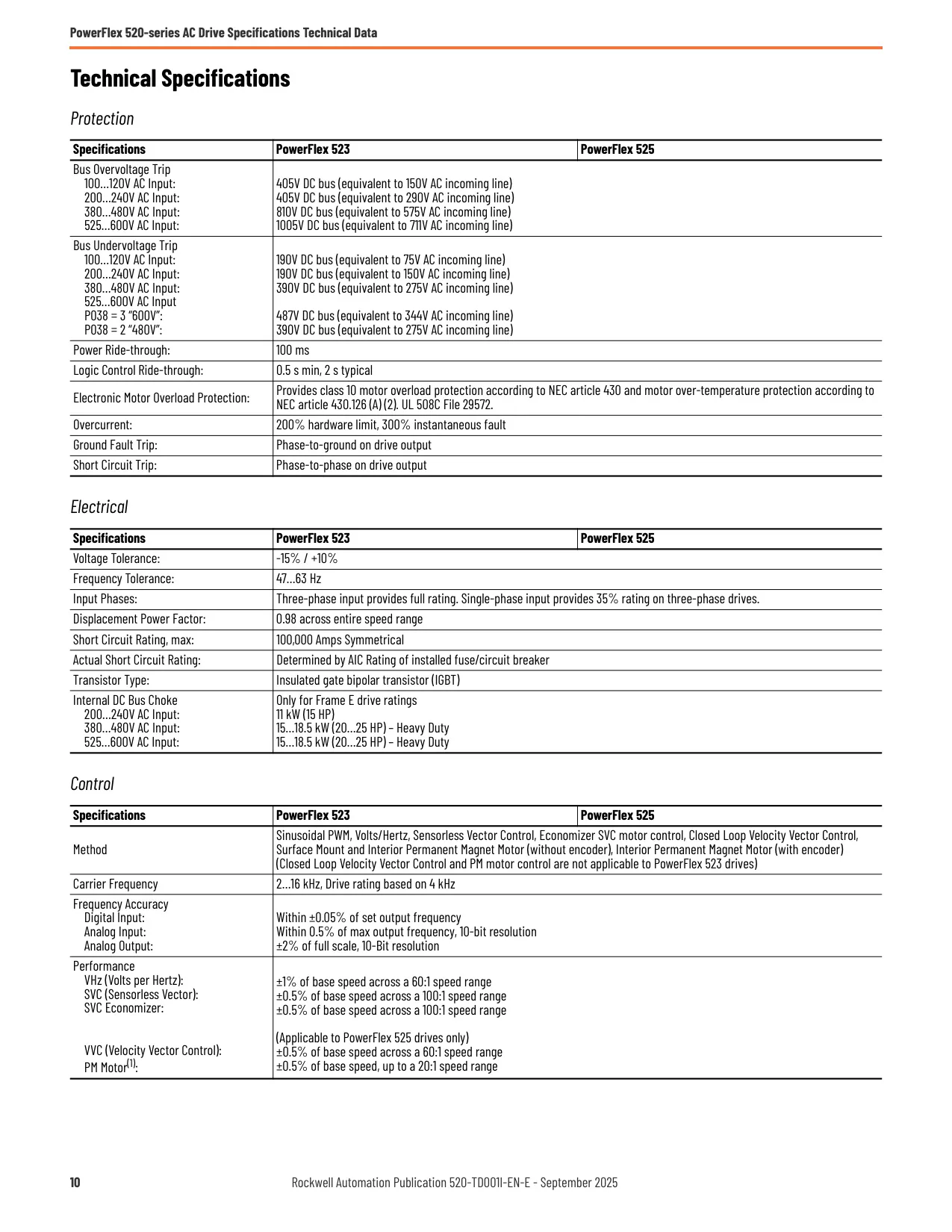
| Carrier Frequency (PWM) | 2…16 kHz (4 kHz base) |
| Frequency Accuracy (Digital Input) | ±0.05% of set output frequency |
| Control Performance (VVC, base speed) | ±0.5% across a 60:1 speed range |
| Control Performance (PM Motor, base speed) | ±0.5% across a 20:1 speed range |
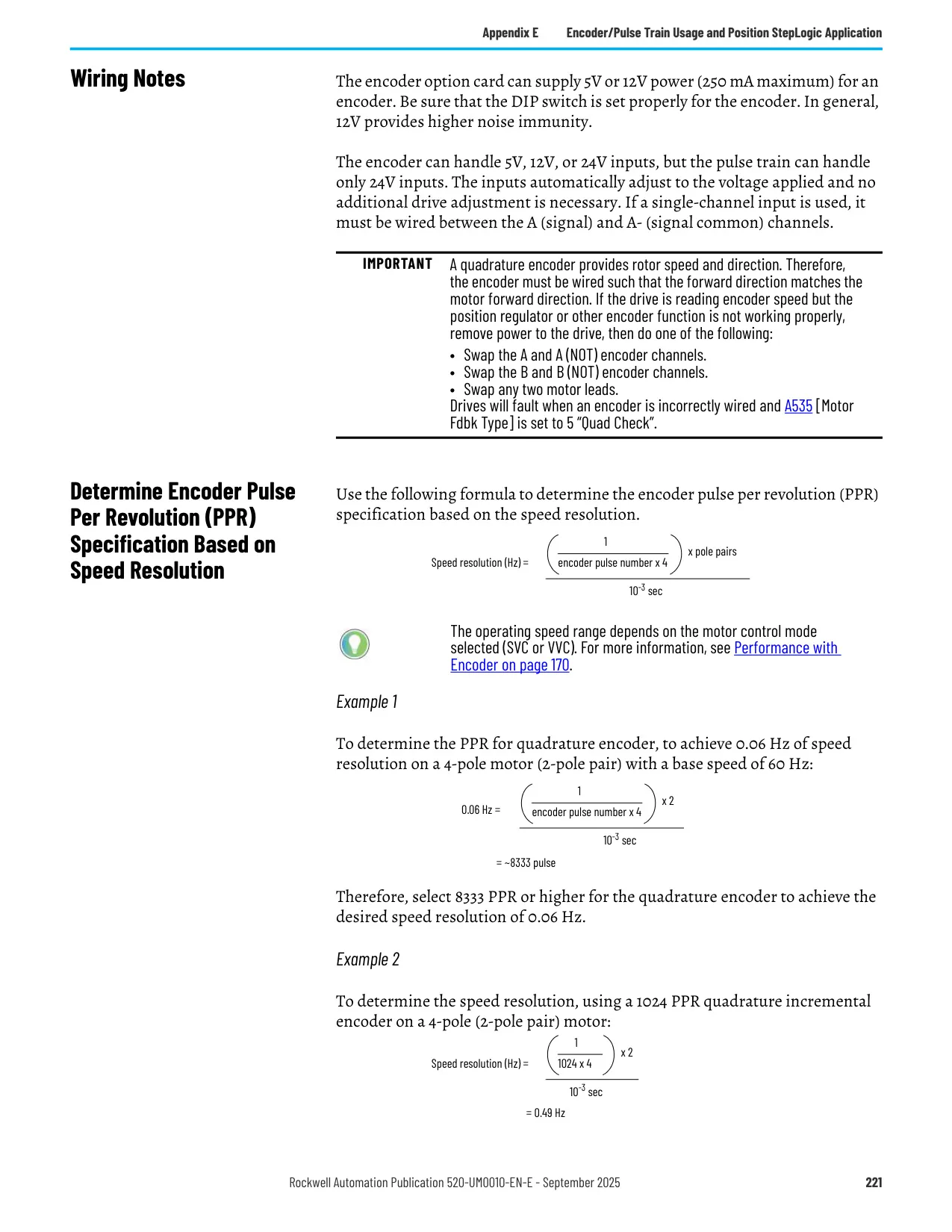
| Control Performance (With Encoder, VVC) | ±0.1% across a 1000:1 speed range |
| Output Frequency Range | 0…500 Hz |
| Efficiency | 97.5% (typical) |
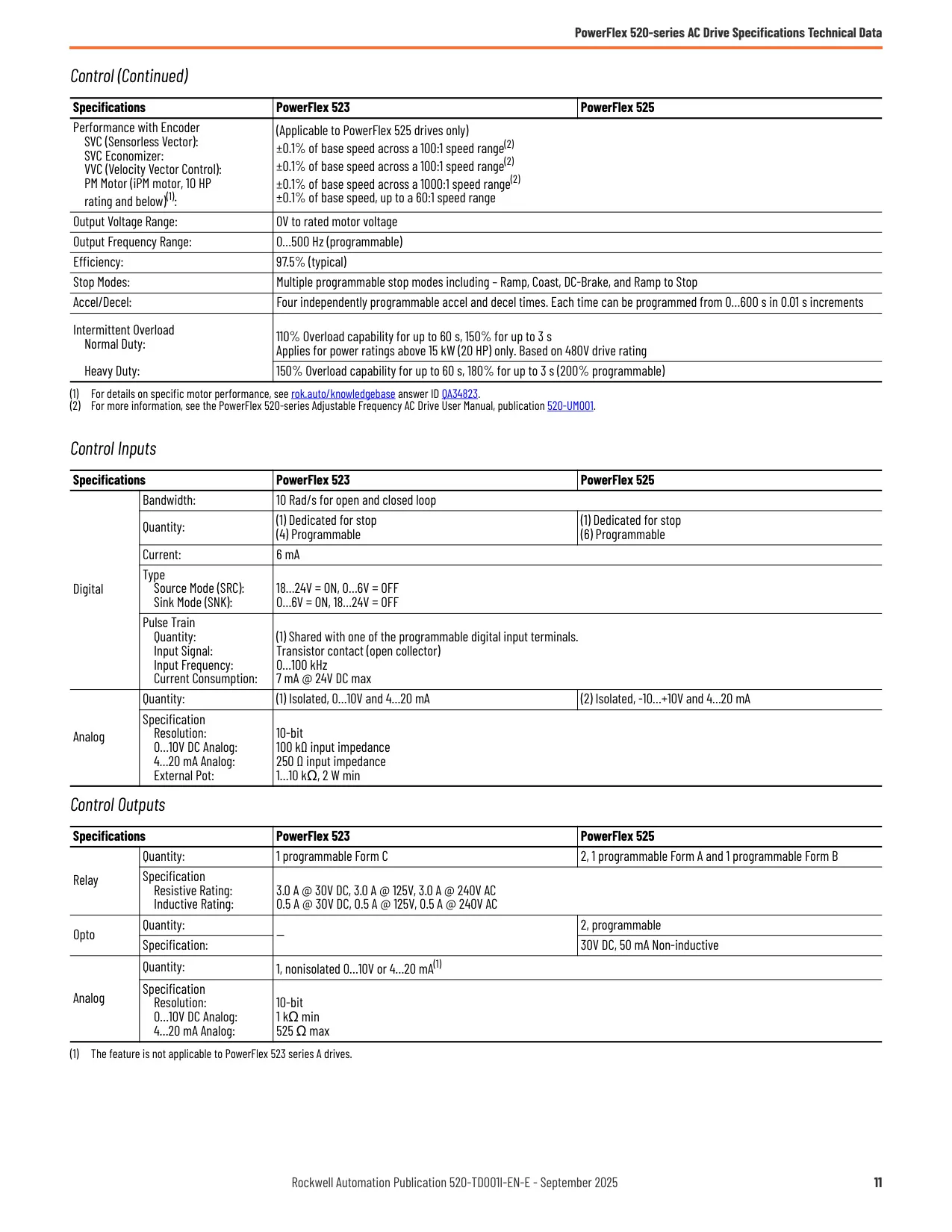
| Intermittent Overload (Heavy Duty) | 150% for 60 s, 180% for 3 s |
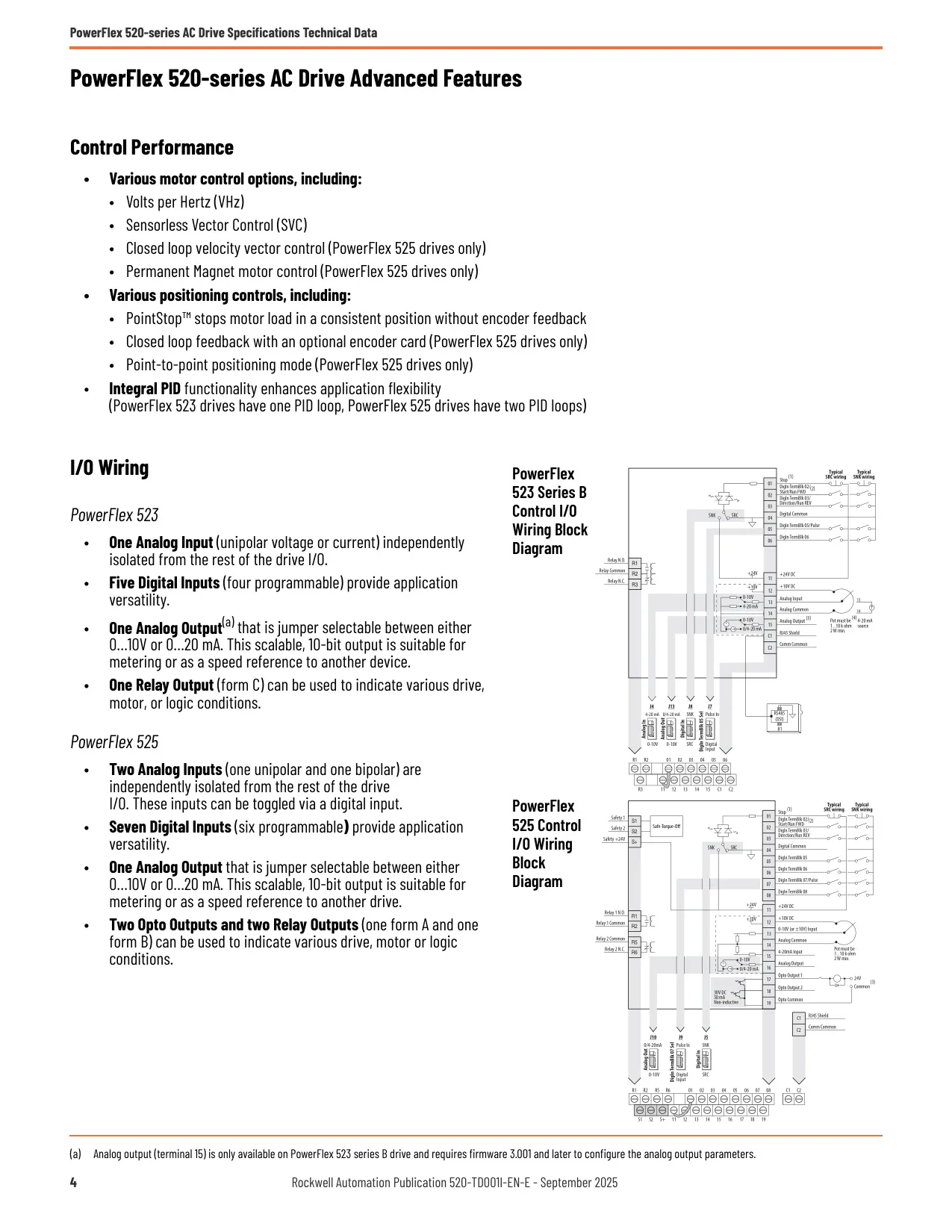
| Programmable Digital Inputs | 6 |
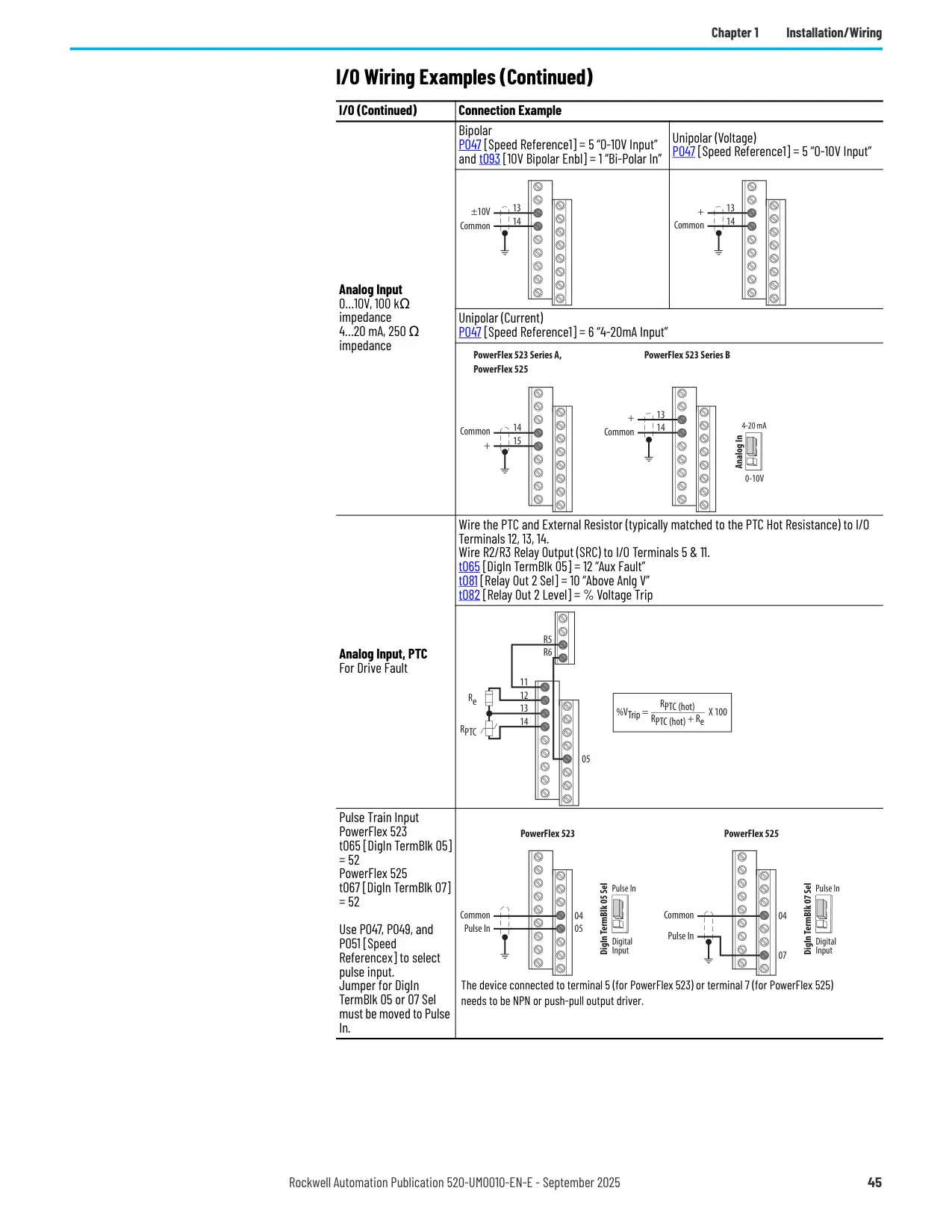
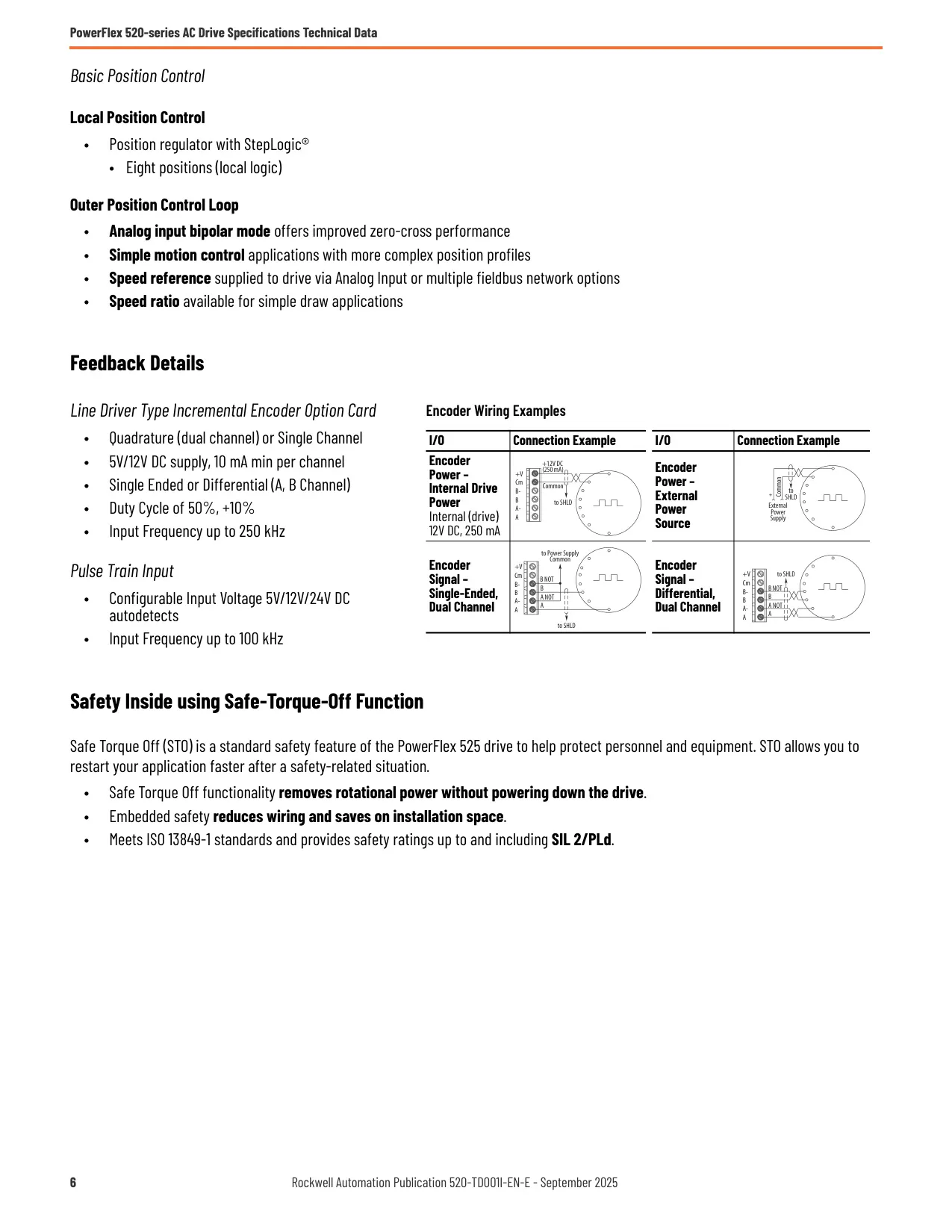
| Pulse Train Input | 1 (0…100 kHz) |
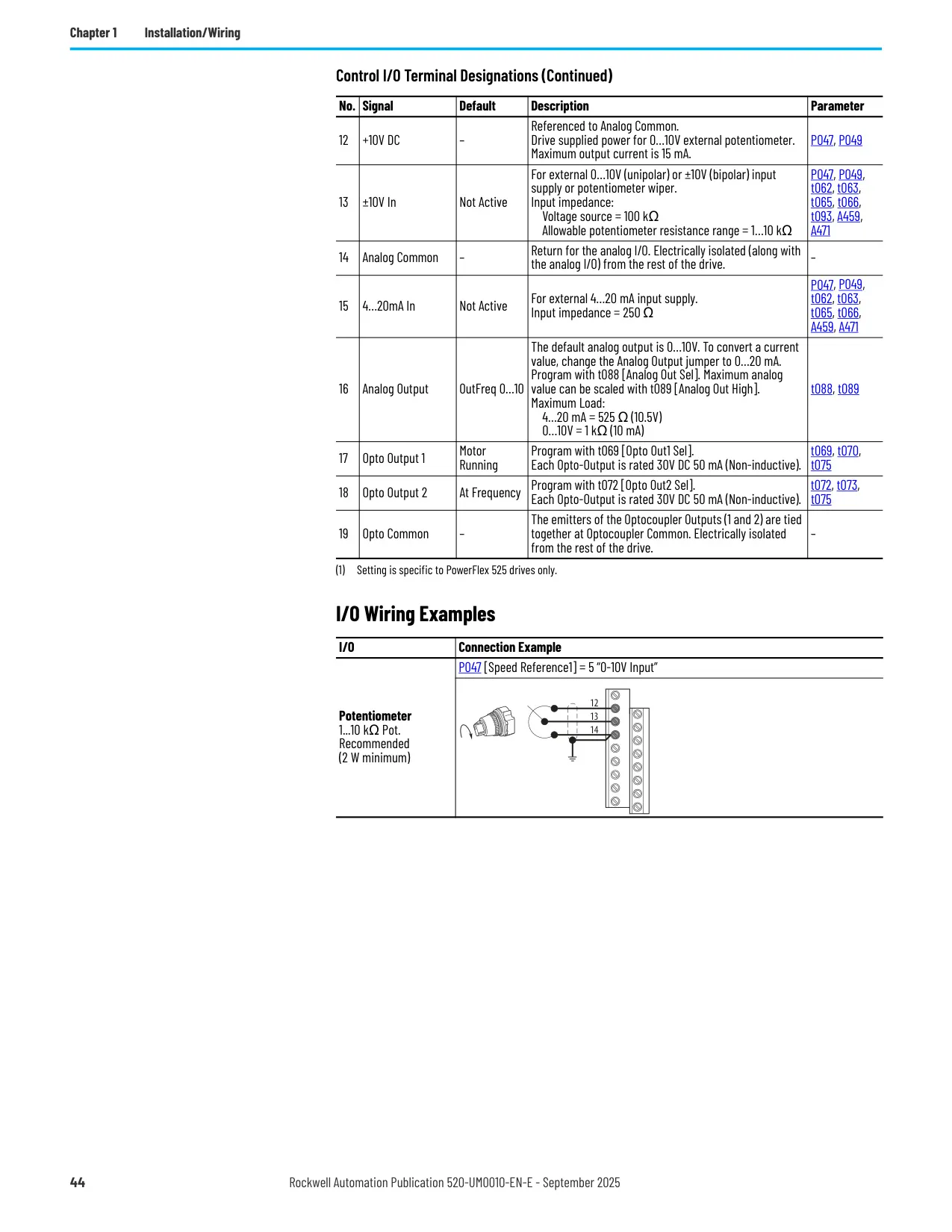
| Isolated Analog Inputs | 2 (-10…+10V and 4…20mA) |
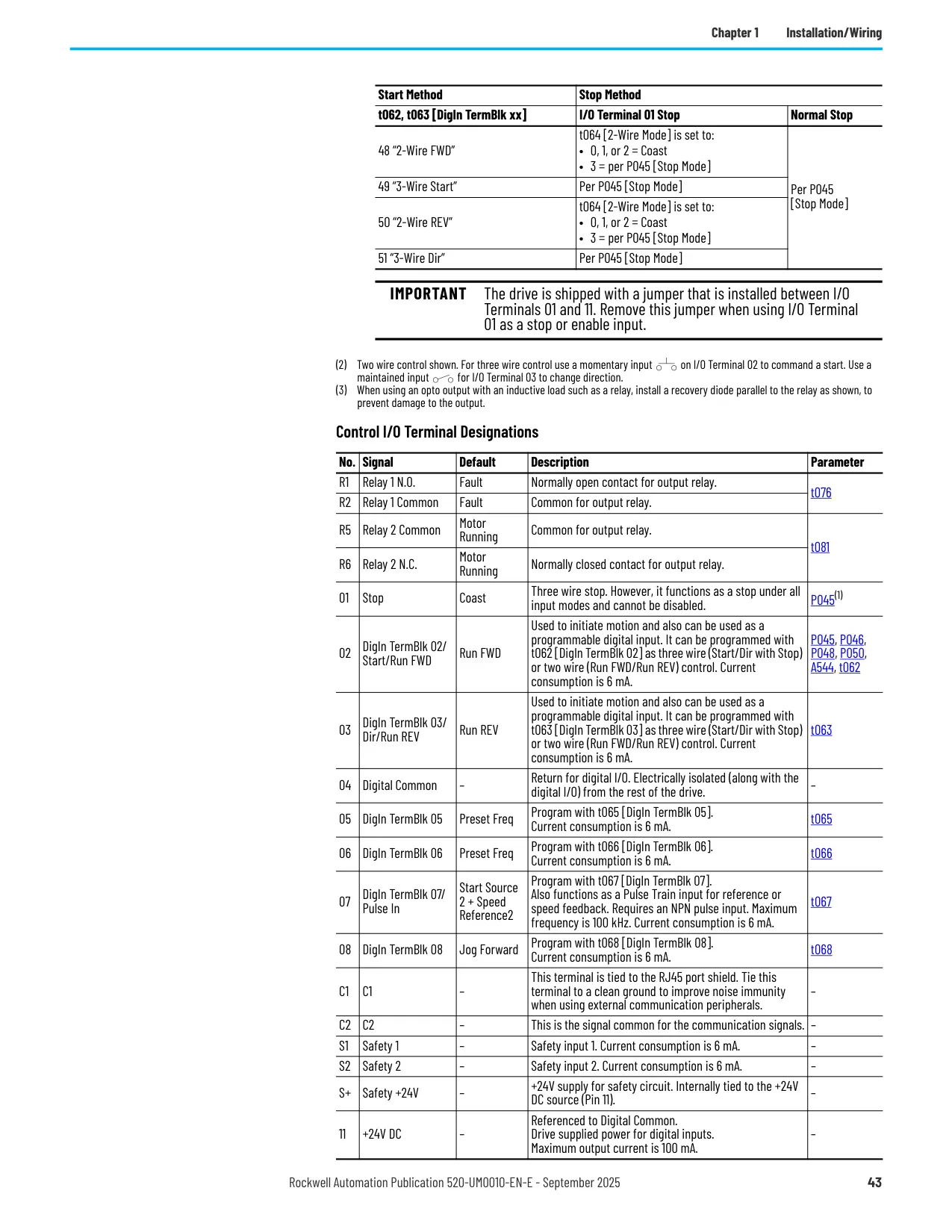
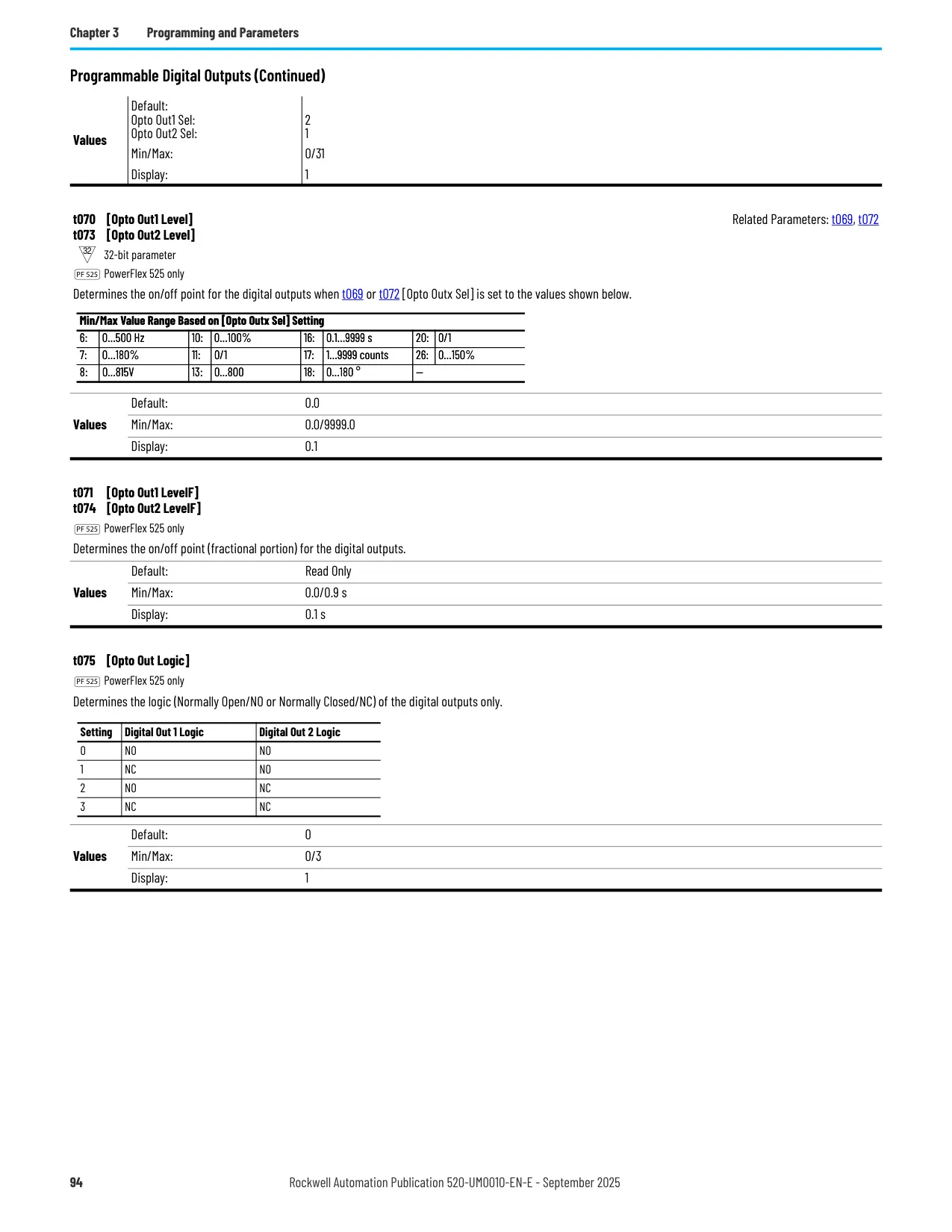
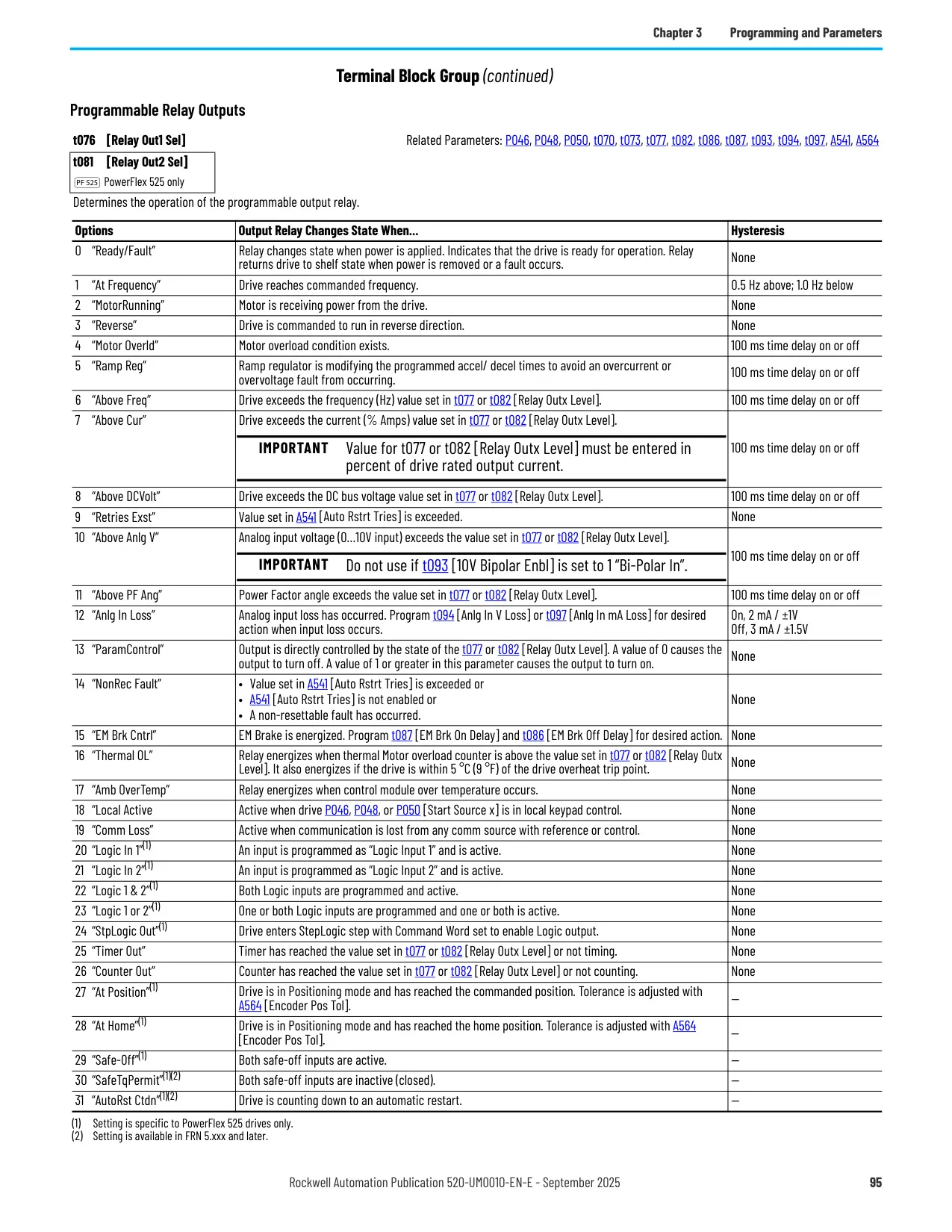
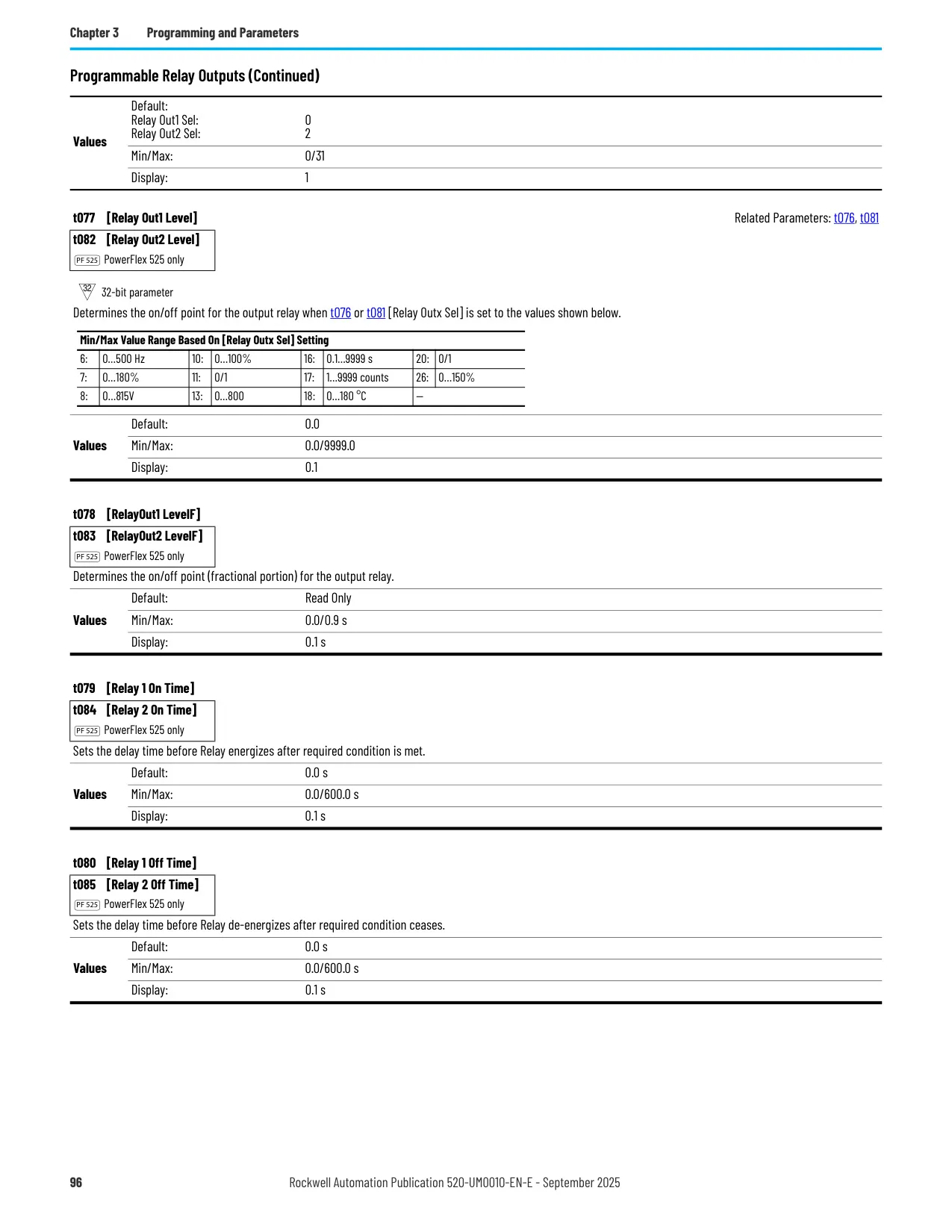
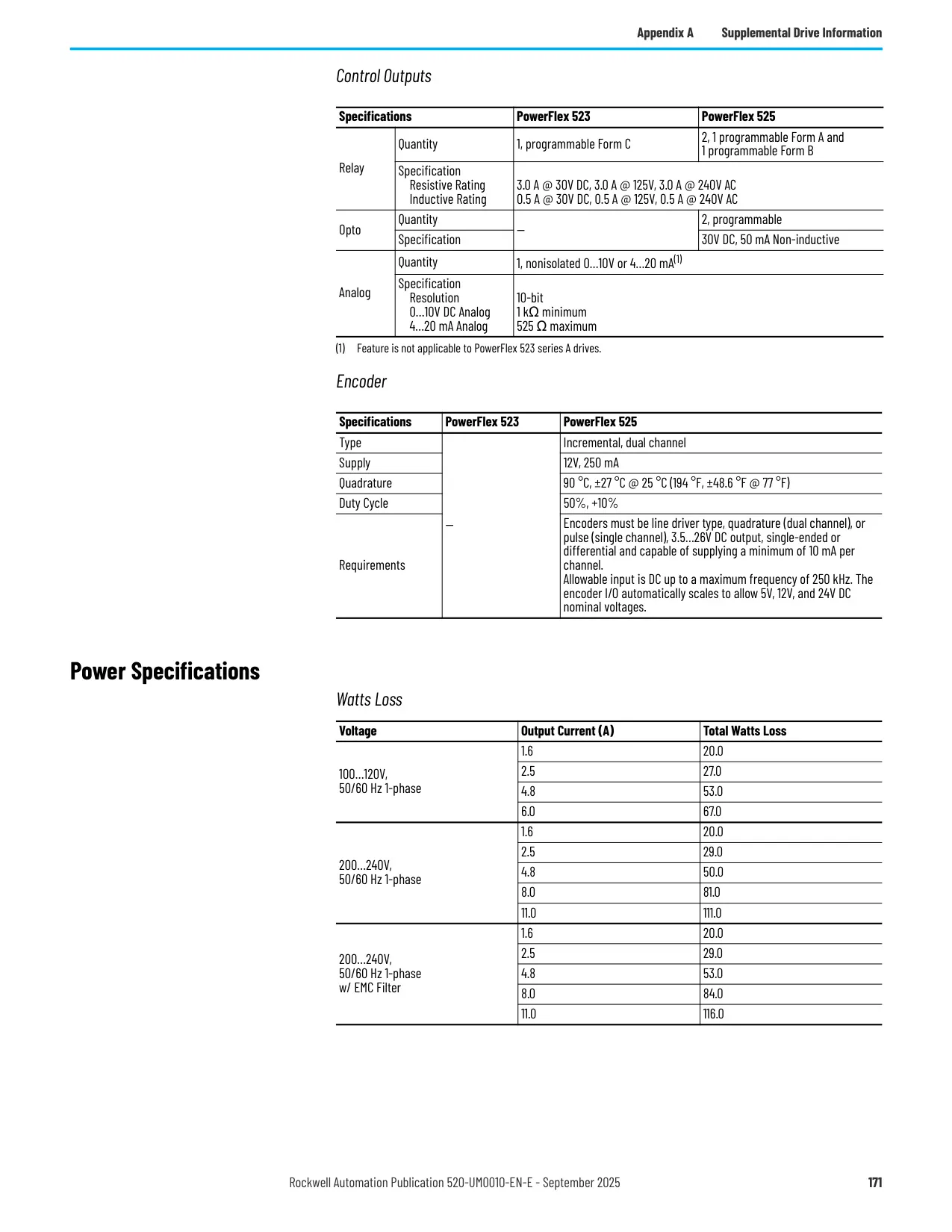
| Programmable Relay Outputs | 2 (1 Form A and 1 Form B) |
| Programmable Opto Outputs | 2 (30V DC, 50 mA) |
| Analog Output (Resolution) | 10-bit |
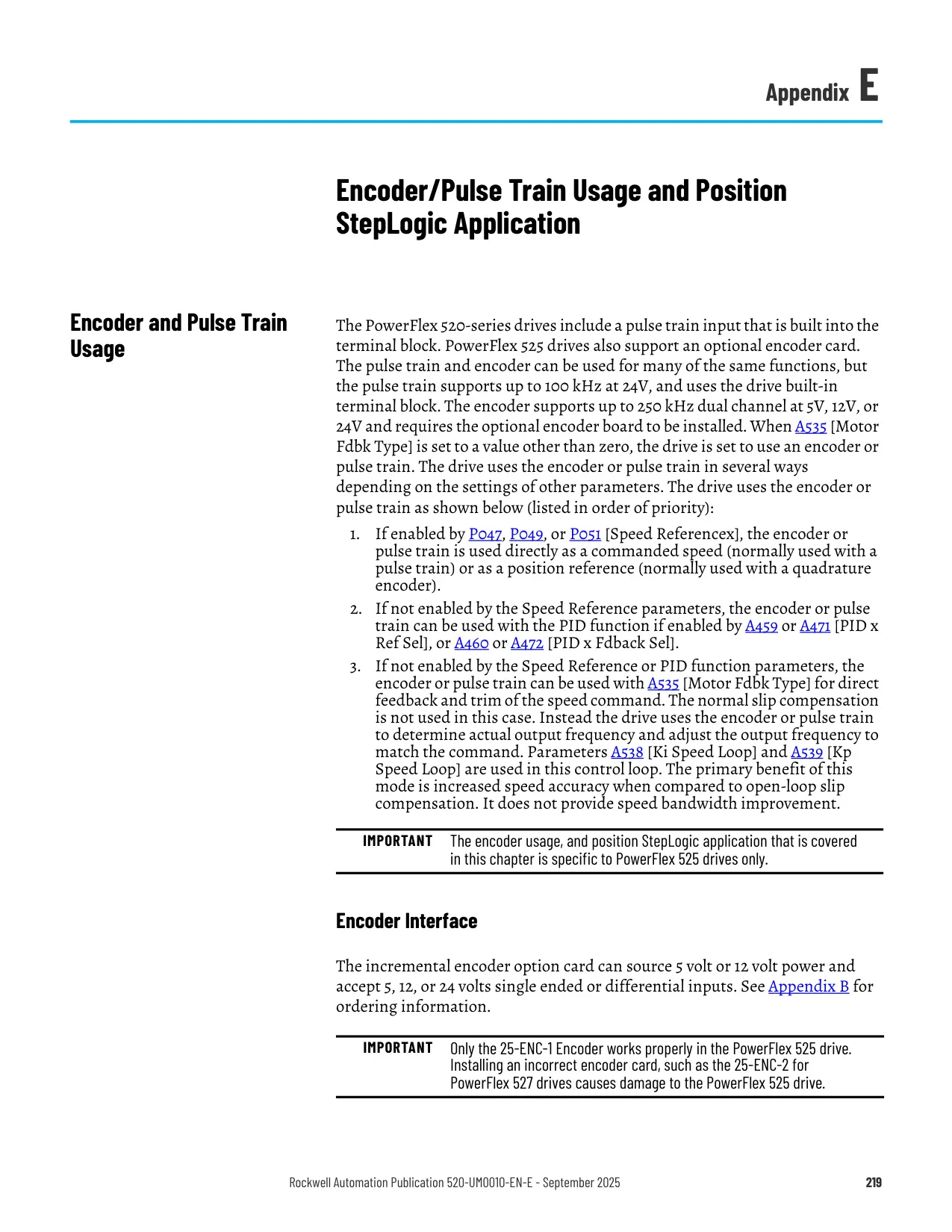
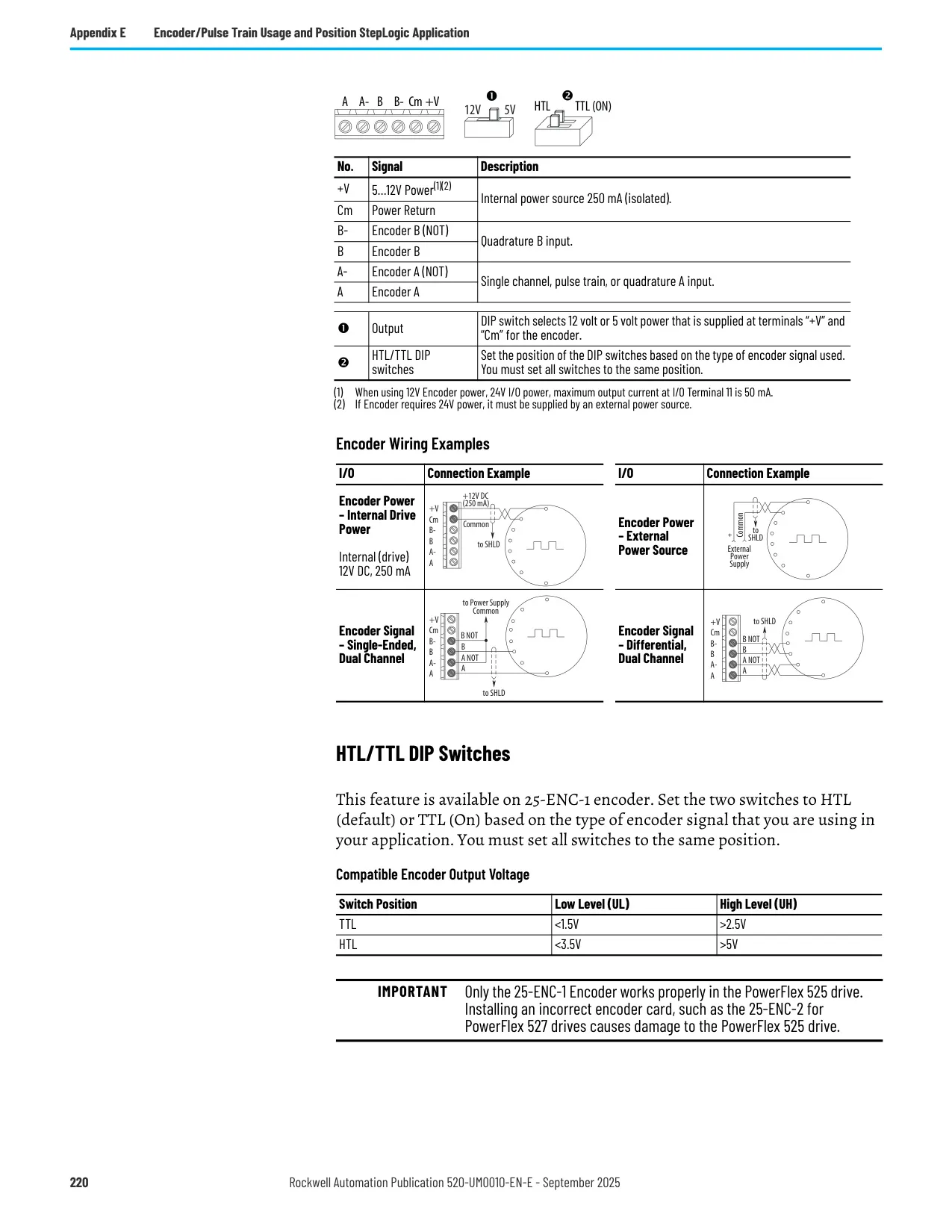
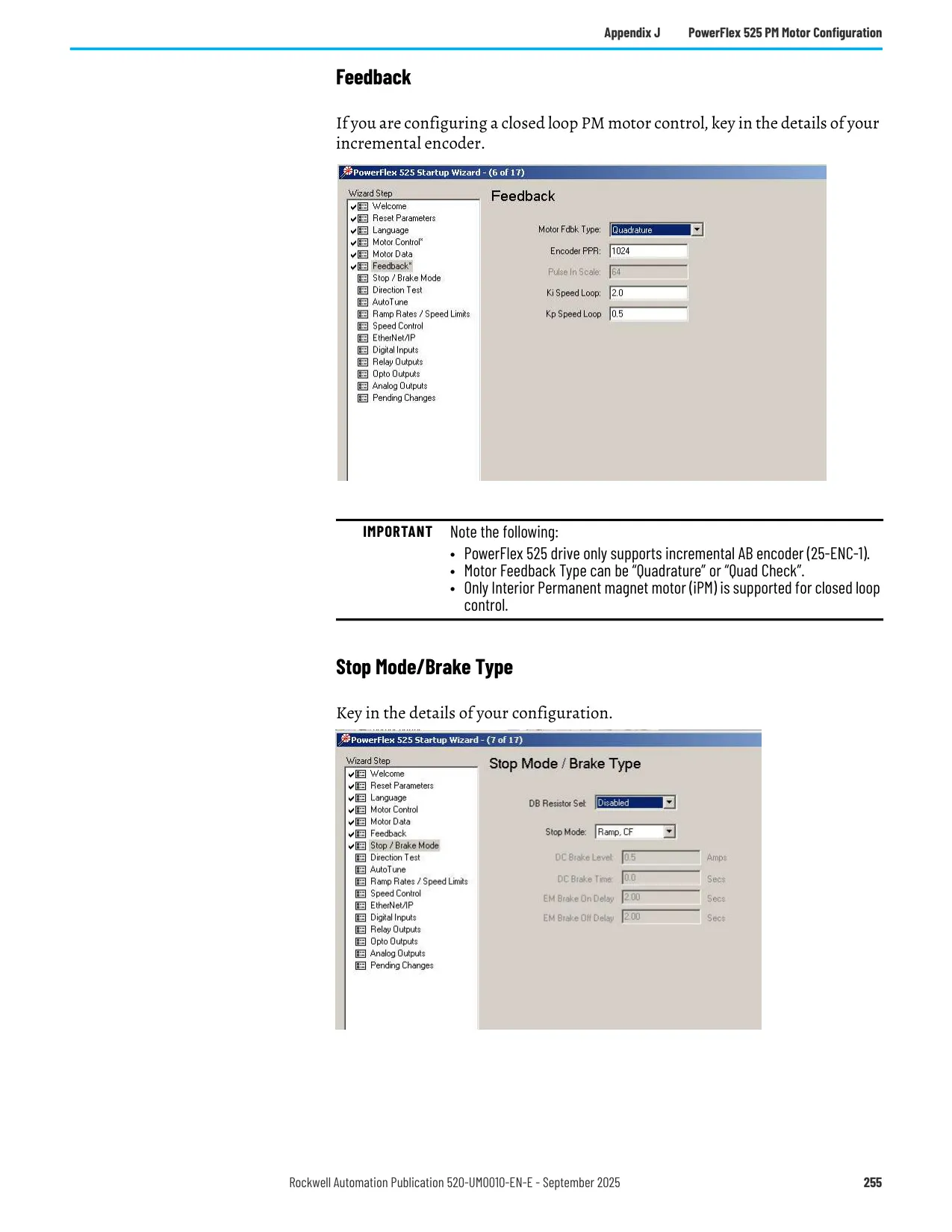
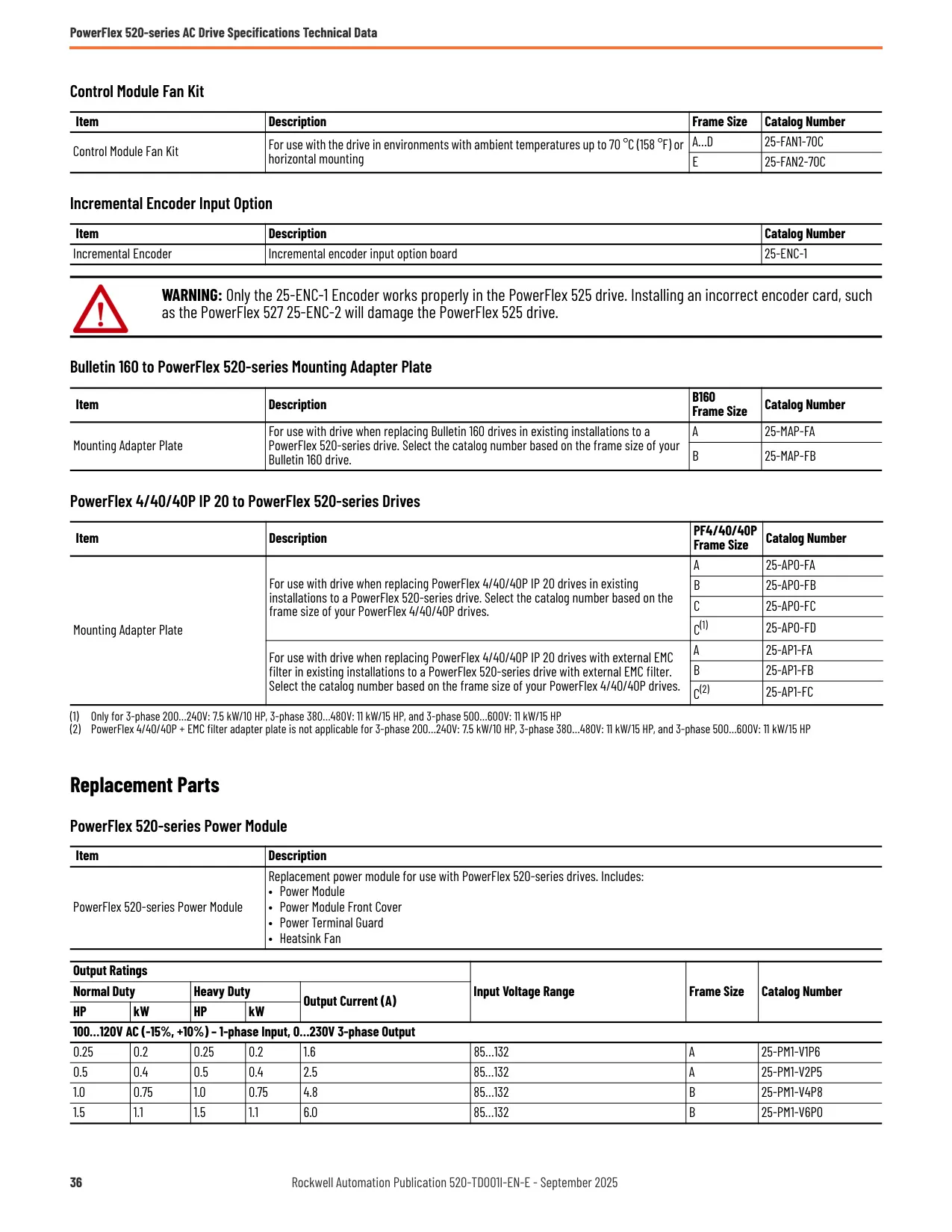
| Encoder Support | Incremental, dual-channel (optional 25-ENC-1) |
| Maximum Encoder Input Frequency | 250 kHz |
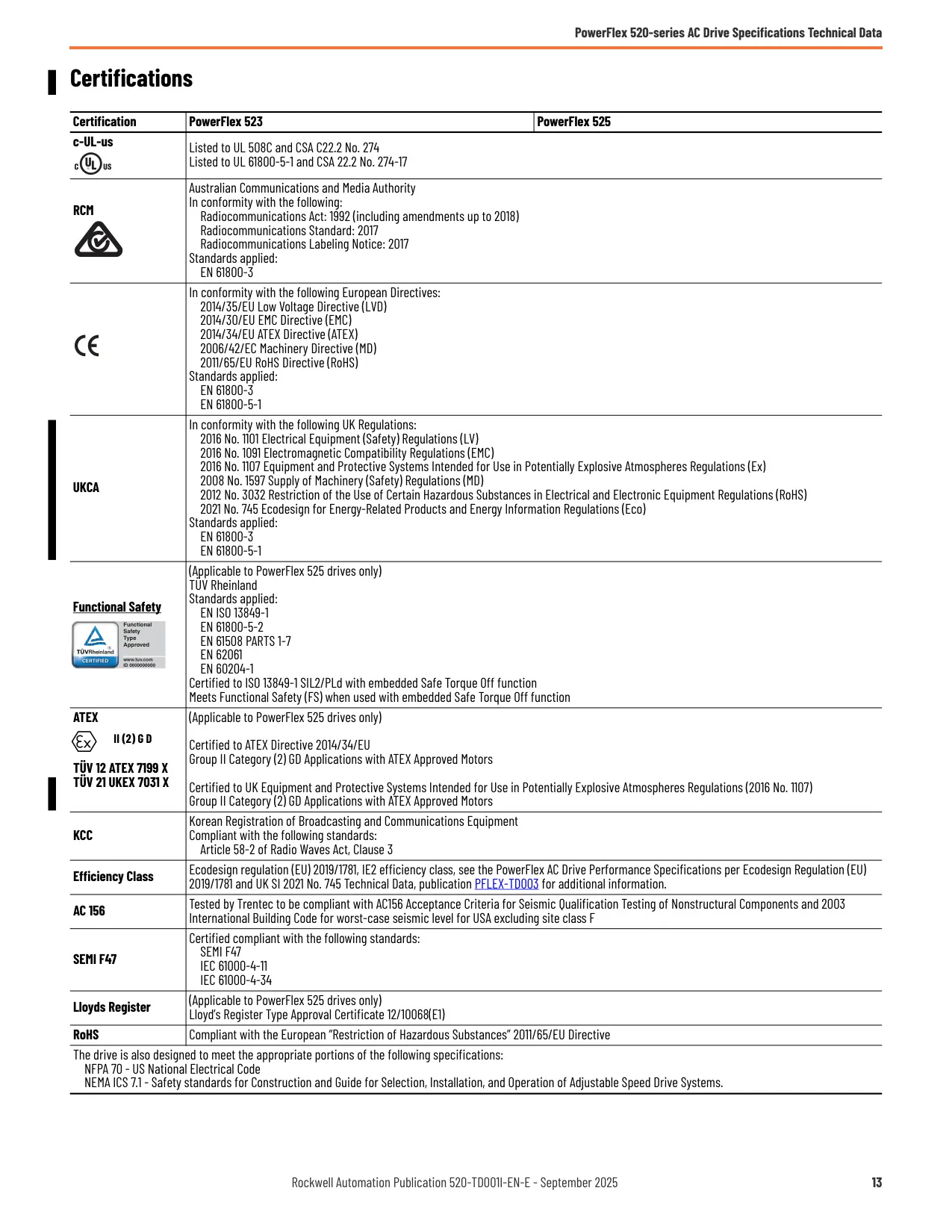
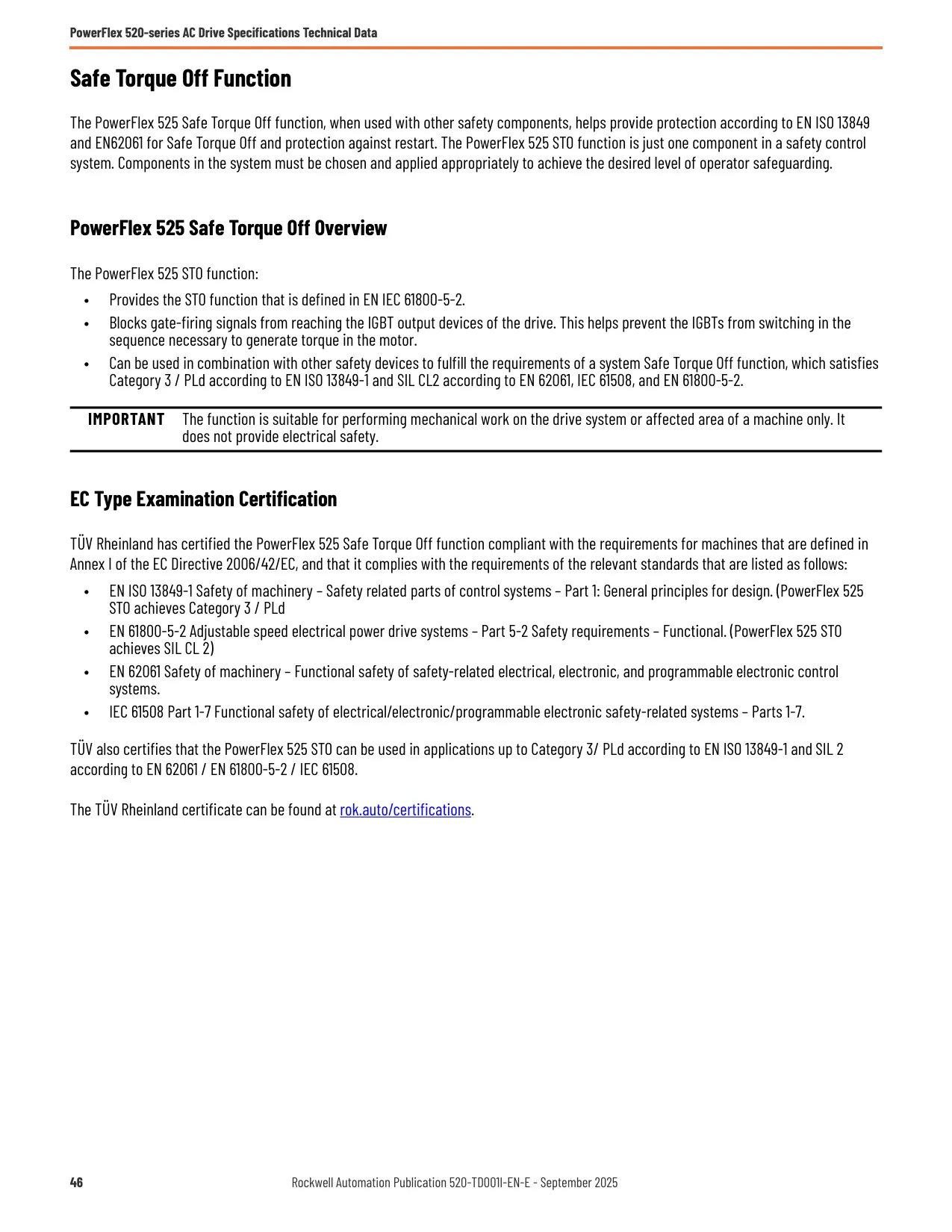
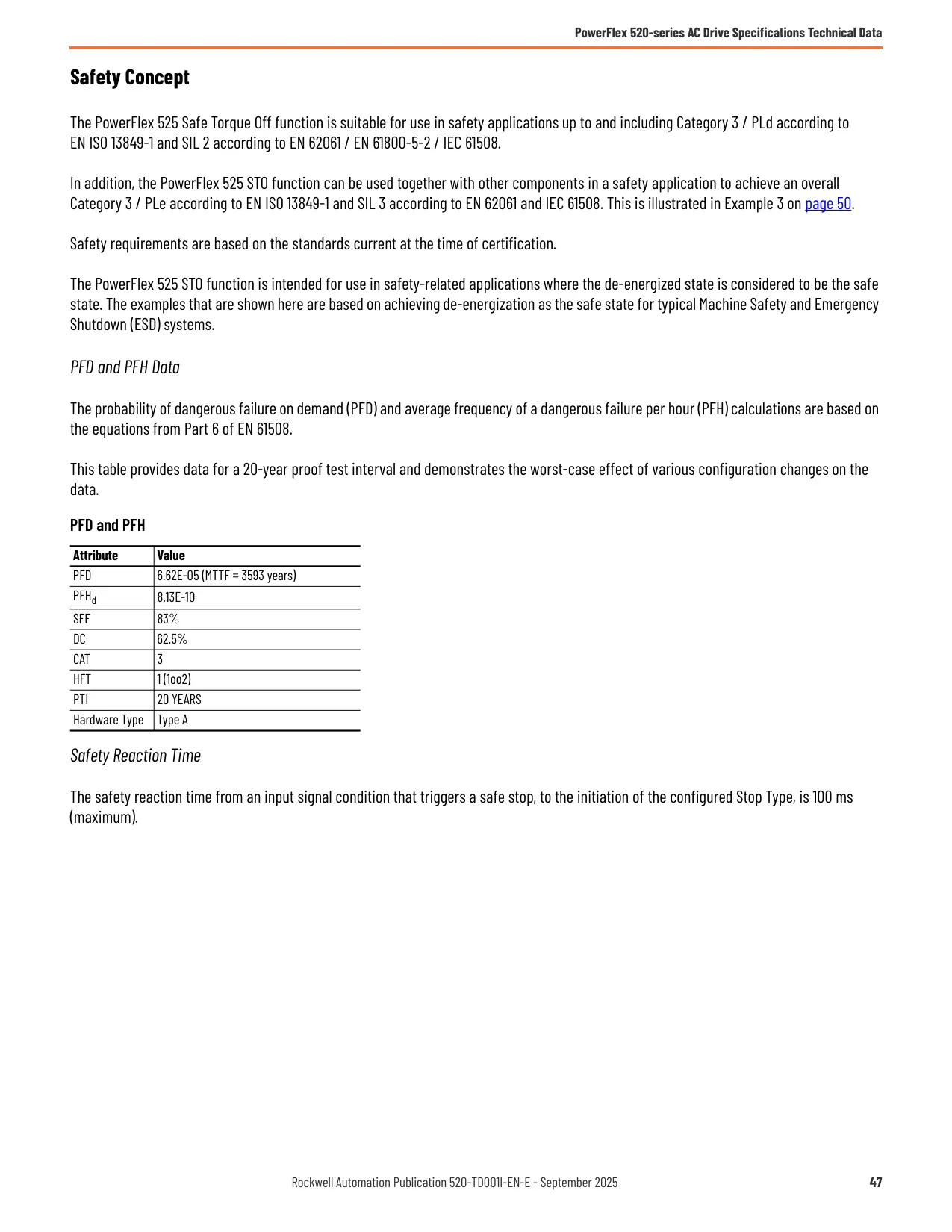
| Safe Torque Off (STO) Rating | Category 3 / PLd and SIL CL2 |
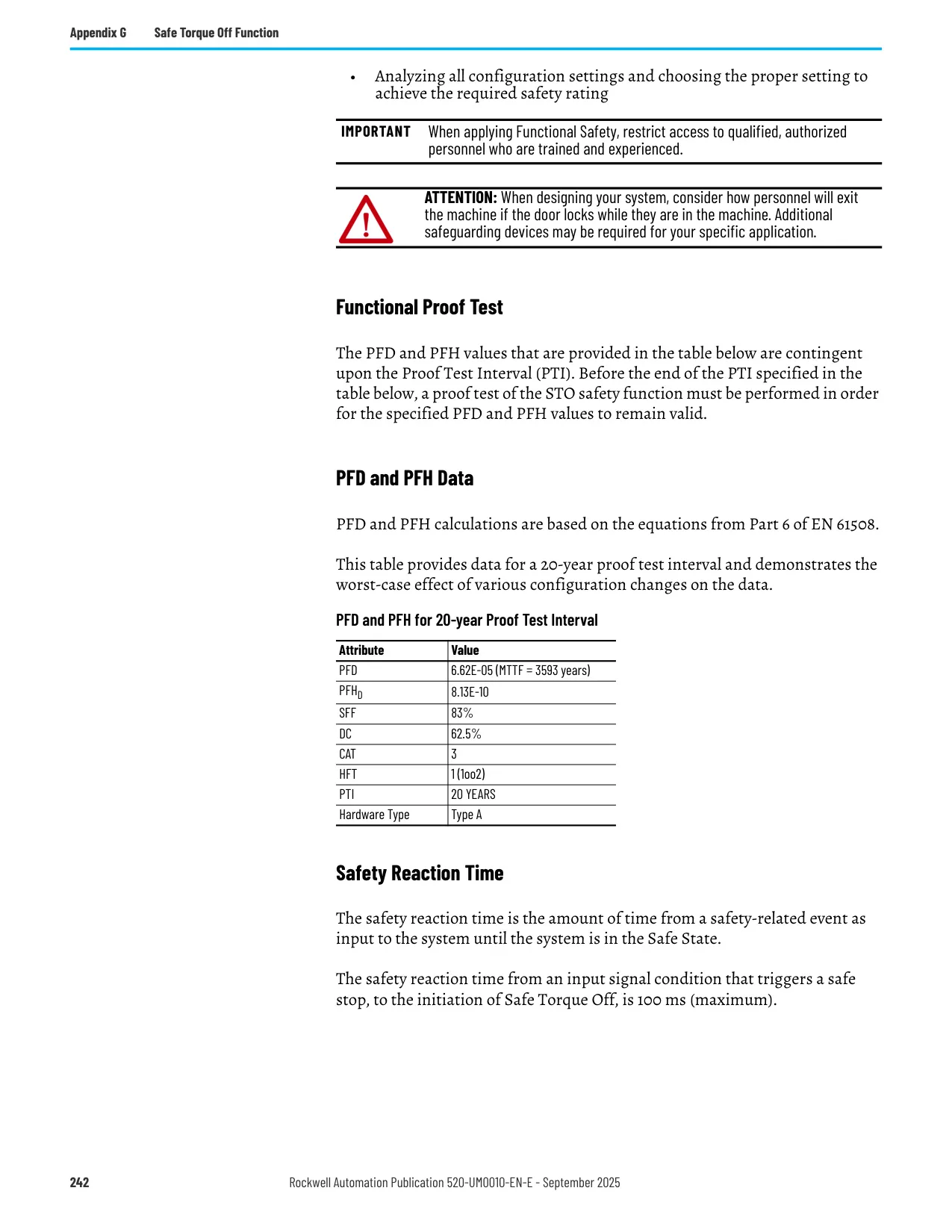
| Safety Reaction Time (STO) | 100 ms (maximum) |
| PID Loops | 2 |
| StepLogic Capability | Up to 8 steps |
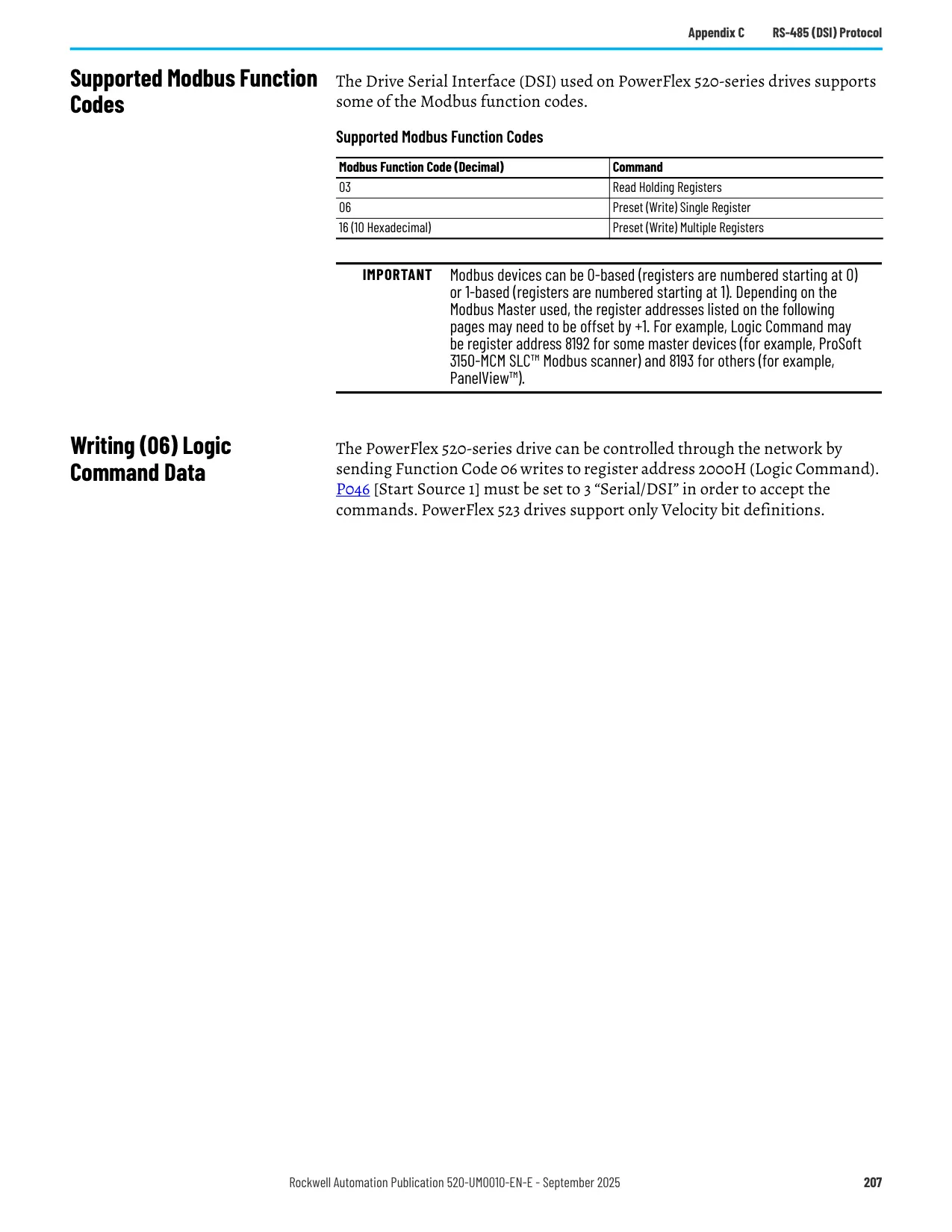
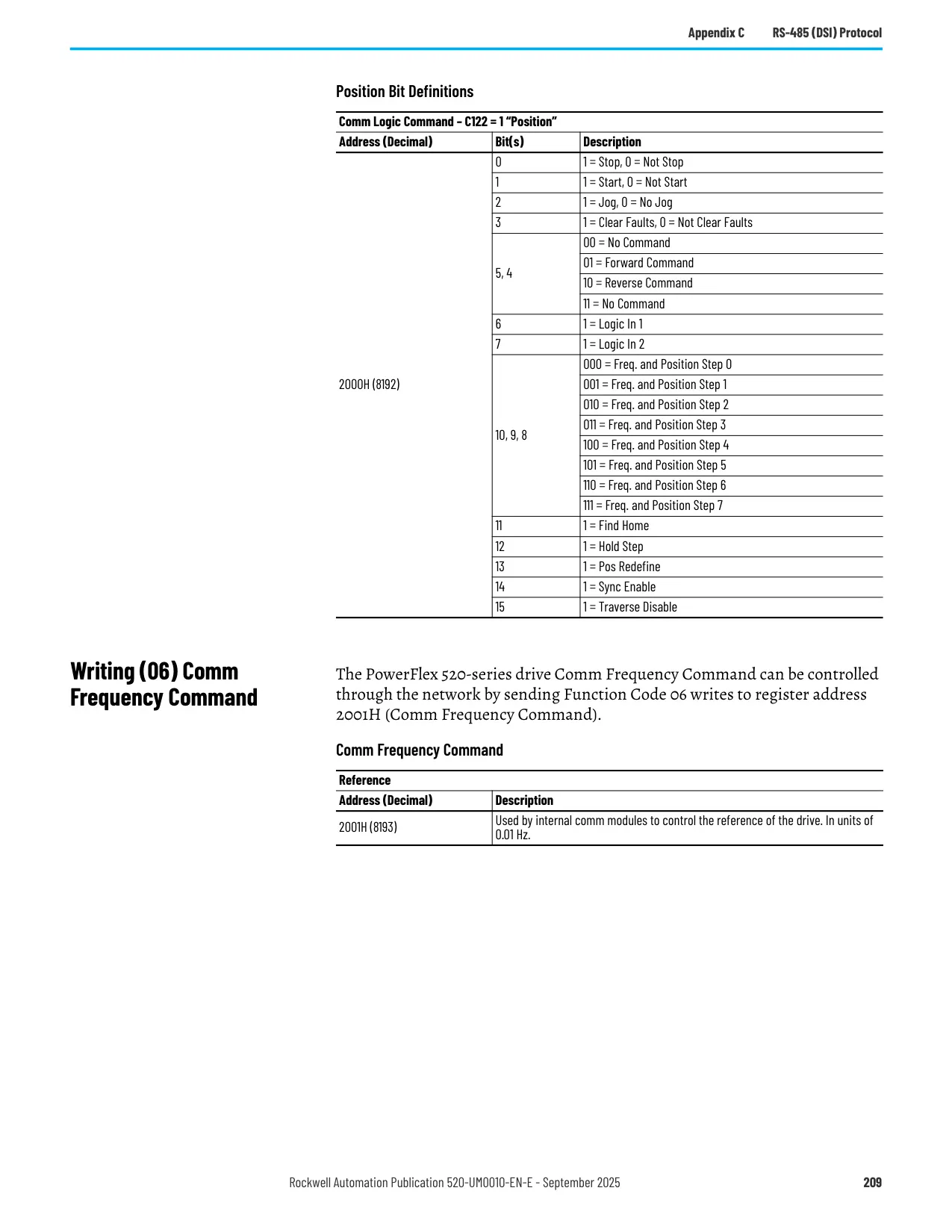
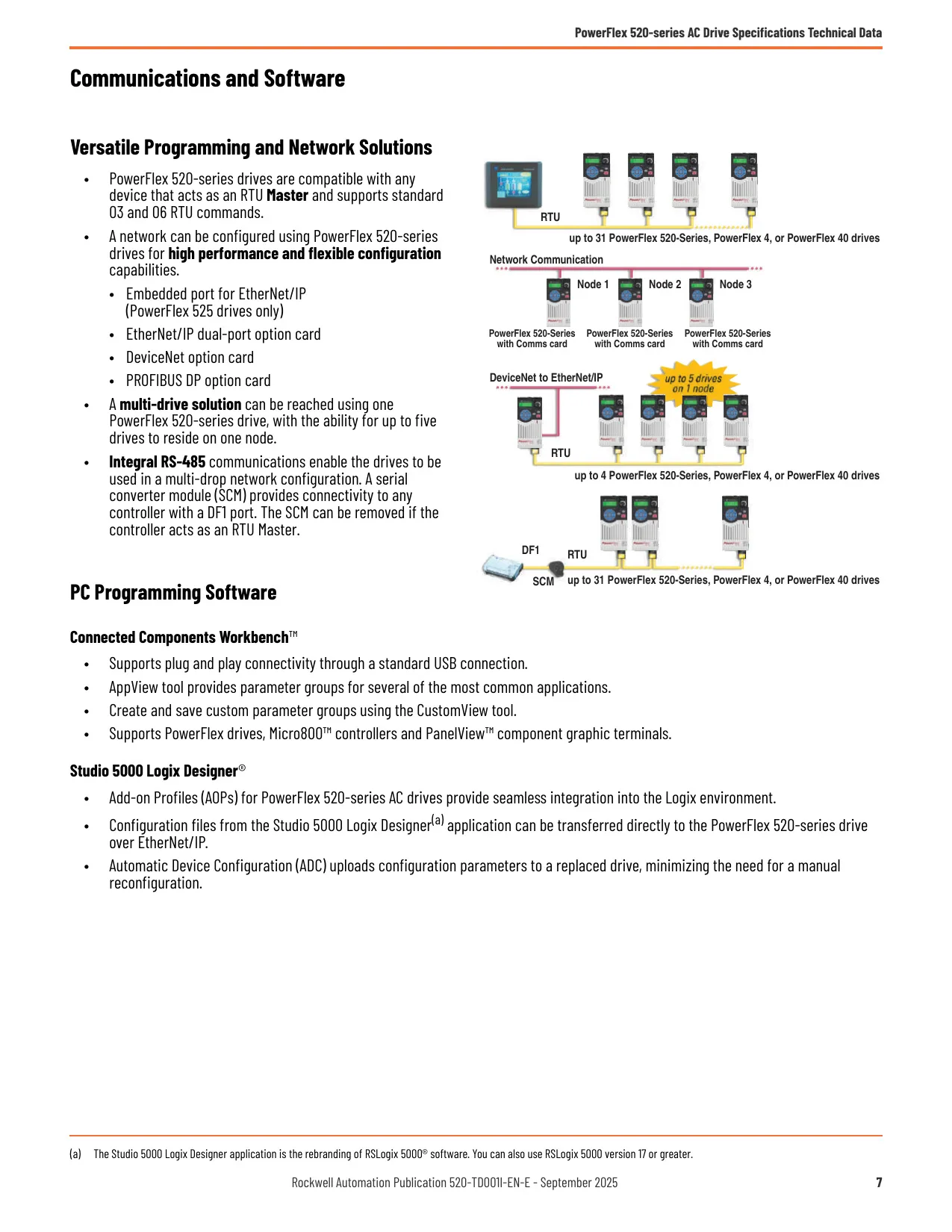
| RS-485 Communication (DSI) | Modbus RTU, 1200-38400 bps |
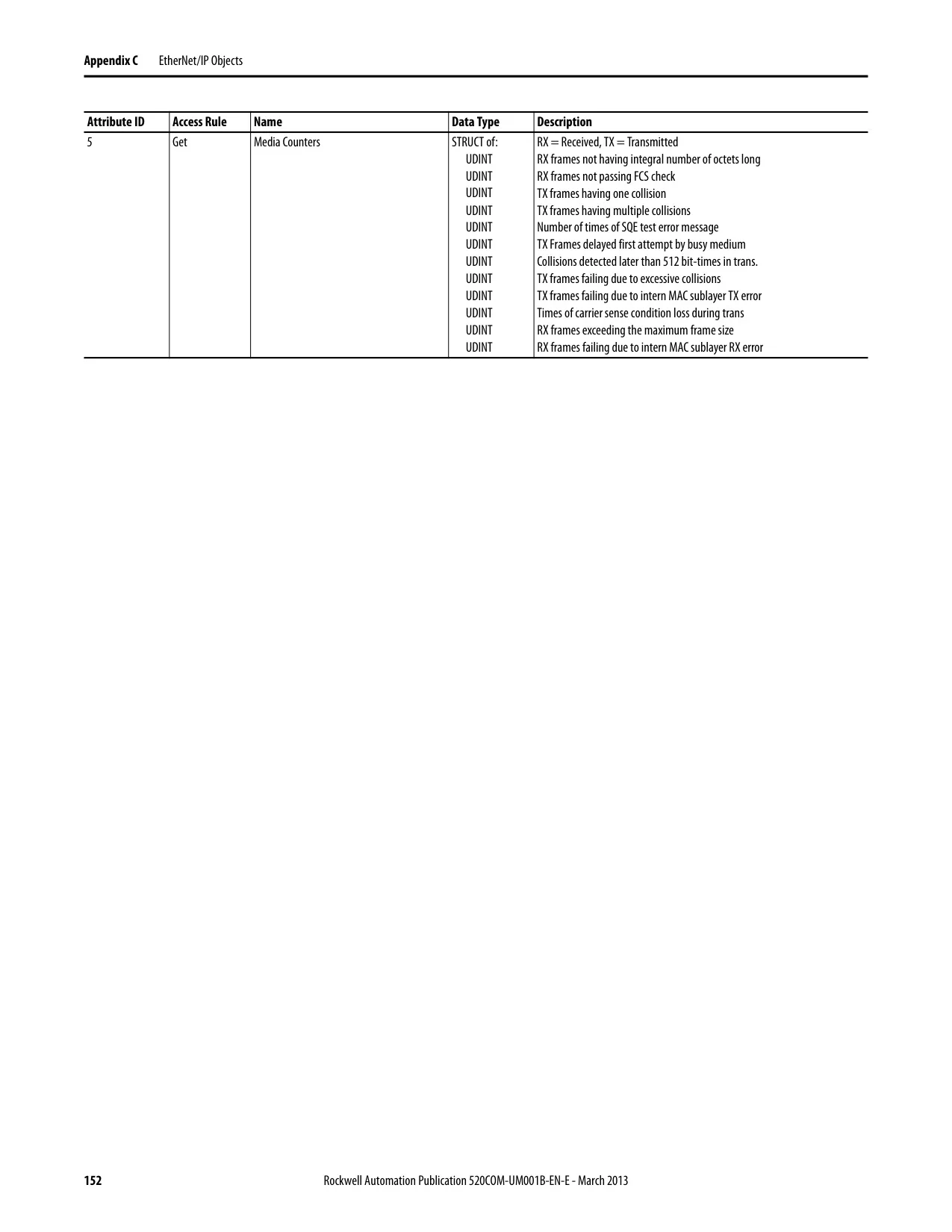
| EtherNet/IP Communication | Embedded, Auto, 10/100 Mbps Half/Full Duplex |
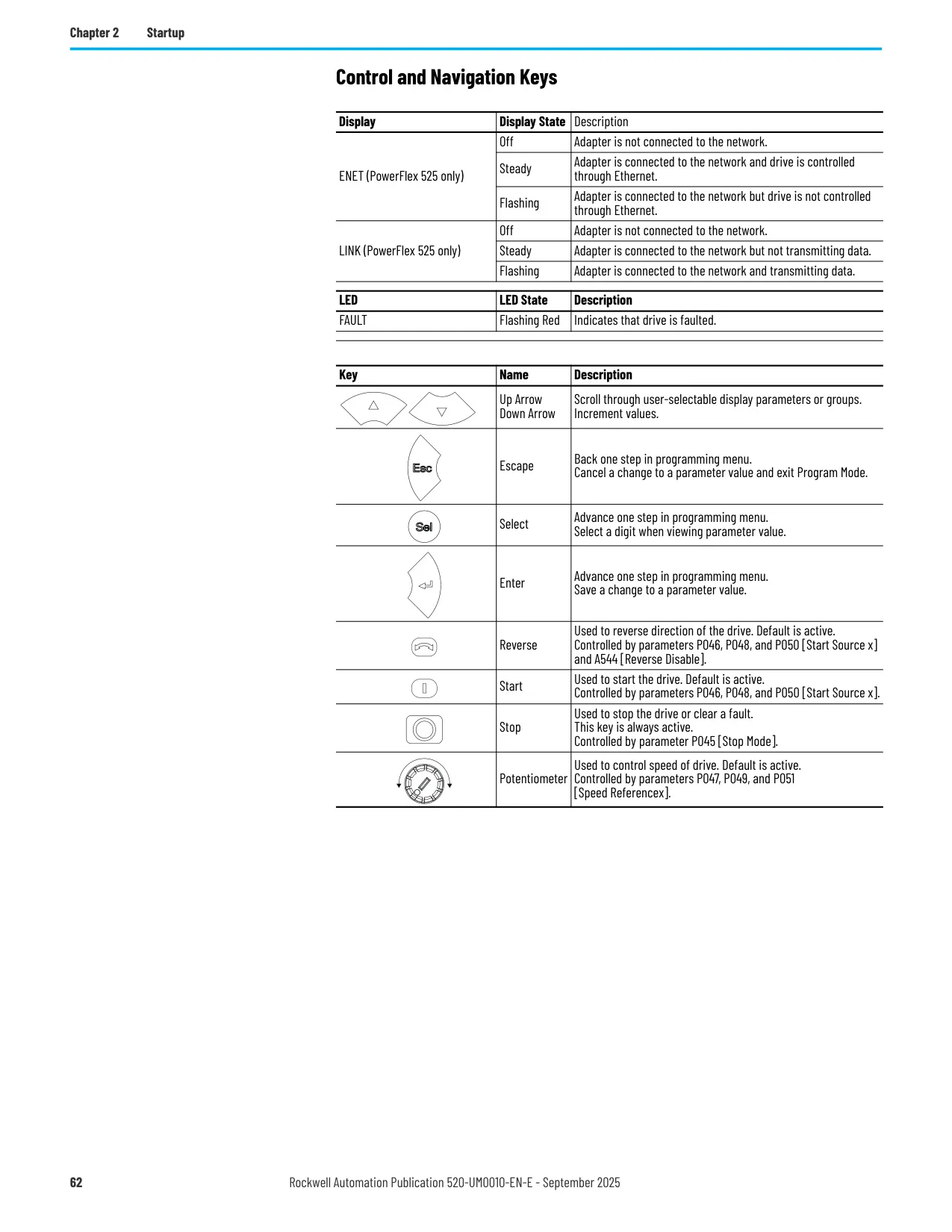
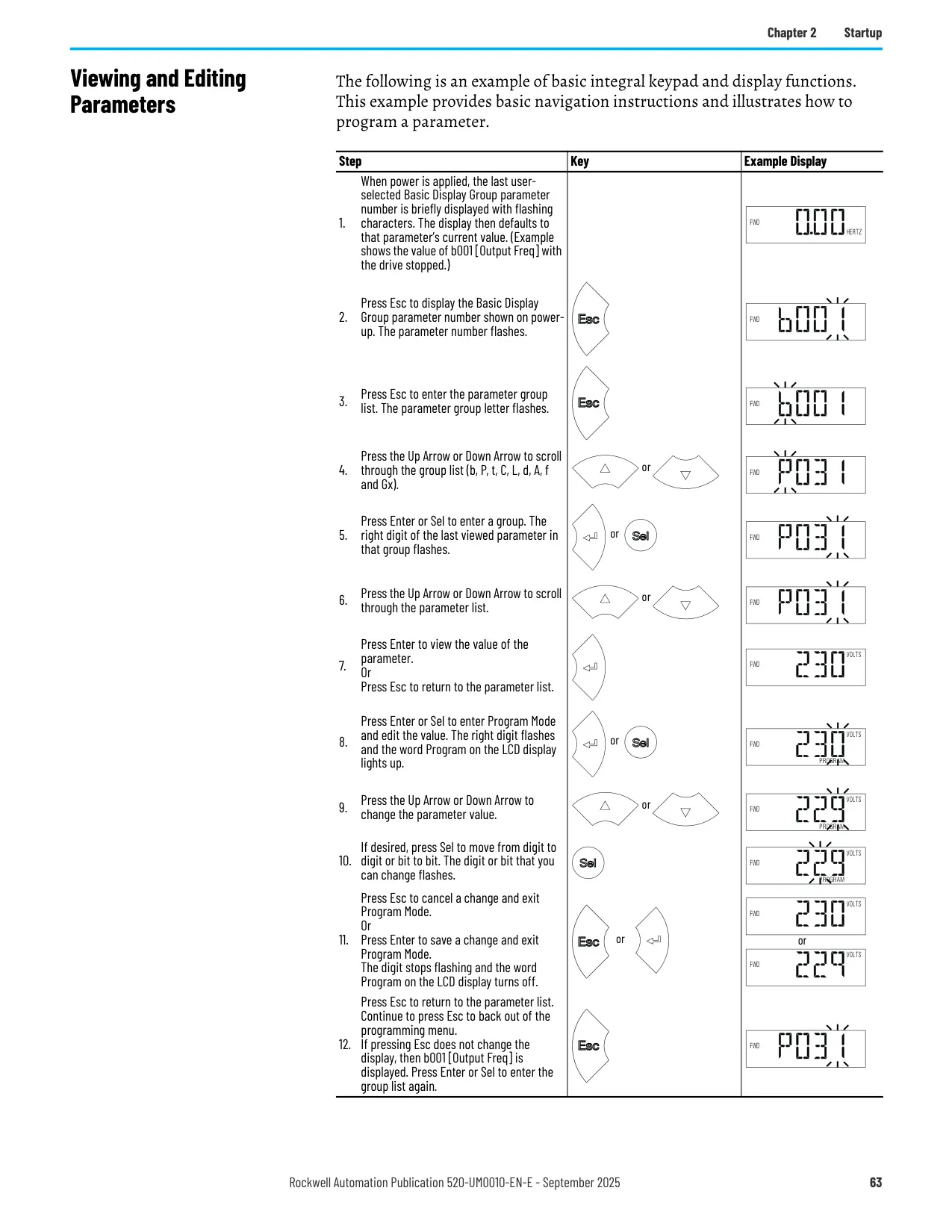
| MainsFree™ Programming | Yes, via USB Type B |
Allen-Bradley Powerflex 525 Details
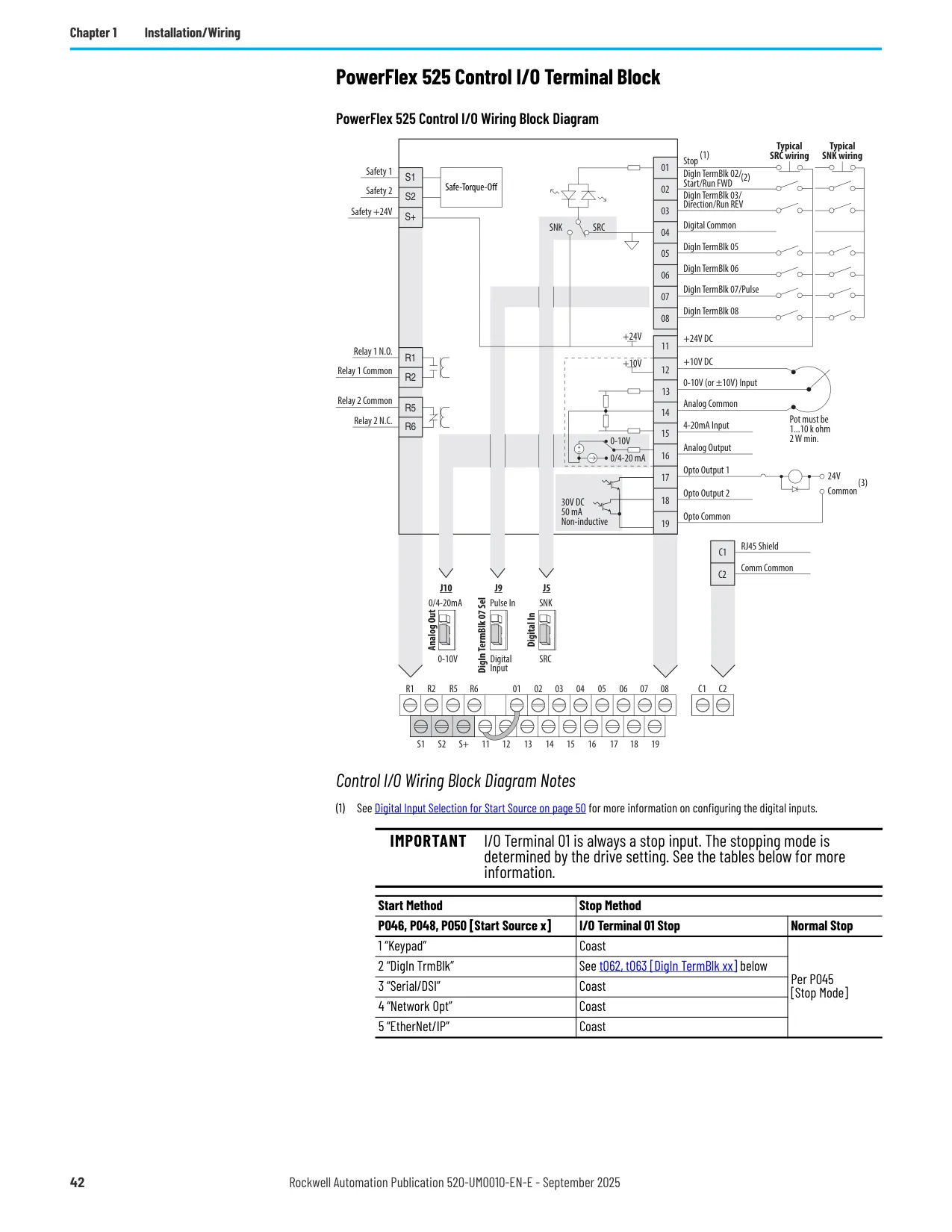
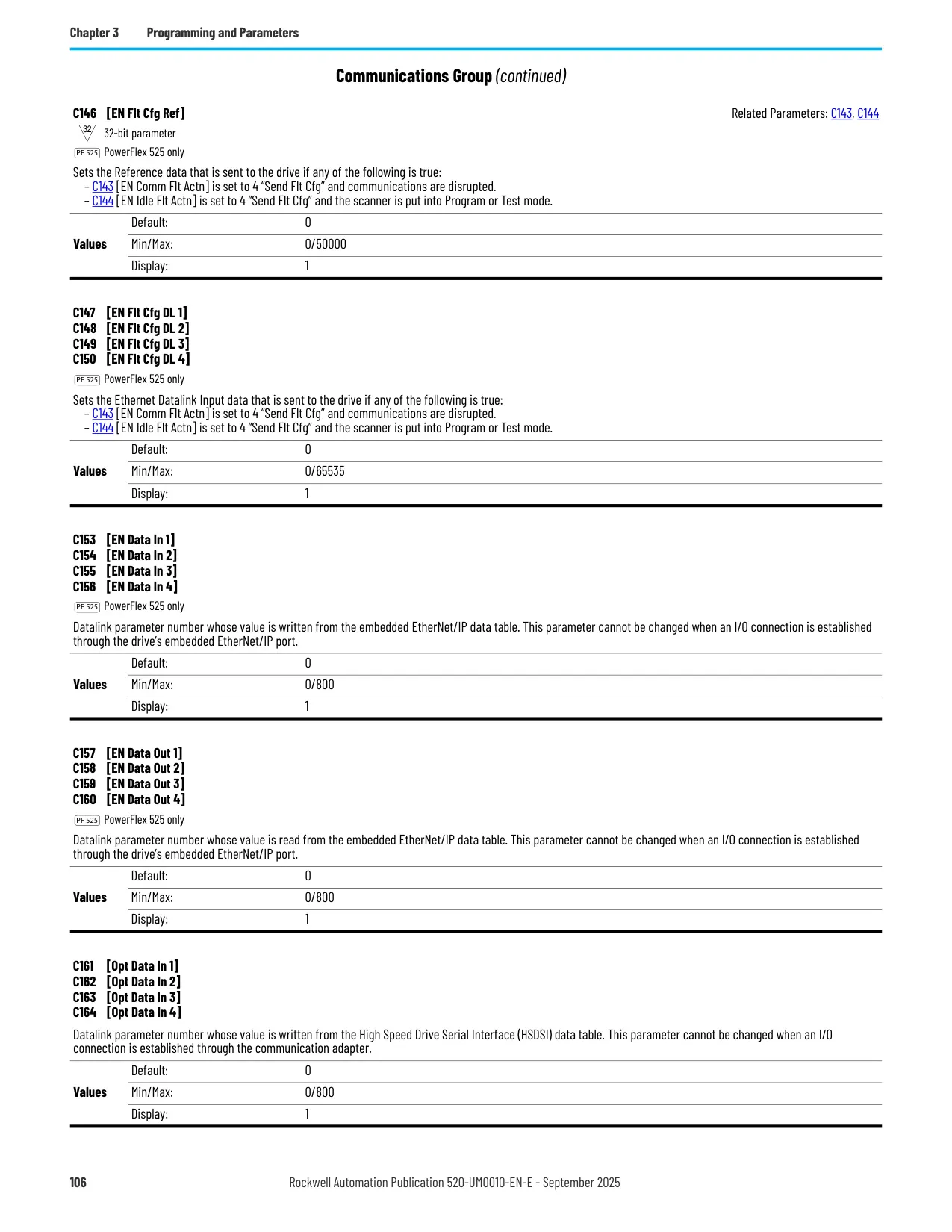
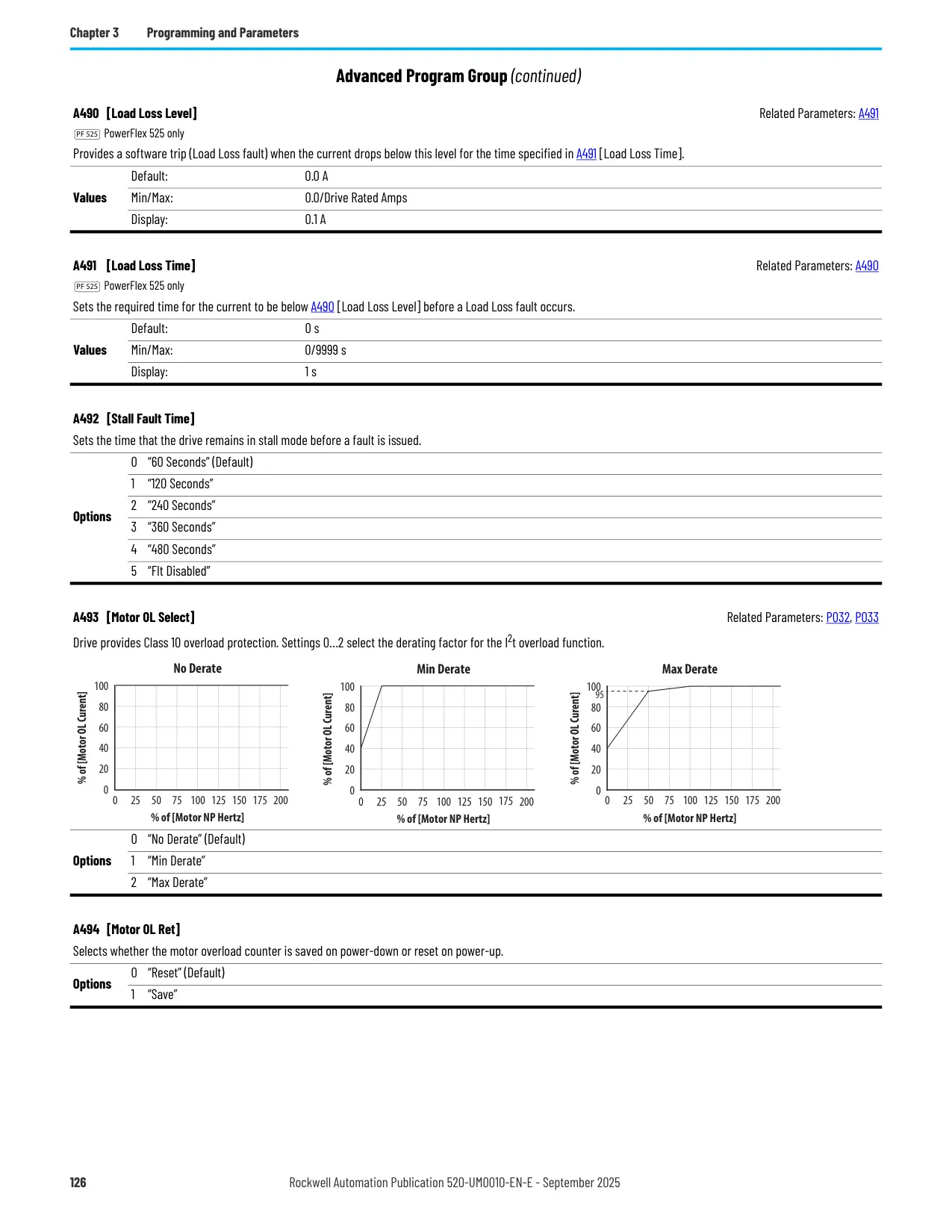
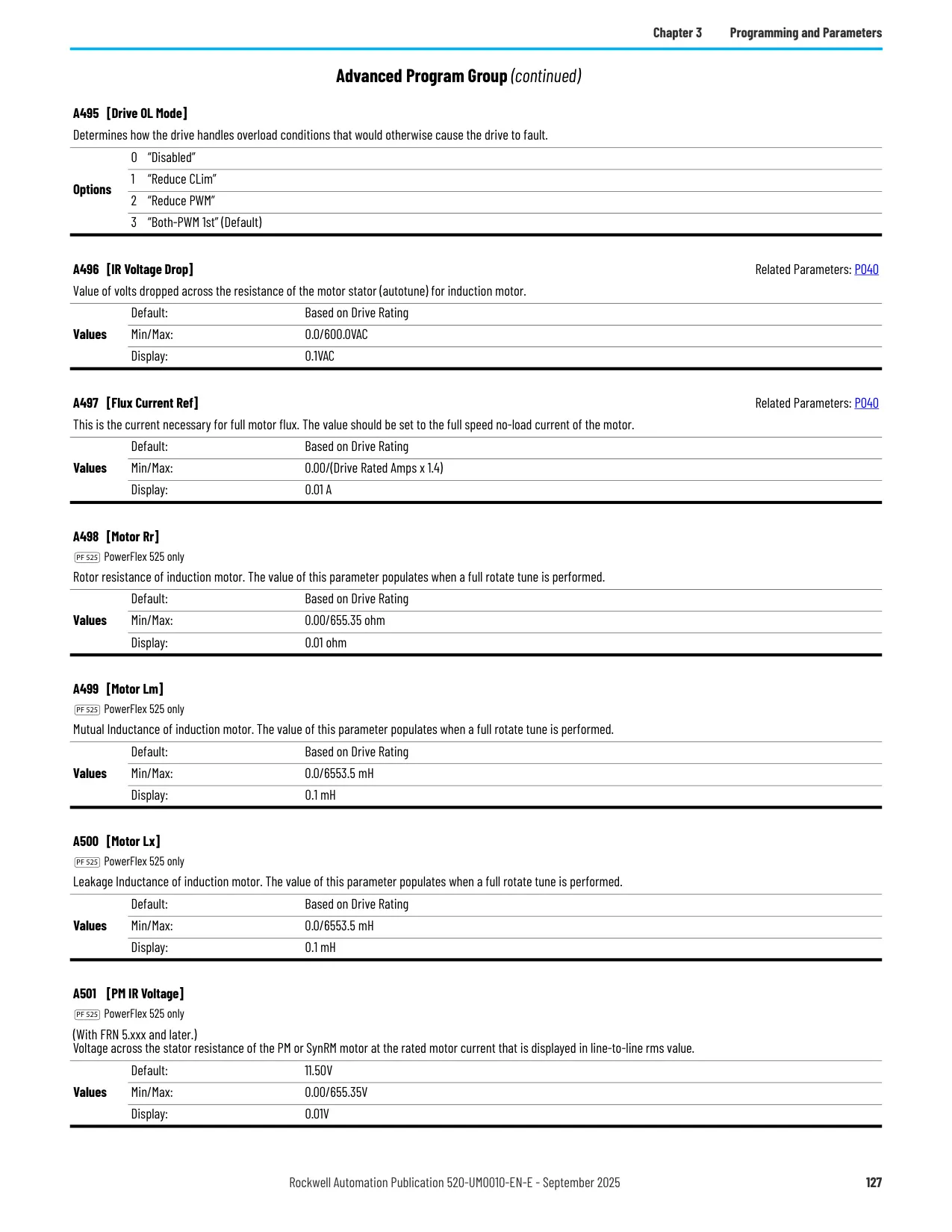
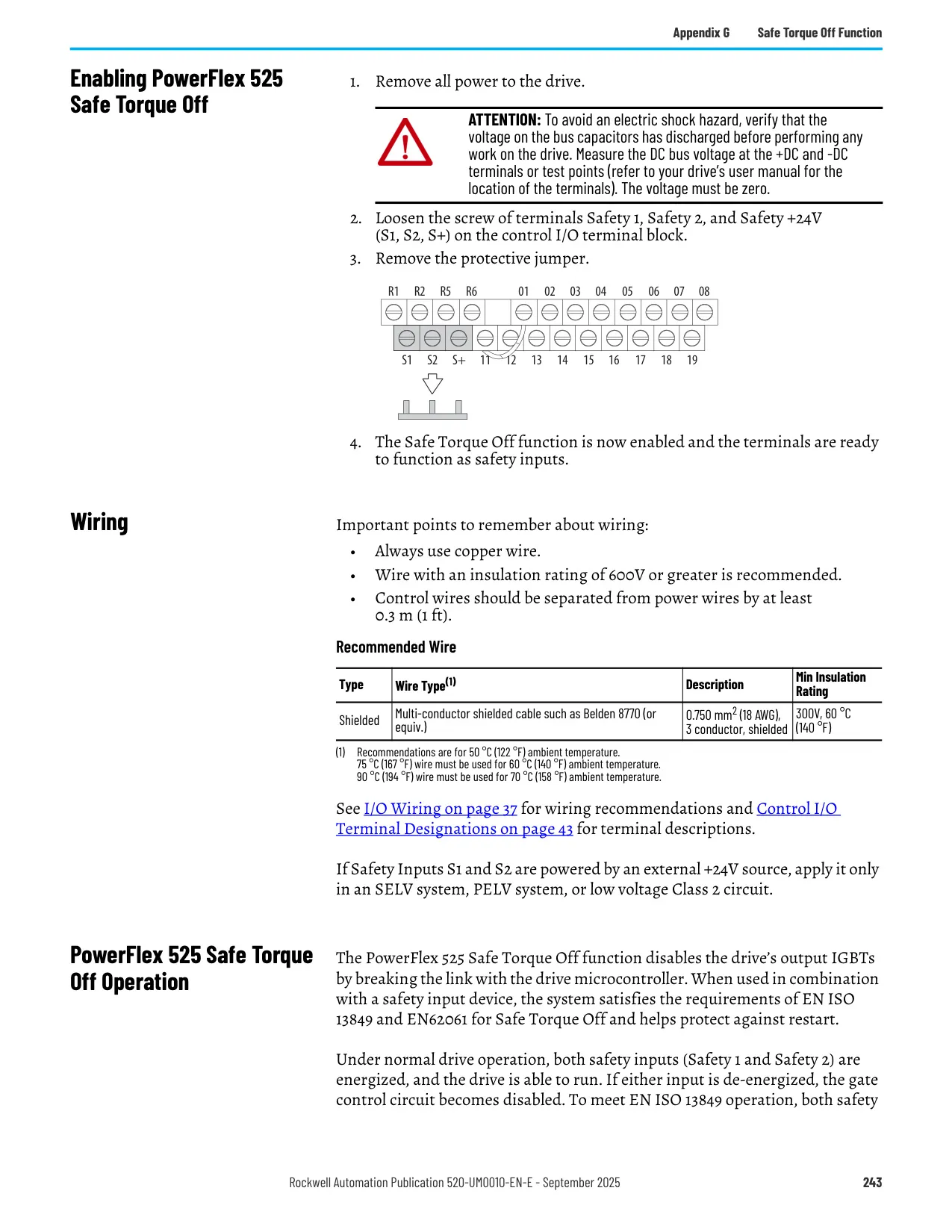
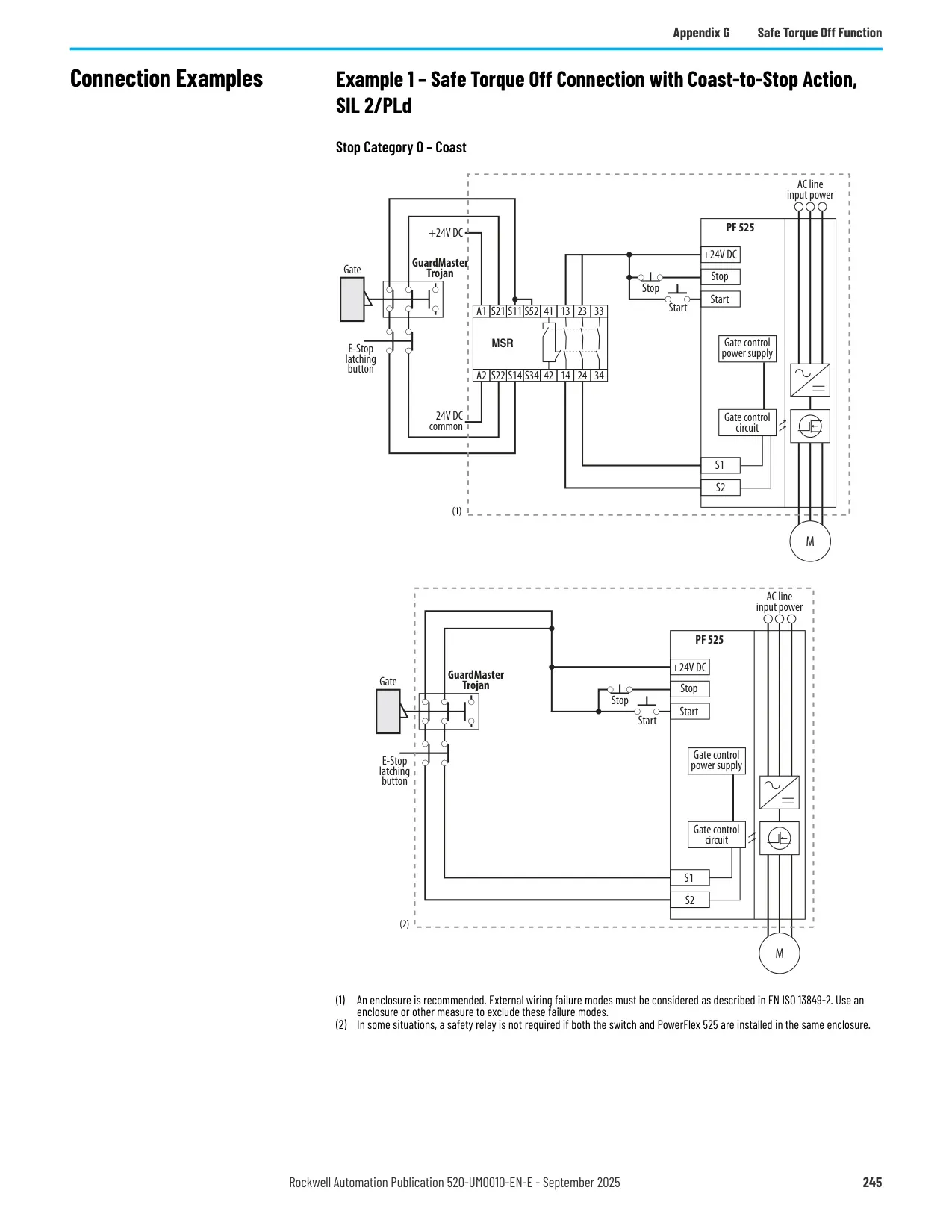
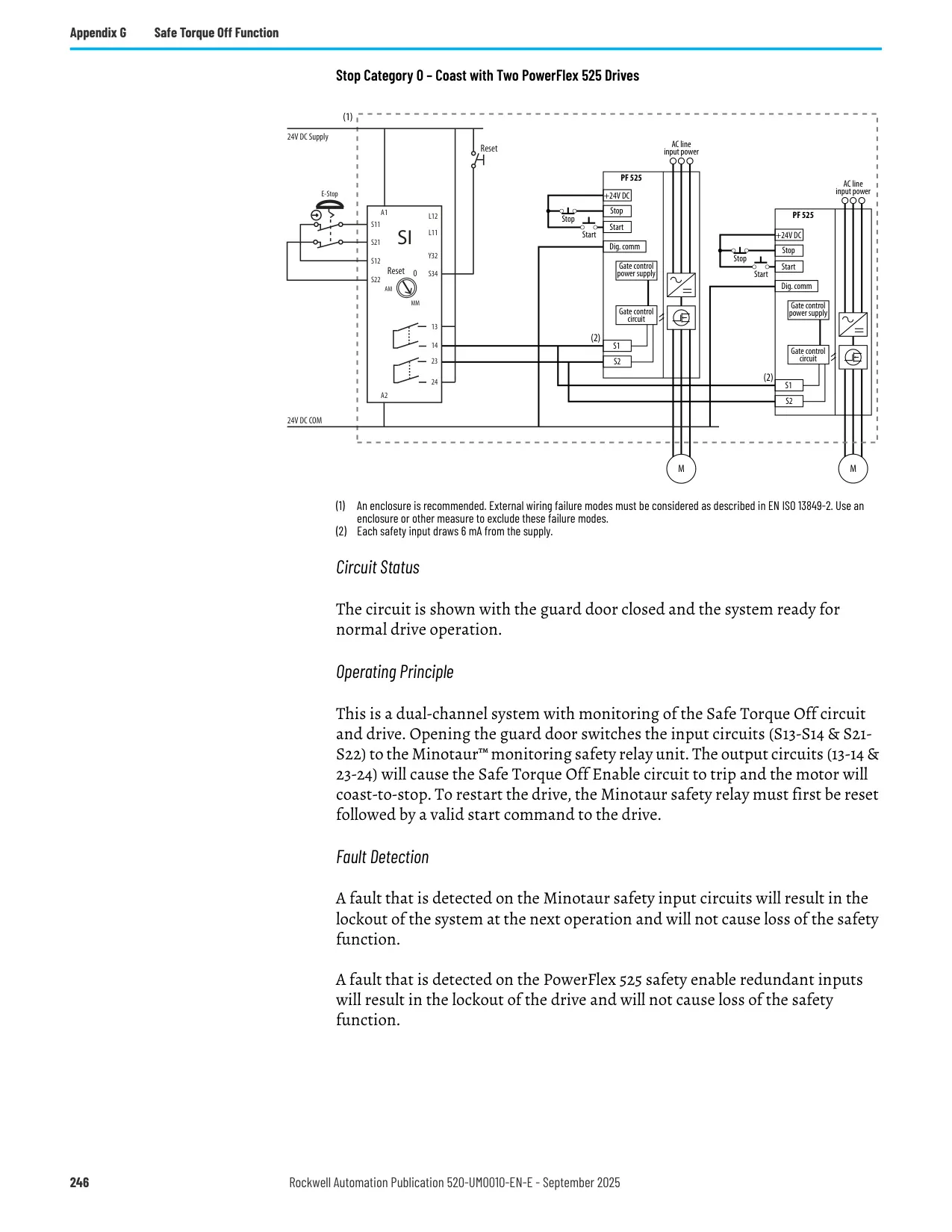
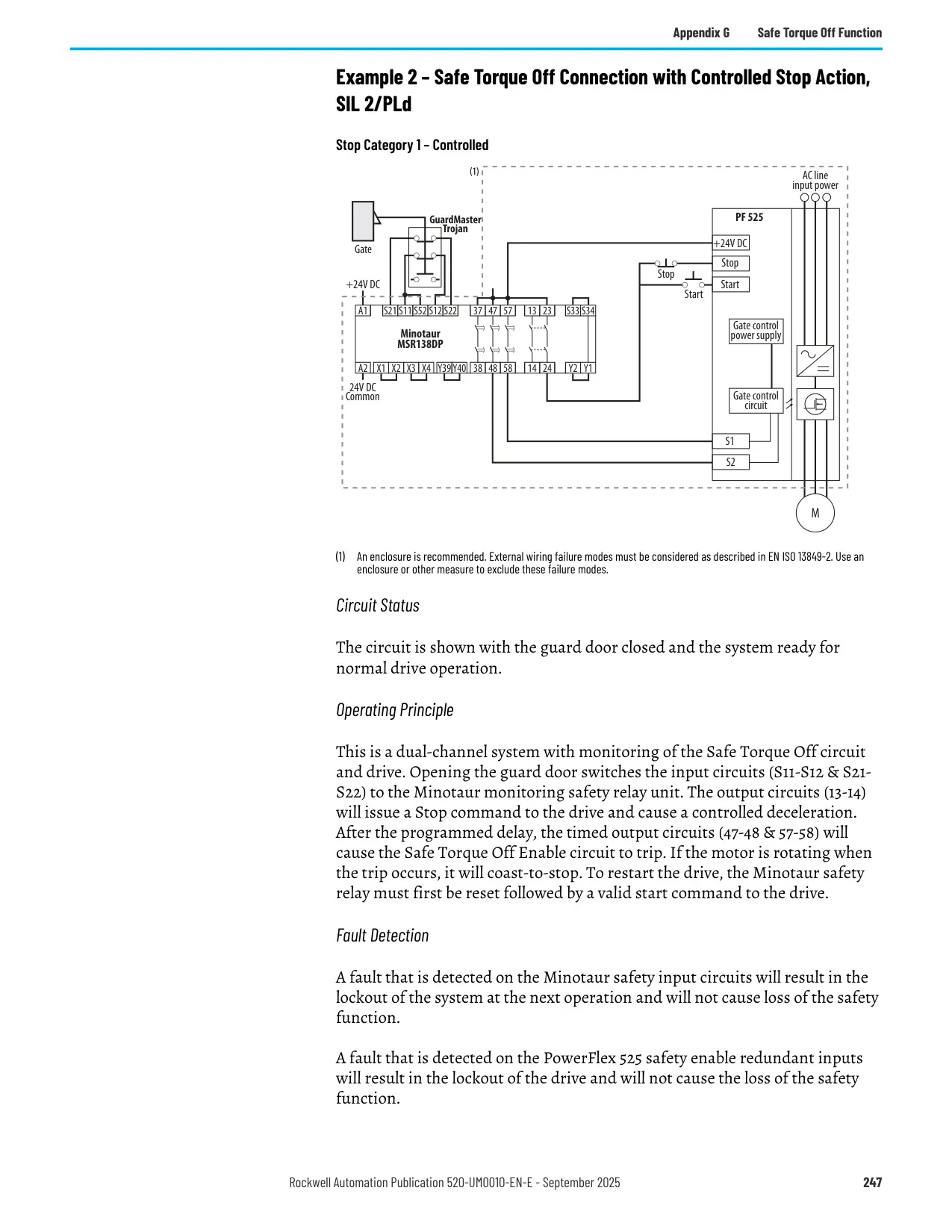
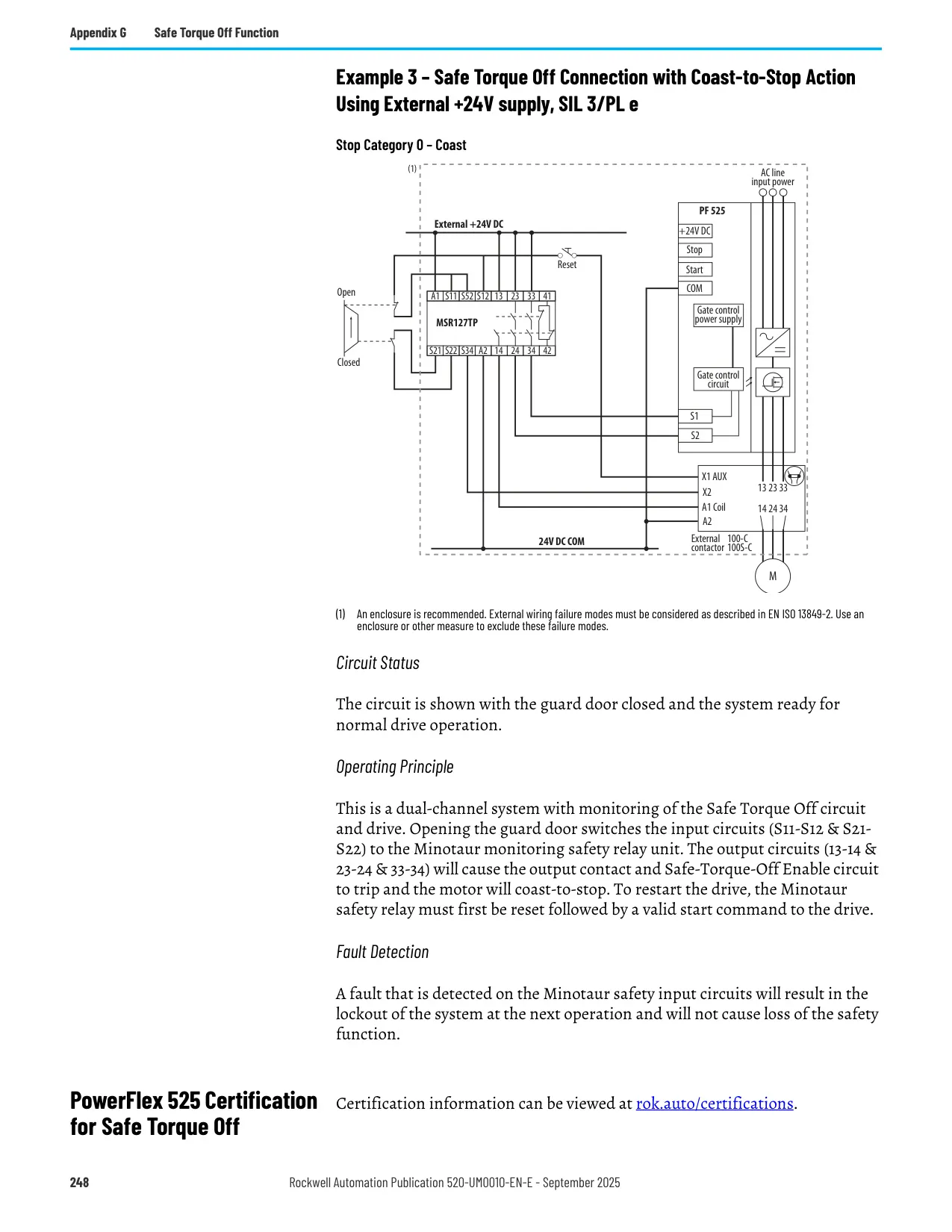
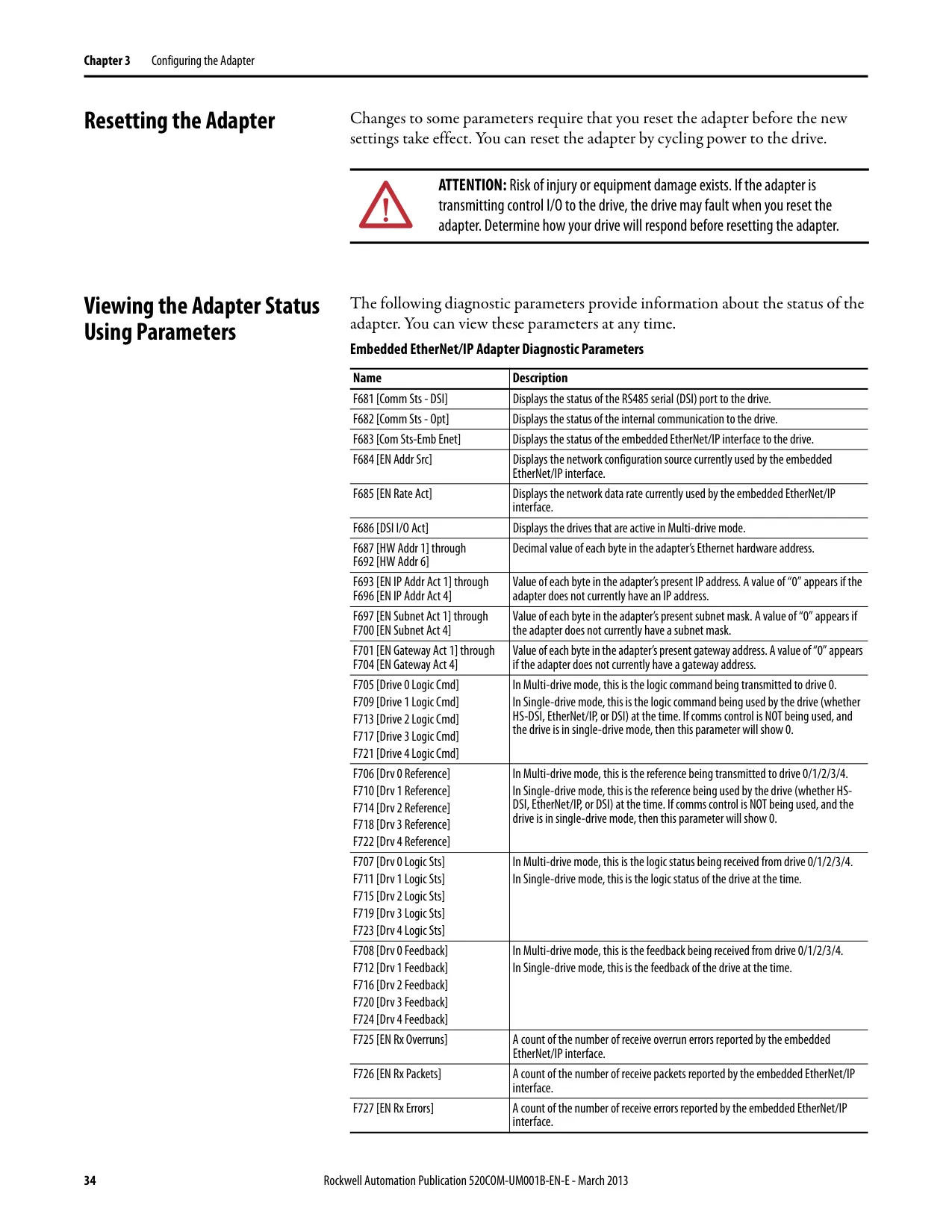
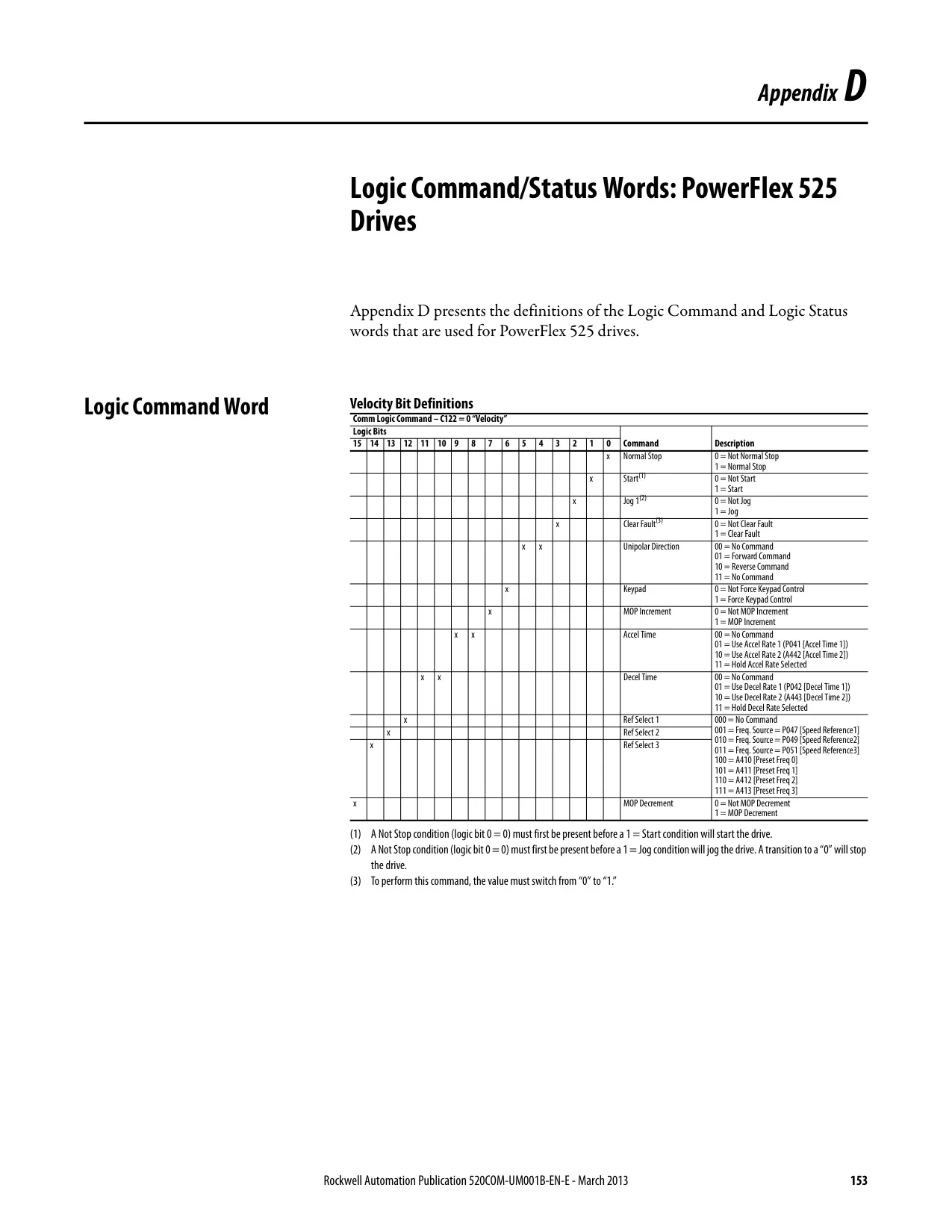
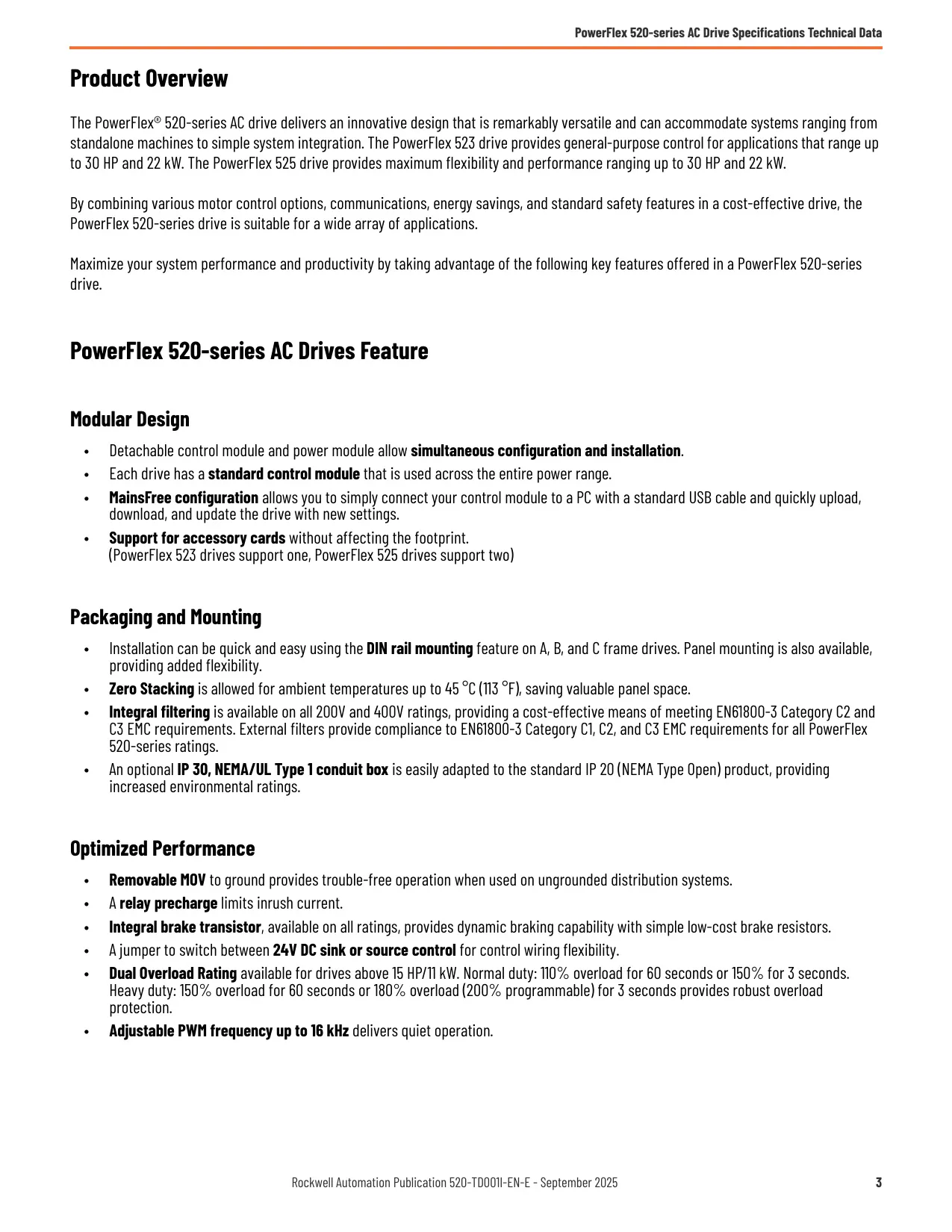
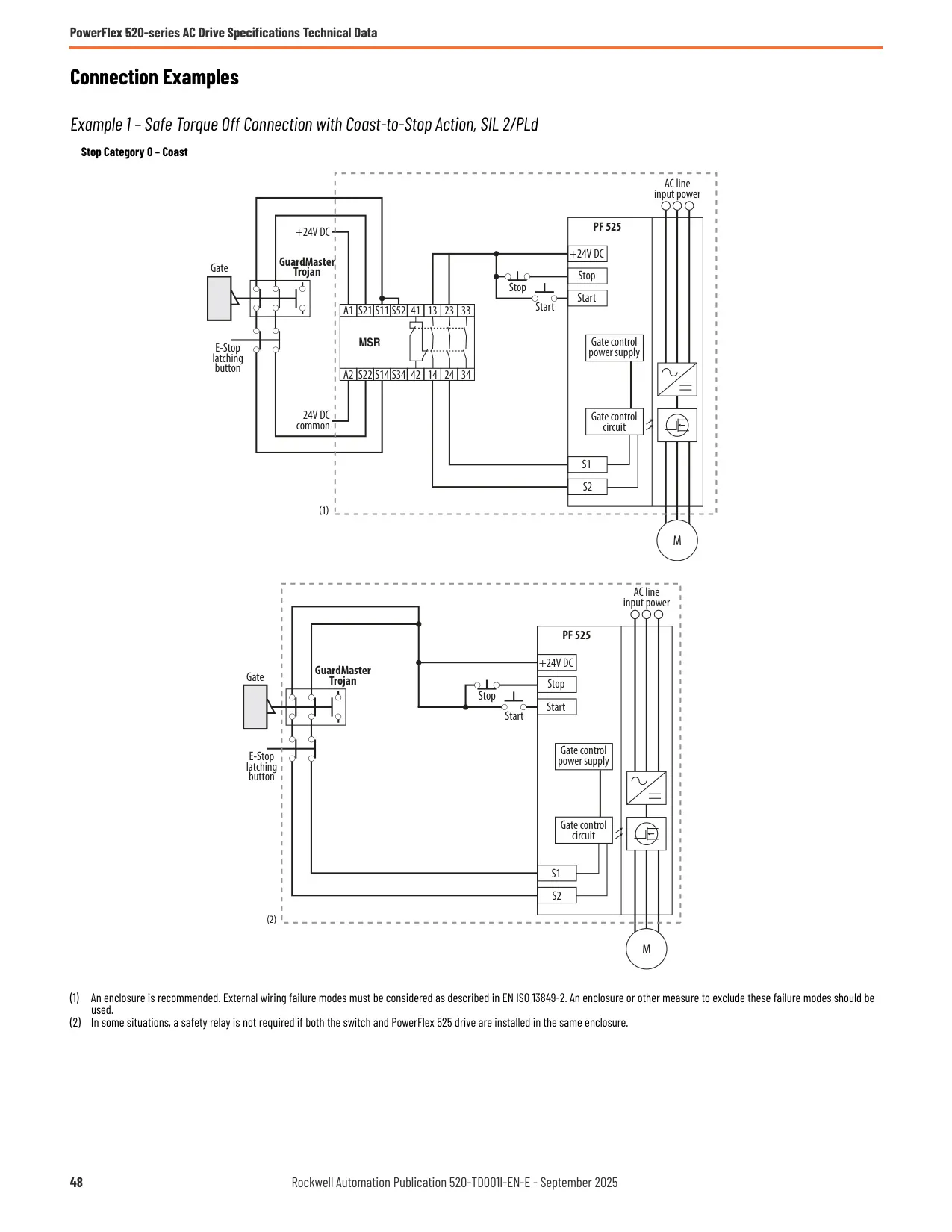
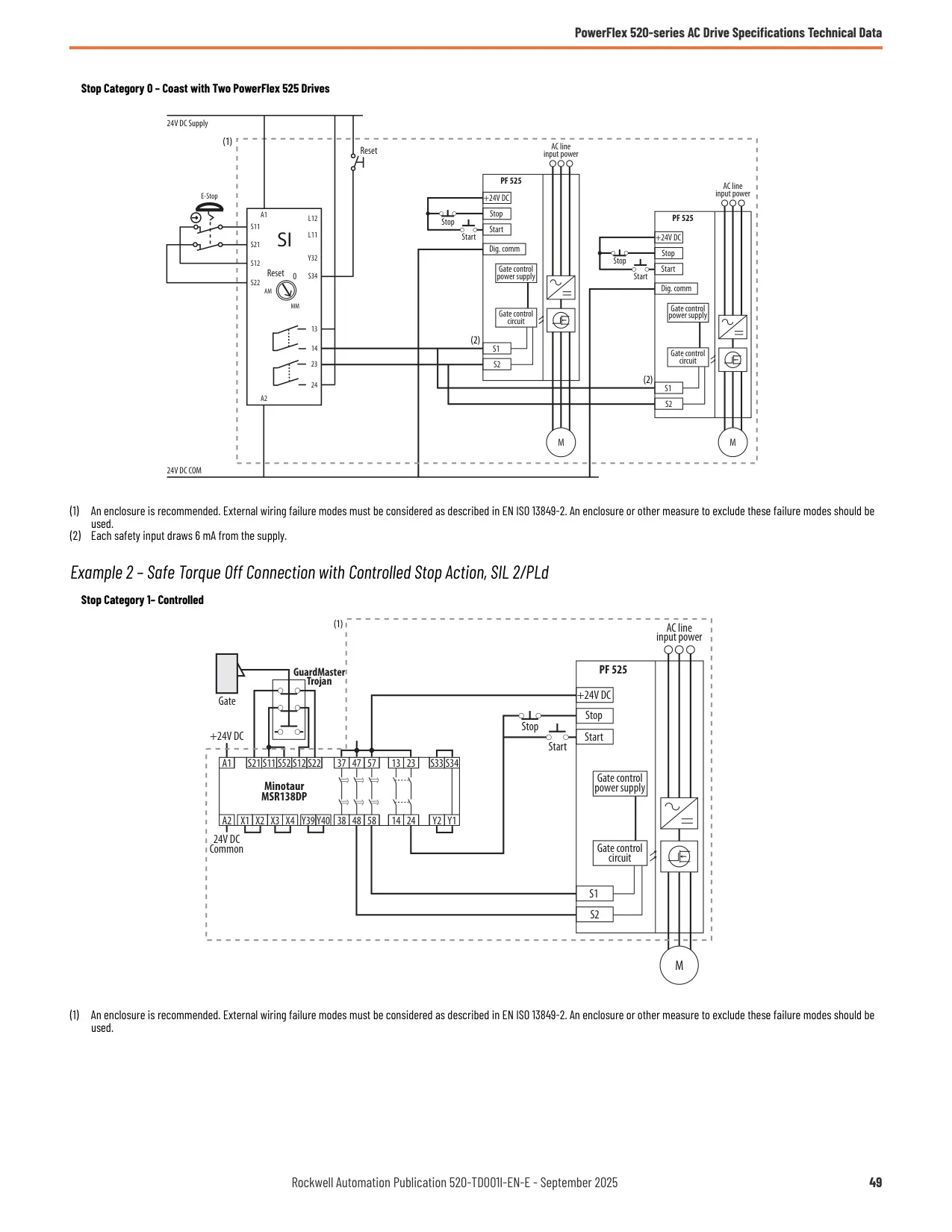
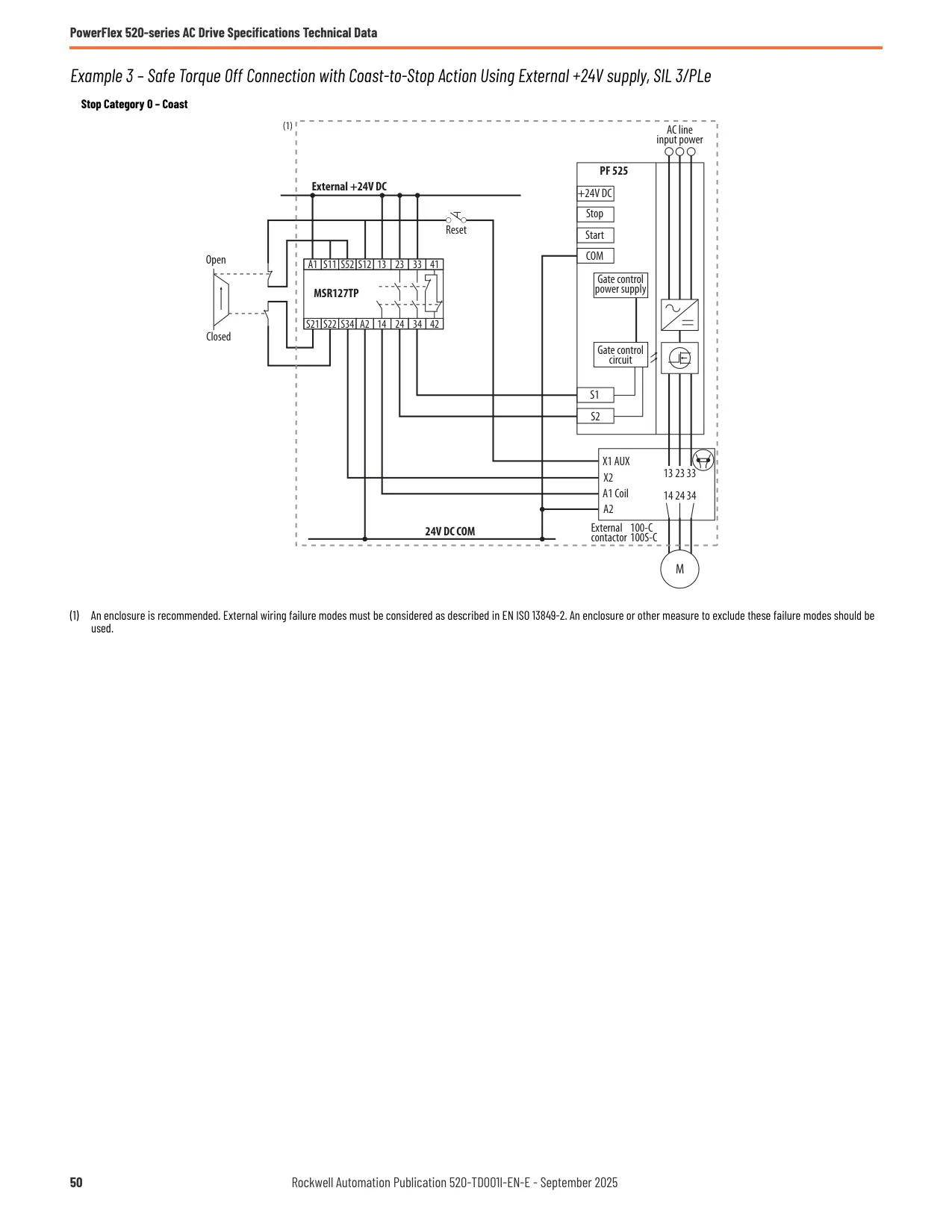
The Allen-Bradley PowerFlex 525 stands out for its advanced control capabilities and connectivity options, designed for a wide range of industrial applications. A key feature is the Safe Torque Off (STO) function, which complies with safety standards such as EN ISO 13849-2.
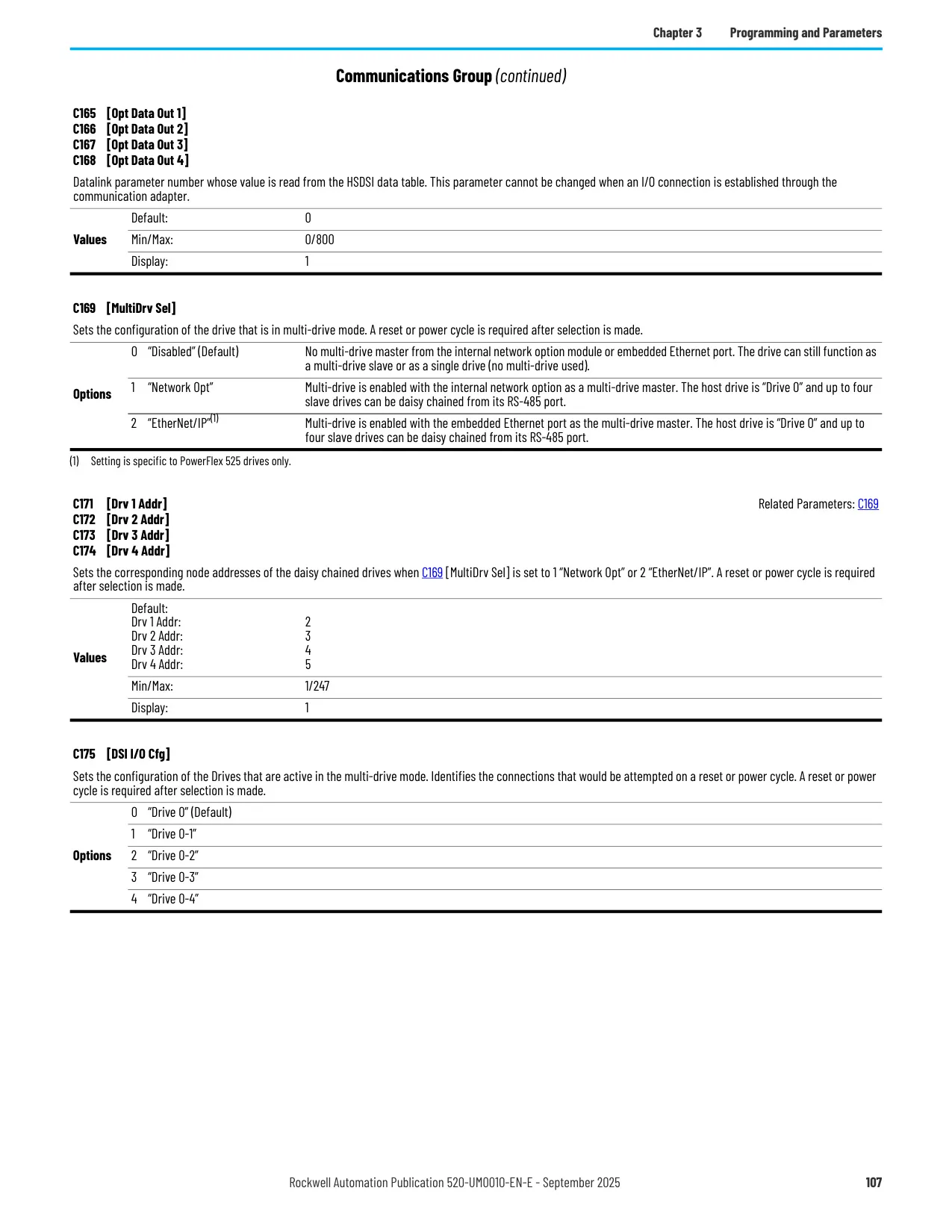
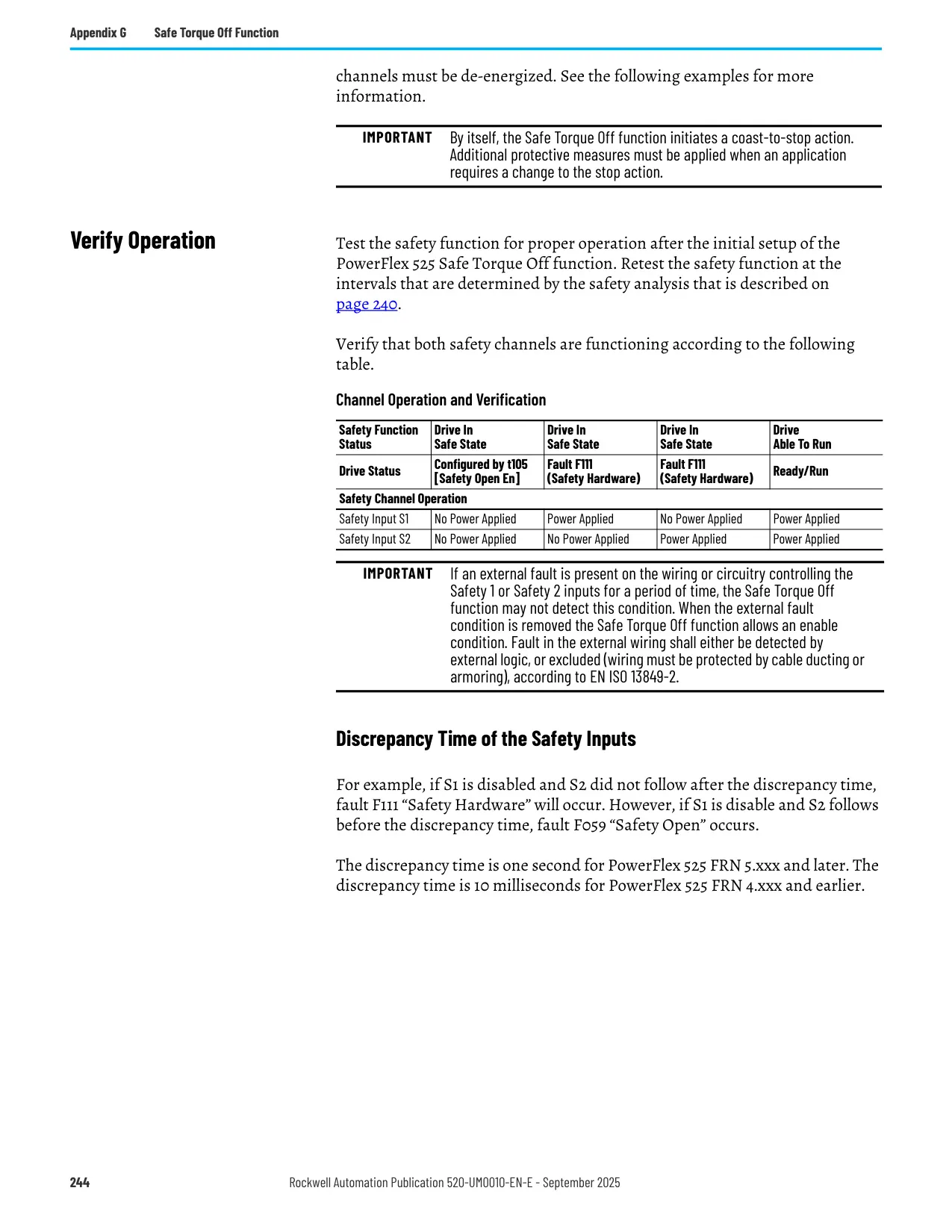
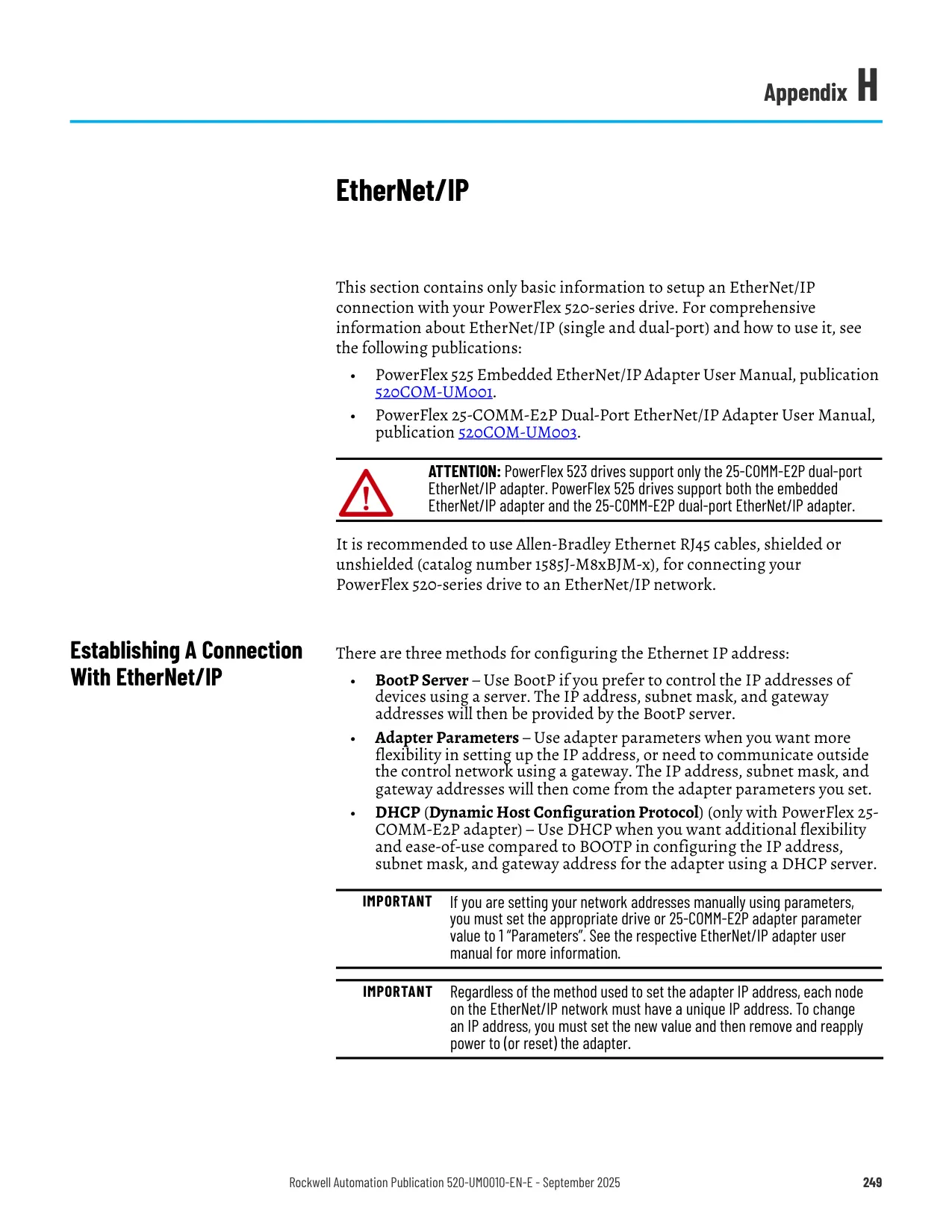
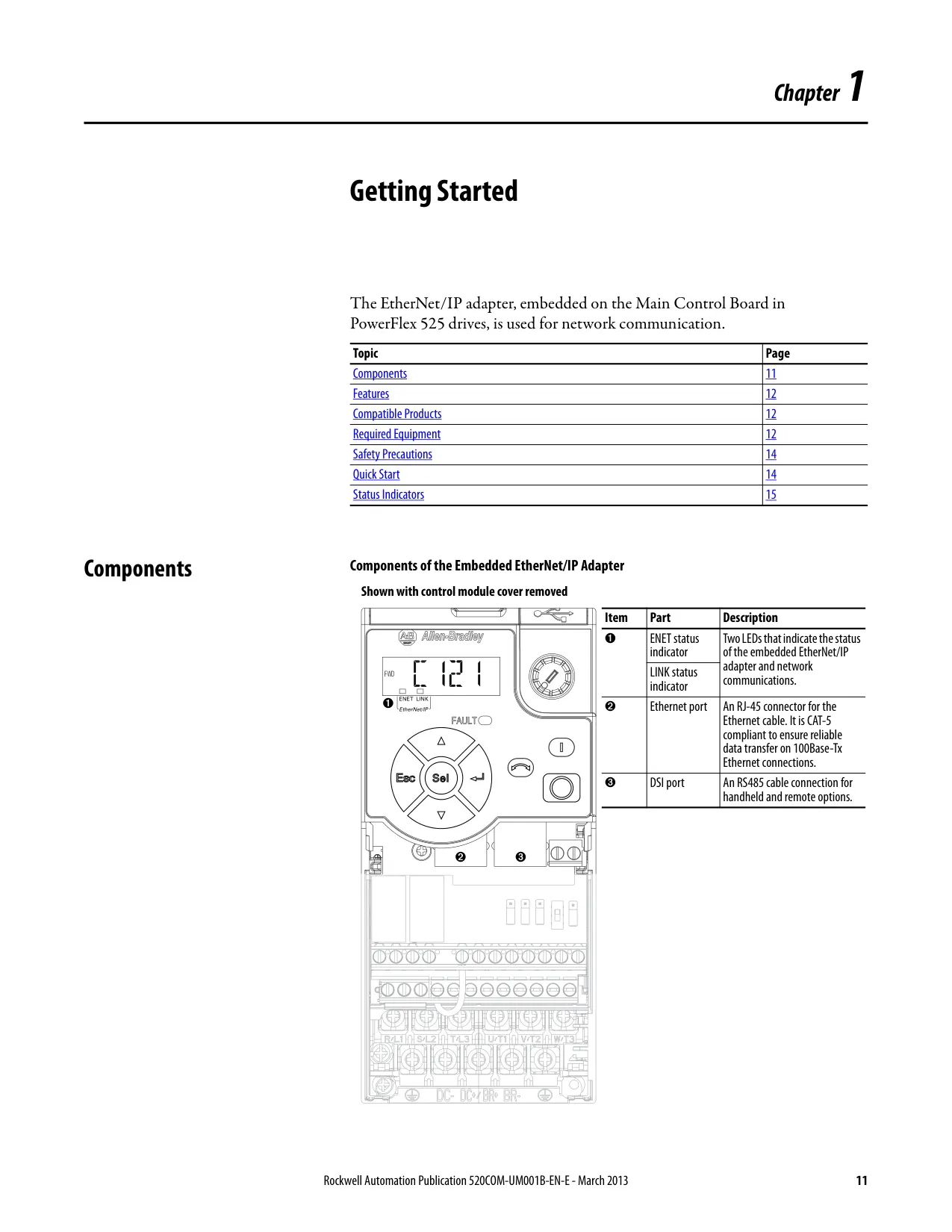
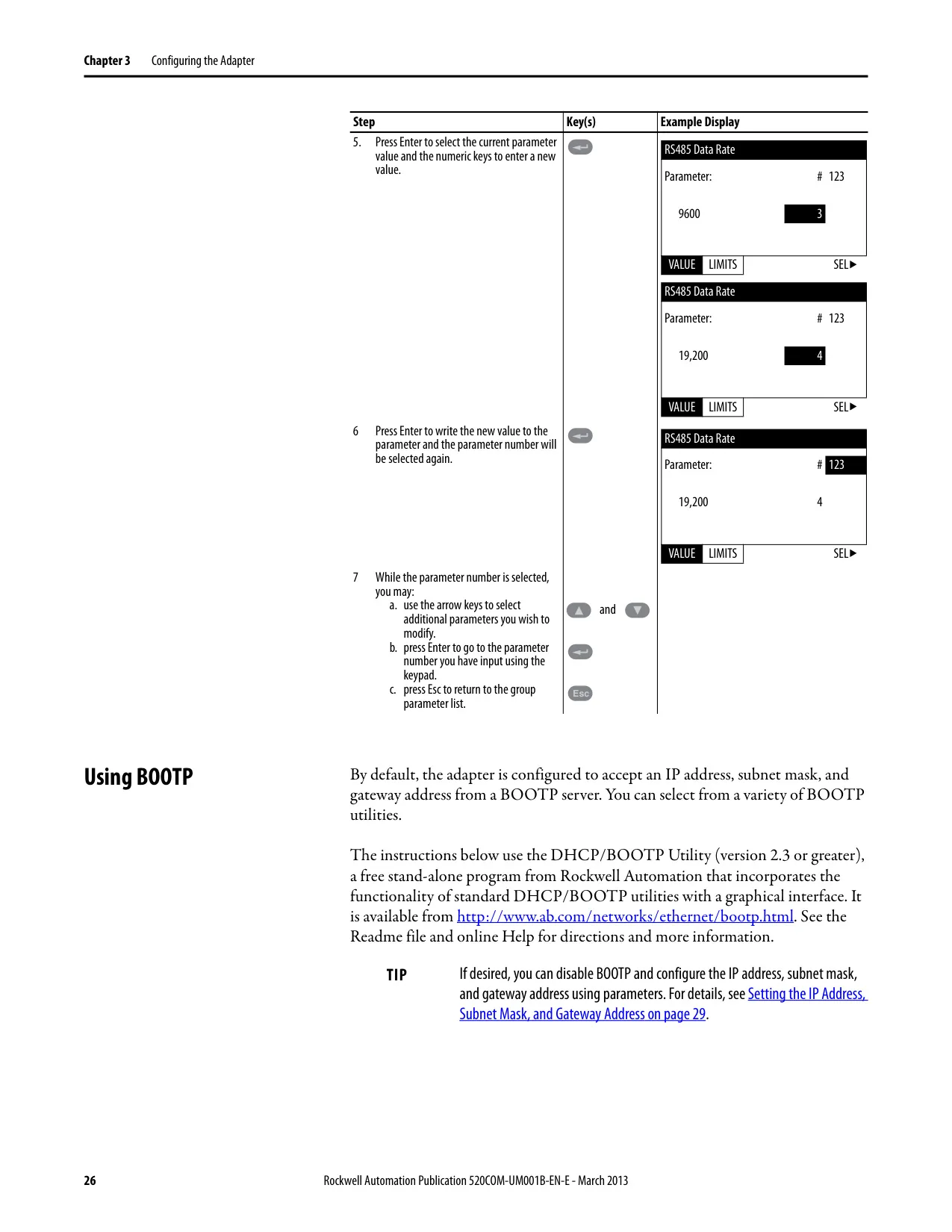
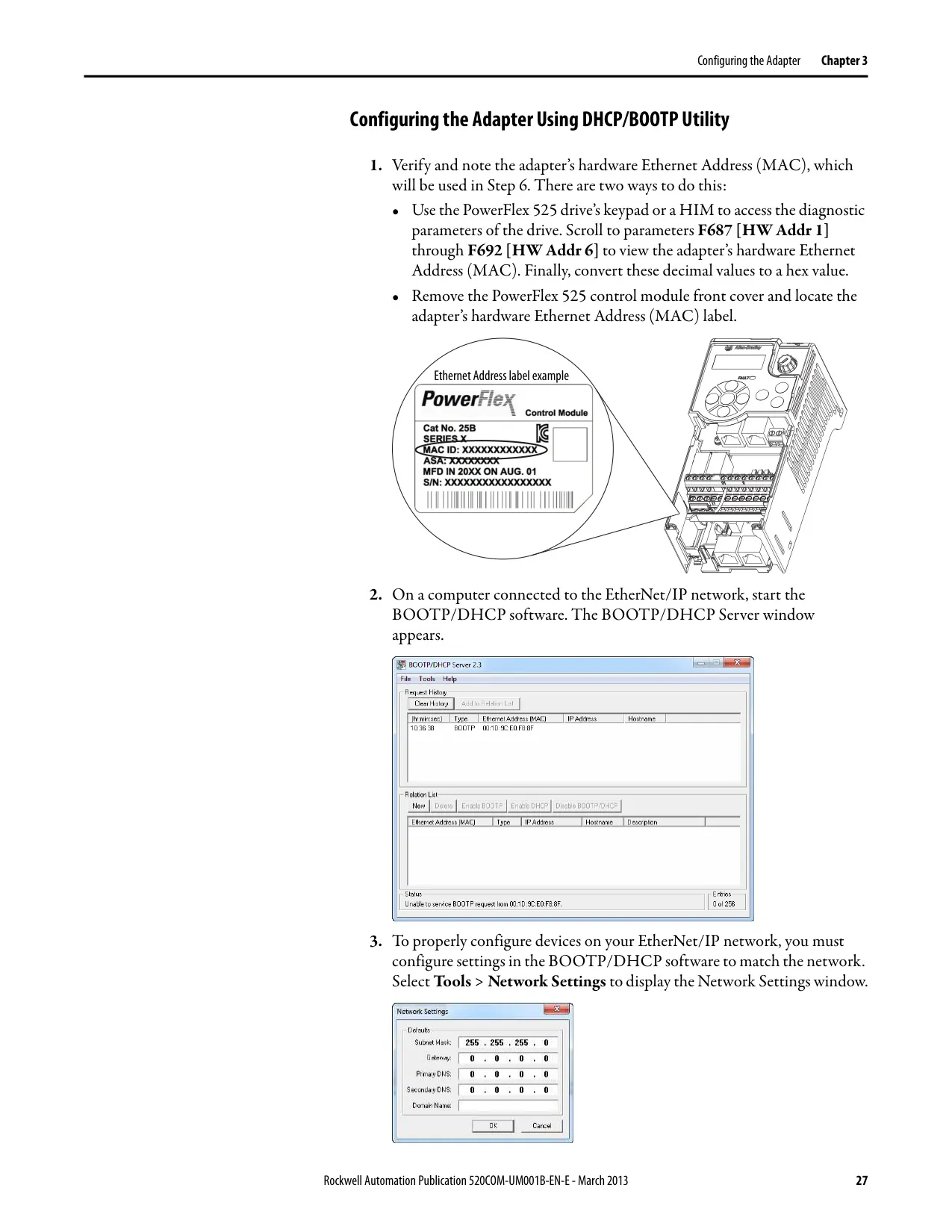
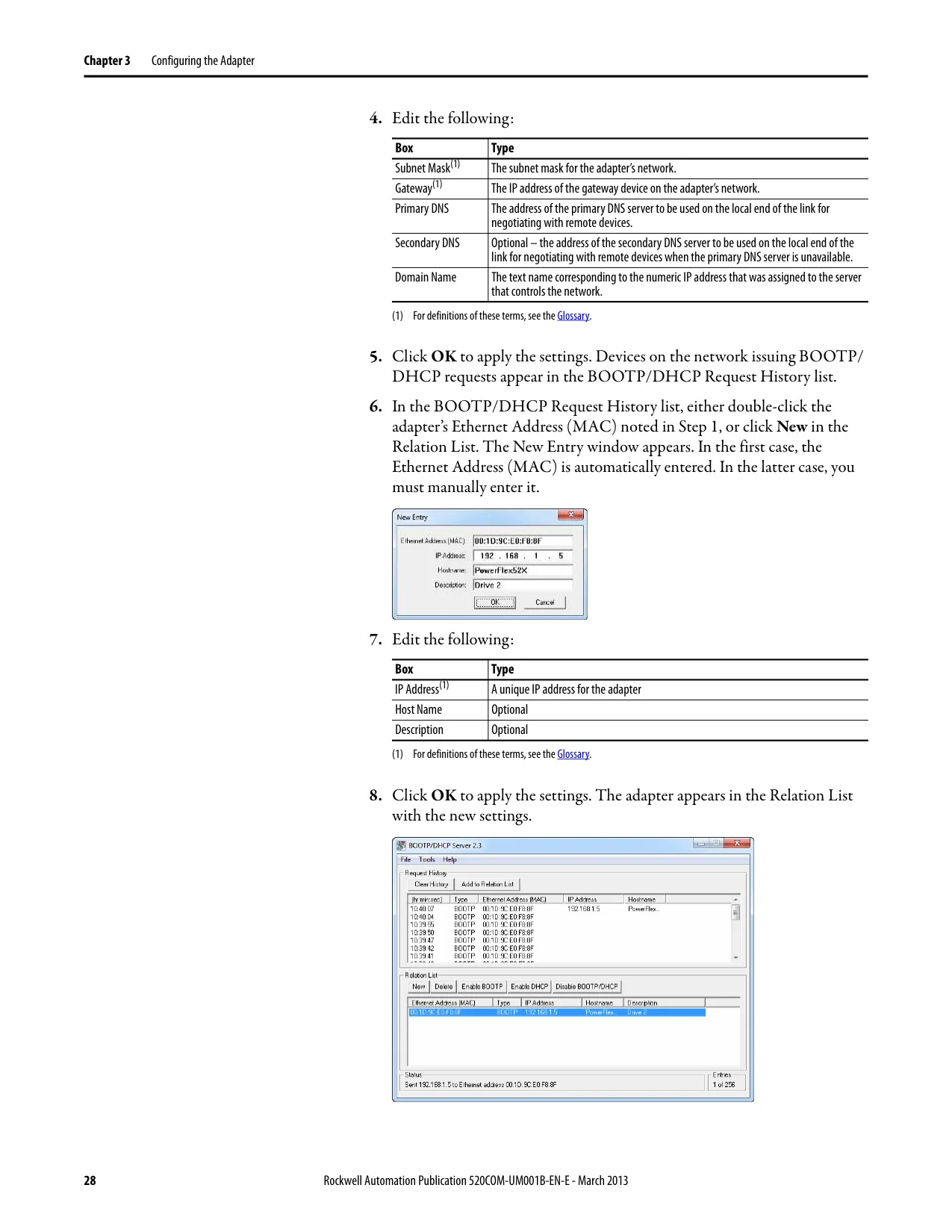
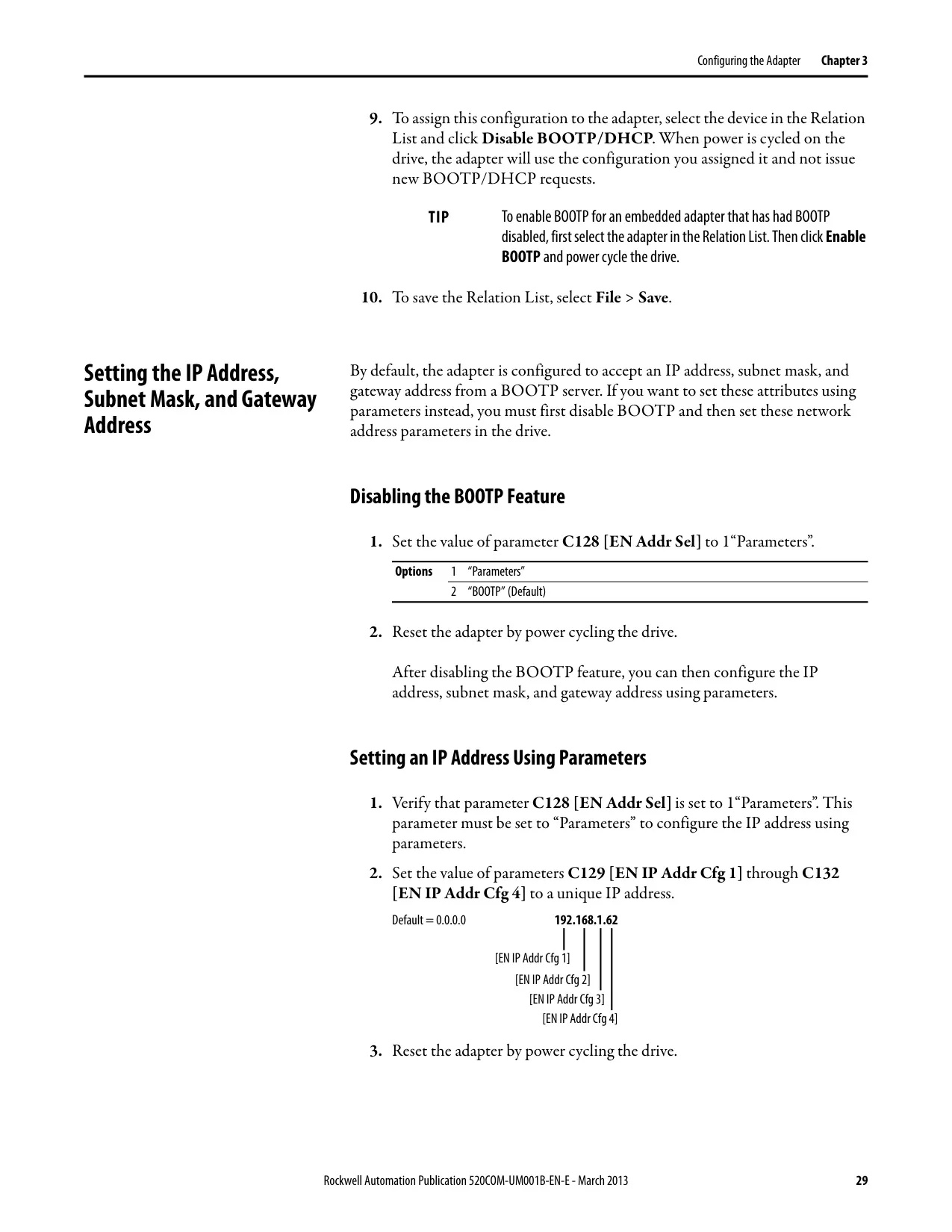
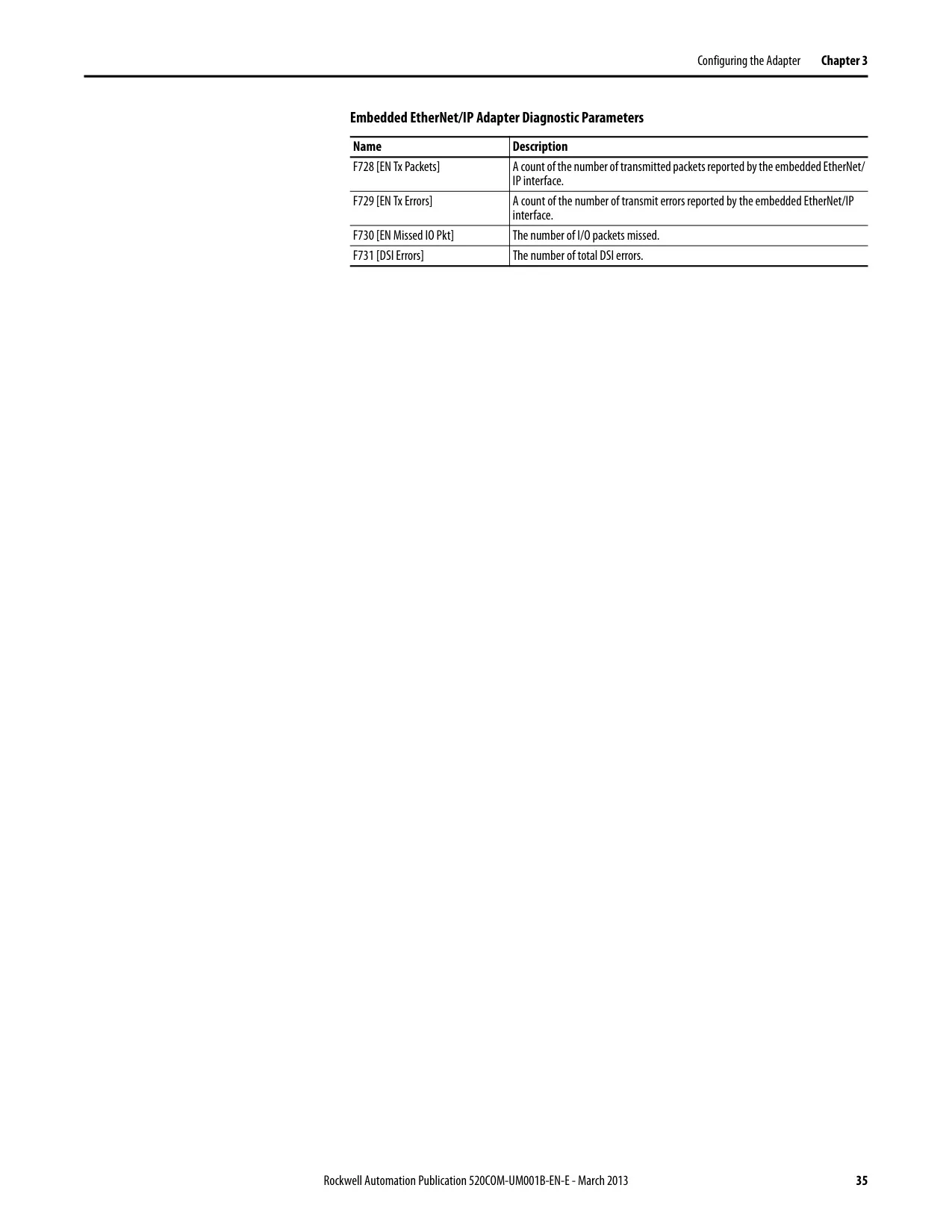
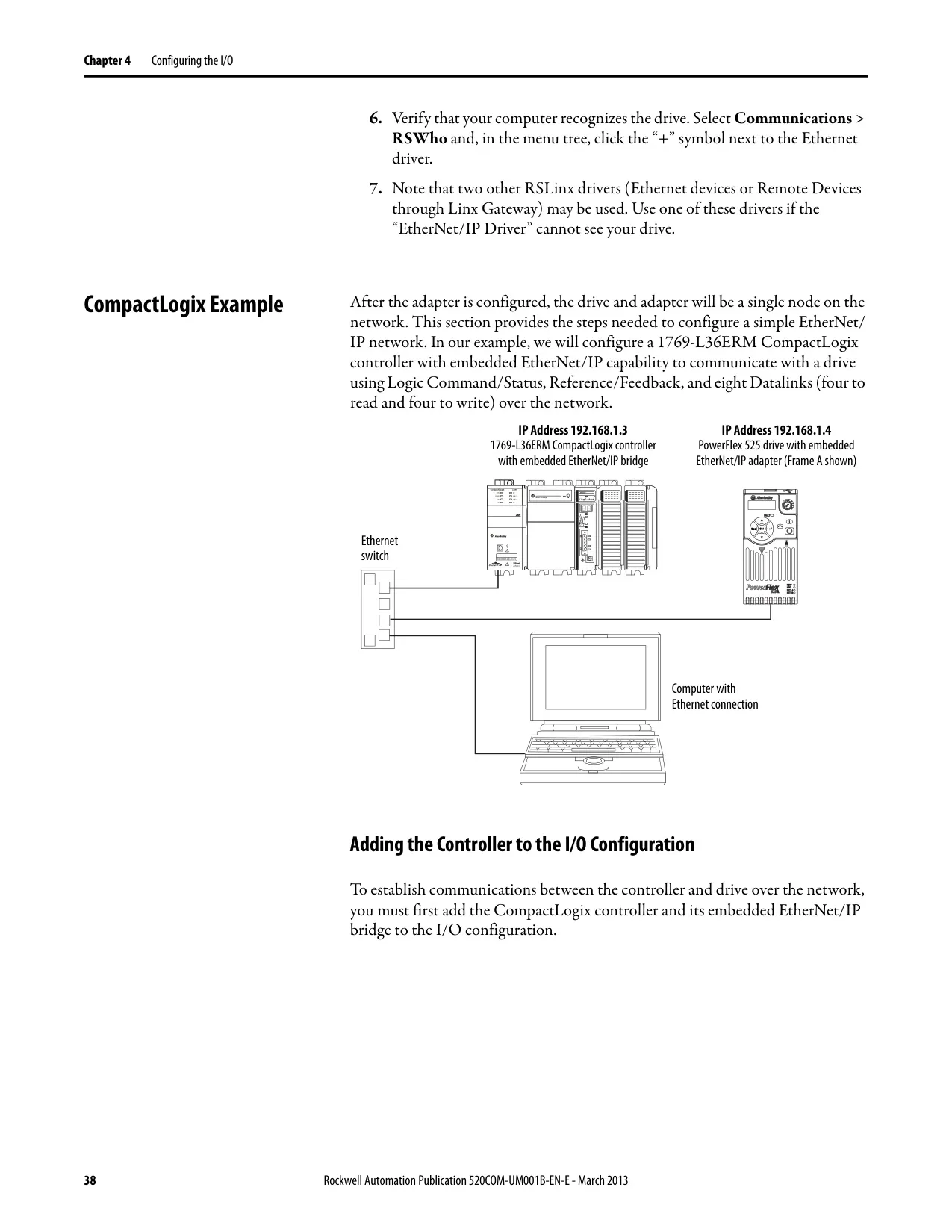
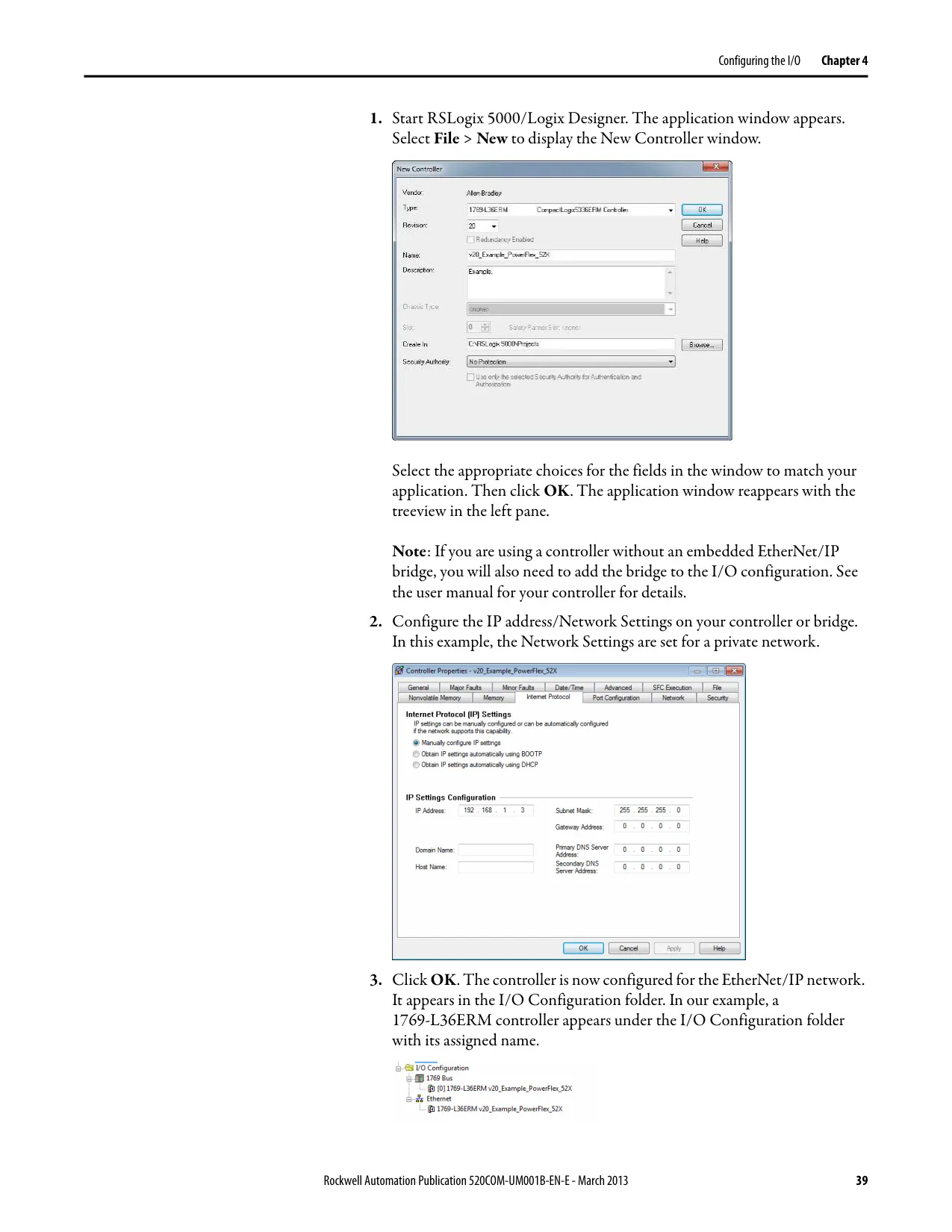
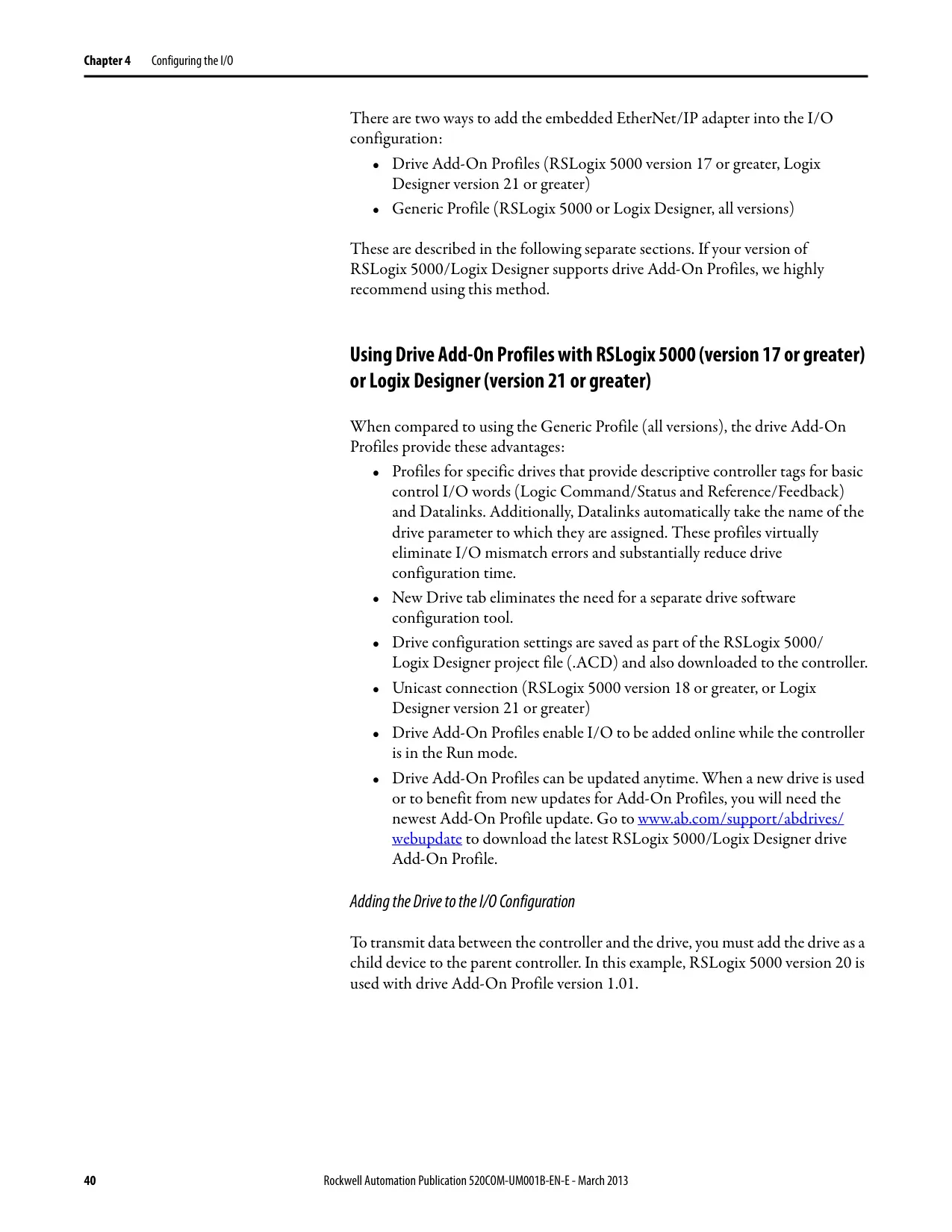
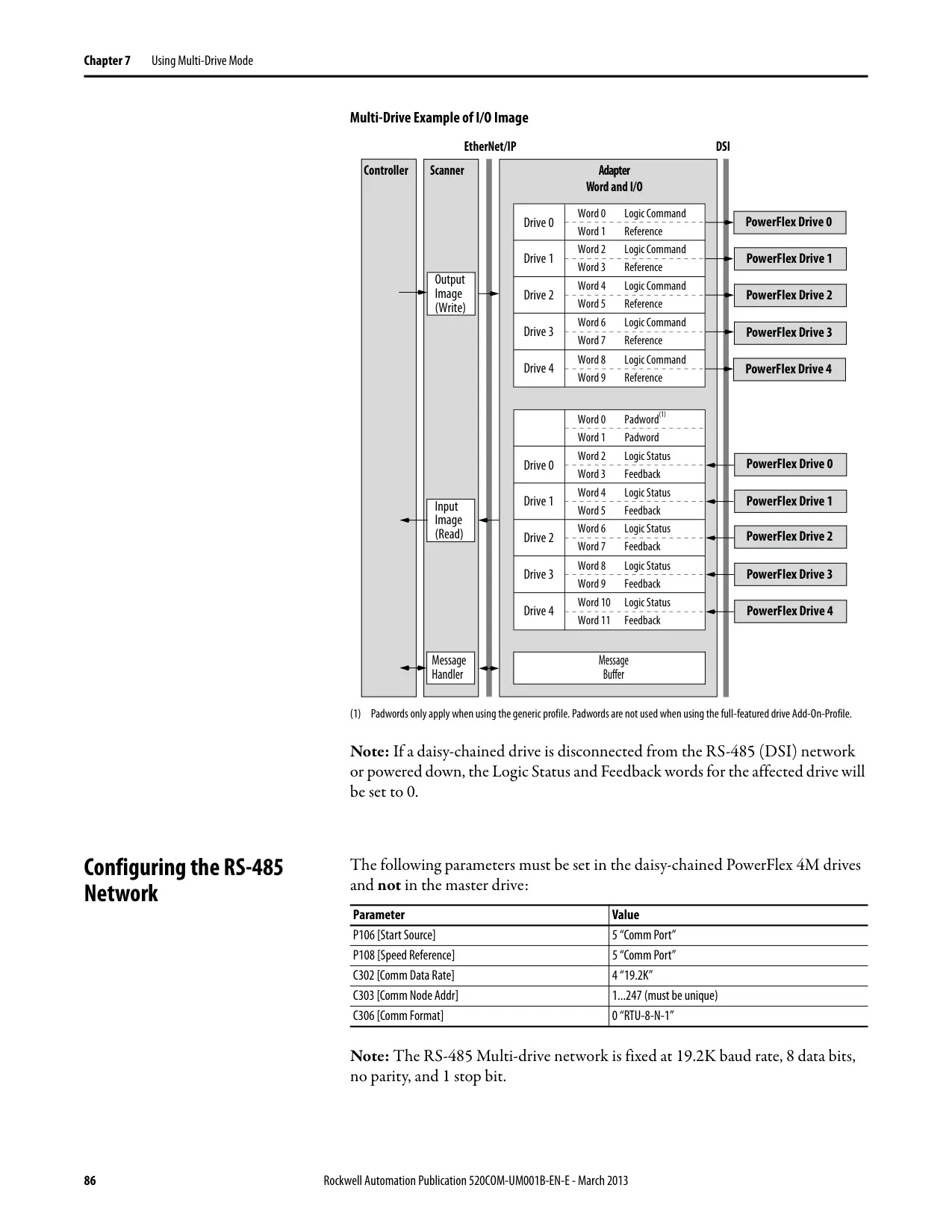
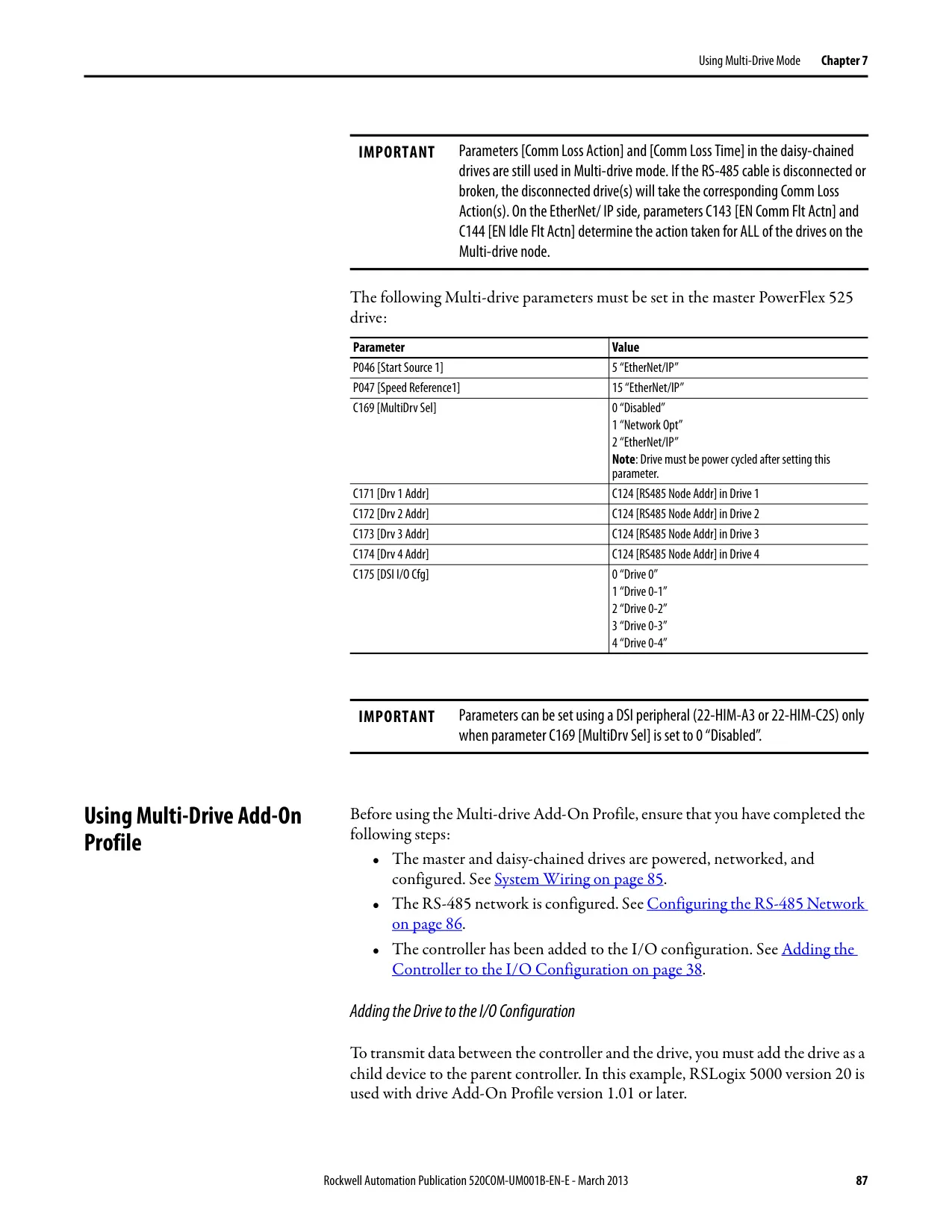
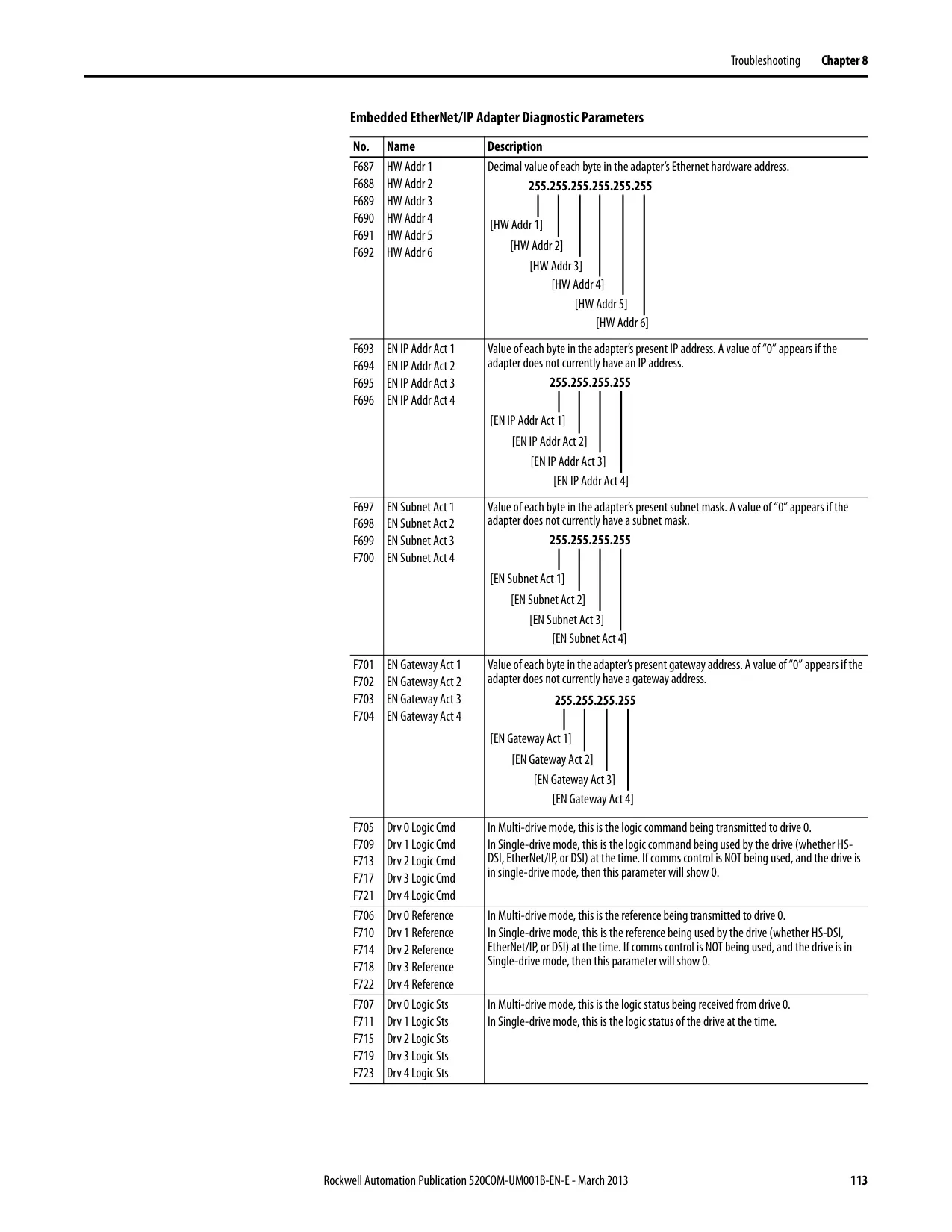
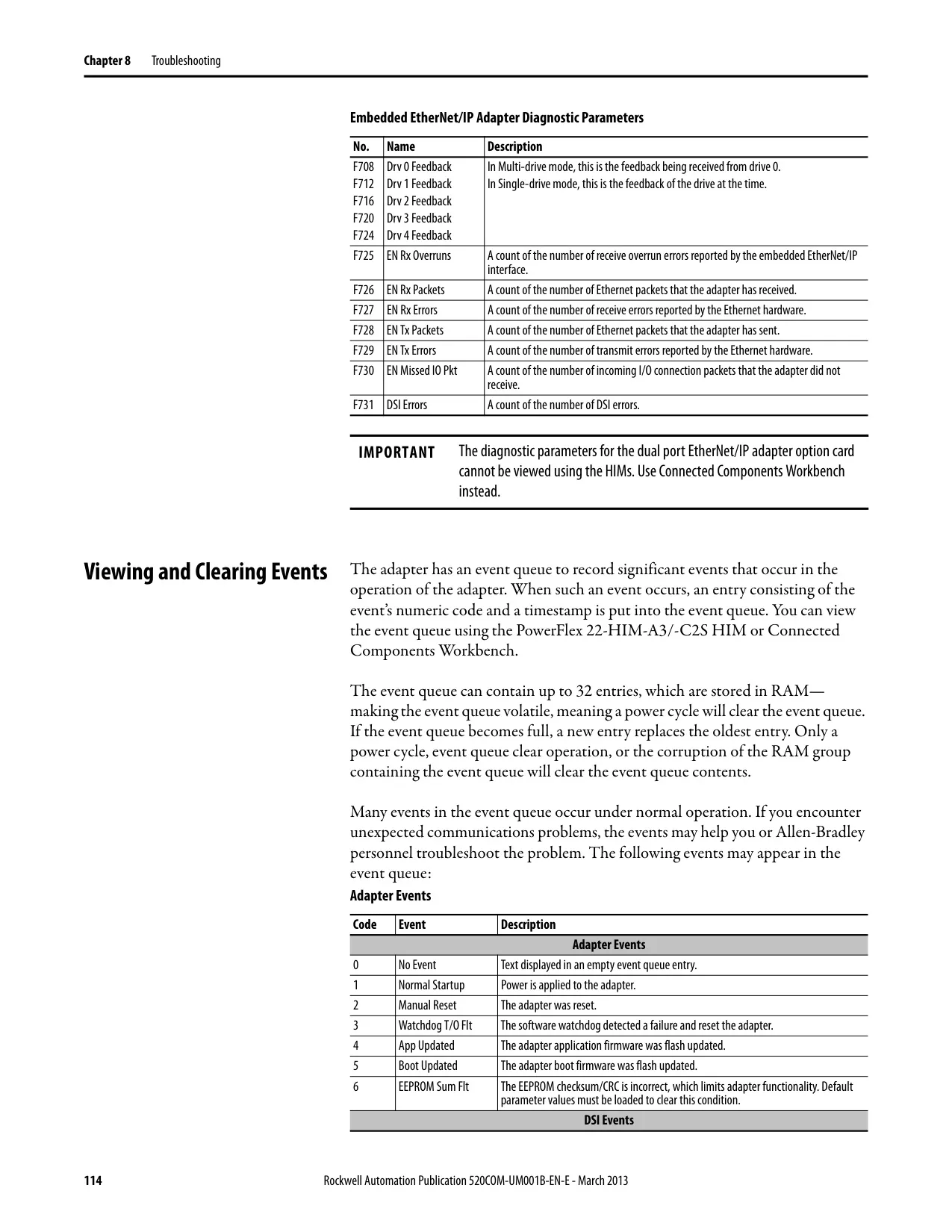
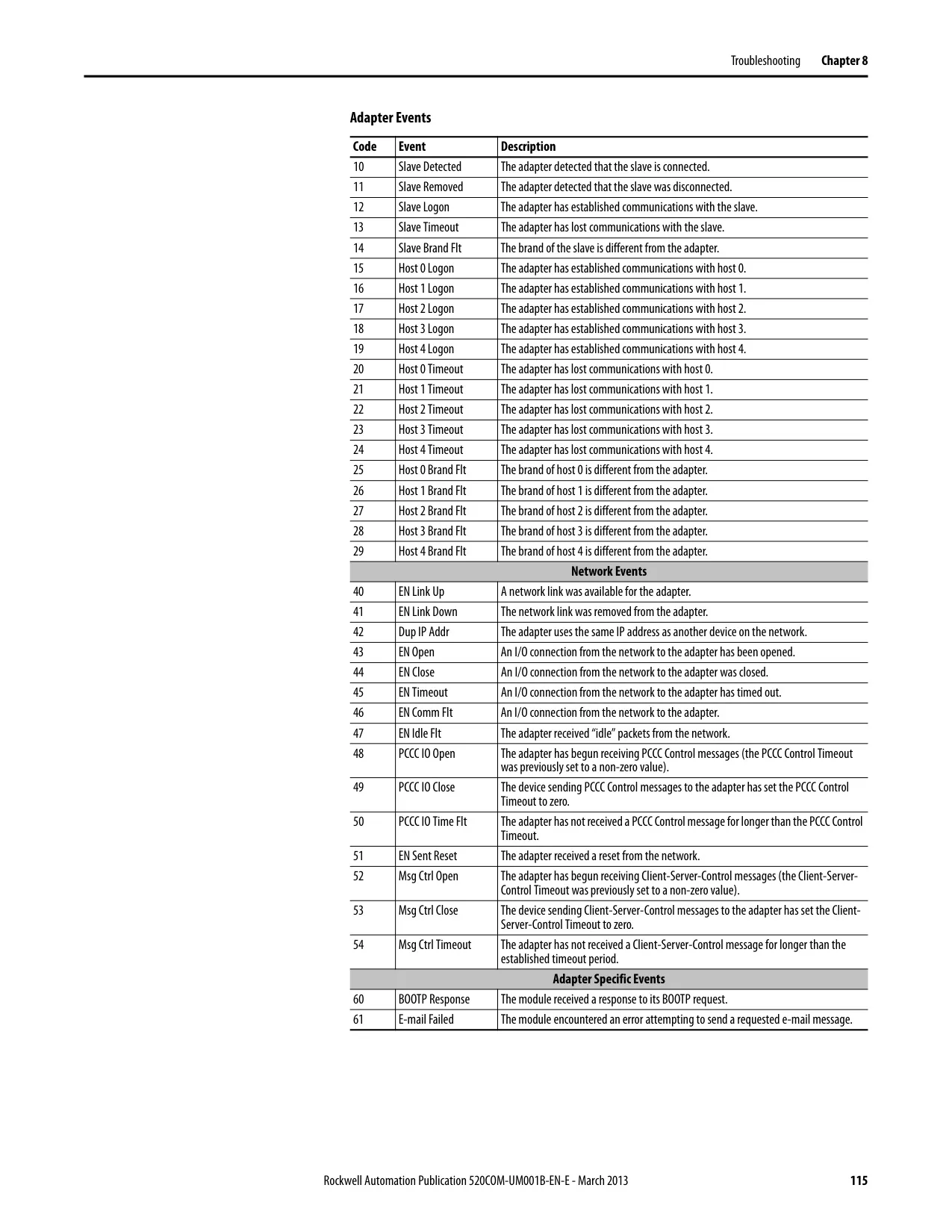
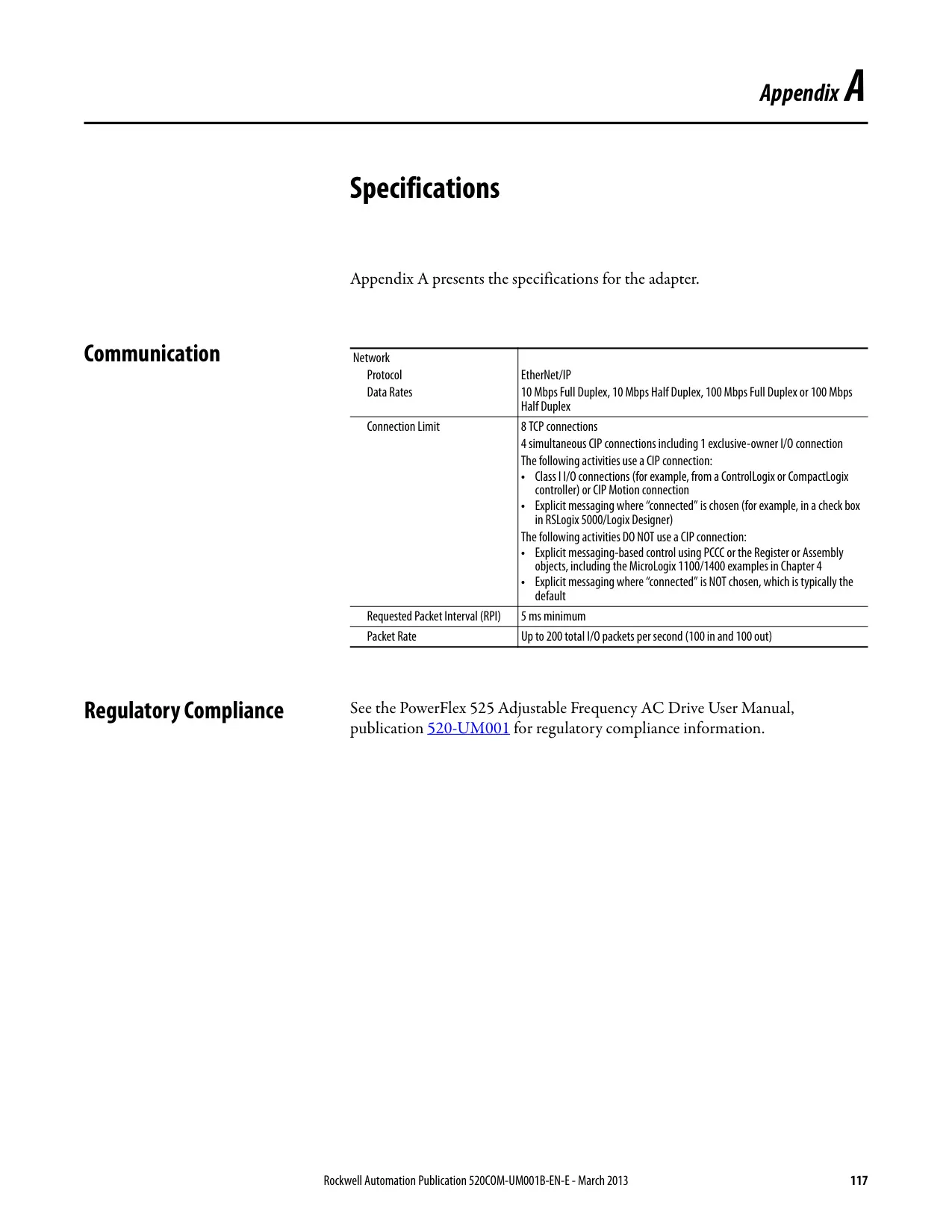
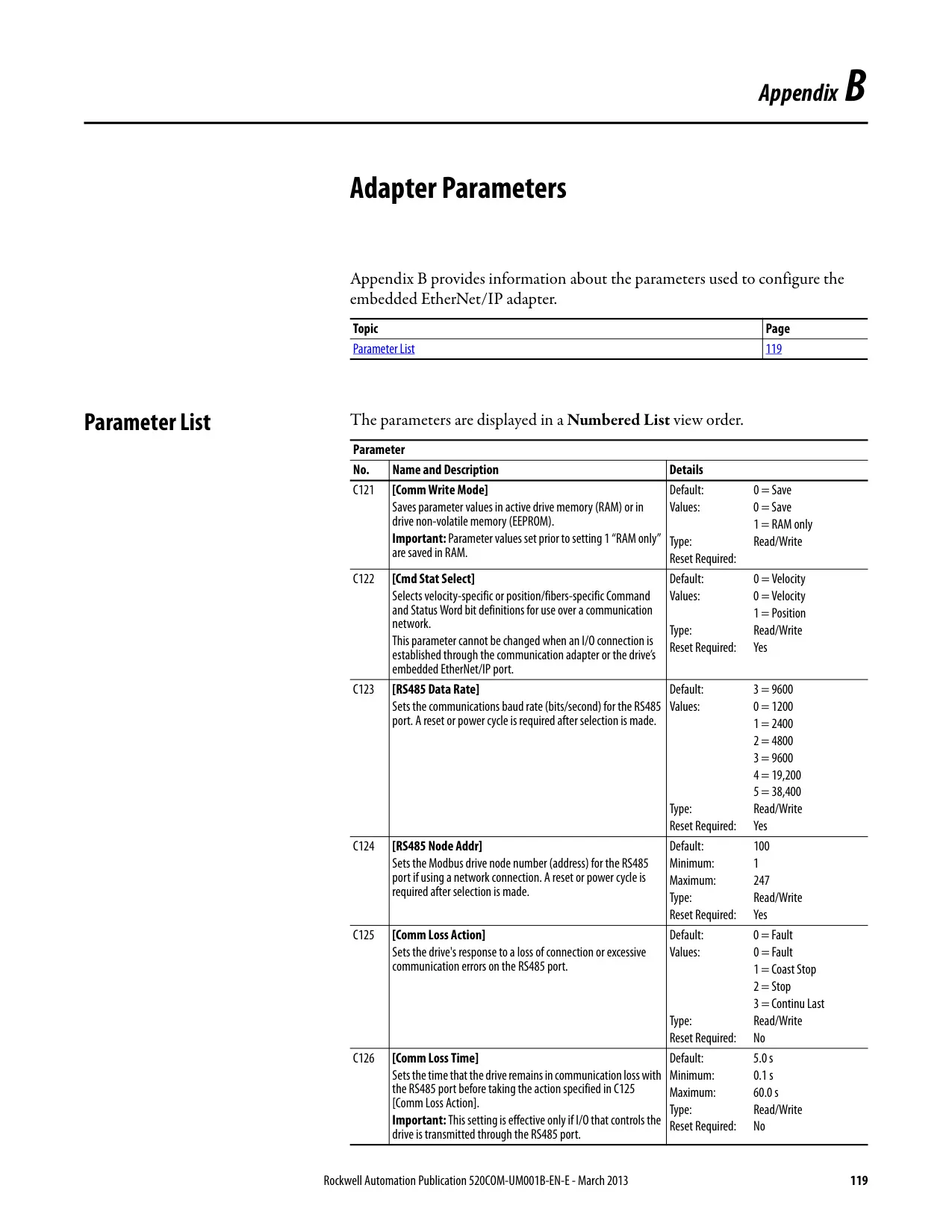
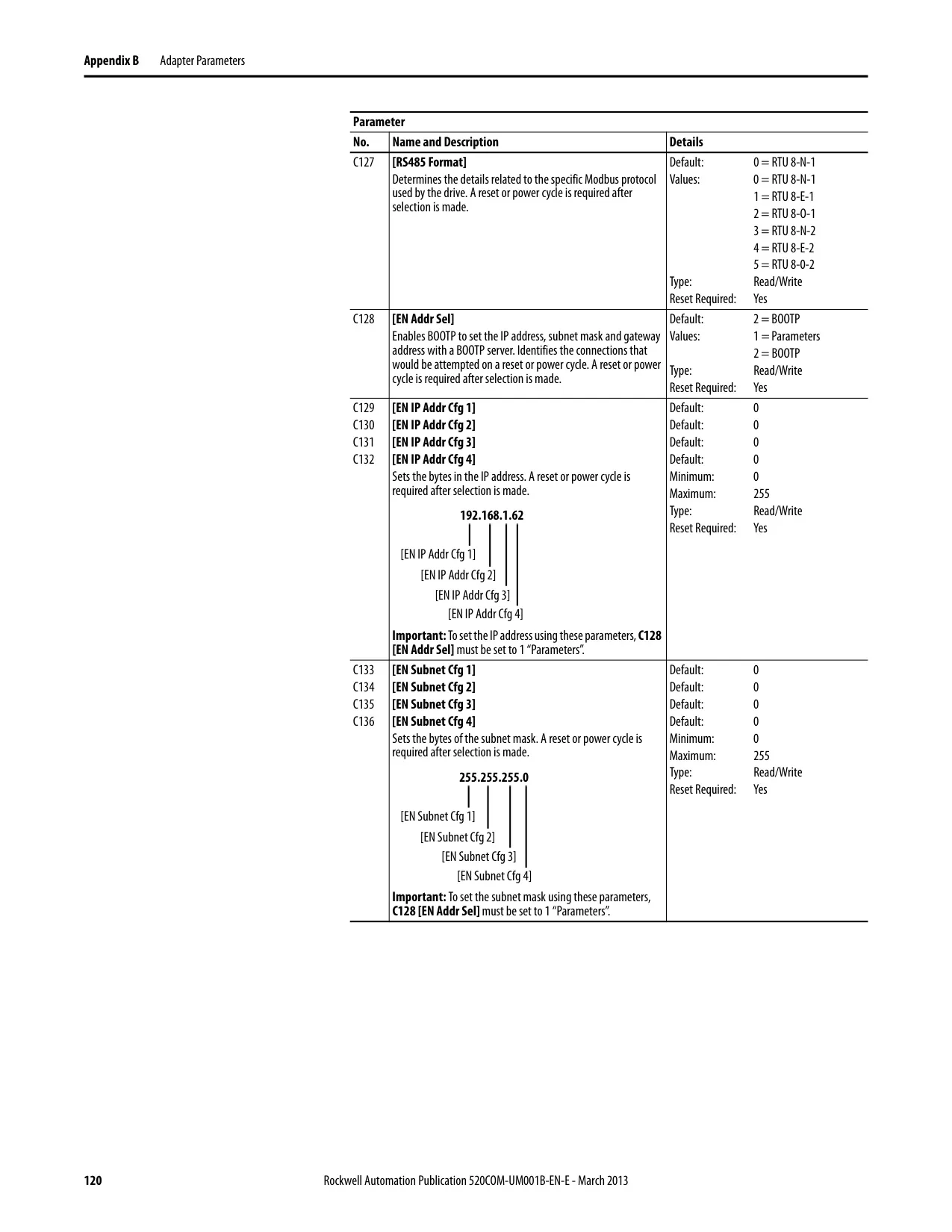
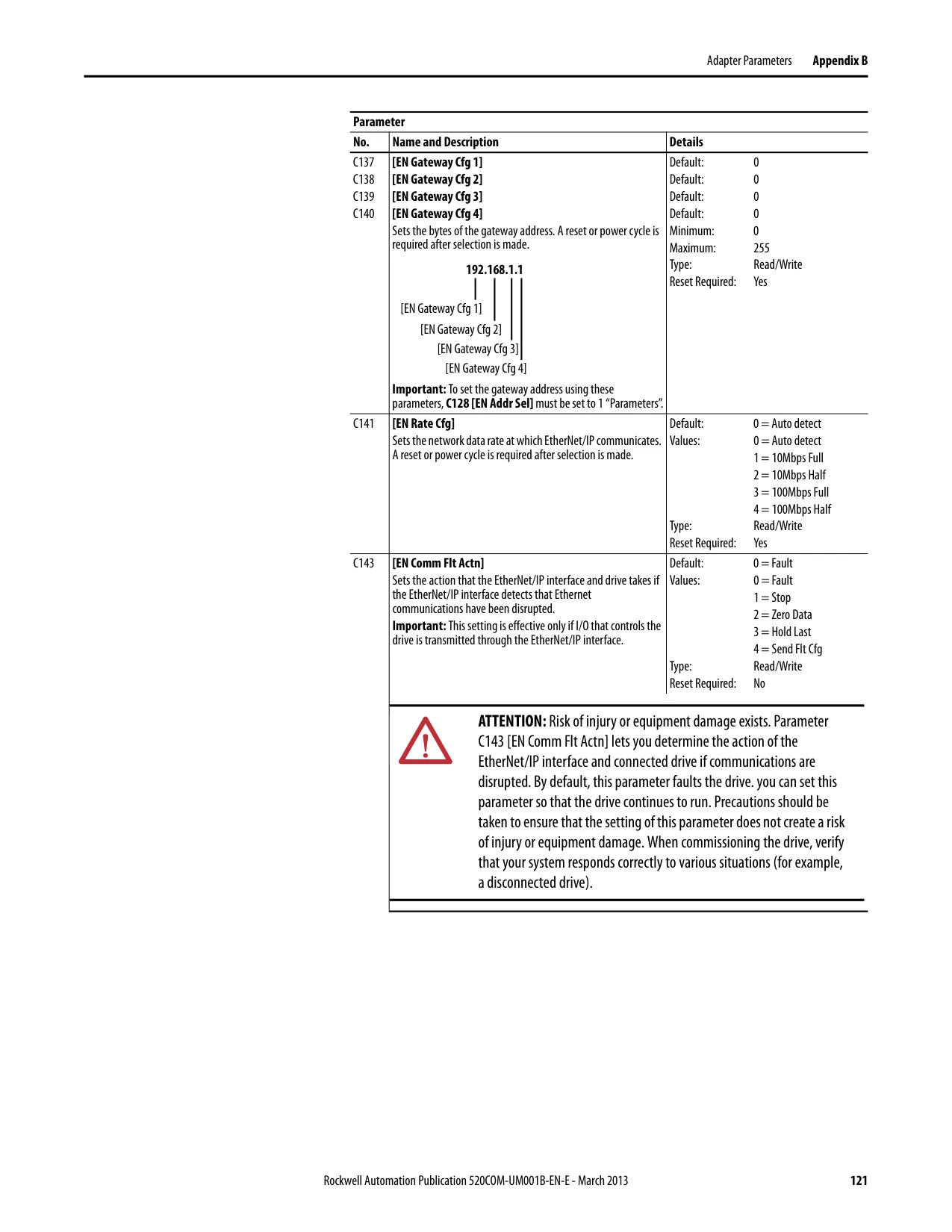
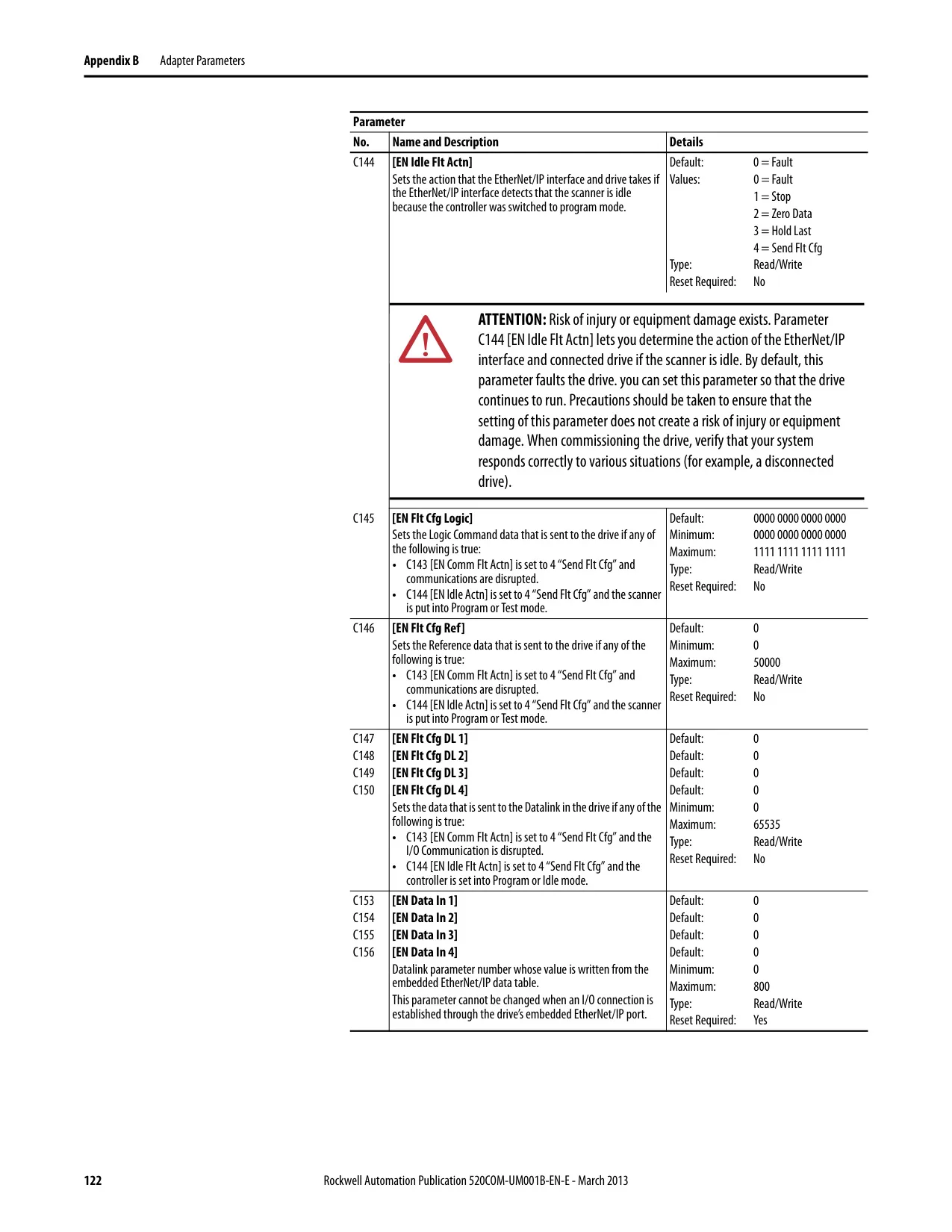
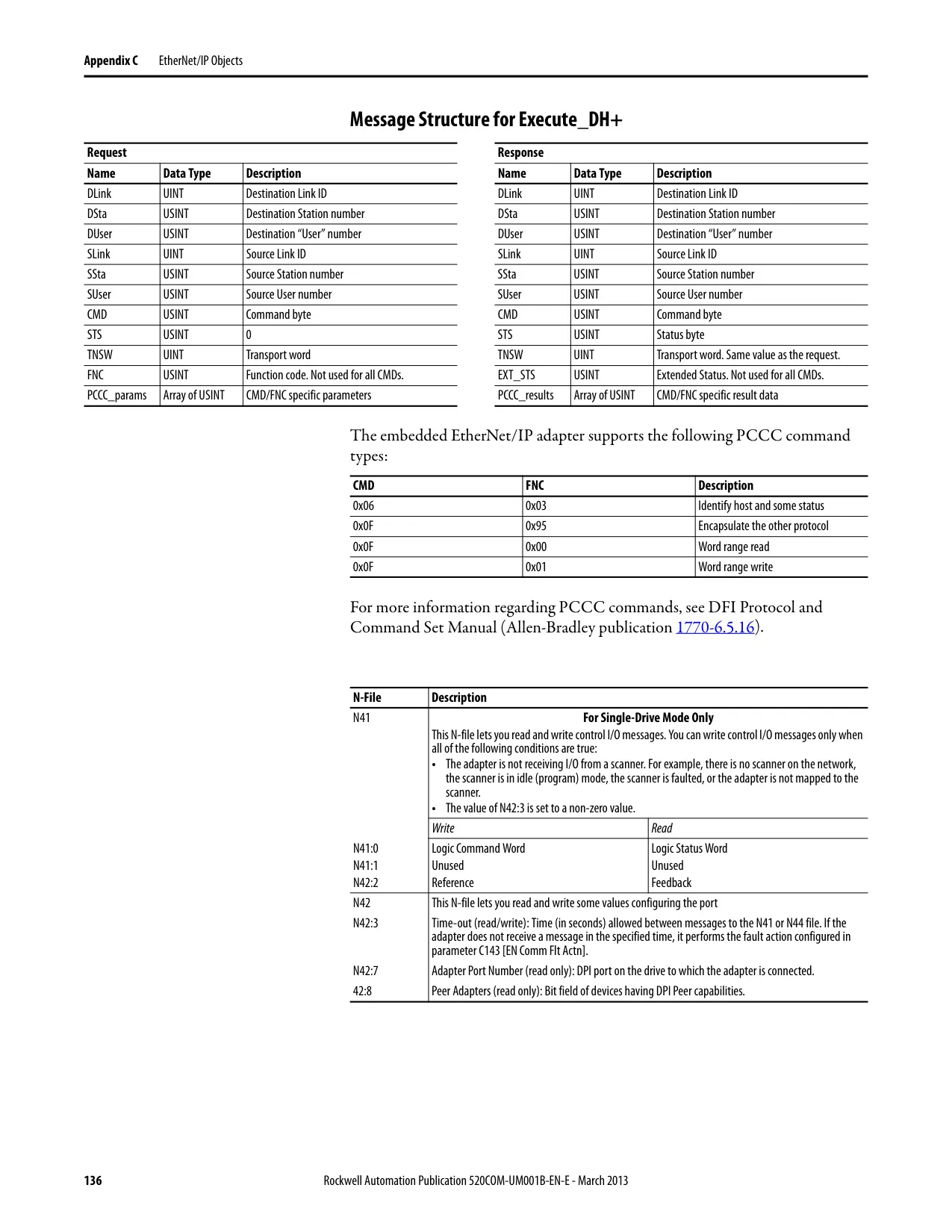
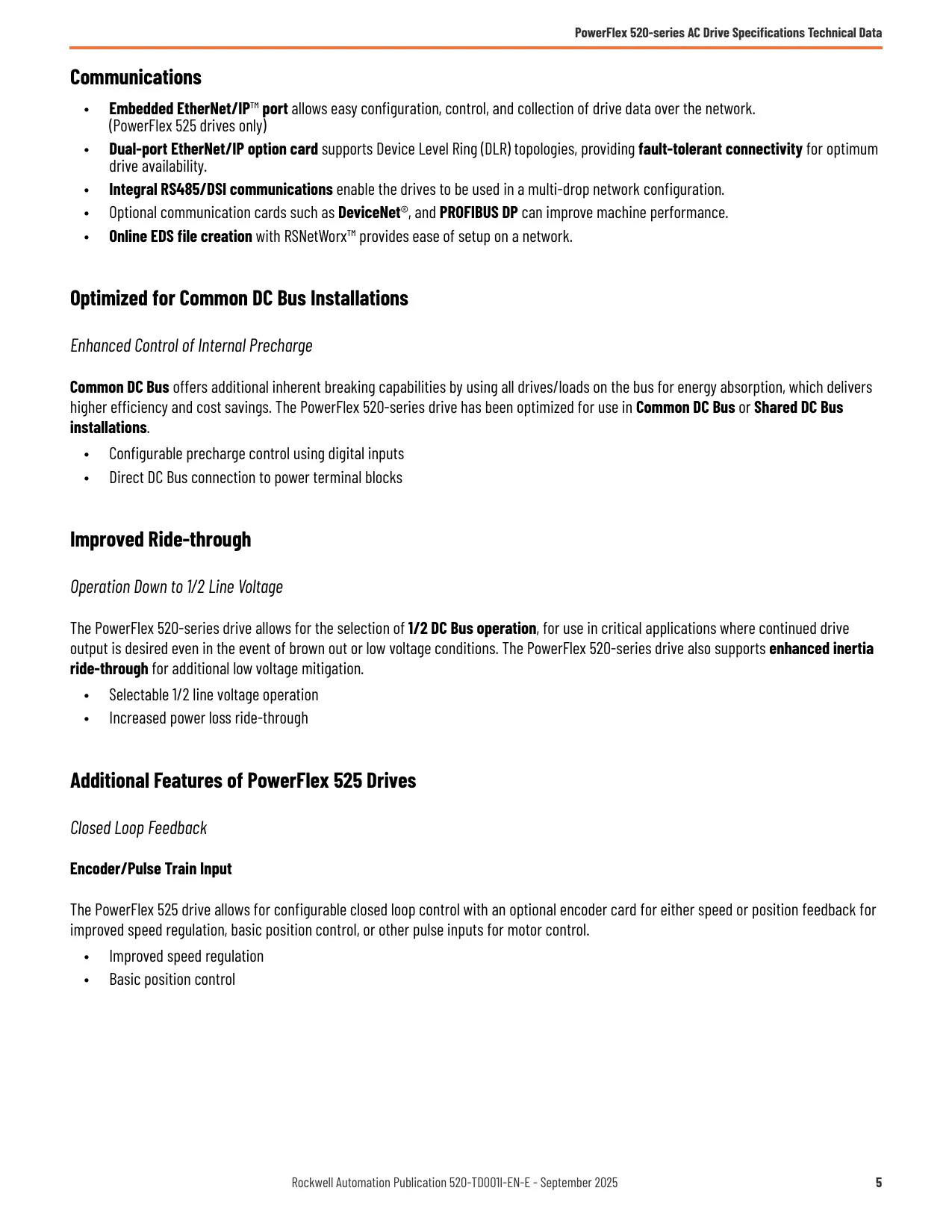
This dual-channel system ensures that, upon activation, the motor comes to a coast-to-stop, preventing unexpected restarts and protecting personnel and equipment. Connectivity is a strong point, featuring embedded EtherNet/IP that enables efficient communication and seamless integration into modern automation systems. Various IP address configuration methods are supported, including BootP Server, manual parameters, and DHCP, providing user flexibility.
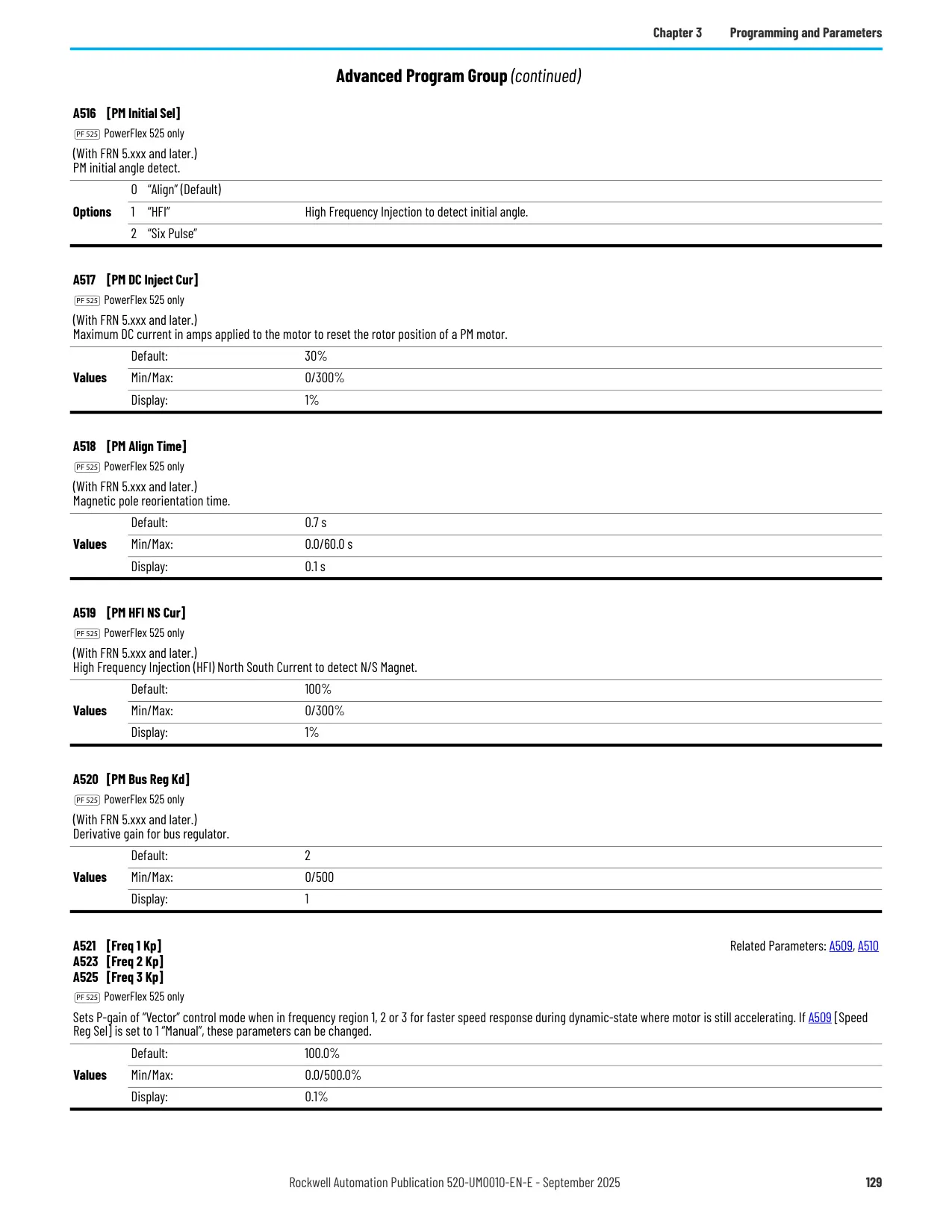
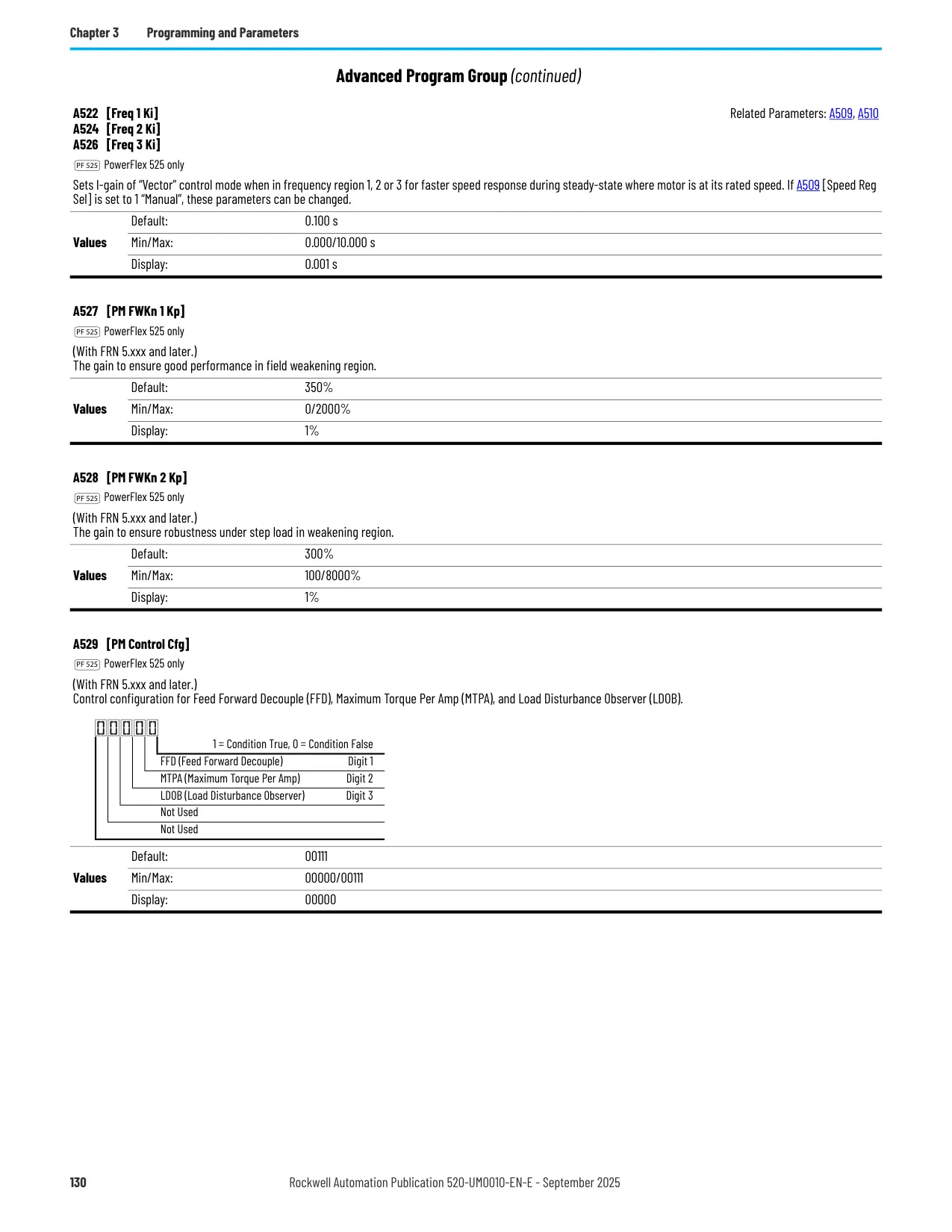
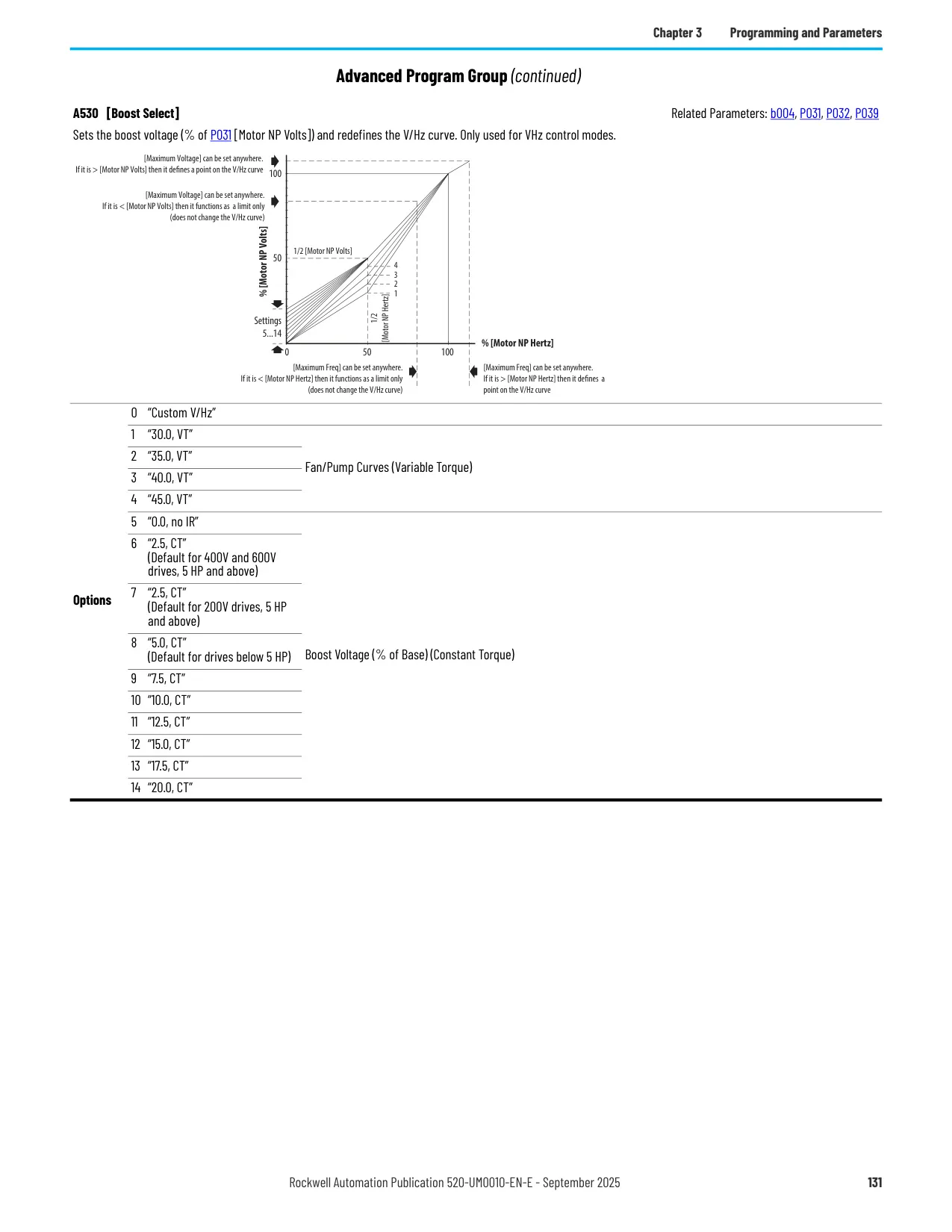
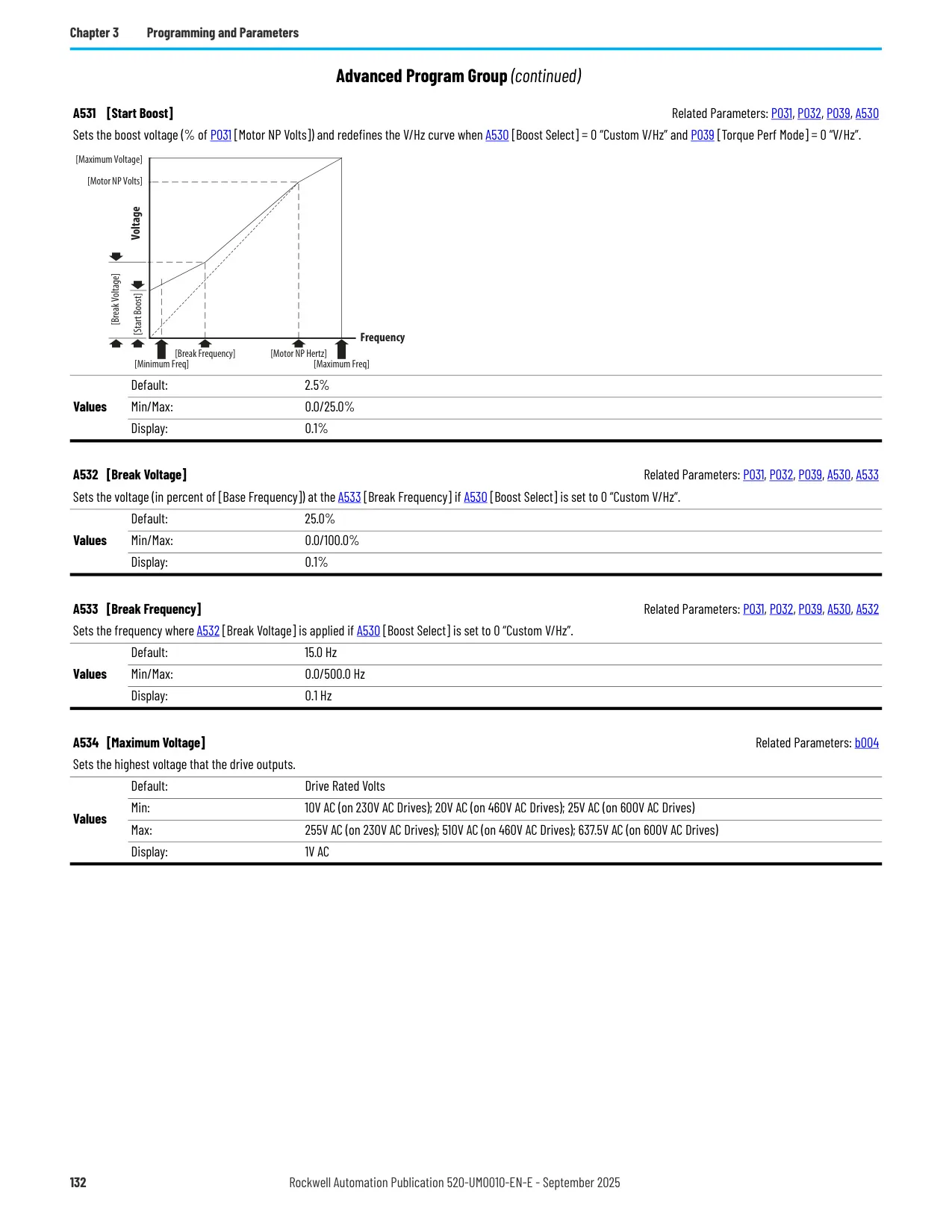
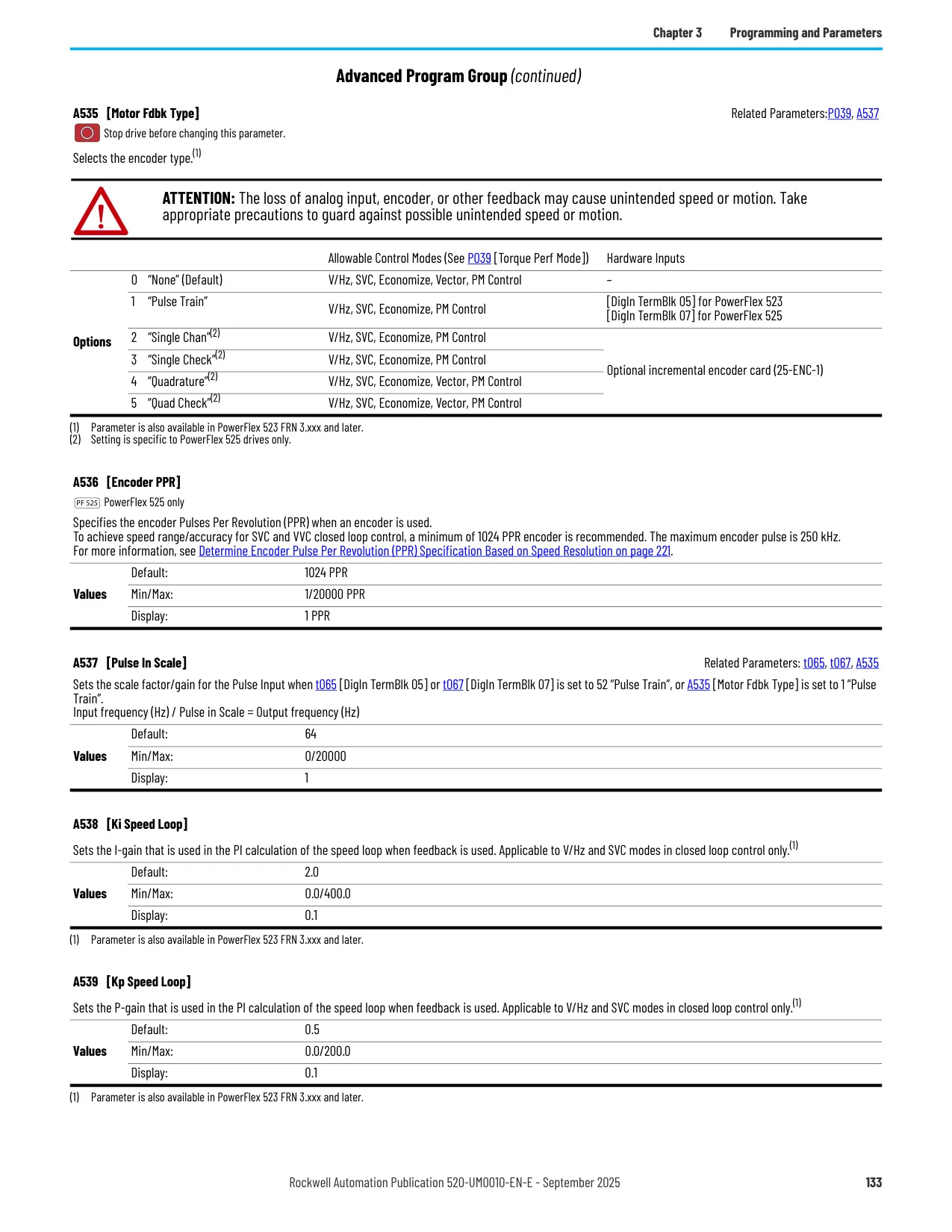
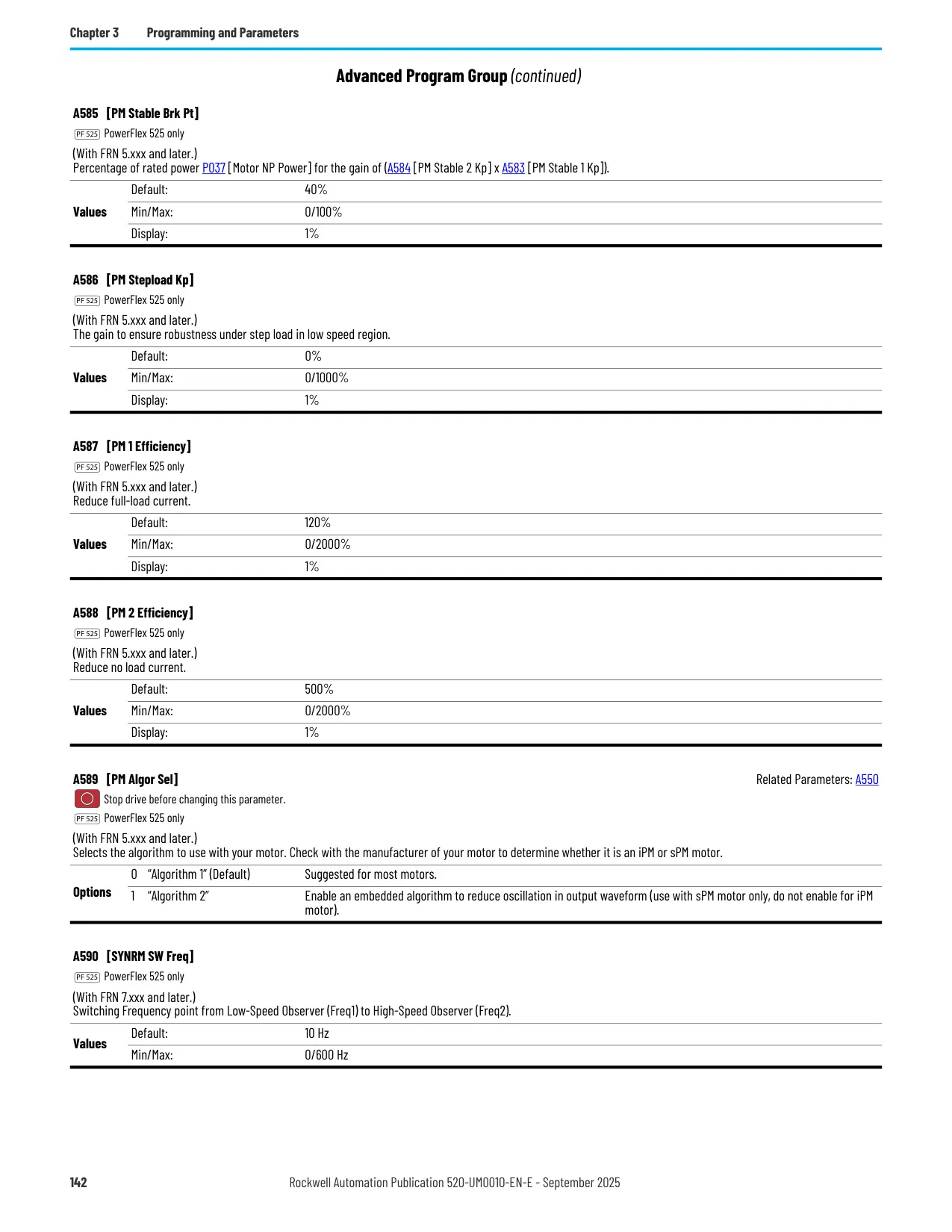
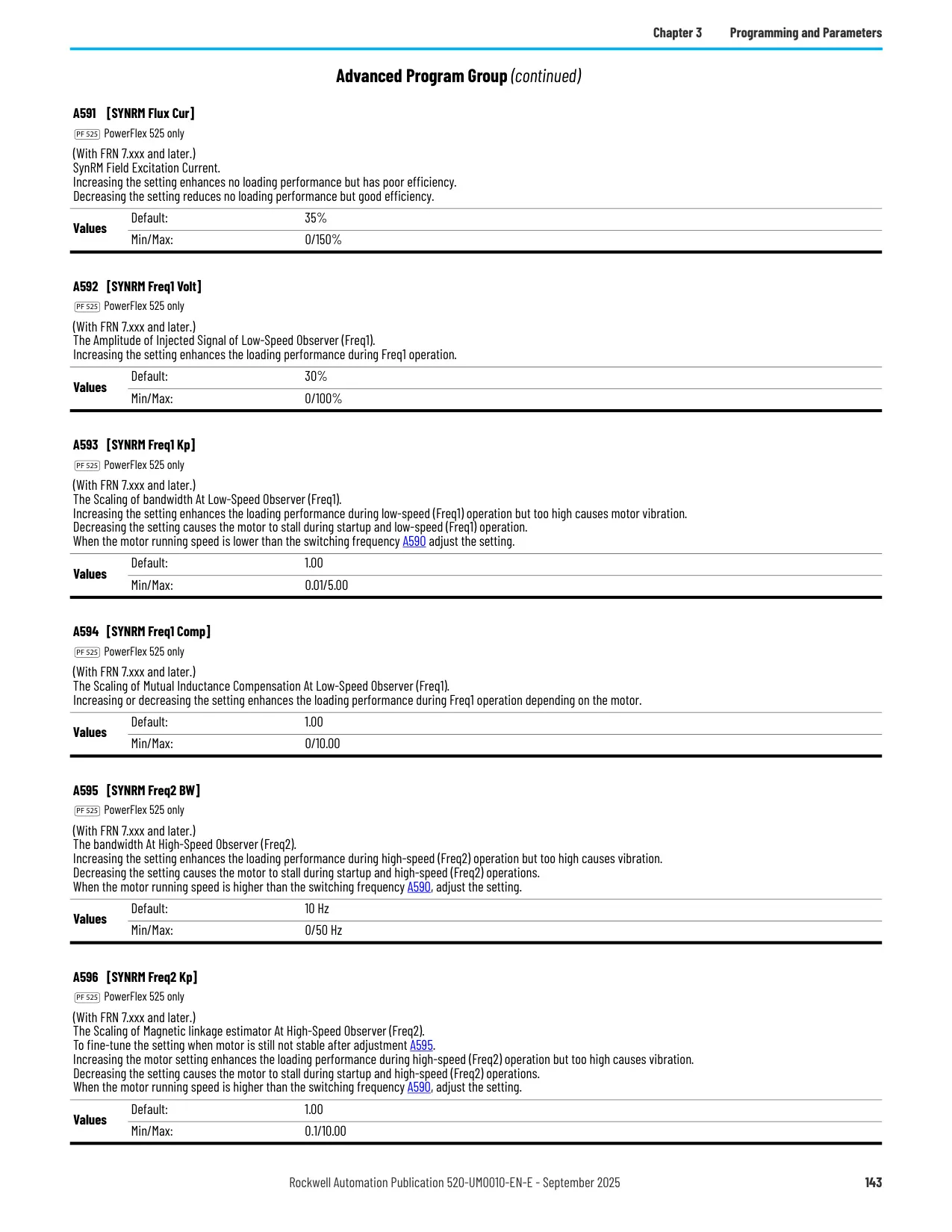
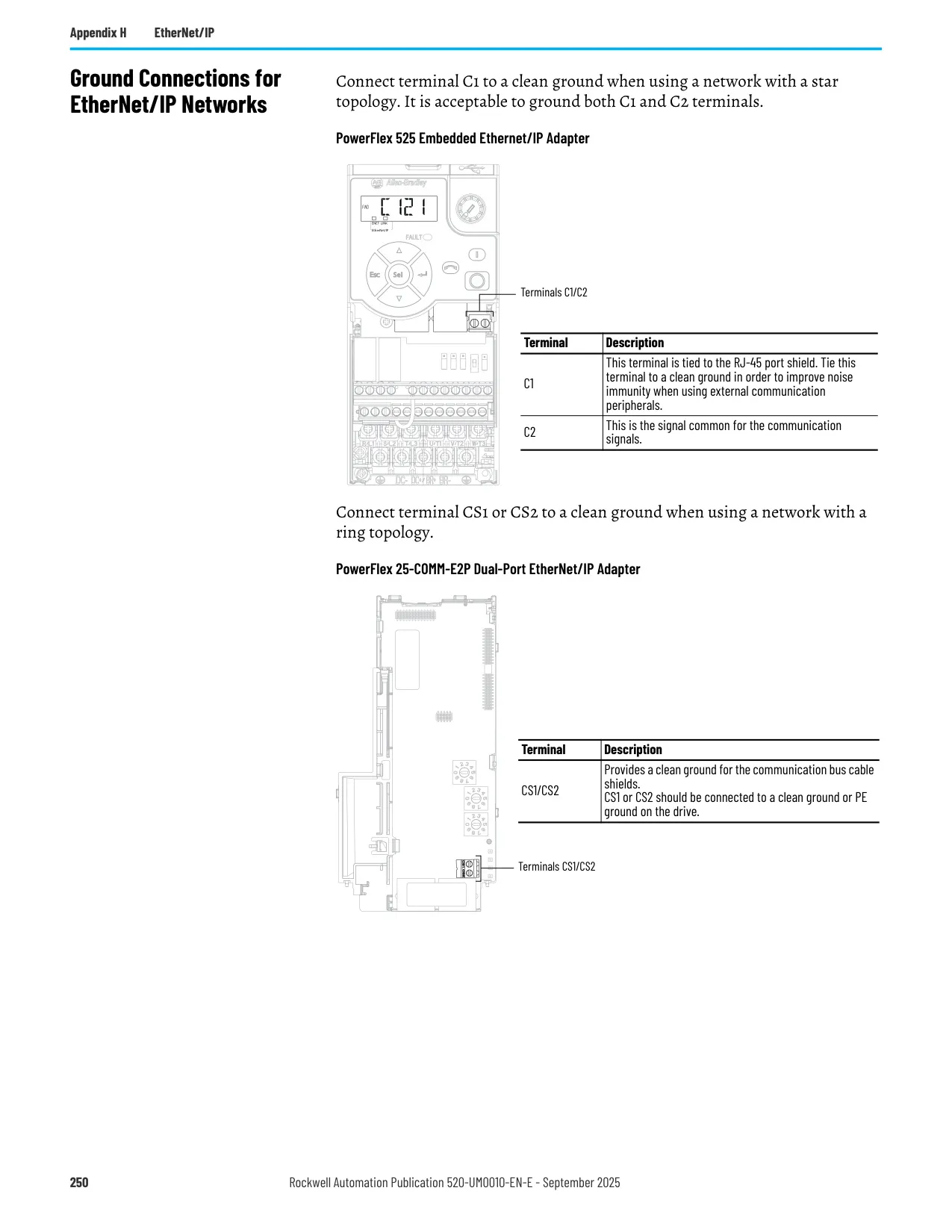
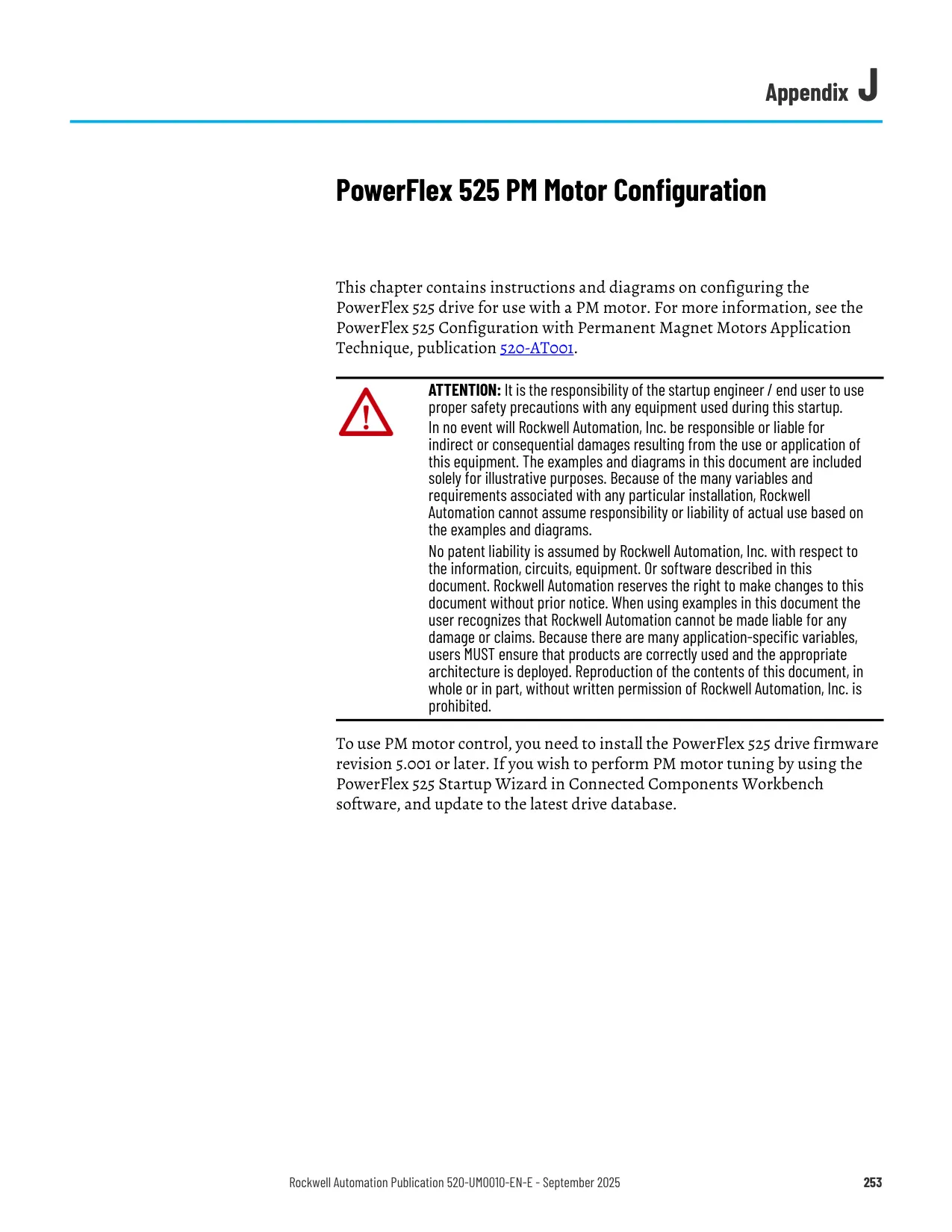
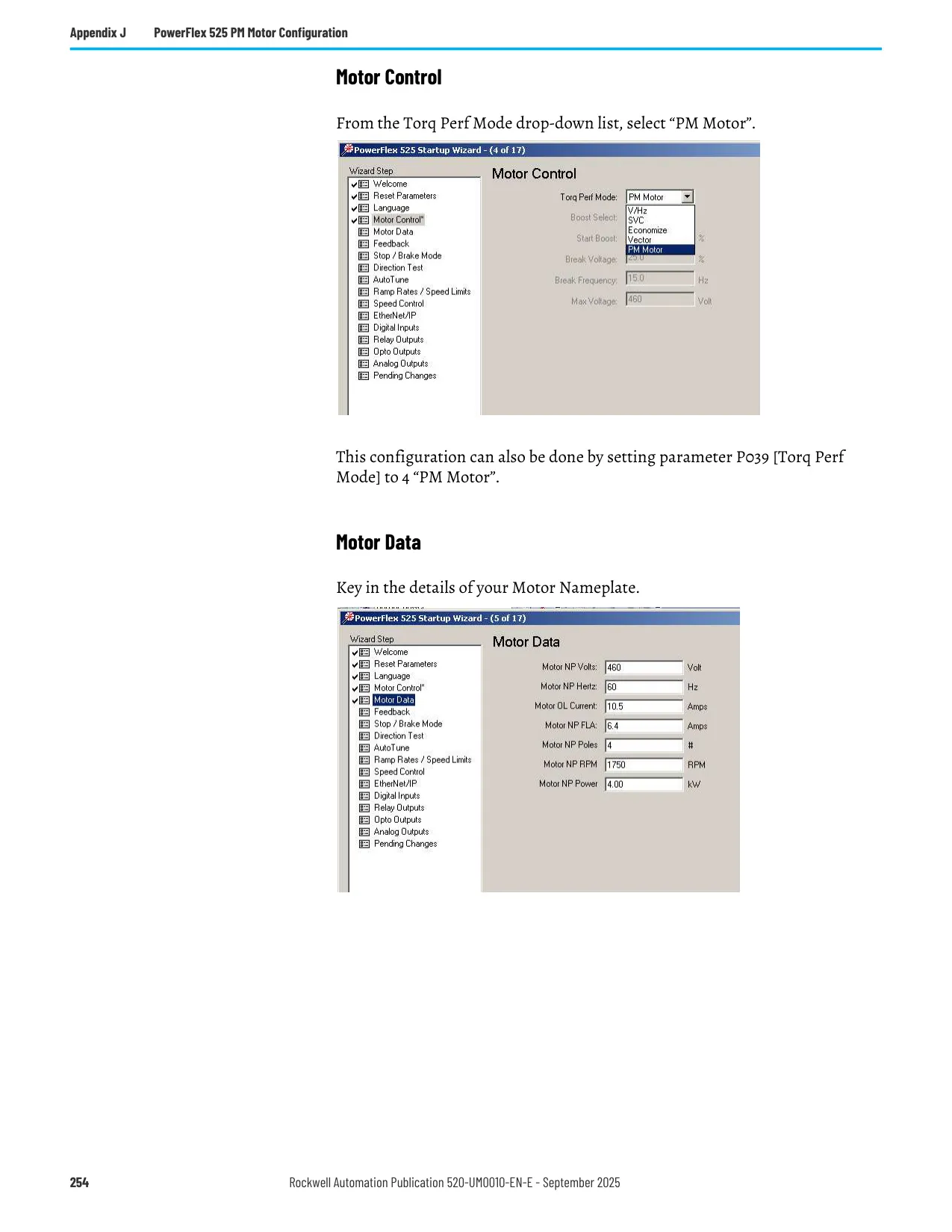
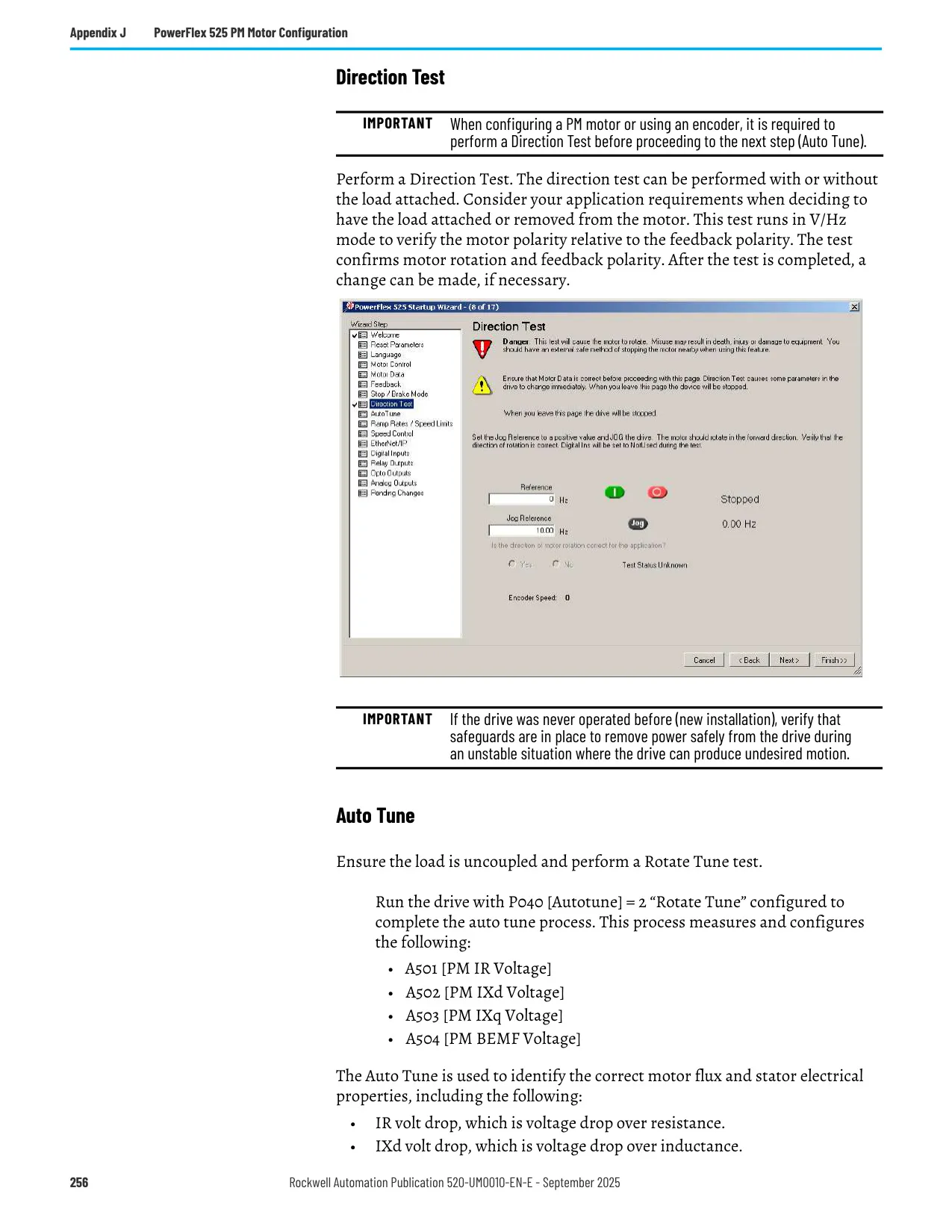
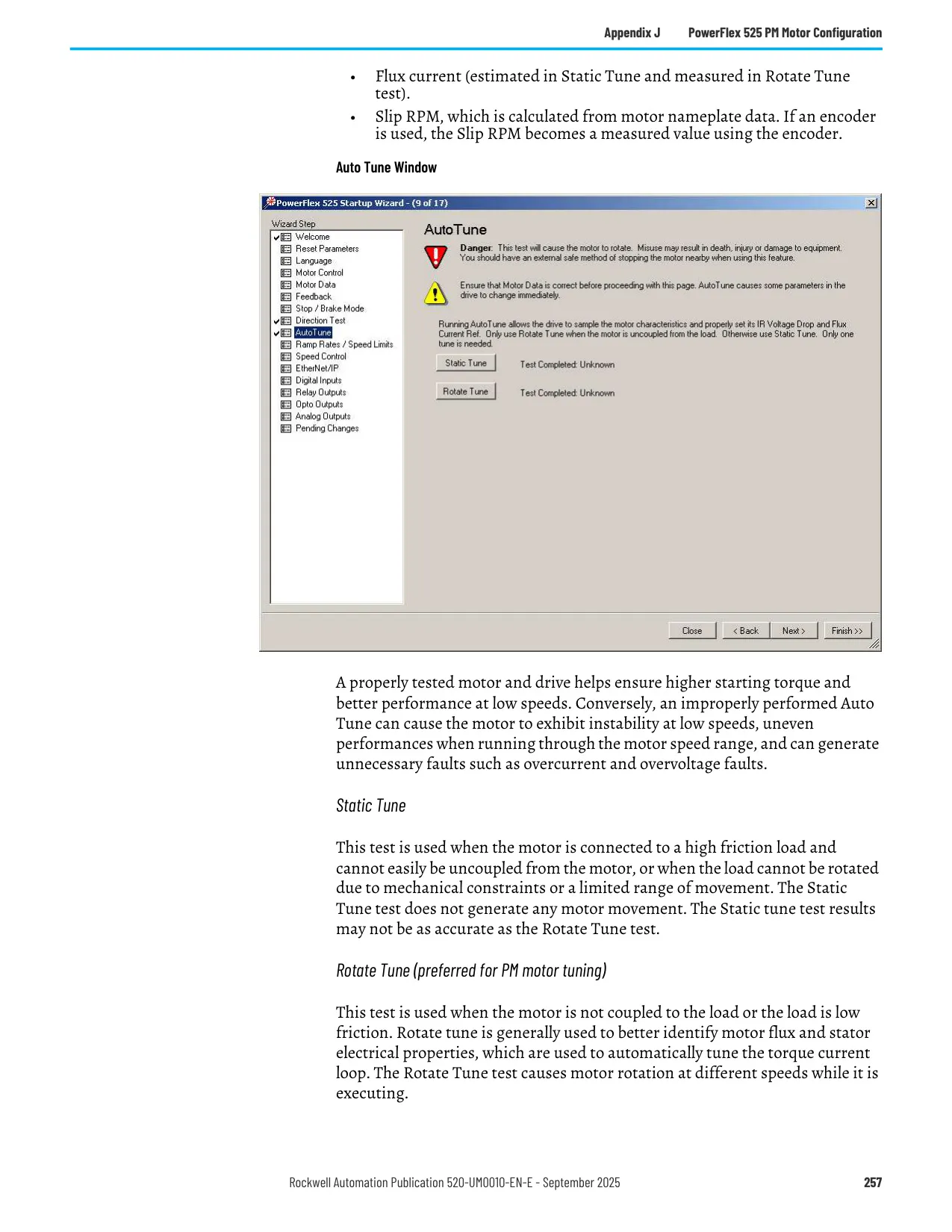
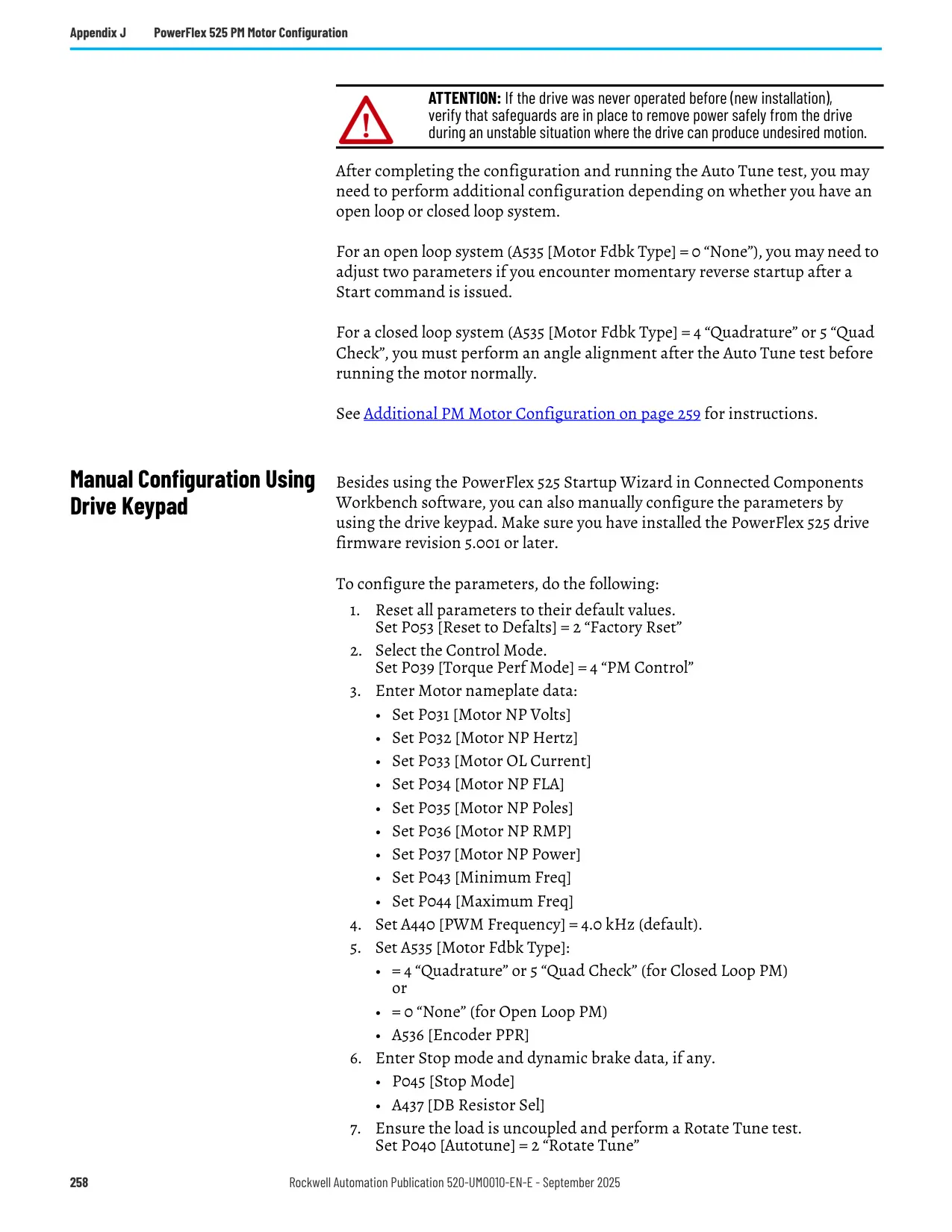
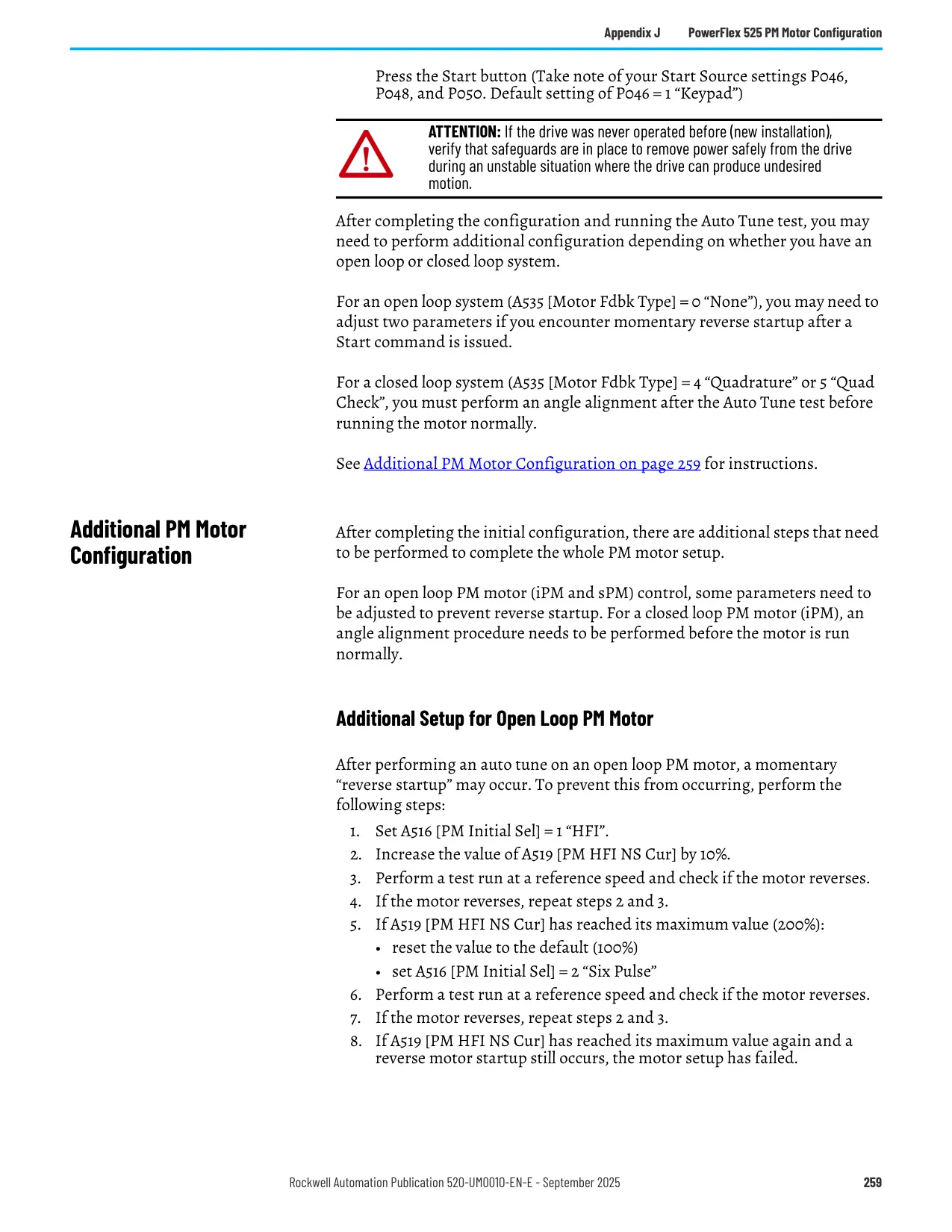
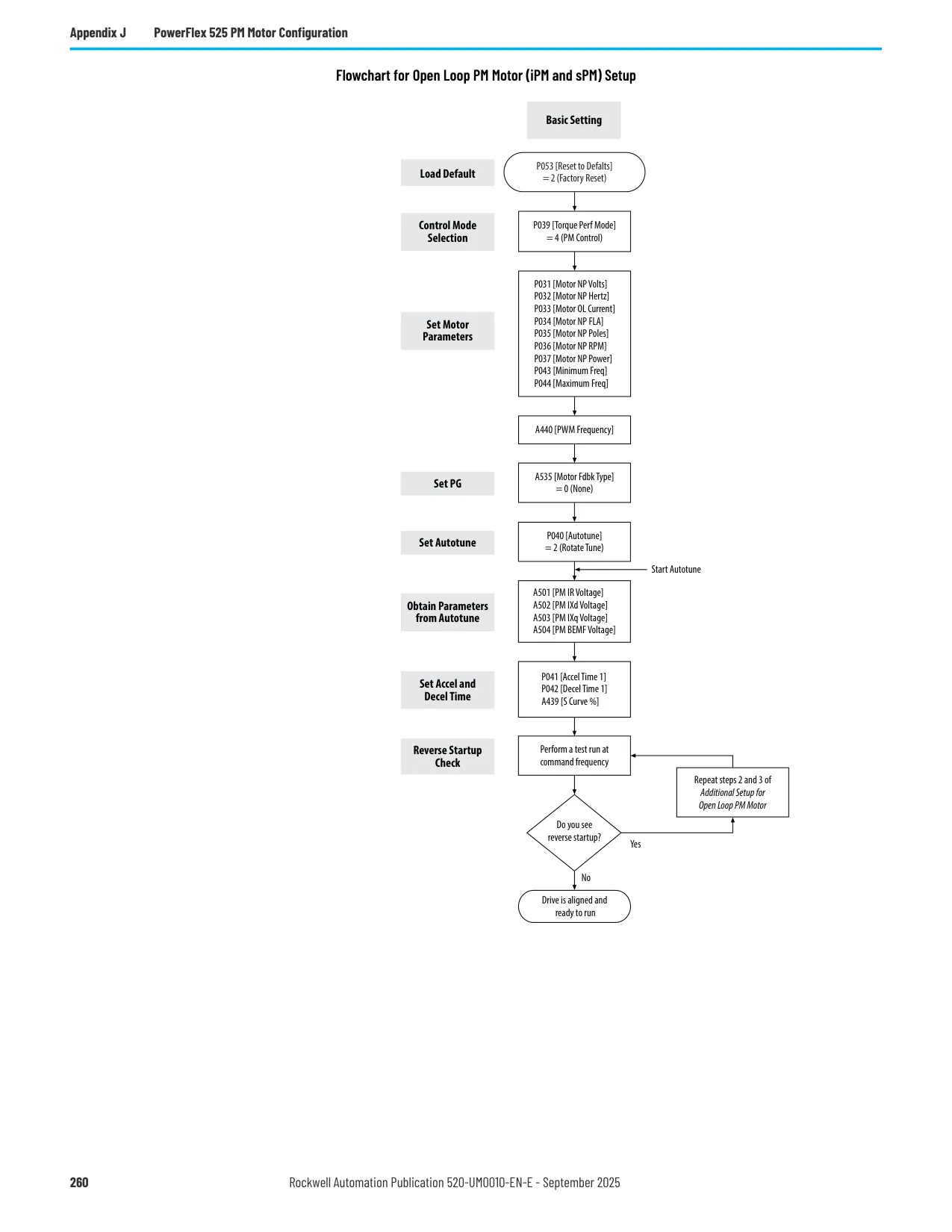
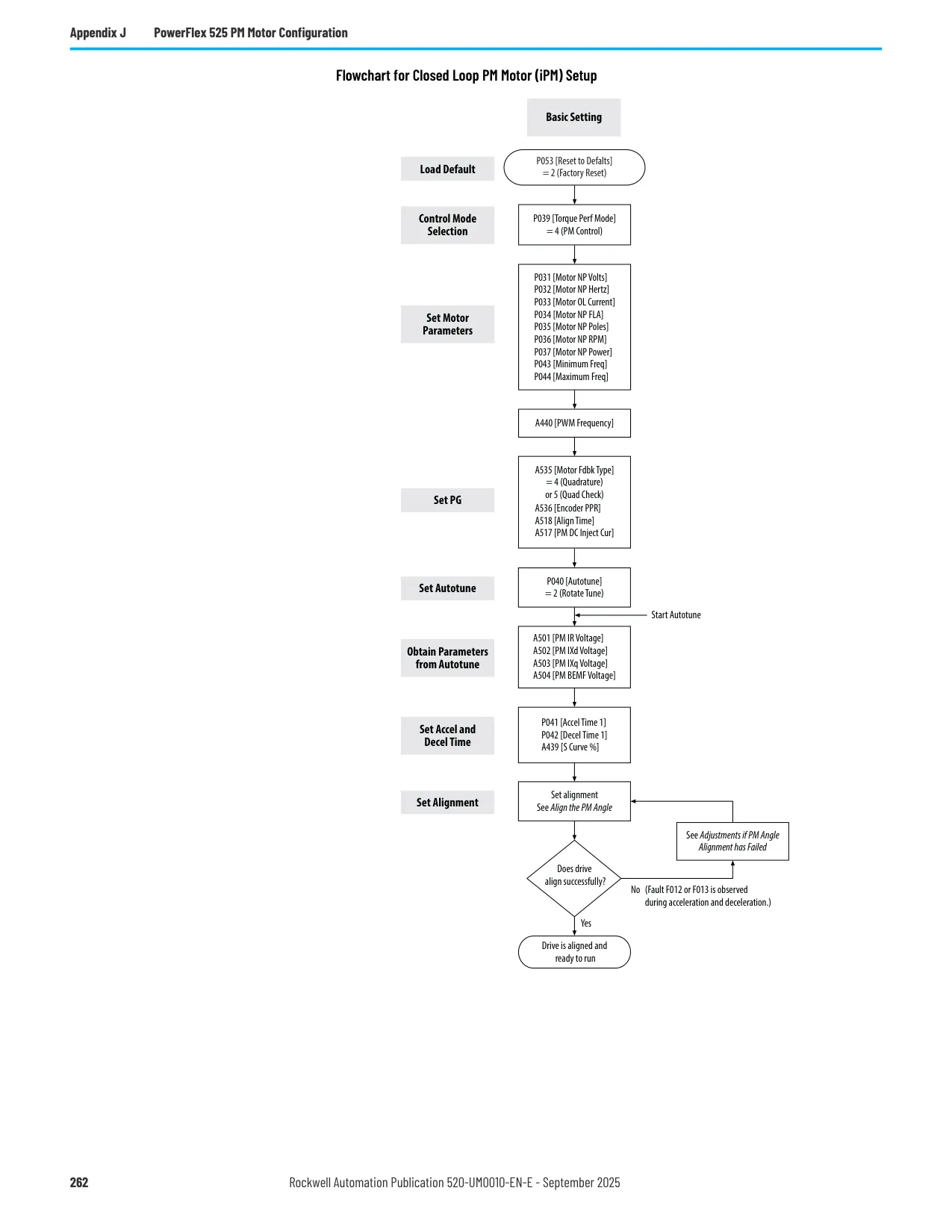
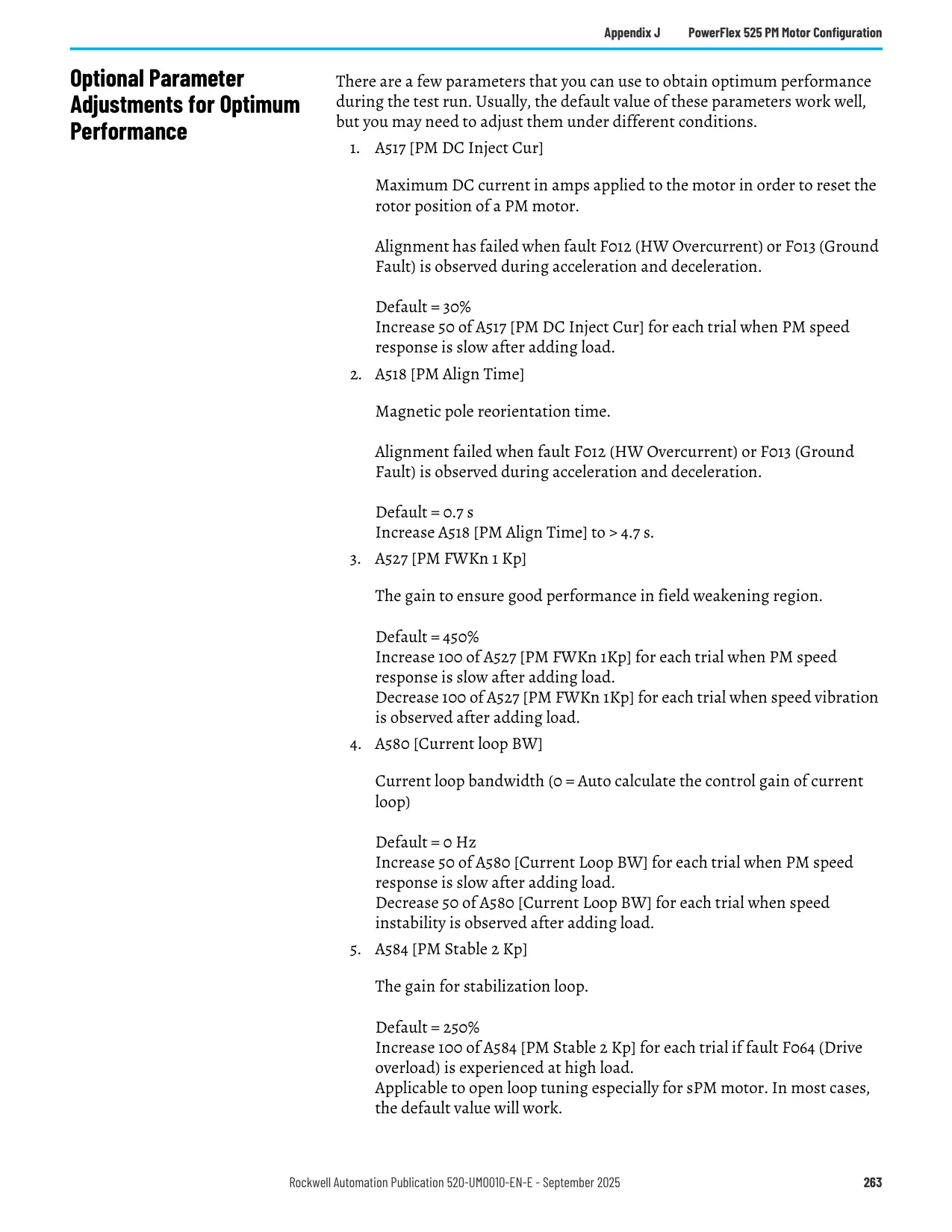
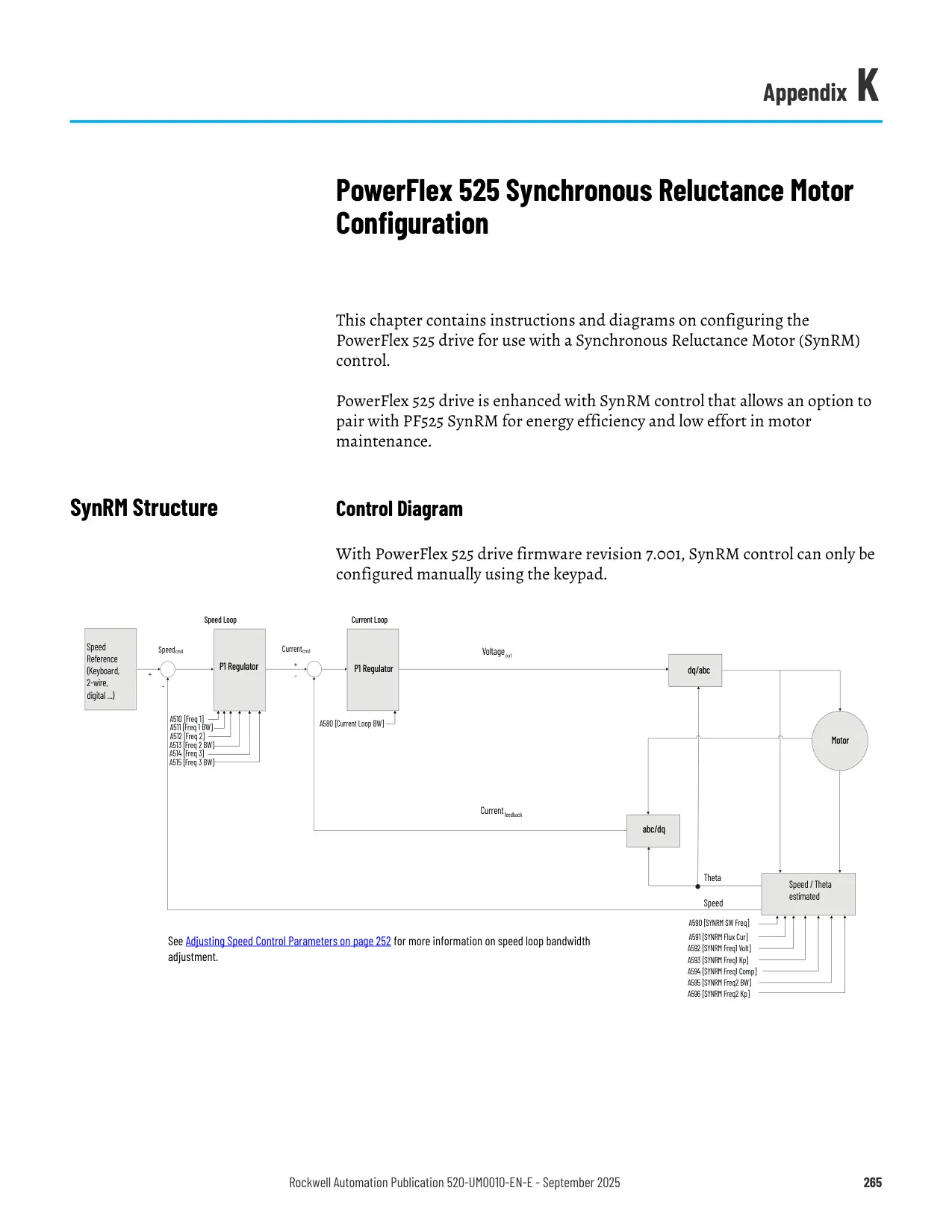
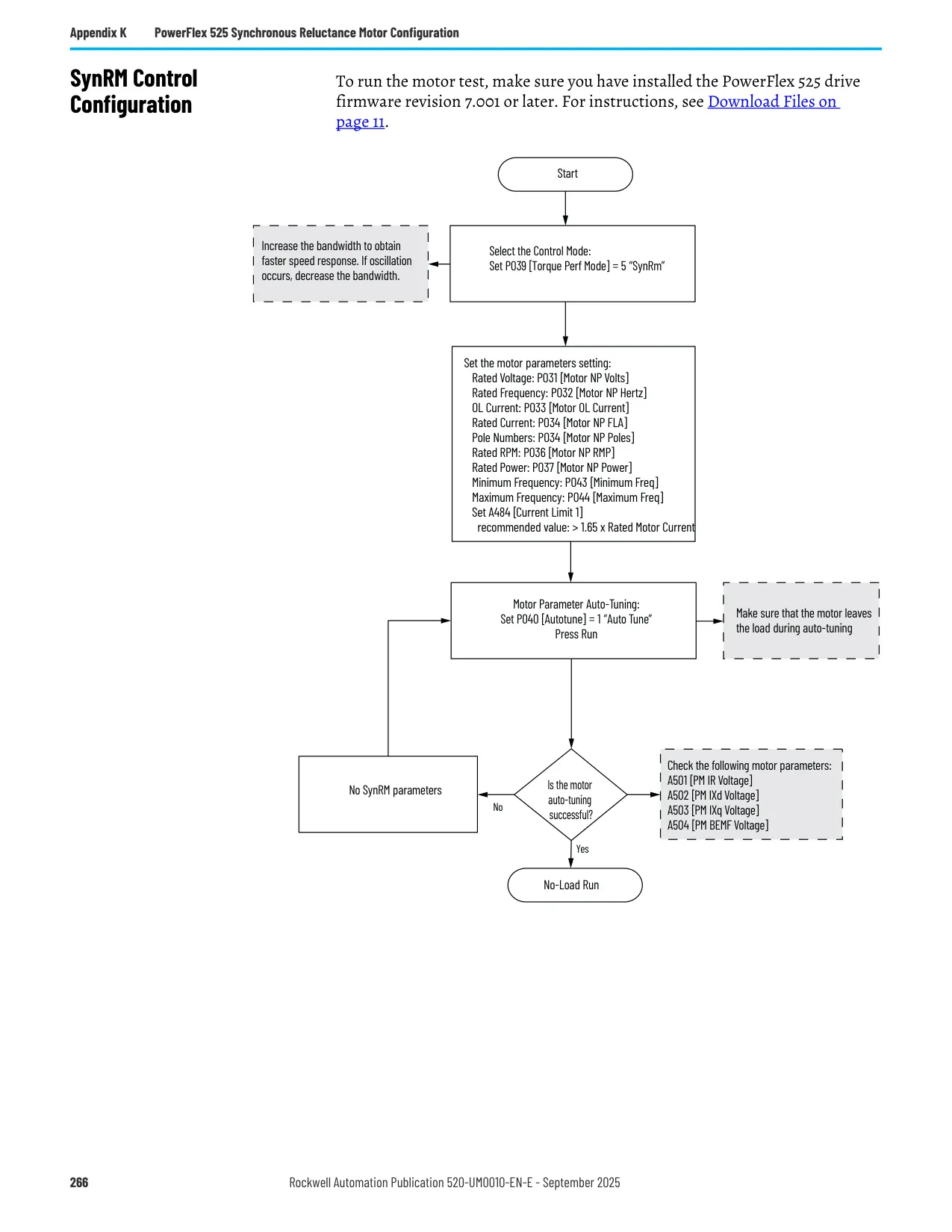
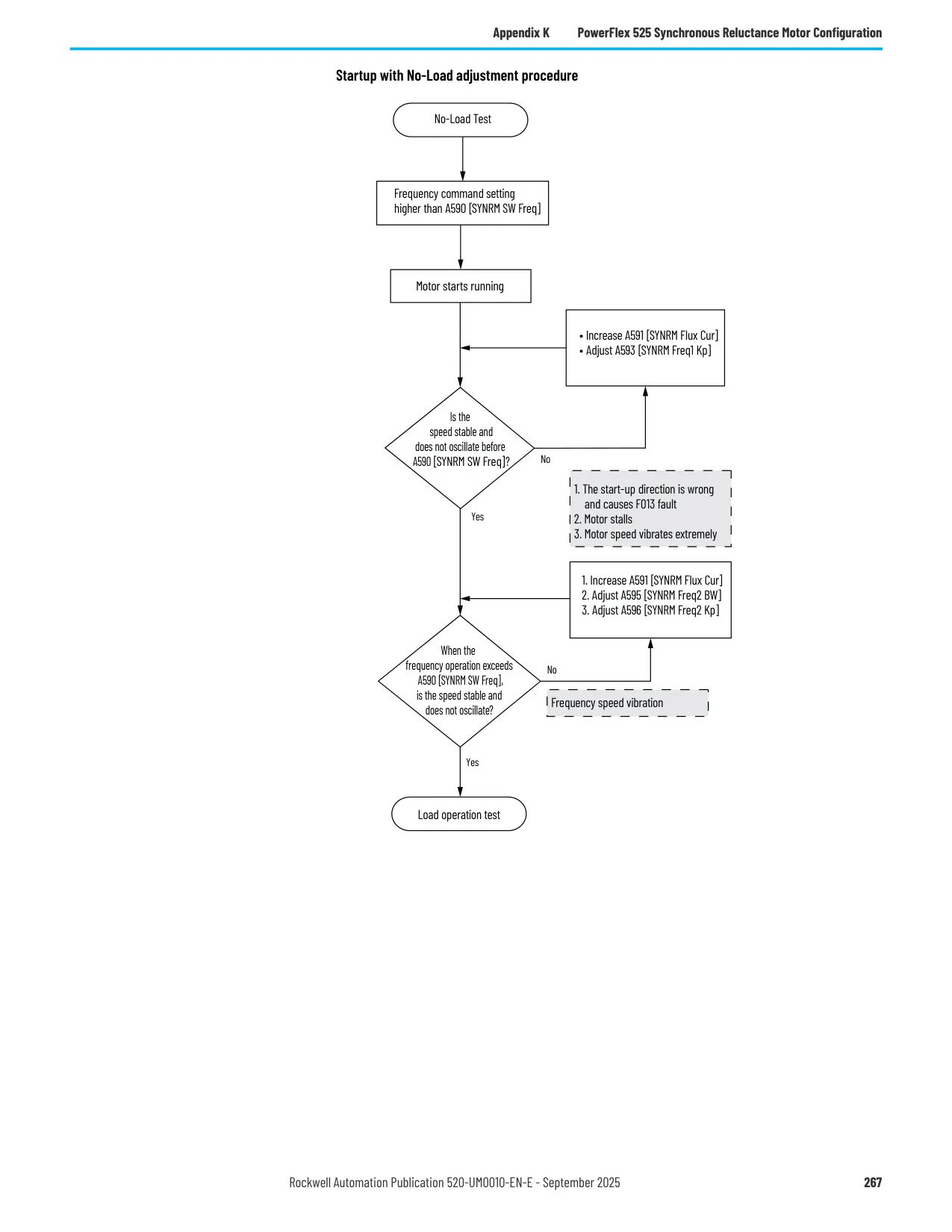
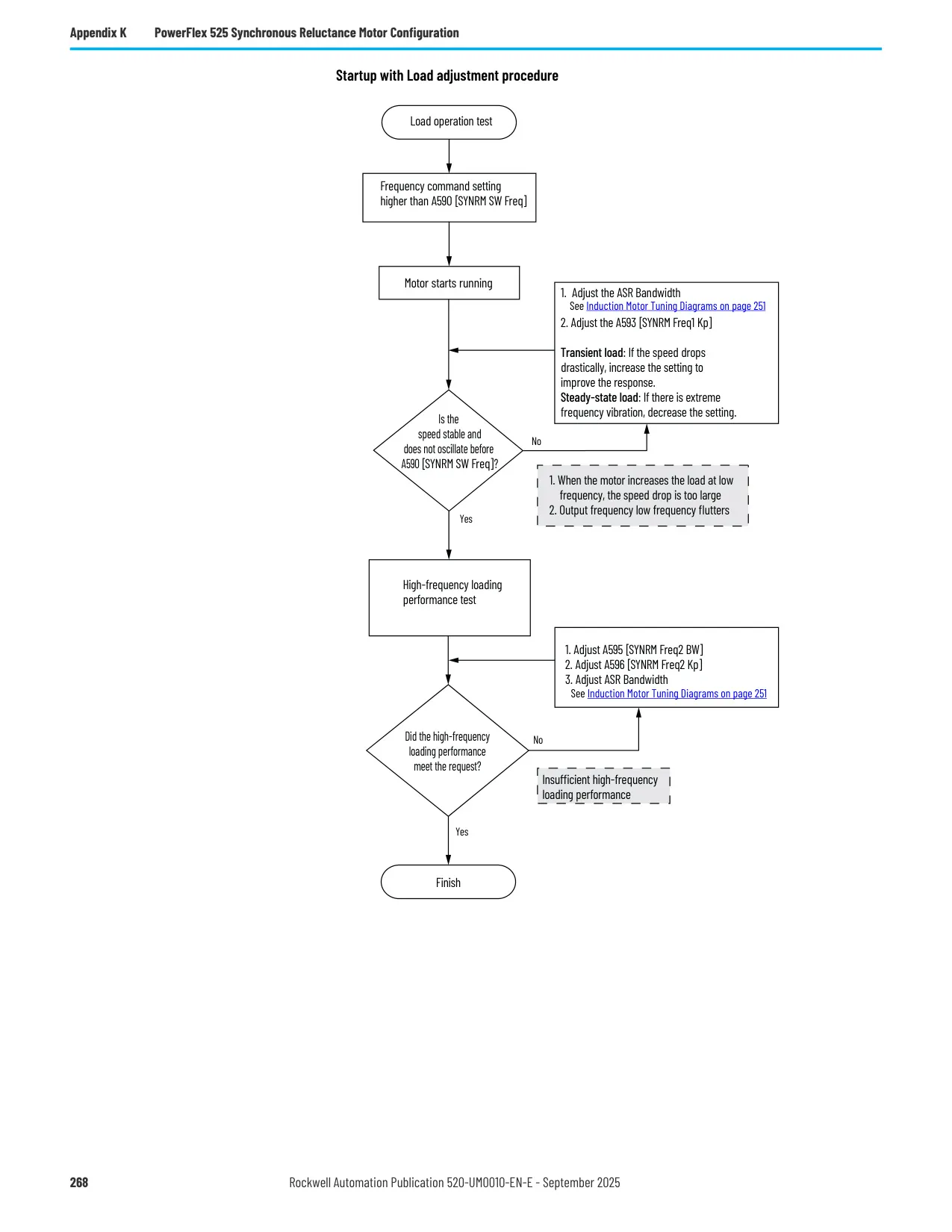
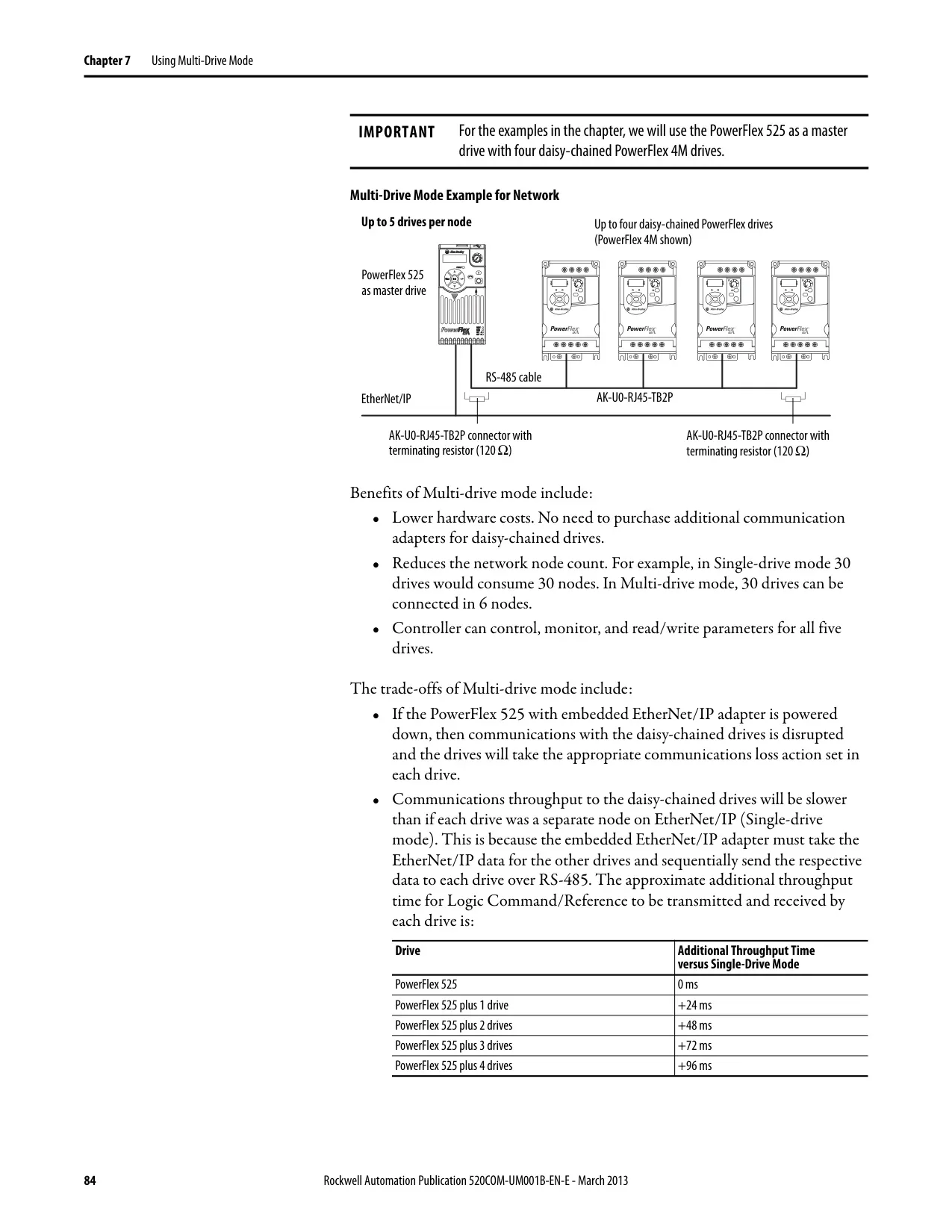
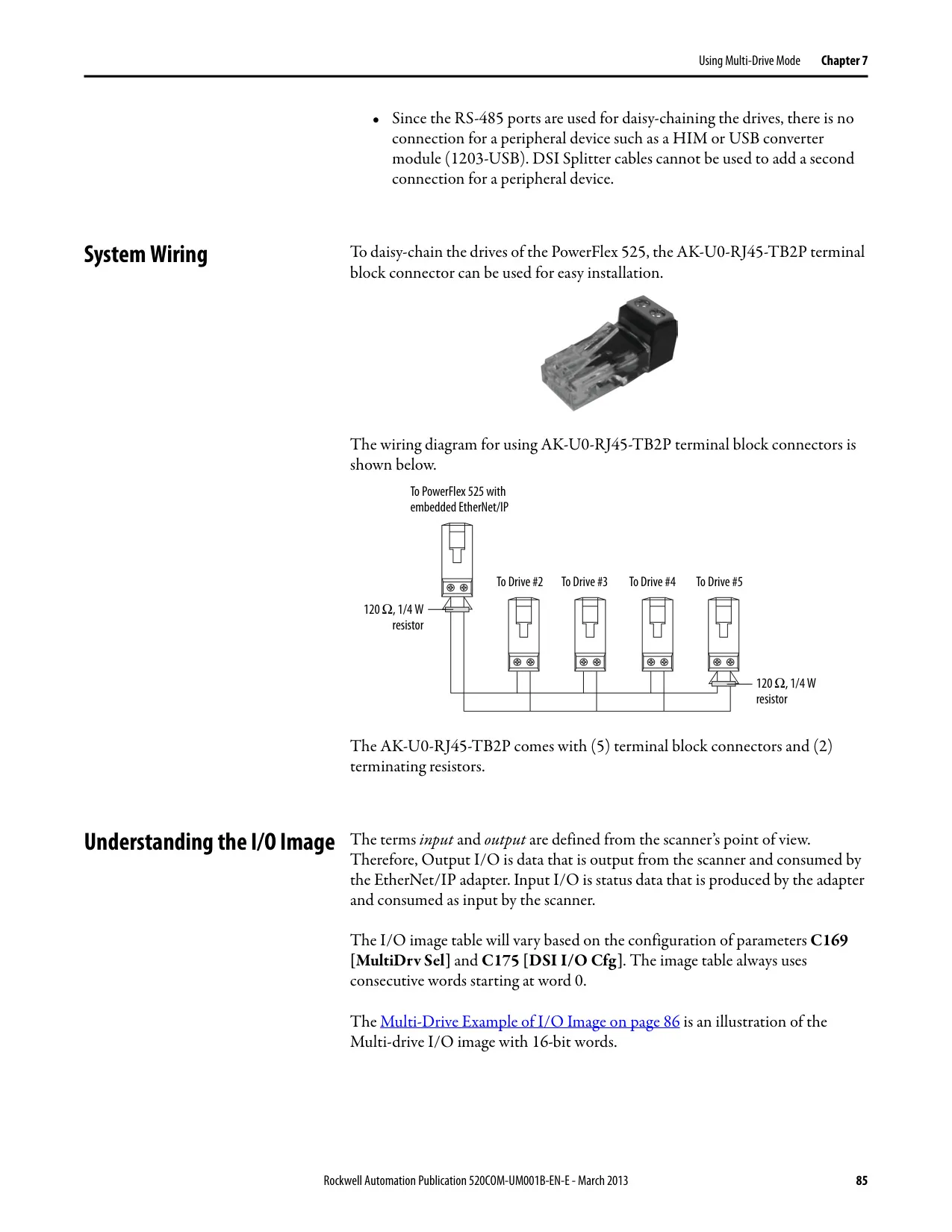
Additionally, the PowerFlex 525 can utilize the 25-COMM-E2P dual-port EtherNet/IP adapter for ring network topologies. When it comes to motor control, the PowerFlex 525 drive goes beyond basic modes. It supports Closed Loop Velocity Vector Control (VVC), which is crucial for high-precision applications. Furthermore, it is compatible with Permanent Magnet (PM) motors and Synchronous Reluctance (SynRM) motors, allowing optimal performance and energy efficiency in these advanced motor types. Configuring these motors requires specific firmware and a detailed auto-tuning and alignment process.
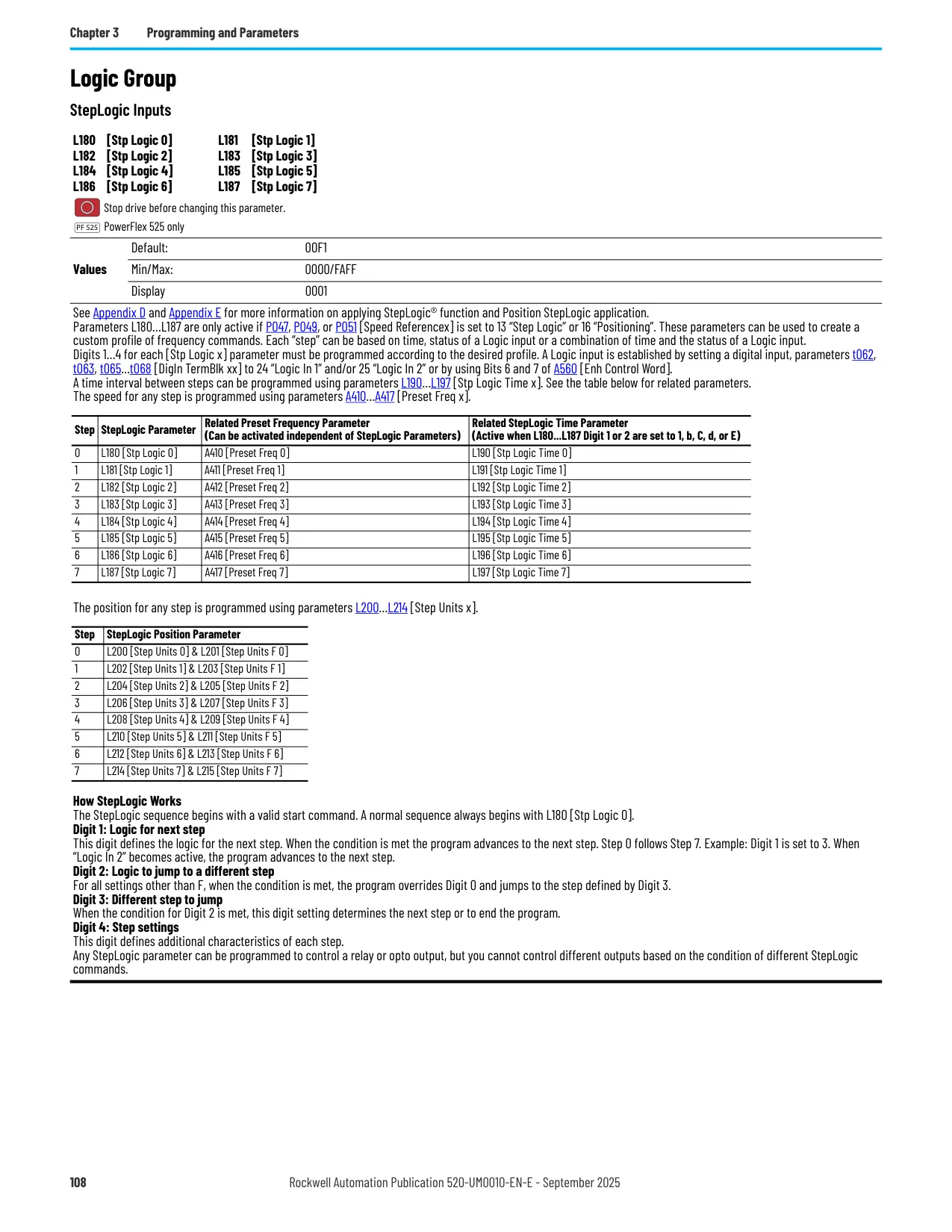
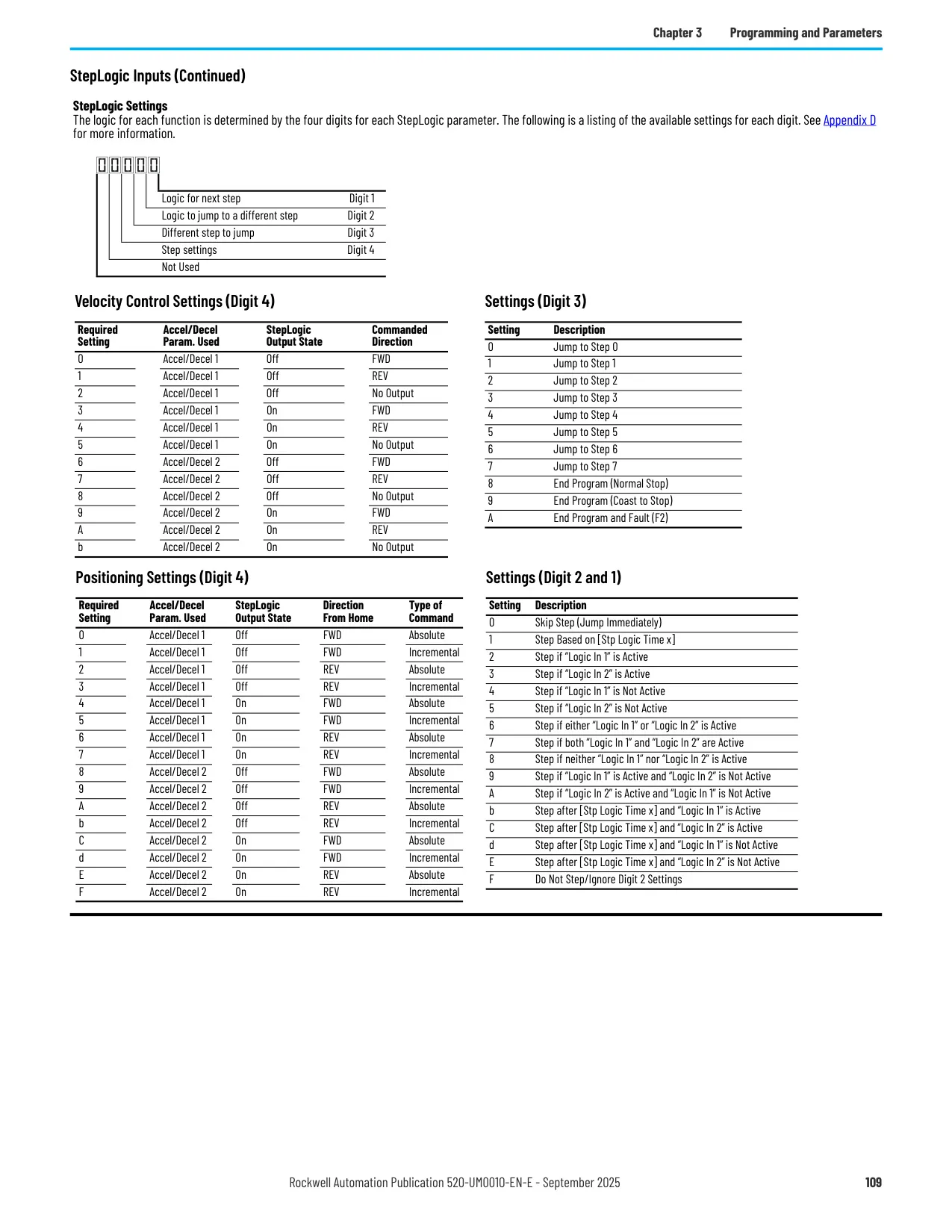
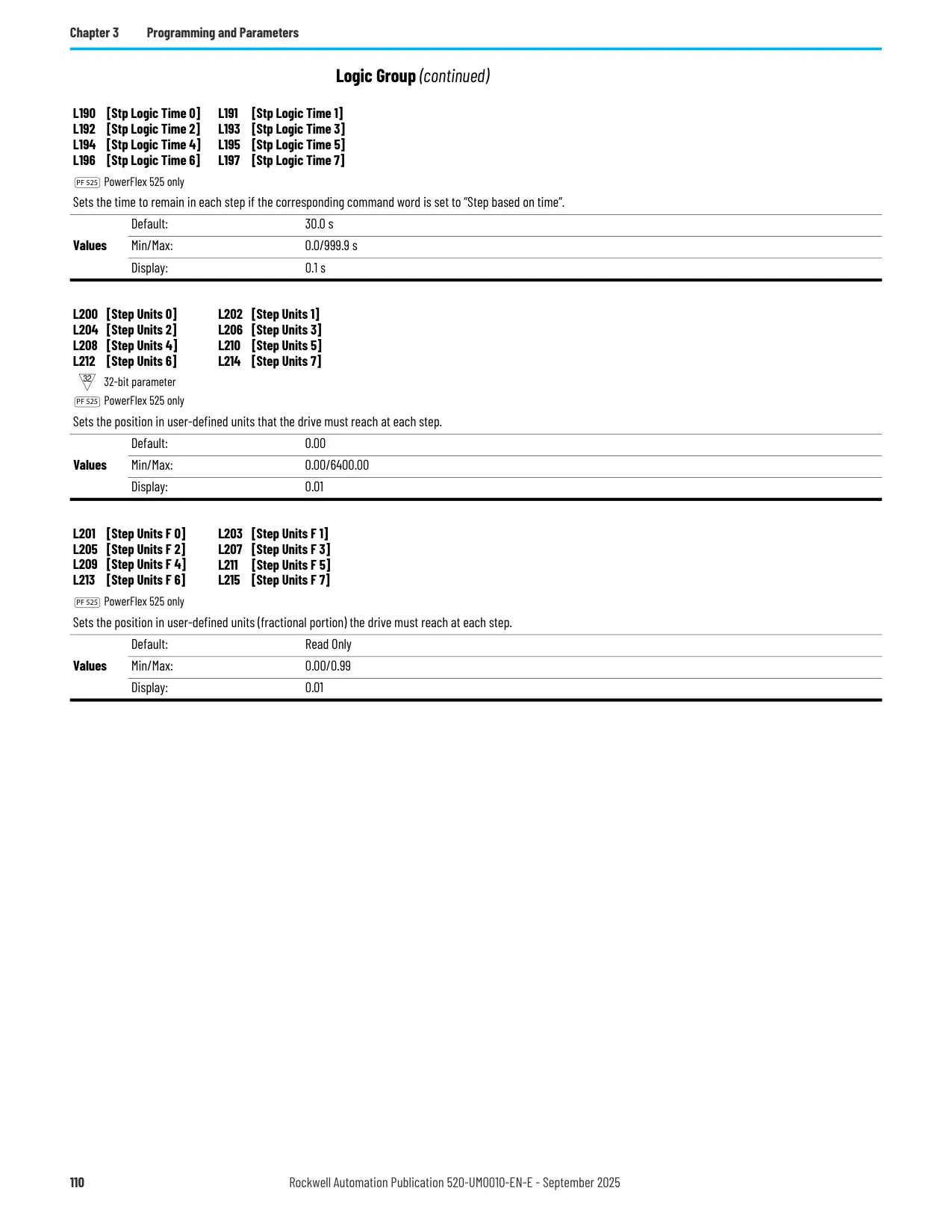
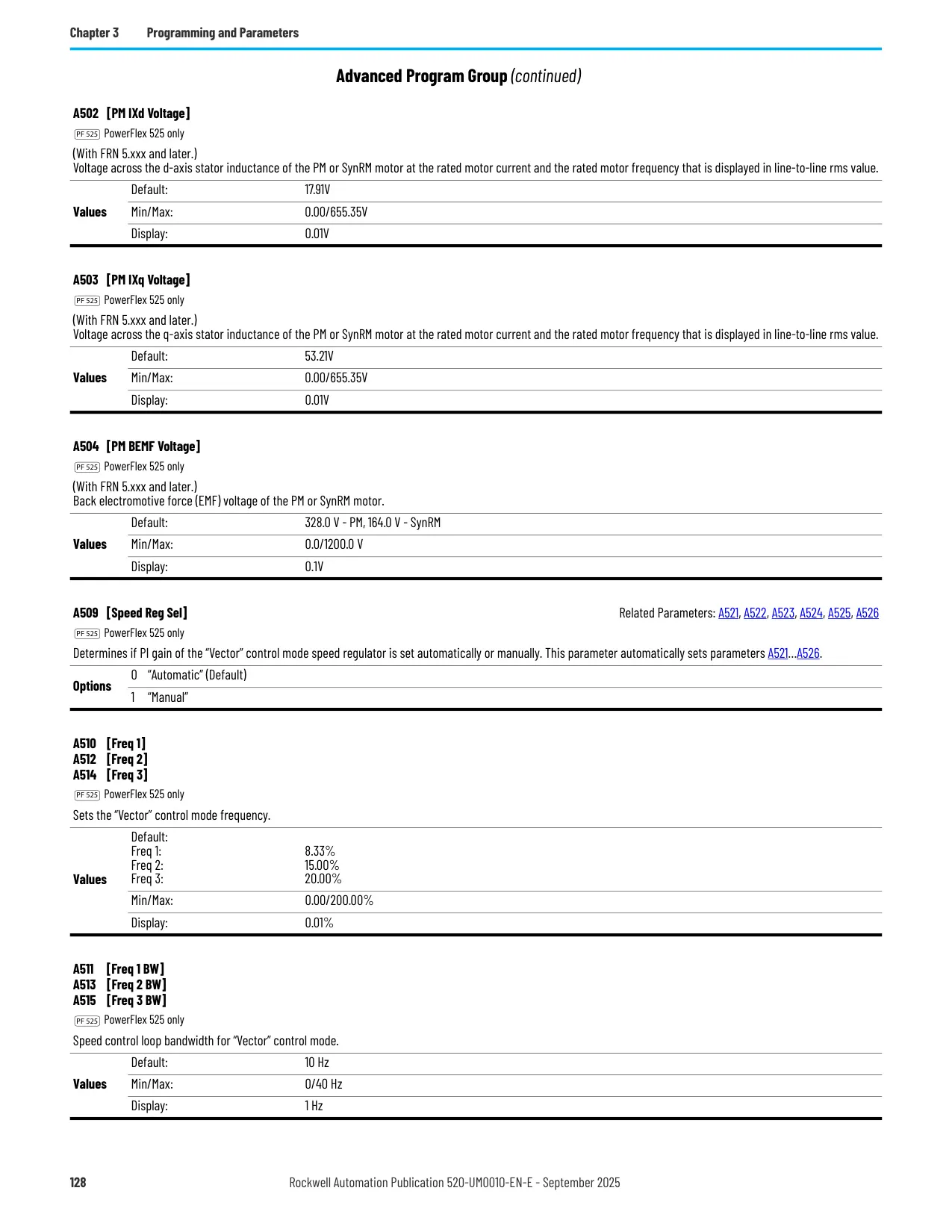
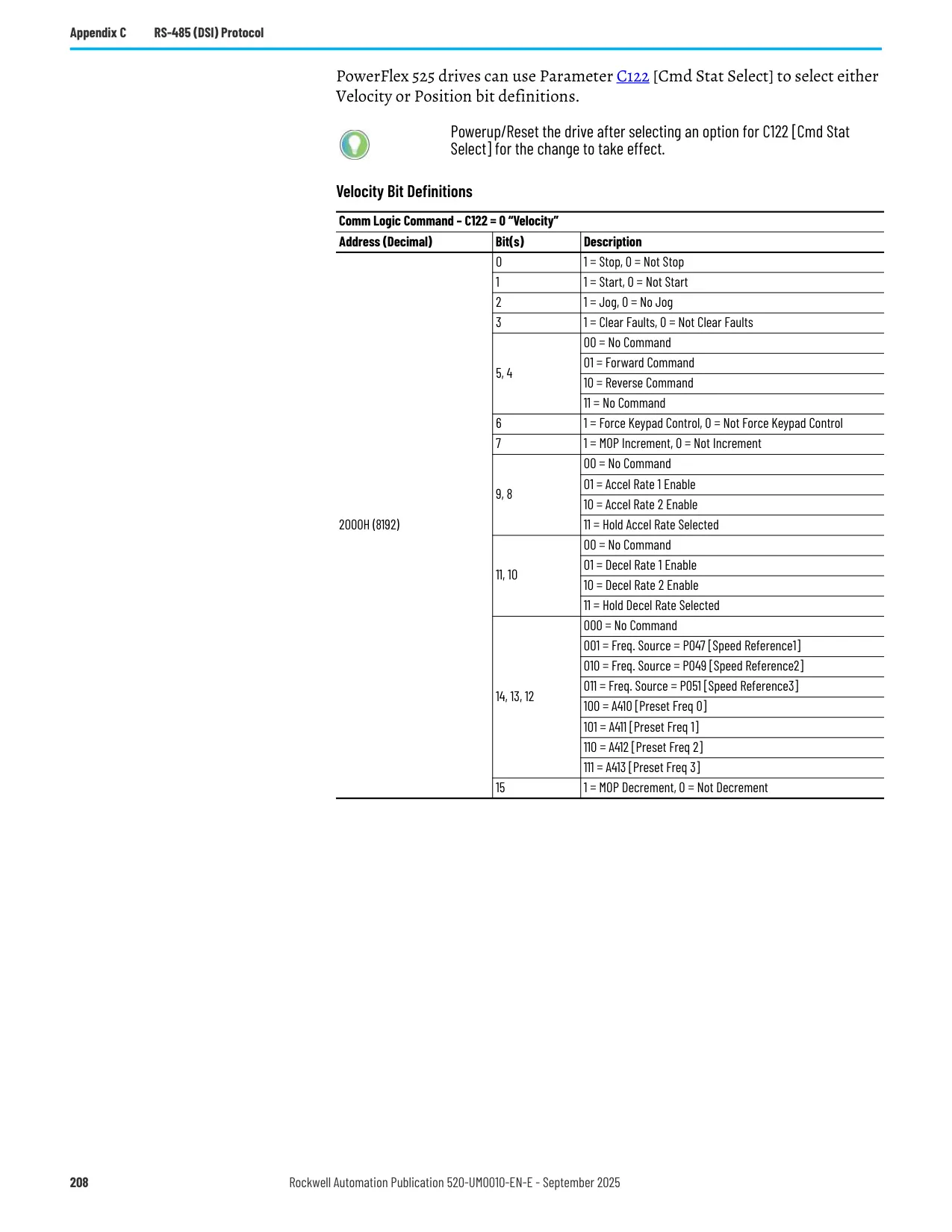
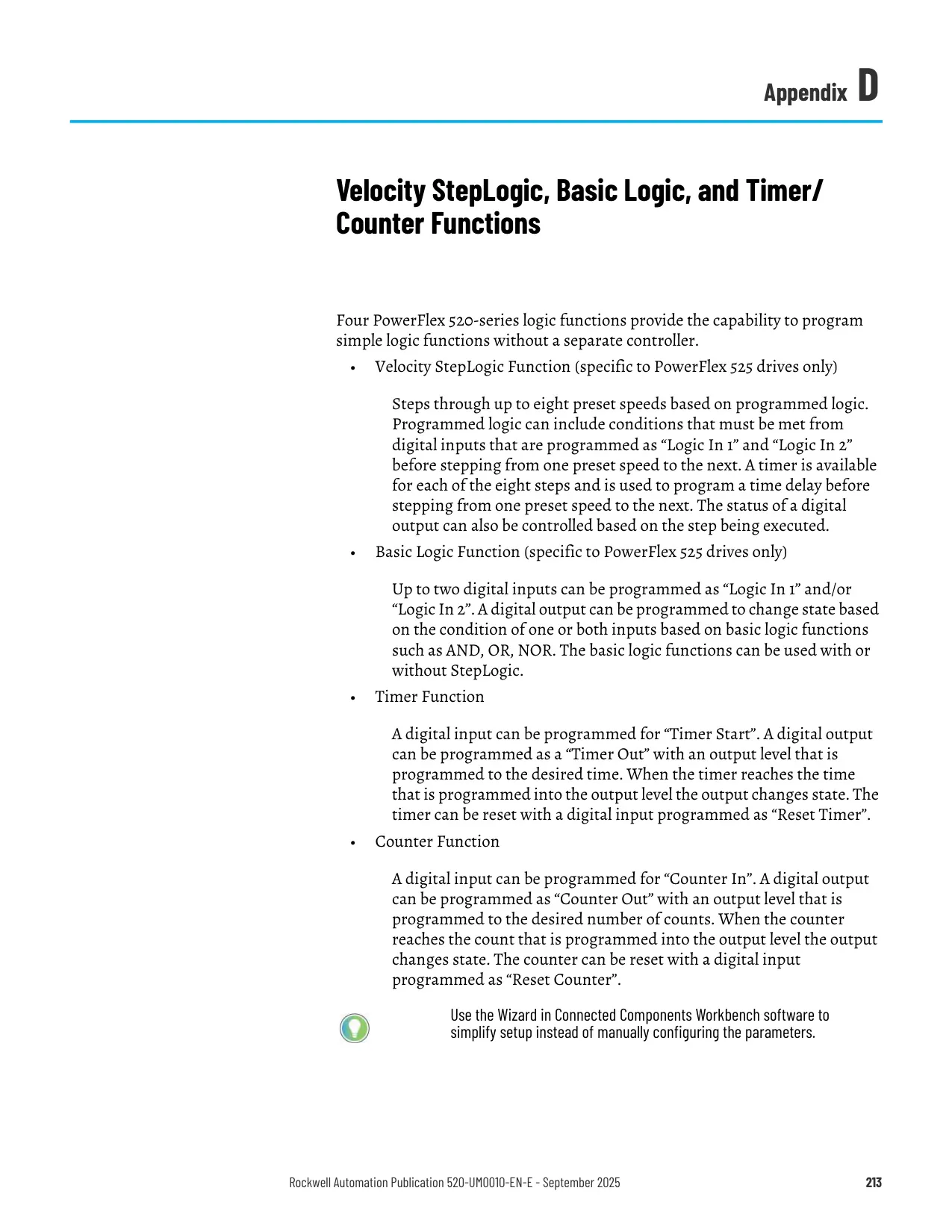
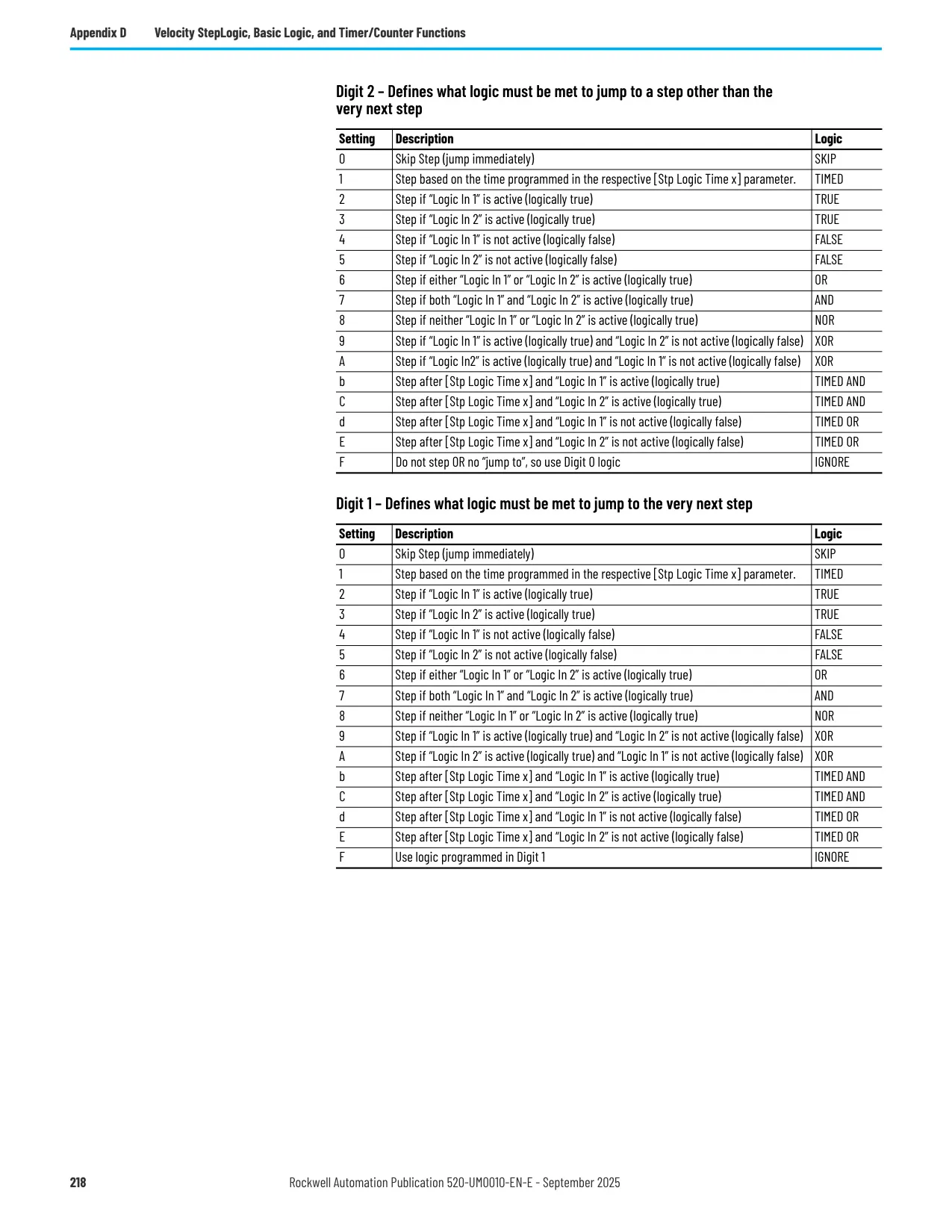
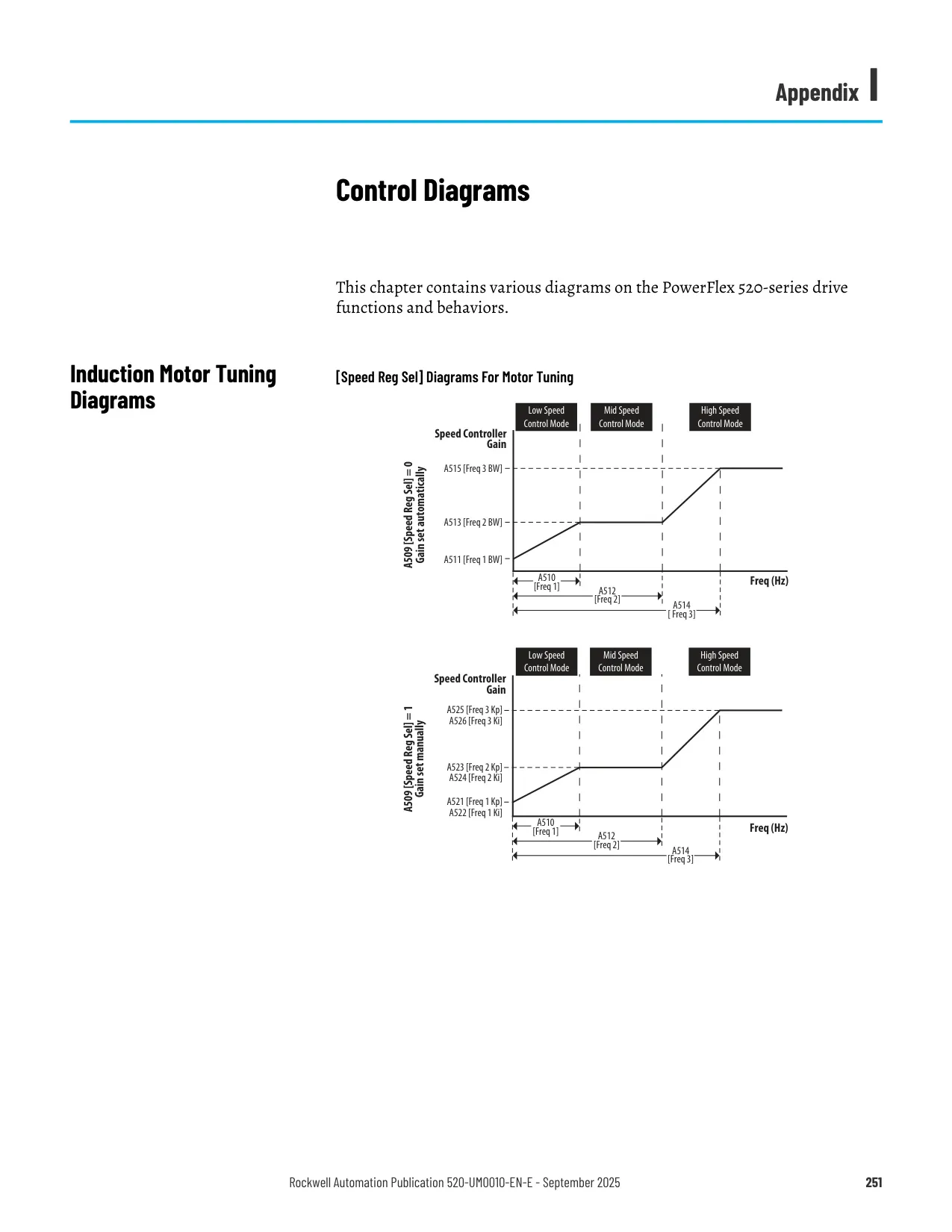
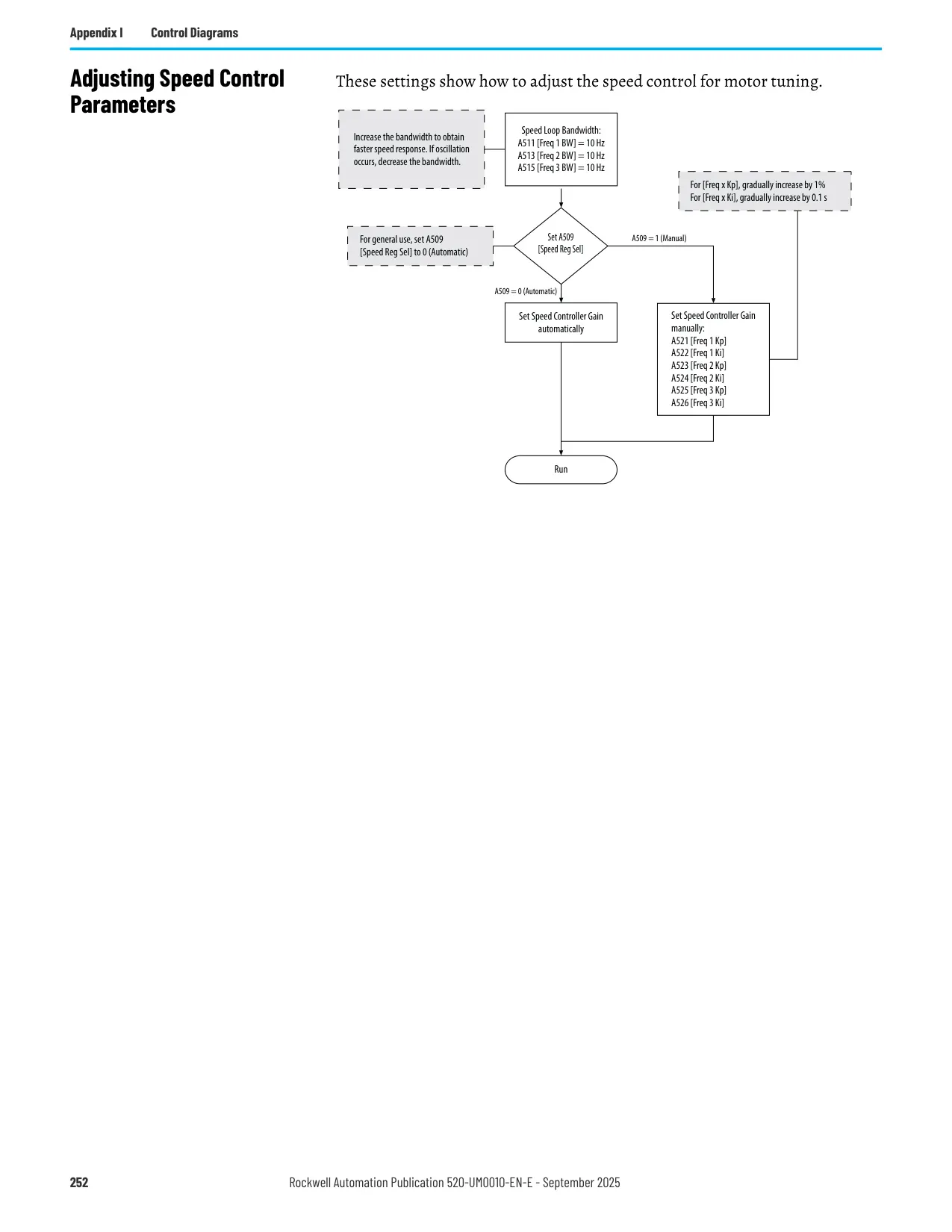
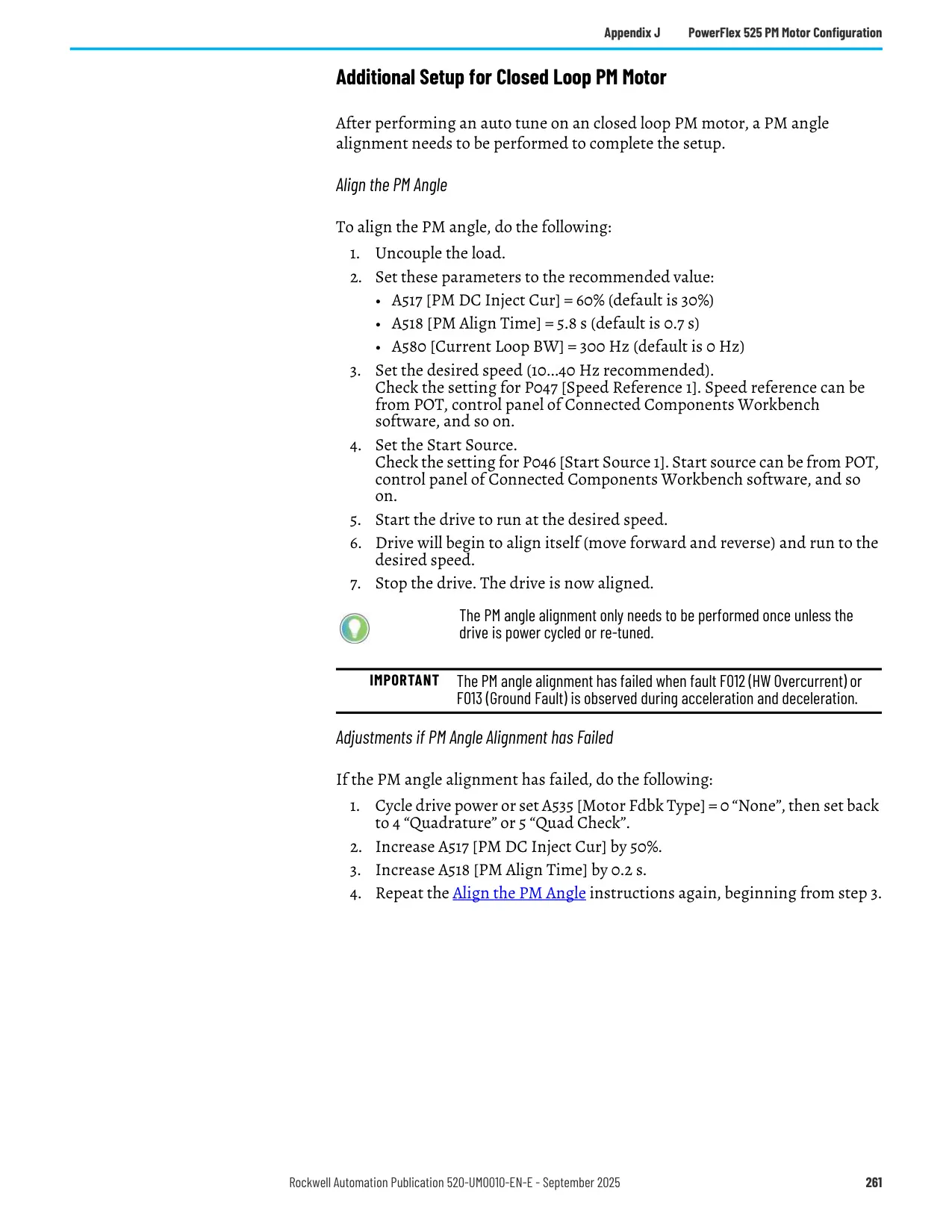
Speed control tuning can be performed automatically or manually by adjusting parameters such as bandwidth and proportional and integral gains to adapt the drive's response to the dynamic requirements of the application. For PM motors, a specific angle alignment procedure is included to ensure accurate closed-loop control, especially when using encoders. The PowerFlex 525 also incorporates advanced logic functionality. StepLogic allows the creation of programmable sequences of up to eight steps, with preset speeds and defined times, facilitating the automation of simple tasks without requiring an external PLC.
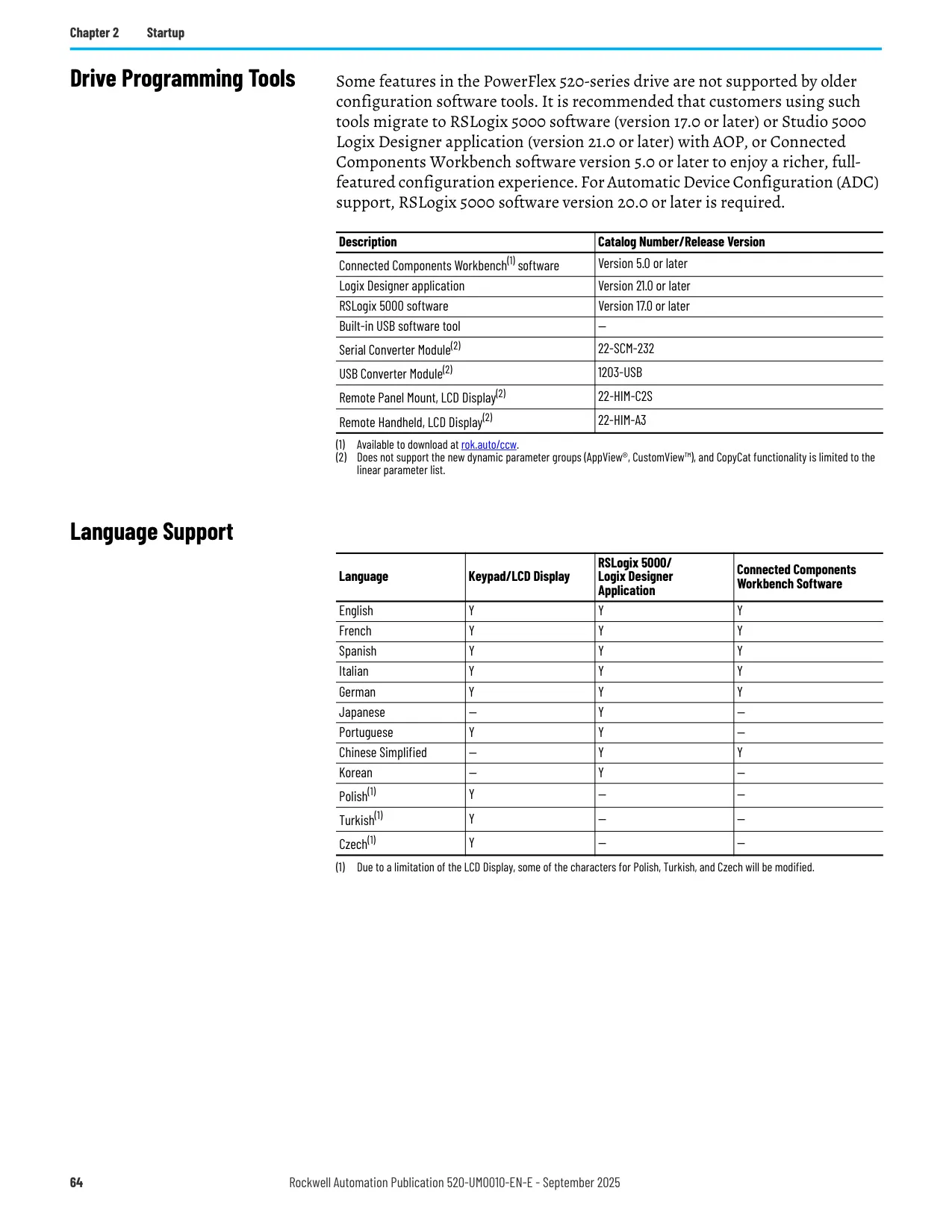
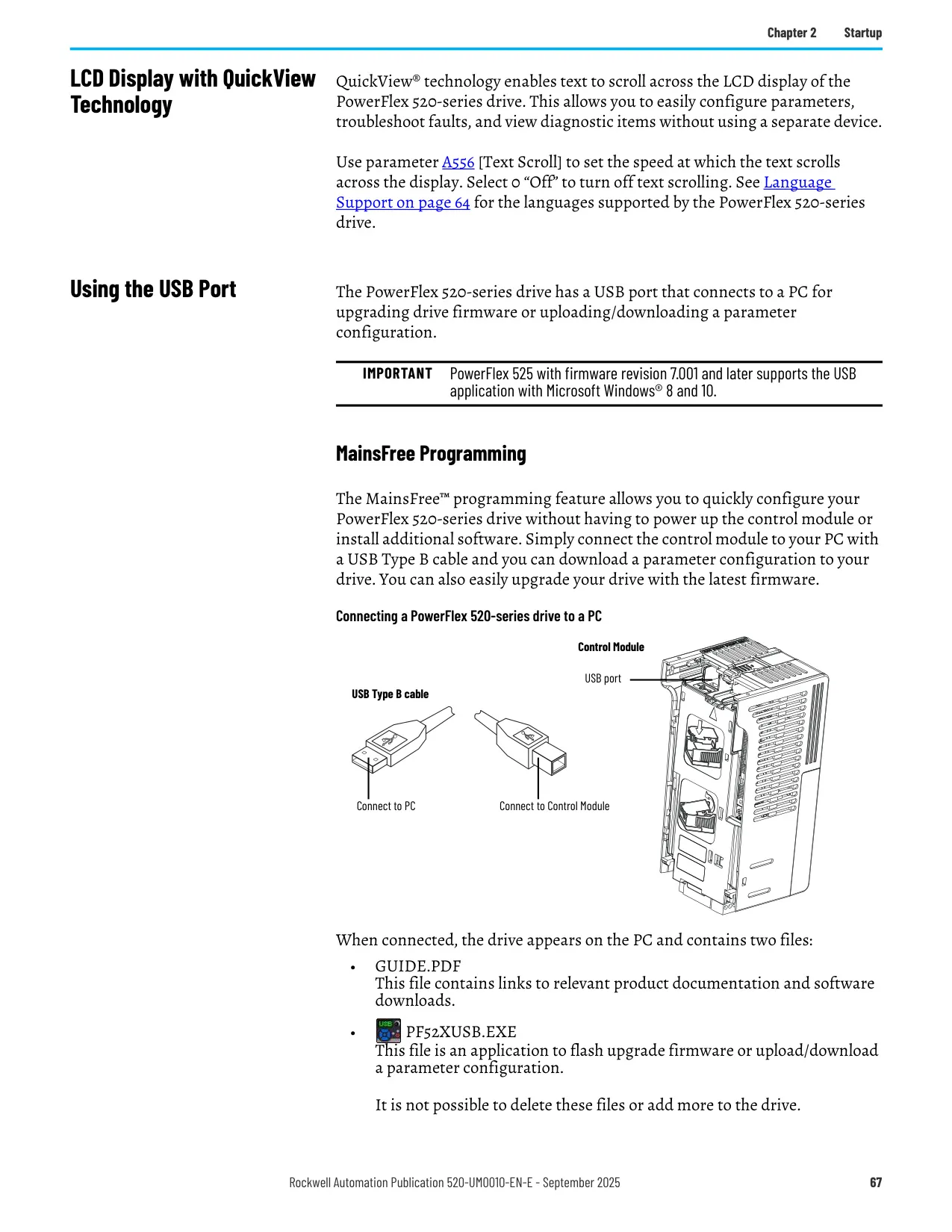
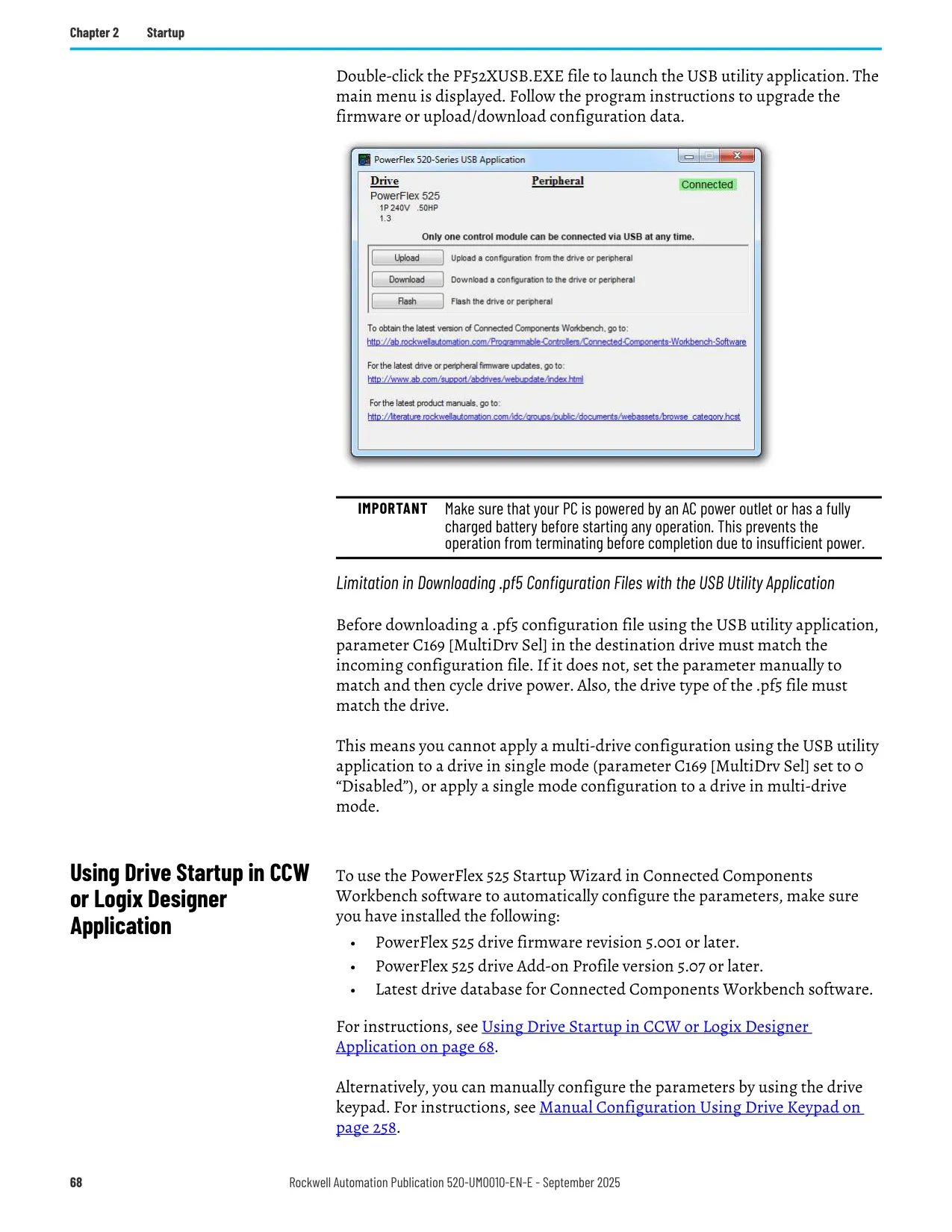
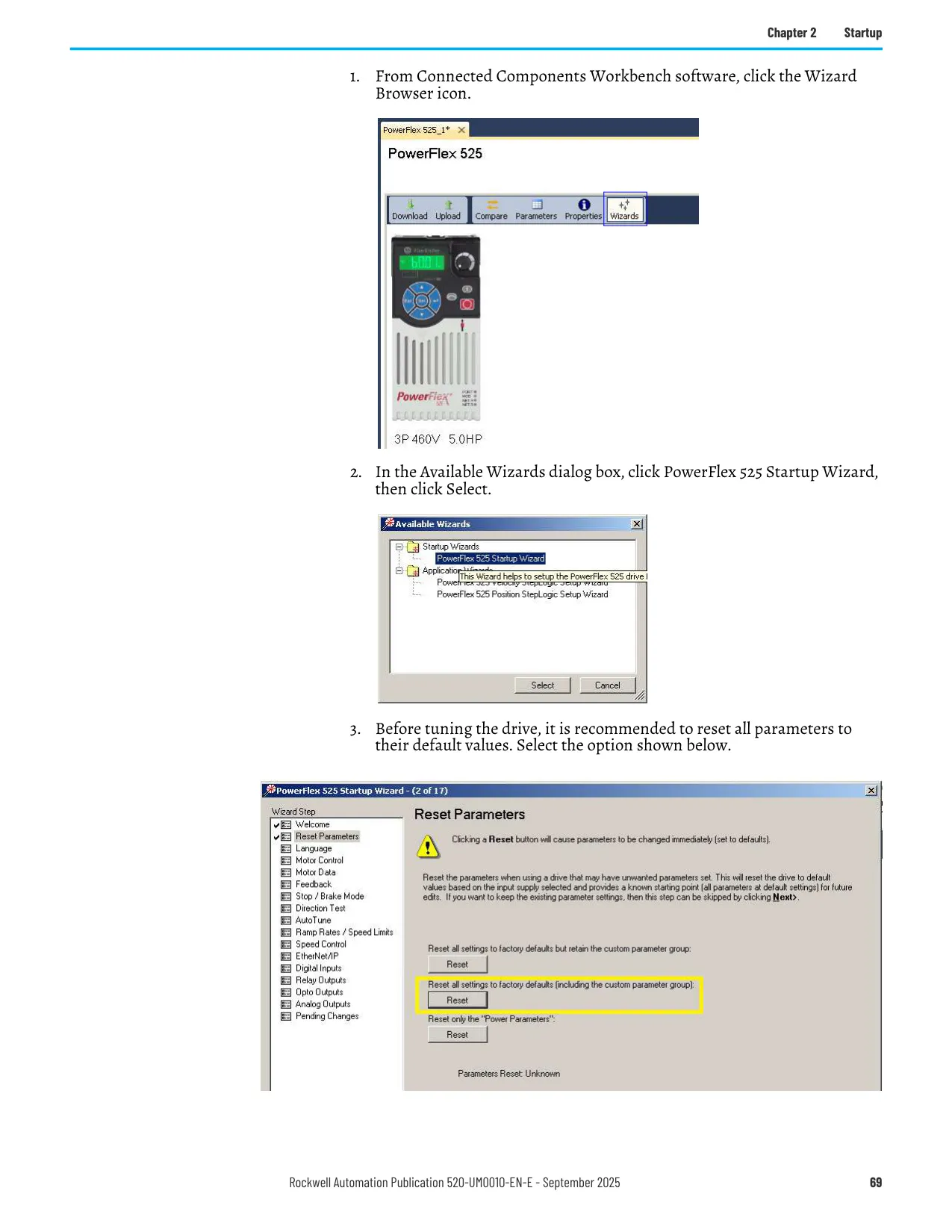
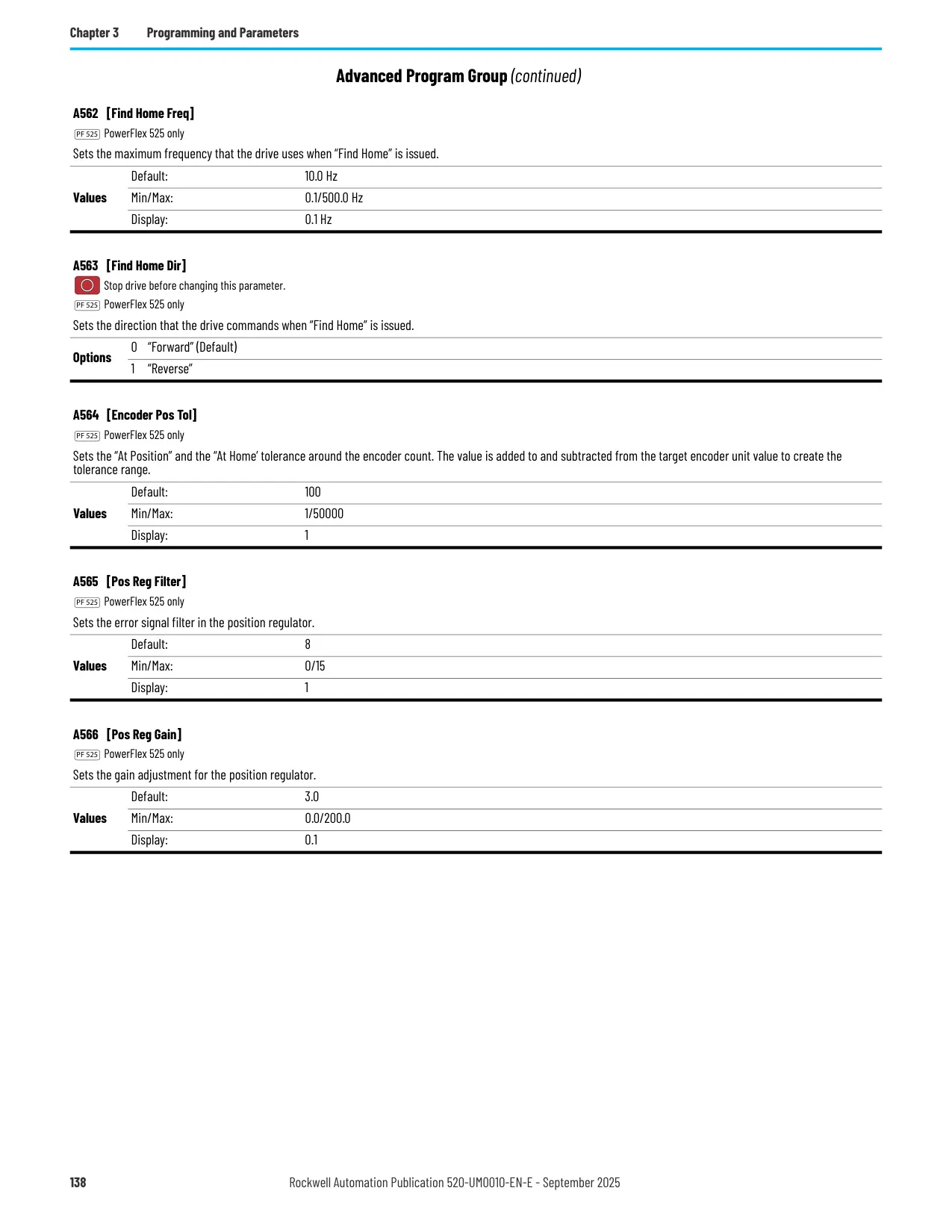
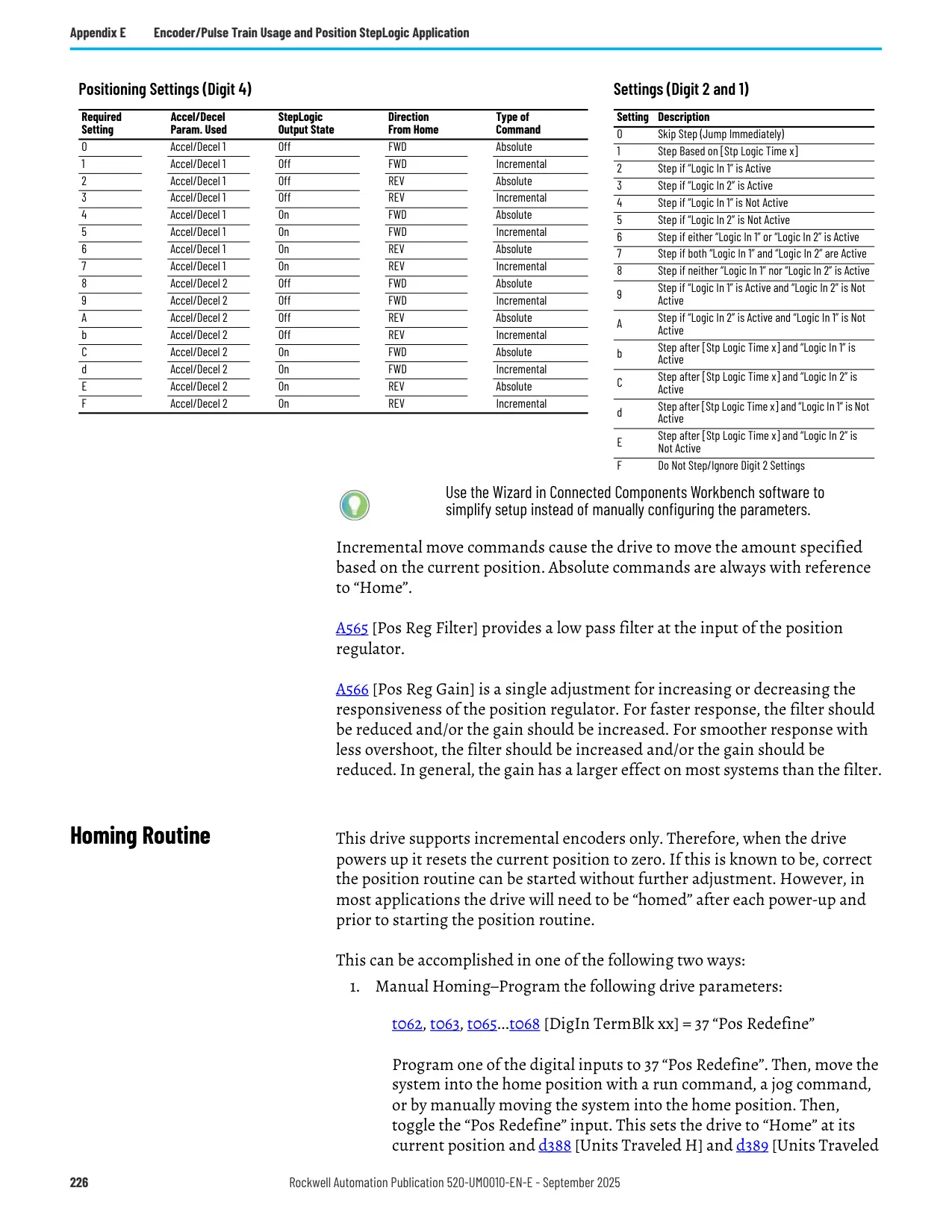
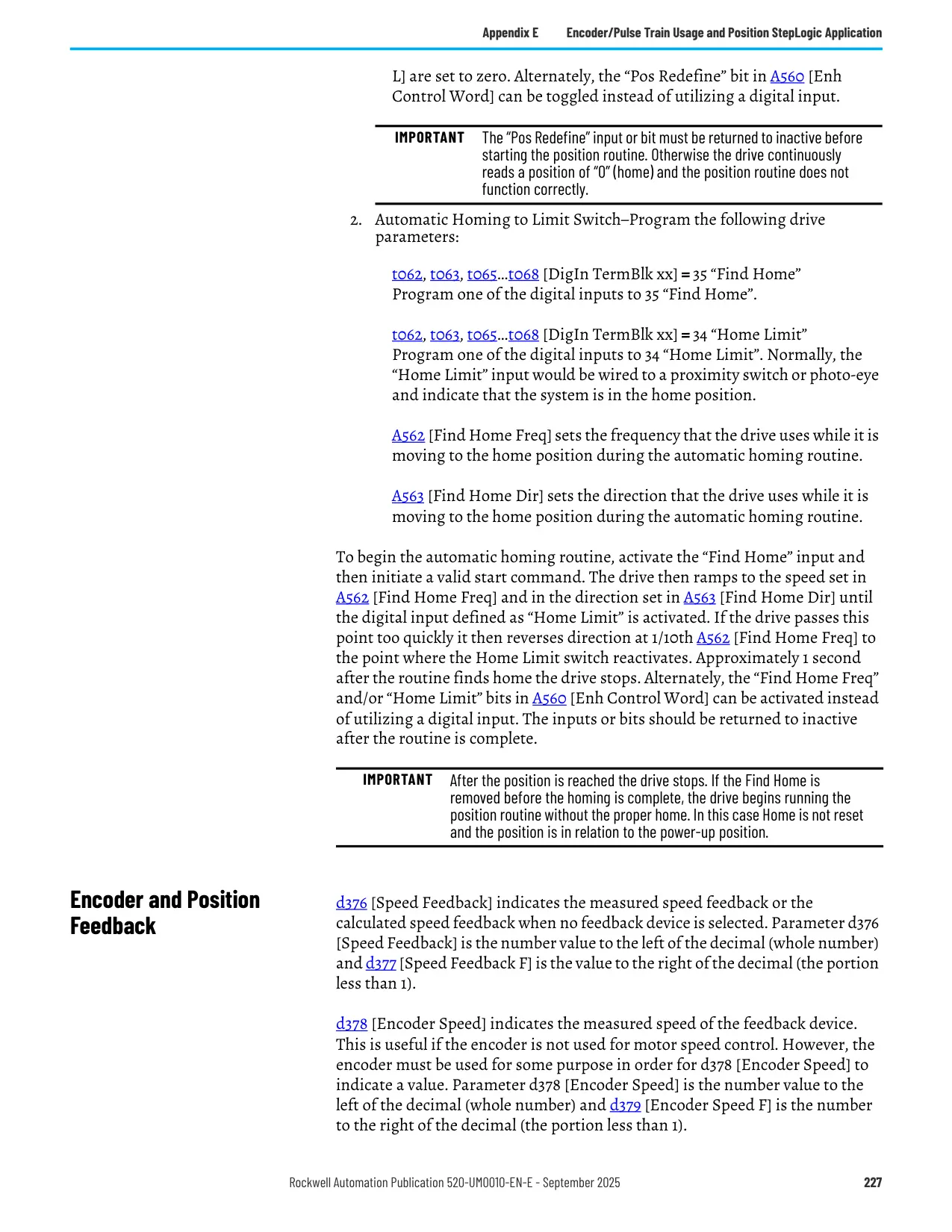
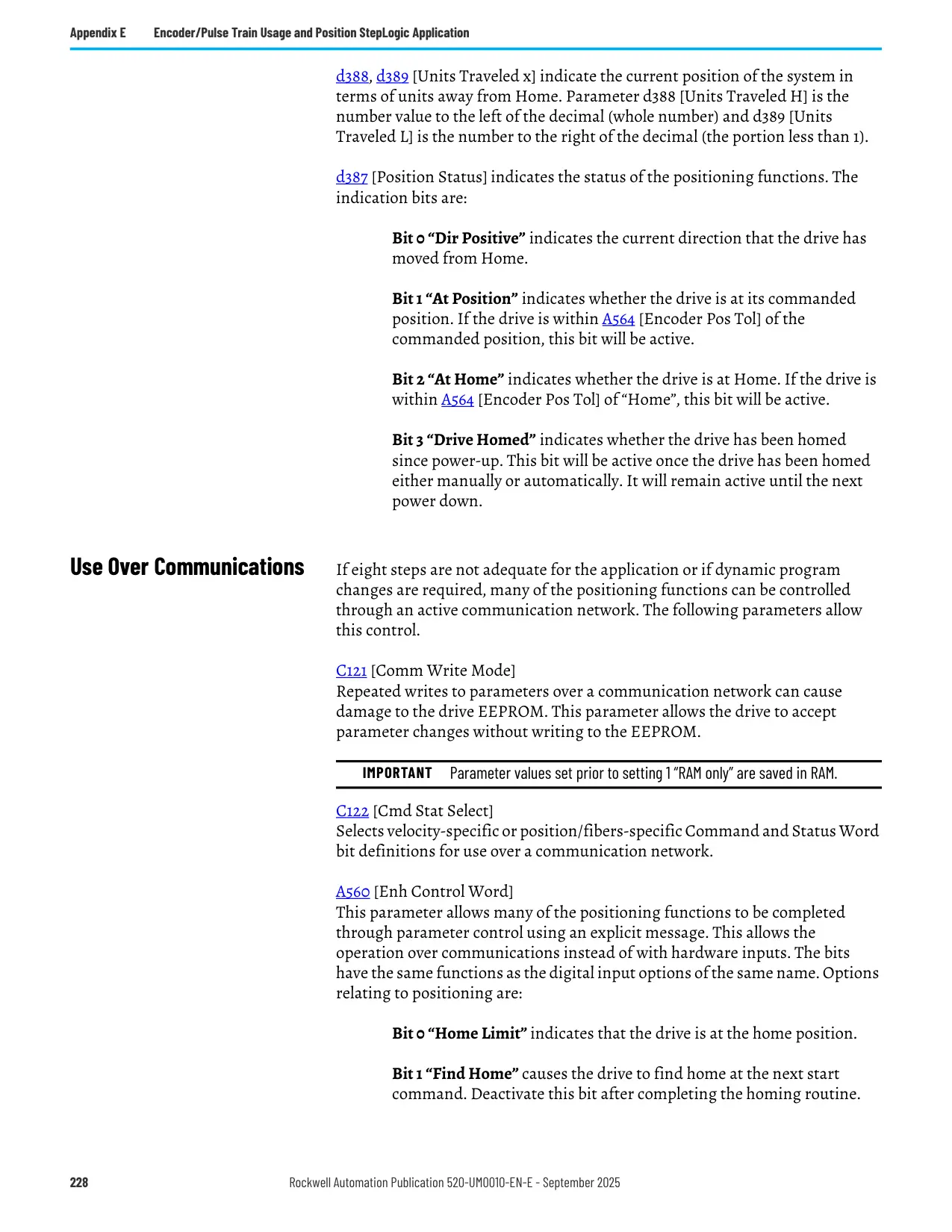
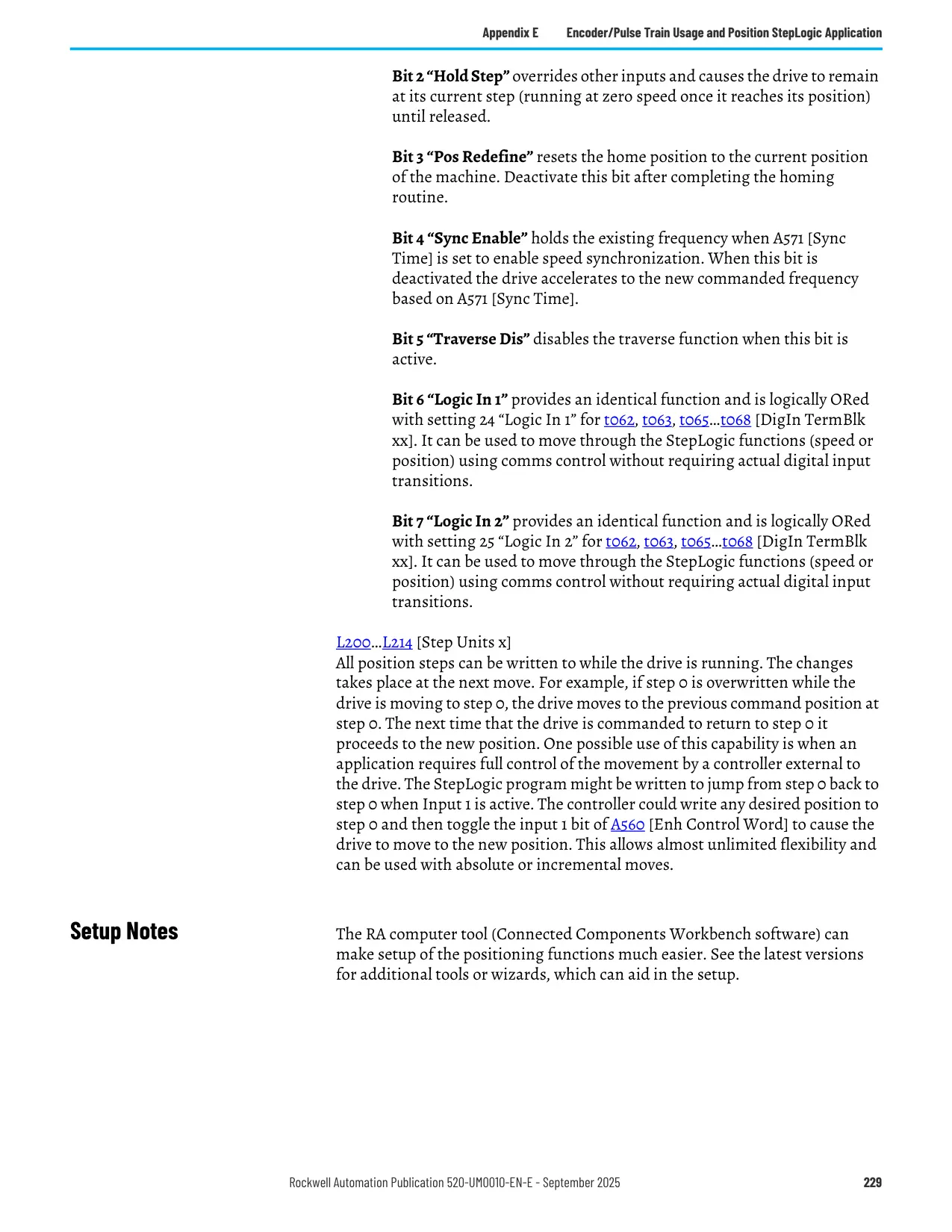
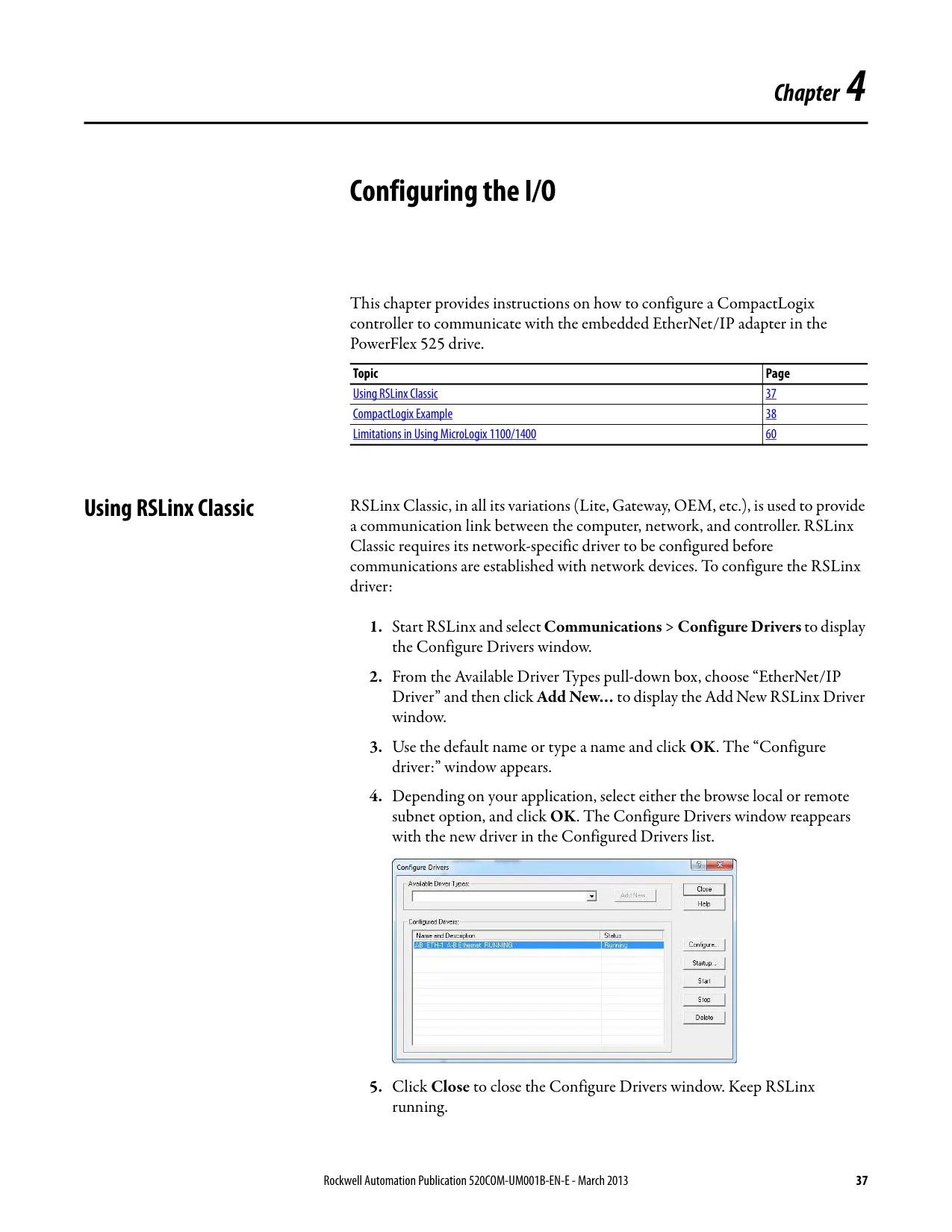
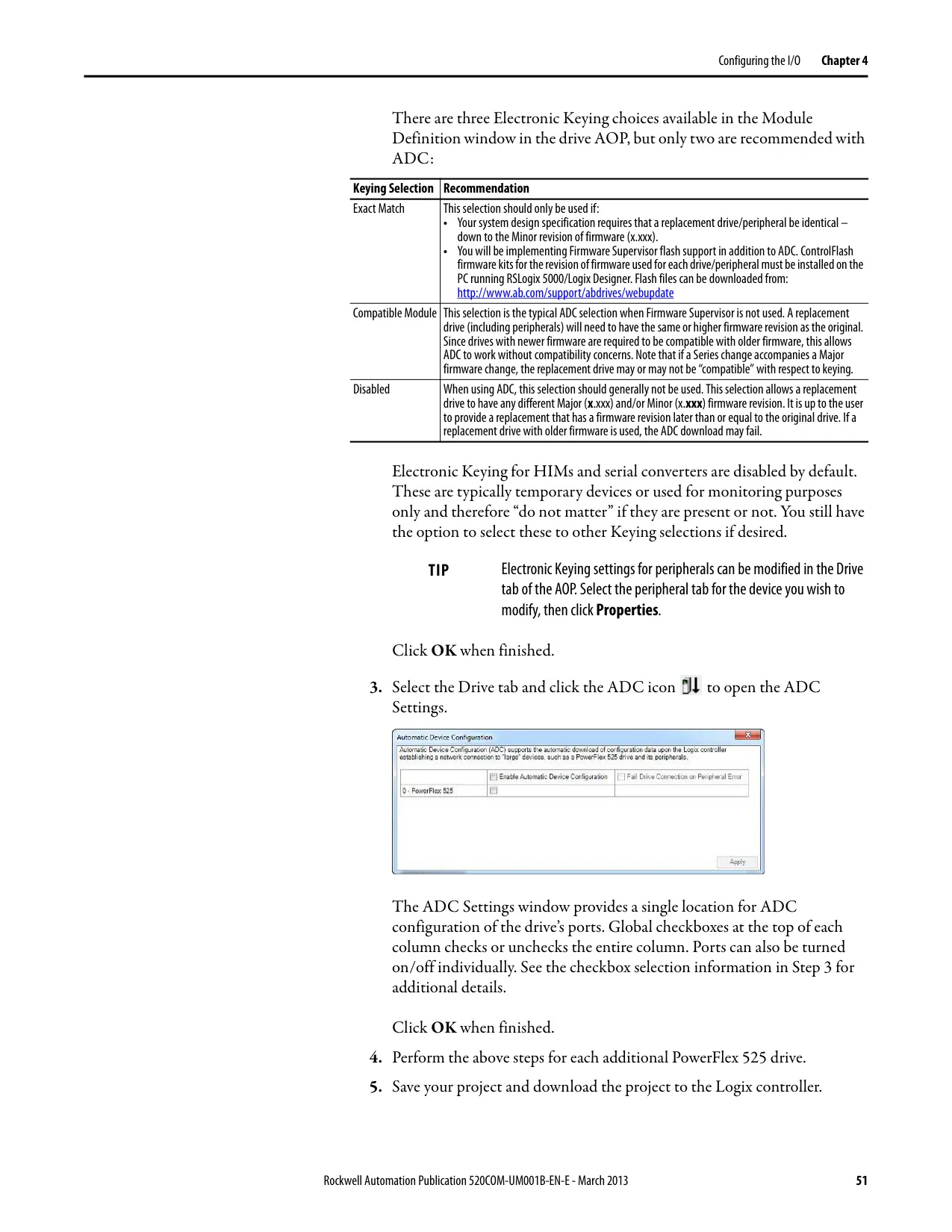
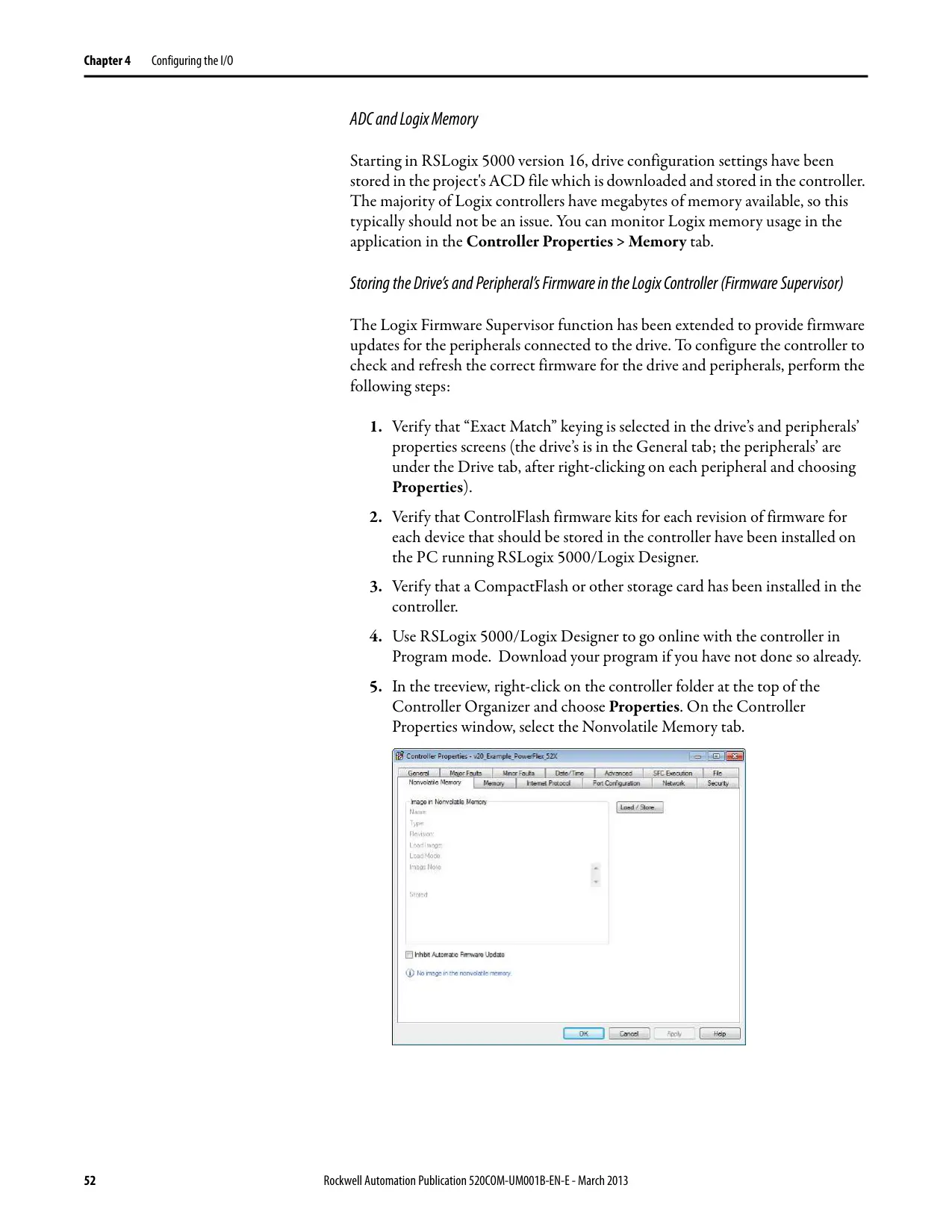
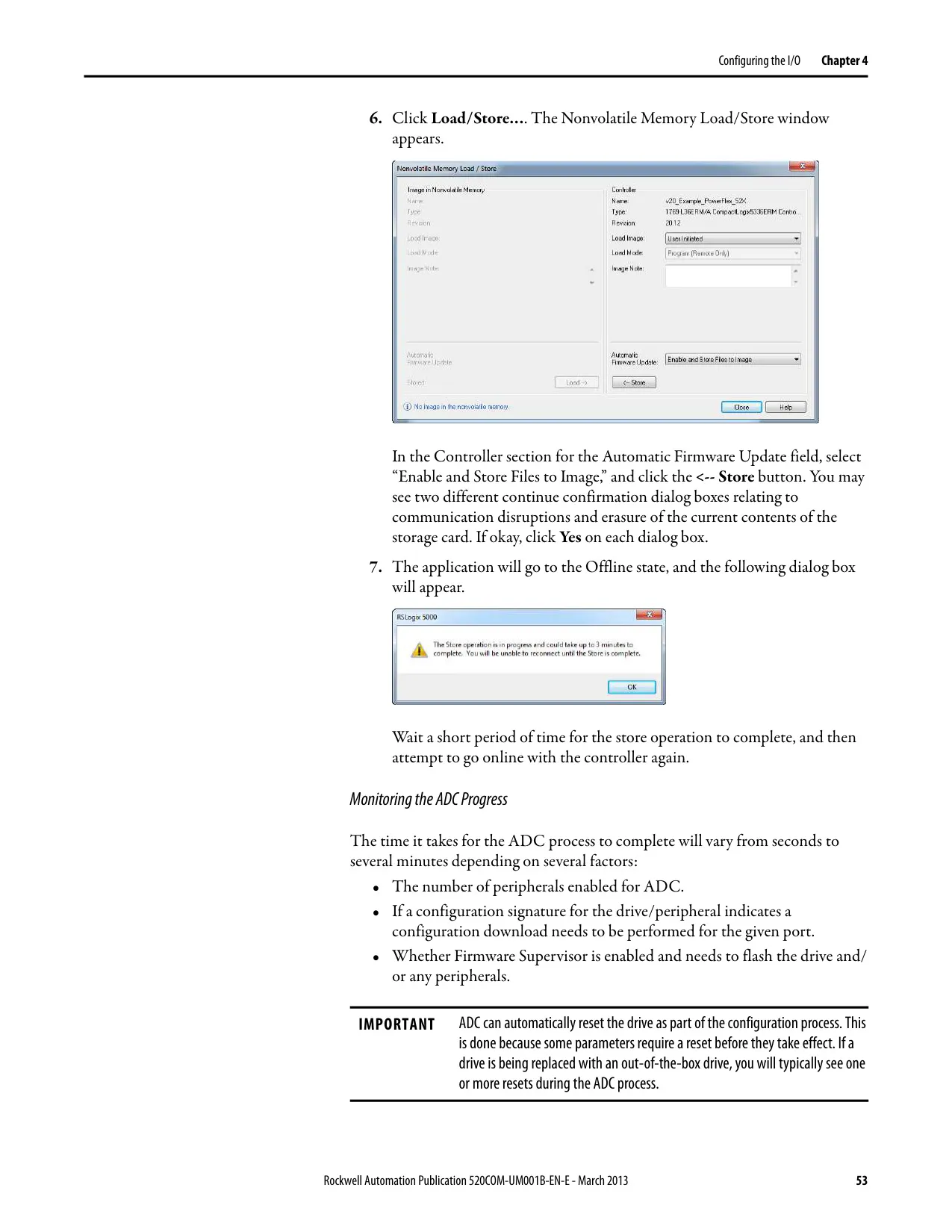
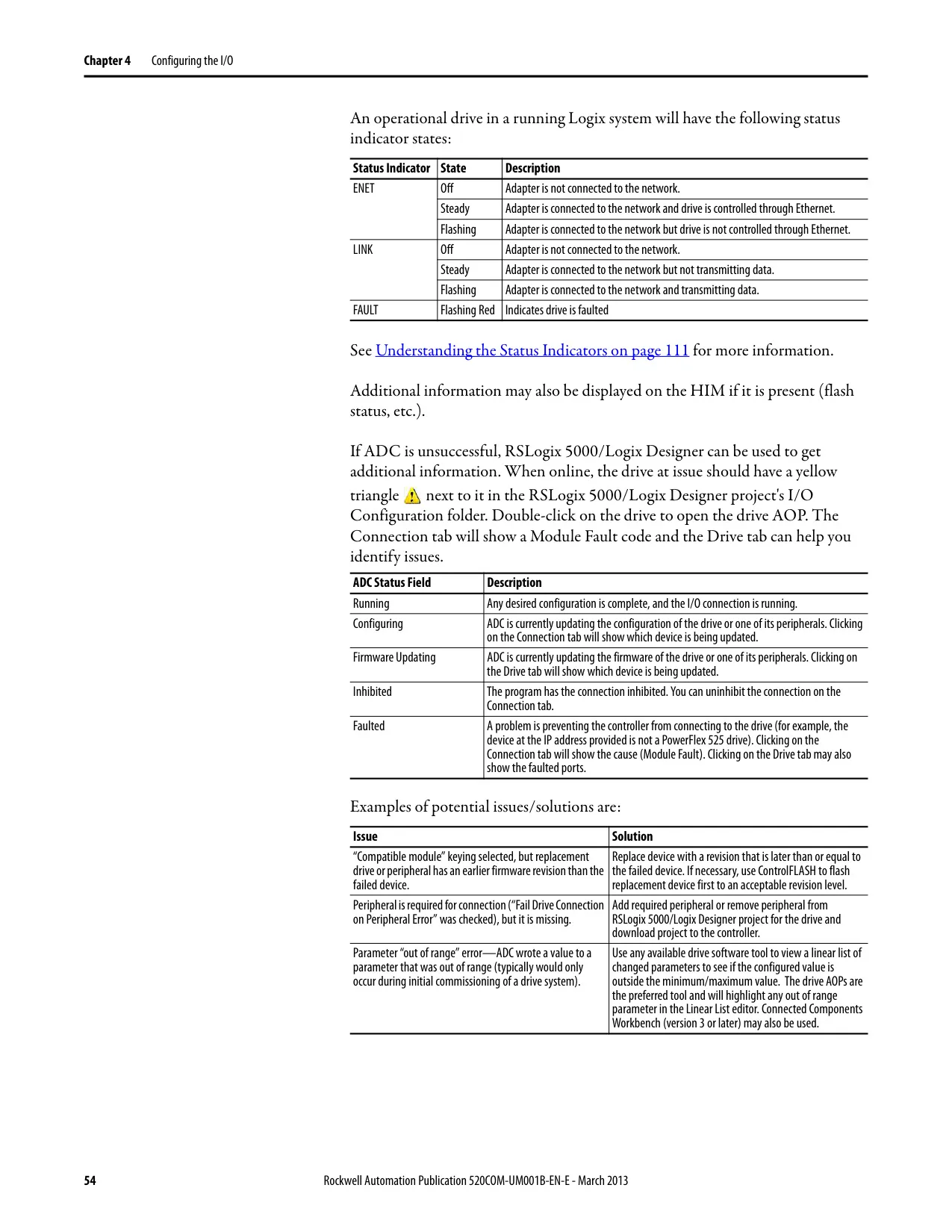
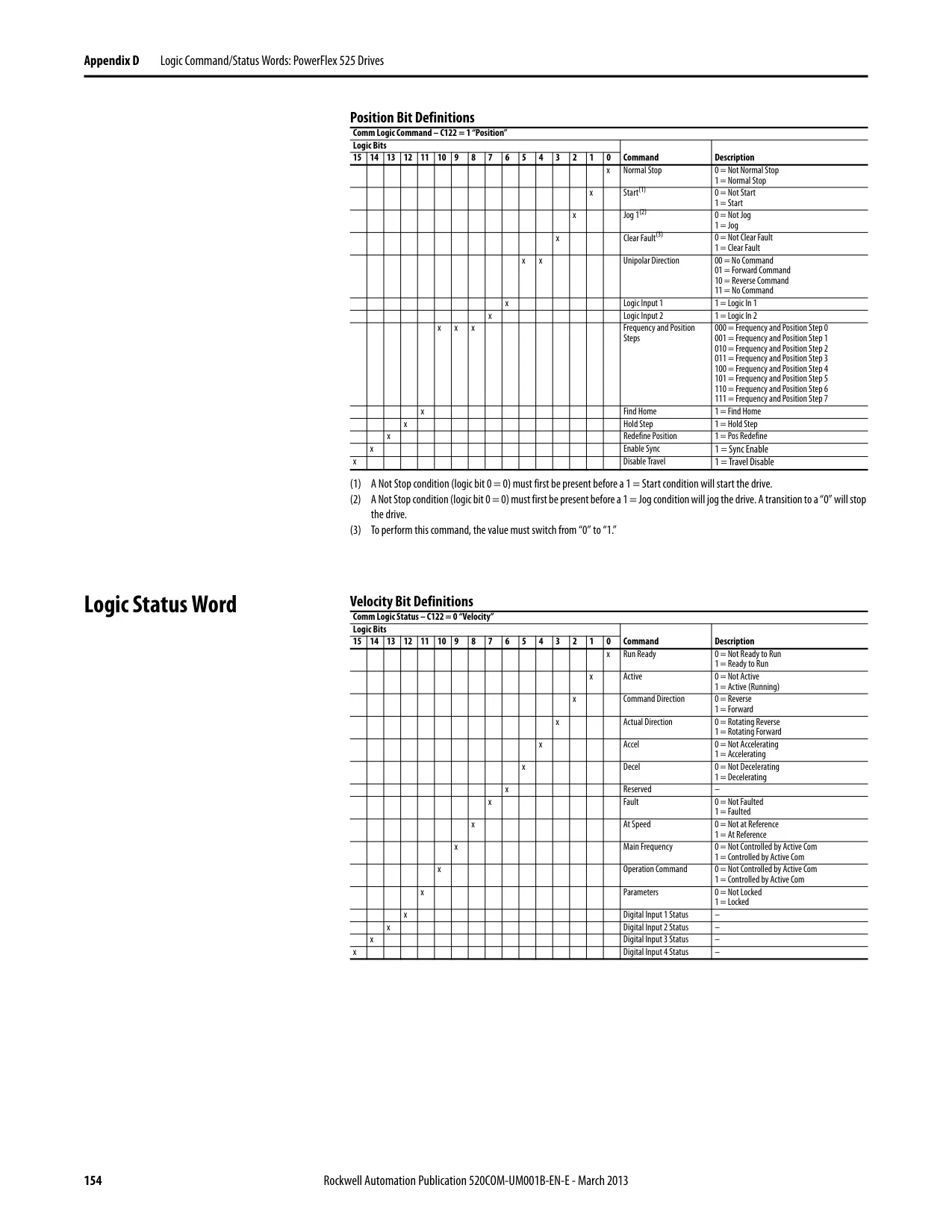
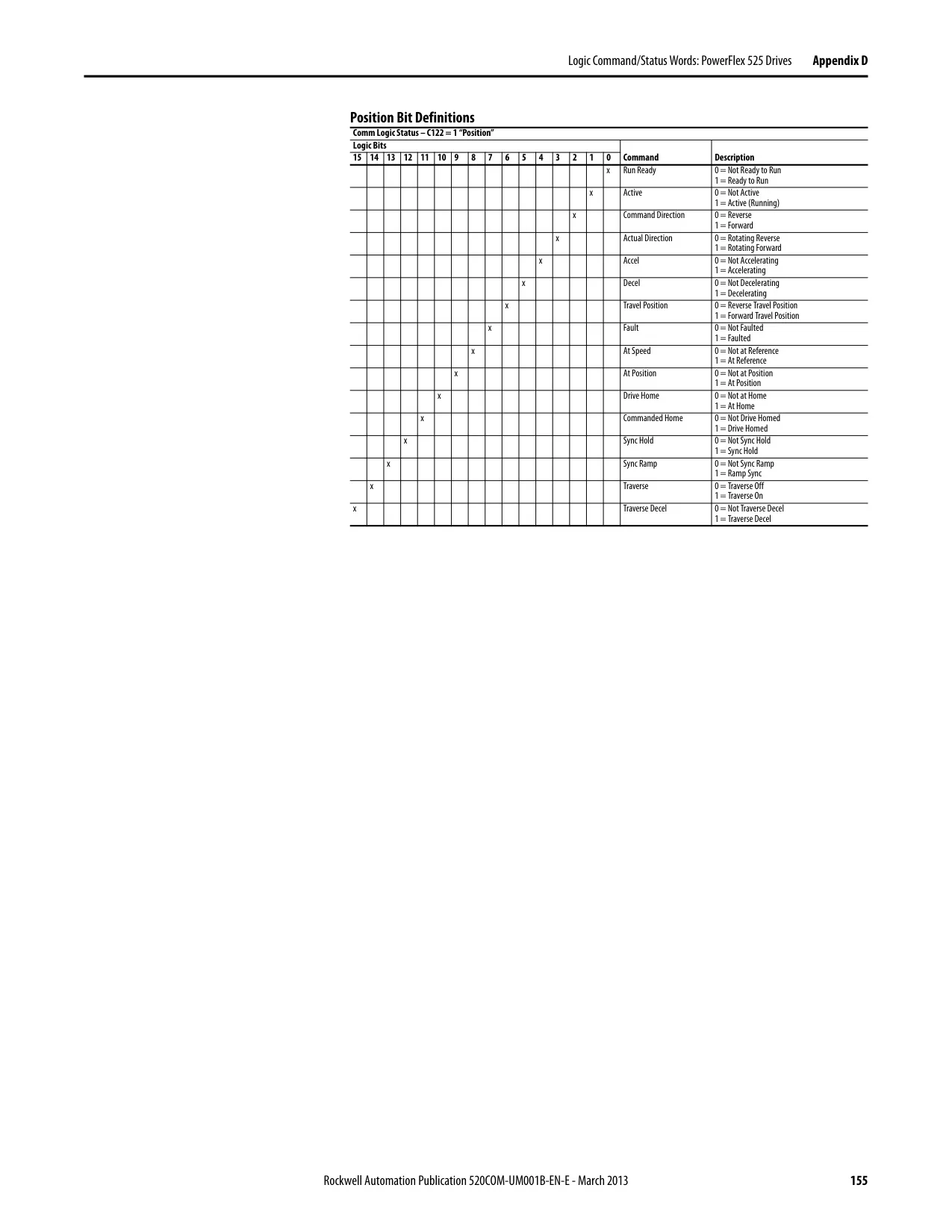
Complementing this, its positioning capabilities offer modes such as Step by Time or Preset Input, enhancing versatility in applications that require position control. Finally, ease of use is reinforced by mains-free programming (MainsFree™) via its USB port, allowing the drive to be configured even before installation or without line power. Software tools like Connected Components Workbench, Logix Designer, and RSLogix 5000 simplify commissioning and diagnostics, ensuring an efficient user experience and streamlined maintenance.
Frequently Asked Questions (FAQs)
Can't find the answer you need? Here are some frequently asked questions about the Allen-Bradley Powerflex 525, and we answer them below.