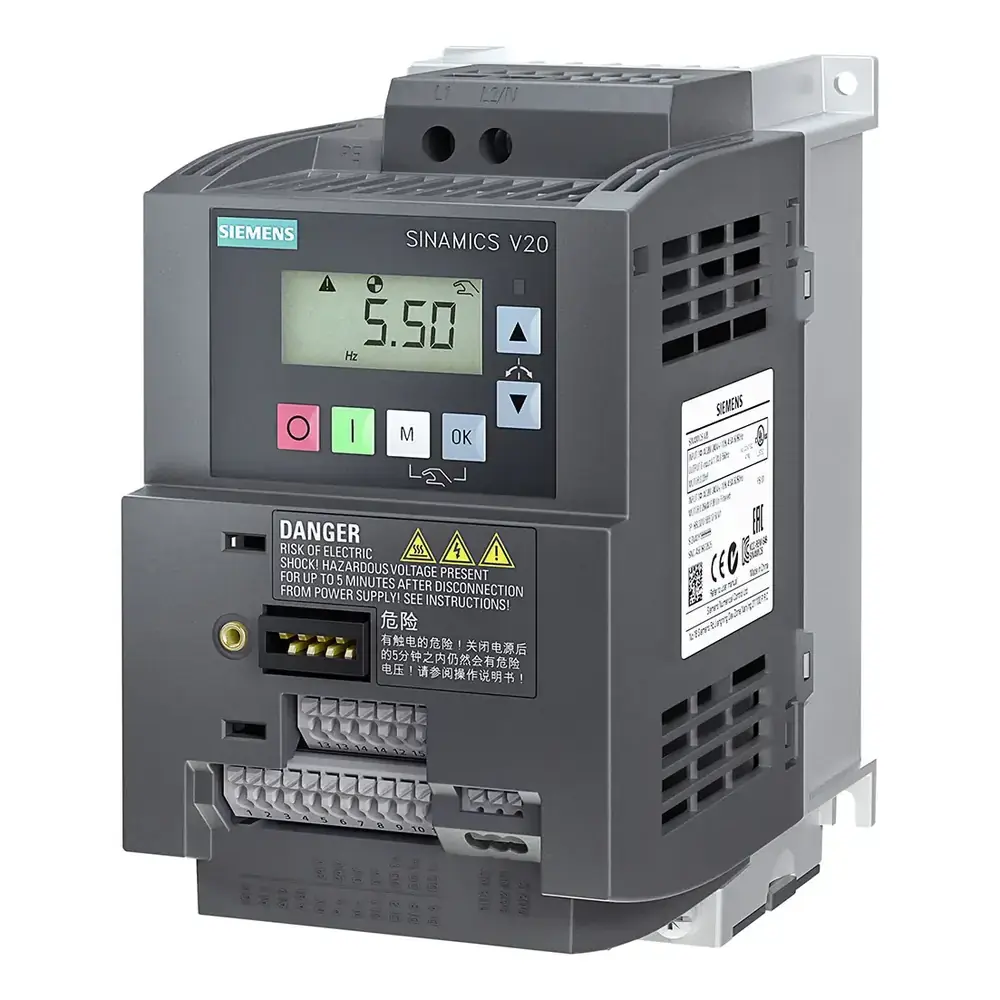
Siemens Micromaster 420 Variable Frequency Drive Instruction Manual

Siemens Micromaster 420 Variable Frequency Drive Instruction Manual
Siemens Micromaster 420 Variable Frequency Drive


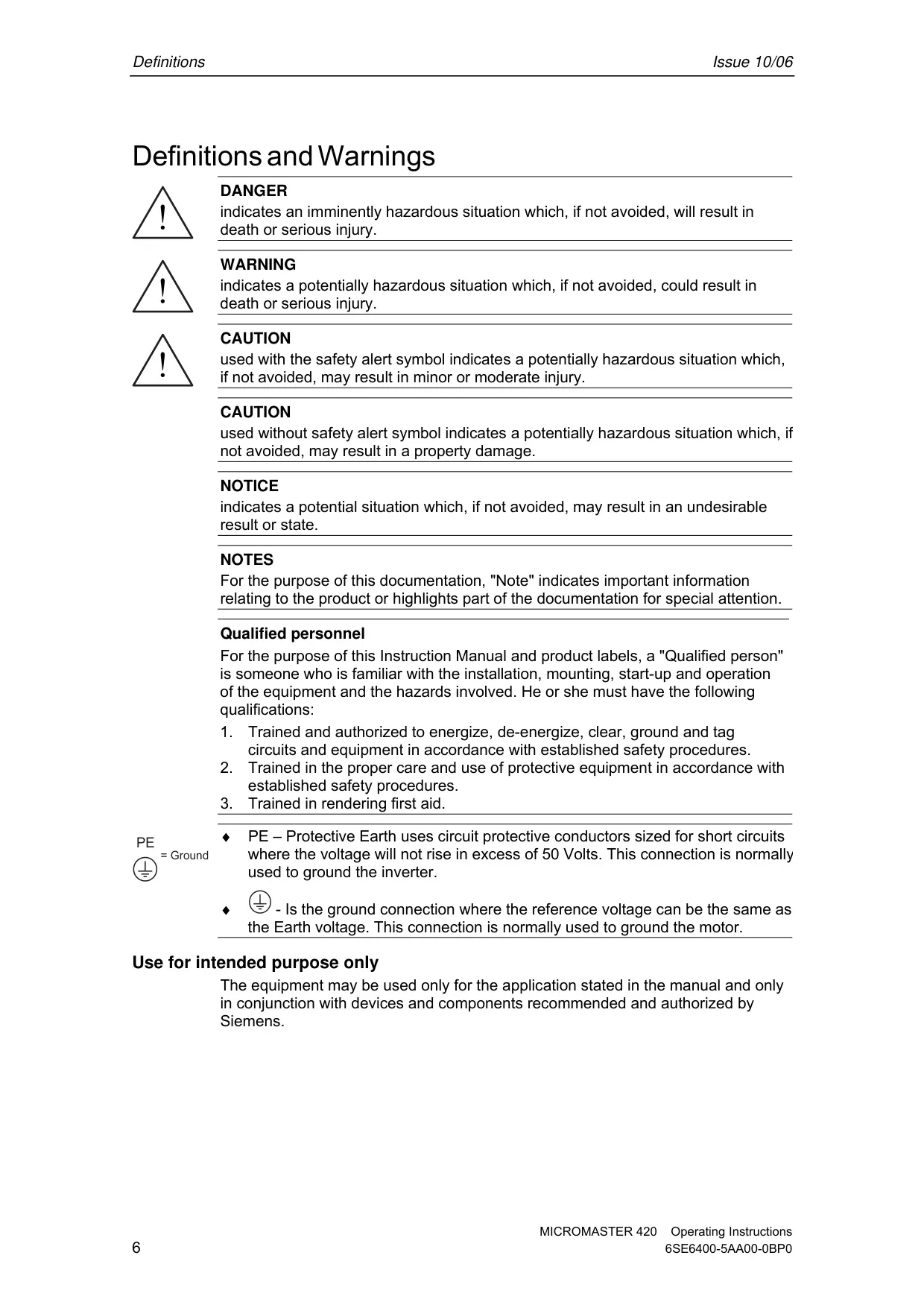
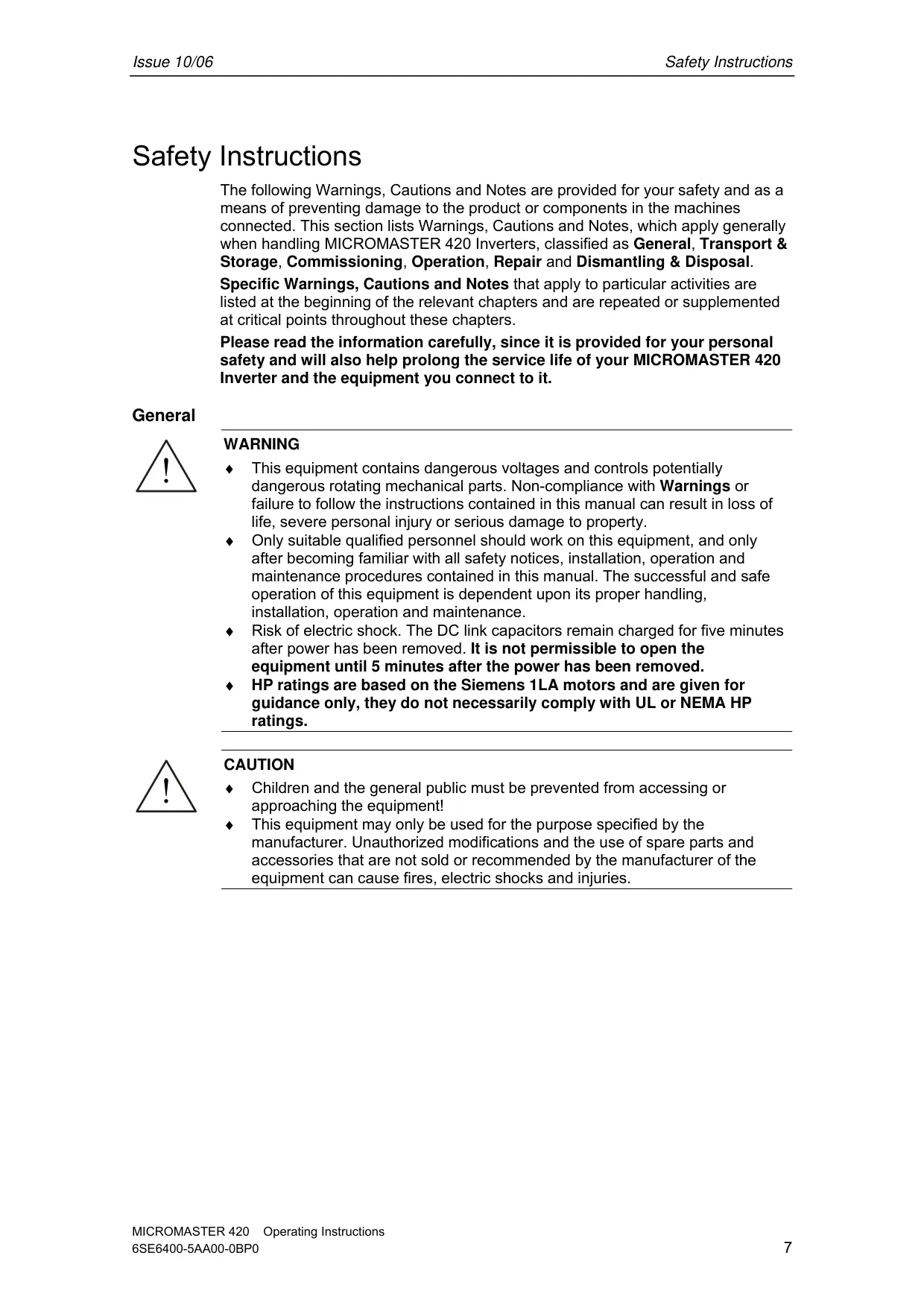

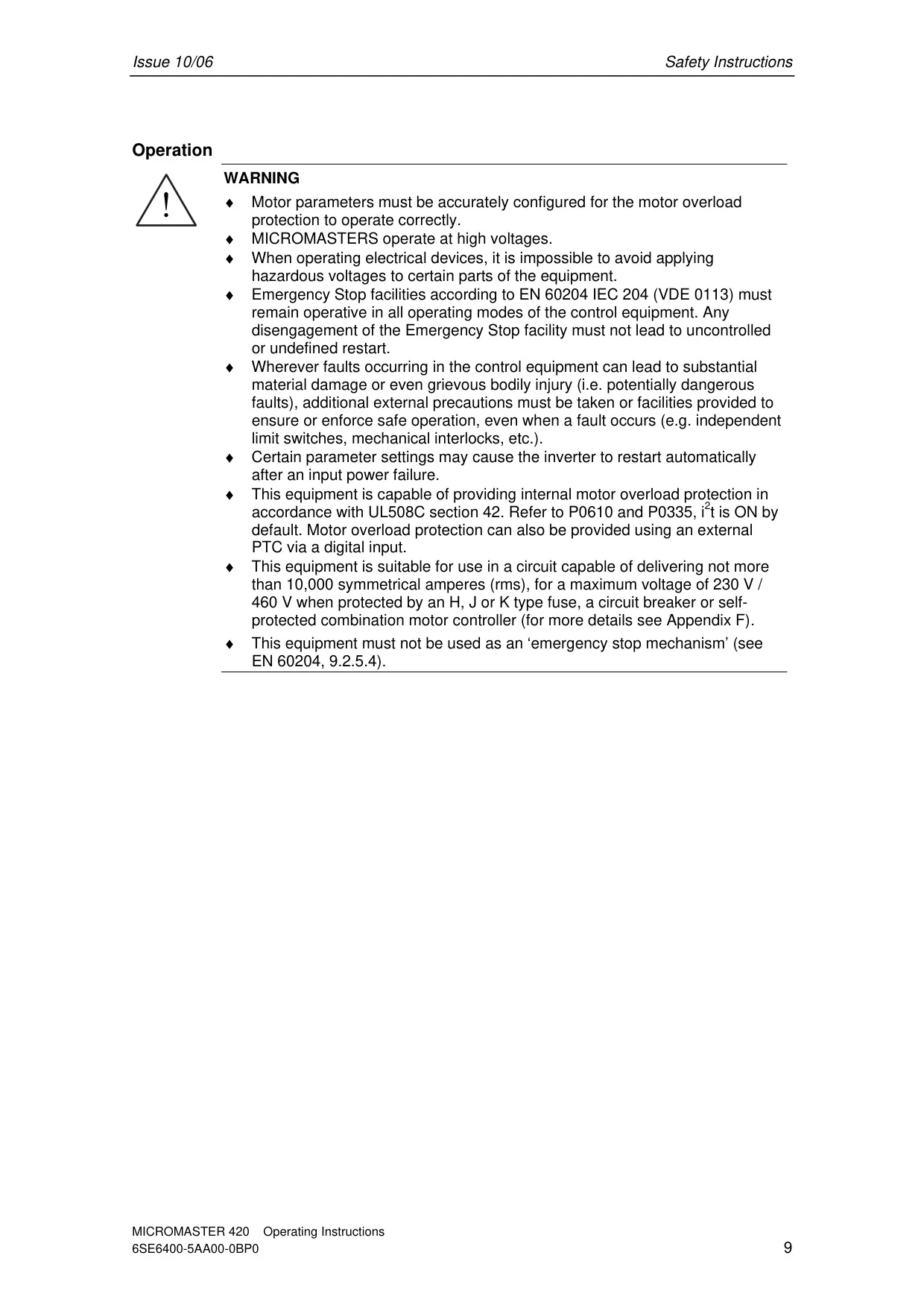

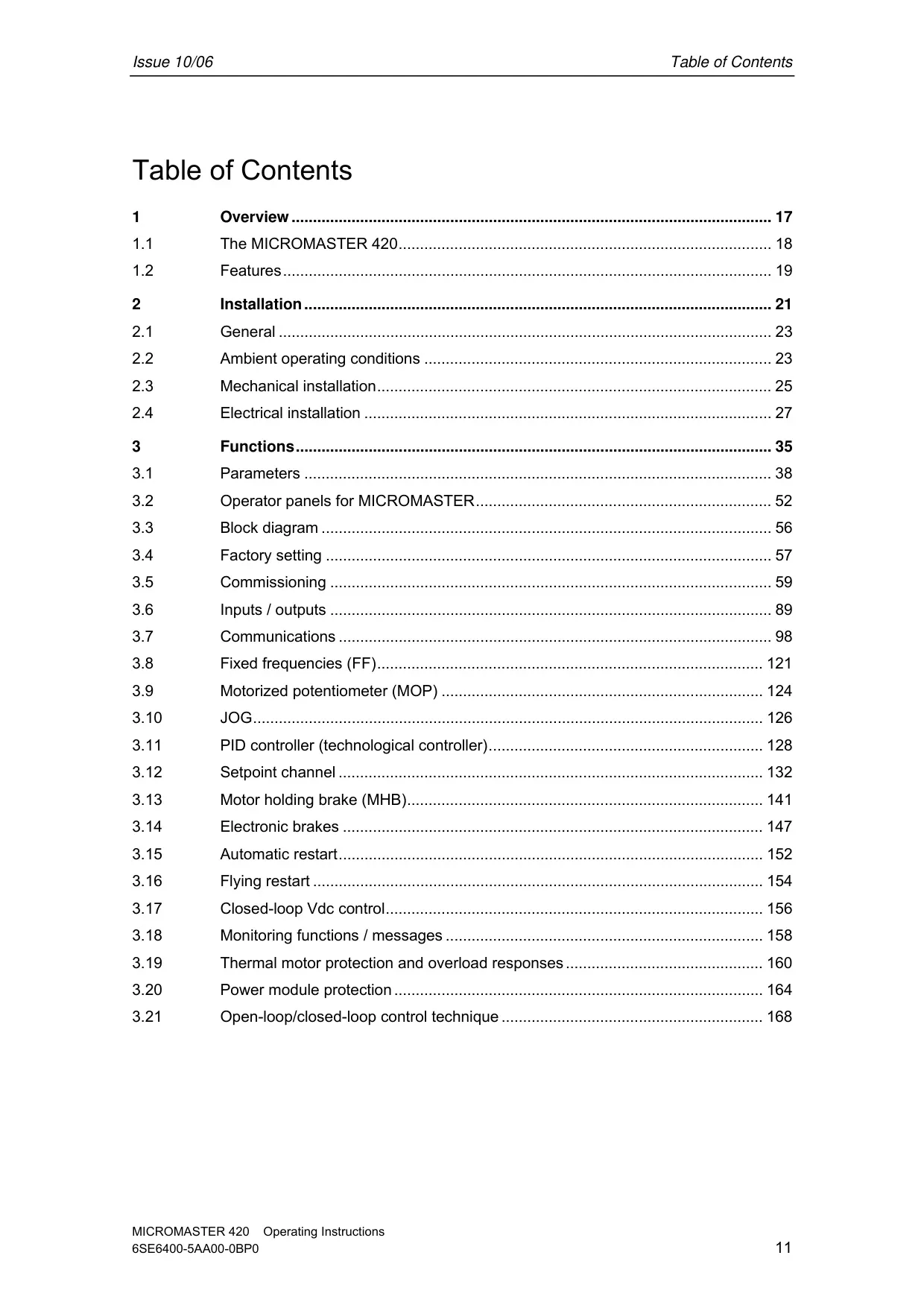













































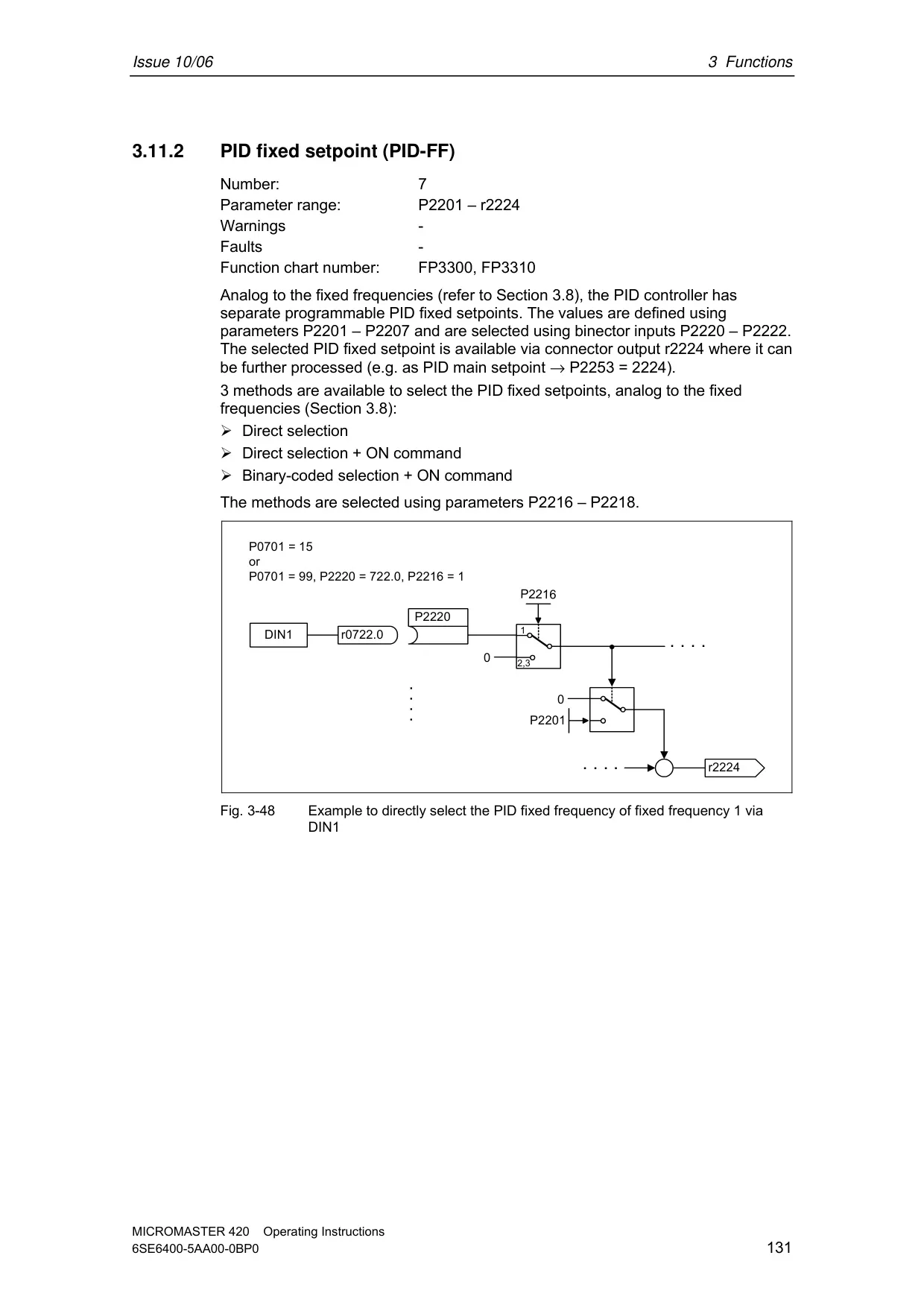


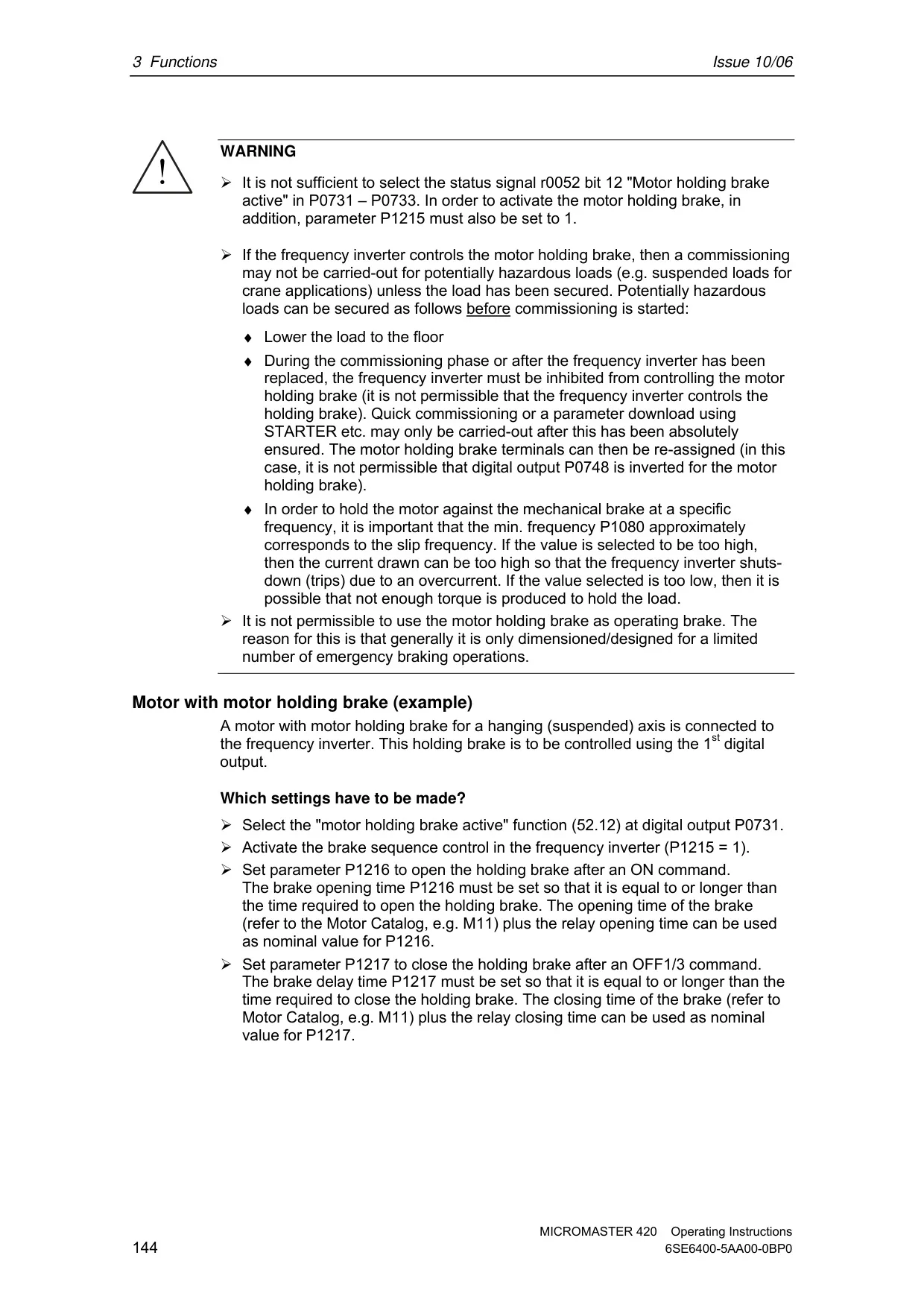


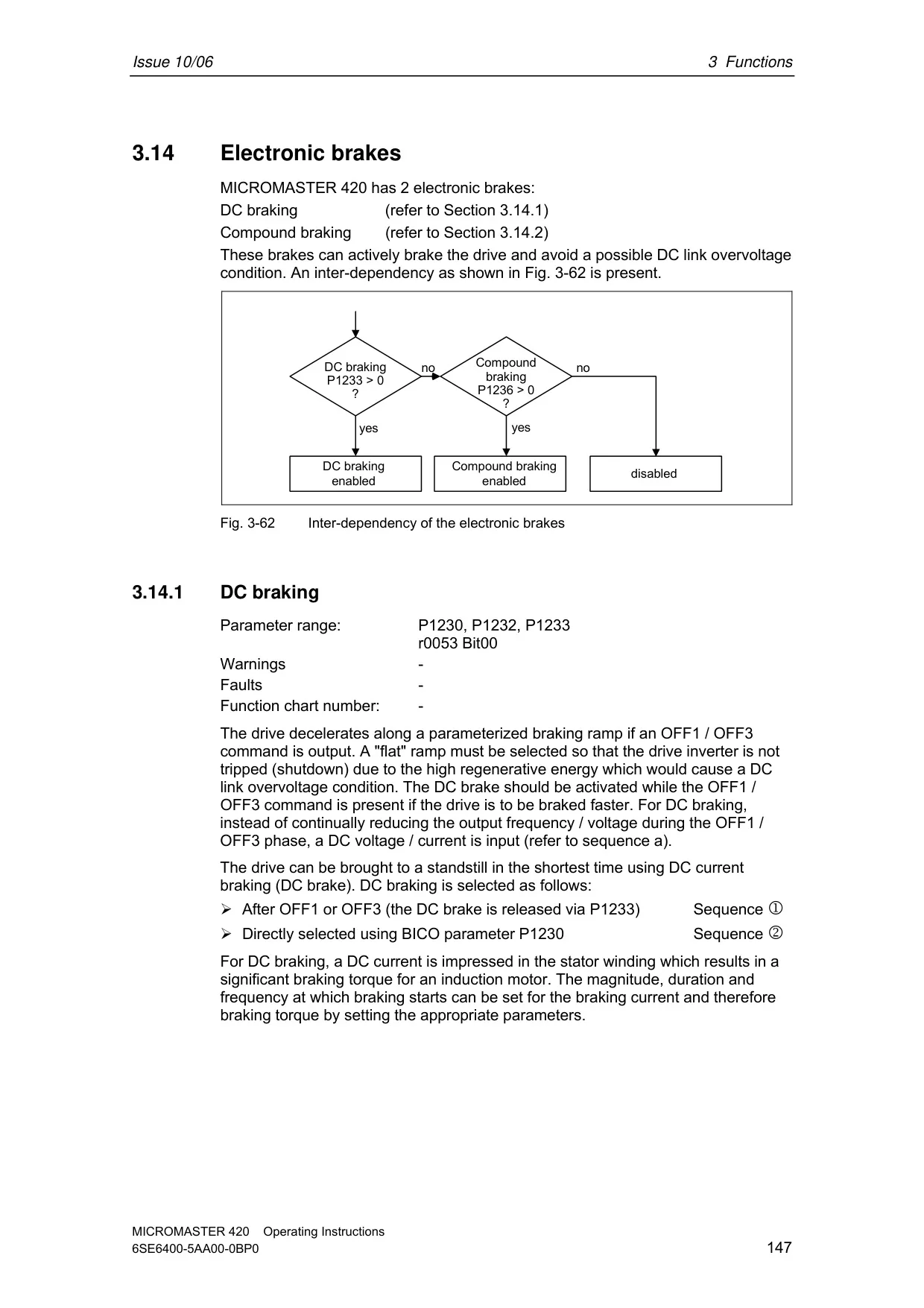

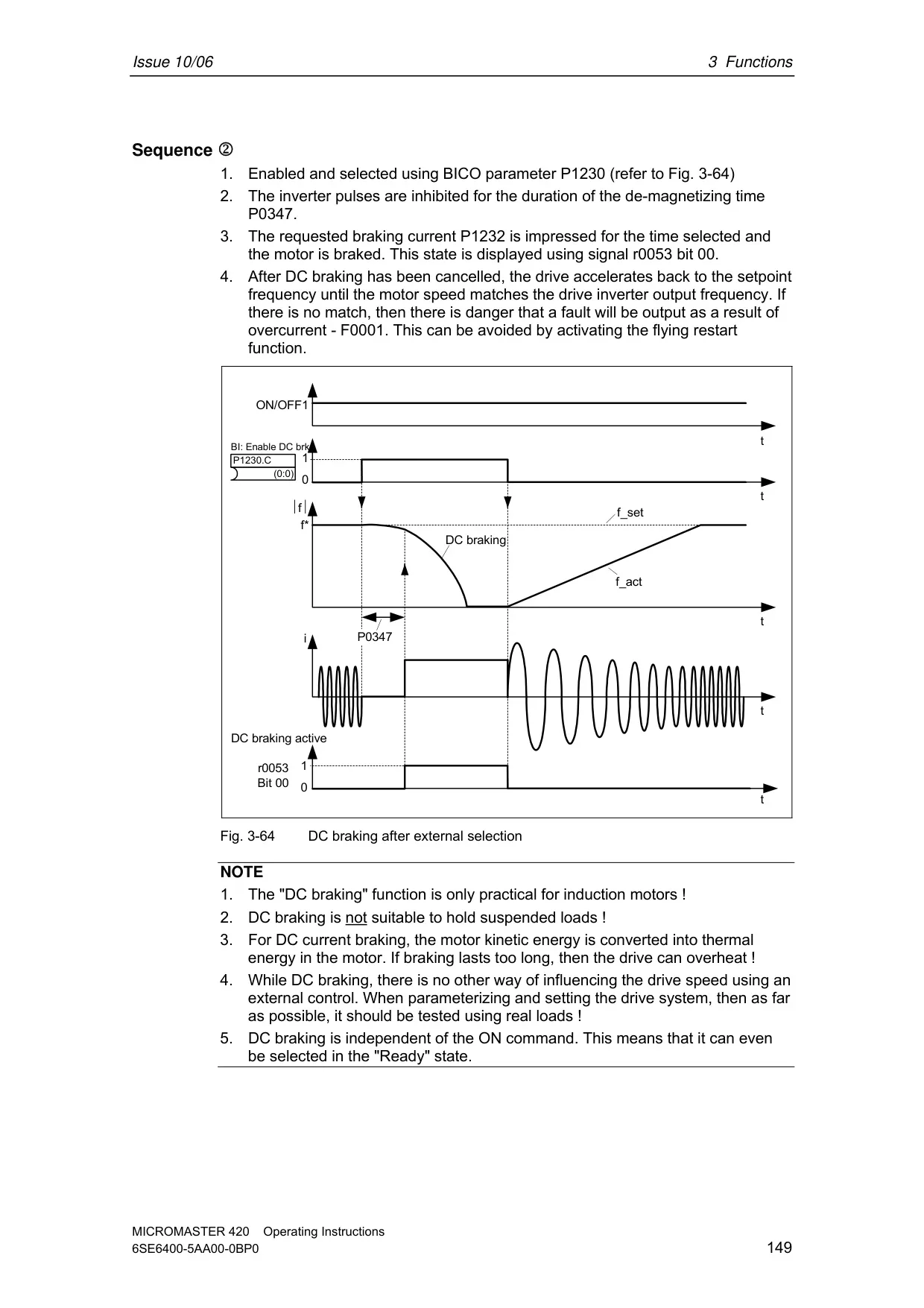

























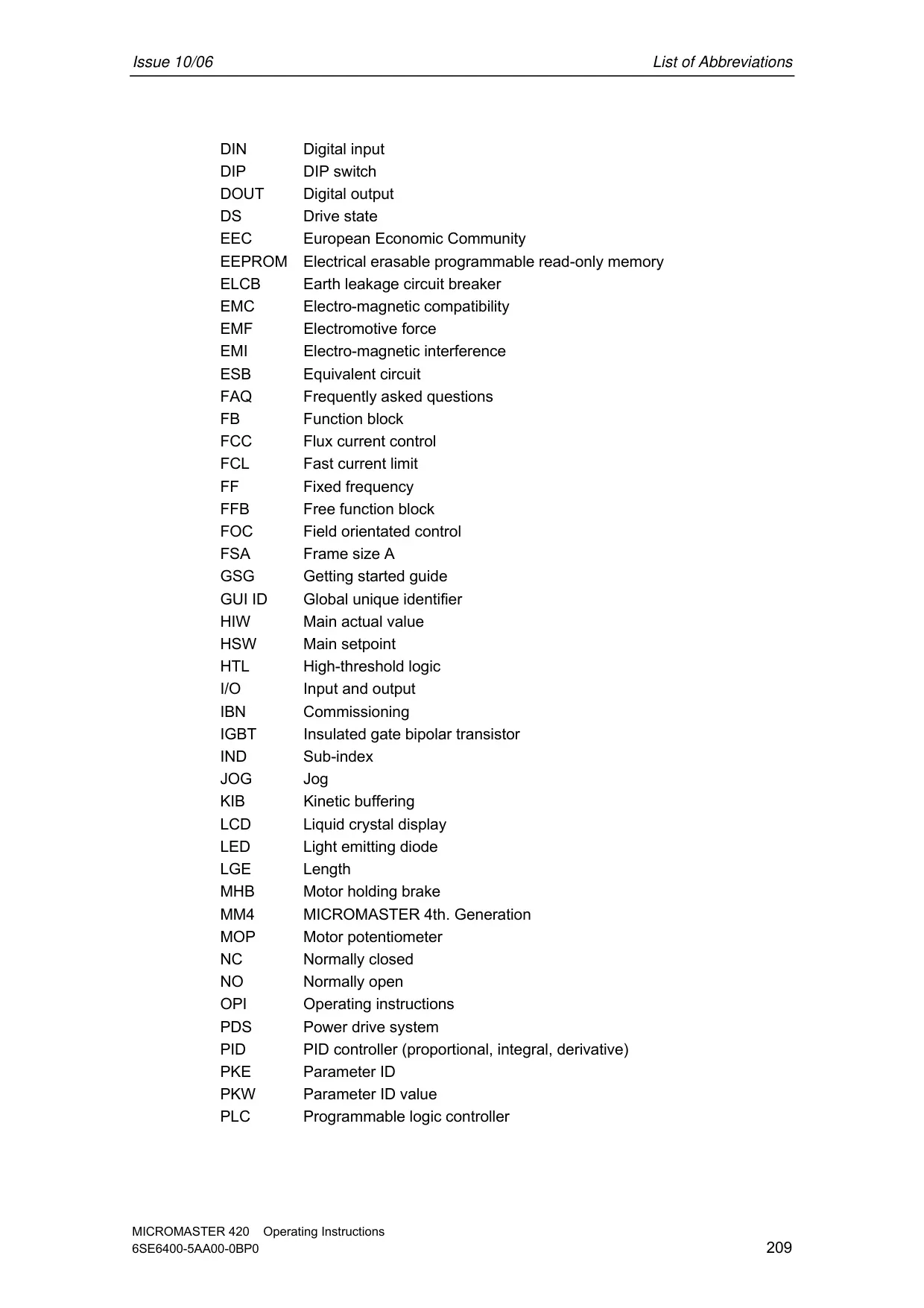

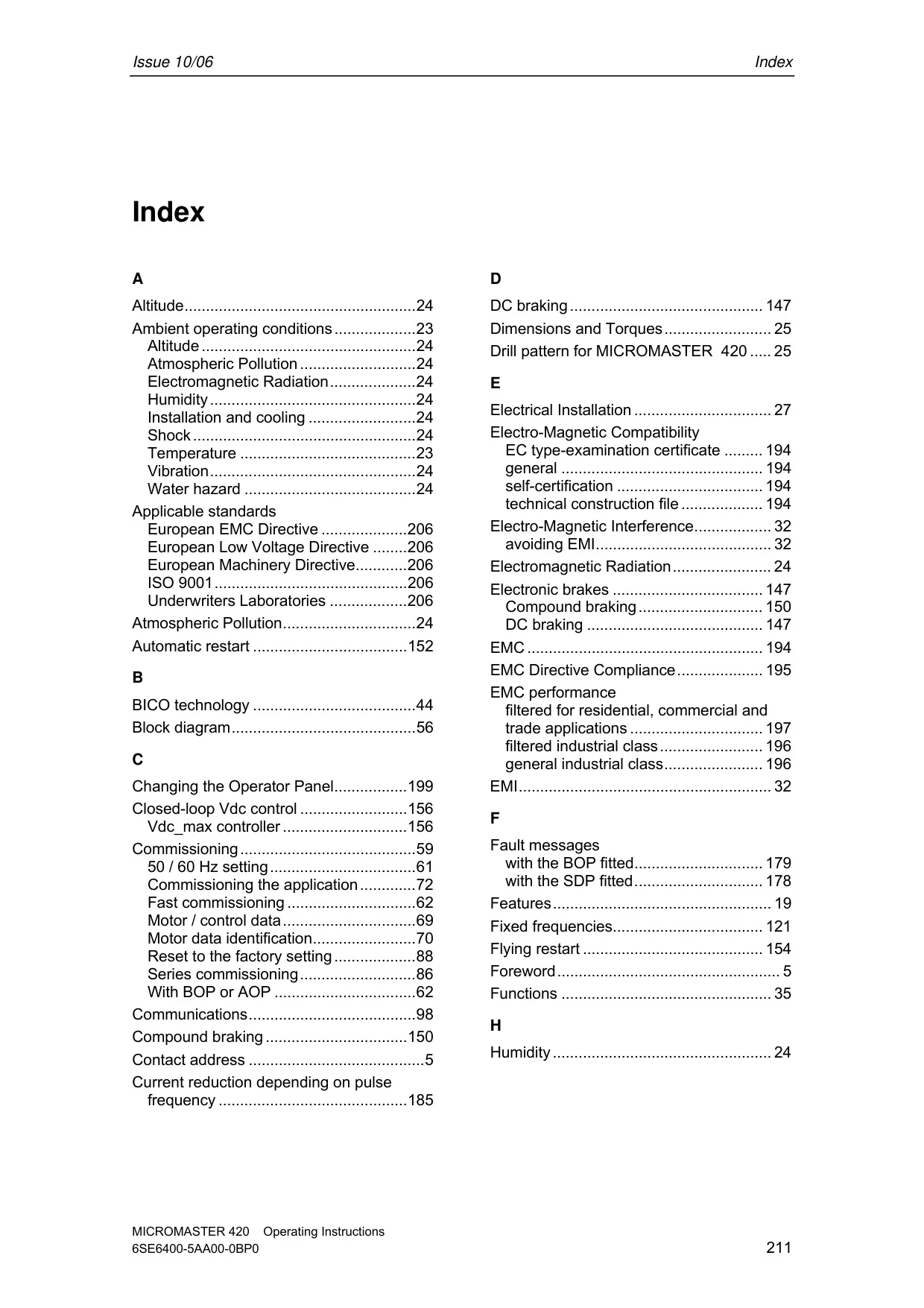





Siemens Micromaster 420 Variable Frequency Drive
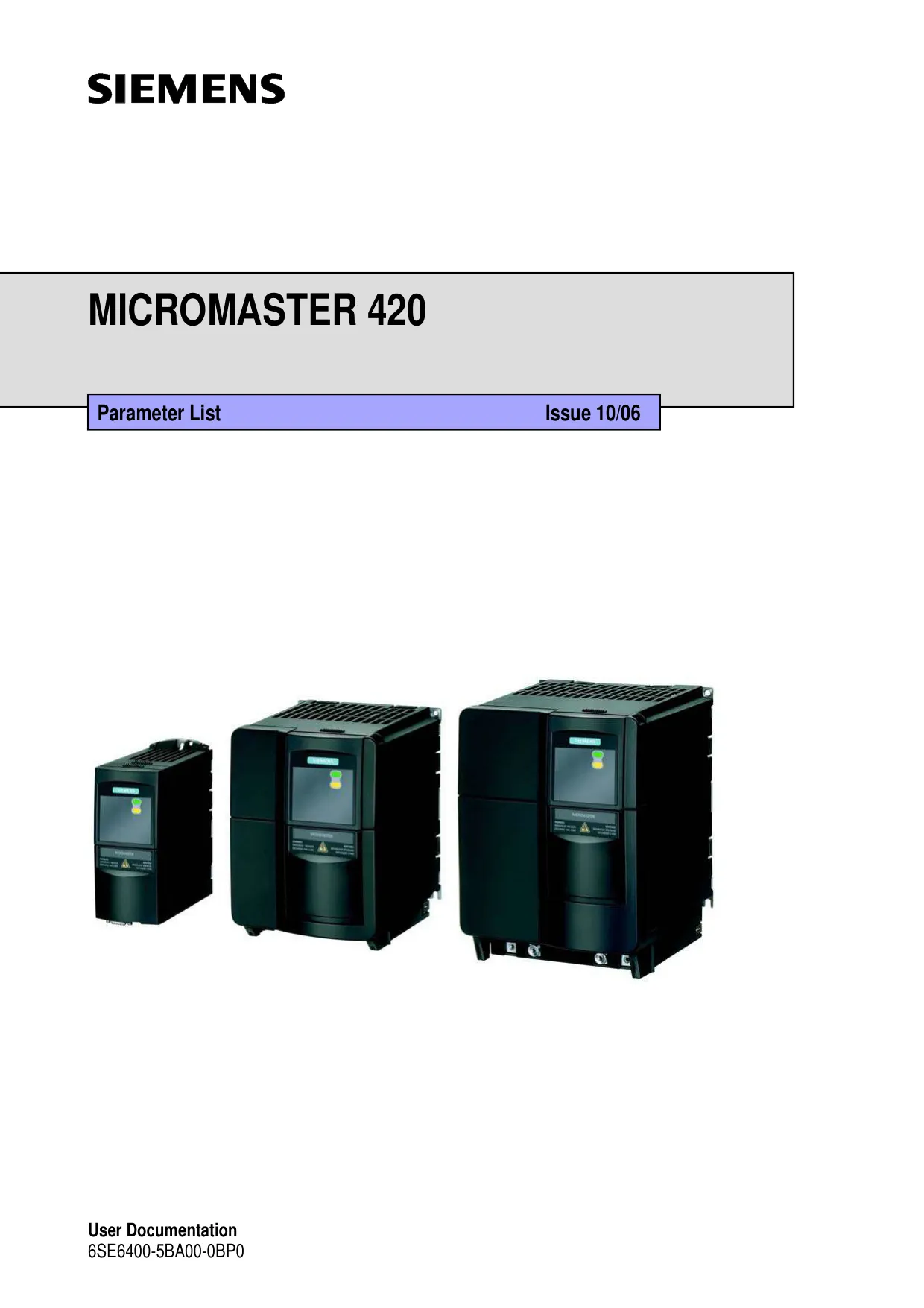








































































Siemens Micromaster 420 Variable Frequency Drive




Siemens Micromaster 420 VFD Instructions
Here we offer the Siemens Micromaster 420 Variable Frequency Drive manual completely free and in English. We have cataloged this manual in the Variable Frequency Drives section on Manualverse, and it has been rated by 1 users with an average rating of 5. If you have any specific questions about Siemens Micromaster 420 Variable Frequency Drive, we suggest checking the Frequently Asked Questions (FAQs) section of this manual.
Product Images


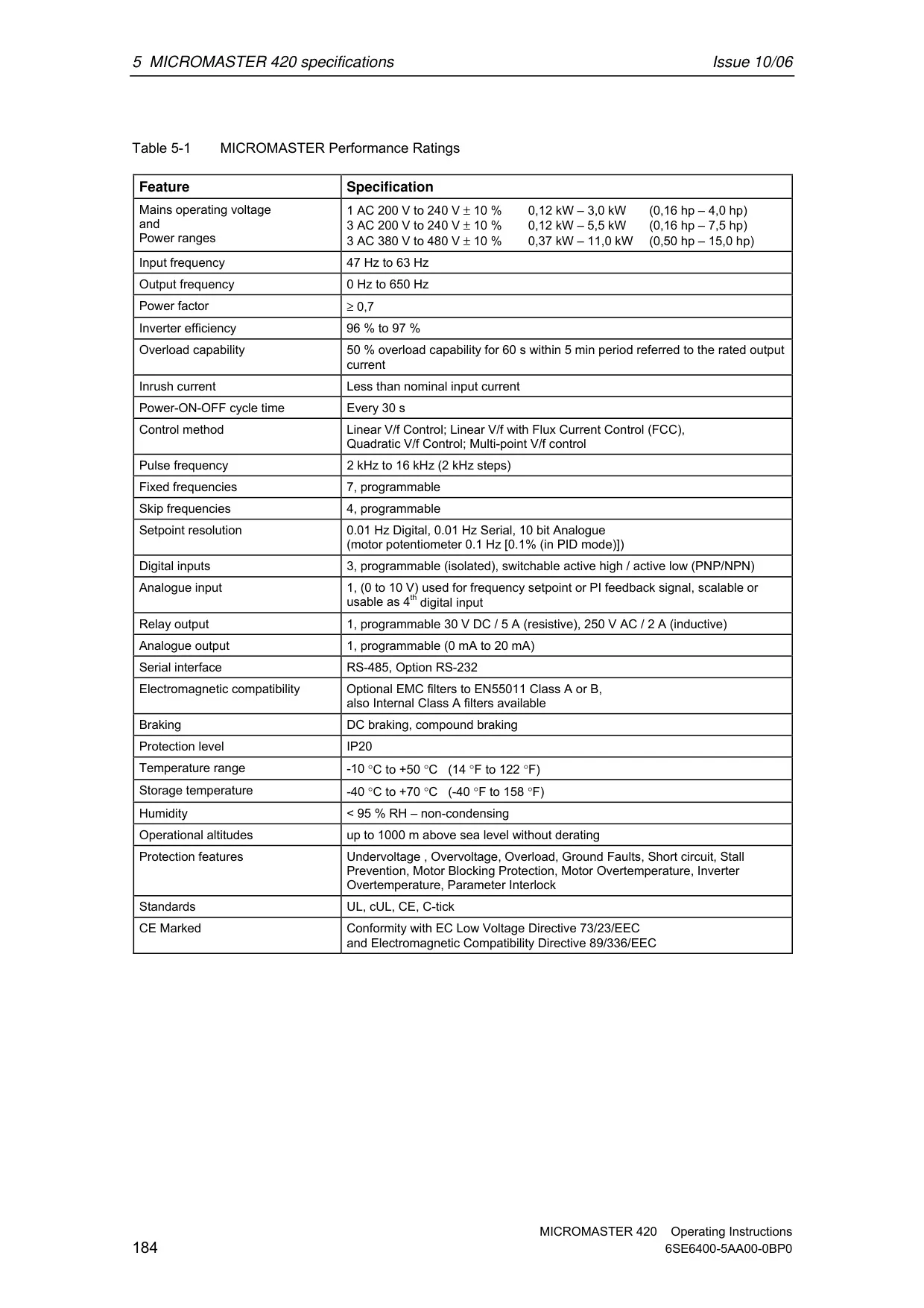
Siemens Micromaster 420 Variable Frequency Drive Specifications
| Feature | Specification |
|---|---|
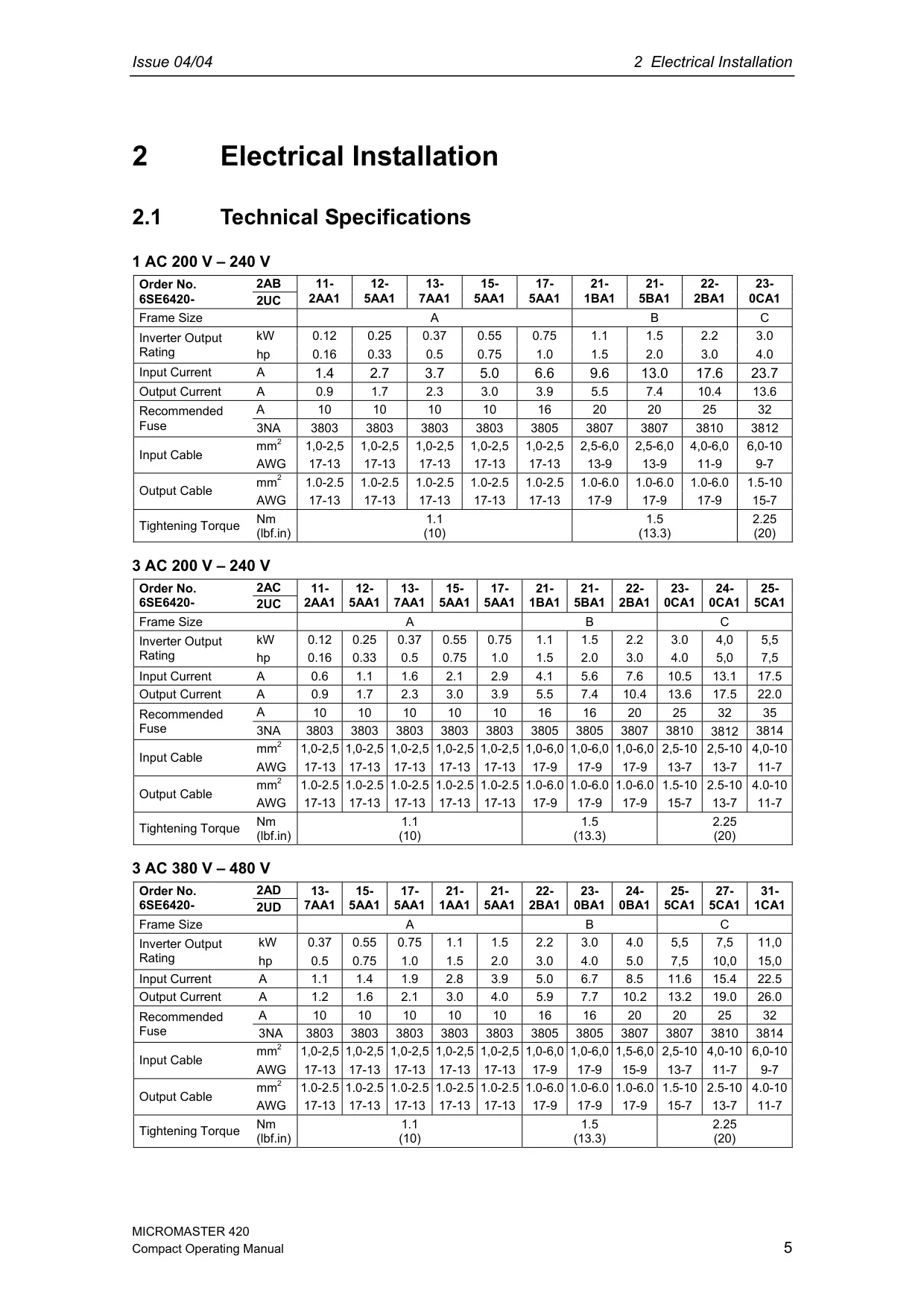
| Mains Operating Voltage | 1 AC 200V to 240V ±10% (0.12 kW – 3.0 kW) 3 AC 200V to 240V ±10% (0.12 kW – 5.5 kW) 3 AC 380V to 480V ±10% (0.37 kW – 11.0 kW) |
| Input Frequency | 47 Hz to 63 Hz |
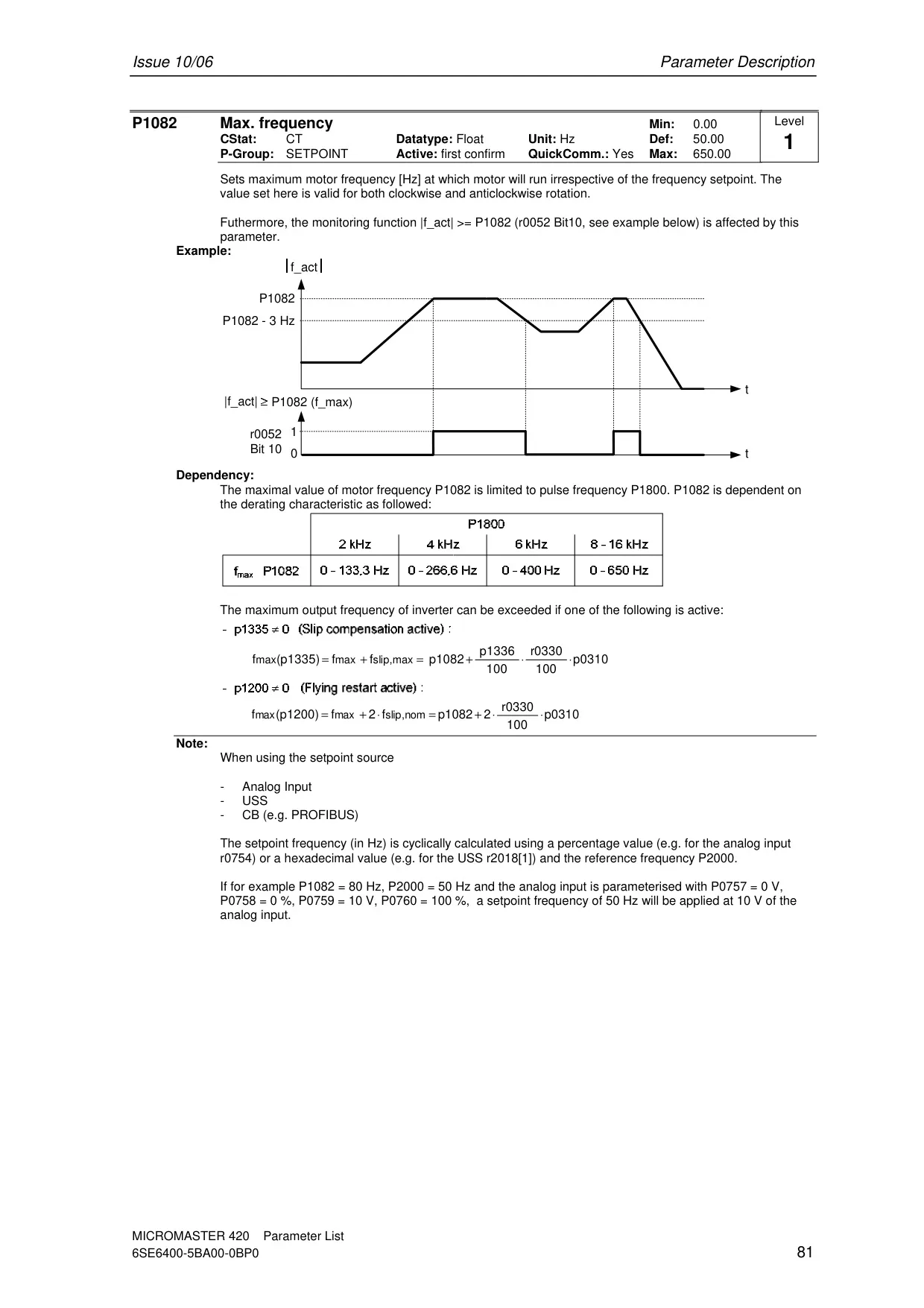
| Output Frequency | 0 Hz to 650 Hz |
| Inverter Efficiency | 96% to 97% |
| Overload Capability | 150% for 60 seconds within a 5-minute period (relative to rated output current) |
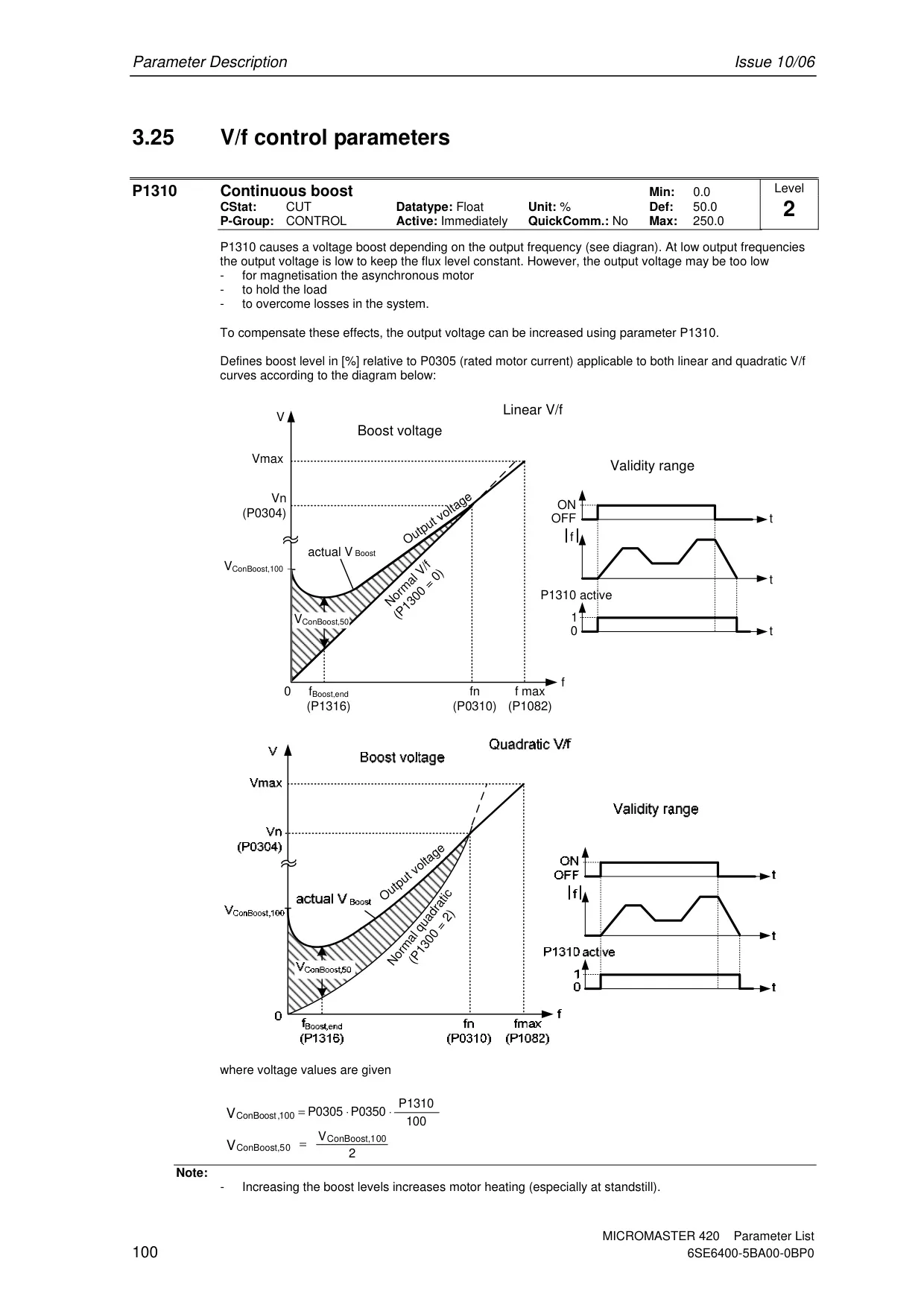
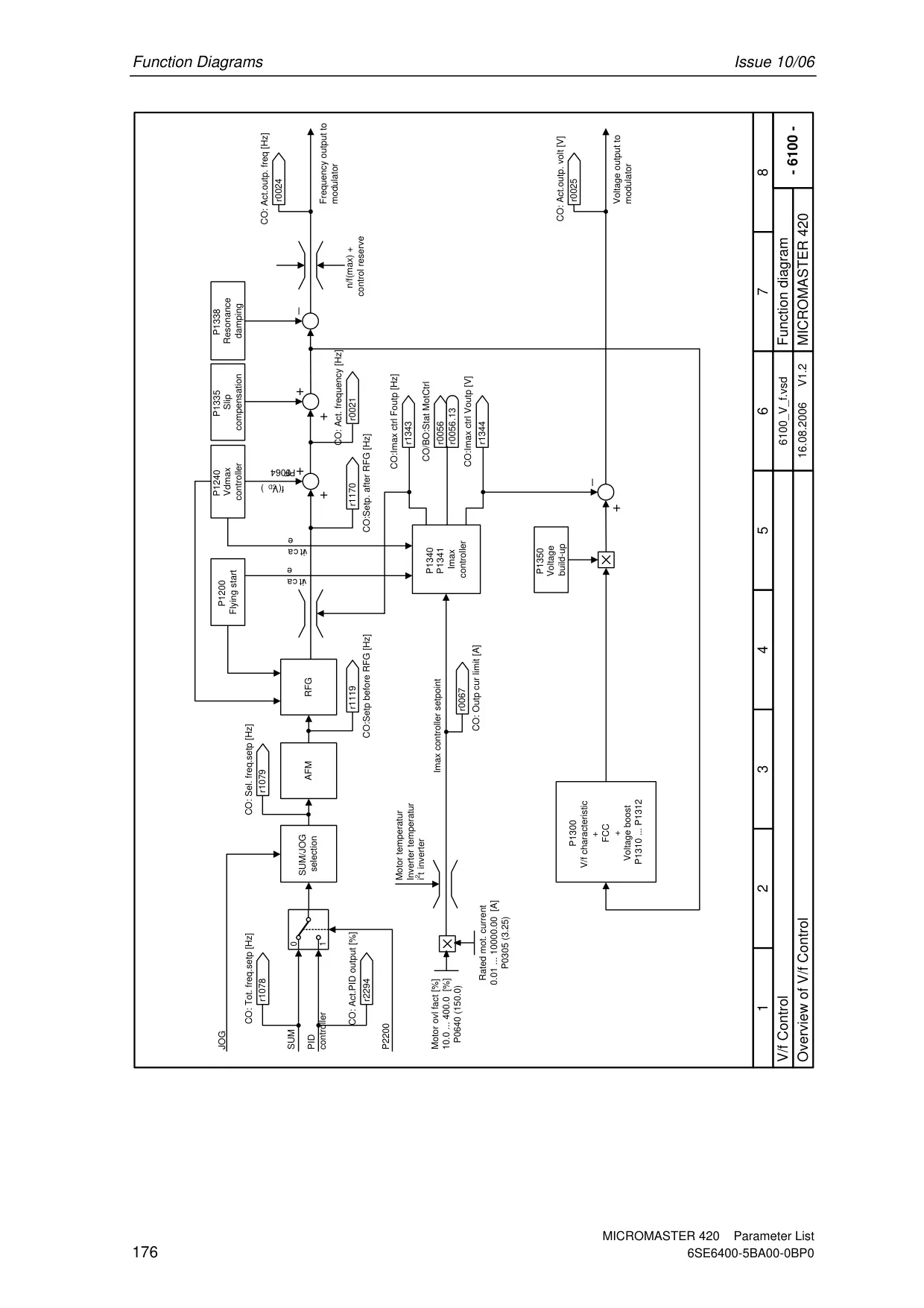
| Control Methods | Linear V/f Control, Linear V/f with Flux Current Control (FCC), Quadratic V/f Control, Multi-point V/f control |
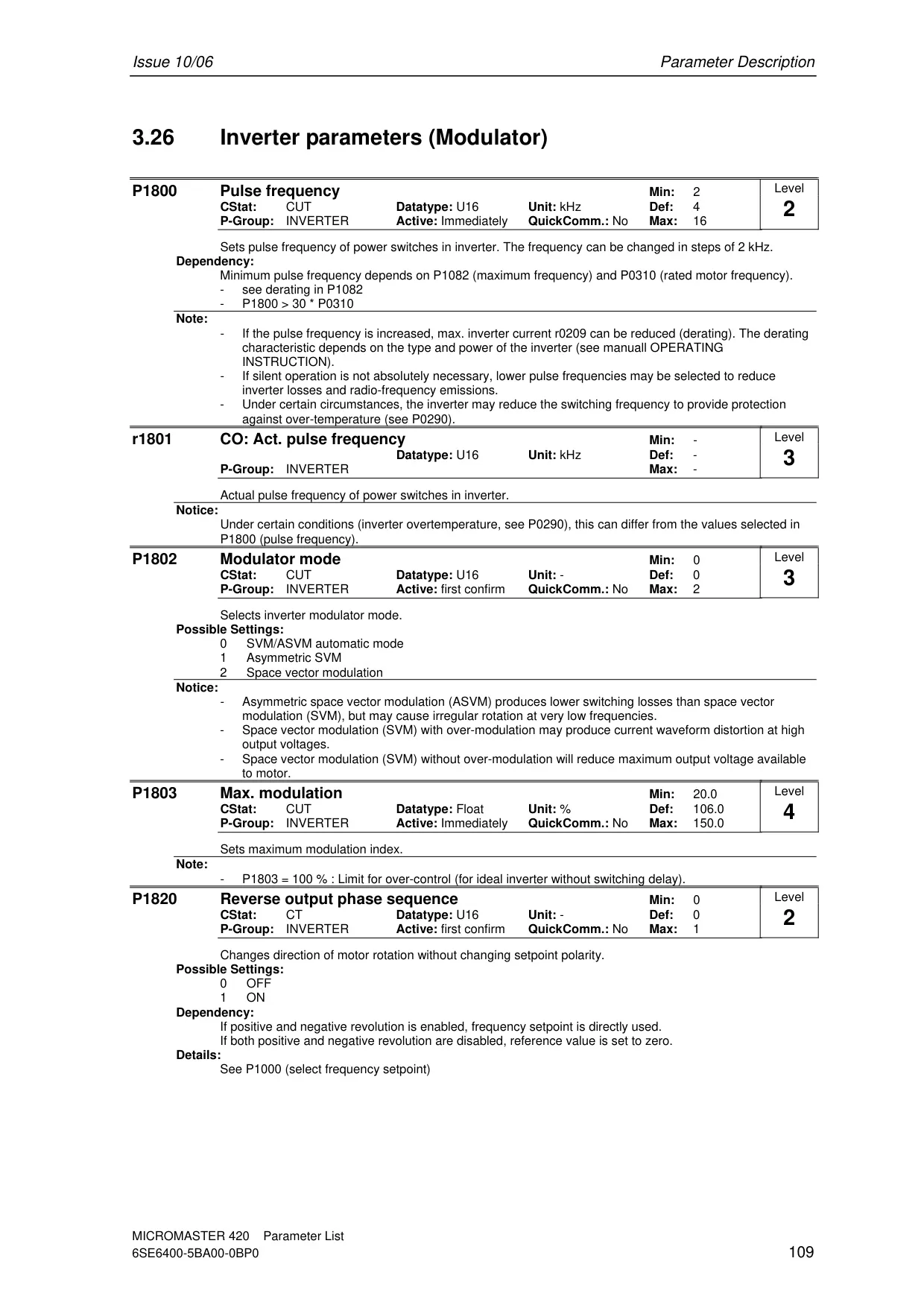
| Pulse Frequency | 2 kHz to 16 kHz (in 2 kHz steps) |
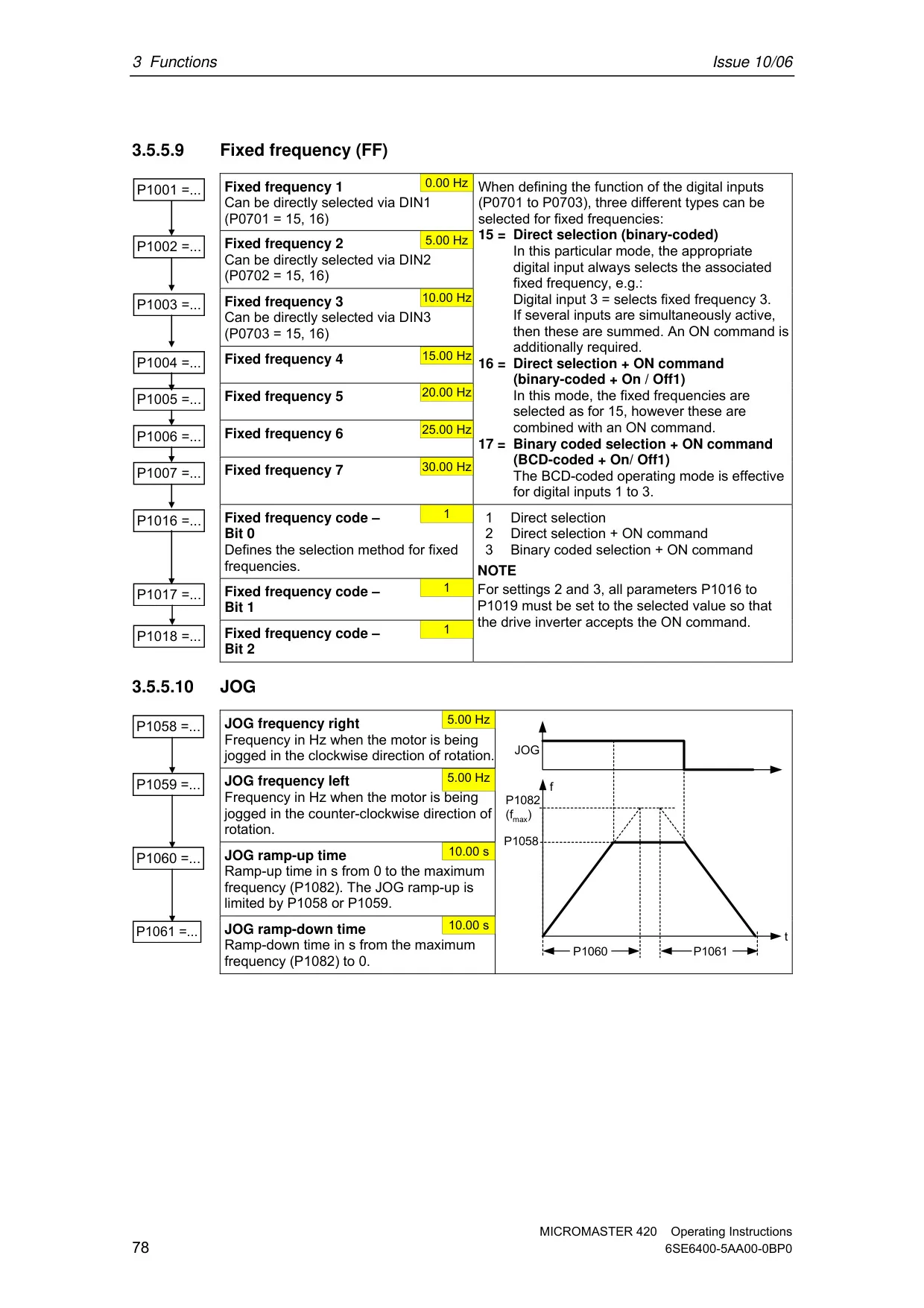
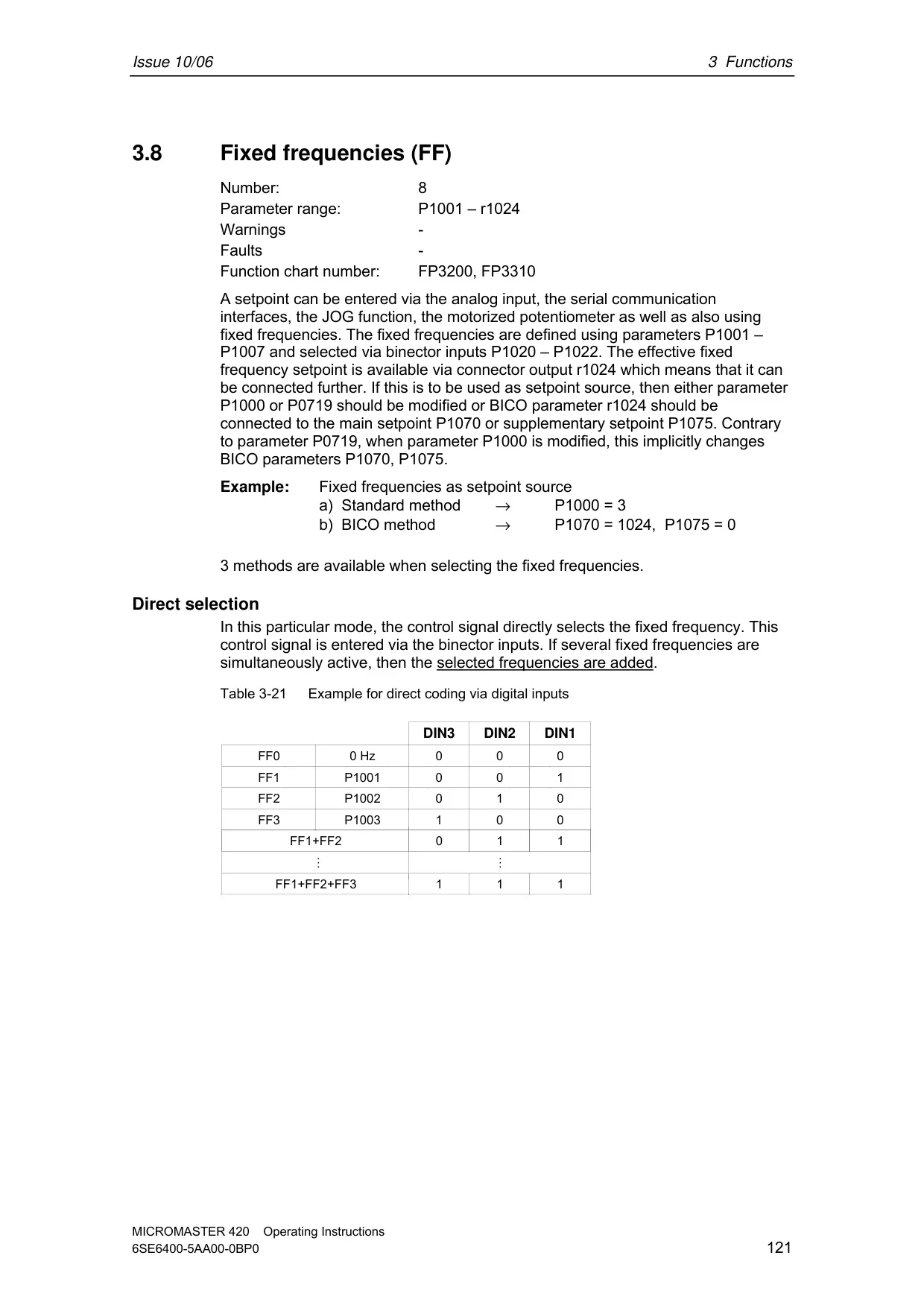
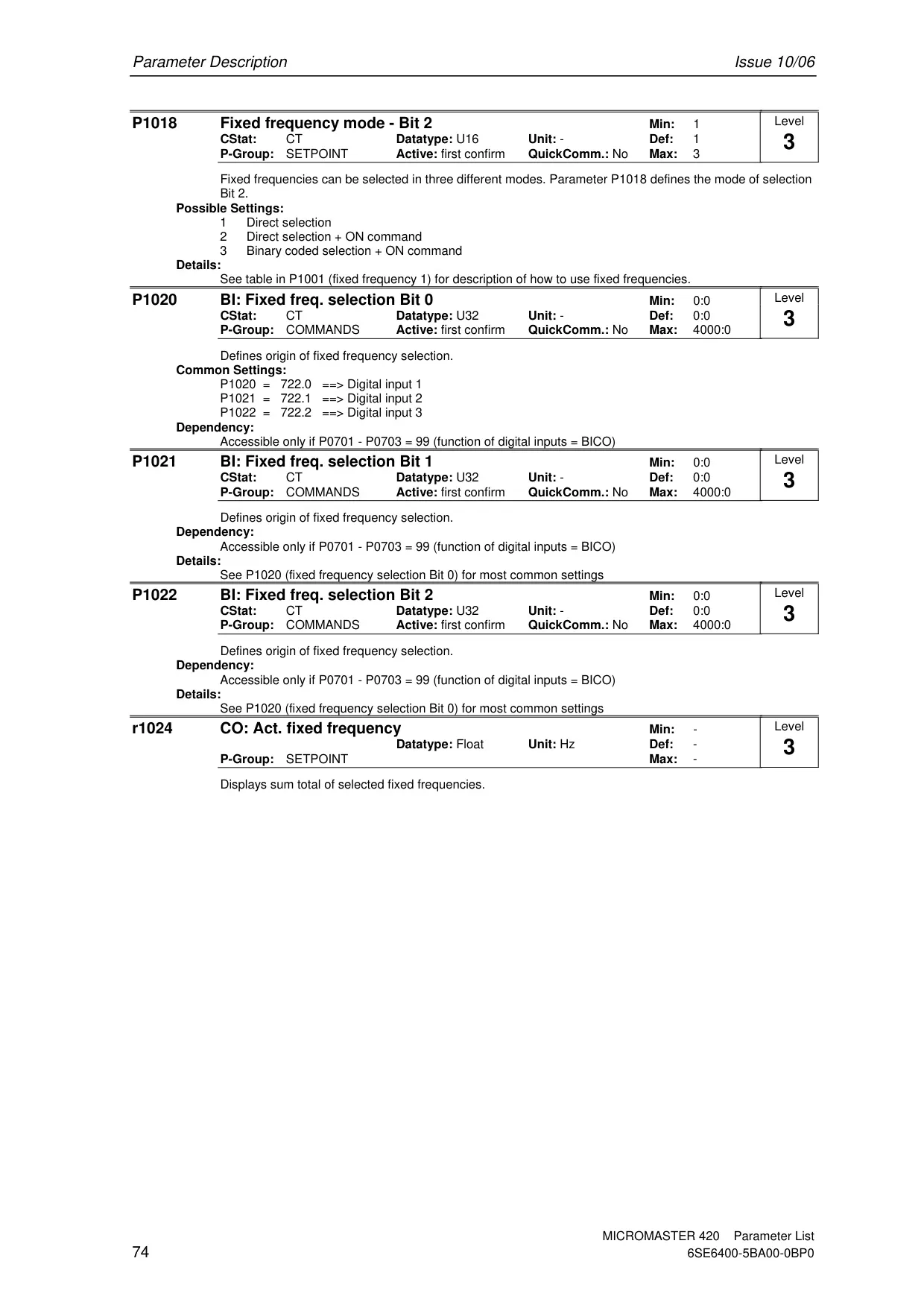
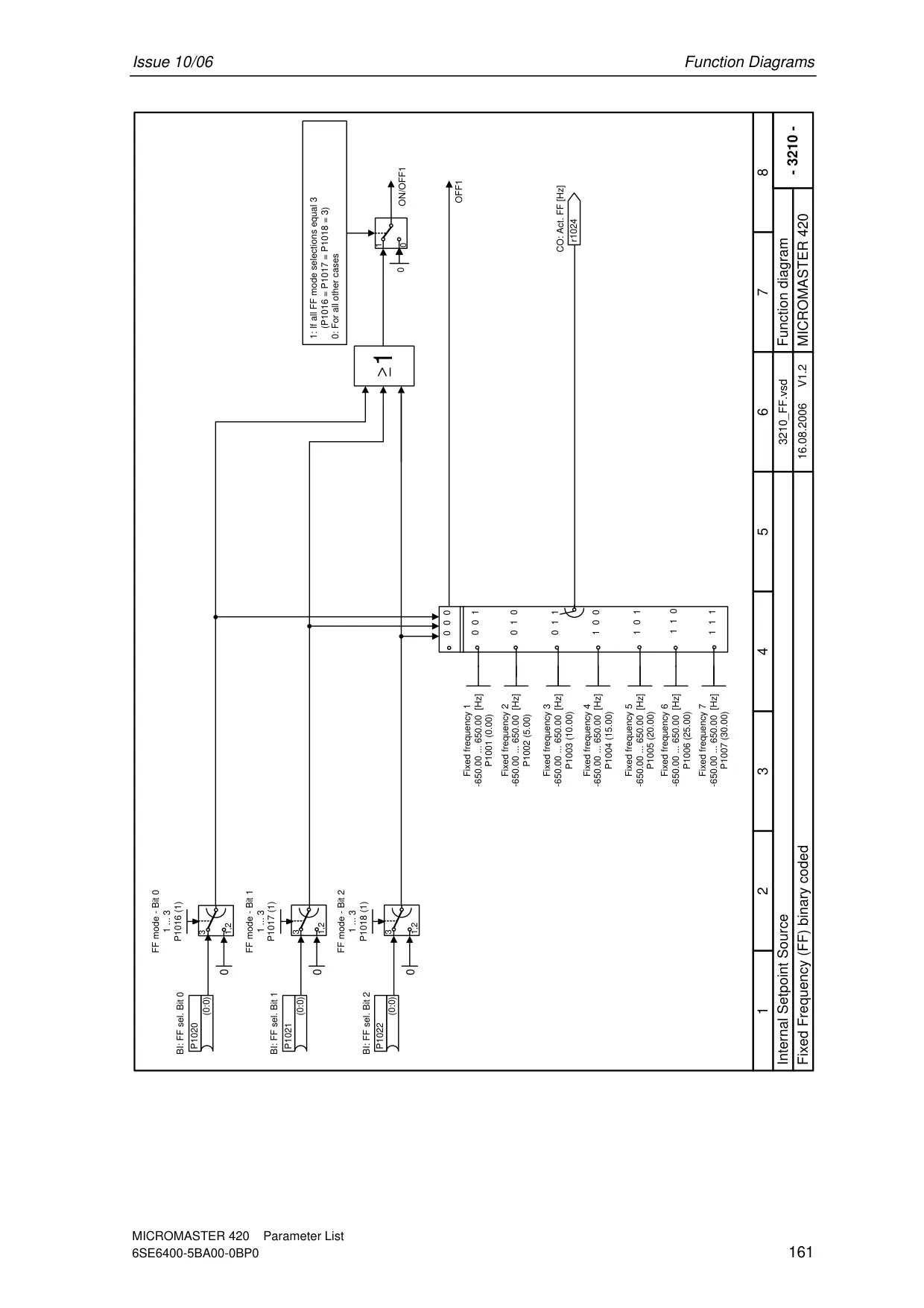
| Fixed Frequencies | 7, programmable |
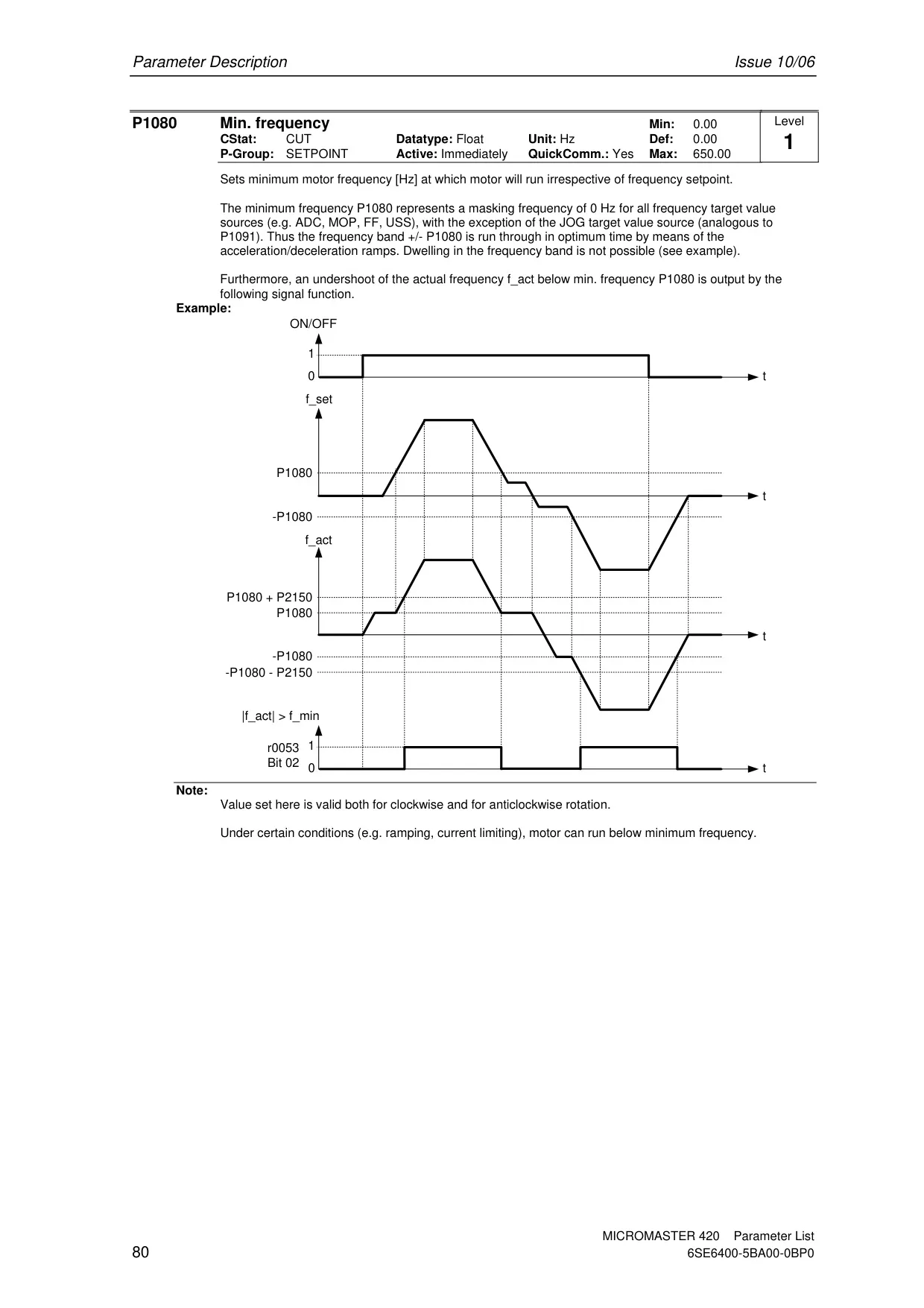
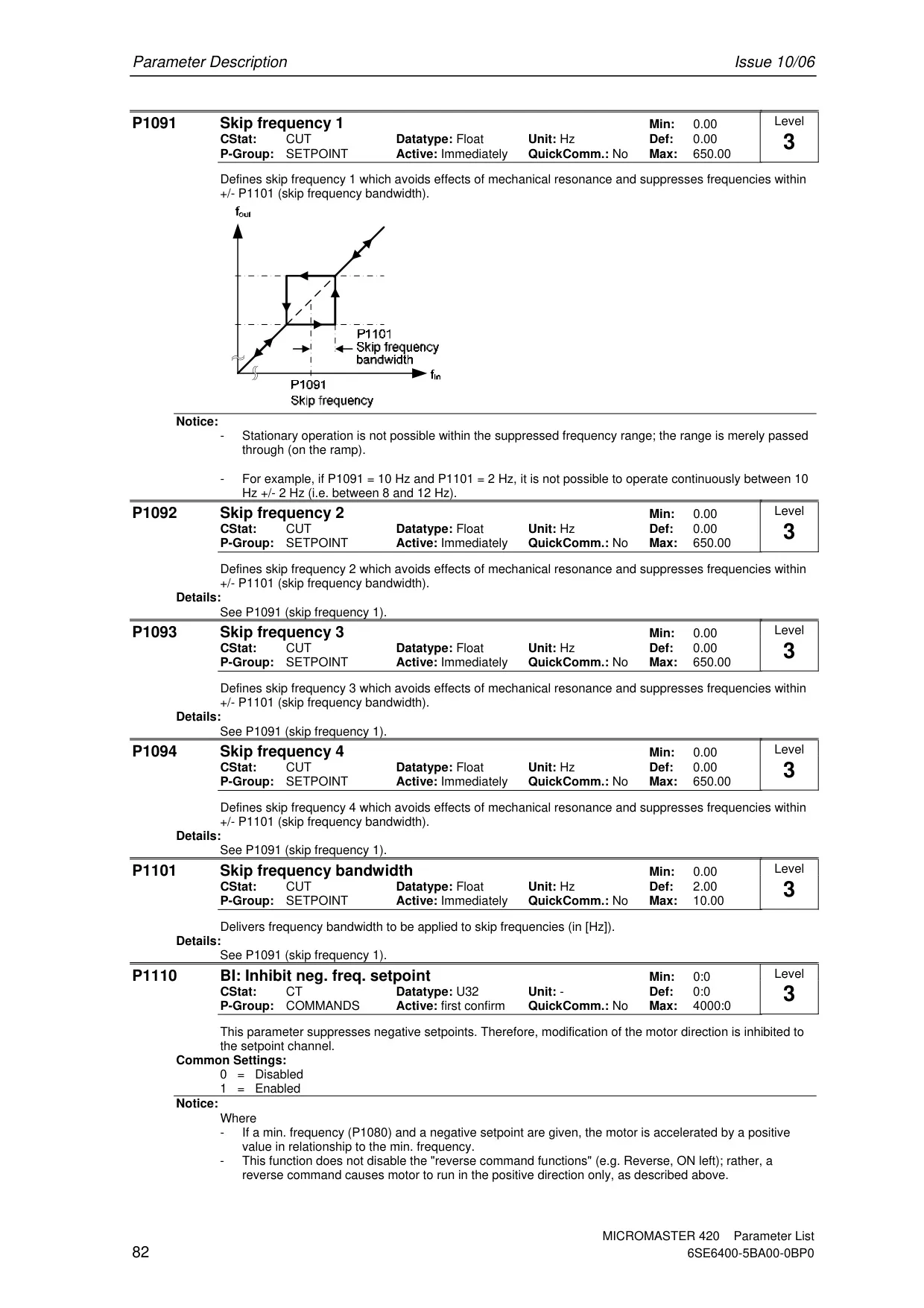
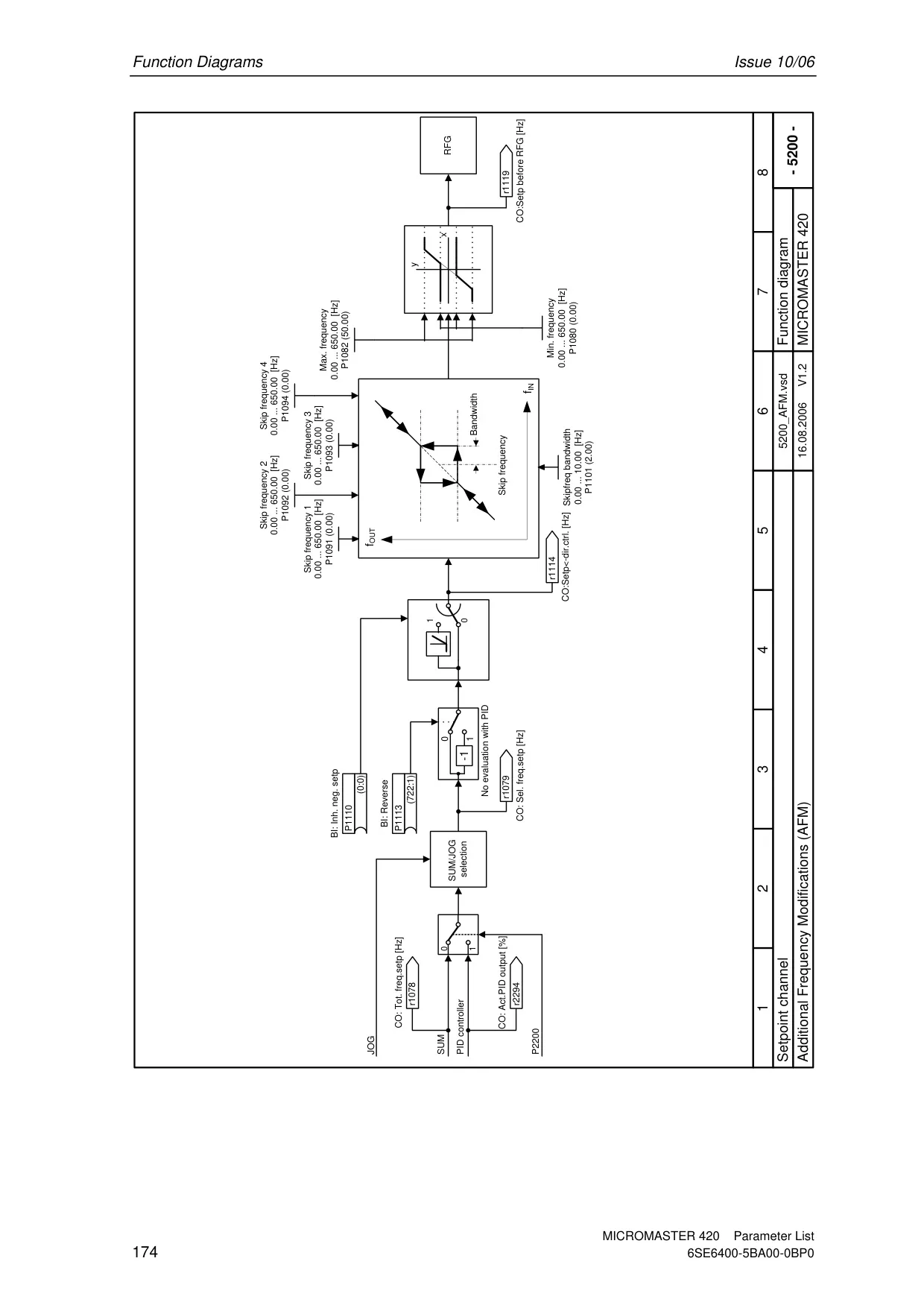
| Skip Frequencies | 4, programmable |
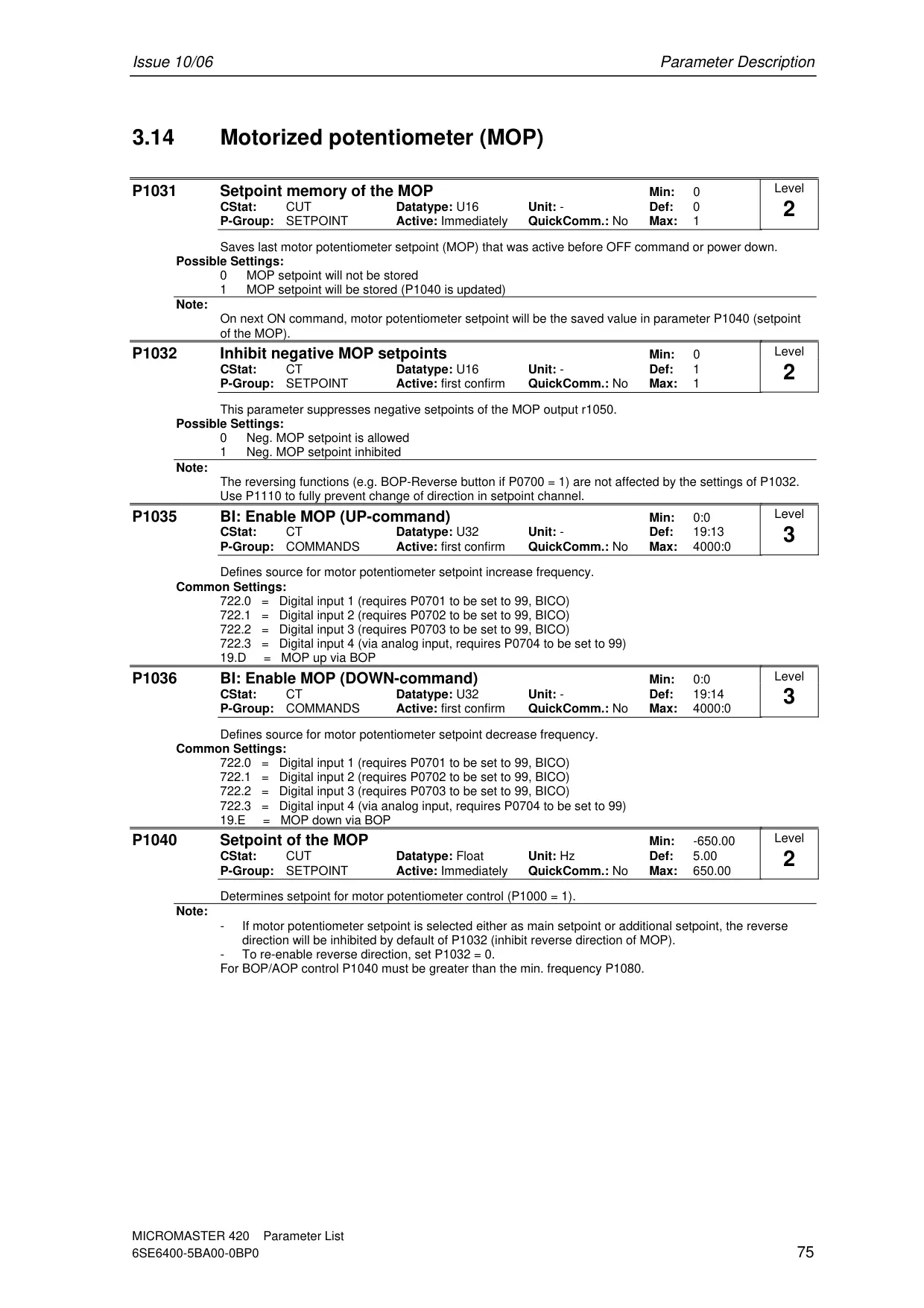
| Setpoint Resolution | 0.01 Hz Digital, 0.01 Hz Serial, 10-bit Analog (Motor Potentiometer 0.1 Hz) |
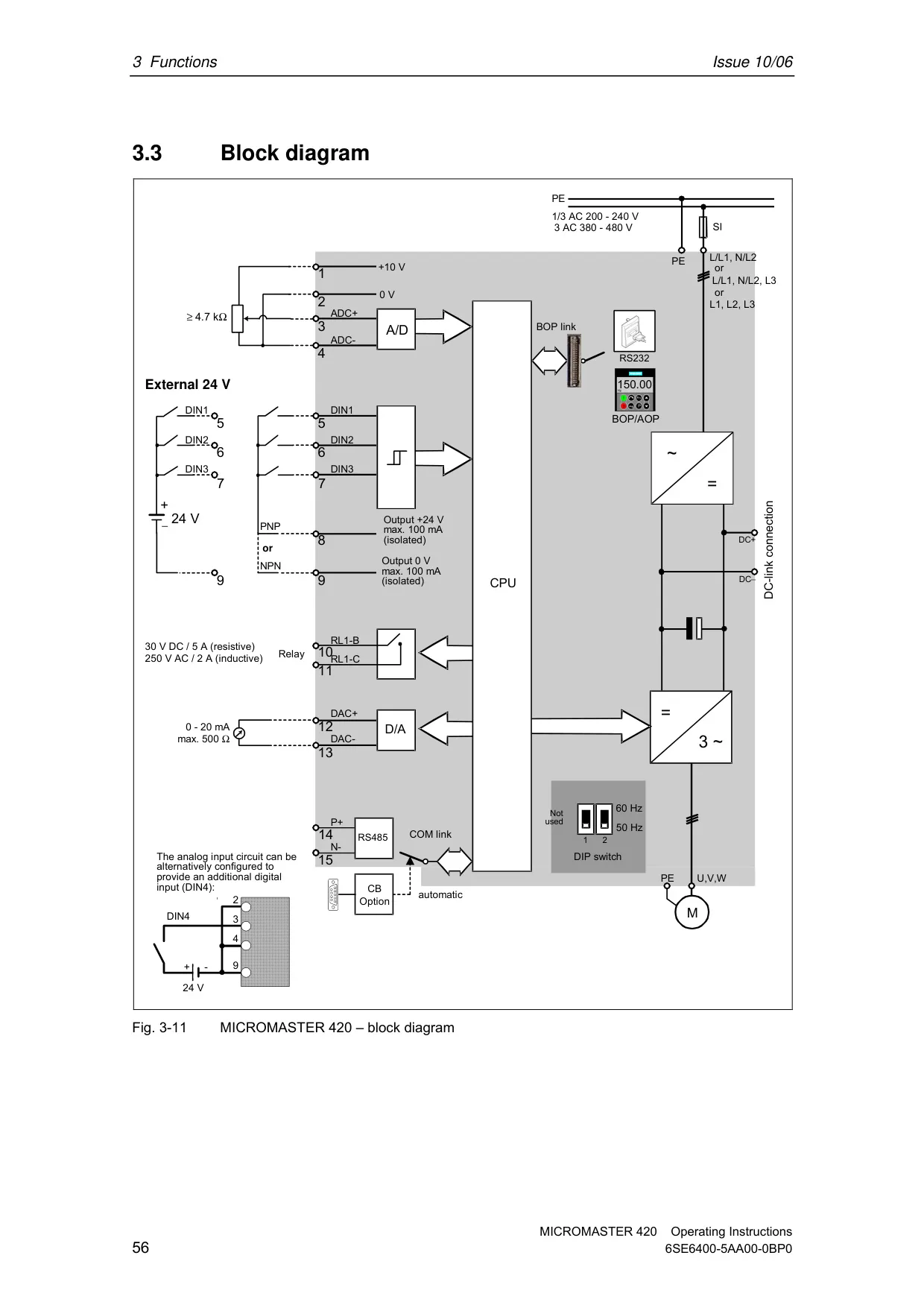
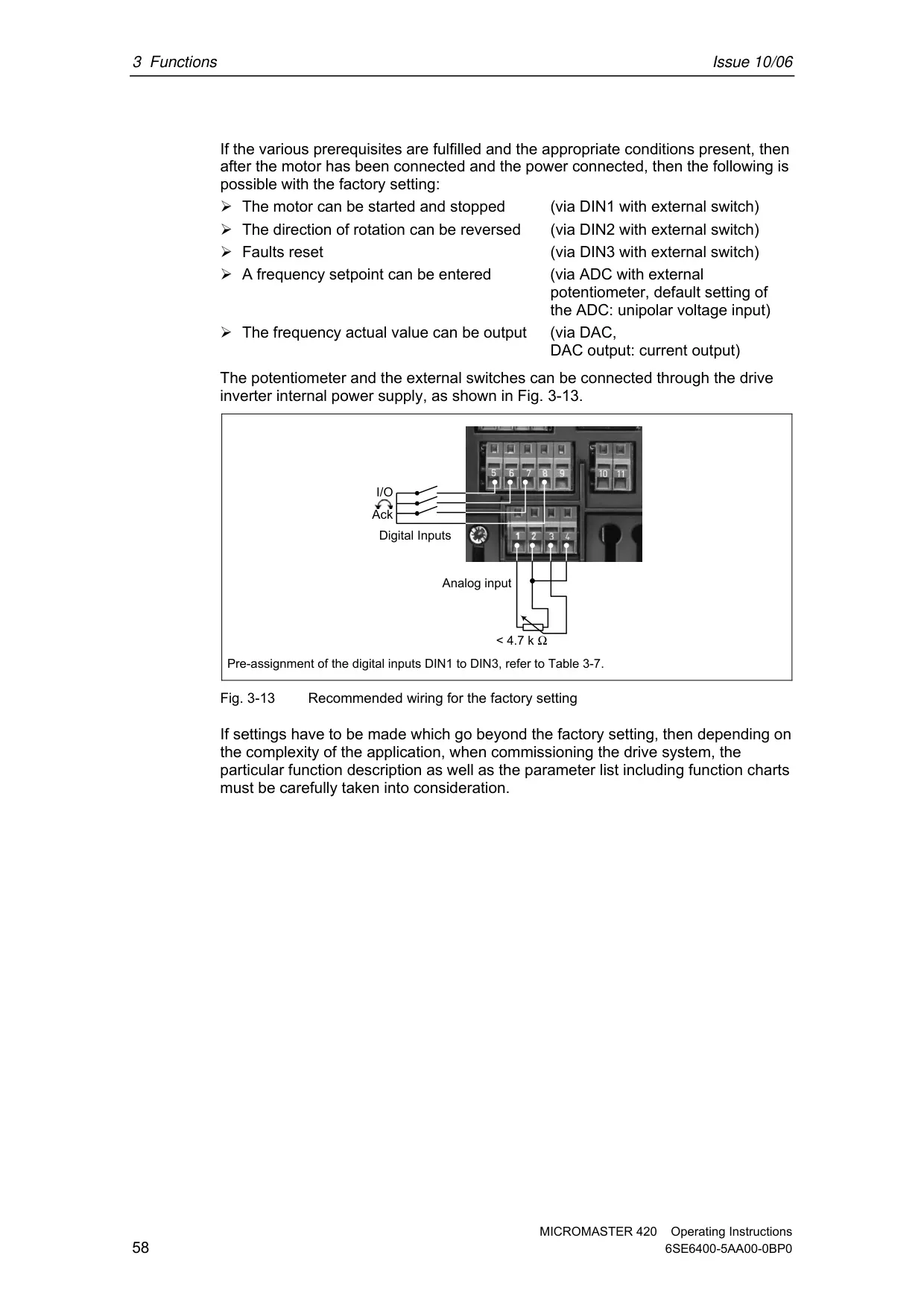
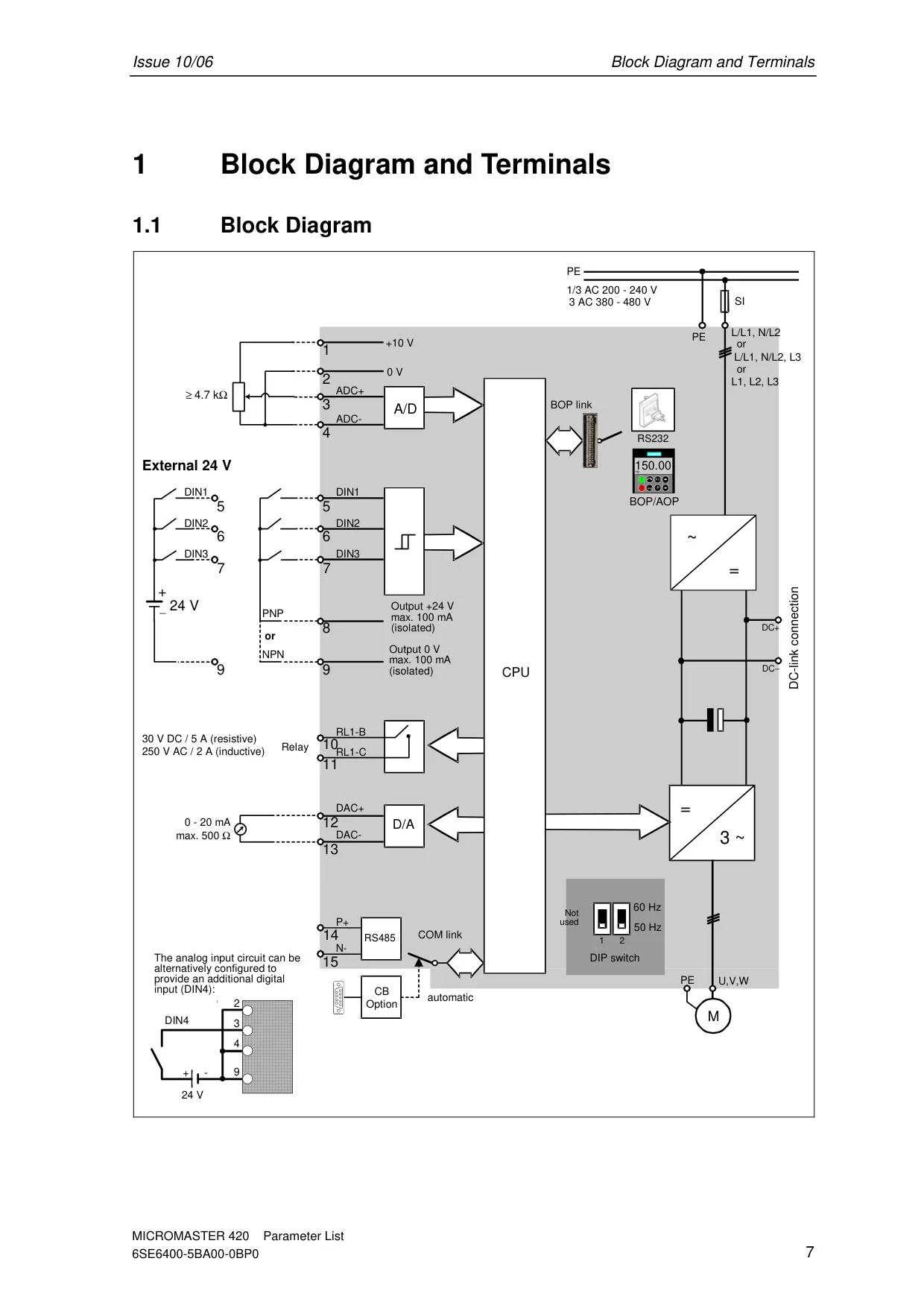
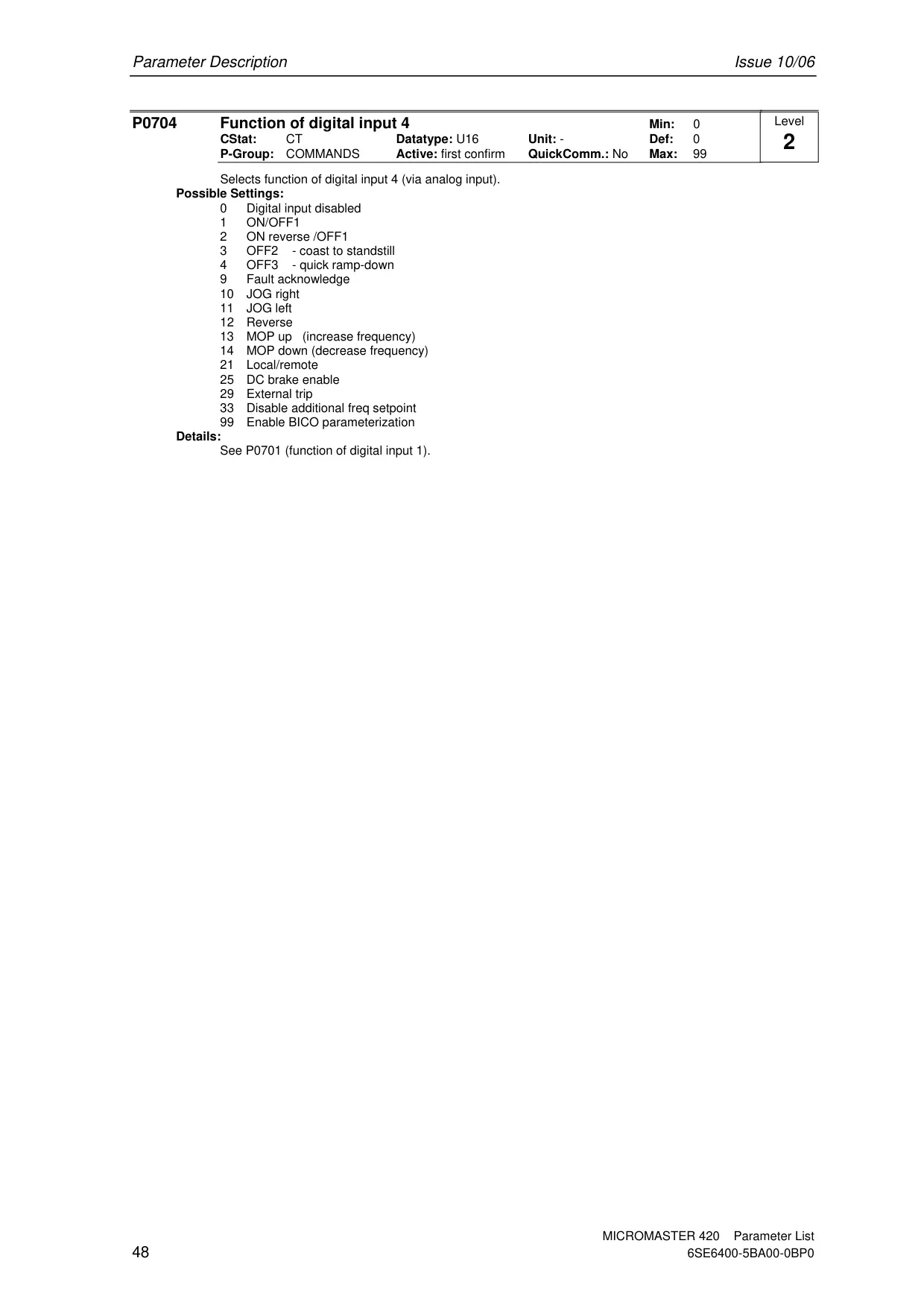
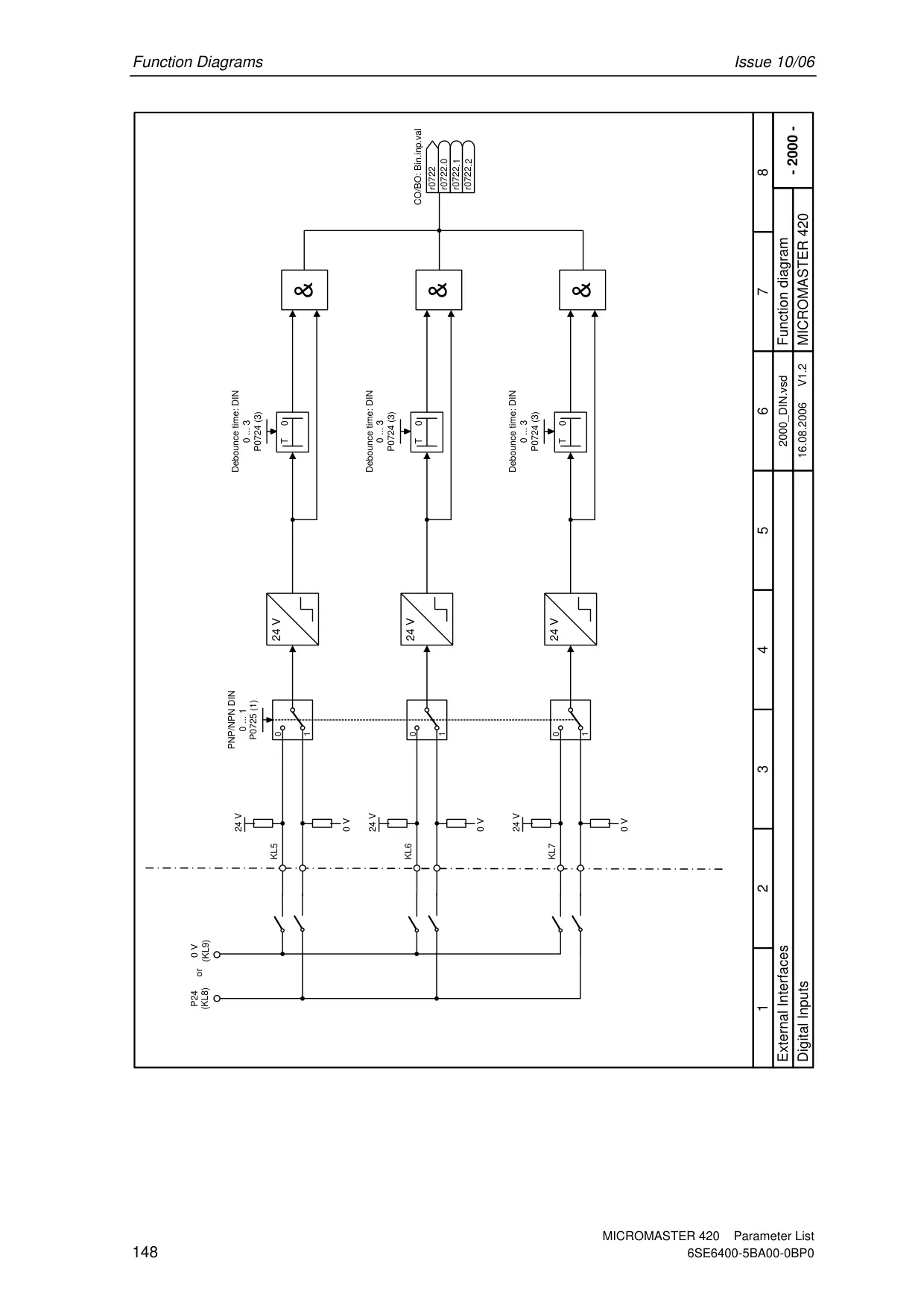
| Digital Inputs | 3 (isolated, programmable NPN/PNP), expandable to 4 (using analog input) |
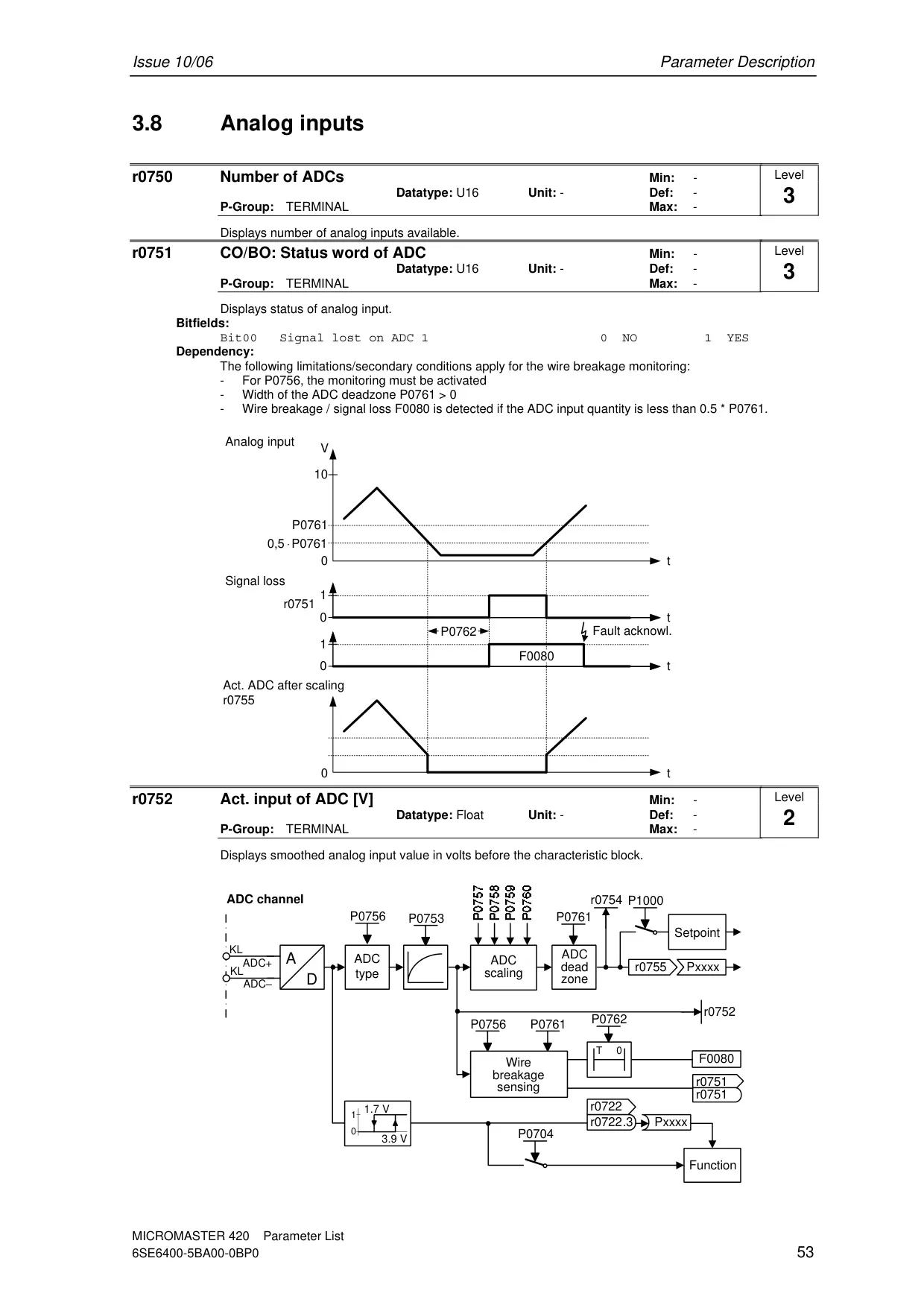
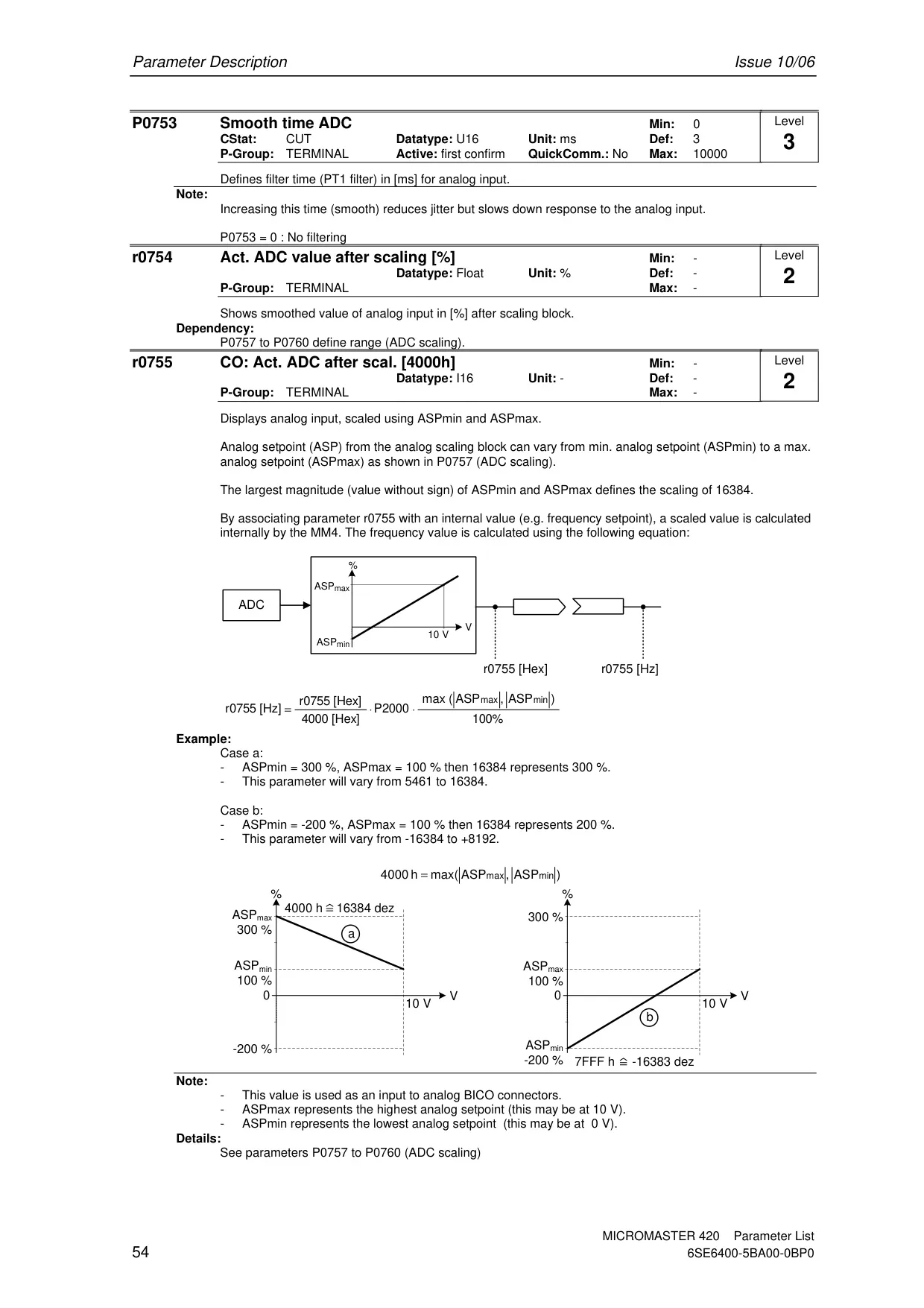
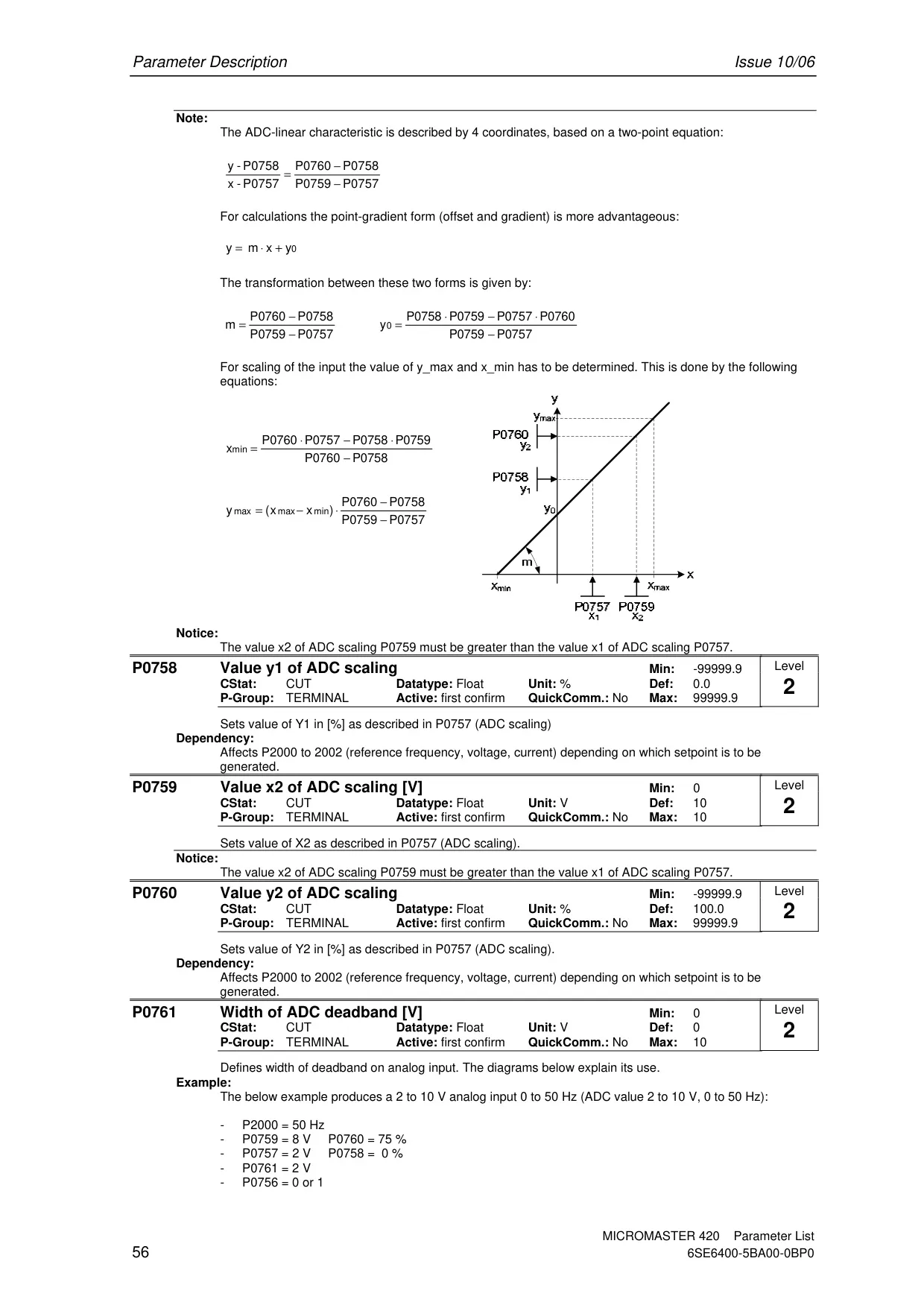
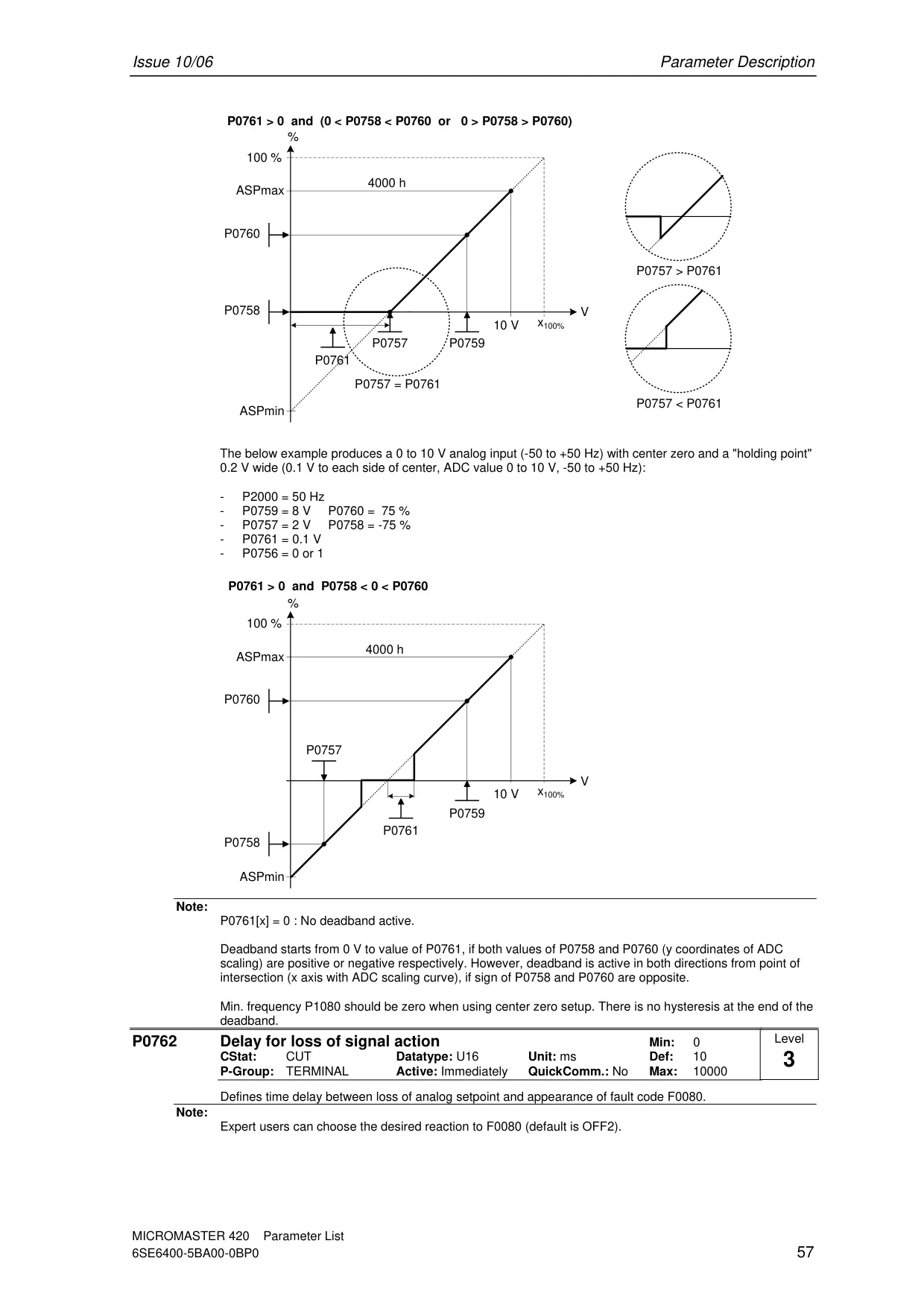
| Analog Input | 1 (0 to 10 V), scalable, usable as 4th digital input |
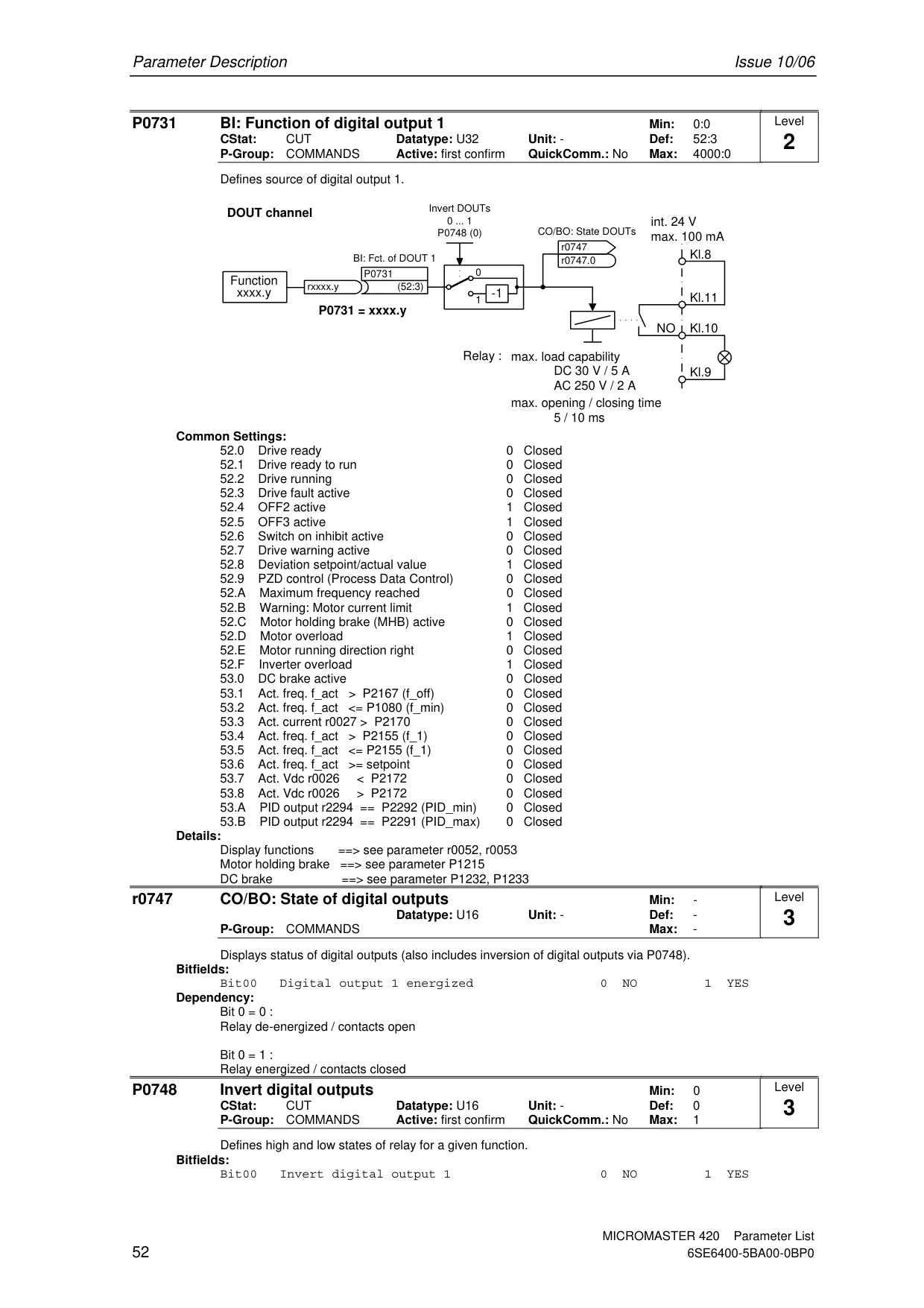
| Relay Output | 1 (programmable), 30 V DC / 5 A (resistive), 250 V AC / 2 A (inductive) |
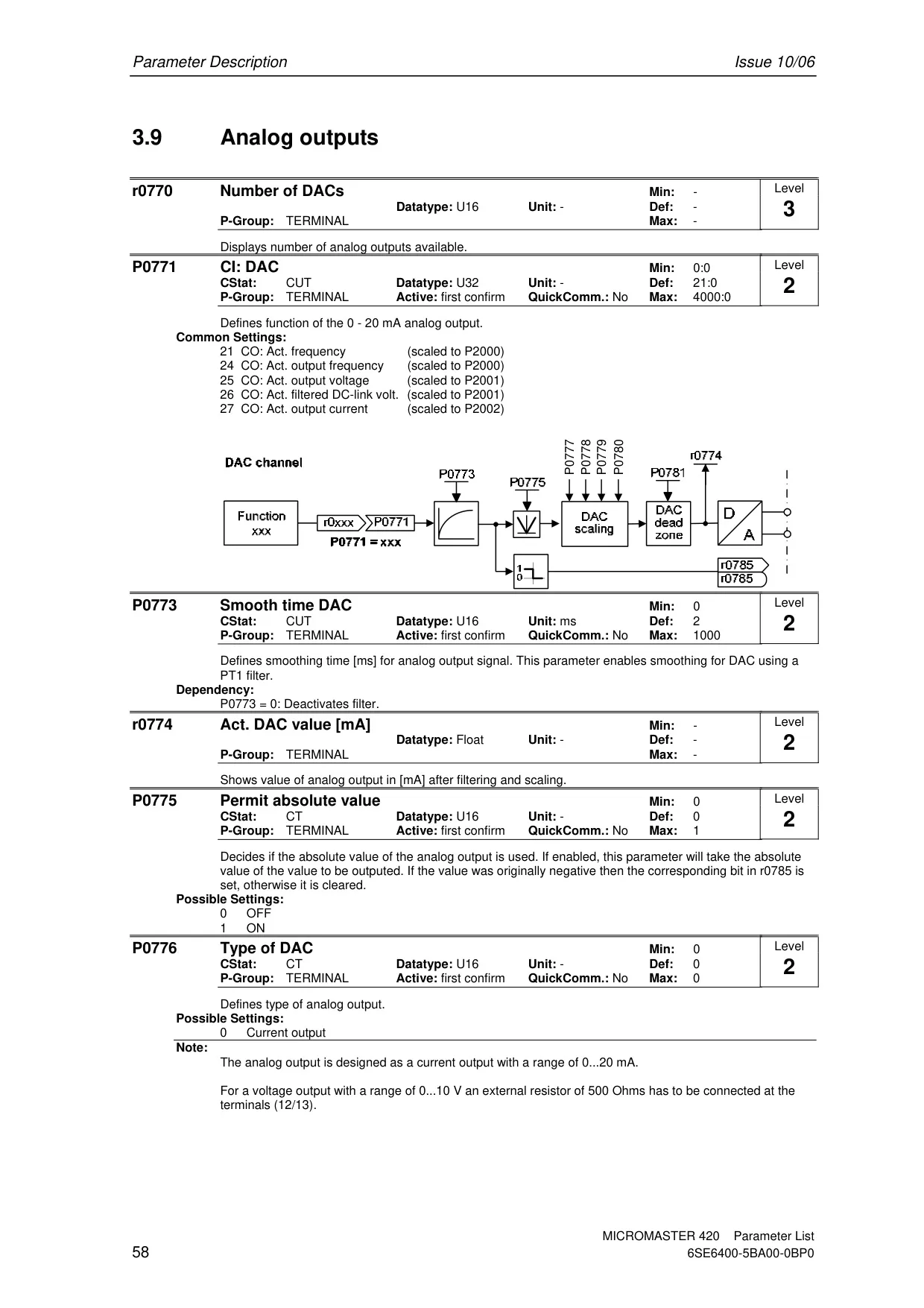
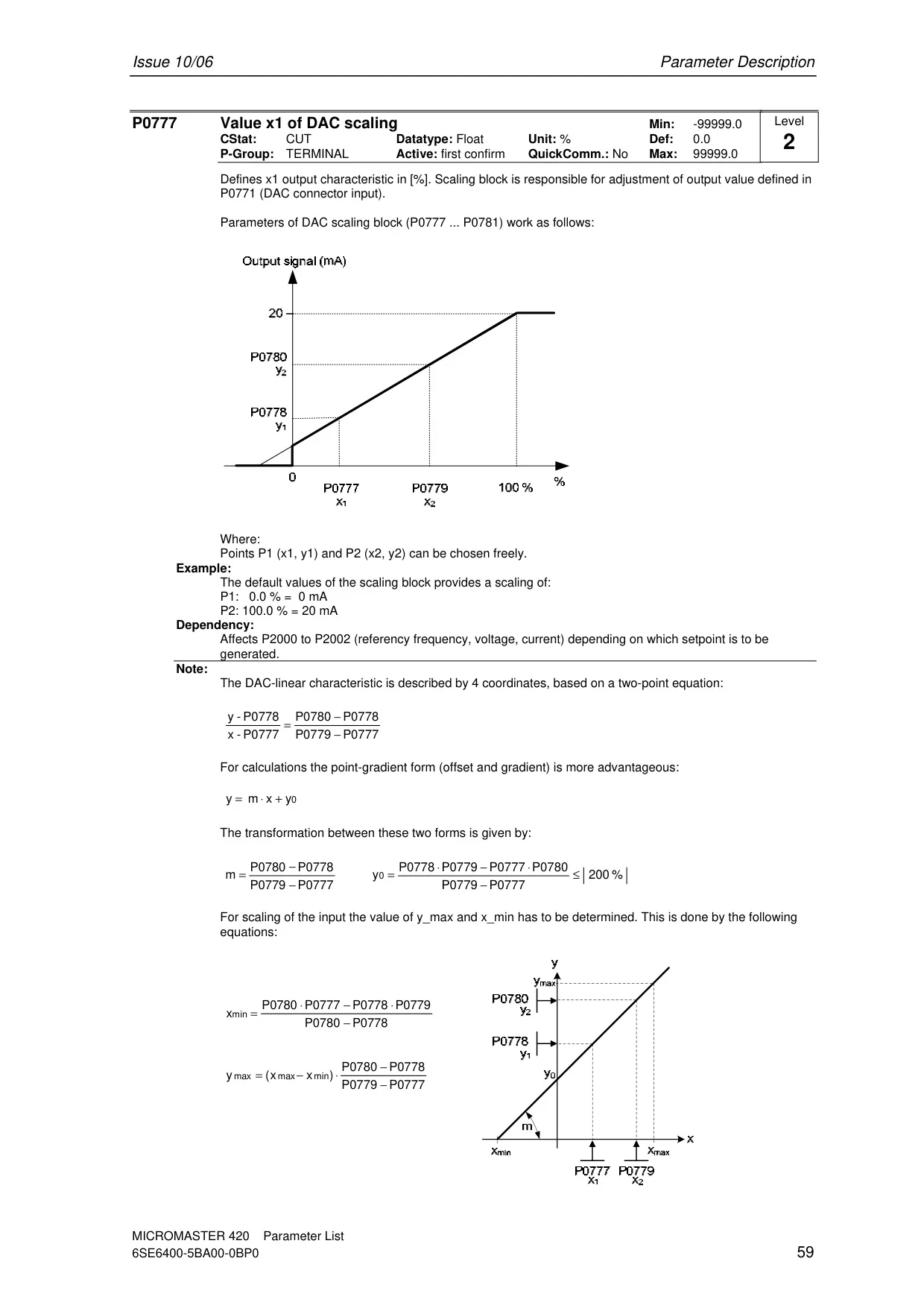
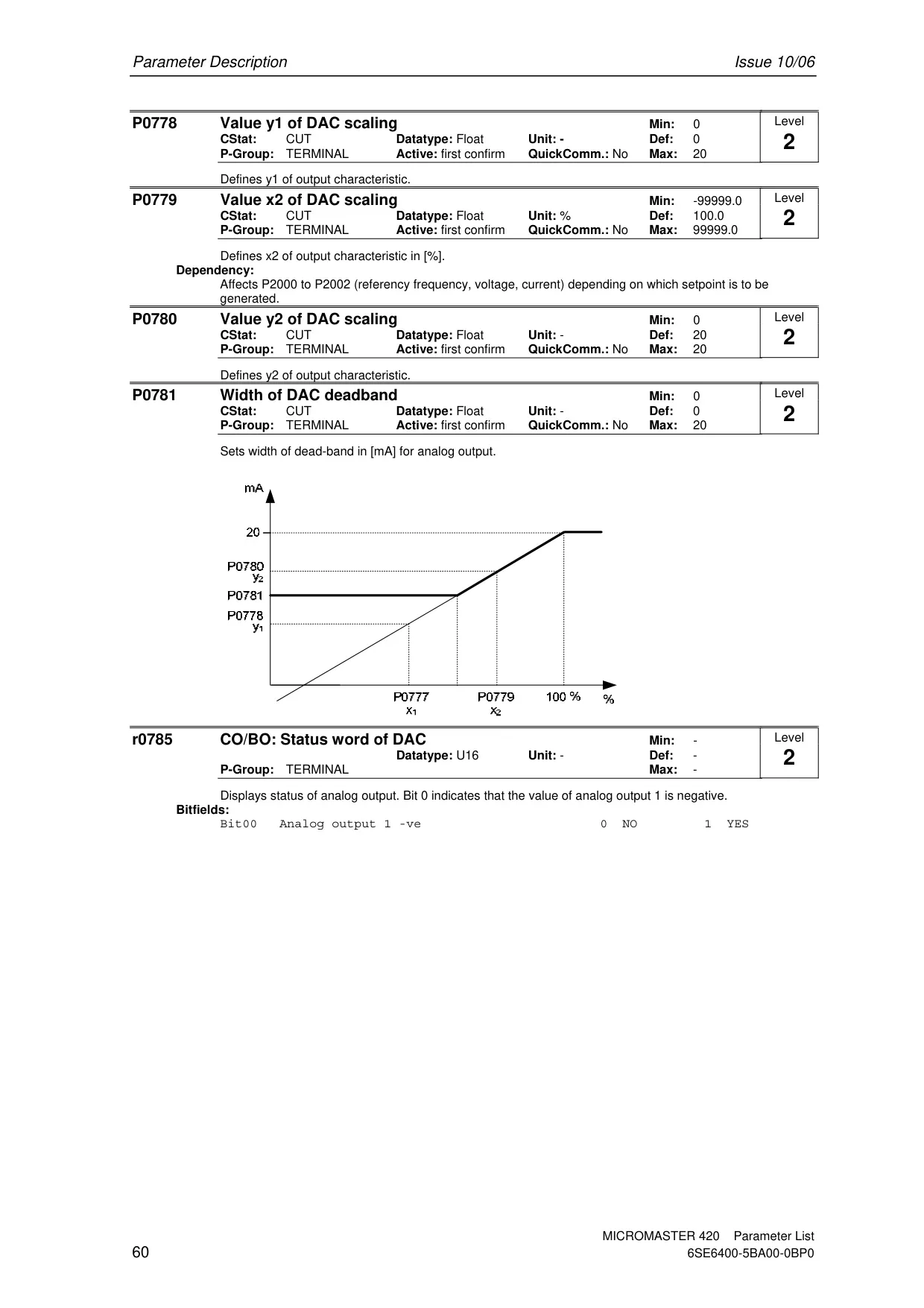
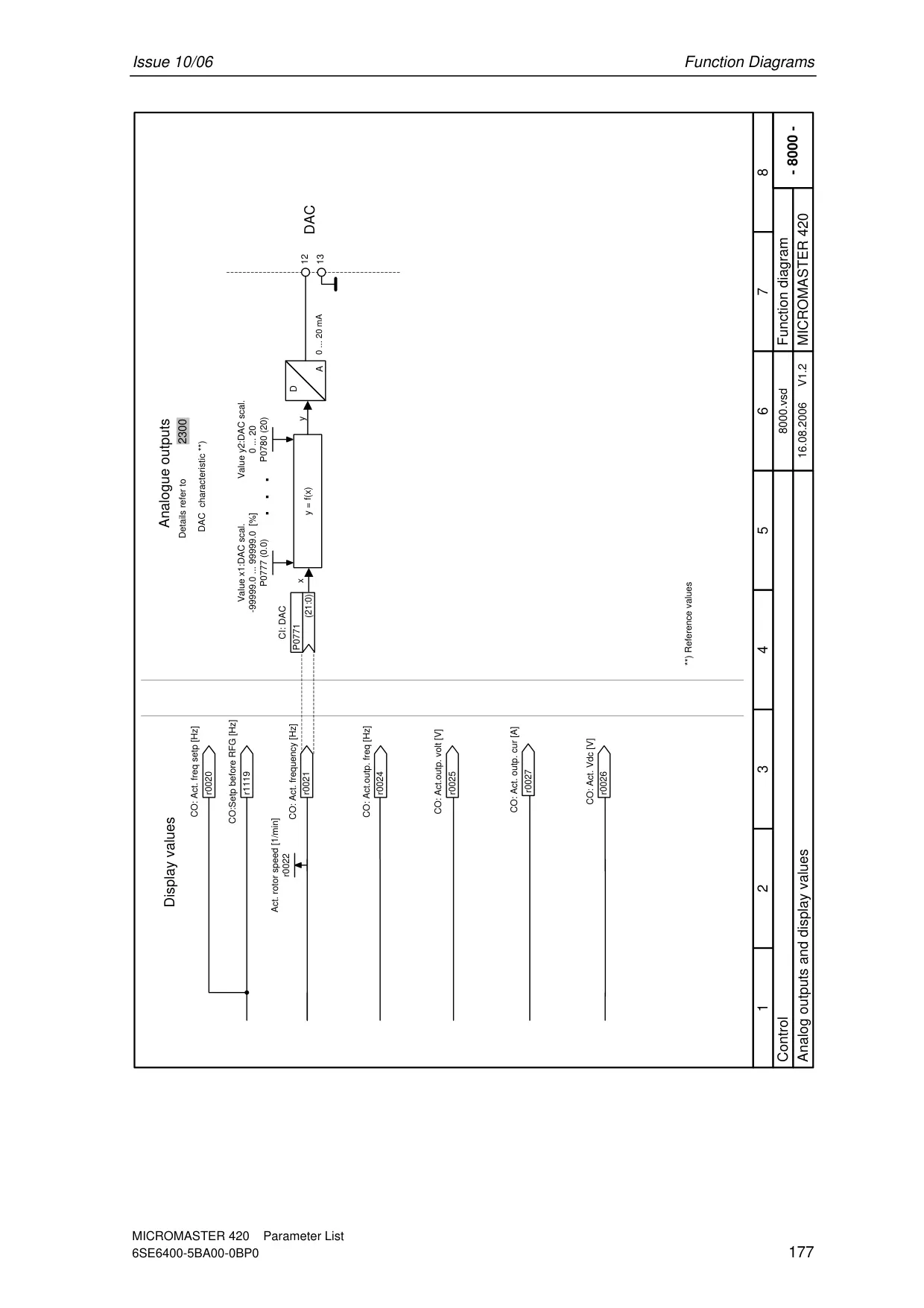
| Analog Output | 1 (programmable, 0 mA to 20 mA) |
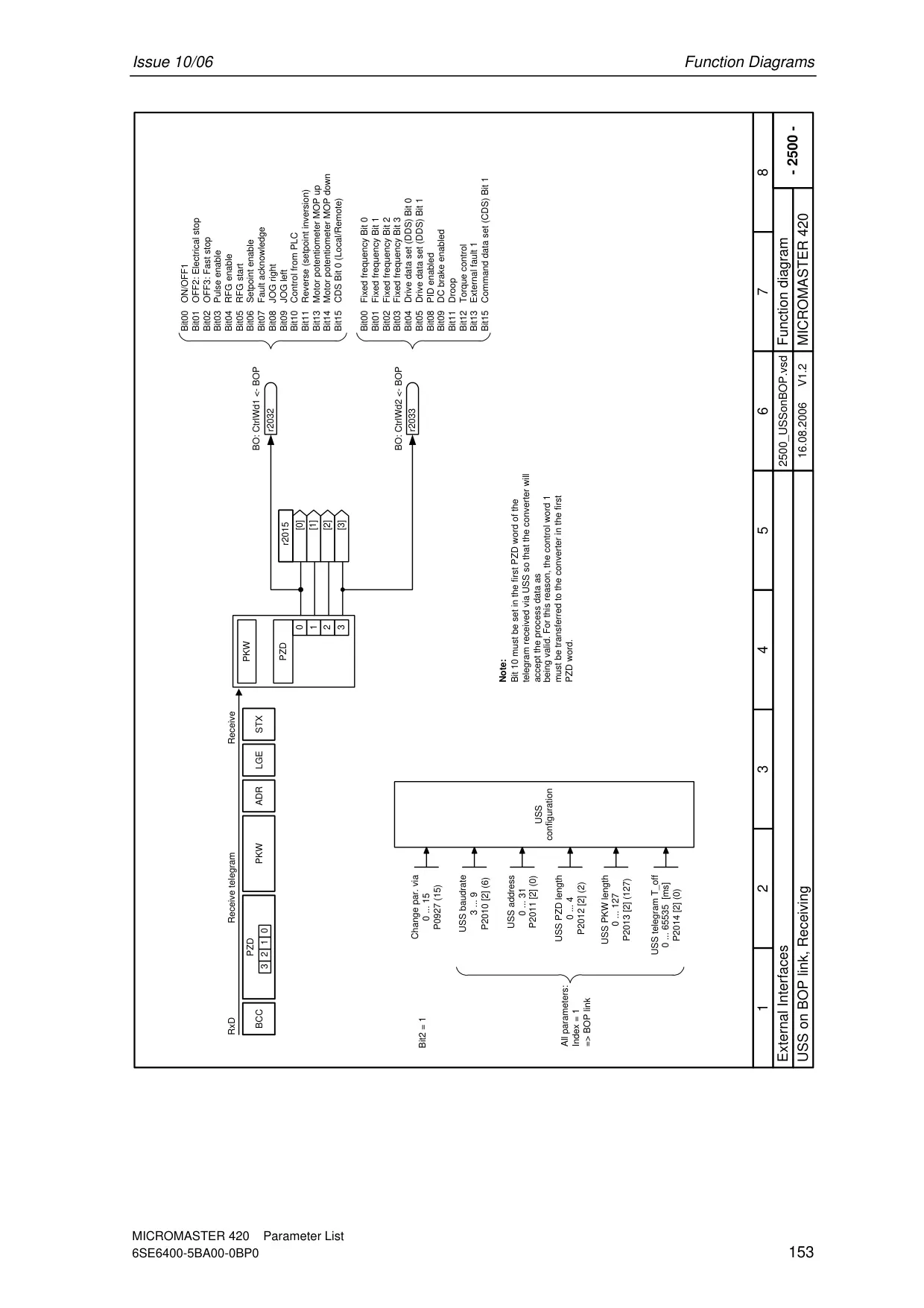
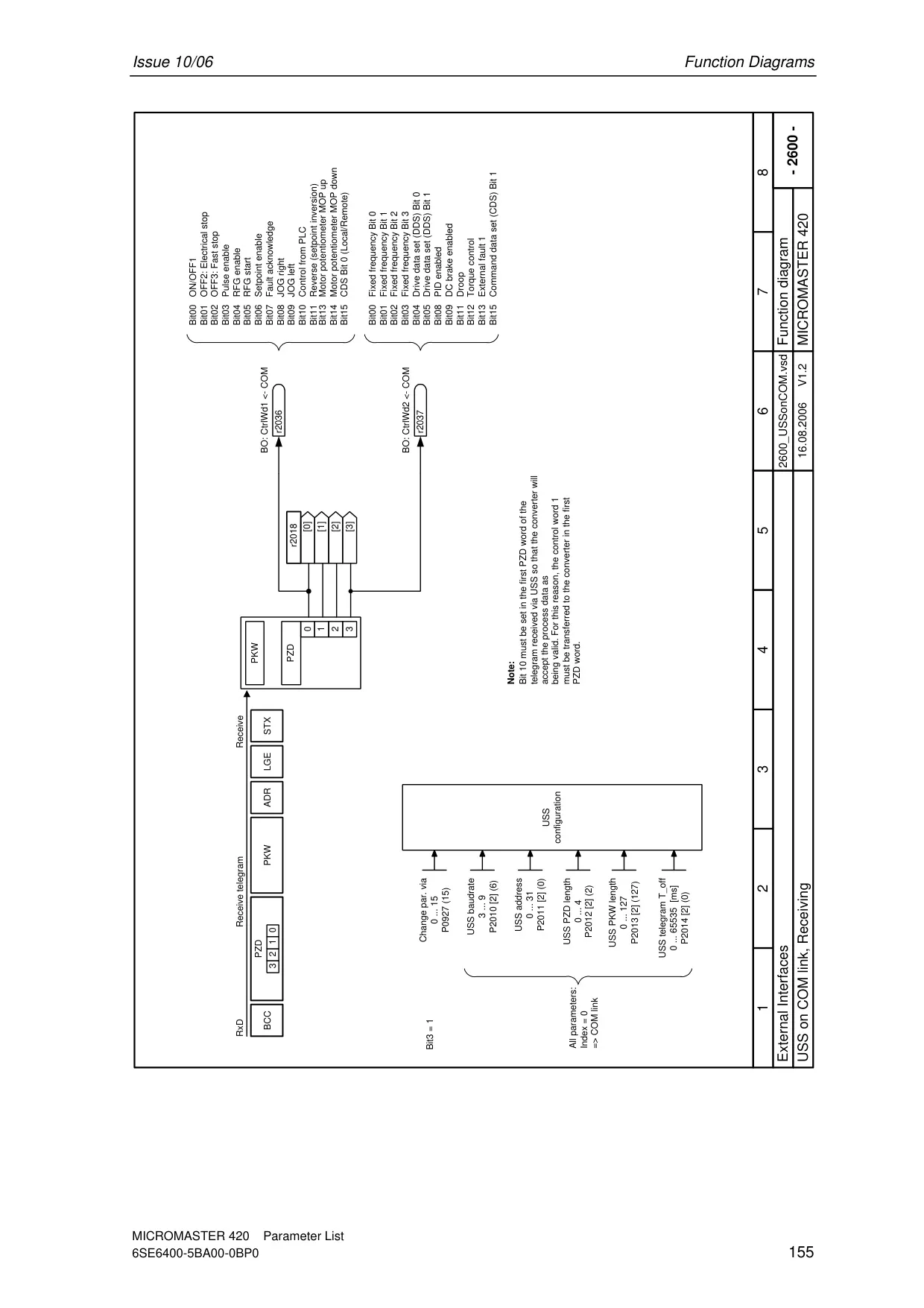
| Serial Interface | RS-485 (standard), RS-232 (option) |
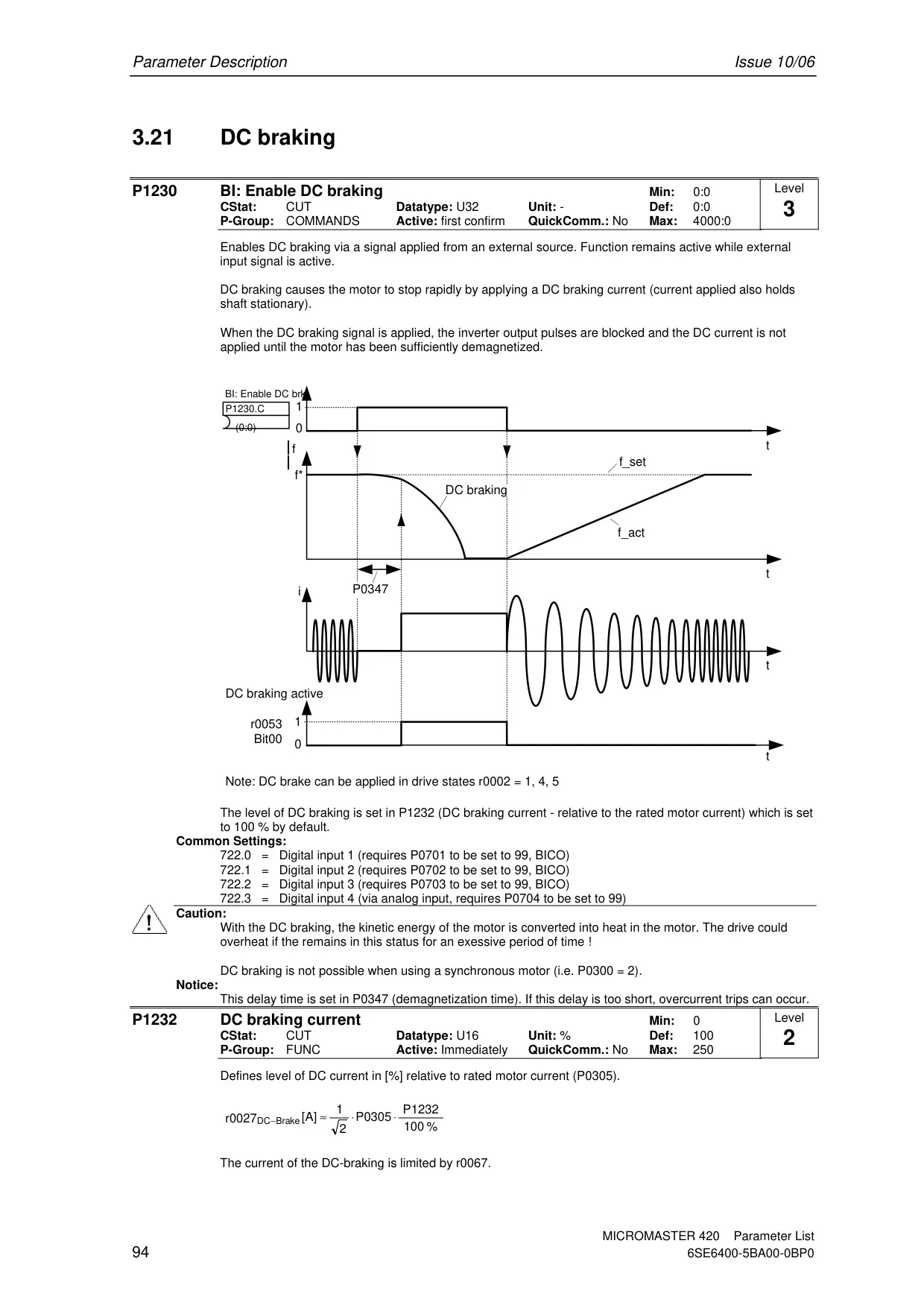
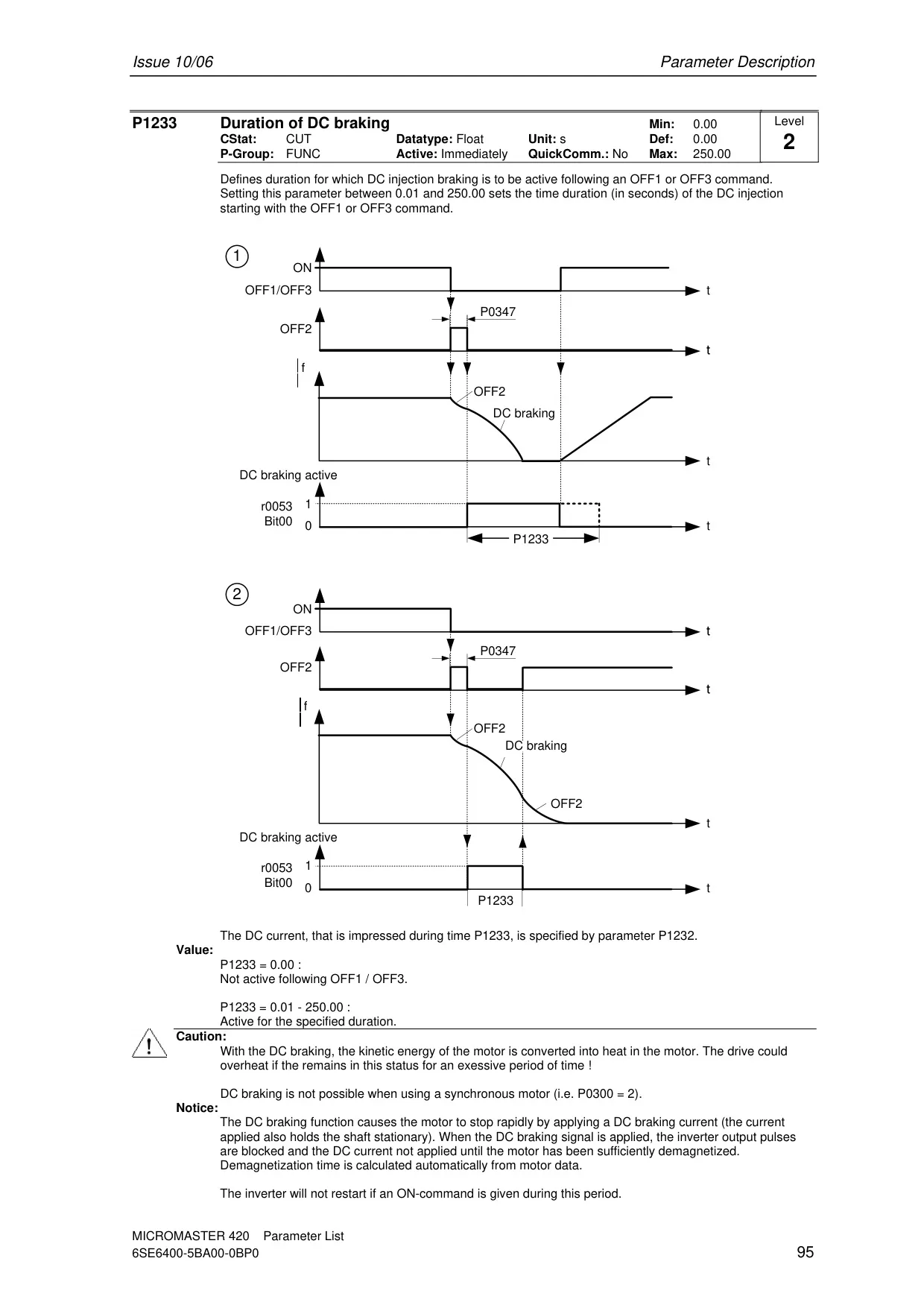
| Braking Functions | DC Braking, Compound Braking |
| Protection Level | IP20 |
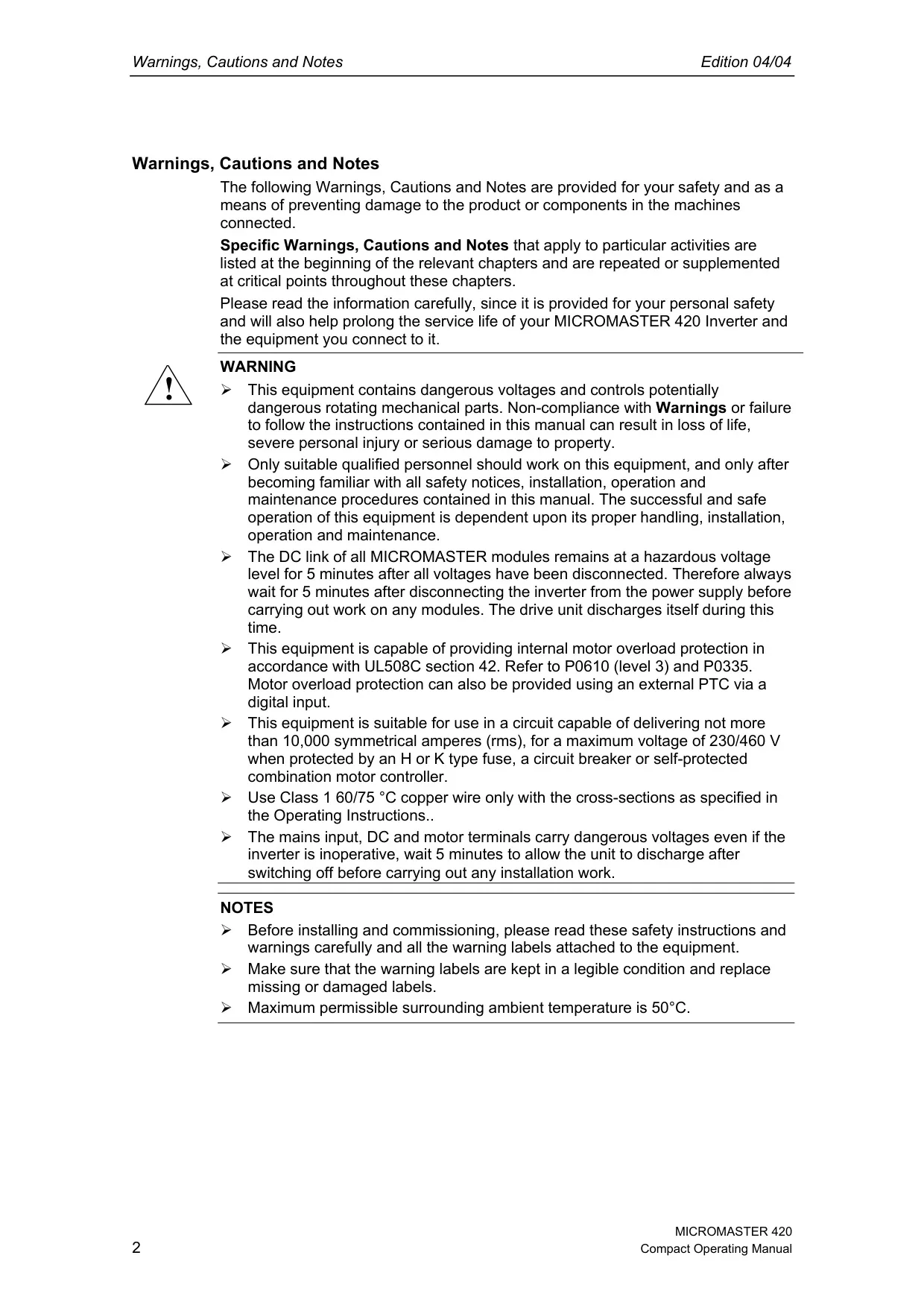
| Operating Temperature | -10°C to +50°C (14°F to 122°F) |
| Storage Temperature | -40°C to +70°C (-40°F to 158°F) |
| Humidity | < 95% RH (non-condensing) |
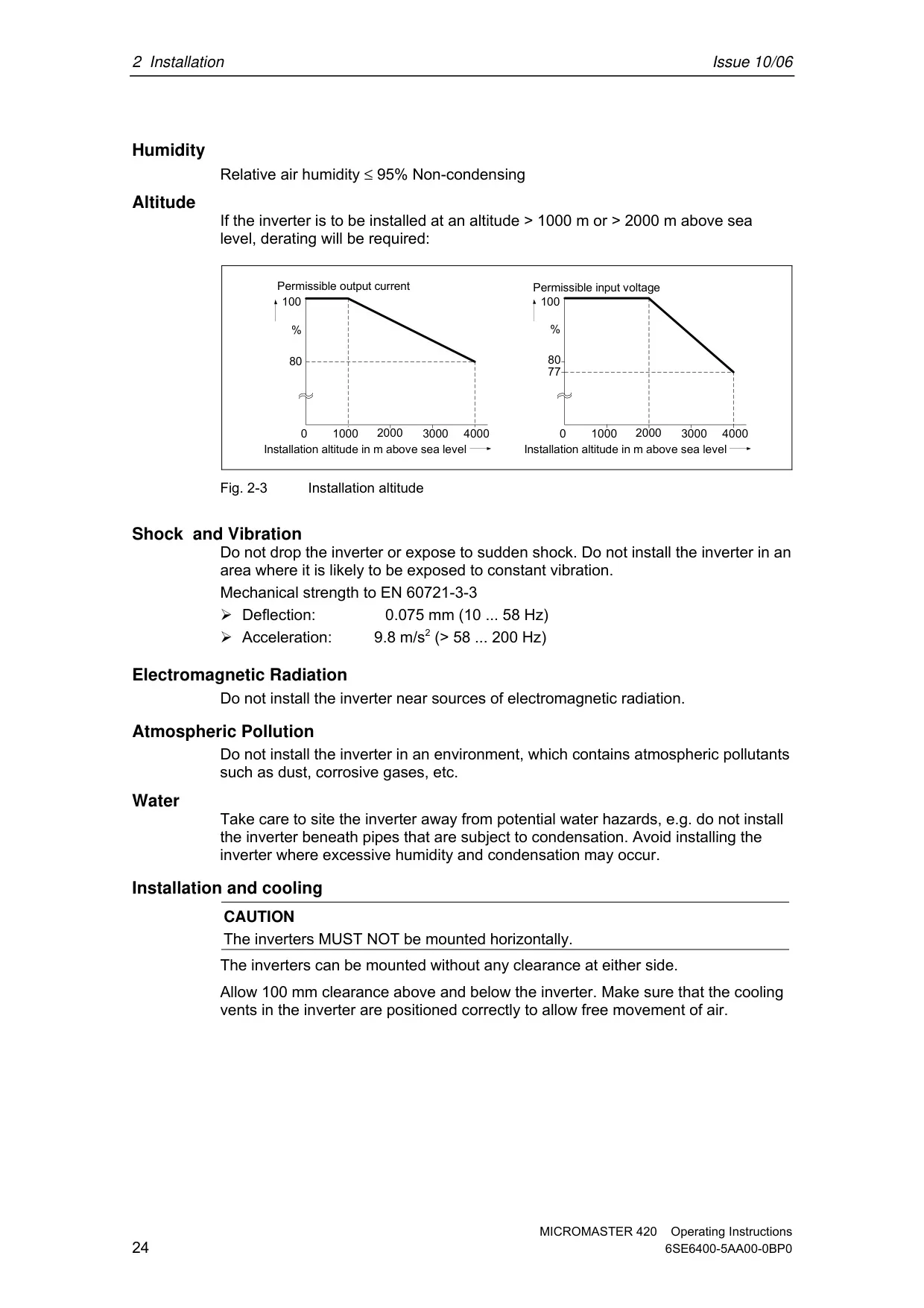
| Operational Altitude | Up to 1000 m (without derating) |
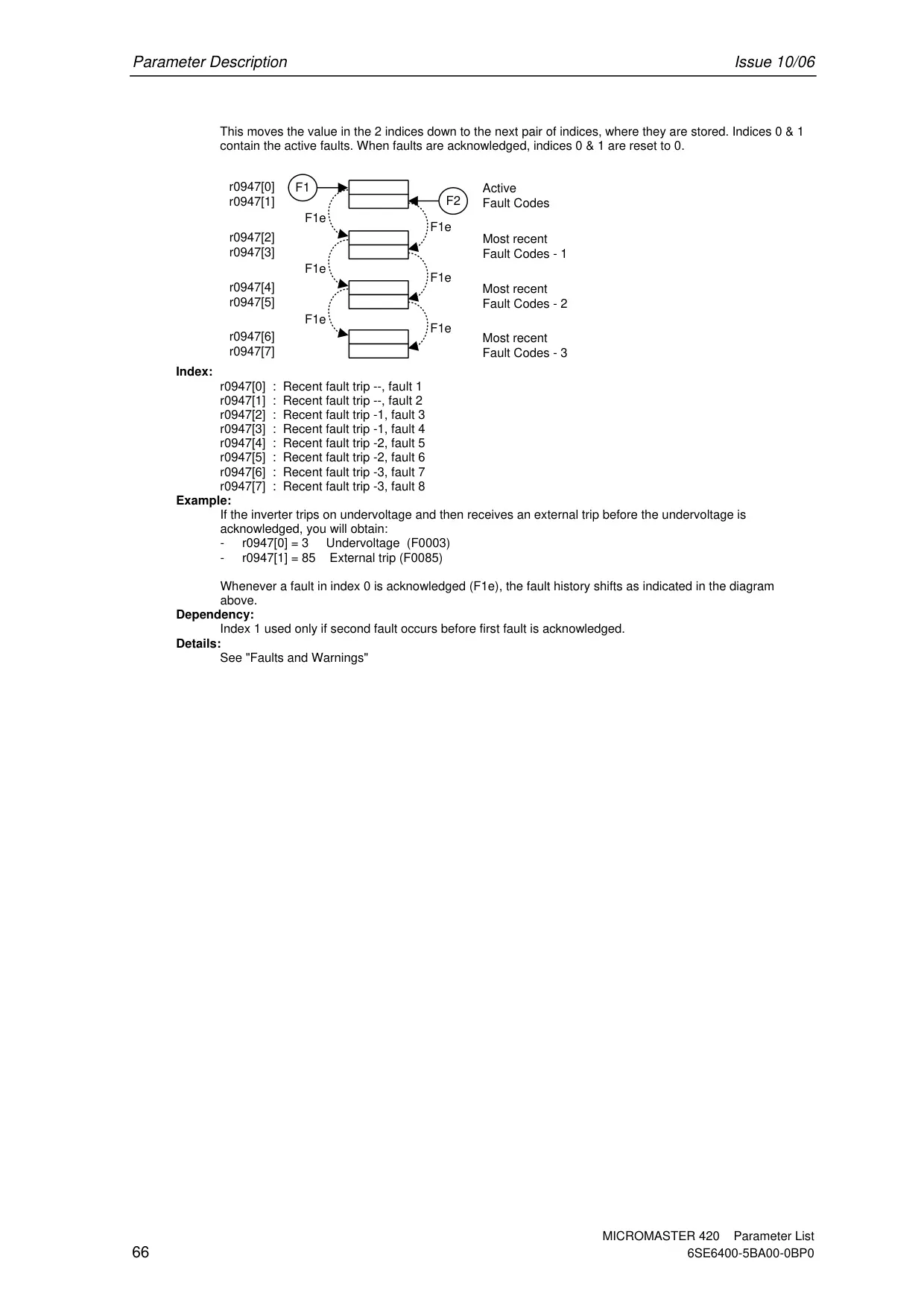
| Protection Features | Undervoltage, Overvoltage, Overload, Ground Faults, Short circuit, Stall Prevention, Motor Blocking, Motor/Inverter Overtemperature, Parameter Interlock |
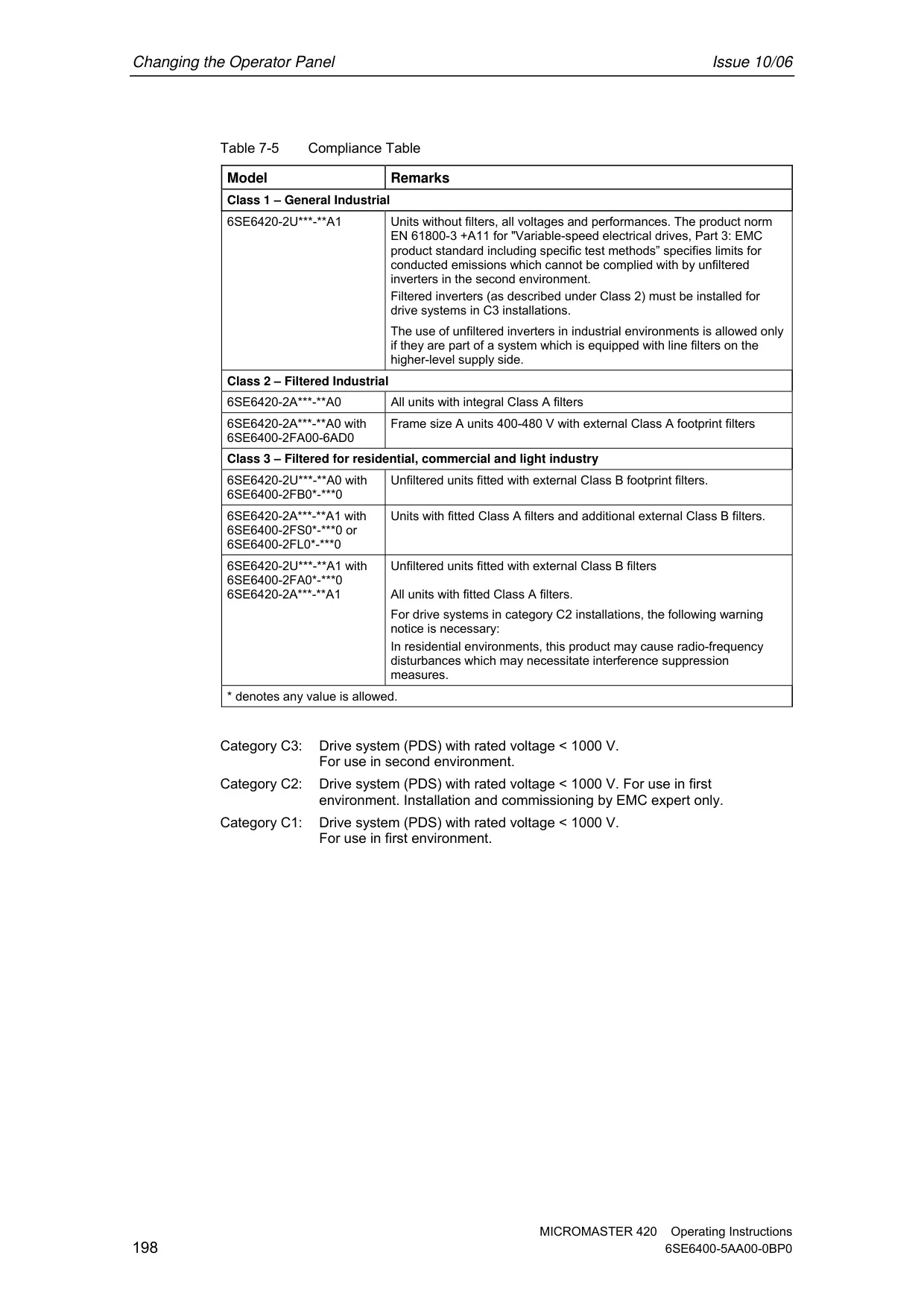
| Standards Compliance | UL, cUL, CE, C-tick (CE Marked per EC Low Voltage Directive 73/23/EEC and EMC Directive 89/336/EEC) |
| Dimensions (Frame A, WxHxD) | 73 x 173 x 149 mm (2.87 x 6.81 x 5.87 inches) |
| Weight (Frame A) | 1.2 kg (2.6 lbs) |
Siemens Micromaster 420 VFD Details
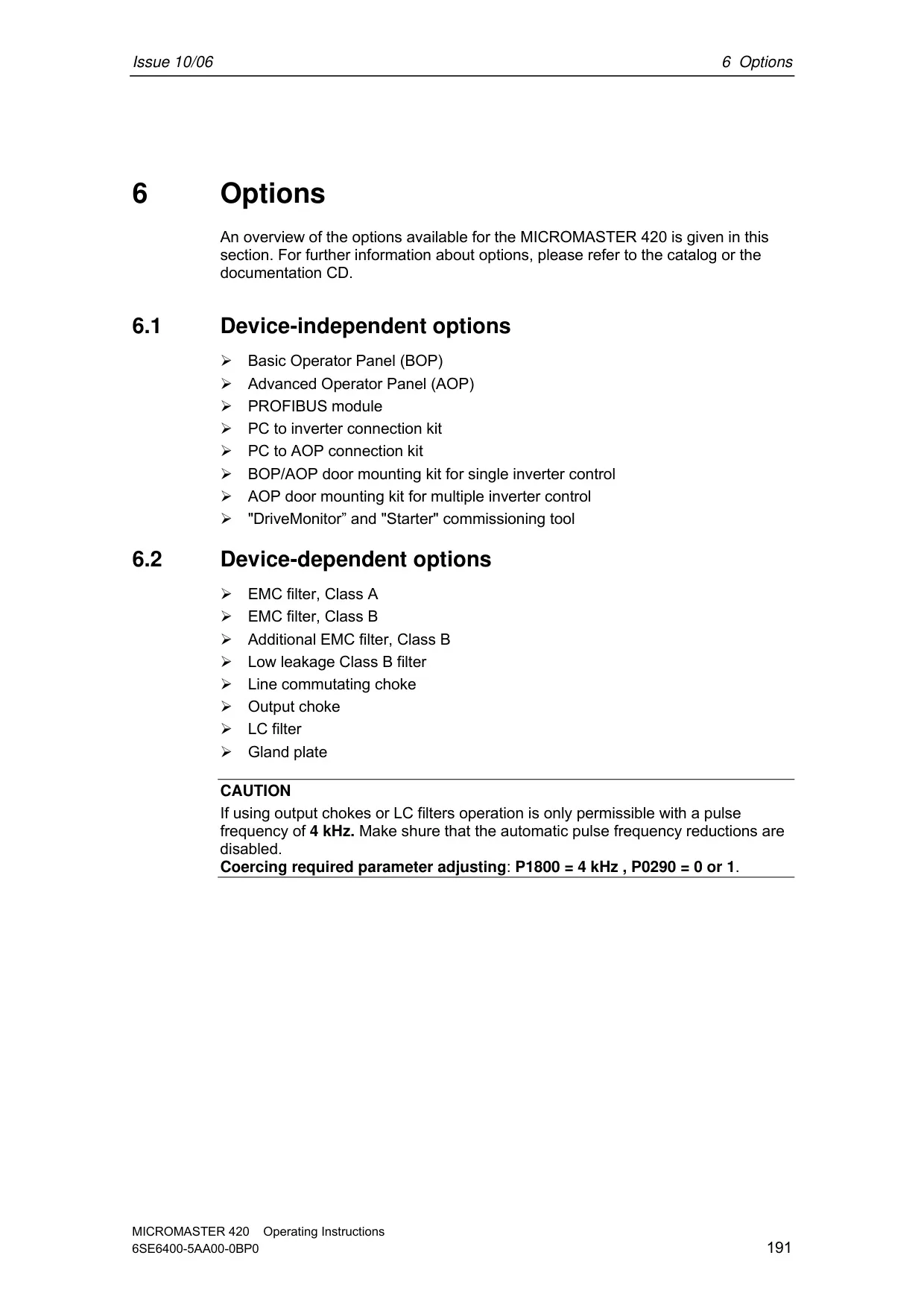
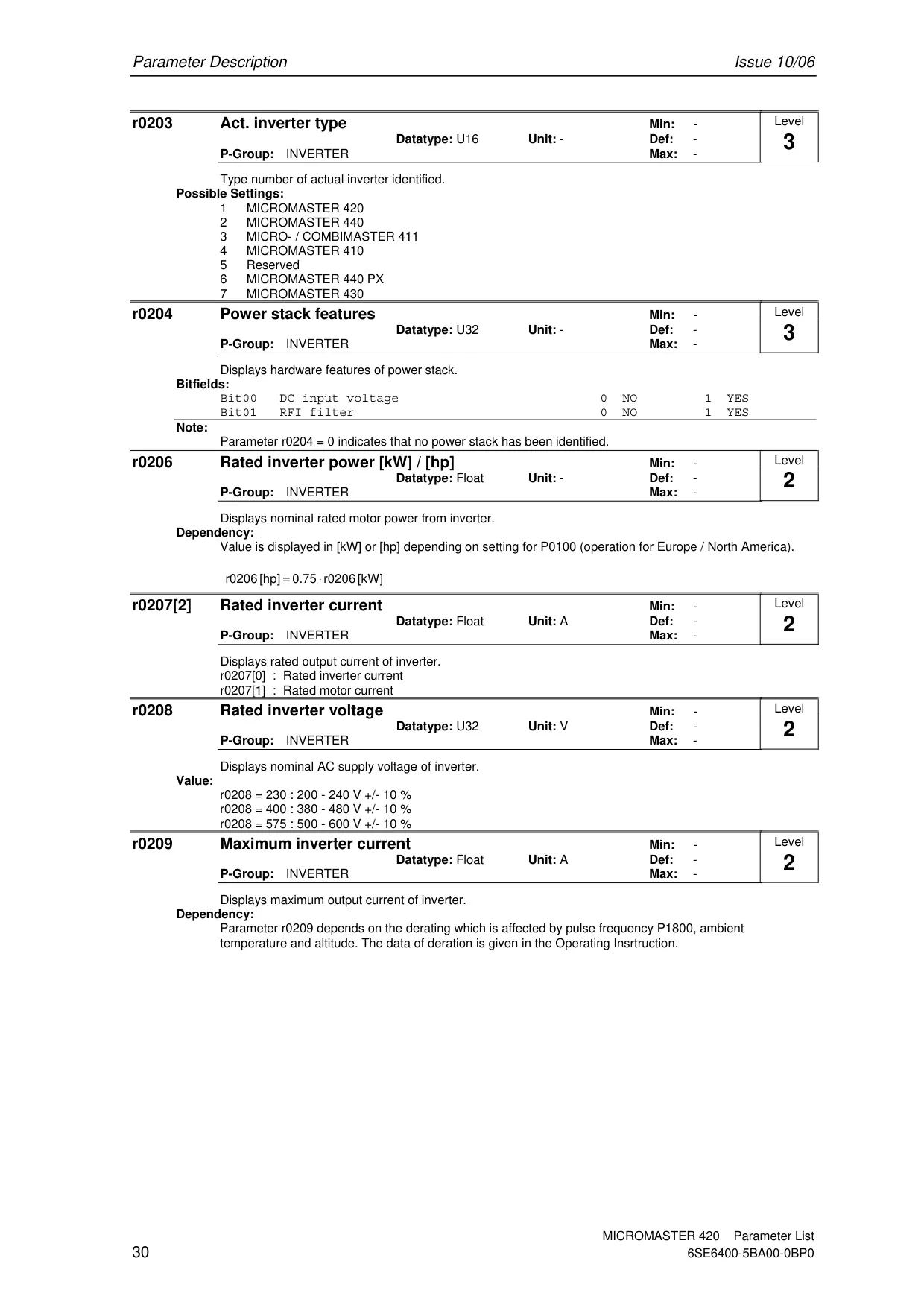
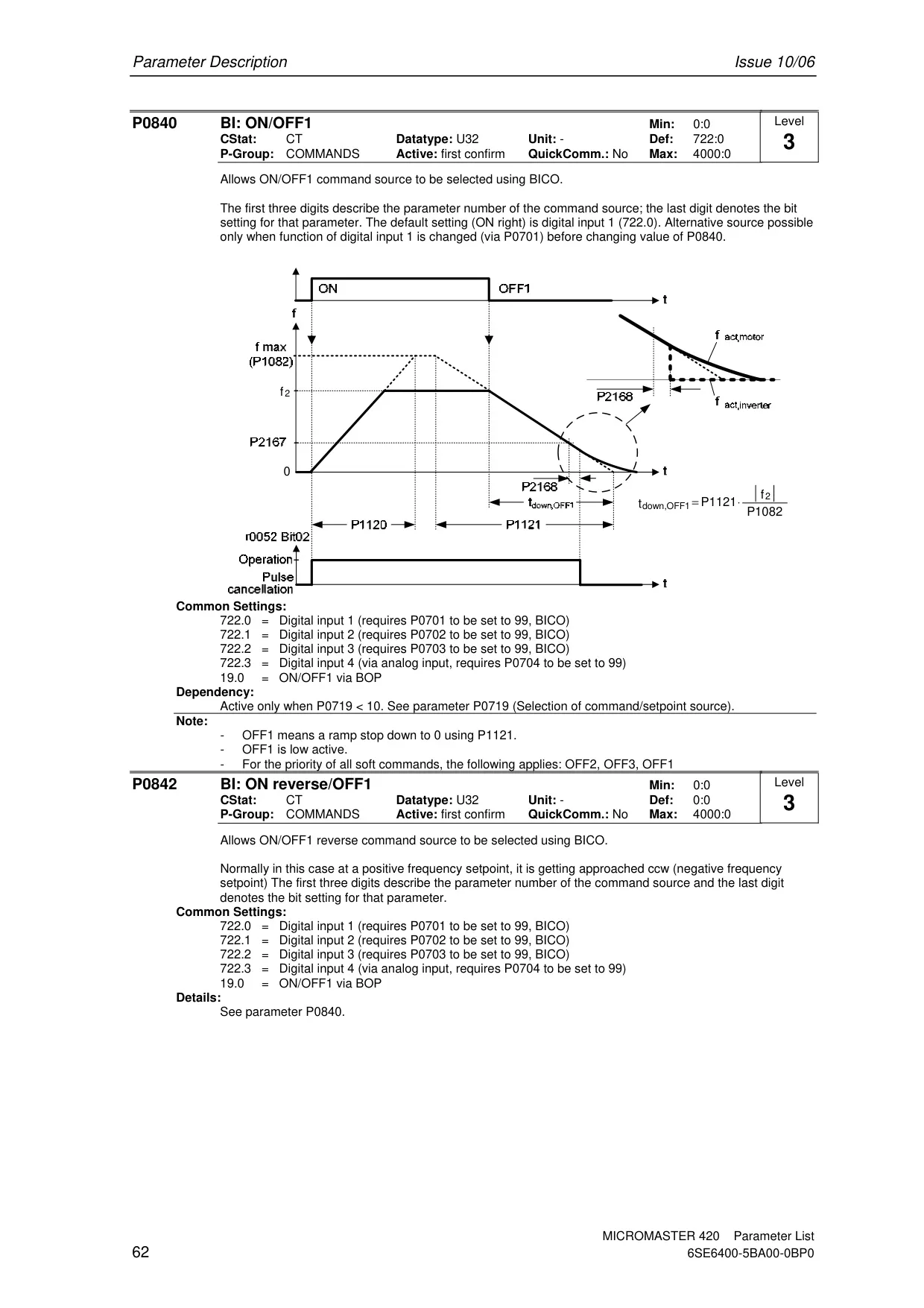
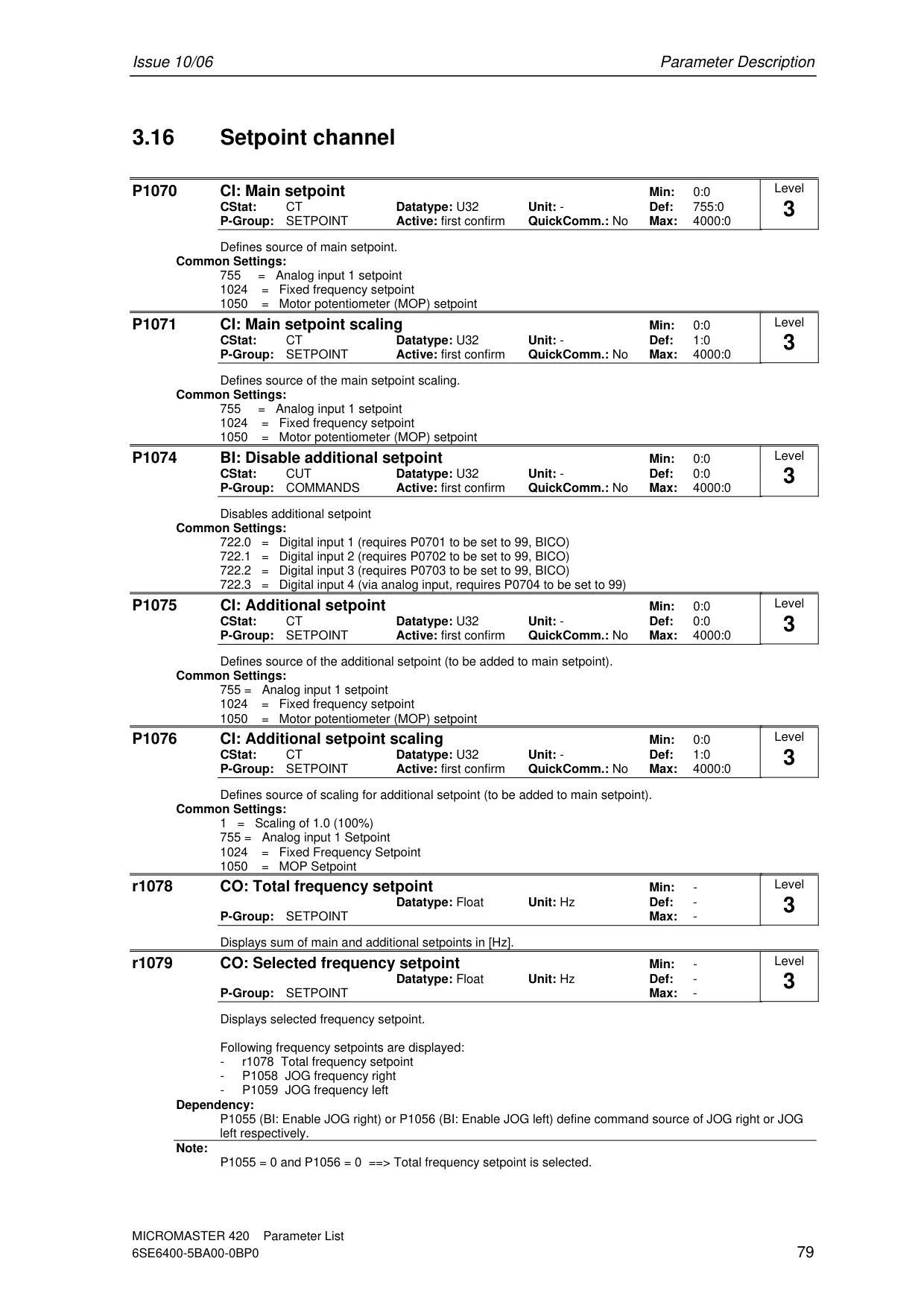
The Siemens Micromaster 420 series represents a versatile range of variable frequency drives designed for controlling the speed of three-phase AC motors. These inverters are built upon advanced microprocessor control and utilize Insulated Gate Bipolar Transistor (IGBT) technology, ensuring high reliability and adaptability across various applications. A key feature is its specialized pulse-width modulation method, which, combined with a selectable pulse frequency, facilitates exceptionally quiet motor operation, making it suitable for noise-sensitive environments.
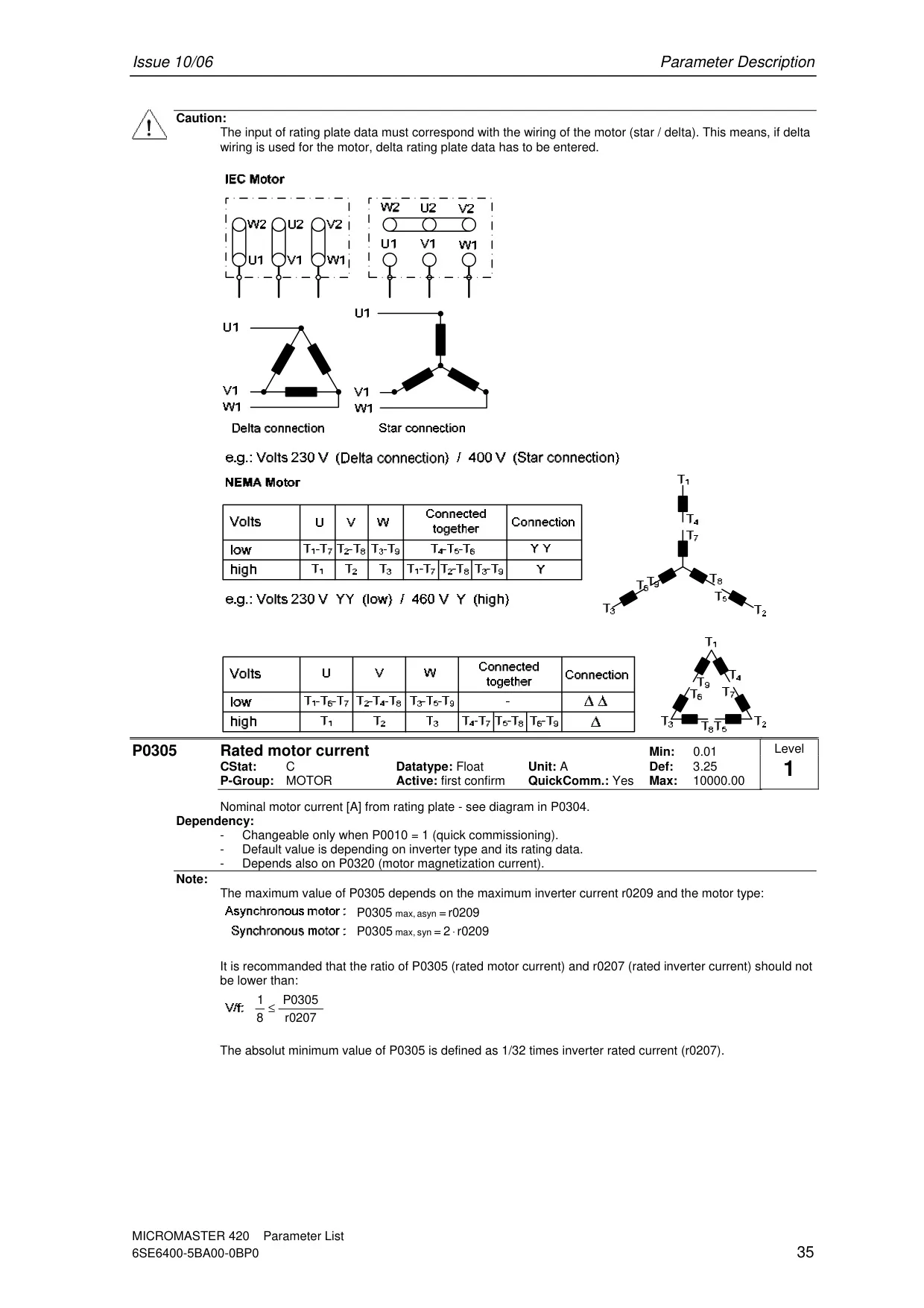
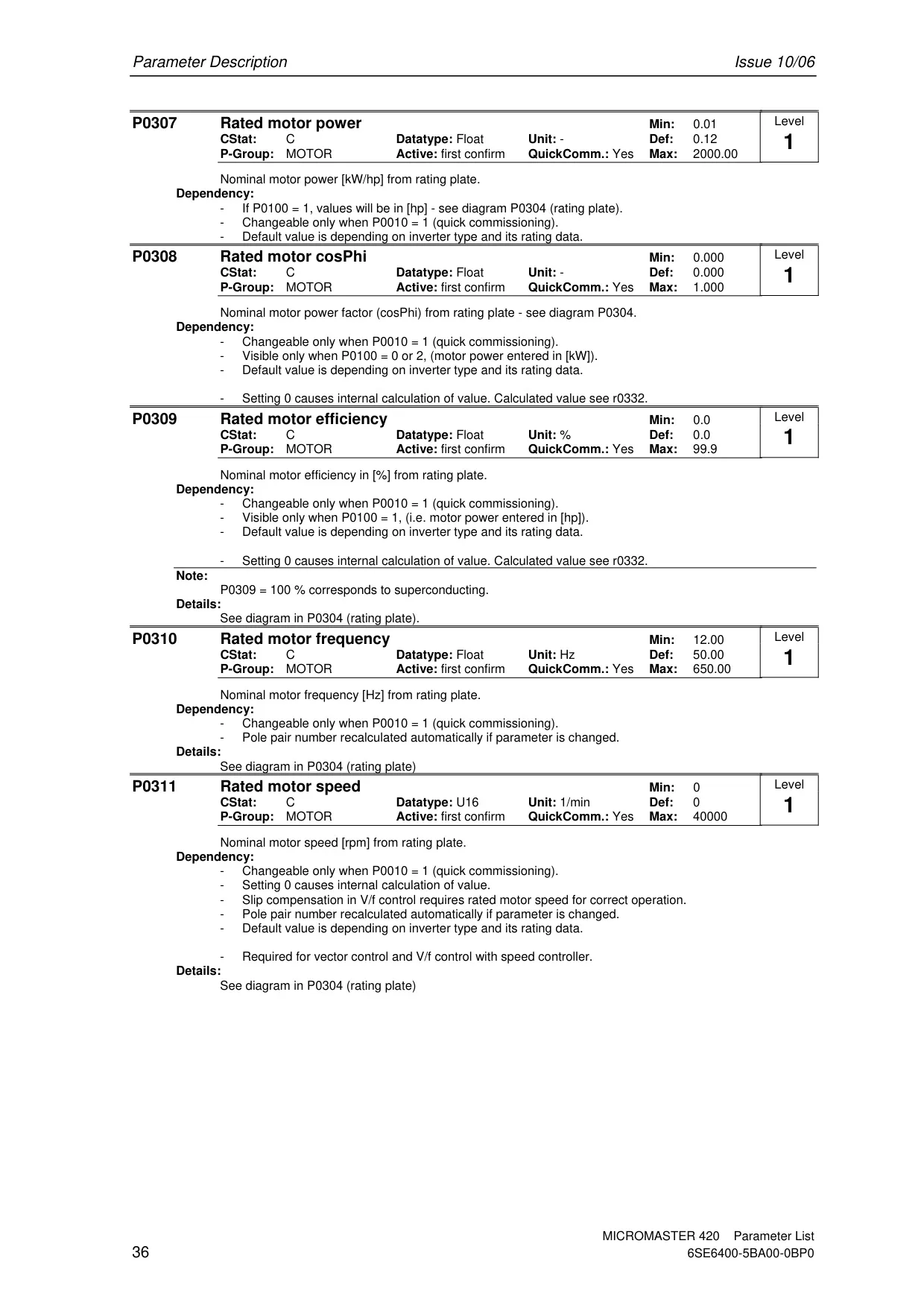
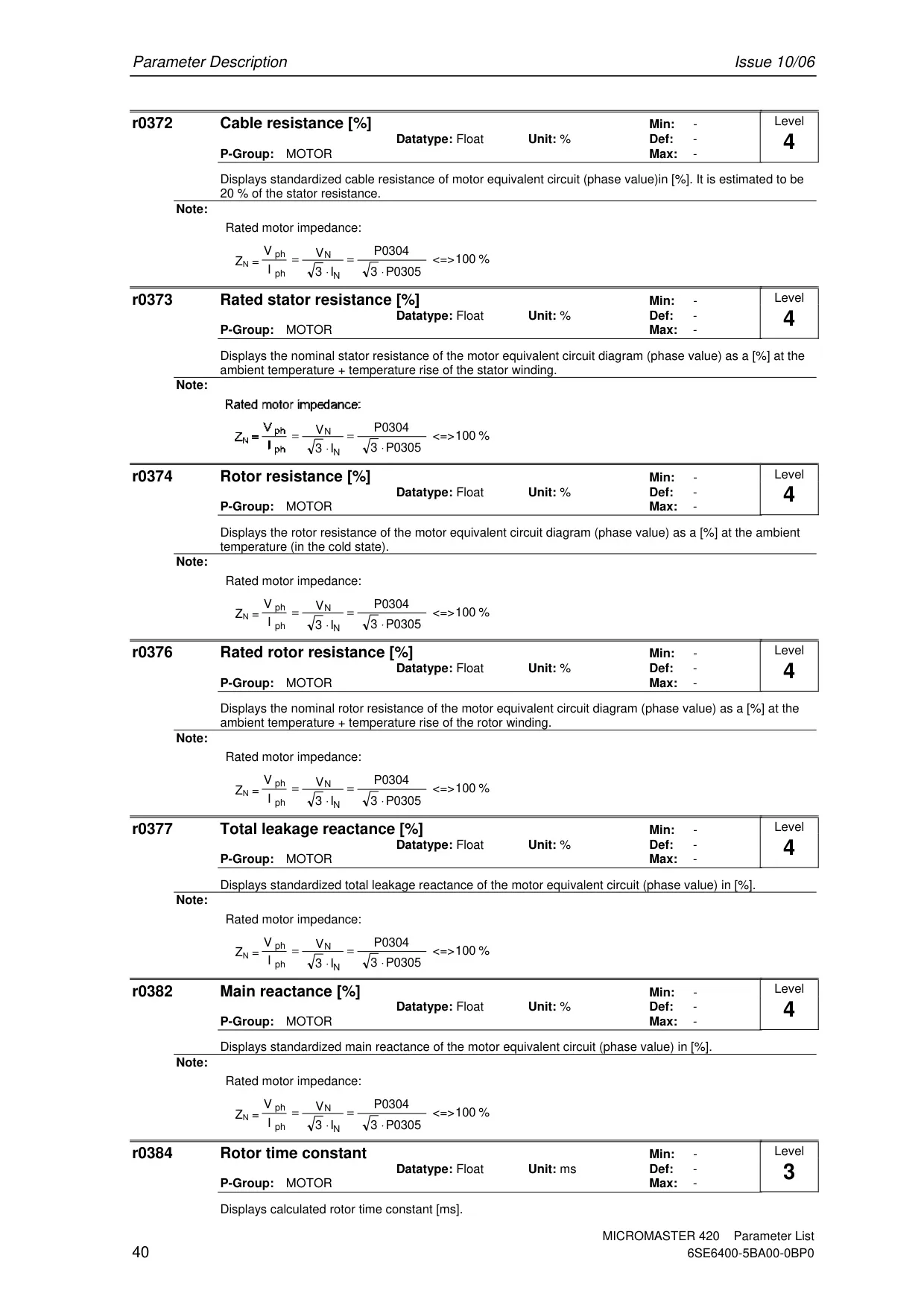
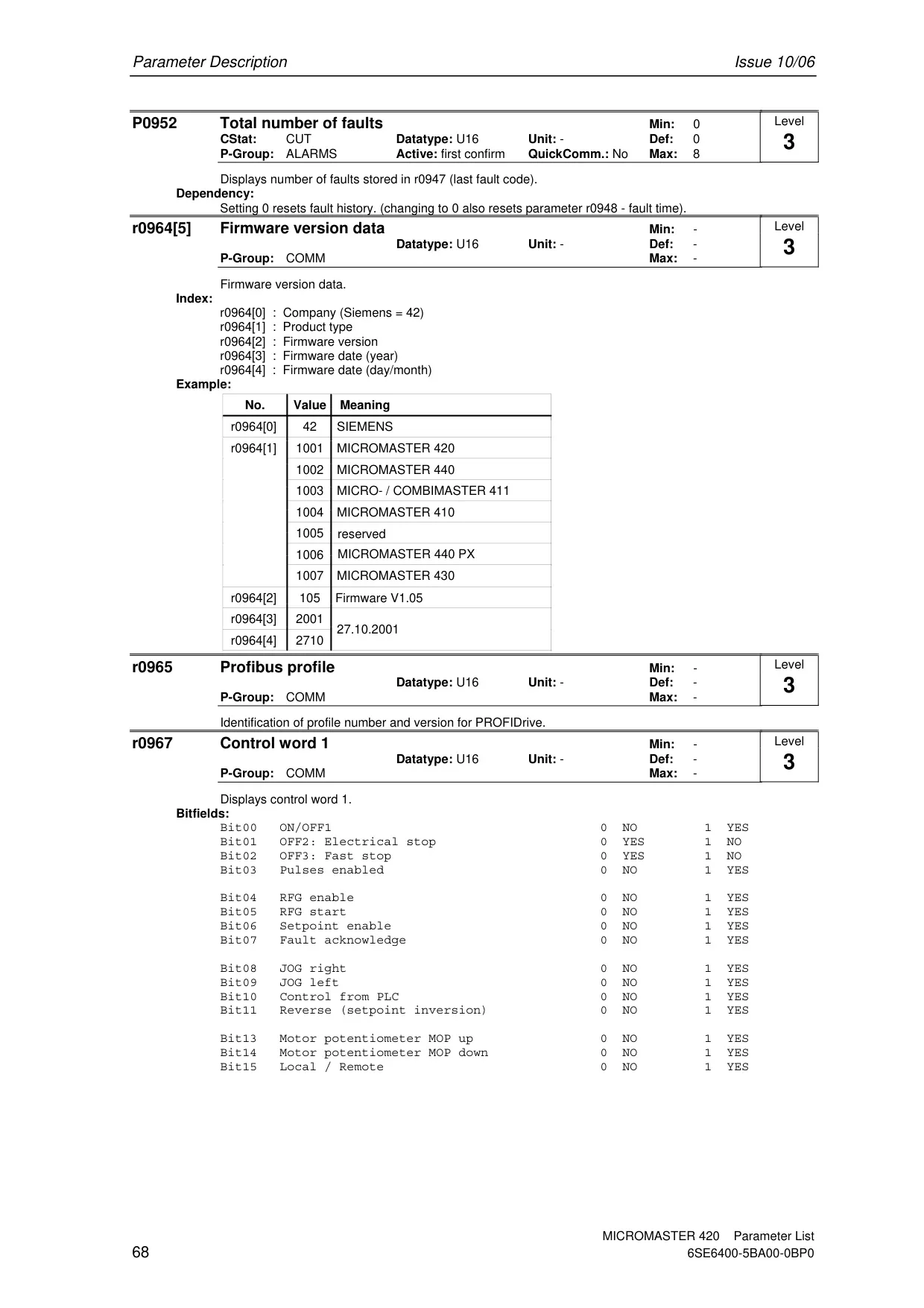
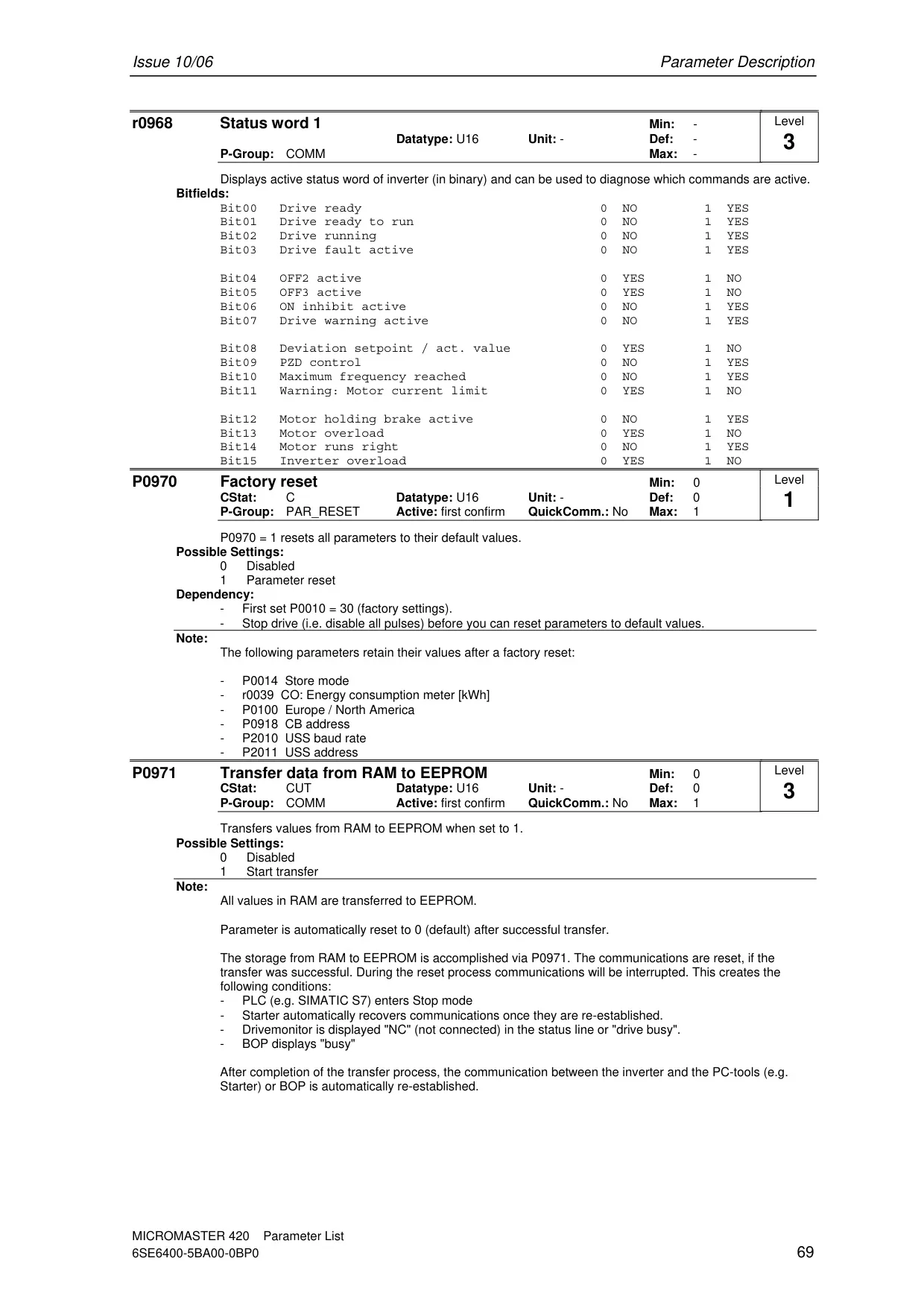
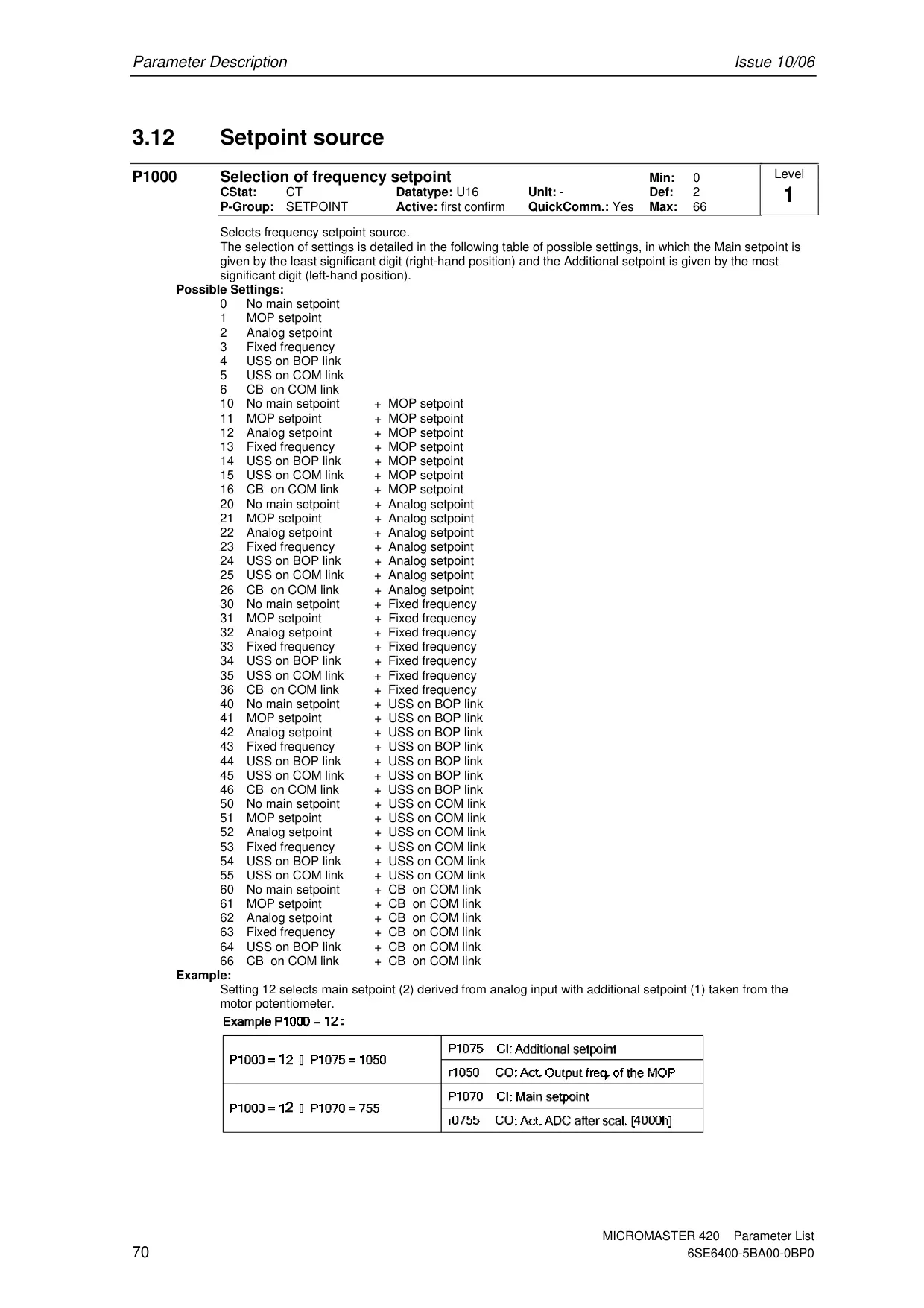
Beyond basic speed control, the Micromaster 420 excels in flexibility, serving both stand-alone applications and seamless integration into broader automation systems. Its comprehensive parameter list allows for intricate configuration, adapting the drive to specific technological demands that extend far beyond simple motor control. This adaptability is further enhanced by its modular design, supporting a wide array of configurations to meet diverse operational needs efficiently.
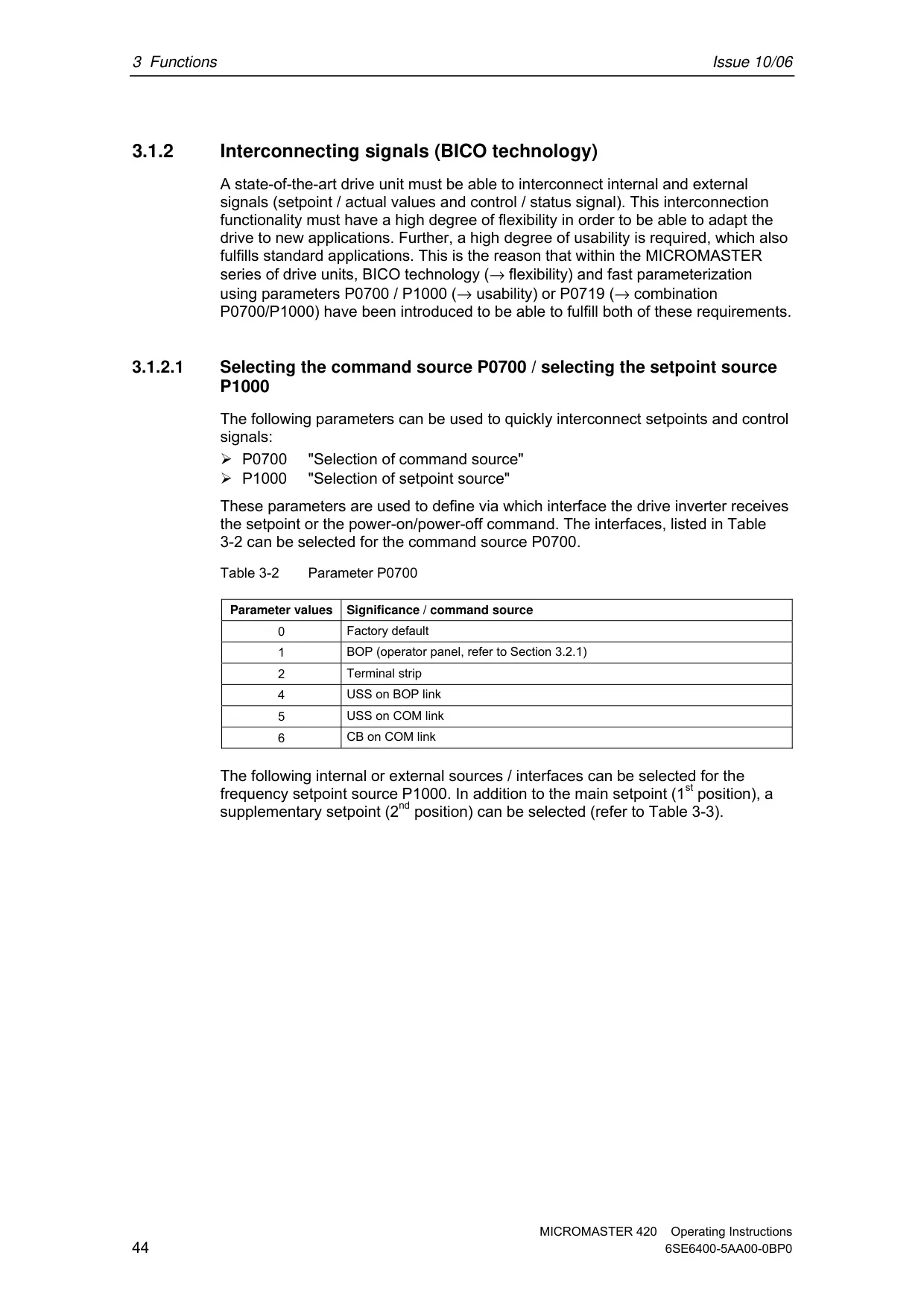
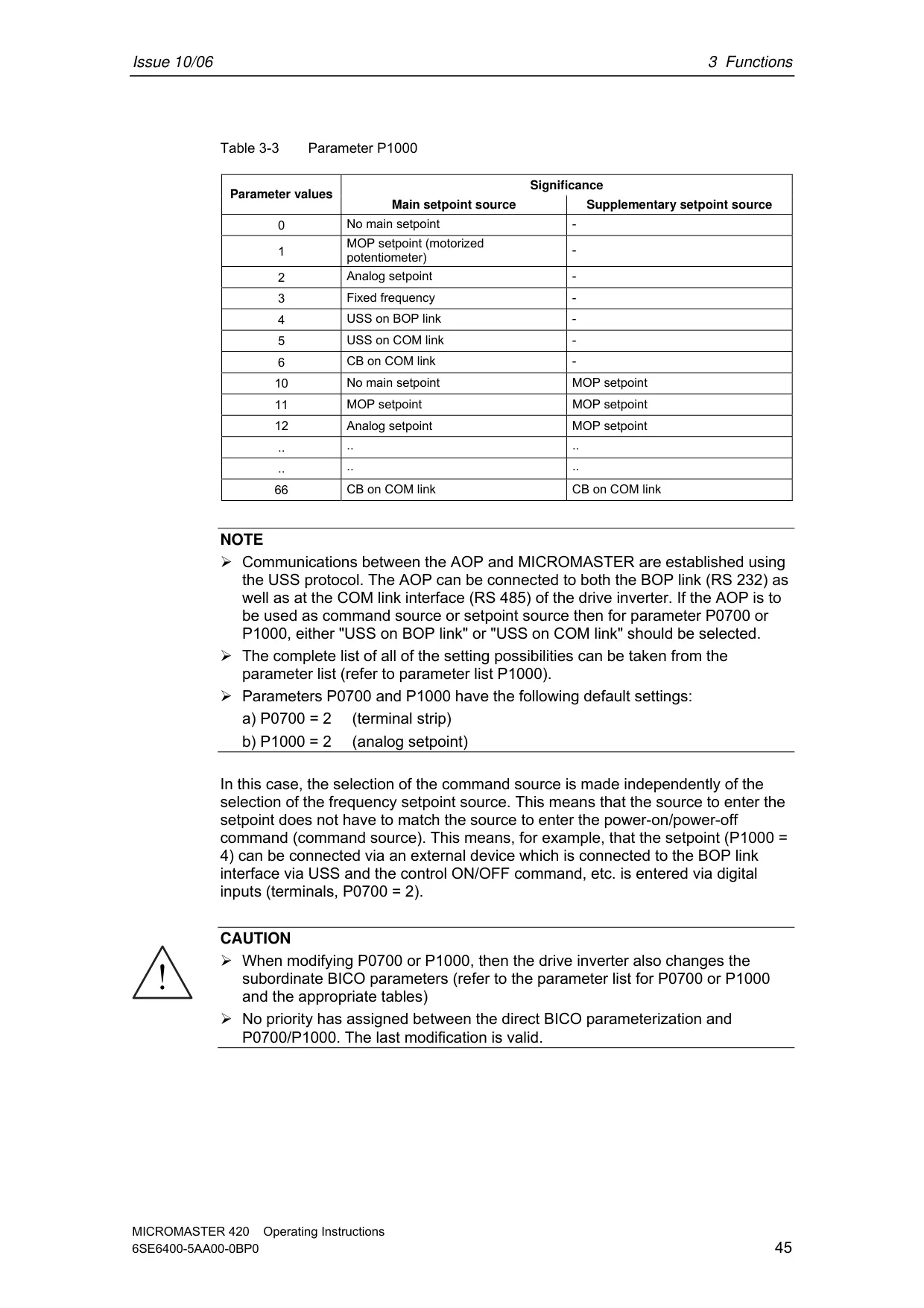
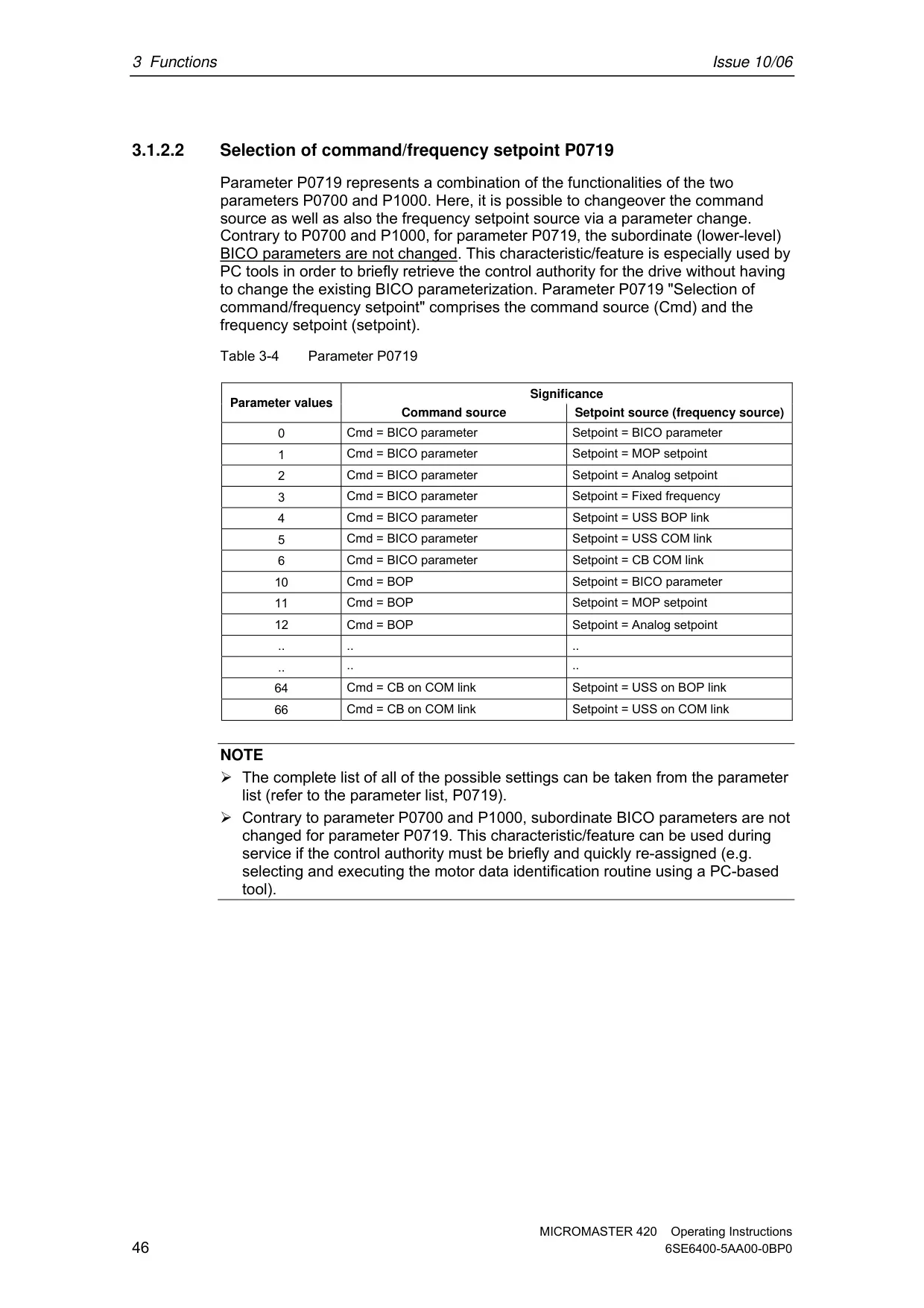
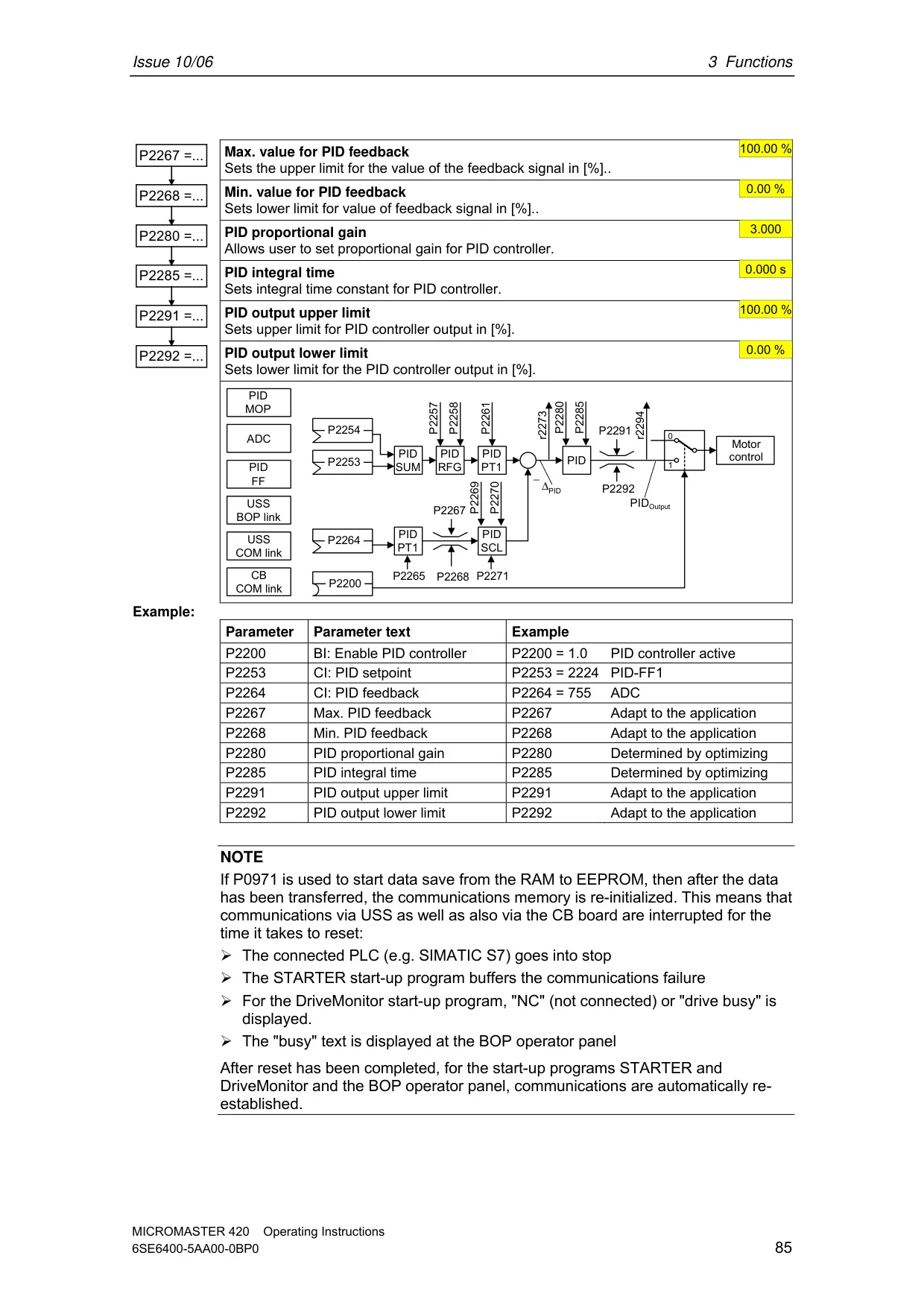
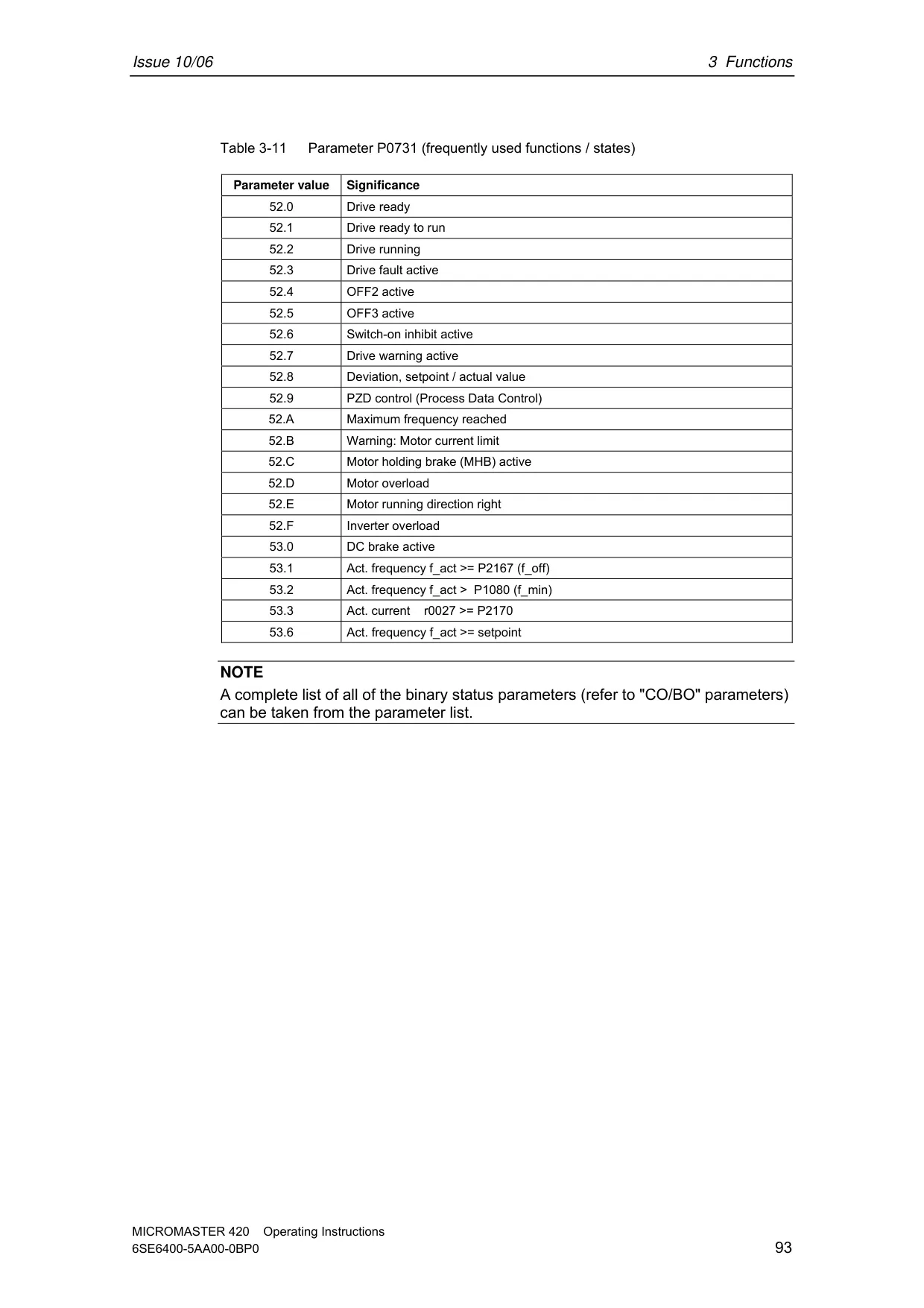
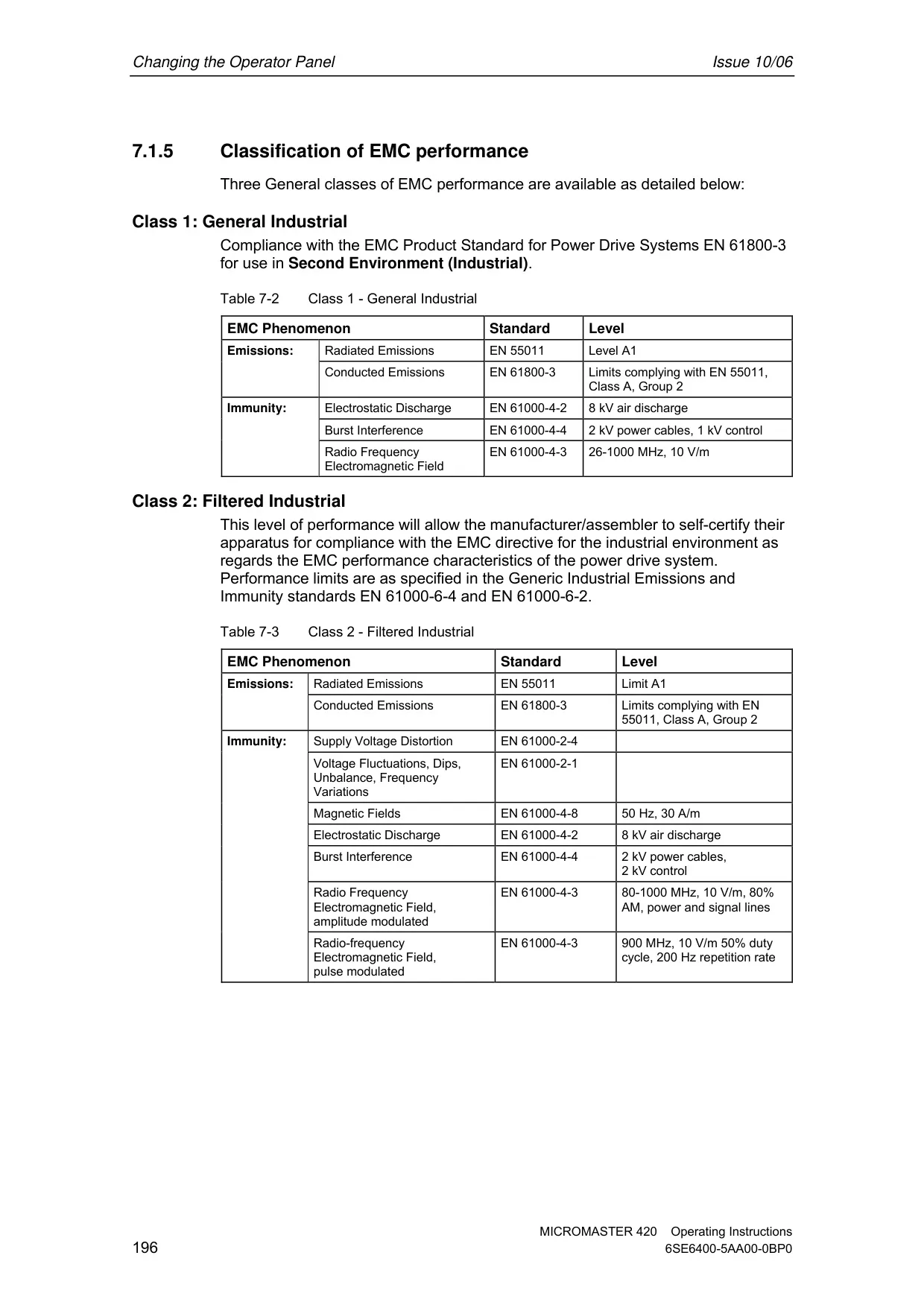
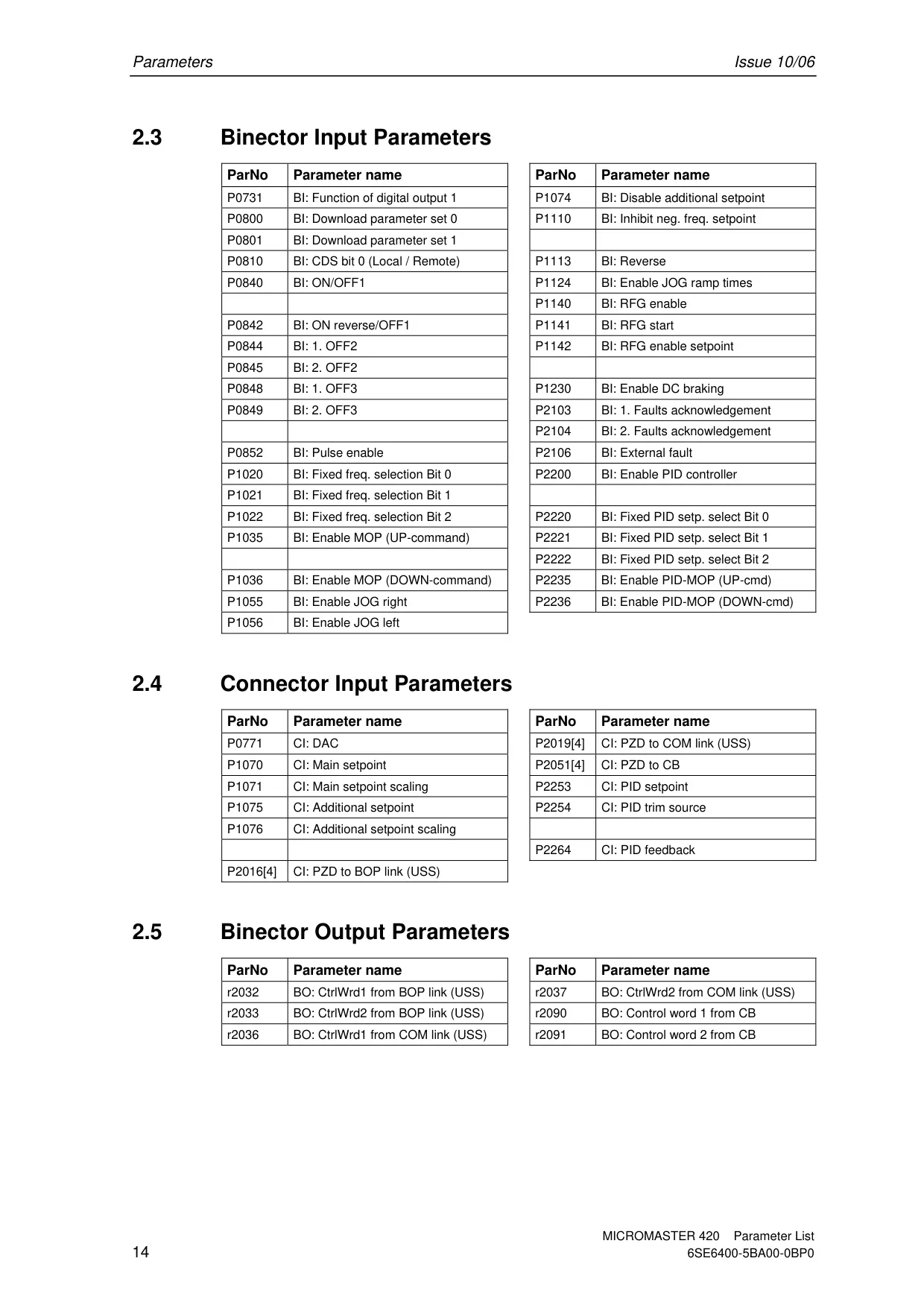
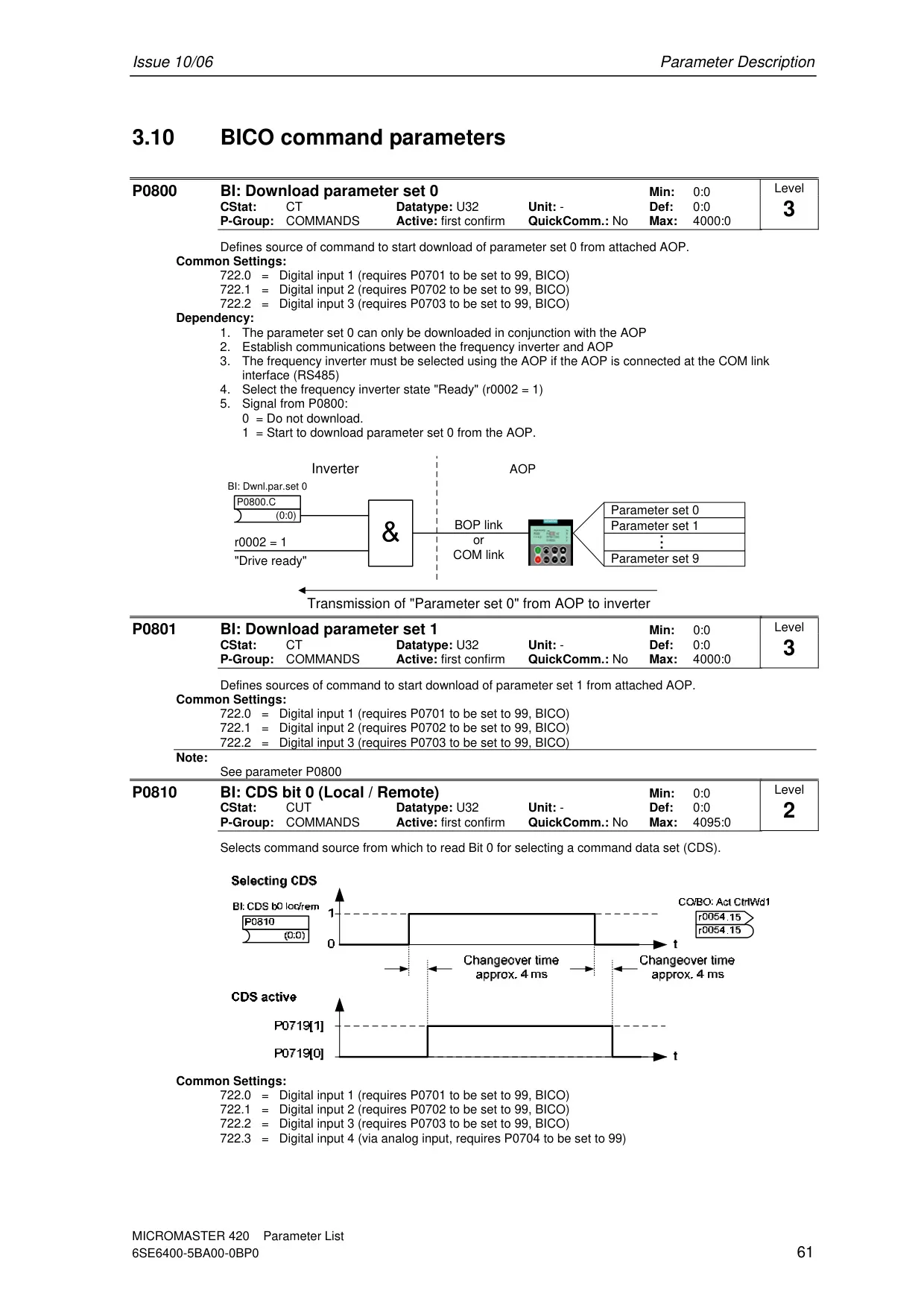
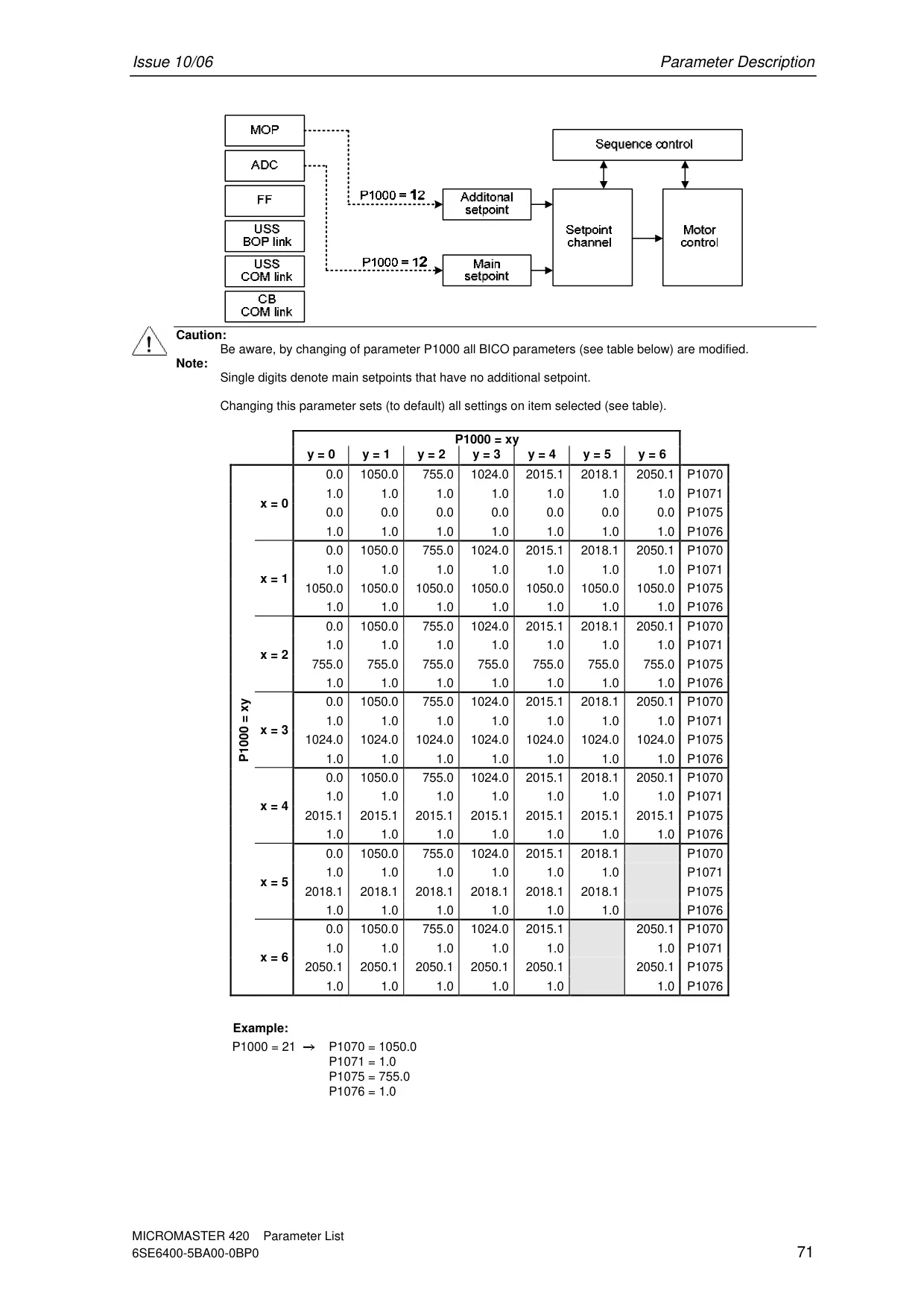
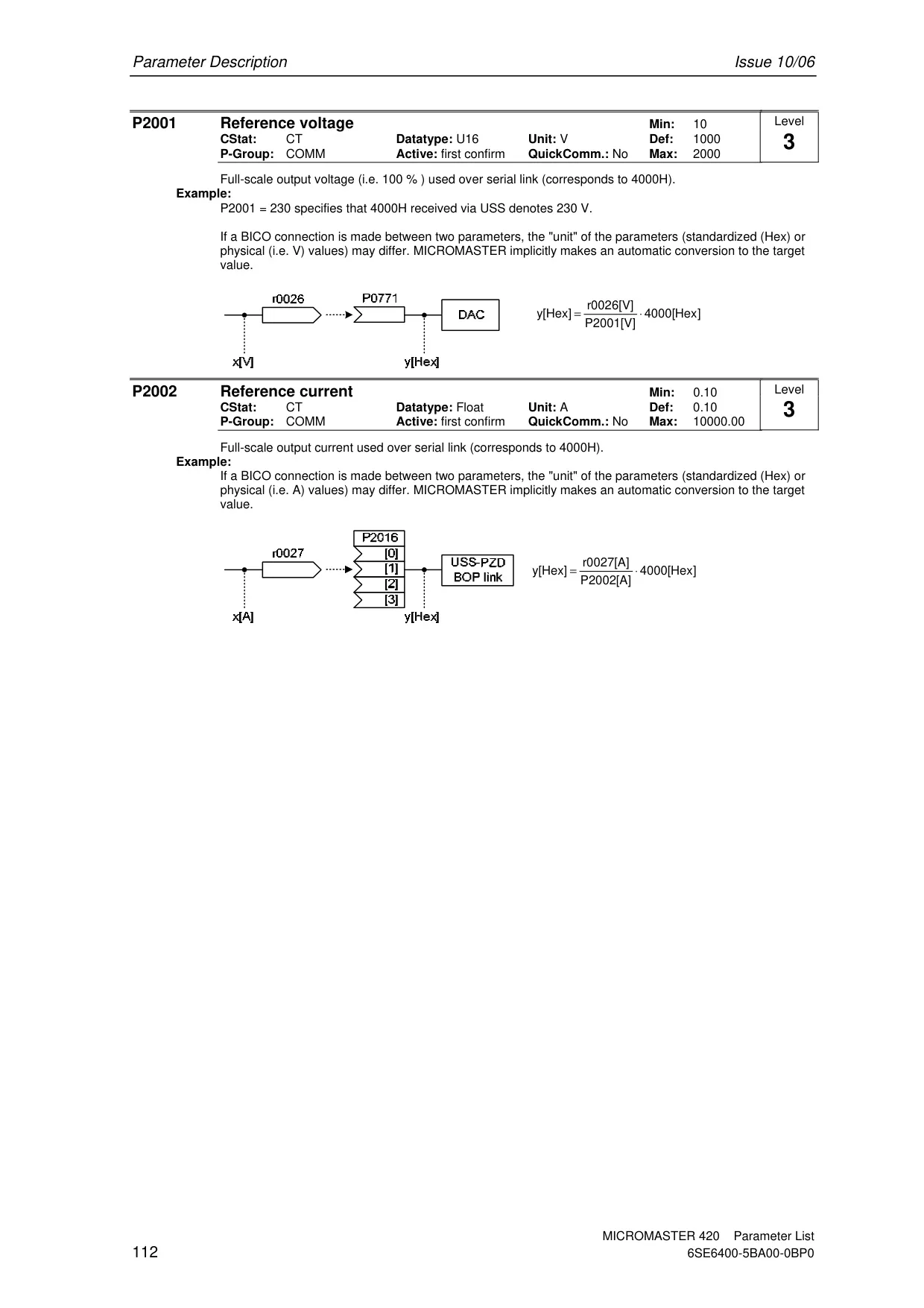
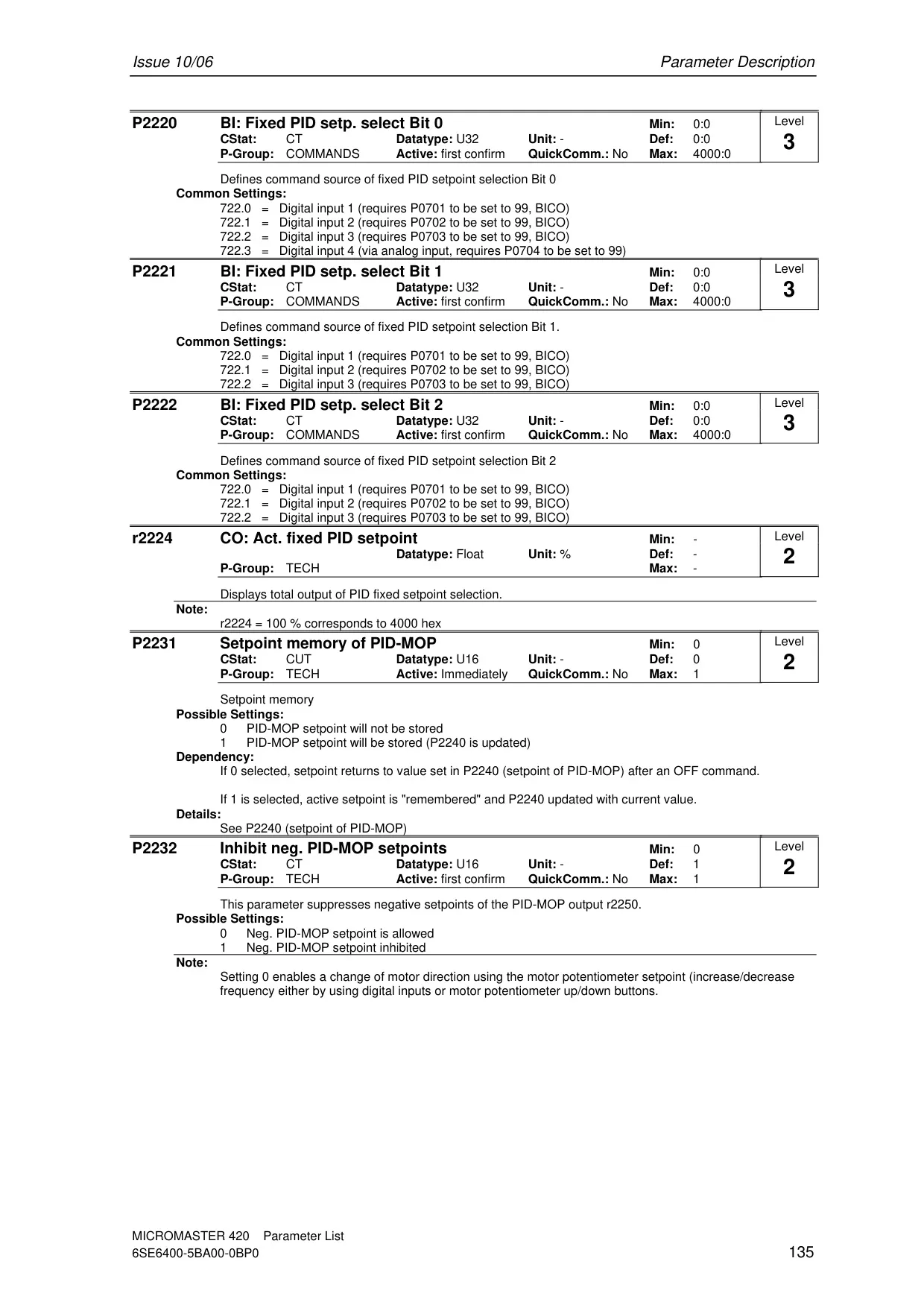
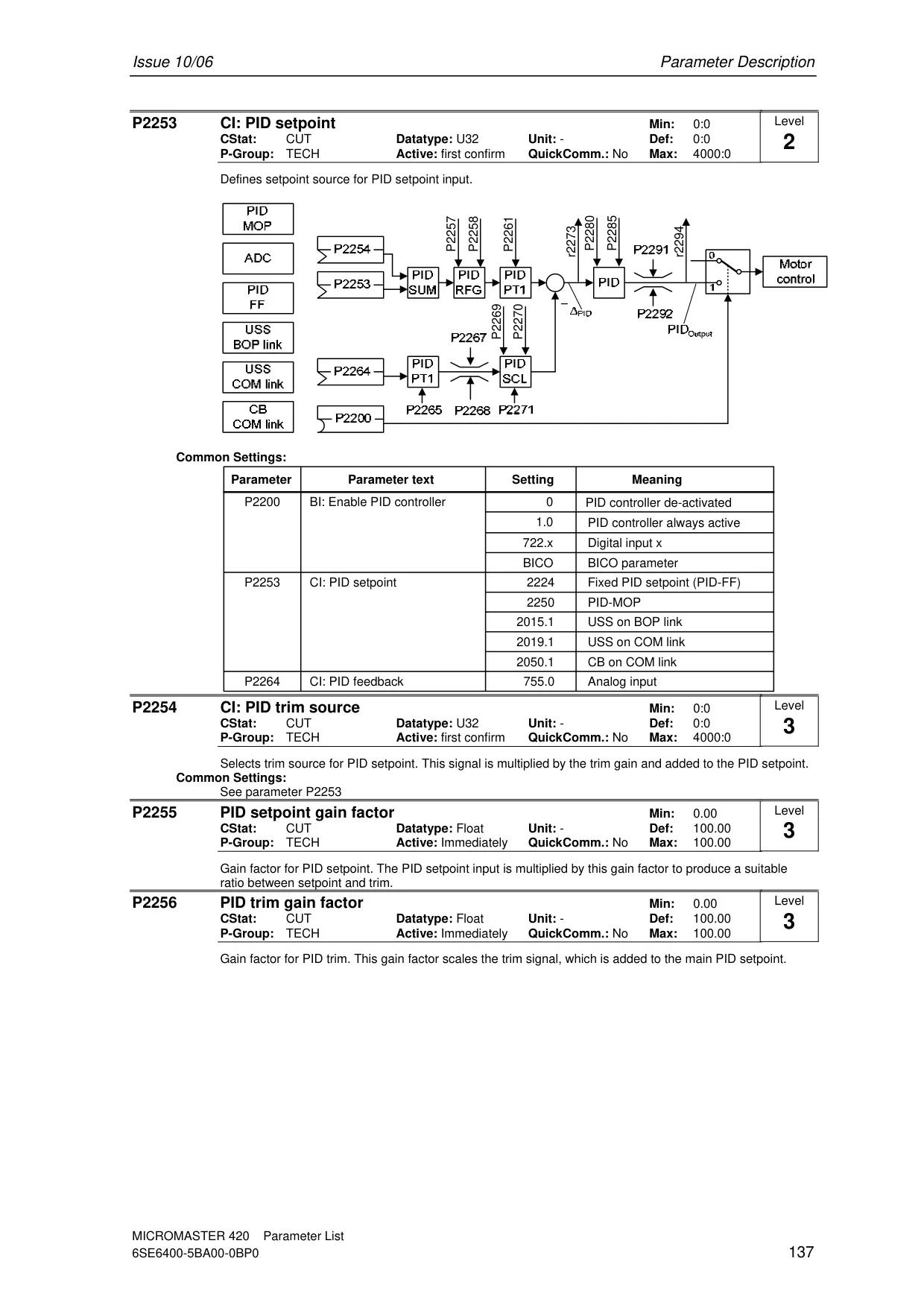
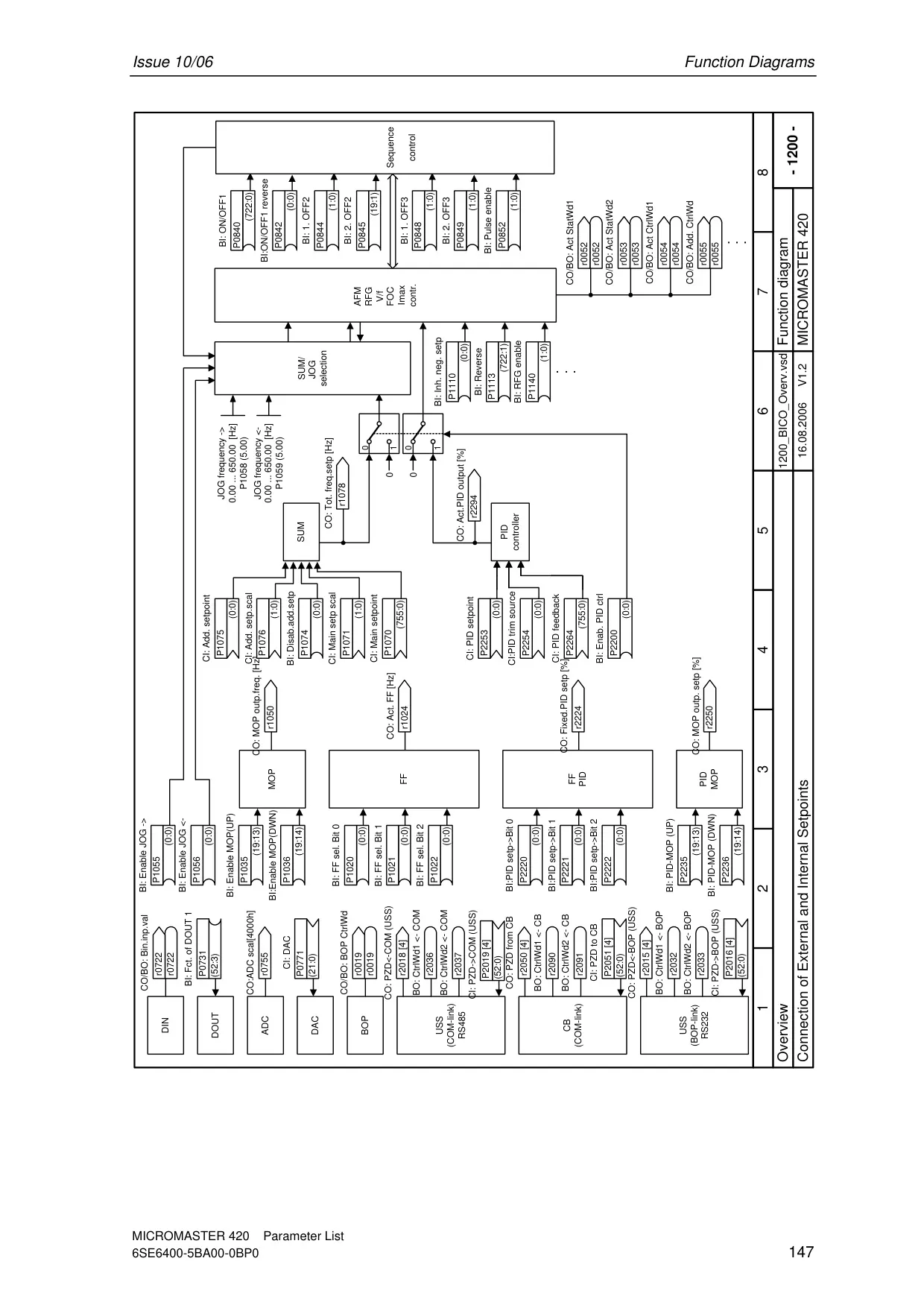
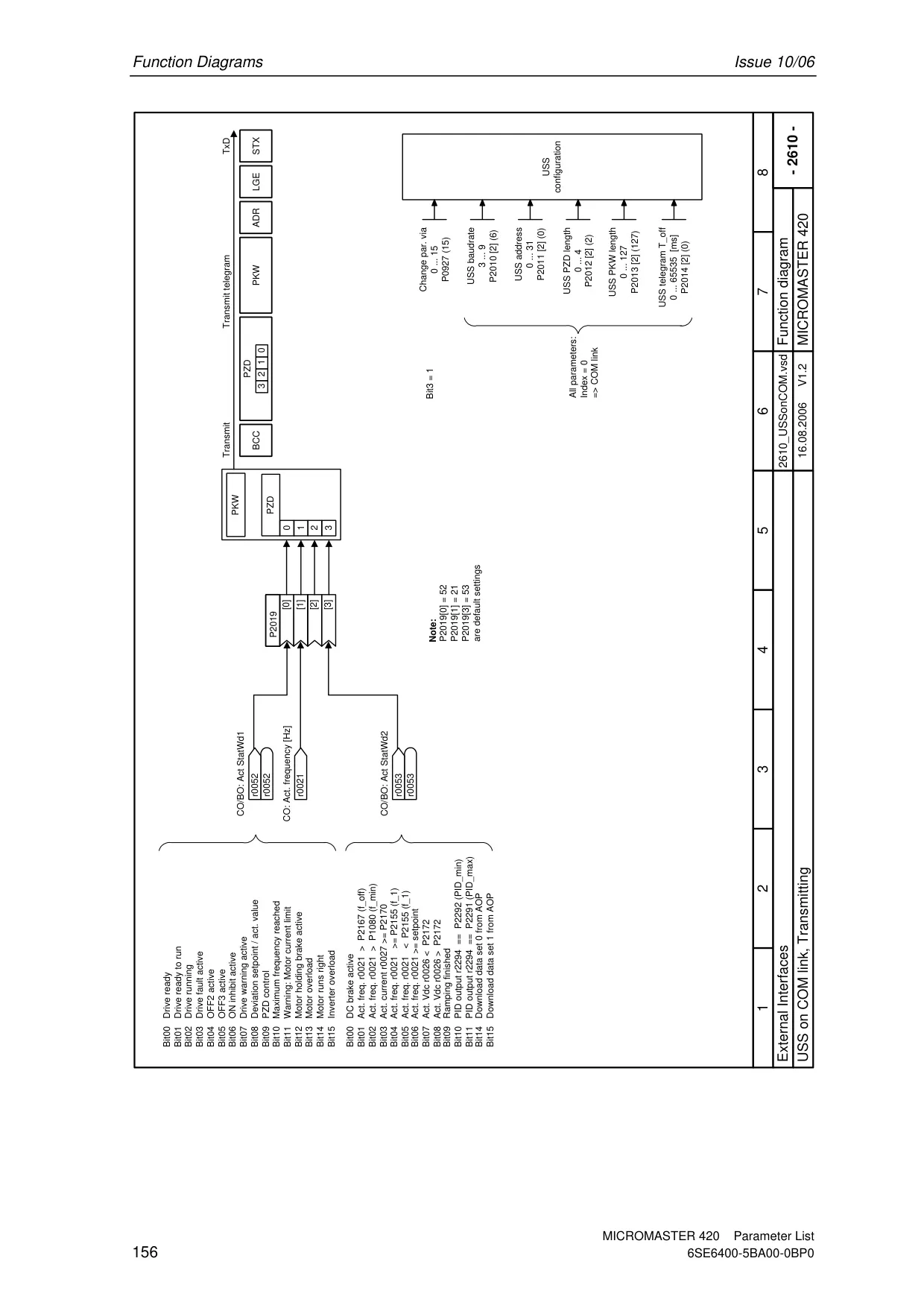
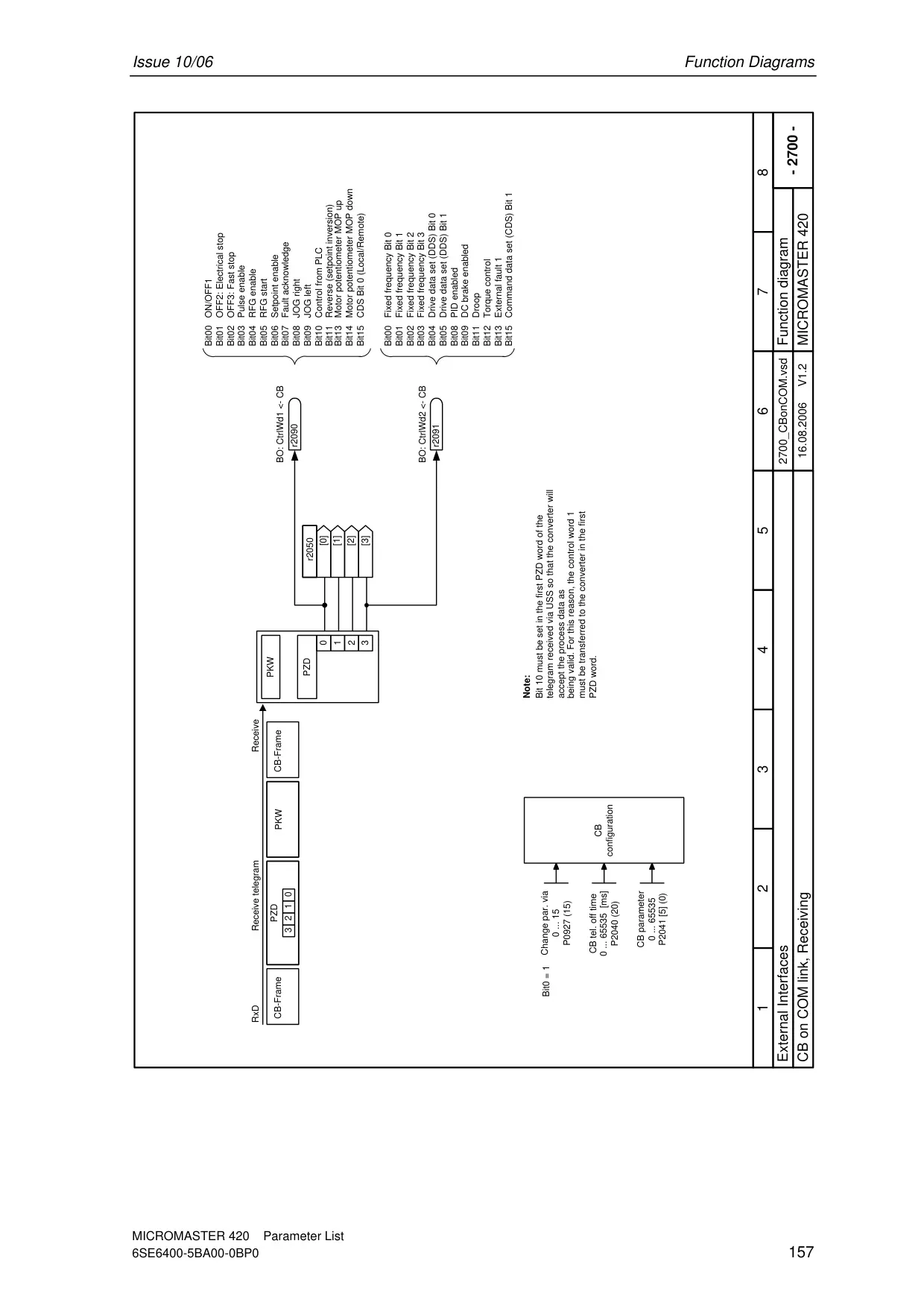
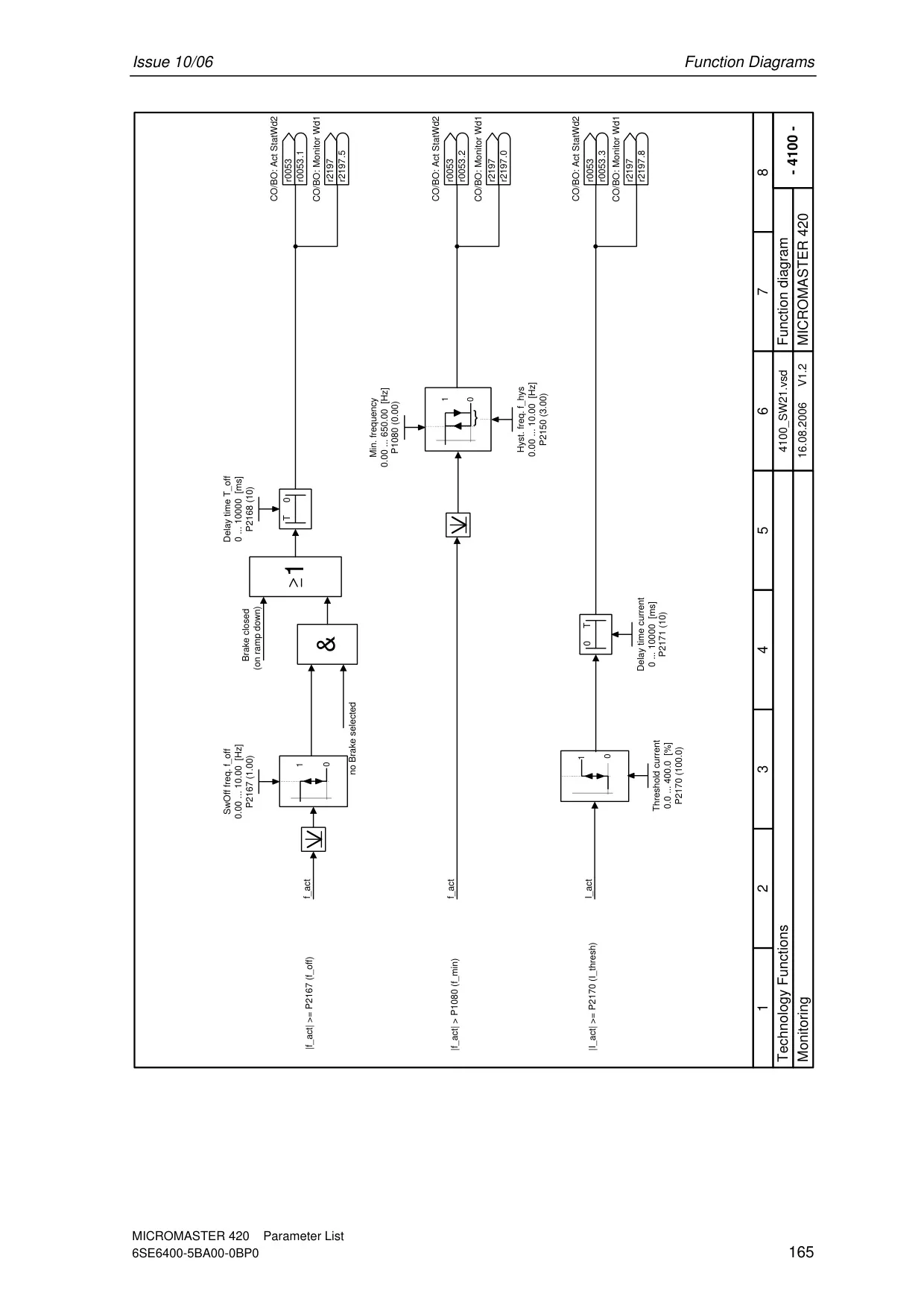
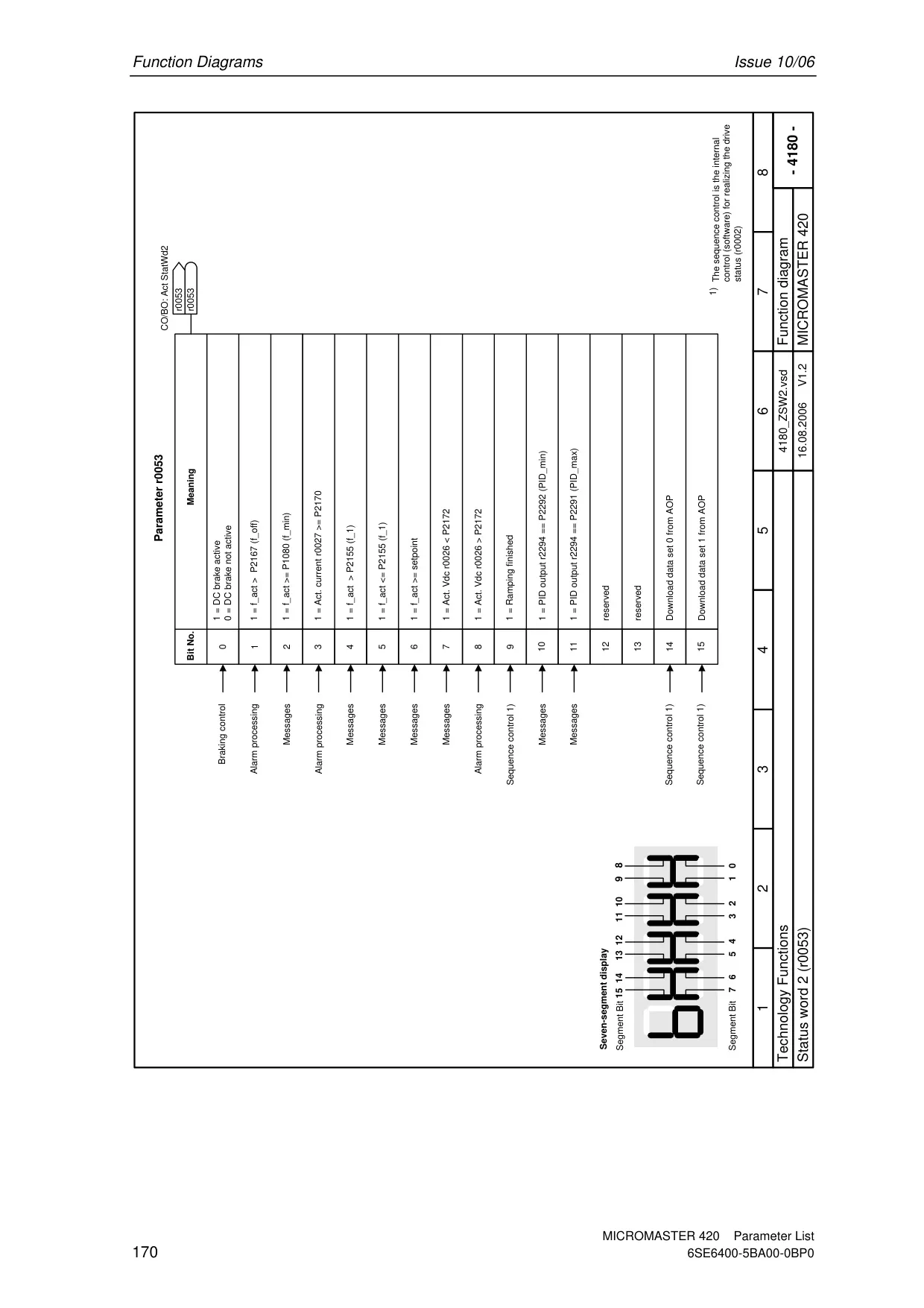
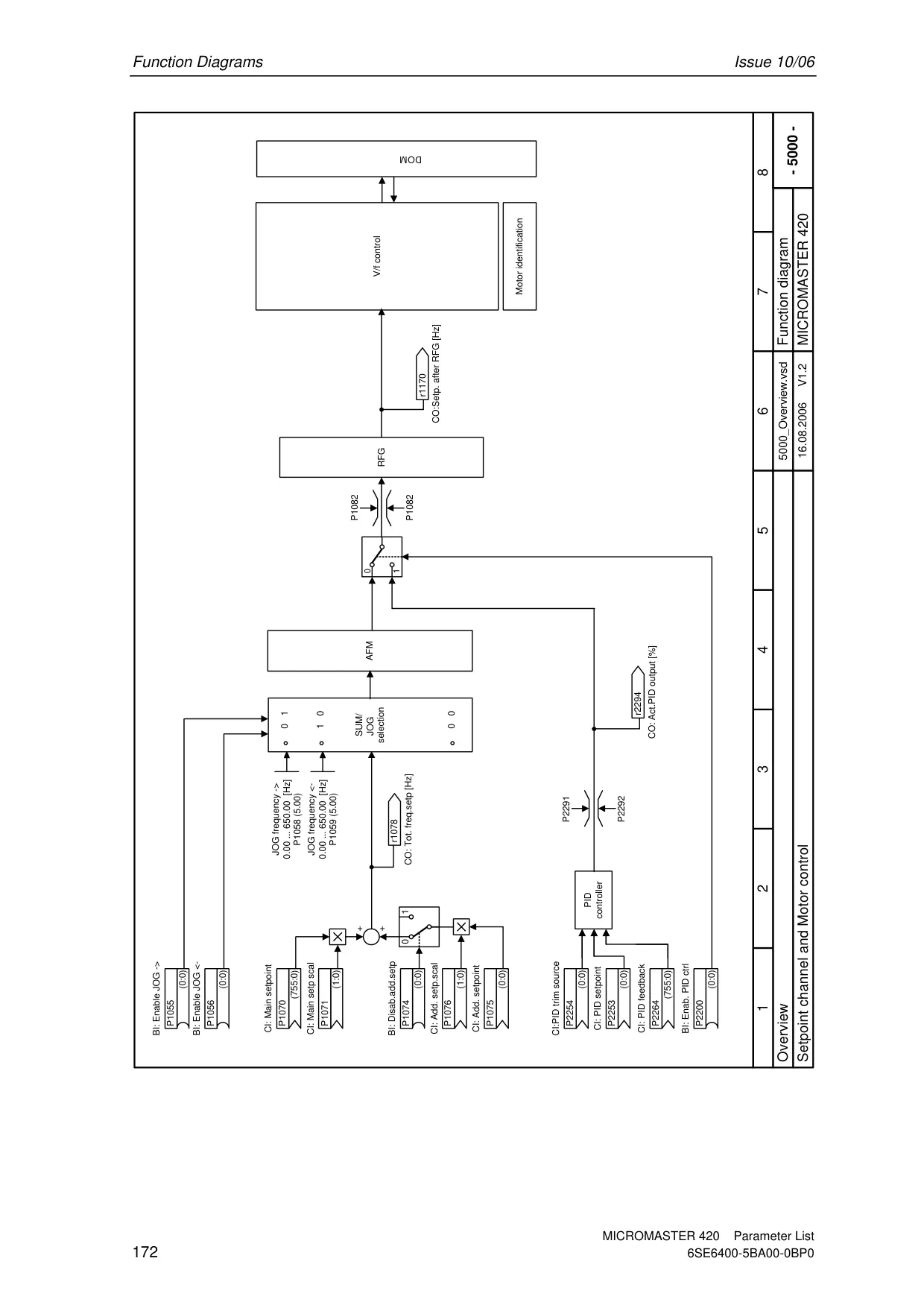
A standout technology is the BICO (Binector Connector) system, which enables the free interconnection of internal and external signals. This provides unparalleled flexibility for configuring control and status signals, crucial for complex automation tasks where custom signal routing is paramount. The drive also boasts a robust EMC design, capable of operating reliably even on IT (ungrounded) line supplies, provided proper configuration adjustments like disabling the 'Y' capacitor are made for unfiltered units.
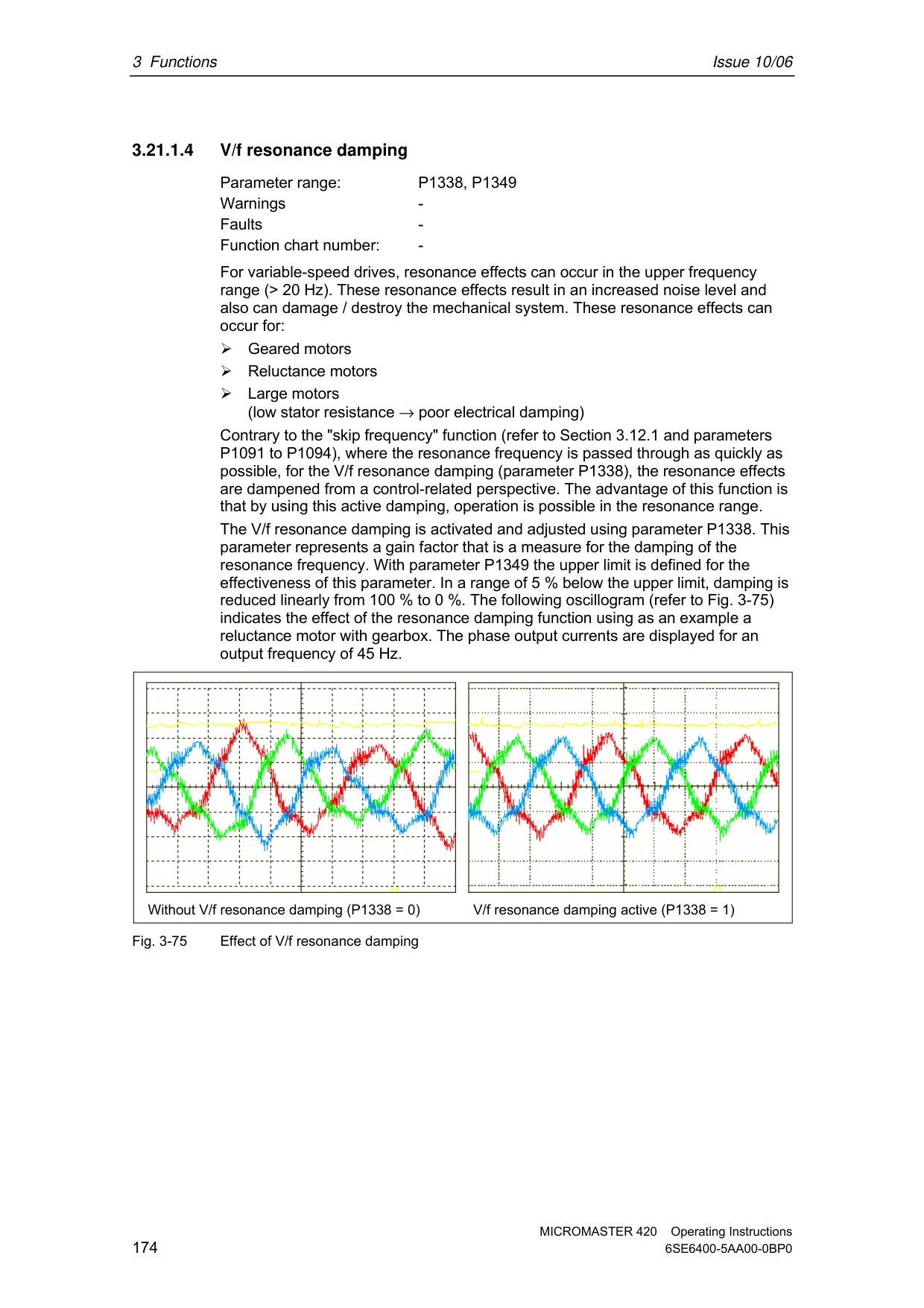
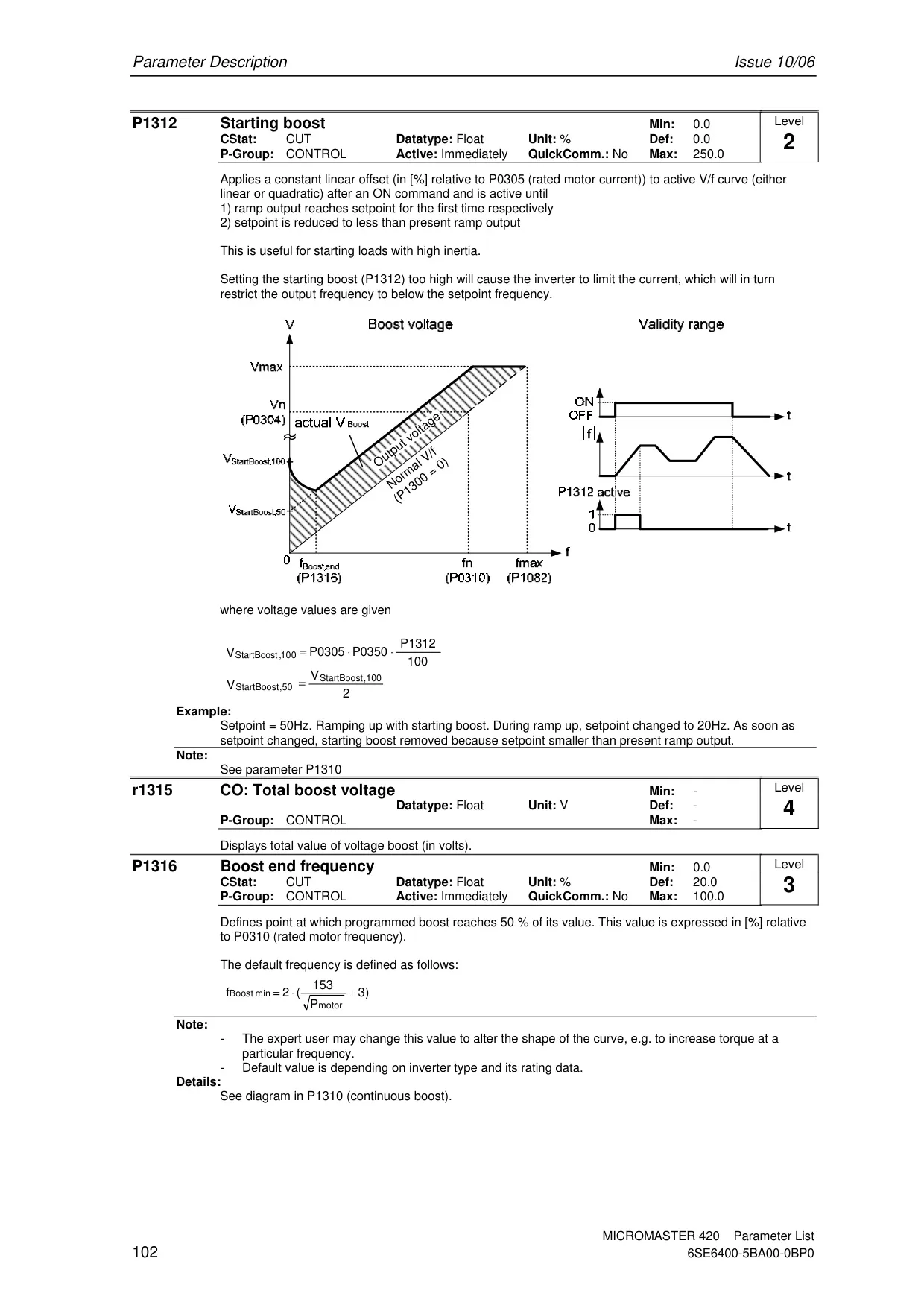
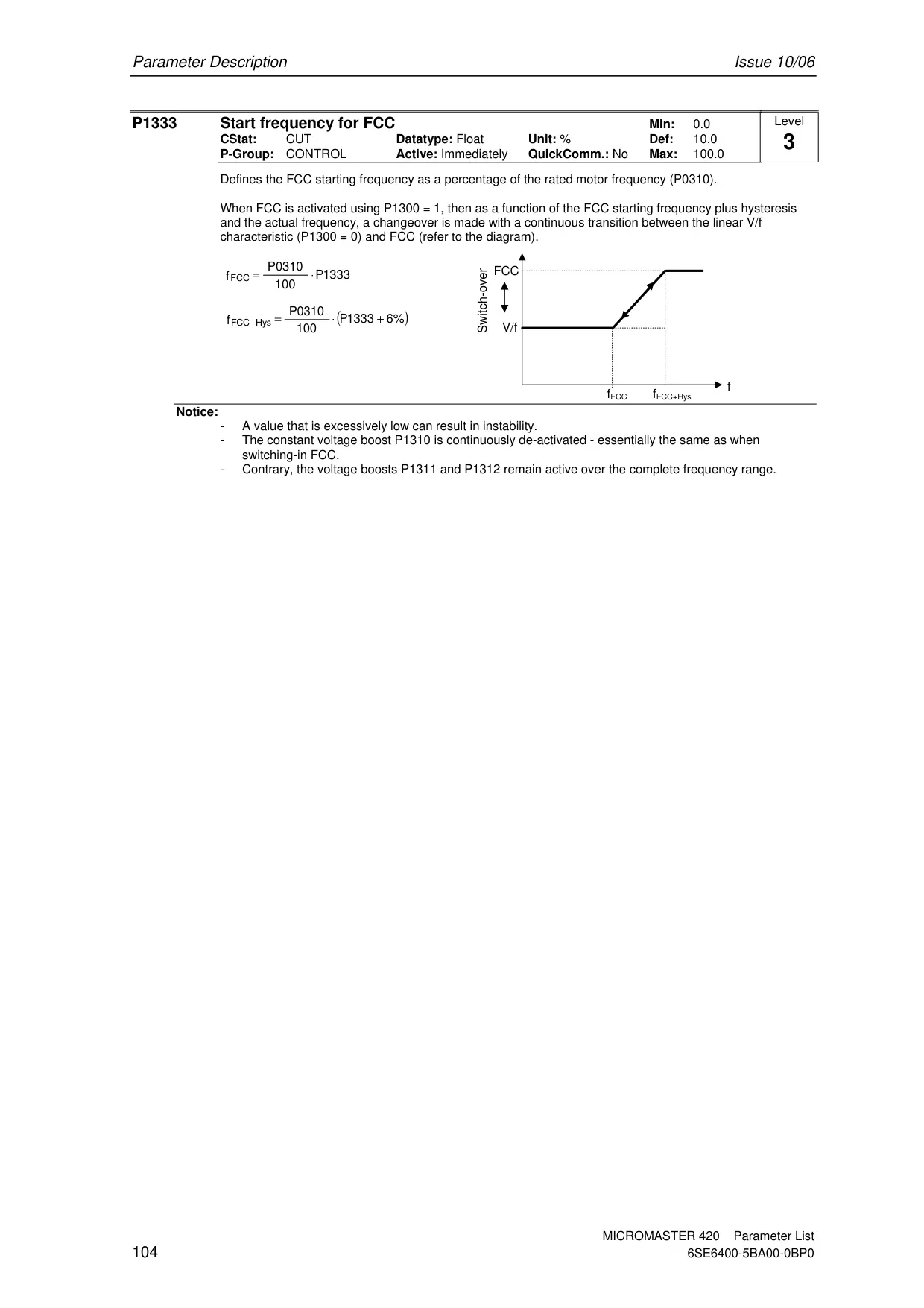
The drive incorporates advanced control capabilities such as Flux Current Control (FCC), which significantly improves dynamic response and motor control, particularly beneficial for smaller motors with higher stator resistance. It also features a multi-point V/f characteristic, allowing for precise customization of the voltage-to-frequency ratio to match specific motor and load requirements. This ensures optimal performance and energy efficiency across different operating conditions.
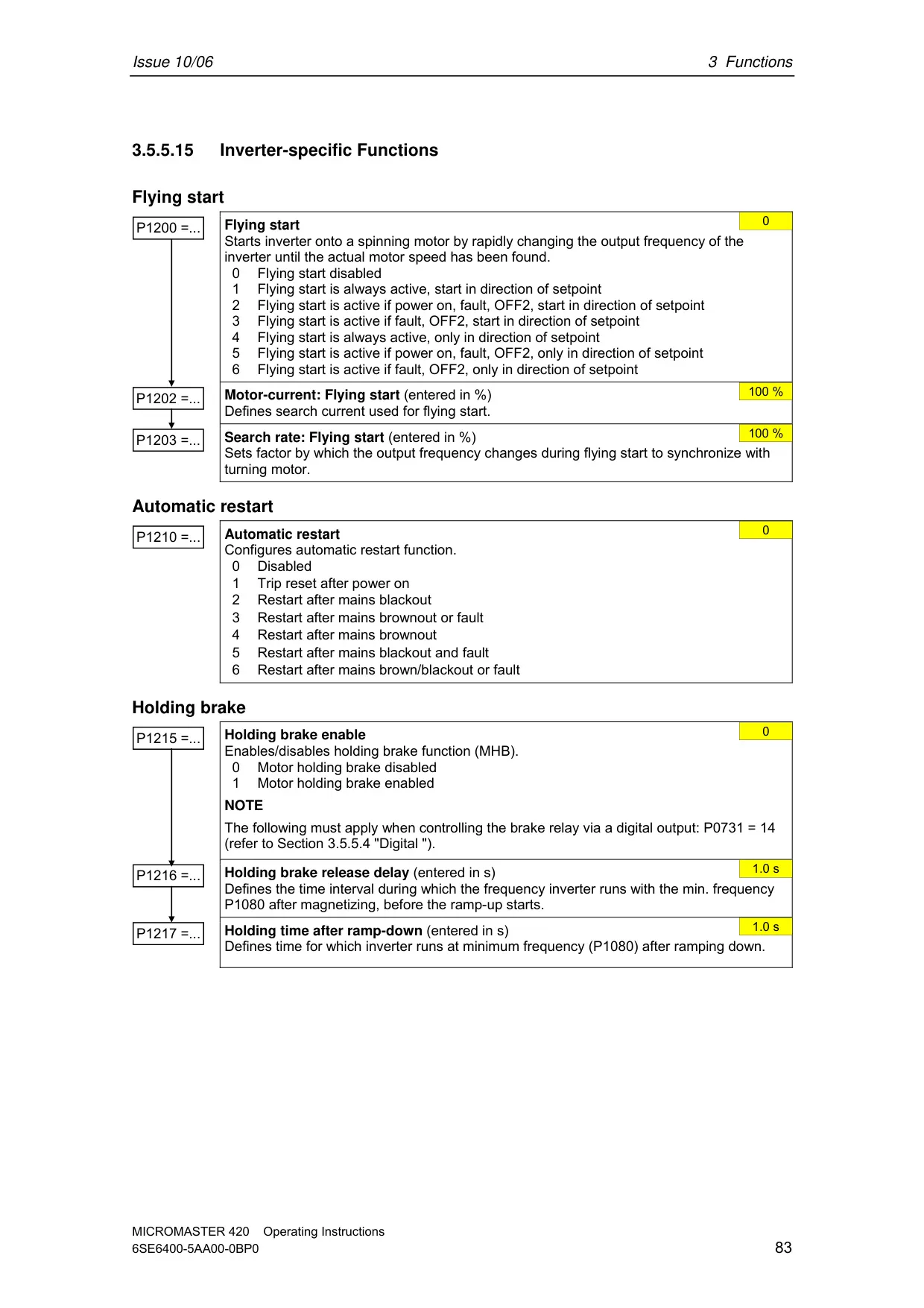
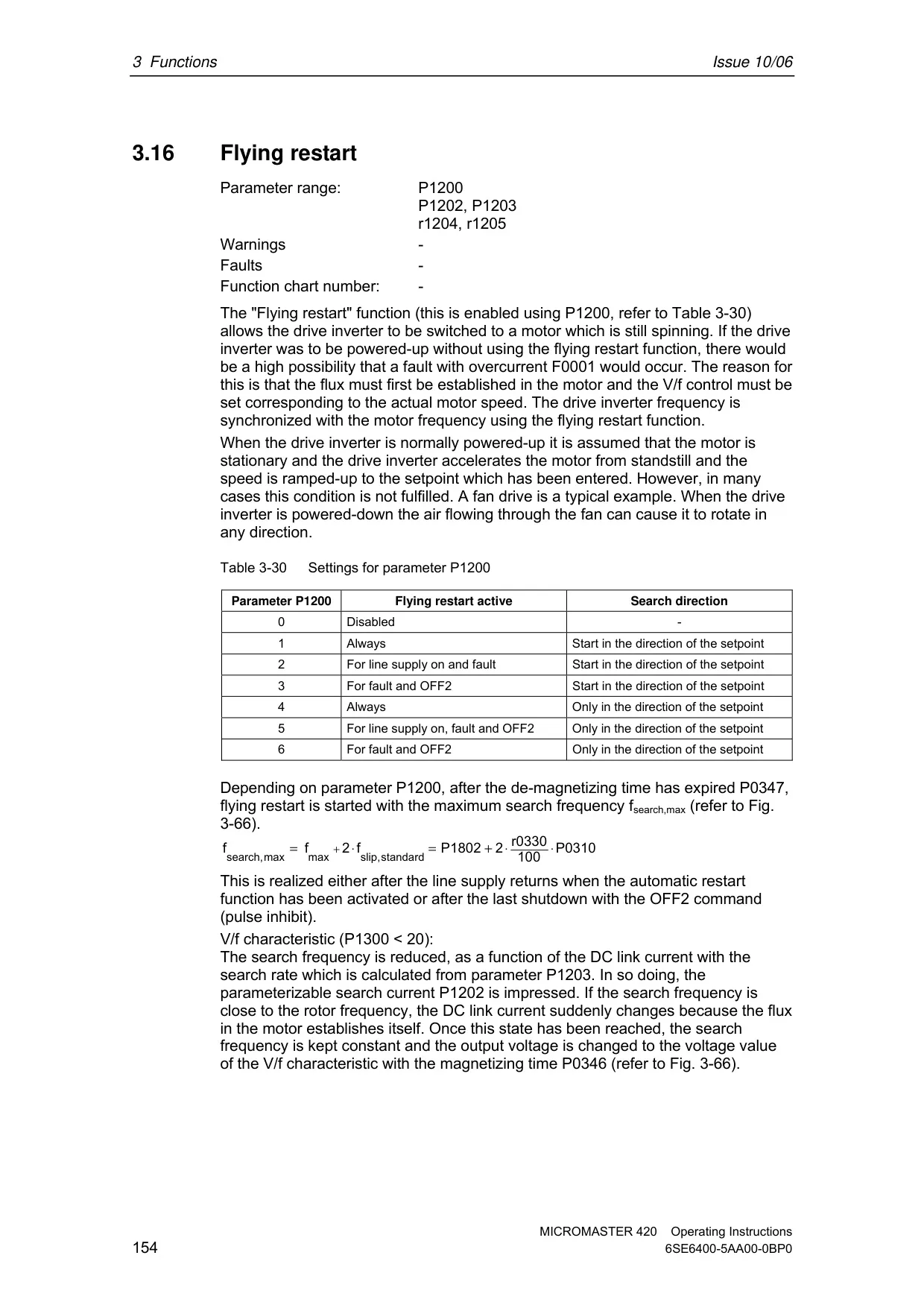
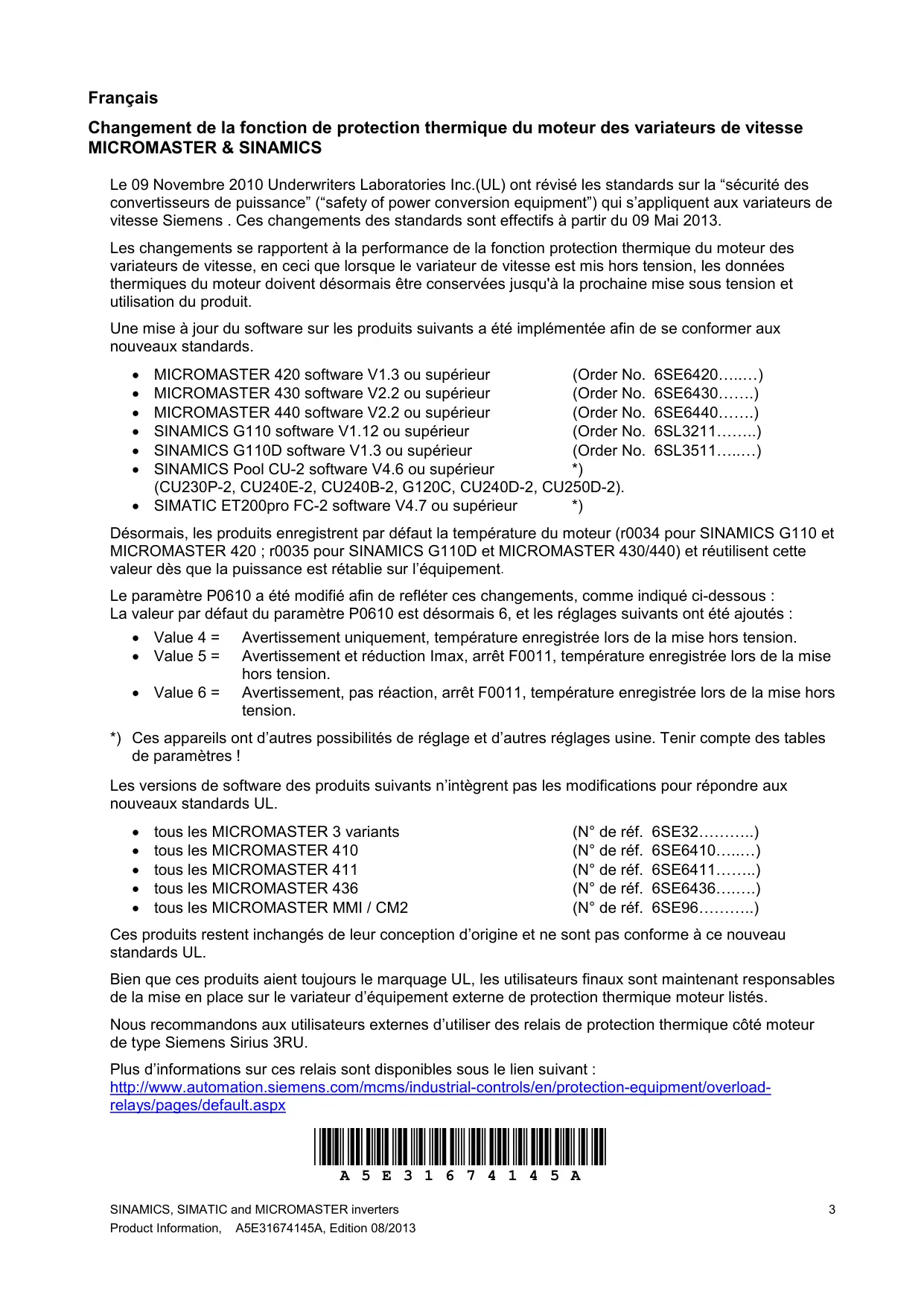
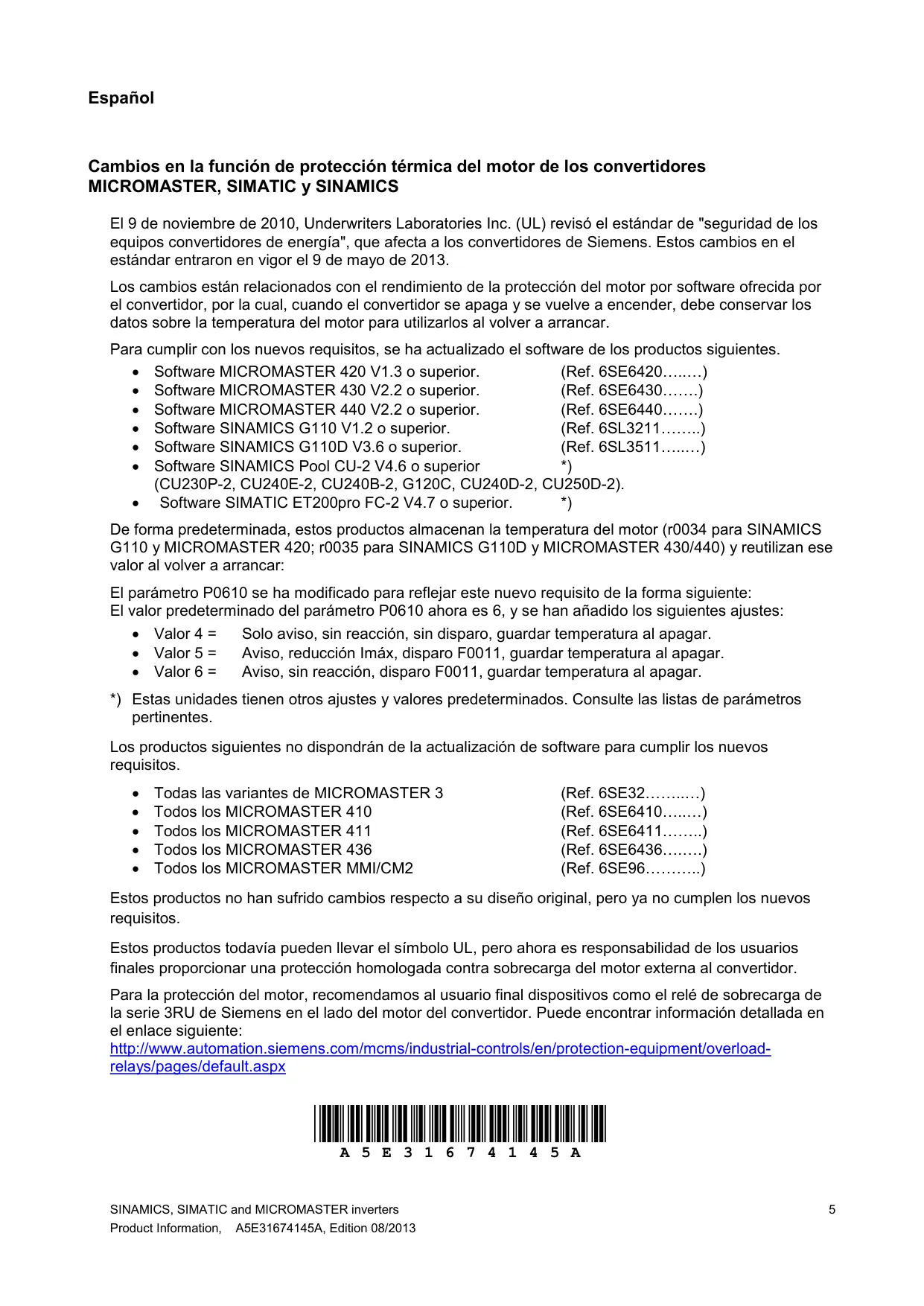
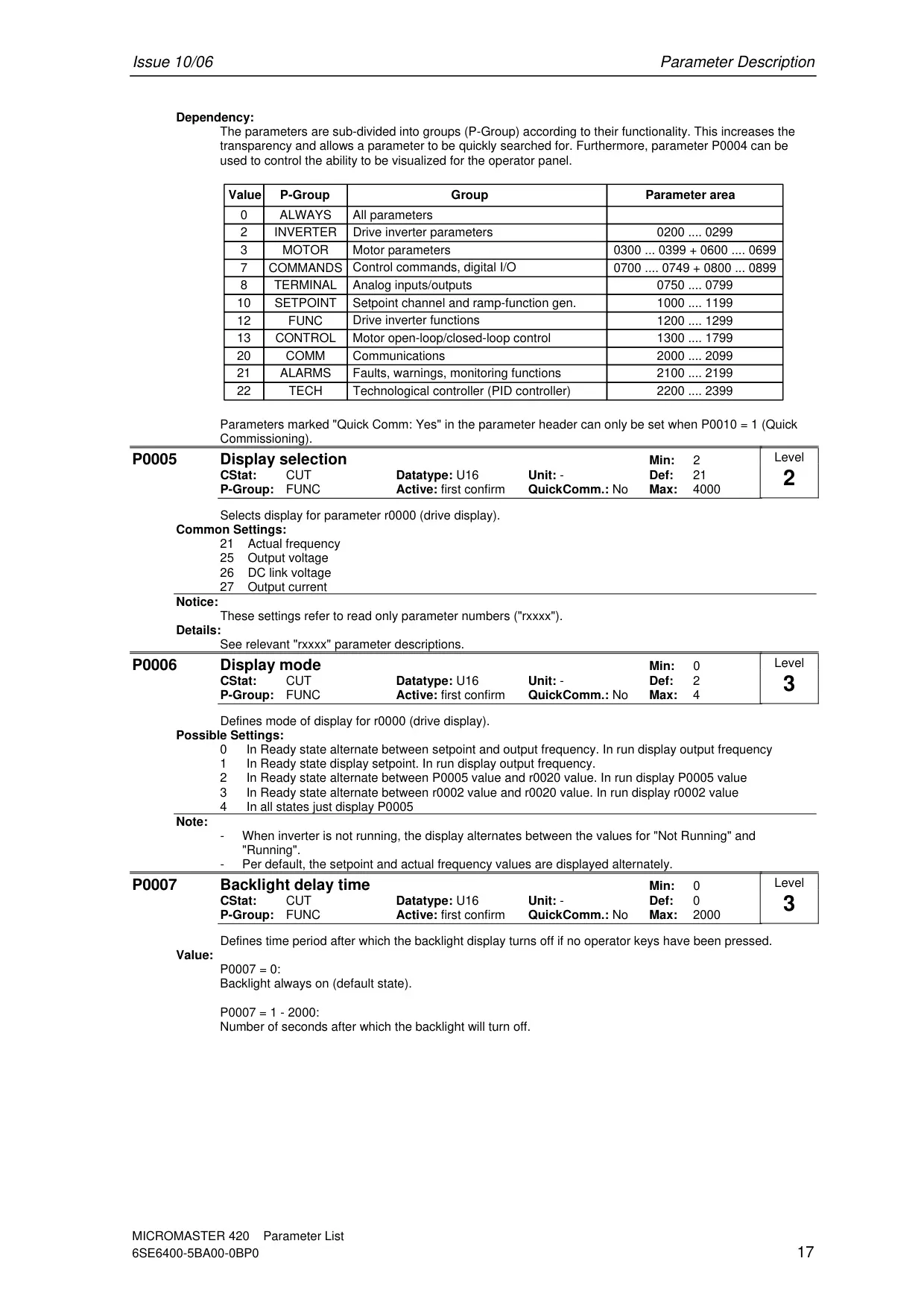
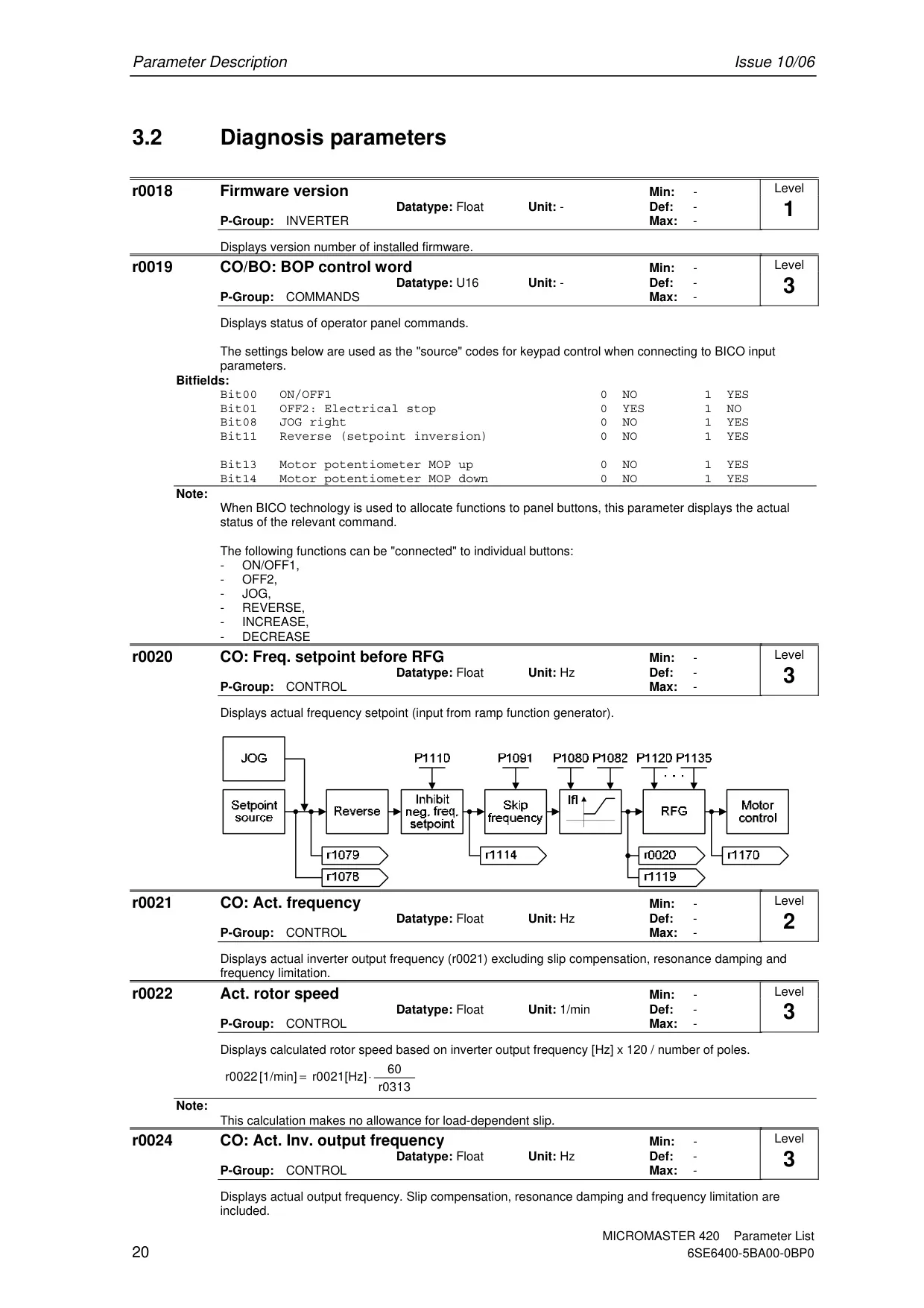
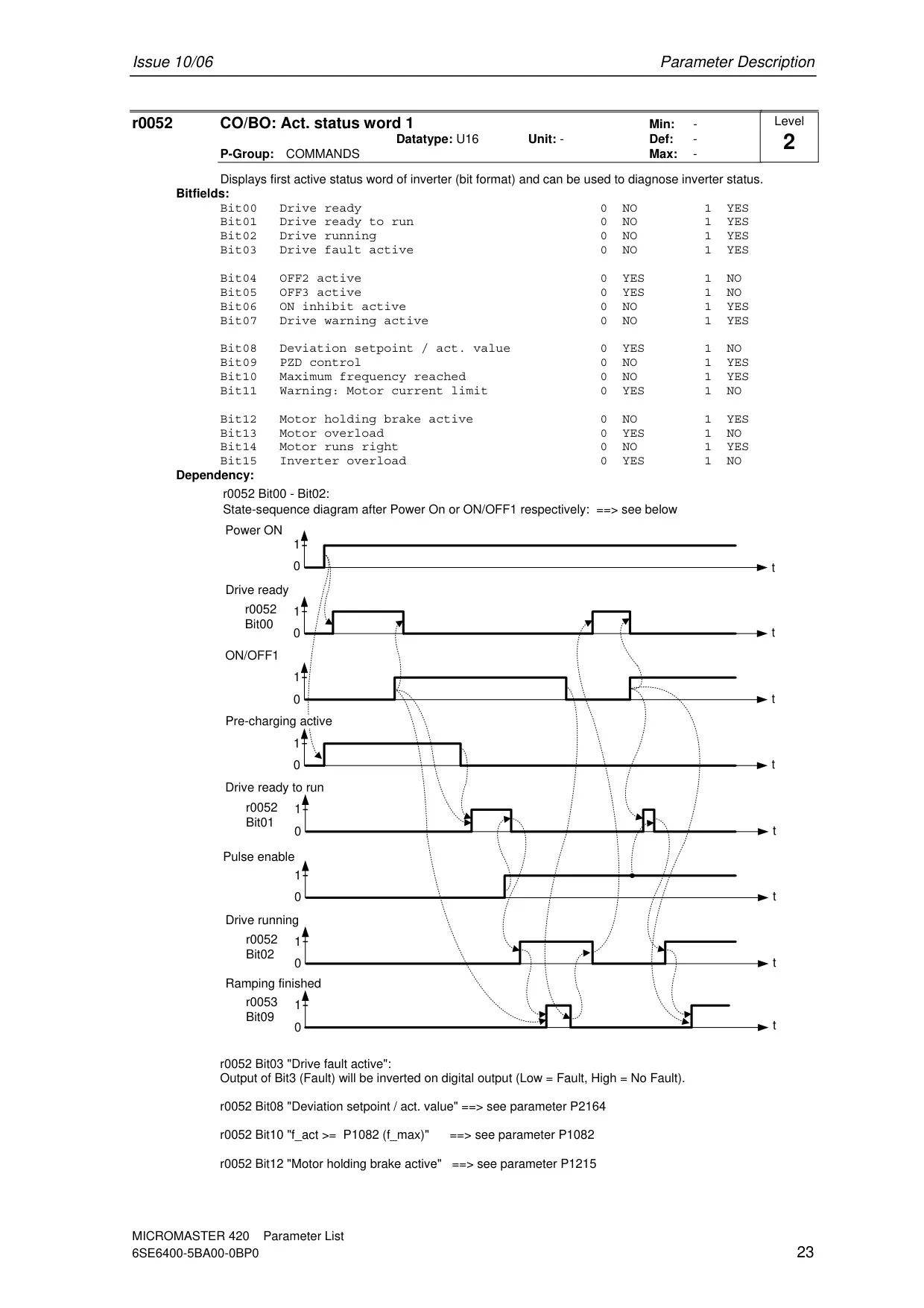
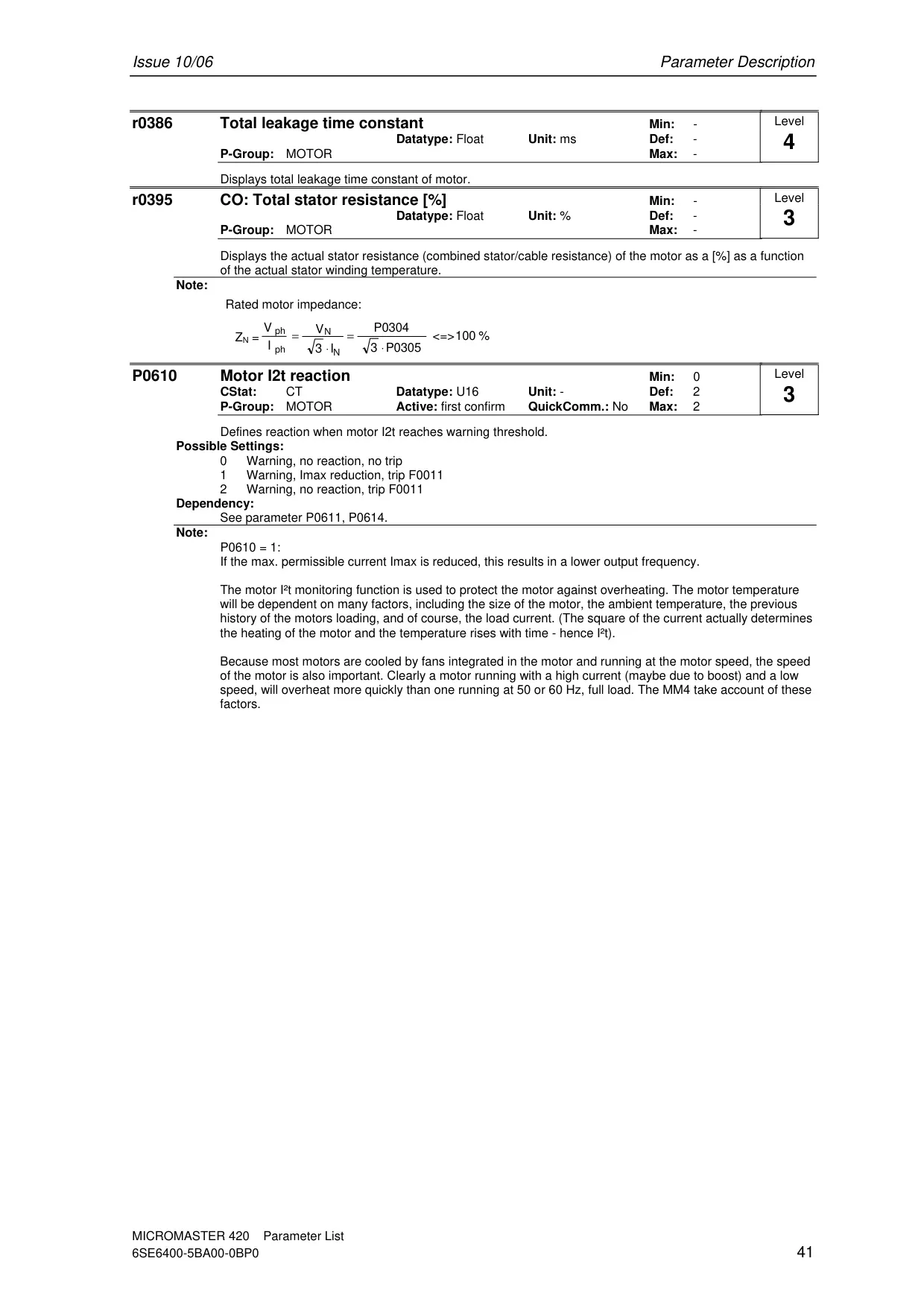
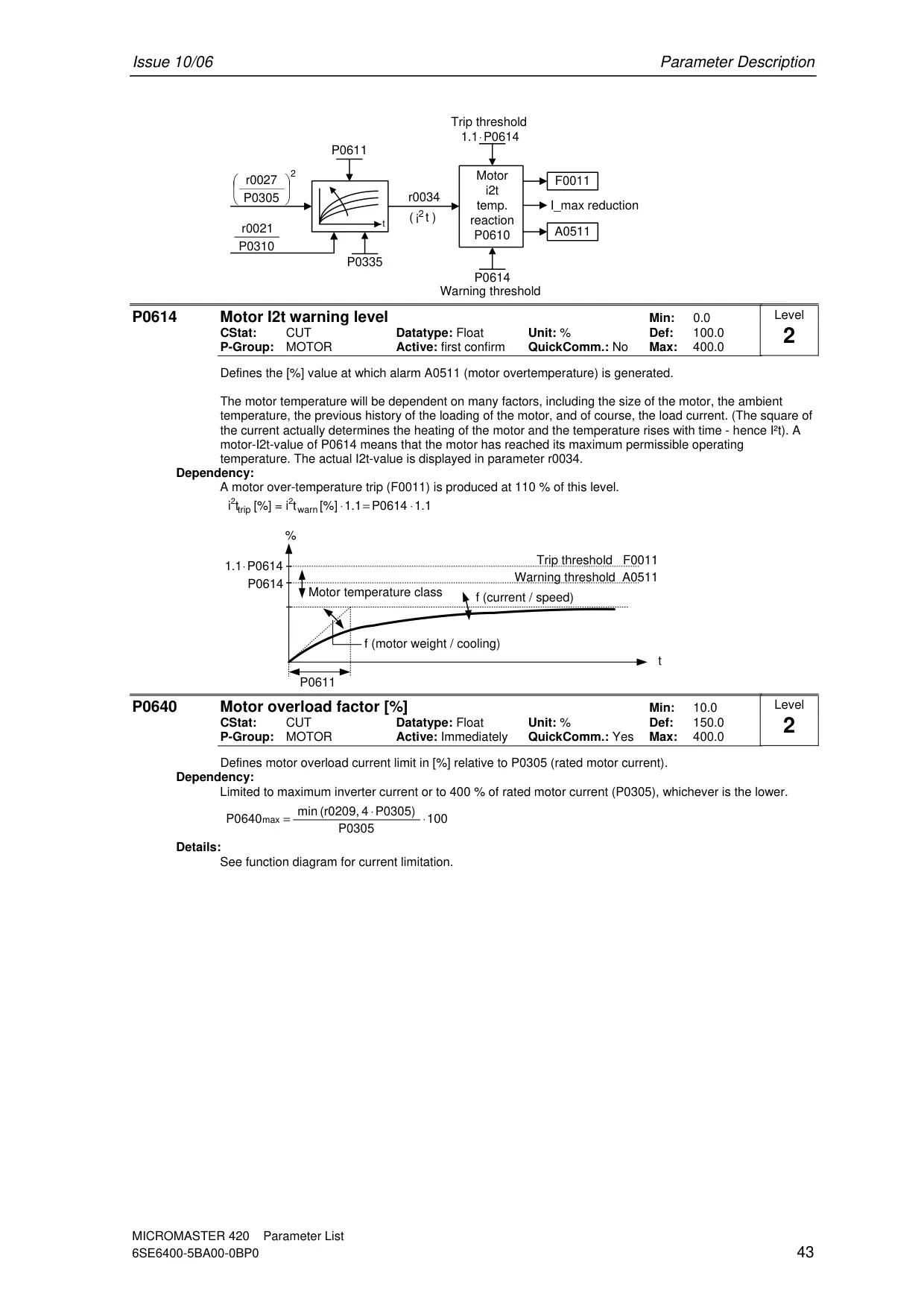
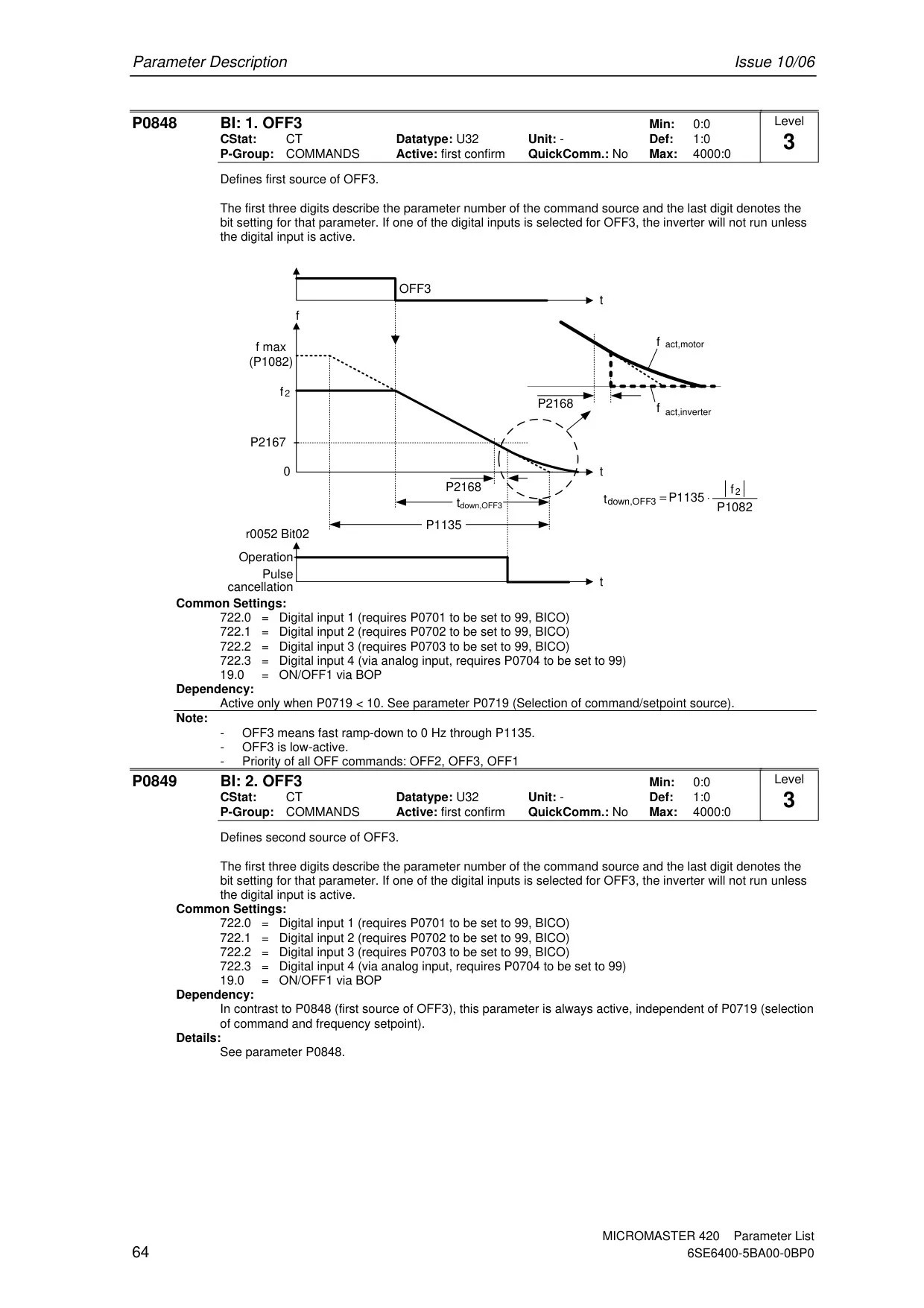
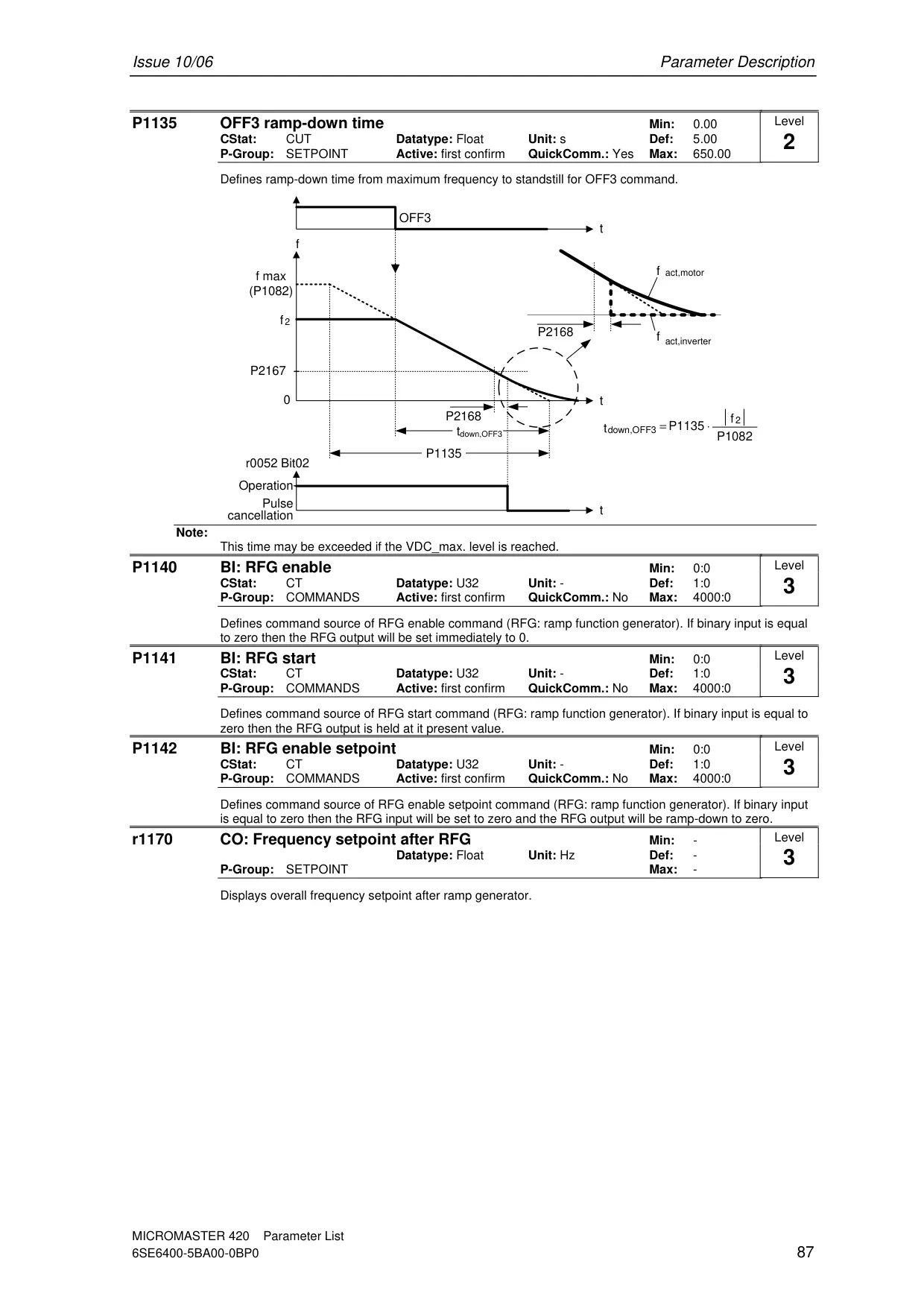
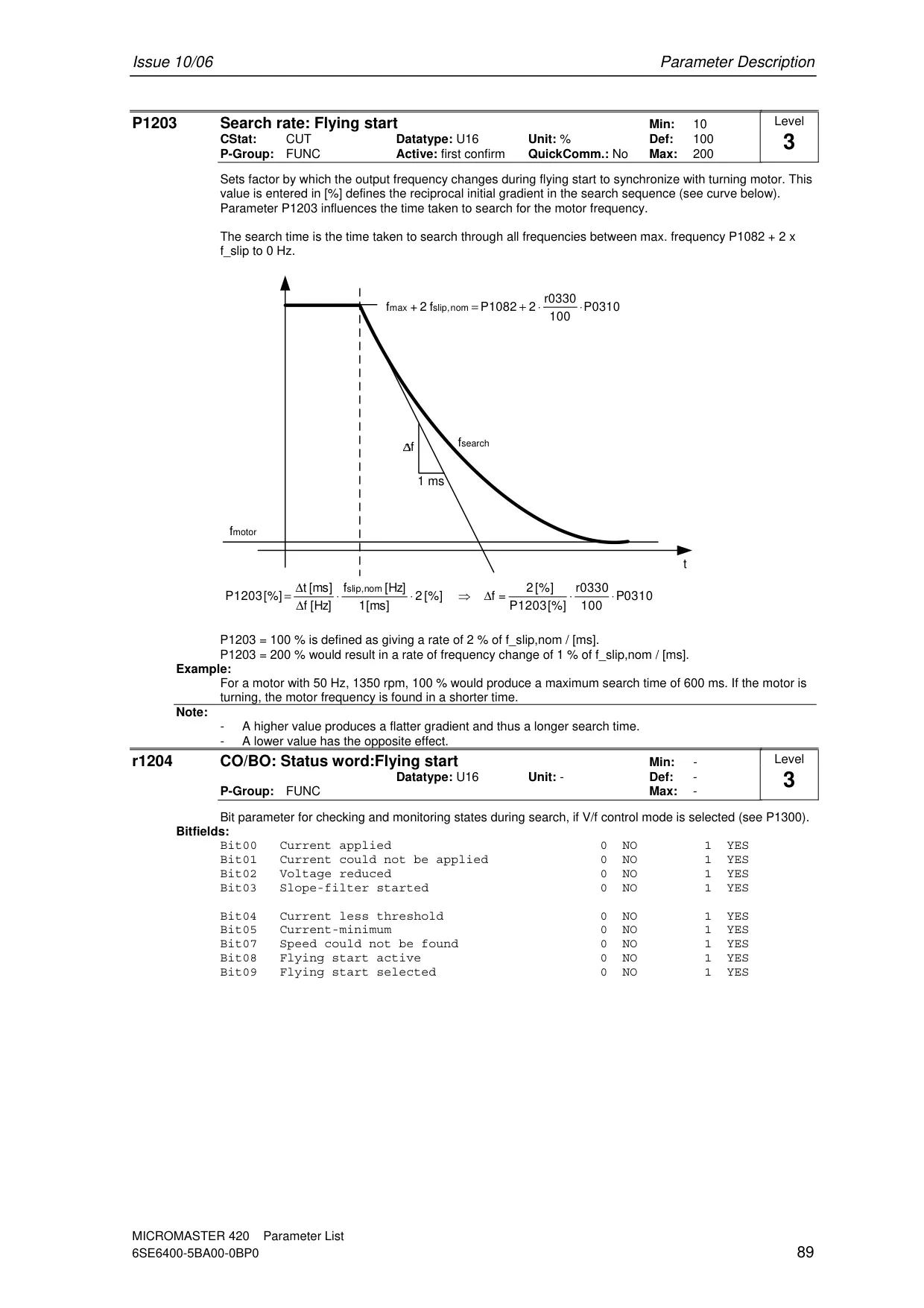
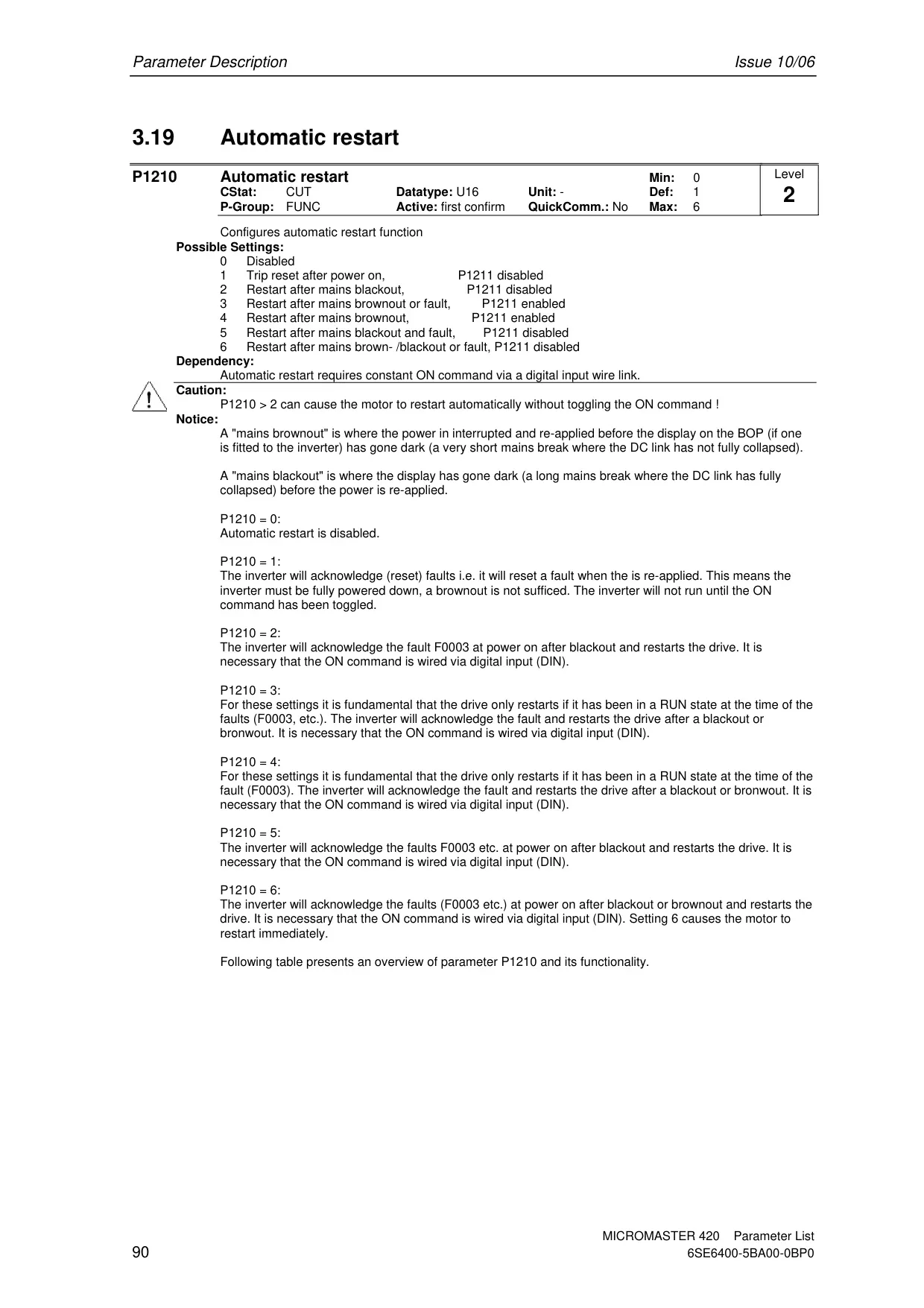
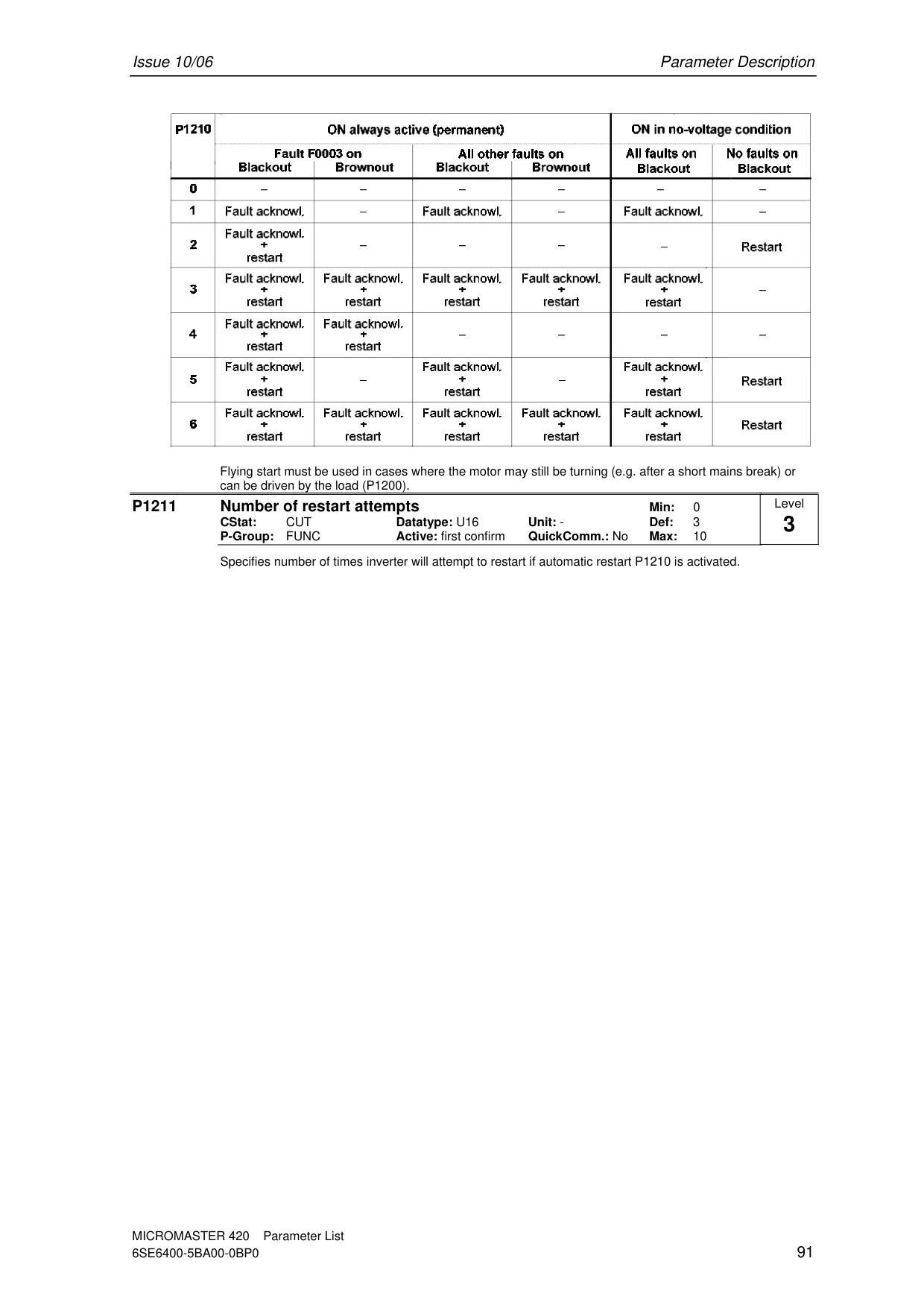
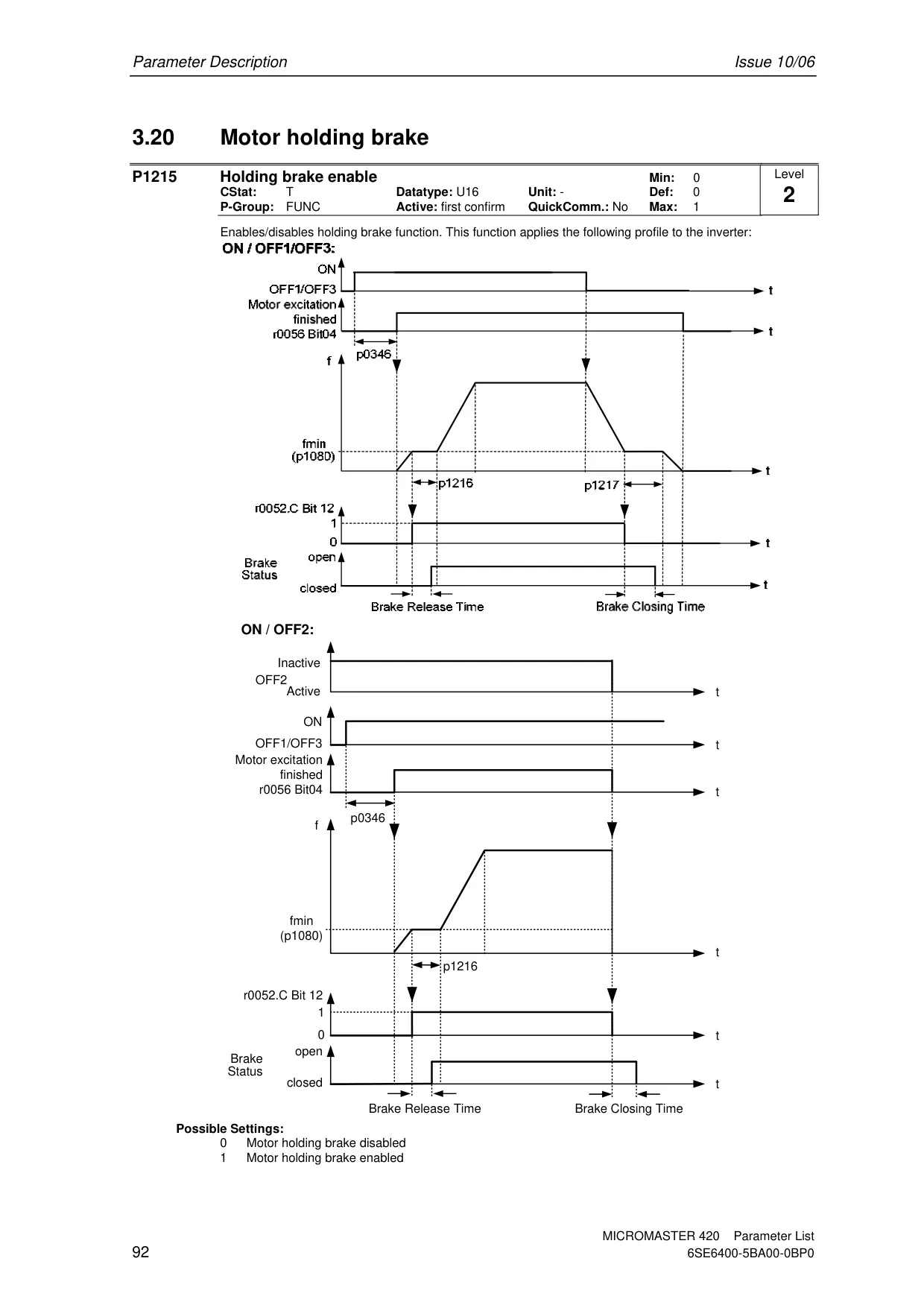
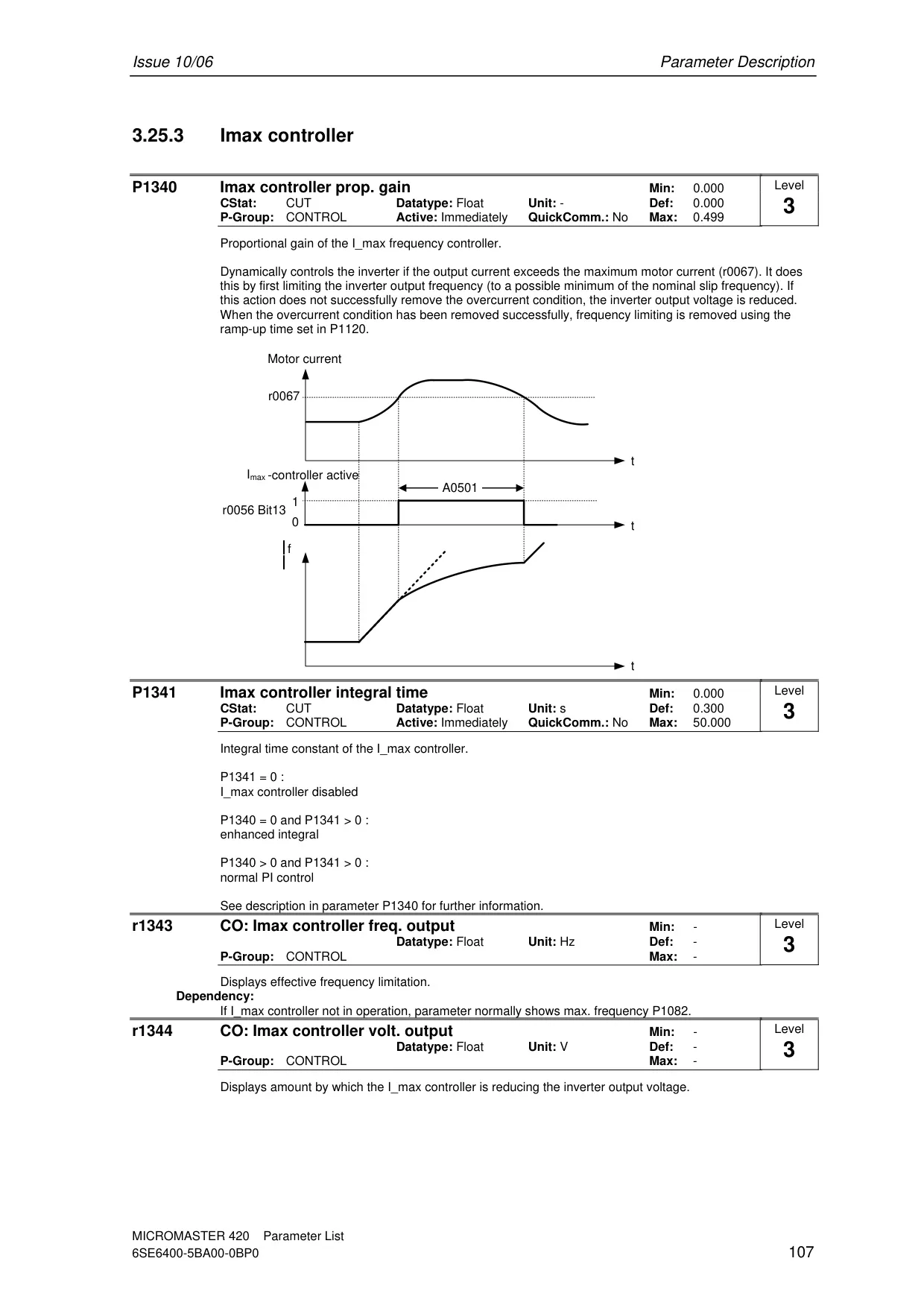
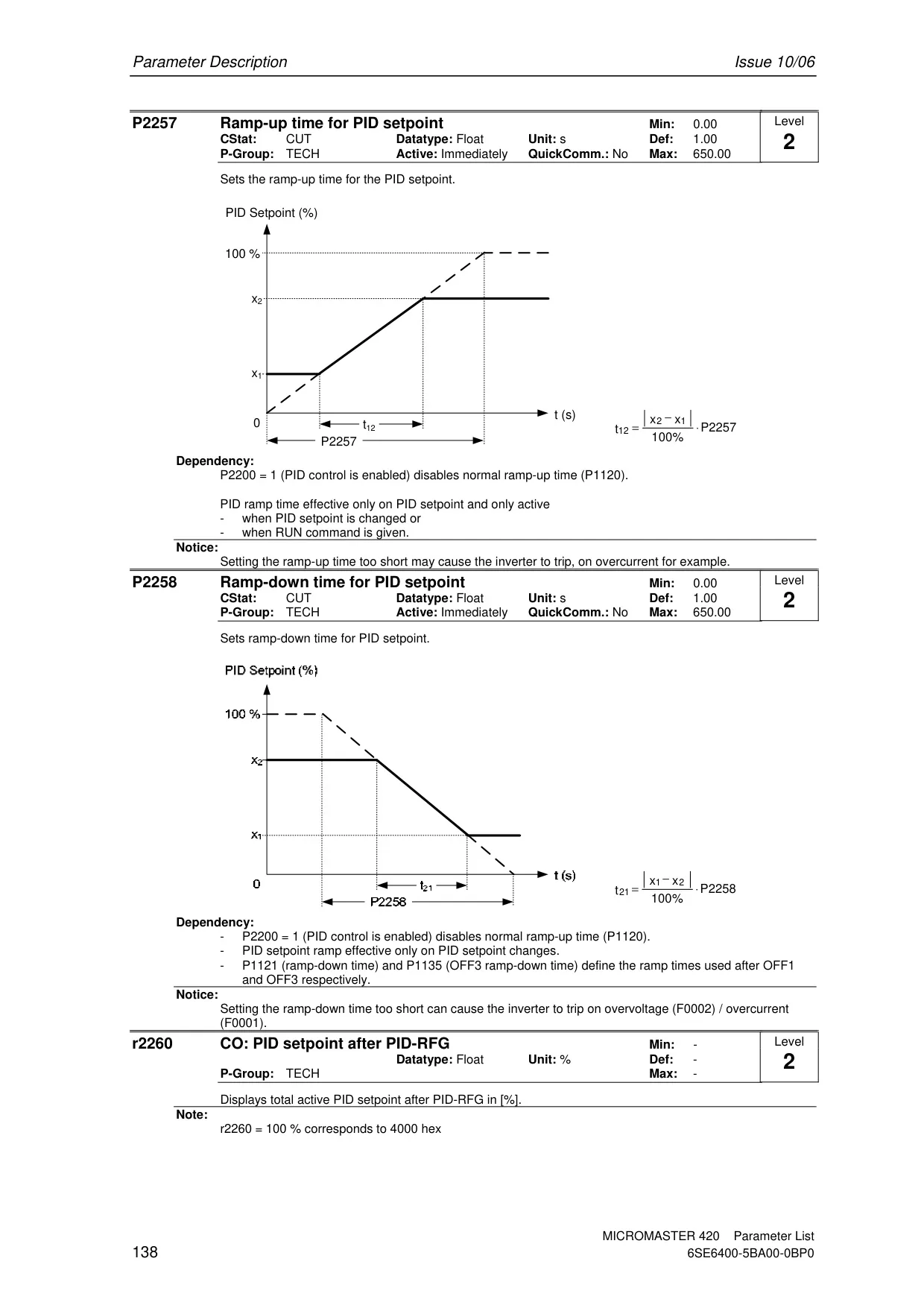
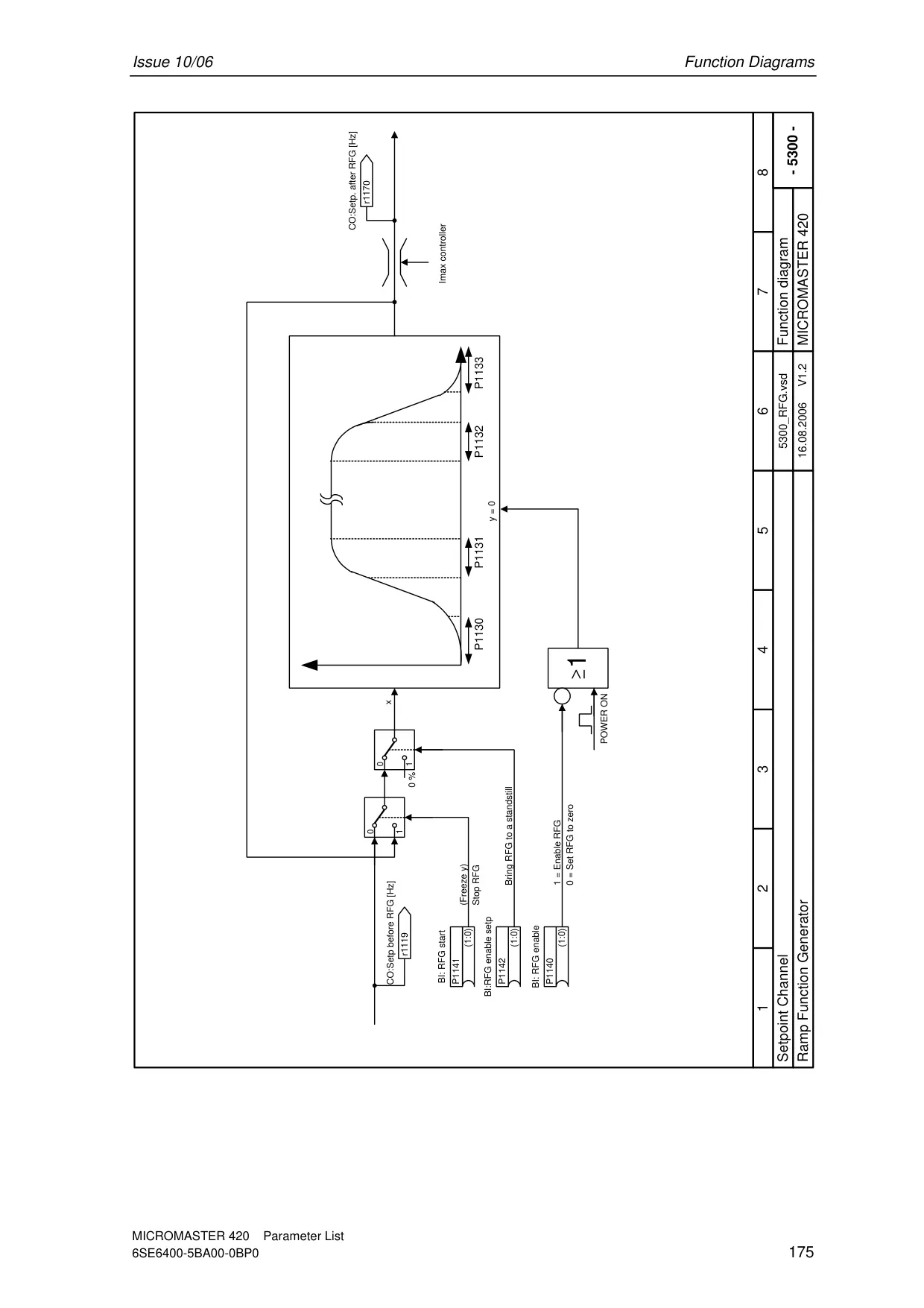
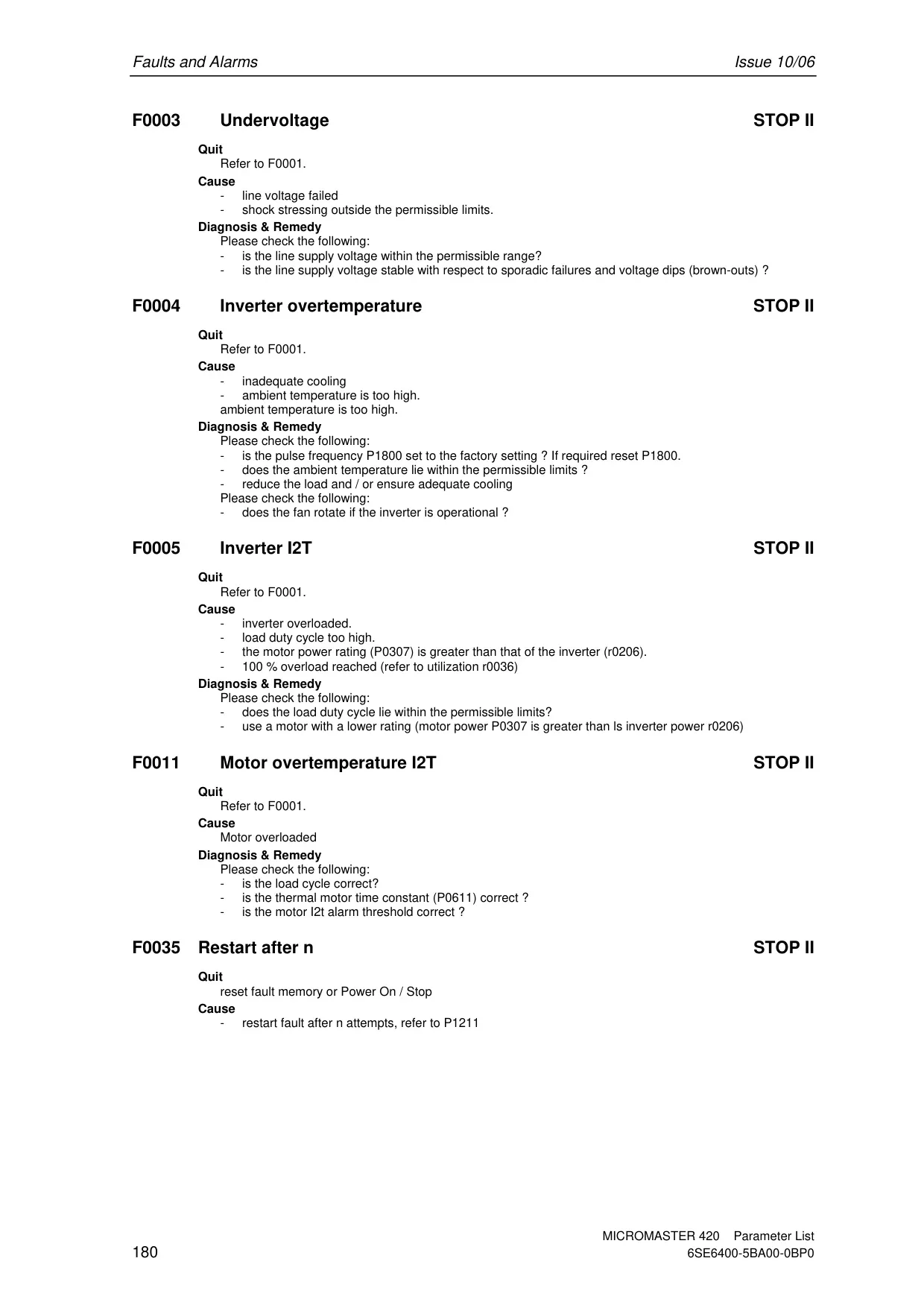
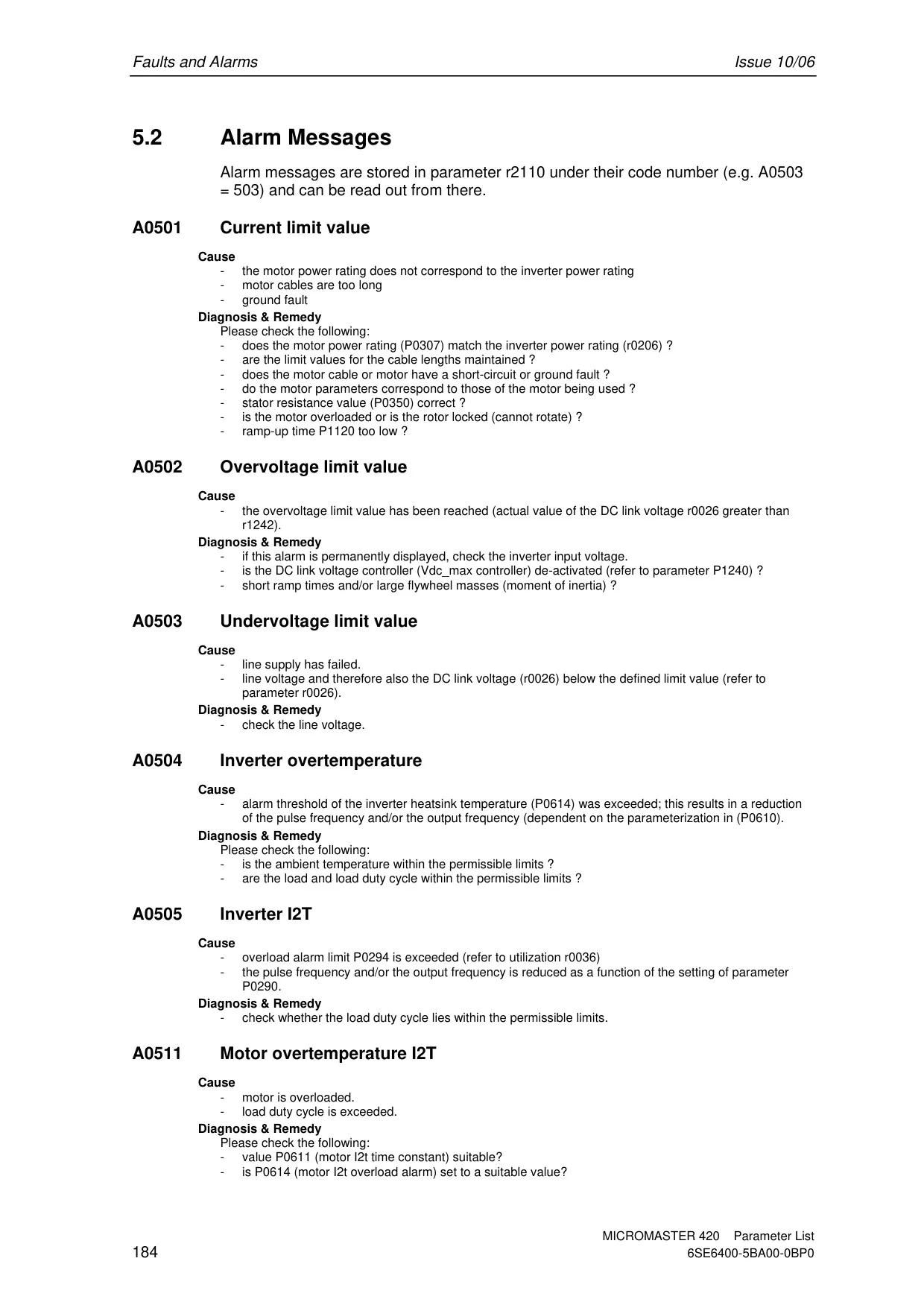
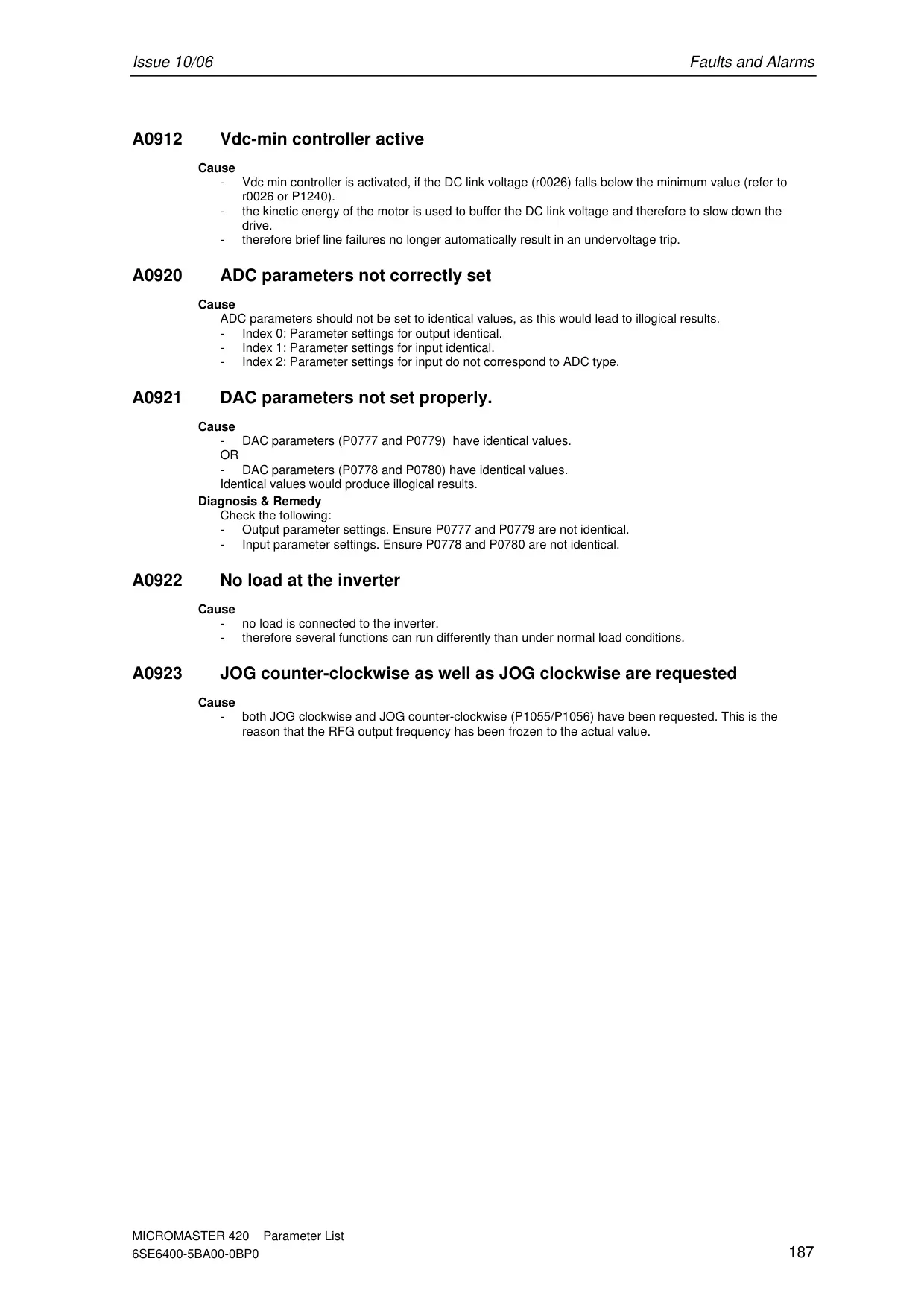
Protection is paramount, with sophisticated features like i²t thermal motor protection that dynamically models motor temperature without external sensors. This system can initiate warnings or even reduce output/pulse frequency before tripping, prioritizing continuous operation. For applications involving already-spinning motors, the "Flying Restart" function safely synchronizes the inverter with the motor's current speed, preventing overcurrent faults during power-ups. Other notable functions include dedicated support for motor holding brakes and a versatile ramp function generator for smooth acceleration and deceleration profiles.
Frequently Asked Questions (FAQs)
Can't find the answer you need? Here are some frequently asked questions about the Siemens Micromaster 420 Variable Frequency Drive, and we answer them below.