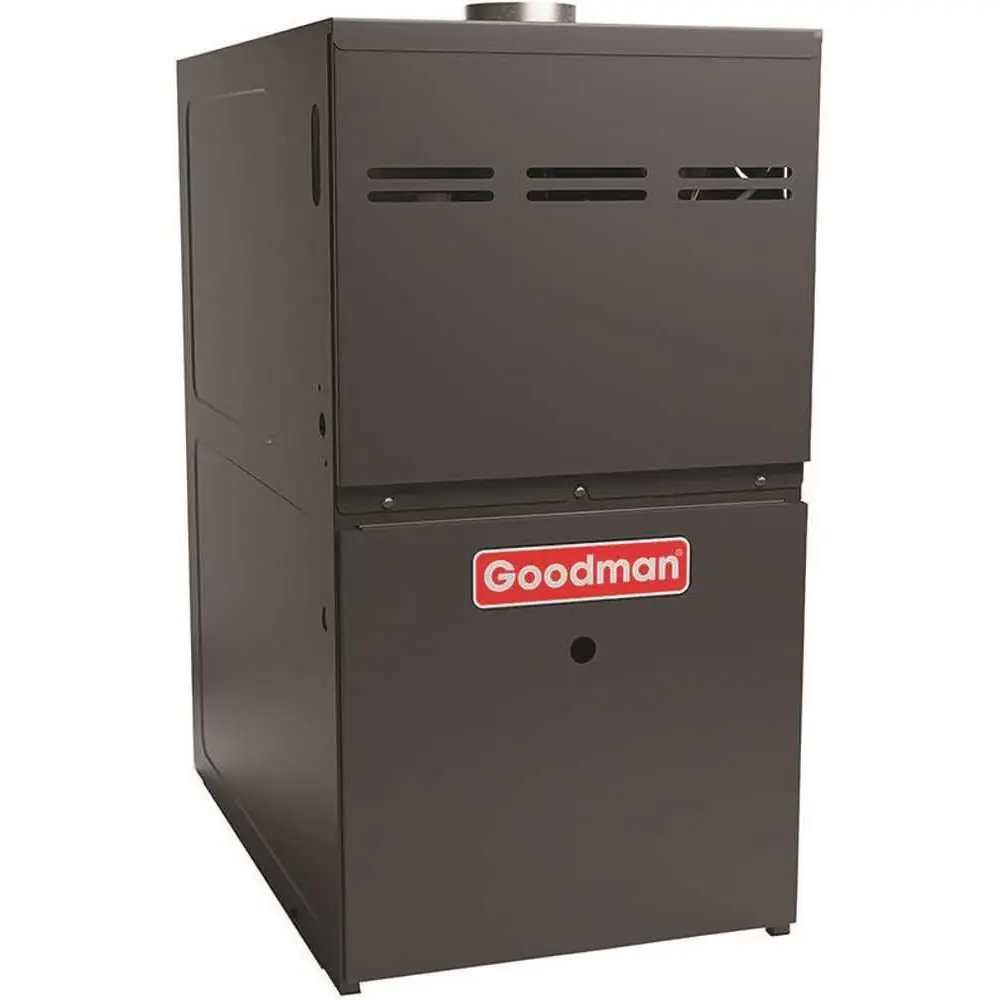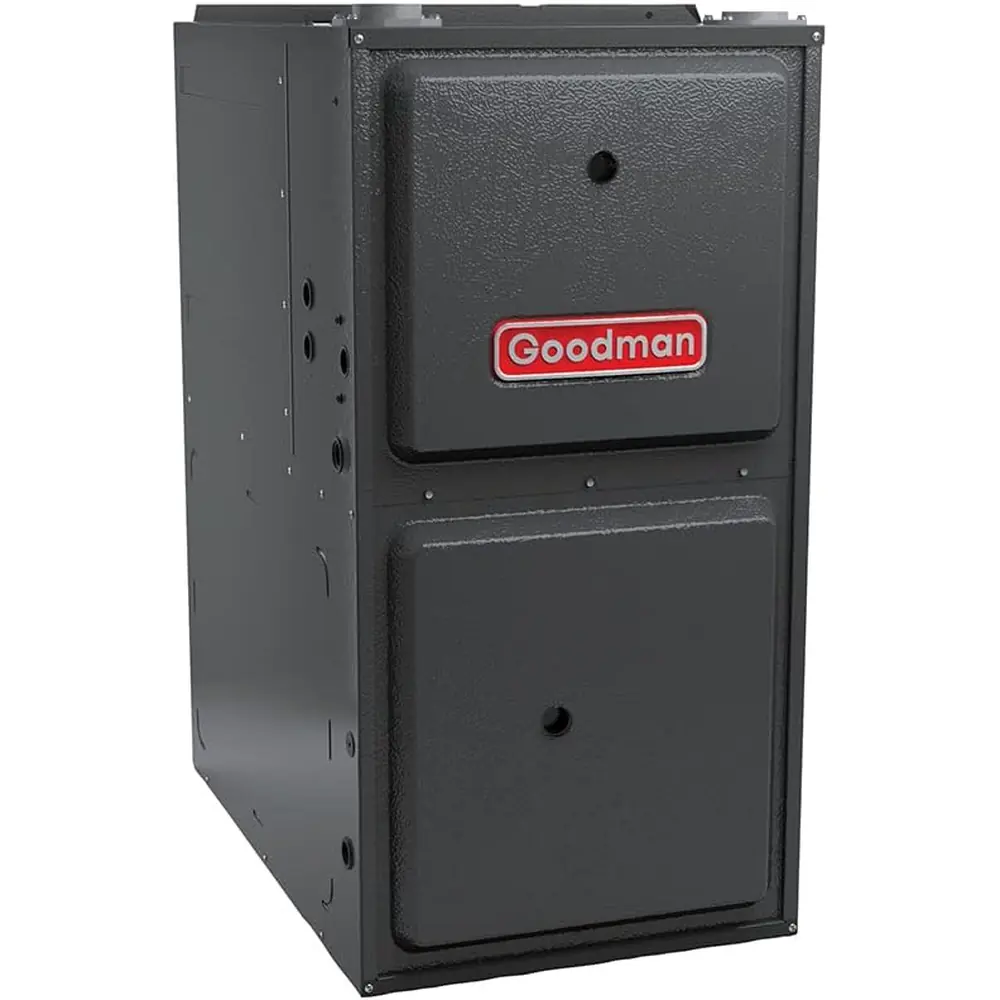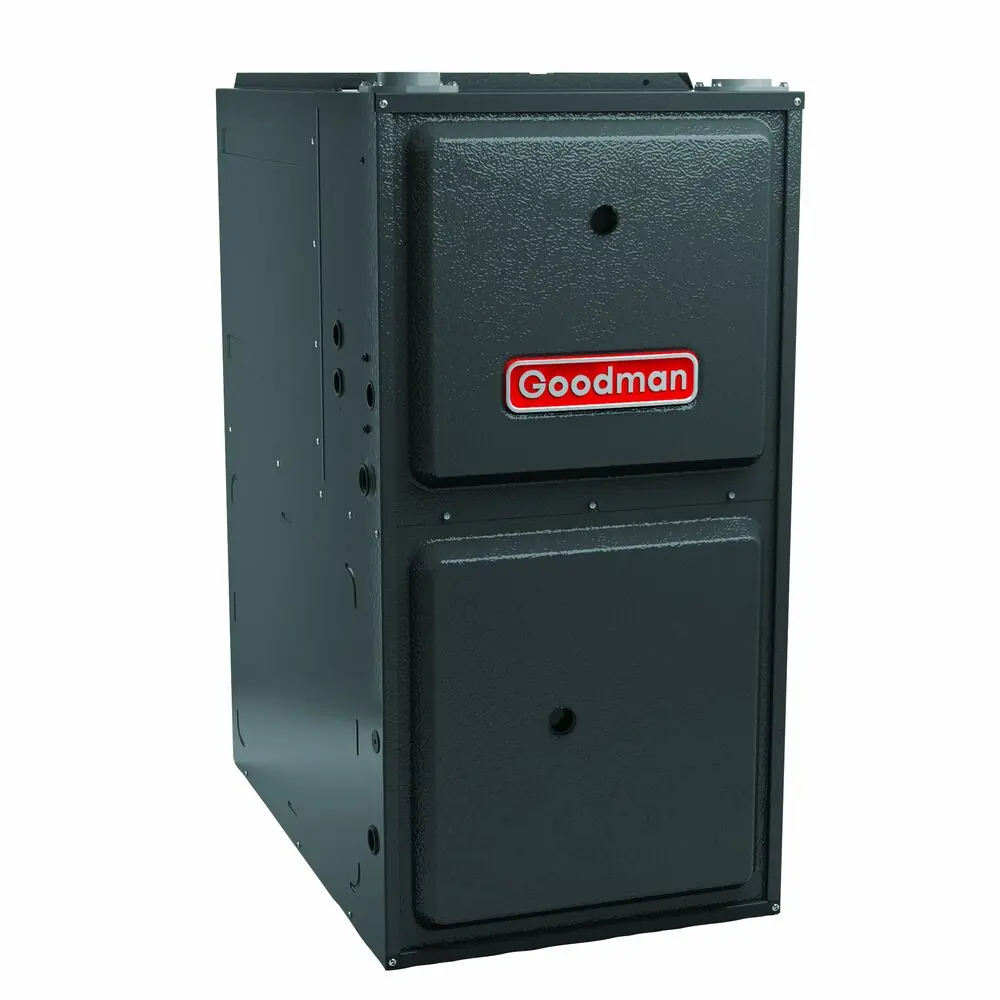
Goodman GMP100-4 Furnace Instruction Manual
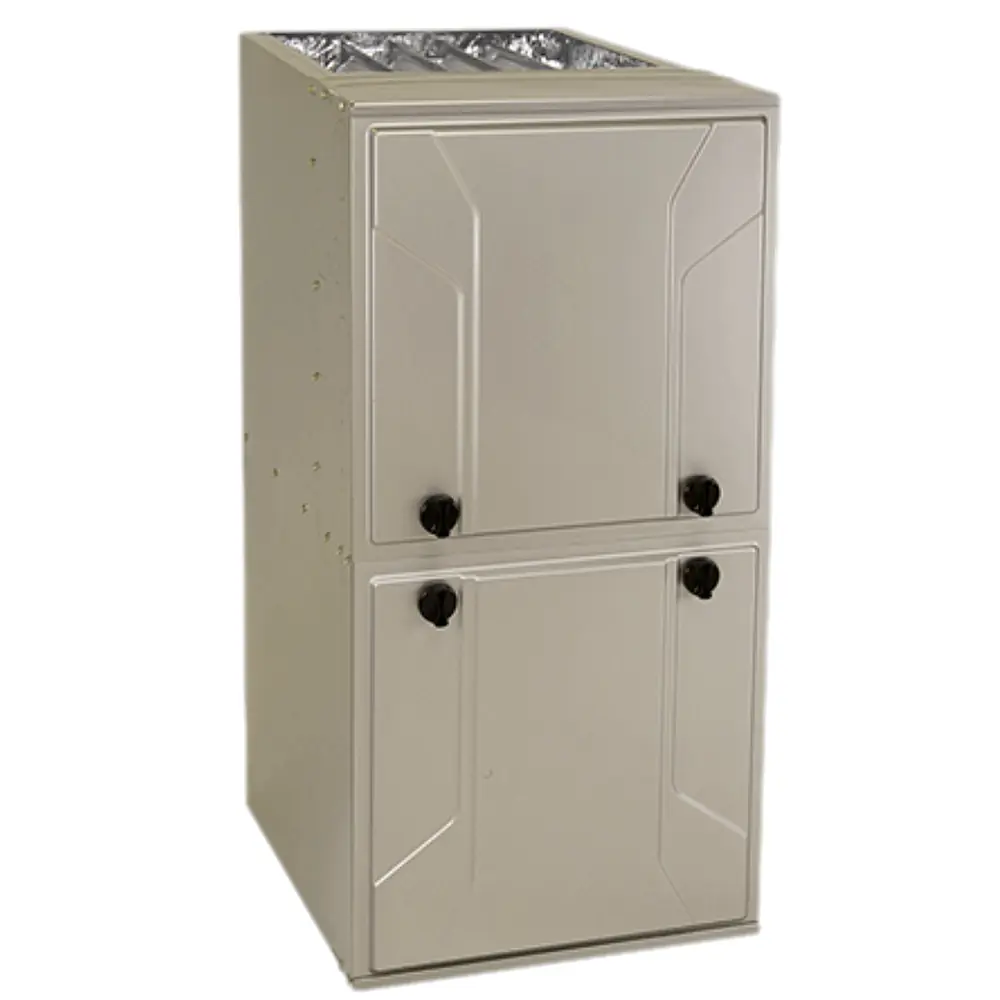
Goodman GMP100-4 Furnace
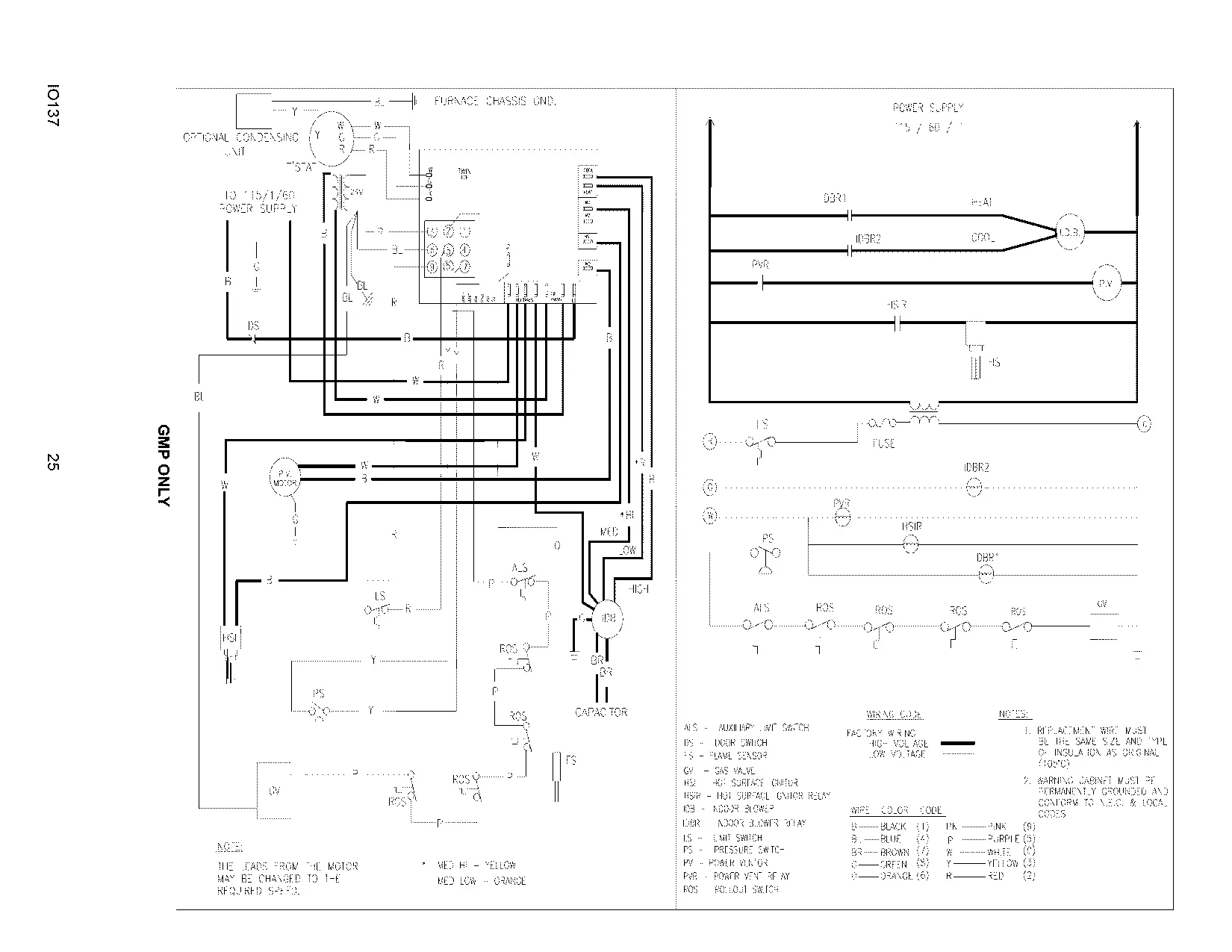
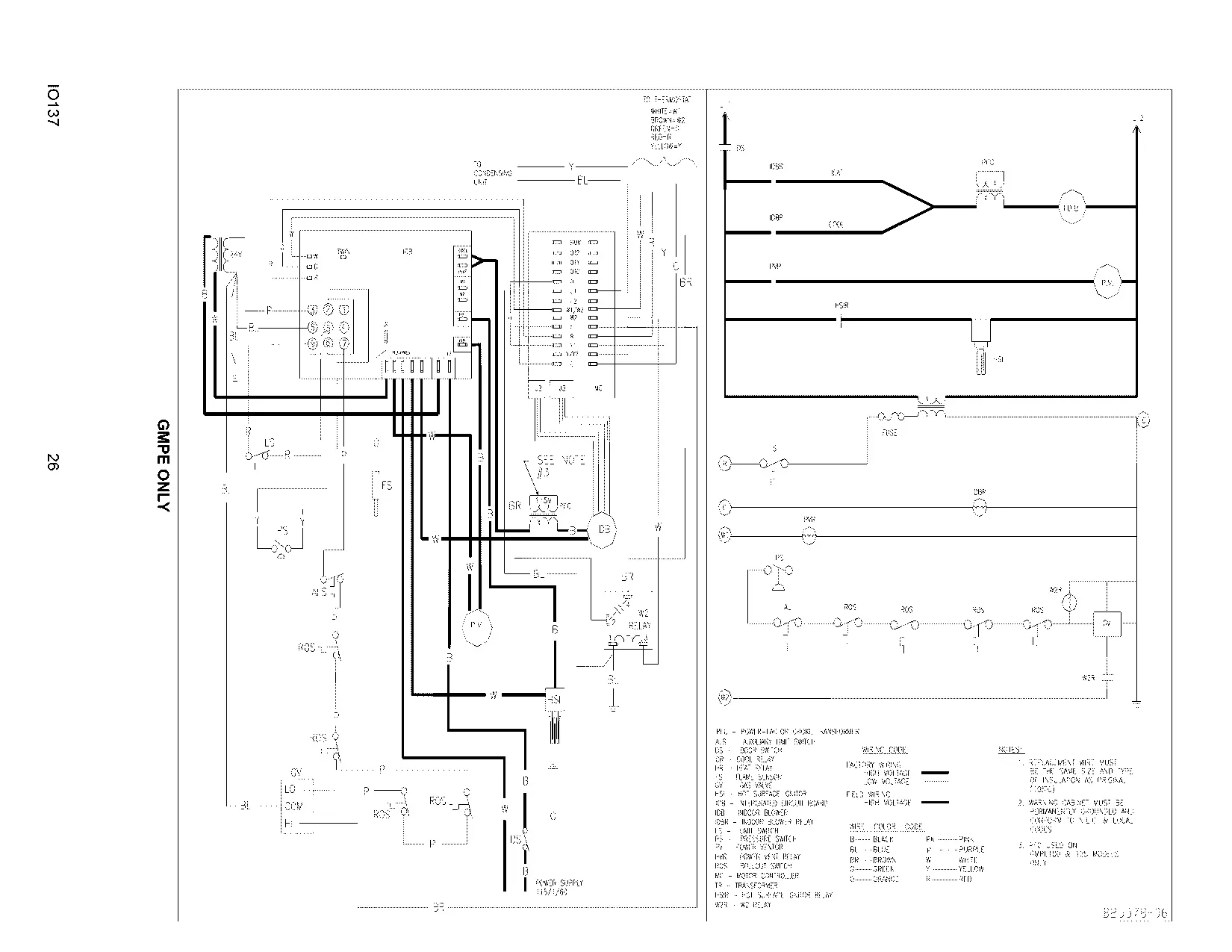
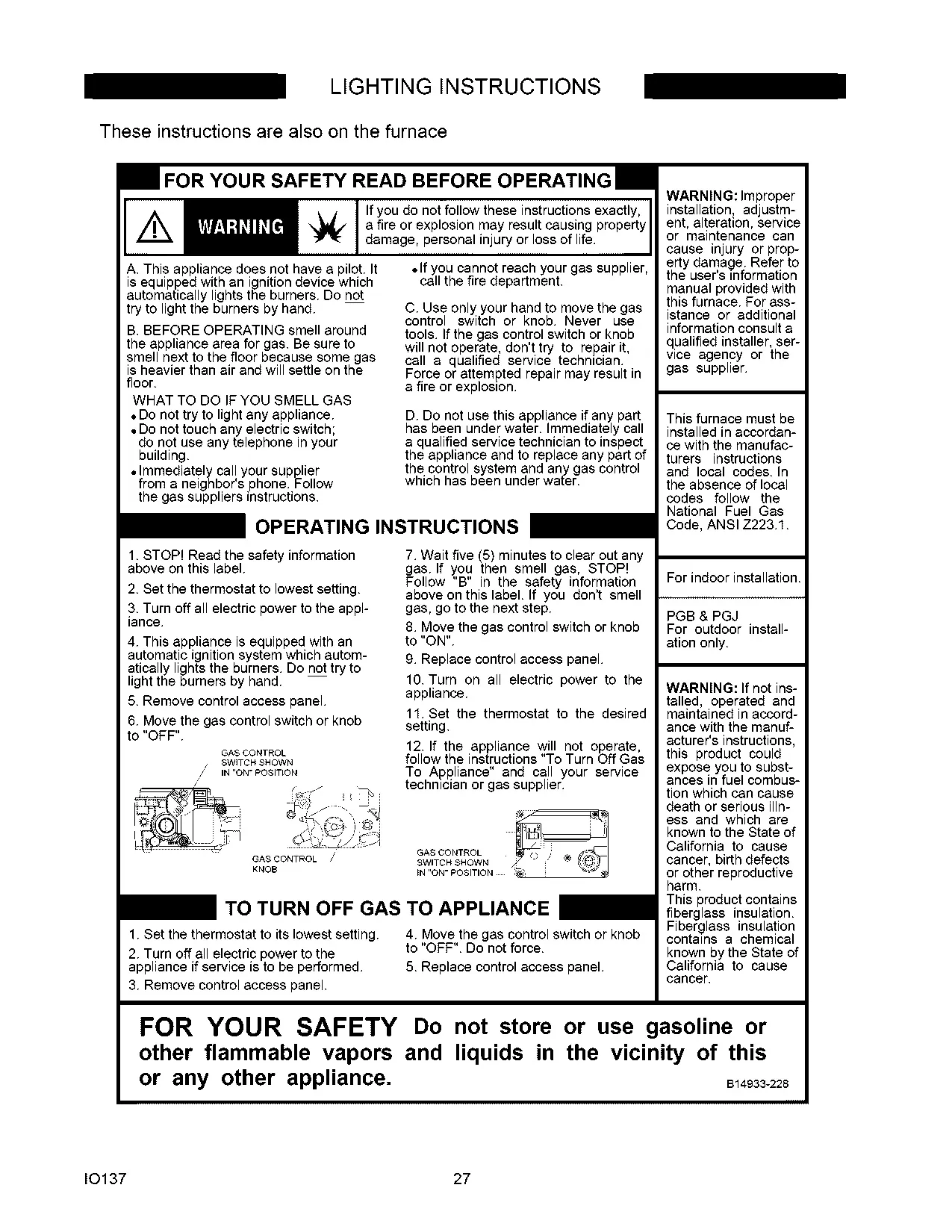
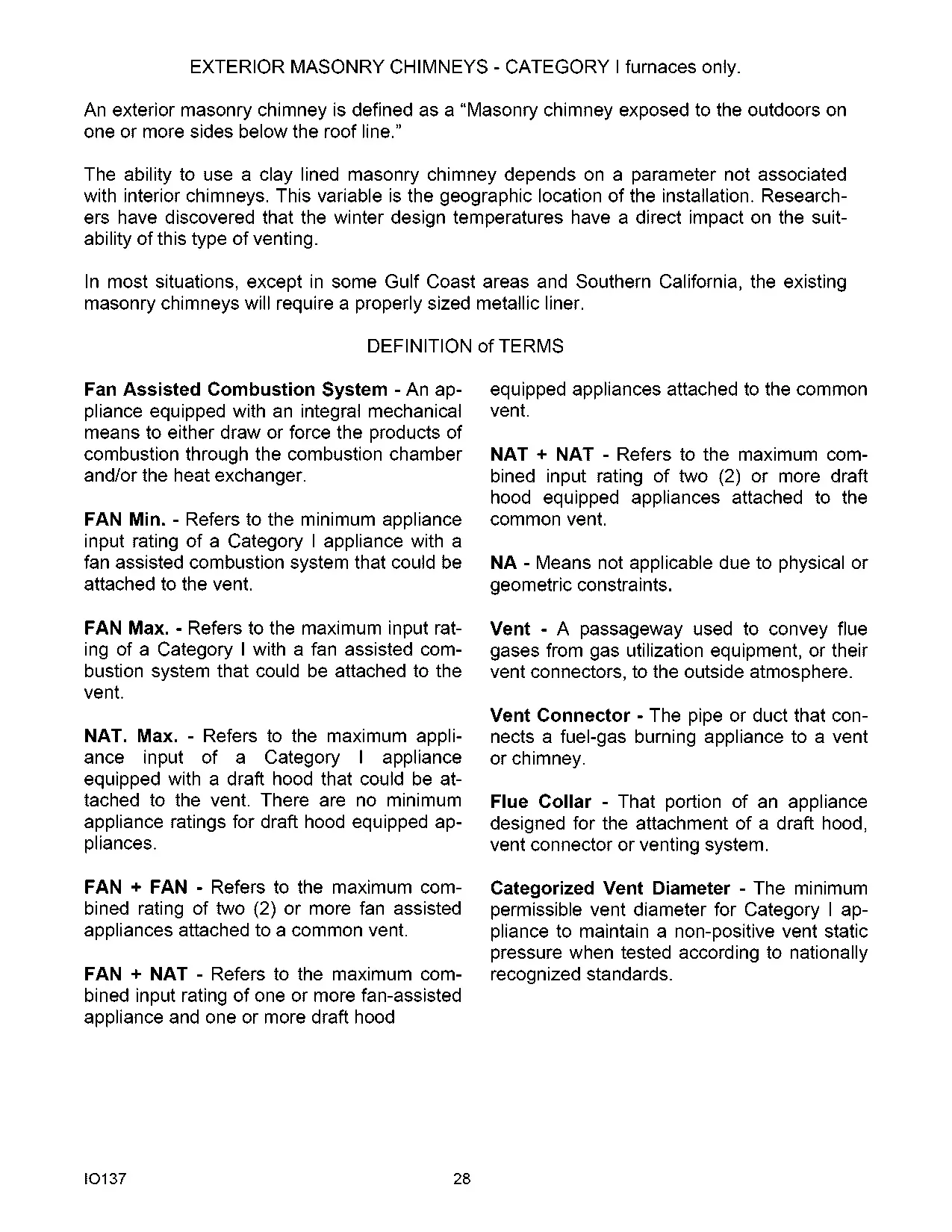


Goodman GMP100-4 Furnace Instructions
Here we offer the Goodman GMP100-4 Furnace manual completely free and in English. We have cataloged this manual in the Furnaces section on Manualverse, and it has been rated by 1 users with an average rating of 5. If you have any specific questions about Goodman GMP100-4 Furnace, we suggest checking the Frequently Asked Questions (FAQs) section of this manual.
Product Images
Goodman GMP100-4 Furnace Specifications
| Feature | Specification |
|---|---|
| Model | Goodman GMP100-4 |
| Product Type | Power Vented Multi-Position Gas Furnace (Category I) |
| Efficiency Rating | Category I Certified (Specific AFUE on rating plate) |
| Fuel Type (Factory) | Natural Gas (LP convertible with factory kit) |
| Nominal Input Capacity | 100,000 BTU/hr (check rating plate) |
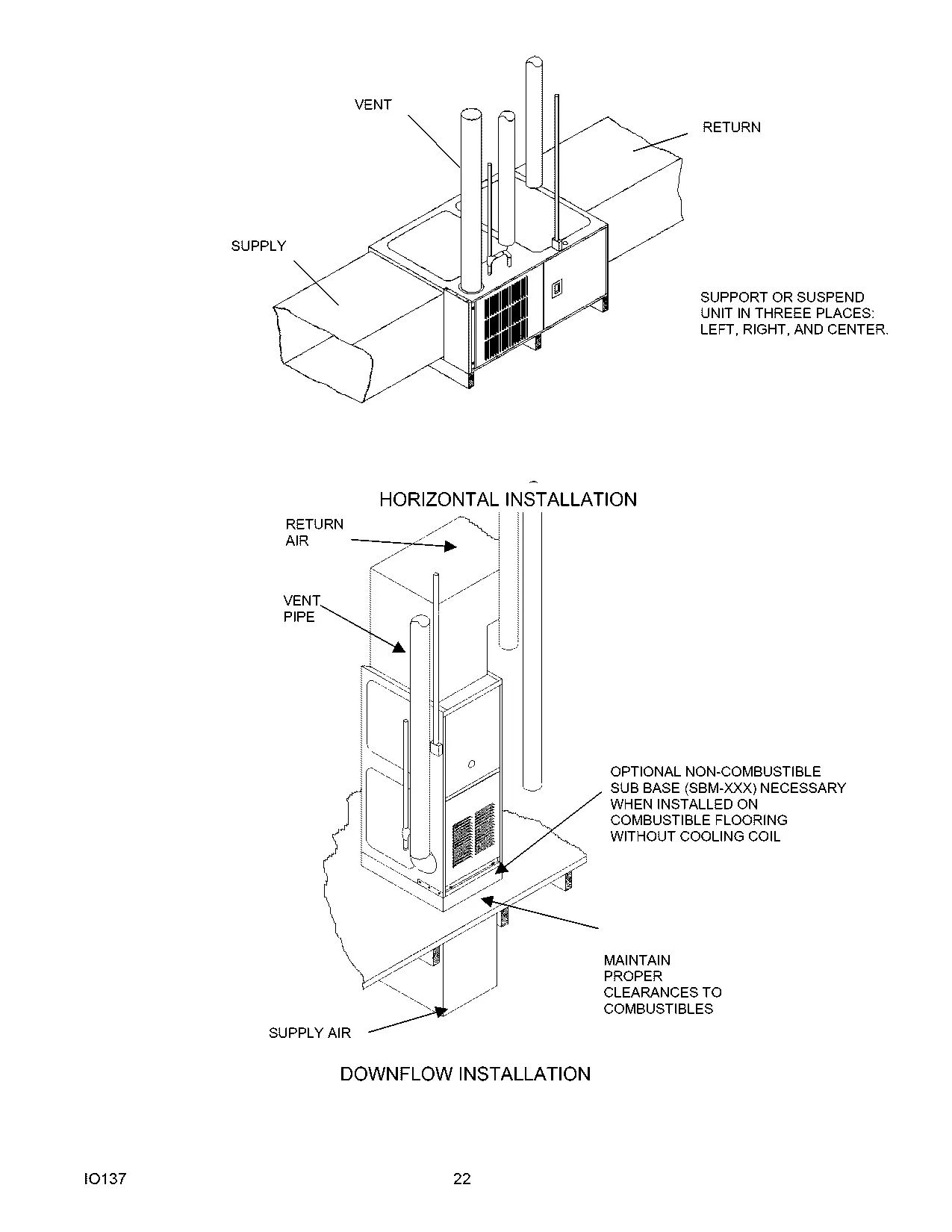
| Installation Positions | Upflow, Horizontal, Downflow |
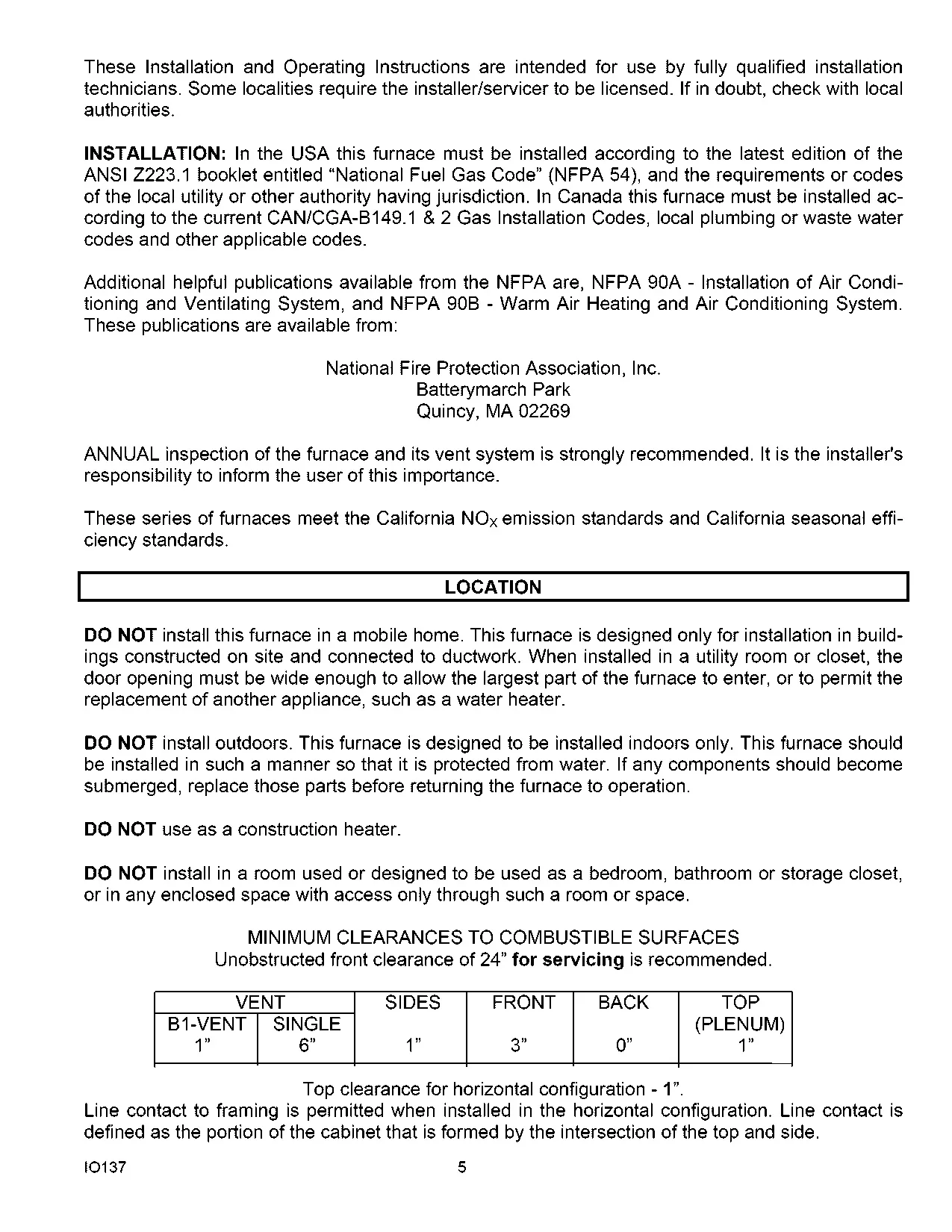
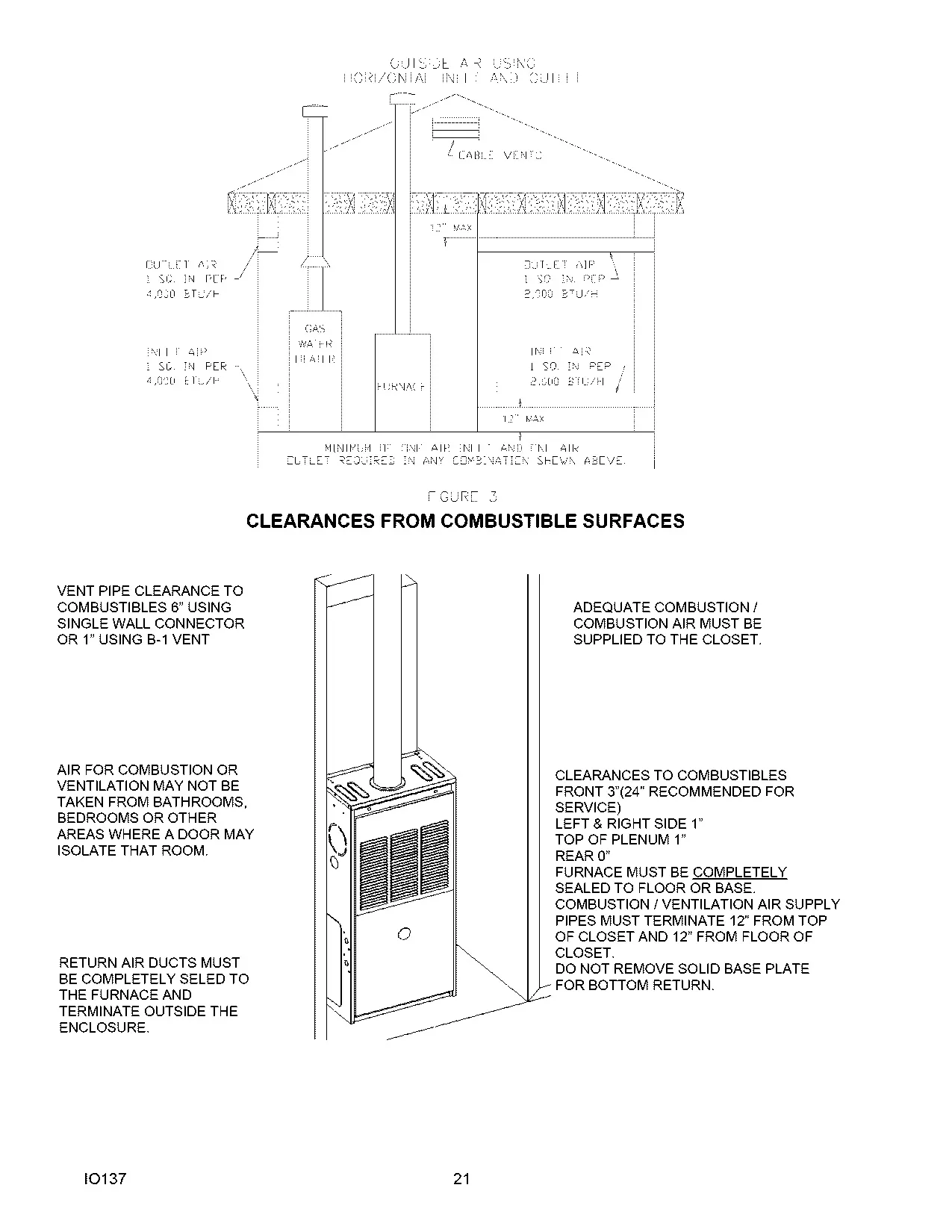
| Minimum Front Clearance | 3" (24" recommended for service) |
| Minimum Side Clearance | 1" |
| Minimum Back Clearance | 0" |
| Minimum Top Clearance (Plenum) | 1" (for horizontal configuration) |
| Electrical Supply | Refer to Rating Plate (Copper conductors only, min. 95°F/35°C wire) |
| Thermostat Wiring | Minimum 18 gauge |
| Manifold Pressure (Natural Gas) | 3.2” W.C. - 3.8” W.C. (3.5” nominal) |
| Manifold Pressure (LP Gas) | 9.5” W.C. - 10.5” W.C. (after conversion) |
| Standard Orifice Altitude | 0-2,000 feet (natural gas) |
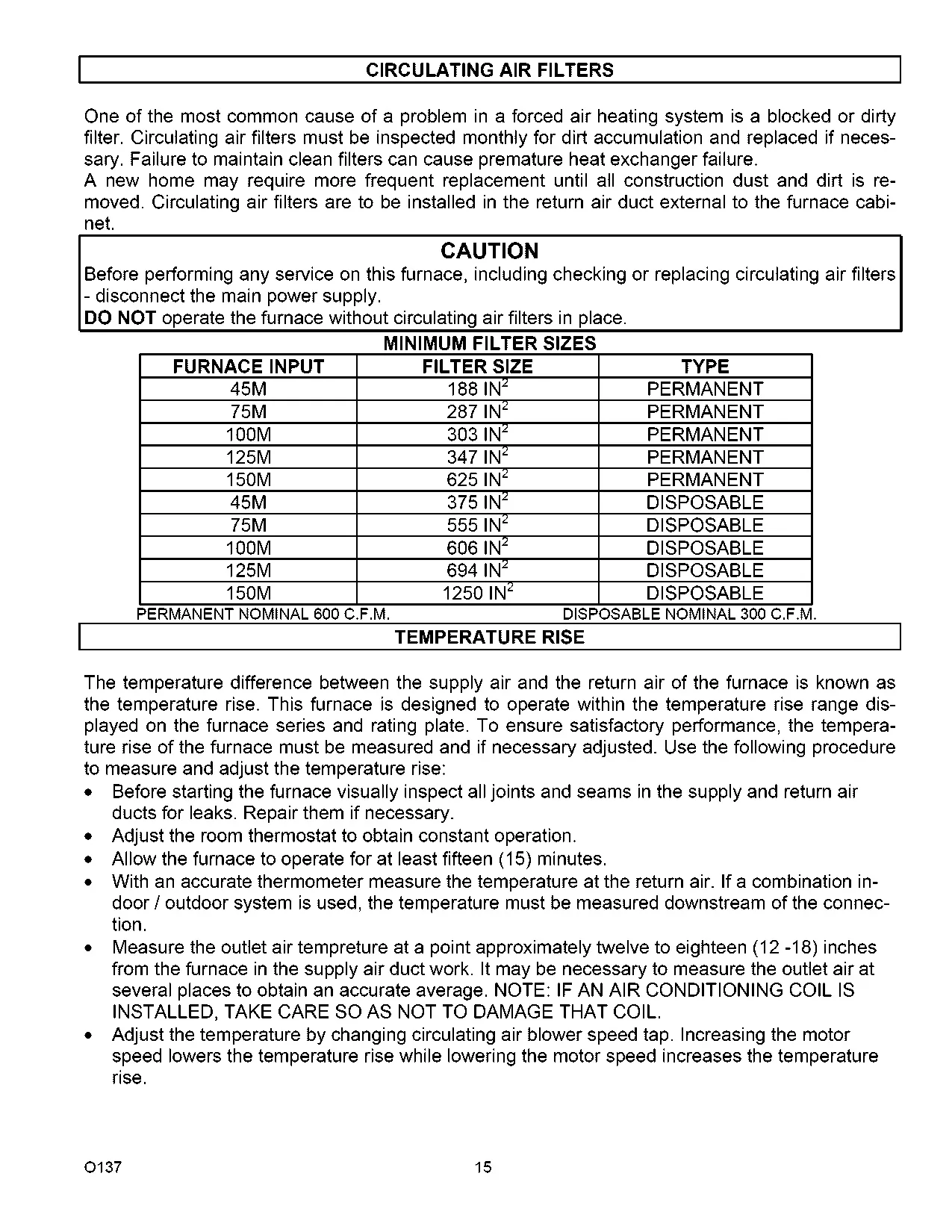
| Recommended Permanent Filter Size | 303 sq. in. (Nominal 600 CFM) |
| Recommended Disposable Filter Size | 606 sq. in. (Nominal 300 CFM) |
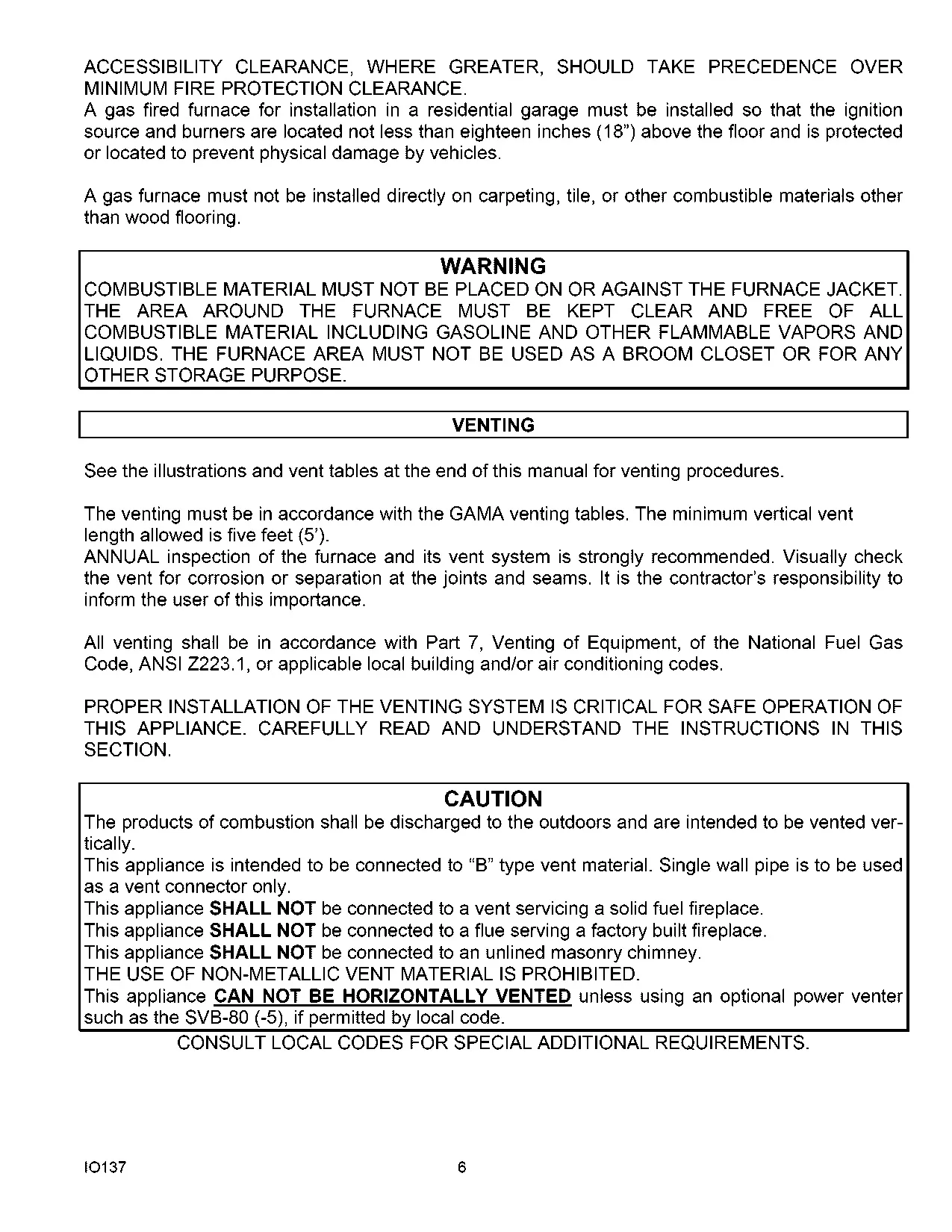
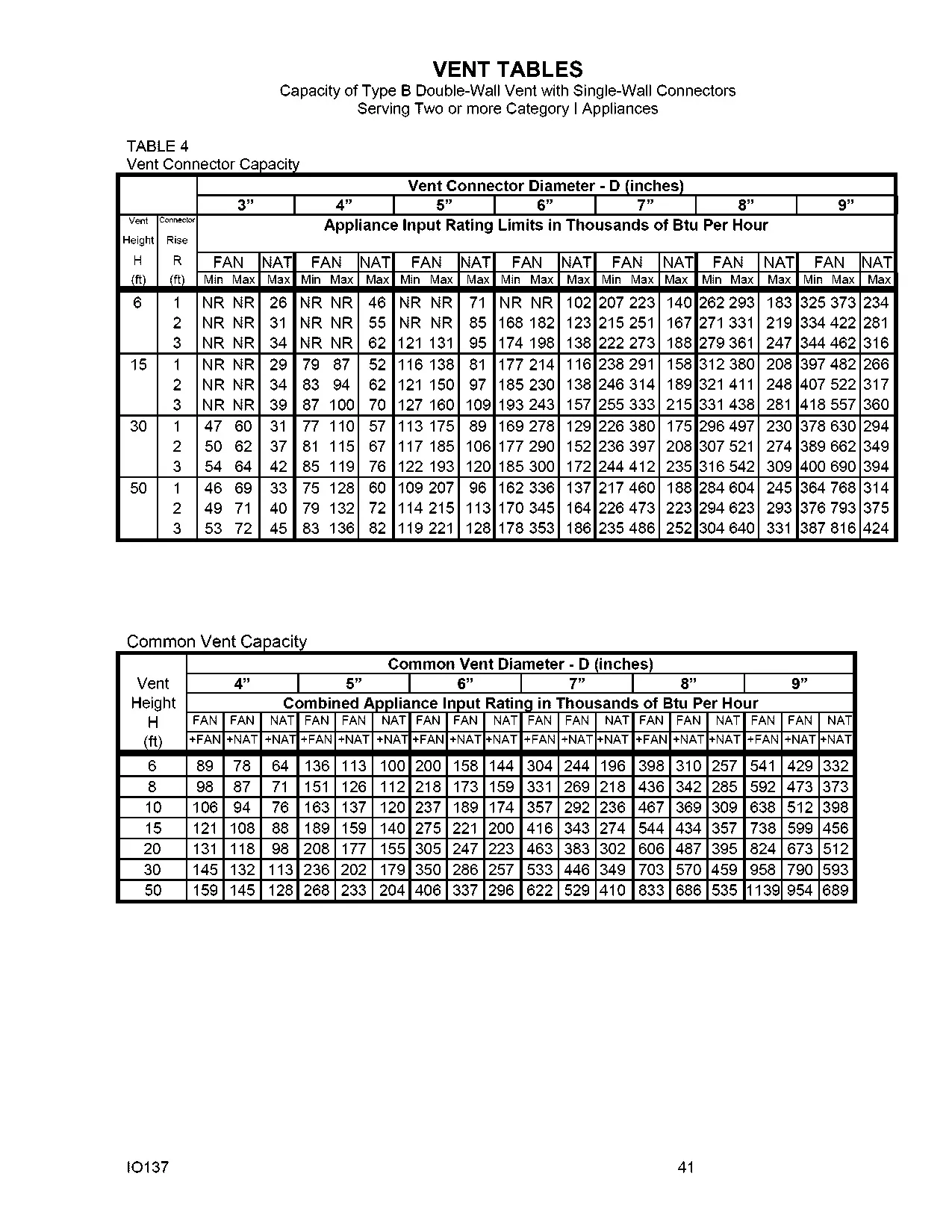
| Vent Type | B-type vent material (vertical discharge required) |
| Minimum Vertical Vent Length | 5 feet |
Goodman GMP100-4 Furnace Details
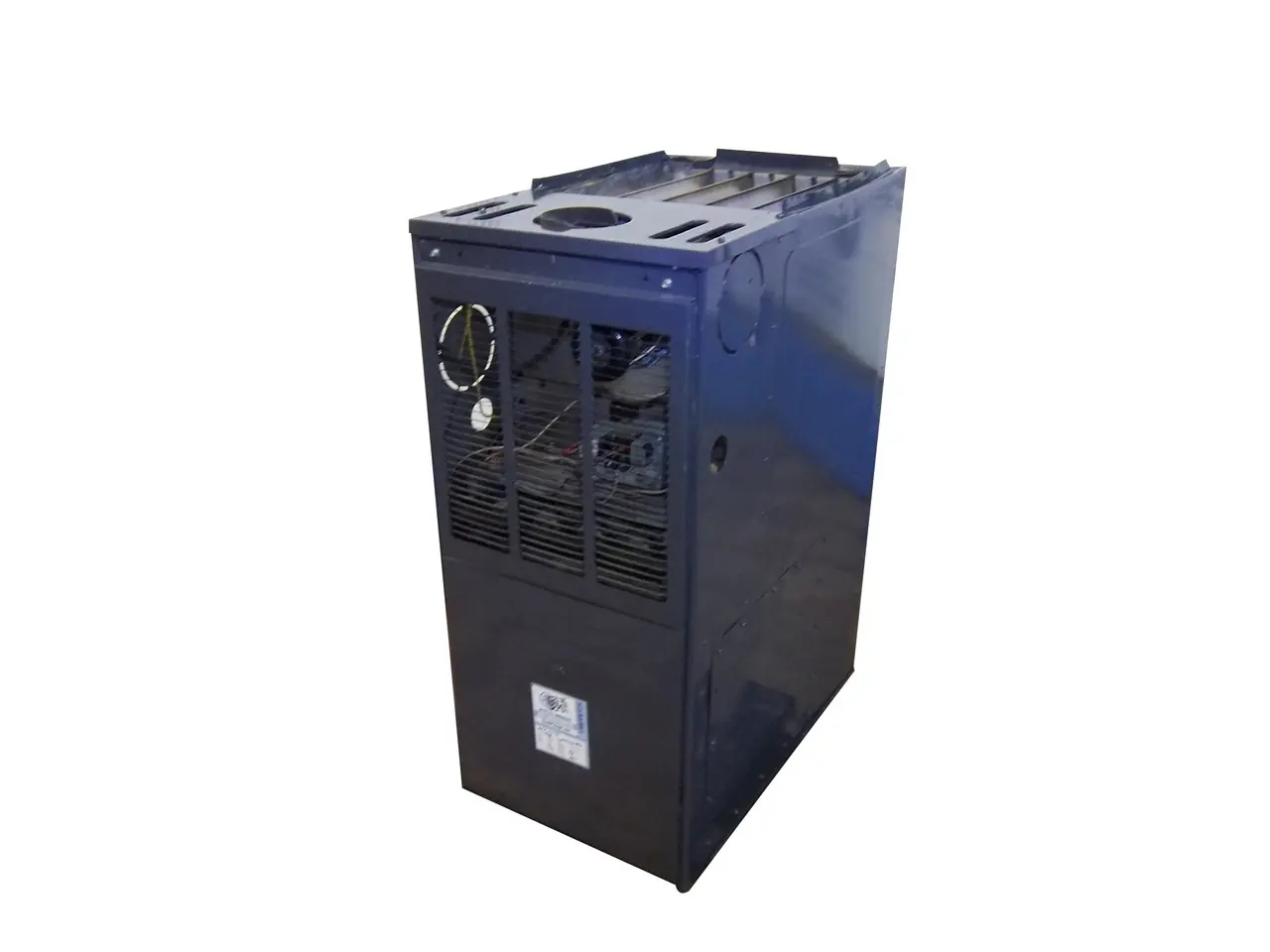
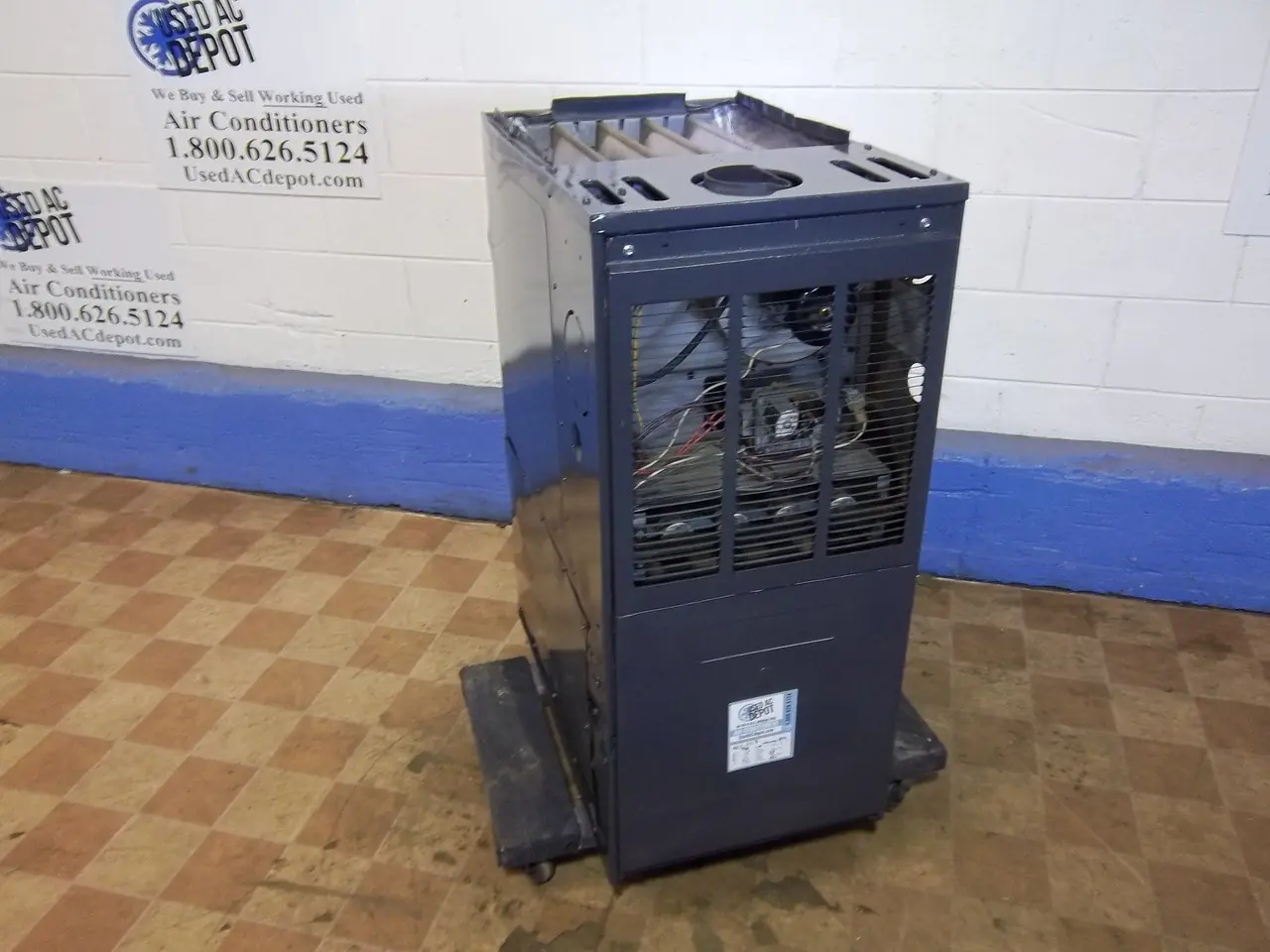
The Goodman GMP100-4 is a versatile, power-vented multi-position gas furnace, offering flexible installation as an upflow, horizontal, or downflow unit. Designed for residential buildings constructed on-site, it is equipped with an advanced electronic ignition system, eliminating the need for a standing pilot light. This design enhances both efficiency and safety, providing reliable heating performance.
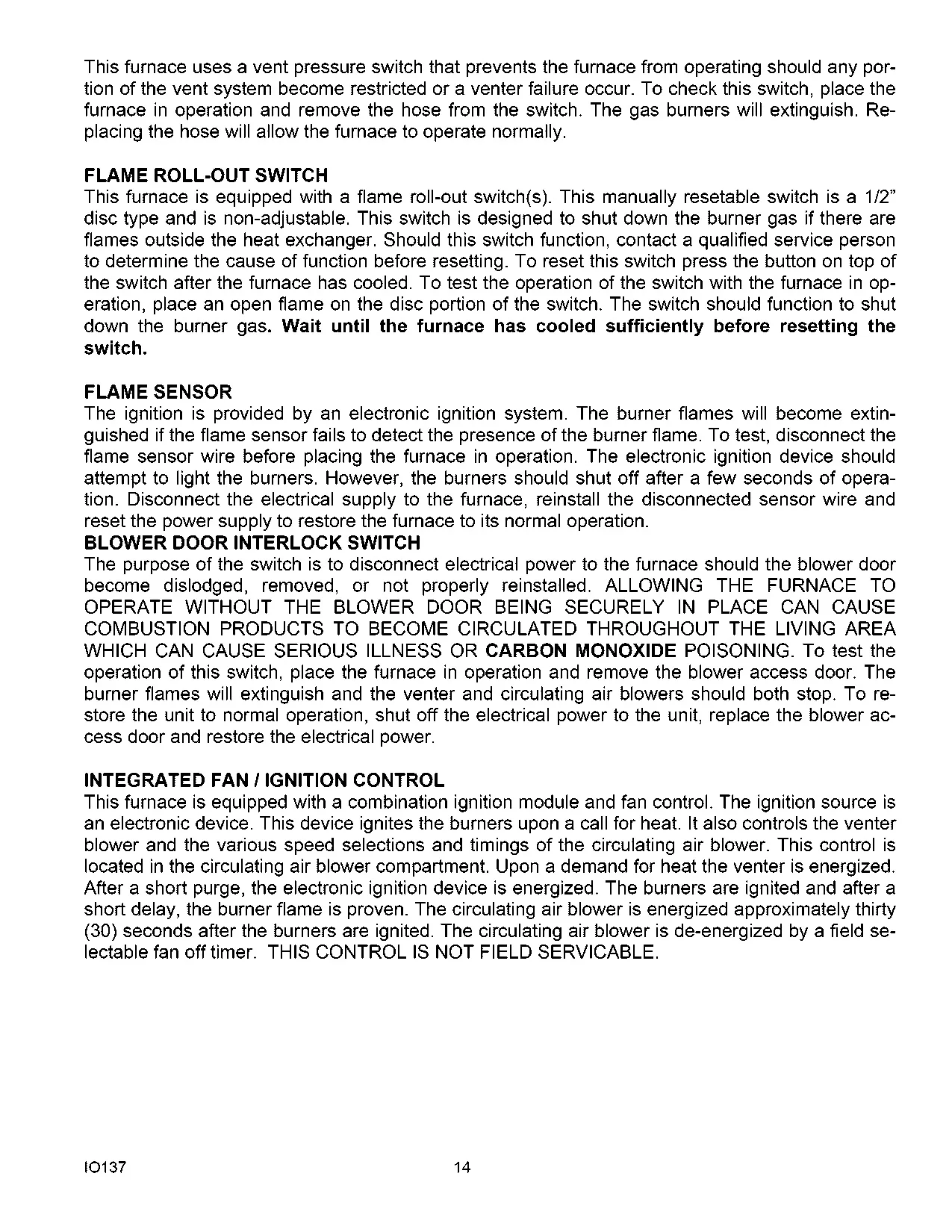
Safety is paramount with the GMP100-4, which incorporates a suite of critical controls. These include a main limit switch to prevent overheating, a vent pressure switch that ensures proper exhaust, and a flame roll-out switch that manually resets if flames escape the heat exchanger. The furnace also features a flame sensor to confirm burner ignition, and a blower door interlock switch, immediately cutting power if the access door is not securely in place.
An integrated fan/ignition control module efficiently manages the furnace’s operation. This sophisticated control orchestrates the ignition sequence, energizes the venter blower, and controls the circulating air blower’s speeds and delays. It is a non-field-serviceable component, highlighting the importance of qualified technician servicing for maintenance or repairs.
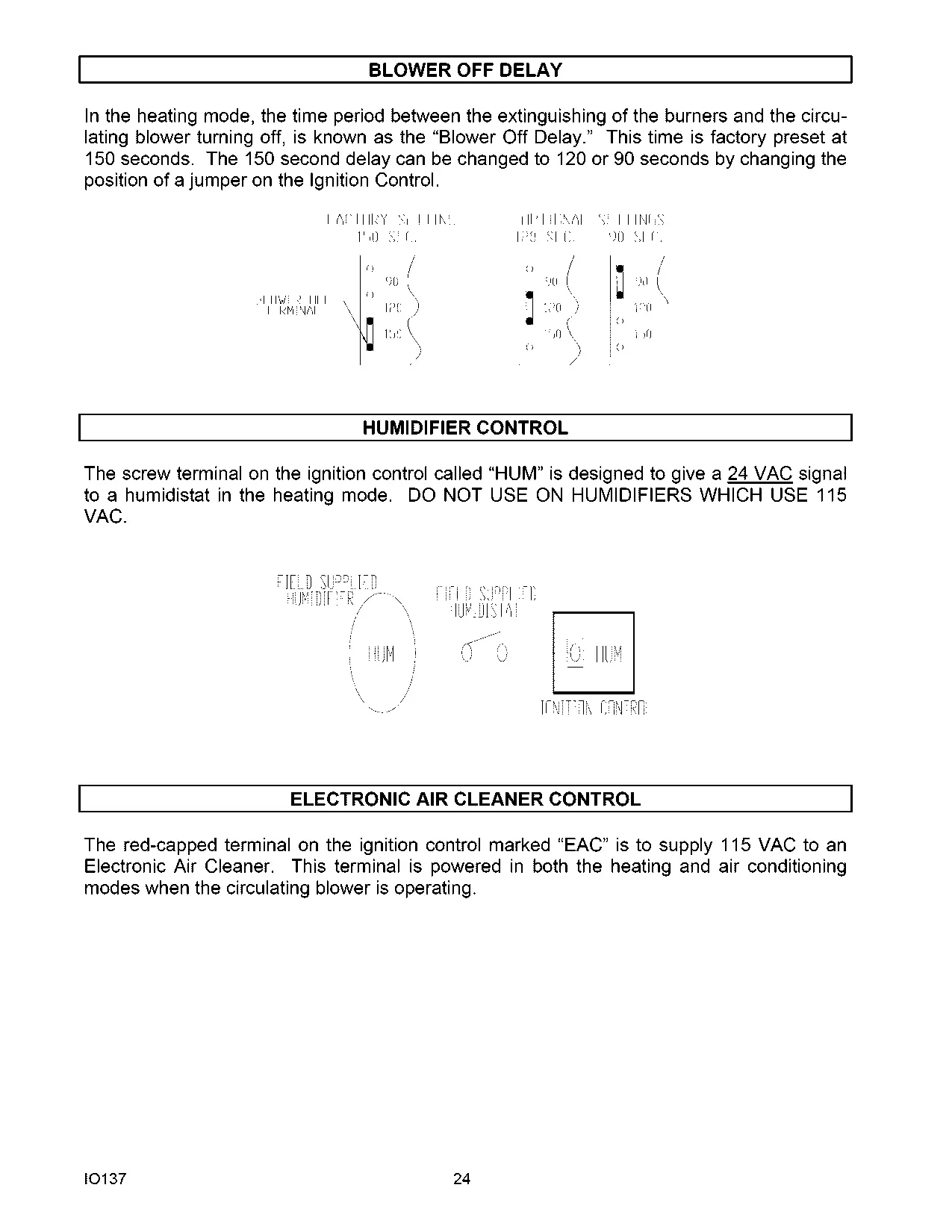
Additional controls enhance home comfort and air quality management. The furnace includes a "HUM" screw terminal that provides a 24 VAC signal for humidifier control, ensuring optimal indoor humidity when a compatible humidistat is connected. Furthermore, a dedicated "EAC" terminal supplies 115 VAC for an Electronic Air Cleaner, activating whenever the circulating blower operates in either heating or cooling modes.
Maintaining proper air circulation is critical for the furnace's efficiency and longevity. The manual strongly emphasizes the importance of circulating air filters, recommending monthly inspection and replacement to prevent dirt accumulation. These filters are to be installed externally in the return air duct, and the furnace must never be operated without them in place.
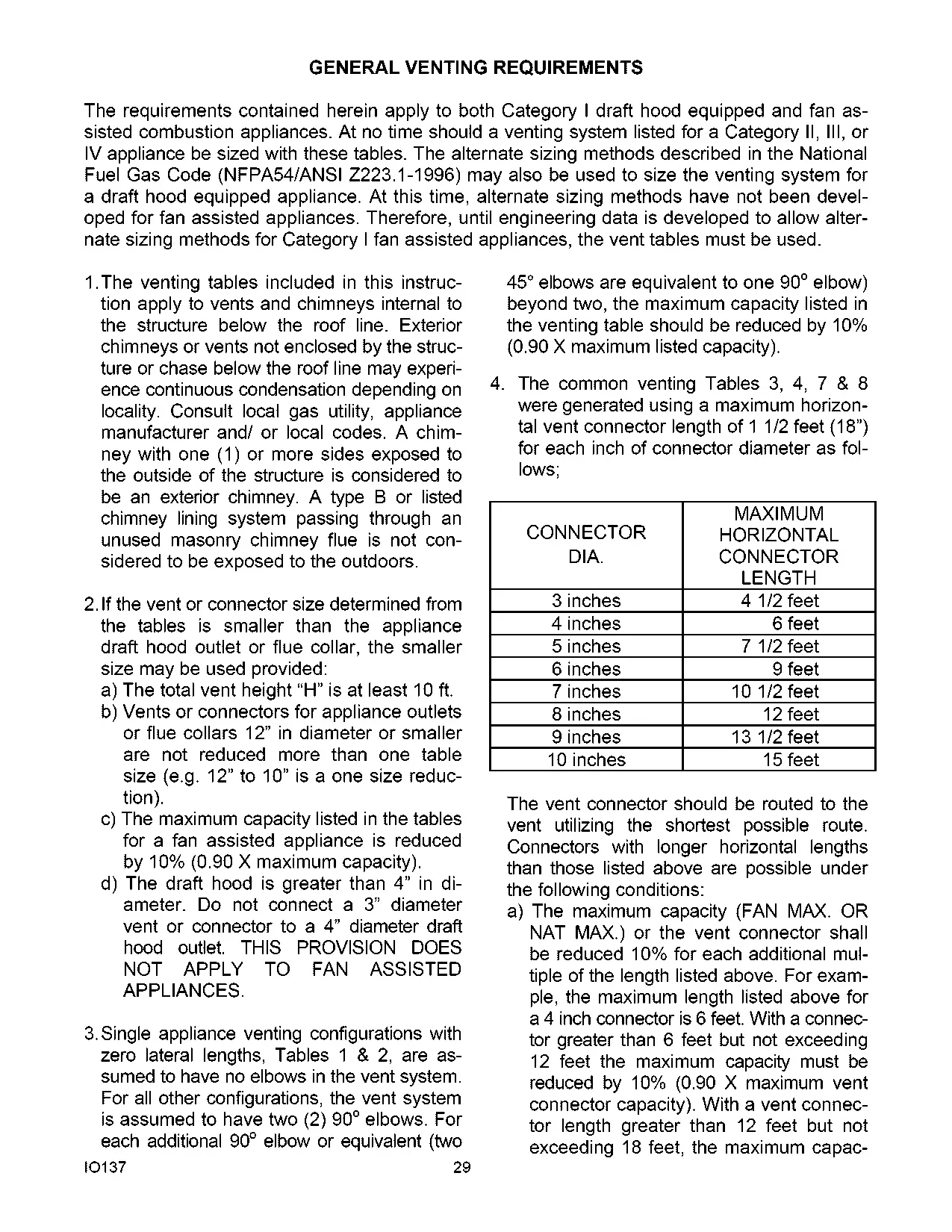
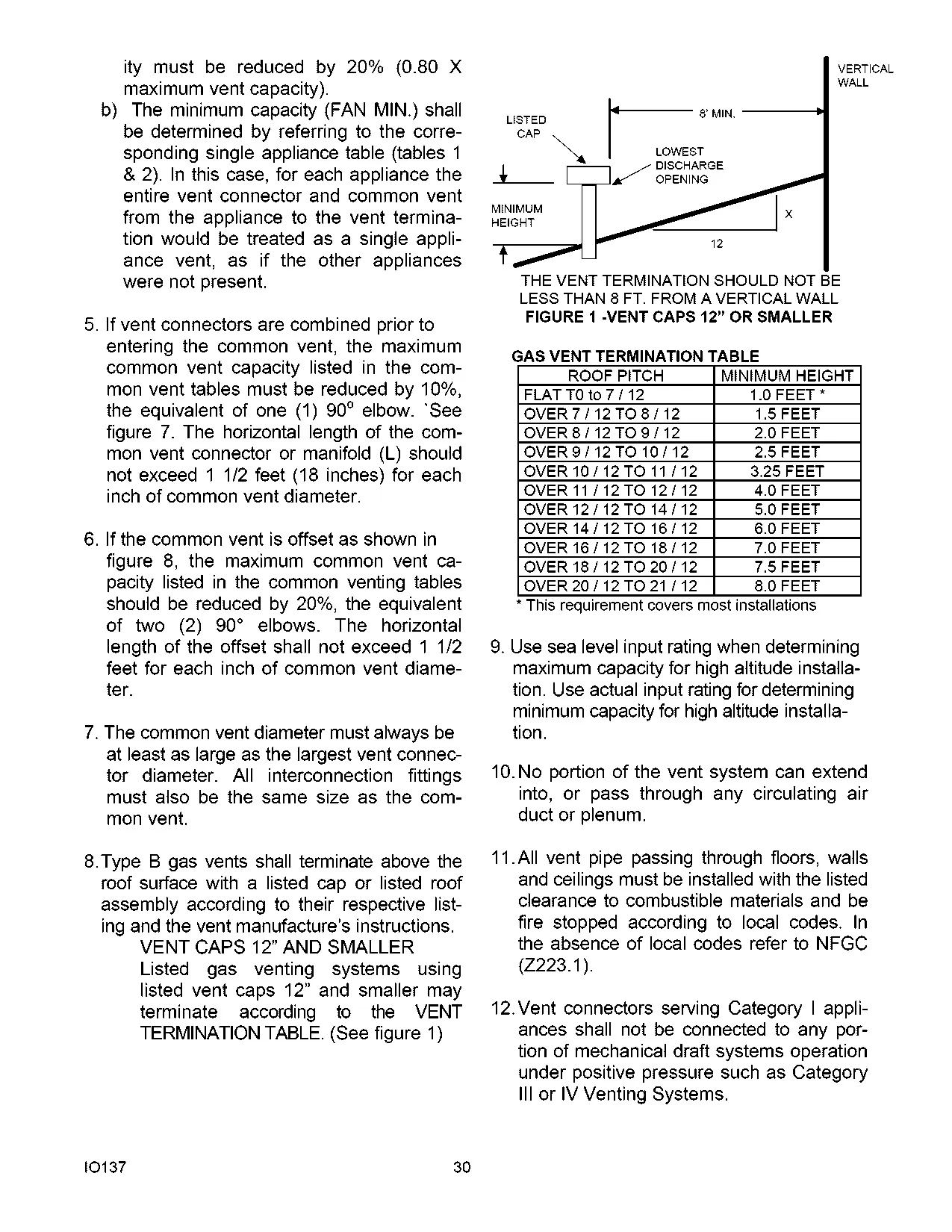
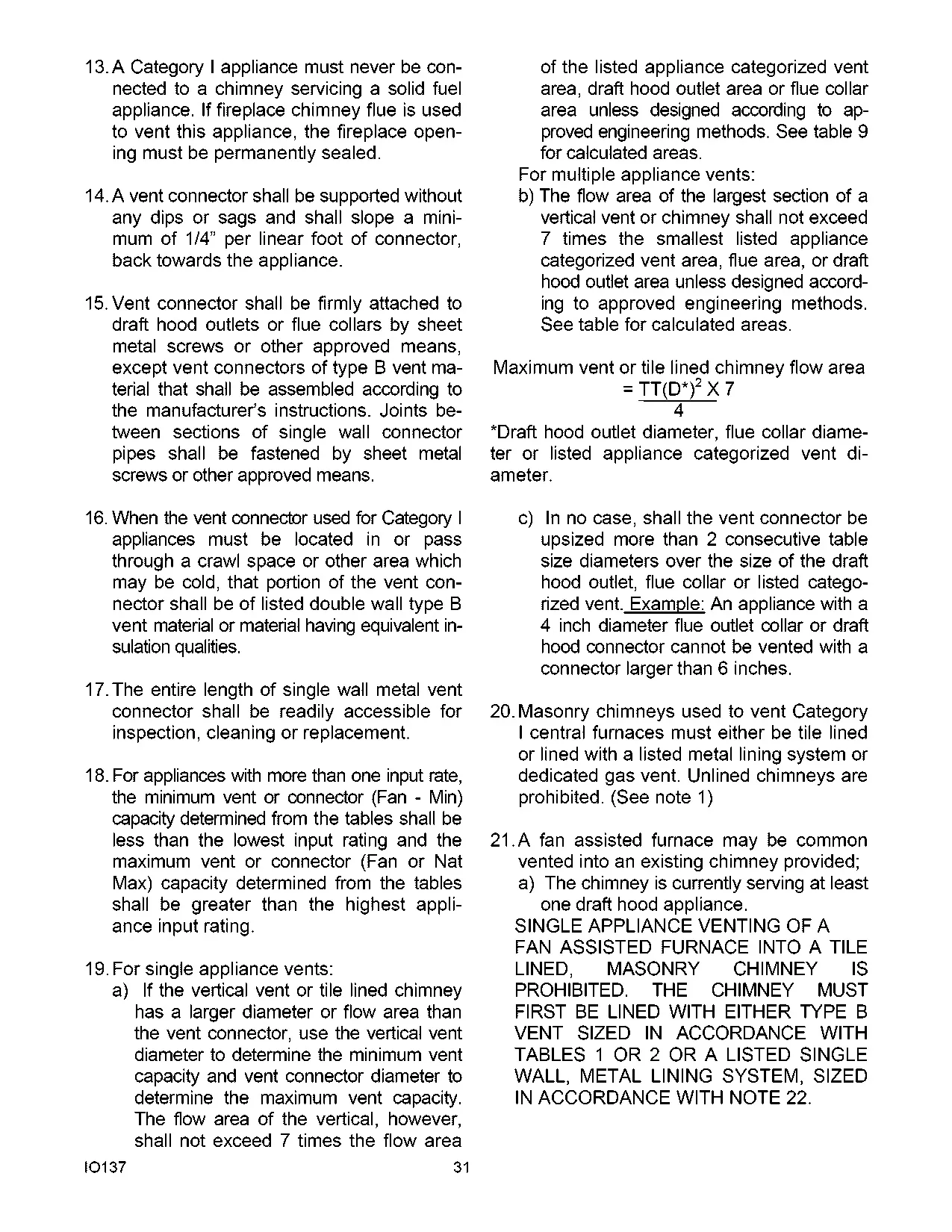
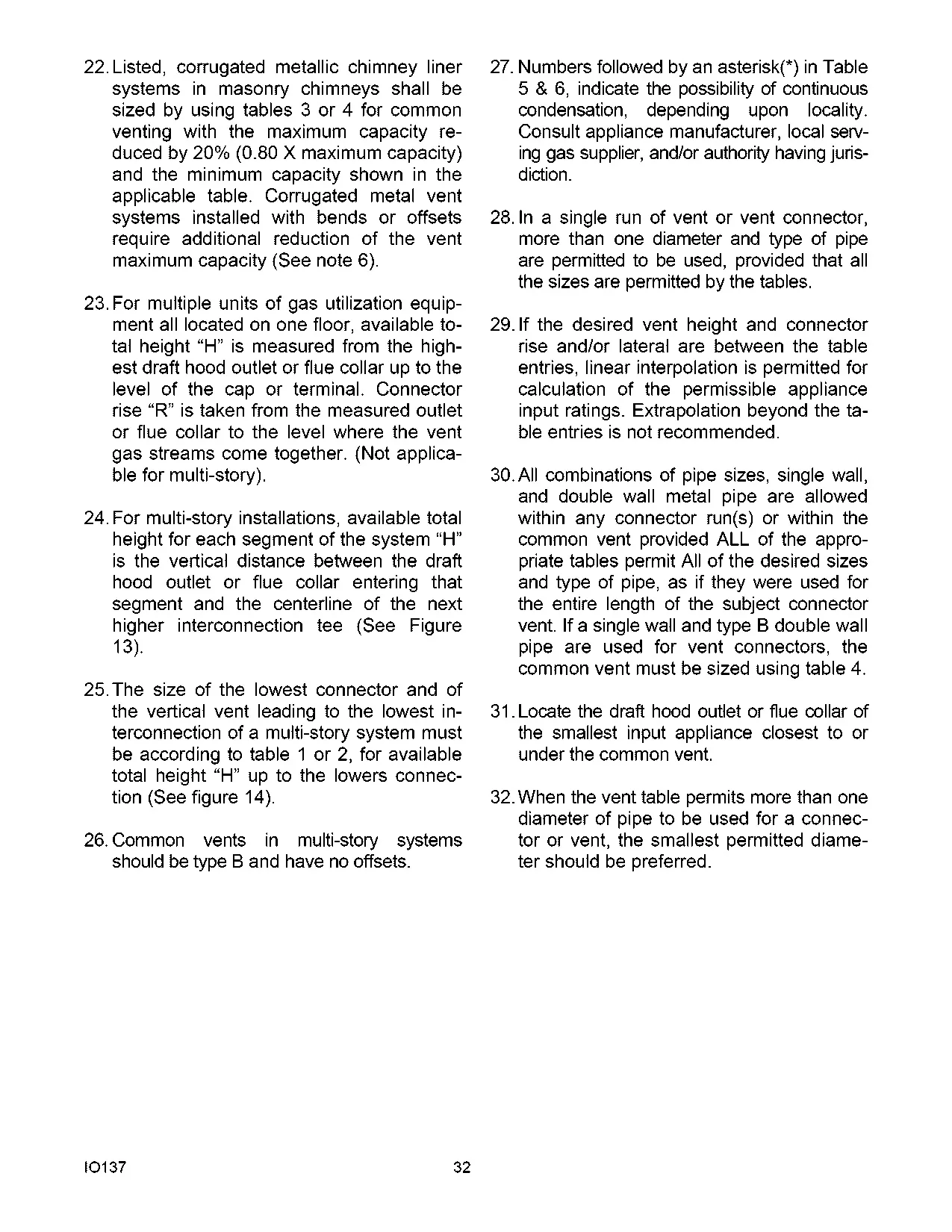
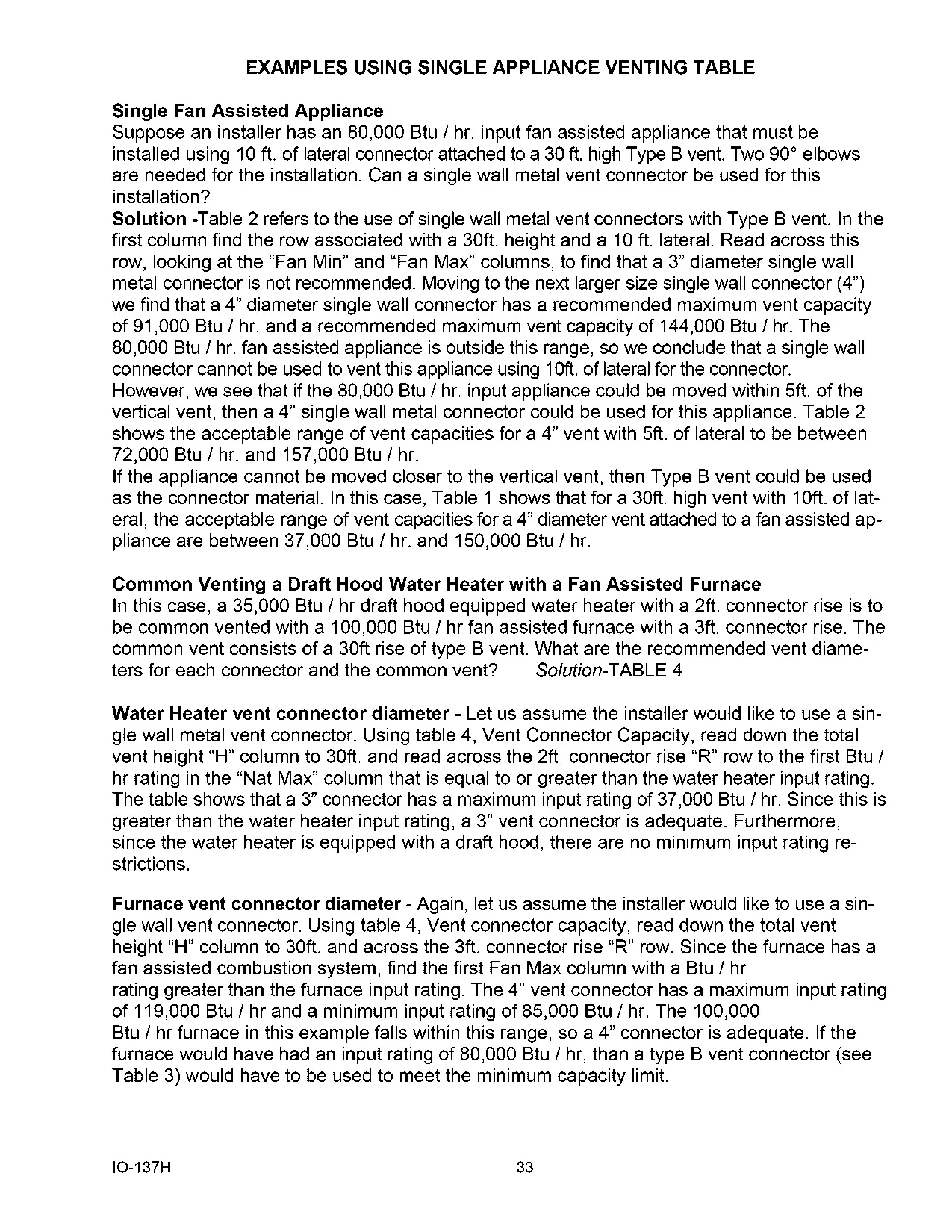
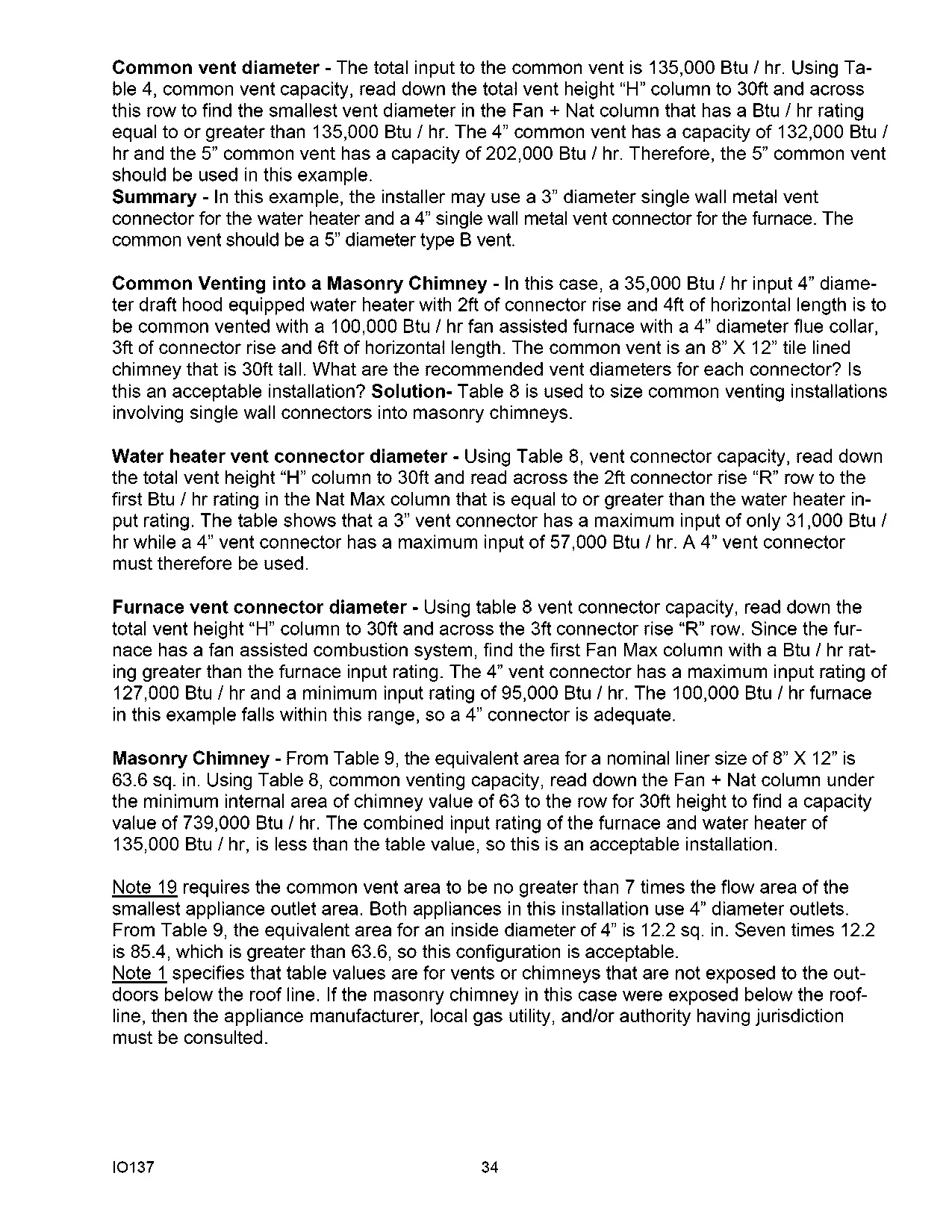
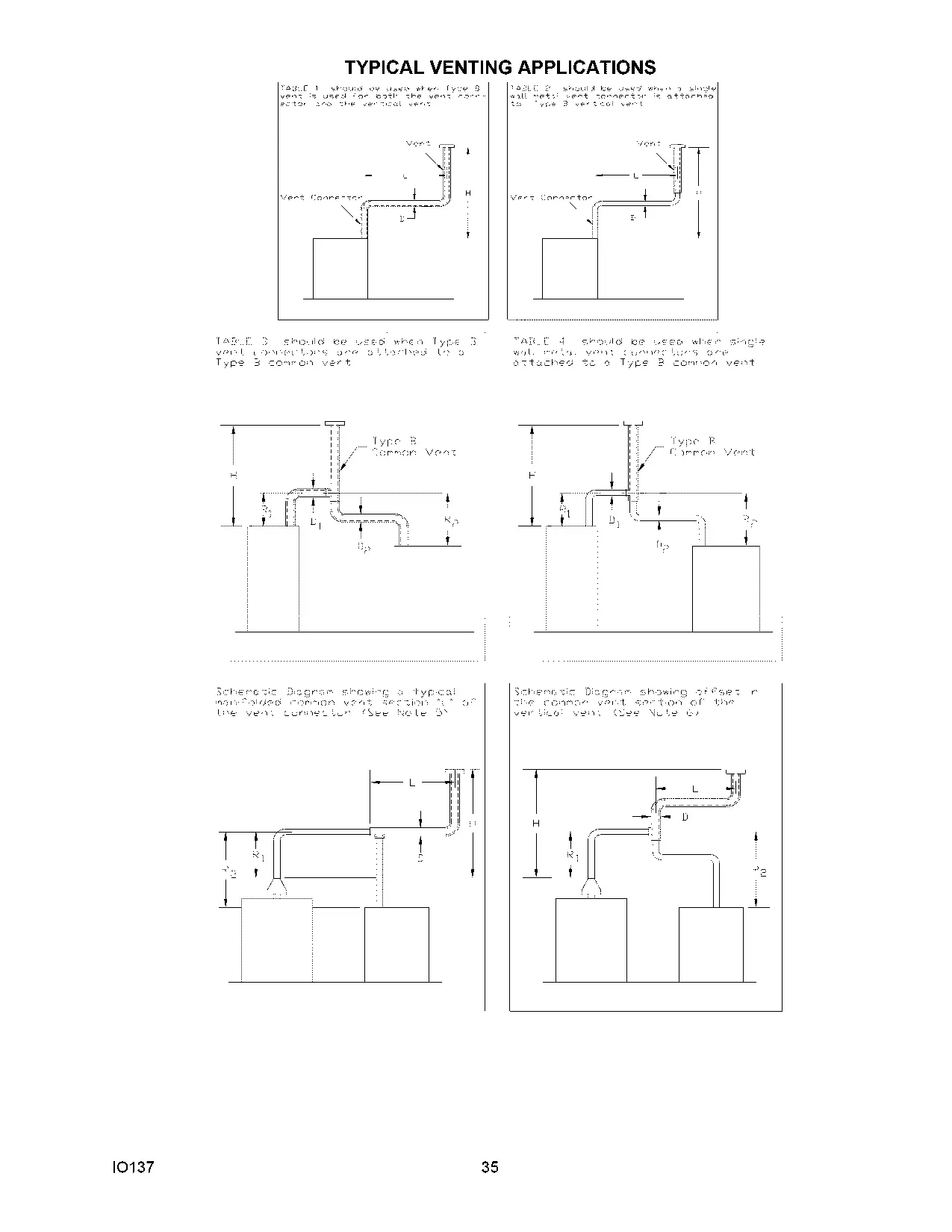
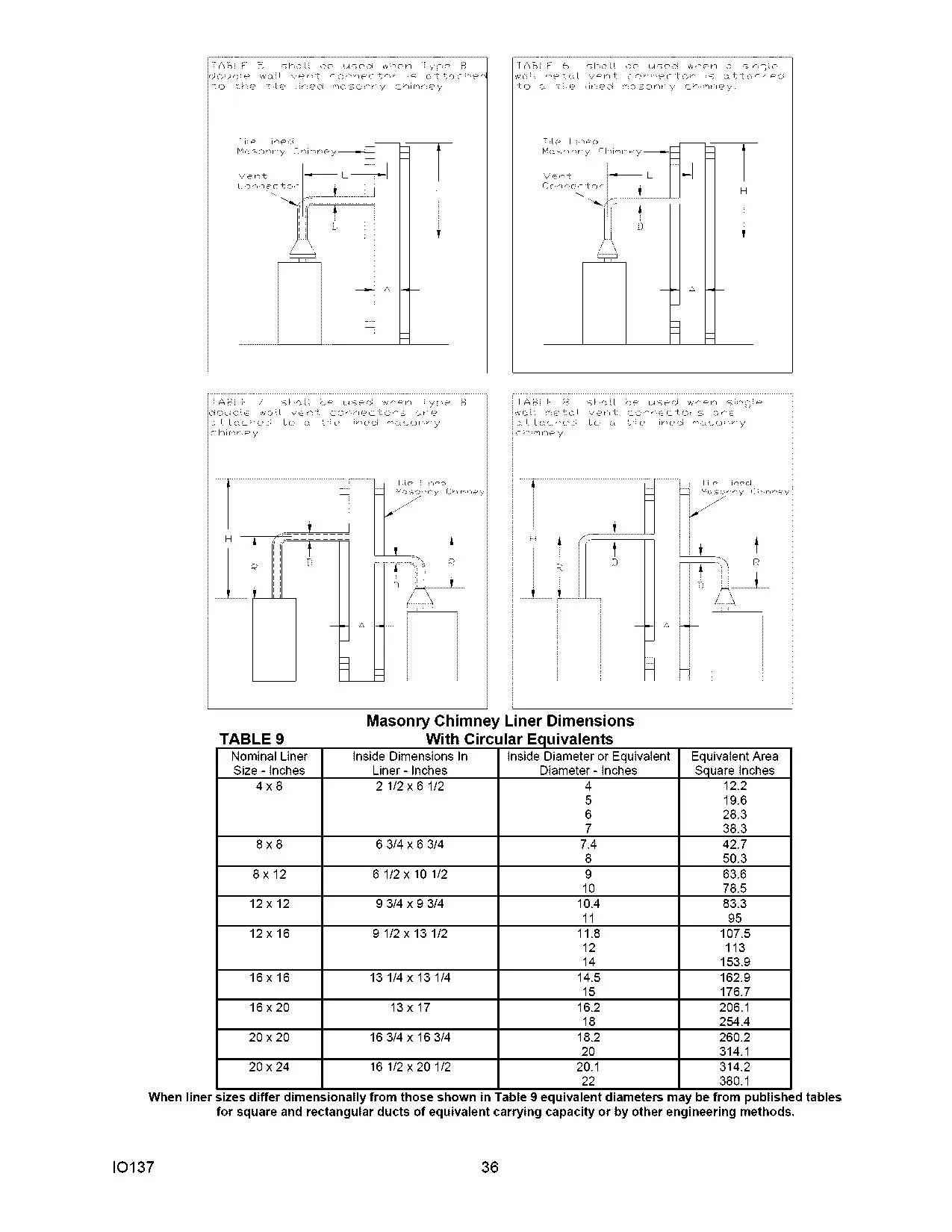
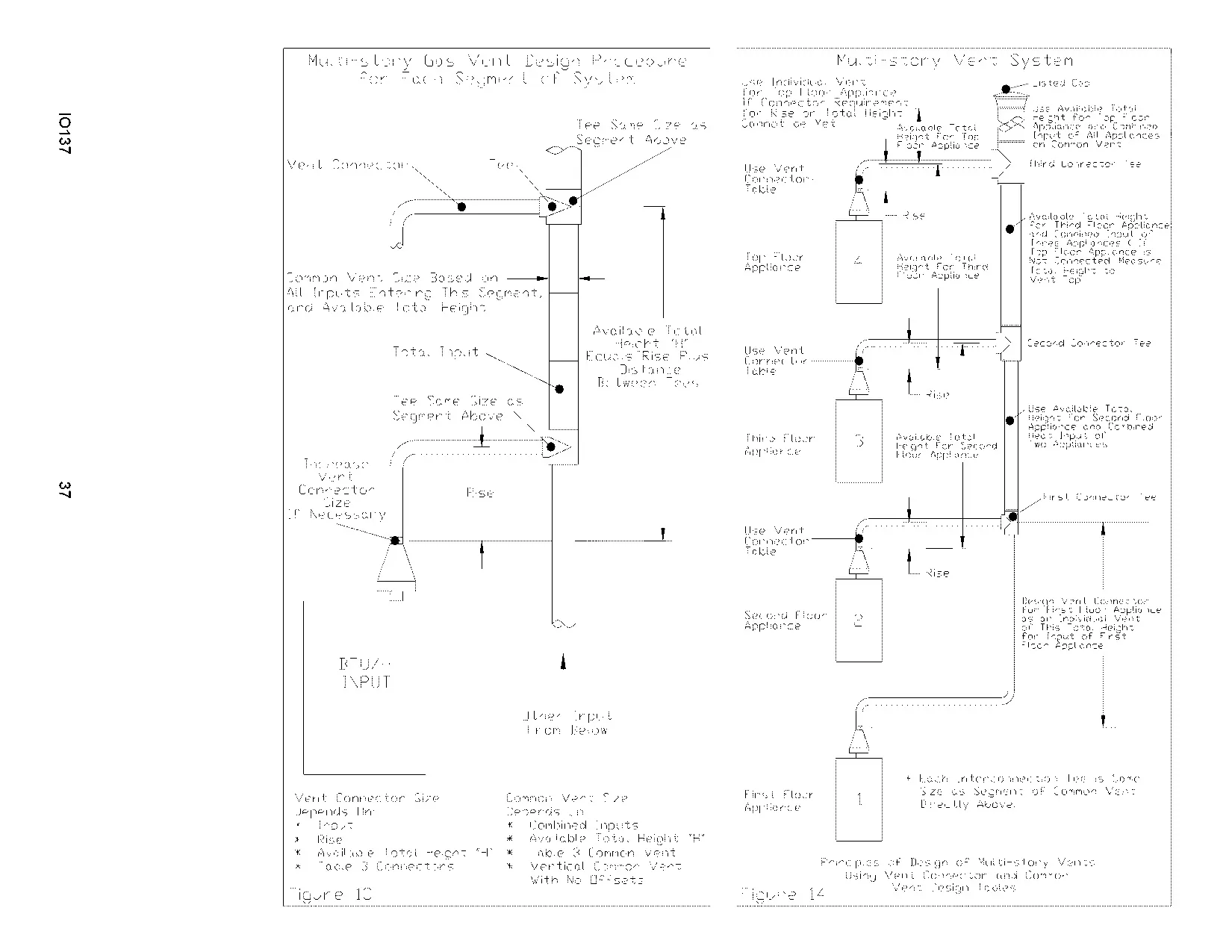
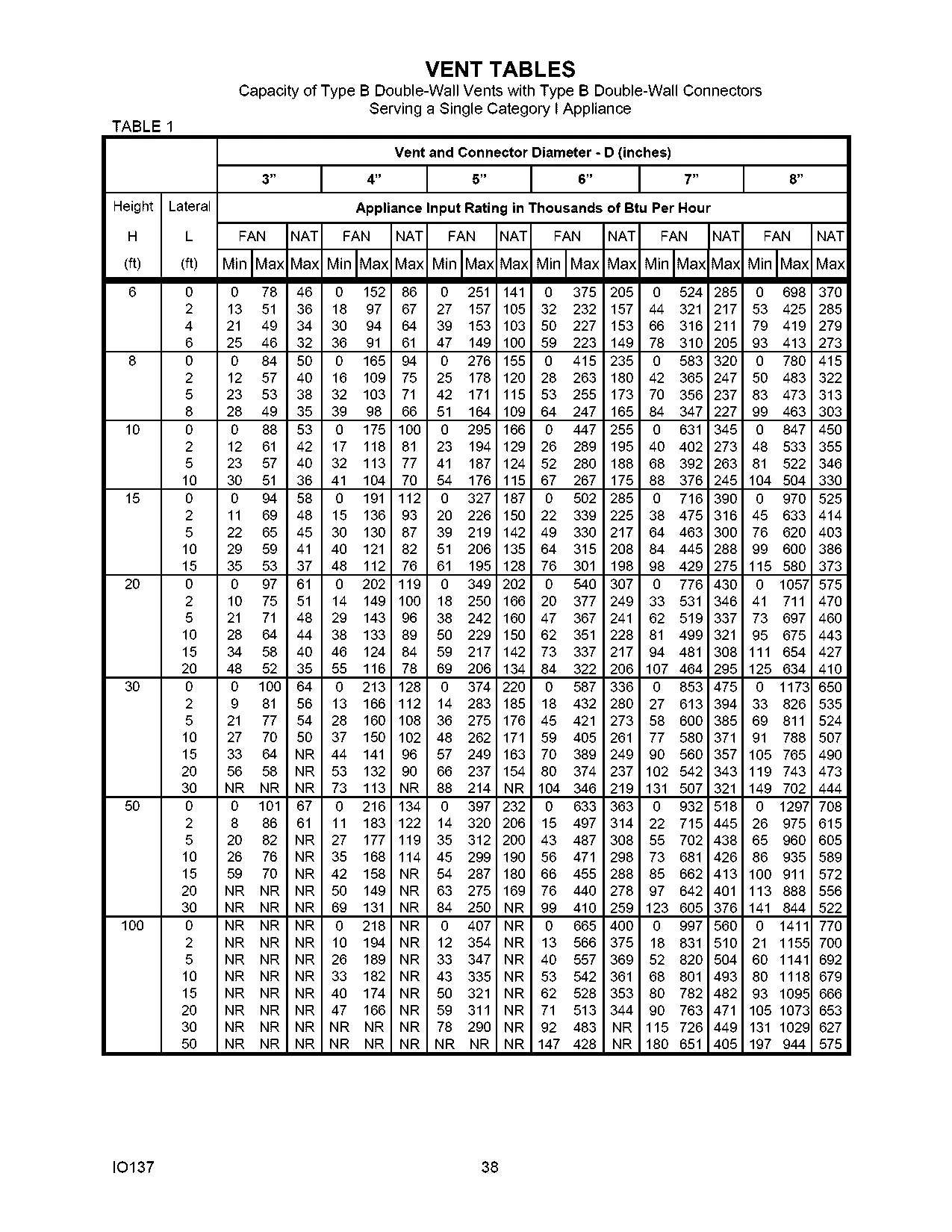
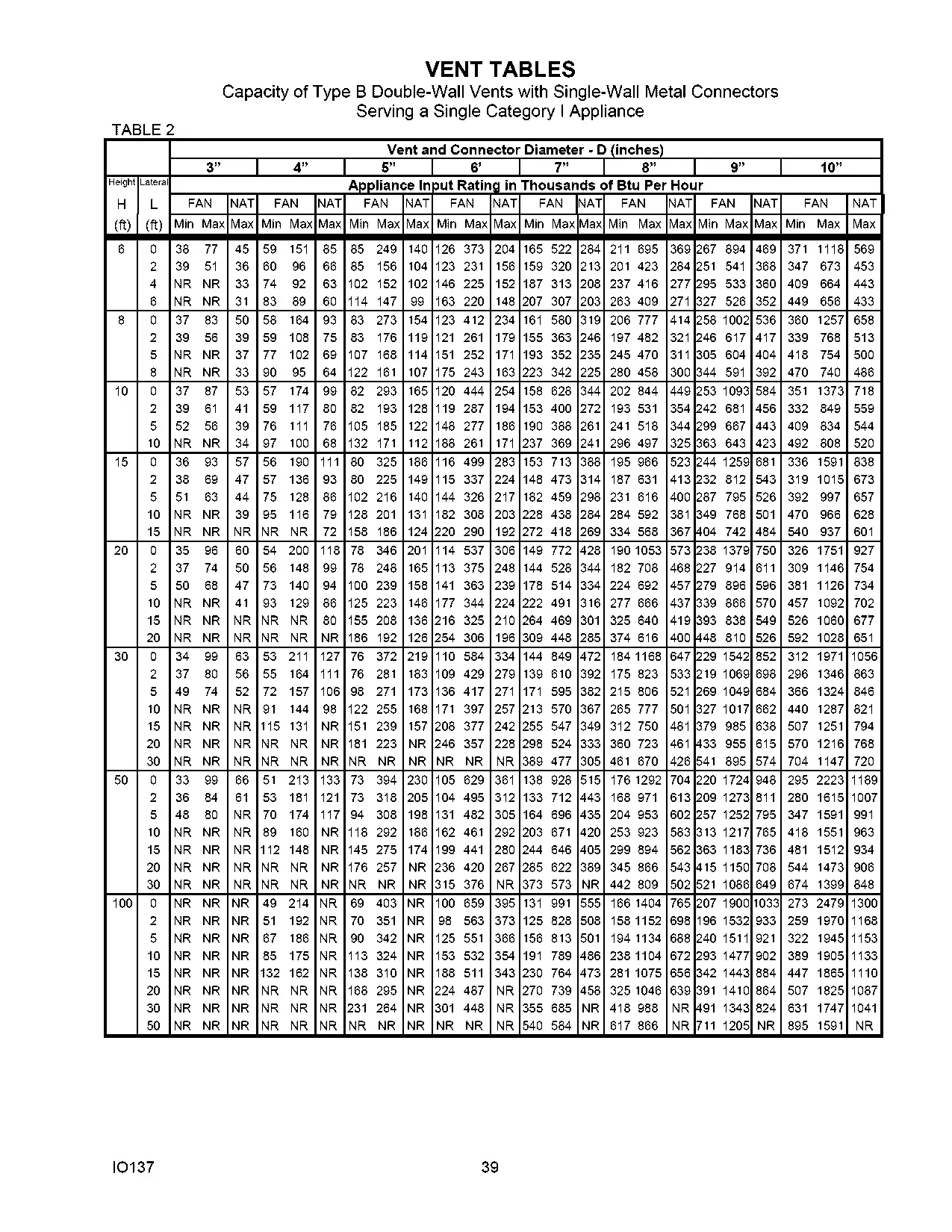
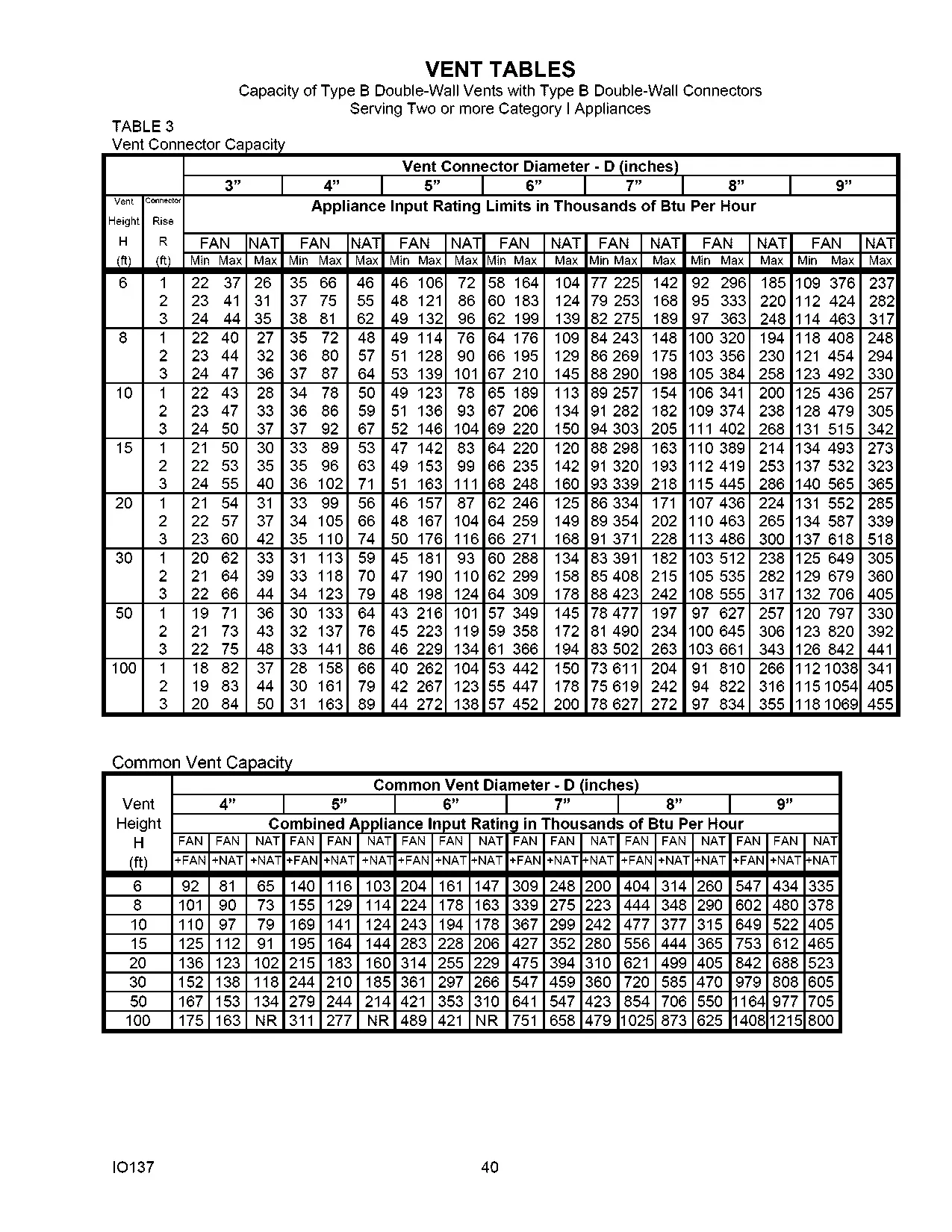
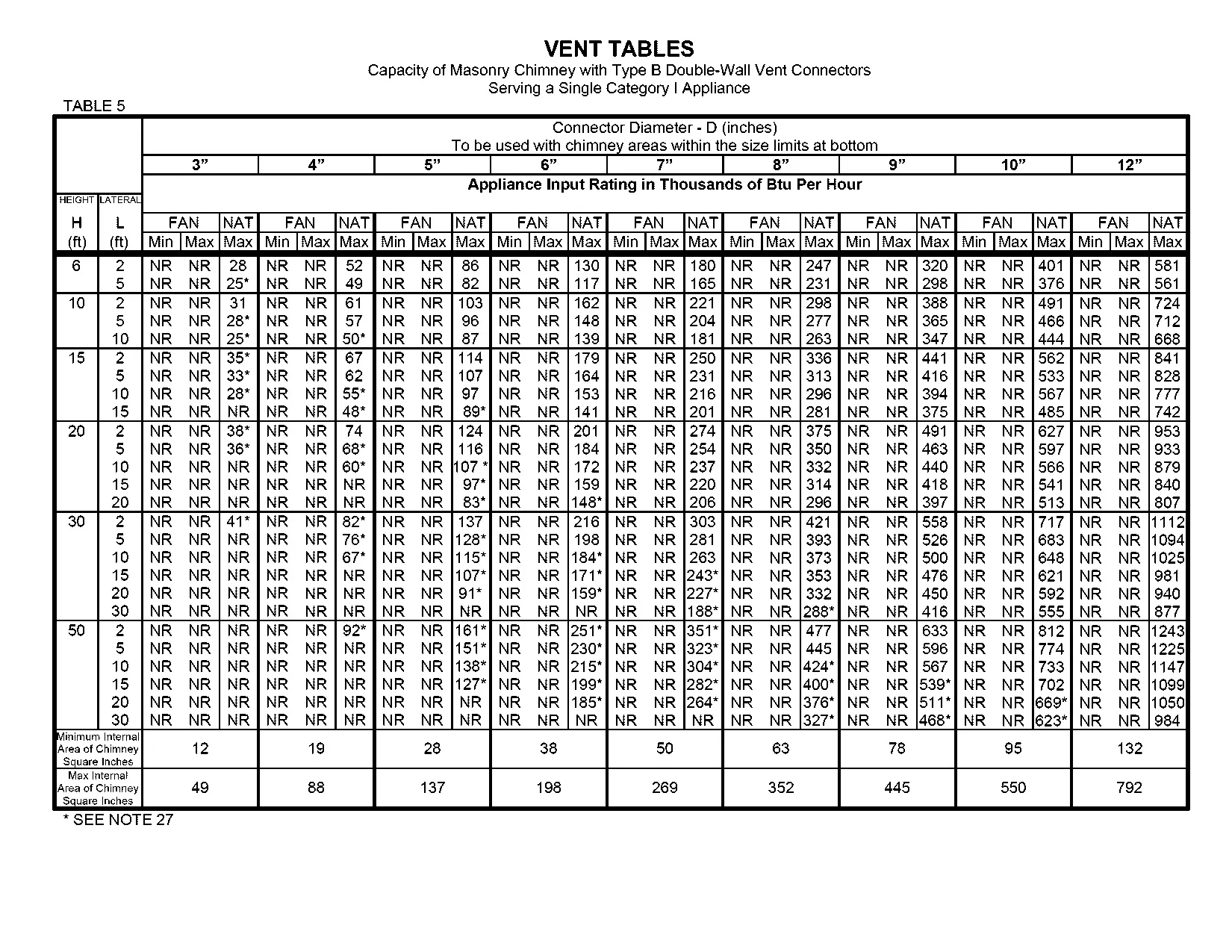
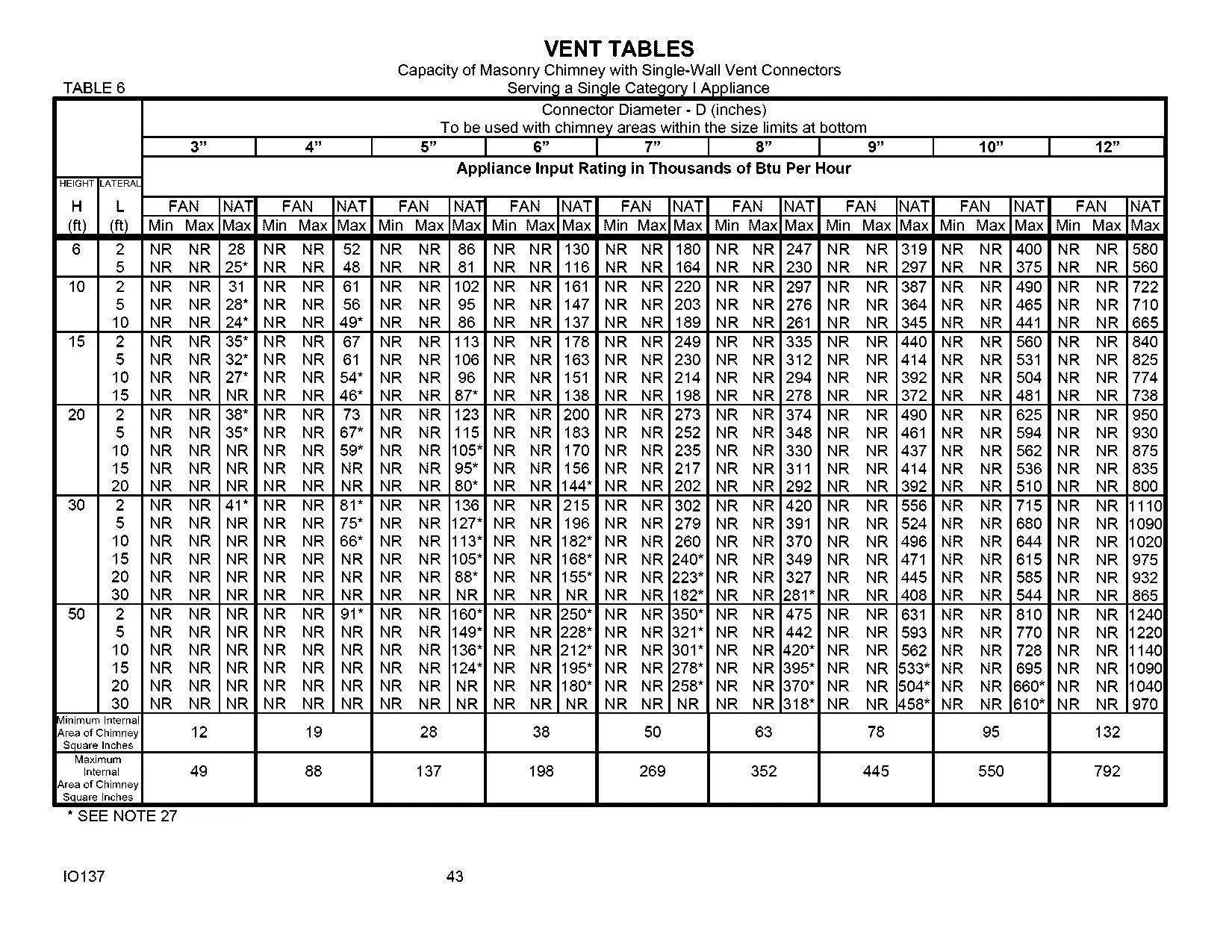
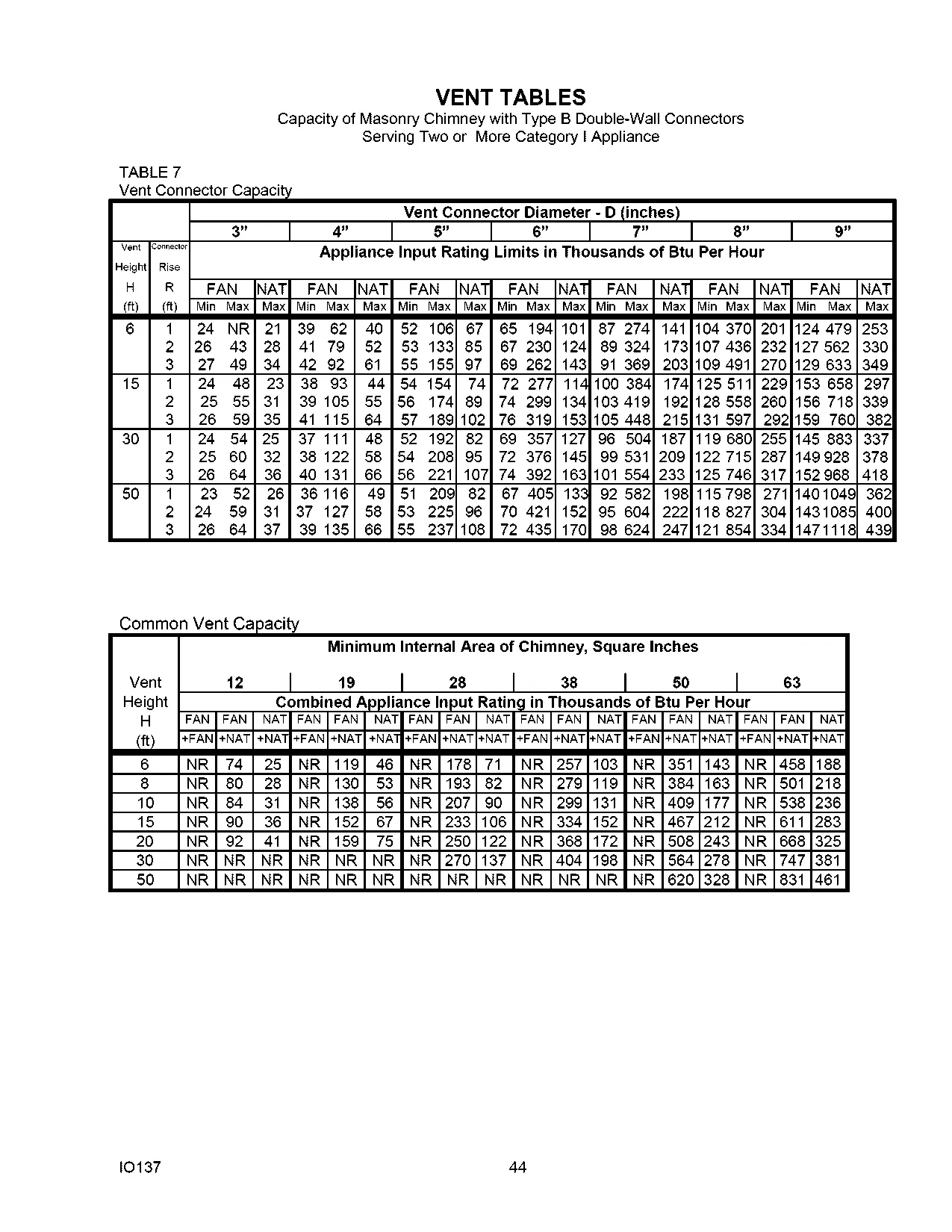
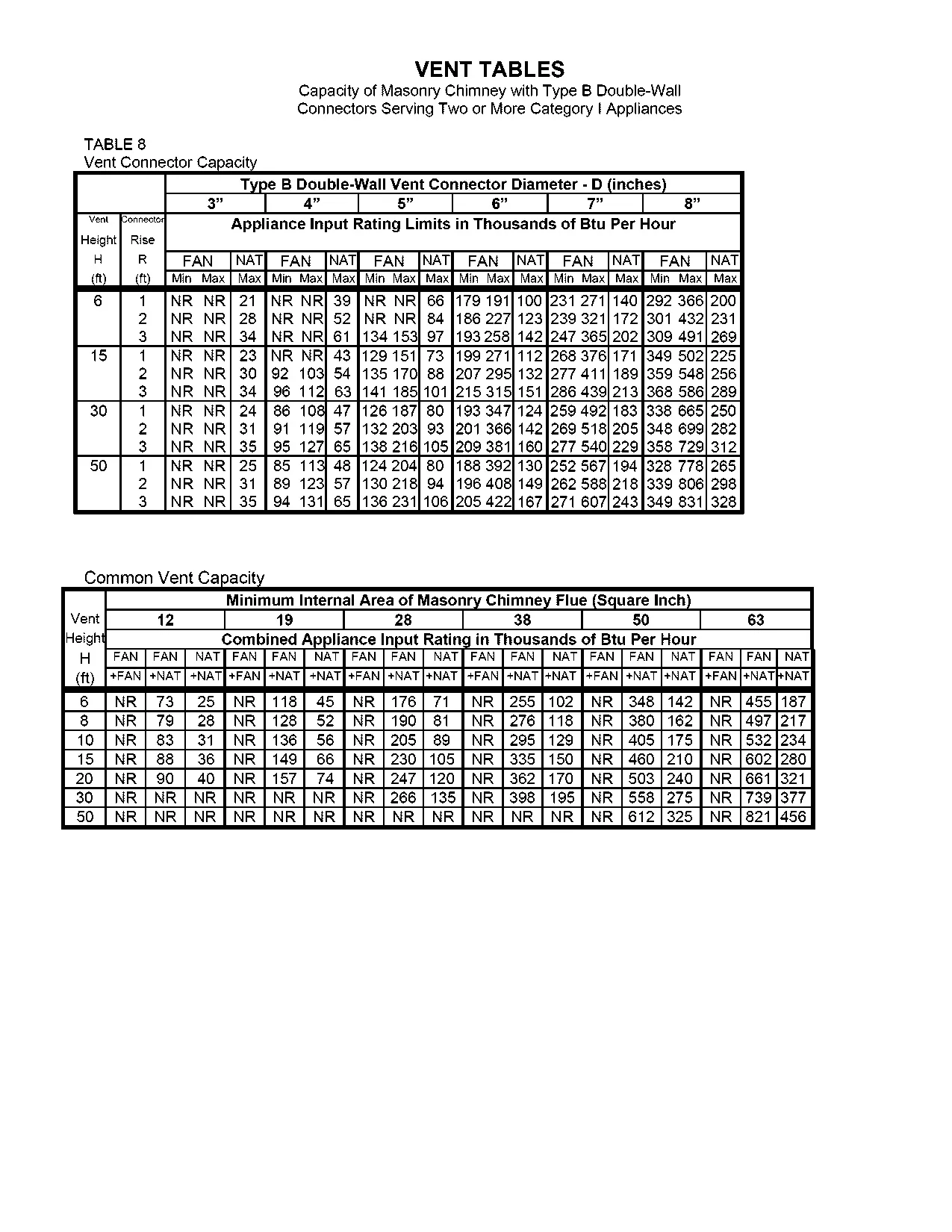
Proper venting is essential for safe operation. The GMP100-4 requires B-type vent material, designed for vertical discharge of combustion products. The manual explicitly prohibits connecting the furnace to solid fuel fireplaces or unlined masonry chimneys. An annual inspection of both the furnace and its vent system is strongly recommended to ensure continued safety and performance.
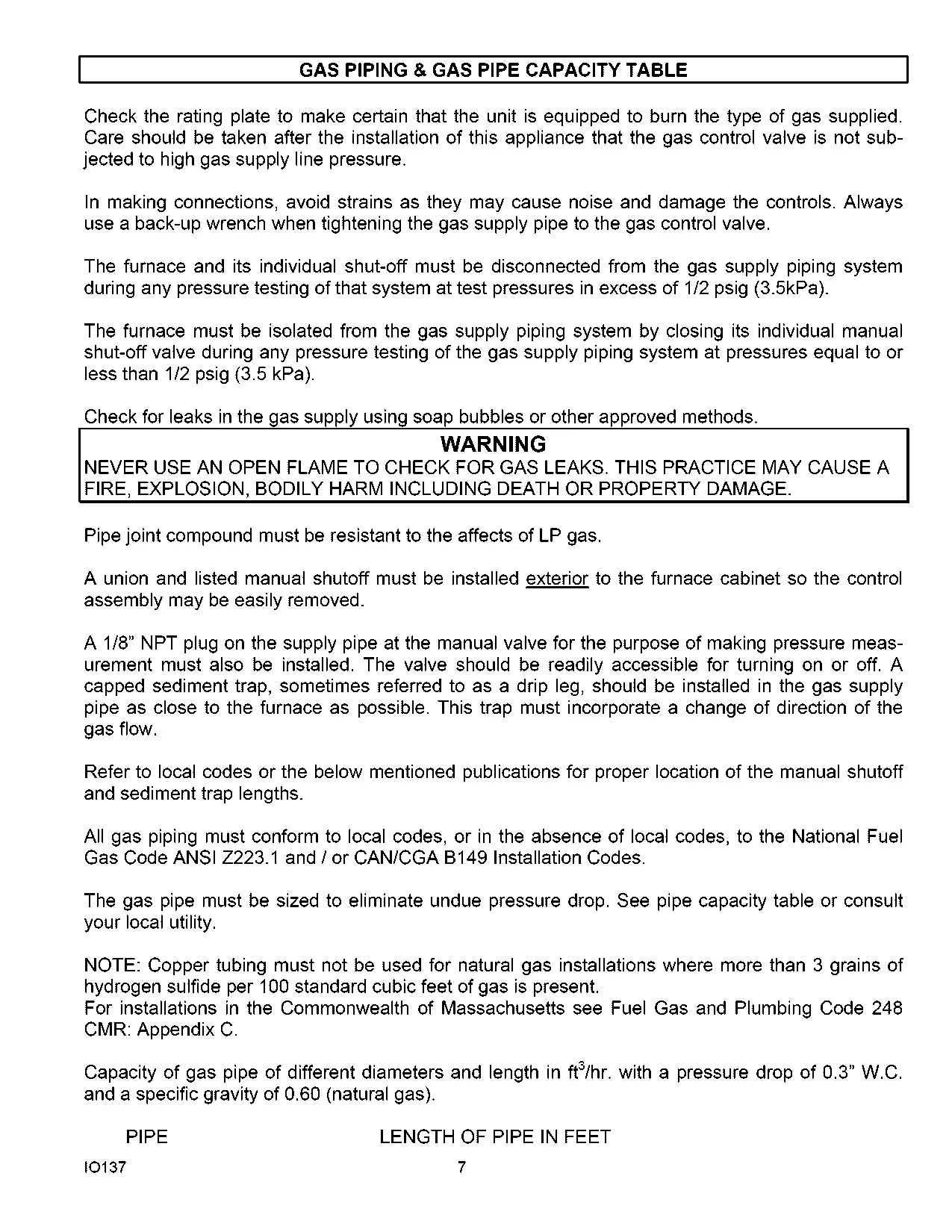
Gas piping must adhere to strict guidelines, including the installation of a union and a listed manual shutoff valve outside the furnace cabinet for easy access. A capped sediment trap, or drip leg, is also required to protect the gas valve from debris. All connections must be checked for leaks using soap bubbles, never an open flame.
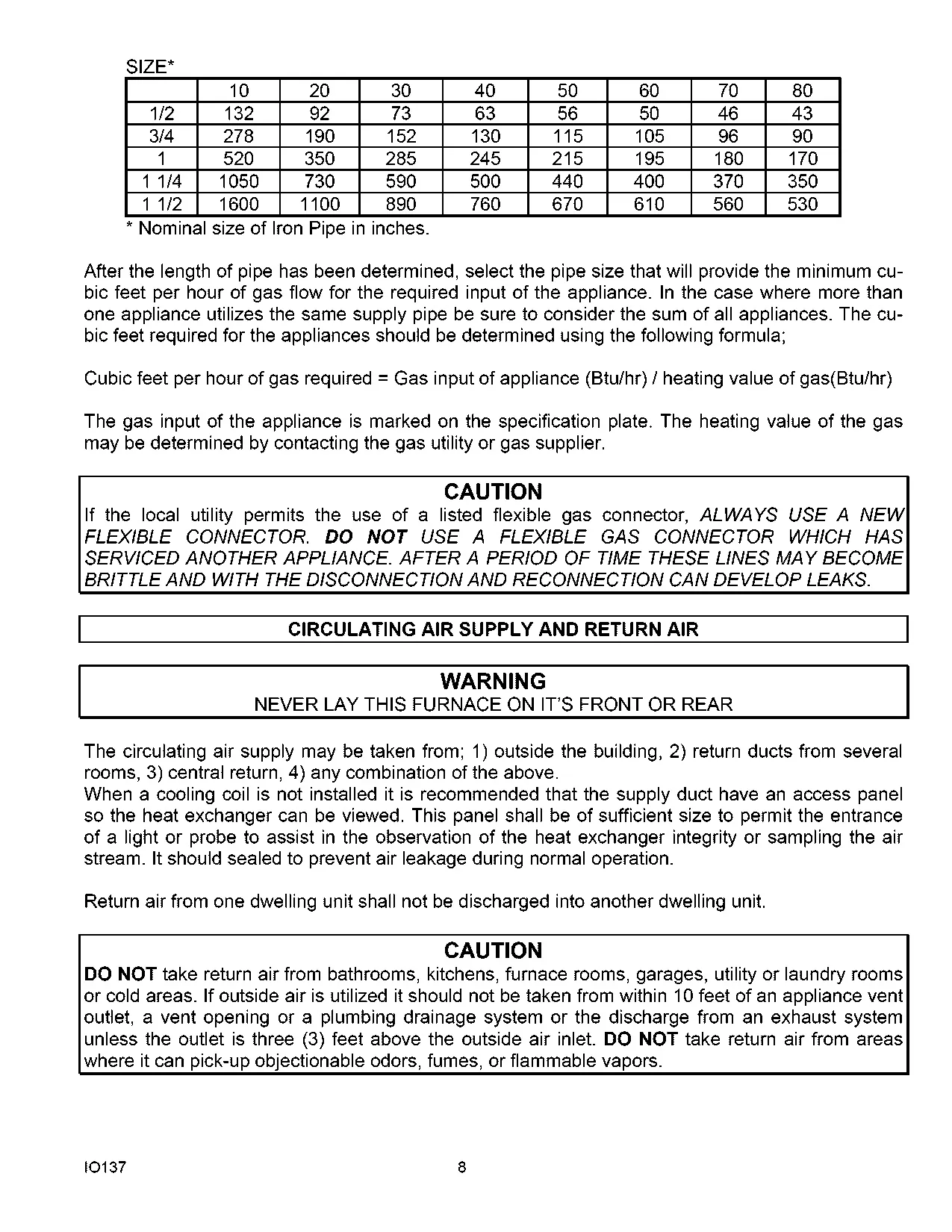
The circulating air supply can be drawn from various sources, including outside air, return ducts from multiple rooms, or a central return. However, it is explicitly warned against drawing return air from enclosed areas like bathrooms, kitchens, furnace rooms, or garages, where objectionable odors, fumes, or flammable vapors might be present. Adequate return air flow is paramount to prevent premature heat exchanger failure.
Electrical connections must comply with local codes and national standards, requiring a separate supply line with an overload device. A definite ground connection from the main power supply or an earth ground is essential for the electronic components, preventing potential service issues. The manual also highlights the furnace's compliance with California NOx emission standards and California seasonal efficiency standards.
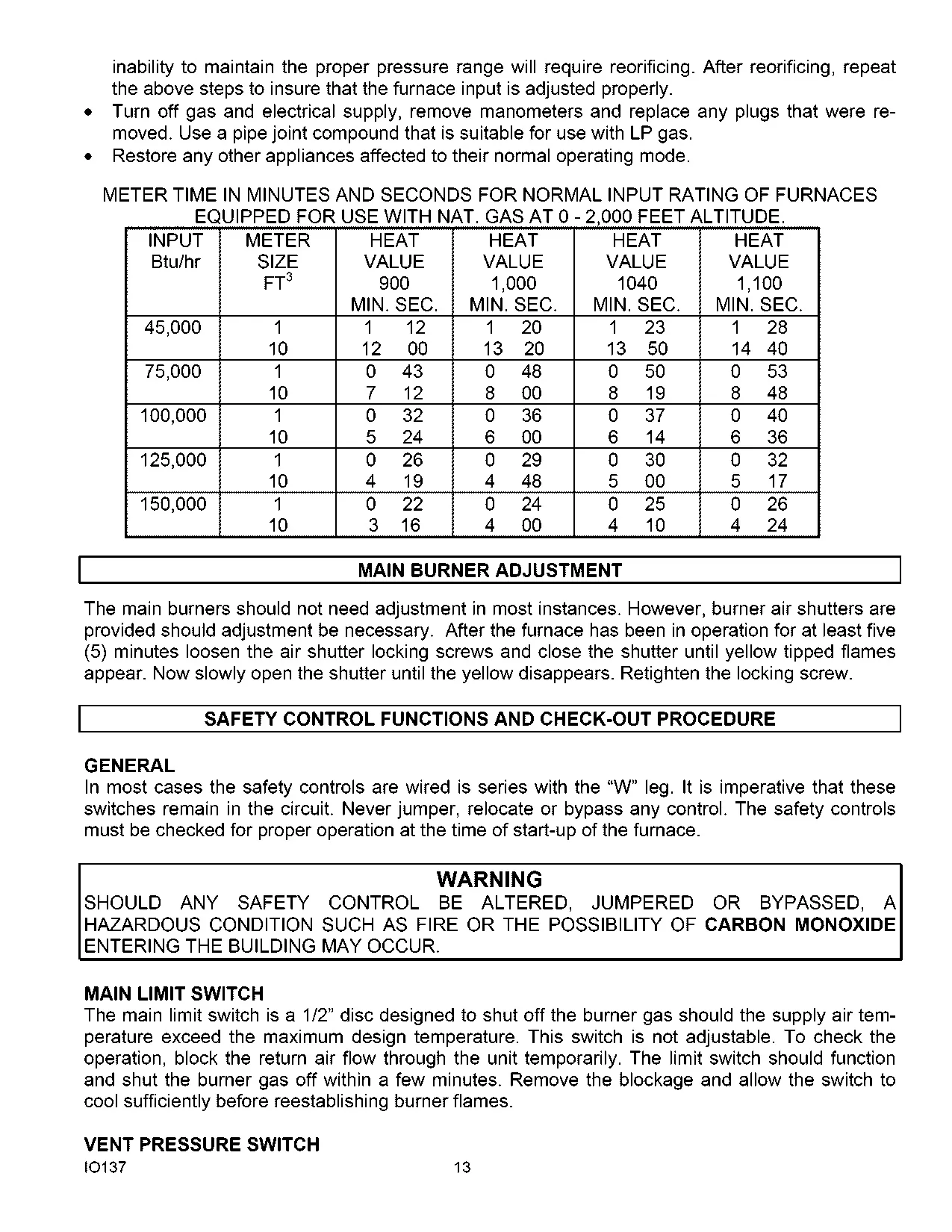
For installations in altitudes exceeding 2,000 feet, re-orificing may be necessary, and specific instructions for high-altitude kits (HA-02) are provided. The gas input rate must always be checked and adjusted to prevent overfiring, which could lead to premature heat exchanger failure. Adjustments typically involve manifold pressure and orifice size to match gas heating values.
Frequently Asked Questions (FAQs)
Can't find the answer you need? Here are some frequently asked questions about the Goodman GMP100-4 Furnace, and we answer them below.