Brother Overlock 1634D Instruction Manual

Brother Overlock 1634D




Brother Overlock 1634D Instructions
Here we offer the Brother Overlock 1634D manual completely free and in English. We have cataloged this manual in the Sewing Machines section on Manualverse, and it has been rated by 1 users with an average rating of 5. If you have any specific questions about Brother Overlock 1634D, we suggest checking the Frequently Asked Questions (FAQs) section of this manual.
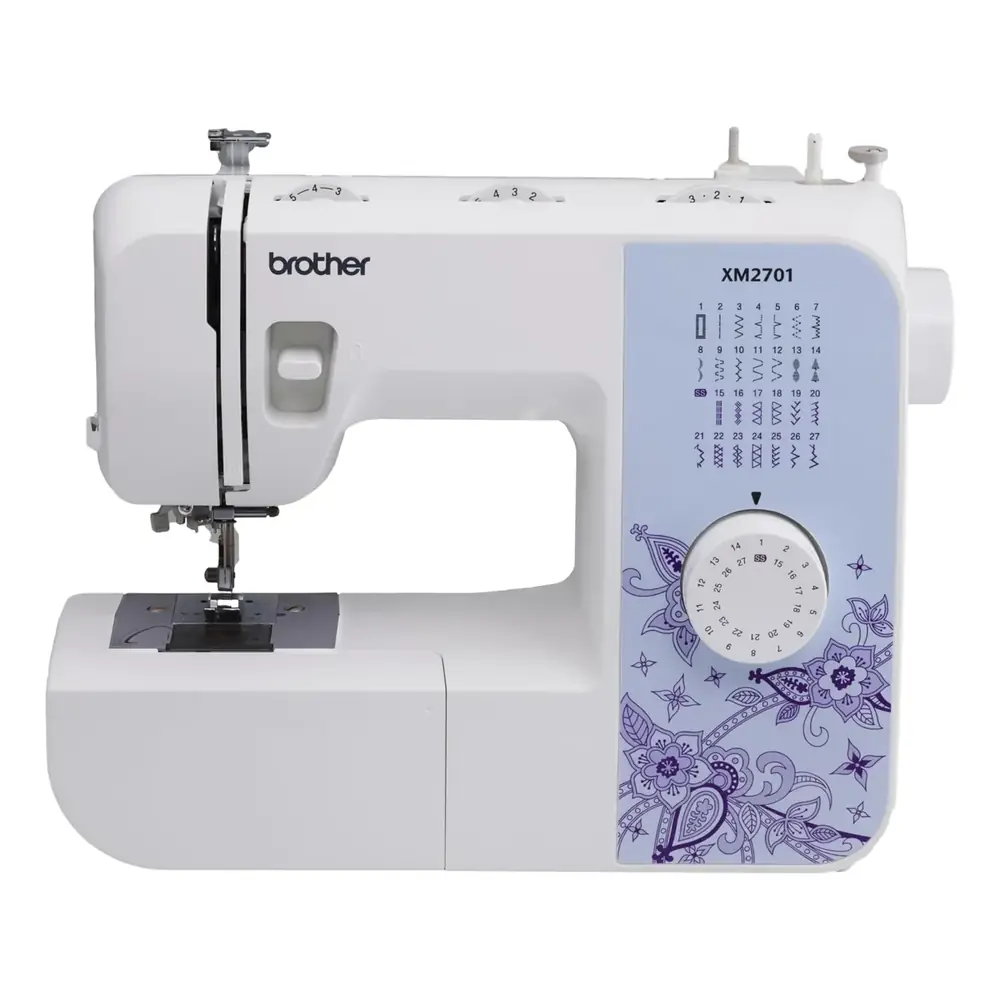
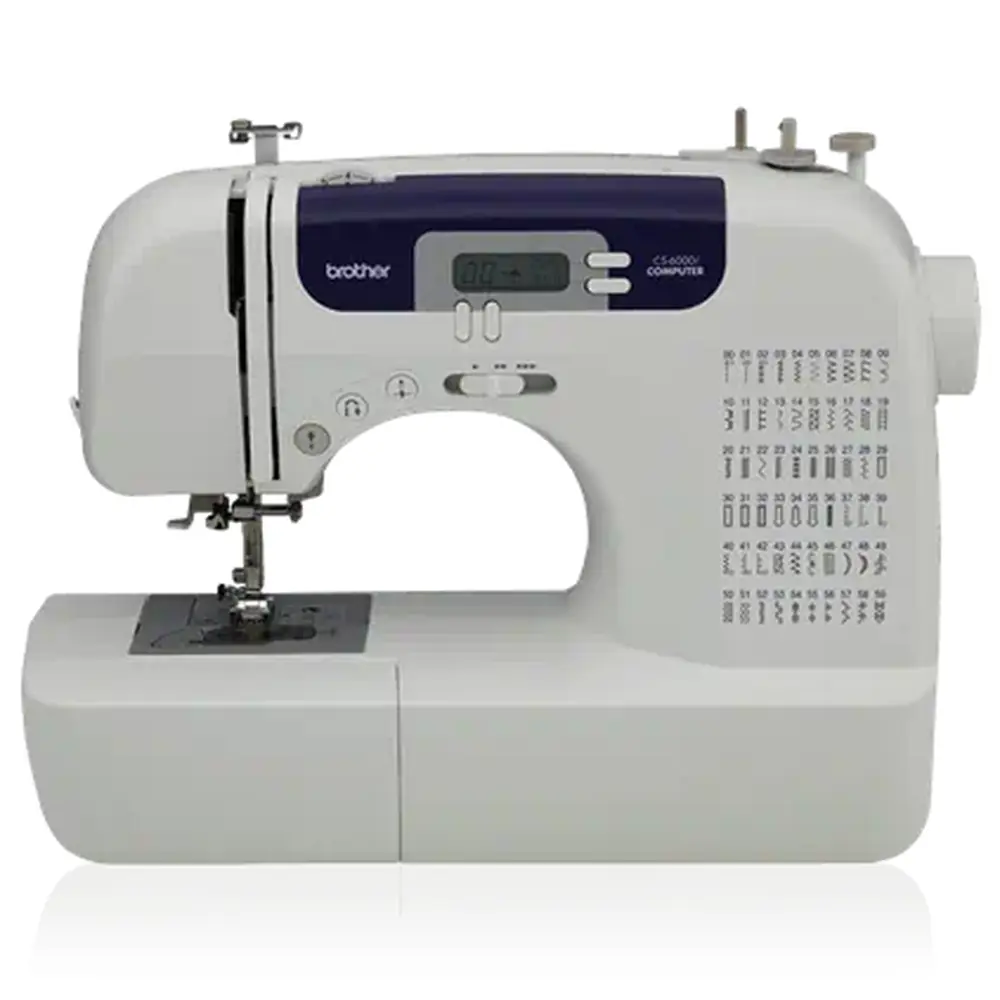
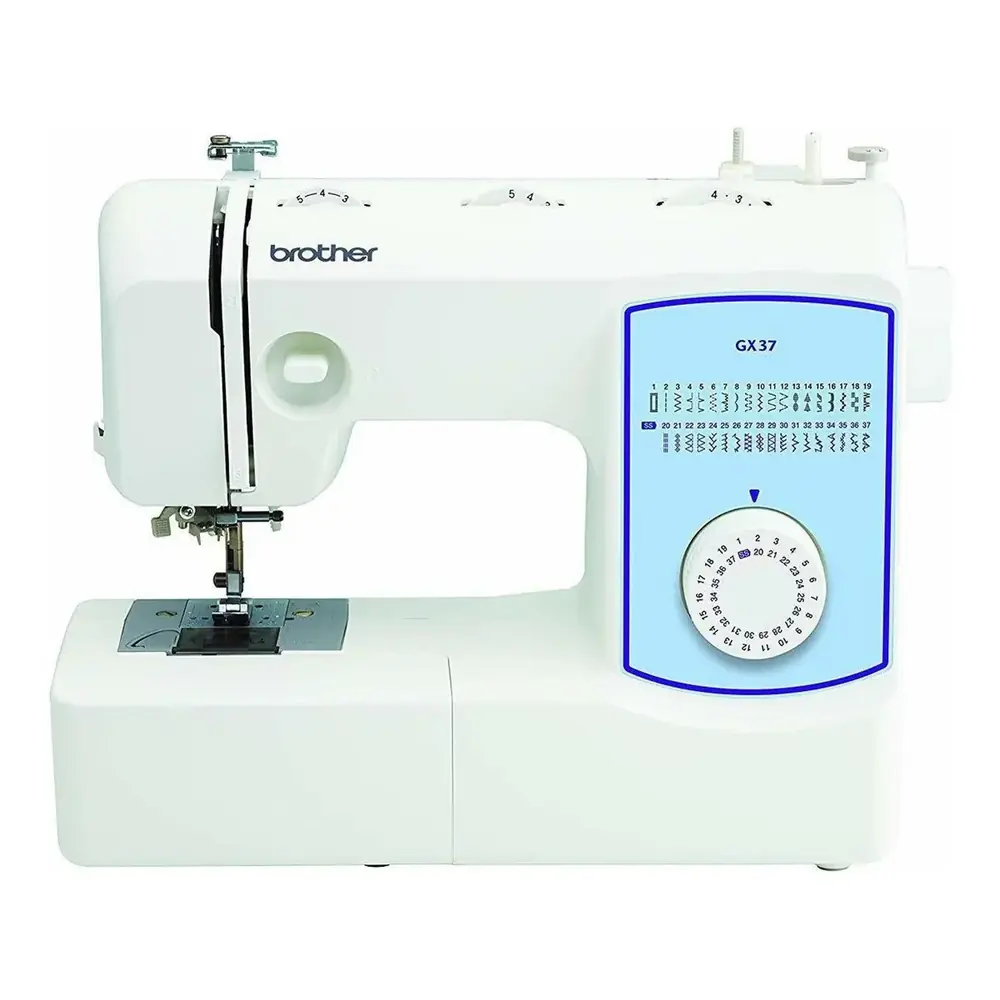
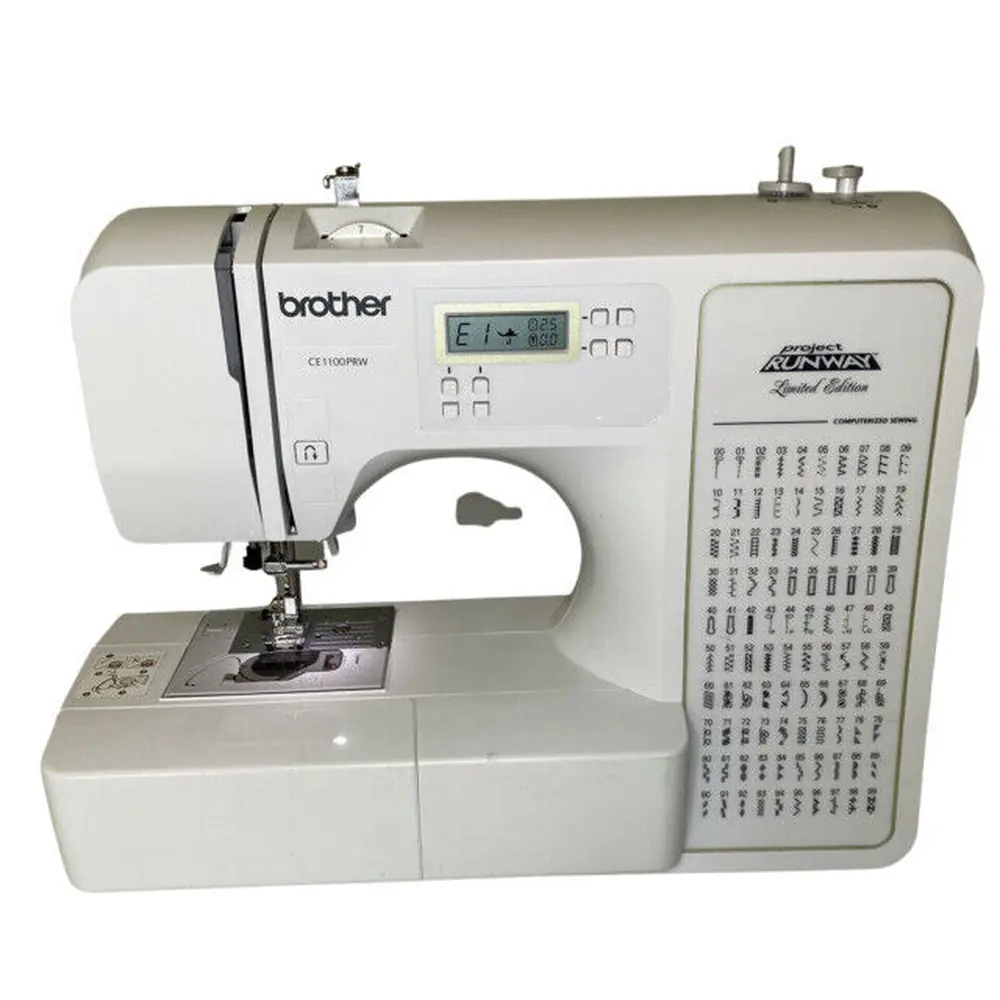
Product Images



Brother Overlock 1634D Specifications
| Feature | Specification |
|---|---|
| Number of Threads | 3/4 Thread Capability |
| Needle System | SCHMETZ 130/705H (Recommended) |
| Stitch Length | Adjustable, typically 2.0 mm to 4.0 mm |
| Stitch Width | Adjustable, typically 3.0 mm to 7.0 mm (varies by stitch) |
| Differential Feed | Yes, Adjustable (for preventing stretching/puckering) |
| Free-Arm Capability | Yes, with removable bed extension |
| Knife System | Retractable Upper Knife, Lower Knife |
| Lighting | Built-in Light Bulb |
| Stitch Types | Overlock, Narrow Overlock, Rolled Edge, Blind Stitch, Flatlock, Pintuck, Decorative Stitches |
| Thread Tension | Manual Dial Adjustment for Each Thread |
| Accessories Included | Needle Set, Thread Spool Caps, Thread Nets, etc. |
Brother Overlock 1634D Details
The Brother Overlock 1634D manual emphasizes ease of use from the initial setup. It guides users through powering the machine, removing the bed extension for free-arm sewing, and crucially, provides detailed instructions for before threading. This includes how to use essential accessories like the thread spool cap and thread net, along with the function of the tension release button, ensuring a smooth start for any project.
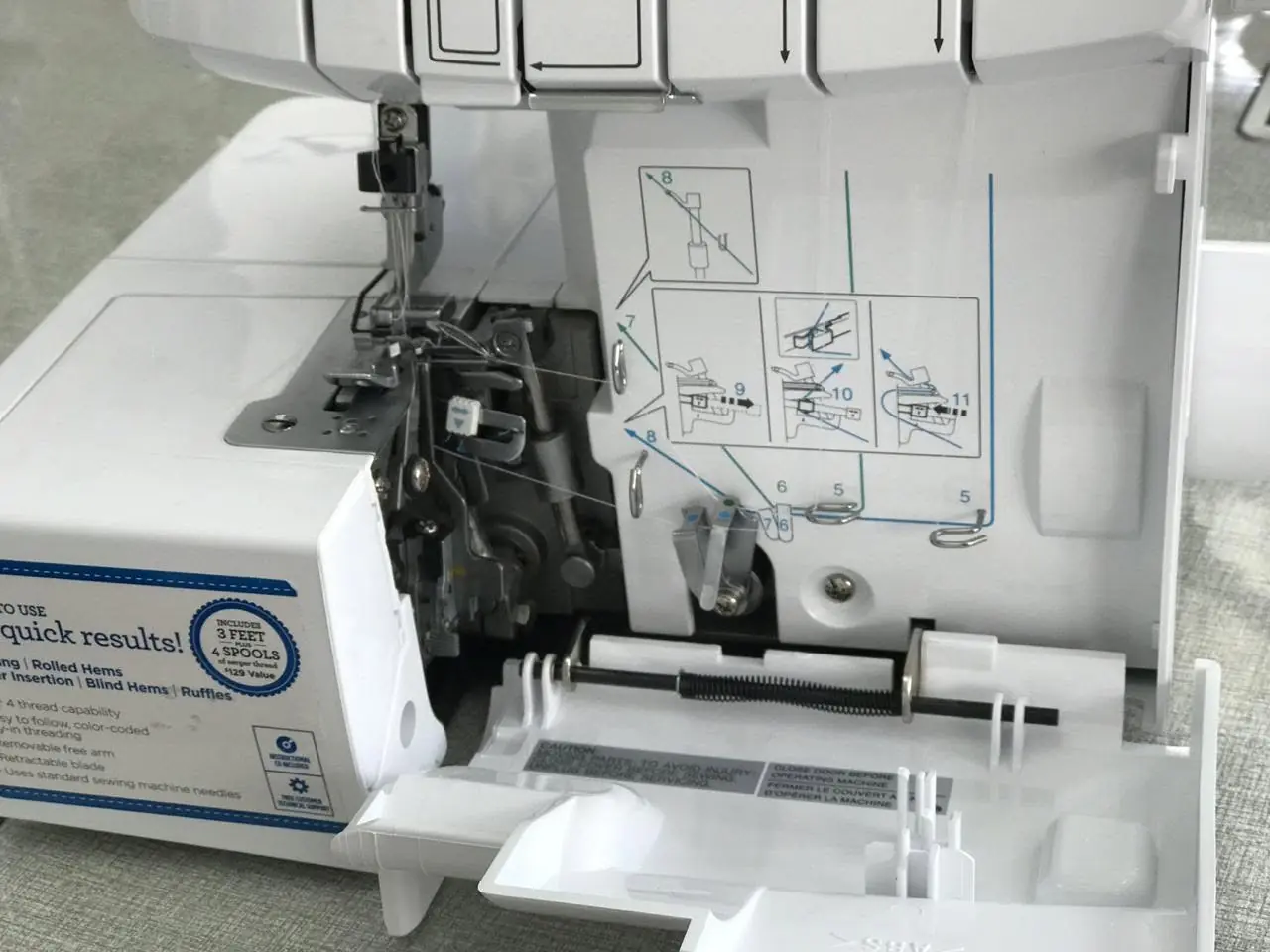
Beyond basic setup, the manual meticulously details the threading process for each loop and needle. Separate sections cover threading the upper looper, lower looper, right needle (for two-needle models), and left needle. This systematic approach, likely aided by color-coding on the machine itself, simplifies what can often be an intimidating task for serger users, promoting confidence.
A standout feature, the differential feed mechanism, receives dedicated instruction. This critical function allows users to adjust the feeding ratio of the fabric, preventing stretching on knits or puckering on fine materials. Mastering this control, as detailed in the manual, is key to achieving professional-looking seams on a wide variety of fabrics, enhancing the machine's versatility.
The 1634D is not limited to basic overlock stitches. The manual explores various stitch selections, including the narrow overlock stitch and the popular rolled edge stitch. Detailed charts assist users in choosing the appropriate settings for these specialized stitches, opening up creative possibilities for garment finishing, decorative edges, and more complex sewing projects.
The manual goes further, showcasing practical examples of sewing applications. Users learn to create blind stitches, flatlock stitches, and pintuck stitches, often utilizing a blind stitch presser foot. It also covers decorative stitching techniques. These applications demonstrate the machine's capability to go beyond mere seam finishing, enabling users to add professional and aesthetic touches to their creations.
Achieving optimal results often depends on pairing the right materials. The manual provides a comprehensive comparison chart of sewing materials, threads, and needles. This invaluable resource helps users select the correct needle type (e.g., SCHMETZ 130/705H), thread weight, and tension settings for different fabric types, from delicate crepes to heavy denim, preventing common issues.
To ensure longevity and smooth operation, the manual includes vital information on maintenance. It covers oiling the machine and the straightforward process for changing the light bulb. A dedicated "Troubleshooting" chapter helps diagnose and resolve common problems, such as skipped stitches, thread breakage, or fabric puckering, empowering users to keep their machine in top condition.
Frequently Asked Questions (FAQs)
Can't find the answer you need? Here are some frequently asked questions about the Brother Overlock 1634D, and we answer them below.