Brother Overlock 1034D Instruction Manual

Brother Overlock 1034D




Brother Overlock 1034D Instructions
Here we offer the Brother Overlock 1034D manual completely free and in English. We have cataloged this manual in the Sewing Machines section on Manualverse, and it has been rated by 1 users with an average rating of 5. If you have any specific questions about Brother Overlock 1034D, we suggest checking the Frequently Asked Questions (FAQs) section of this manual.
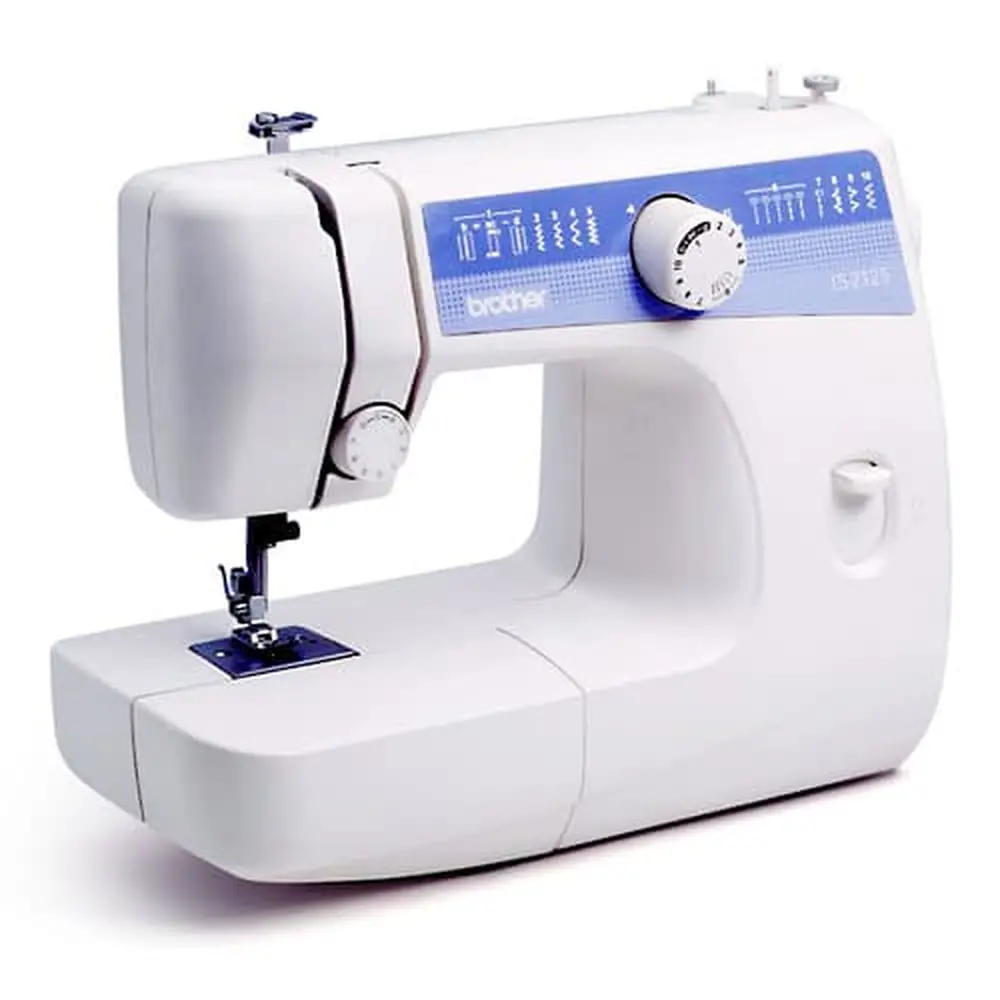
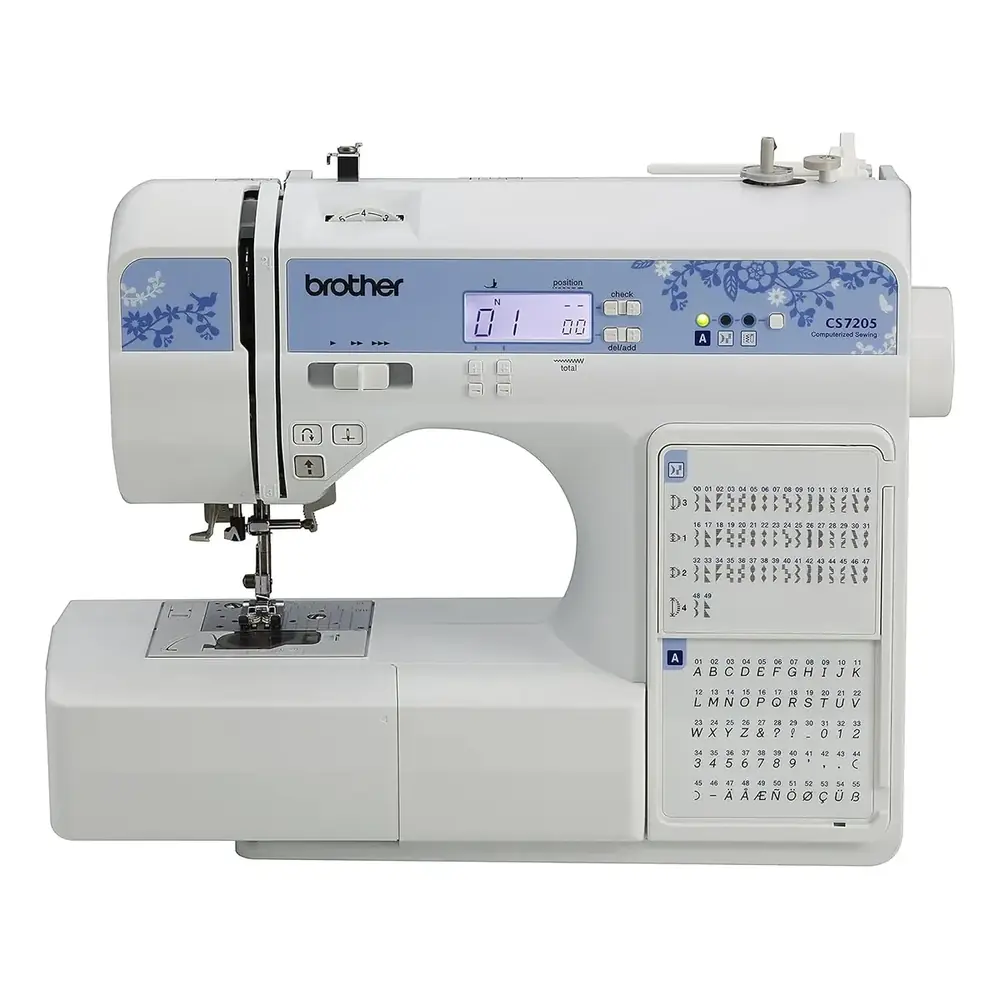
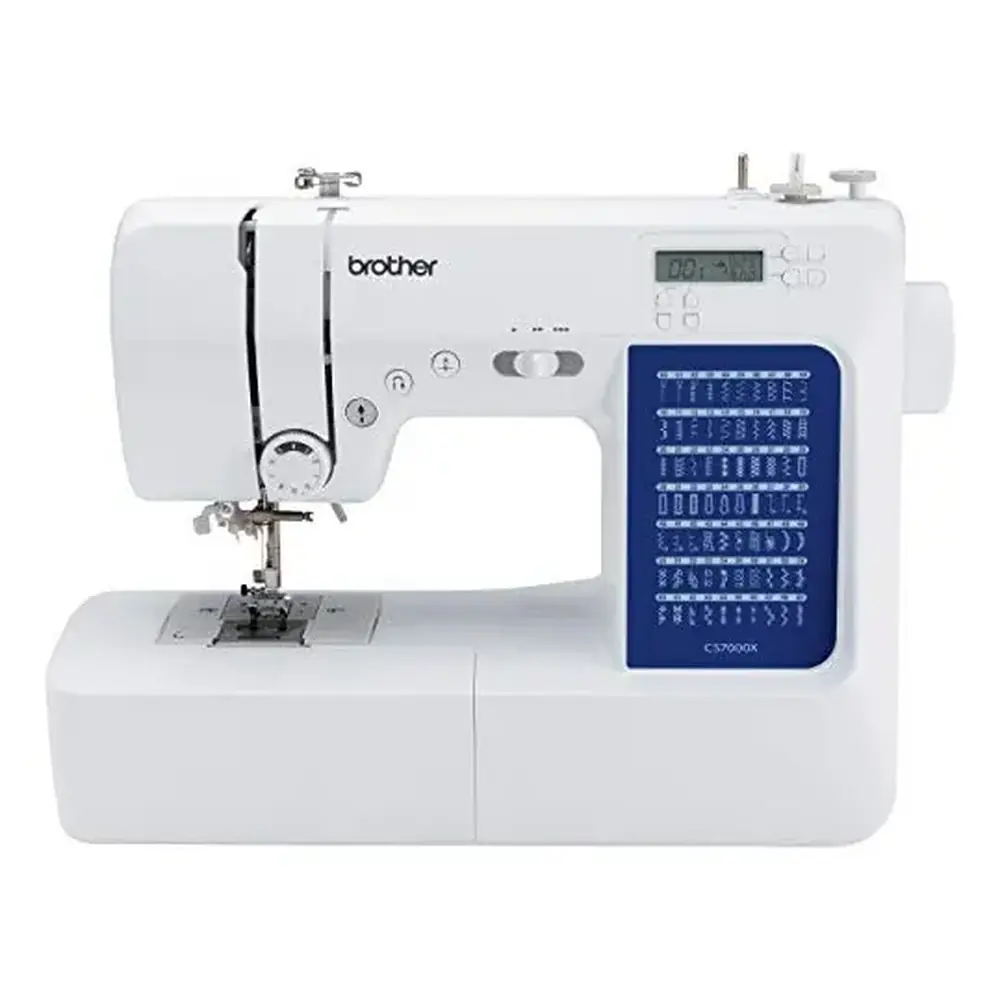
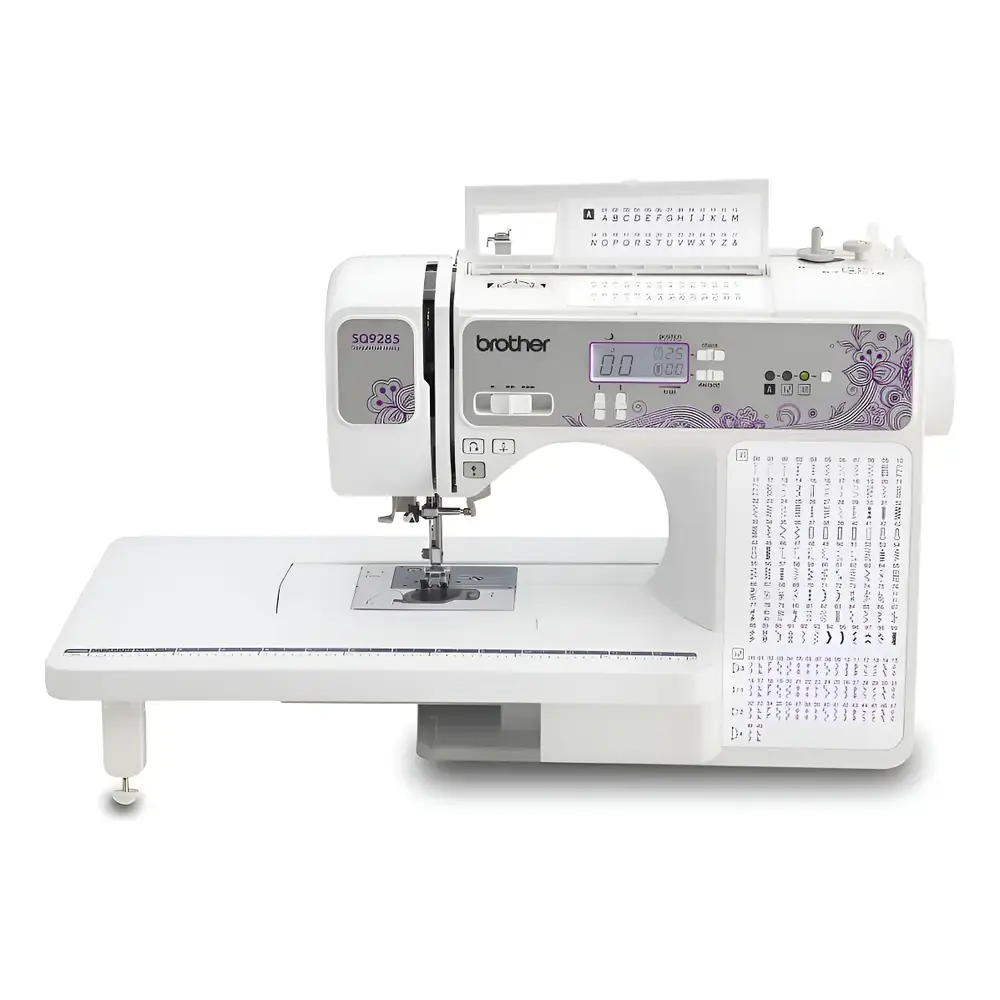
Product Images


Brother Overlock 1034D Specifications
| Feature | Specification |
|---|---|
| Number of Threads | 3 or 4 threads |
| Number of Needles | 1 or 2 needles |
| Stitch Type | Overlock, Rolled Hem, Flatlock, Blind Hem, Pintuck, Decorative |
| Differential Feed Ratio | 0.7 to 2.0 |
| Stitch Length | 1.0mm to 4.0mm (adjustable) |
| Stitch Width | Approx. 3.0mm to 7.0mm (adjustable) |
| Maximum Sewing Speed | Up to 1,300 stitches per minute |
| Free Arm Capability | Yes, removable bed extension |
| Built-in Storage | Accessory tray |
| Lighting | Built-in LED work light |
| Upper Knife | Retractable |
| Power | 120V AC |
Brother Overlock 1034D Details
The Brother Overlock 1034D manual provides an exhaustive guide to mastering this versatile serger. It begins by meticulously detailing the names of parts and their functions, ensuring users can identify every component. This foundational knowledge is crucial for understanding the machine's operation and for effective troubleshooting, making initial setup straightforward for both novices and experienced users alike.
Included accessories are thoroughly listed, from essential needles to various thread spool caps and nets, preparing the user for diverse projects. The manual also covers basic operational aspects such as powering the machine and, importantly, instructions for removing the bed extension for free-arm sewing. This feature significantly enhances the machine's capability for cuffs, sleeves, and other small, tubular items.
Detailed sections explain how to adjust stitch length and stitch width, empowering users to customize their stitches for different fabric types and desired finishes. A dedicated chapter on the differential feed mechanism highlights its importance for preventing stretching or puckering on a wide array of materials, from delicate silks to stretchy knits, ensuring professional-looking seams every time.
Before threading, the manual provides essential preparations, including how to use thread spool caps and nets effectively, and introduces the tension release button for smooth operation. The threading process itself is broken down into clear, step-by-step instructions for the upper looper, lower looper, and both the right and left needles, ensuring accurate setup and optimal stitch formation.
A highly practical comparison chart helps users select appropriate sewing materials, threads, and needles for various projects, optimizing stitch quality and machine performance. Chapters dedicated to thread tension and a comprehensive adjustment chart further guide users in fine-tuning settings for impeccable results, addressing one of the most common challenges in serger operation.
The manual includes advice on test-sewing and chaining-off, crucial steps for beginning and ending seams cleanly. It covers general sewing techniques, how to start and remove work, and offers solutions if threads break. Specific guidance is provided for sewing heavy and fine materials, alongside advice on adjusting presser foot pressure for different fabric densities.
Troubleshooting guidance is comprehensive, offering solutions for common issues like skipped stitches, thread breakage, or uneven stitches. This section acts as a quick-reference guide for resolving operational hiccups. Furthermore, the manual details various stitch selections, including narrow overlock and rolled edge stitches, complete with charts for precise adjustments.
Beyond basic functions, the manual explores advanced sewing applications. Users learn how to achieve professional finishes with blindstitching, flatlock stitching, and pintuck stitching using the appropriate presser feet. Decorative stitching options are also introduced, unlocking the machine's creative potential for embellishments and unique fabric treatments.
Finally, the manual covers essential machine maintenance. Instructions for retracting and replacing the upper and lower knives ensure cutting precision is maintained. Chapters on oiling and changing the light bulb guarantee the longevity and optimal functioning of the Brother Overlock 1034D, making it a reliable tool for countless sewing projects.
Frequently Asked Questions (FAQs)
Can't find the answer you need? Here are some frequently asked questions about the Brother Overlock 1034D, and we answer them below.