
Yaskawa V1000 Variable Frequency Drive Instruction Manual

Yaskawa V1000 Variable Frequency Drive
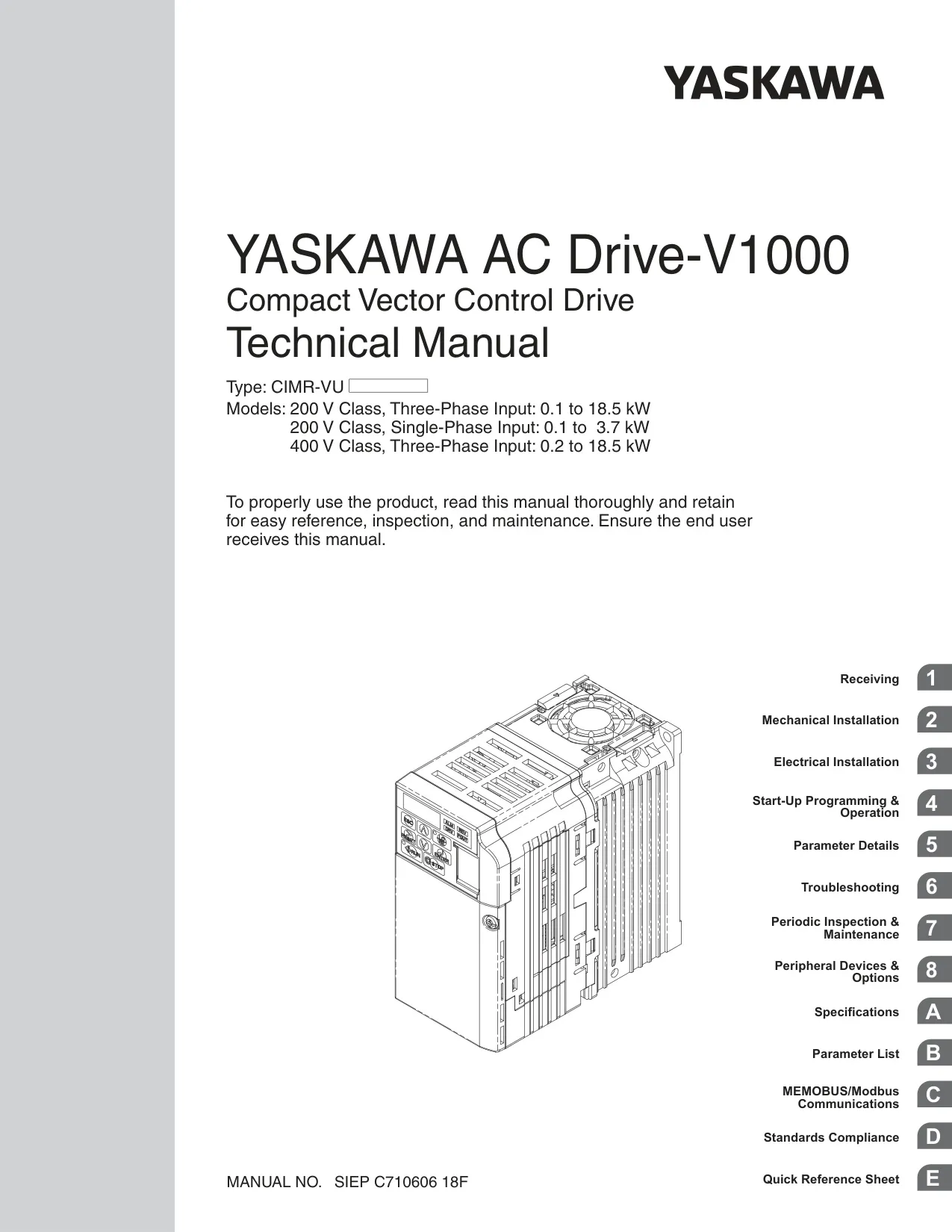

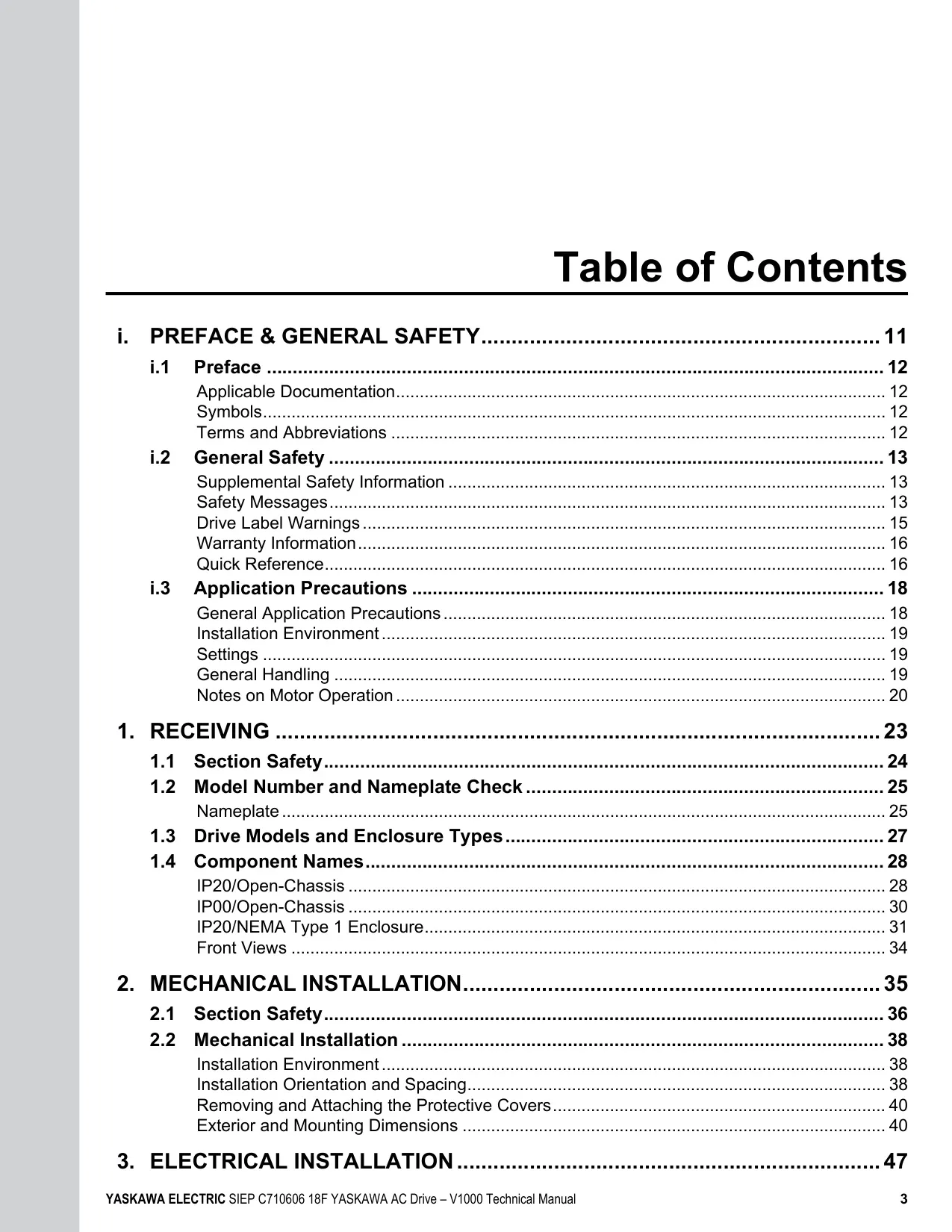
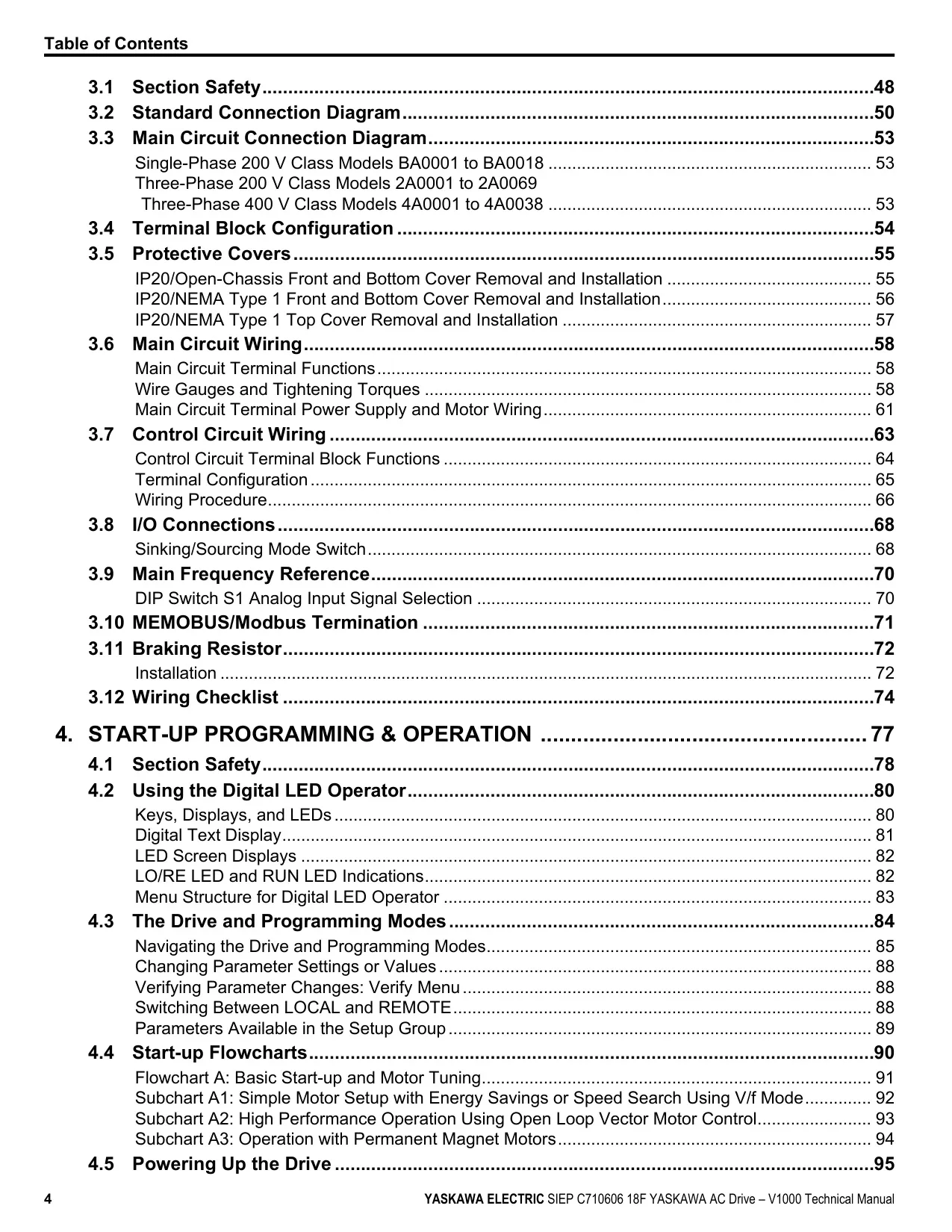
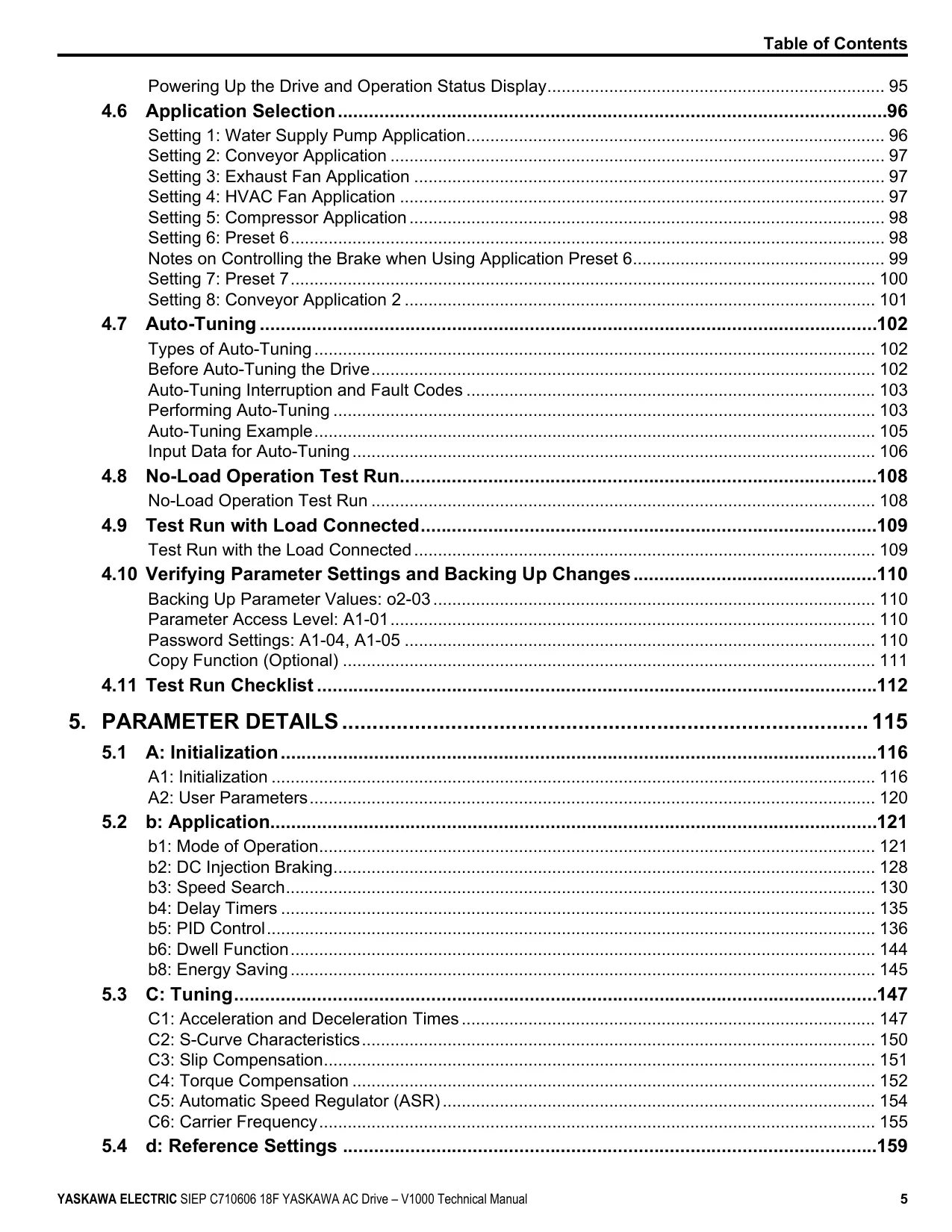
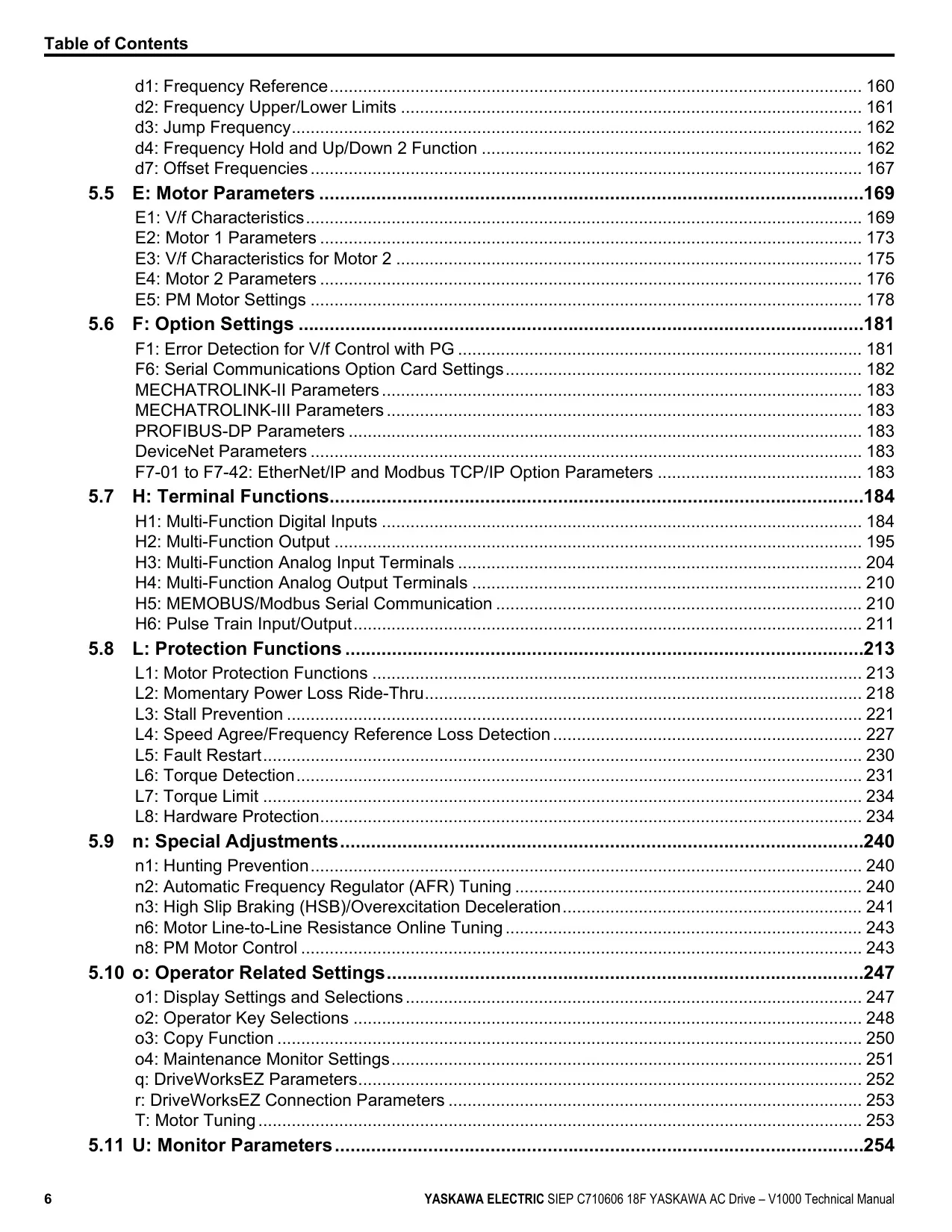
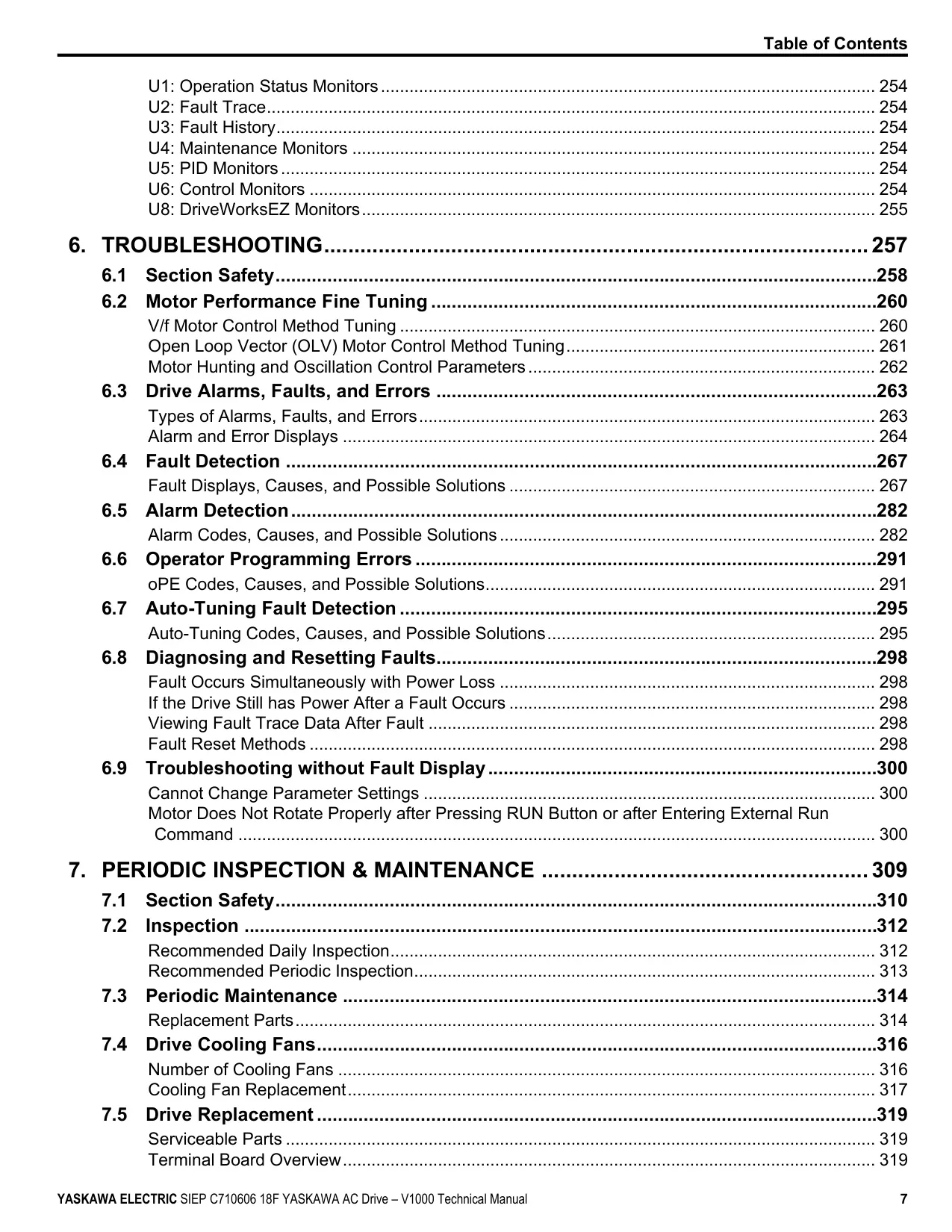
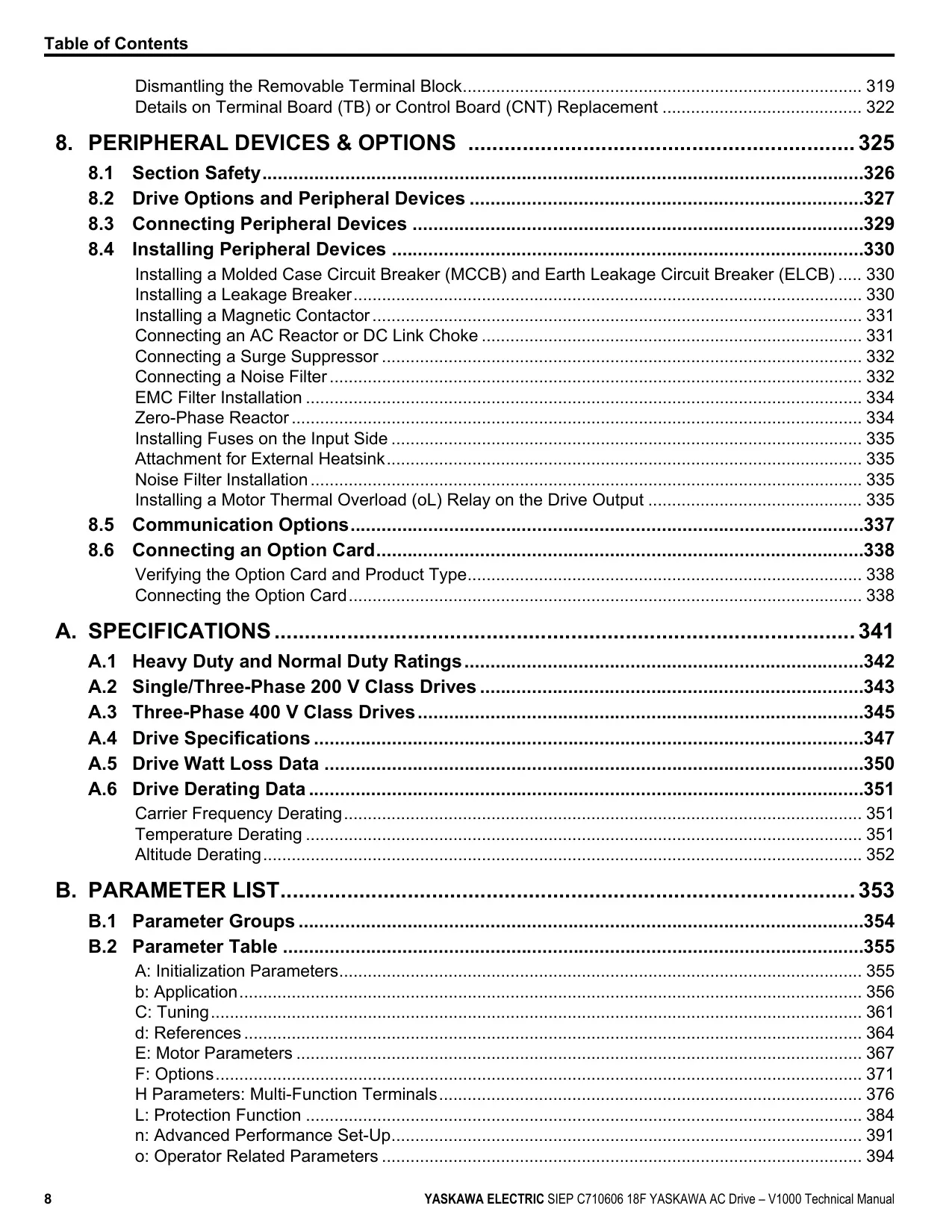
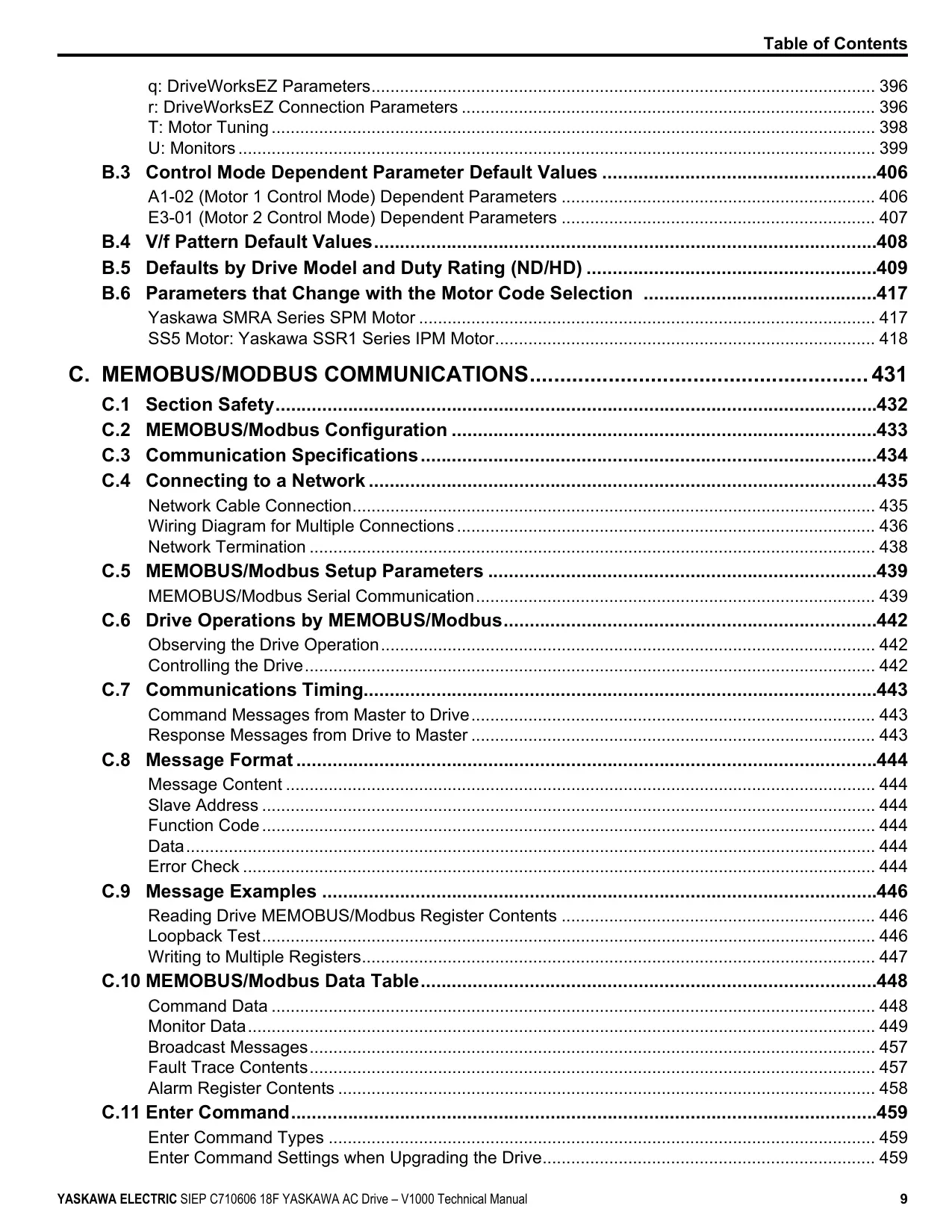


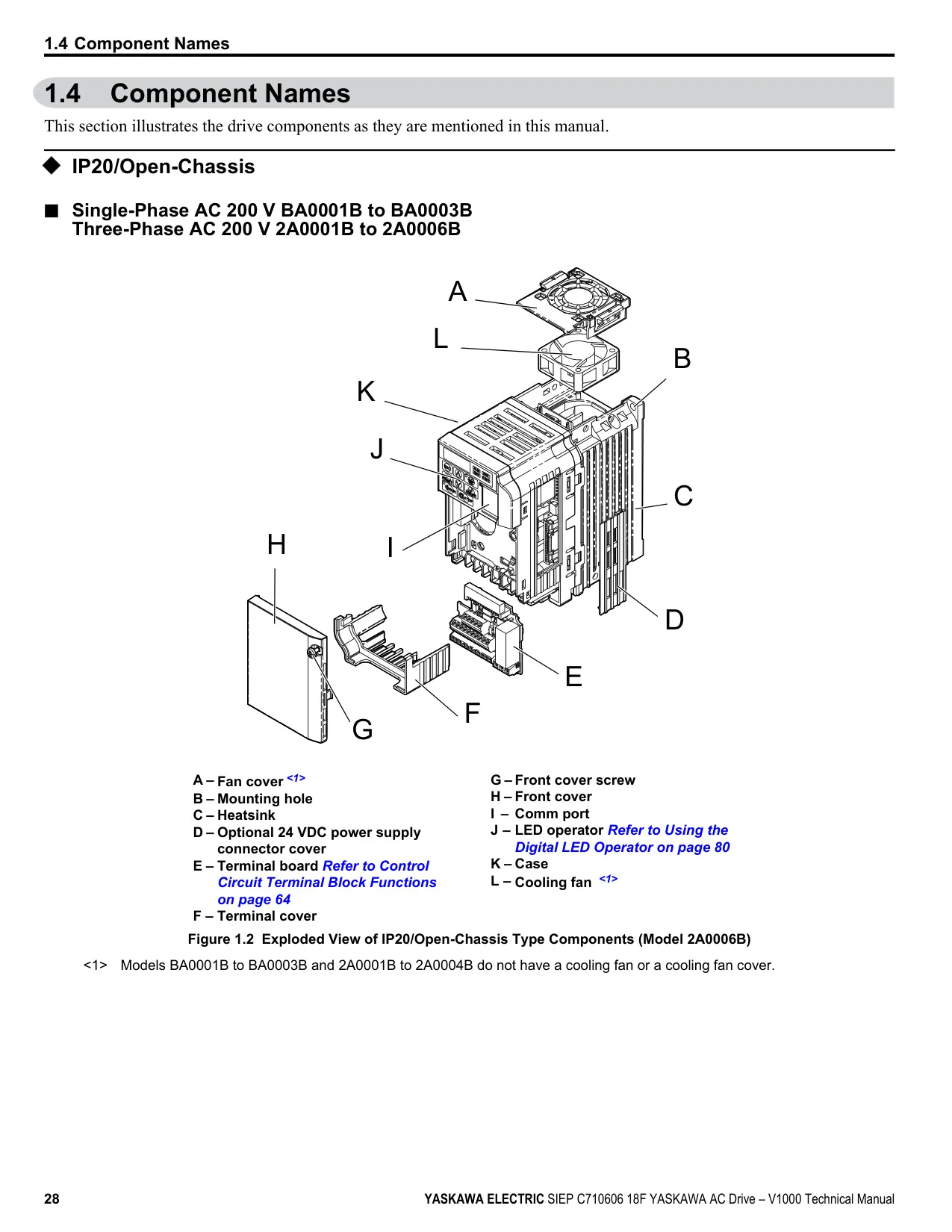
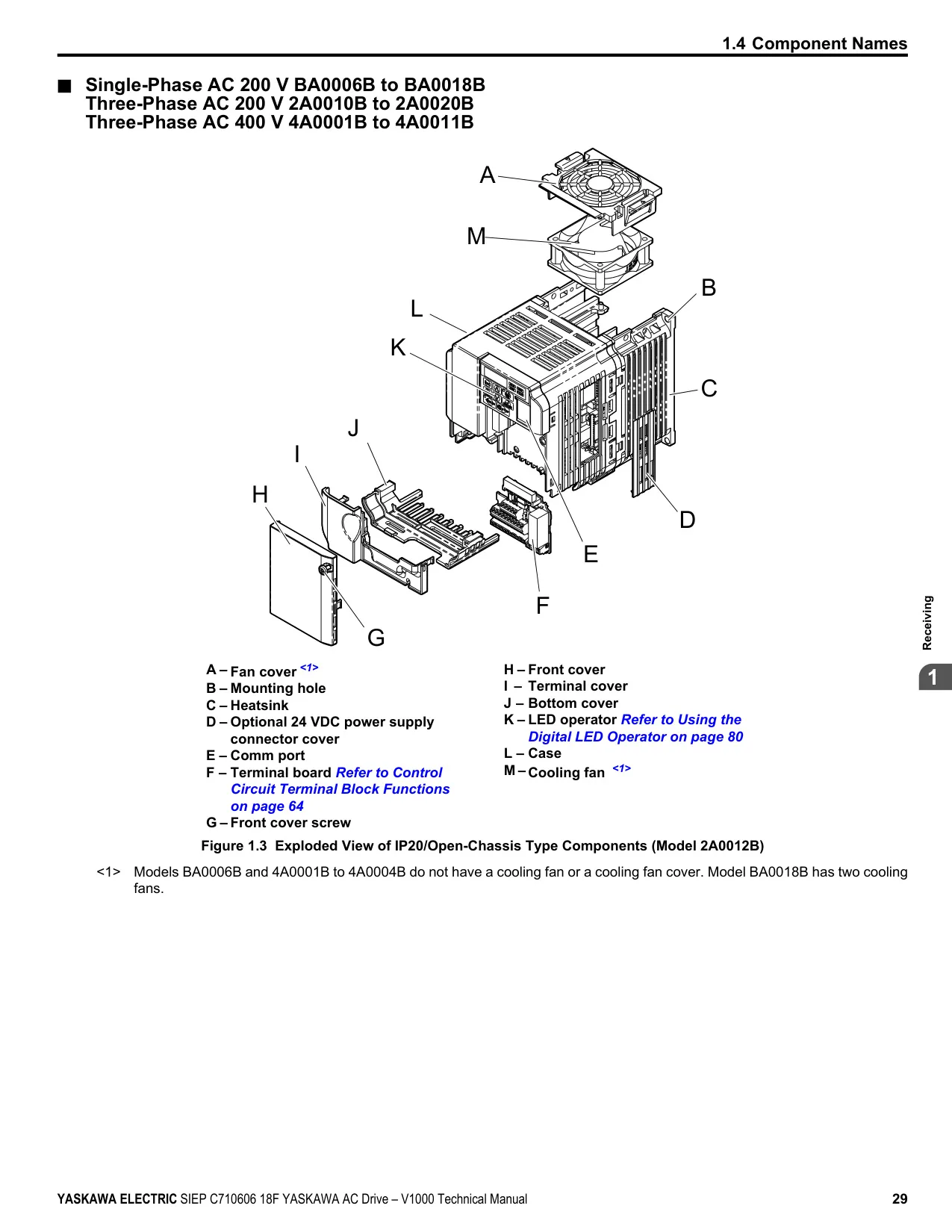
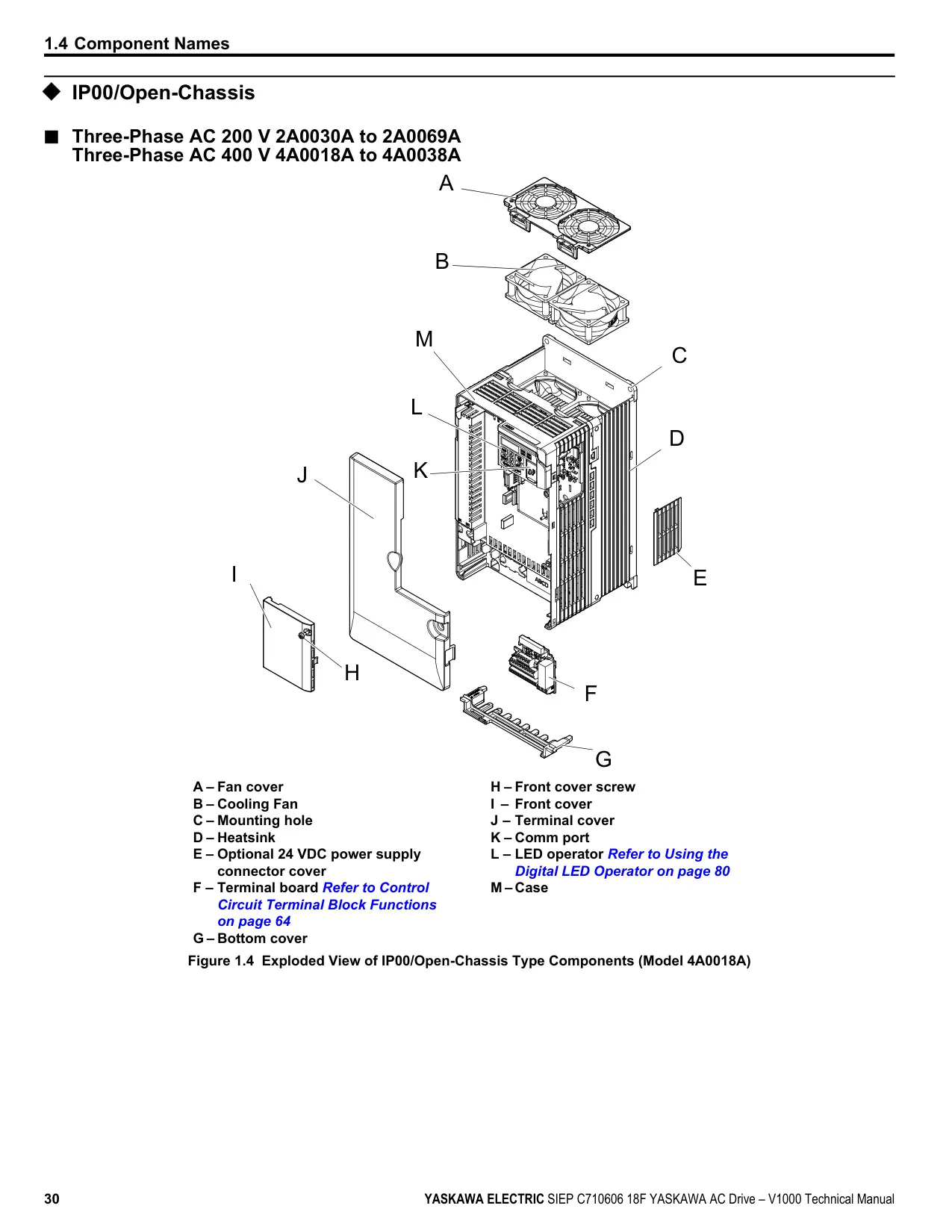
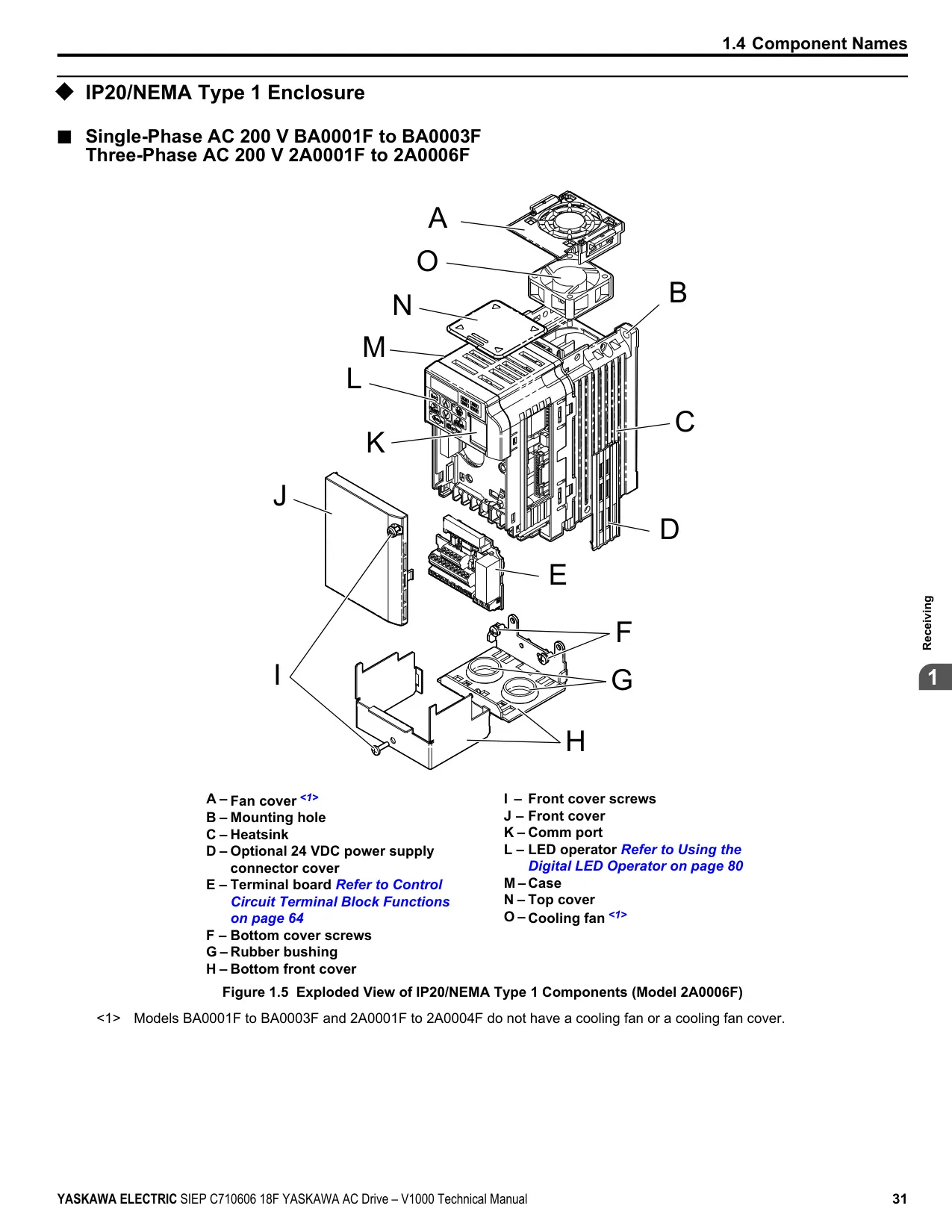
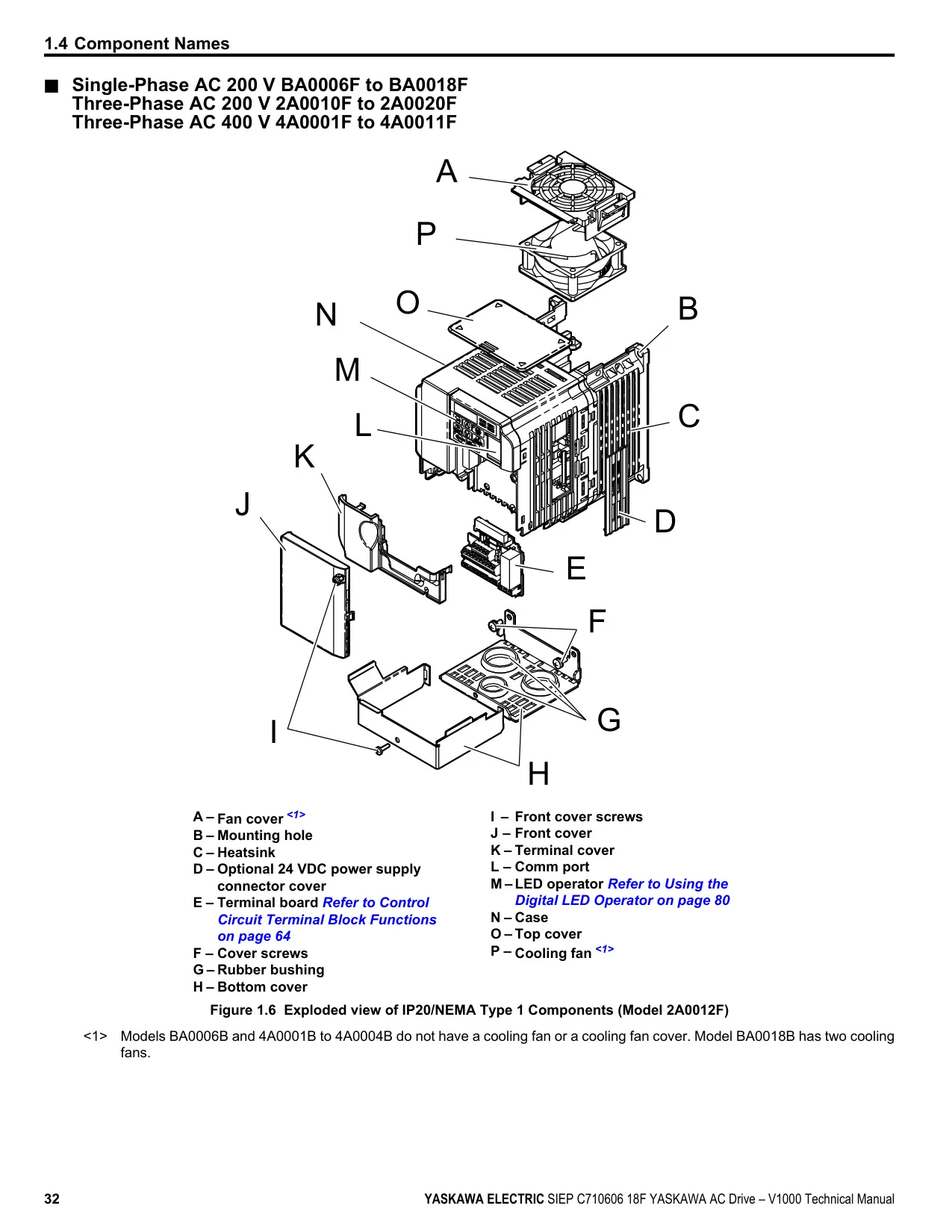
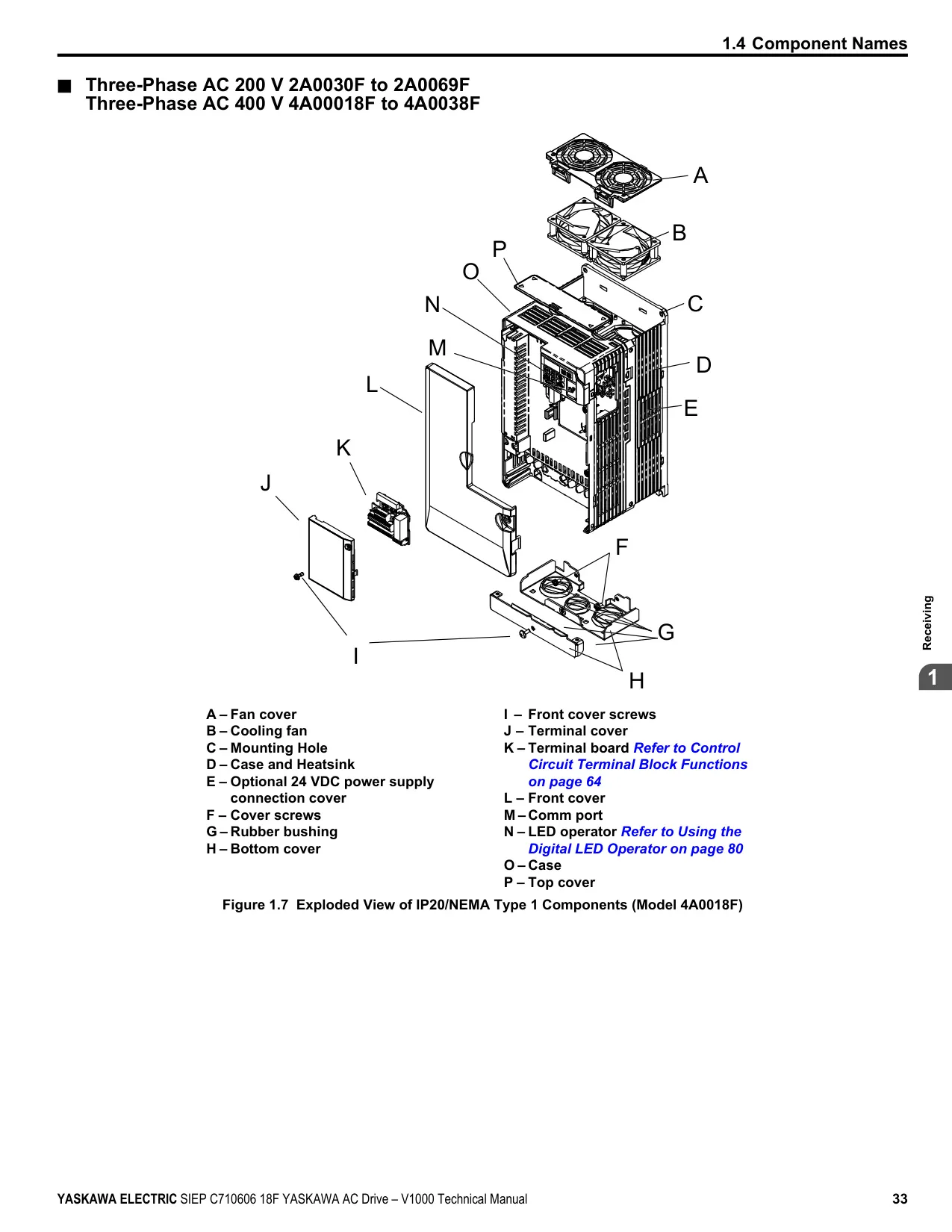
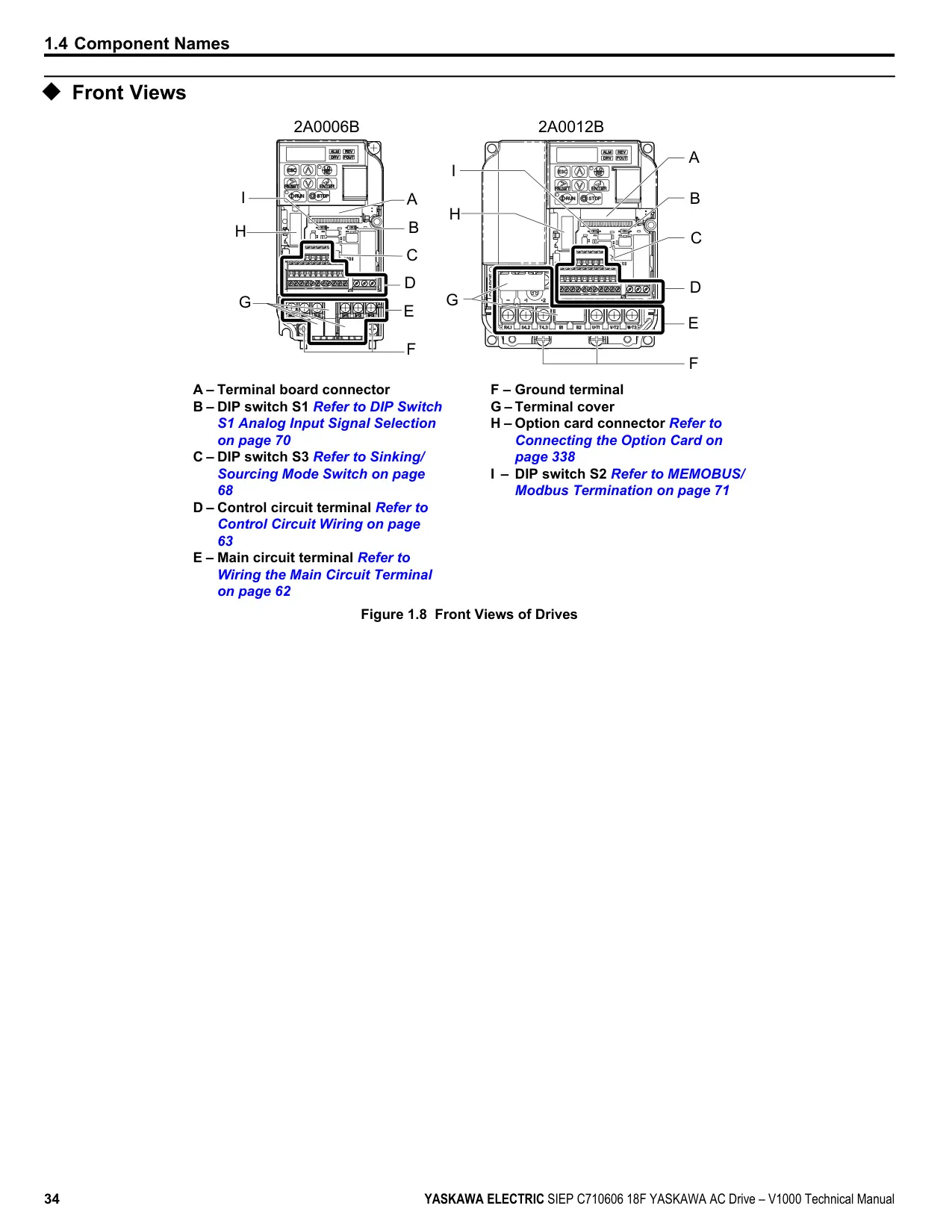


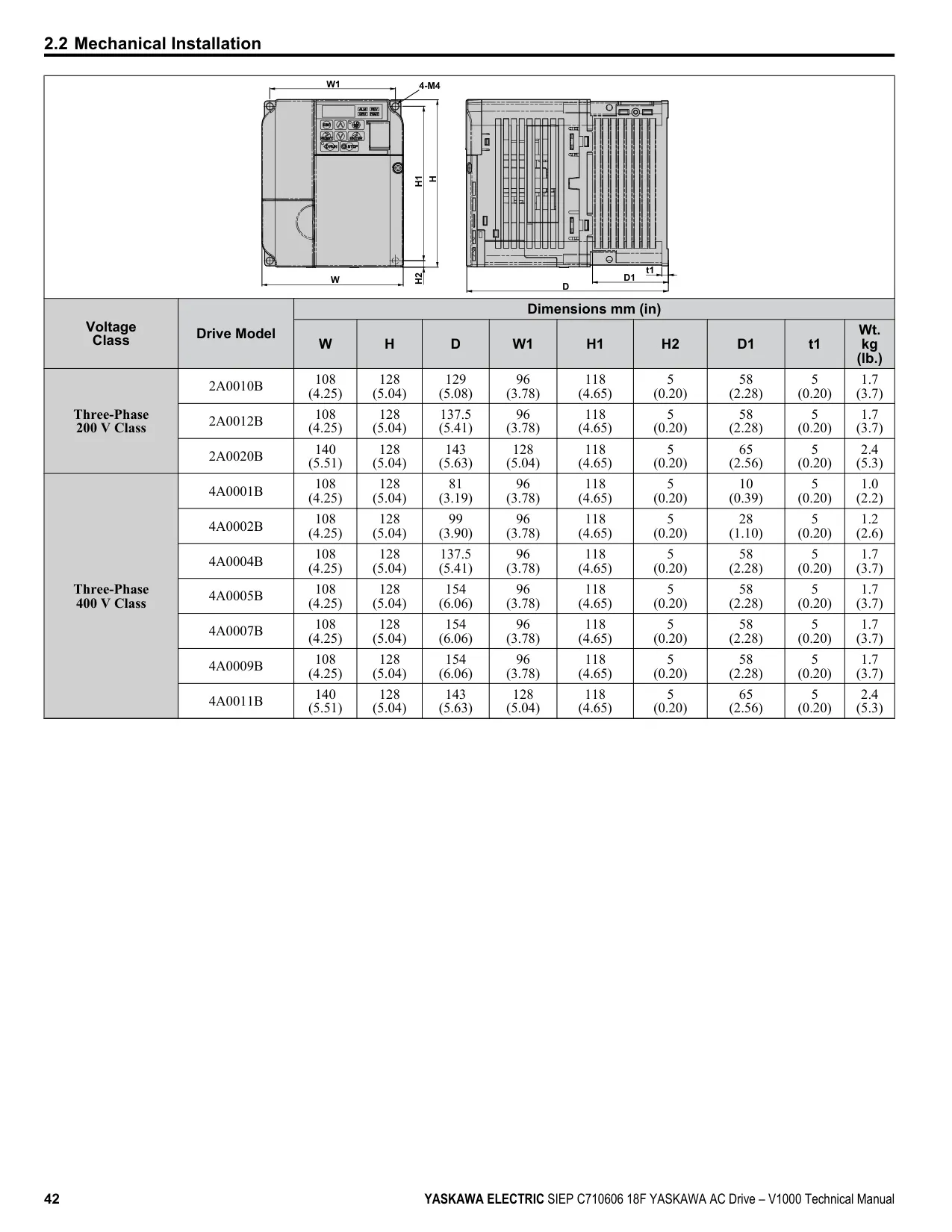
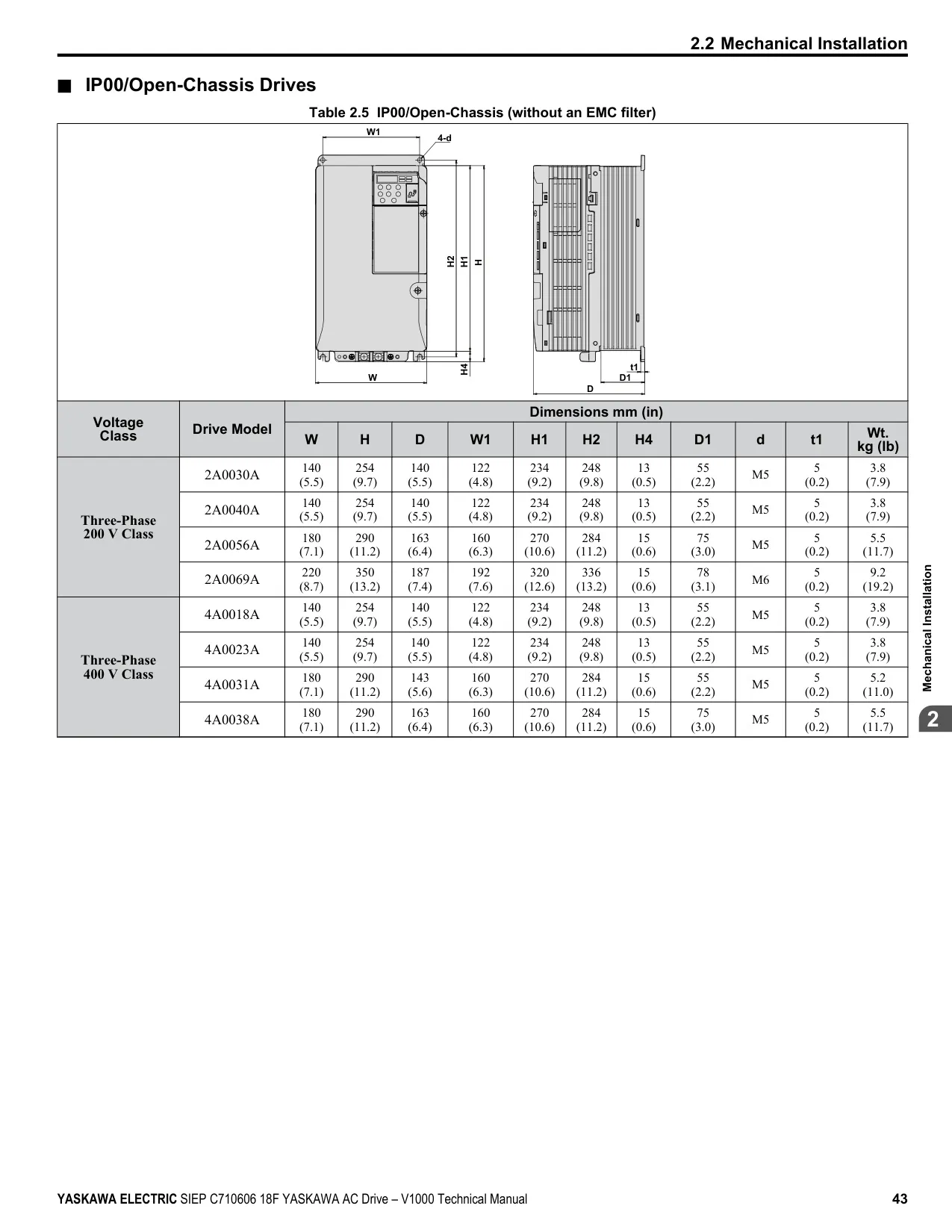
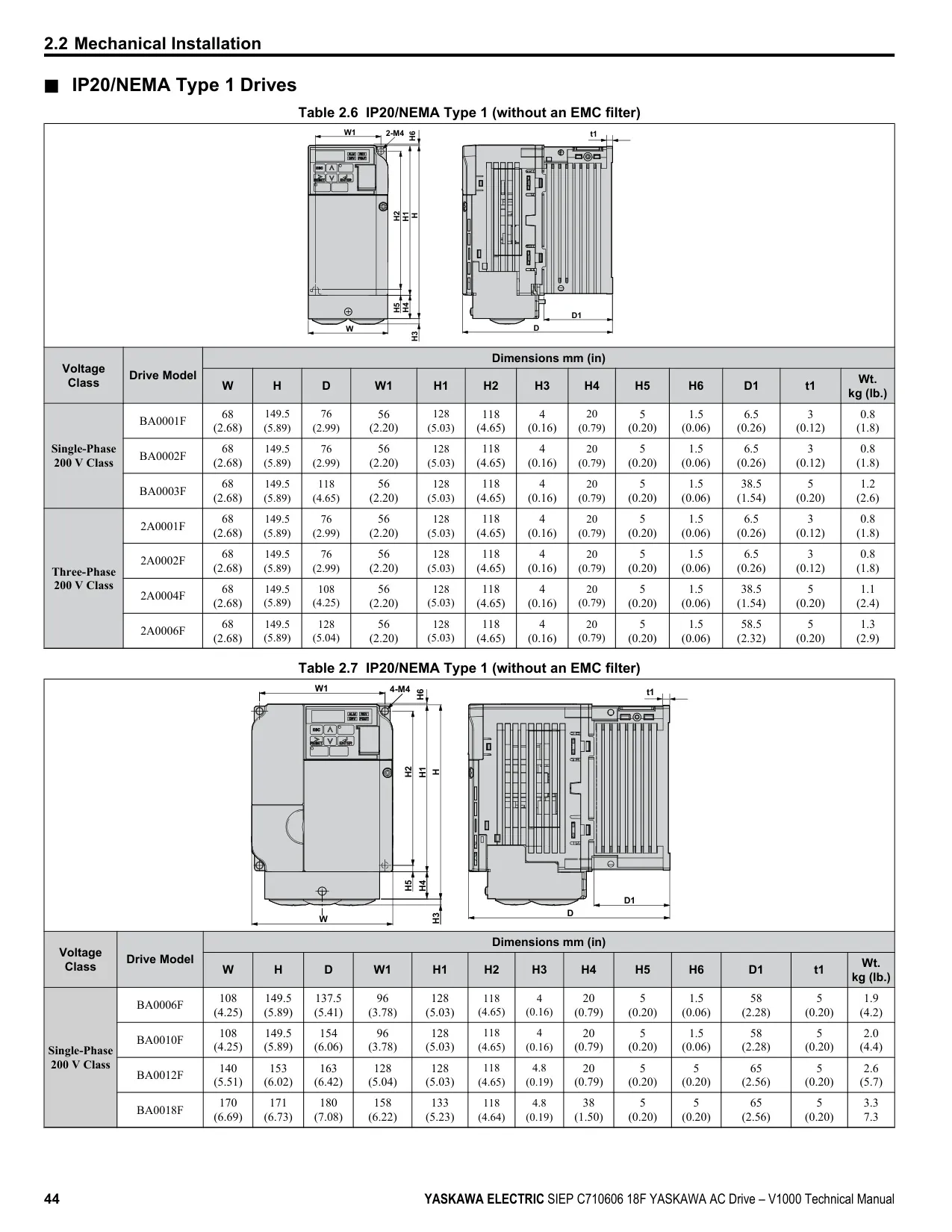
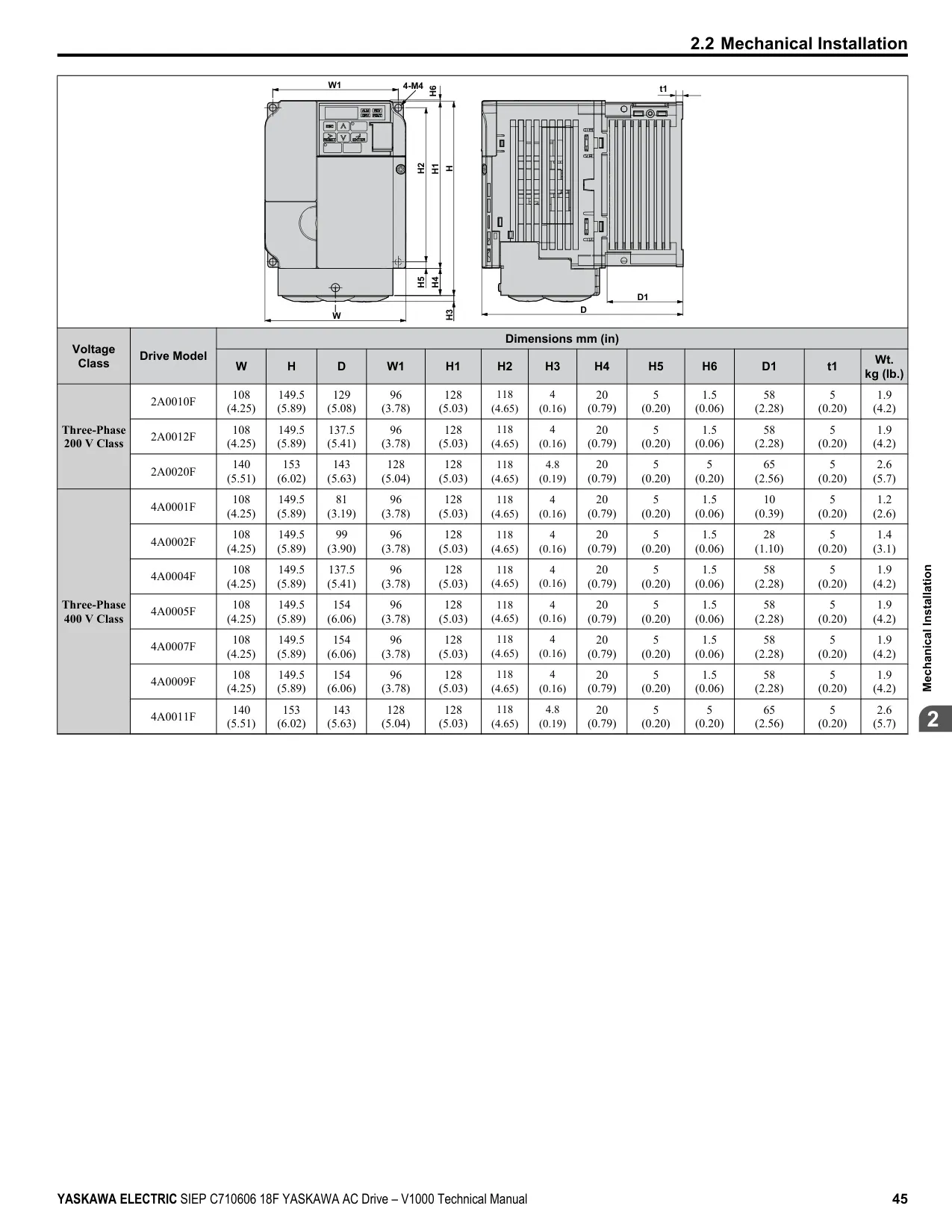



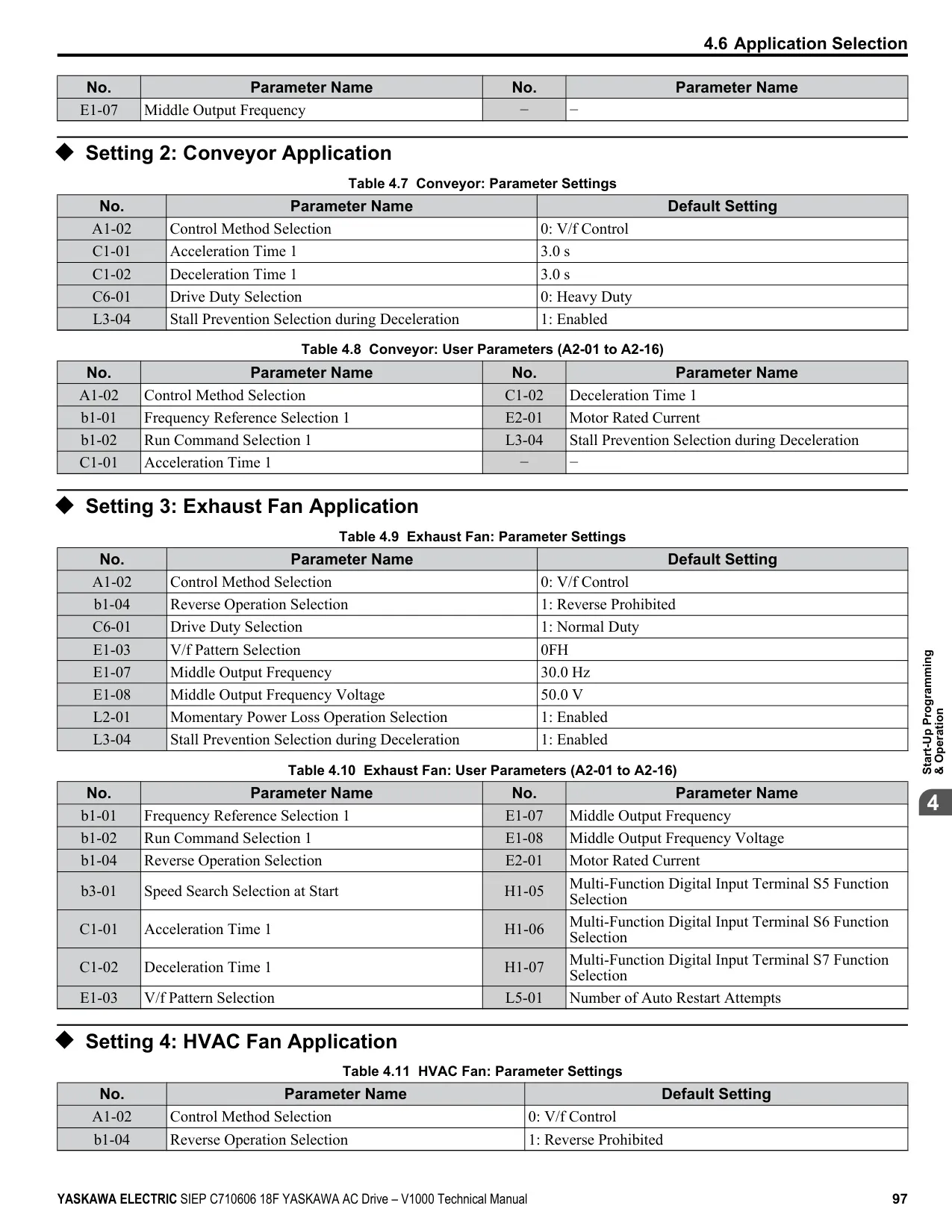
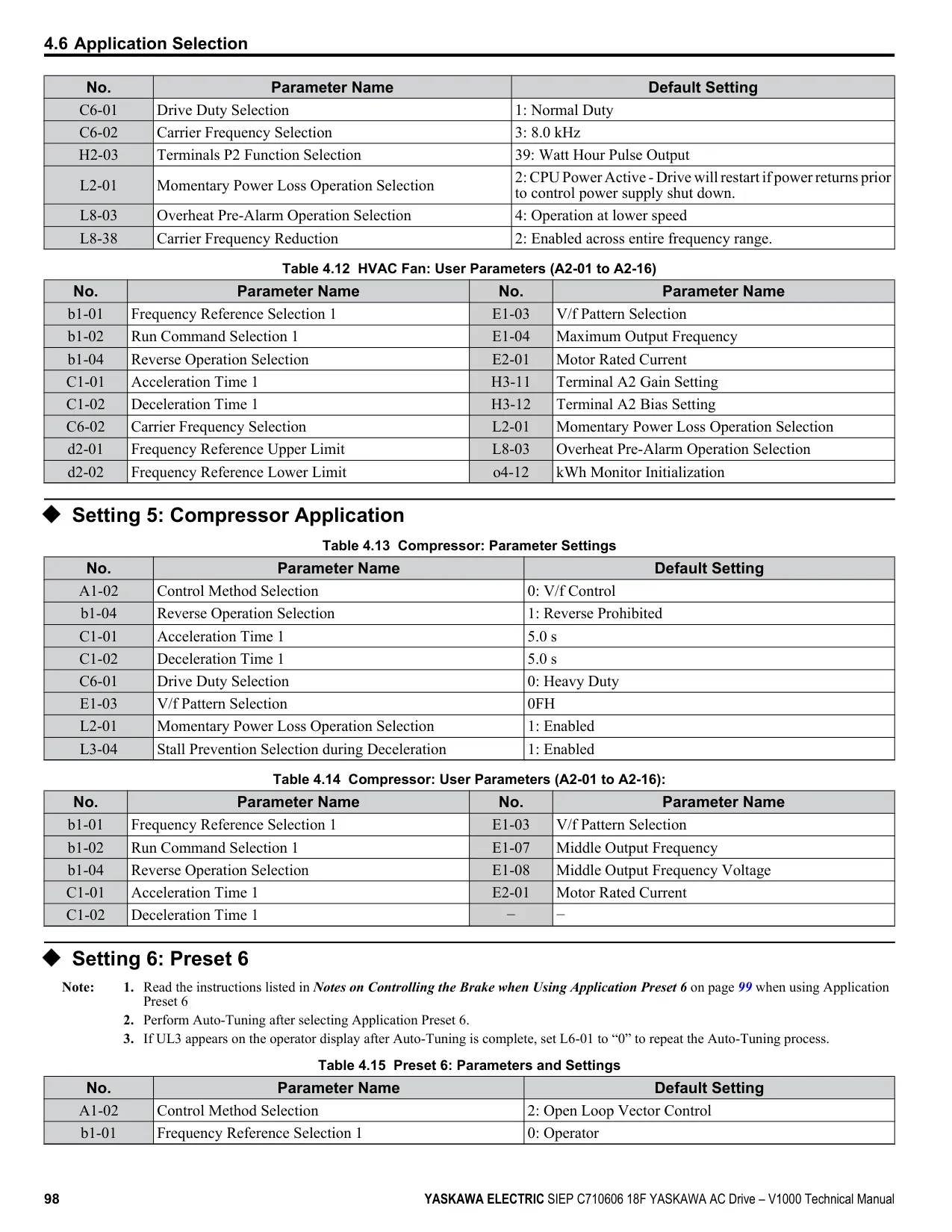
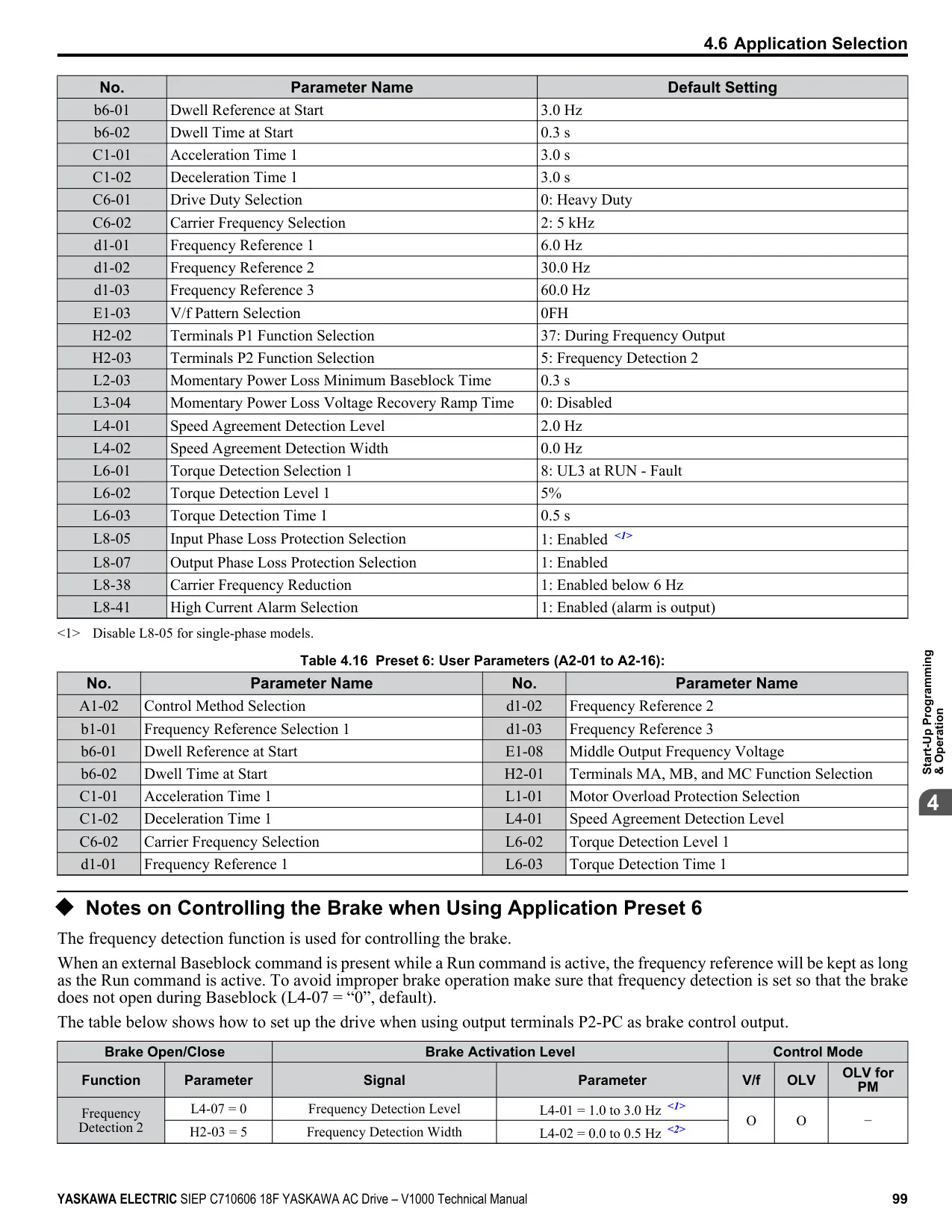
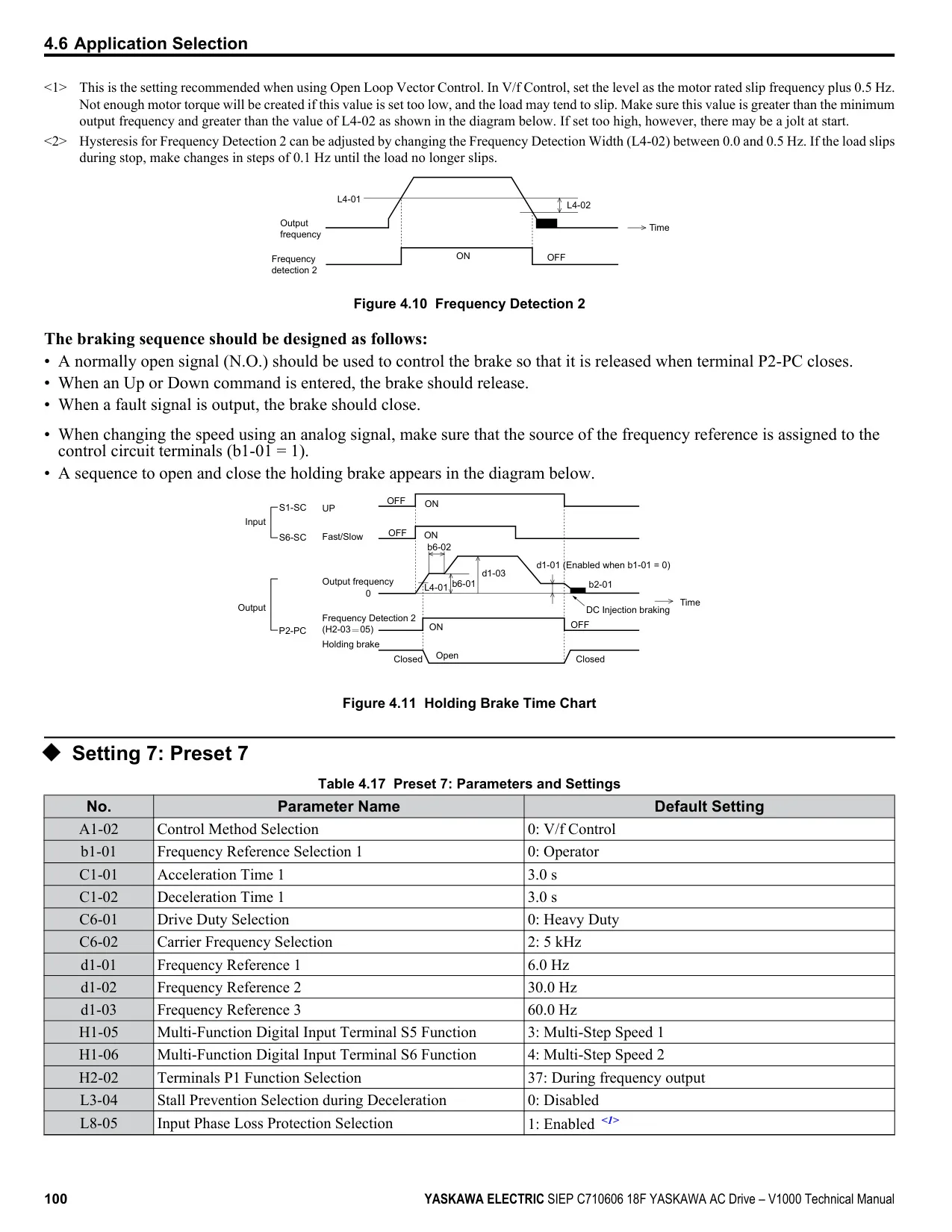



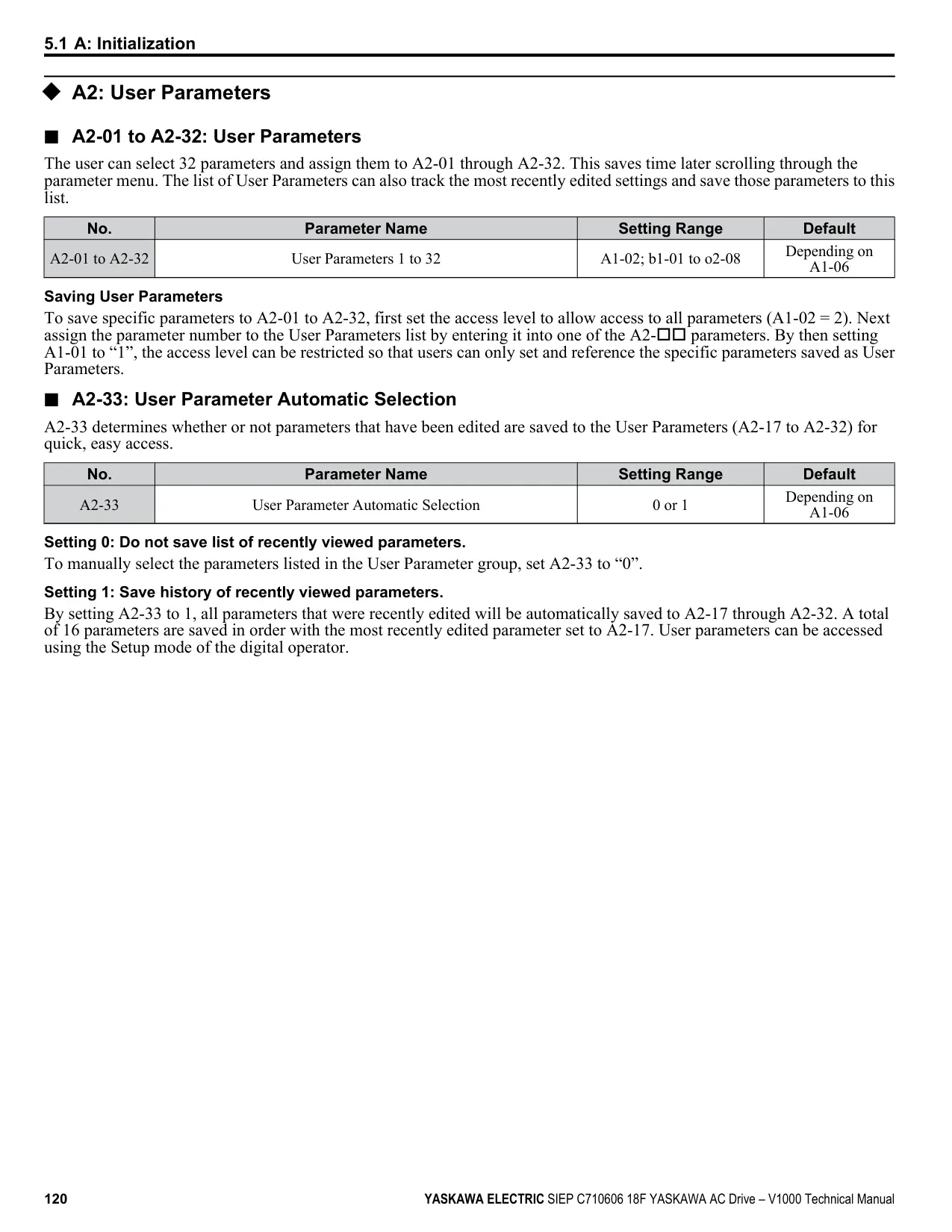
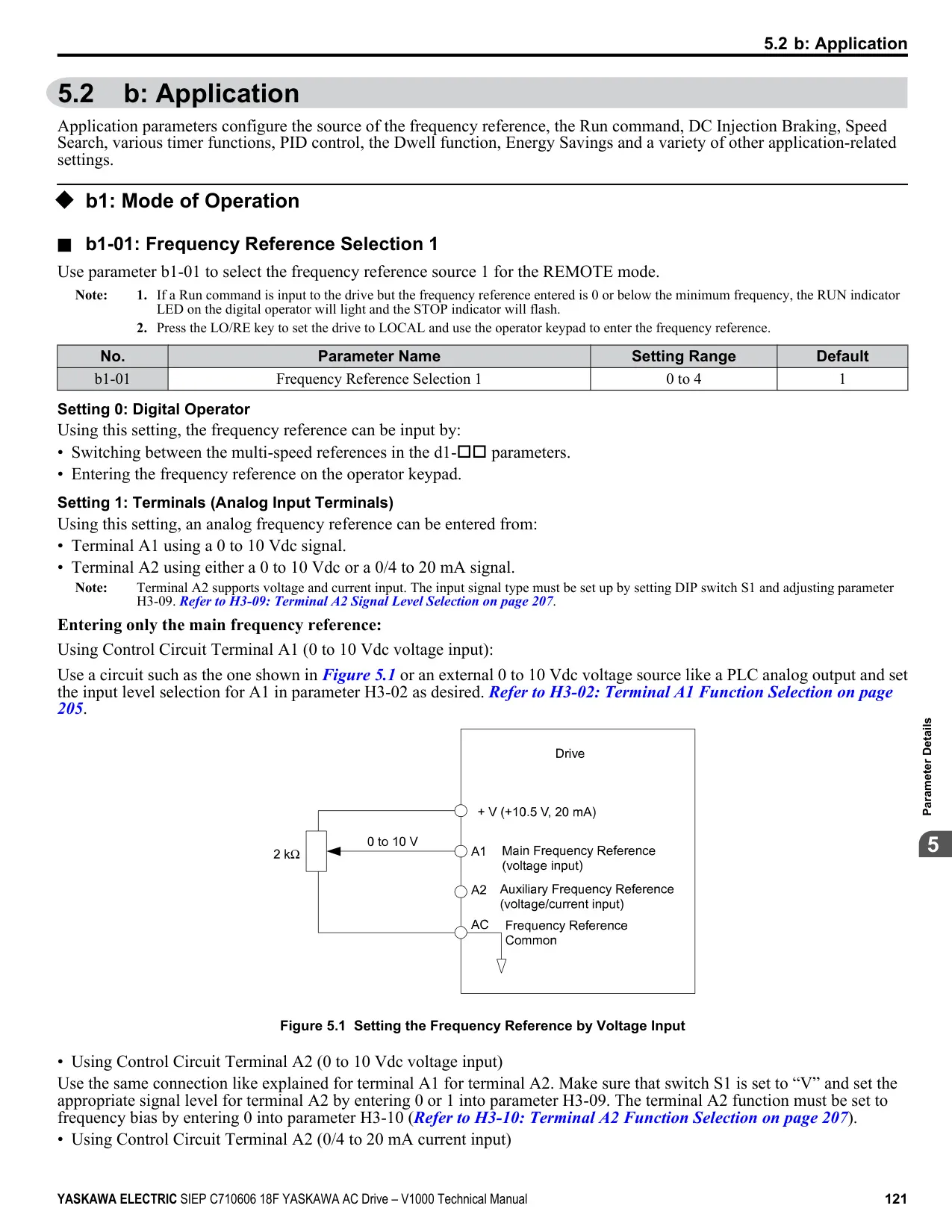
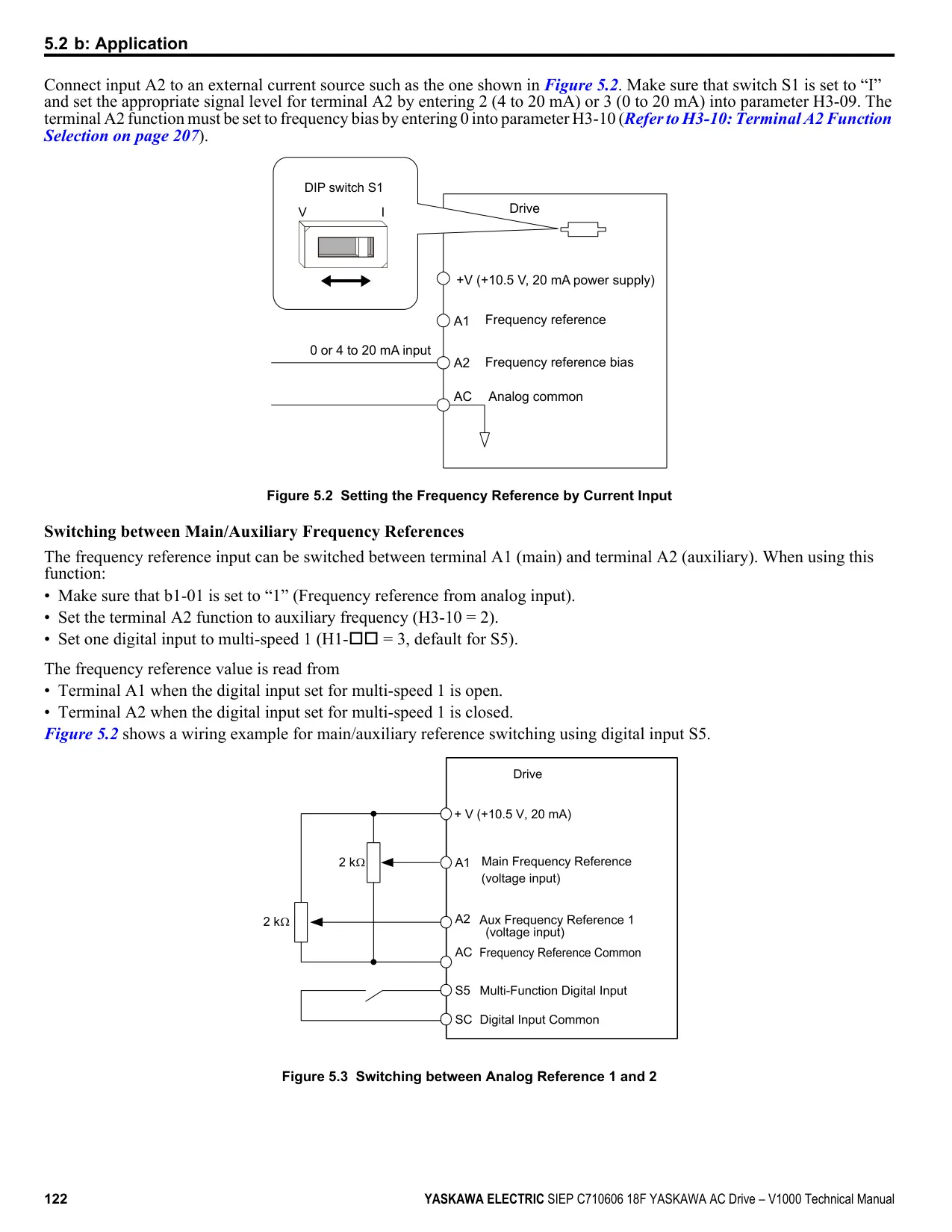
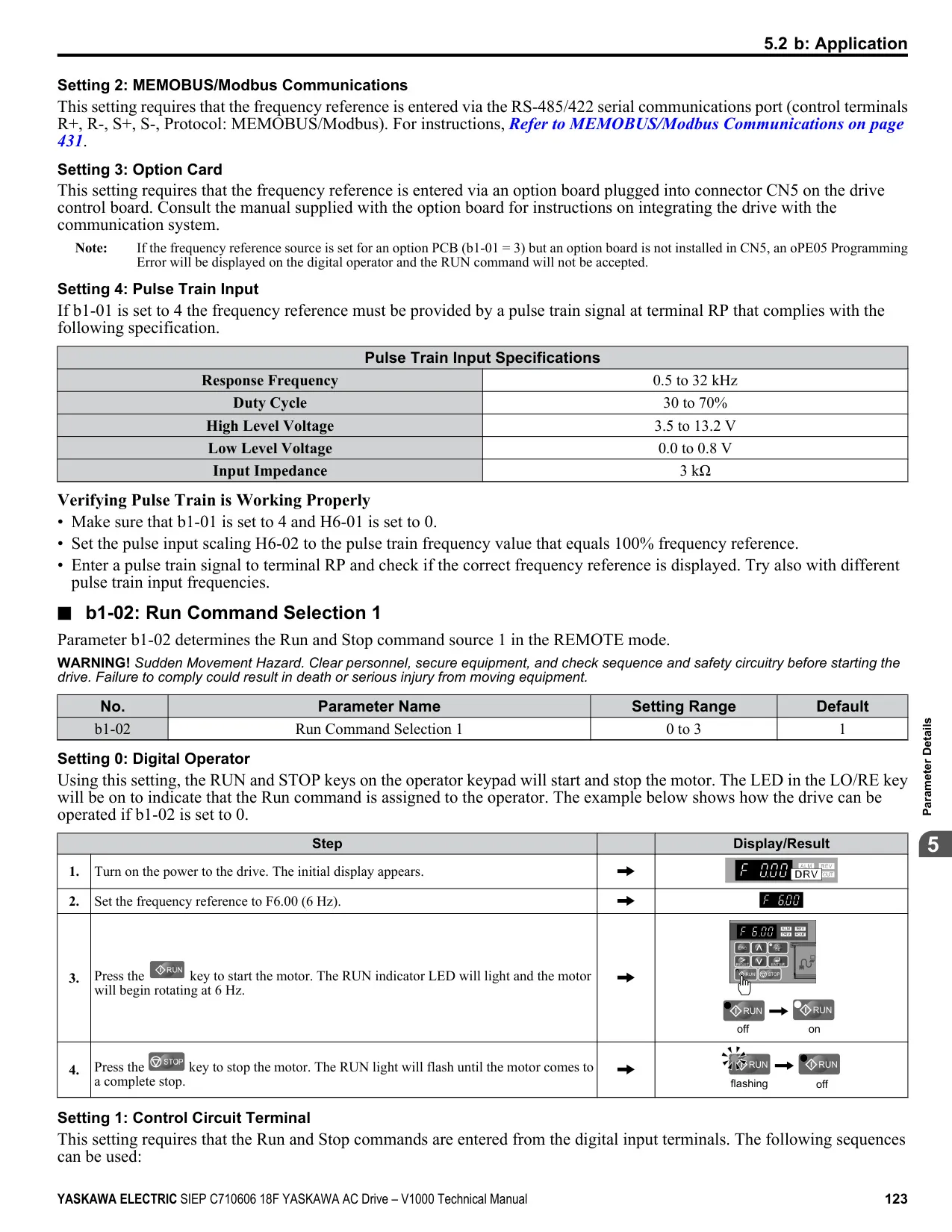






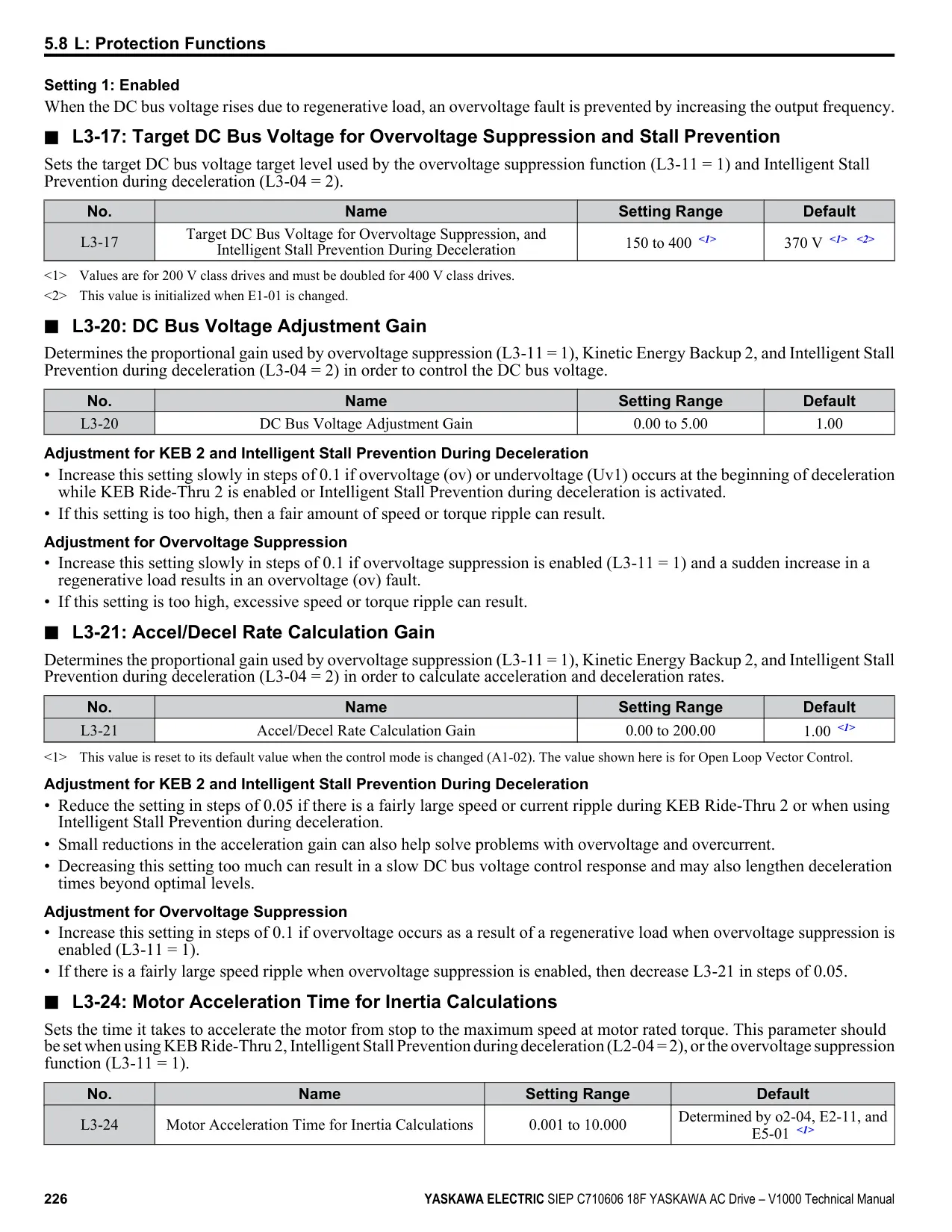
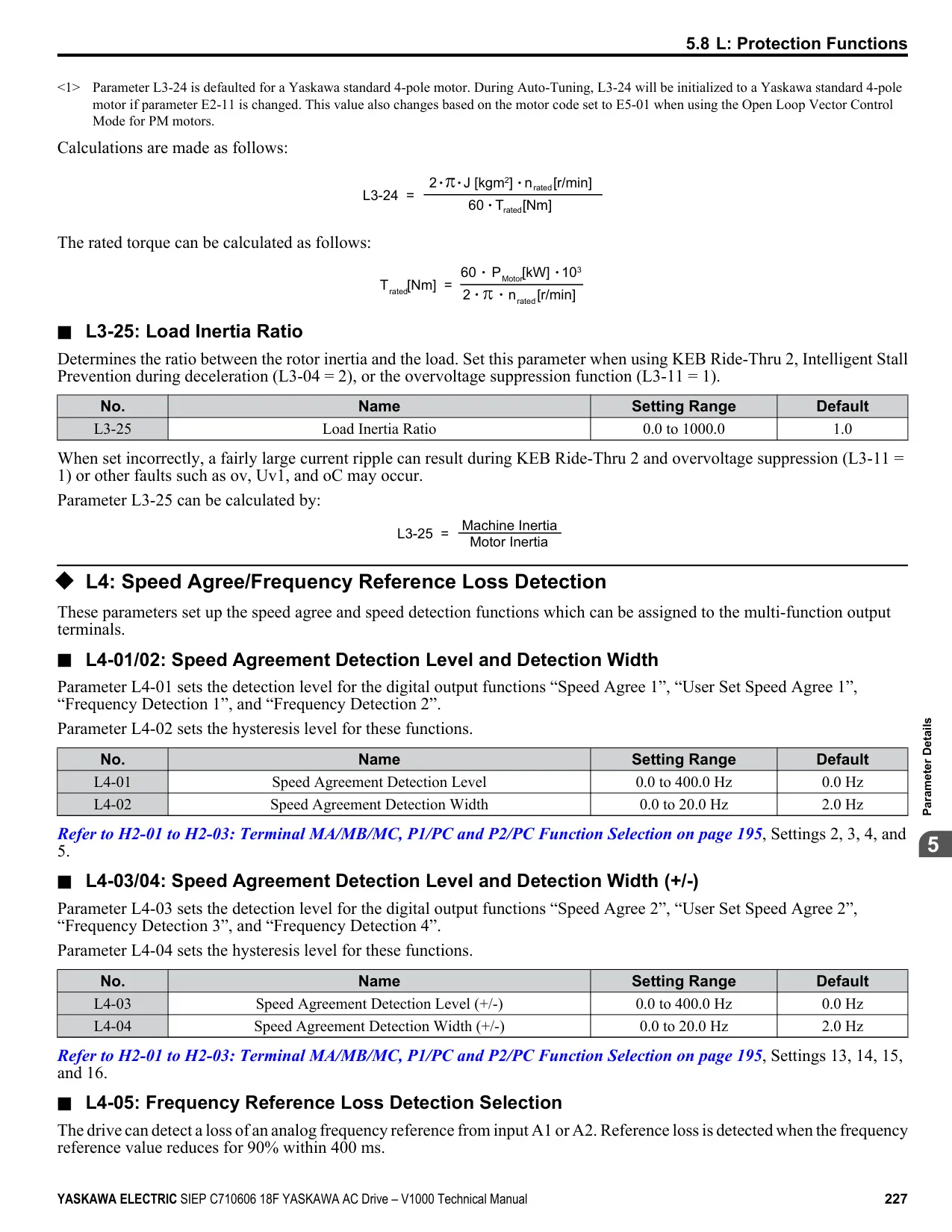
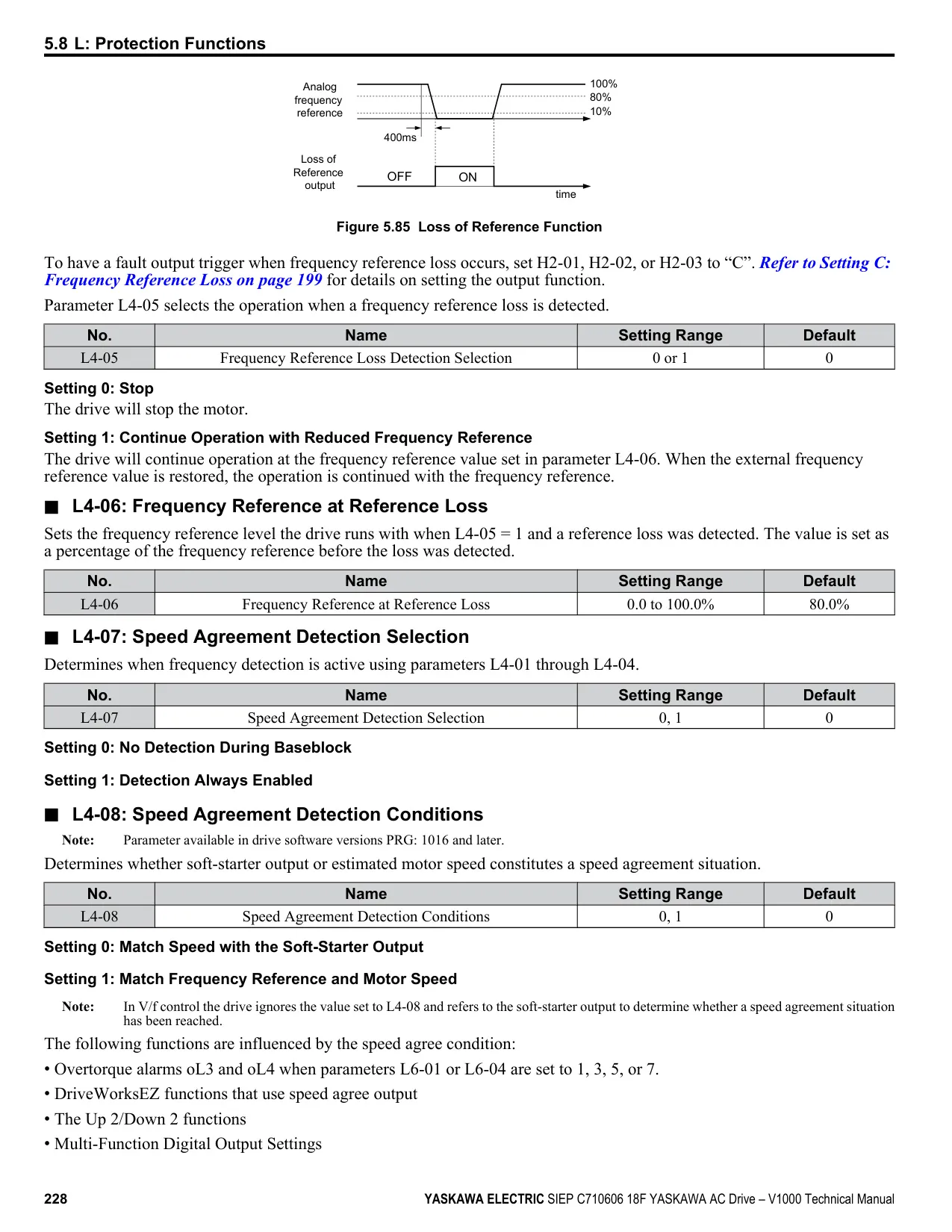
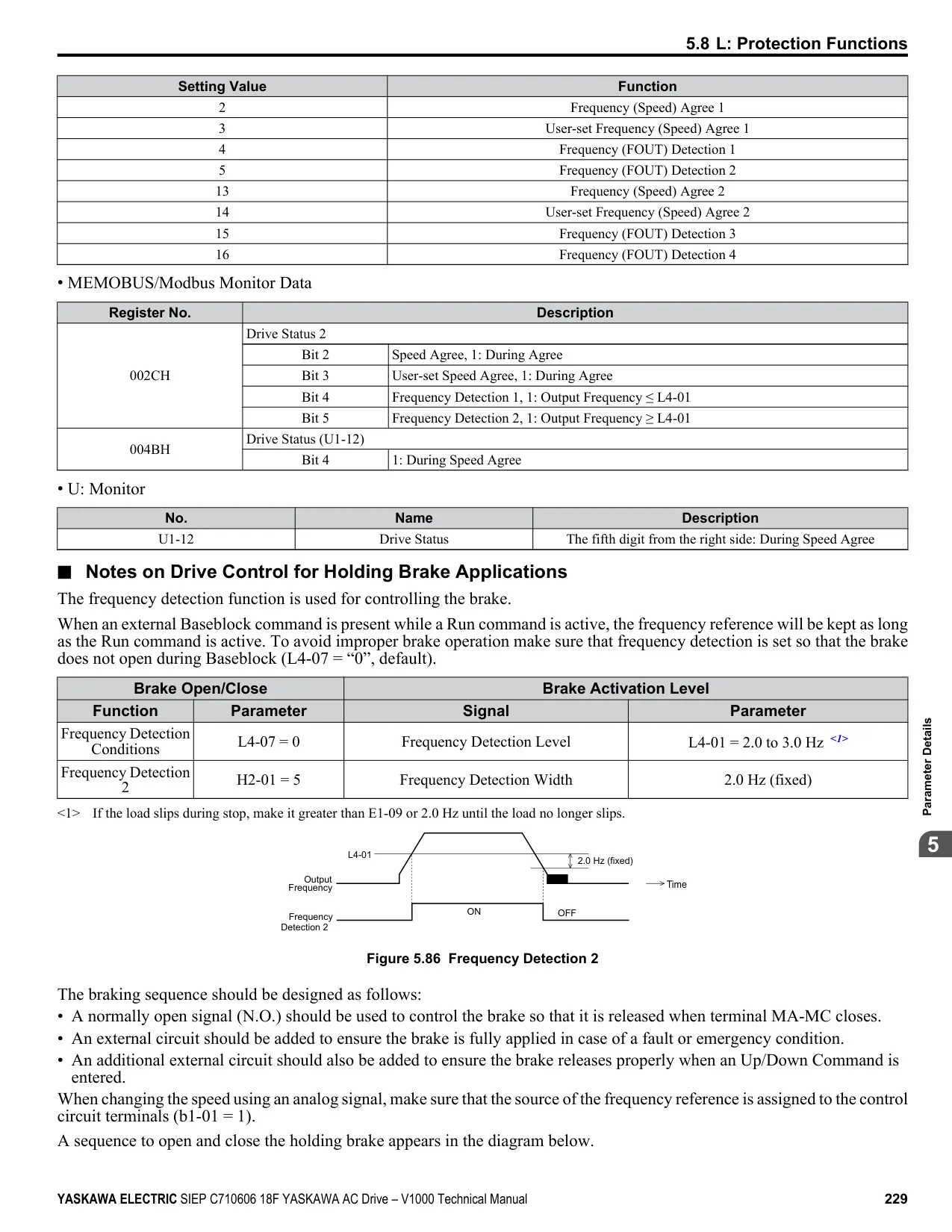
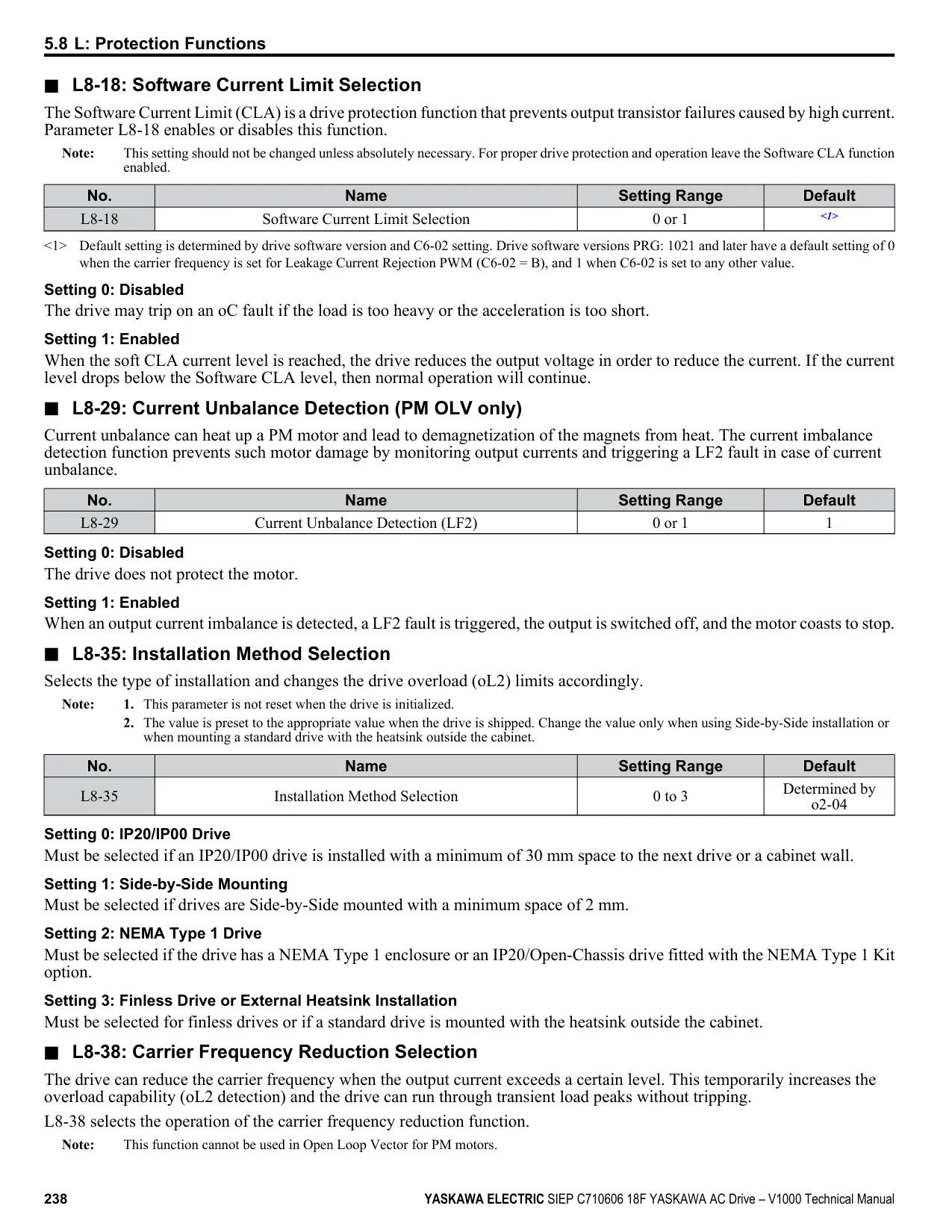
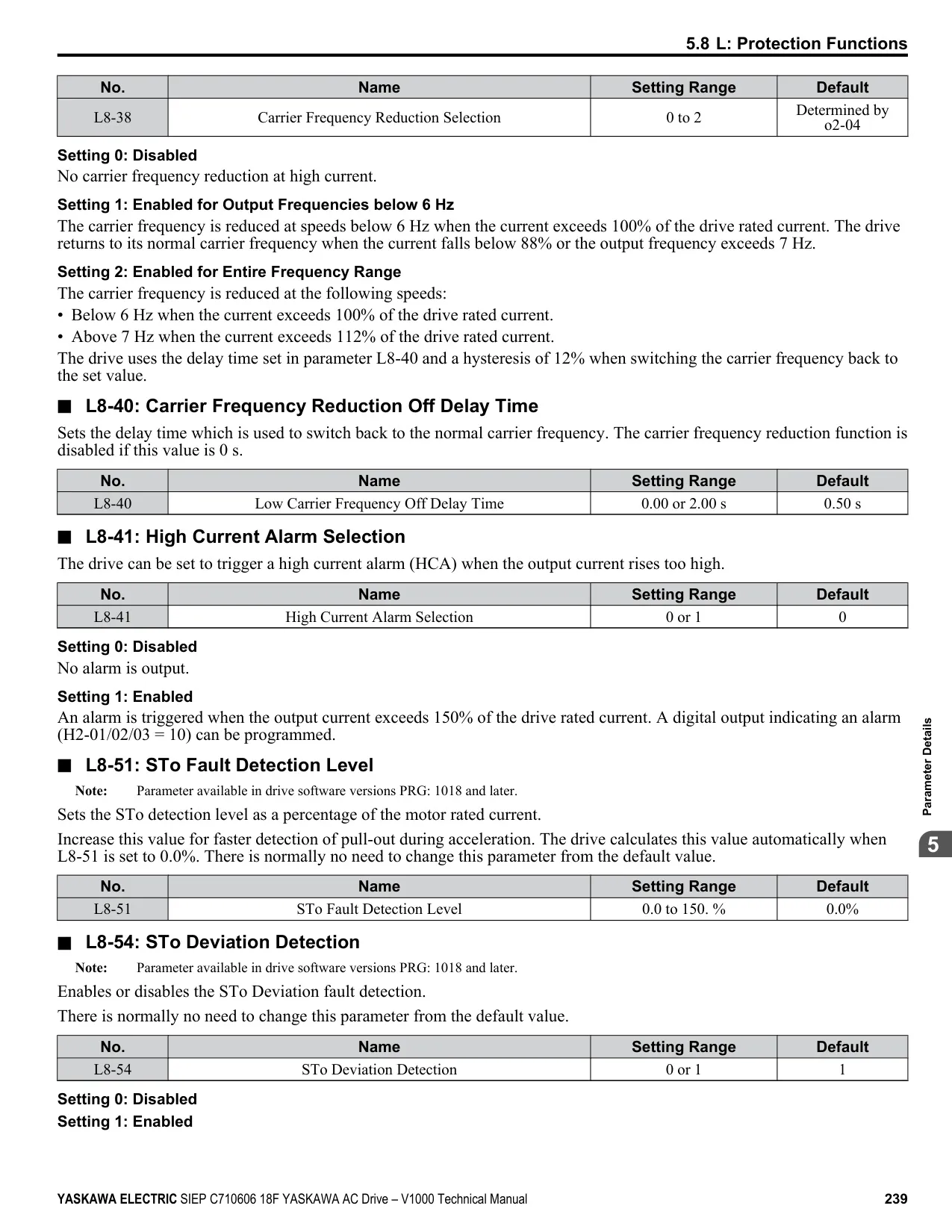

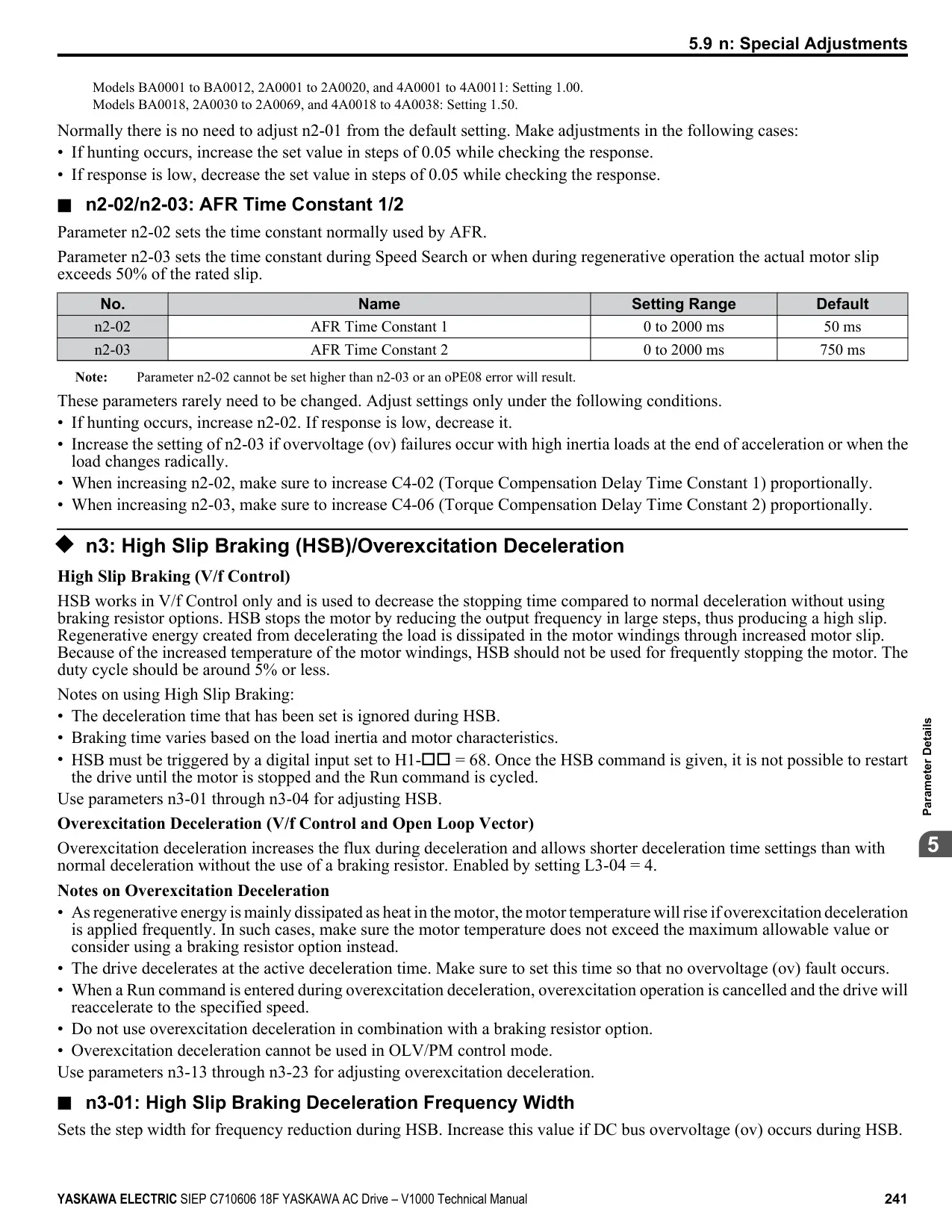
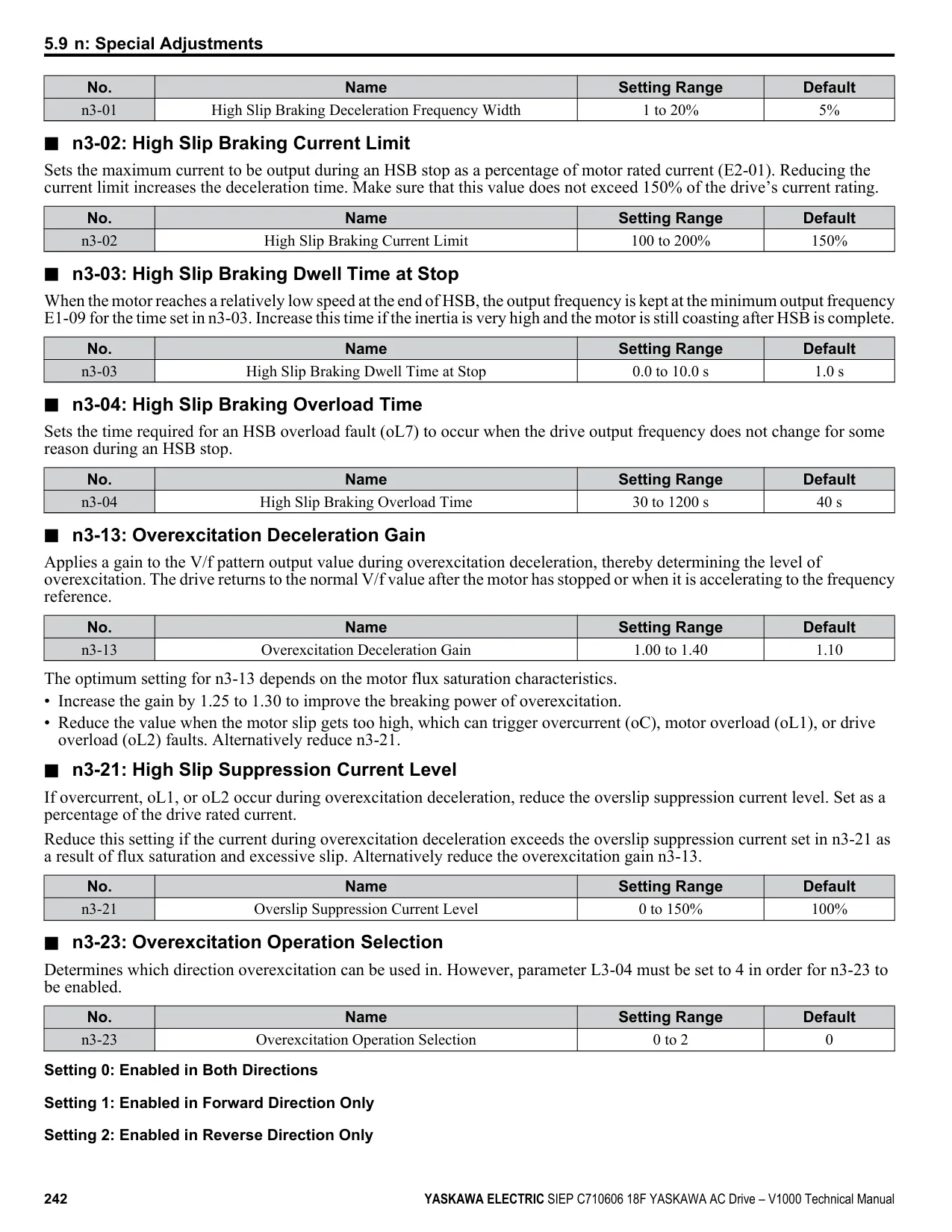







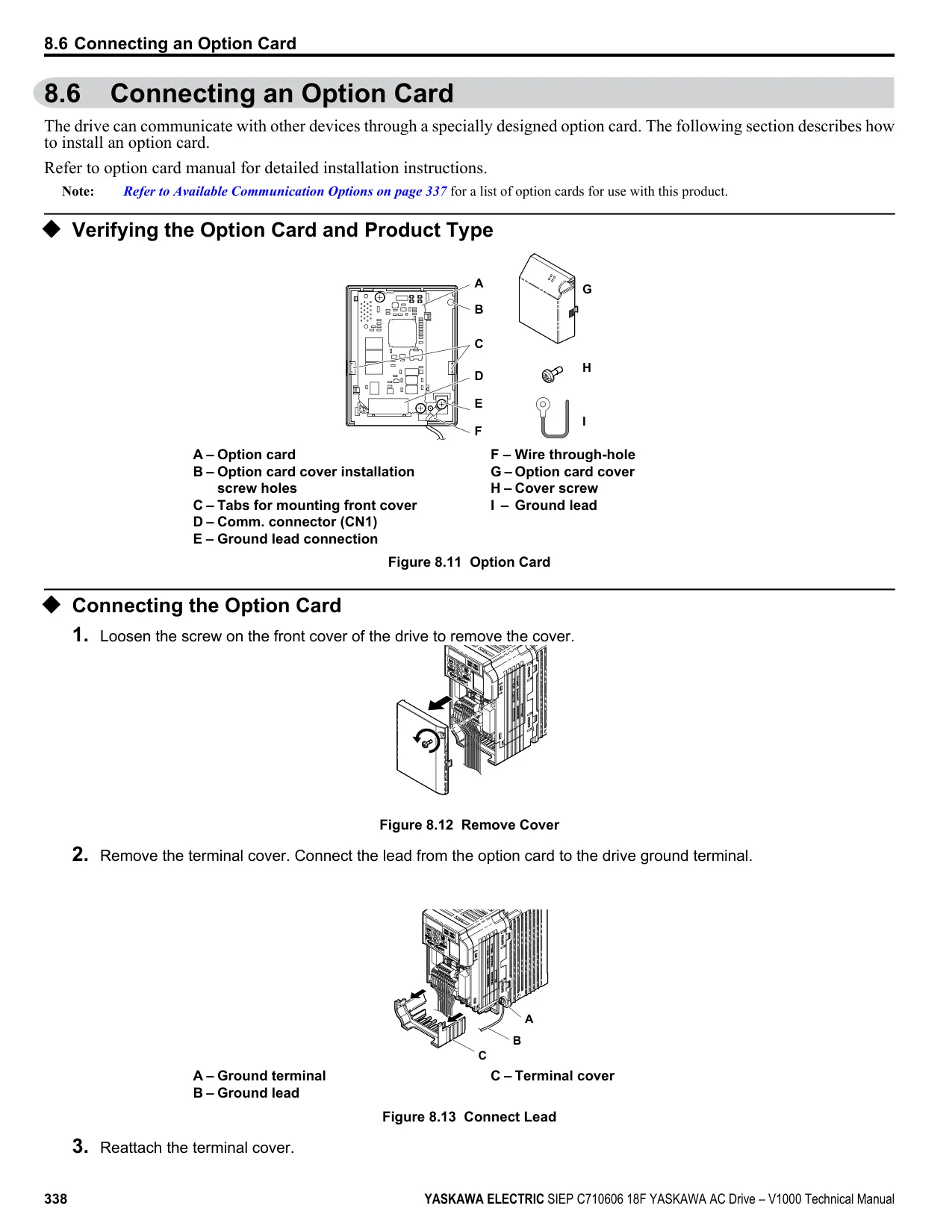
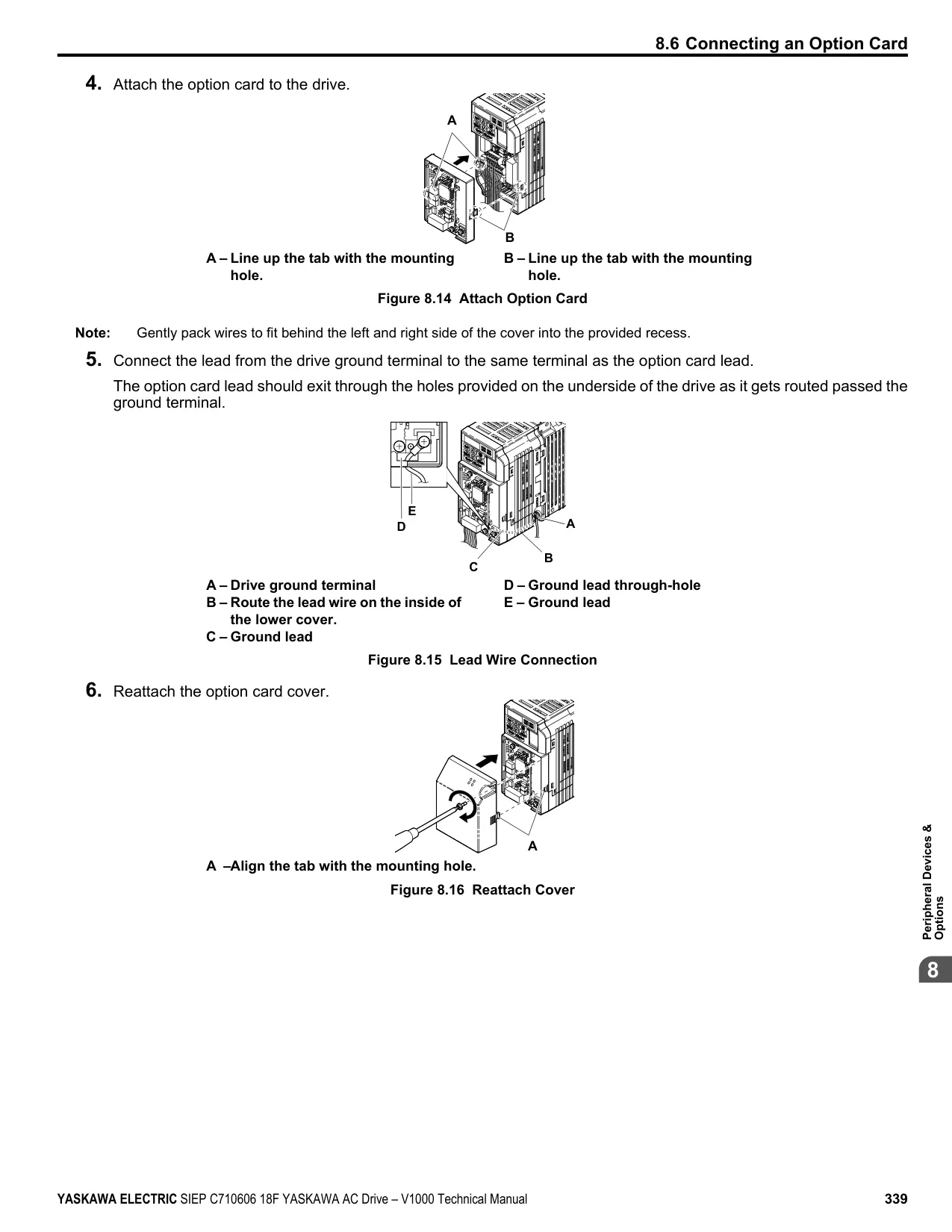


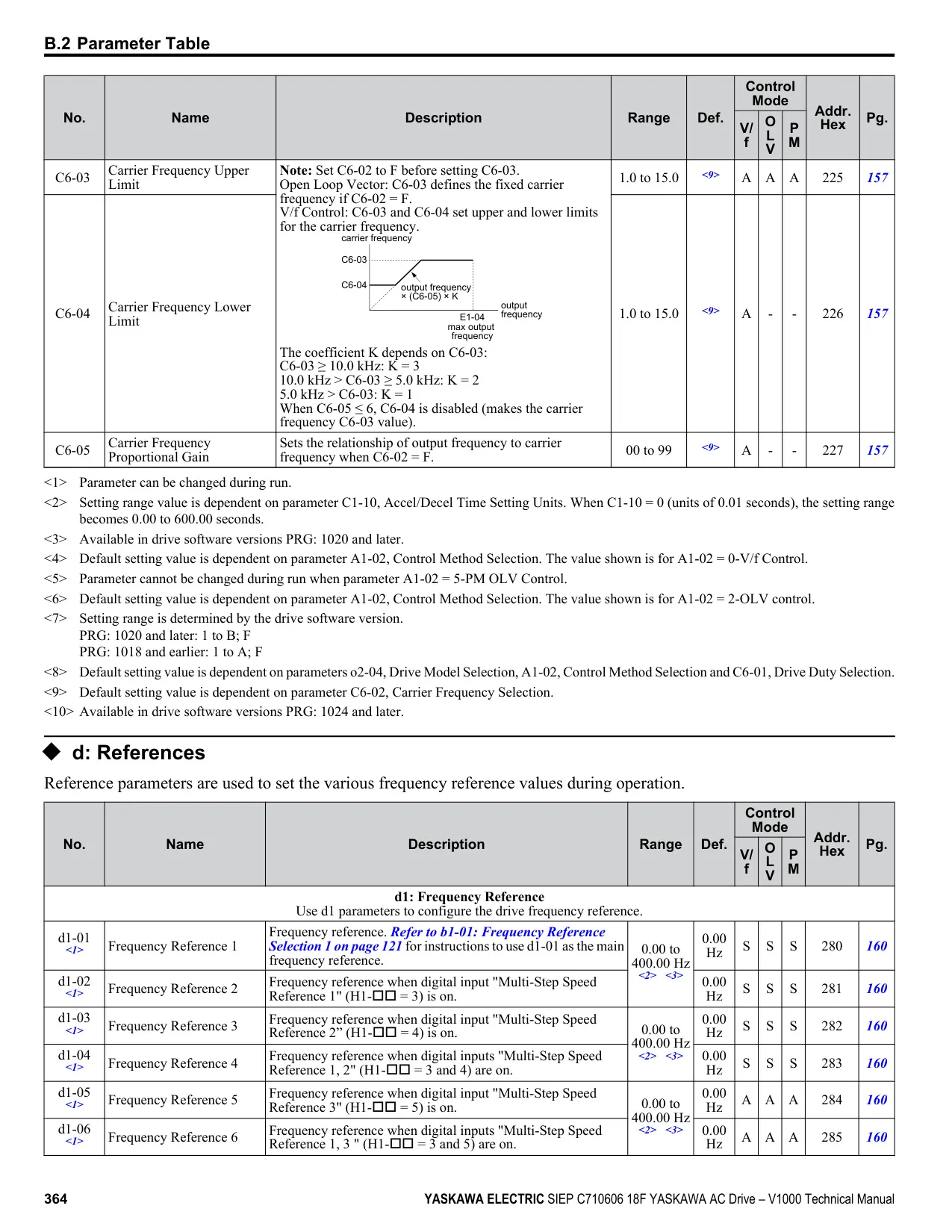
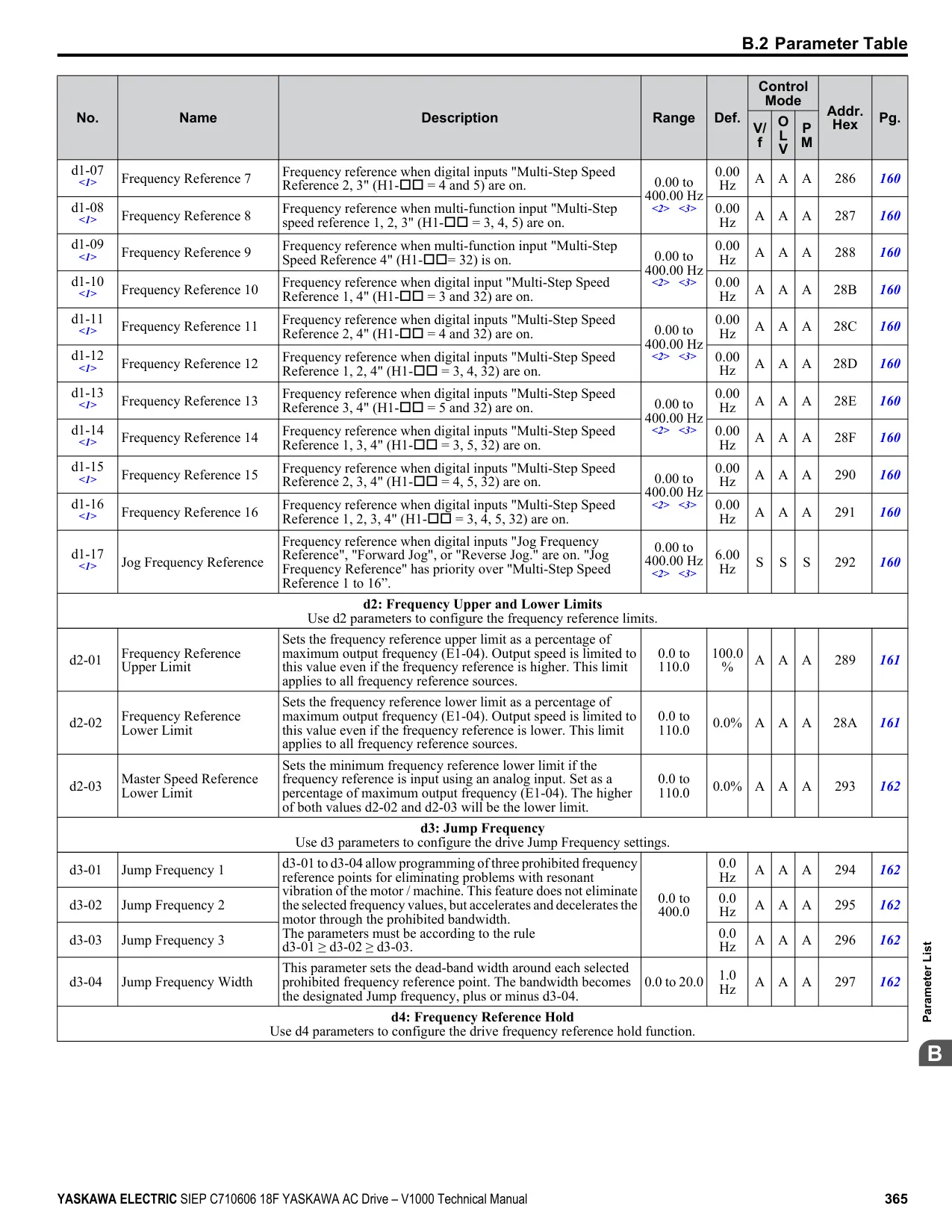
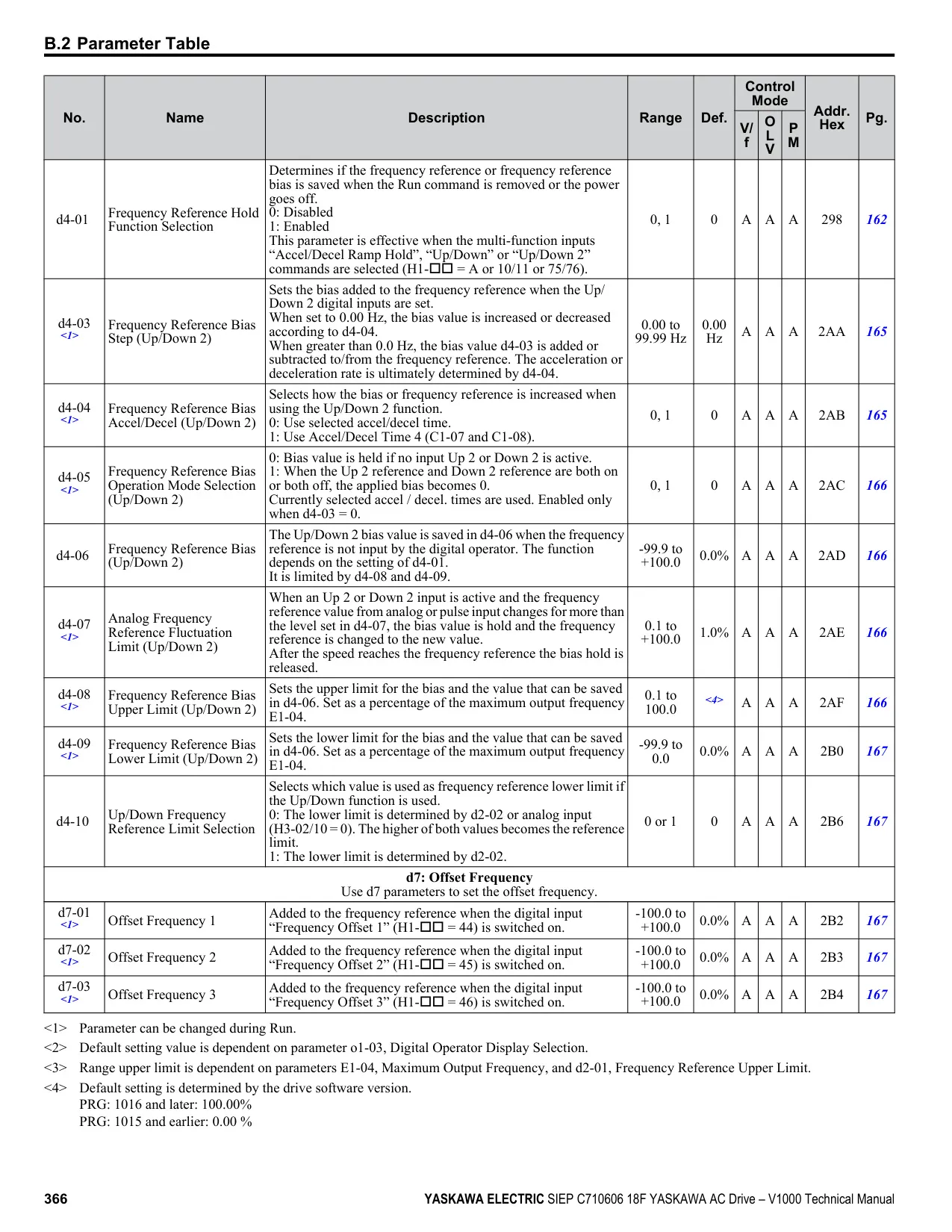
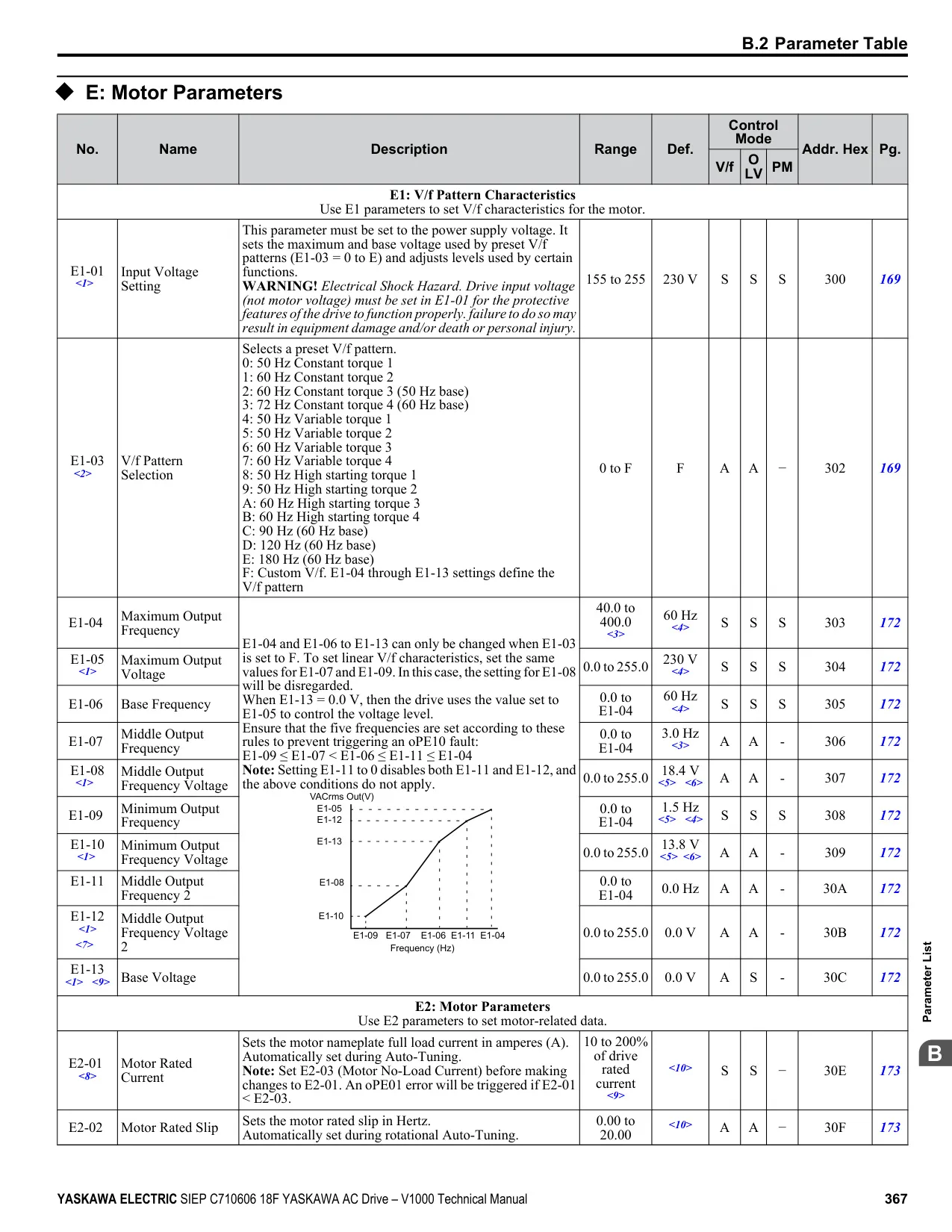
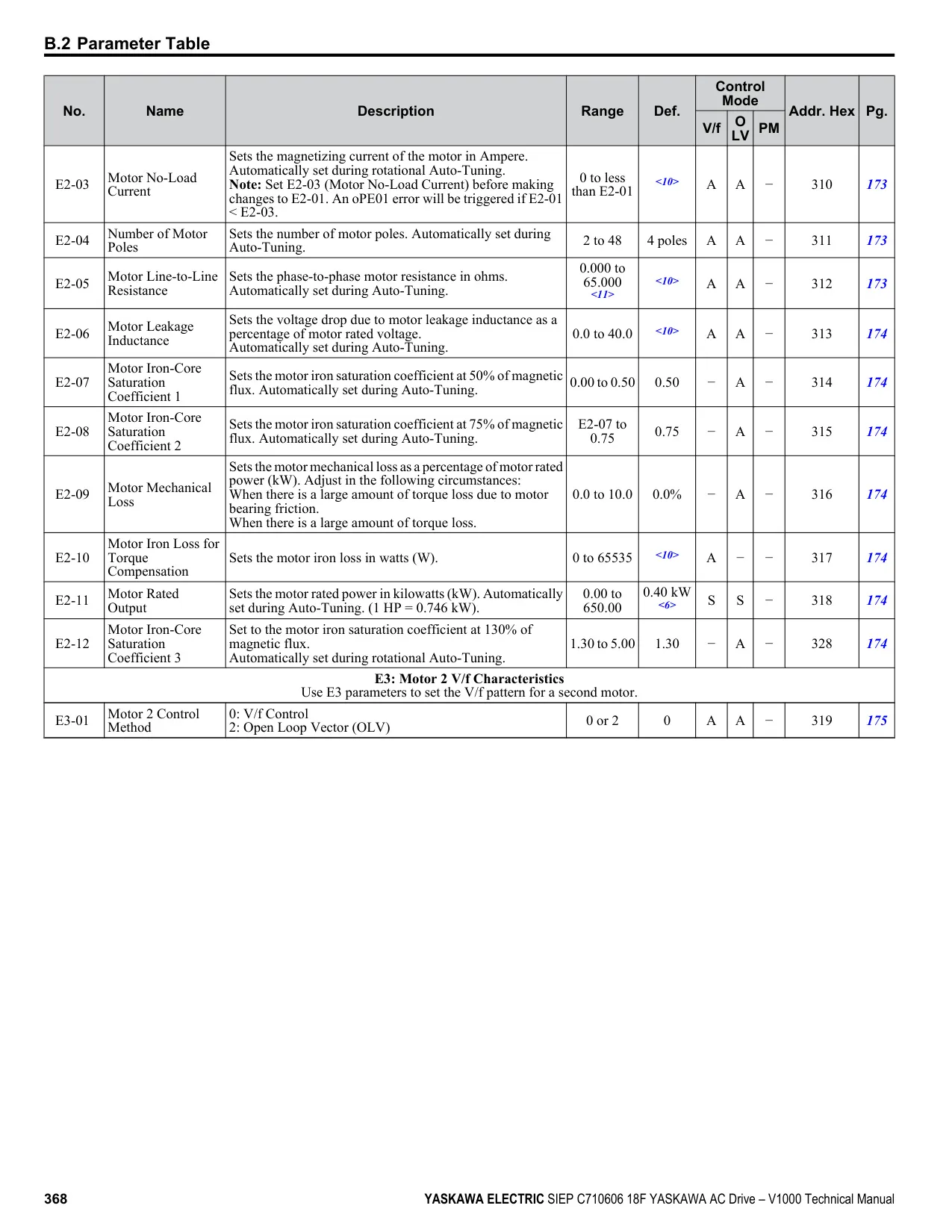
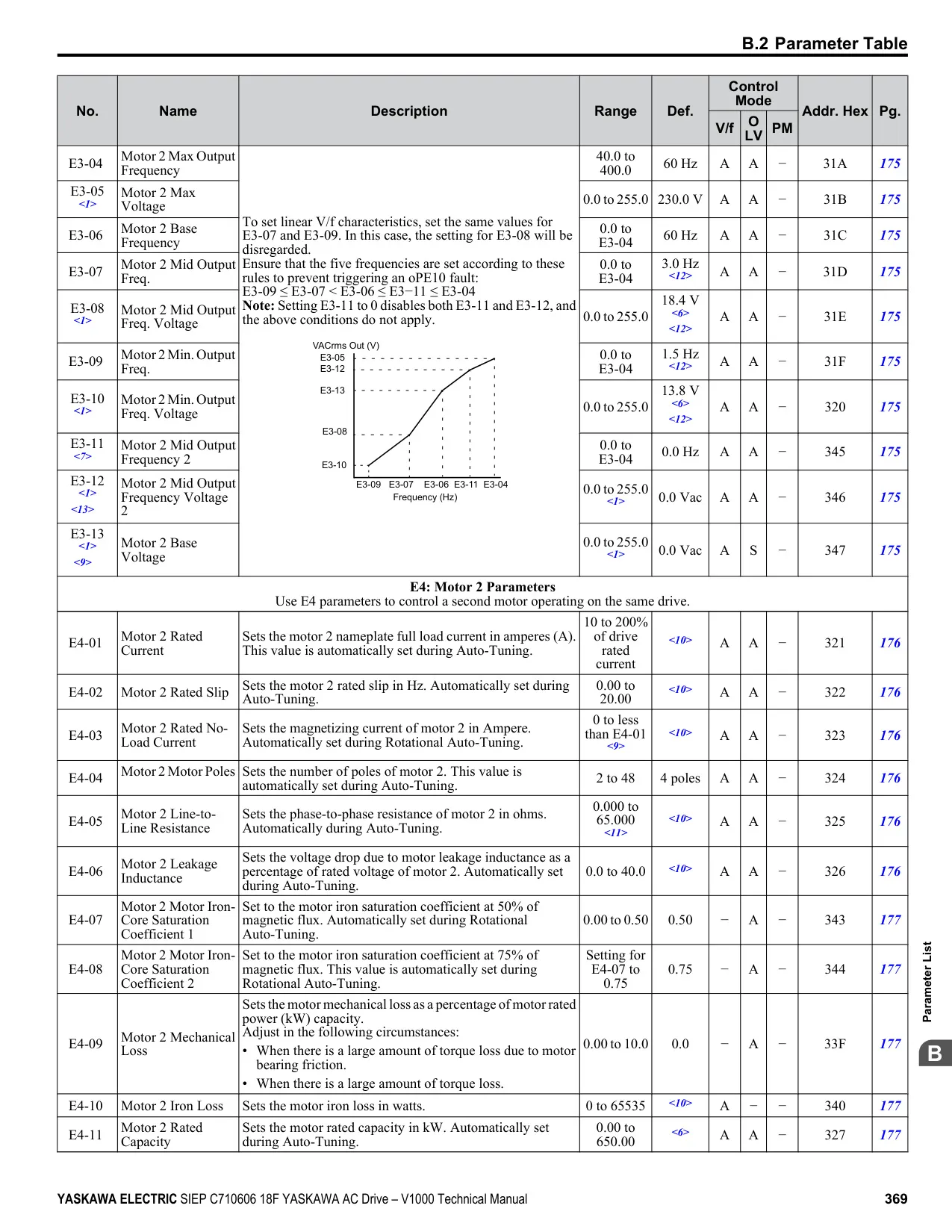
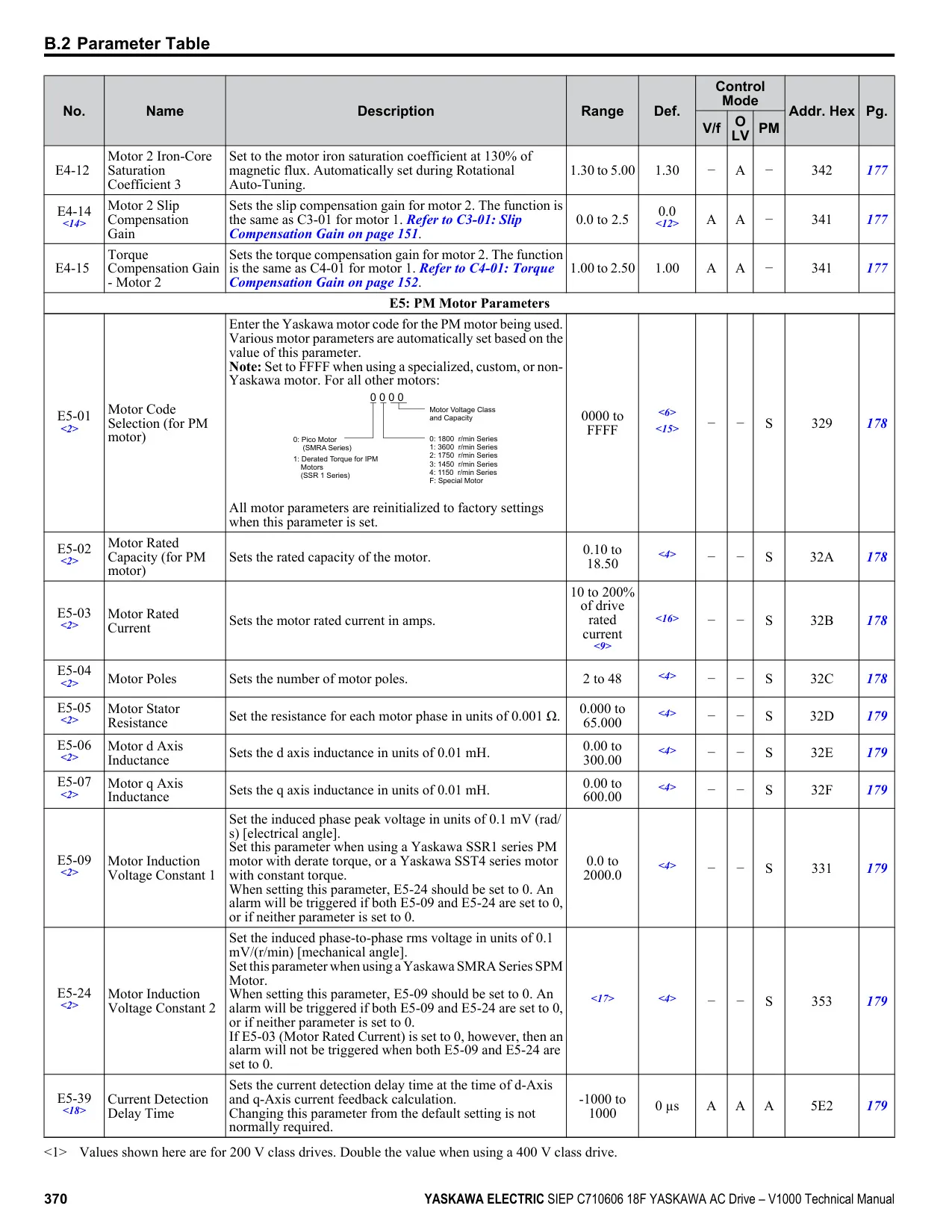
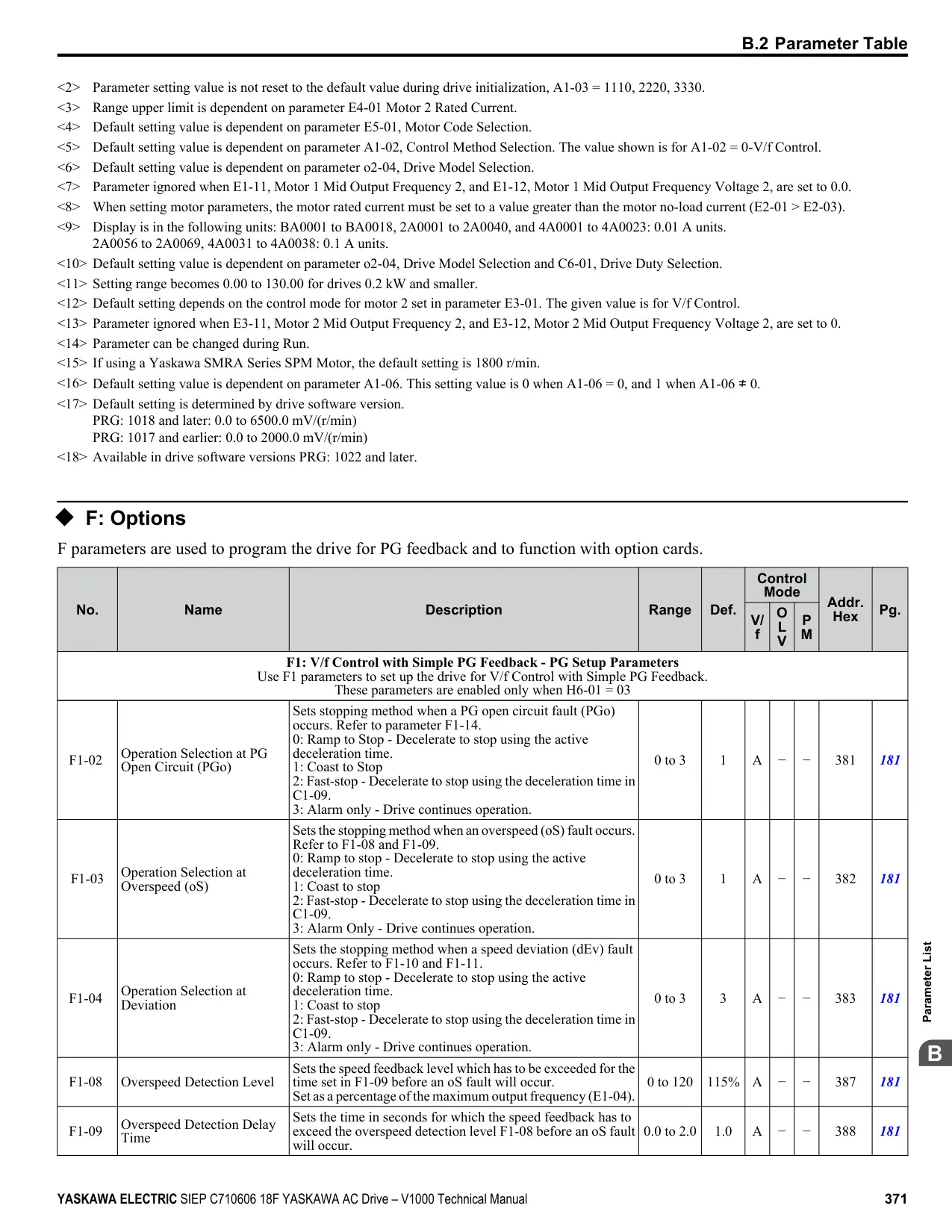
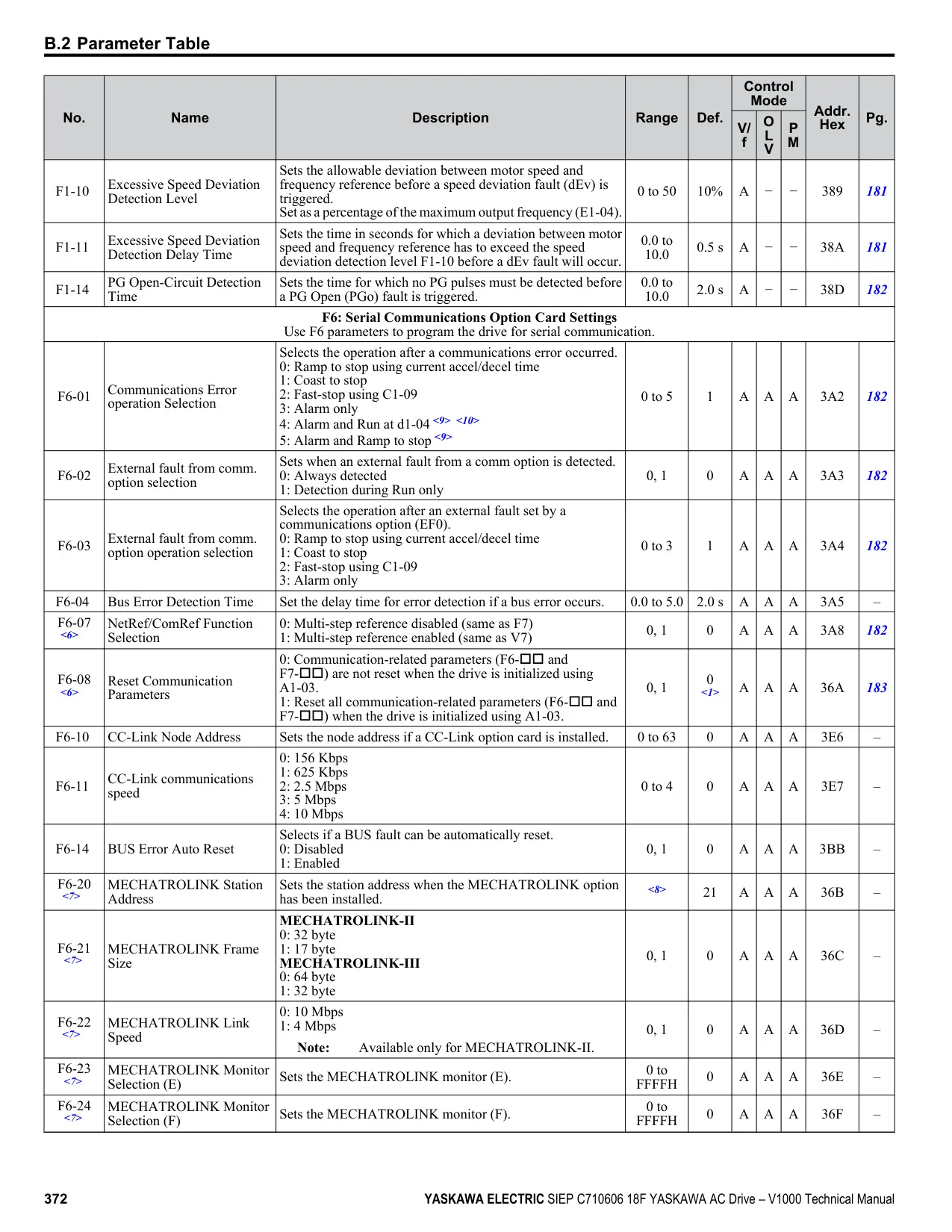
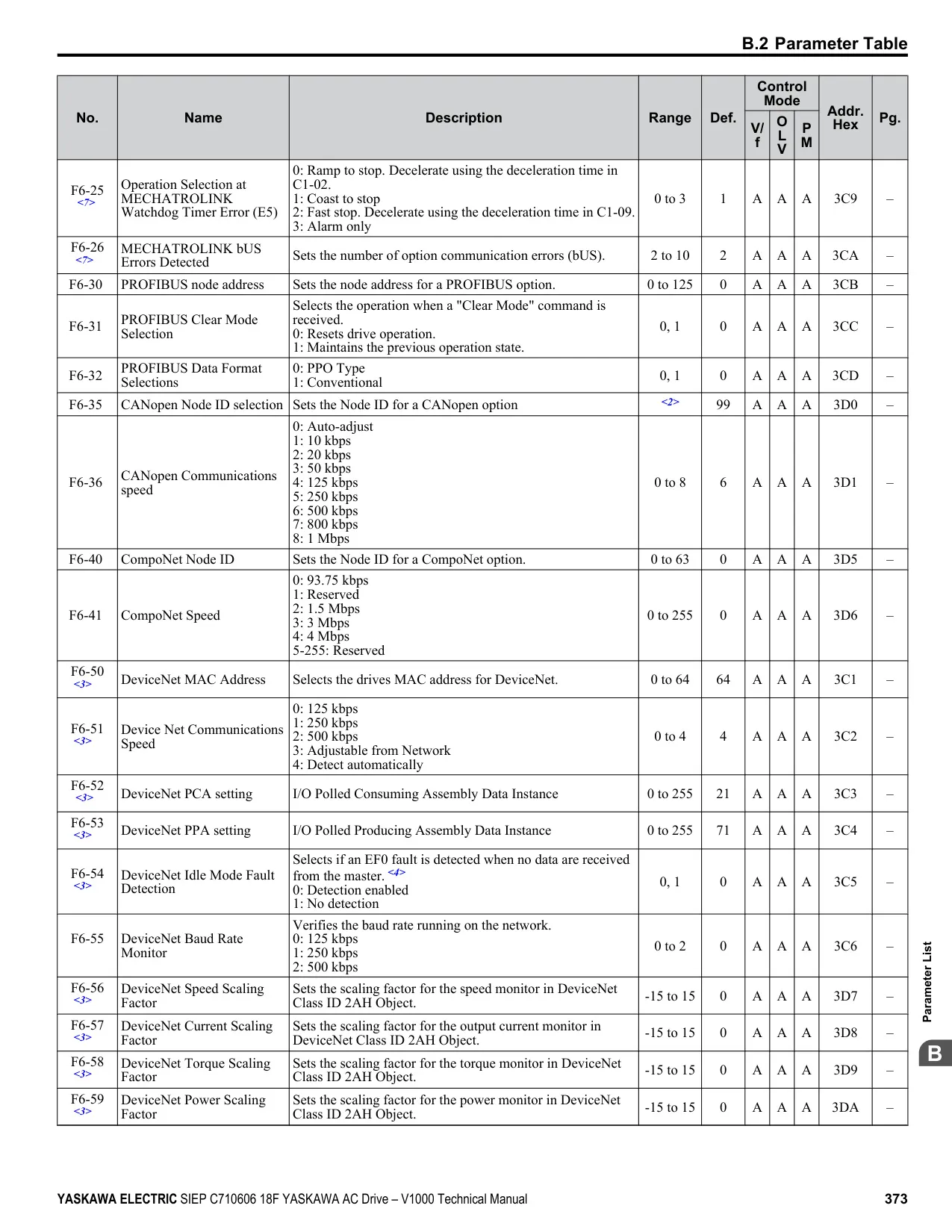
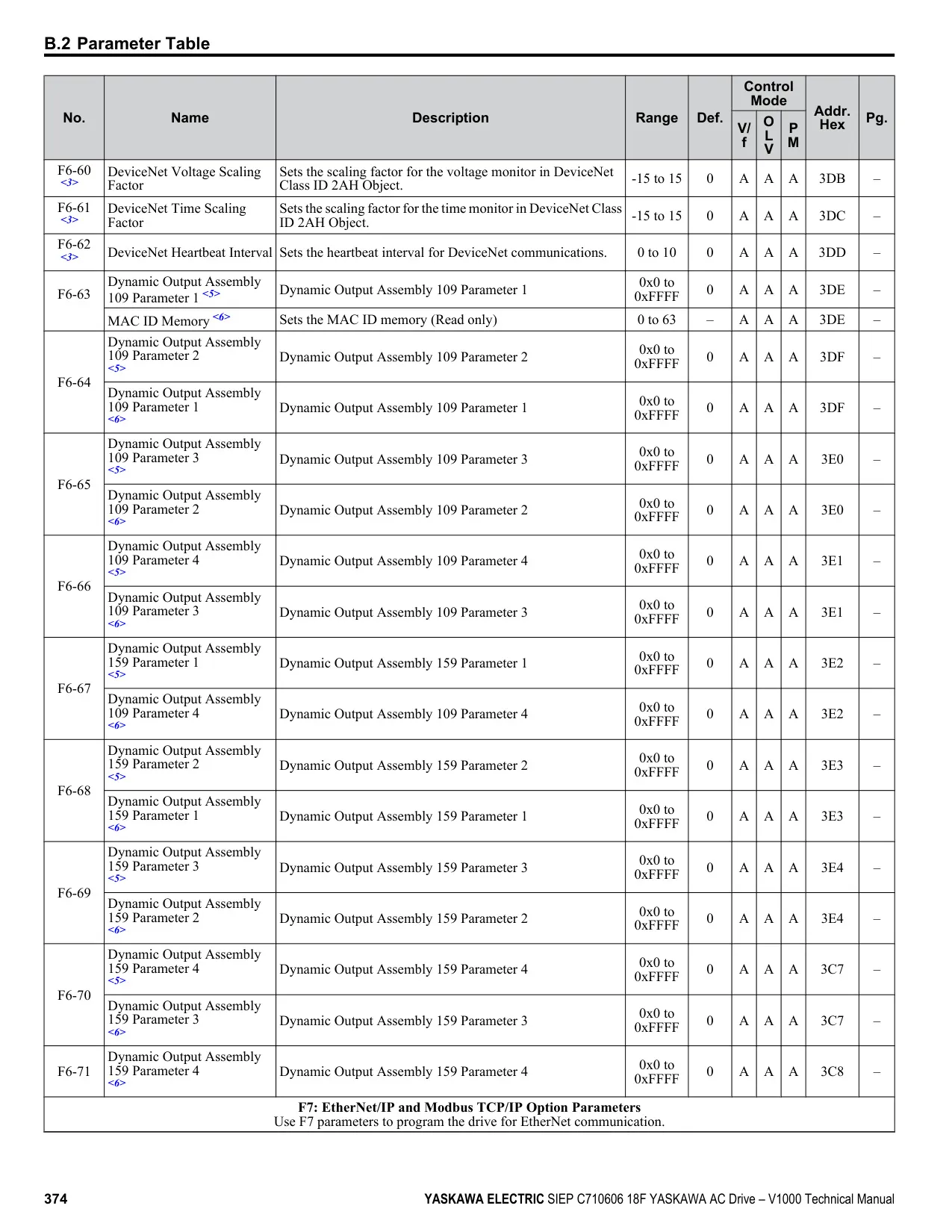
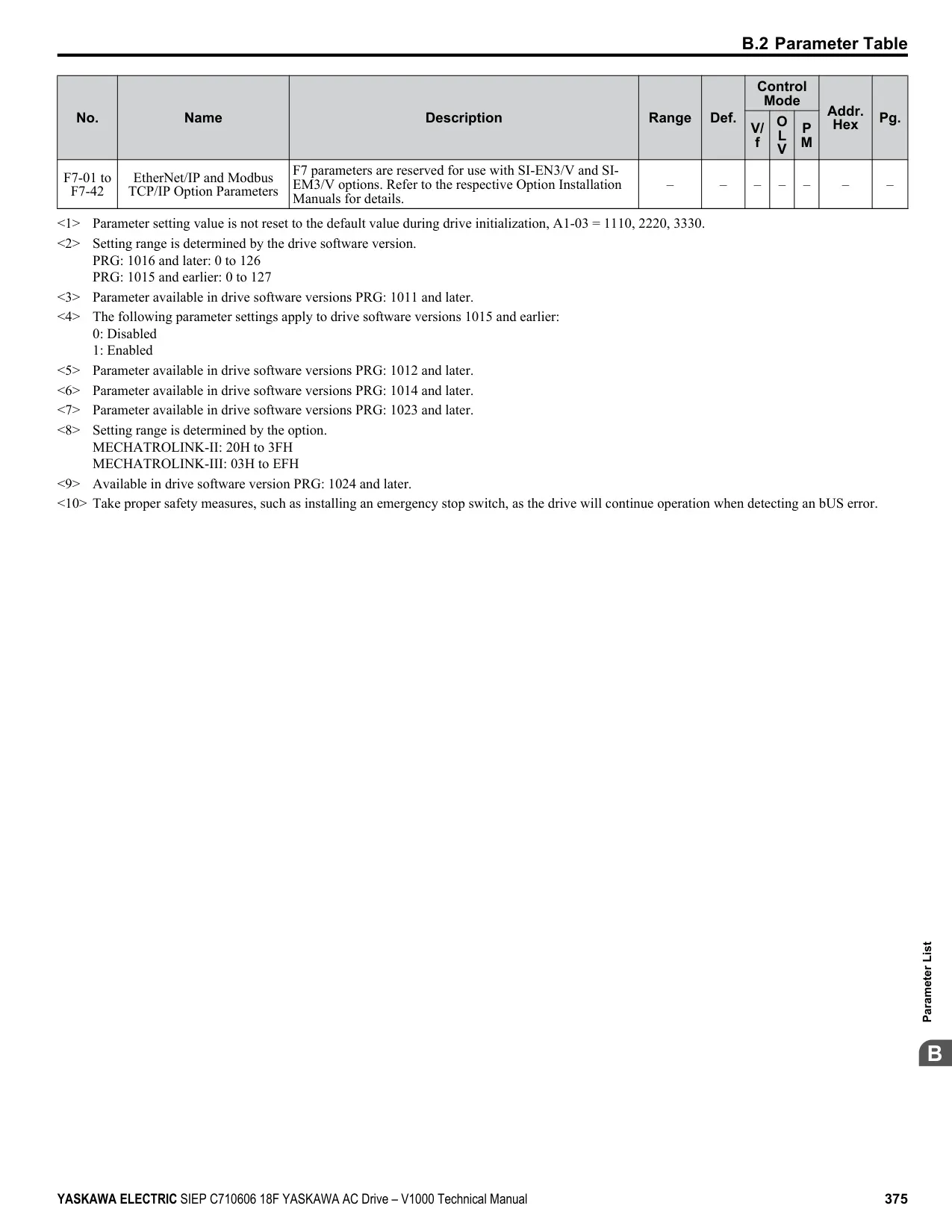
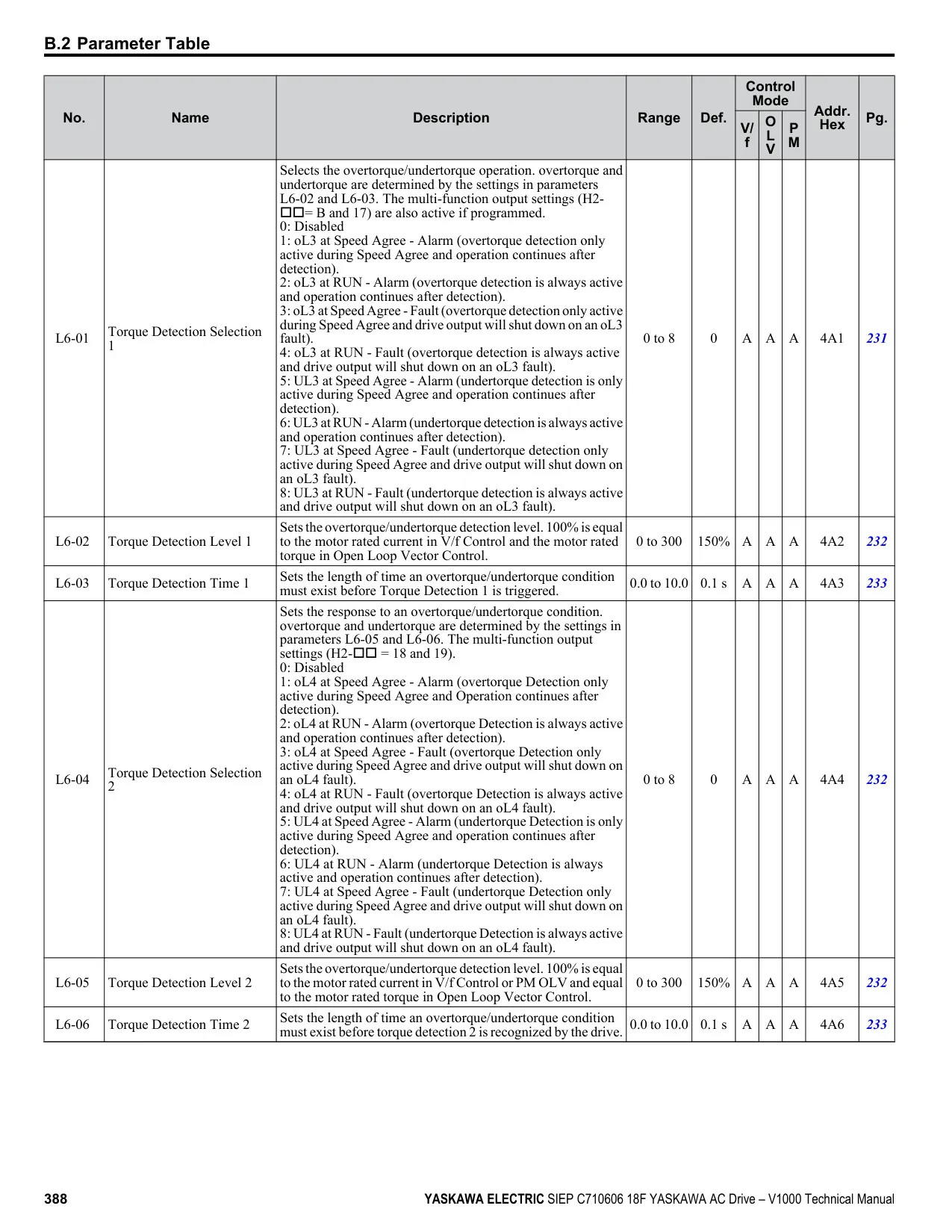
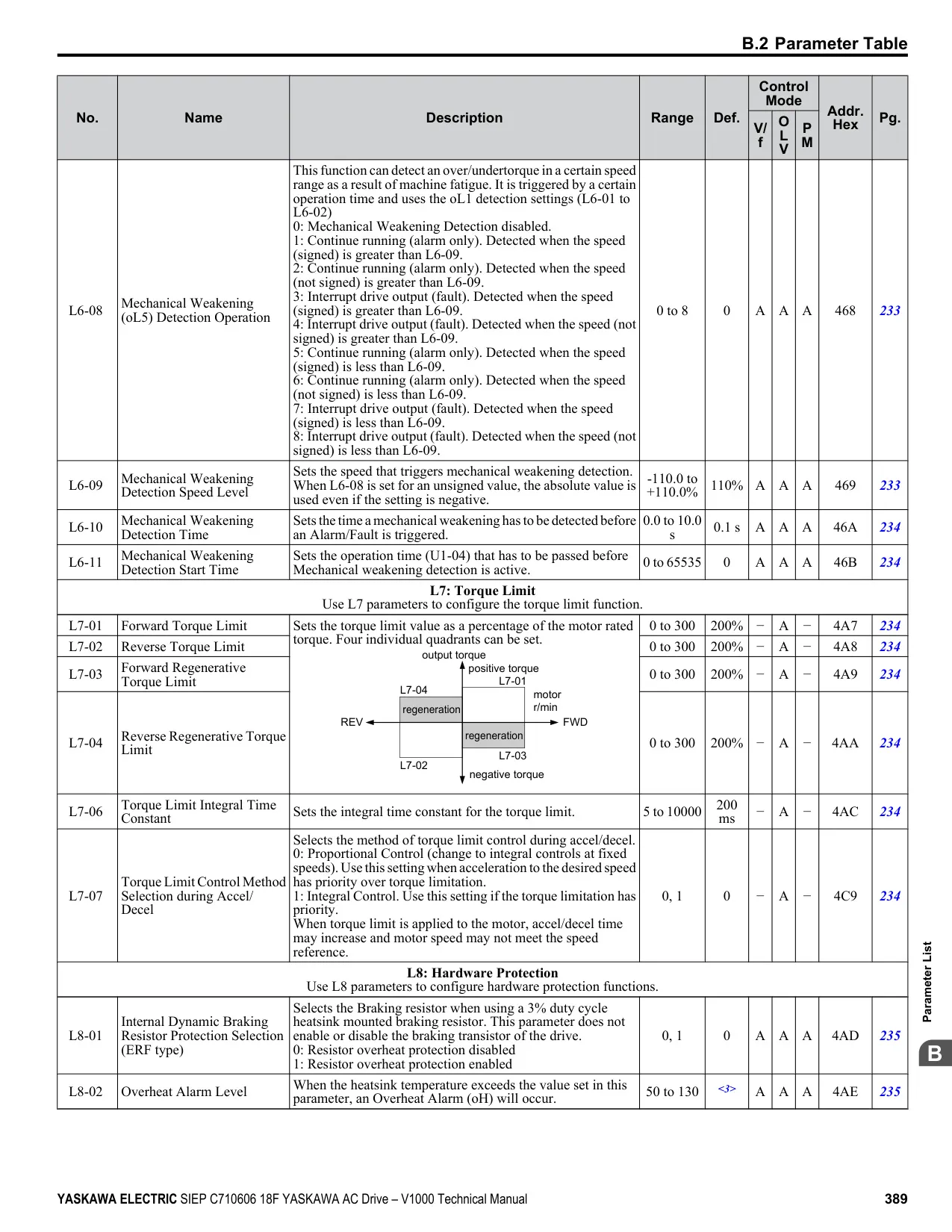


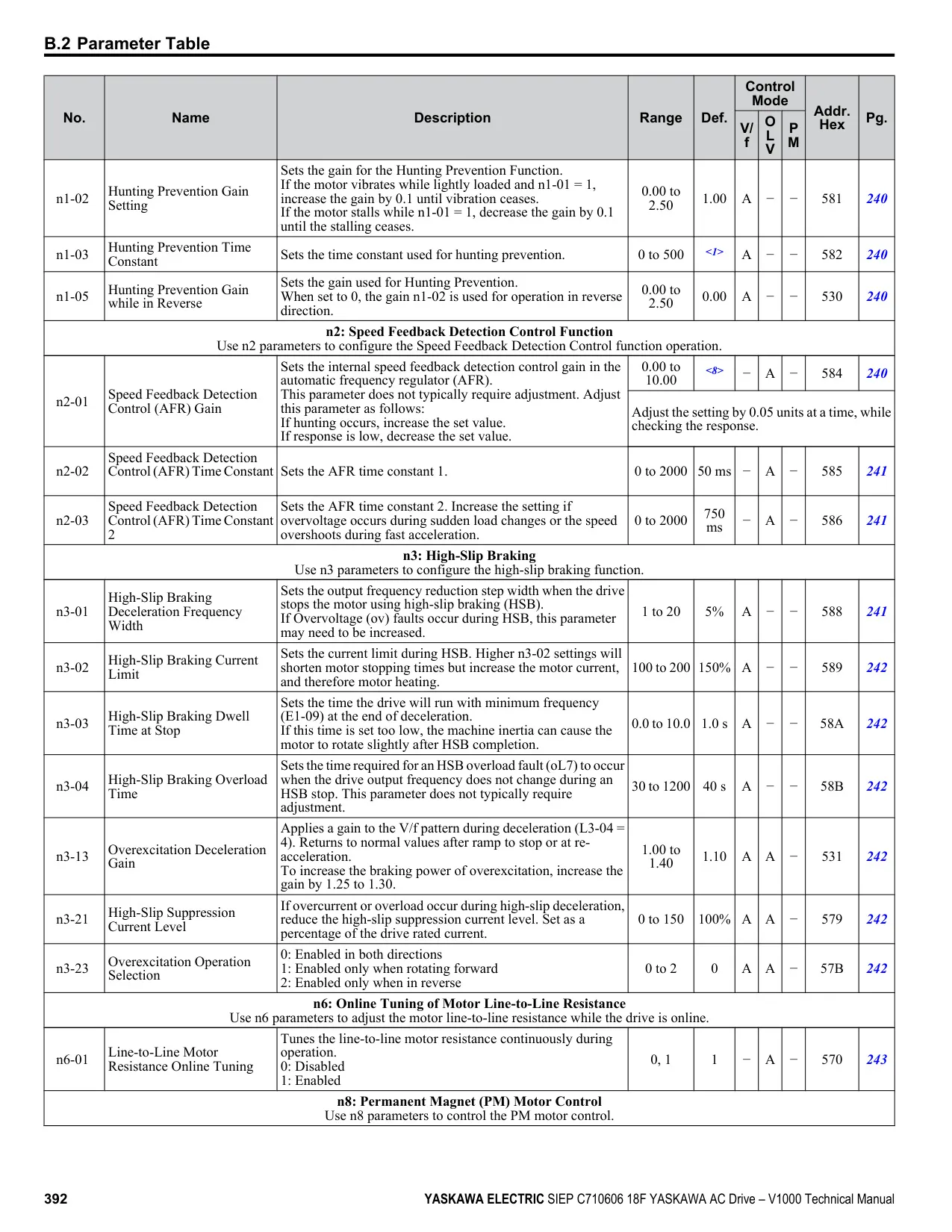
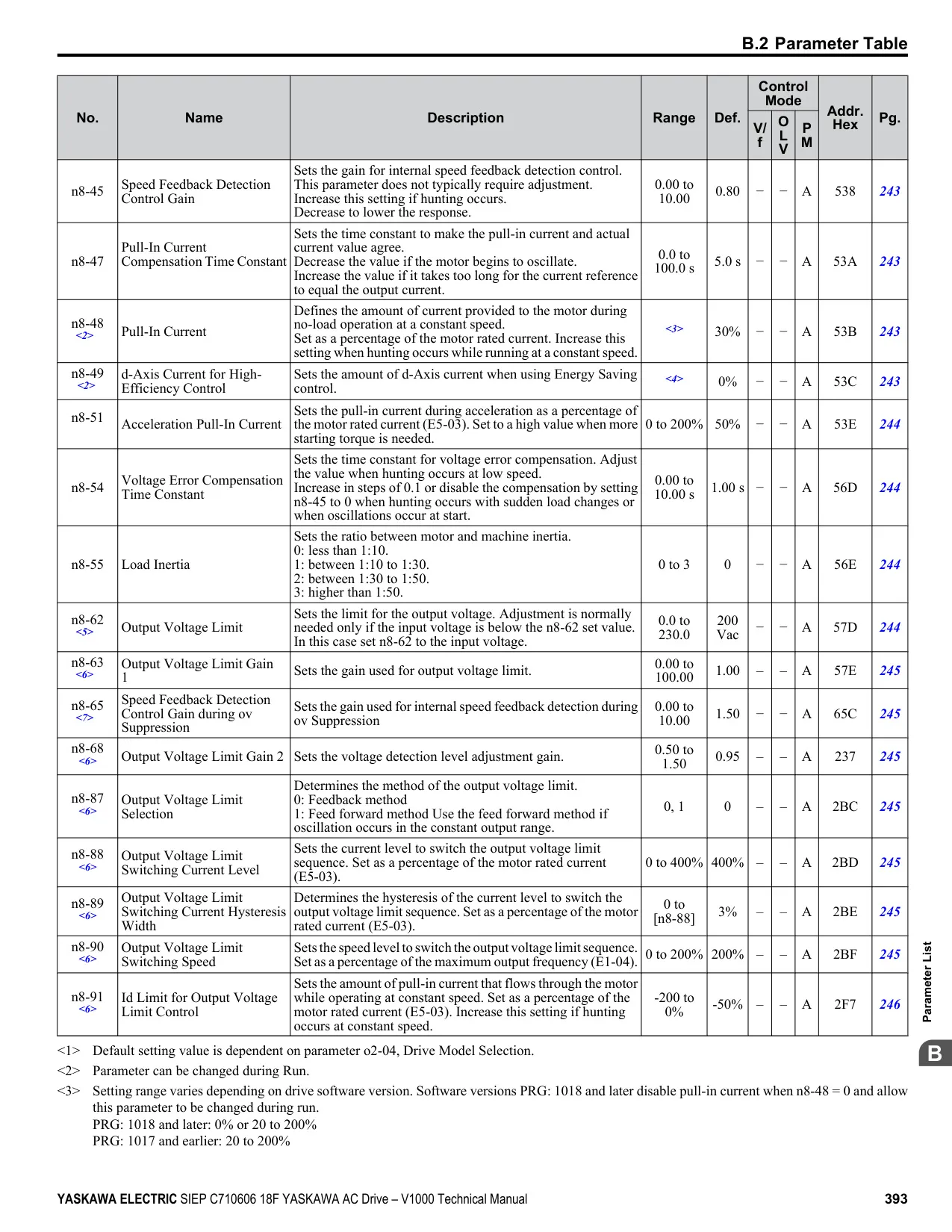



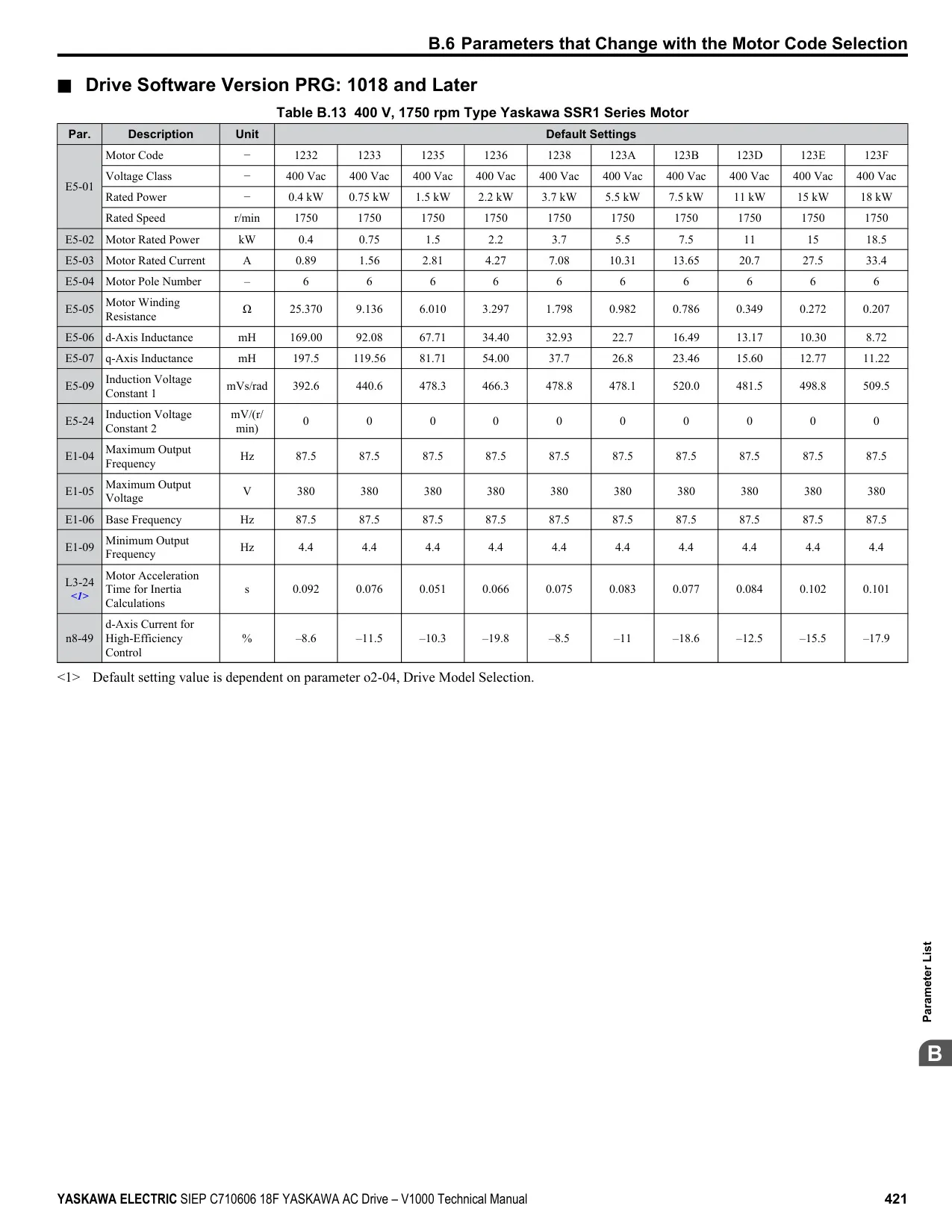
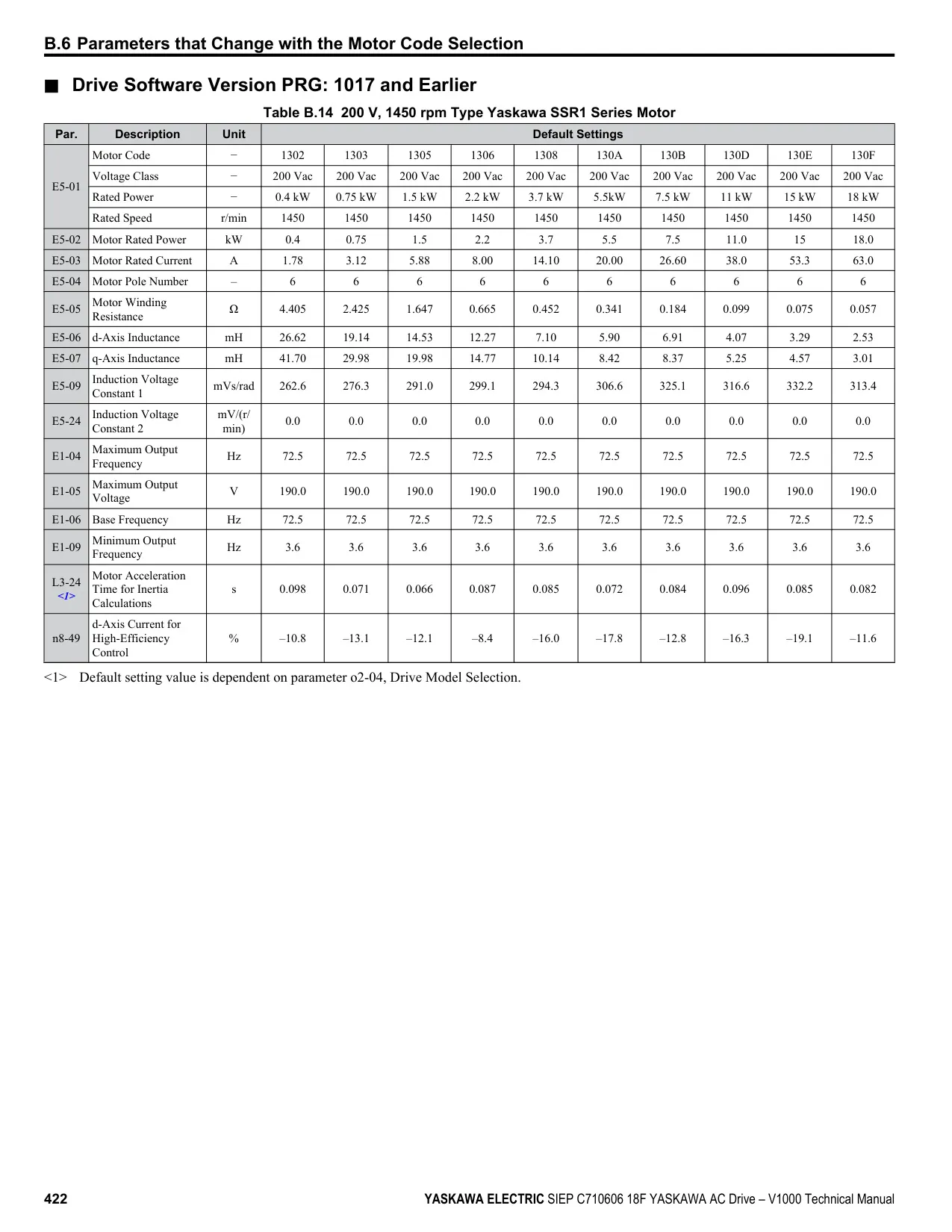

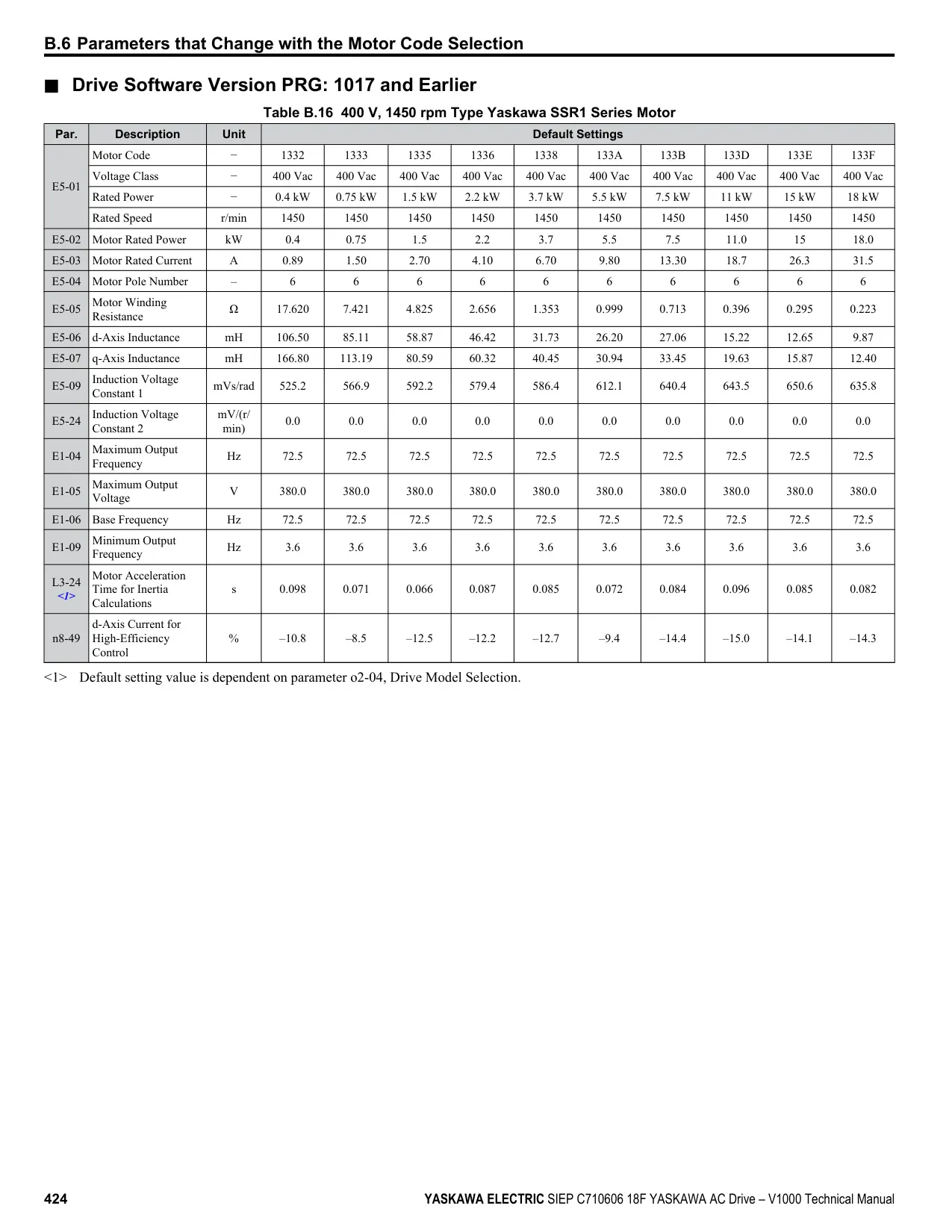
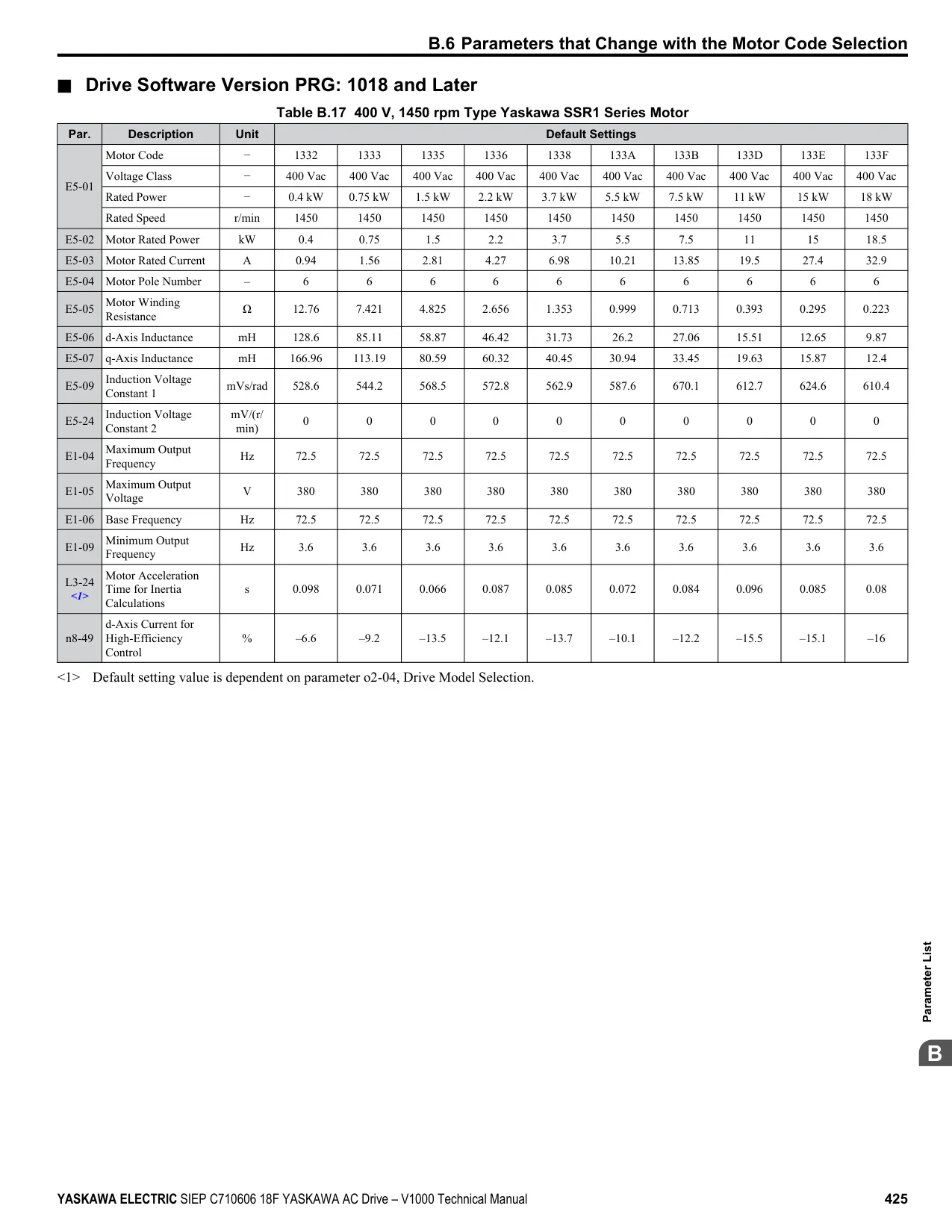


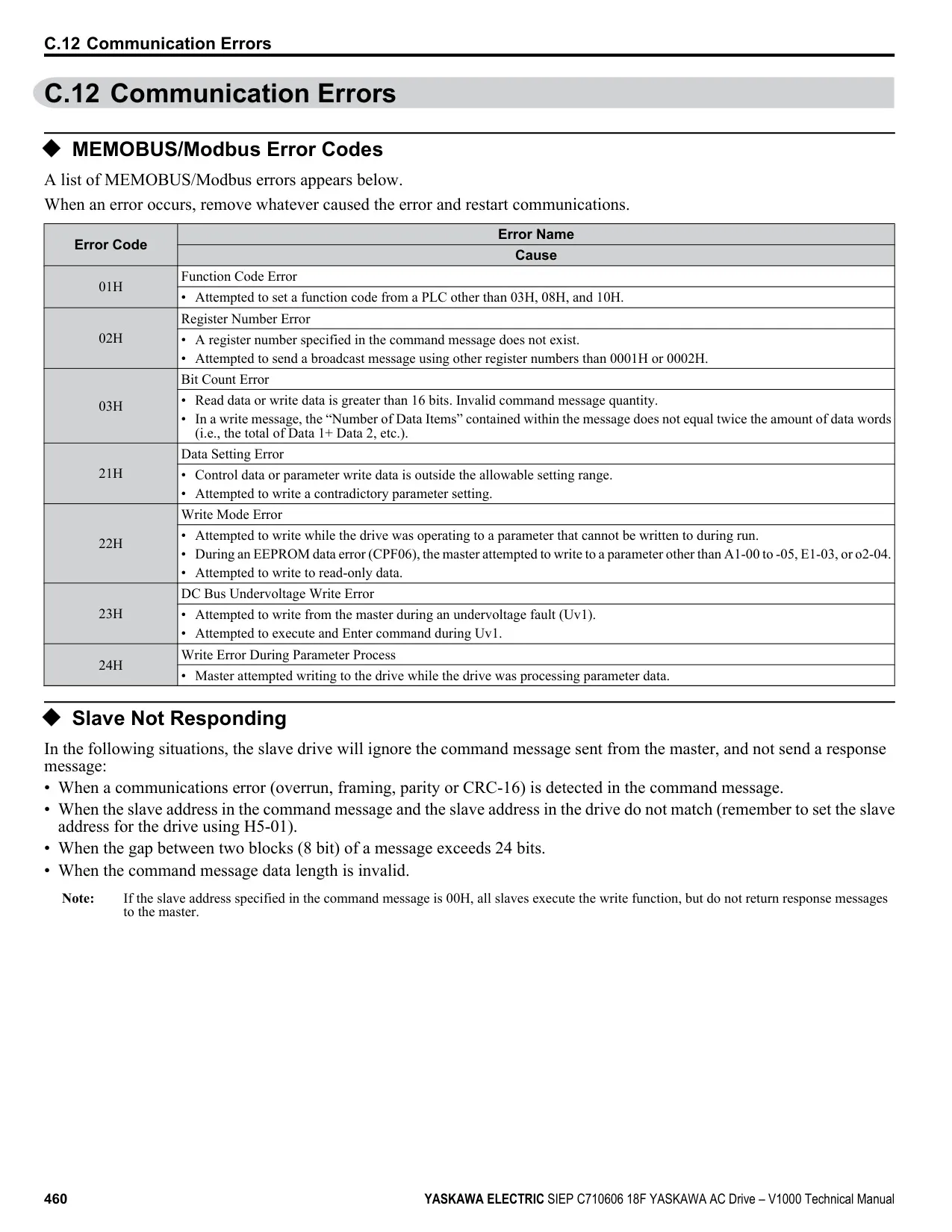
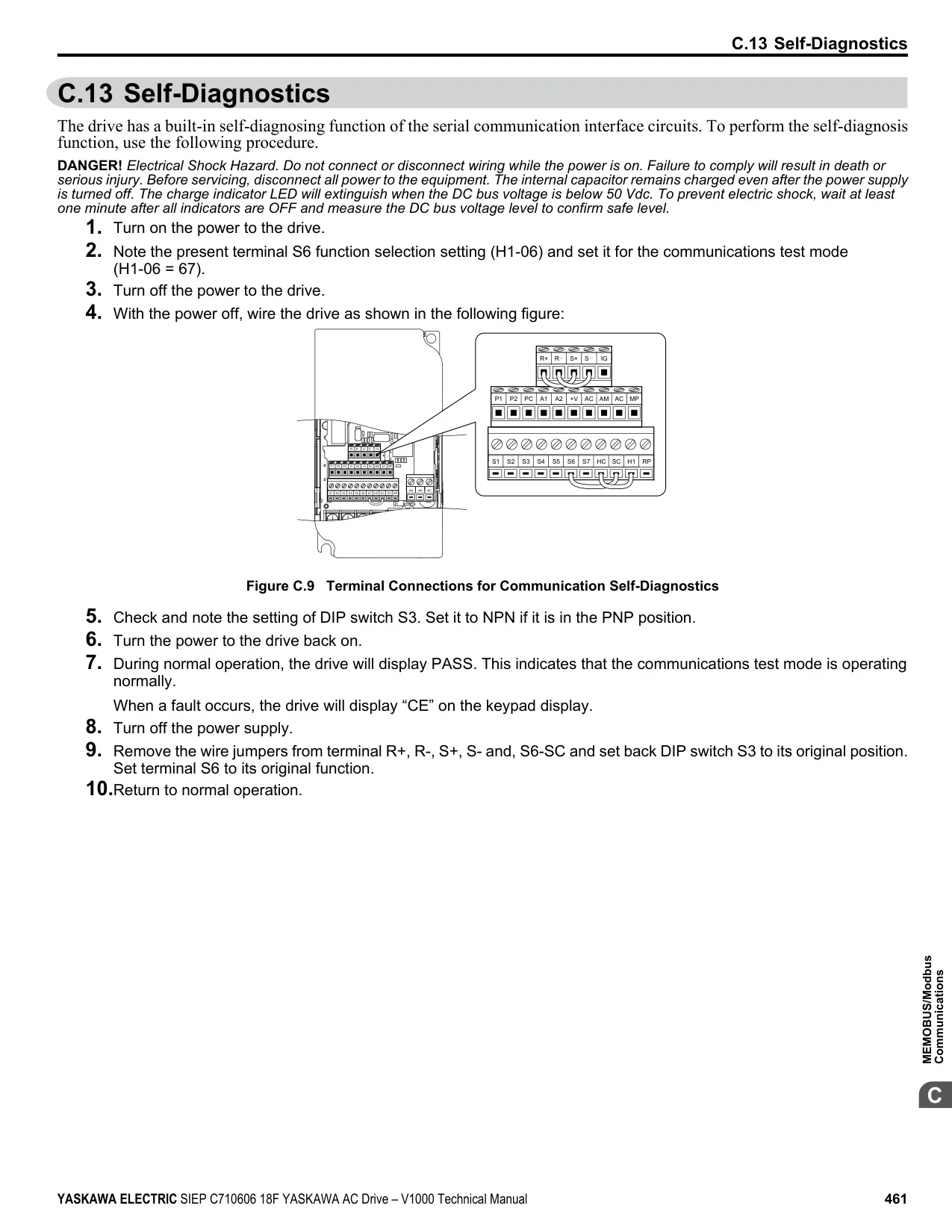
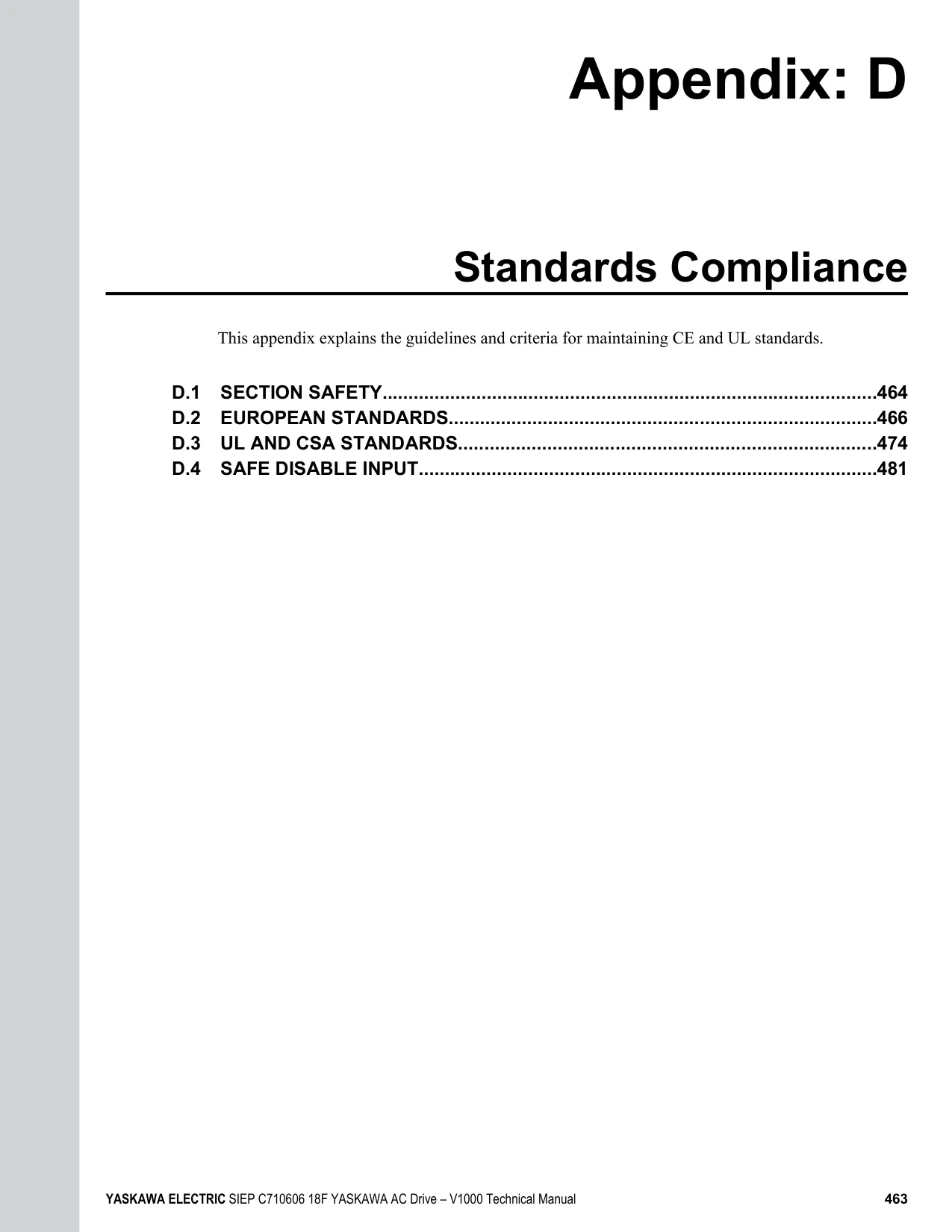

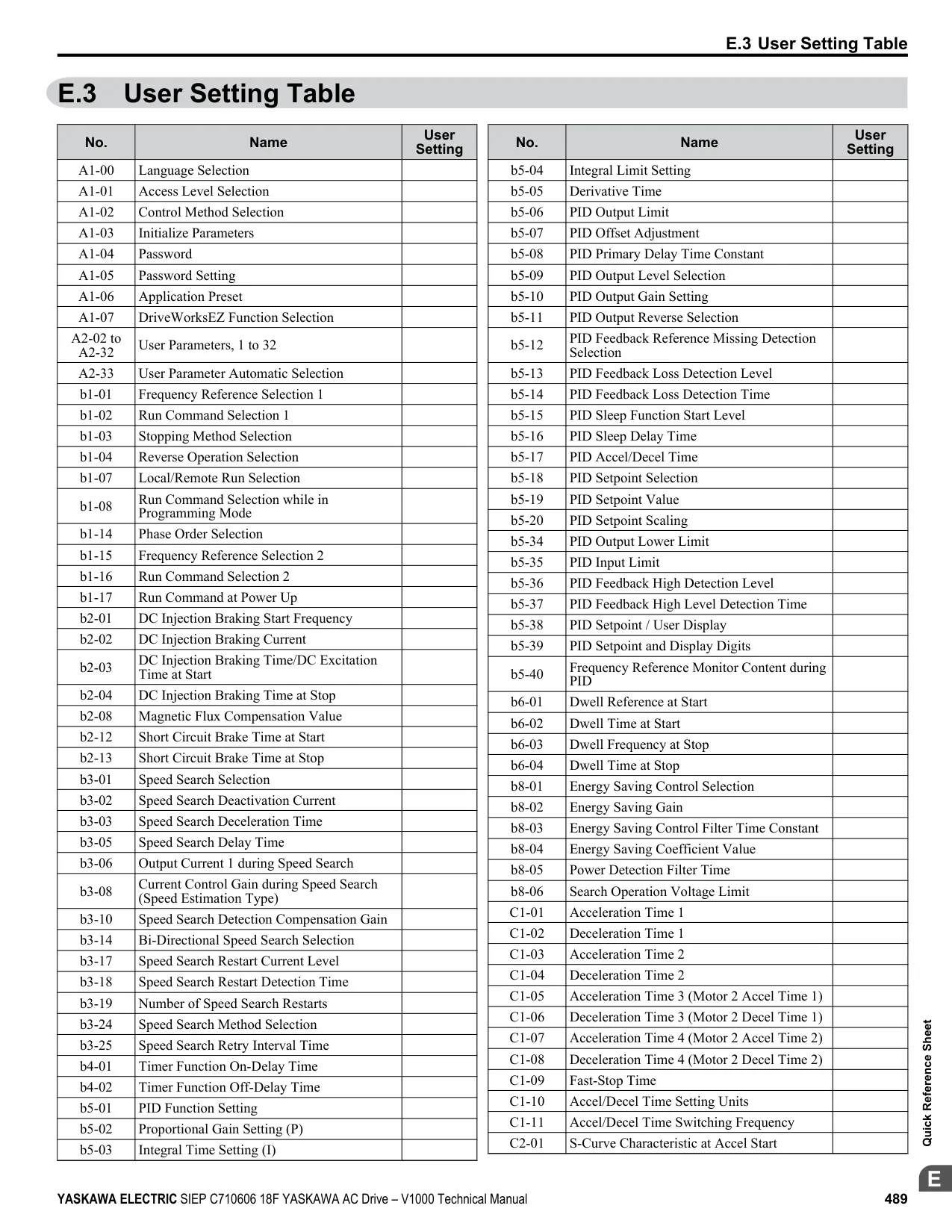
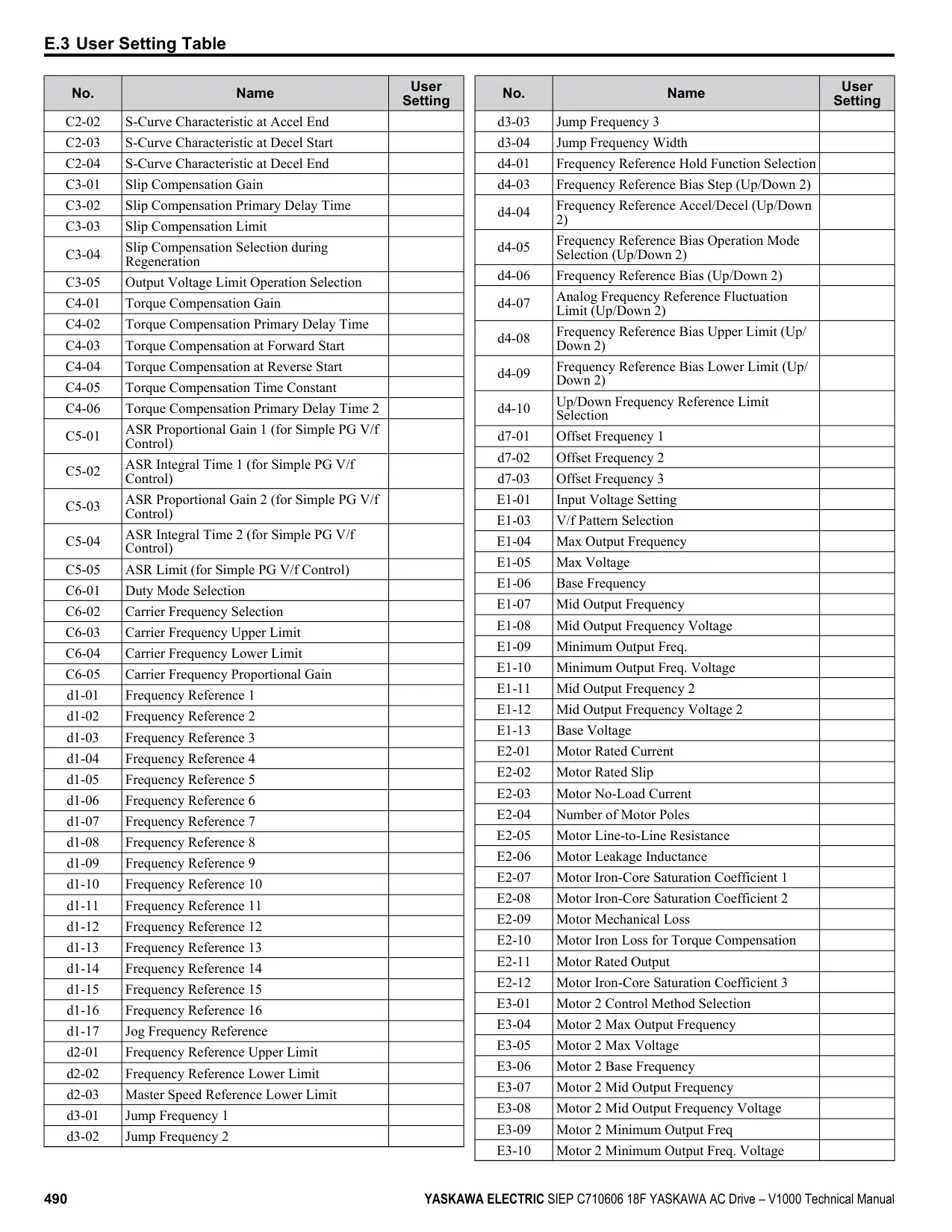

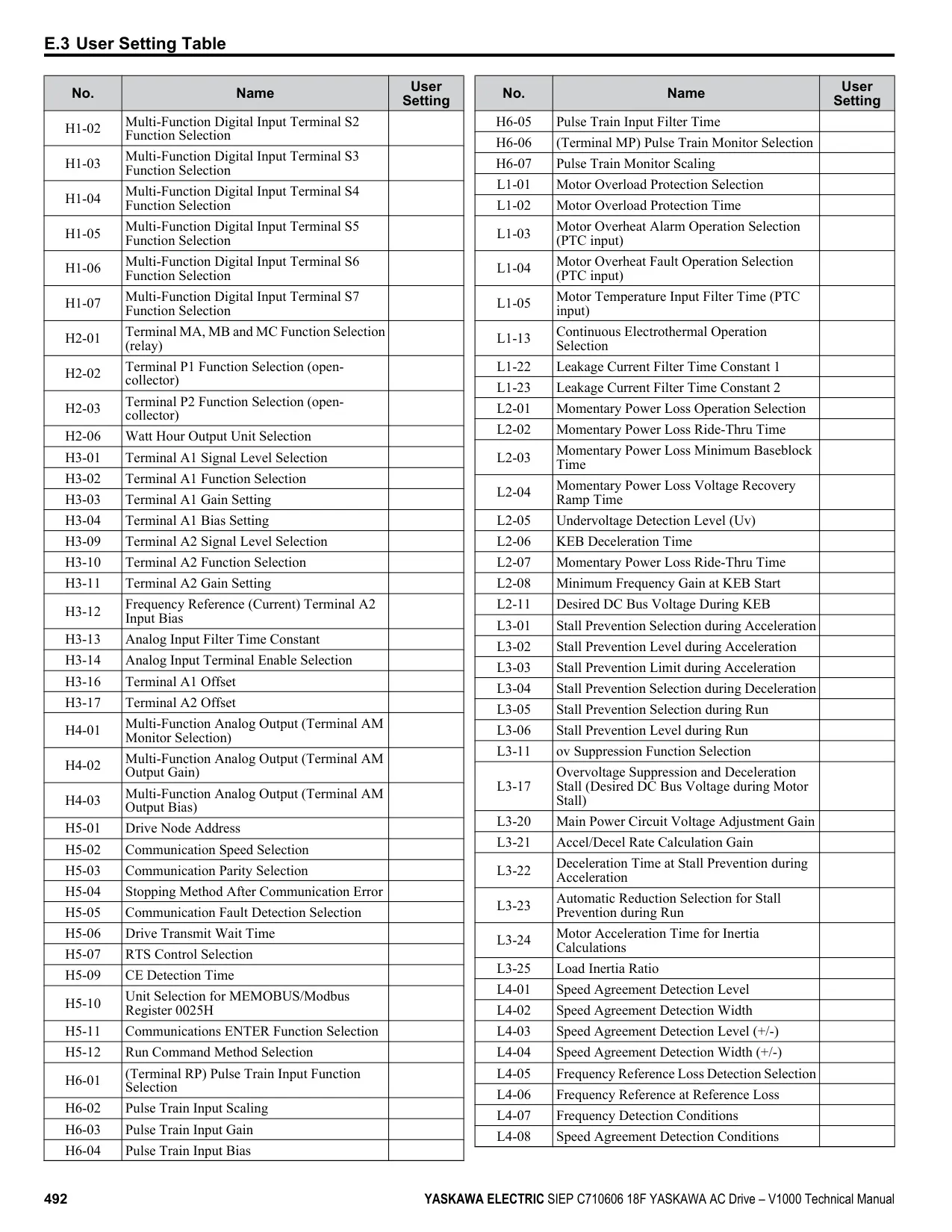
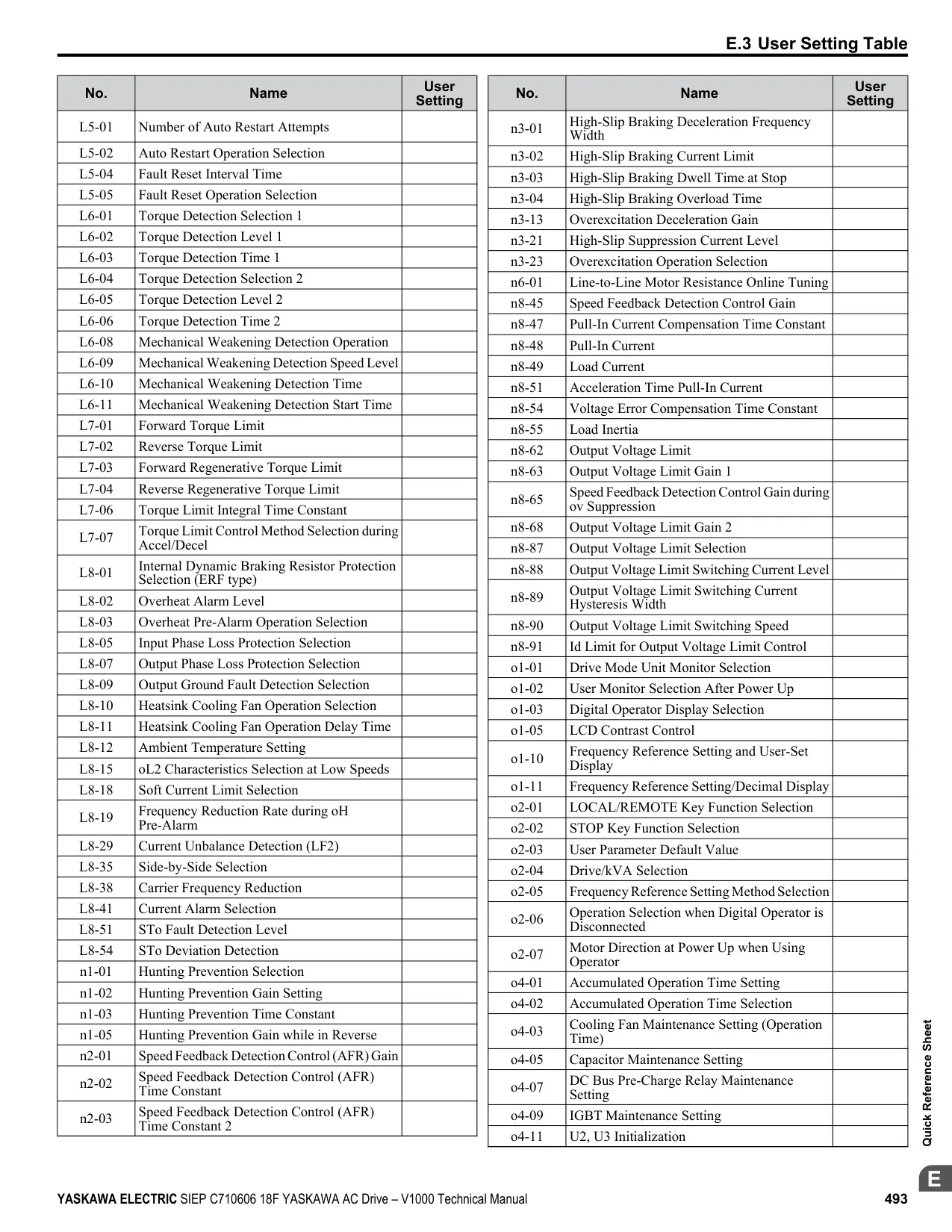
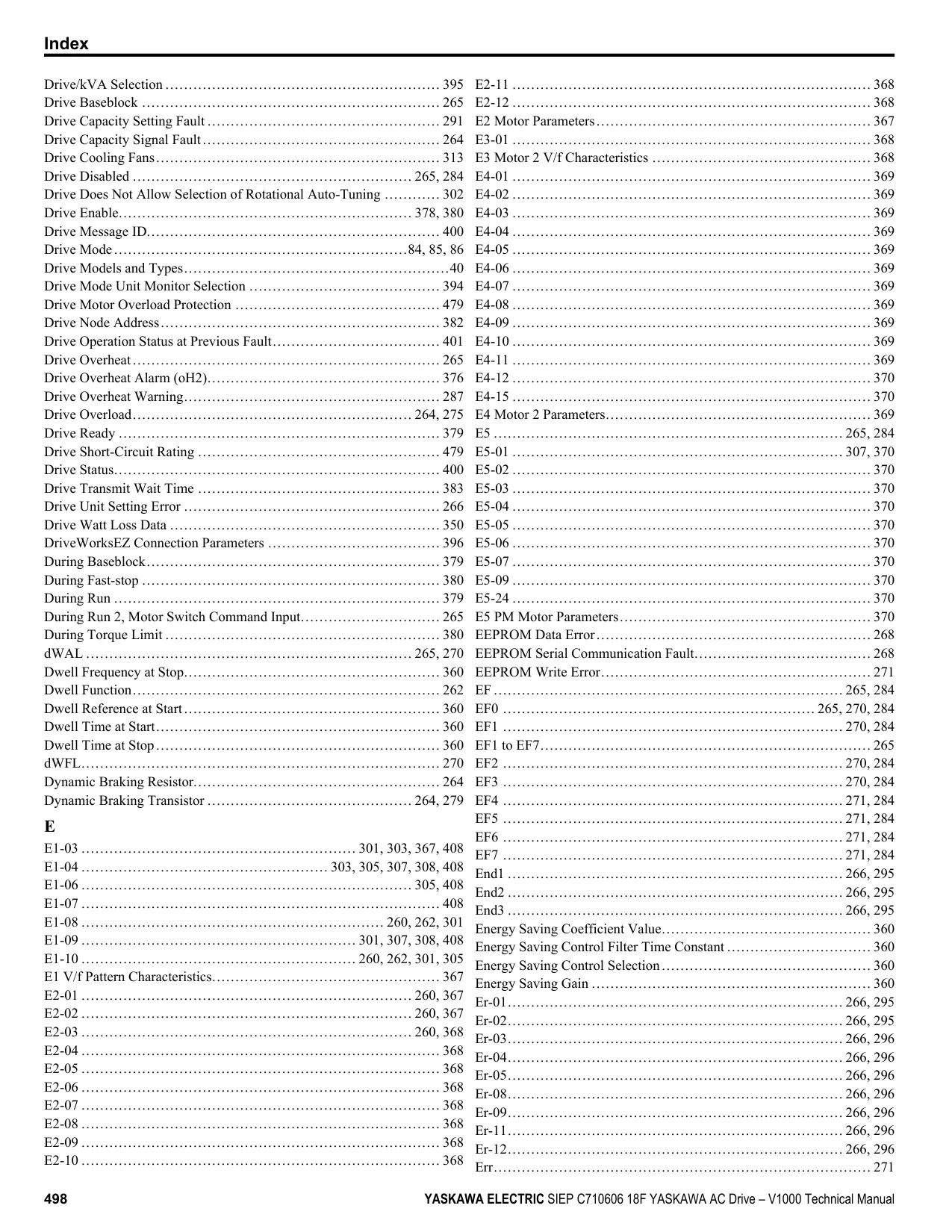
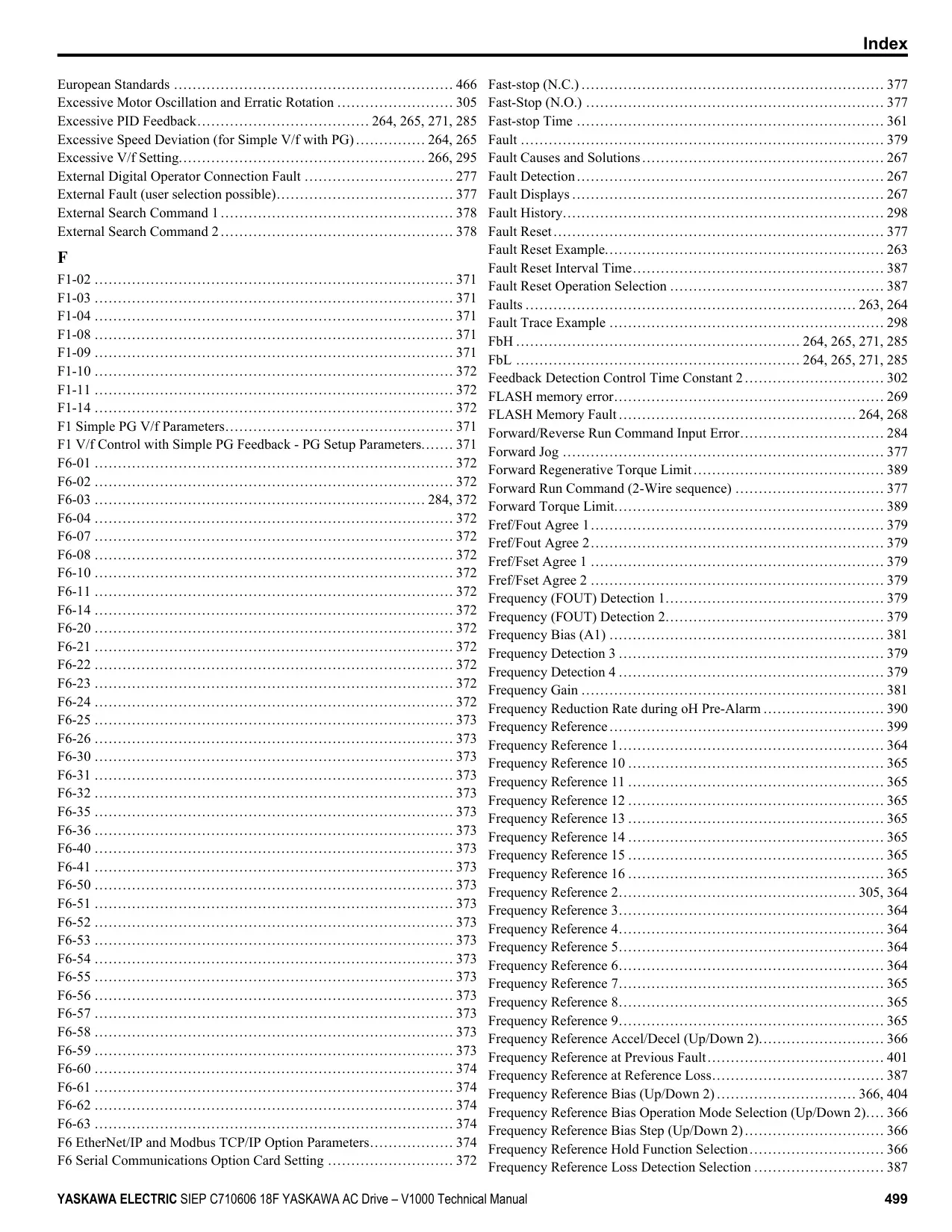
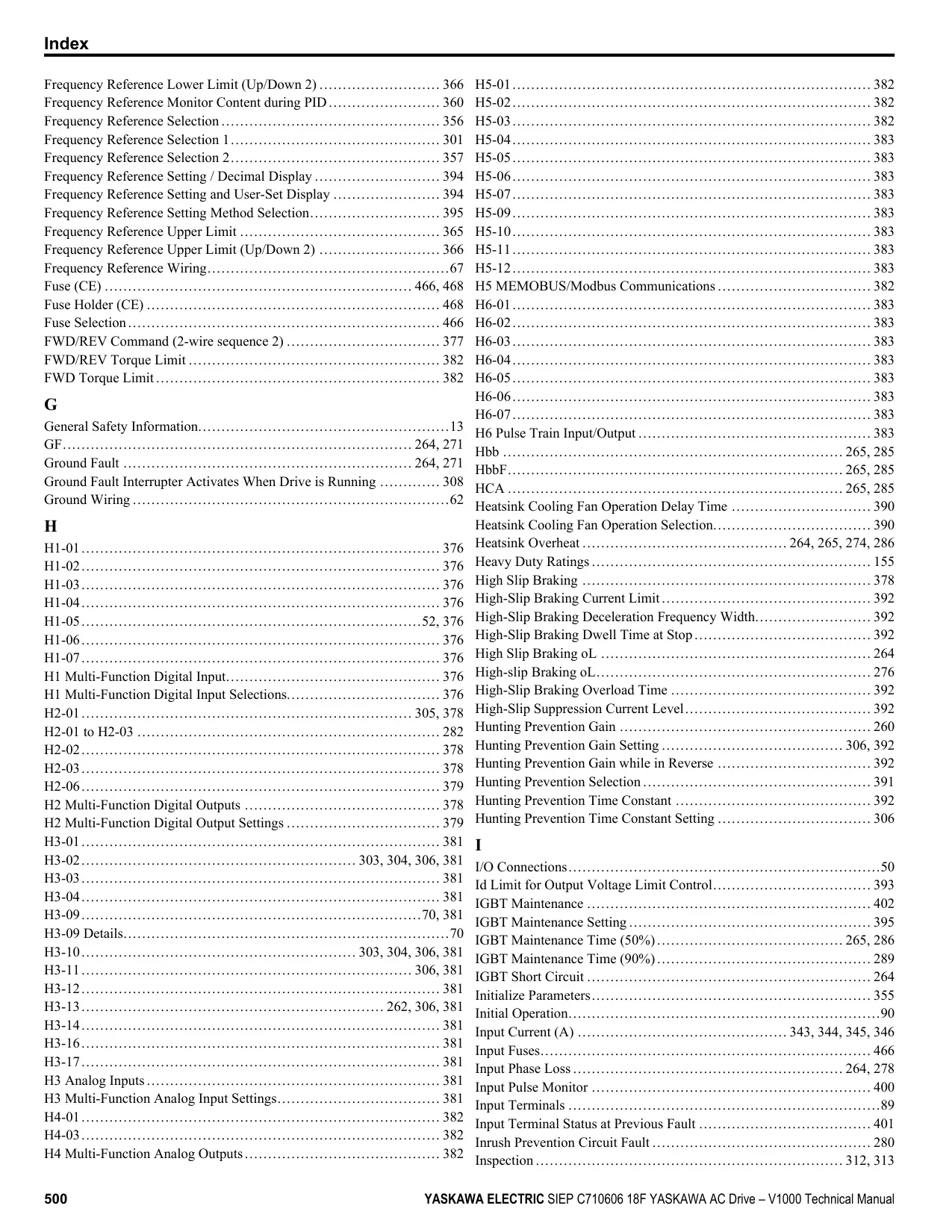
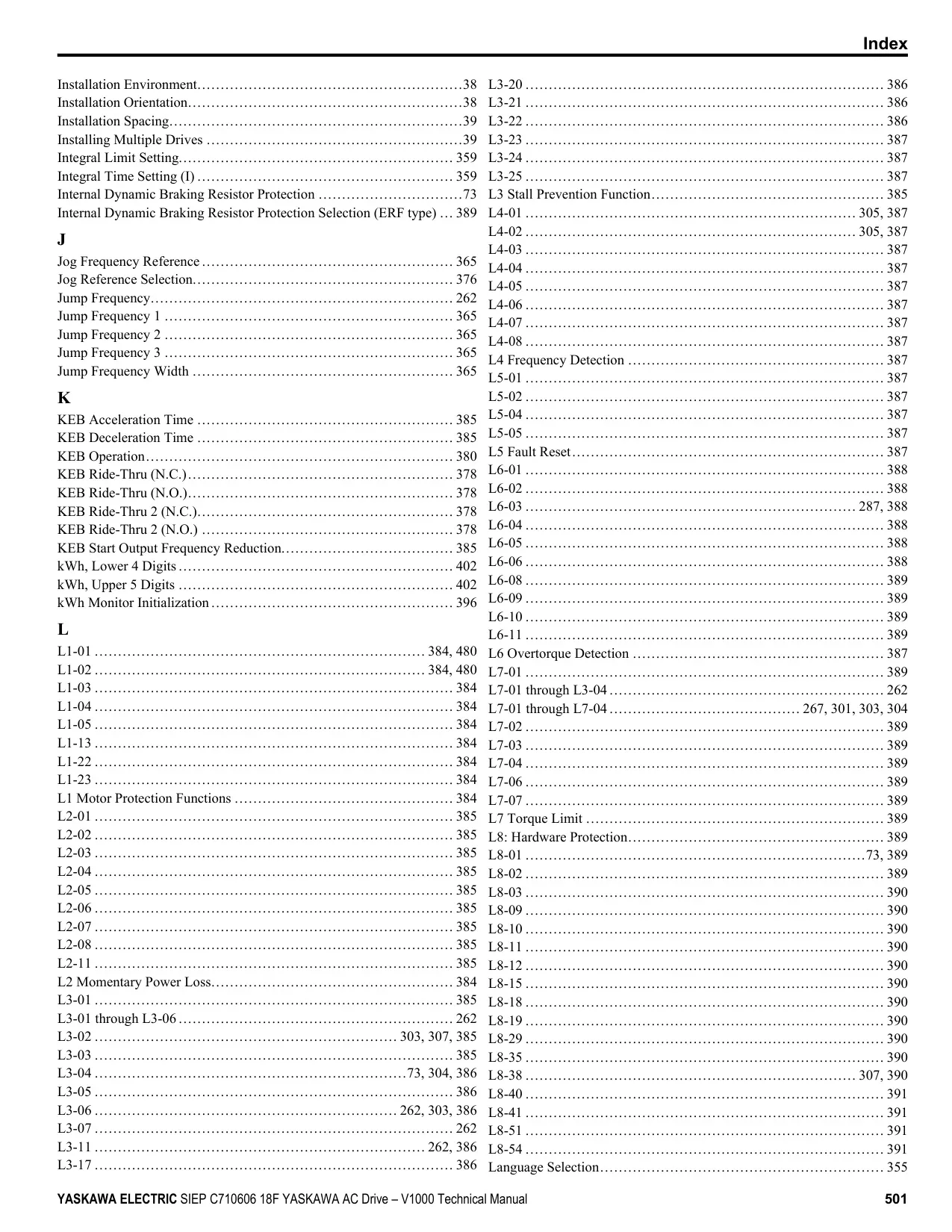


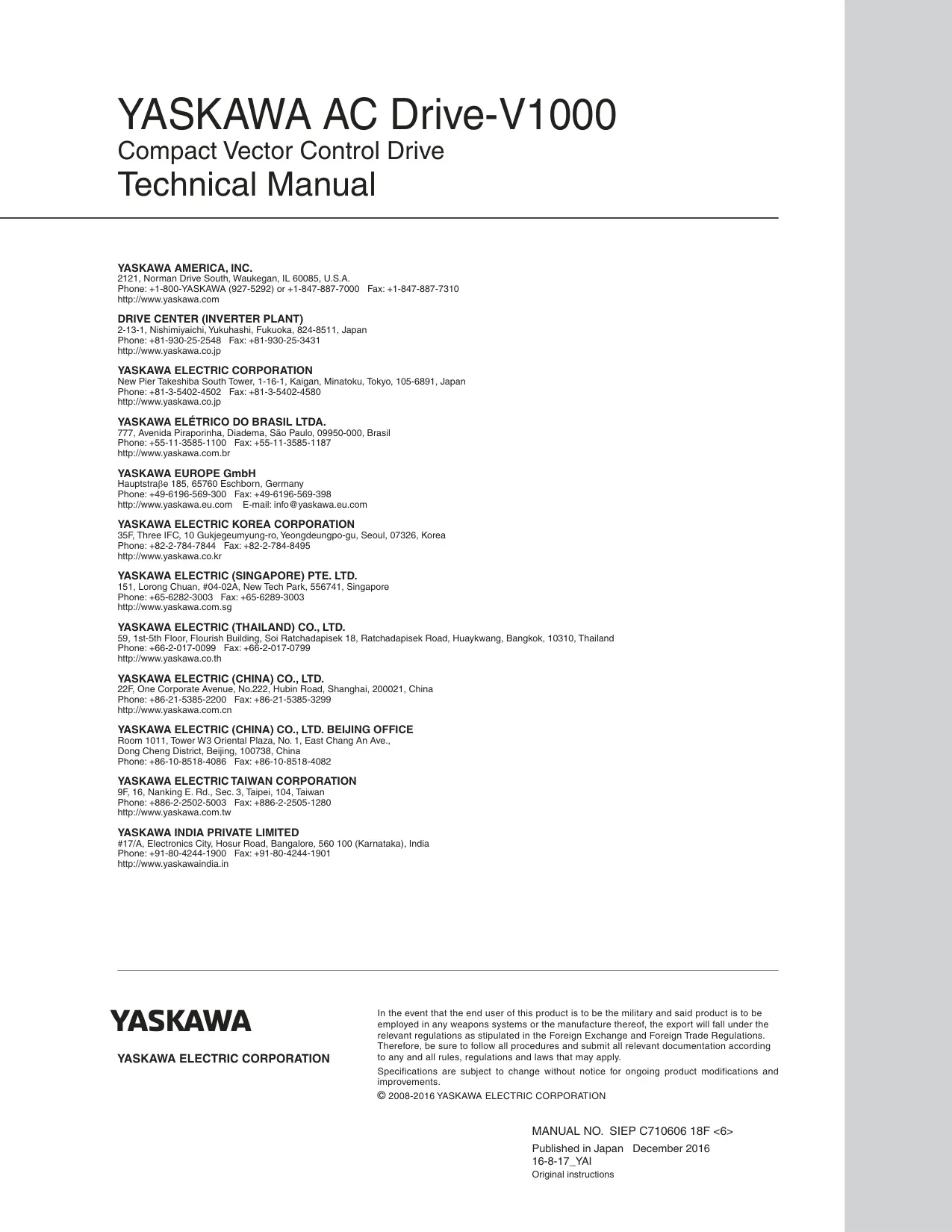


Yaskawa V1000 Variable Frequency Drive
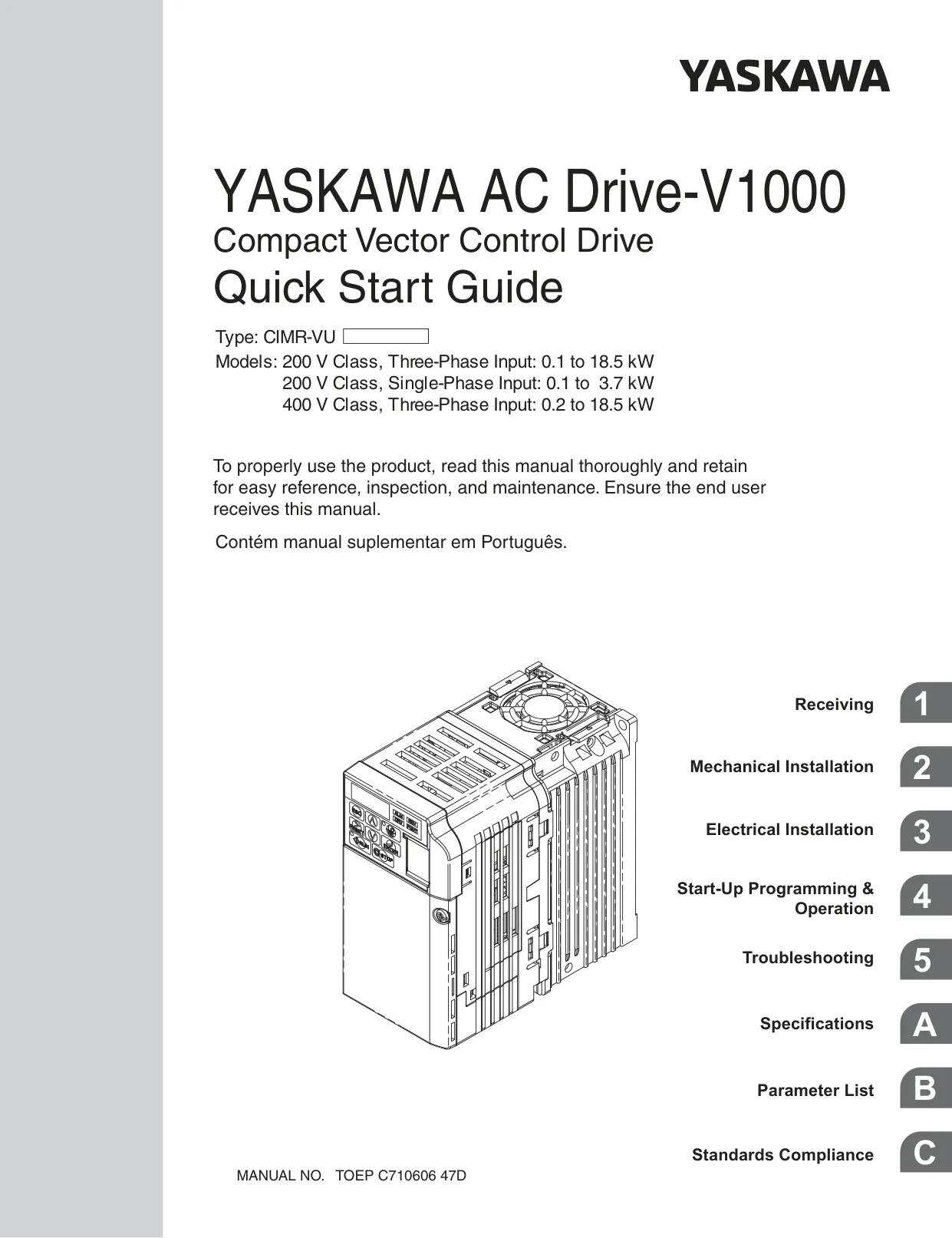
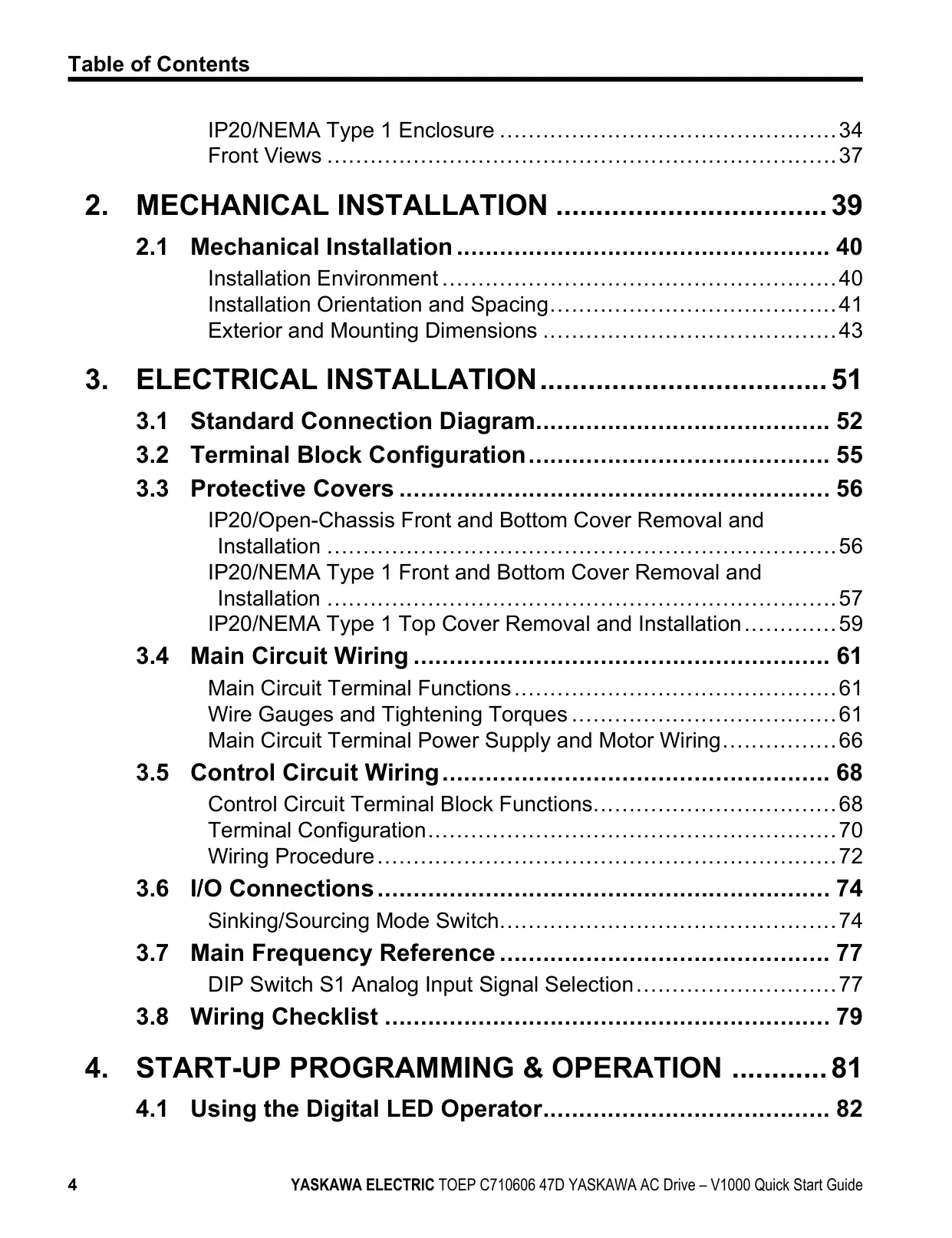
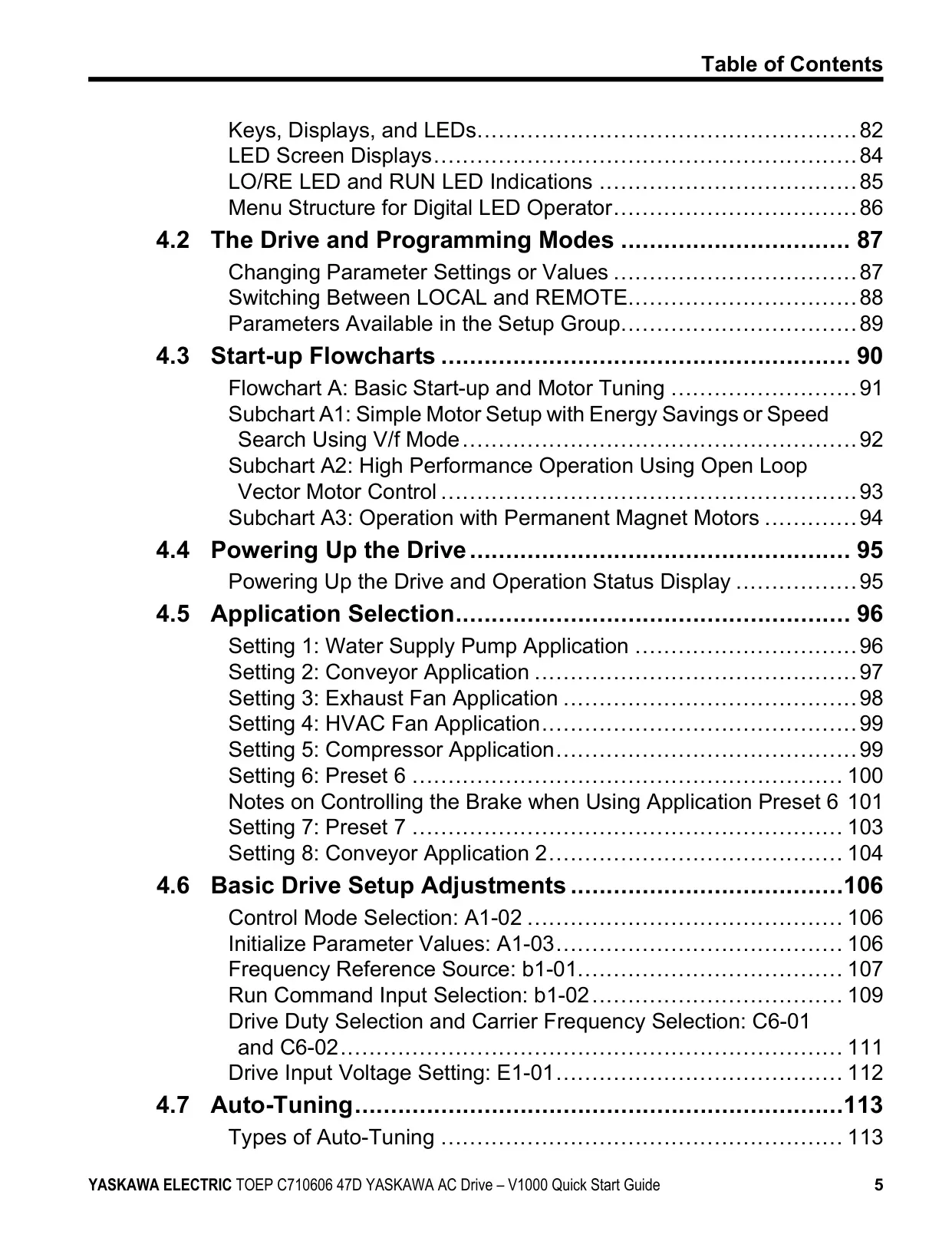
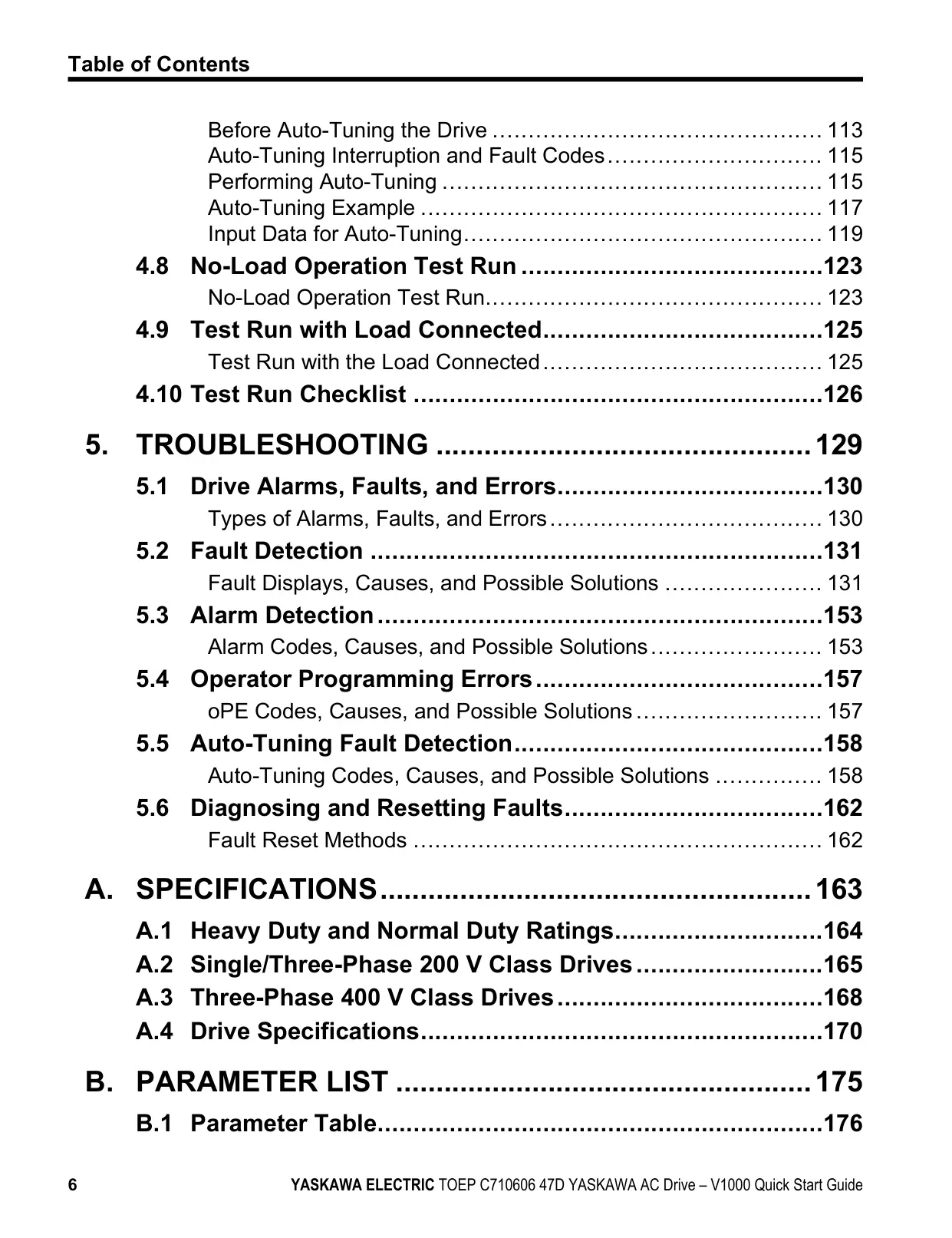
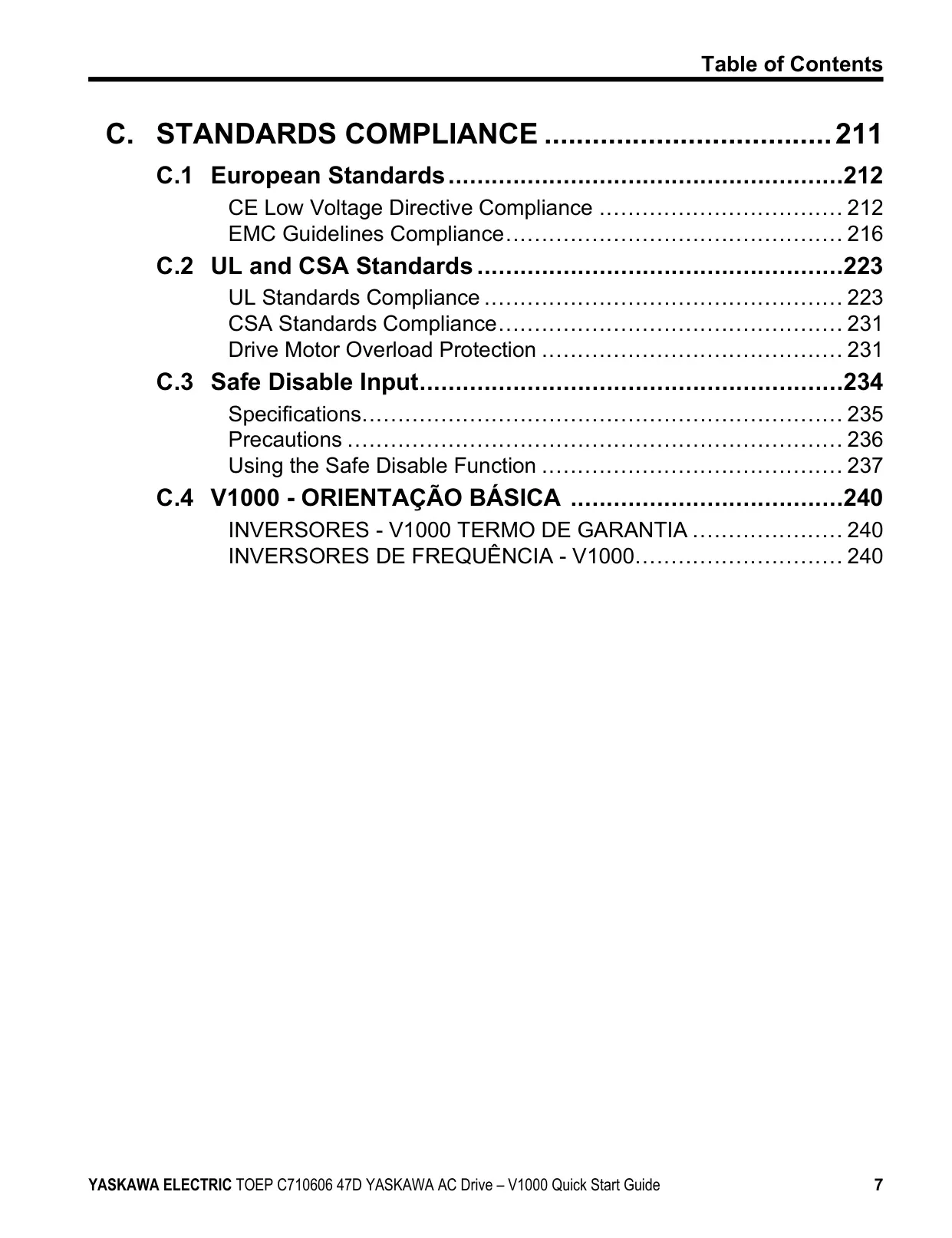
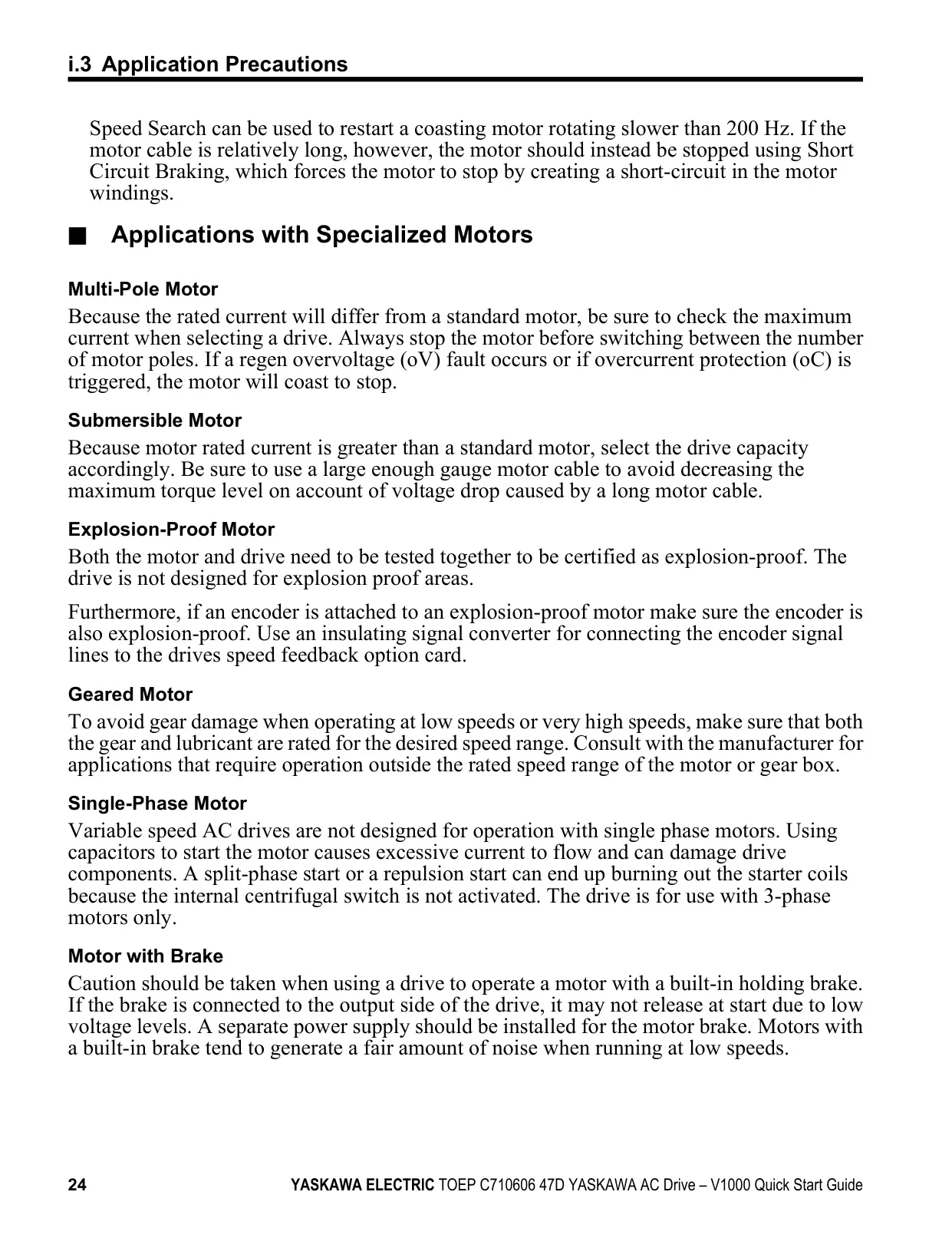
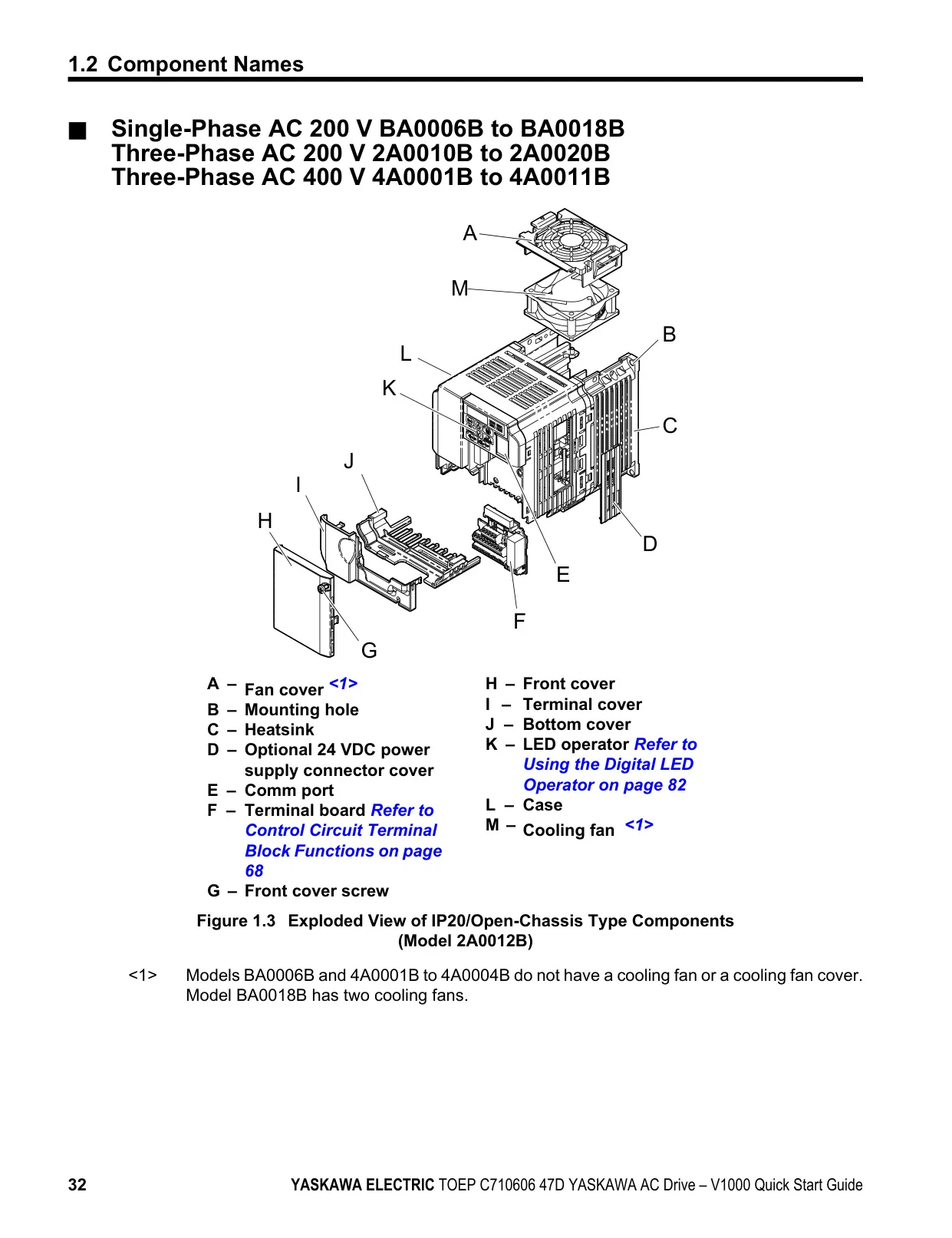
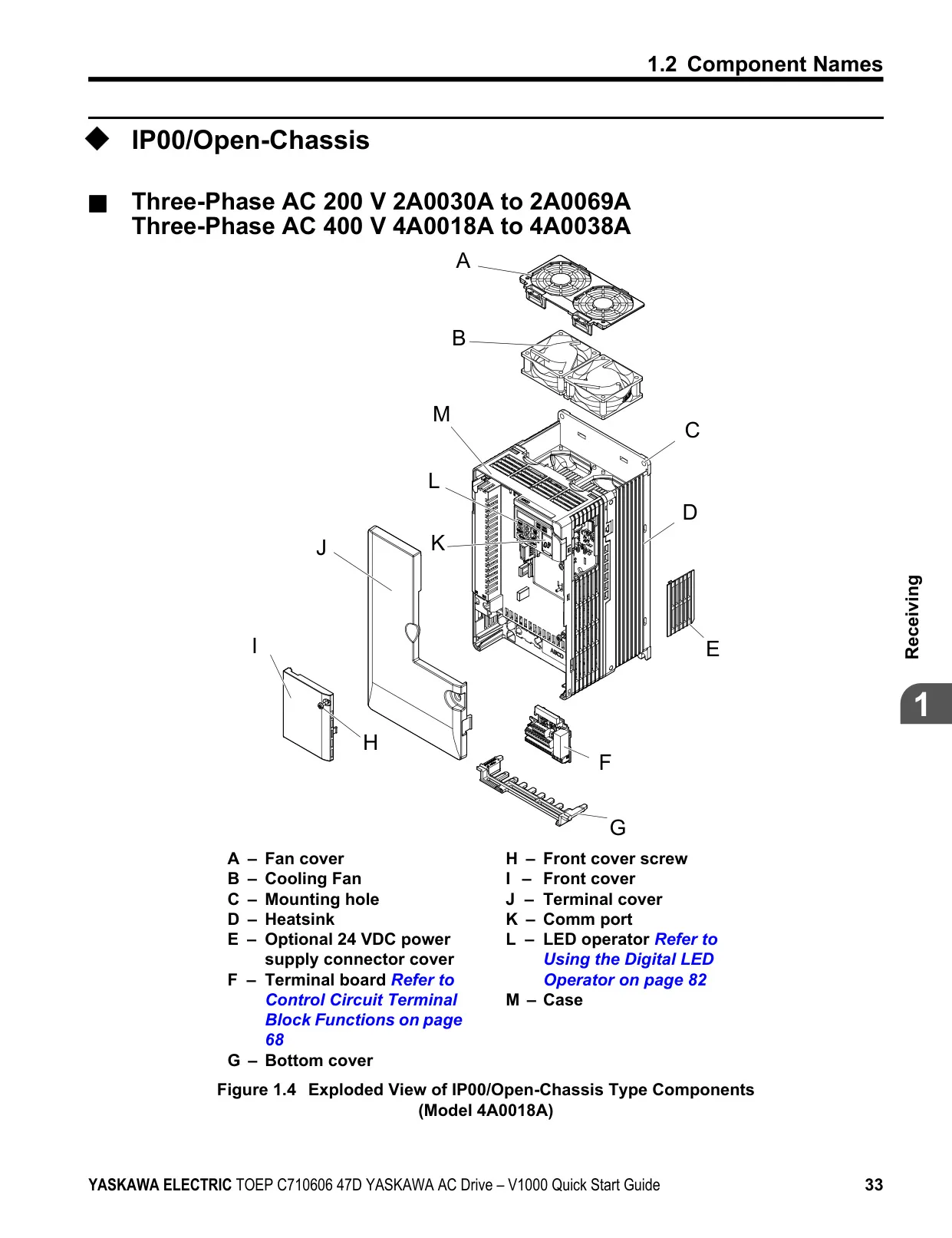
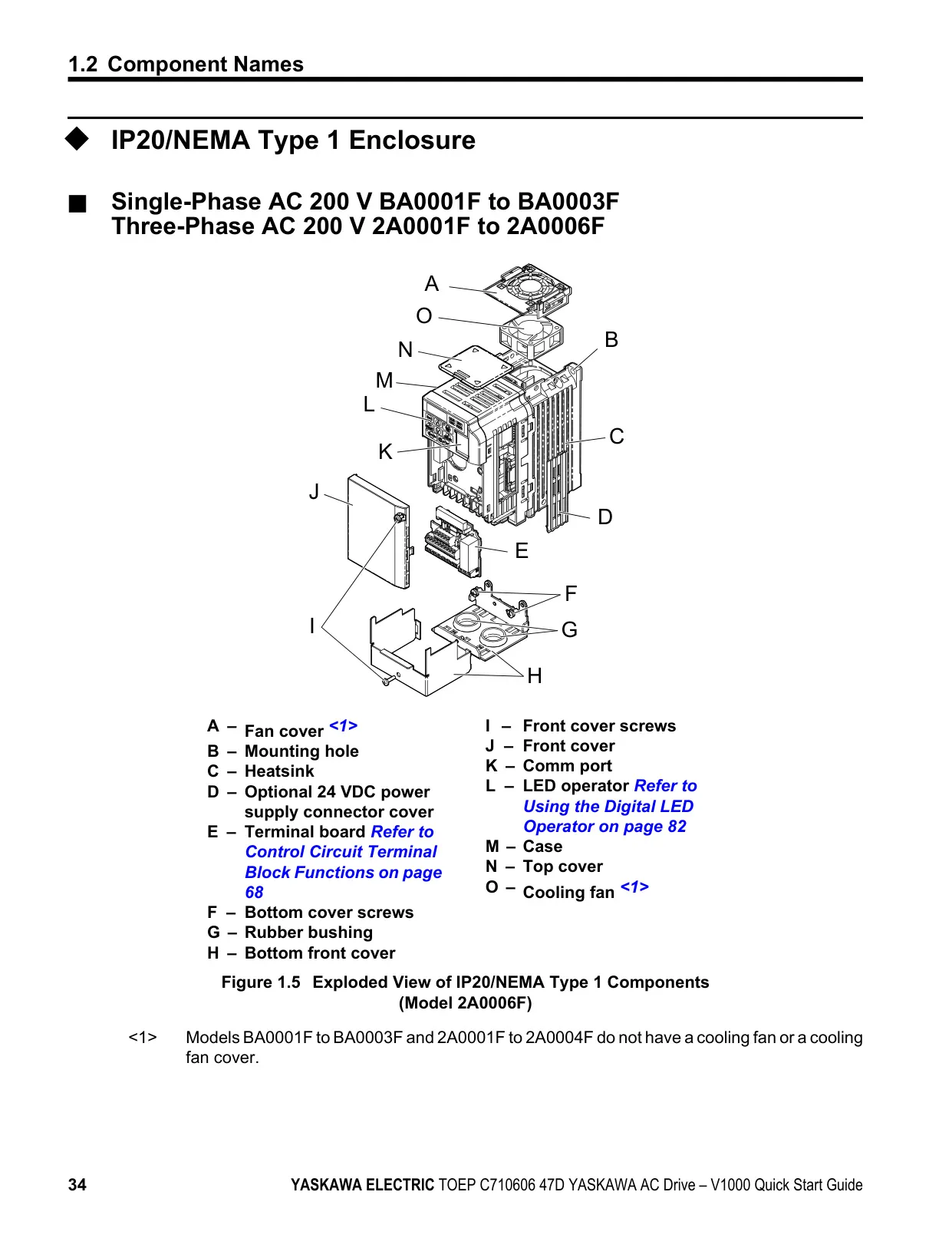
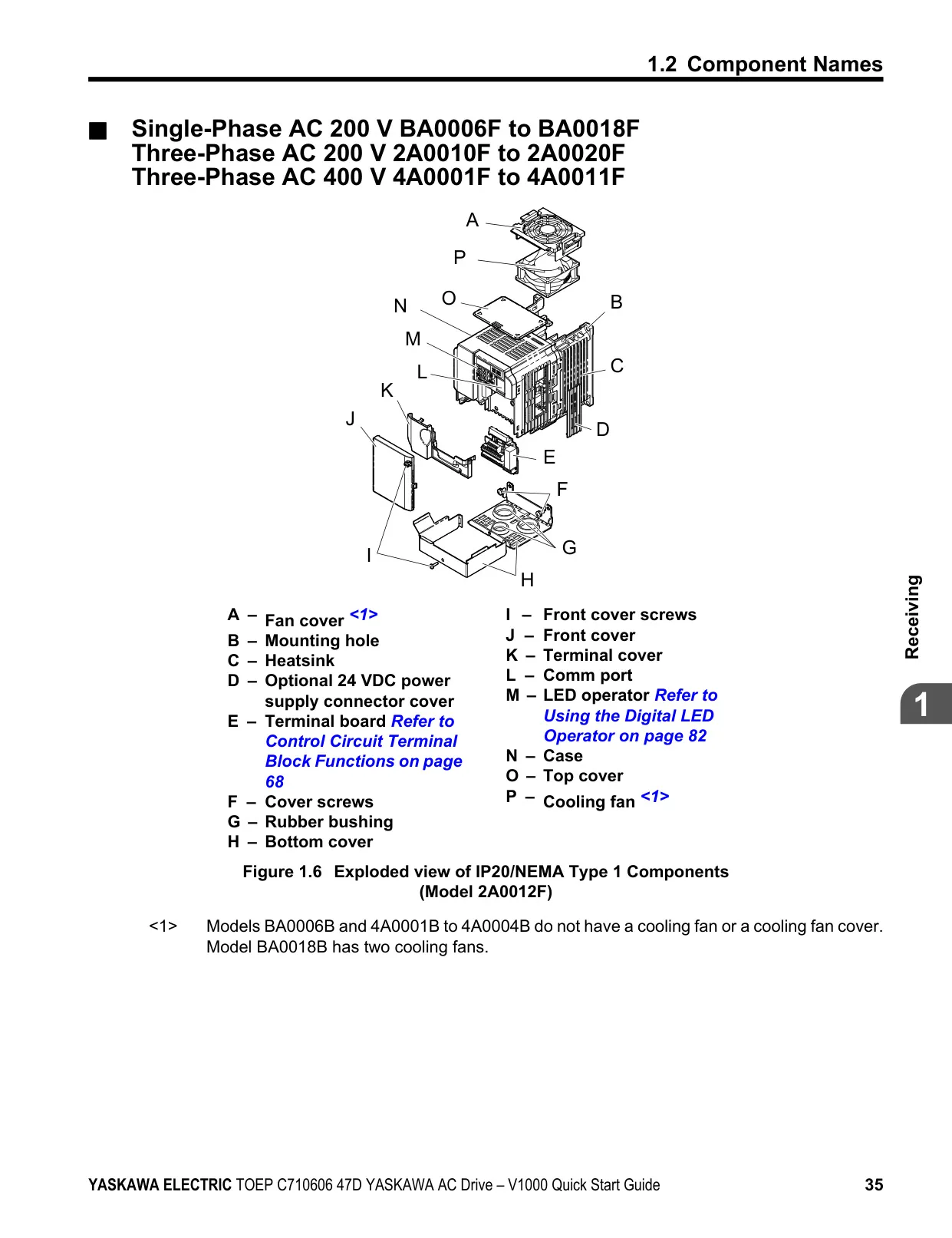
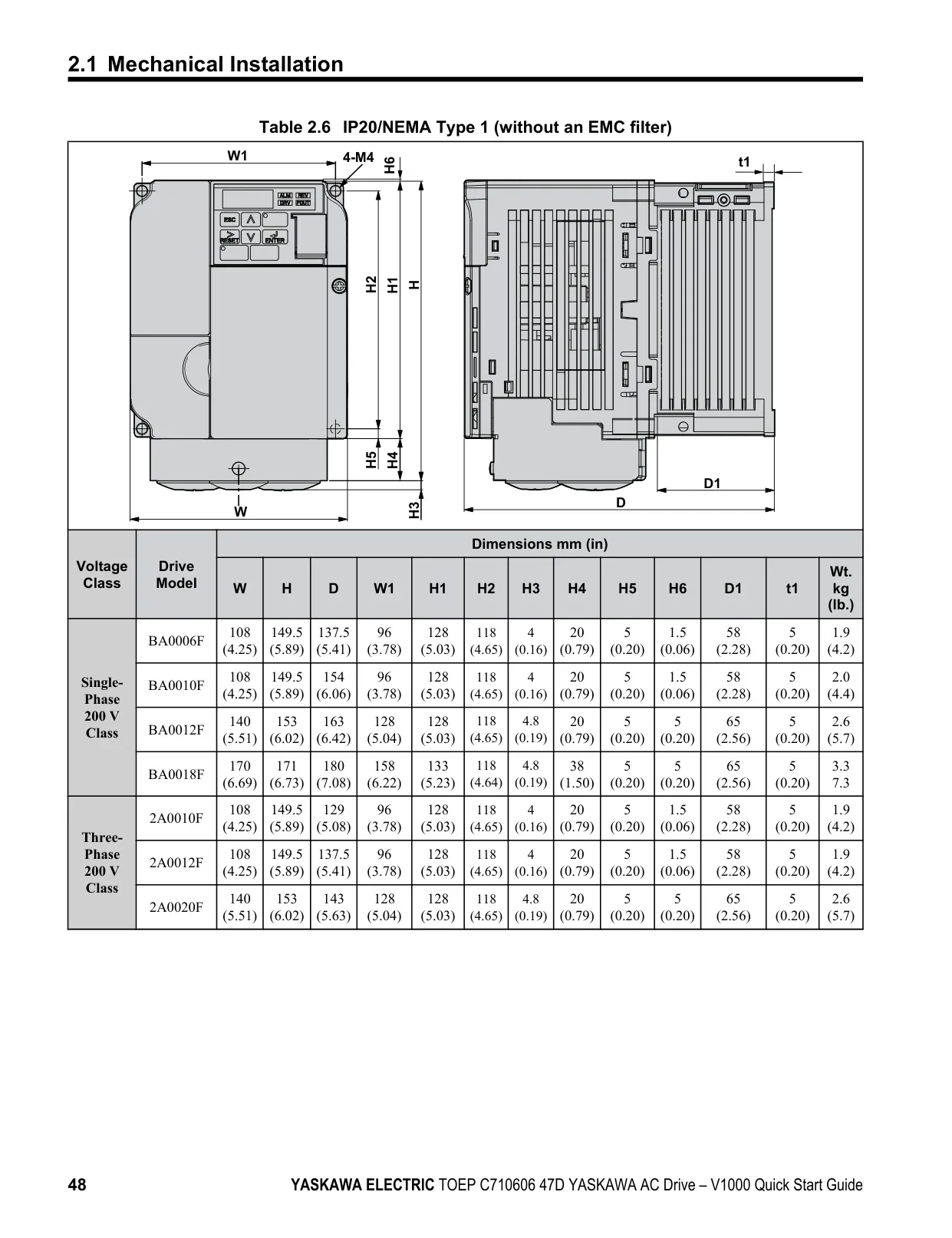
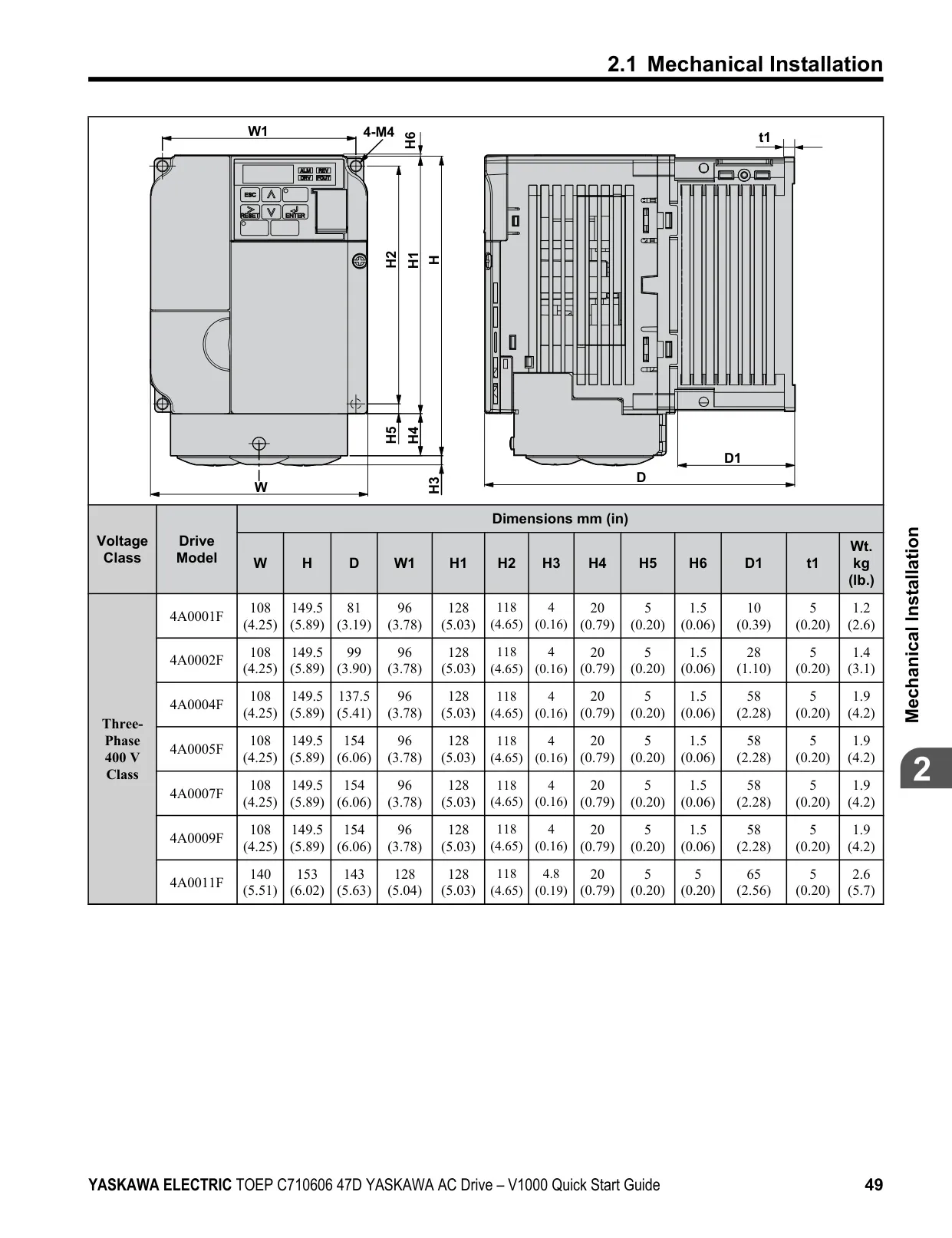
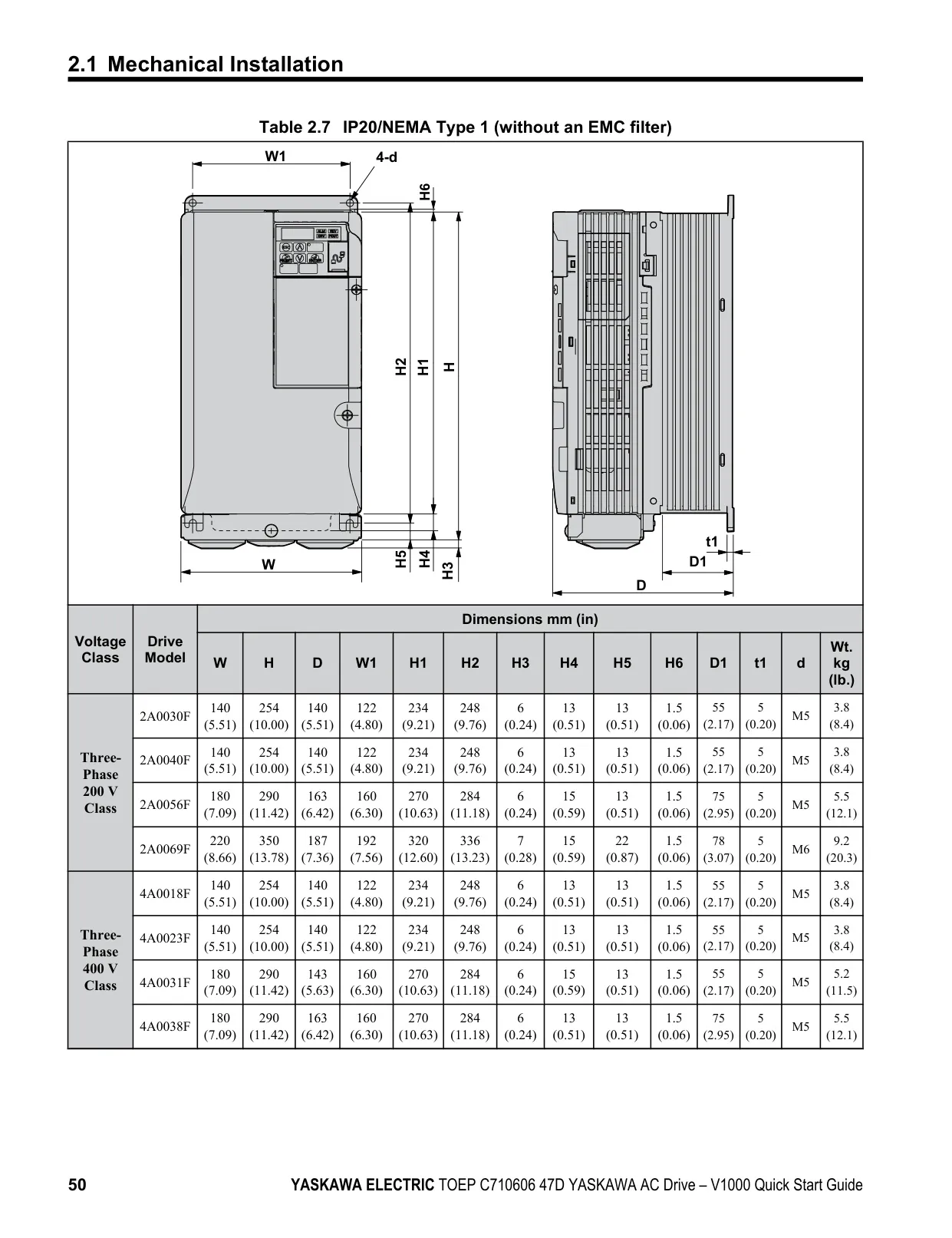

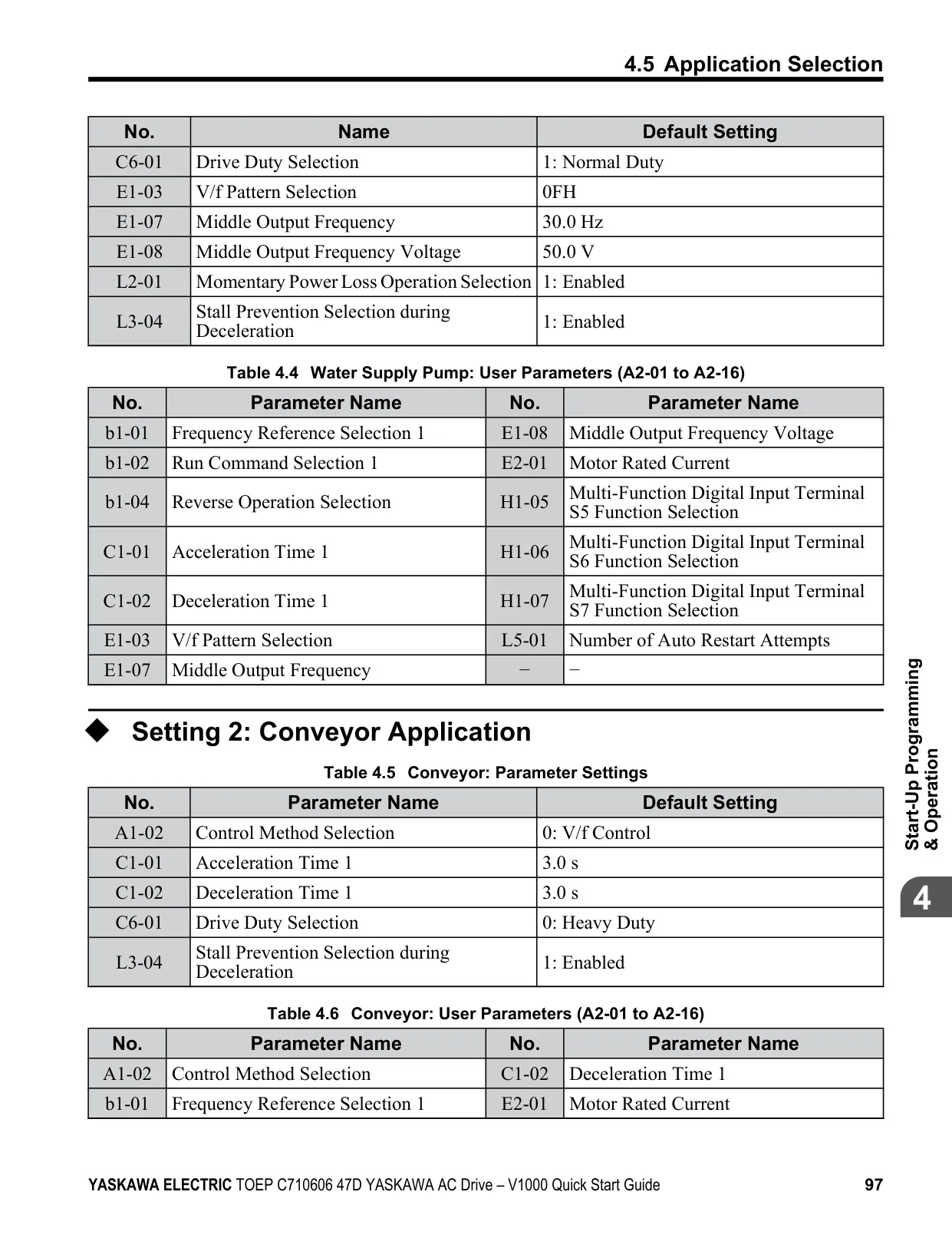
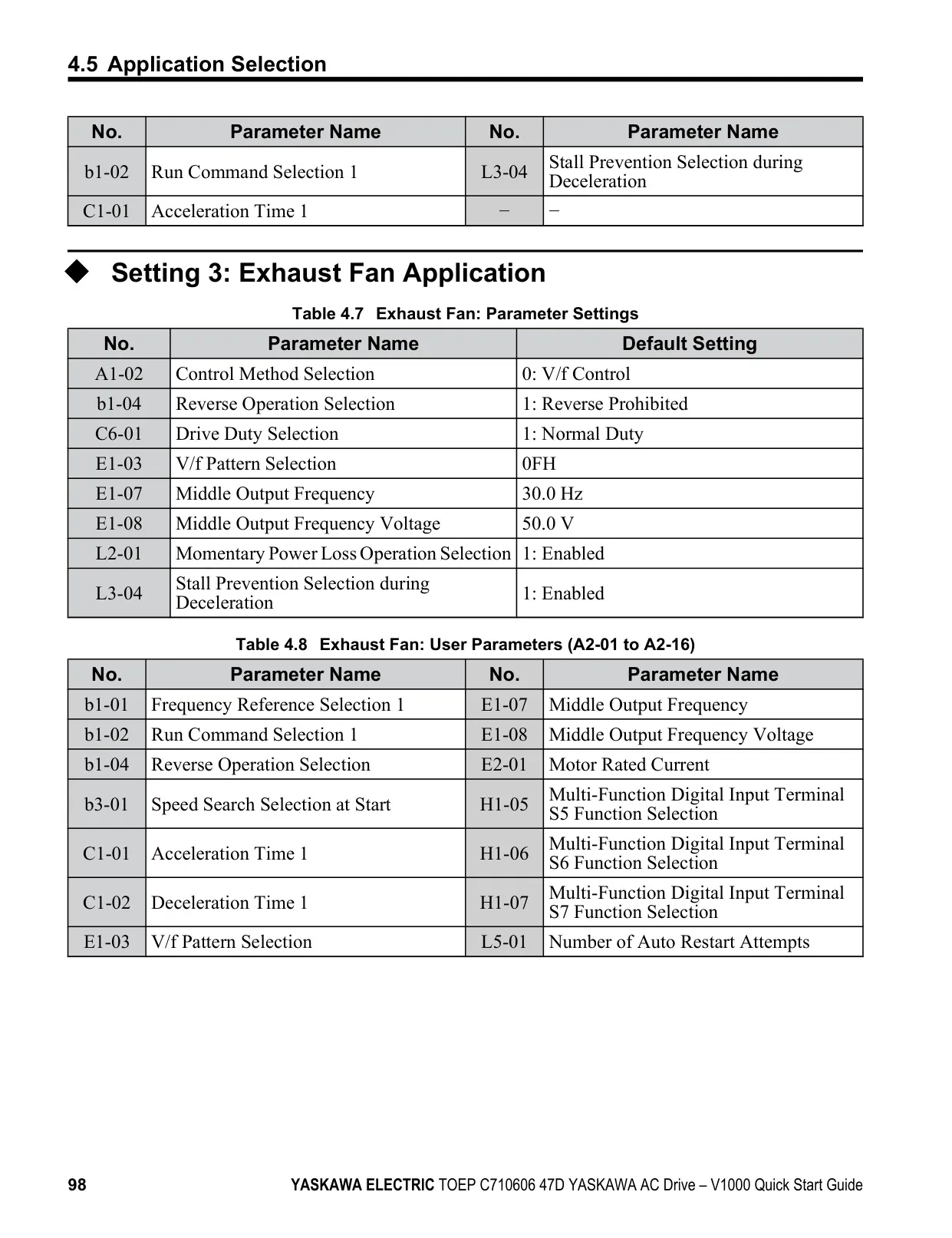
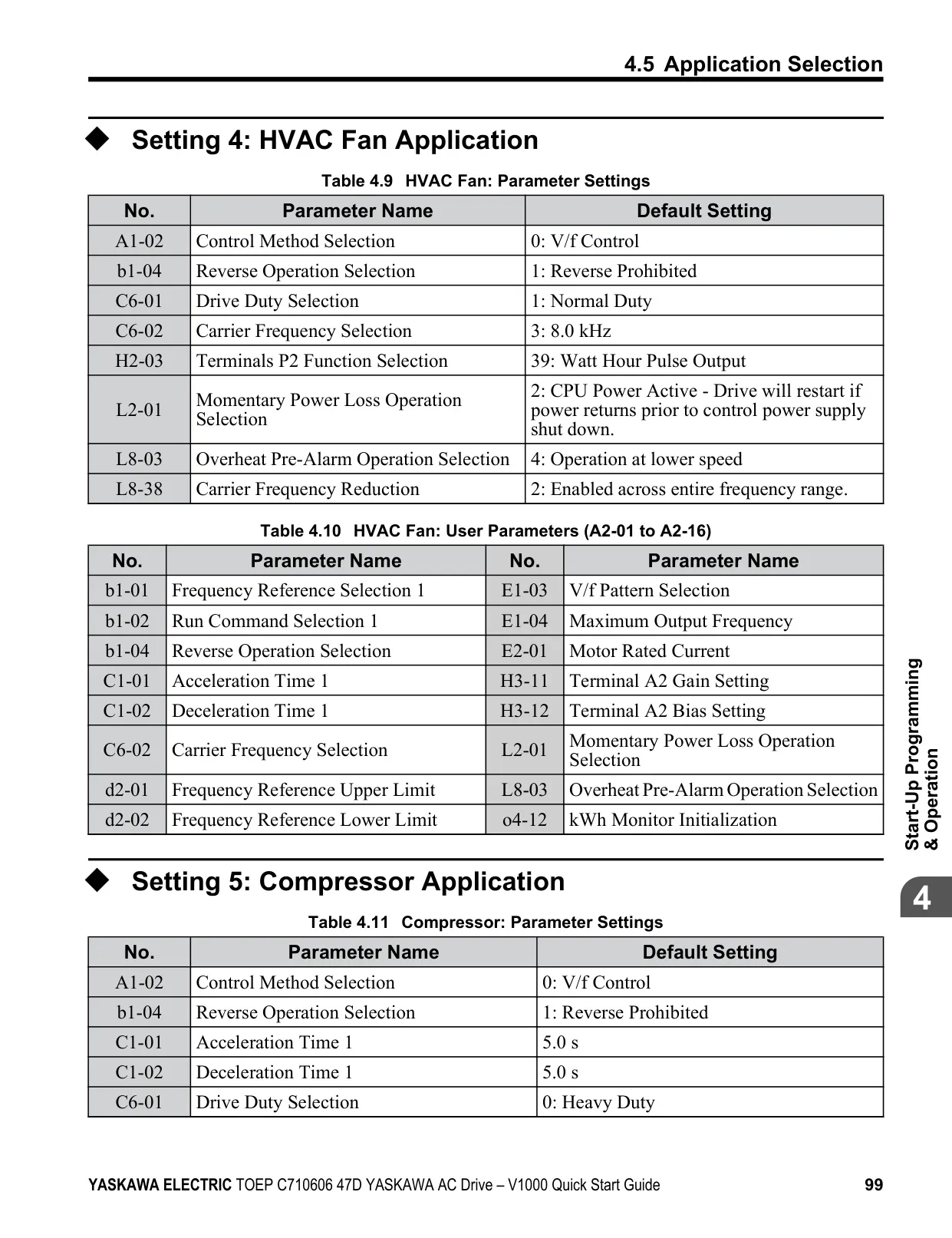
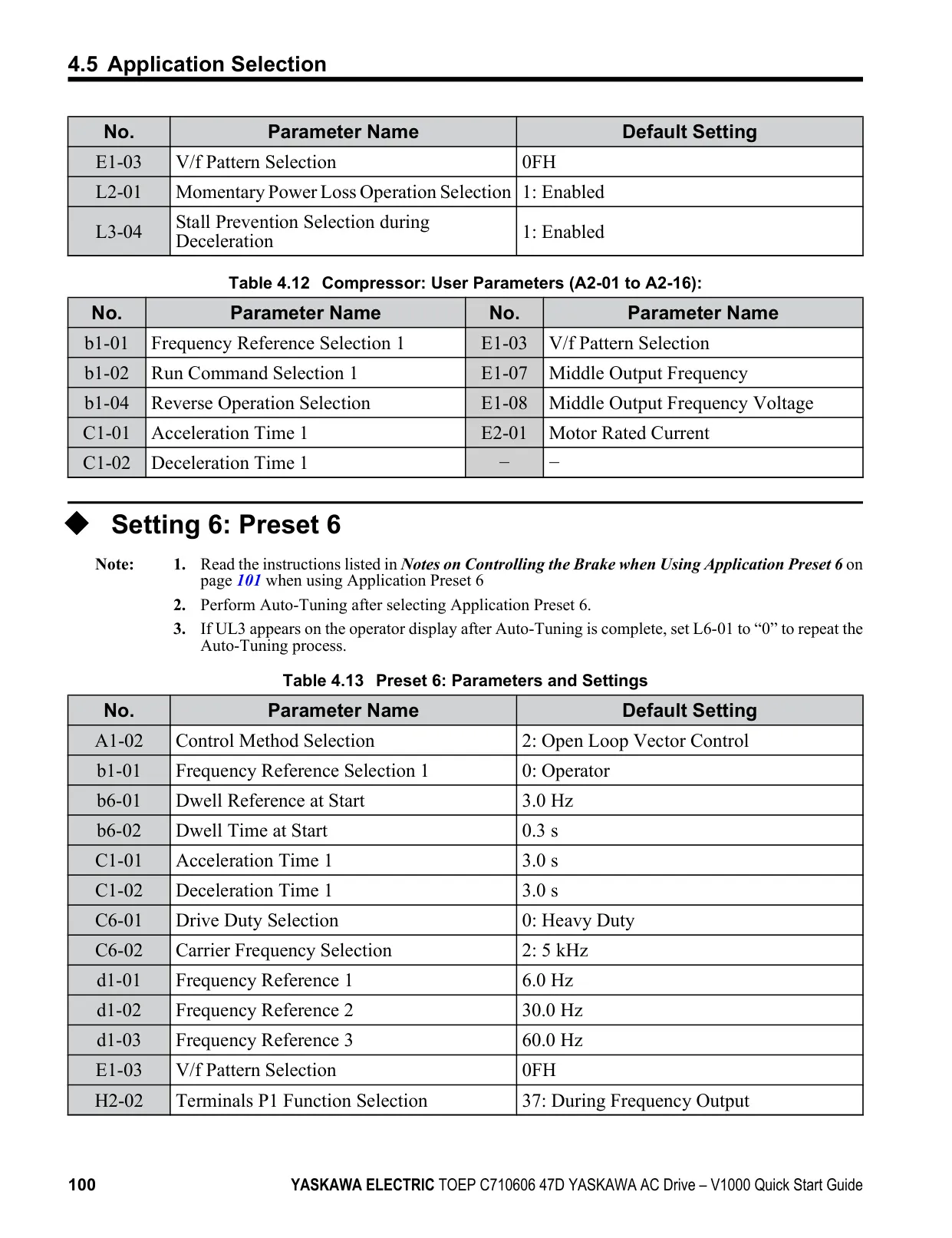
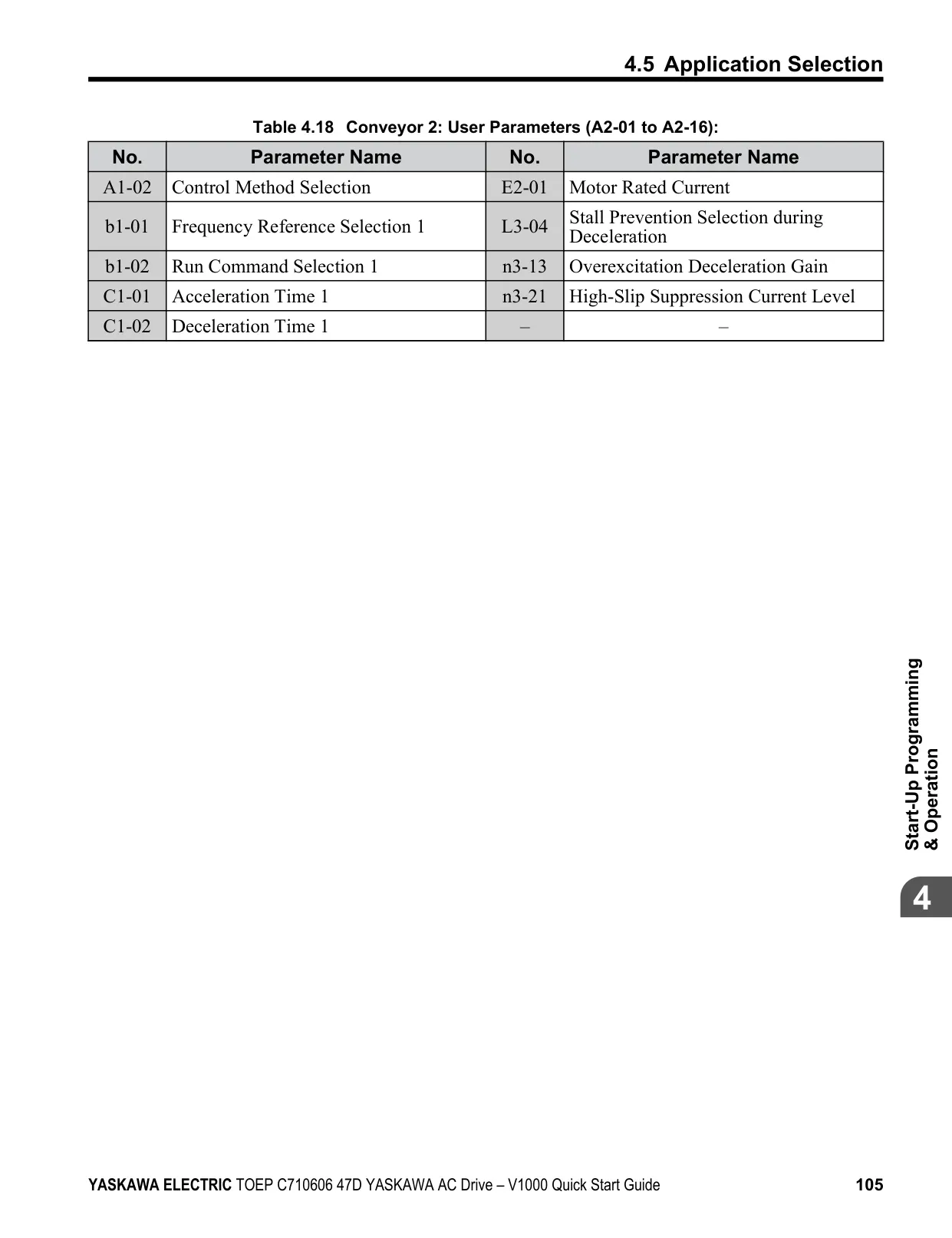
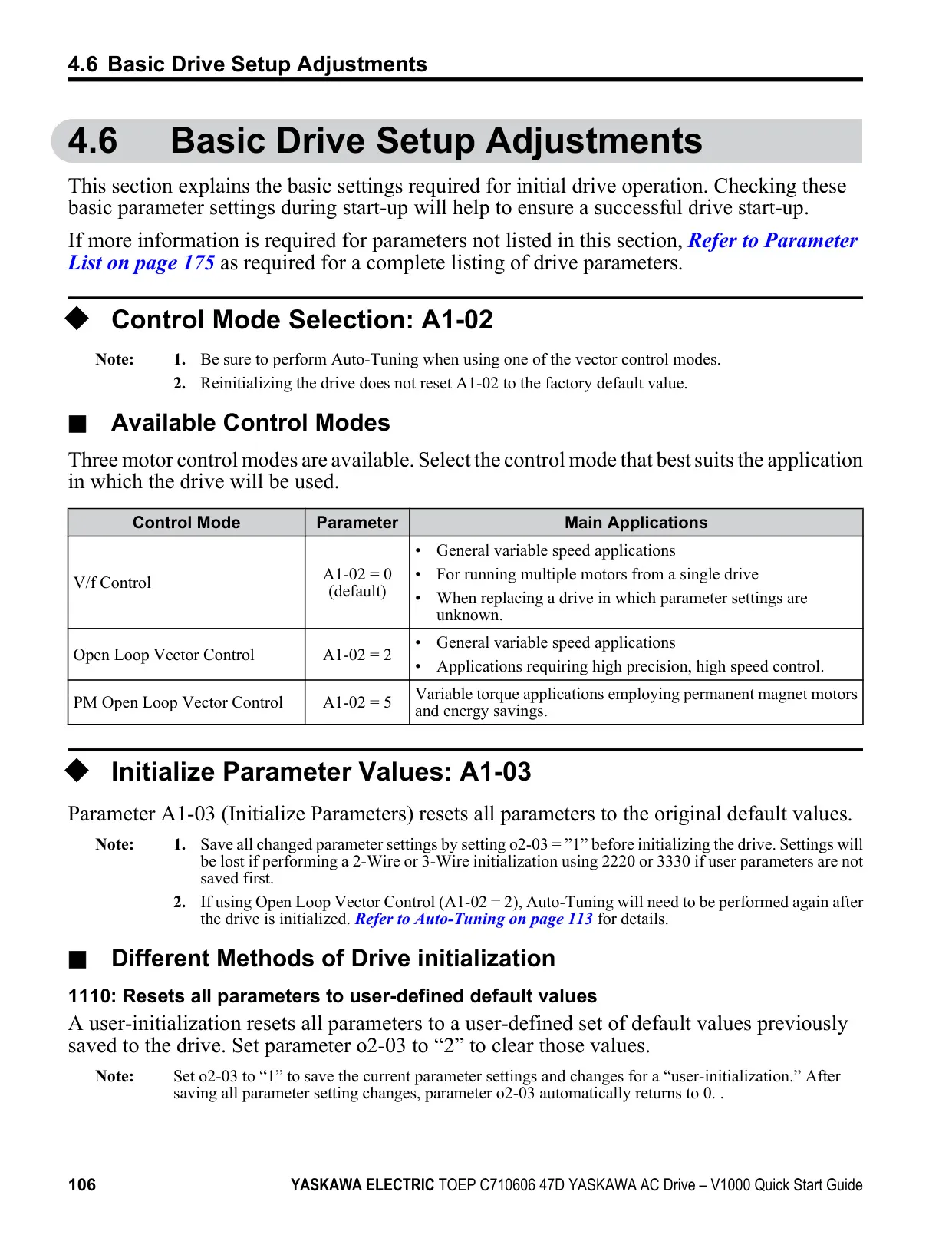
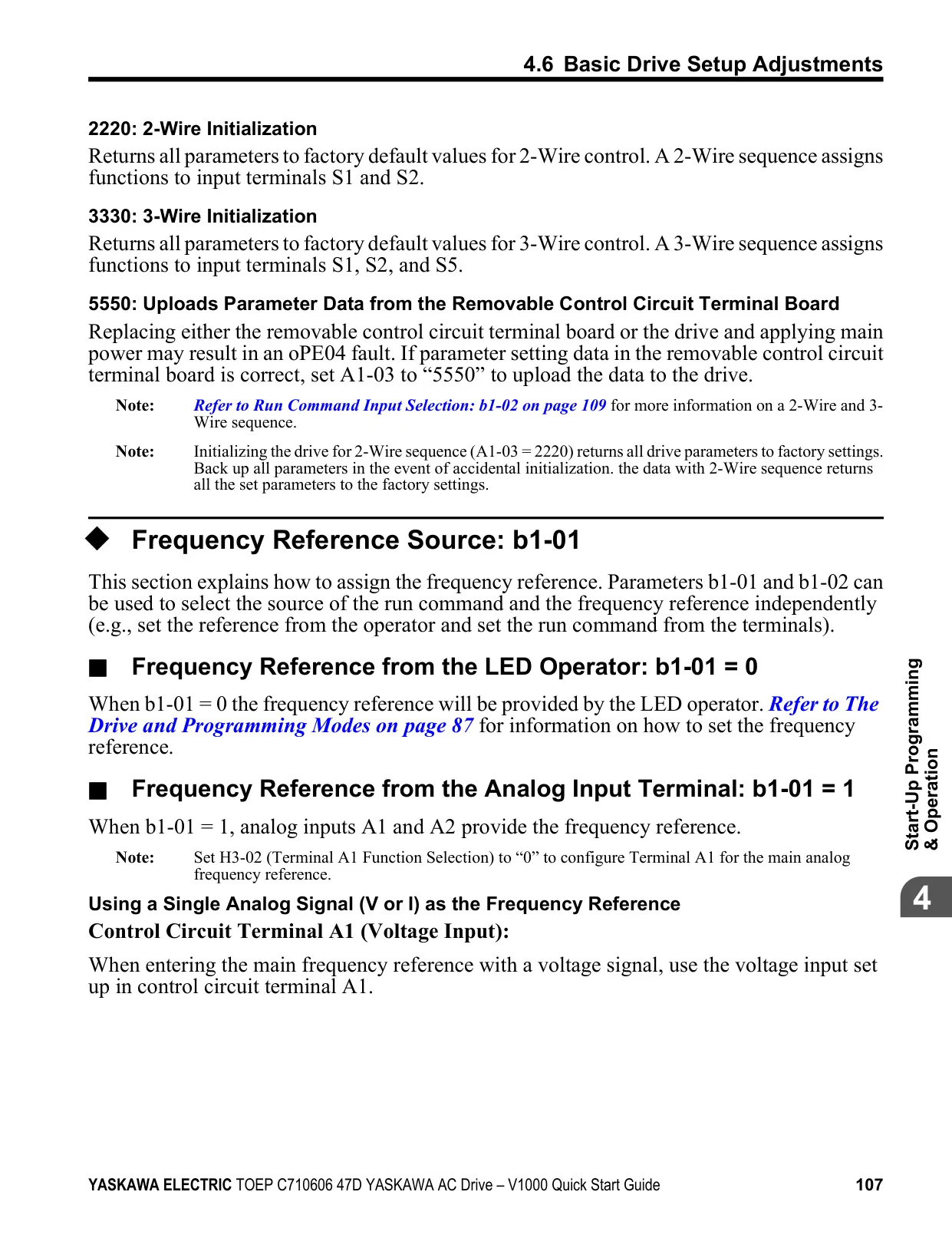
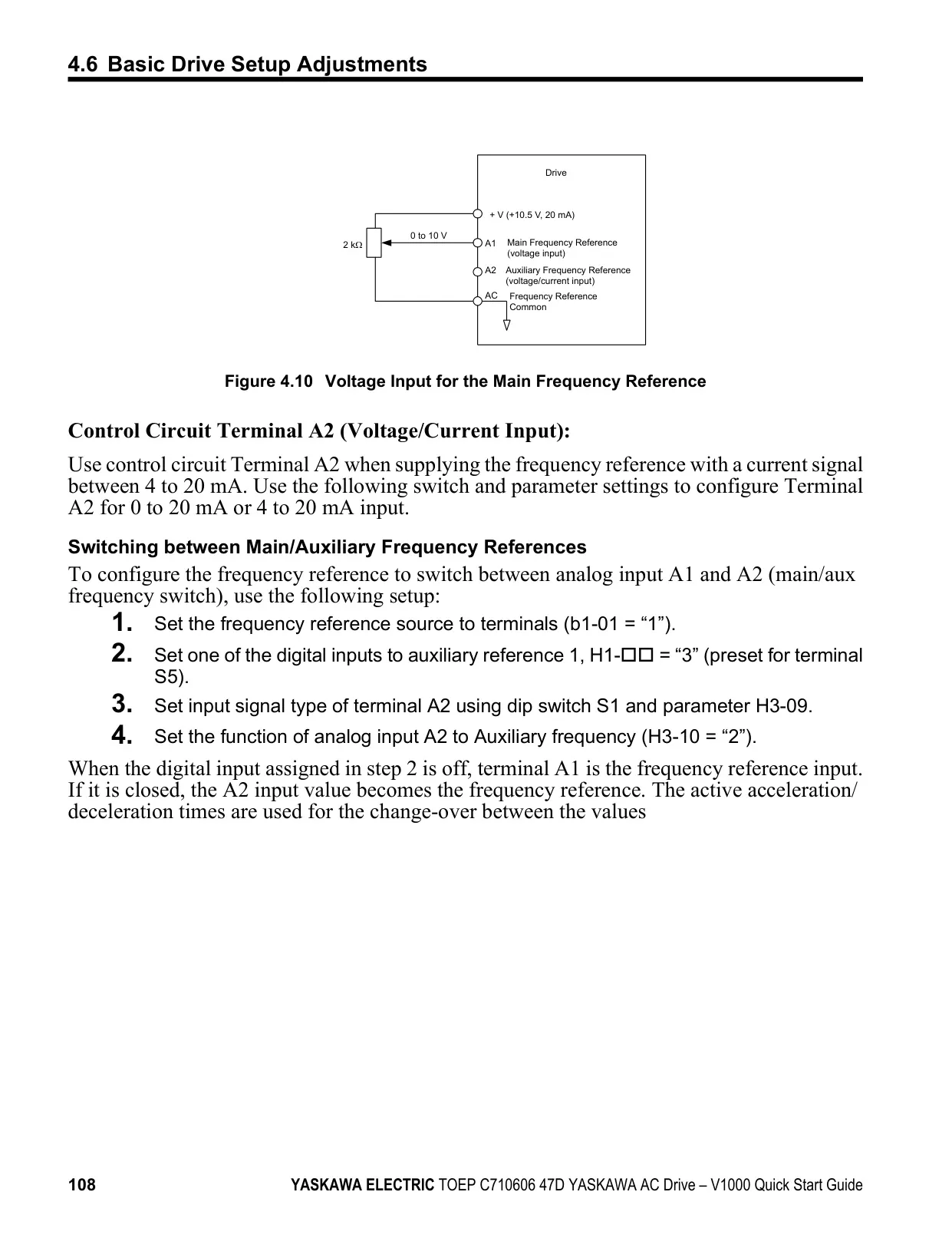


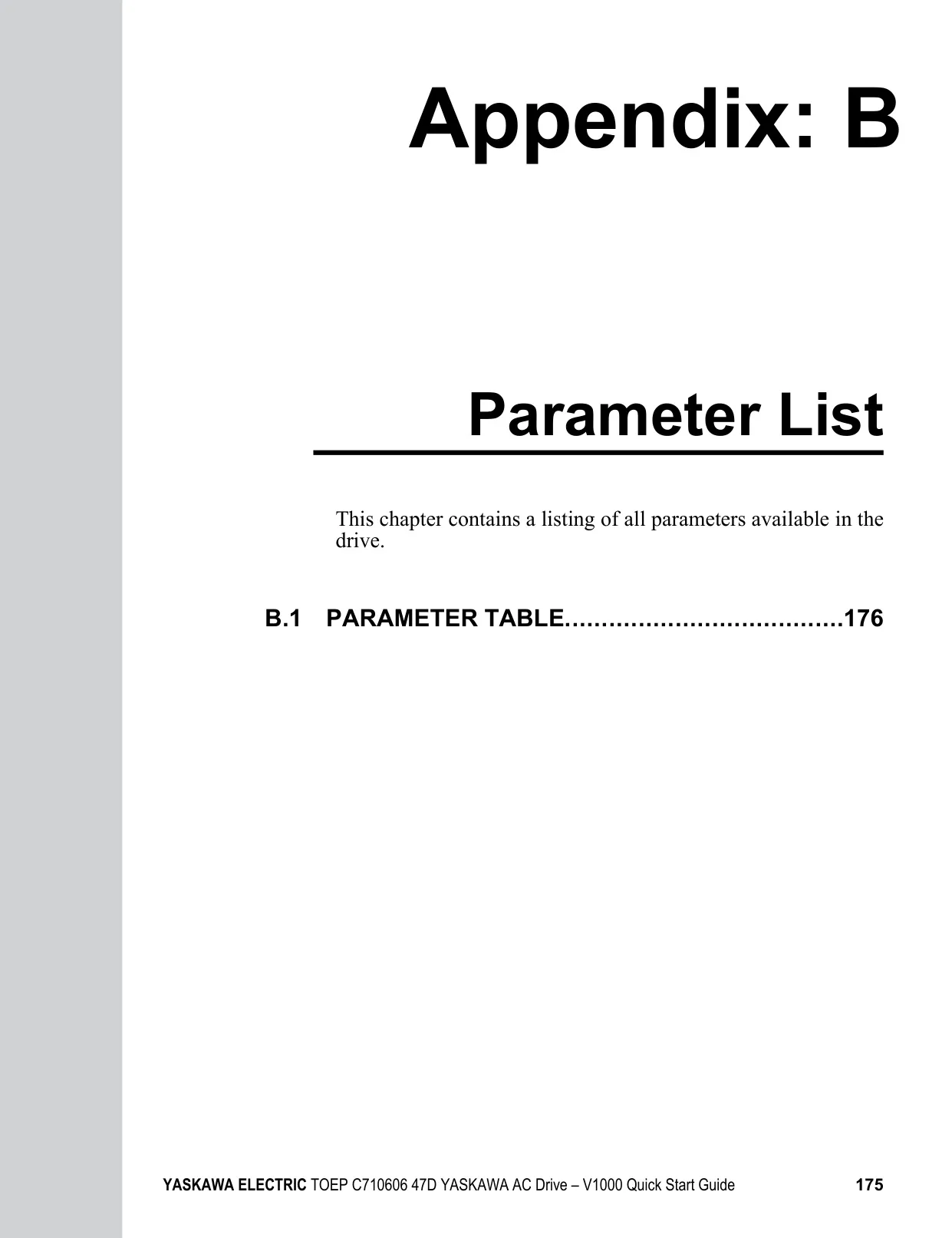
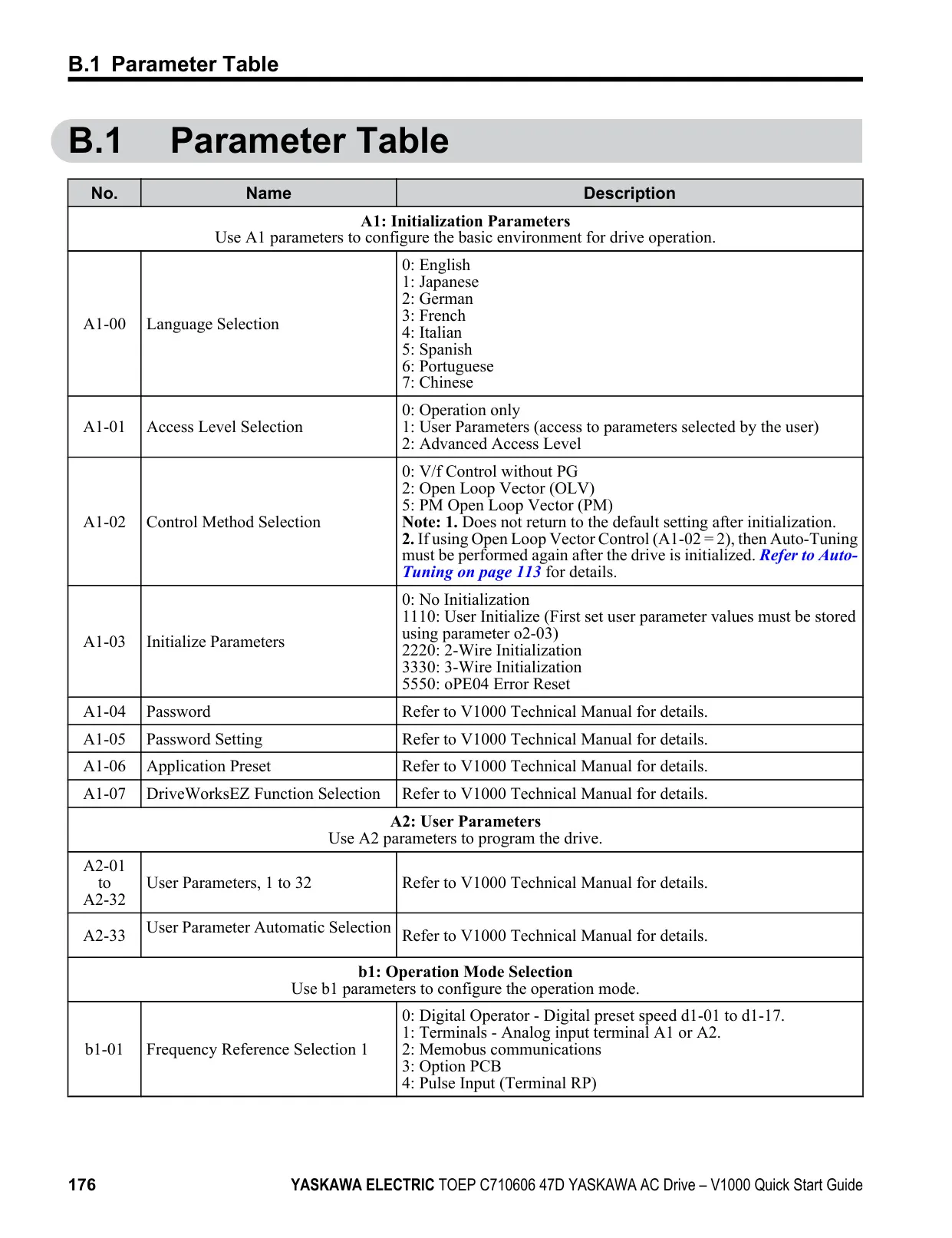
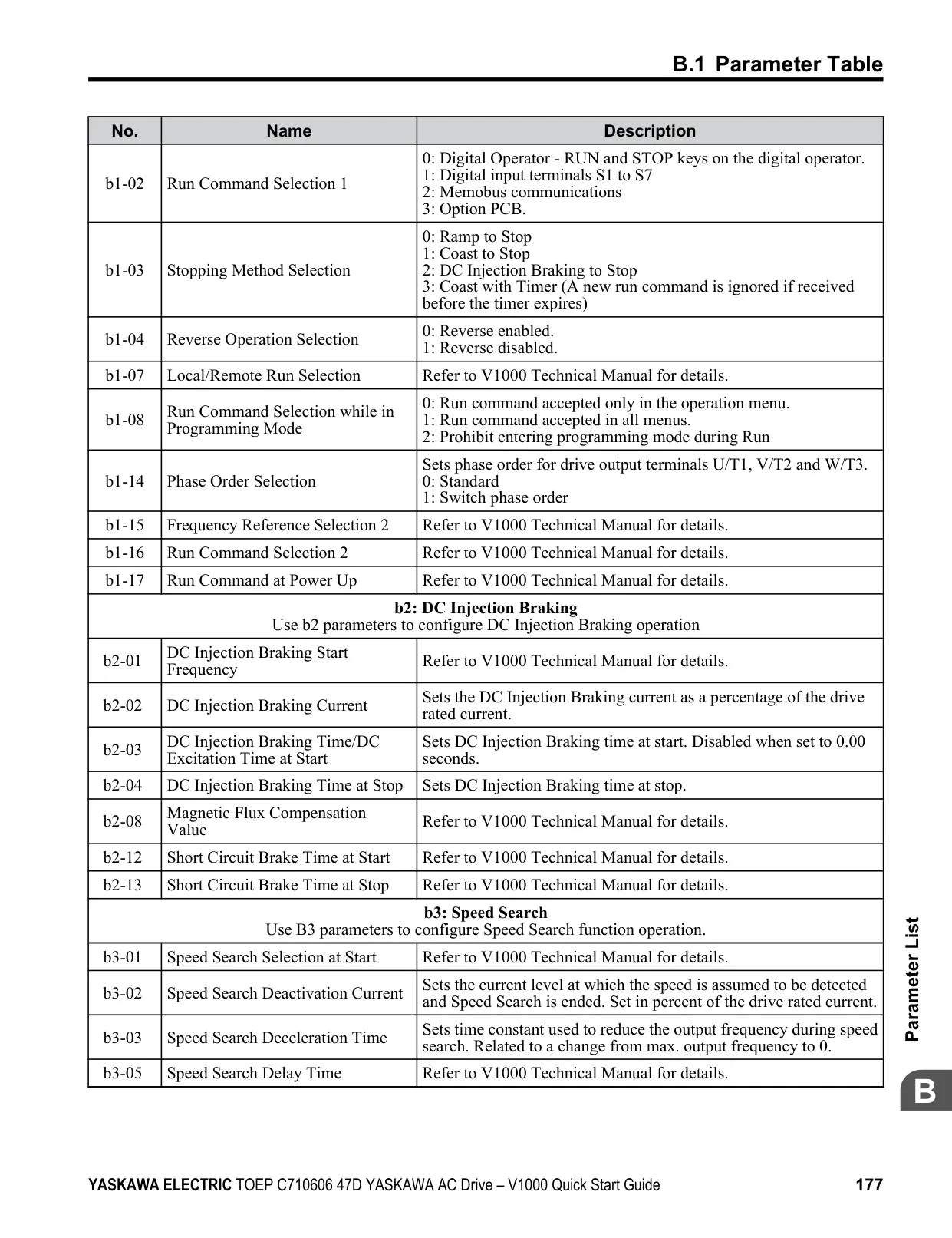
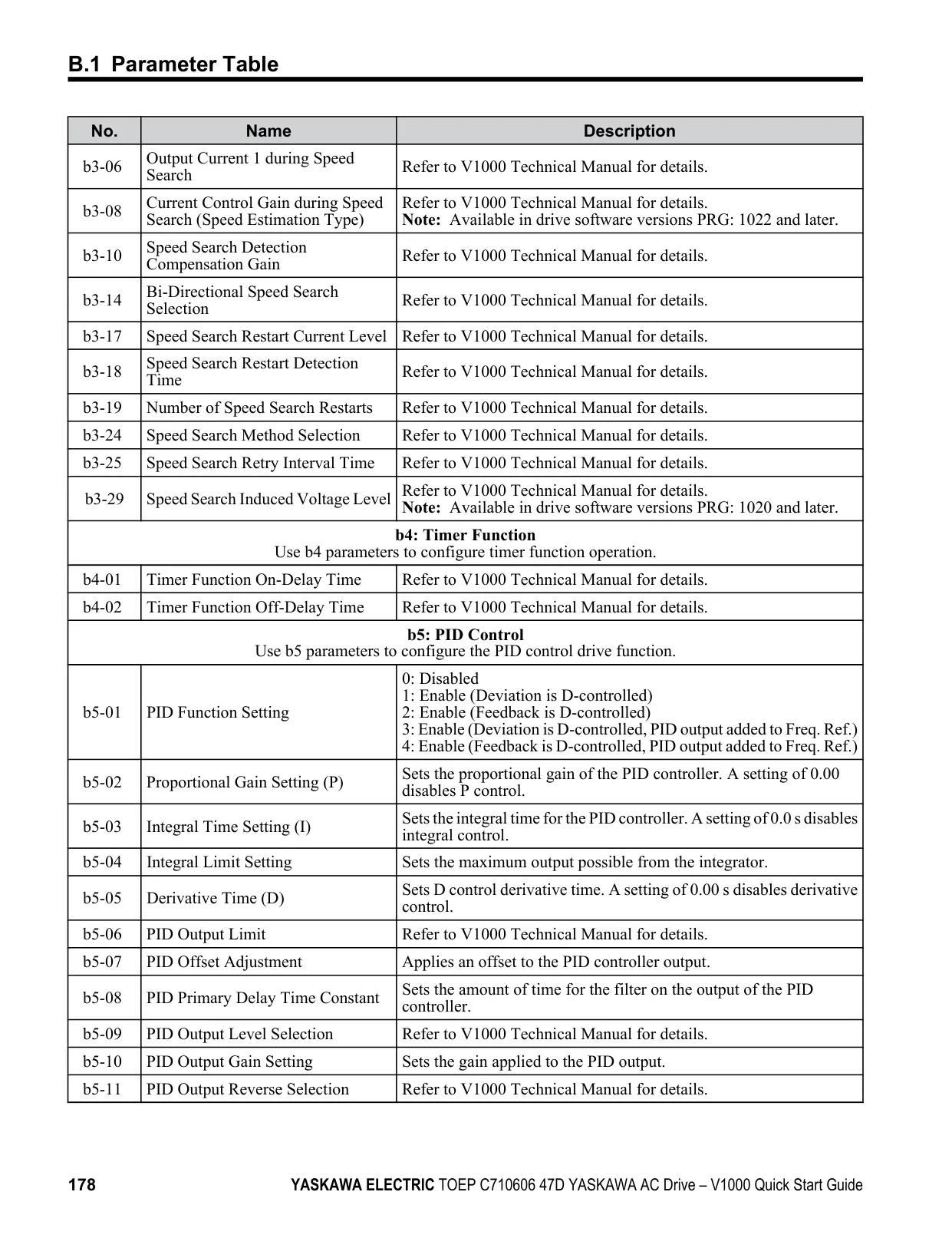
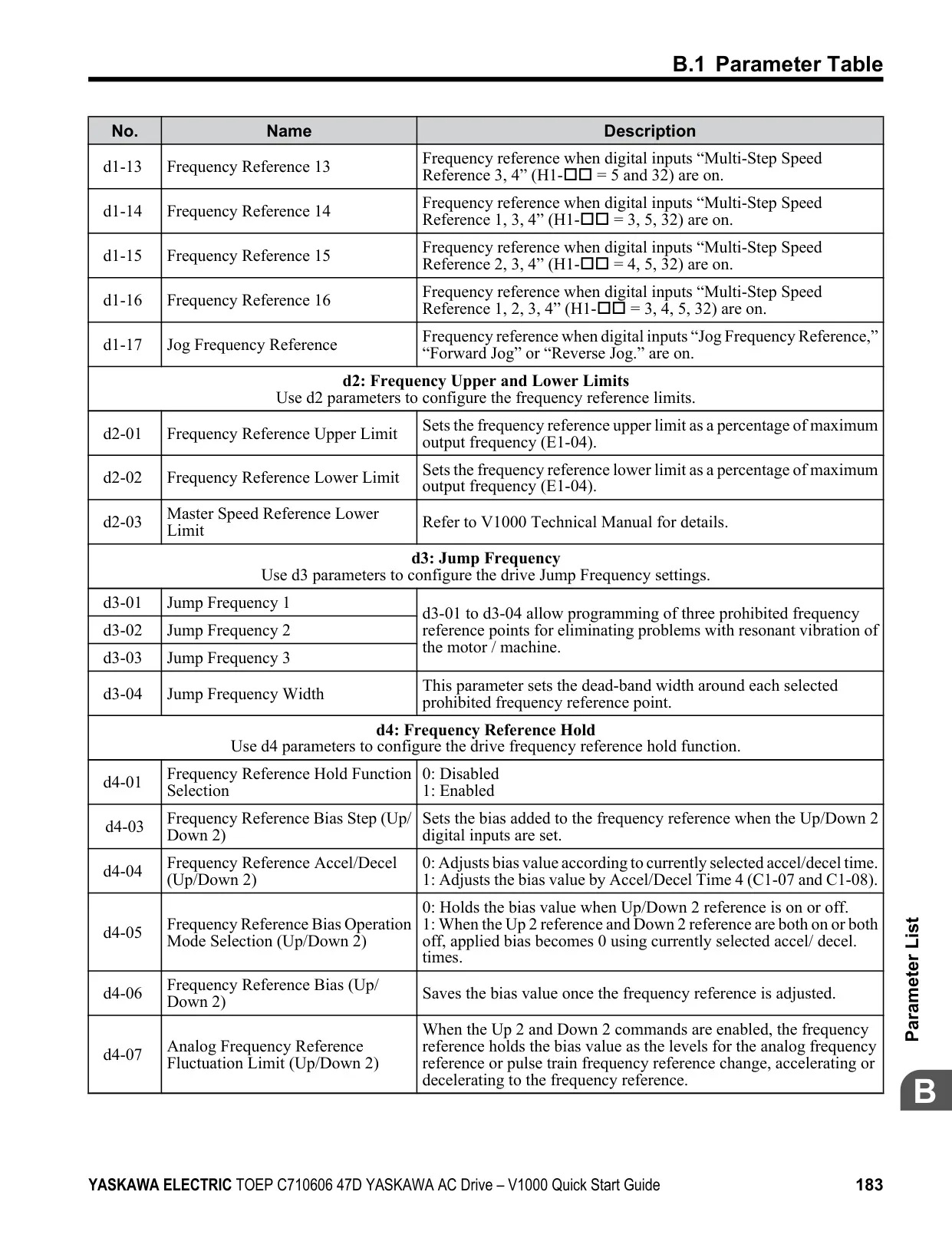
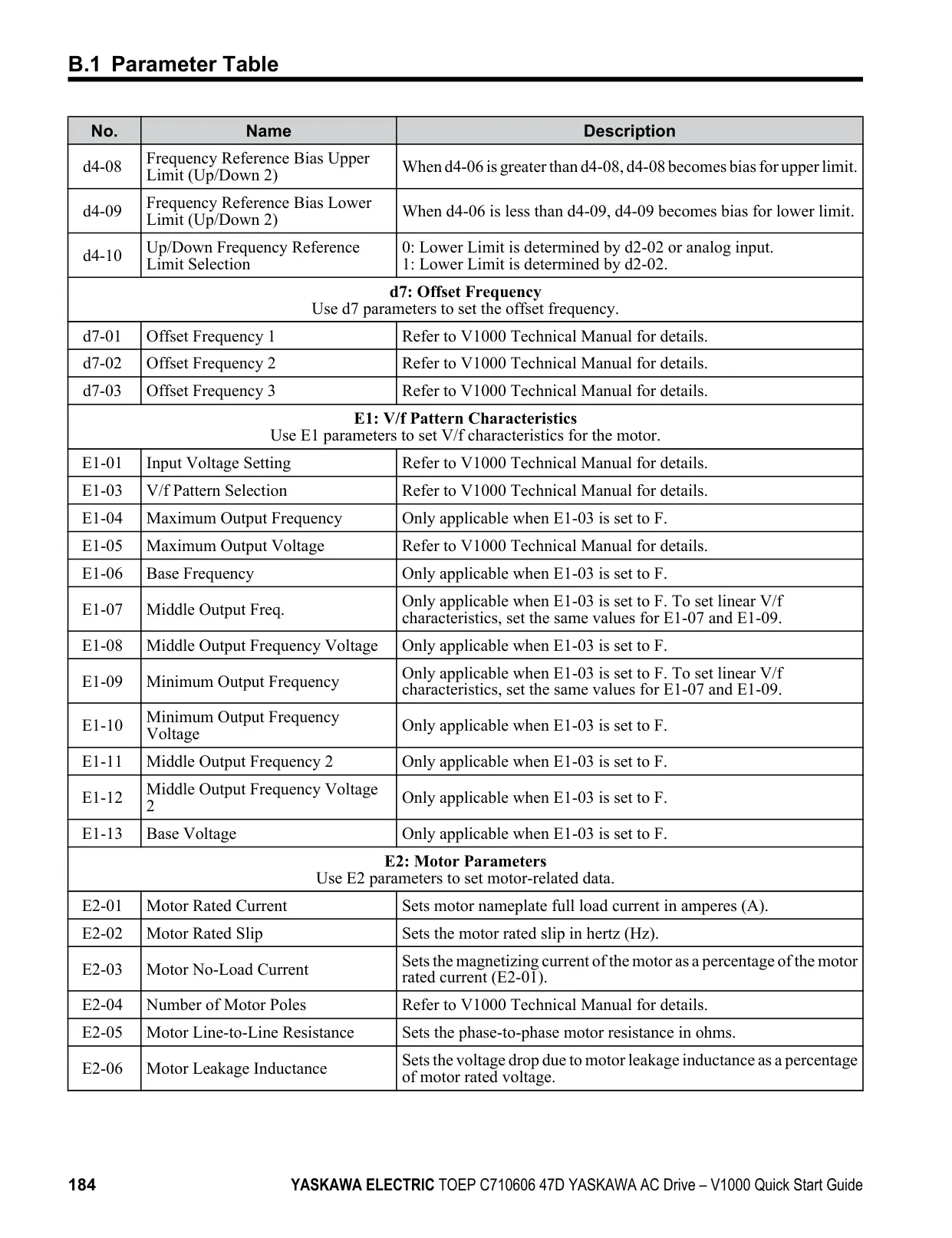
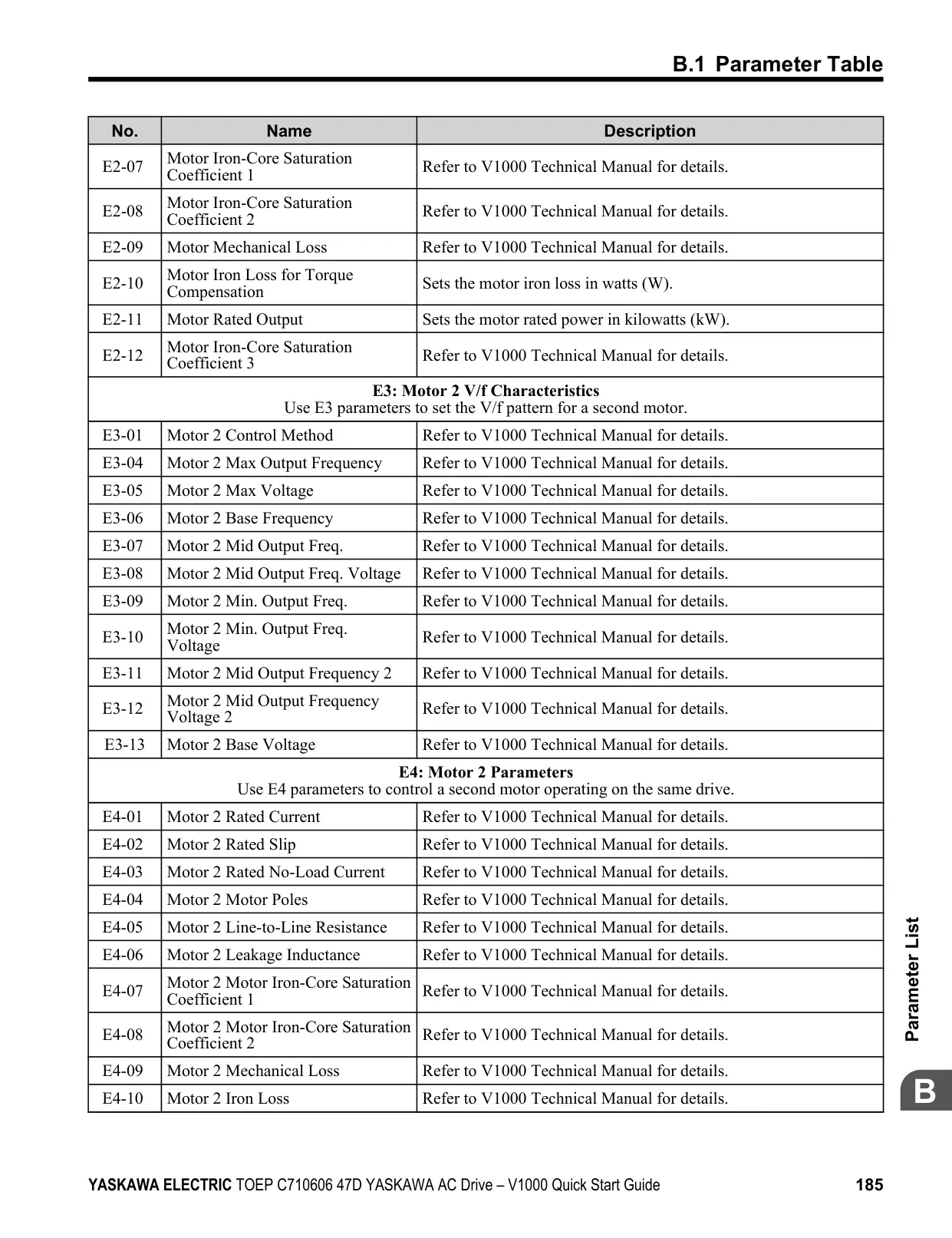
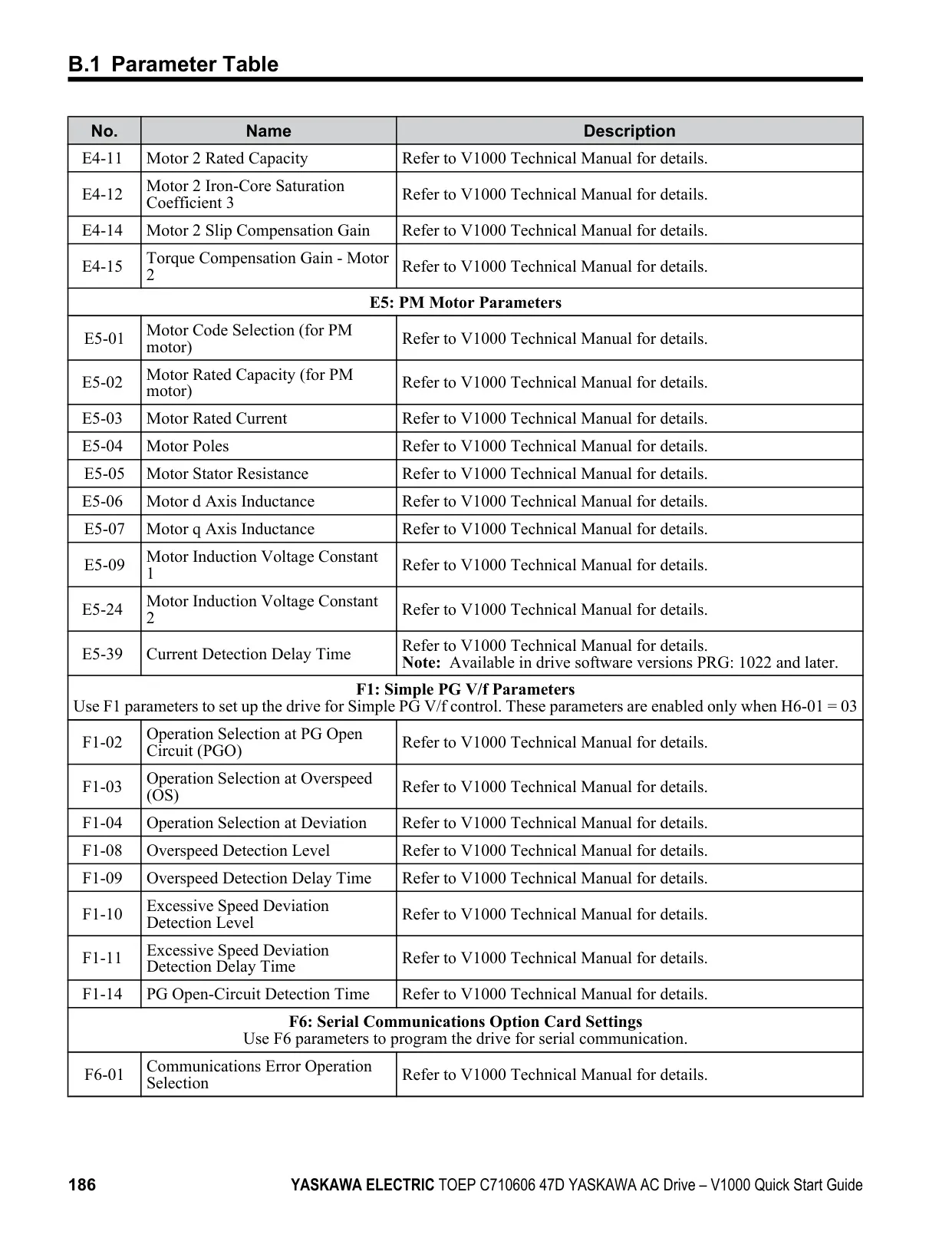

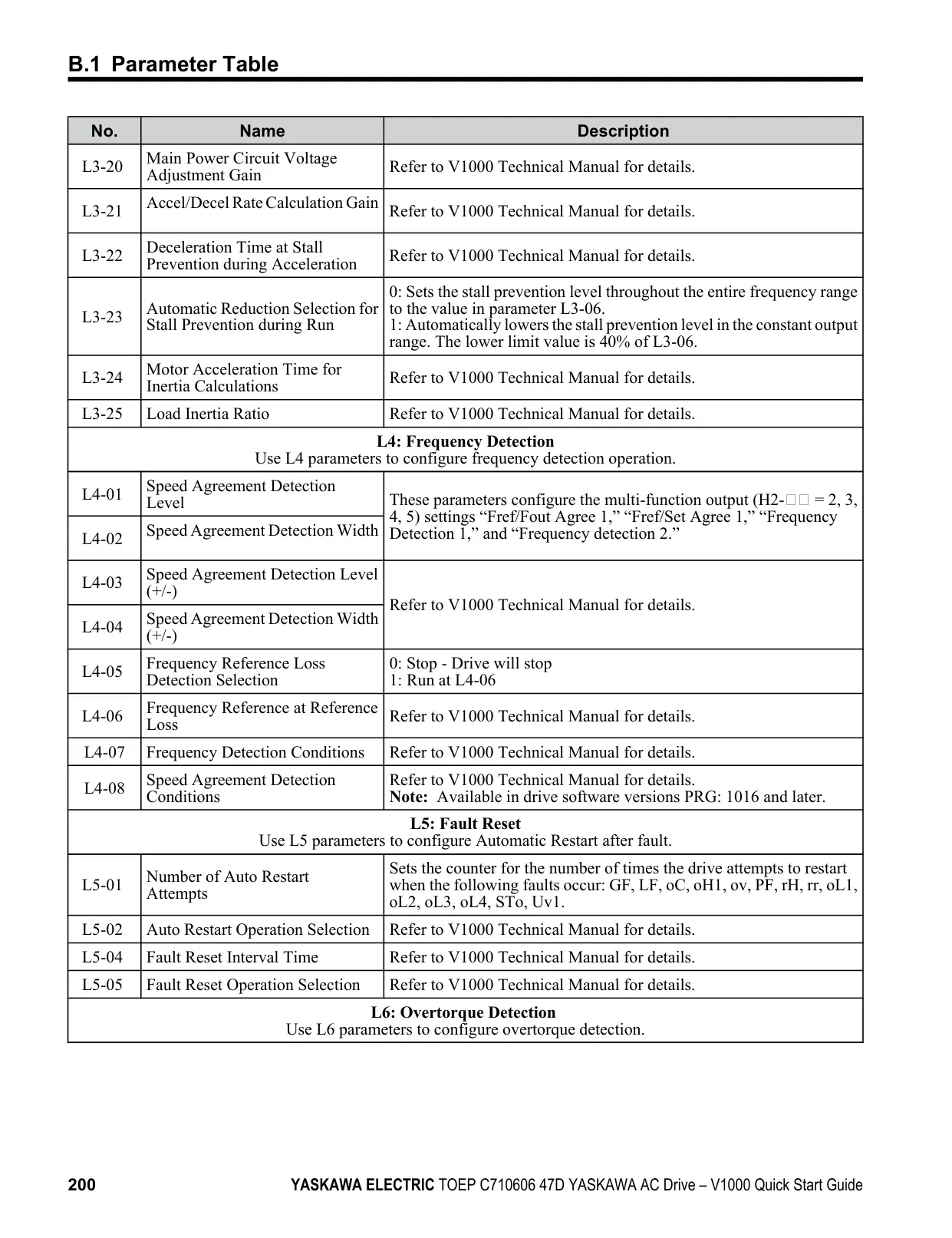
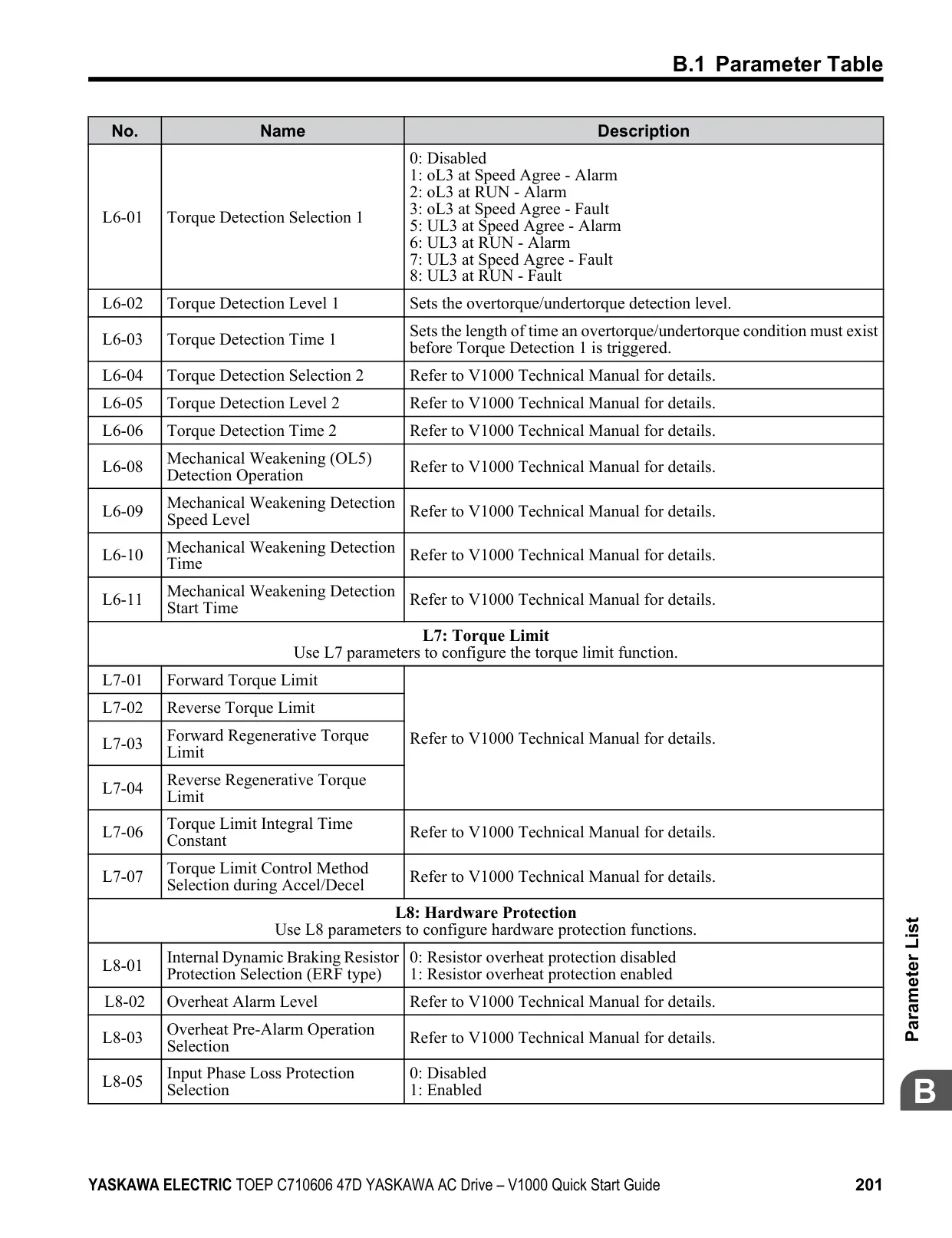
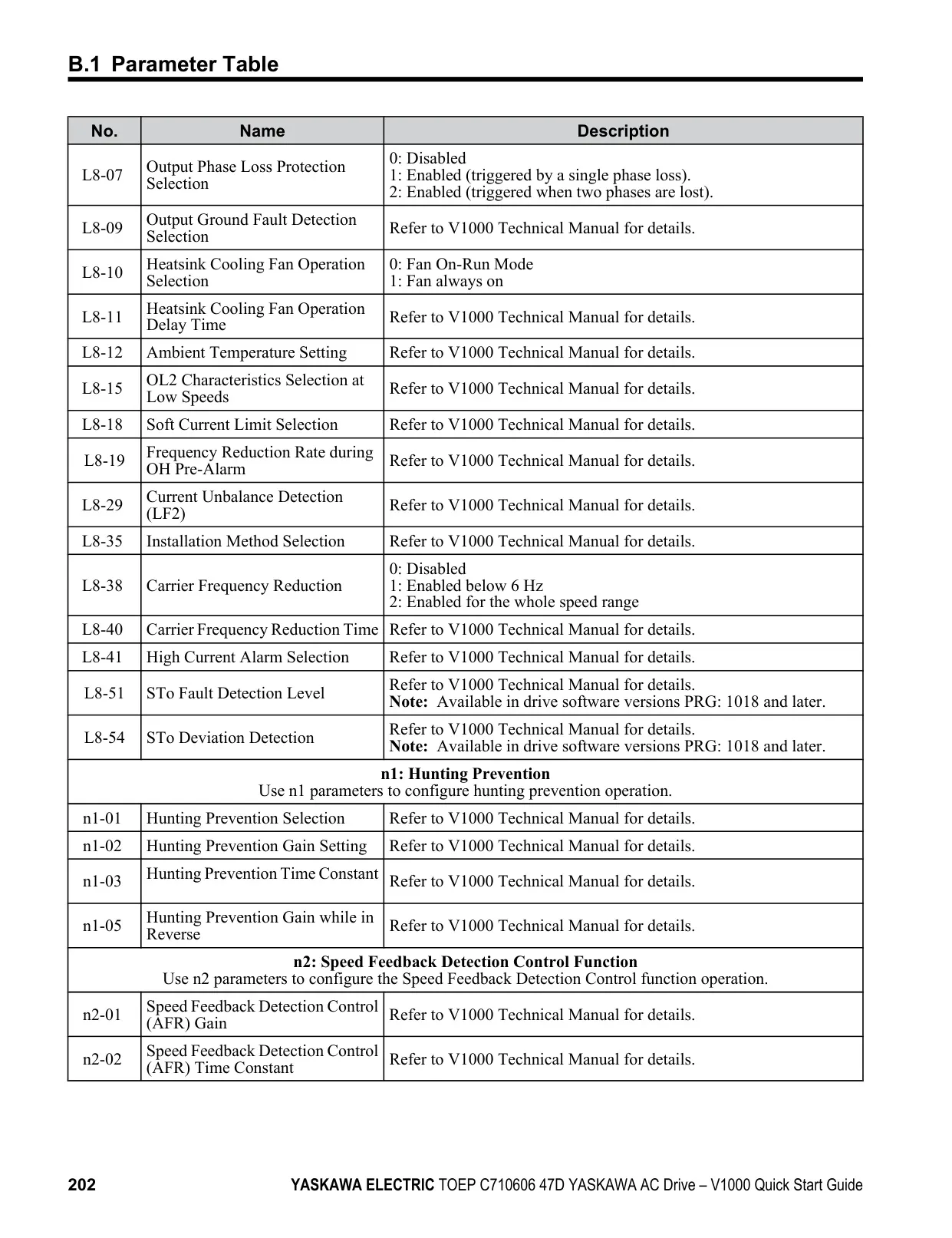
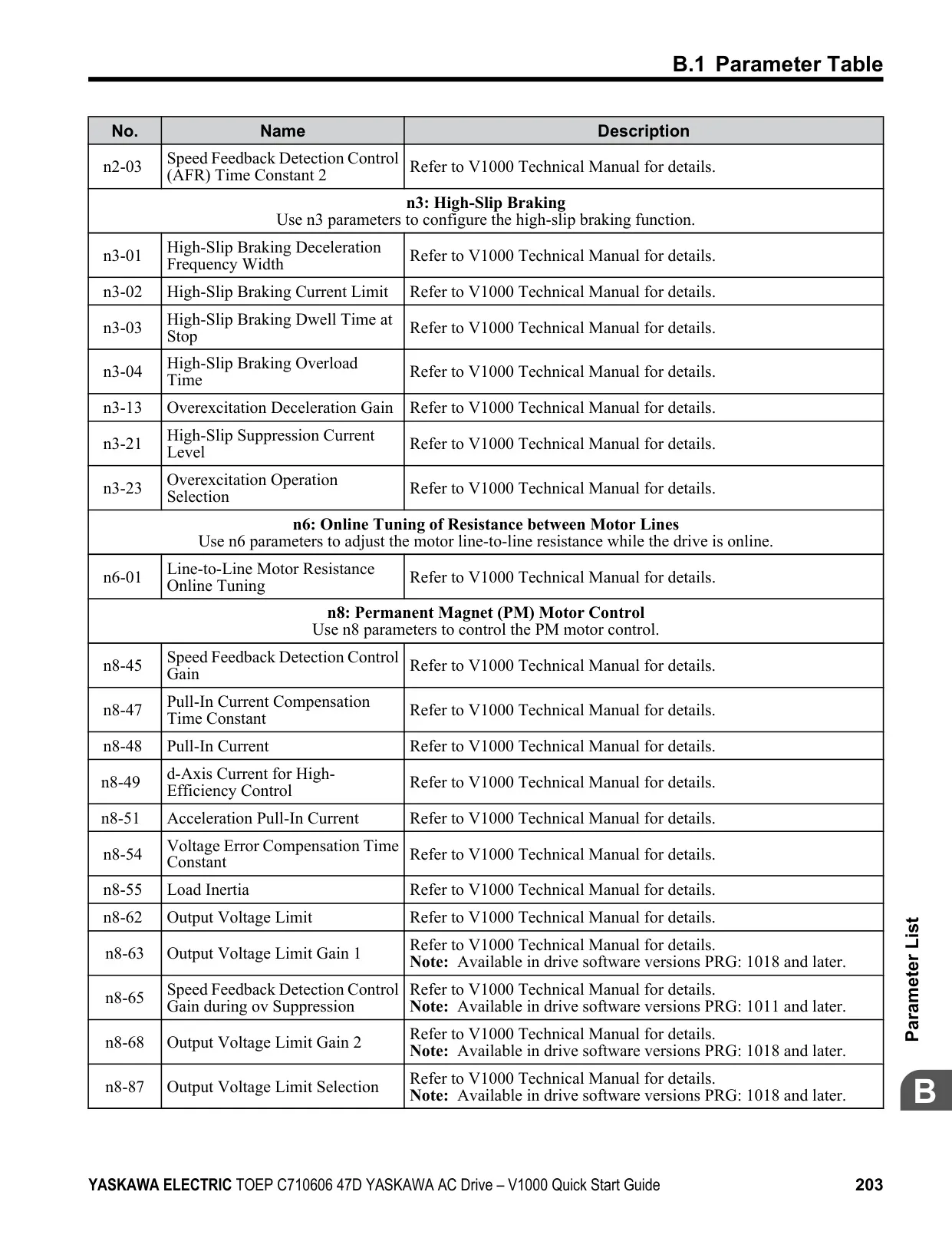
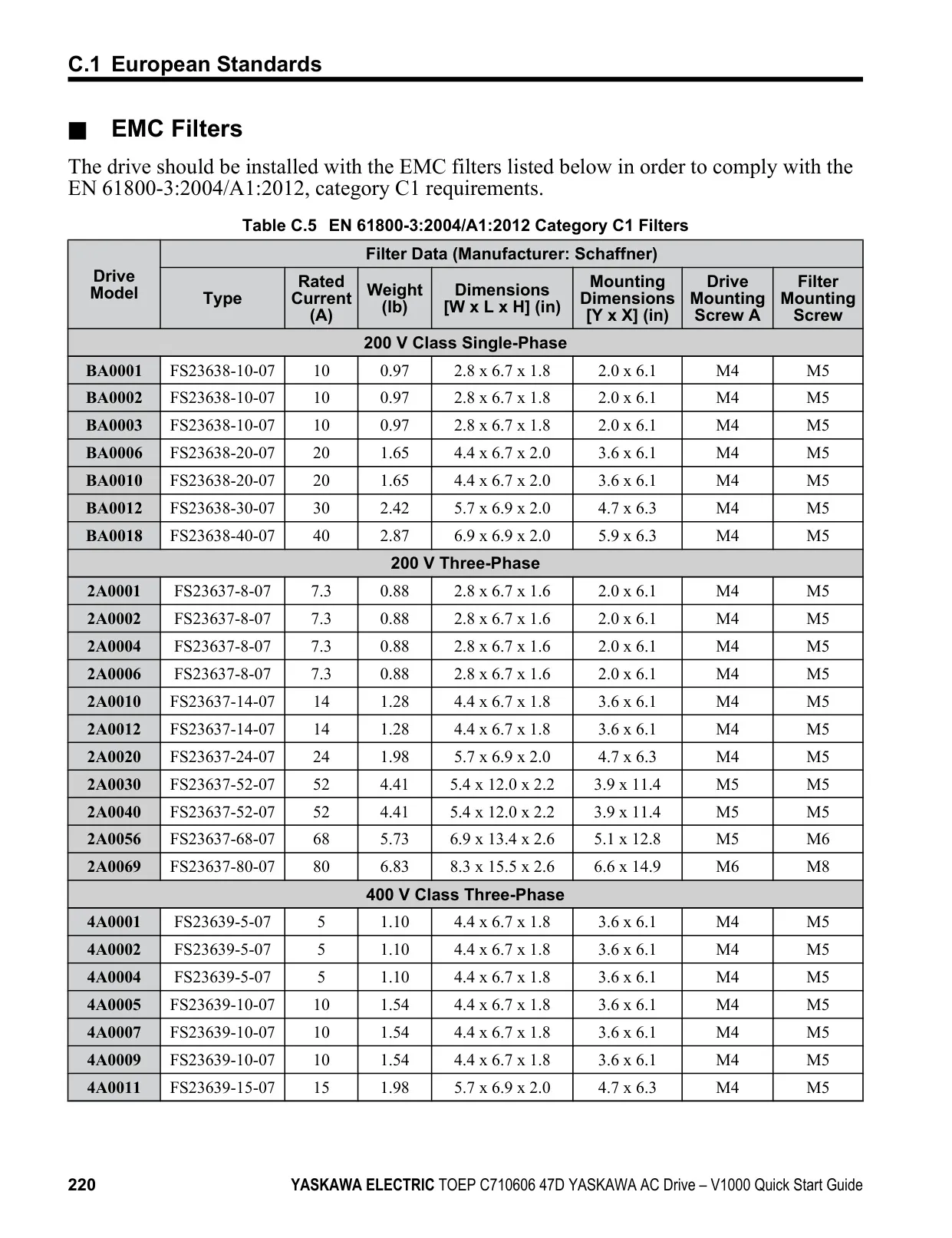
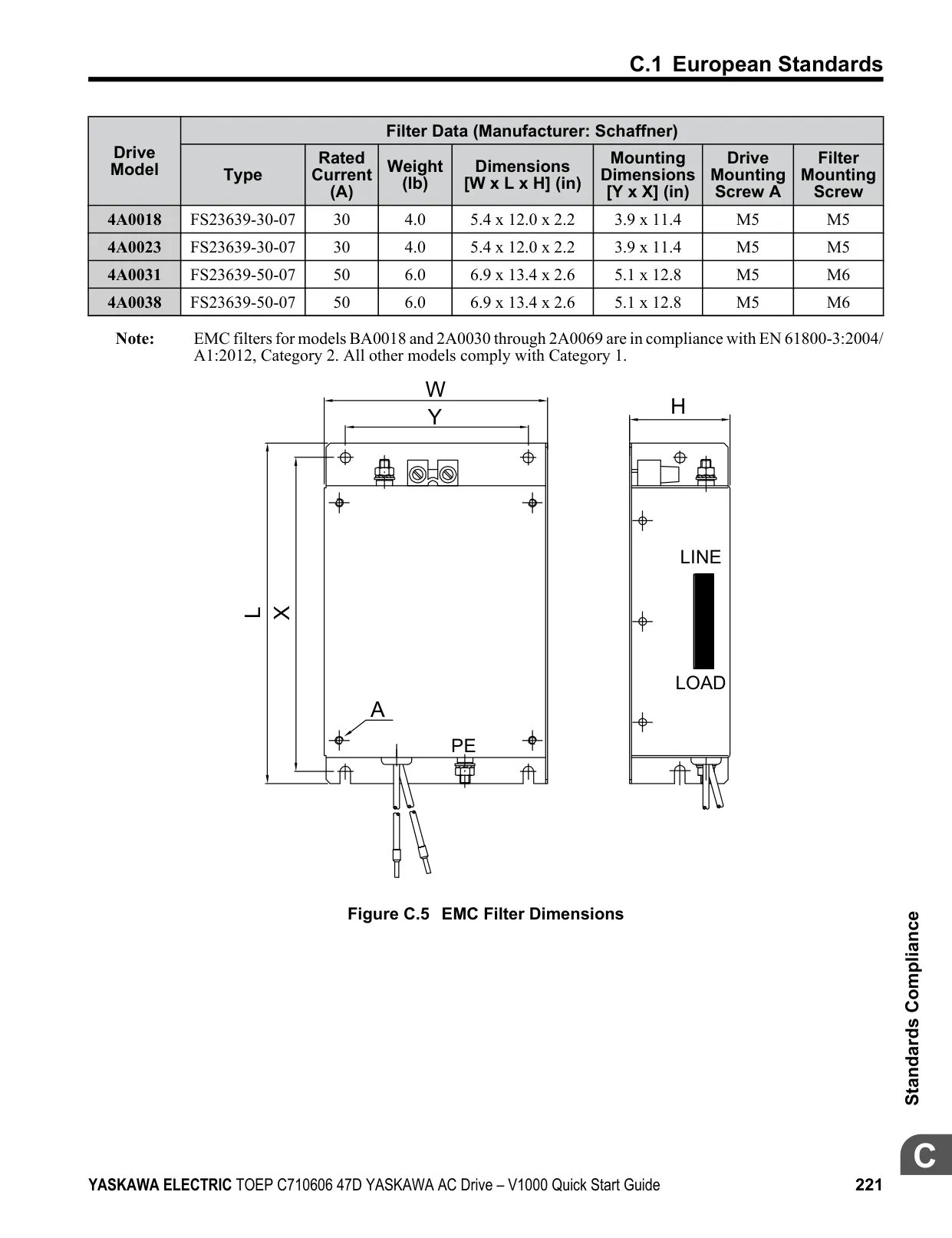
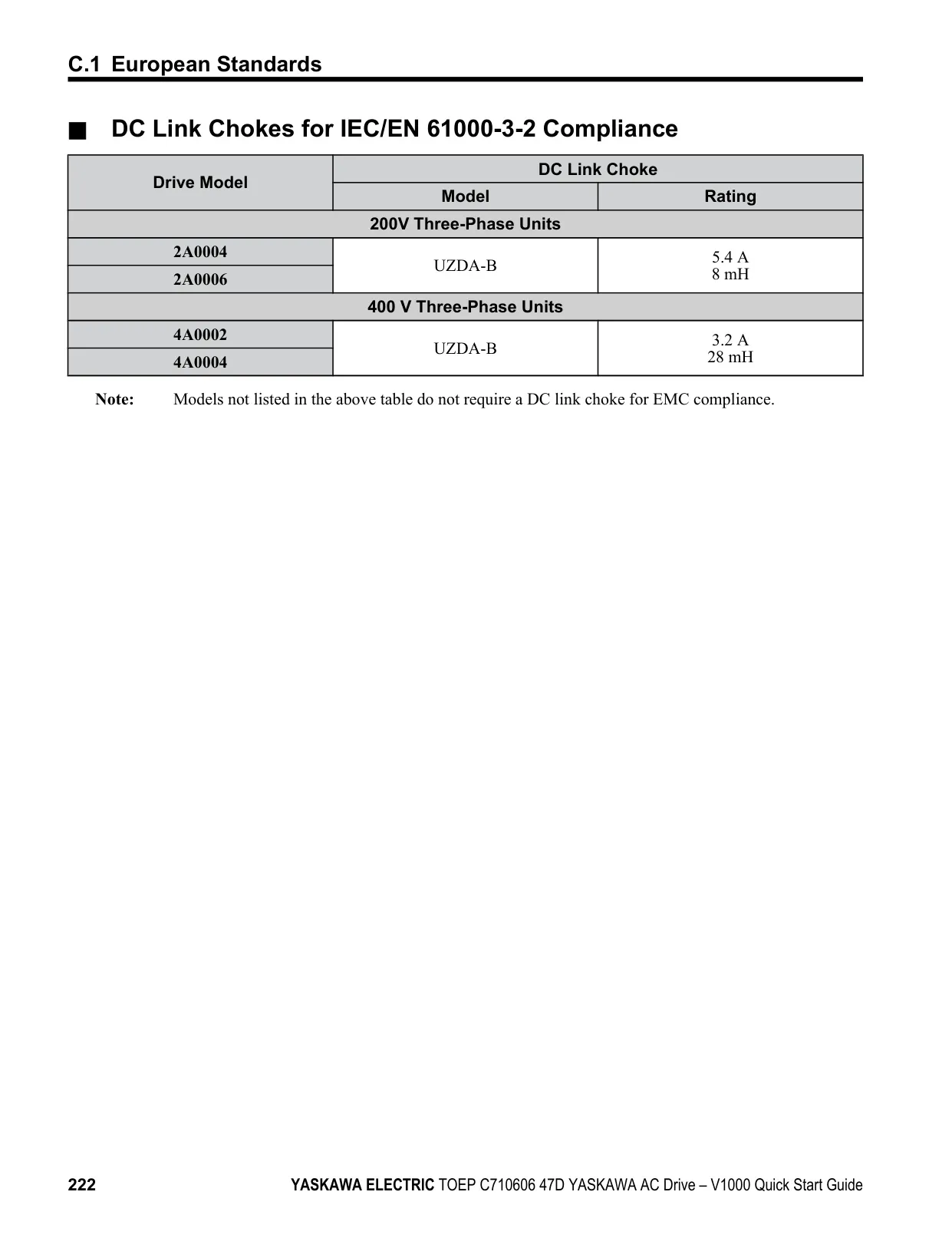
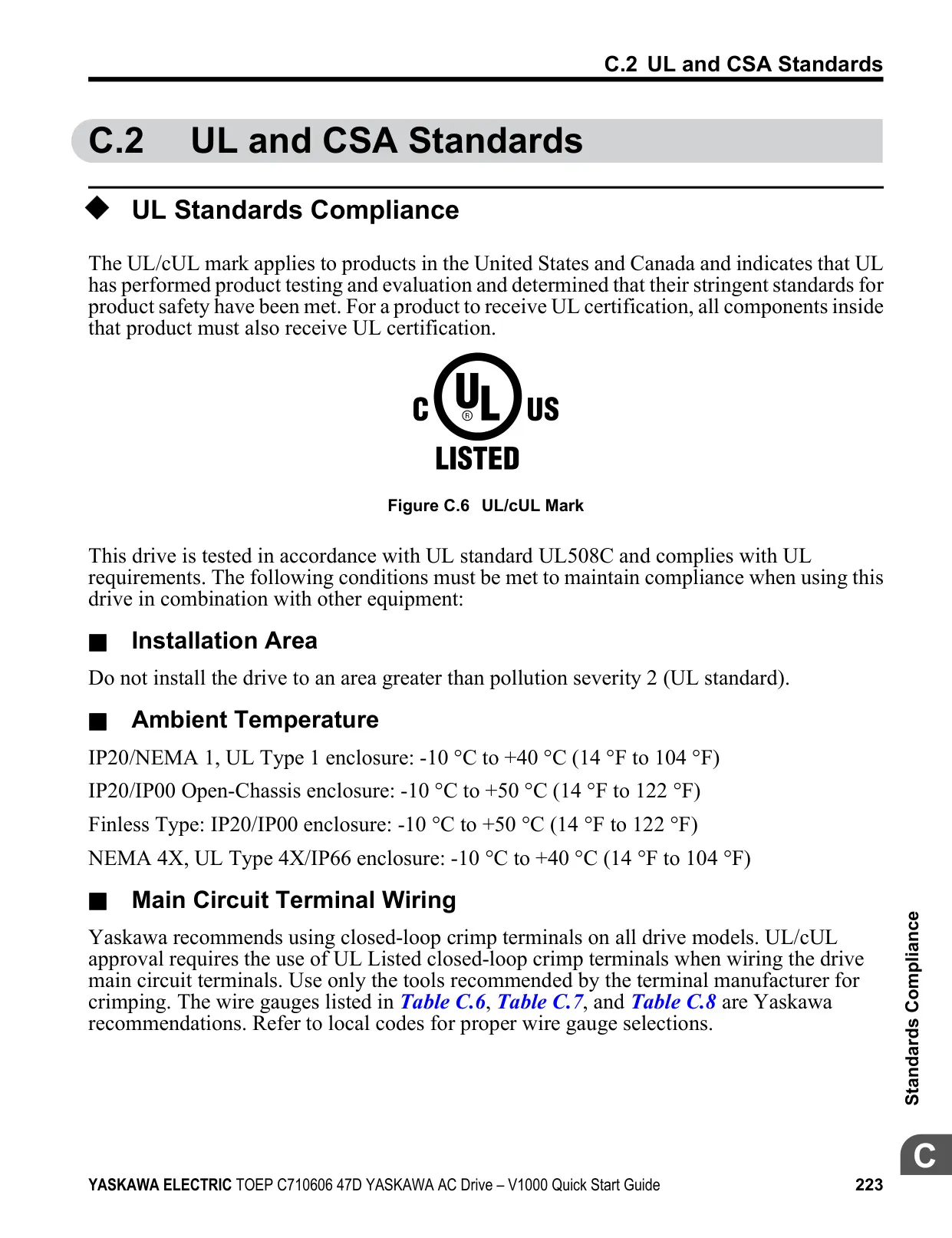

Yaskawa V1000 Variable Frequency Drive
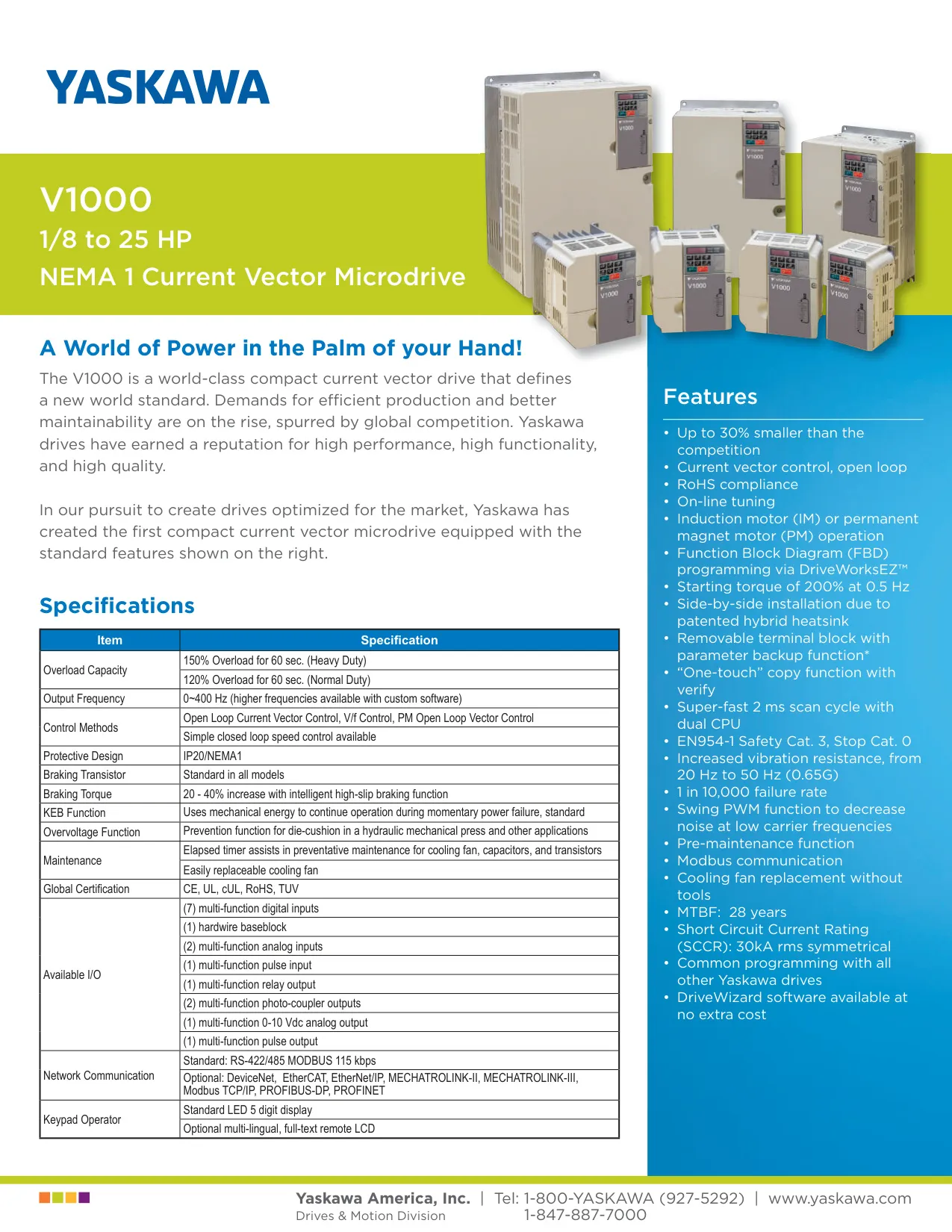
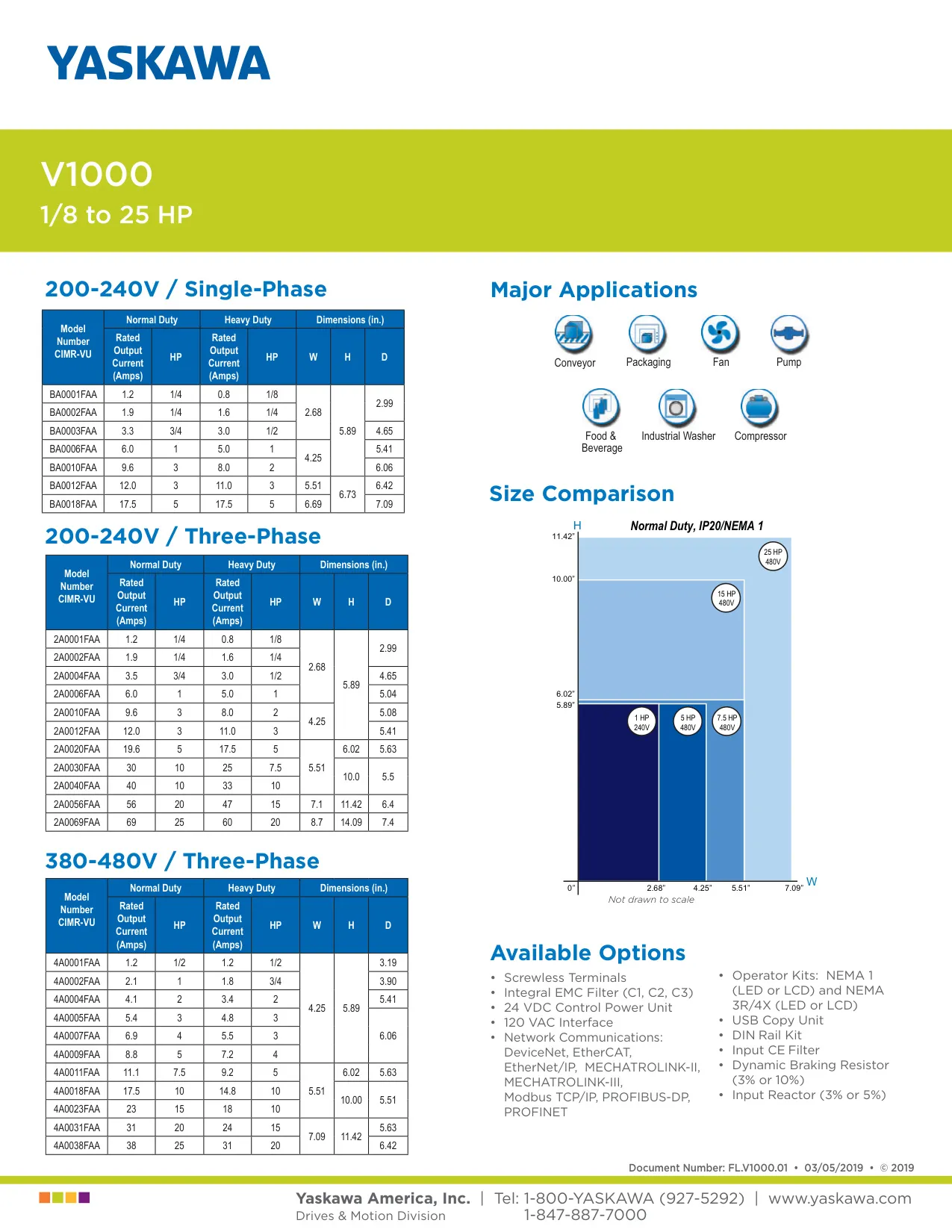
Yaskawa V1000 VFD Instructions
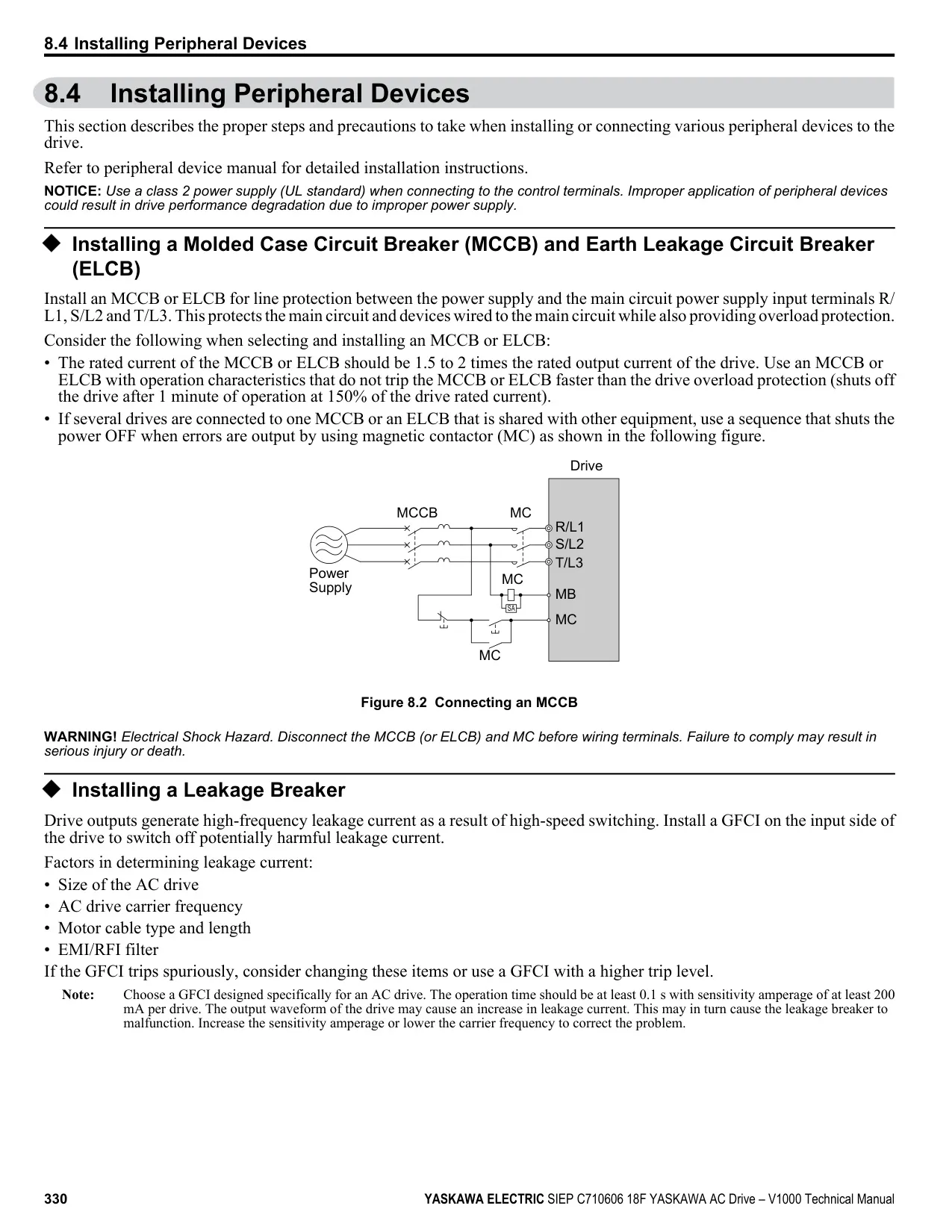
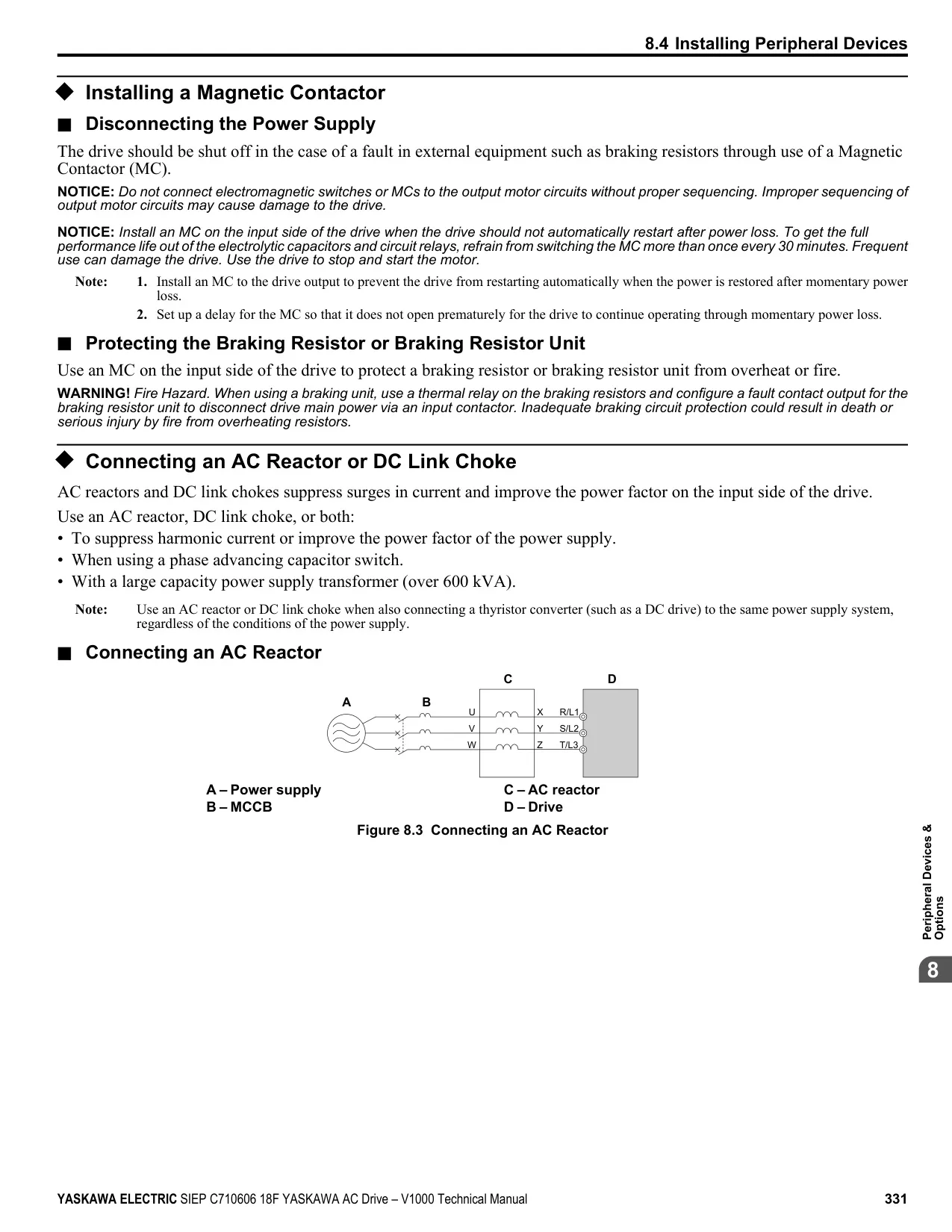
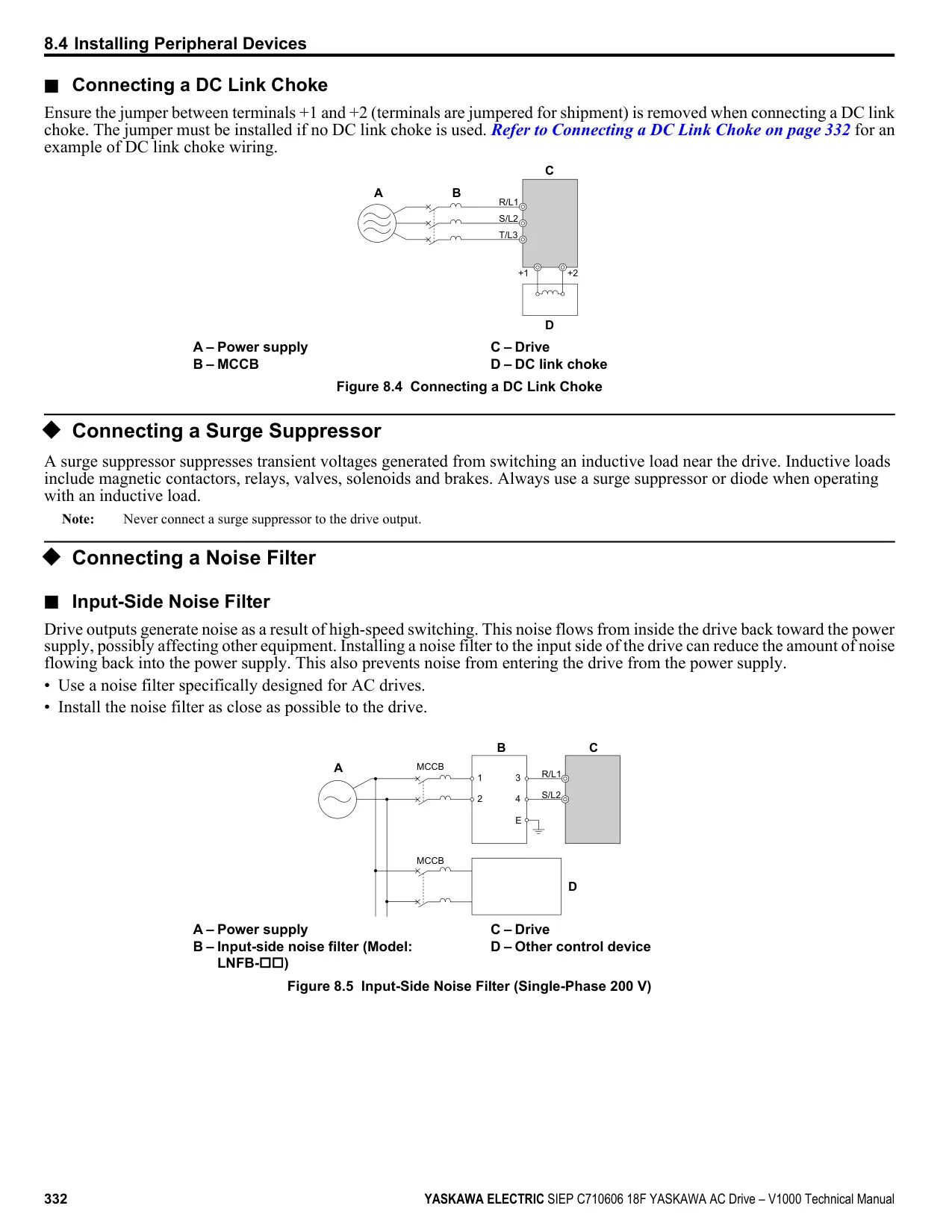
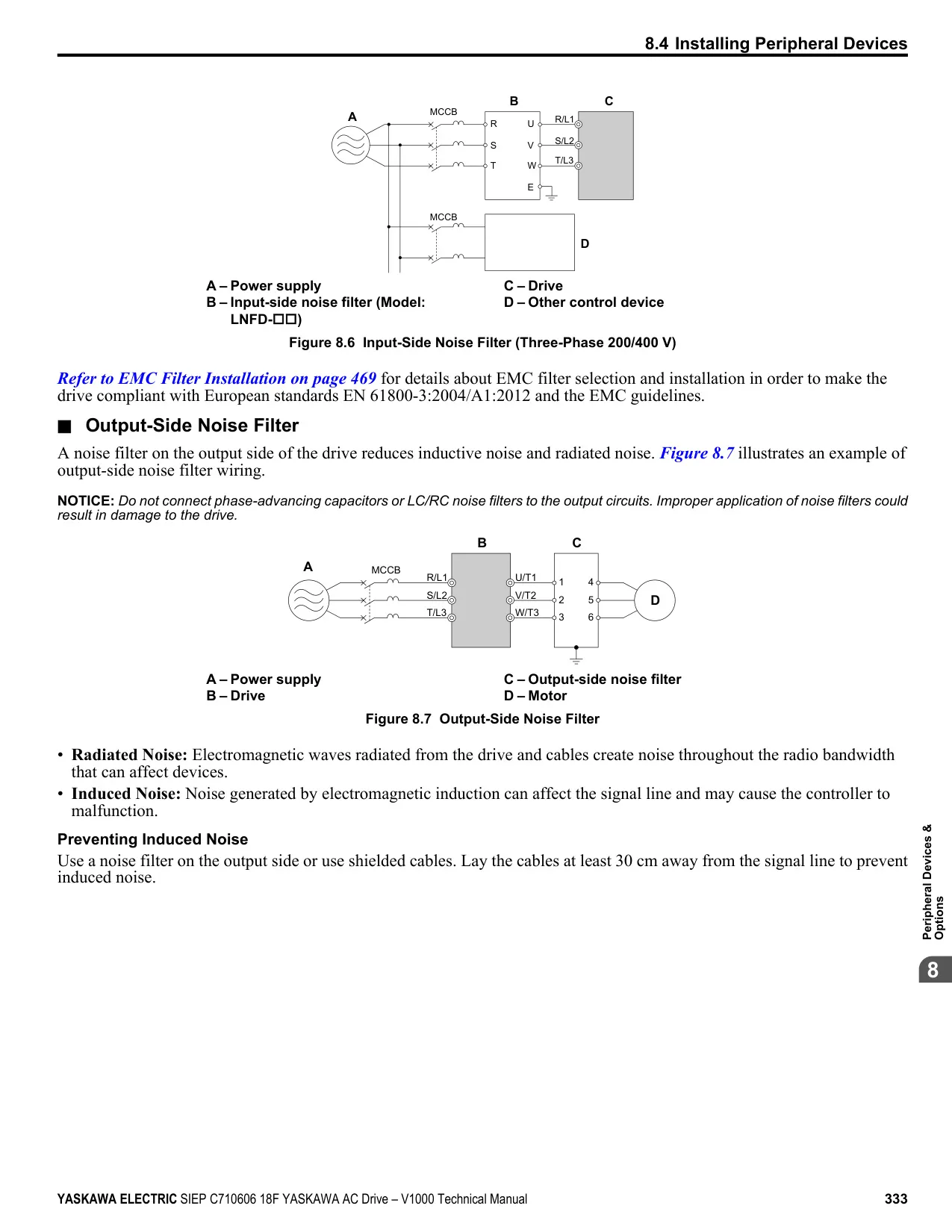
Here we offer the Yaskawa V1000 Variable Frequency Drive manual completely free and in English. We have cataloged this manual in the Variable Frequency Drives section on Manualverse, and it has been rated by 1 users with an average rating of 5. If you have any specific questions about Yaskawa V1000 Variable Frequency Drive, we suggest checking the Frequently Asked Questions (FAQs) section of this manual.
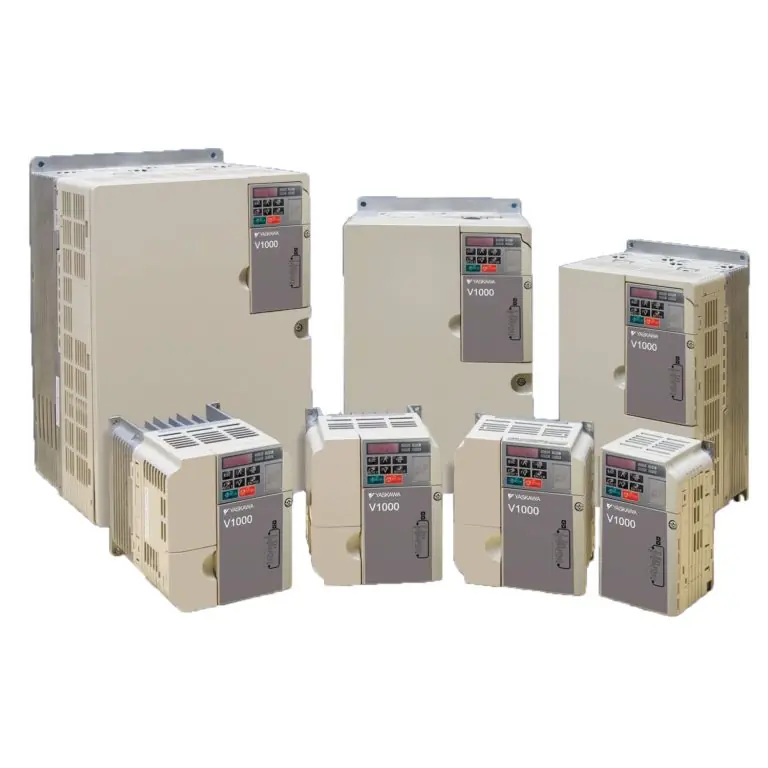
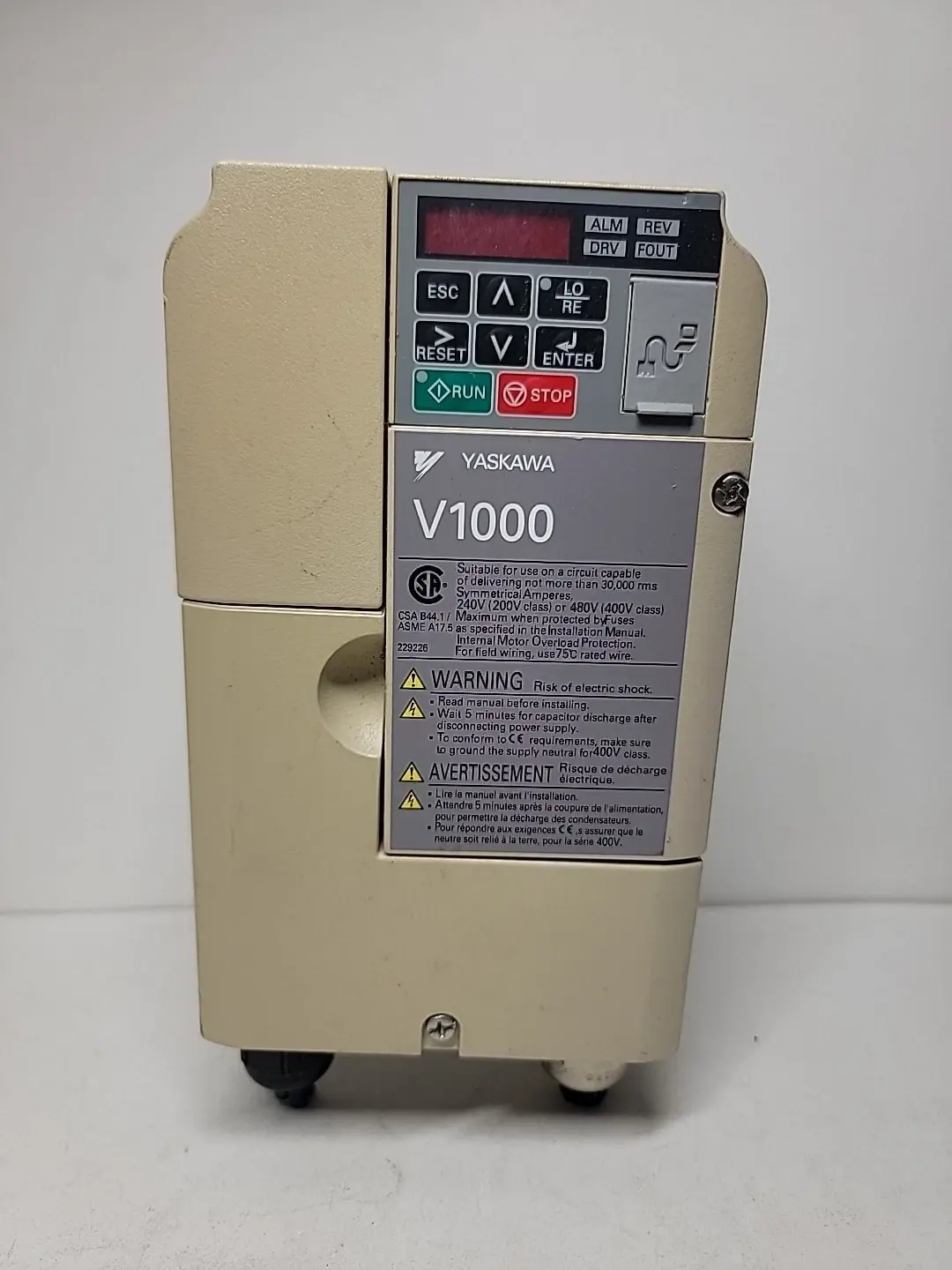
Product Images
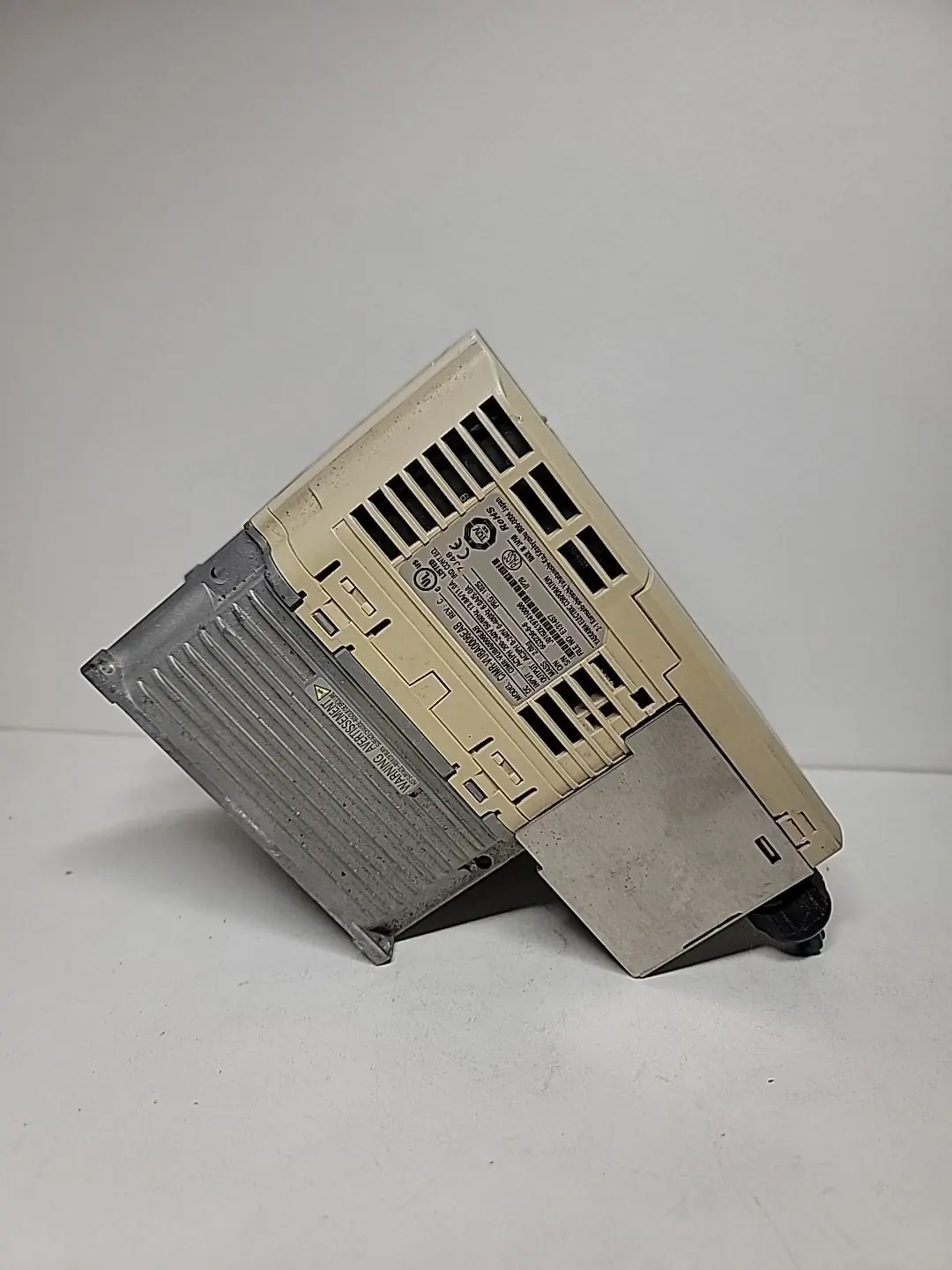
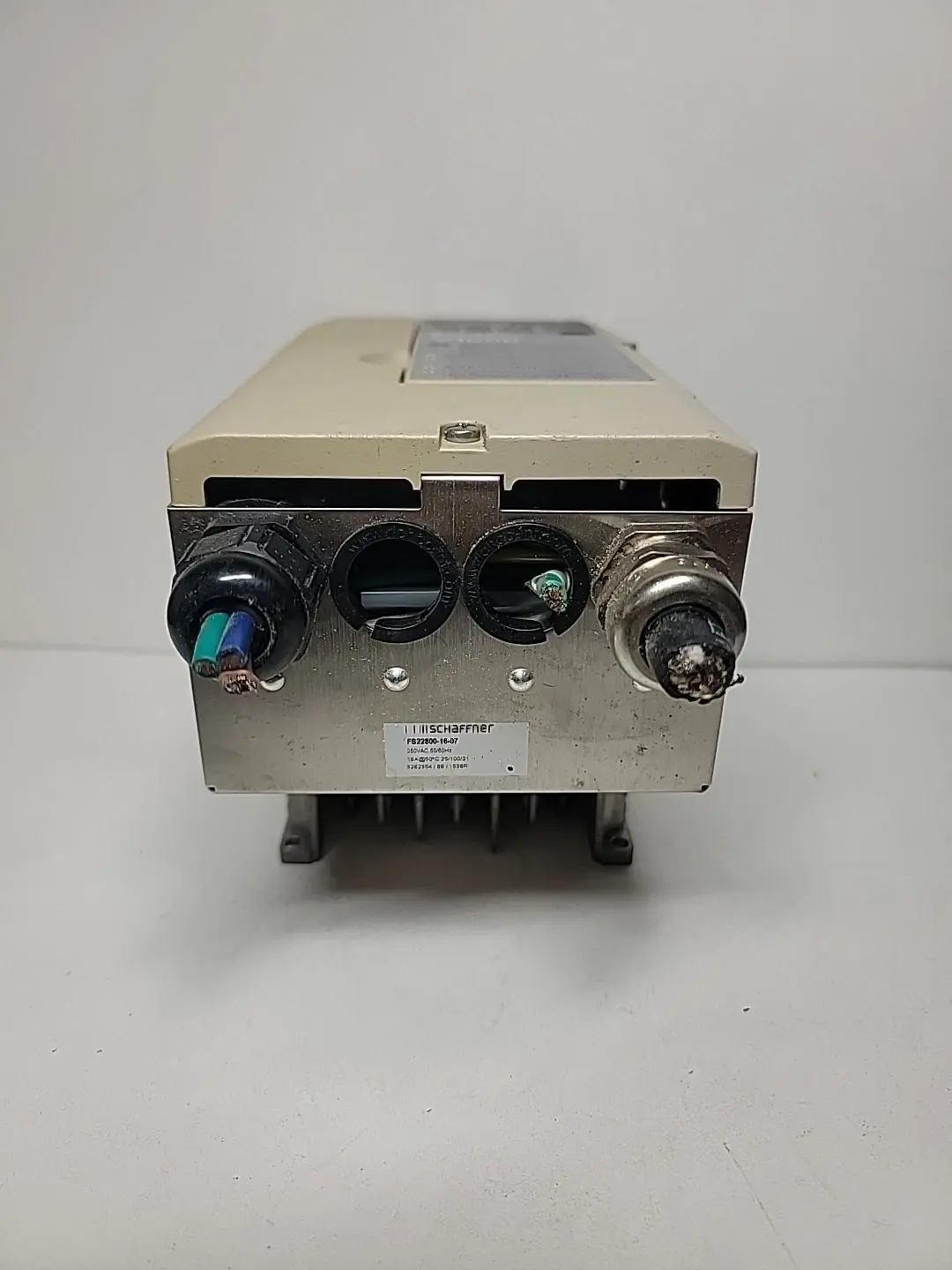
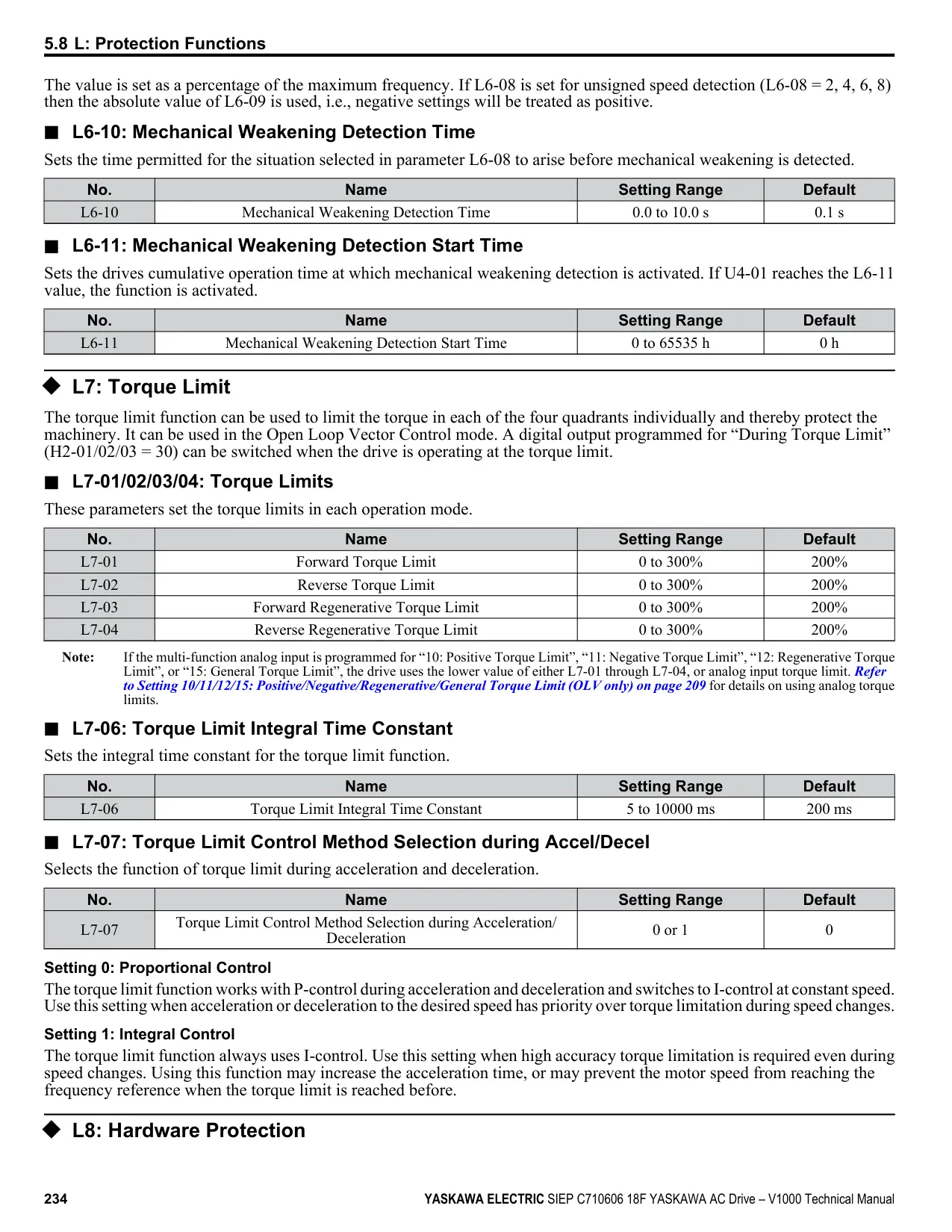
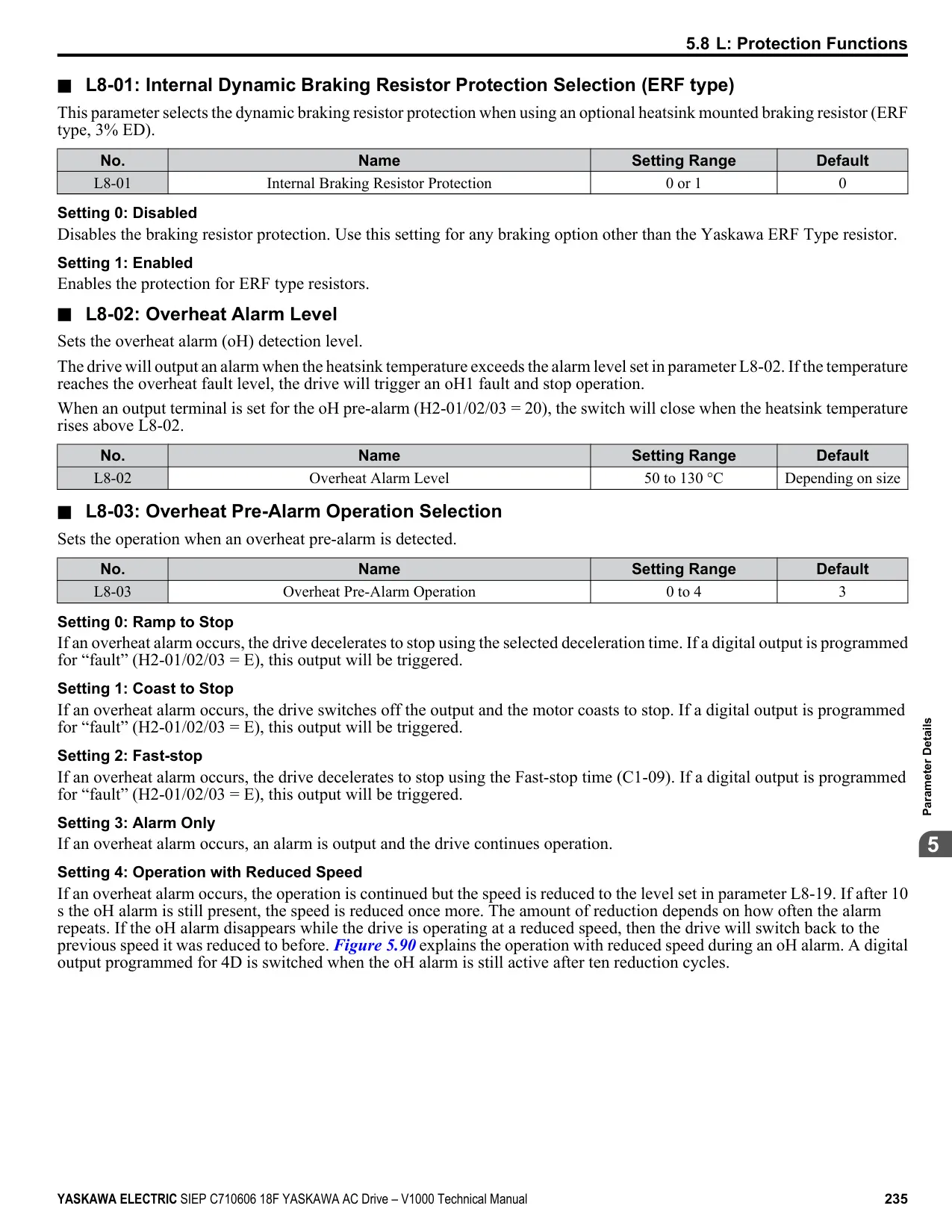
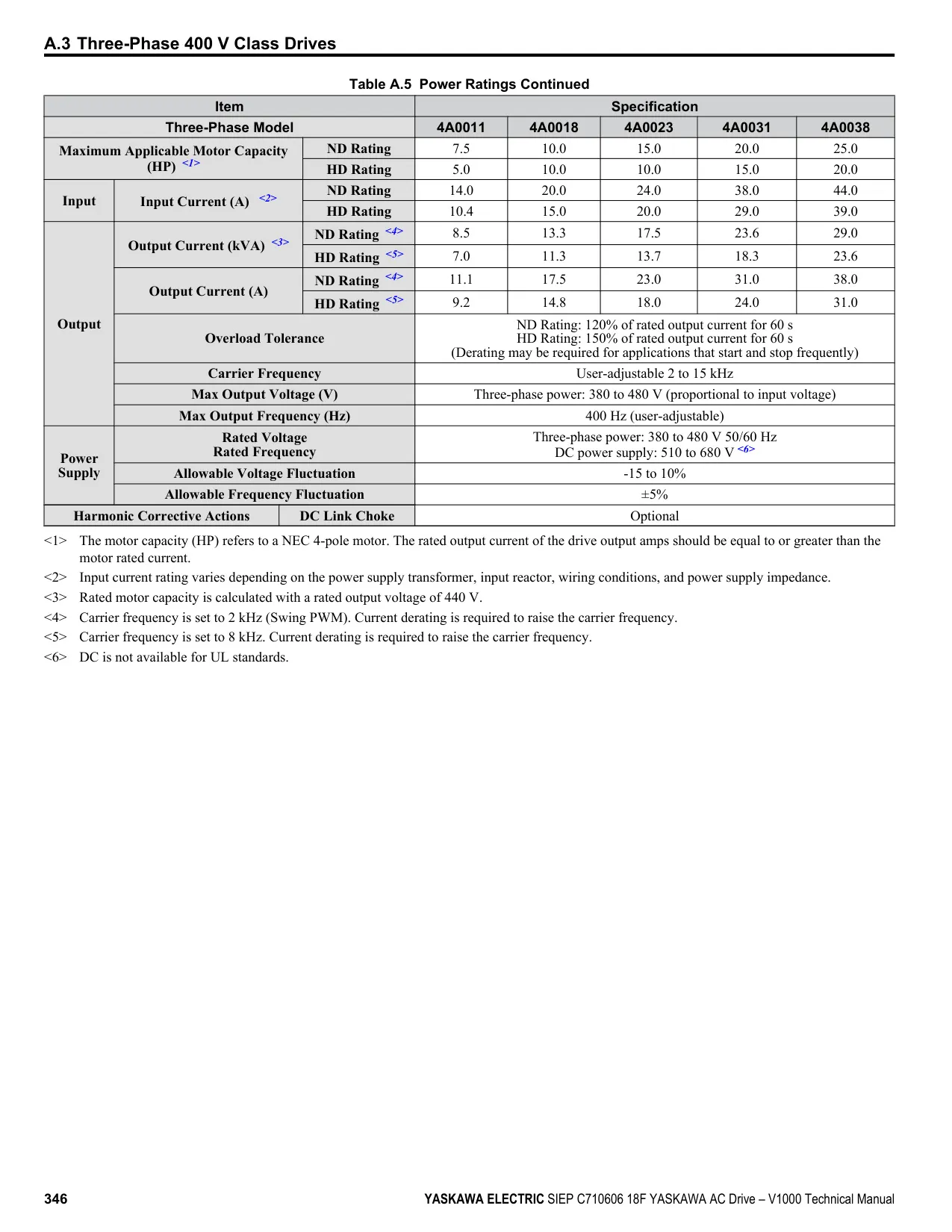
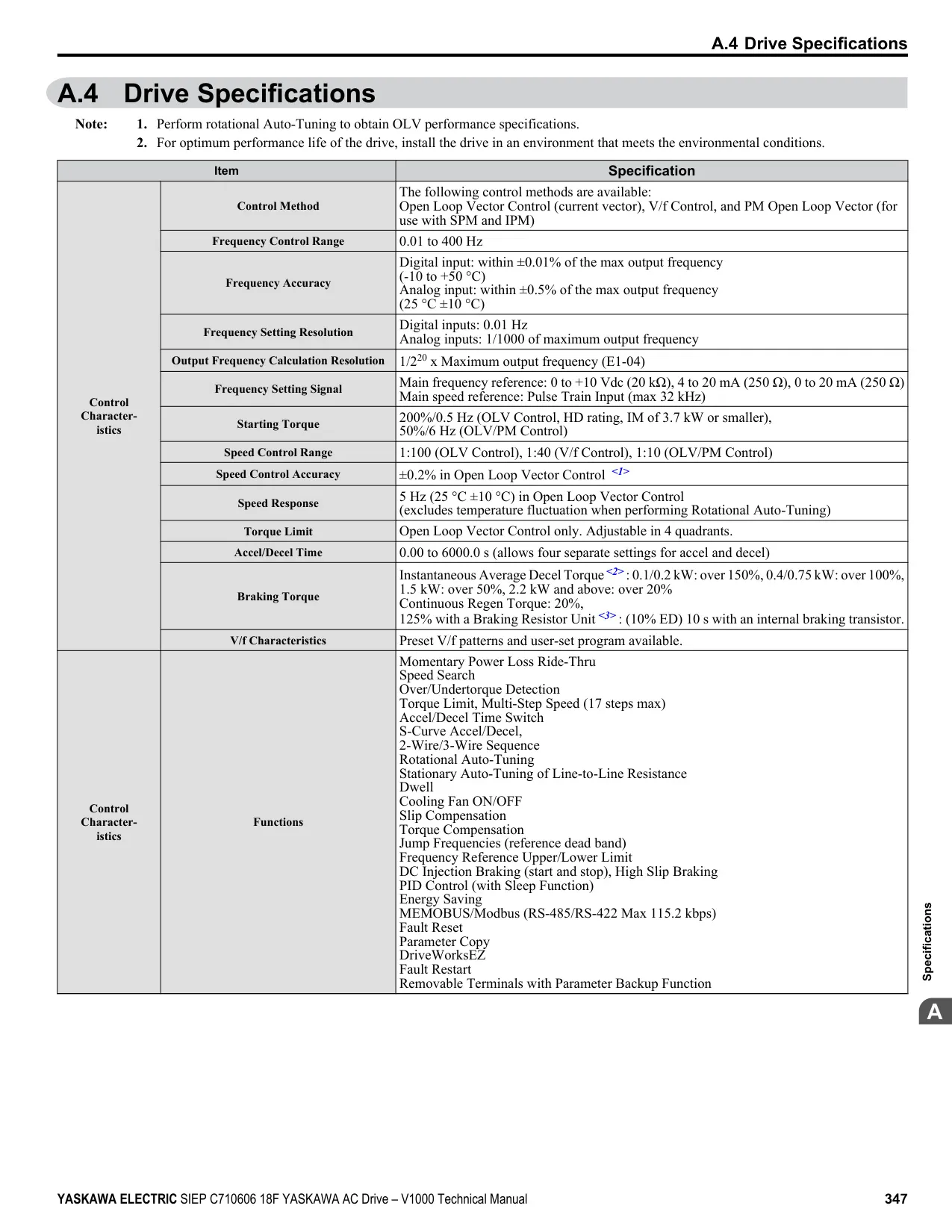
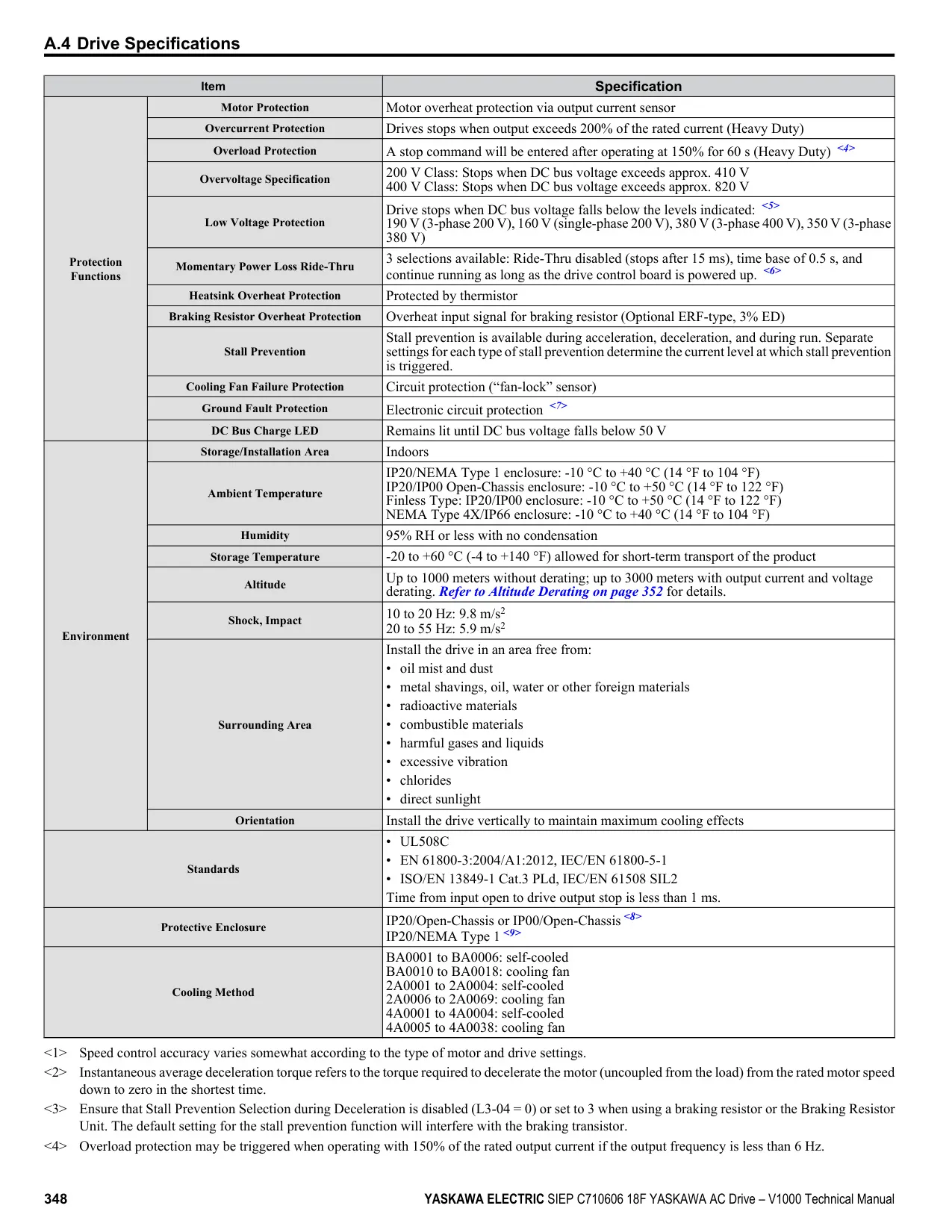
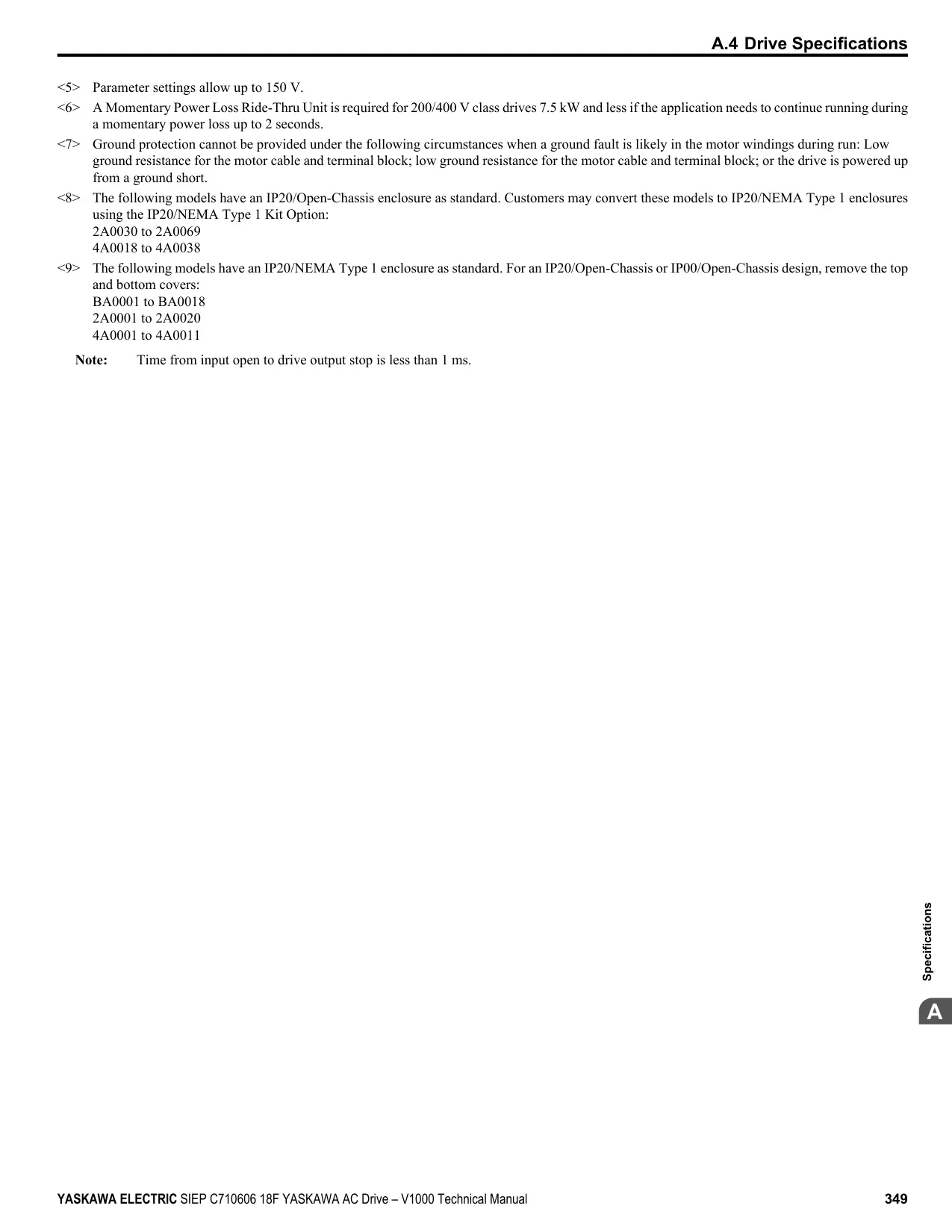
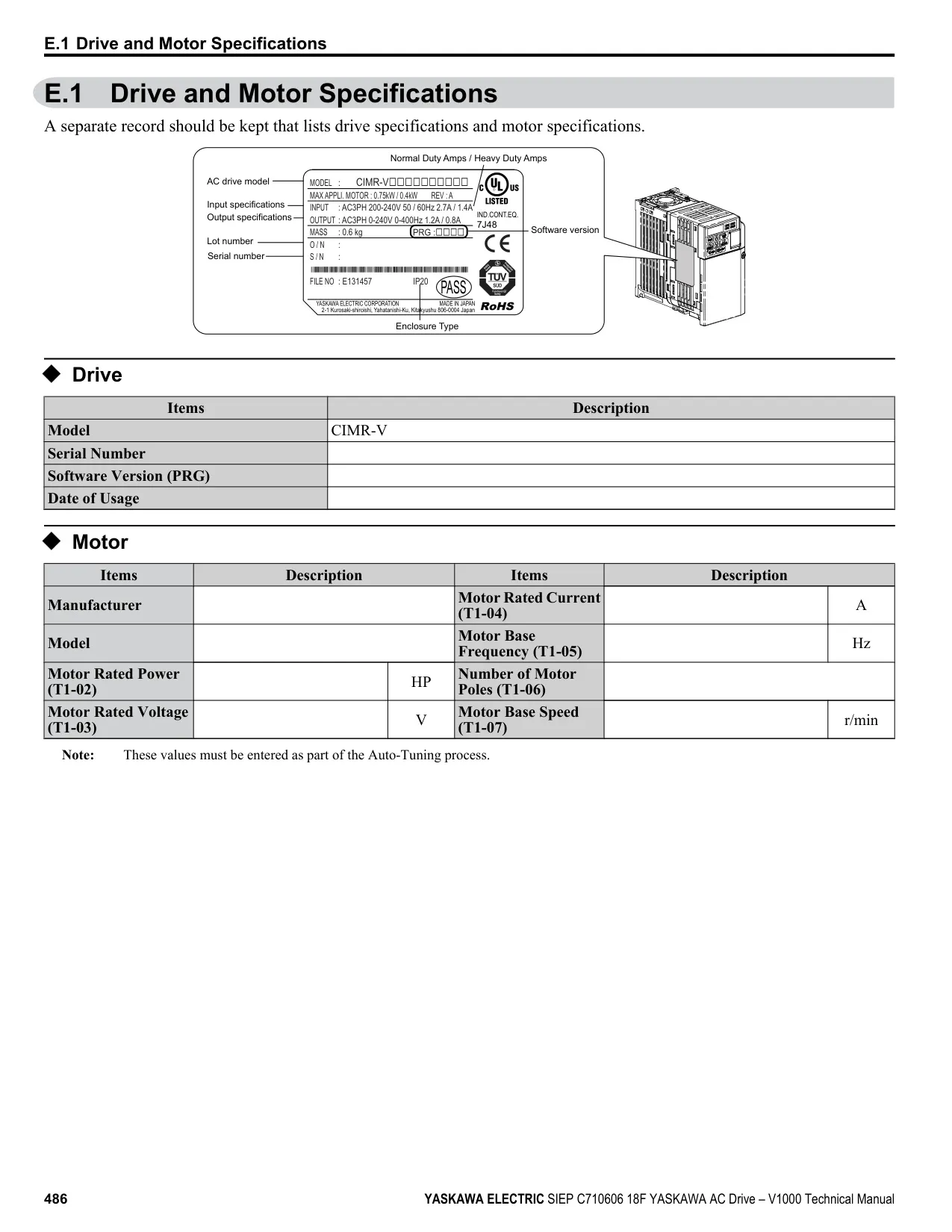
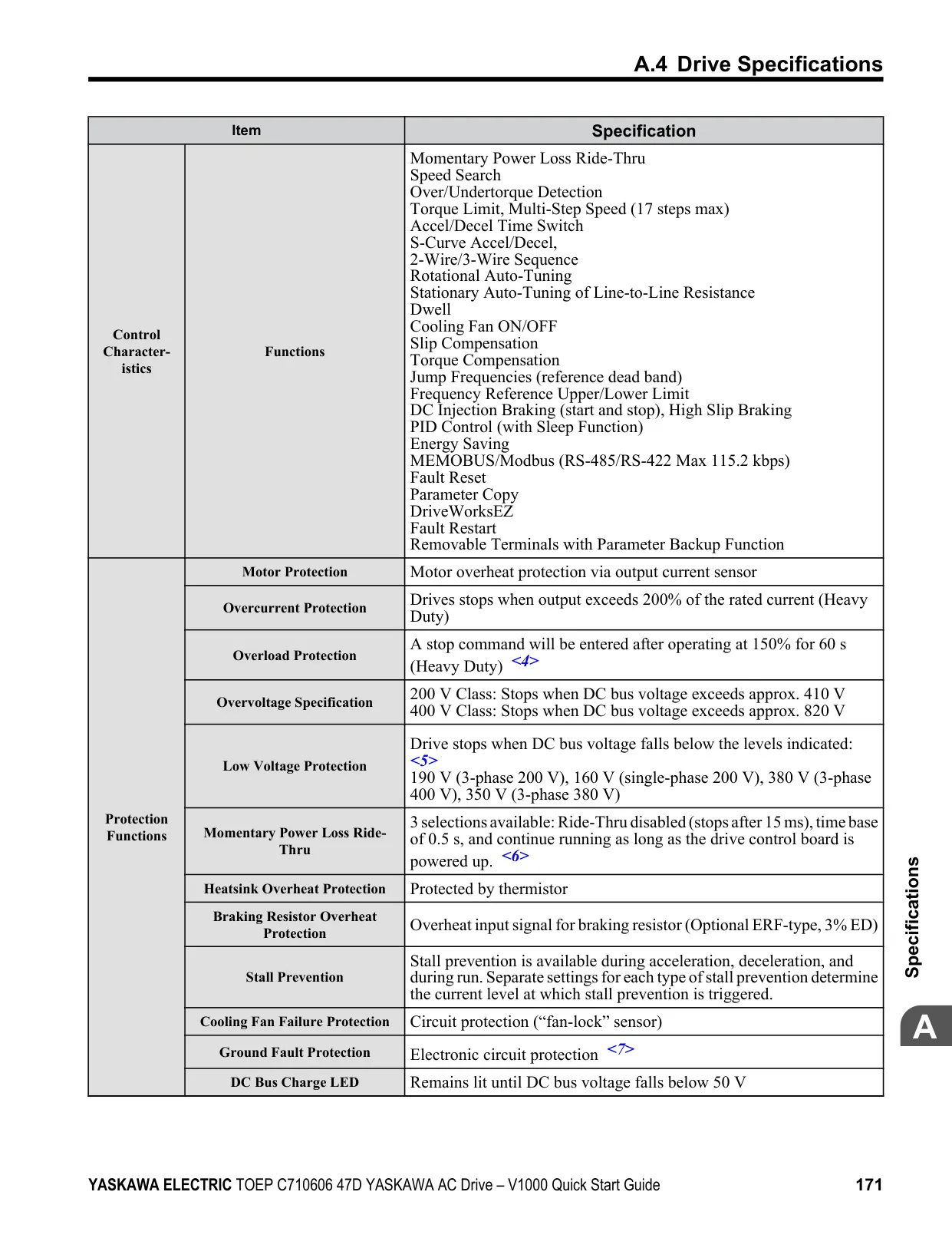
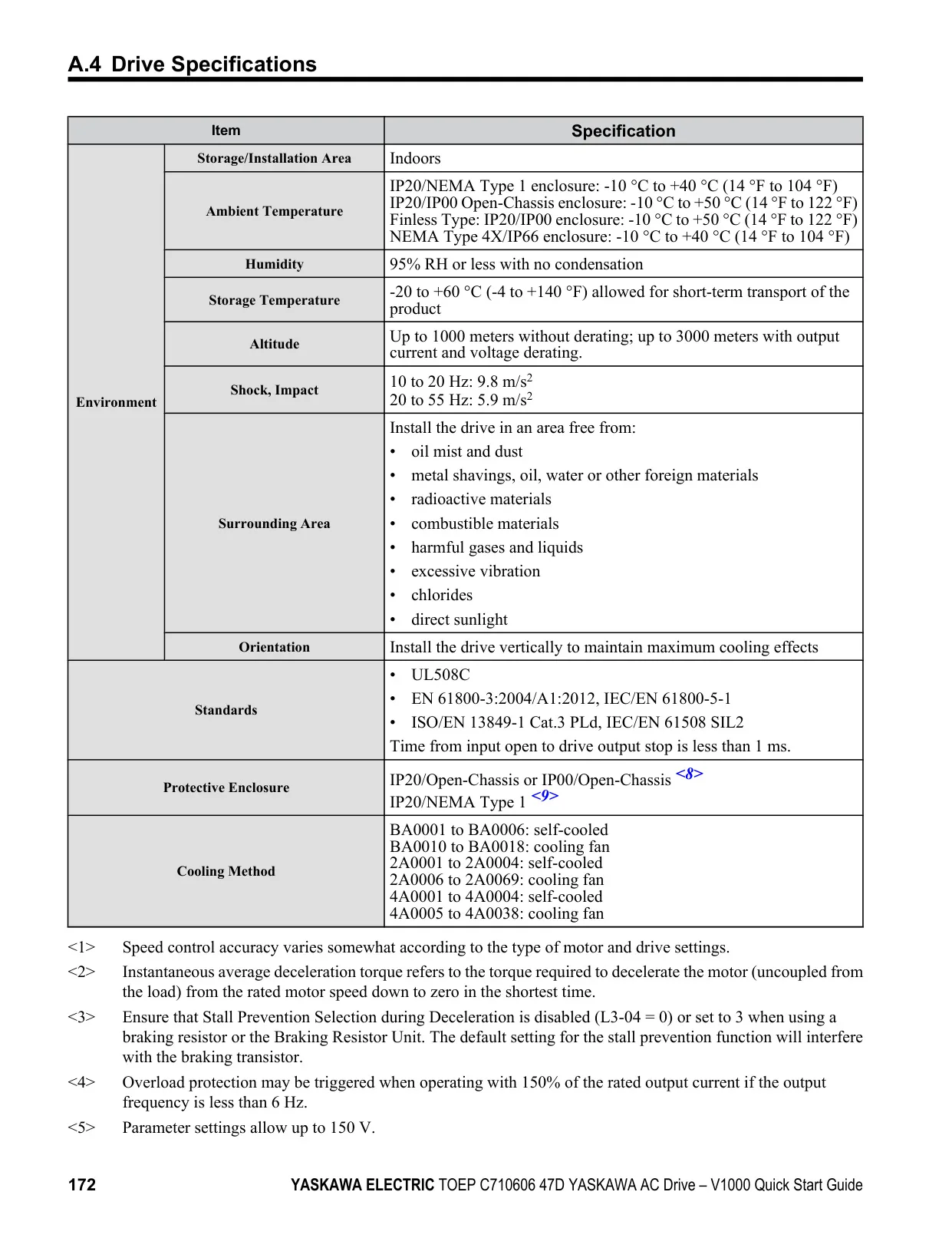
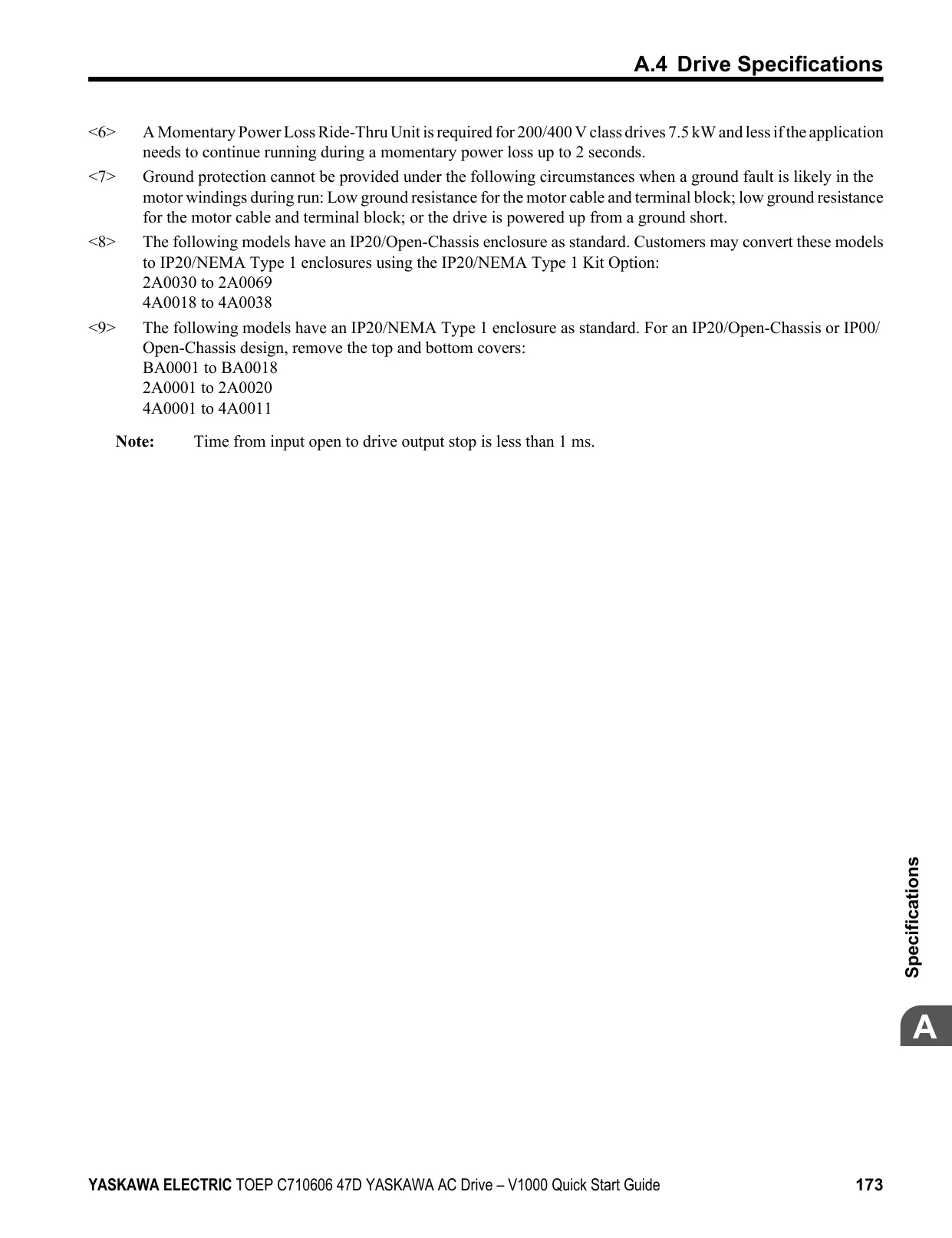
Yaskawa V1000 Variable Frequency Drive Specifications
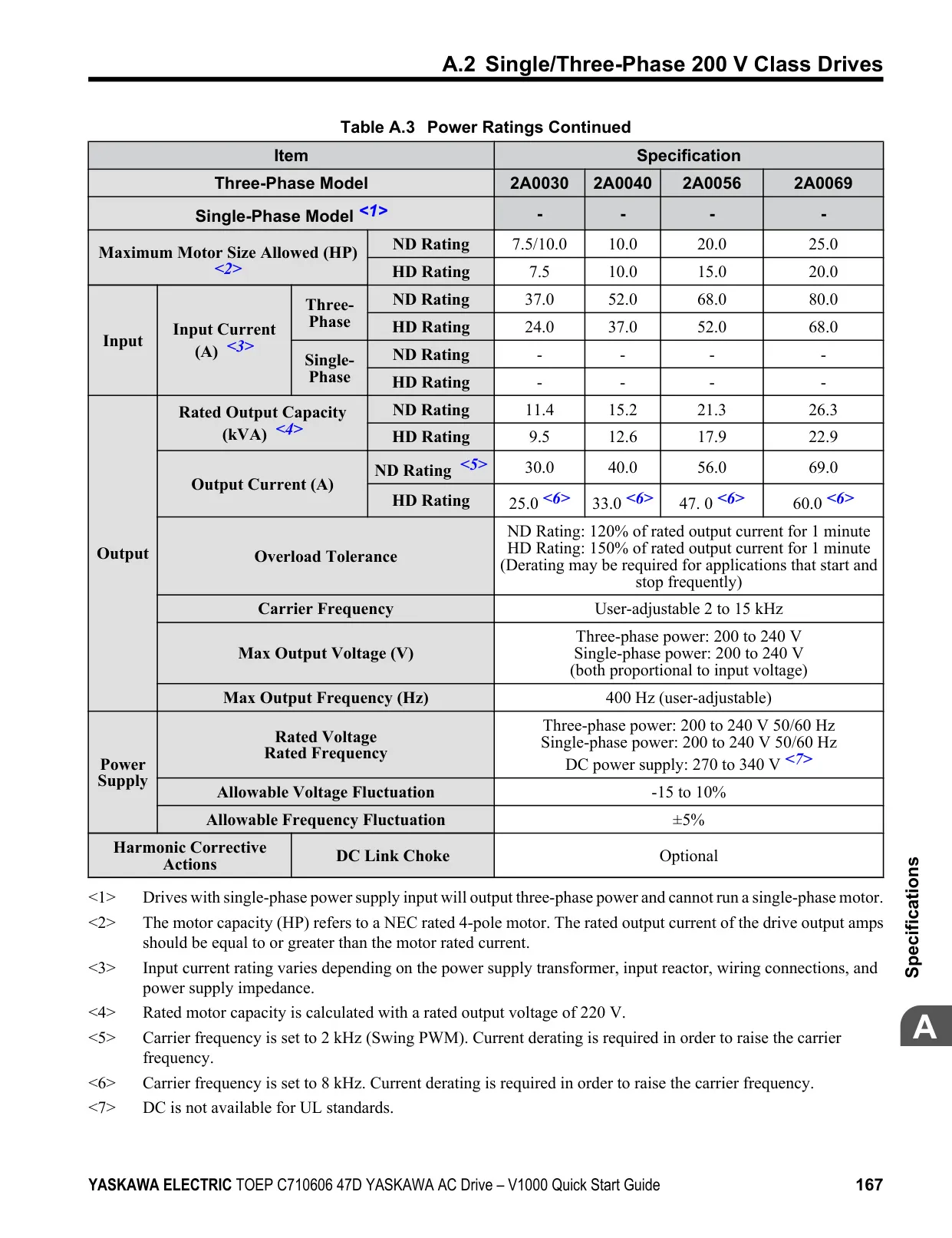
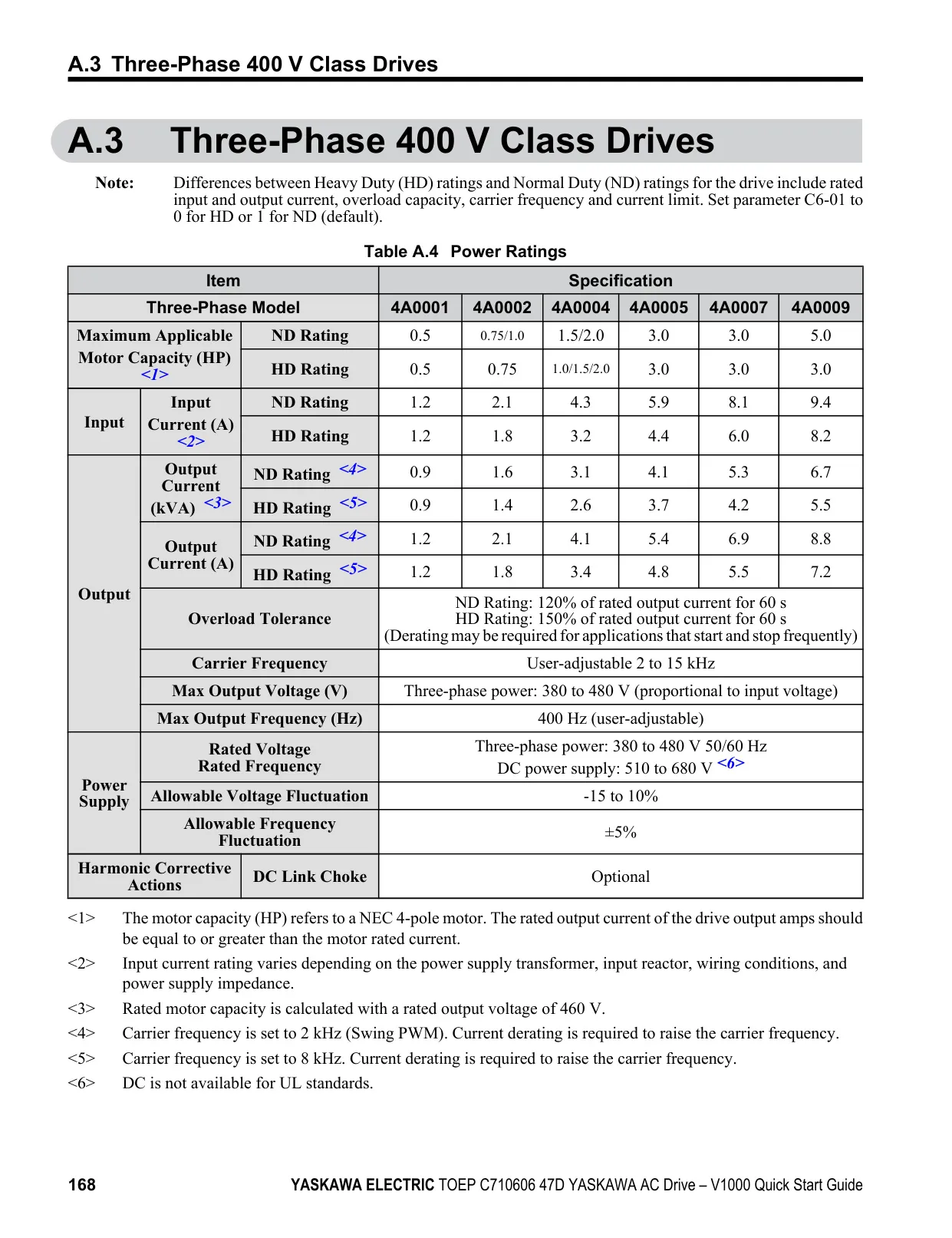
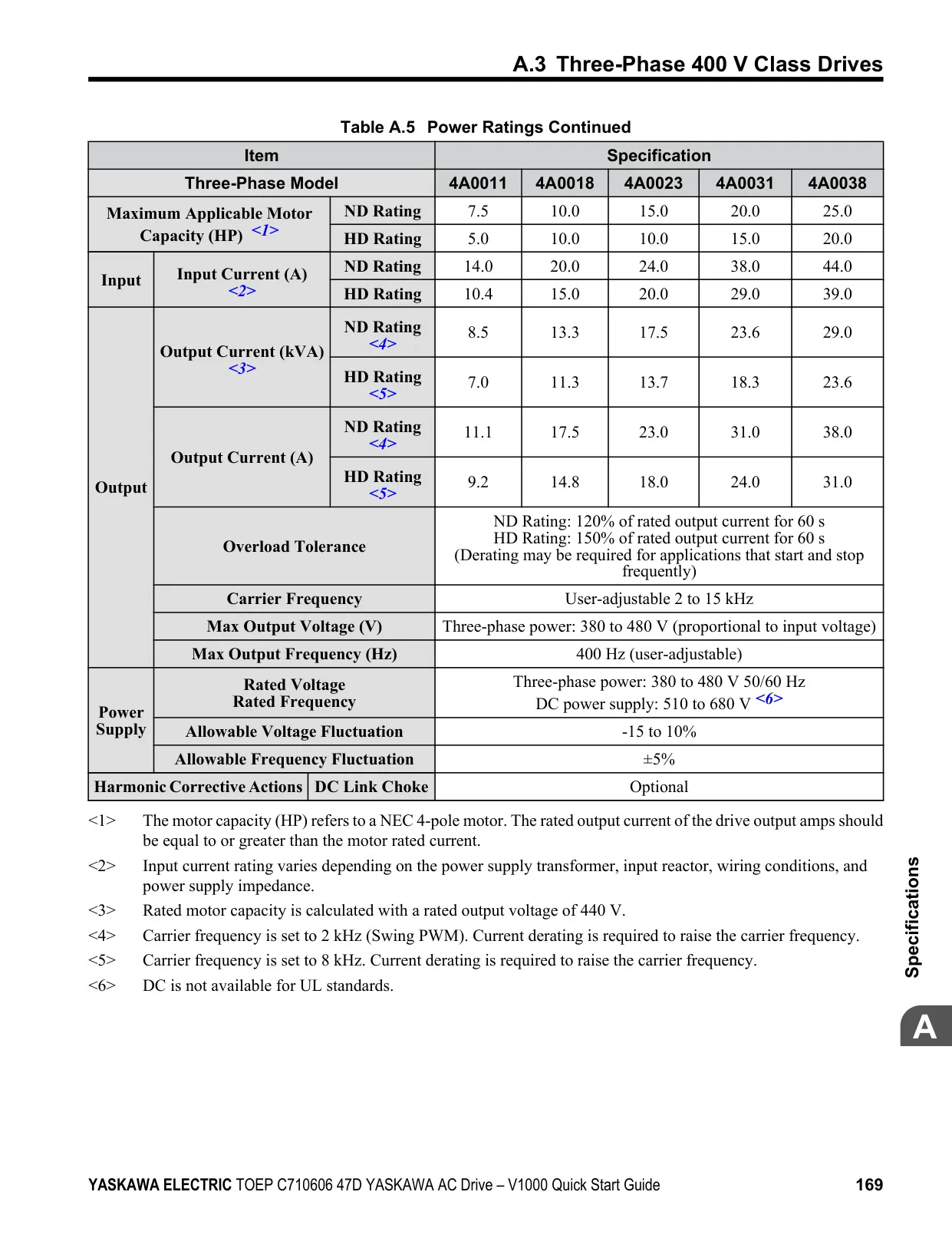
| Specification | Detail | Typical Values (CIMR-VU Models) |
|---|---|---|
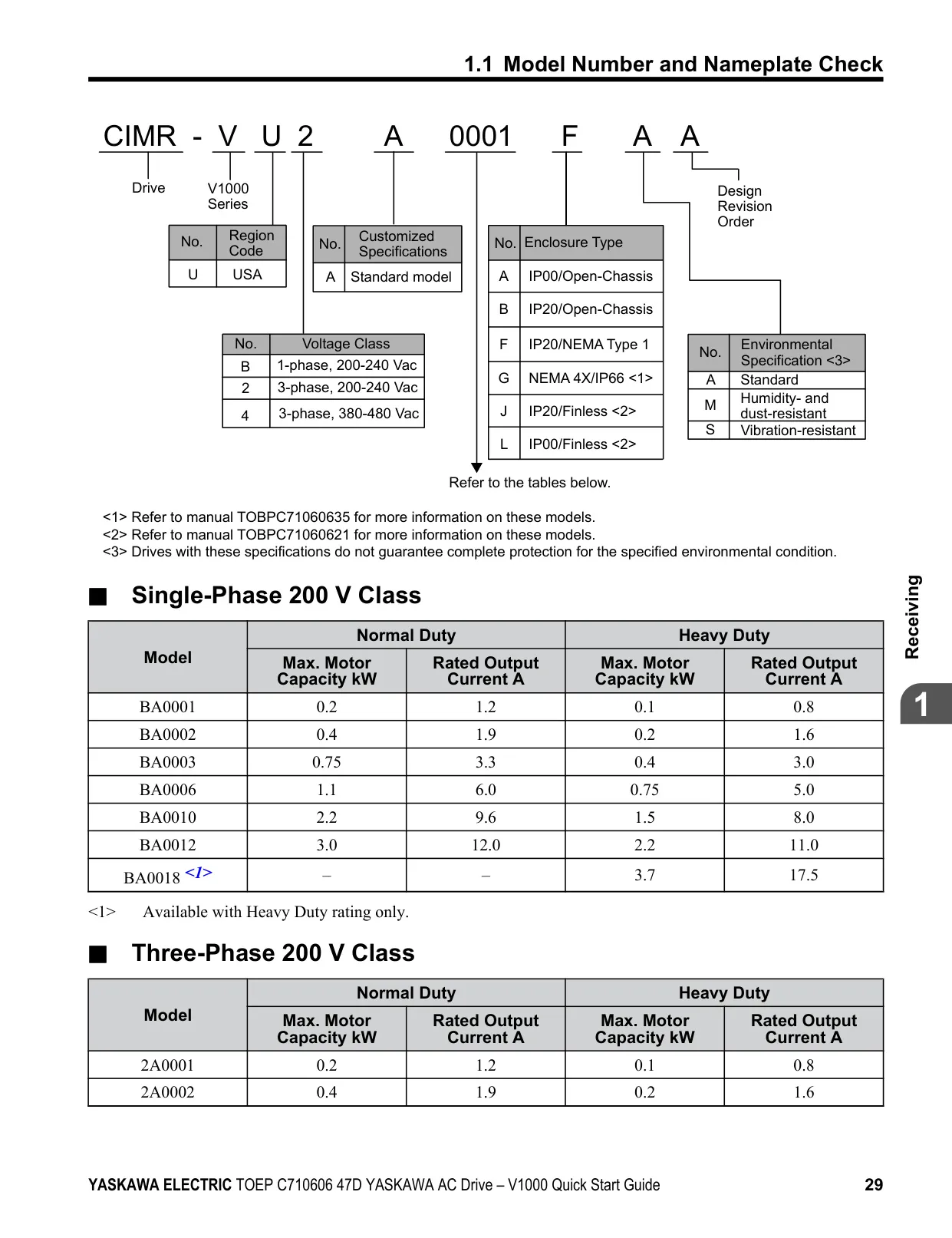
| Drive Type | Compact Vector Control | Yaskawa AC Drive-V1000 (CIMR-VU) |
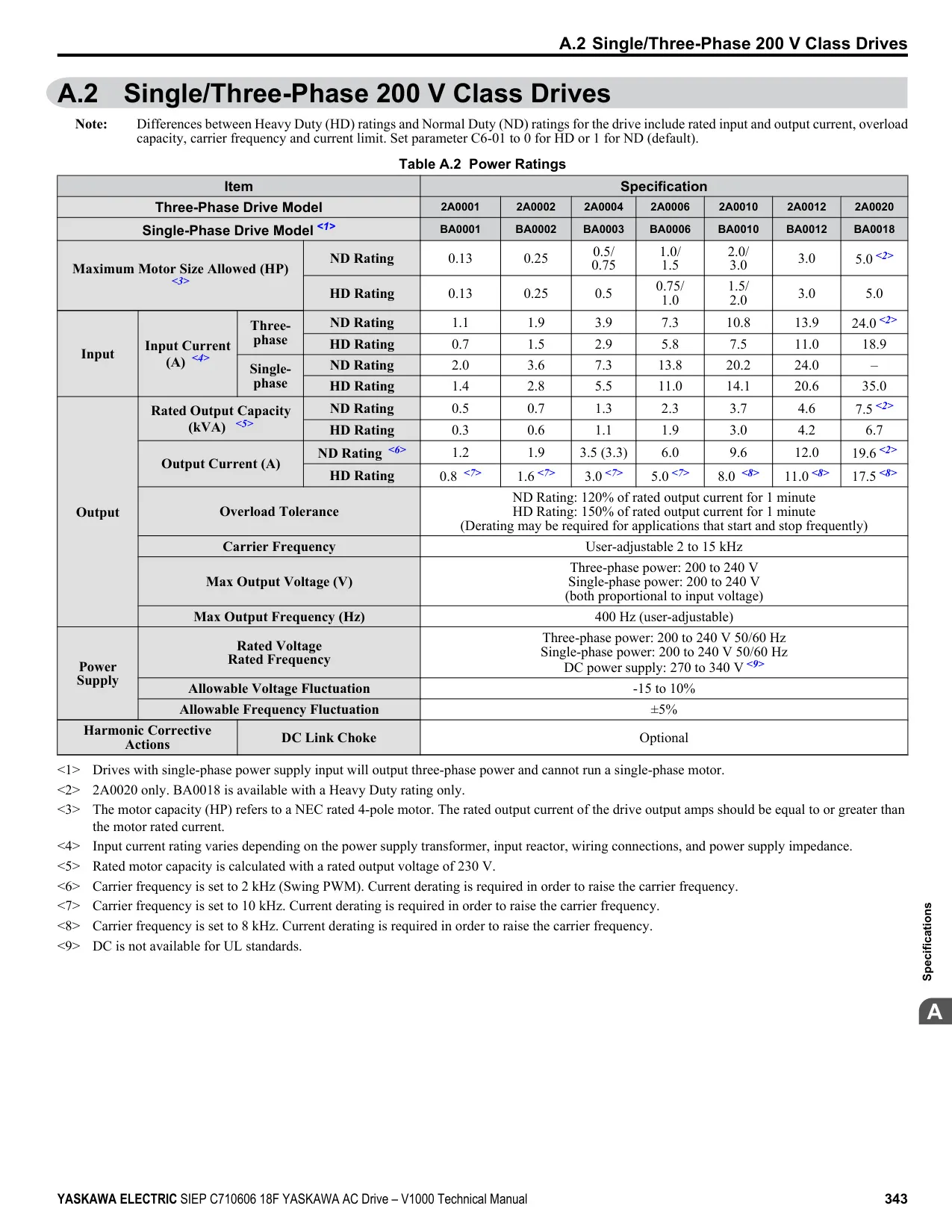
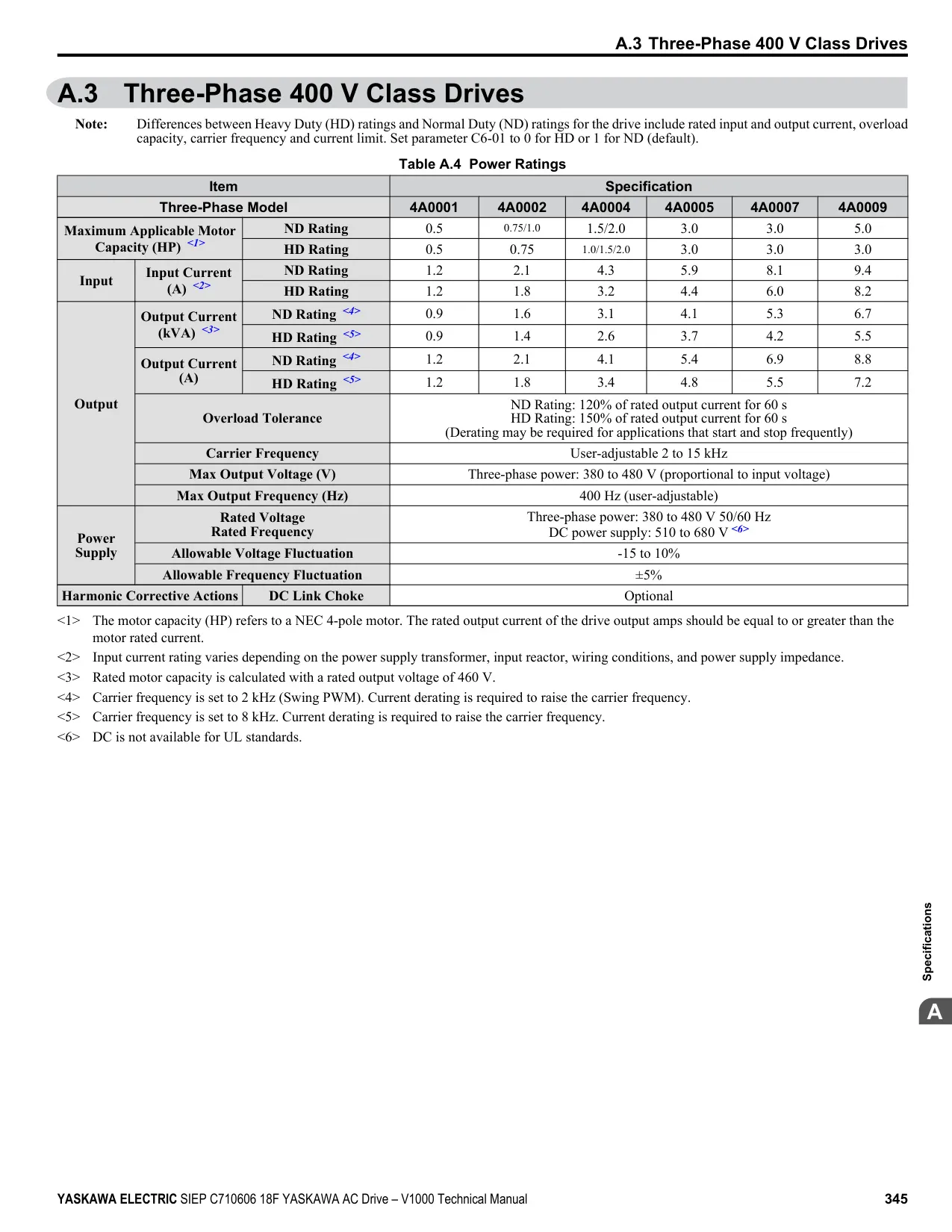
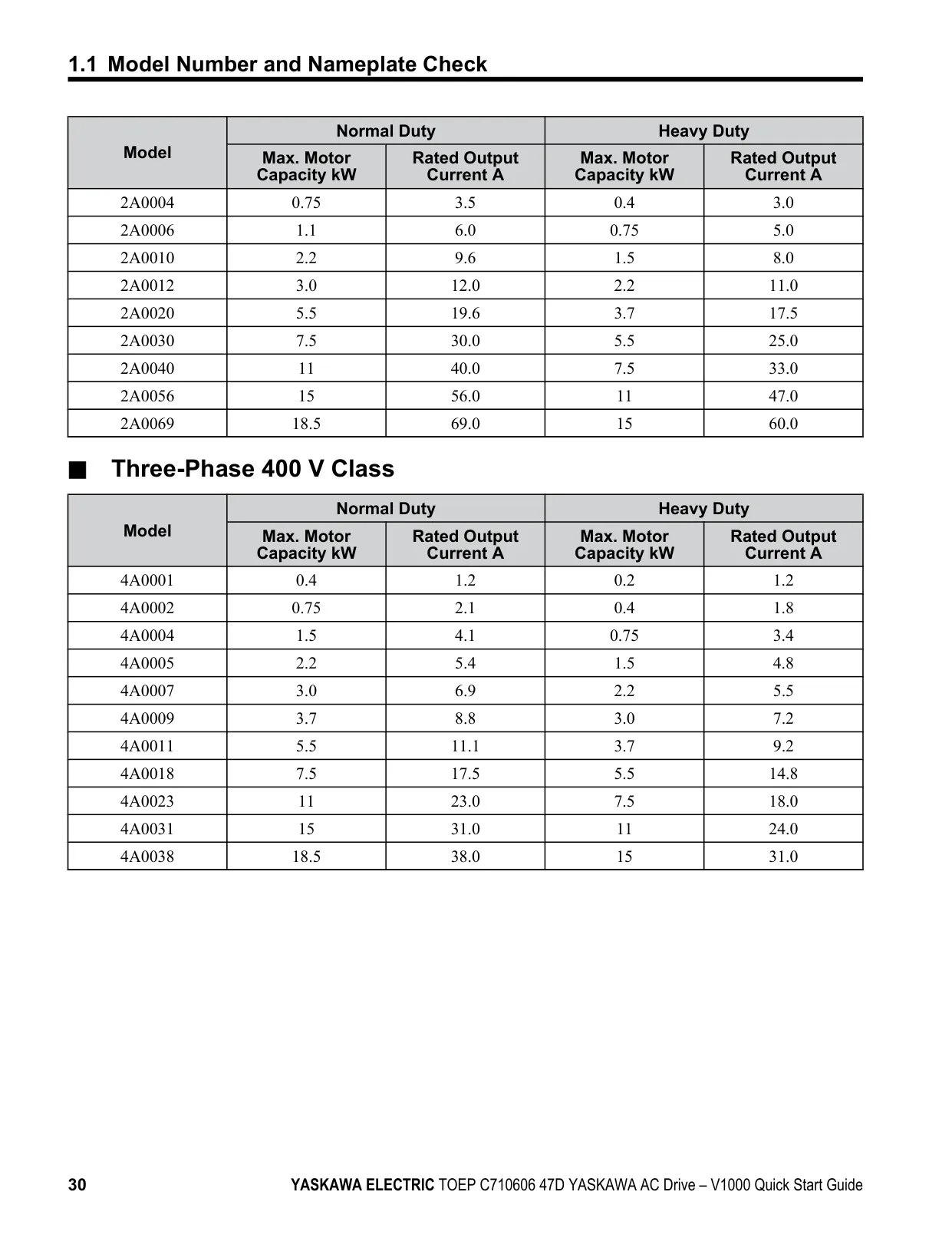
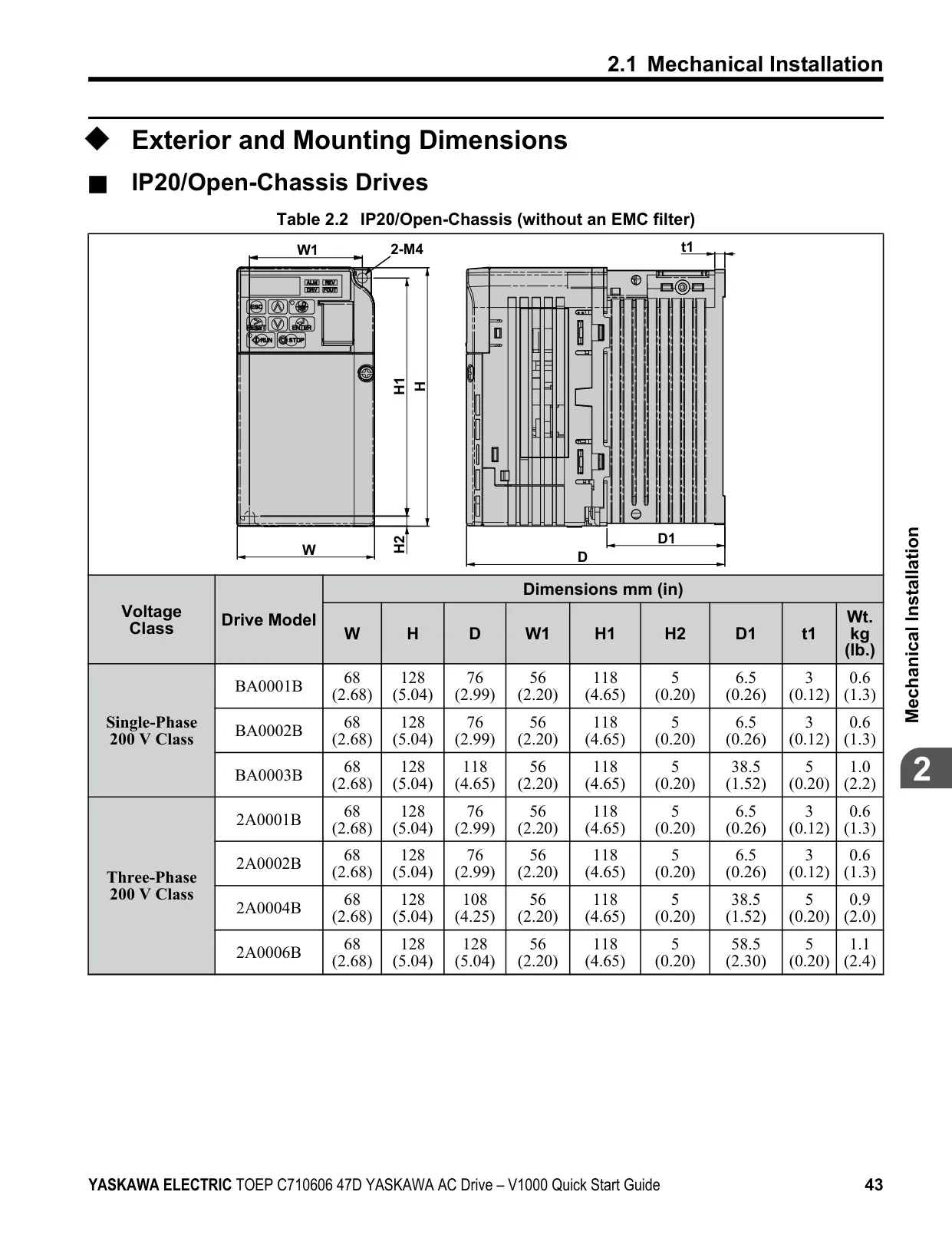
| Voltage Class | Input | 200 V (1-Phase), 200 V (3-Phase), 400 V (3-Phase) |
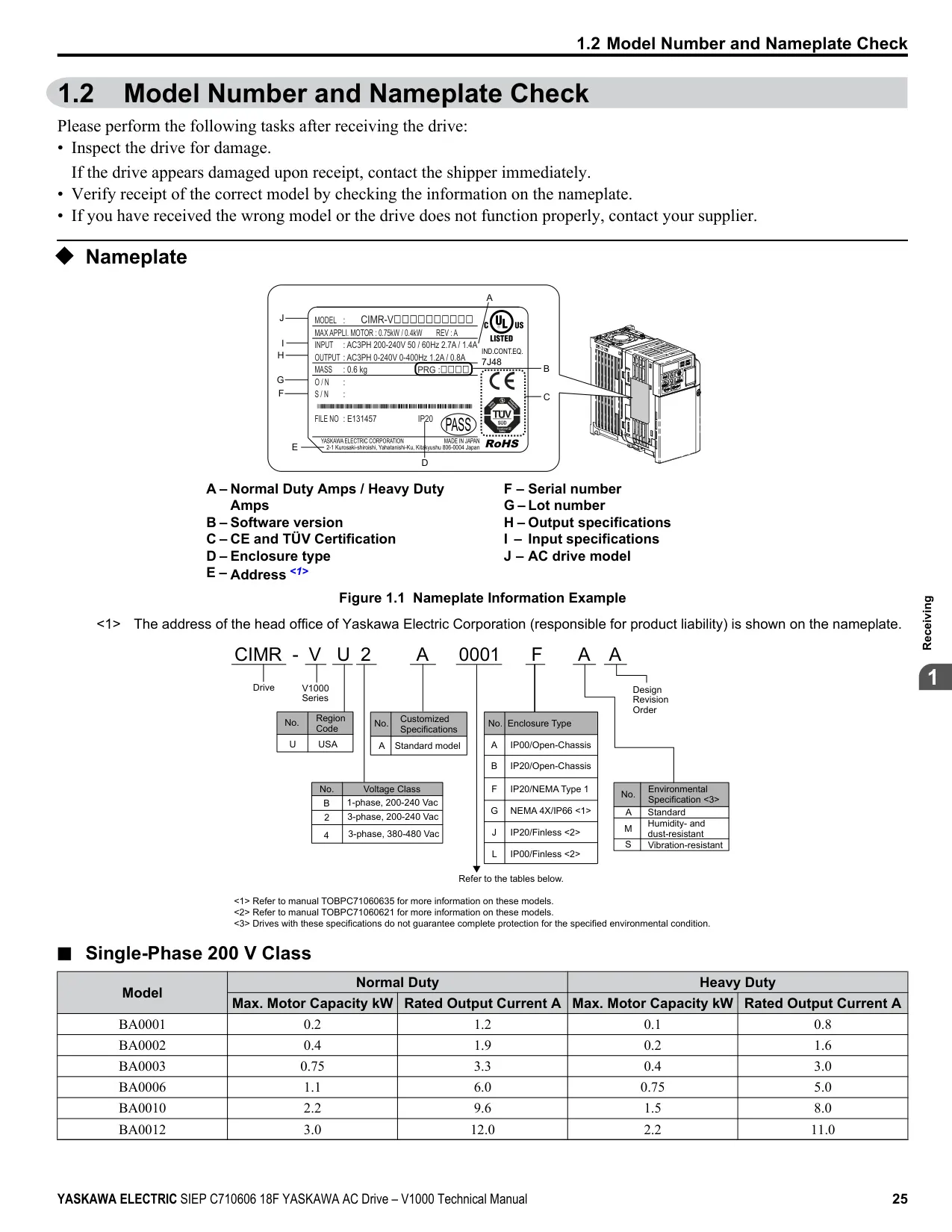
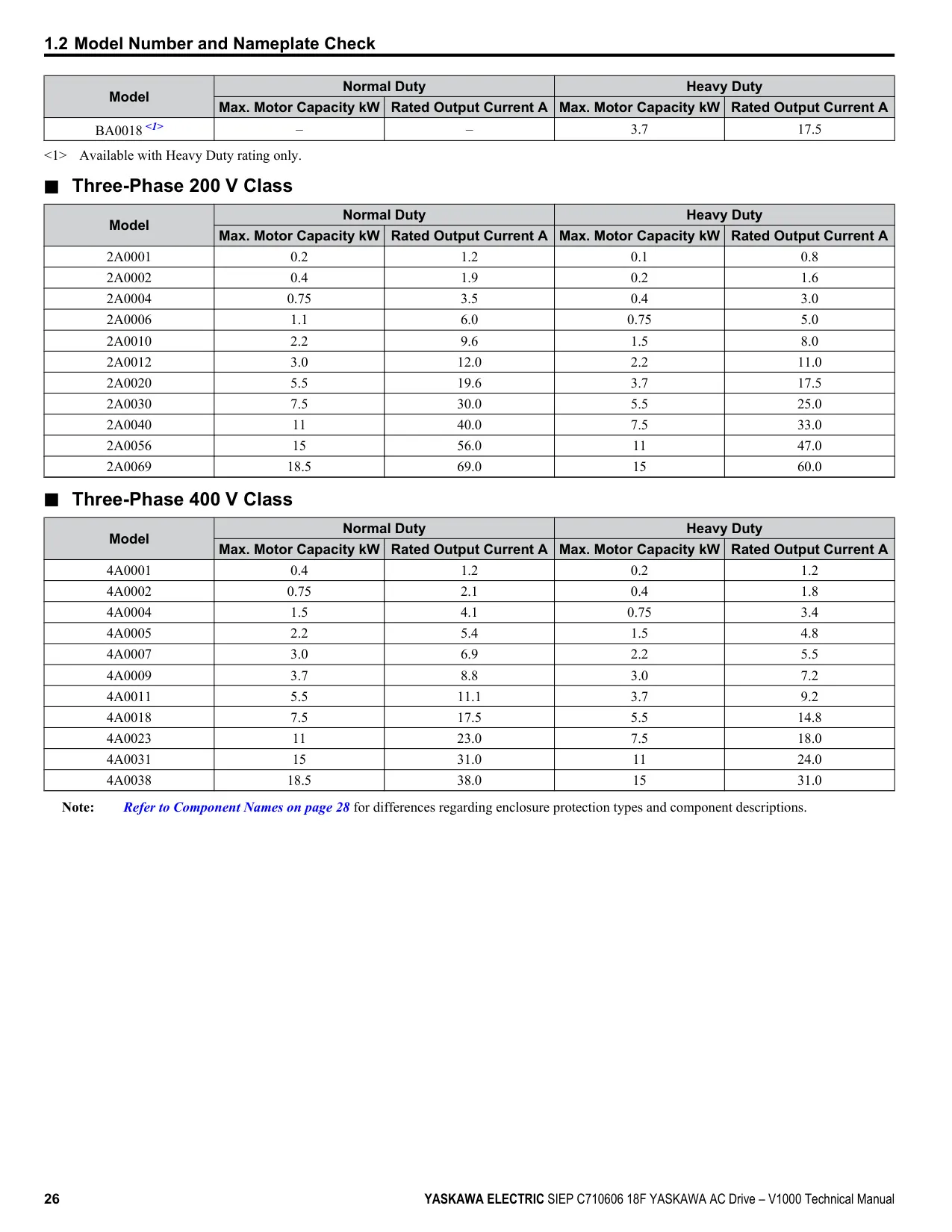
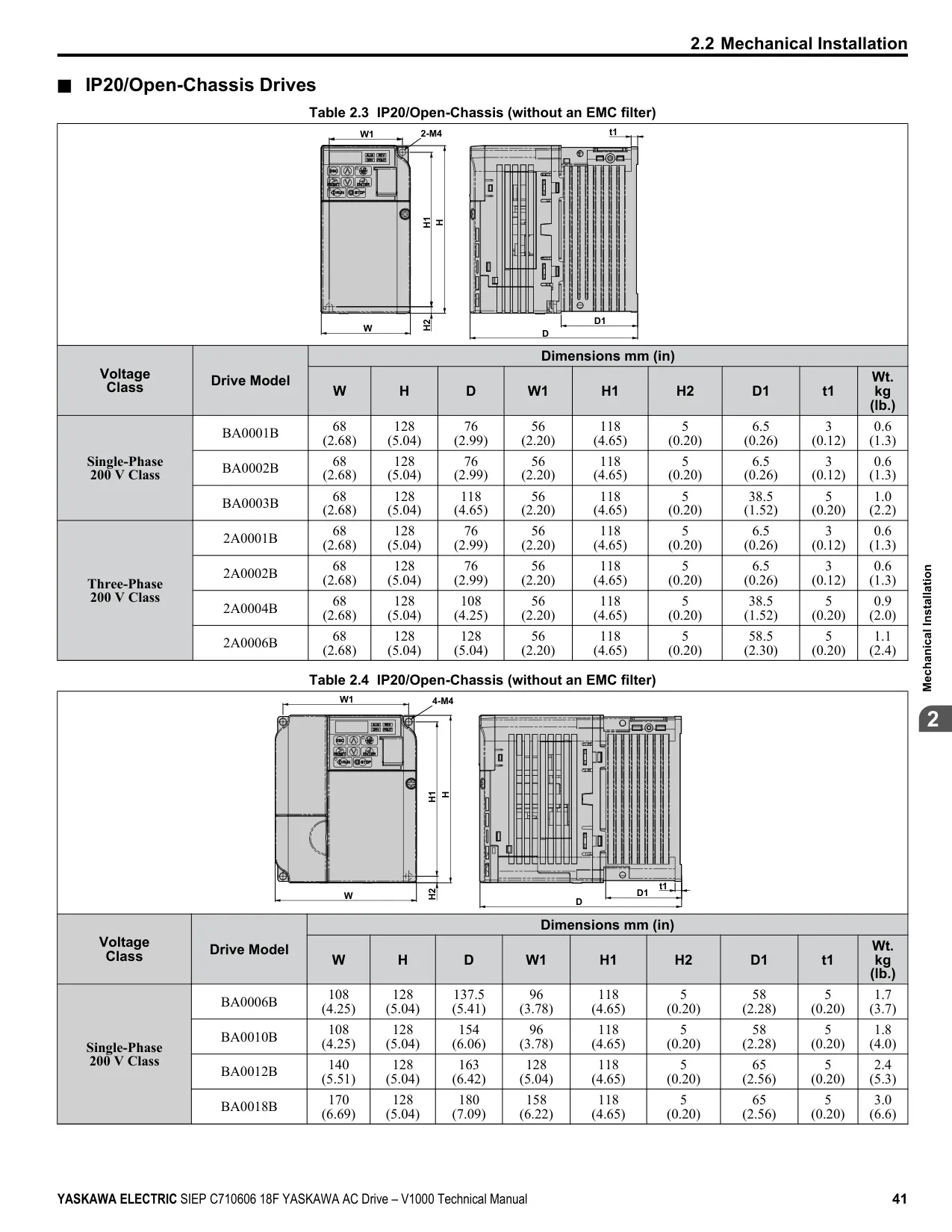
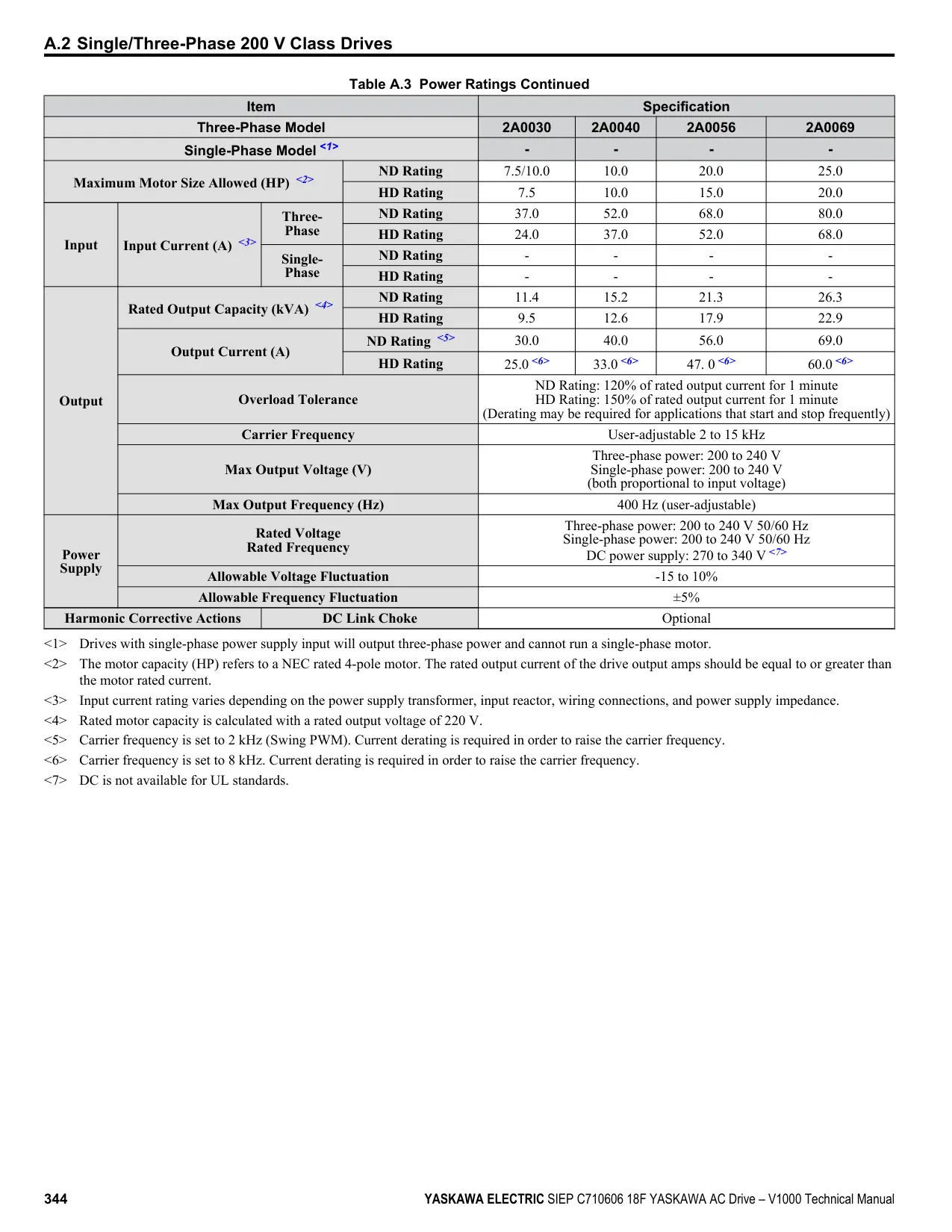
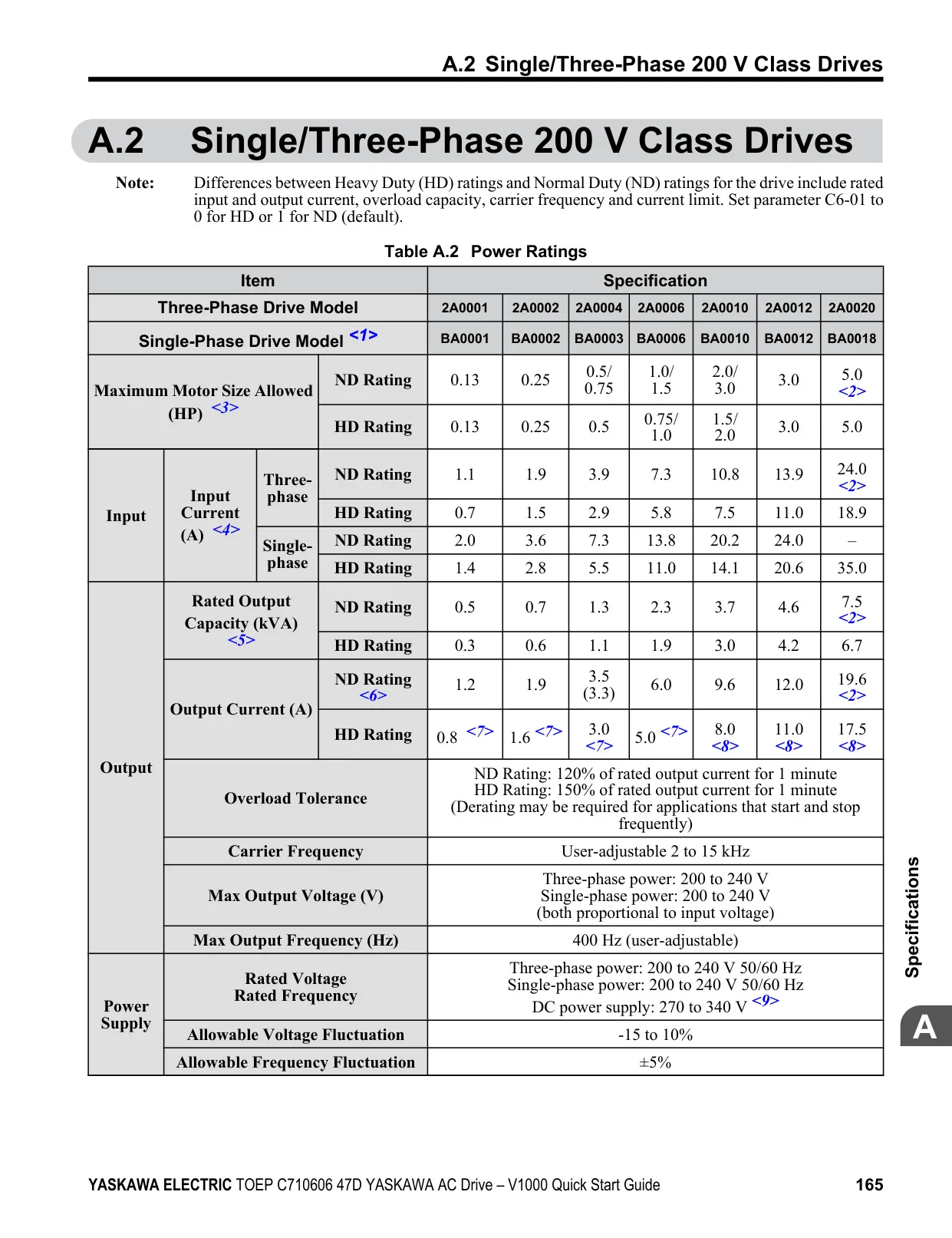
| Output Power (ND / HD) | Range by model | 0.1 kW to 18.5 kW |
| Output Current (ND / HD) | Range by model | 0.8 A to 69.0 A |
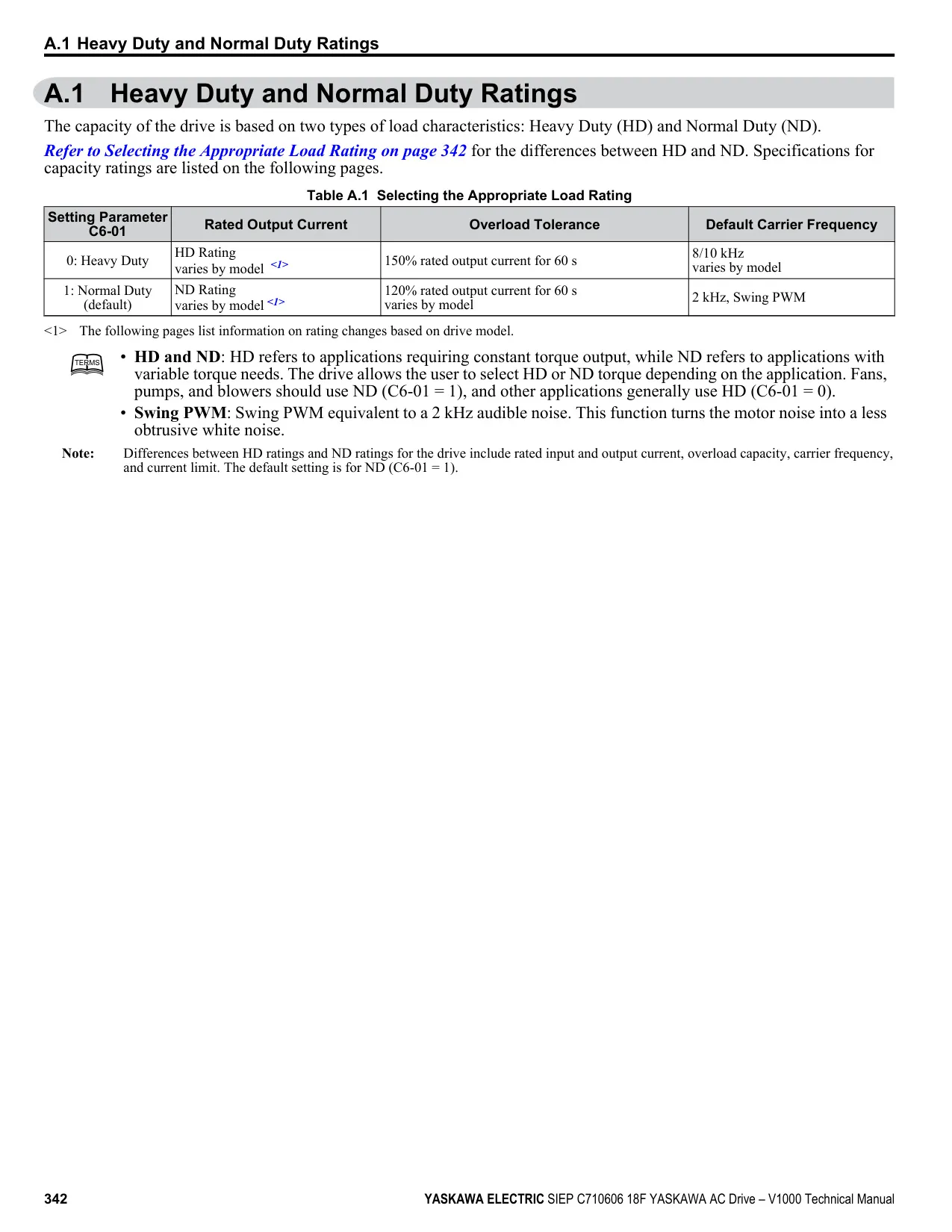
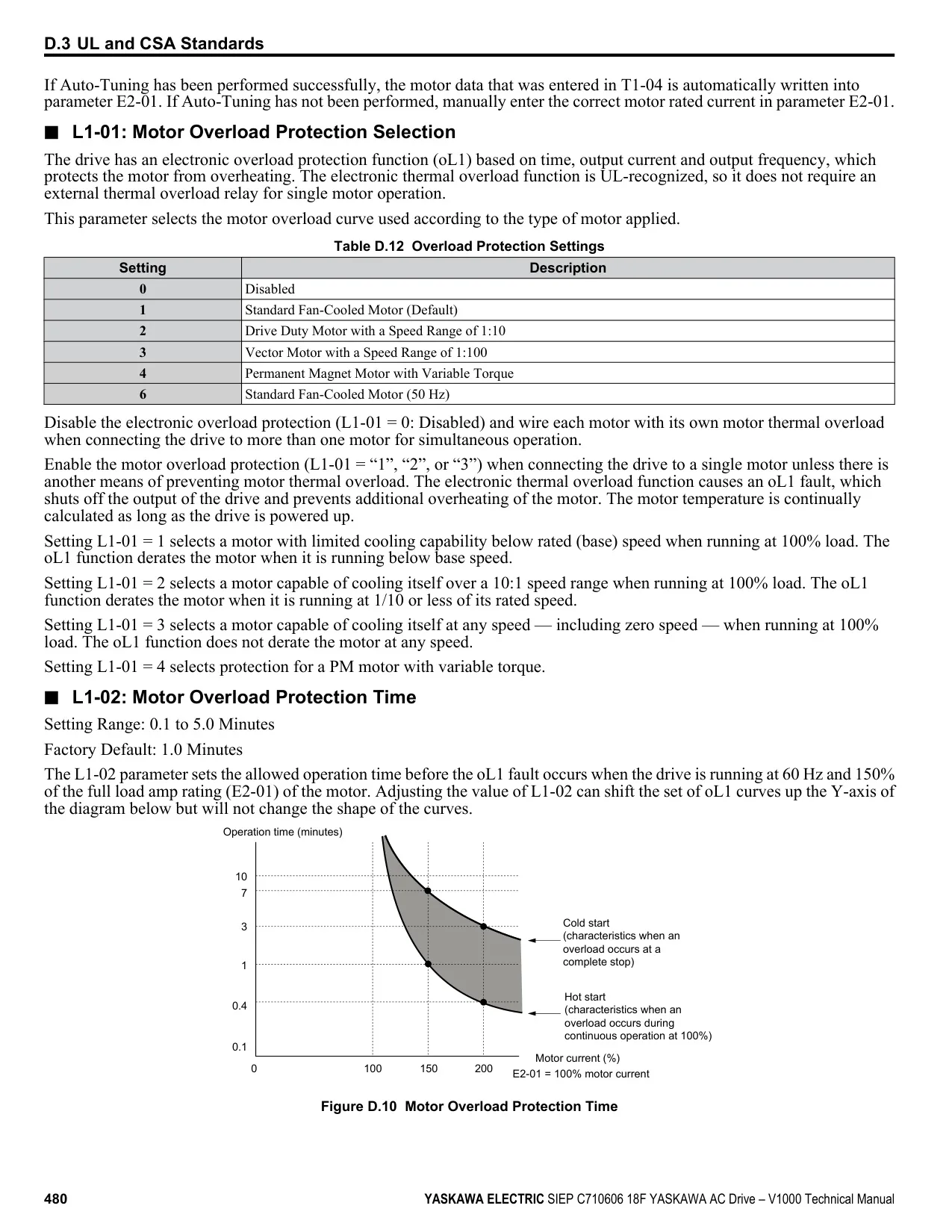
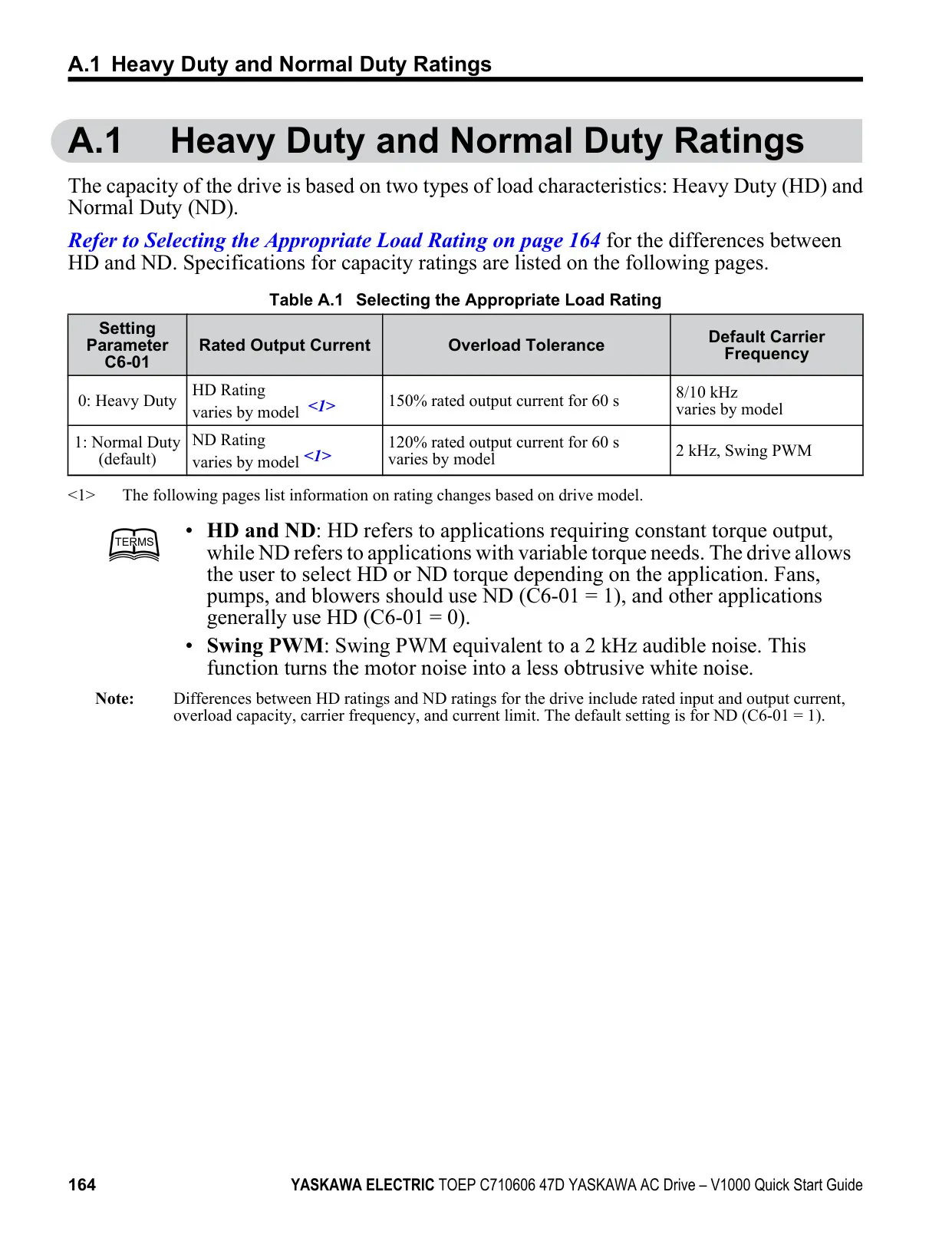
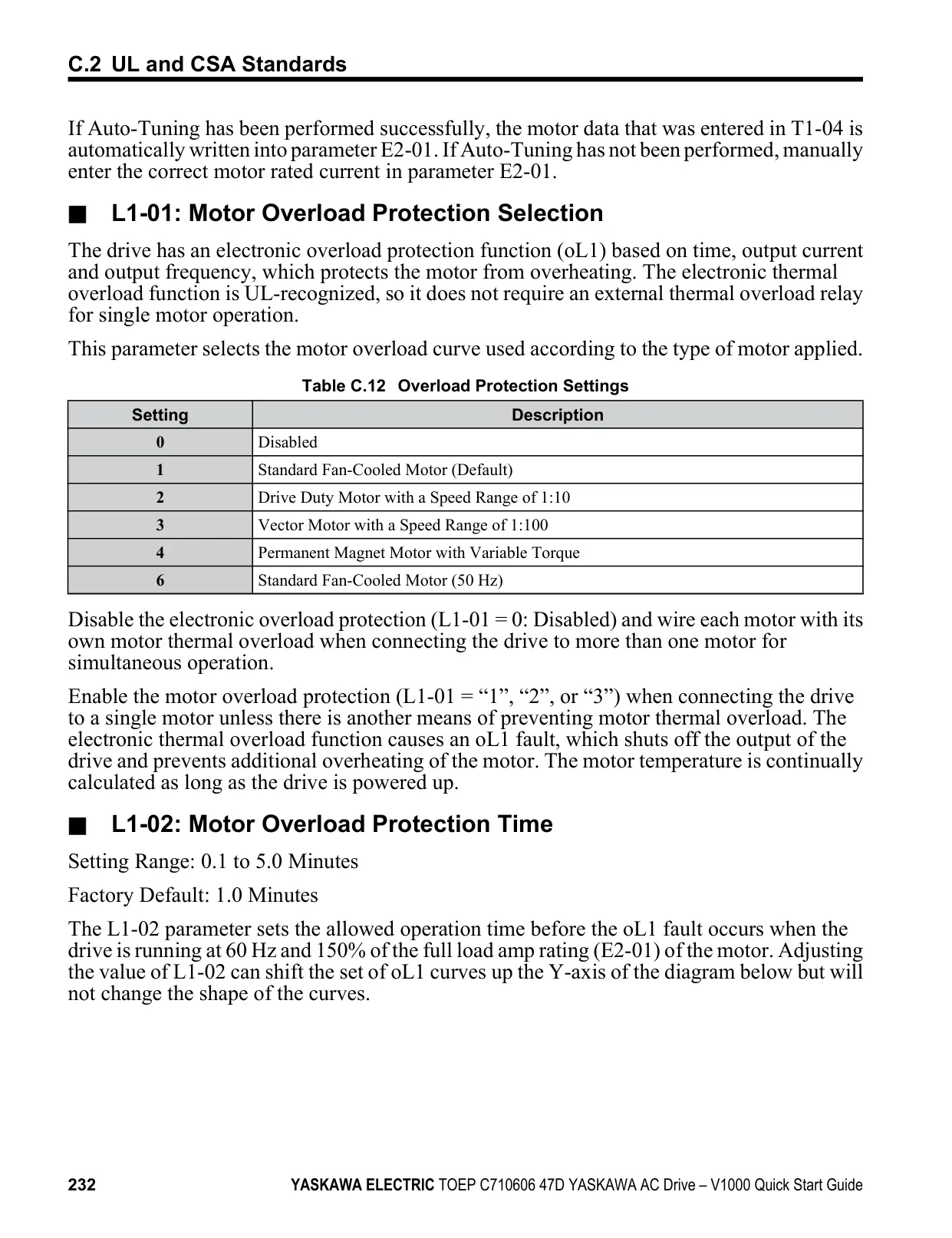
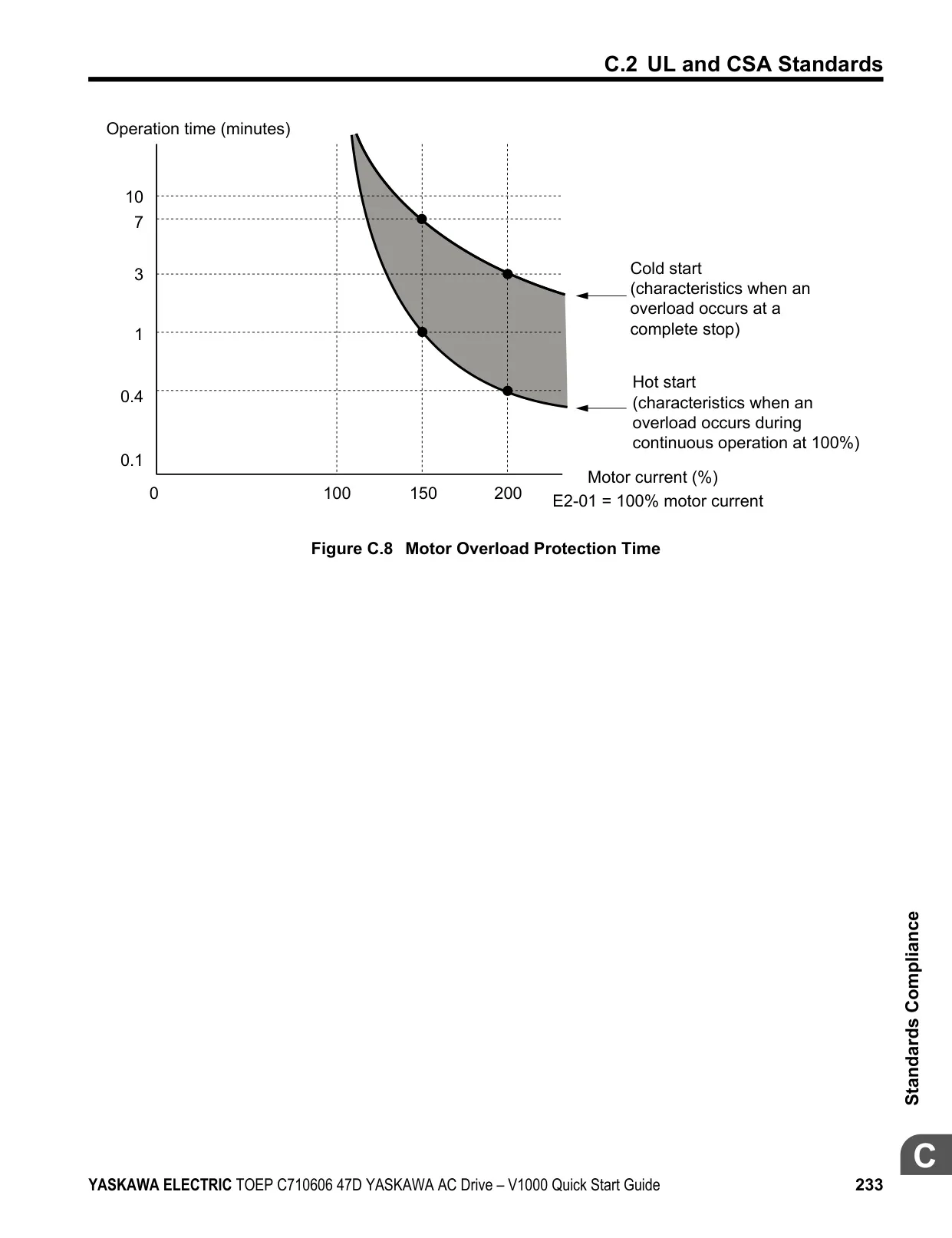
| Overload Capacity (HD) | Heavy Duty | 150% of rated current for 60 seconds |
| Overload Capacity (ND) | Normal Duty | 120% of rated current for 60 seconds |
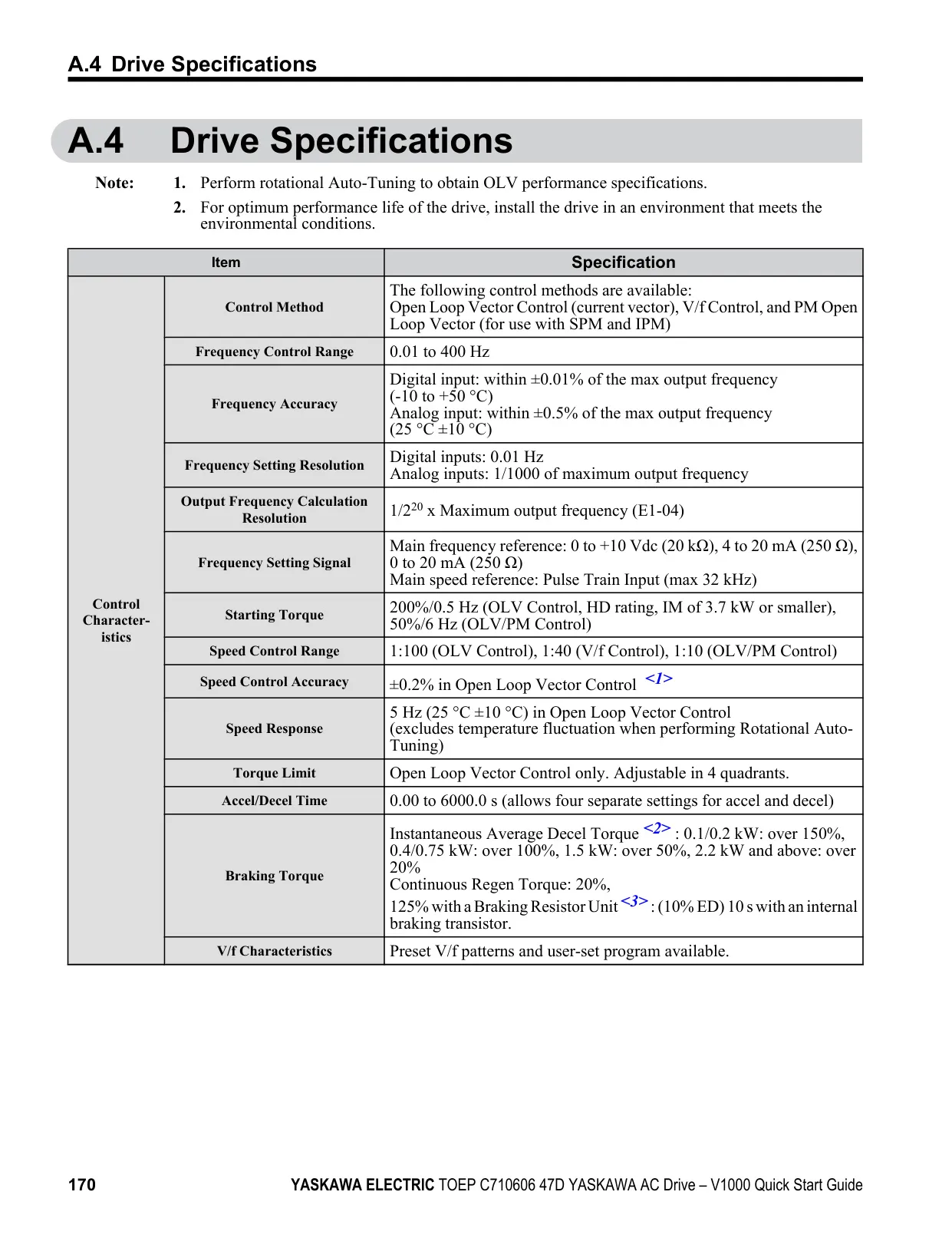
| Output Frequency Range | V/f and Vector Control | 0.01 Hz to 400 Hz |
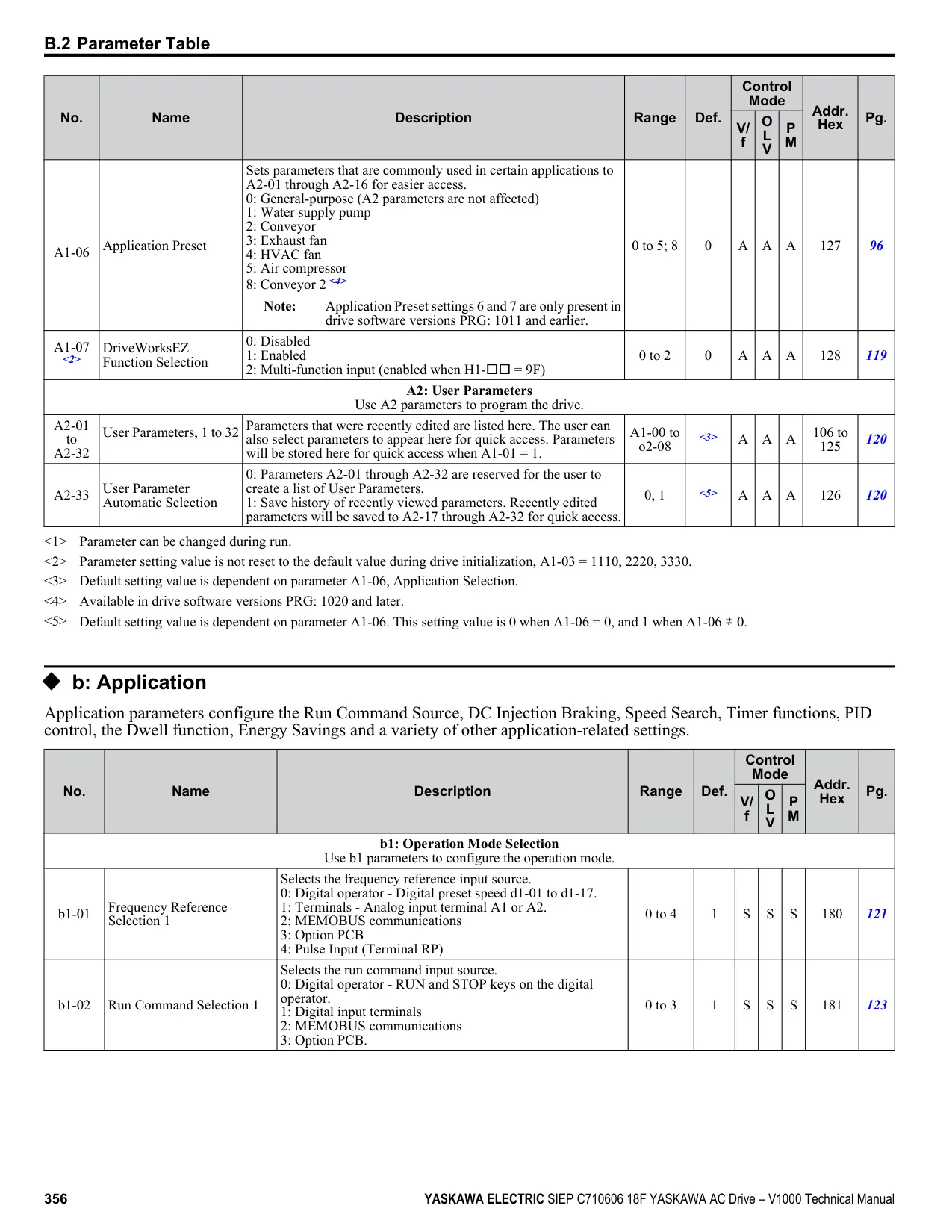
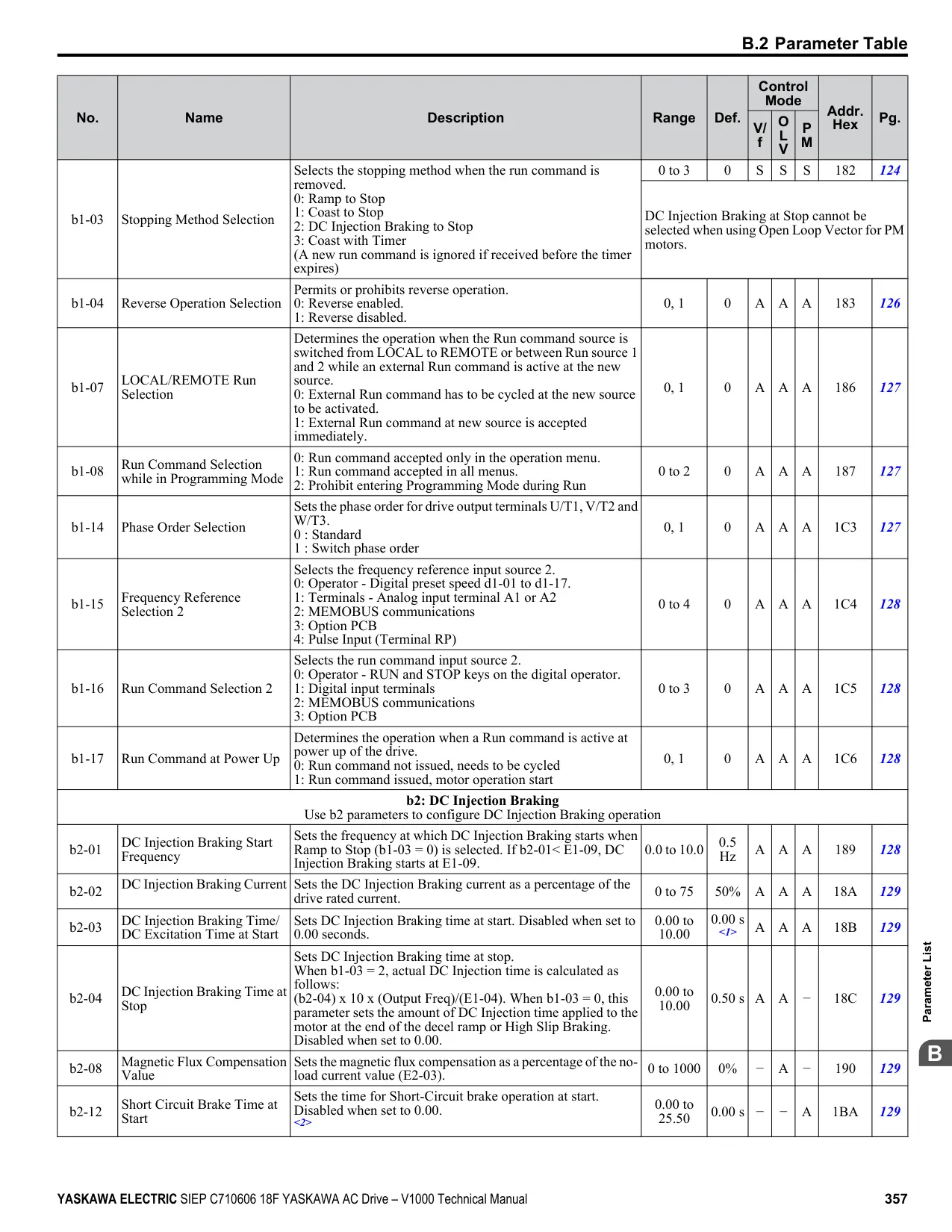
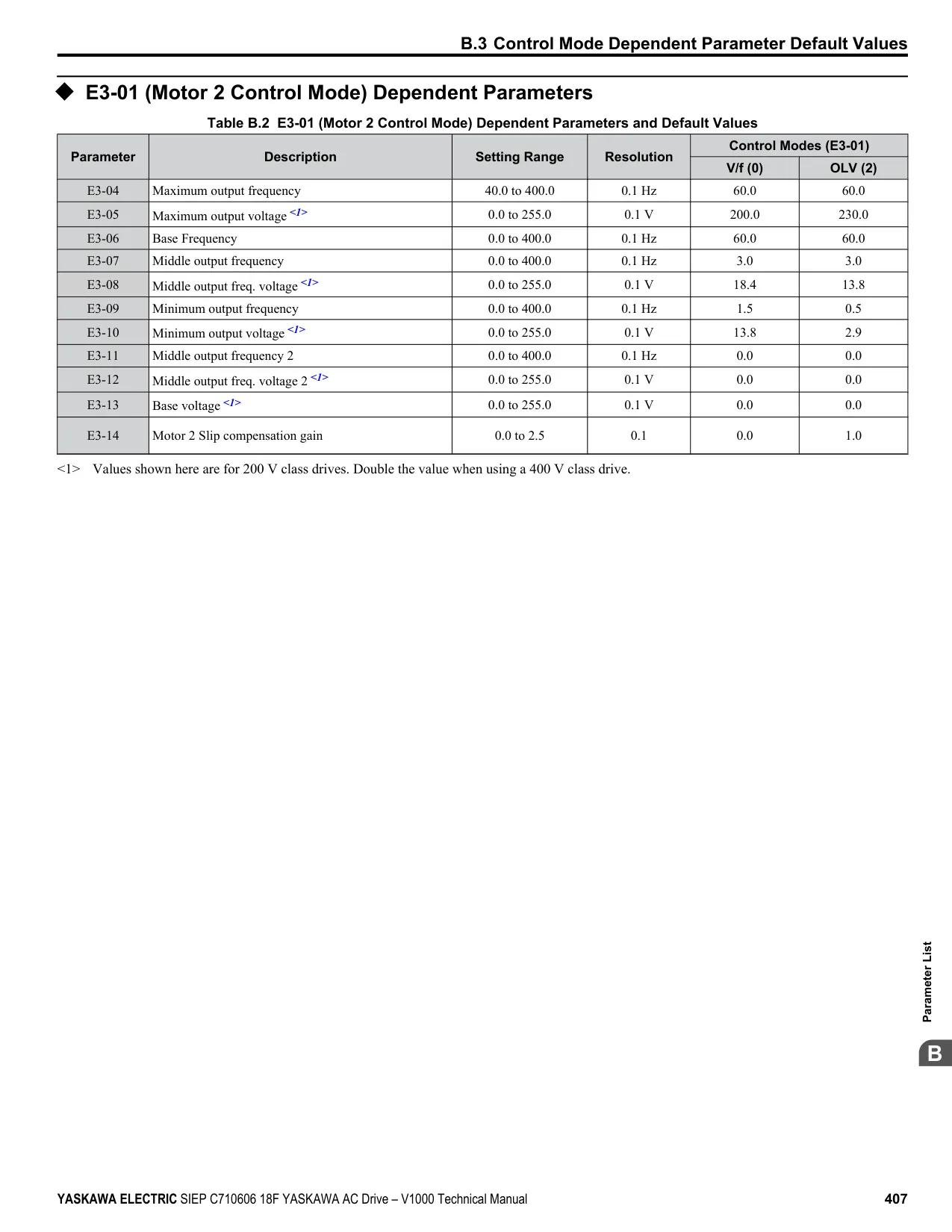
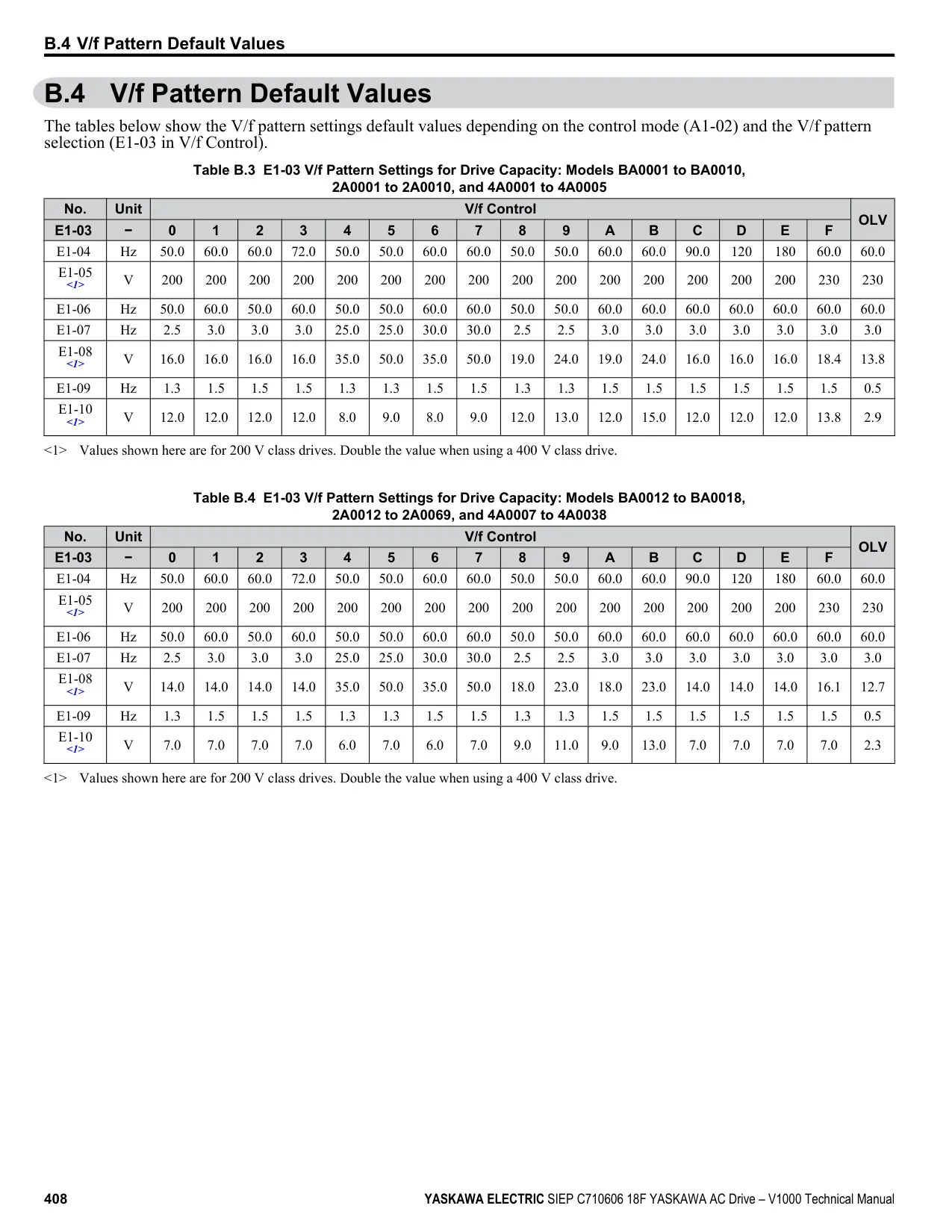
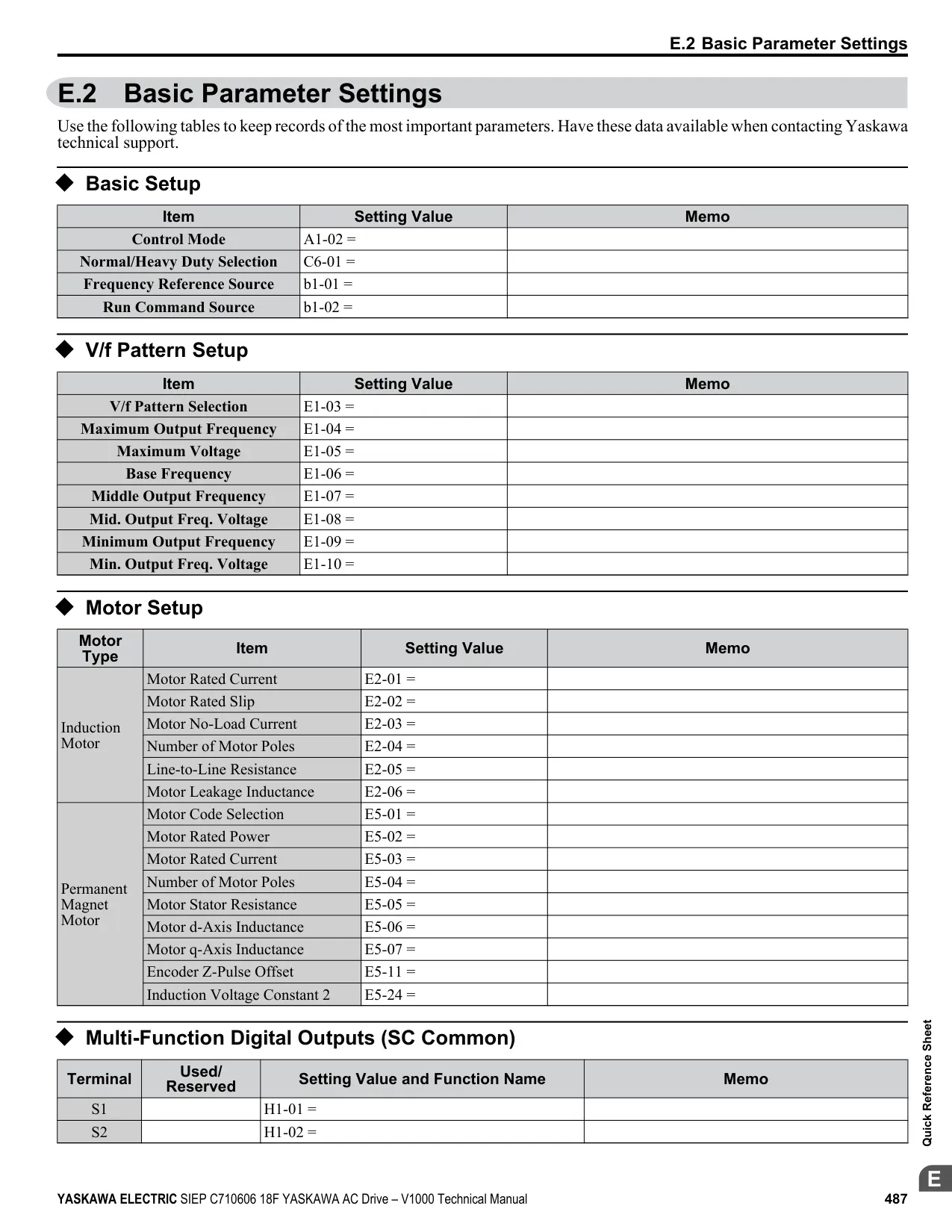
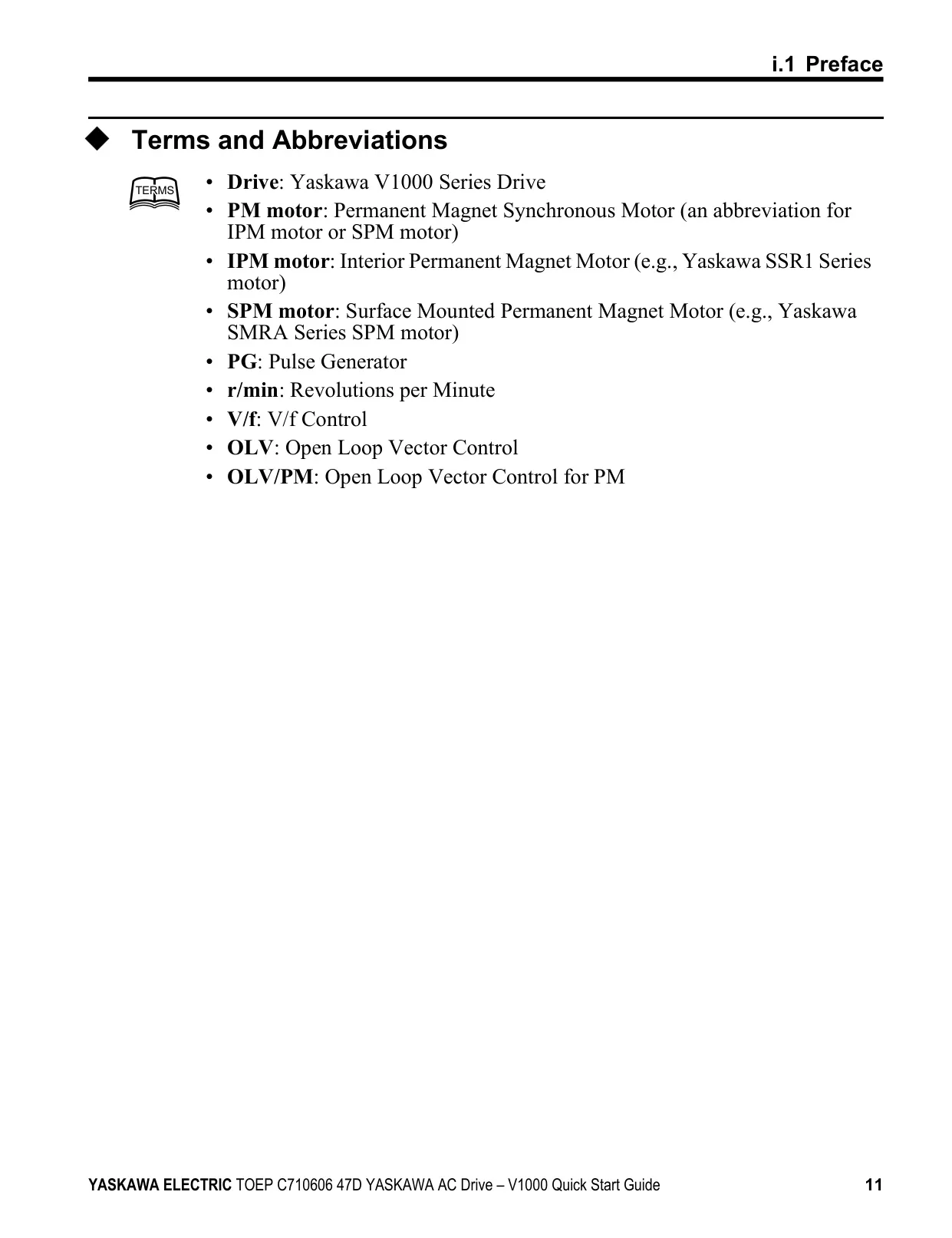
| Control Modes | Selectable | V/f Control, Open Loop Vector (OLV), Open Loop Vector for PM Motors (OLV/PM) |
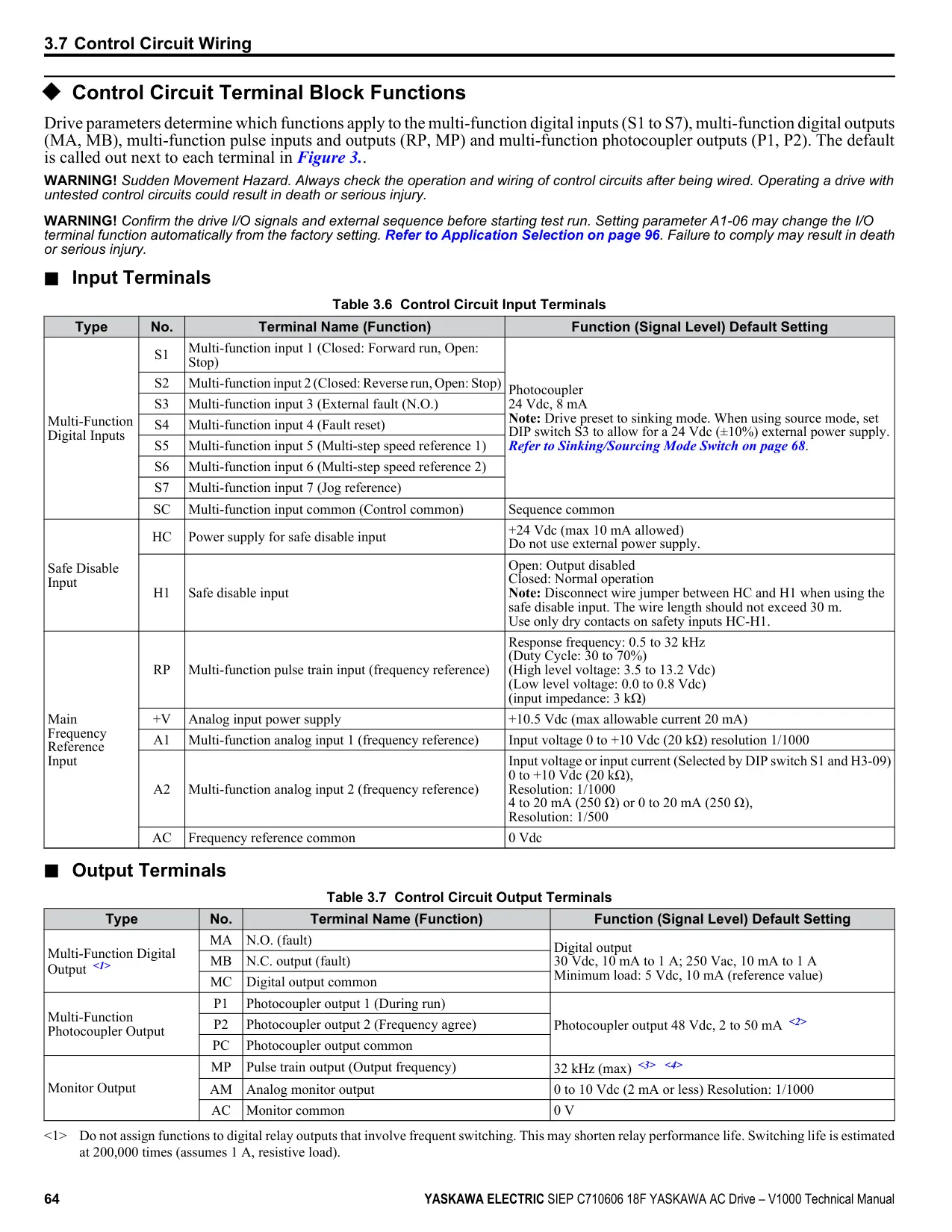
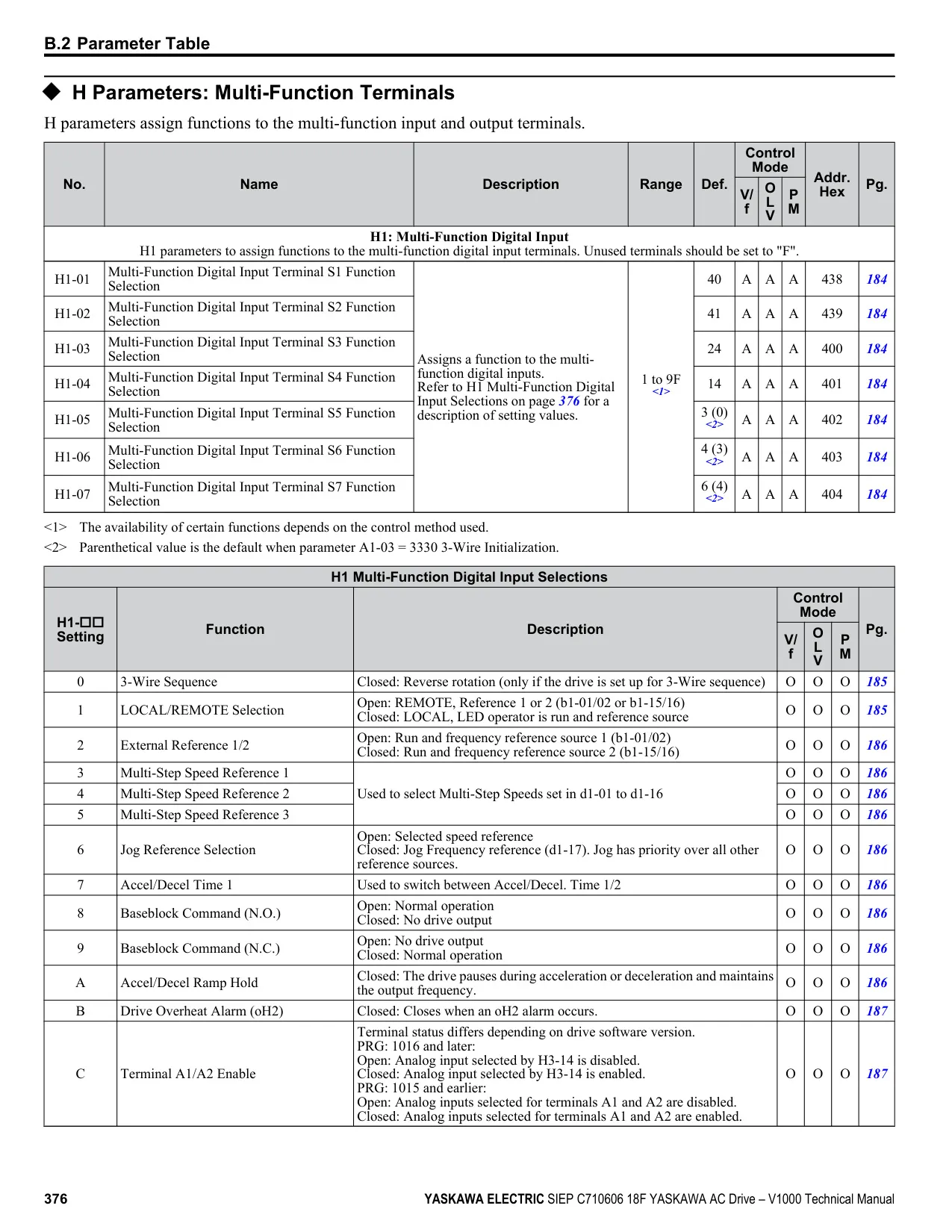
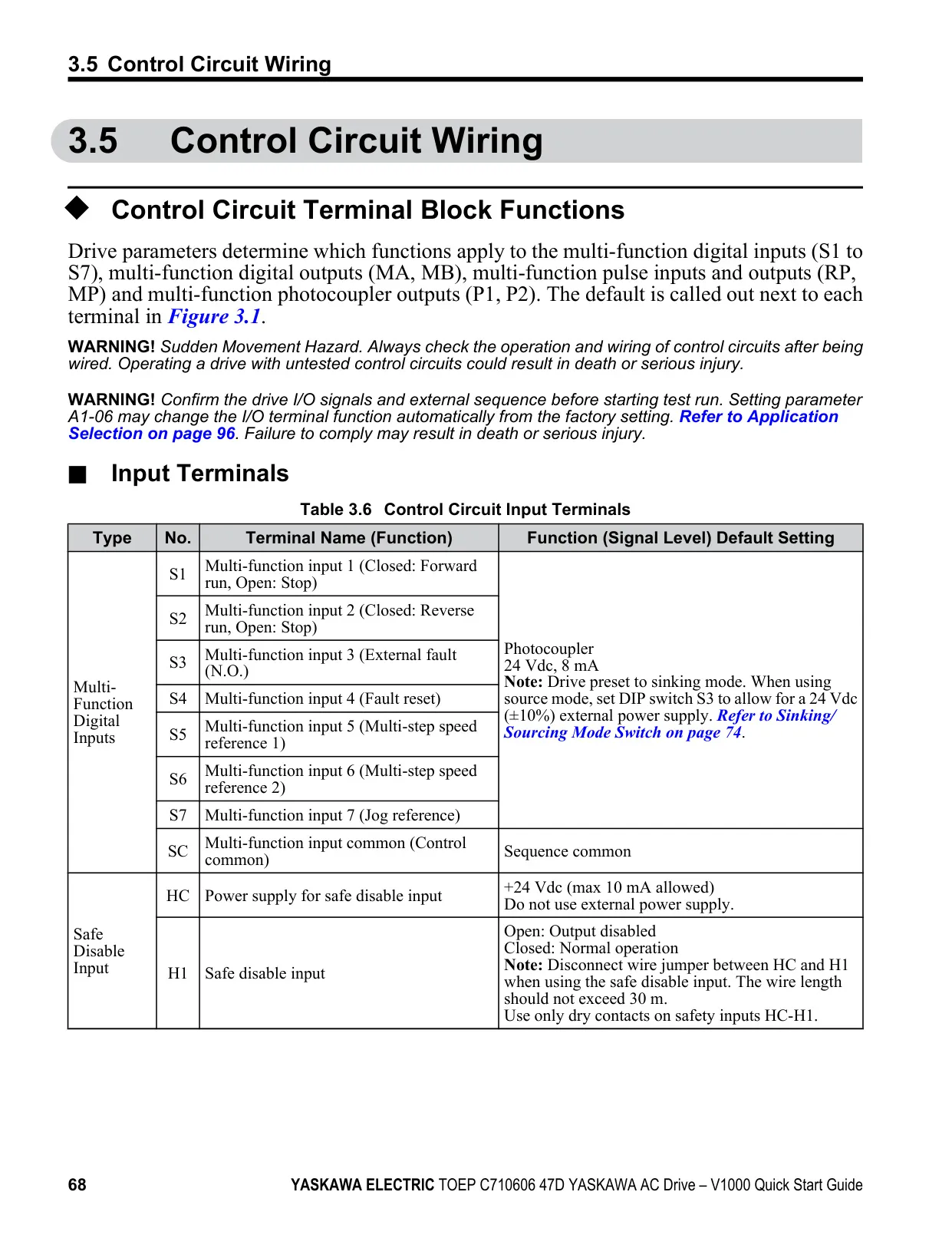
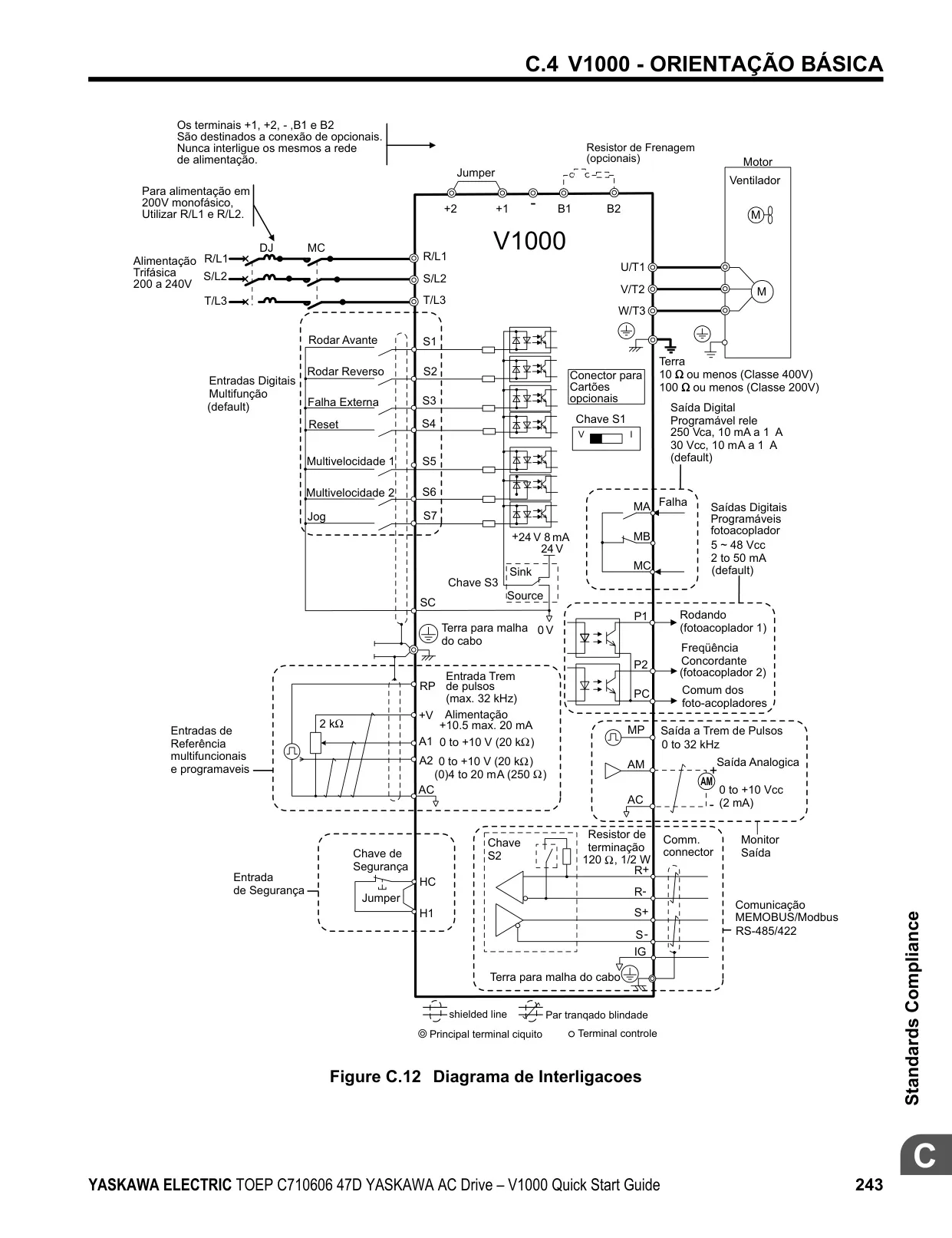
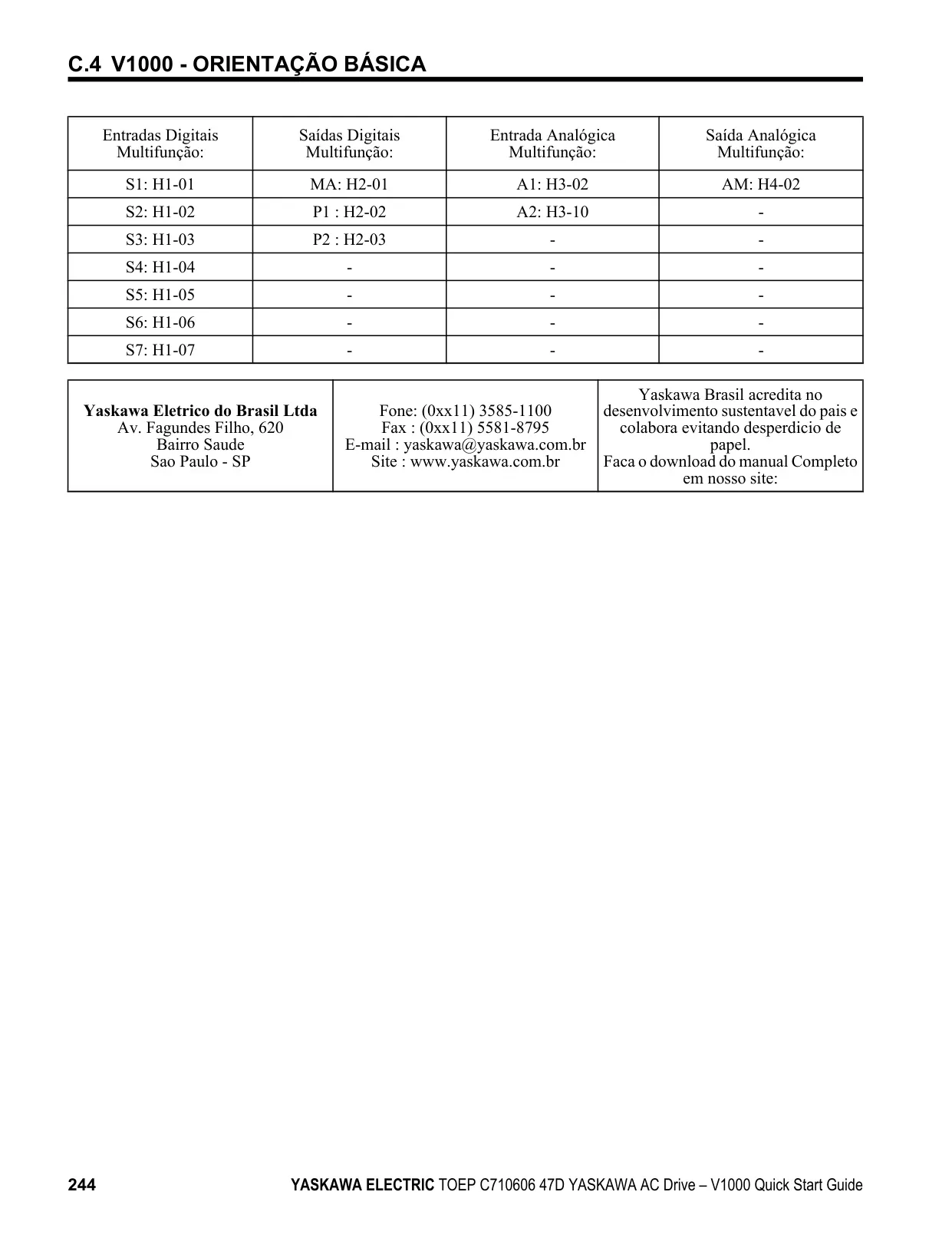
| Digital Inputs | Programmable | 7 inputs (S1-S7), 24 Vdc, 8 mA (default) |
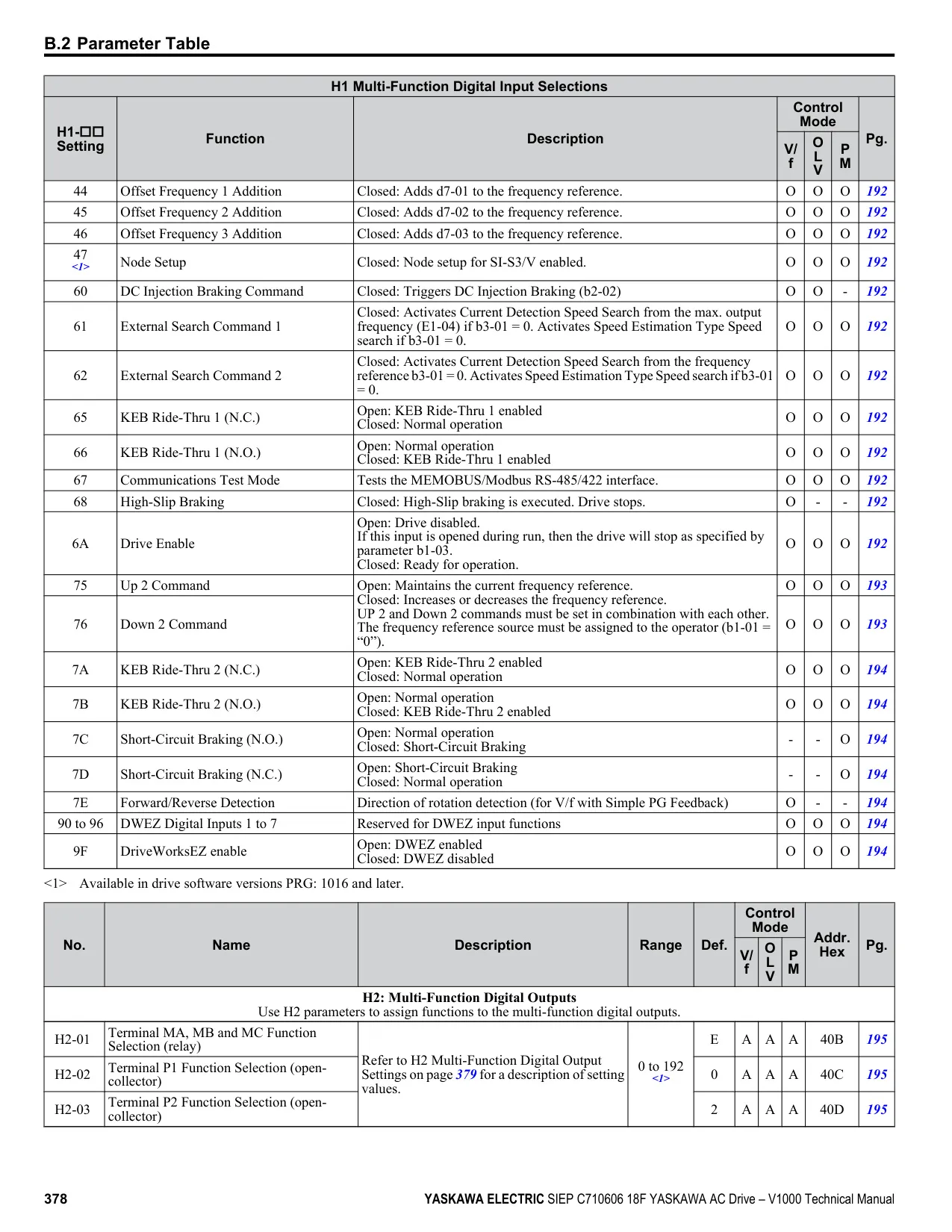
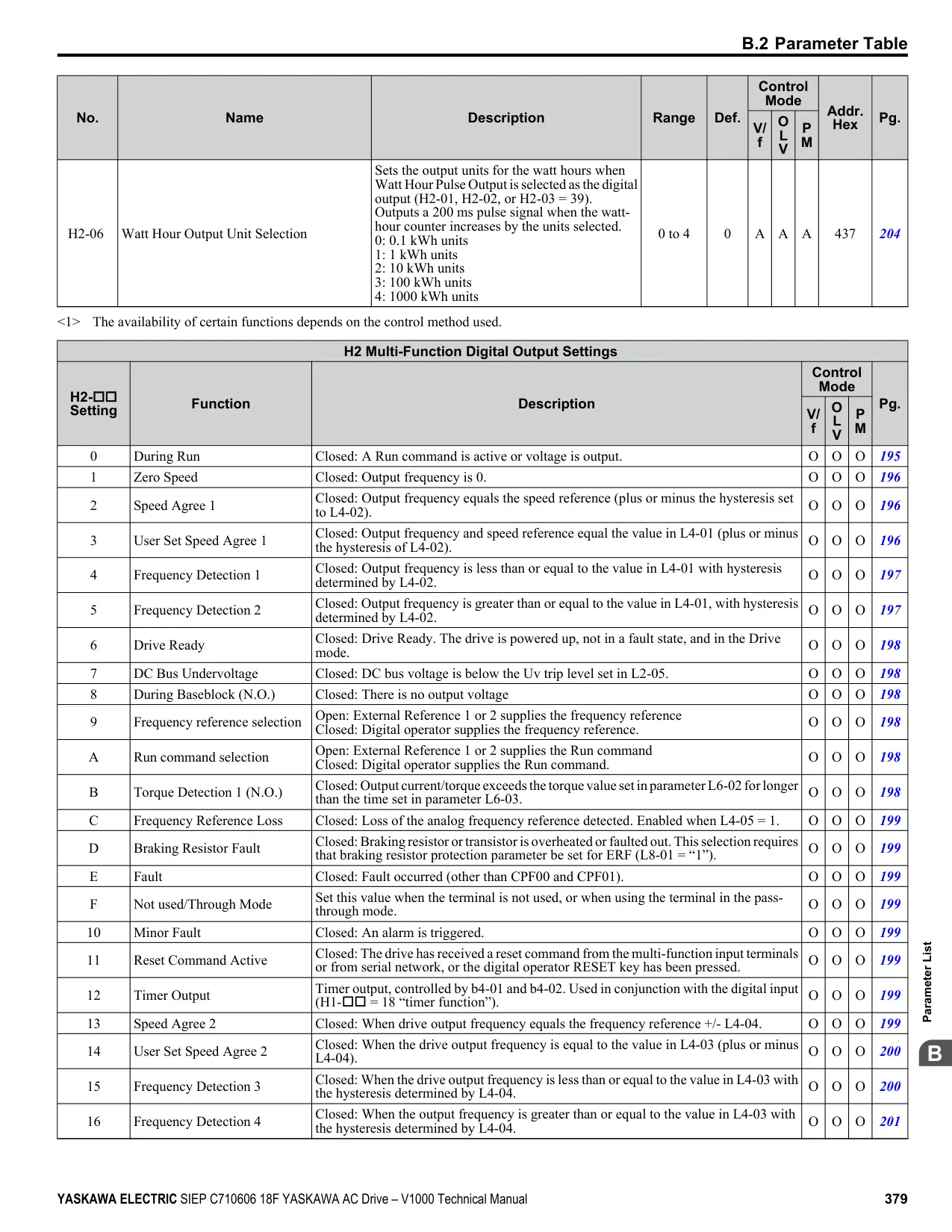
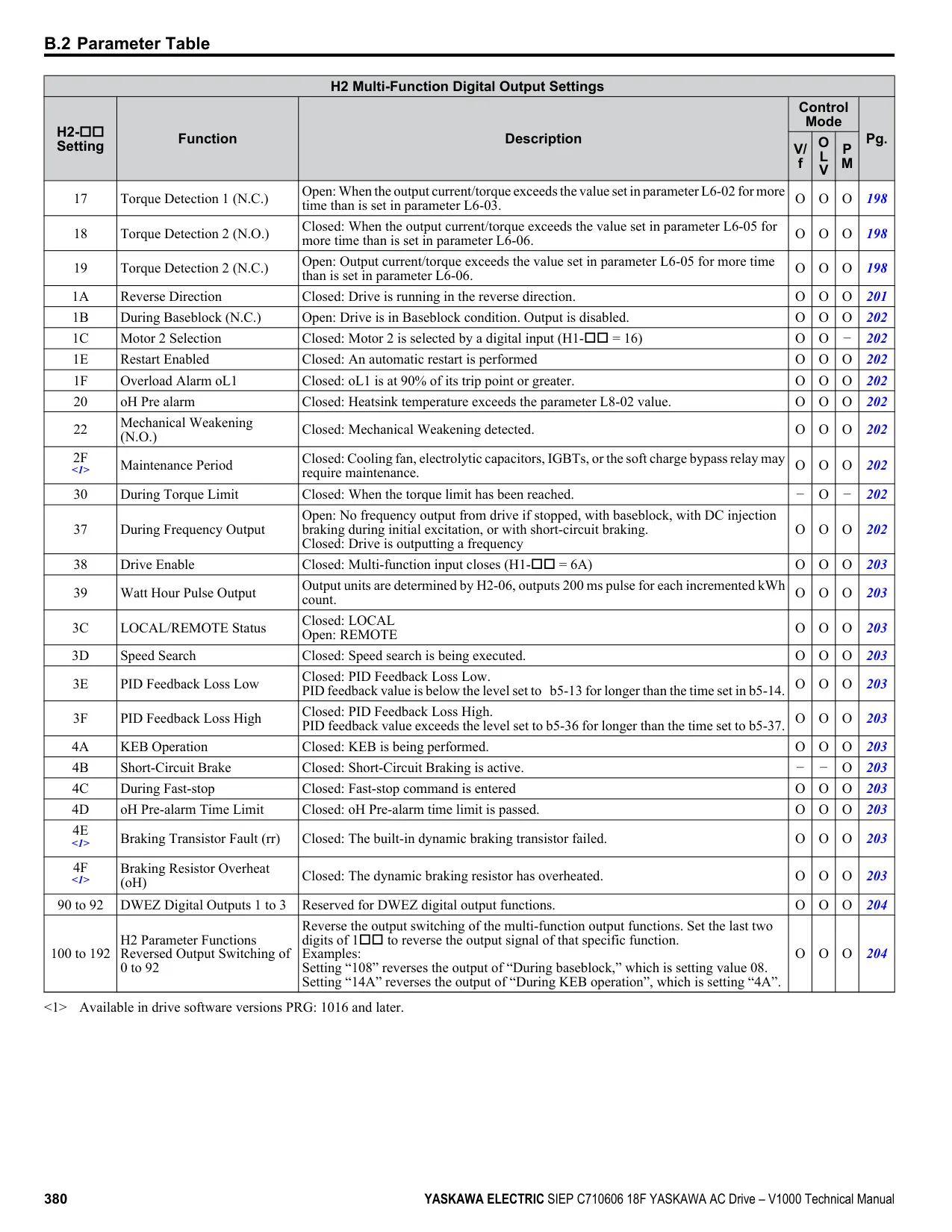
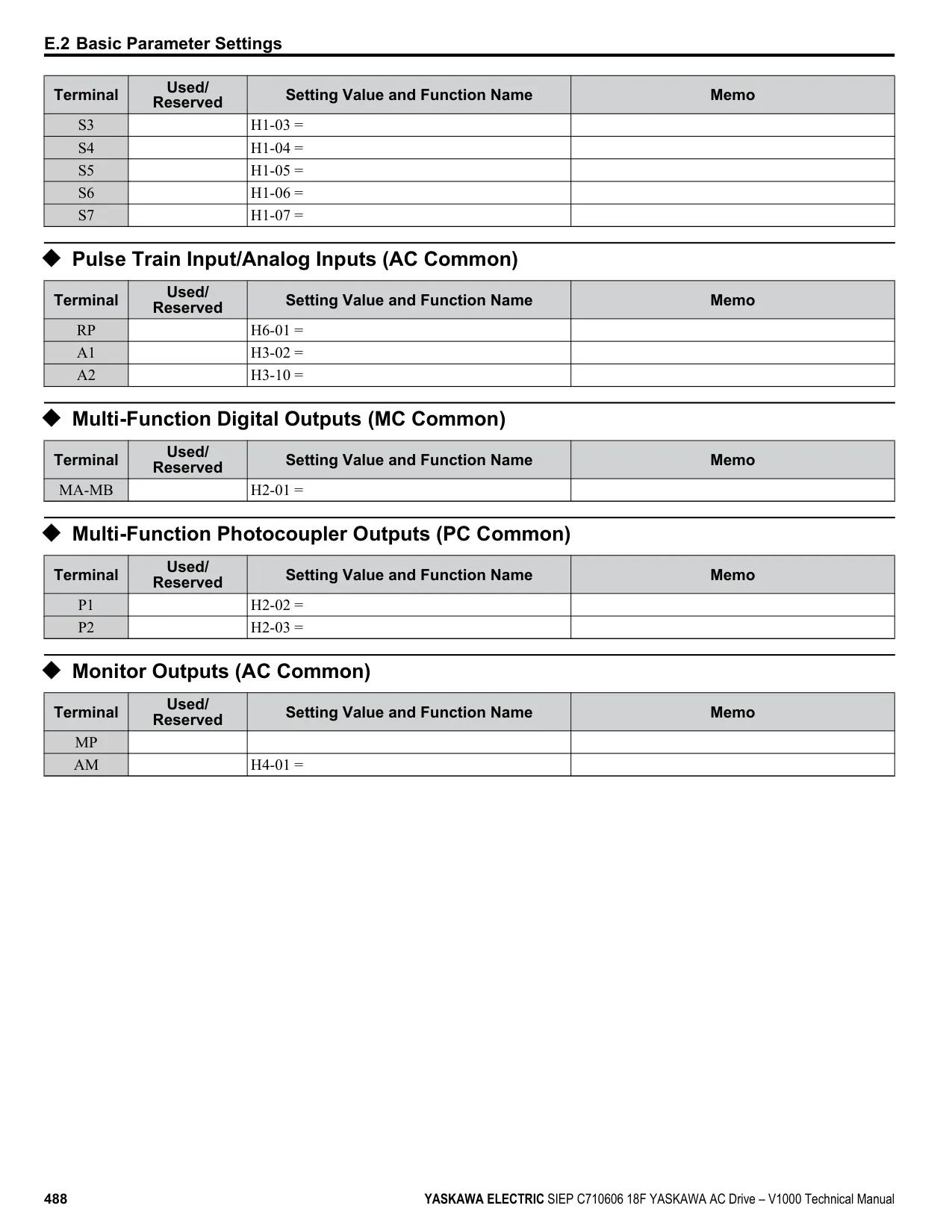
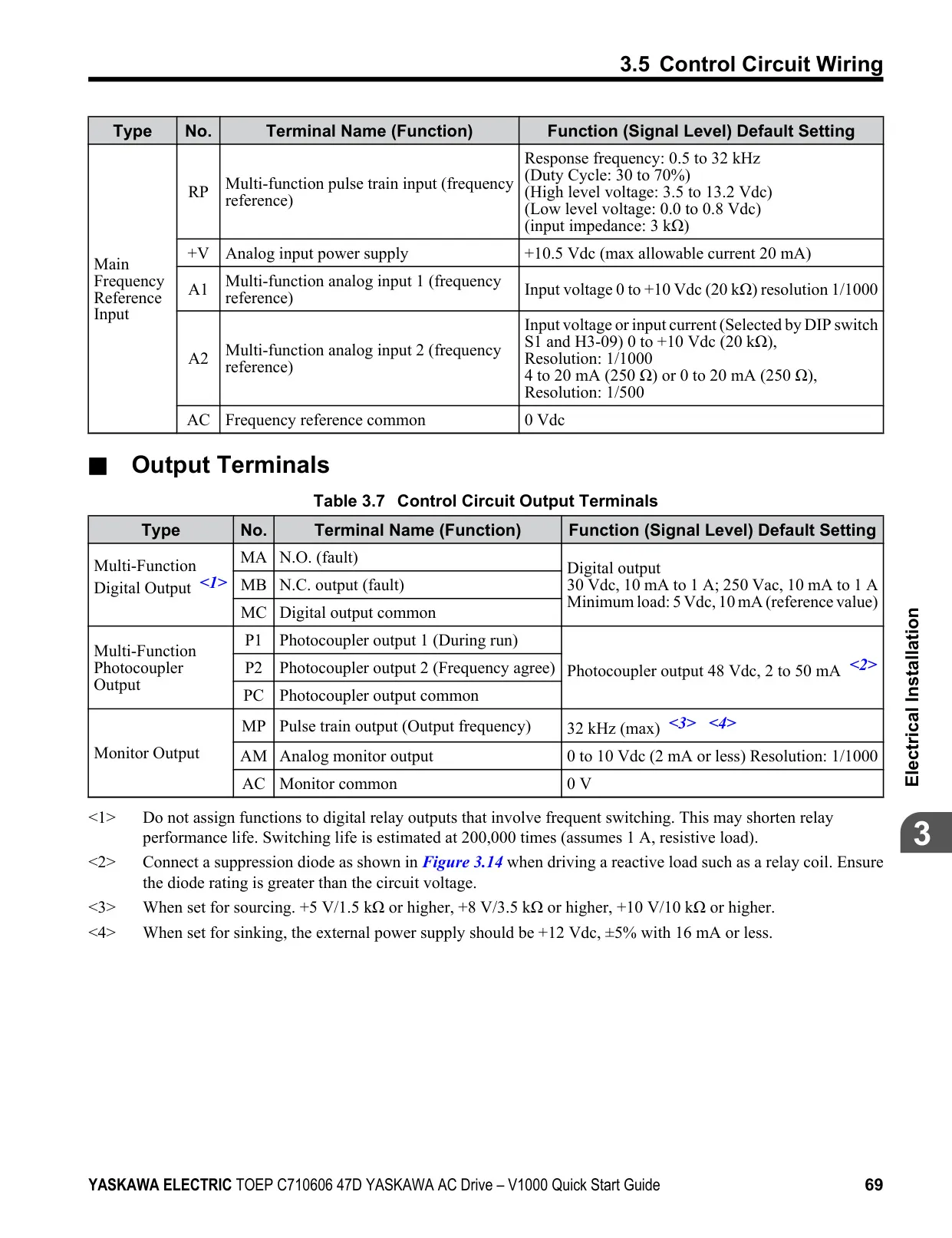
| Digital Outputs | Relay and Photocoupler | 3 relay outputs (MA/MB/MC), 2 photocoupler outputs (P1/P2) |
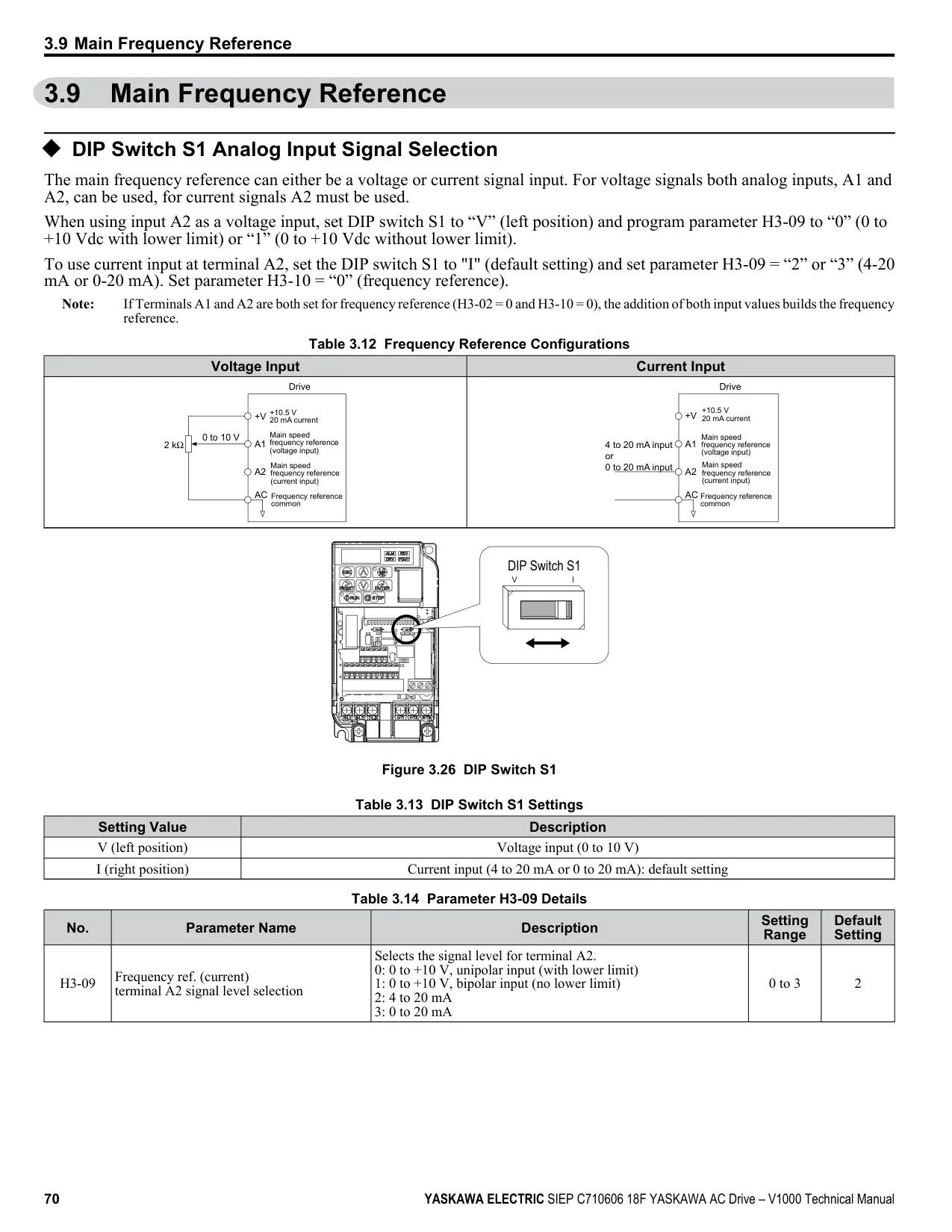
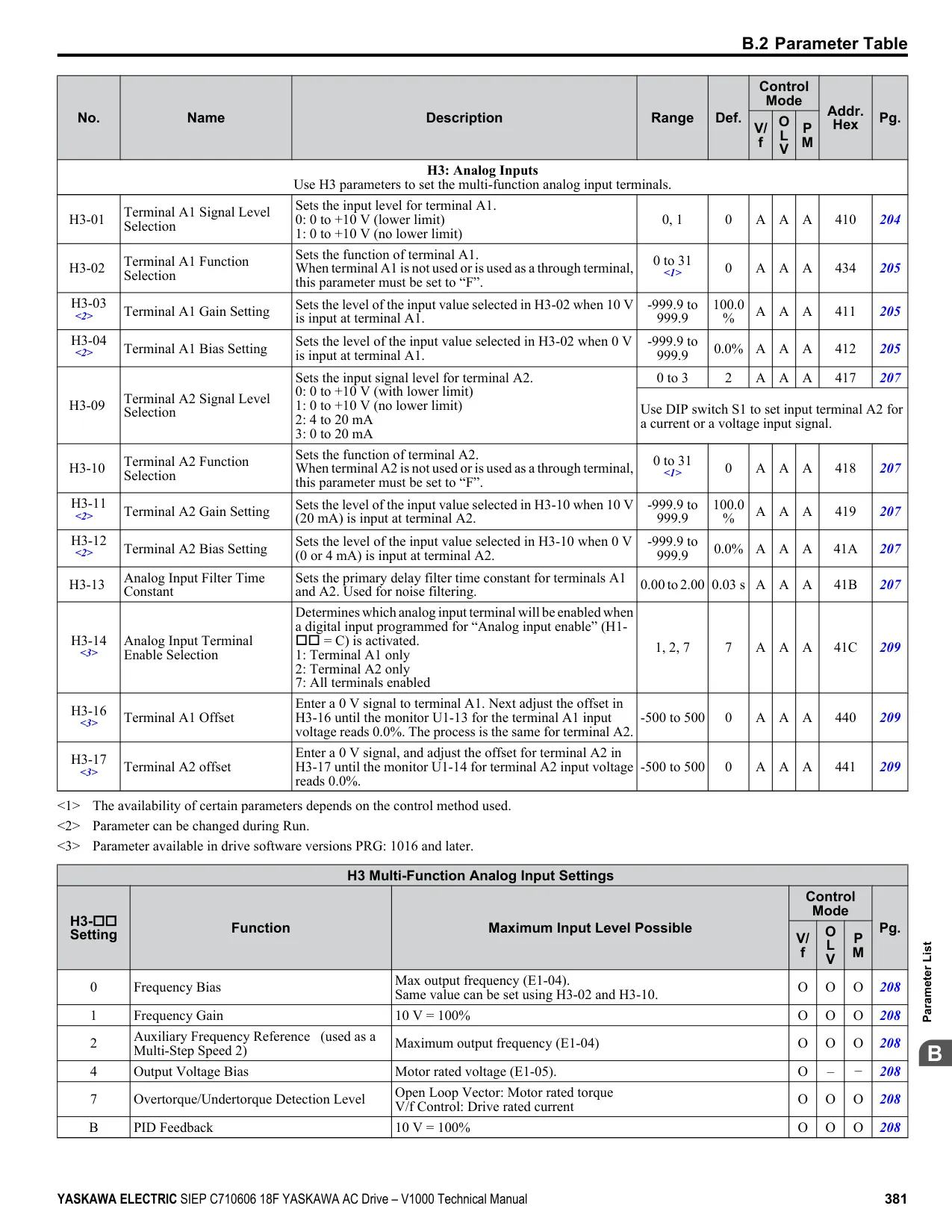
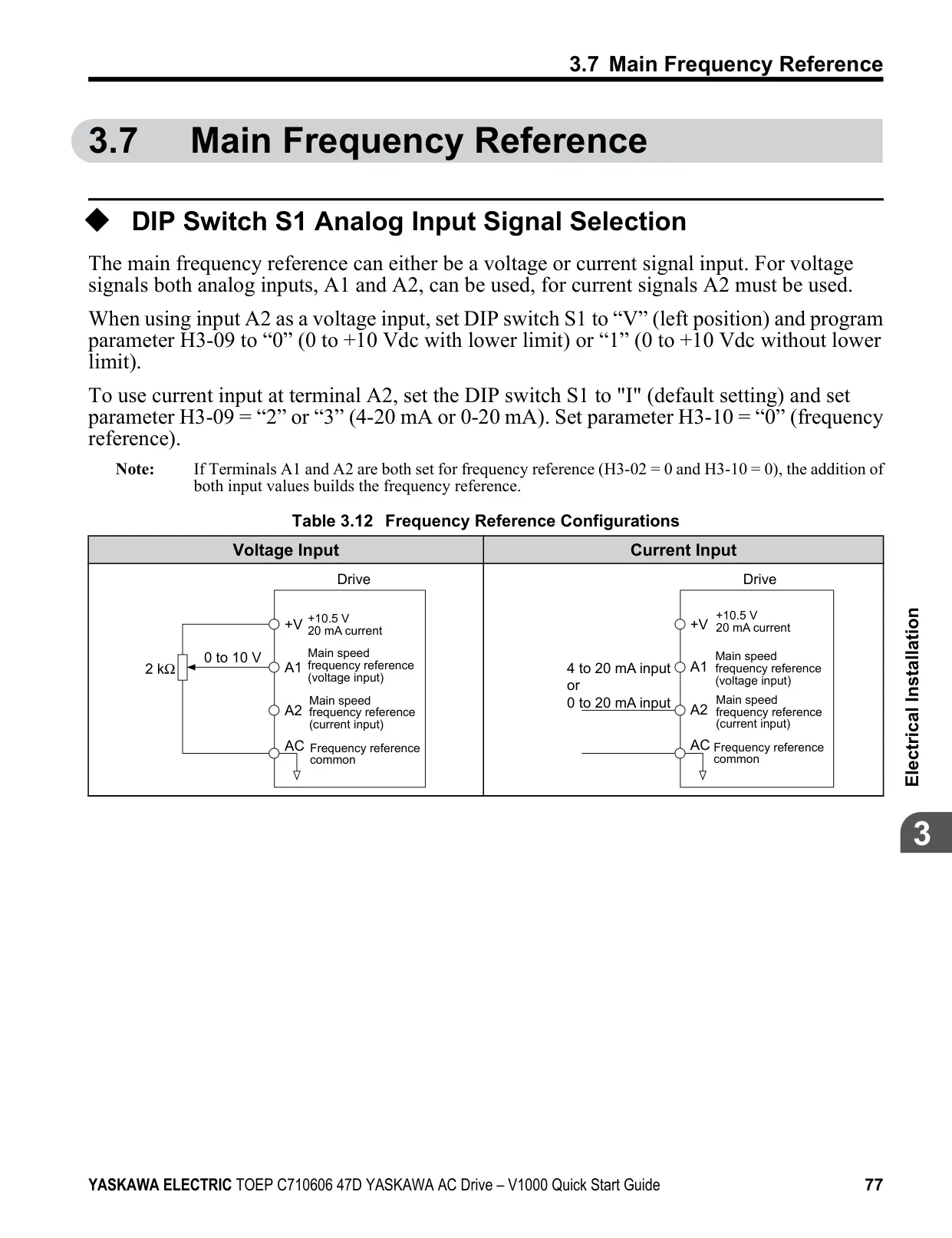
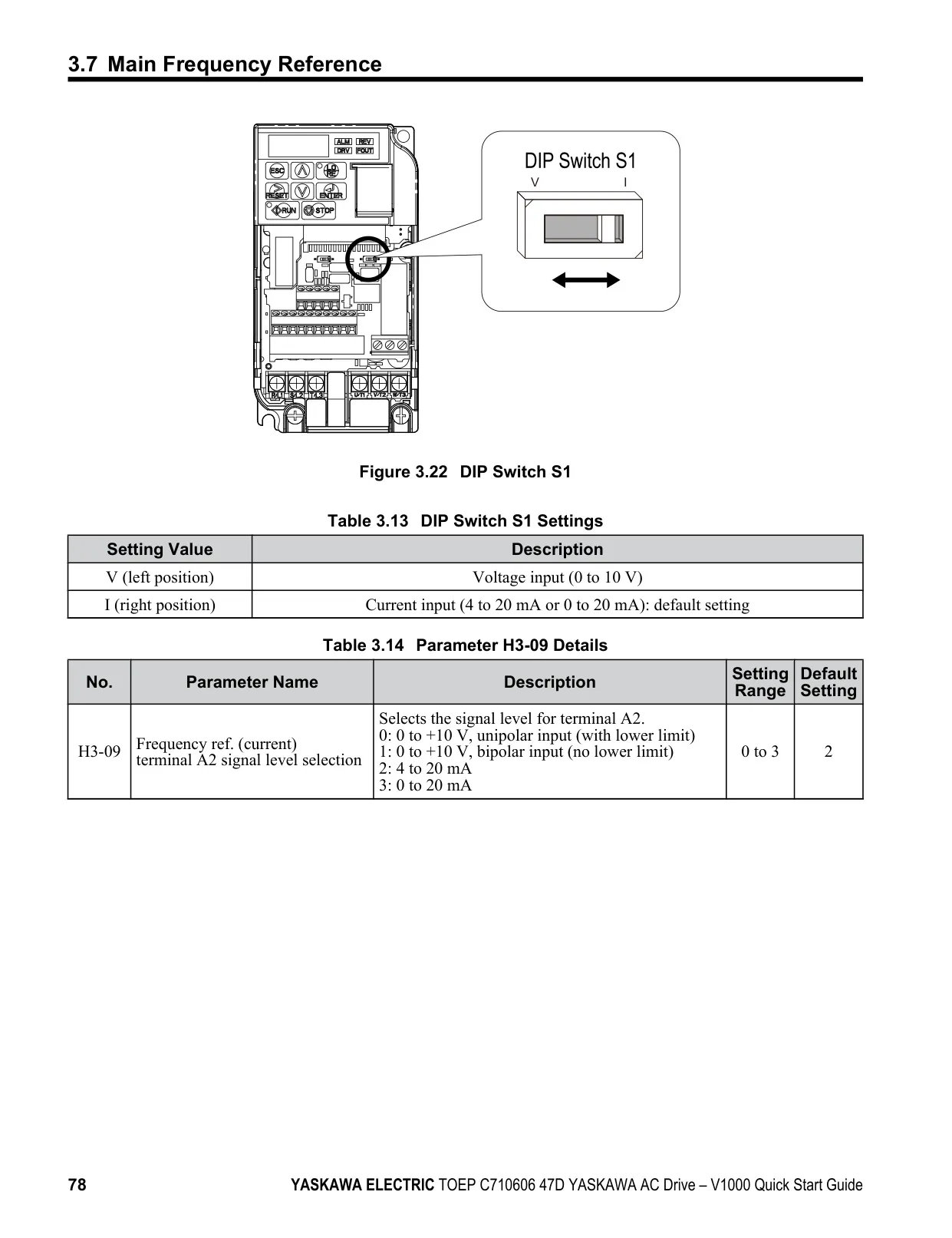
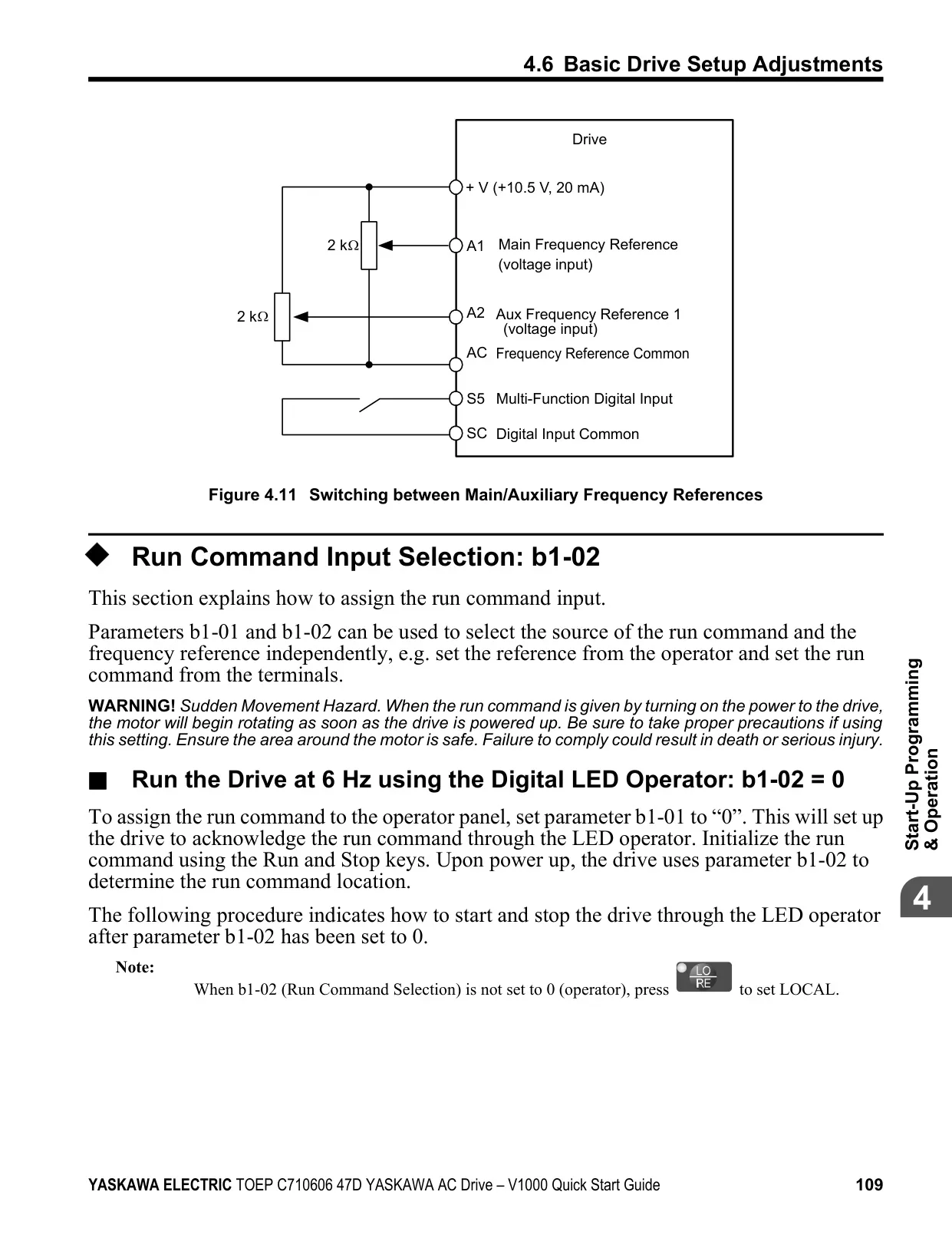
| Analog Inputs | Voltage/Current | A1: 0 to +10 Vdc; A2: 0 to +10 Vdc or 0/4 to 20 mA |
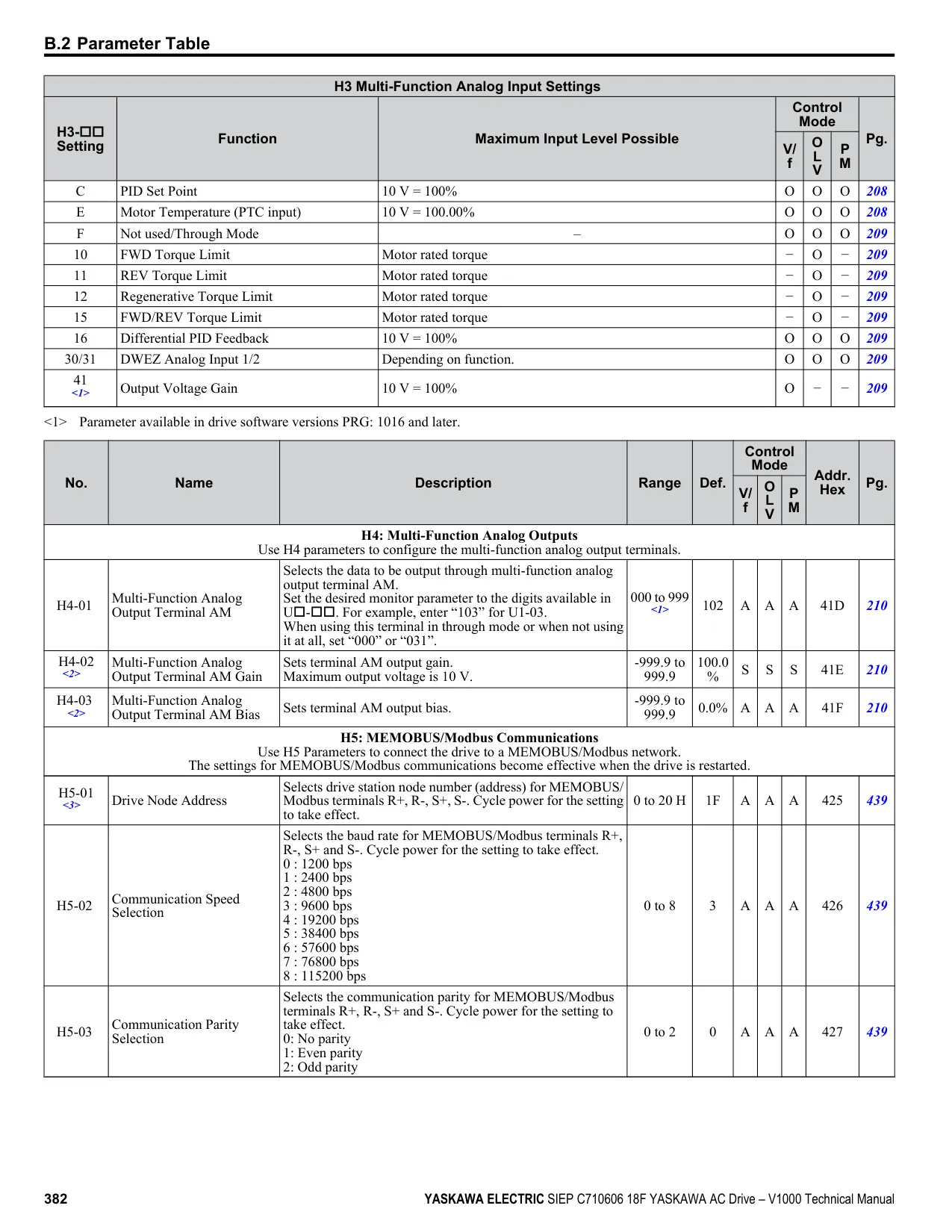
| Analog Outputs | Voltage | AM: 0 to 10 Vdc (≤2 mA) |
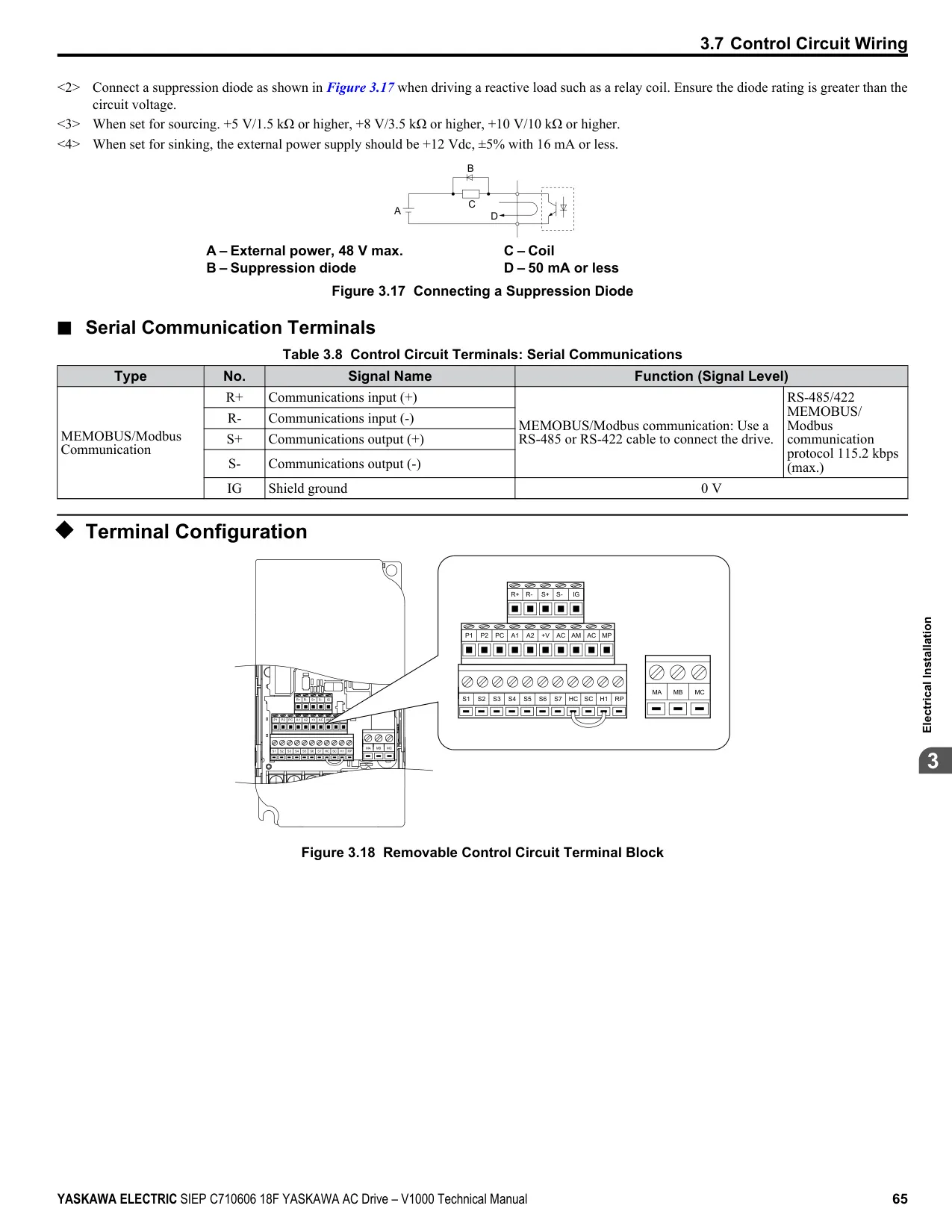
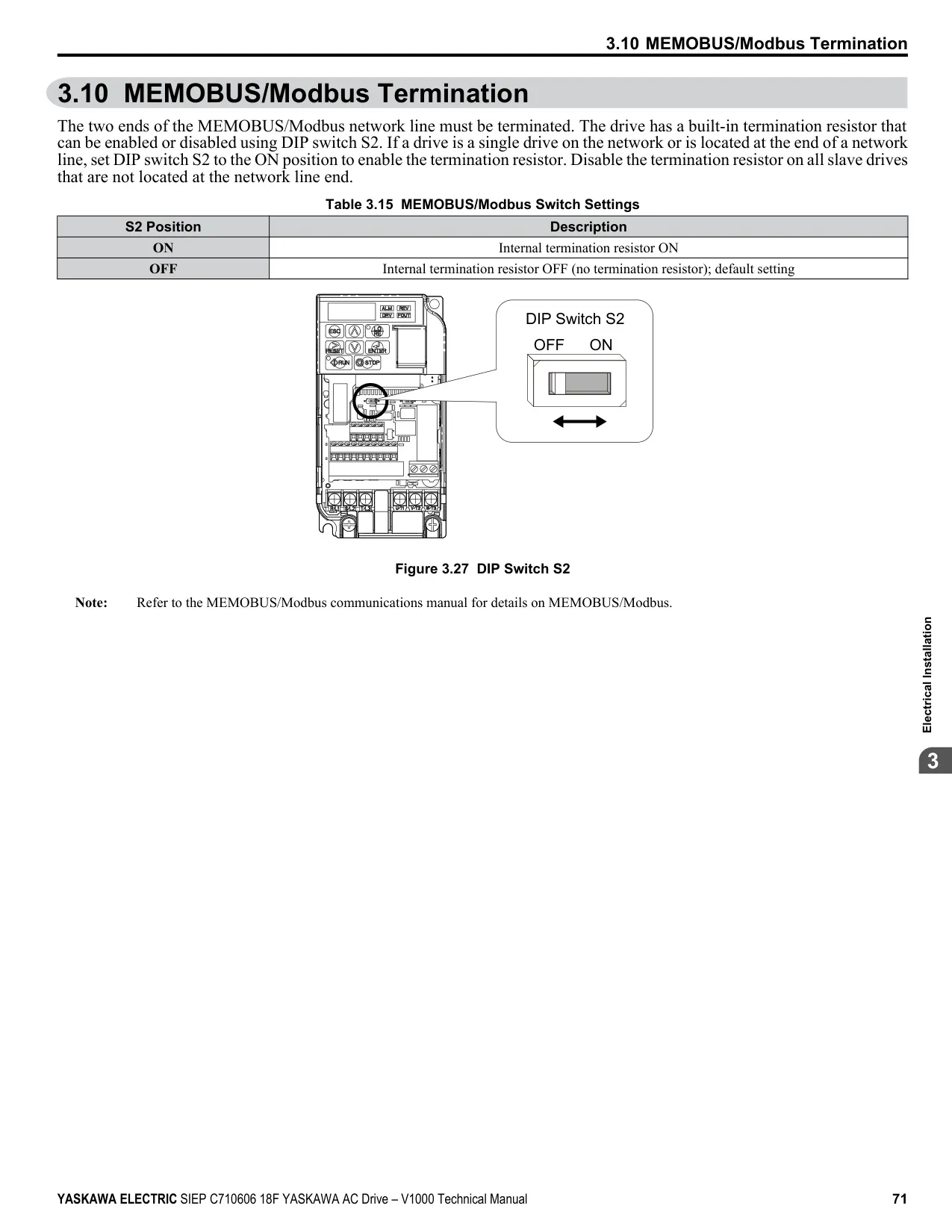
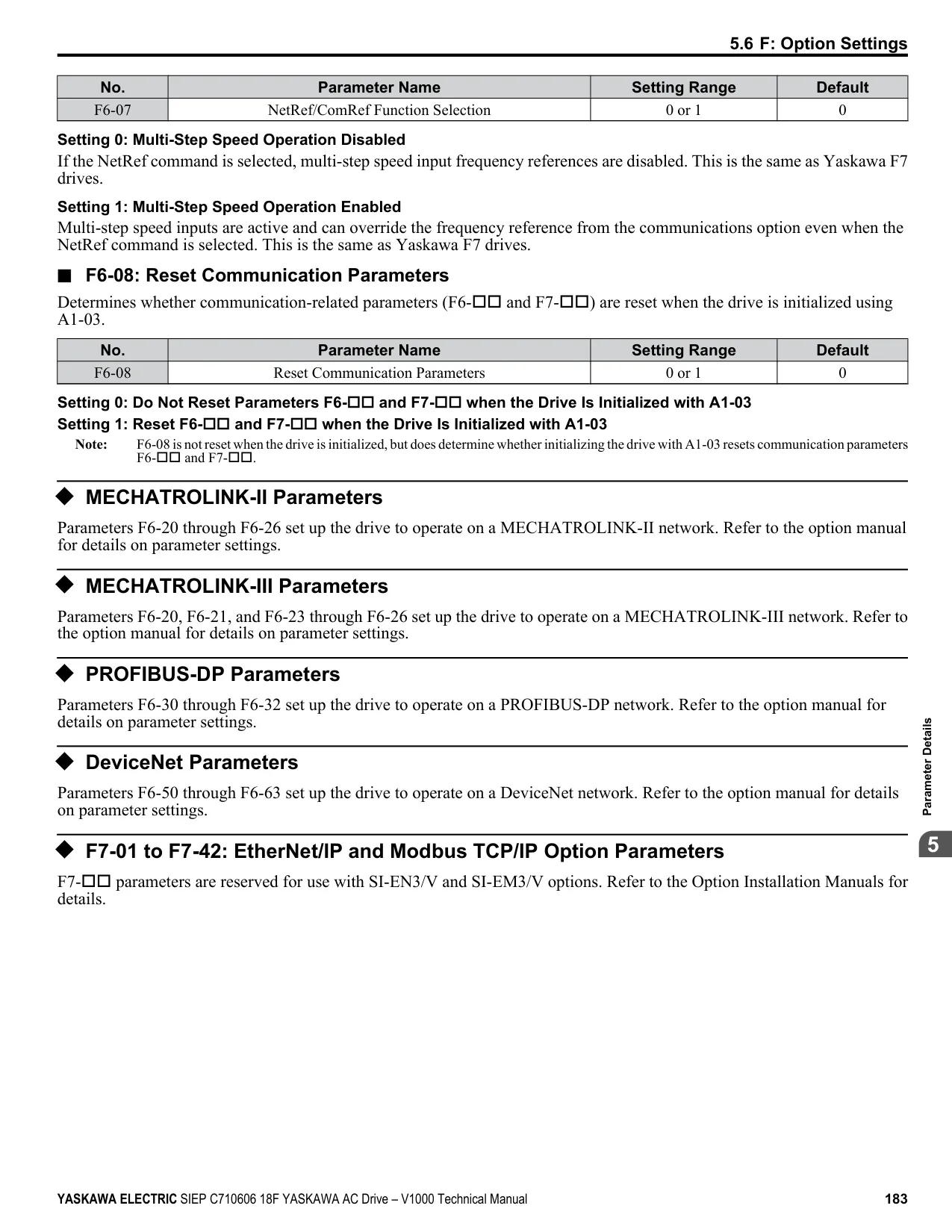
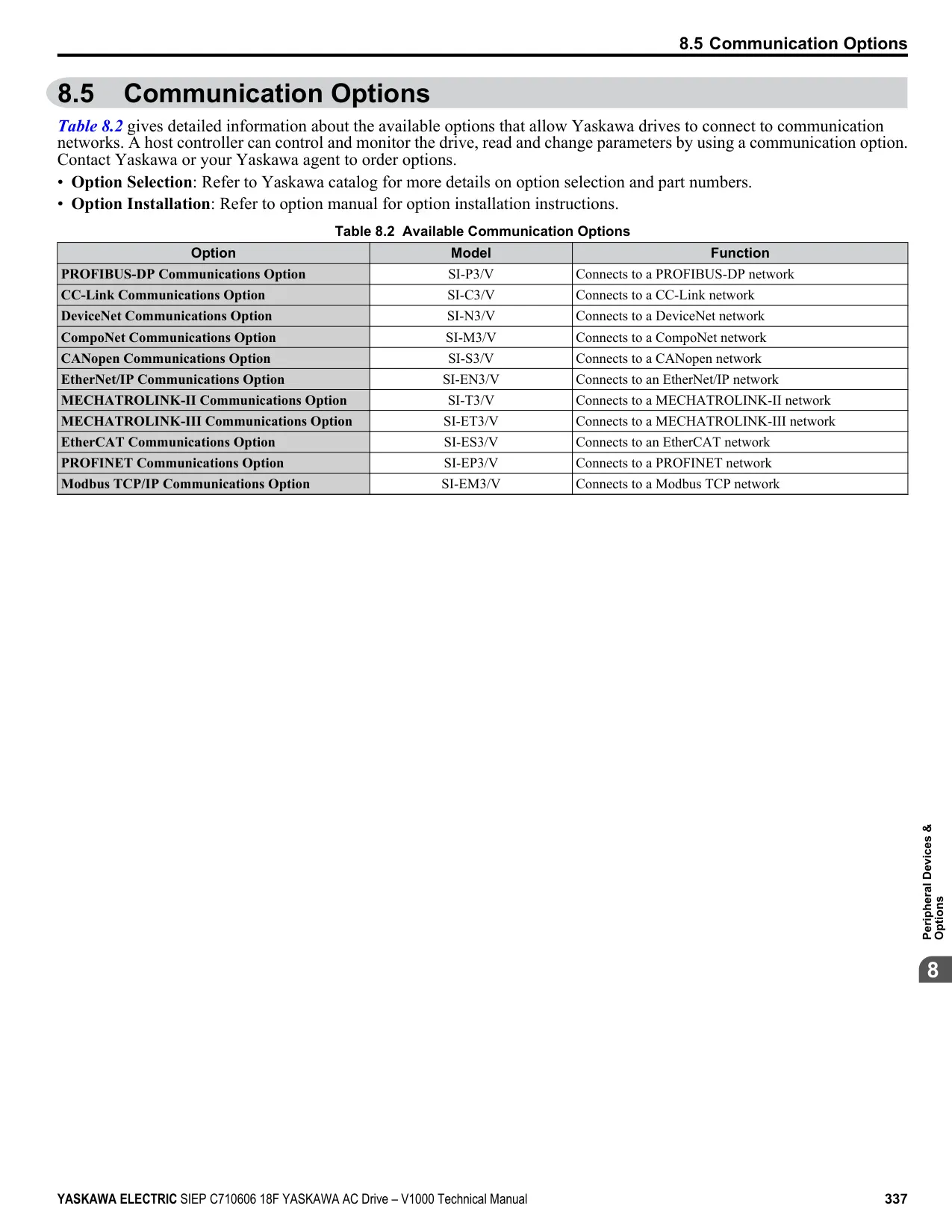
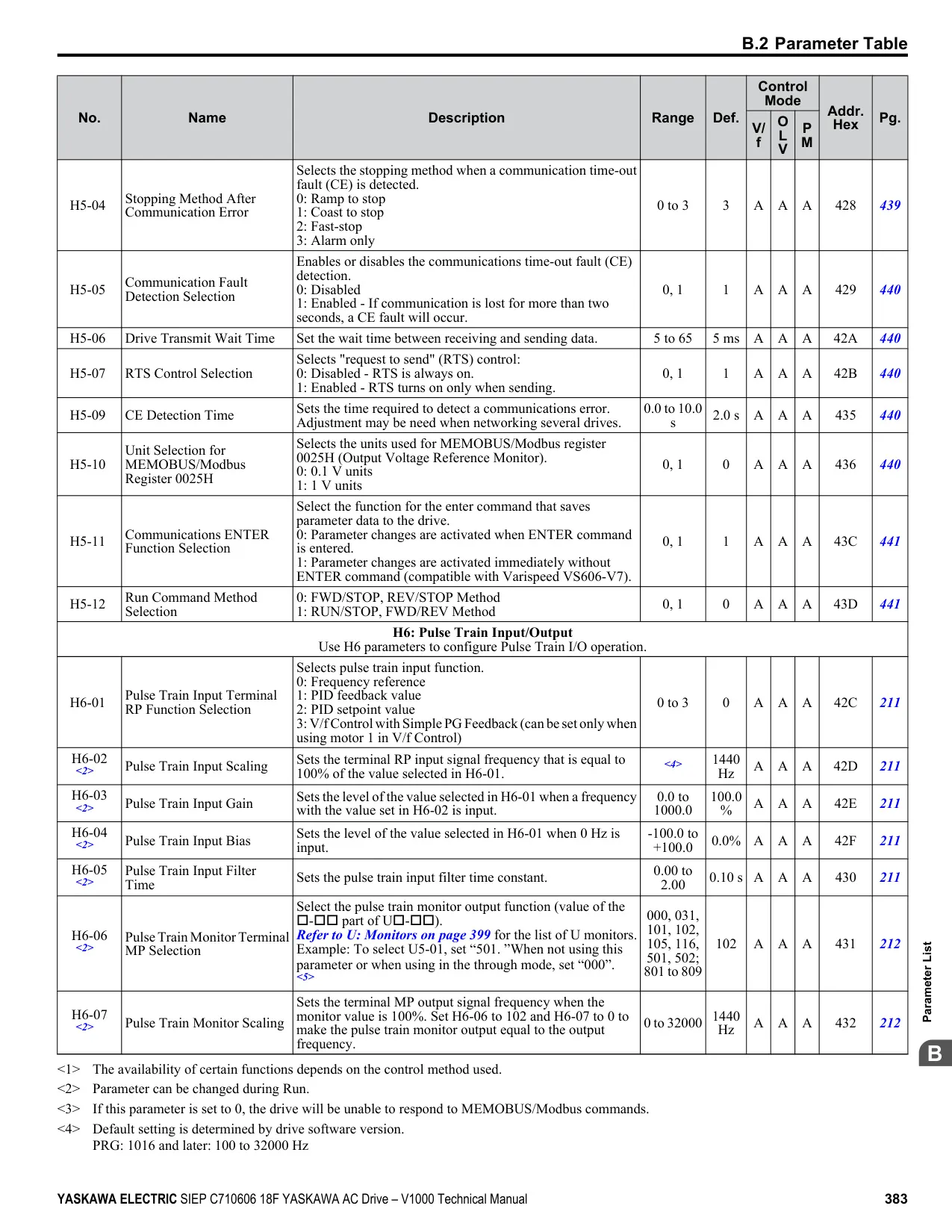
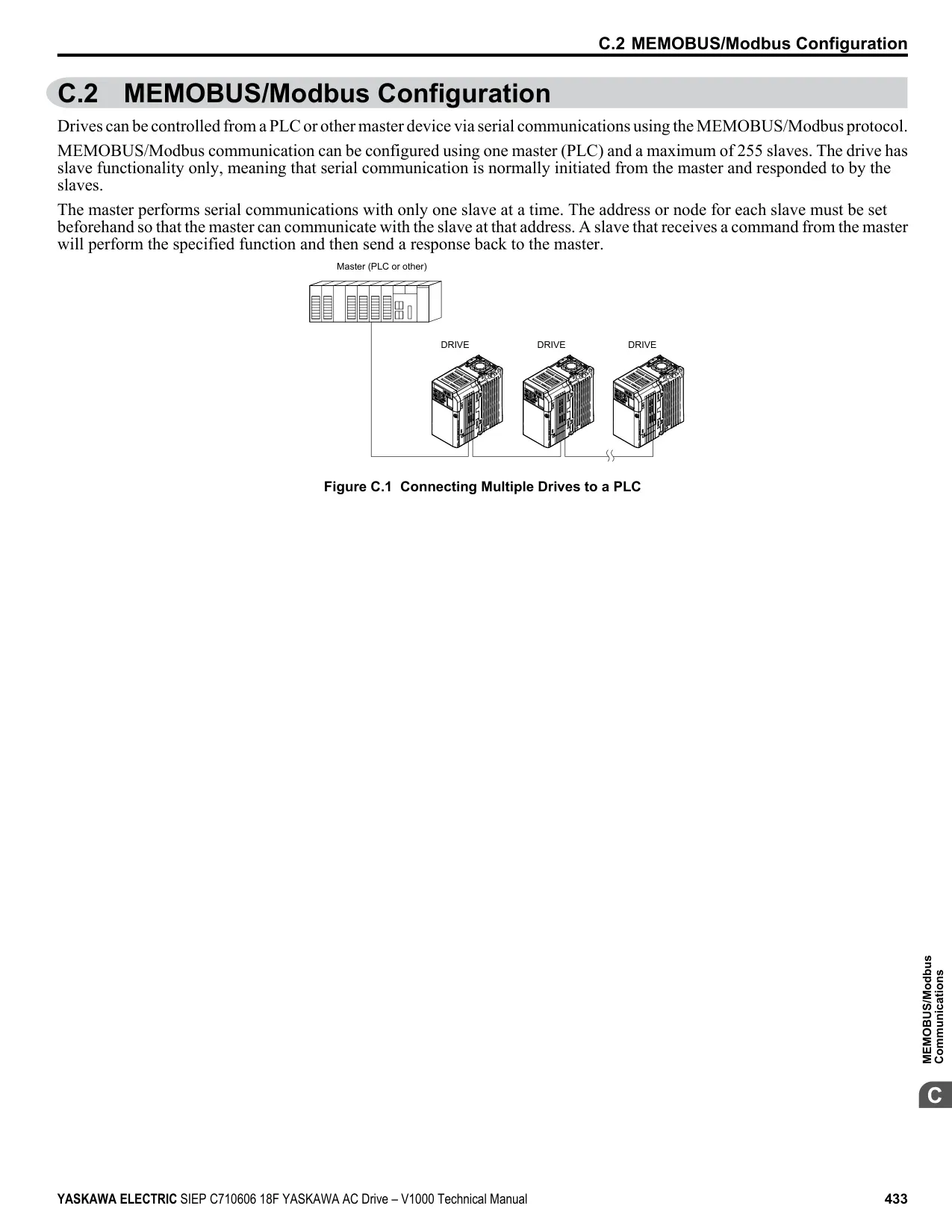
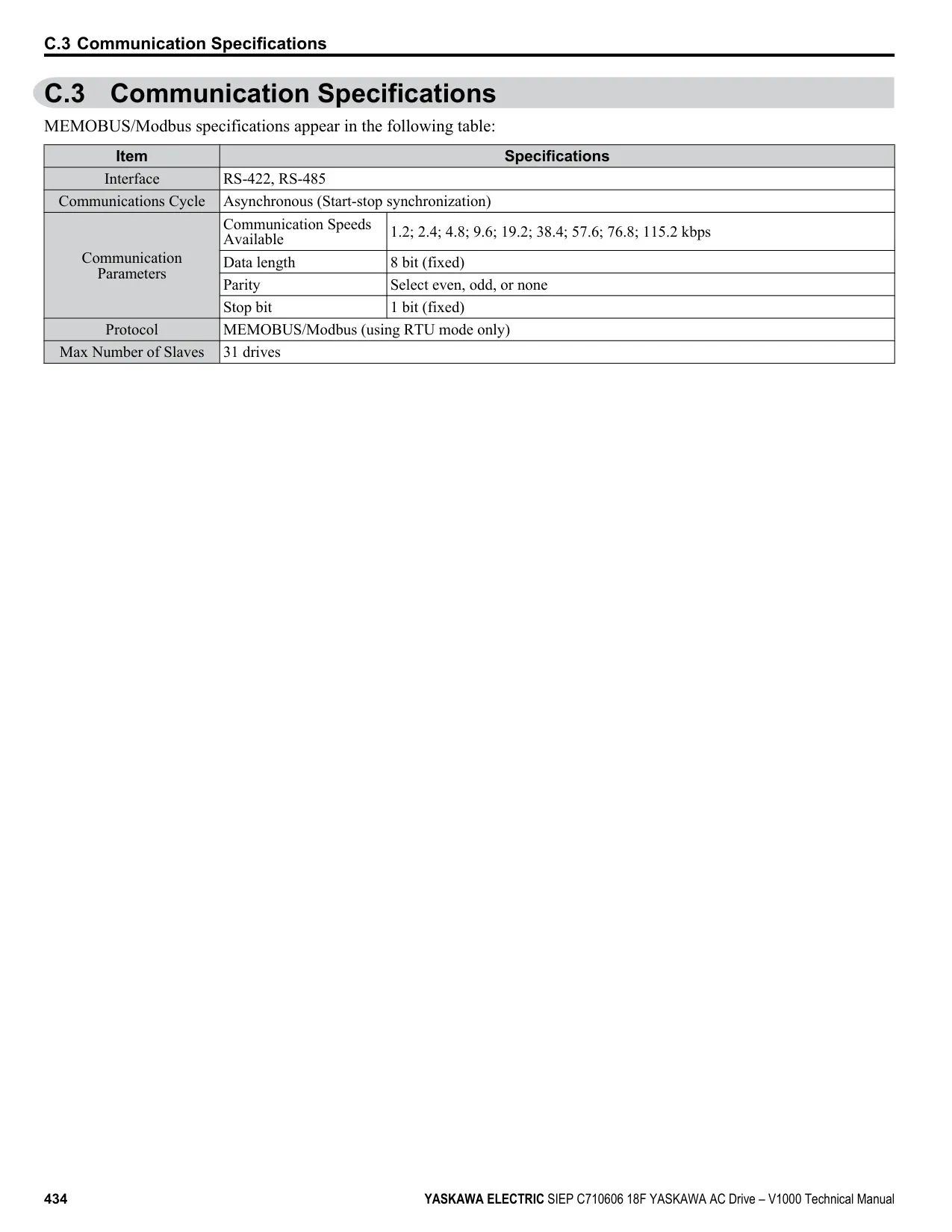
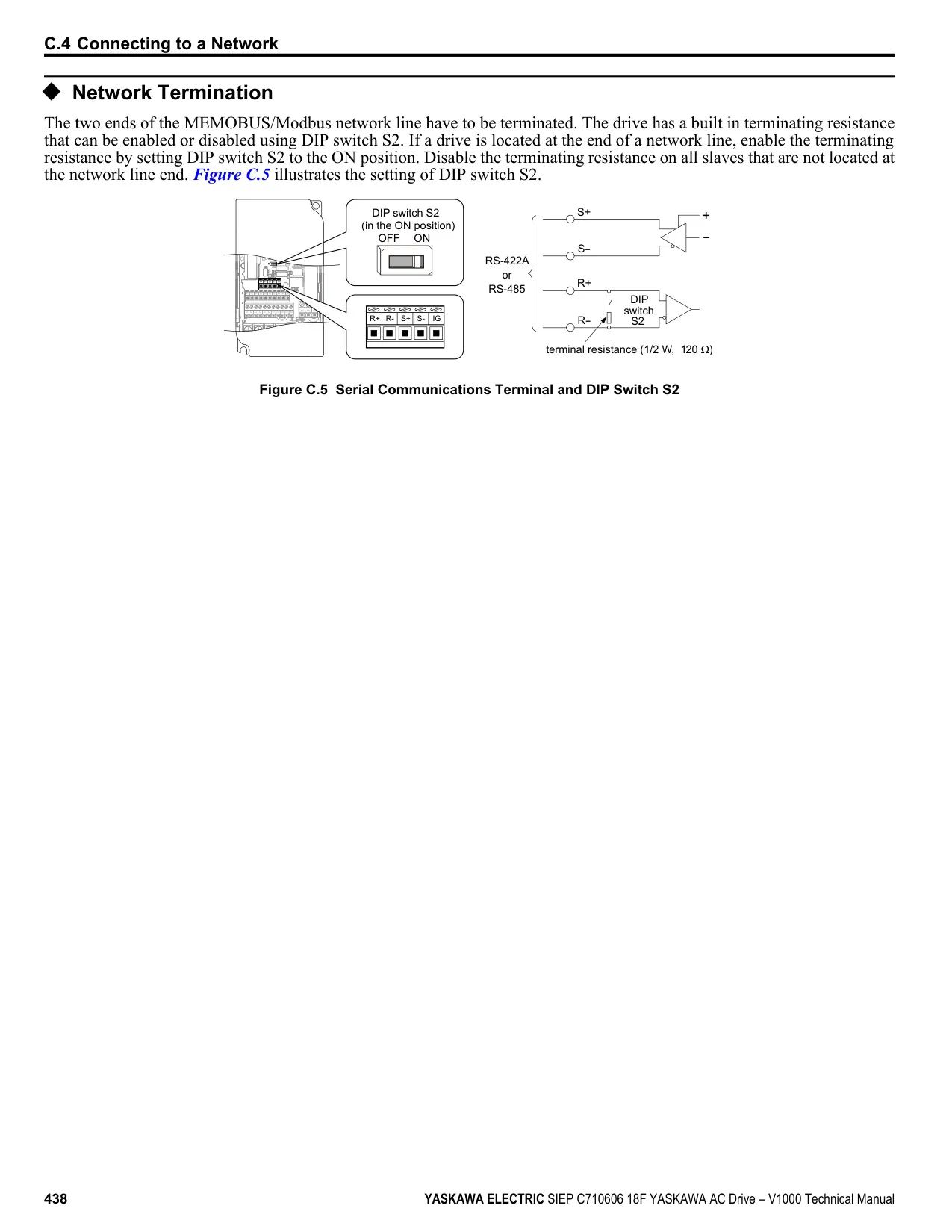
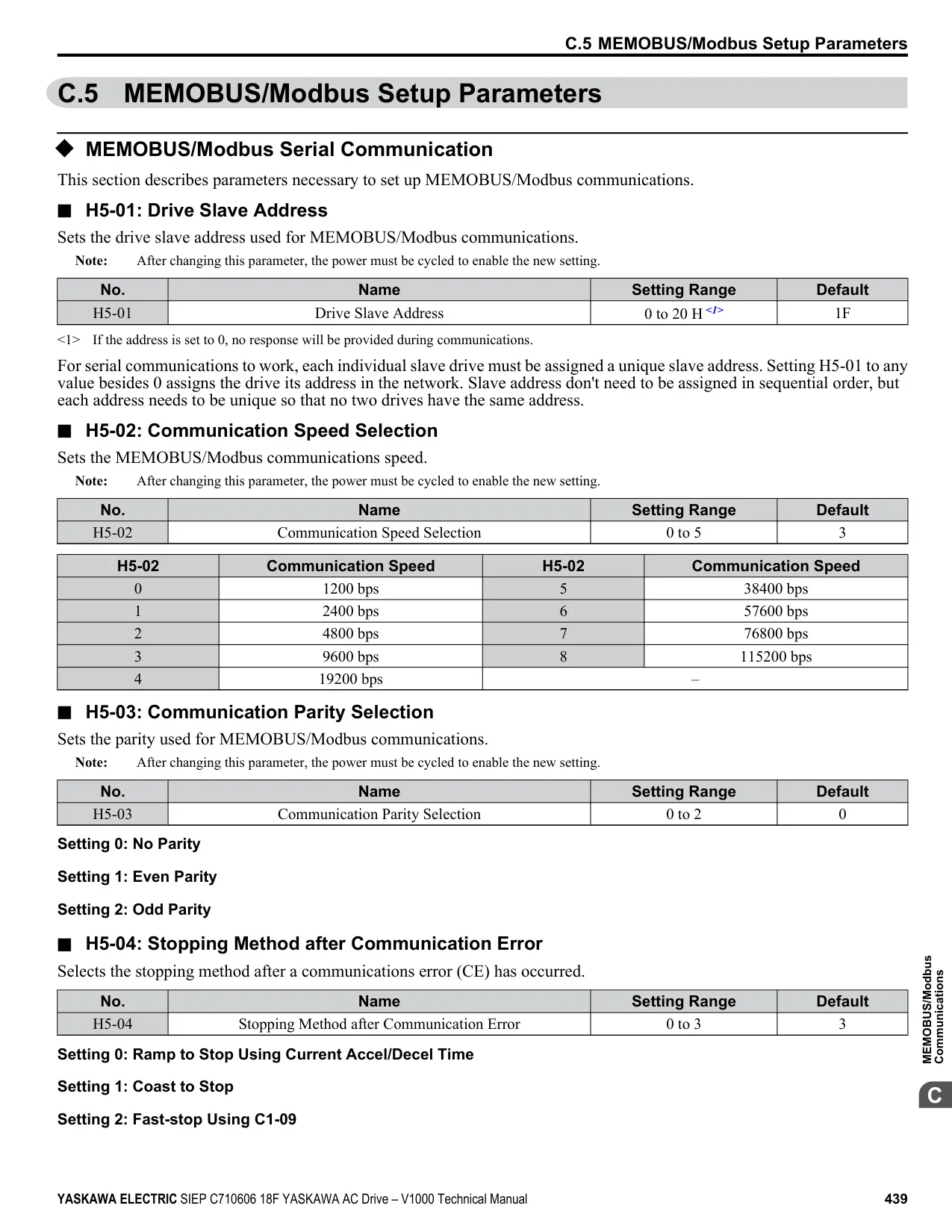
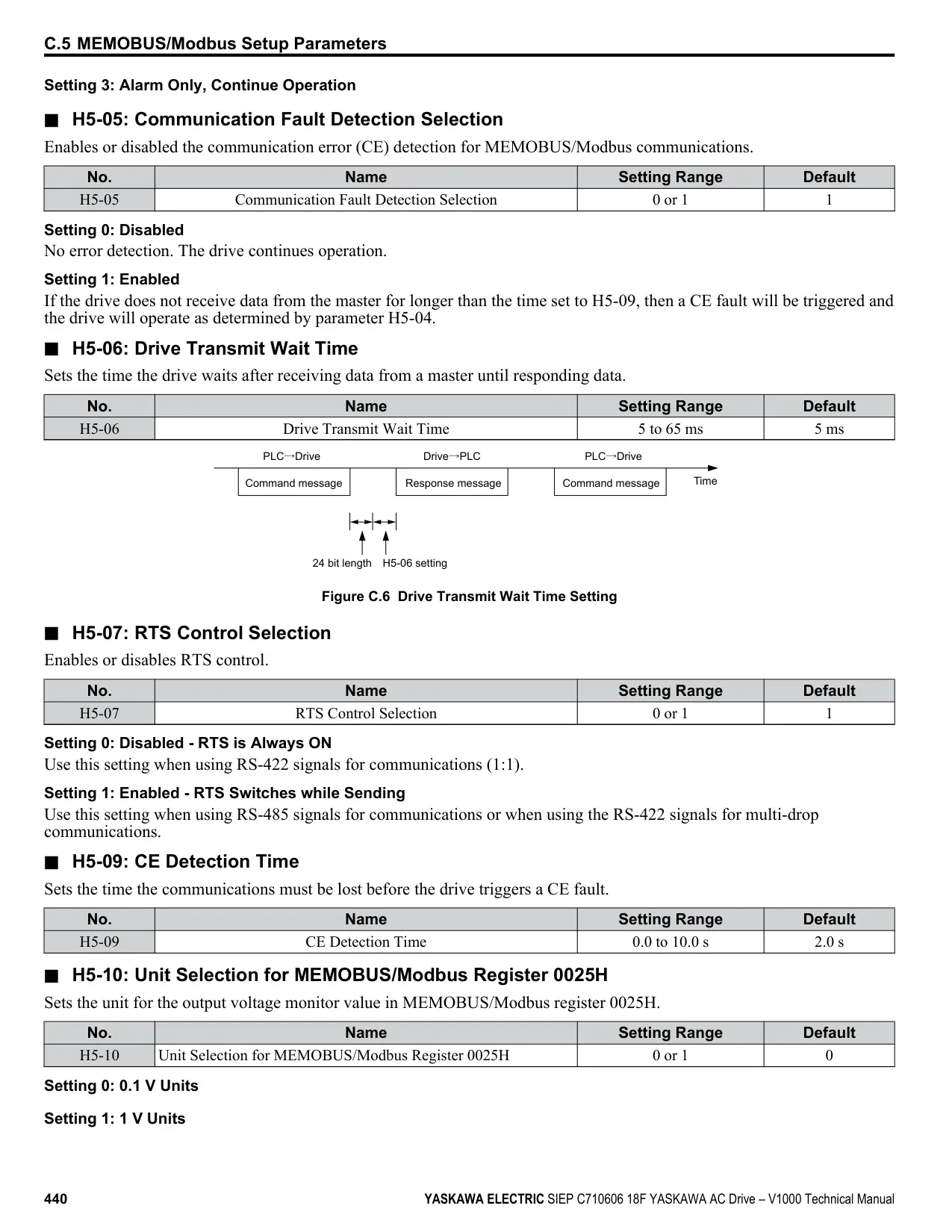
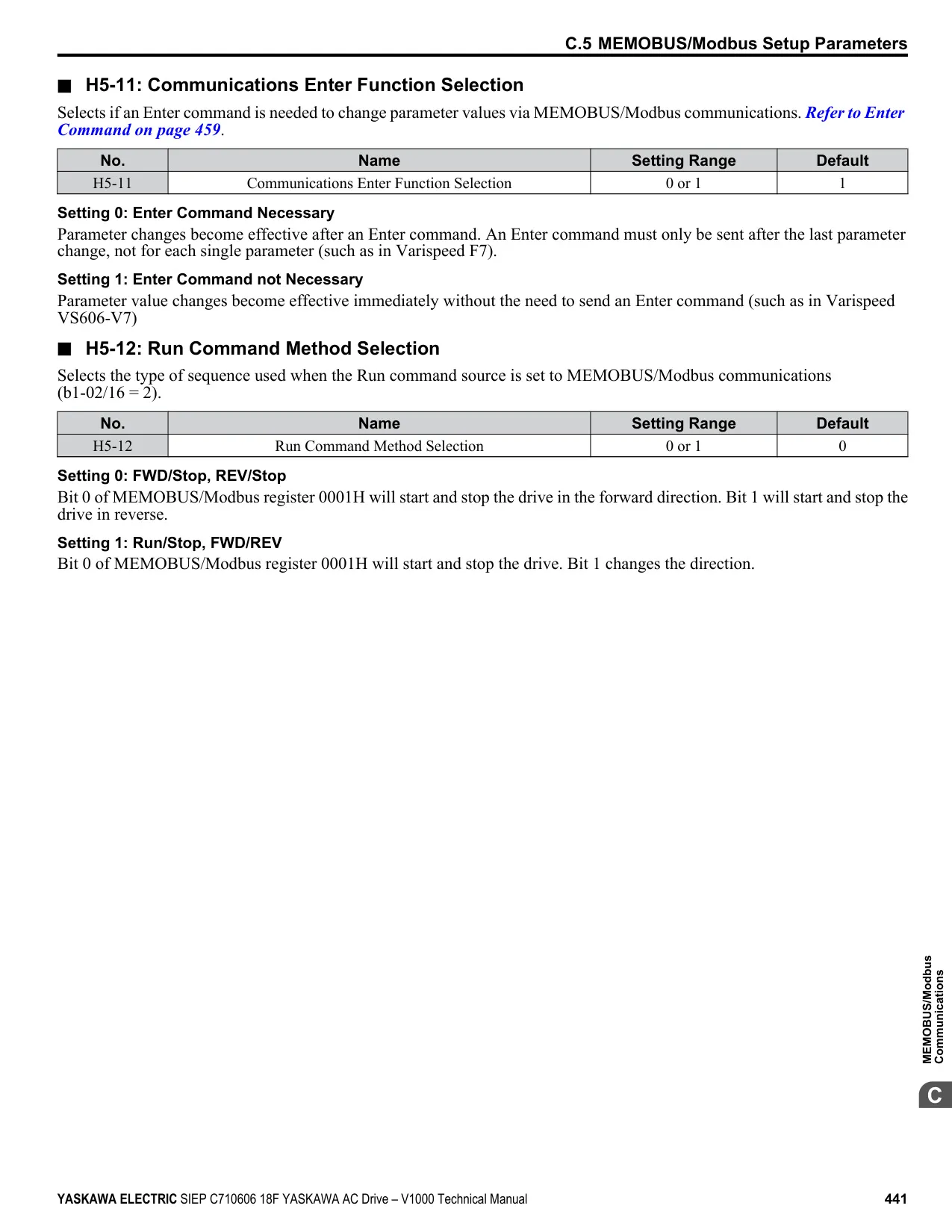
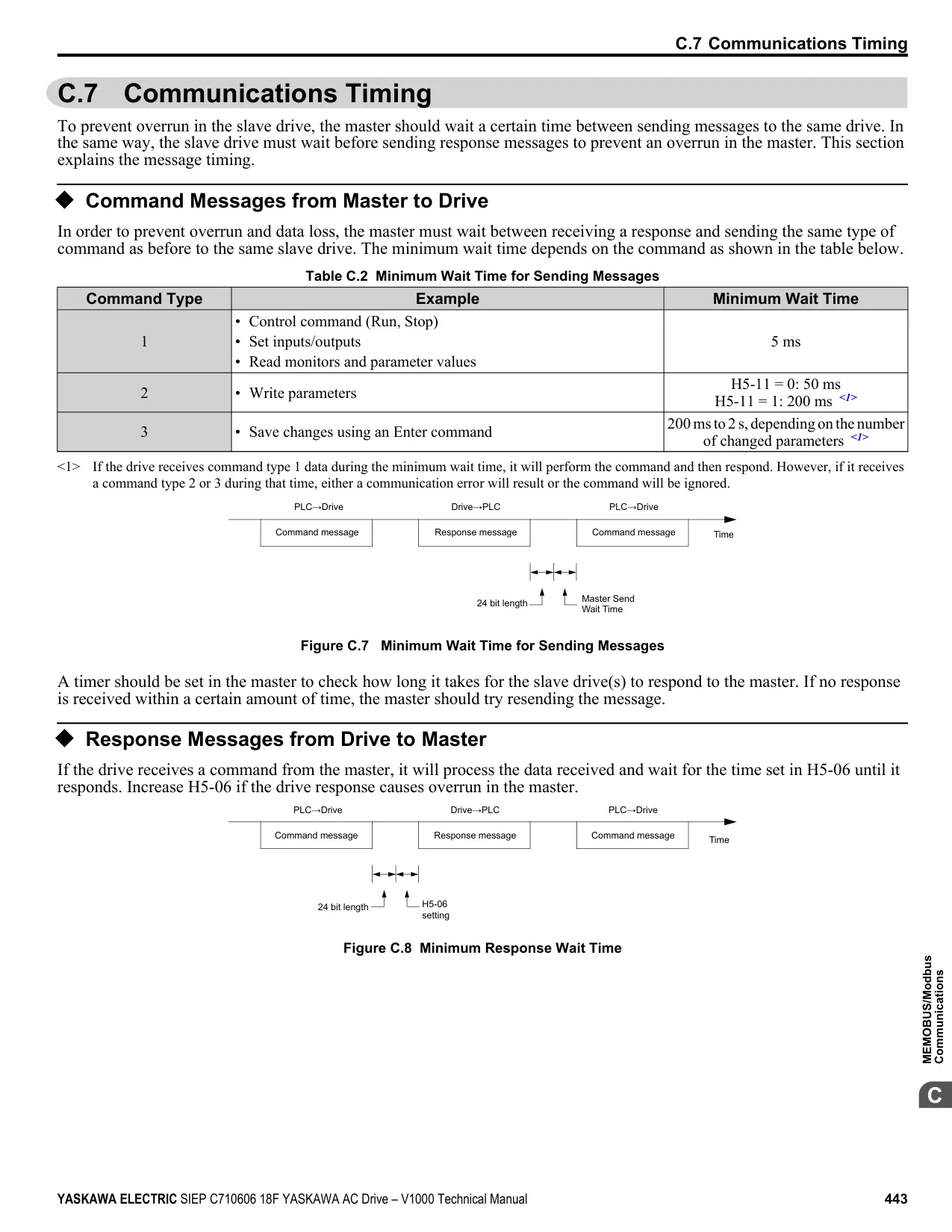
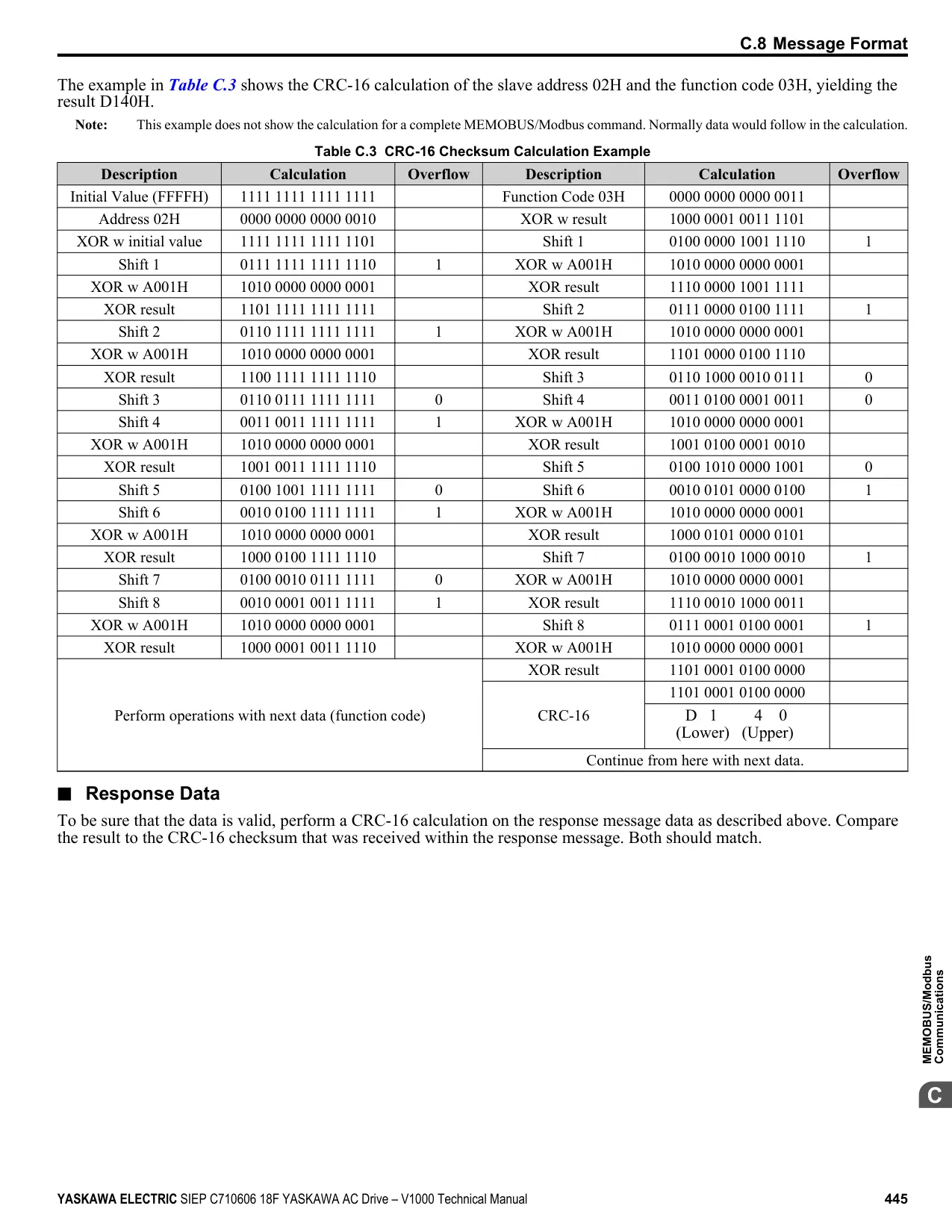
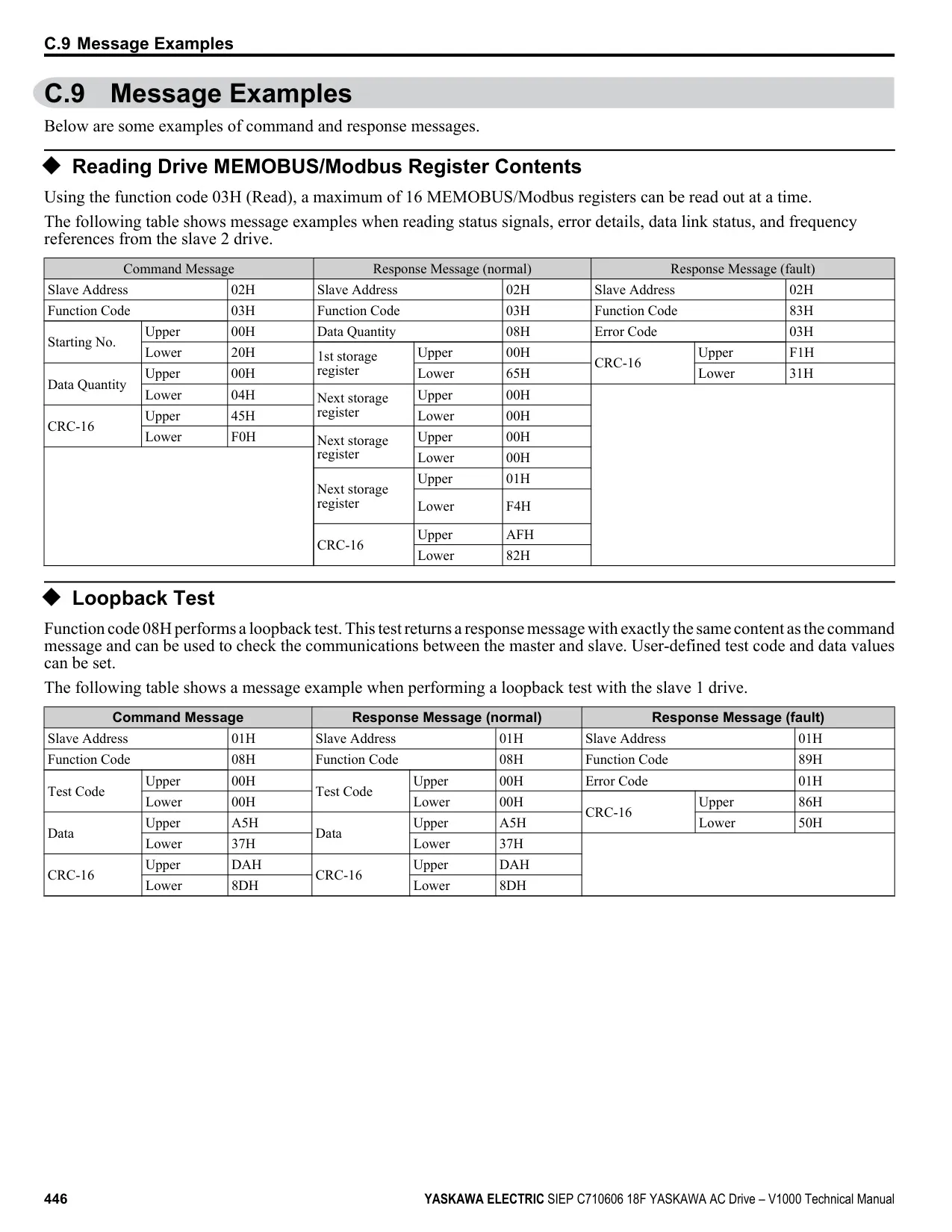
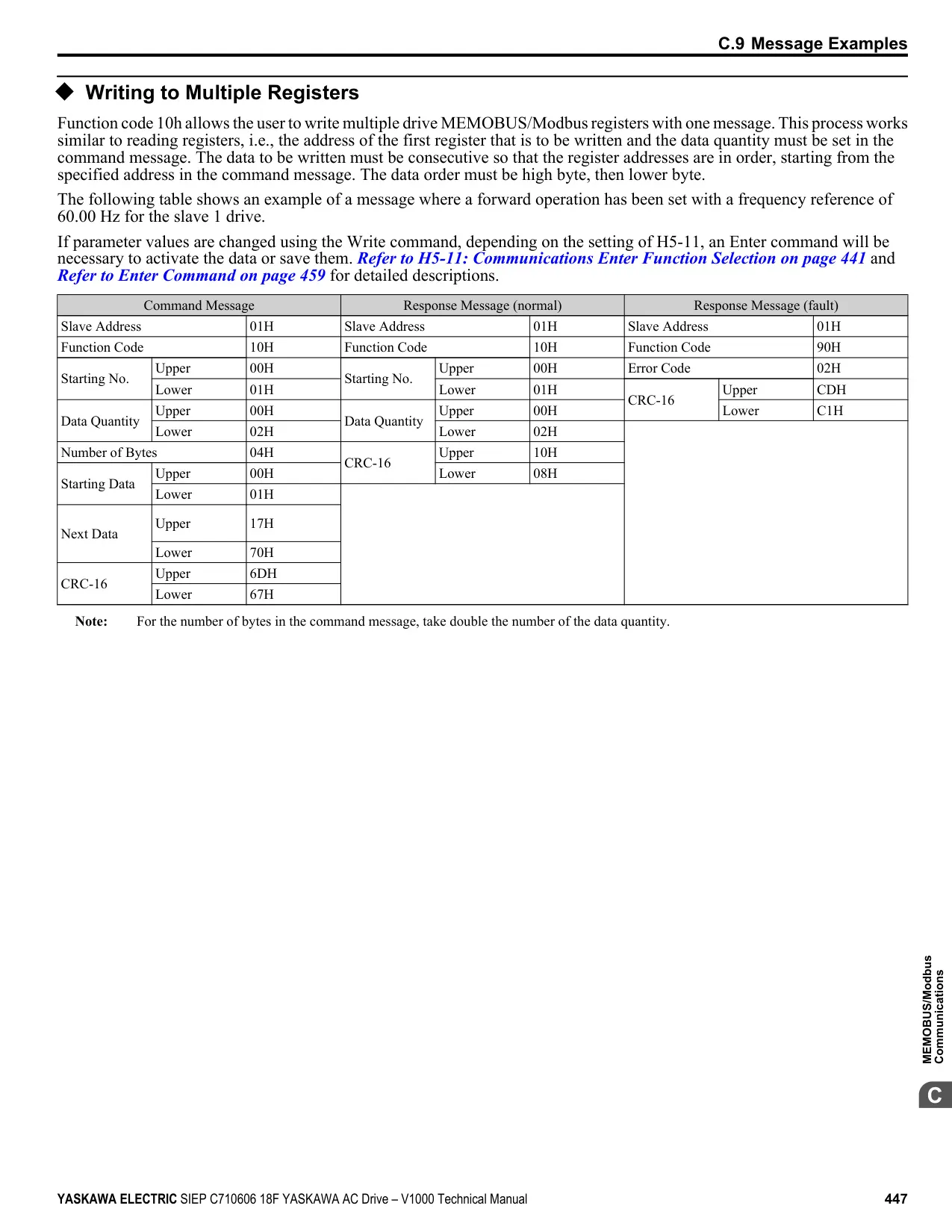
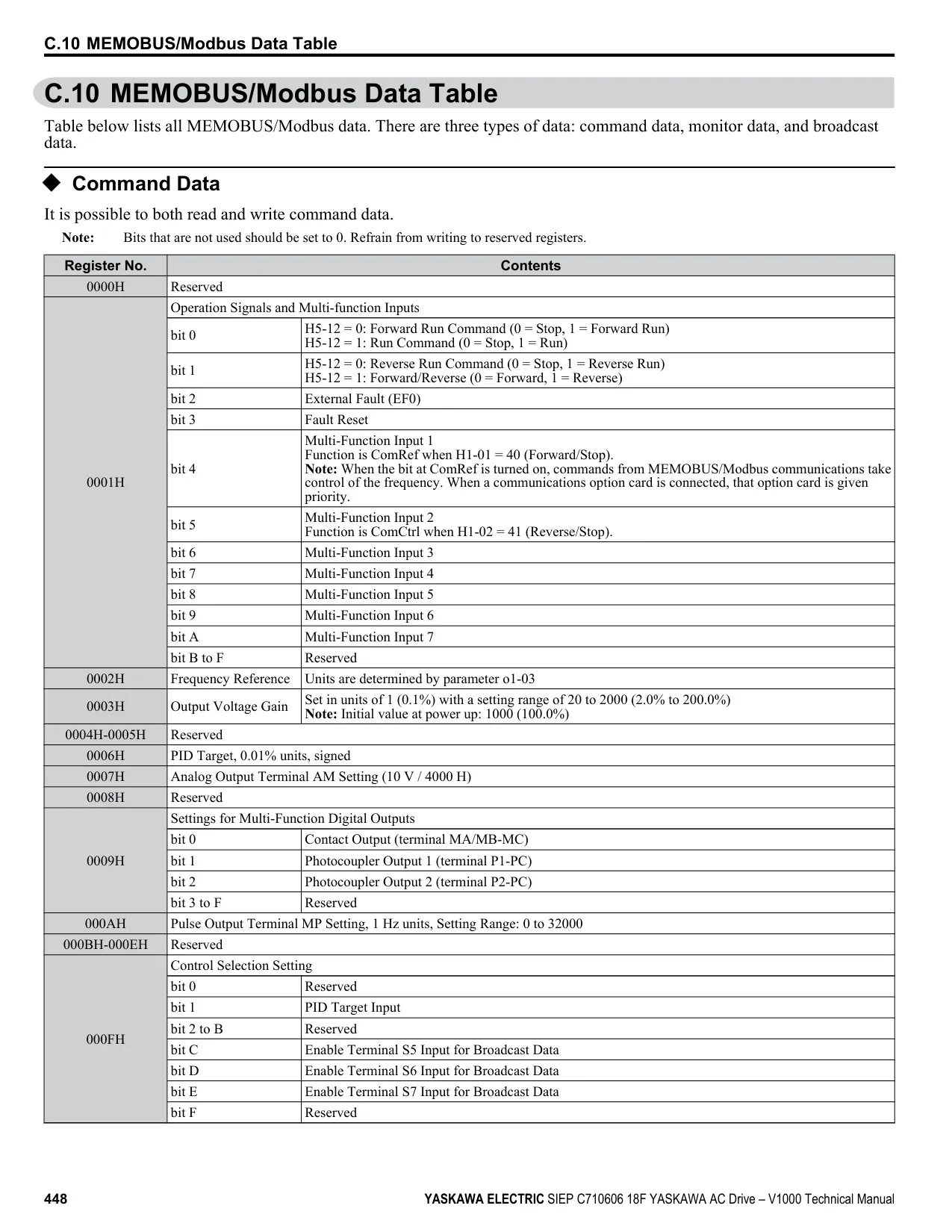
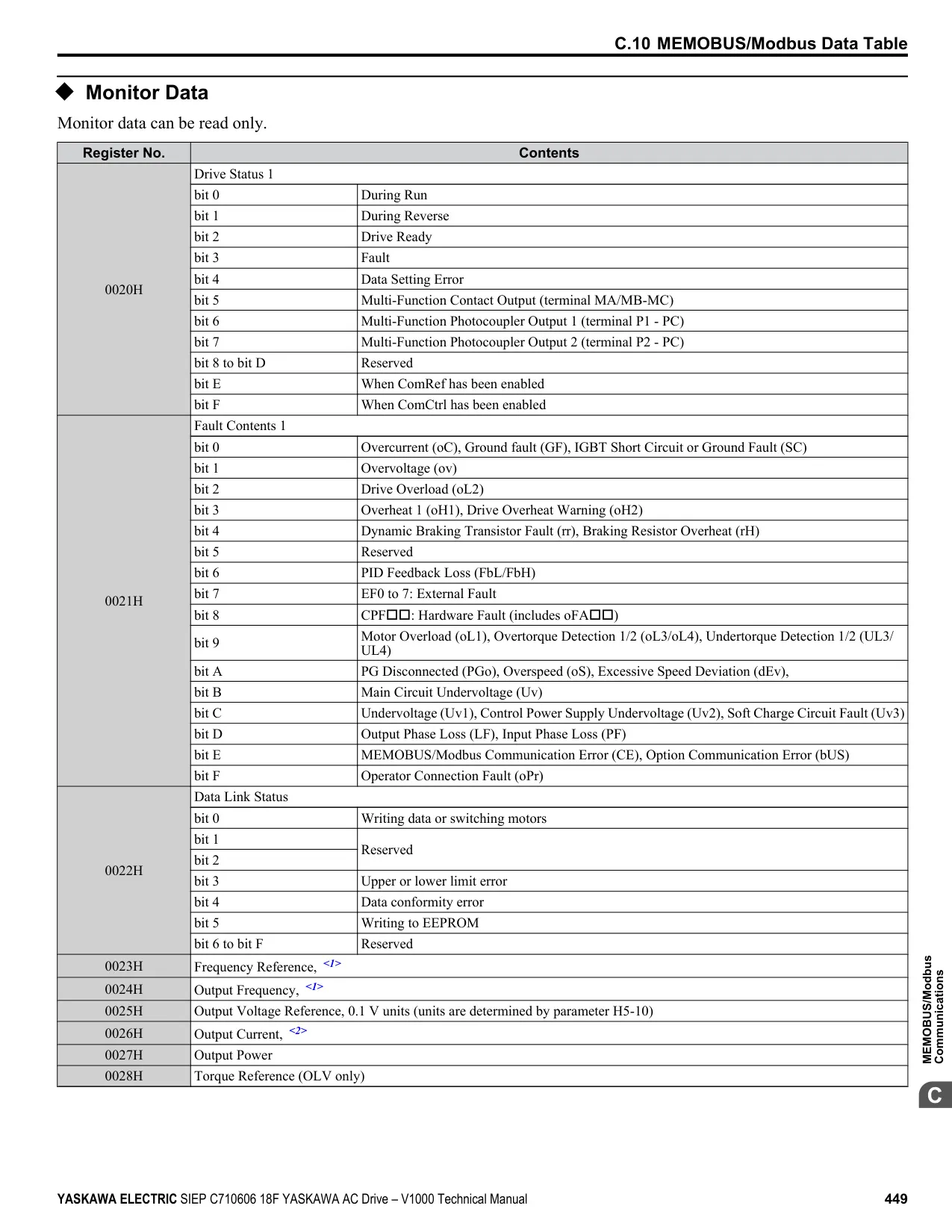
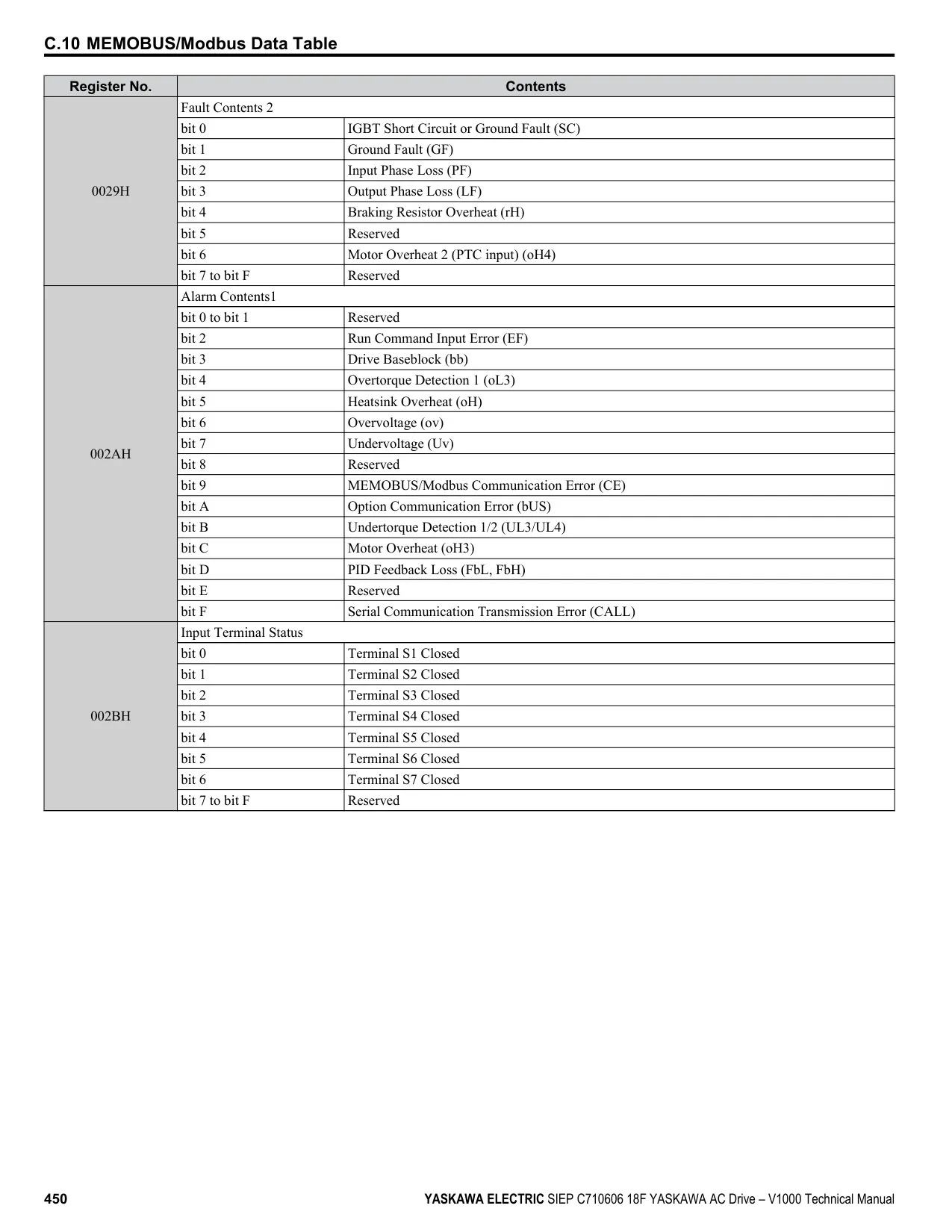
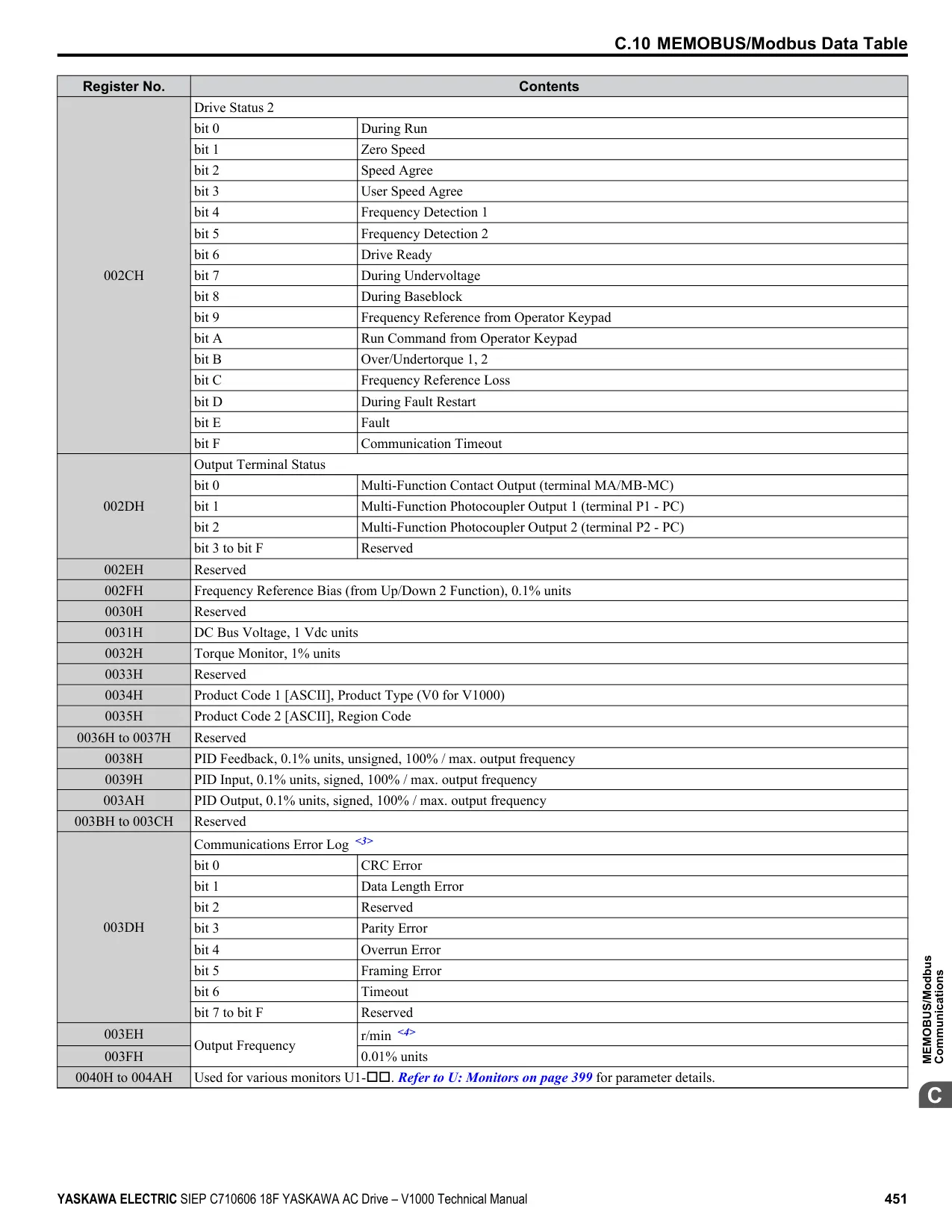
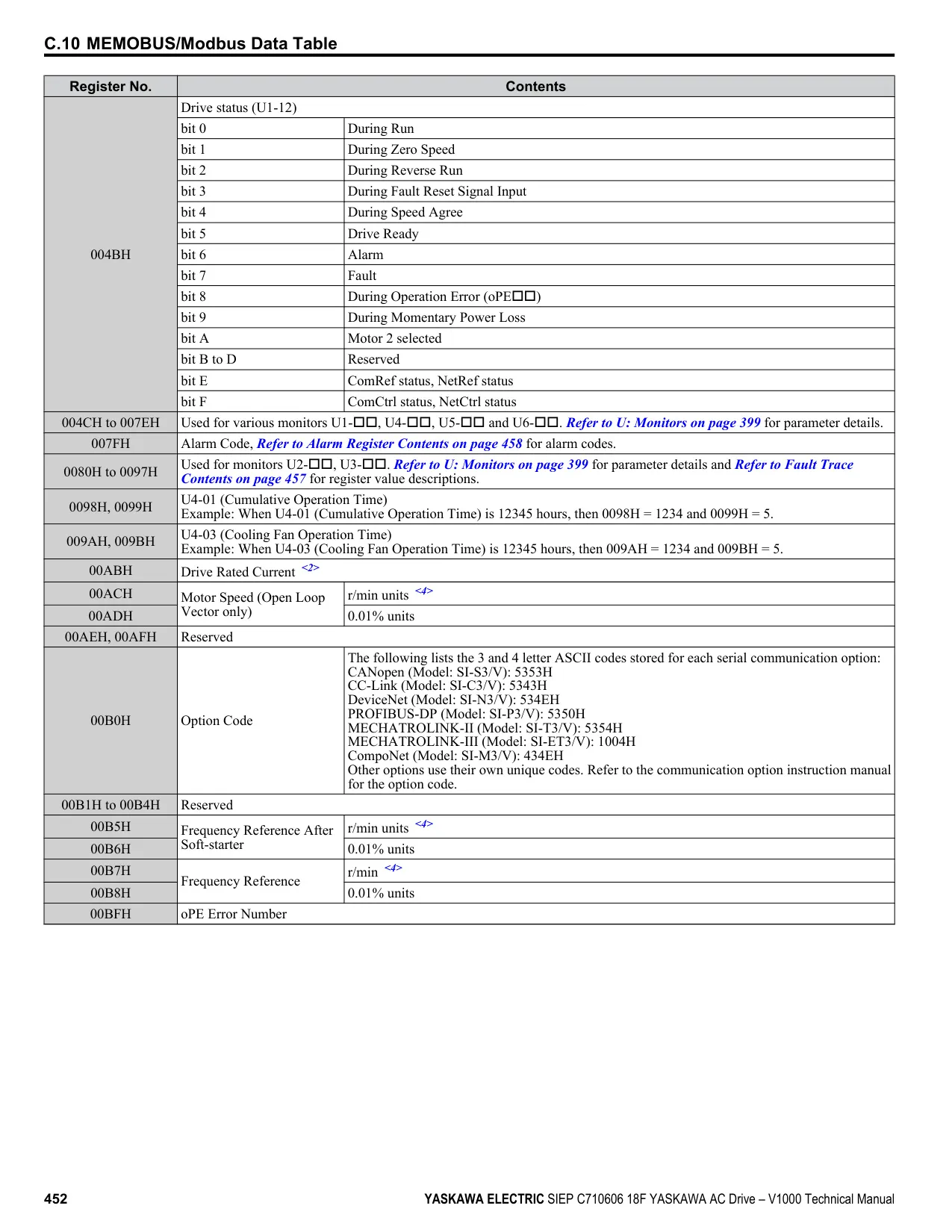
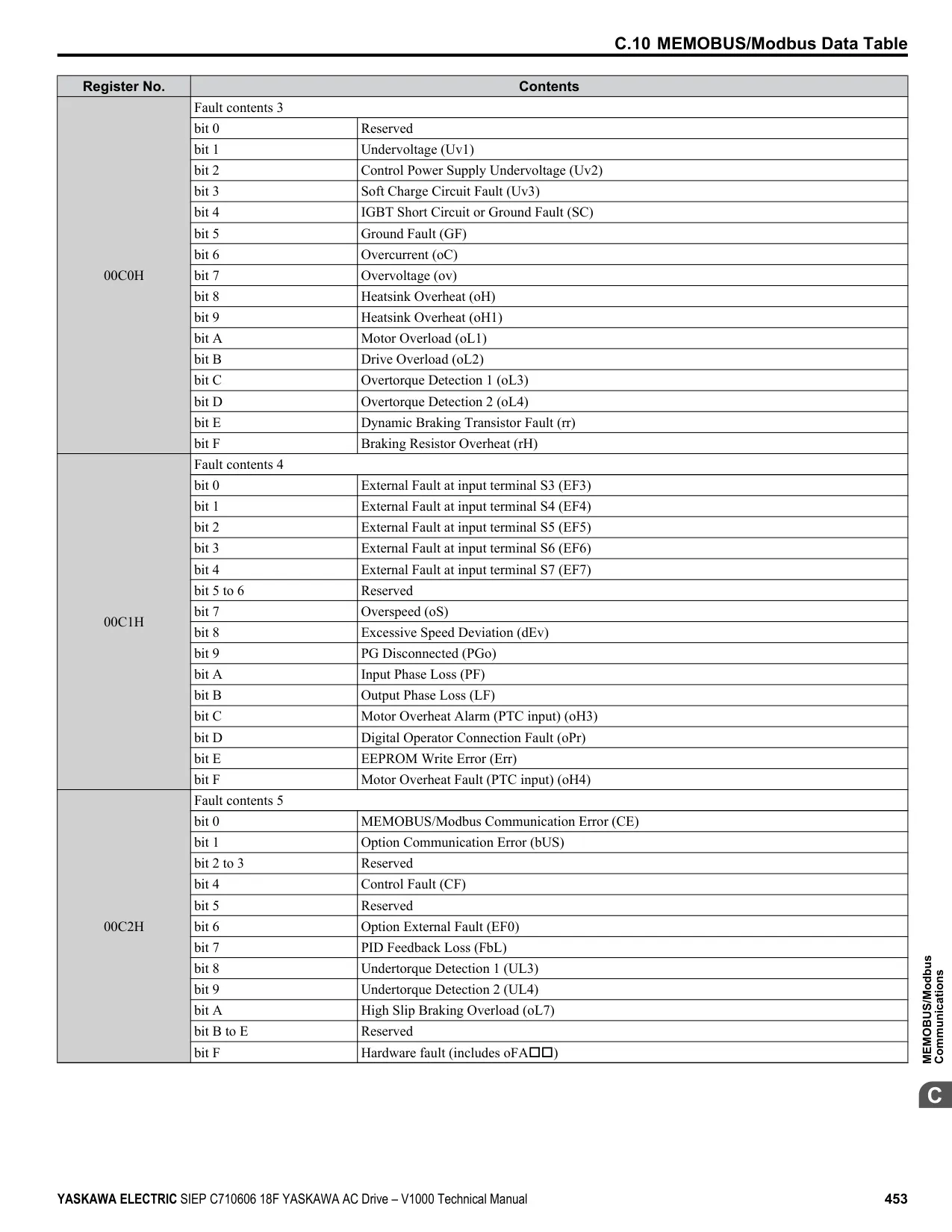
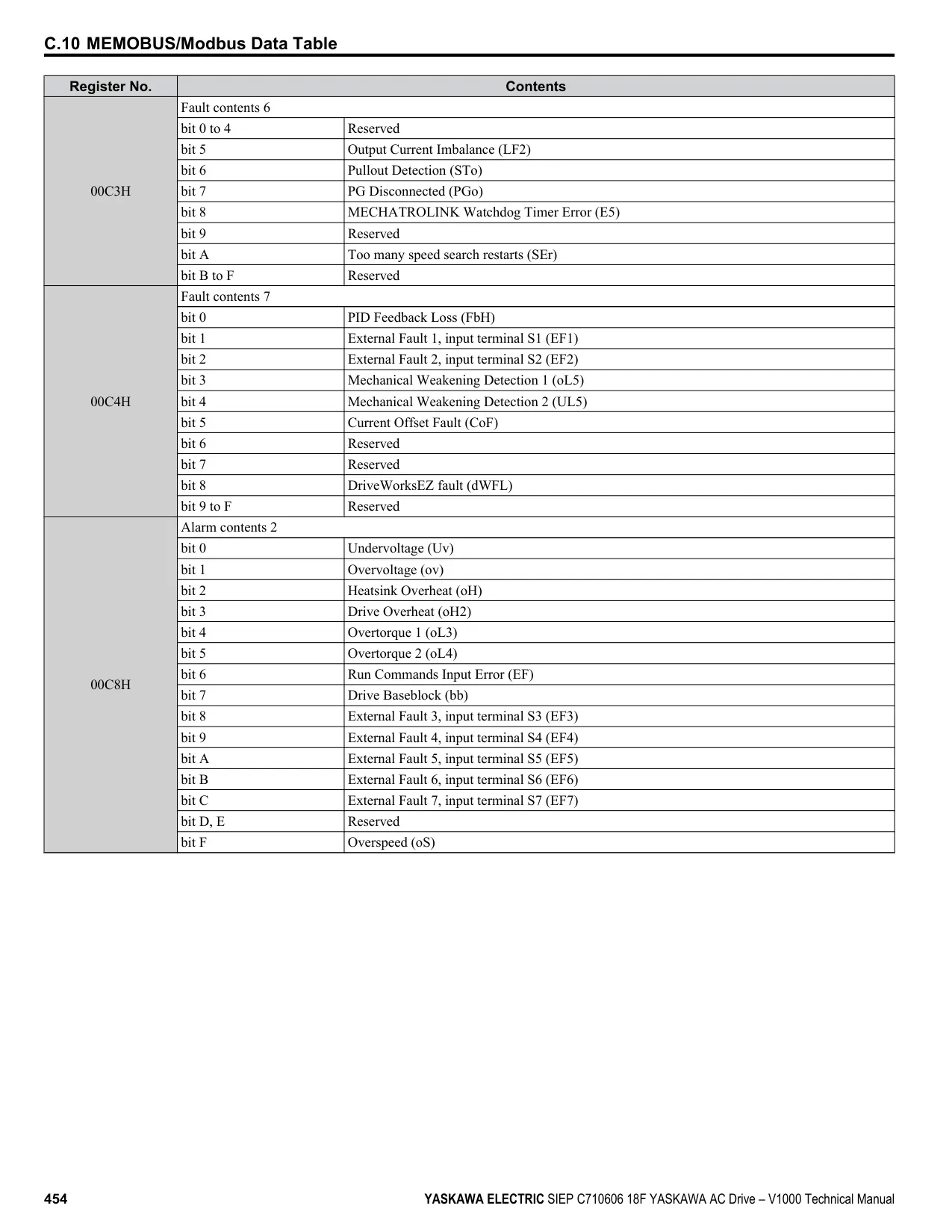
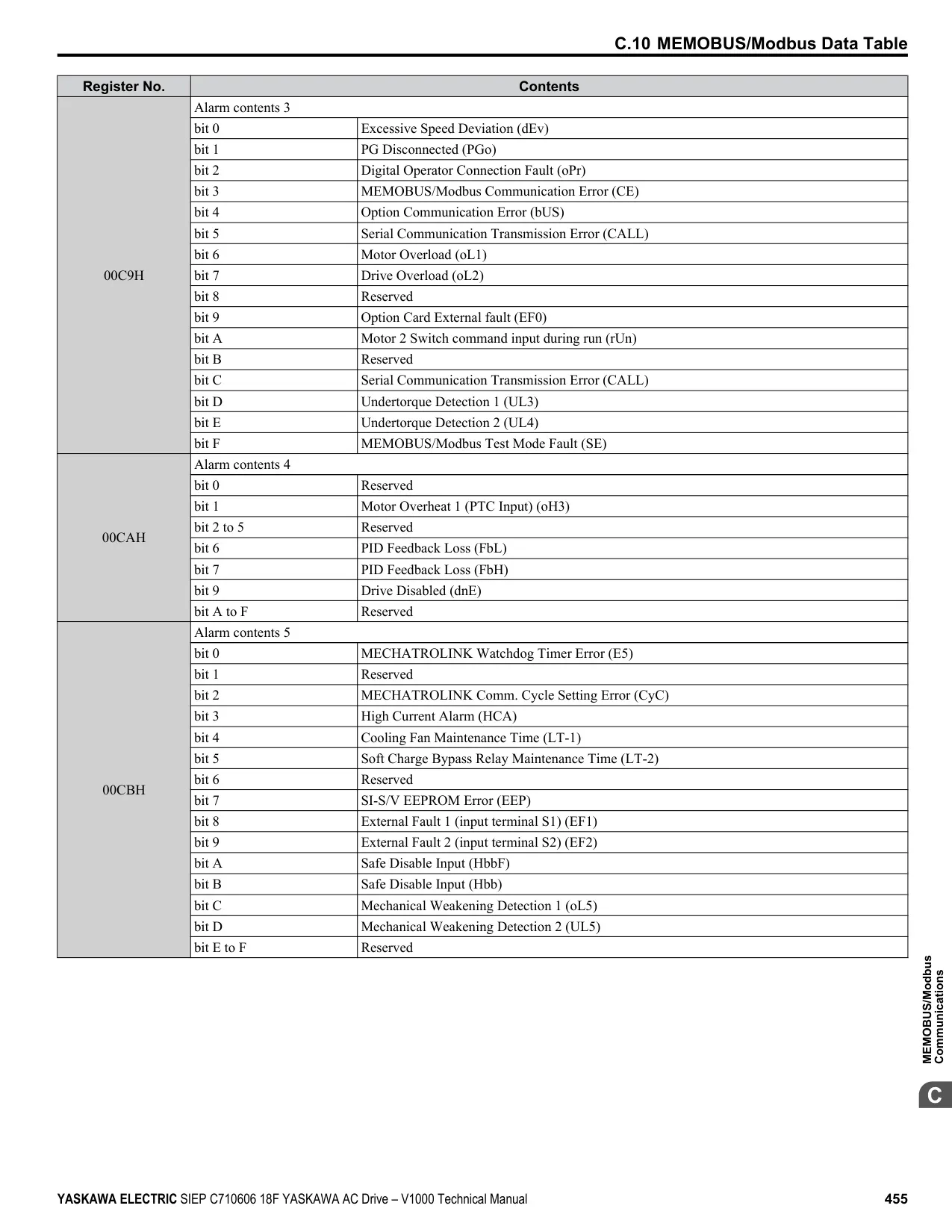
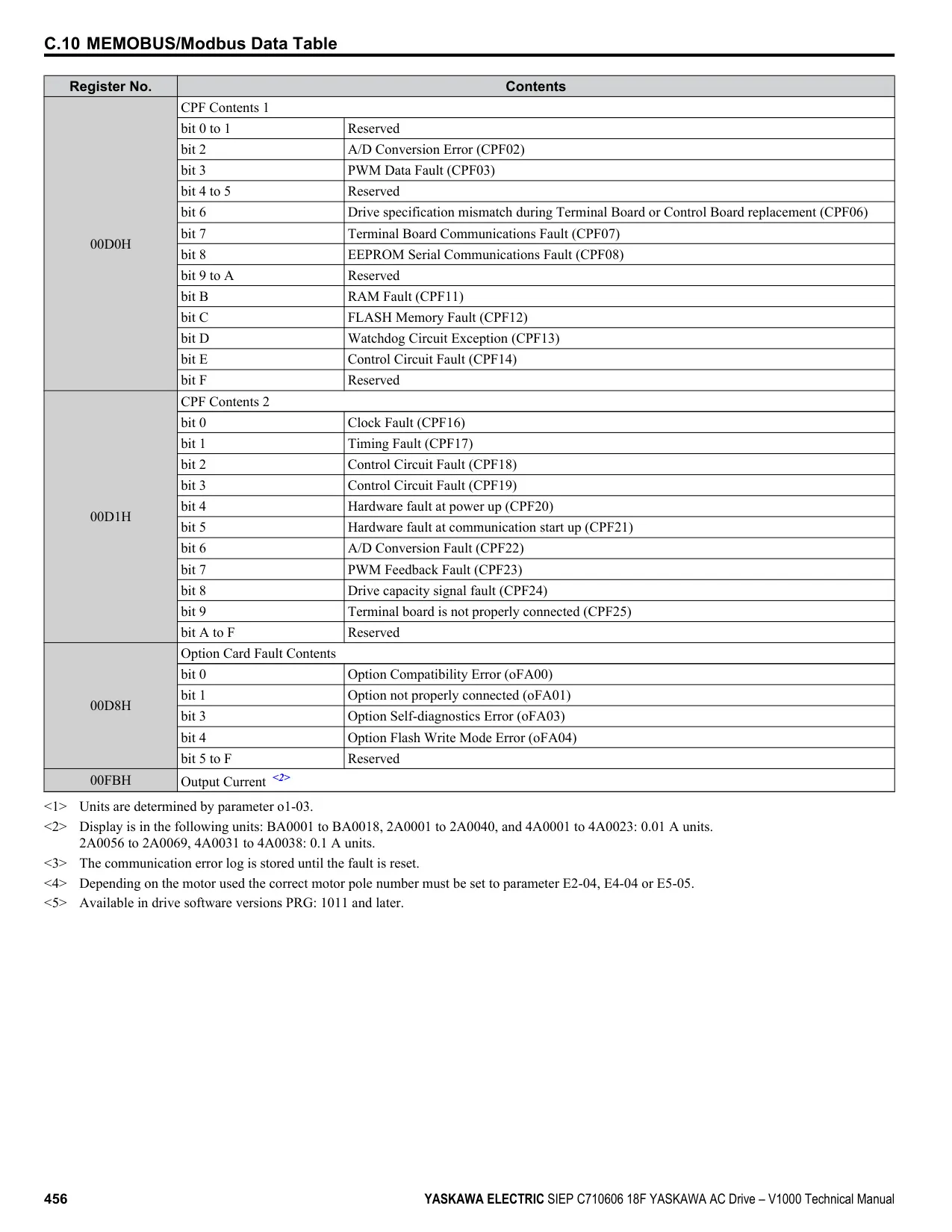
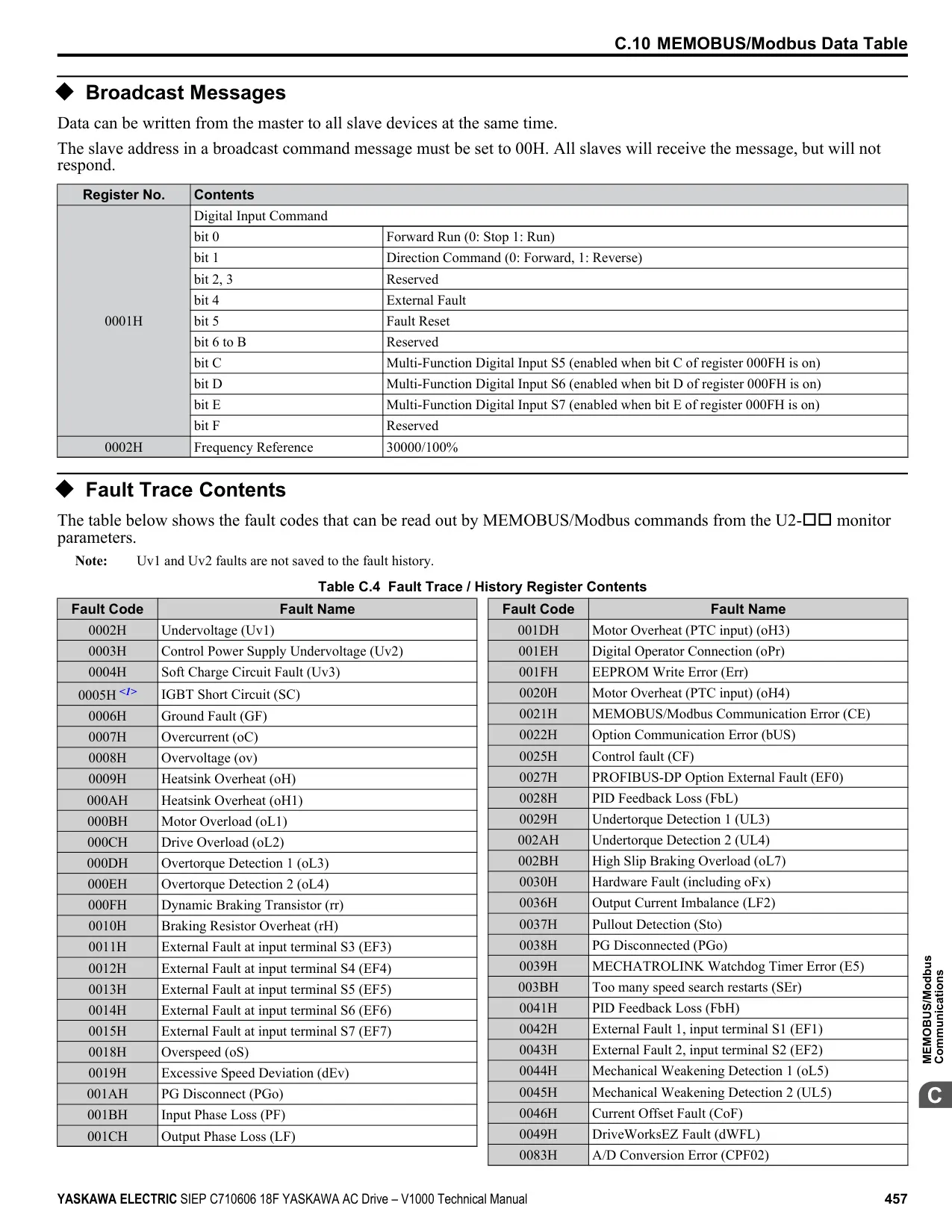
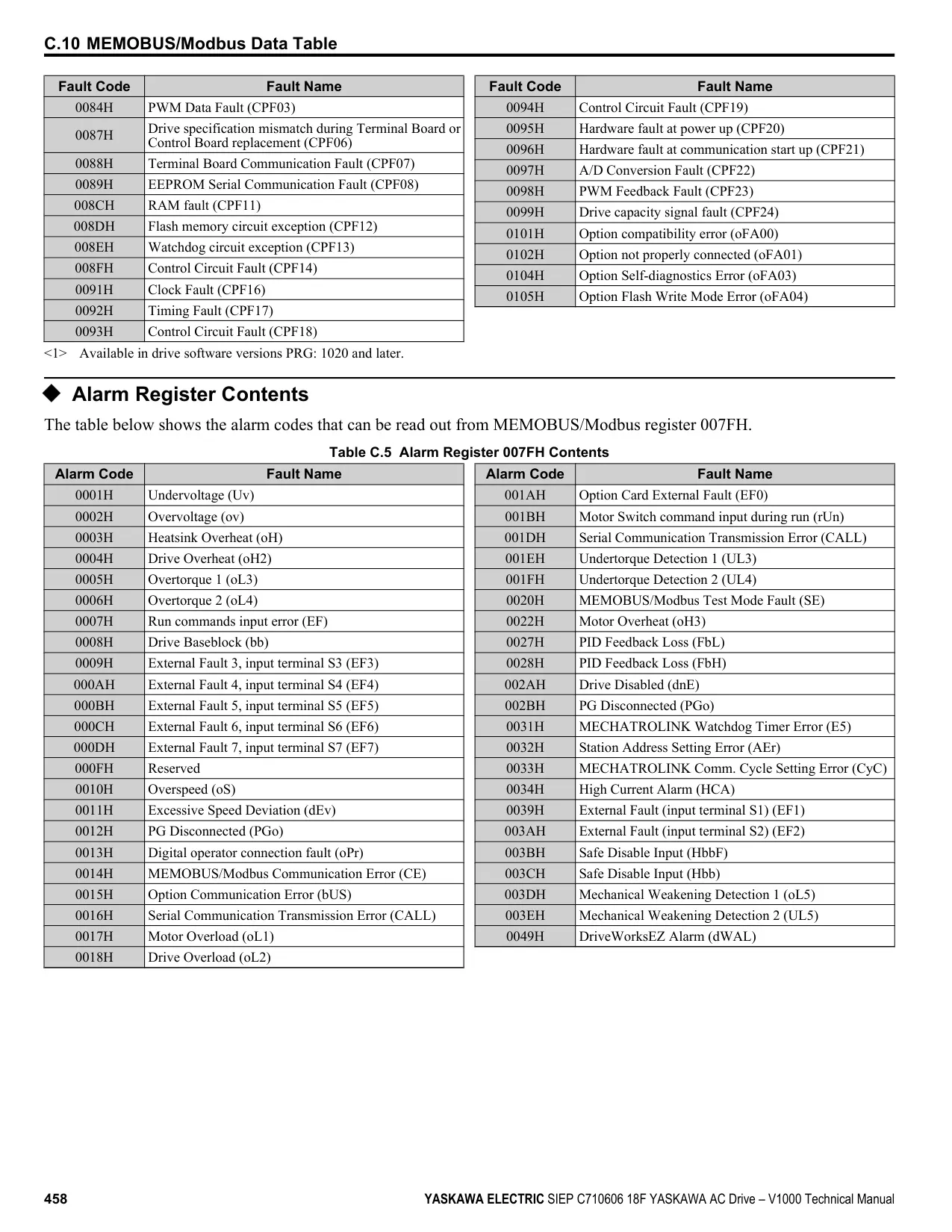
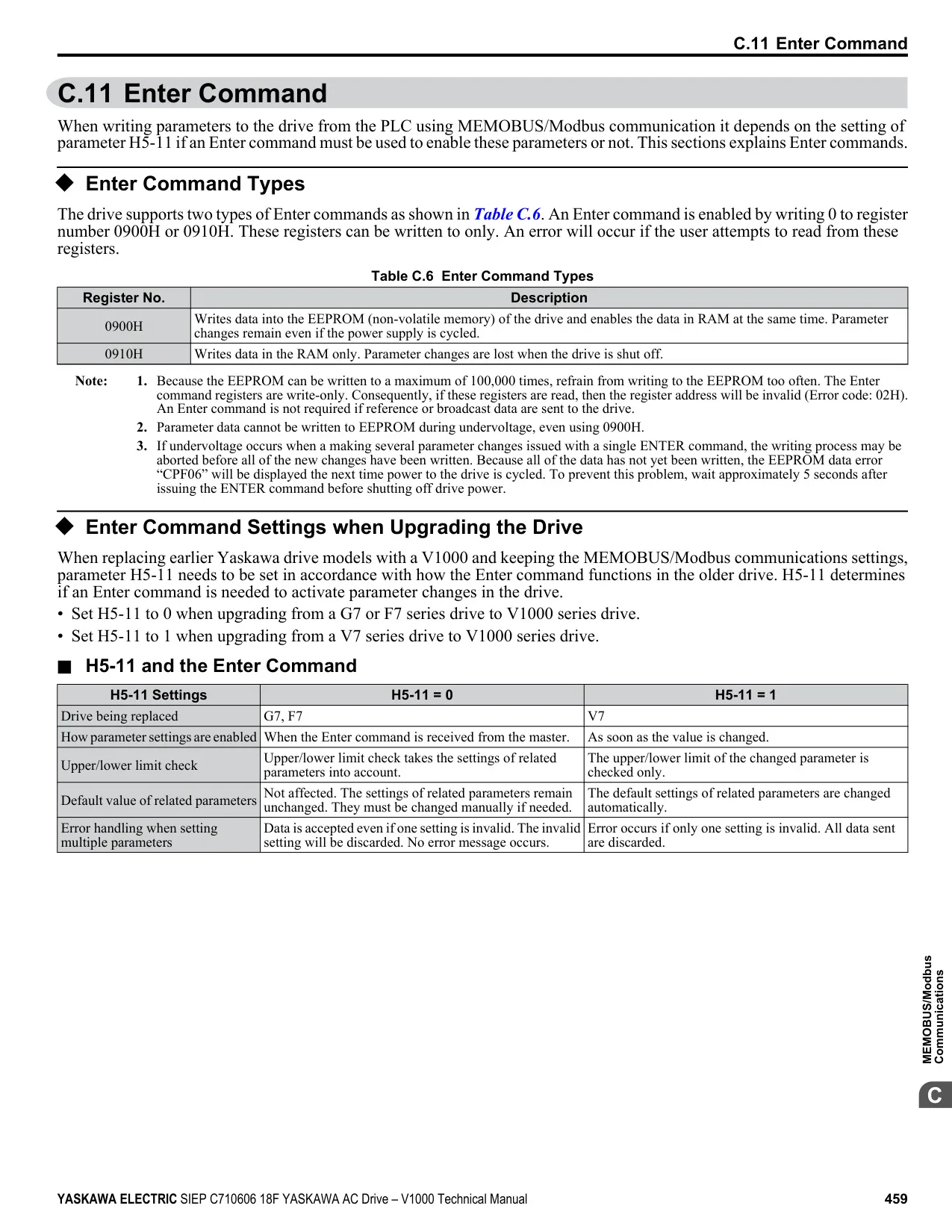
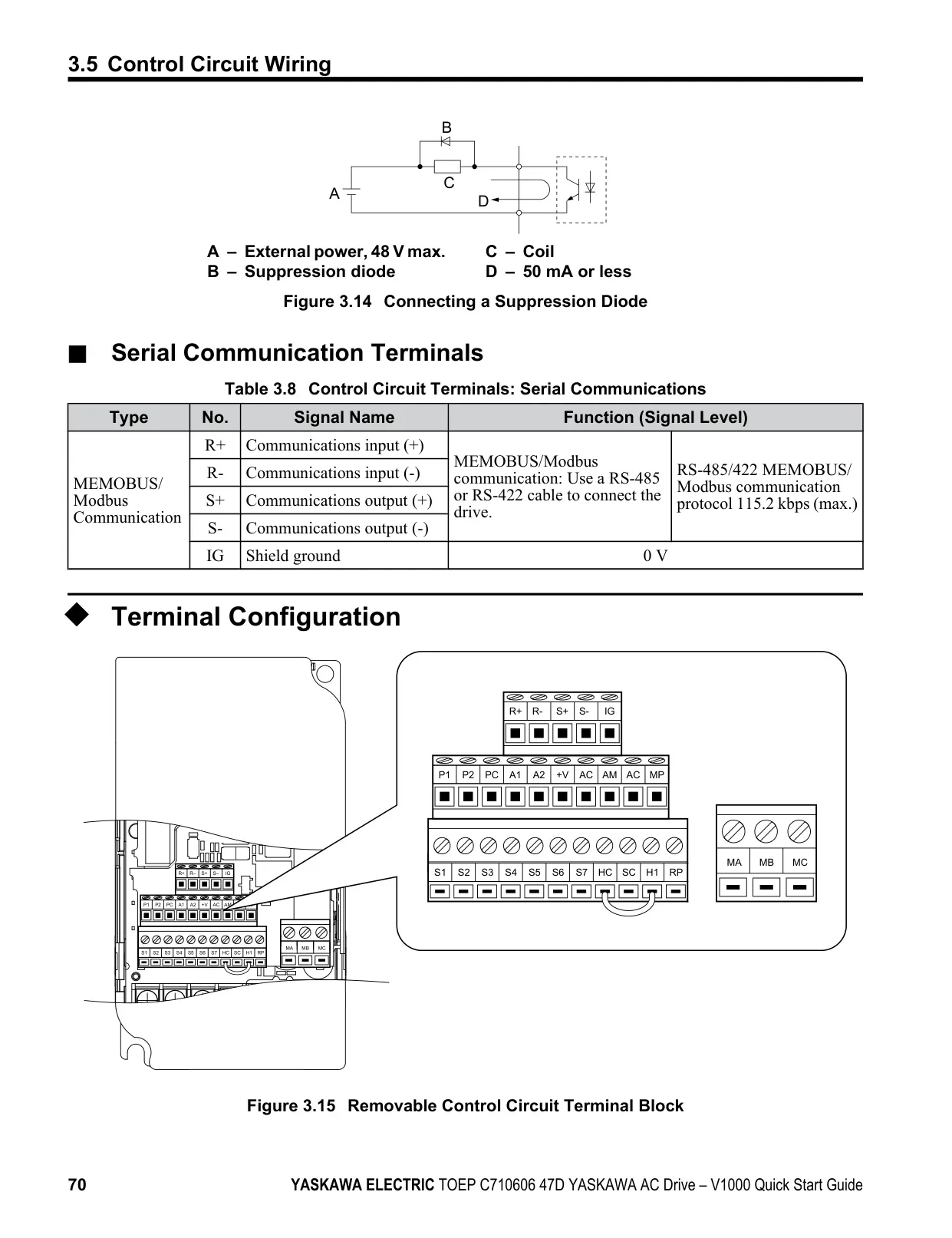
| Communications | Standard | MEMOBUS/Modbus (RS-485/422), up to 115.2 kbps |
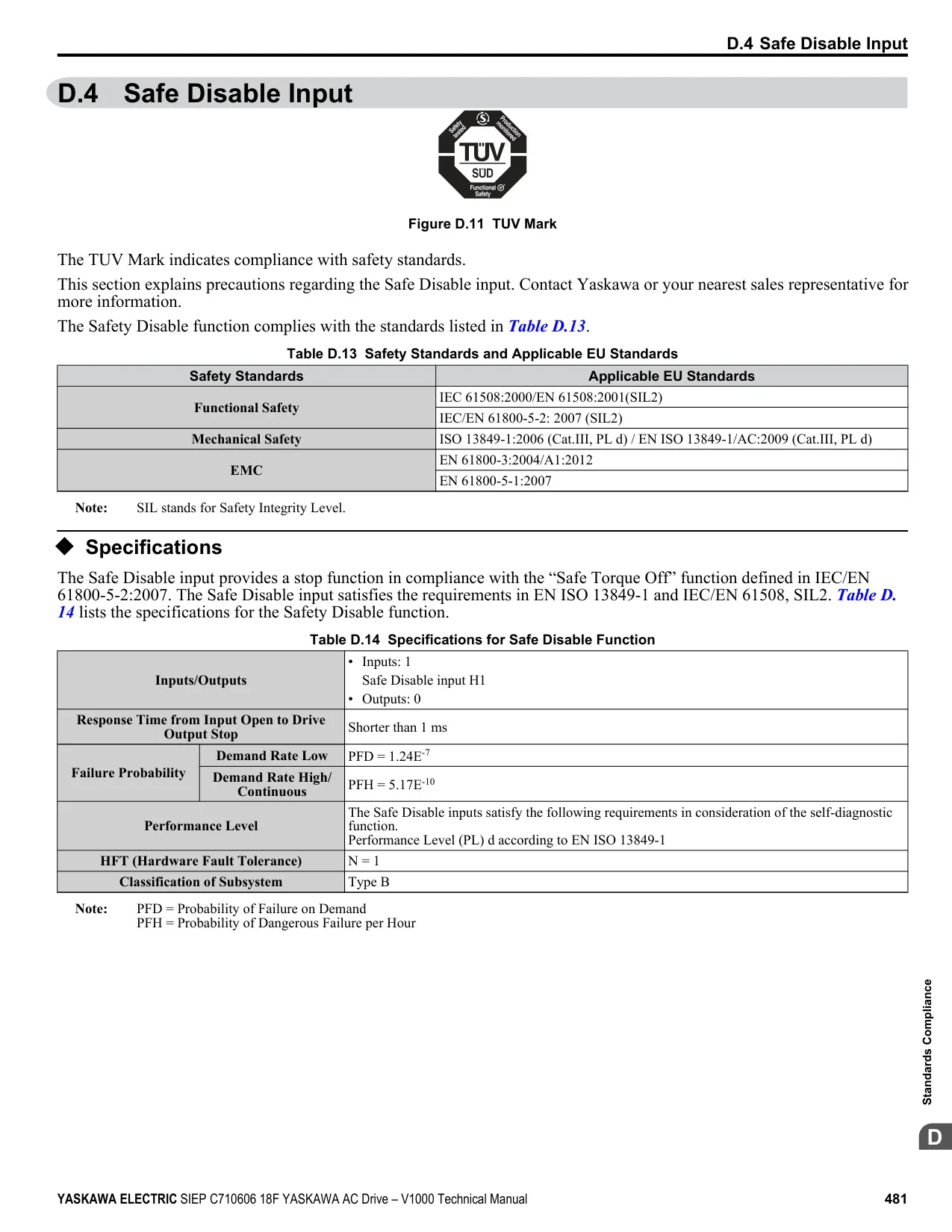
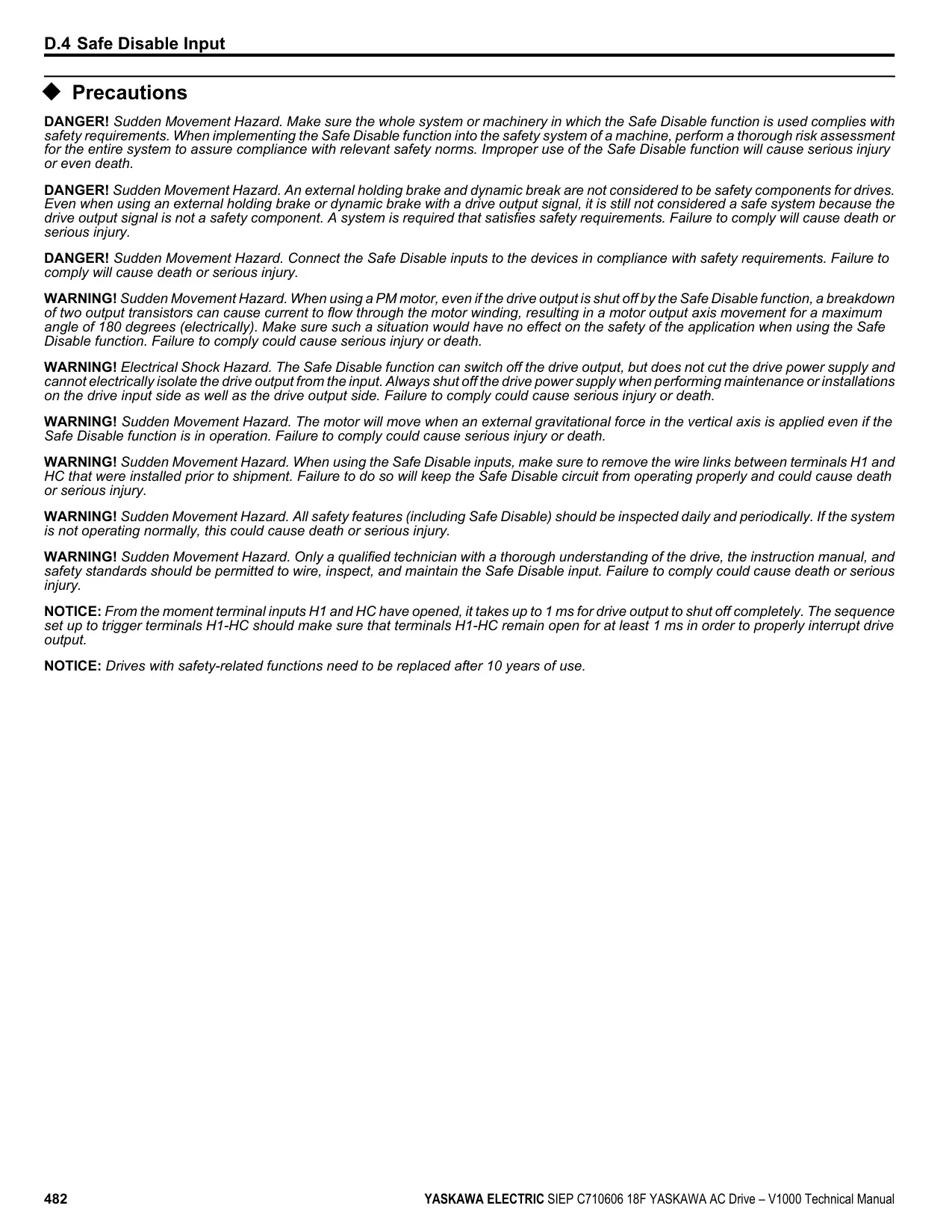
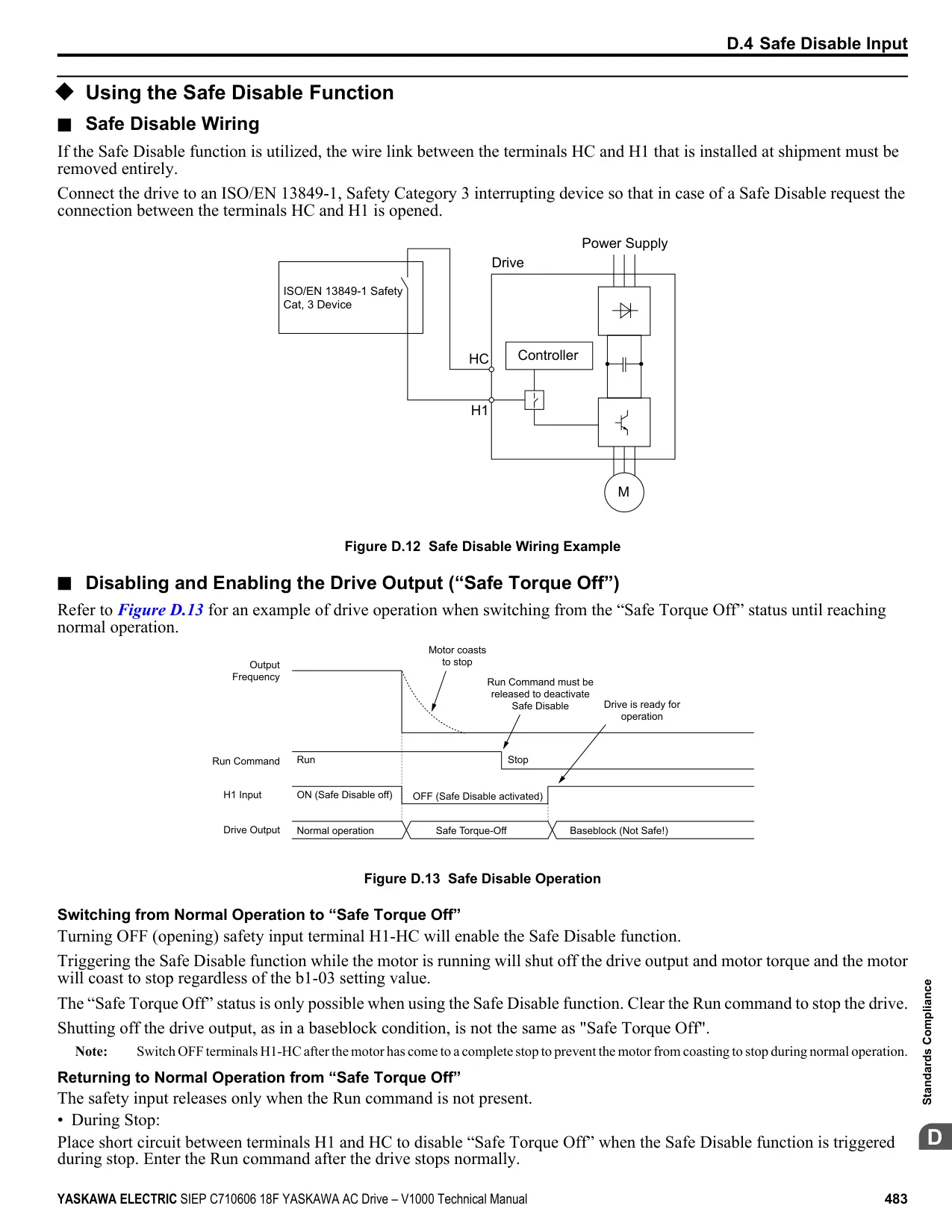
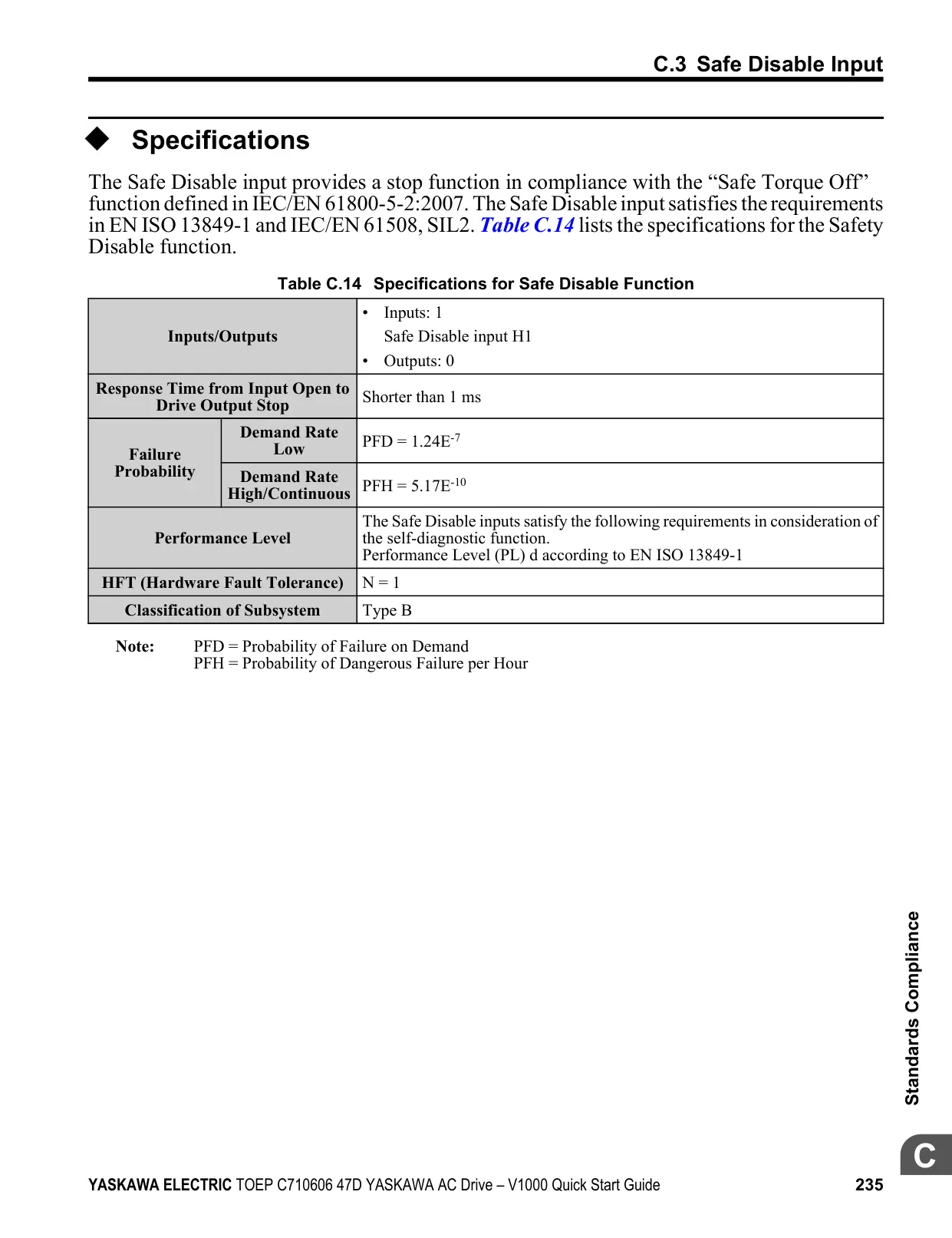
| Safety Input | Safe Torque Off (STO) | 24 Vdc (max. 10 mA), complies with PL d, SIL2 |
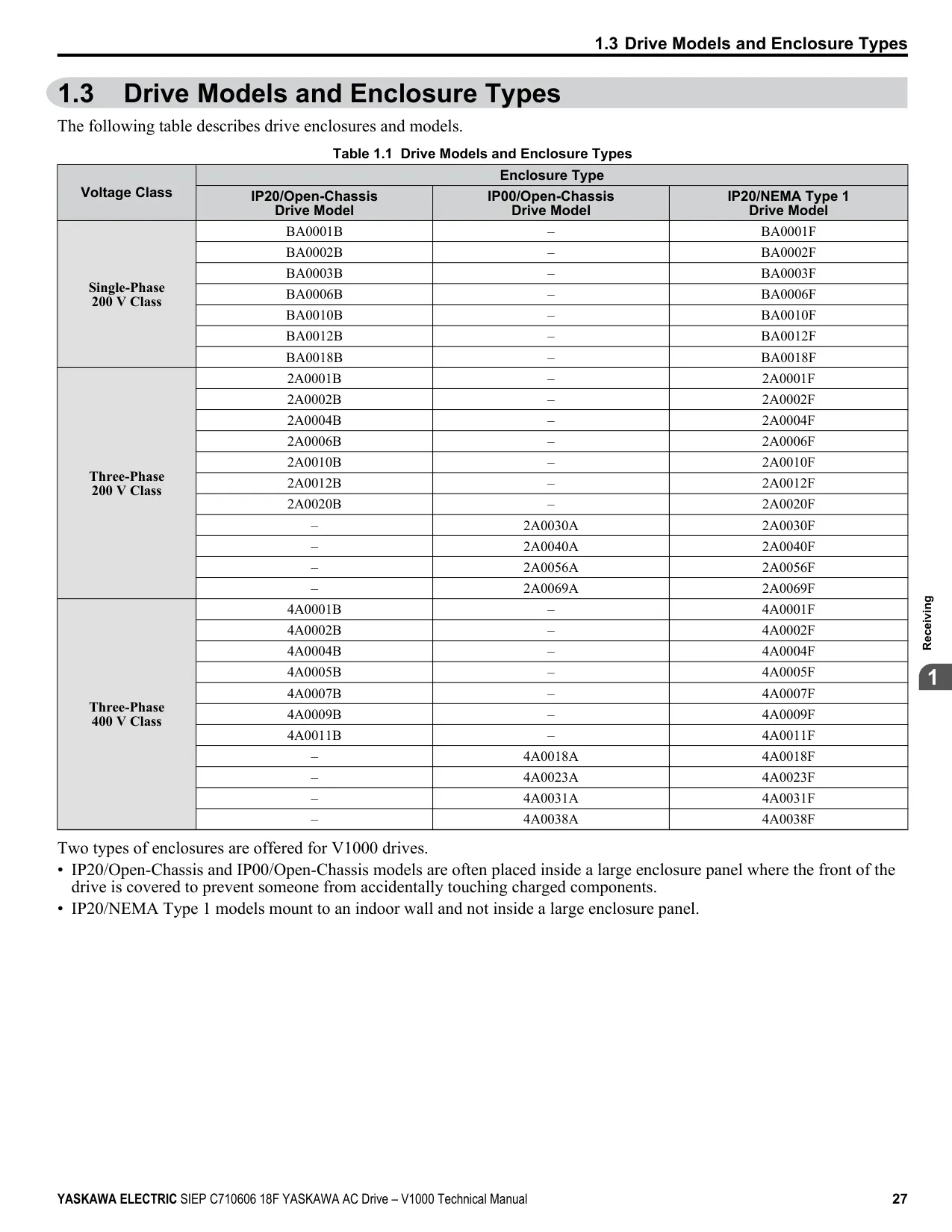
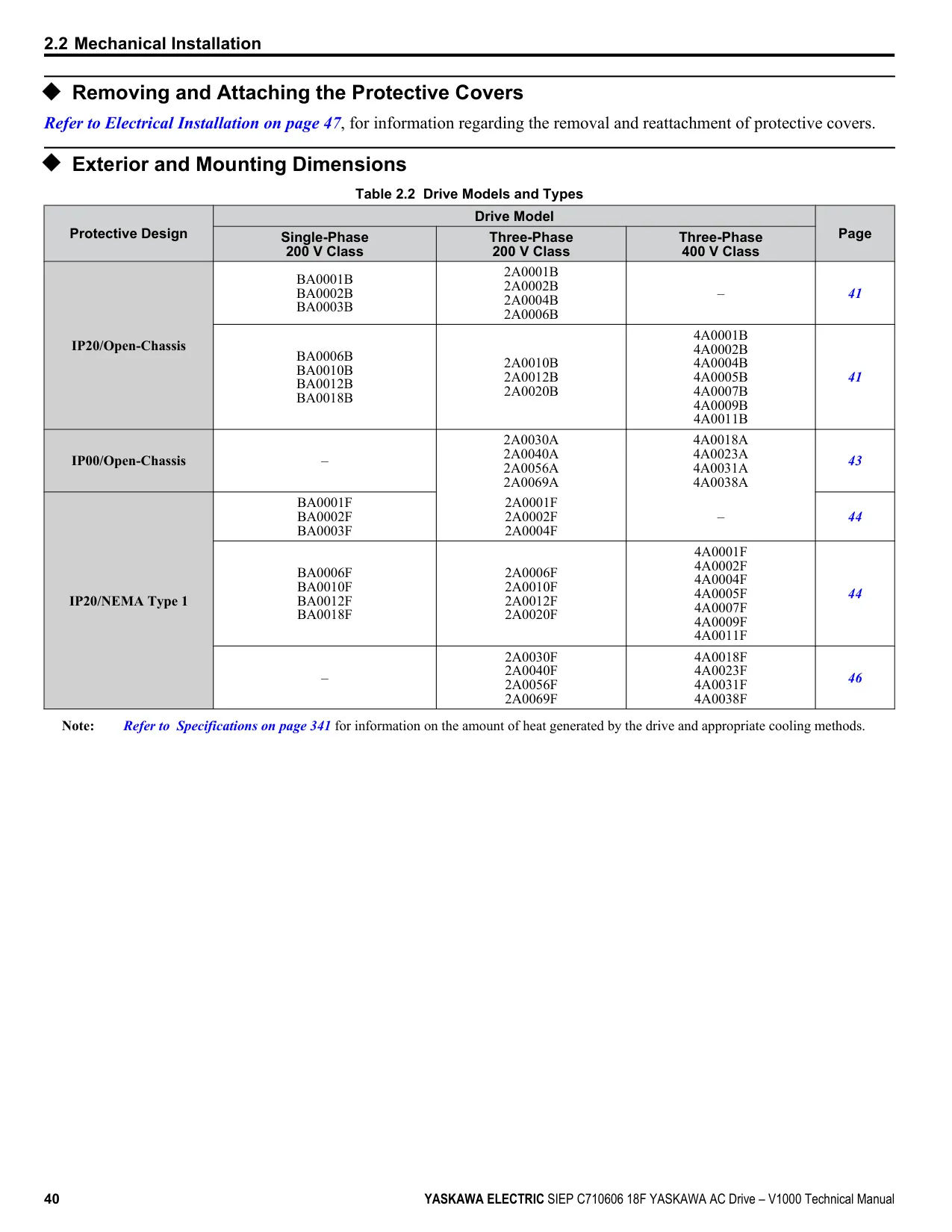
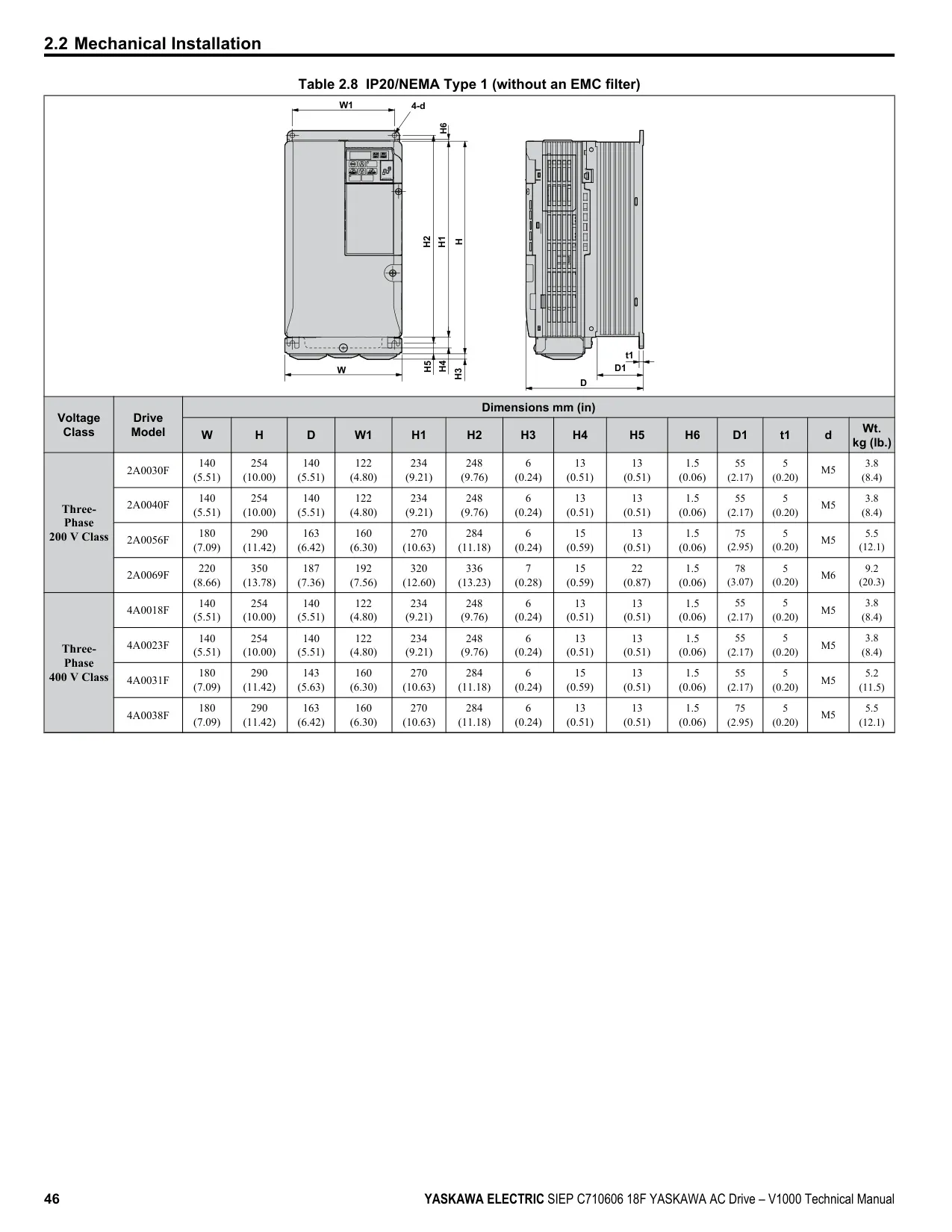
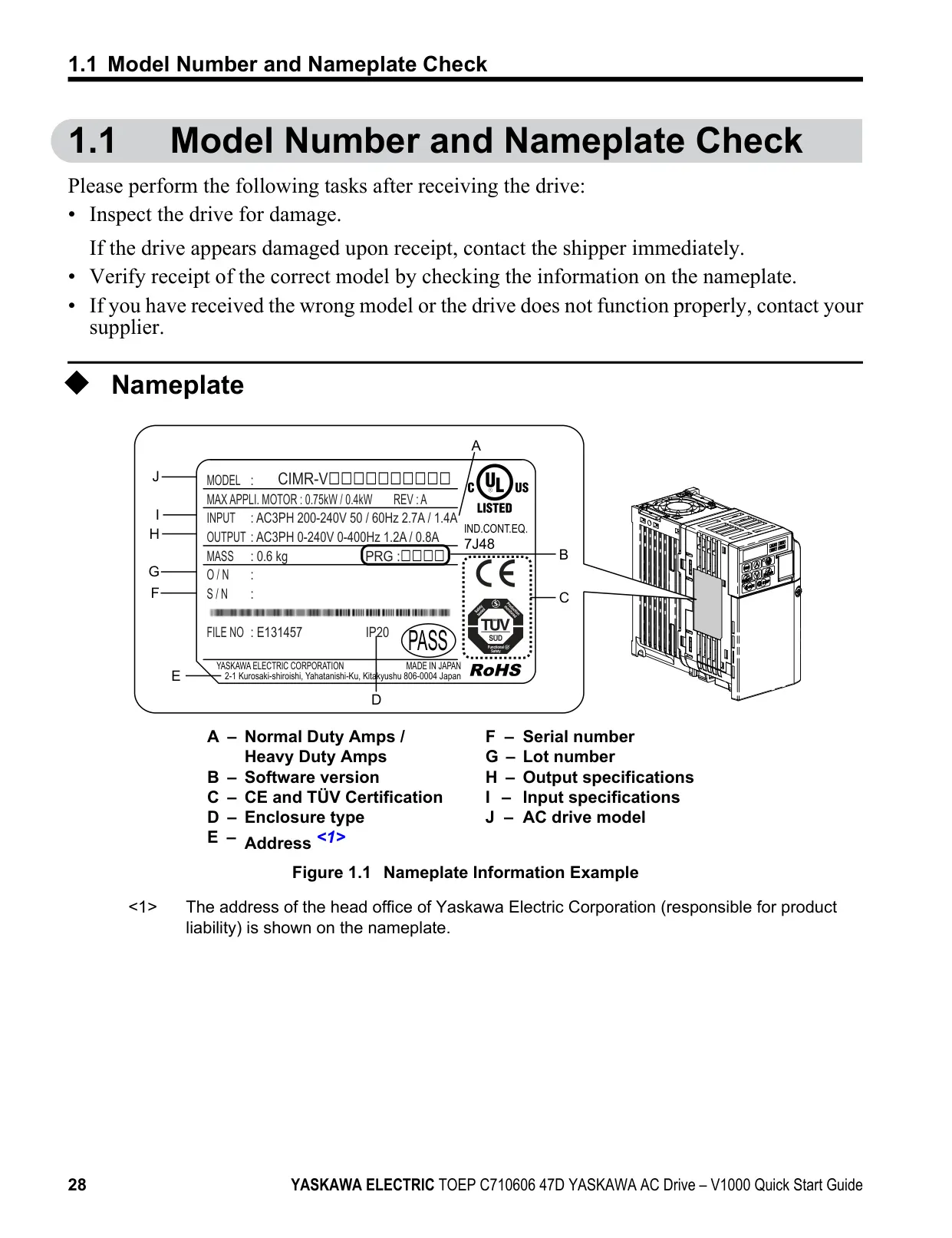
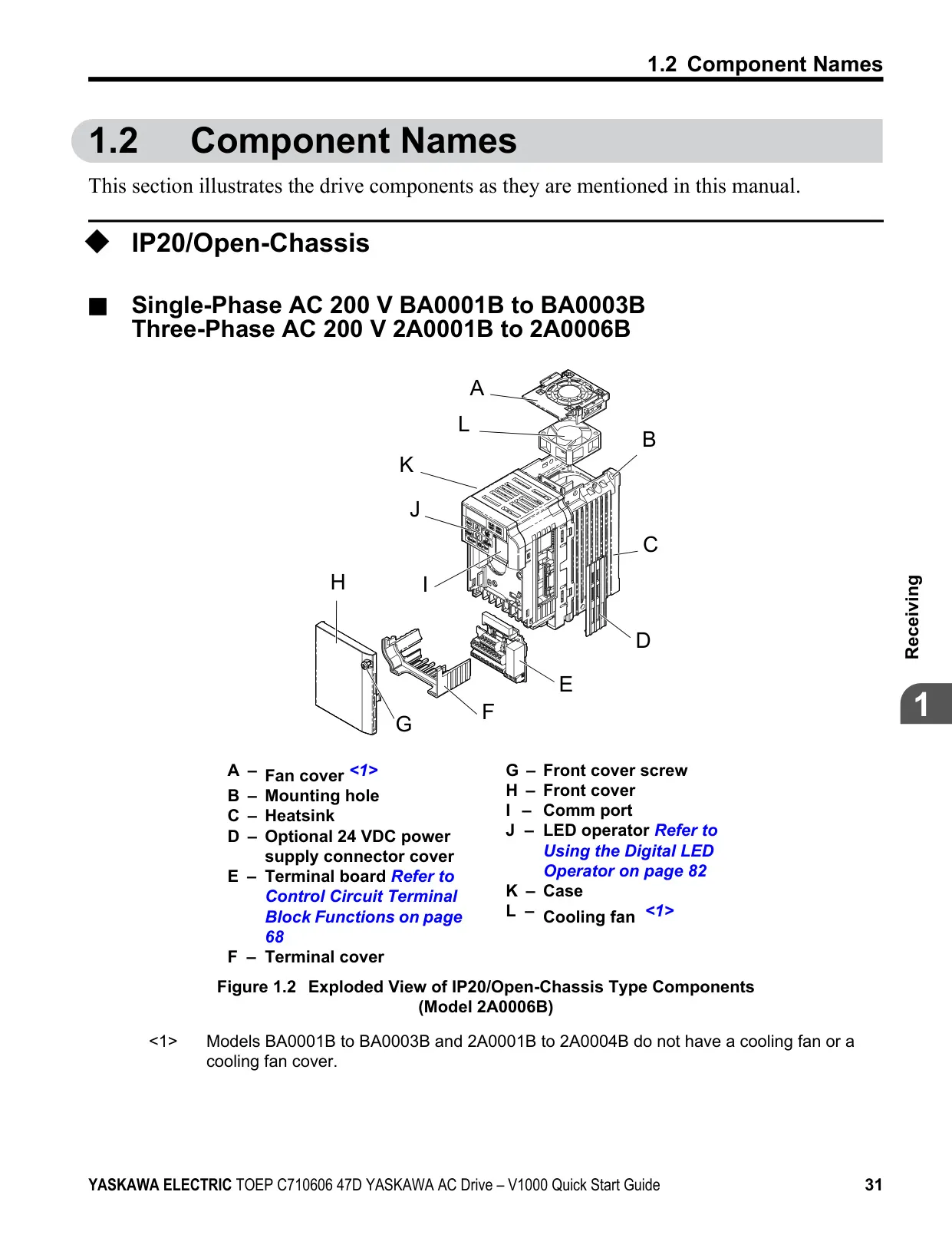
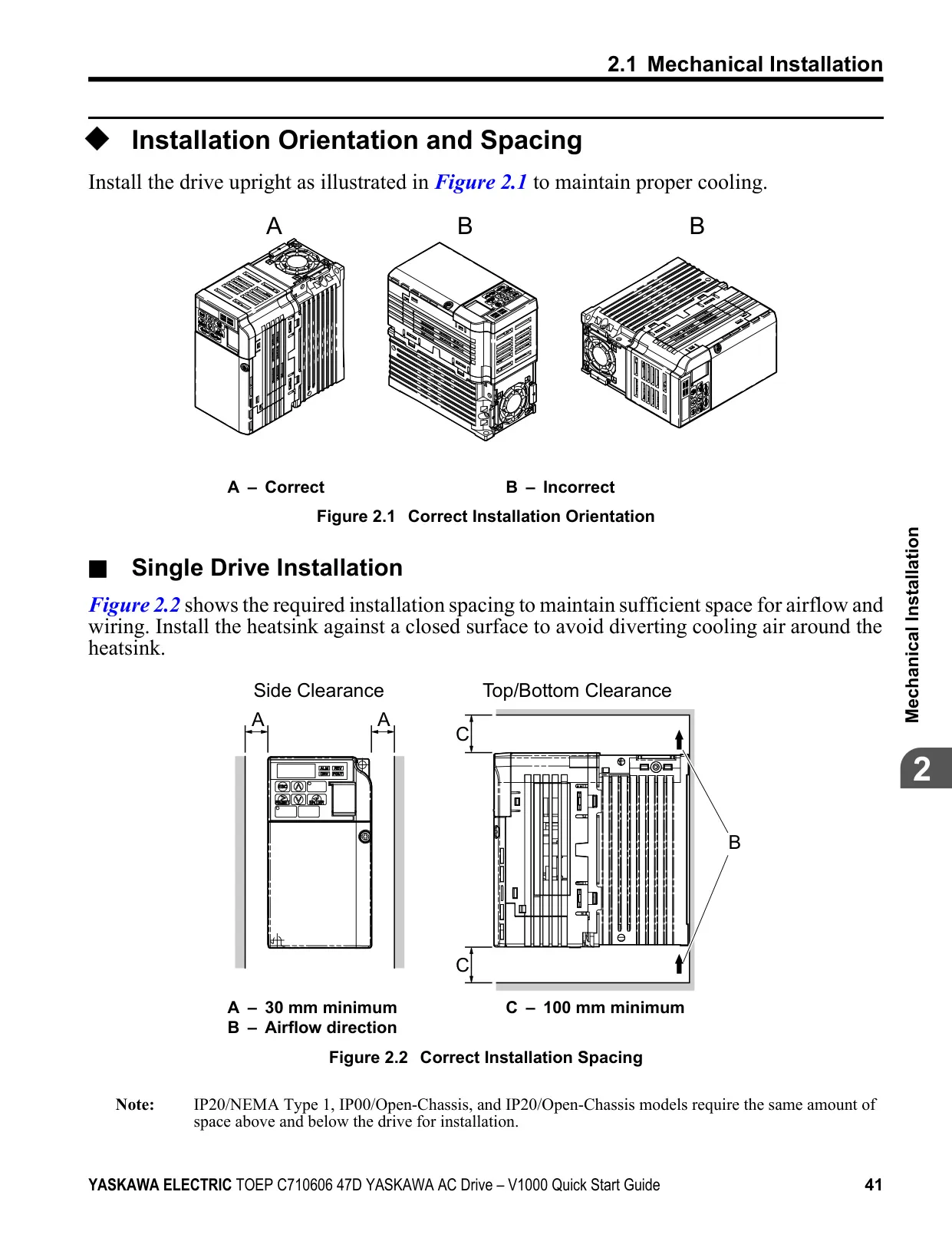
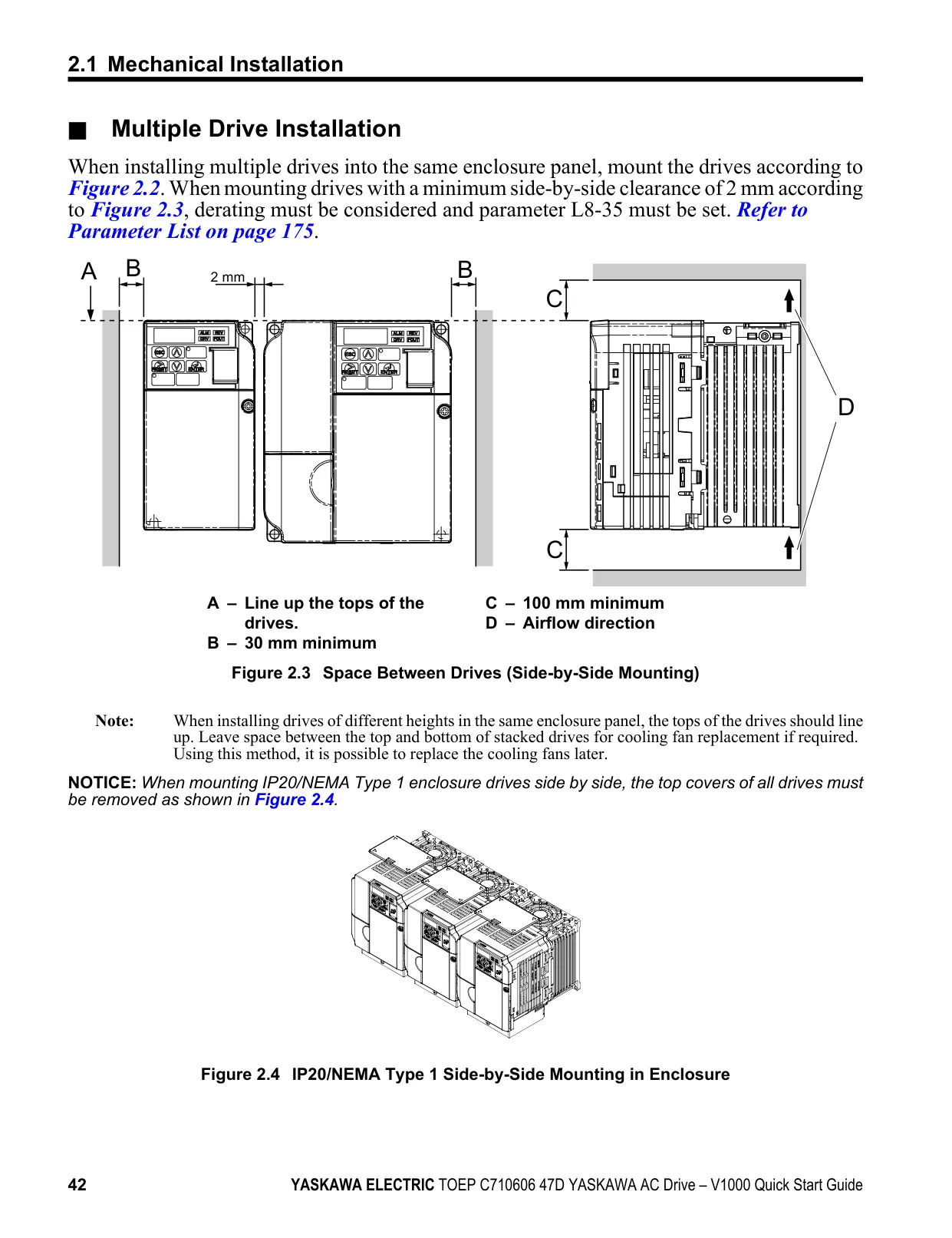
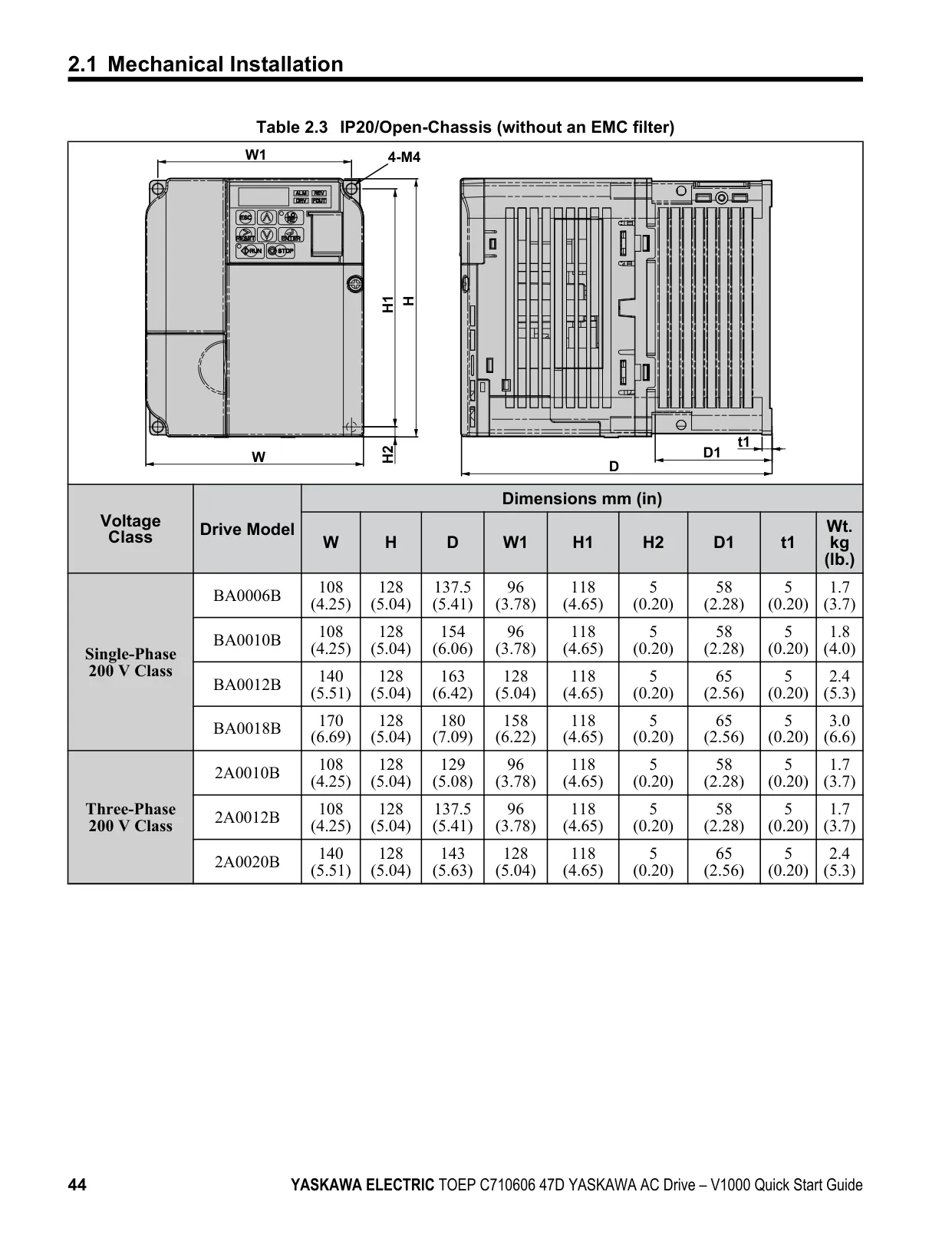
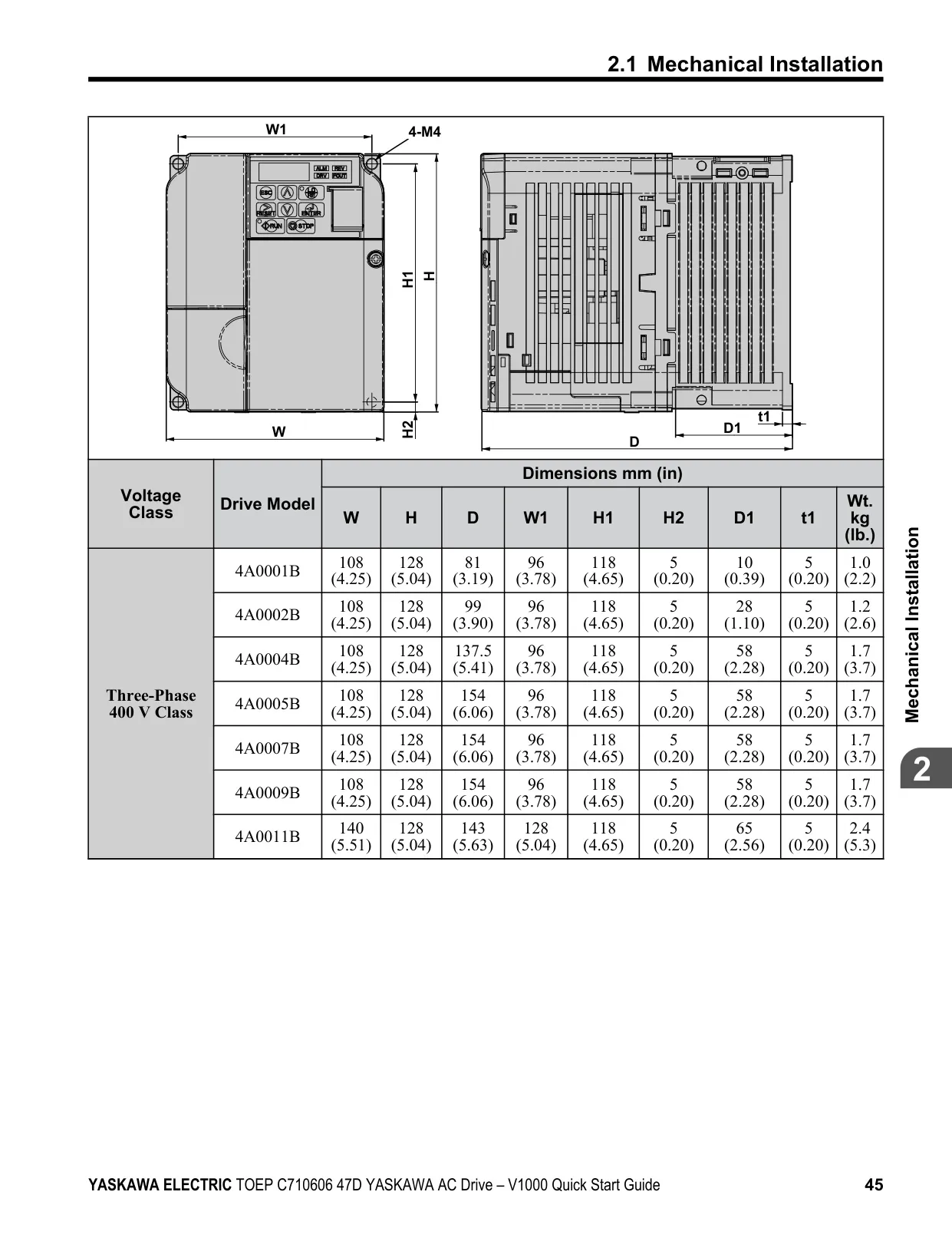
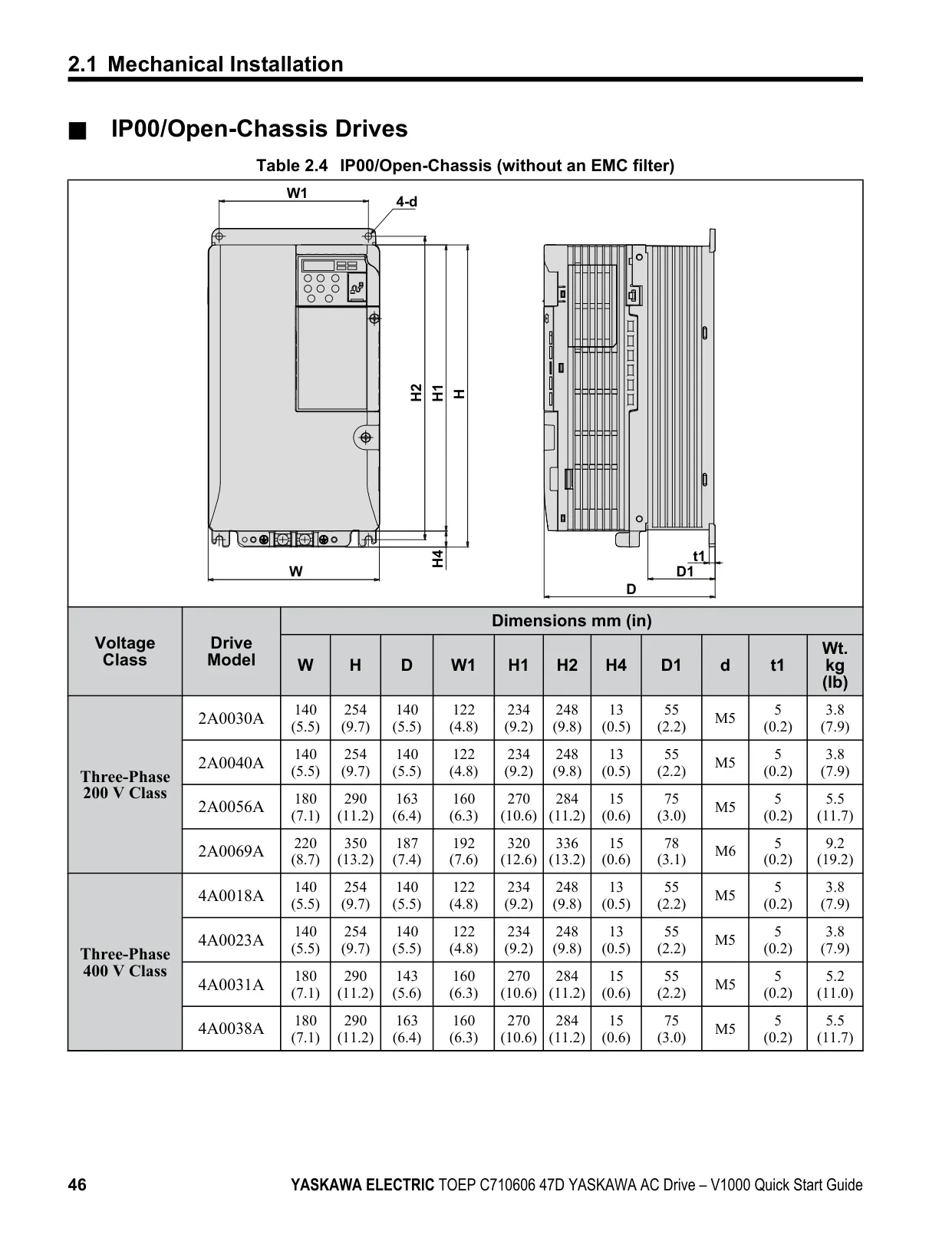
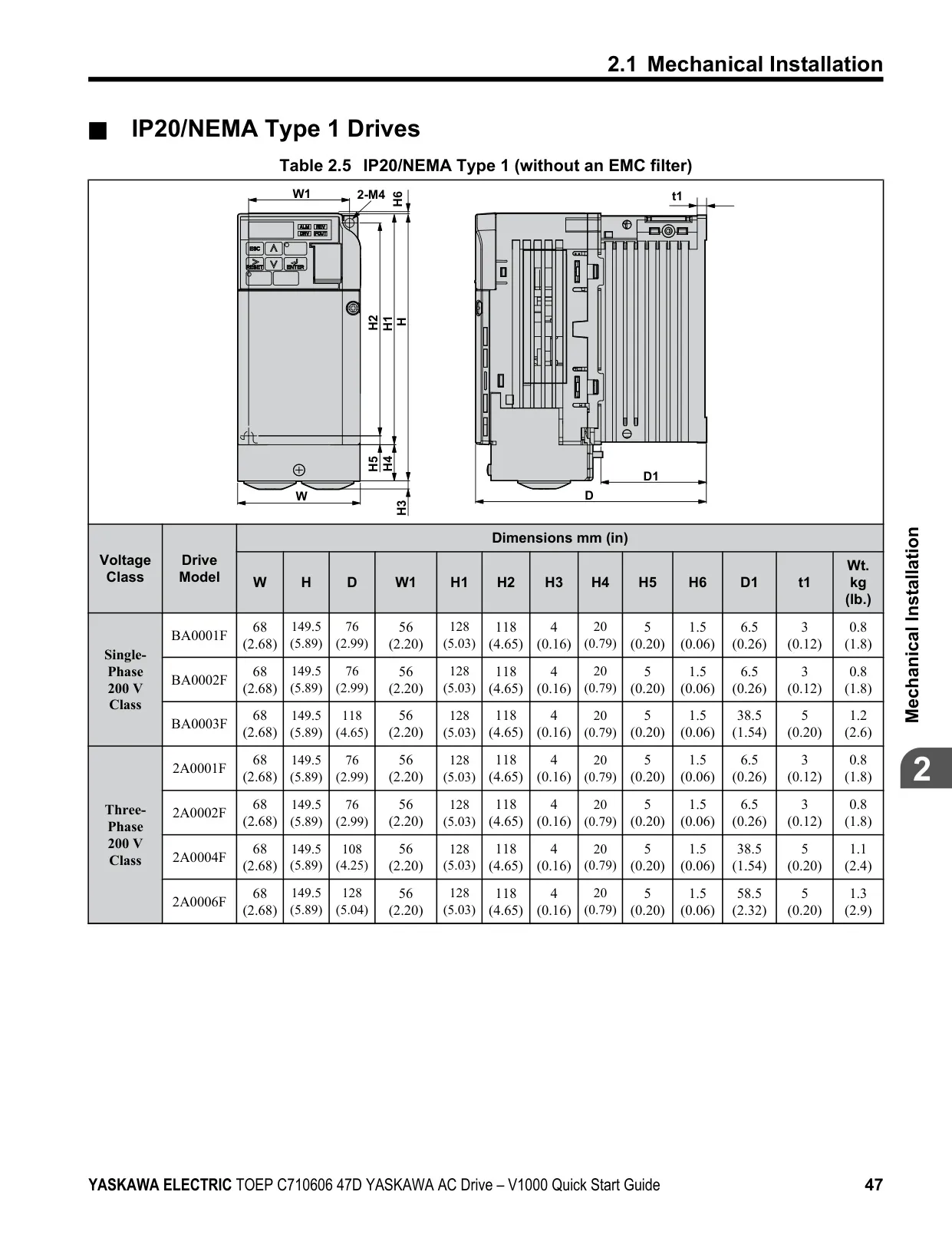
| Enclosure Type | Mounting | IP20/Open-Chassis, IP00/Open-Chassis, IP20/NEMA Type 1 |
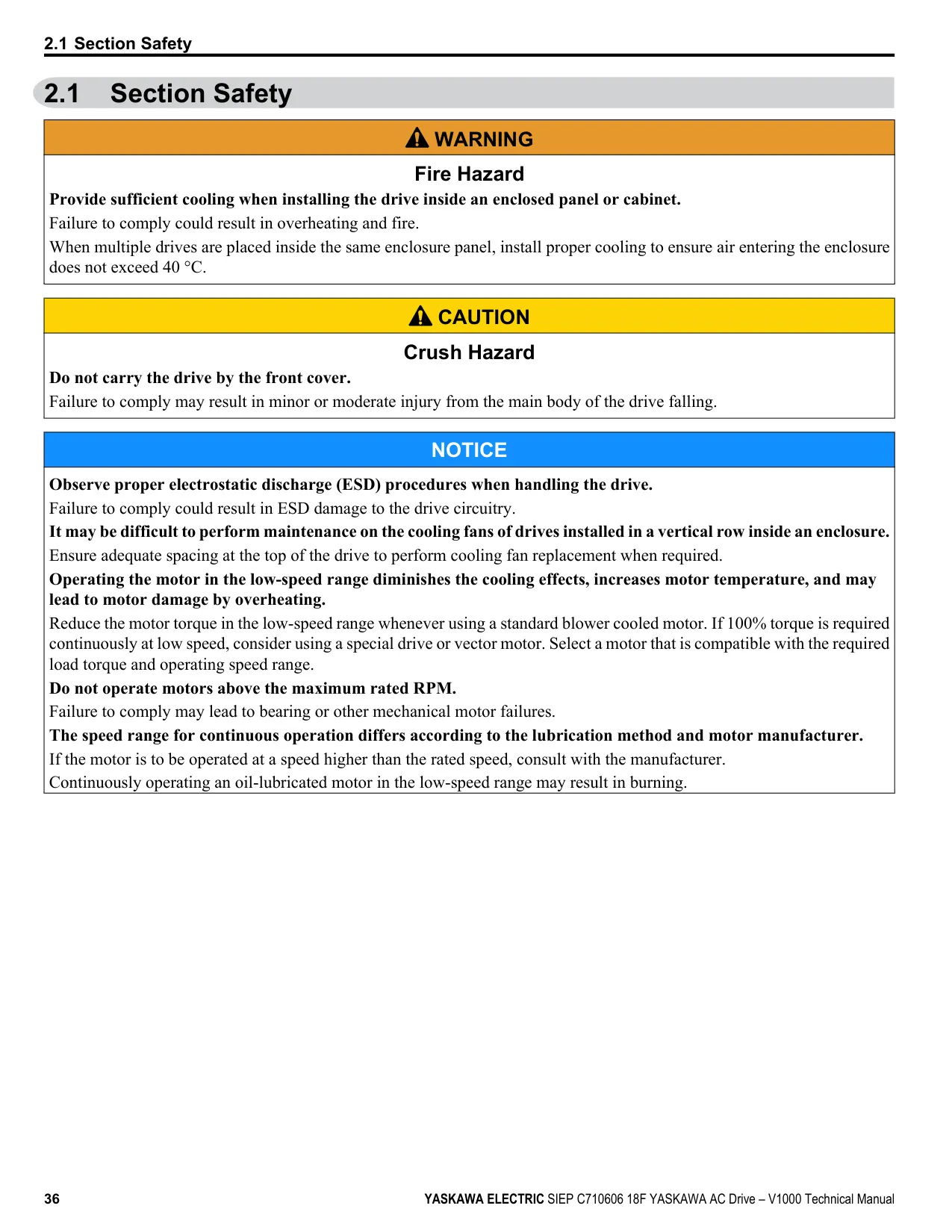
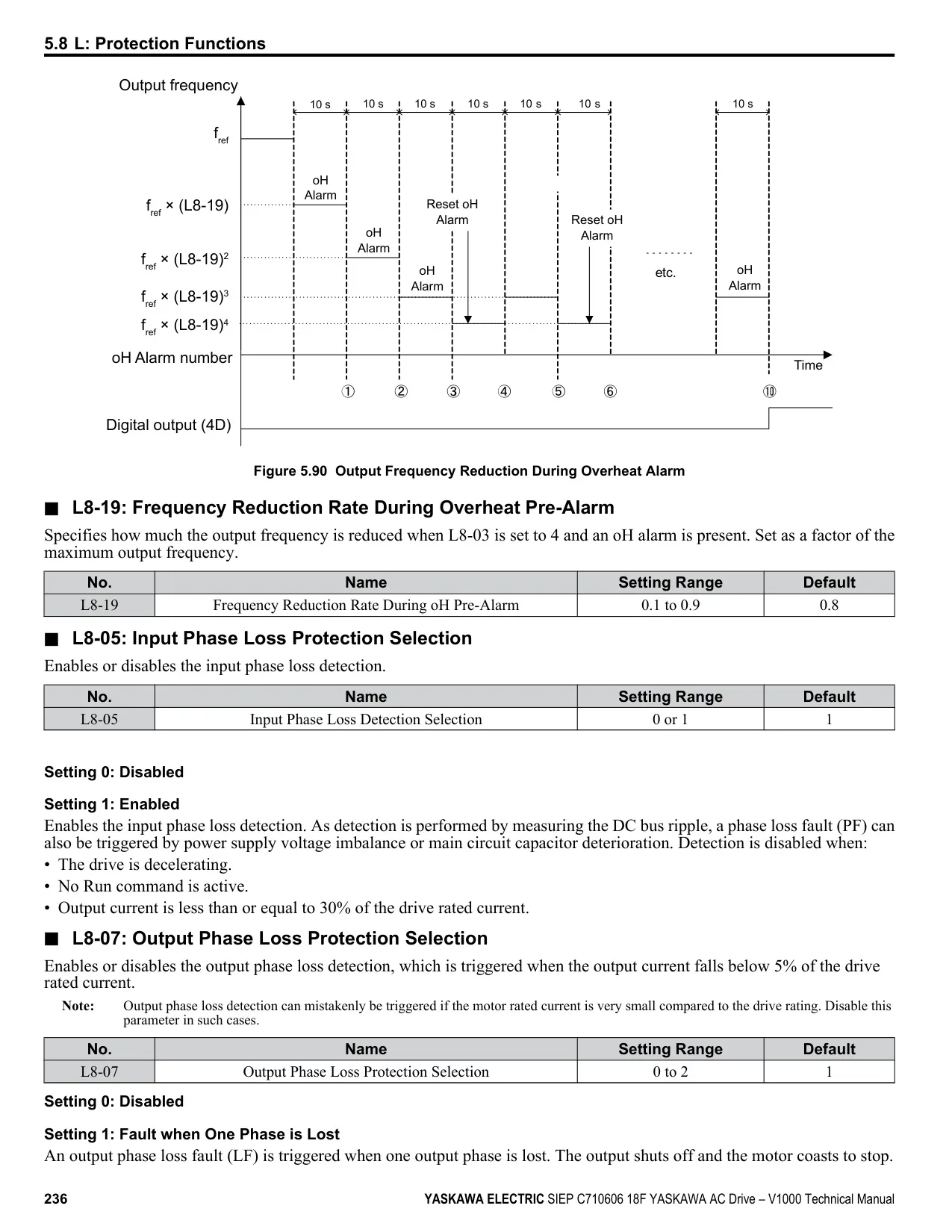
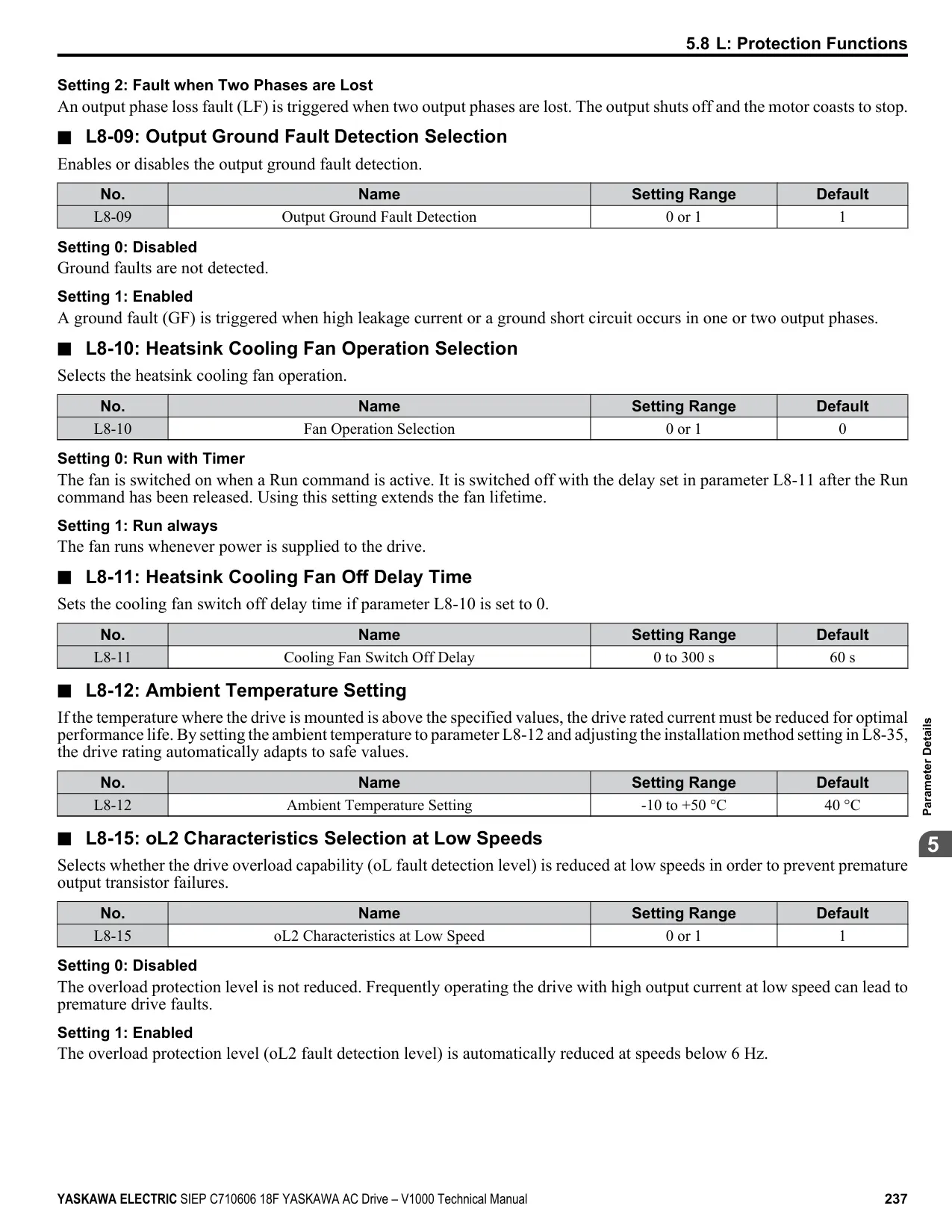
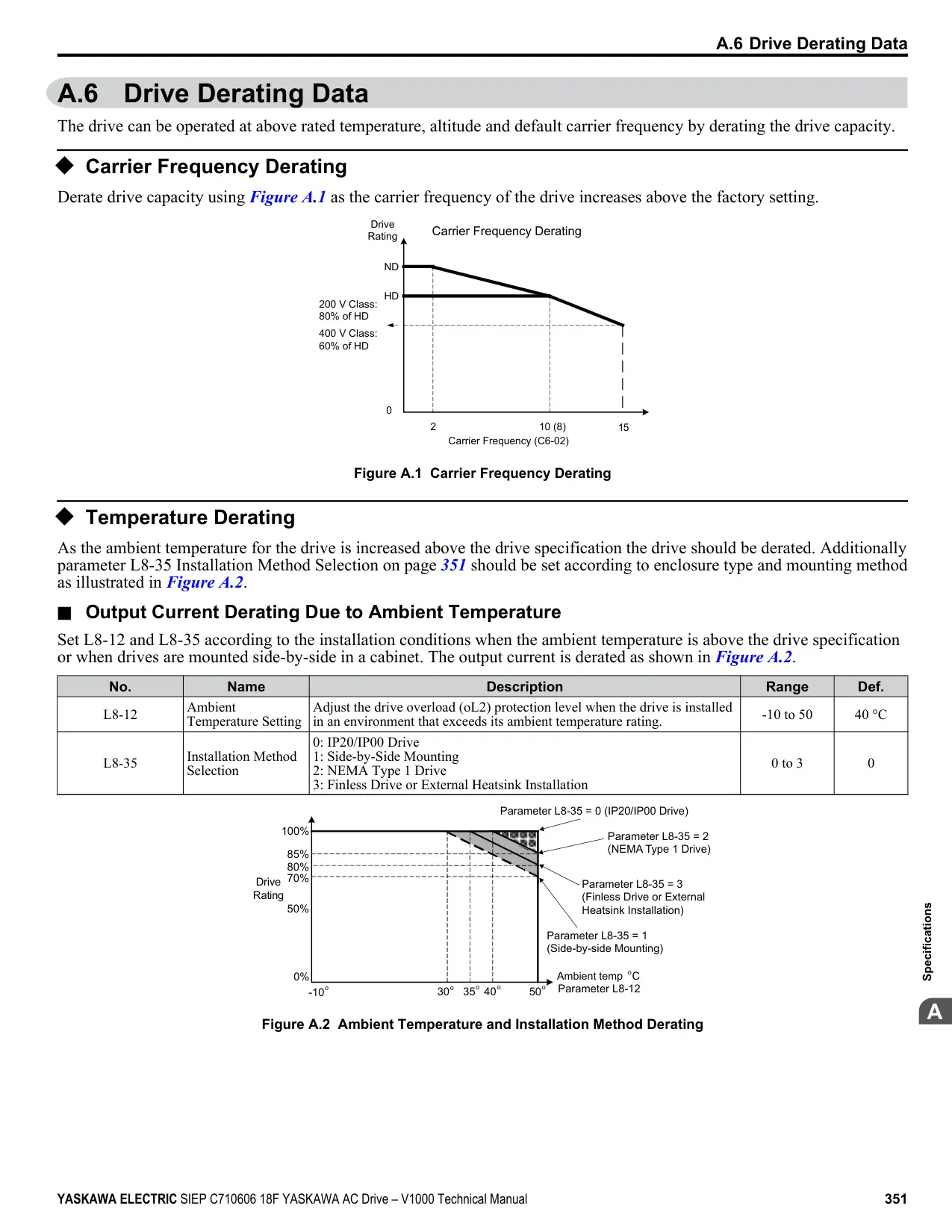
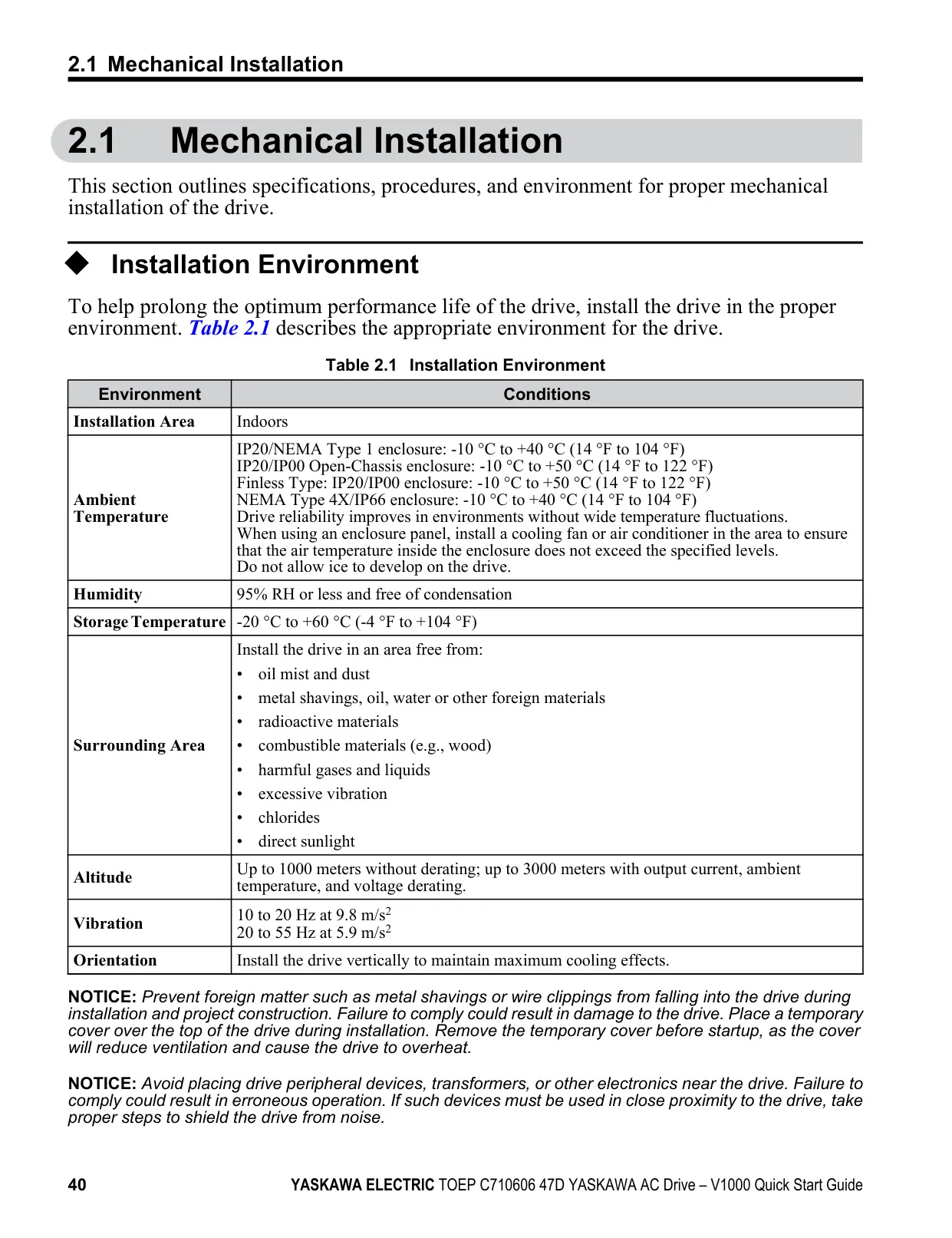
| Ambient Temperature | Operation | -10 °C to +40 °C (IP20/NEMA 1), -10 °C to +50 °C (Open-Chassis/Finless) |
| Humidity | Operation | 95% RH or less, non-condensing |
| Altitude | Operation | Up to 1000 m without derating; up to 3000 m with derating |
| Vibration | Tolerance | 10 to 20 Hz at 9.8 m/s²; 20 to 55 Hz at 5.9 m/s² |
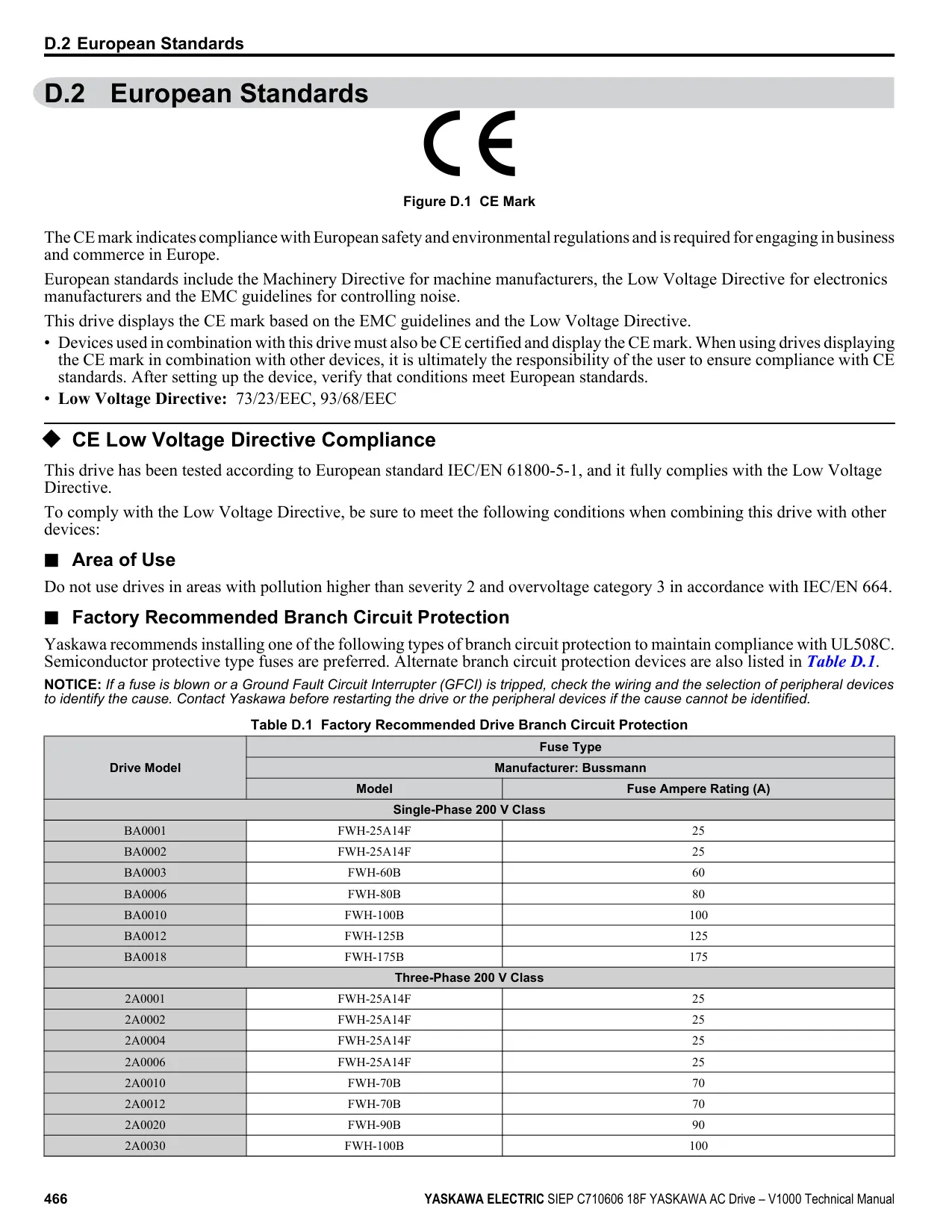
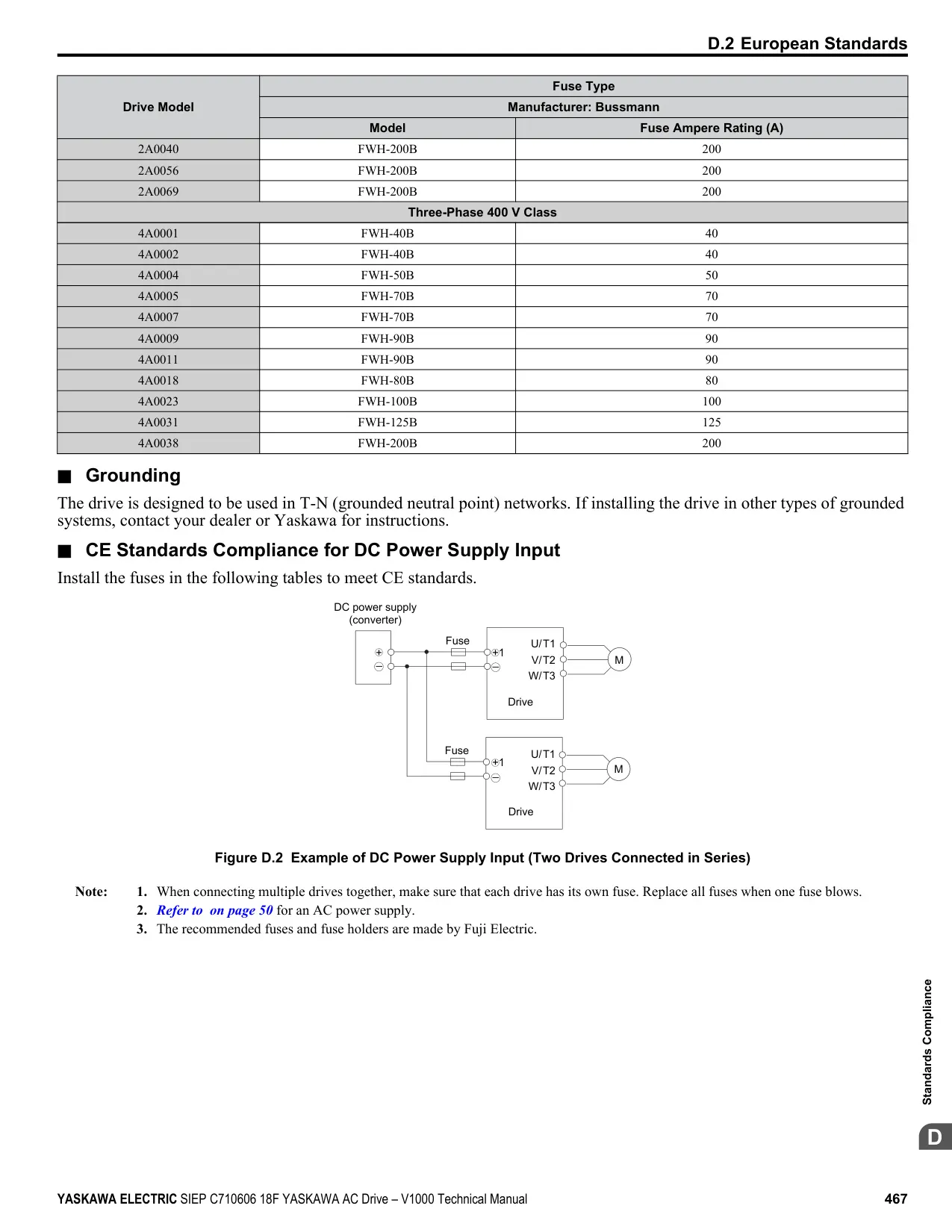
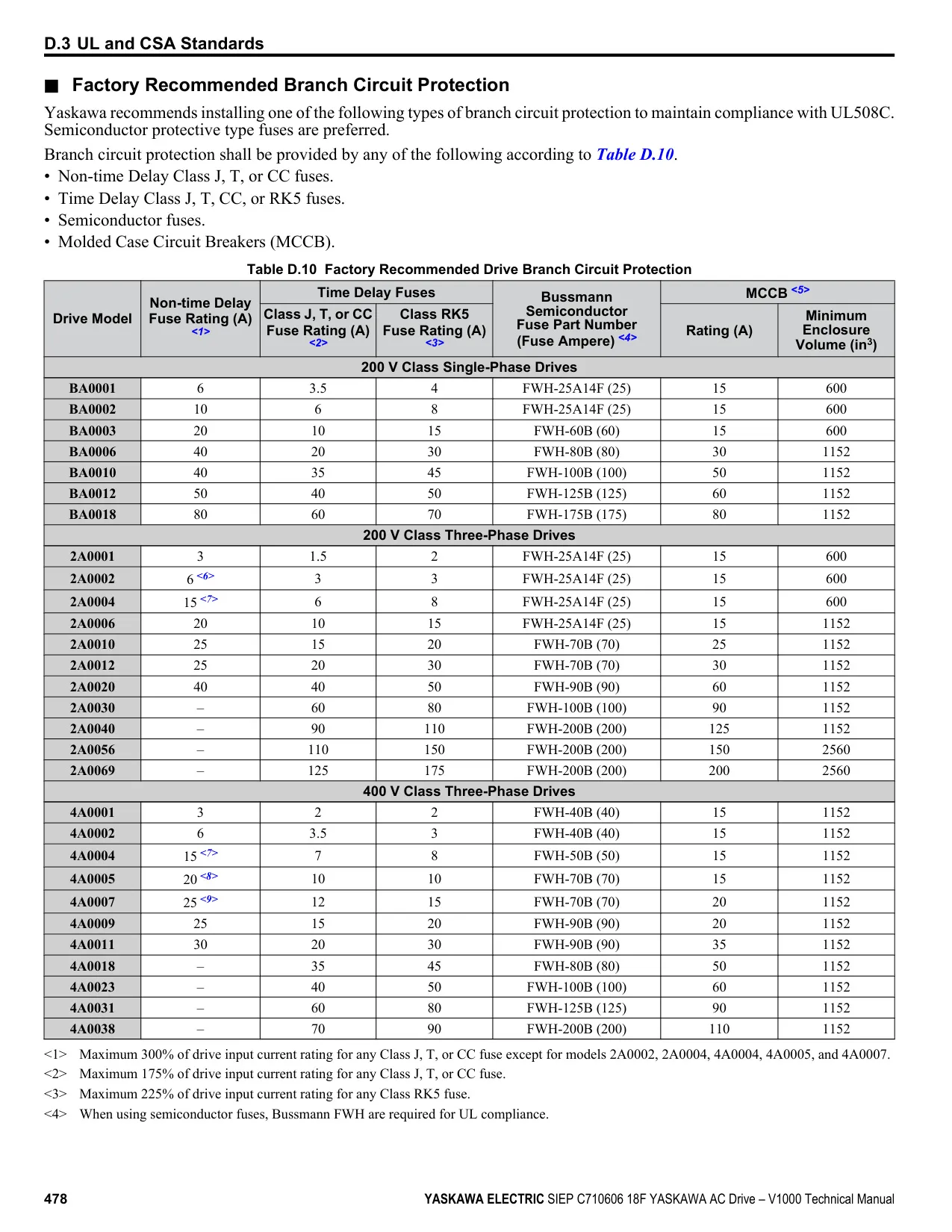
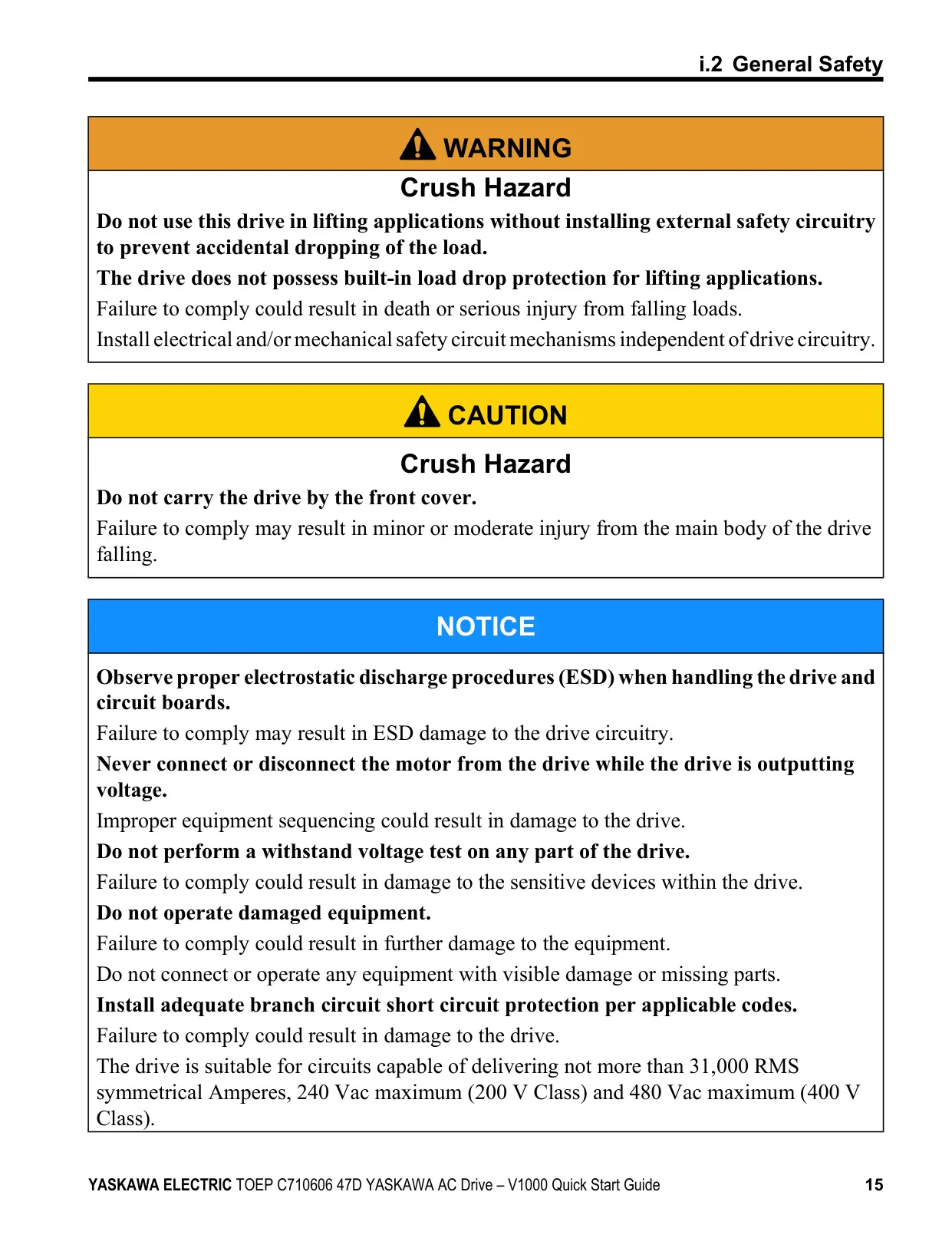
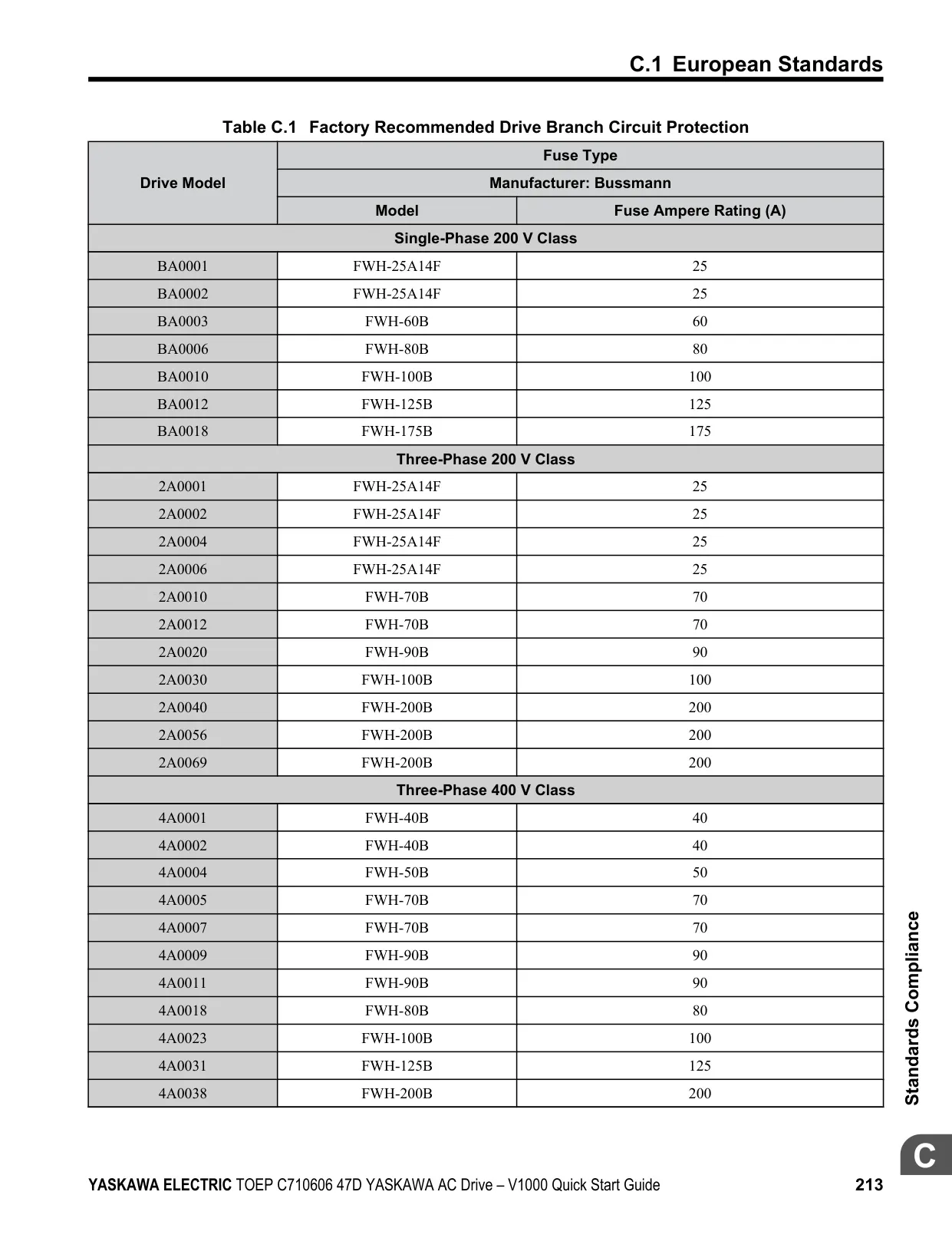
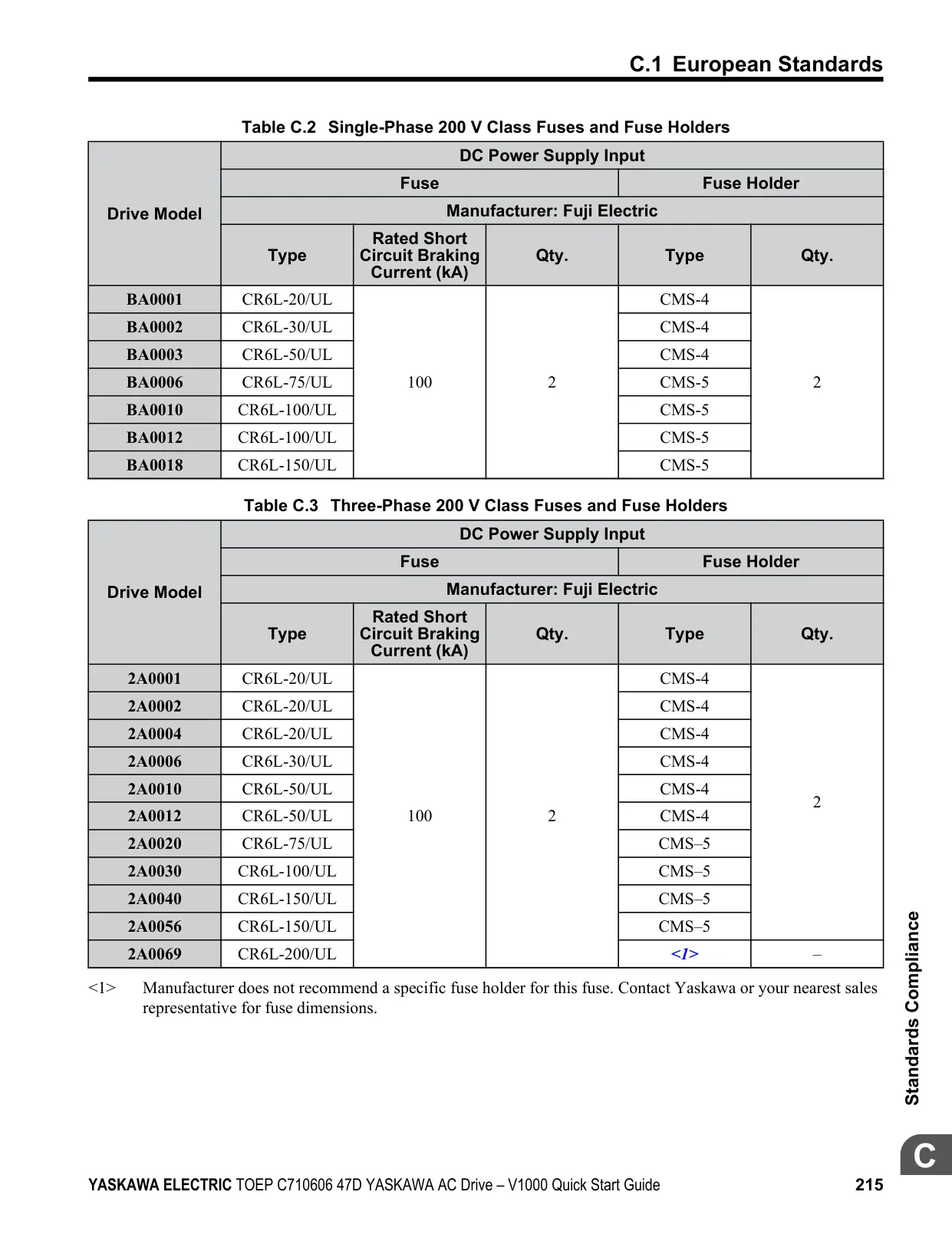
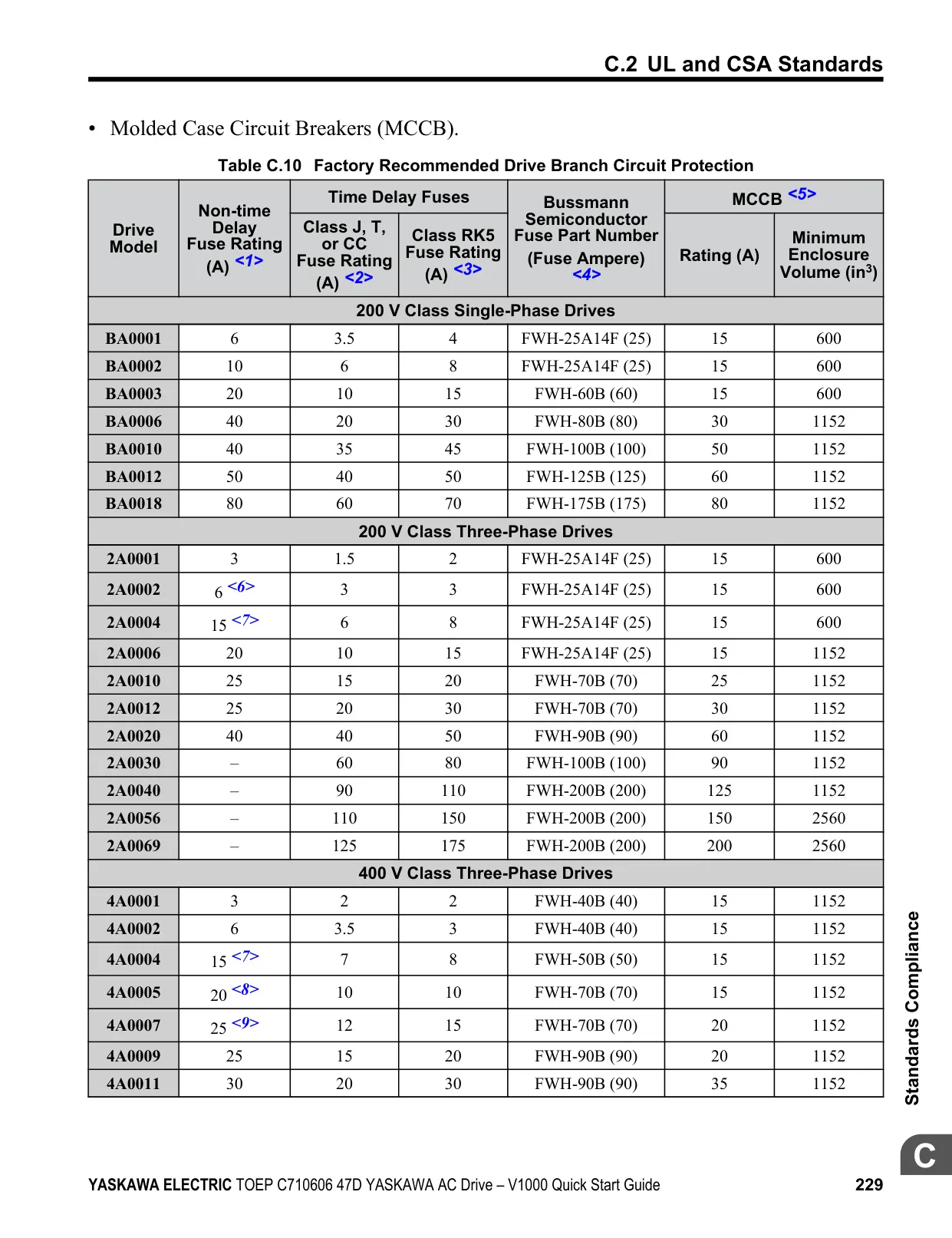
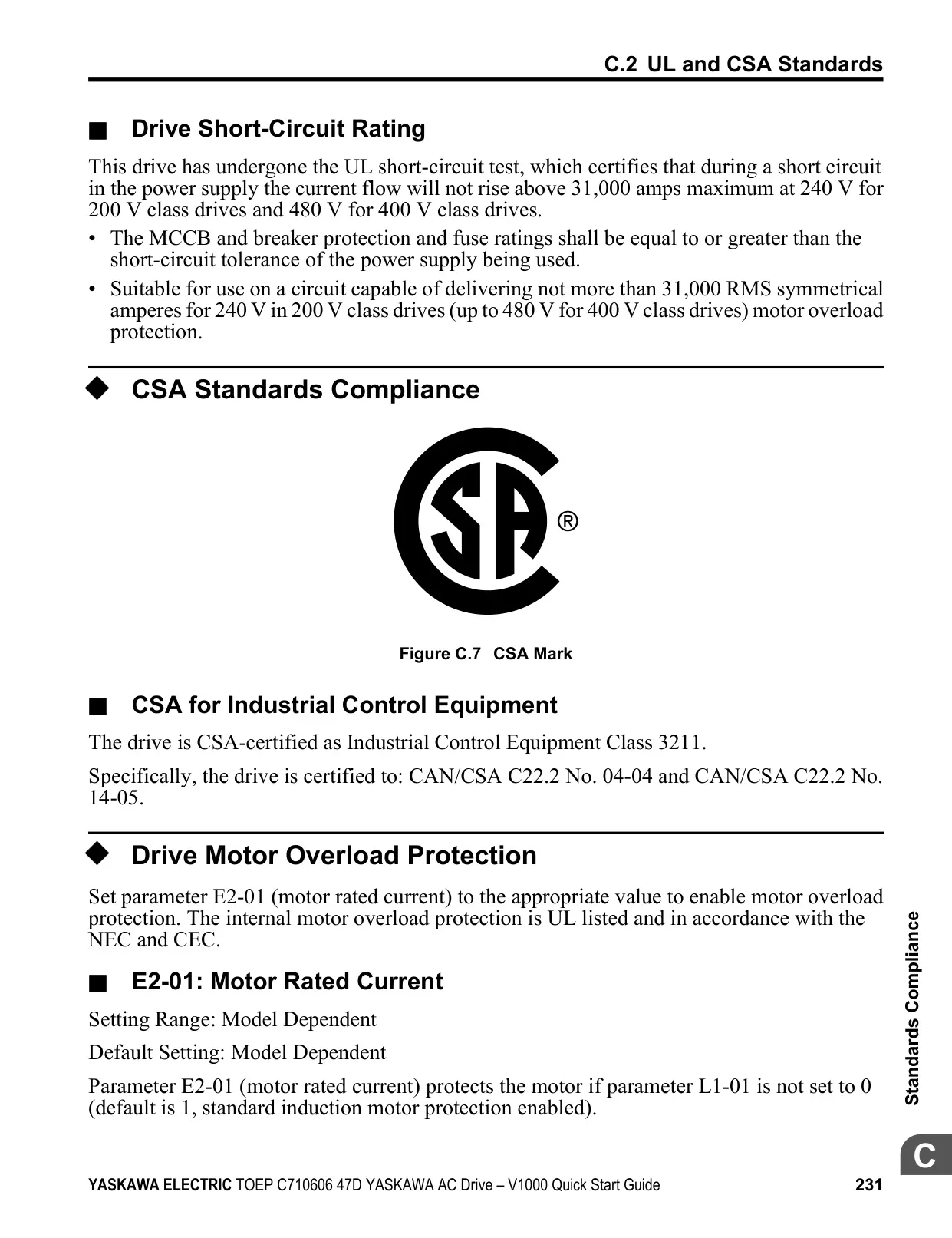
| Branch Circuit Protection | Max. Short-Circuit Current | 31,000 RMS Symmetrical Amperes (240 Vac / 480 Vac) |
| Certifications | Compliance | CE, UL, cUL, TUV (for STO) |
Yaskawa V1000 VFD Details
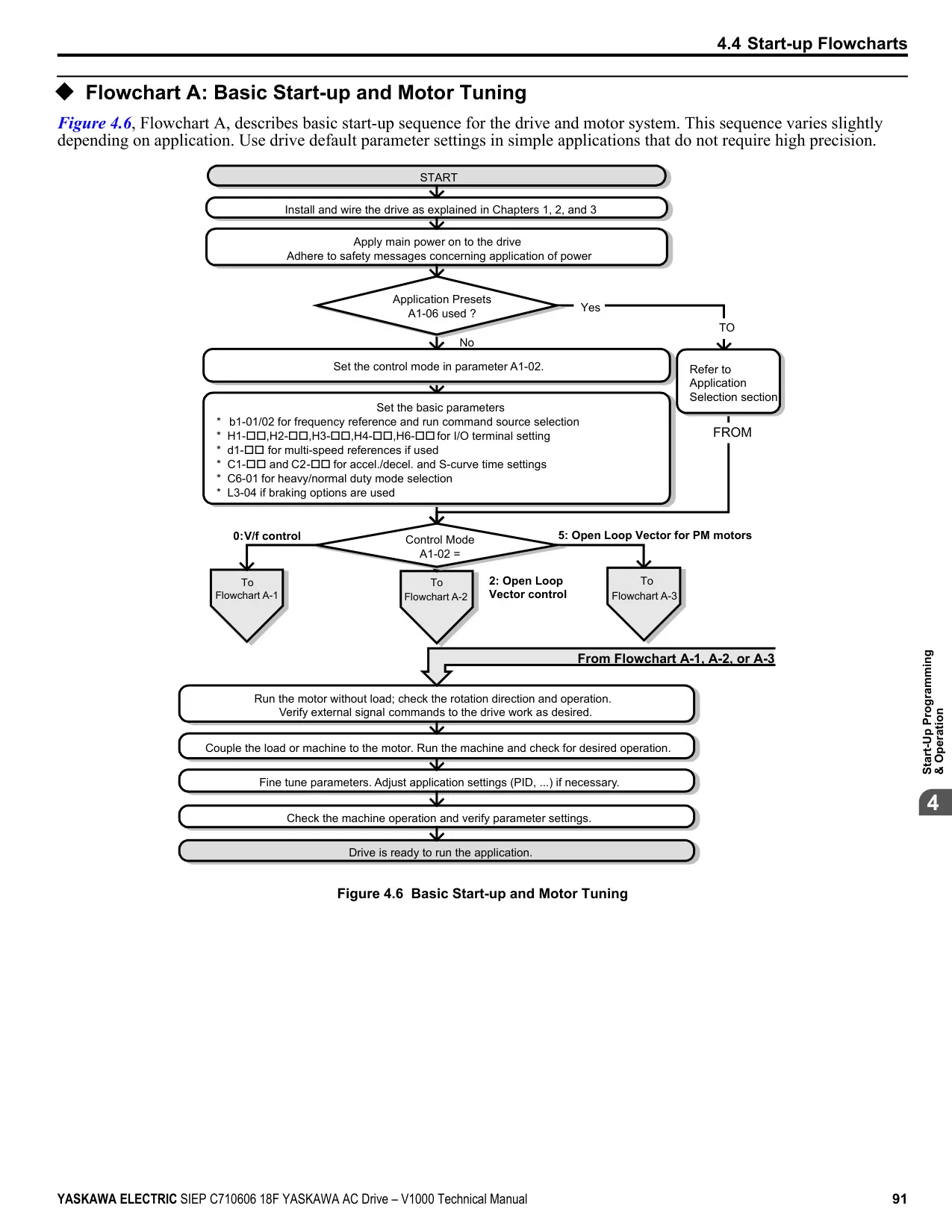
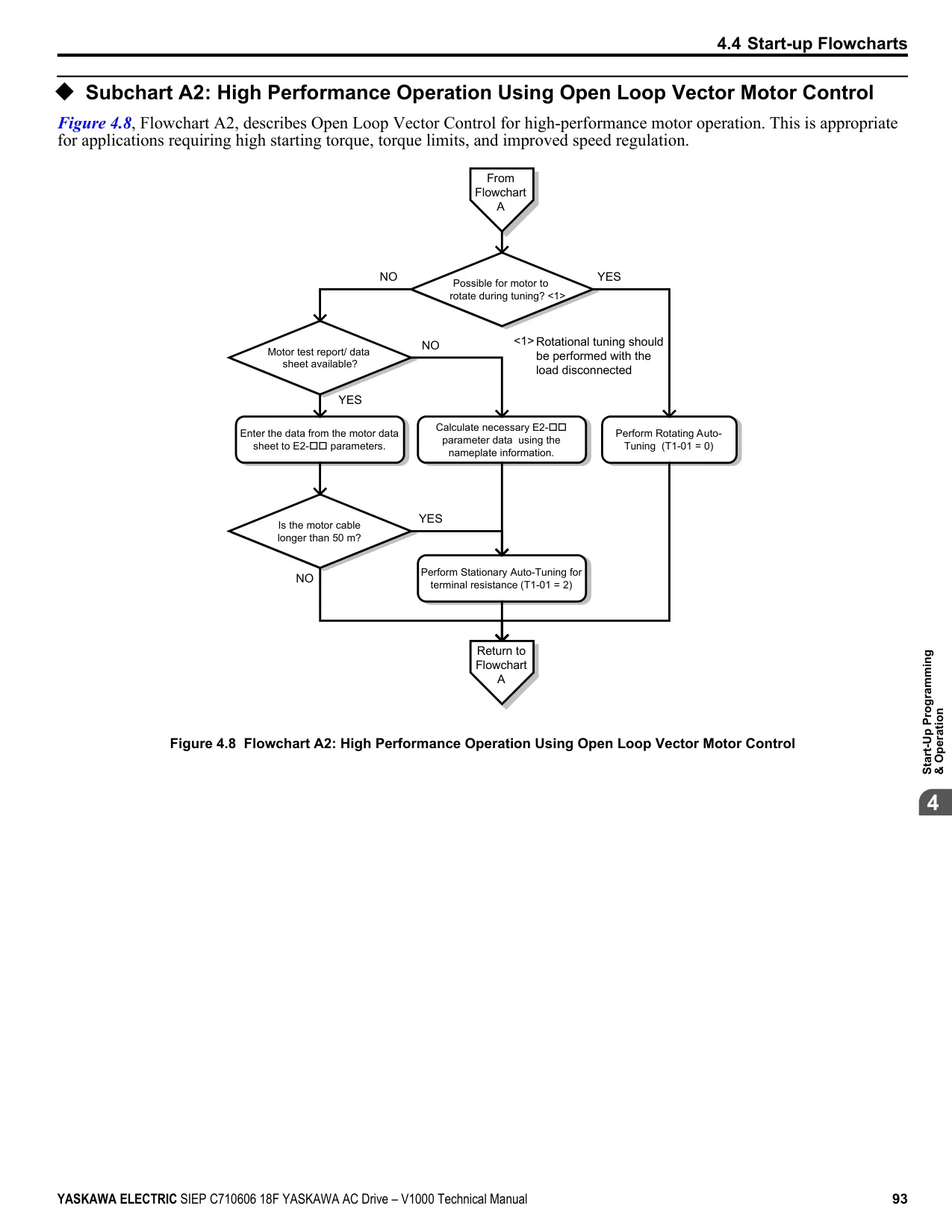
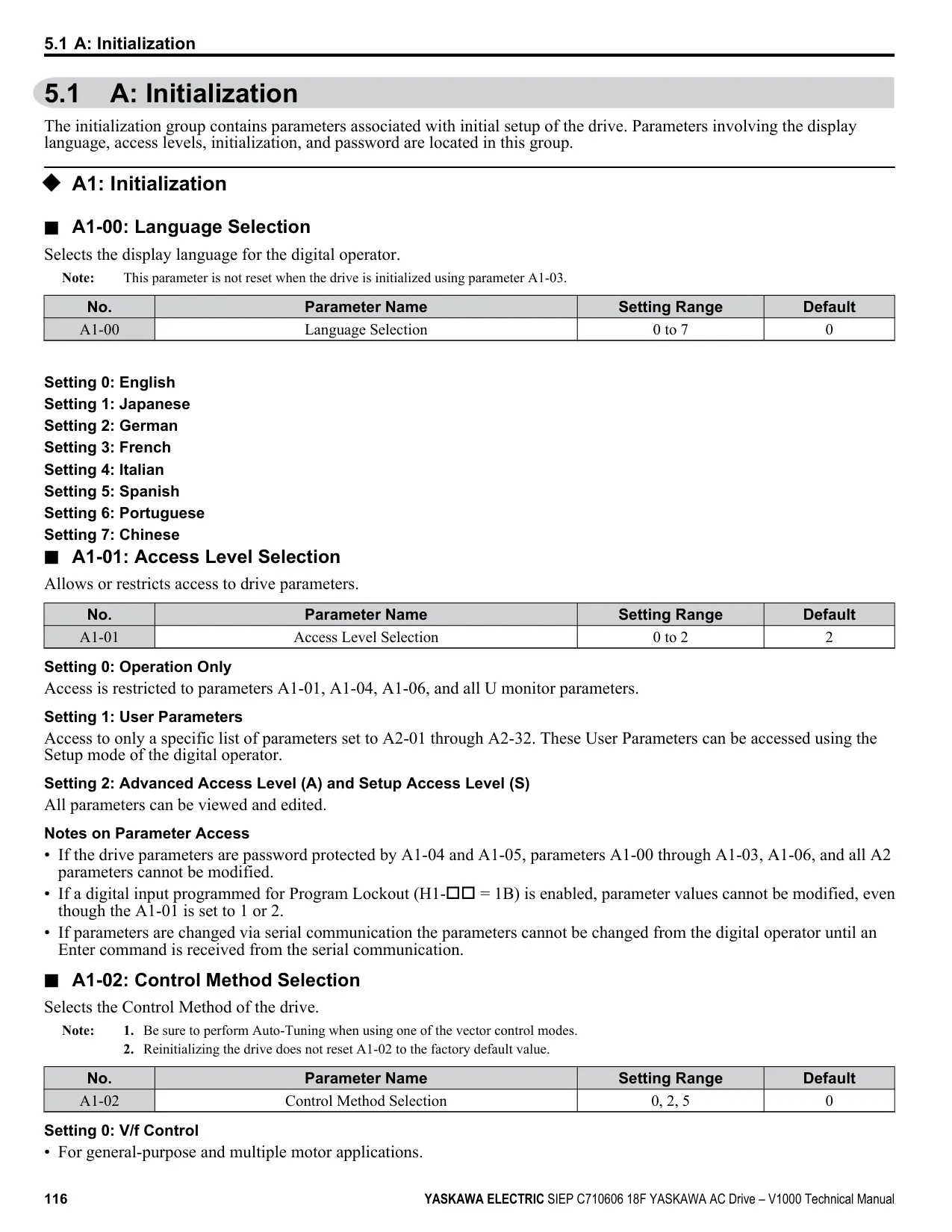
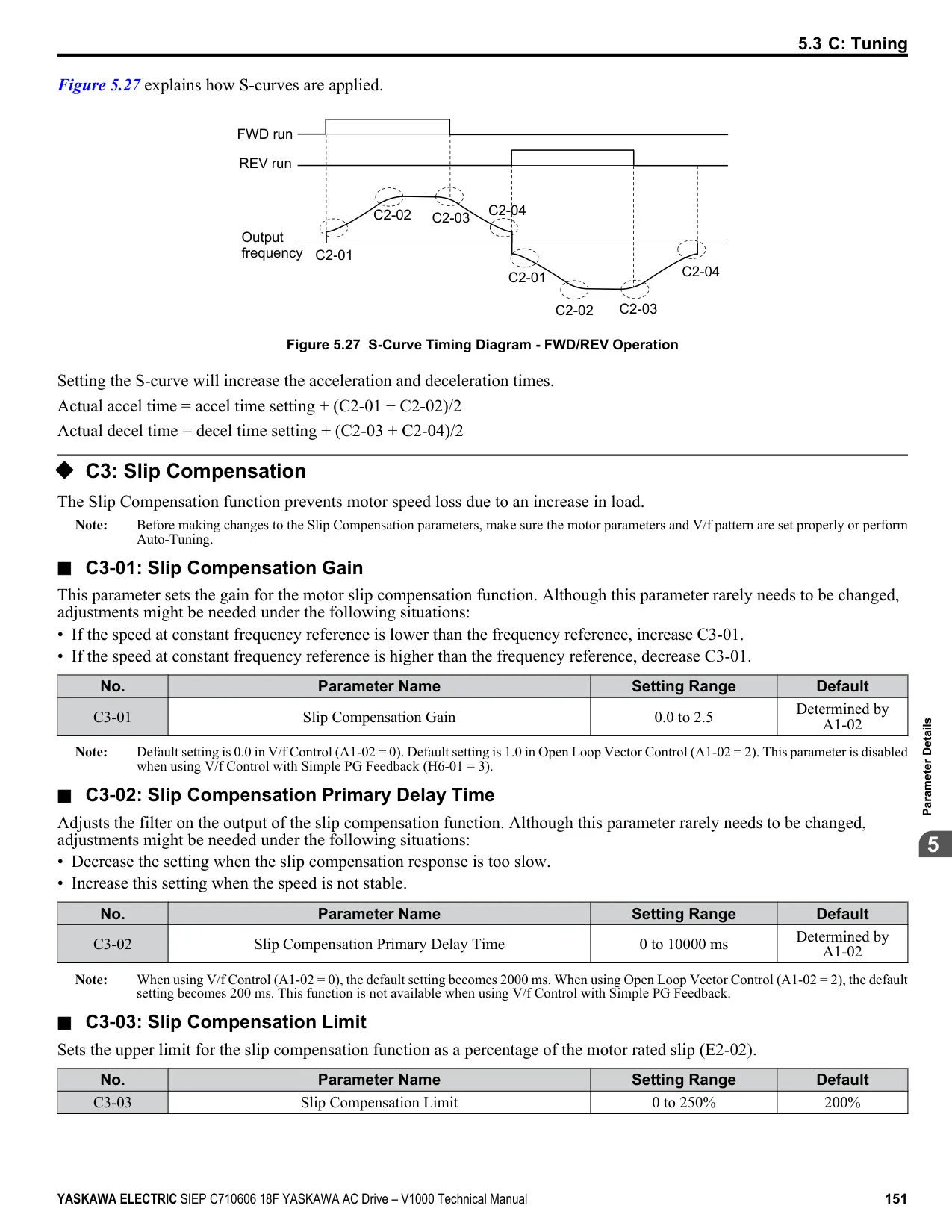
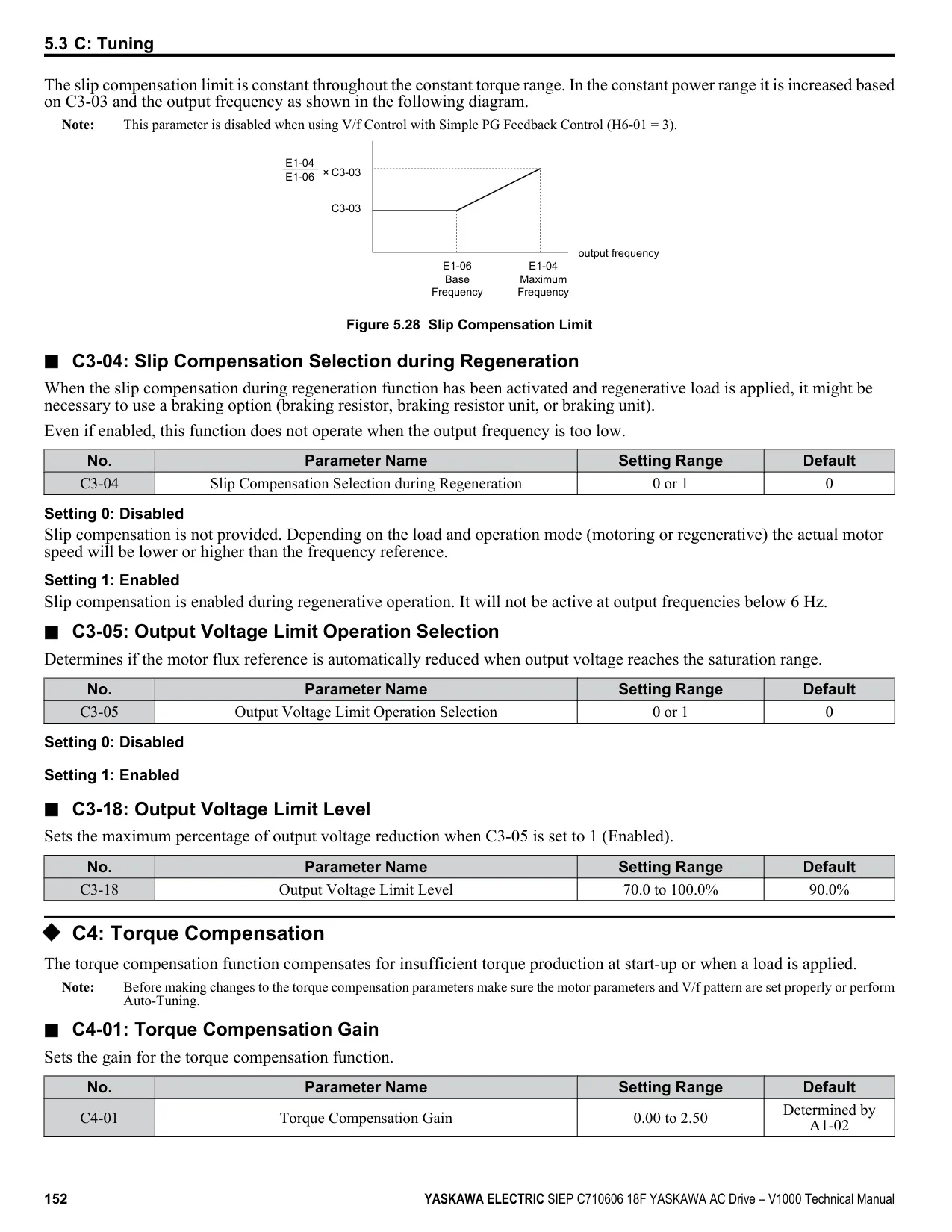
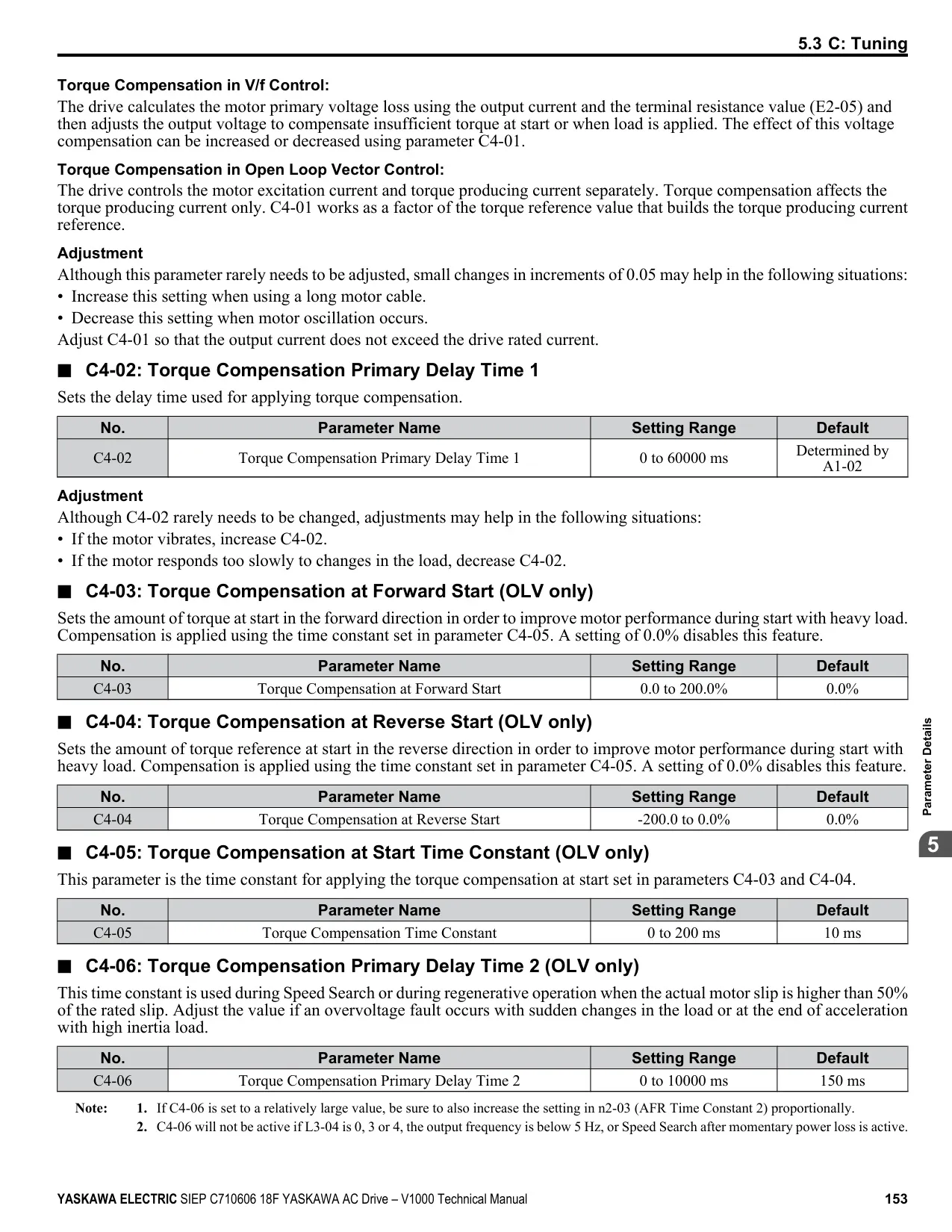
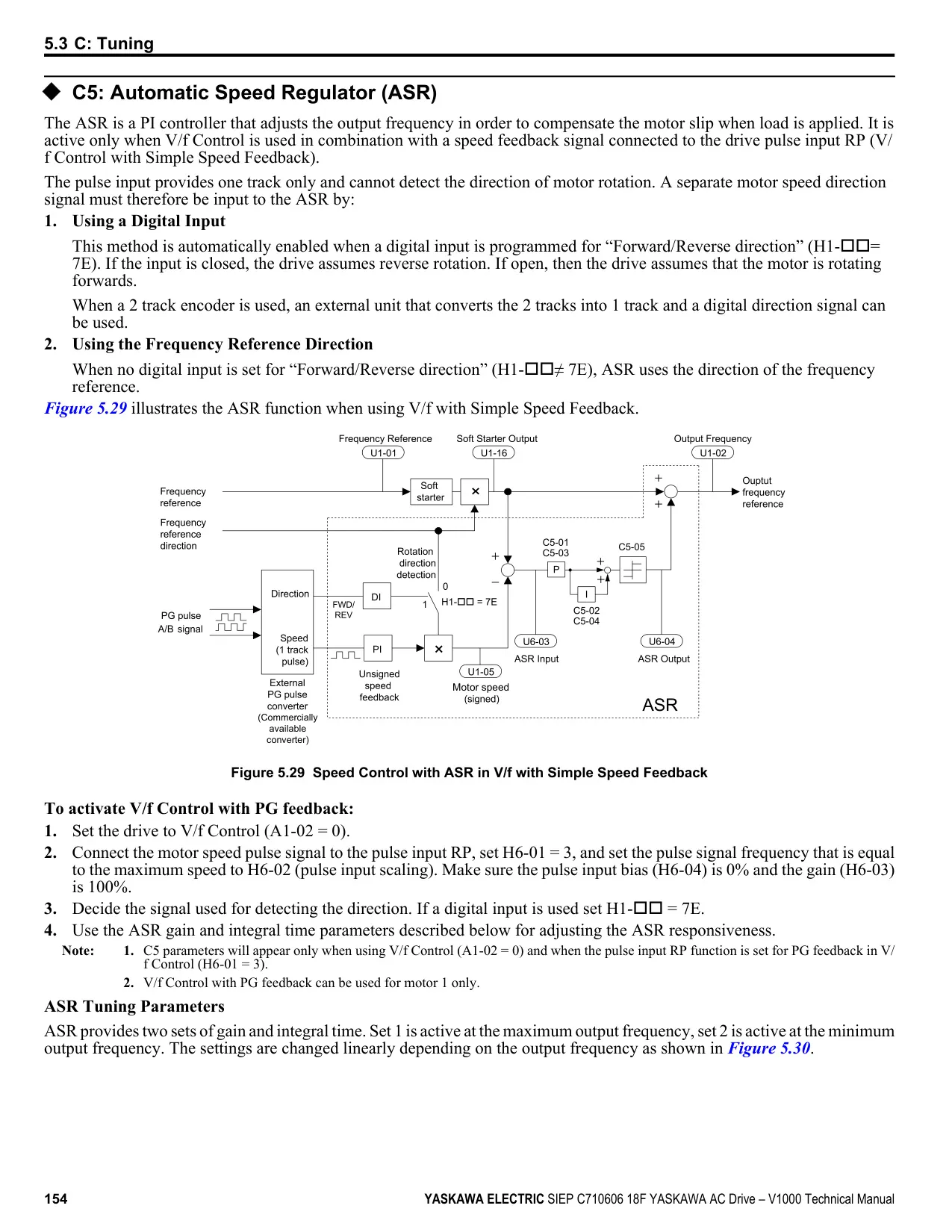
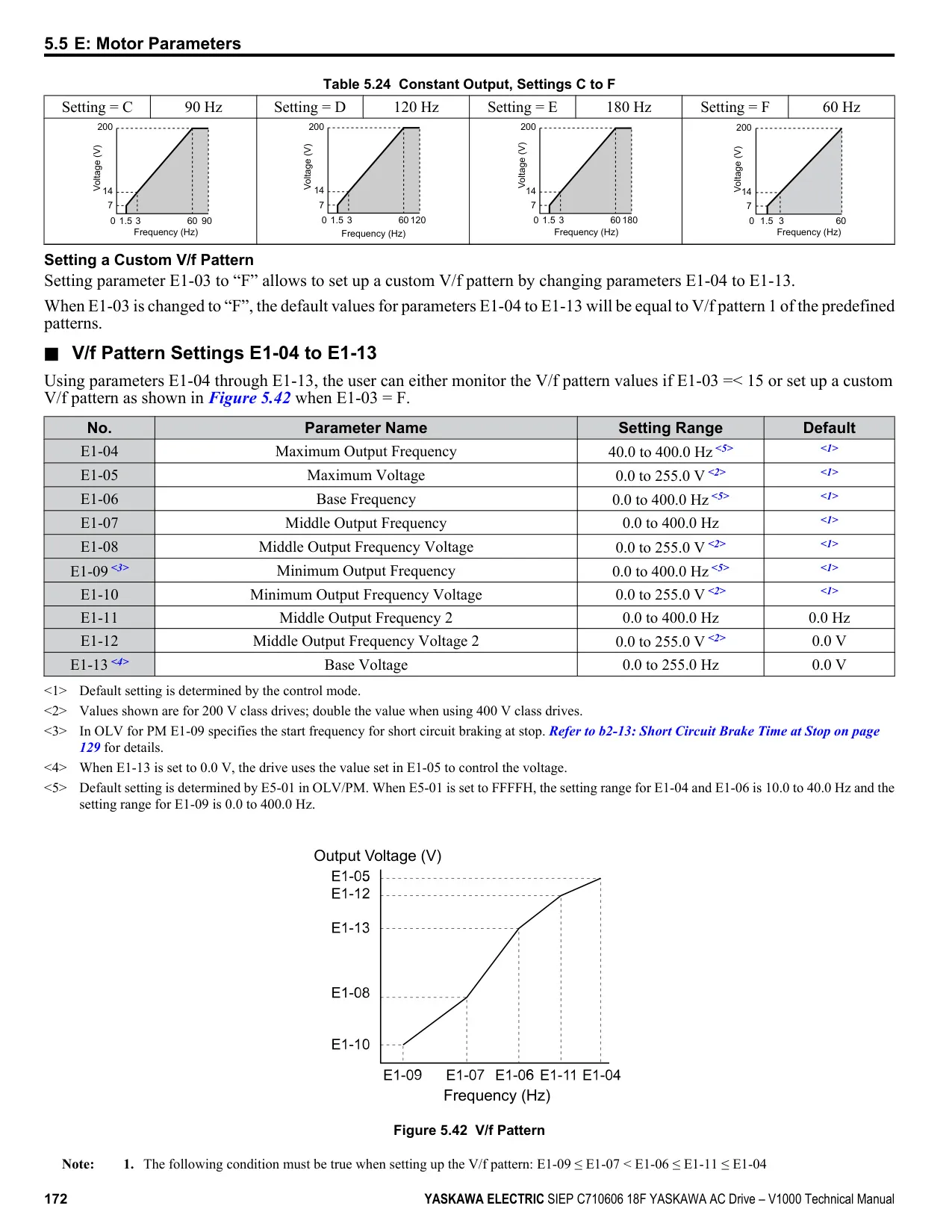
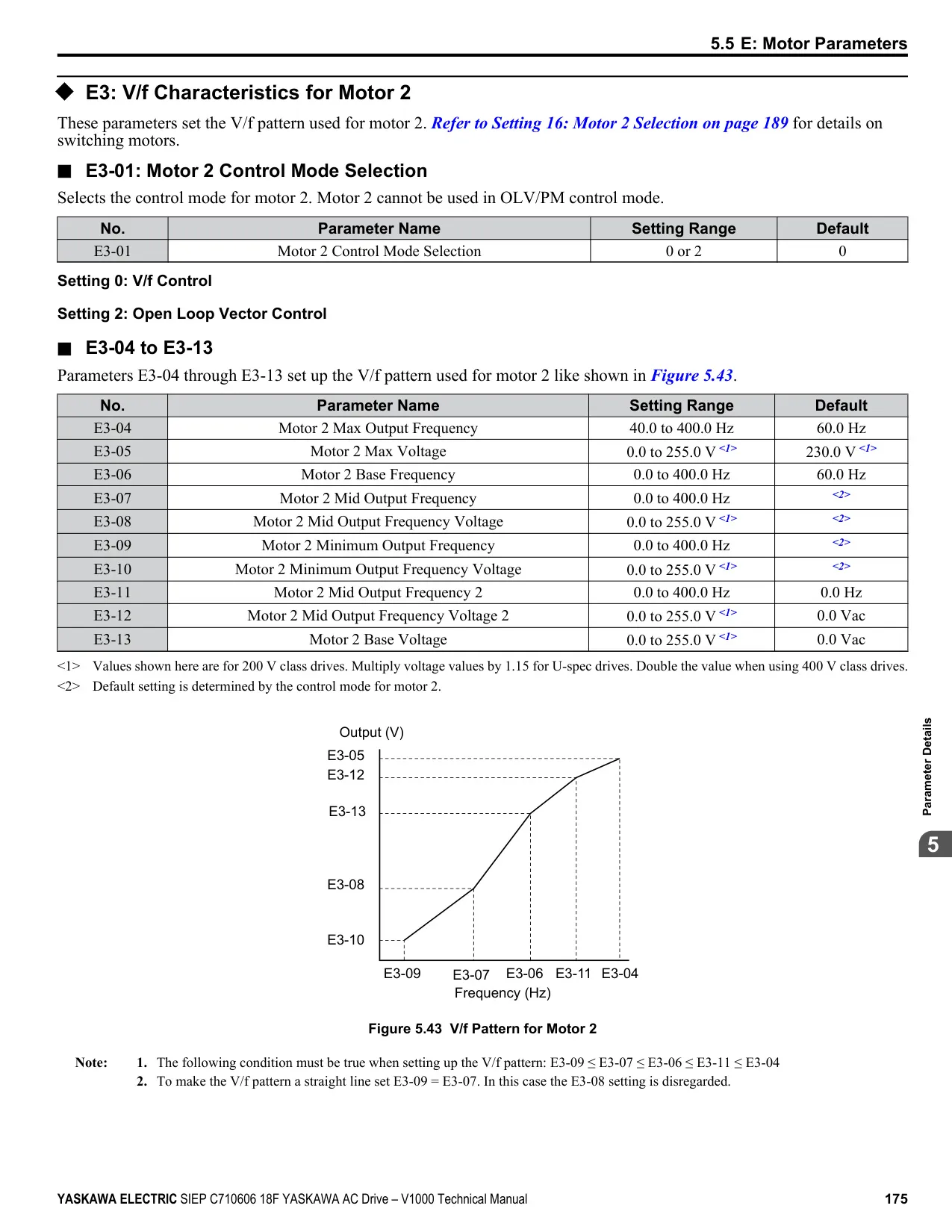
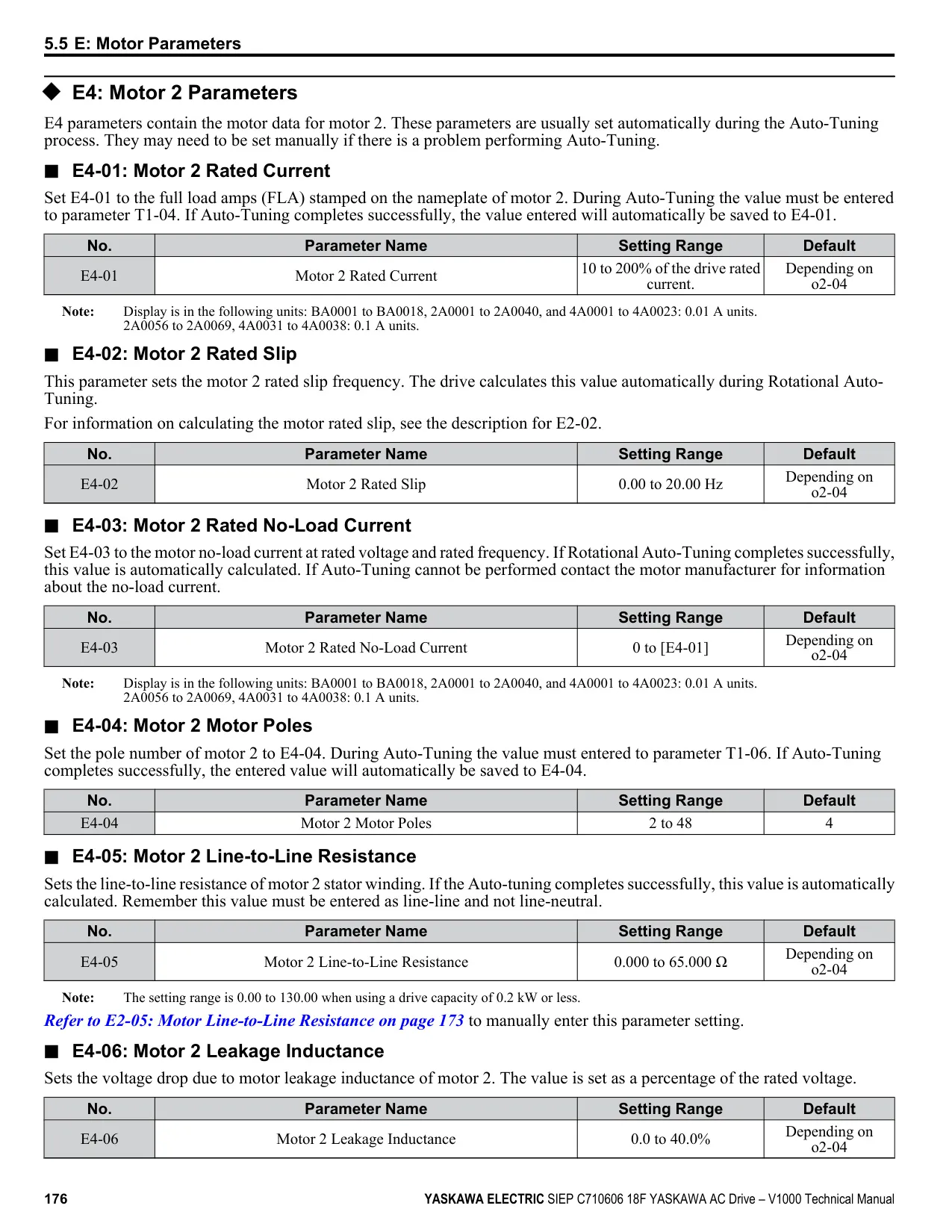
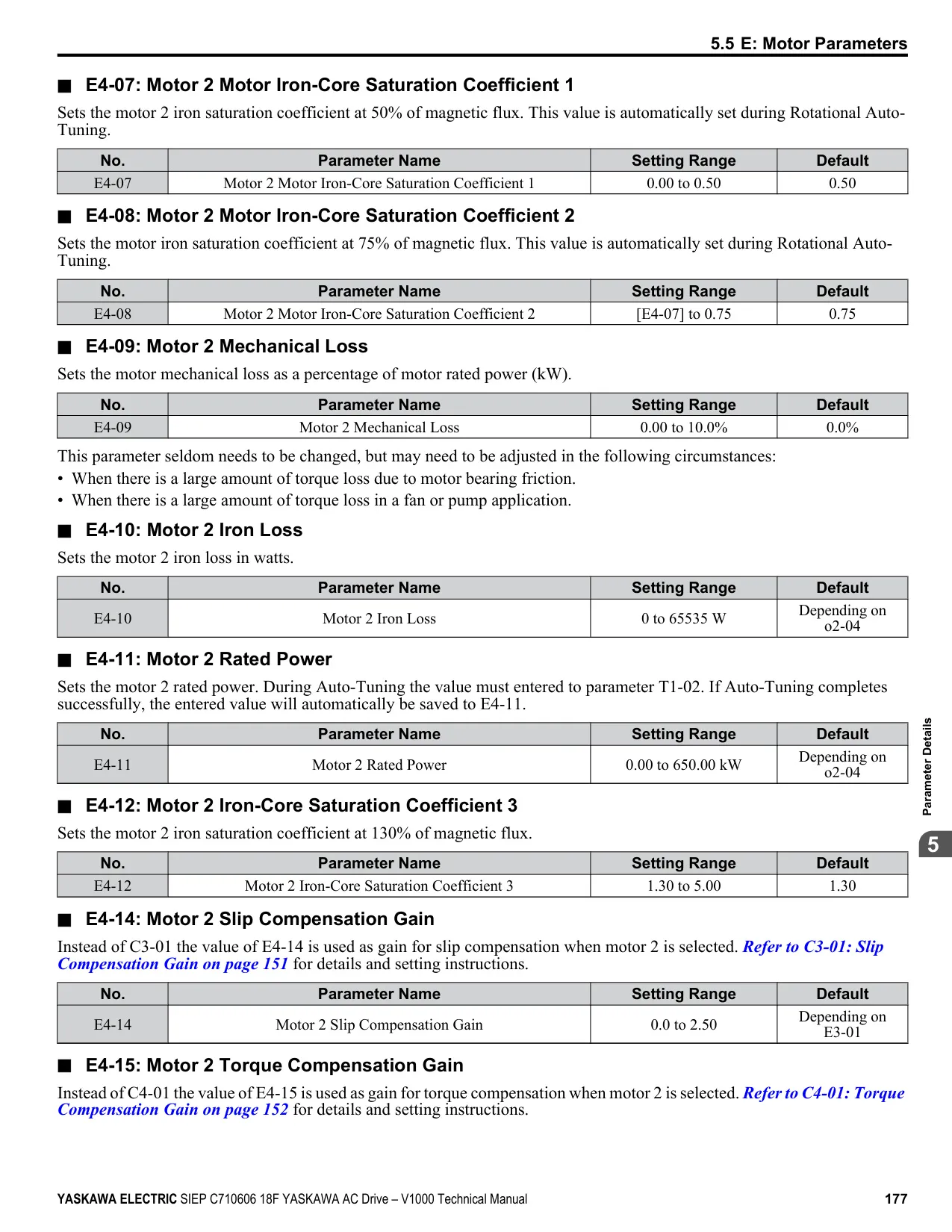
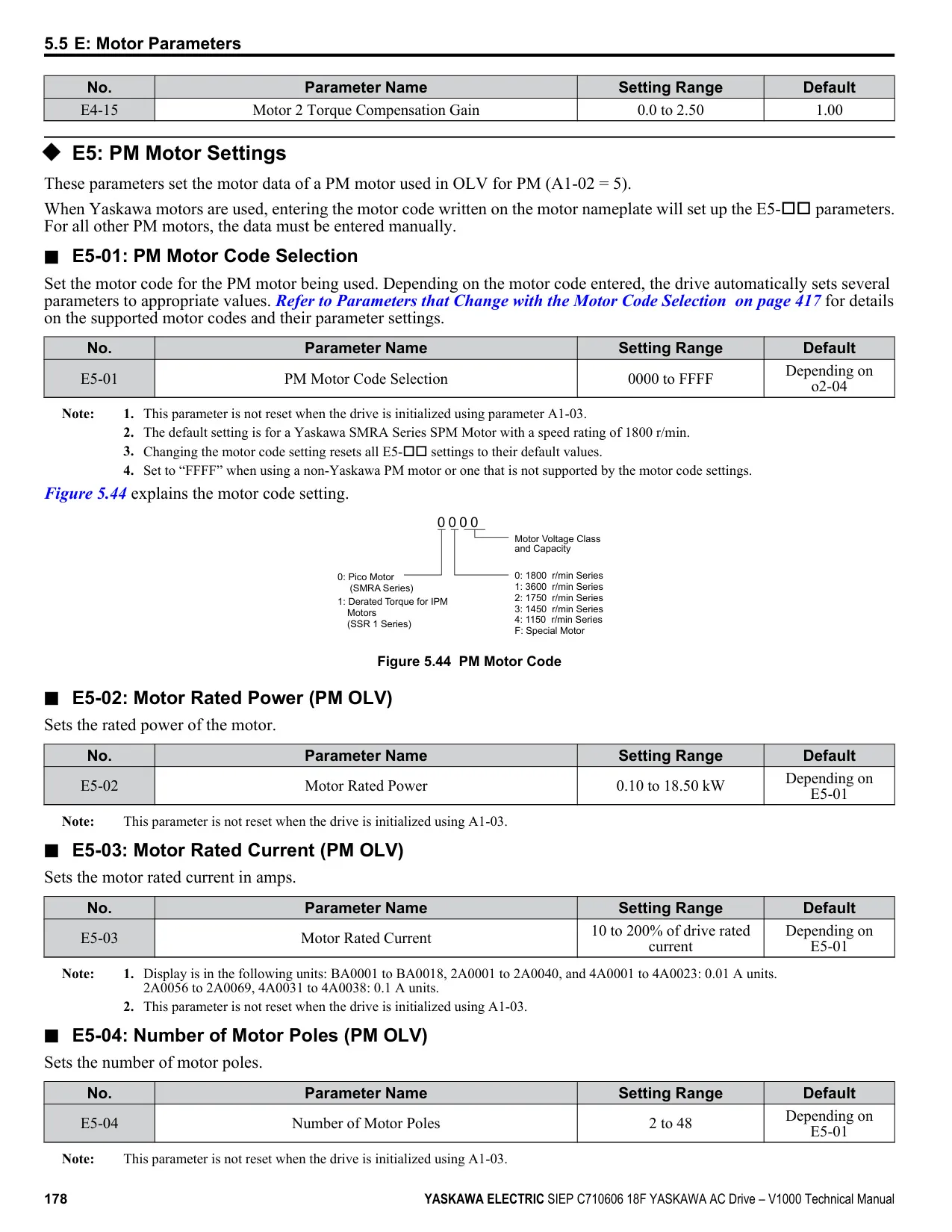
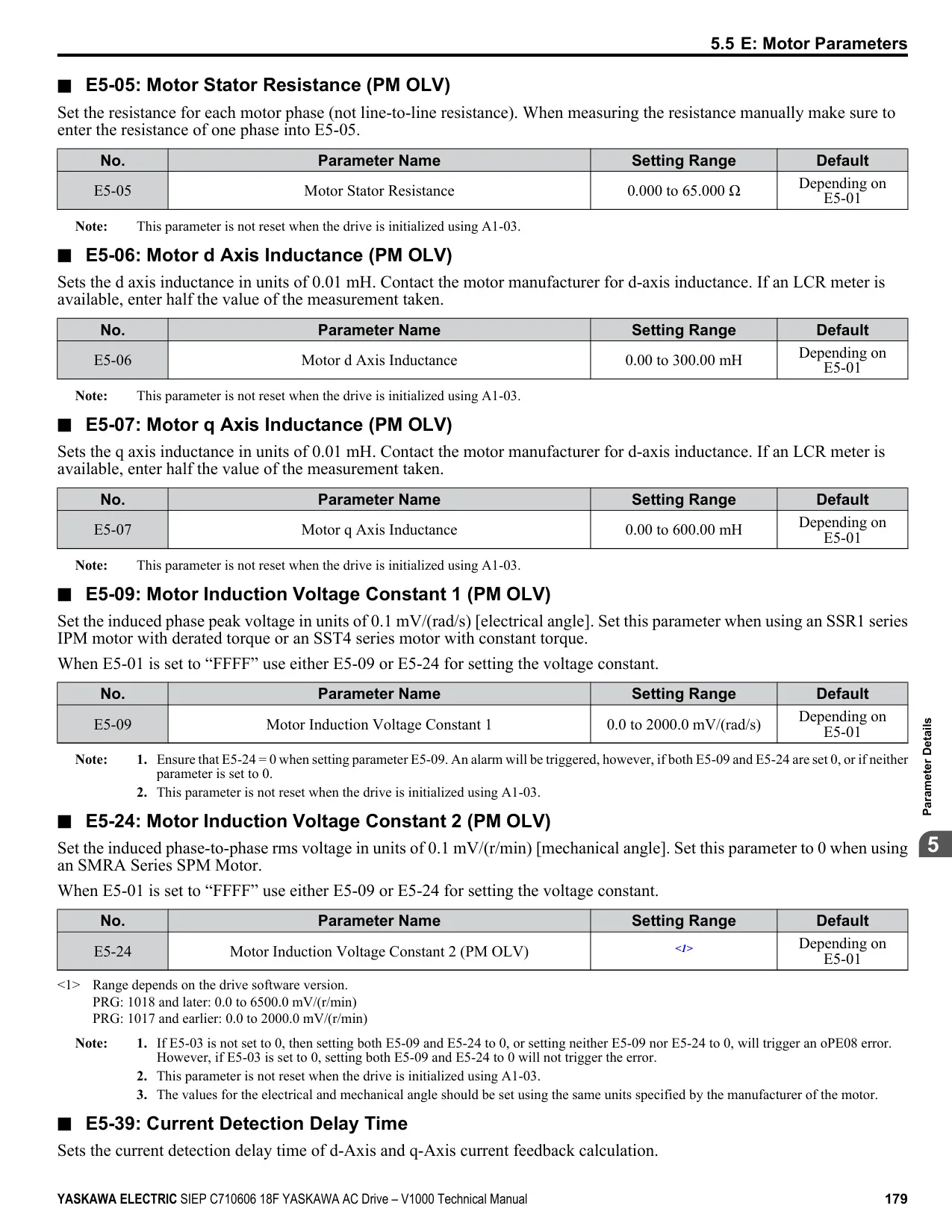
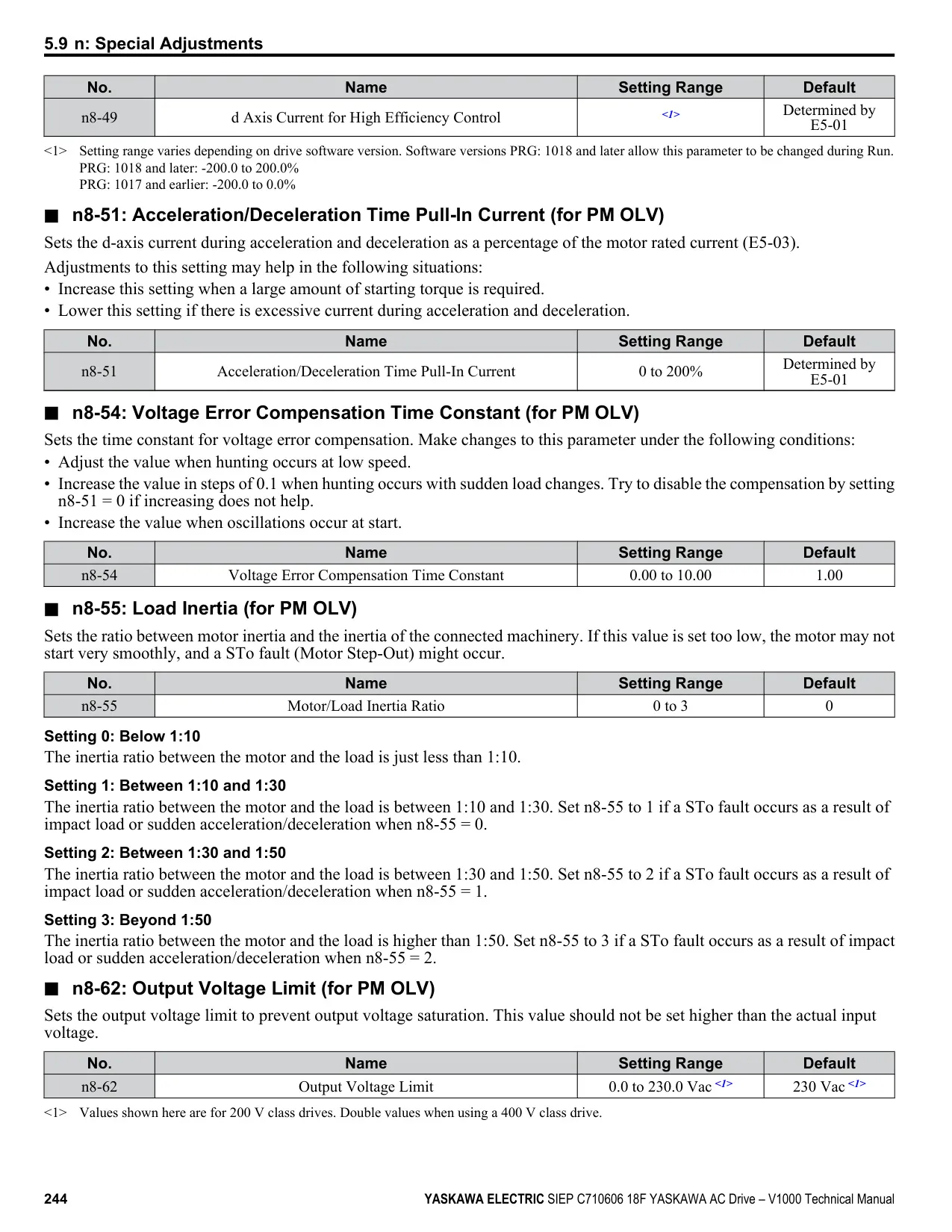
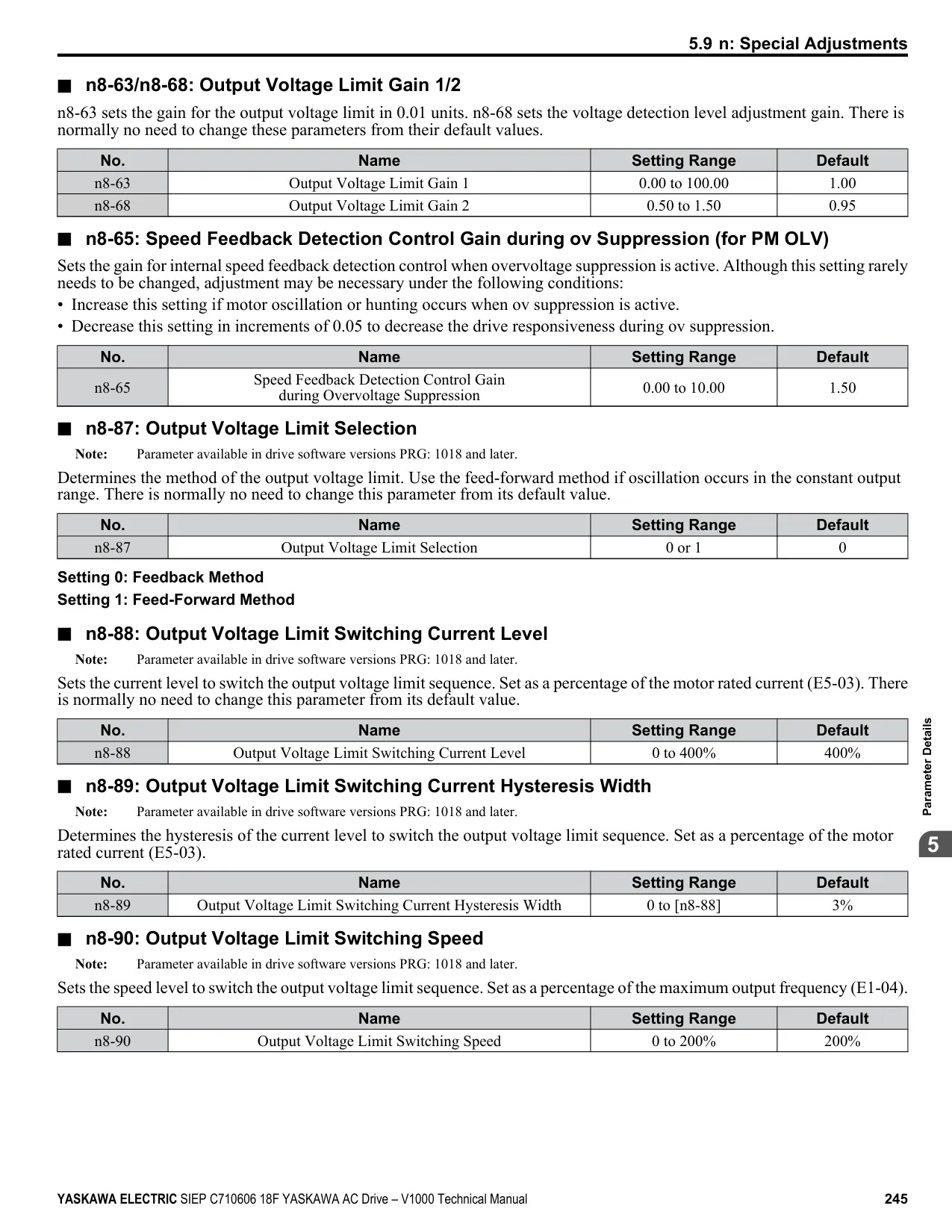
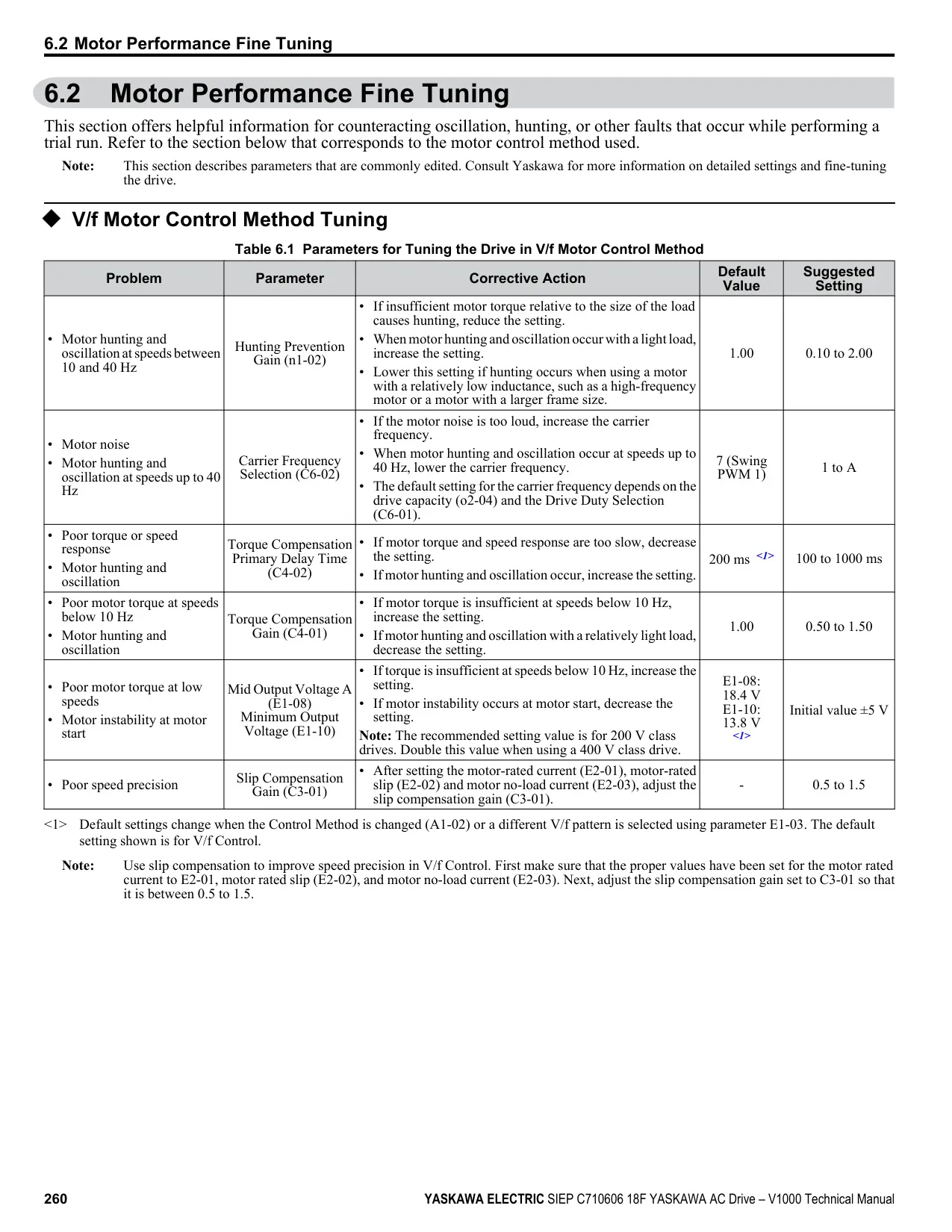
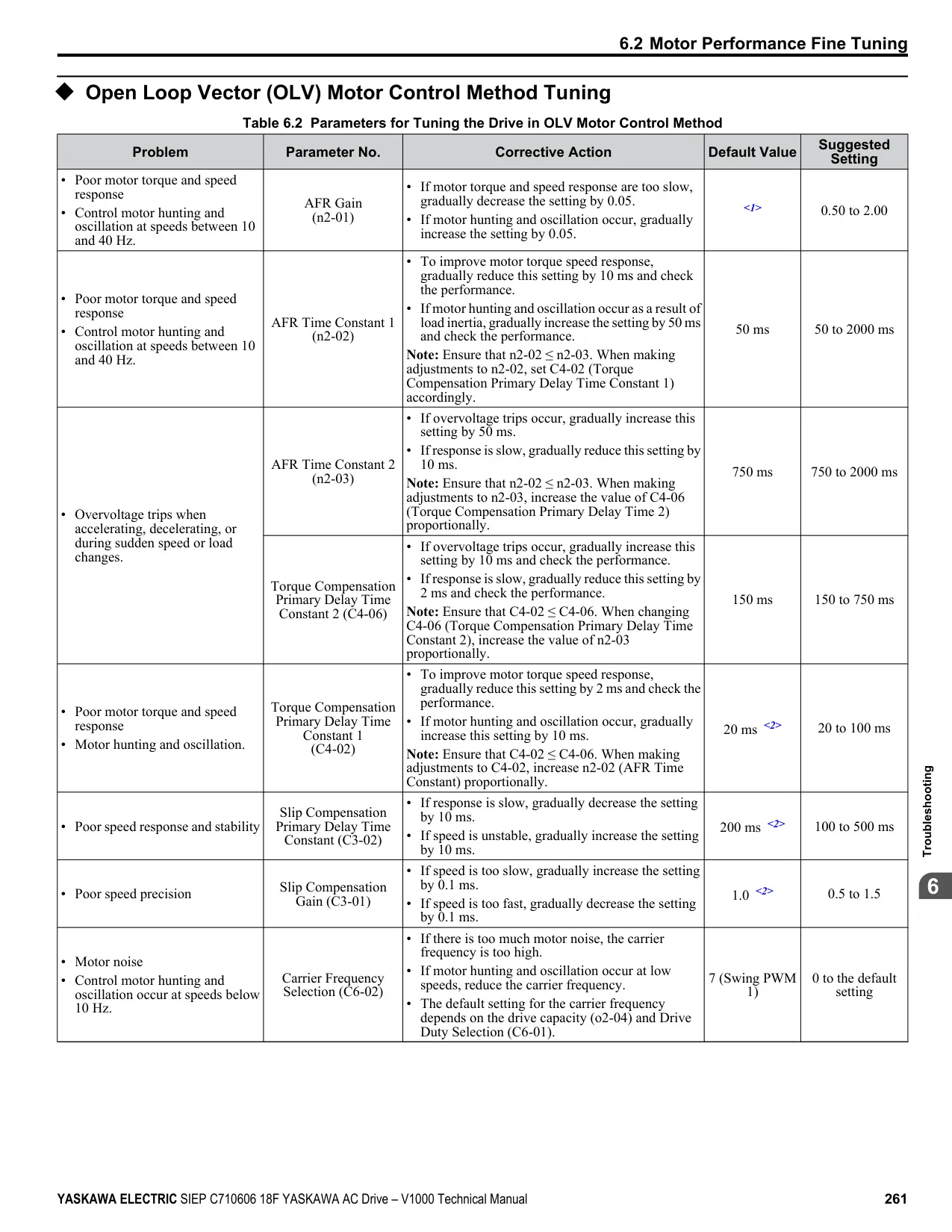
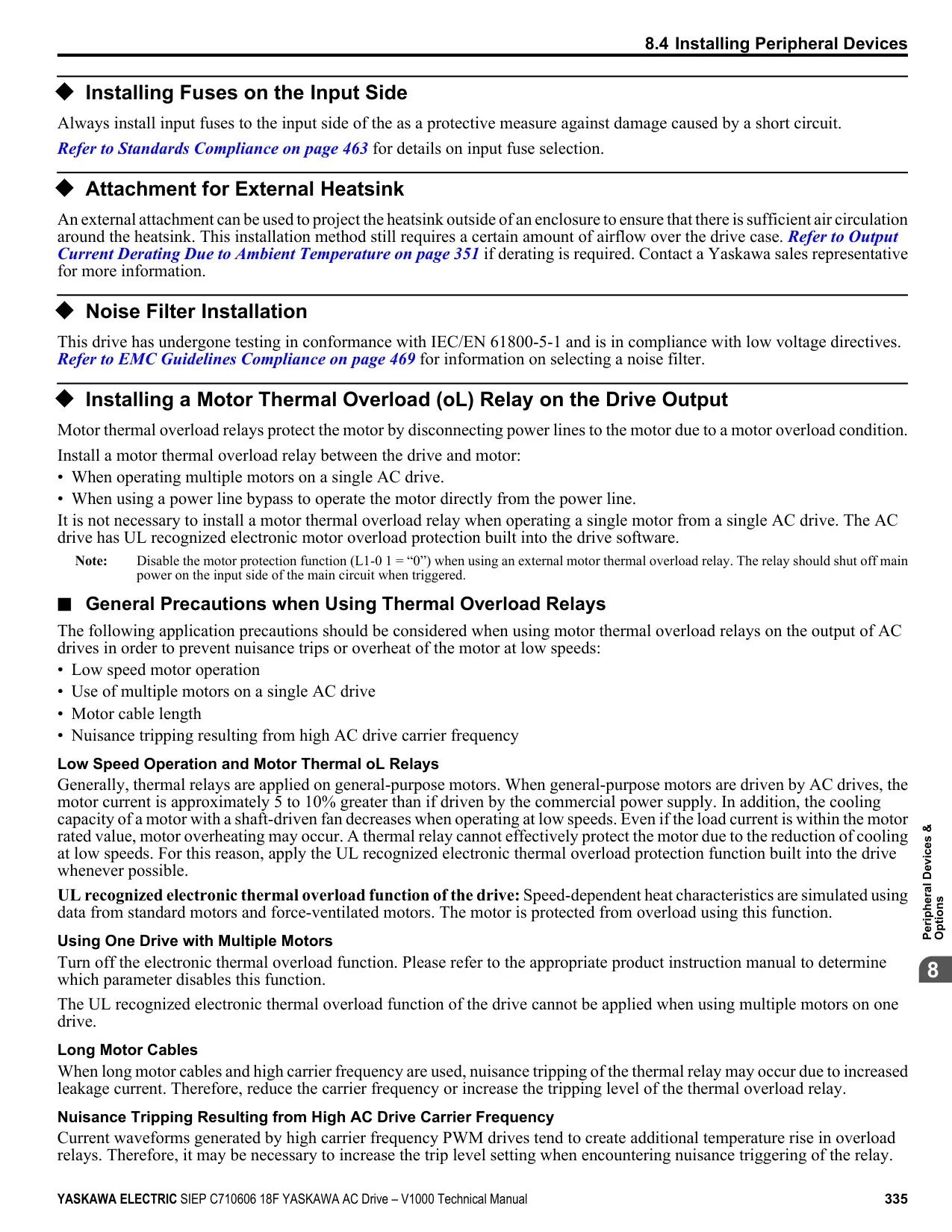
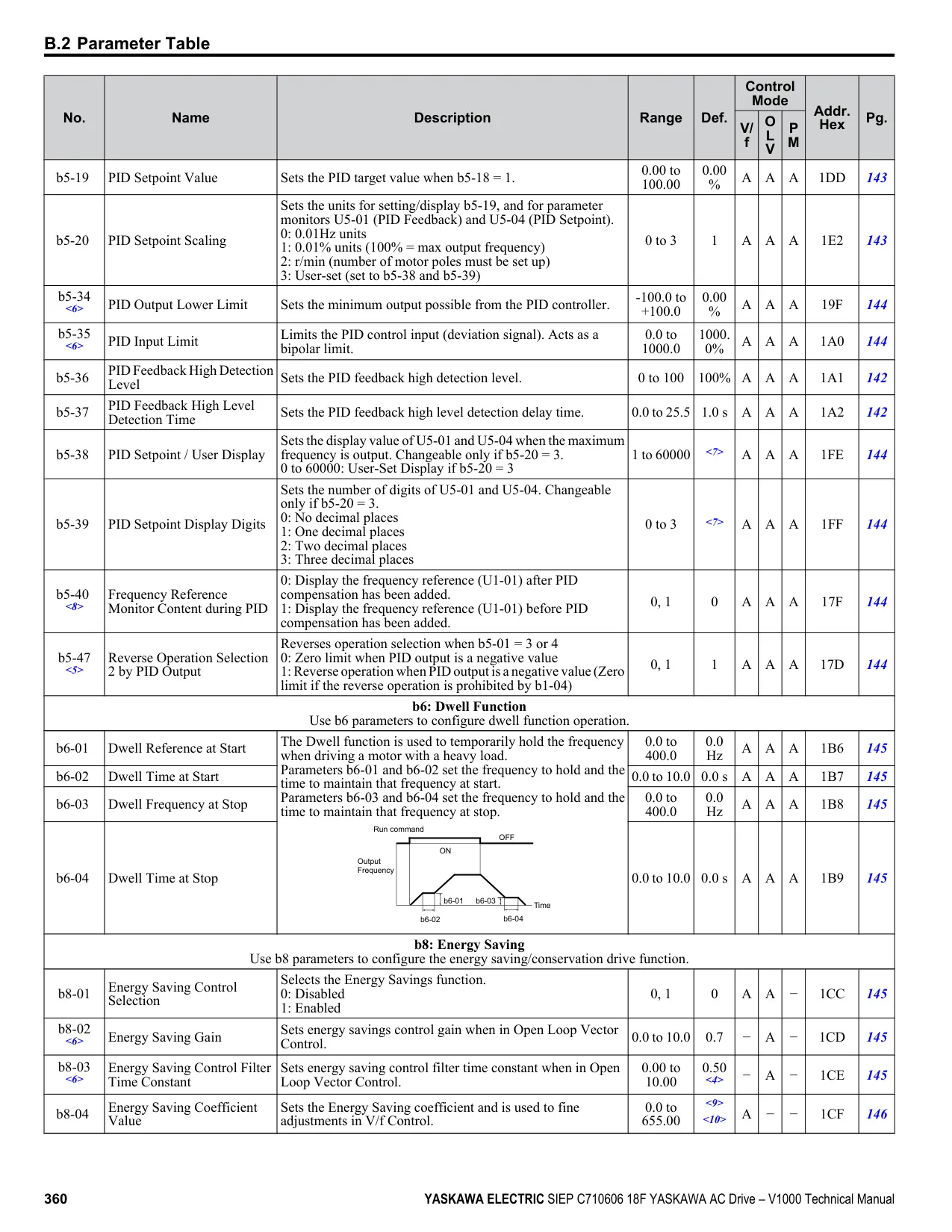
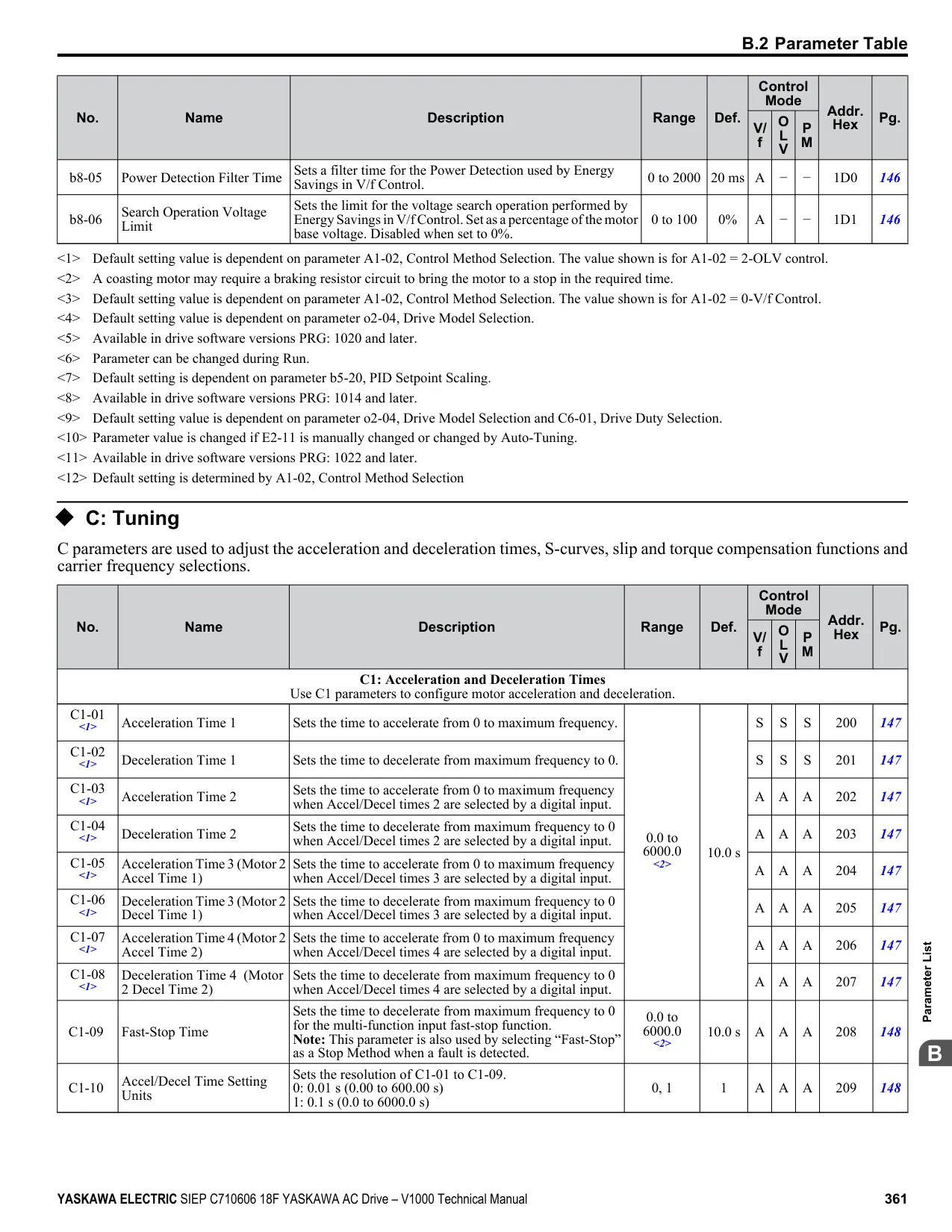
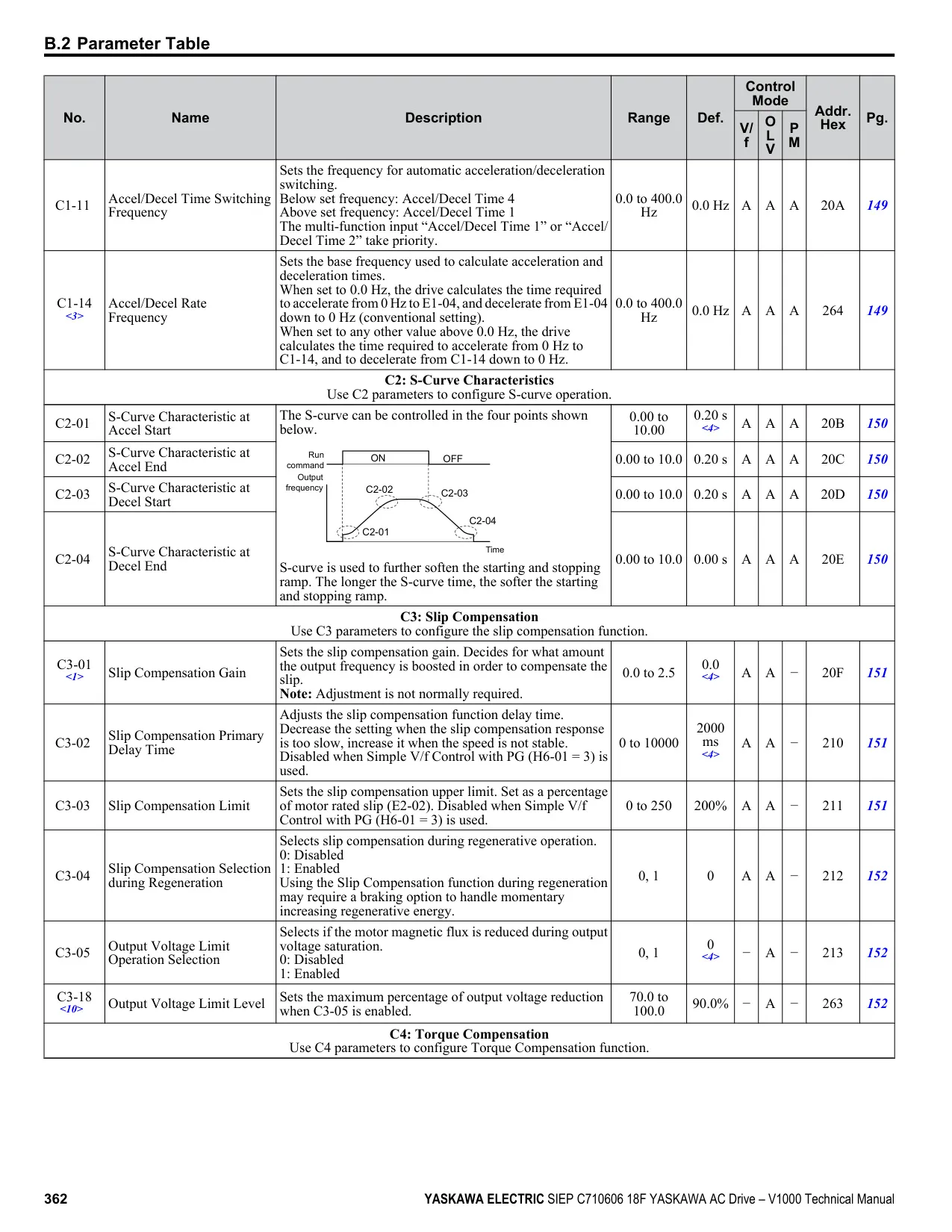
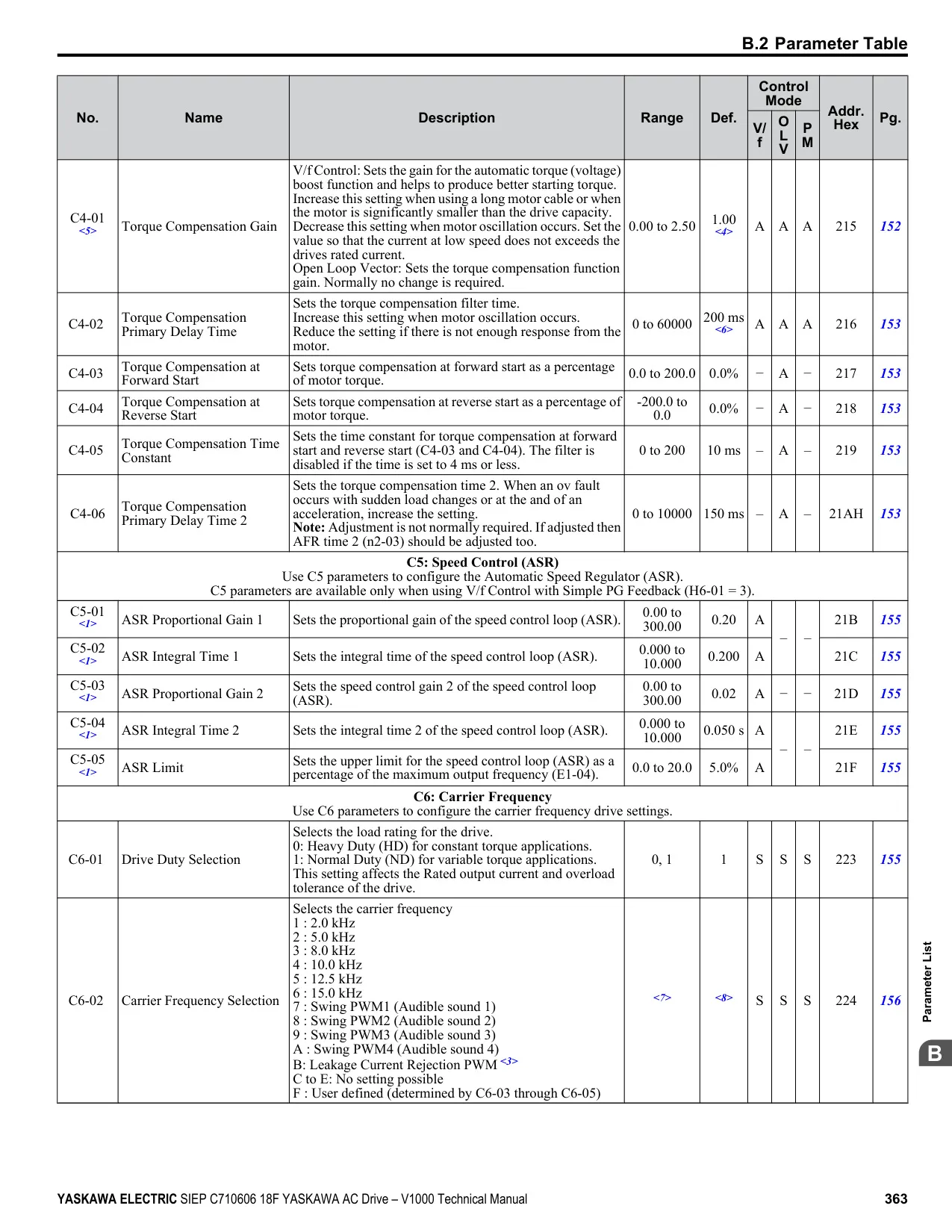
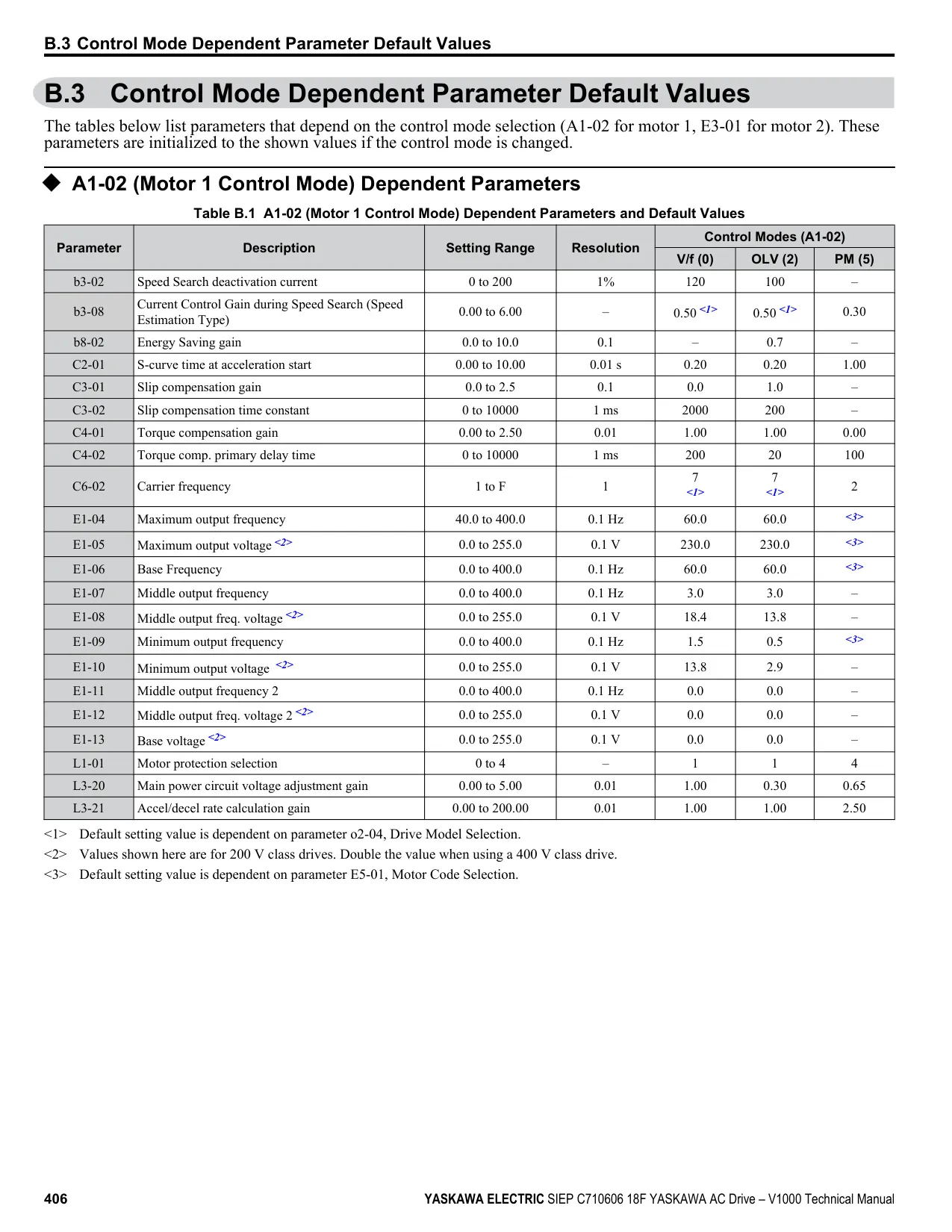
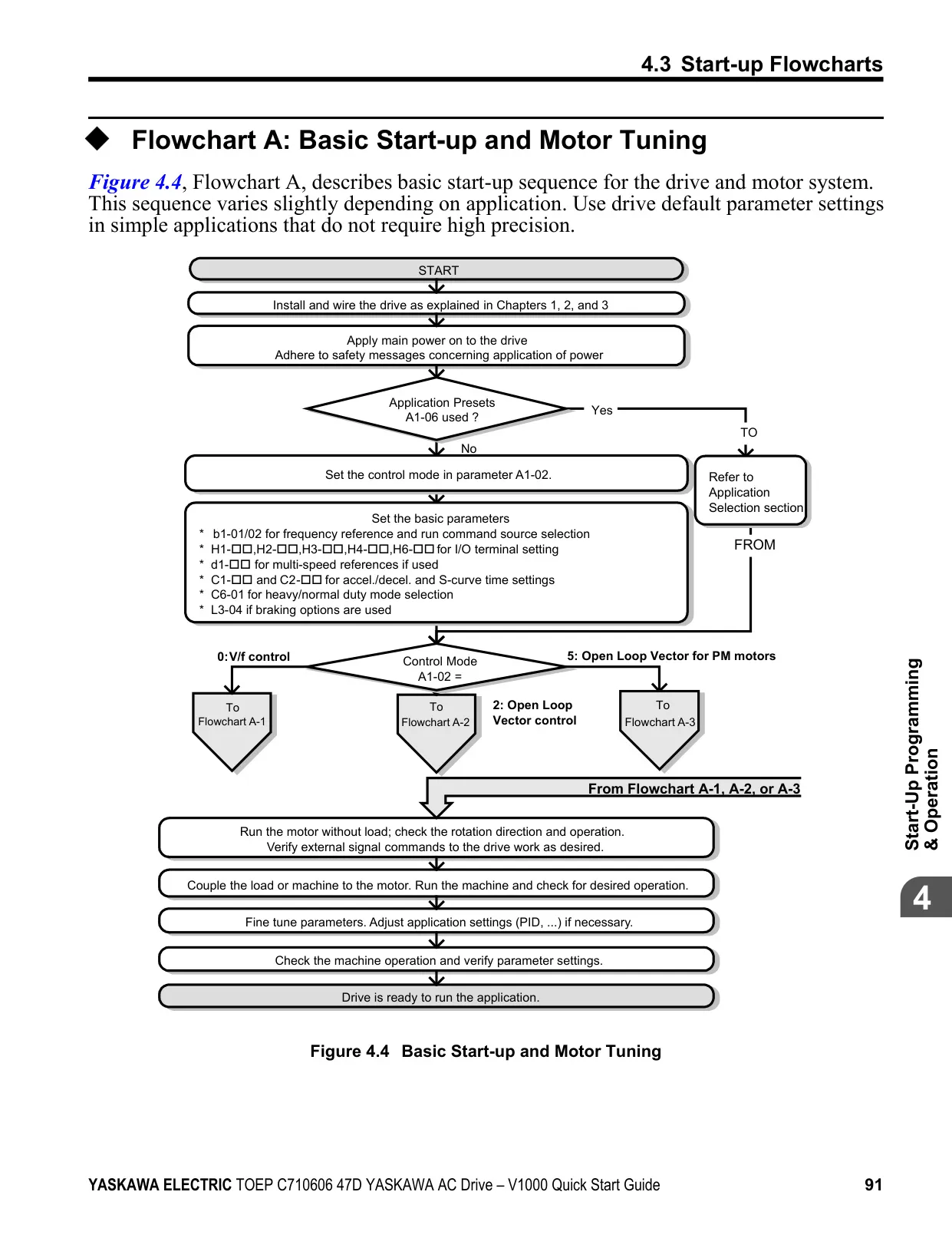
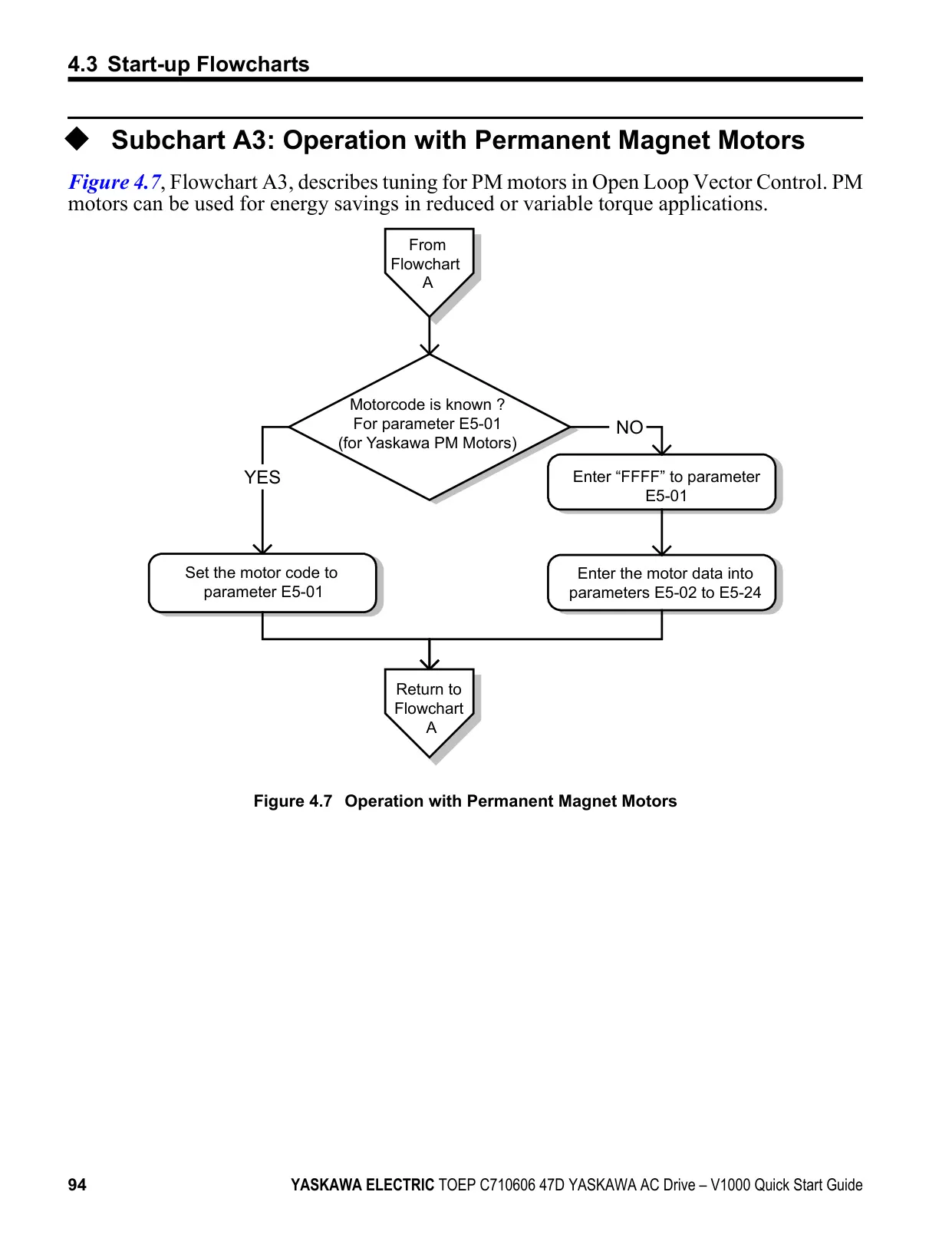
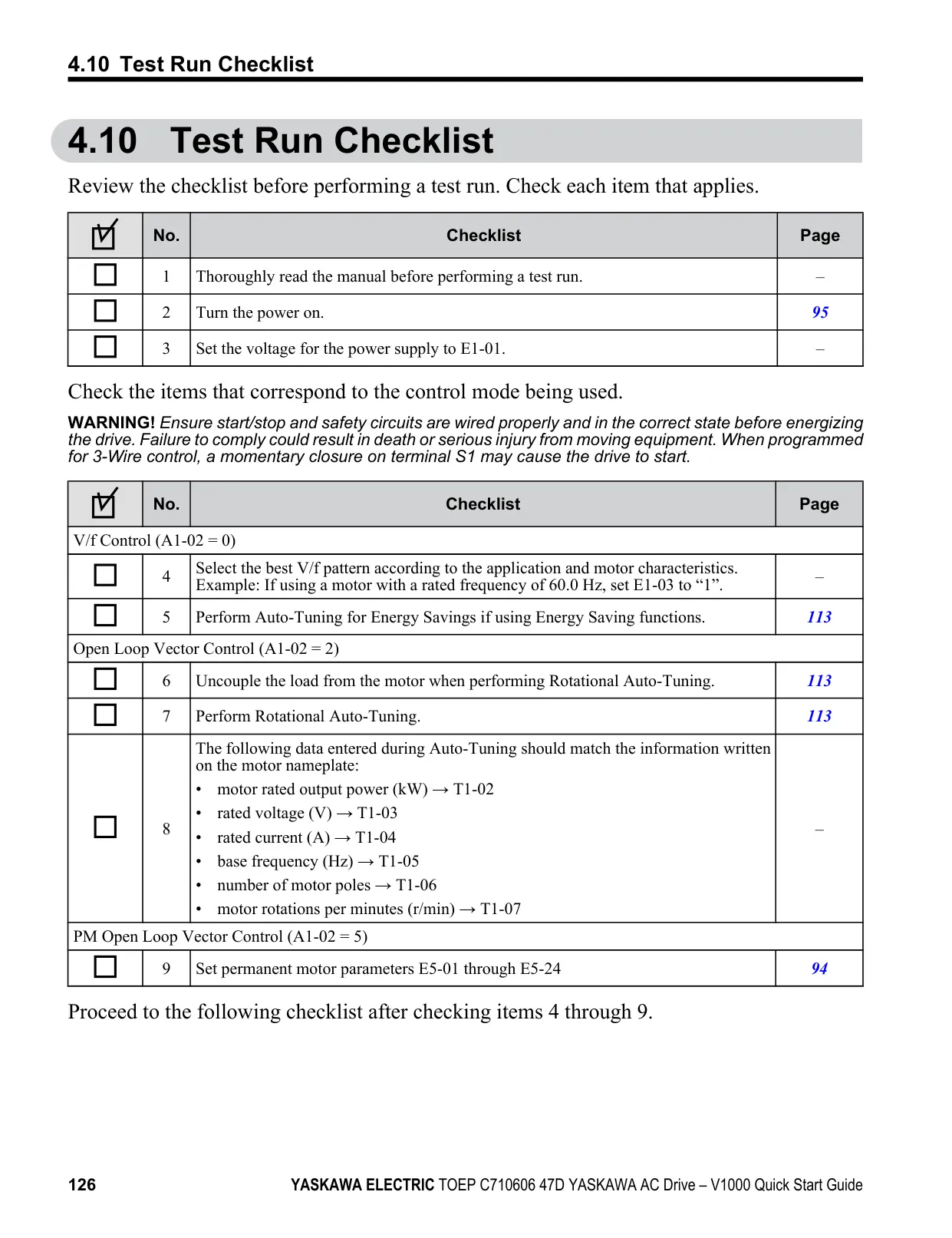
The Yaskawa V1000 VFD is a compact variable frequency drive designed for precise, efficient motor control across a wide range of industrial applications. Beyond its power and voltage specifications, this device incorporates a set of advanced features that optimize performance and ease of use. Its versatility extends through multiple control modes, including traditional V/f Control, which is ideal for general-purpose and multi-motor applications. For tasks requiring higher precision and low-speed torque, Open Loop Vector (OLV) Control is the preferred option, while Open Loop Vector for PM Motors (OLV/PM) Control is specifically optimized for permanent magnet synchronous motors.
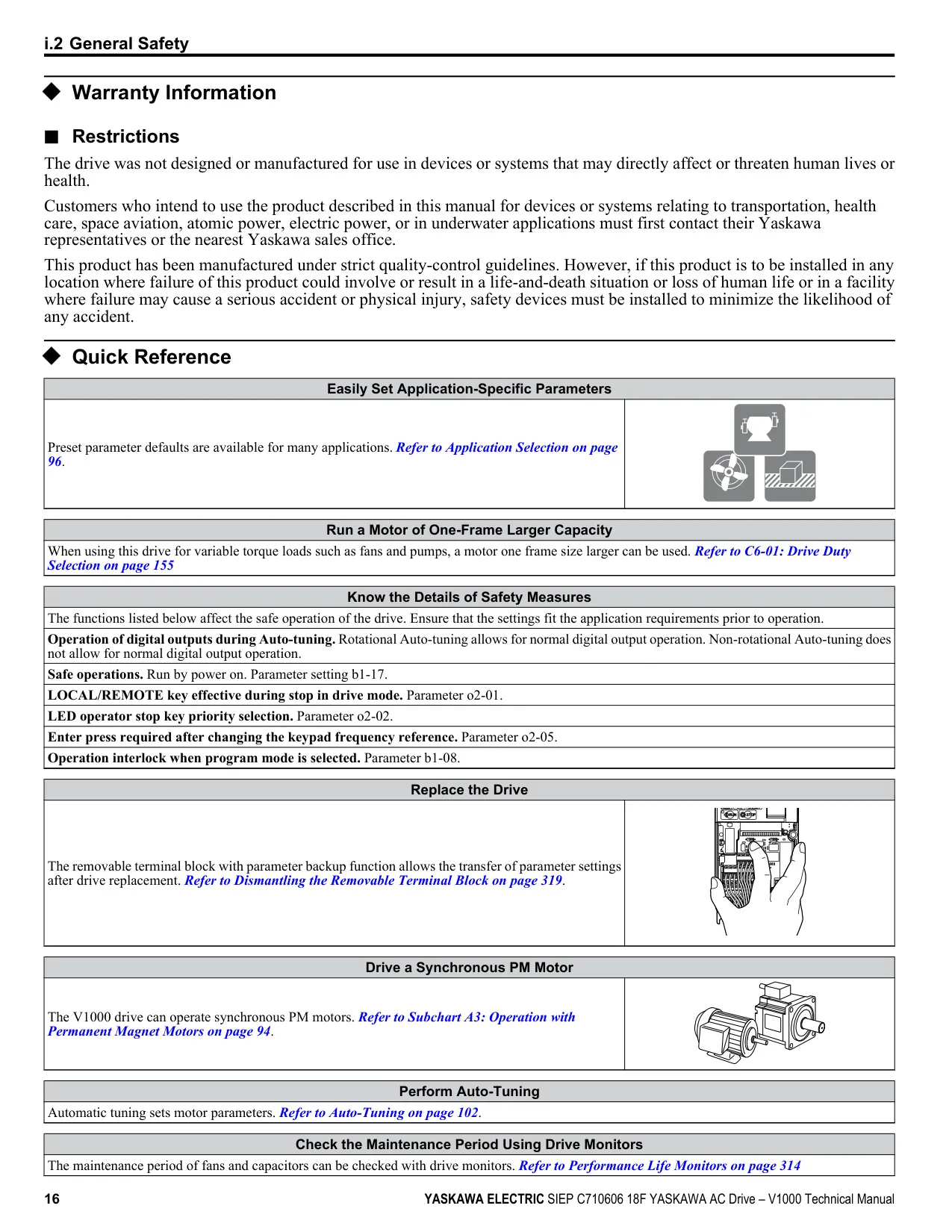
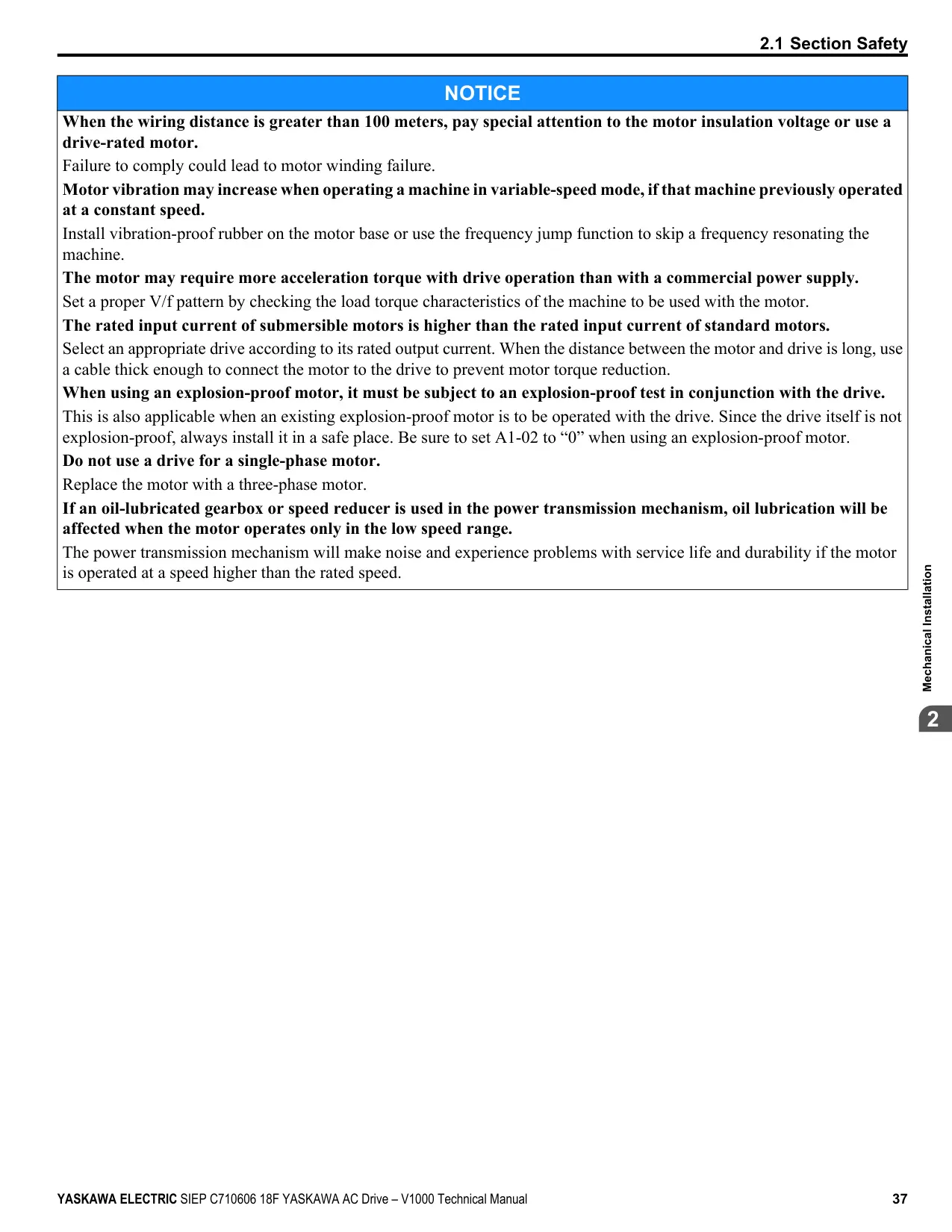
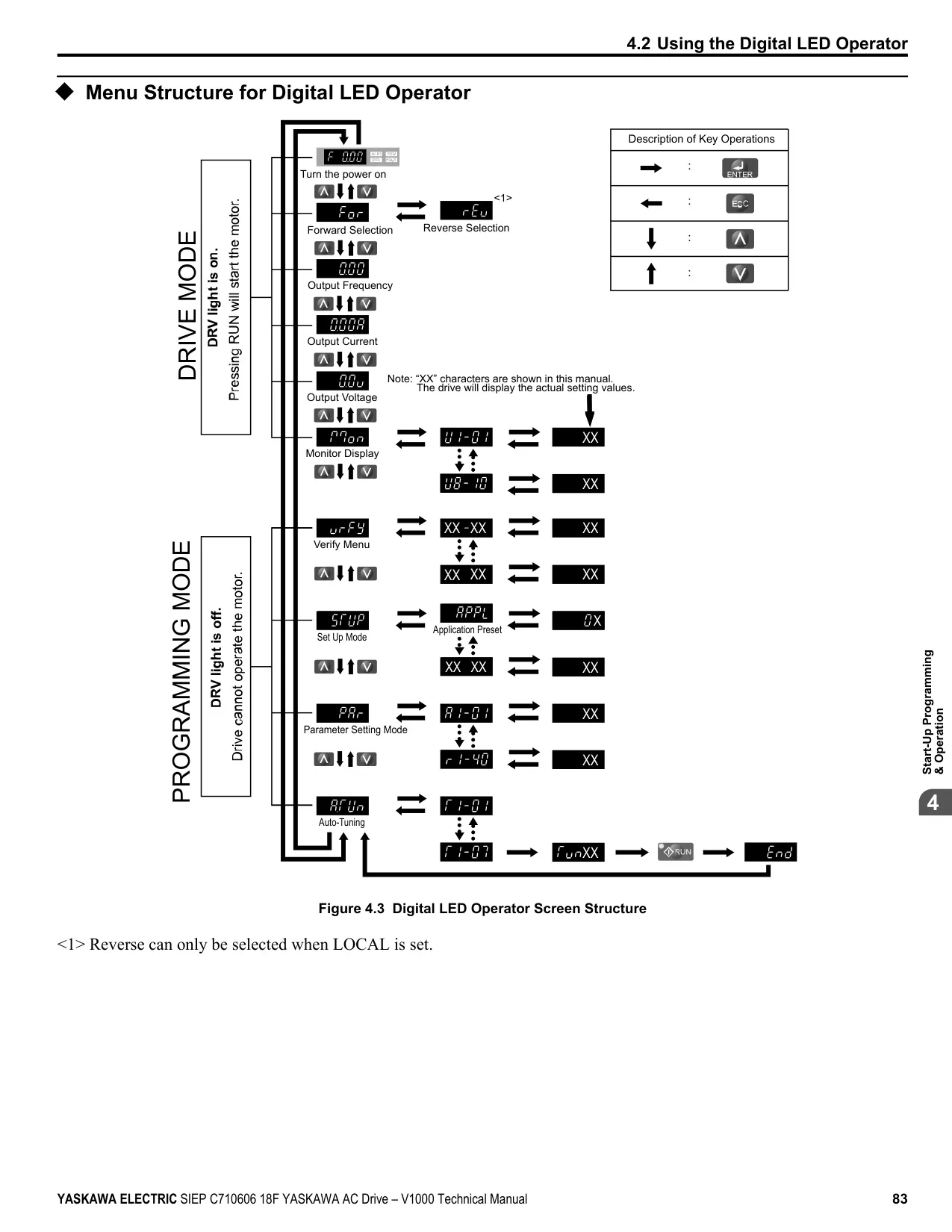
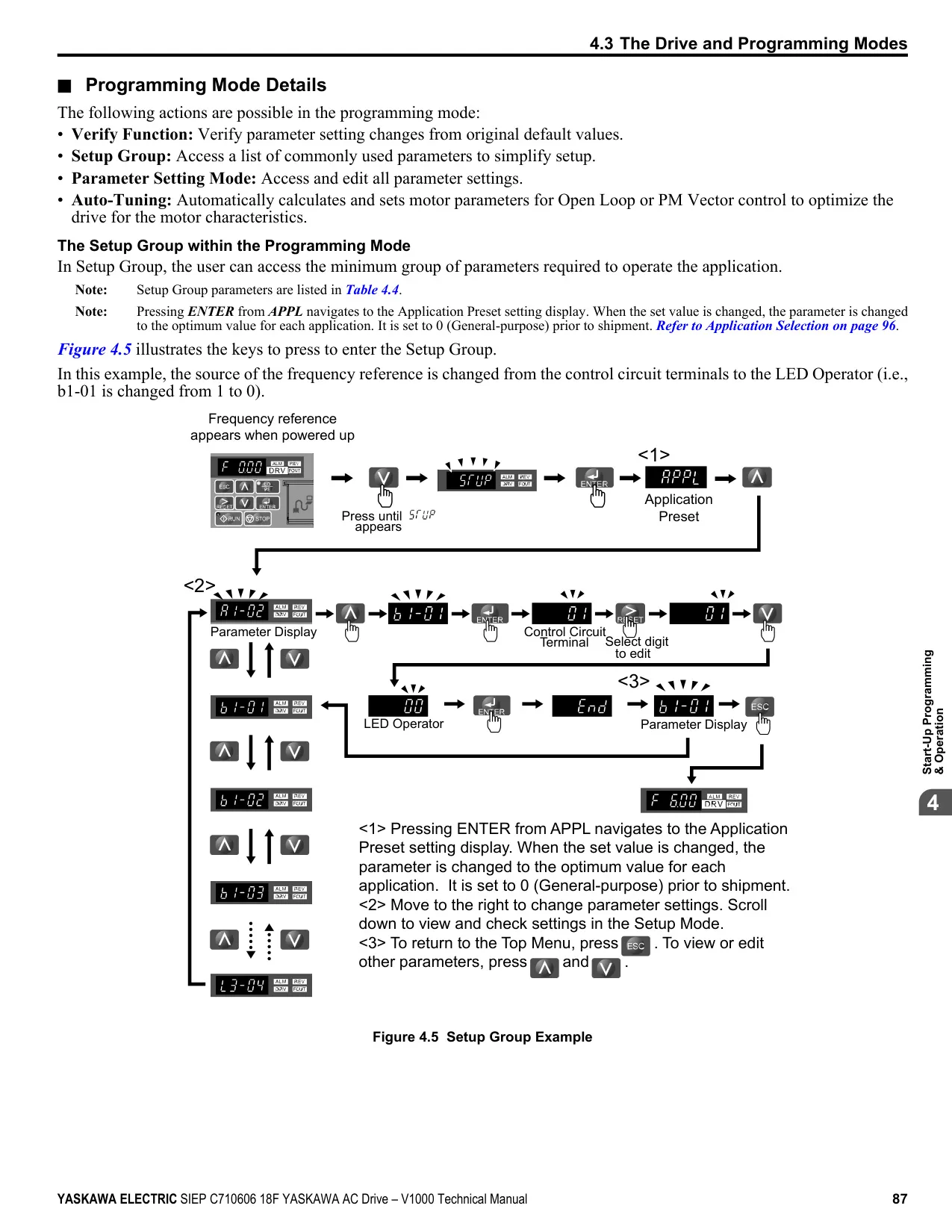
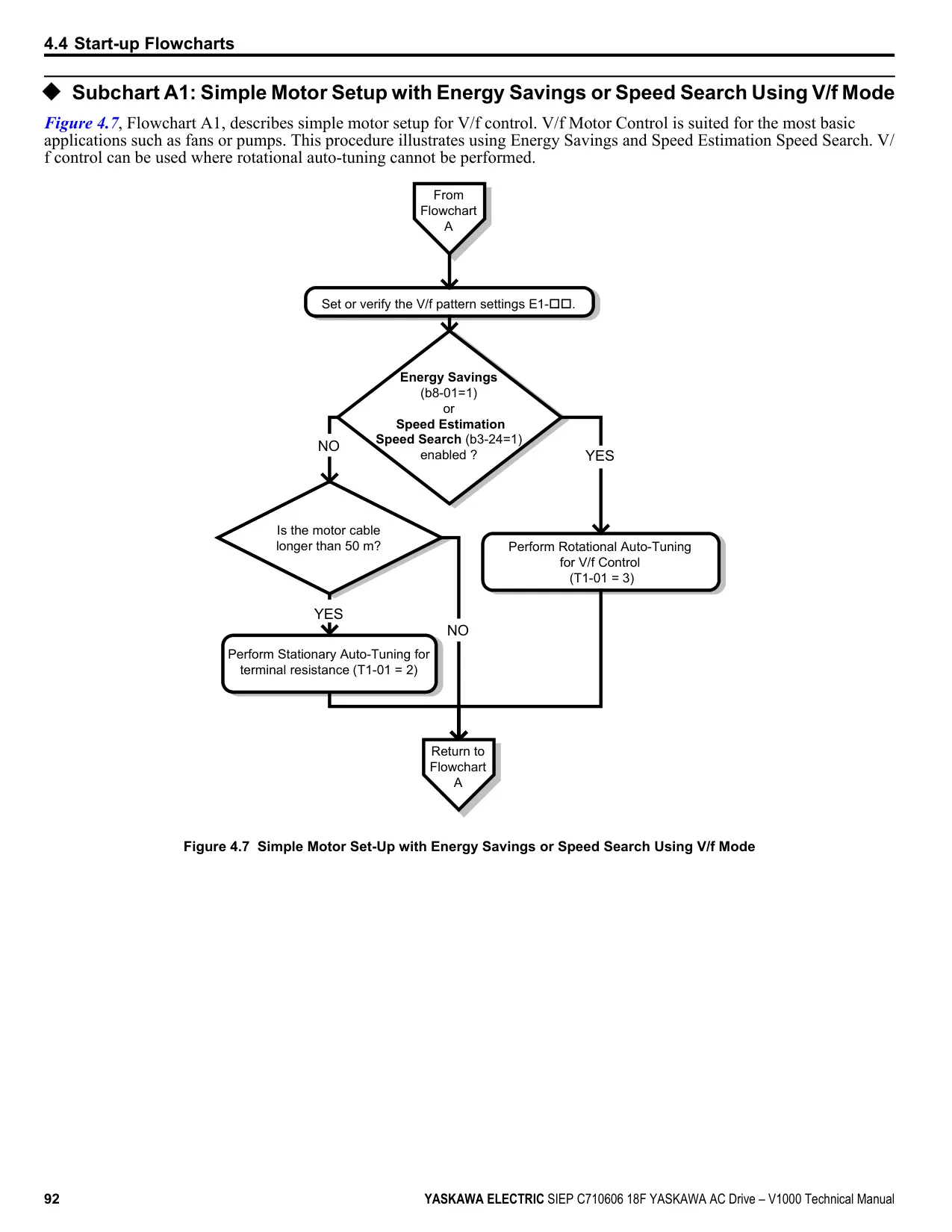
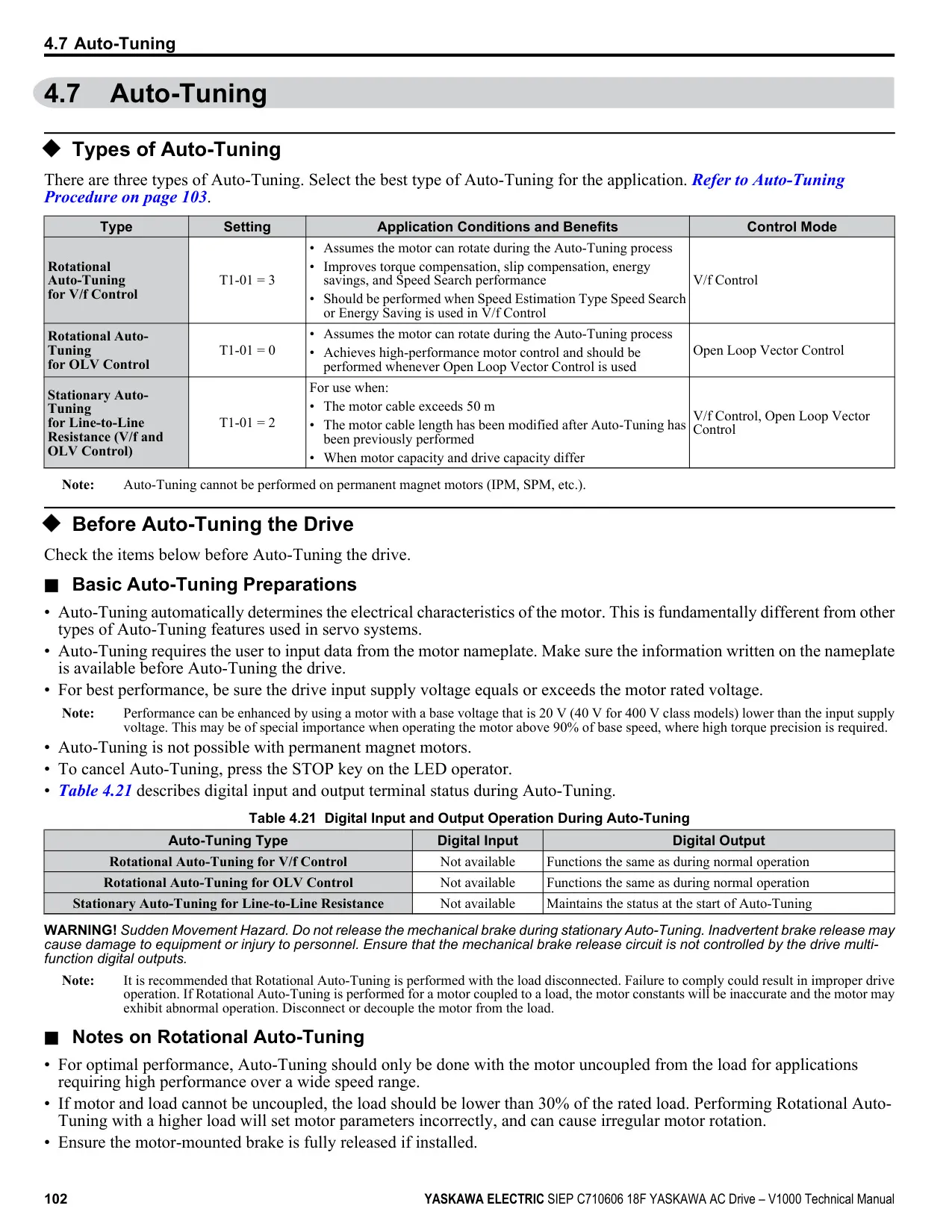
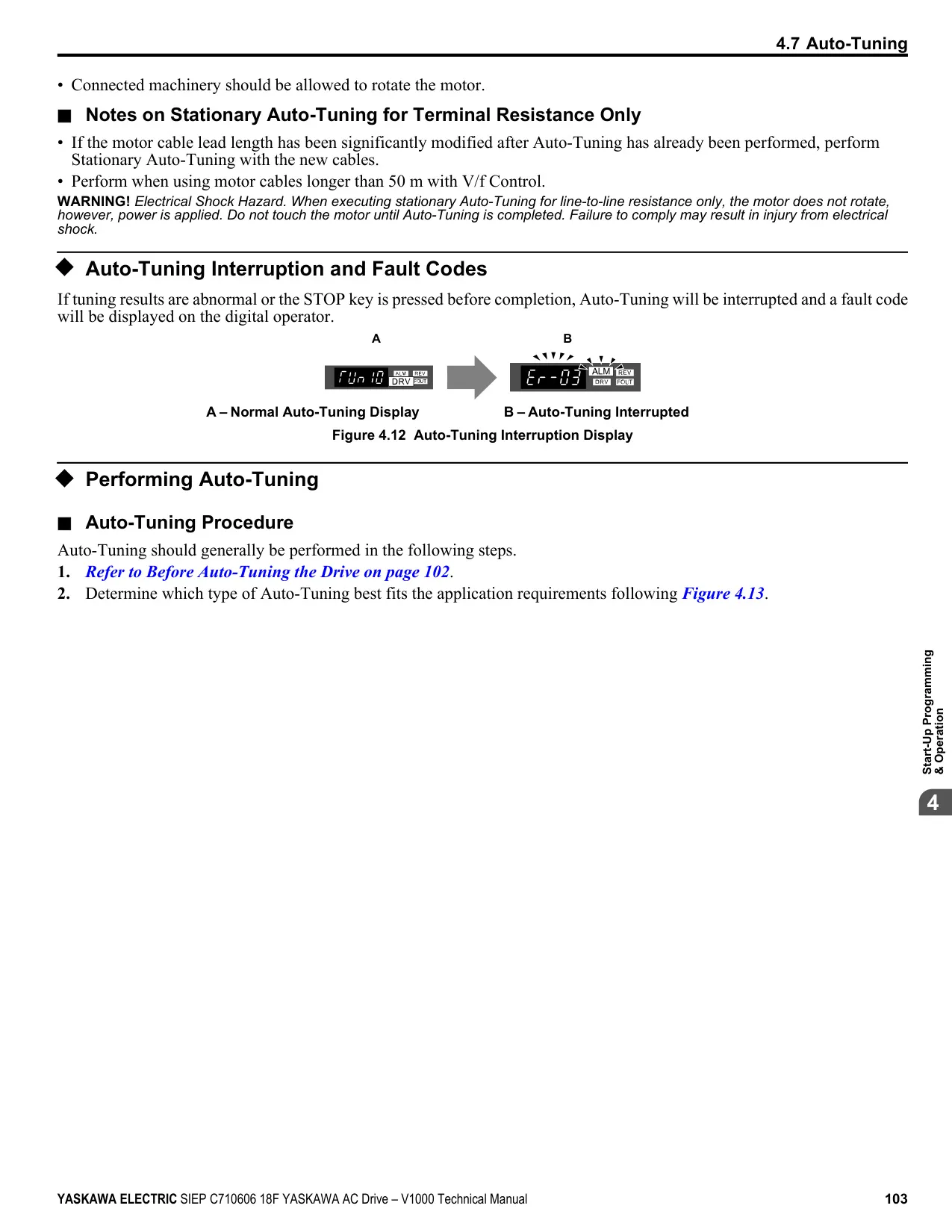
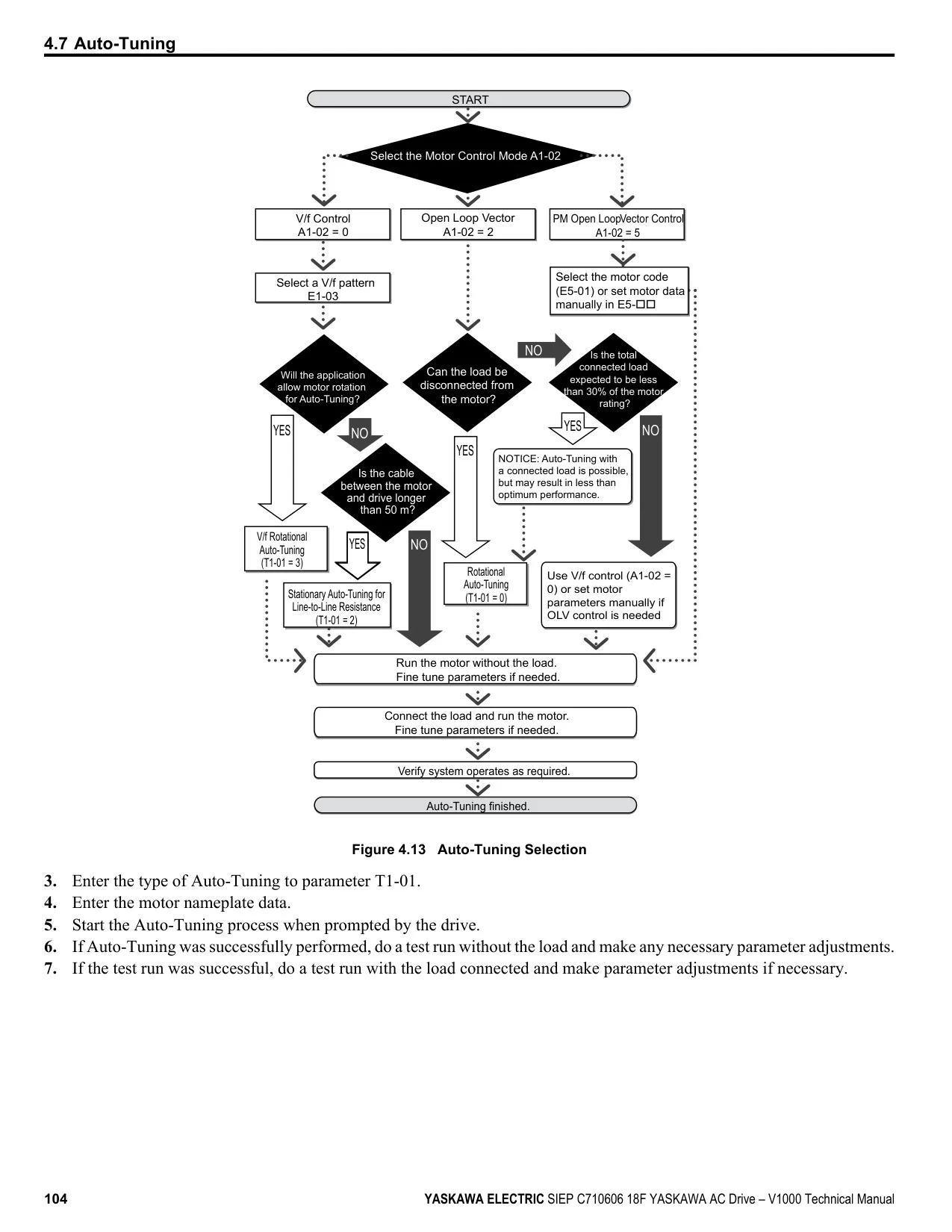
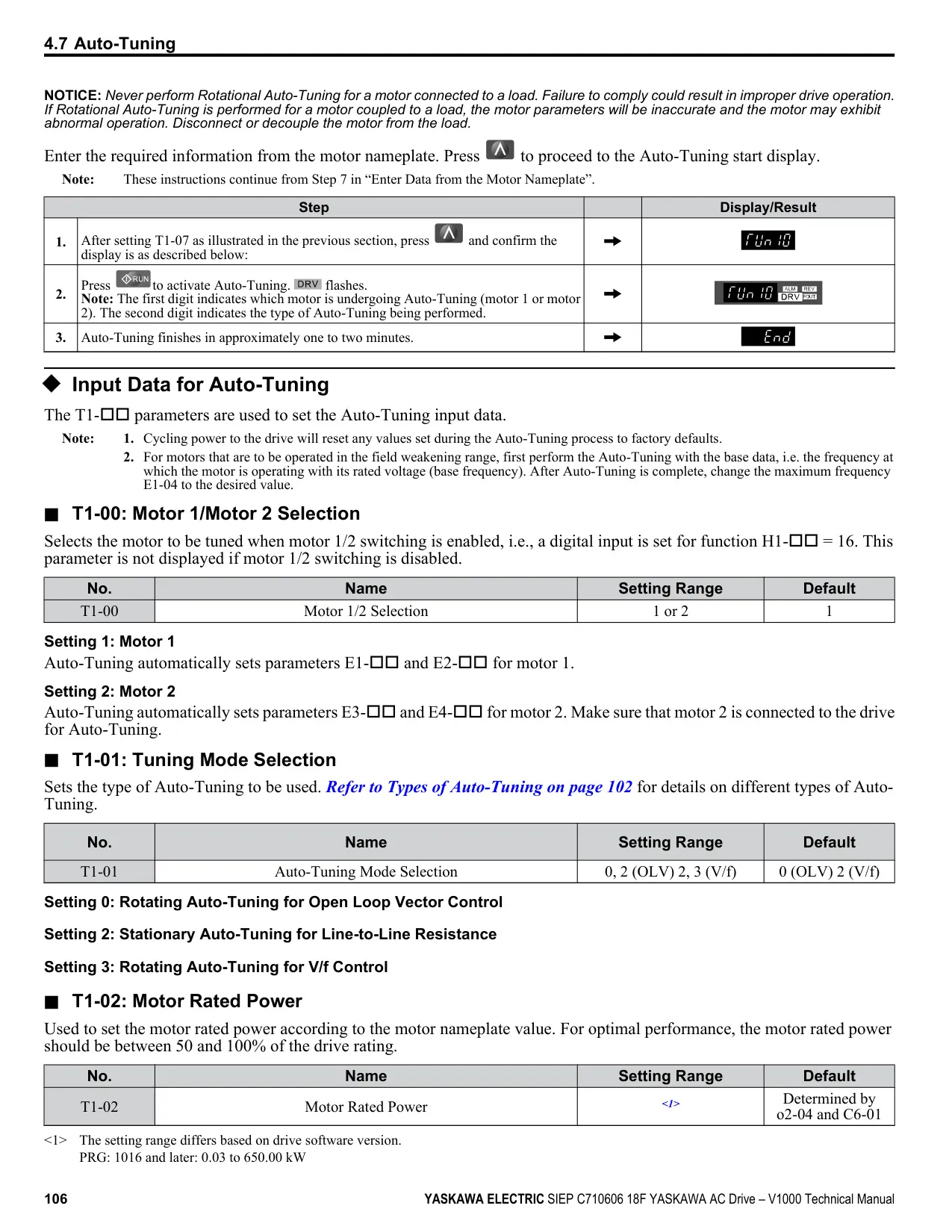
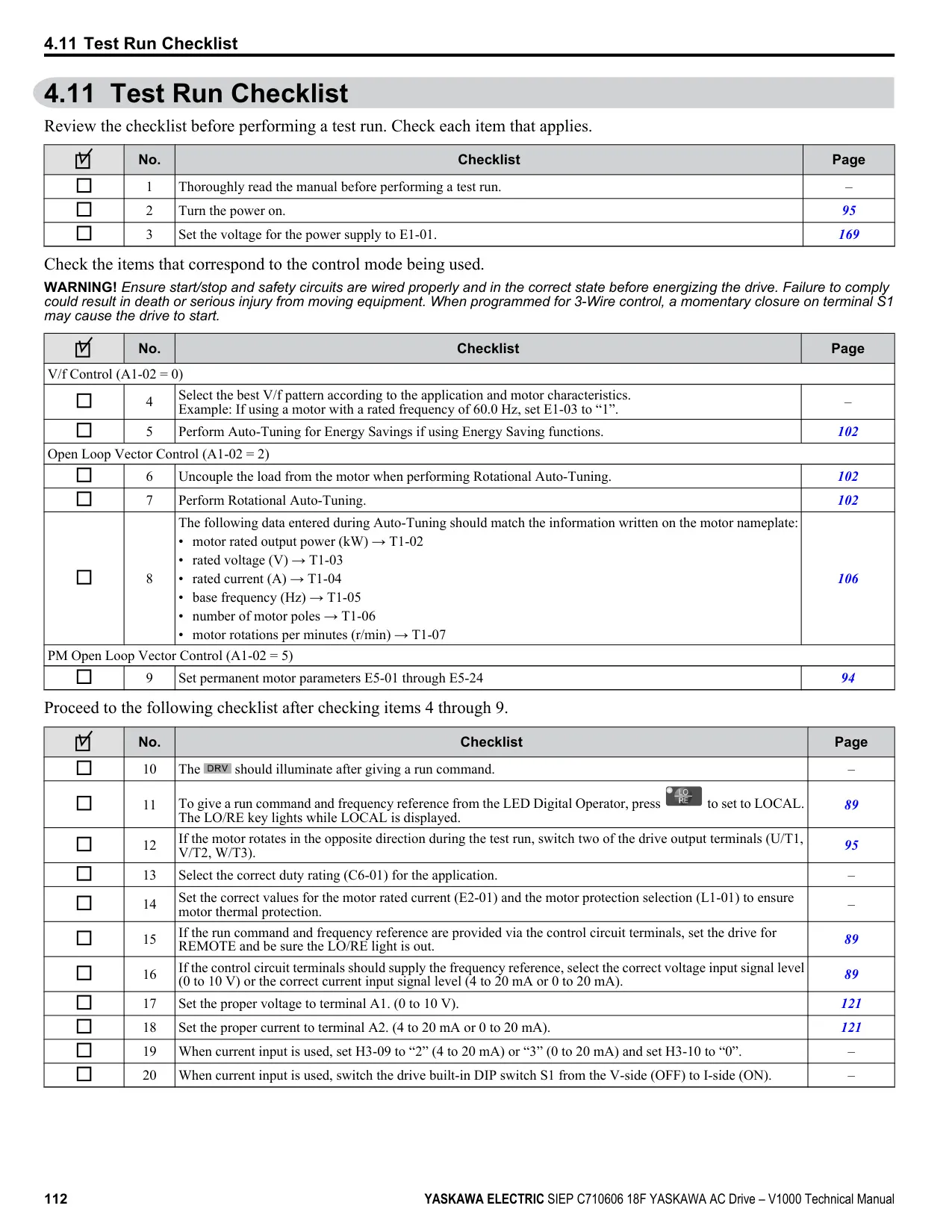
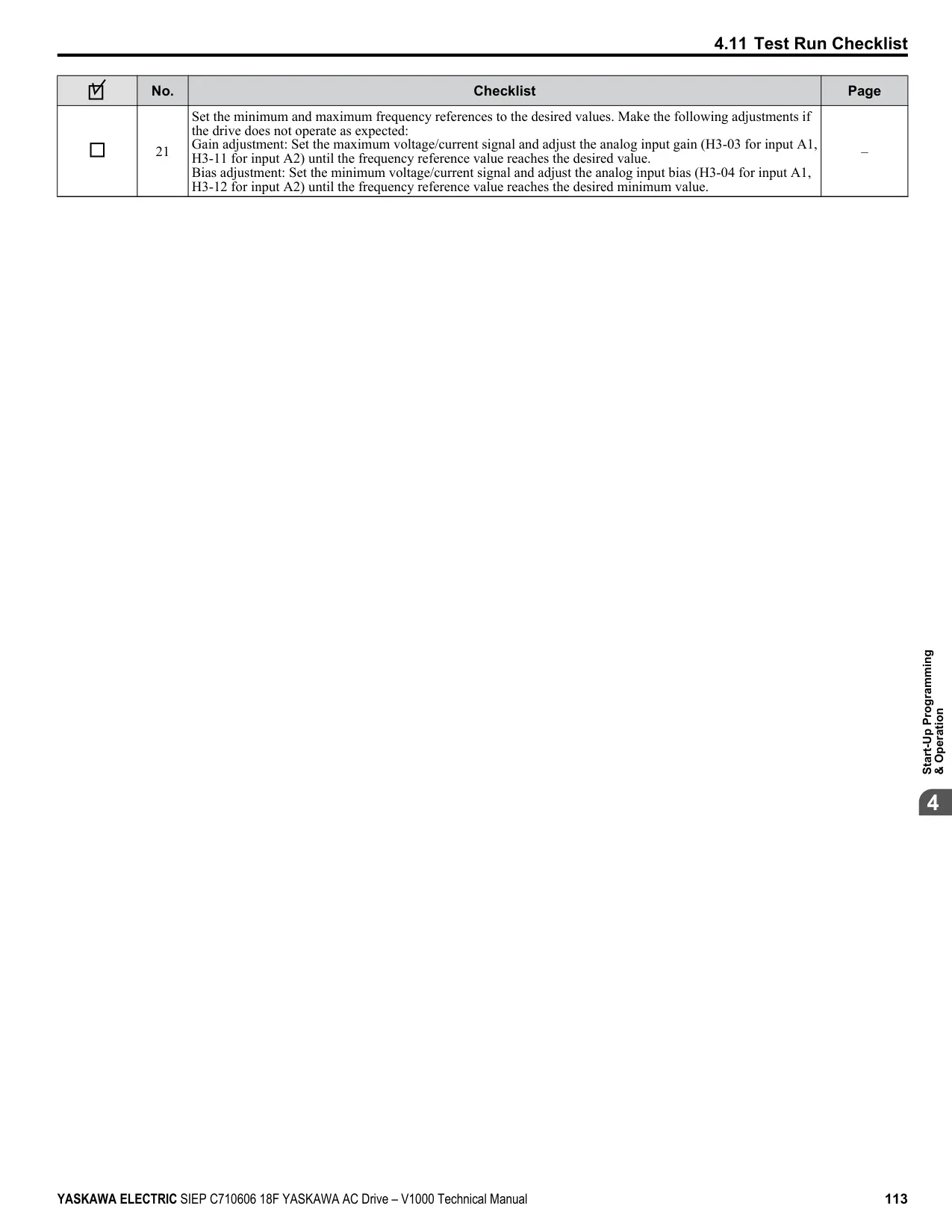
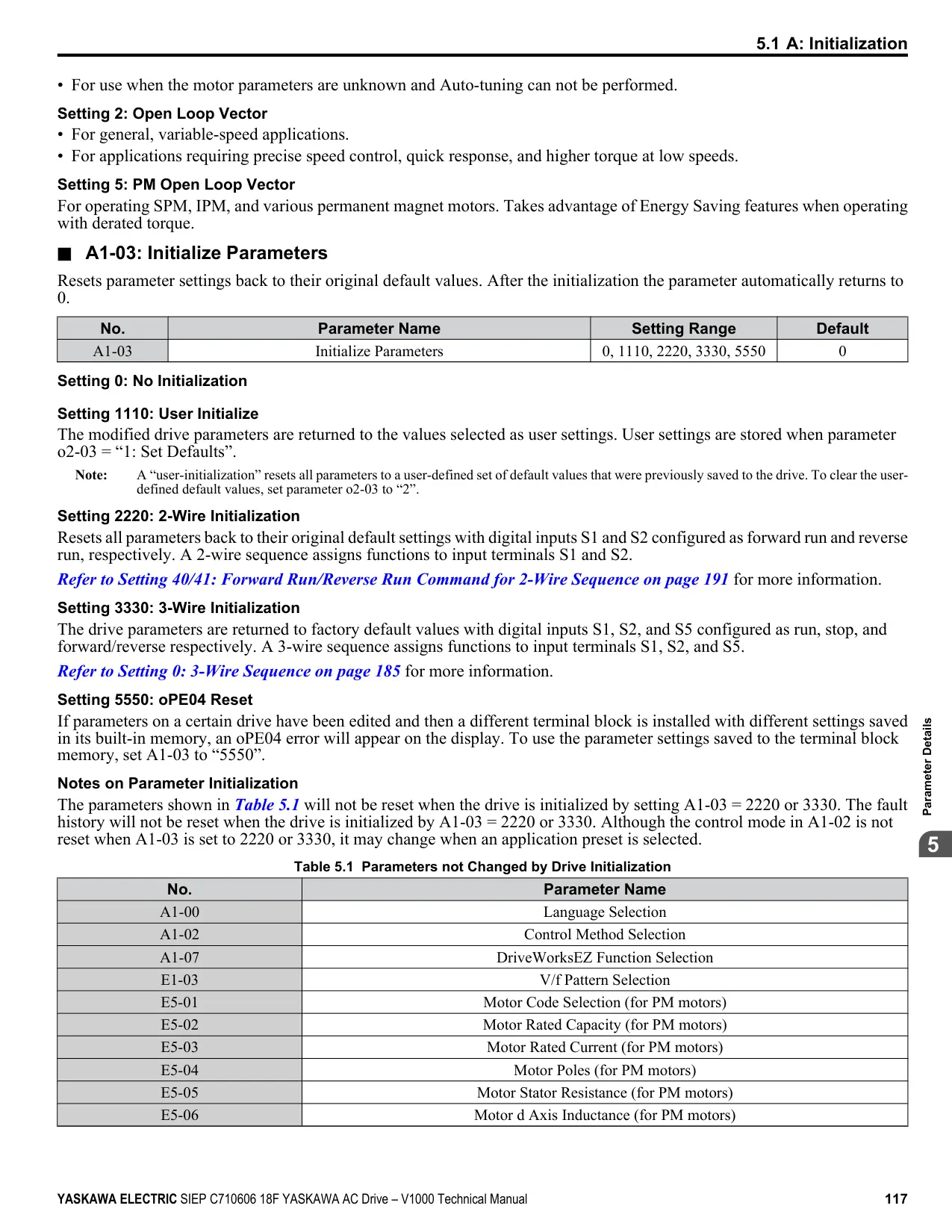
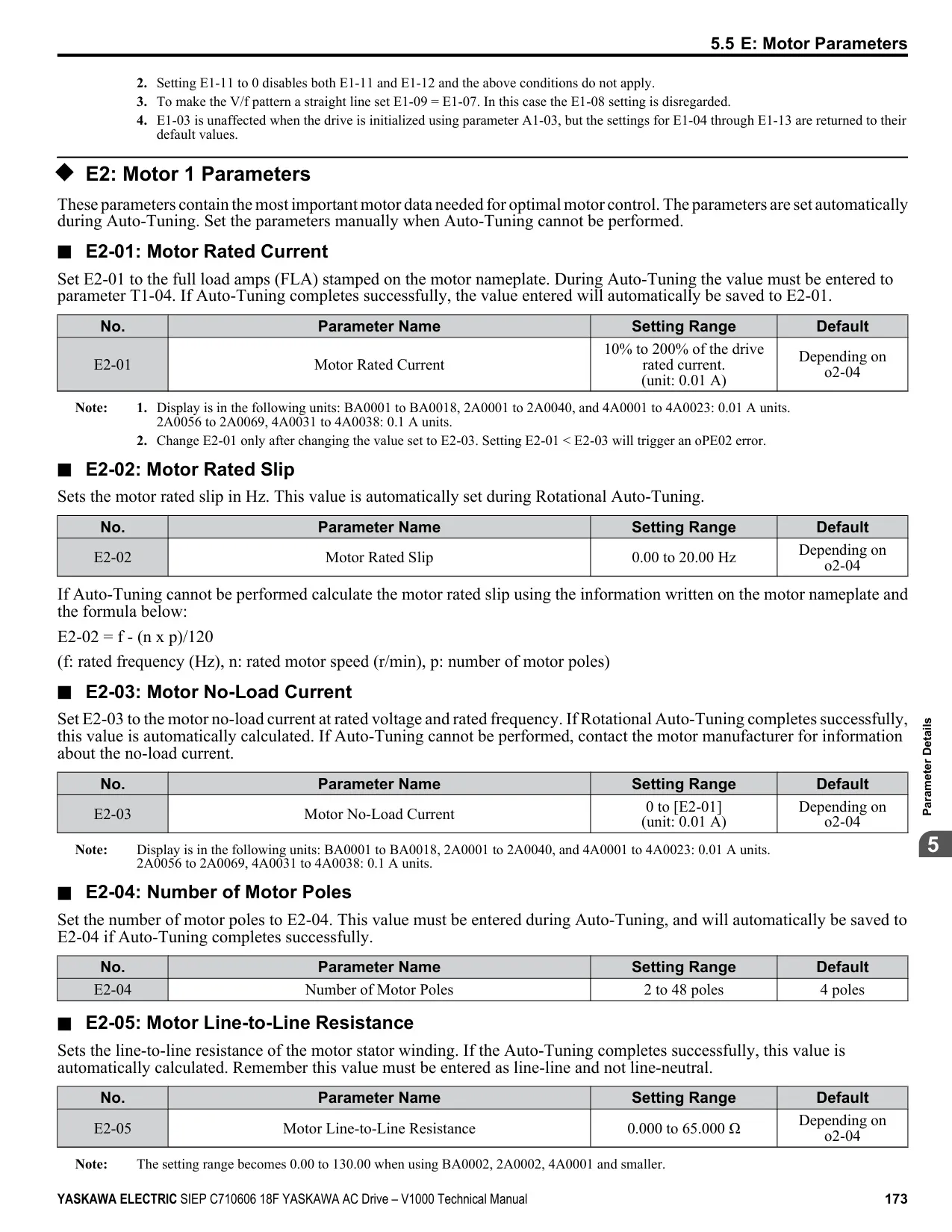
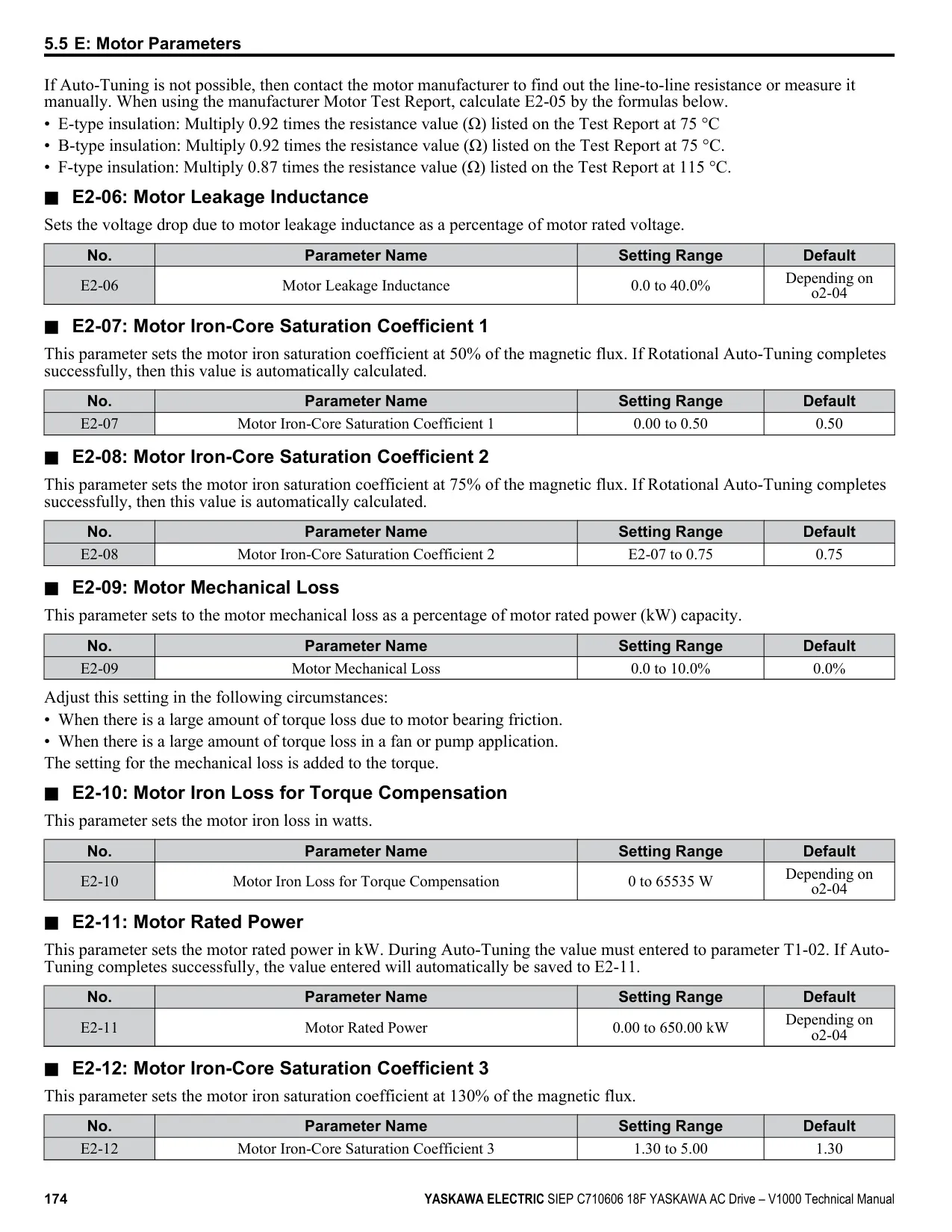
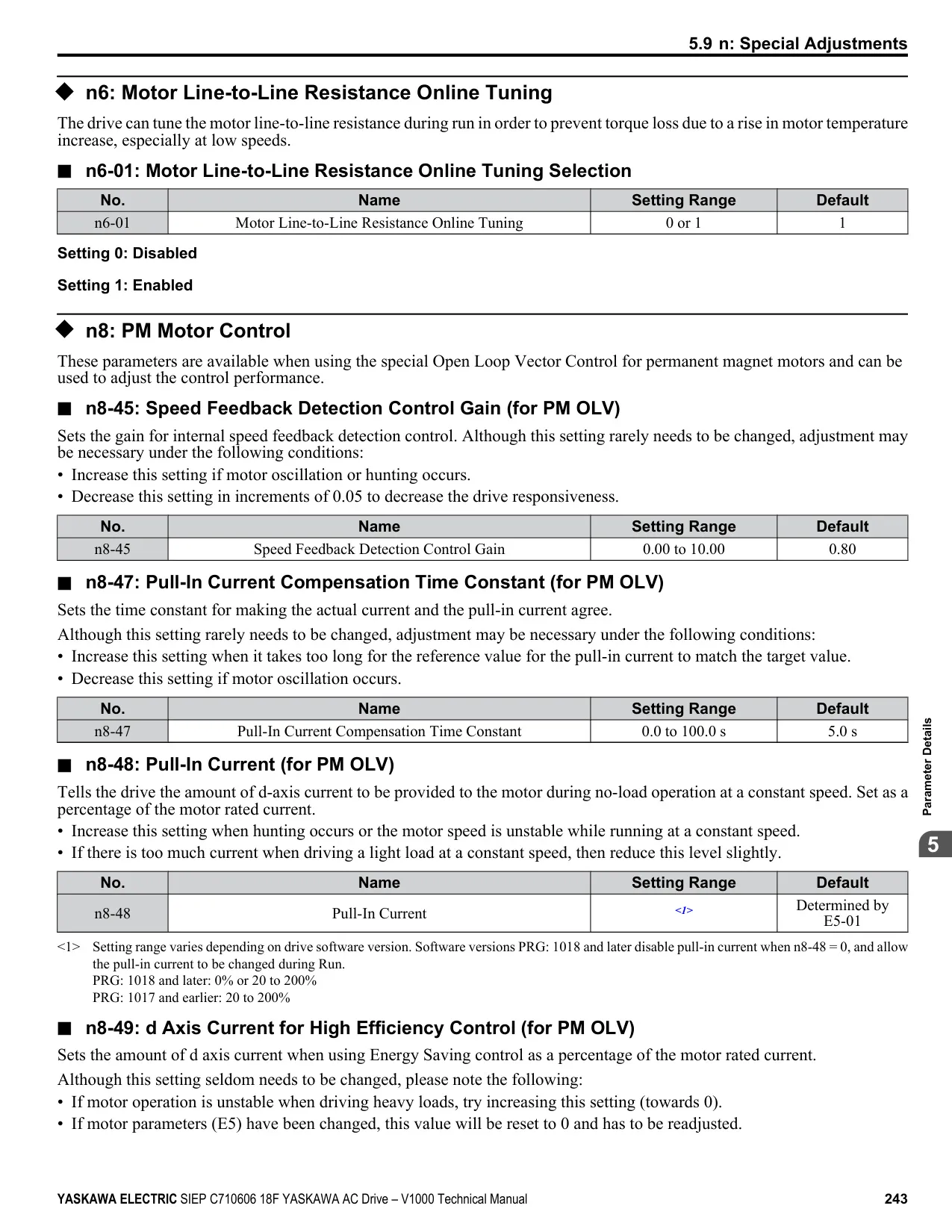
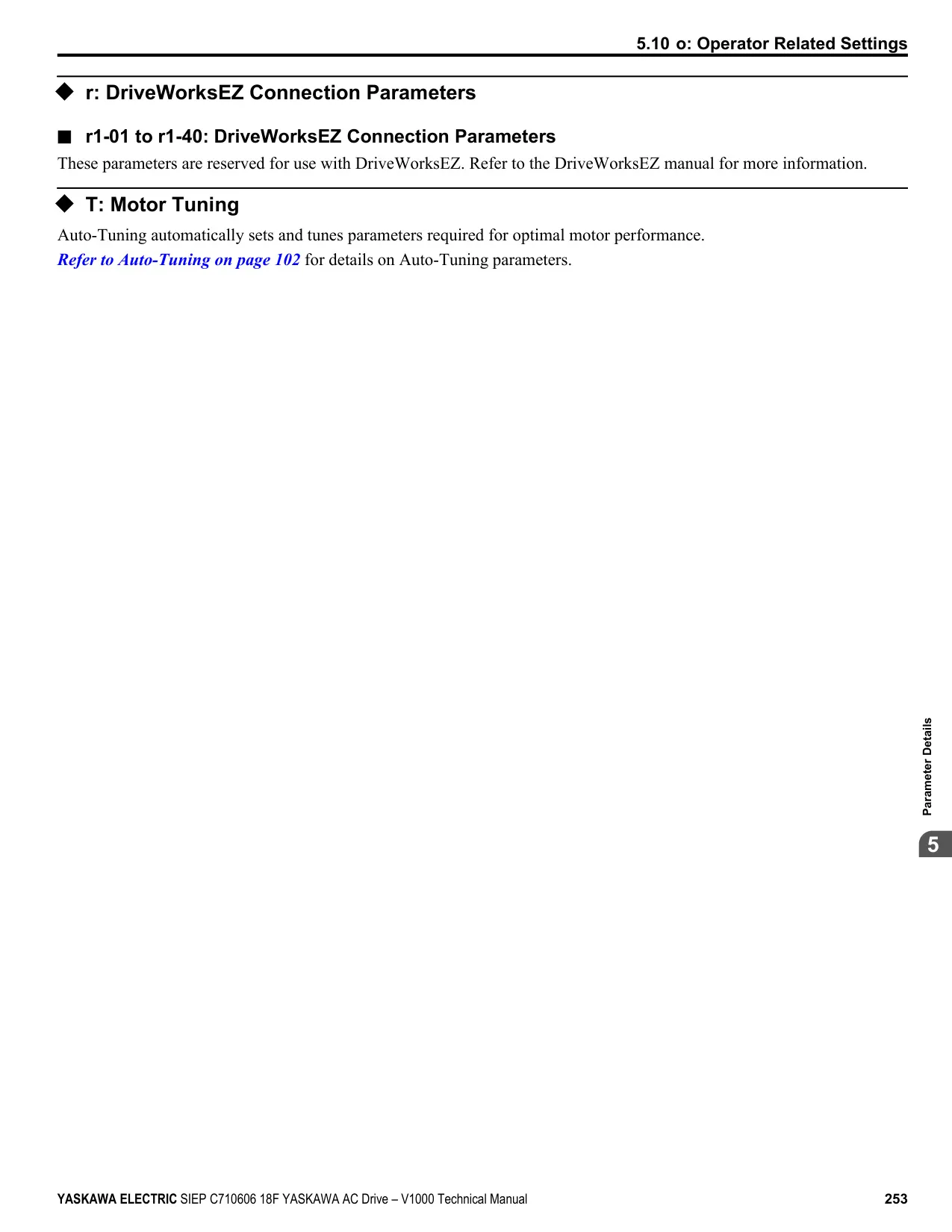
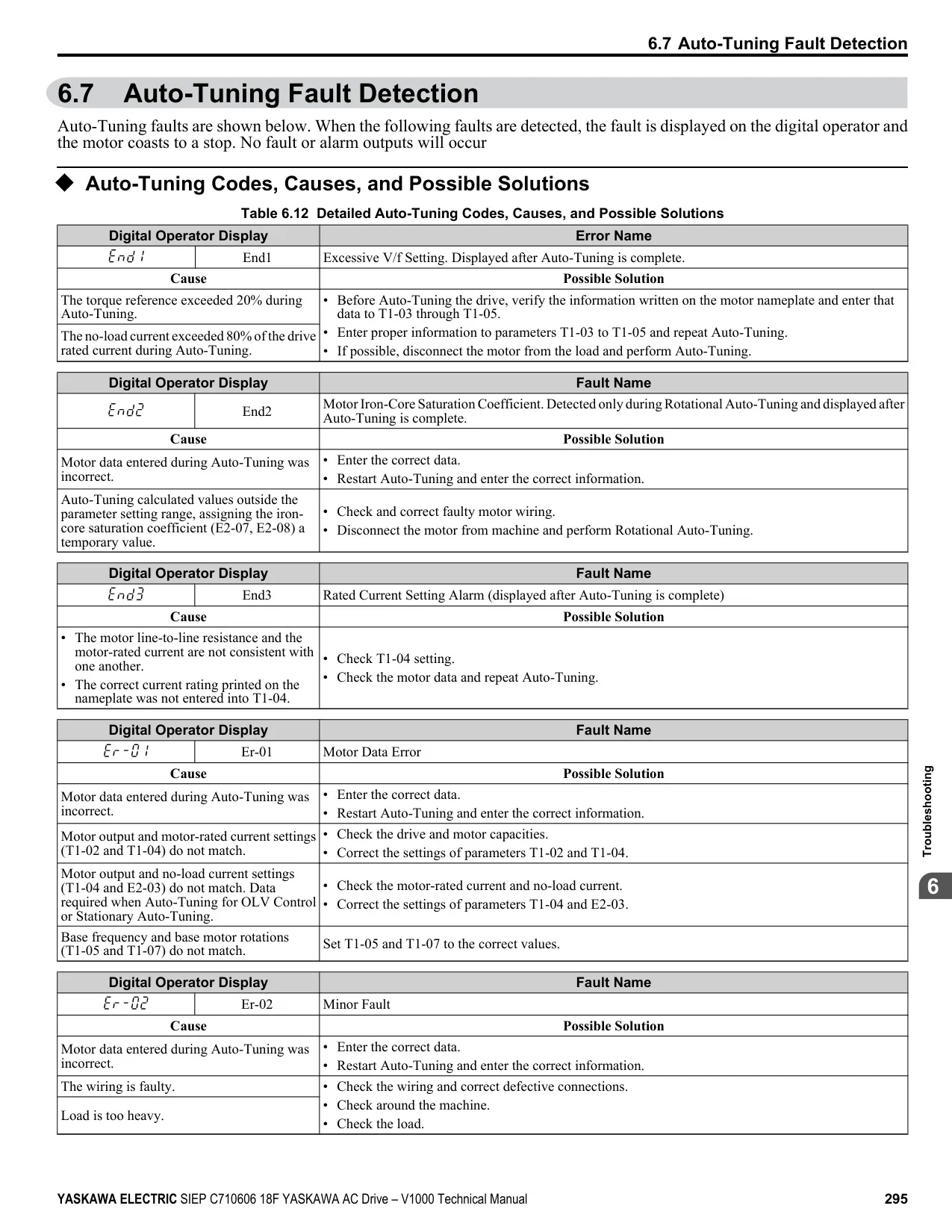
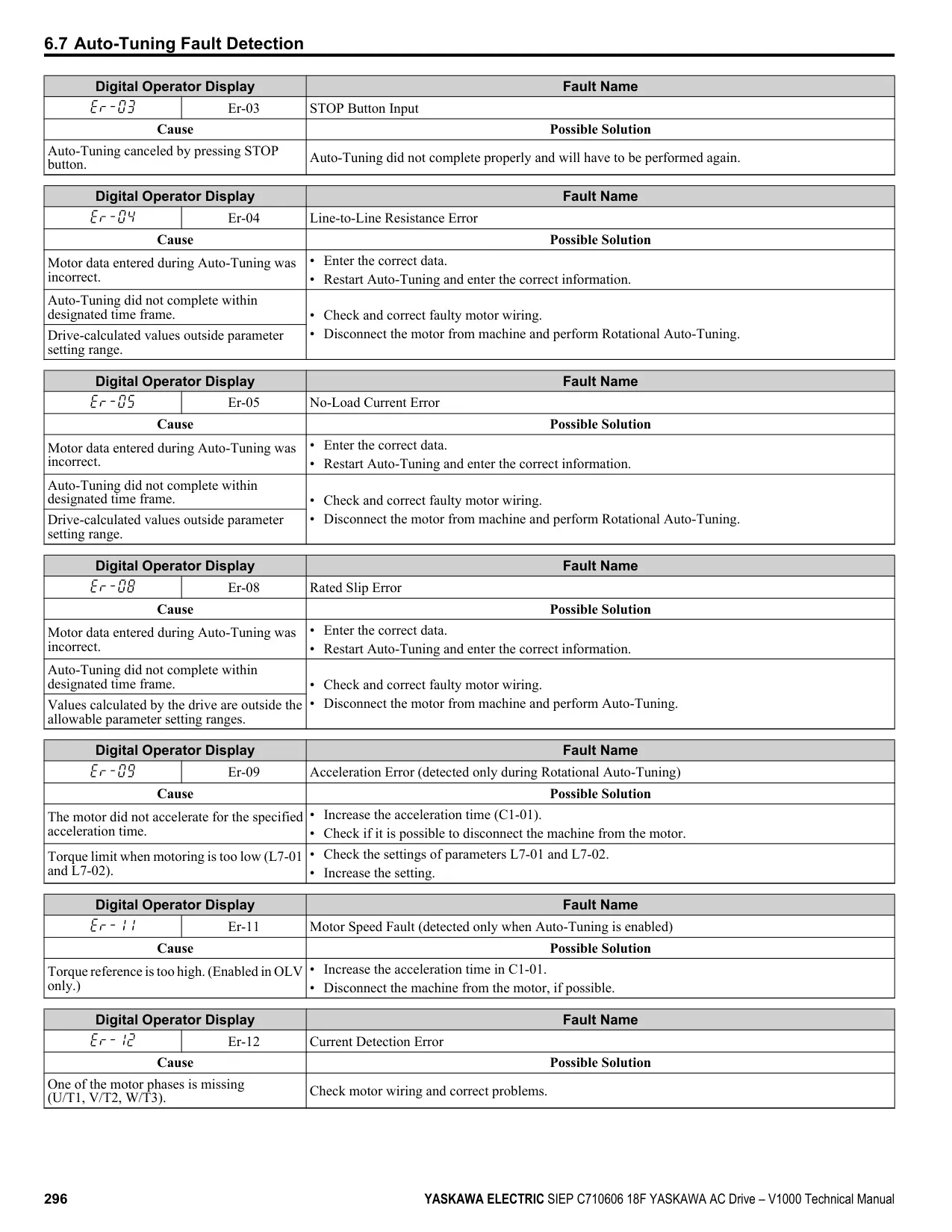
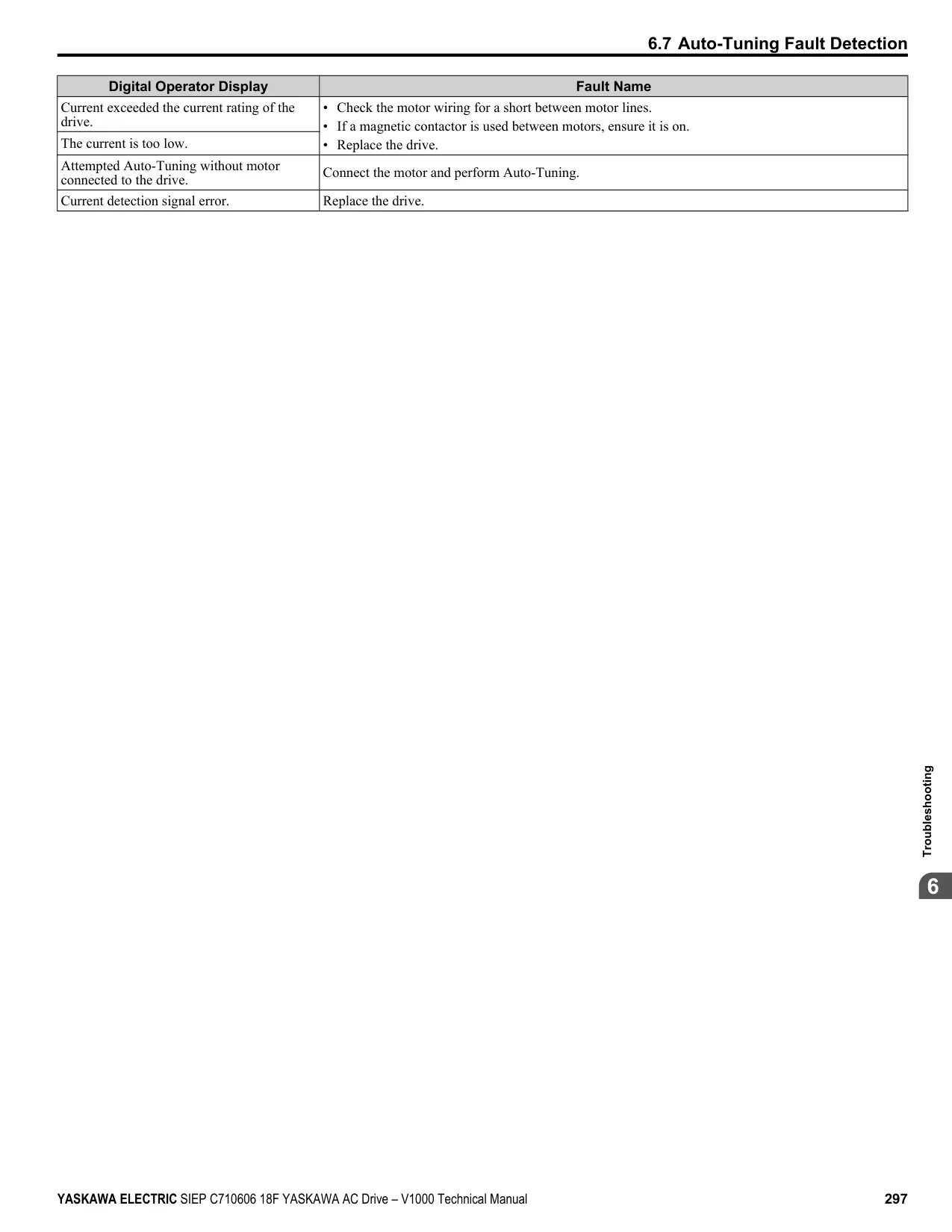
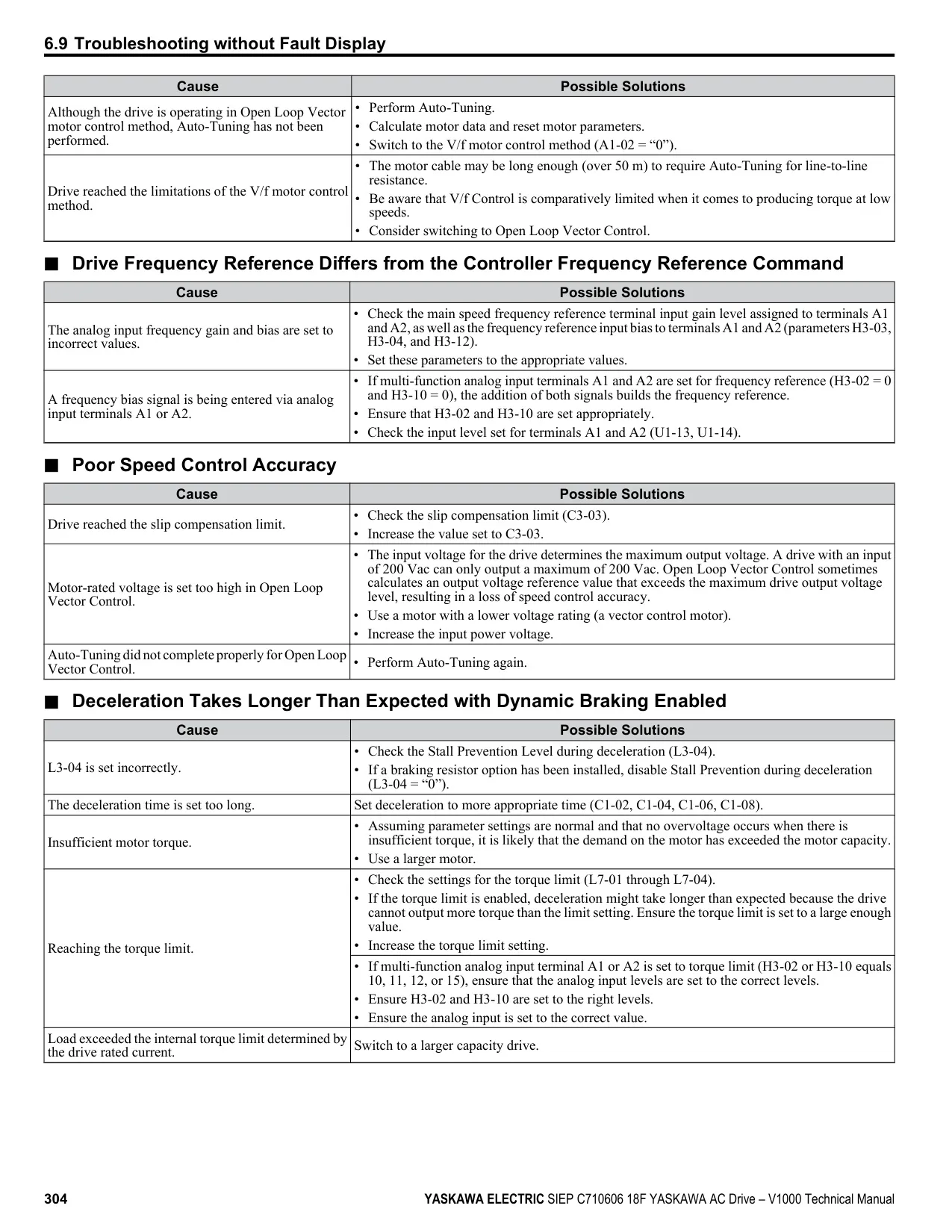
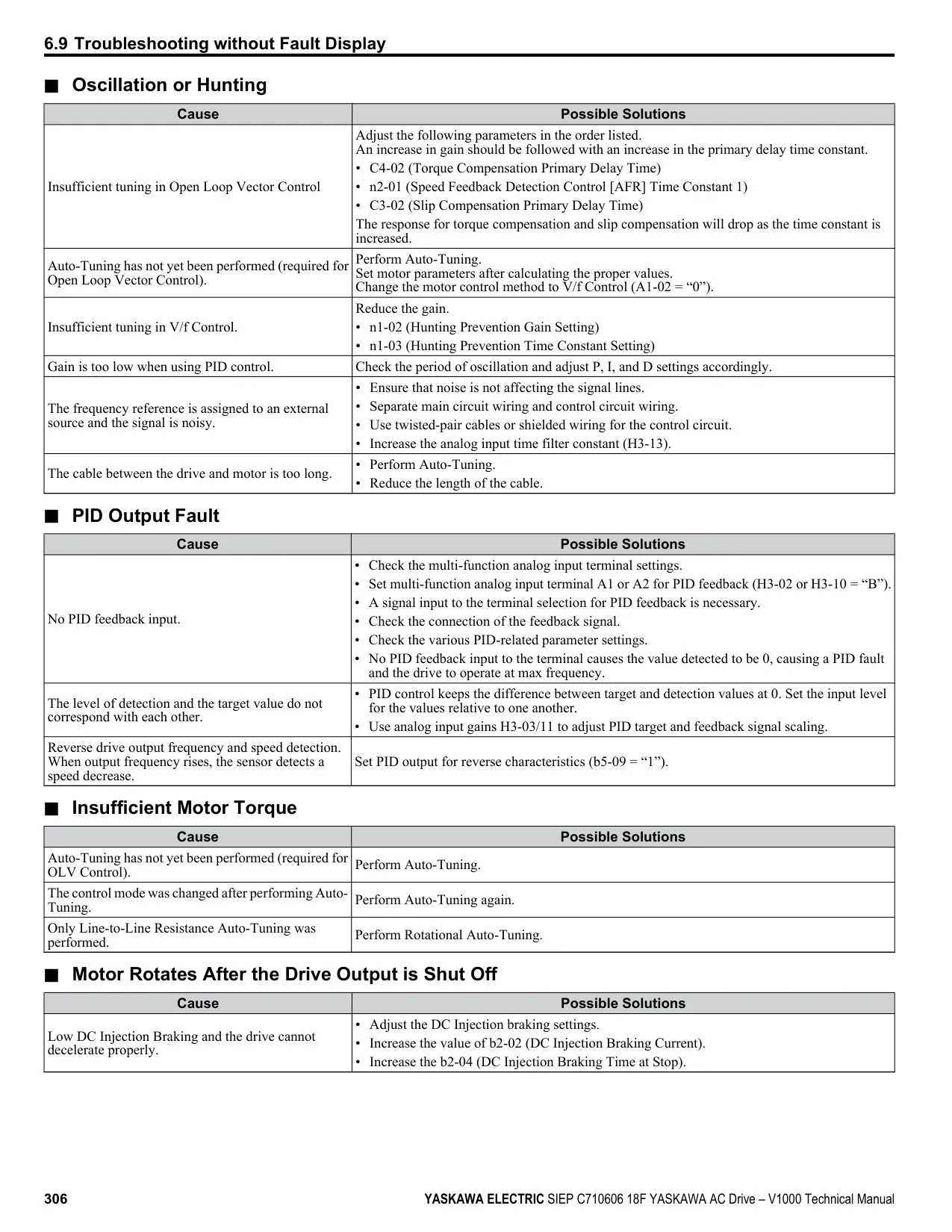
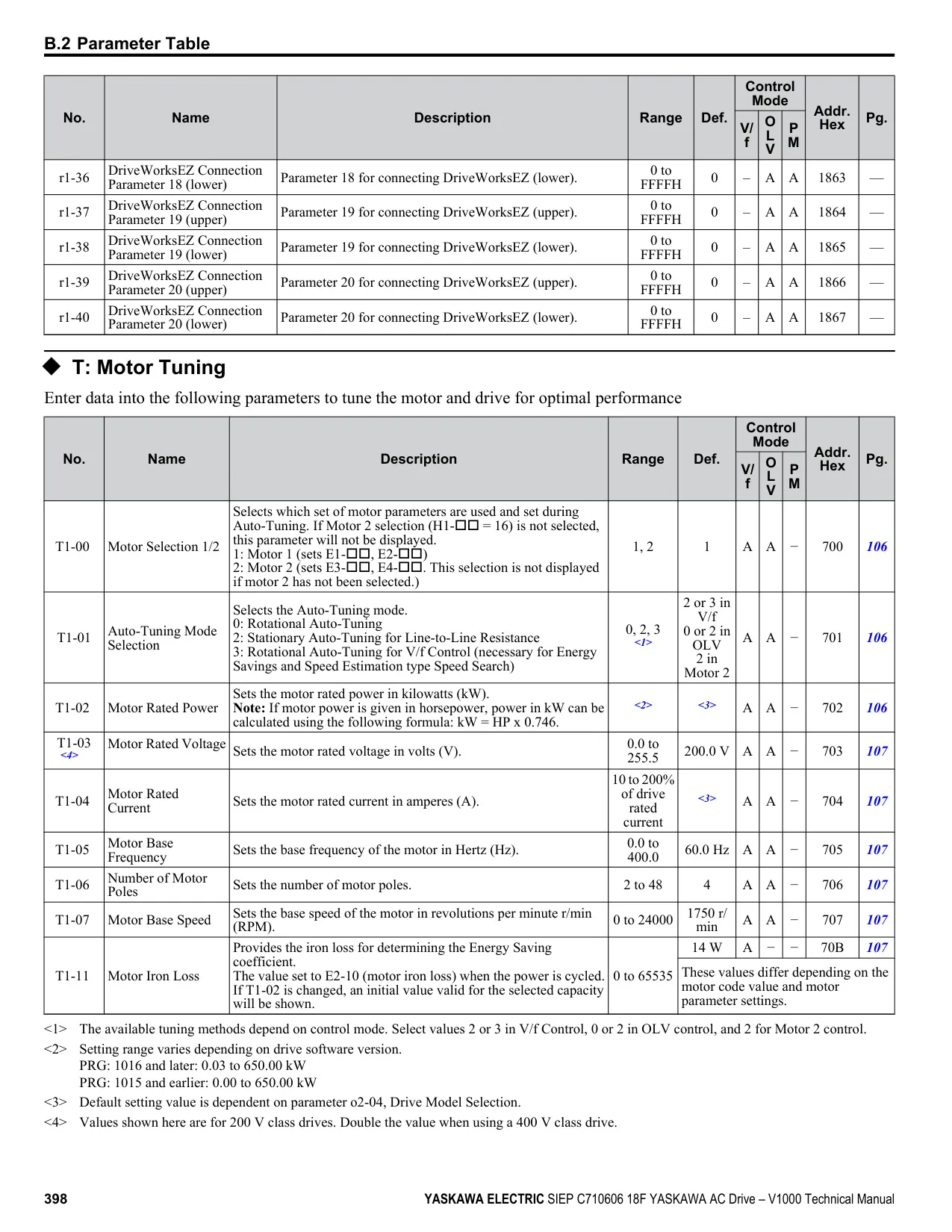
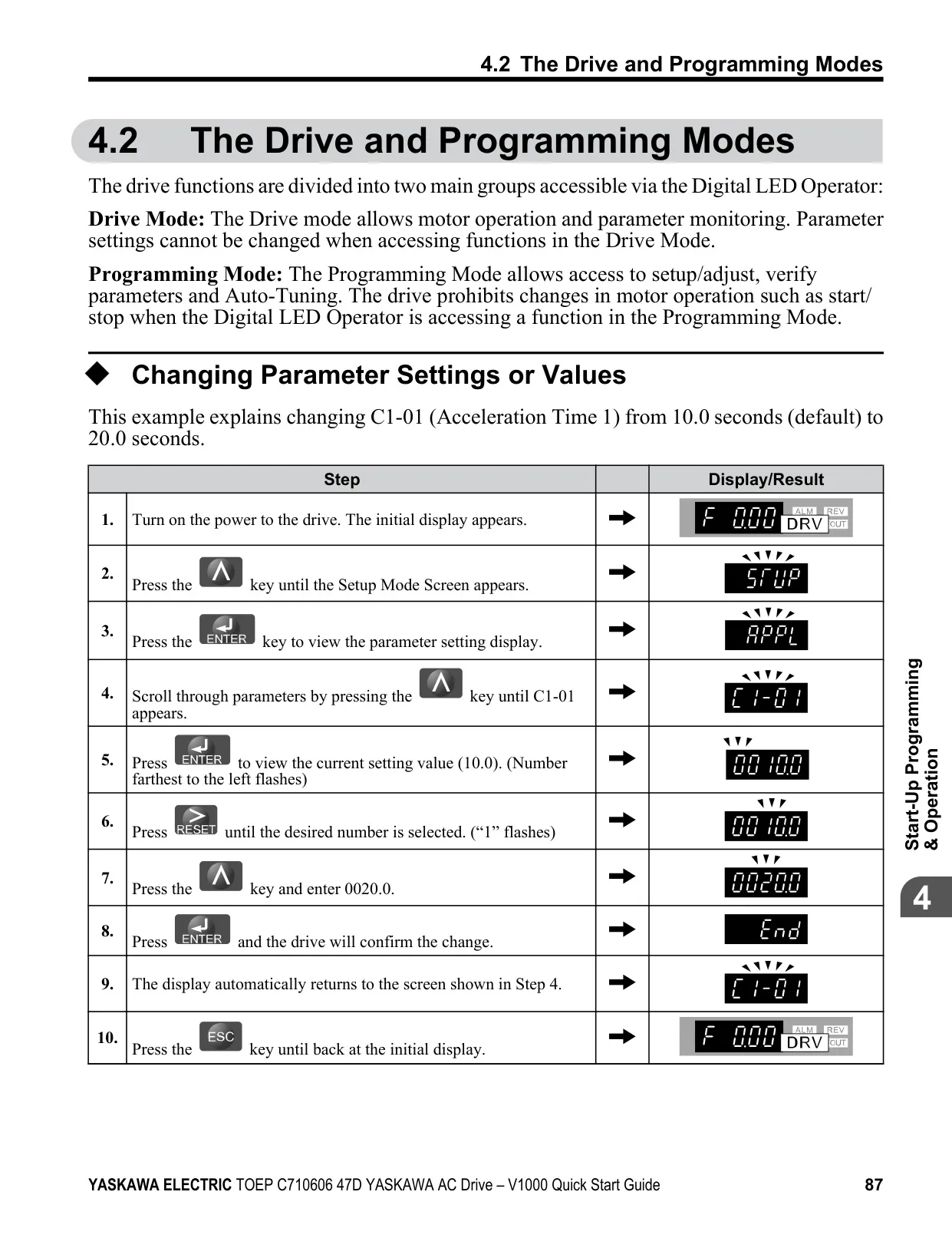
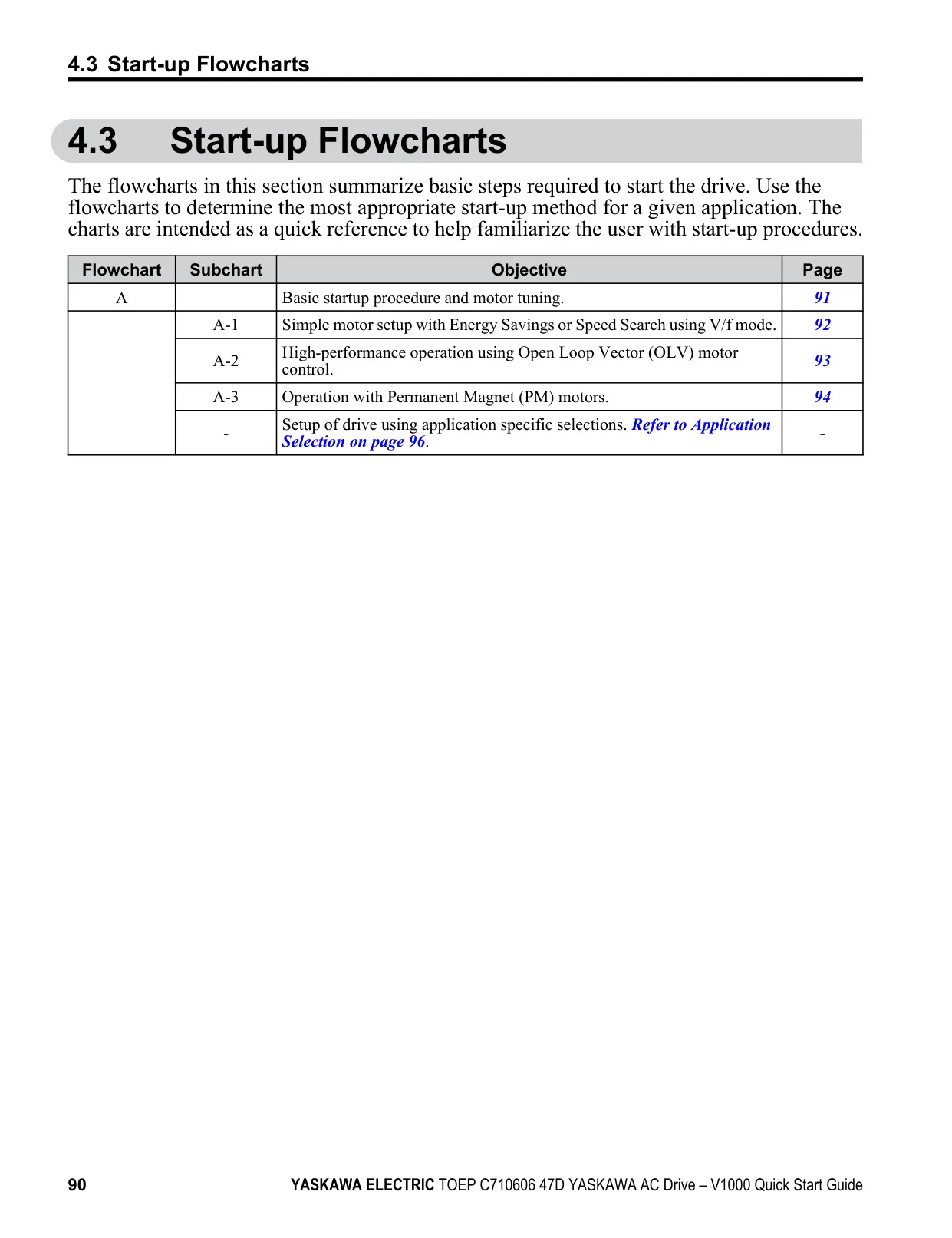
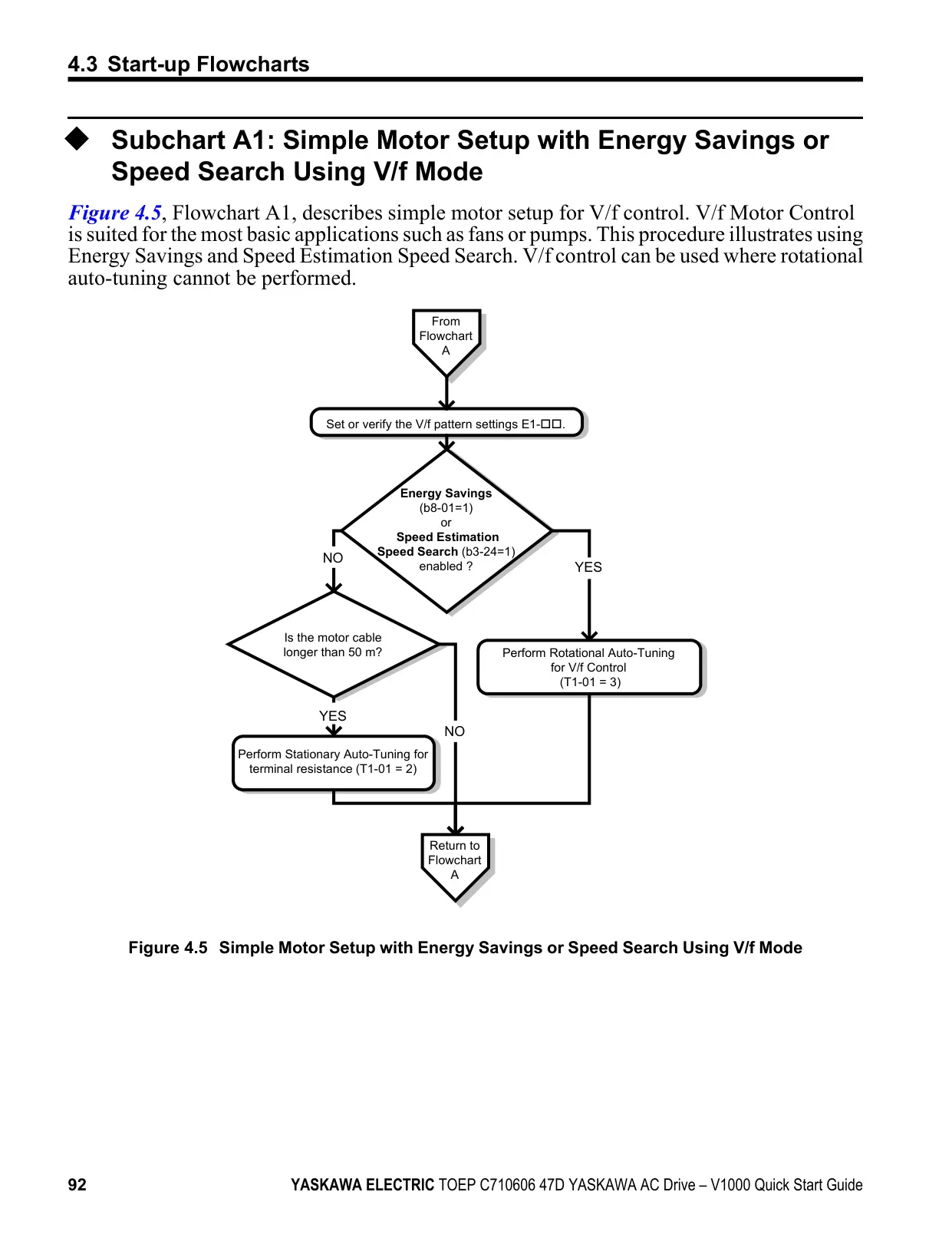
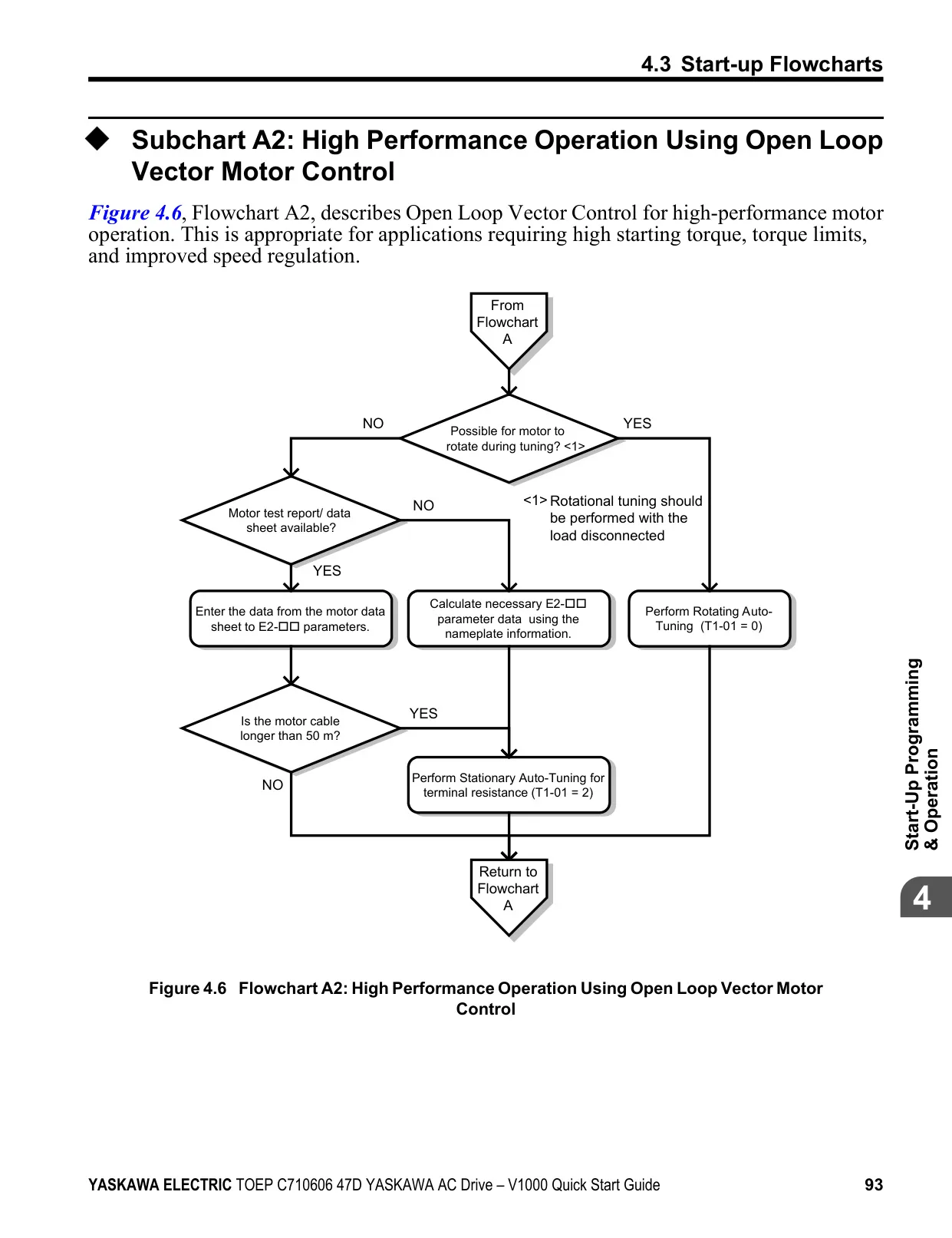
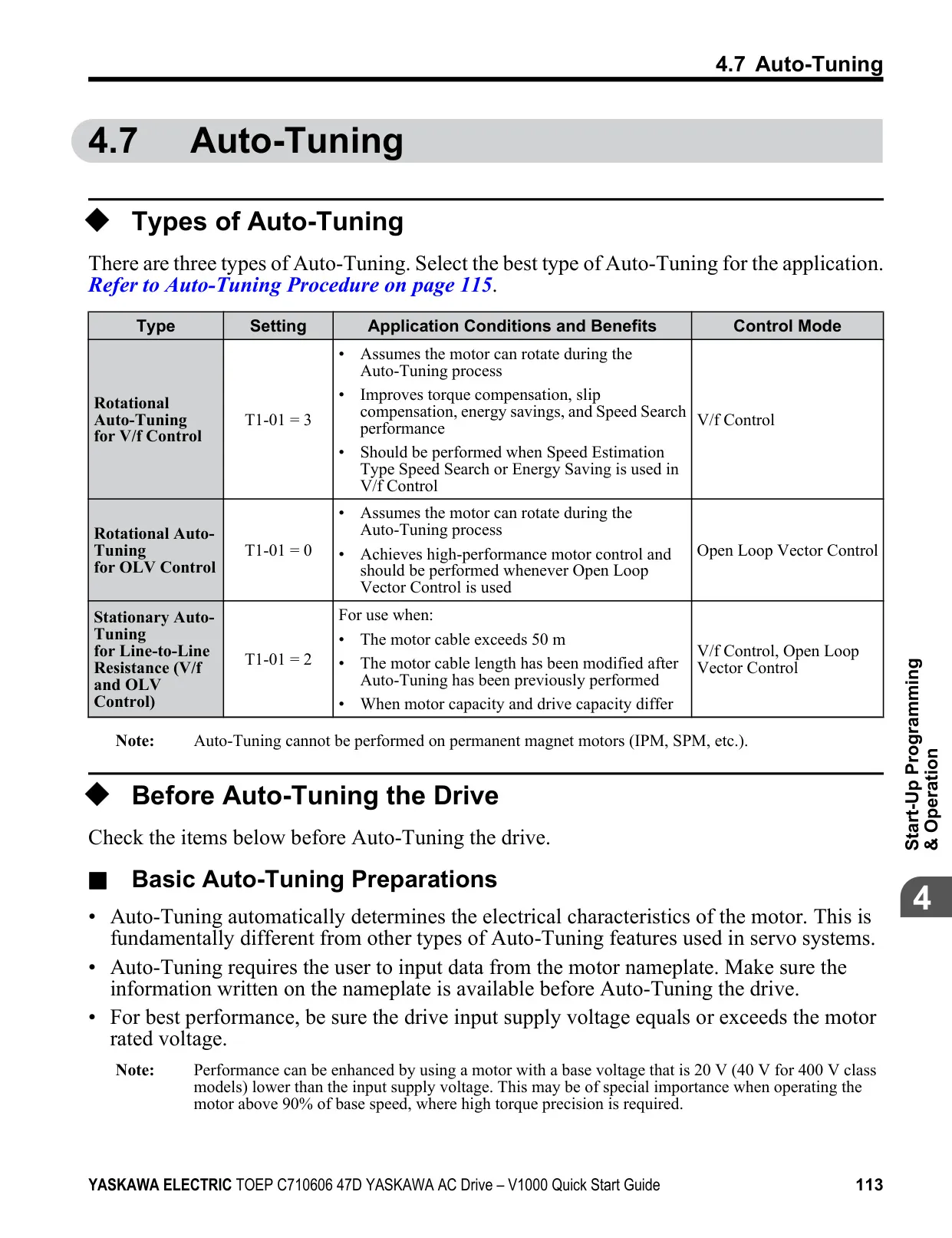
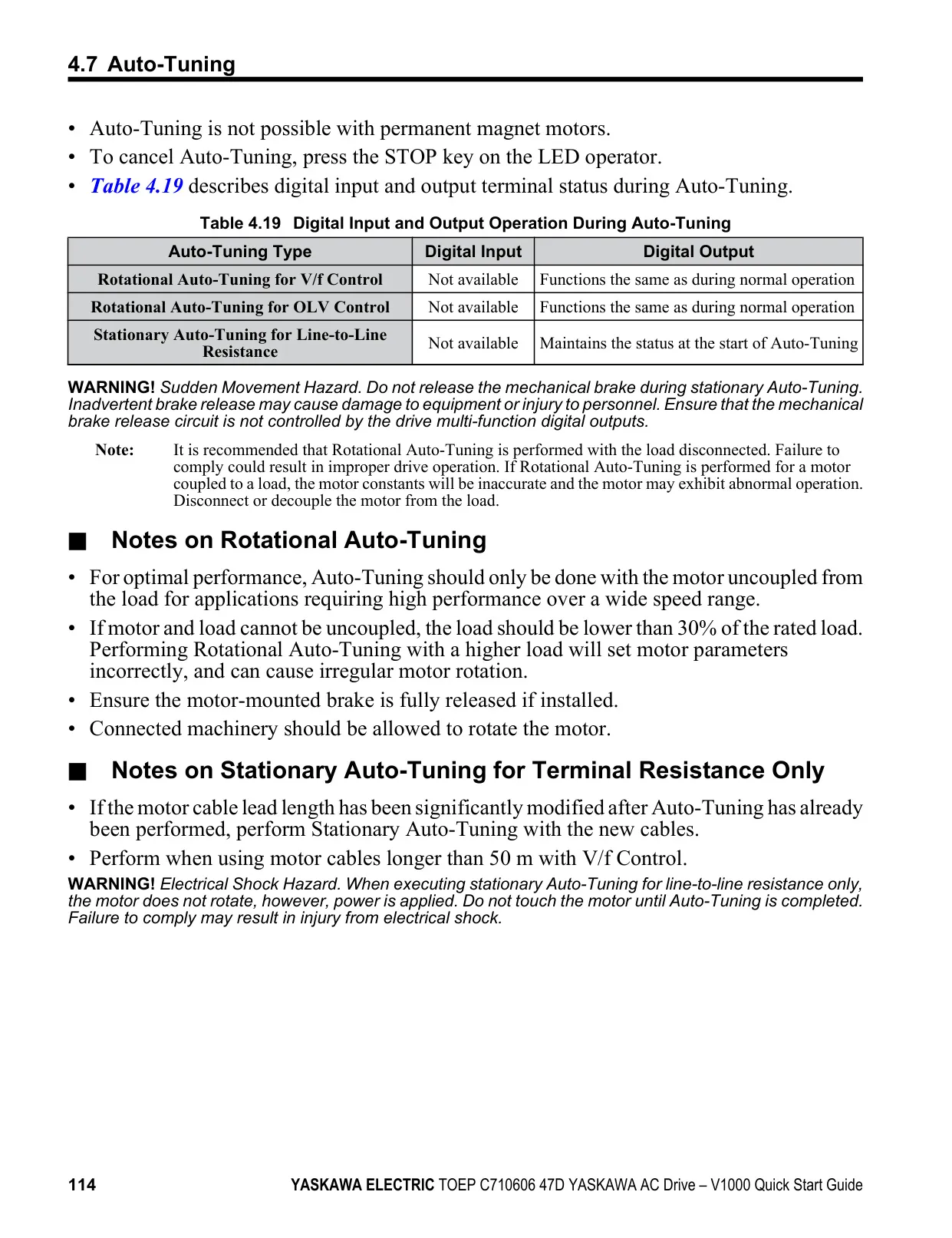
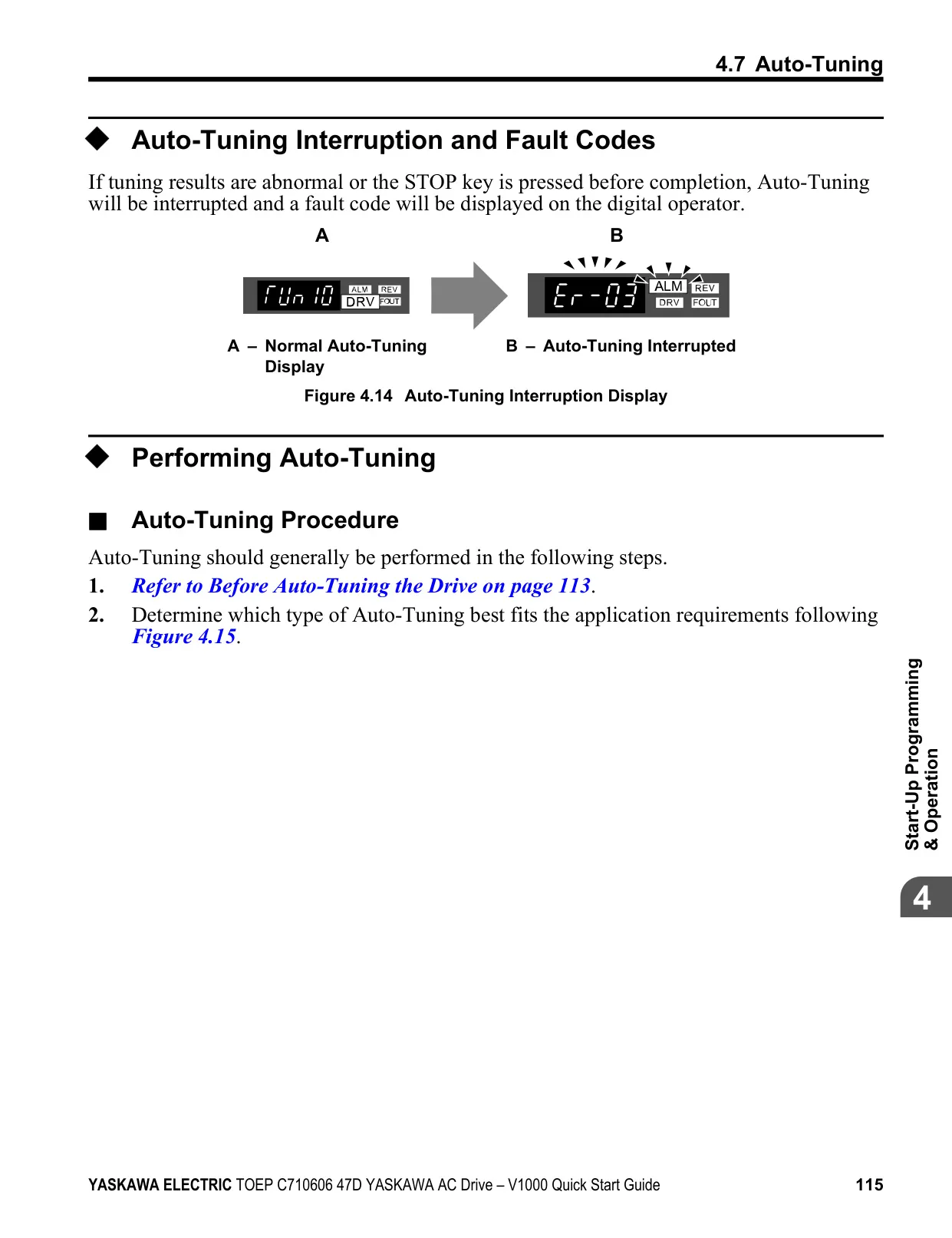
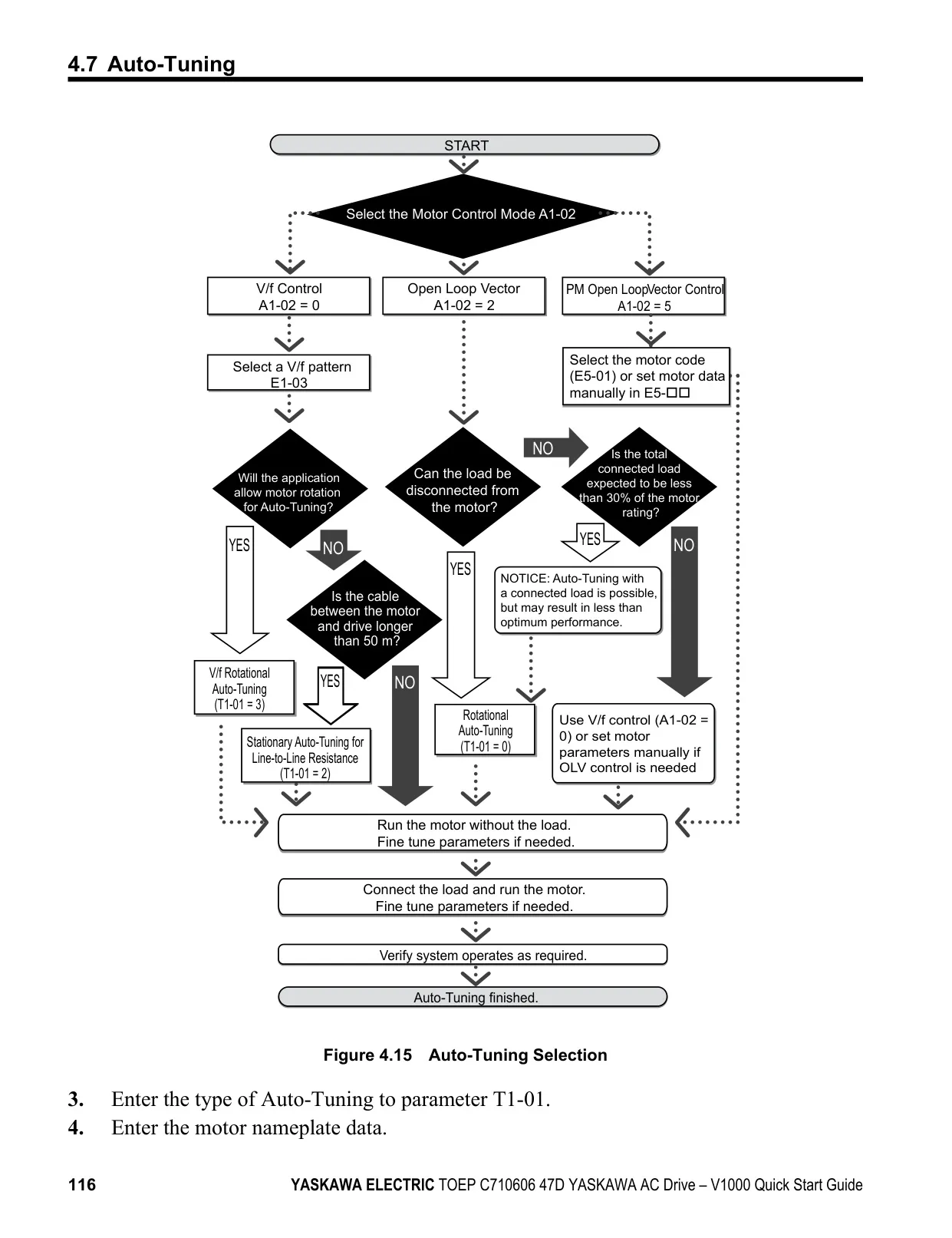
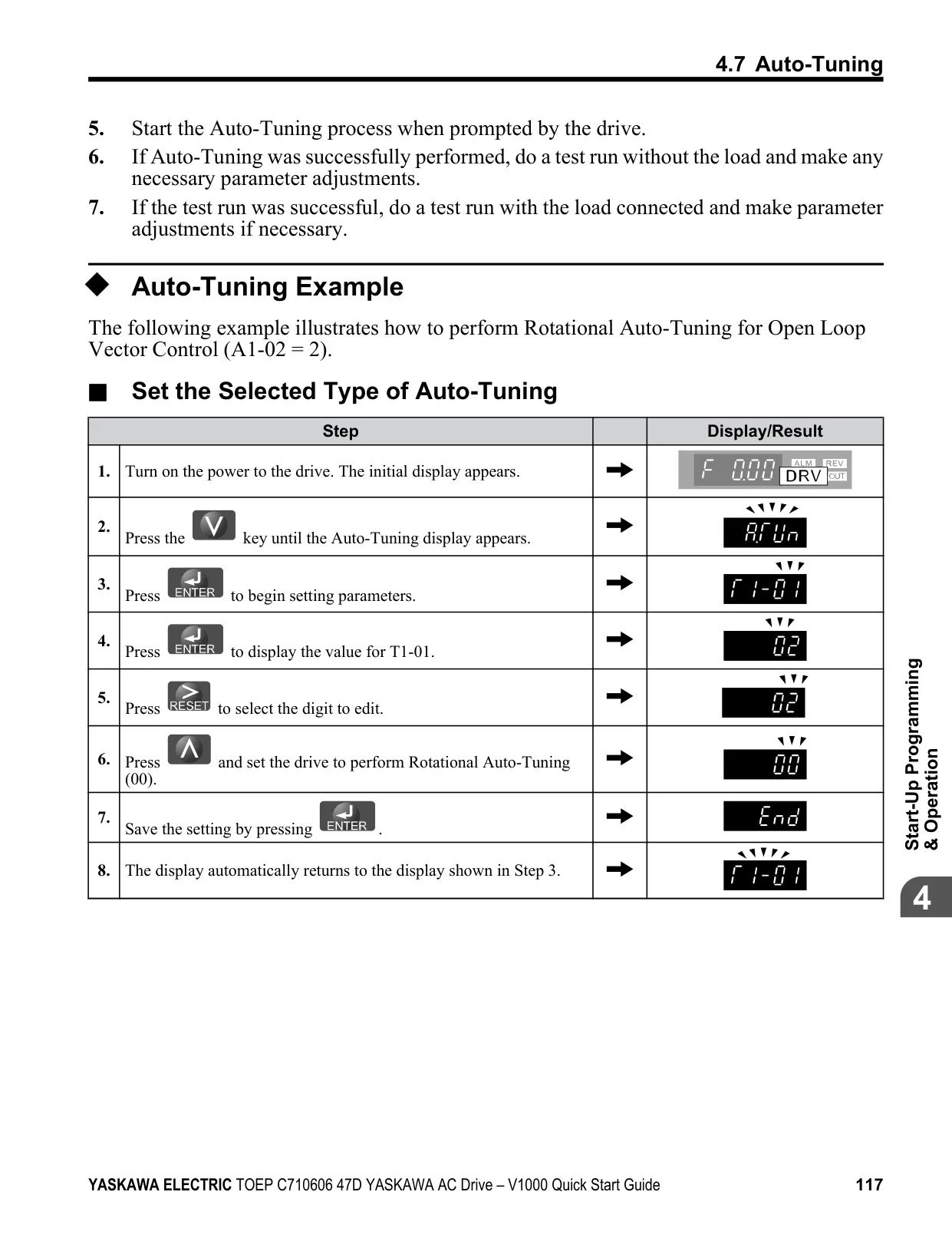
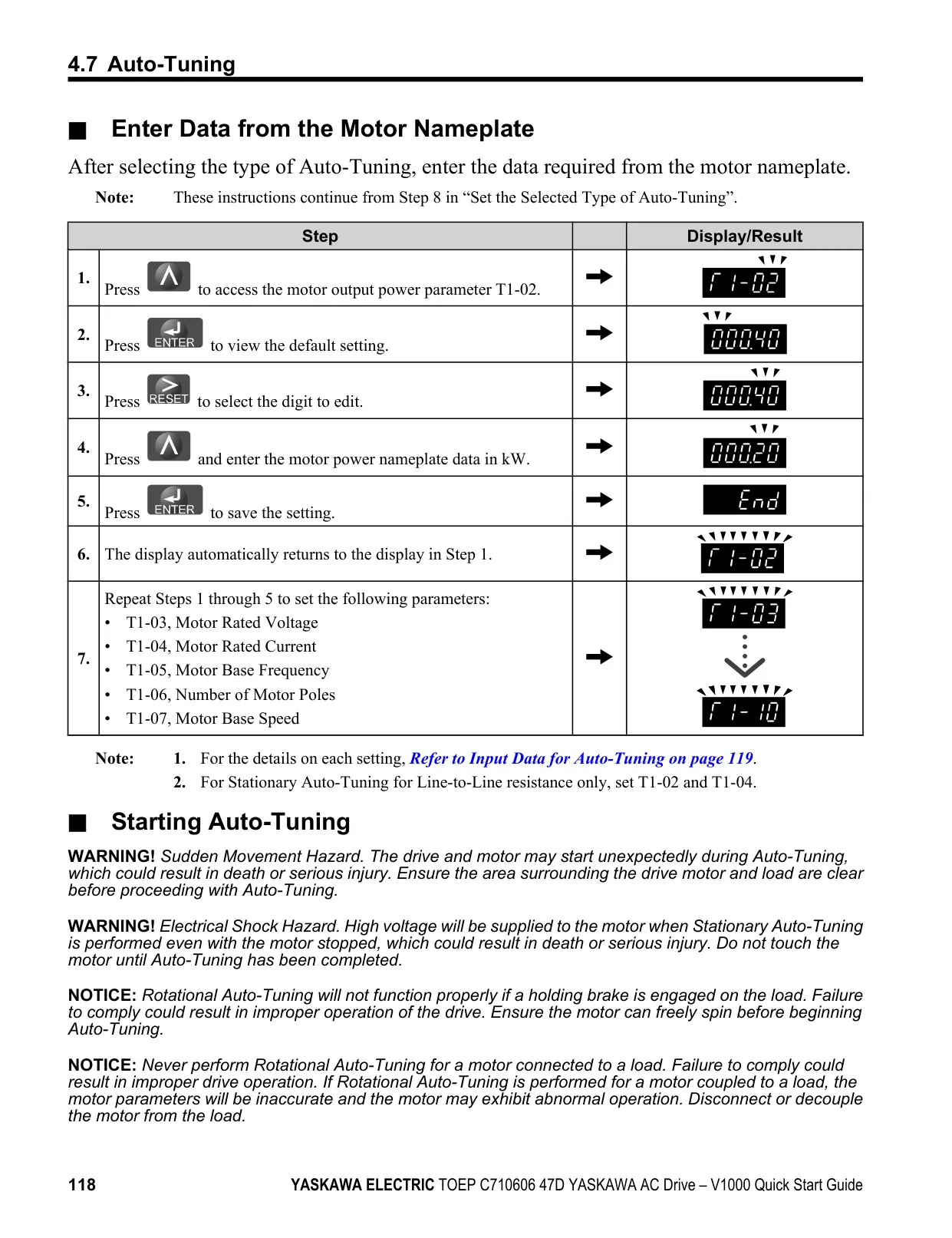
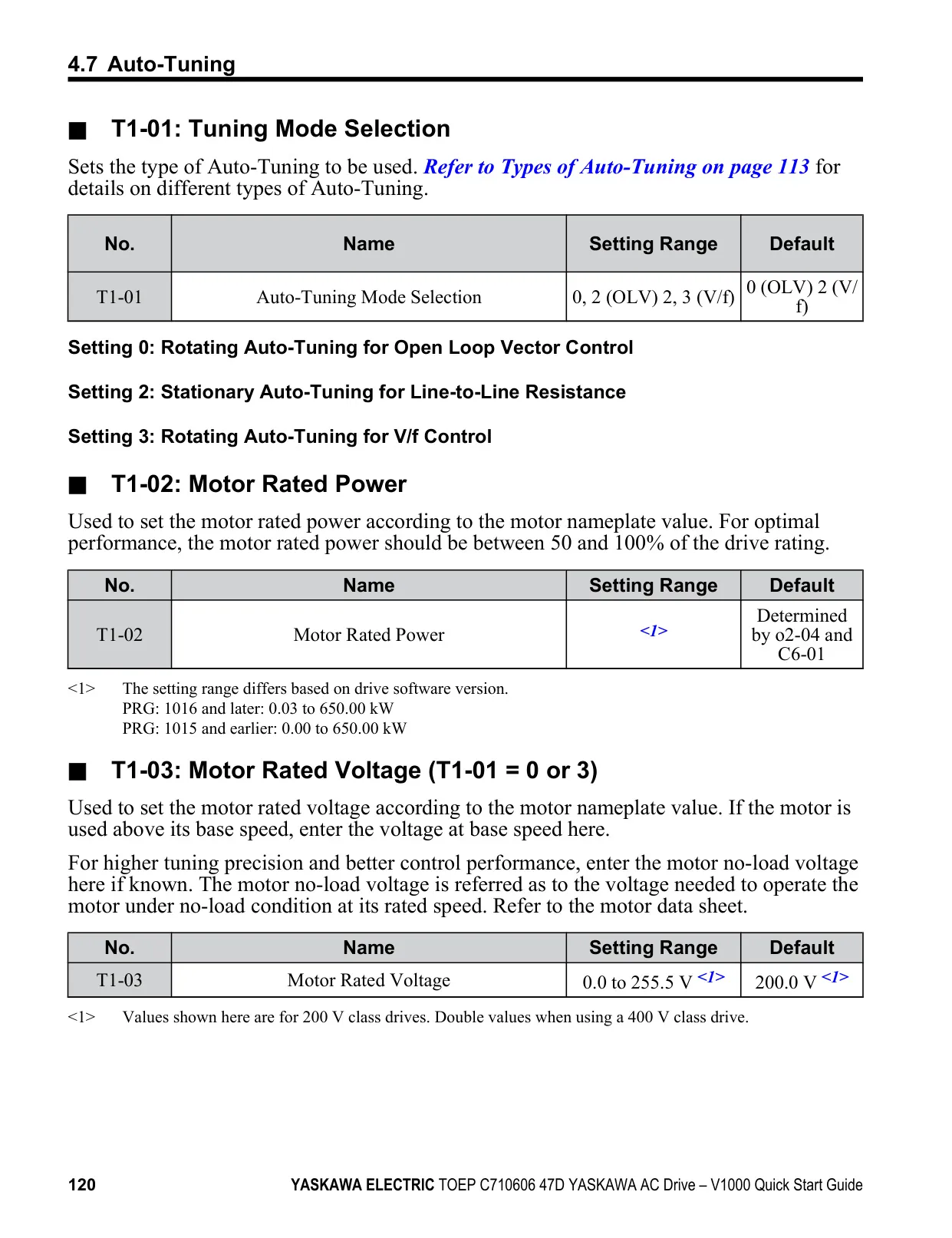
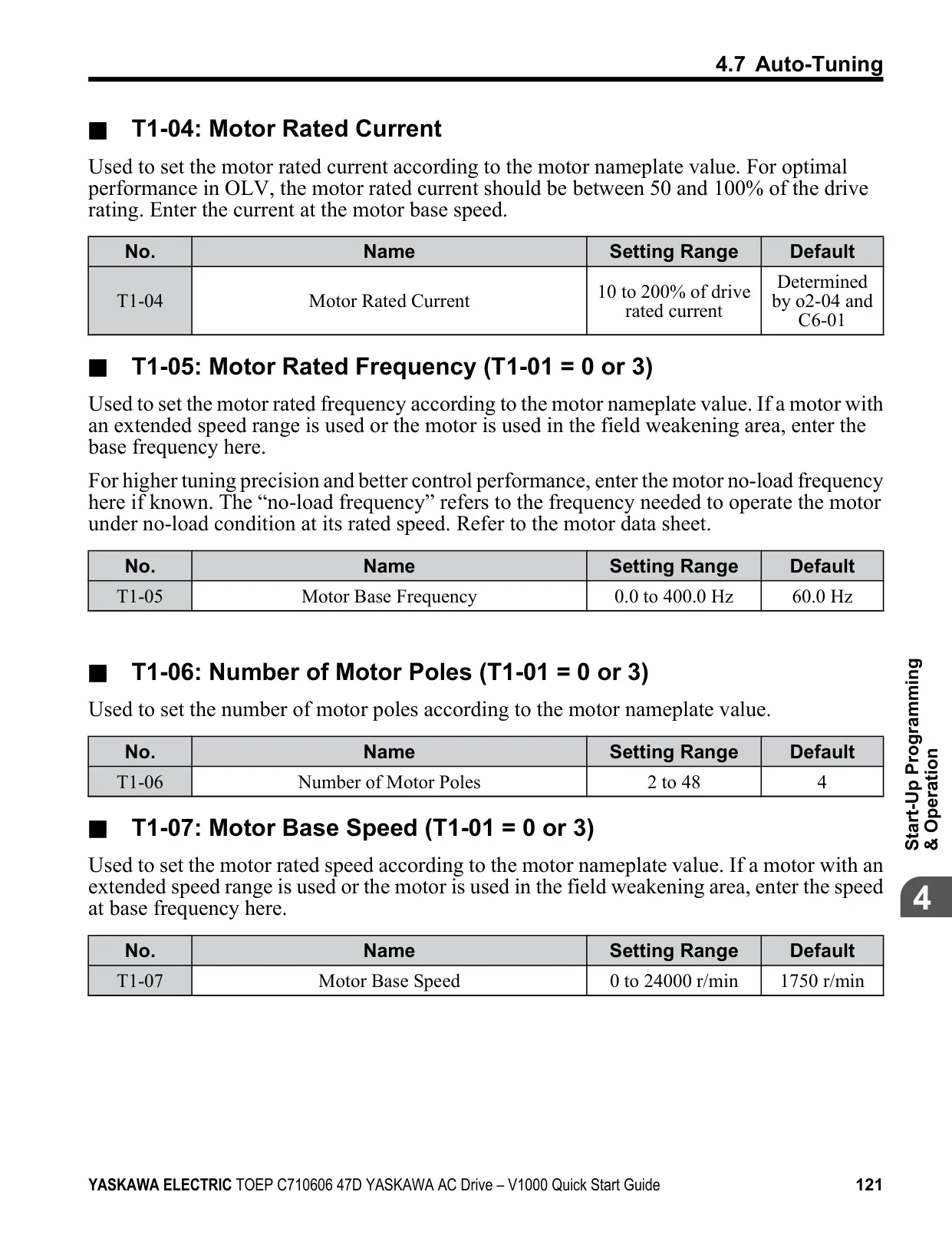
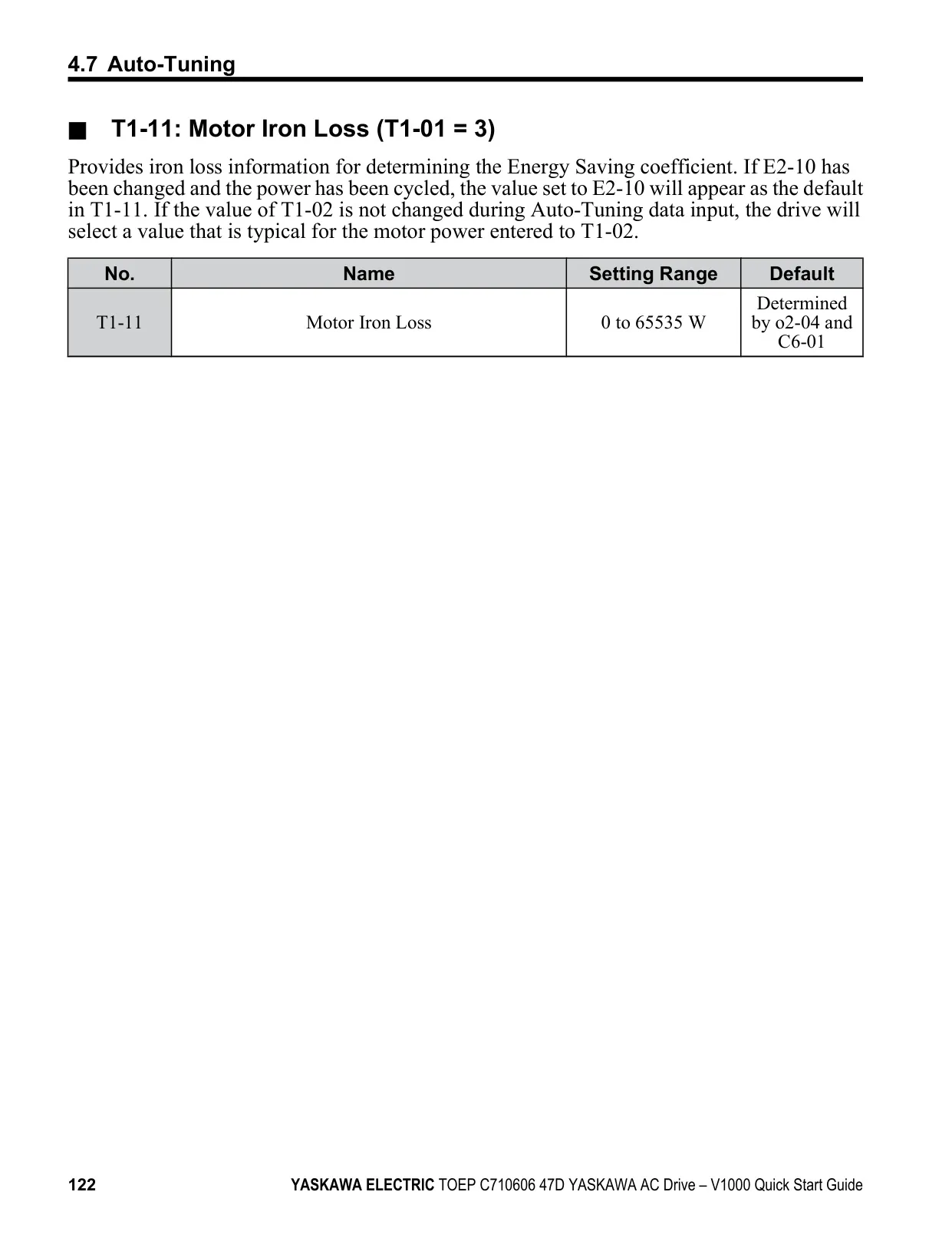
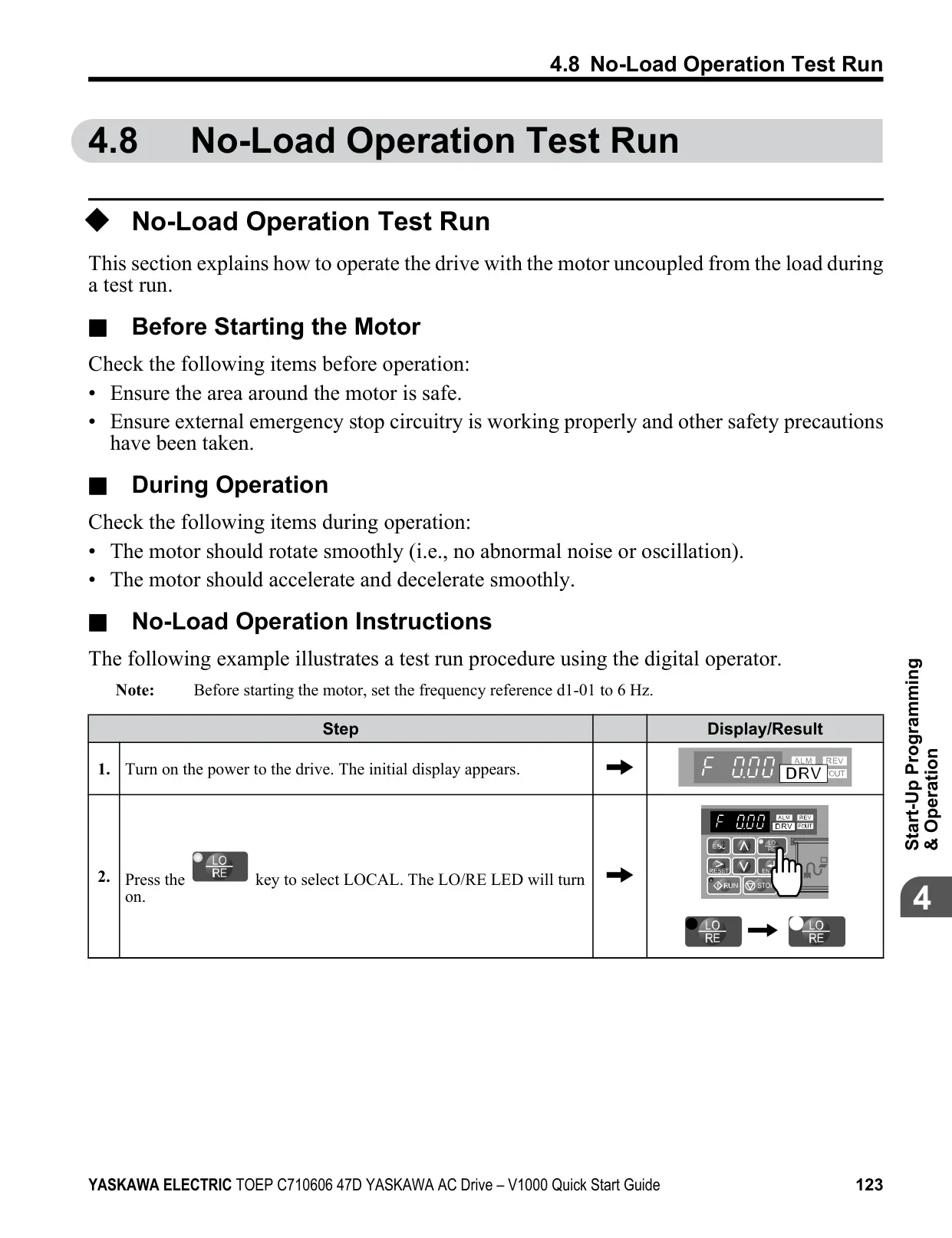
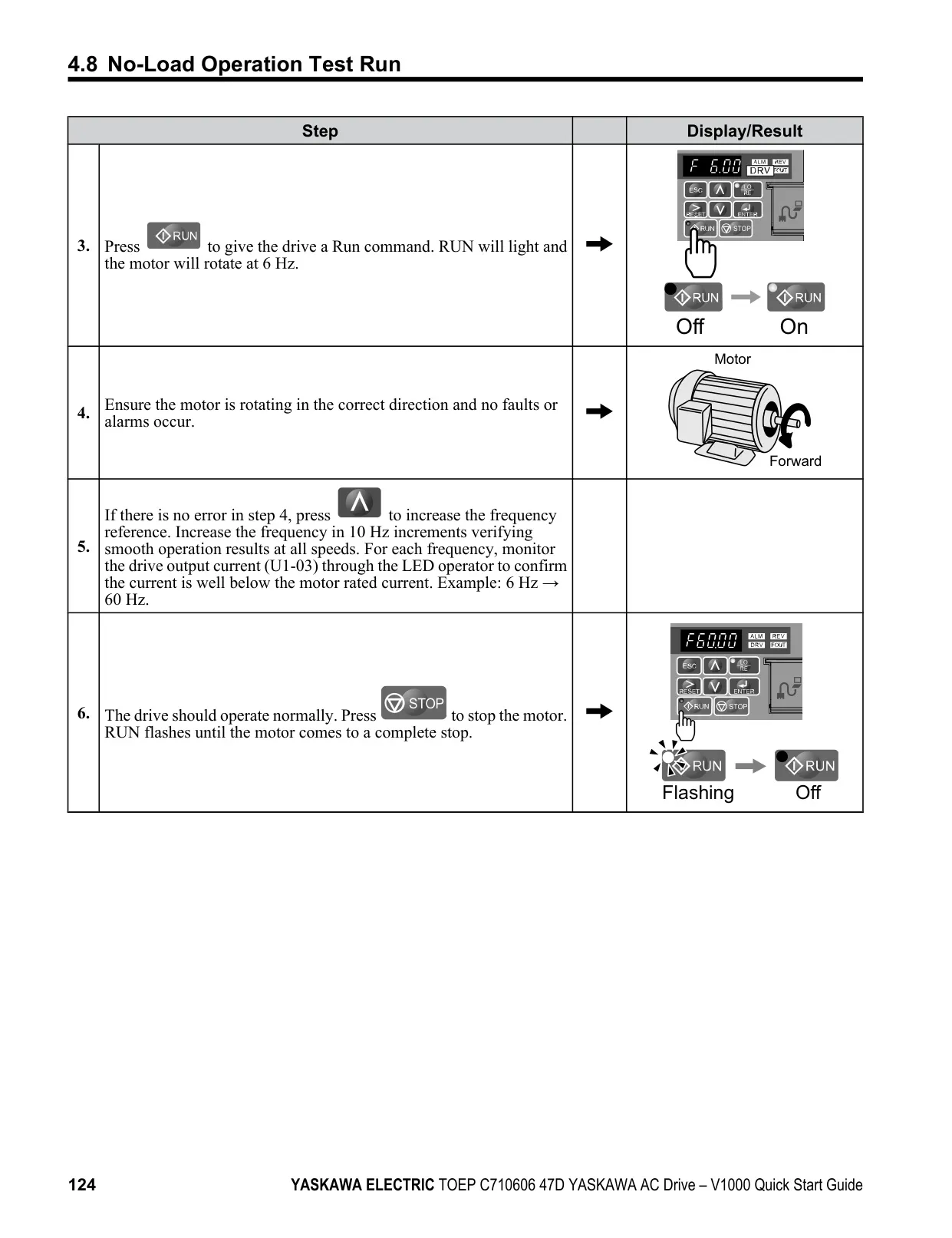
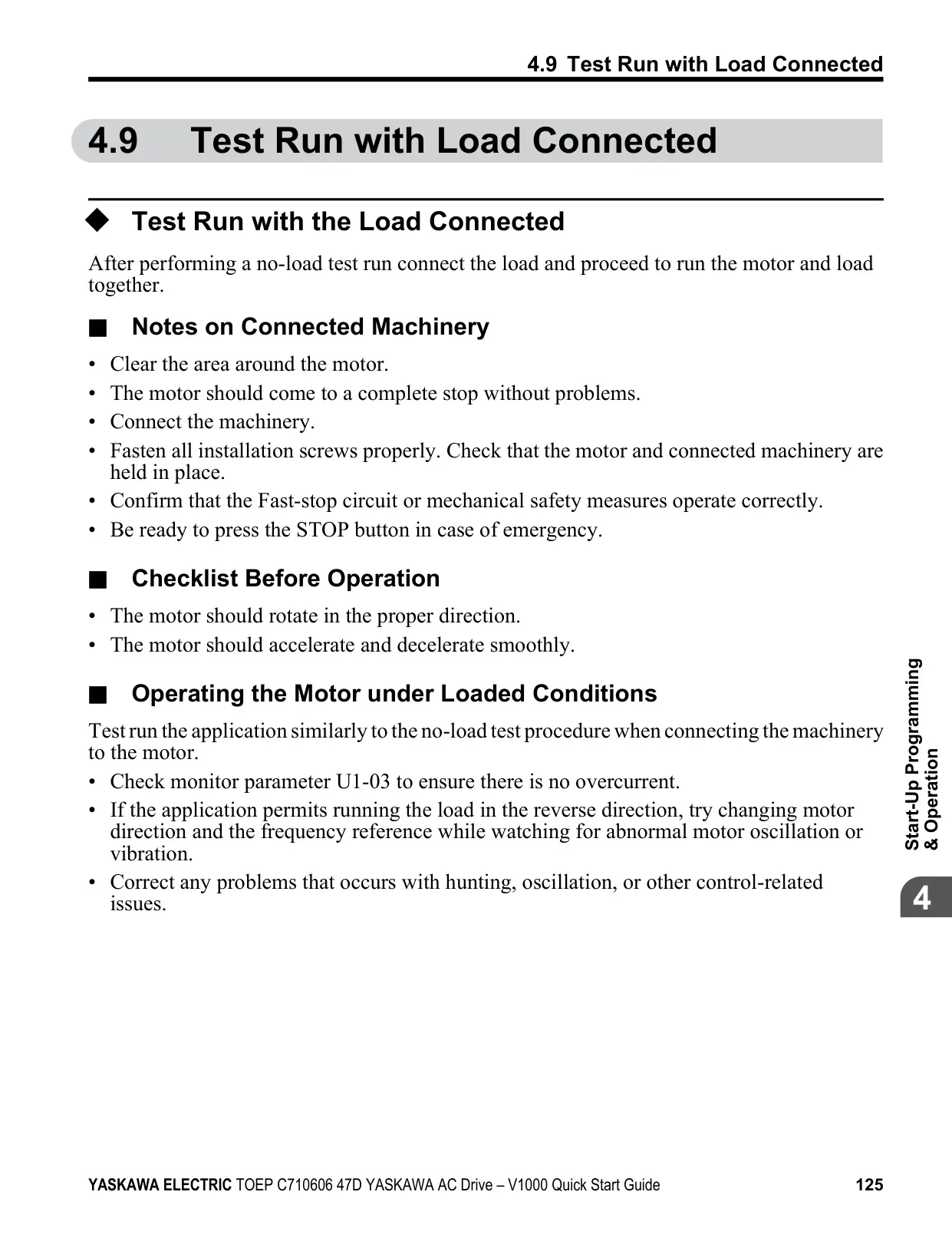
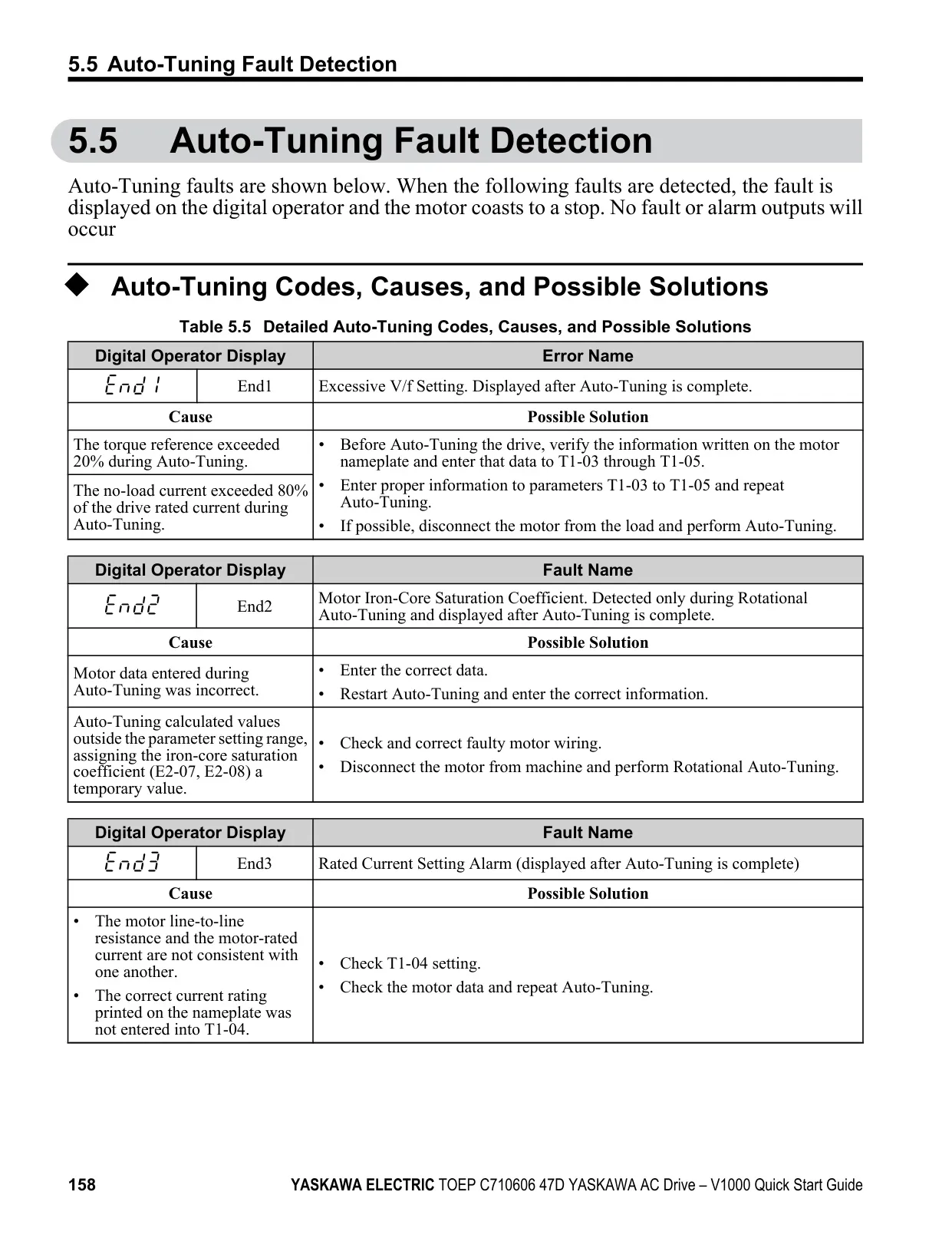
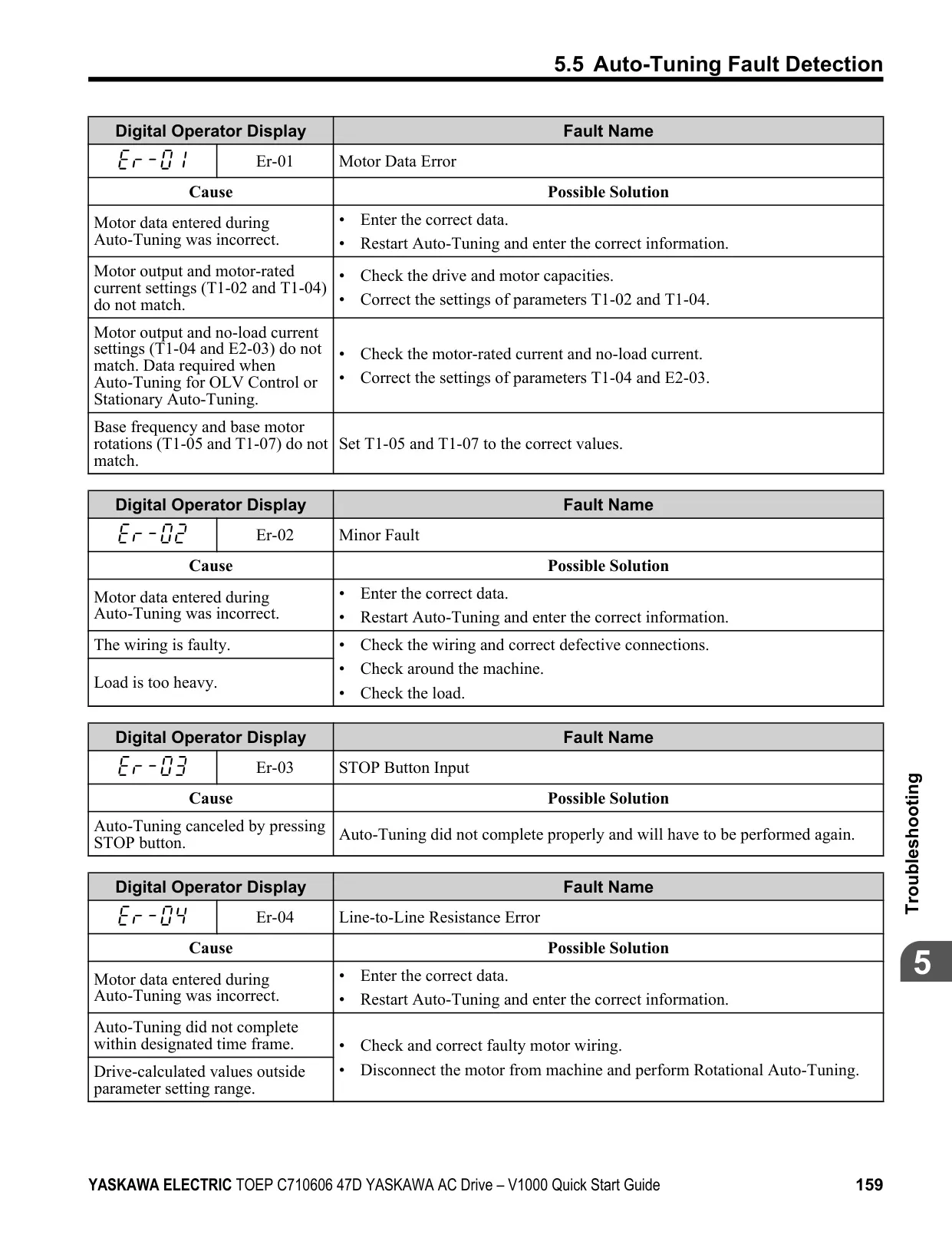
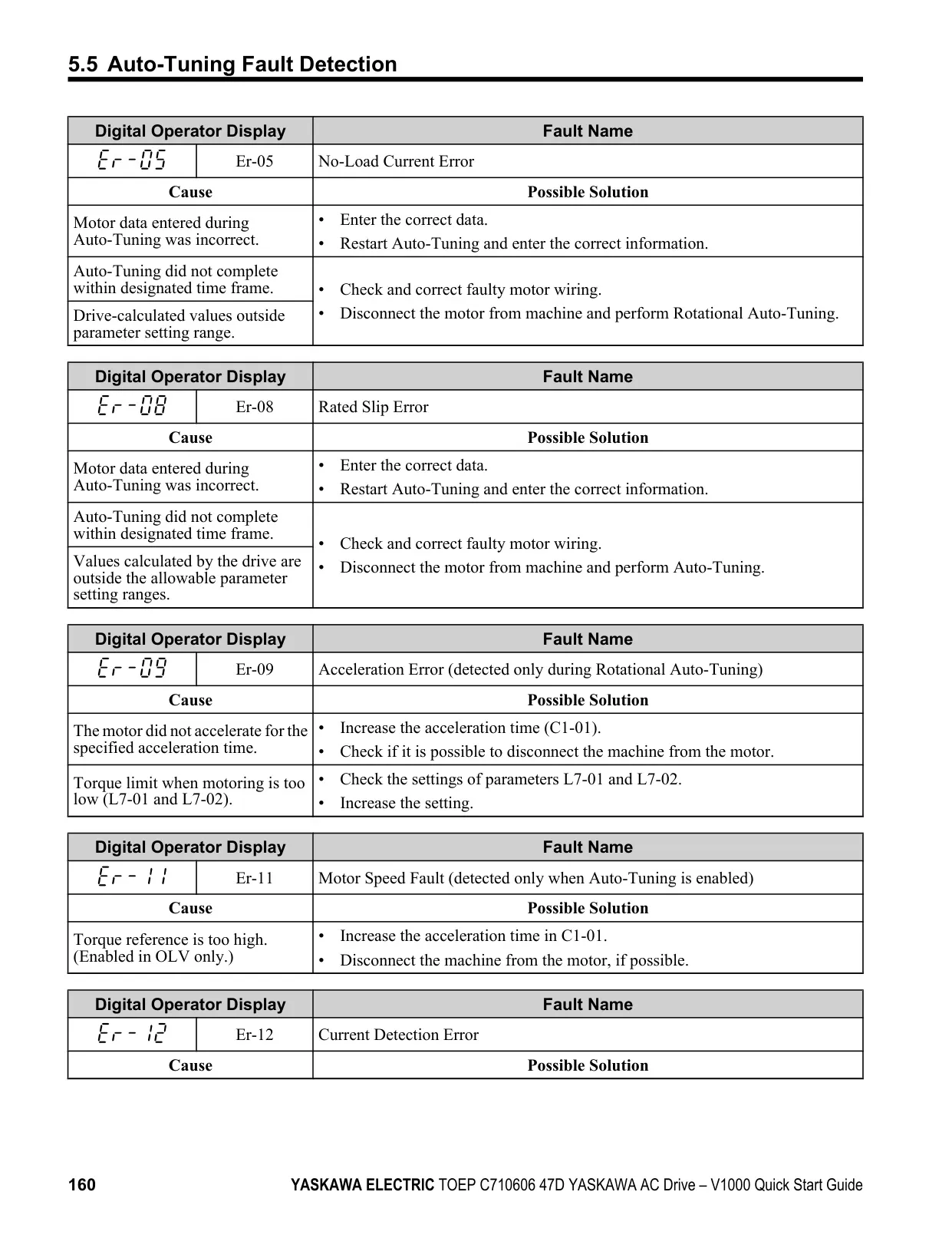
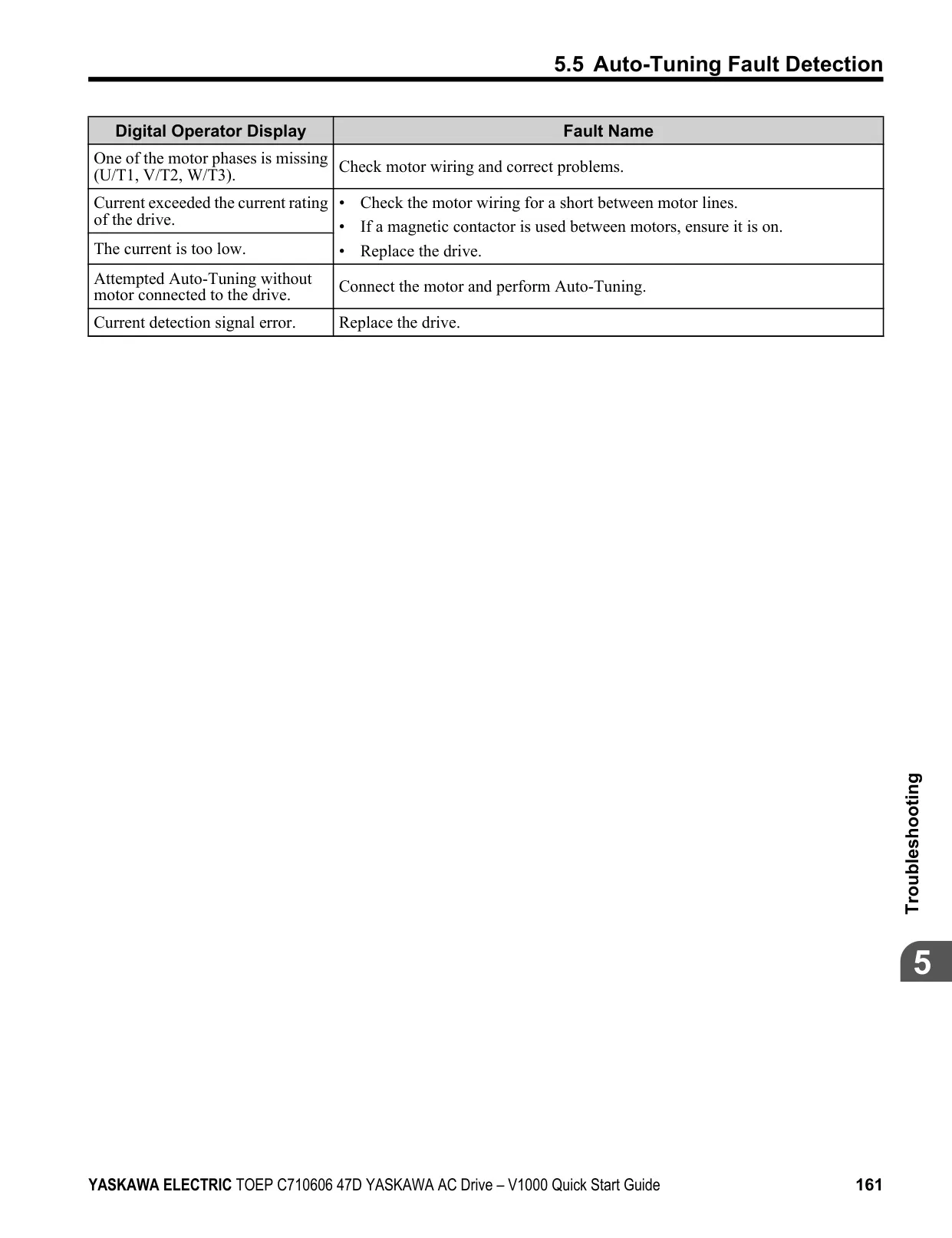
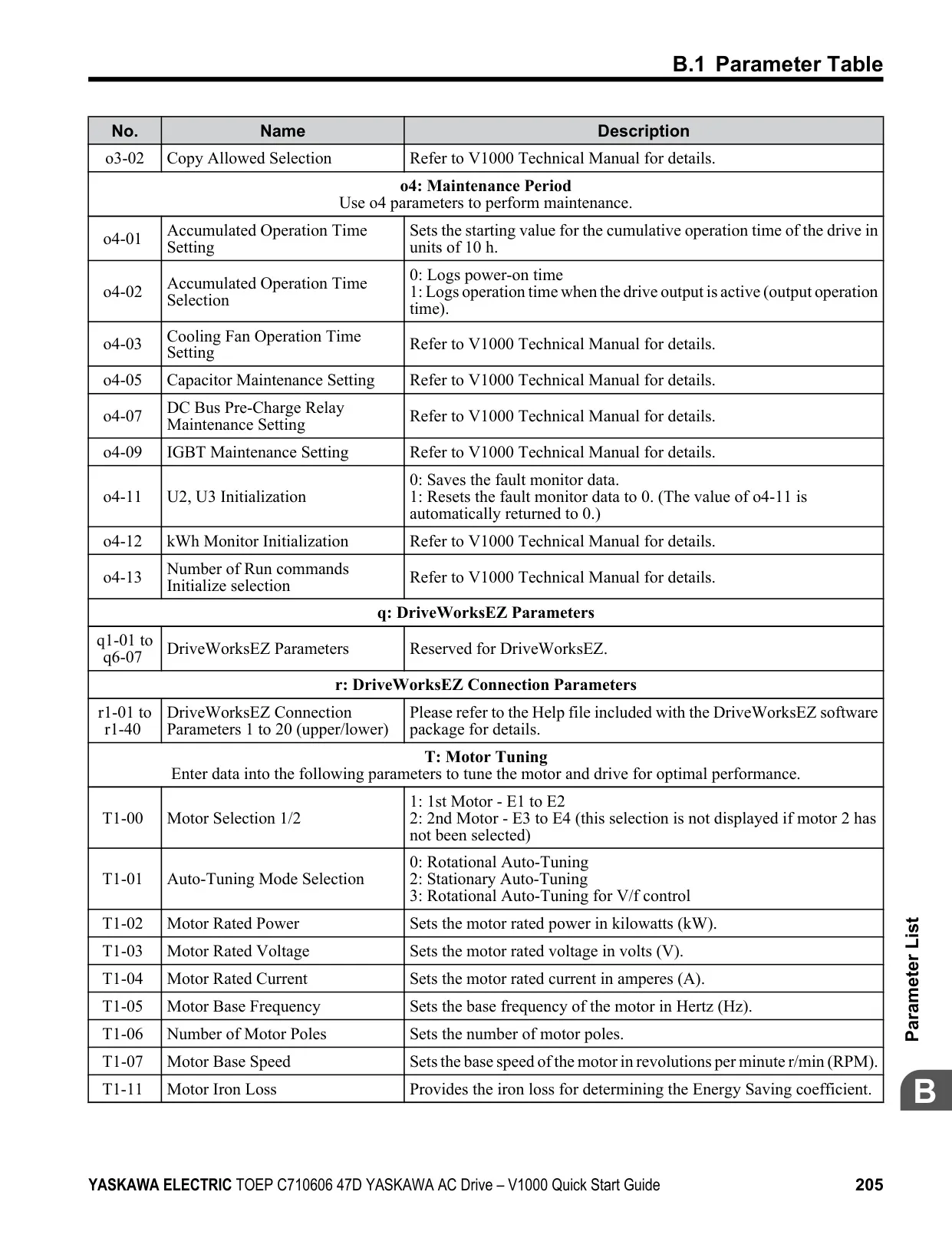
One of the V1000's most prominent features is its Auto-Tuning capability. This feature allows the drive to automatically learn the characteristics of the connected motor, optimizing control parameters to maximize efficiency and performance without complex manual intervention. Both rotational auto-tuning modes (with the motor uncoupled and turning) and stationary auto-tuning modes (to adjust resistance on motors with long lead wires) are available, ensuring precise adaptation to the specific conditions of the system.
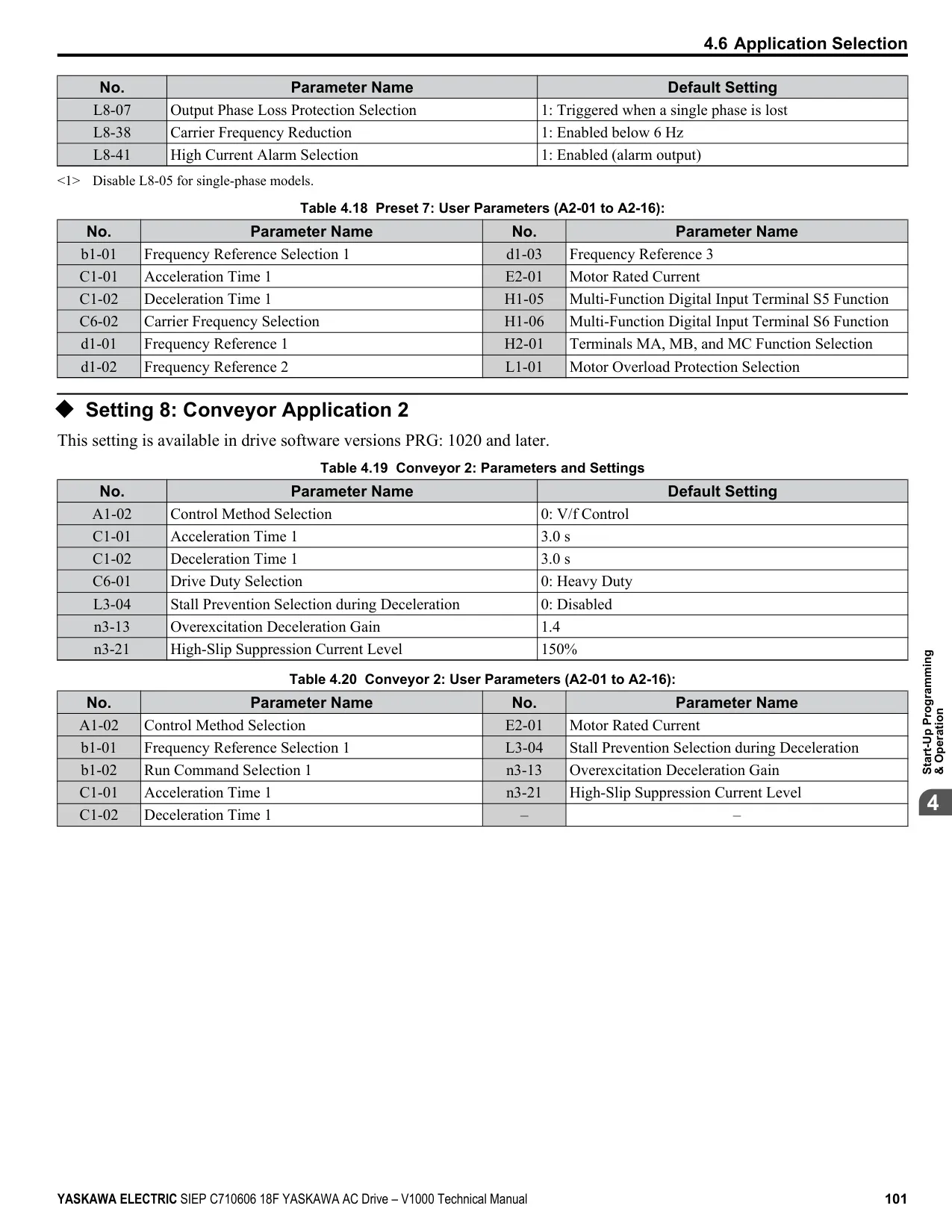
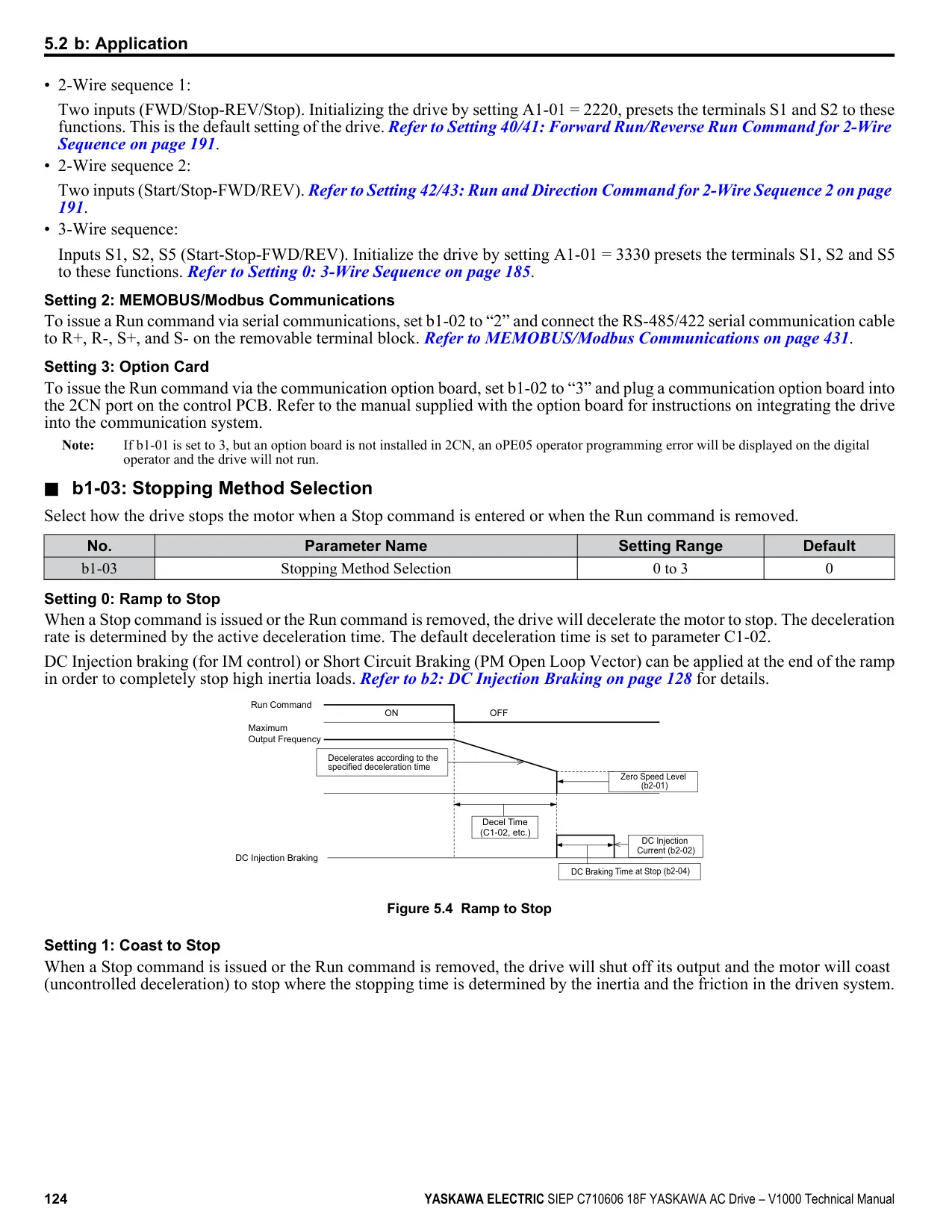
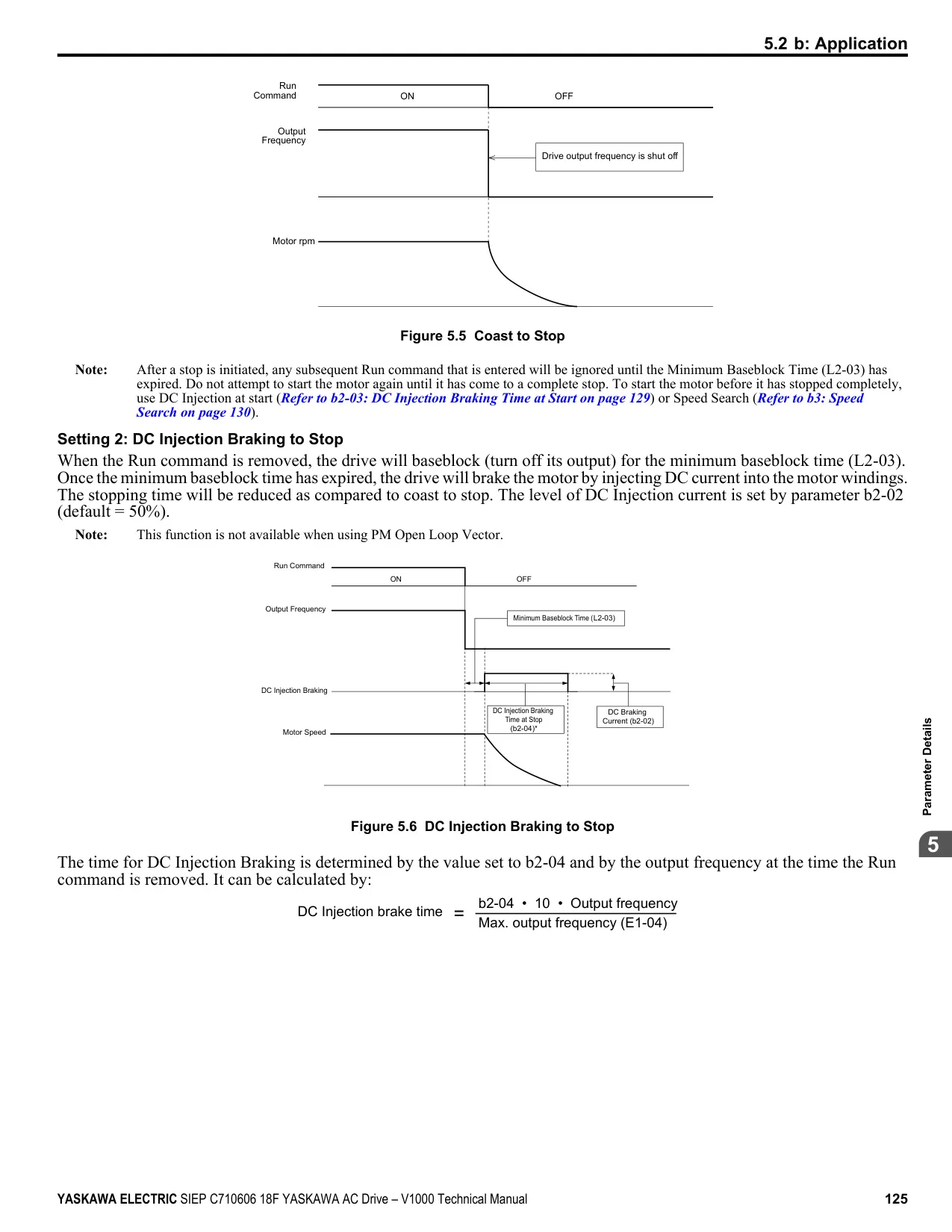
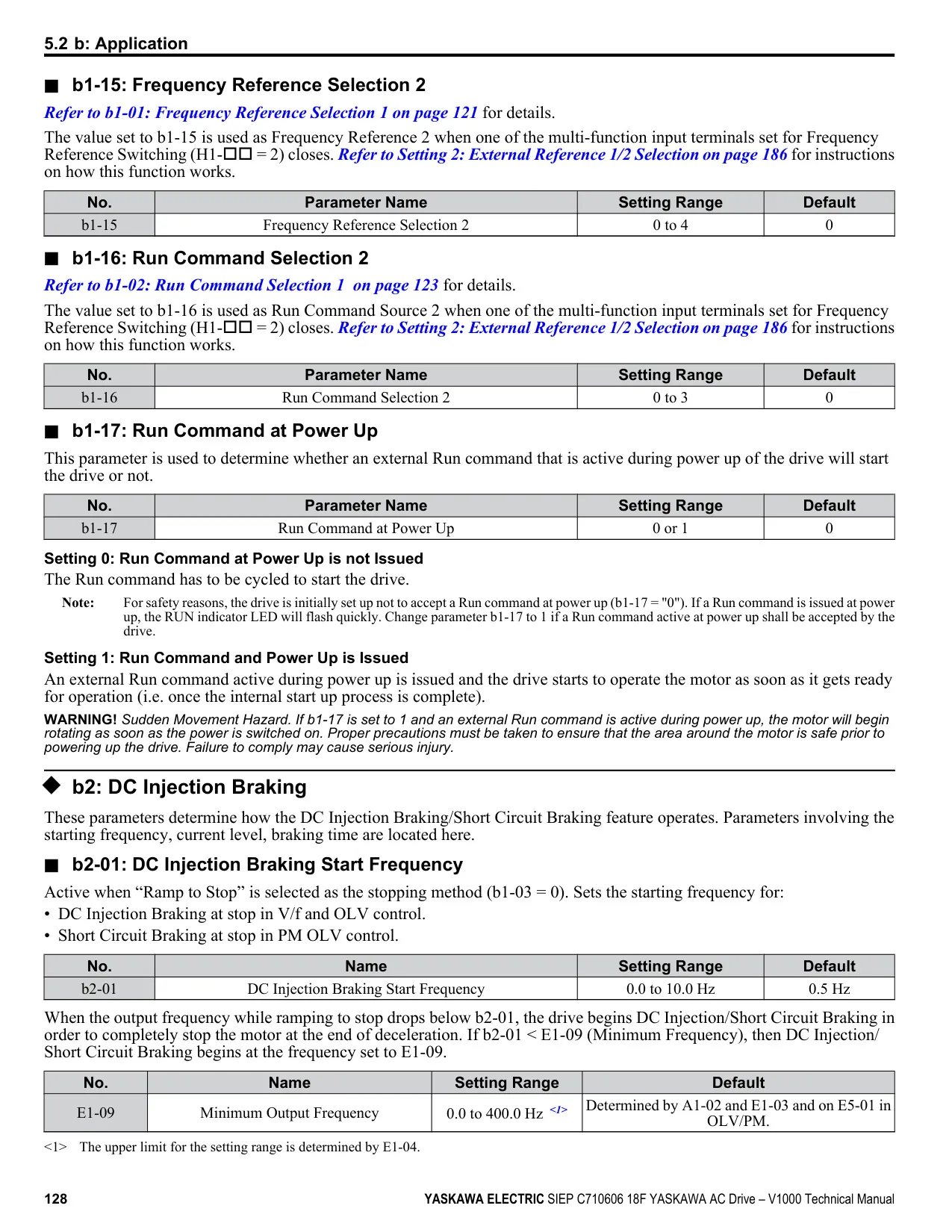
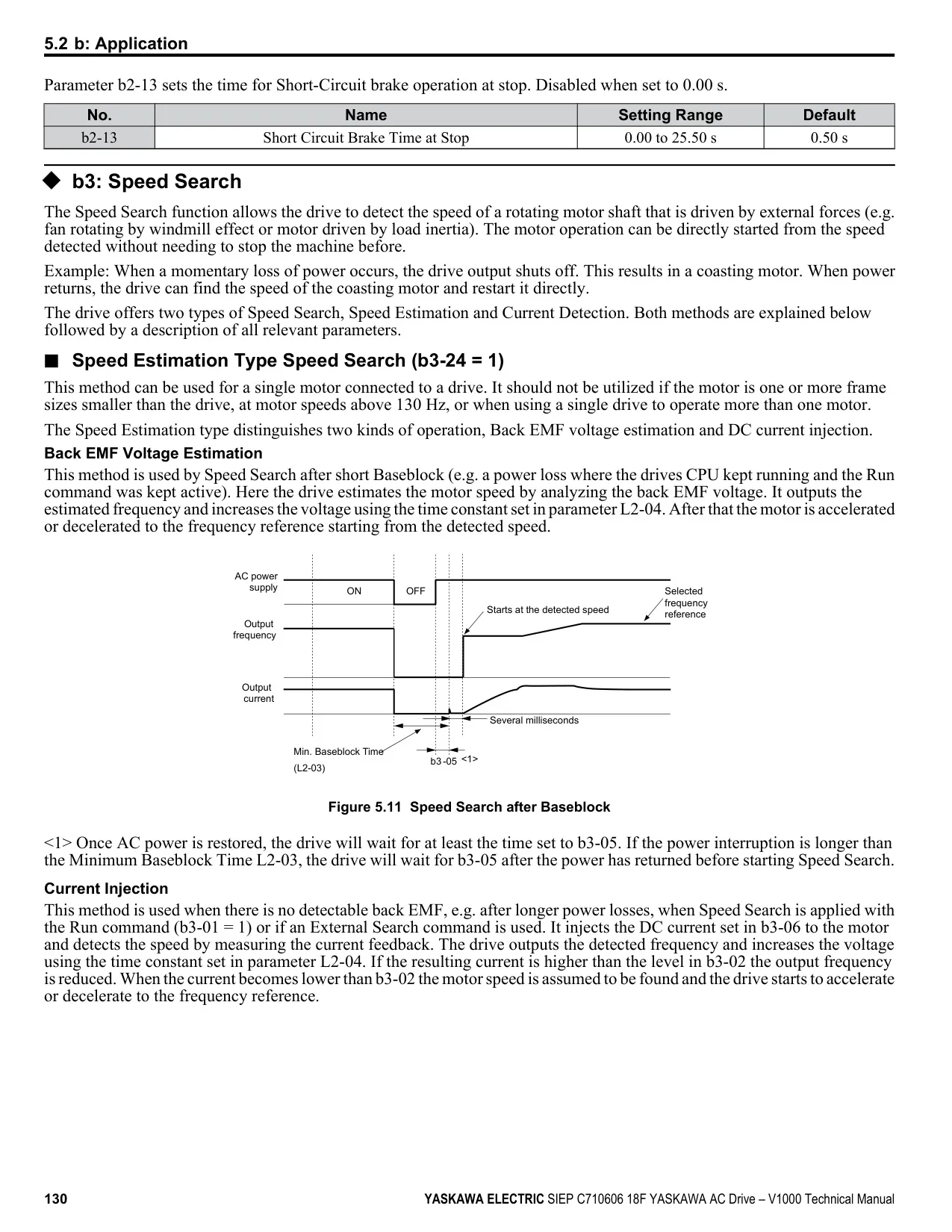
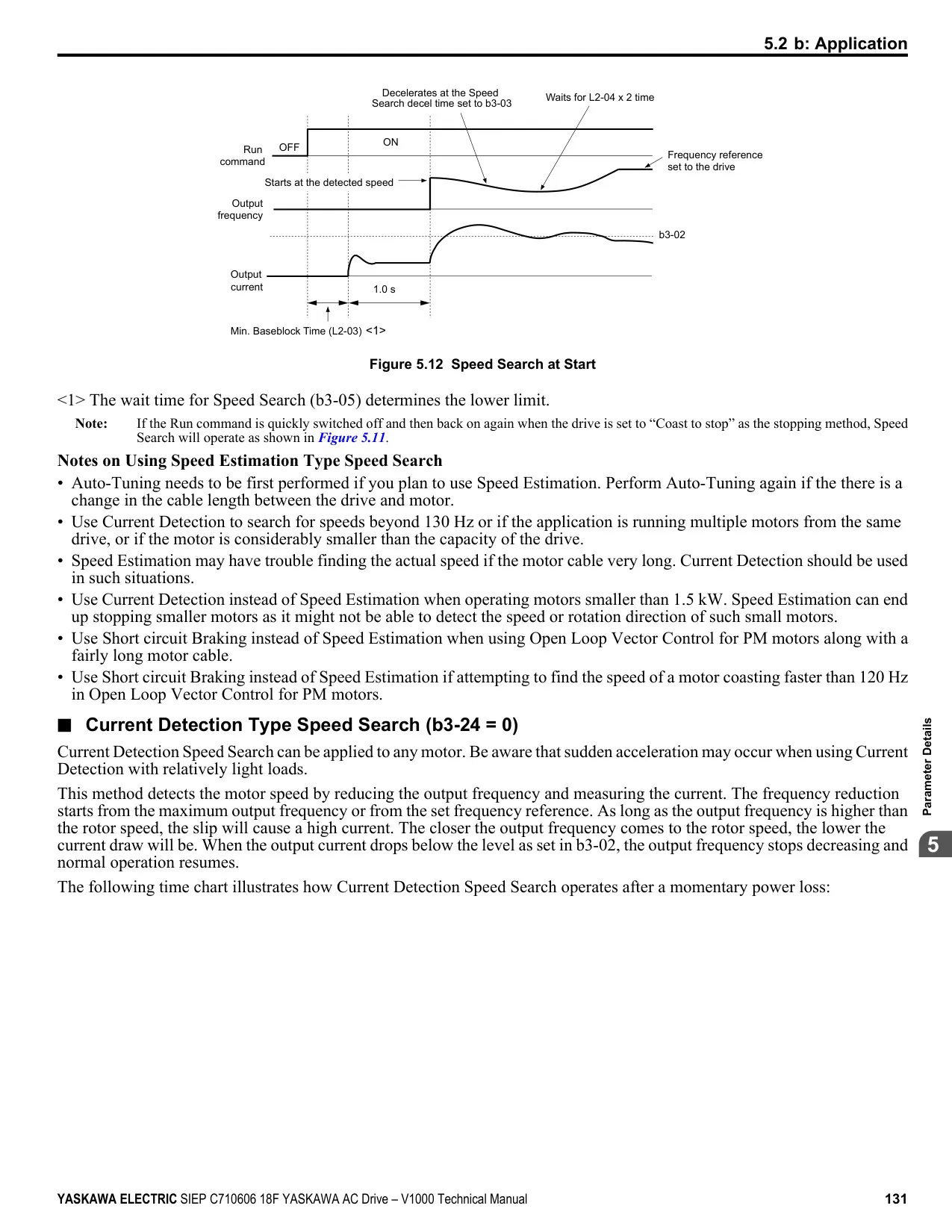
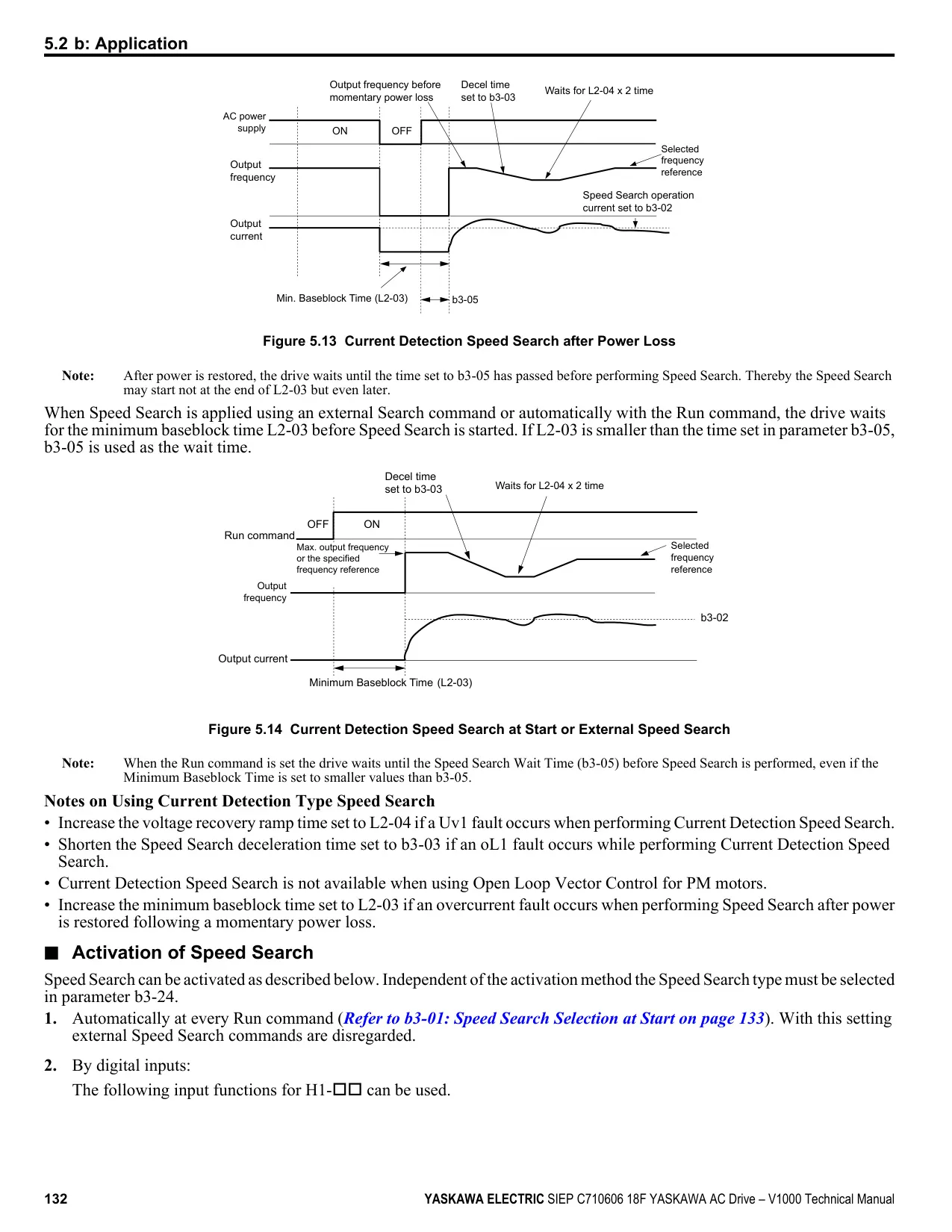
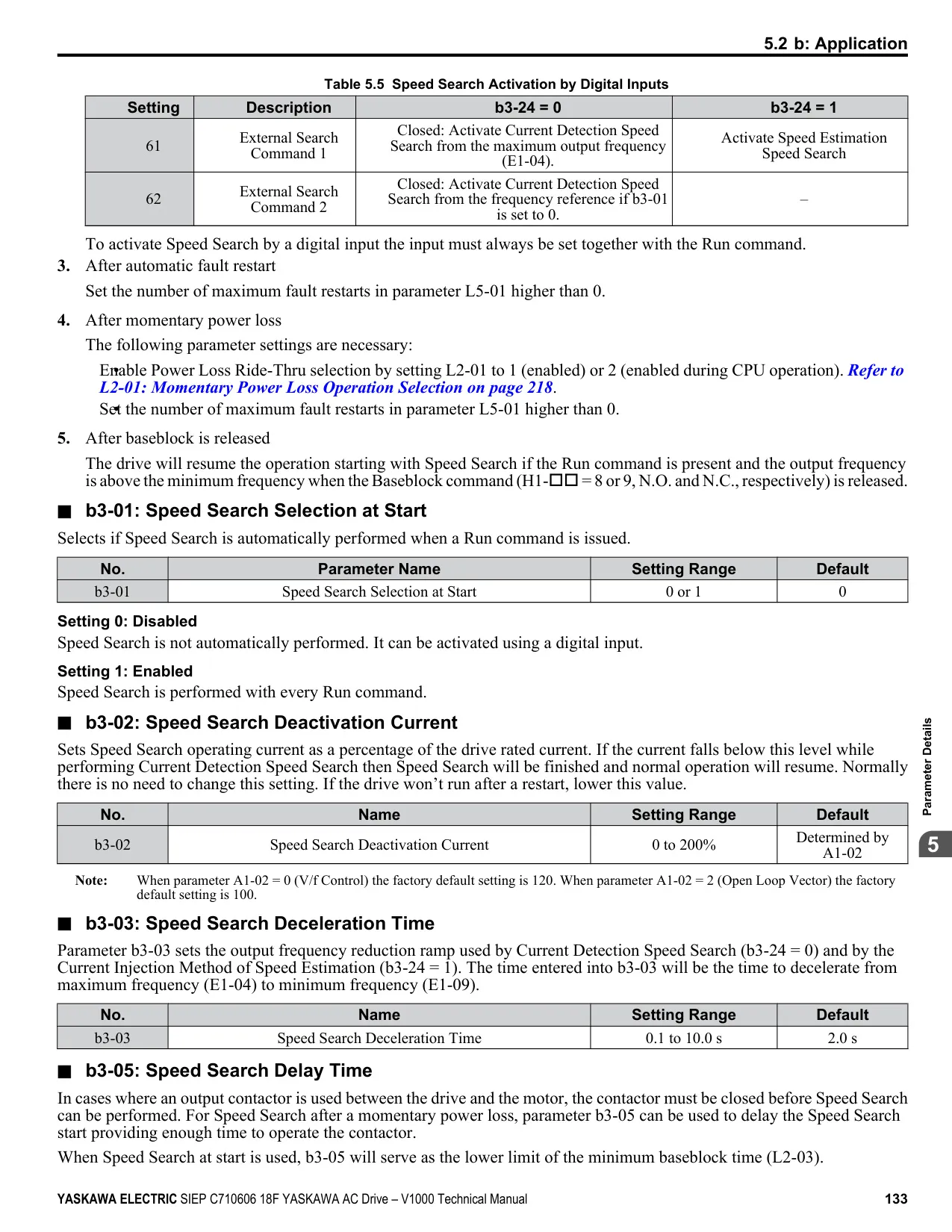
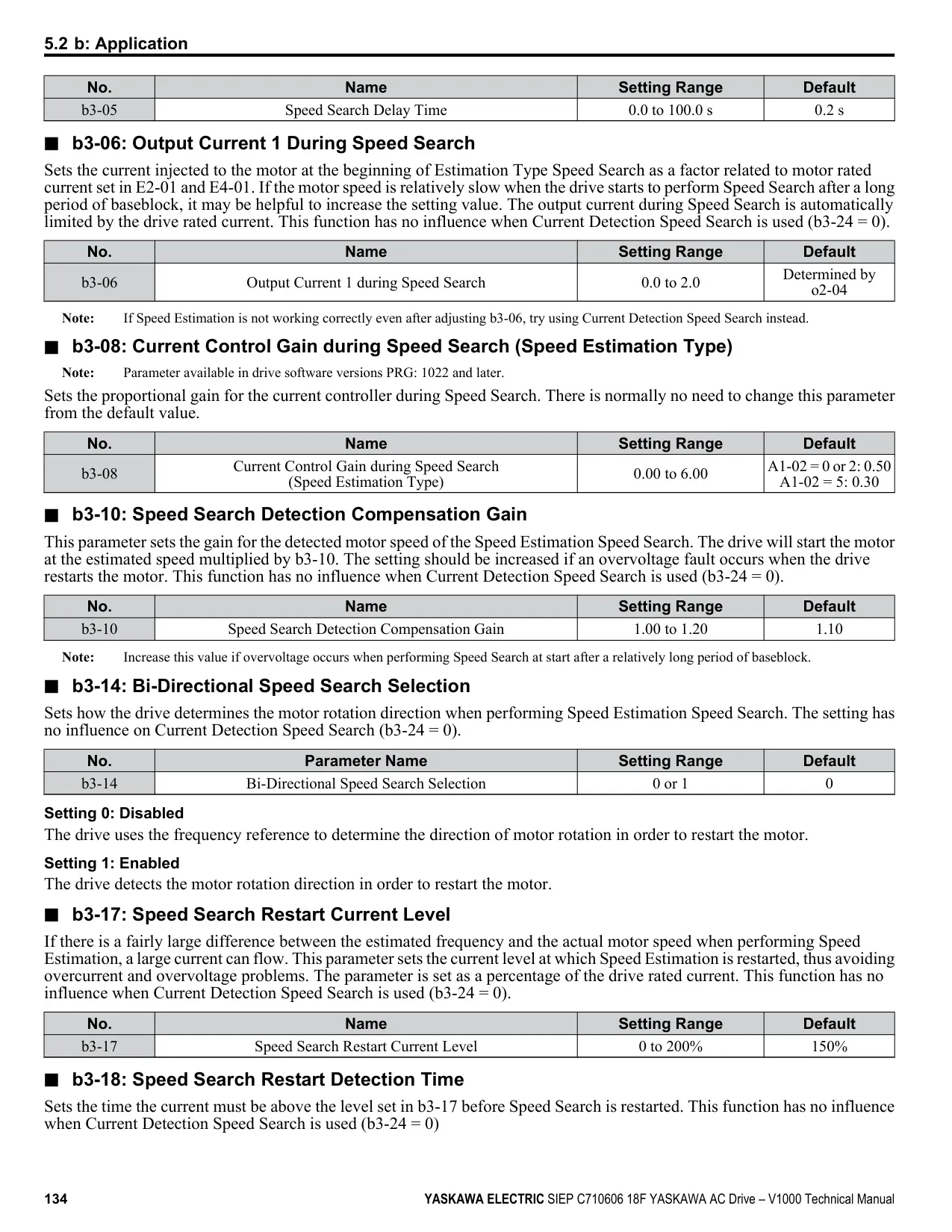
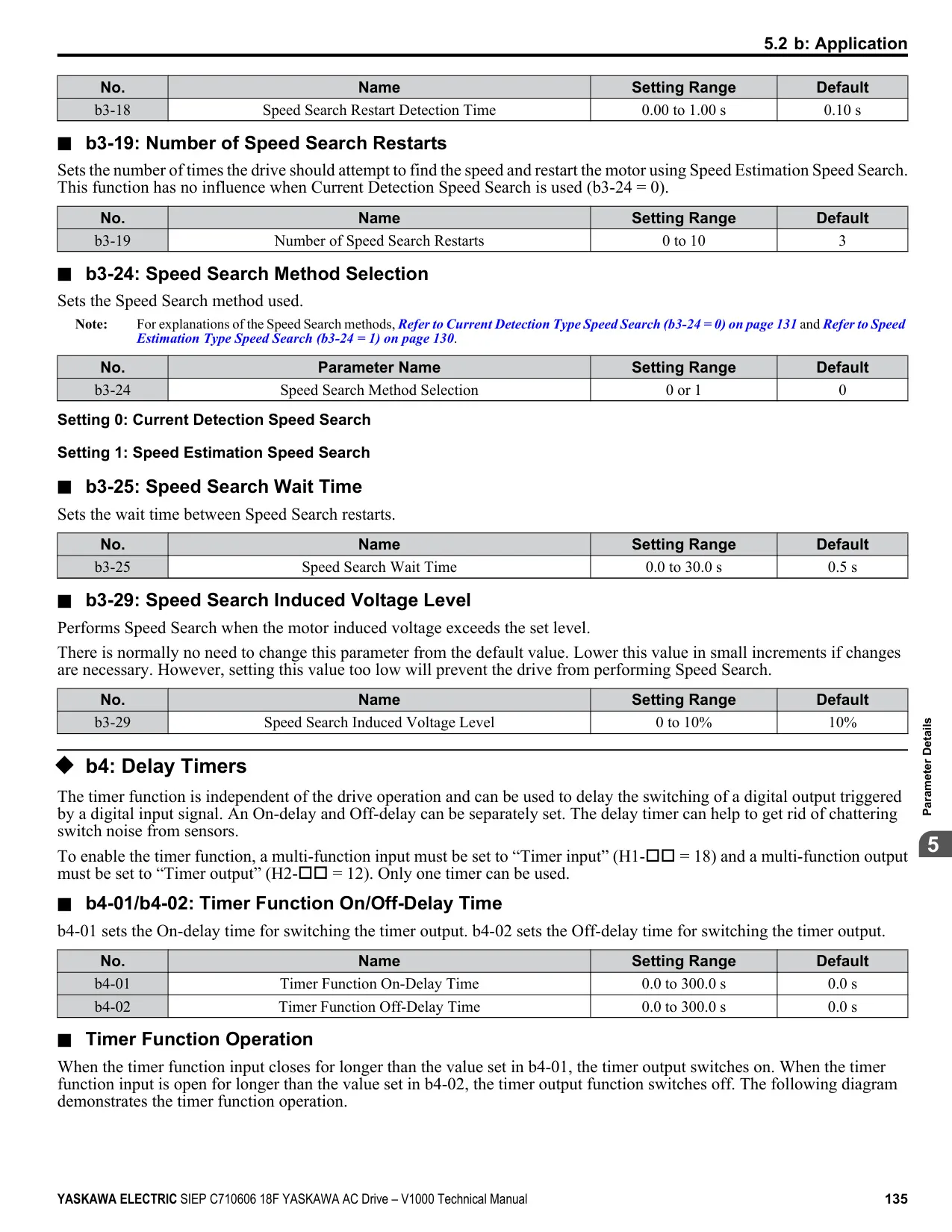
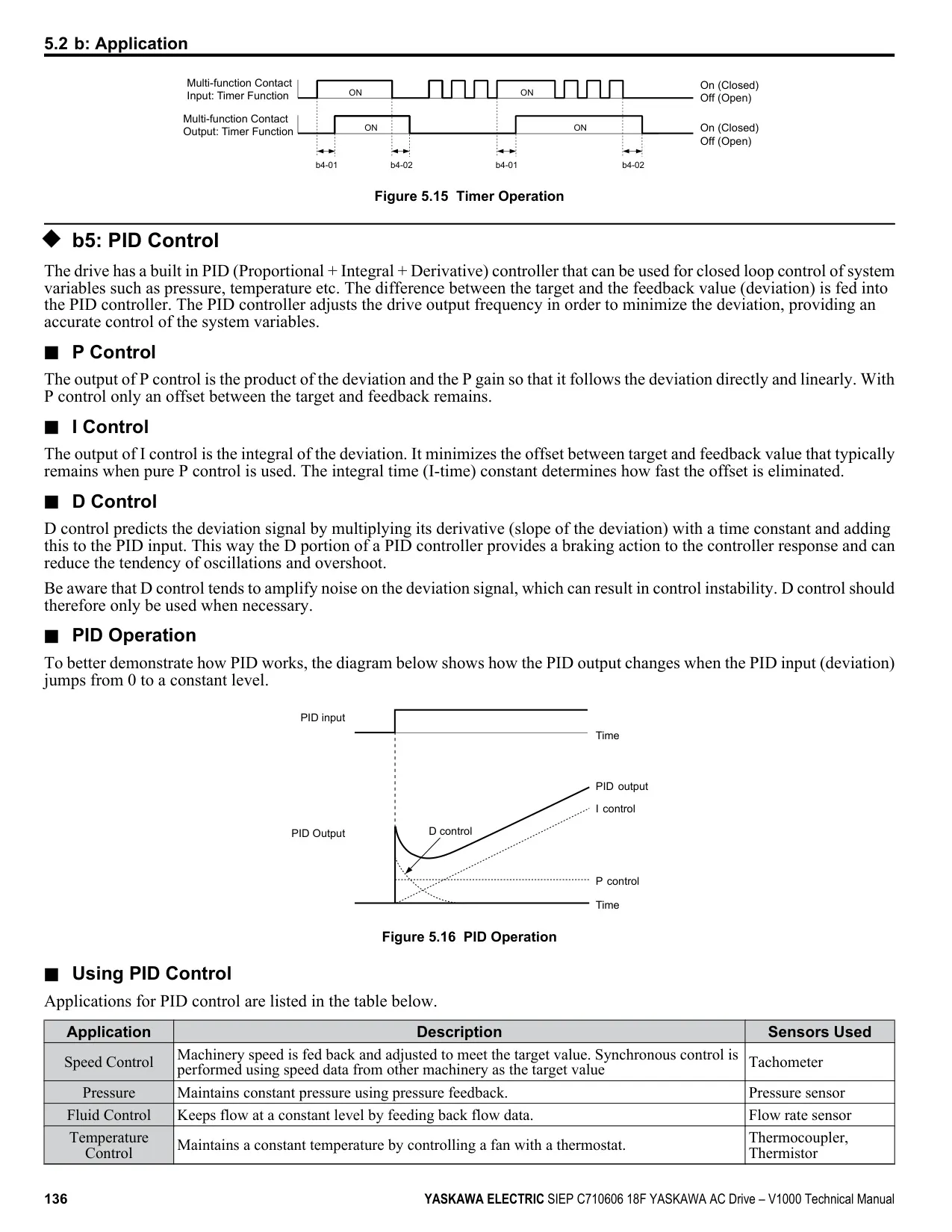
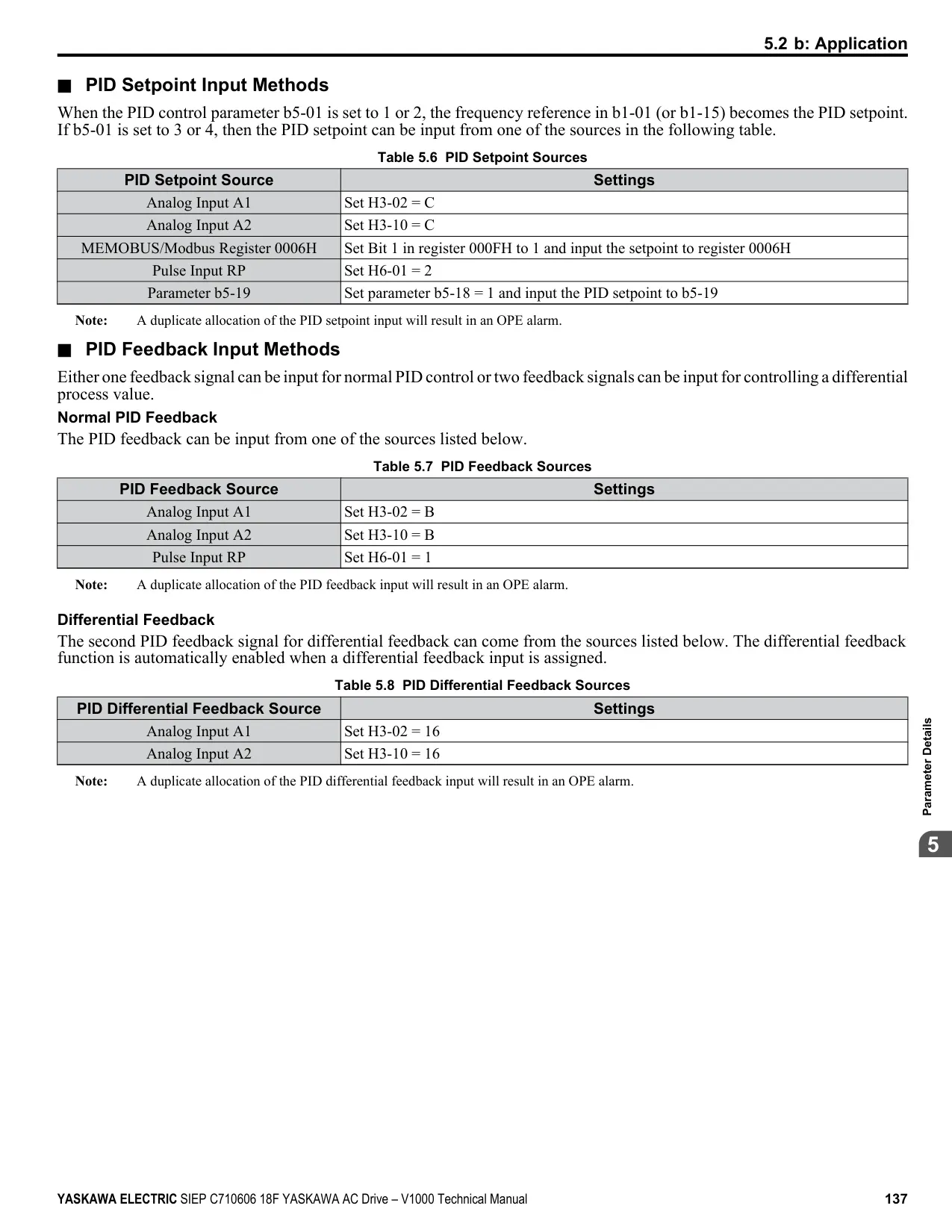
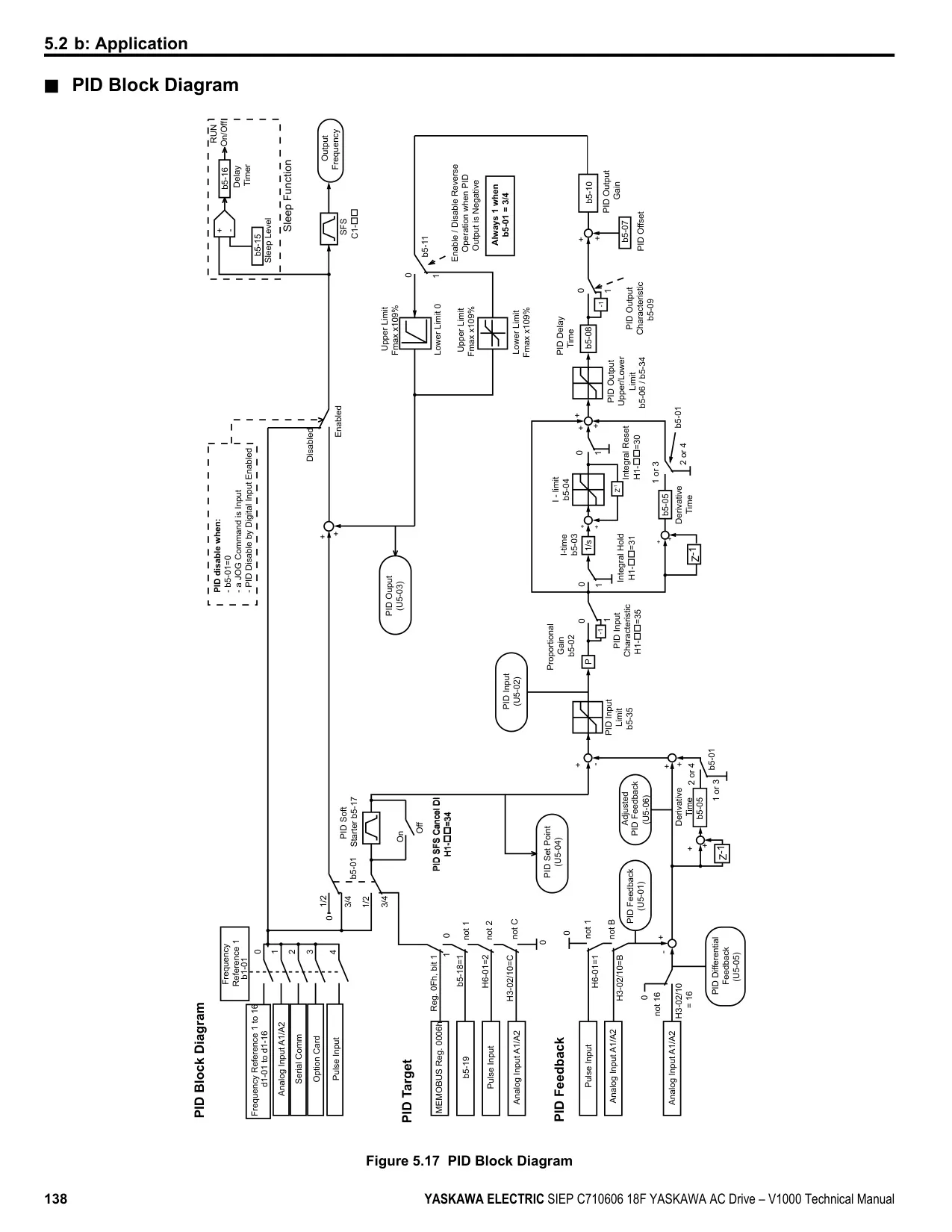
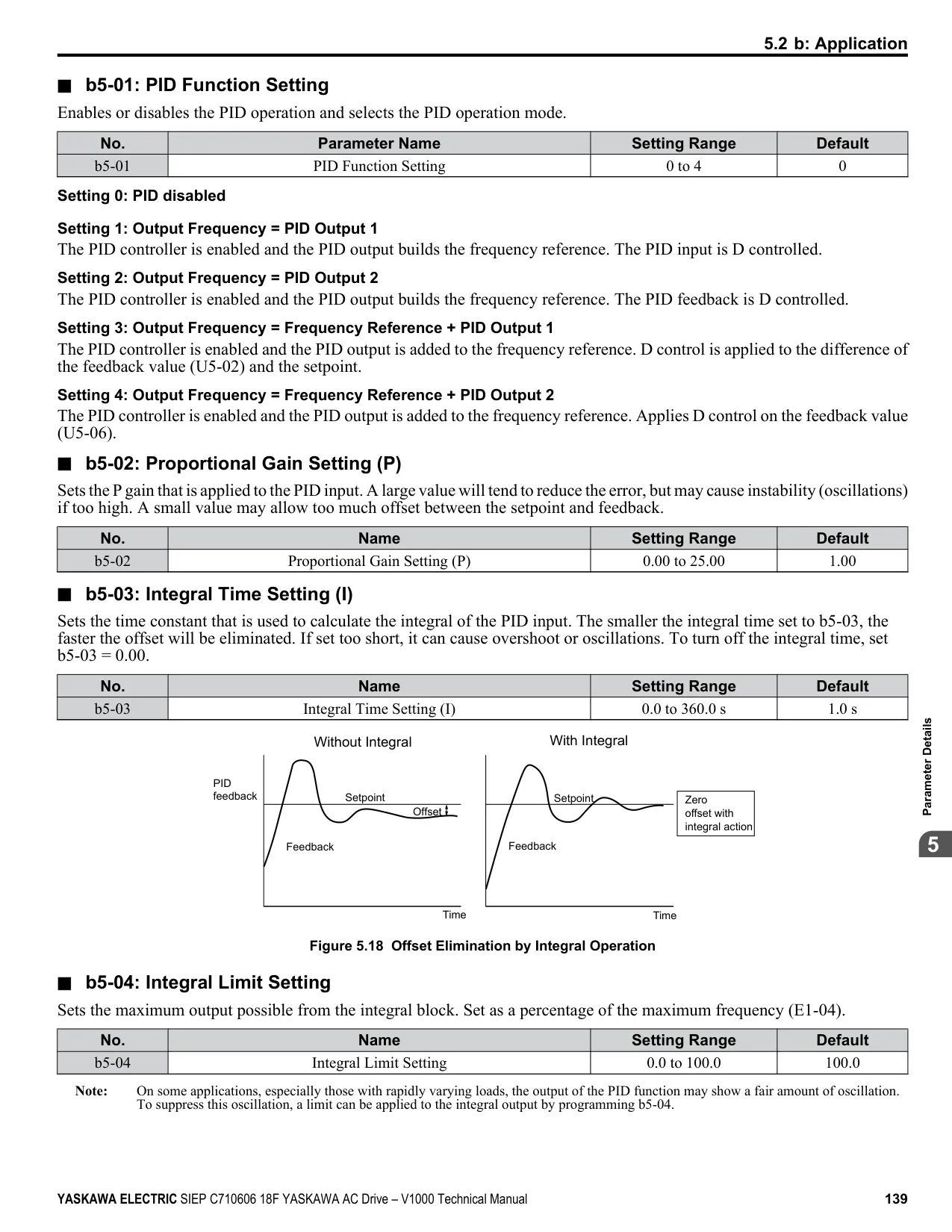
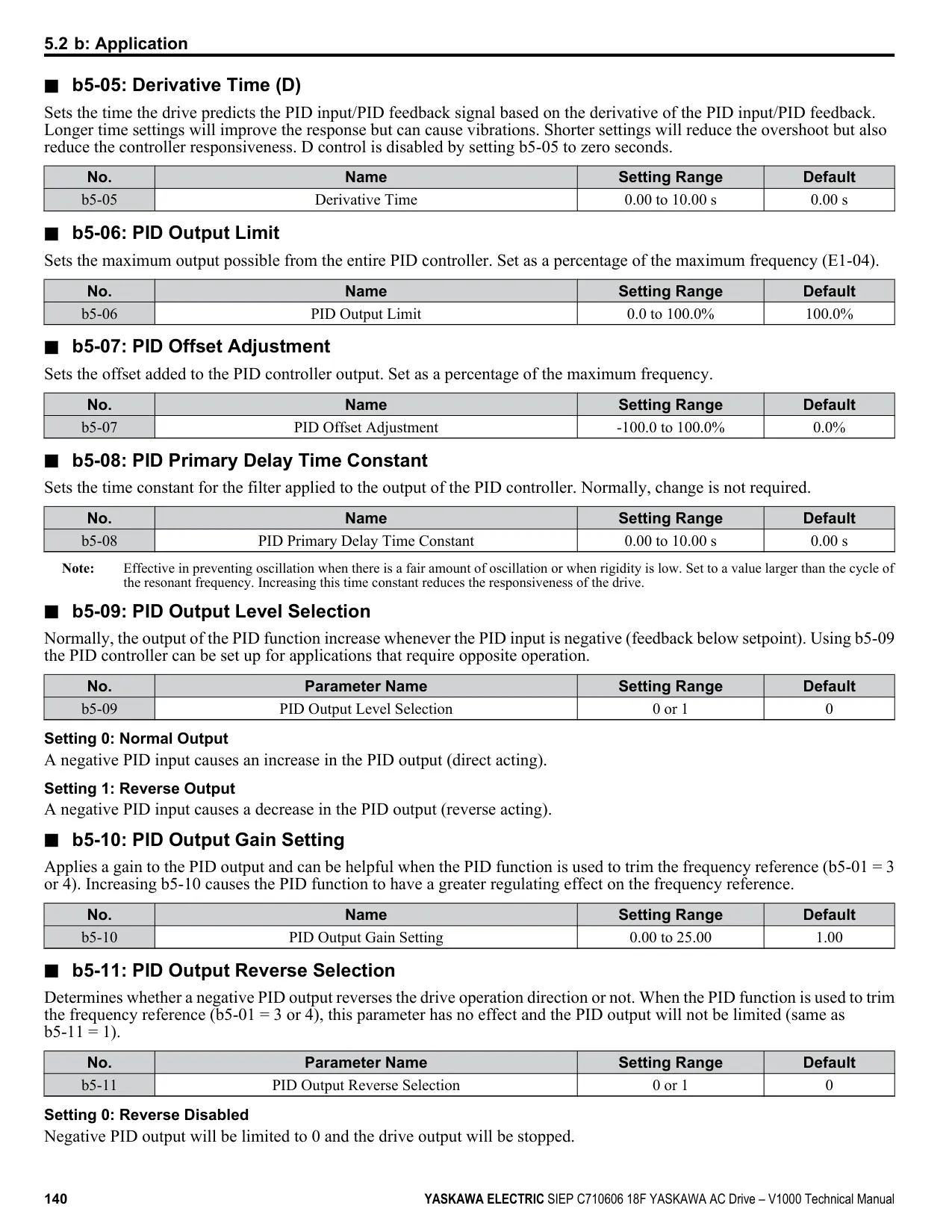
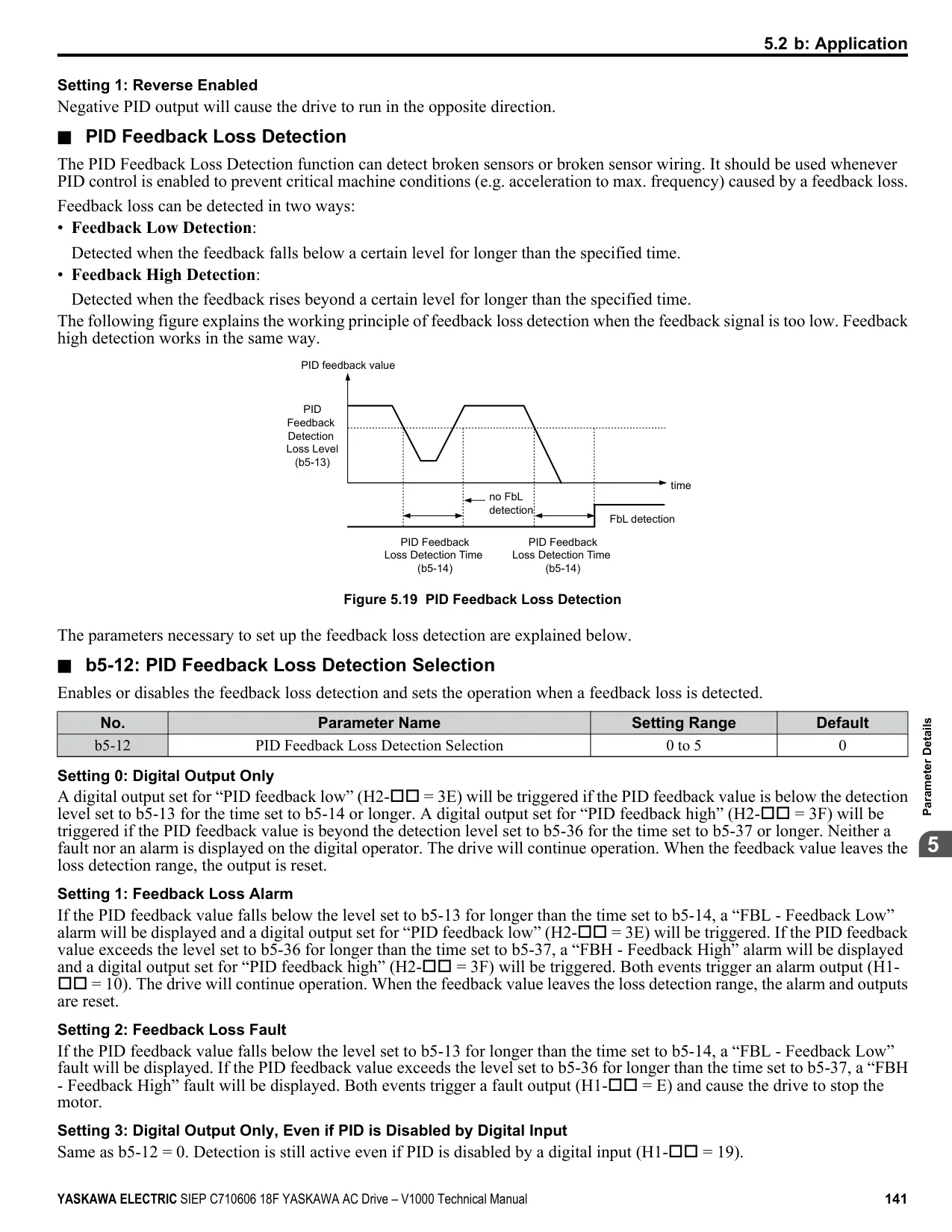
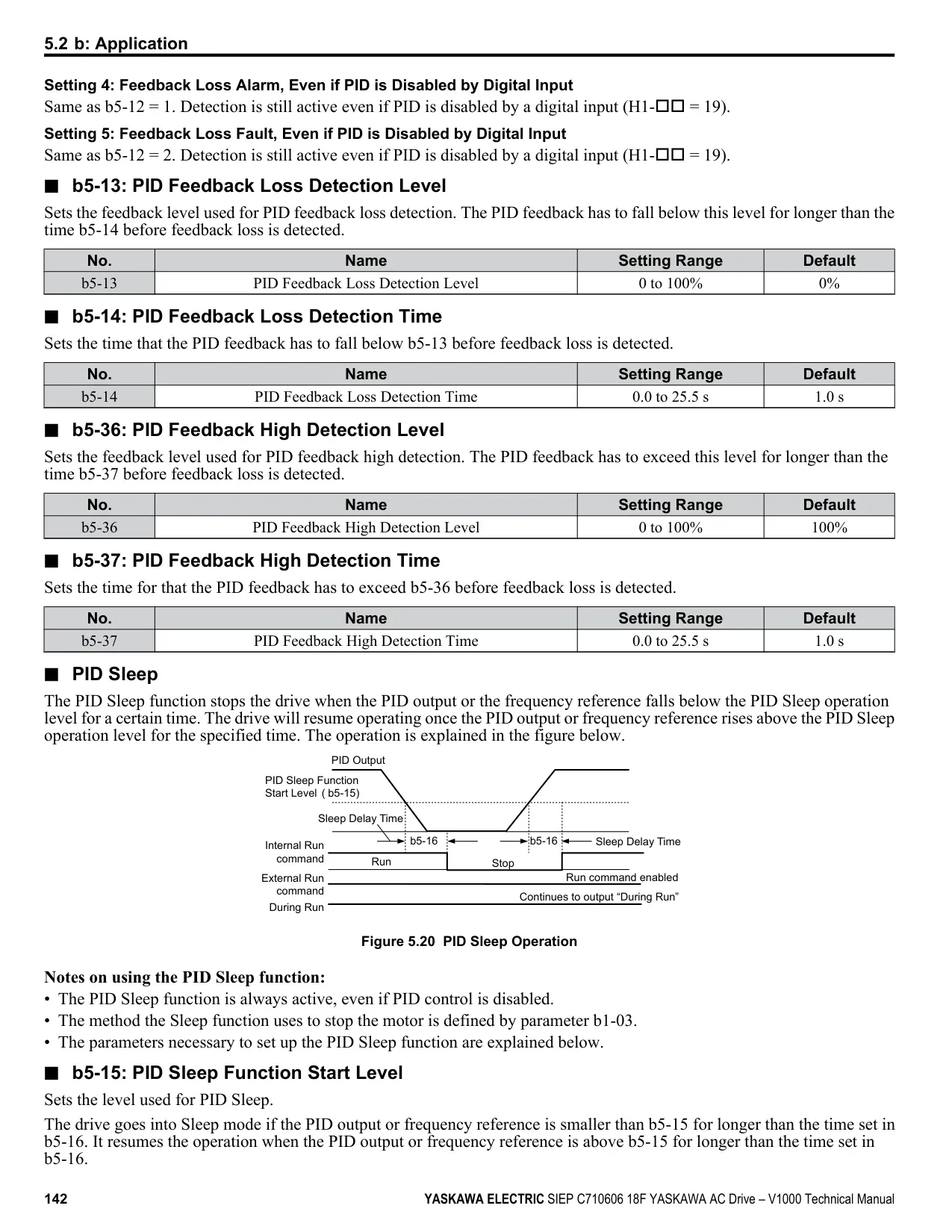
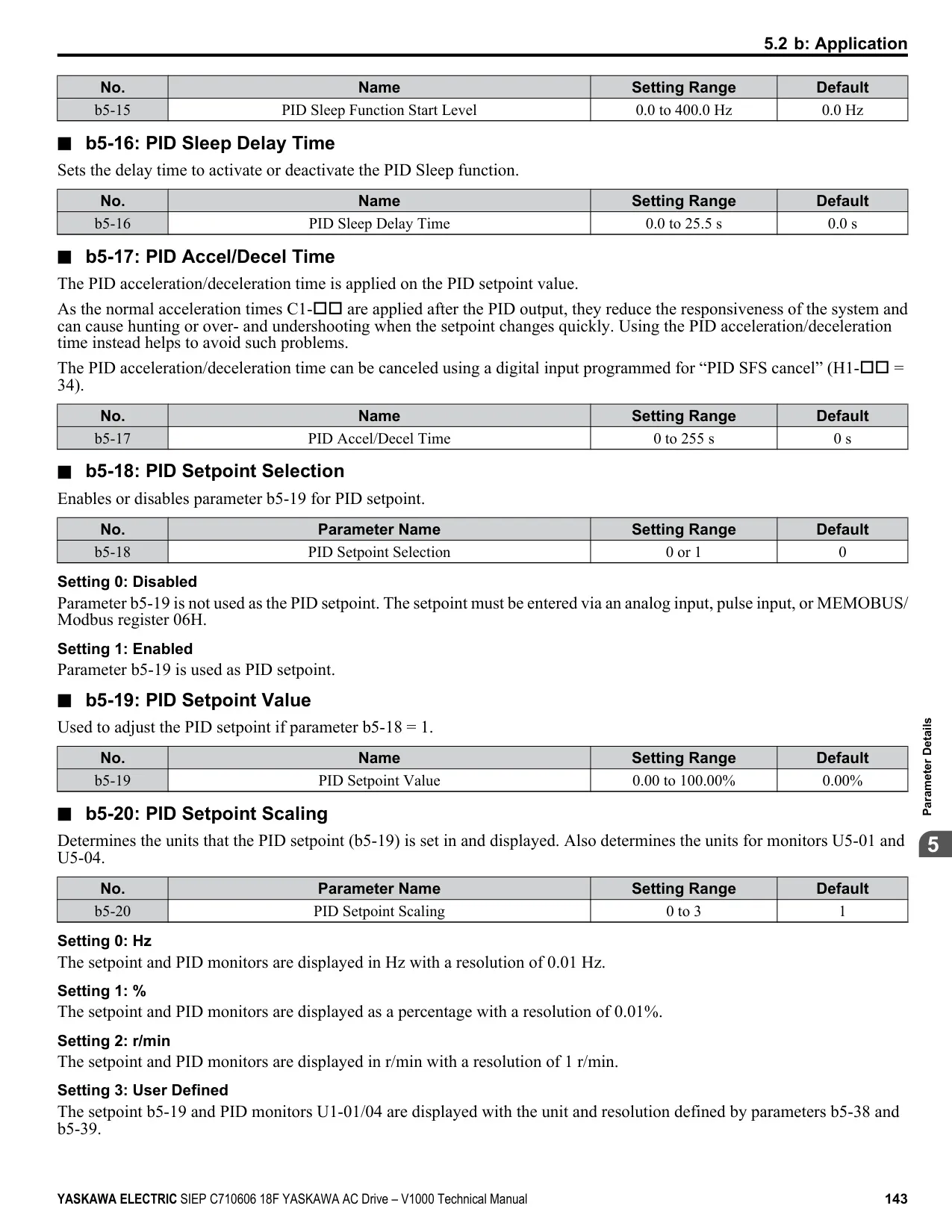
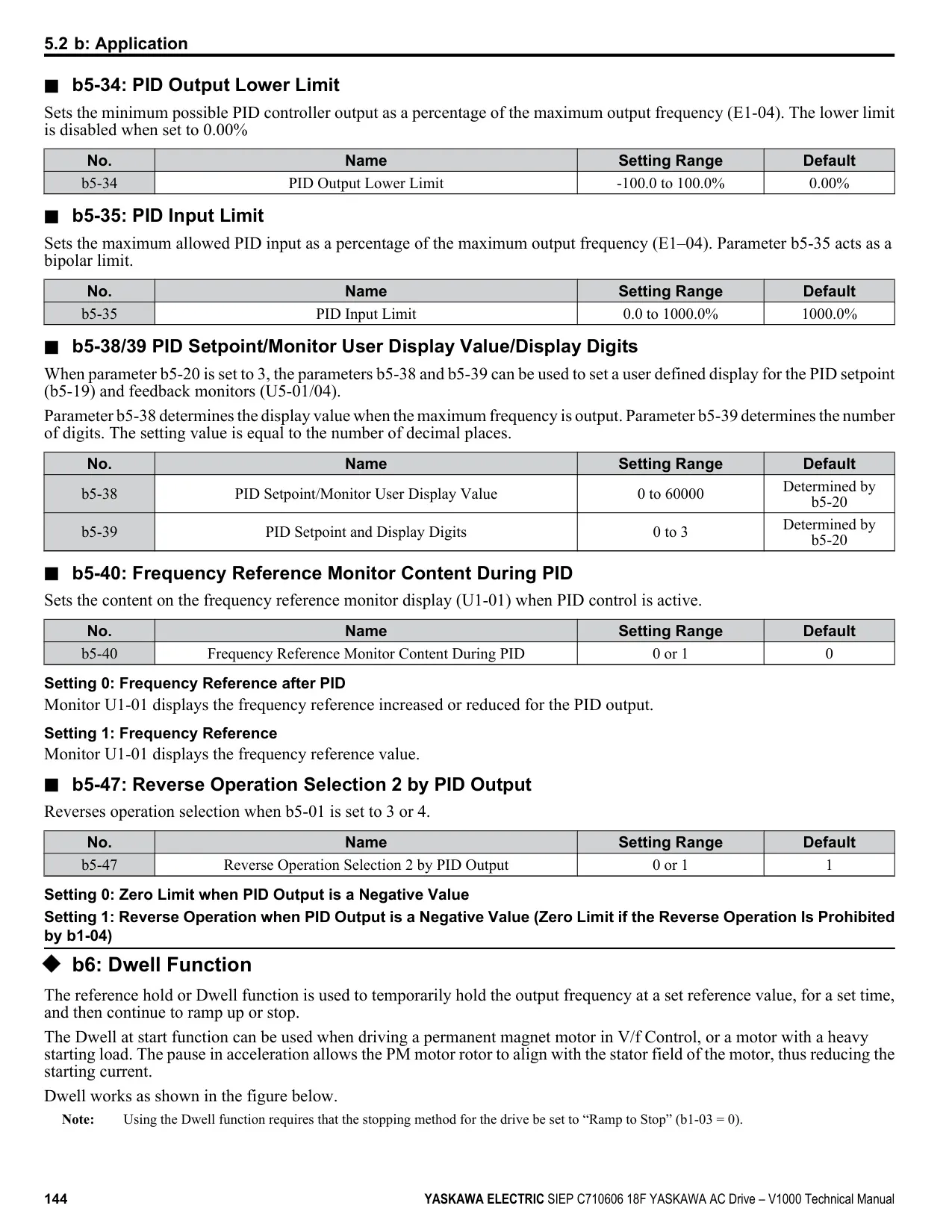
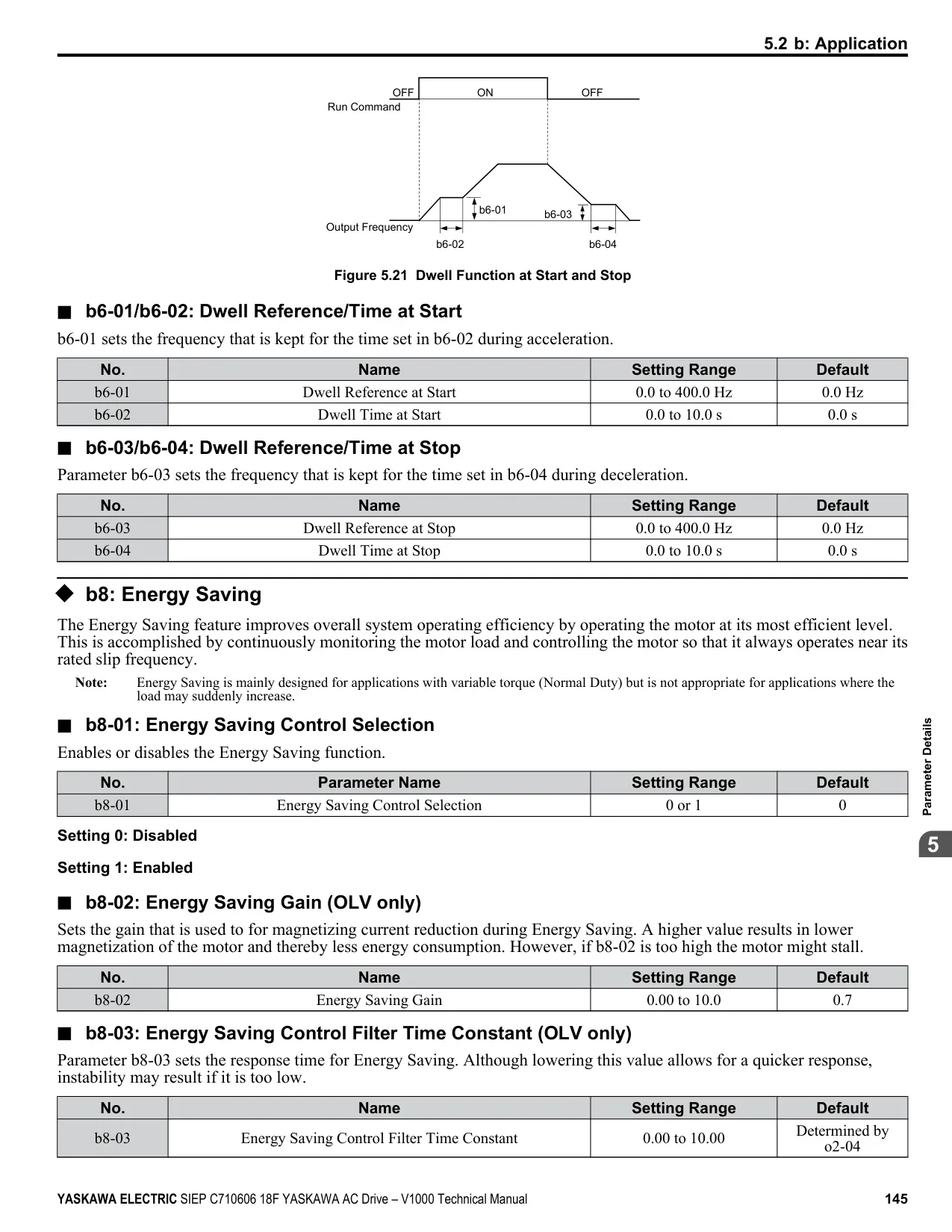
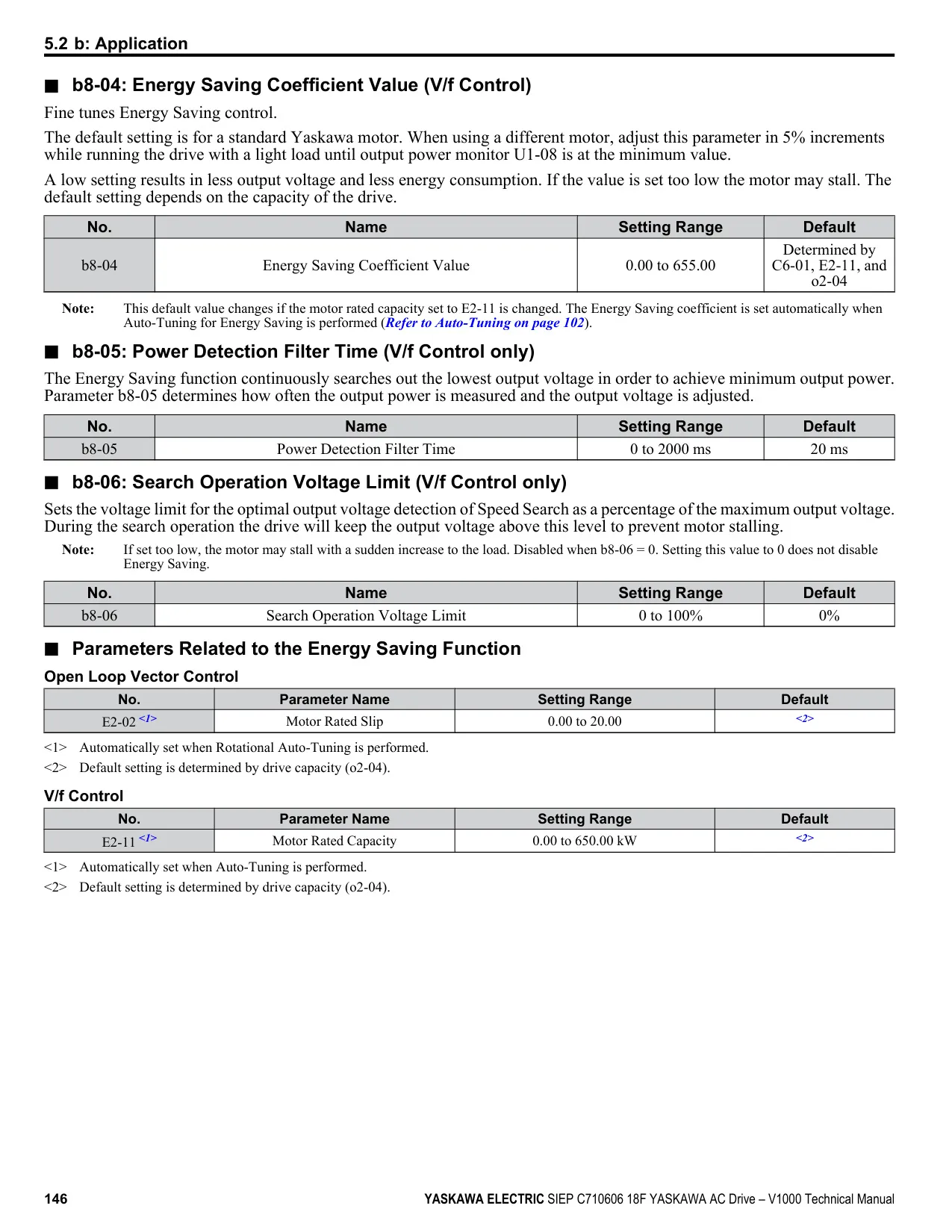
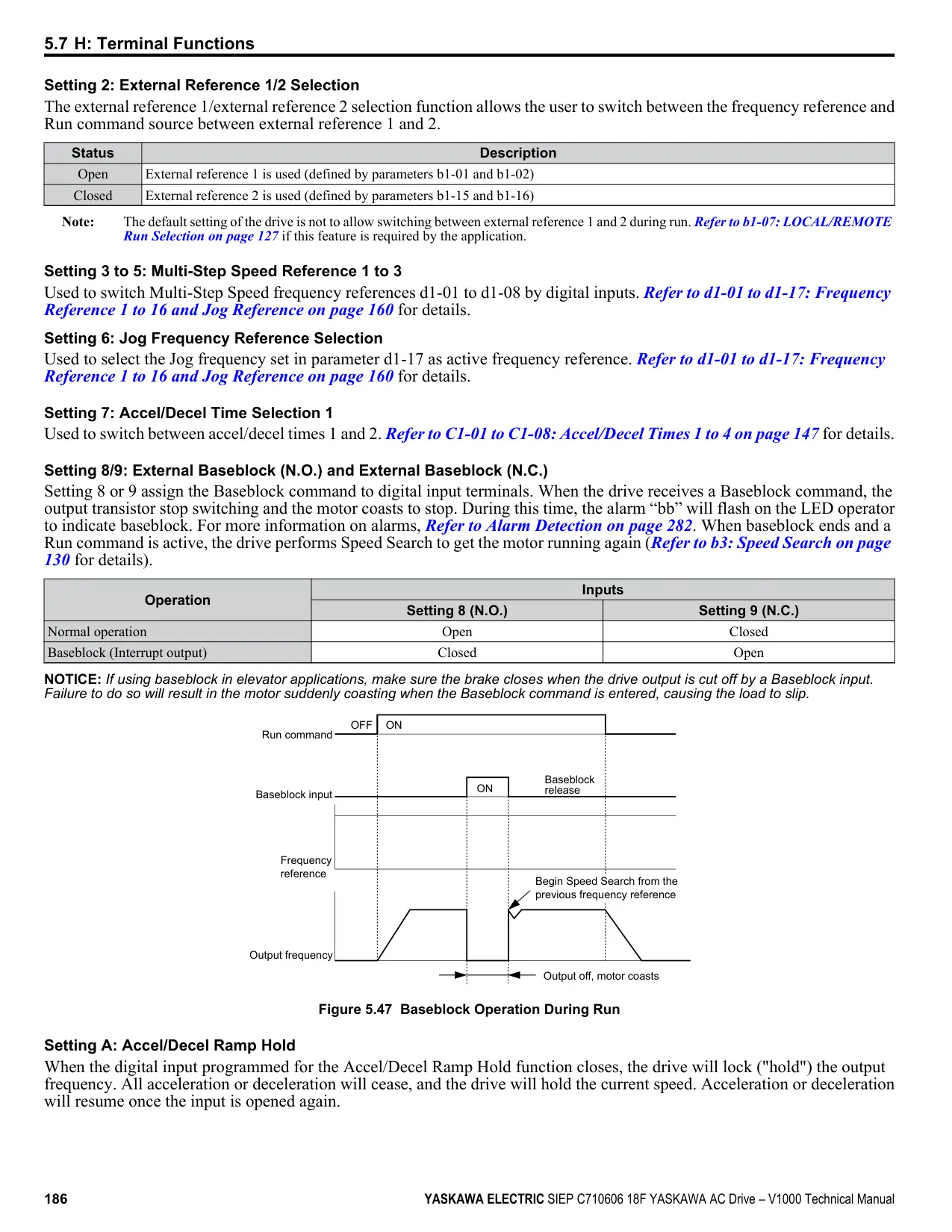
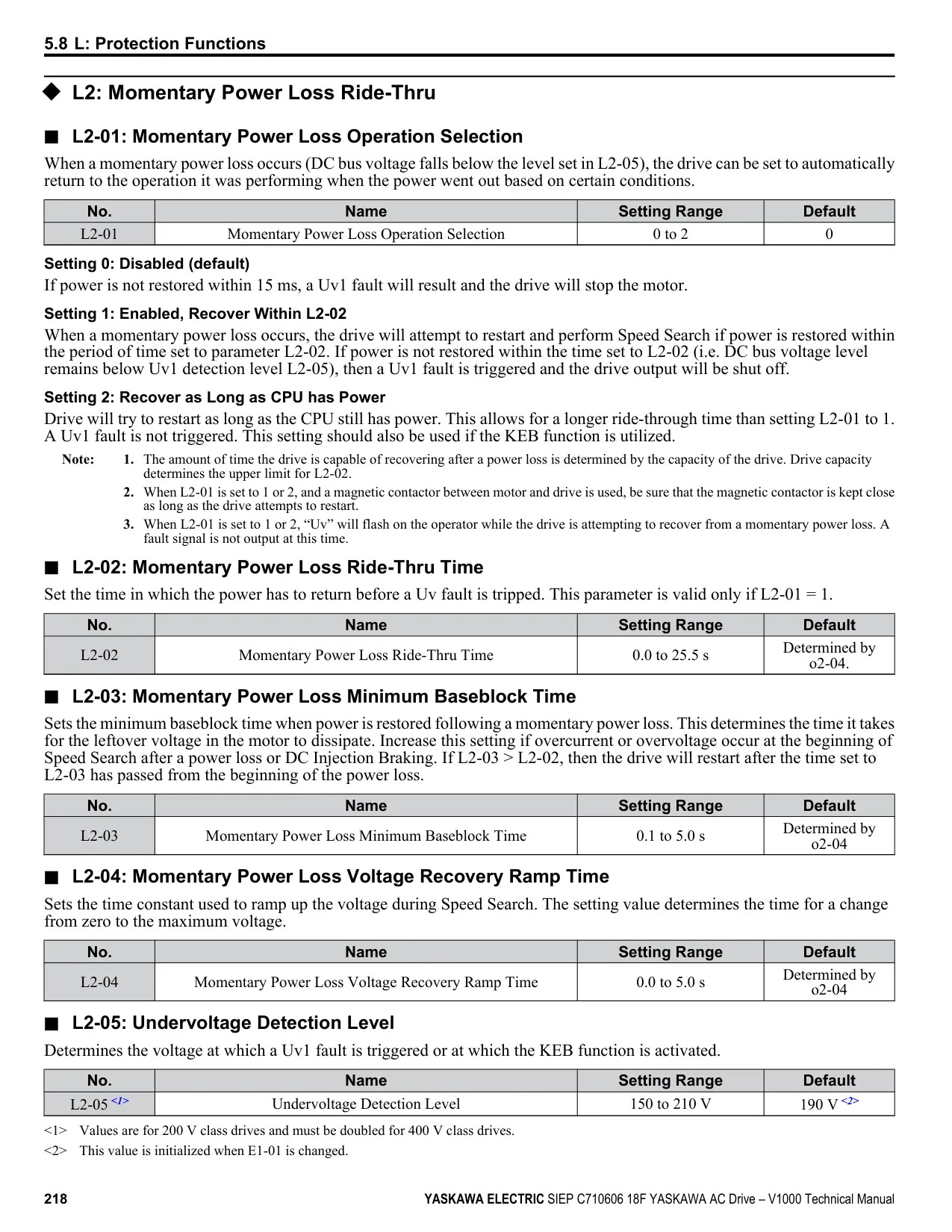
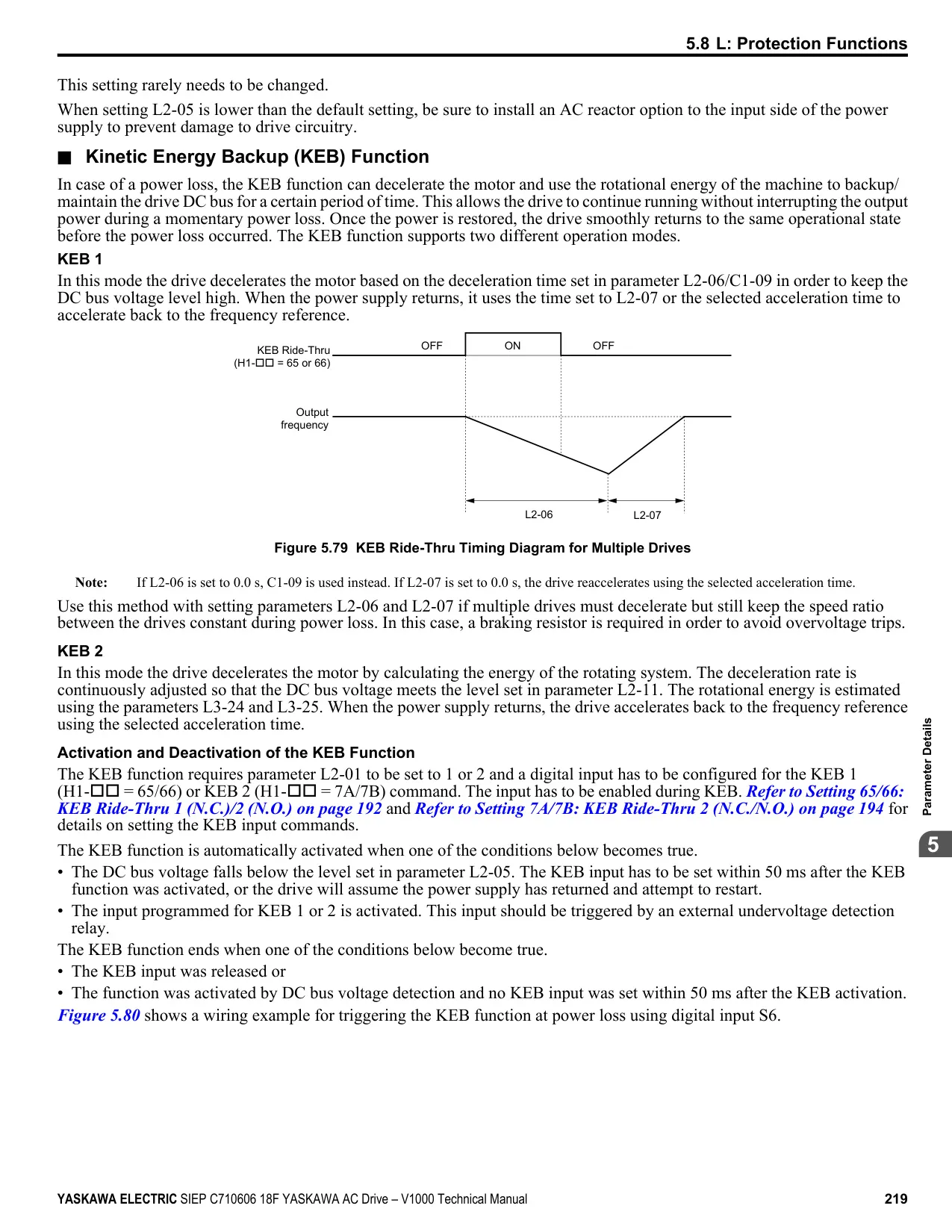
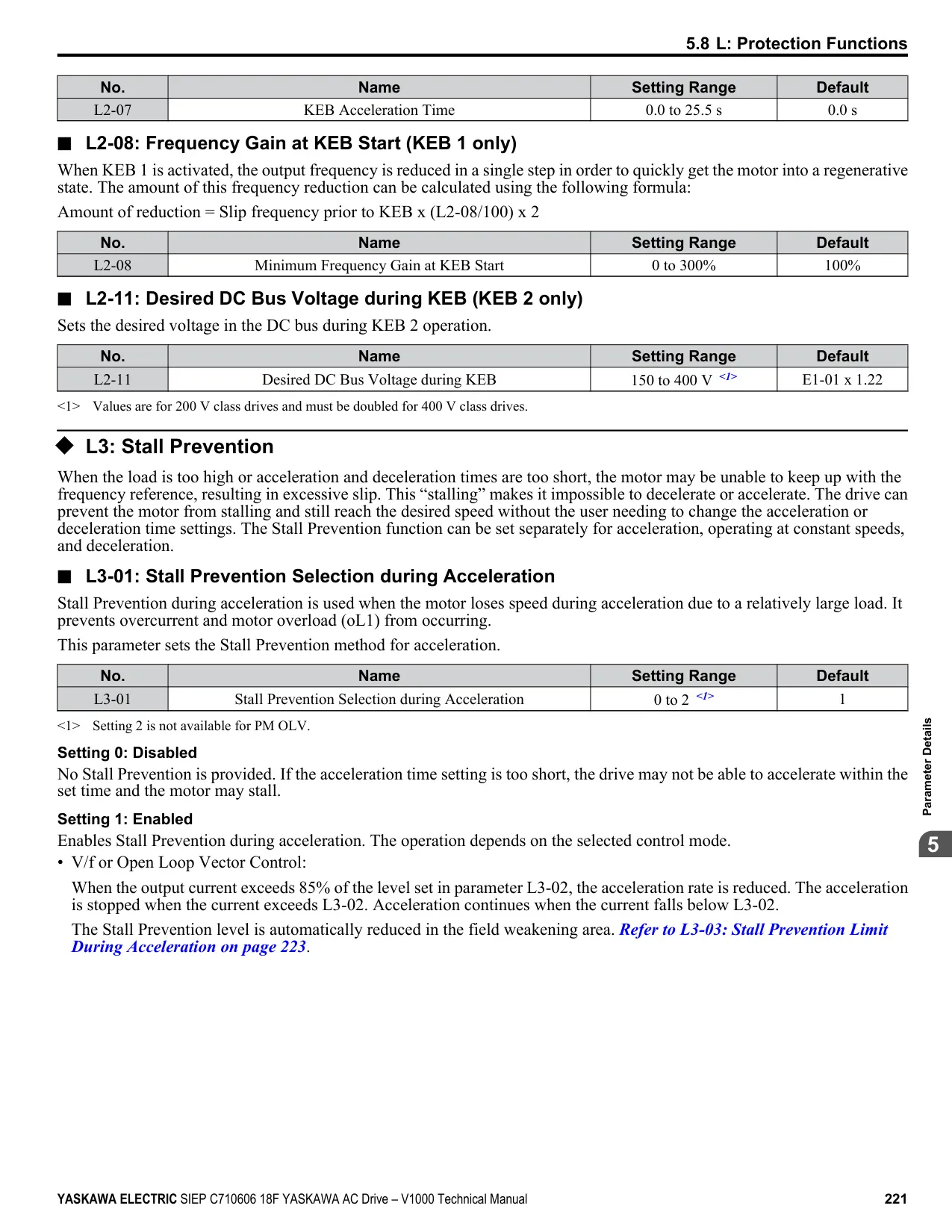
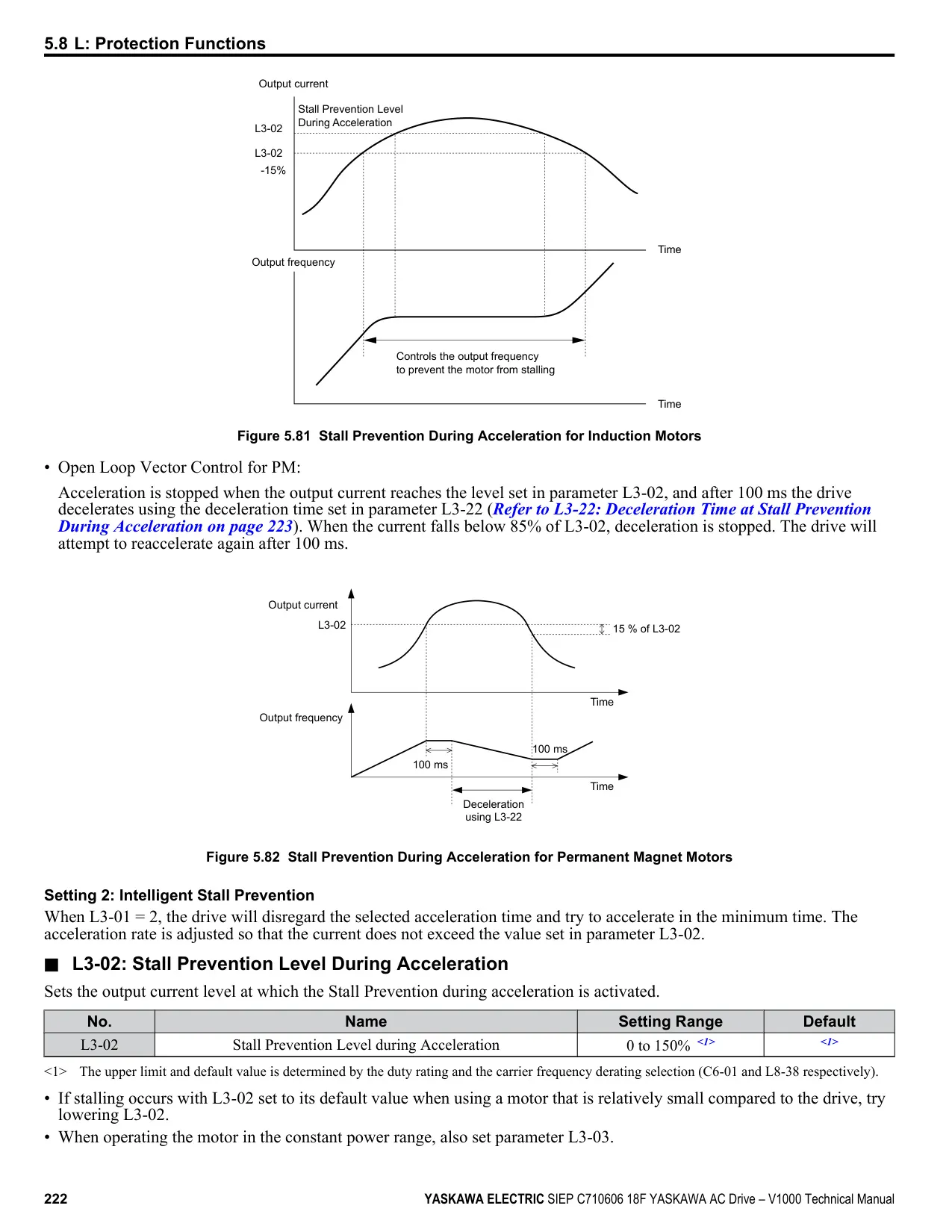
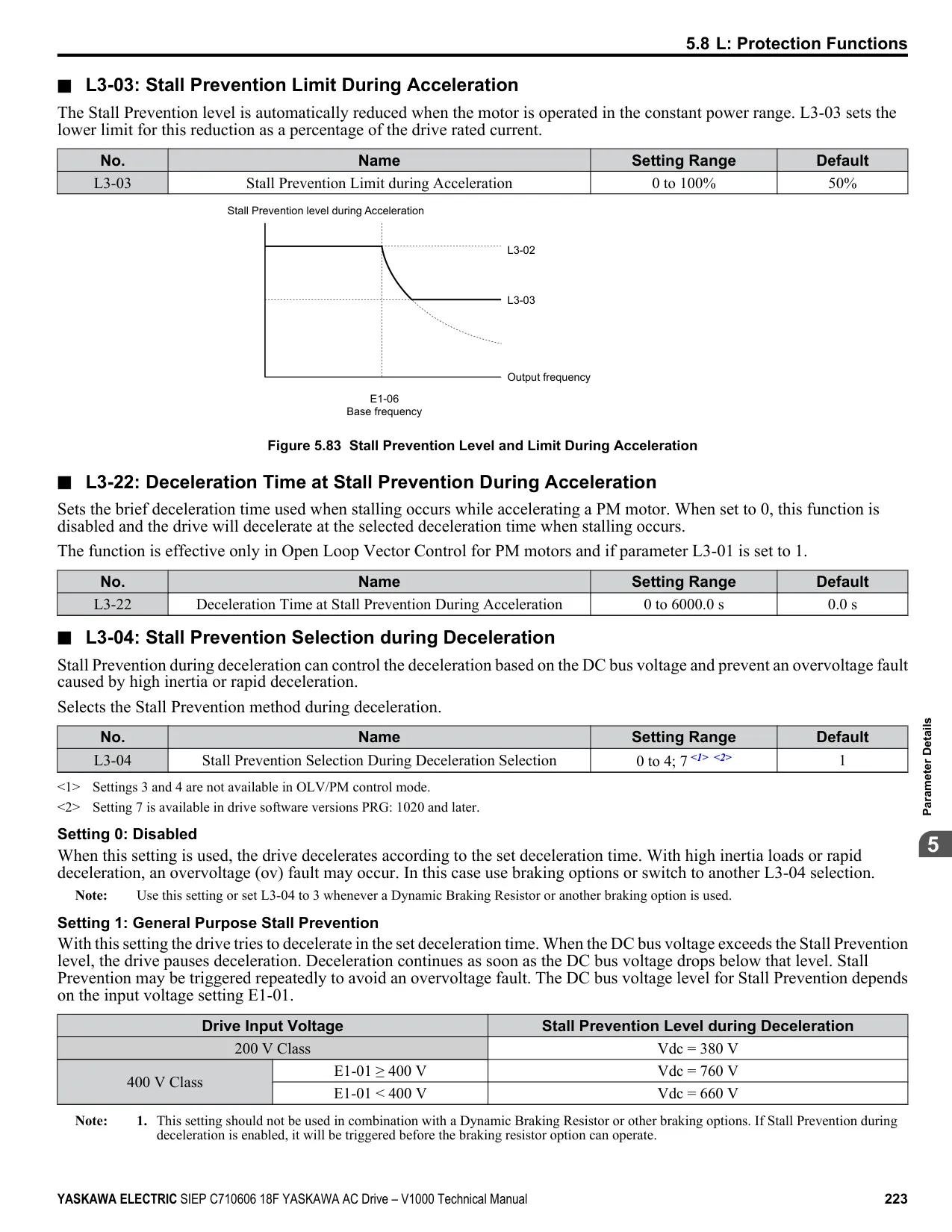
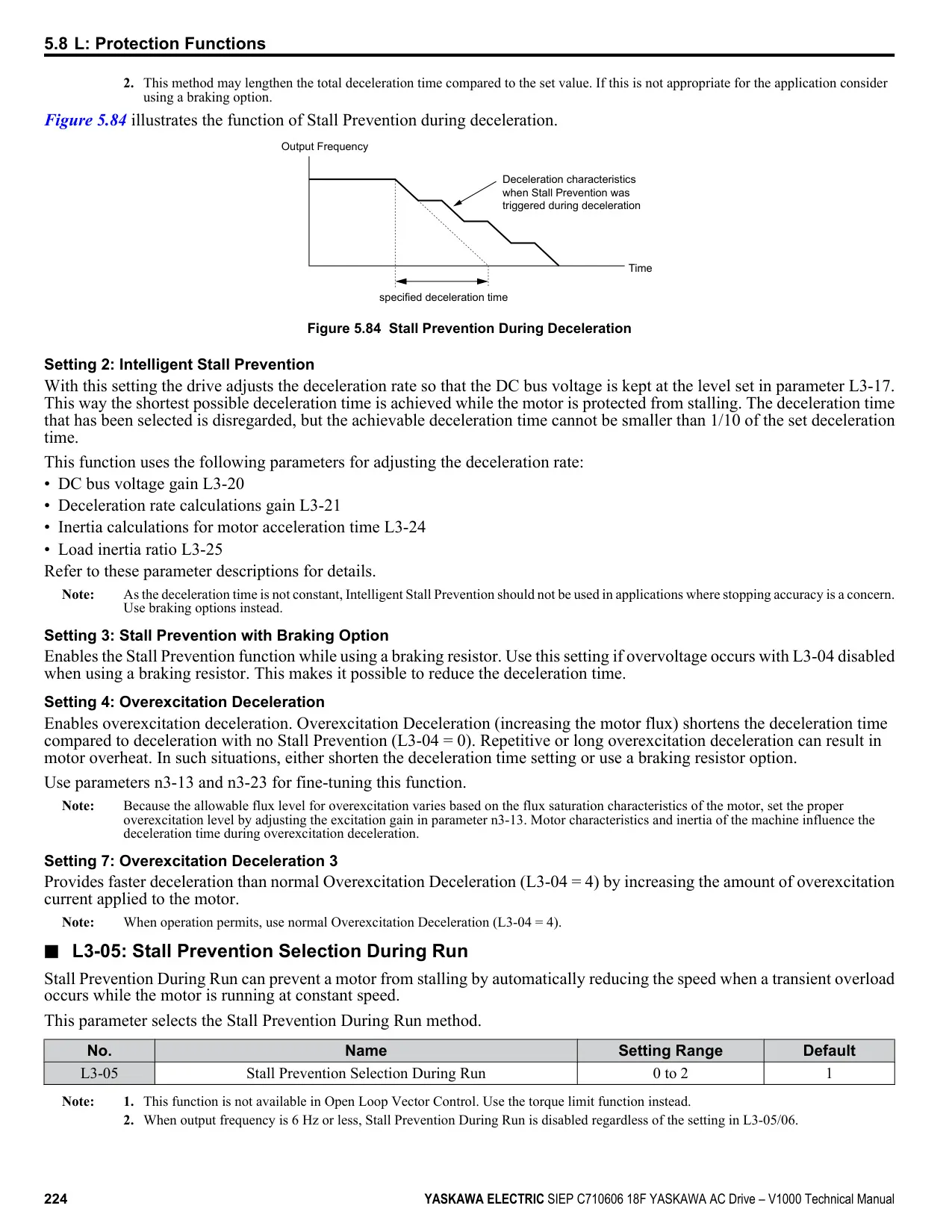
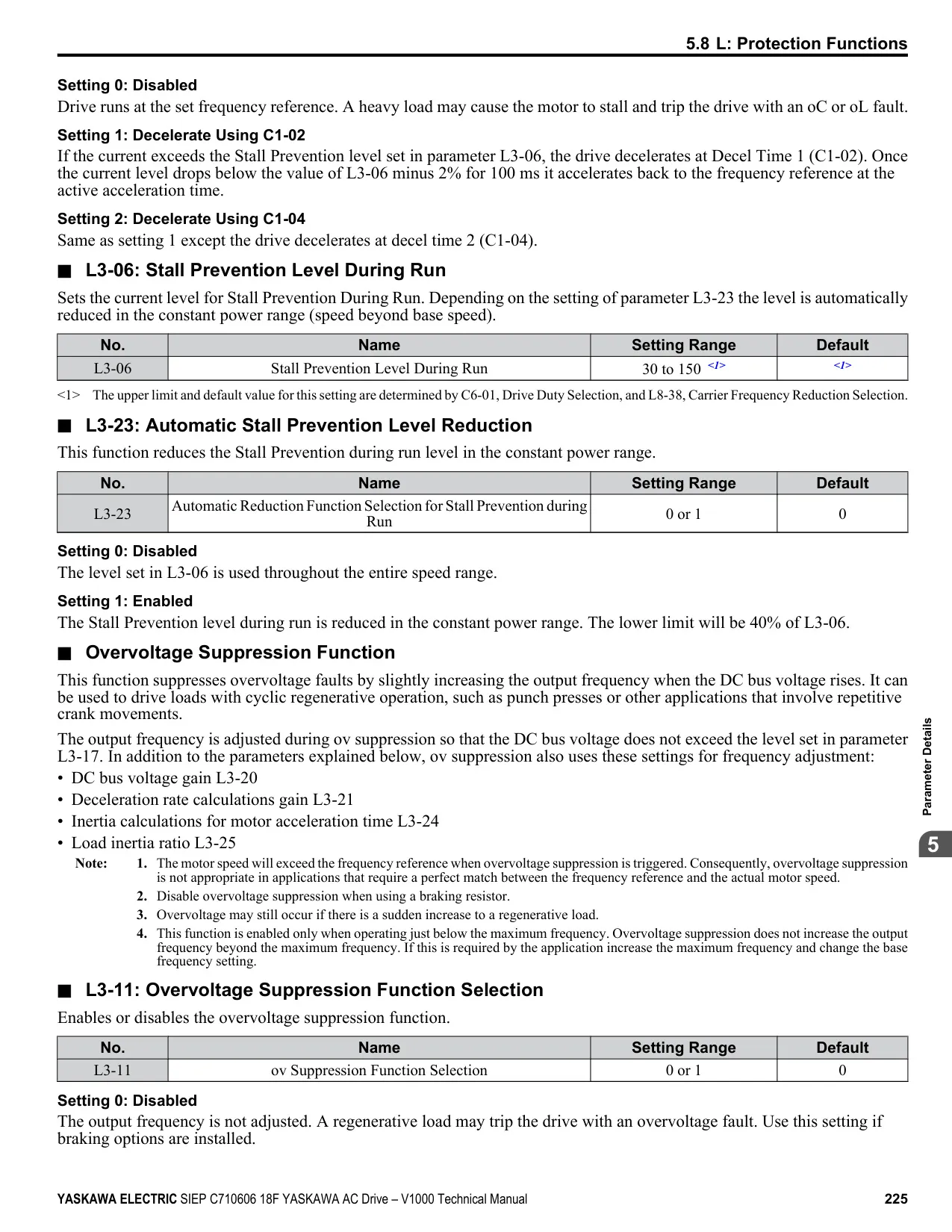
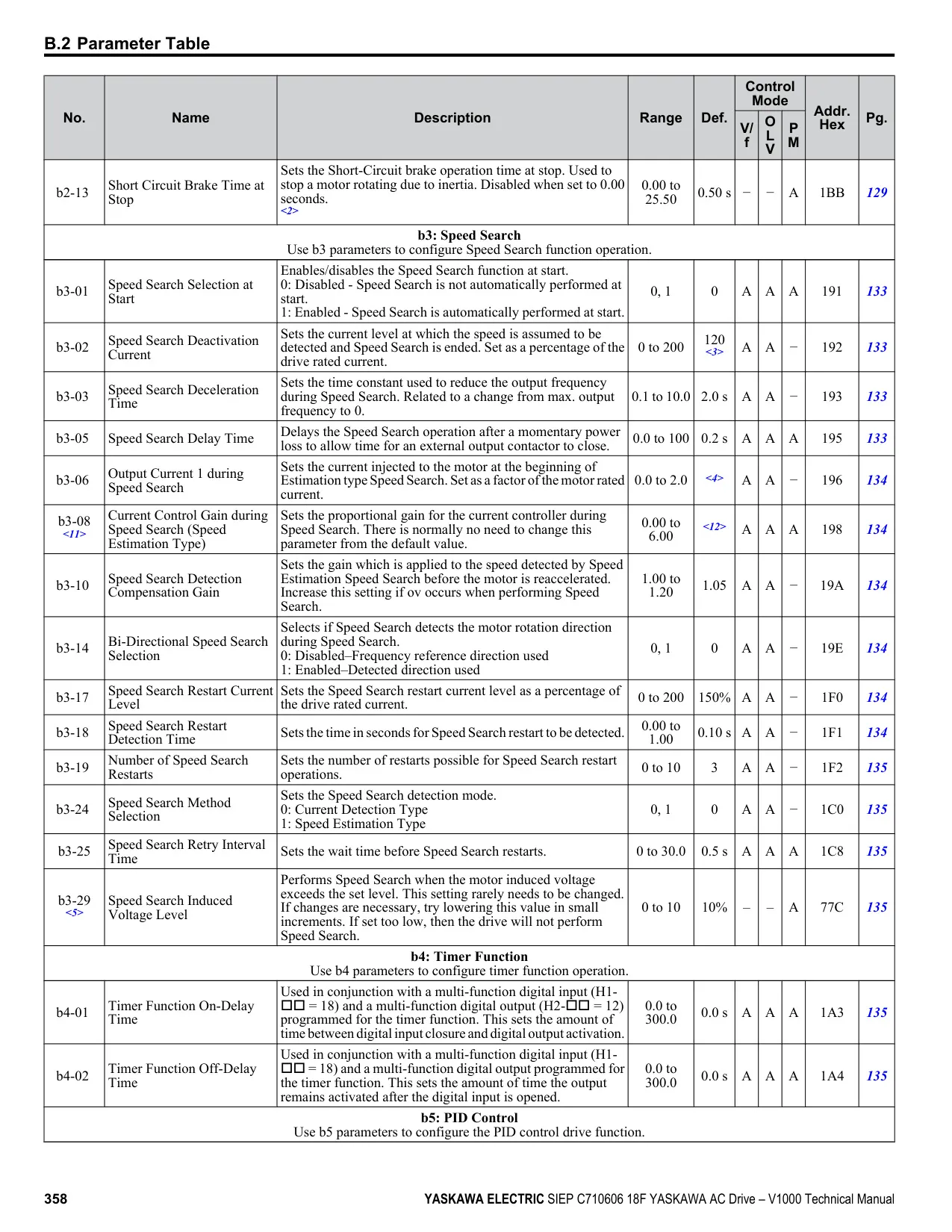
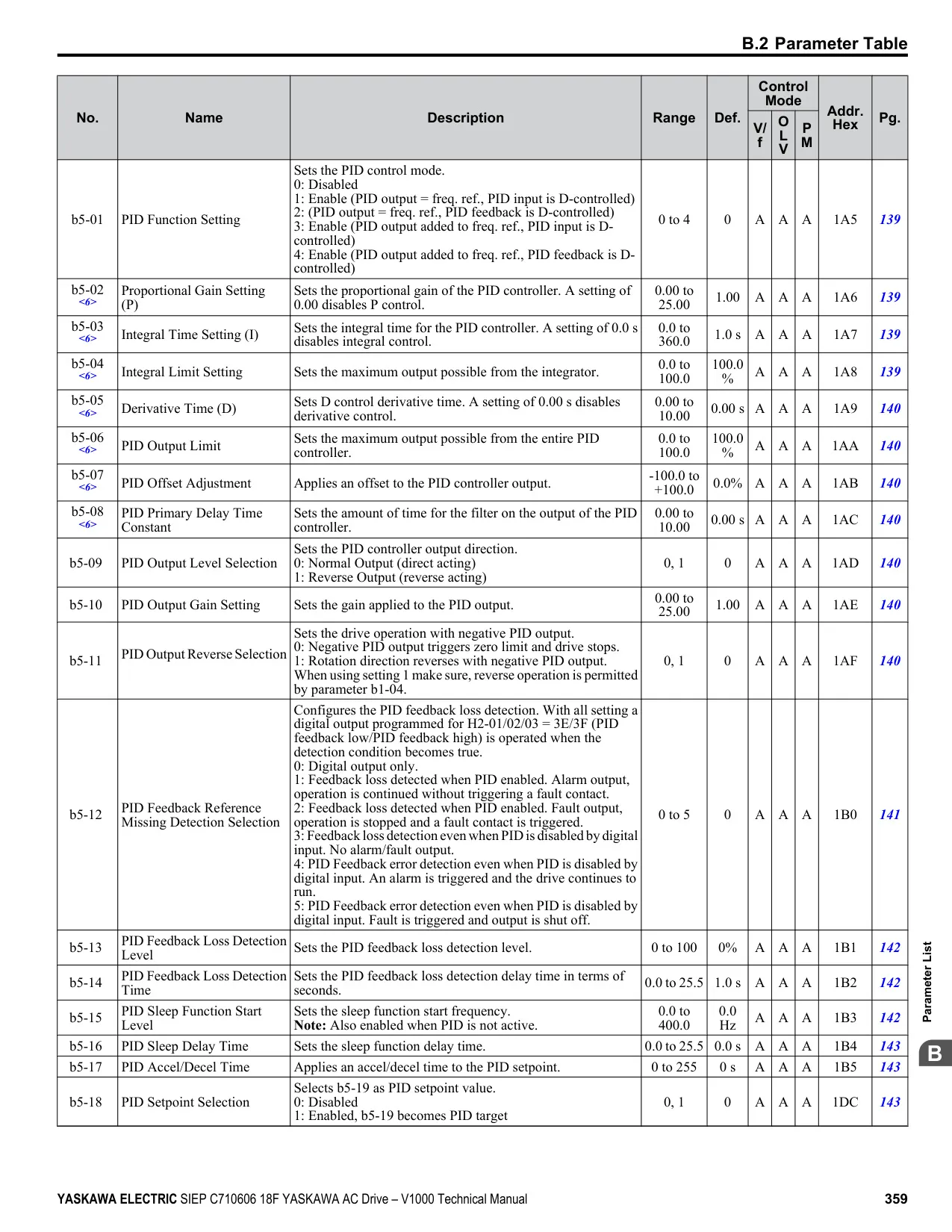
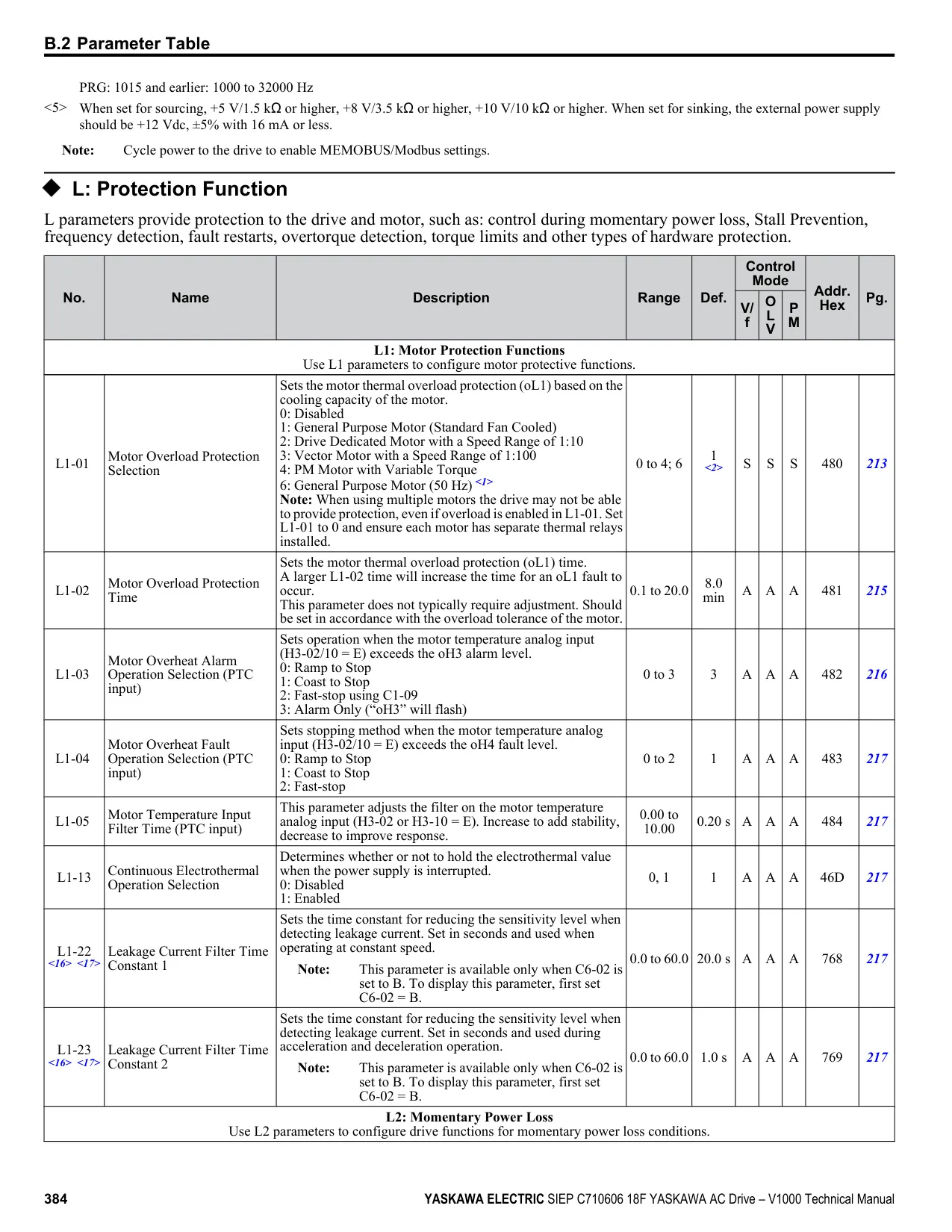
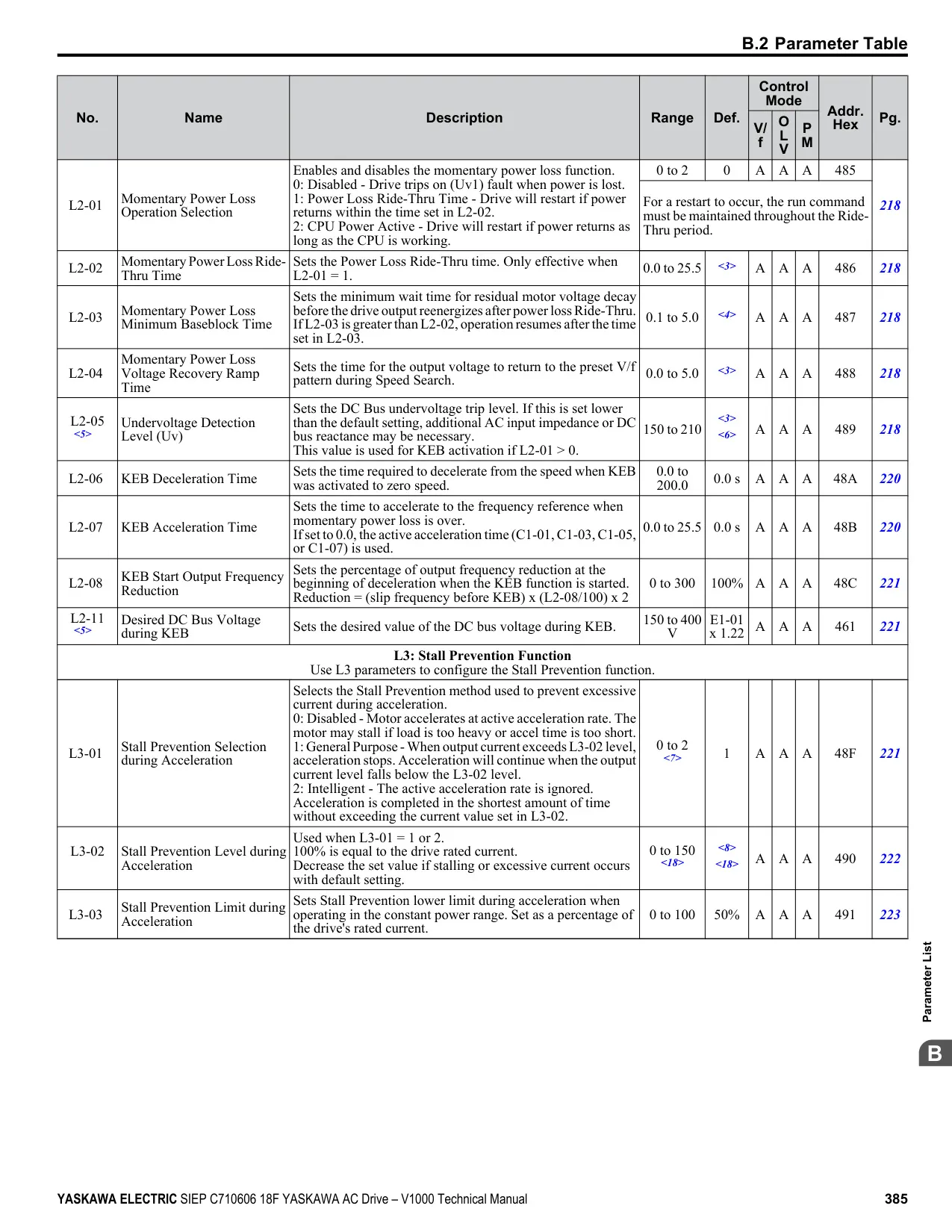
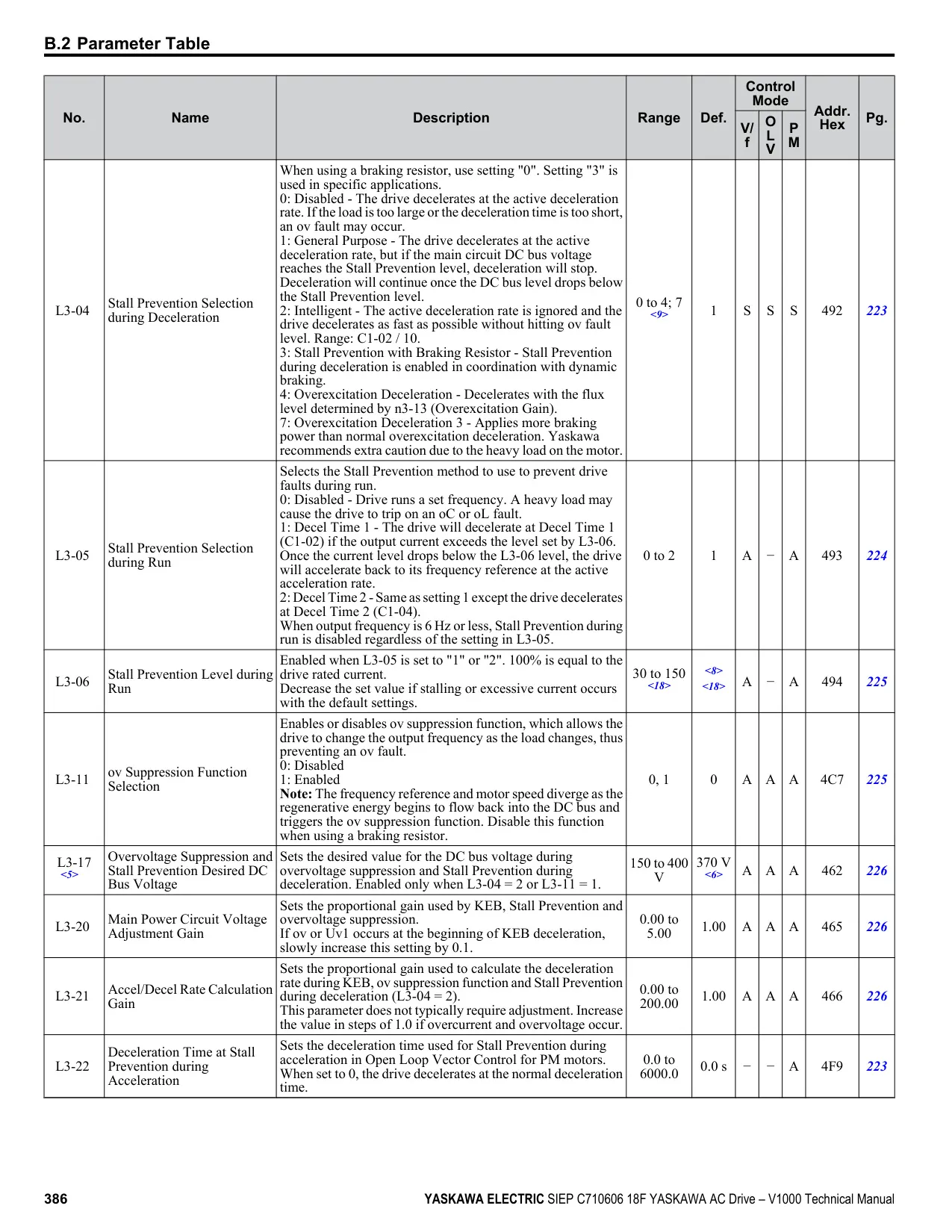
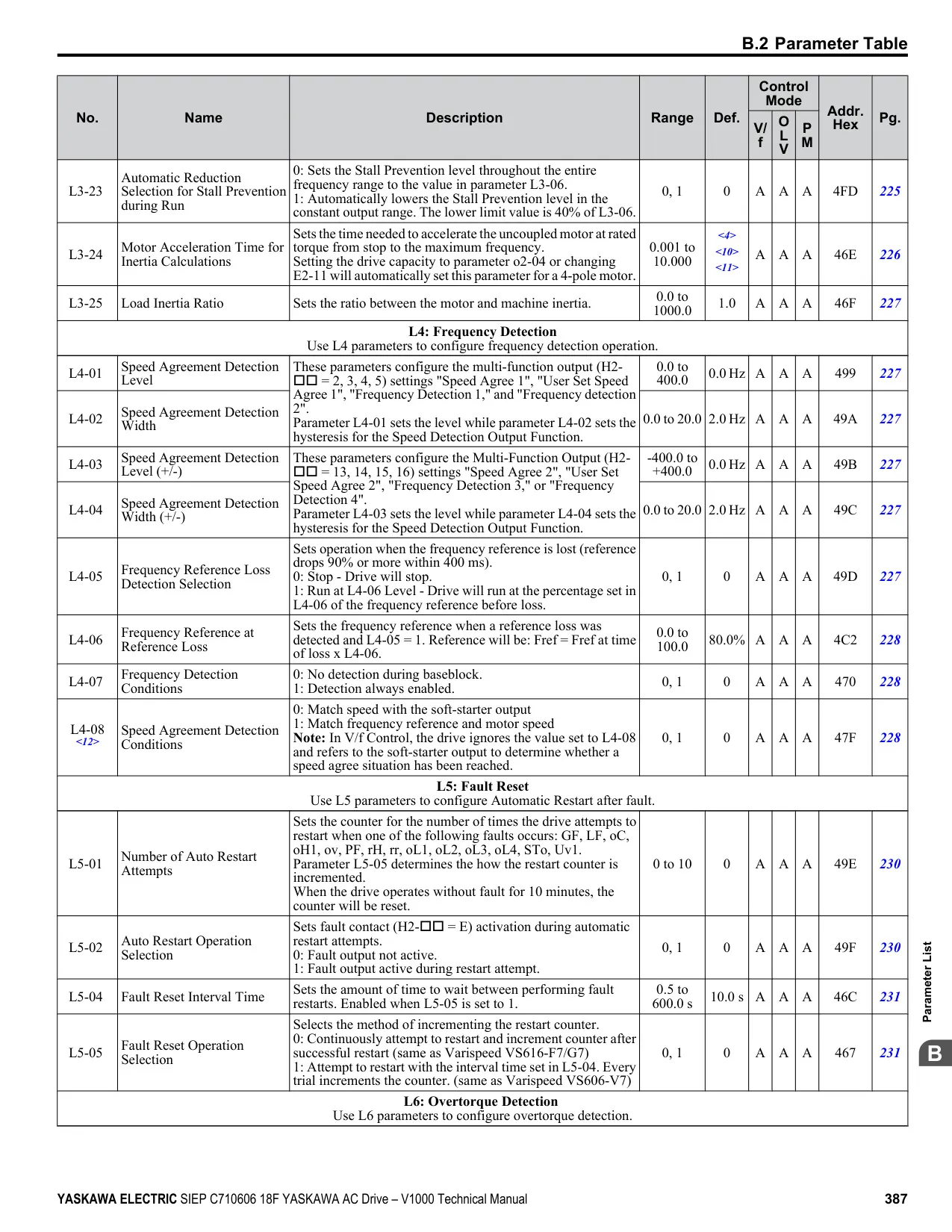
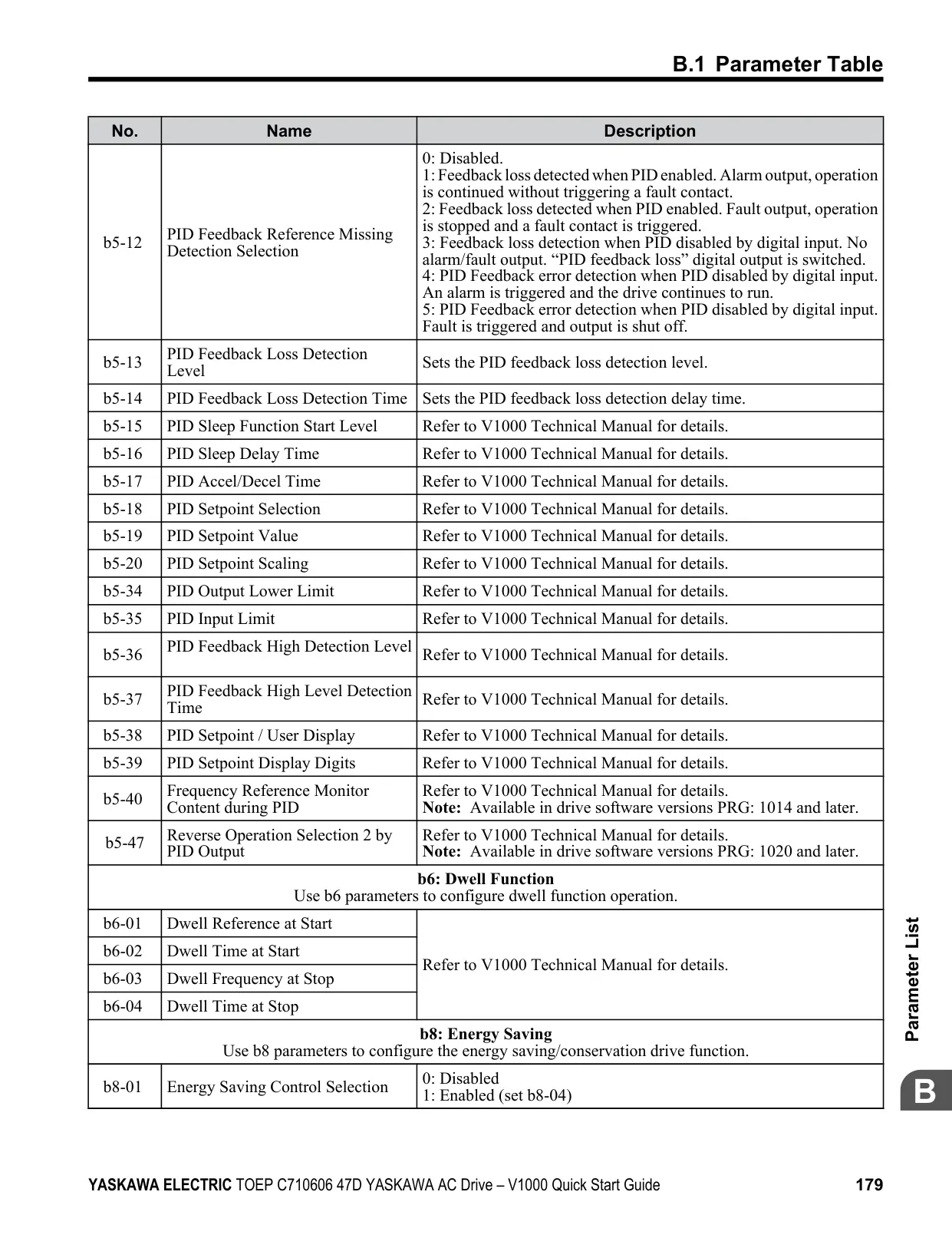
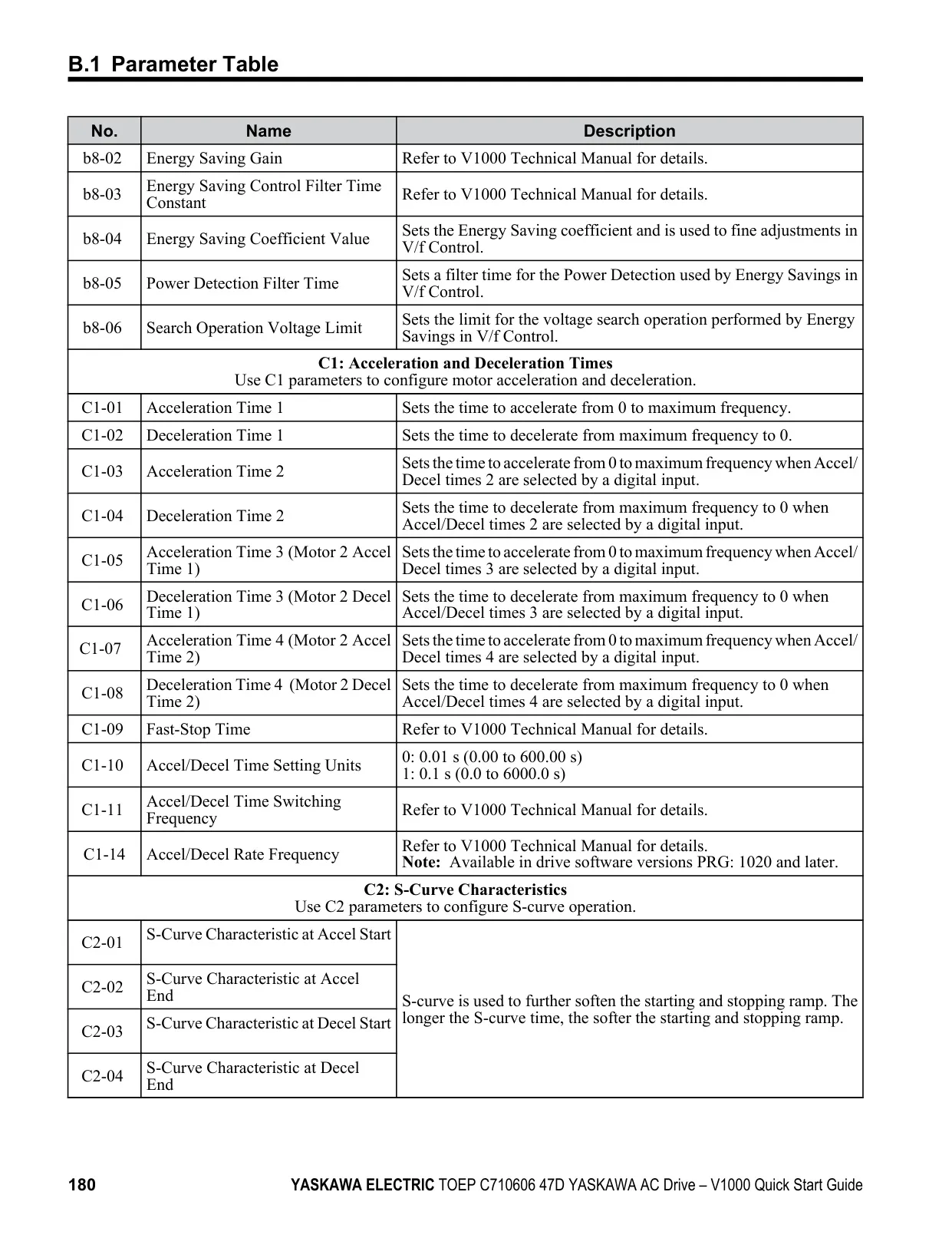
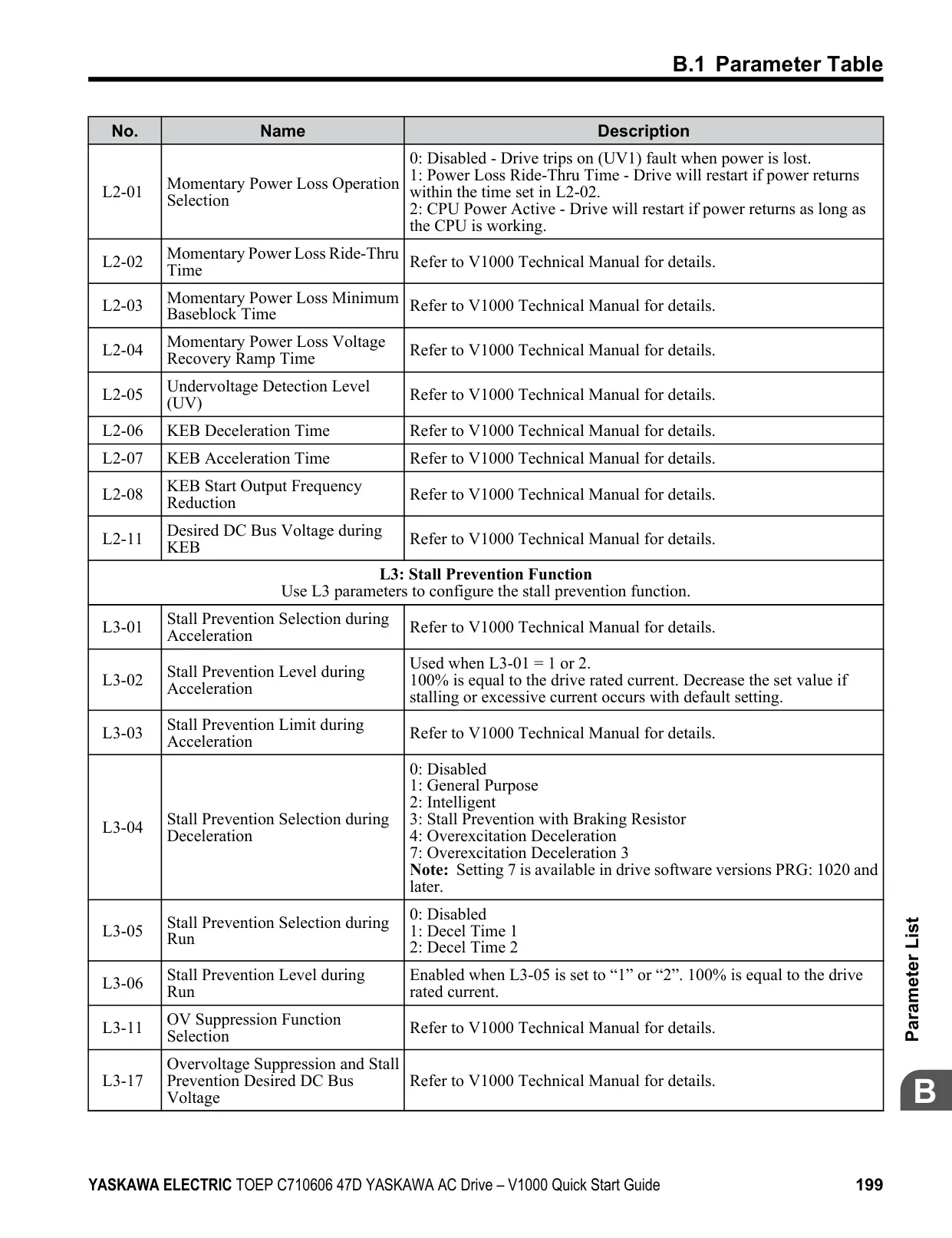
The drive offers a broad suite of advanced functions to adapt to specific application requirements. These include built-in PID control, which enables the VFD to regulate process variables such as pressure or temperature in a closed-loop system. Additional features like Speed Search facilitate restarting a coasting motor "on the fly," while the Energy Saving function adjusts motor operation to minimize energy consumption. Stall Prevention prevents overcurrent or overvoltage conditions by adjusting acceleration and deceleration ramps.
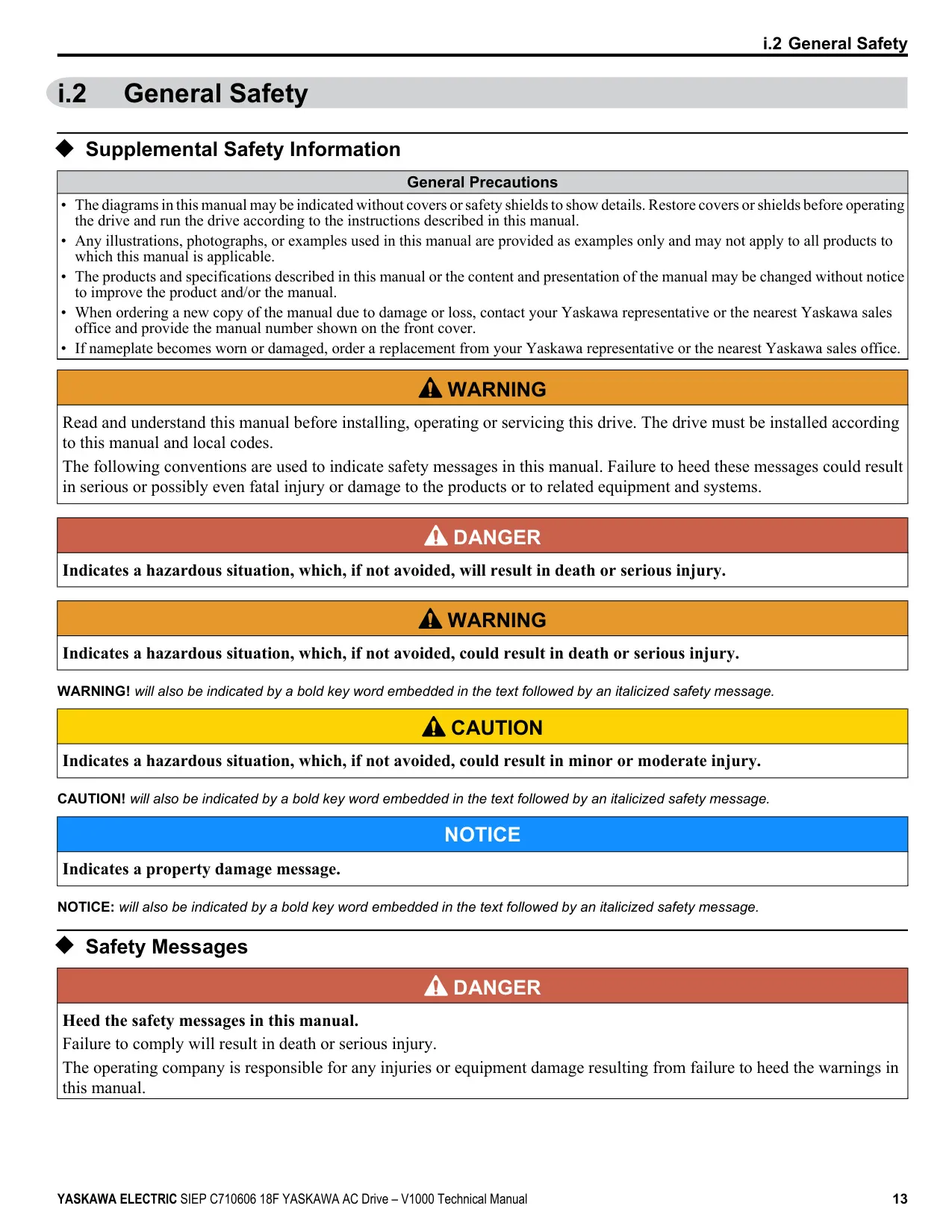
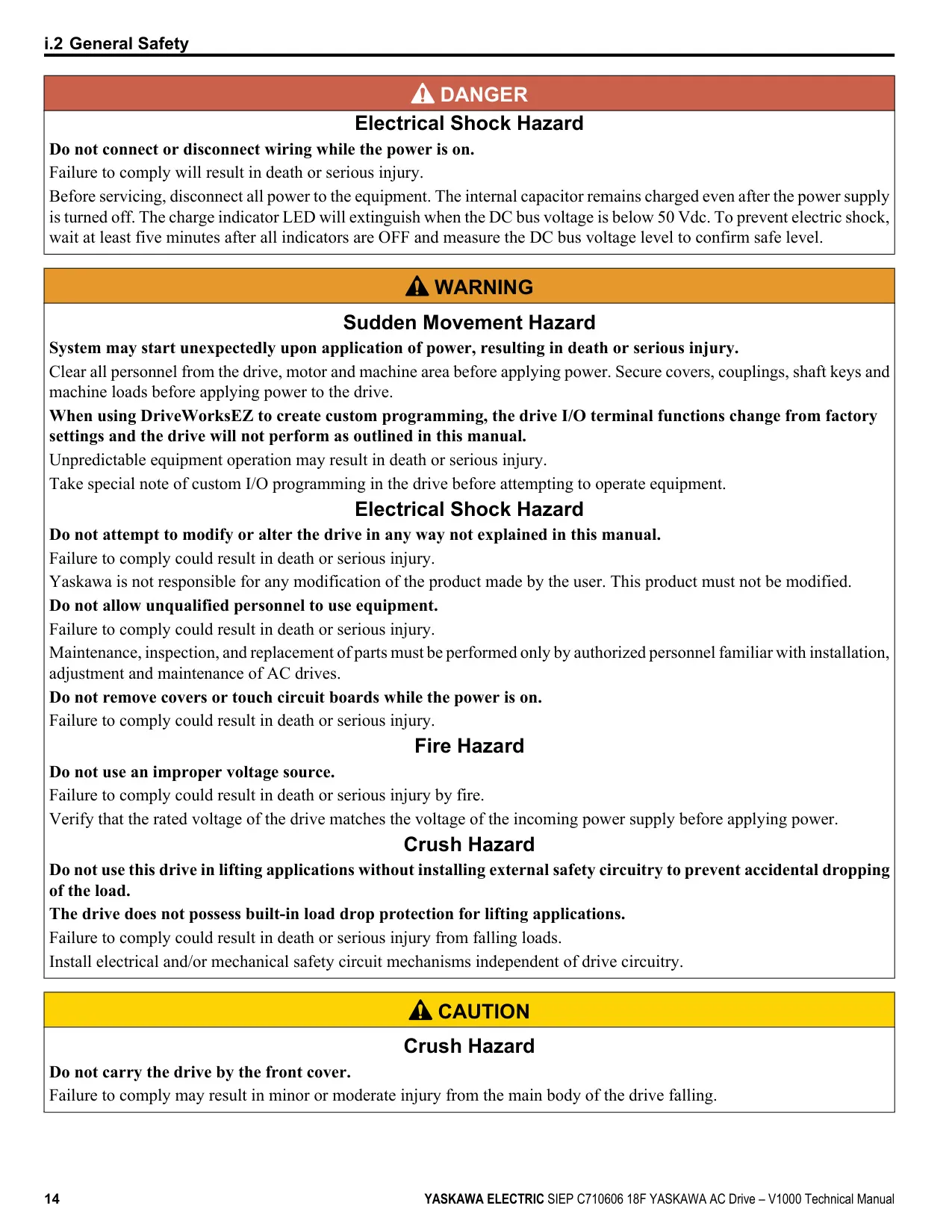
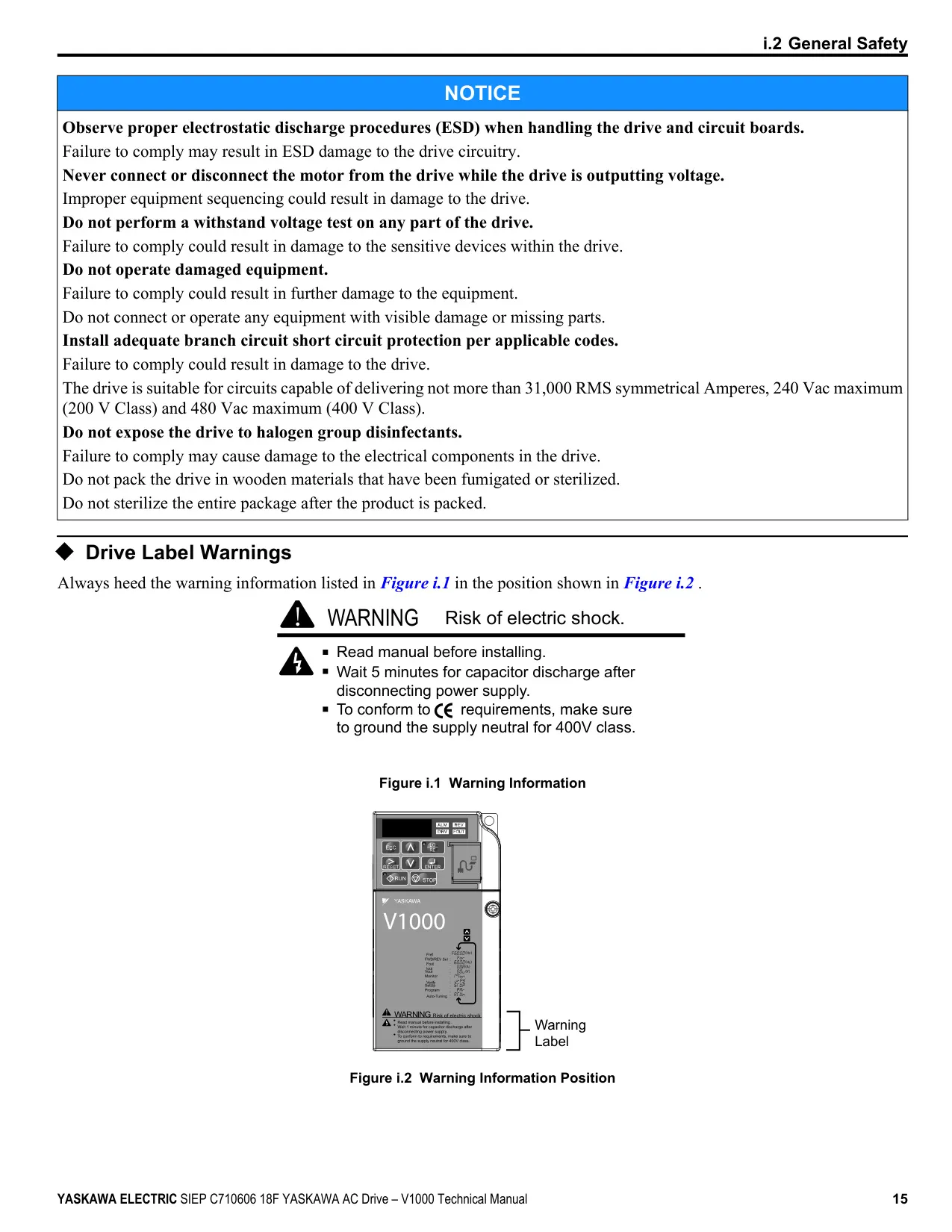
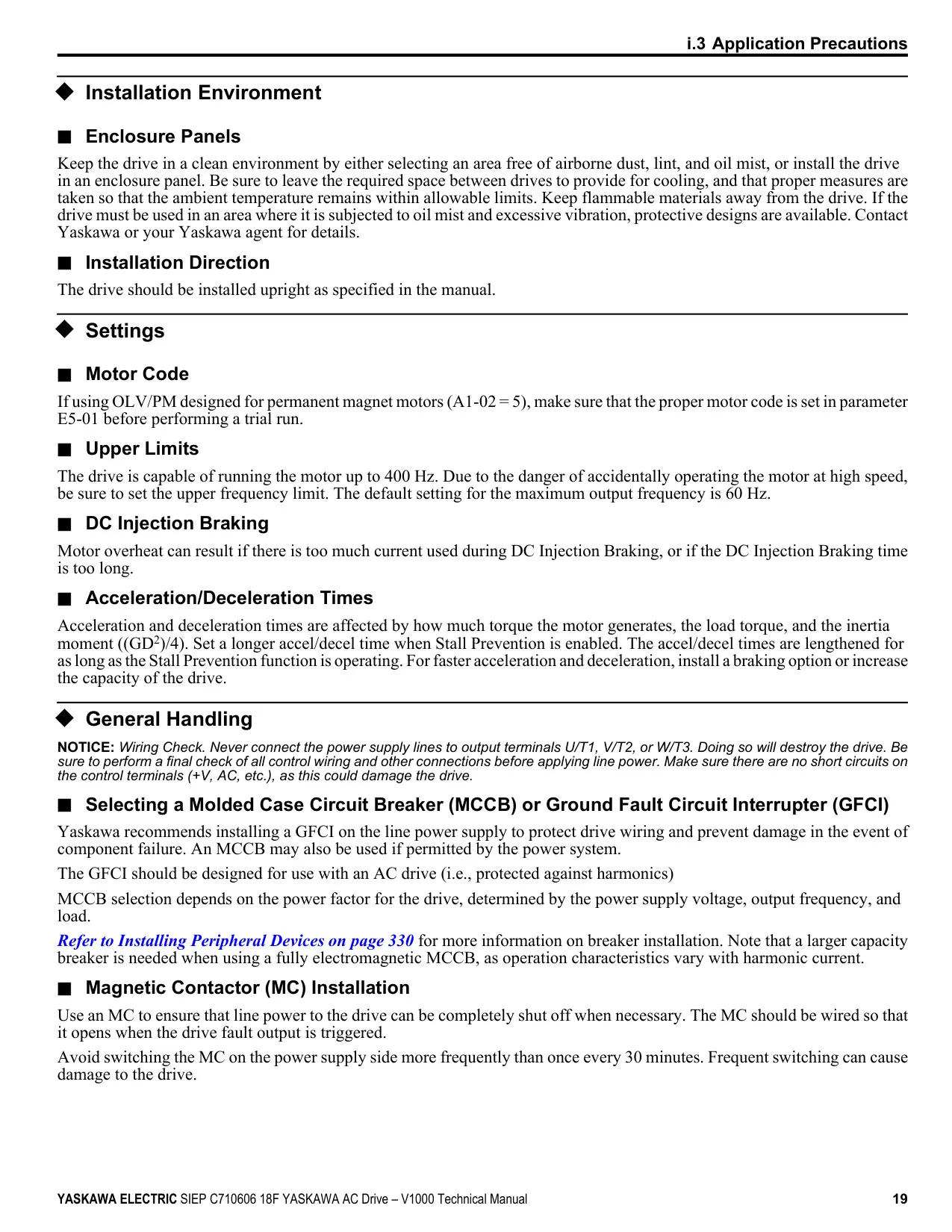
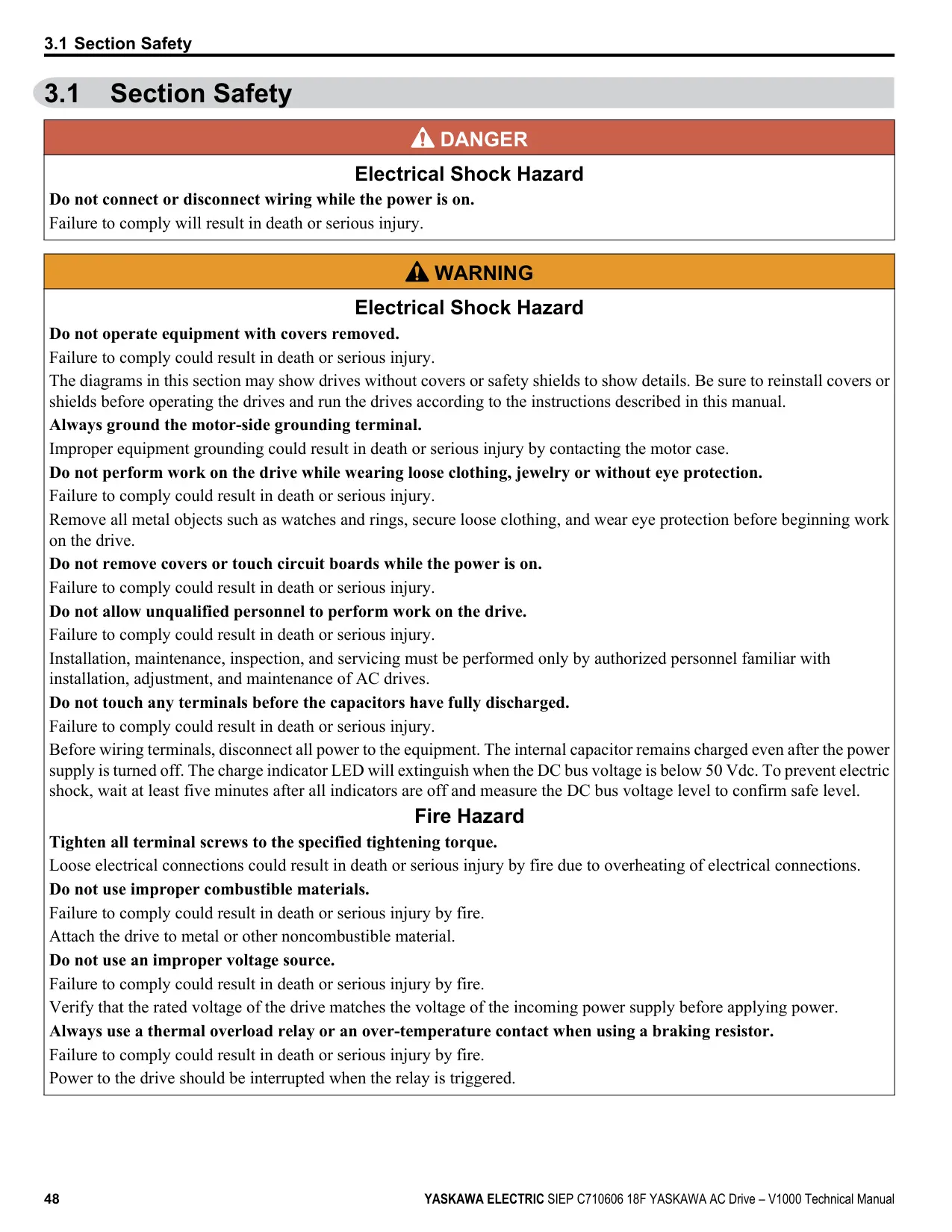
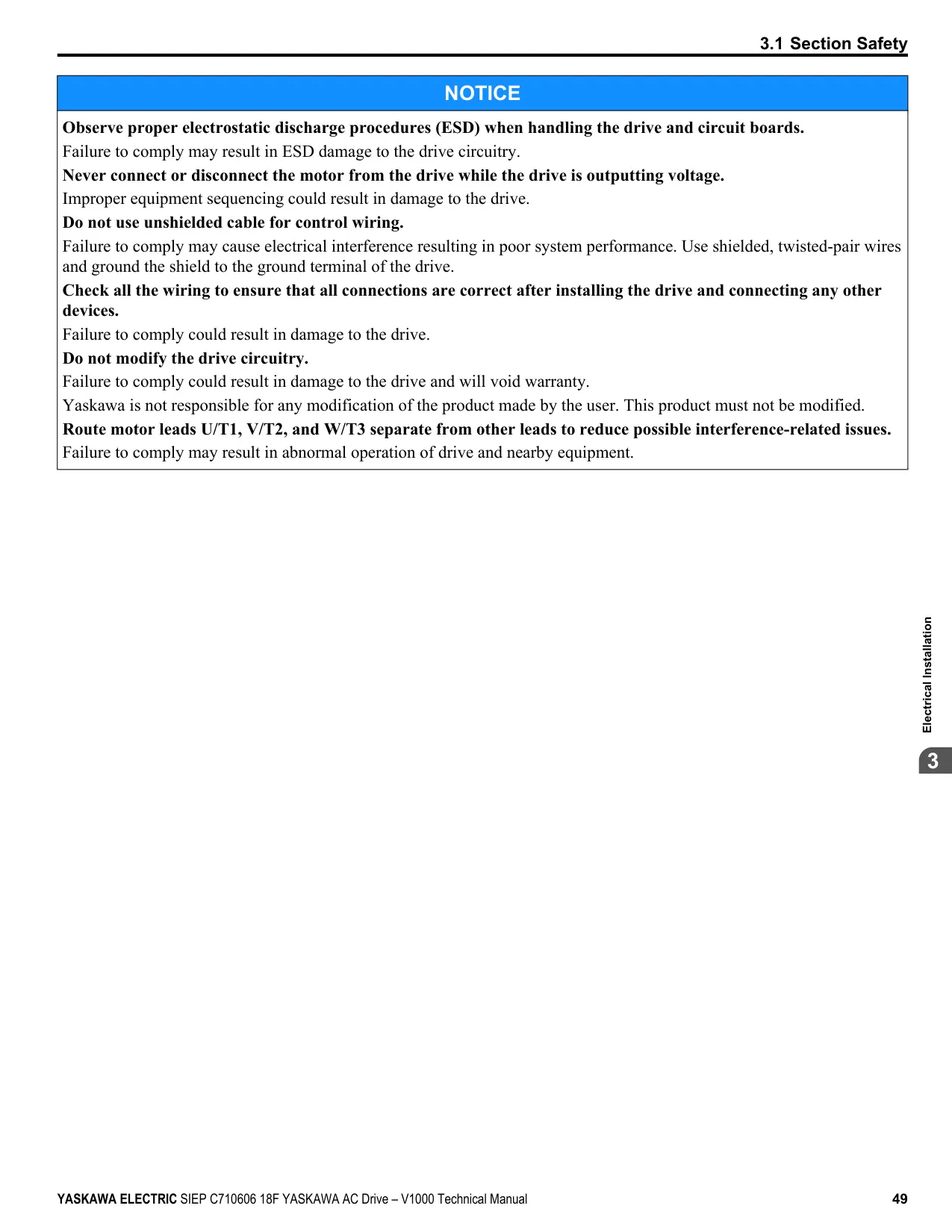
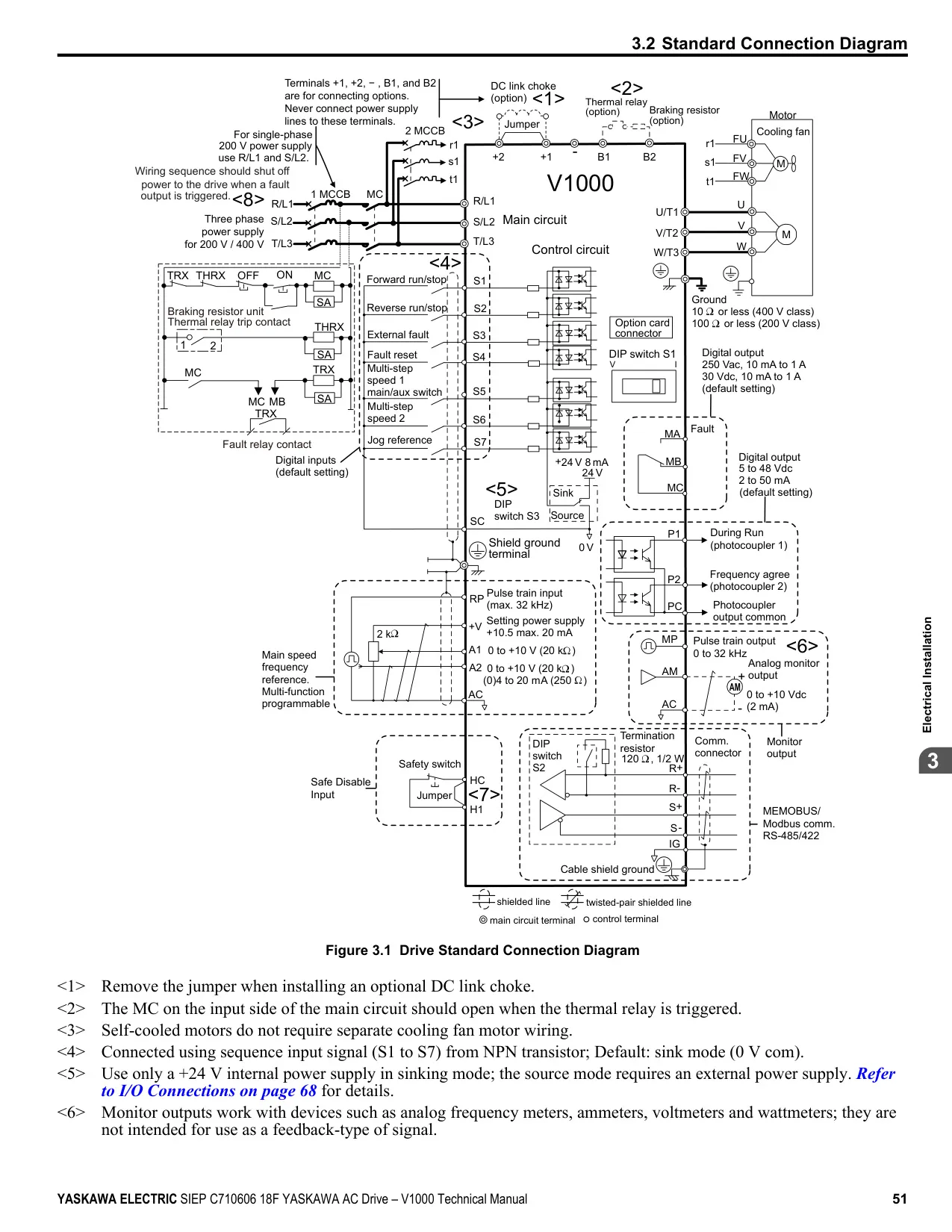
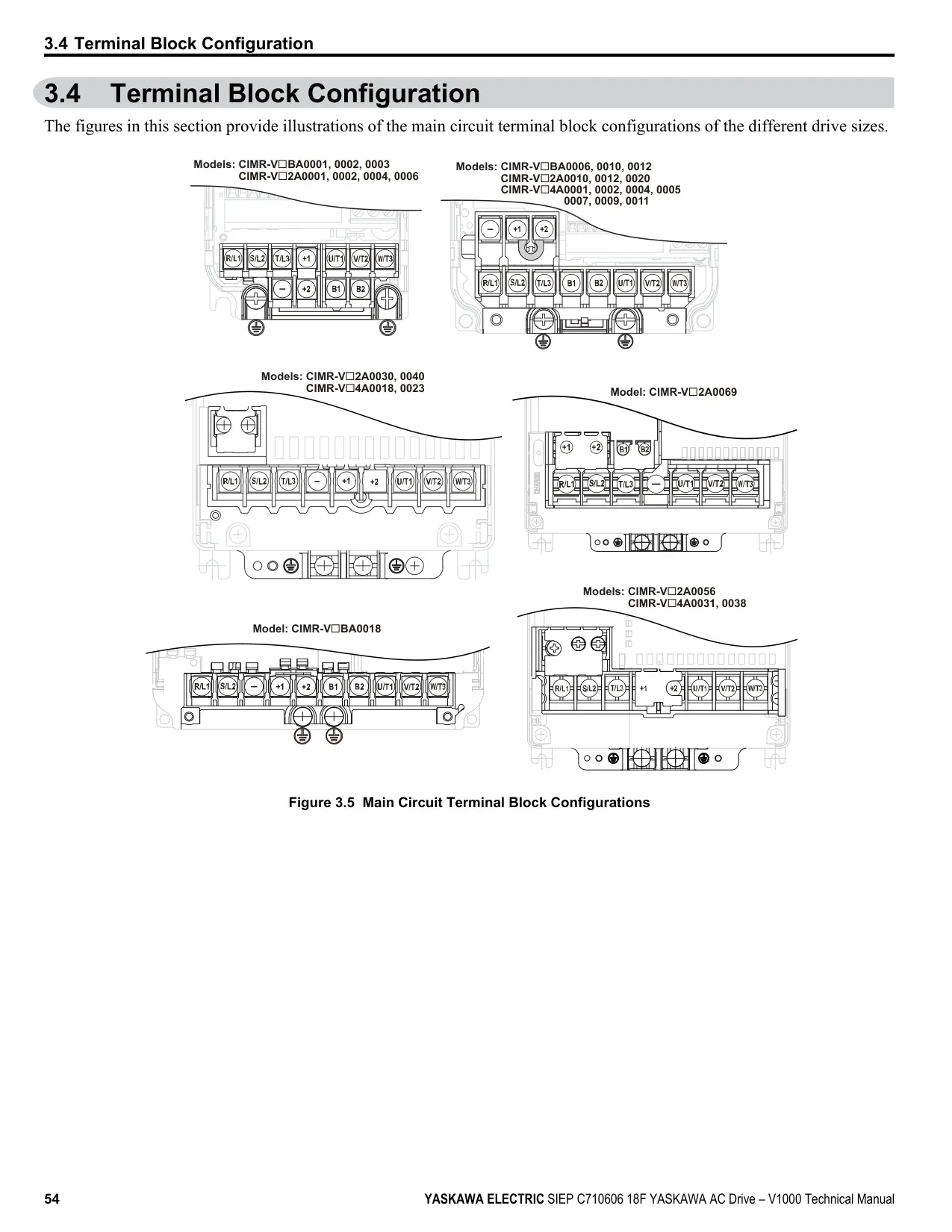
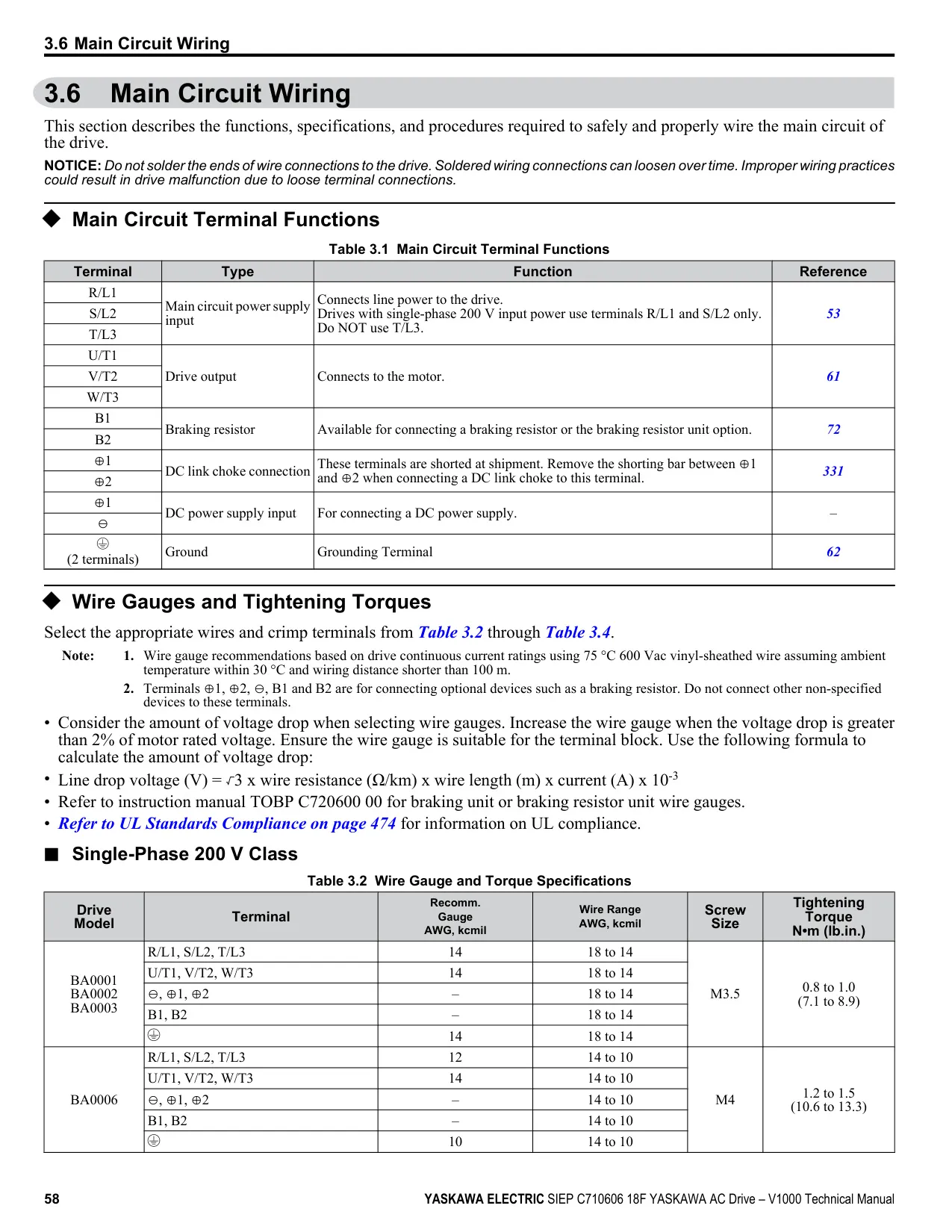
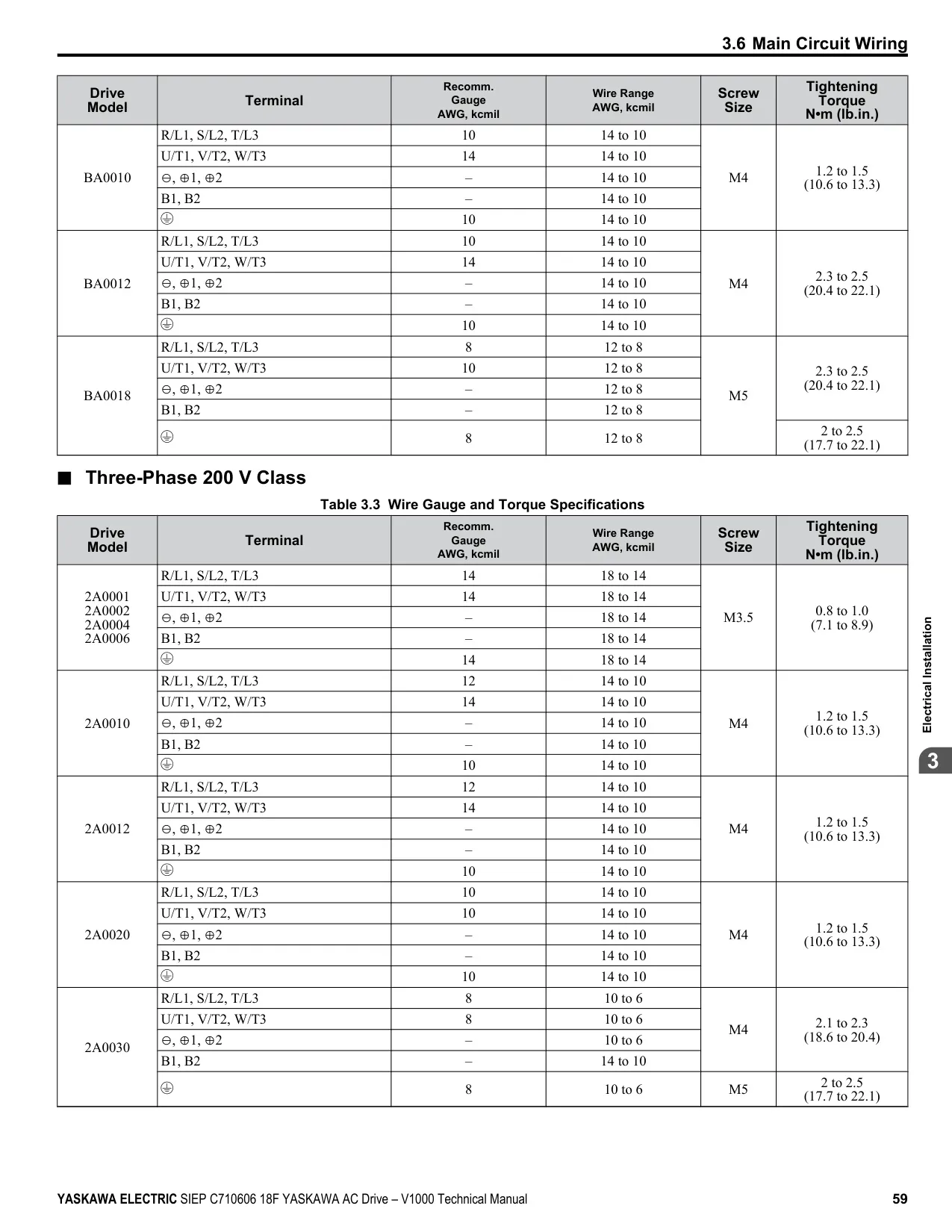
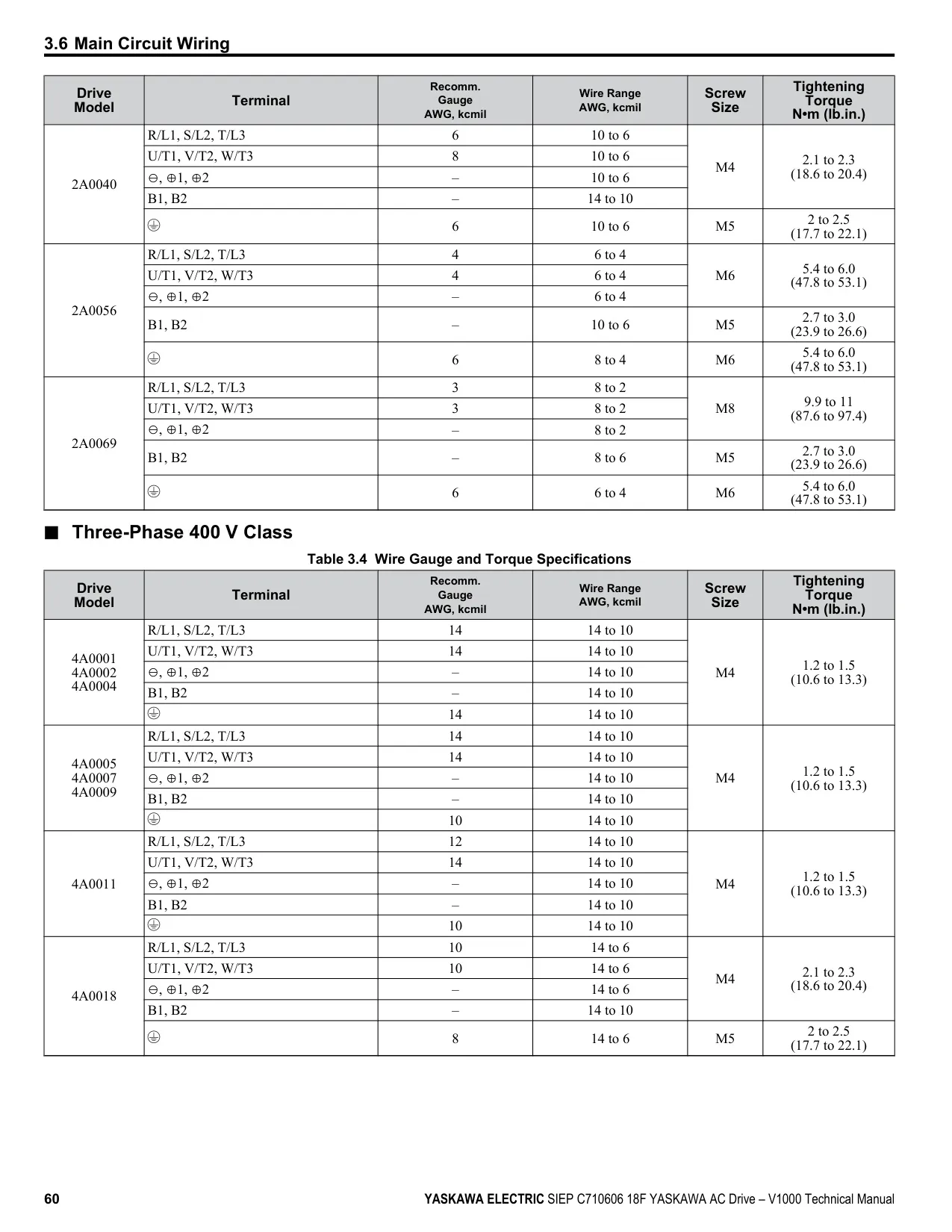
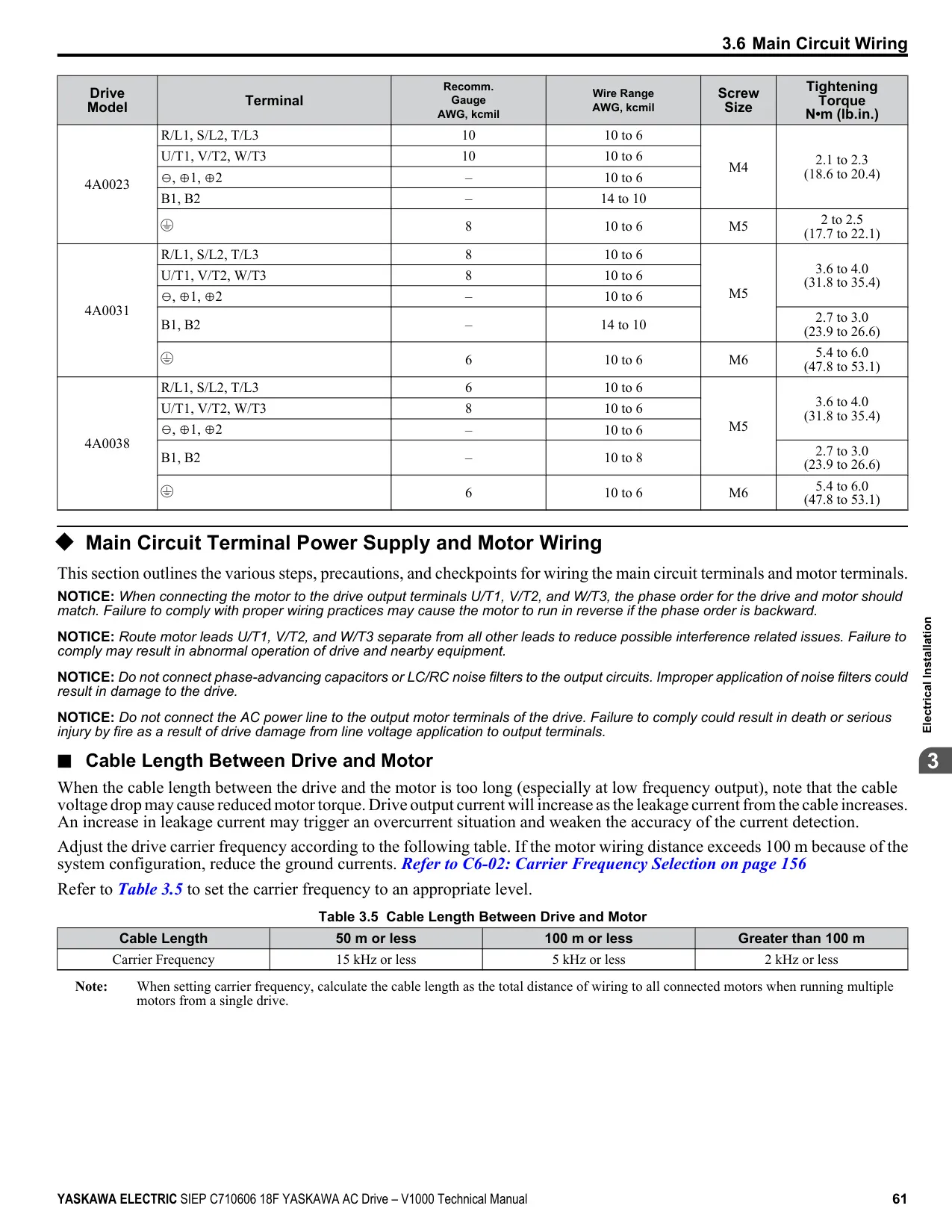
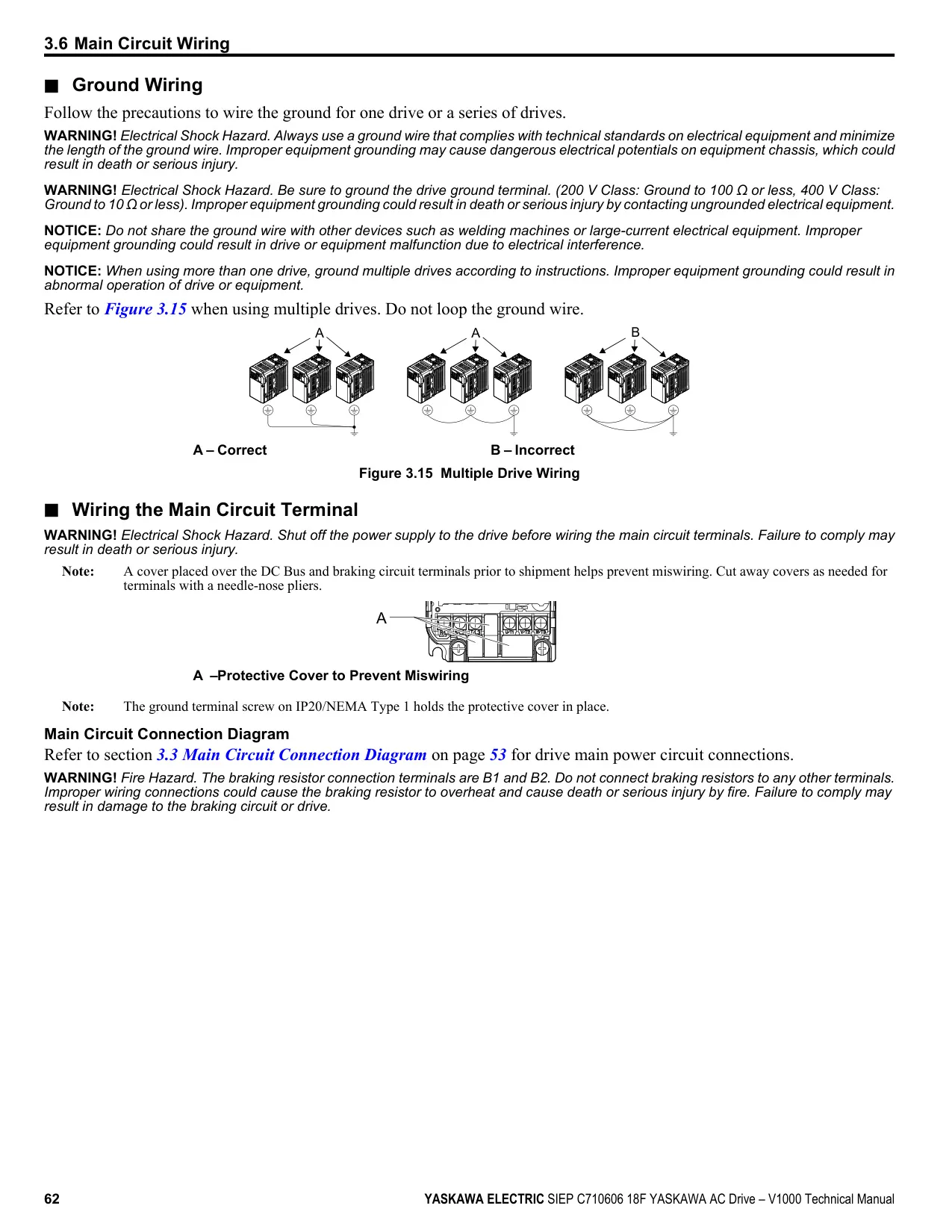
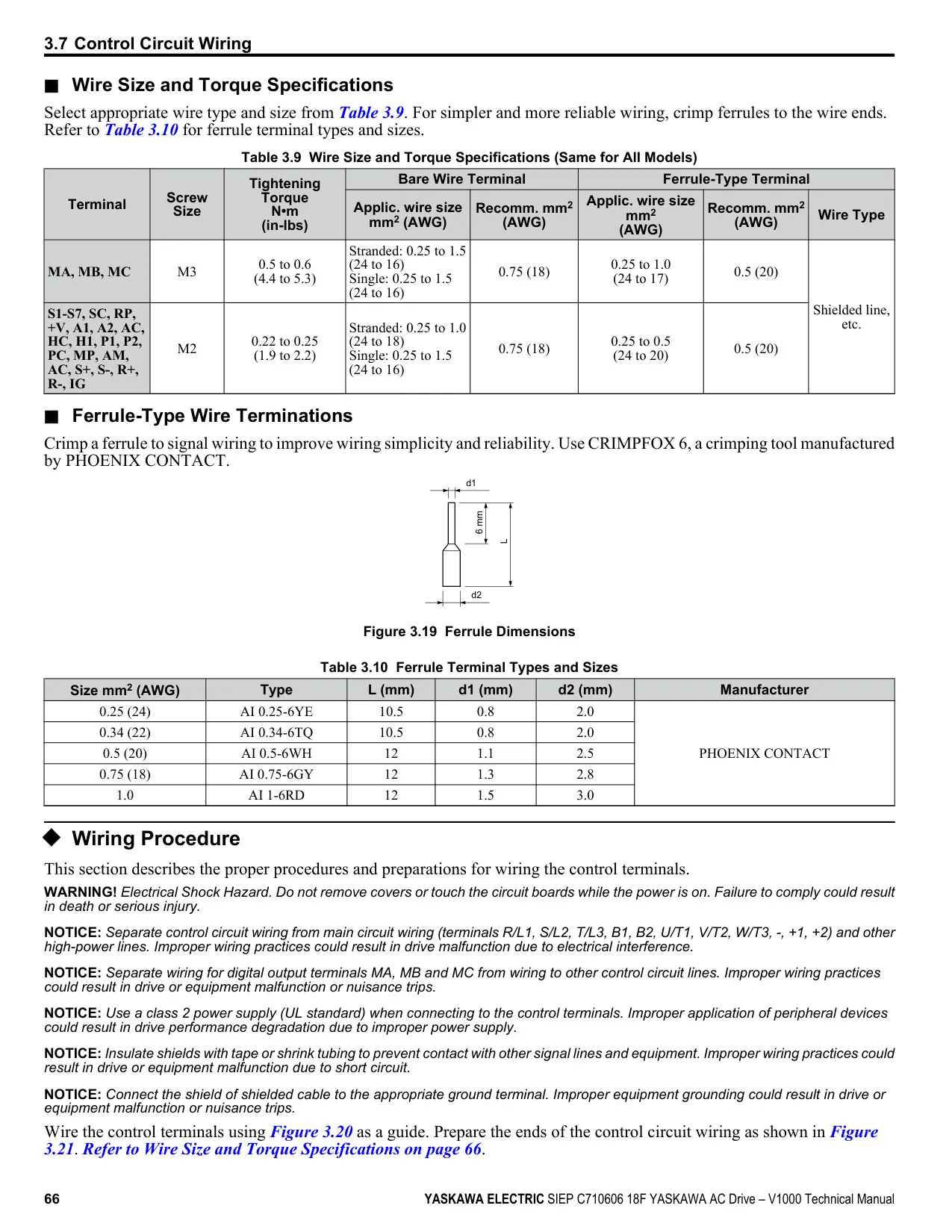
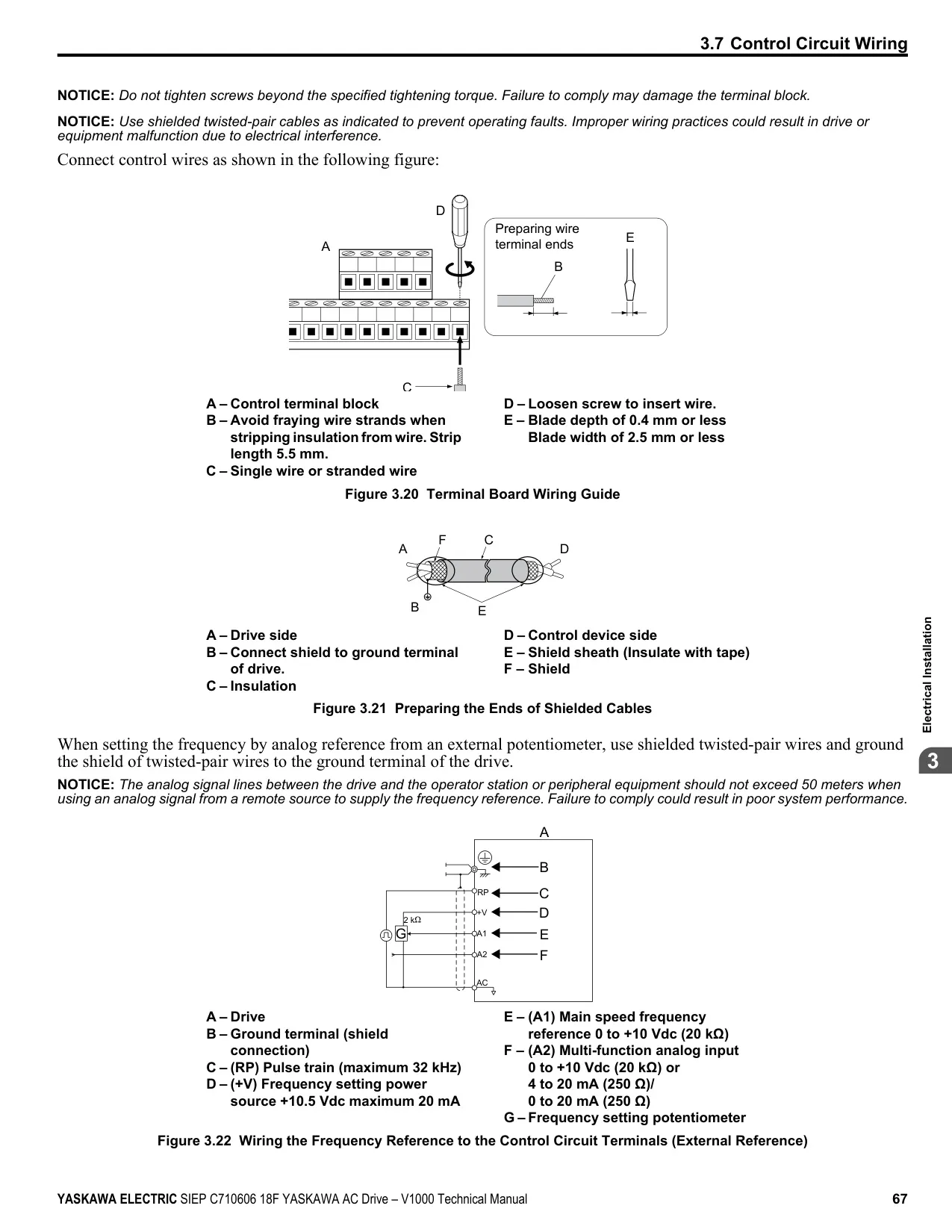
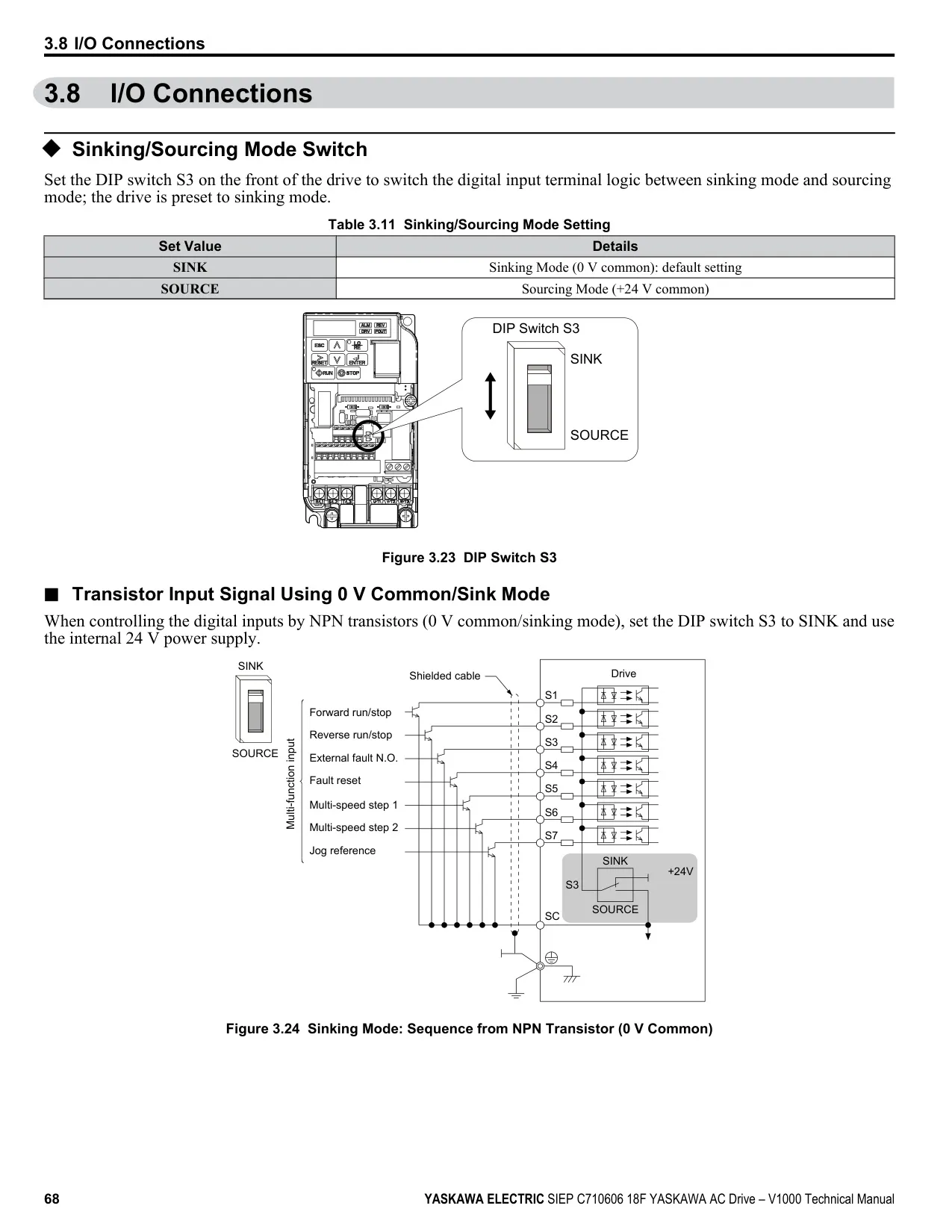
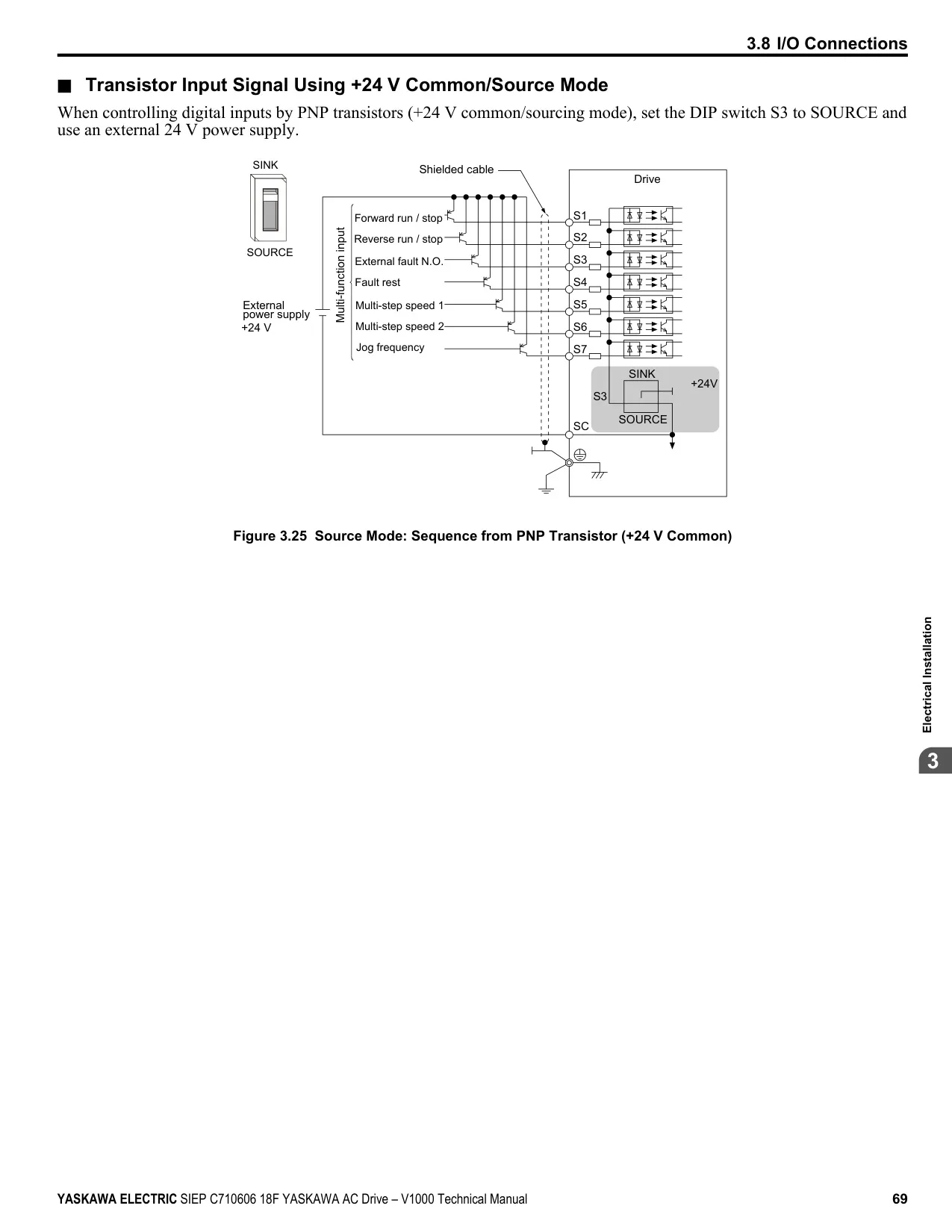
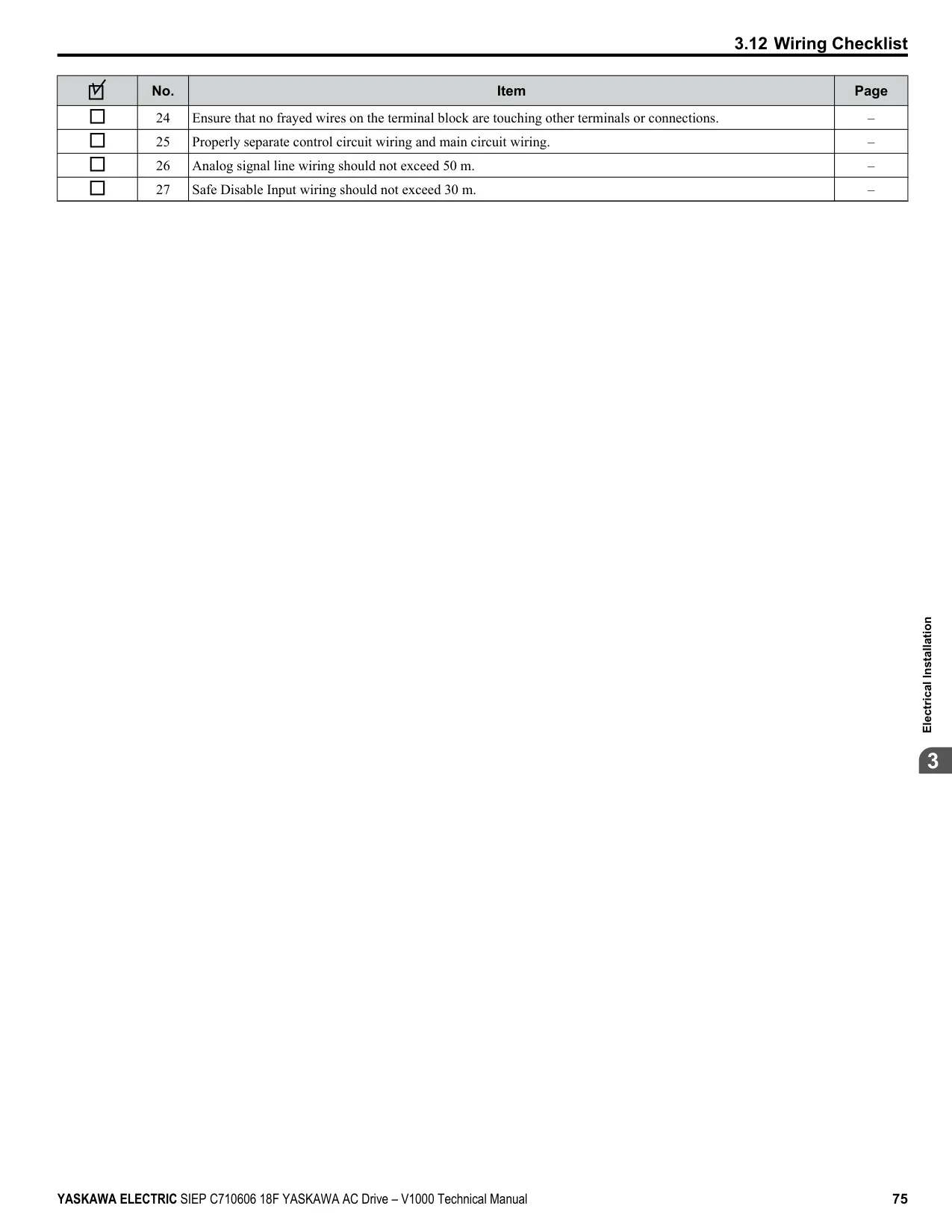
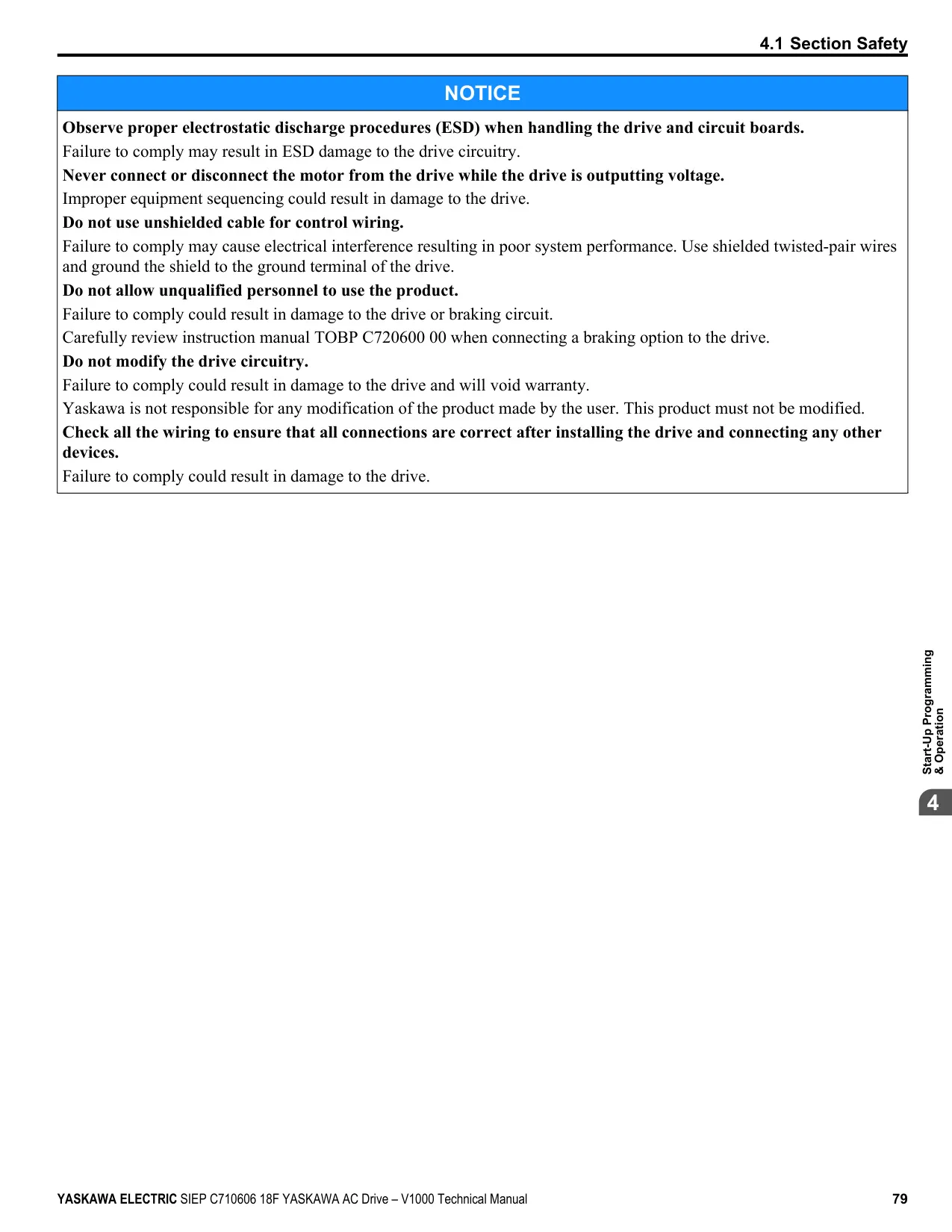
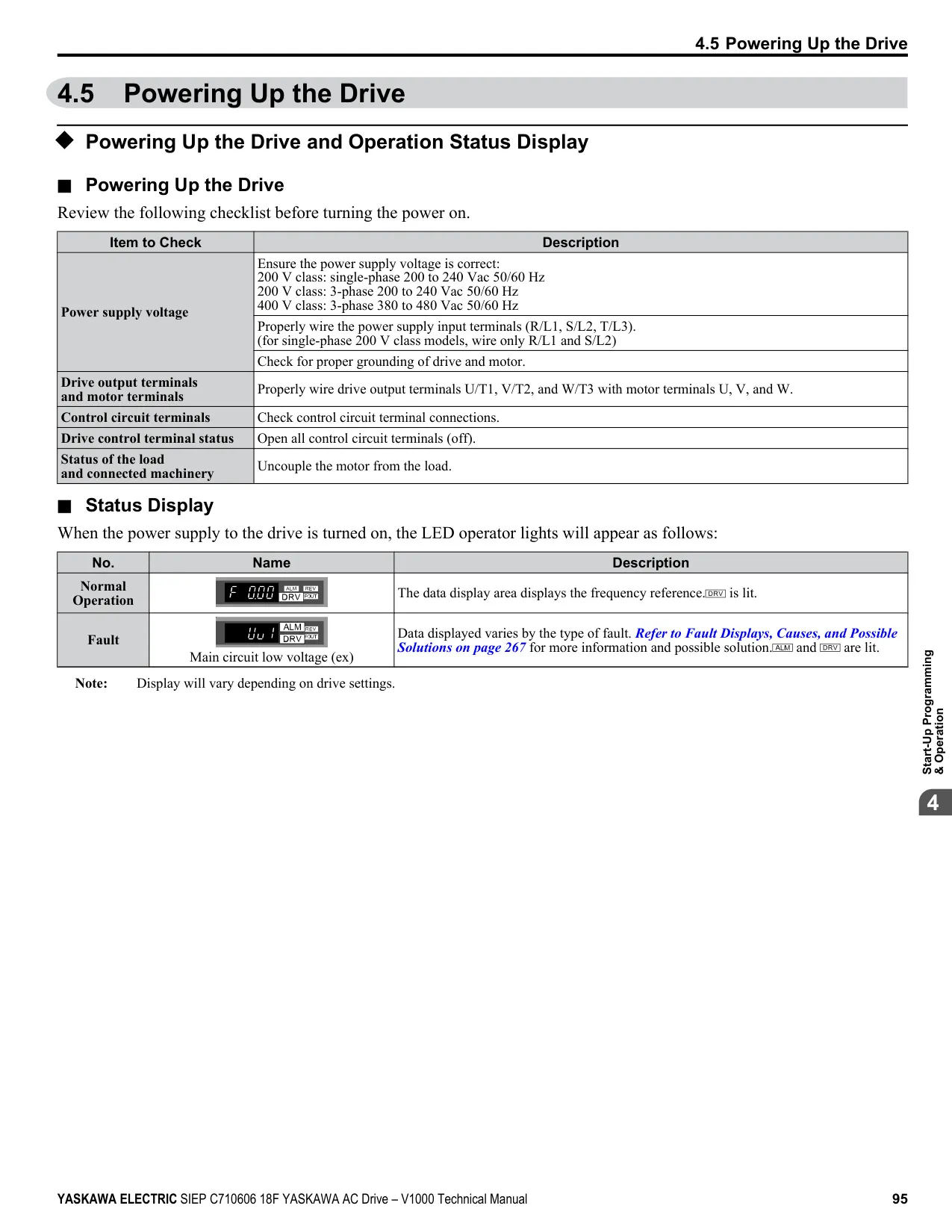
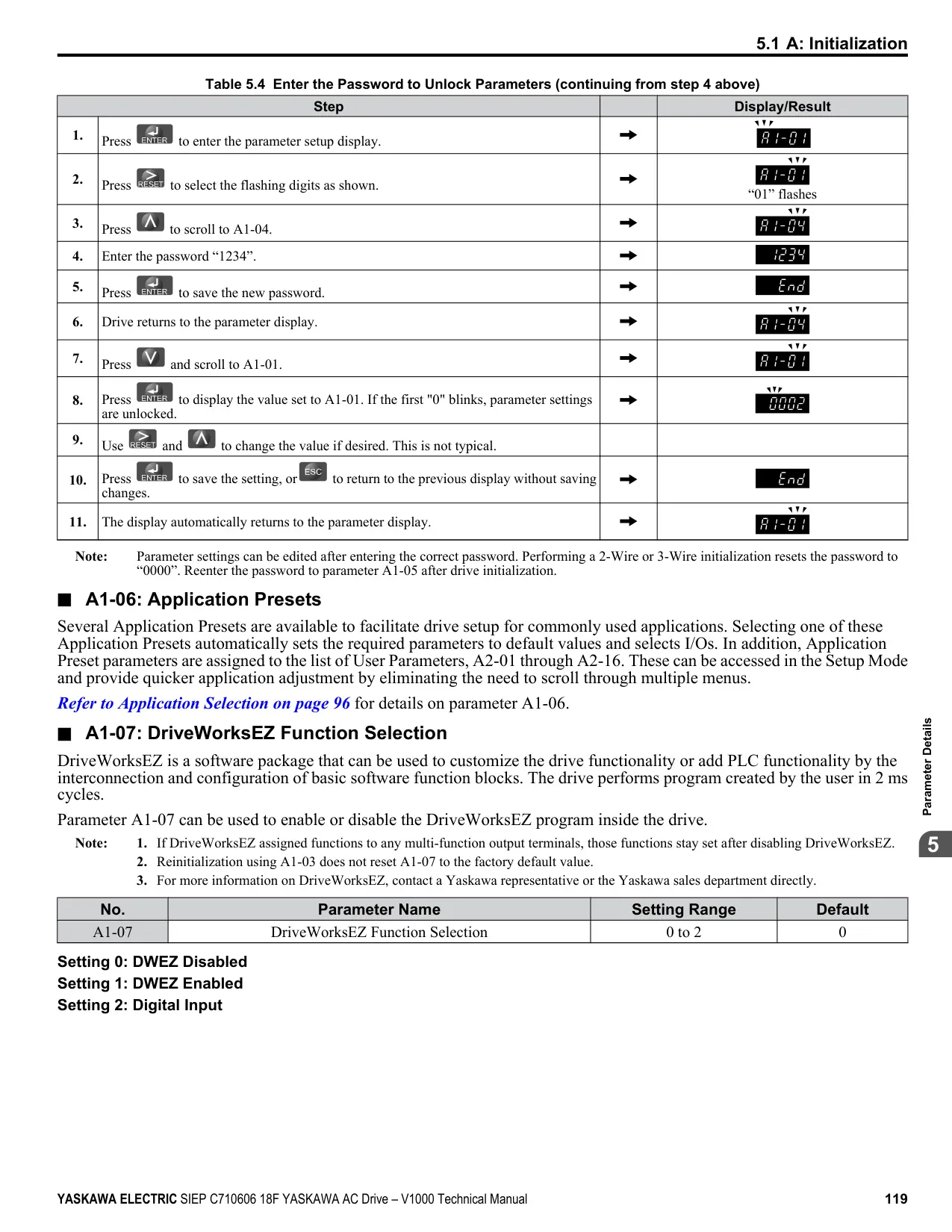
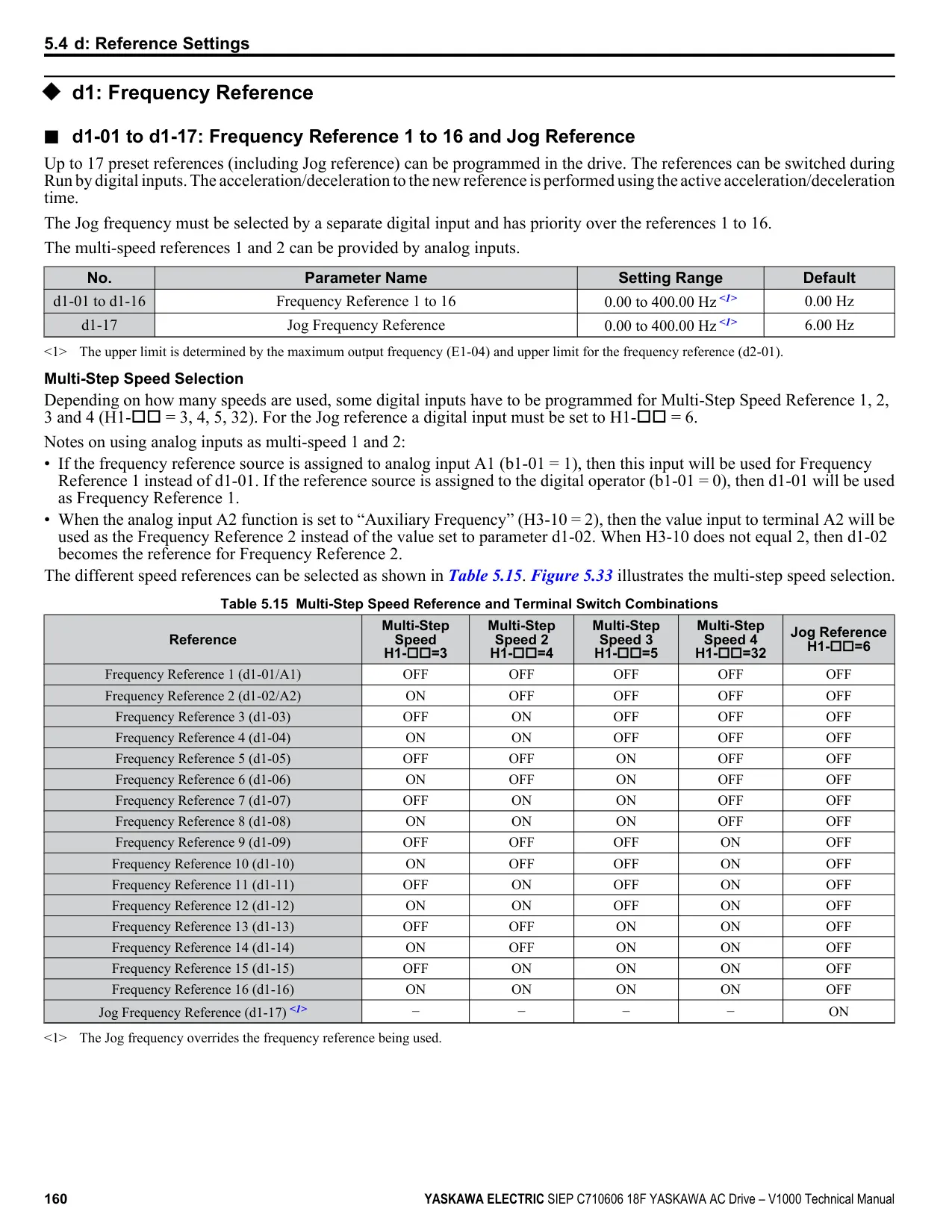
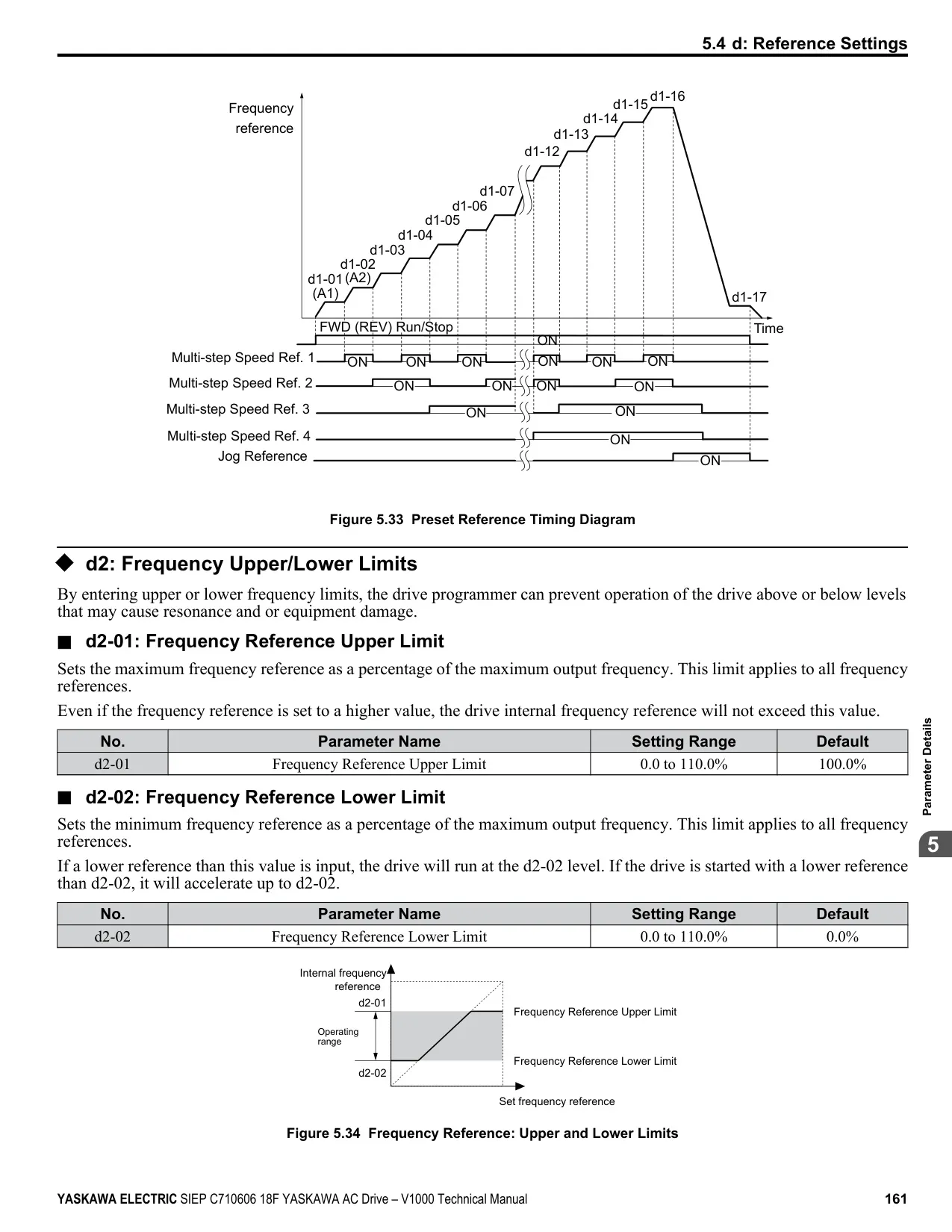
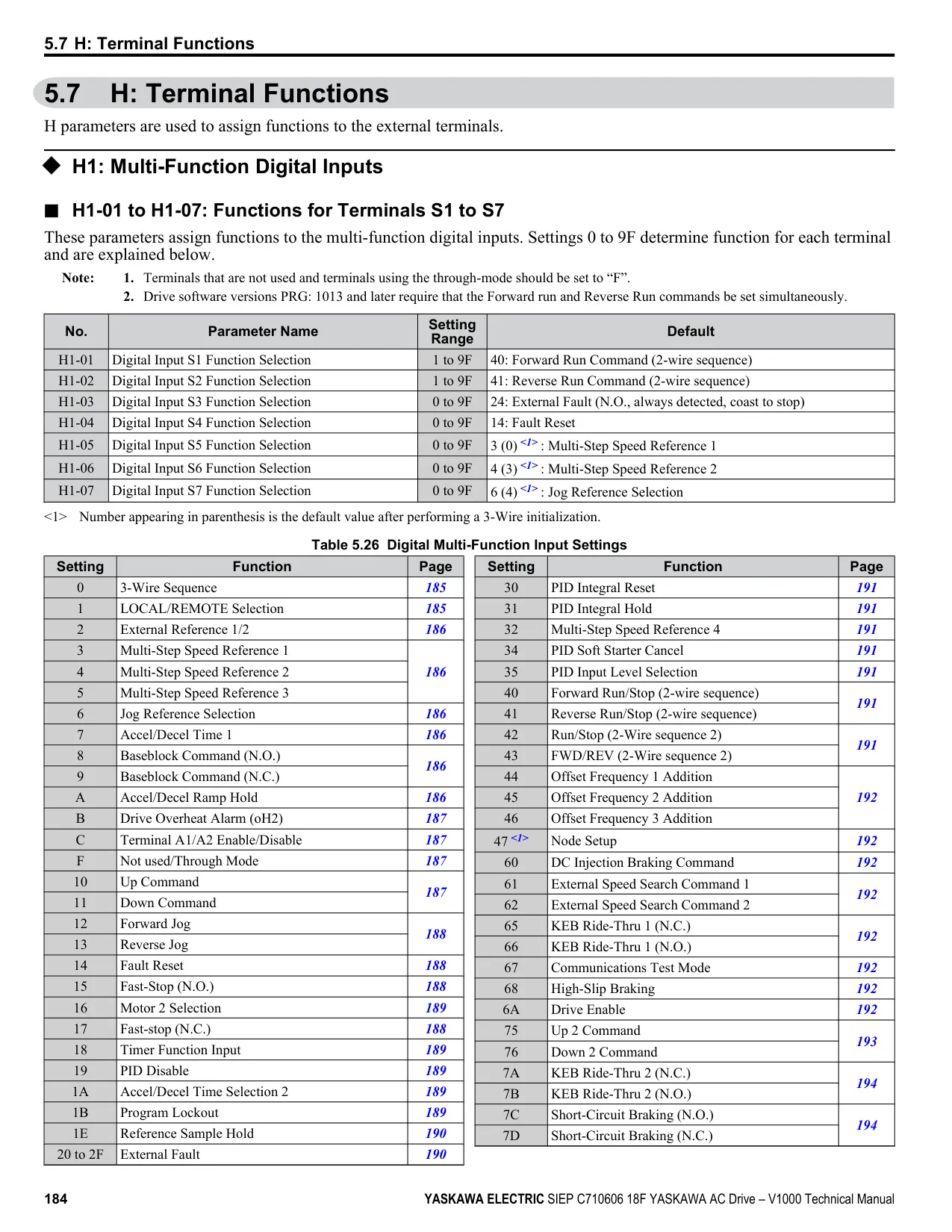
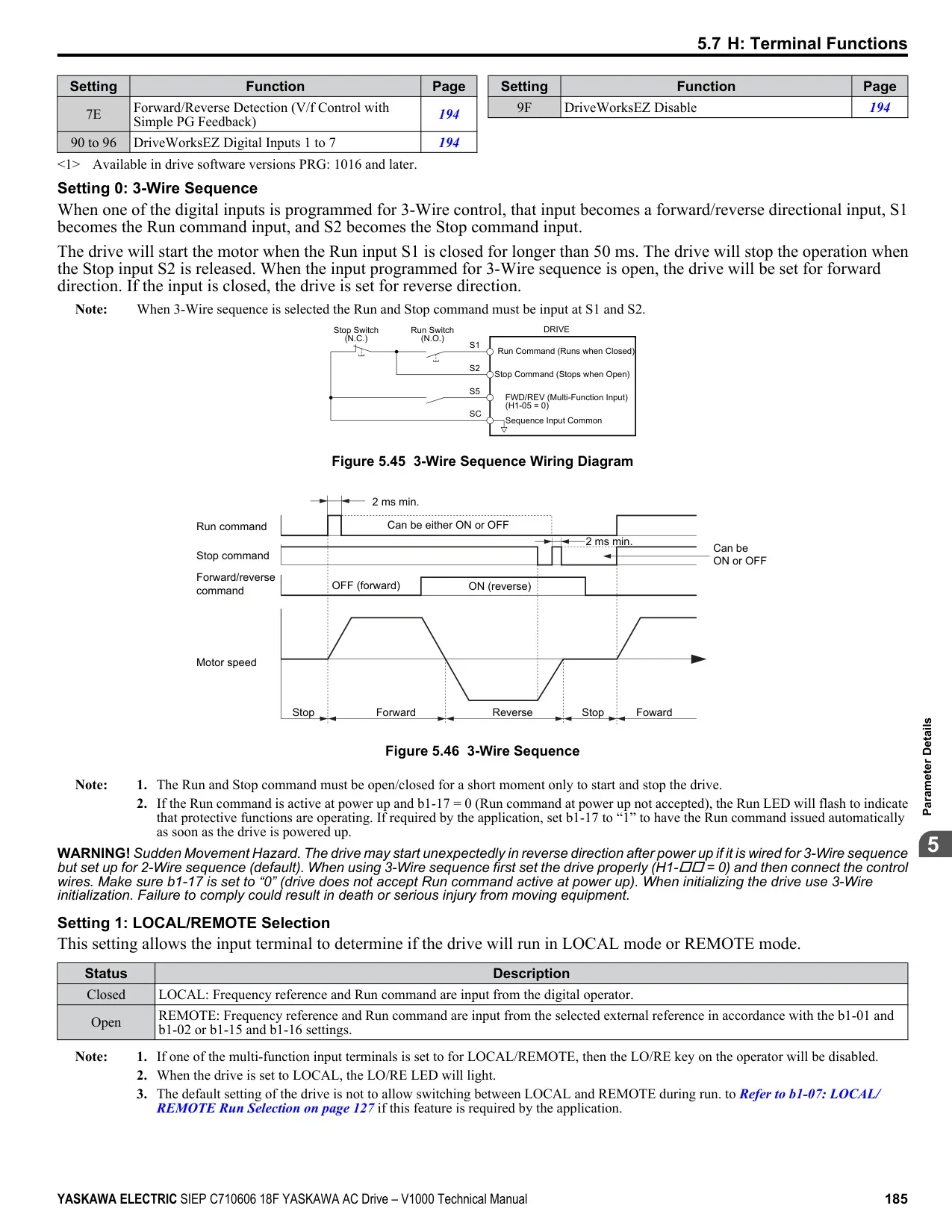
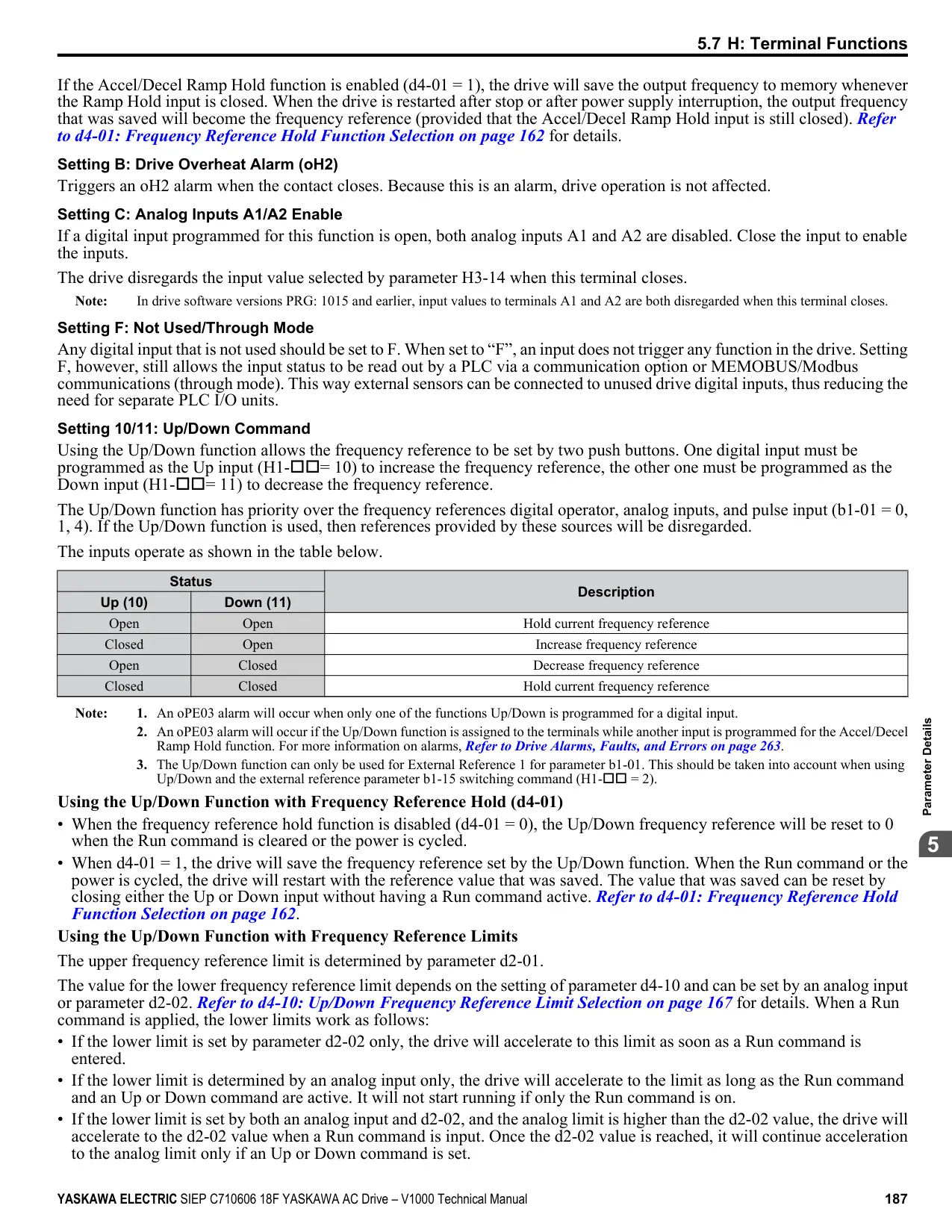
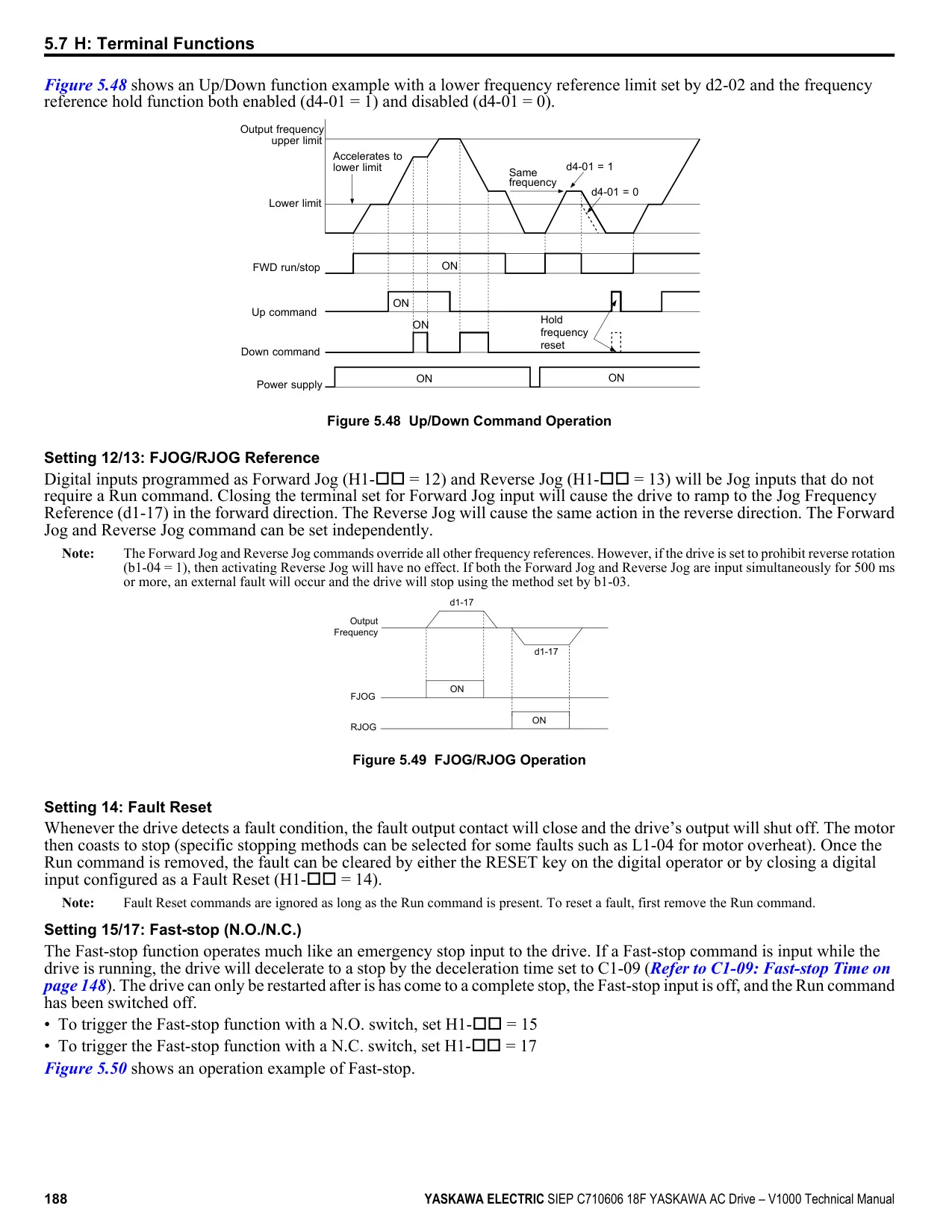
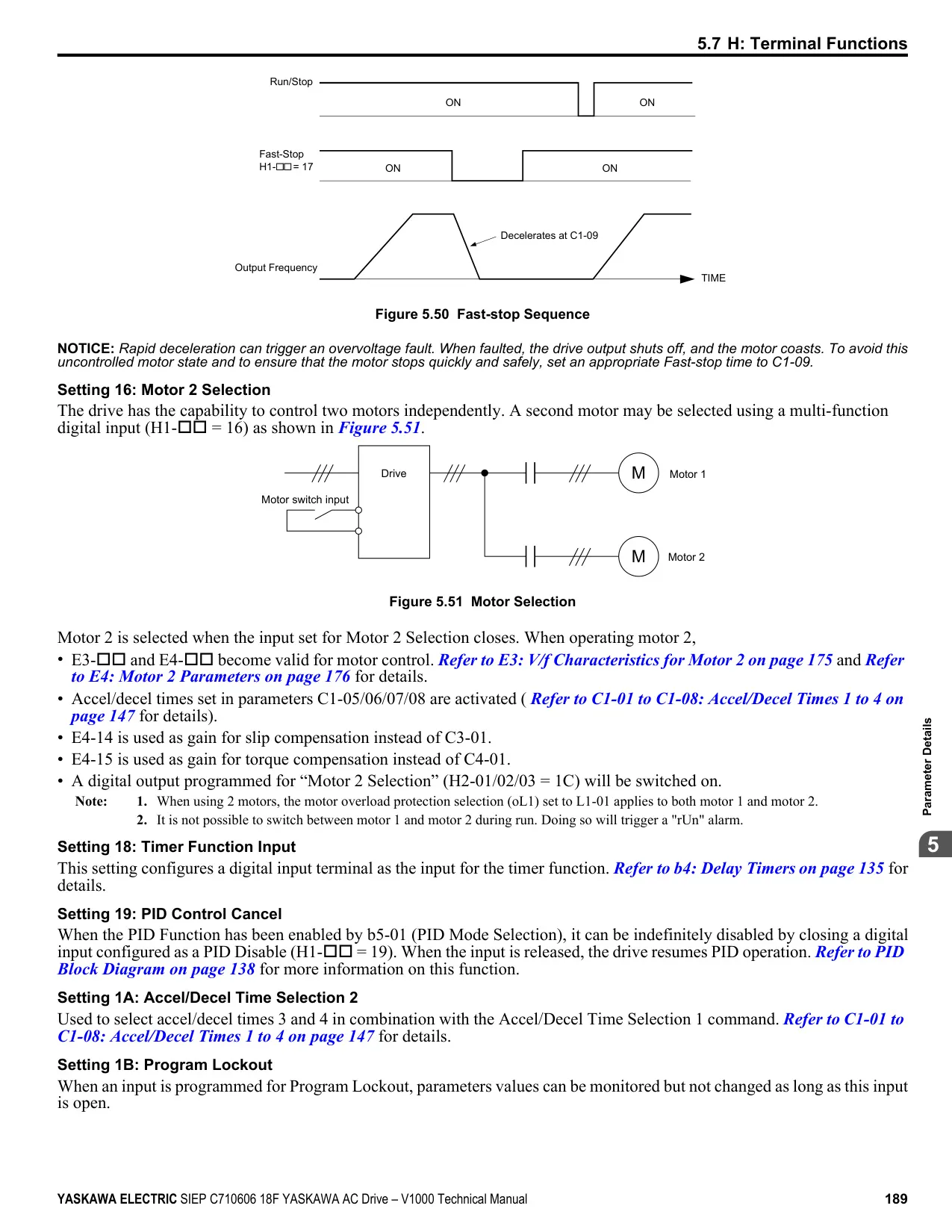
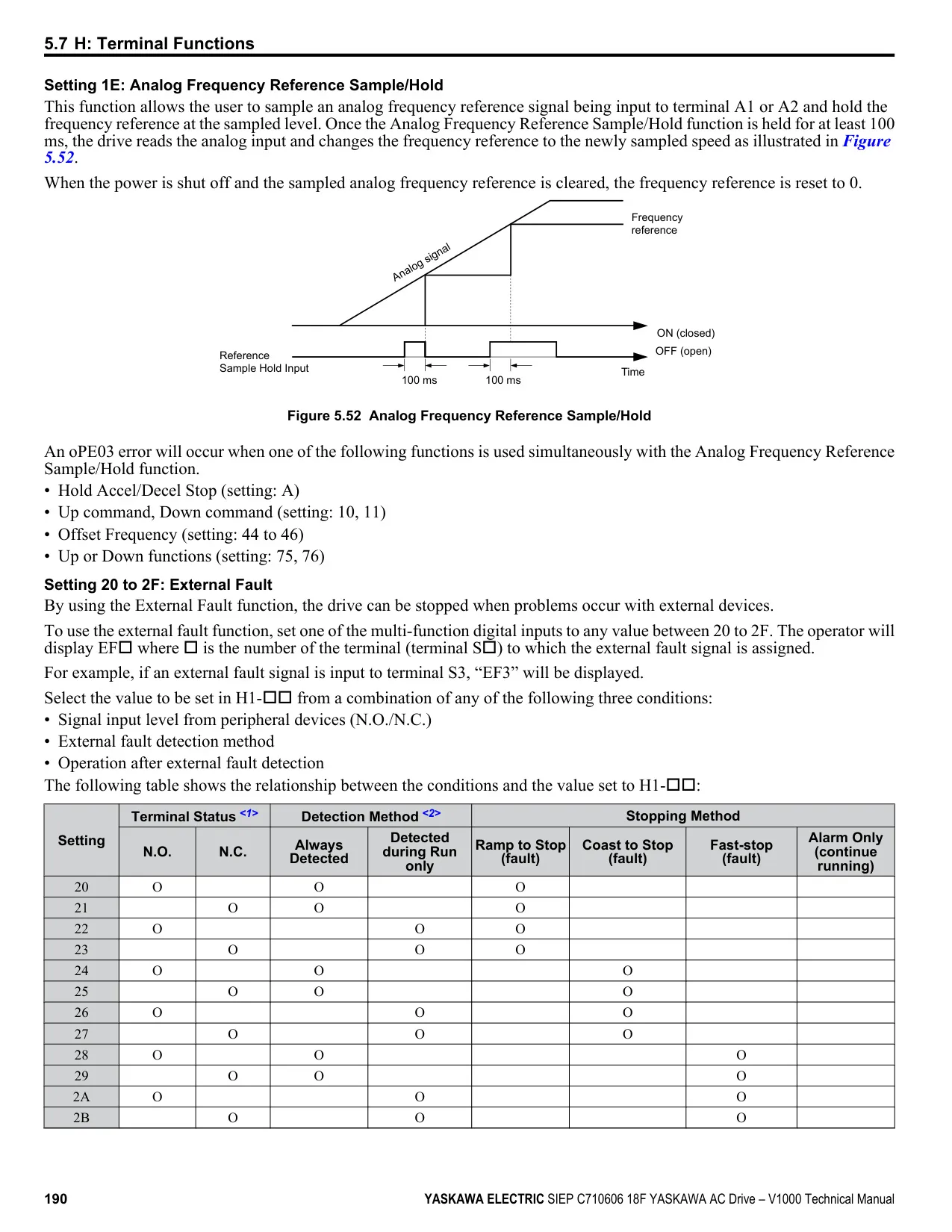
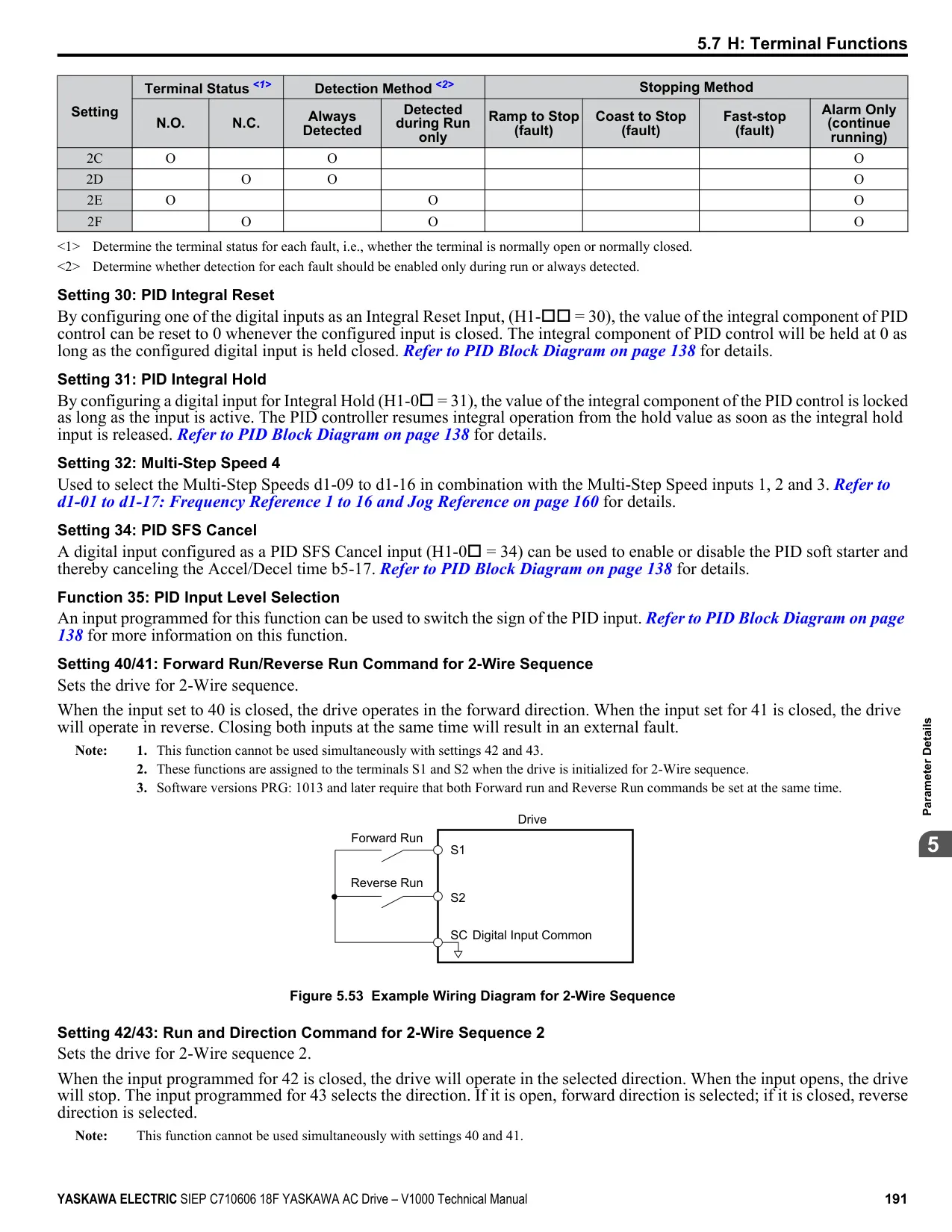
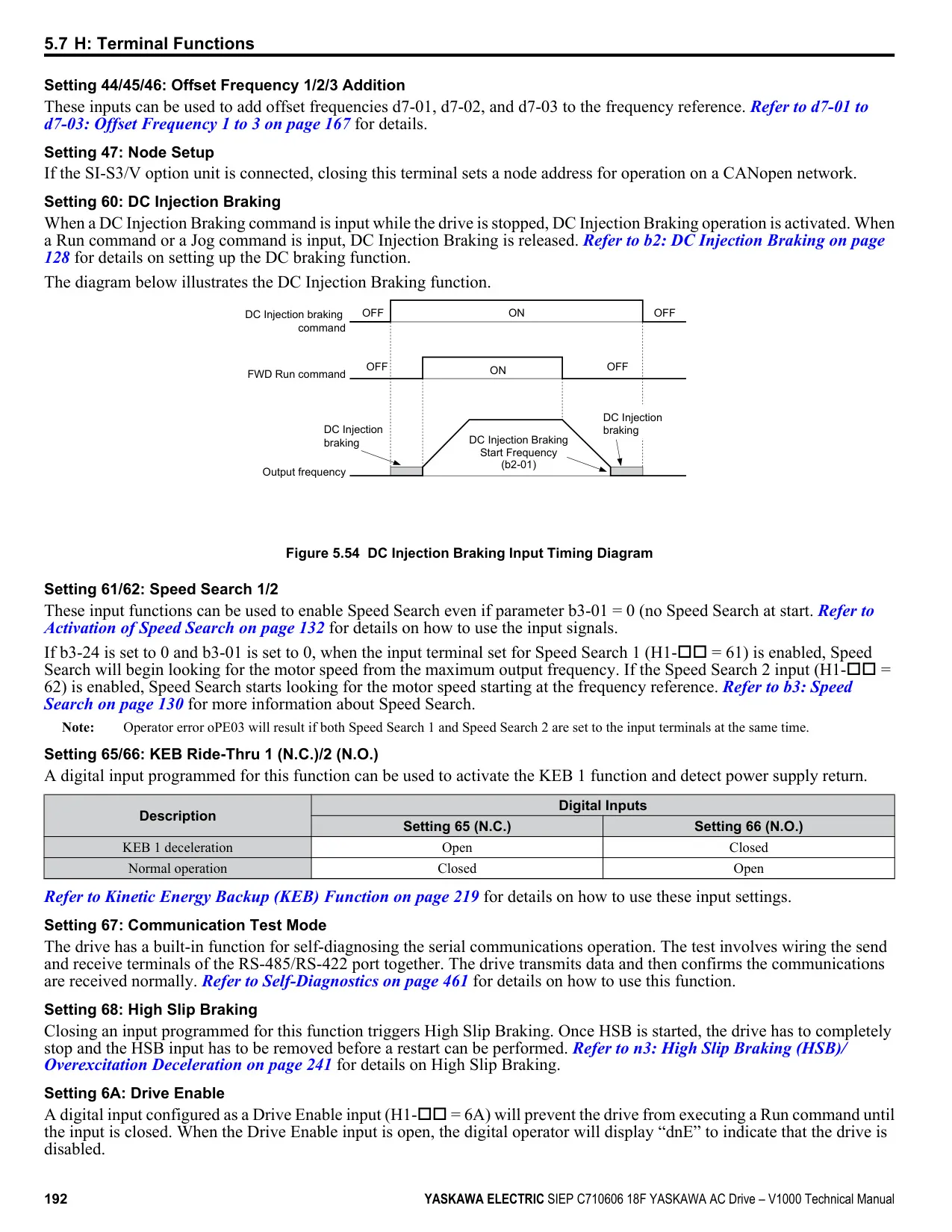
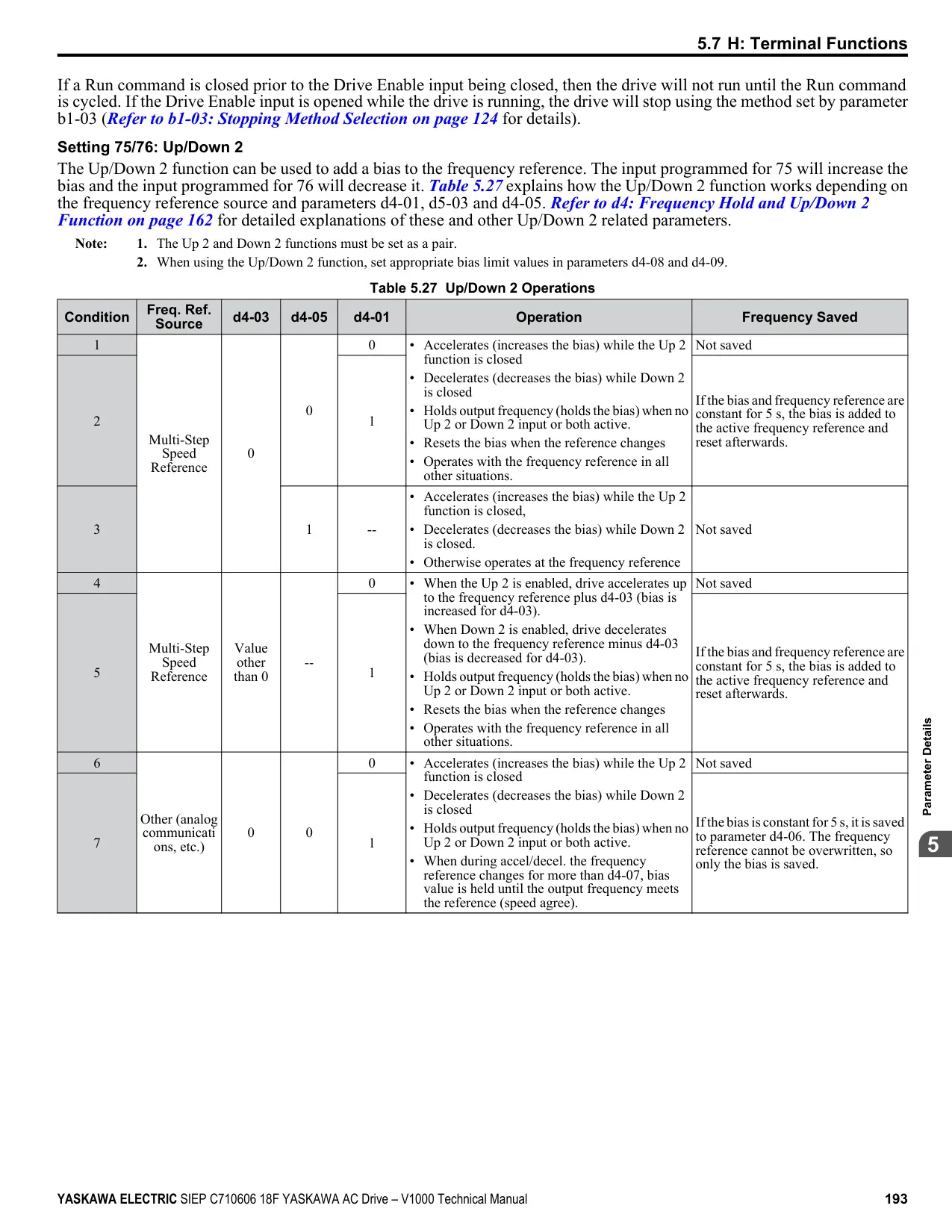
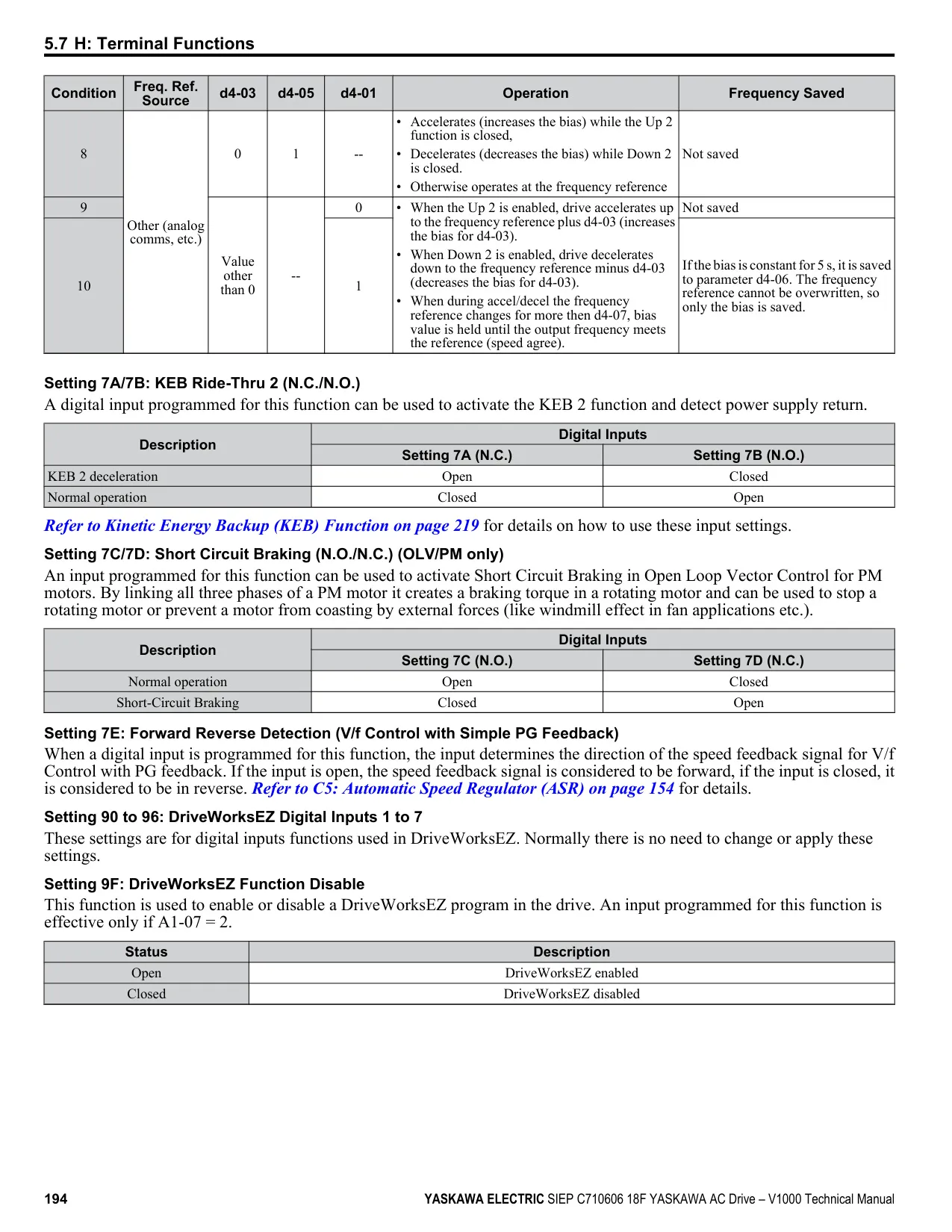
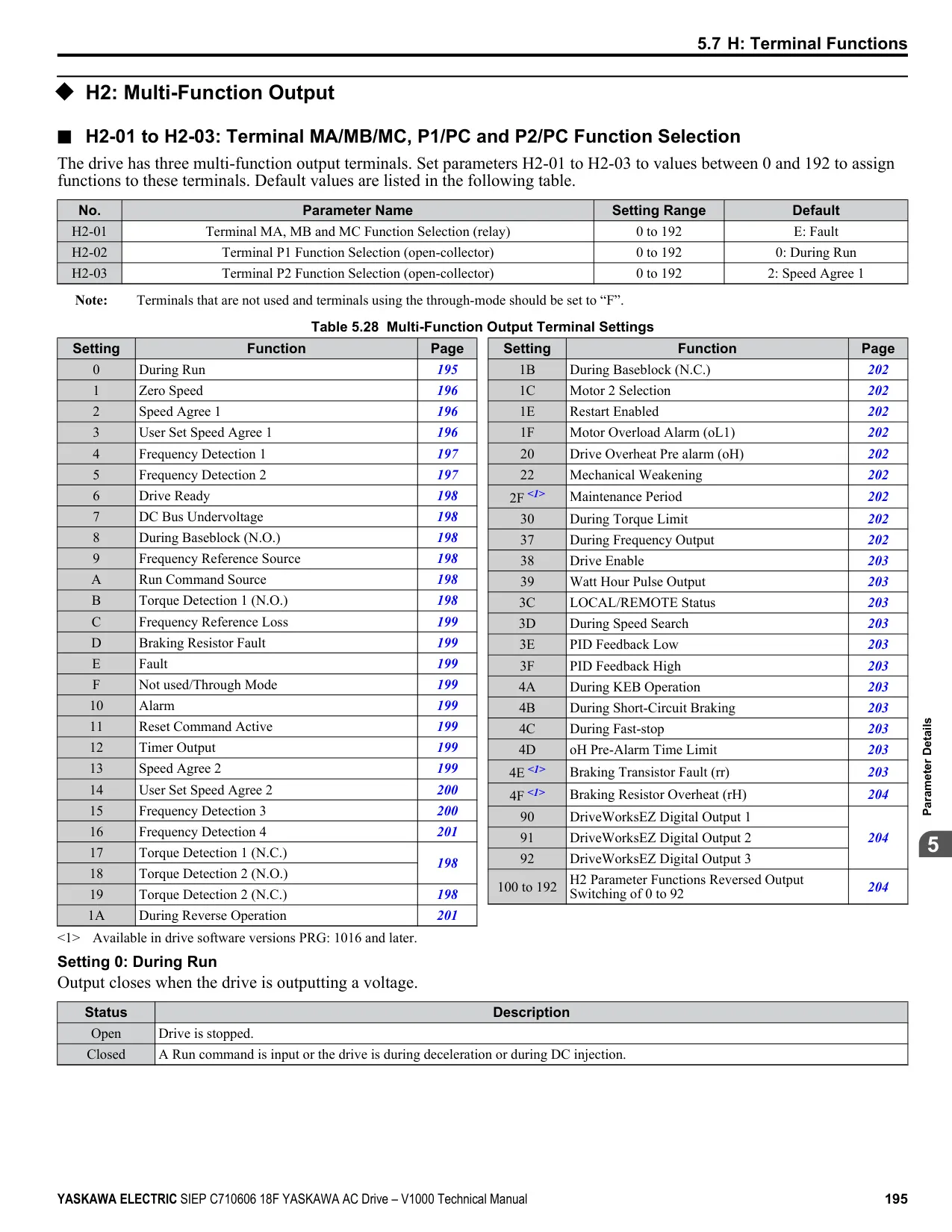
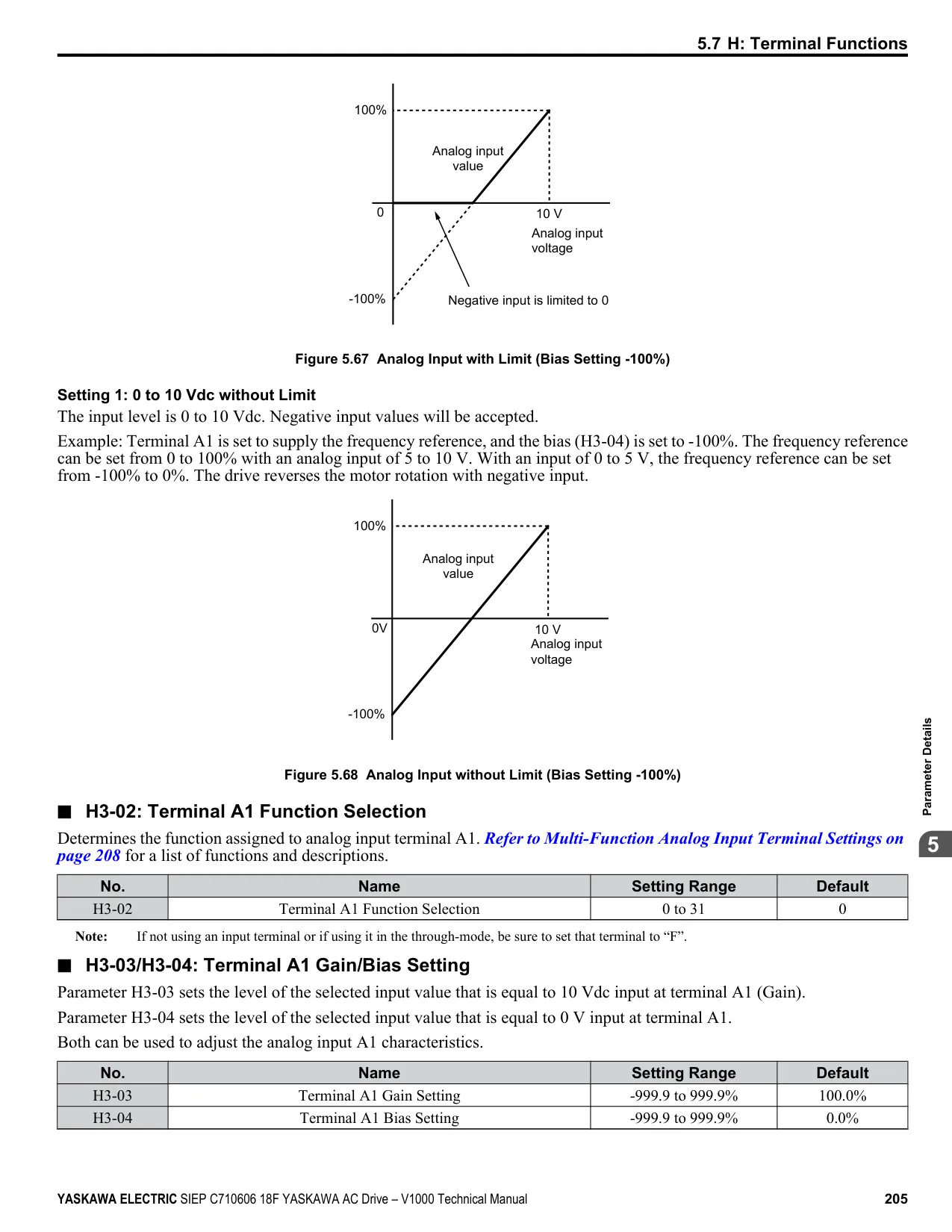
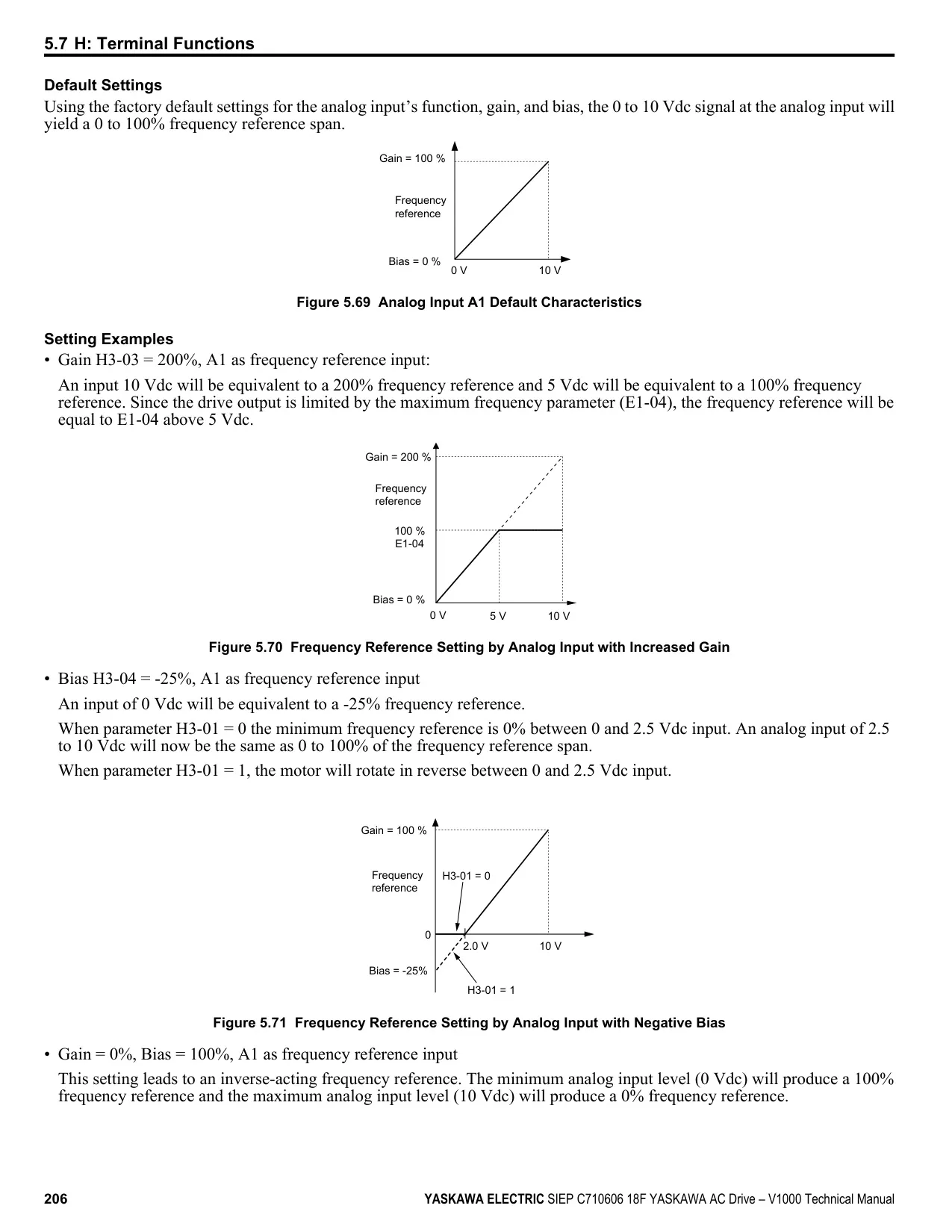
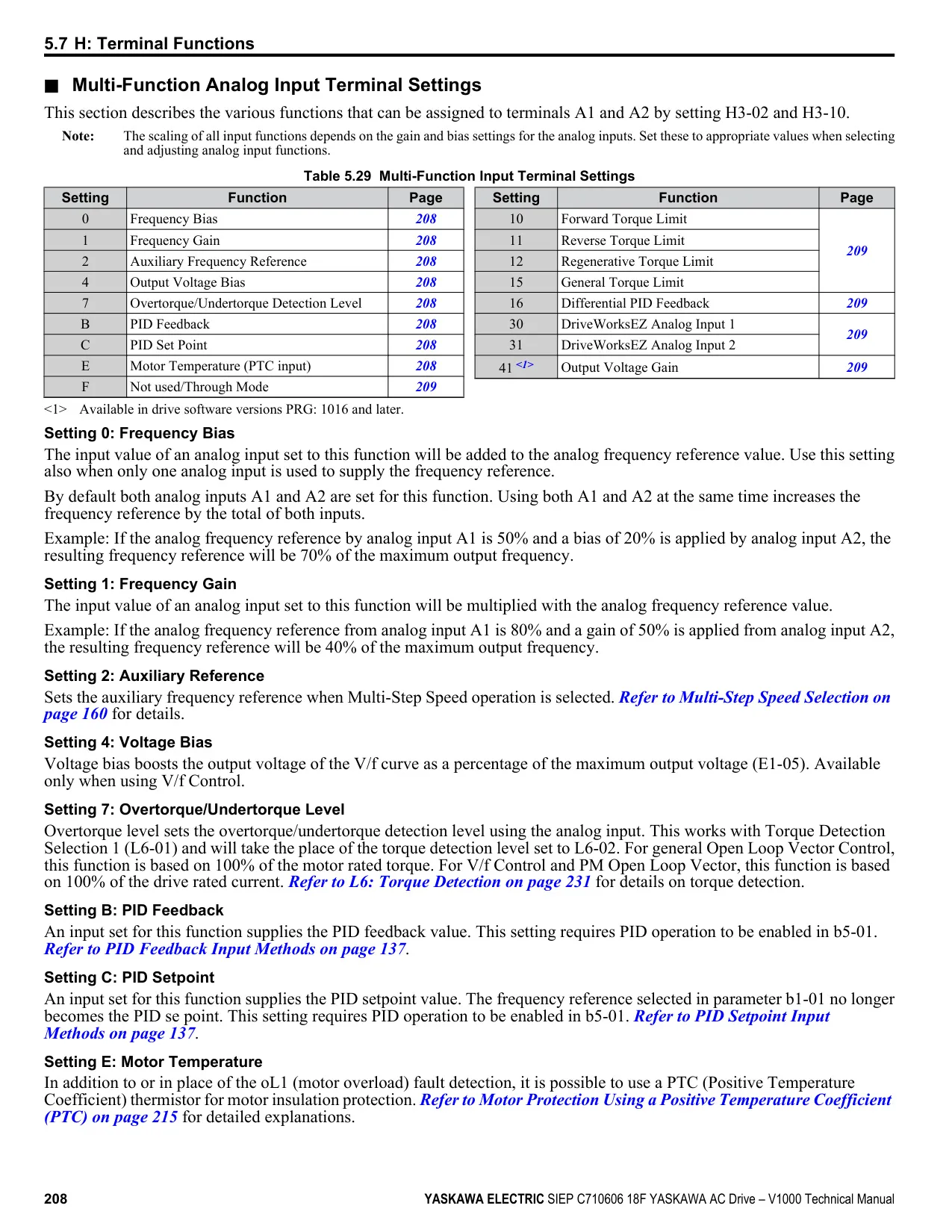
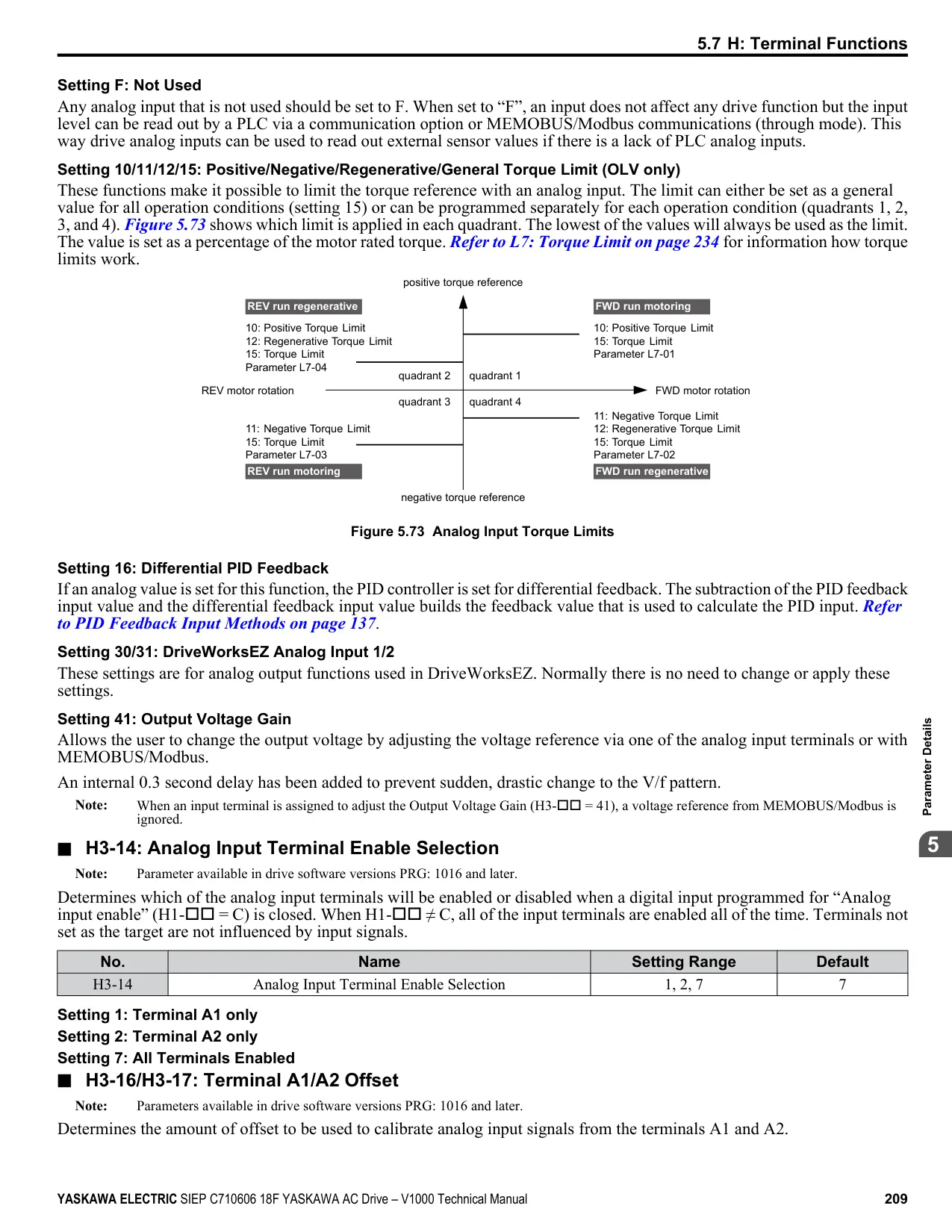
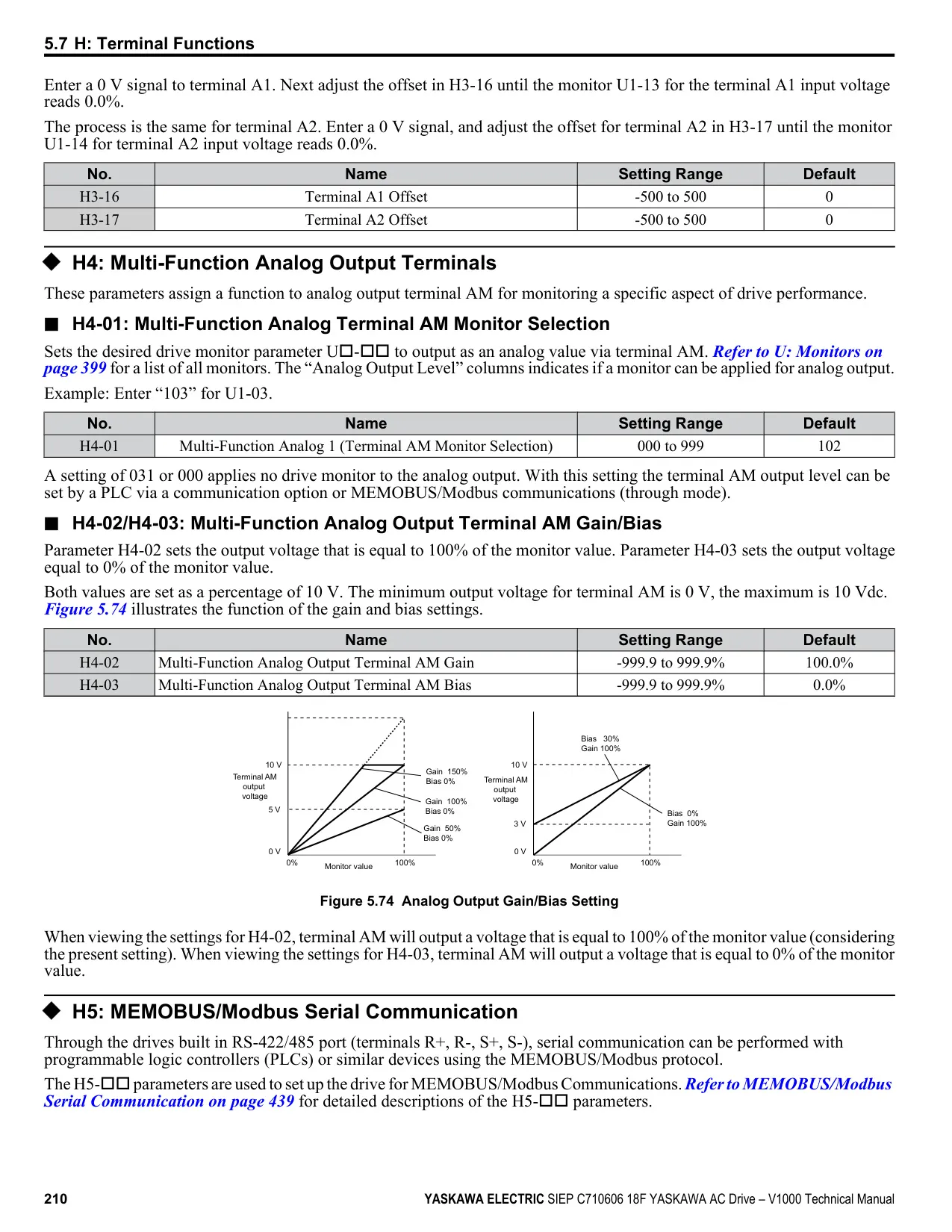
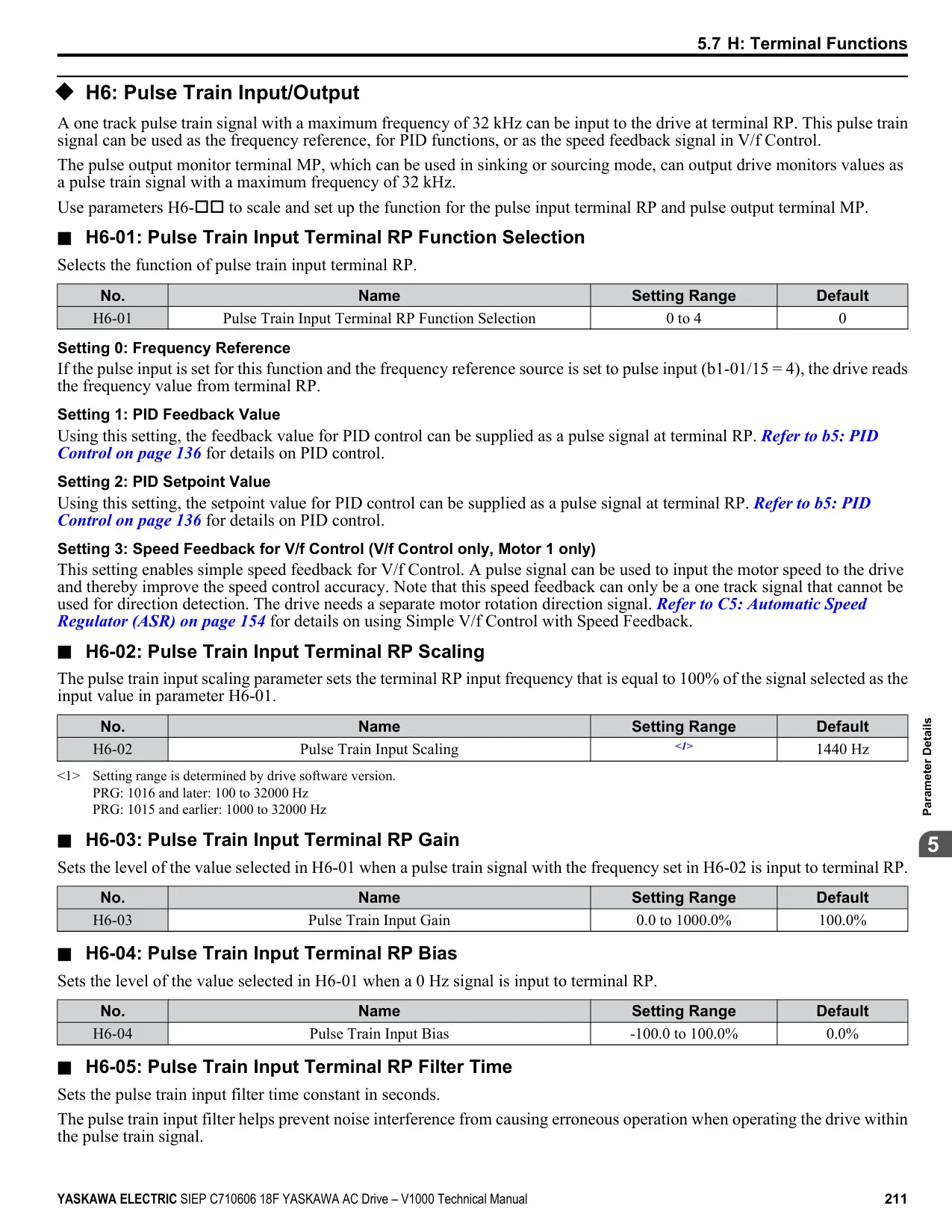
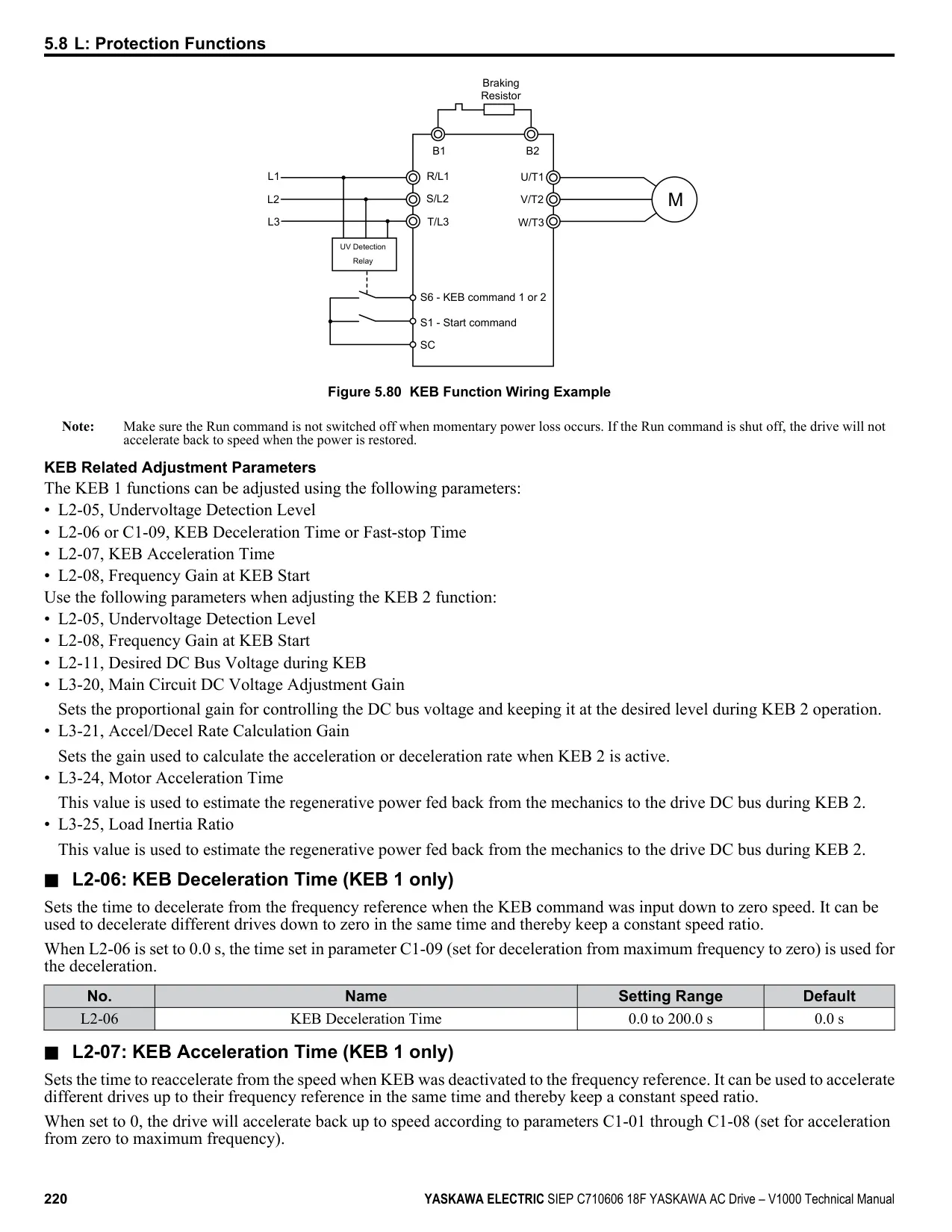
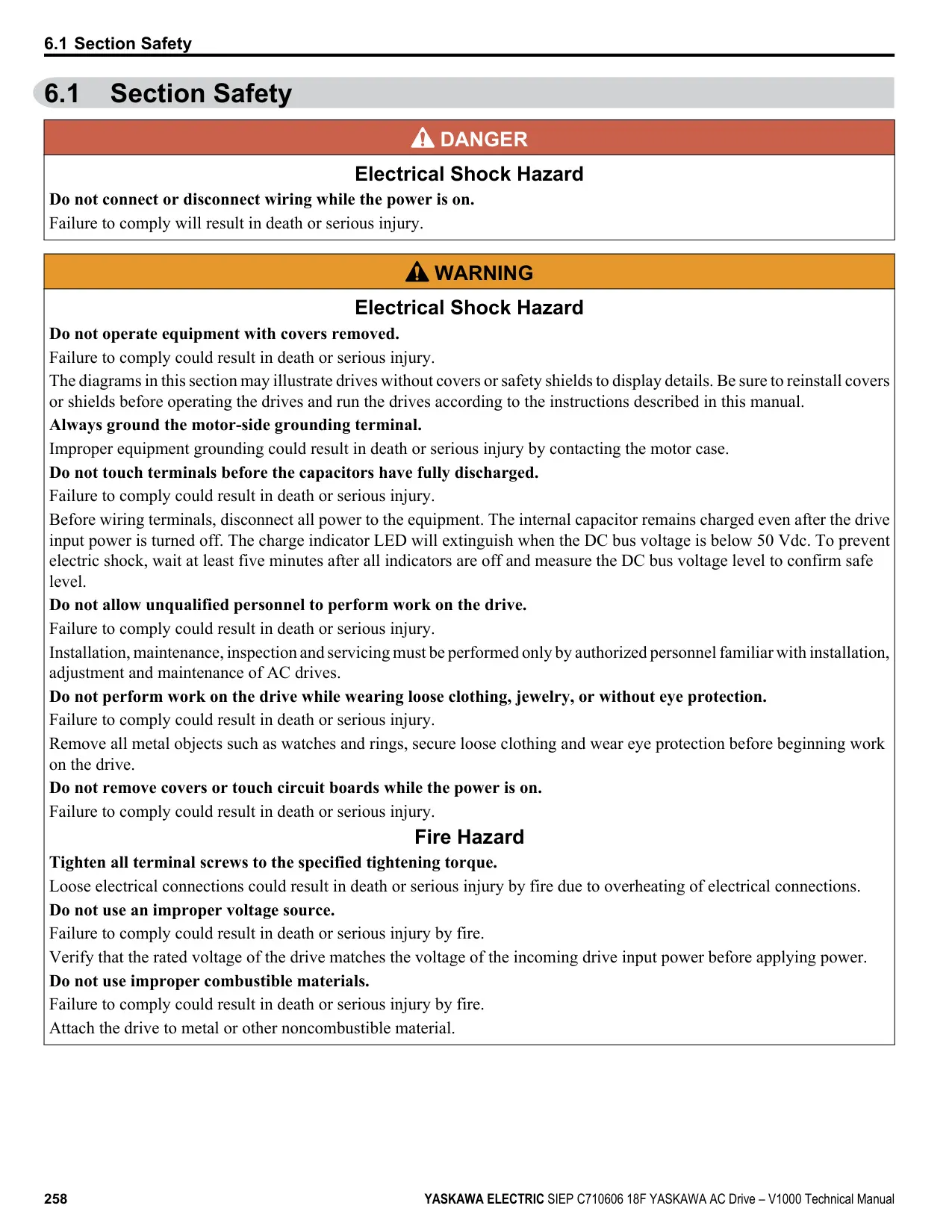
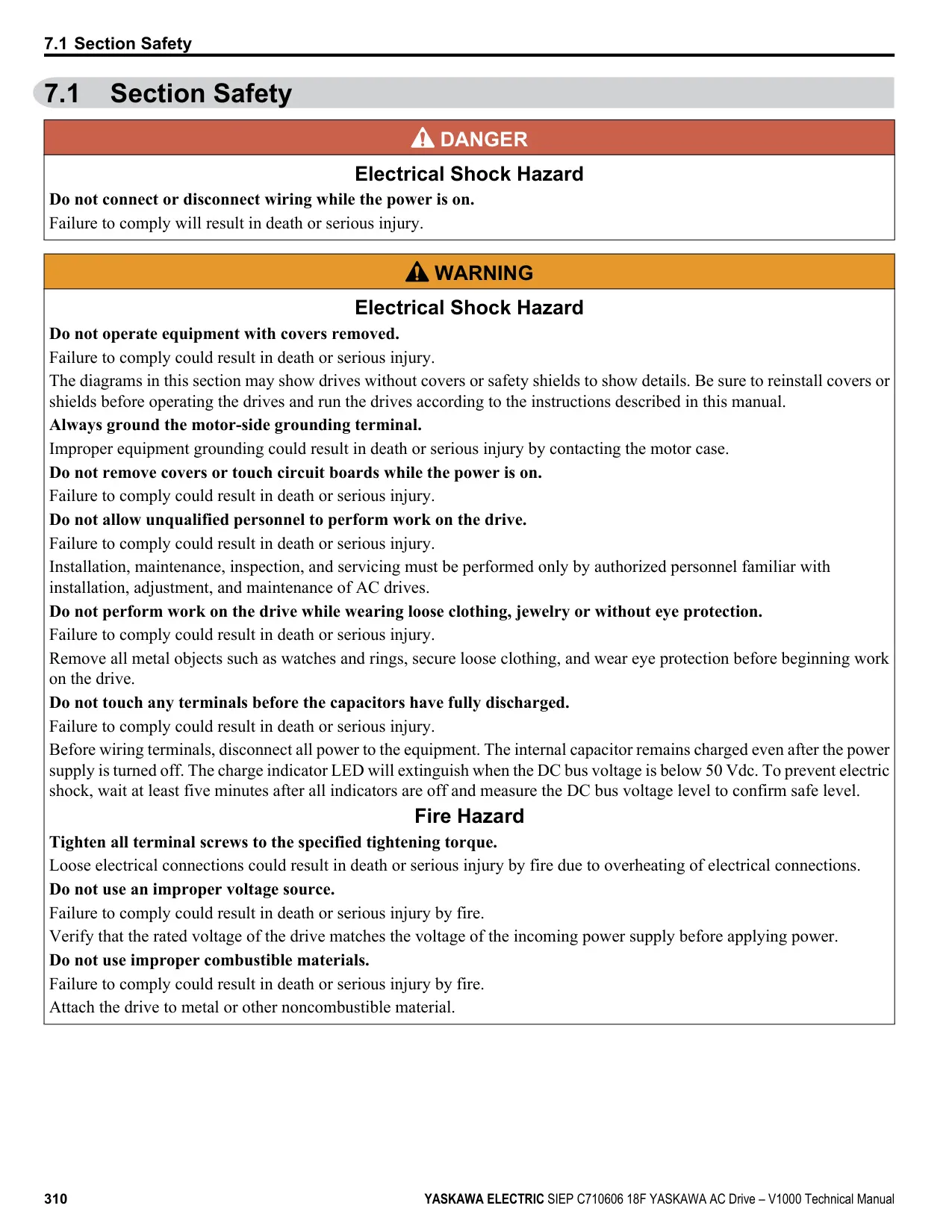
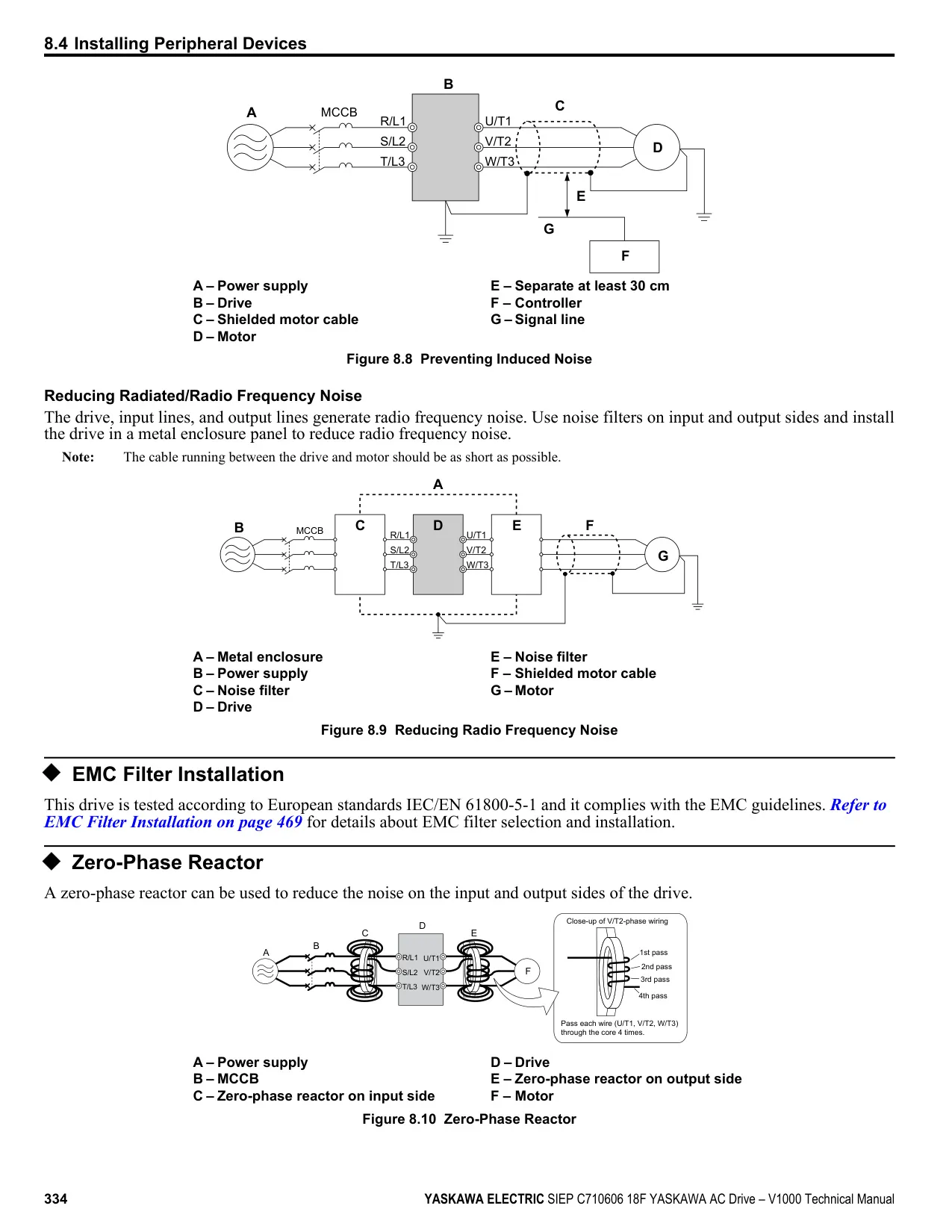
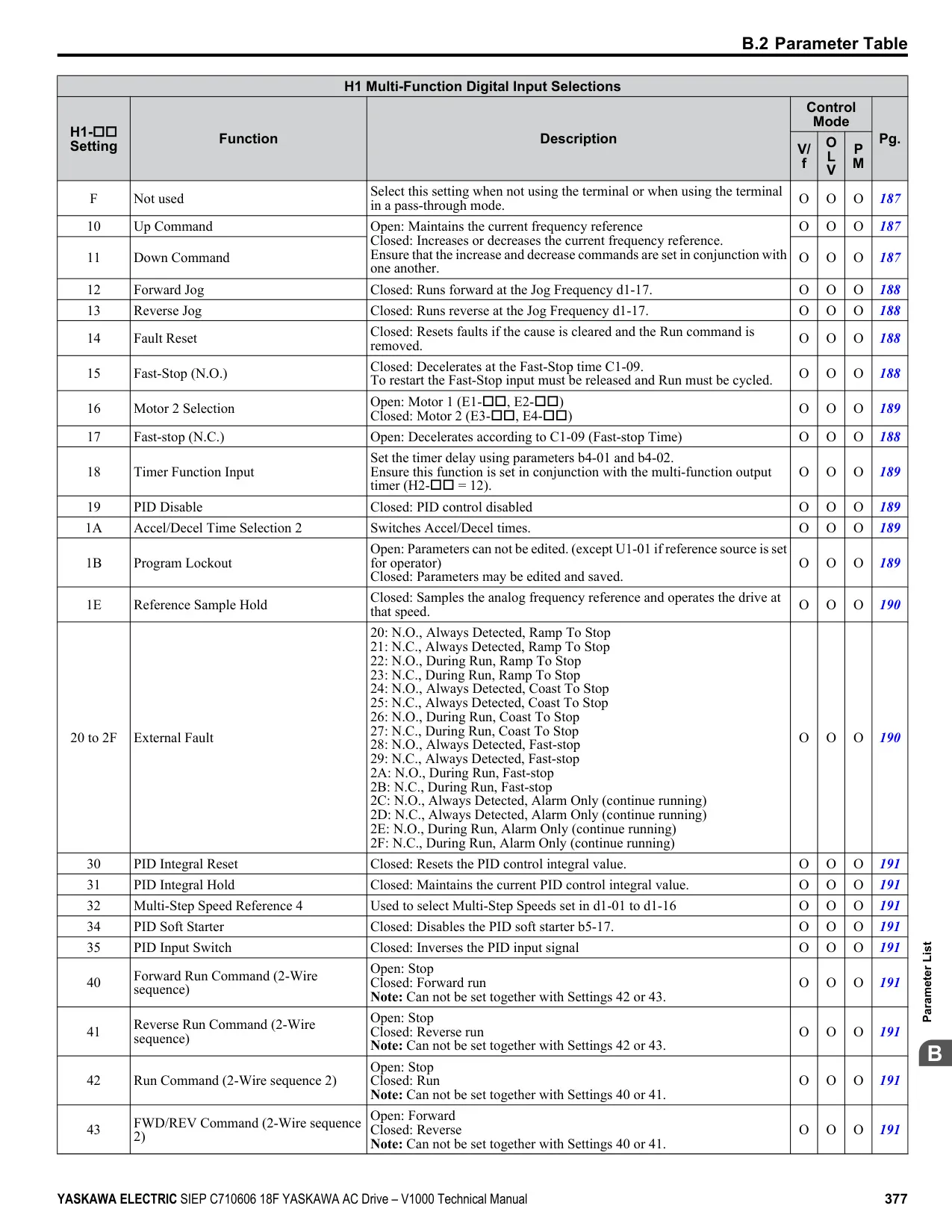
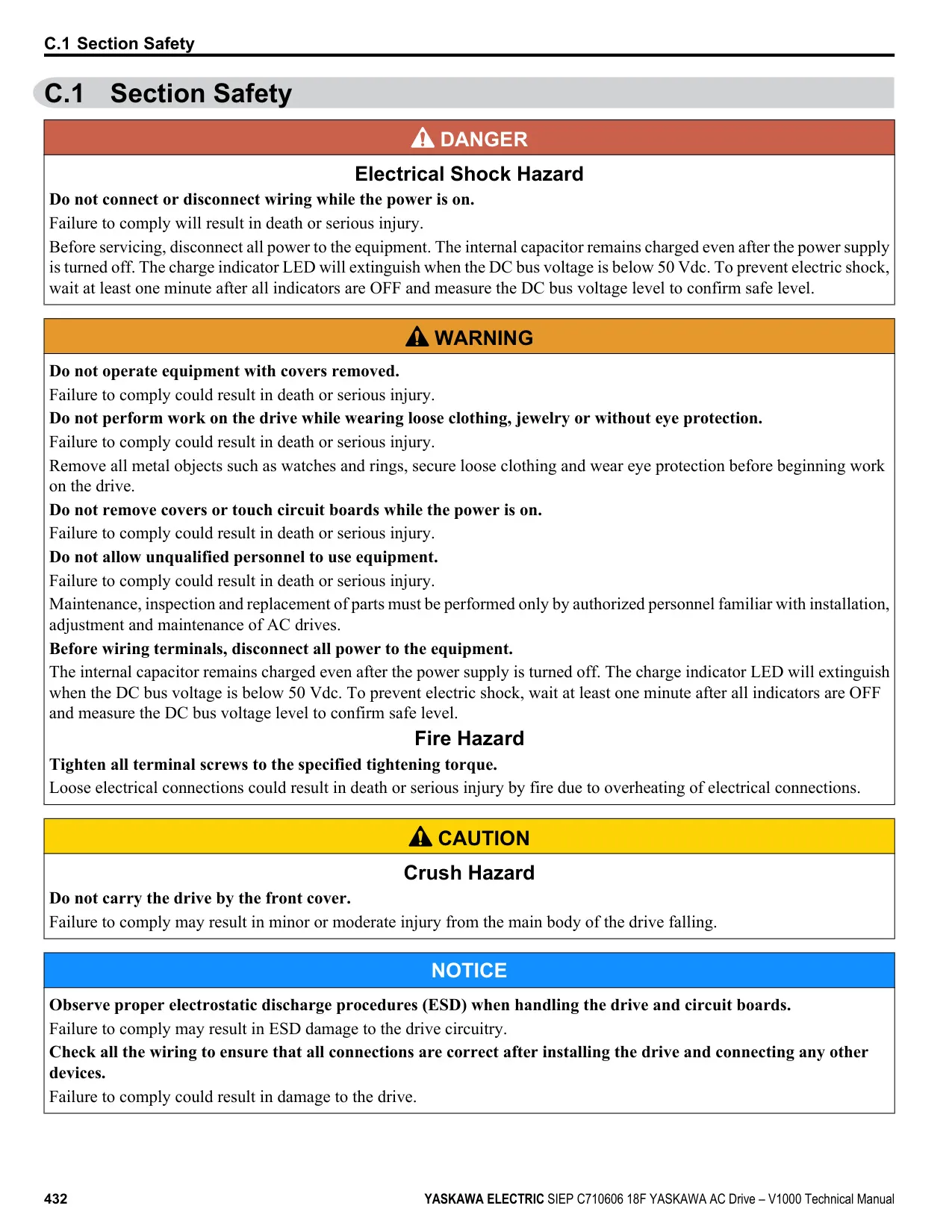
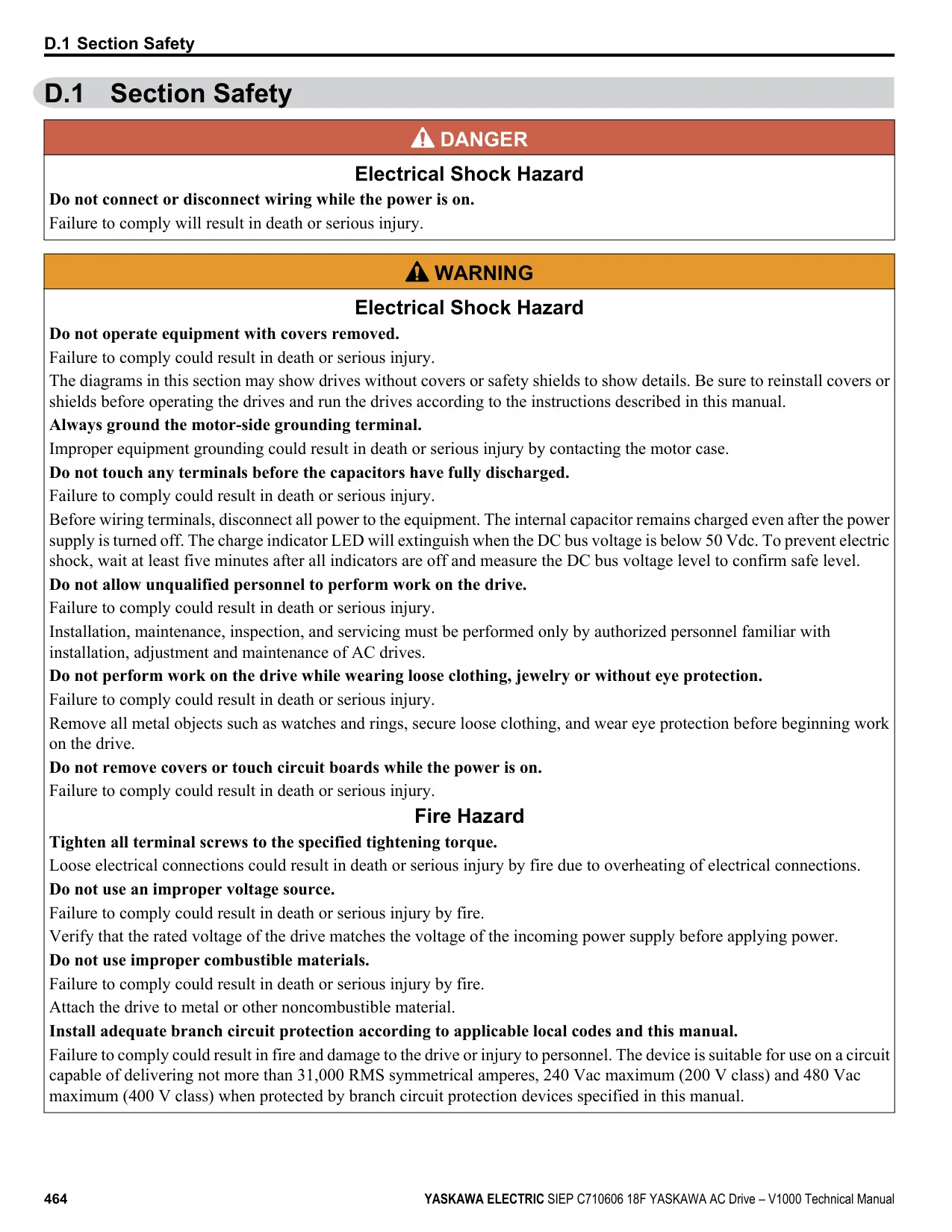
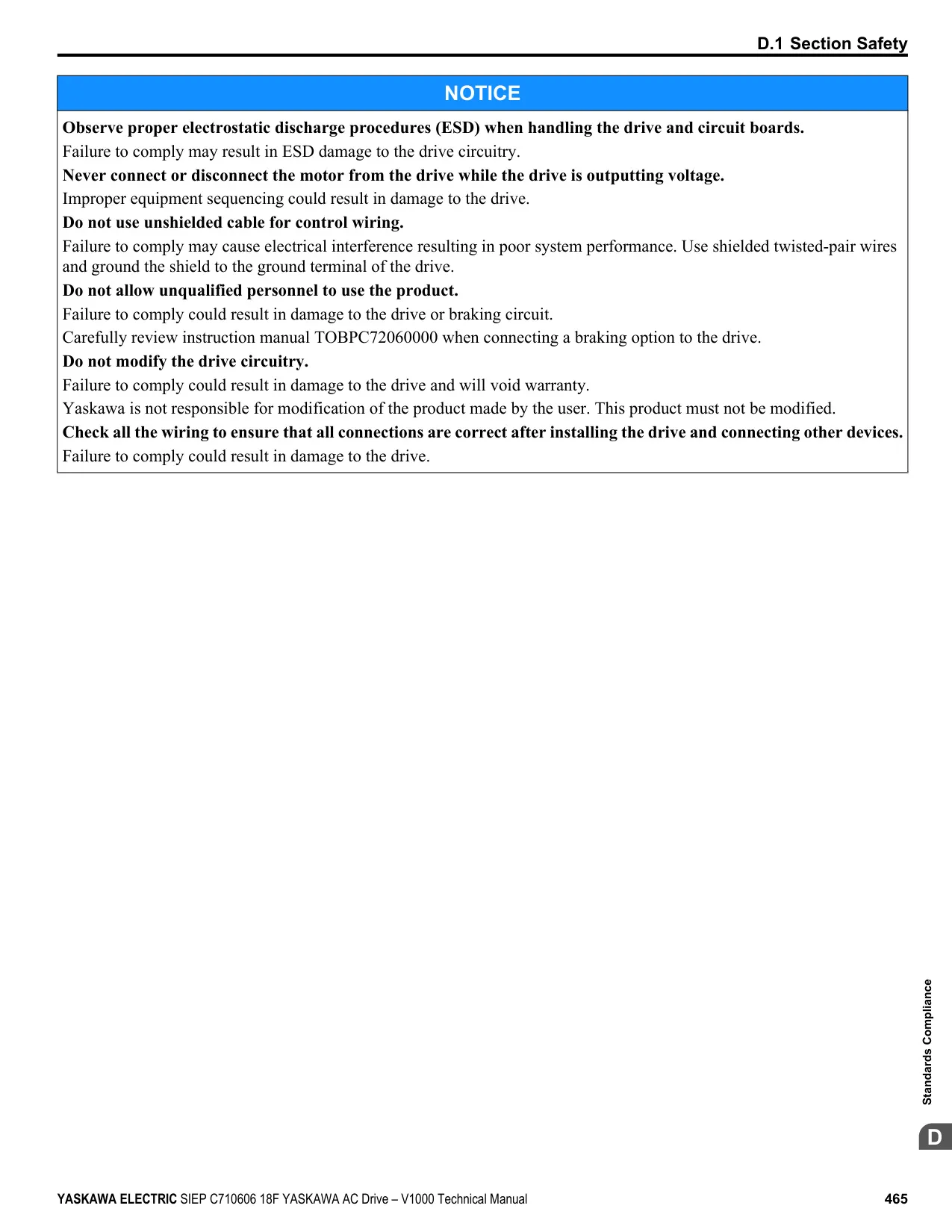
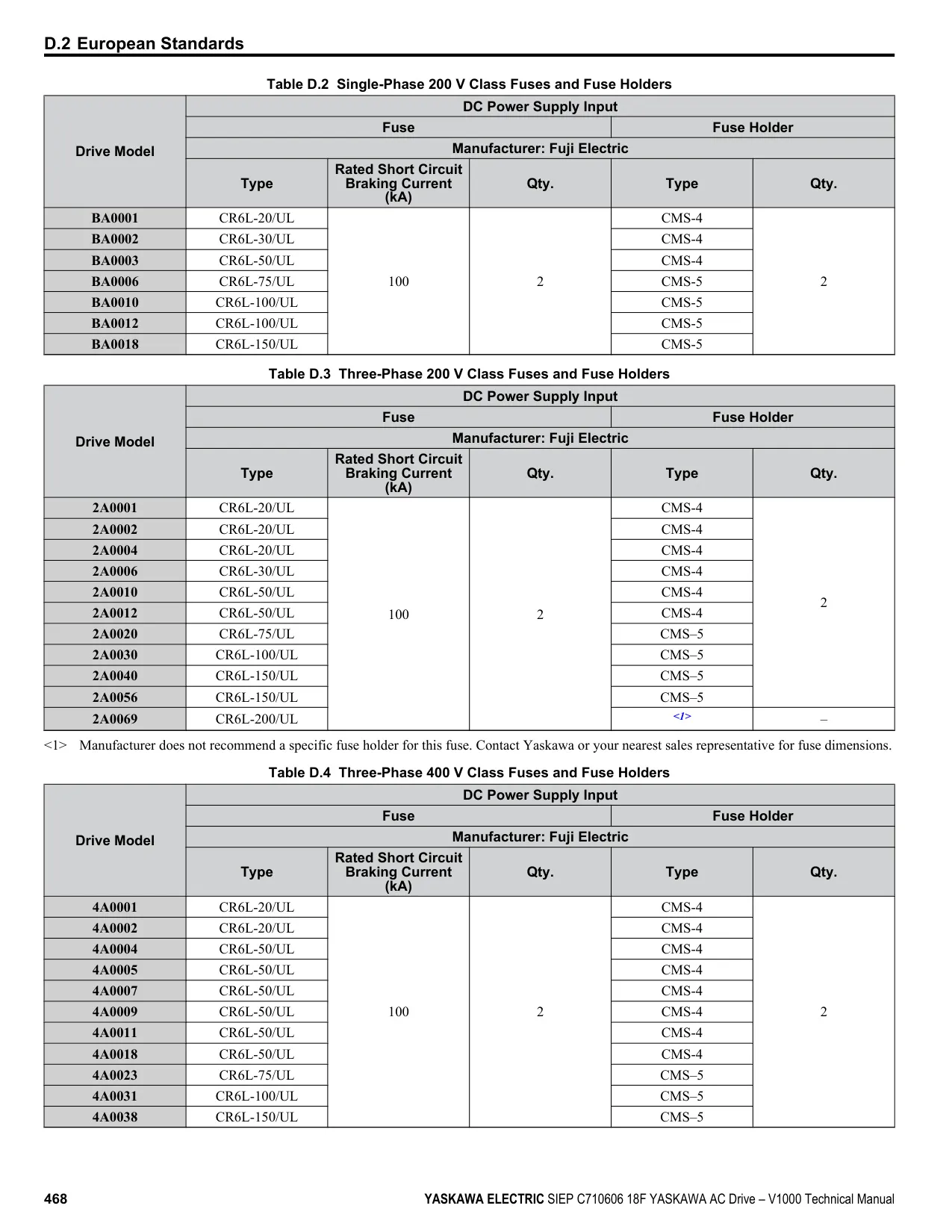
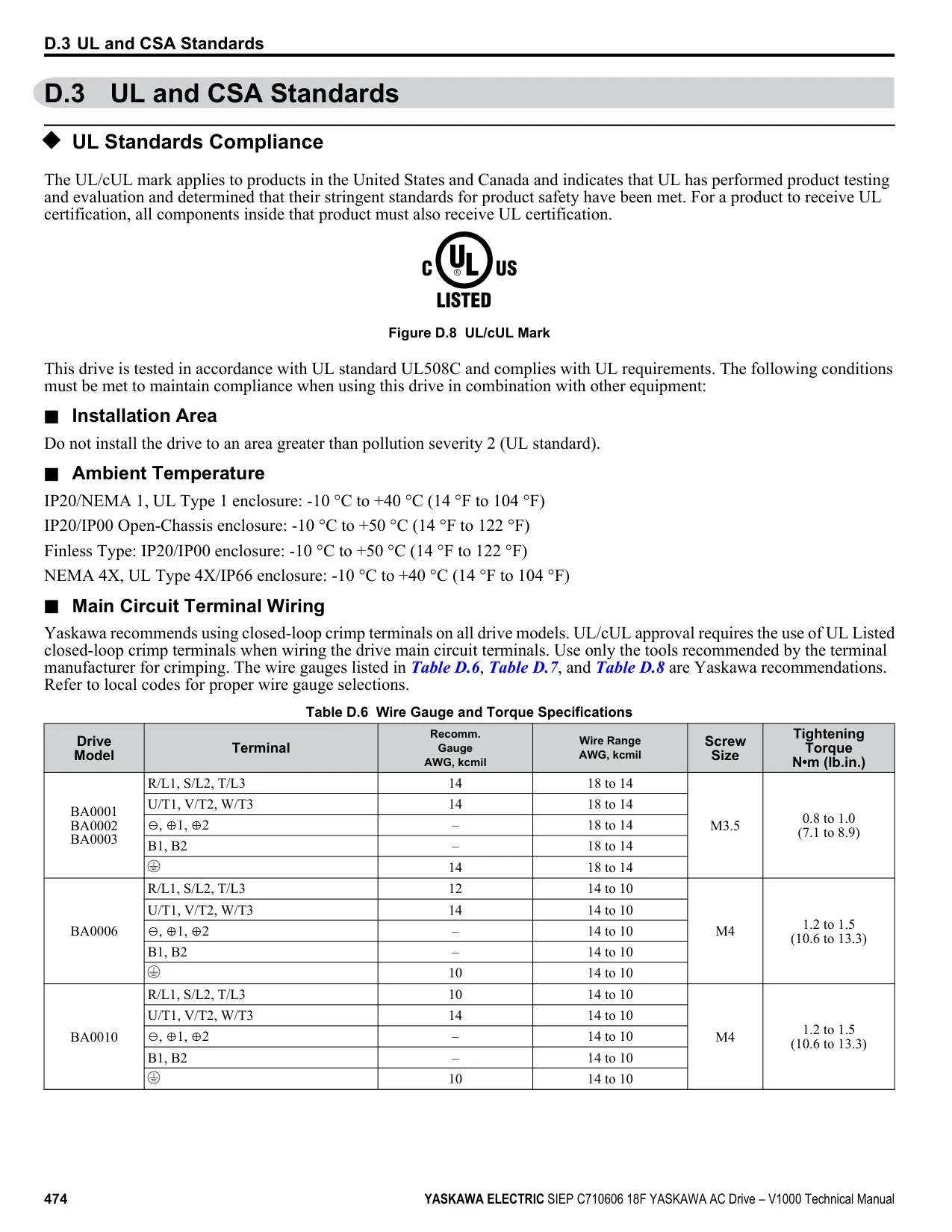
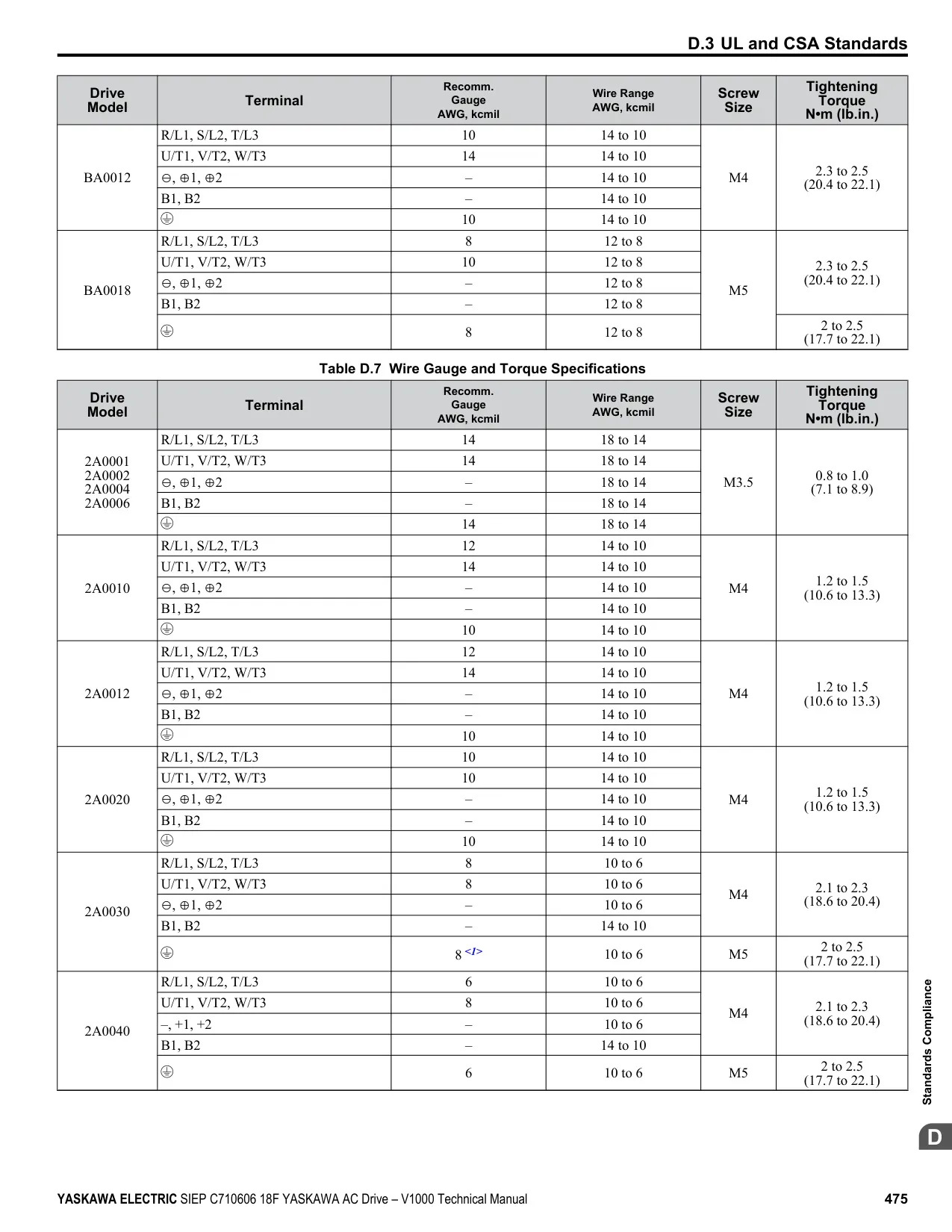
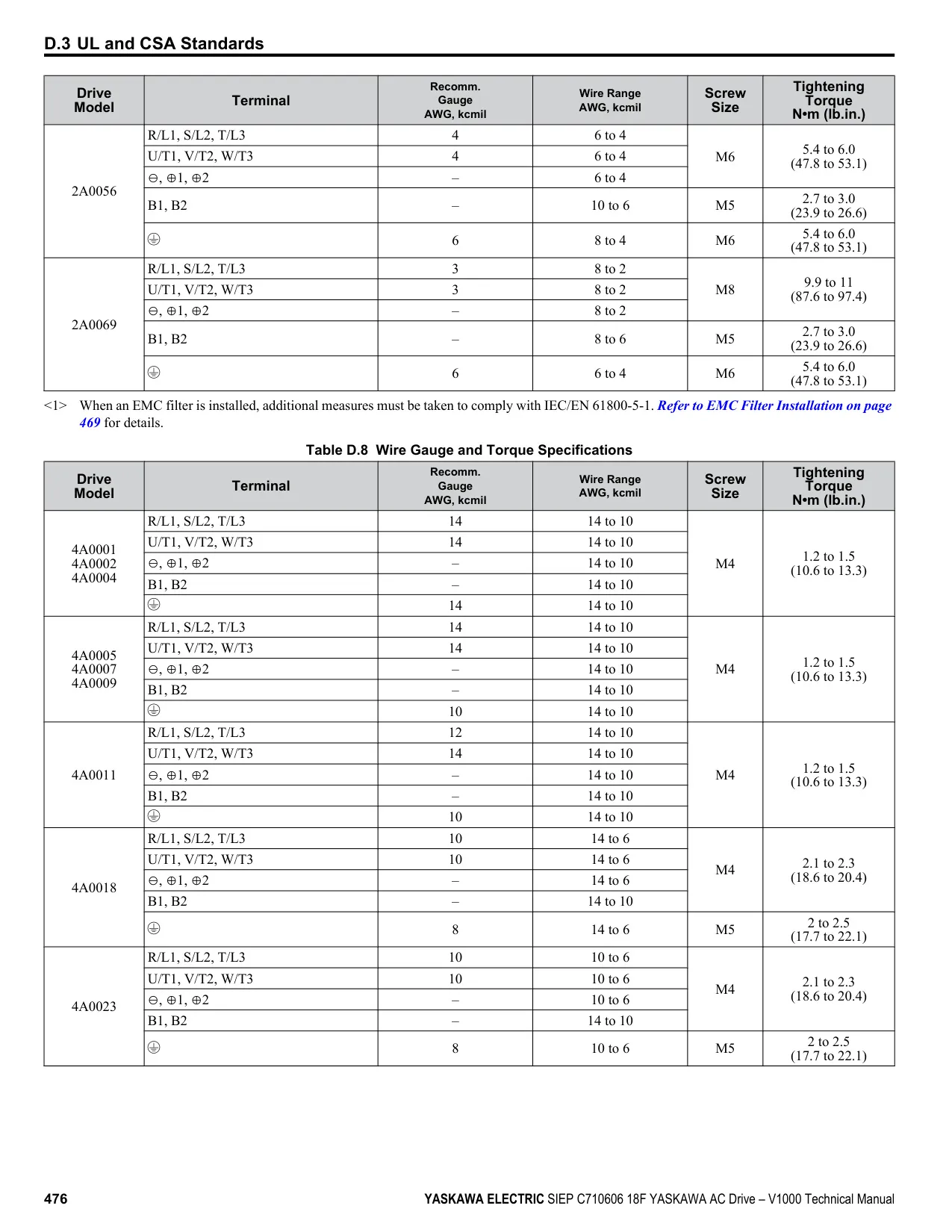
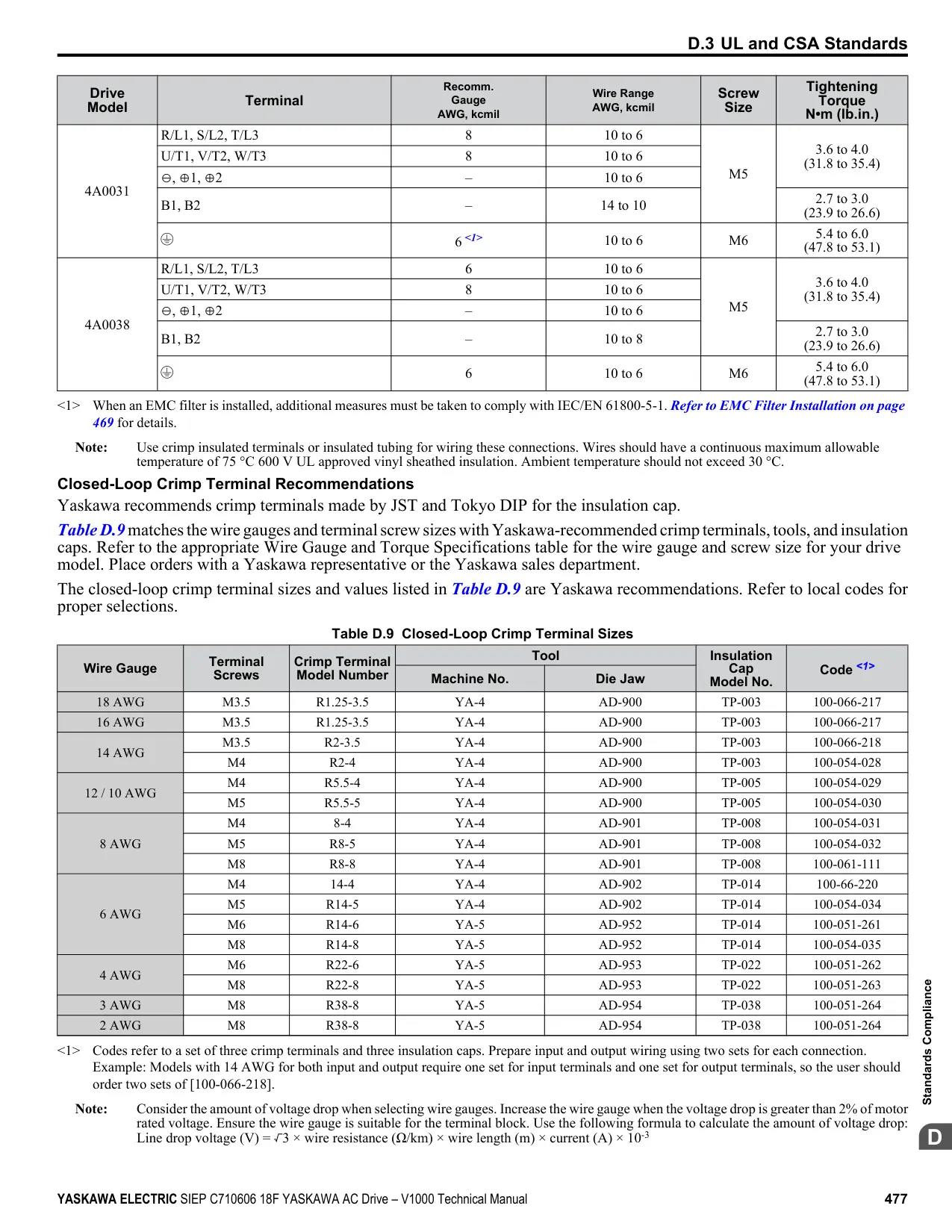
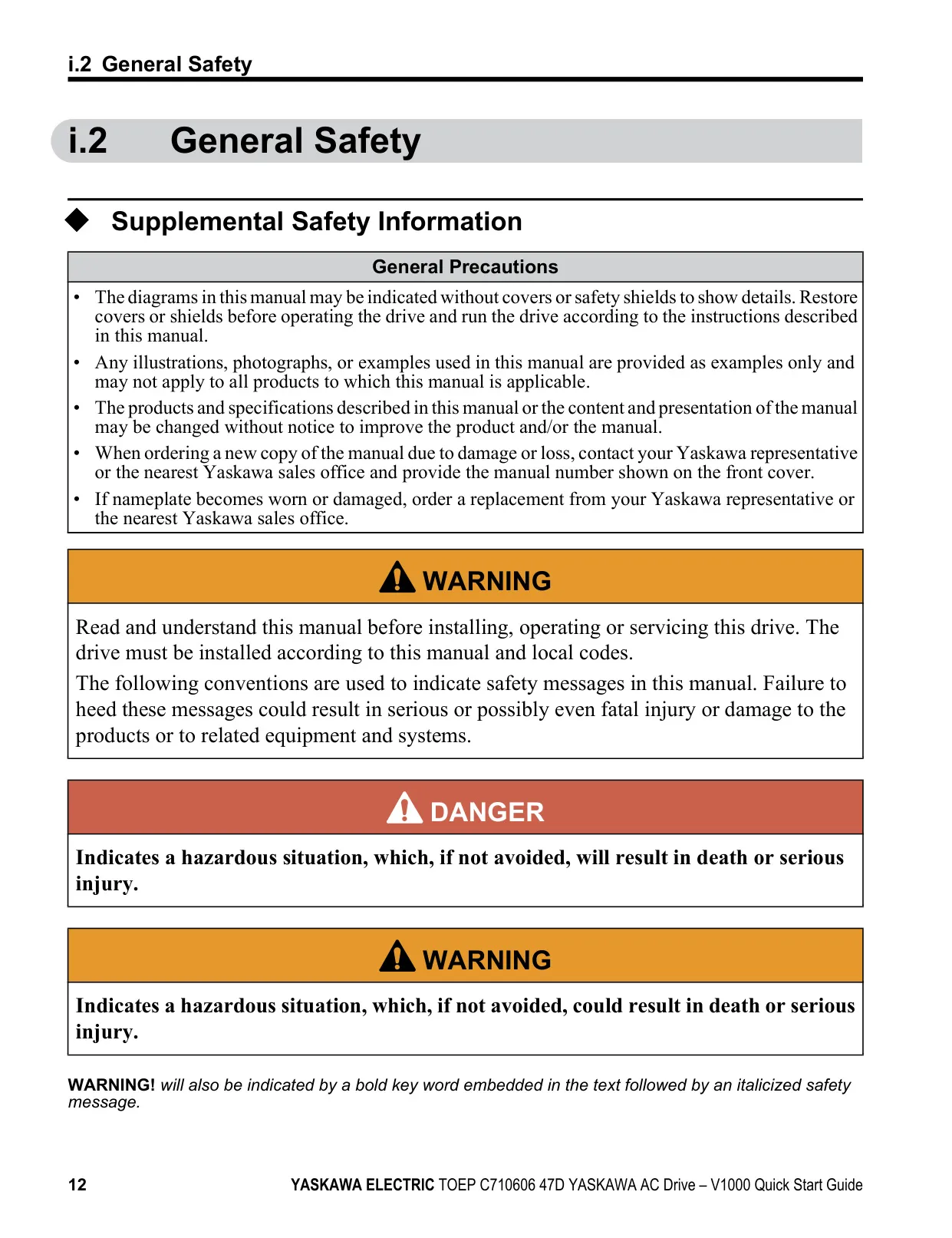
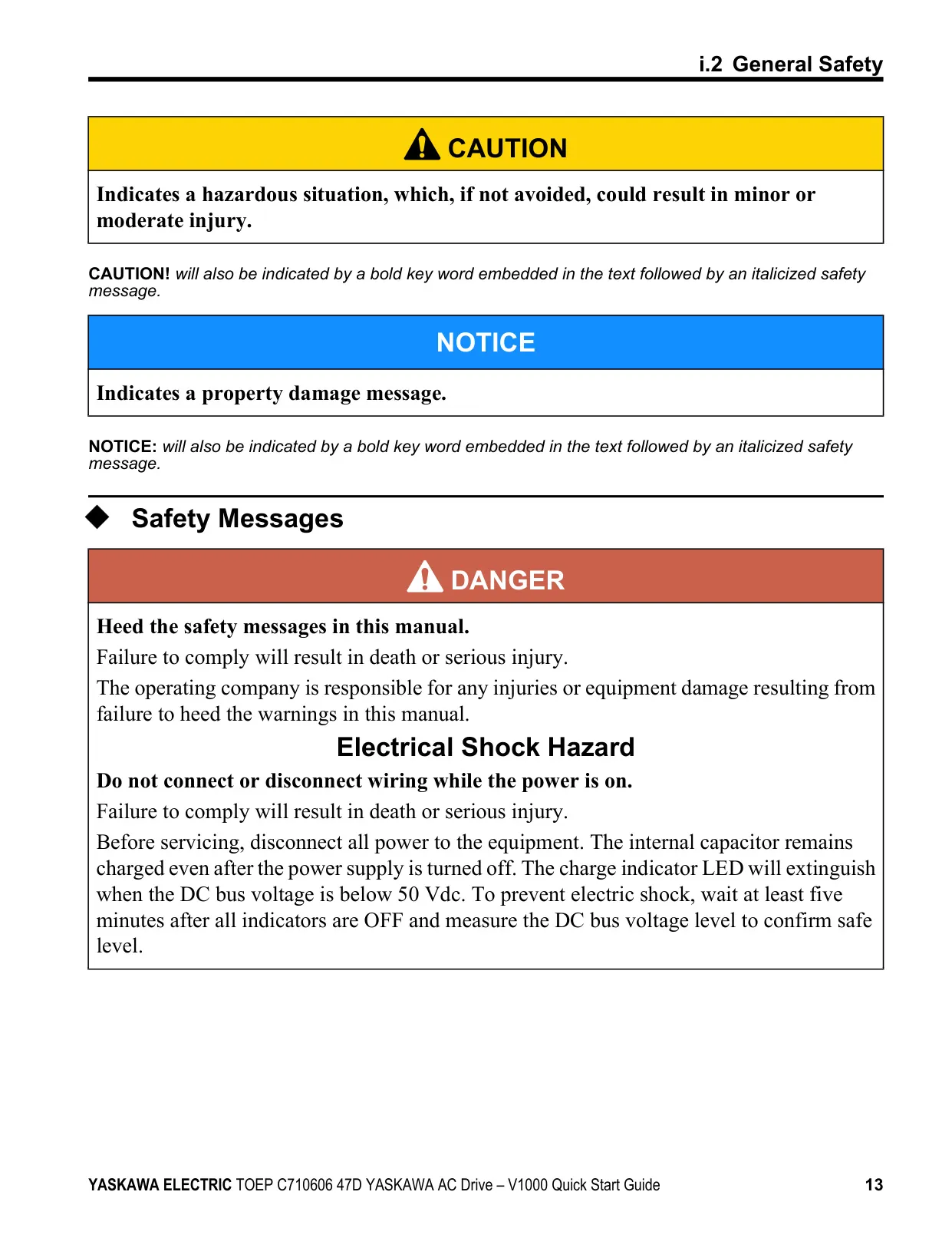
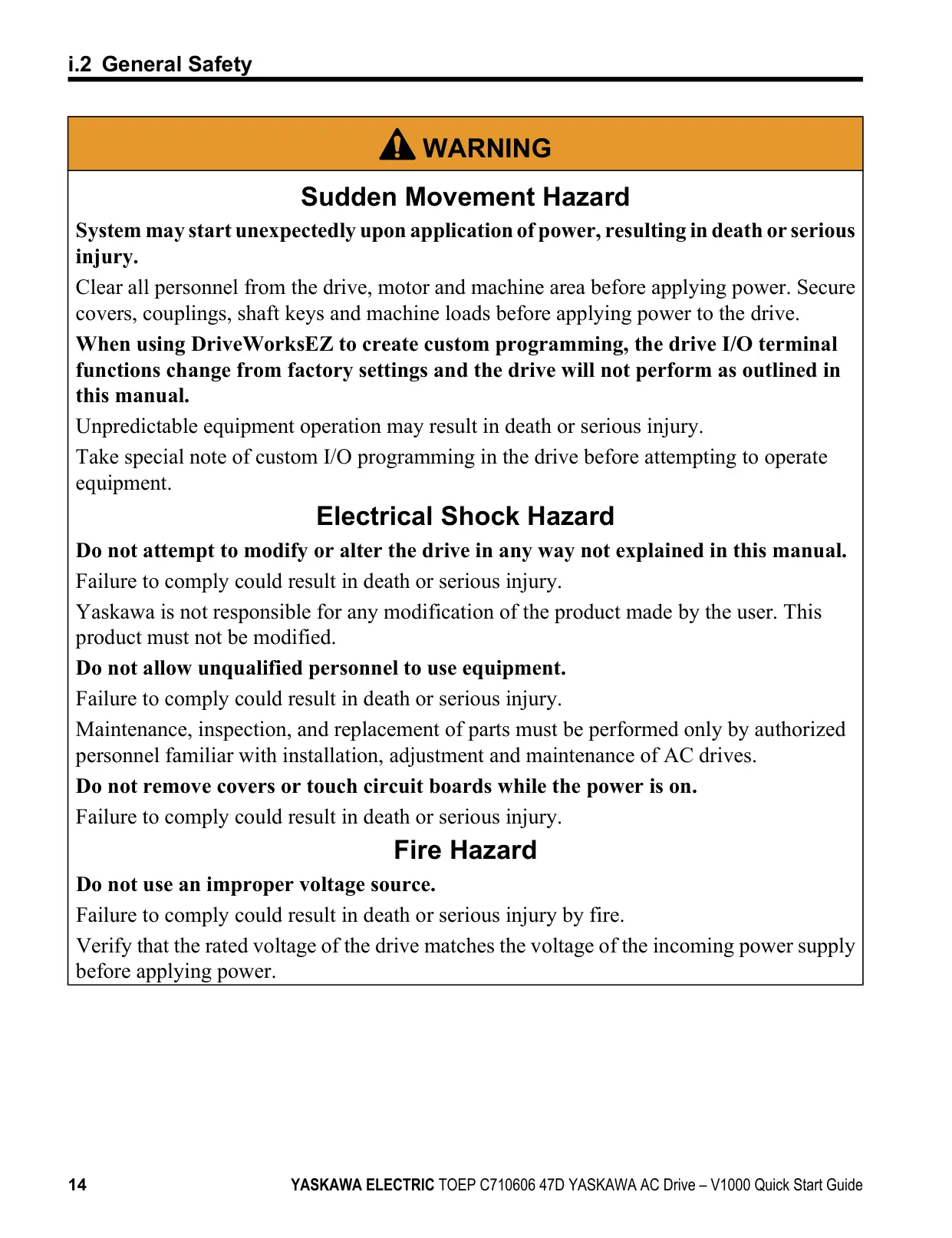
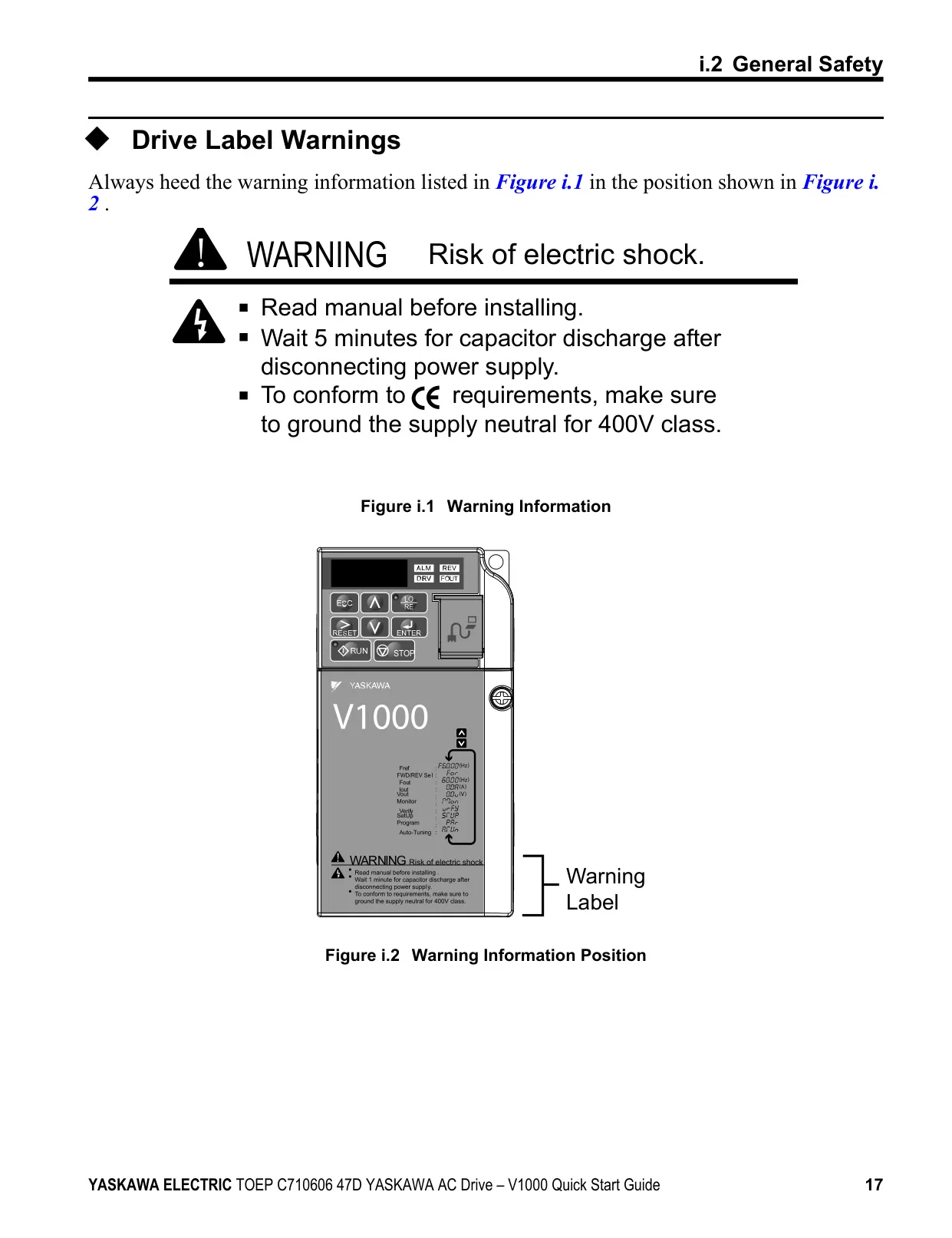
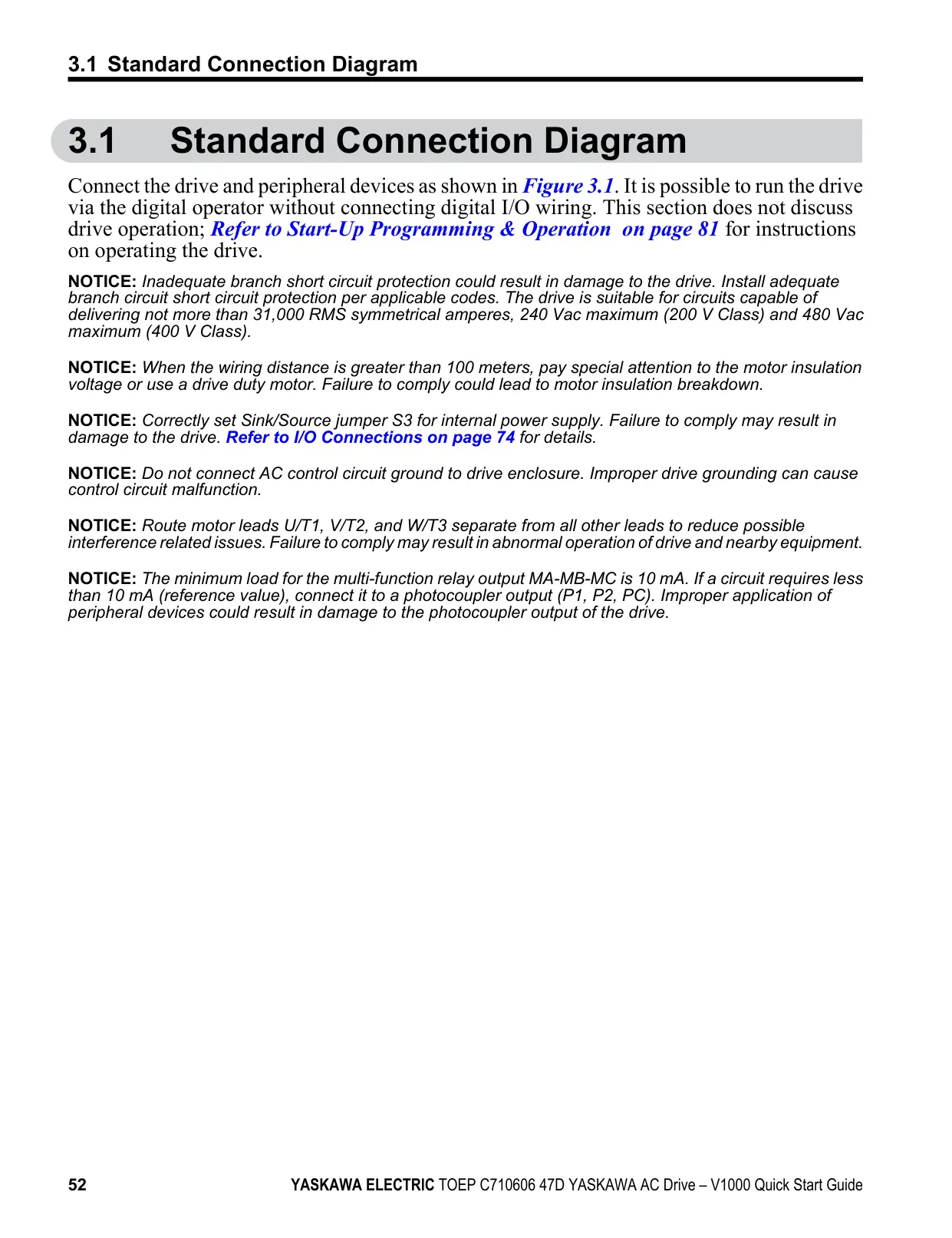
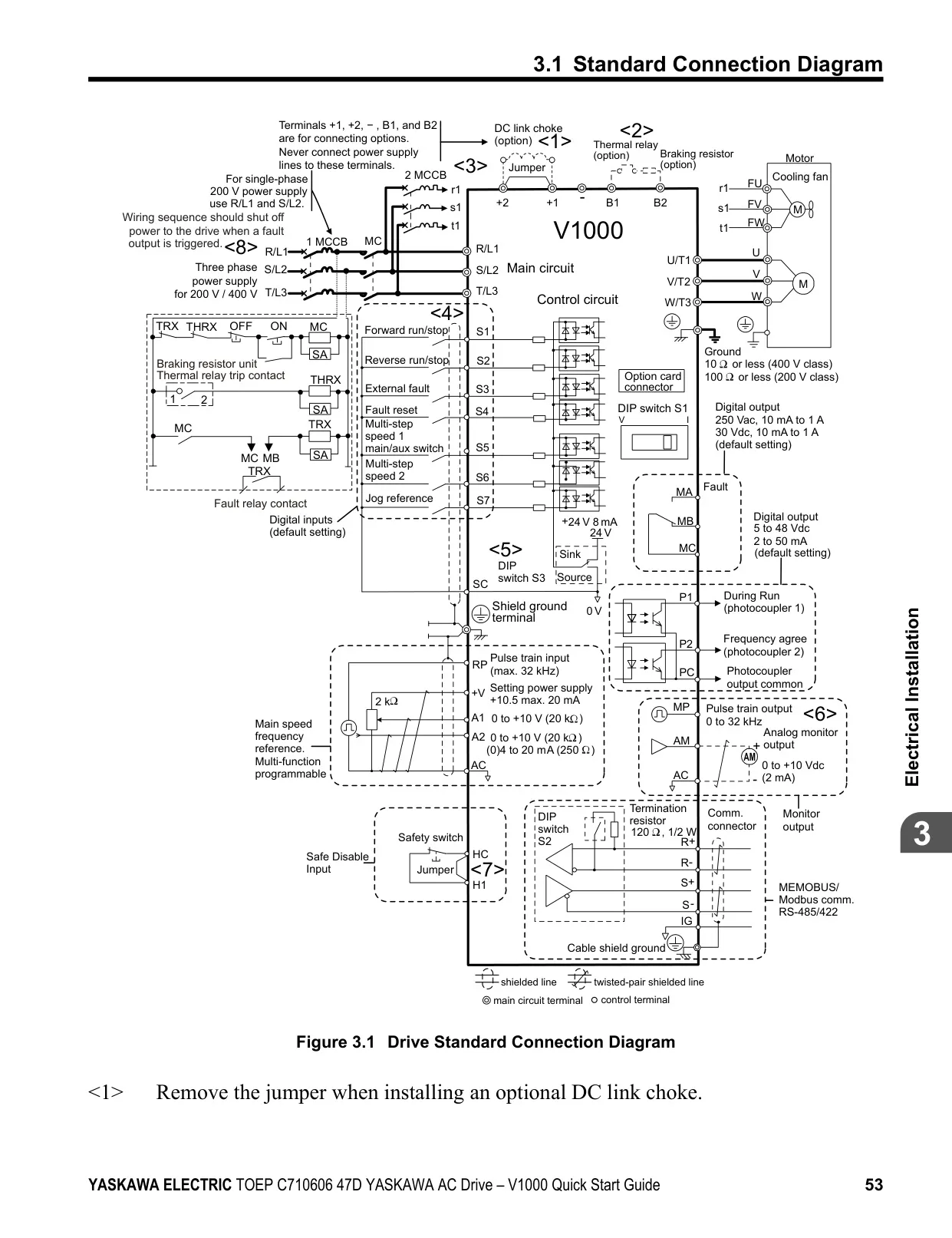
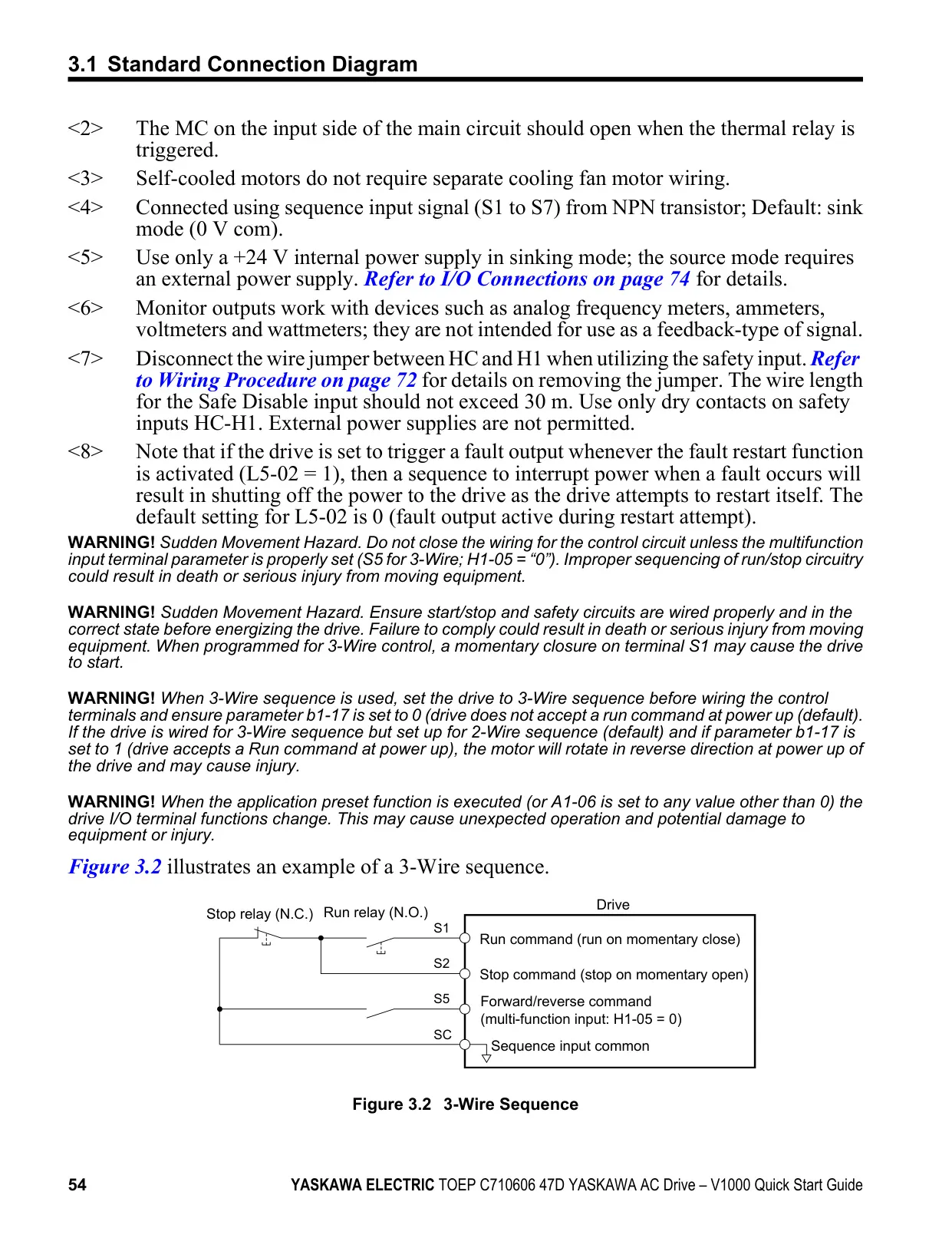
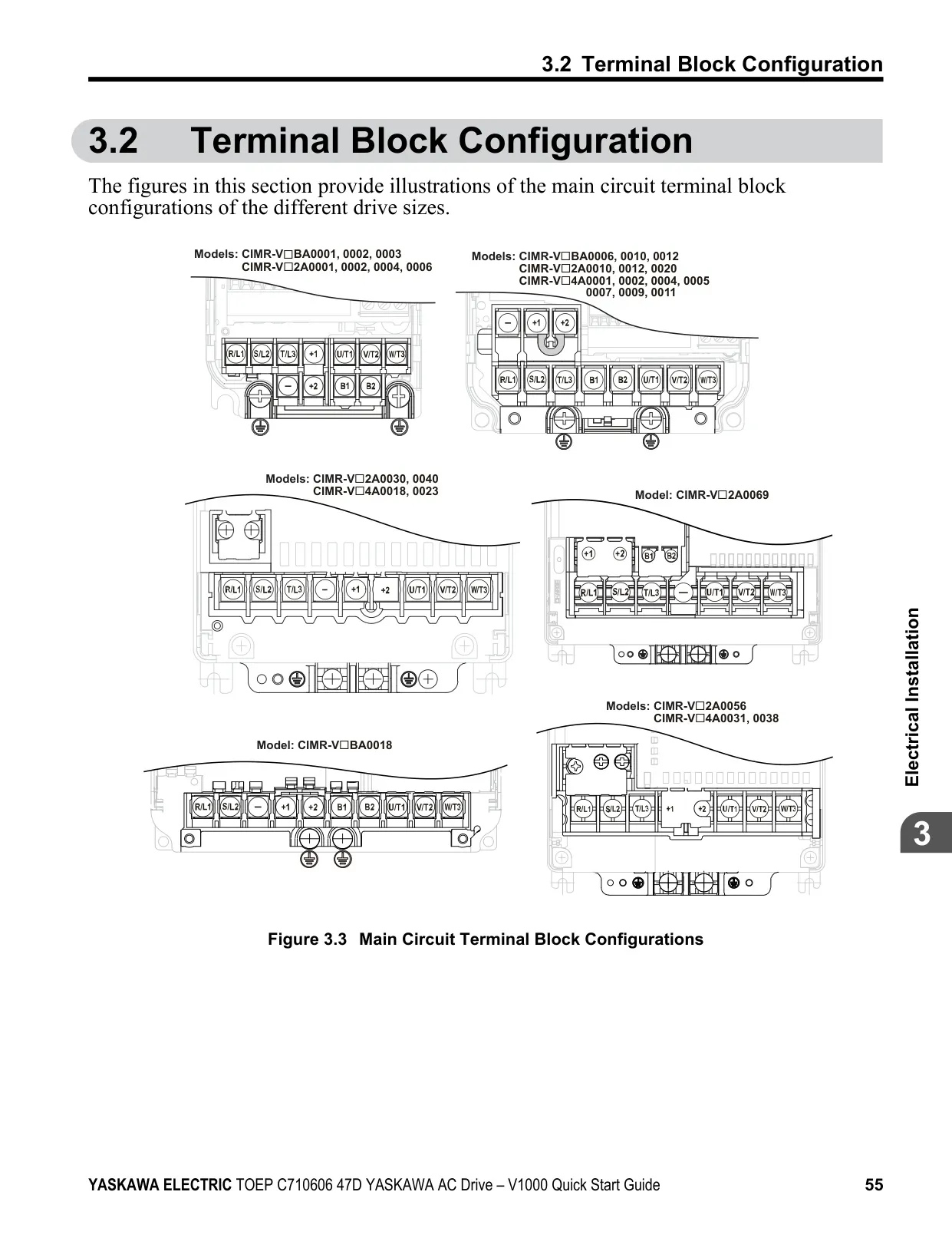
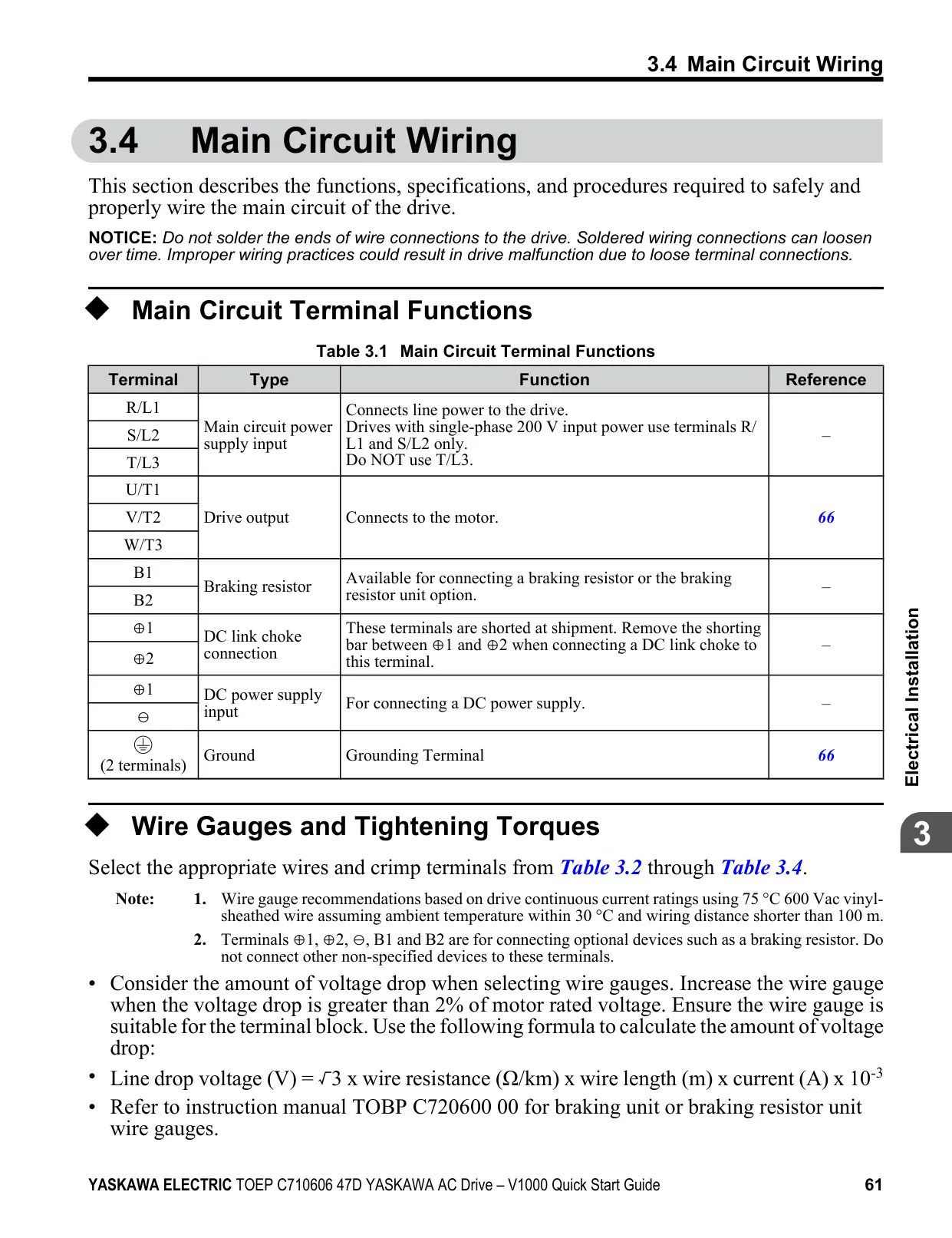
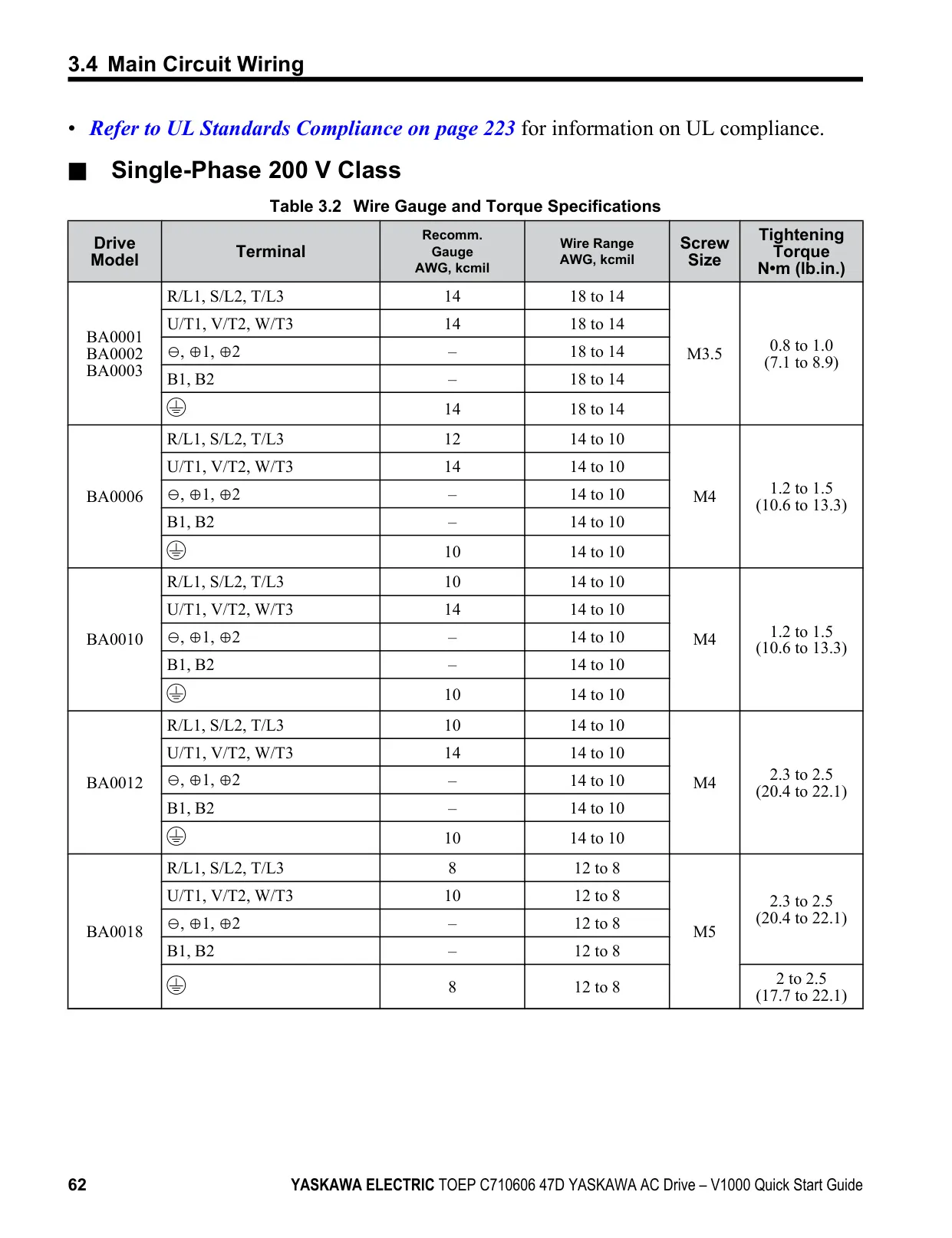
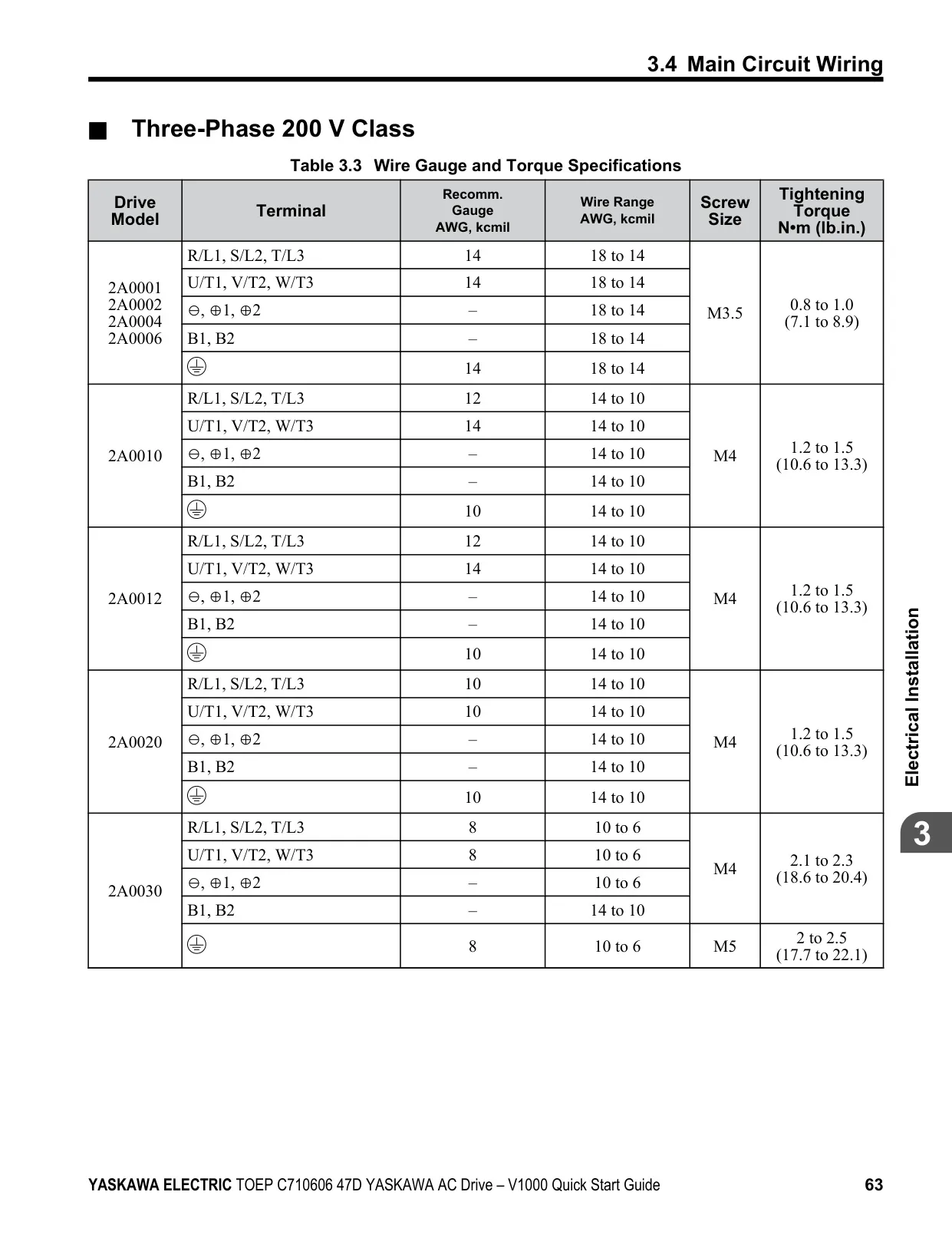
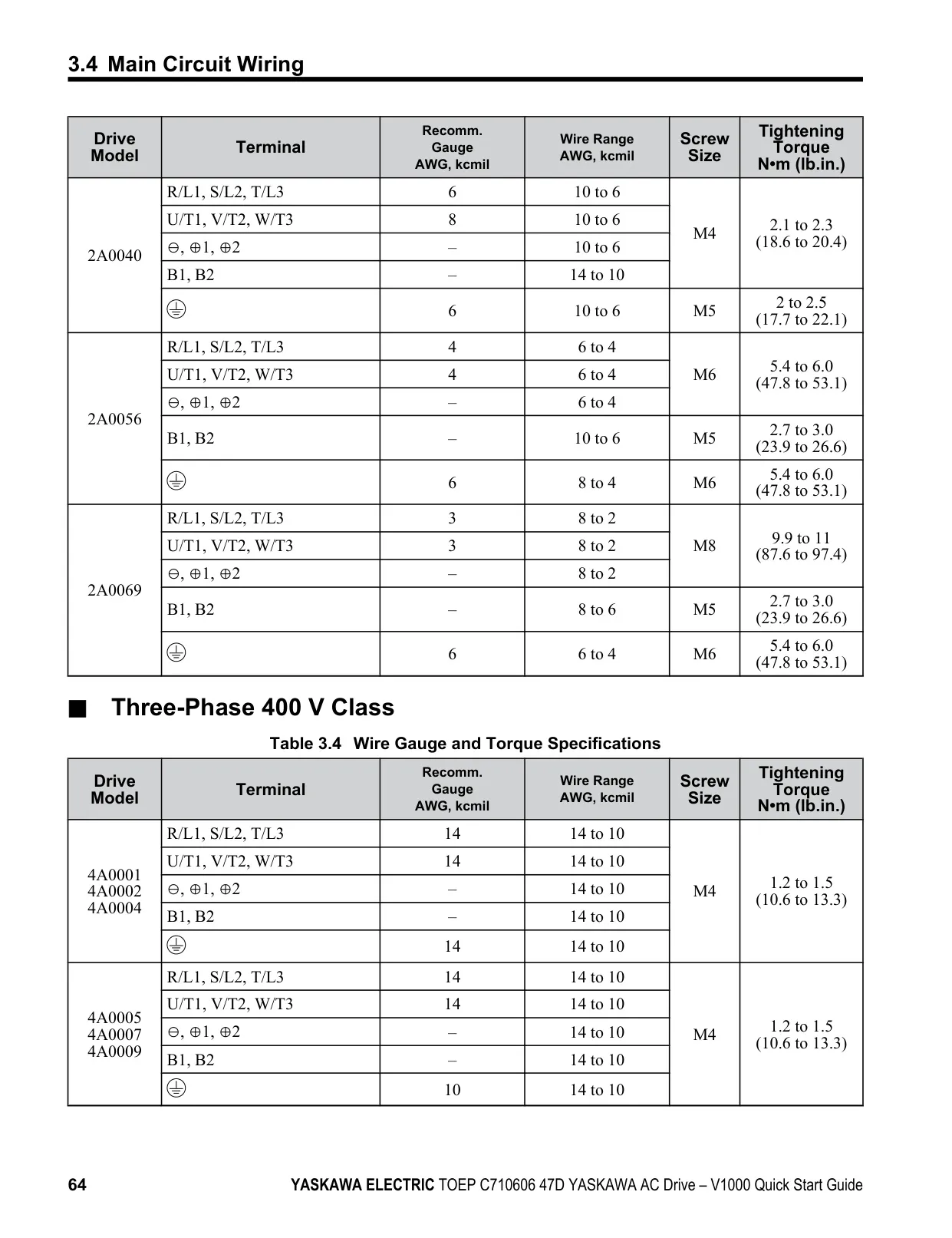
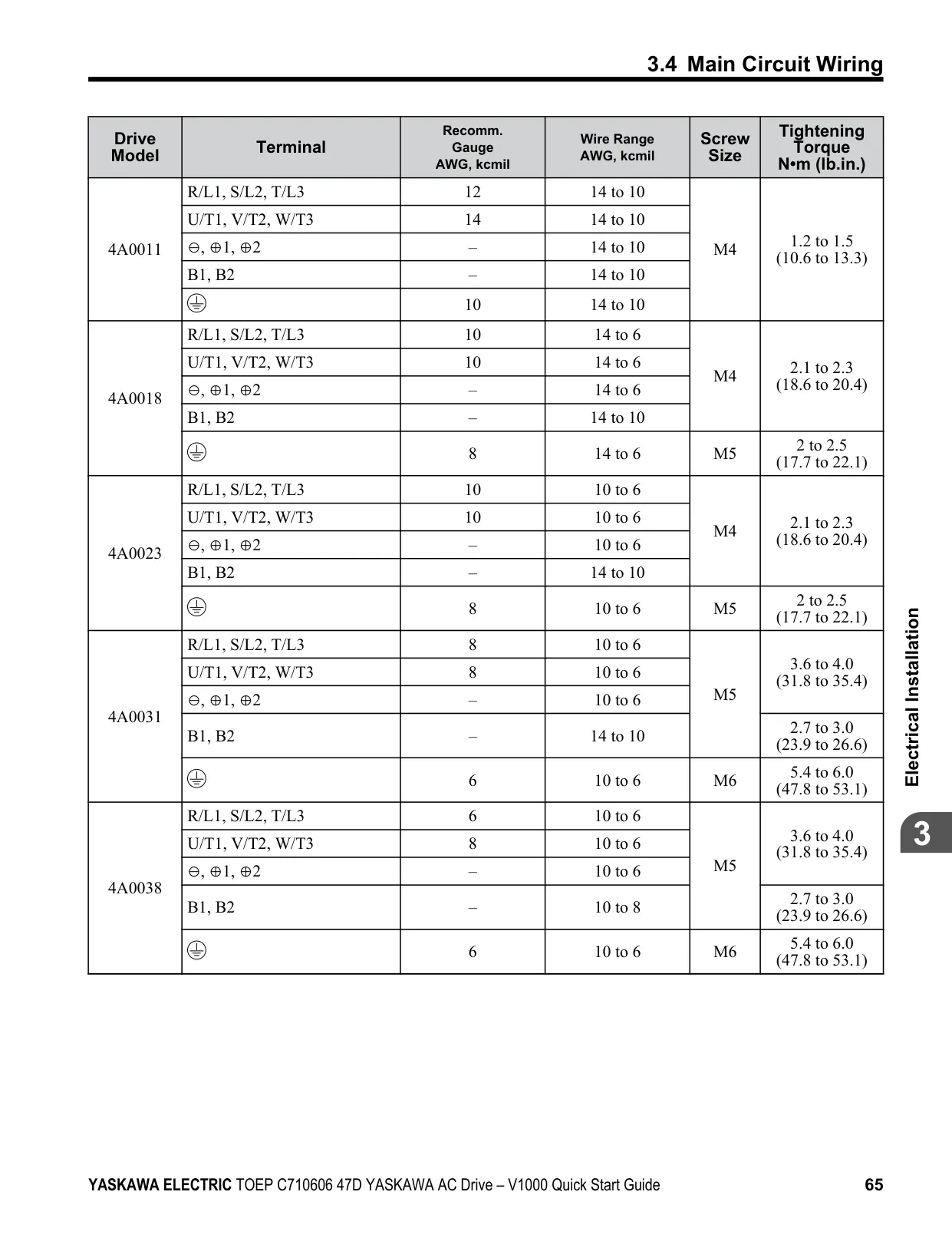
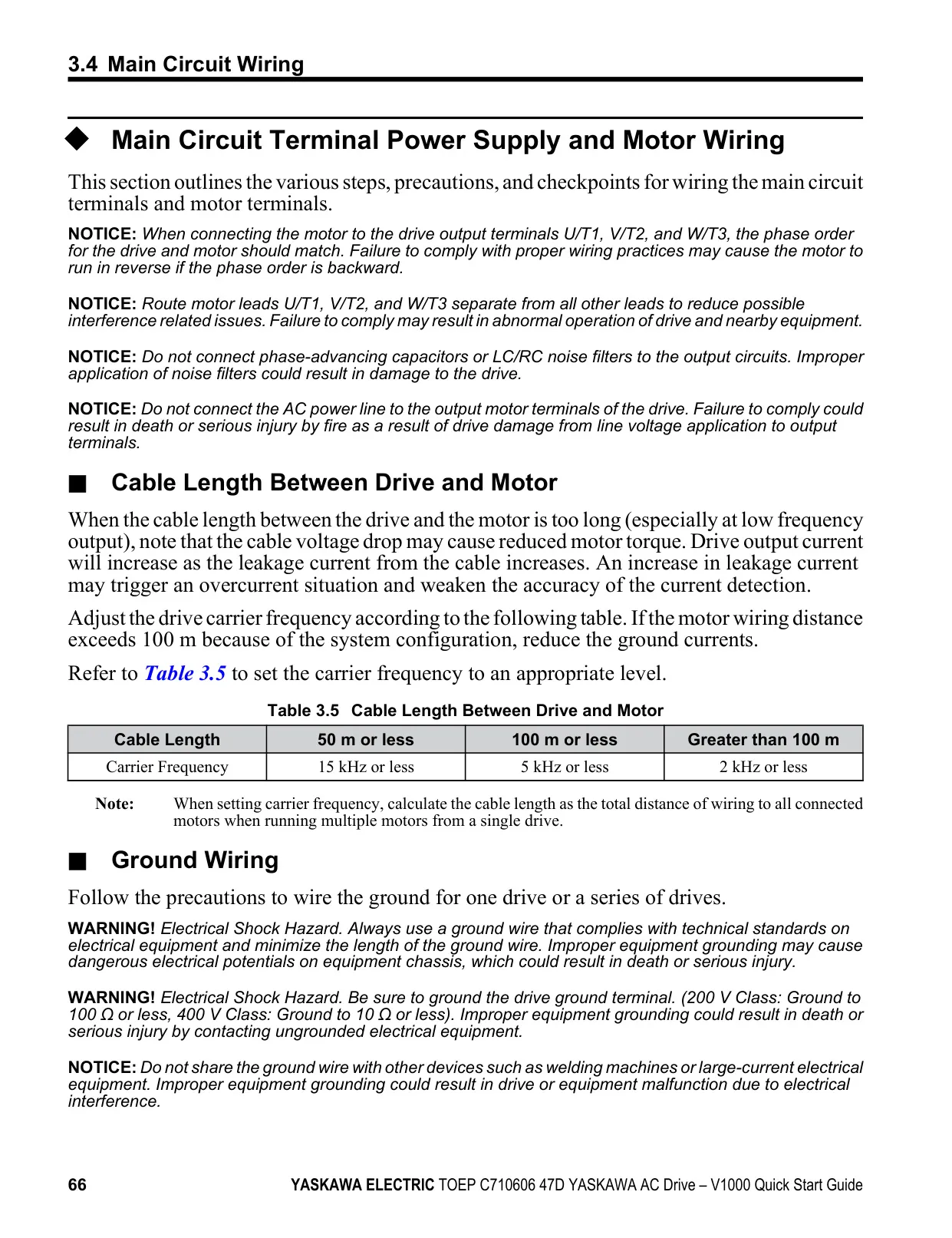
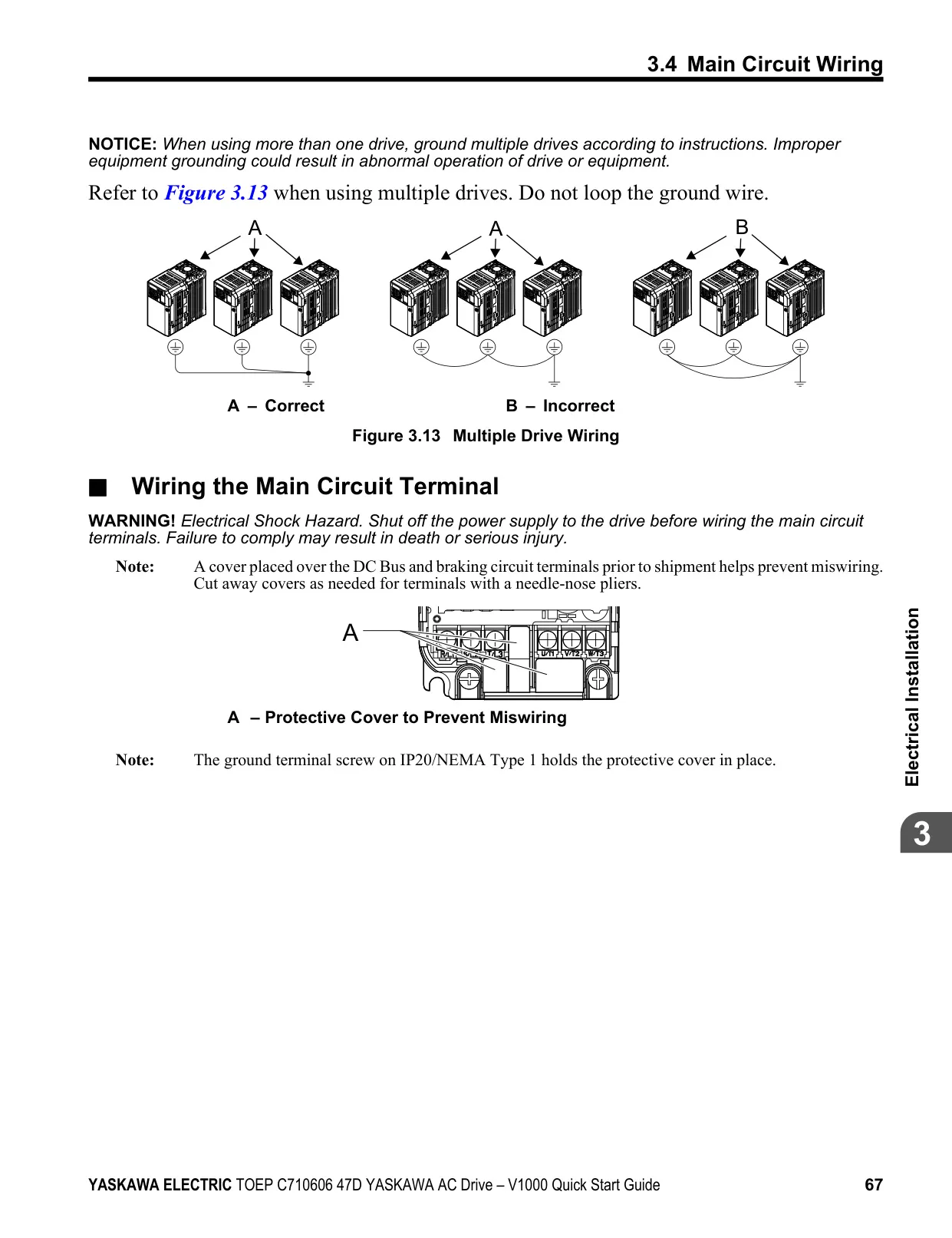
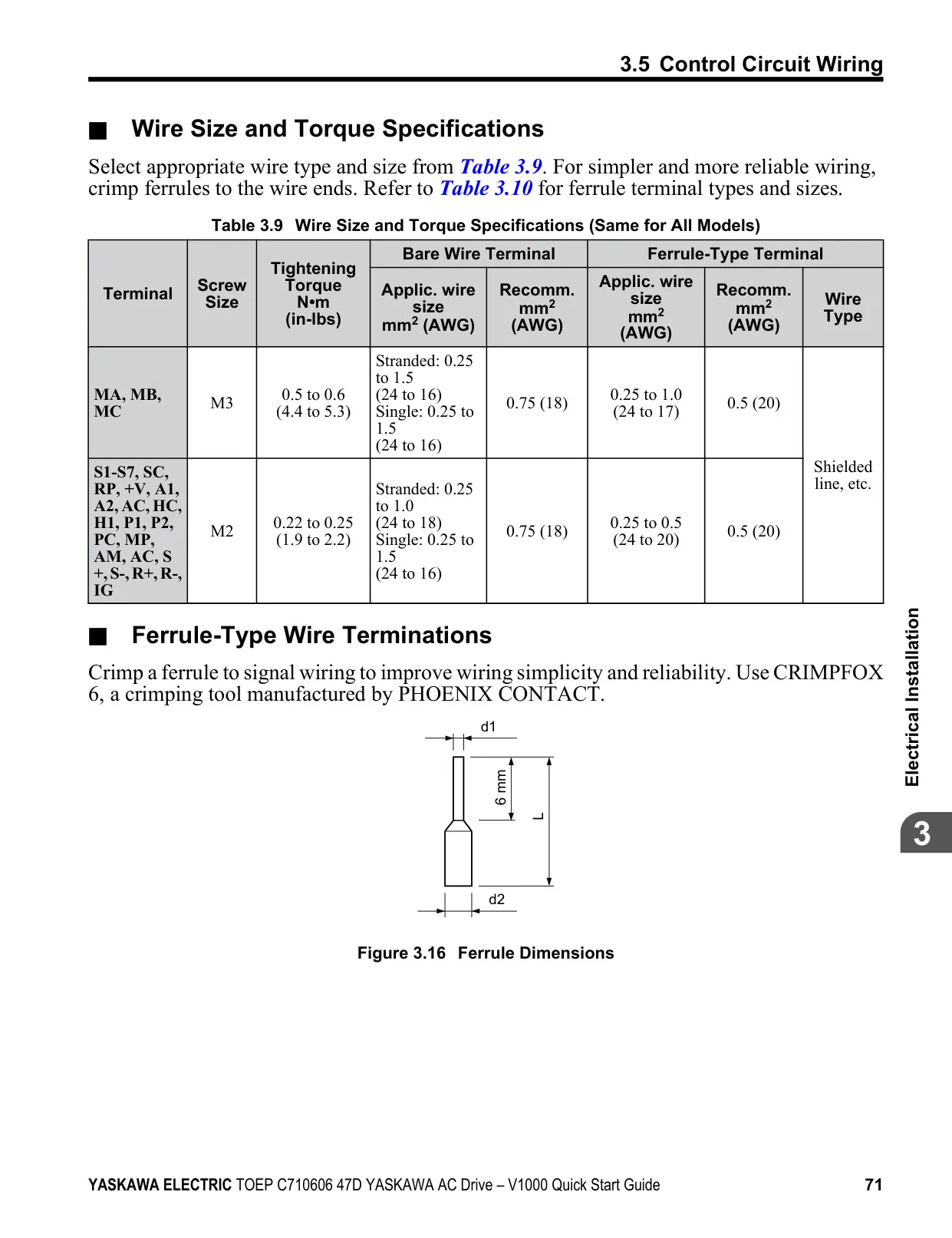
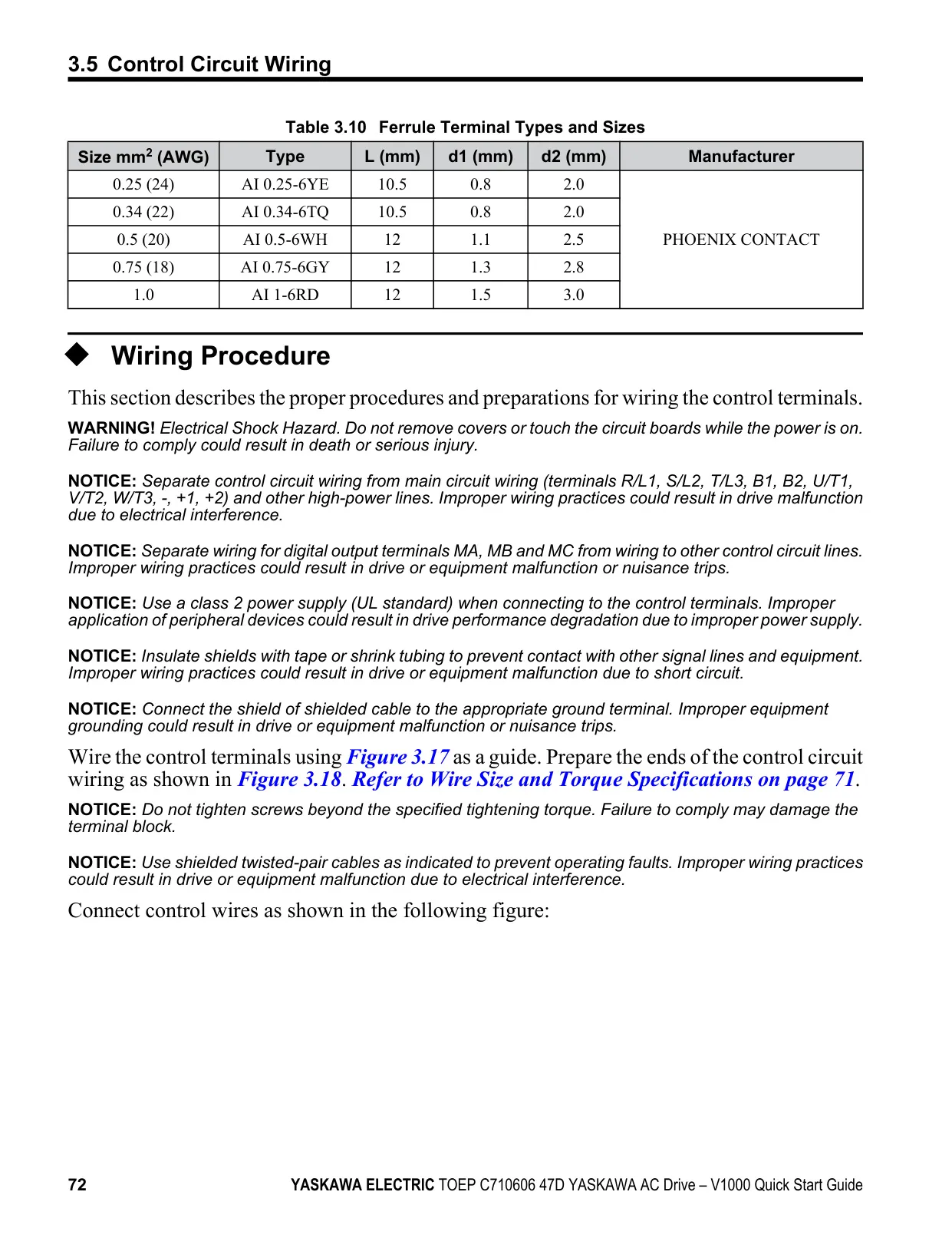
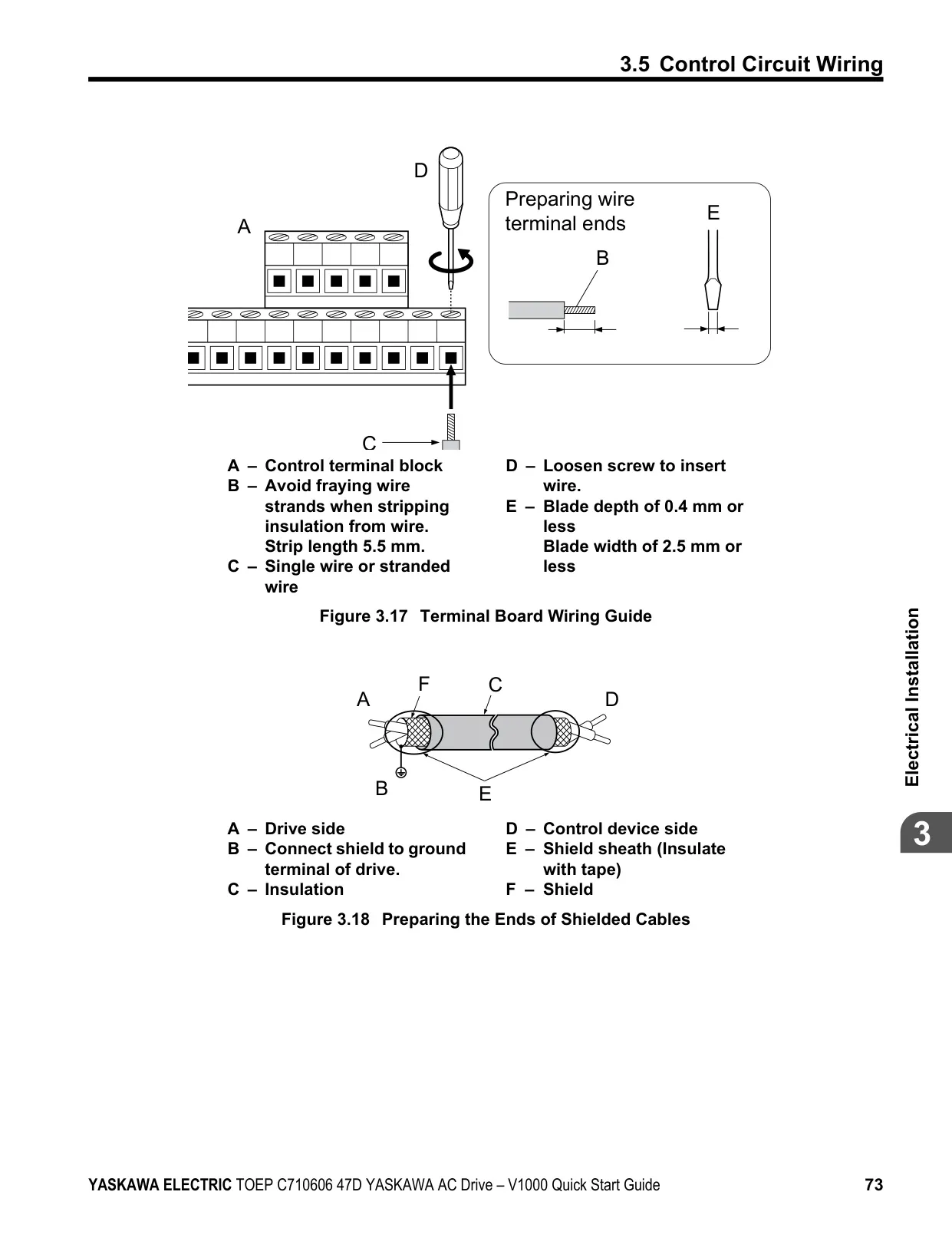
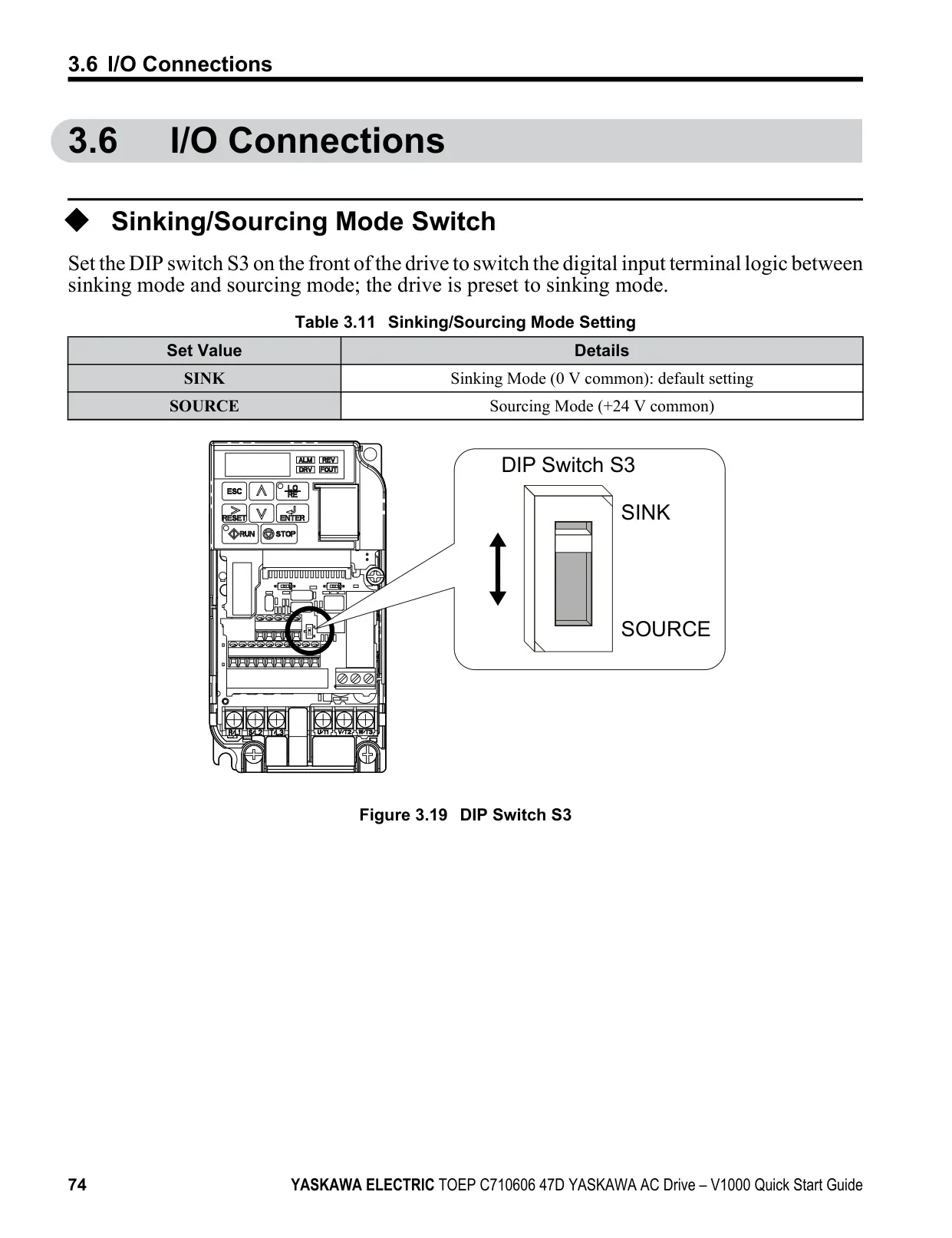
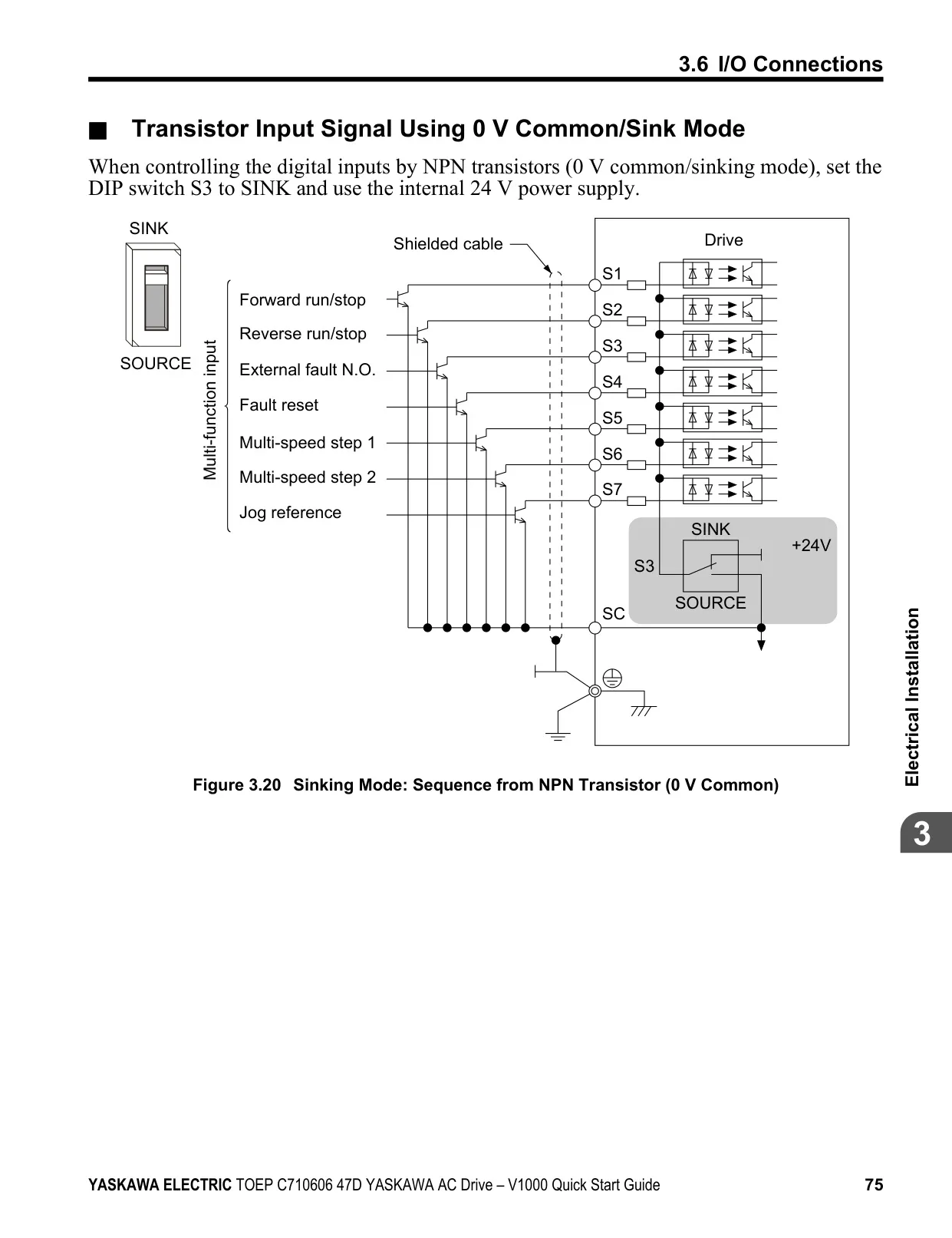
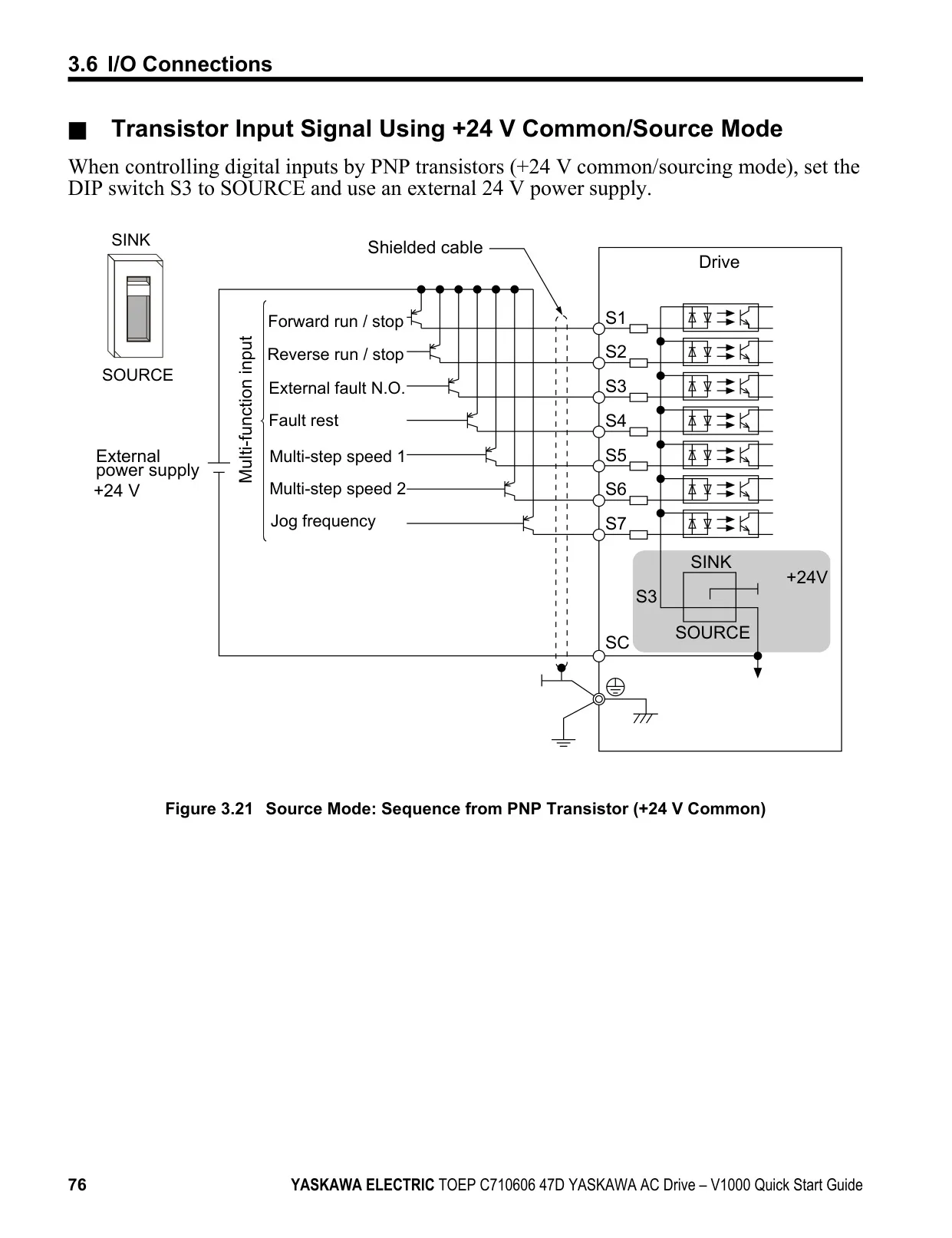
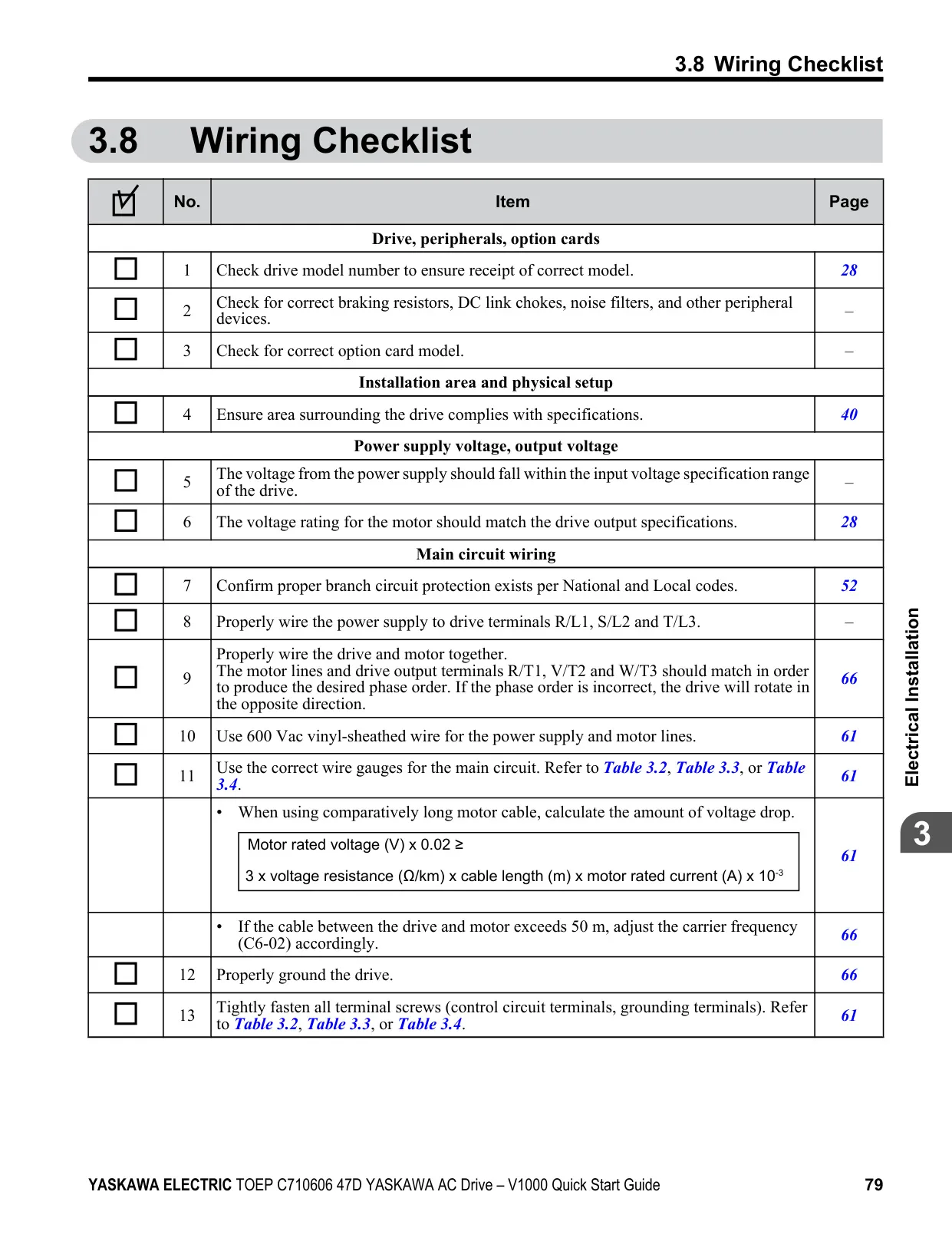
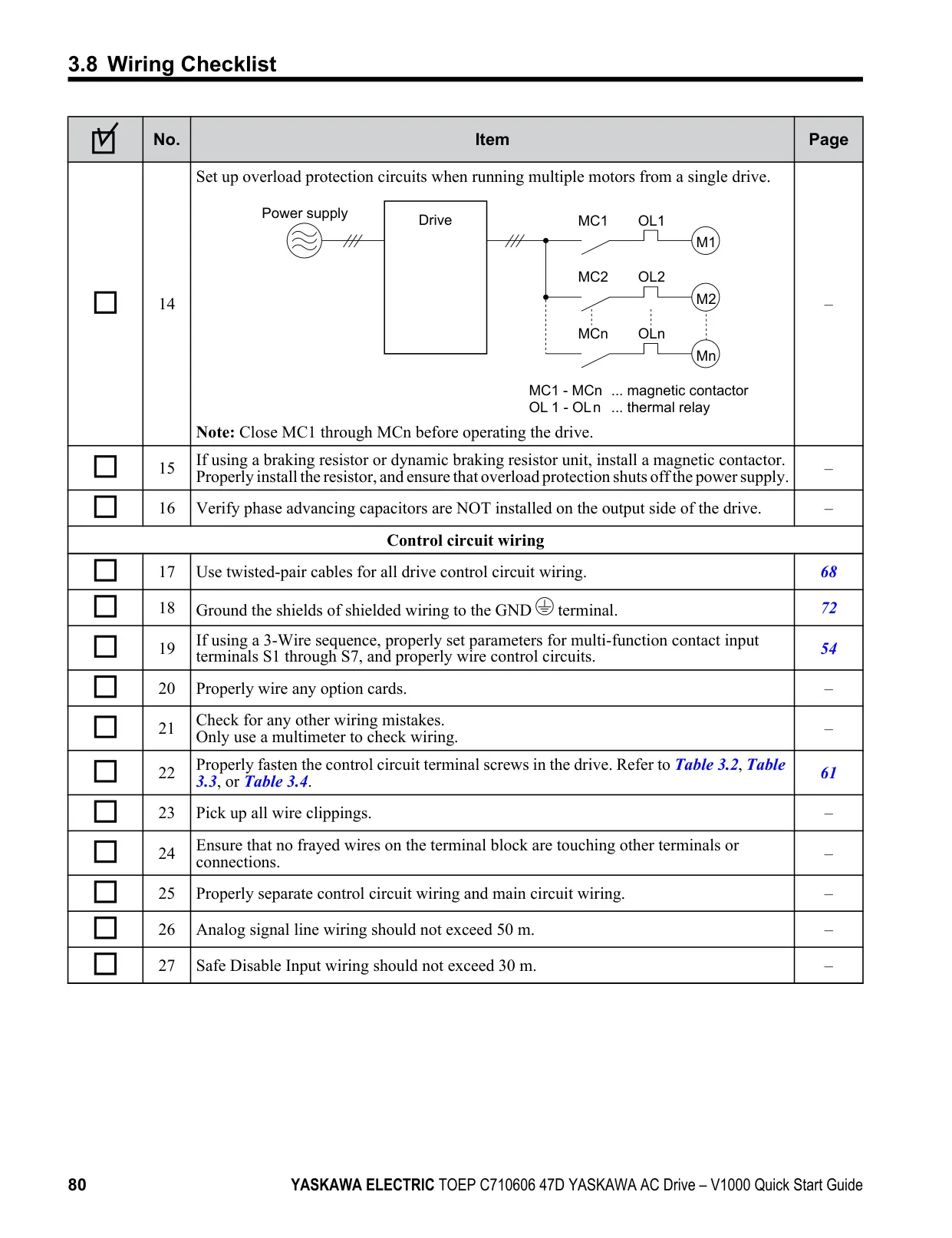
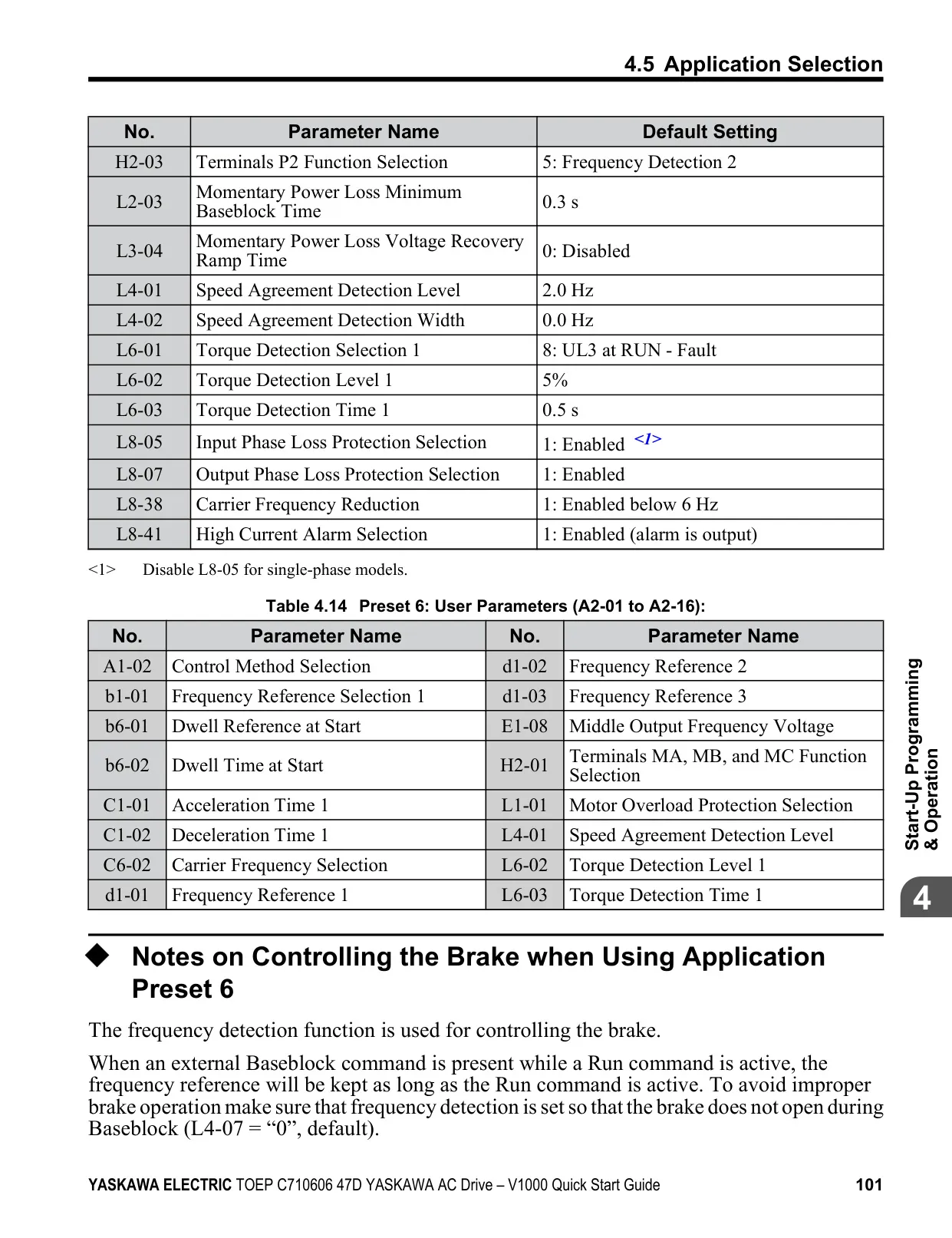
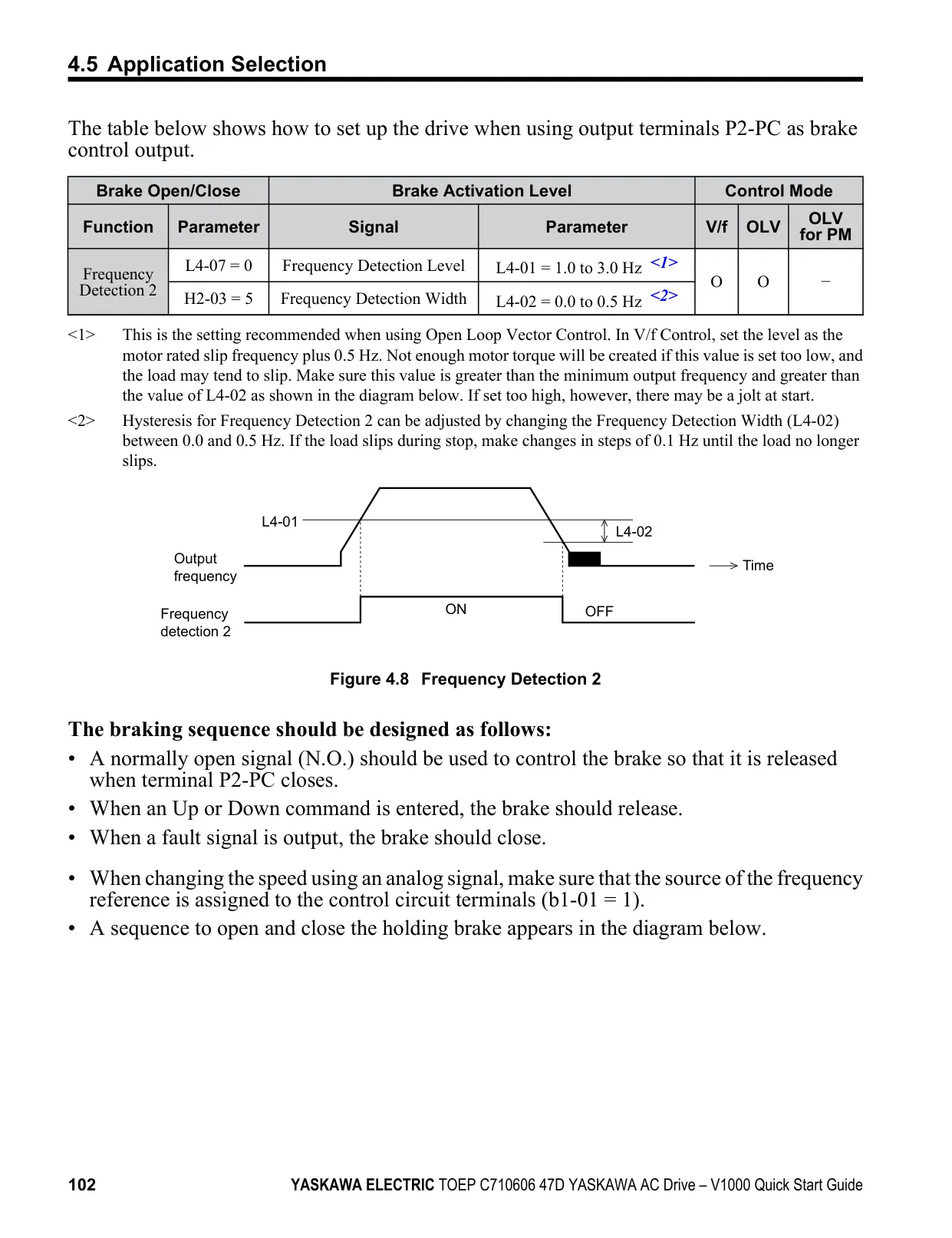
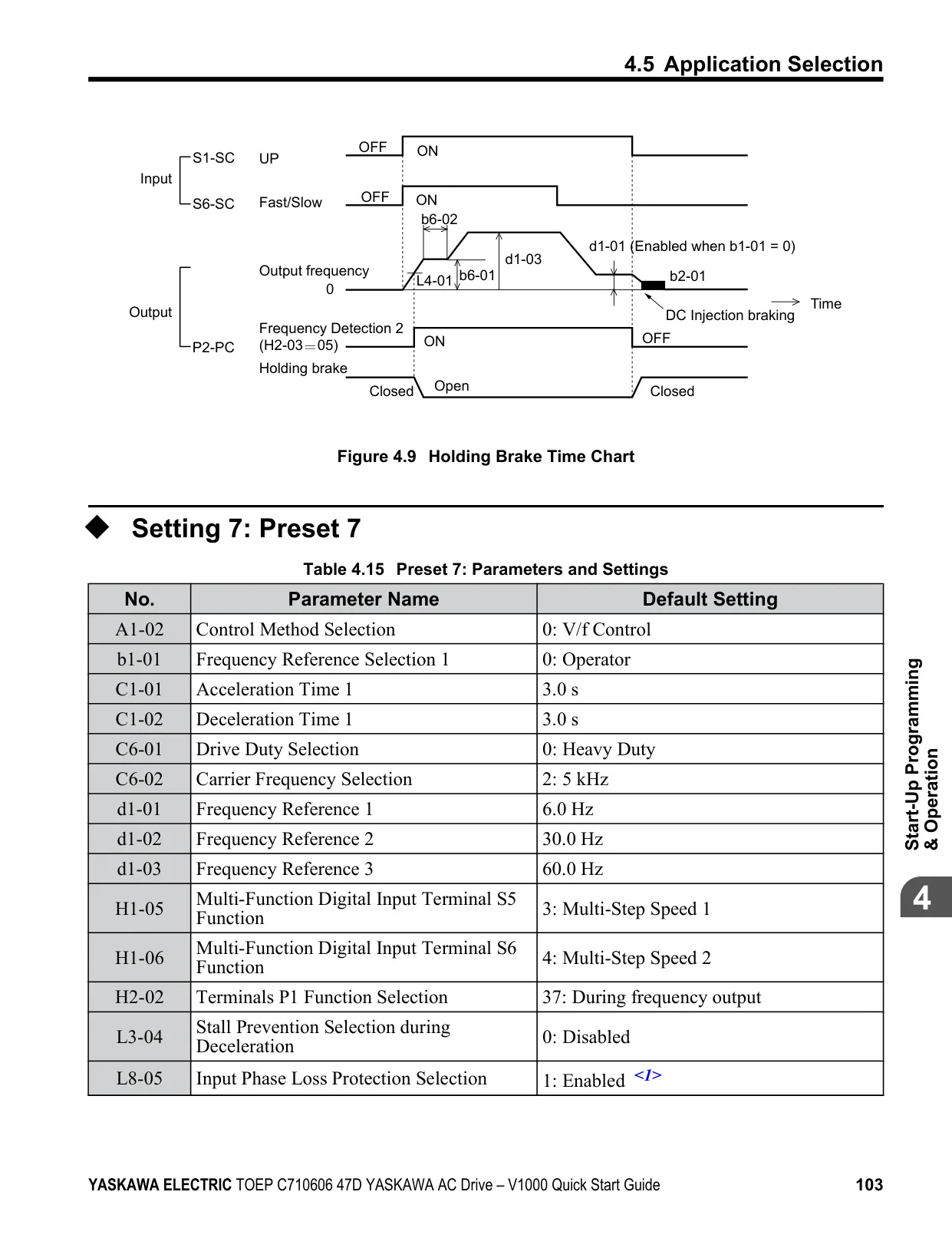
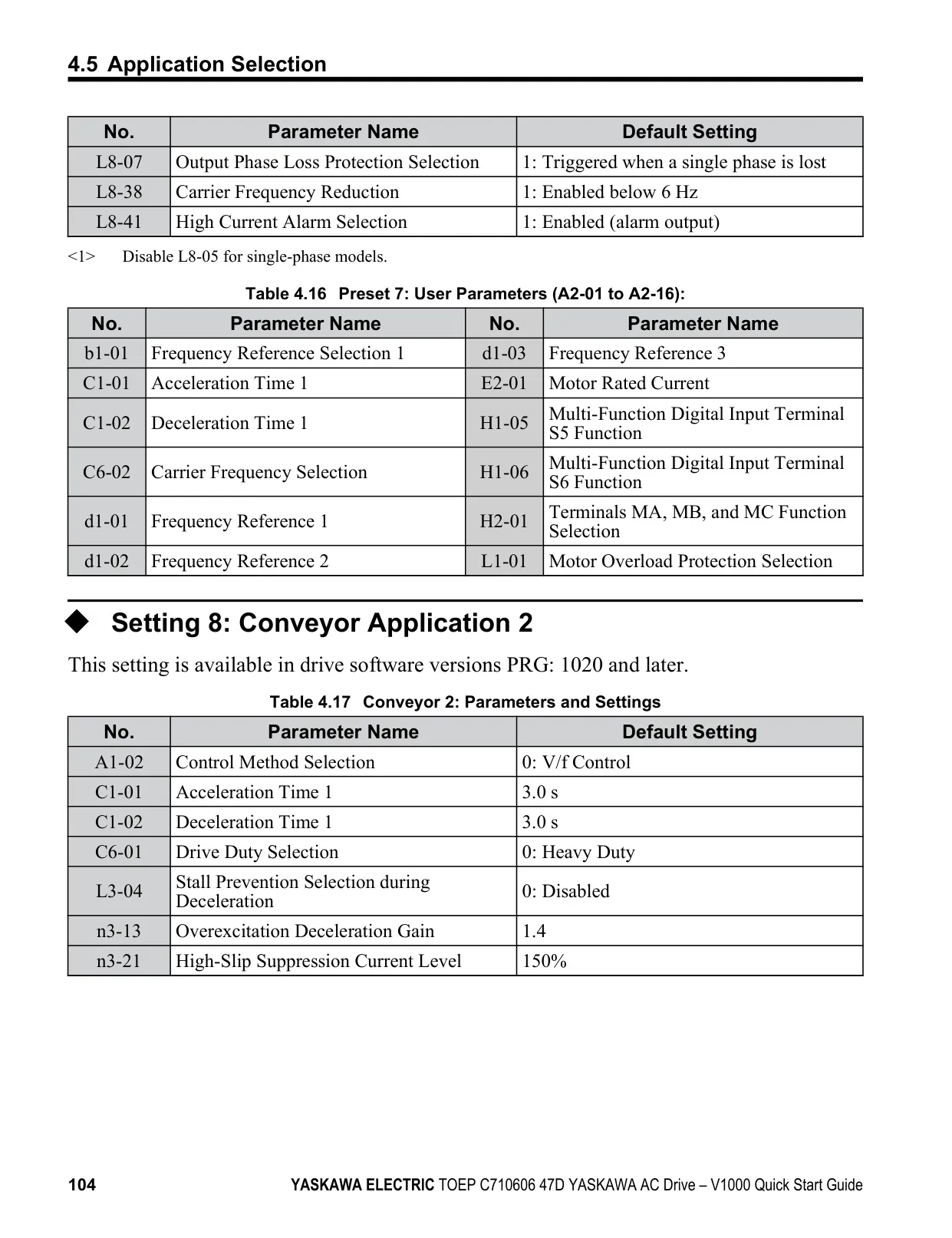
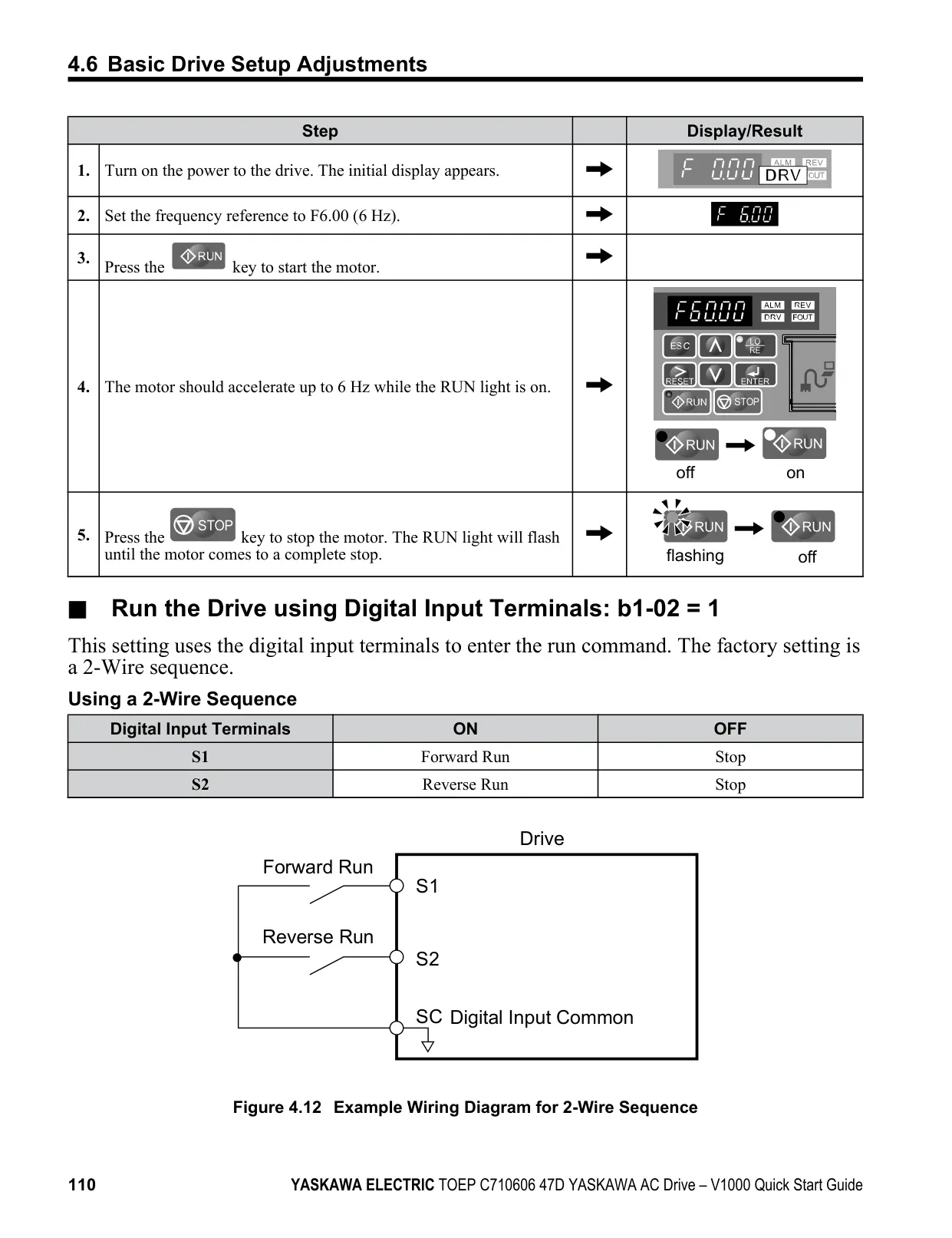
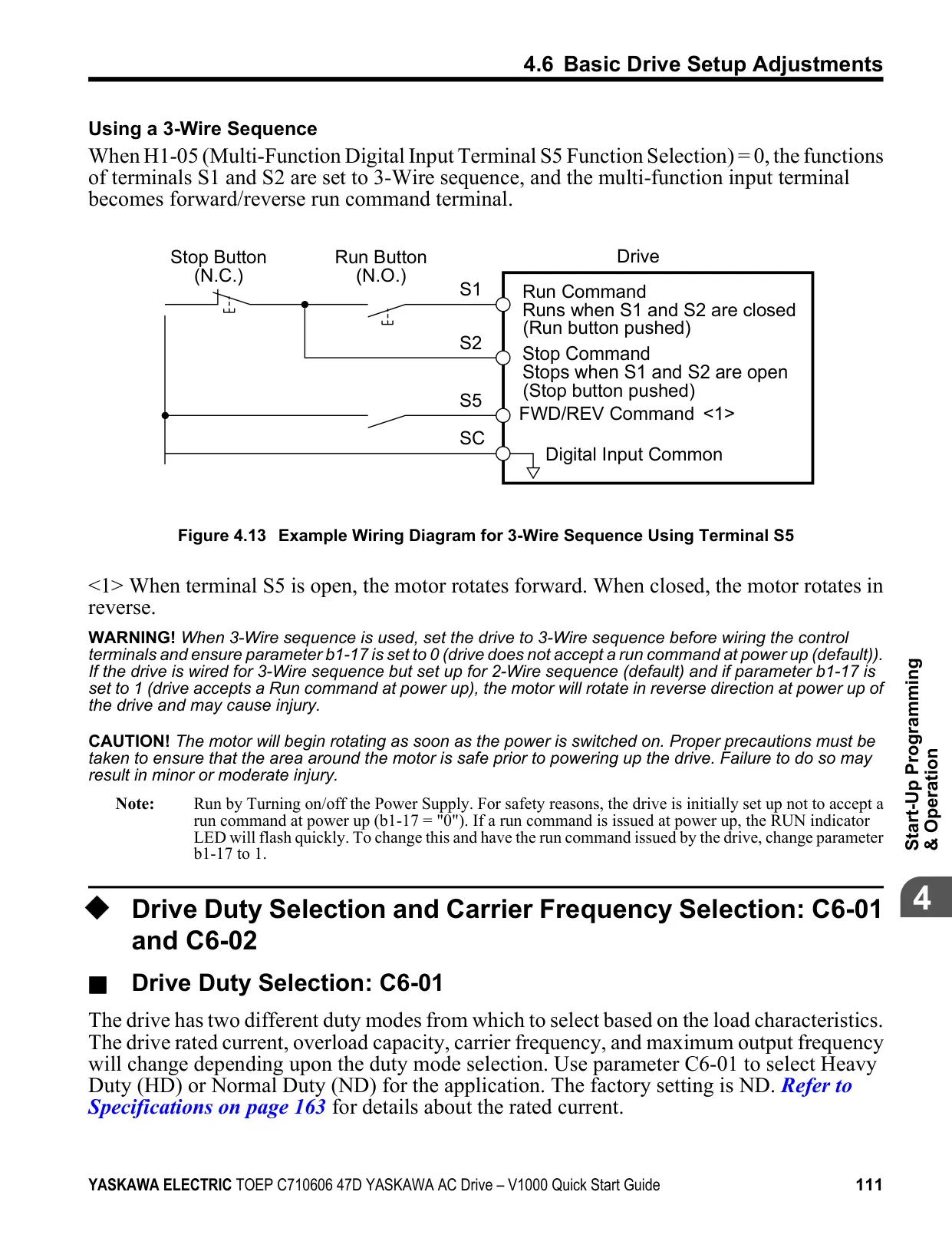
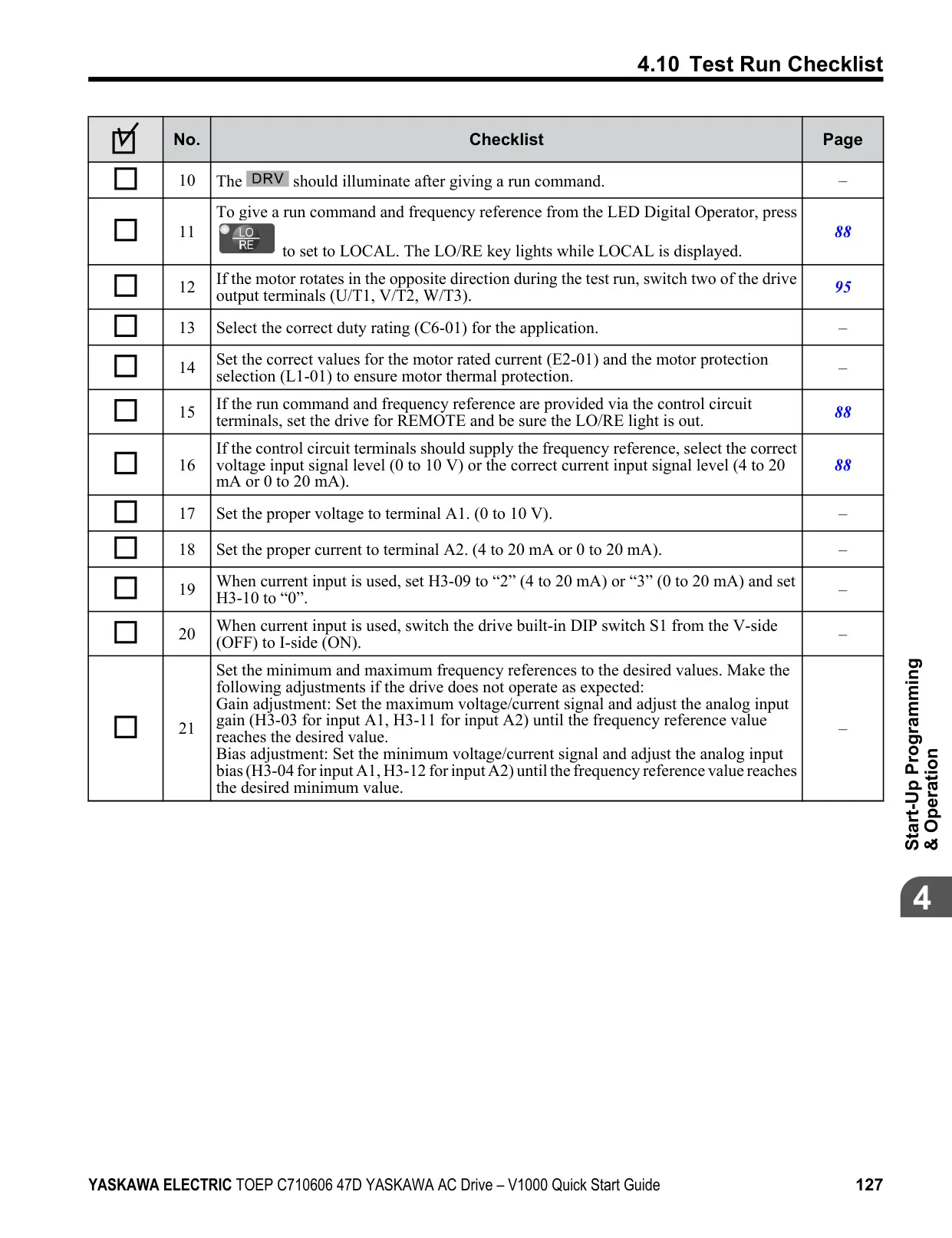
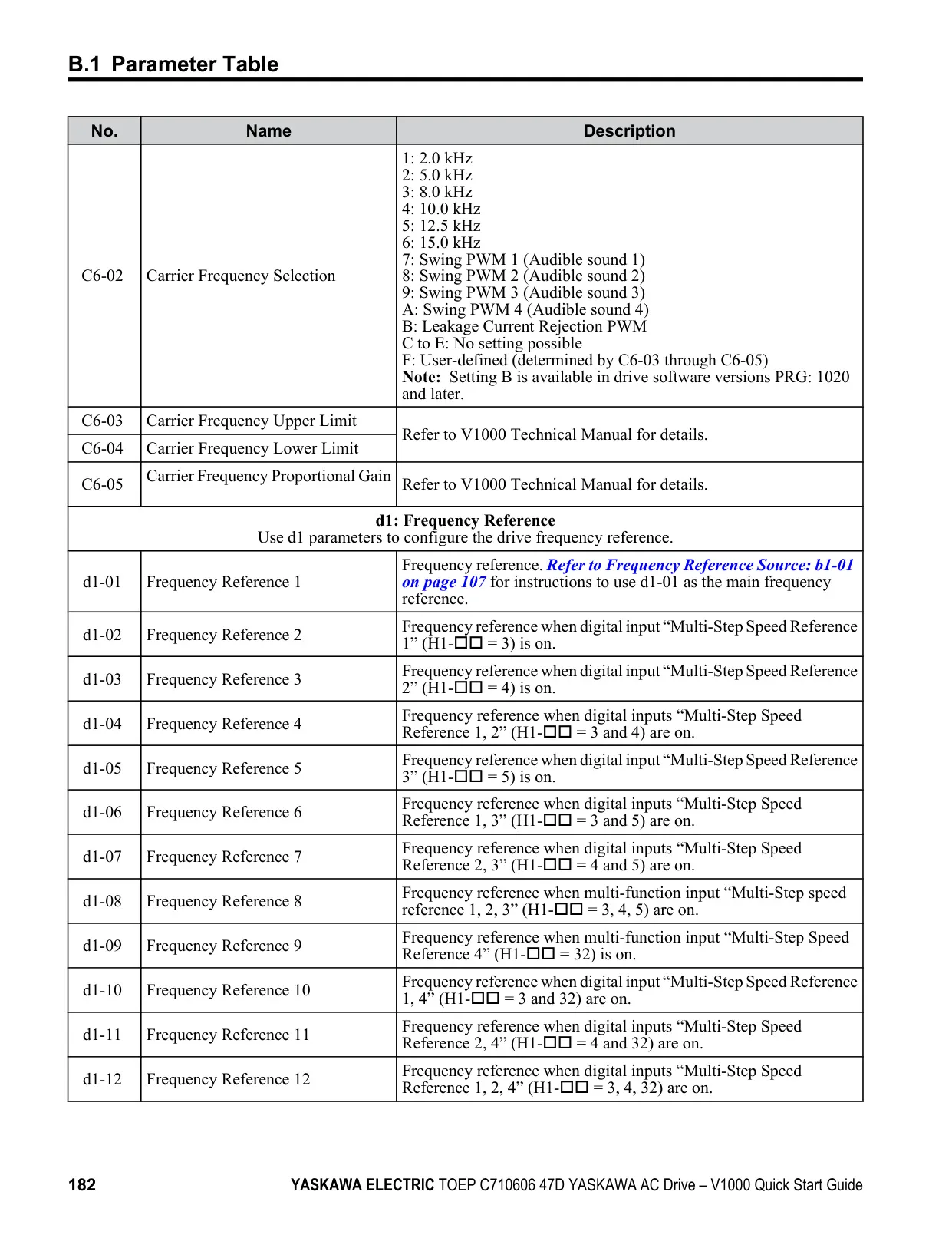
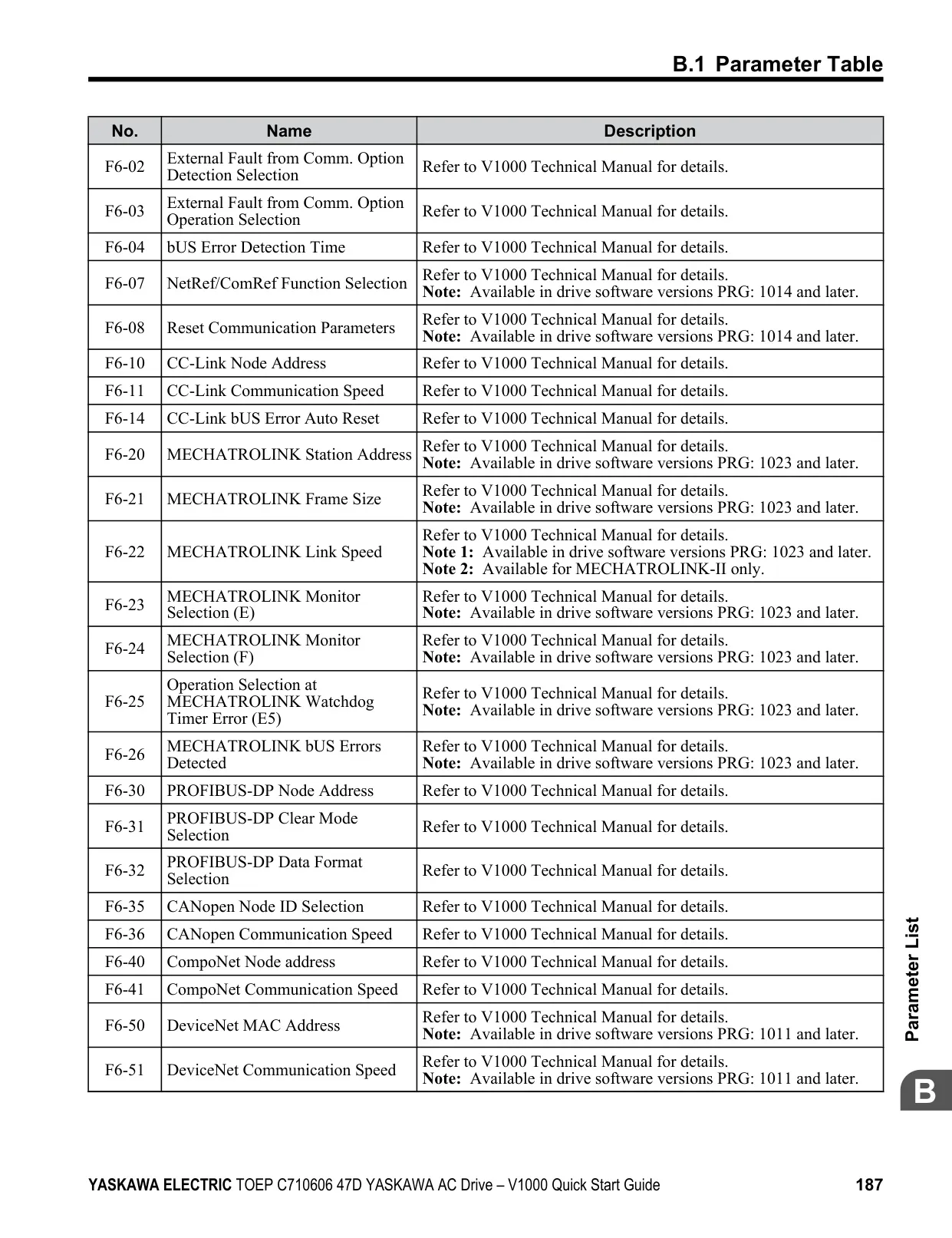
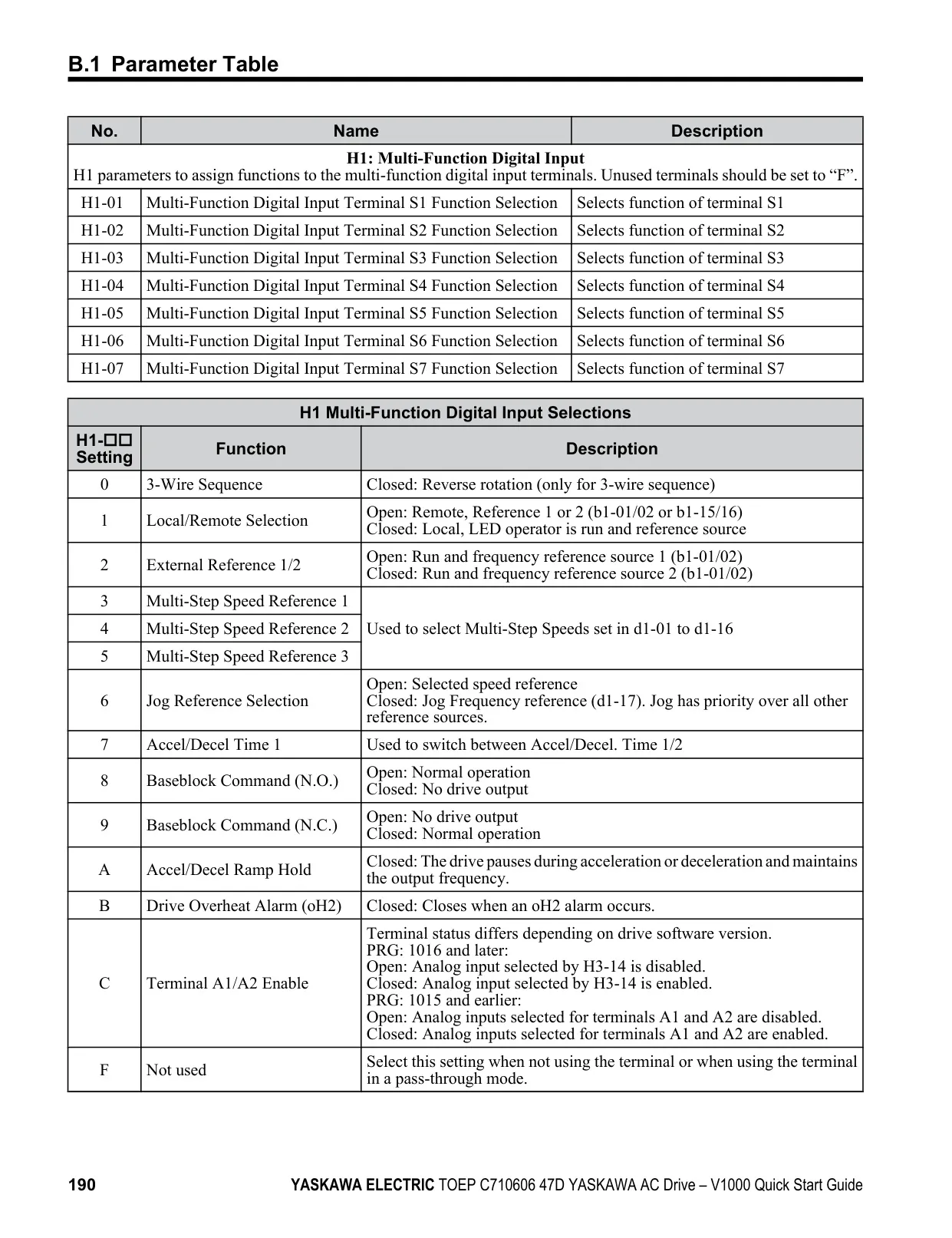
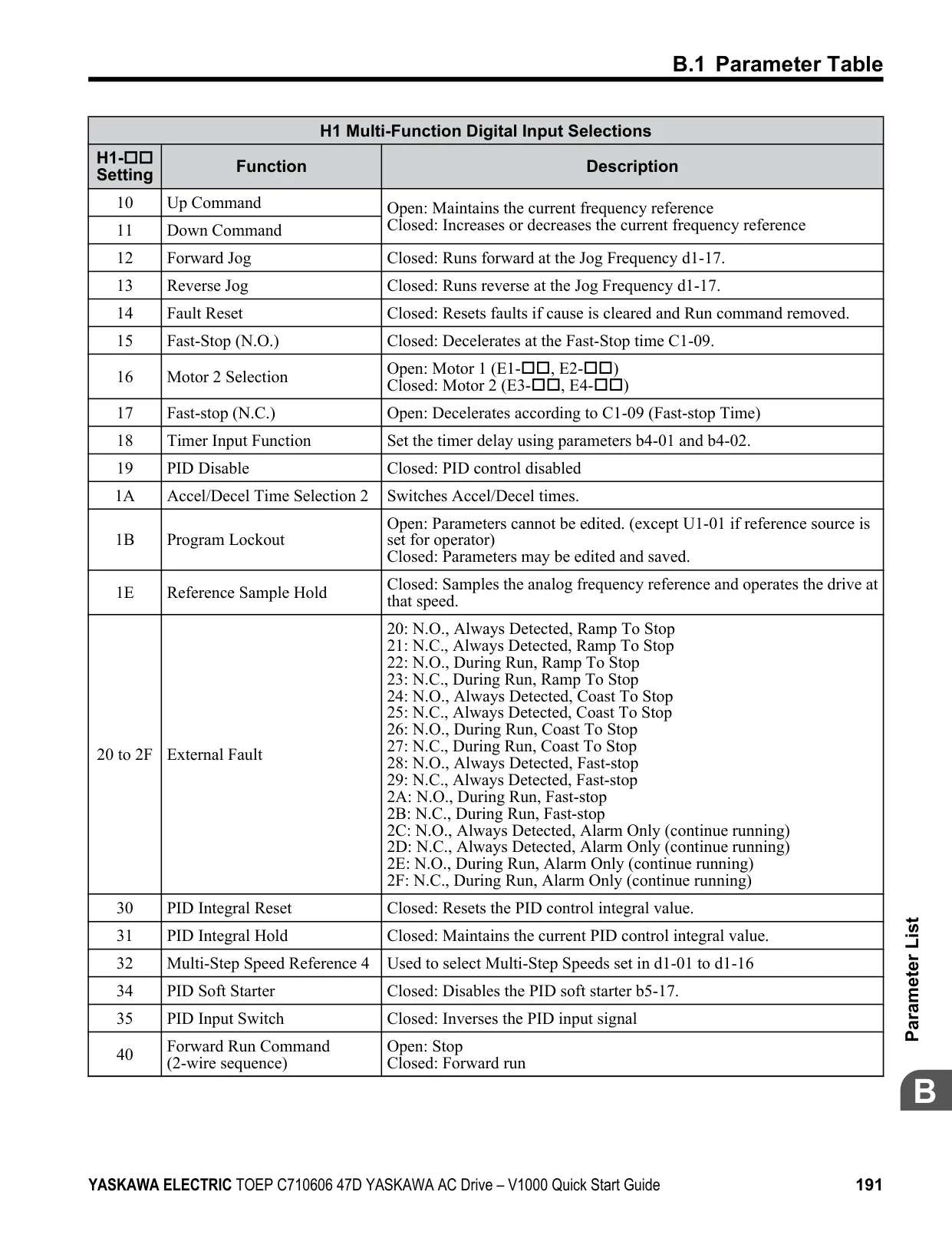
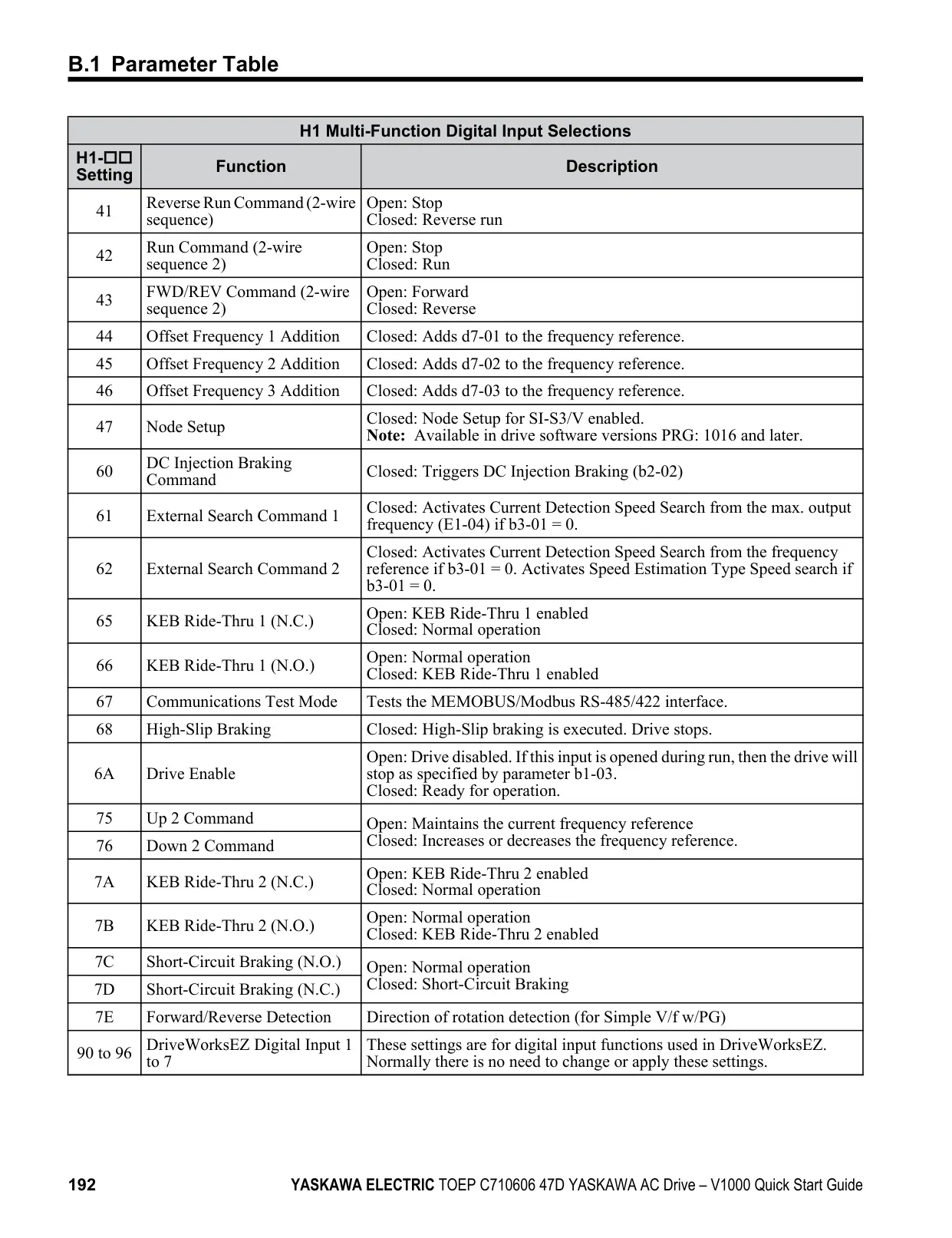
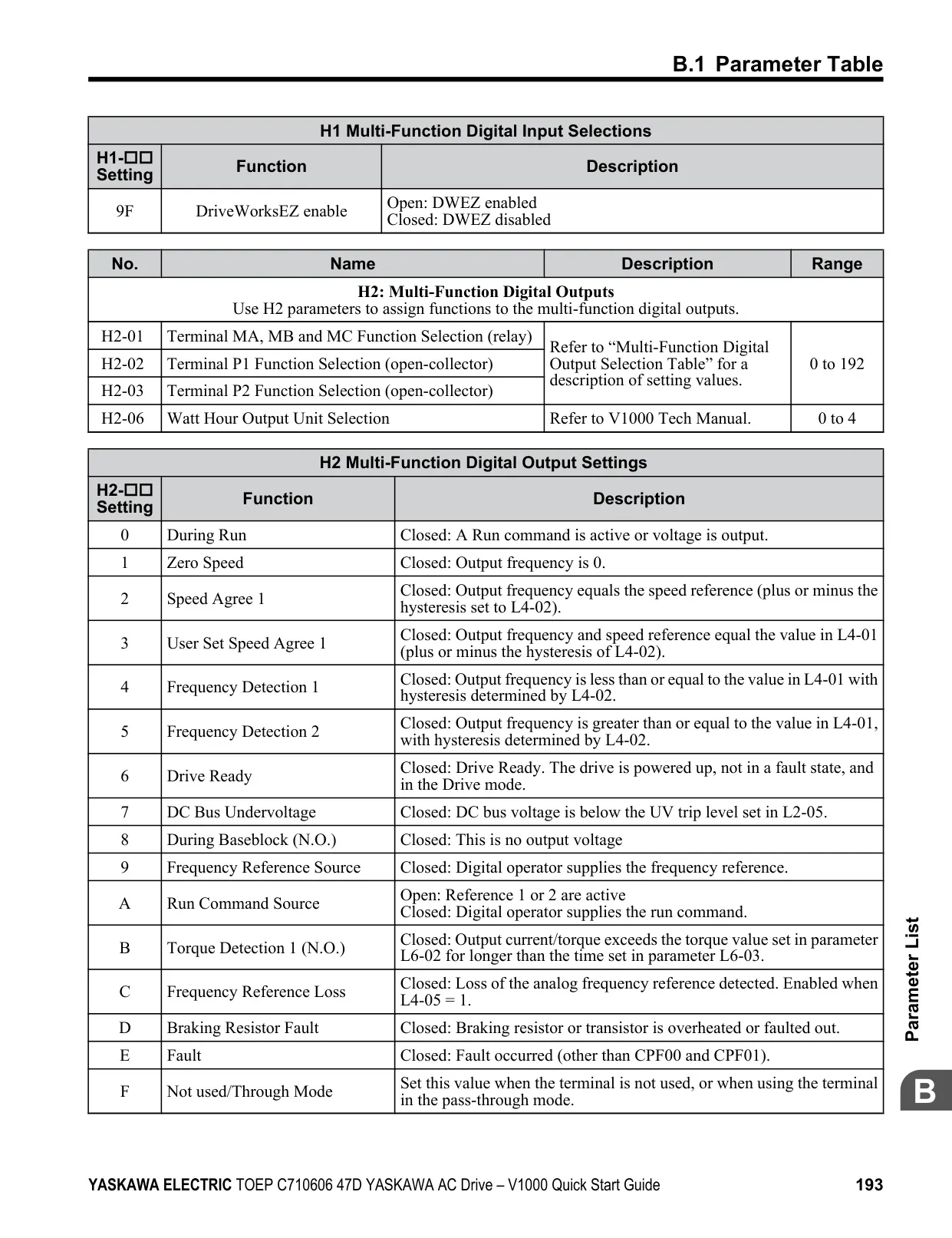
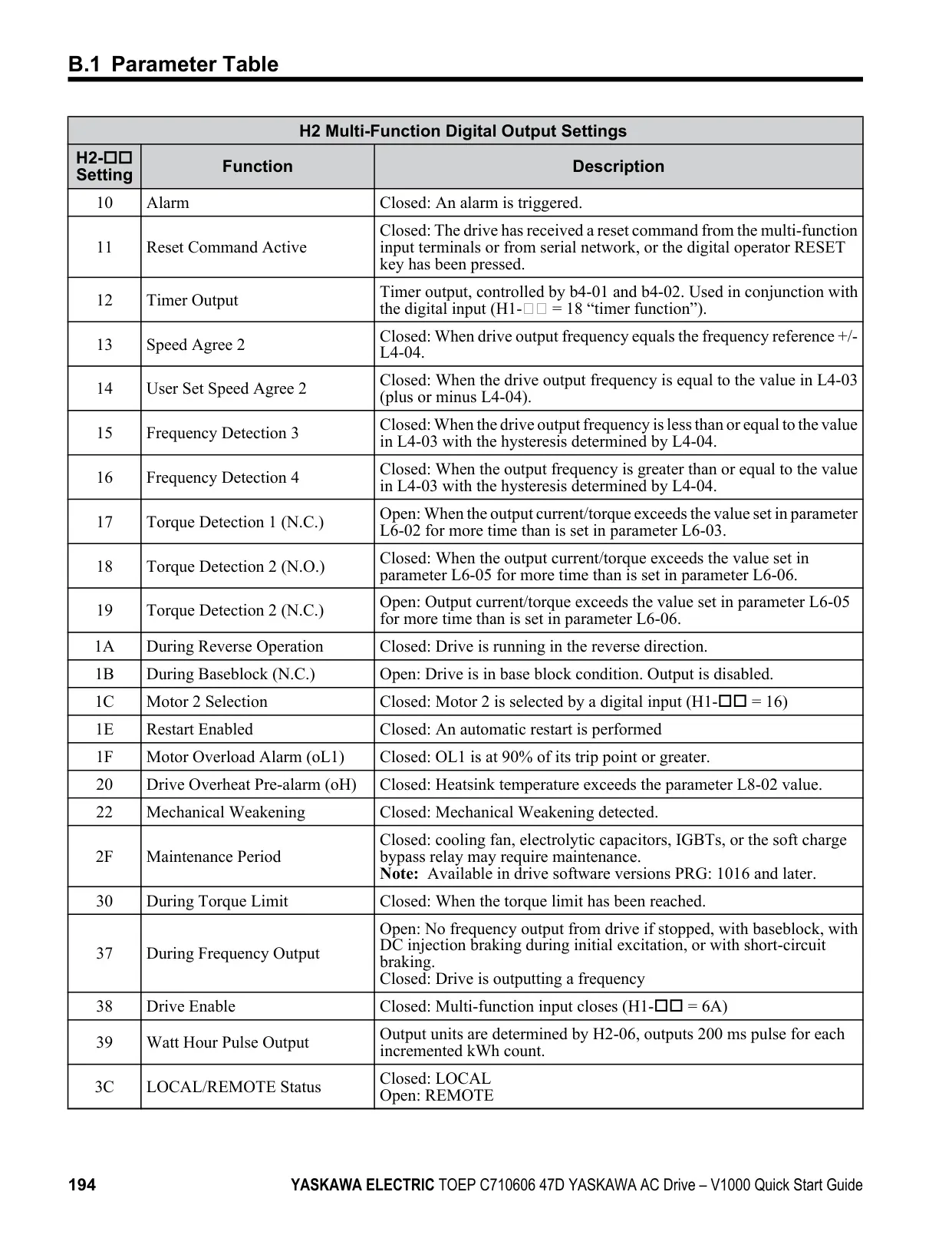
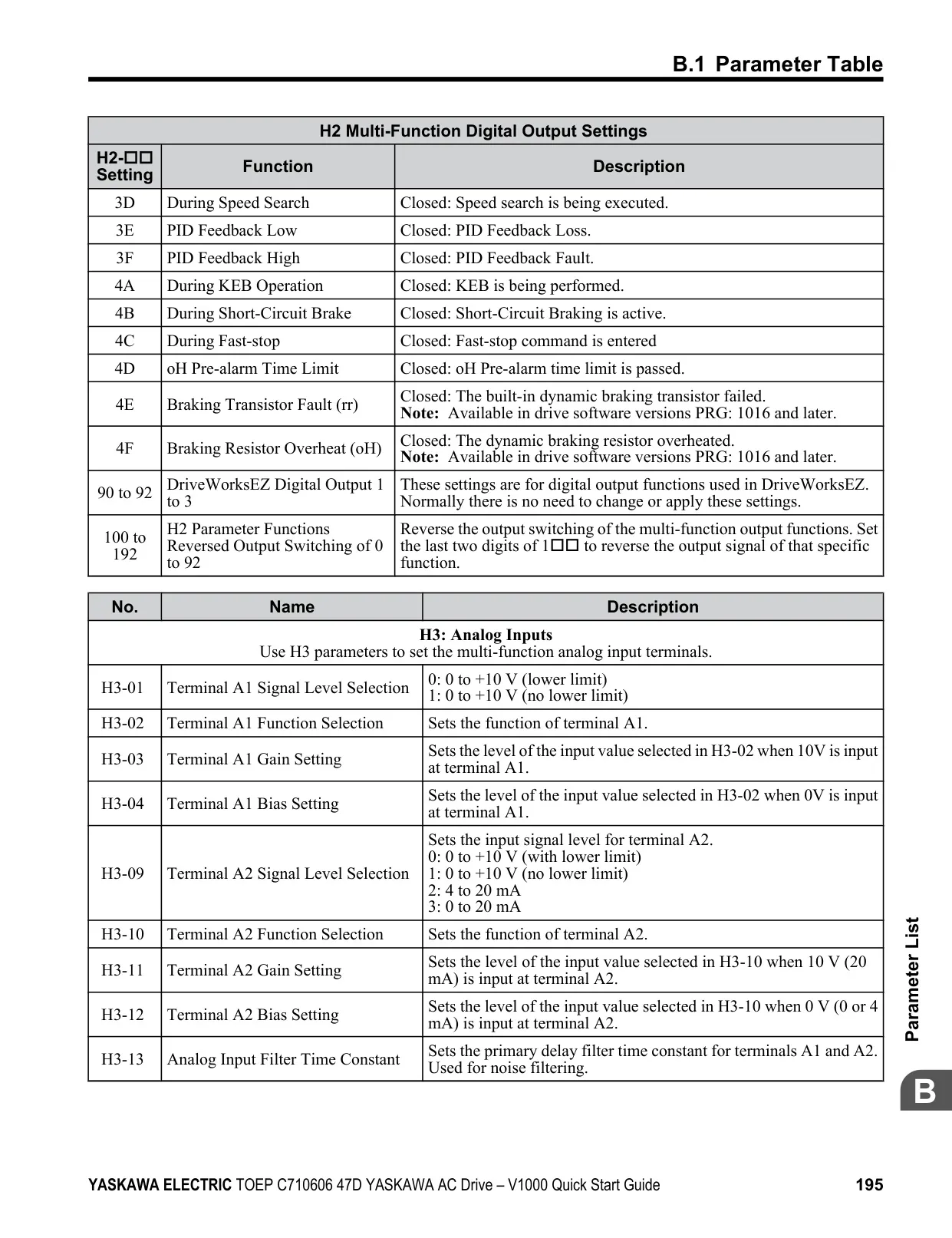
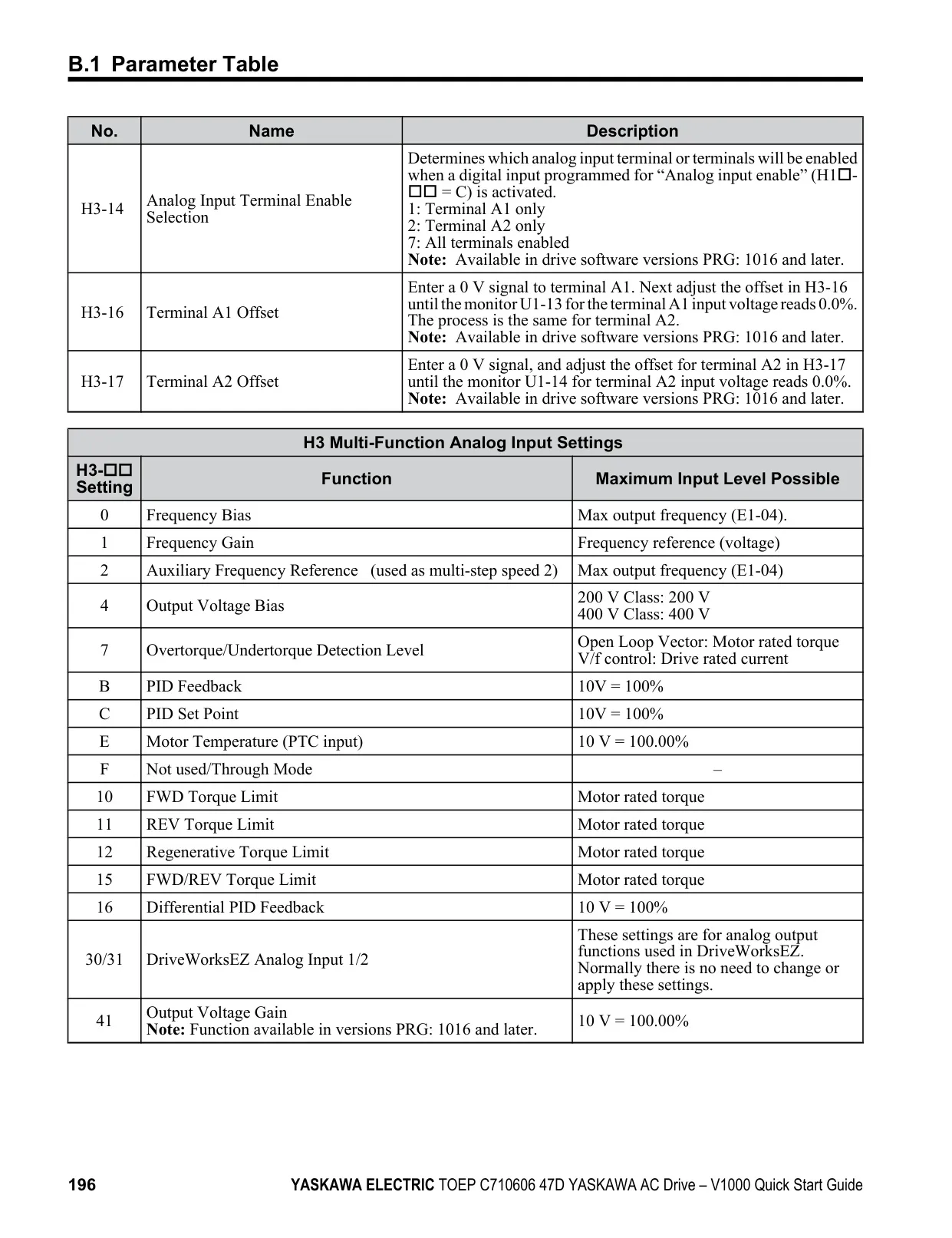
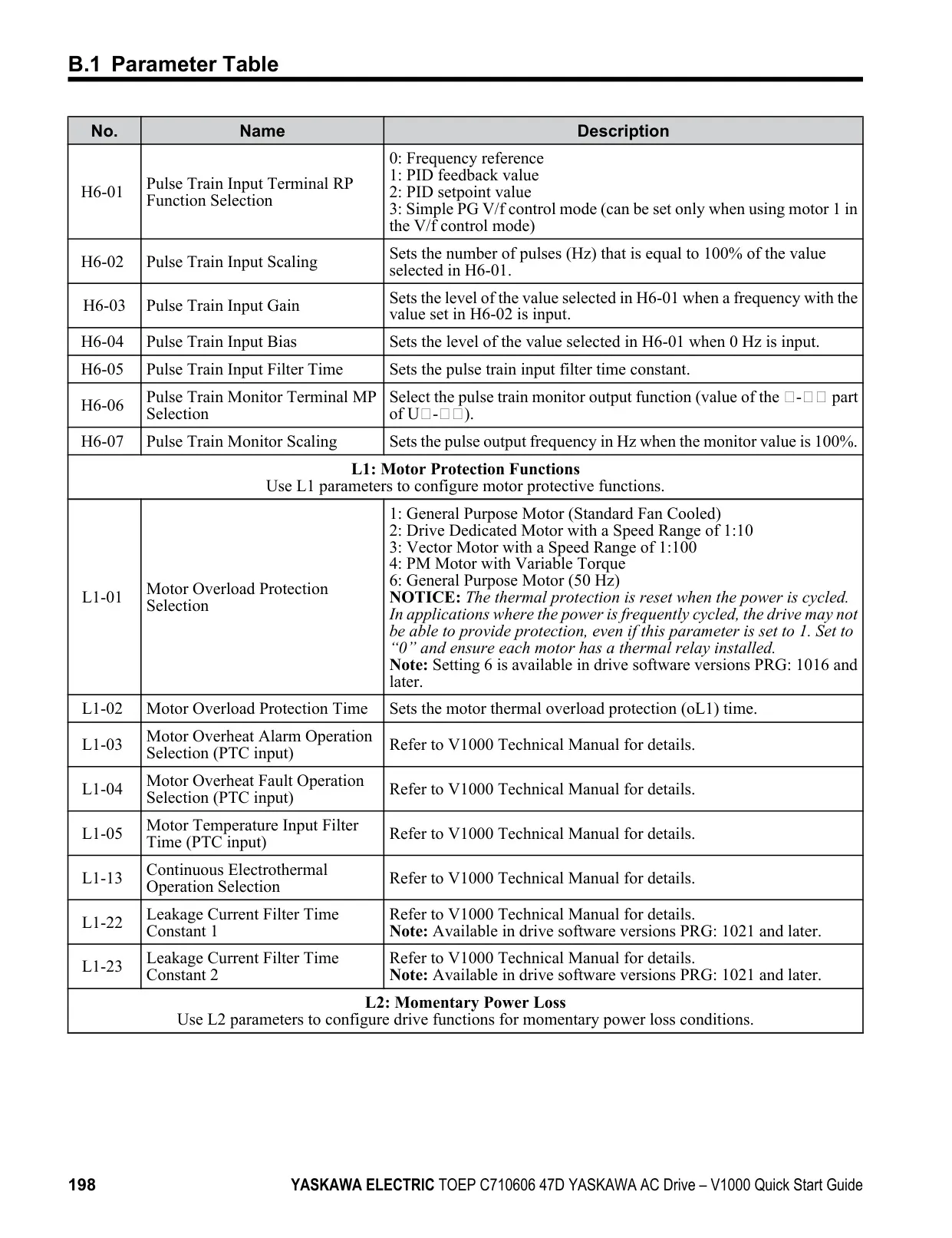
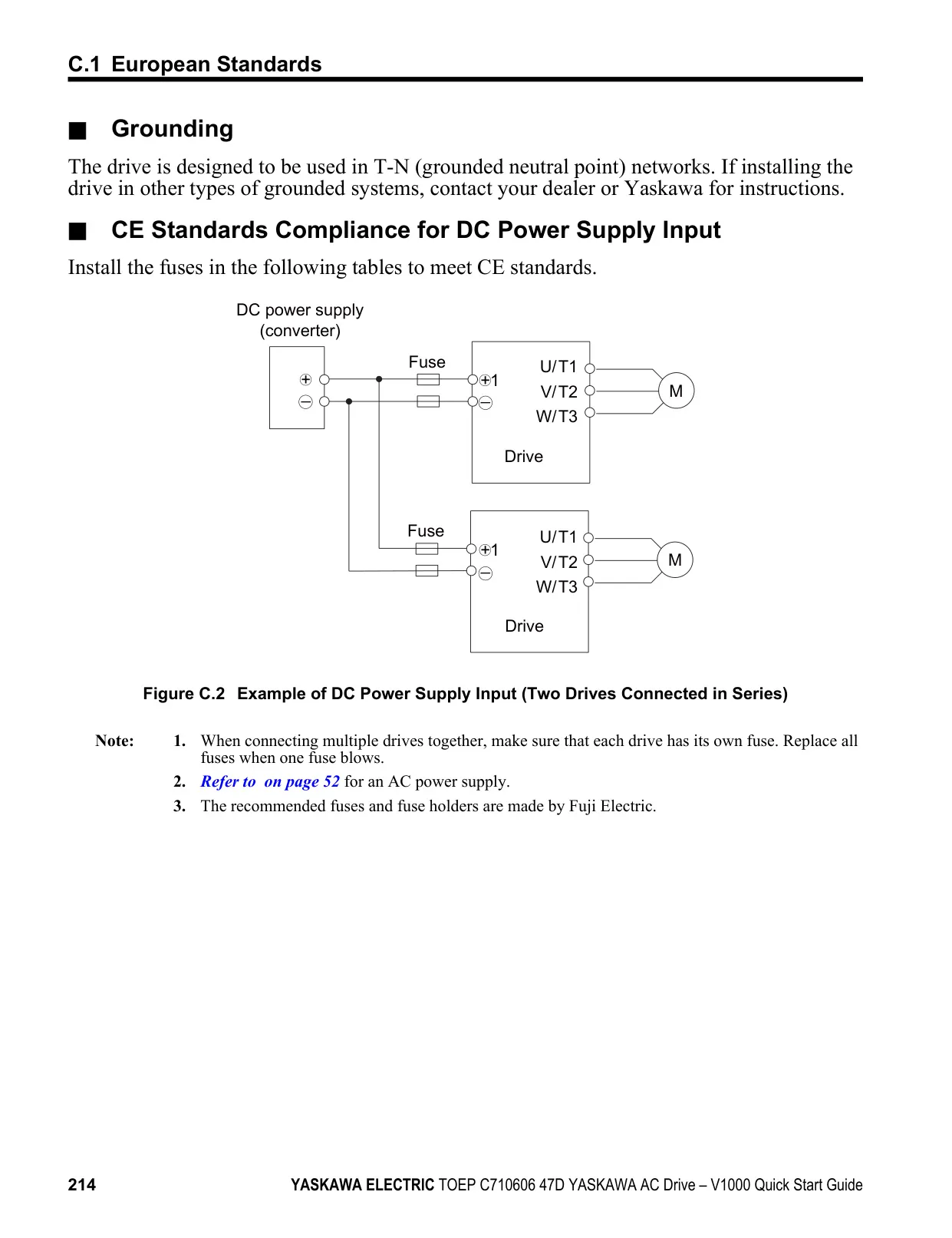
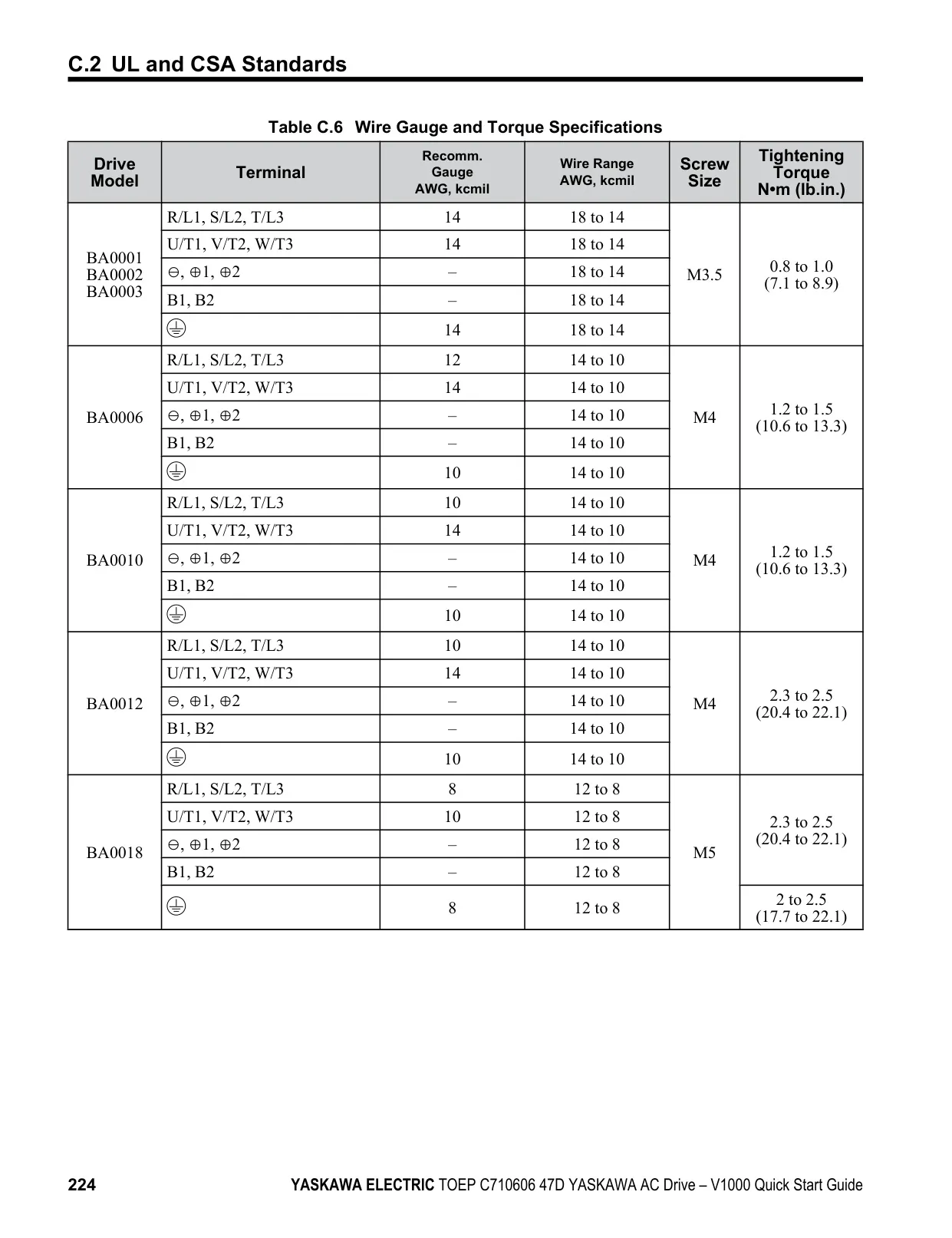
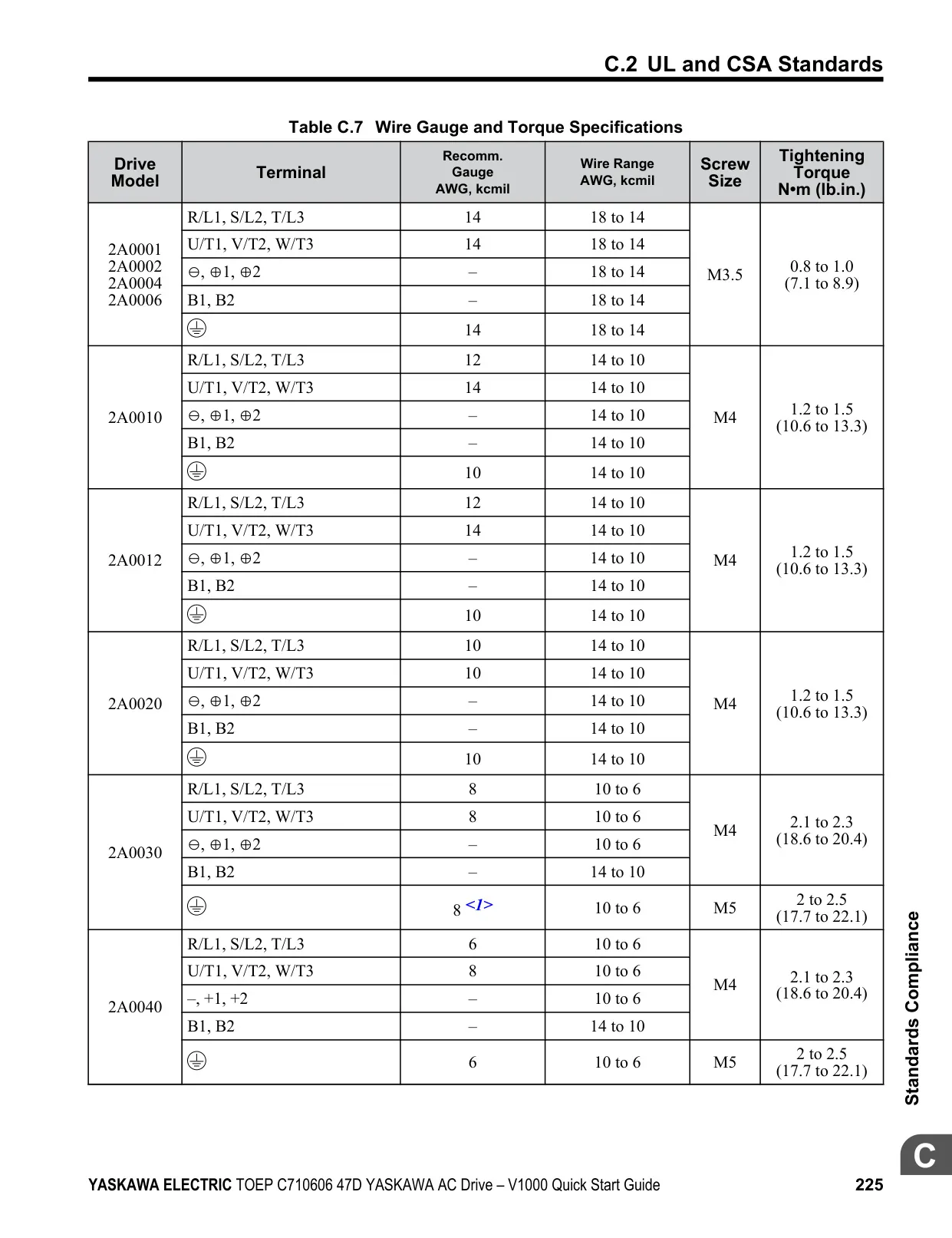
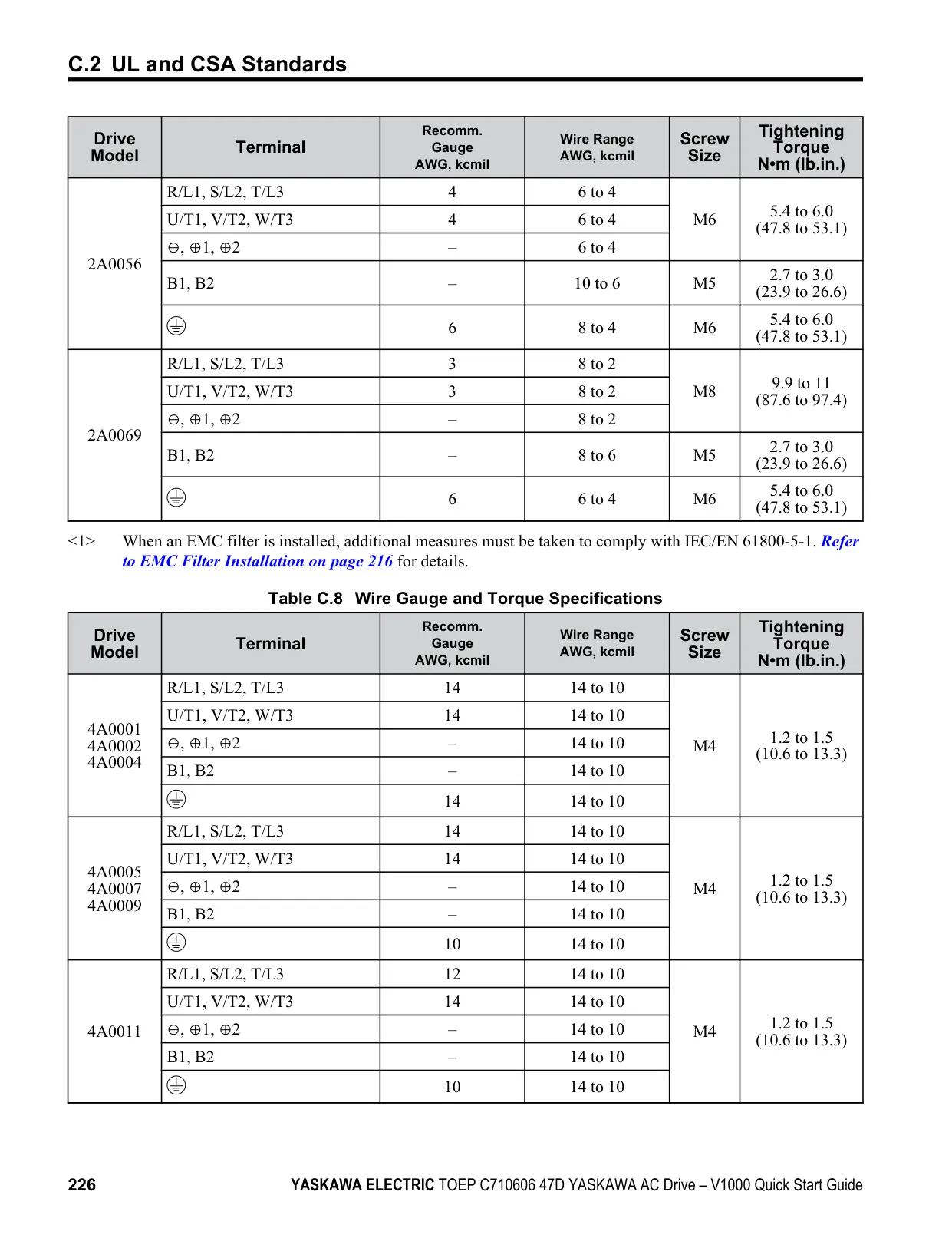
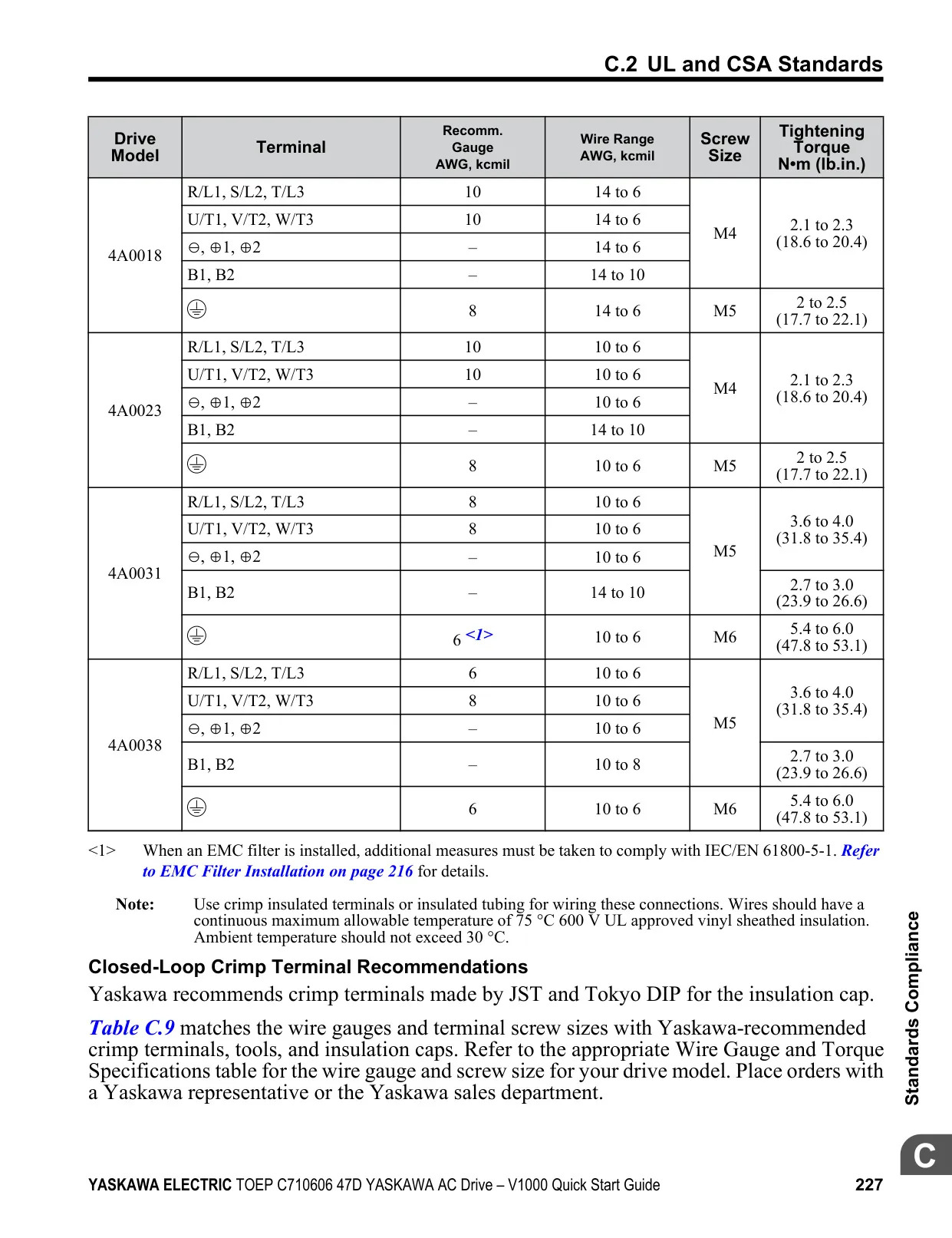
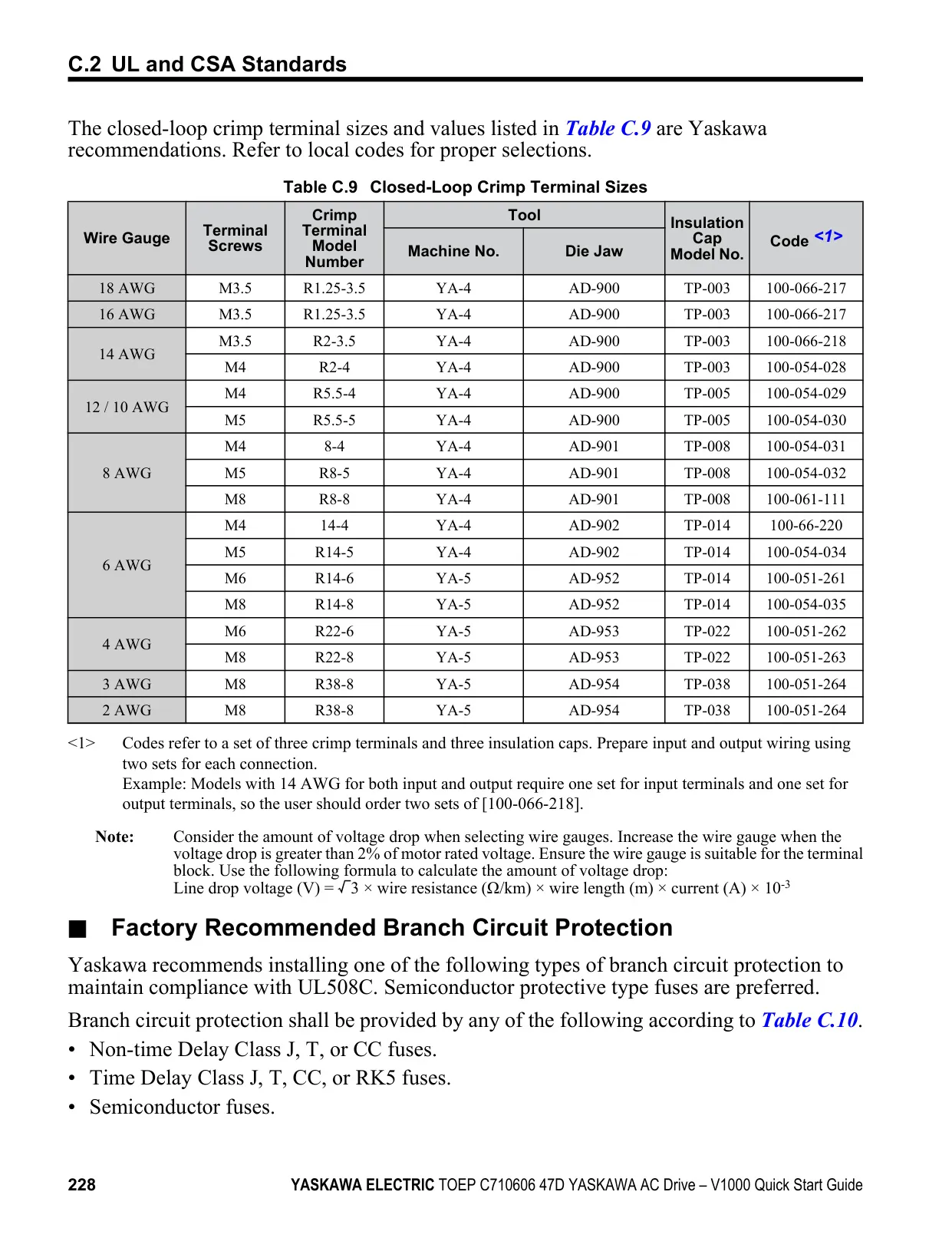
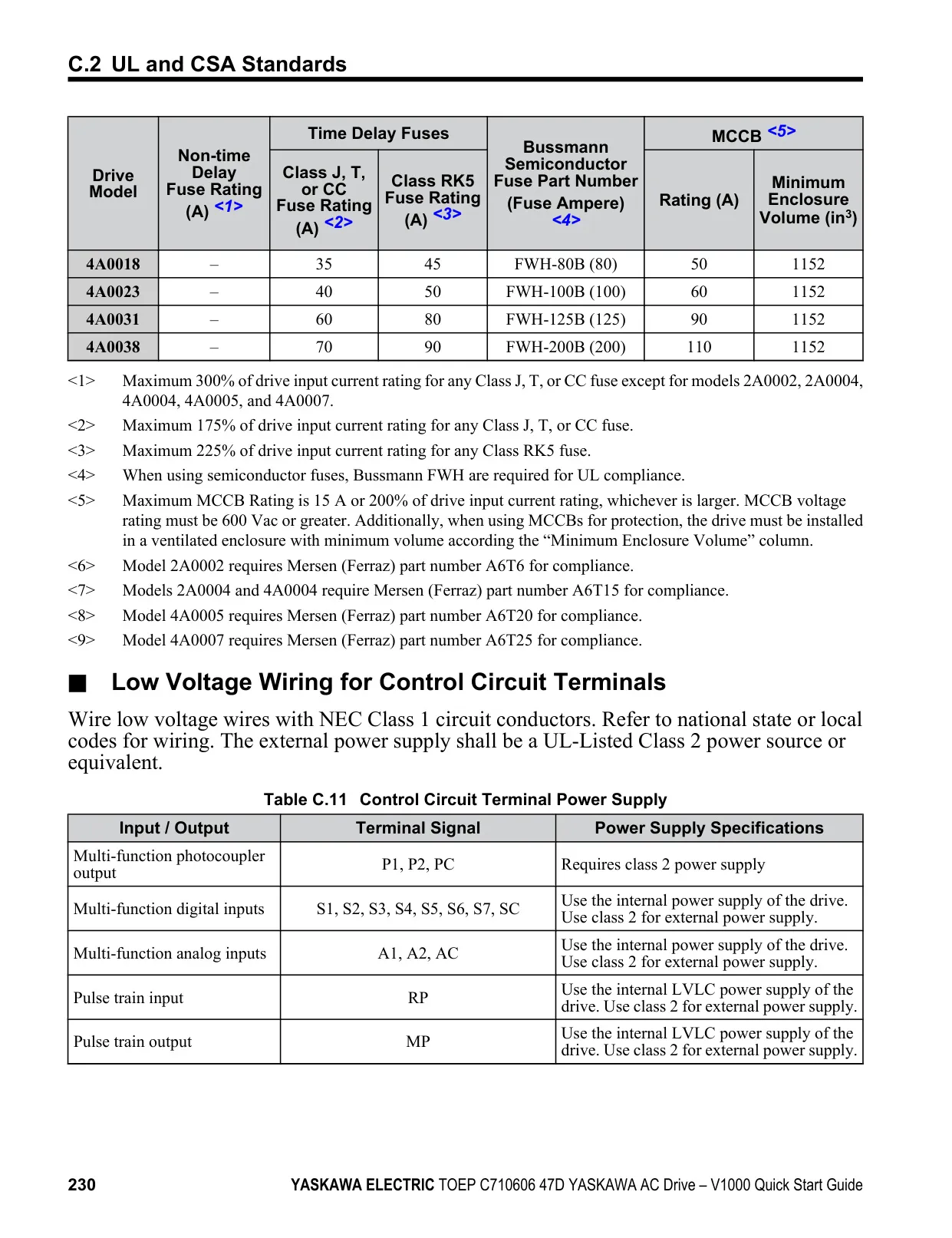
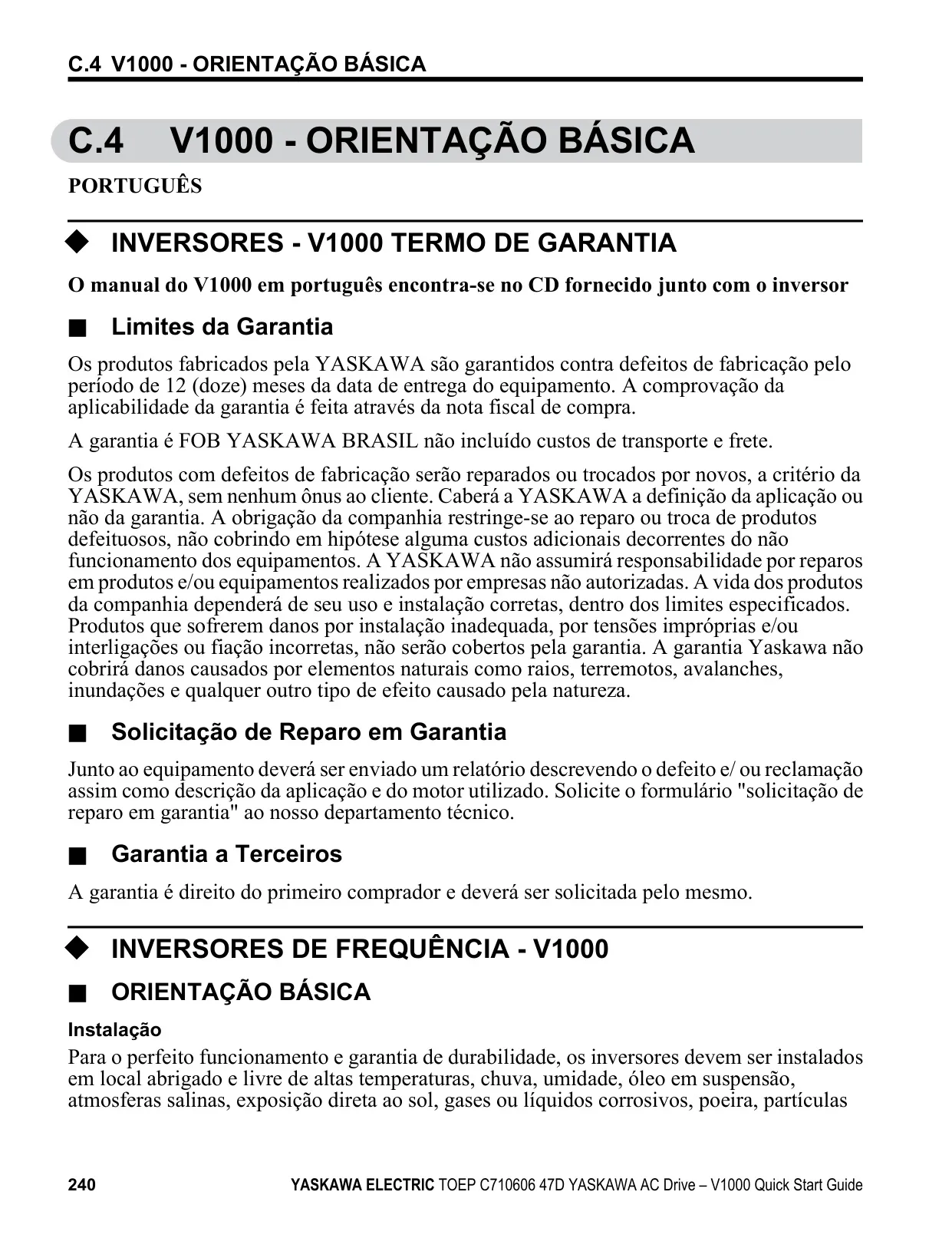
Regarding electrical installation, the V1000 features highly configurable control terminals. Multi-function digital inputs can be assigned to diverse tasks such as run commands, fault resets, or multi-step speed selection. Analog and pulse inputs, along with programmable outputs, provide the flexibility needed for integration into complex automation systems. To ensure operational safety, the manual emphasizes adhering to the DC bus discharge time (at least 5 minutes) and strict guidelines for wiring and short-circuit protection.
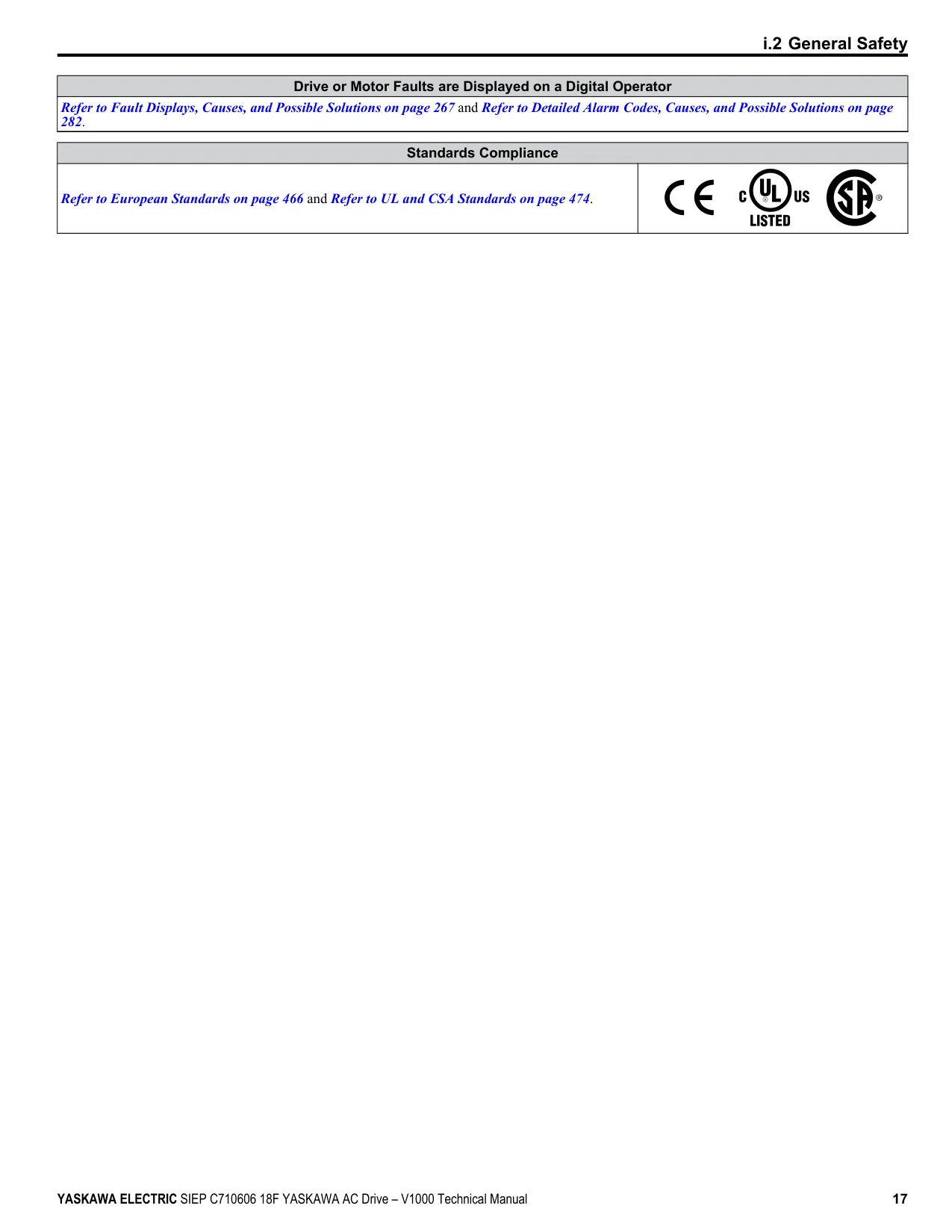
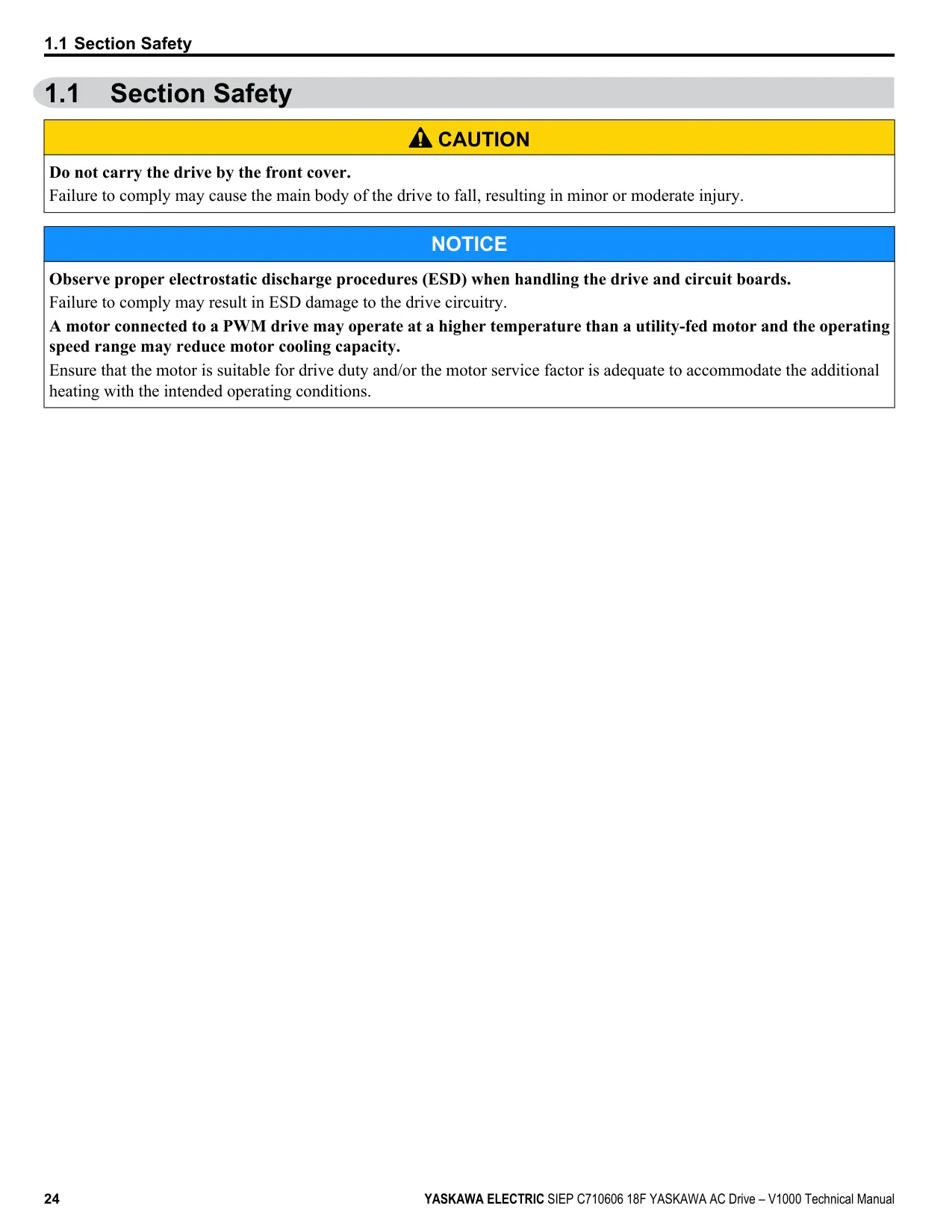
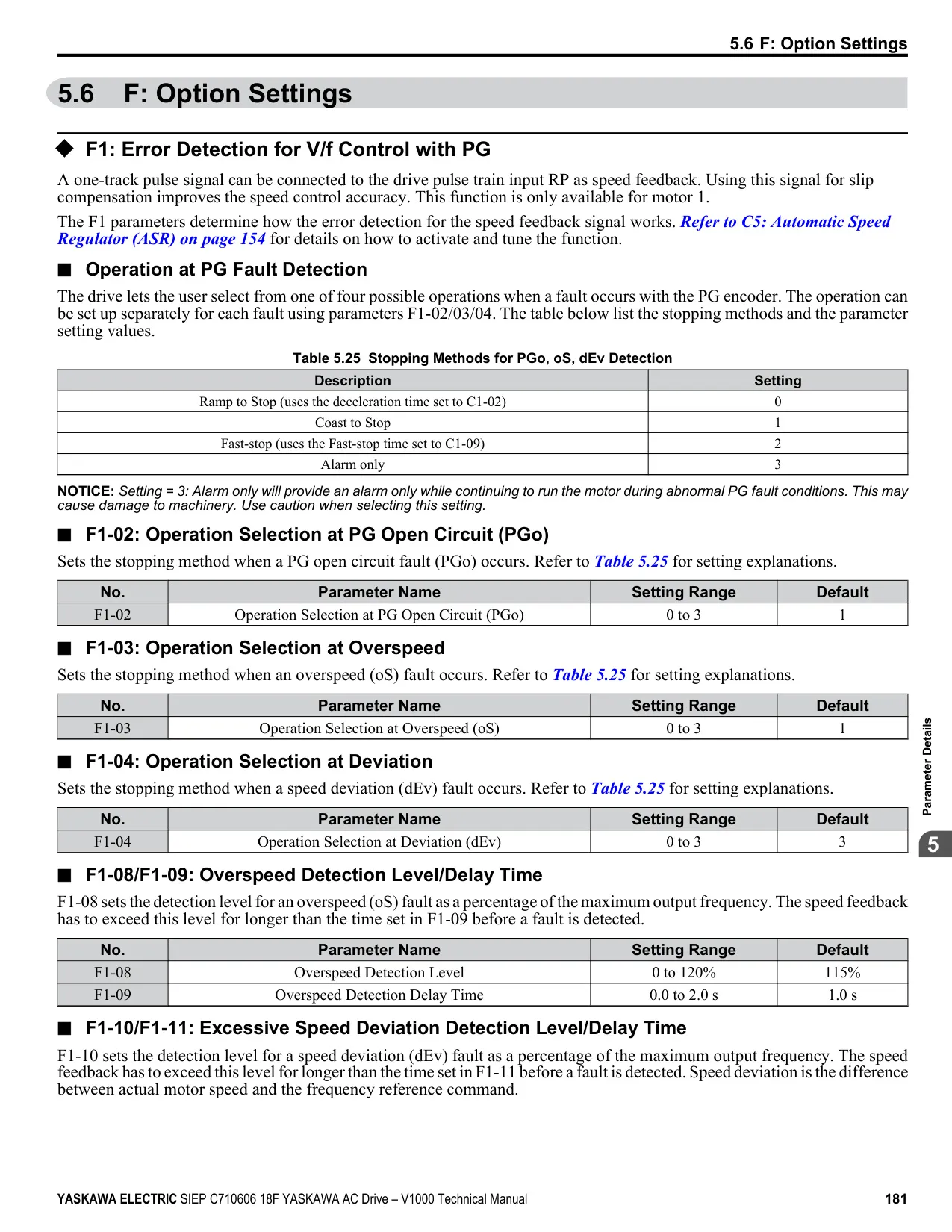
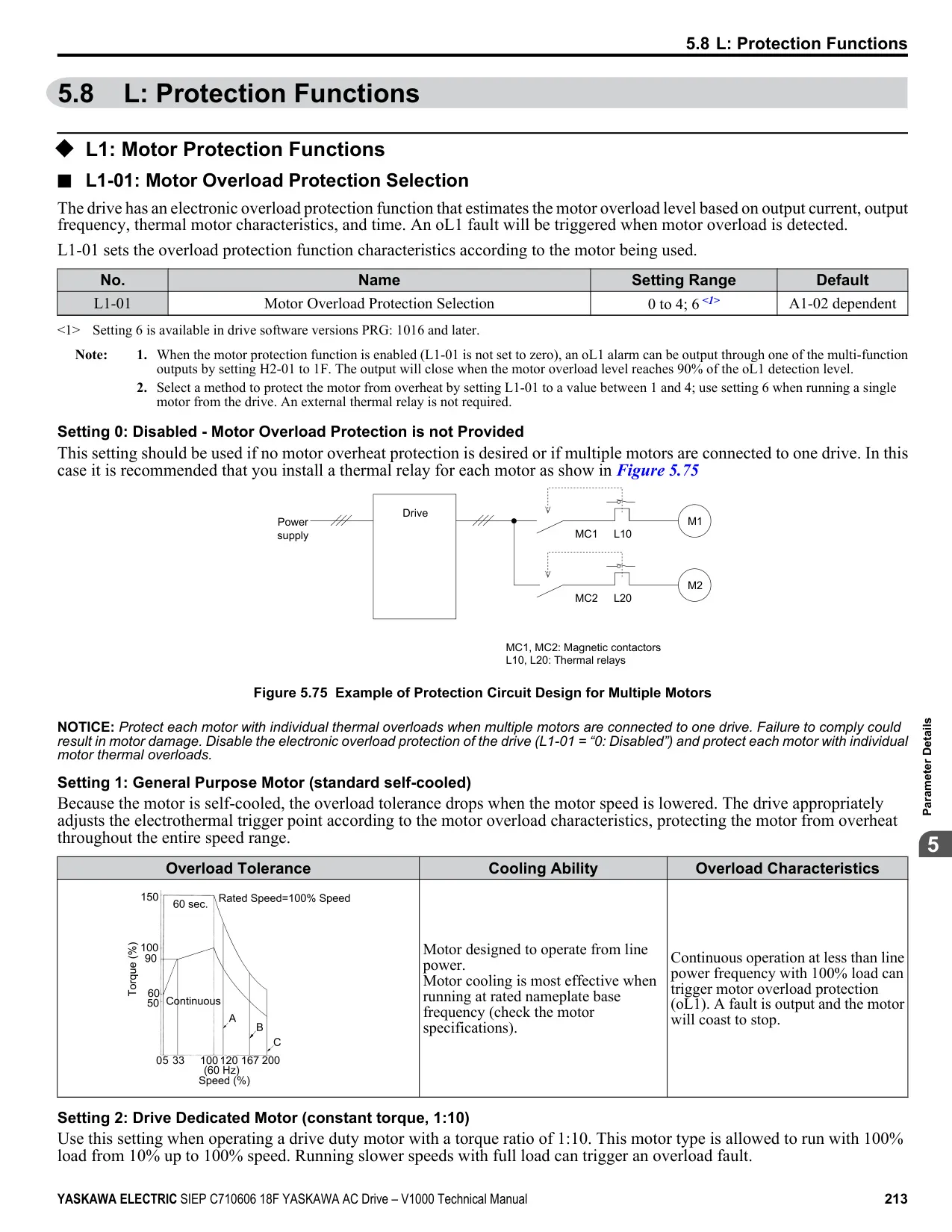
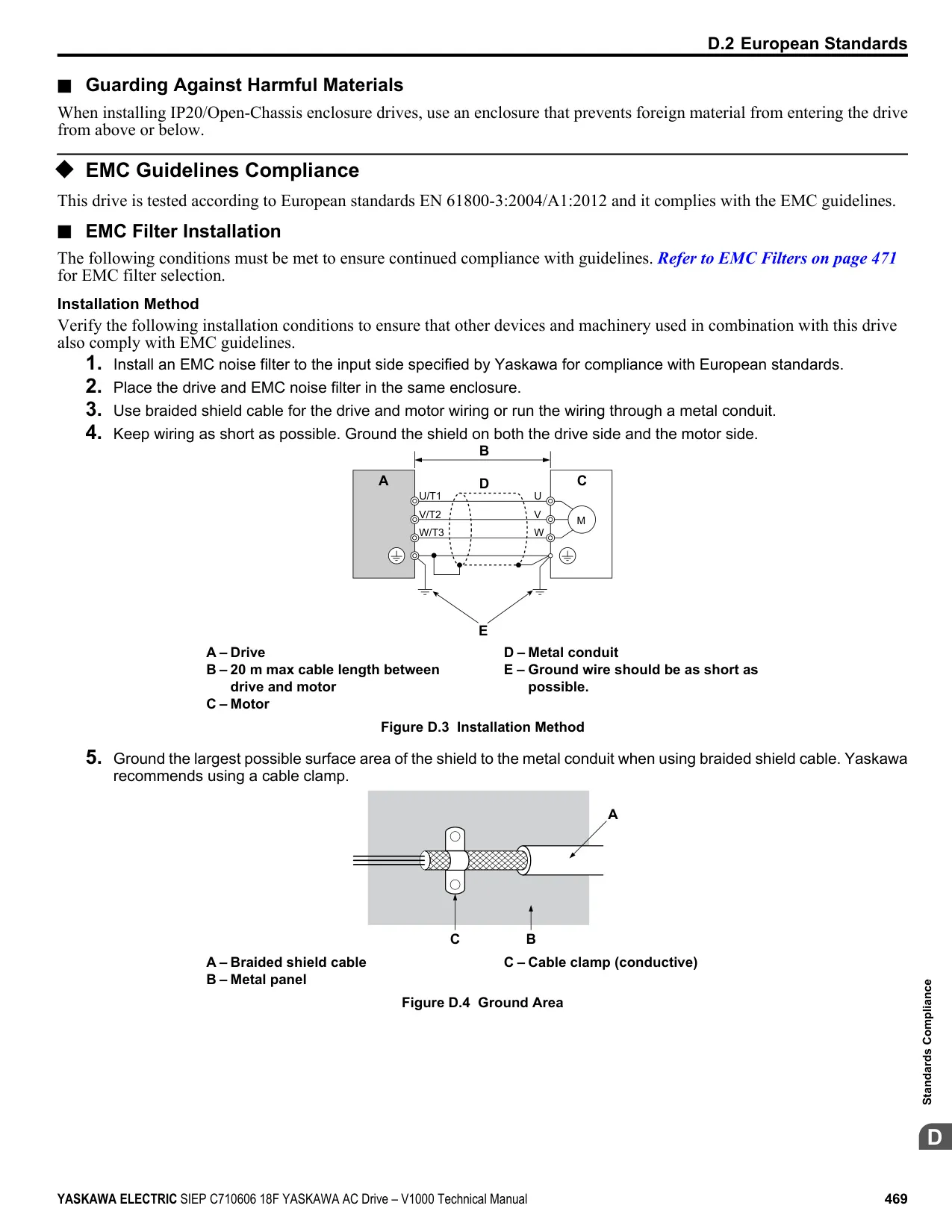
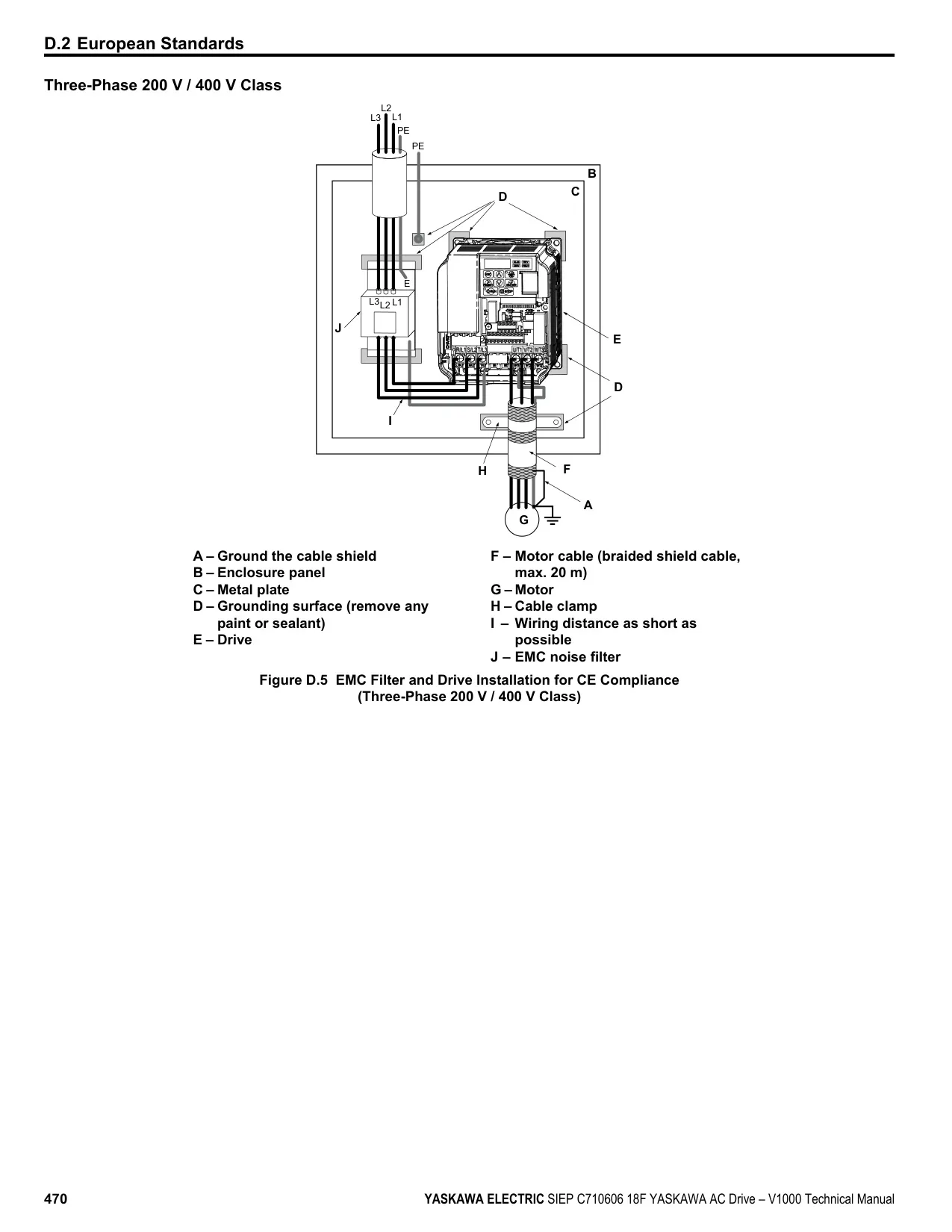
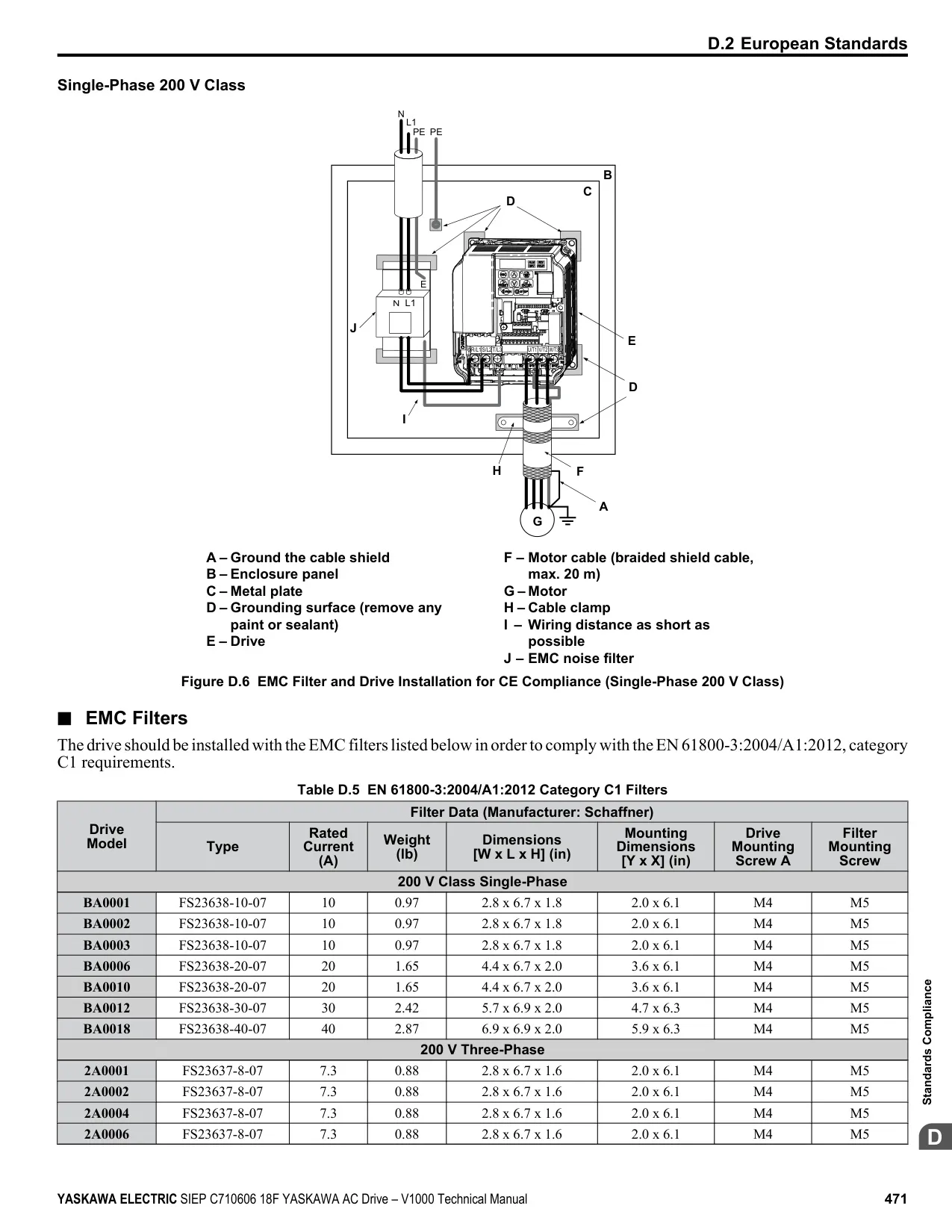
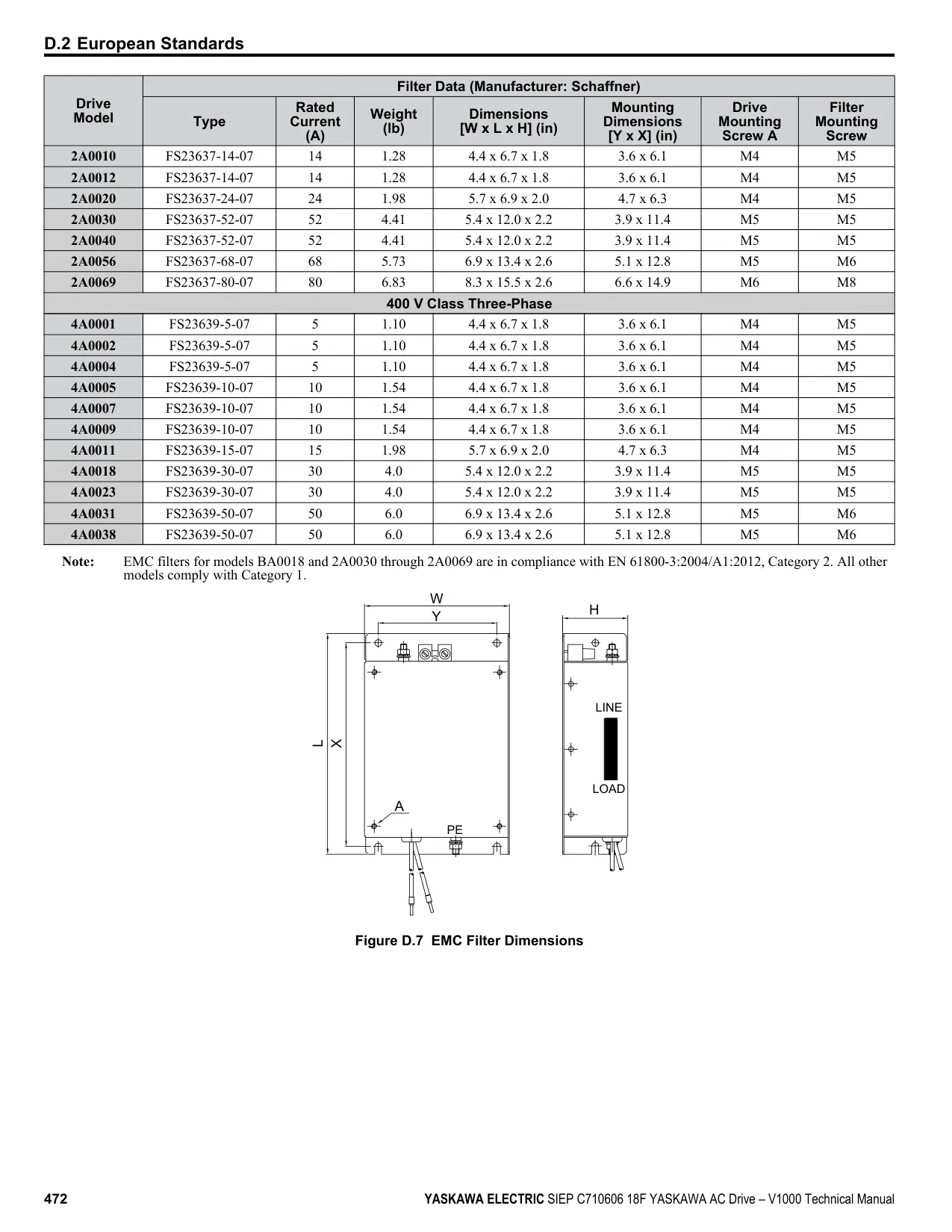
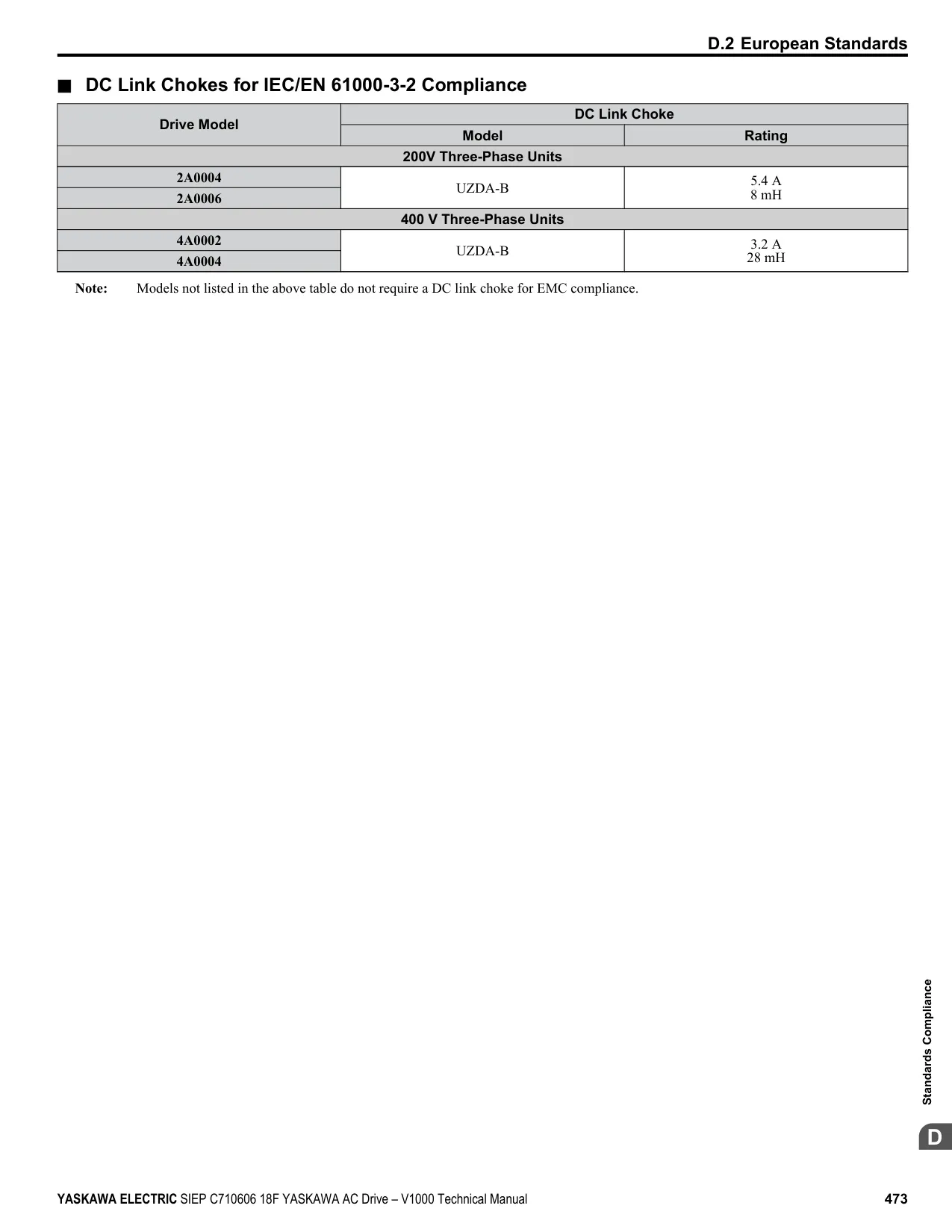
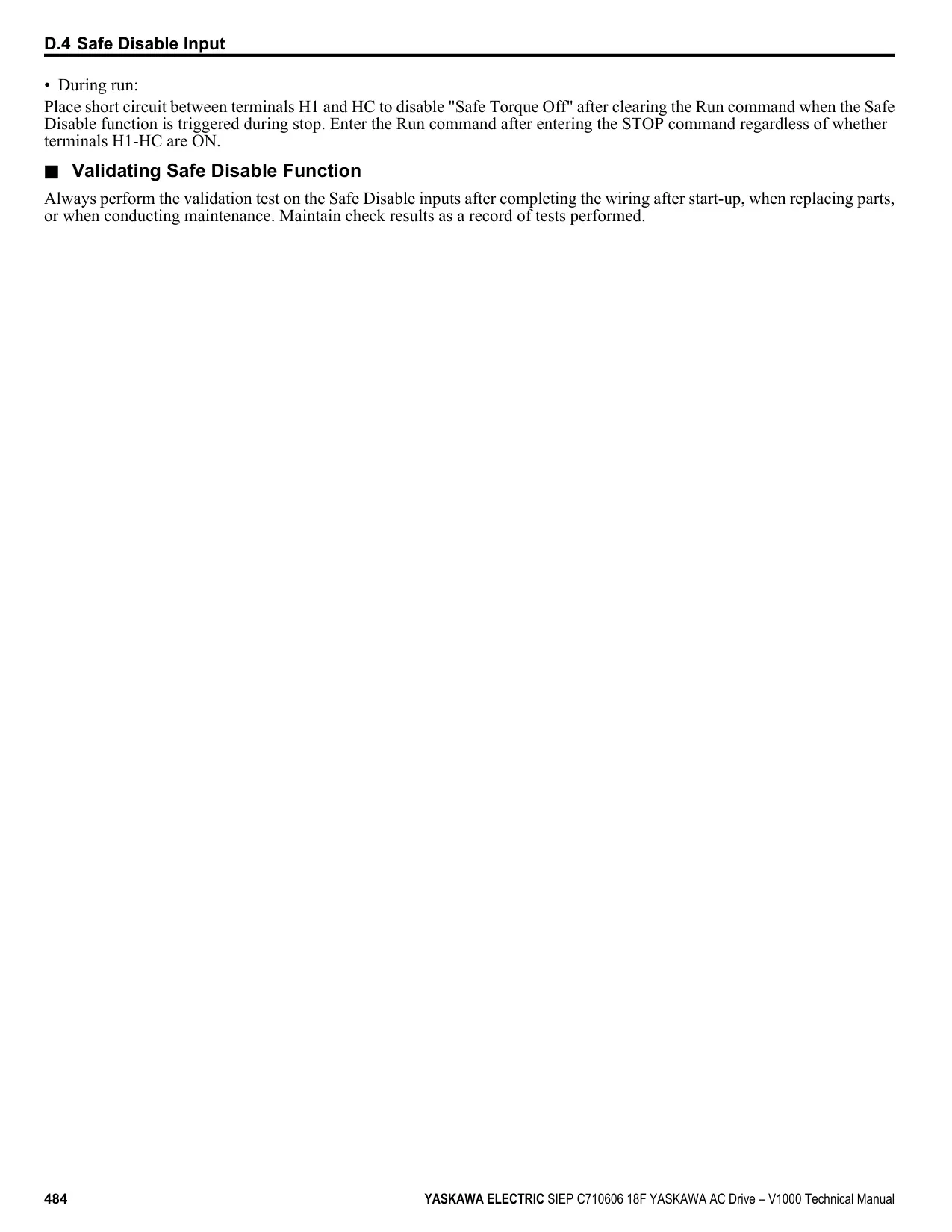
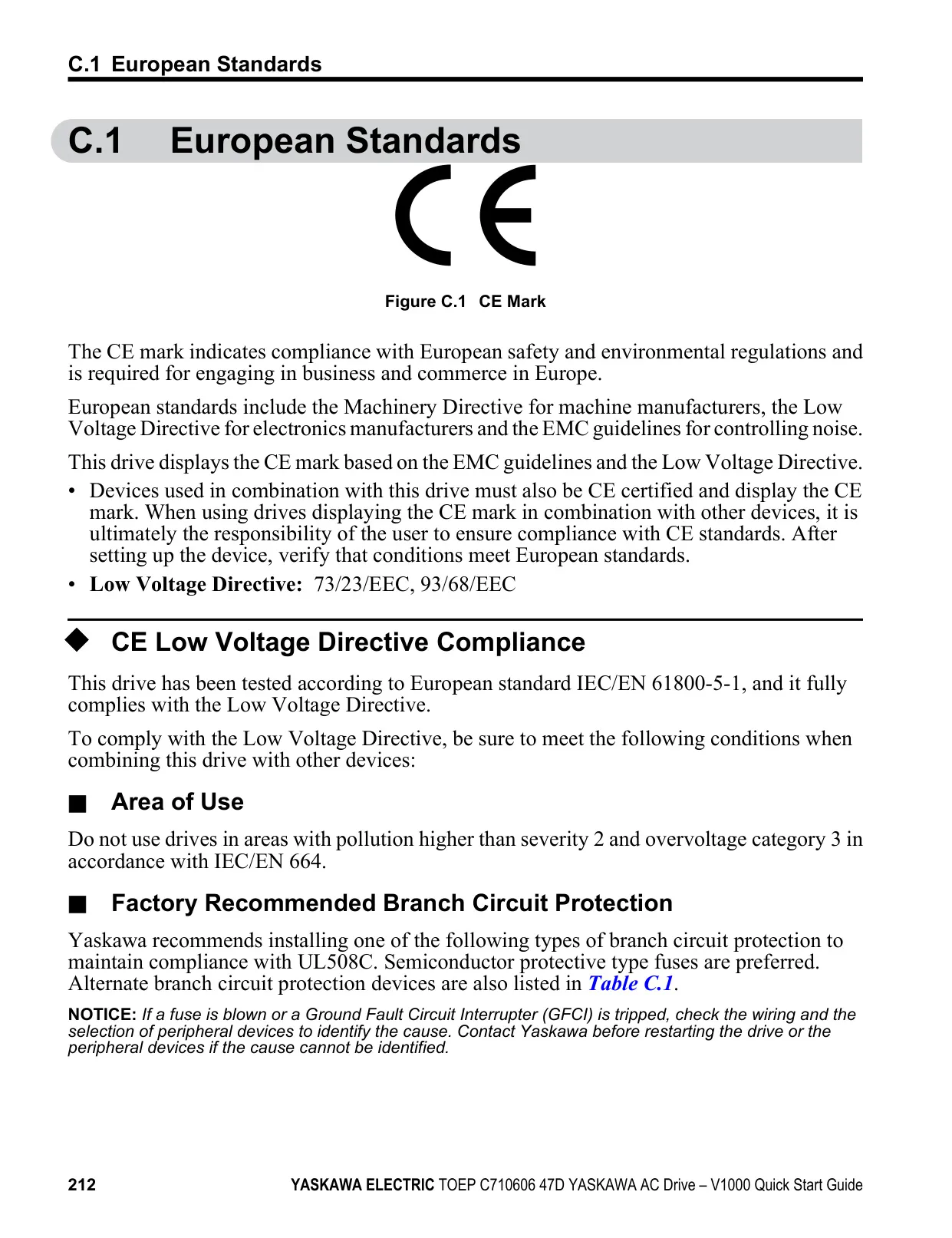
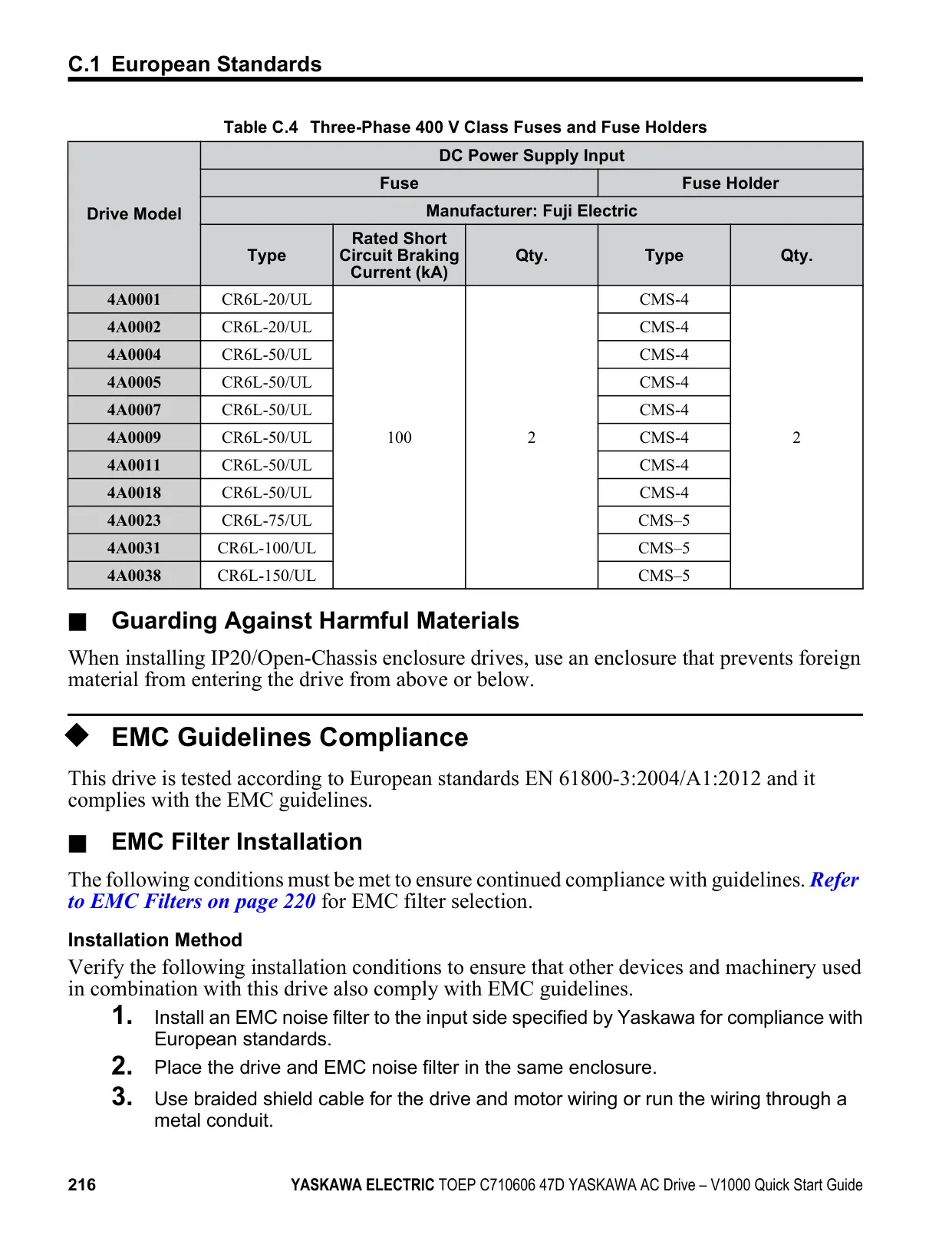
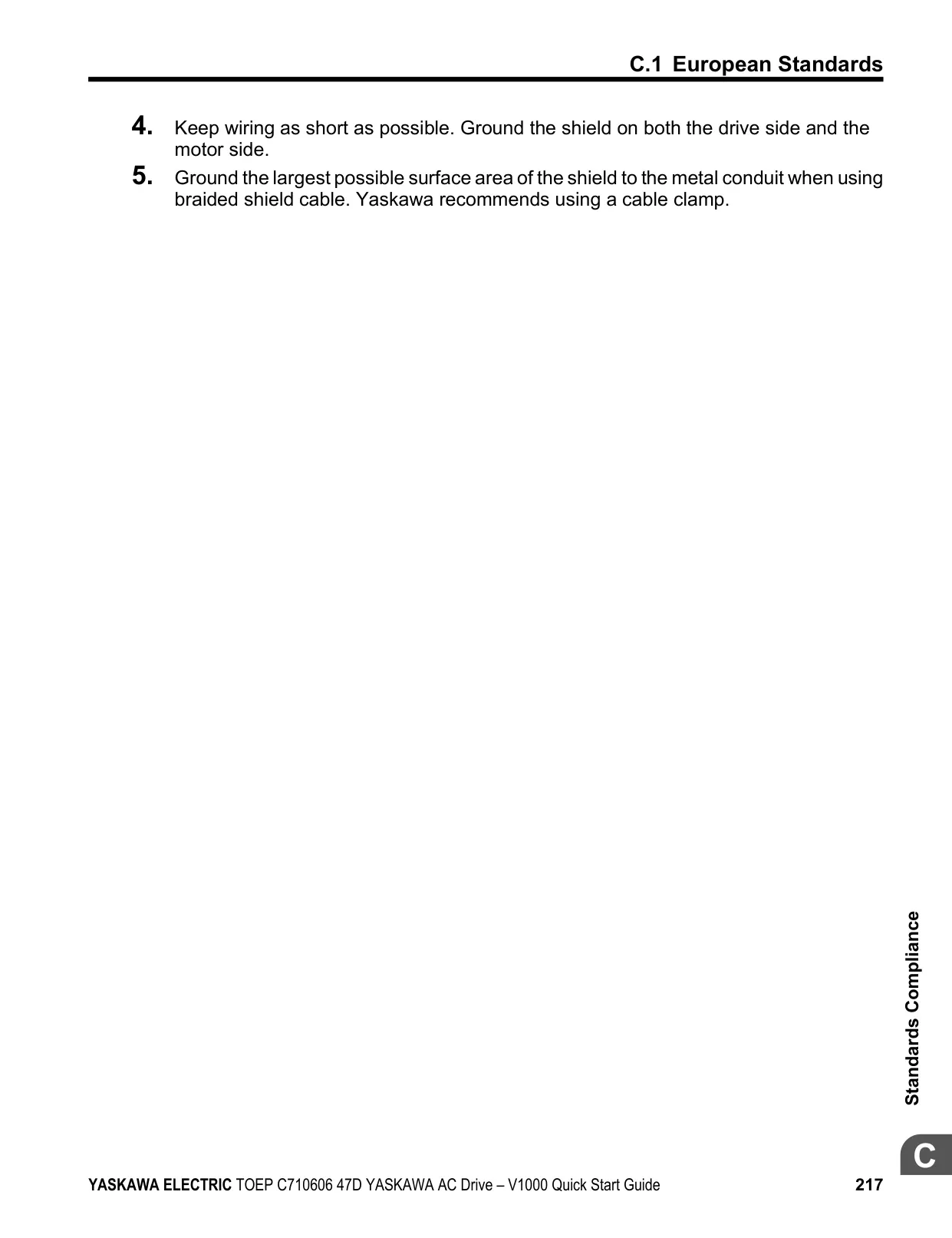
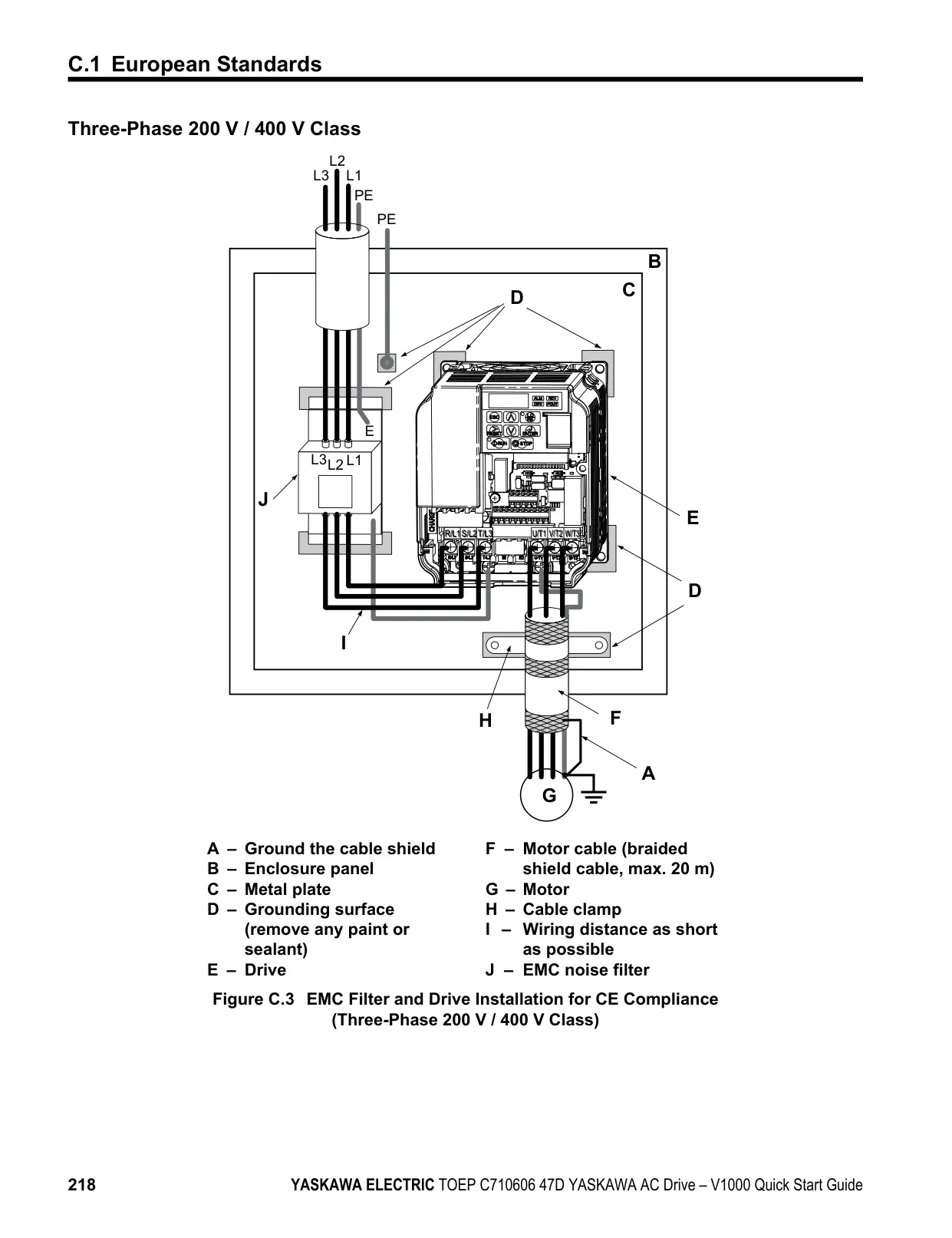
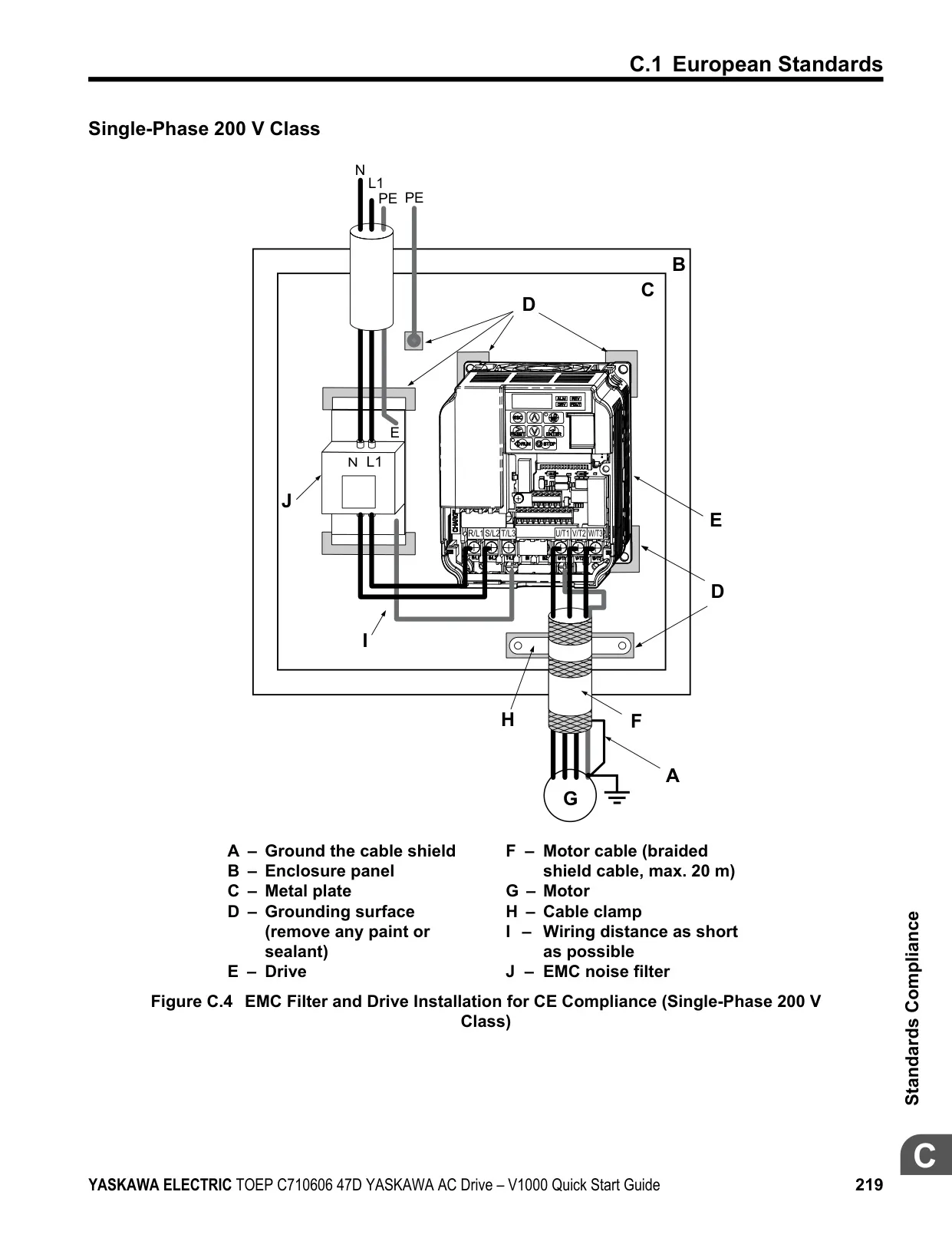
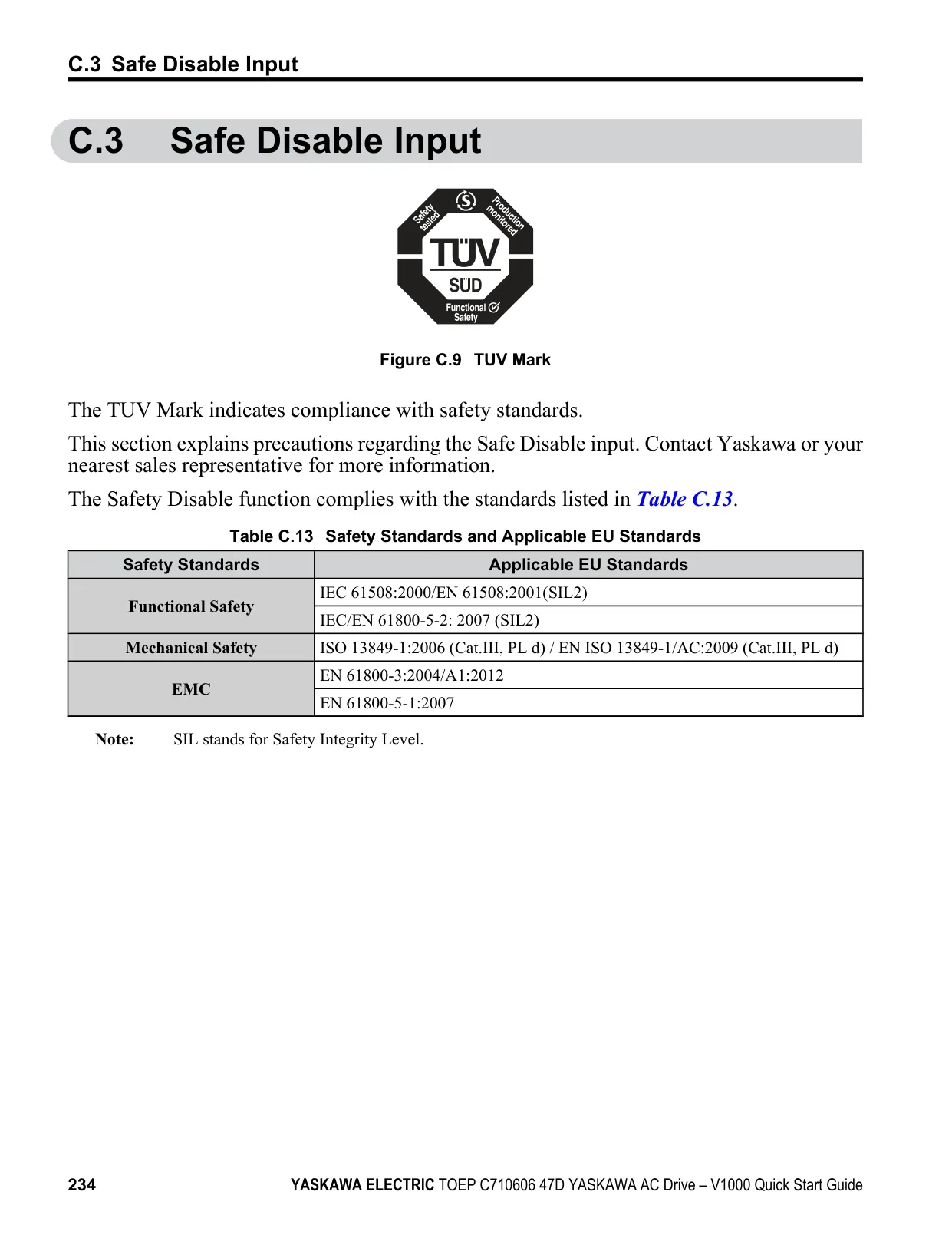
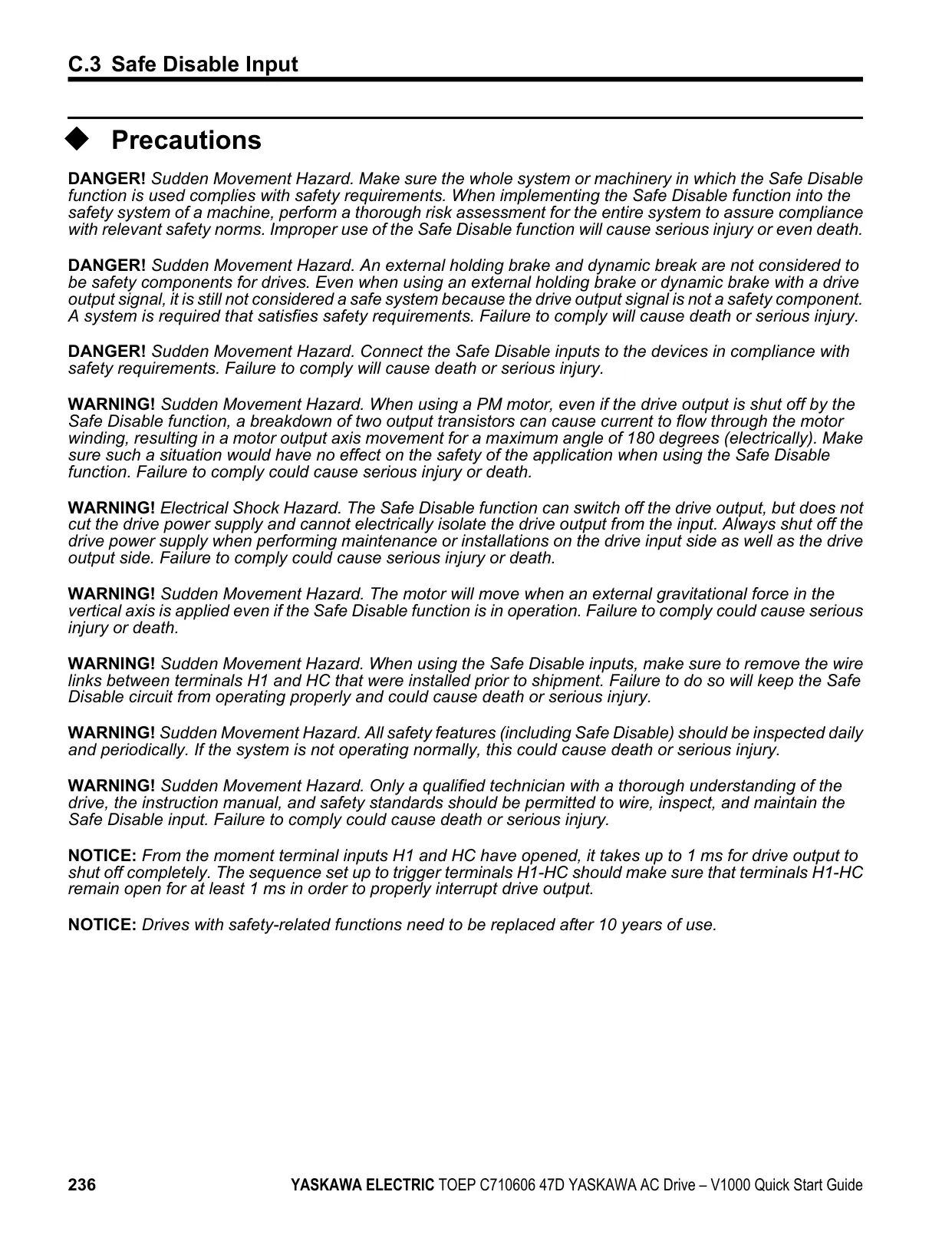
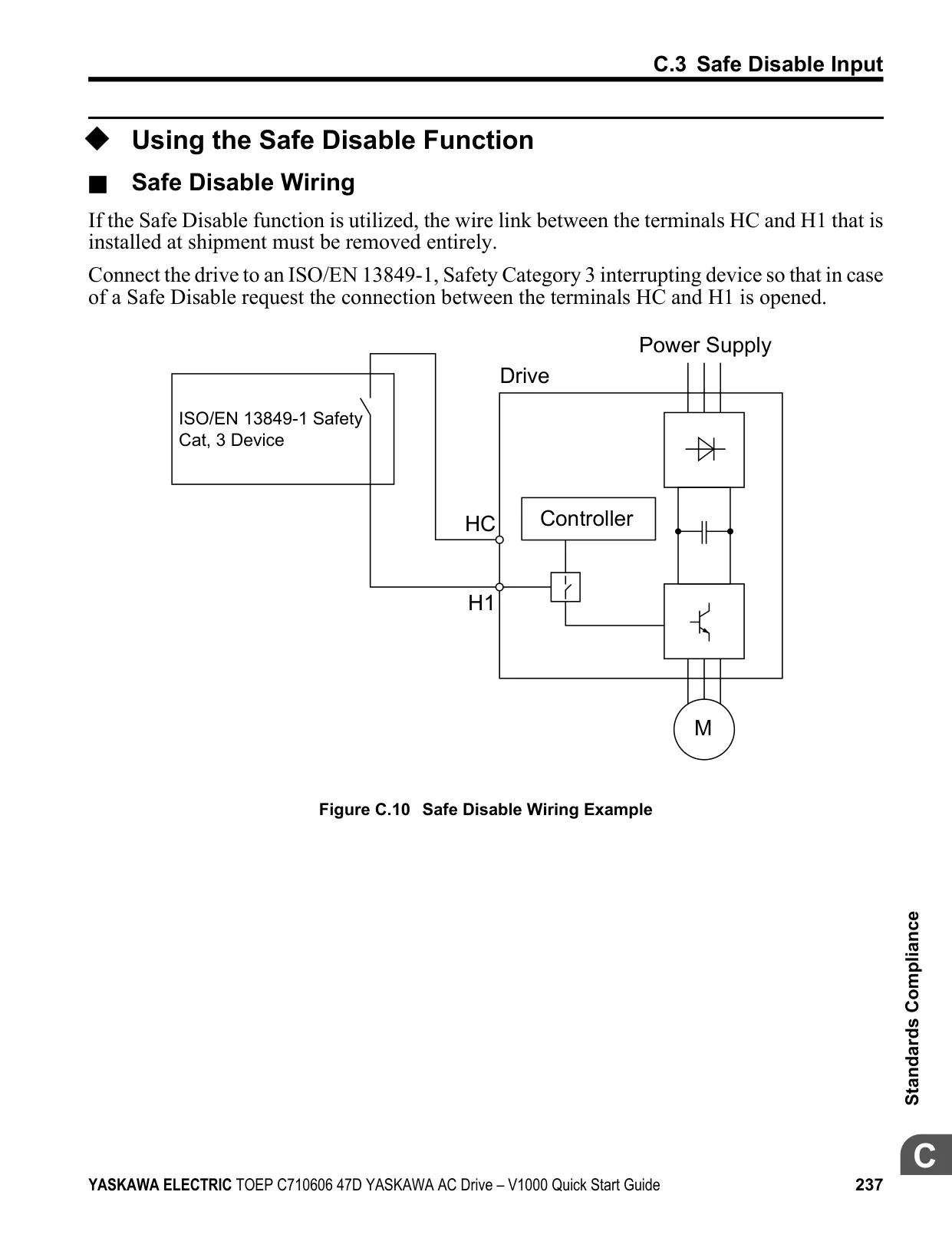
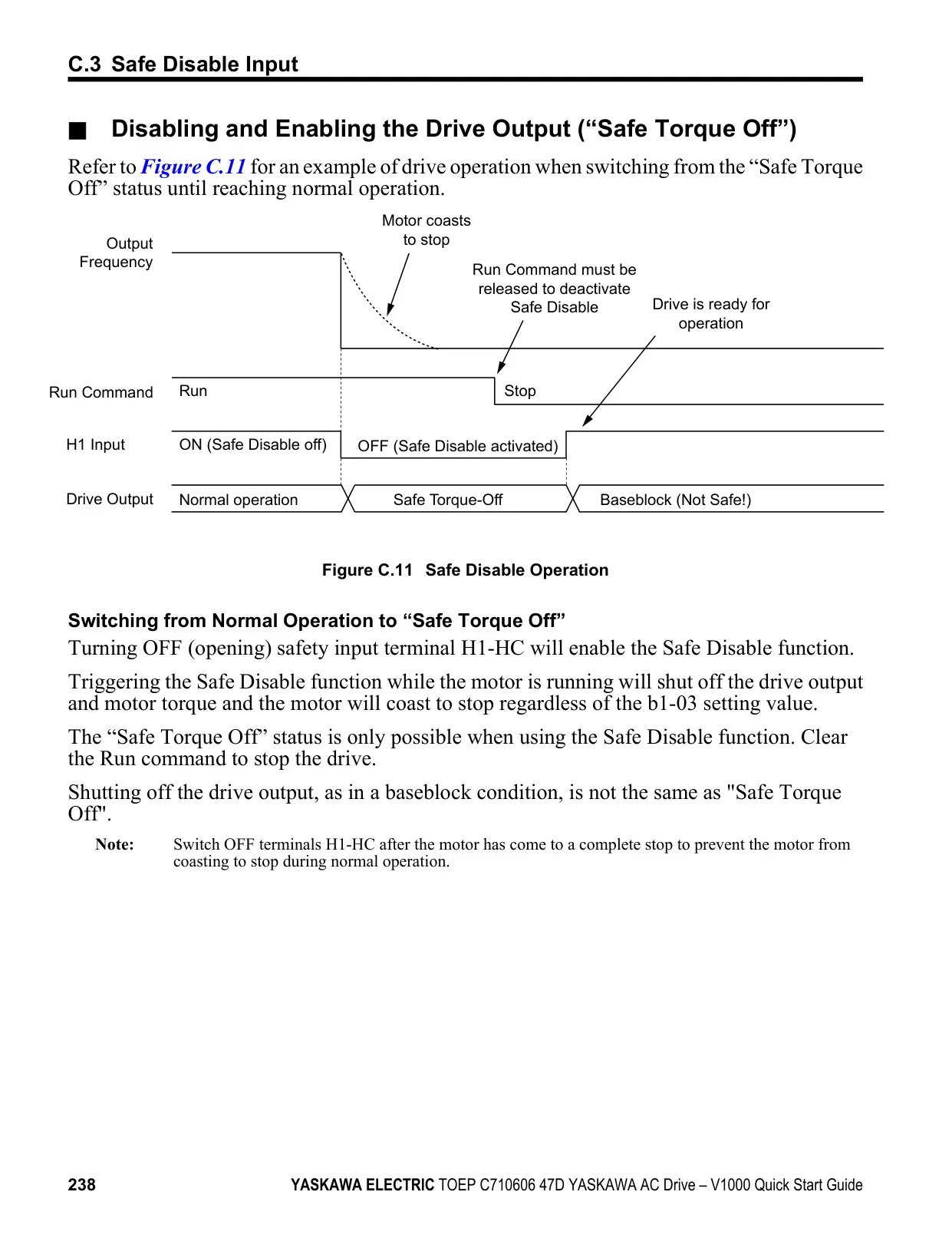
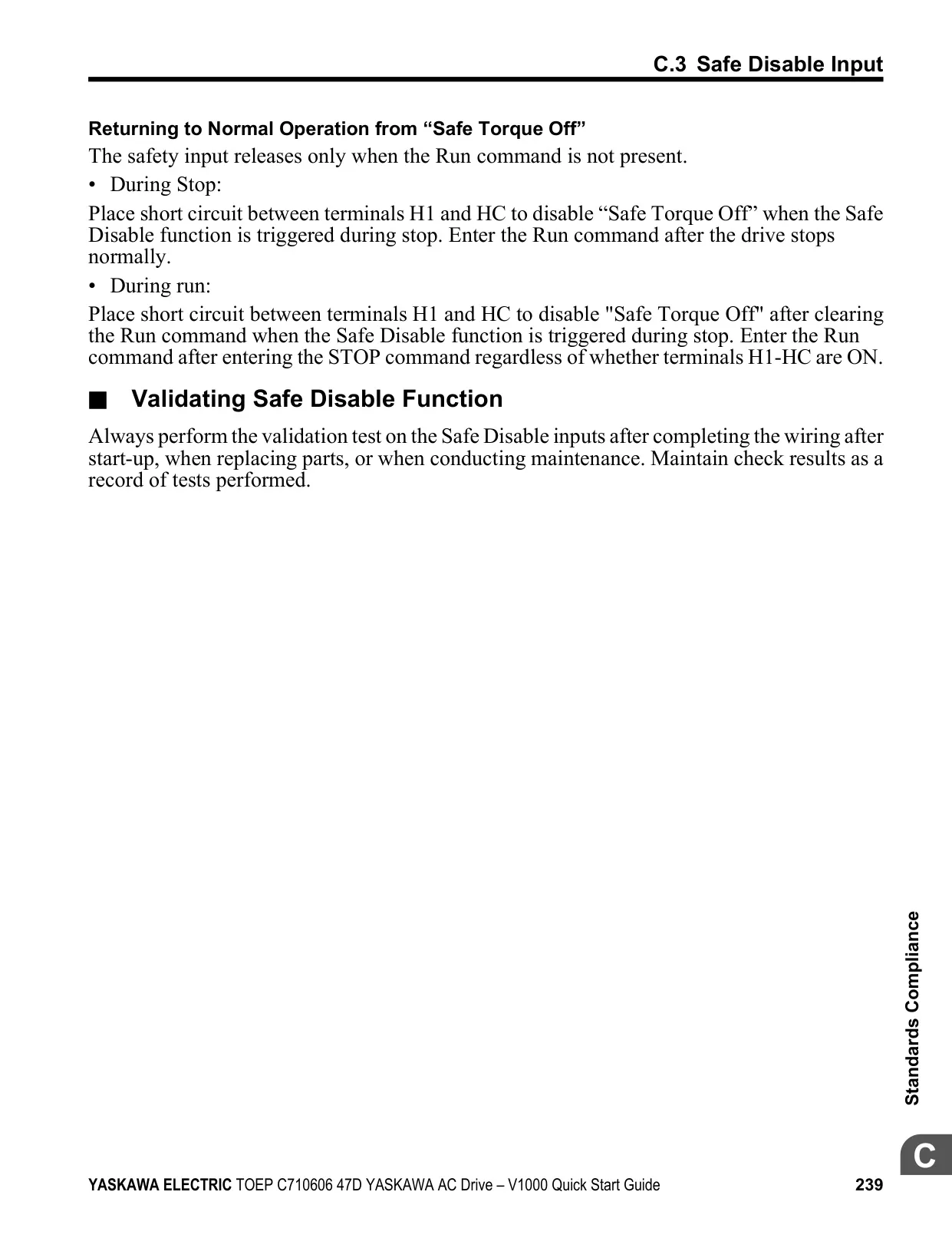
Safety is a core pillar of the V1000's design. It incorporates a certified Safe Torque Off (STO) function that complies with international standards such as EN ISO 13849-1 (PL d) and IEC/EN 61508 (SIL2). This feature guarantees the safe removal of motor torque in emergency situations, which is crucial for protecting personnel and machinery. Furthermore, the drive complies with CE directives for EMC and low voltage, as well as UL and CSA standards, ensuring suitability for global markets.
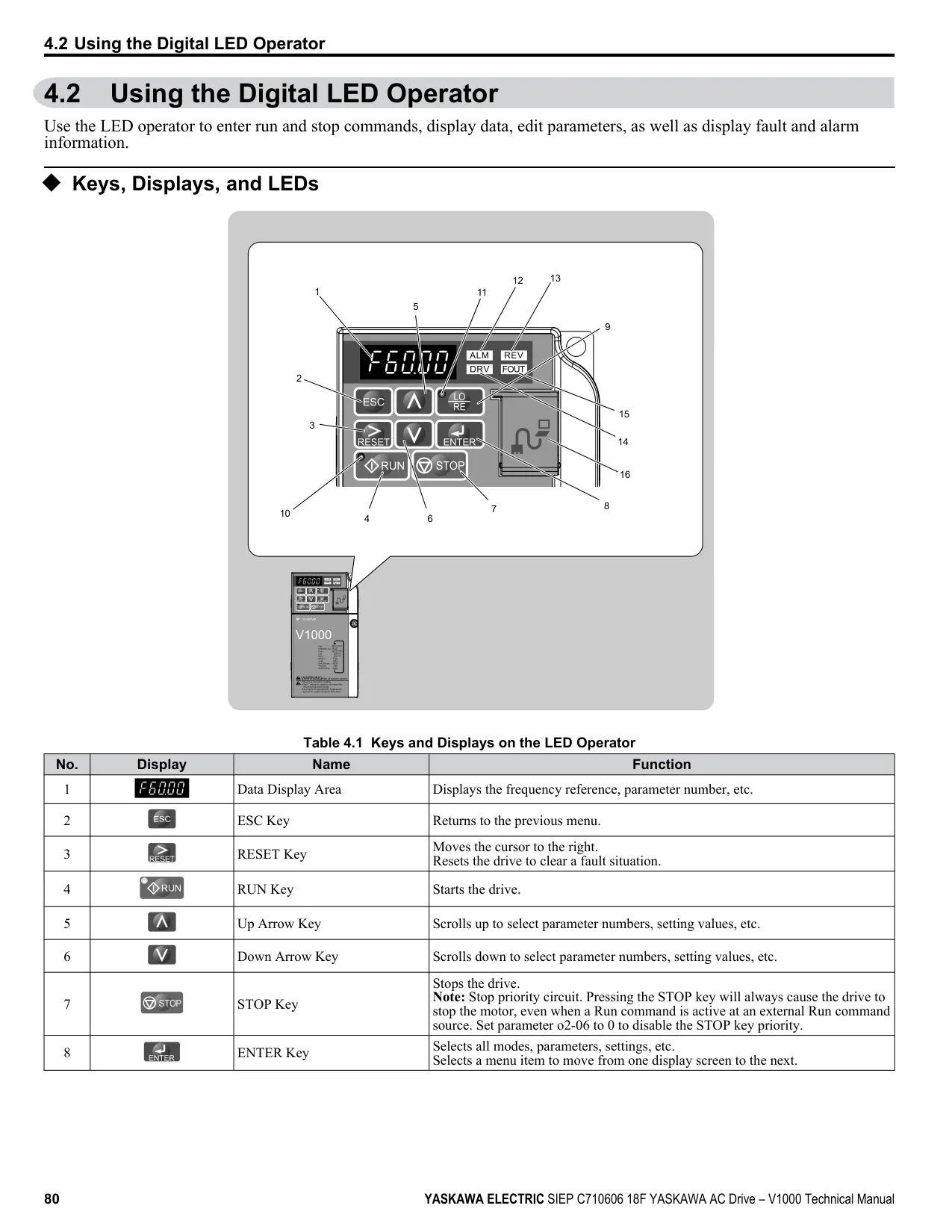
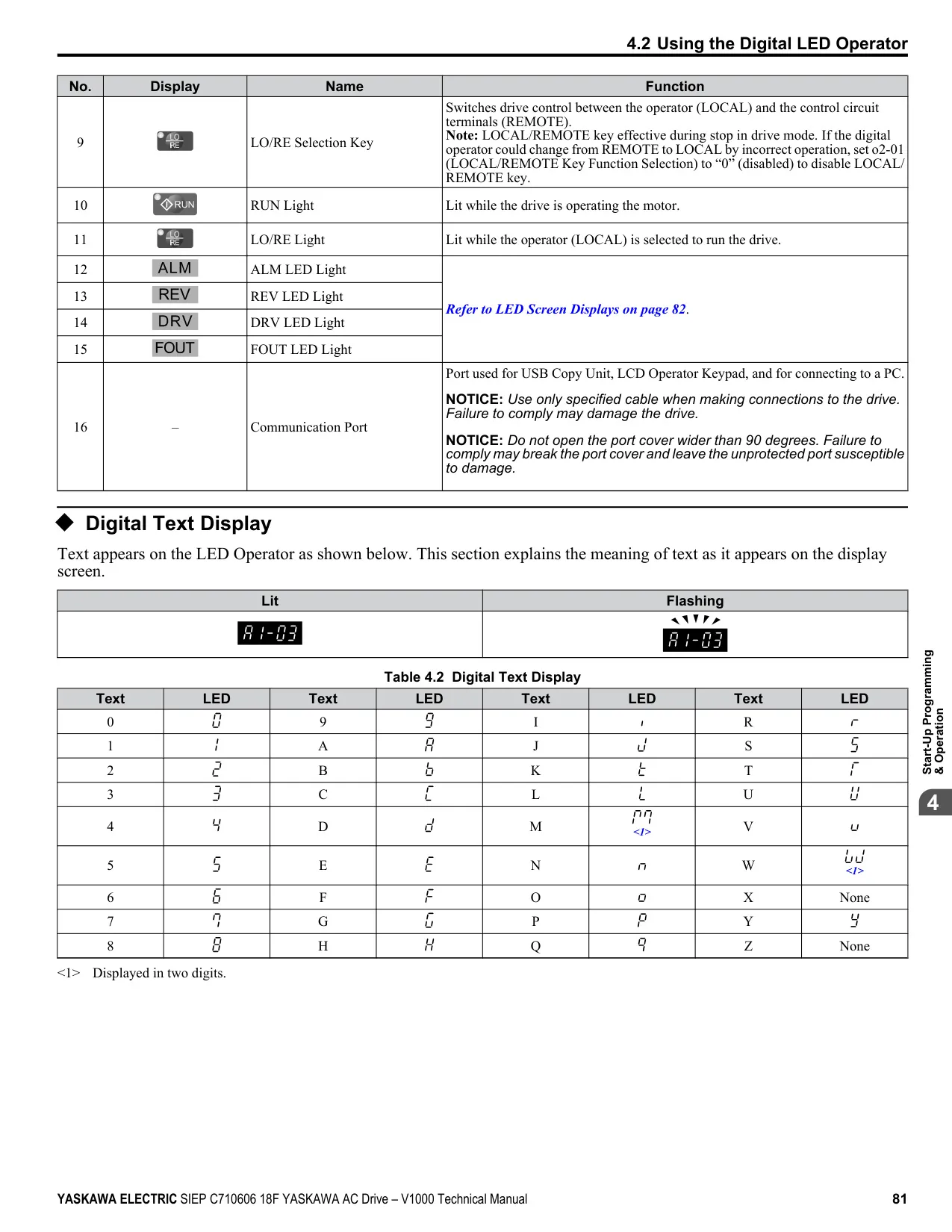
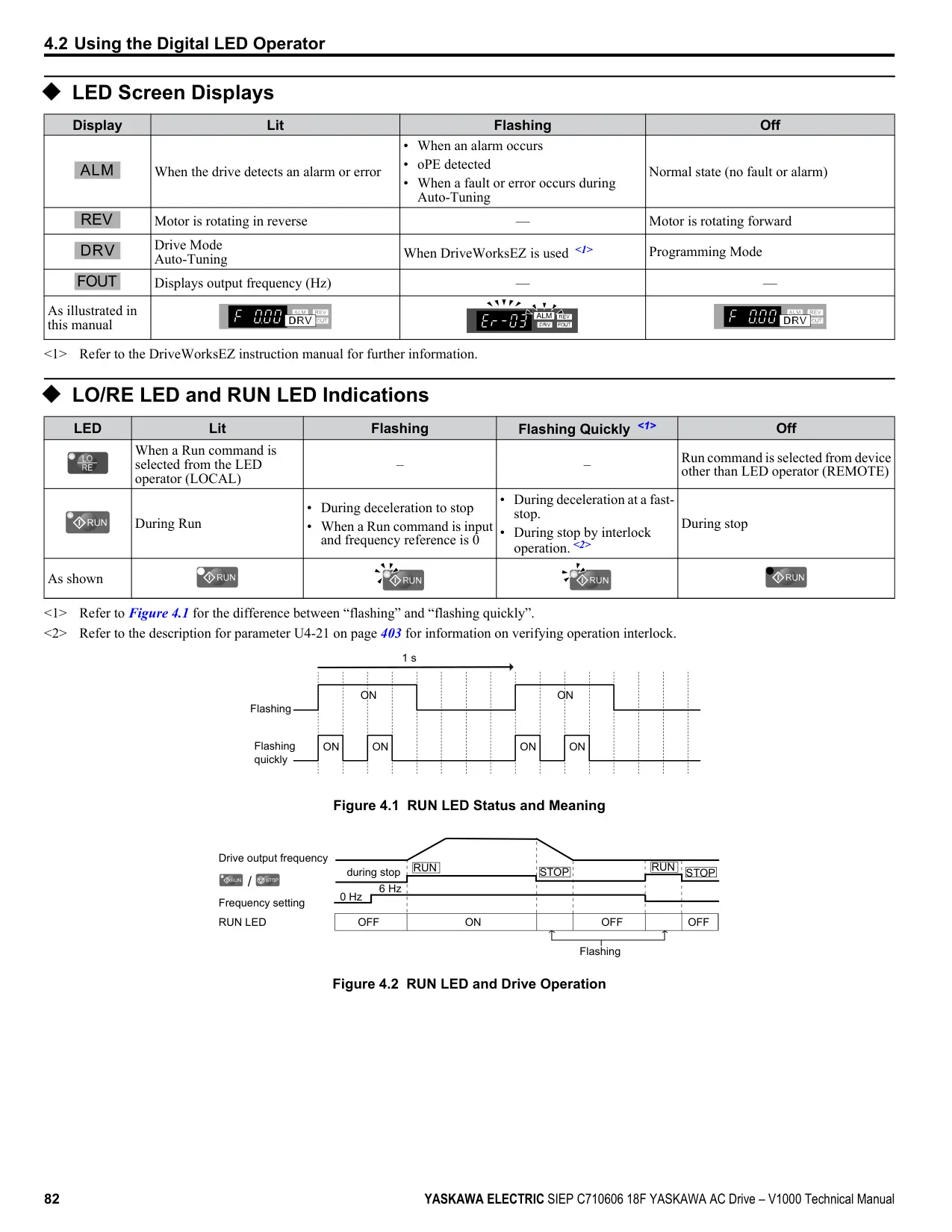
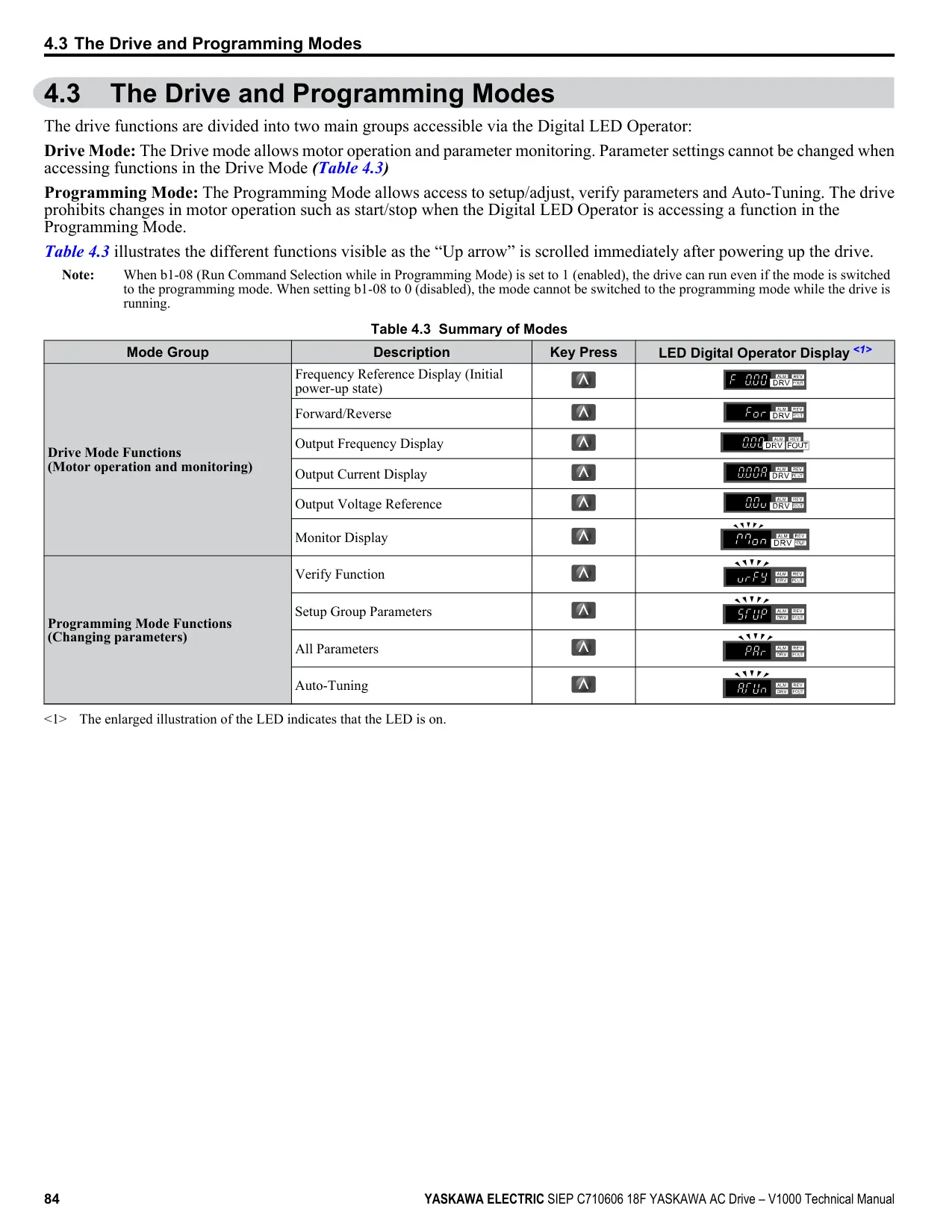
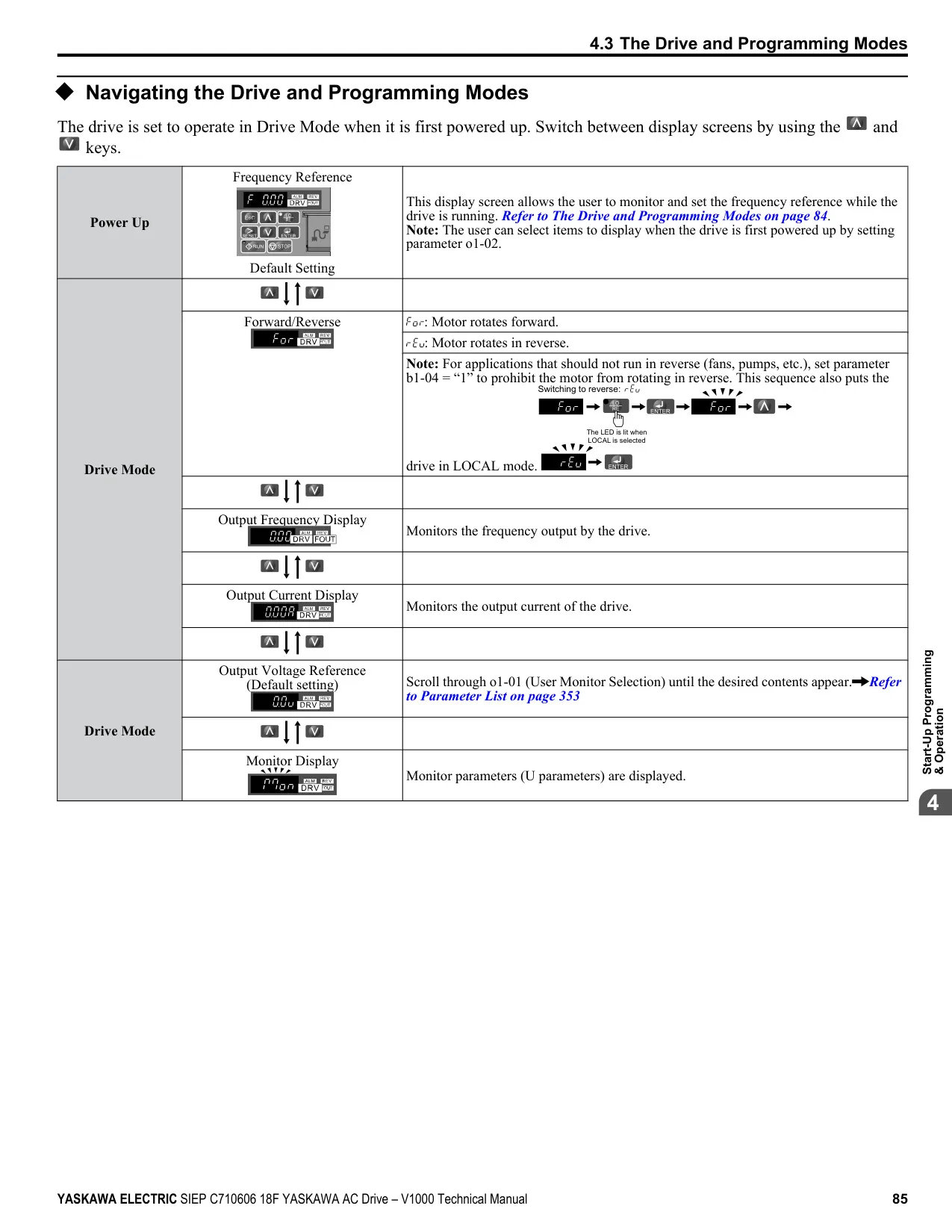
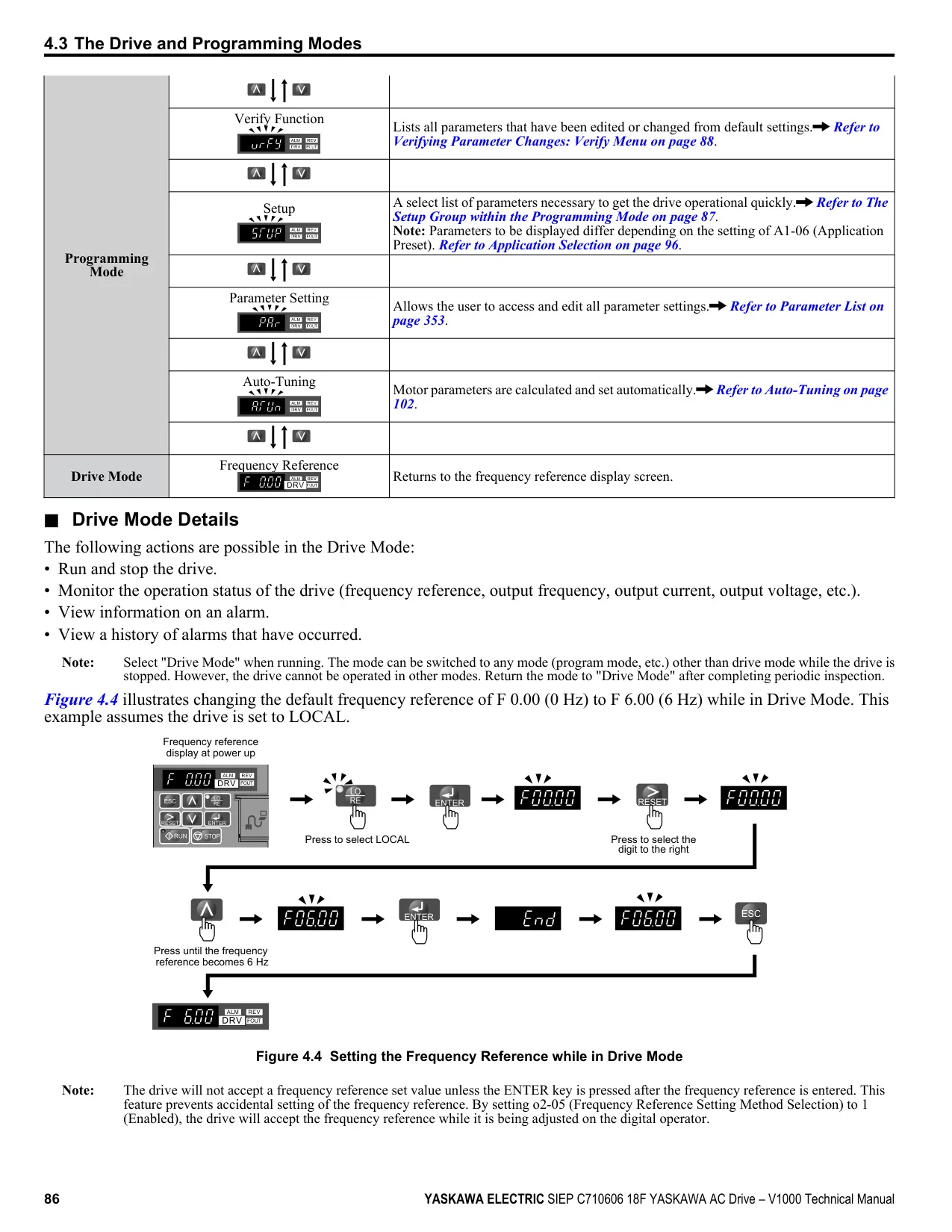
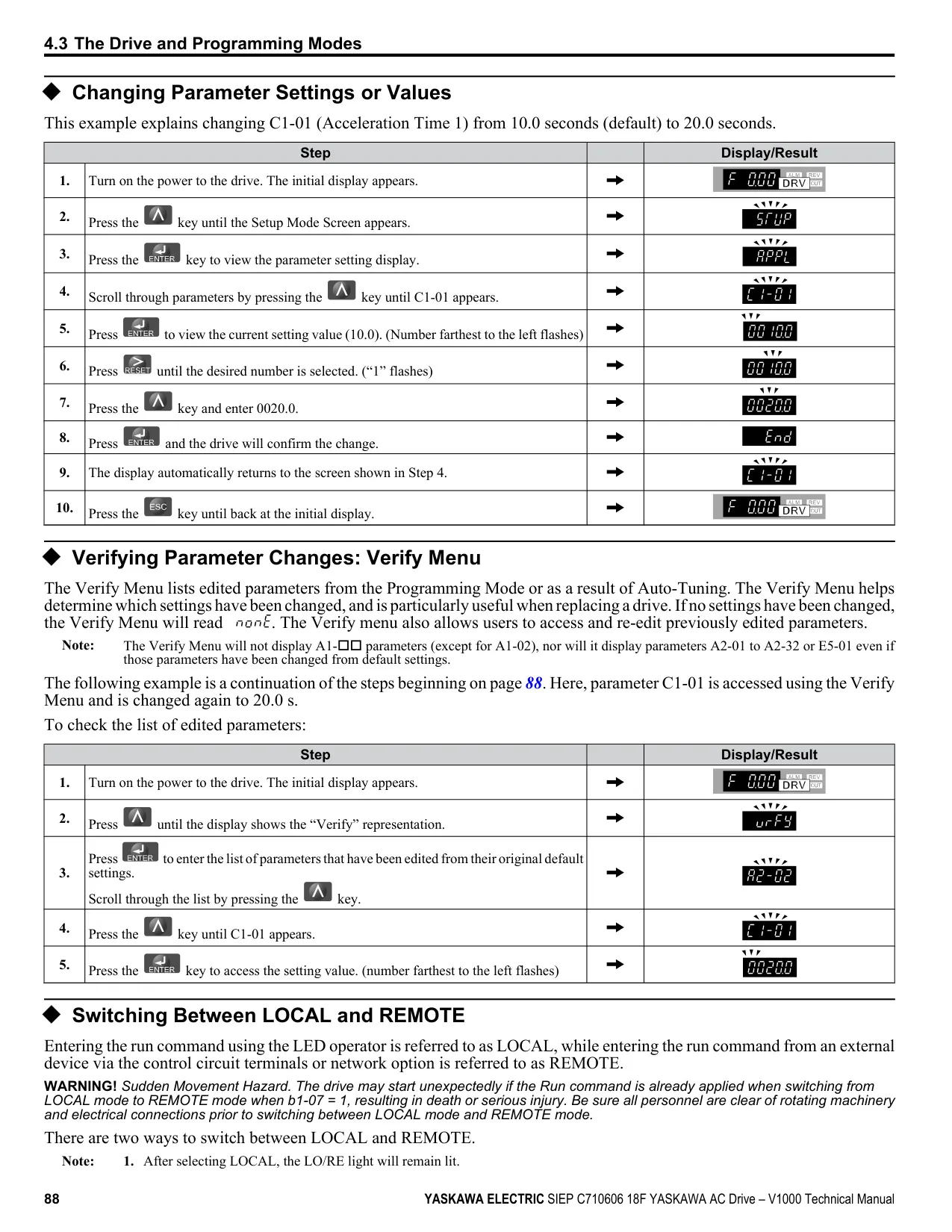
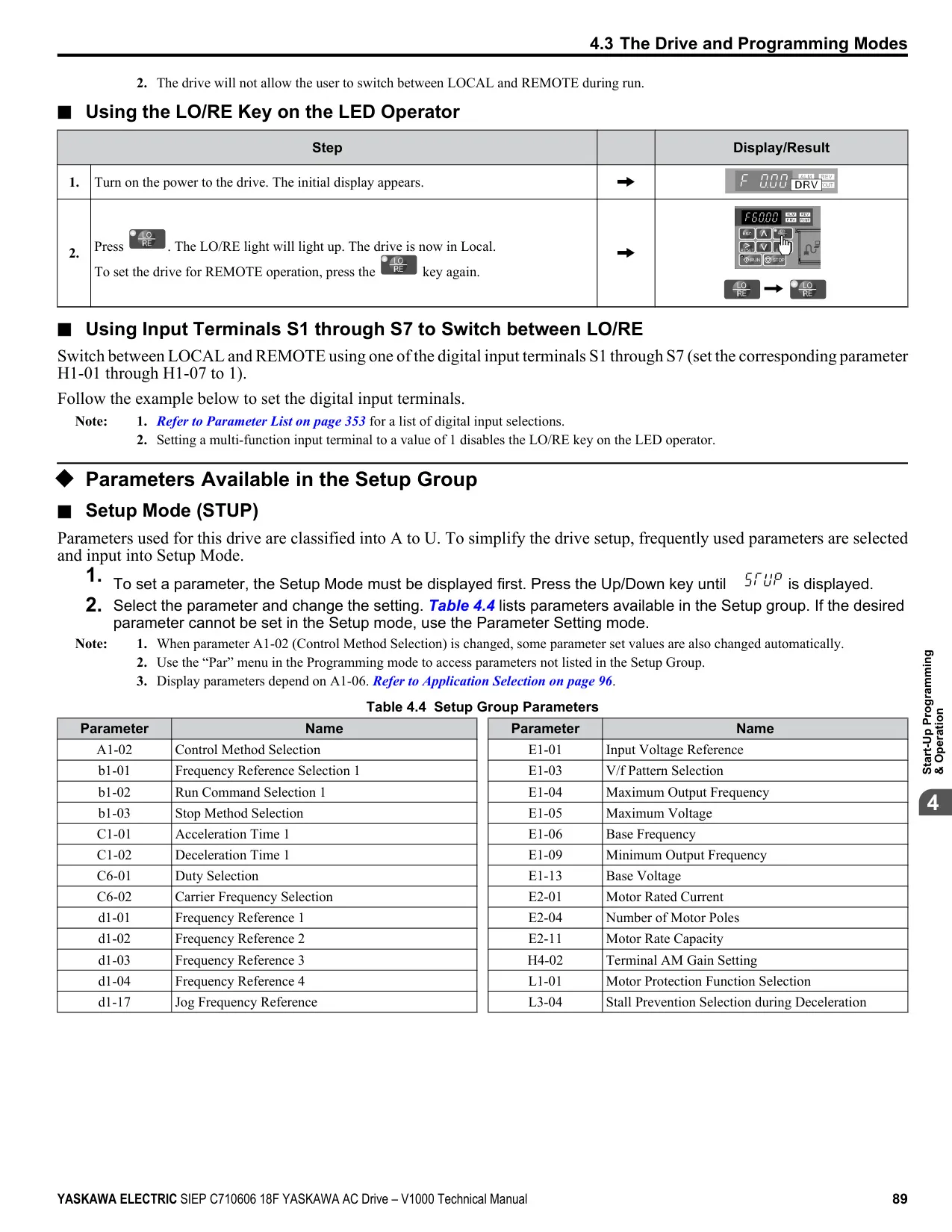
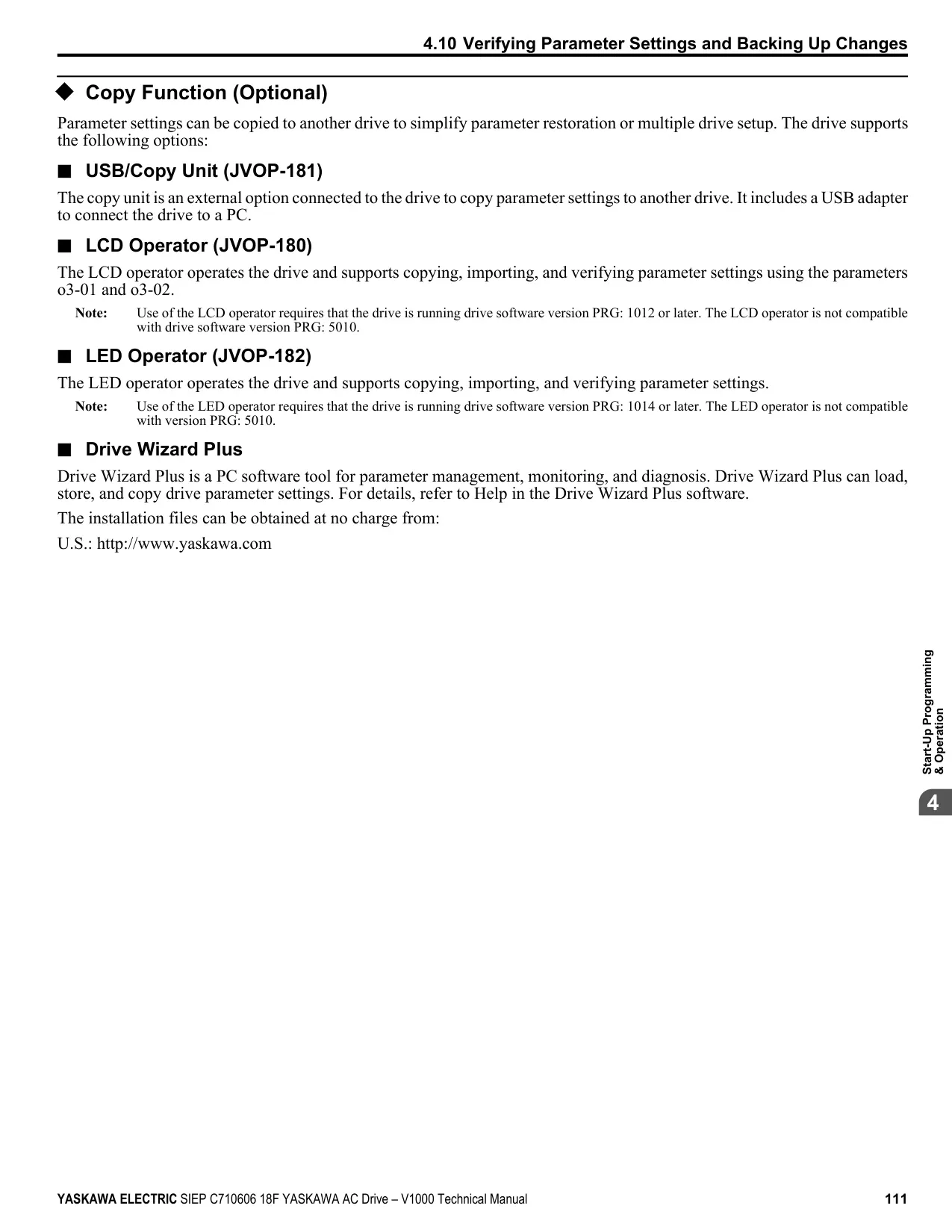
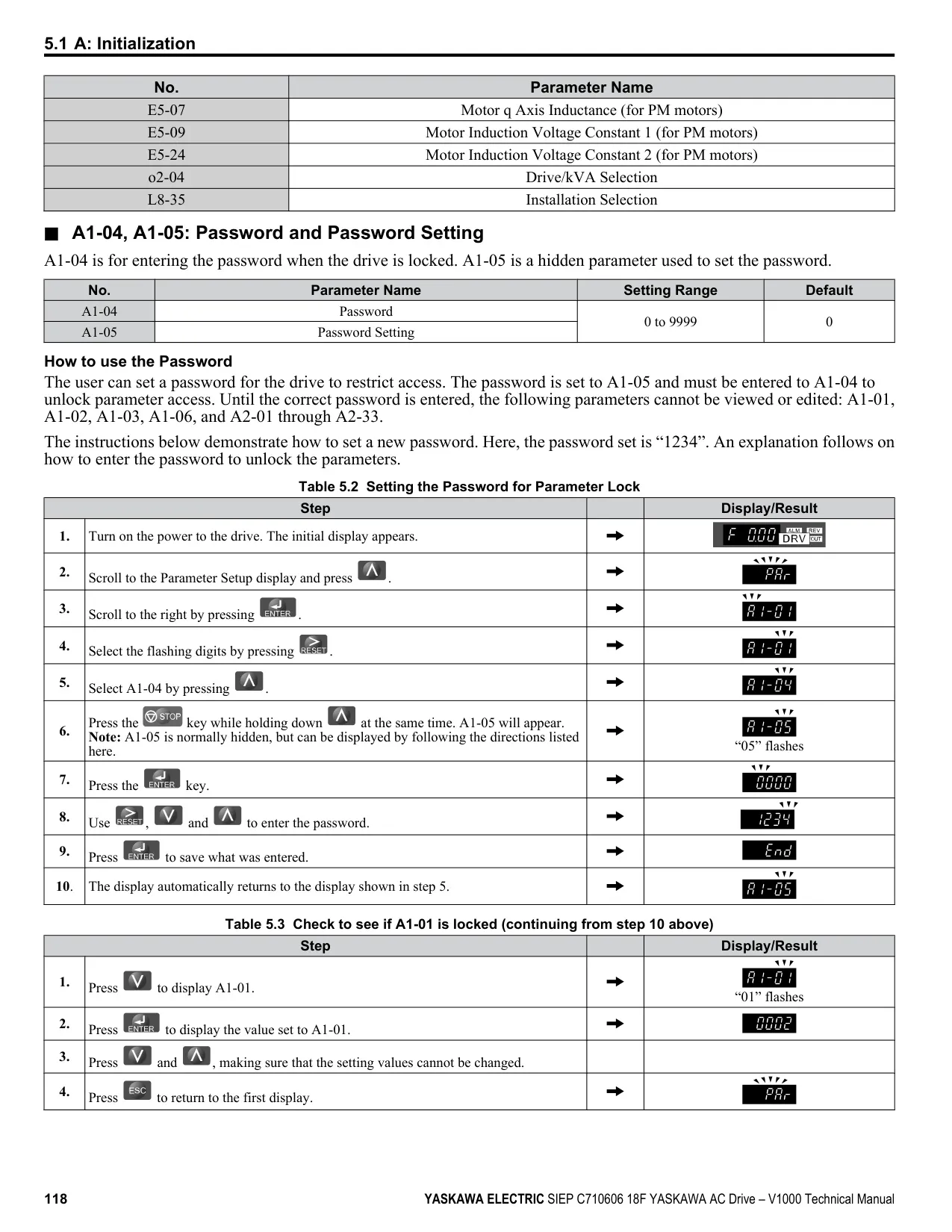
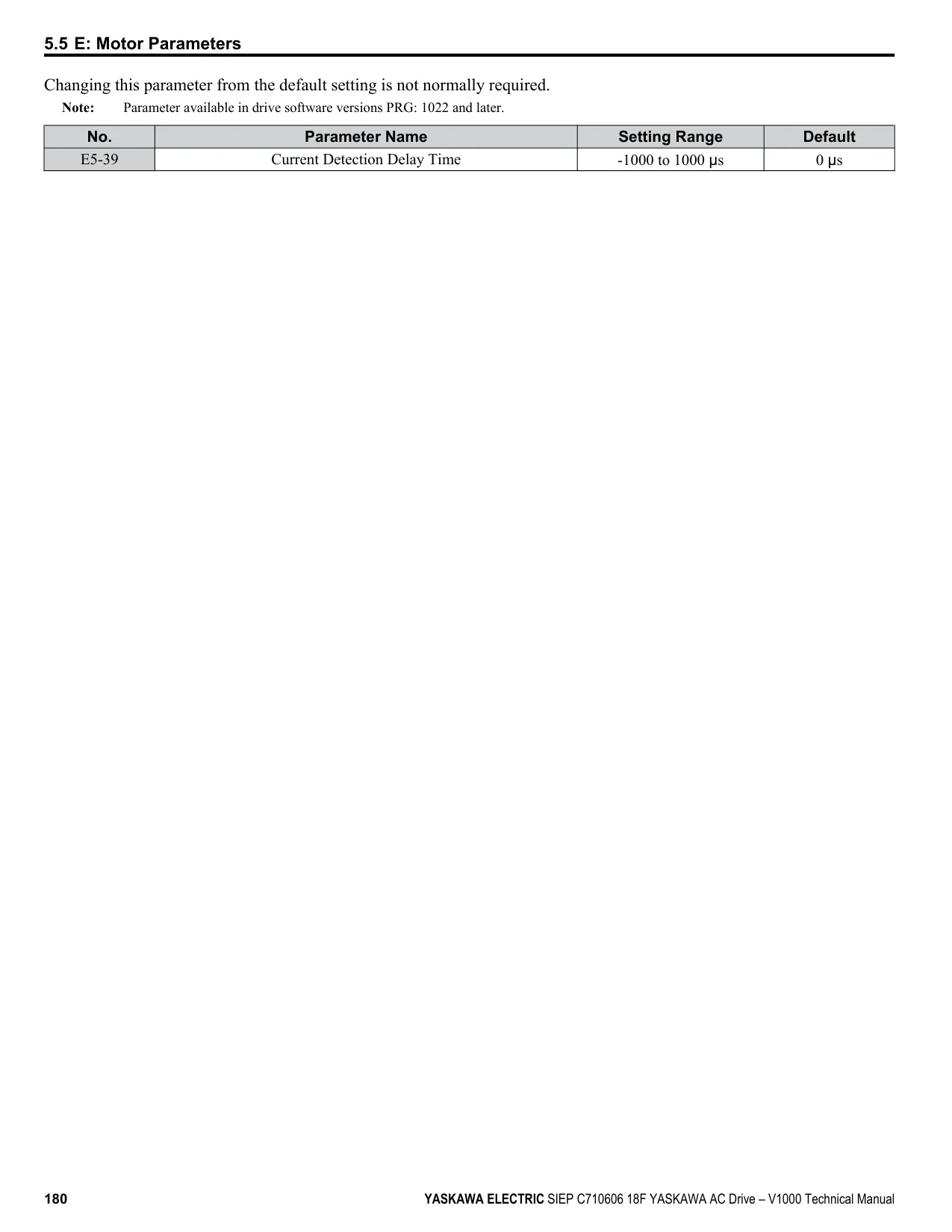
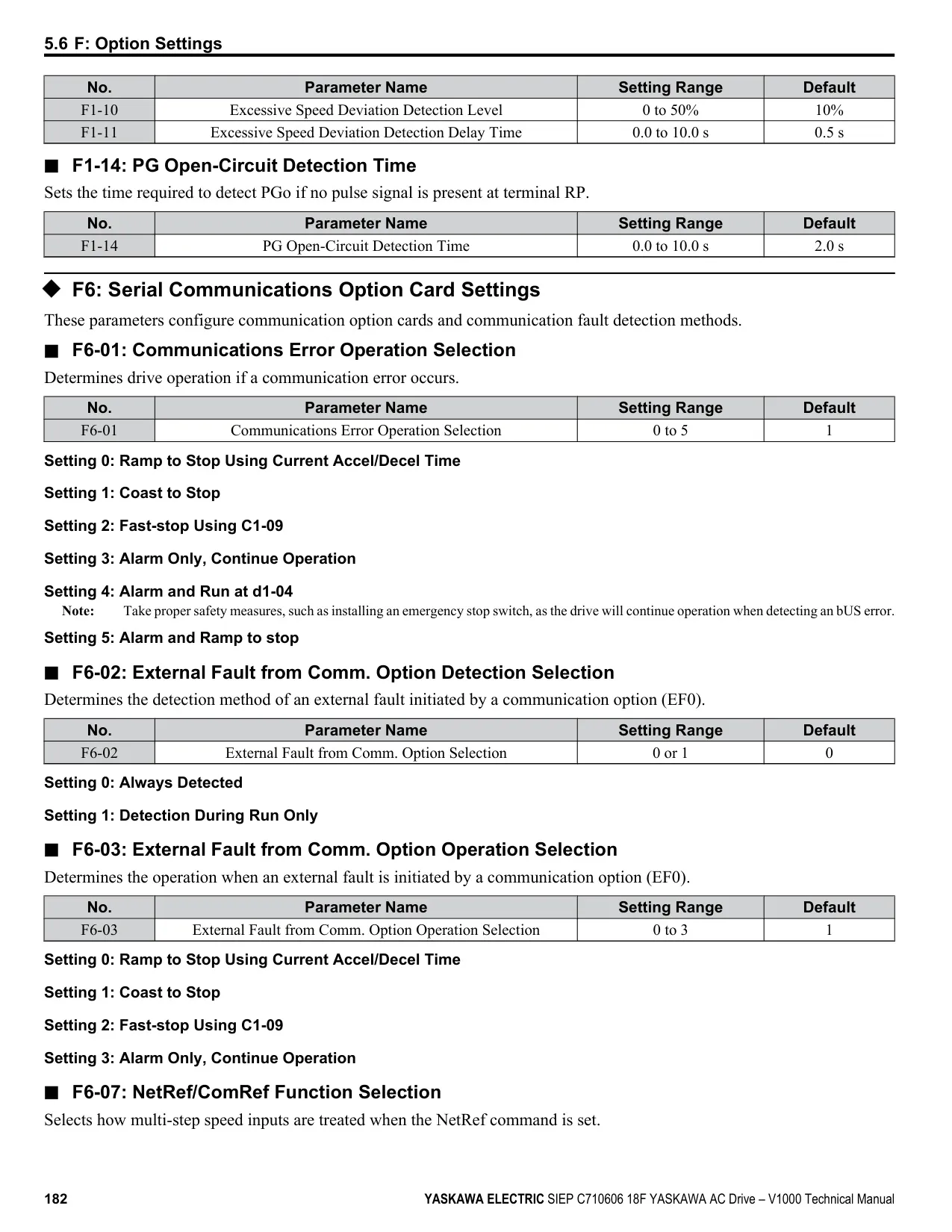
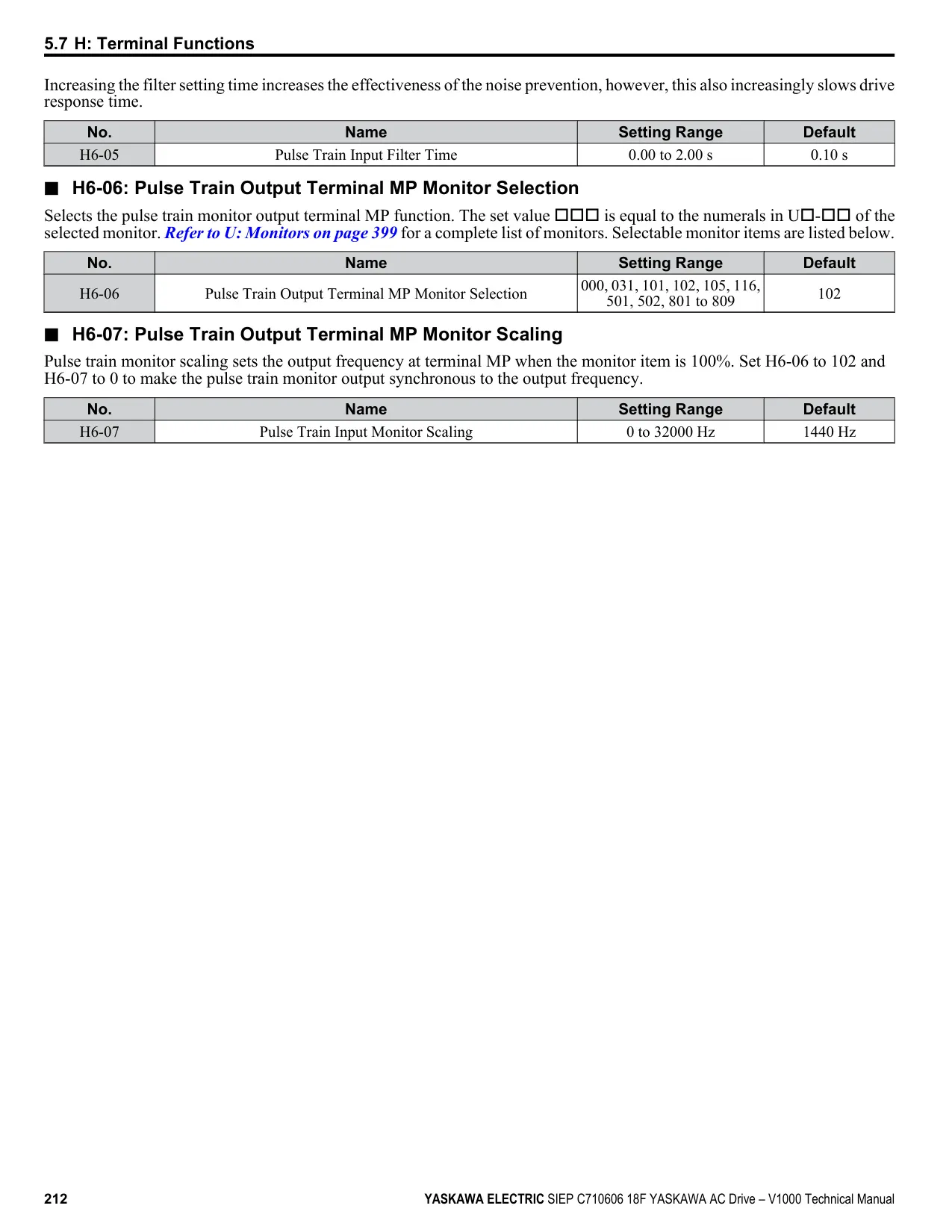
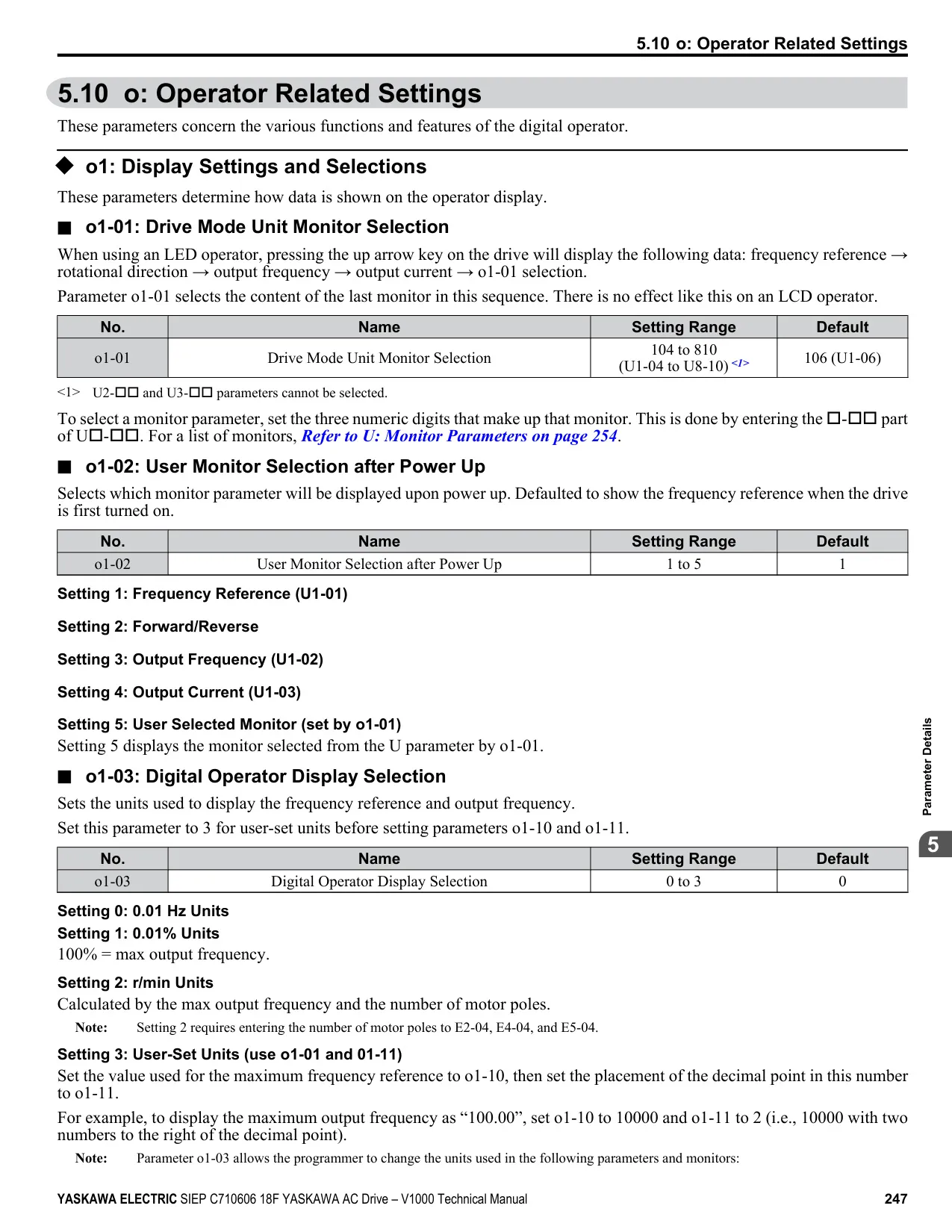
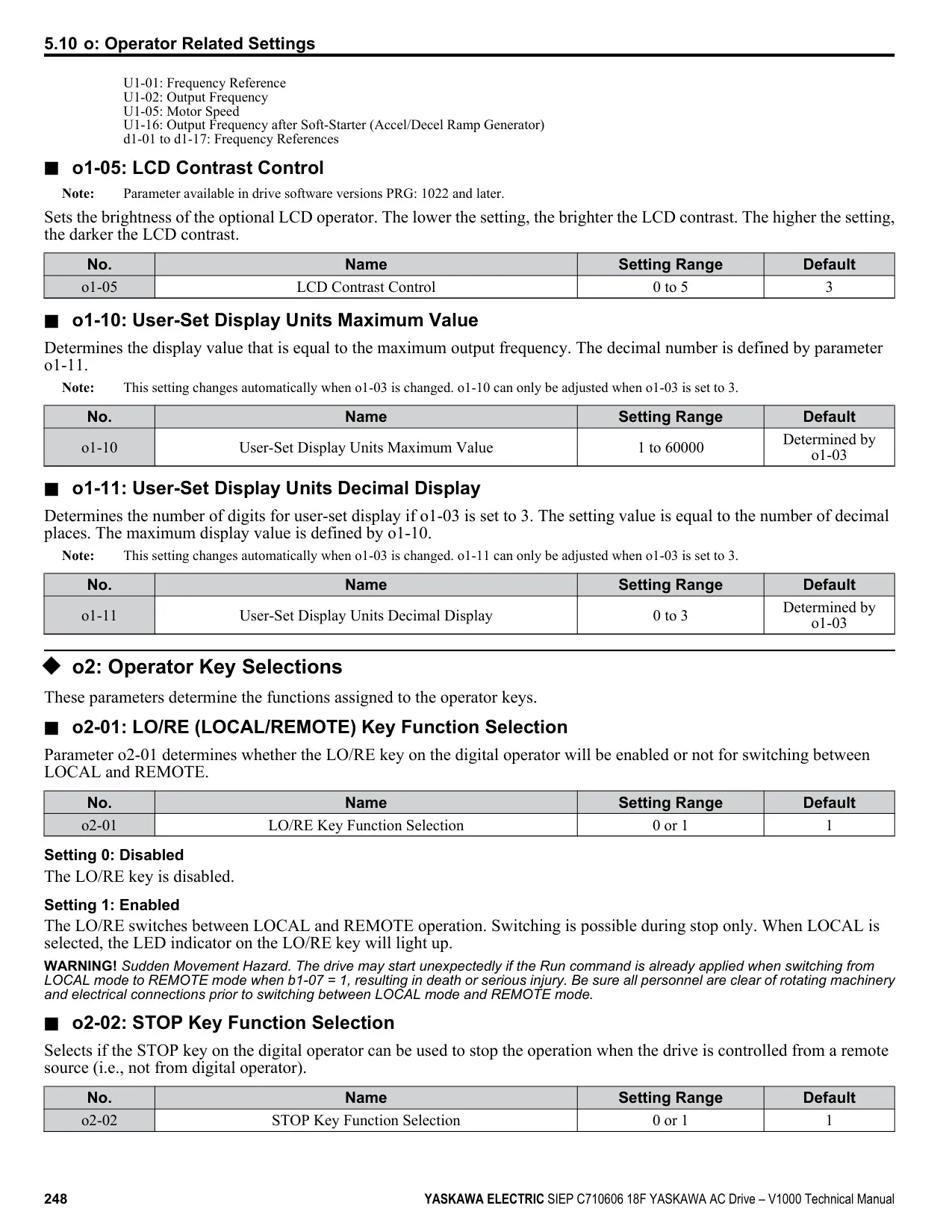
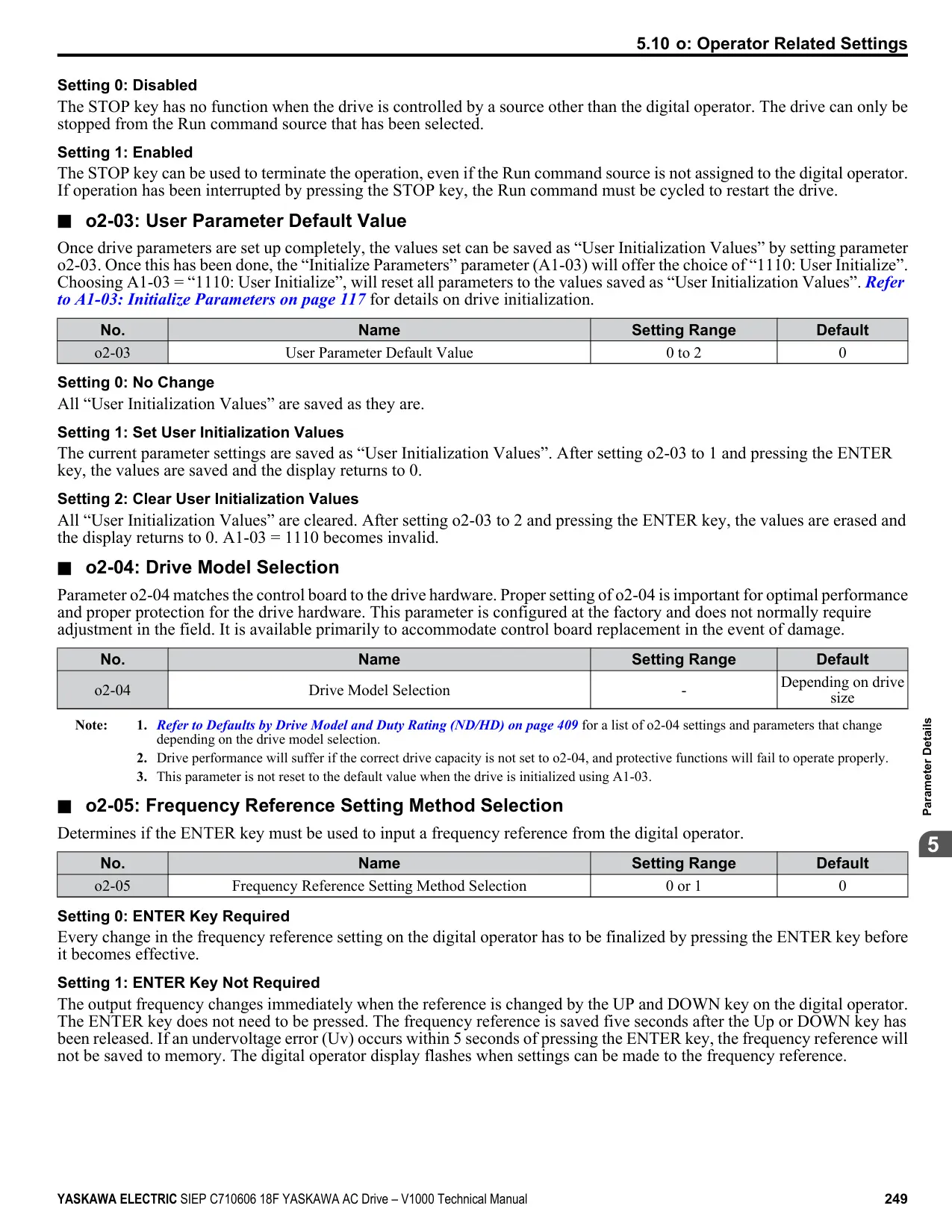
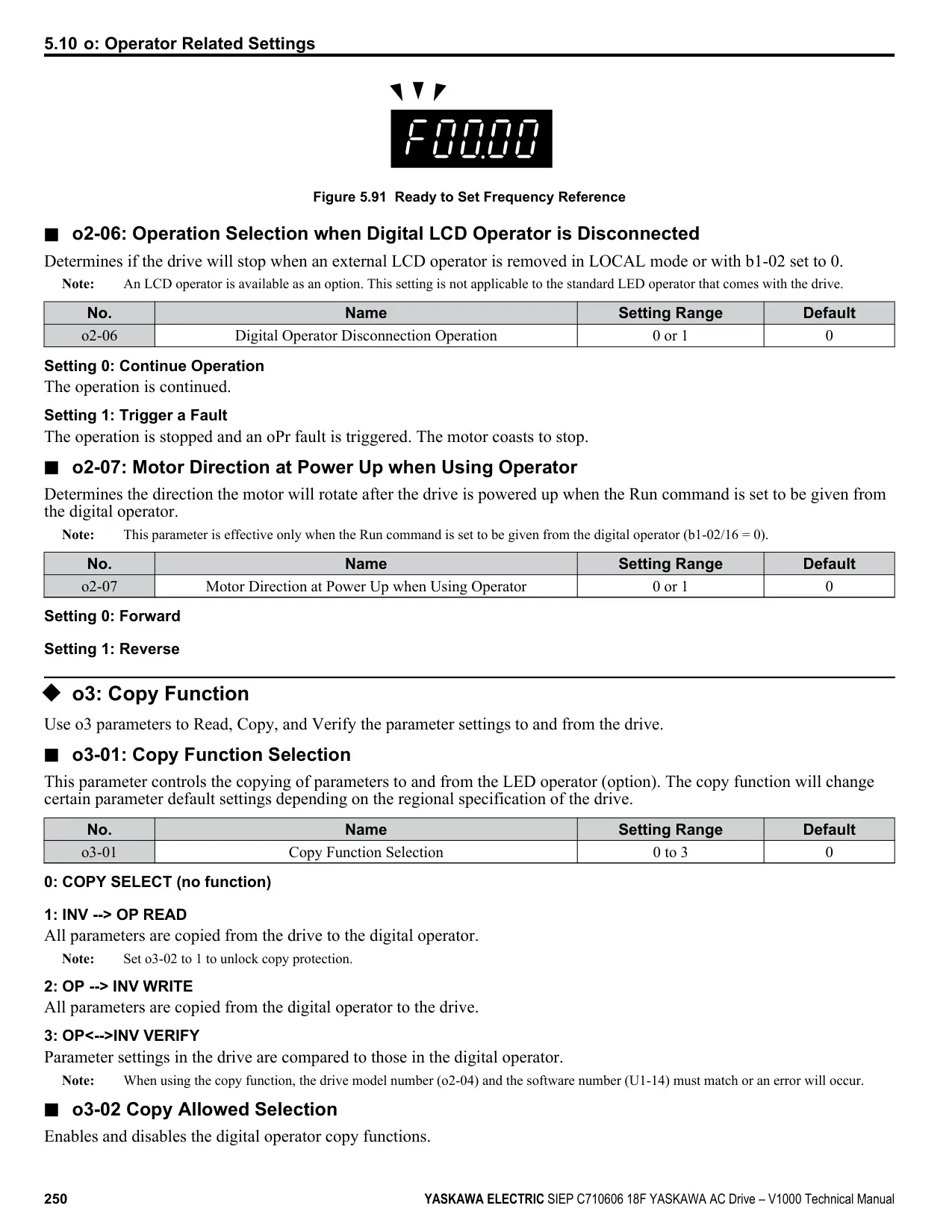
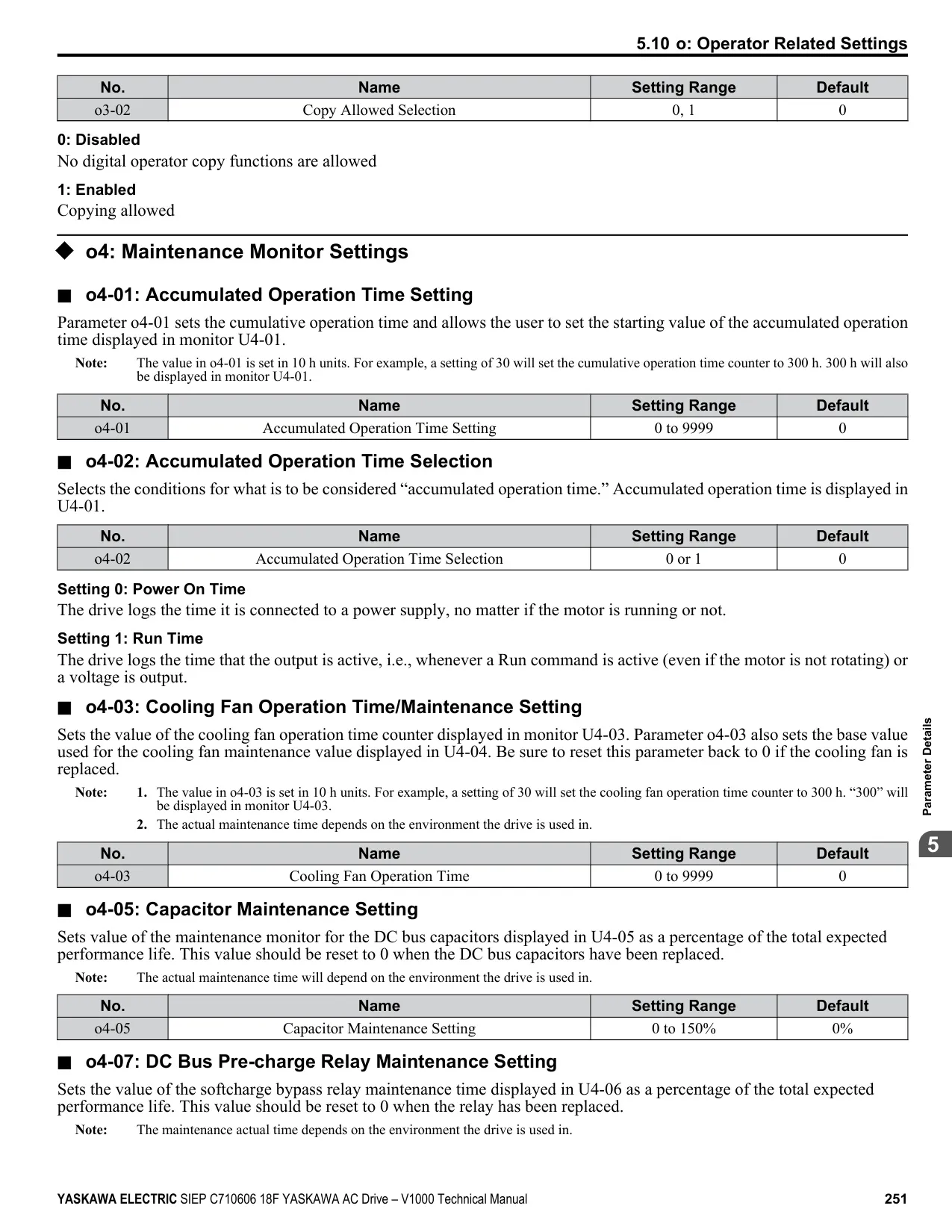
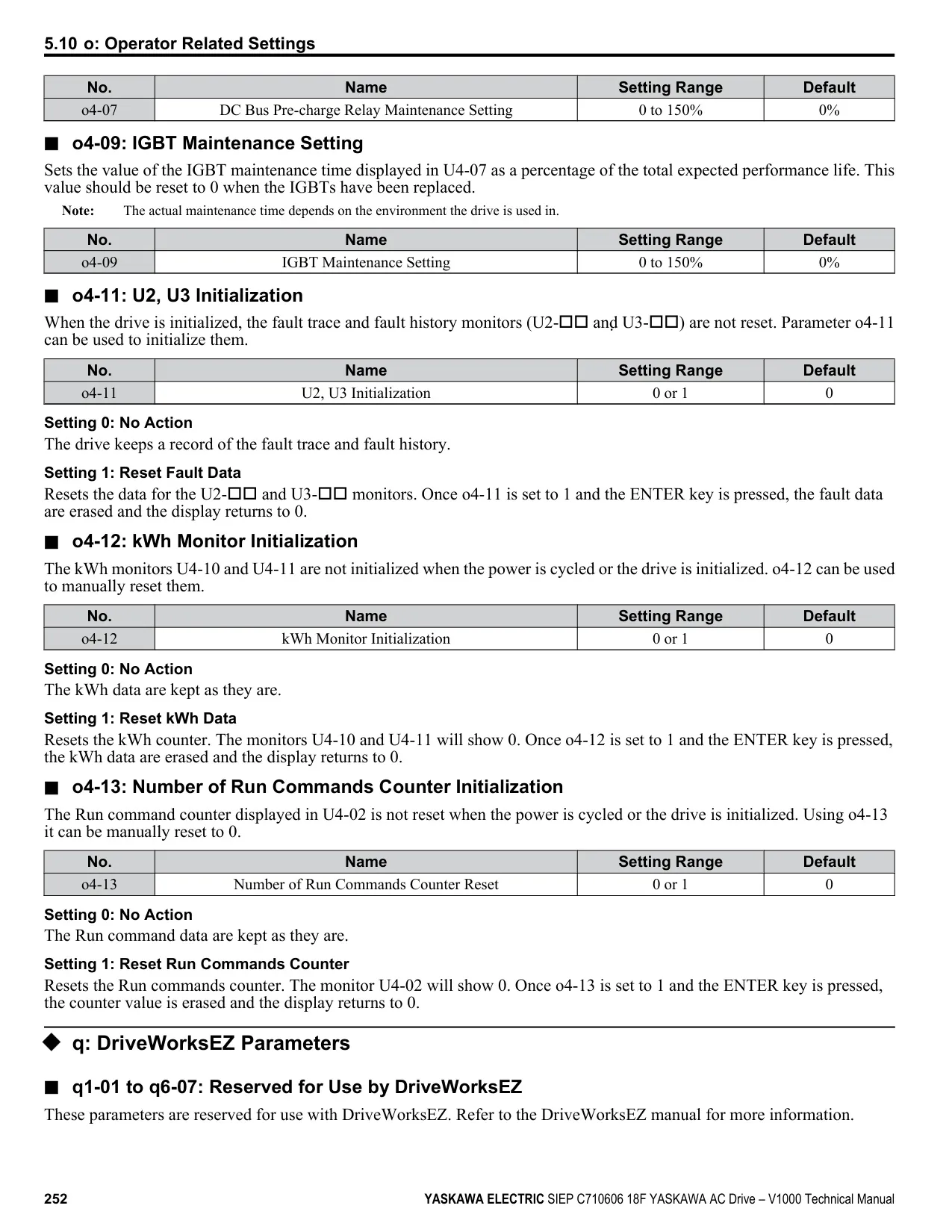
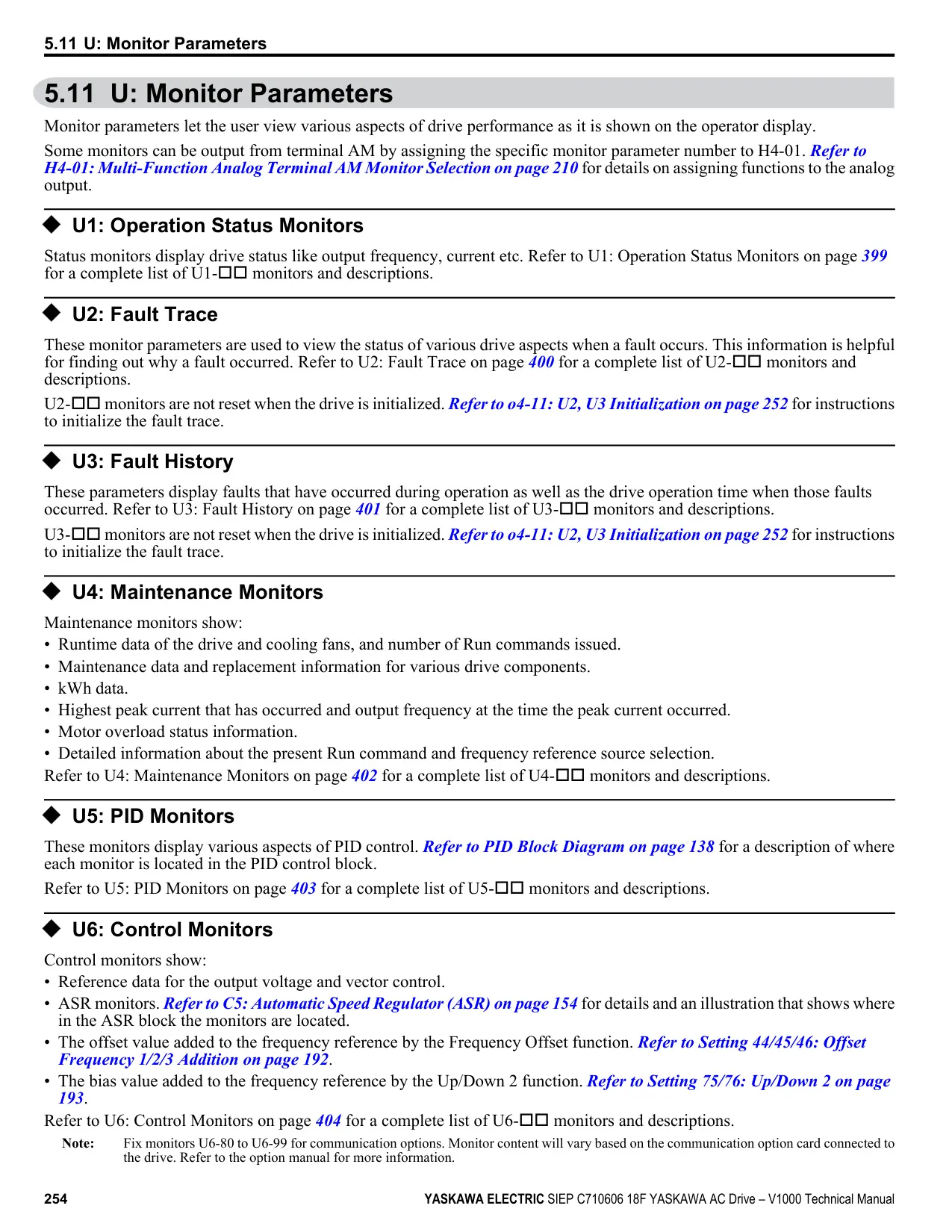
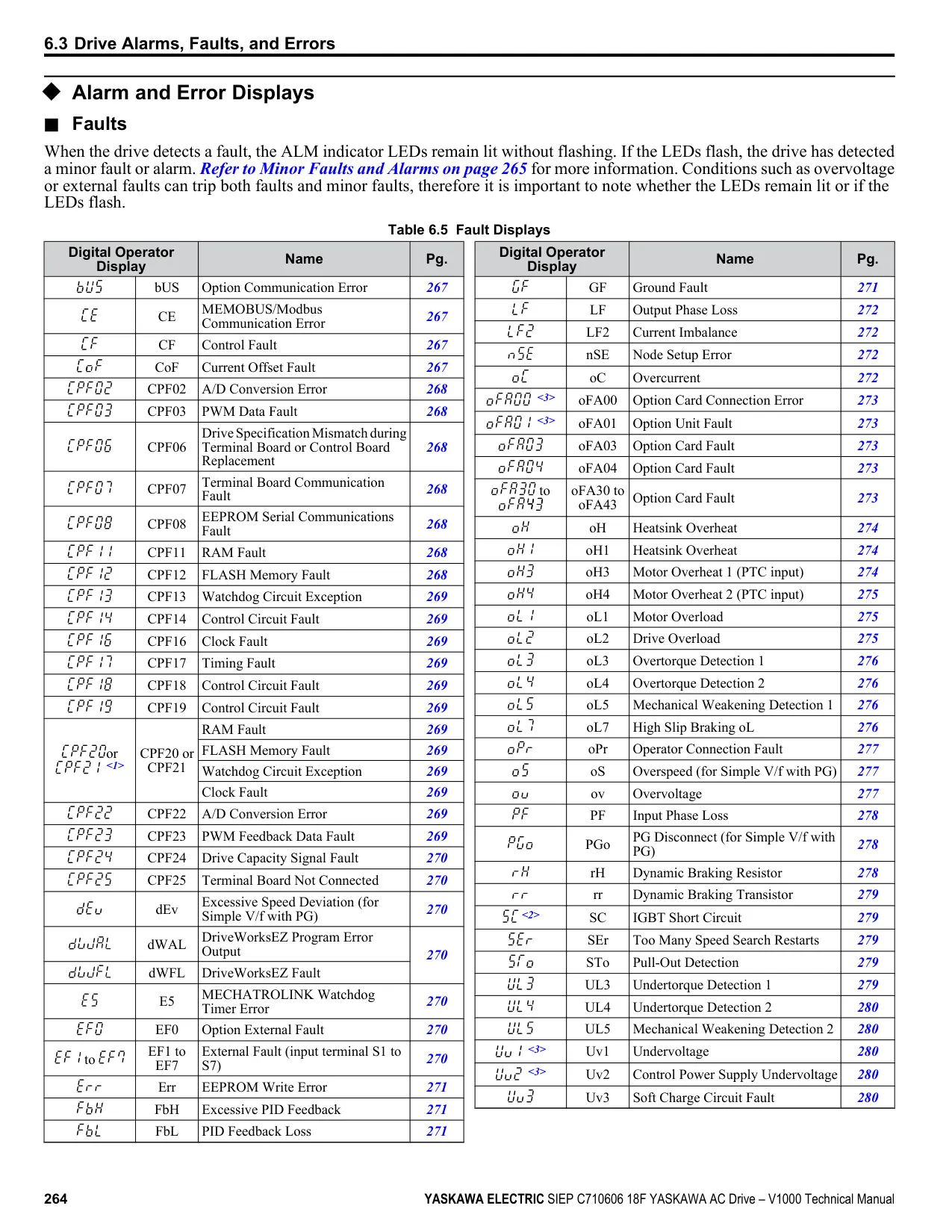
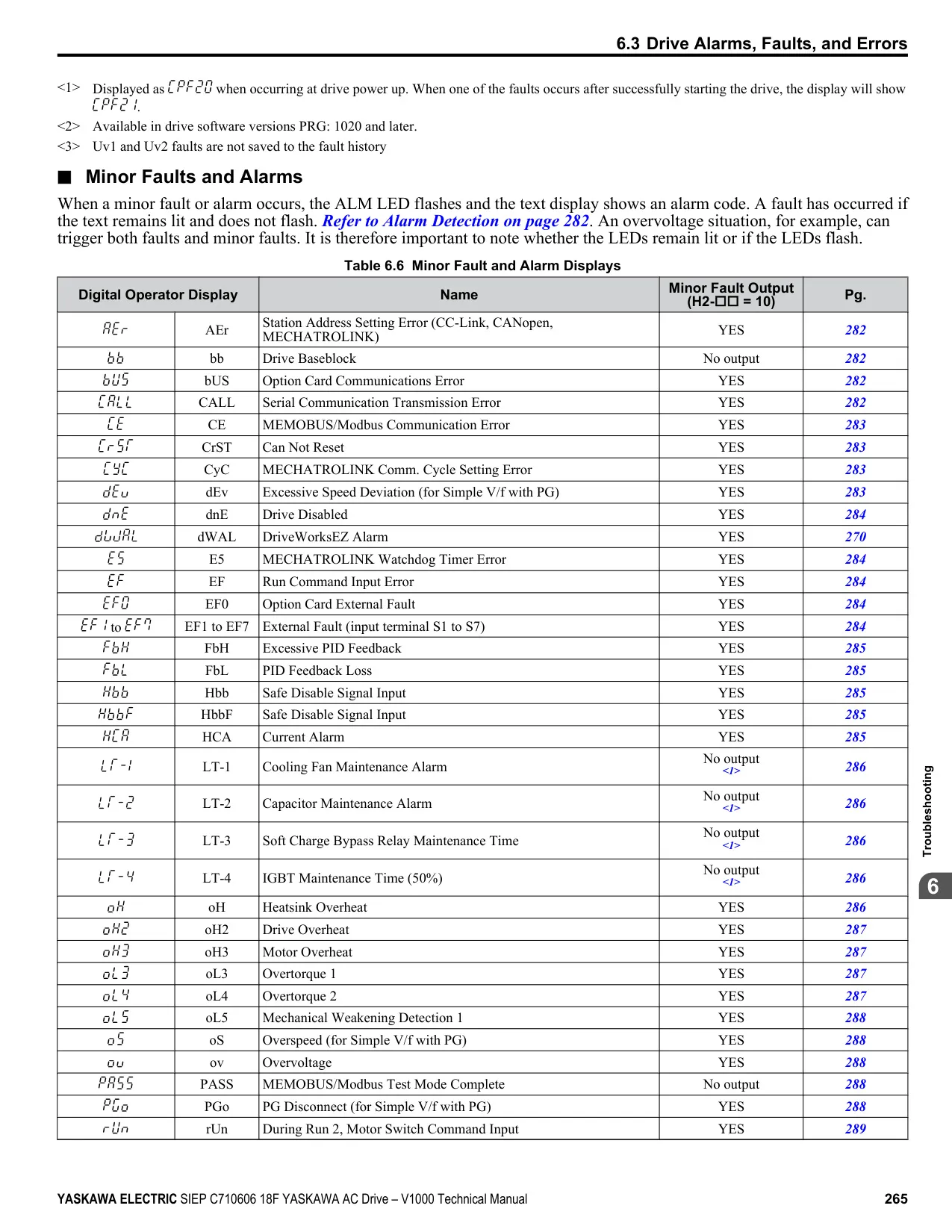
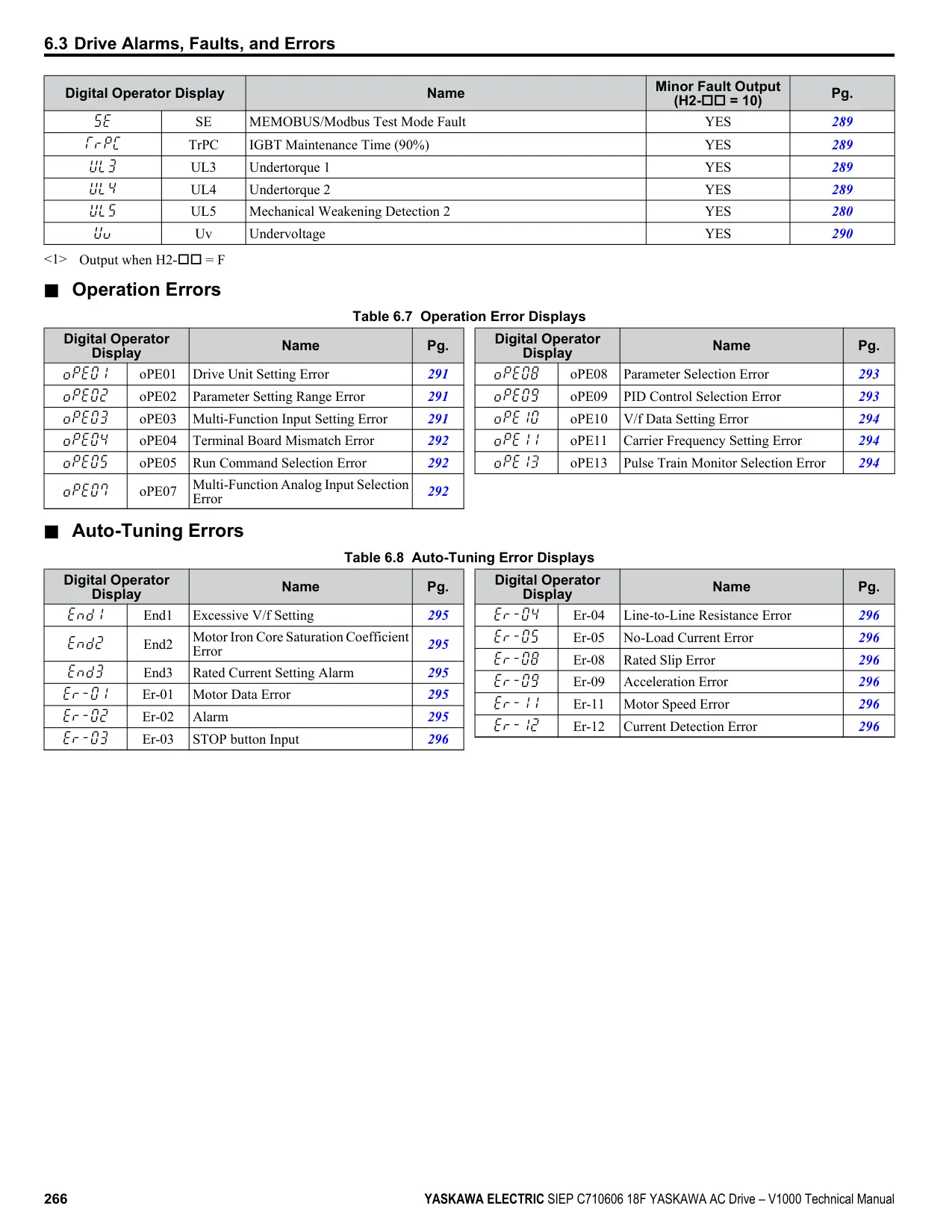
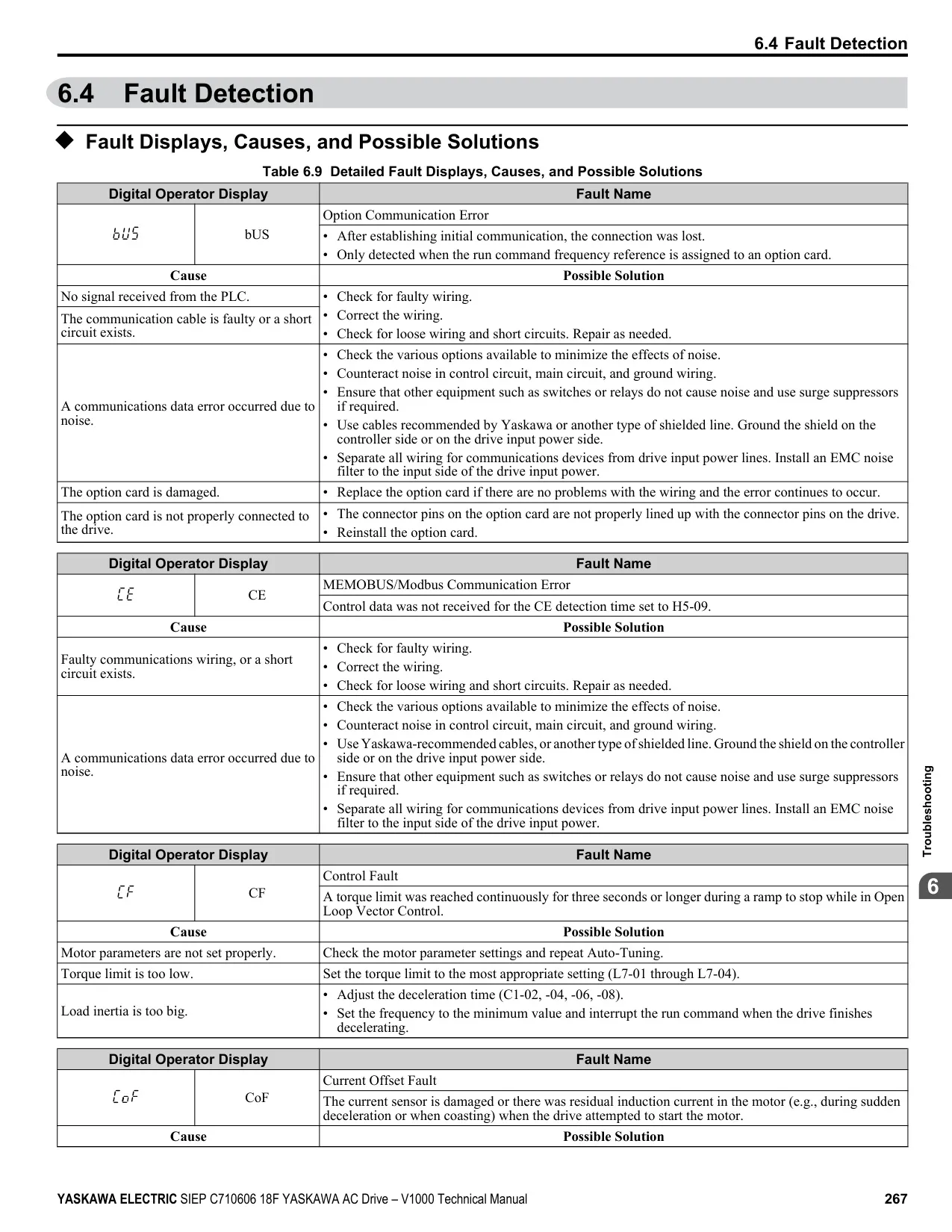
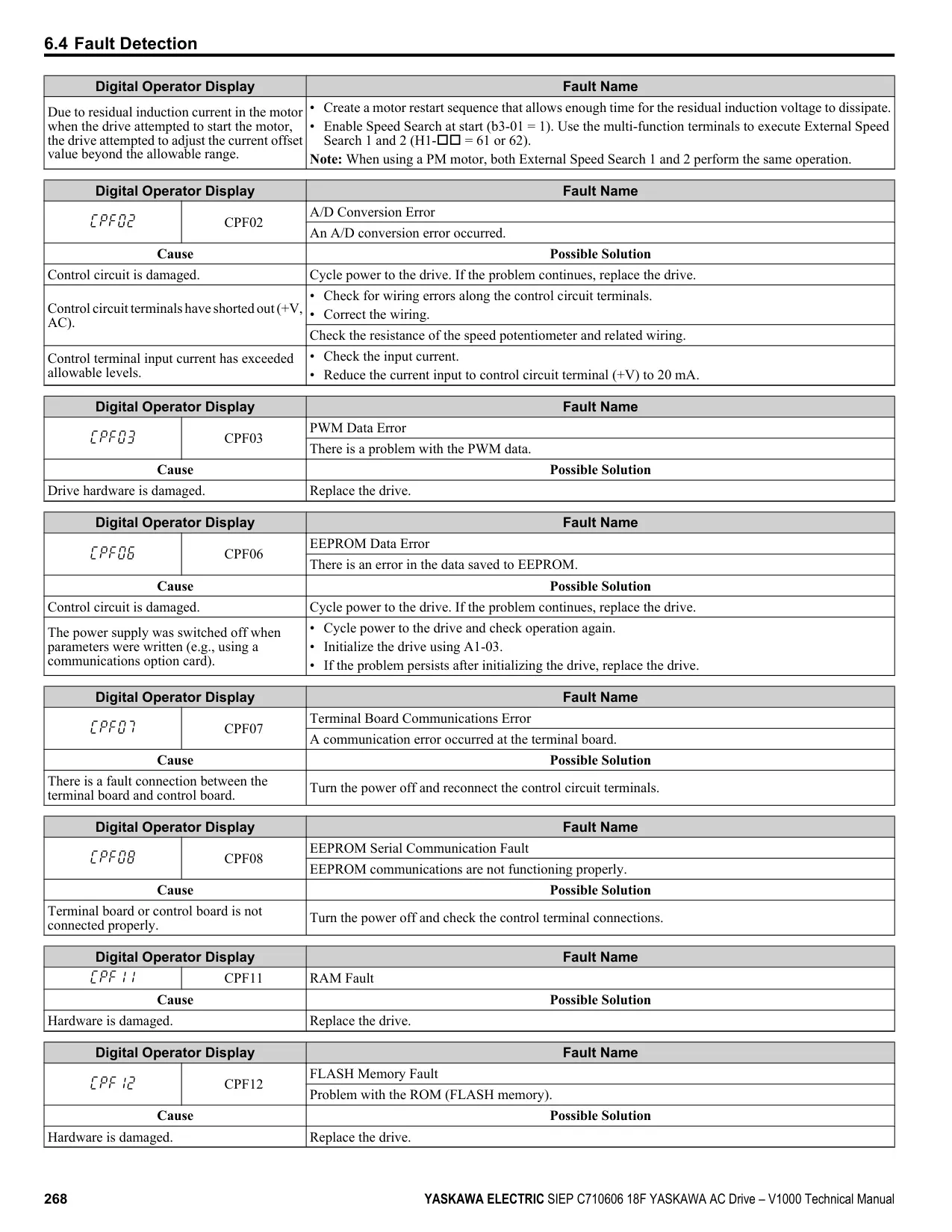
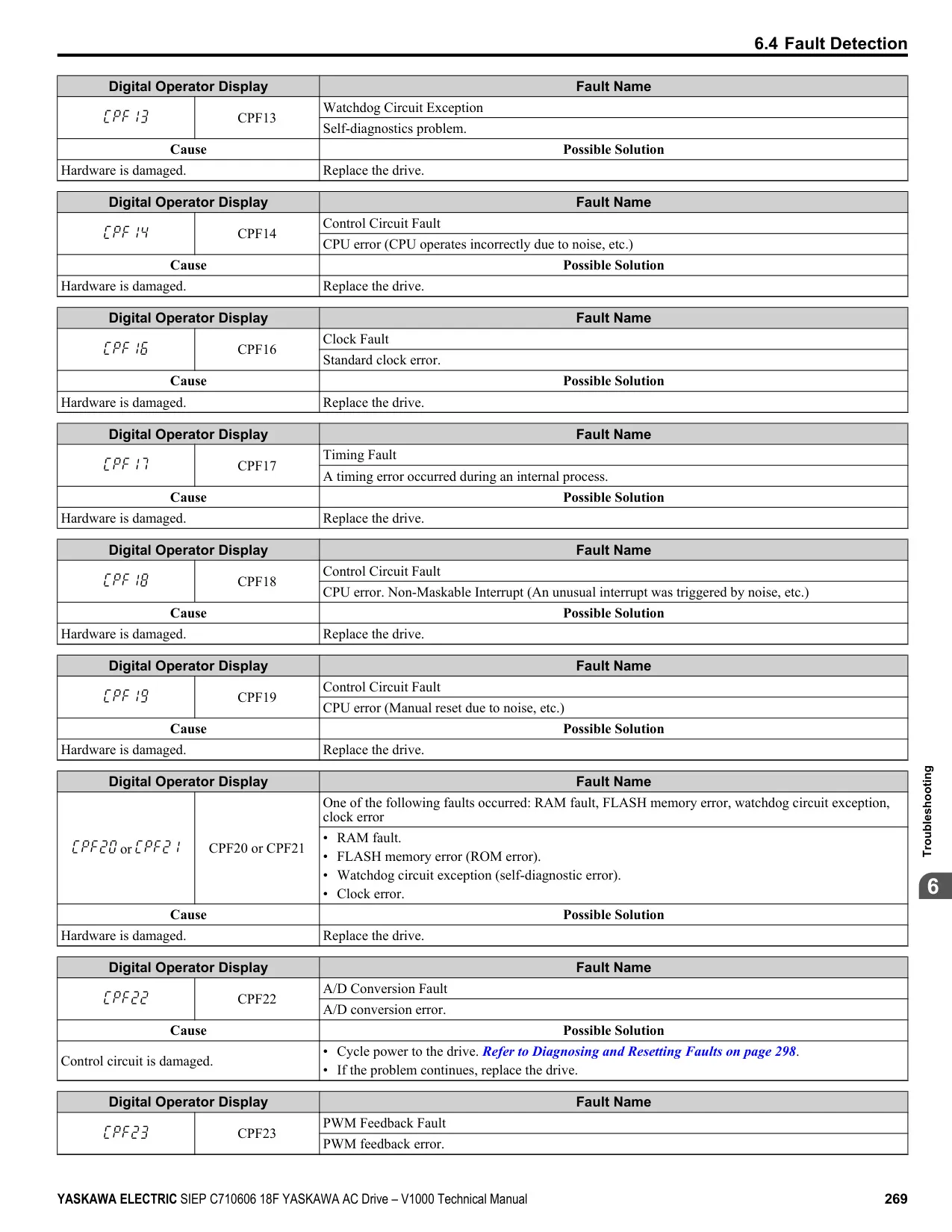
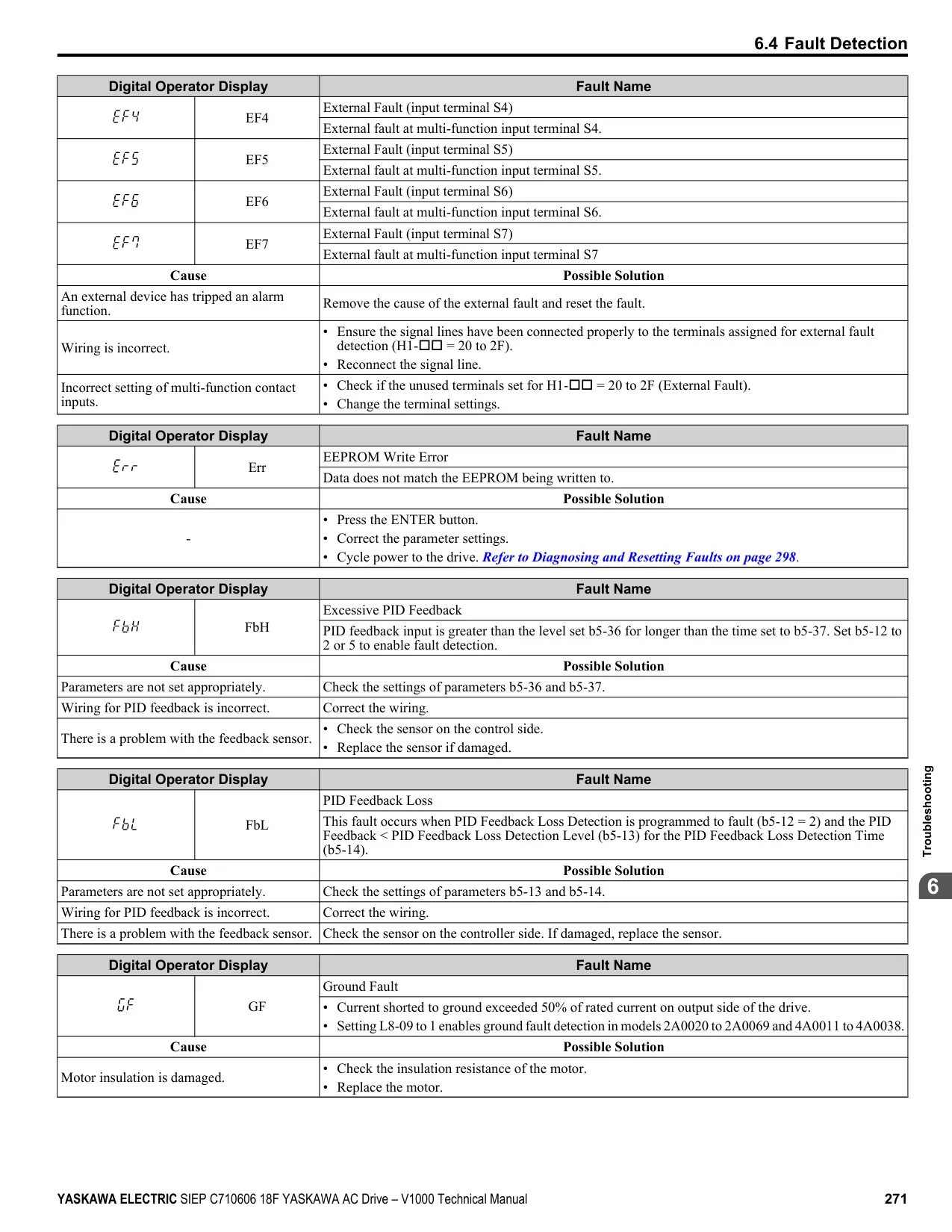
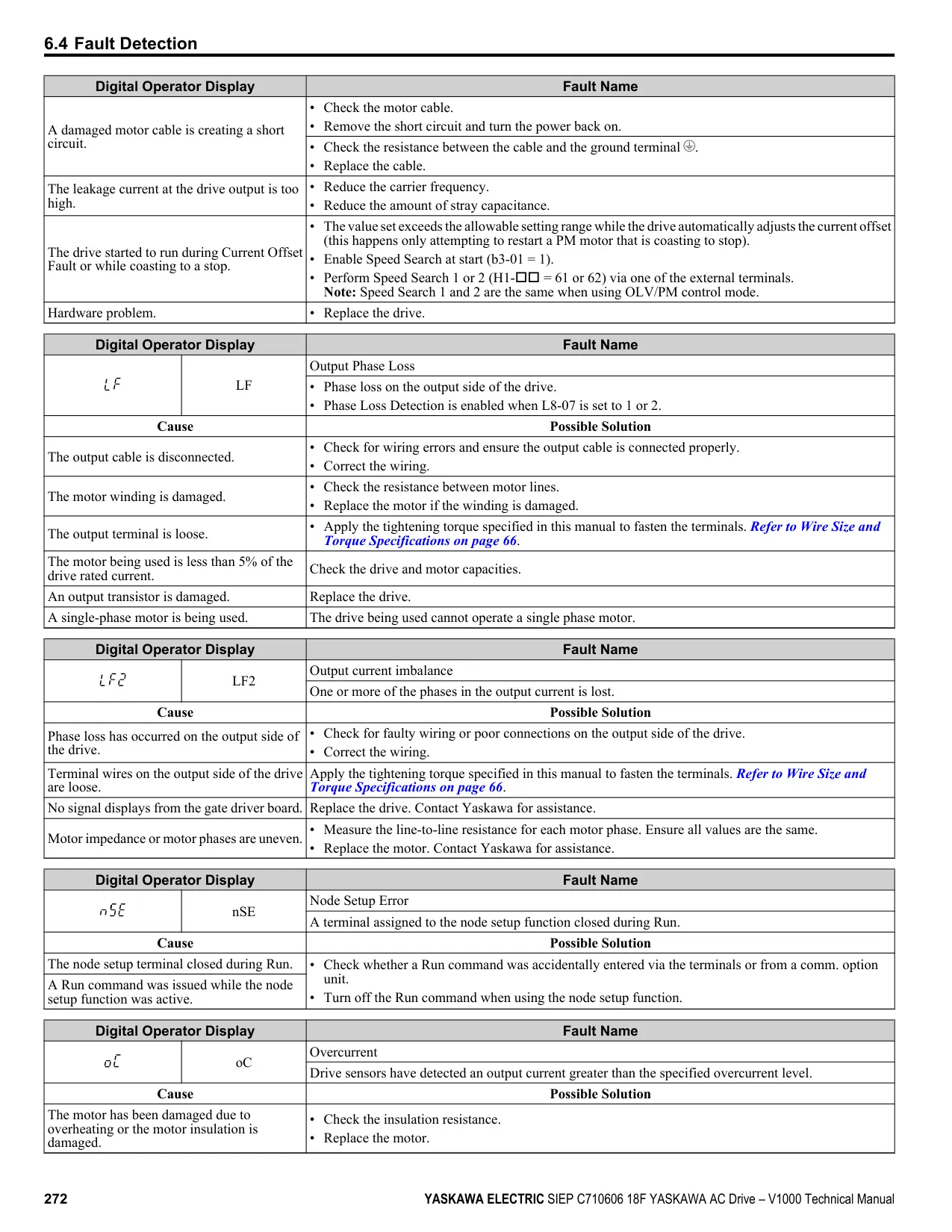
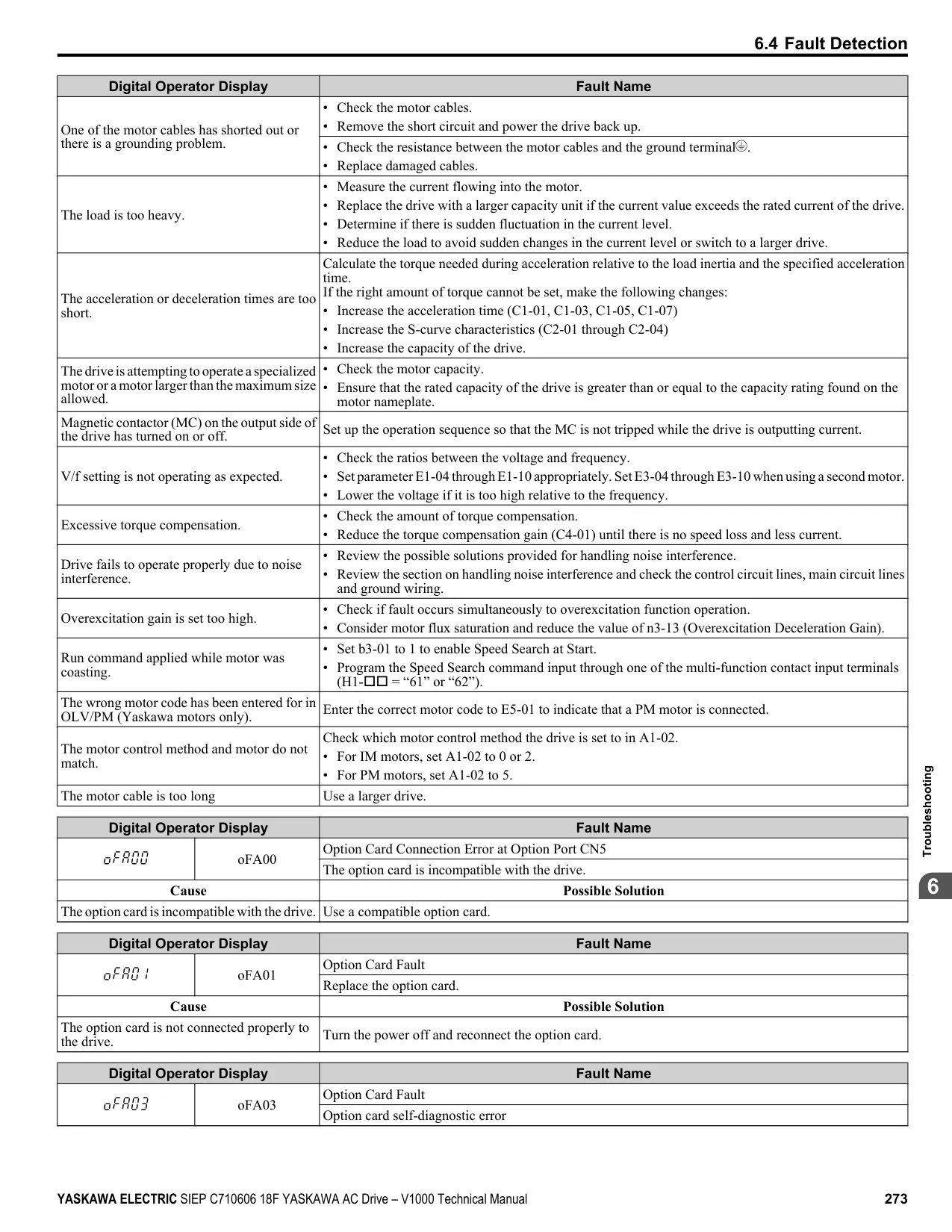
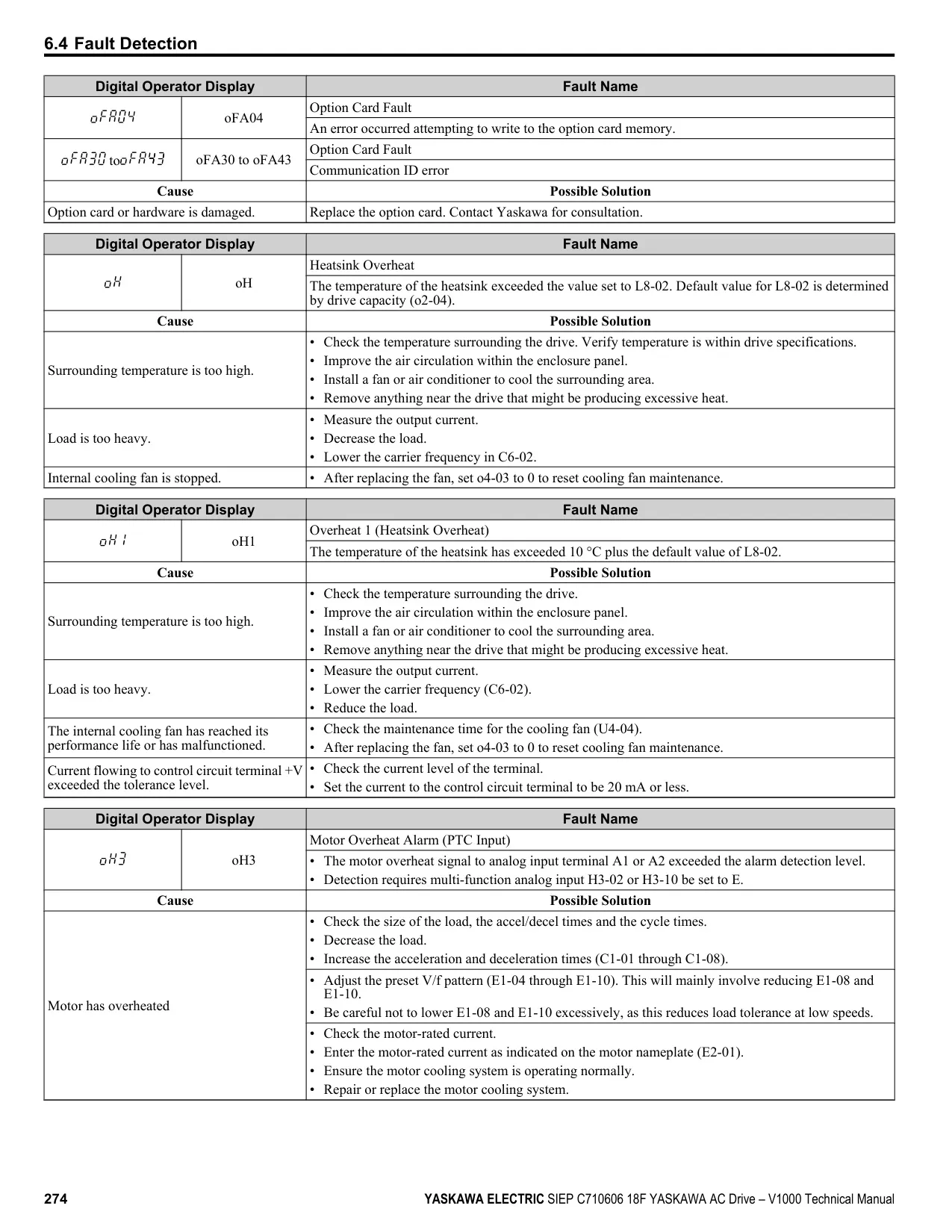
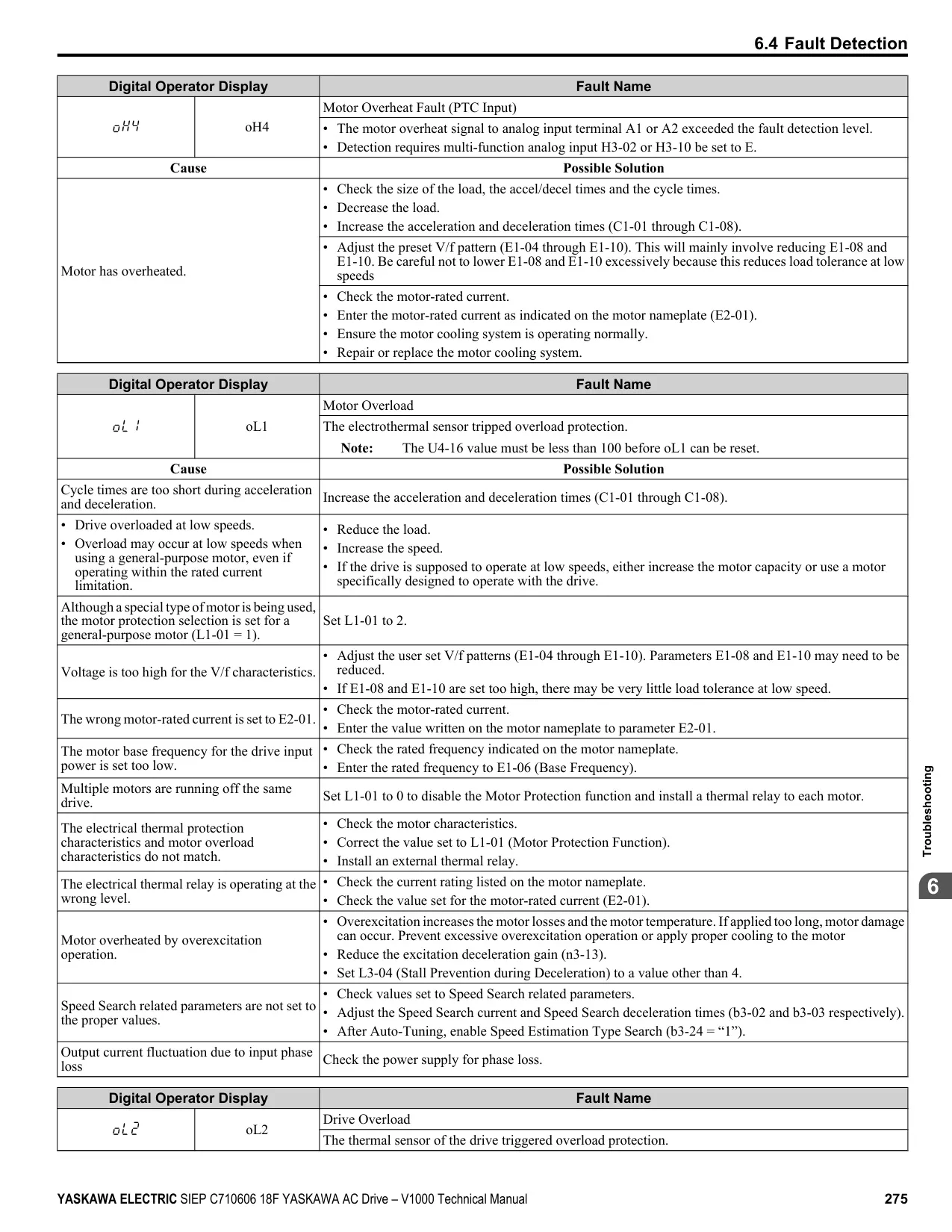
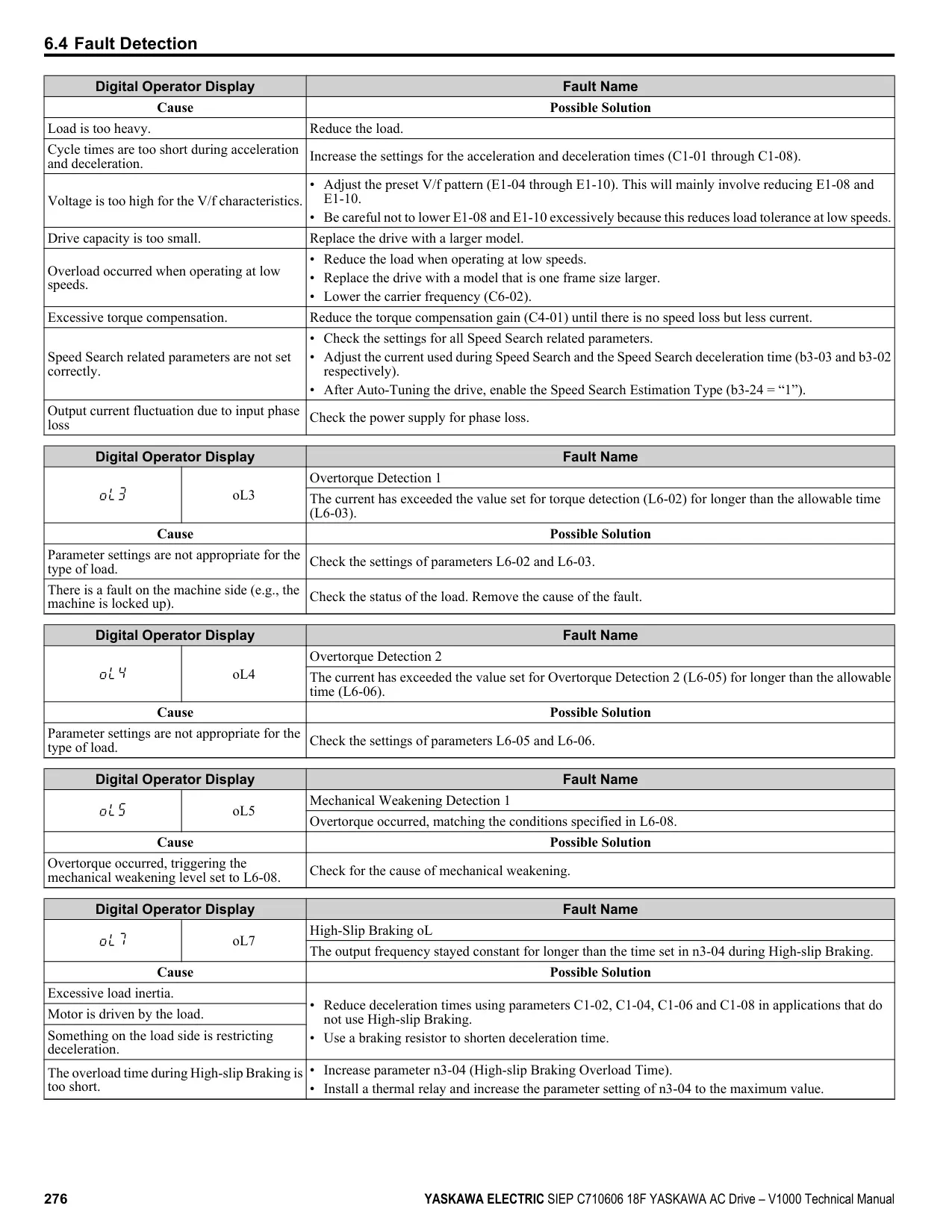
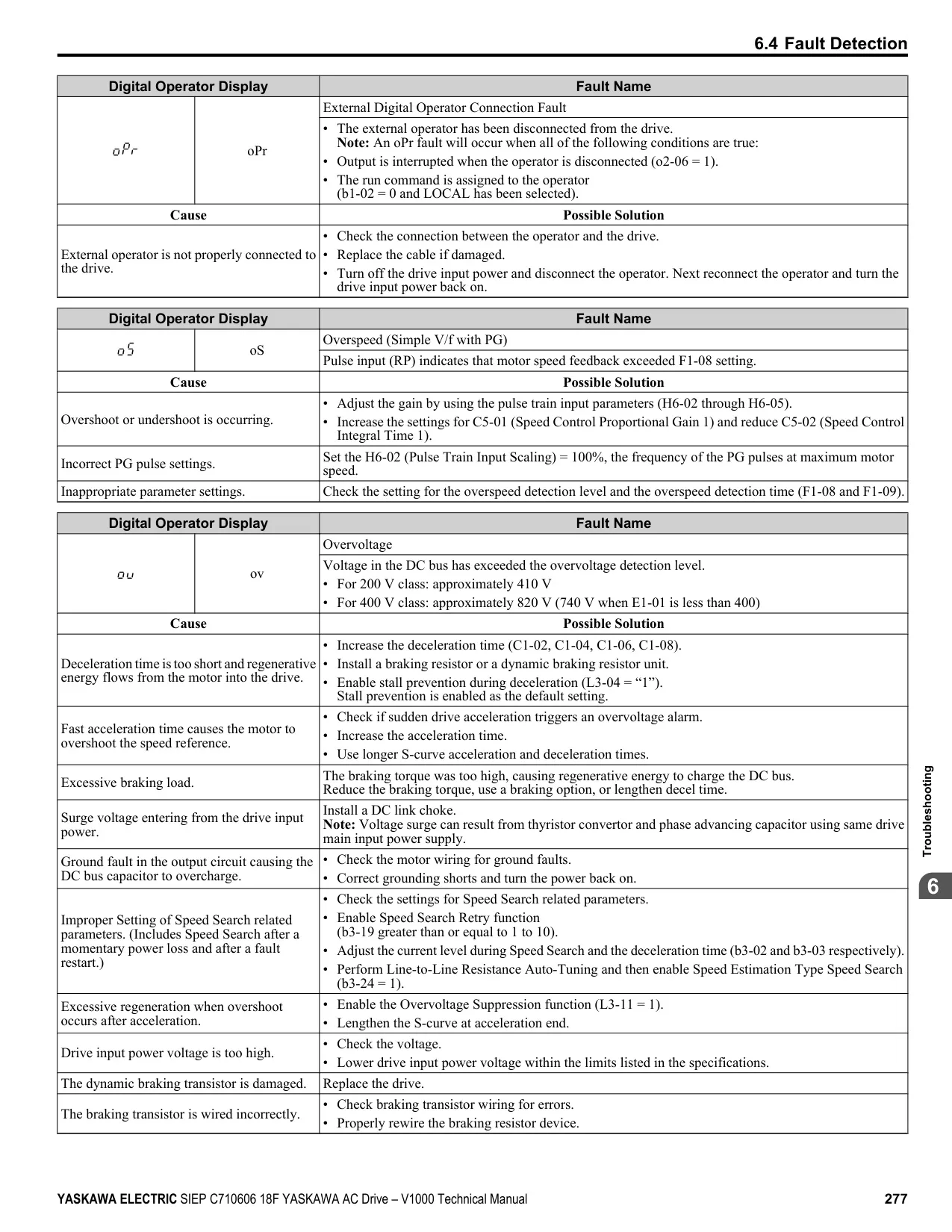
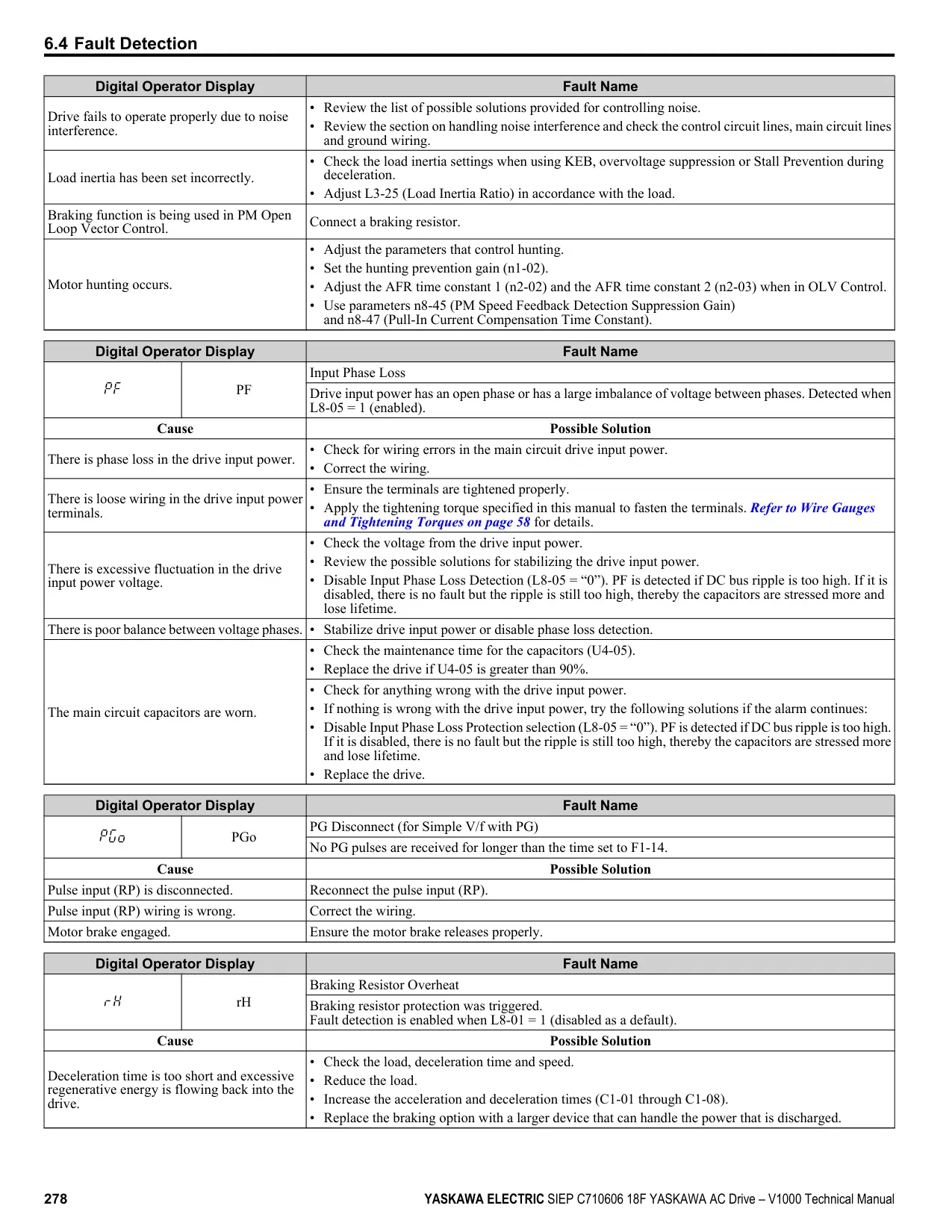
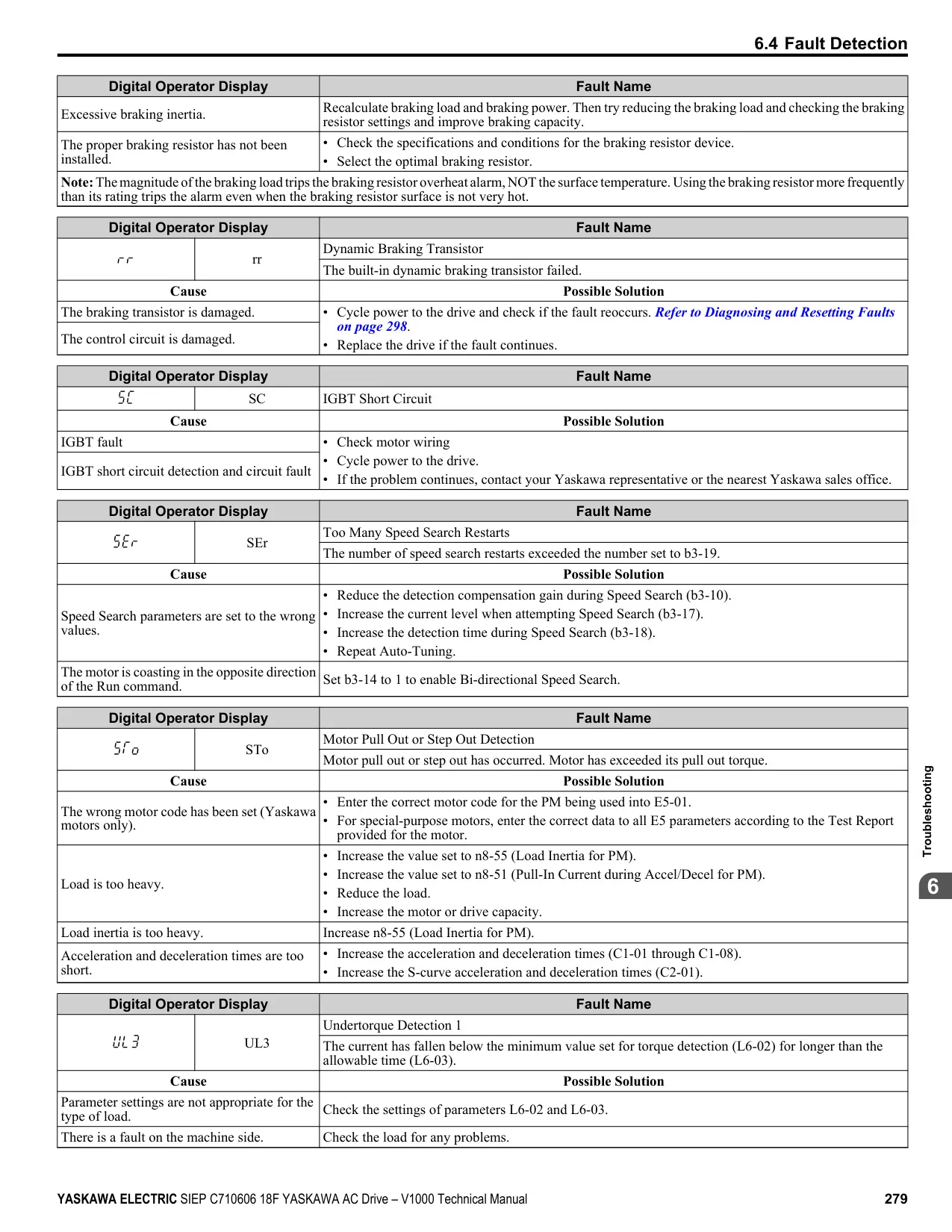
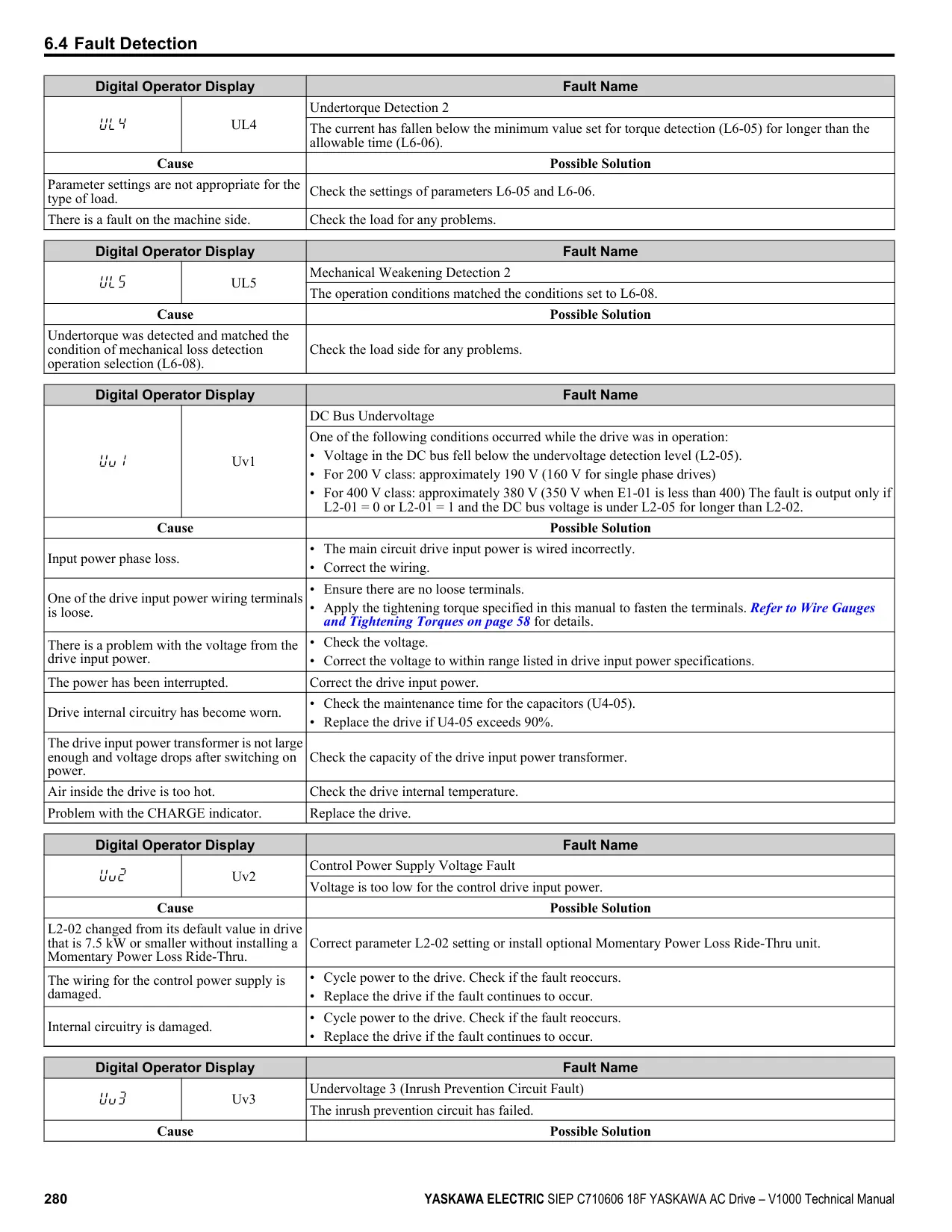
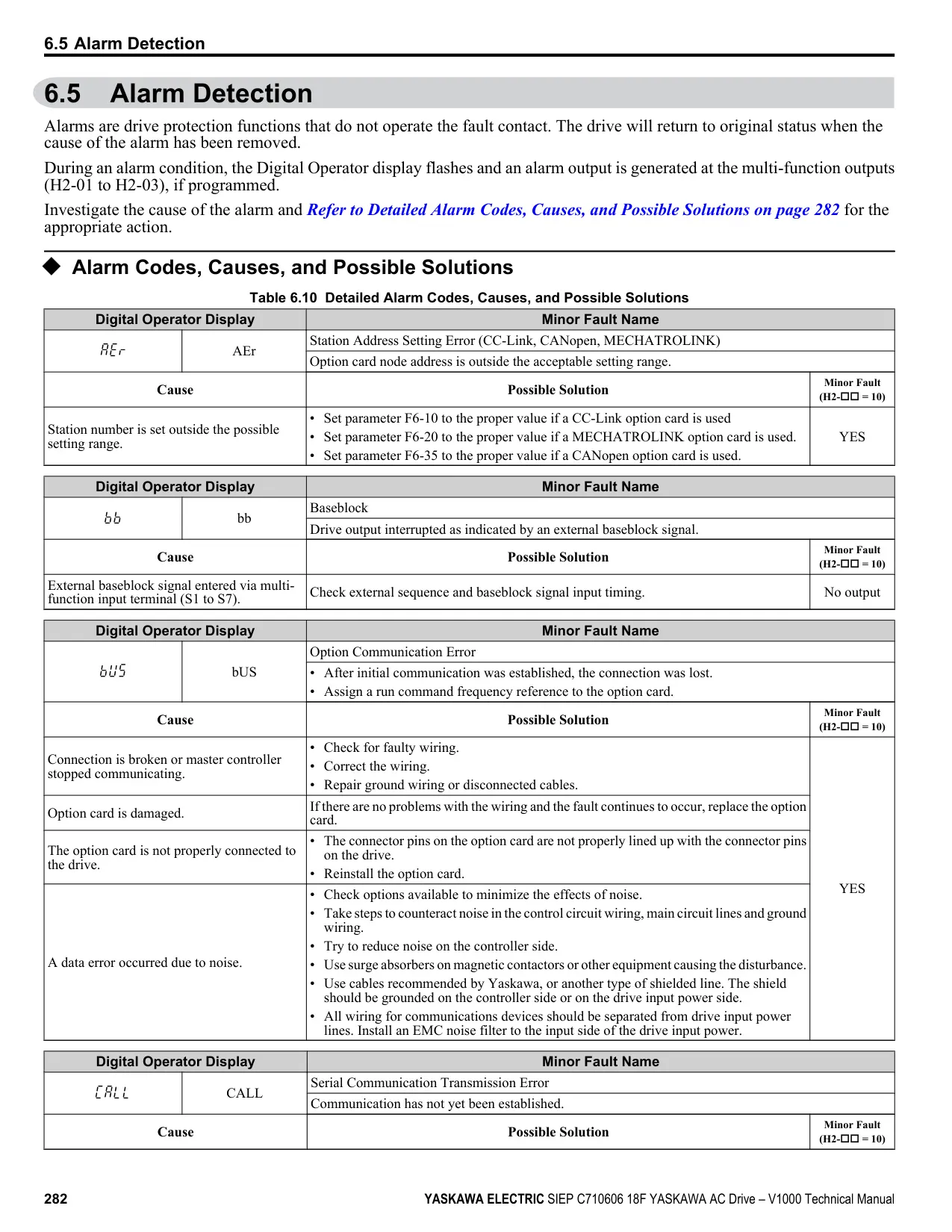
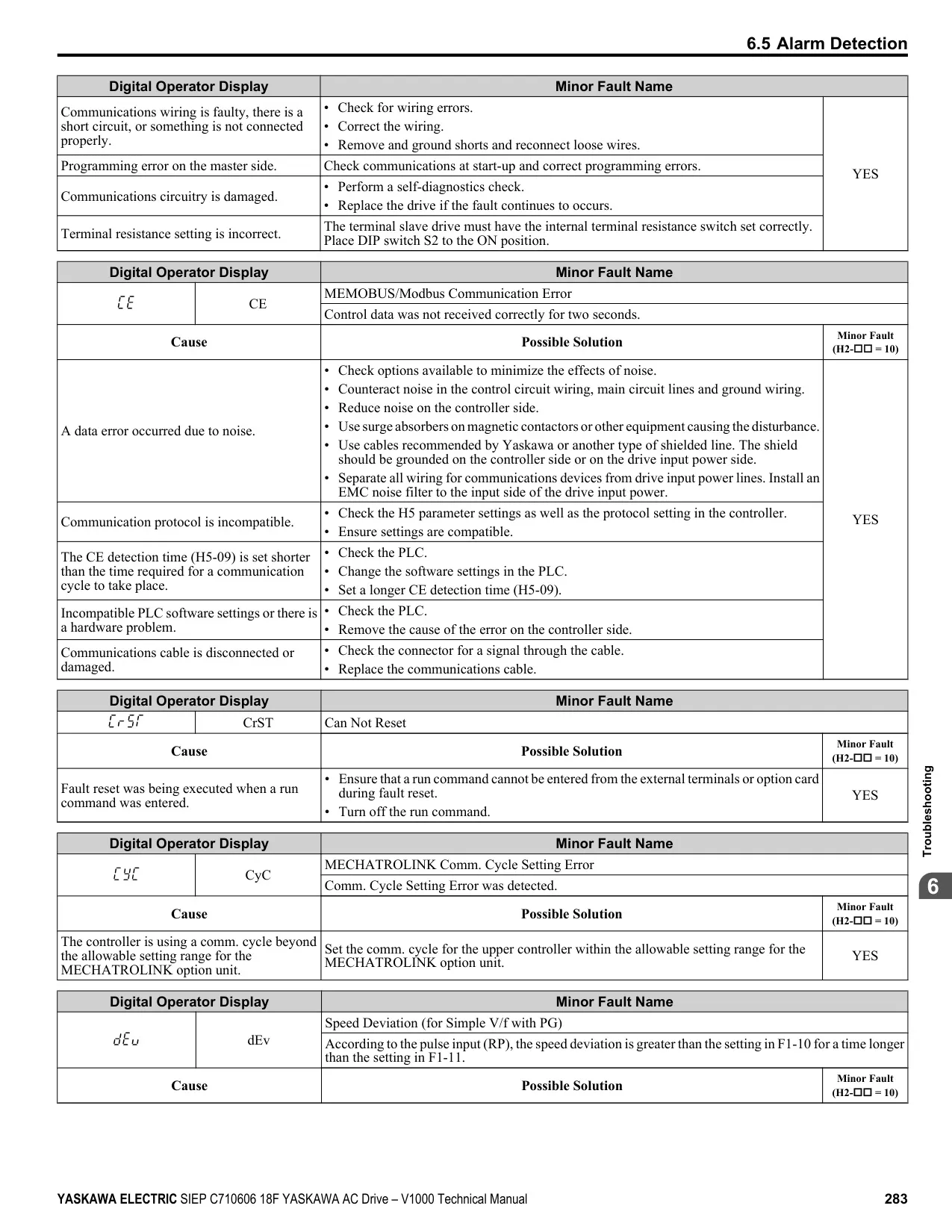
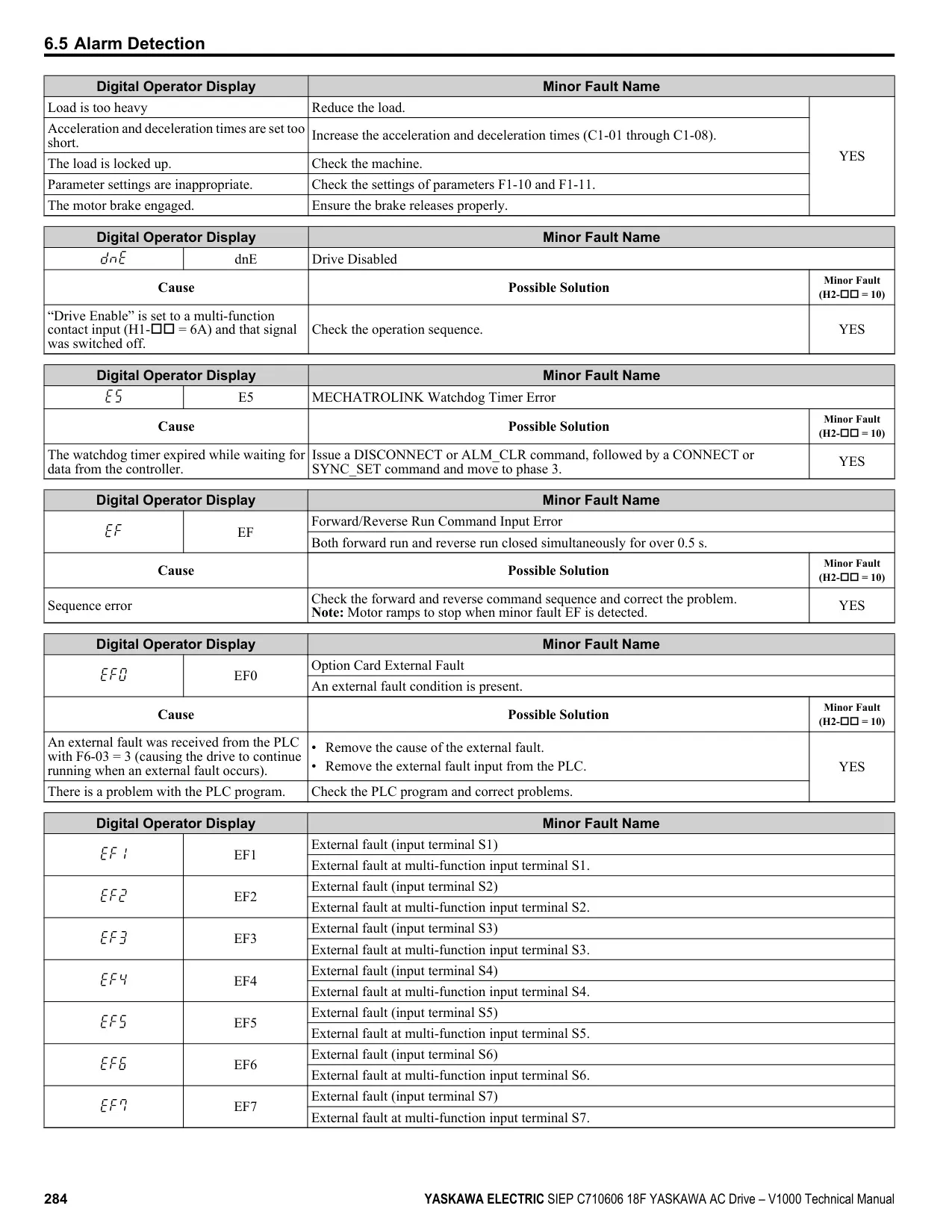
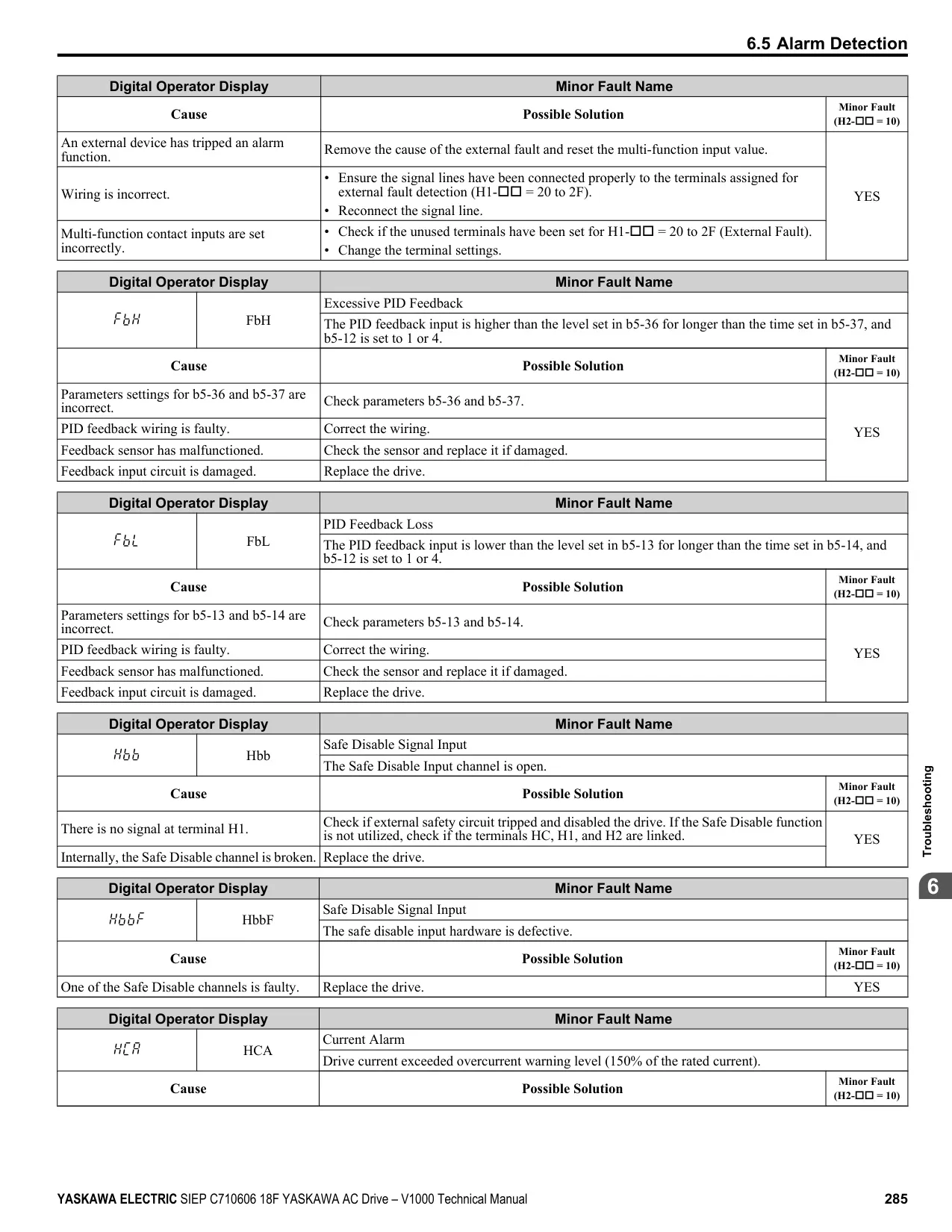
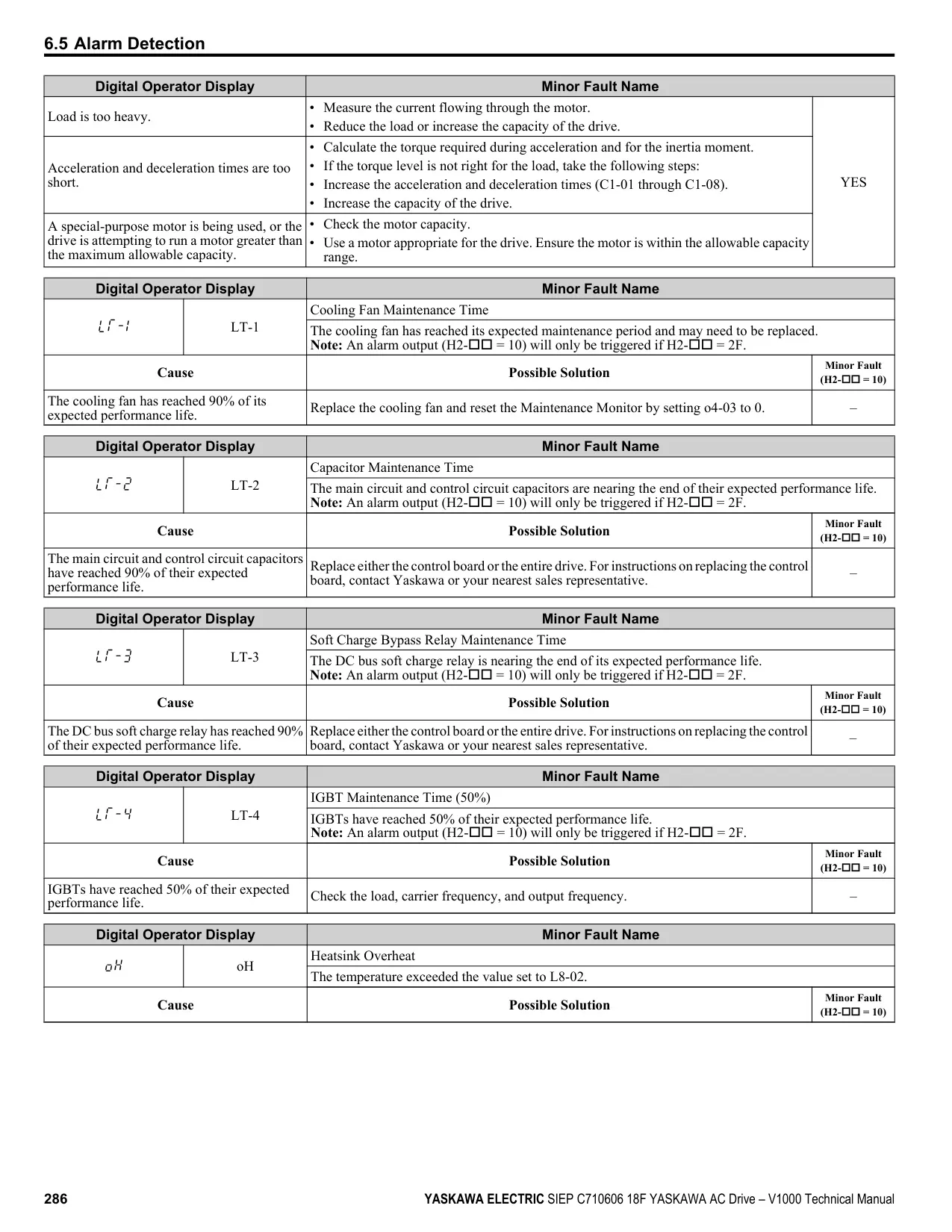
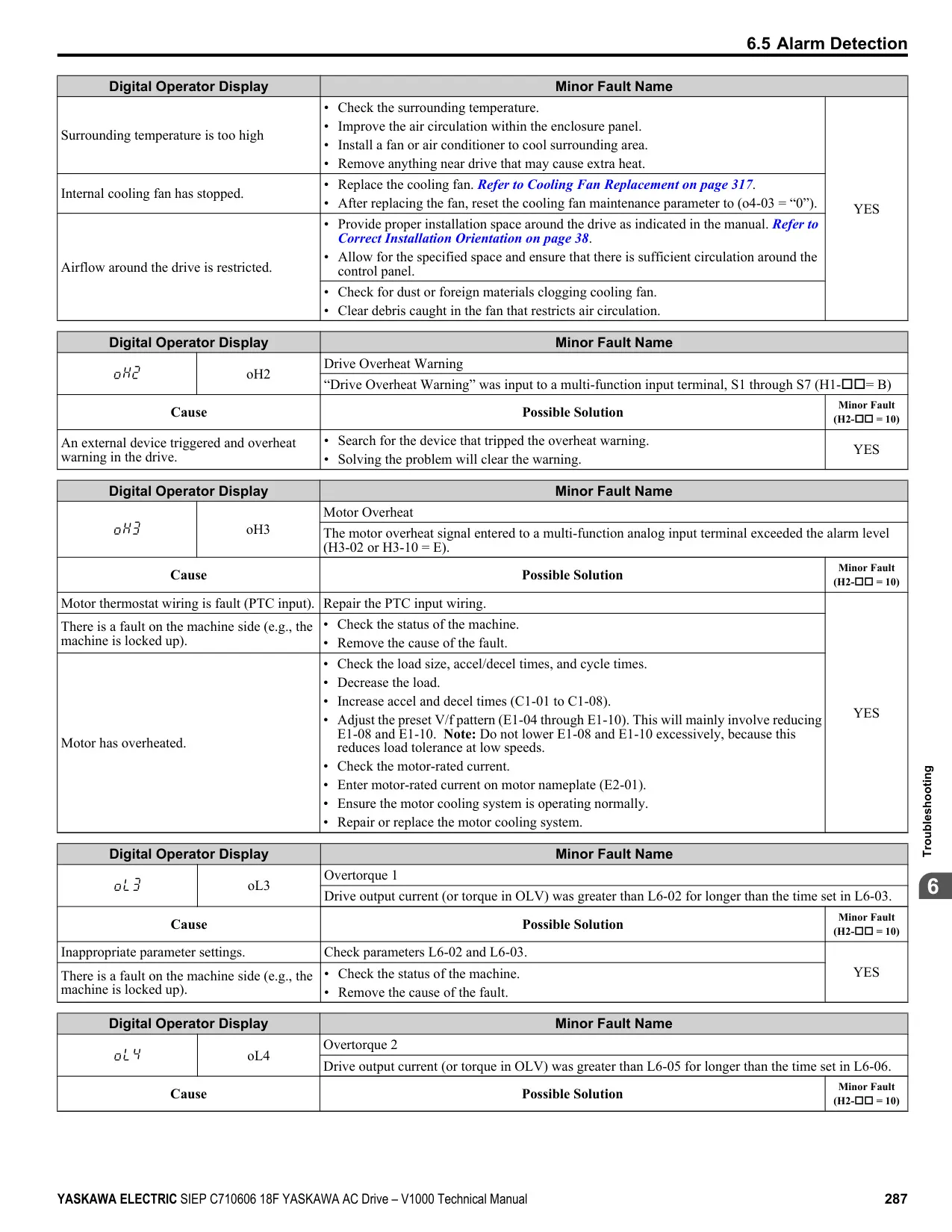
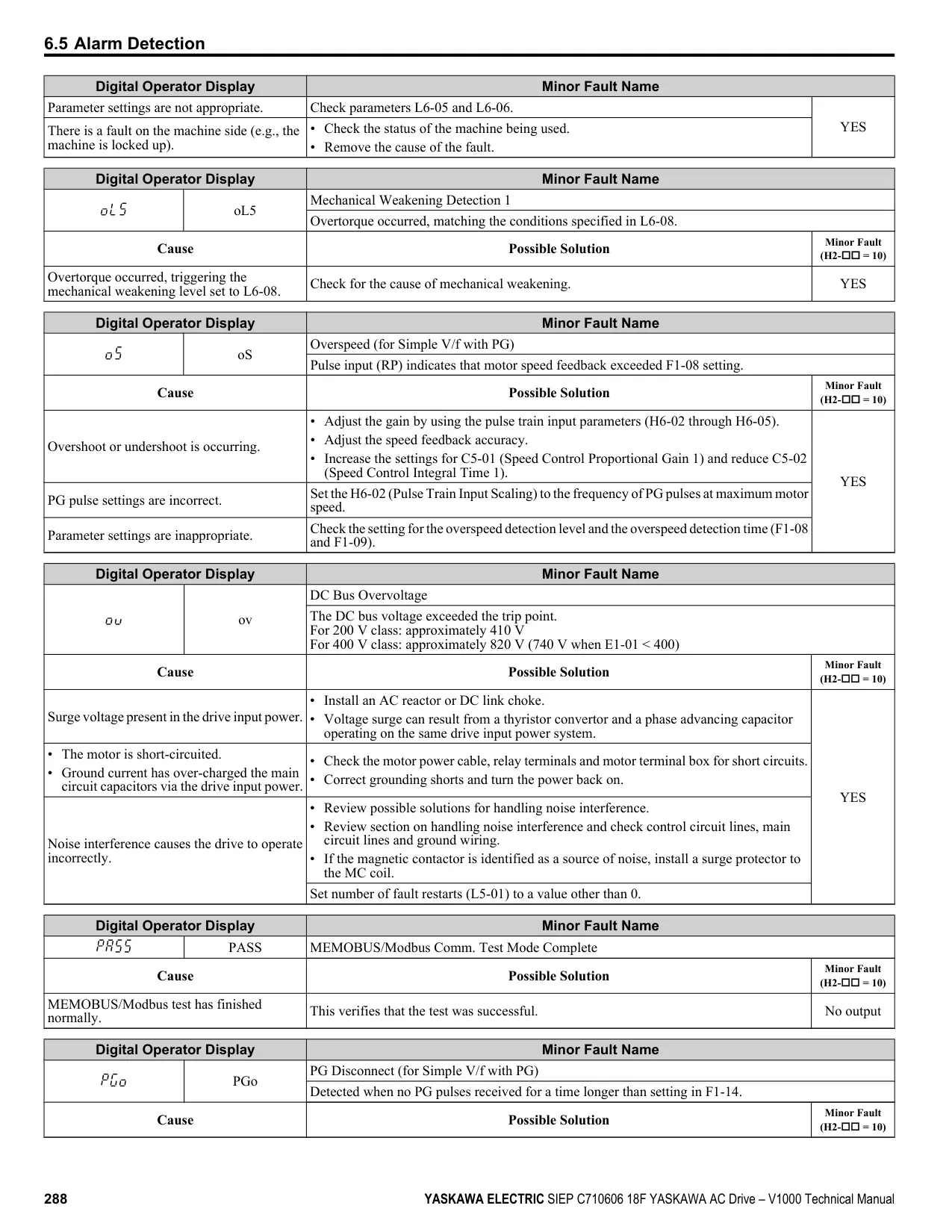
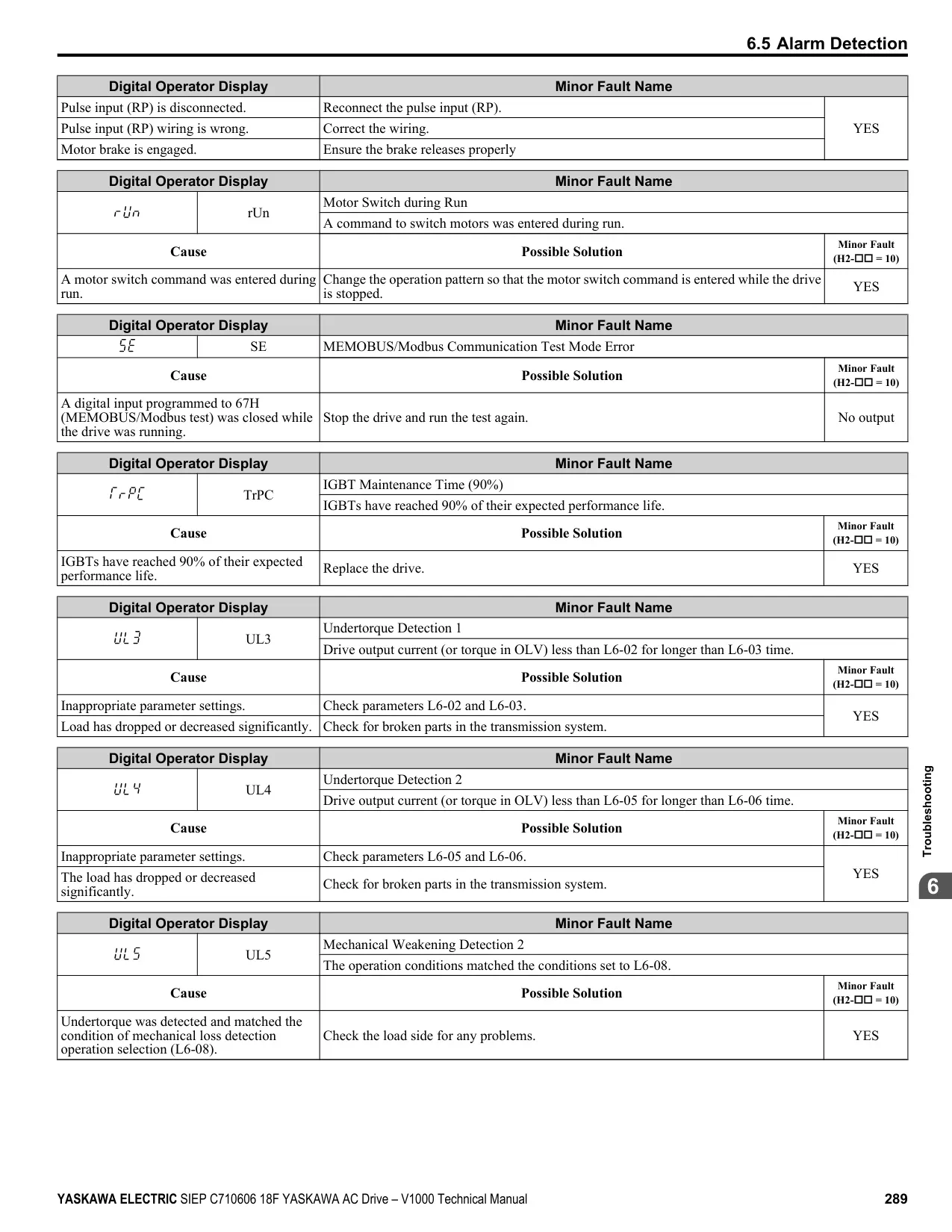
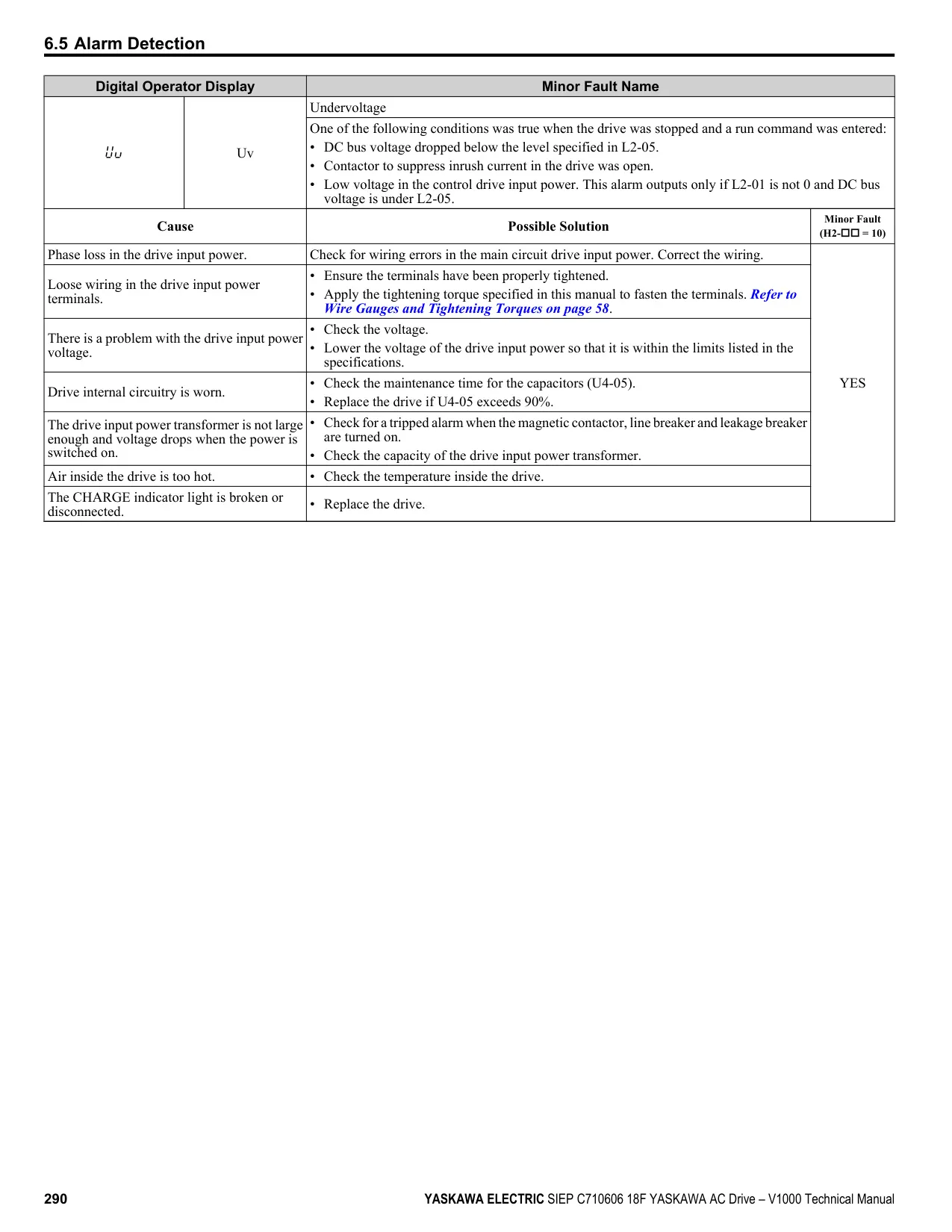
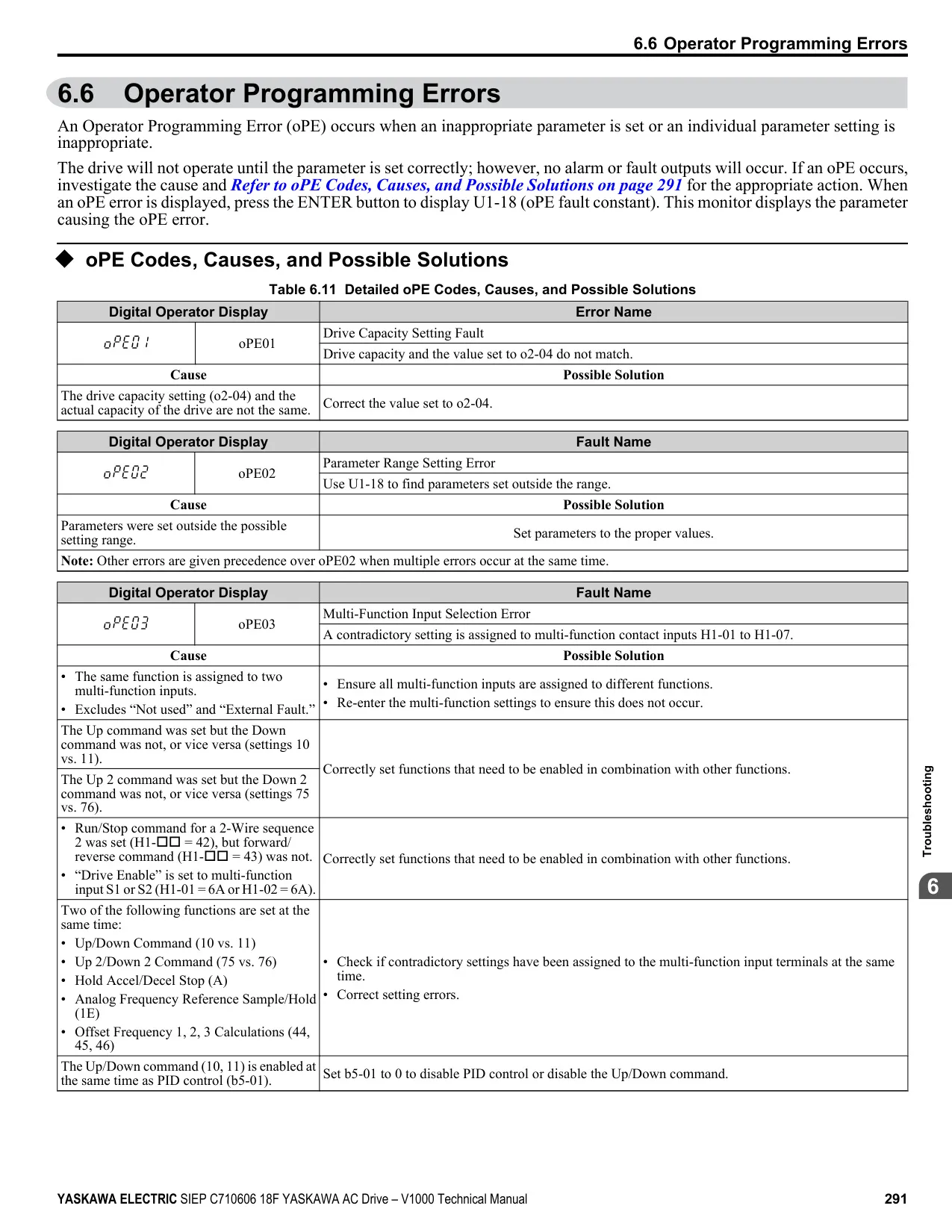
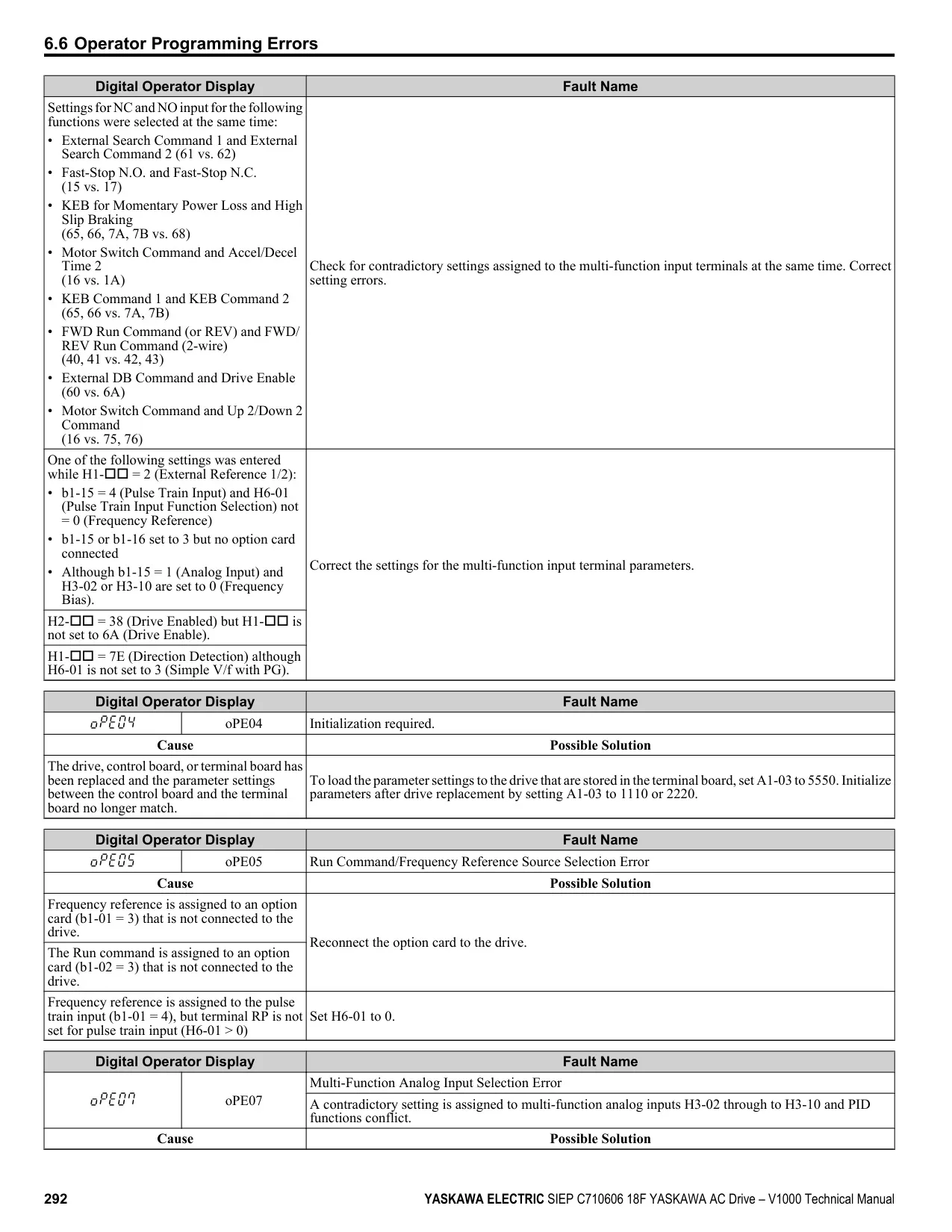
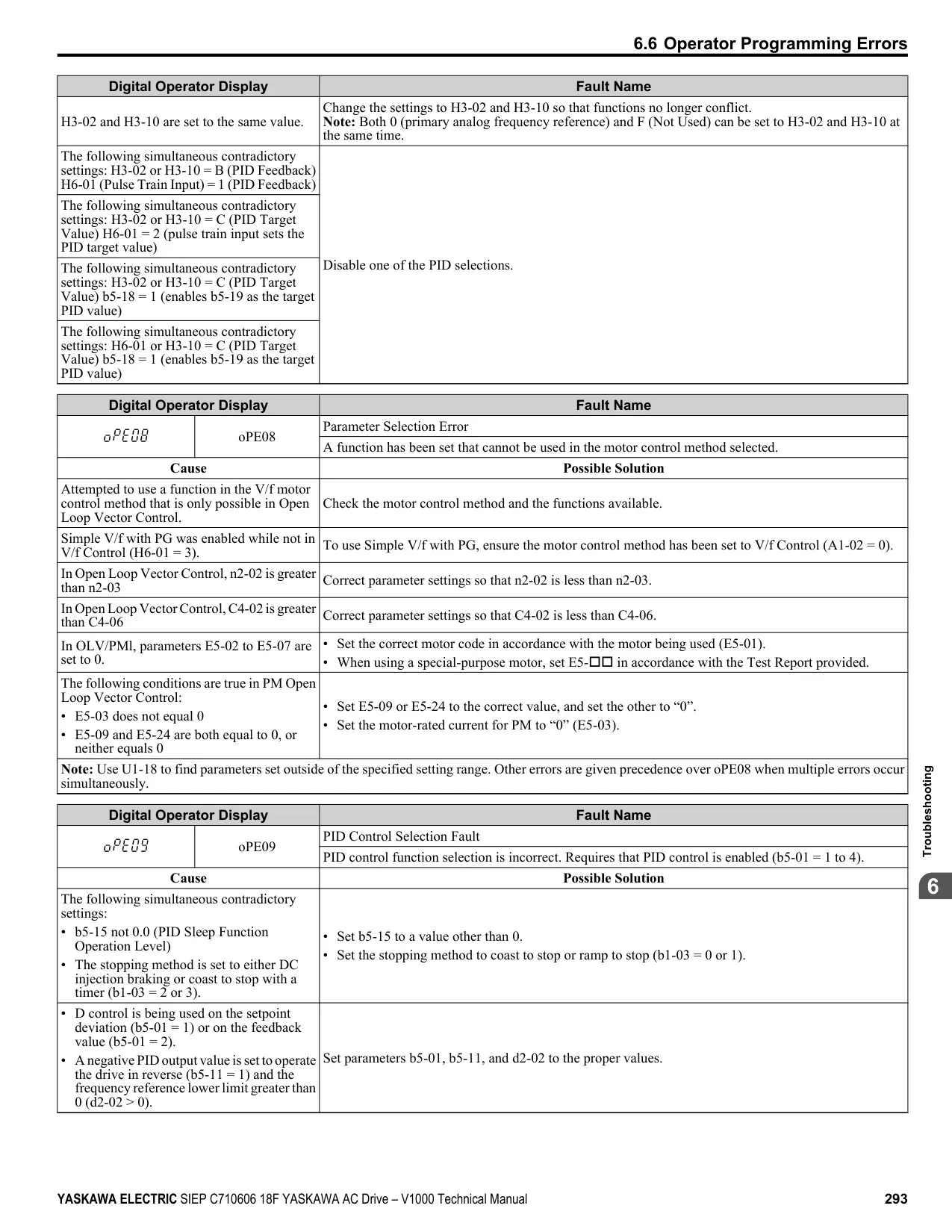
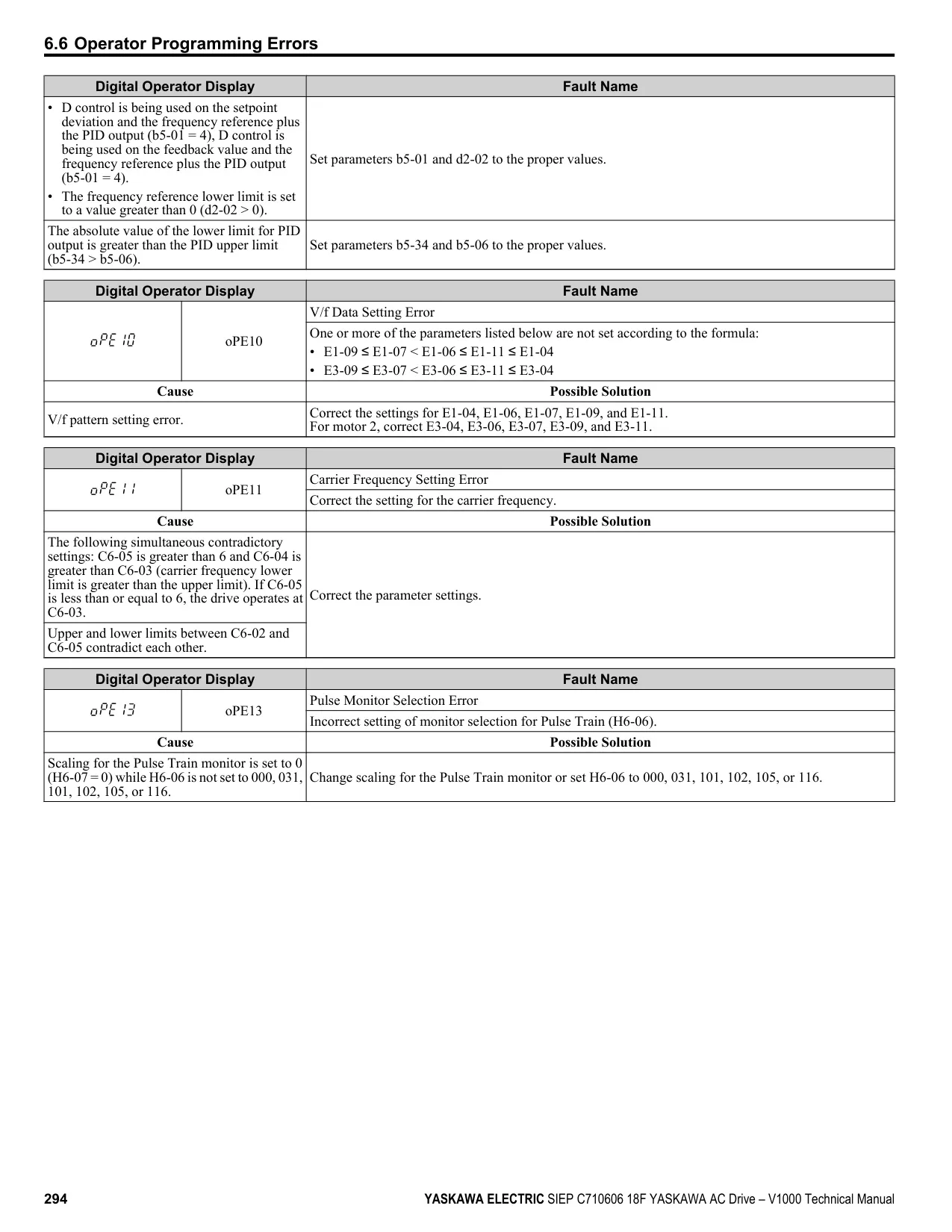
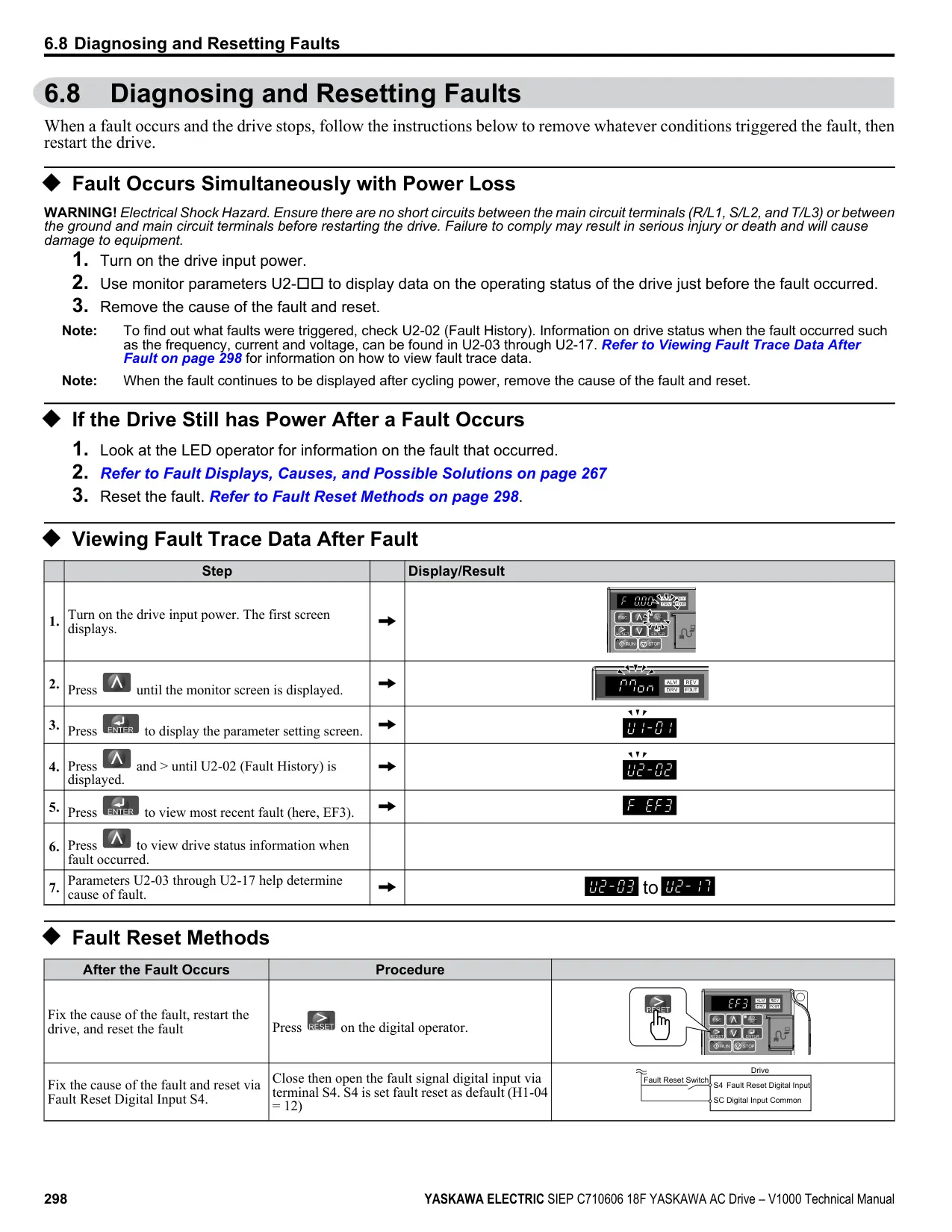
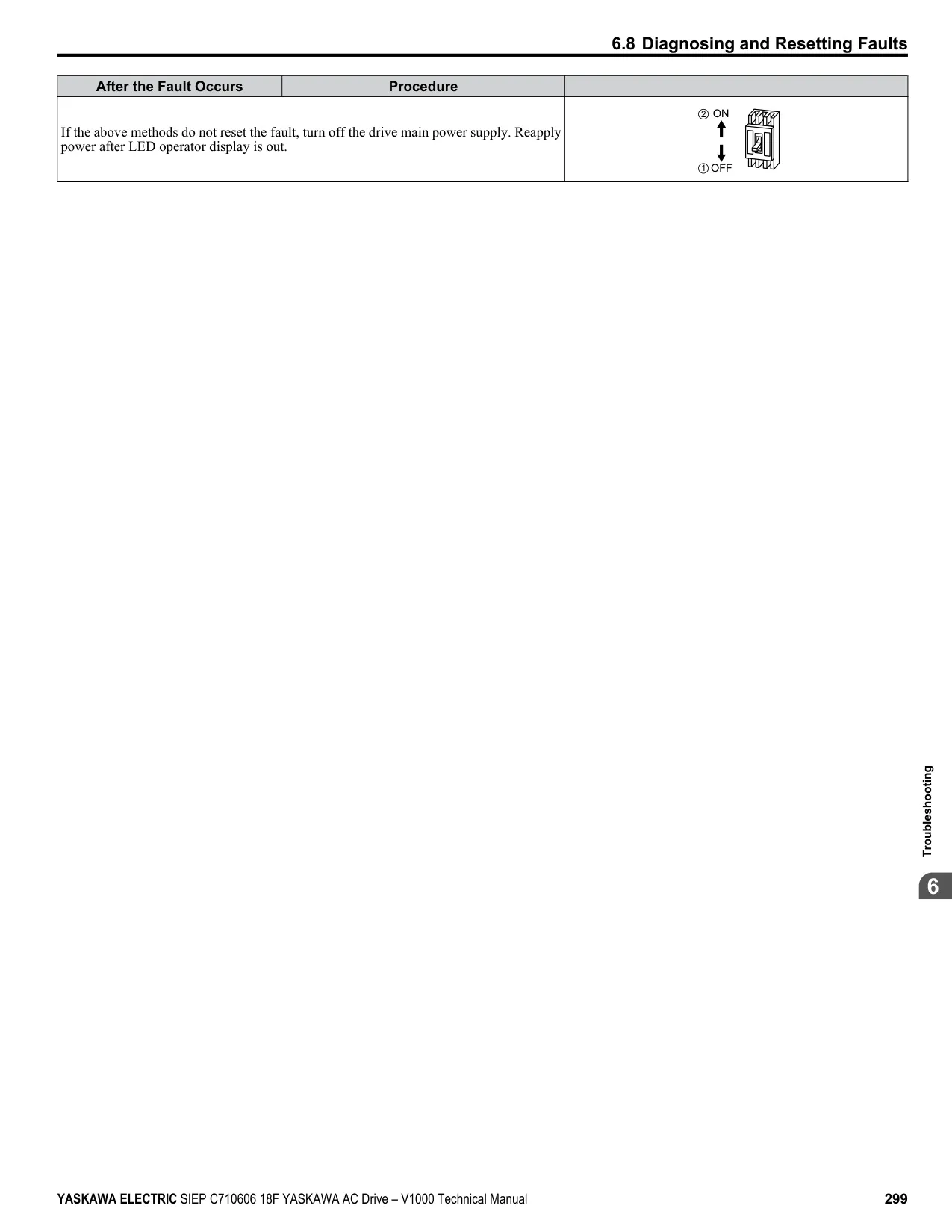
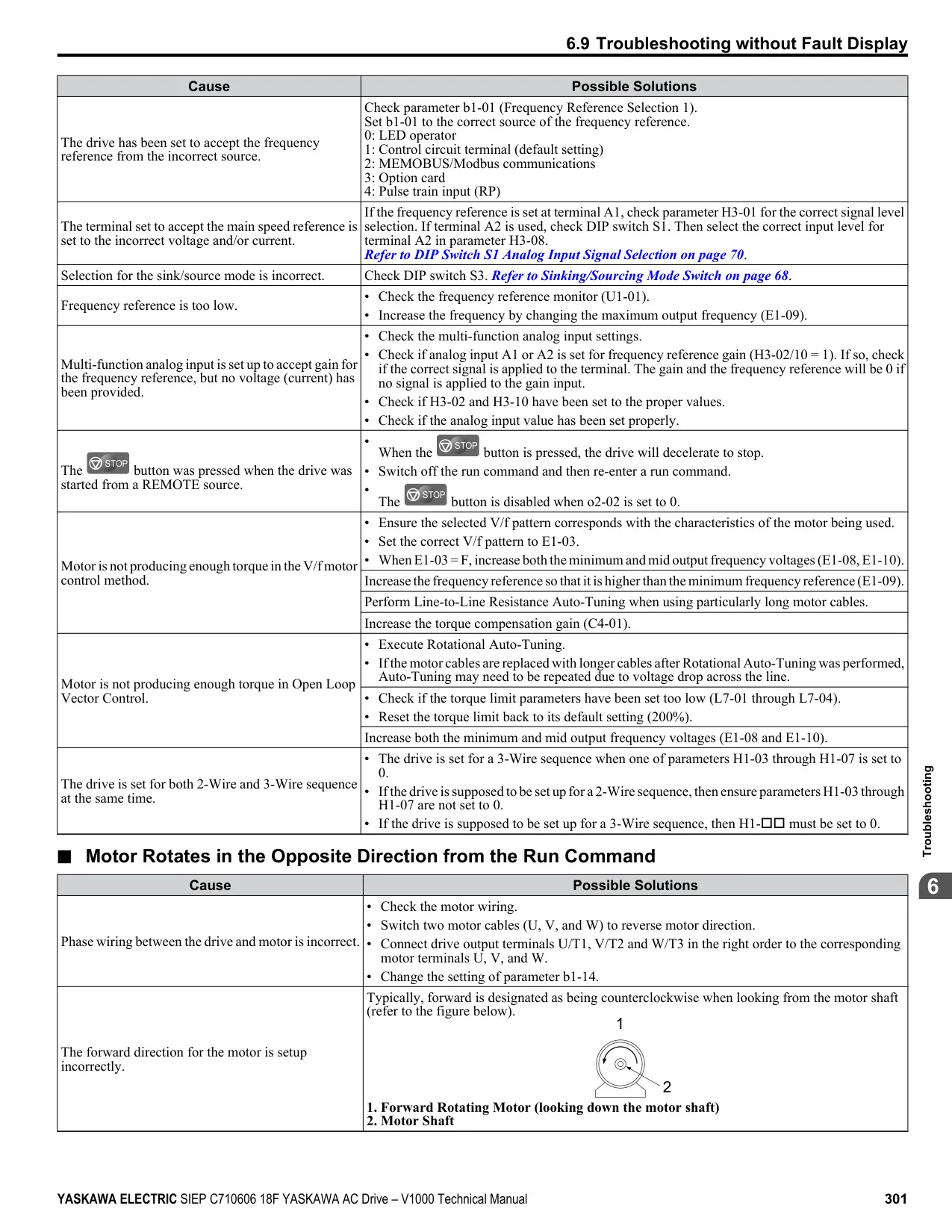
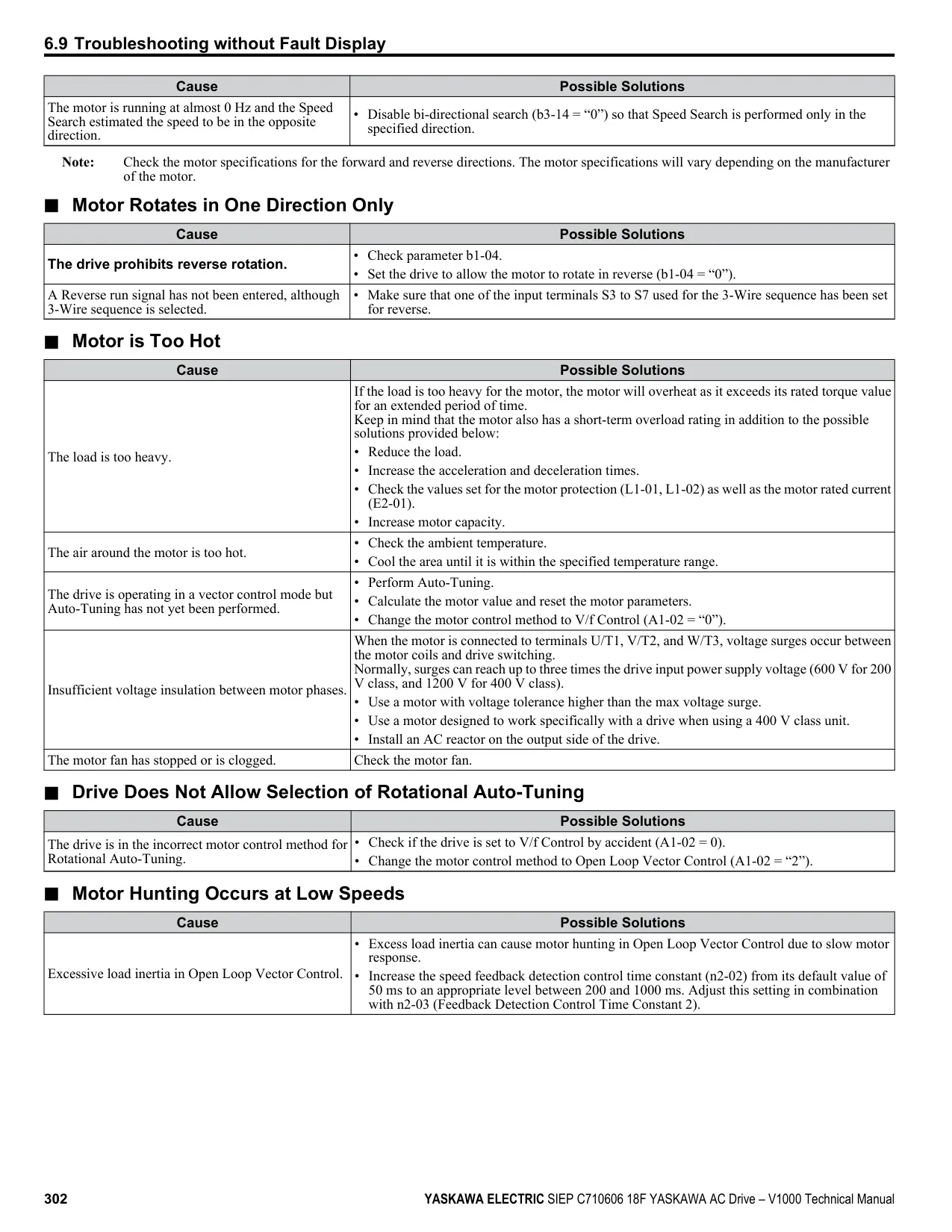
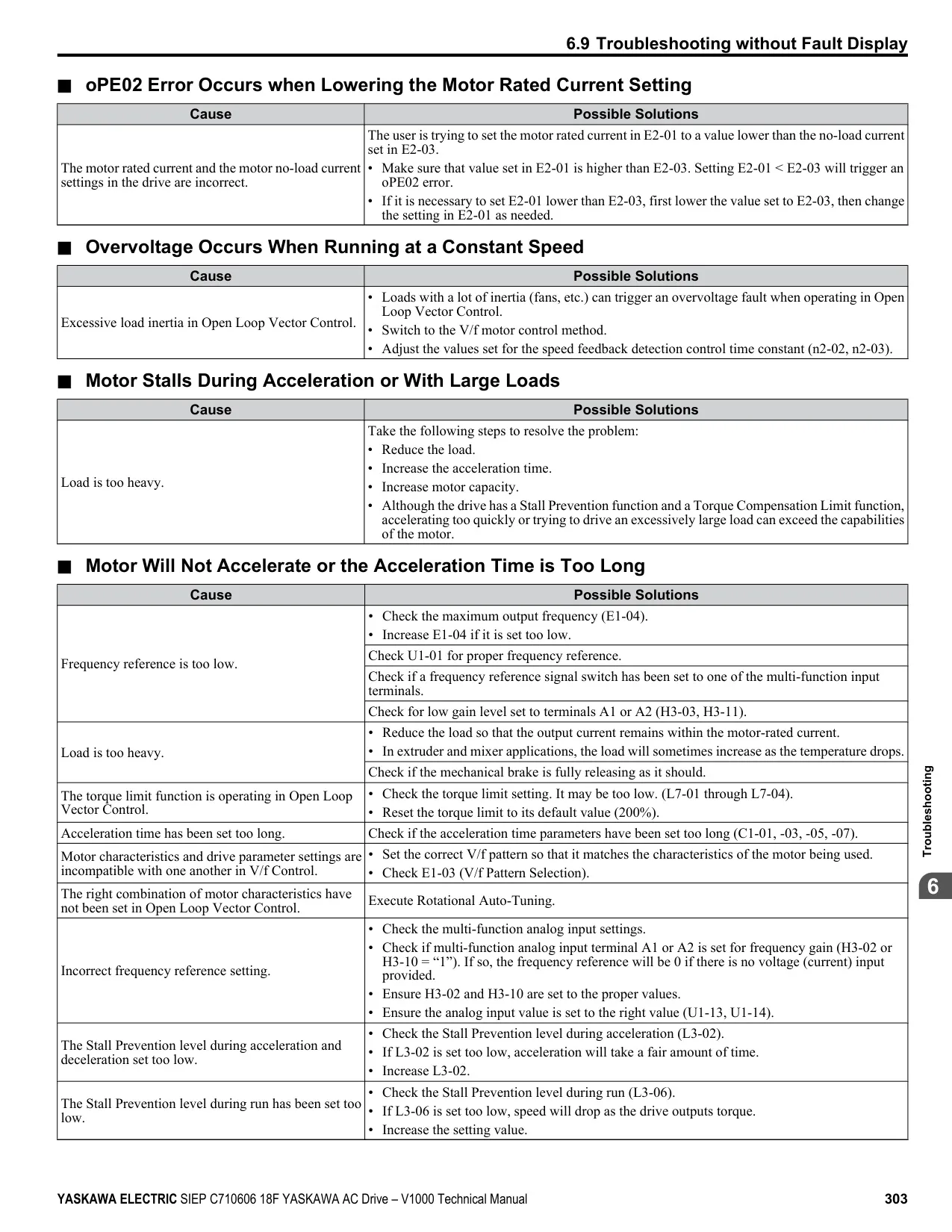
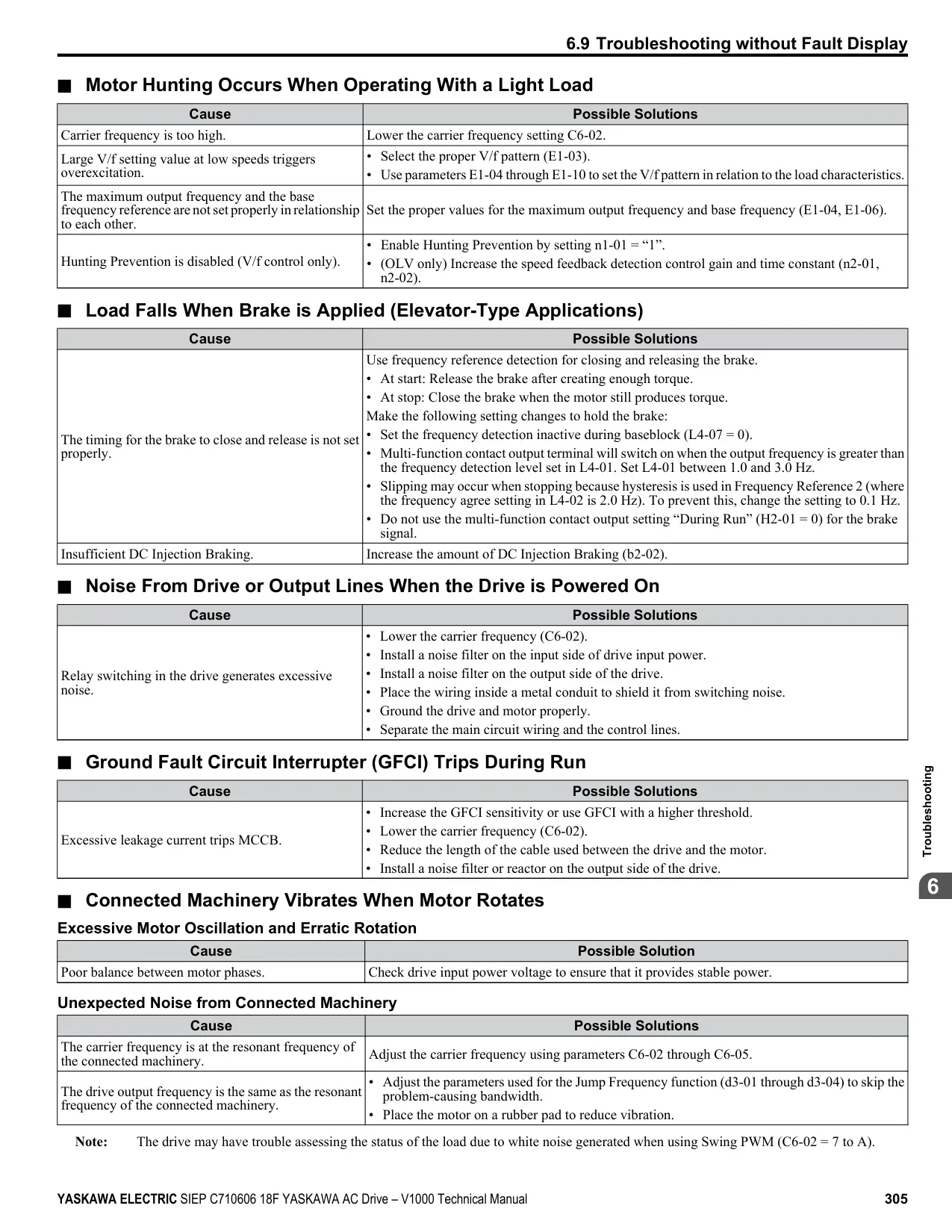
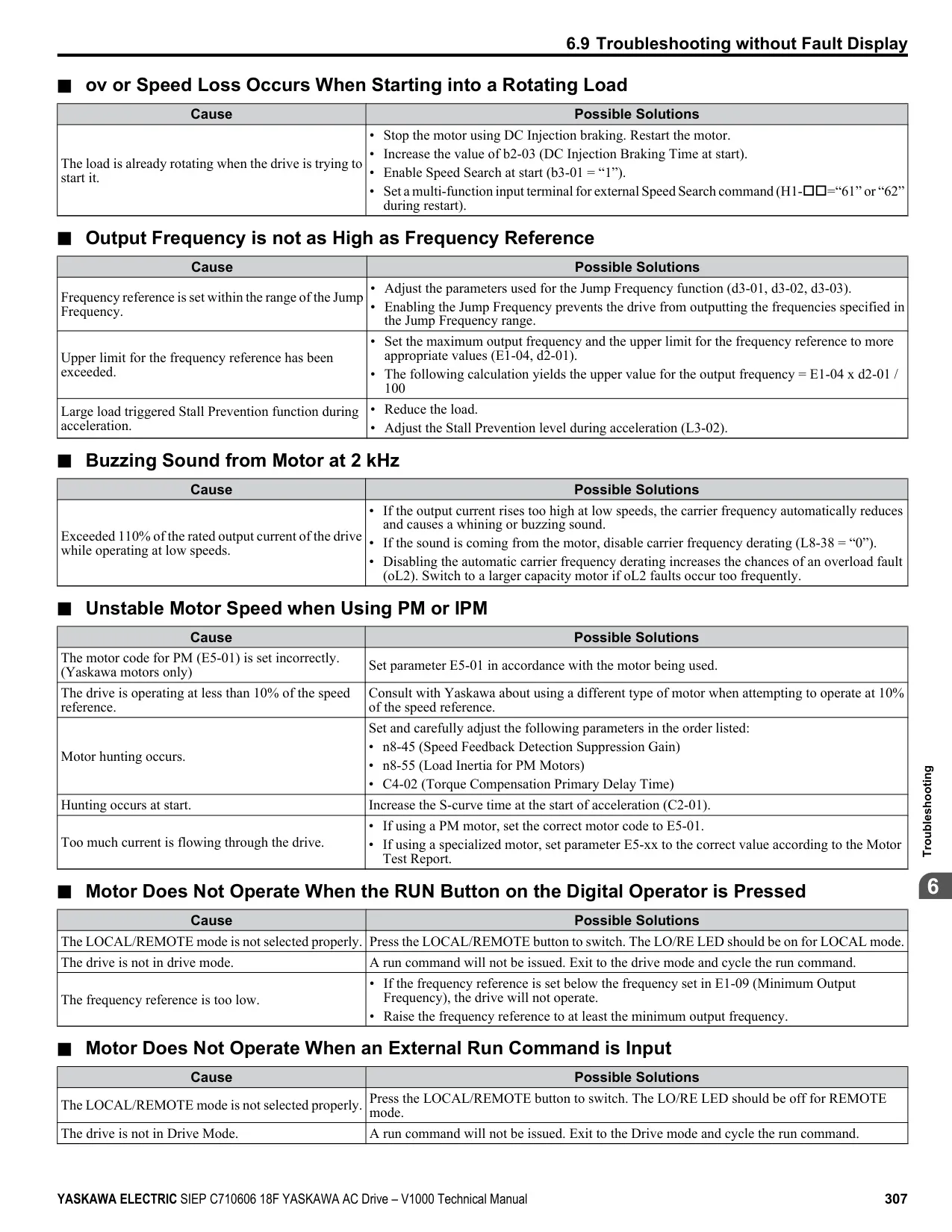
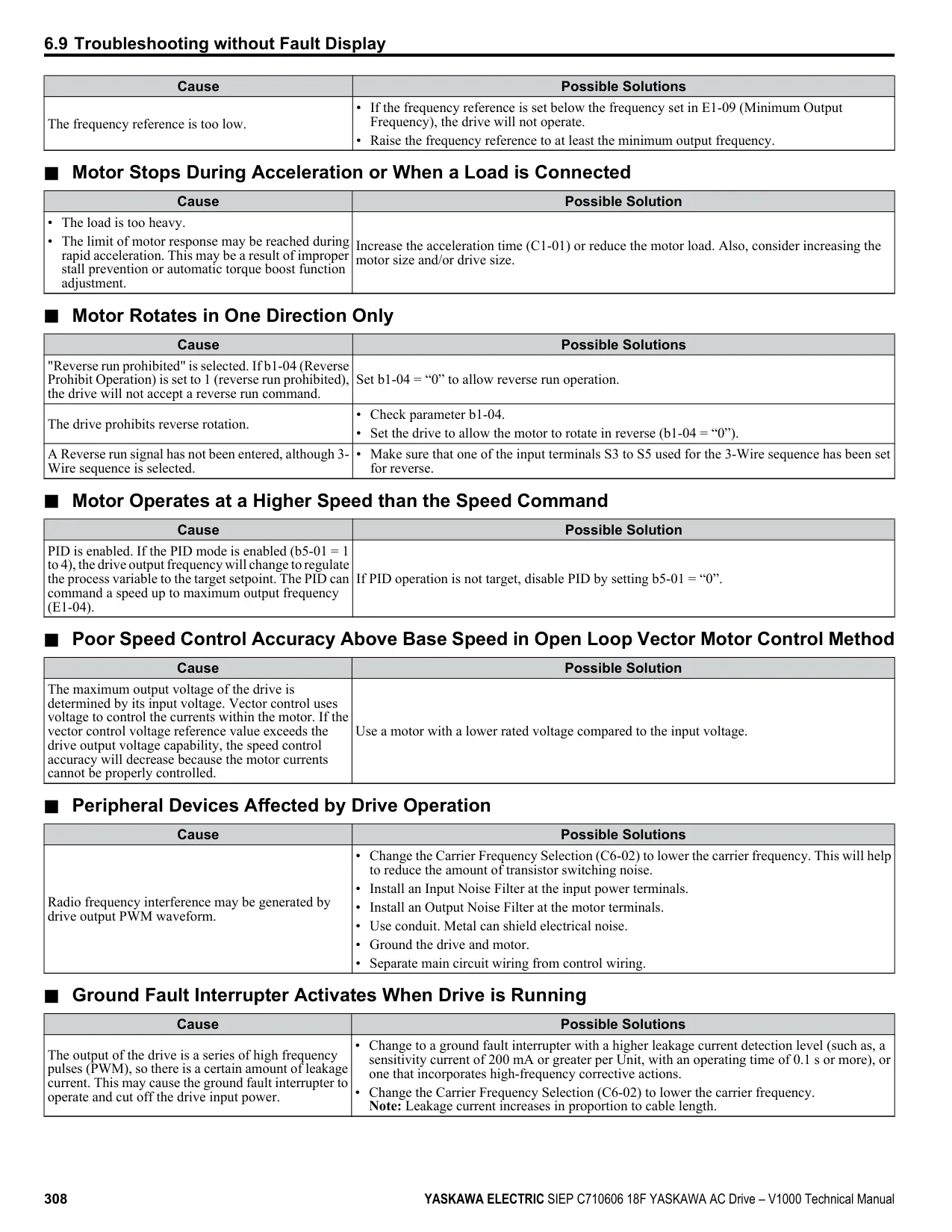
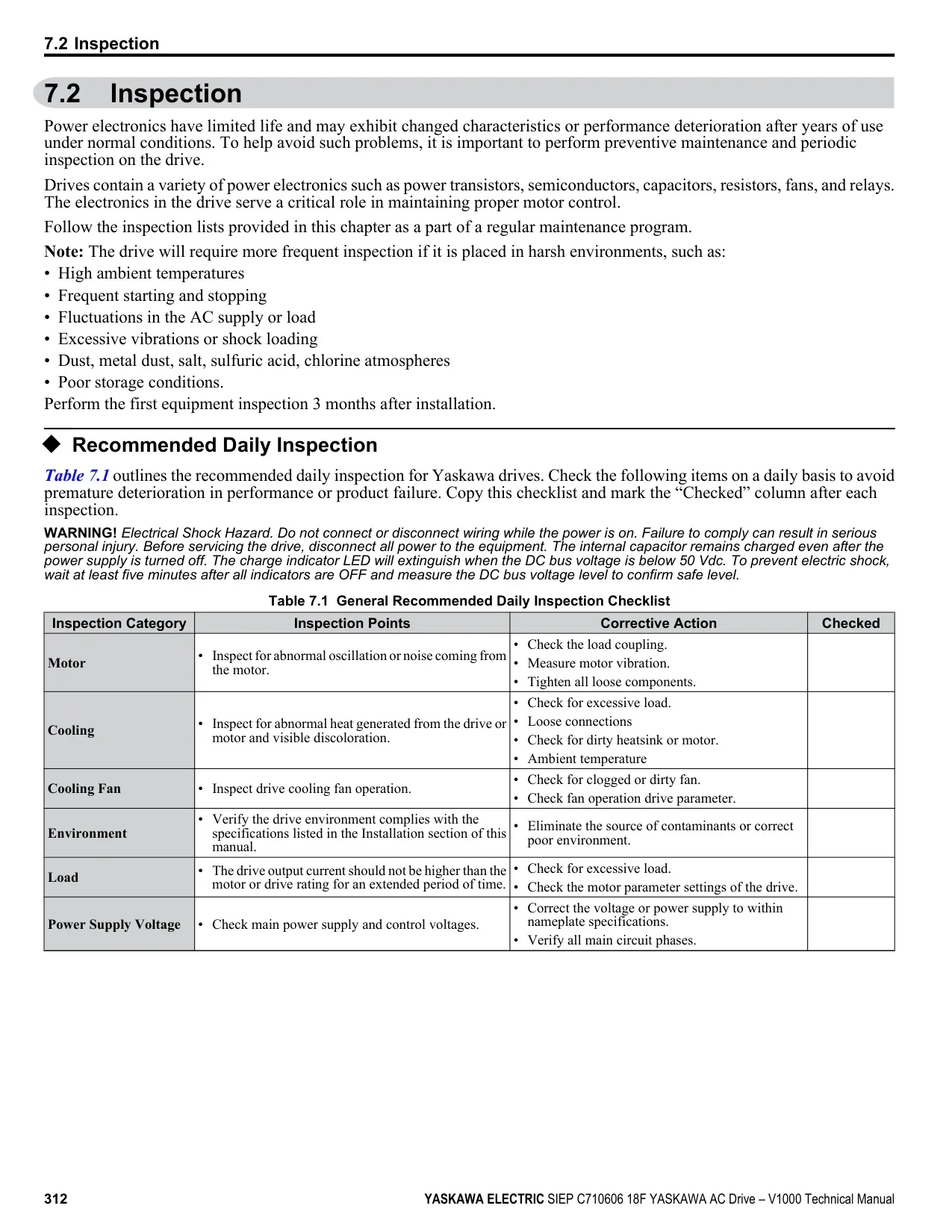
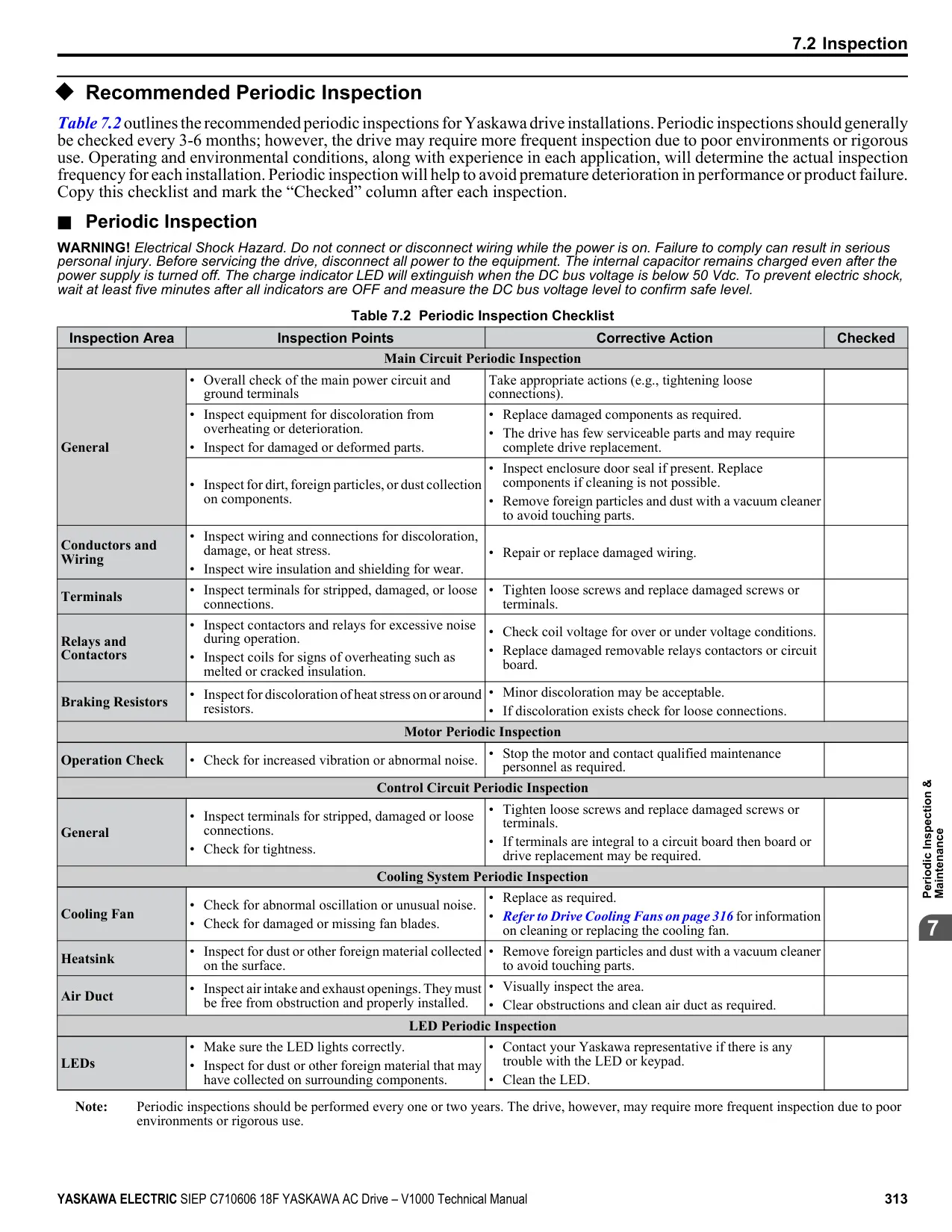
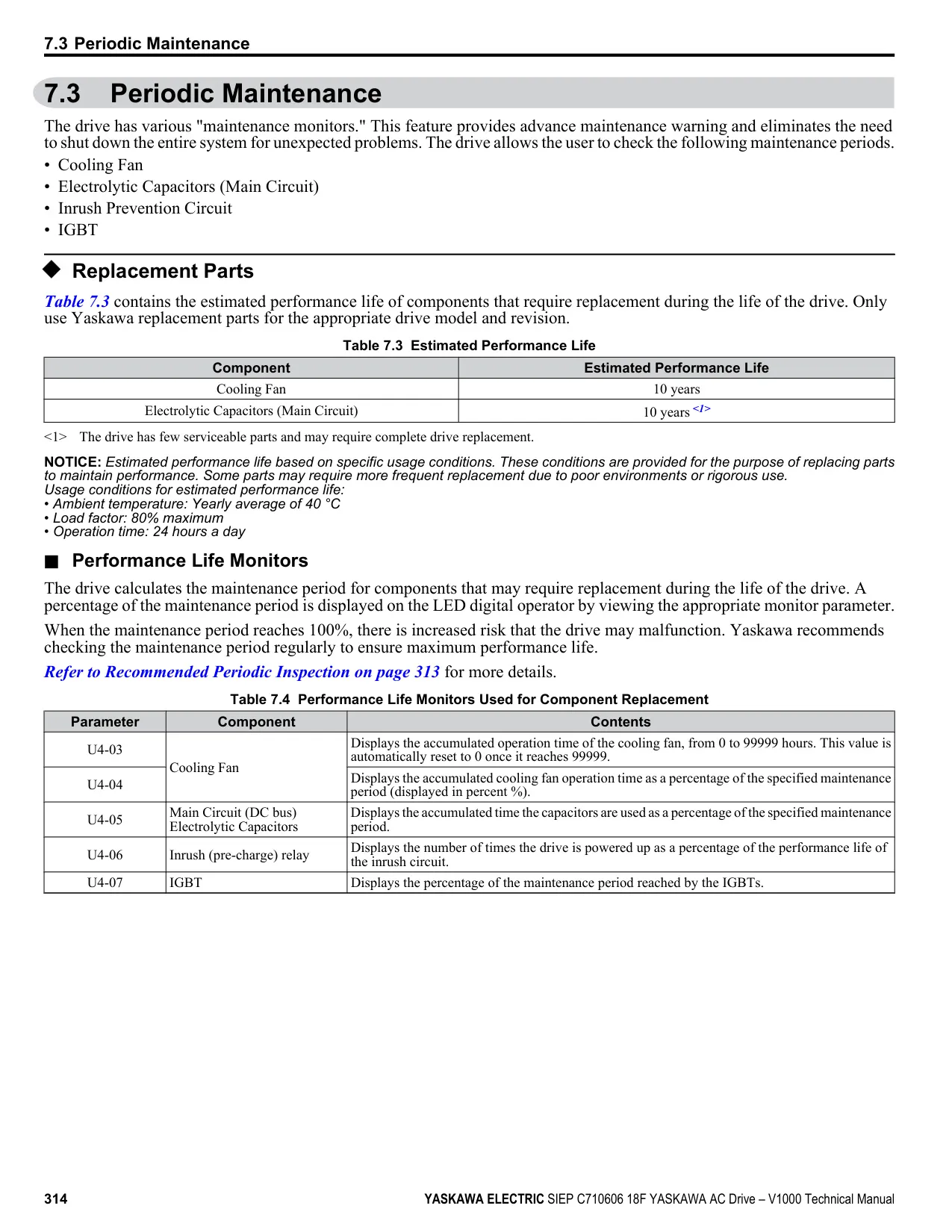
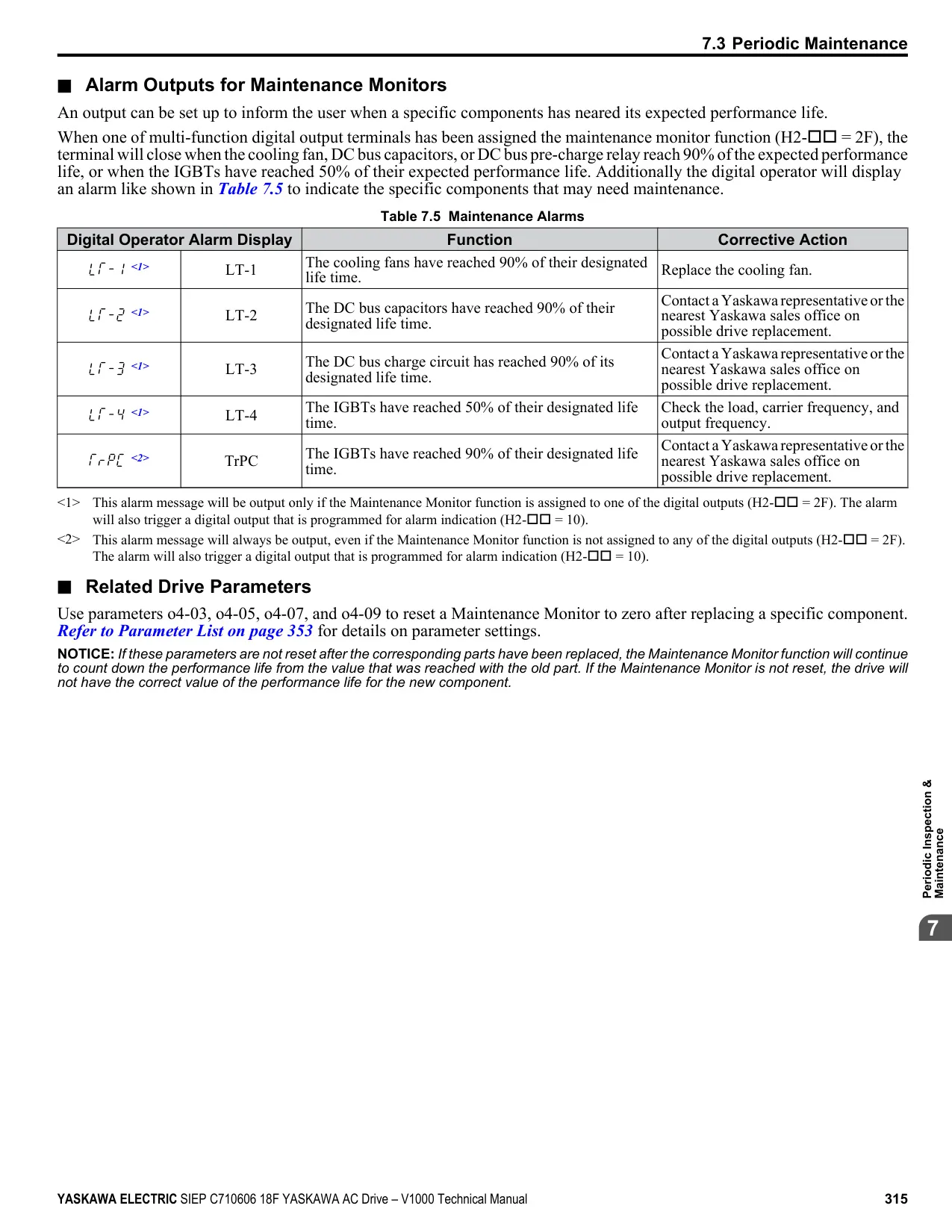
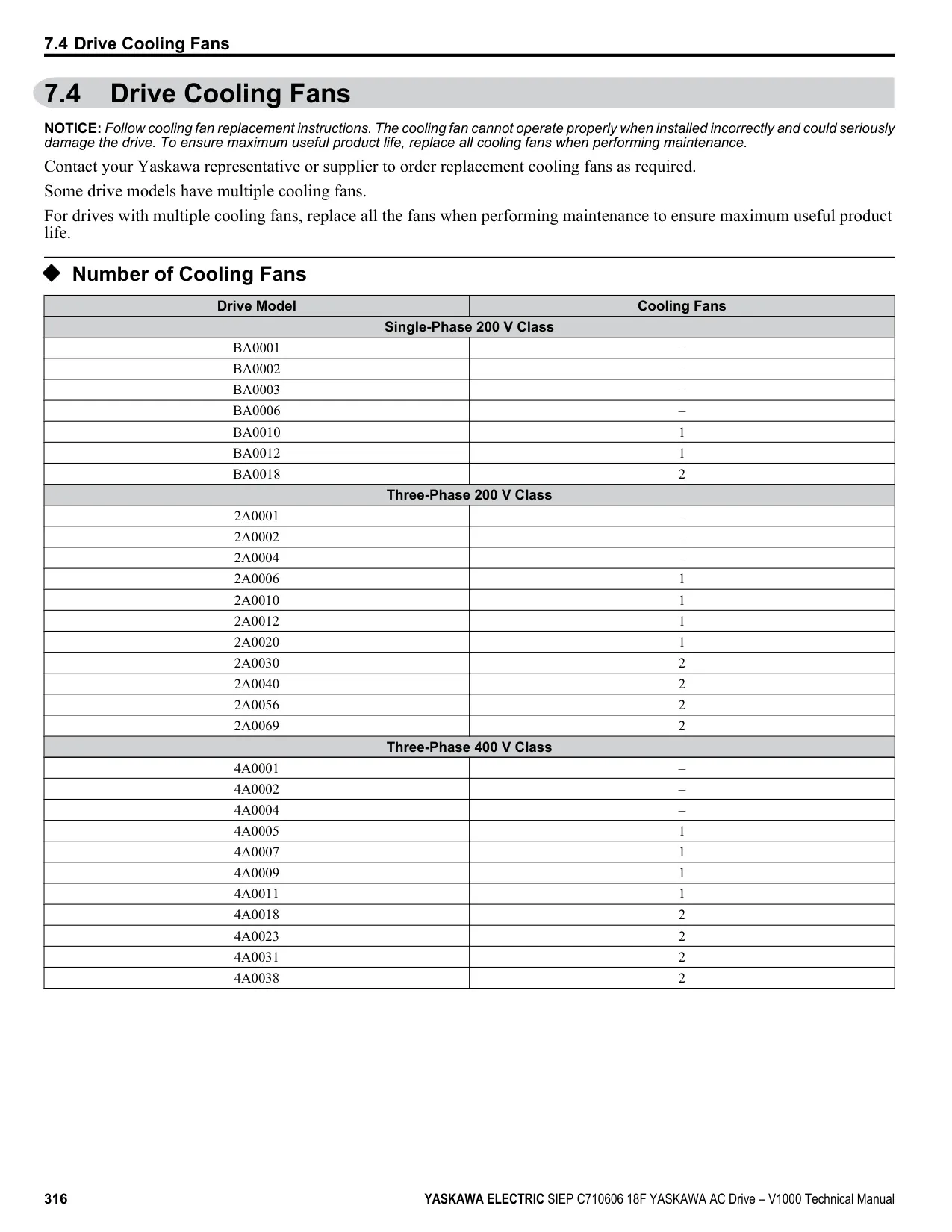
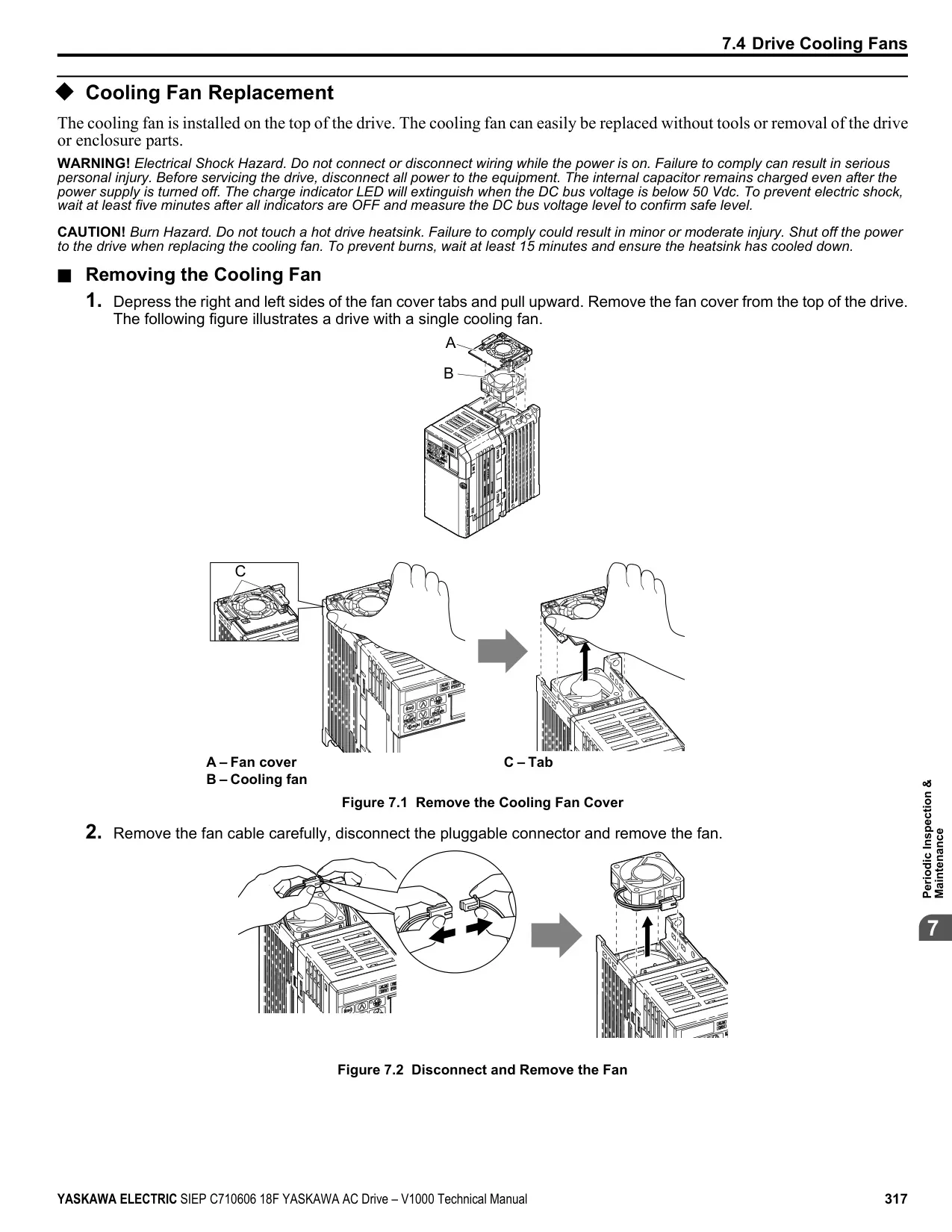
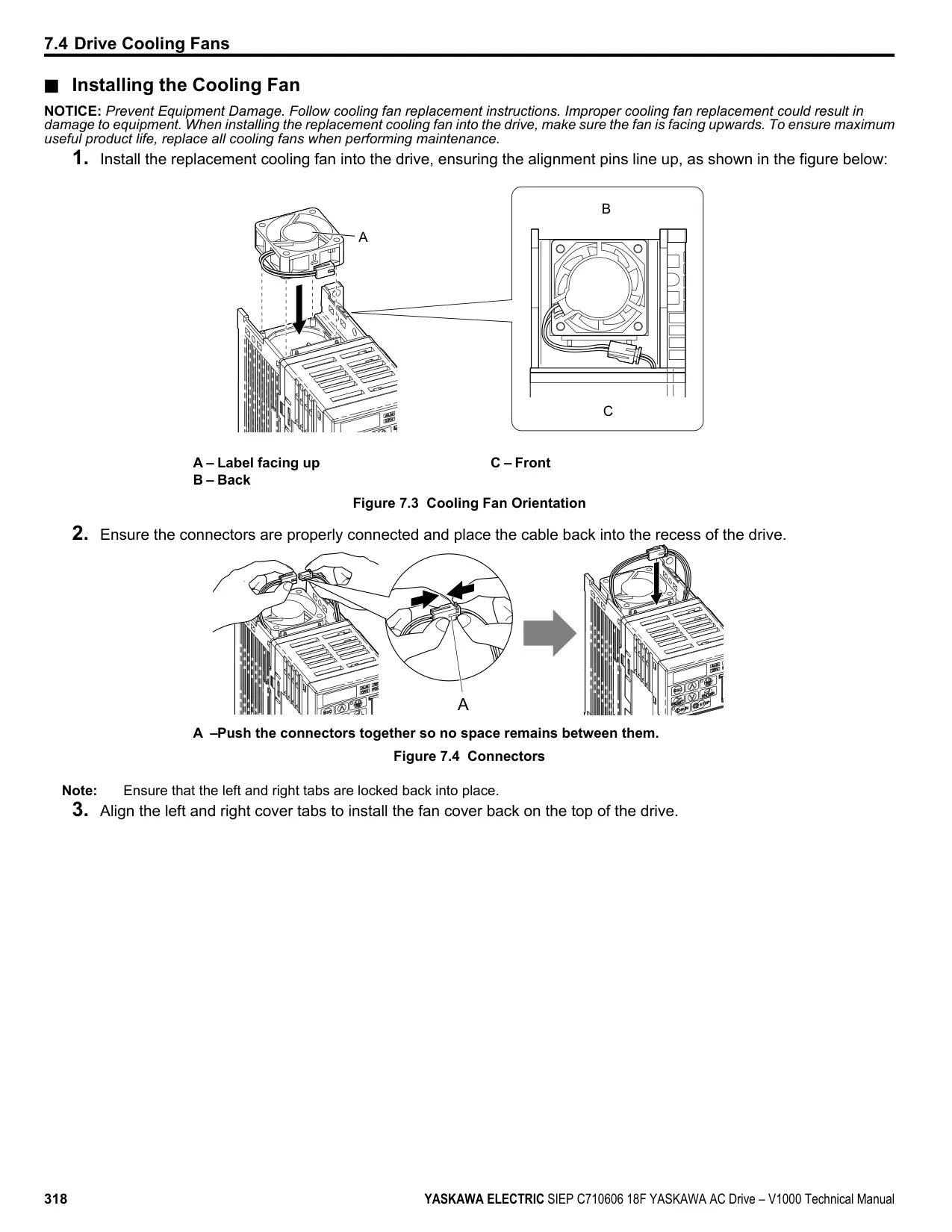
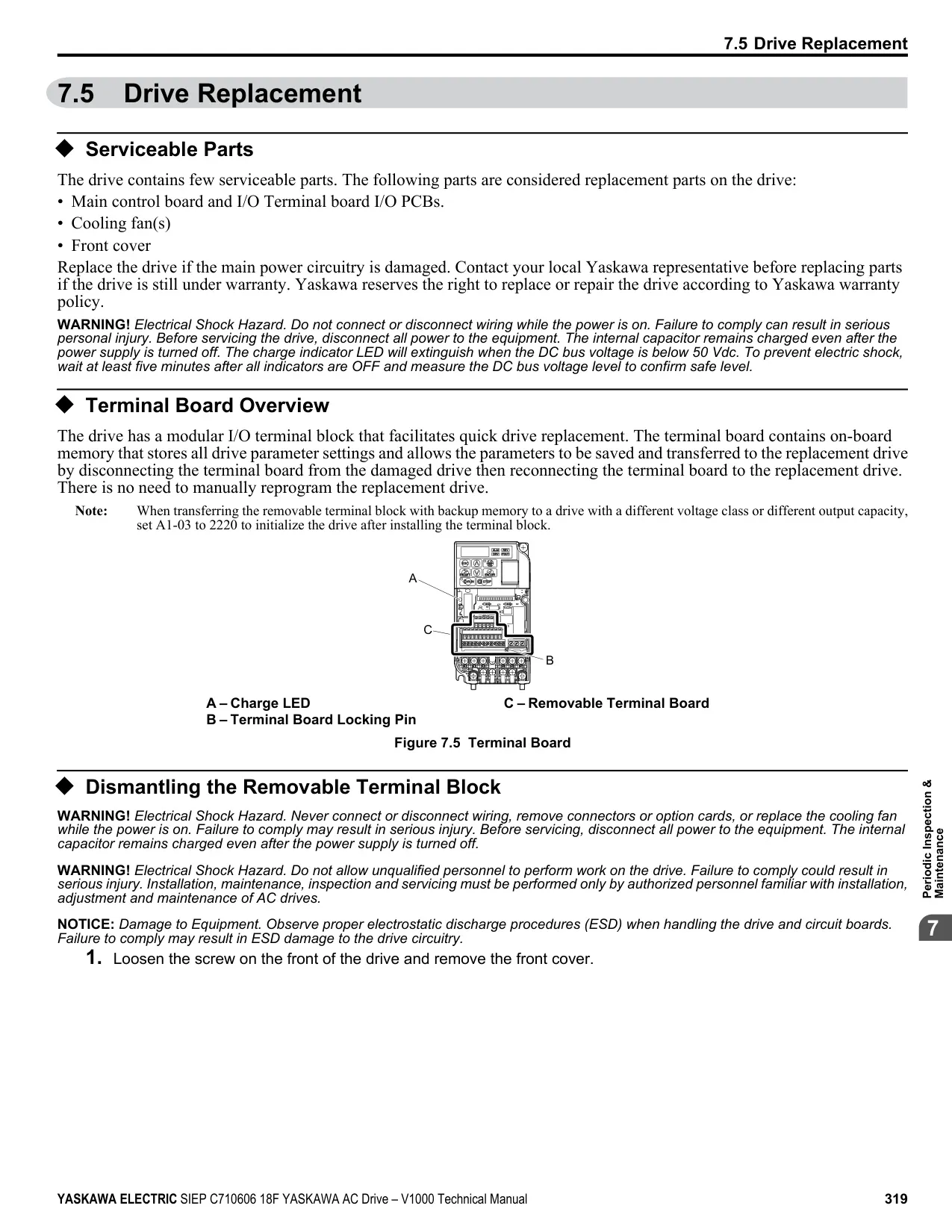
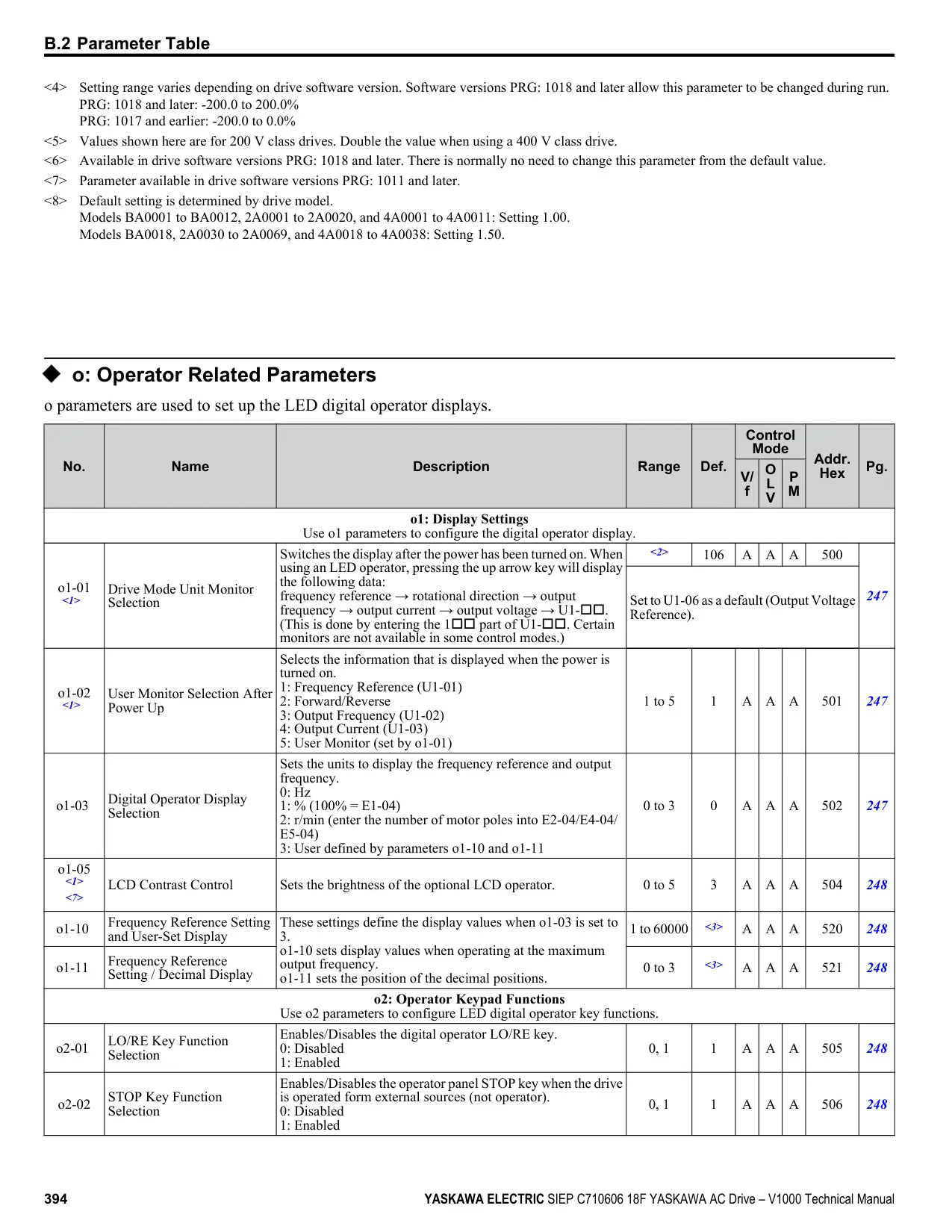
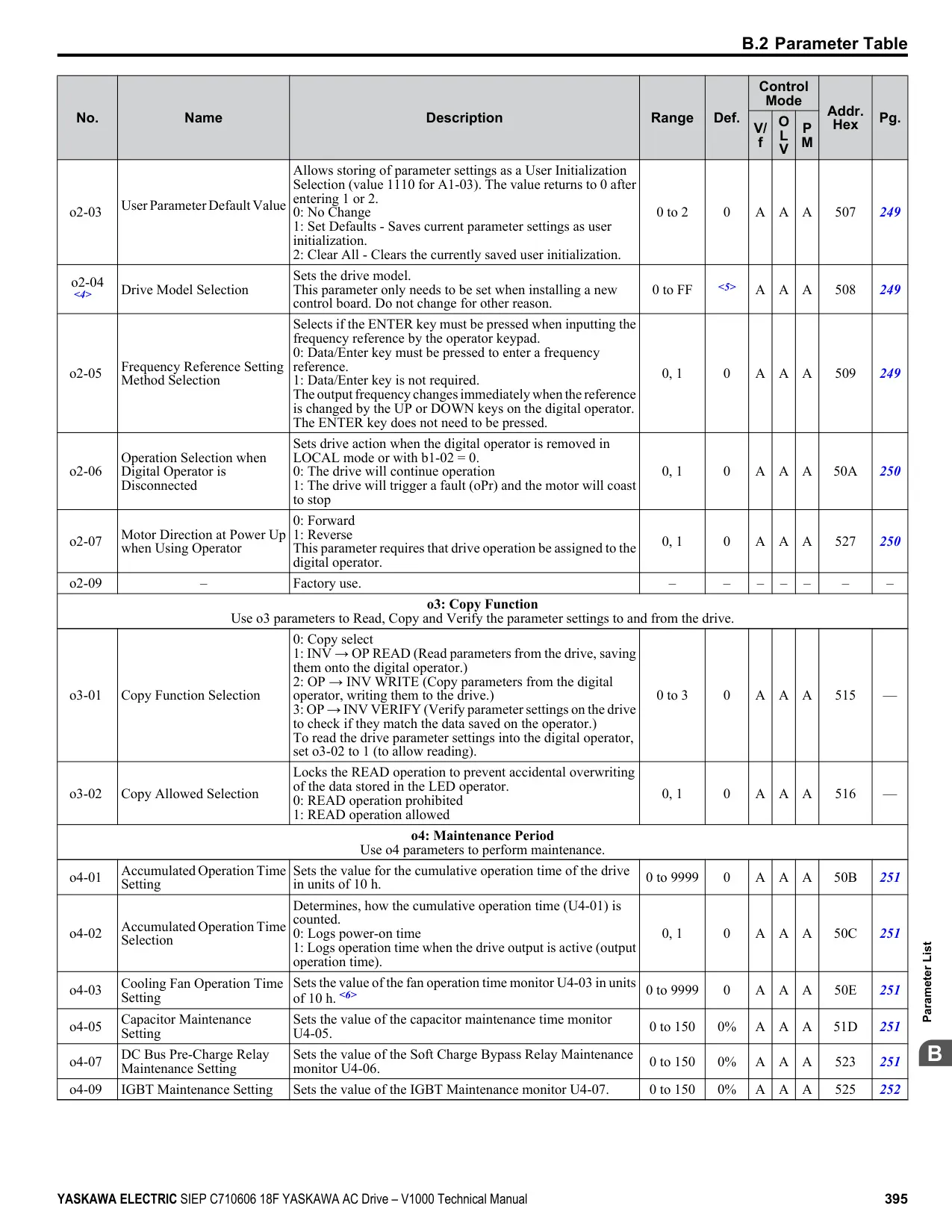
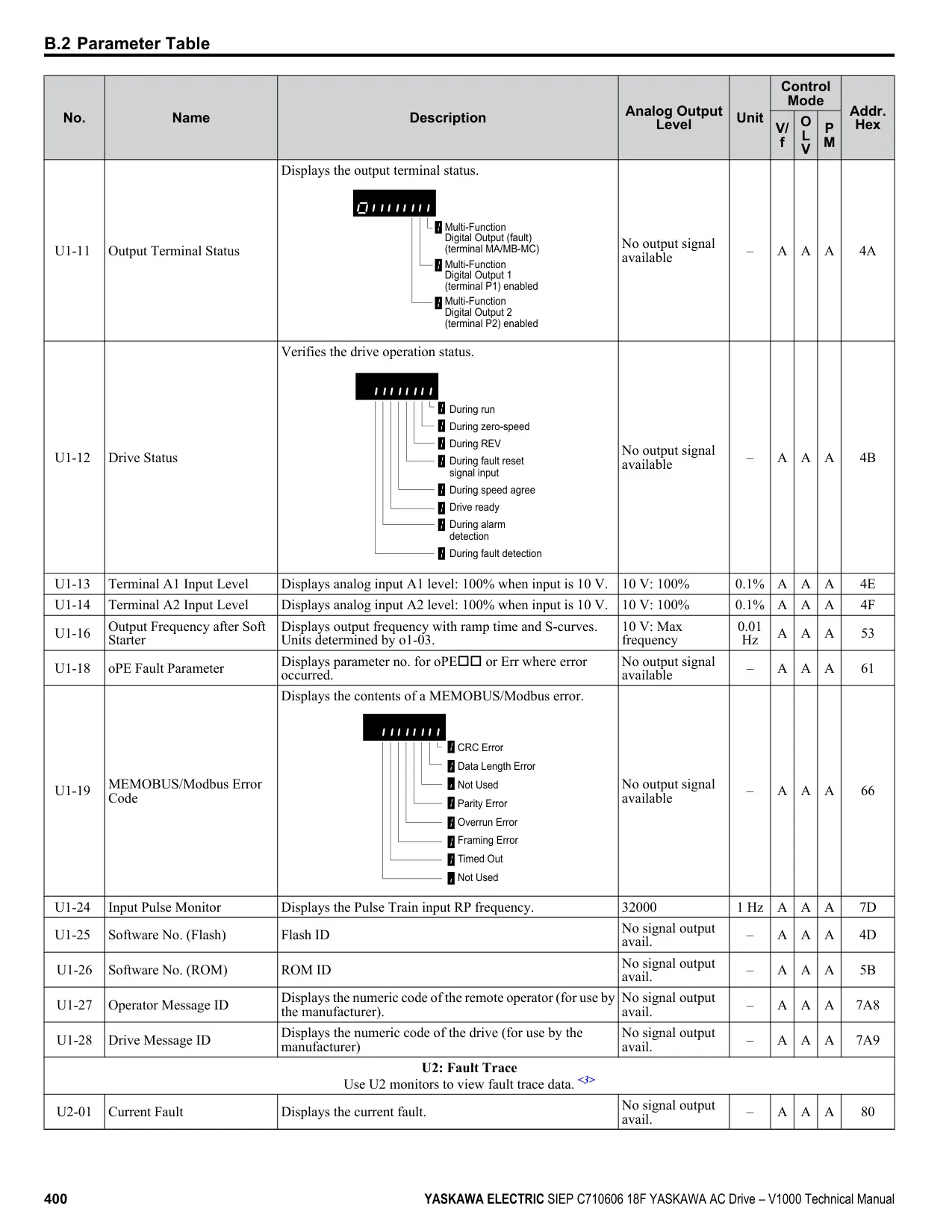
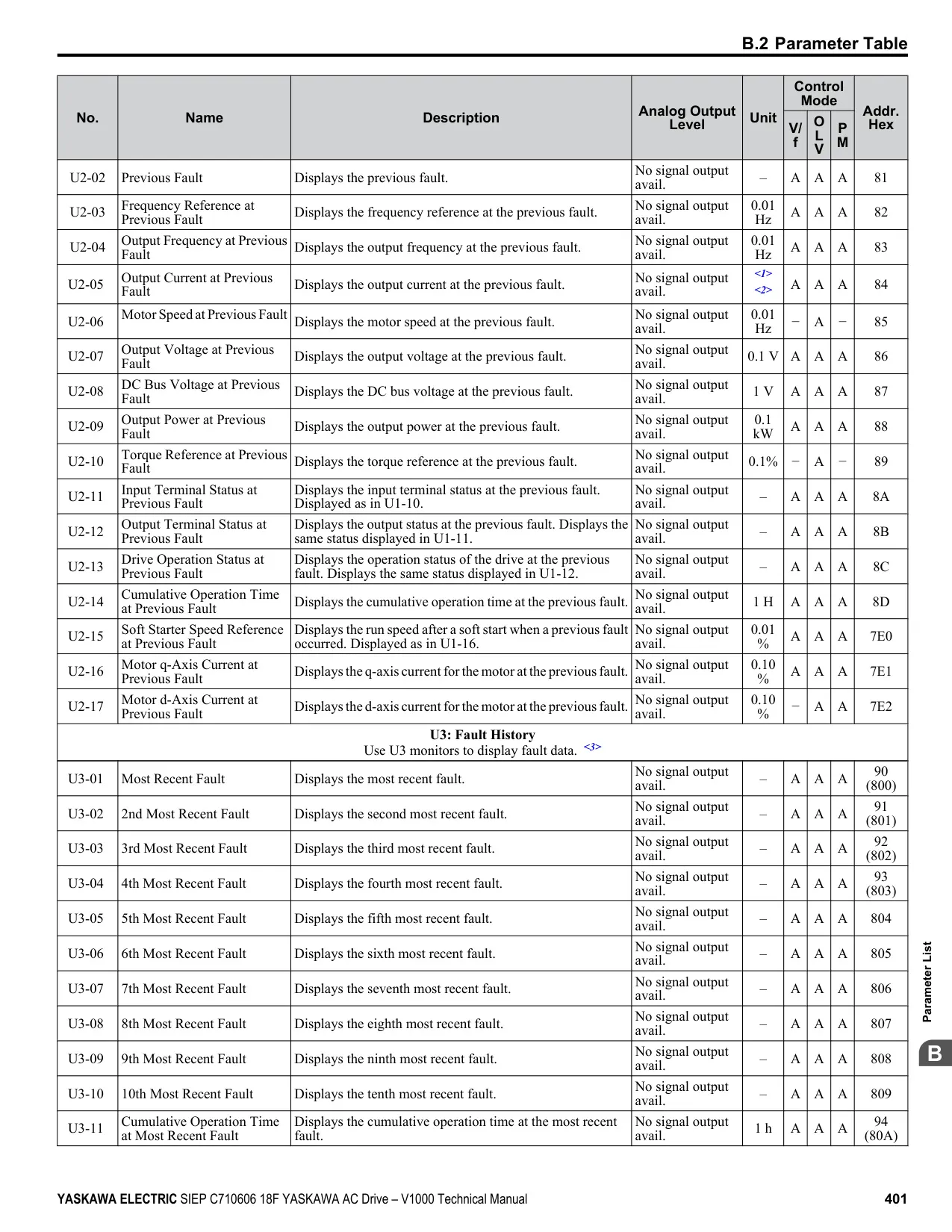
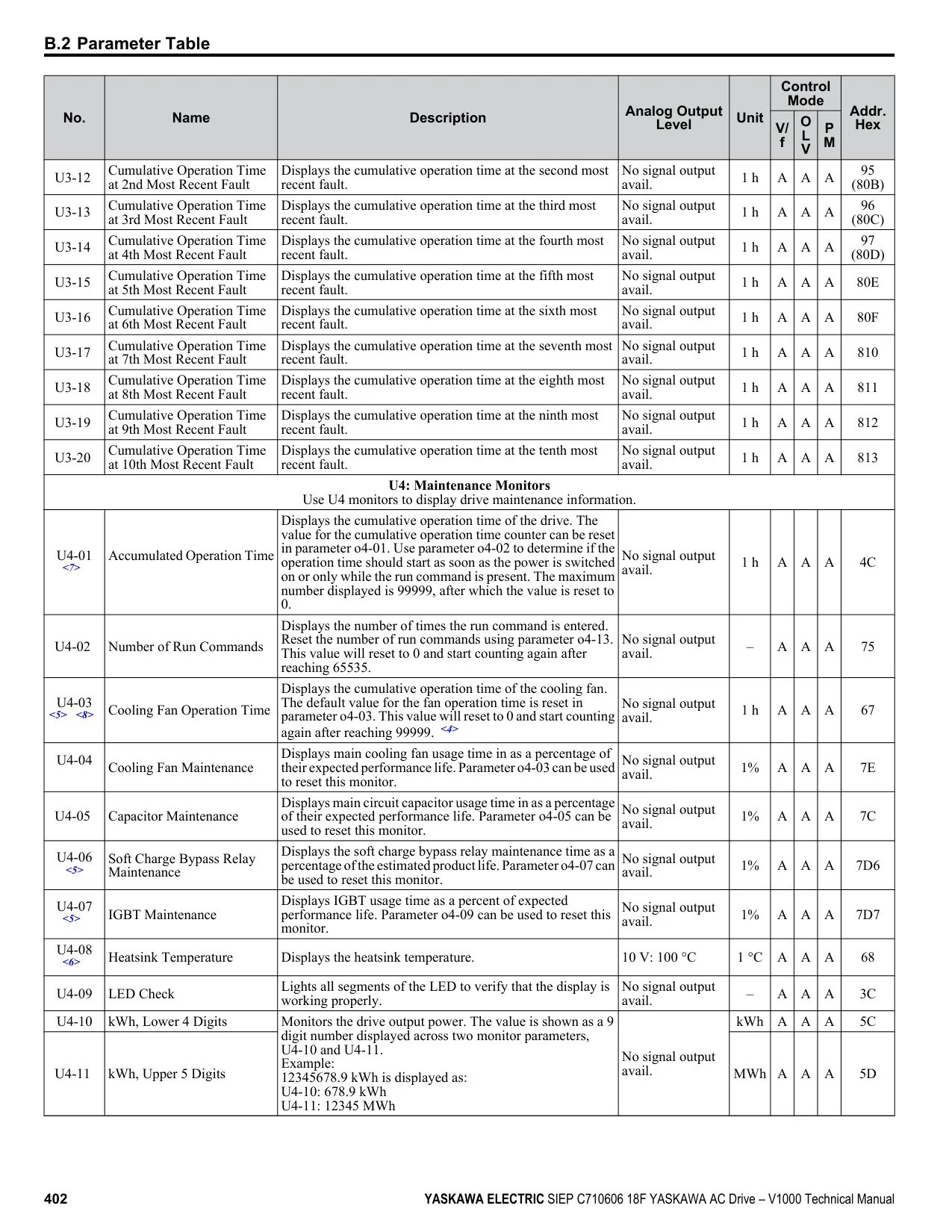
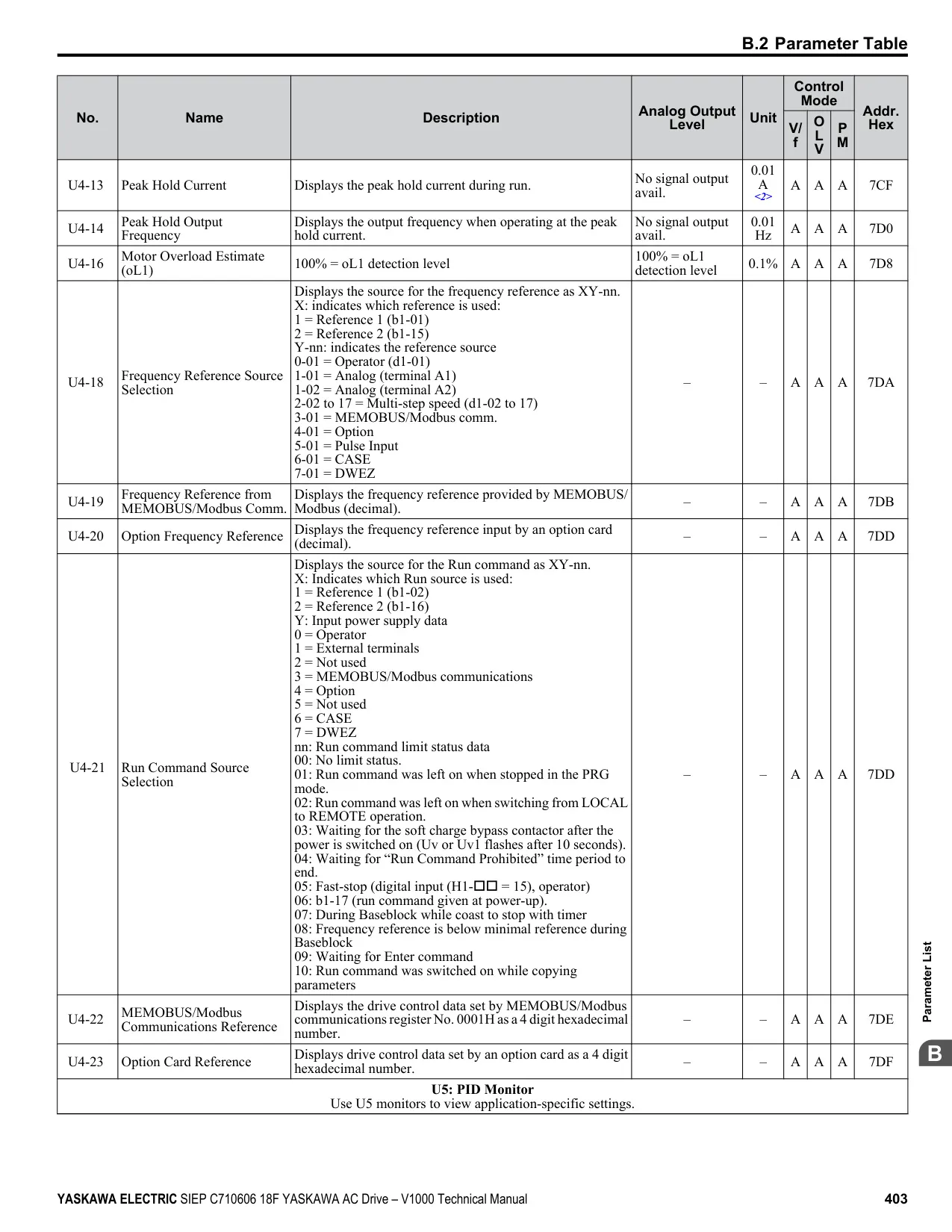
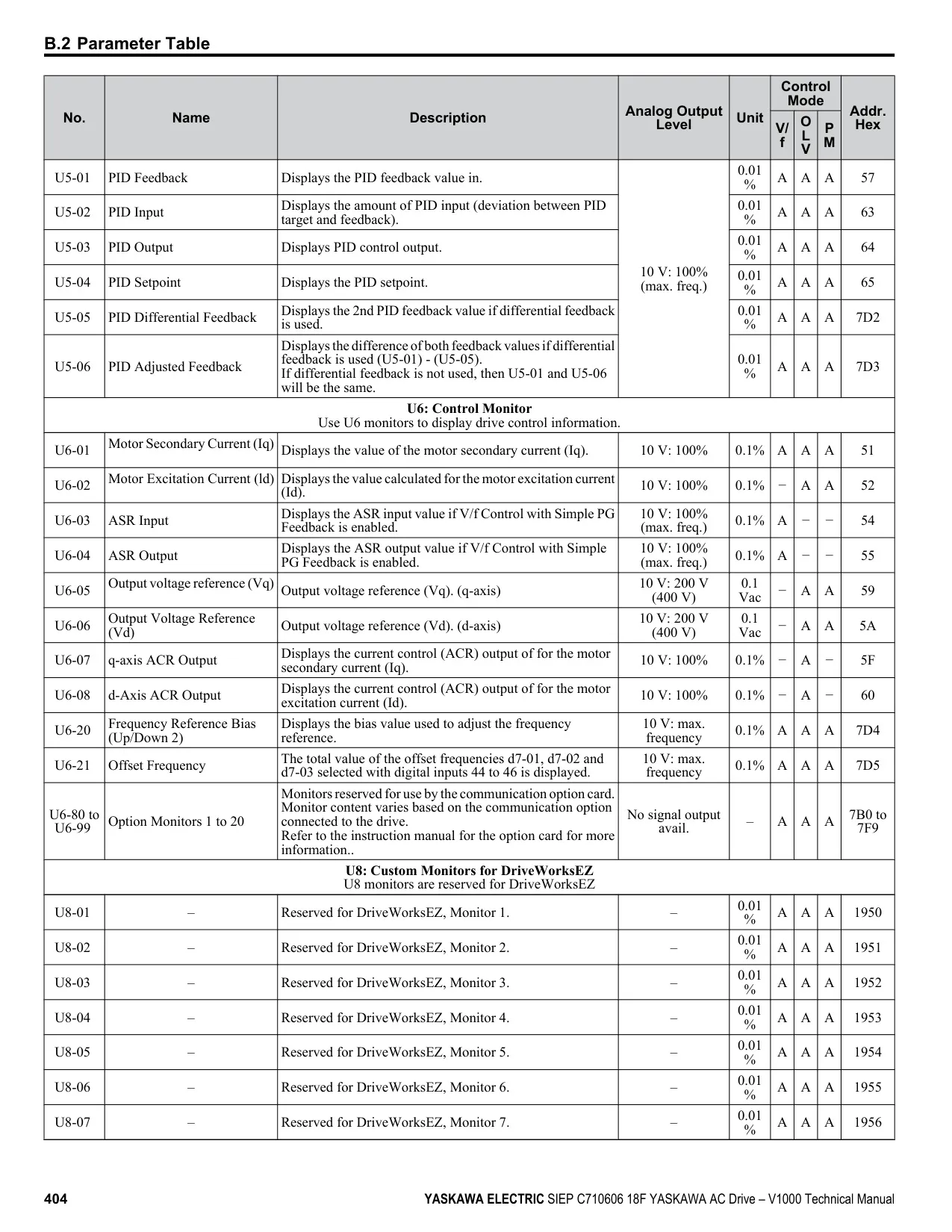
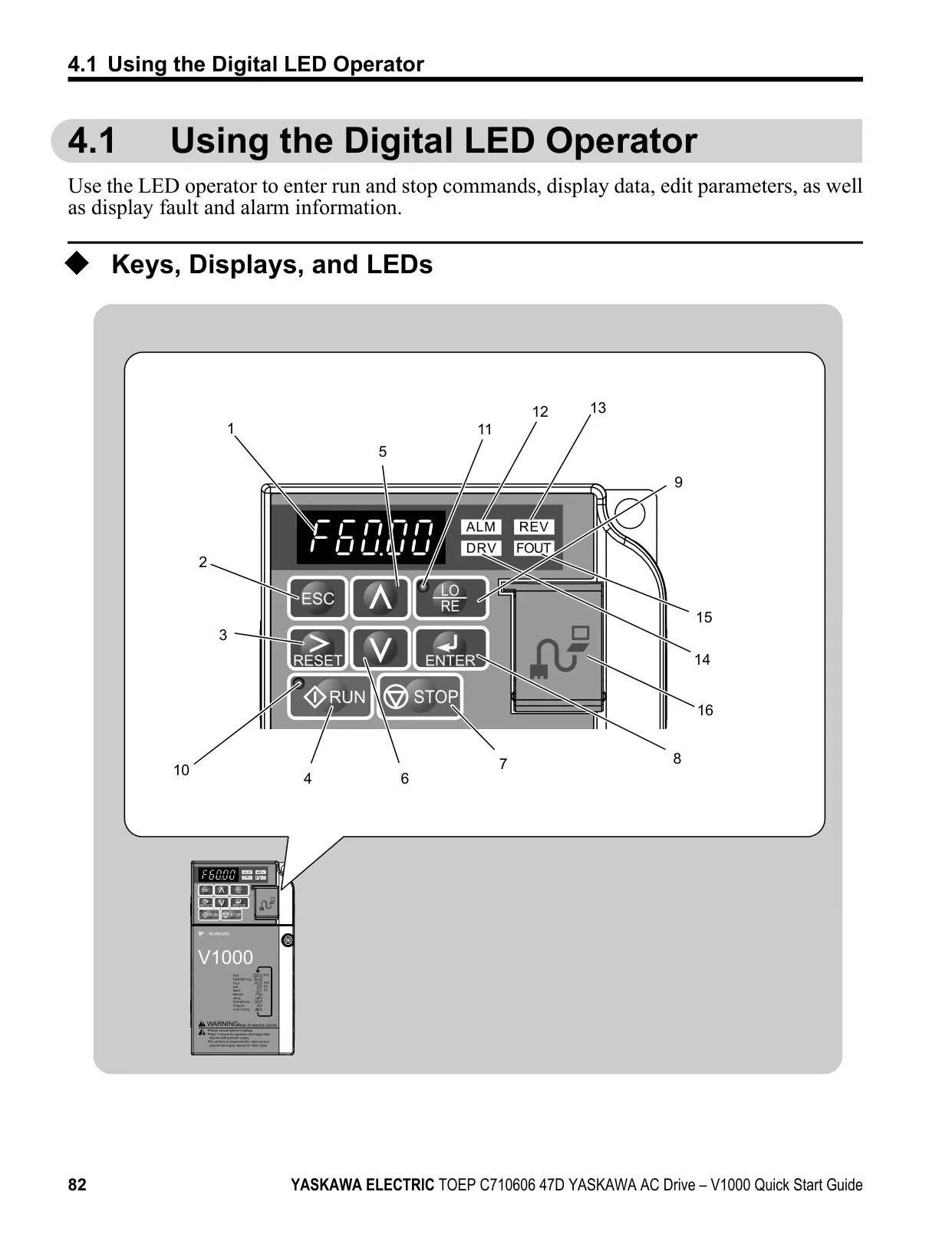
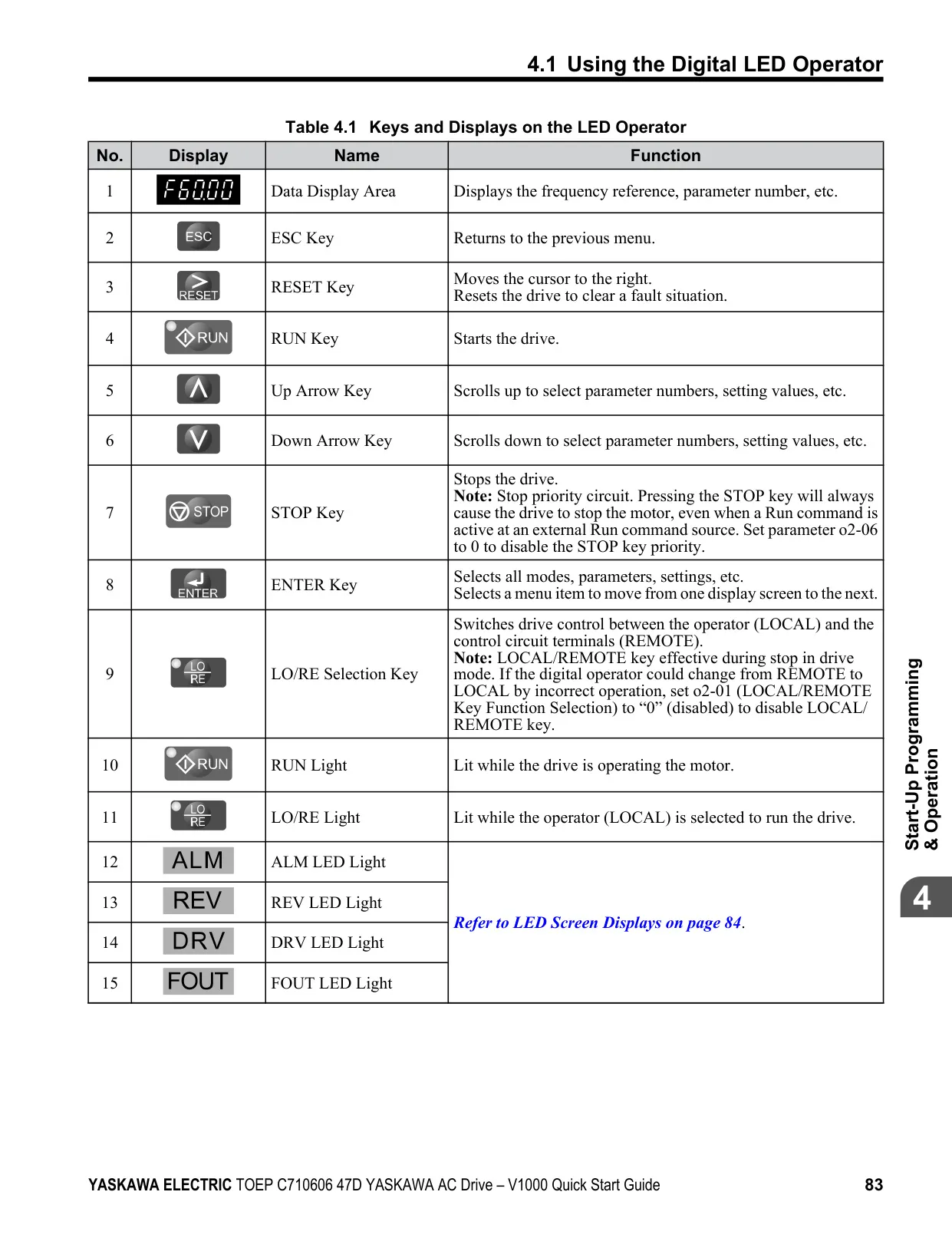
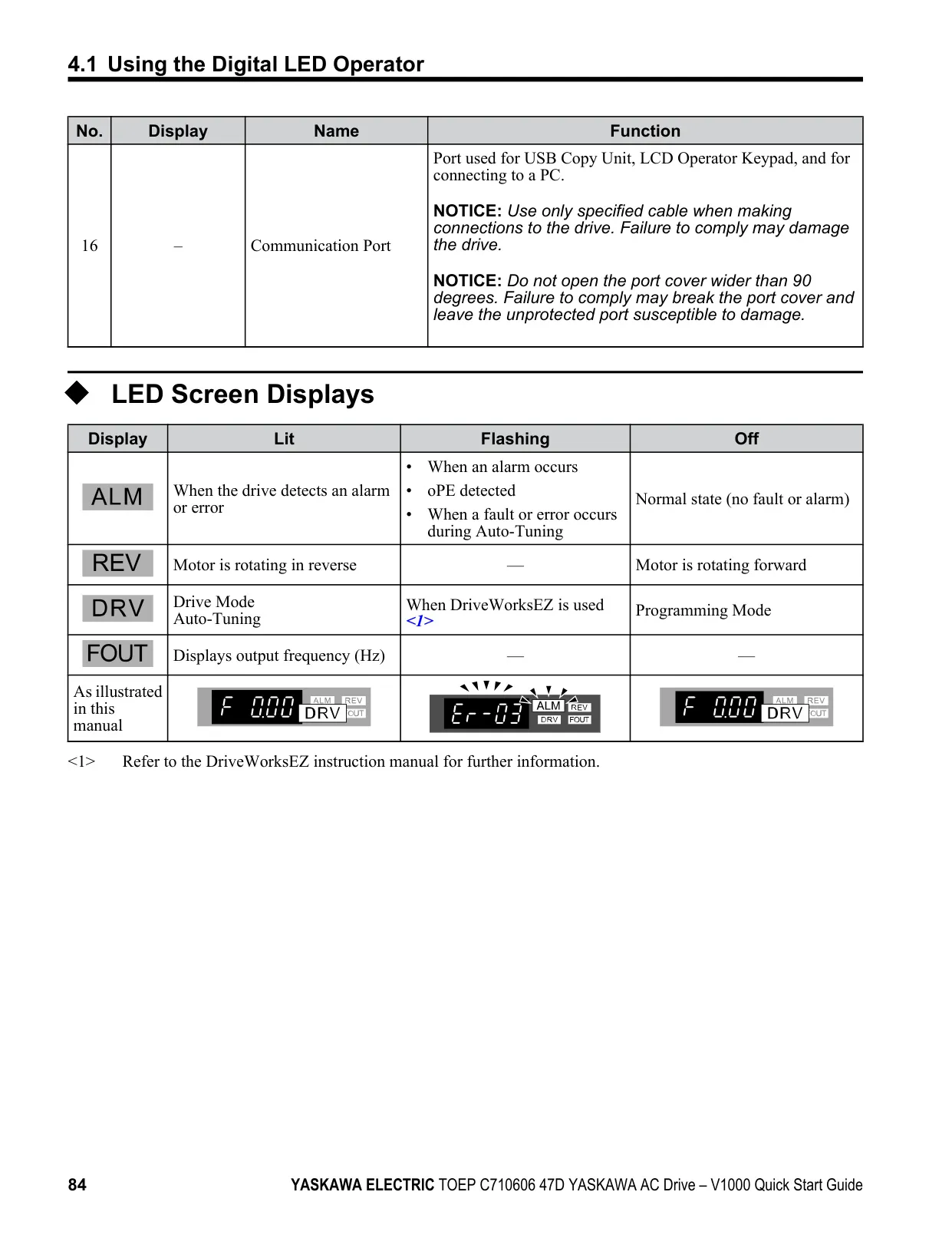
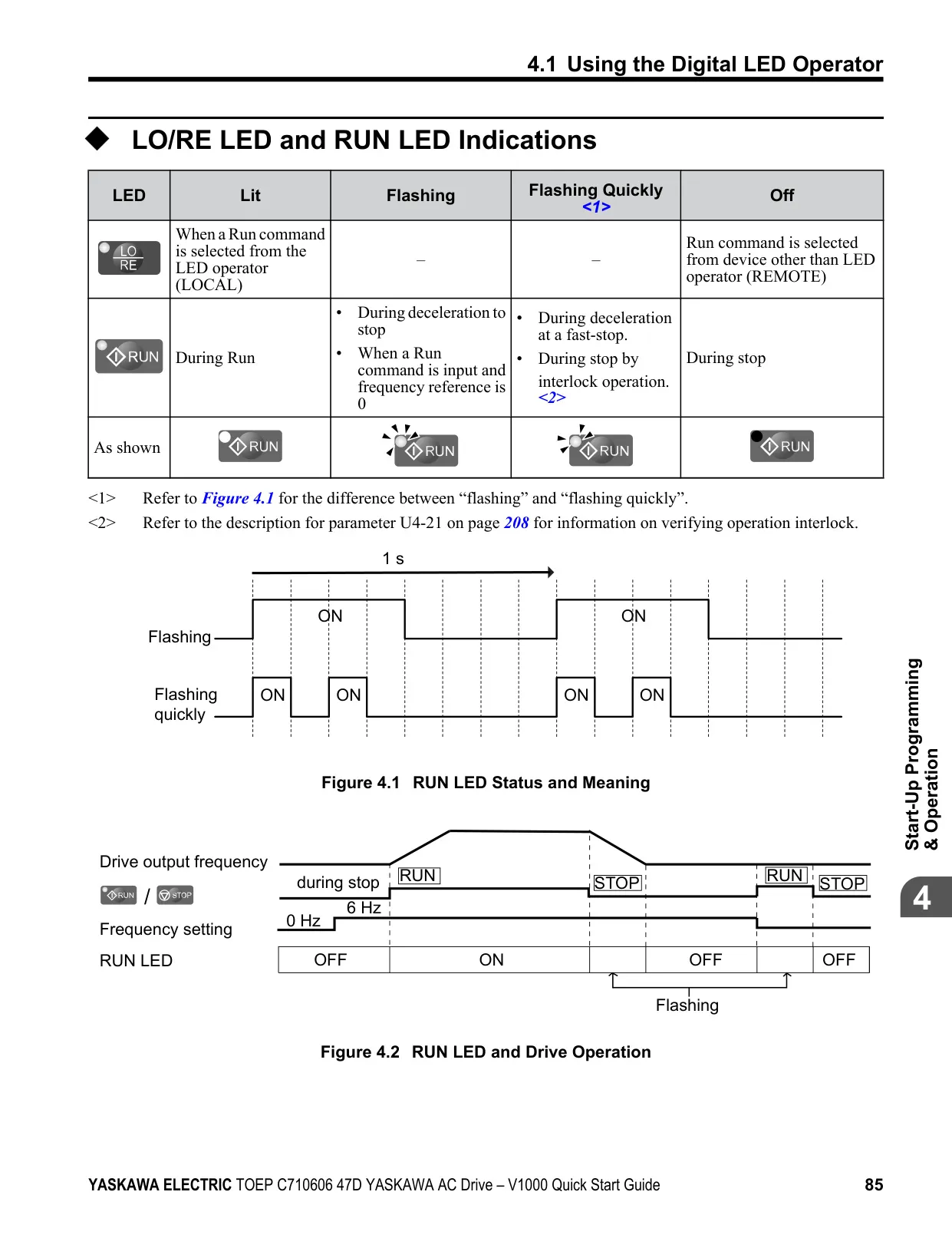
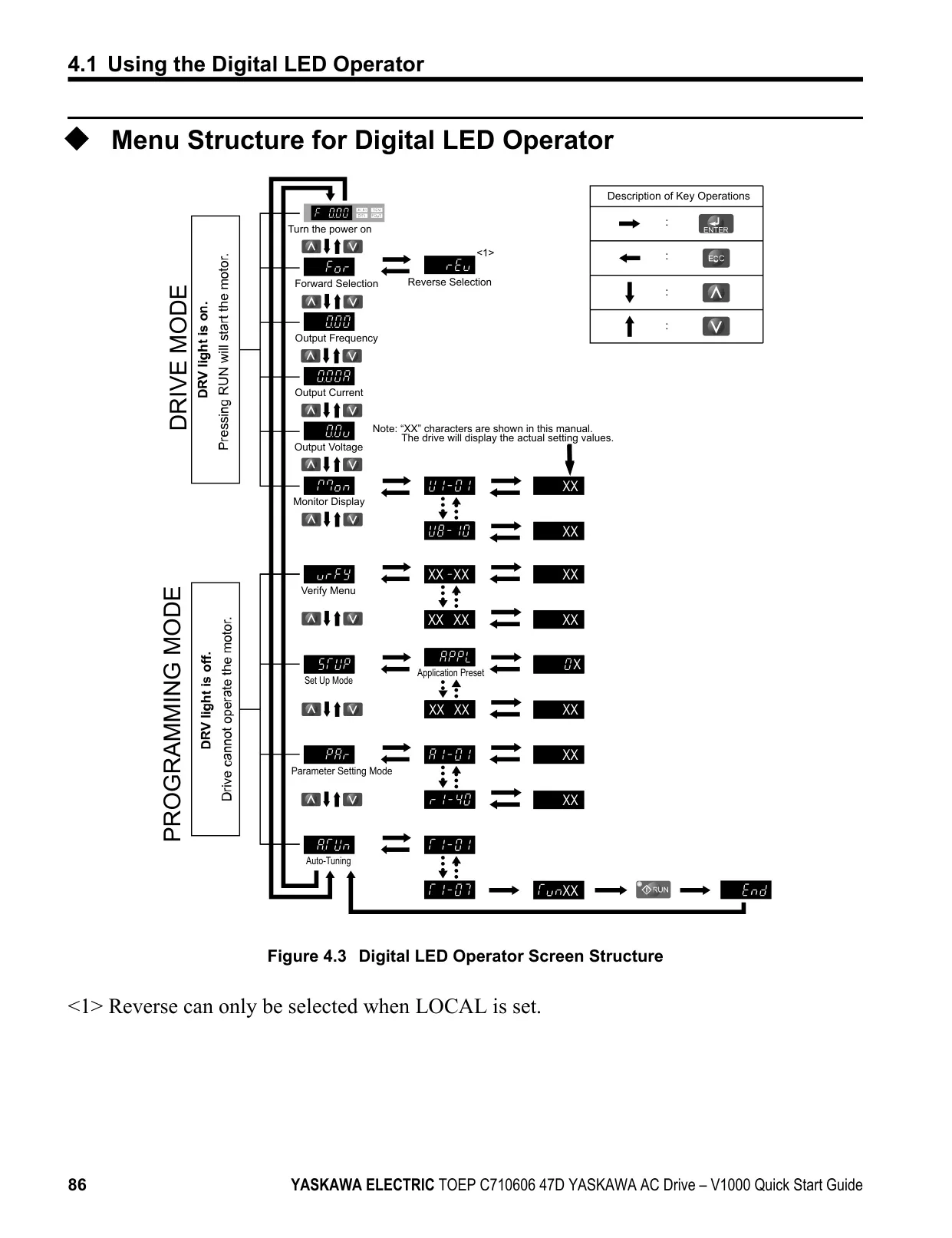
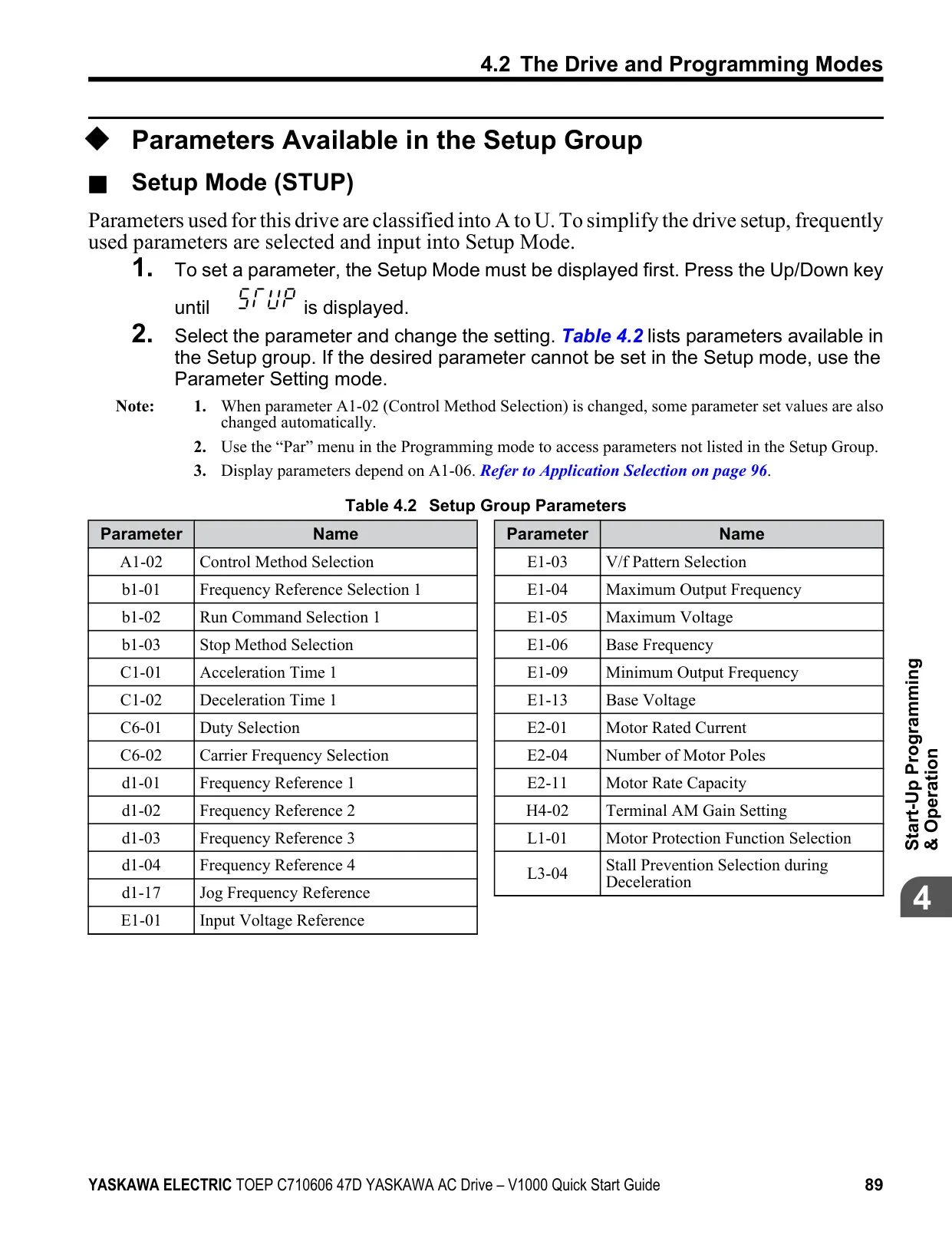
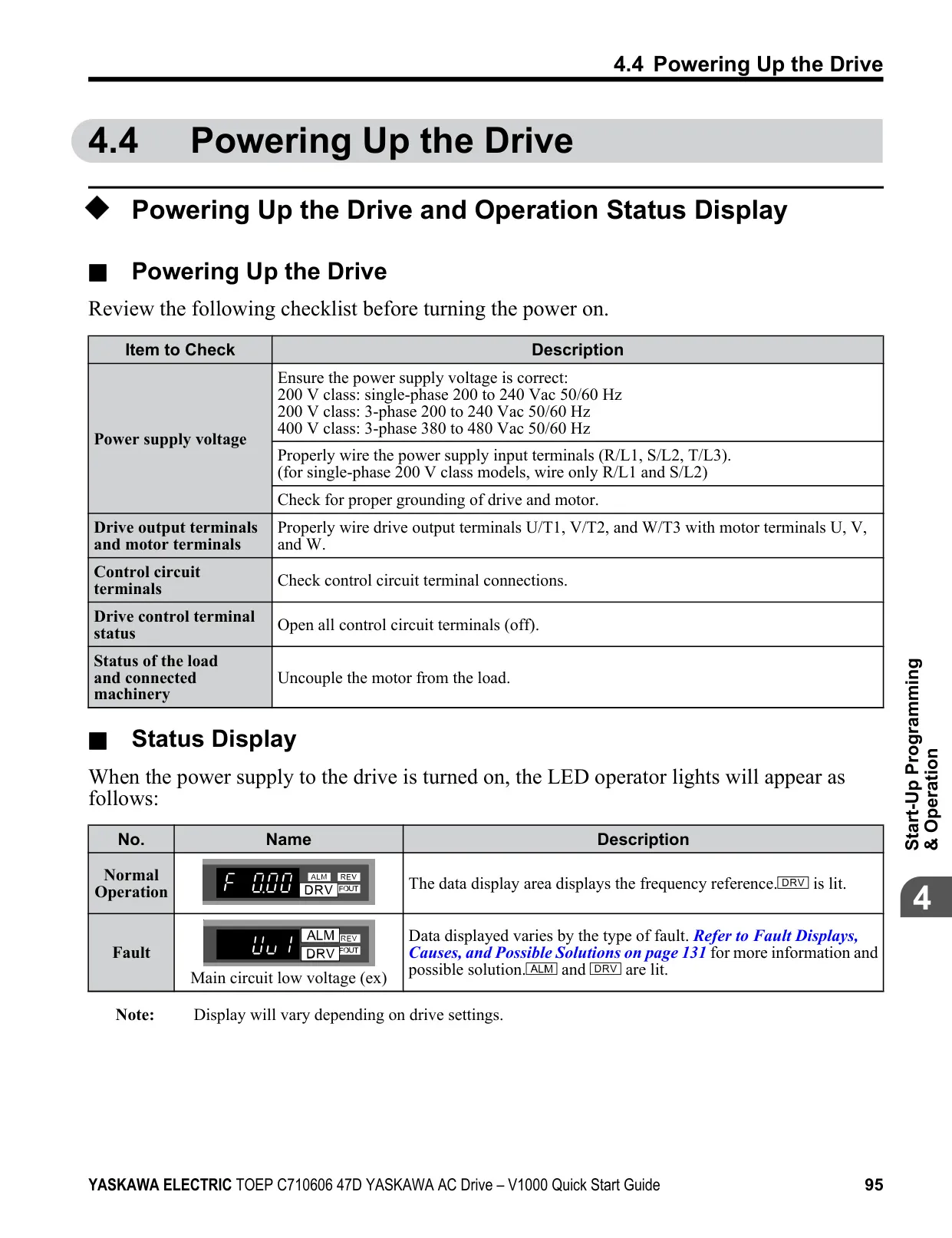
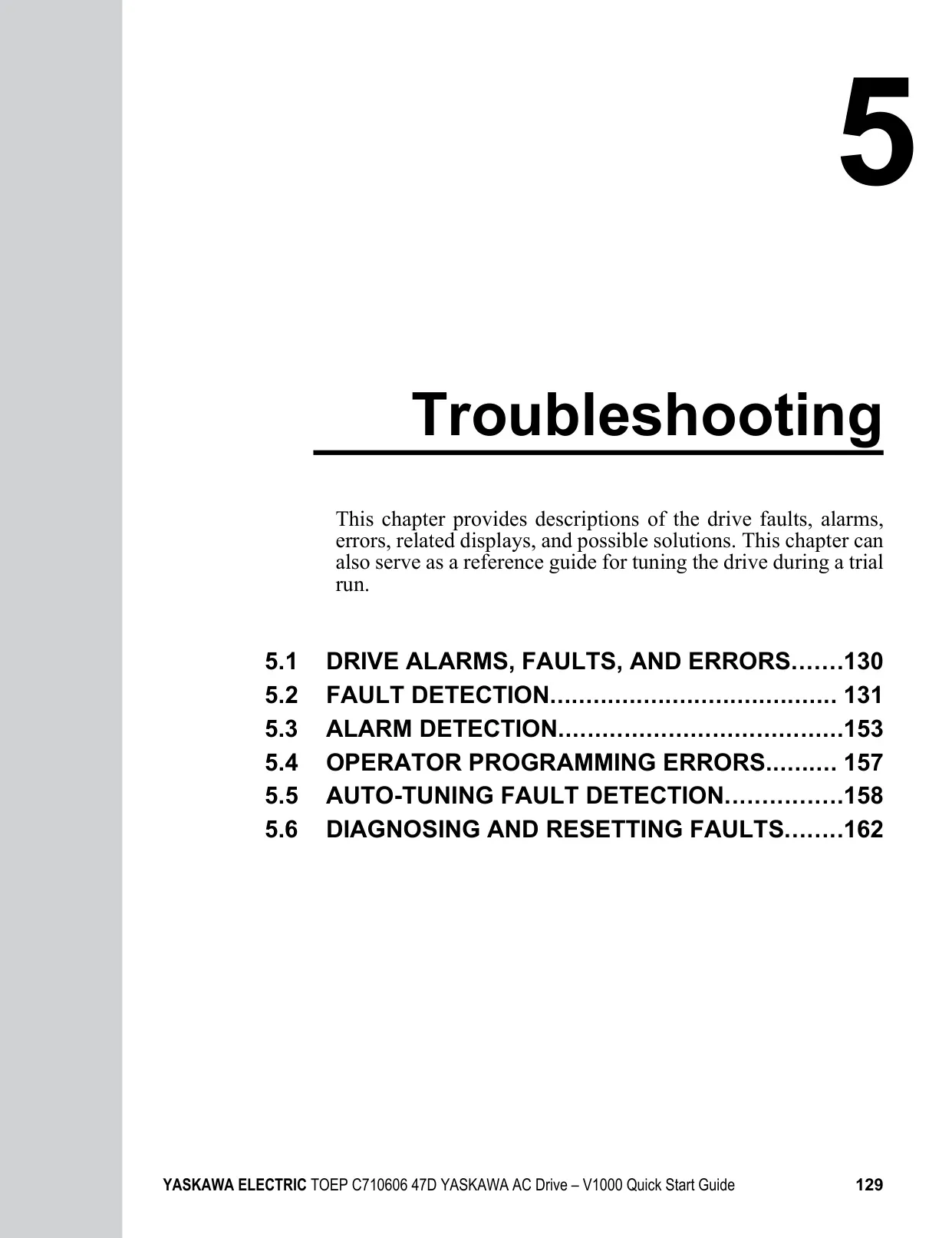
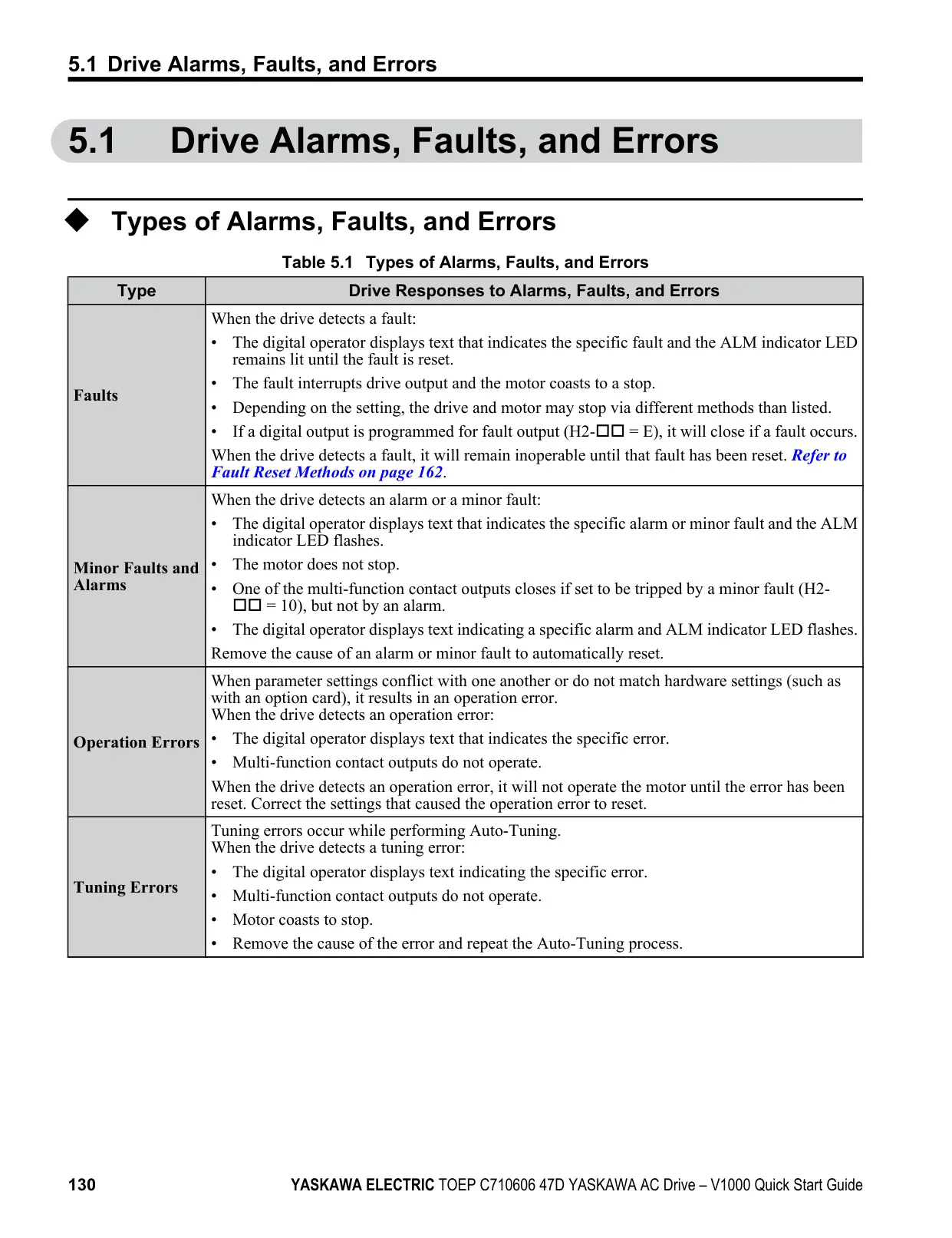
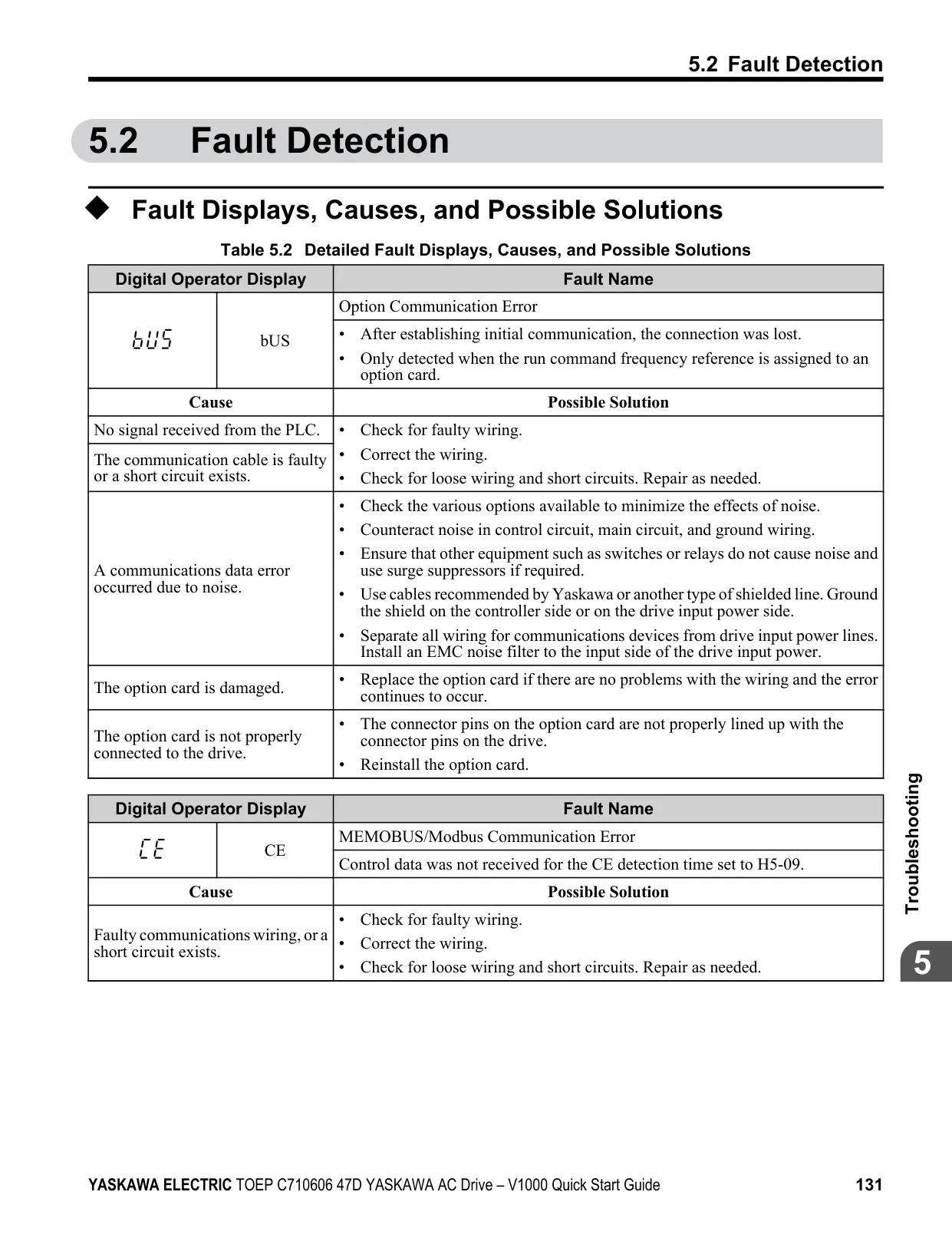
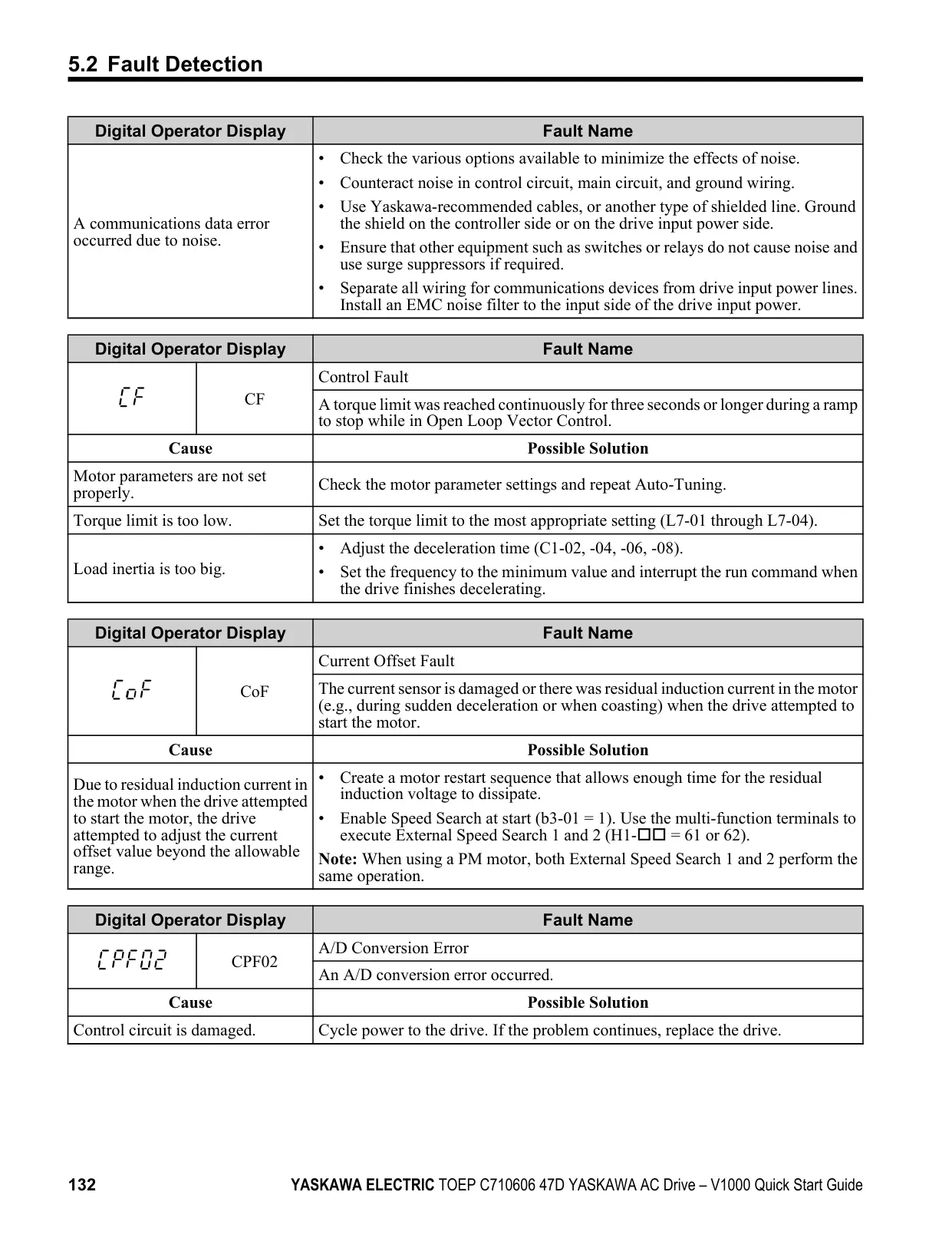
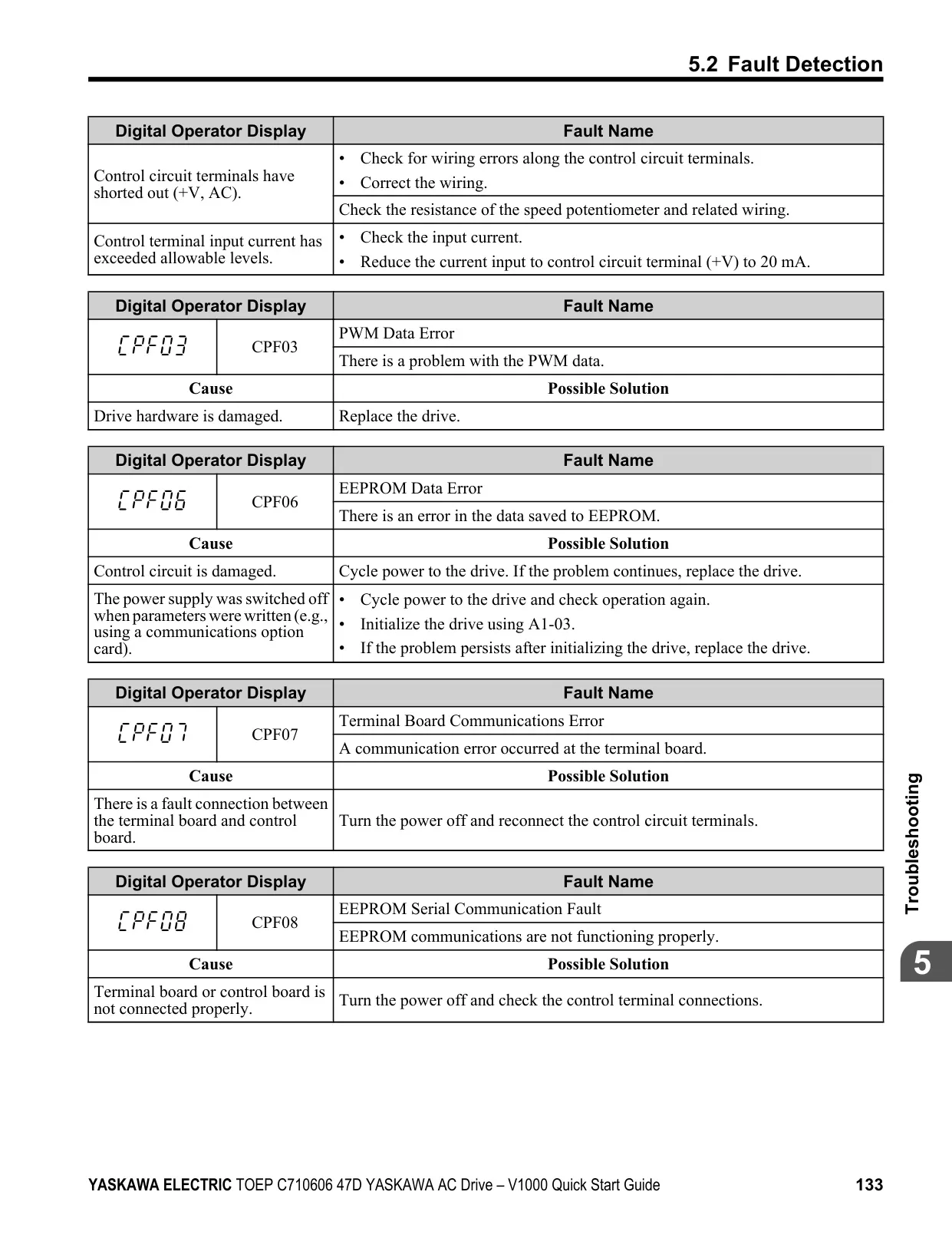
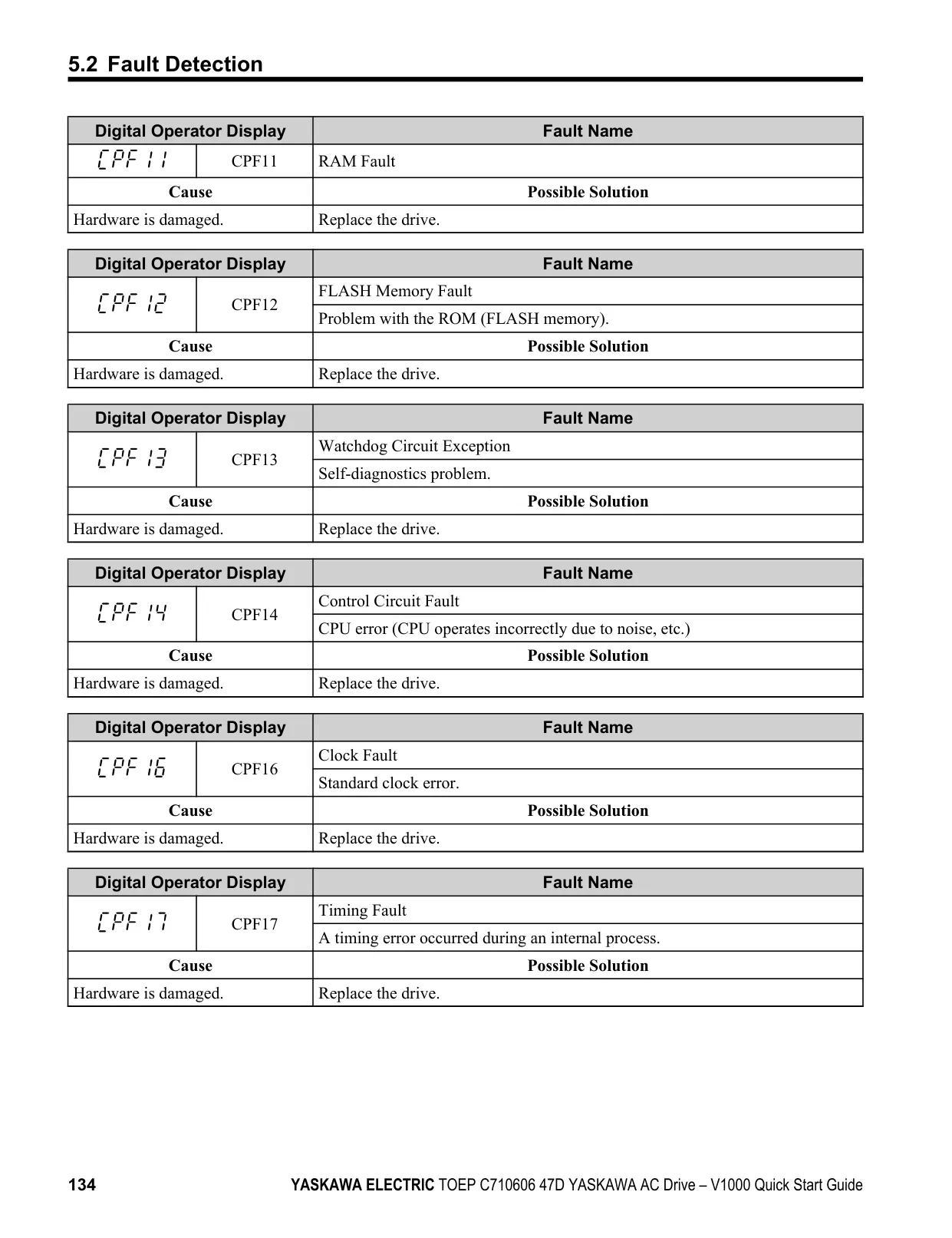
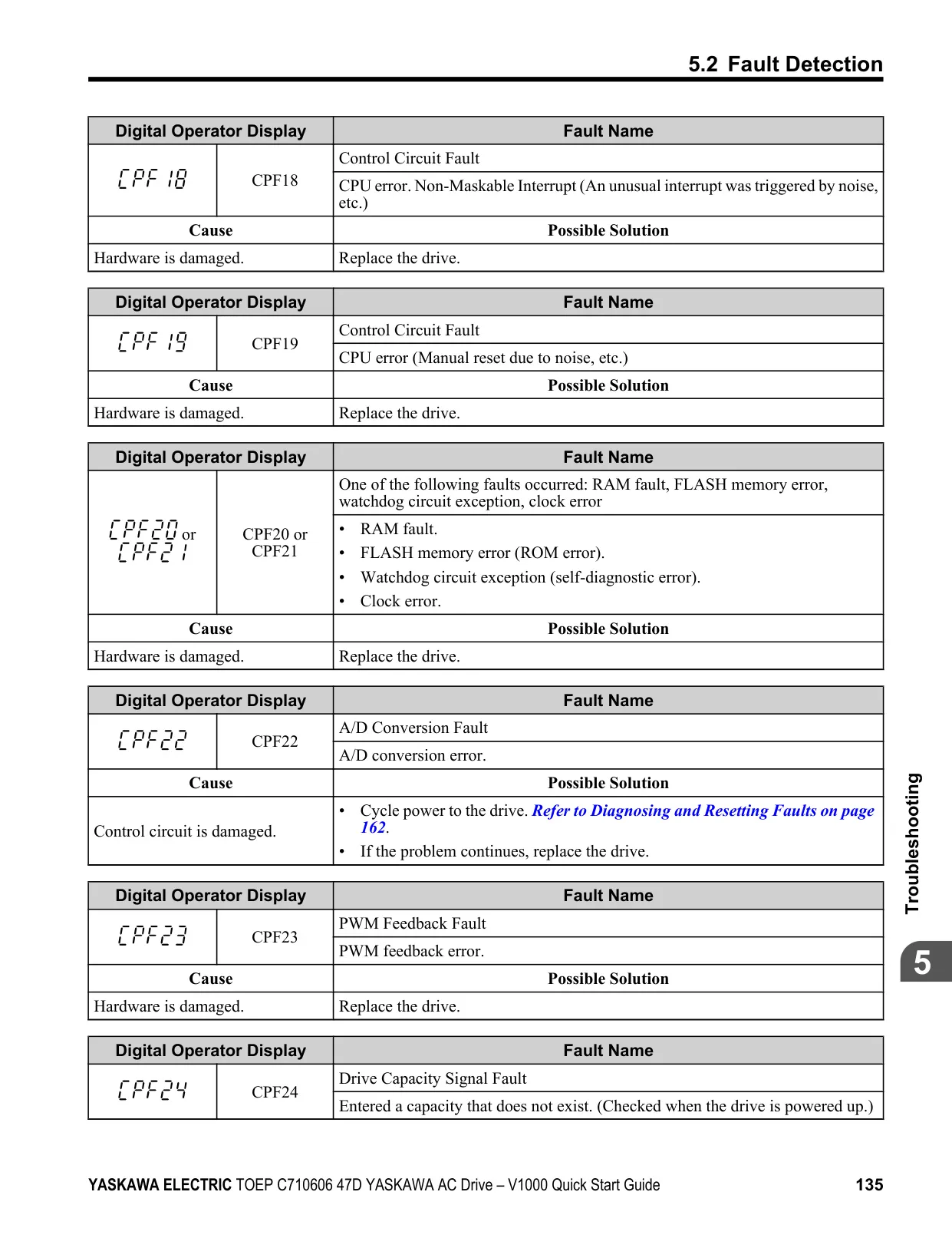
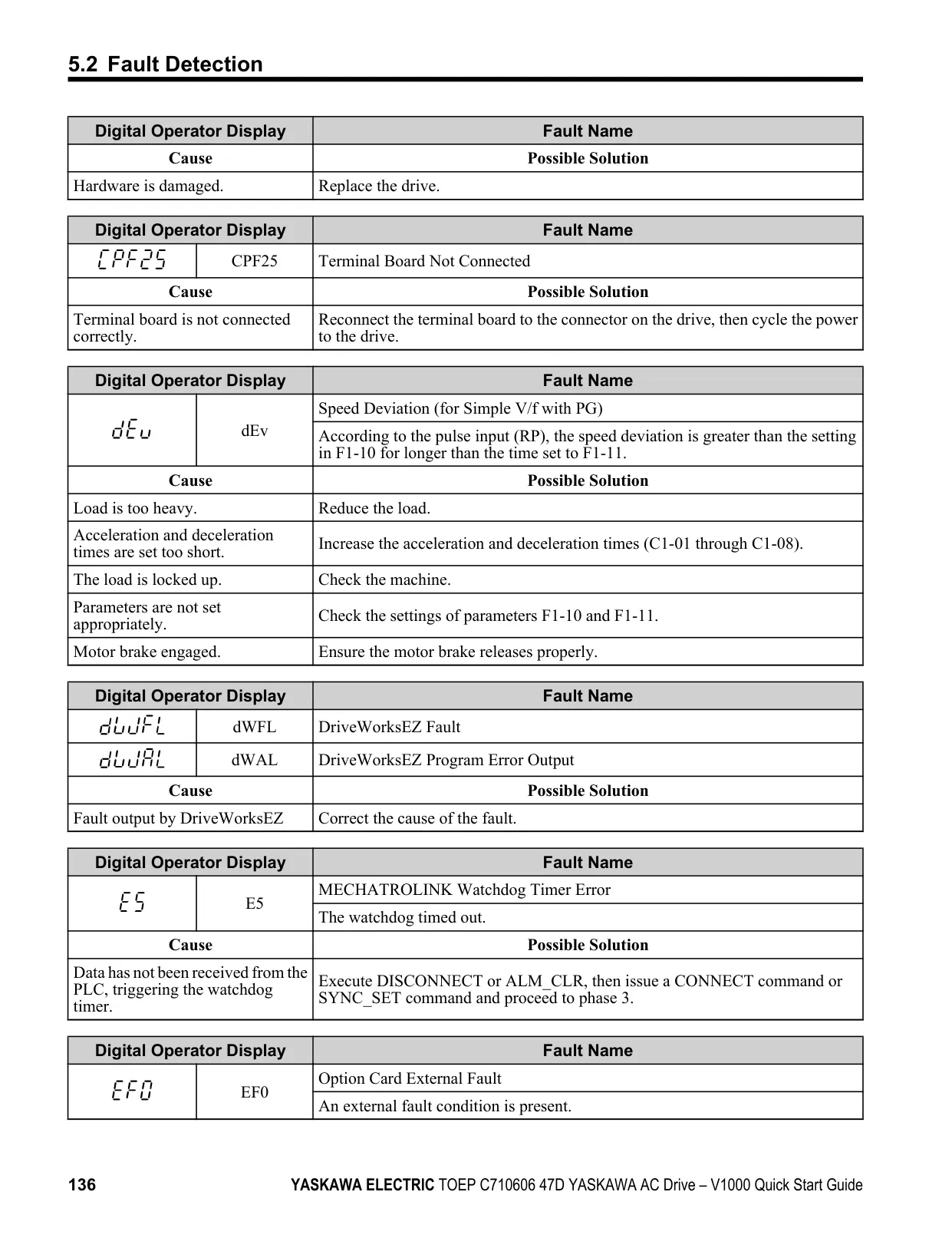
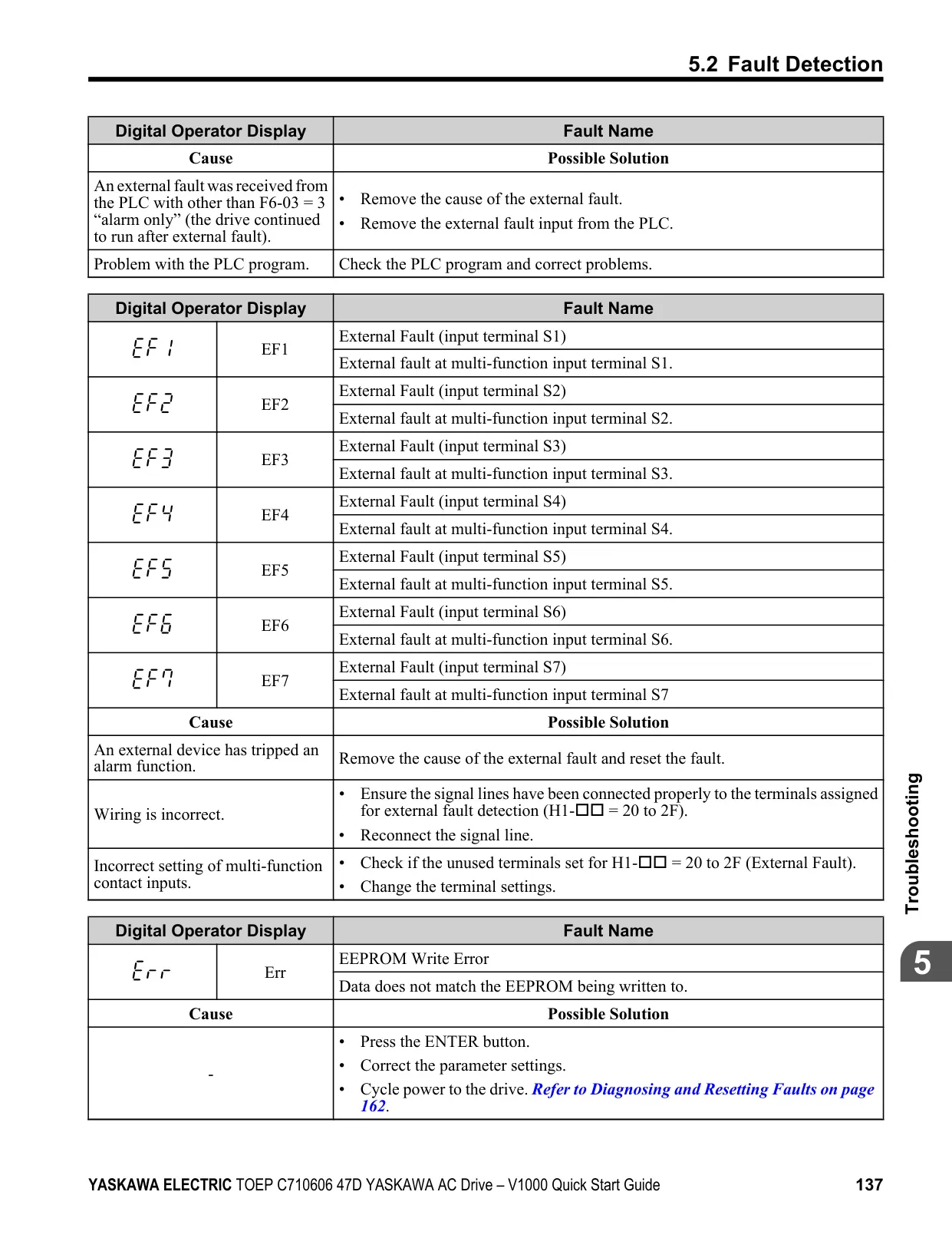
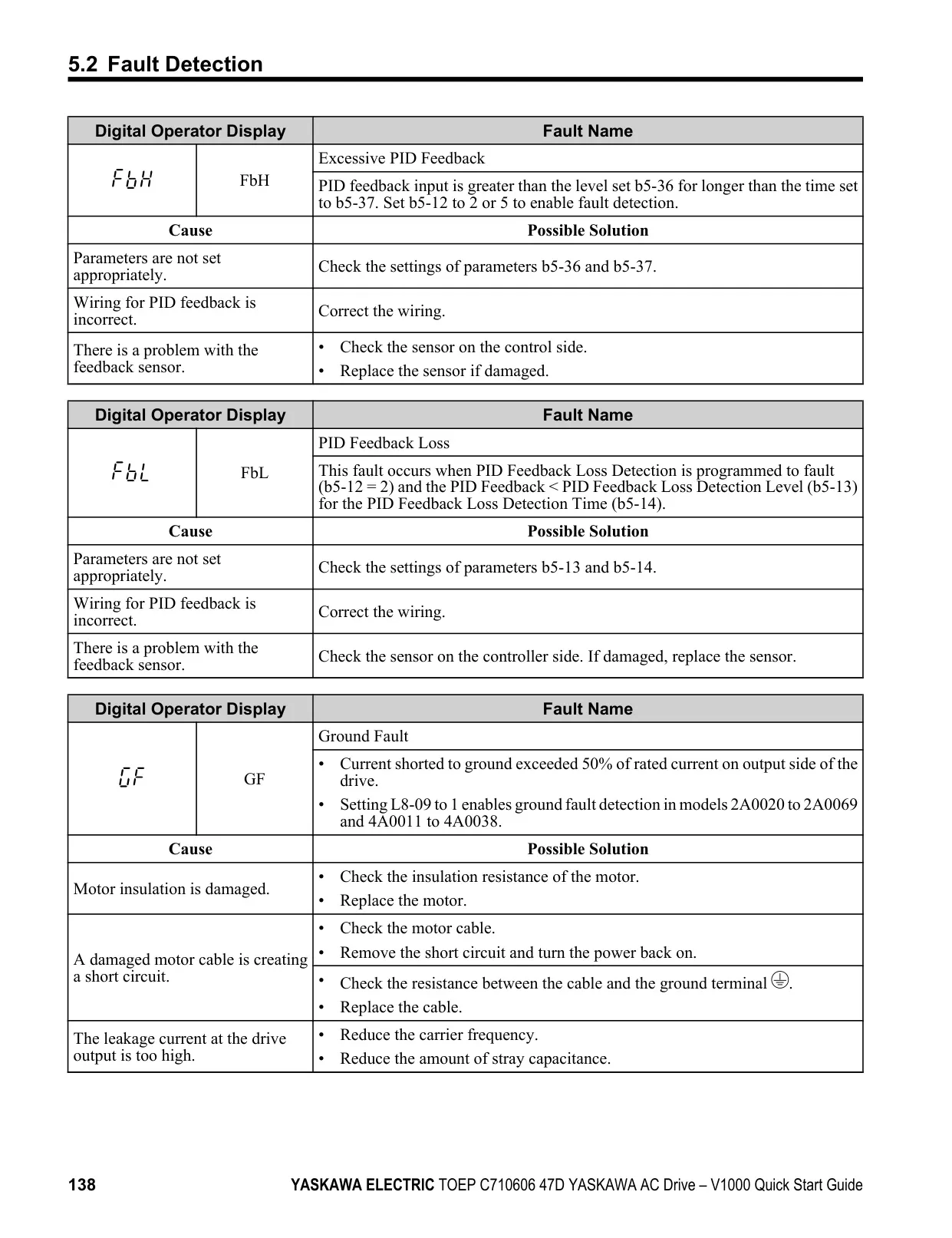
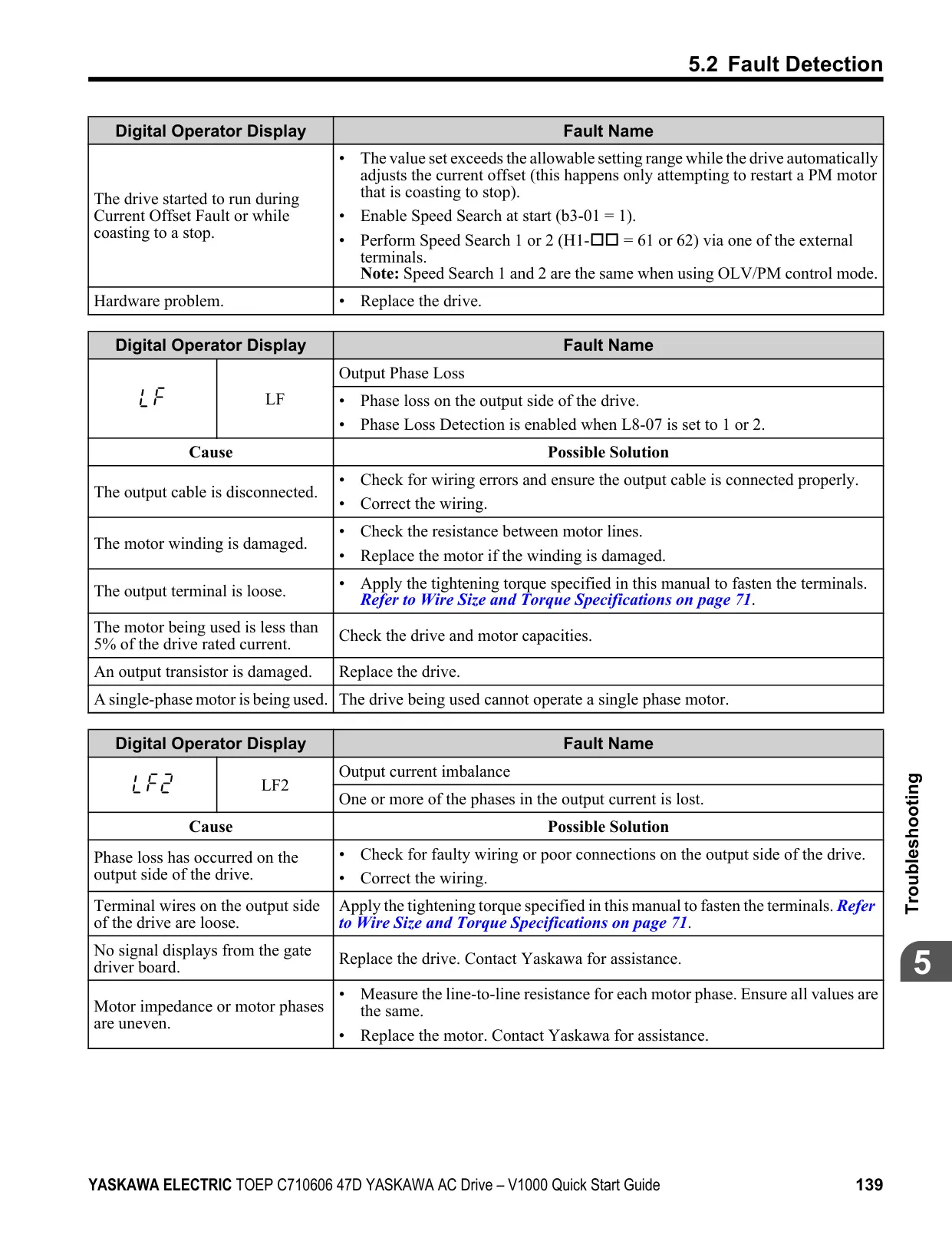
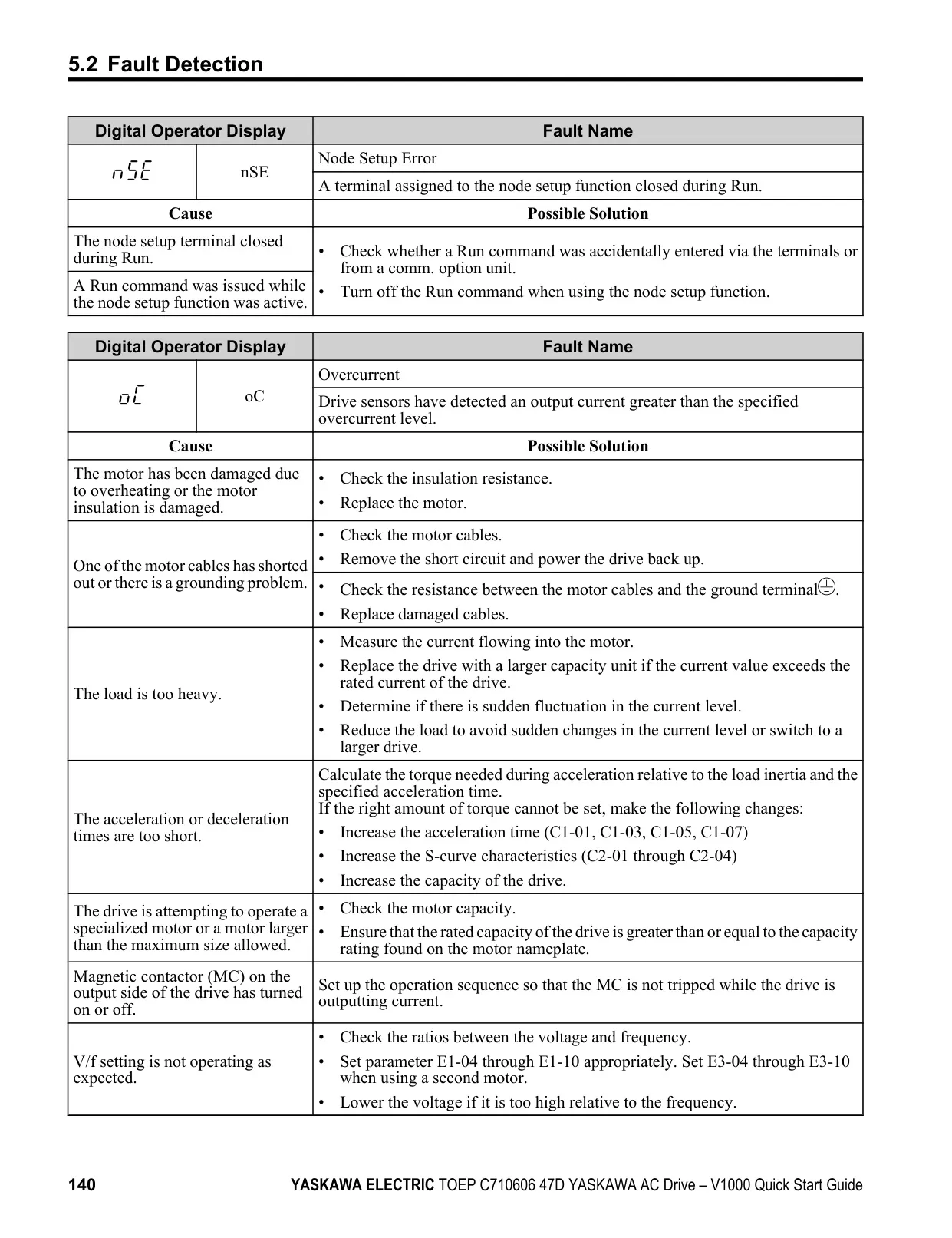
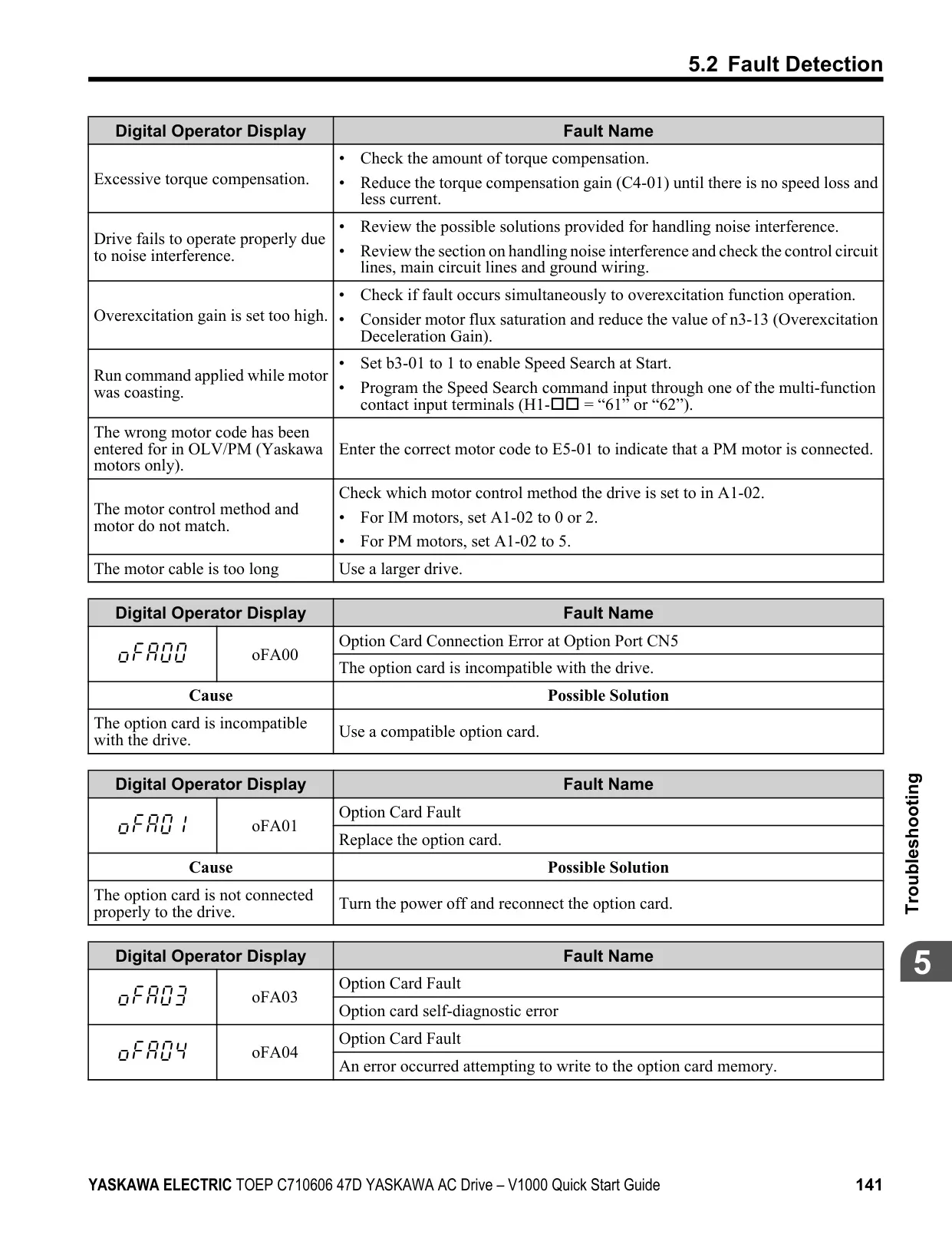
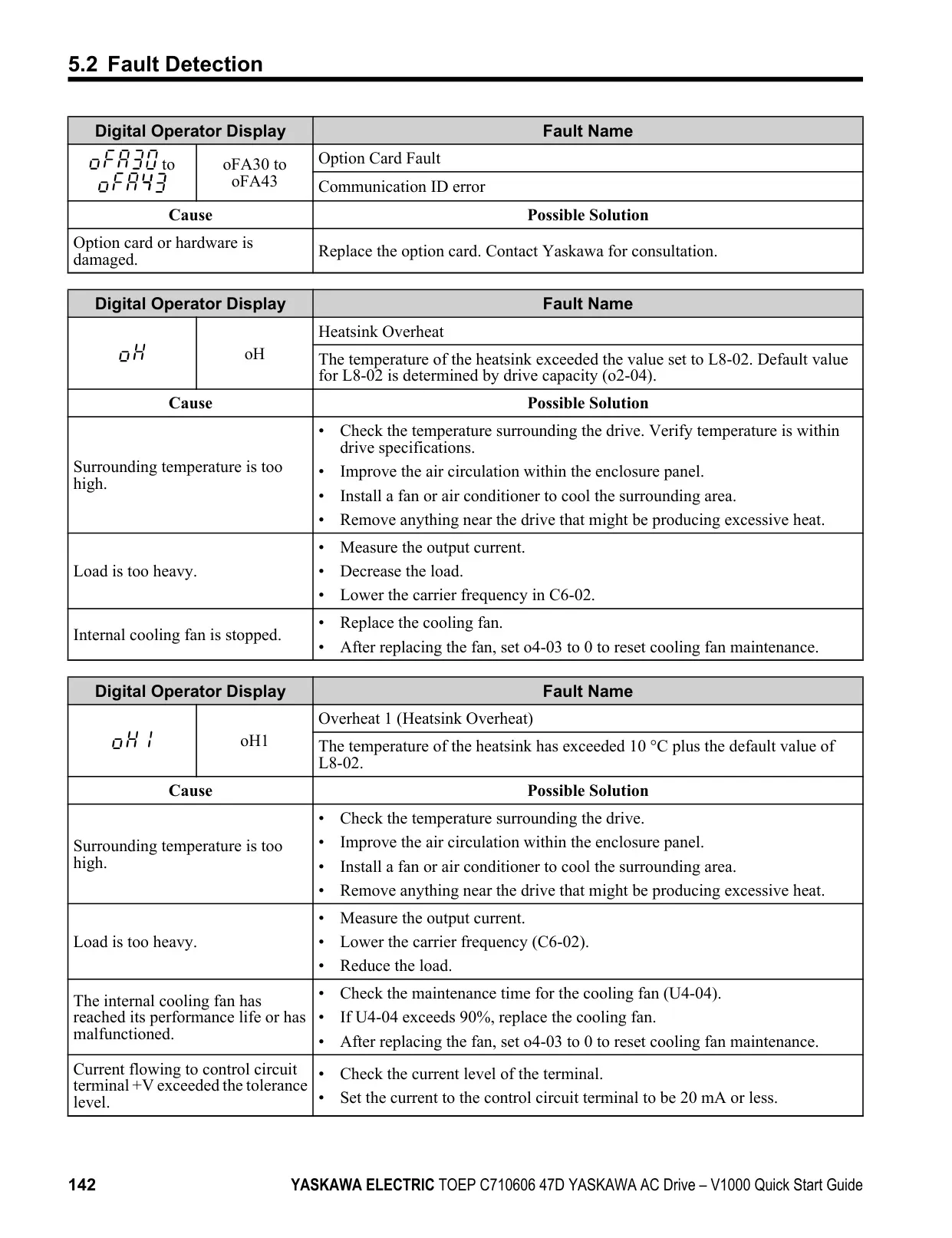
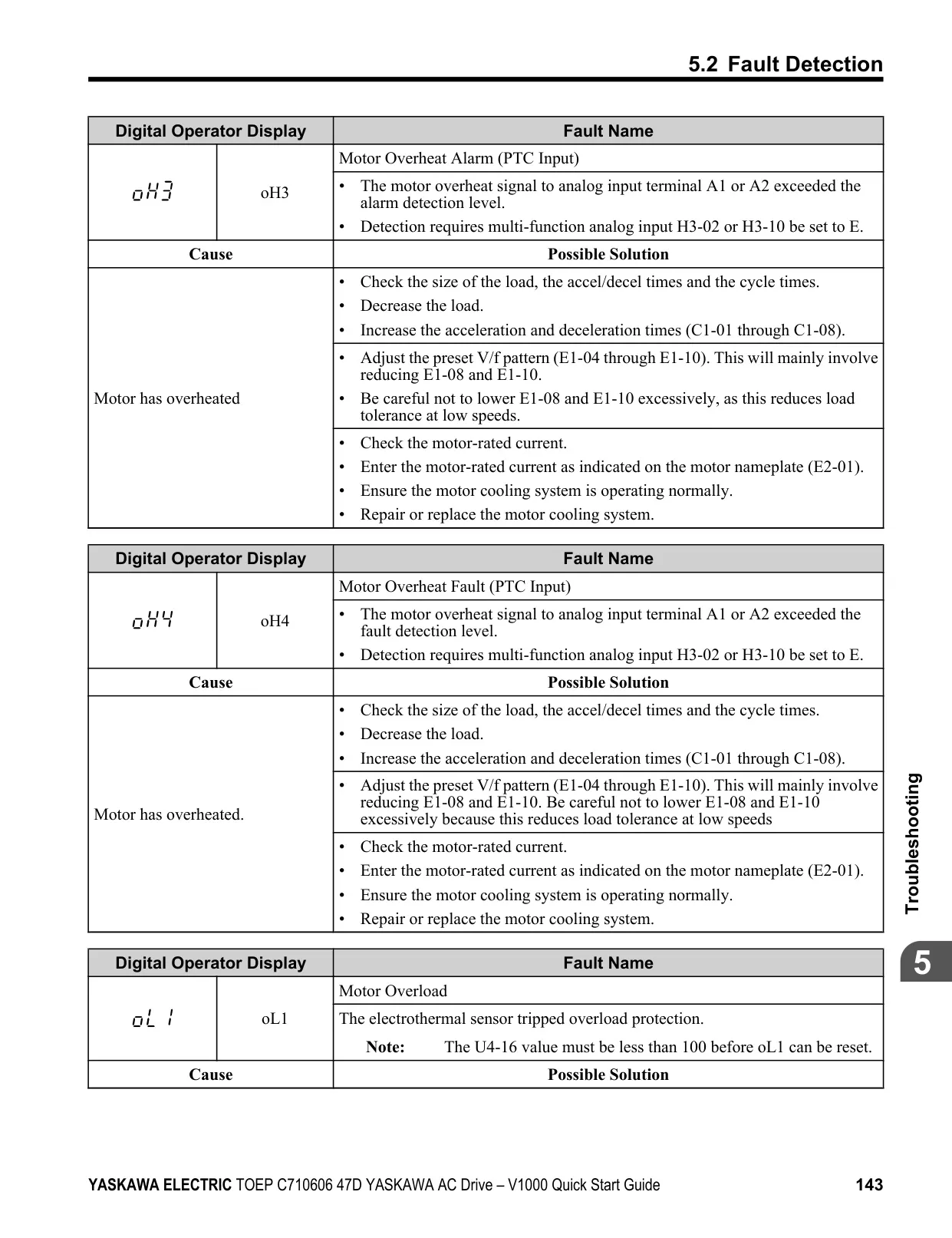
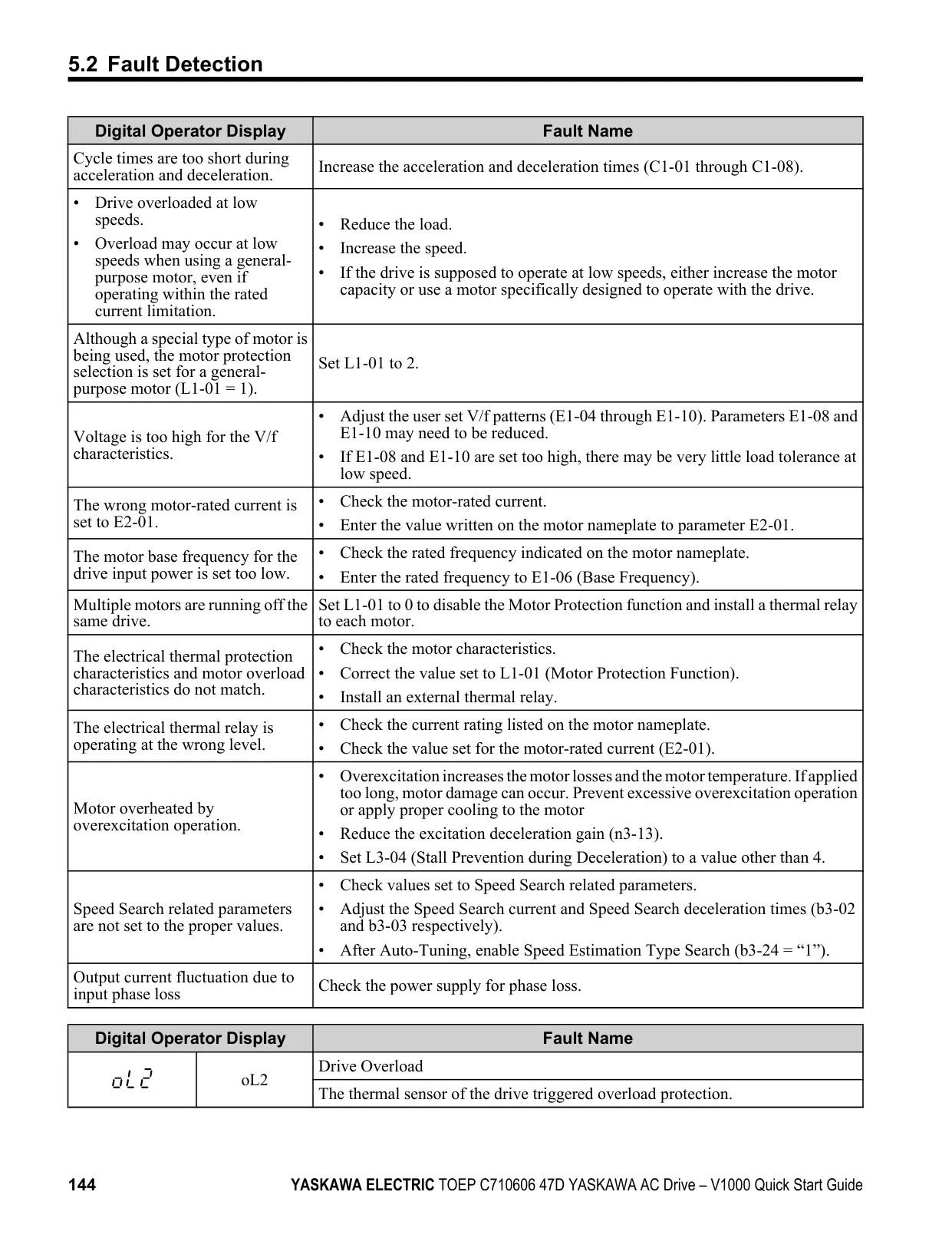
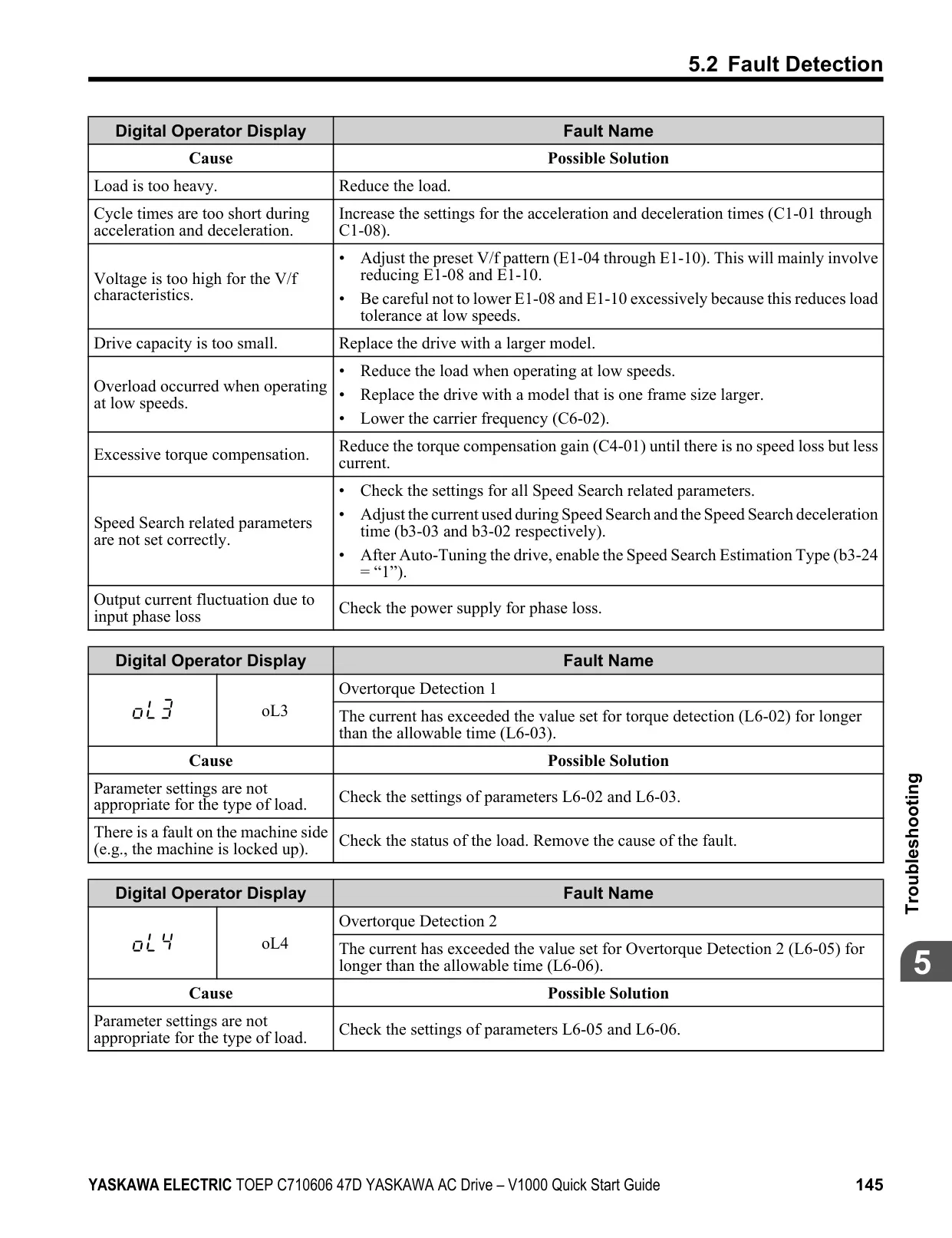
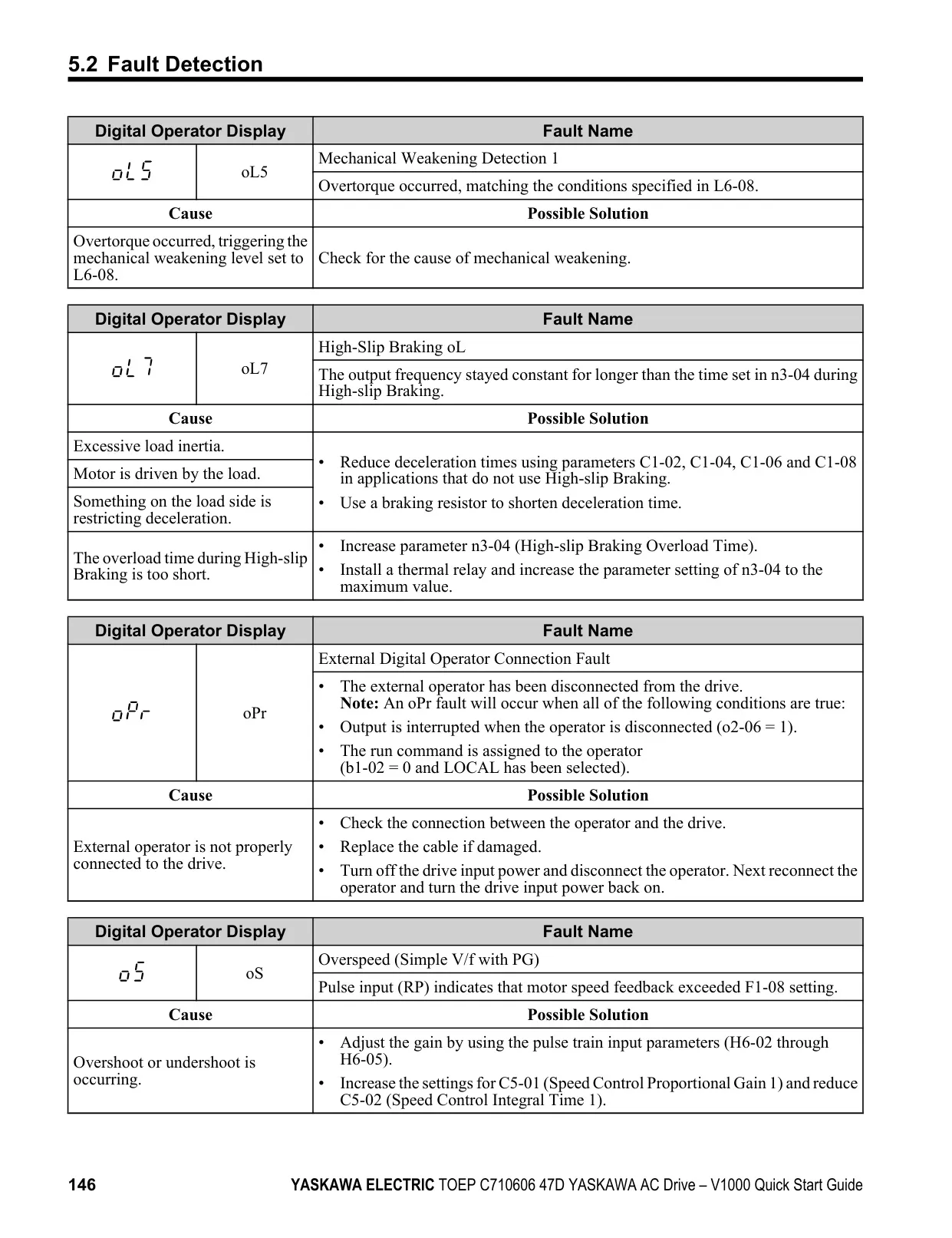
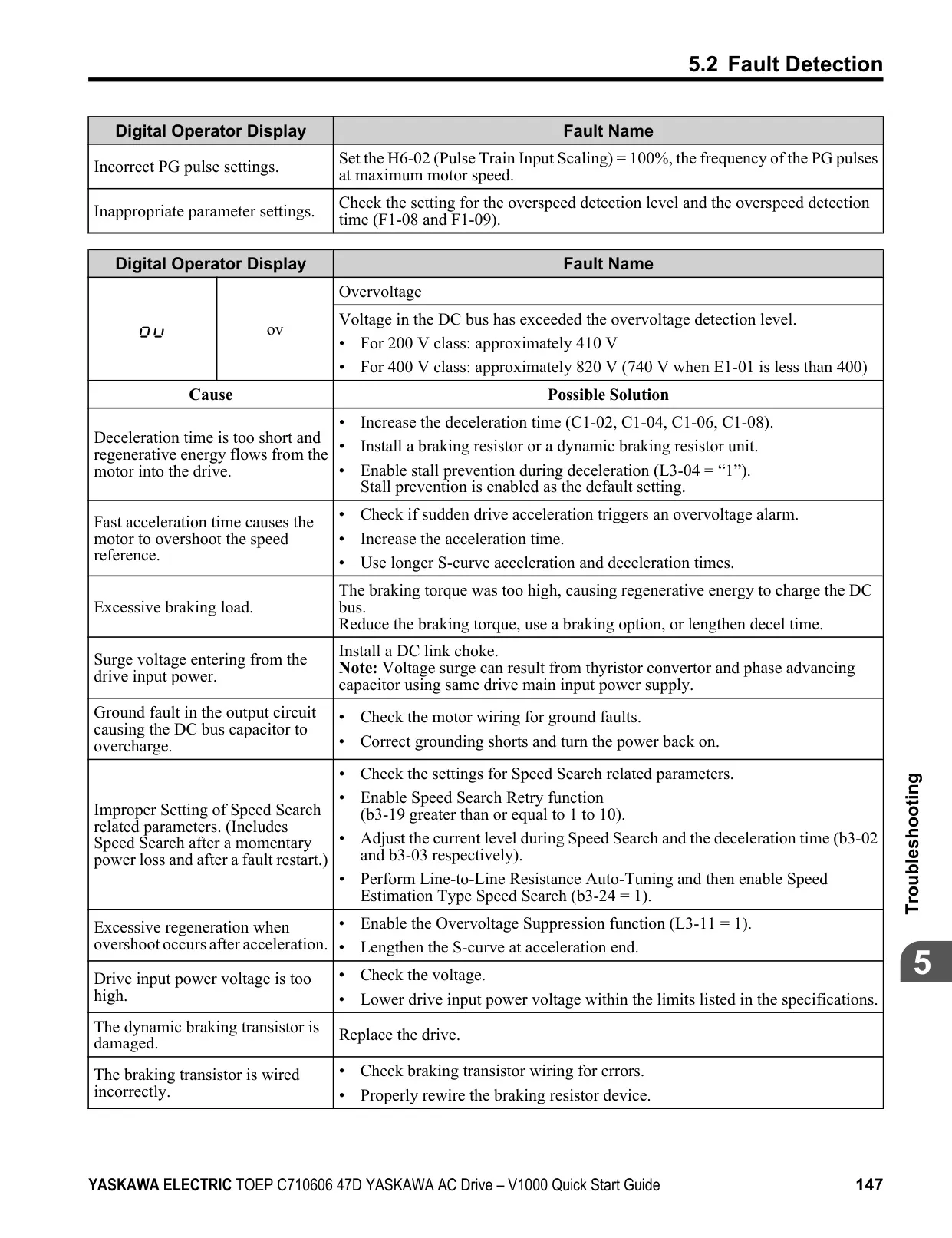
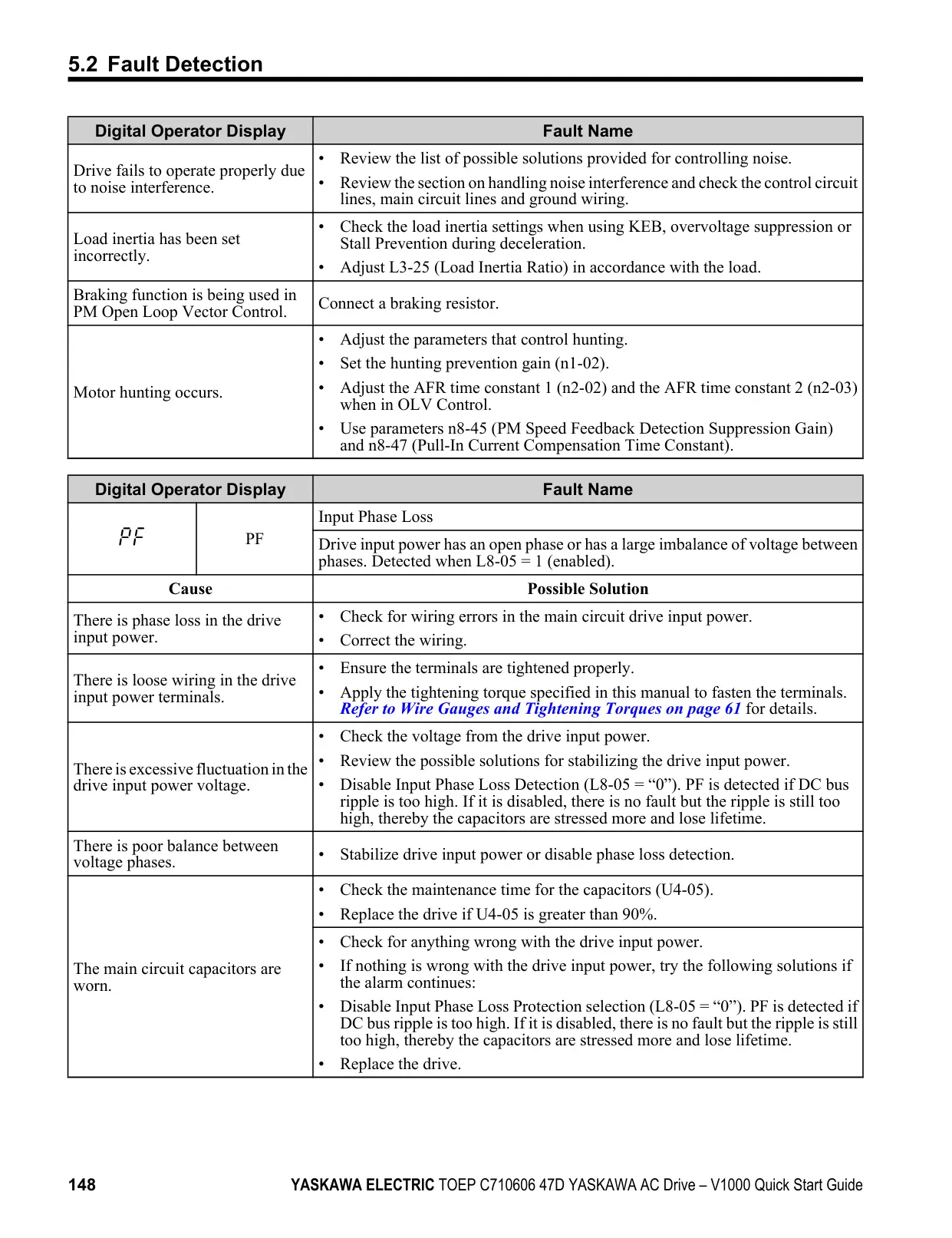
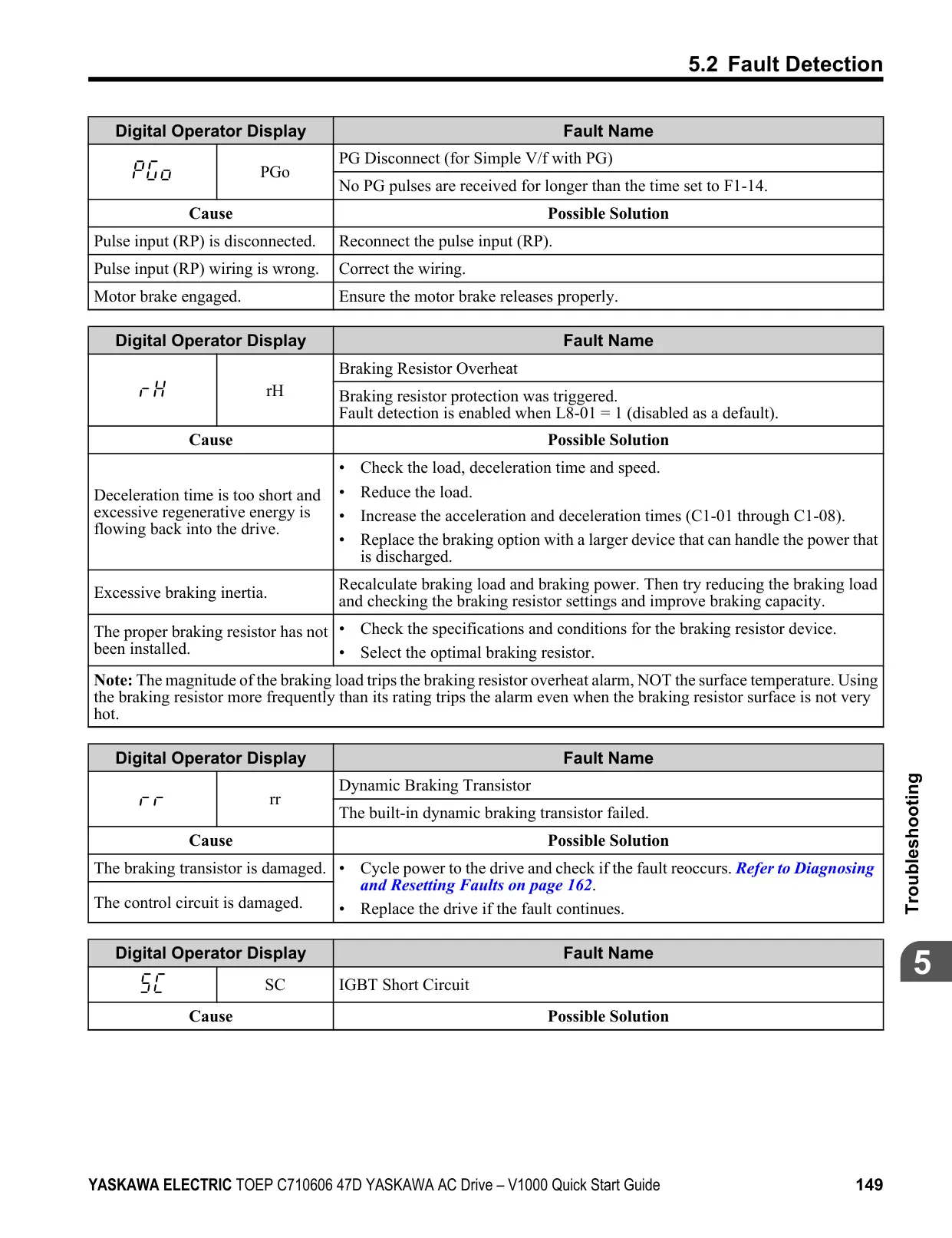
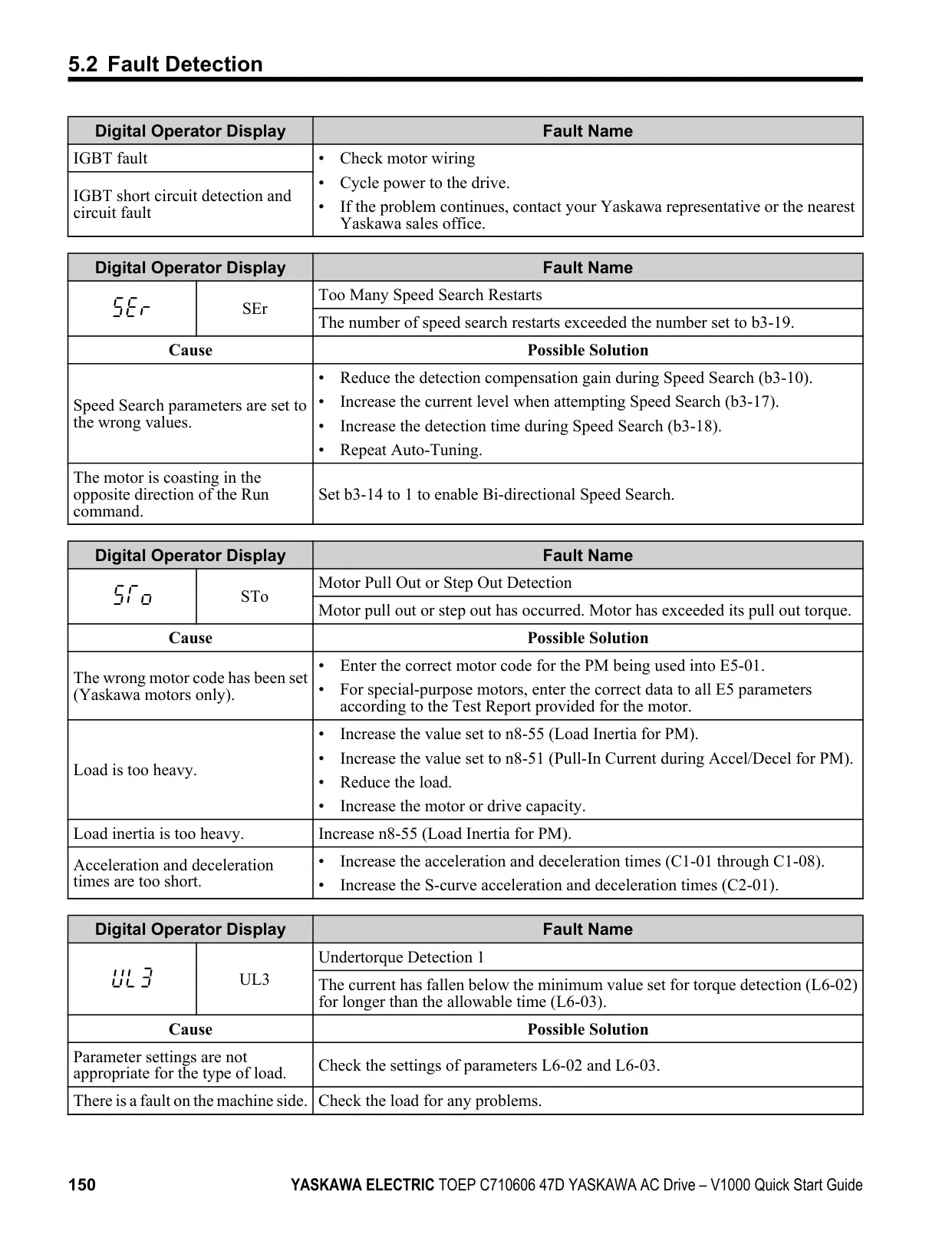
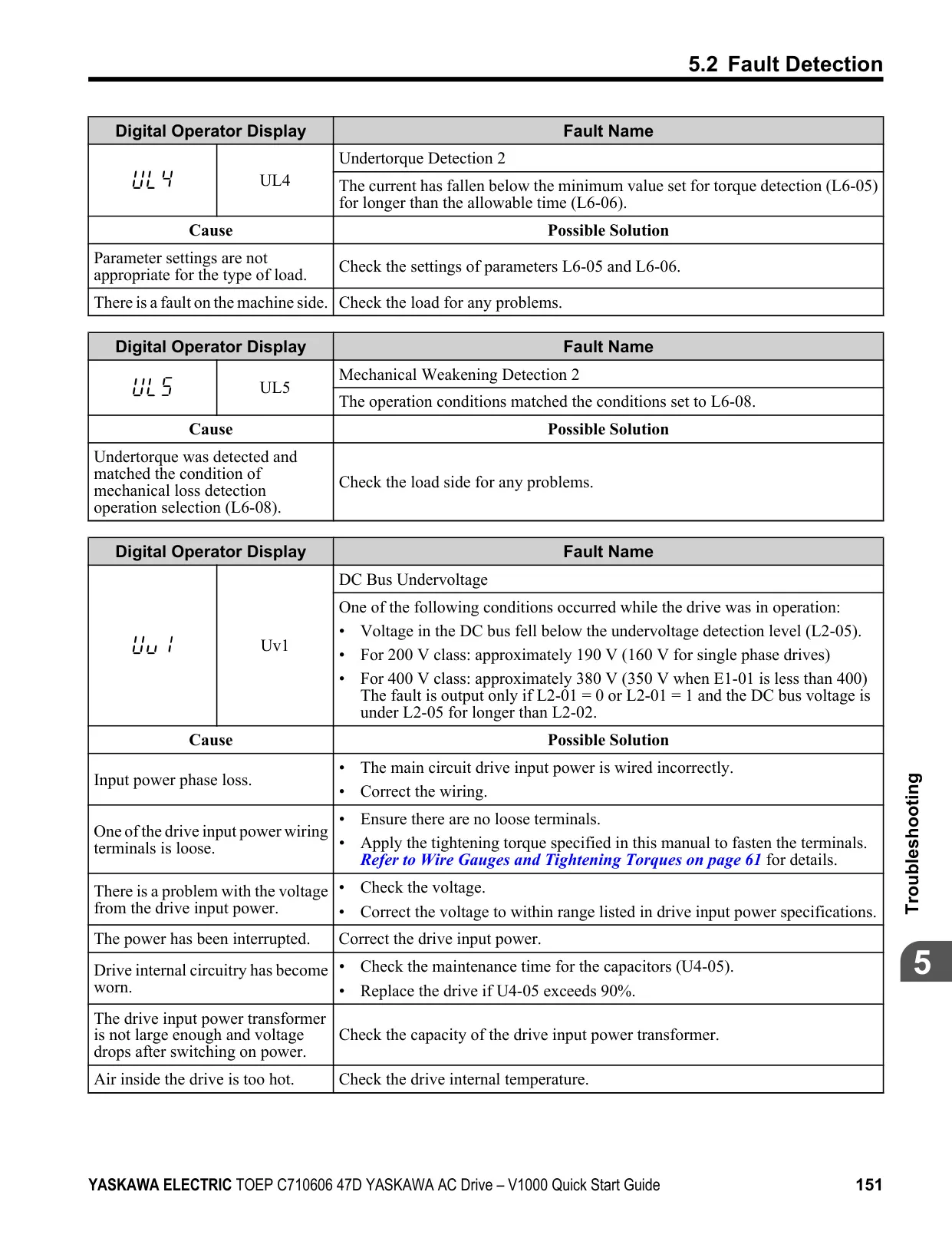
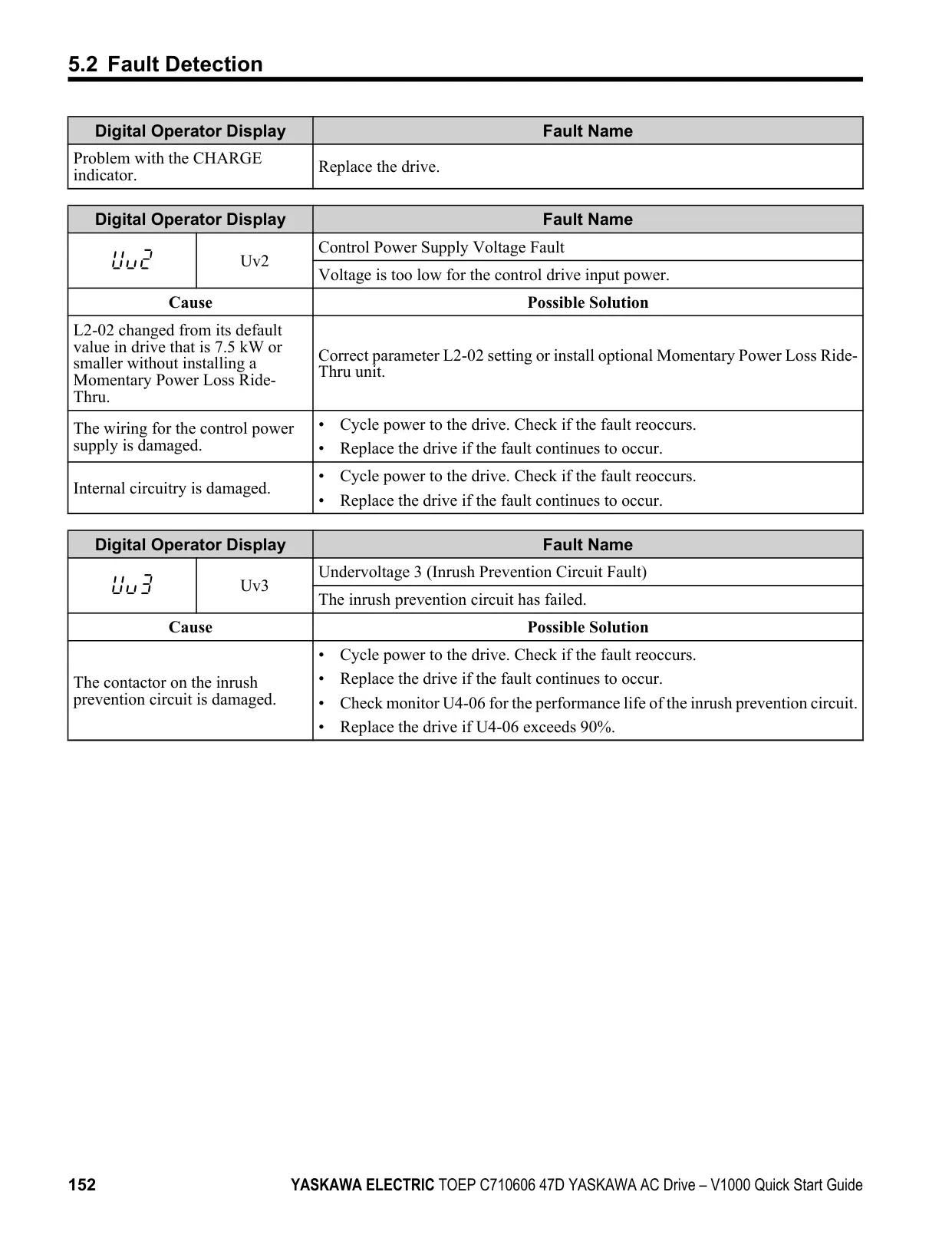
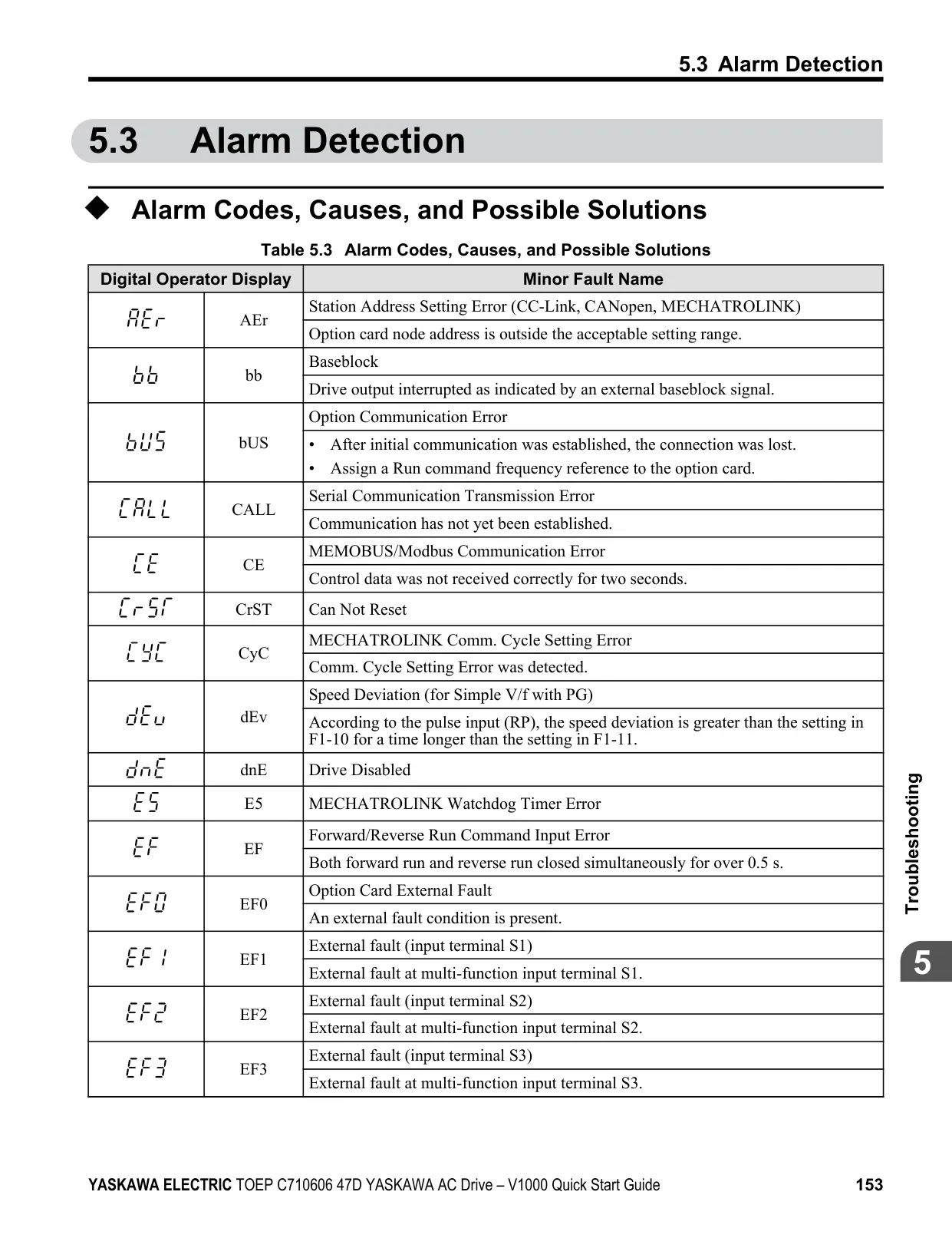
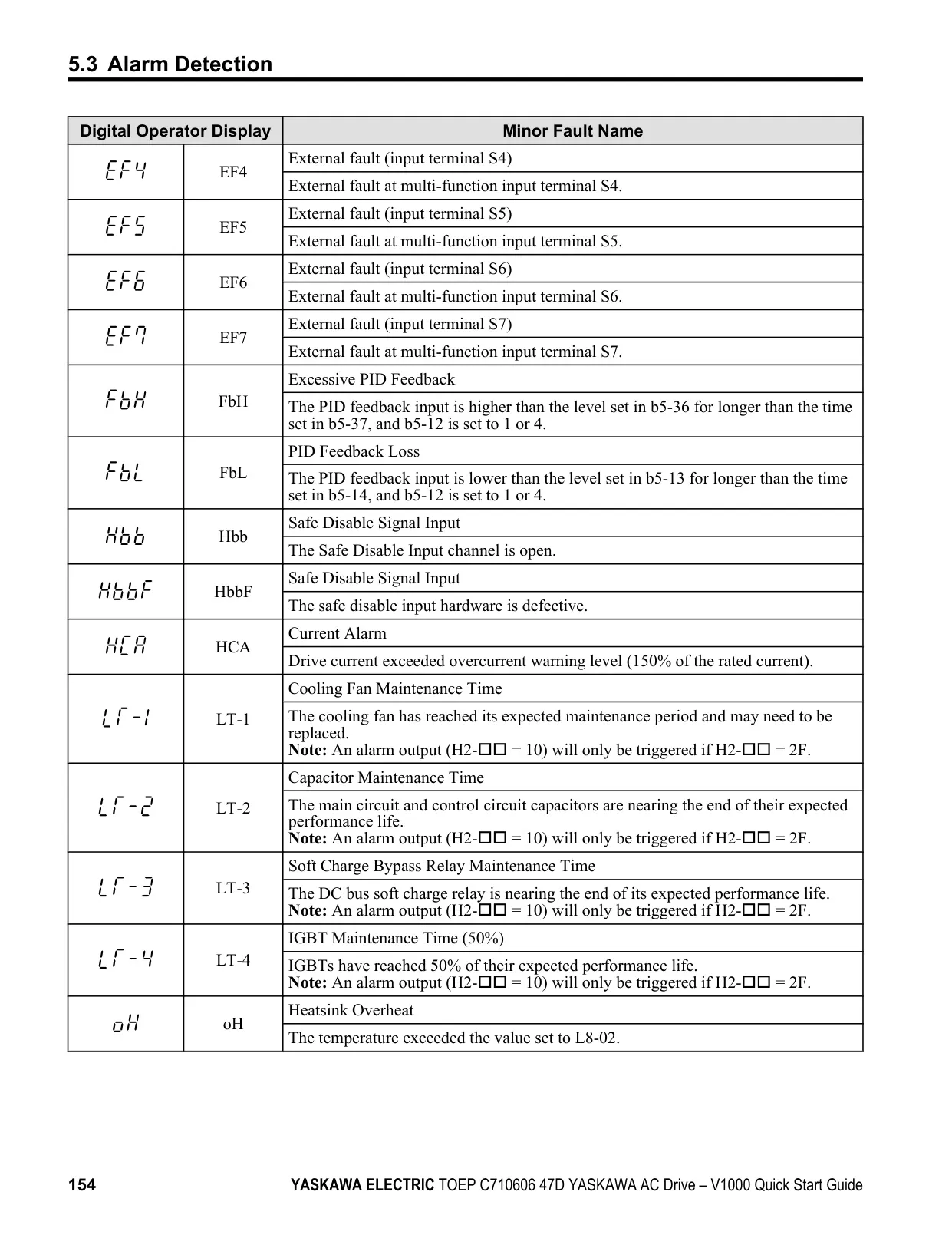
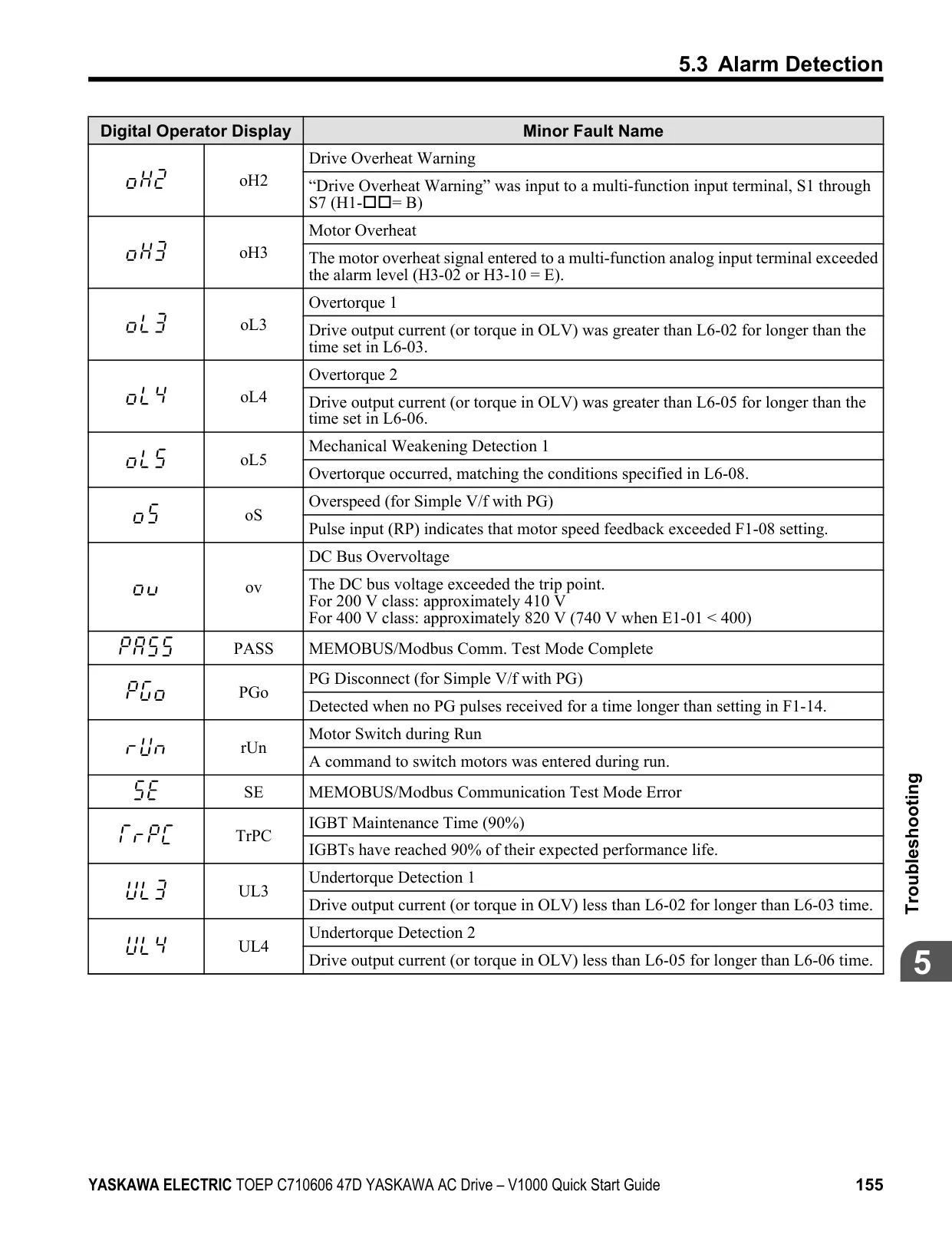
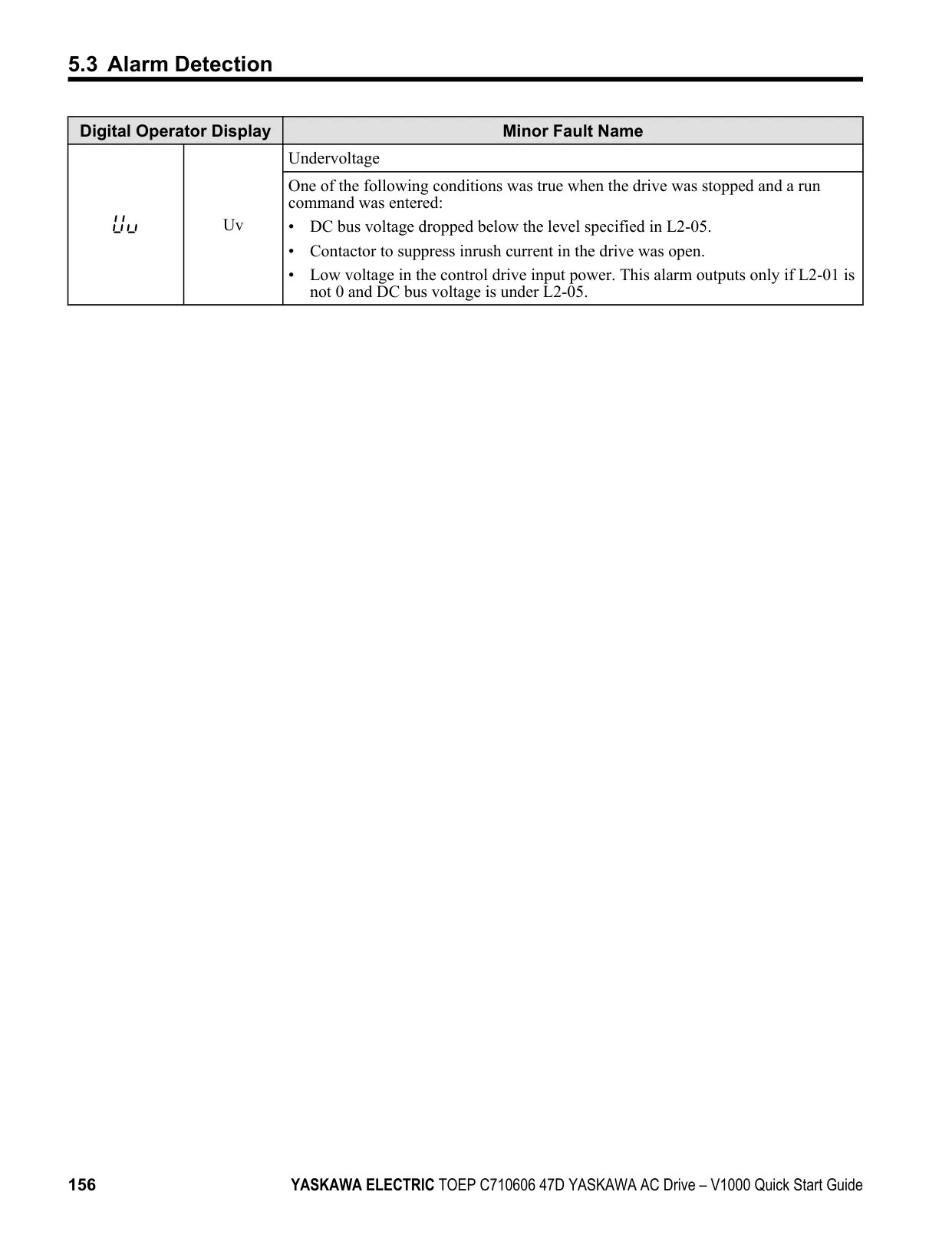
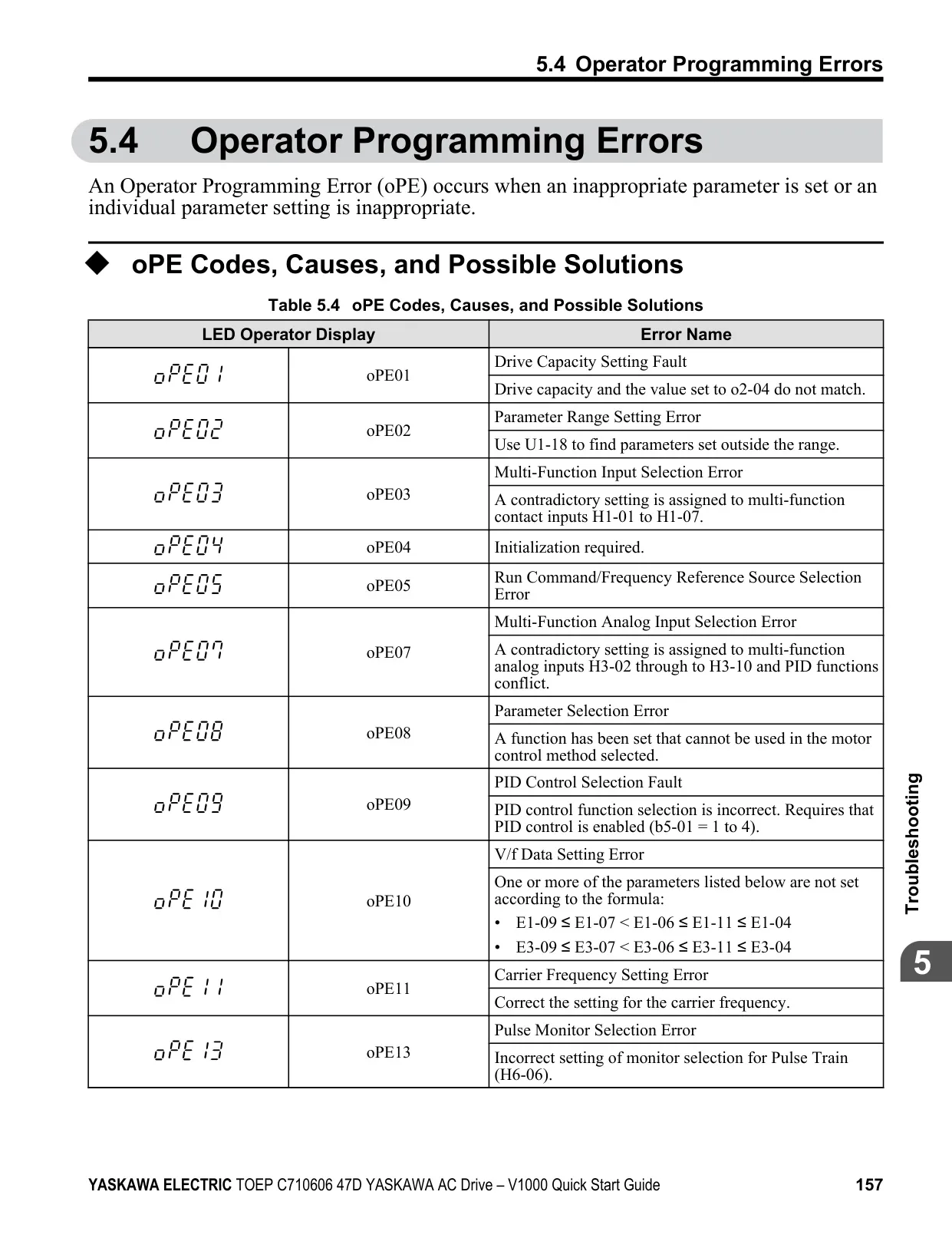
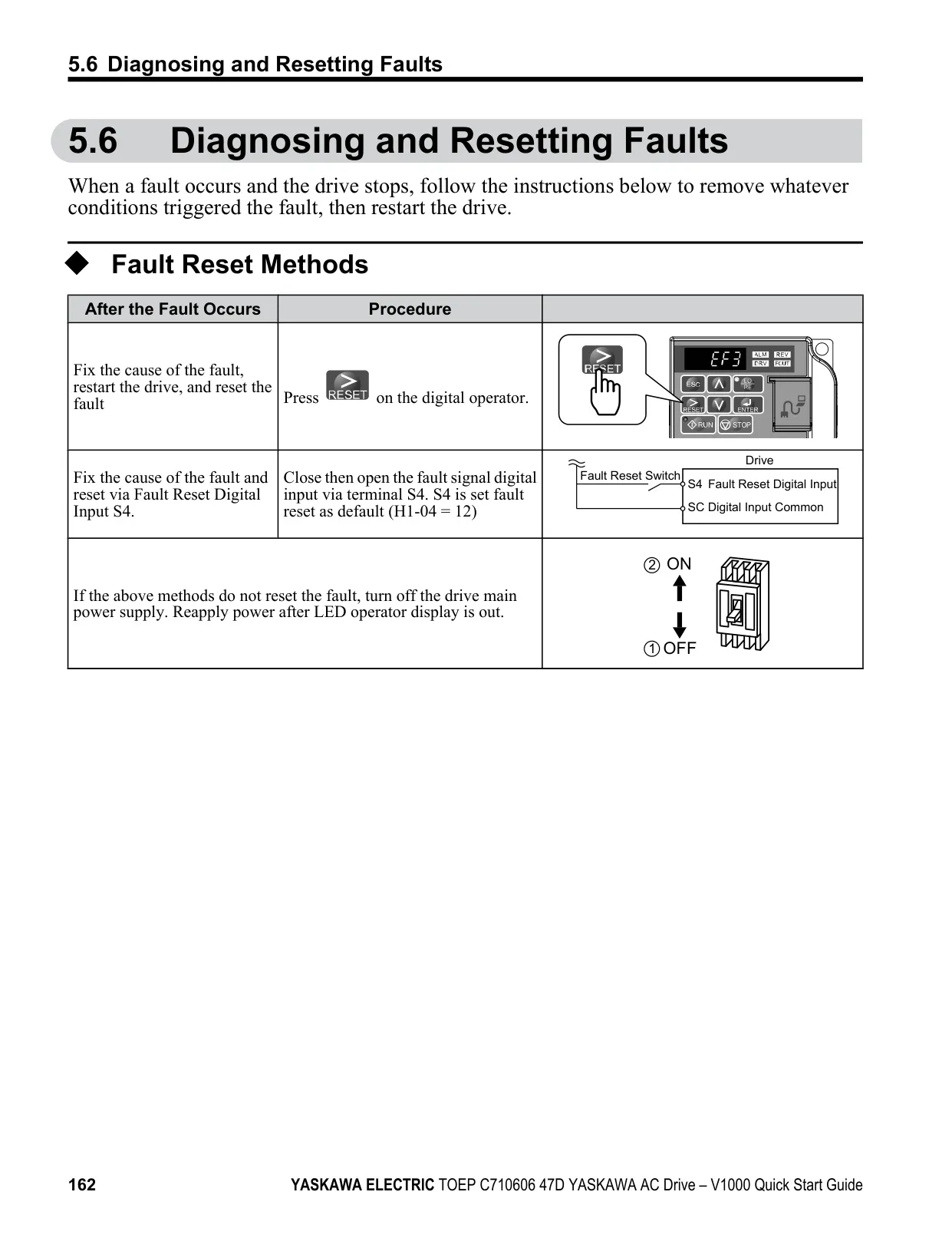
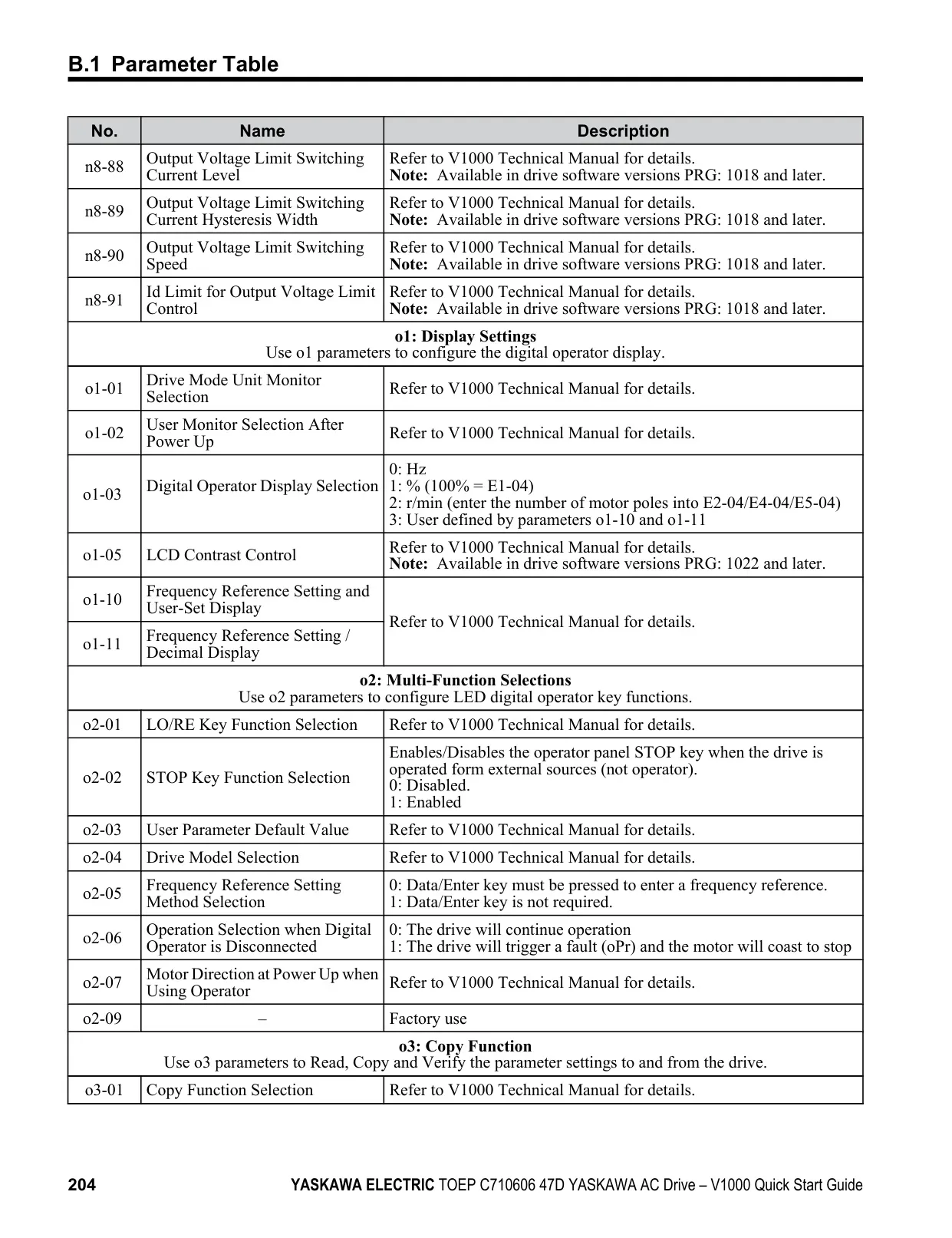
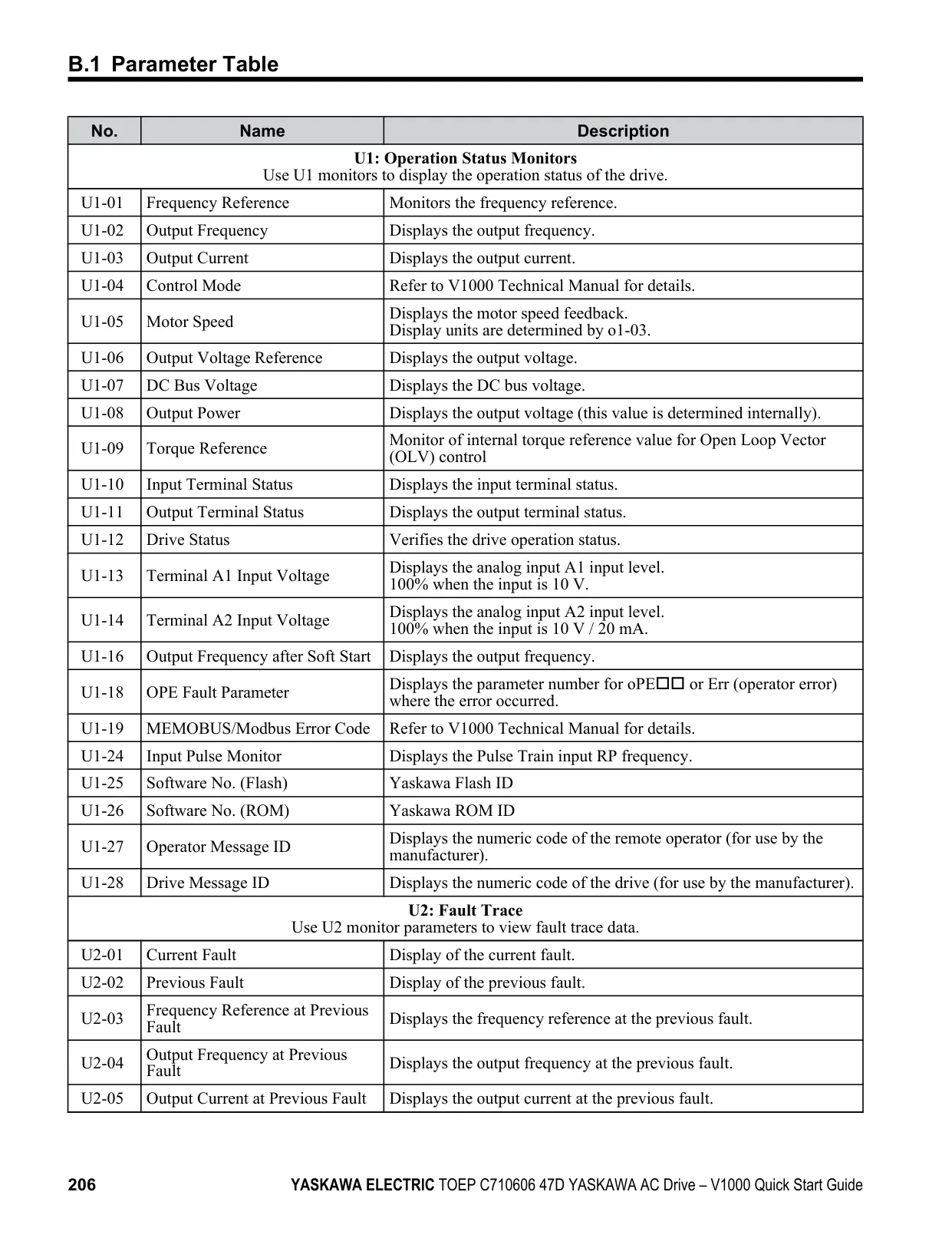
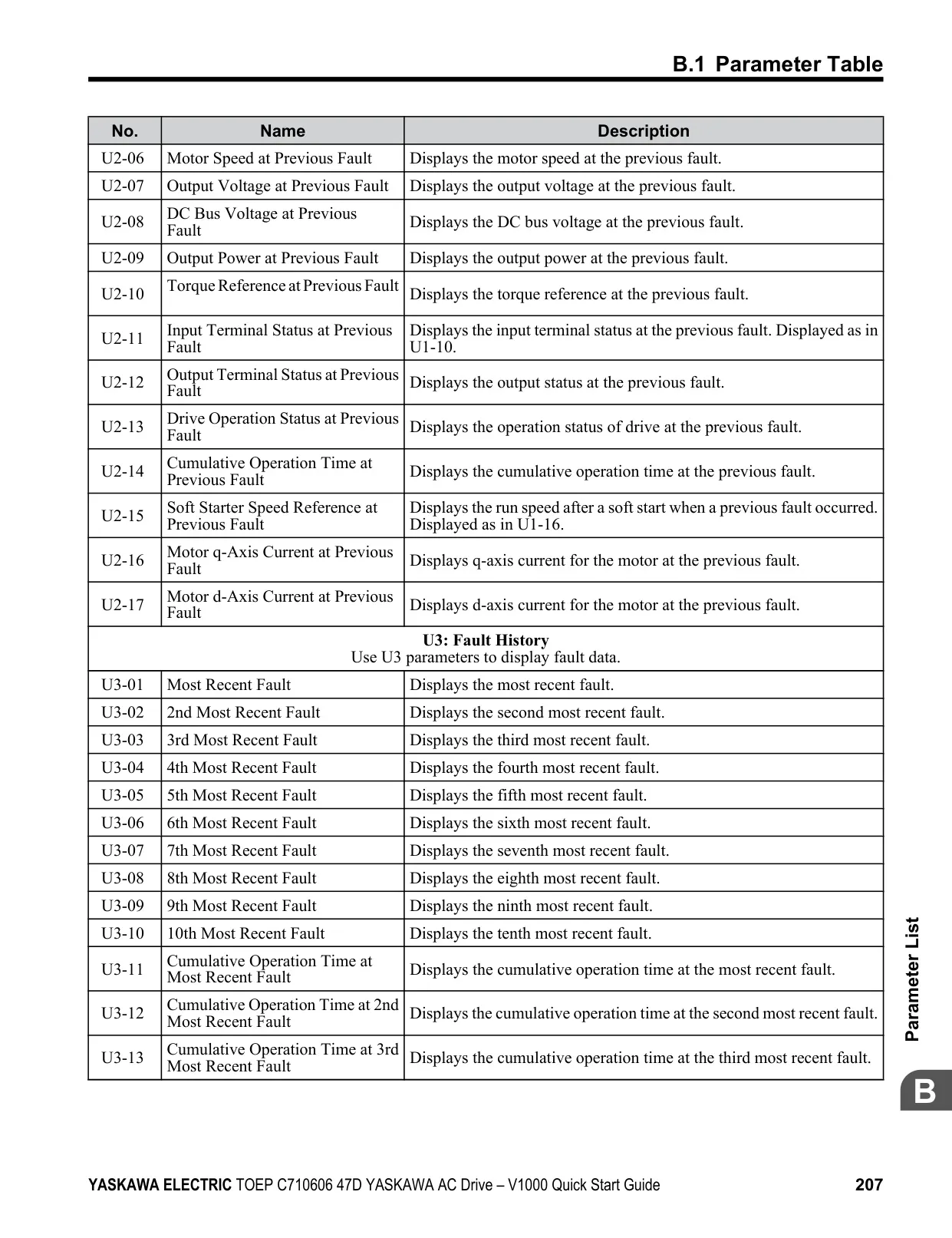
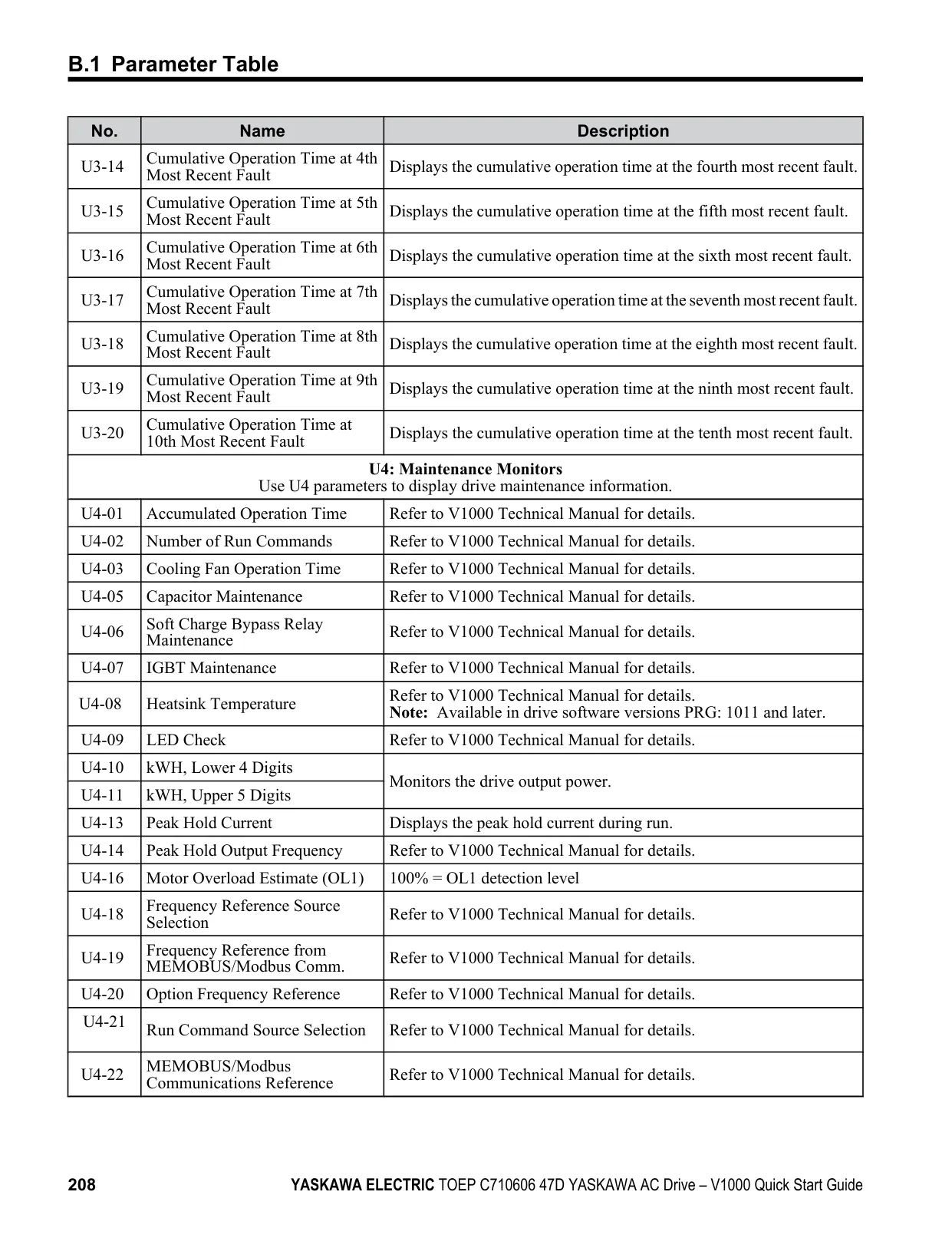
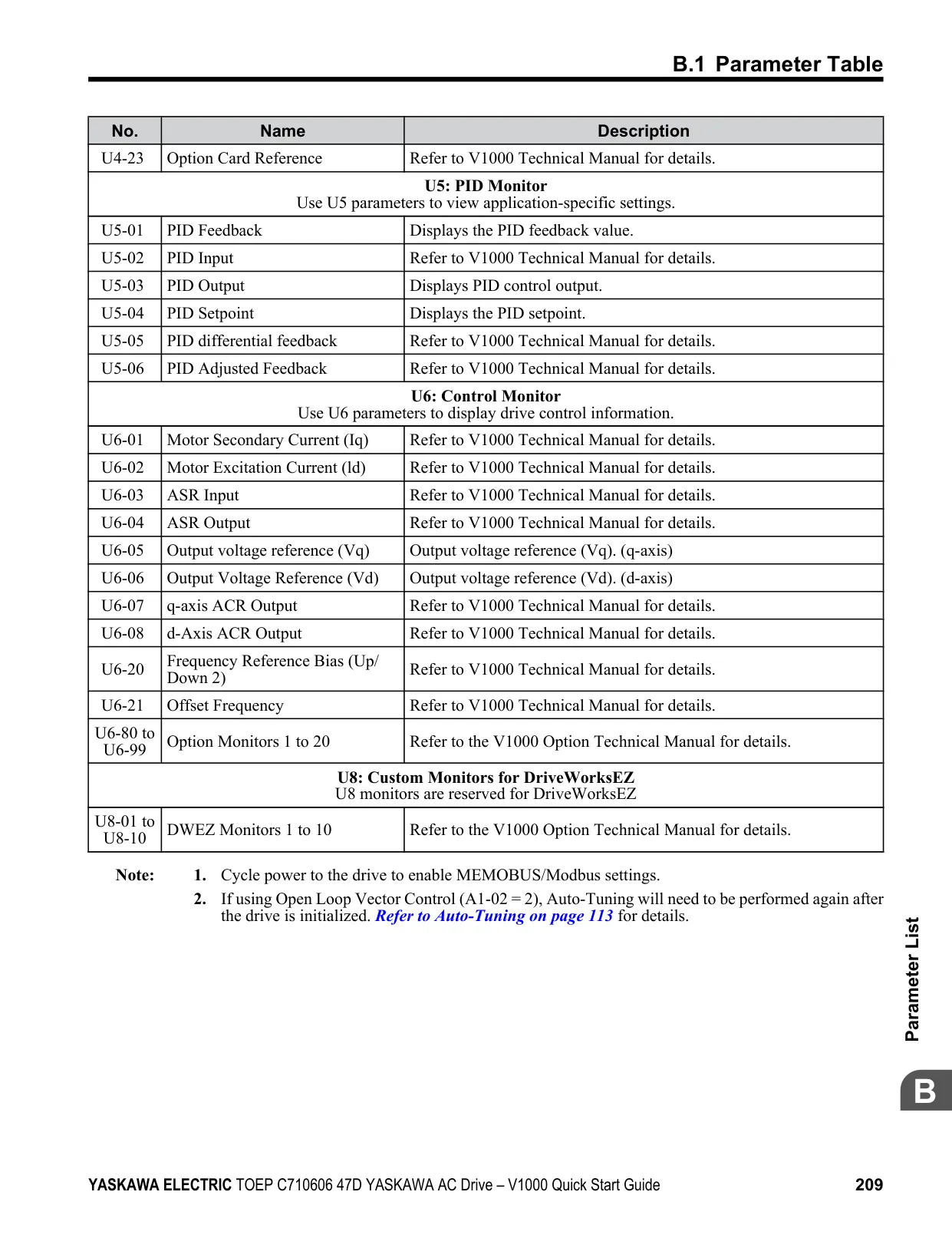
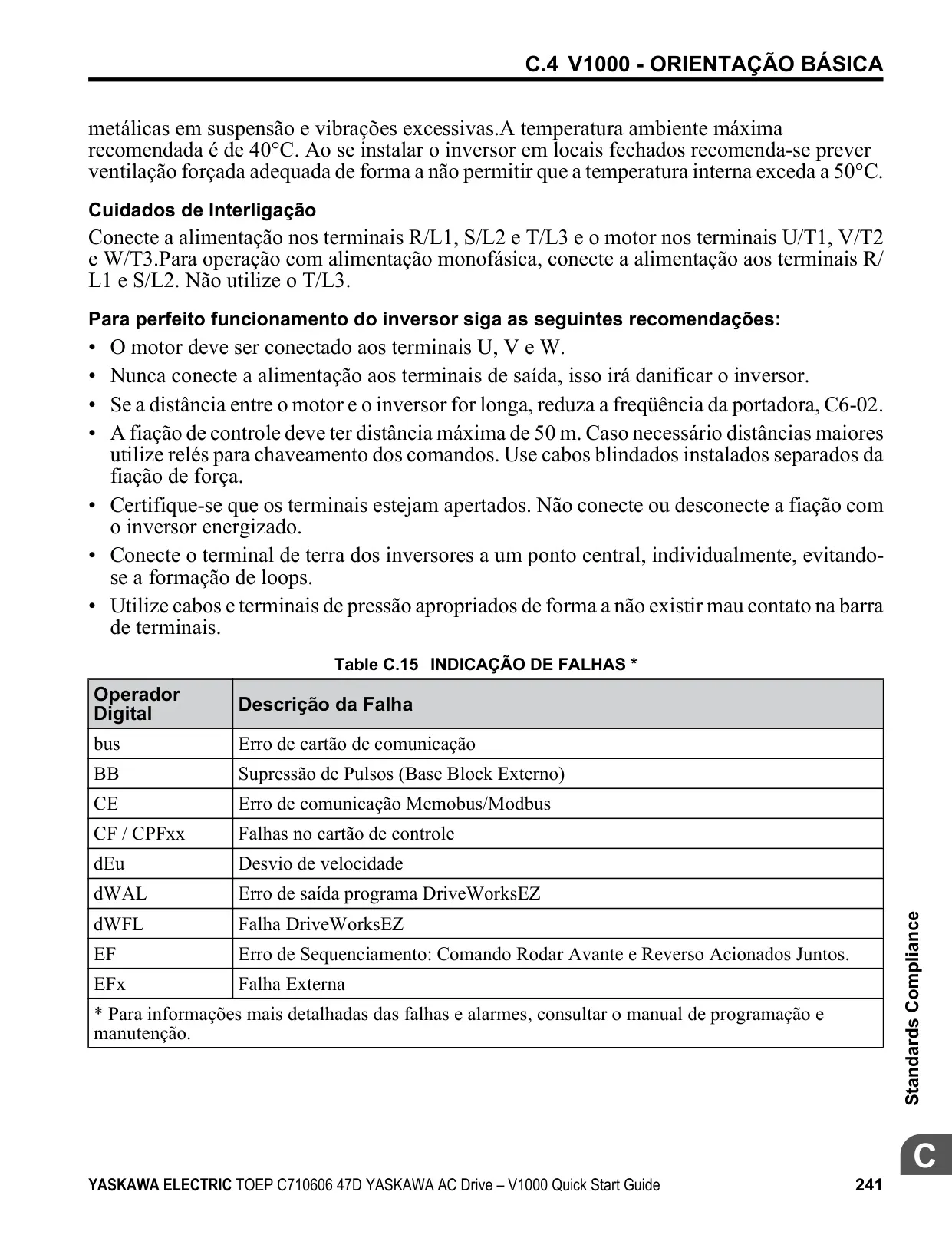
Finally, the Yaskawa V1000 simplifies maintenance and diagnostics. The digital LED operator provides access to commands, data monitoring, parameter editing, and fault/alarm codes. Monitoring functions (U-parameters) allow users to track the operational status and remaining lifespan of key components such as cooling fans and capacitors. Software tools and parameter copy features streamline the configuration and deployment of multiple units, accelerating commissioning and field troubleshooting.
Frequently Asked Questions (FAQs)
Can't find the answer you need? Here are some frequently asked questions about the Yaskawa V1000 VFD, and we answer them below.

