
Yaskawa J1000 Variable Frequency Drive Instruction Manual

Yaskawa J1000 Variable Frequency Drive
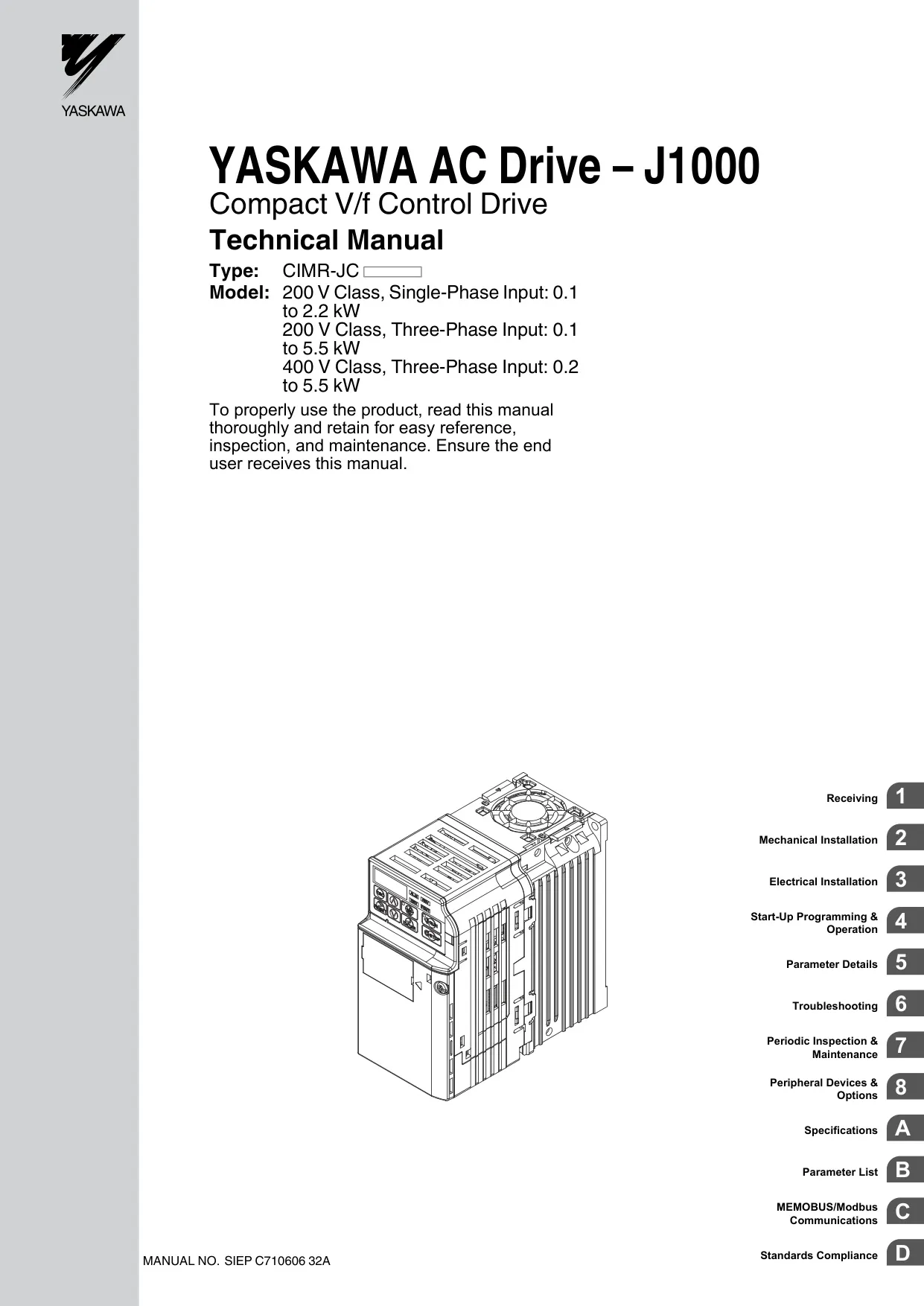
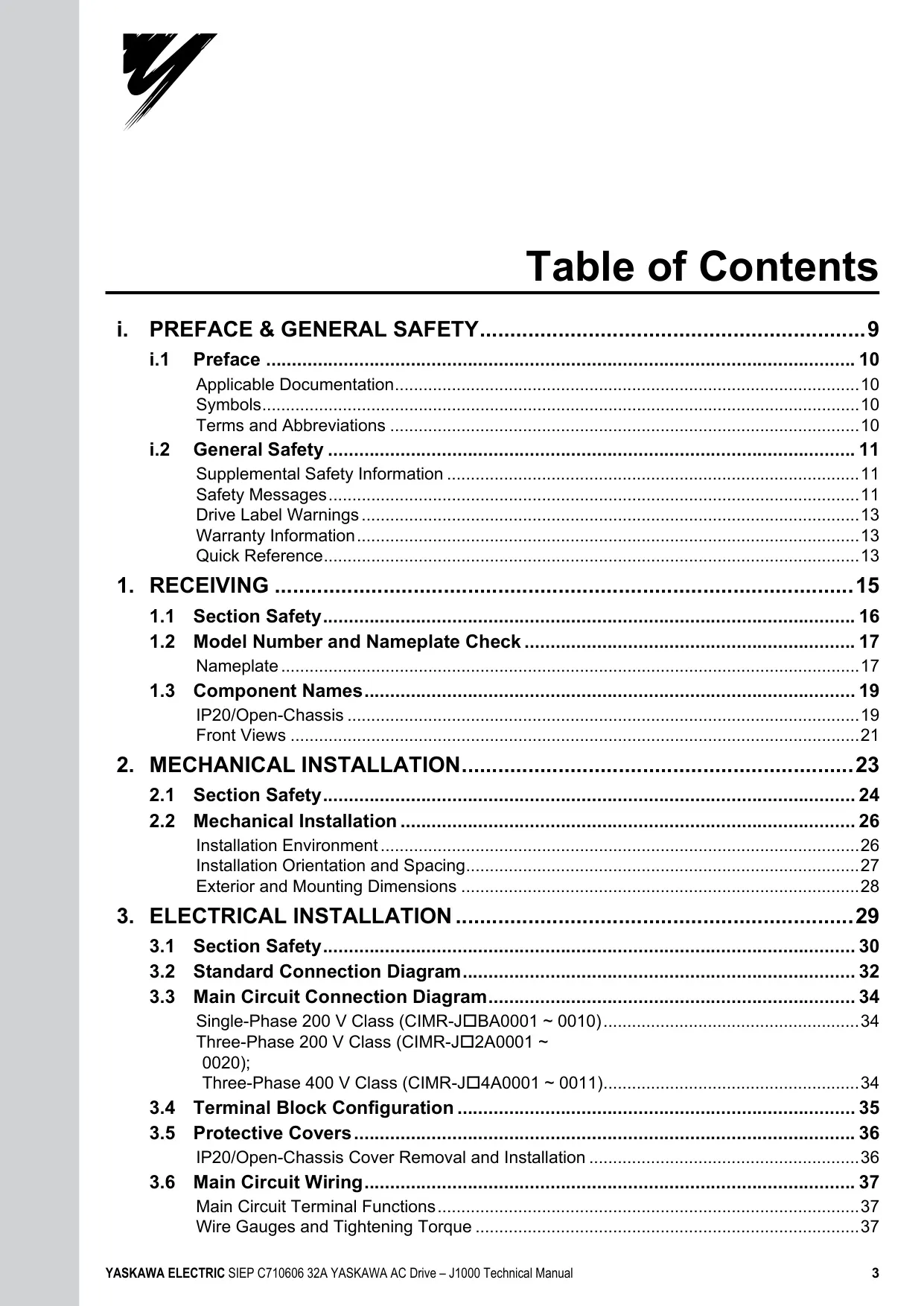
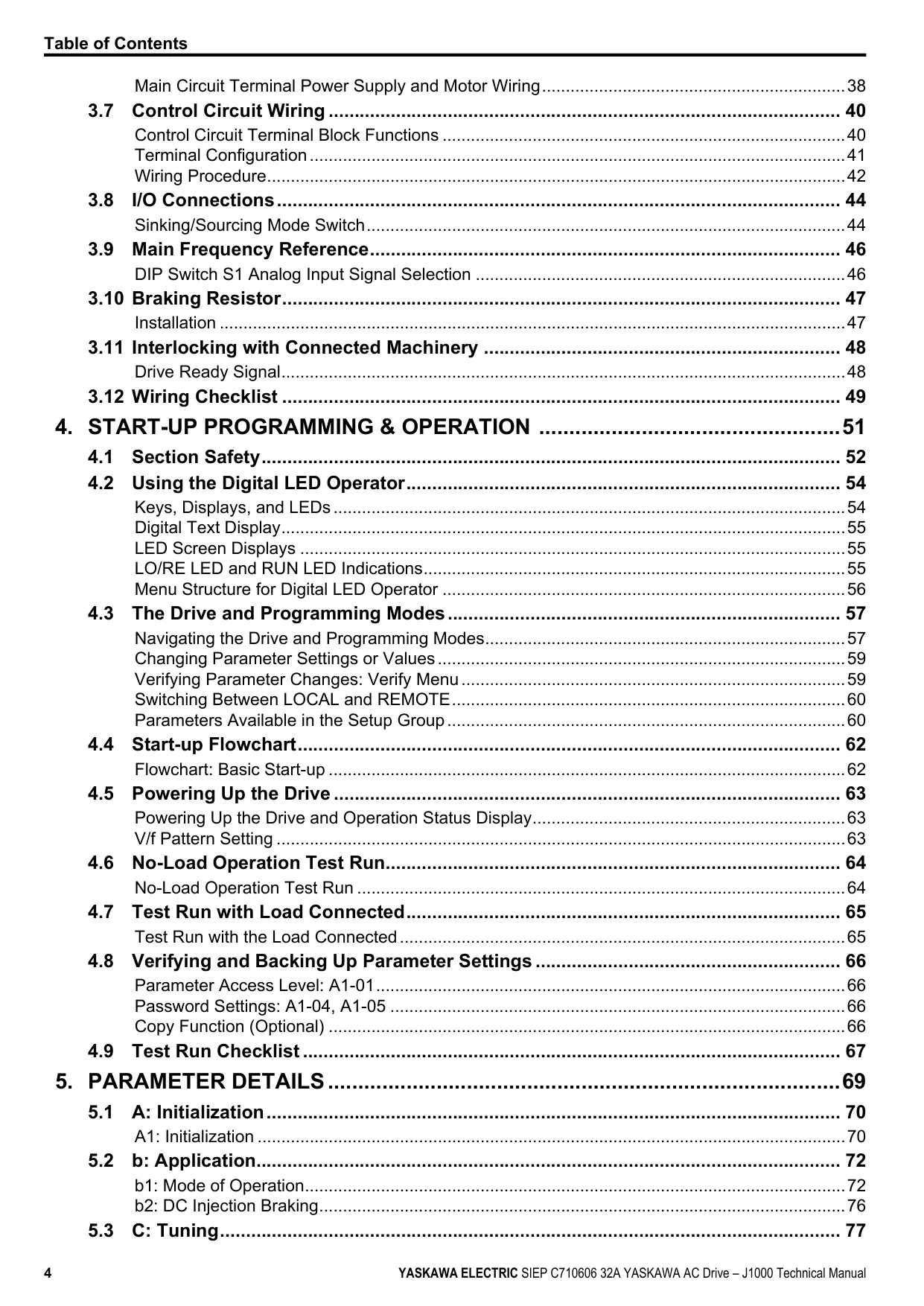
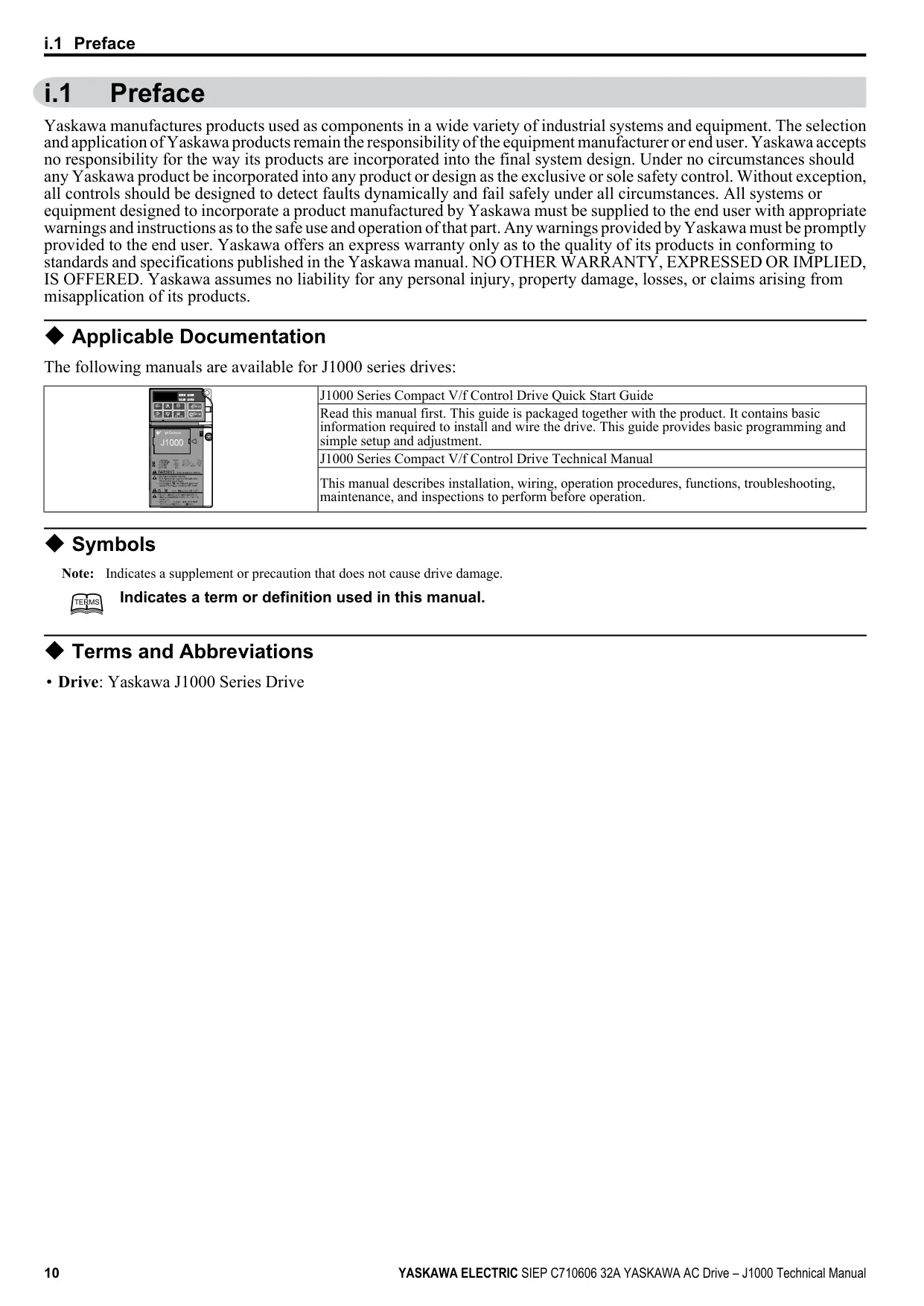
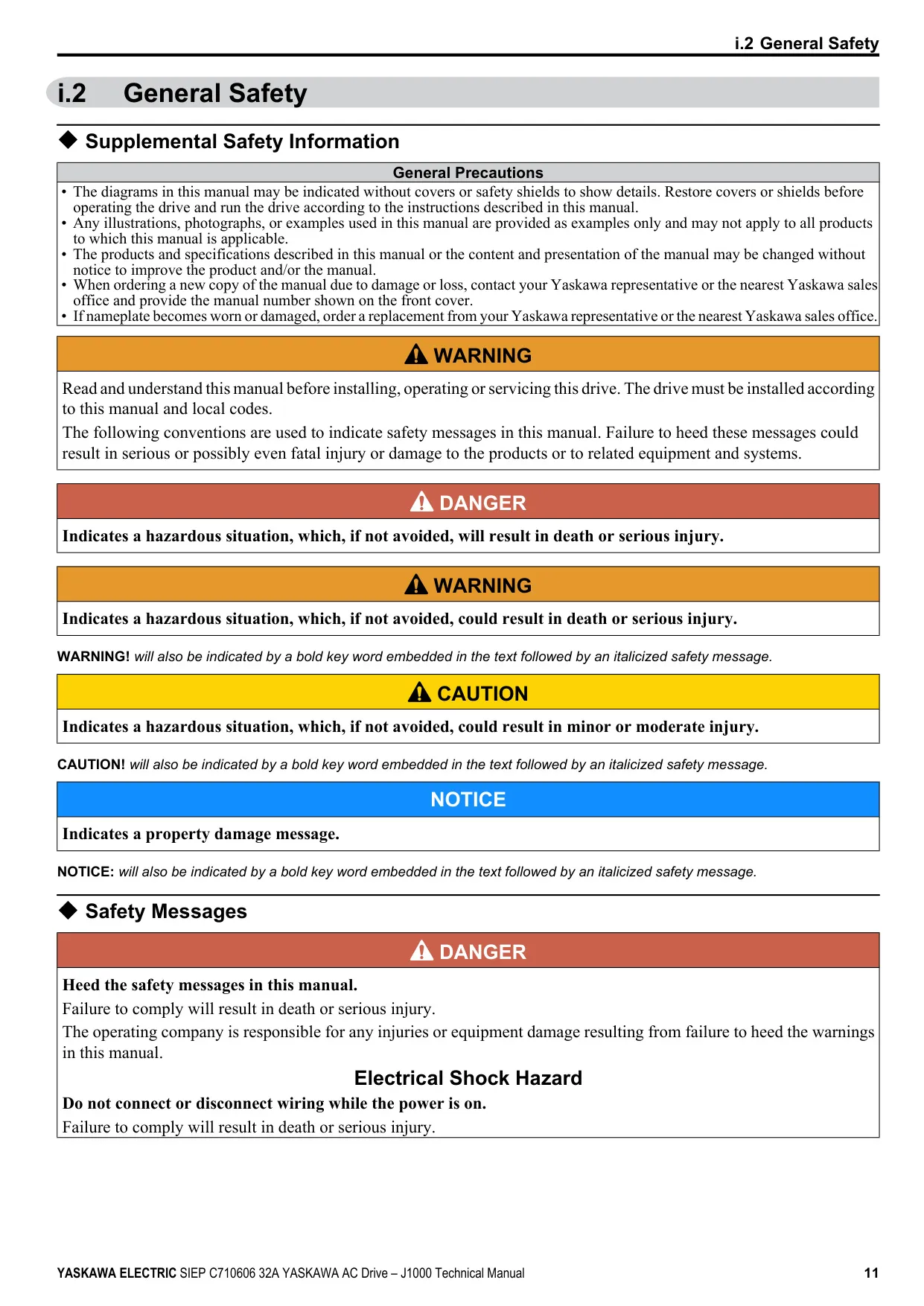
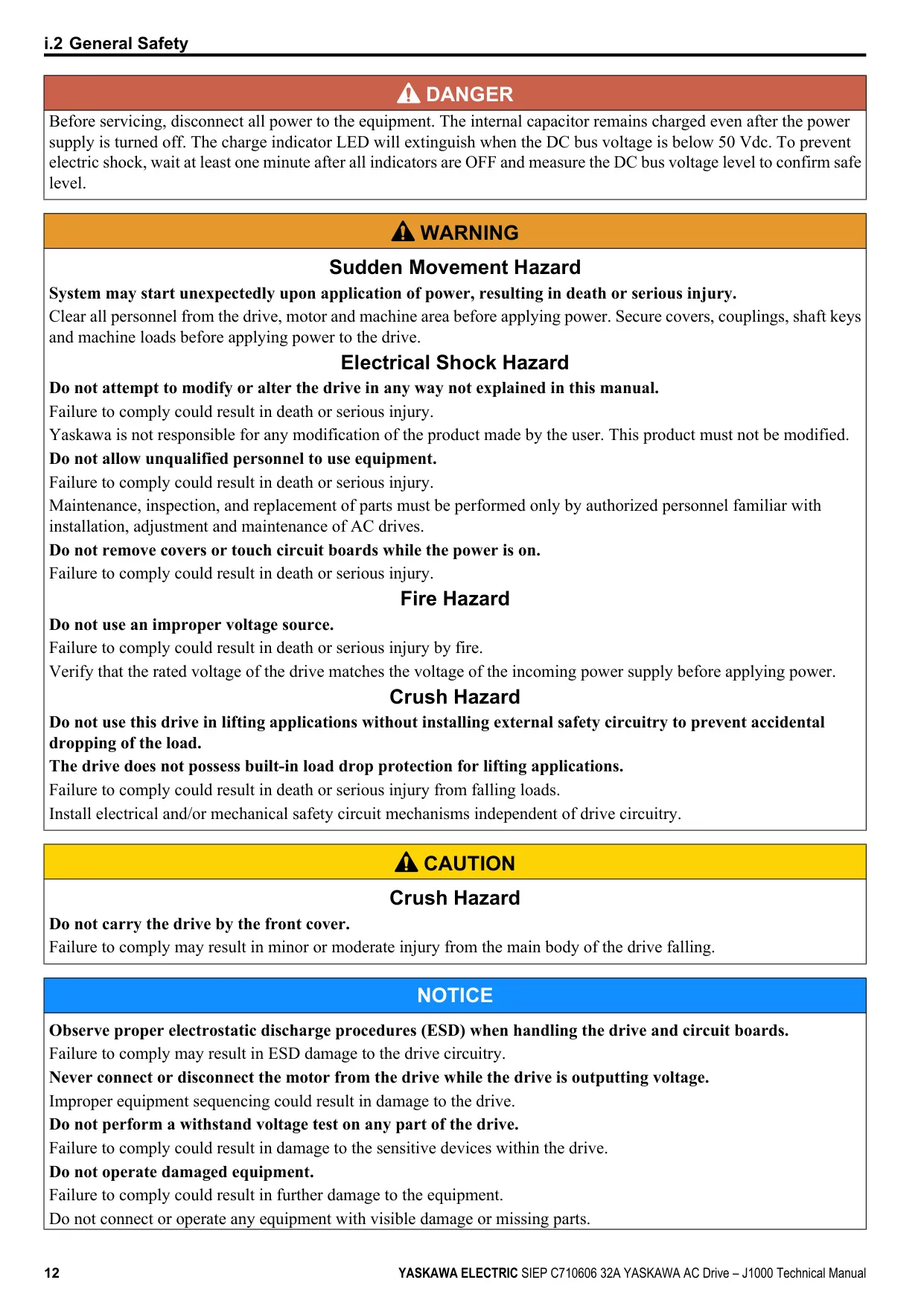
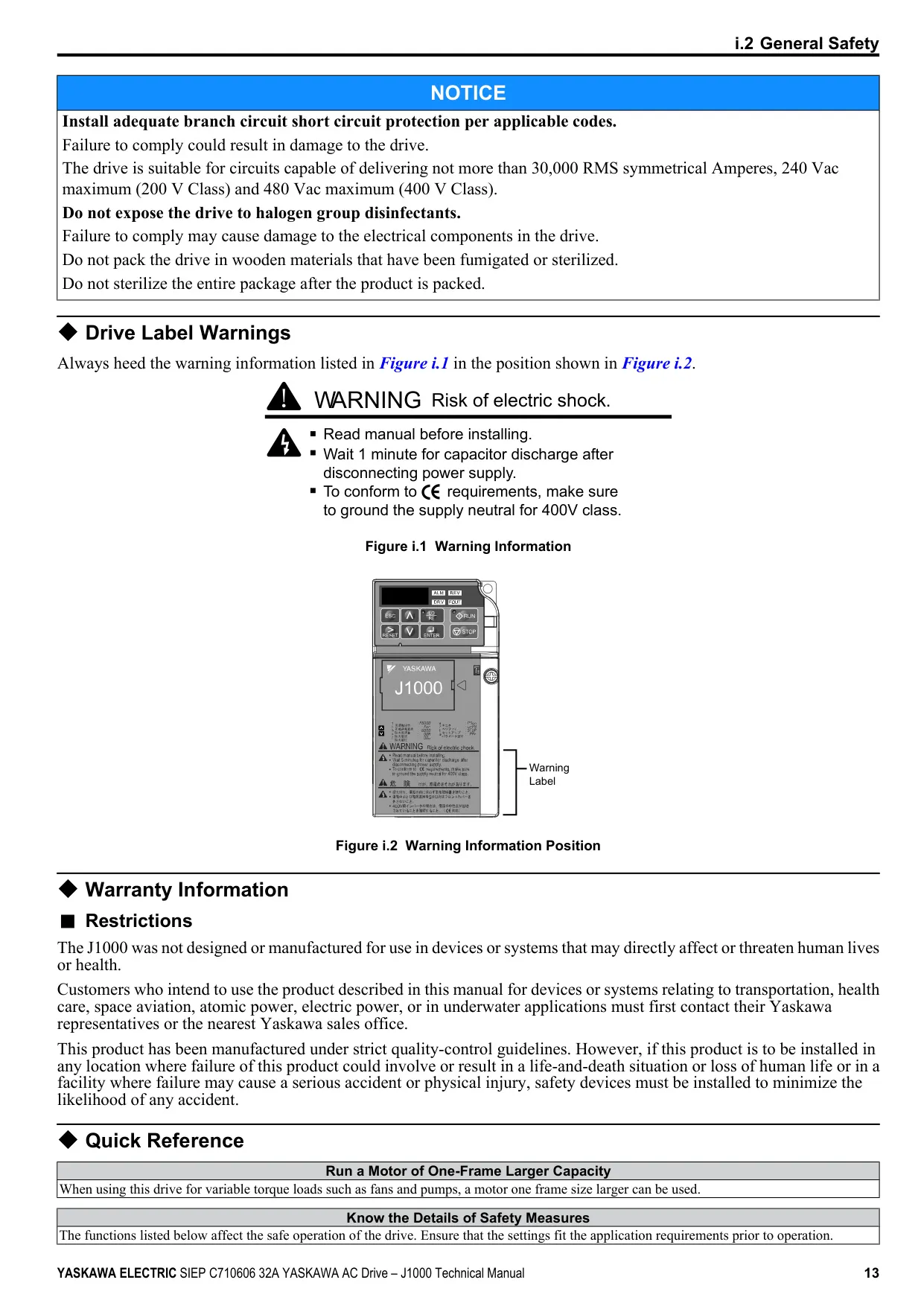

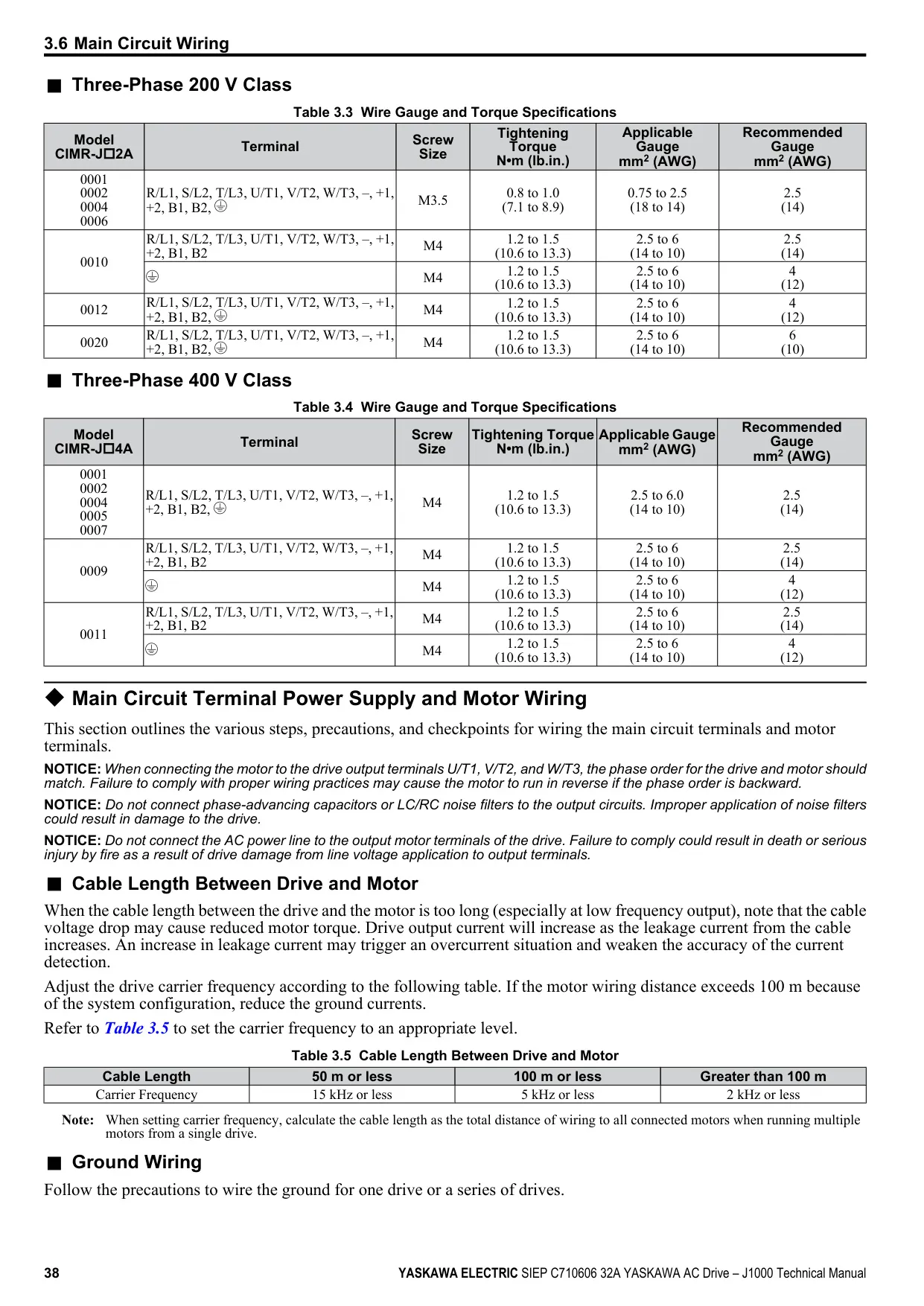
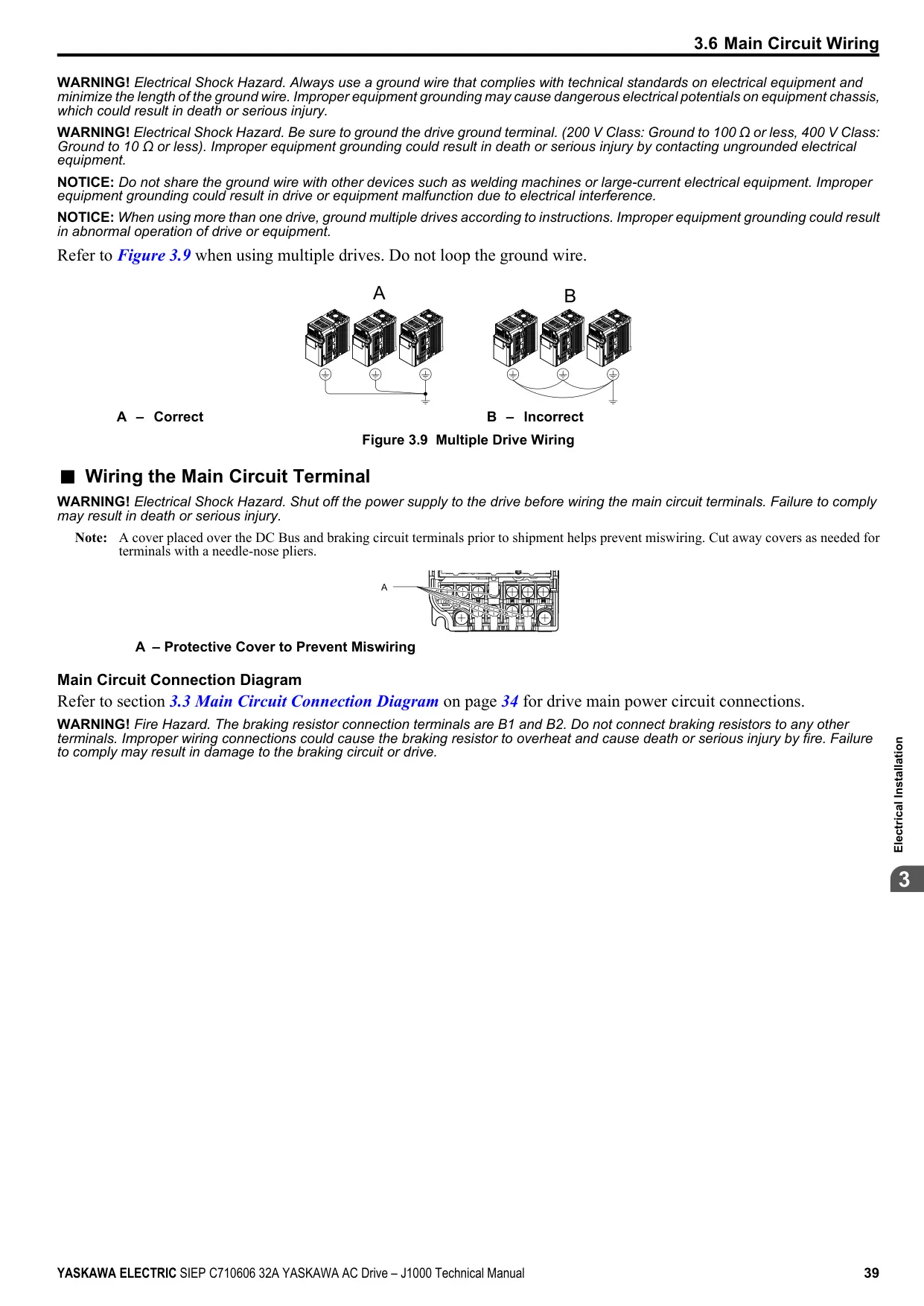
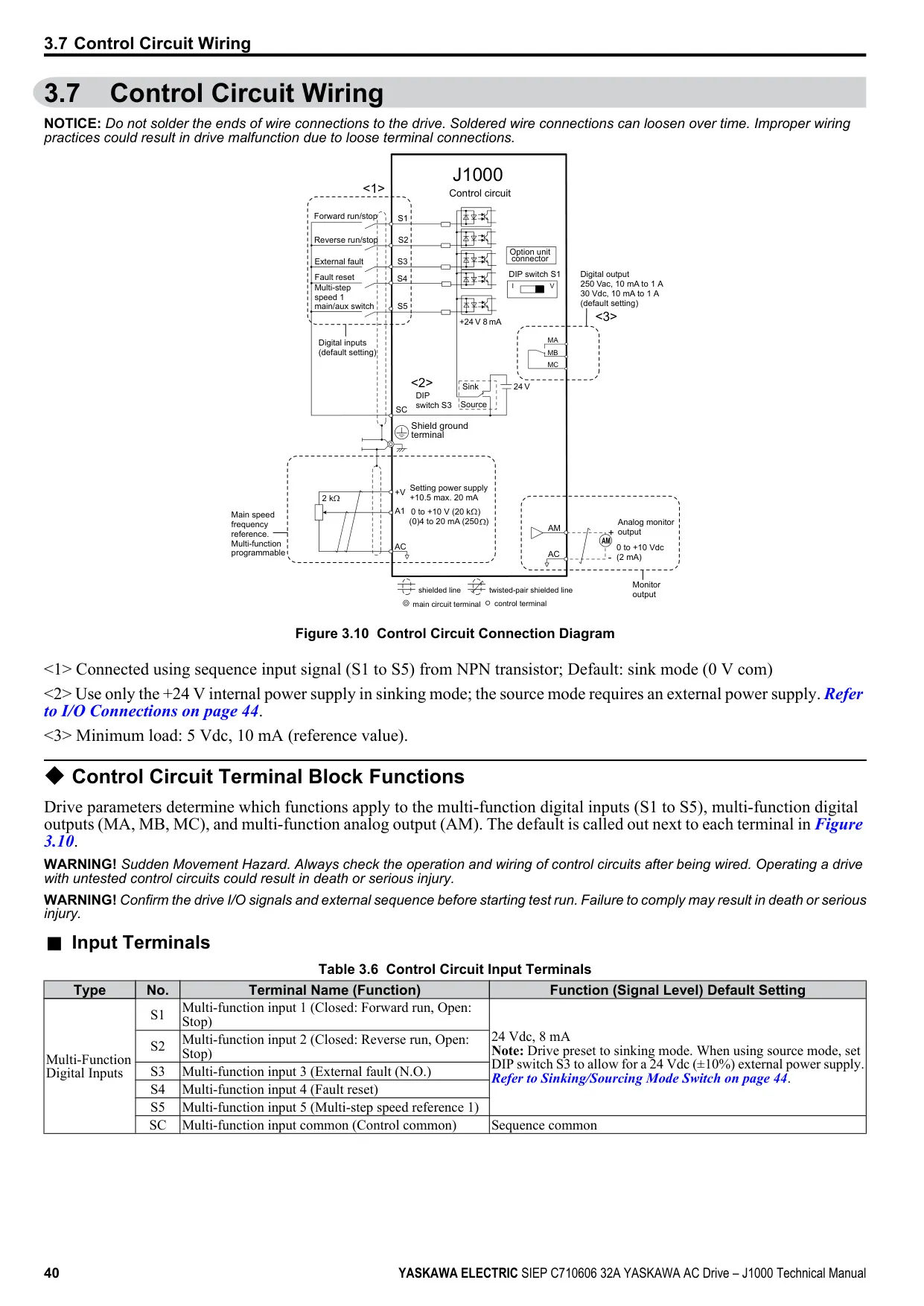
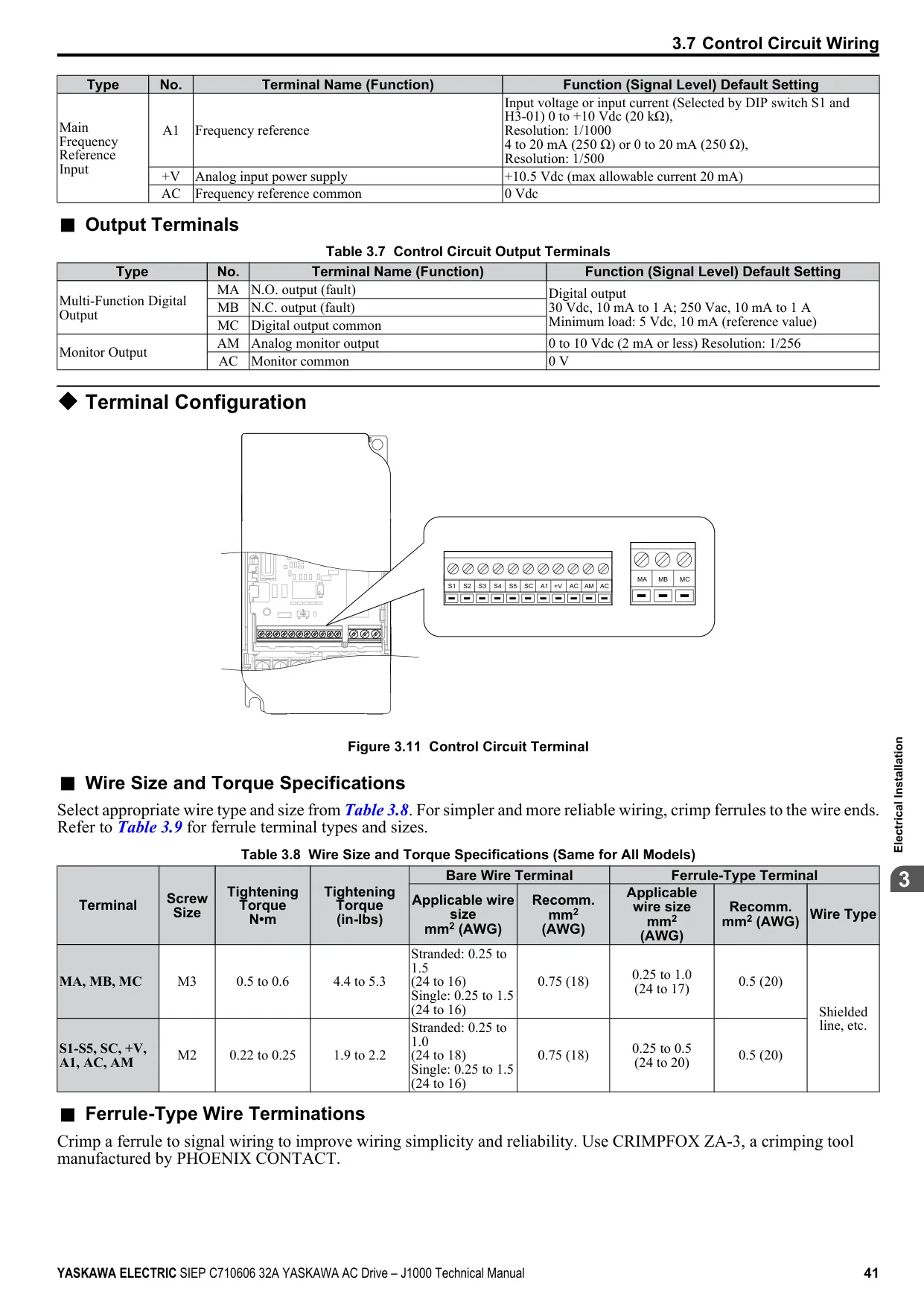
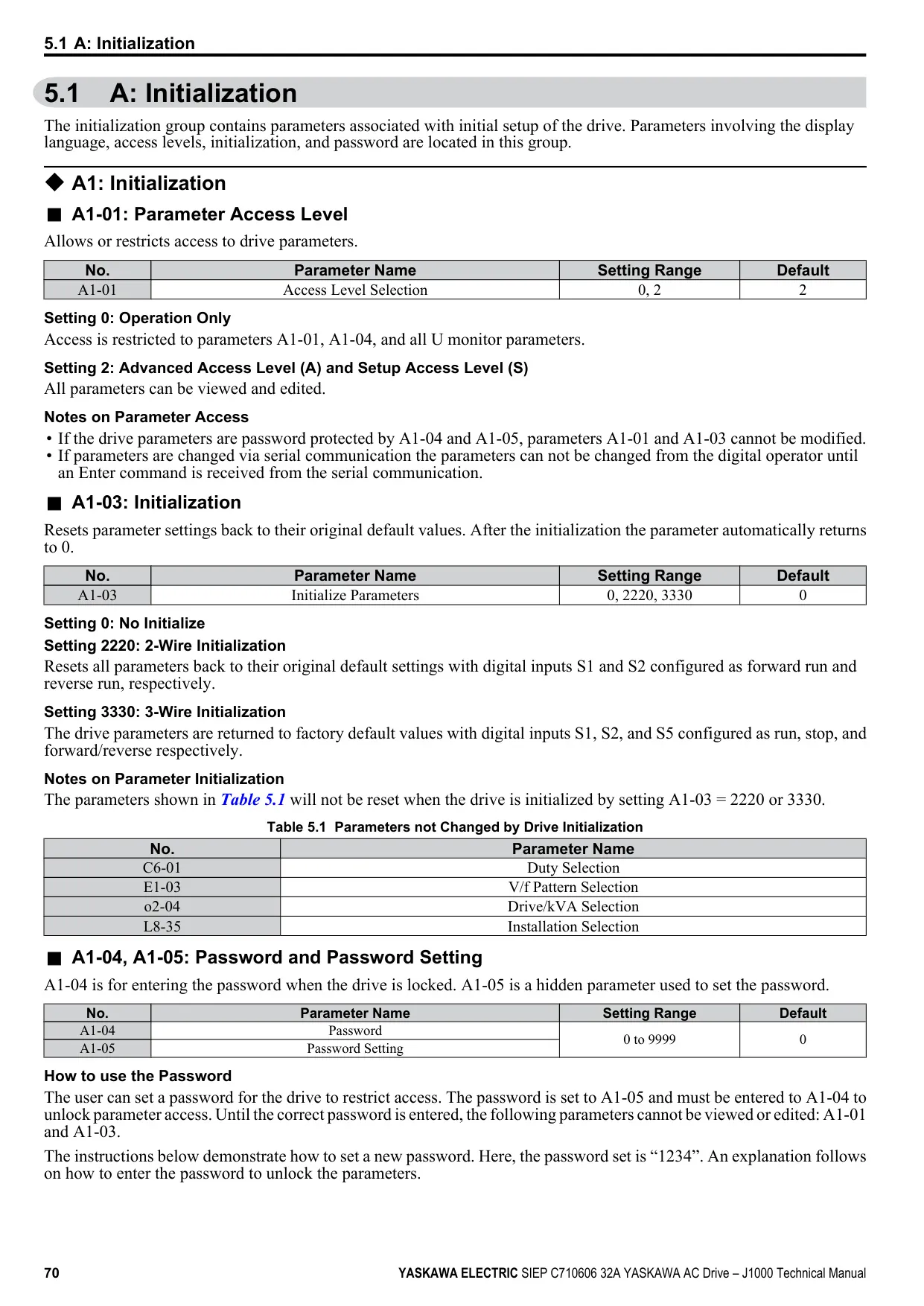
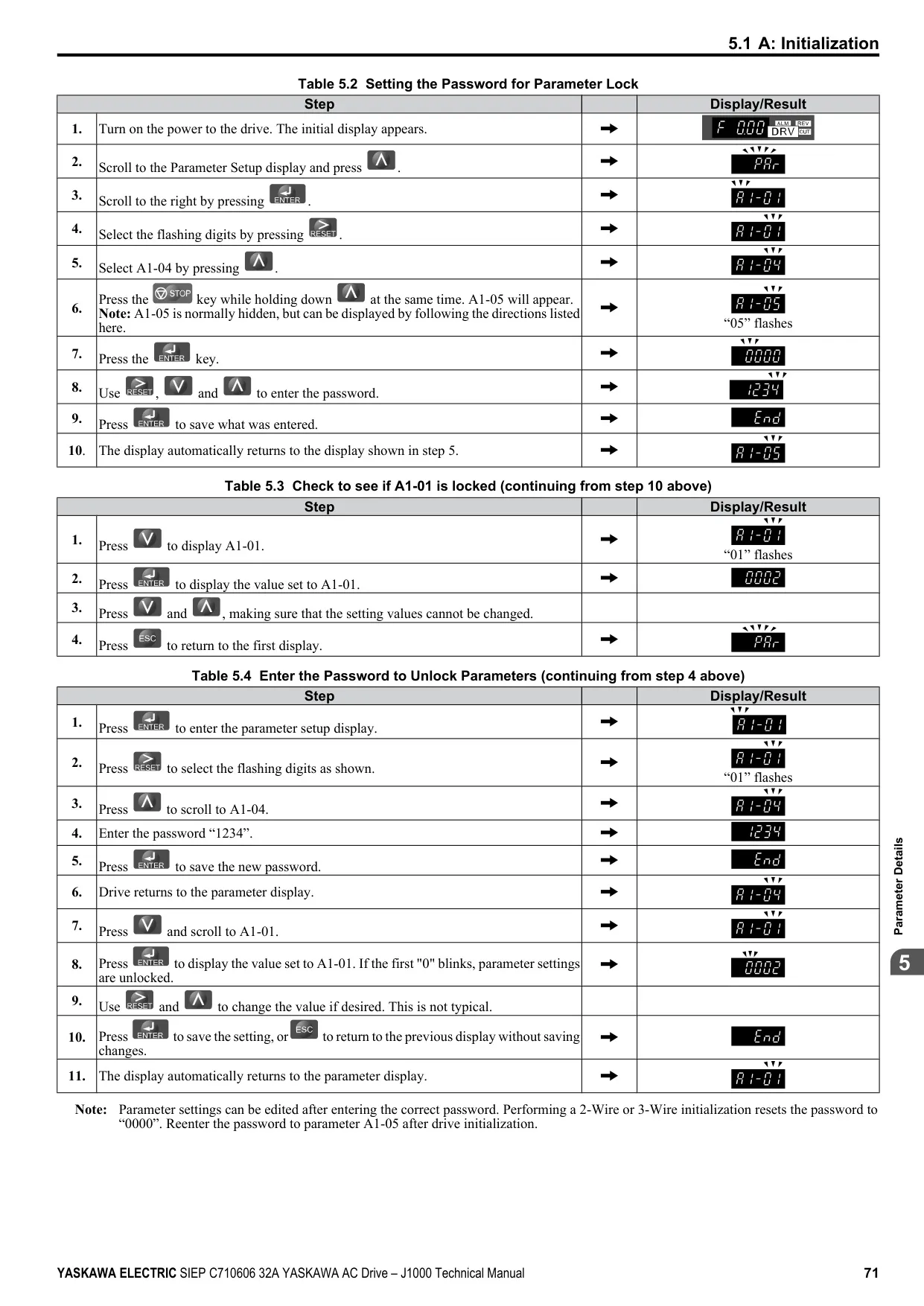
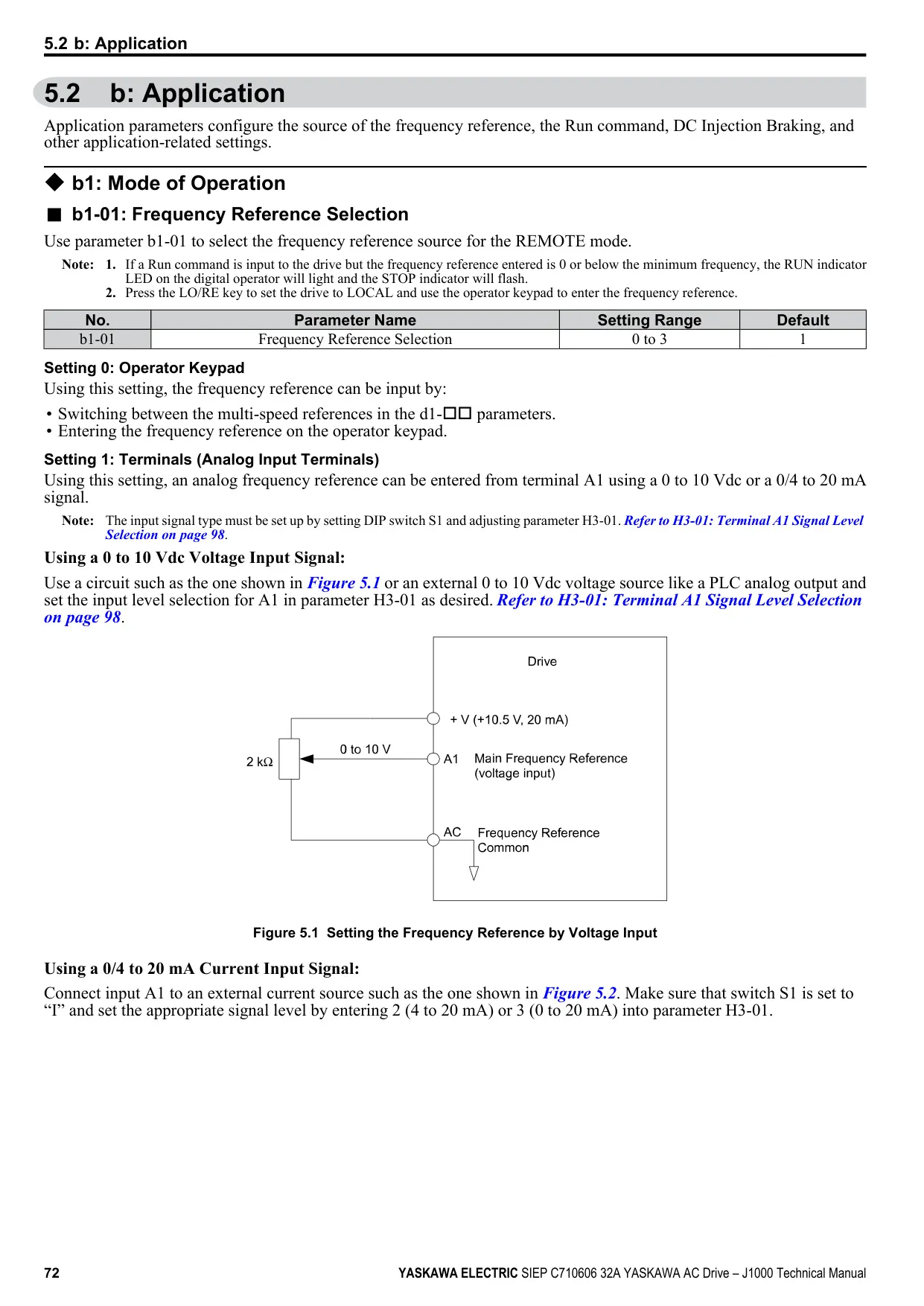
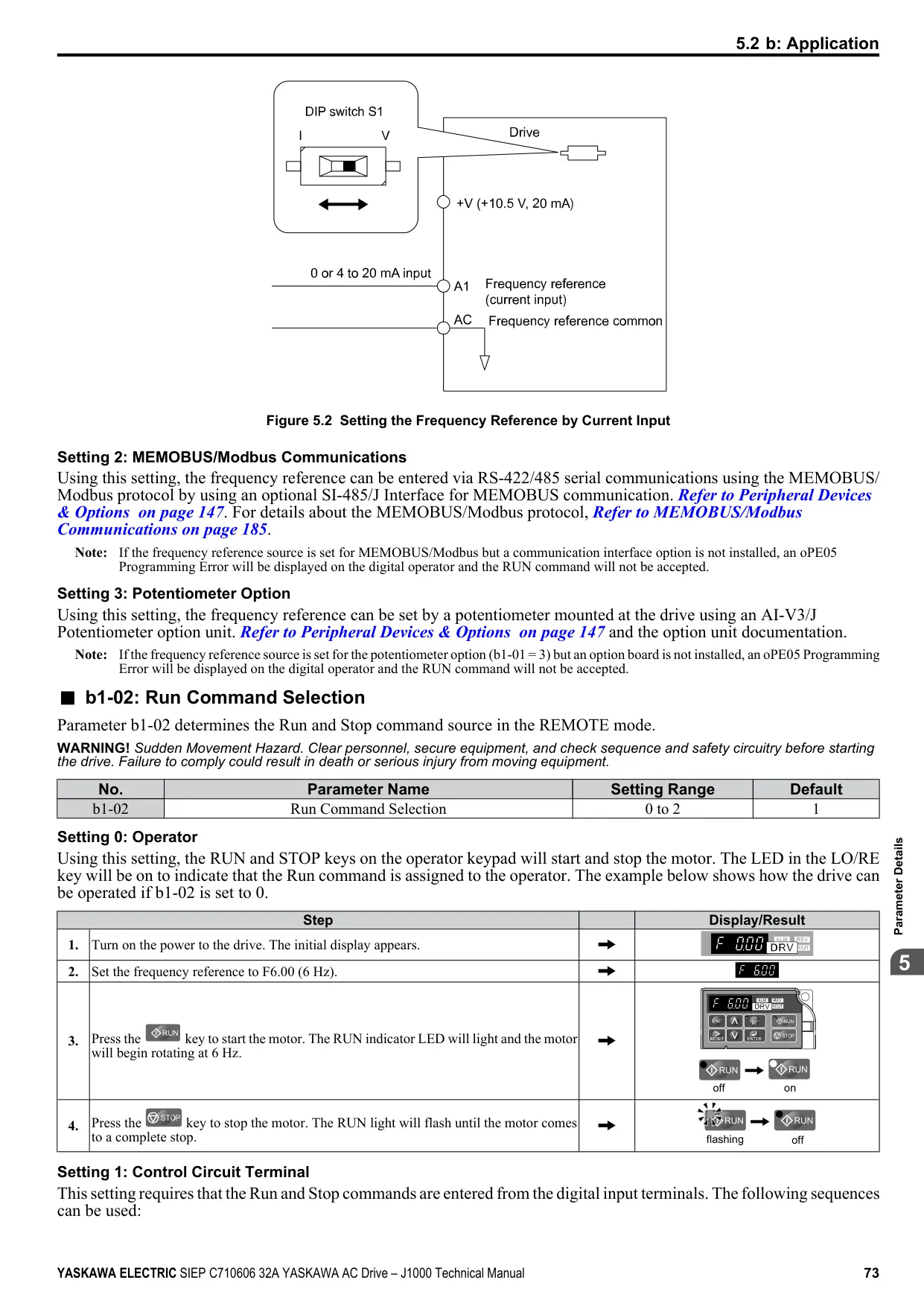


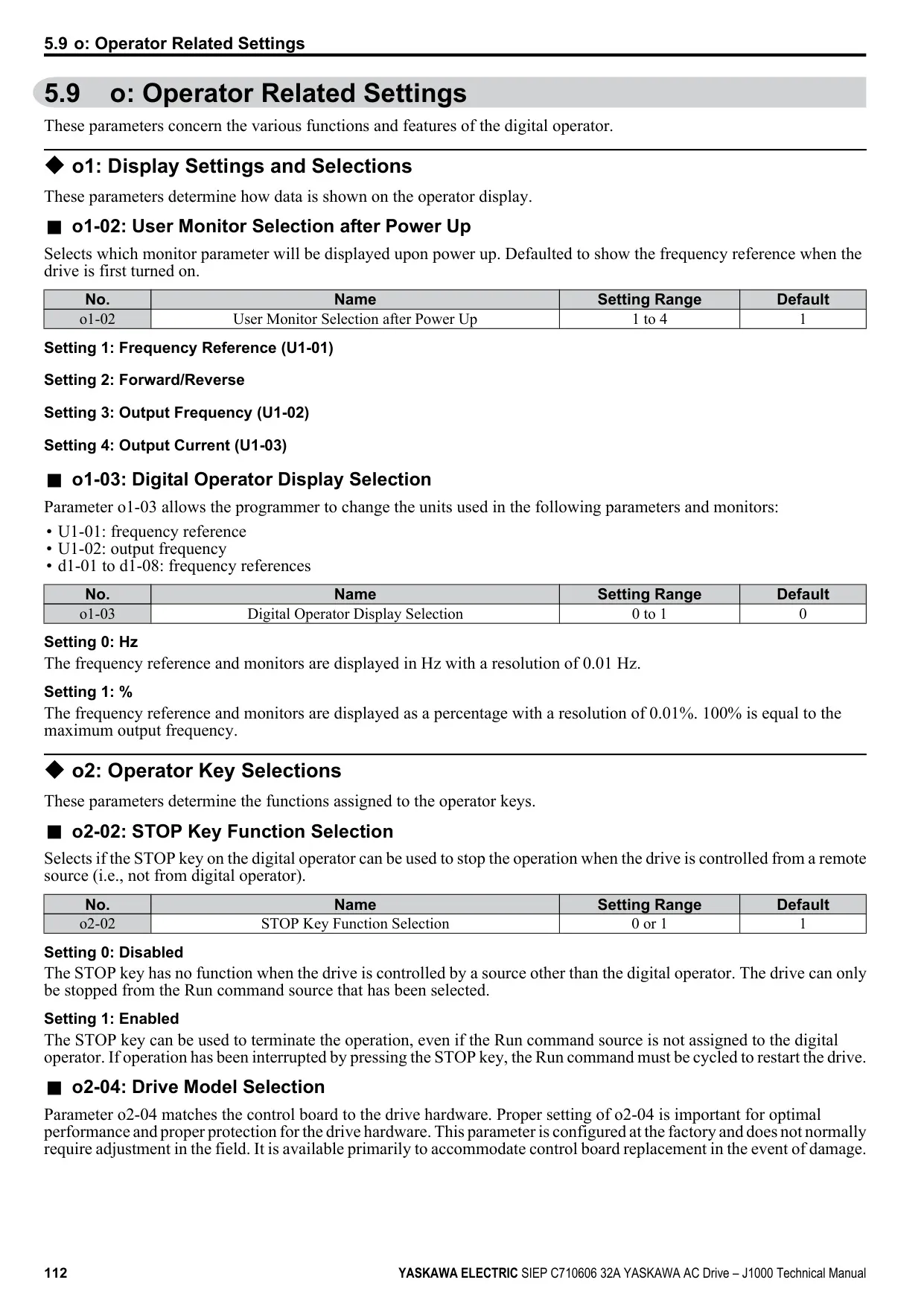
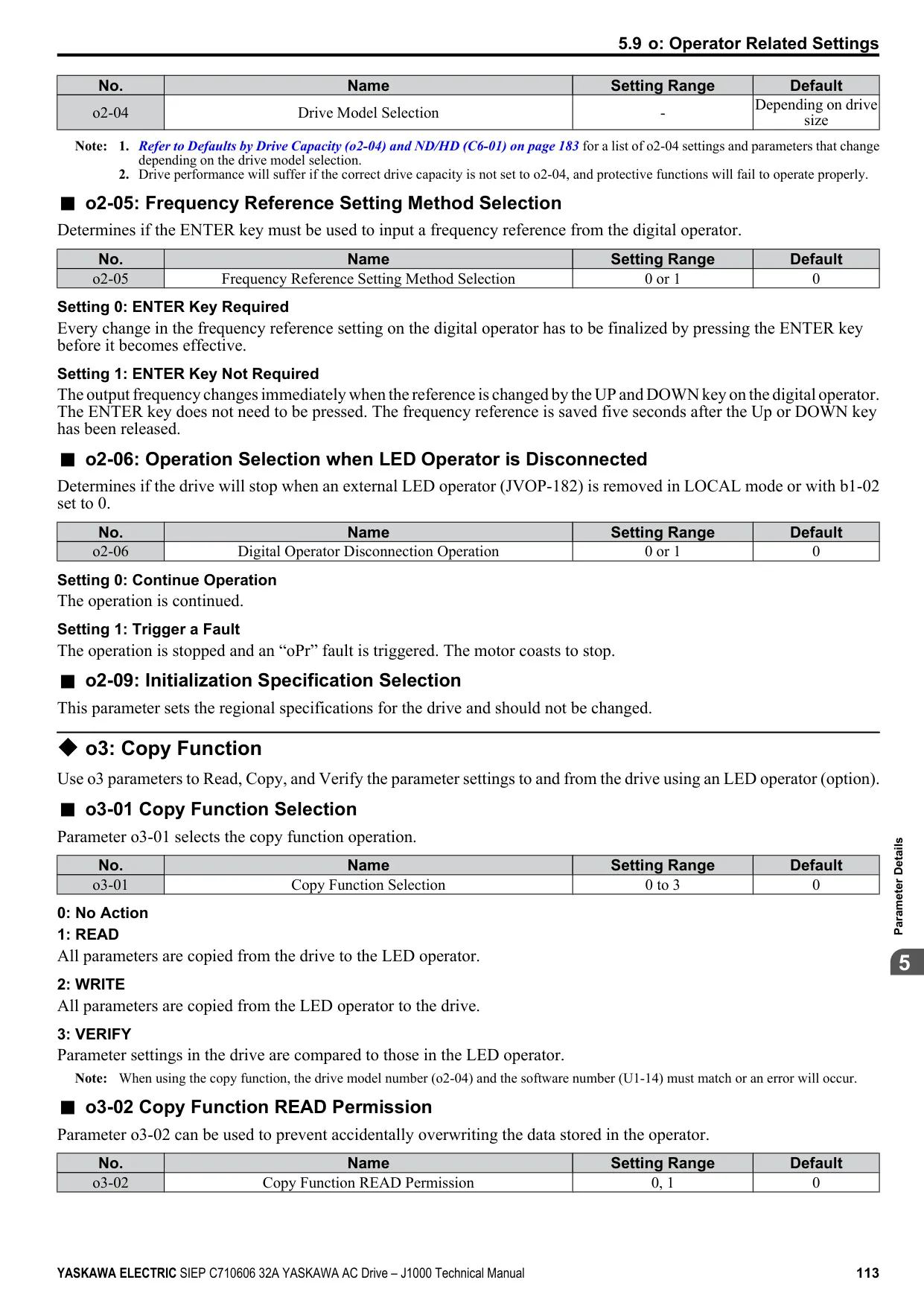
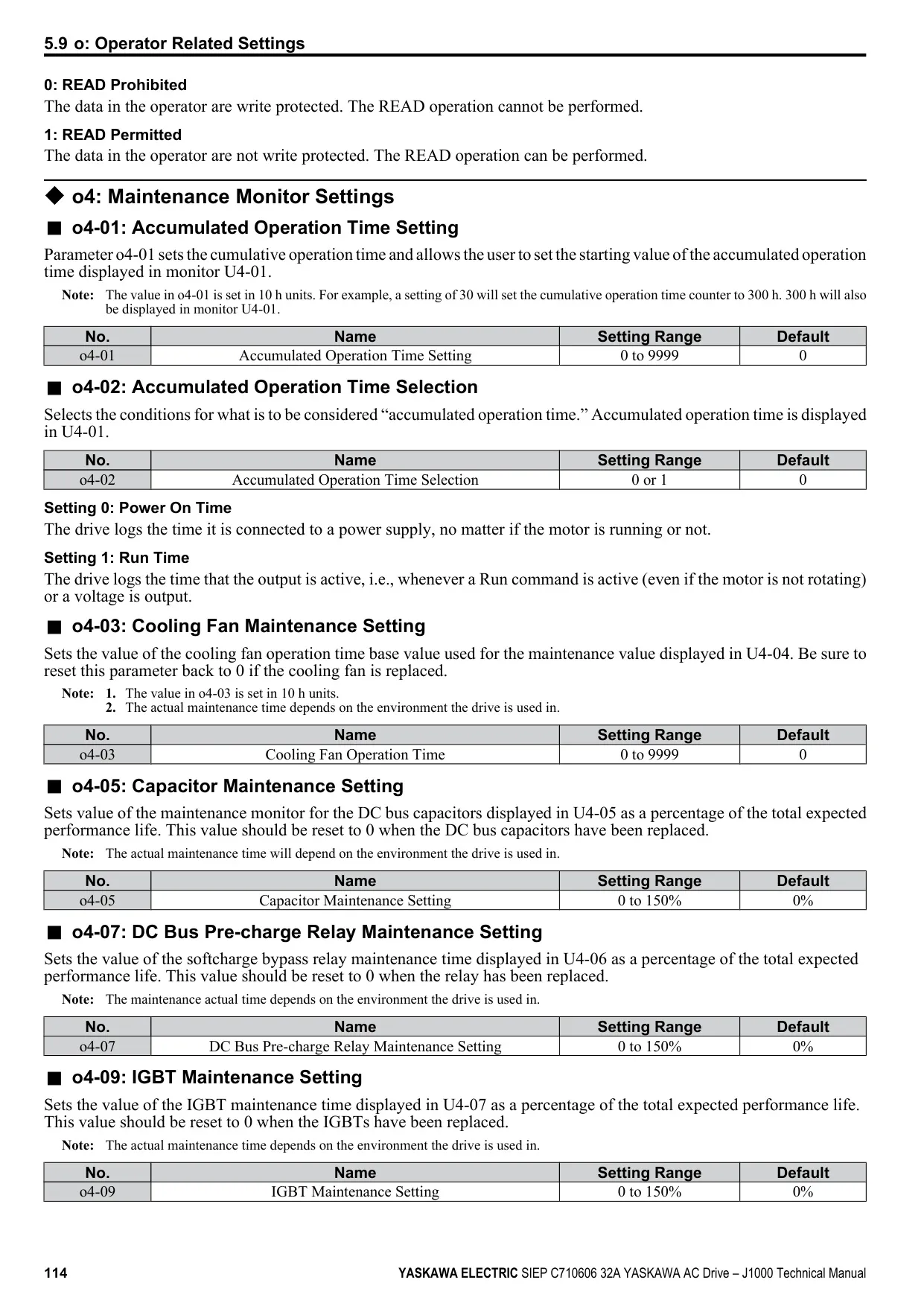
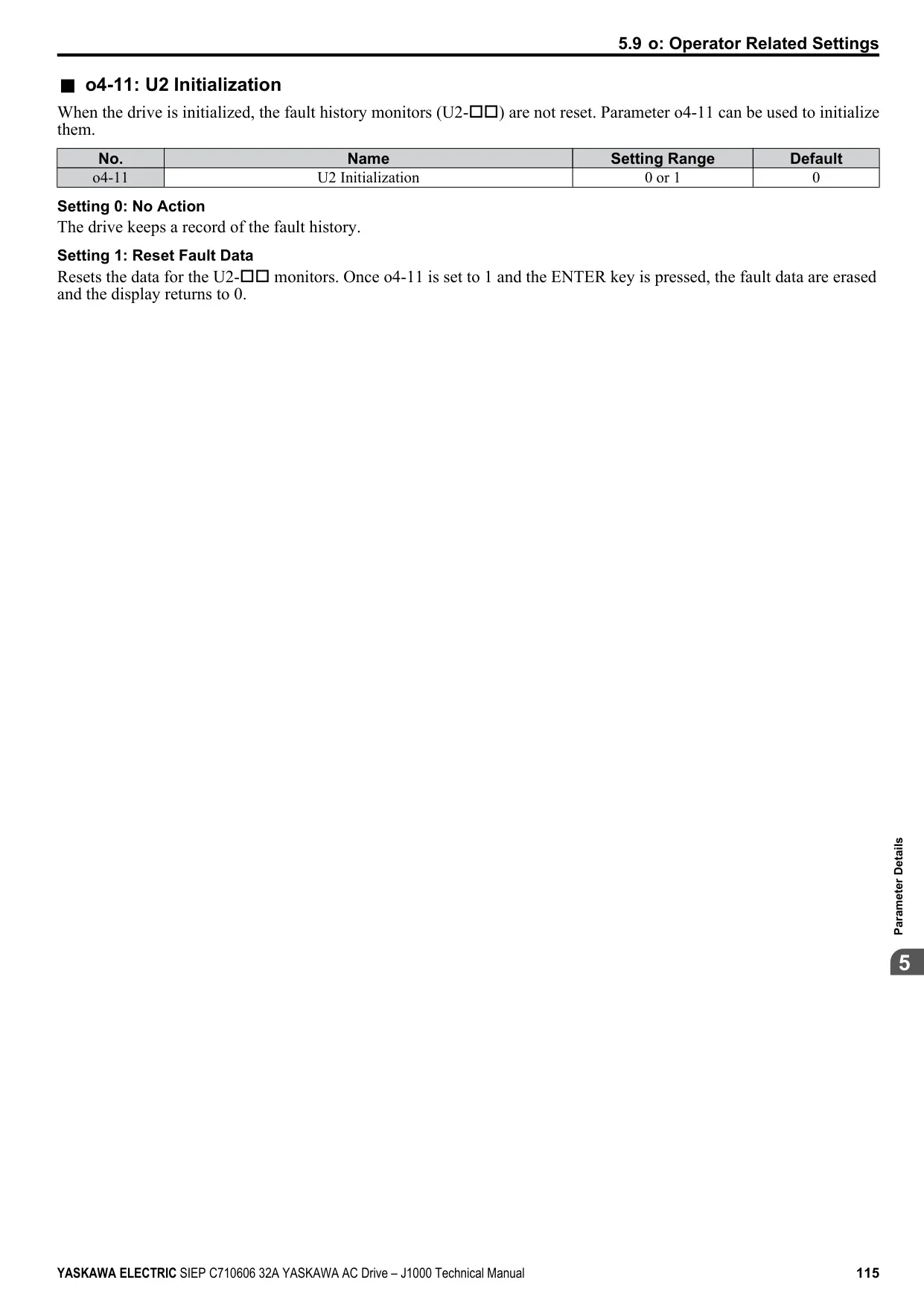


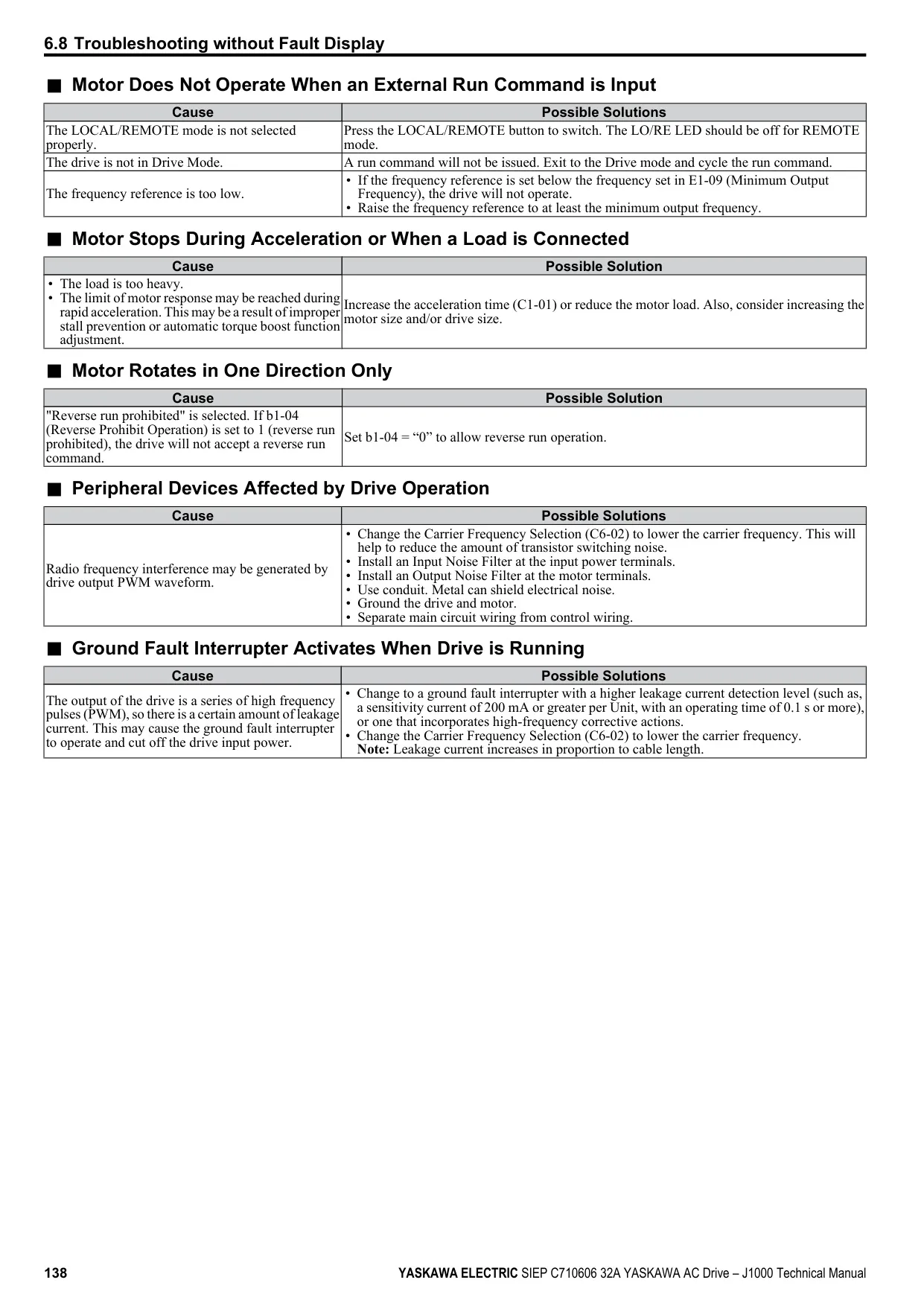
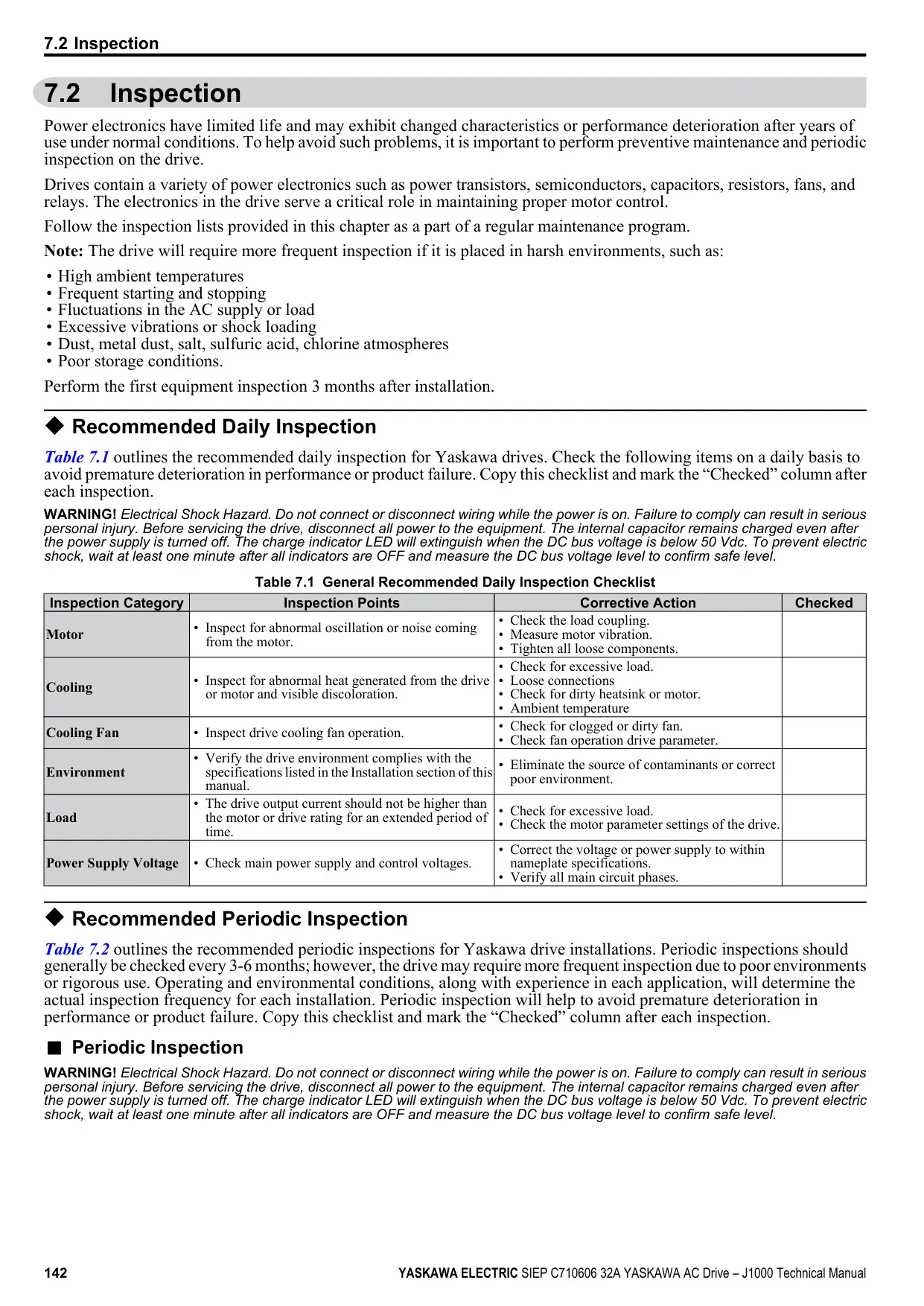
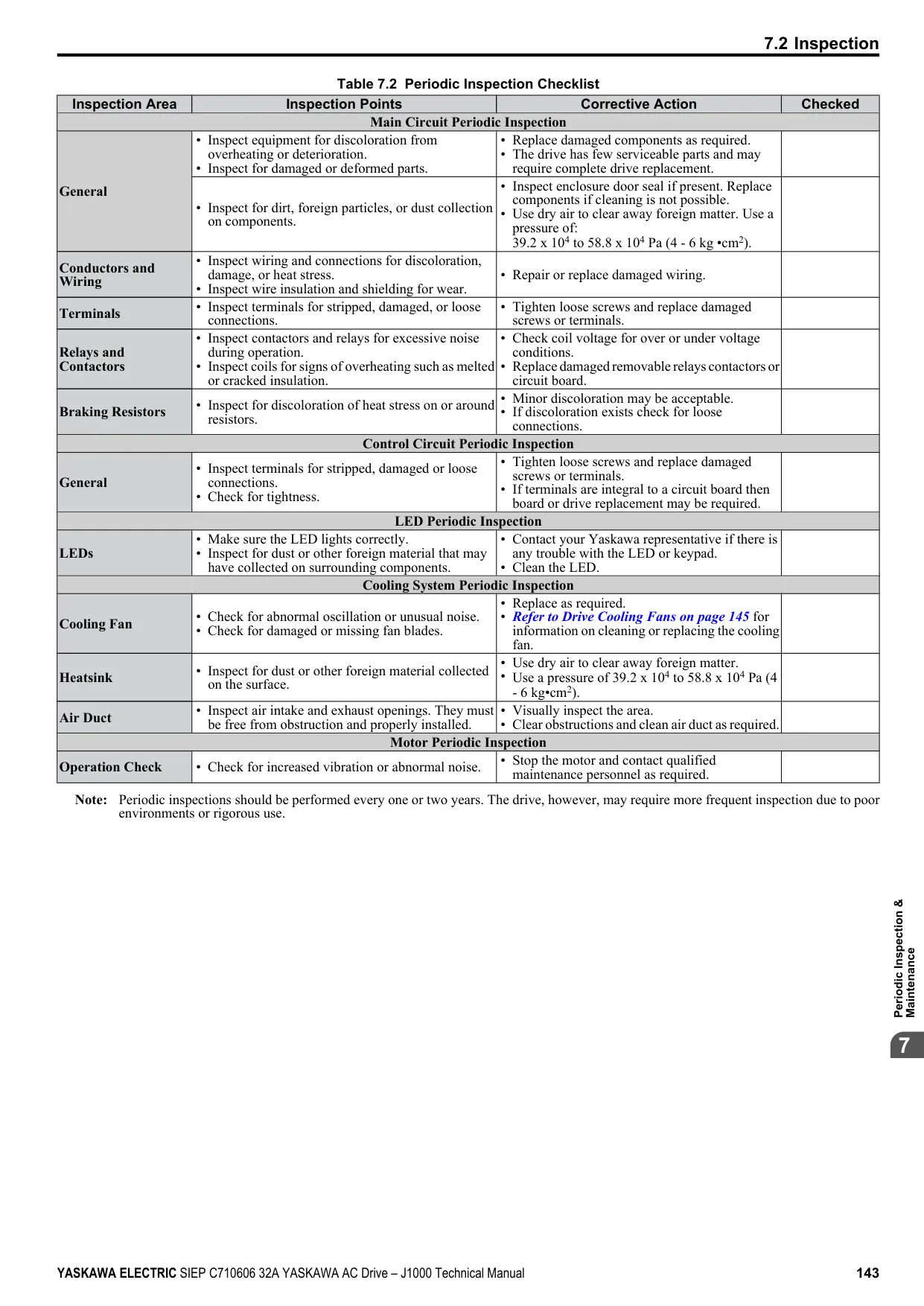
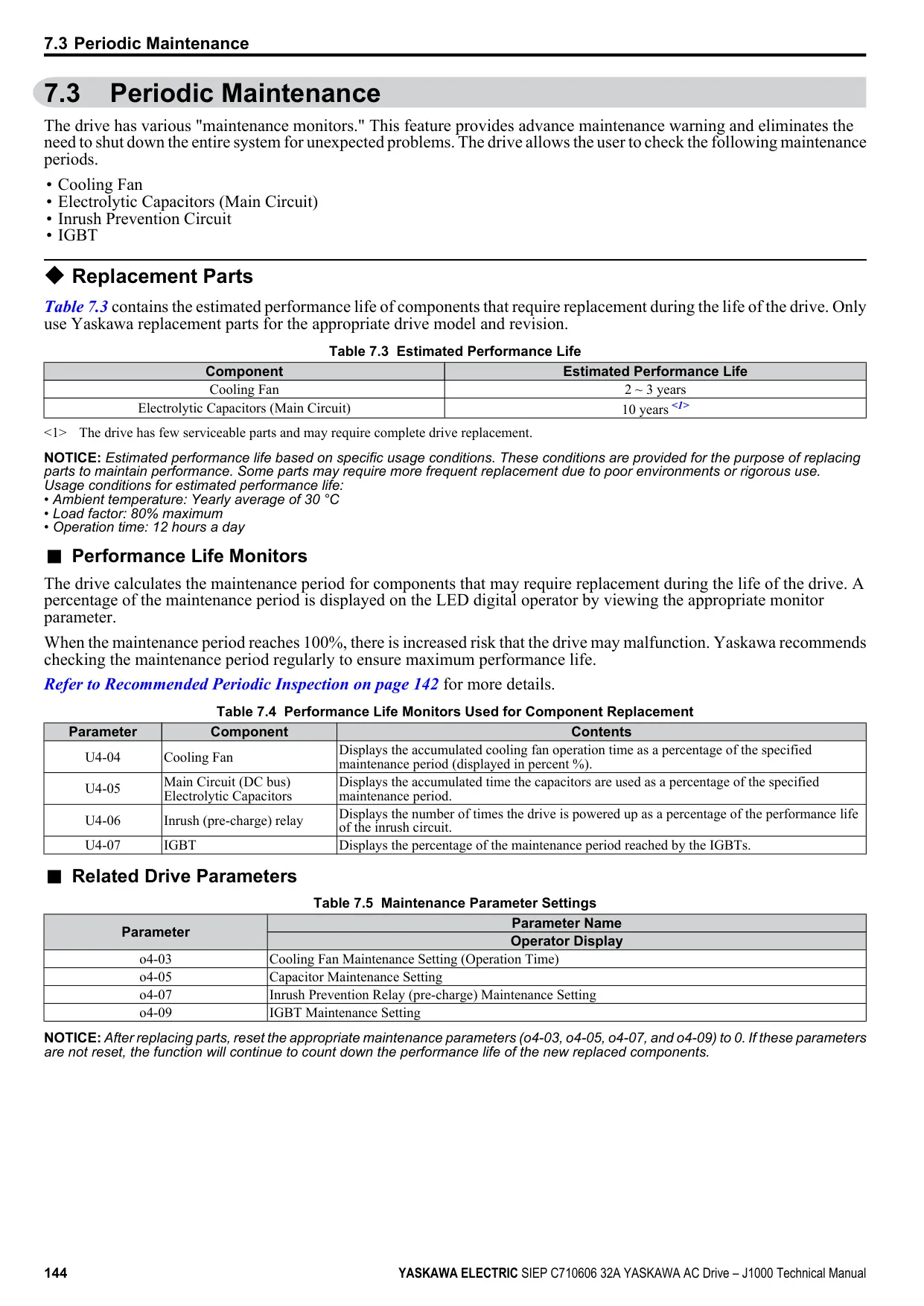
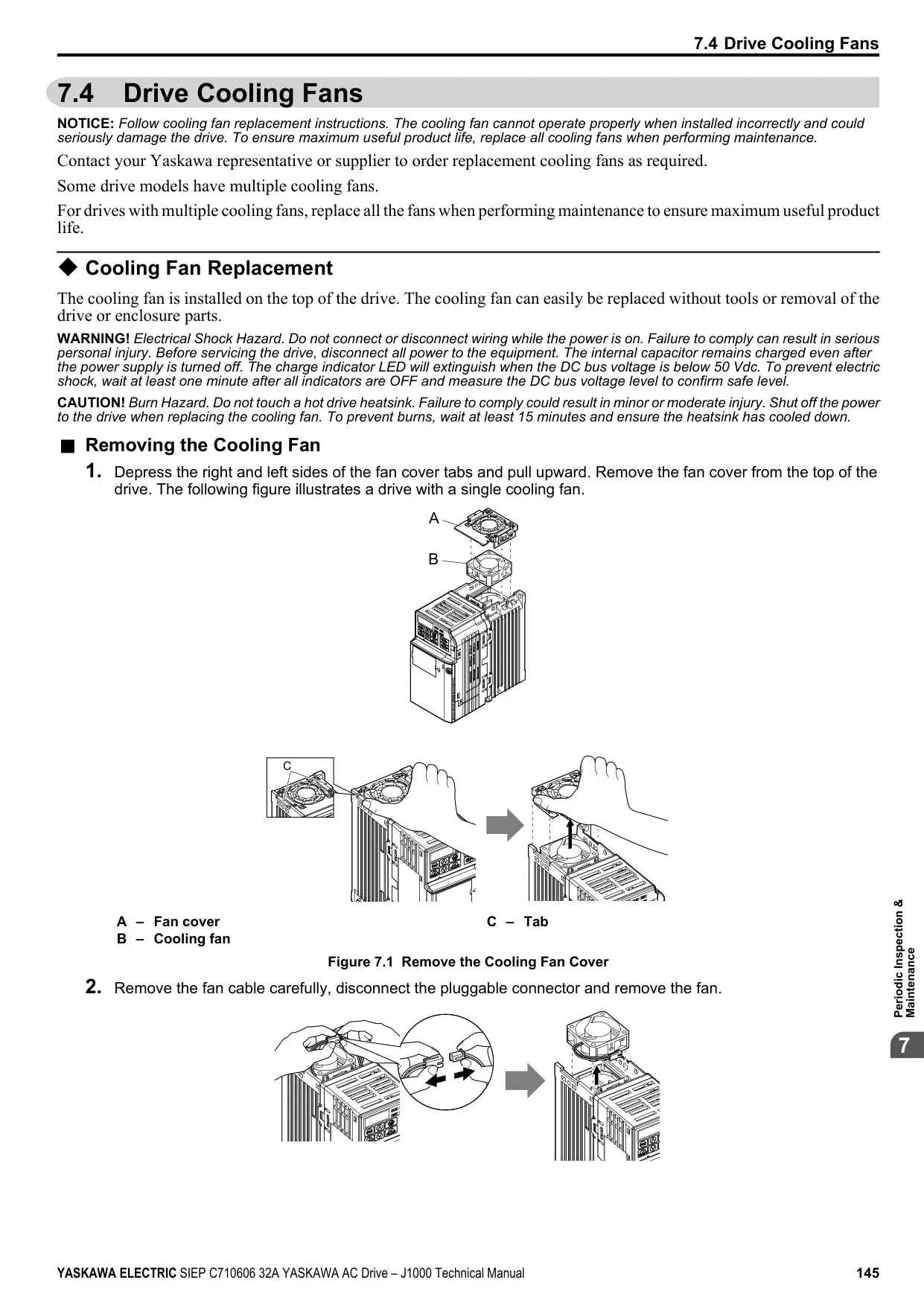
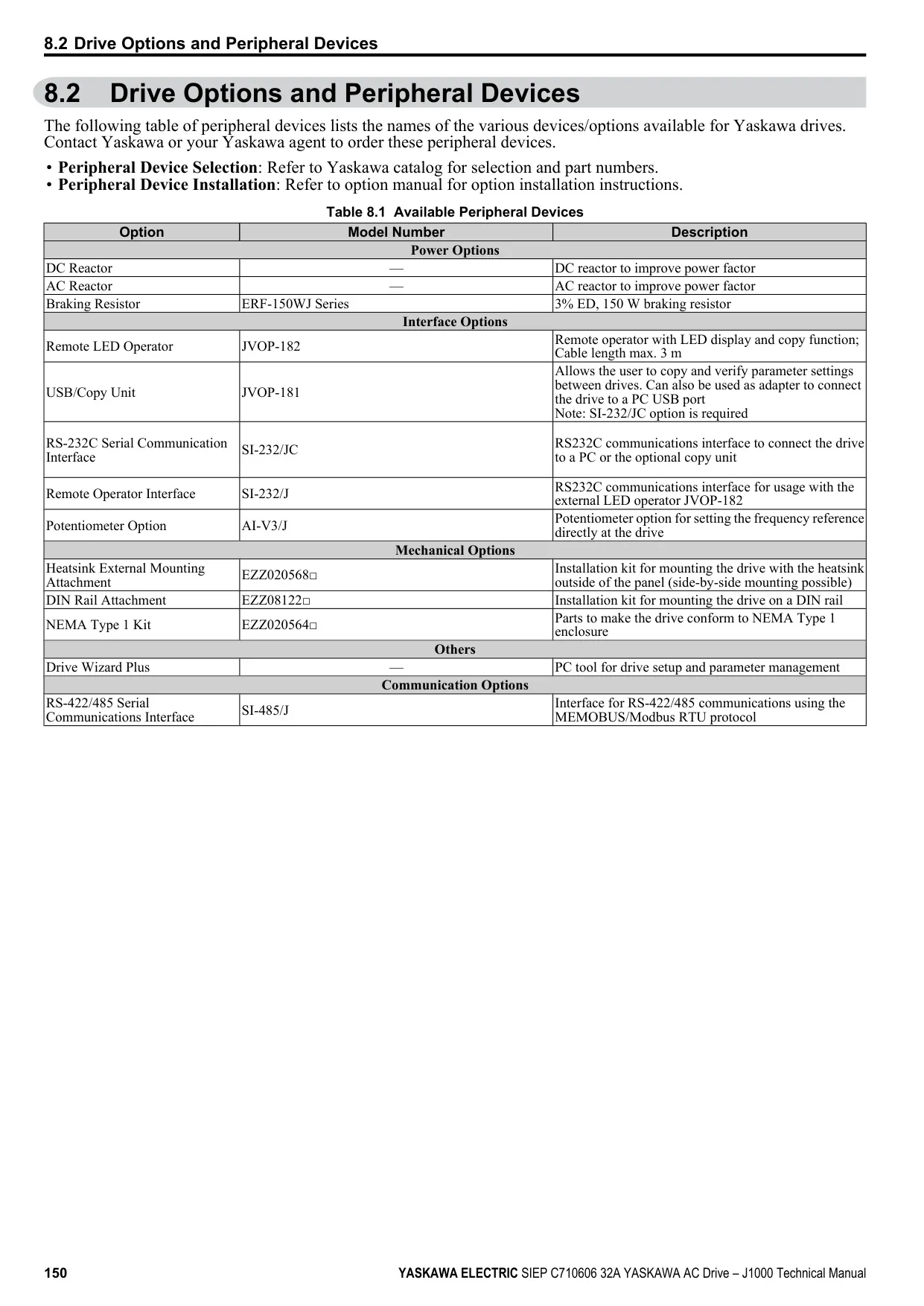
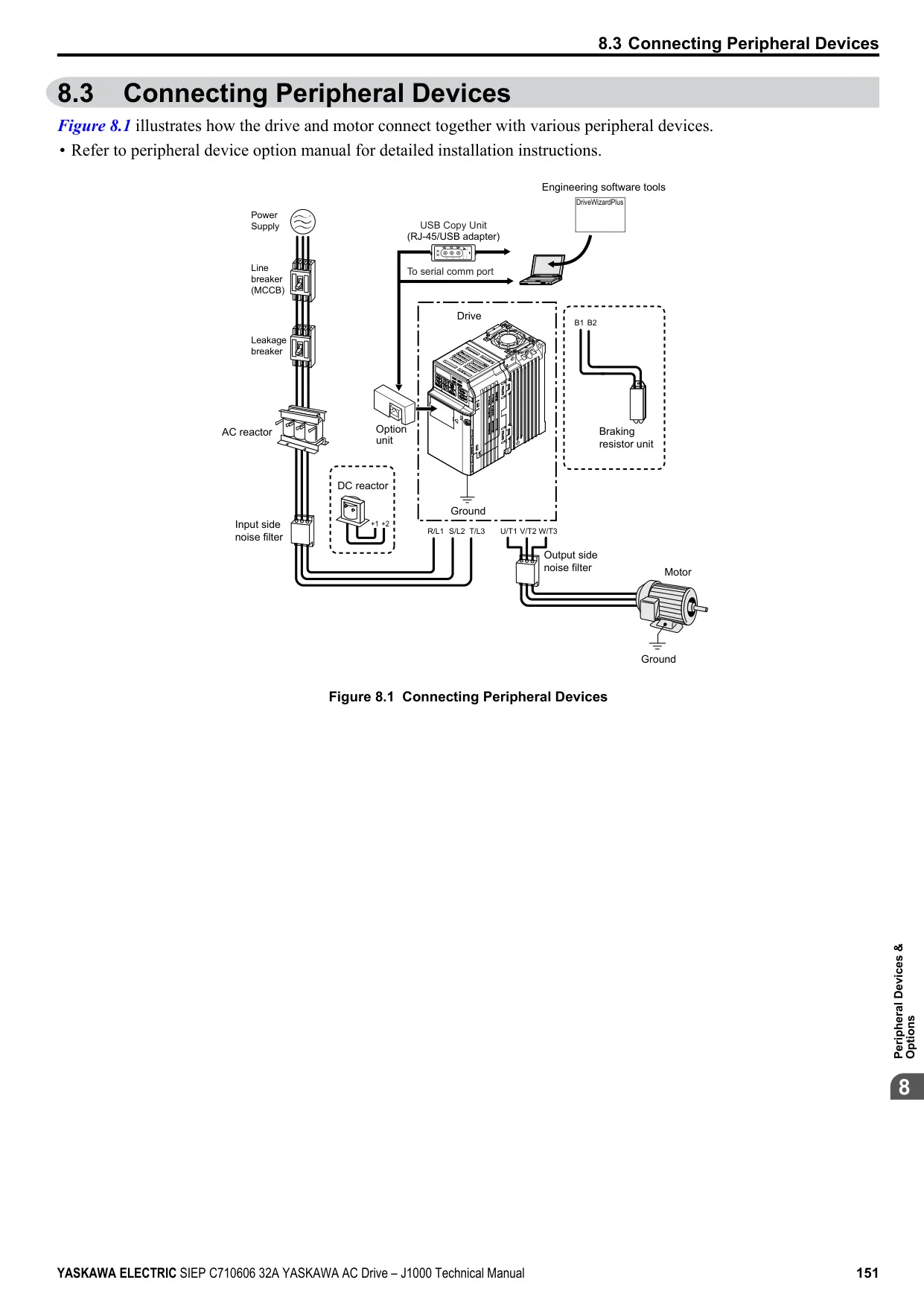
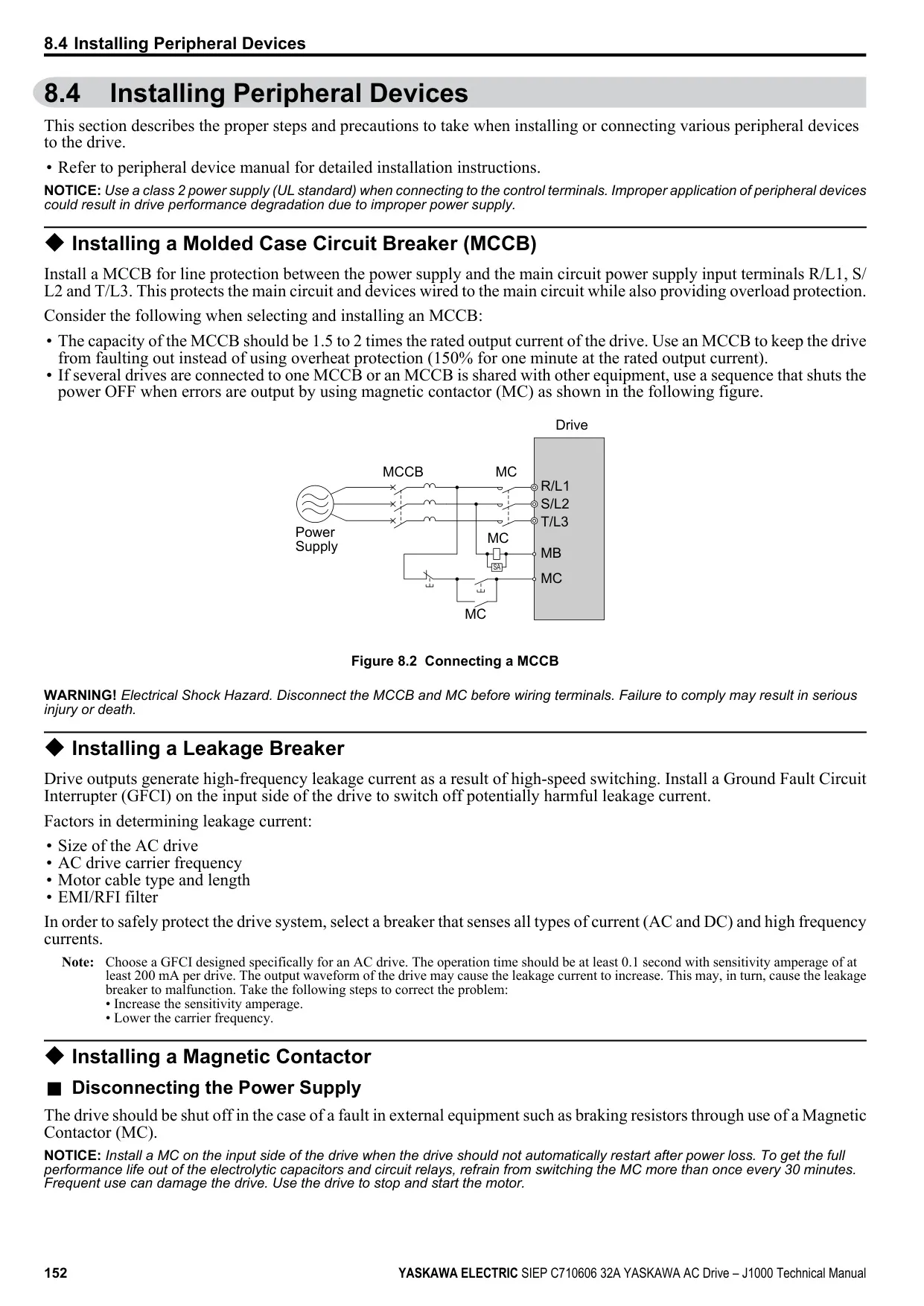
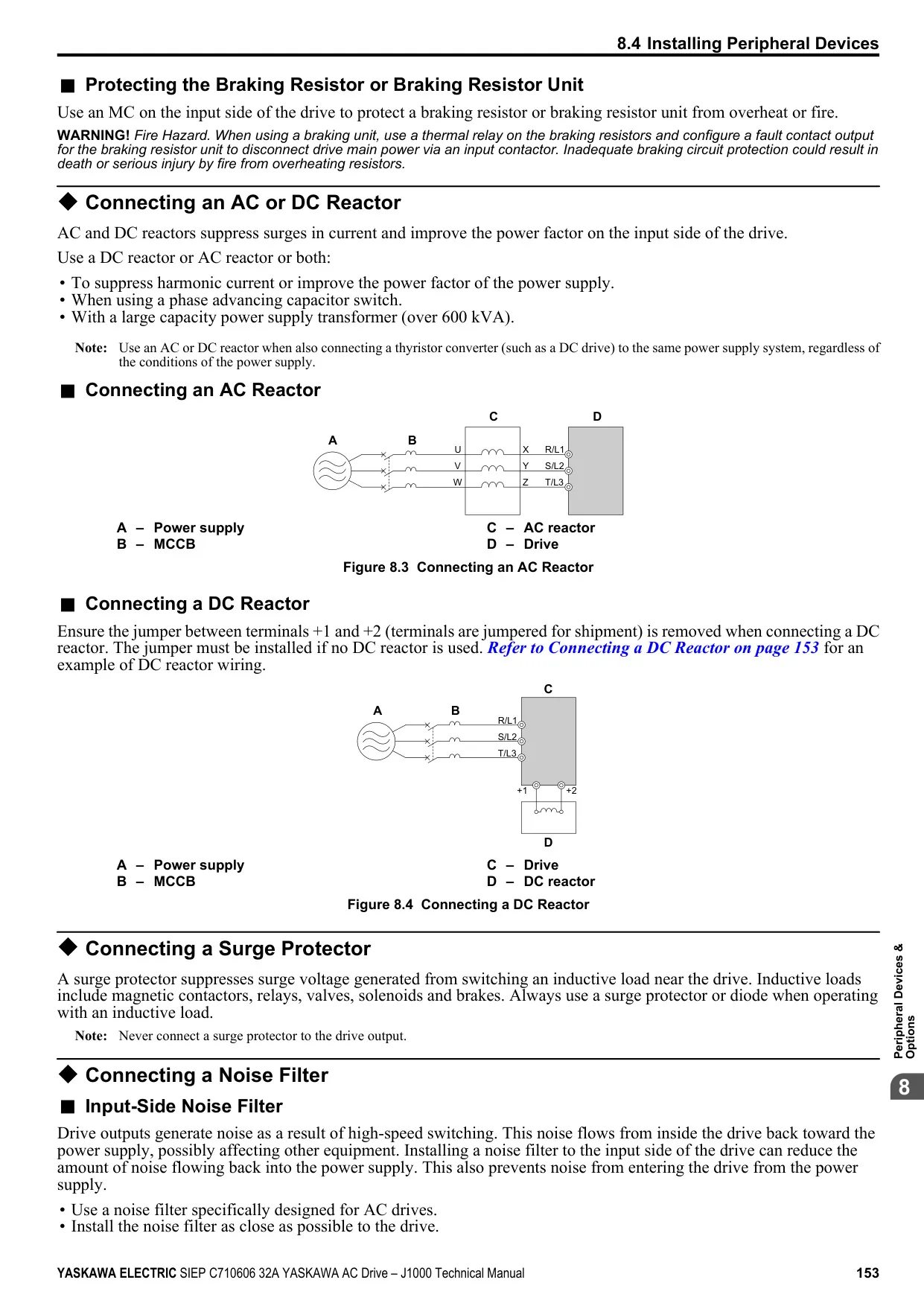




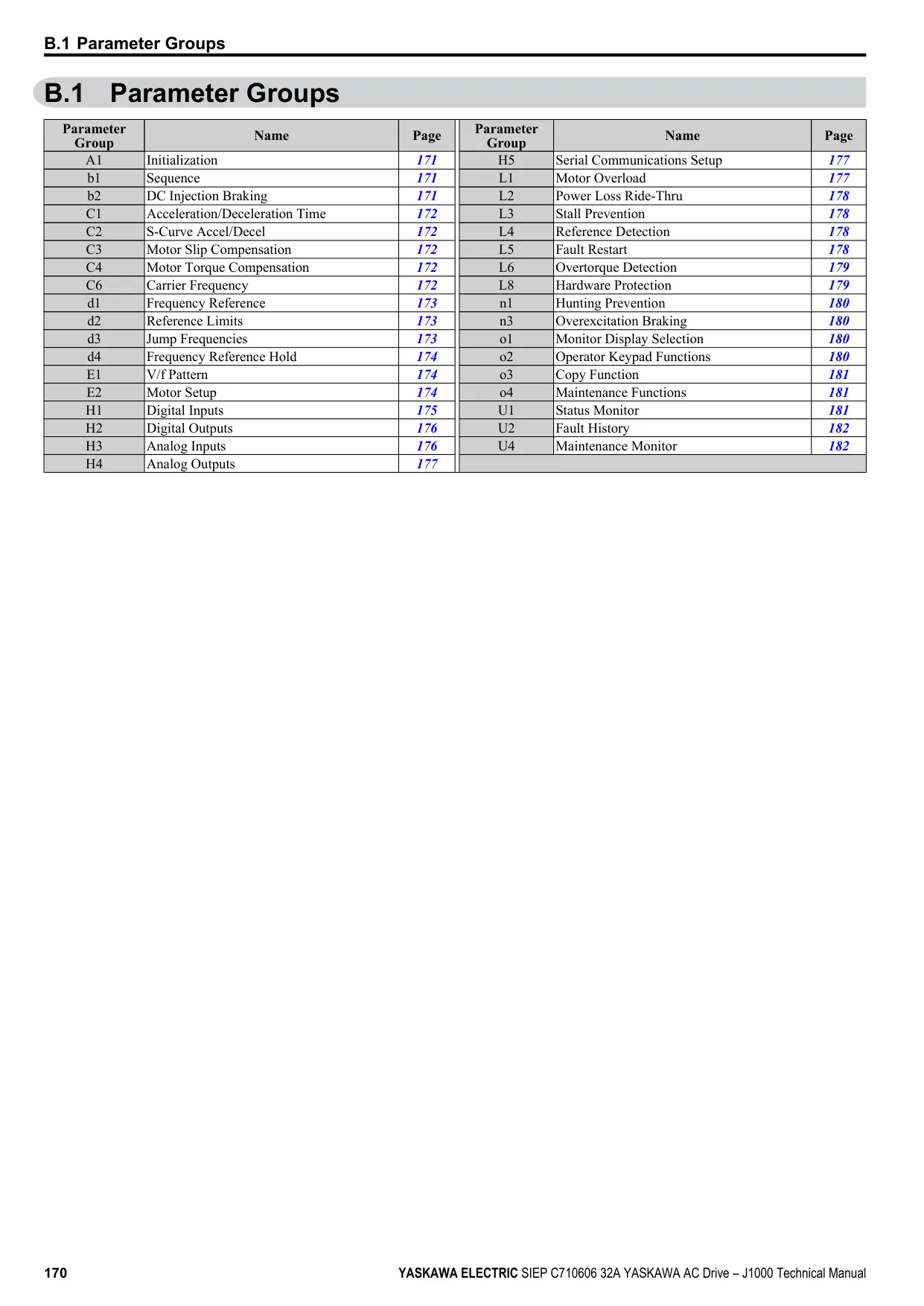
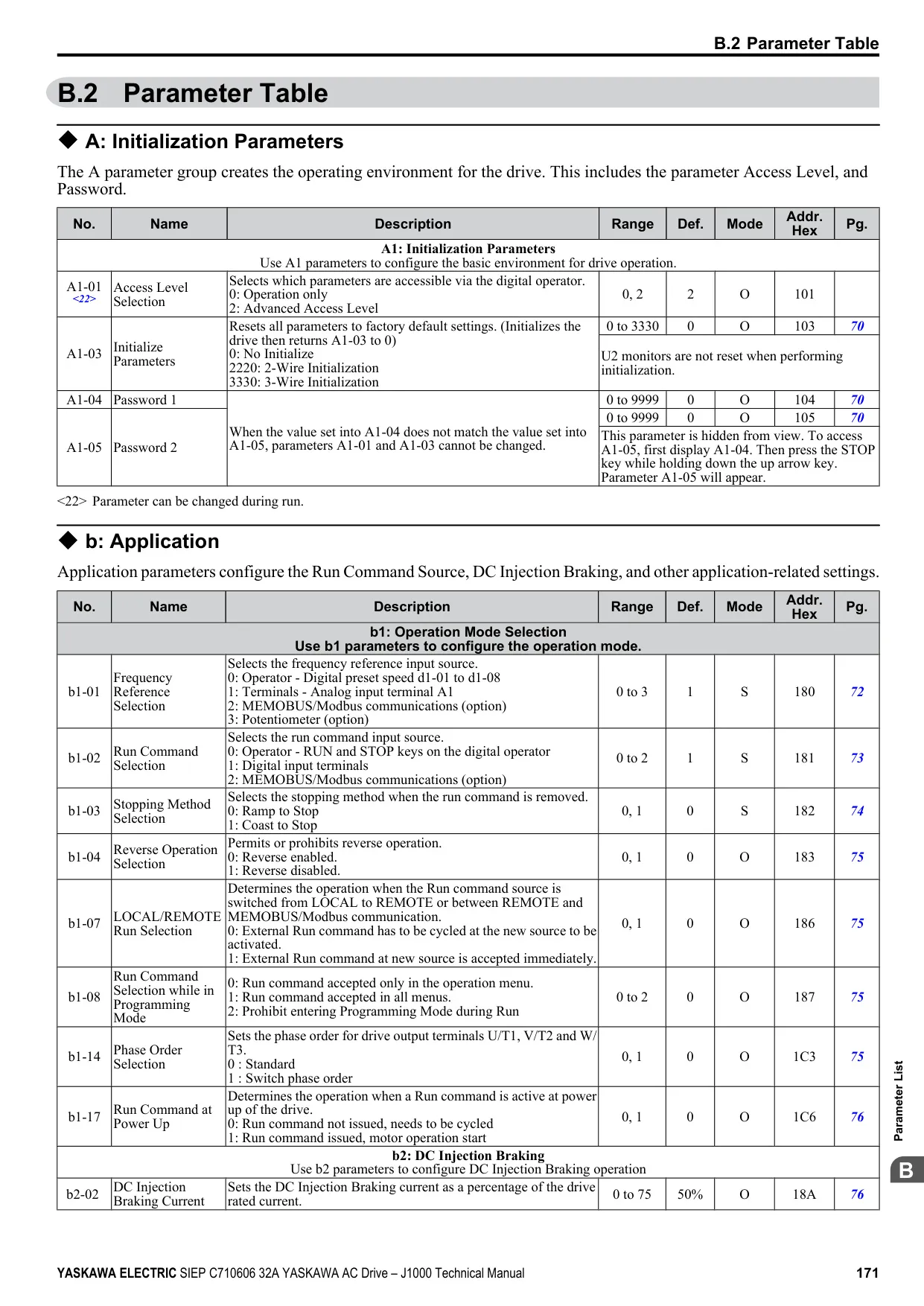
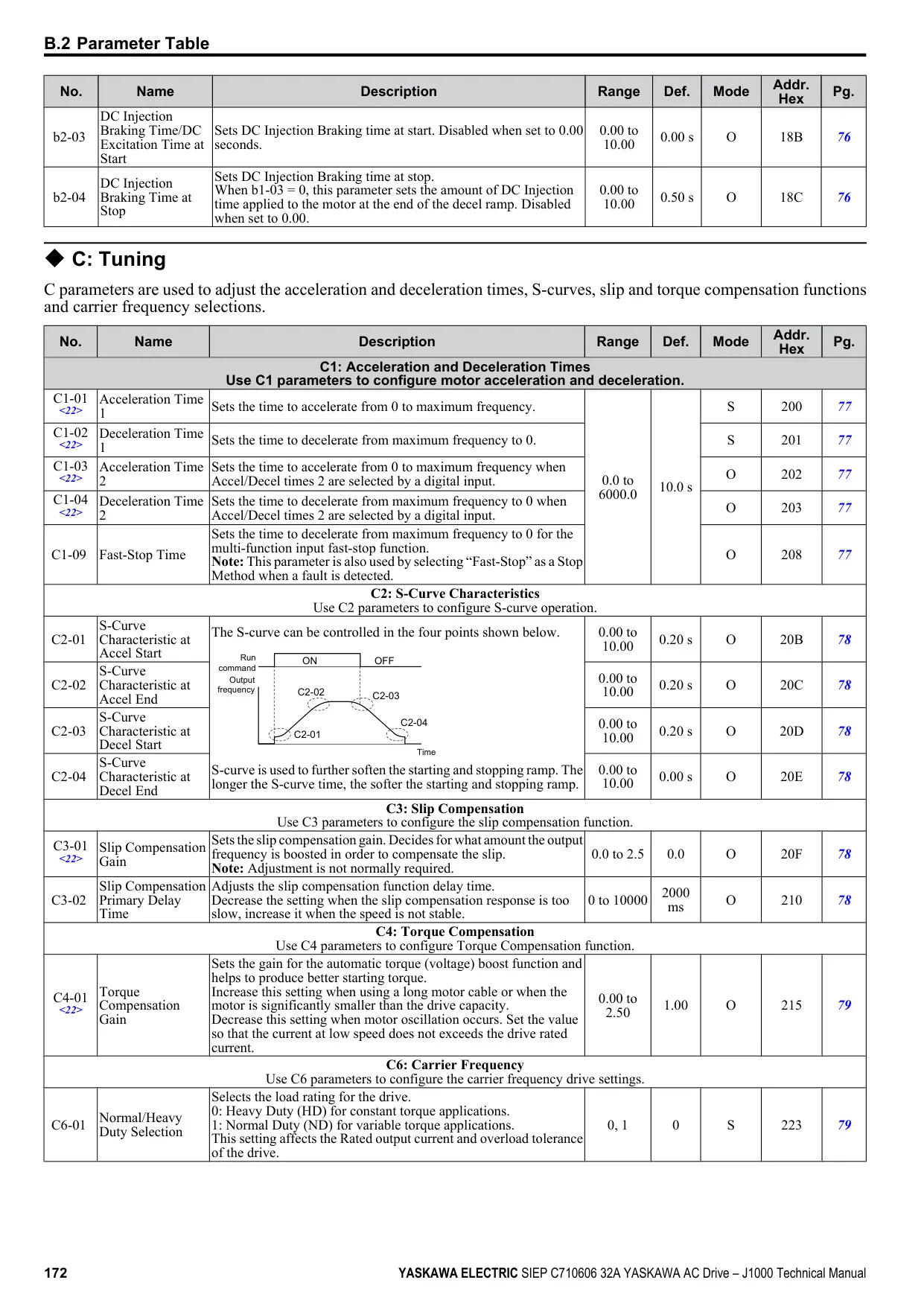
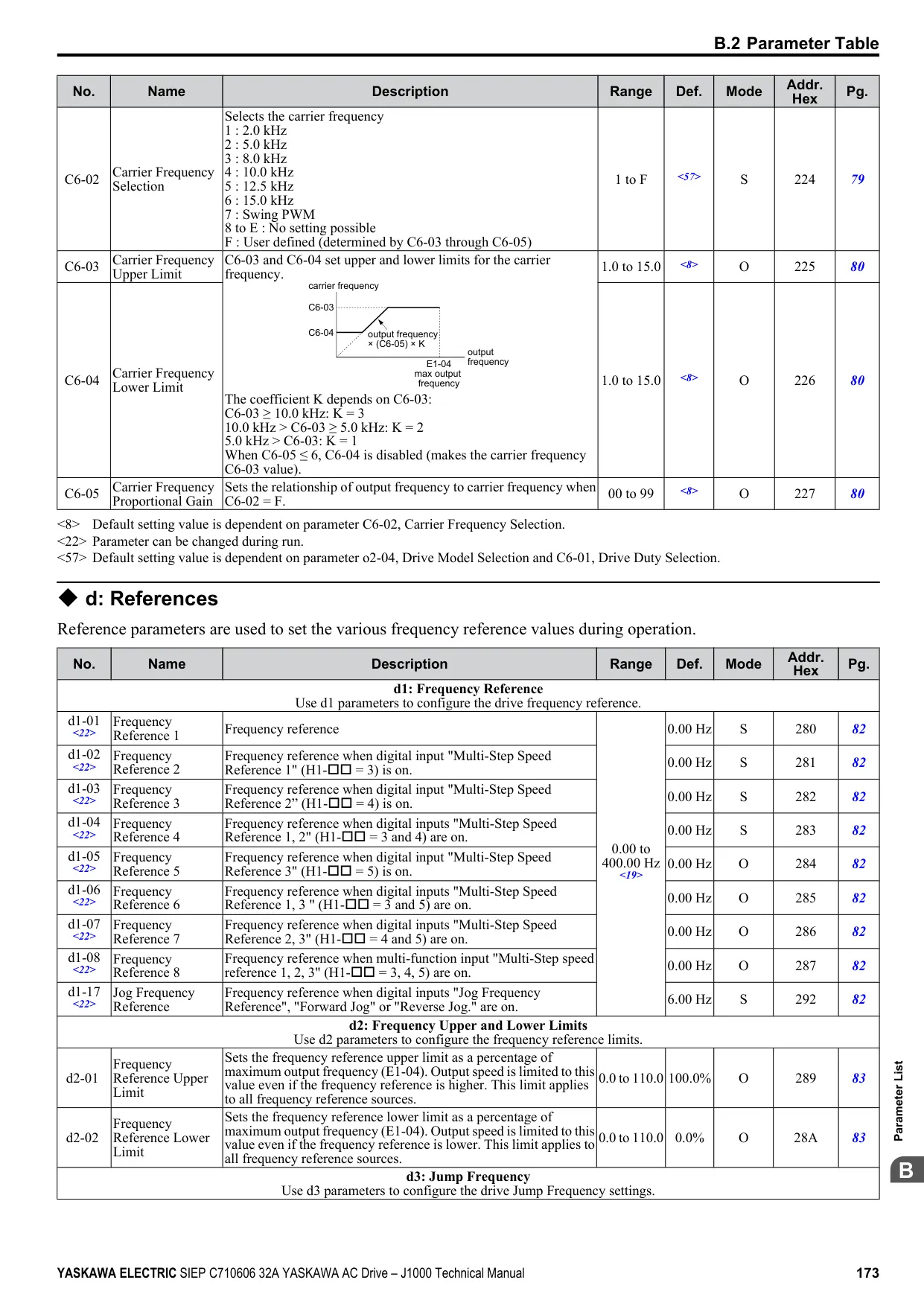



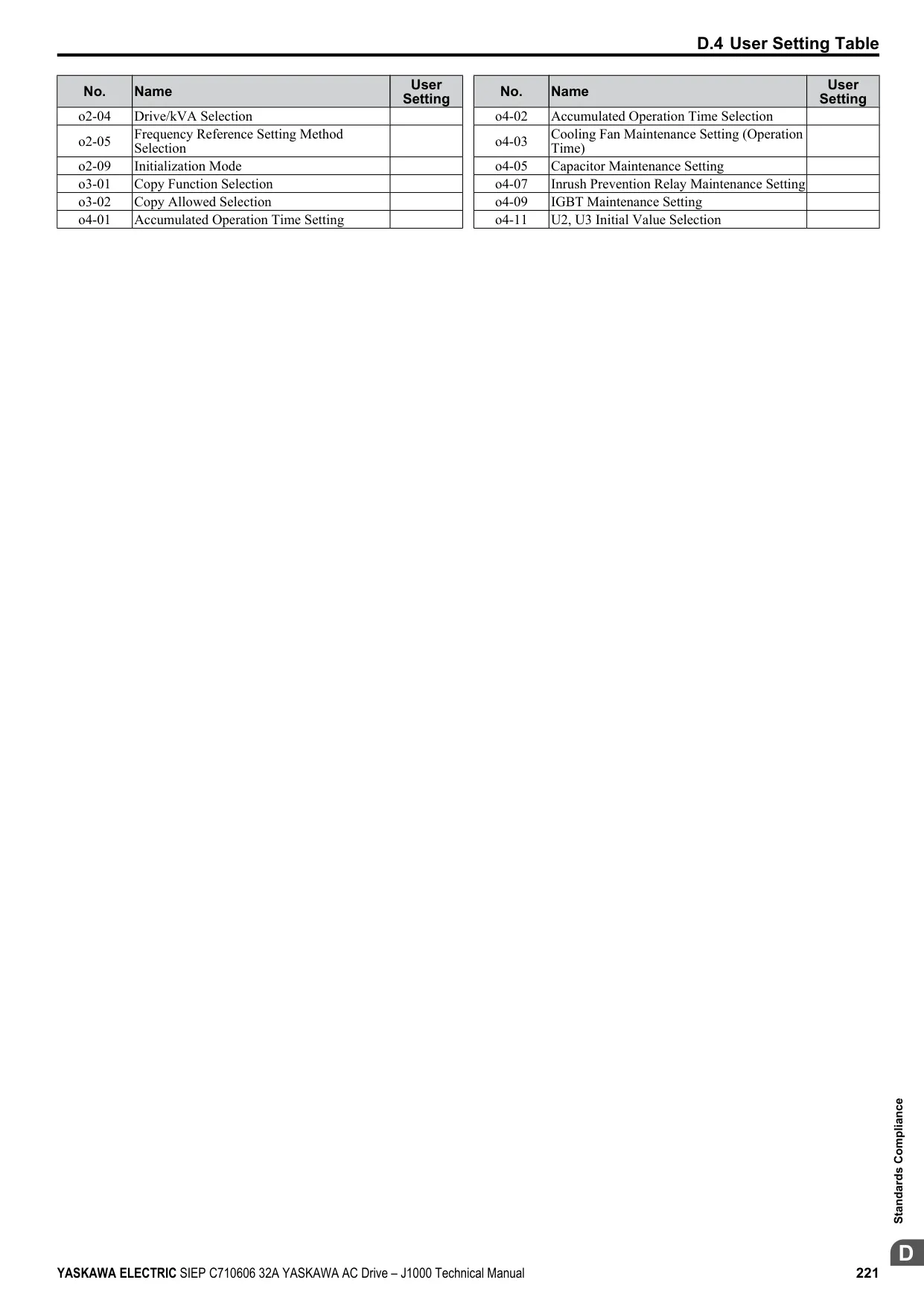


Yaskawa J1000 Variable Frequency Drive
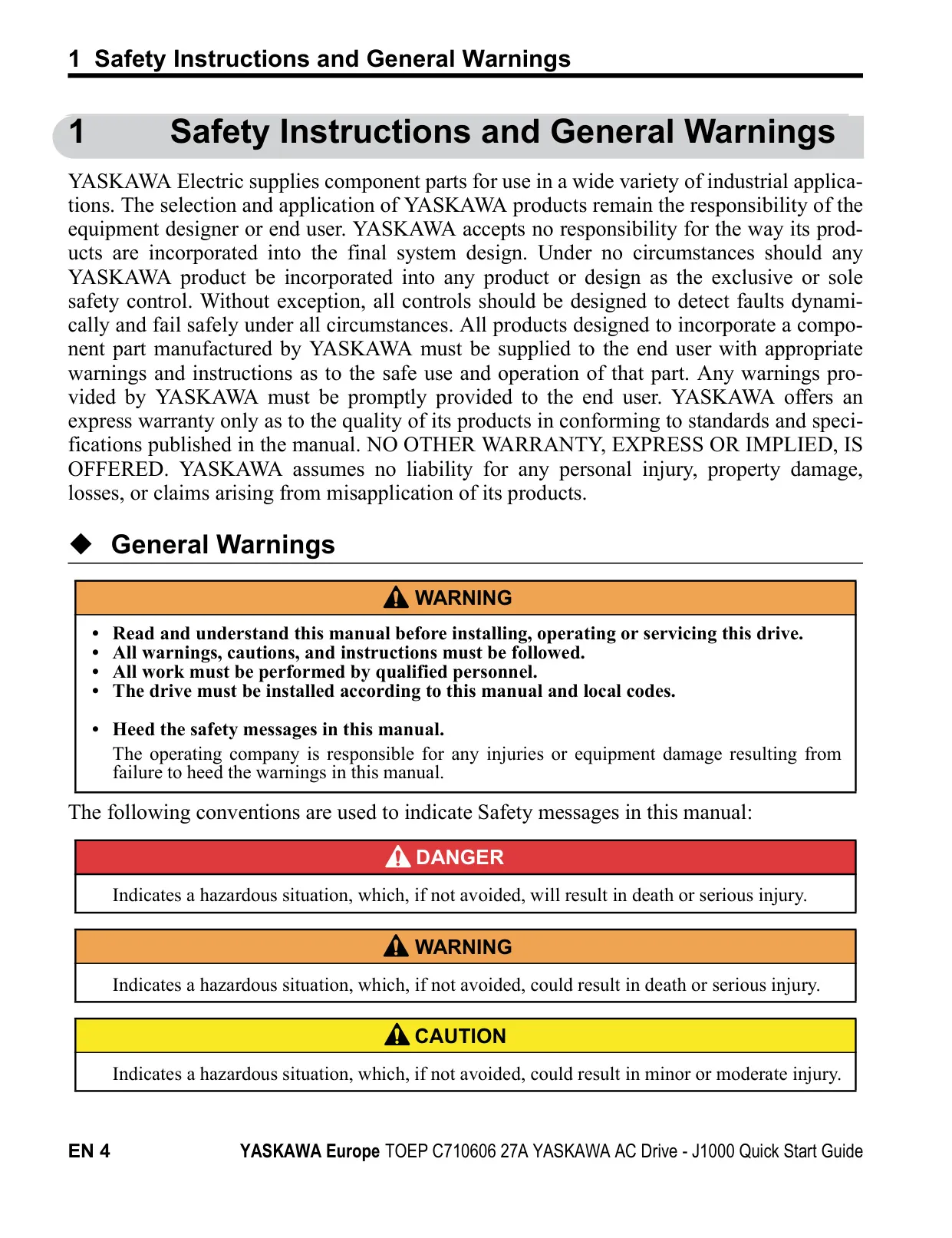
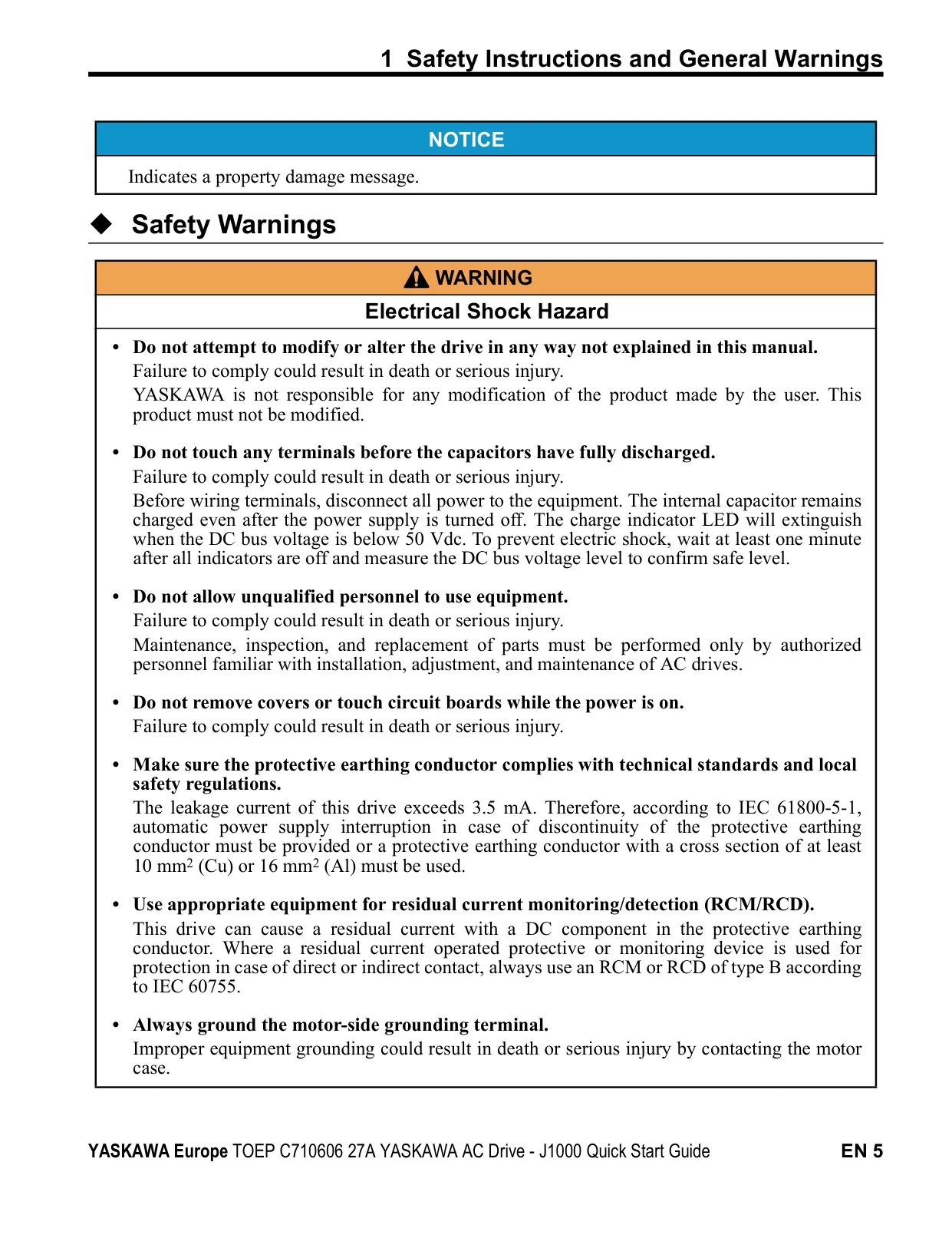

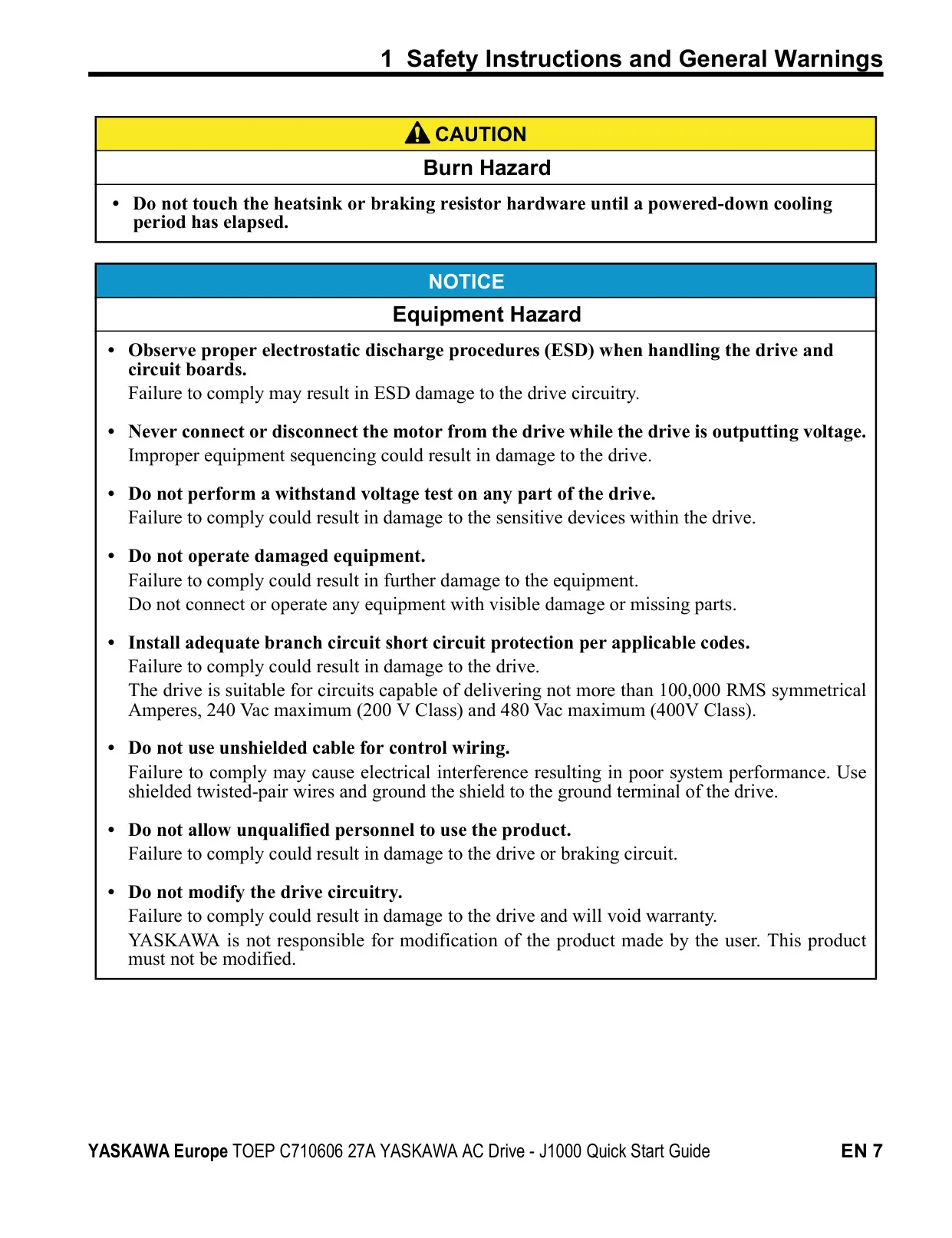





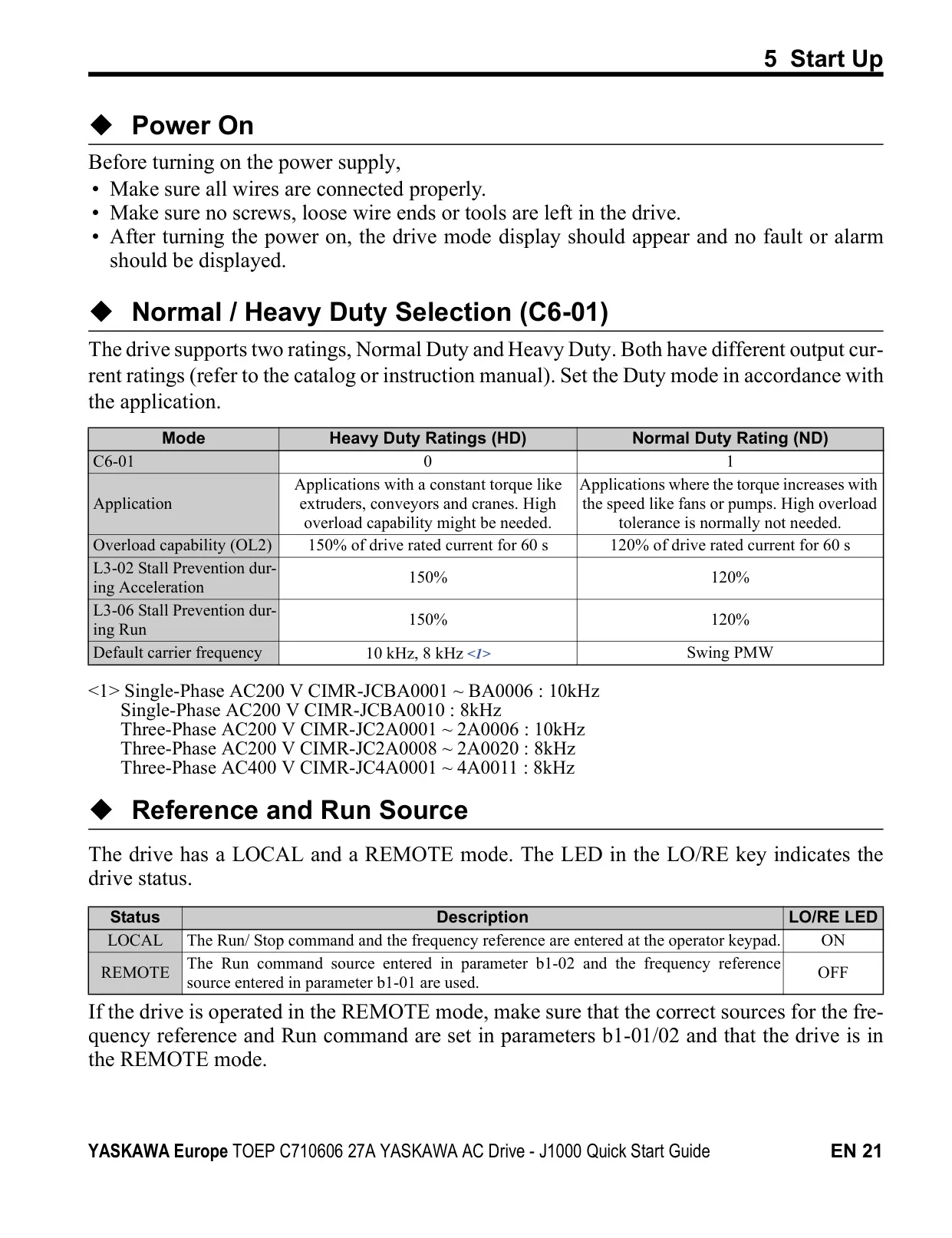
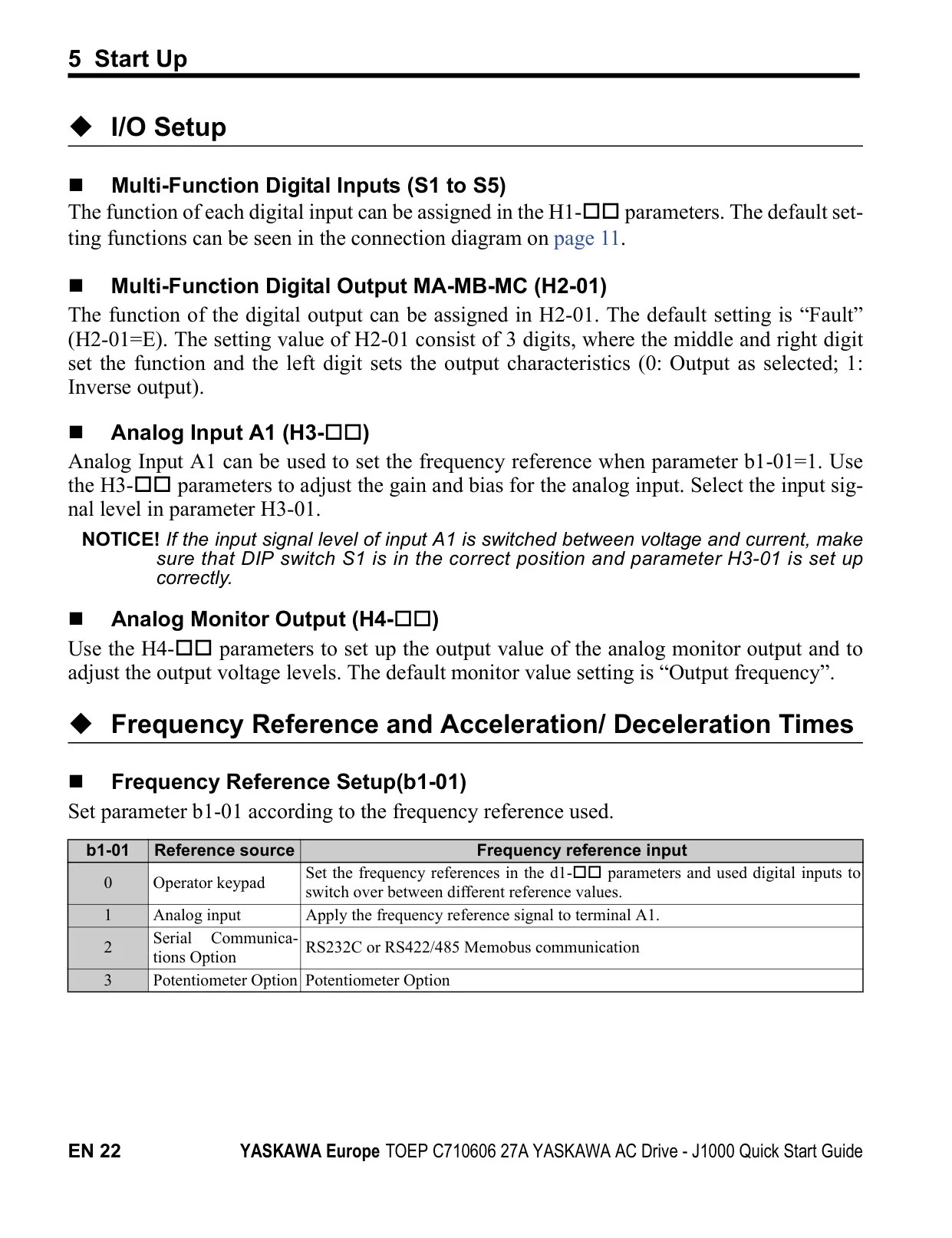

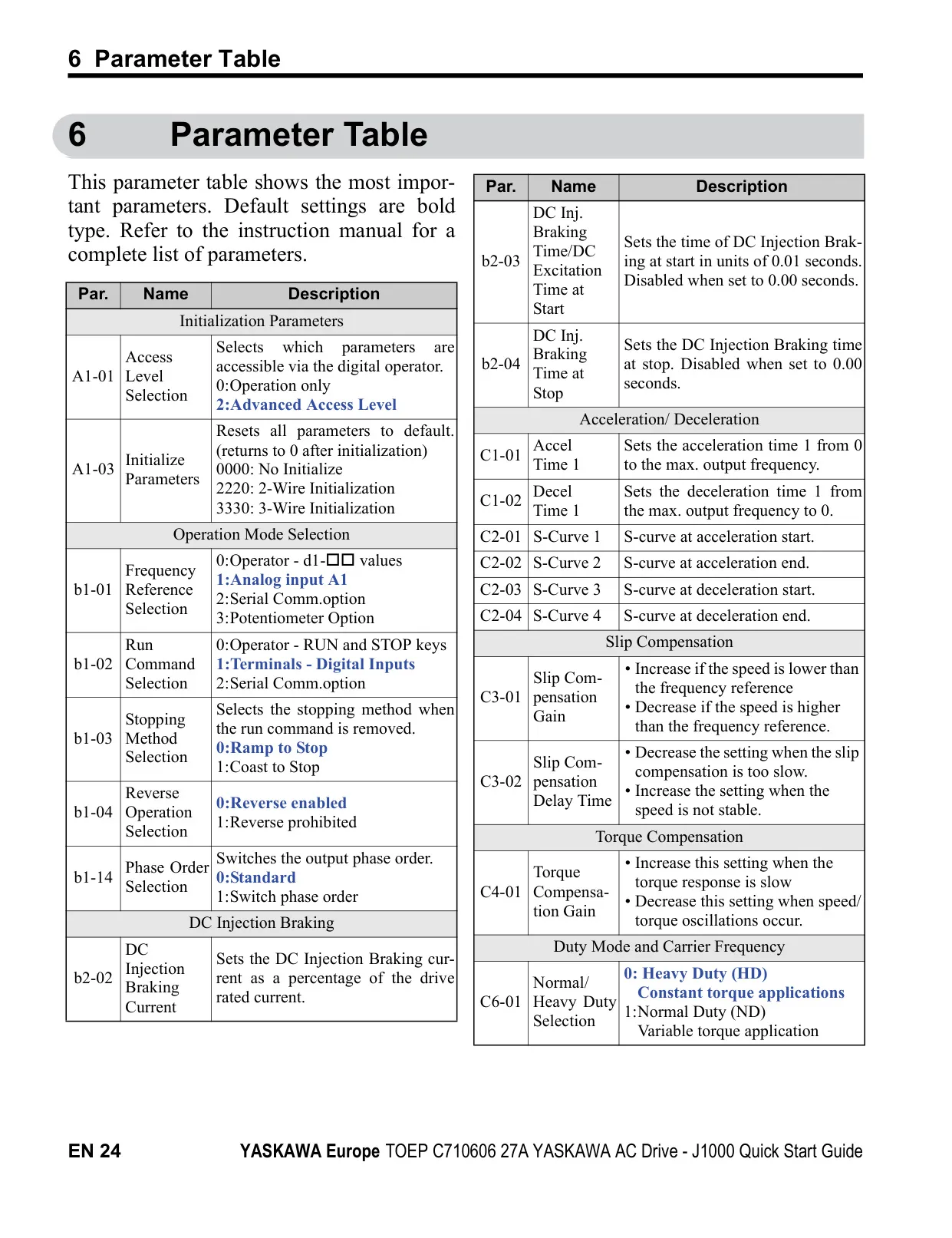
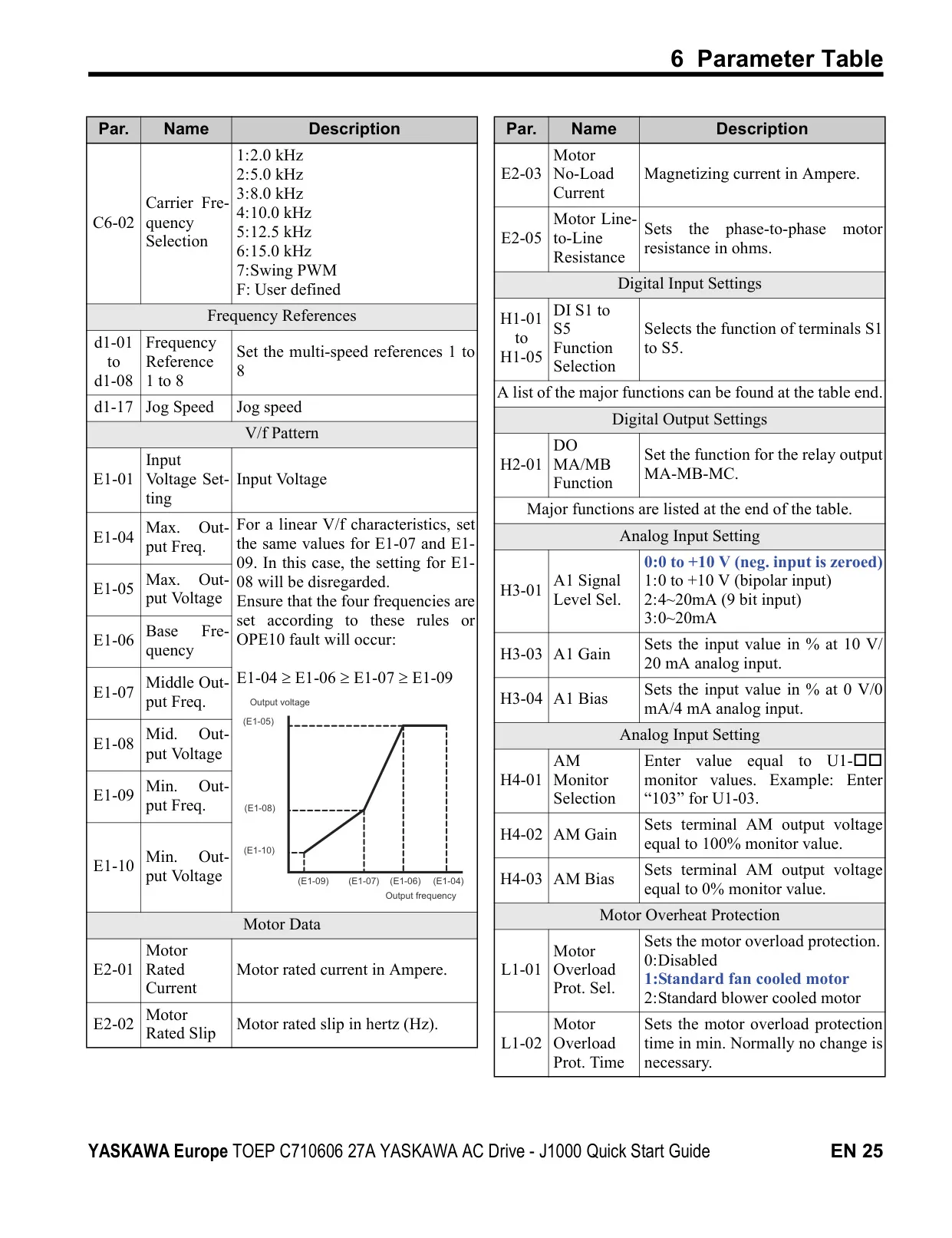




Yaskawa J1000 VFD Instructions
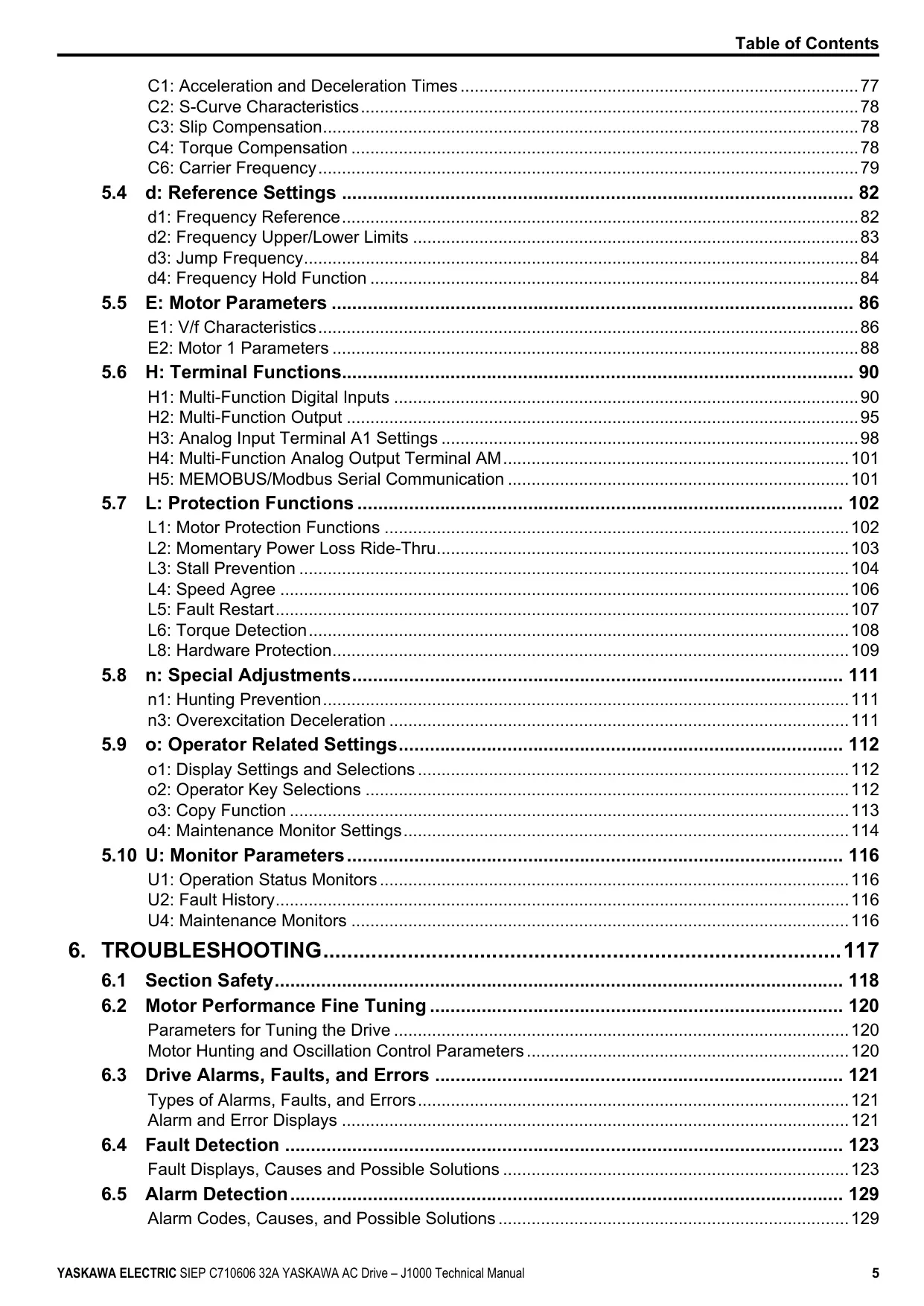
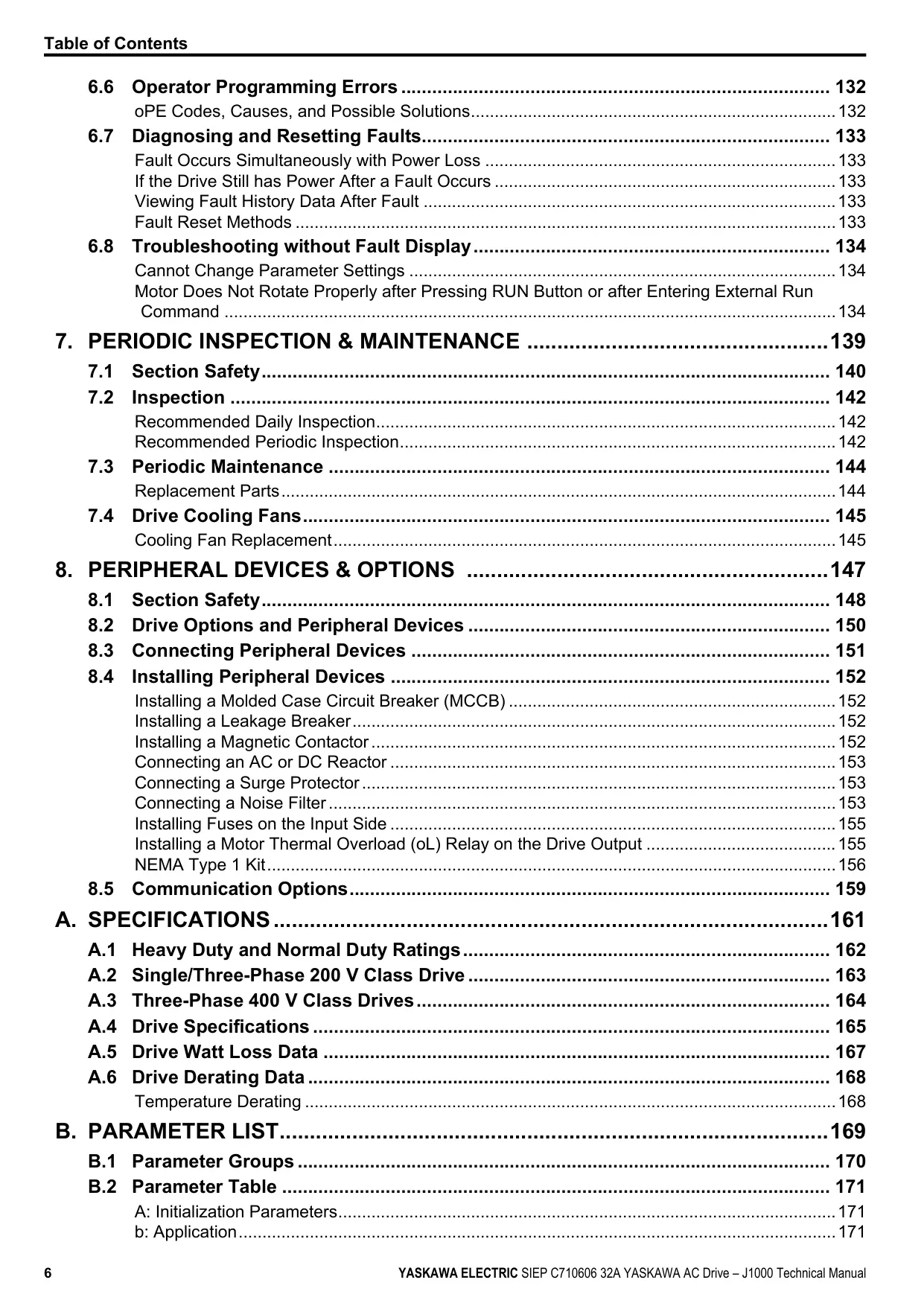
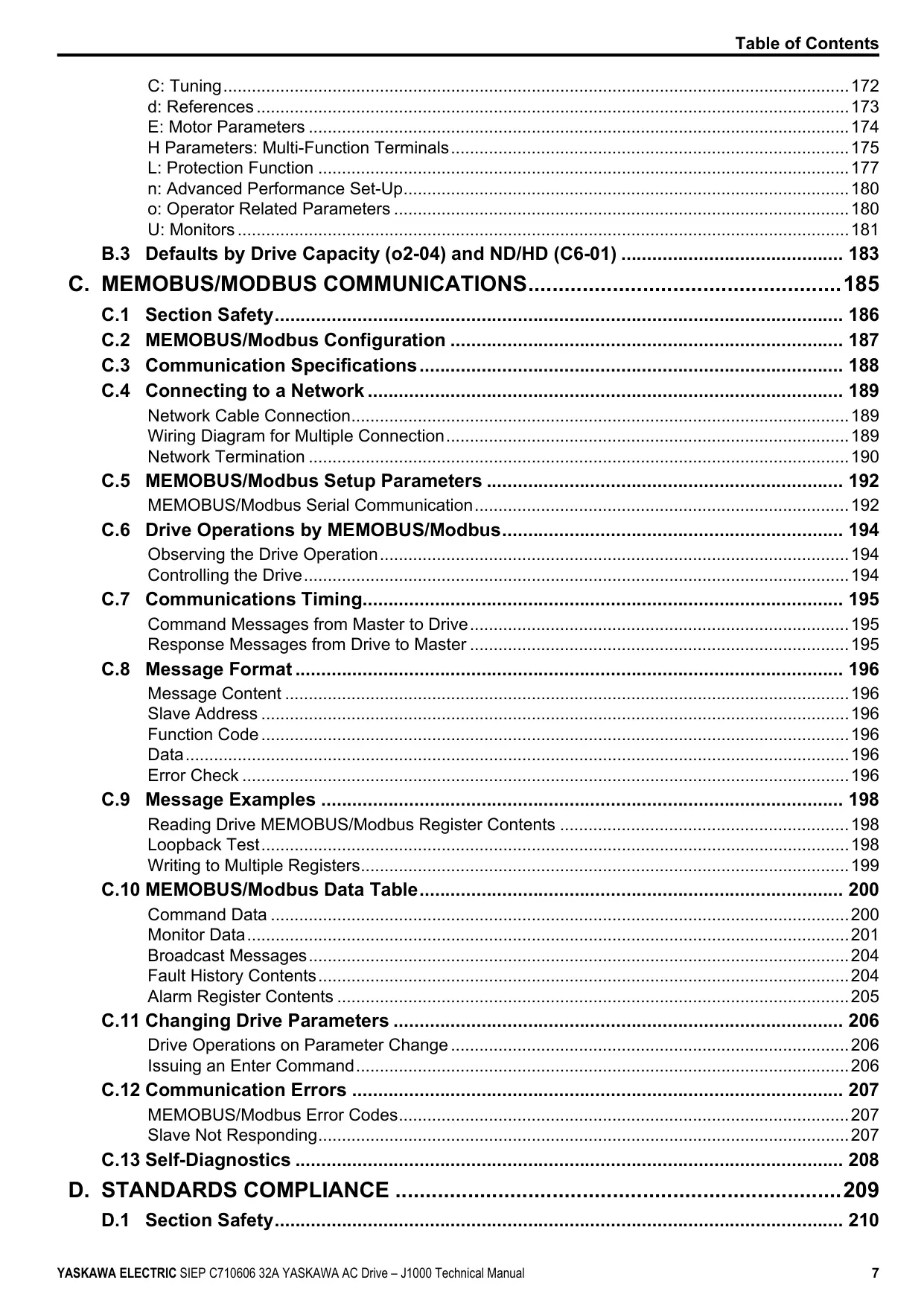
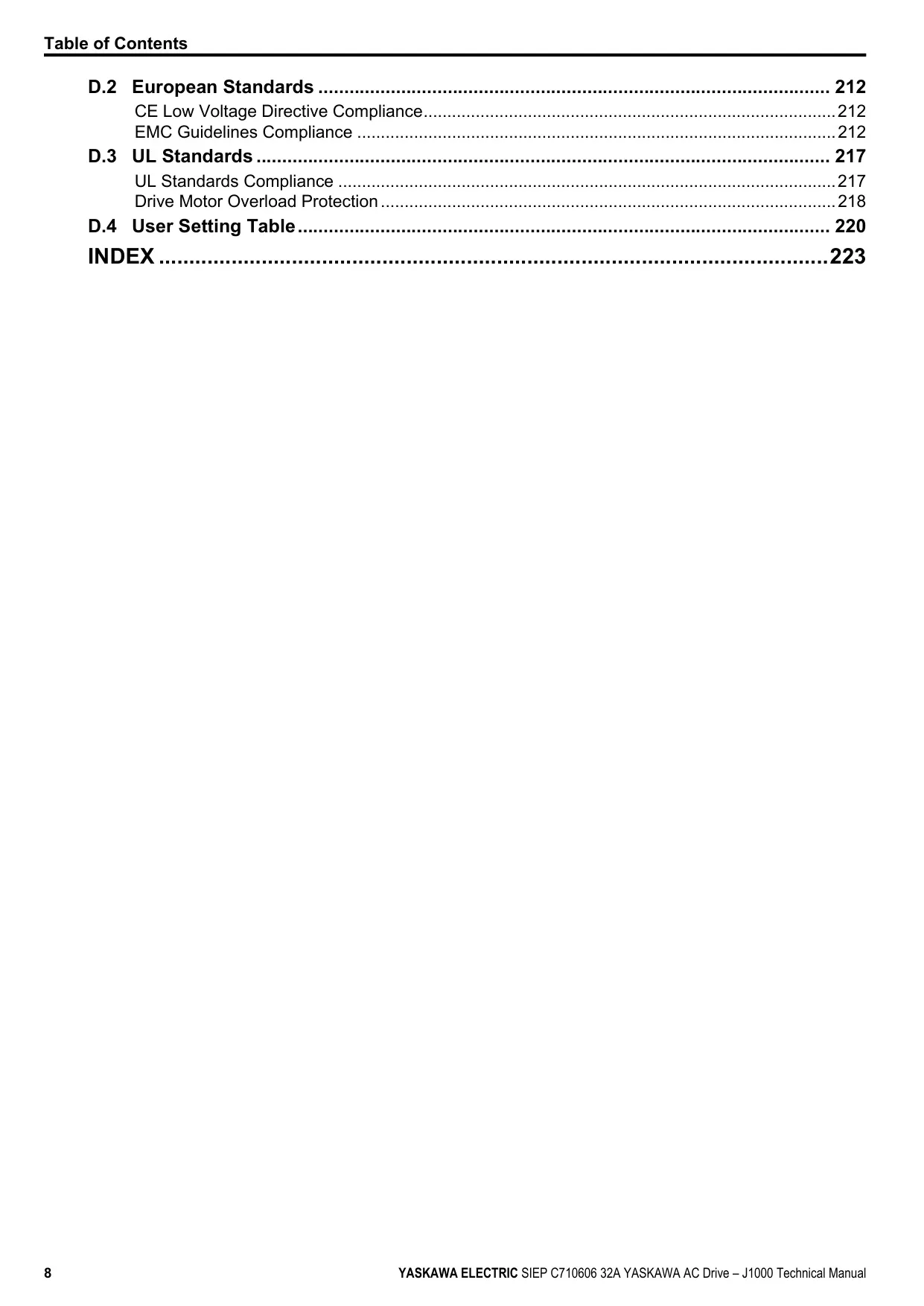
Here we offer the Yaskawa J1000 Variable Frequency Drive manual completely free and in English. We have cataloged this manual in the Variable Frequency Drives section on Manualverse, and it has been rated by 1 users with an average rating of 5. If you have any specific questions about Yaskawa J1000 Variable Frequency Drive, we suggest checking the Frequently Asked Questions (FAQs) section of this manual.
Product Images
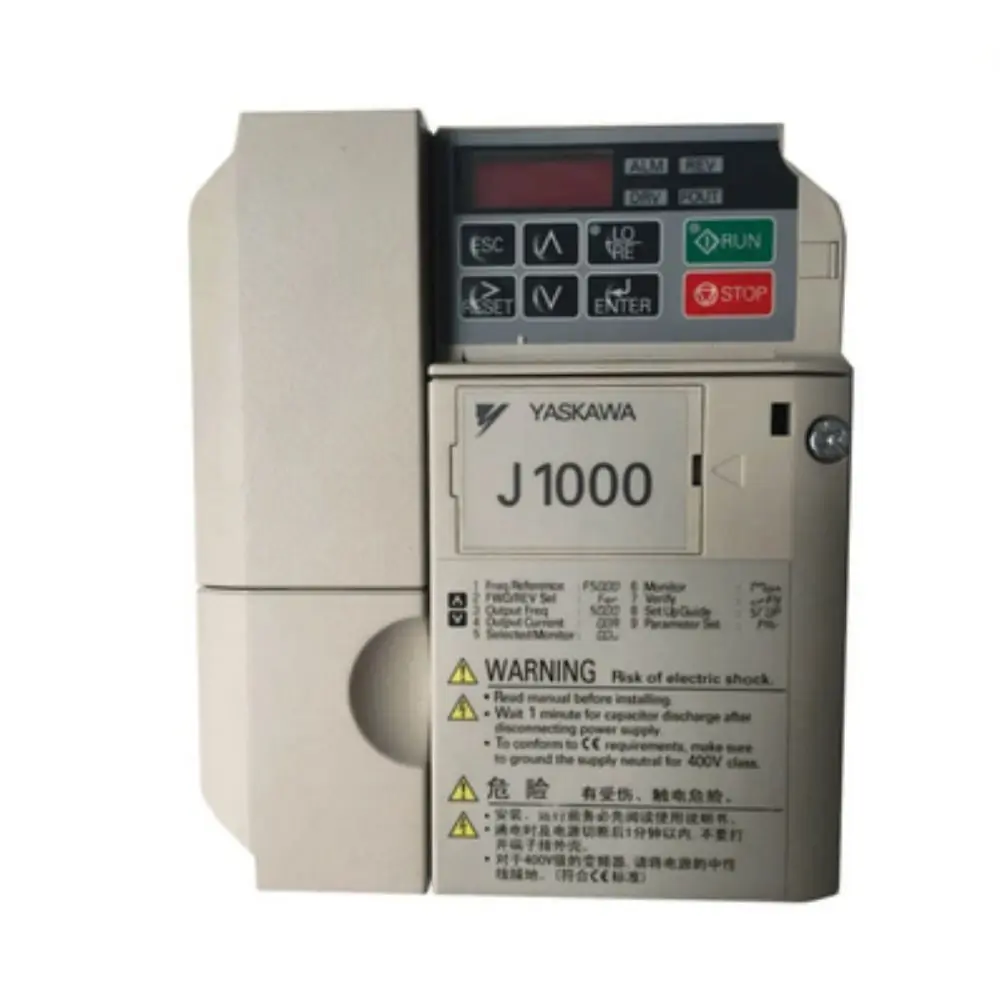
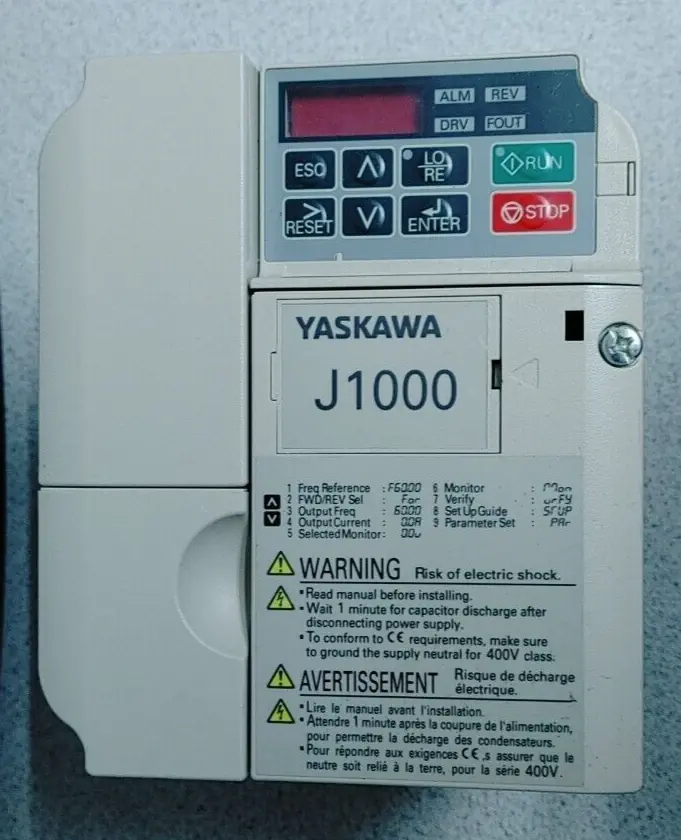
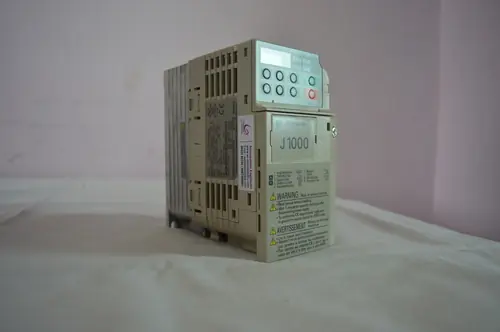
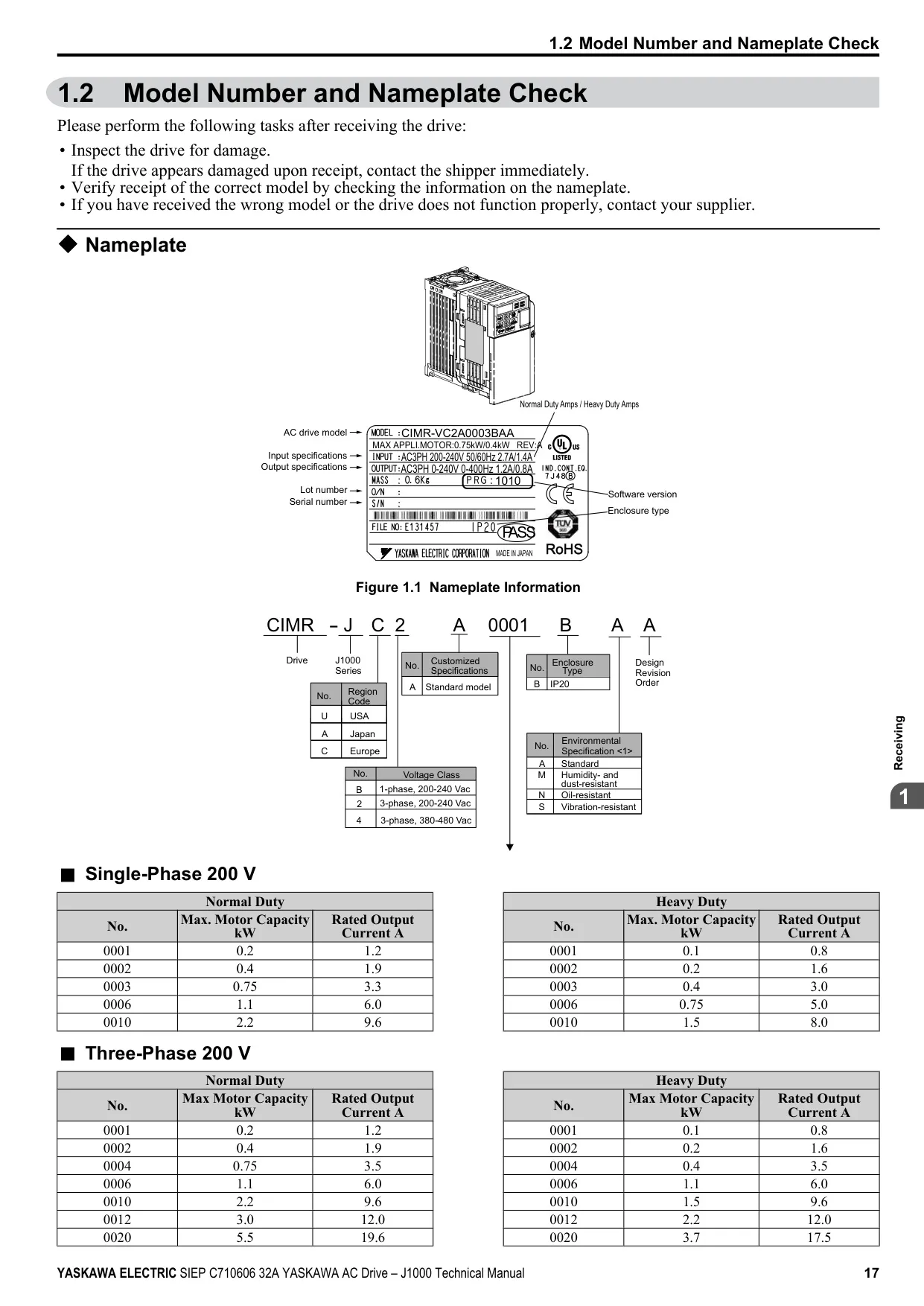
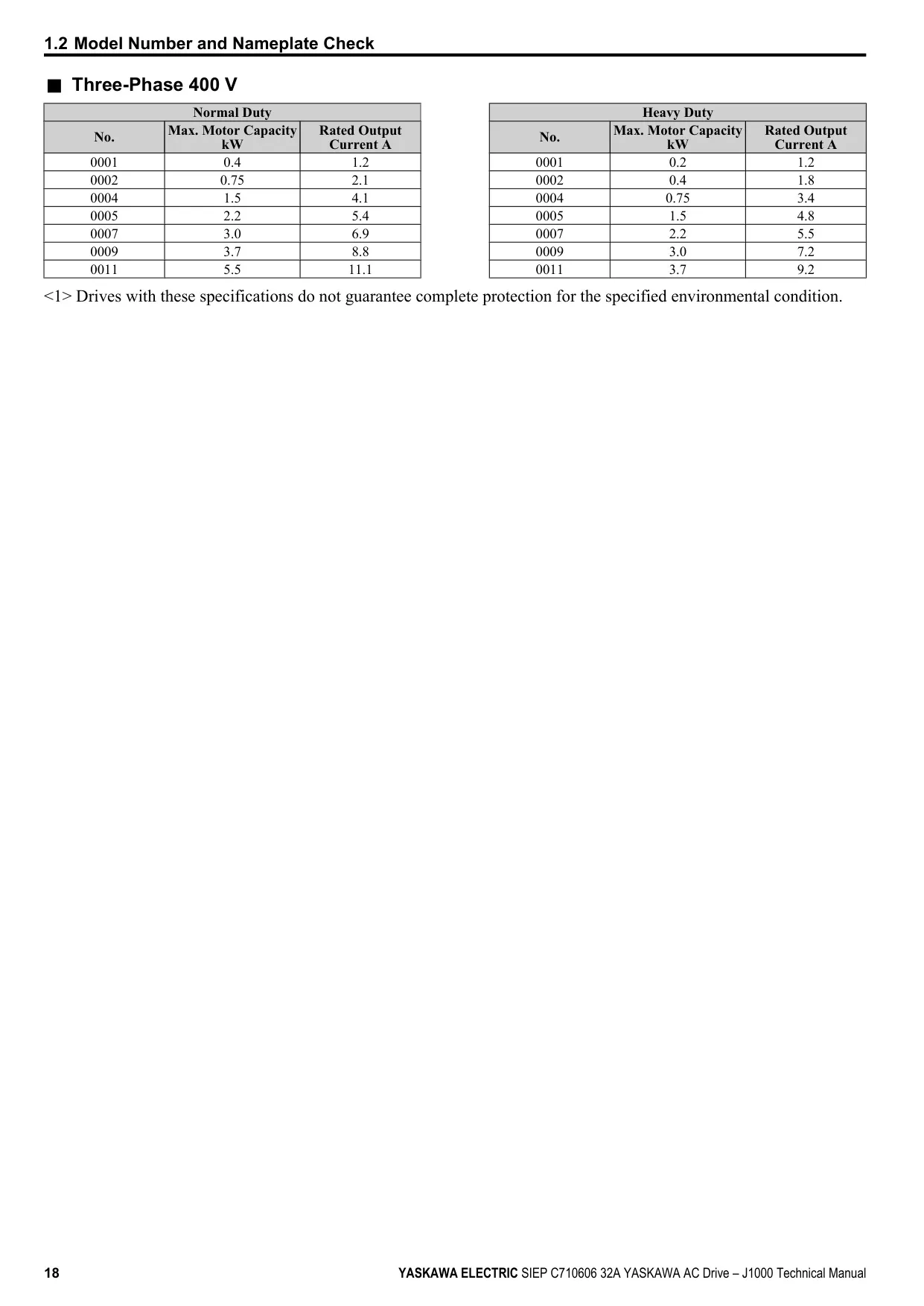
Yaskawa J1000 Variable Frequency Drive Specifications
| Feature | Detailed Specification |
|---|---|
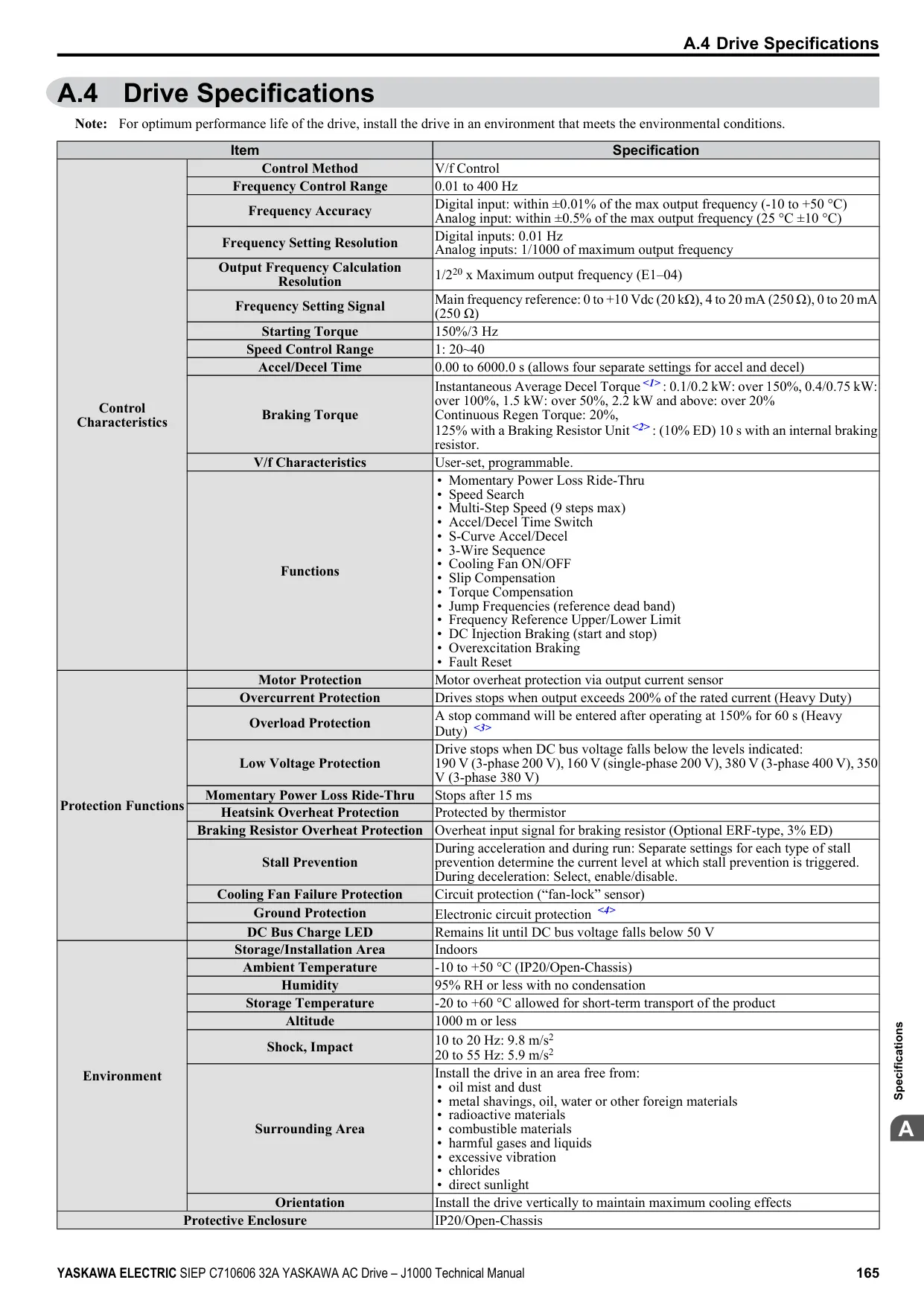
| Control Method | V/f Control (Volts/Frequency) |
| Power Ranges (Single-Phase Input) | 0.1 to 2.2 kW (200 V Class) |
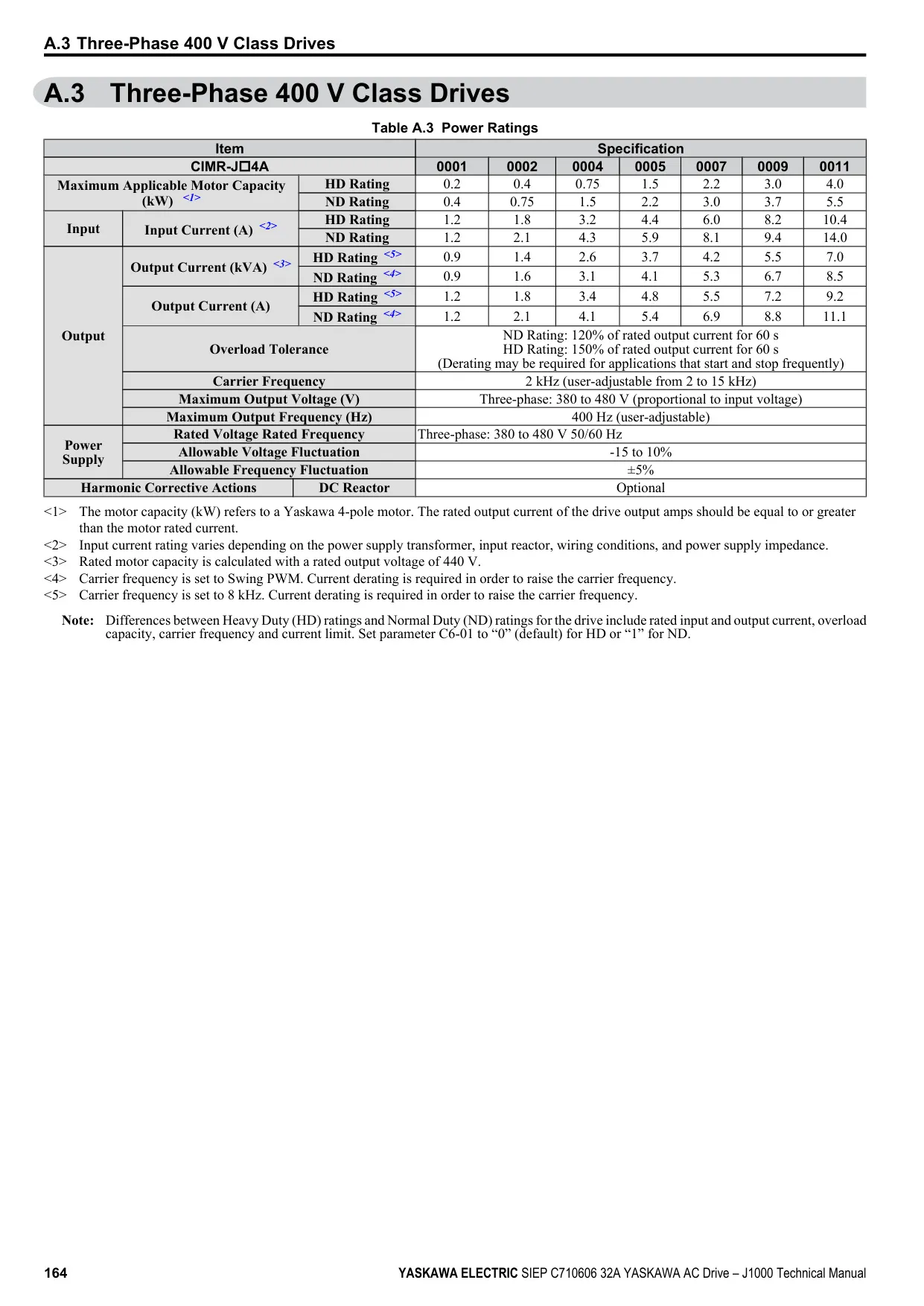
| Power Ranges (Three-Phase Input) | 0.1 to 5.5 kW (200 V Class); 0.2 to 5.5 kW (400 V Class) |
| Rated Supply Voltage | Single-Phase: 200-240 Vac, 50/60 Hz; Three-Phase: 200-240 Vac, 50/60 Hz; Three-Phase: 380-480 Vac, 50/60 Hz |
| Allowed Voltage Fluctuation | -15% to +10% |
| Allowed Frequency Fluctuation | ±5% |
| Frequency Control Range | 0.01 to 400 Hz |
| Frequency Accuracy (Digital) | ±0.01% of maximum output frequency (-10 to +50 °C) |
| Frequency Accuracy (Analog) | ±0.5% of maximum output frequency (25 °C ±10 °C) |
| Starting Torque | 150% at 3 Hz |
| Acceleration/Deceleration Time | 0.00 to 6000.0 seconds (four programmable settings) |
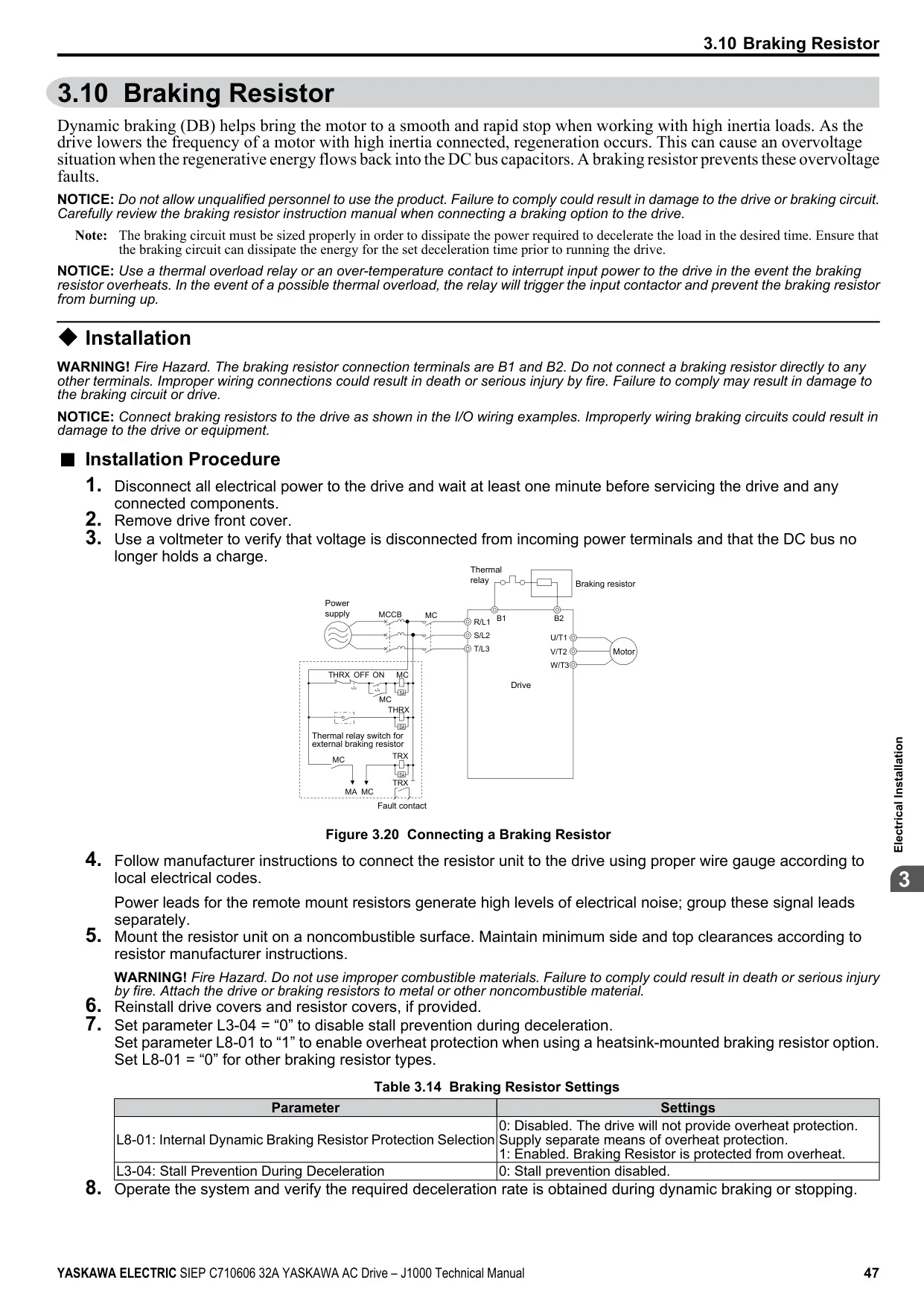
| Braking Torque (Instantaneous Average) | >150% (0.1/0.2 kW); >100% (0.4/0.75 kW); >50% (1.5 kW); >20% (≥2.2 kW) |
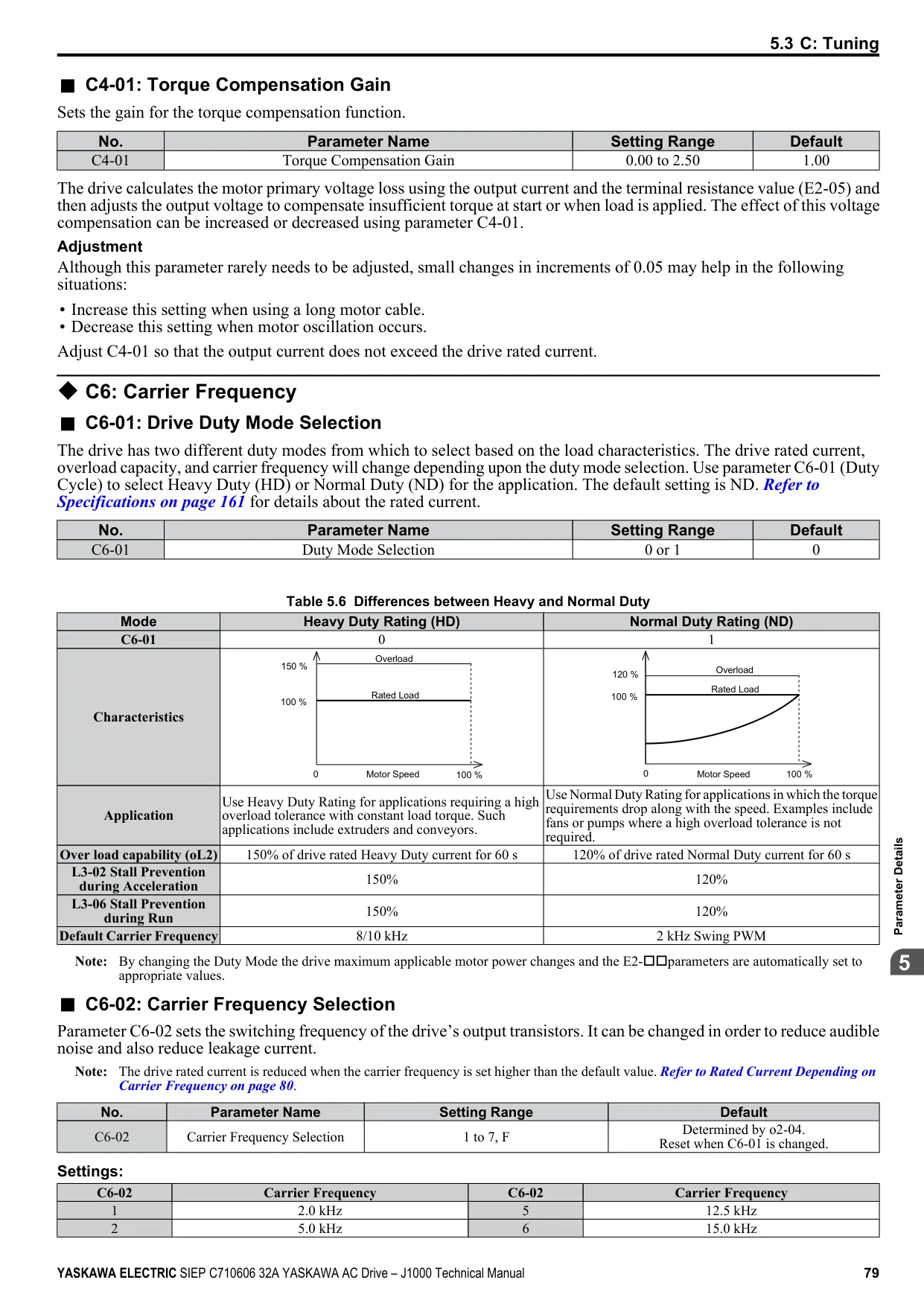
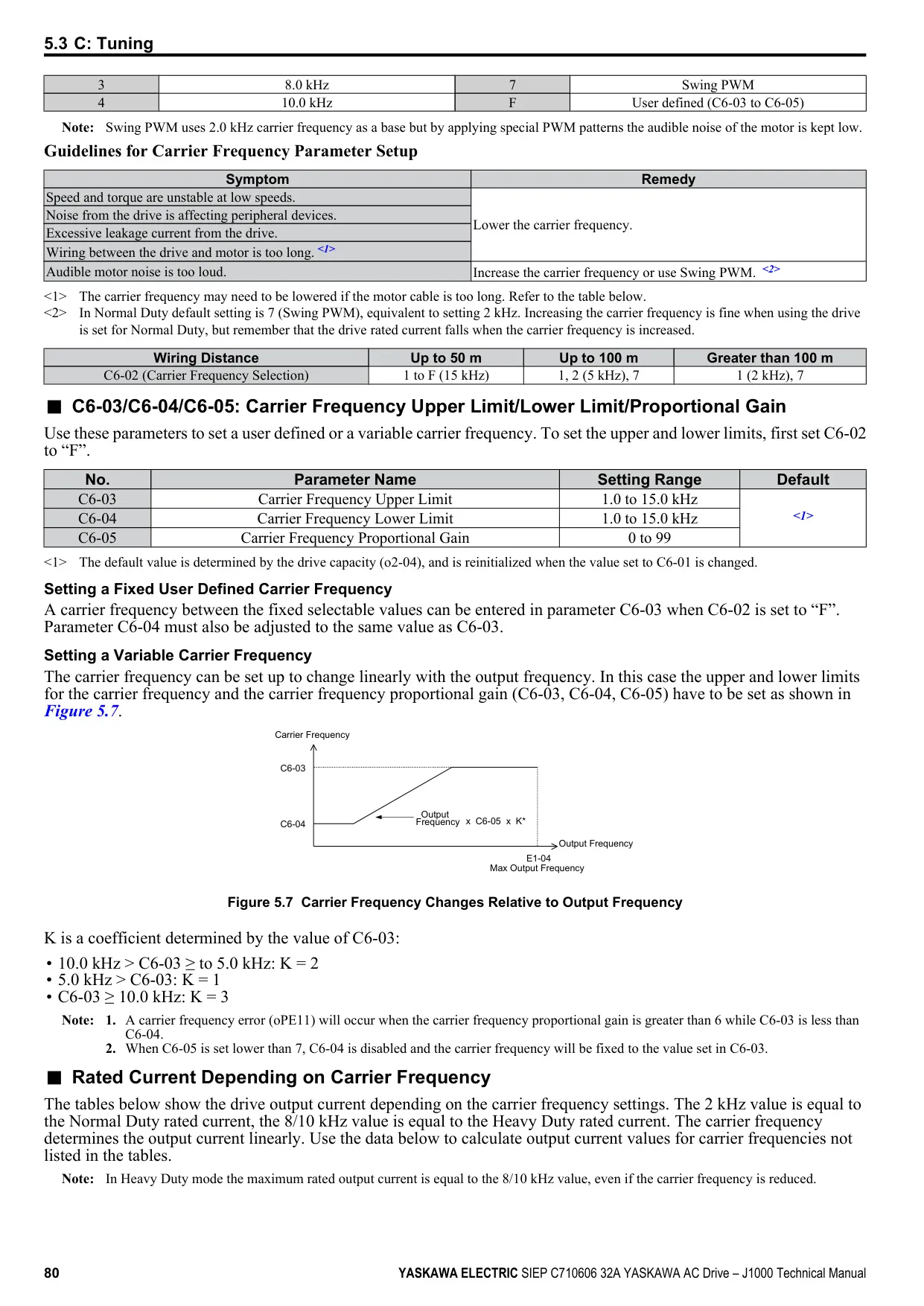
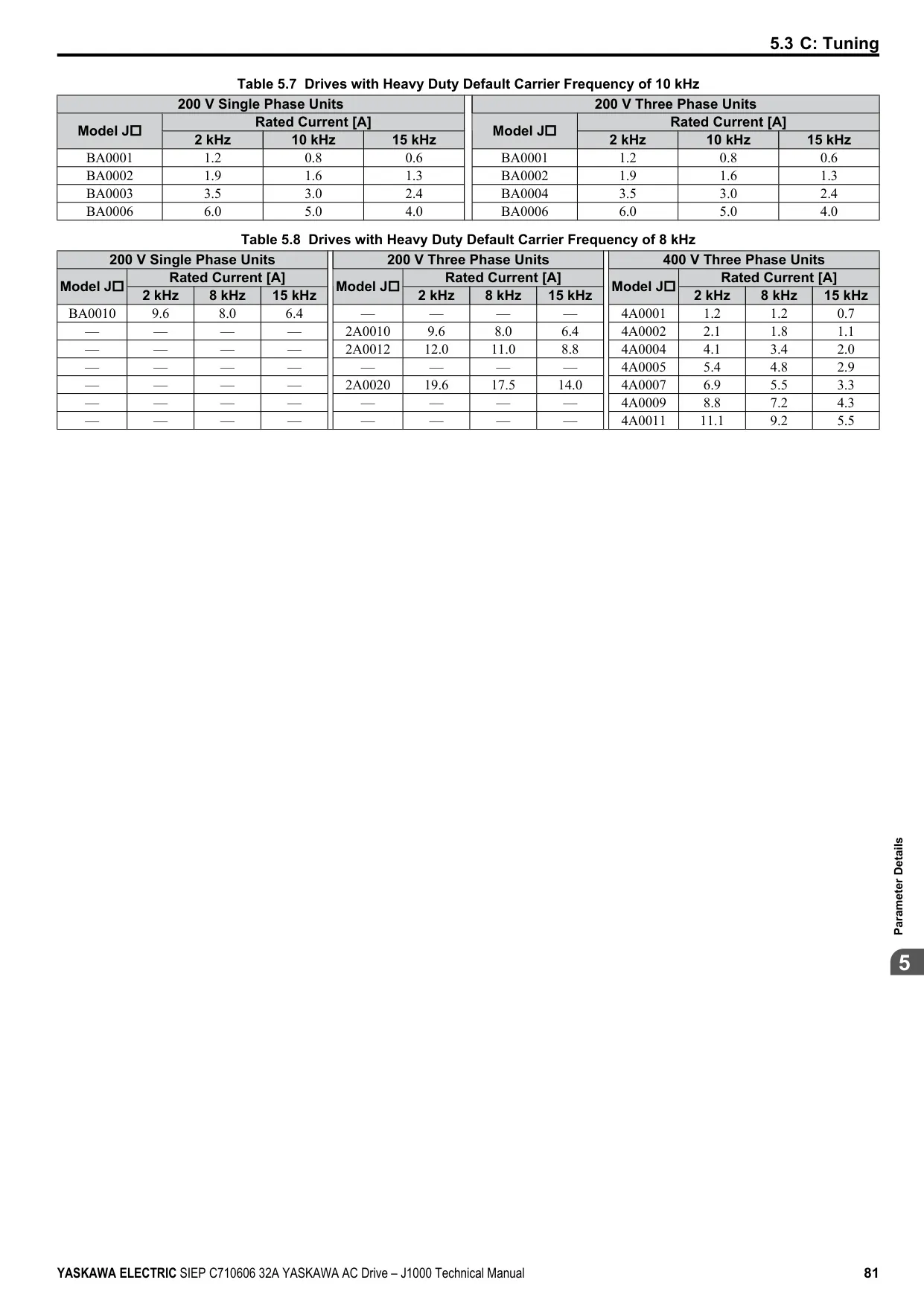
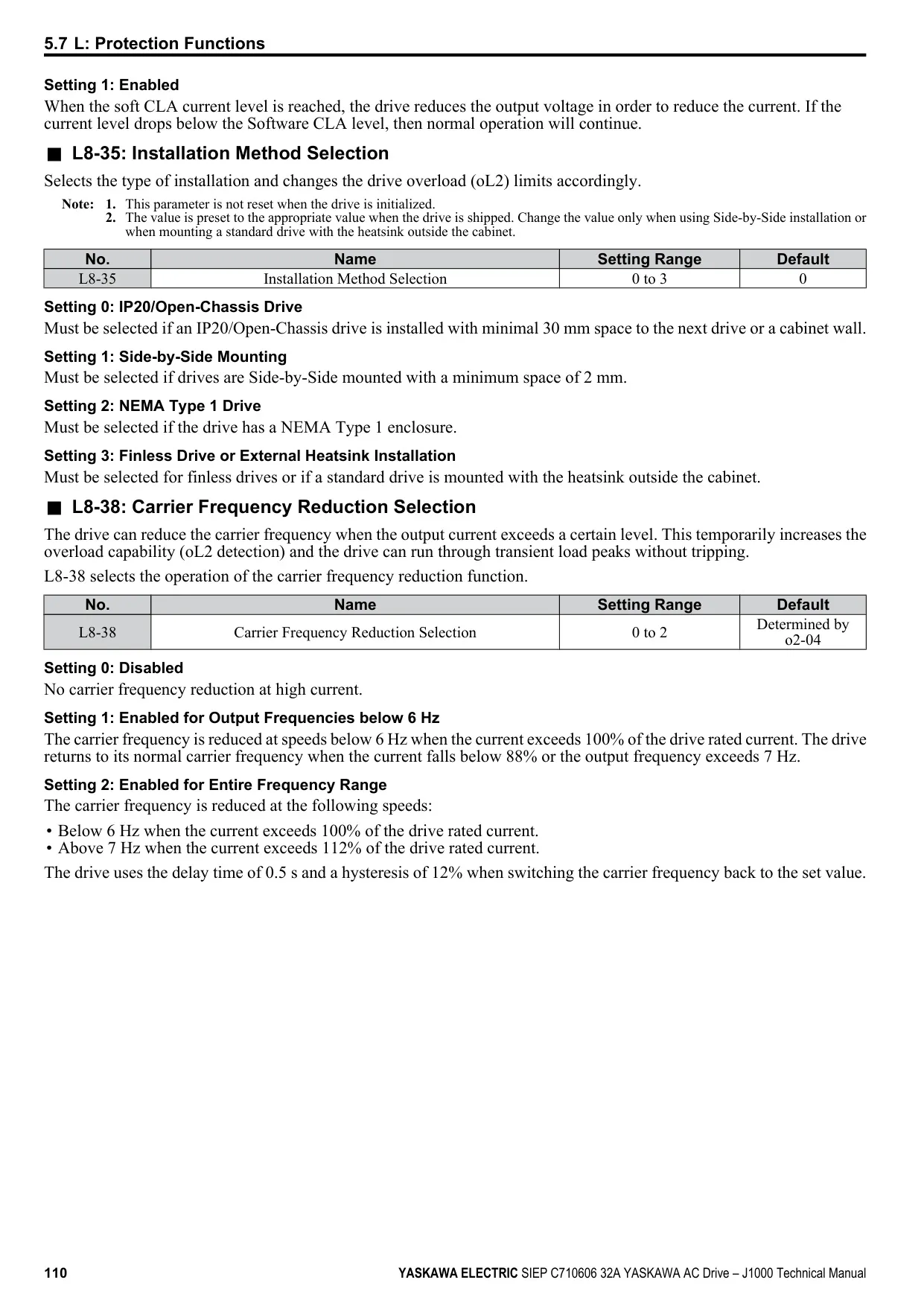
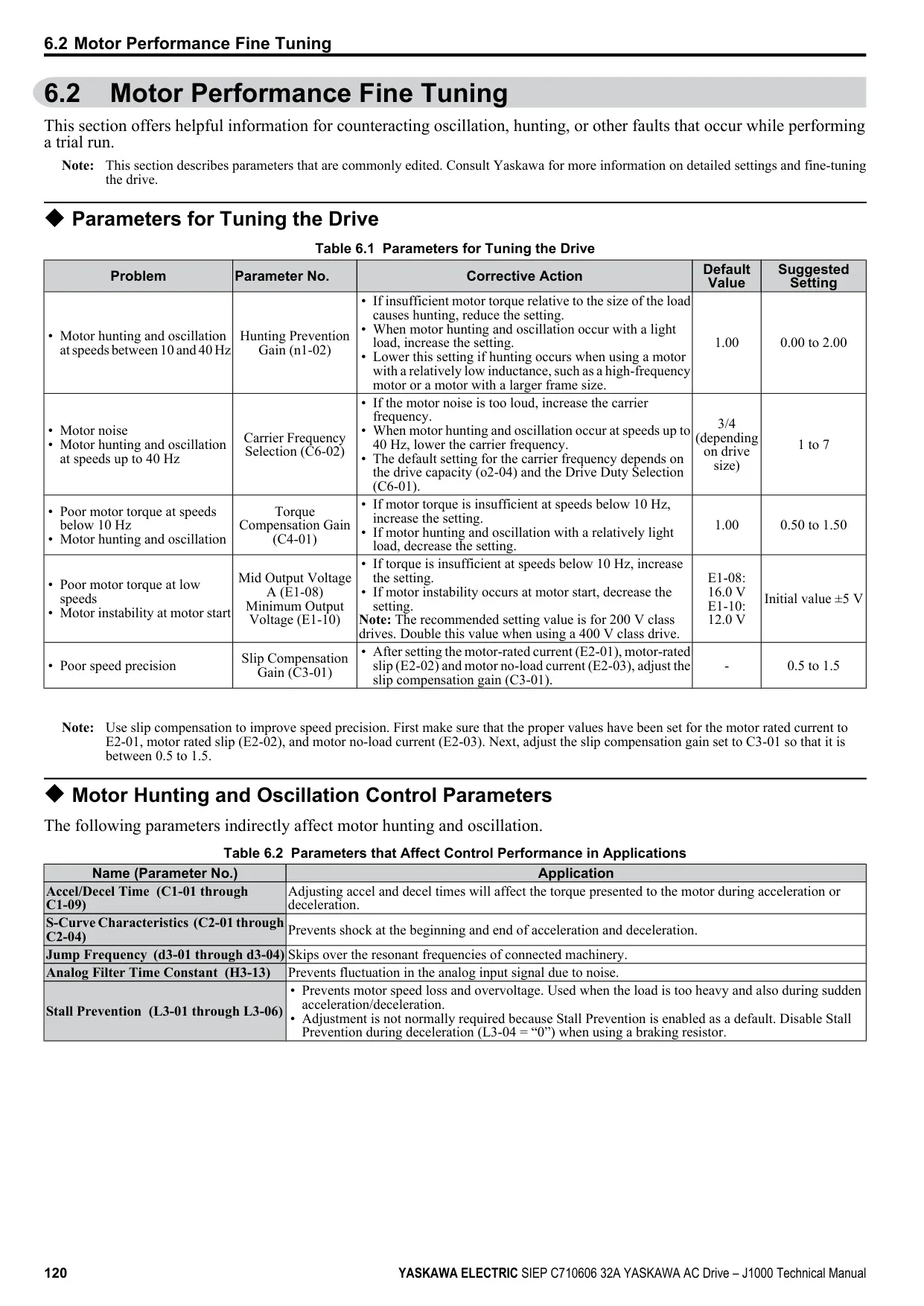
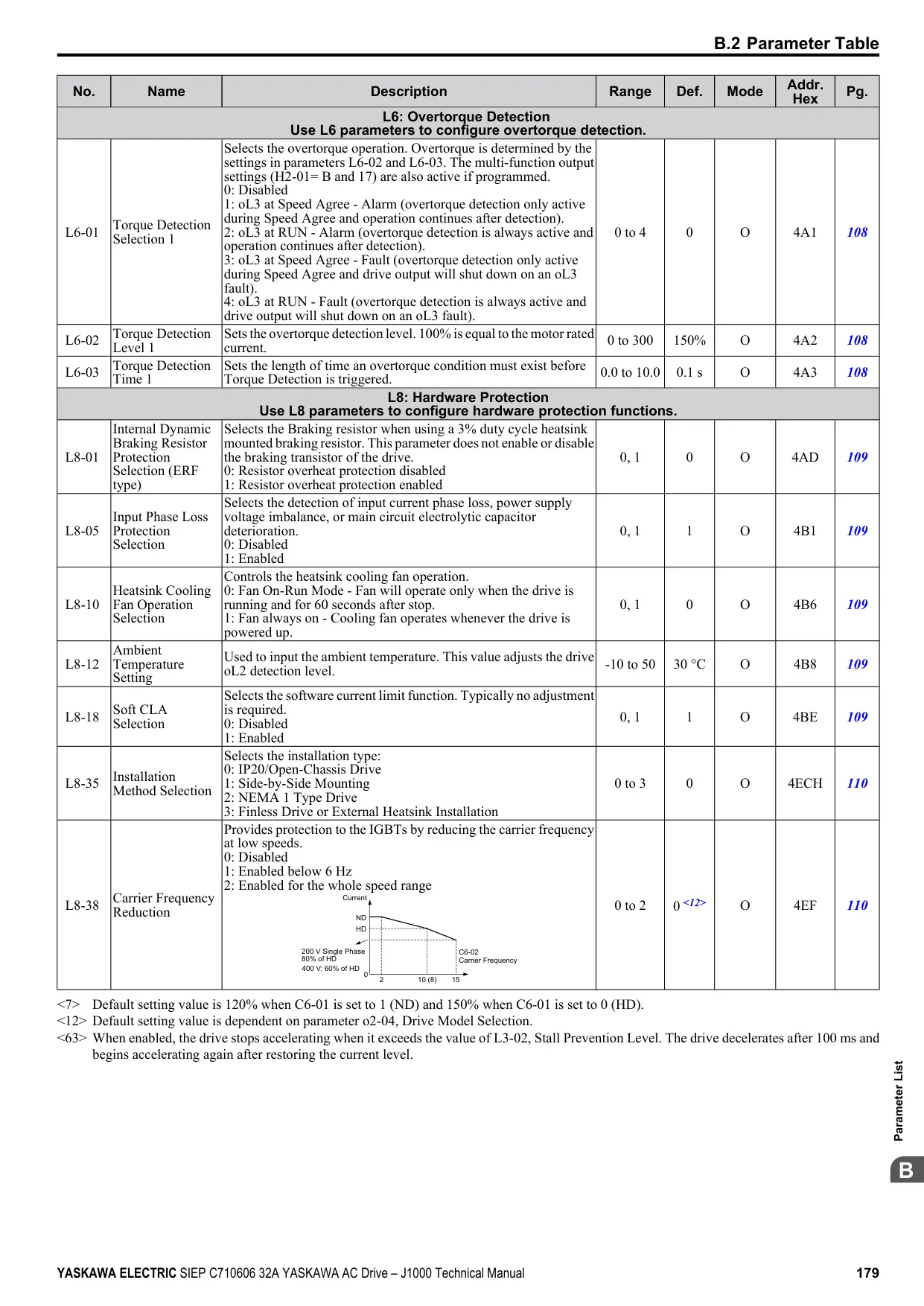
| Carrier Frequency | 2 to 15 kHz (adjustable); includes Swing PWM mode |
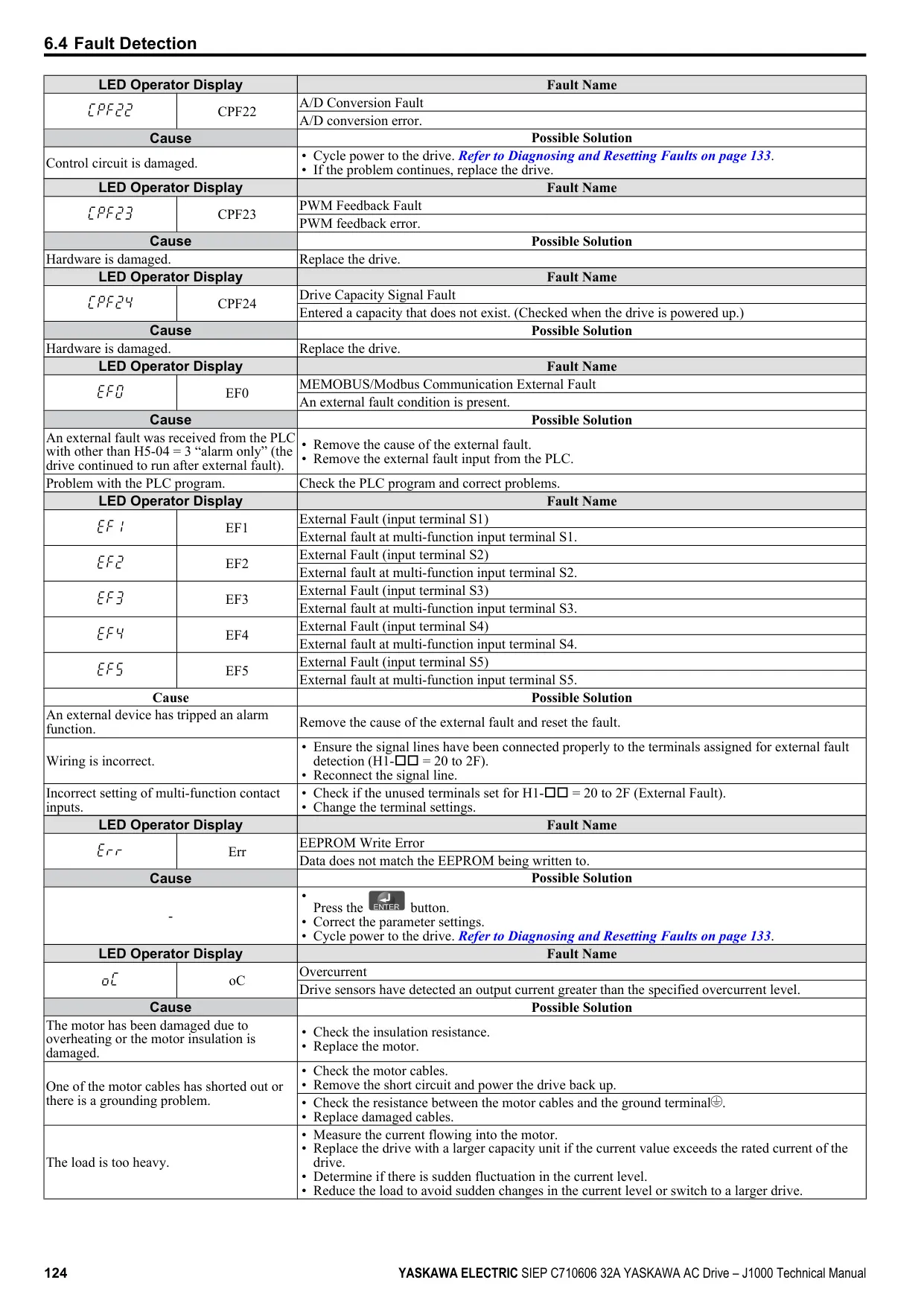
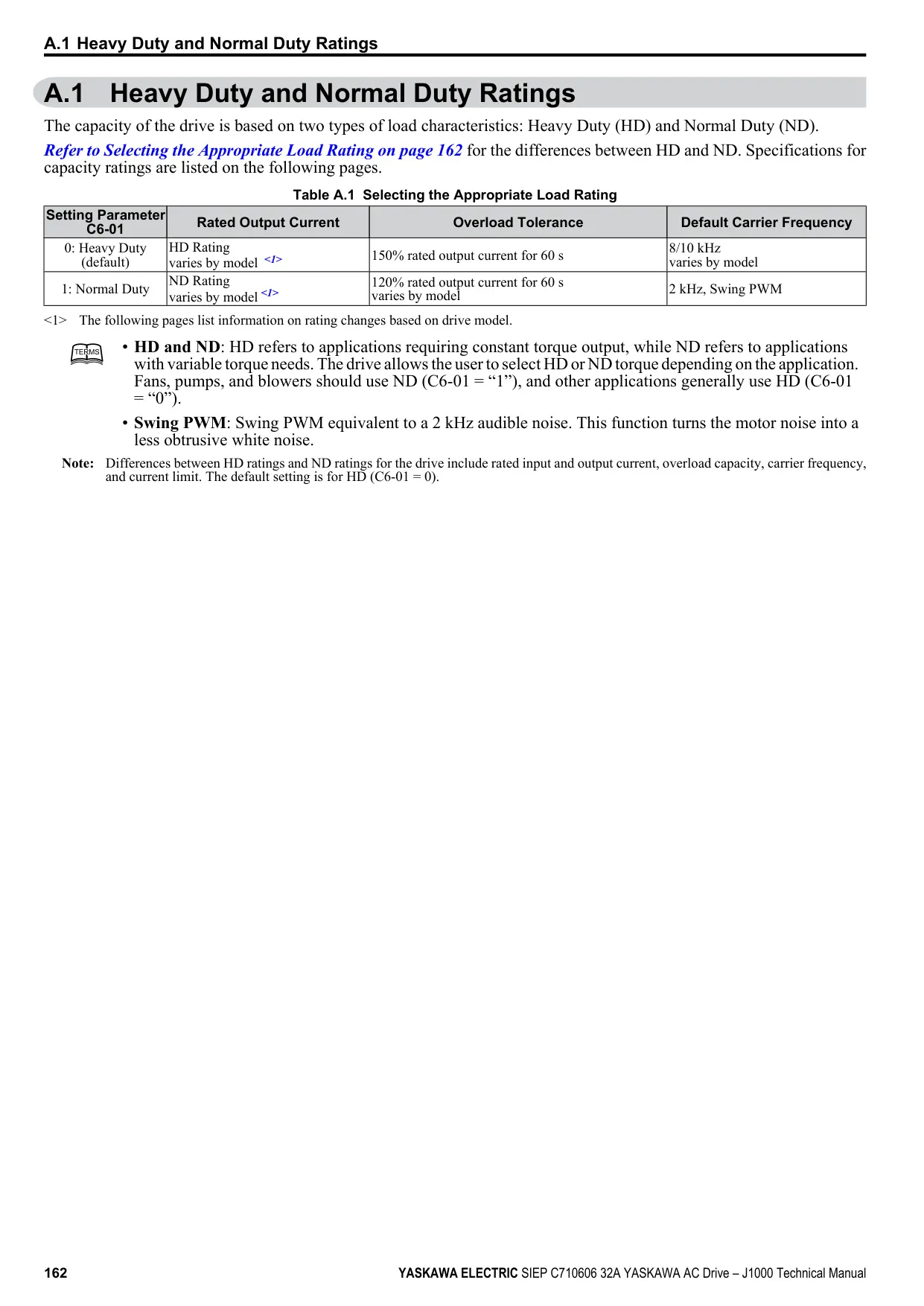
| Overcurrent Protection | Stops if output exceeds 200% of rated current (Heavy Duty) |
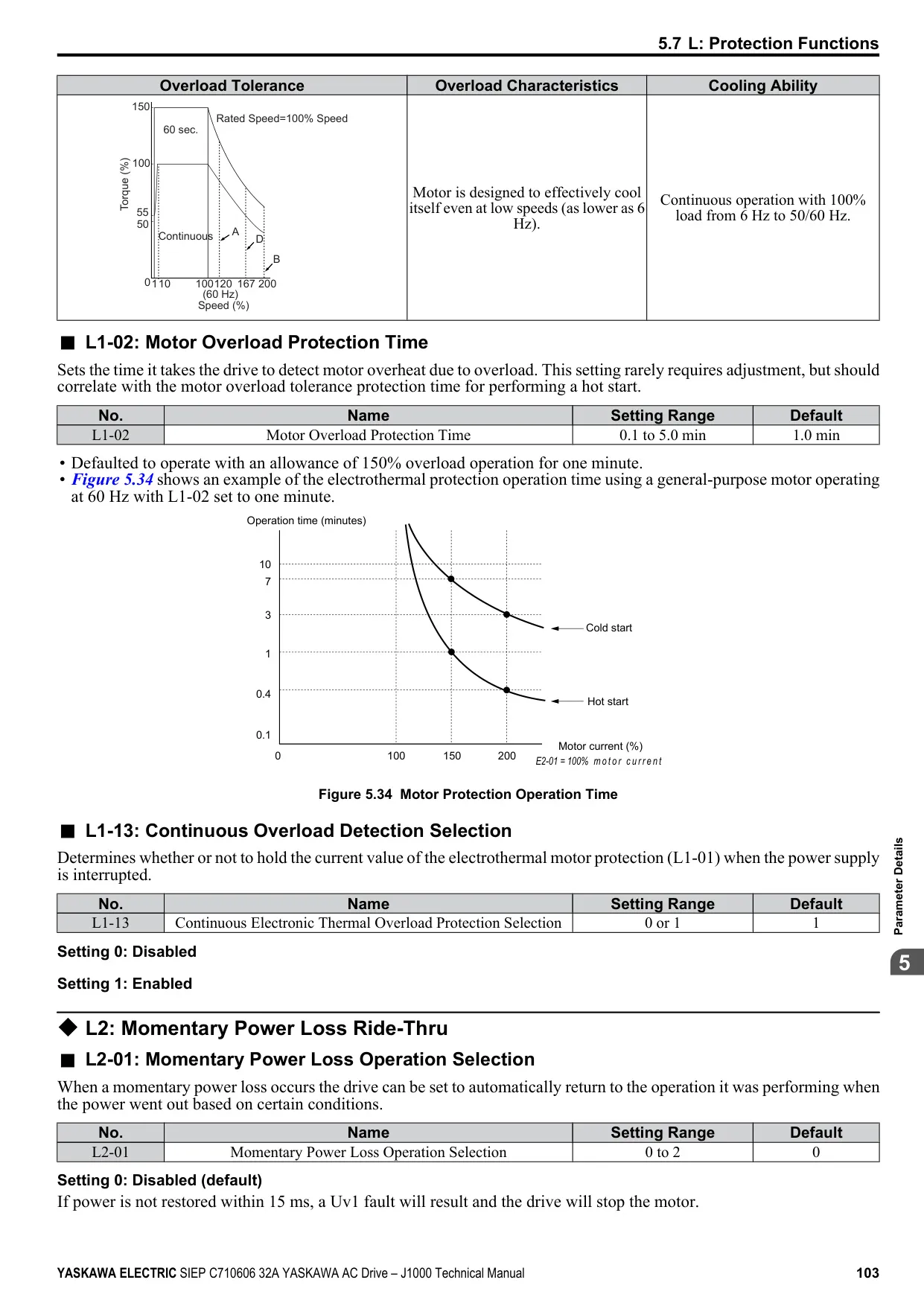
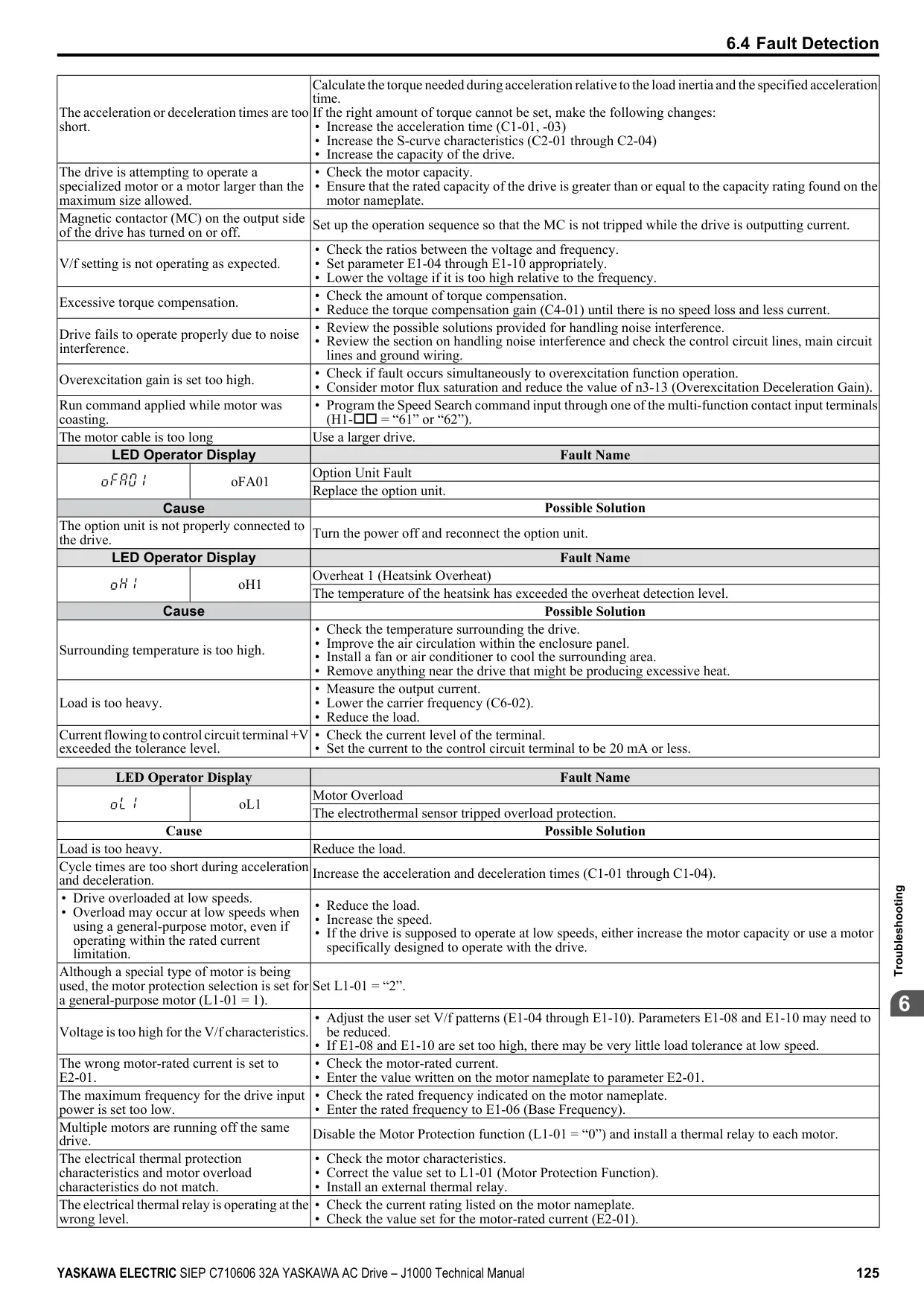
| Drive Overload Protection (oL2) | Stops after 60 s at 150% of rated current (Heavy Duty) |
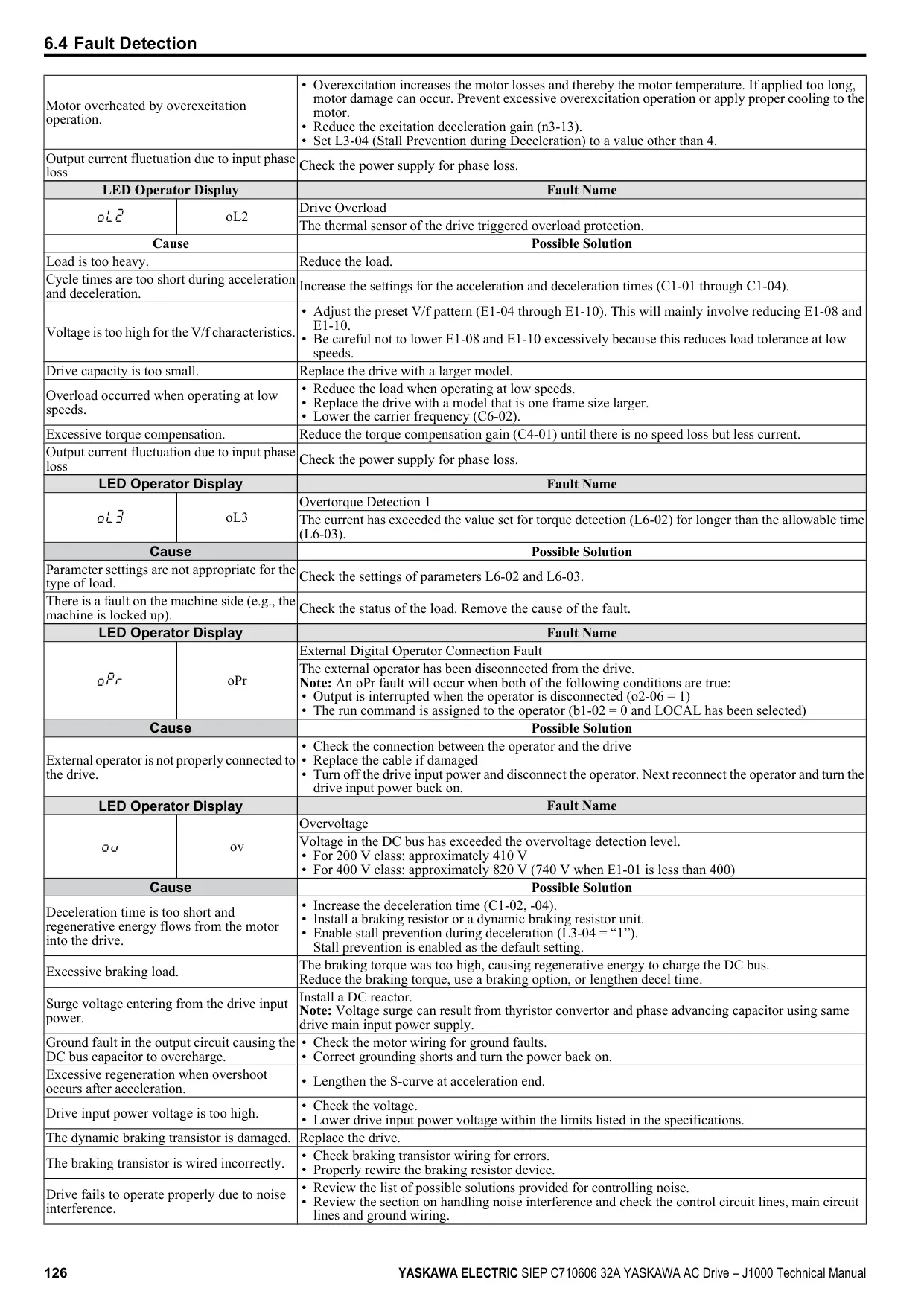
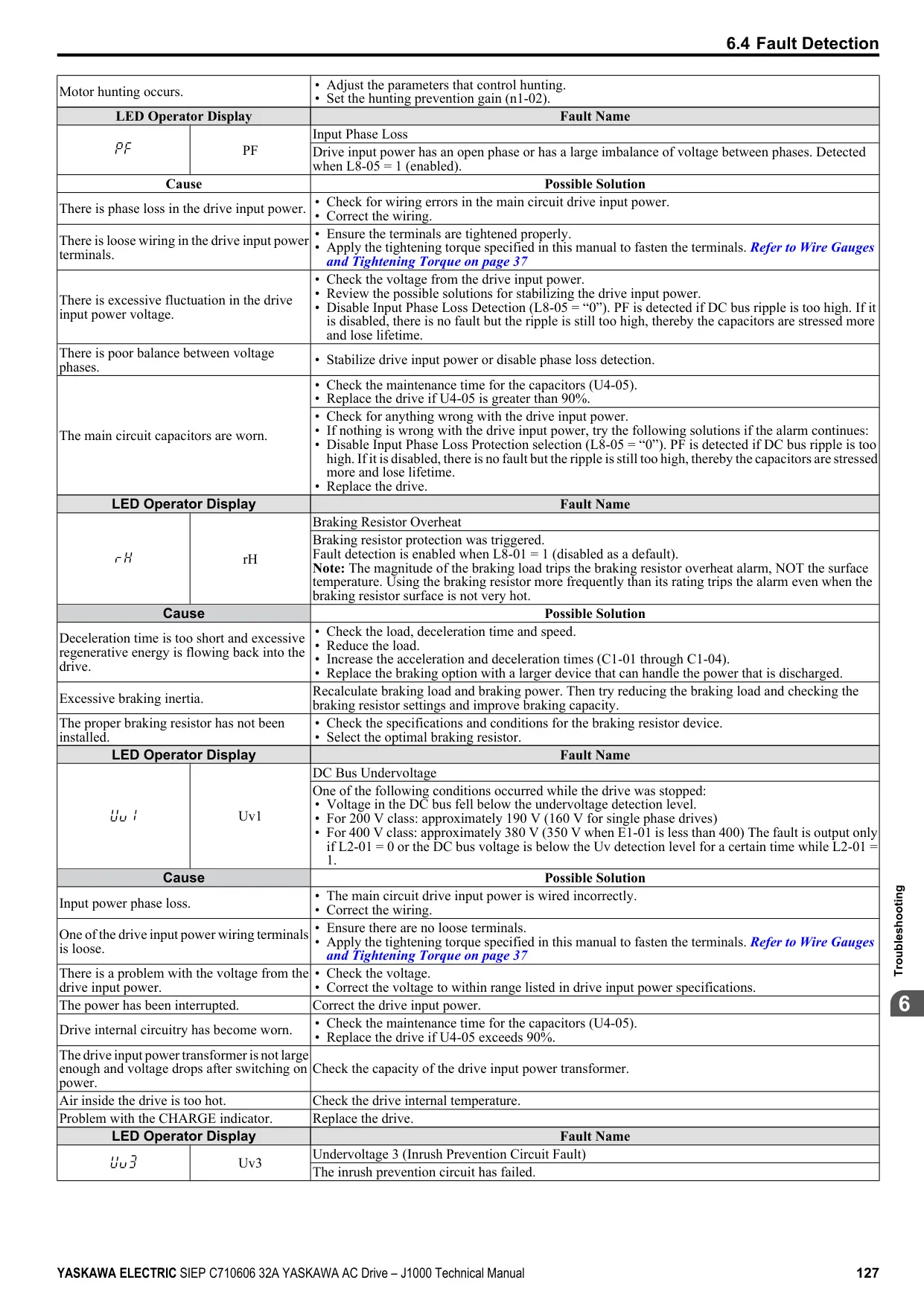
| Undervoltage Protection (DC Bus) | Specific thresholds (e.g. ~190V for 200V three-phase, ~380V for 400V three-phase) |
| Power Loss Ride-Thru | Stops after 15 ms of power loss (L2-01) |
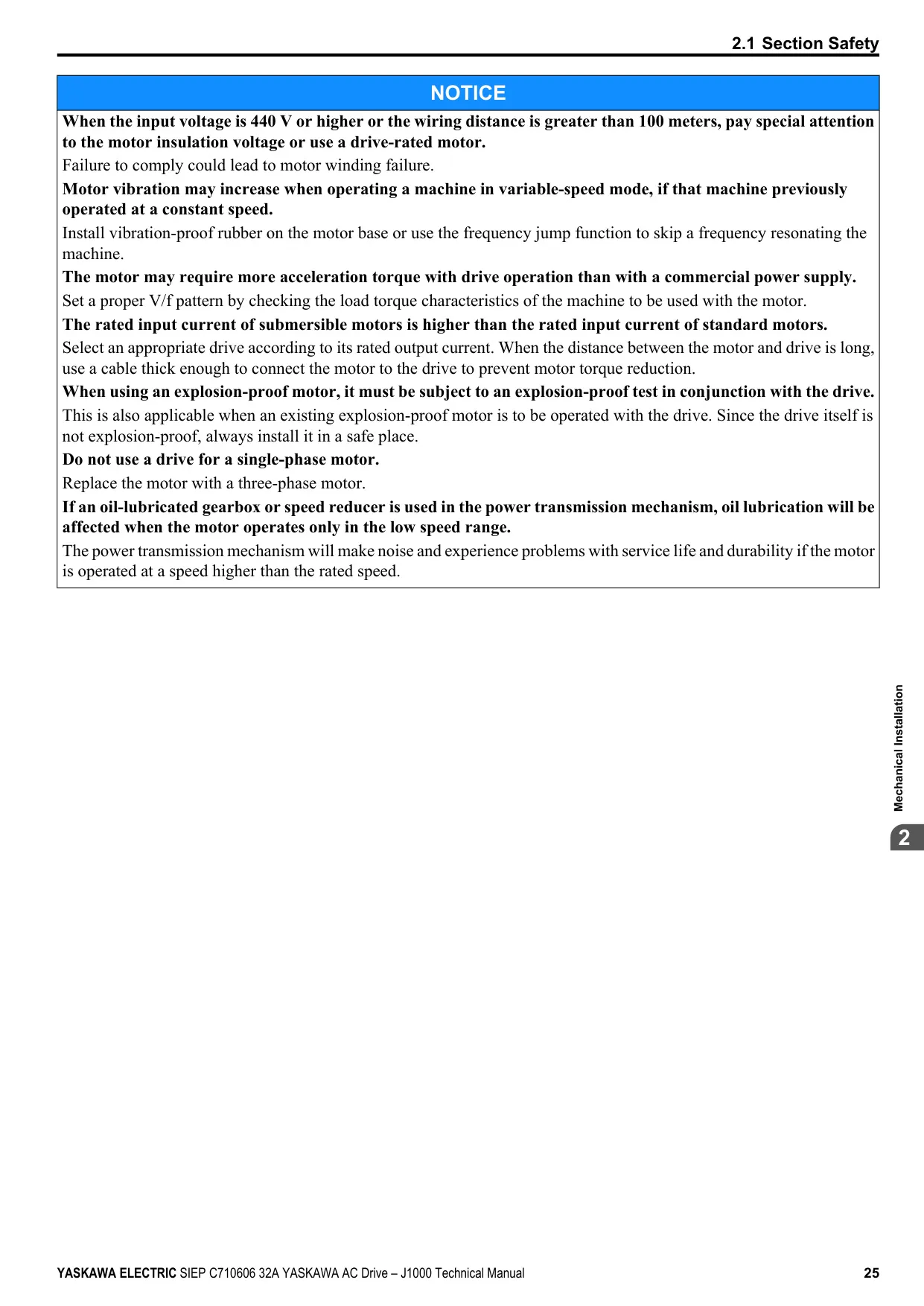
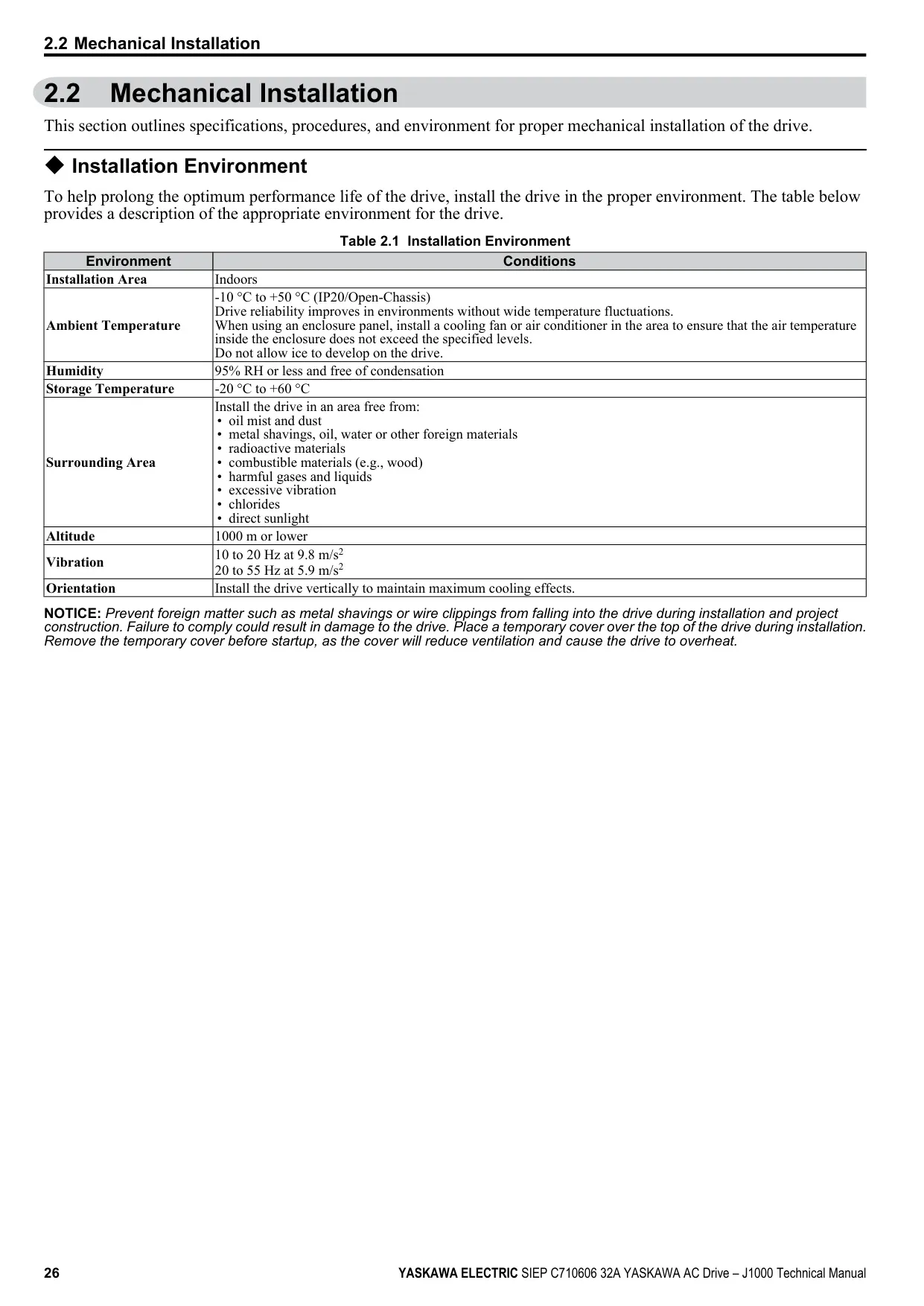
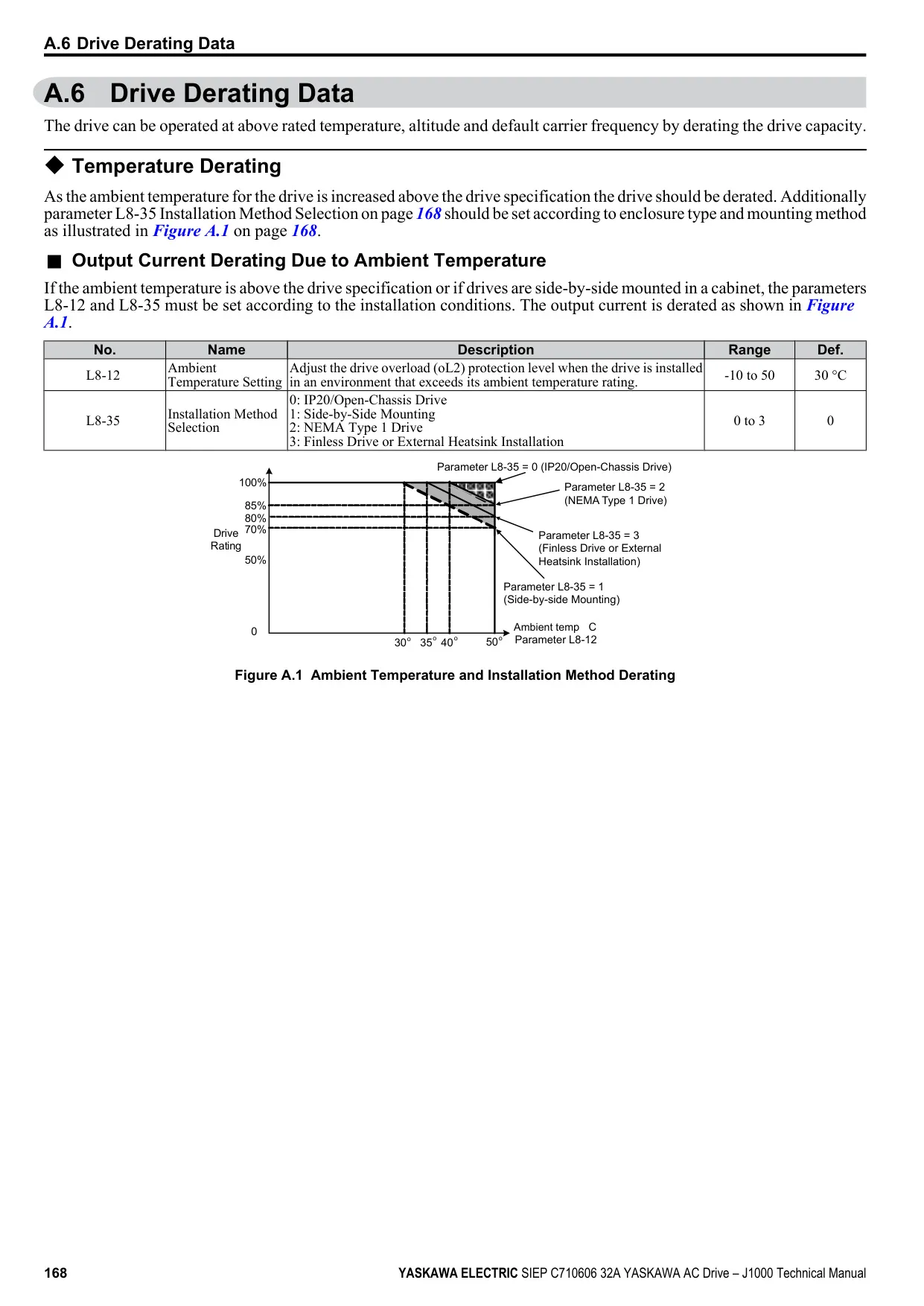
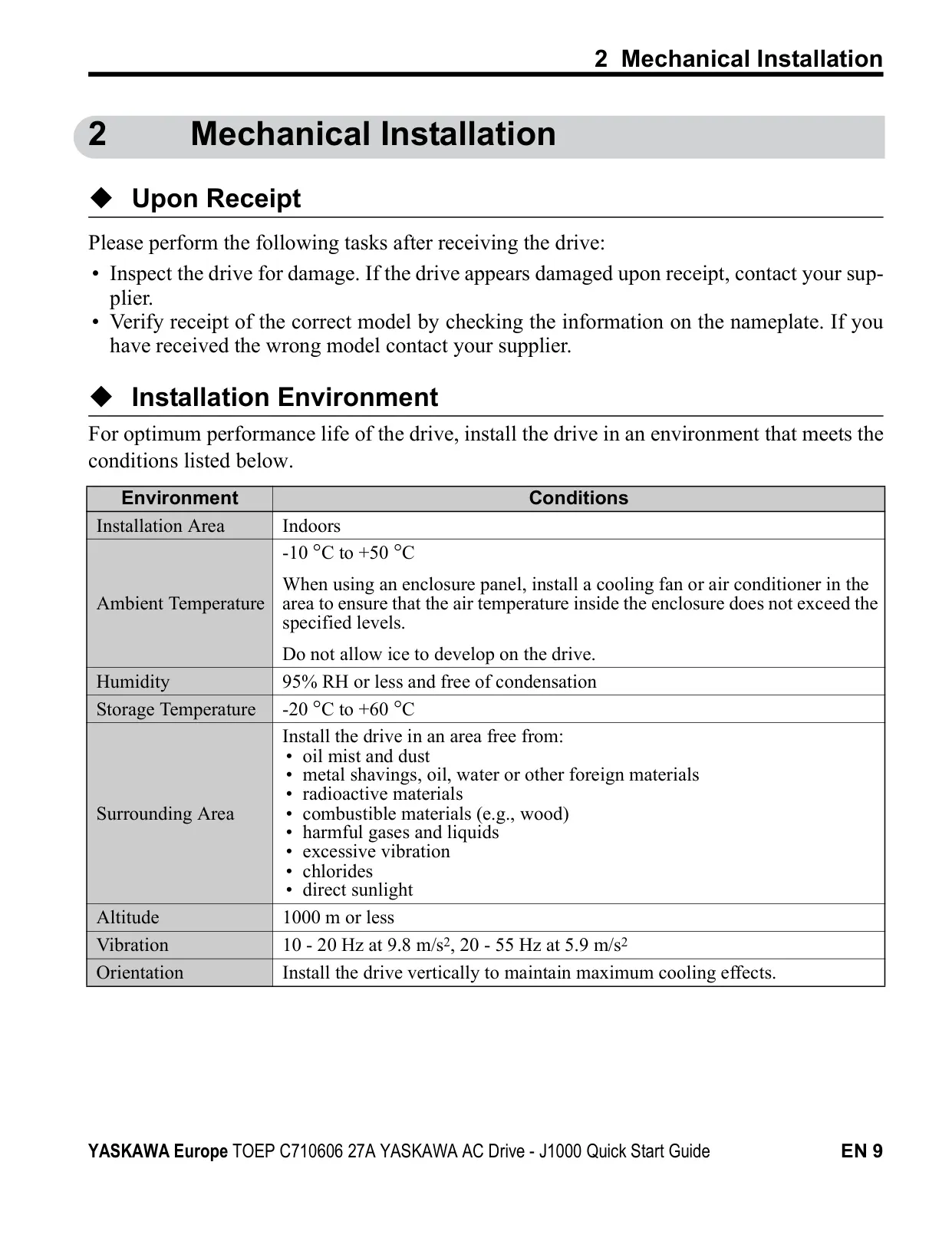
| Ambient Operating Temperature | -10 to +50 °C (IP20/Open-Chassis); -10 to +40 °C (NEMA Type 1) |
| Relative Humidity | ≤95% RH, non-condensing |
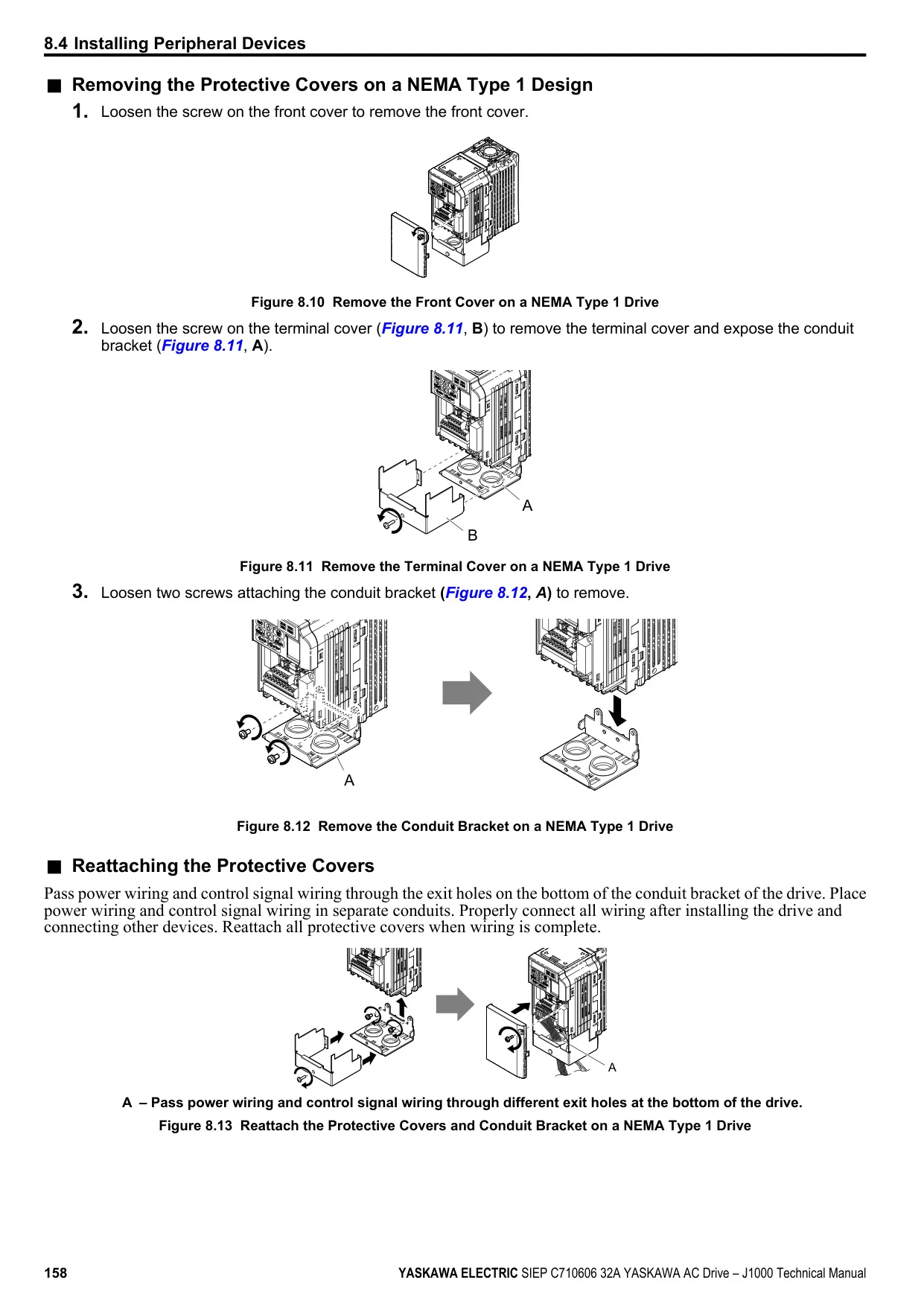
| Protection Degree | IP20/Open-Chassis (standard); optional NEMA Type 1 Kit |
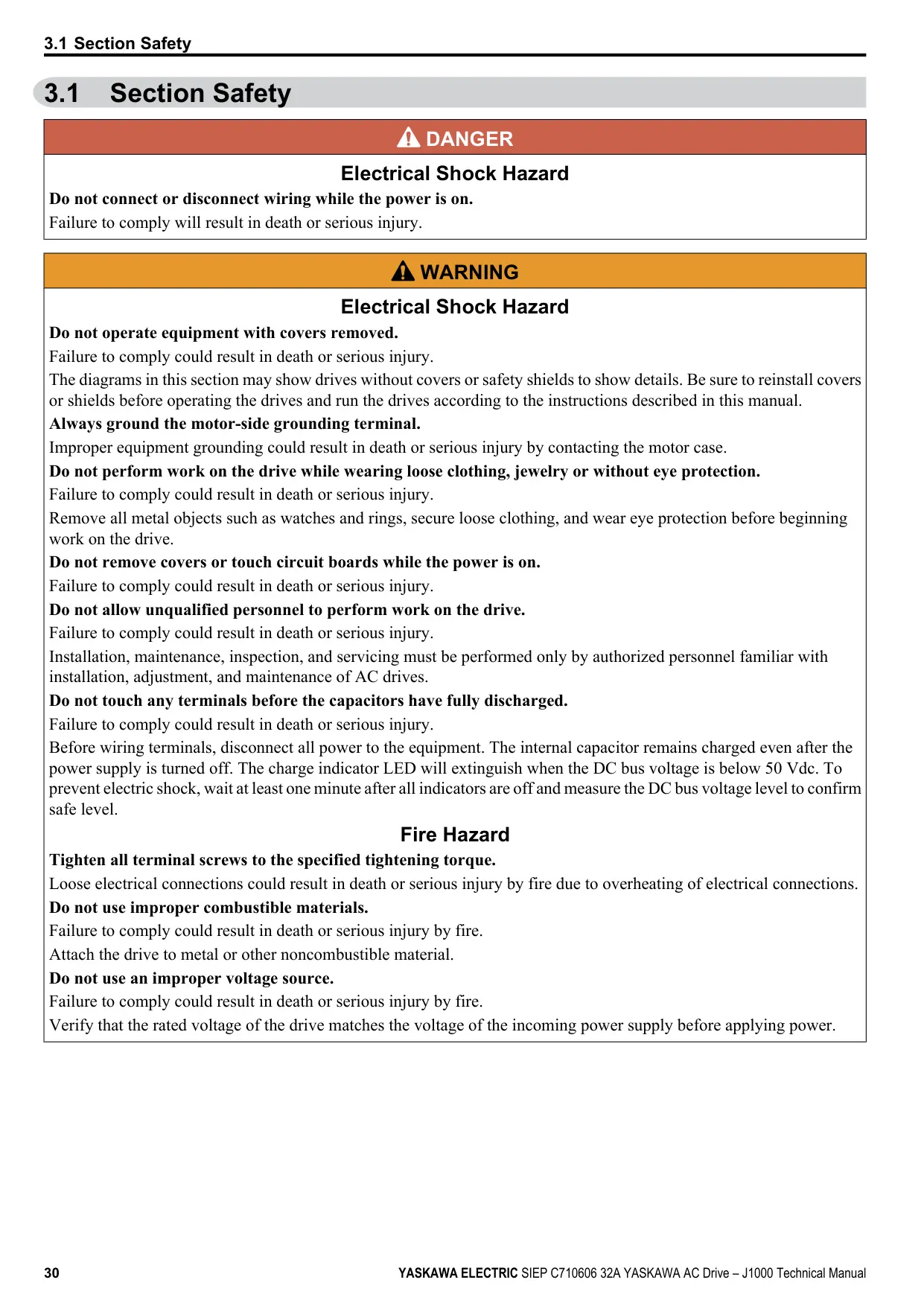
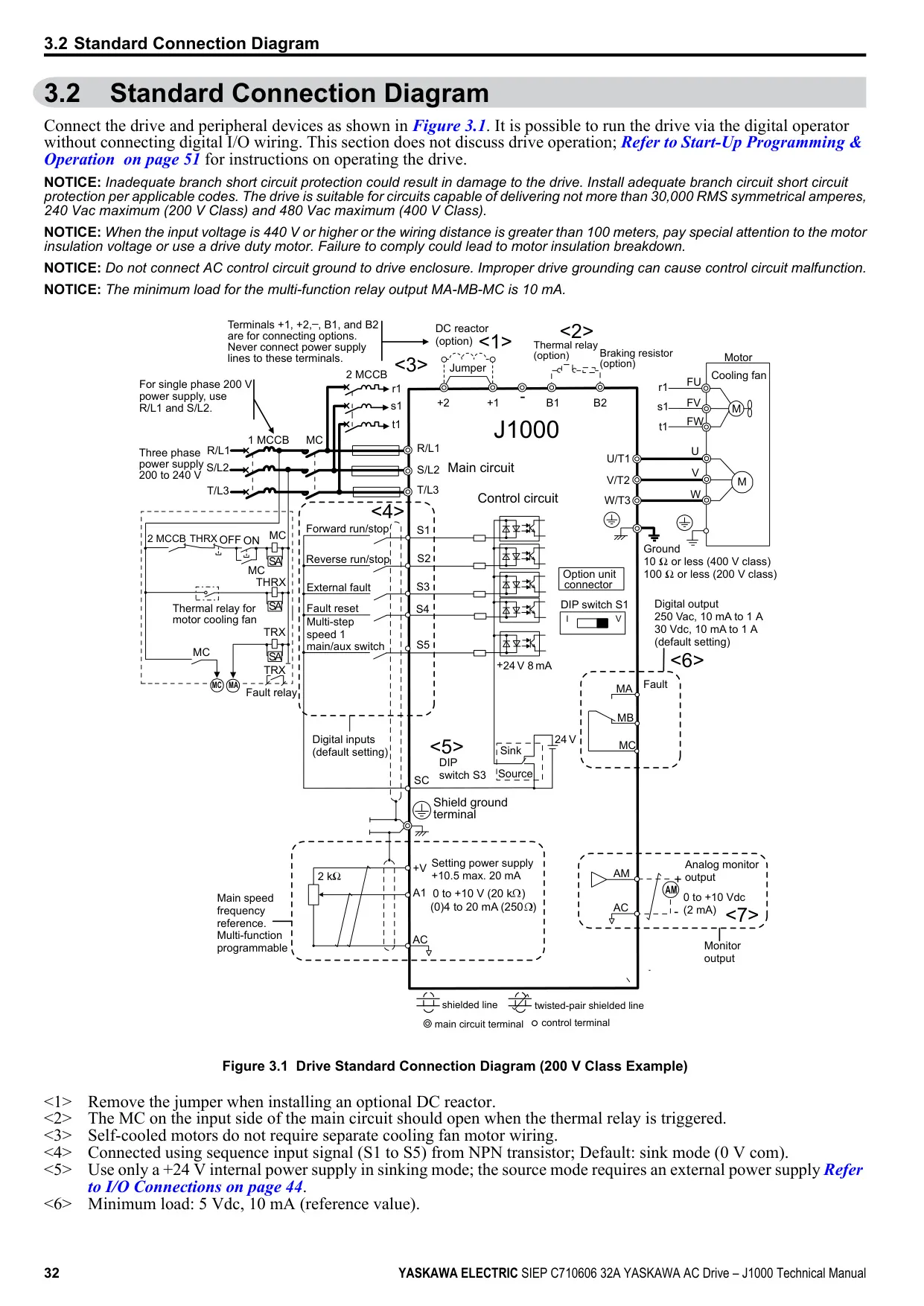
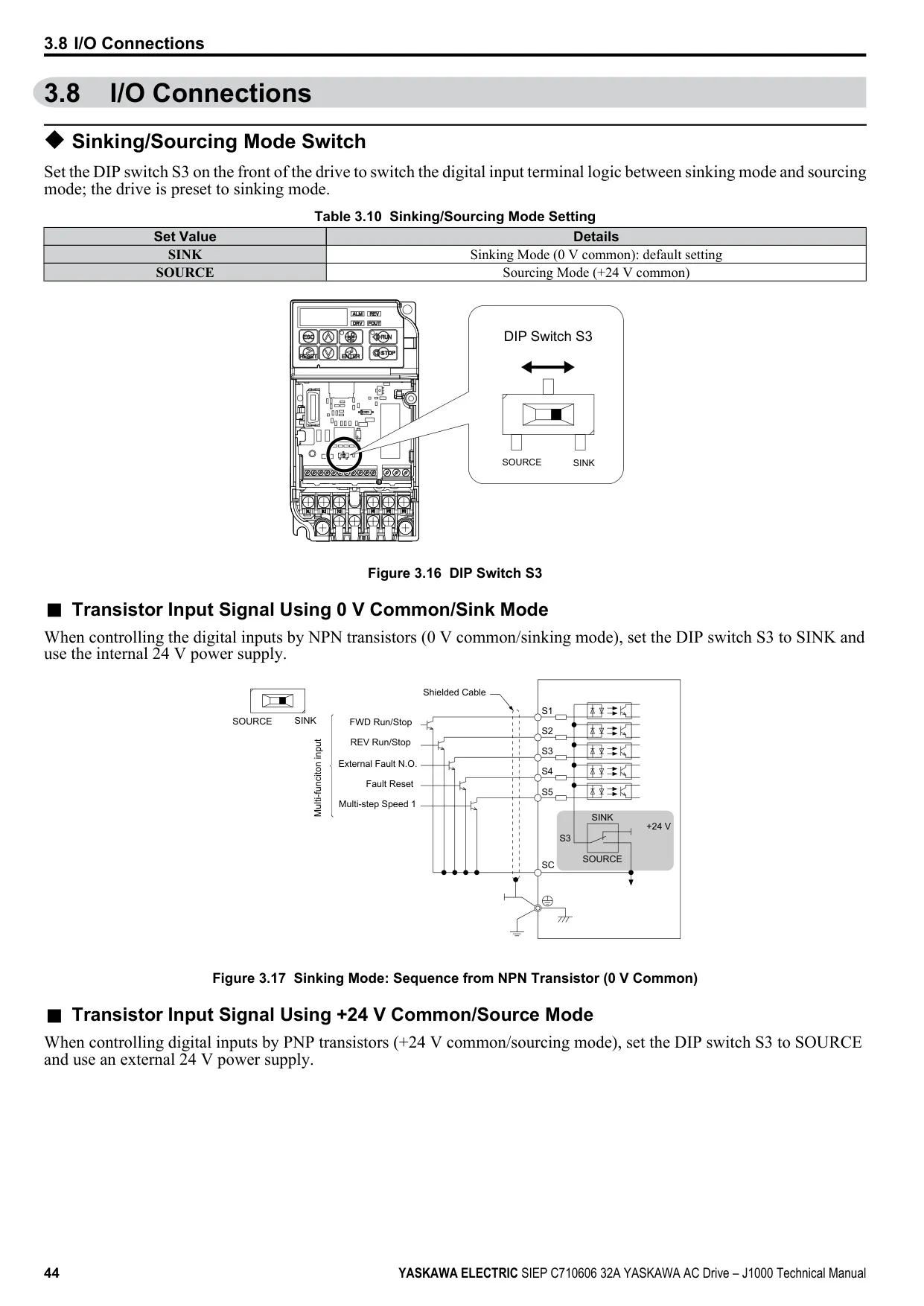
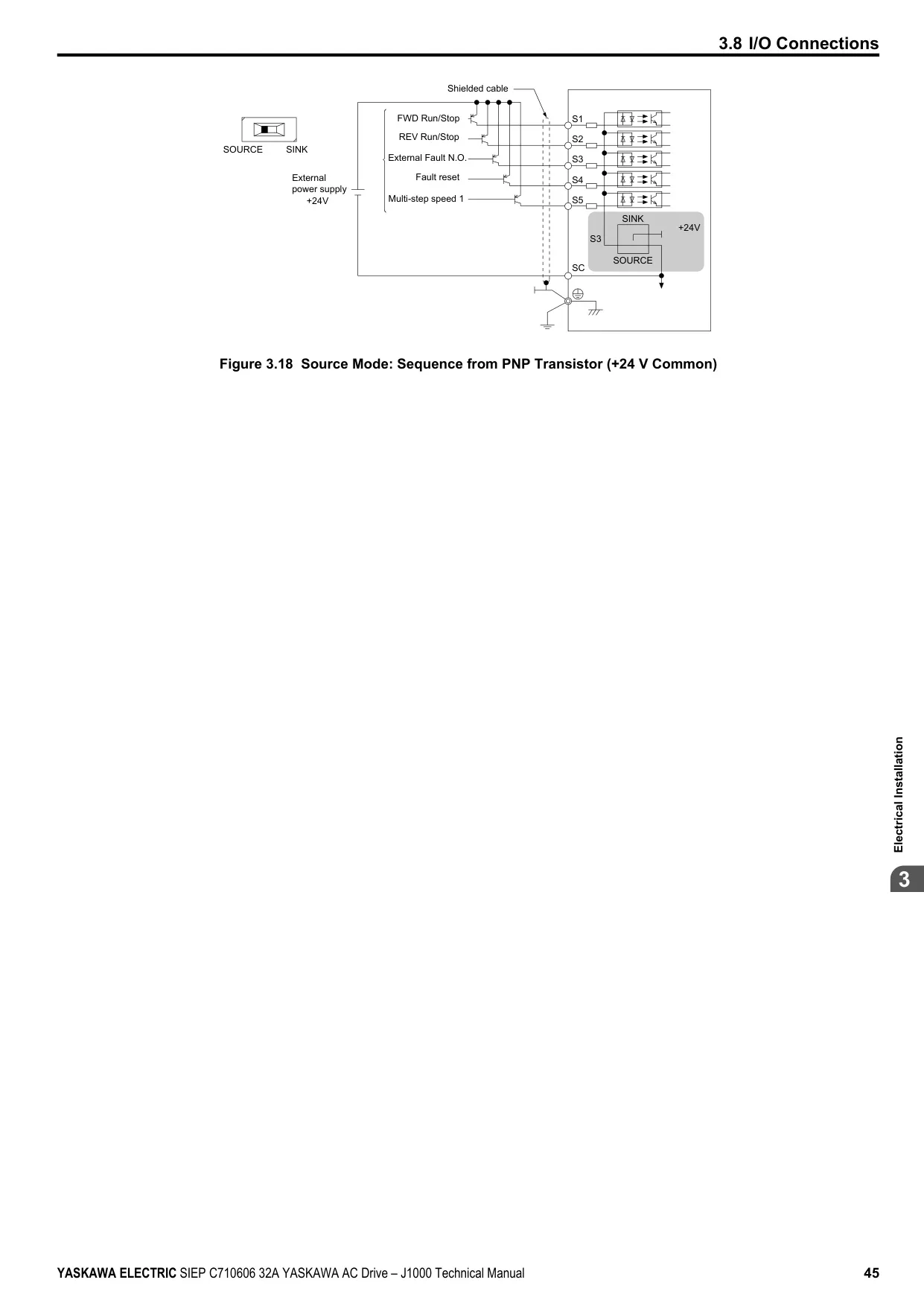
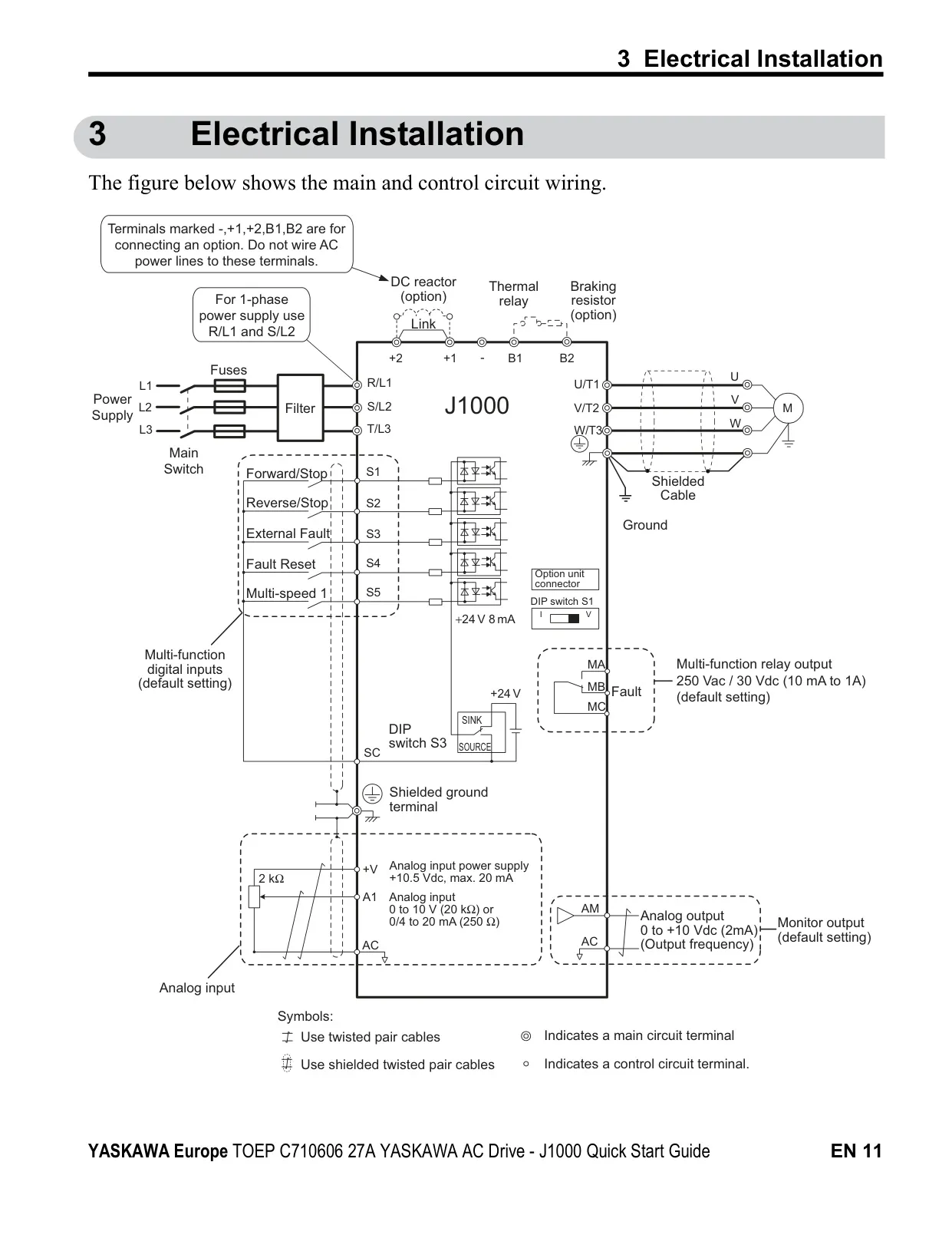
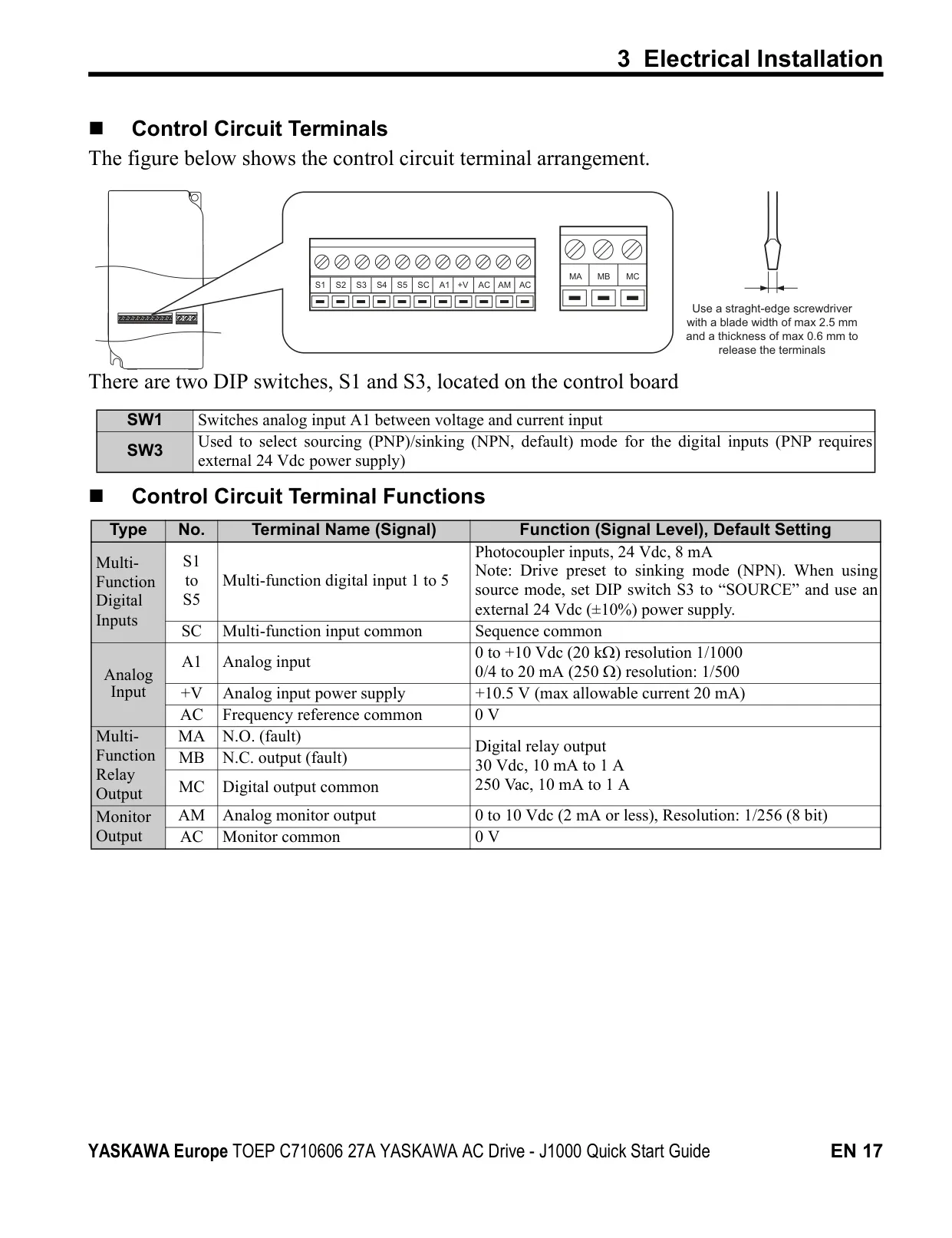
| Multi-function Digital Inputs | 5 inputs, 24 Vdc, 8 mA (Sink or Source configurable) |
| Multi-function Digital Output (Relay) | 30 Vdc, 10 mA to 1 A; 250 Vac, 10 mA to 1 A |
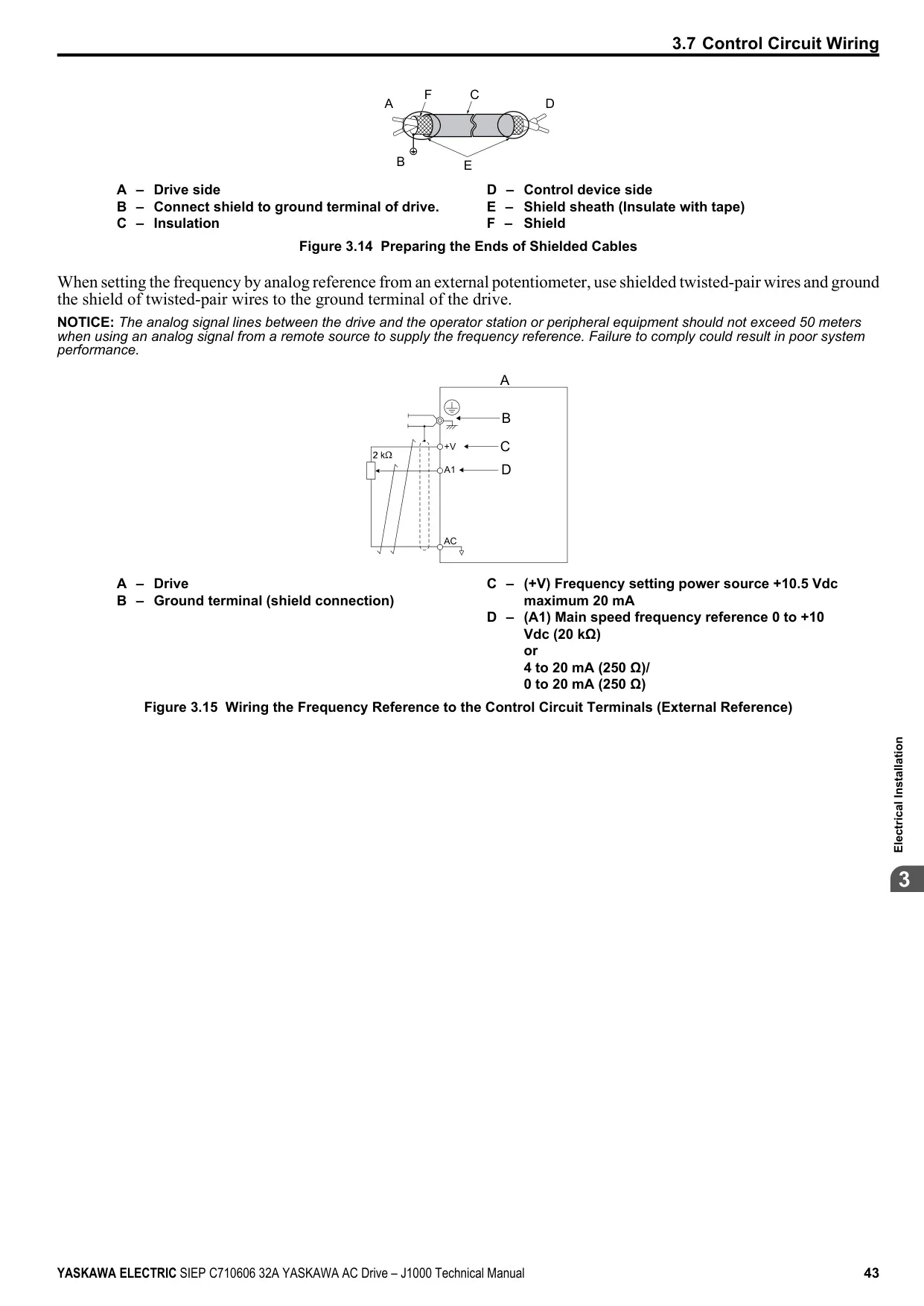
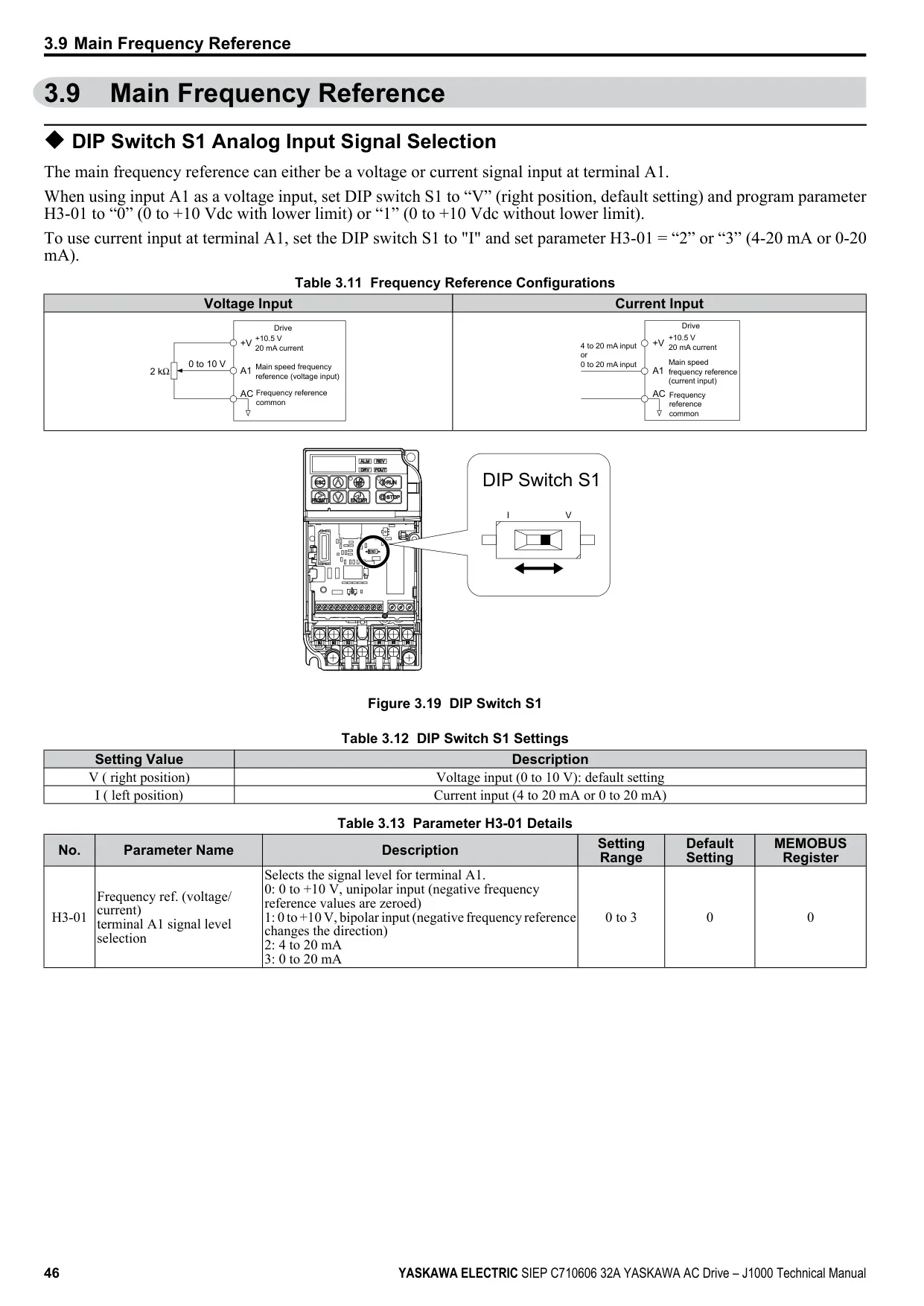
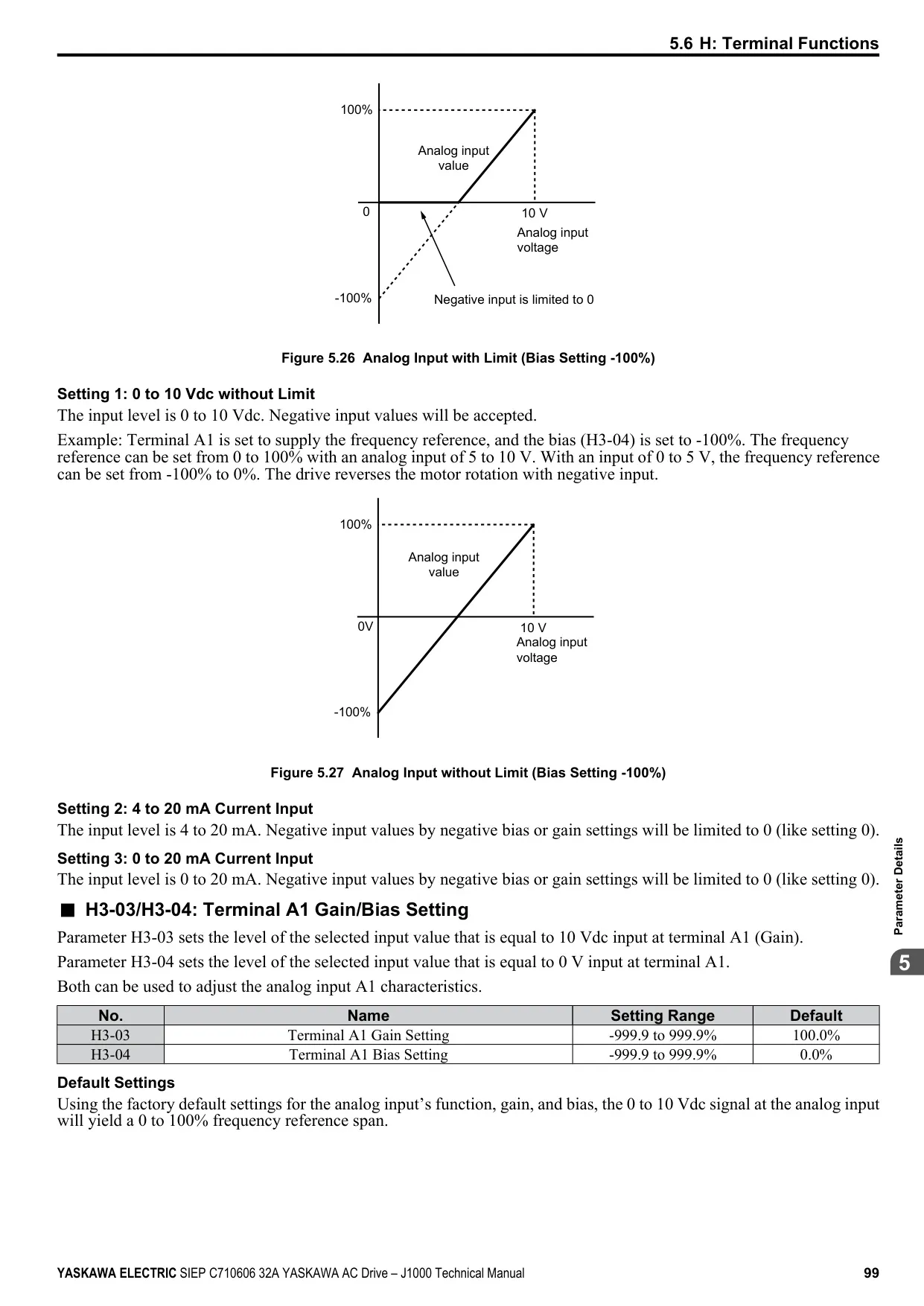
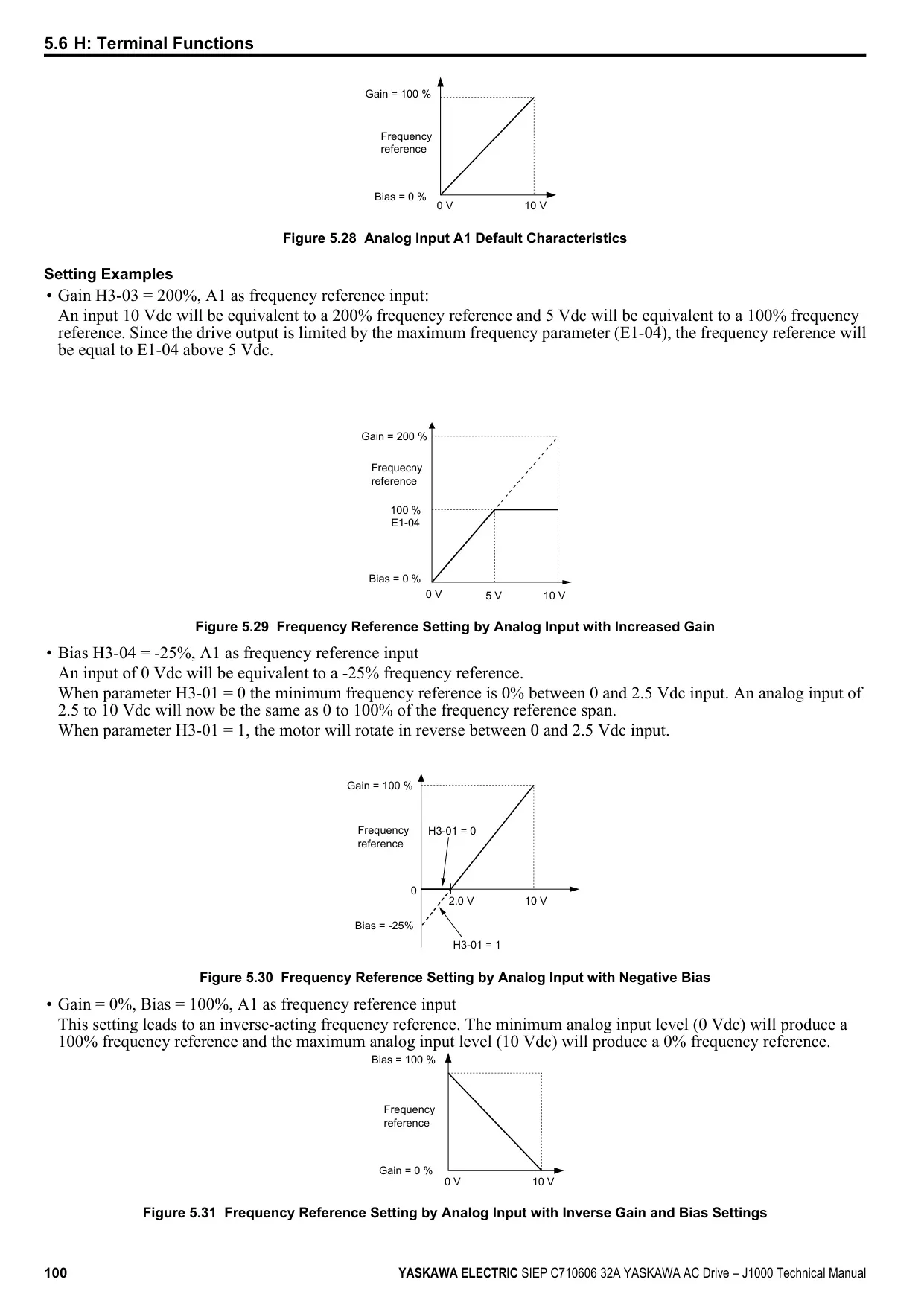
| Main Analog Input (A1) | 0 to +10 Vdc (20 kΩ), 4 to 20 mA (250 Ω), or 0 to 20 mA (250 Ω) |
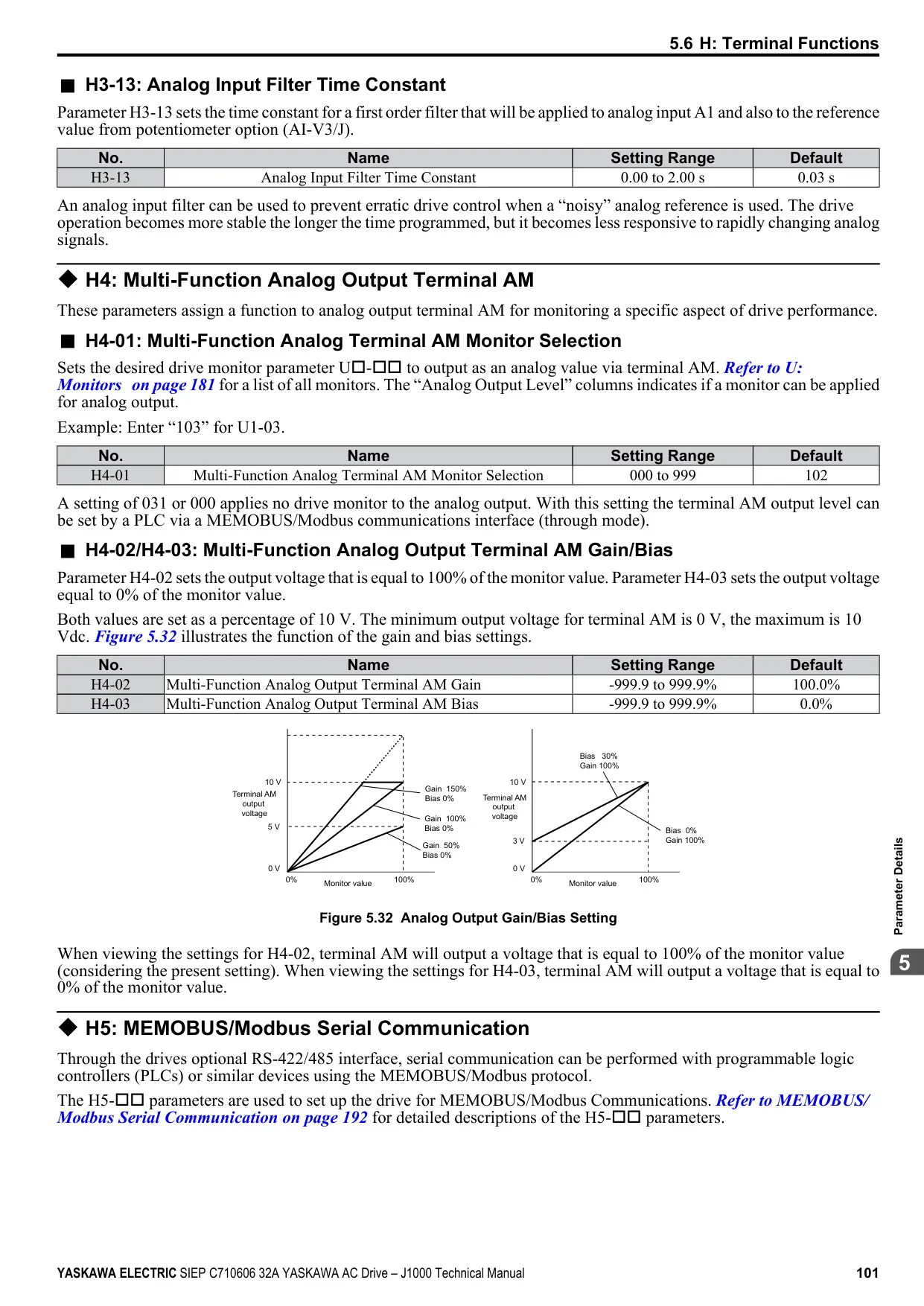
| Multi-function Analog Output (AM) | 0 to 10 Vdc (≤2 mA) |
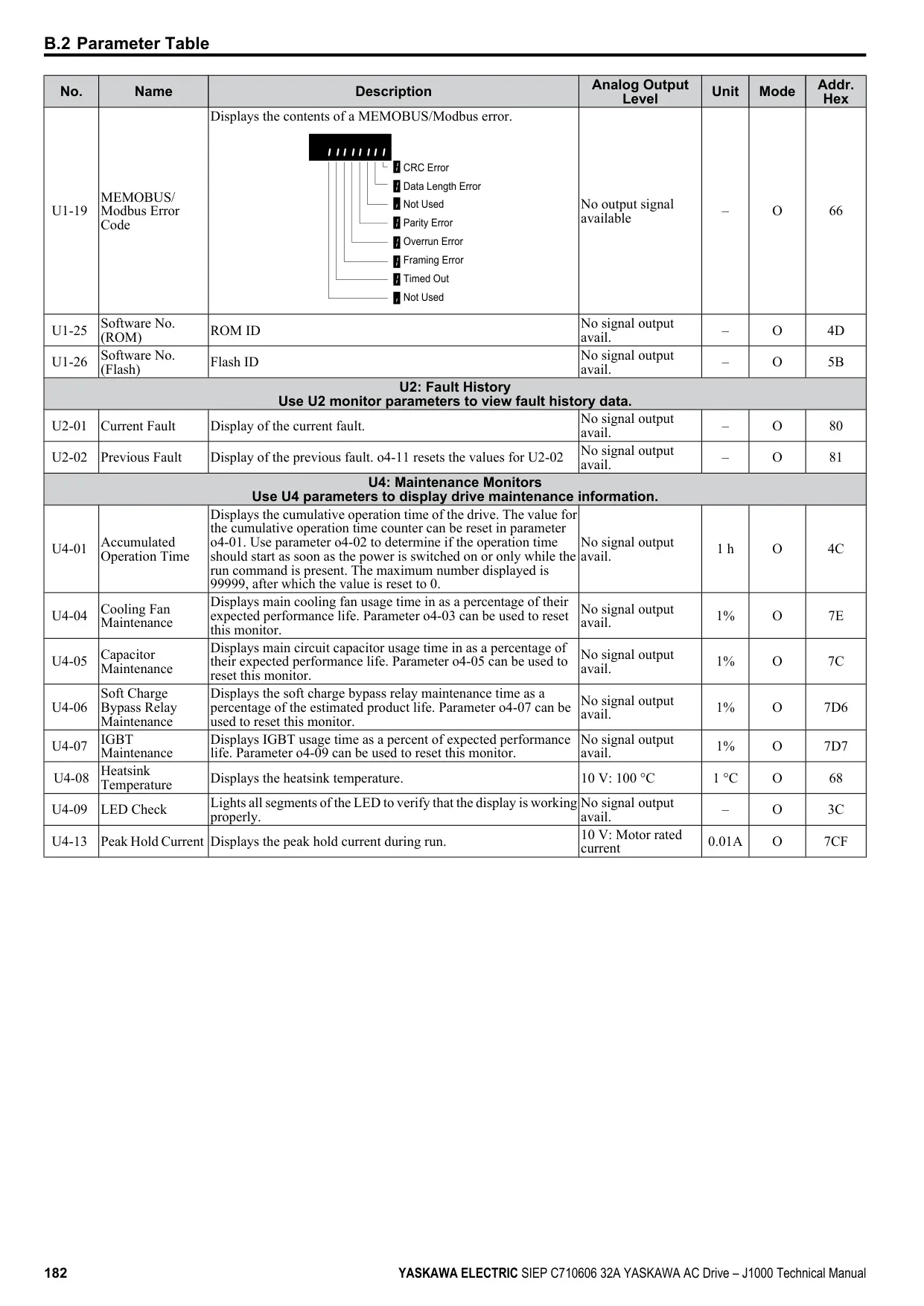
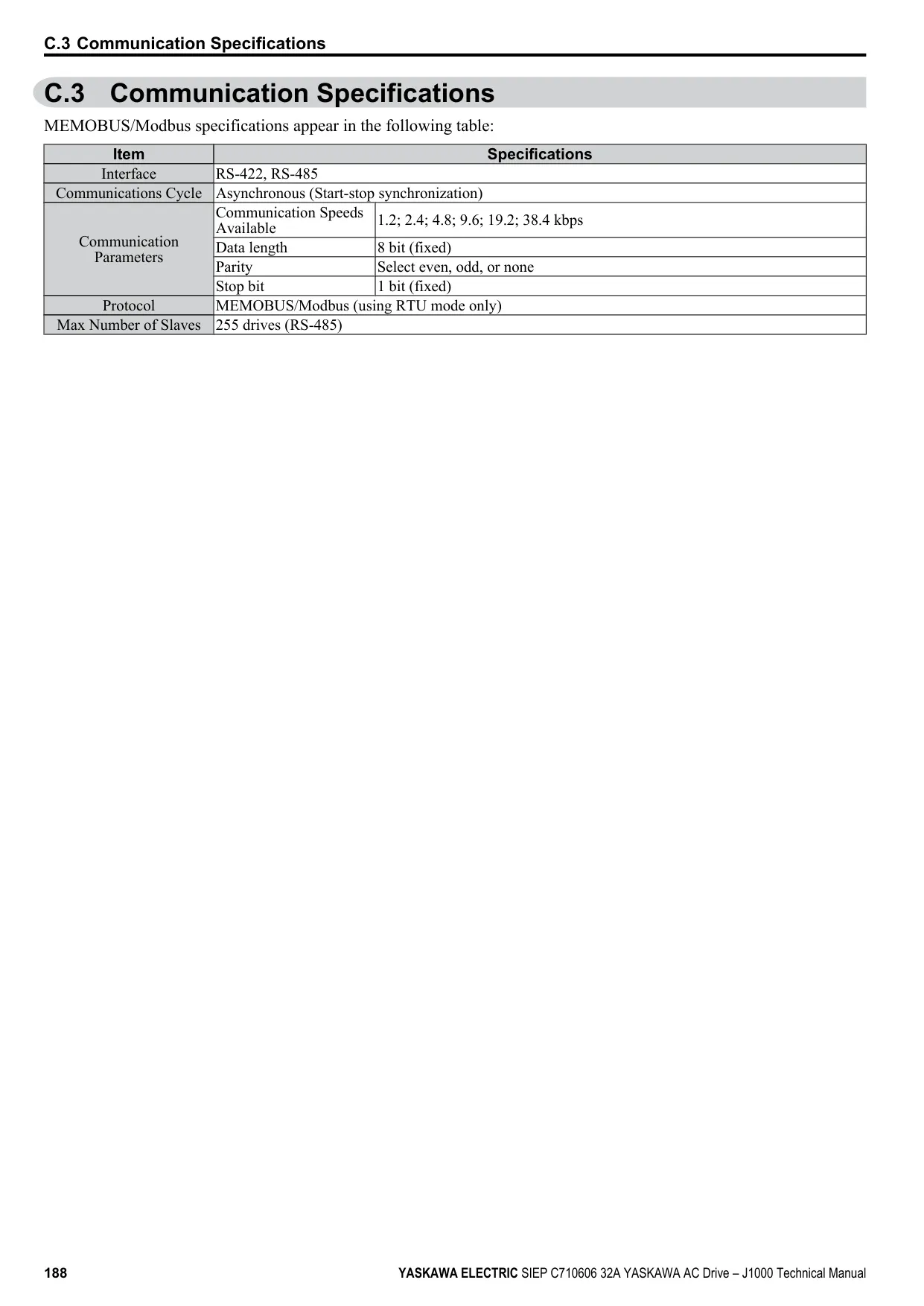
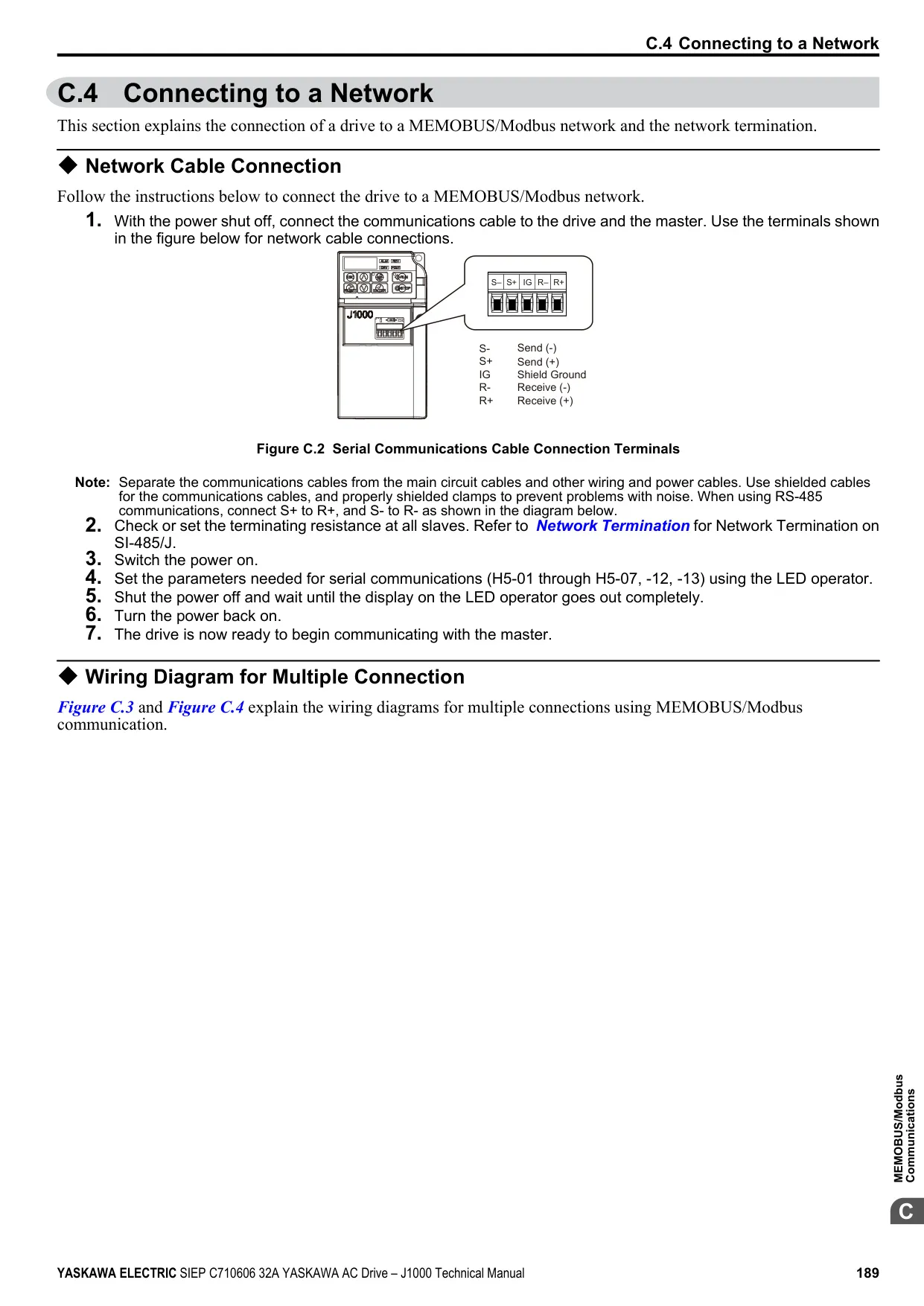
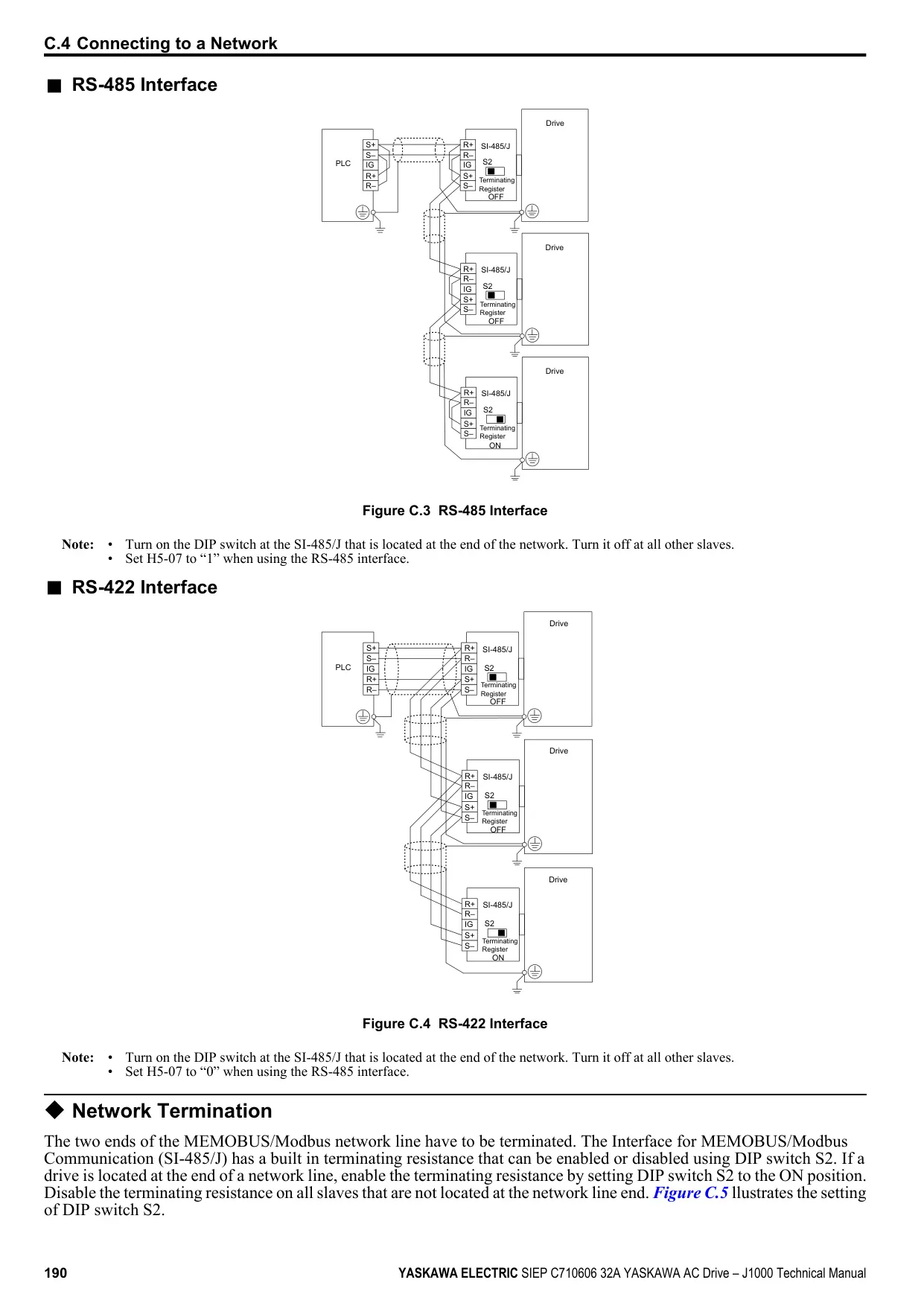
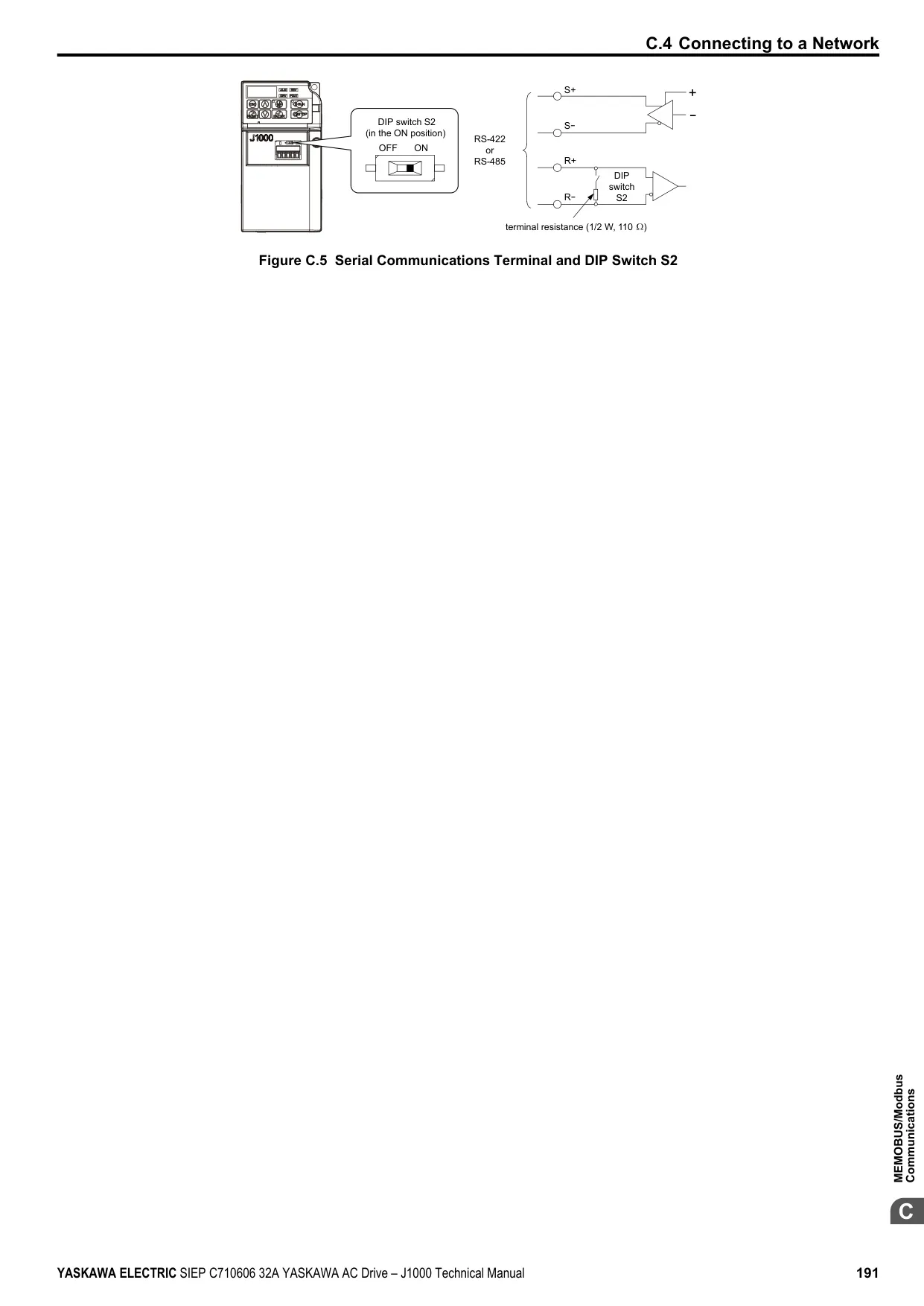
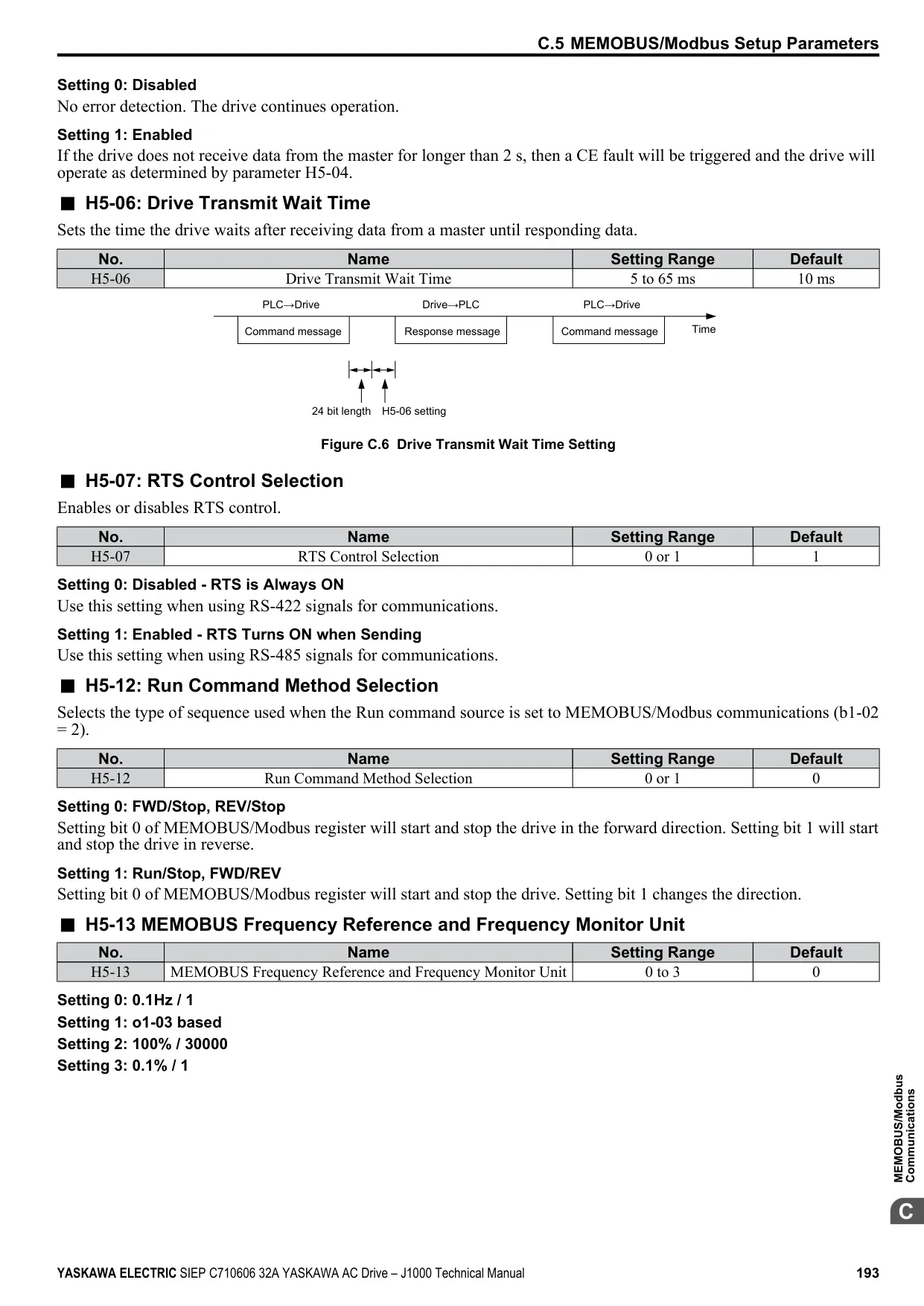
| Serial Communication (Optional) | RS-422, RS-485 (via SI-485/J); MEMOBUS/Modbus RTU Protocol |
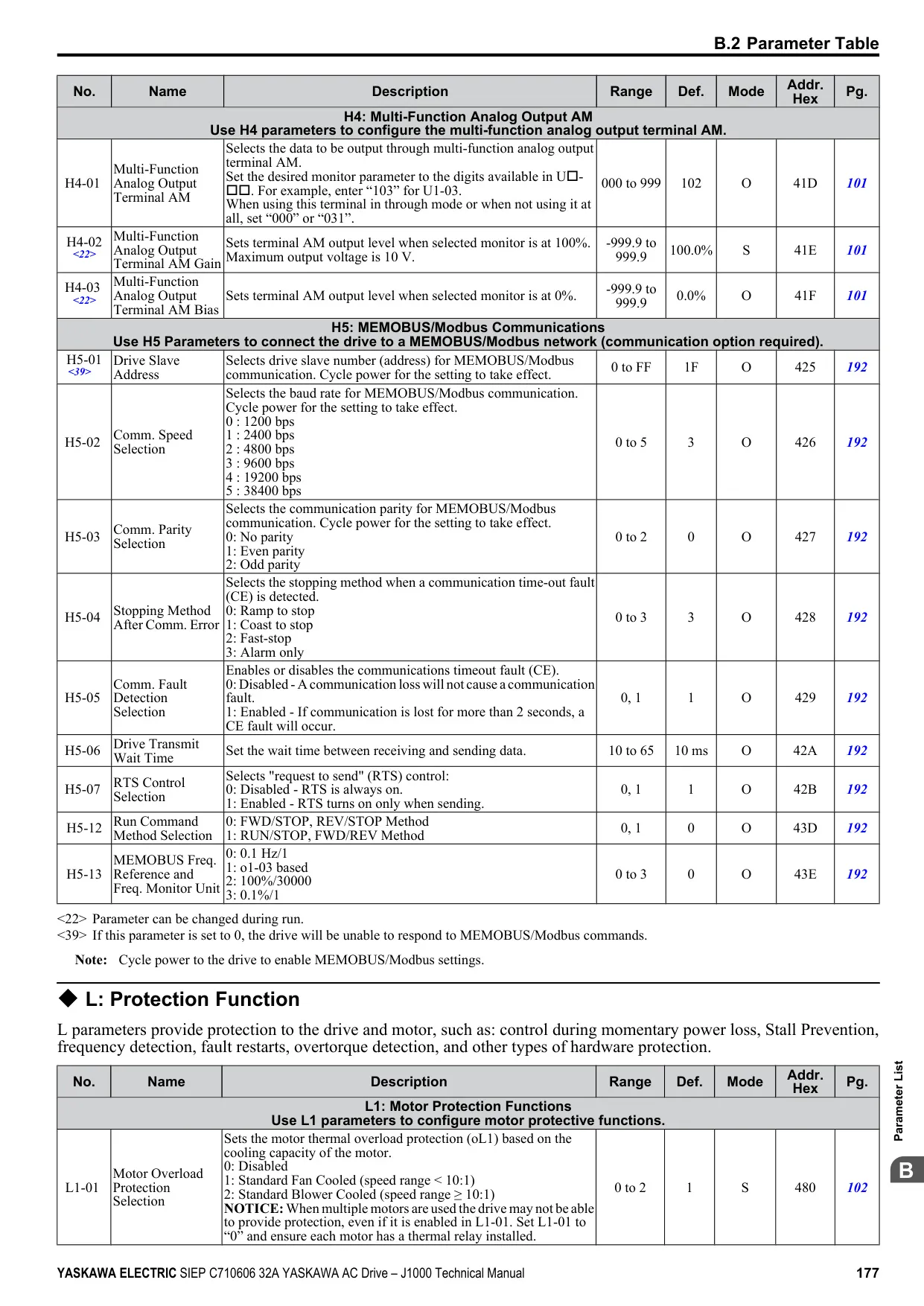
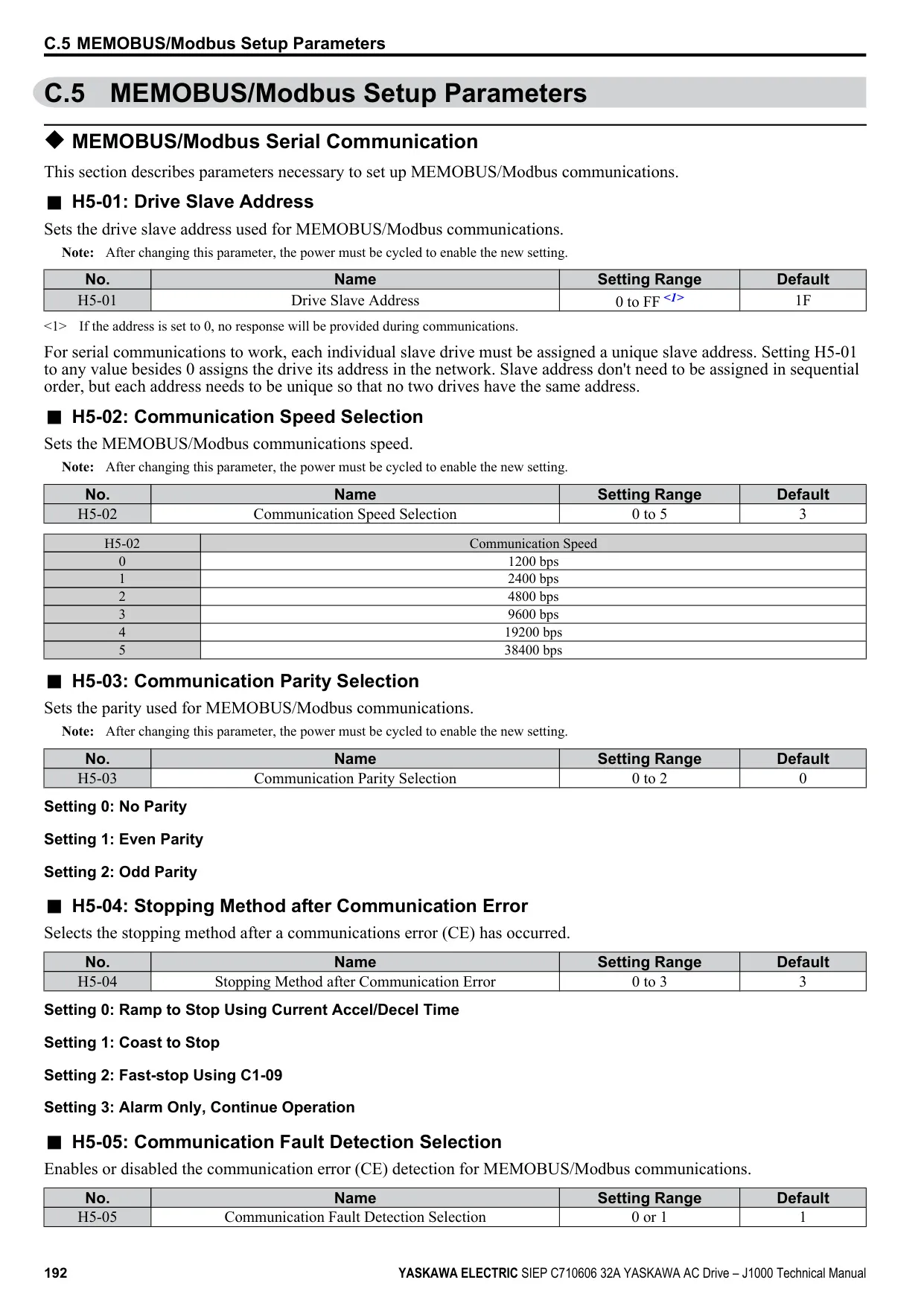
| Communication Speeds | 1.2, 2.4, 4.8, 9.6, 19.2, 38.4 kbps (configurable H5-02) |
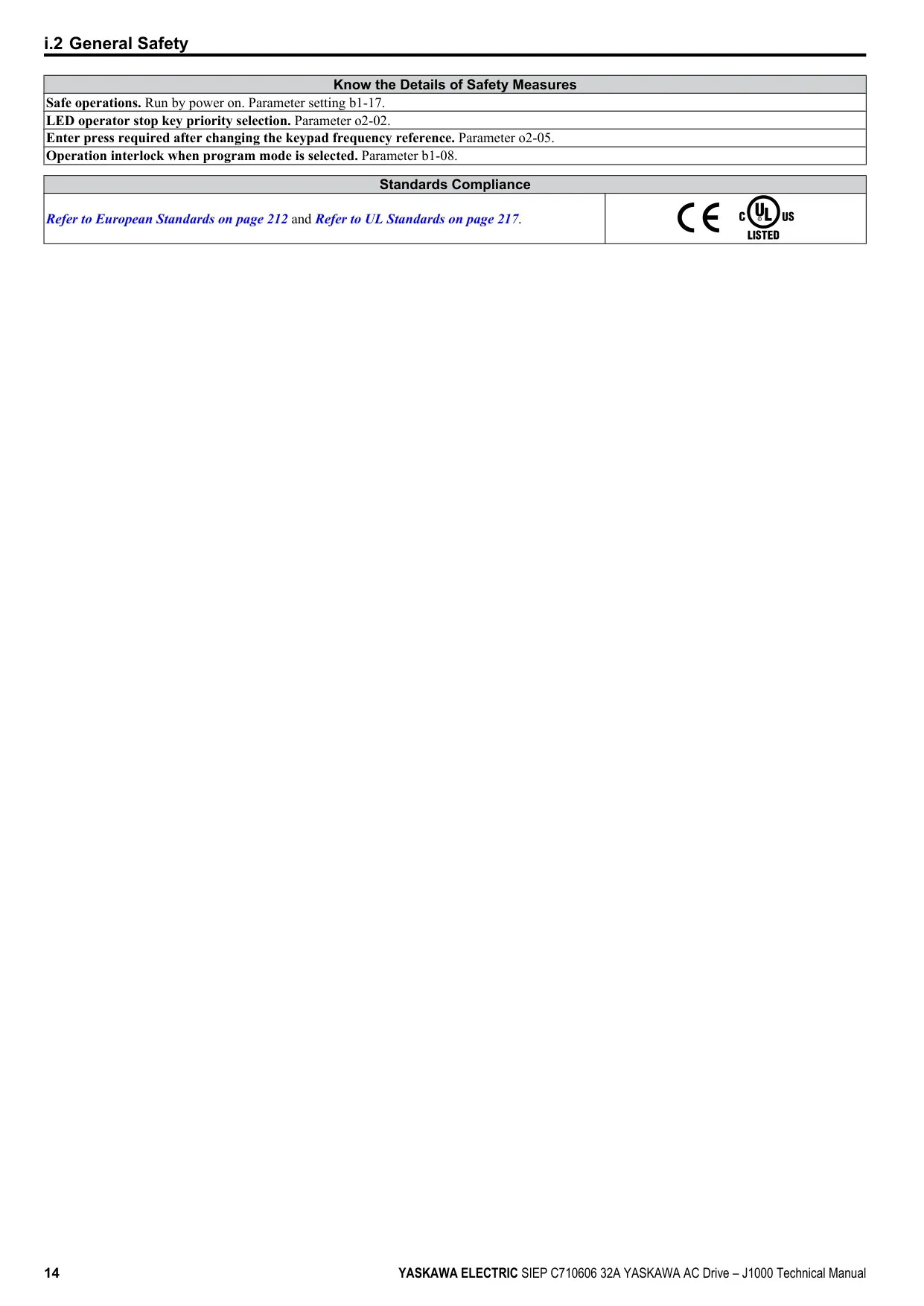
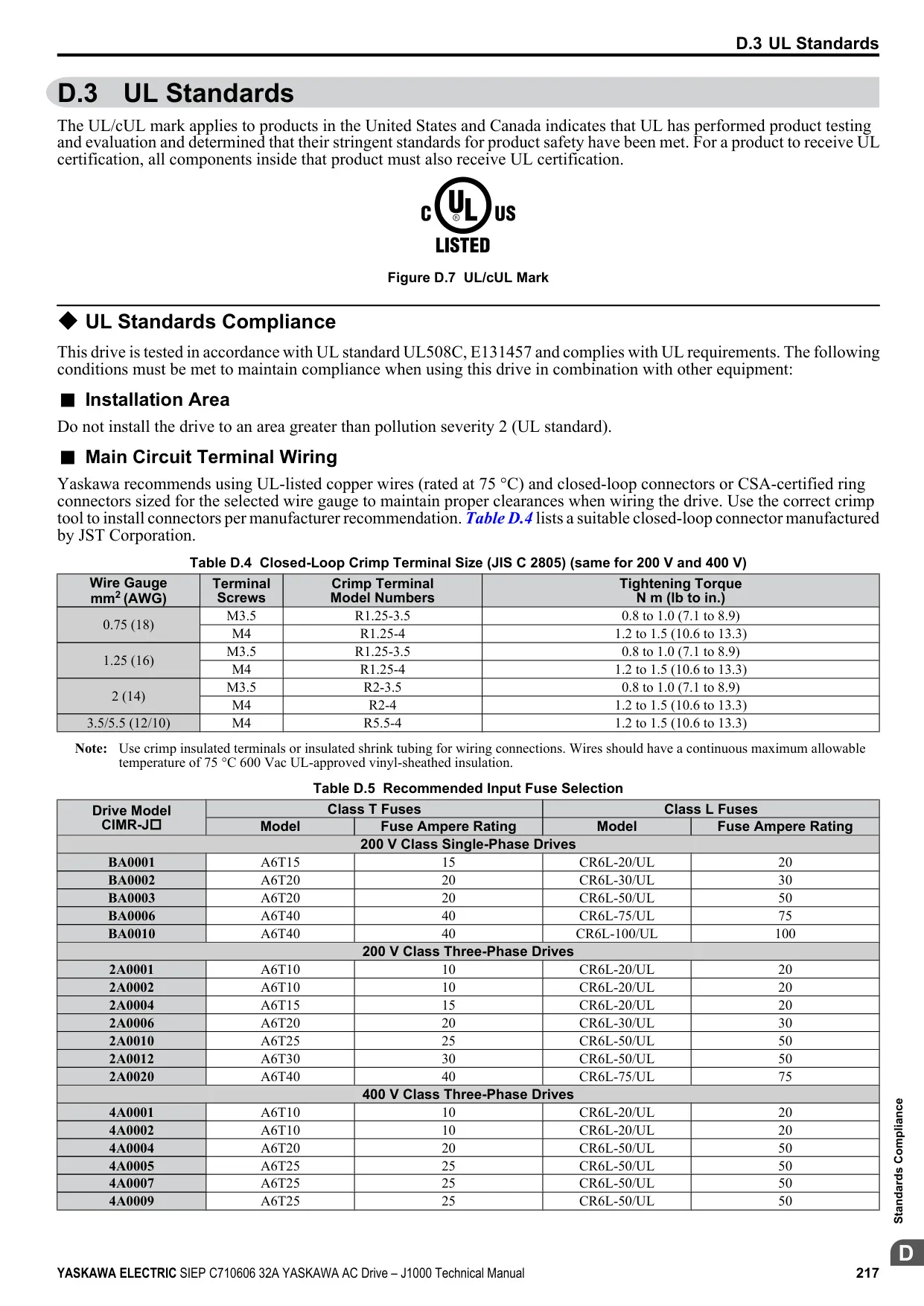
| Standards Compliance | CE (EMC 2004/108/EC, LVD 2006/95/EC); UL/cUL (UL508C, E131457) |
Yaskawa J1000 VFD Details
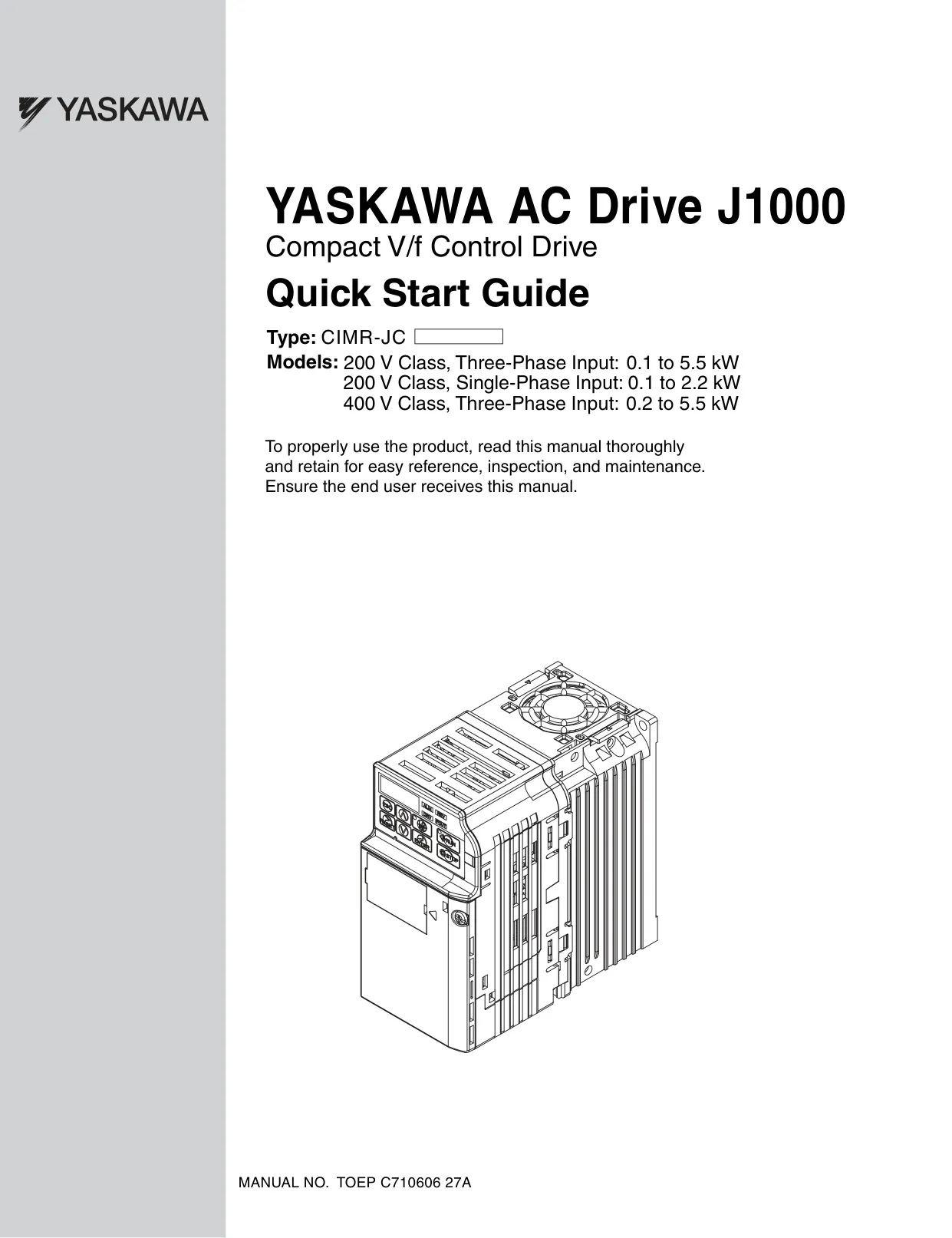
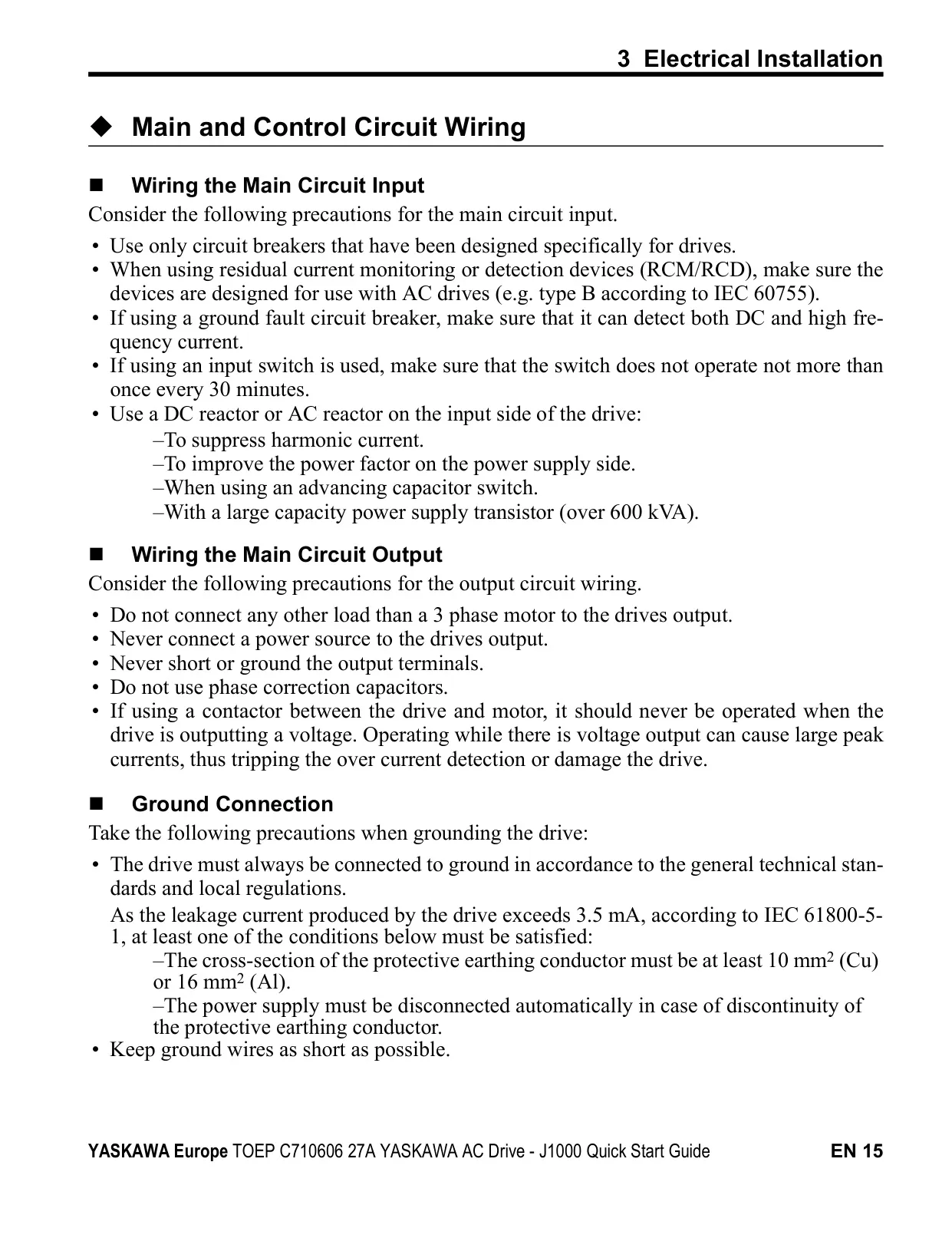
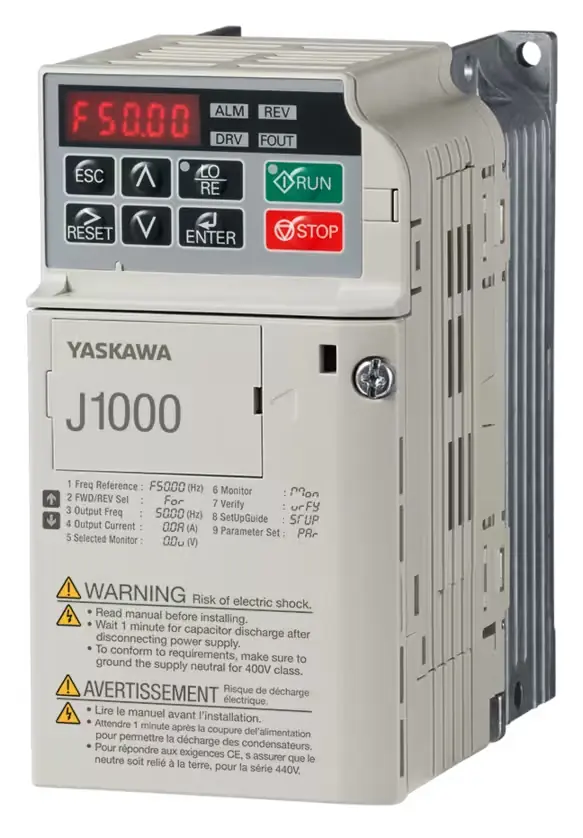
The Yaskawa J1000 is a compact variable frequency drive (VFD), meticulously designed for V/f control applications requiring robustness and efficiency. Its design focuses on delivering a reliable solution for general-purpose equipment, prioritizing ease of use and installation in tight spaces. This approach makes it ideal for a wide range of industries seeking to optimize motor performance with a moderate investment.
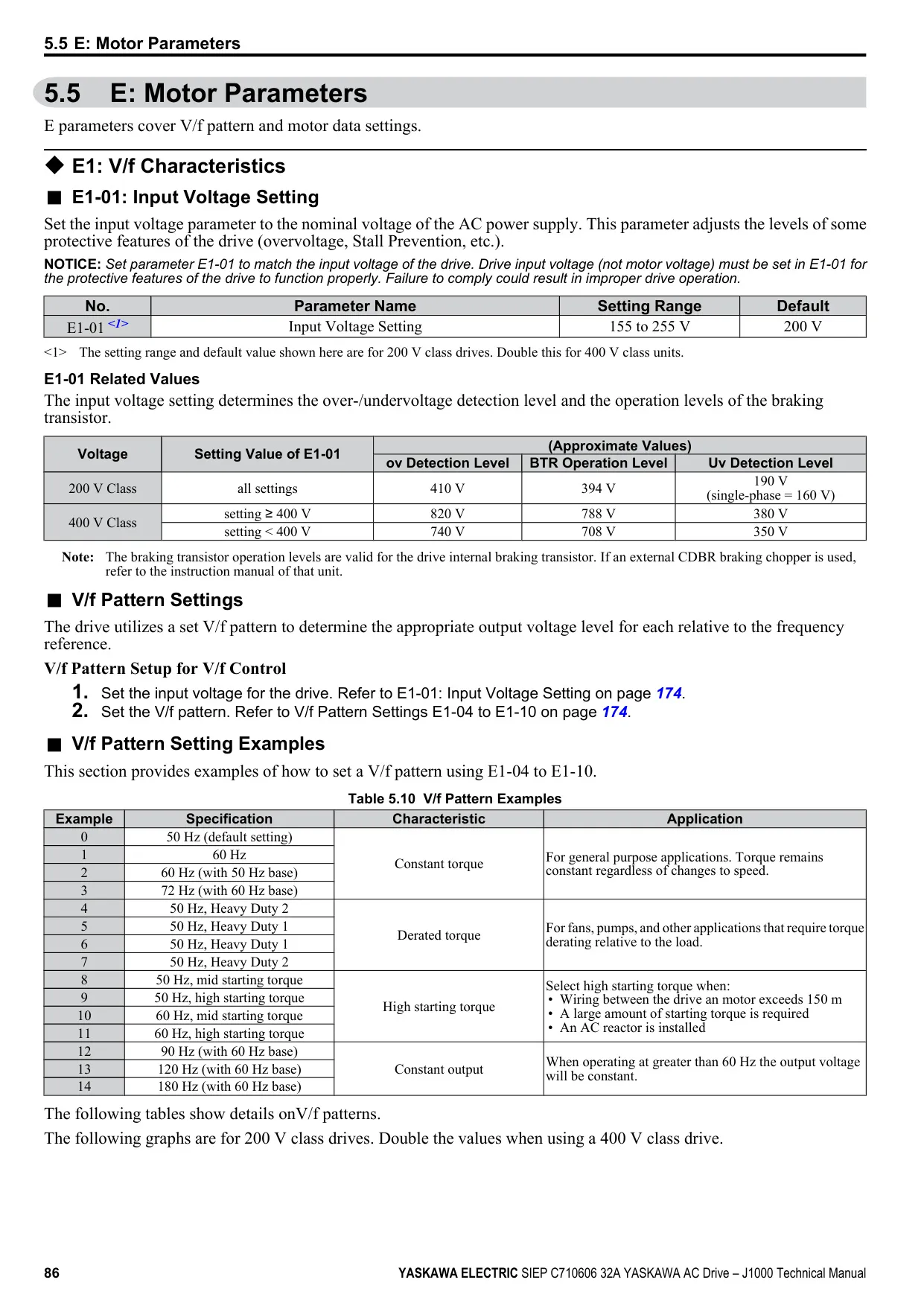
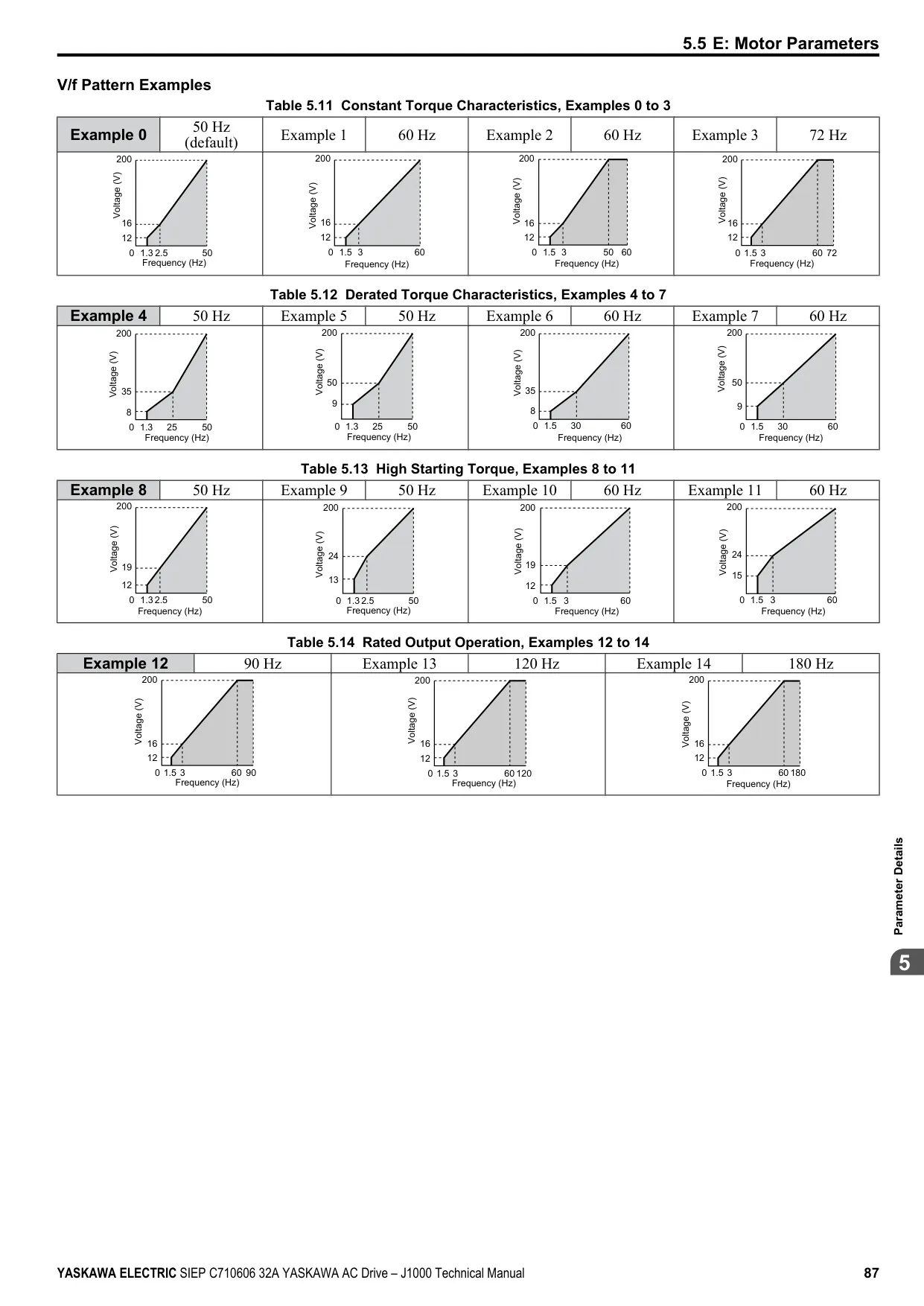
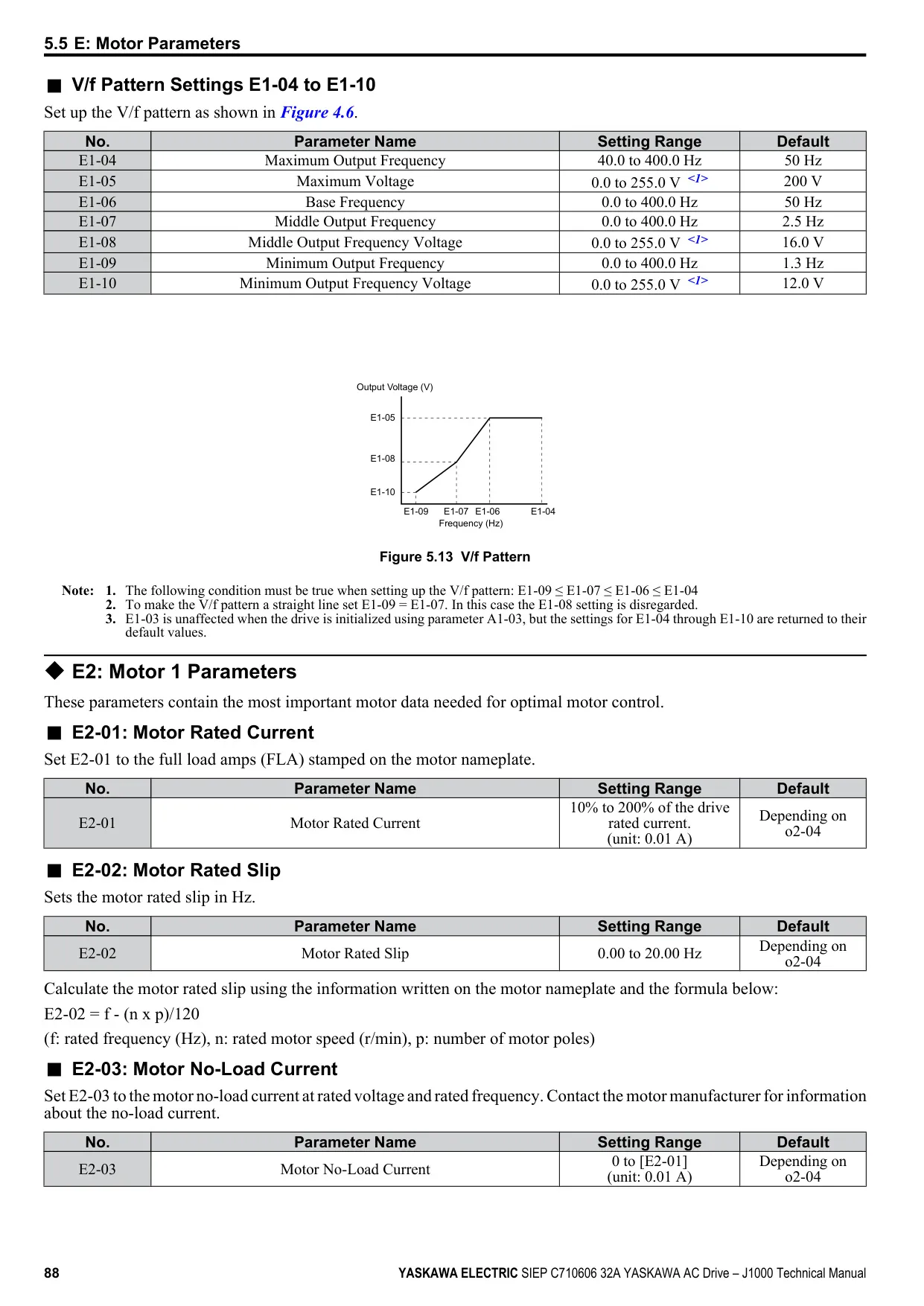
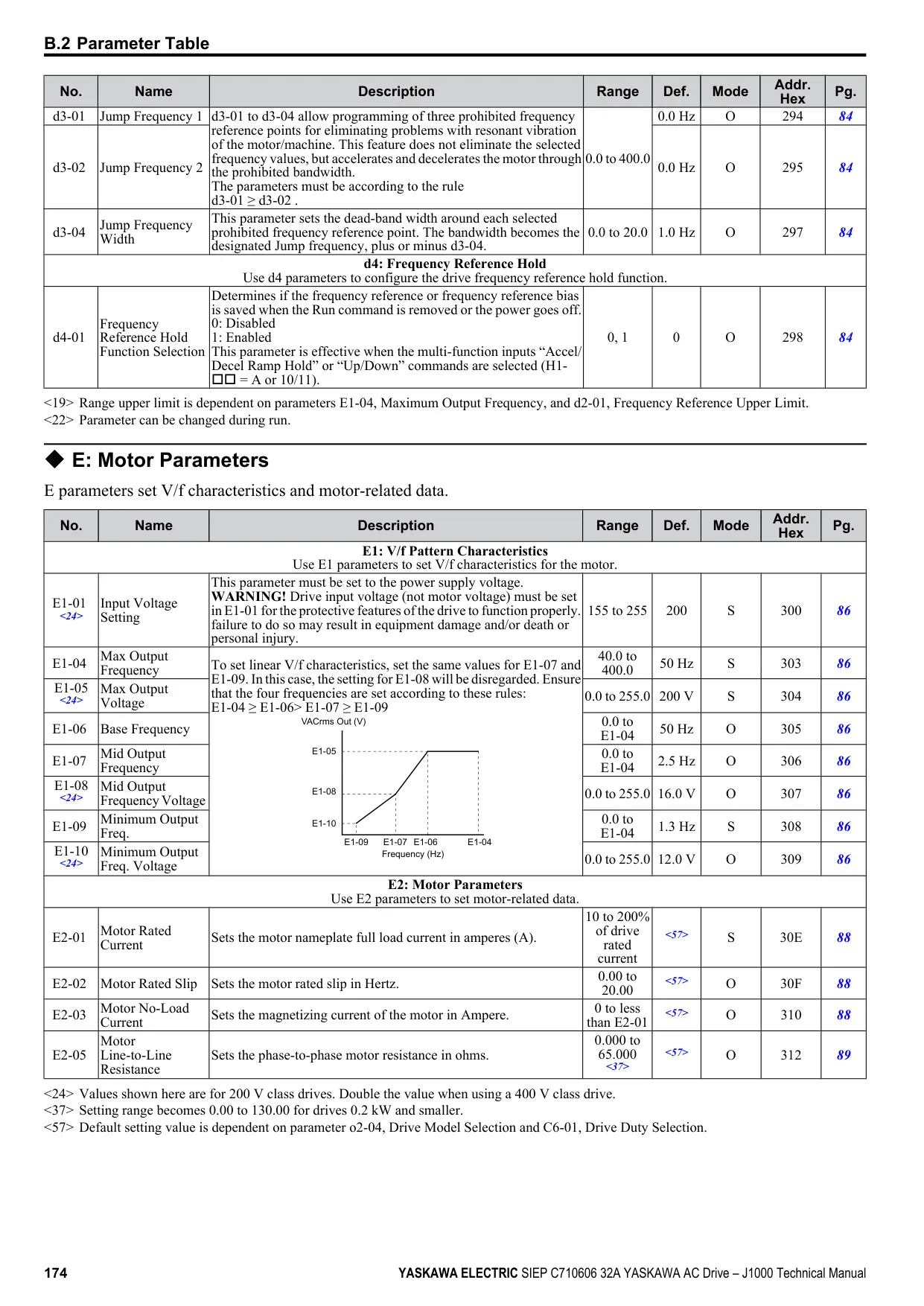
A notable feature is its customizable V/f curves, which allow users to precisely tailor the drive's behavior to the specific requirements of their motor and load. This flexibility ensures optimal control and higher energy efficiency, preventing unnecessary oversizing and extending the lifespan of the motorized equipment.
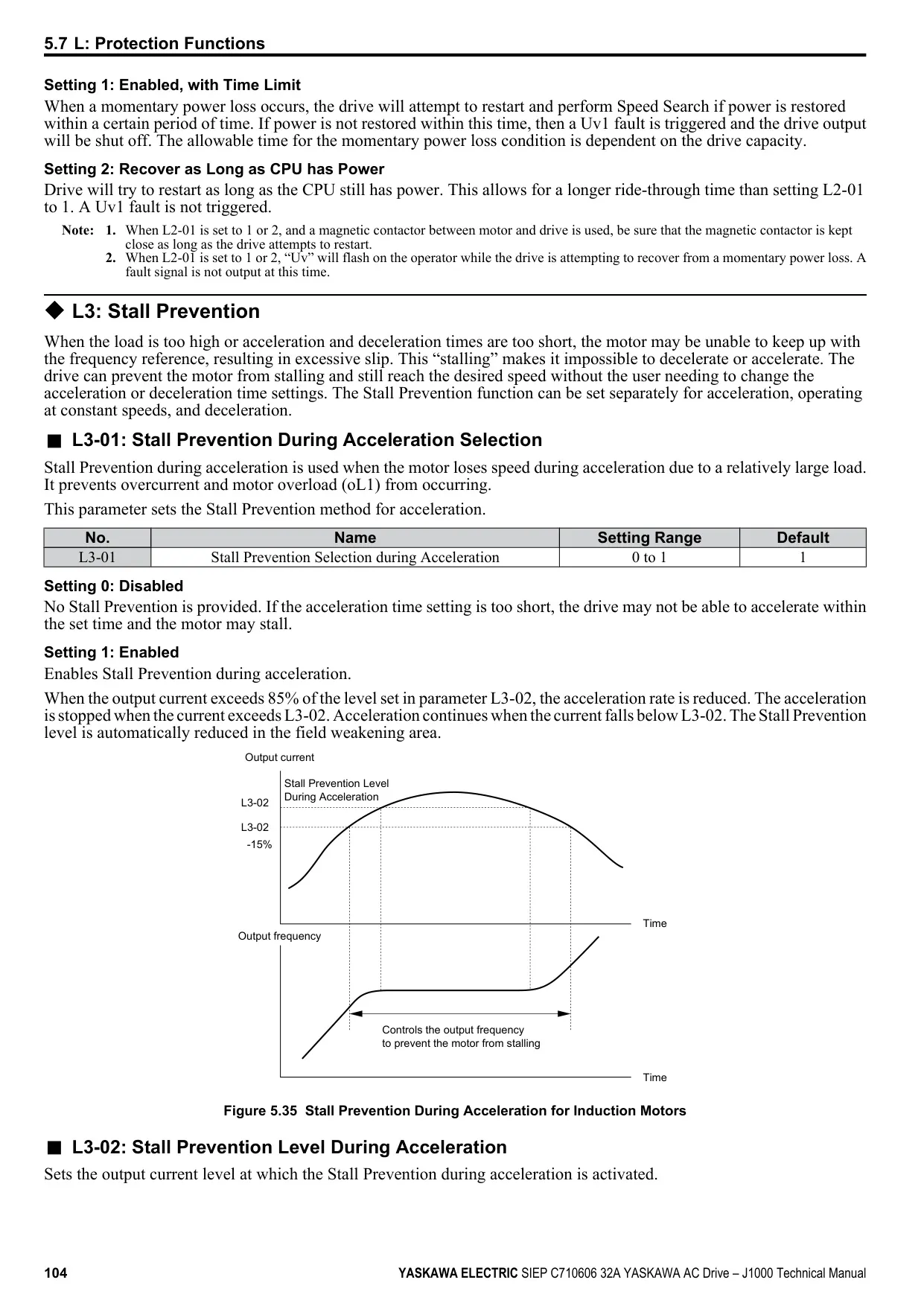
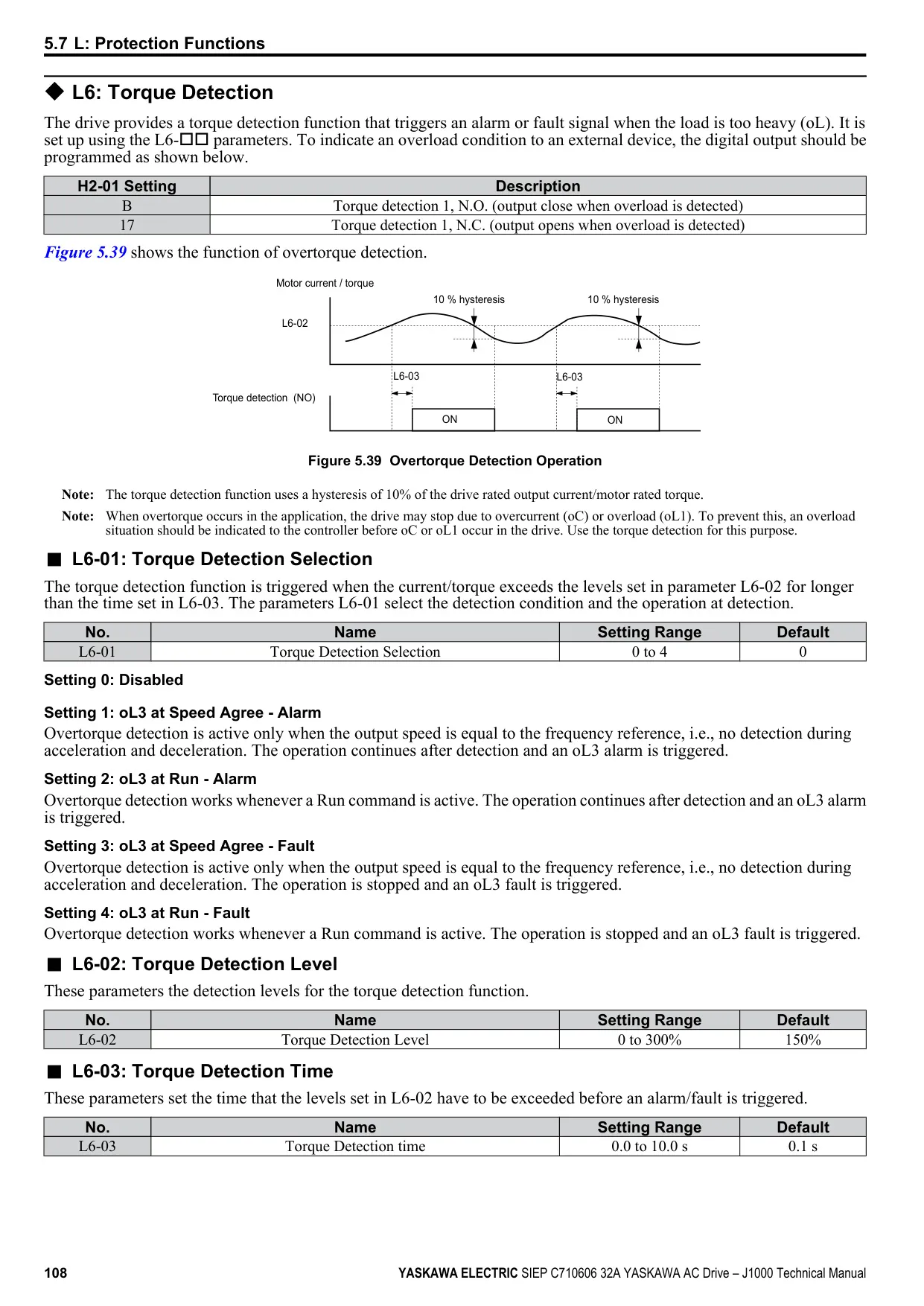
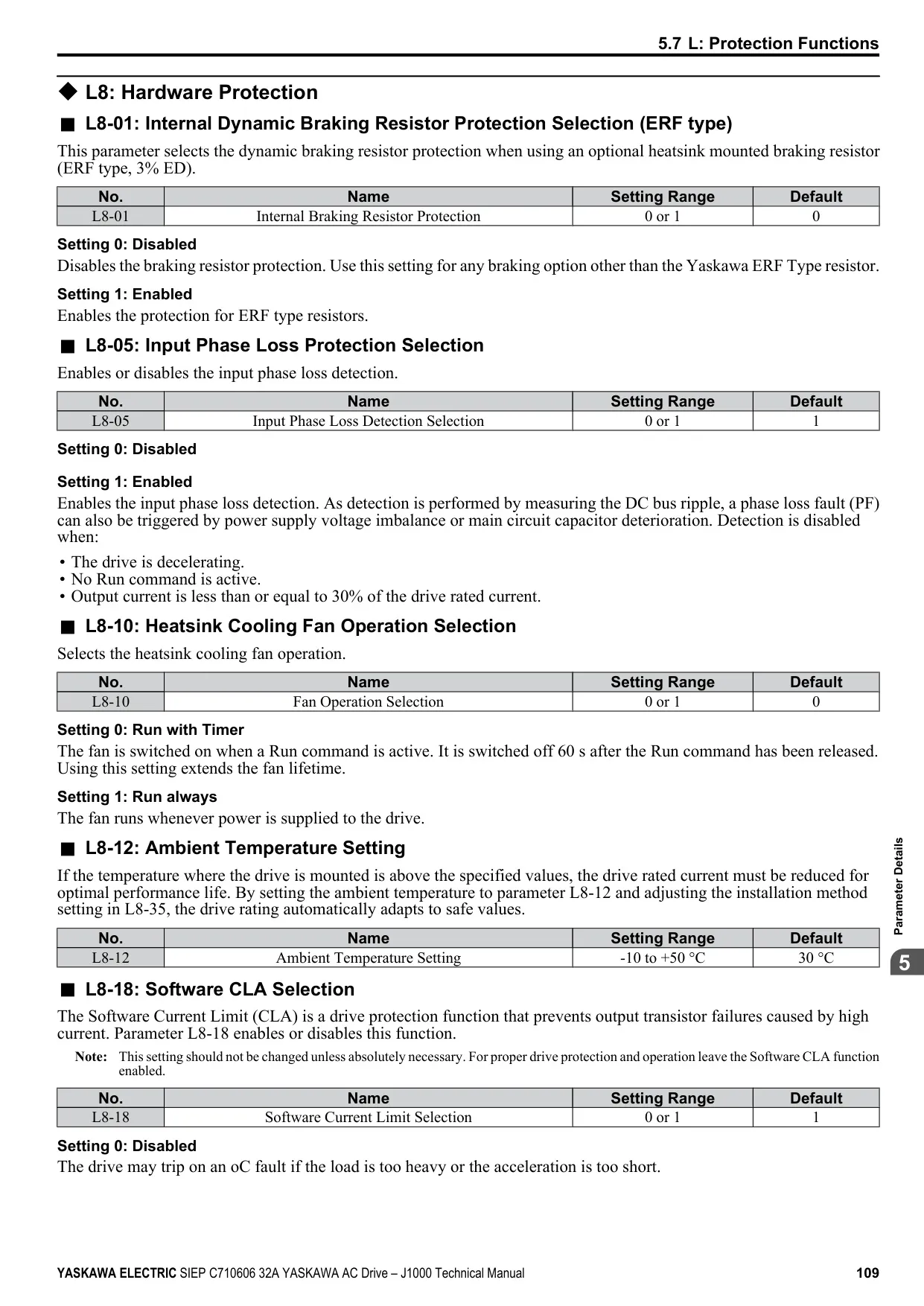
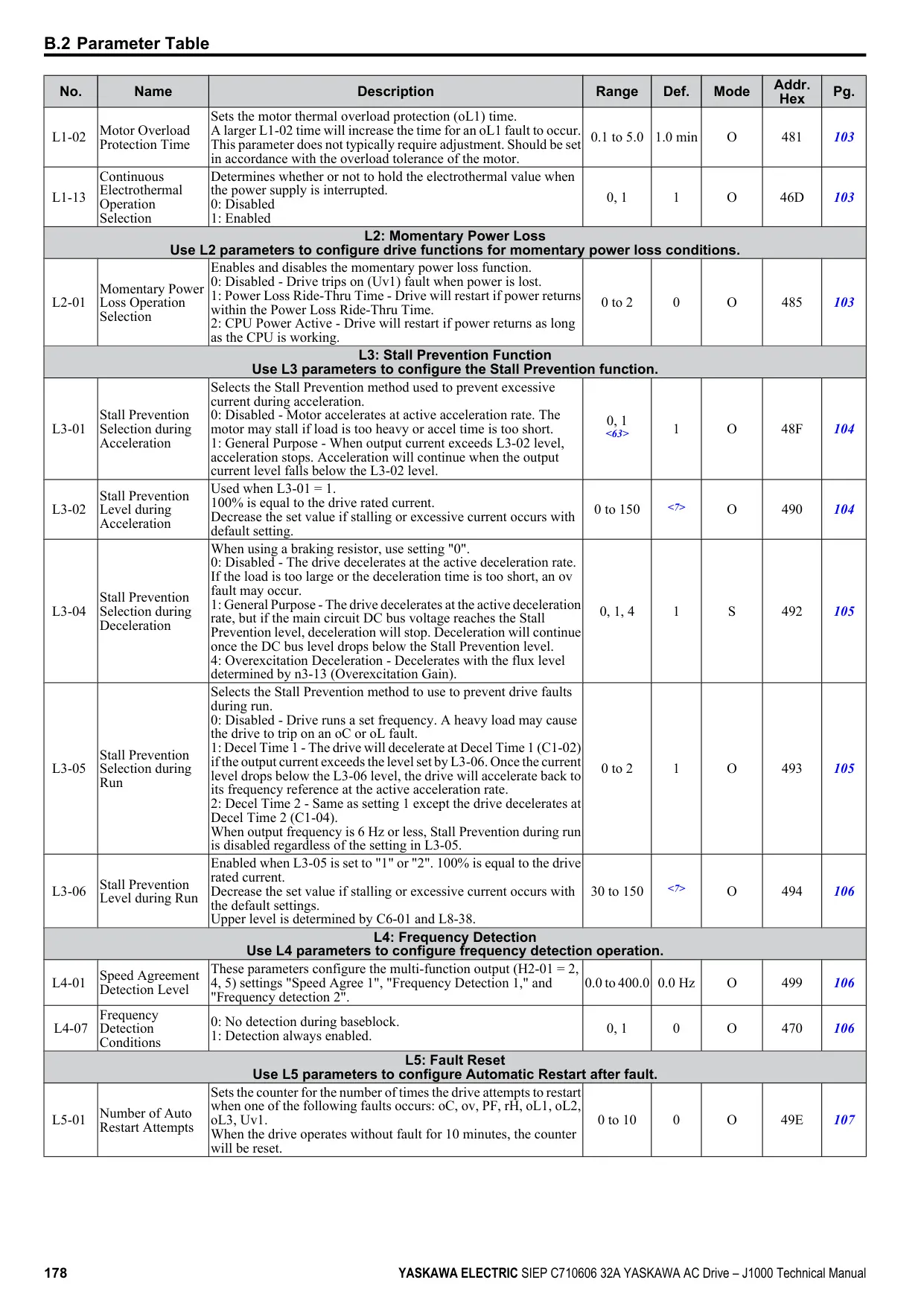
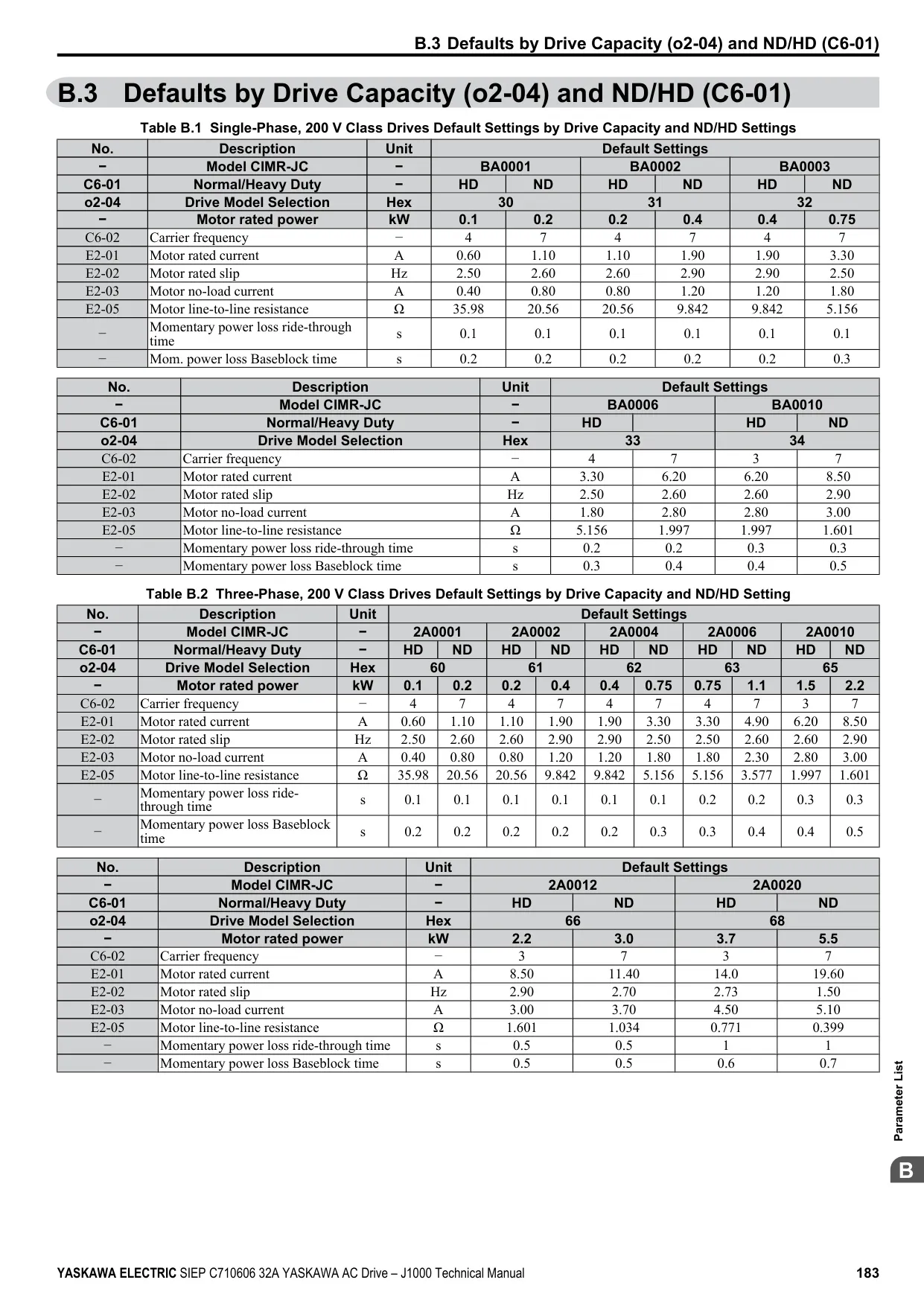
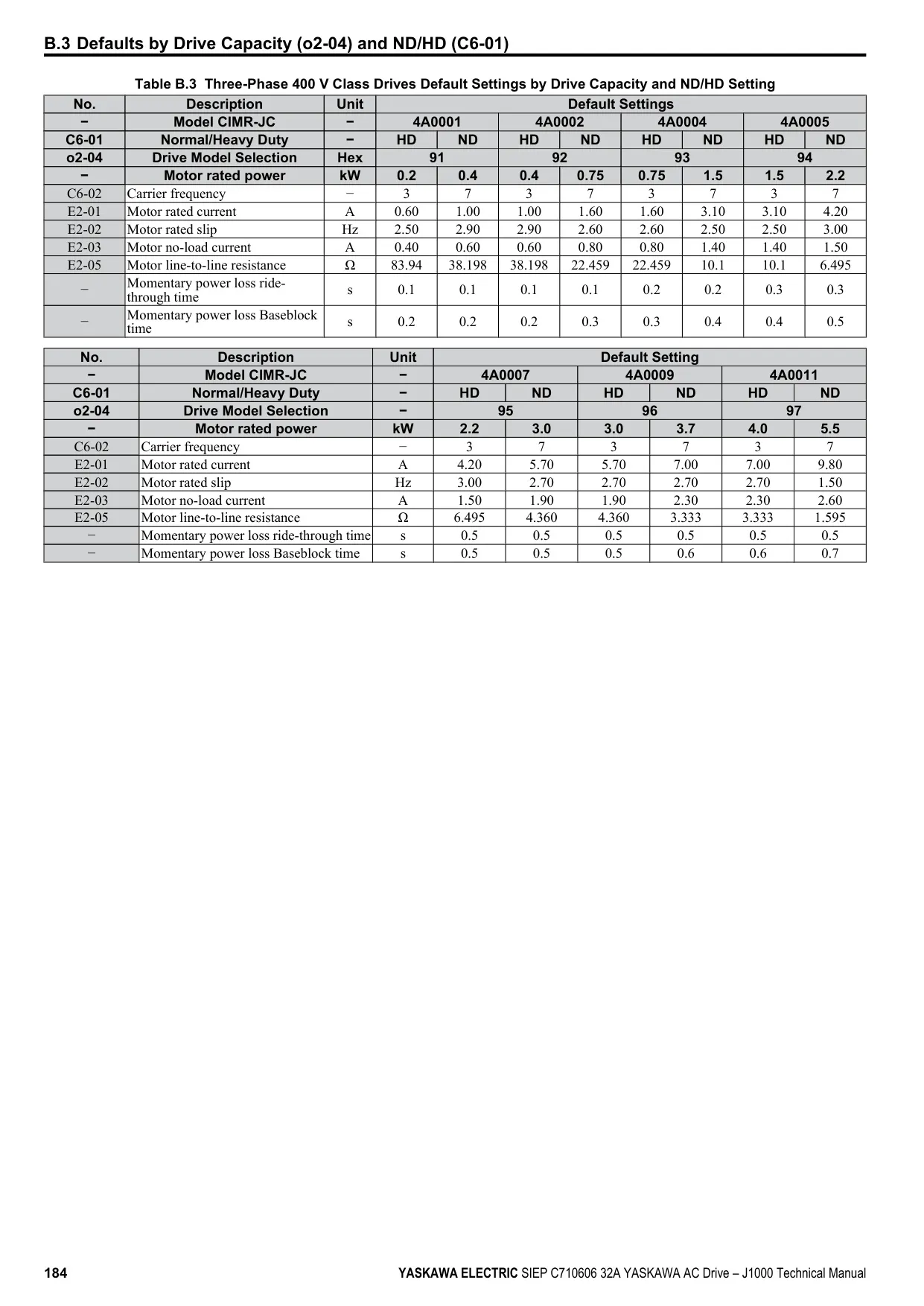
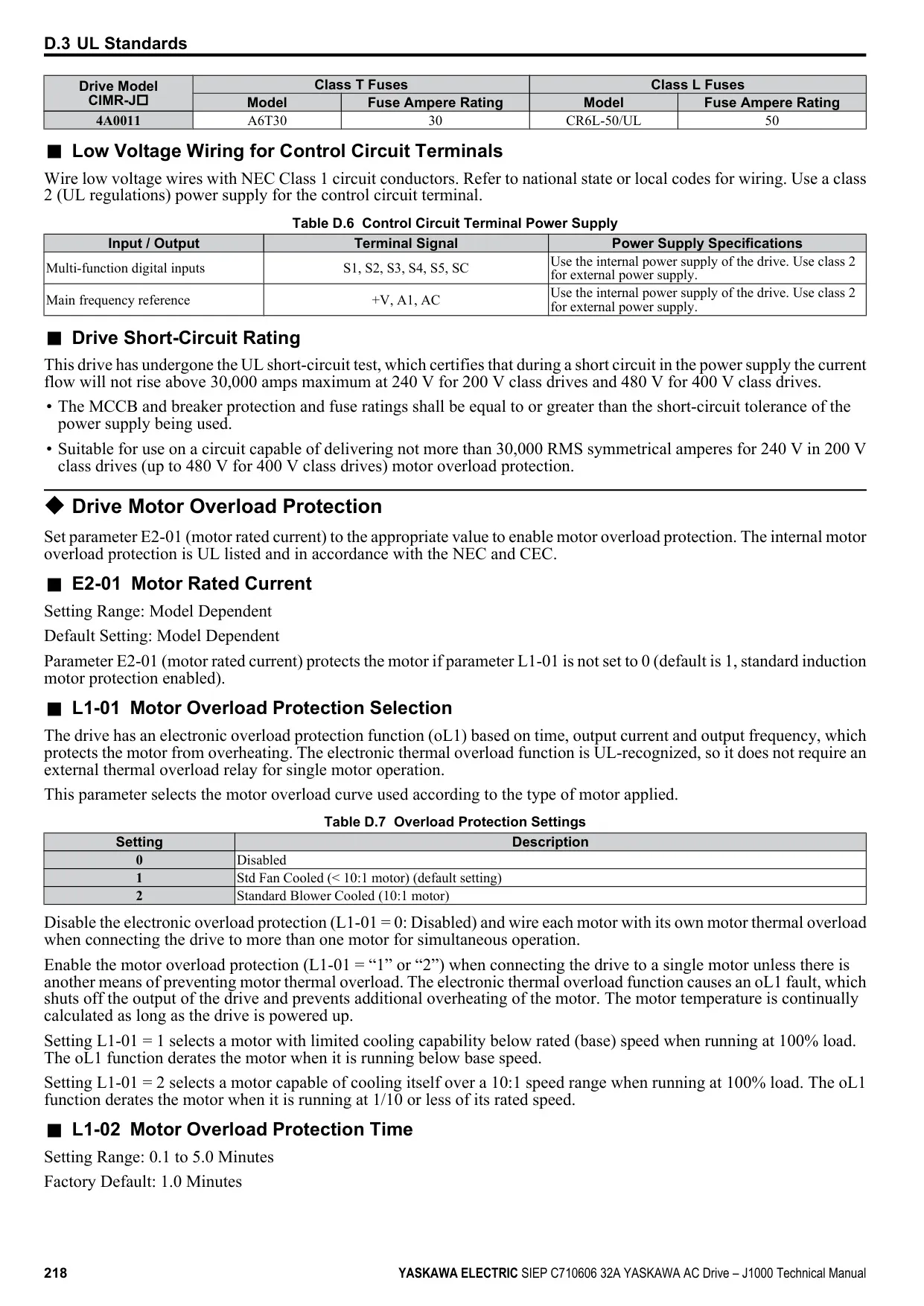
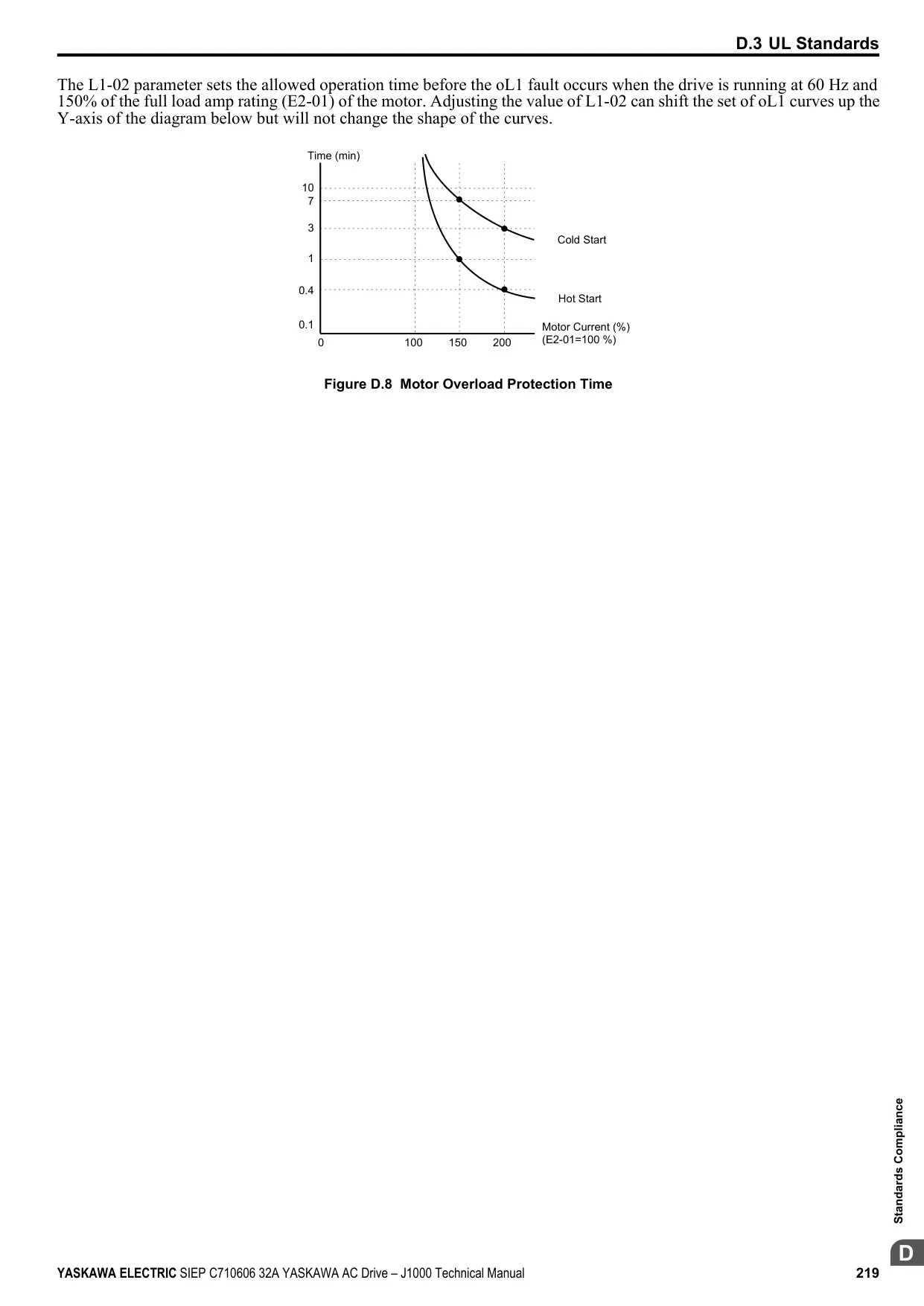
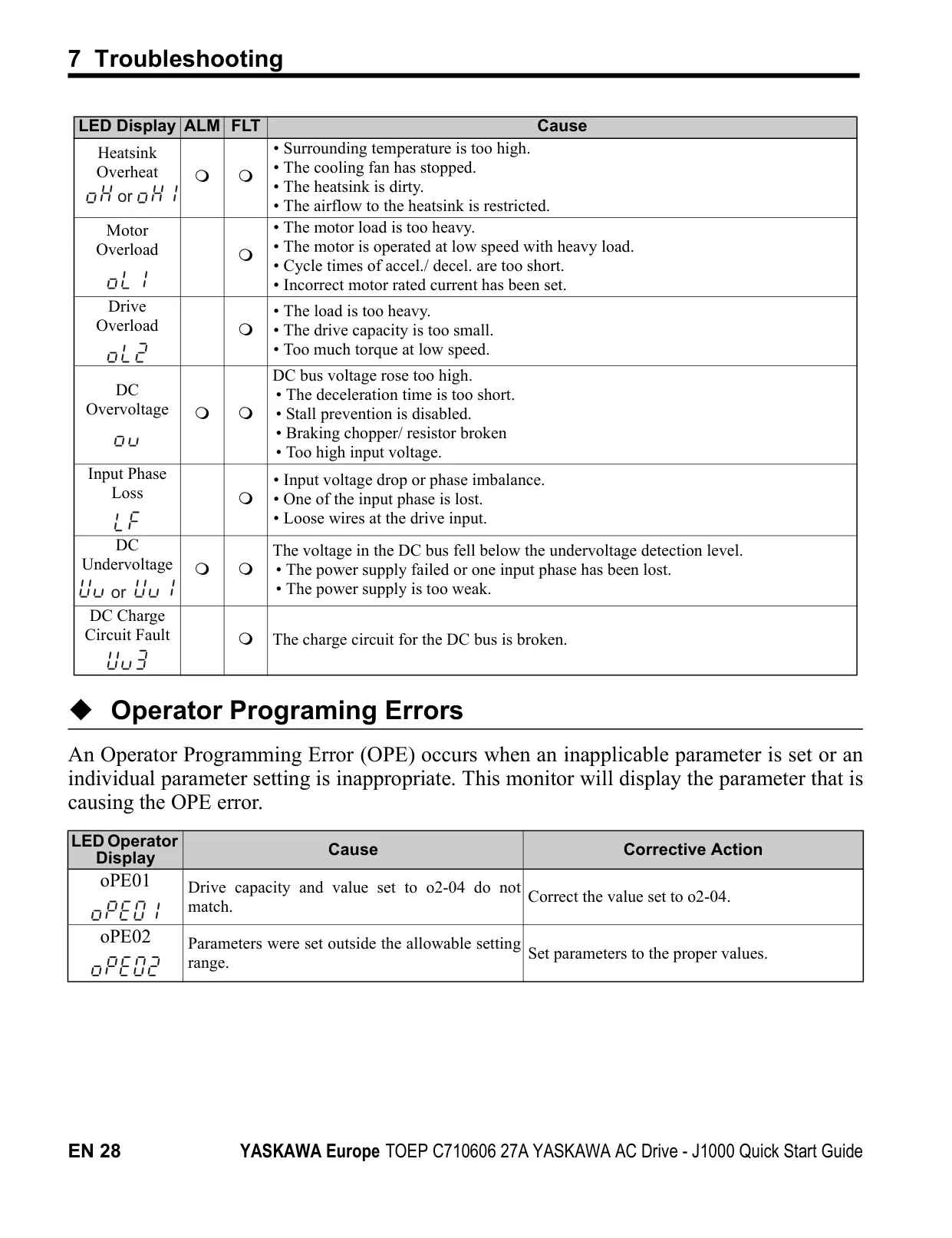
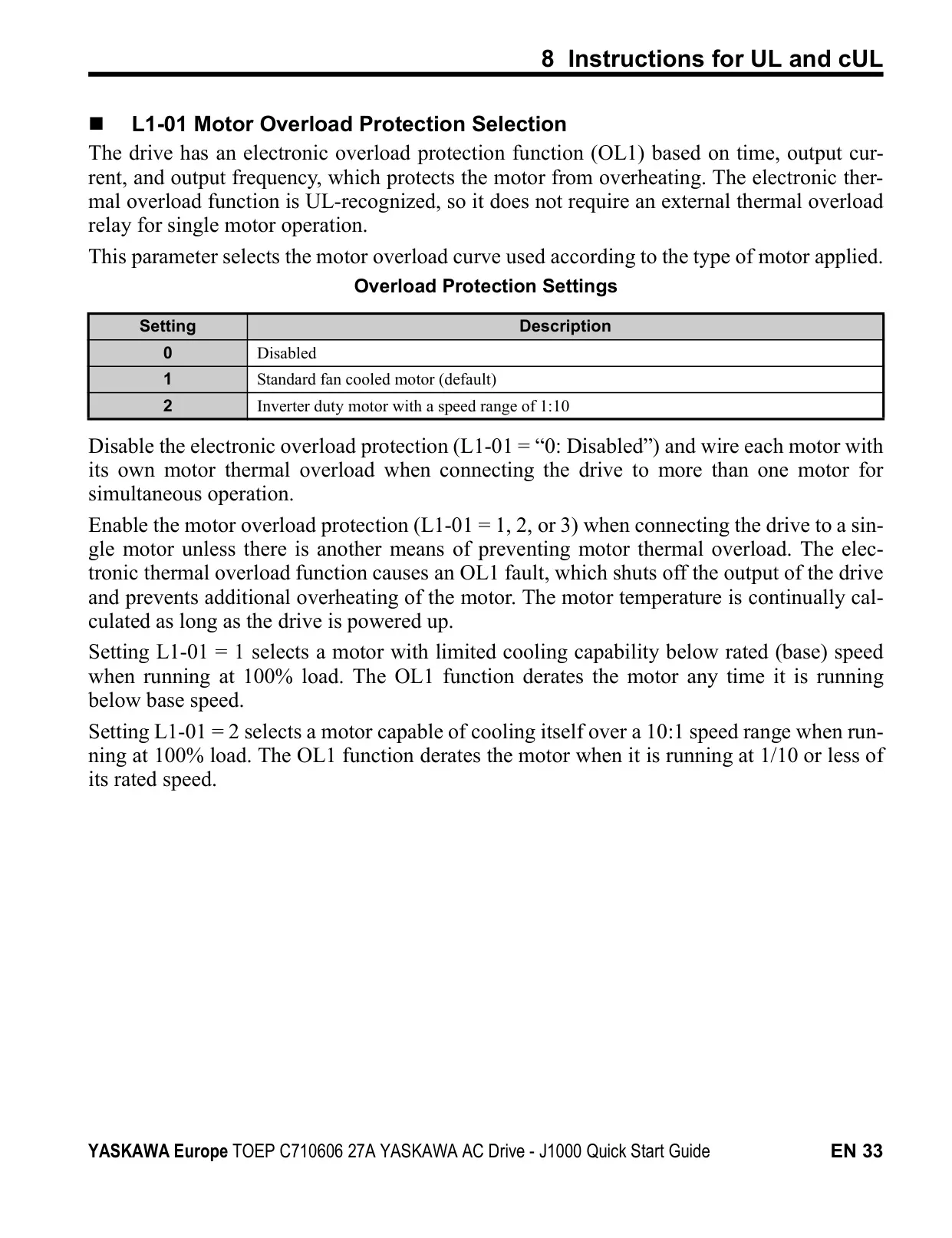
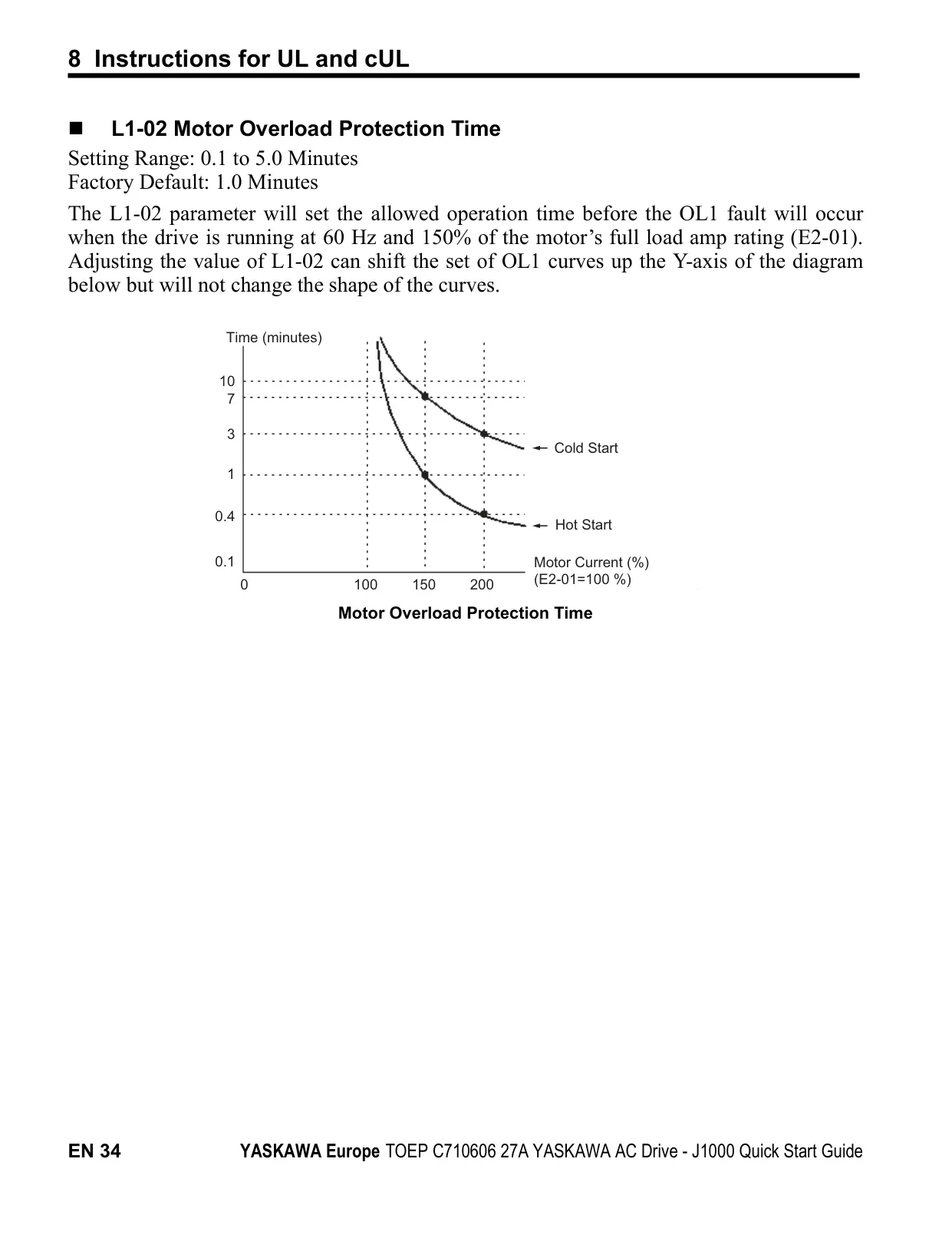
The drive includes an advanced protection suite that goes beyond the basics. Motor overload protection (oL1), for example, is configurable for different cooling types (standard or forced ventilation), allowing smarter adaptation to the operating environment. Additionally, it features a "Momentary Power Loss Ride-Thru" capability, enabling the VFD to maintain operation during brief power interruptions, minimizing unexpected downtime and improving process continuity.
For noise-sensitive environments, the J1000 offers Swing PWM mode for its carrier frequency. Although the switching frequency can be adjusted up to 15 kHz, this special mode simulates the audible noise of a 2 kHz carrier frequency. This is particularly useful for reducing acoustic noise from the motor or the drive itself, creating a quieter working environment without compromising overall performance.
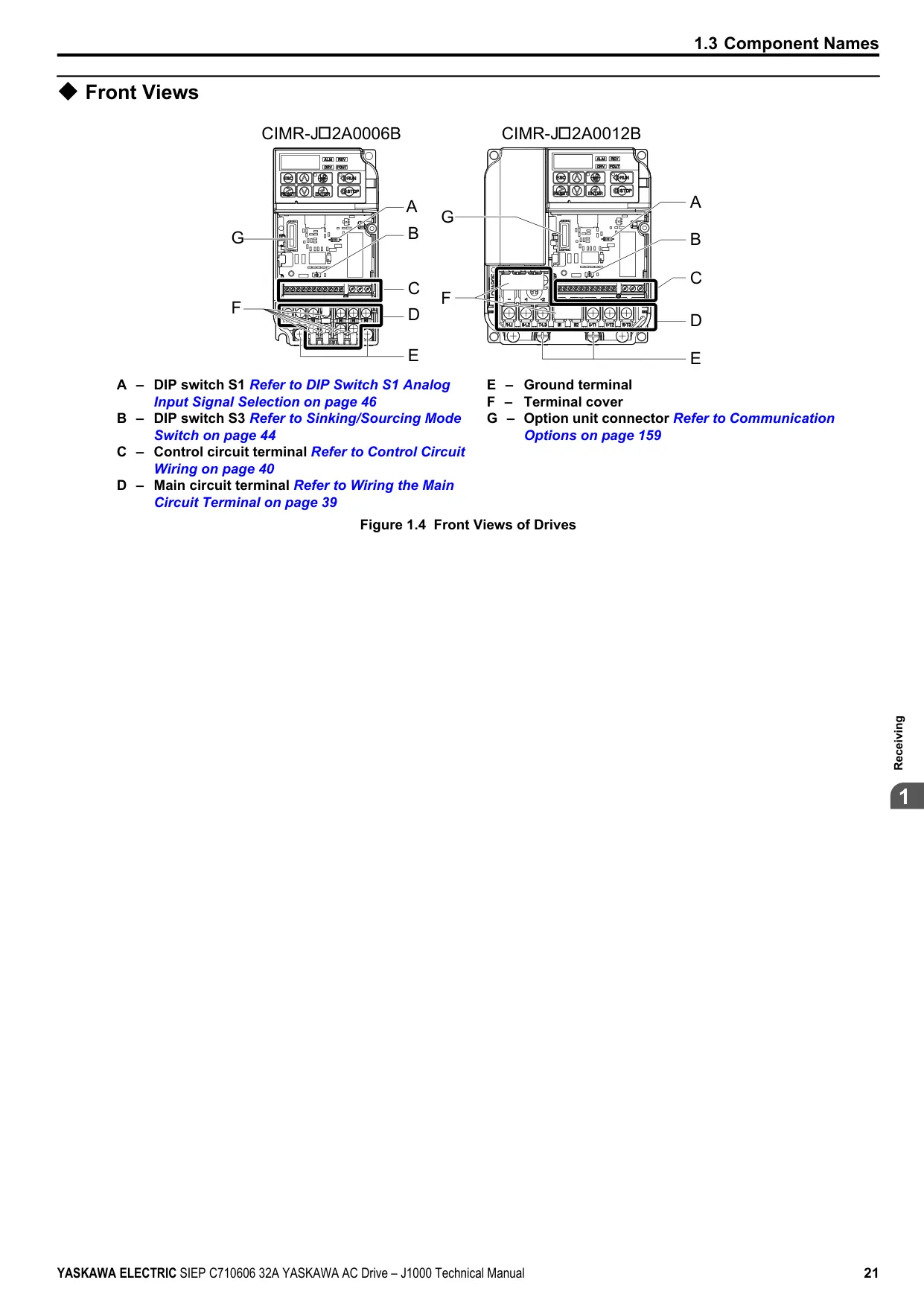
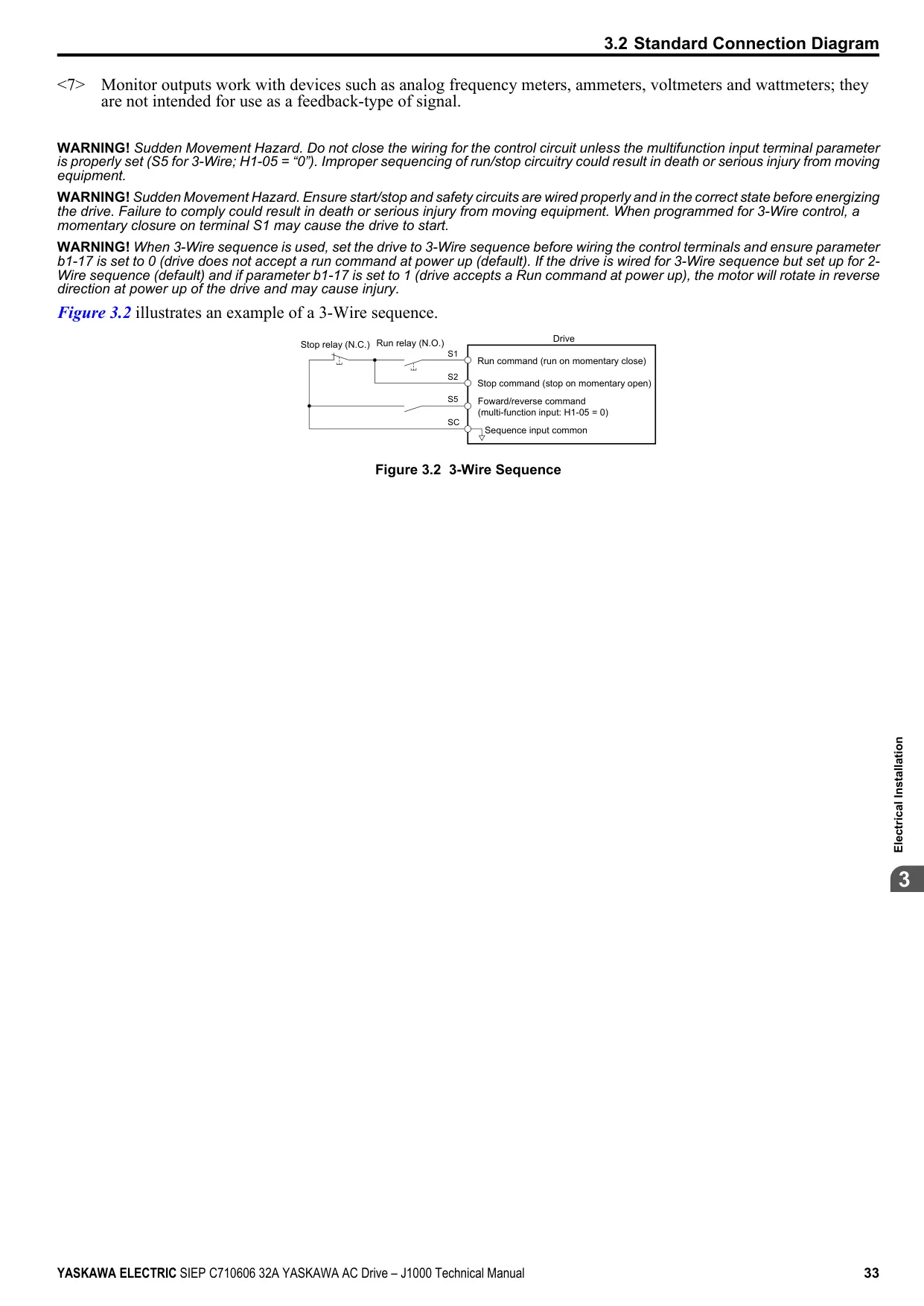
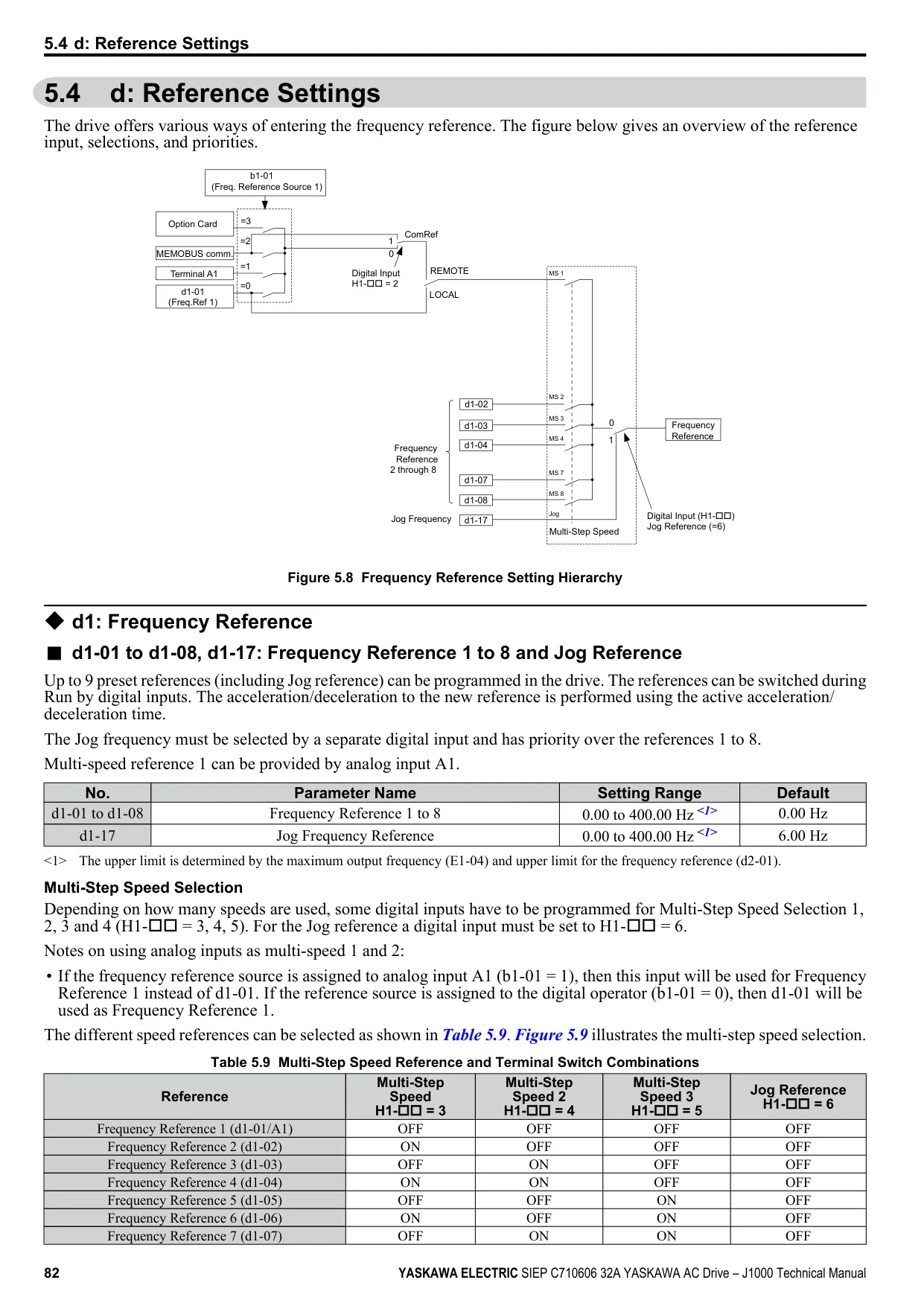
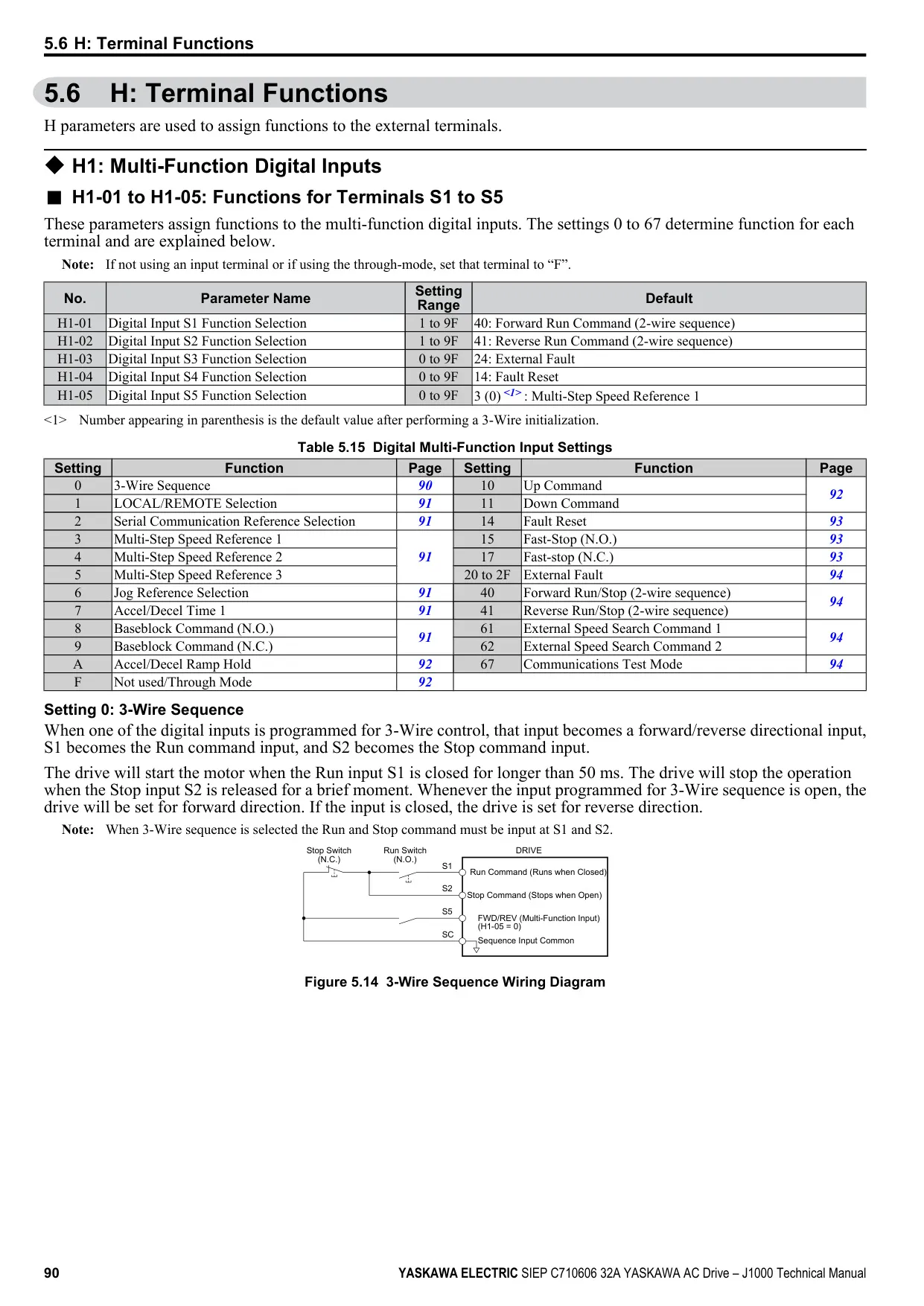
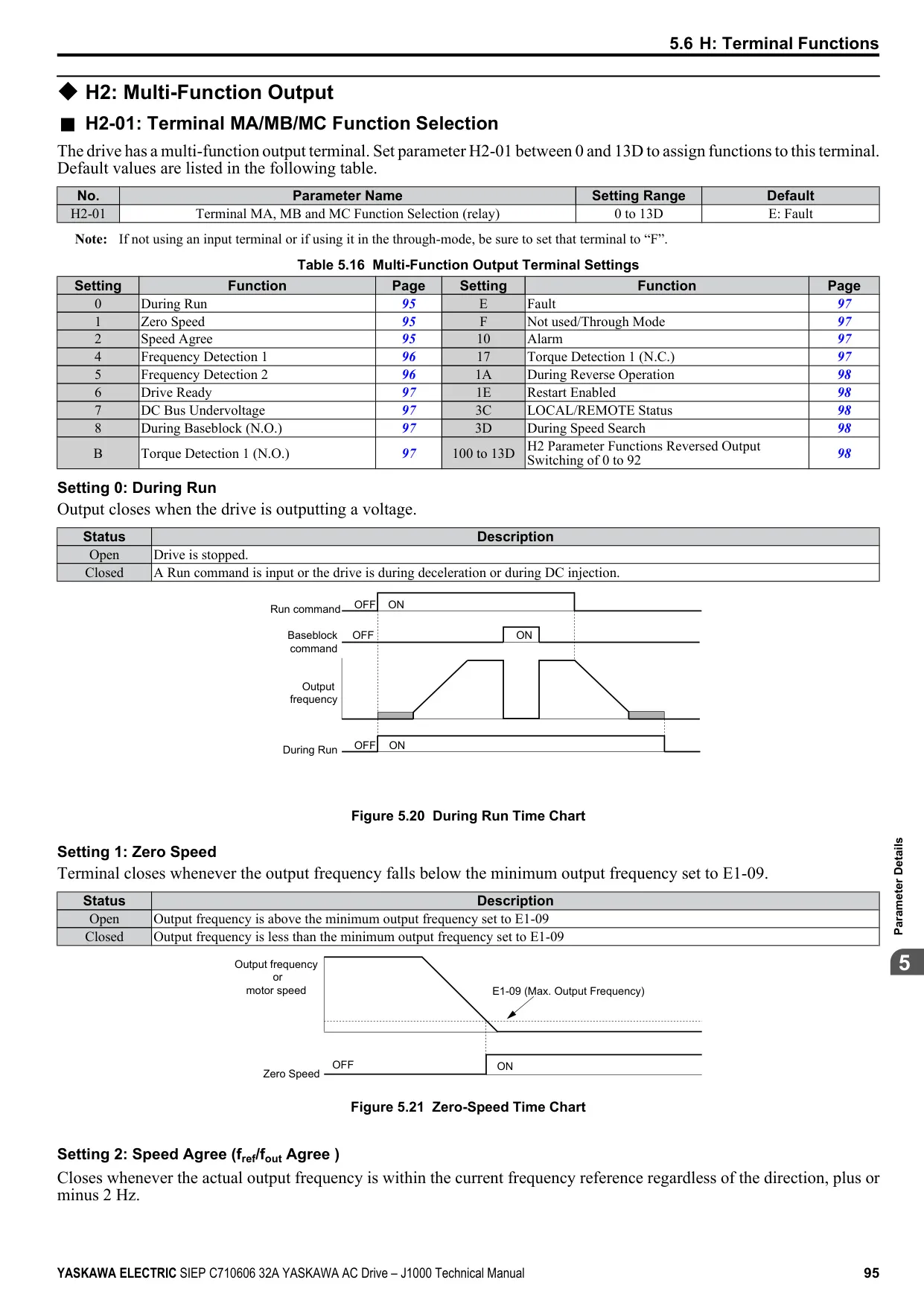
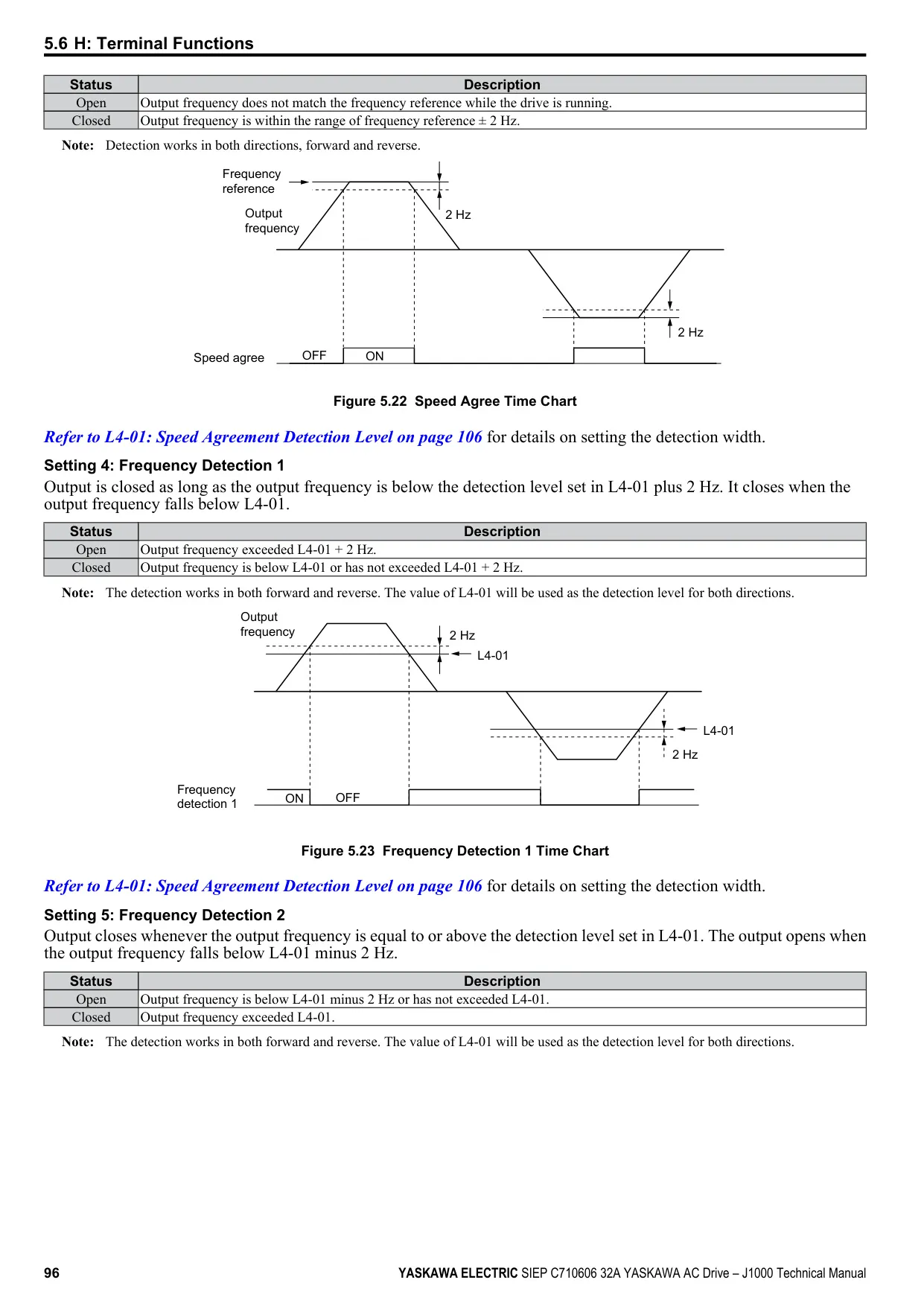
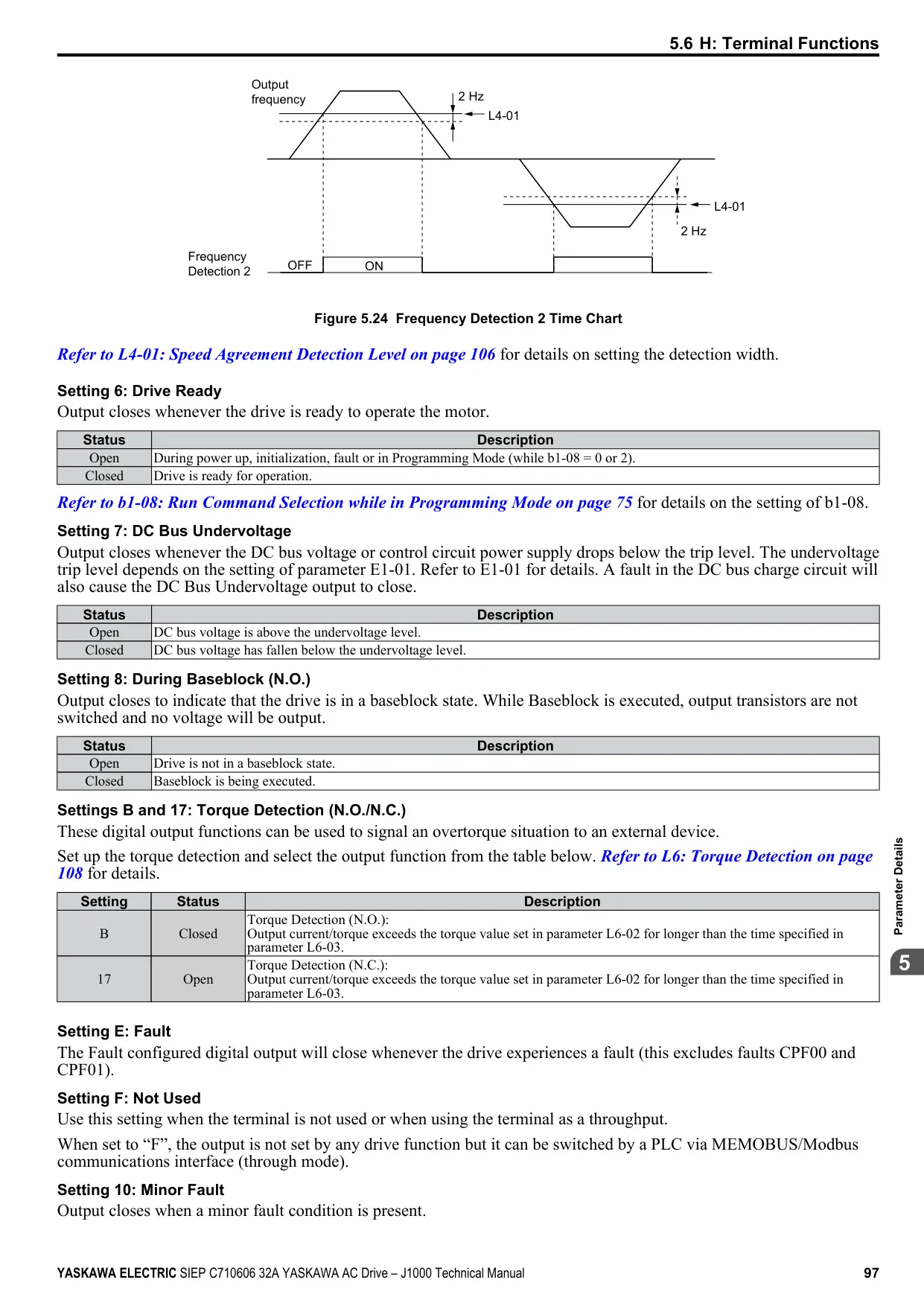
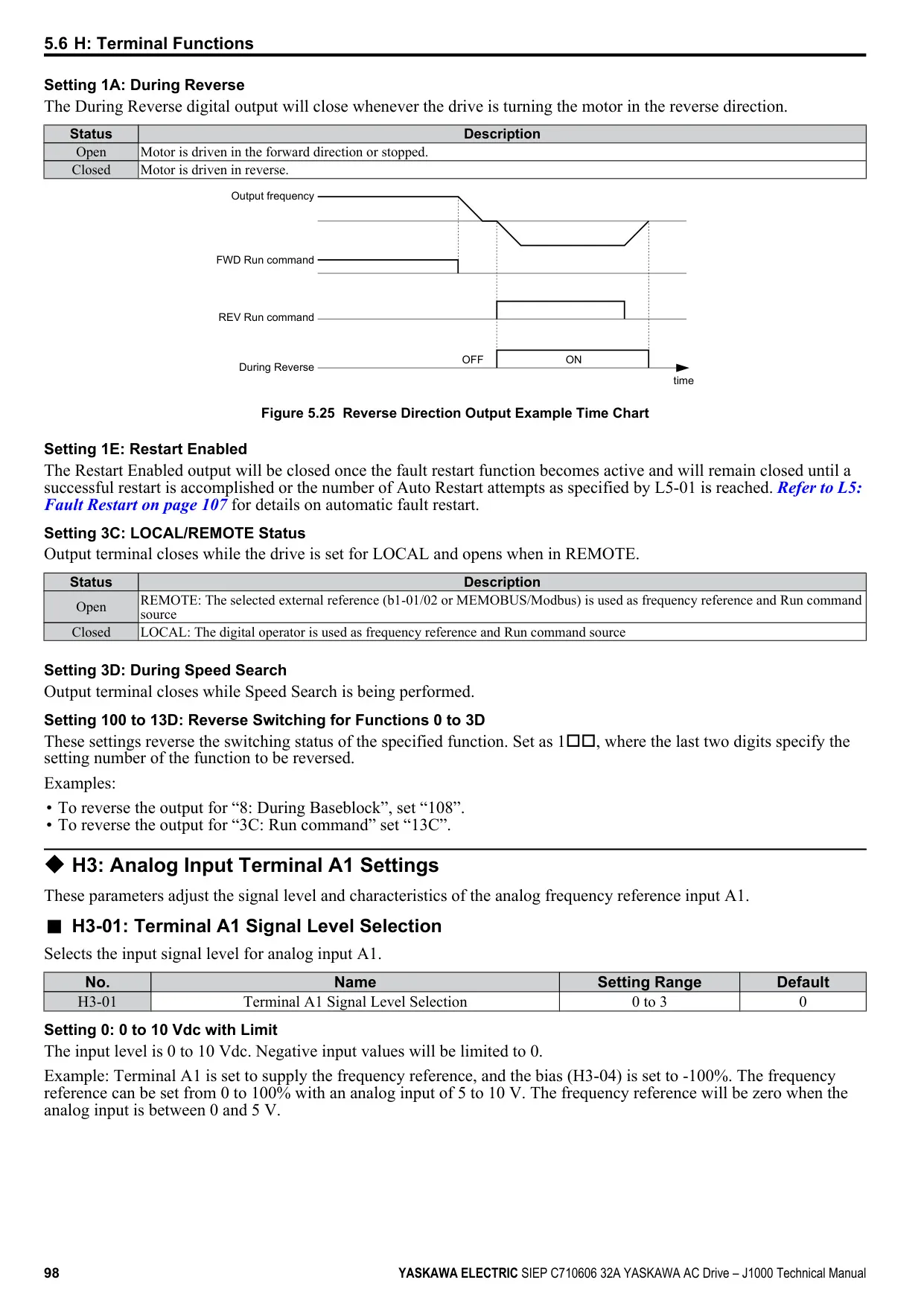
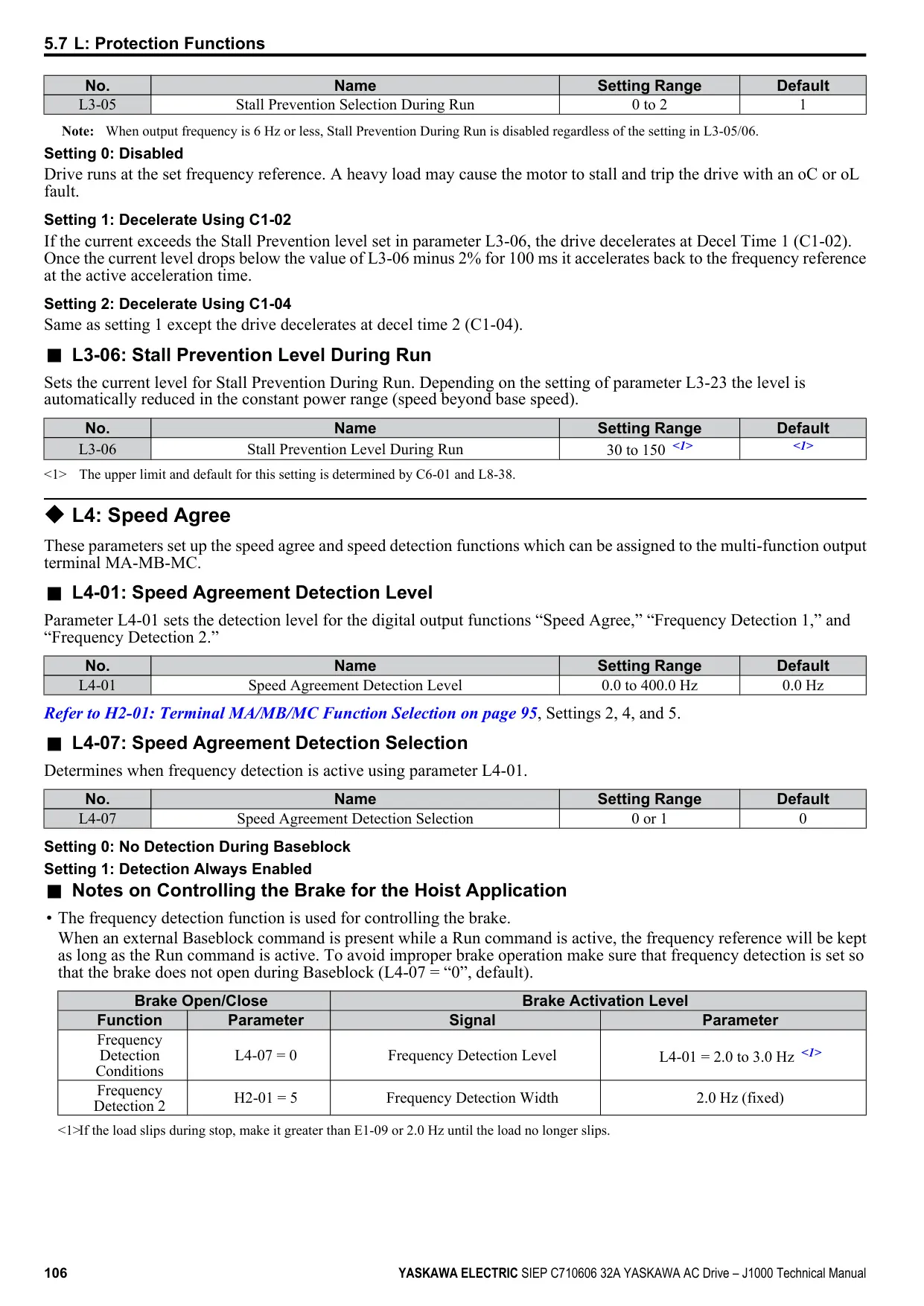
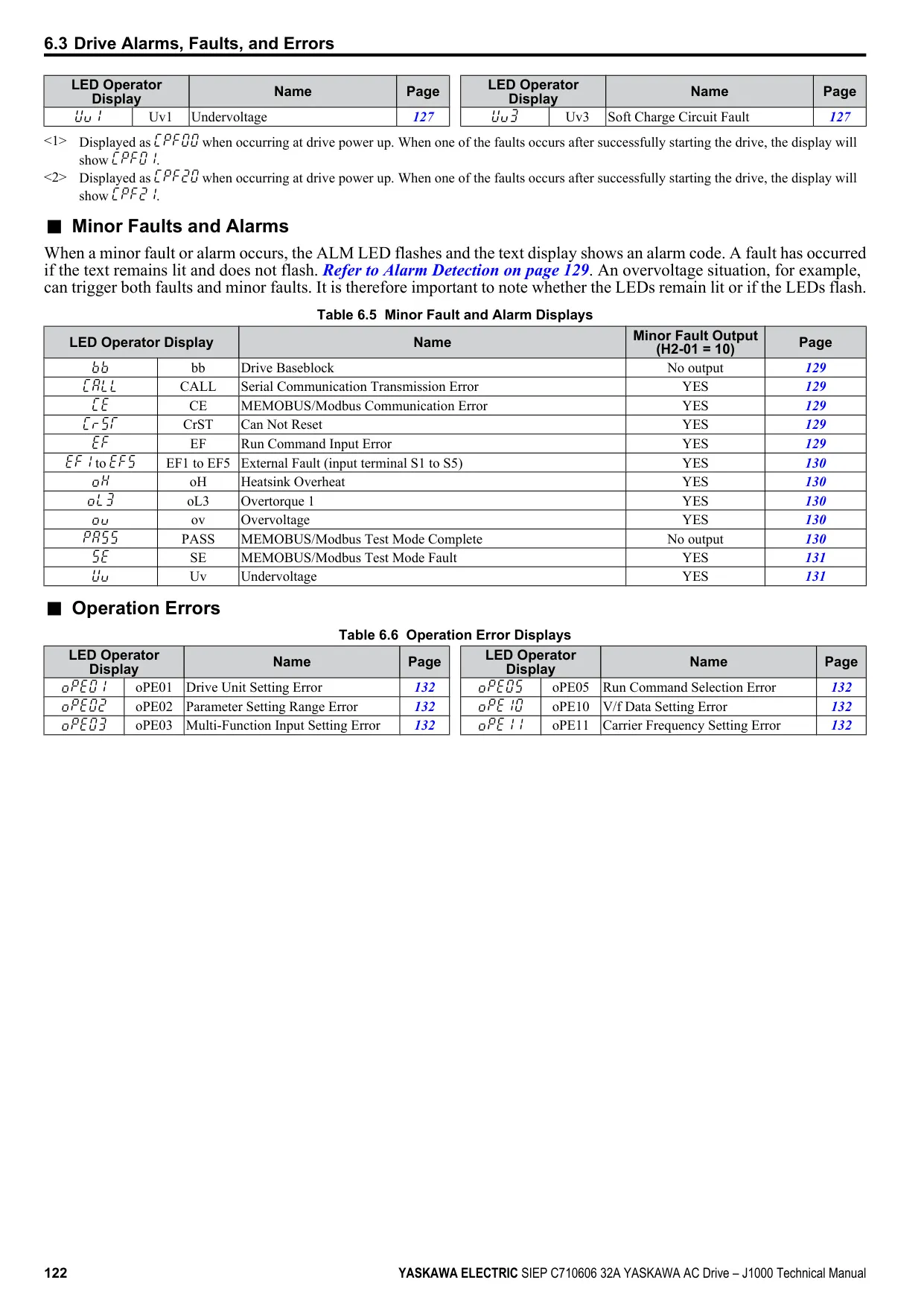
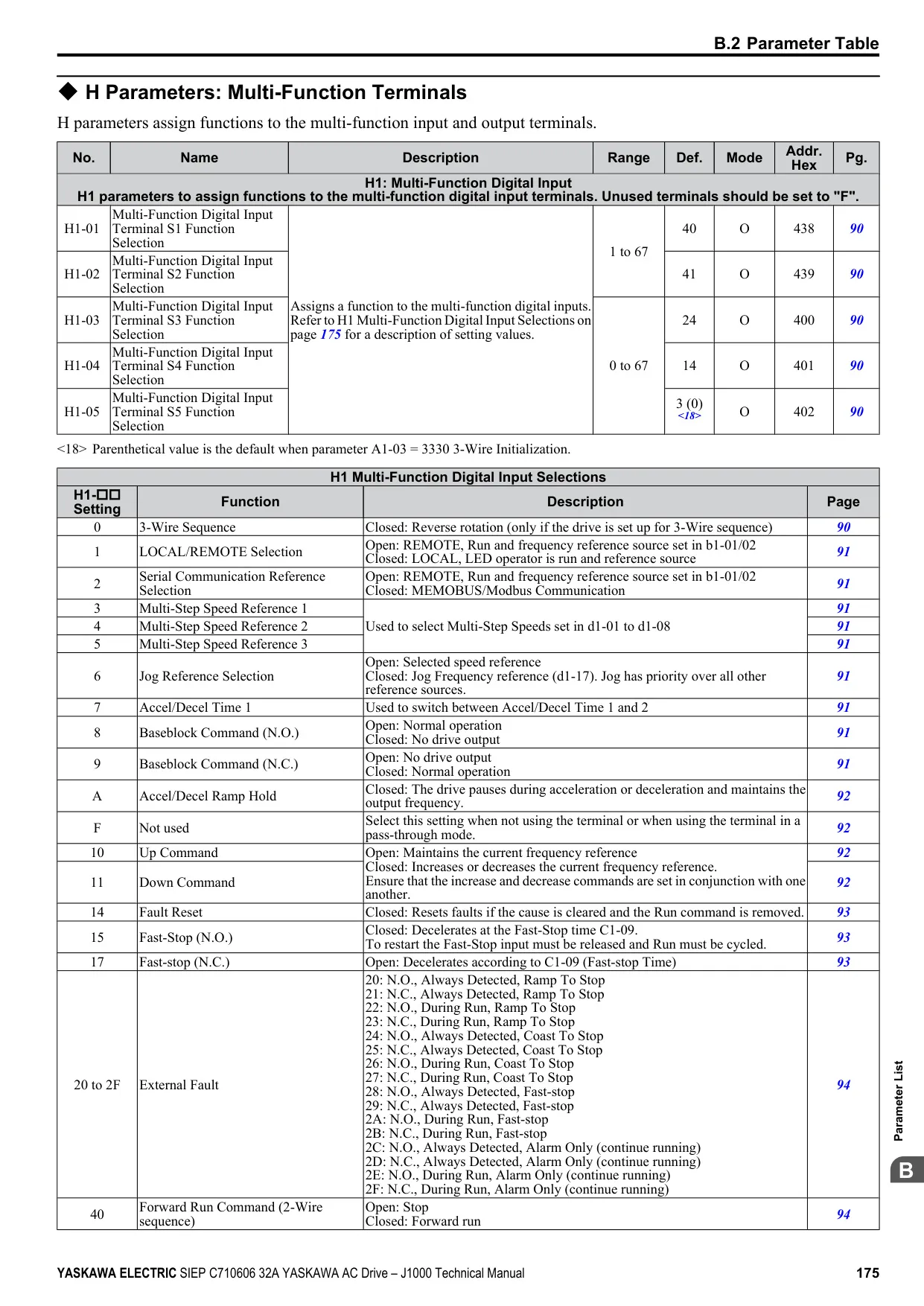
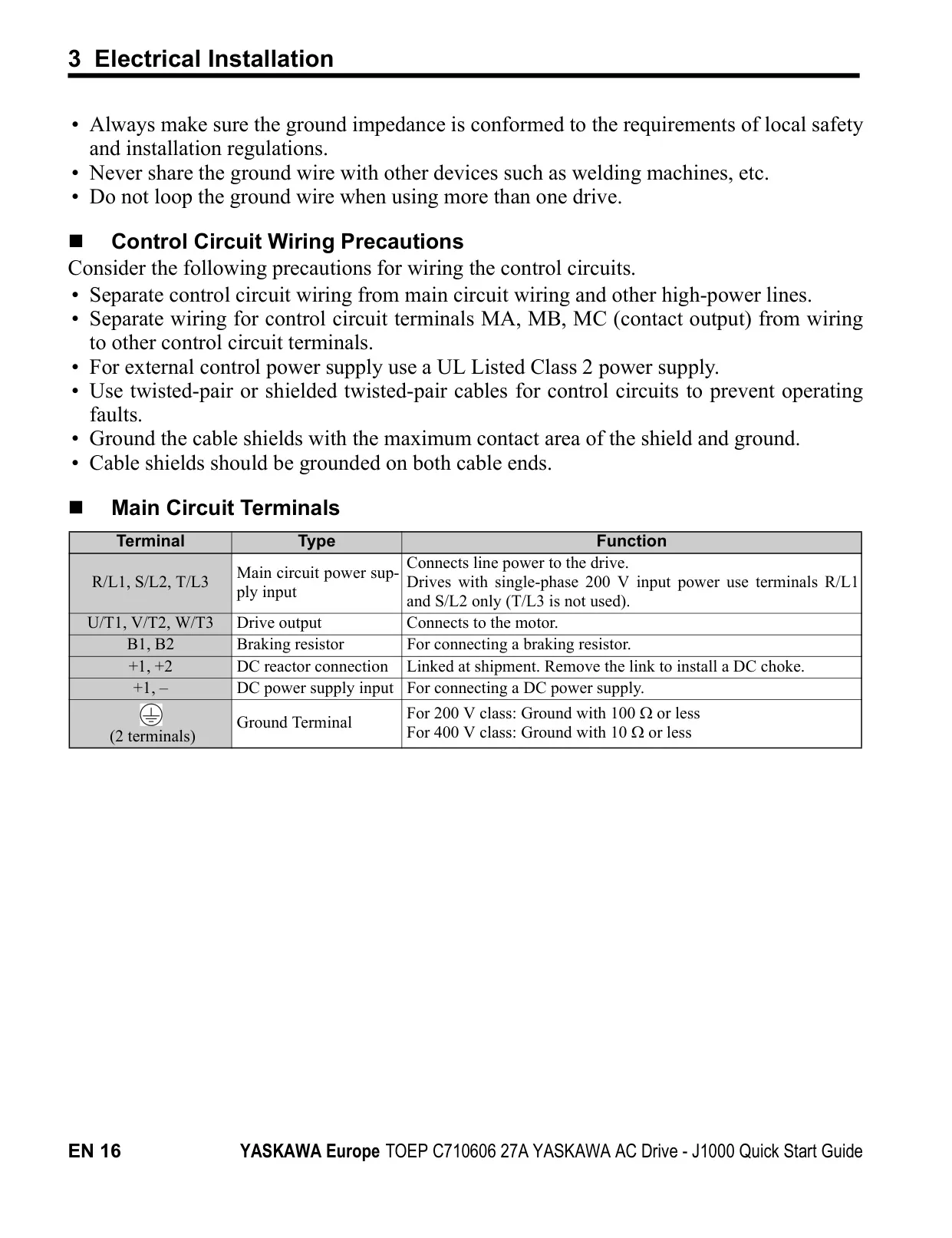
Connectivity is another strong point of the Yaskawa J1000, featuring highly versatile multi-function inputs and outputs. The five digital inputs, configurable as Sink or Source mode via a DIP switch, provide great flexibility for integration with various PLCs or control systems. Furthermore, the multi-function relay output can be used to signal drive status or fault conditions, facilitating remote monitoring.
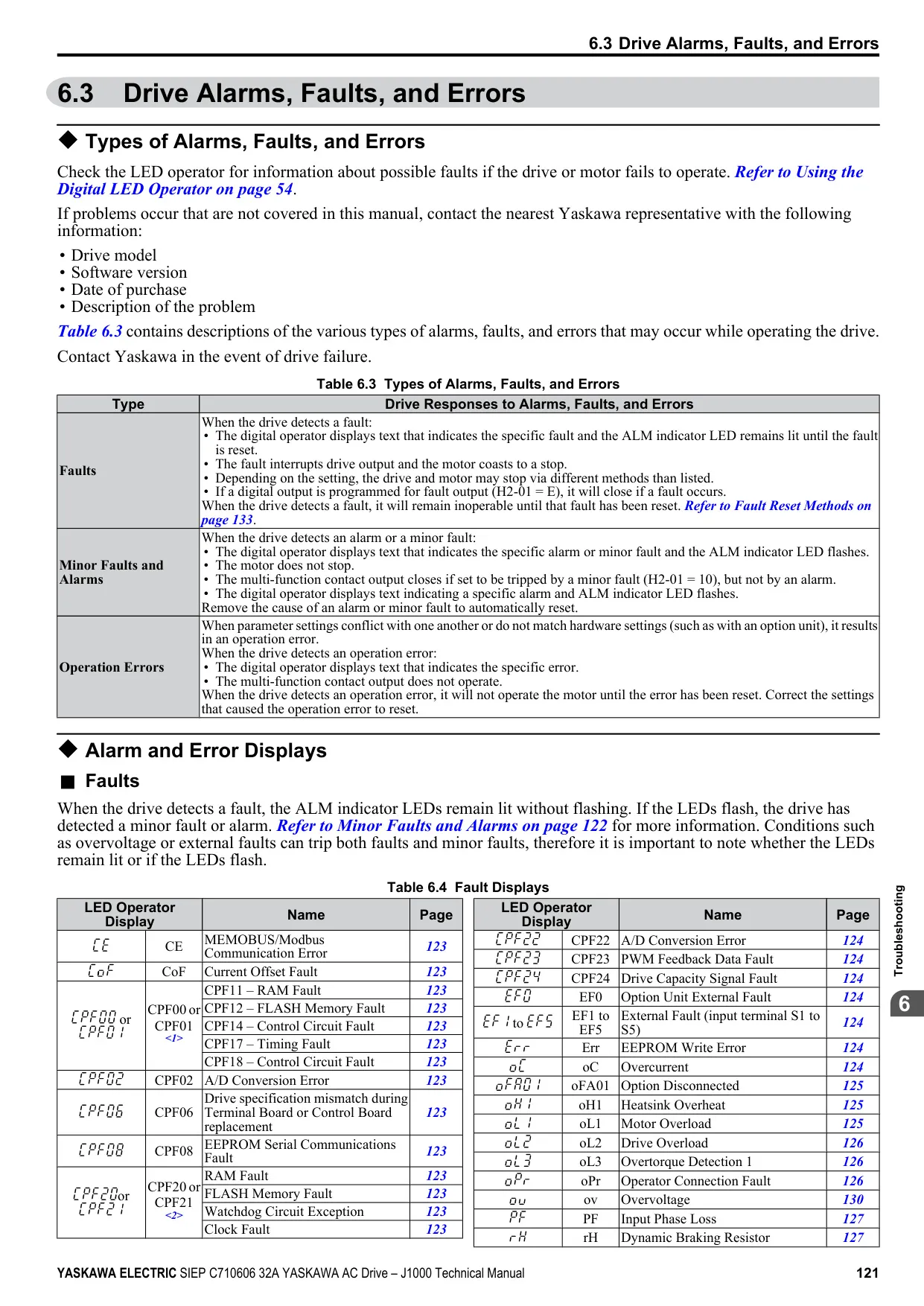
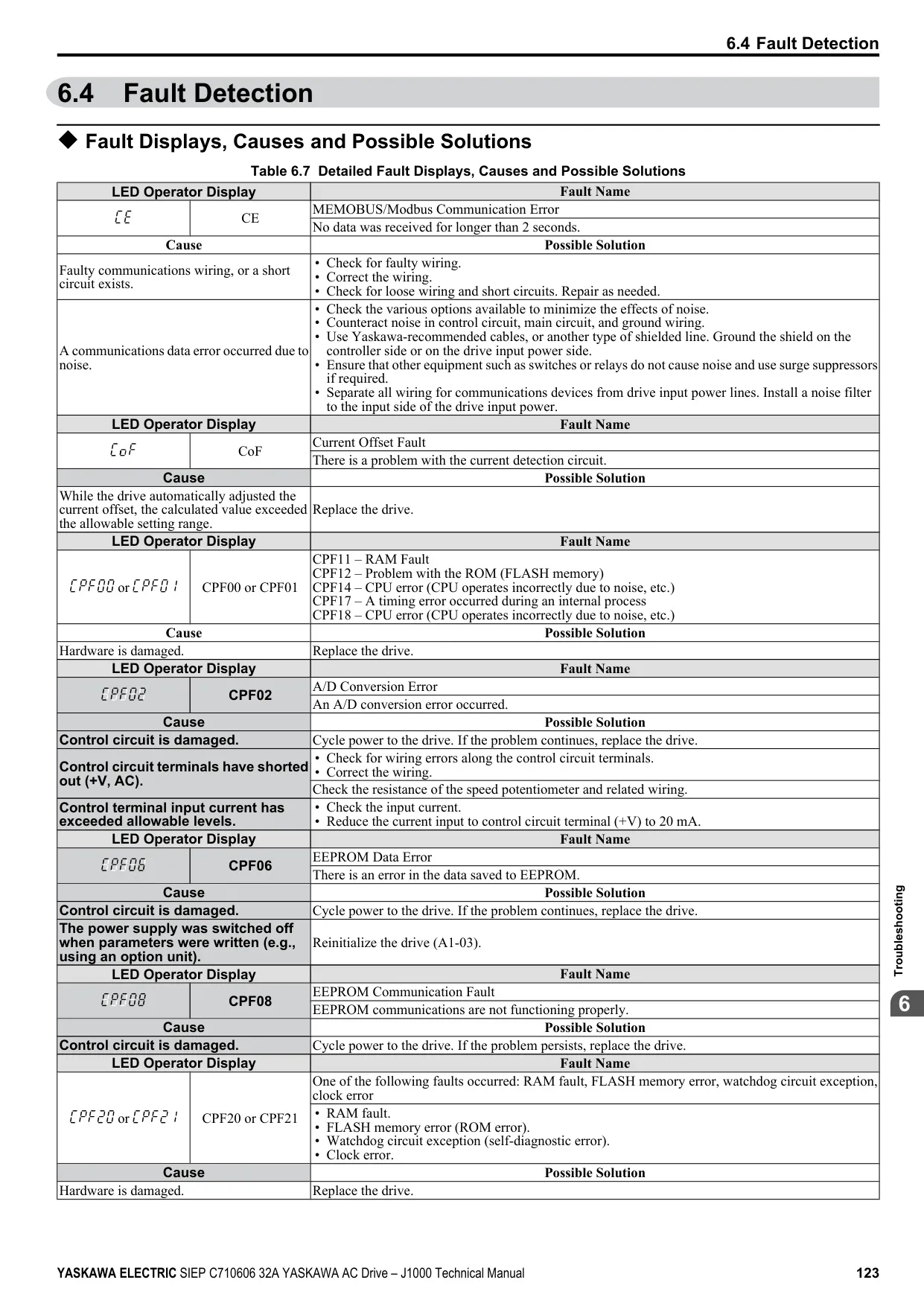
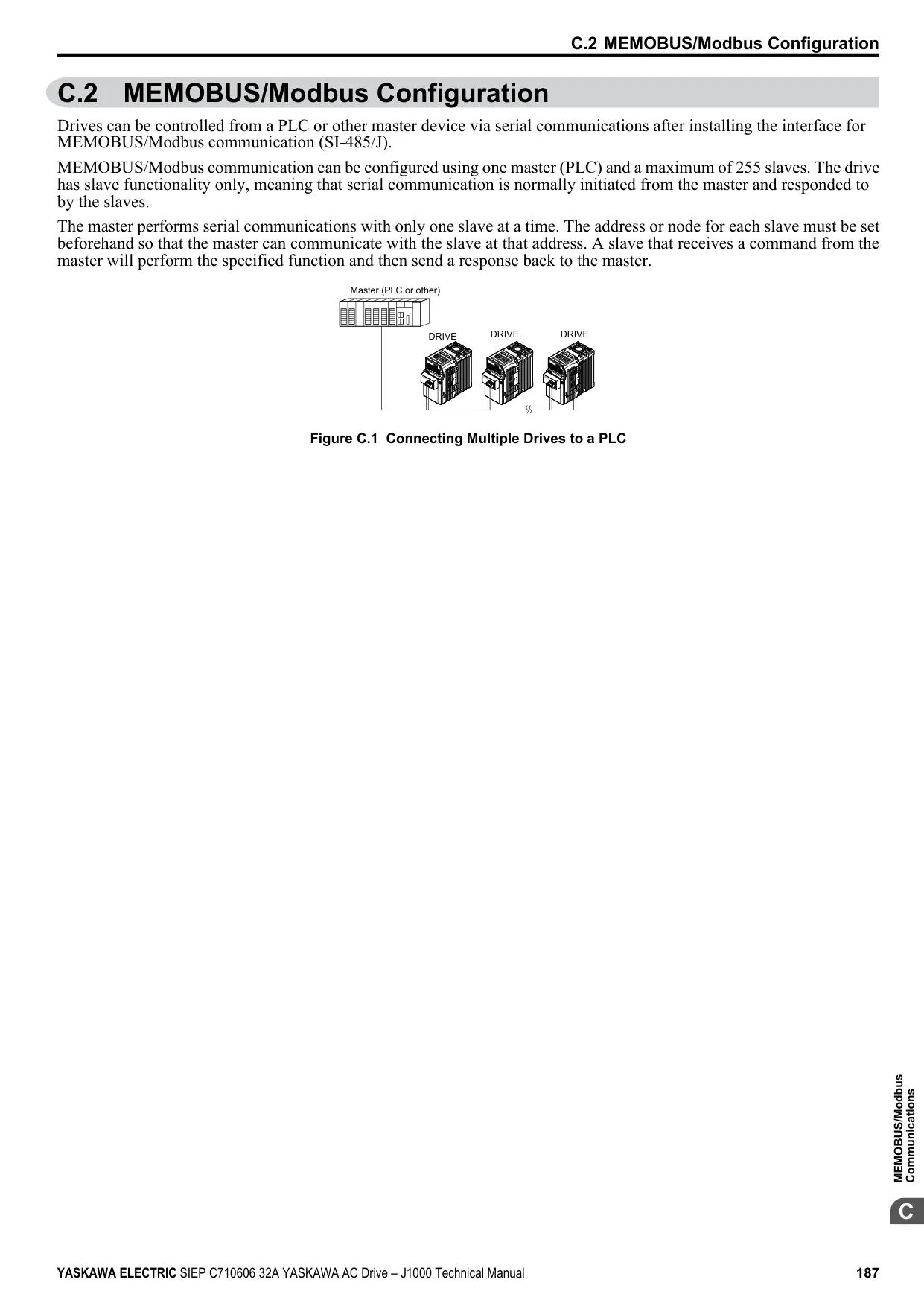
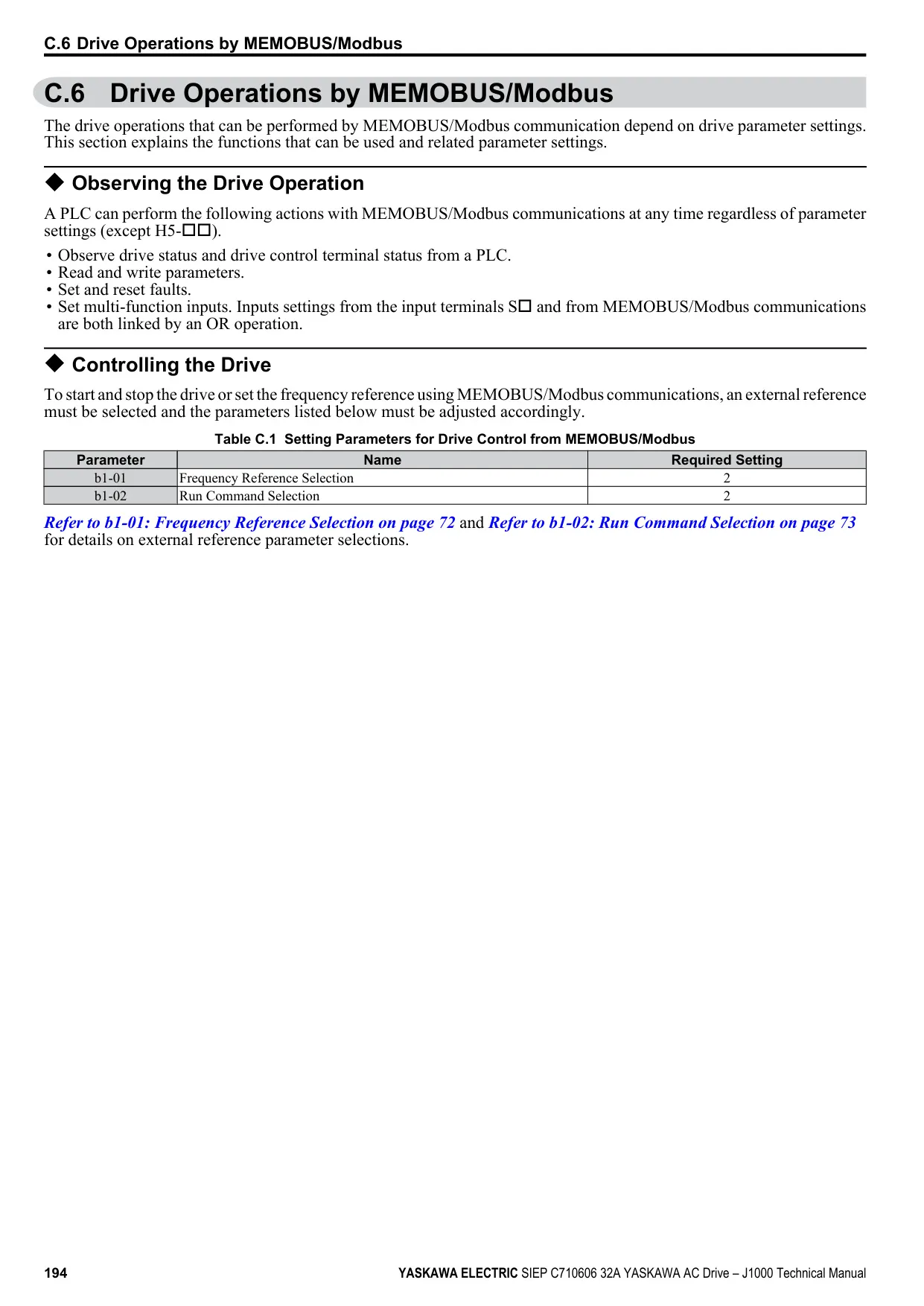
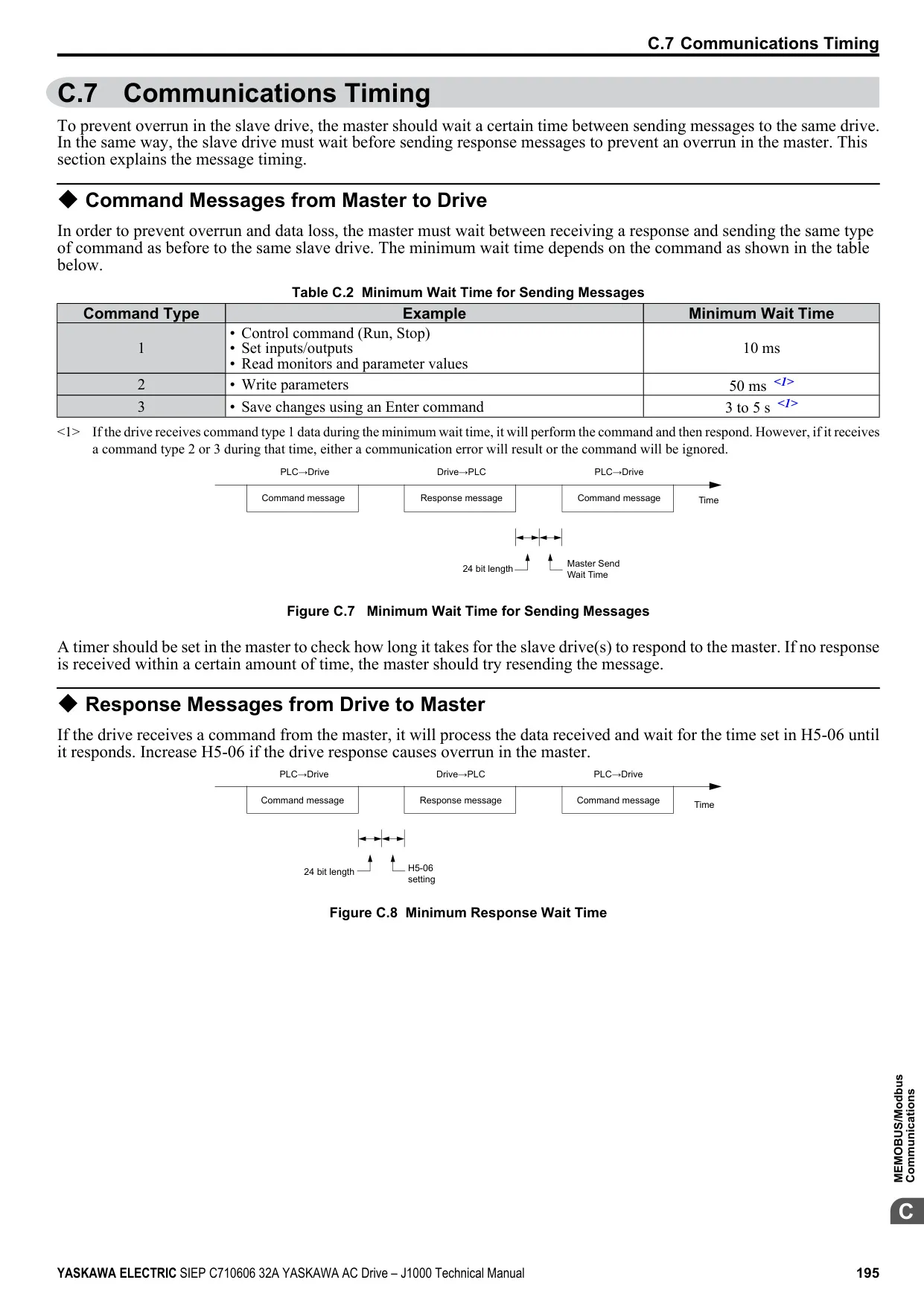
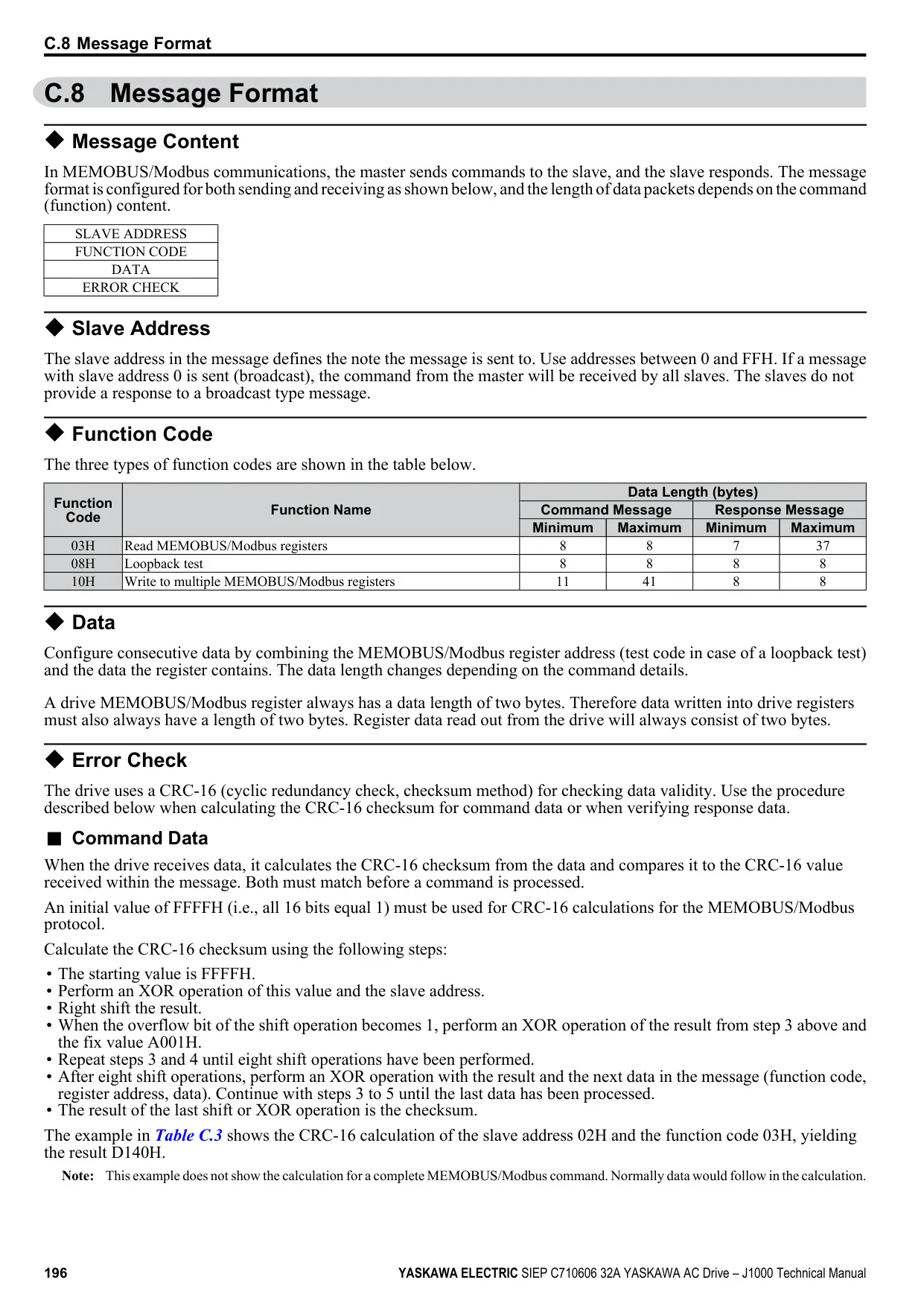
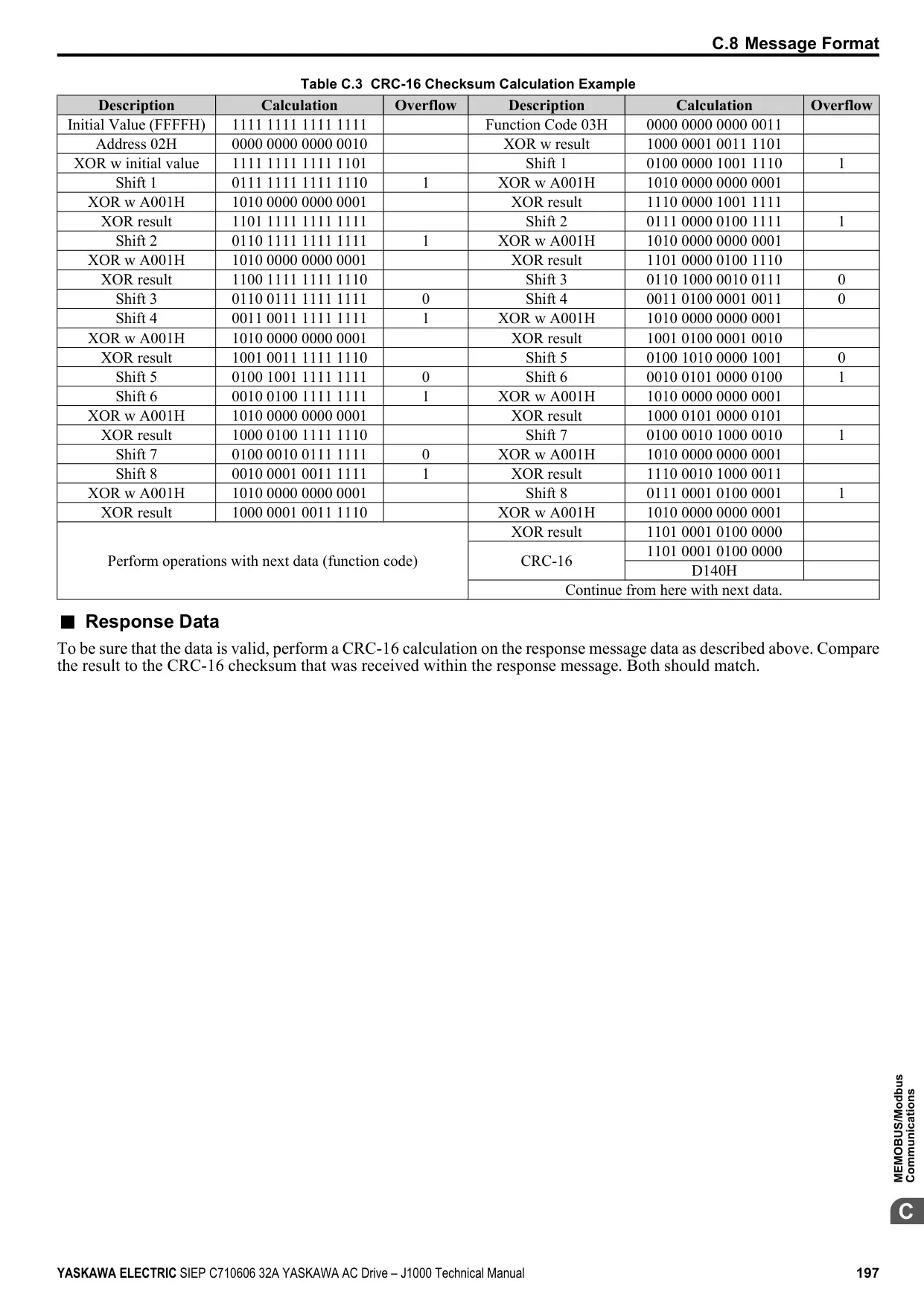
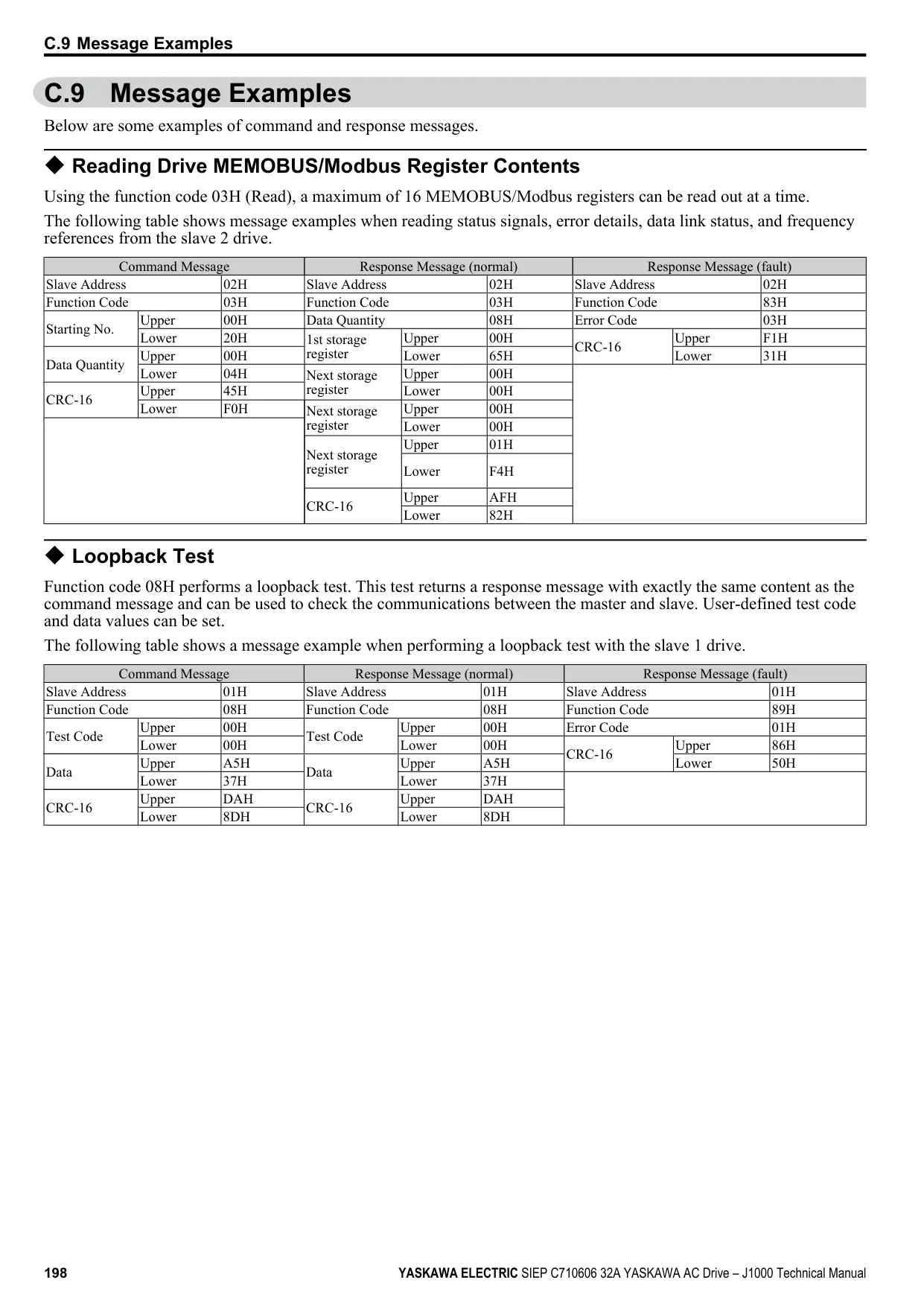
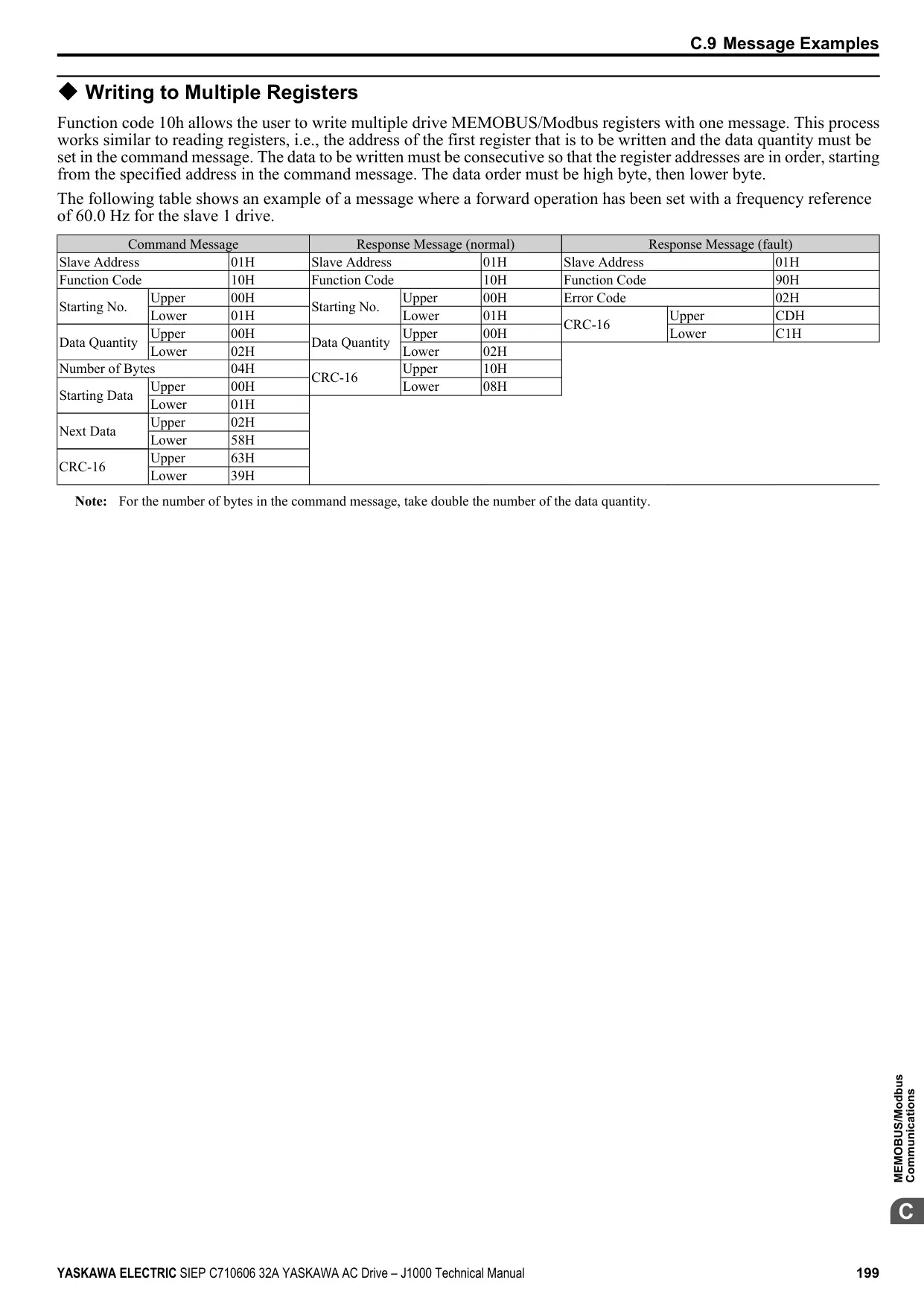
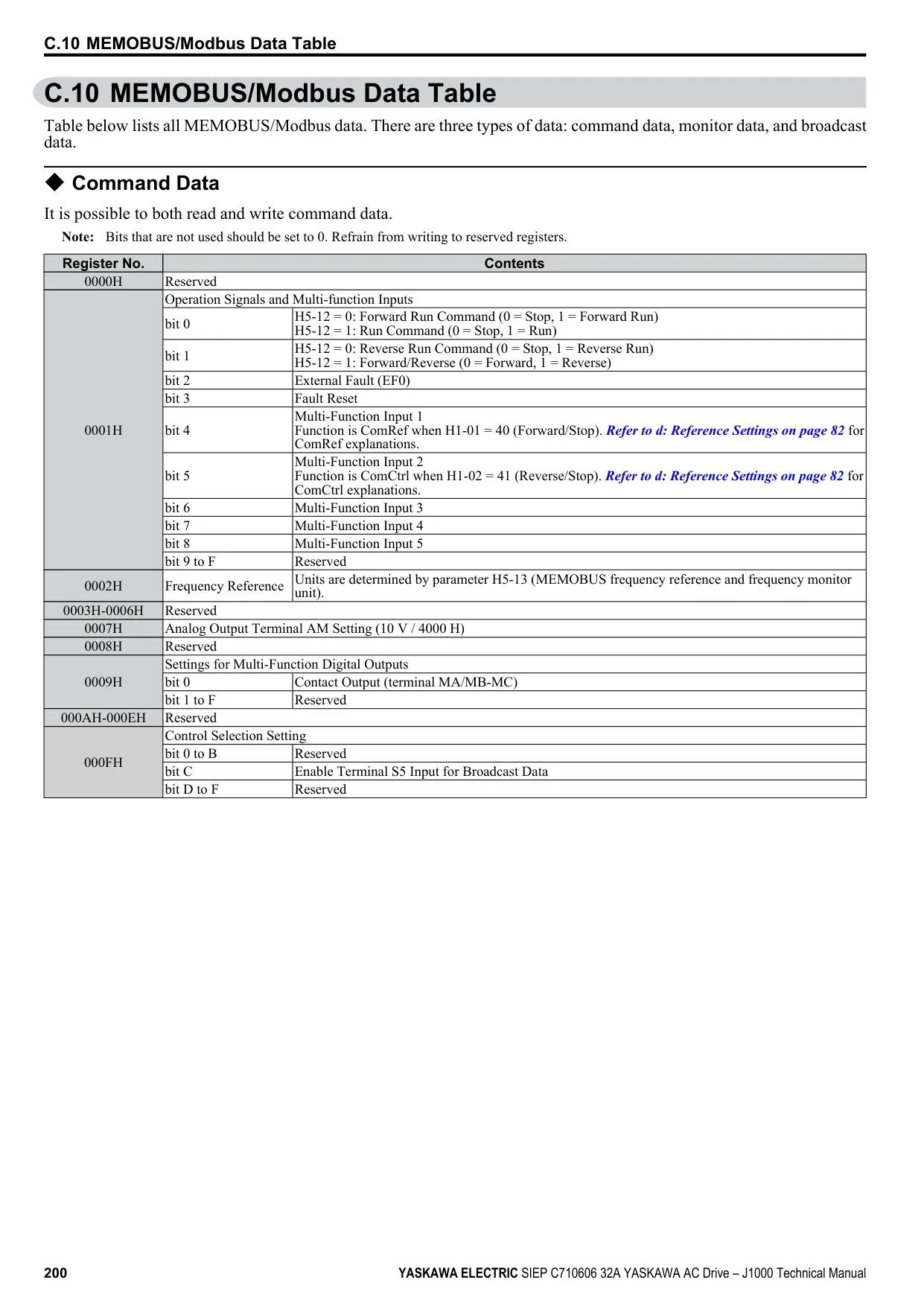
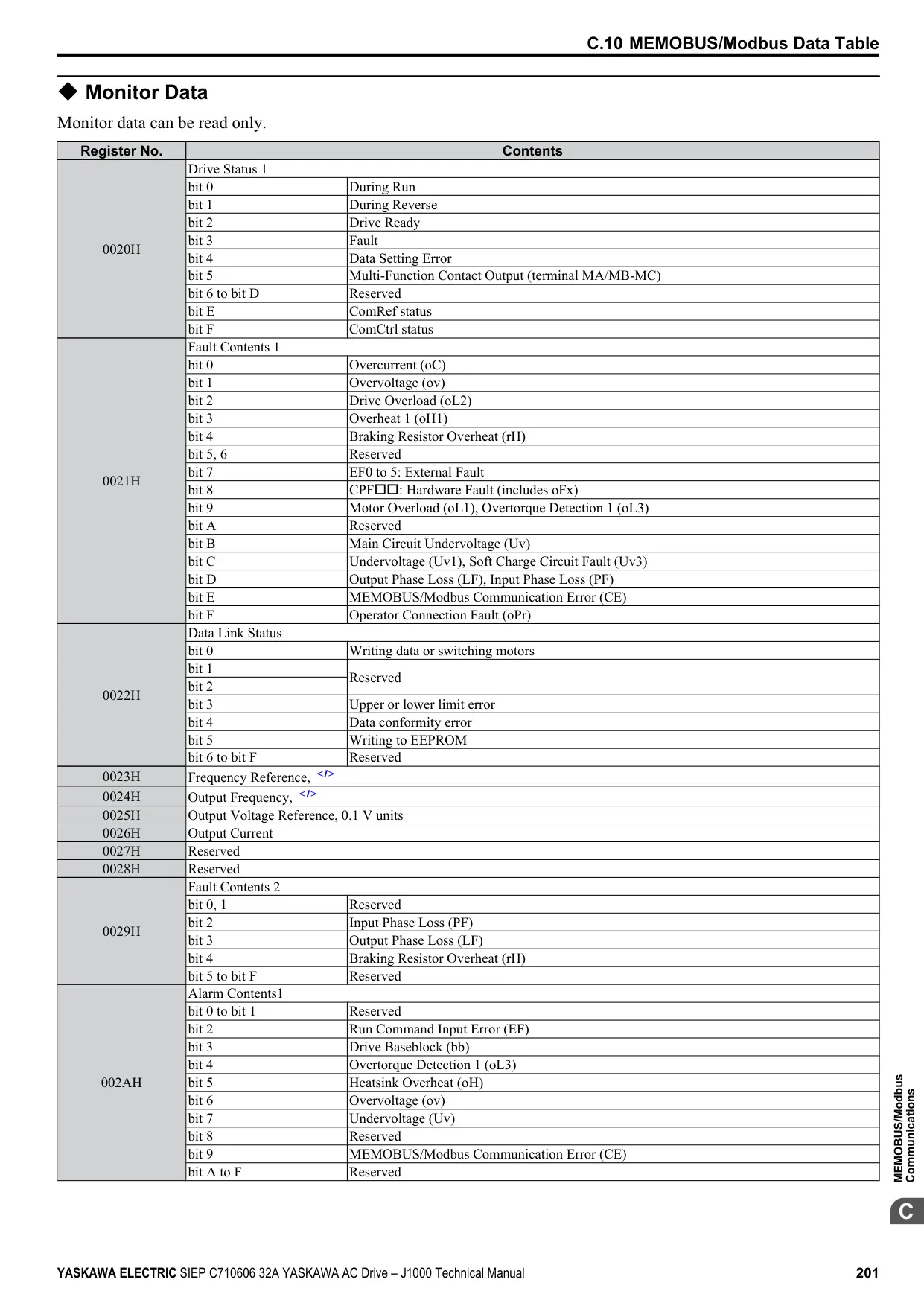
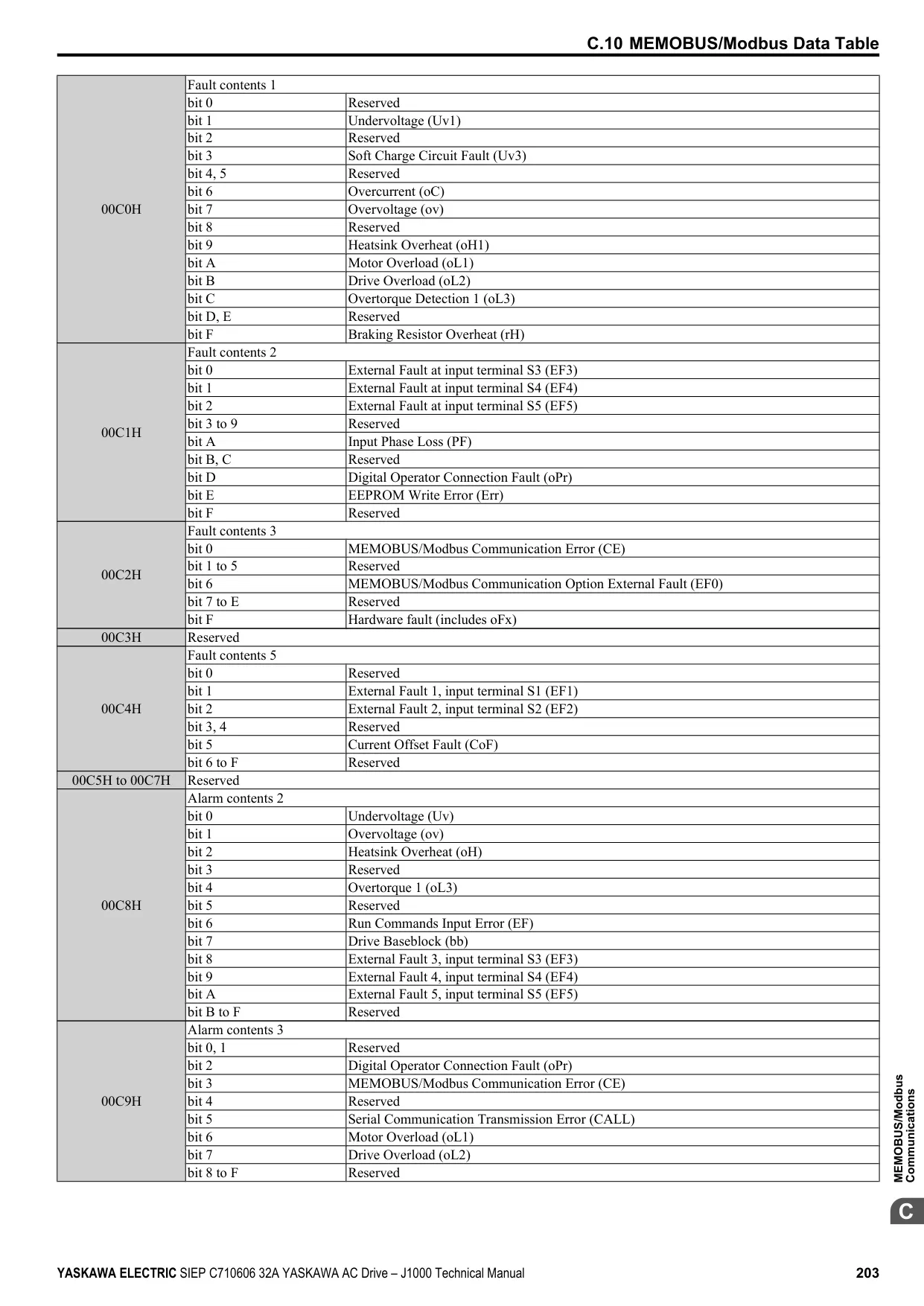
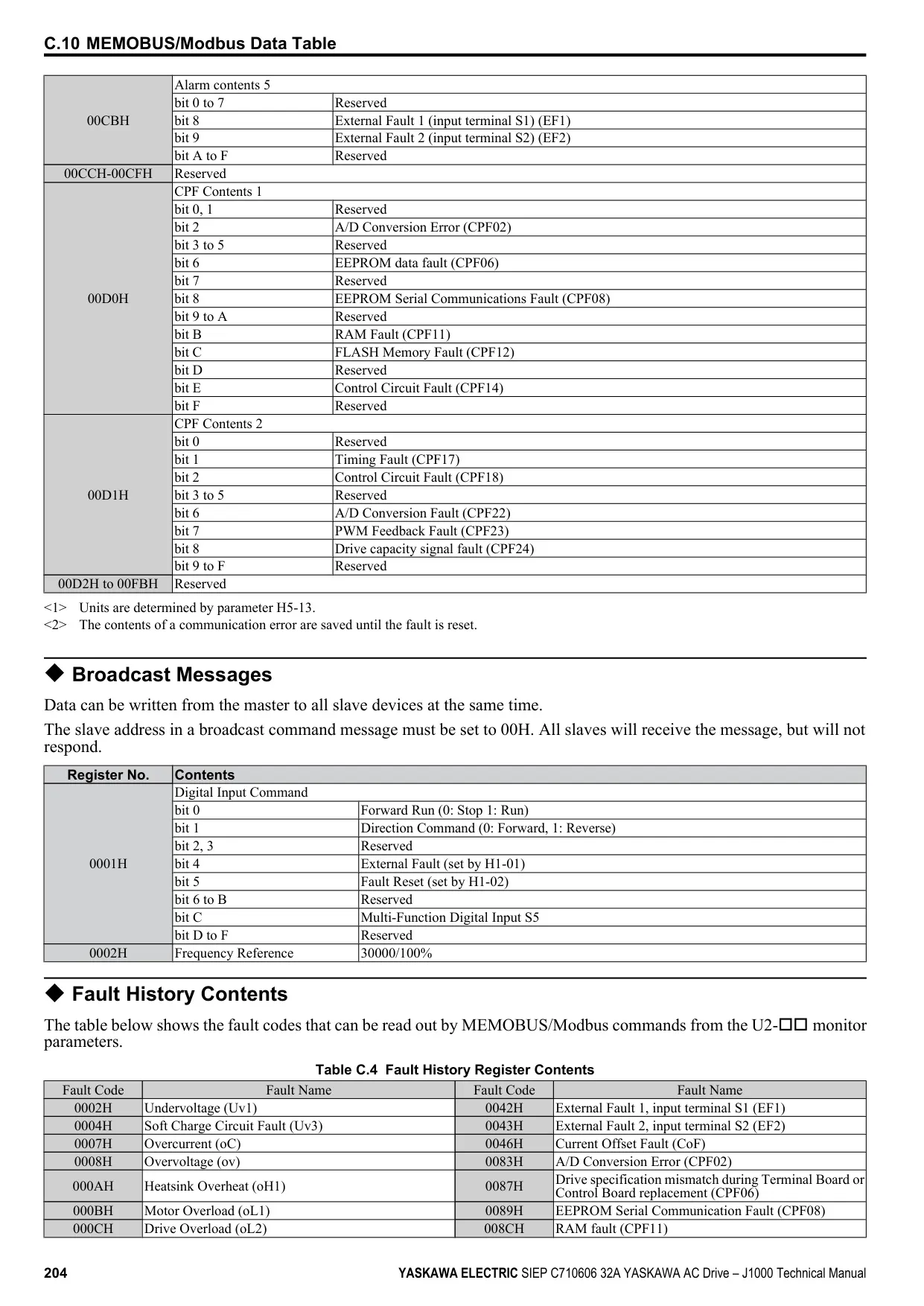
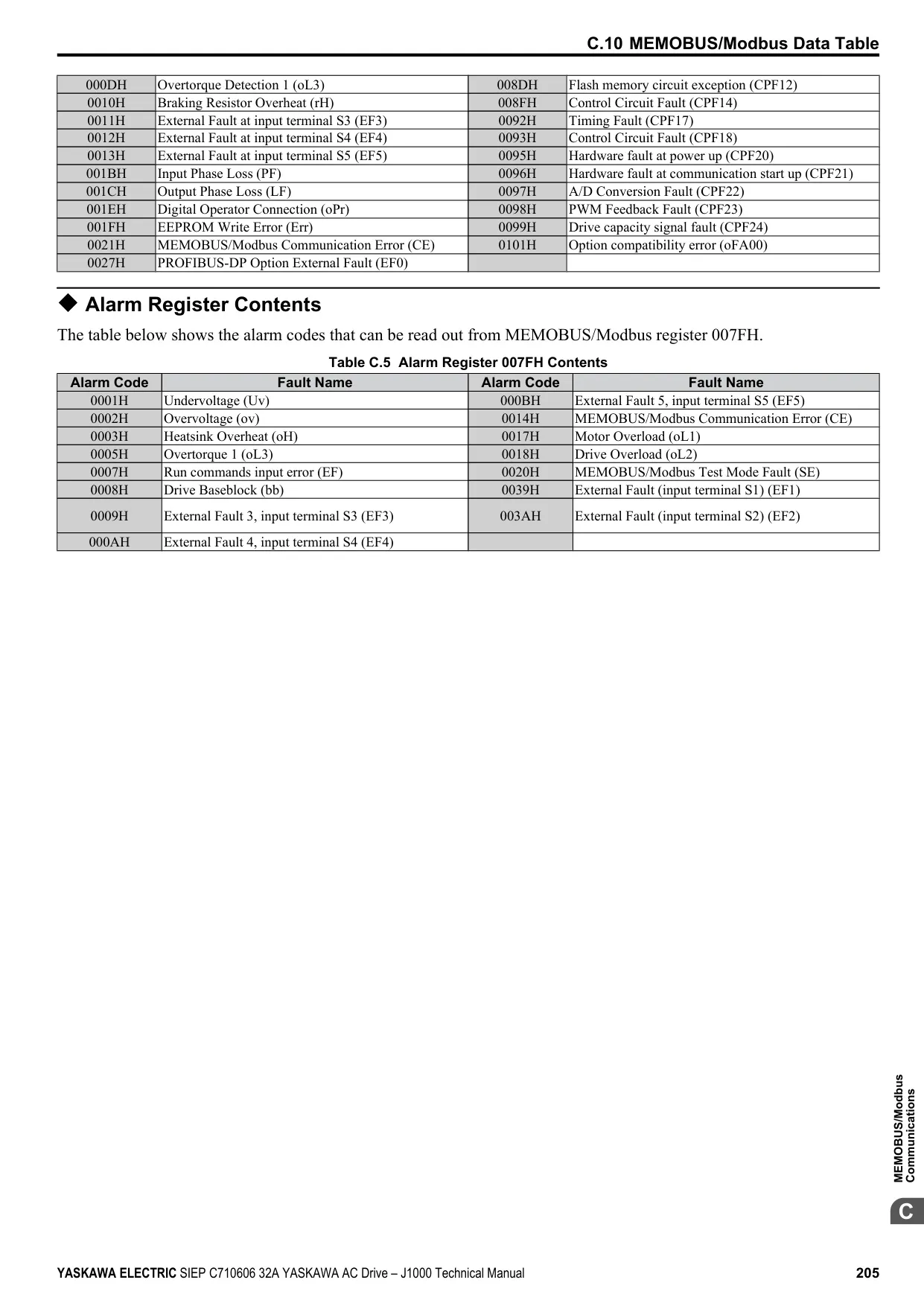
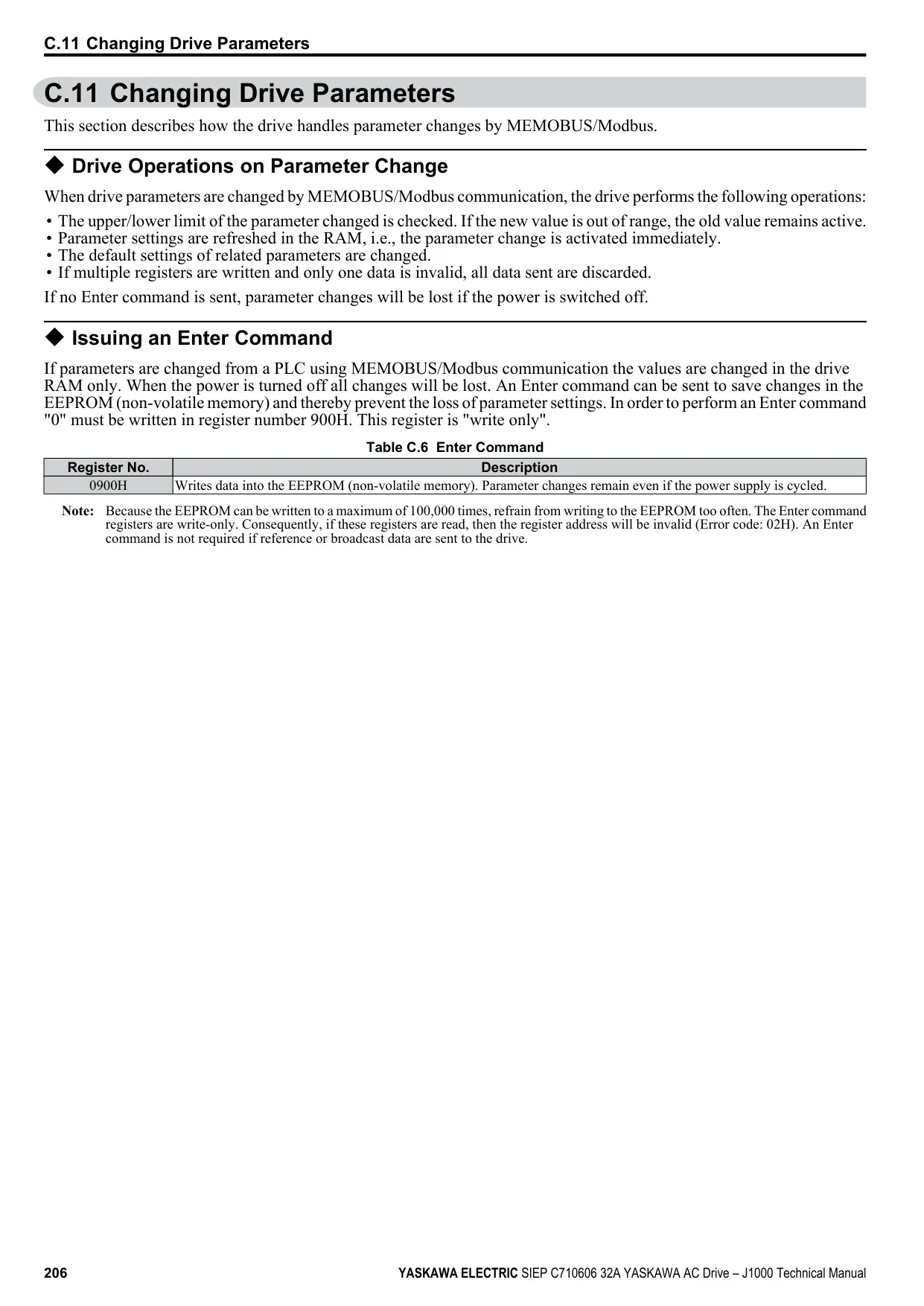
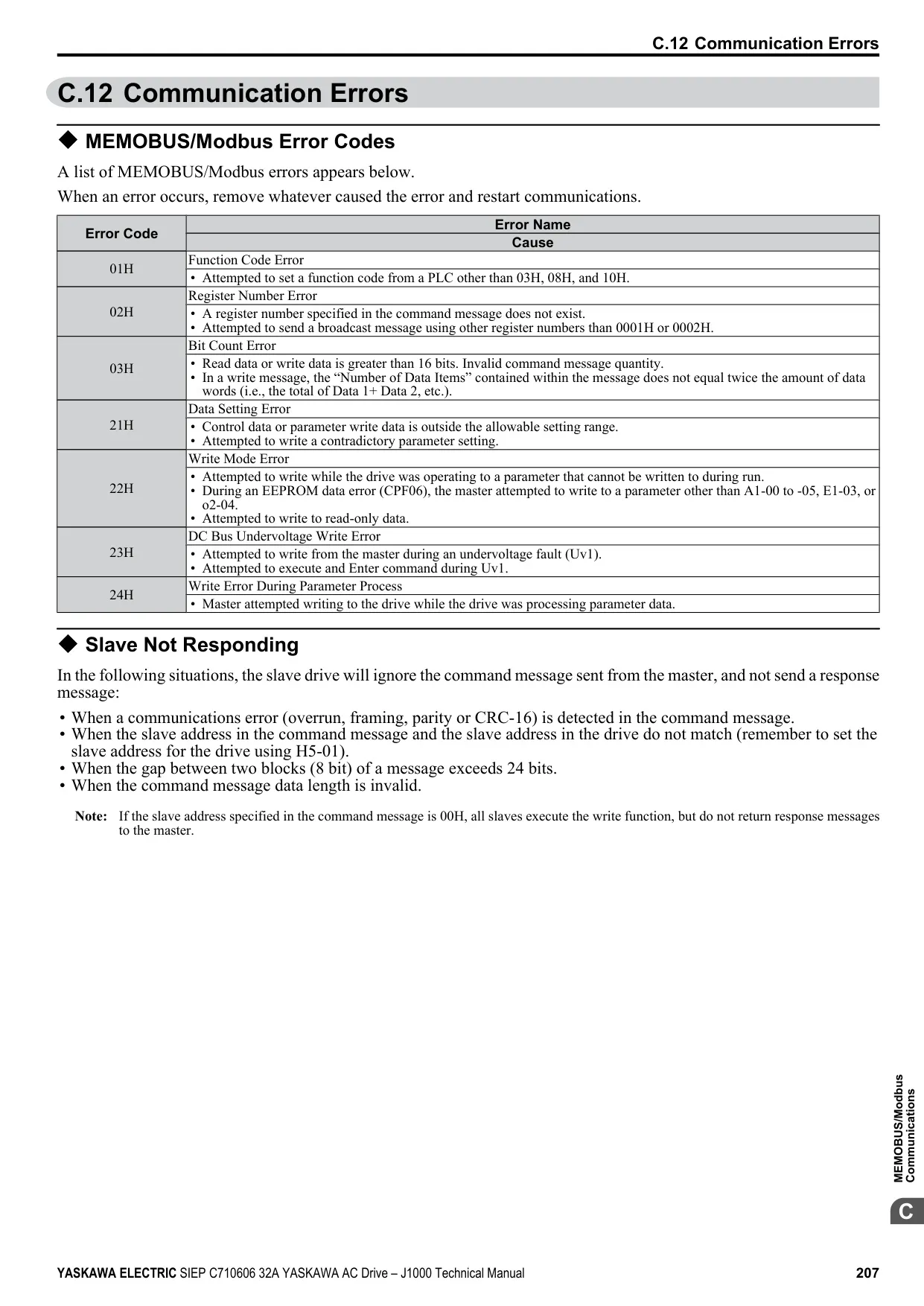
Regarding communication, the J1000 supports RS-422 and RS-485 standards through an optional unit (SI-485/J). It uses the MEMOBUS/Modbus RTU protocol, allowing smooth integration into existing industrial networks. With speeds up to 38.4 kbps and the ability to connect up to 255 slaves, this drive becomes a key component for distributed automation systems.
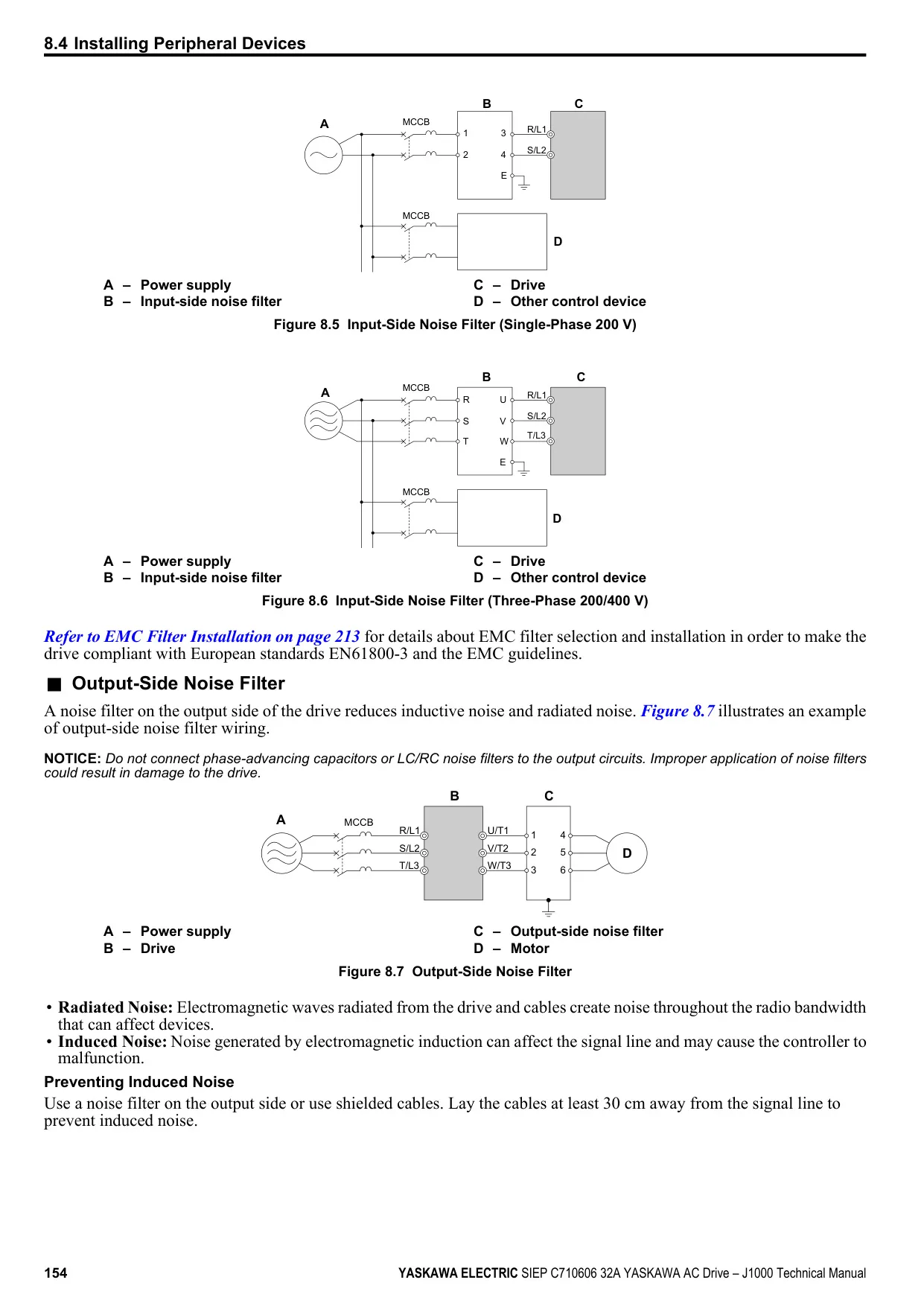
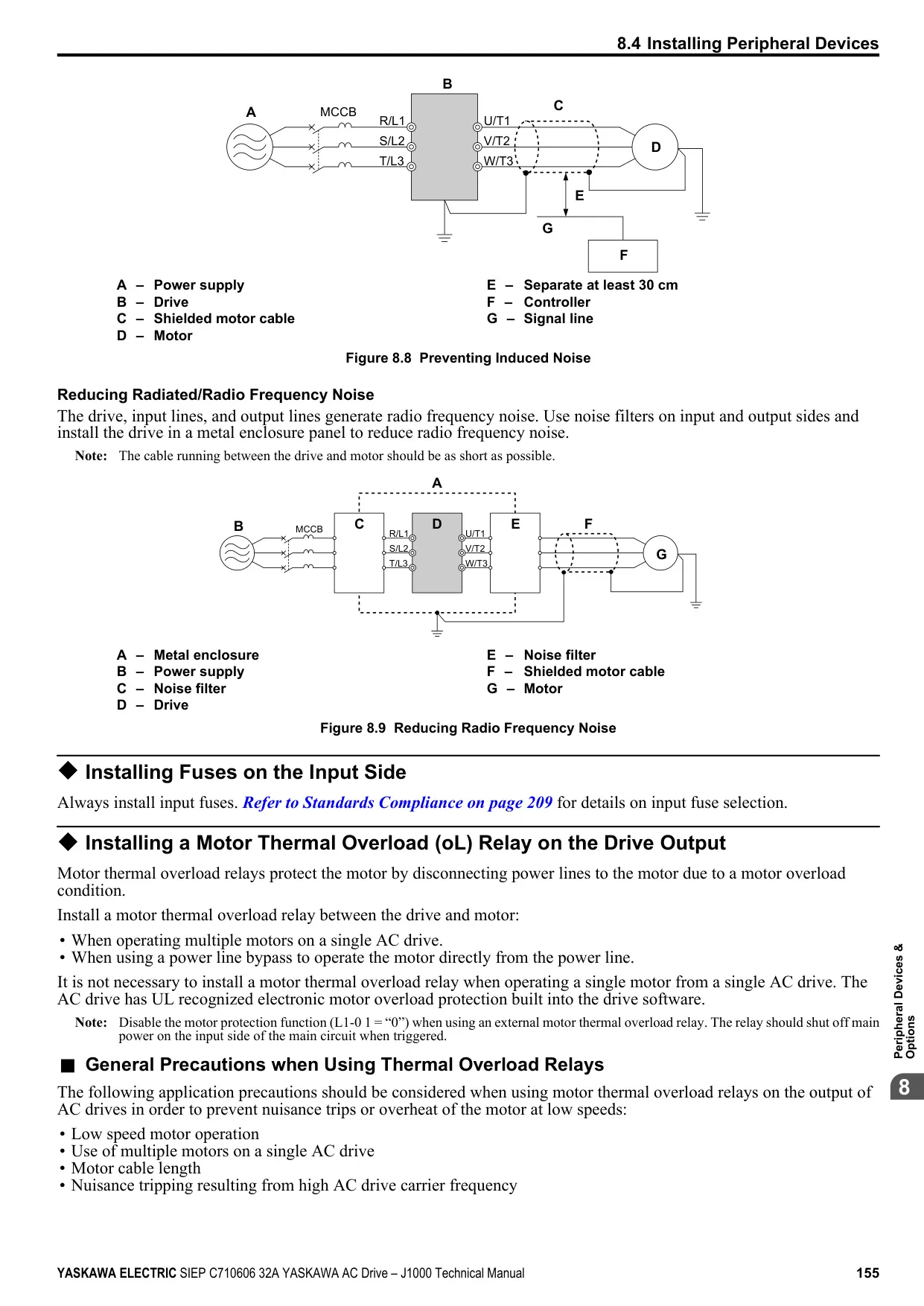
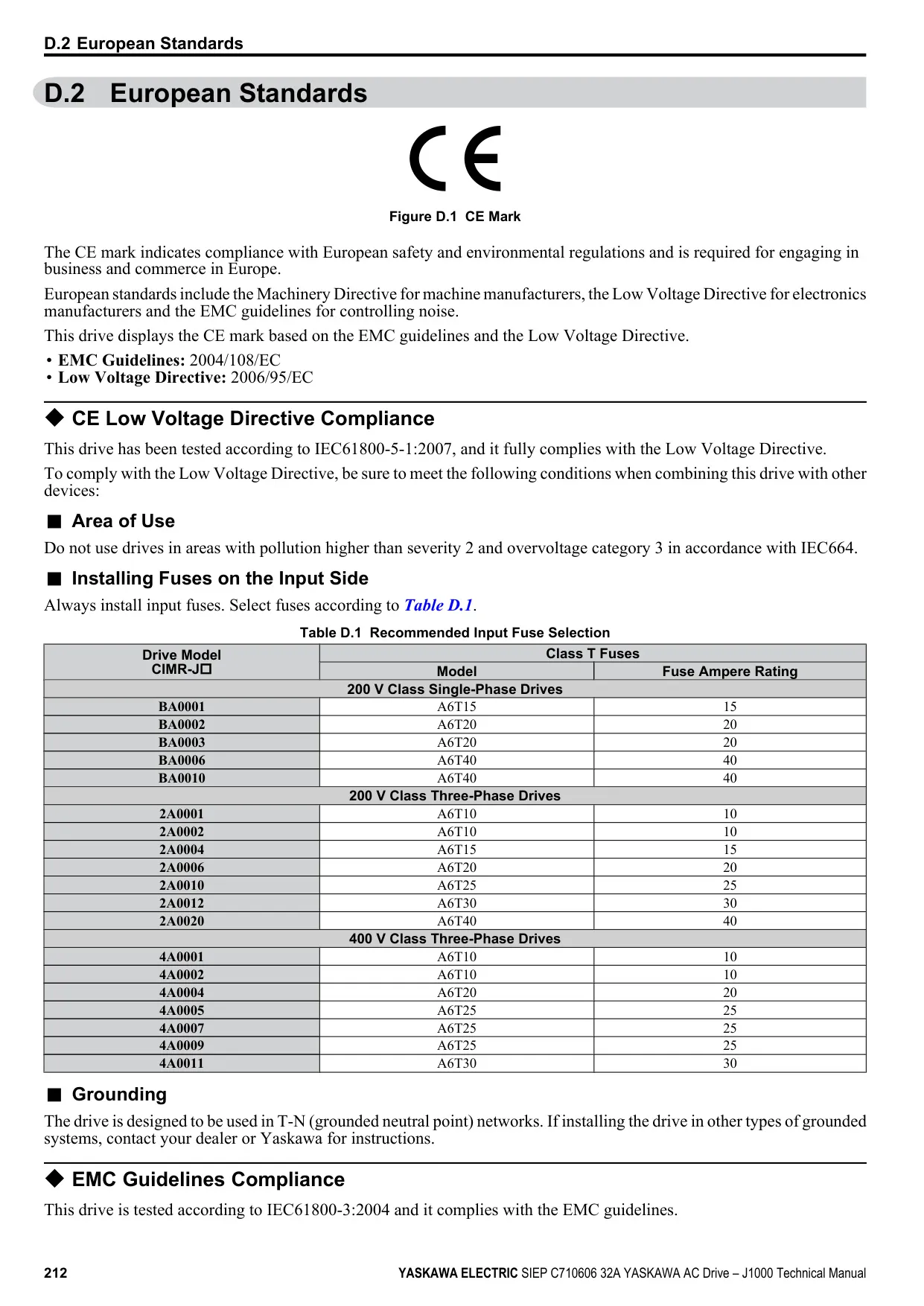
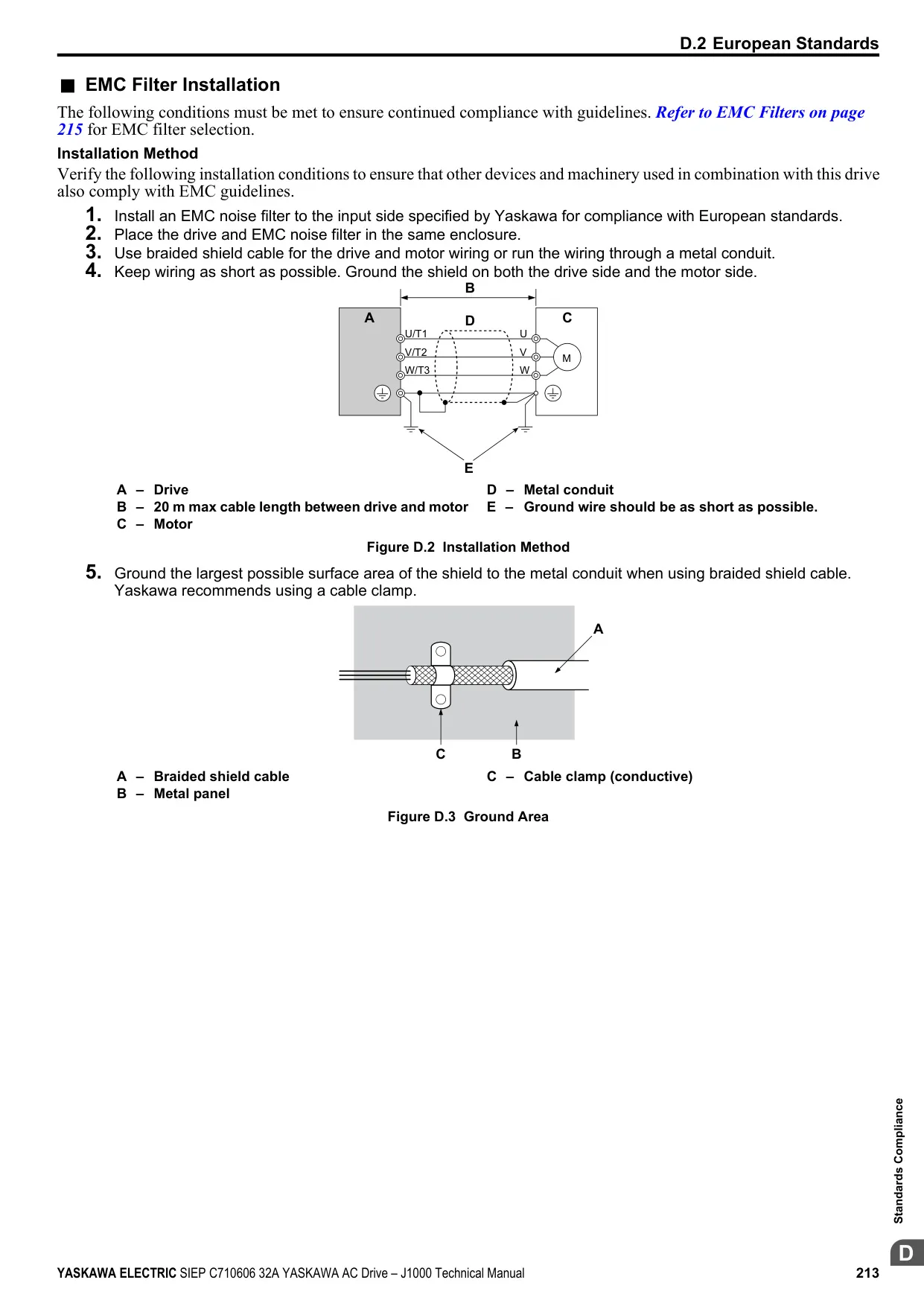
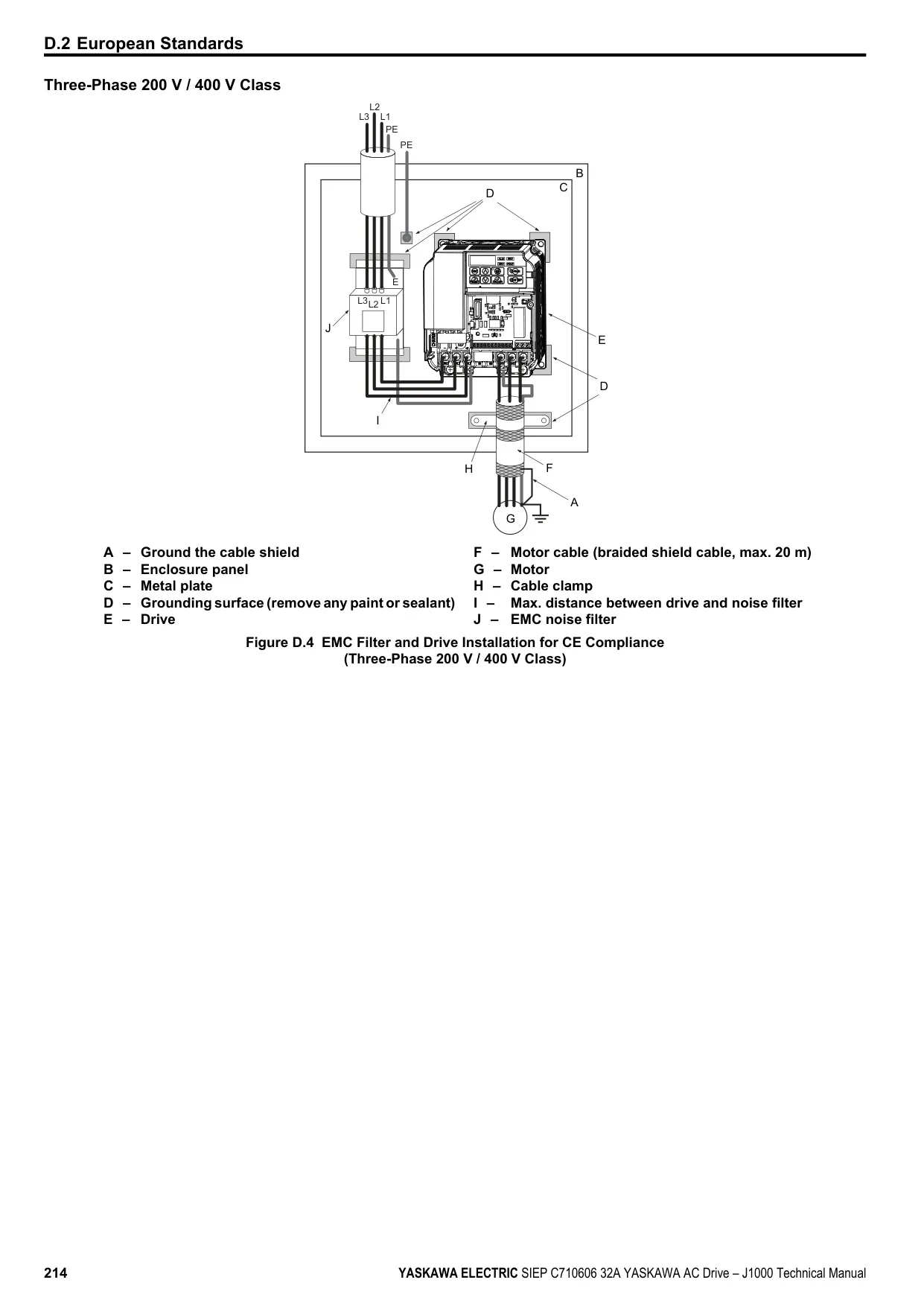
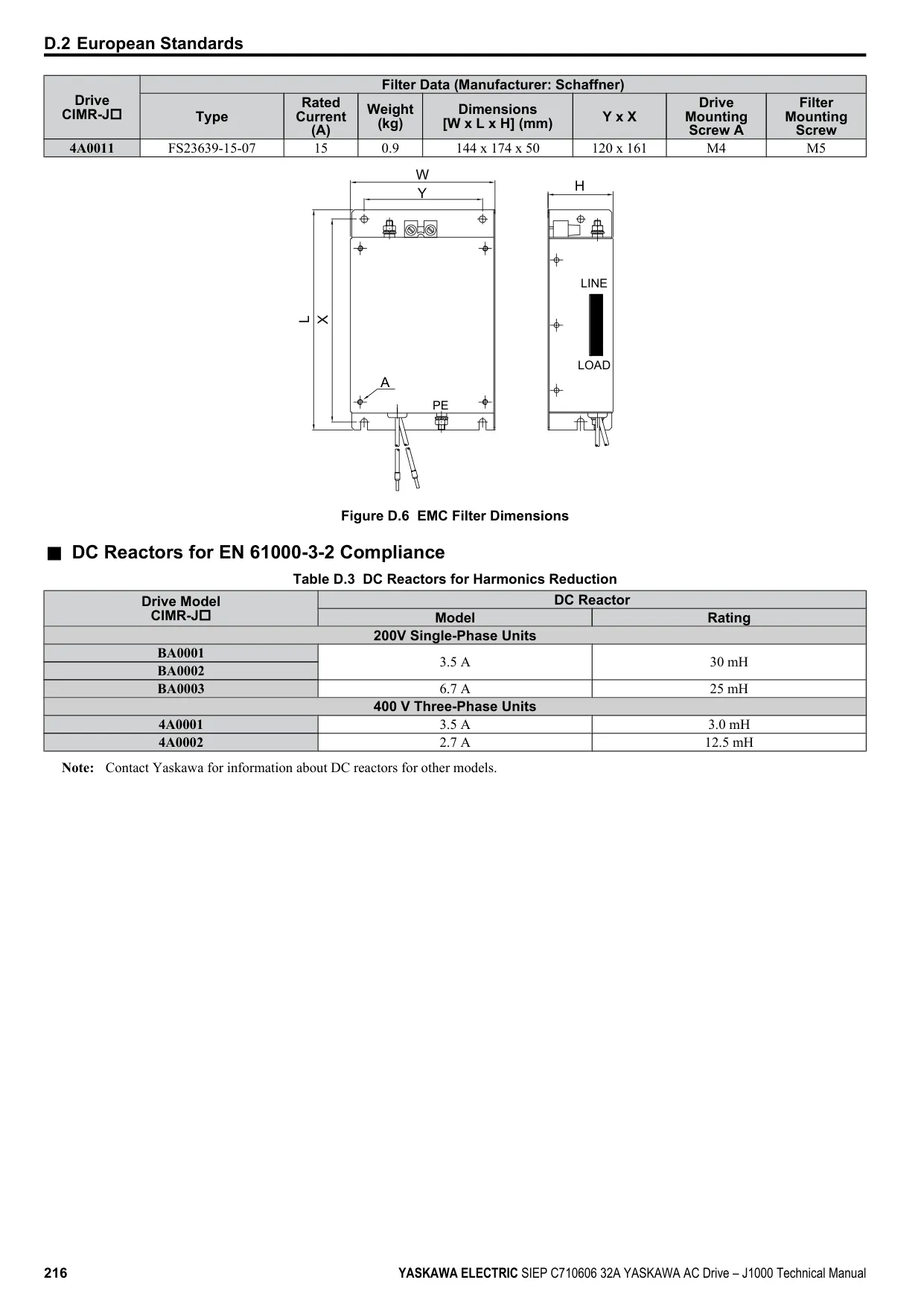
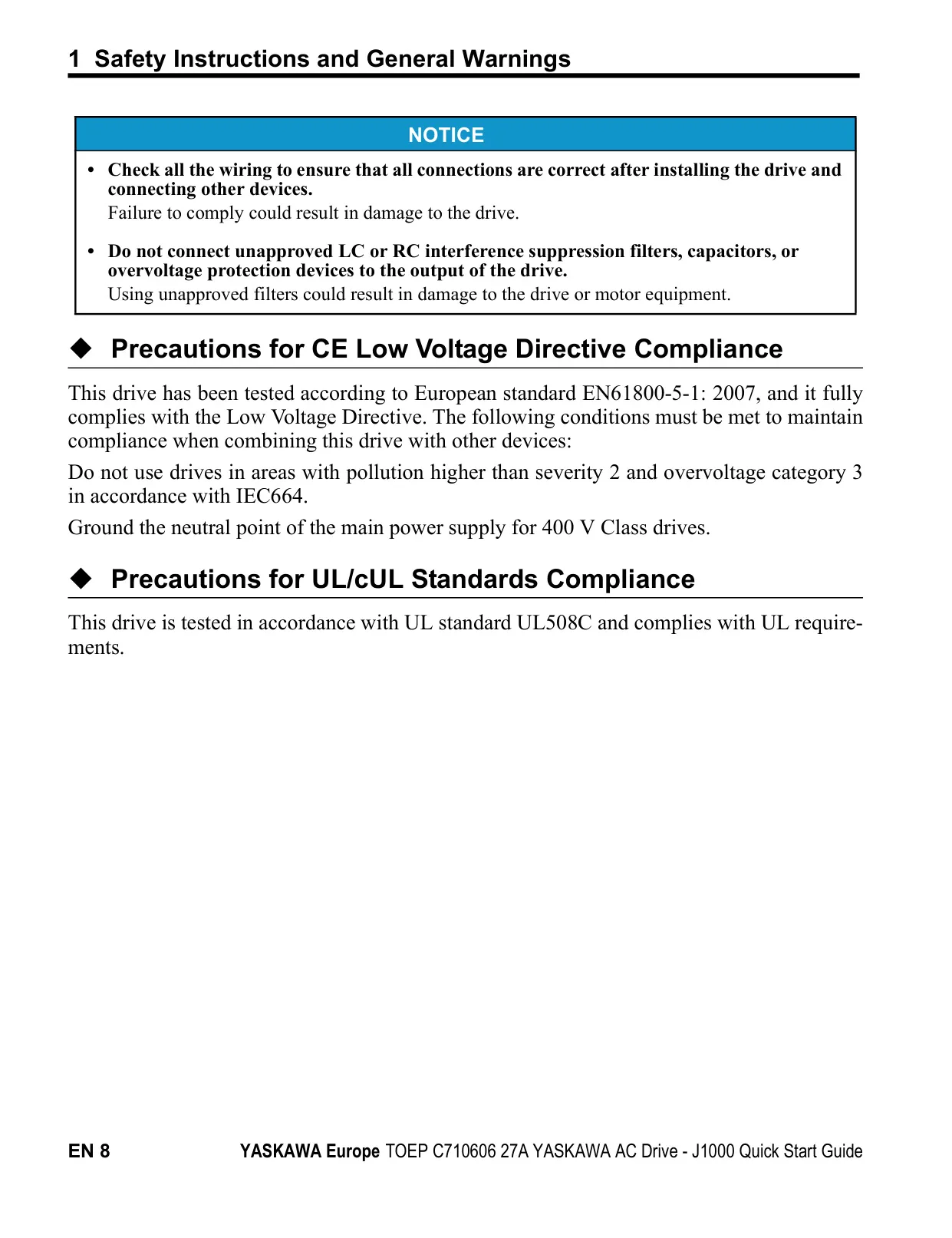
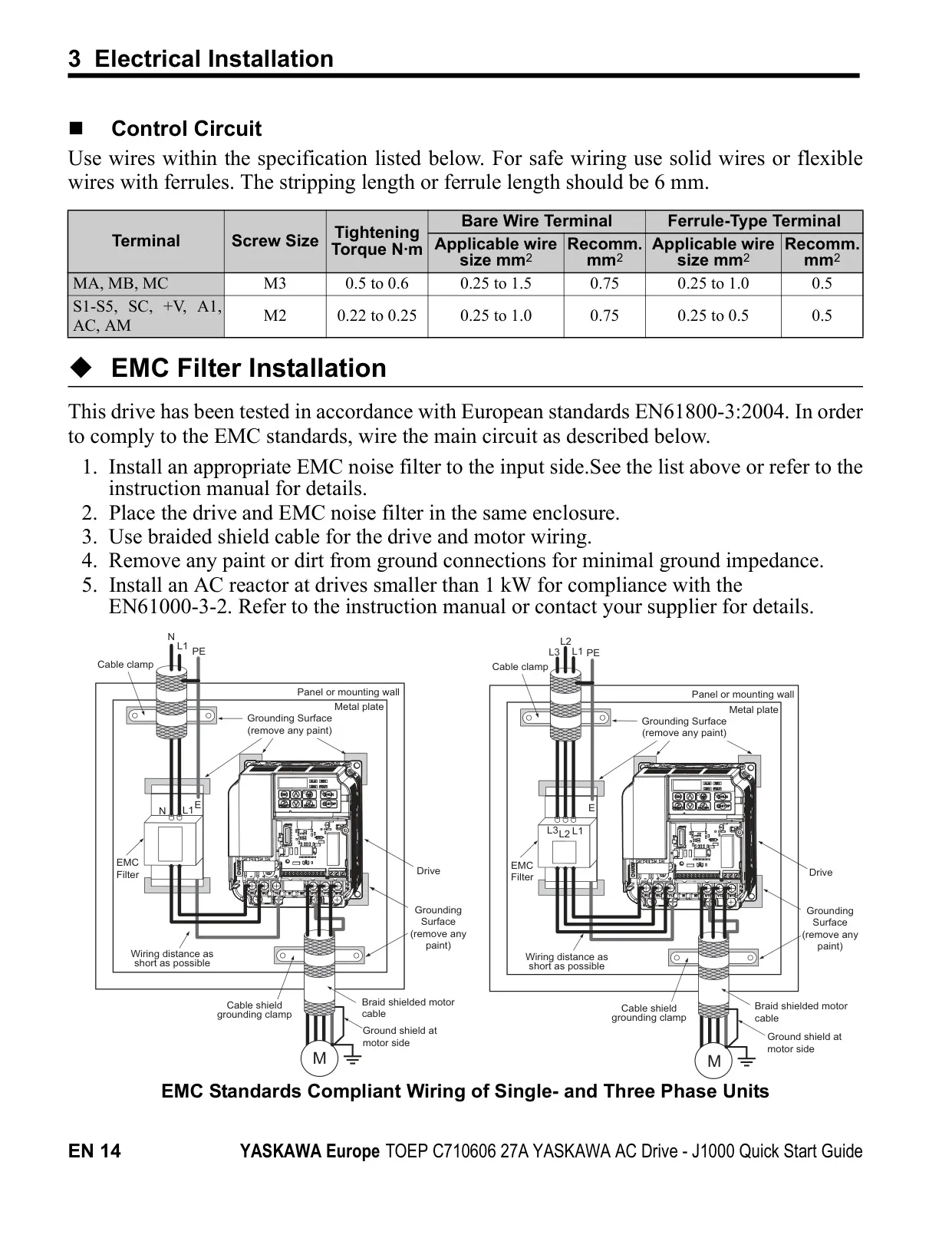
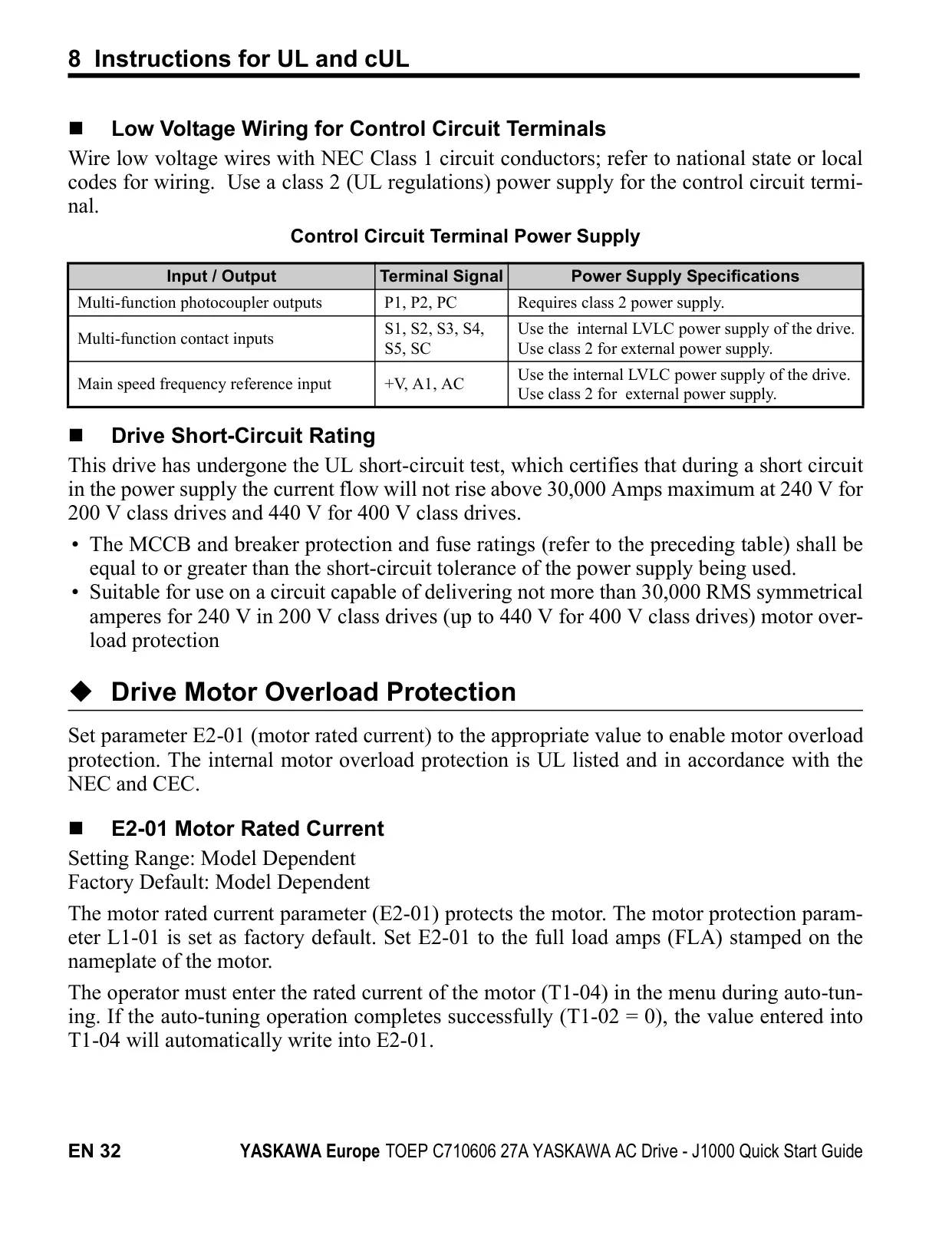
Finally, the Yaskawa J1000 is built to meet the most rigorous global standards. Its CE (EMC and Low Voltage) and UL/cUL certifications guarantee safety and electromagnetic compatibility while simplifying implementation in international markets. The need for external EMC filters for C1 compliance underscores Yaskawa's commitment to clean, interference-free operation in any industrial setting.
Frequently Asked Questions (FAQs)
Can't find the answer you need? Here are some frequently asked questions about the Yaskawa J1000 VFD, and we answer them below.

