
Williams Wall Furnace Model 25-35-50 Instruction Manual
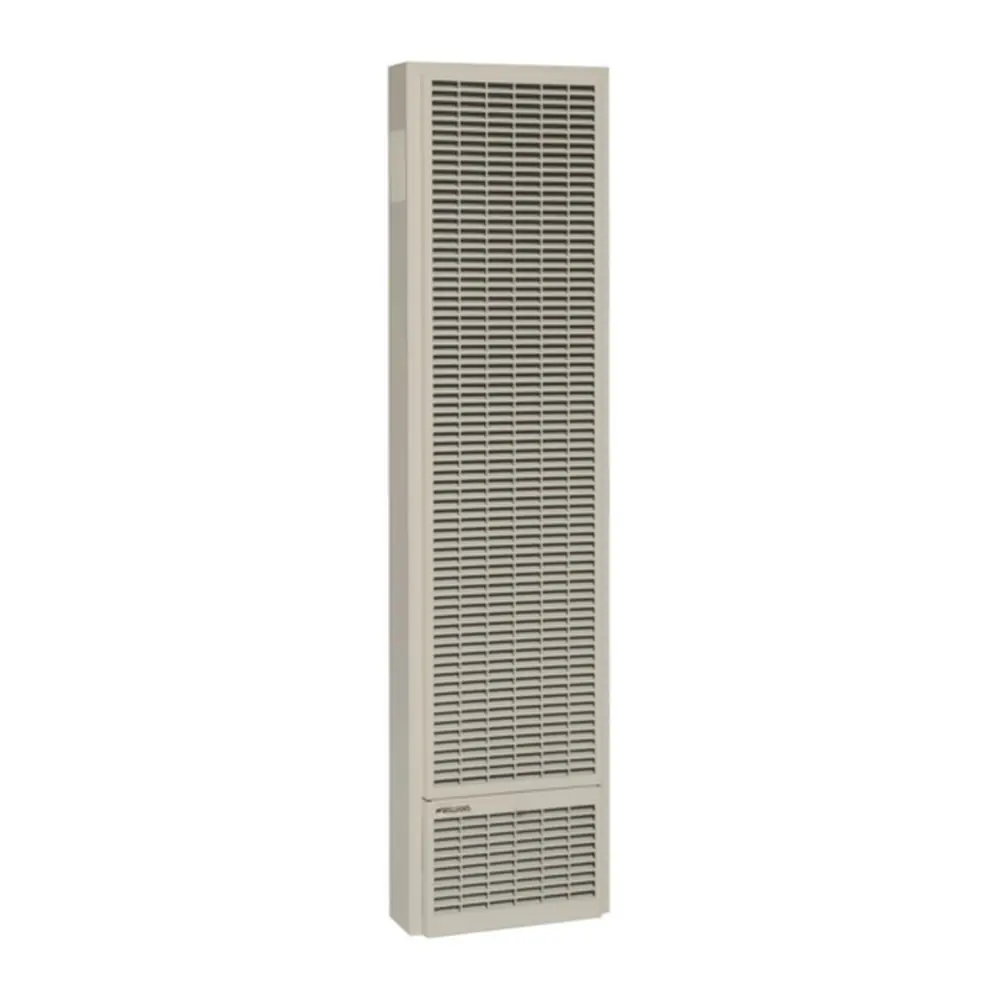
Williams Wall Furnace Model 25-35-50
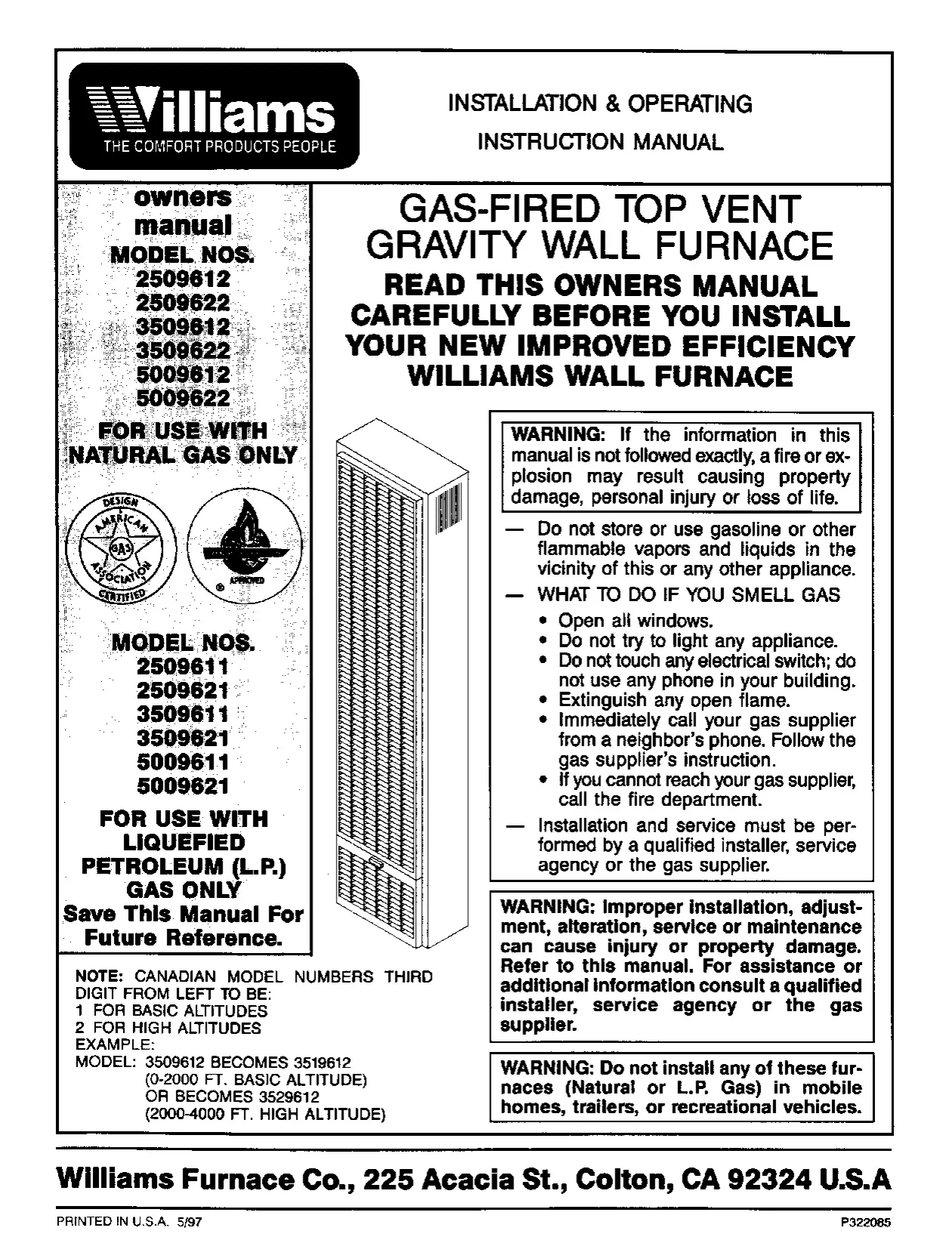
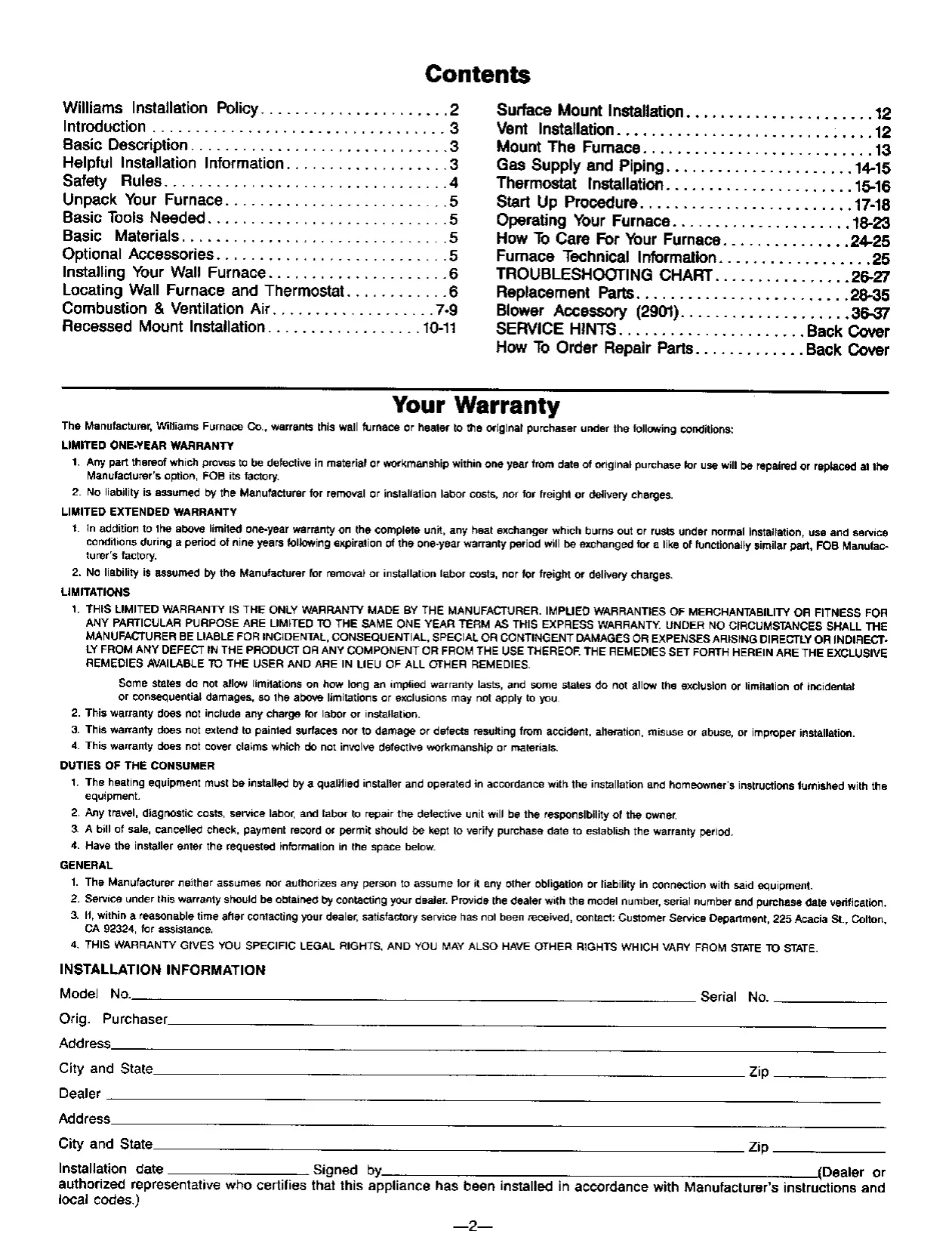
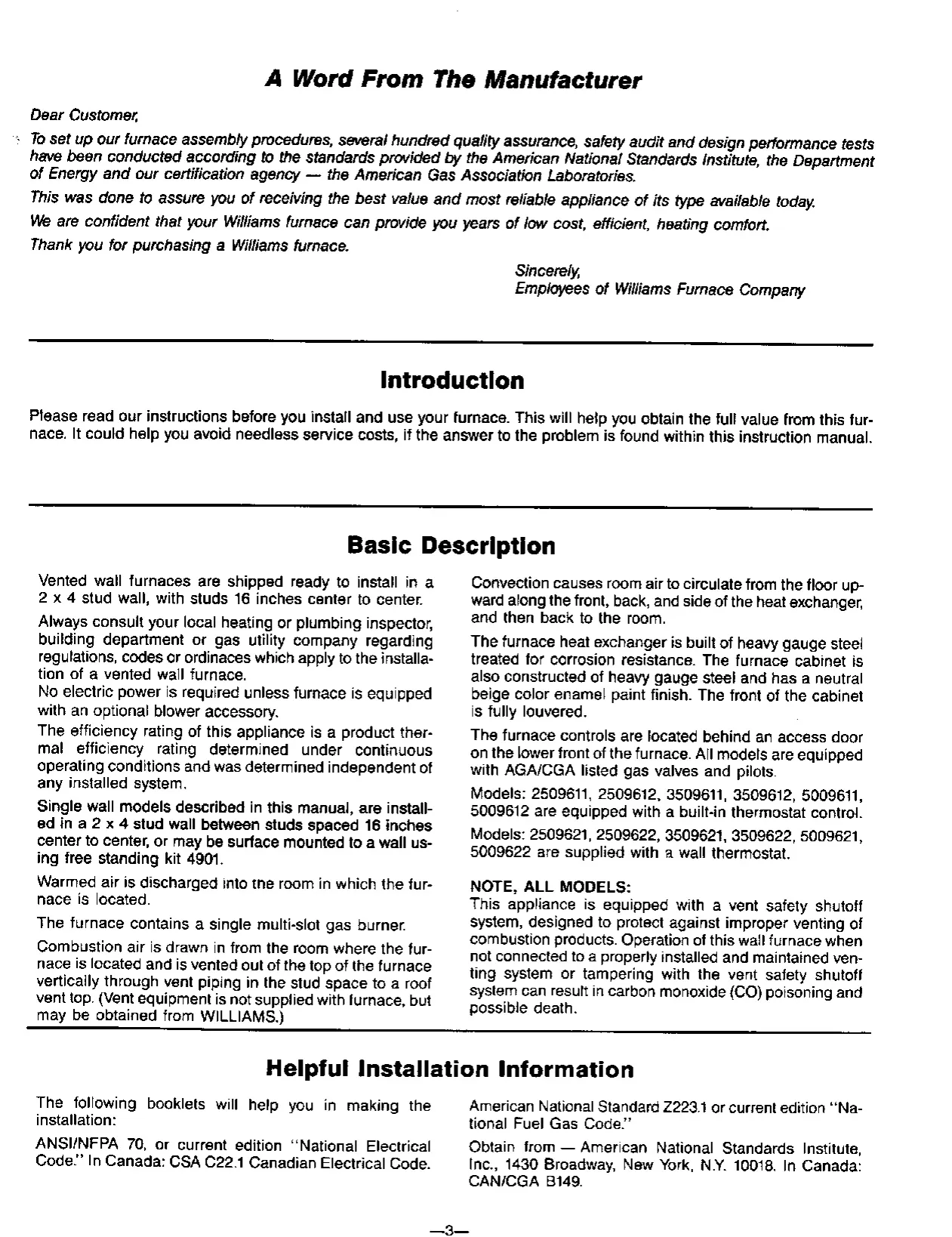



Williams Model 25-35-50 Instructions
Here we offer the Williams Wall Furnace Model 25-35-50 manual completely free and in English. We have cataloged this manual in the Furnaces section on Manualverse, and it has been rated by 1 users with an average rating of 5. If you have any specific questions about Williams Wall Furnace Model 25-35-50, we suggest checking the Frequently Asked Questions (FAQs) section of this manual.
Product Images
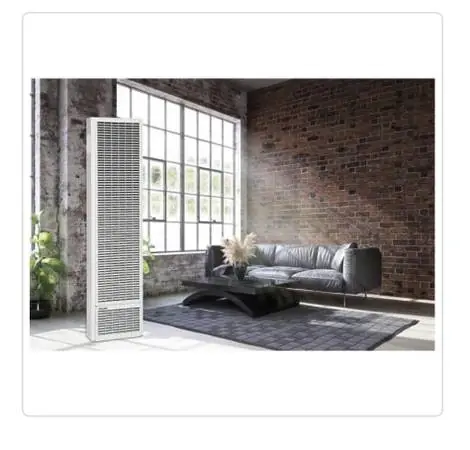
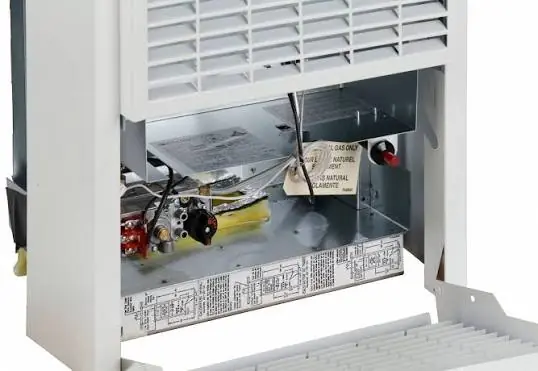

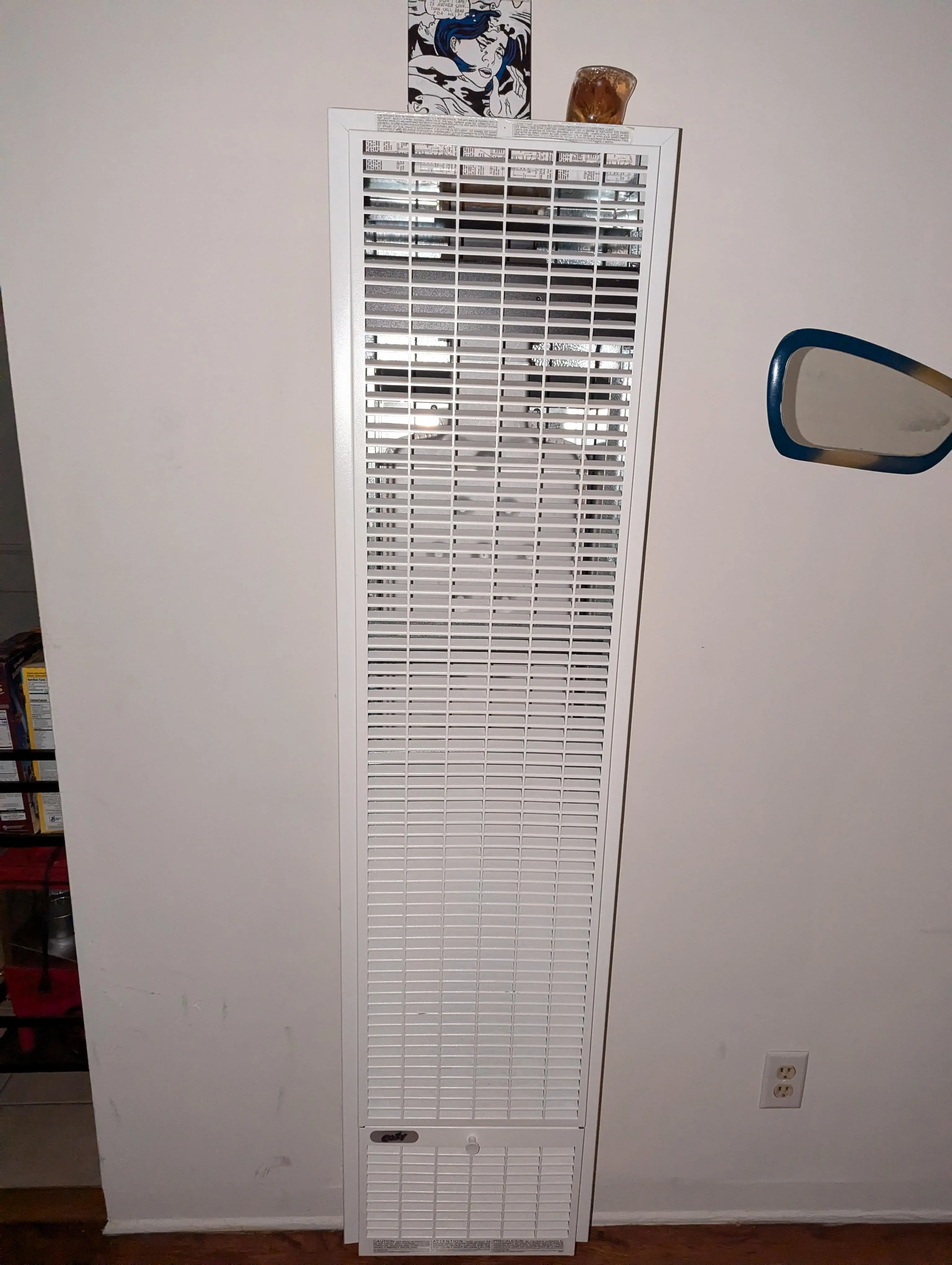
Williams Wall Furnace Model 25-35-50 Specifications
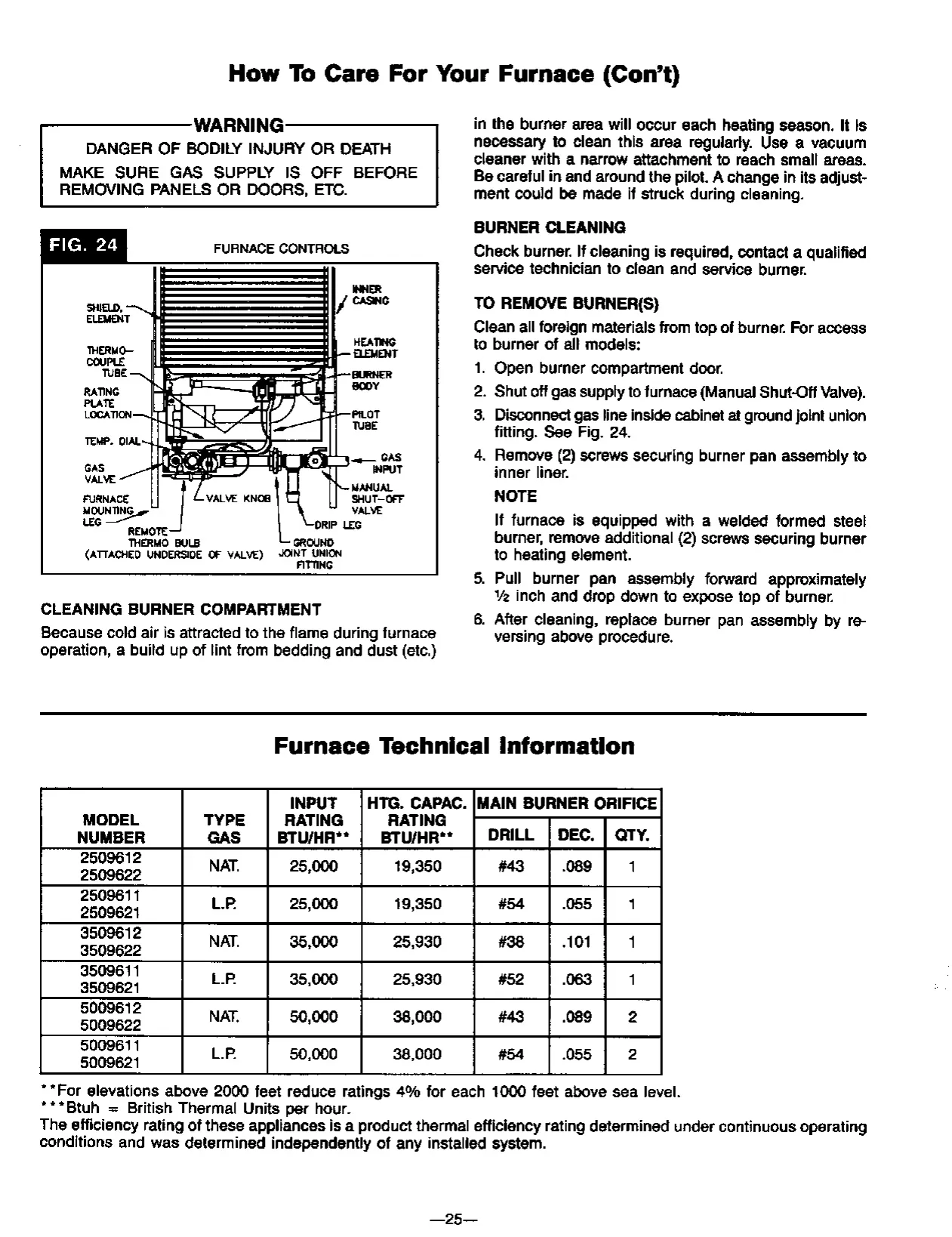
| Feature | Model 25,000 BTU/HR | Model 35,000 BTU/HR | Model 50,000 BTU/HR |
|---|---|---|---|
| Gas Type (Model Numbers) | Natural Gas (2509612, 2509622) L.P. Gas (2509611, 2509621) |
Natural Gas (3509612, 3509622) L.P. Gas (3509611, 3509621) |
Natural Gas (5009612, 5009622) L.P. Gas (5009611, 5009621) |
| Input Rating (BTU/HR) | 25,000 | 35,000 | 50,000 |
| Heating Capacity Rating (BTU/HR) | 19,350 | 25,930 | 38,000 |
| Main Burner Orifice (Natural Gas) | #43 (.089) - 1 Qty. | #38 (.101) - 1 Qty. | #43 (.089) - 2 Qty. |
| Main Burner Orifice (L.P. Gas) | #54 (.055) - 1 Qty. | #52 (.063) - 1 Qty. | #54 (.055) - 2 Qty. |
| Manifold Pressure (Natural Gas) | 4 In. W.C. | ||
| Manifold Pressure (L.P. Gas) | 11 In. W.C. | ||
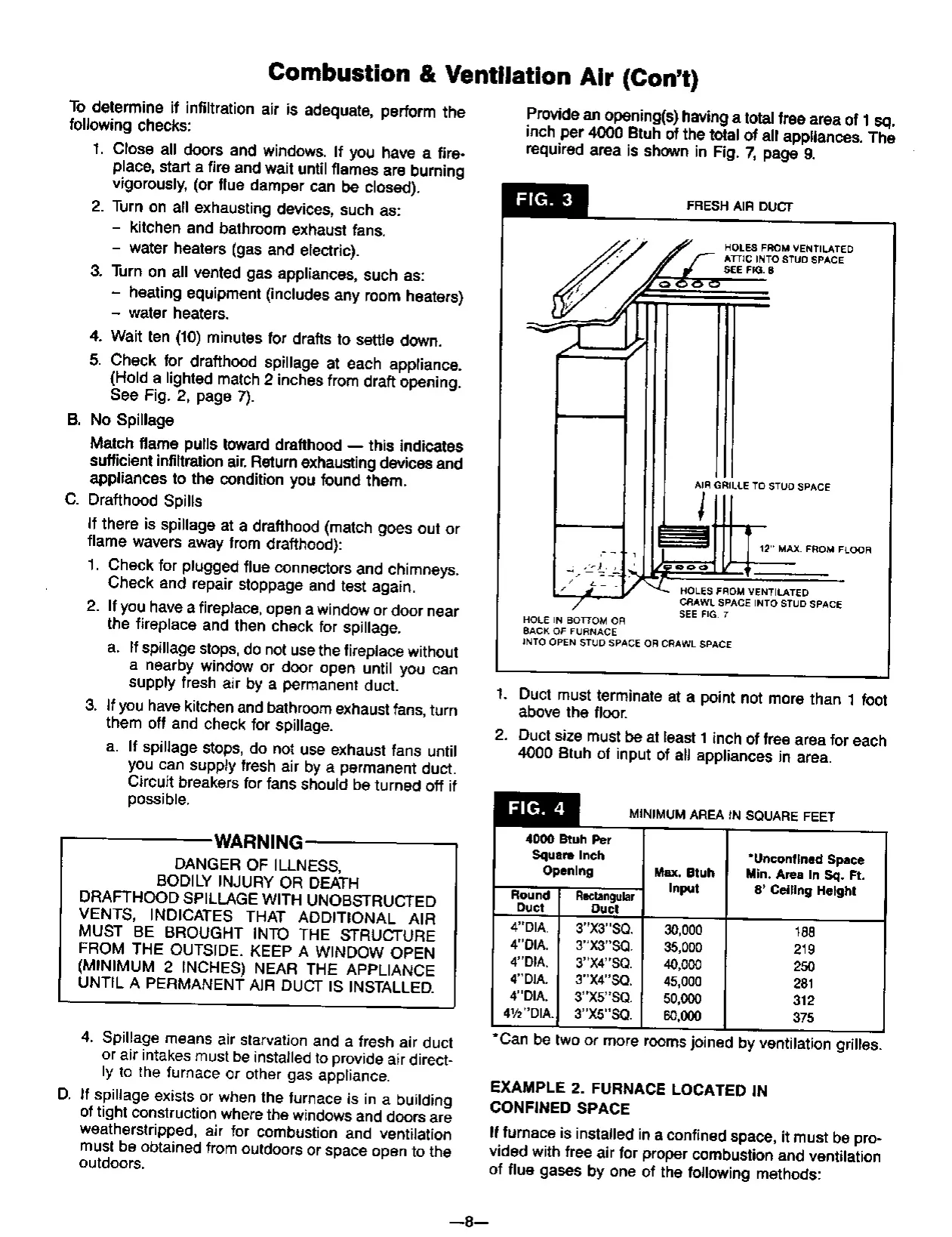
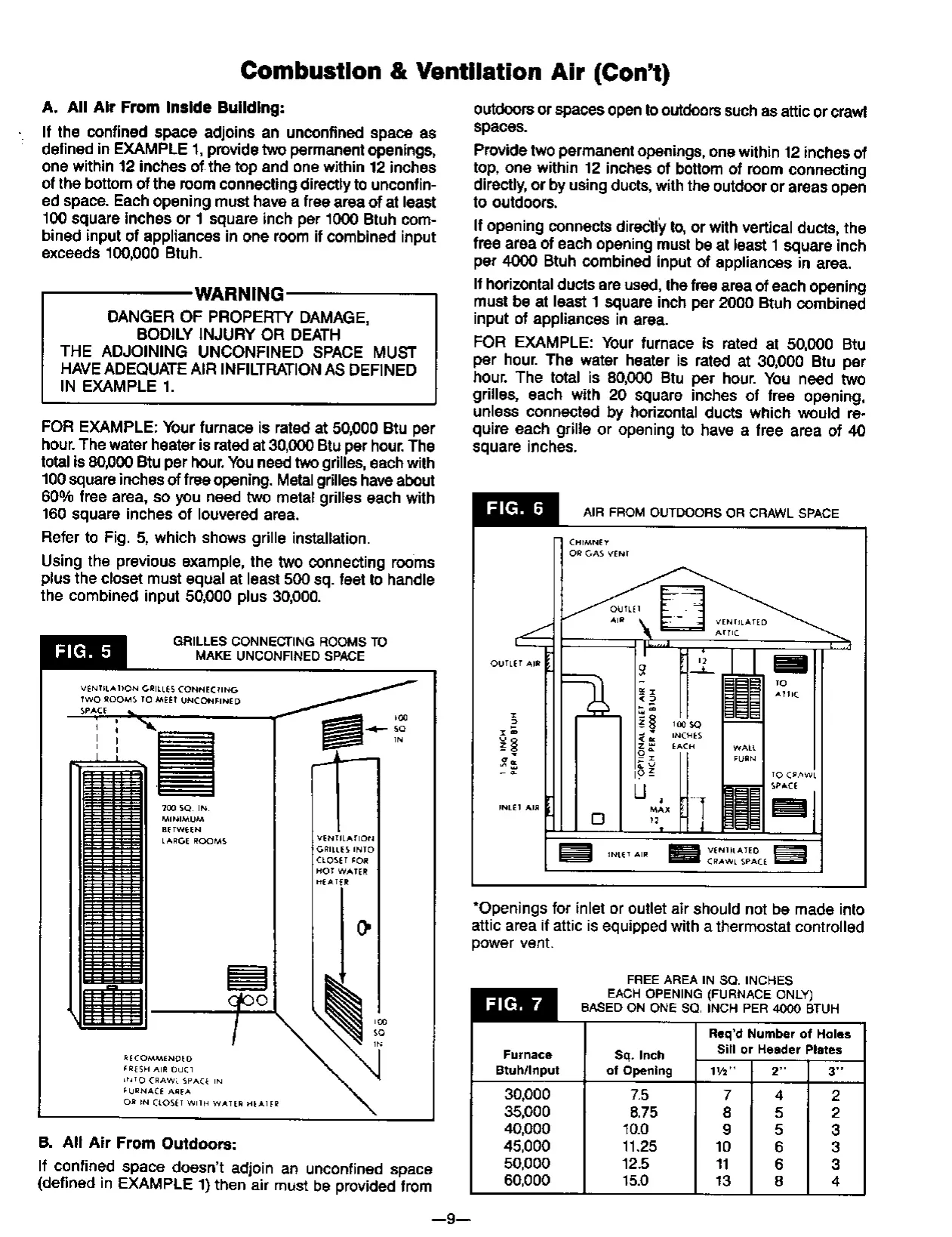
| Minimum Combustion Air Opening (Sq. Inch of Opening) | 7.5 | 8.75 | 12.5 |
Williams Furnace Model 25-35-50 Details
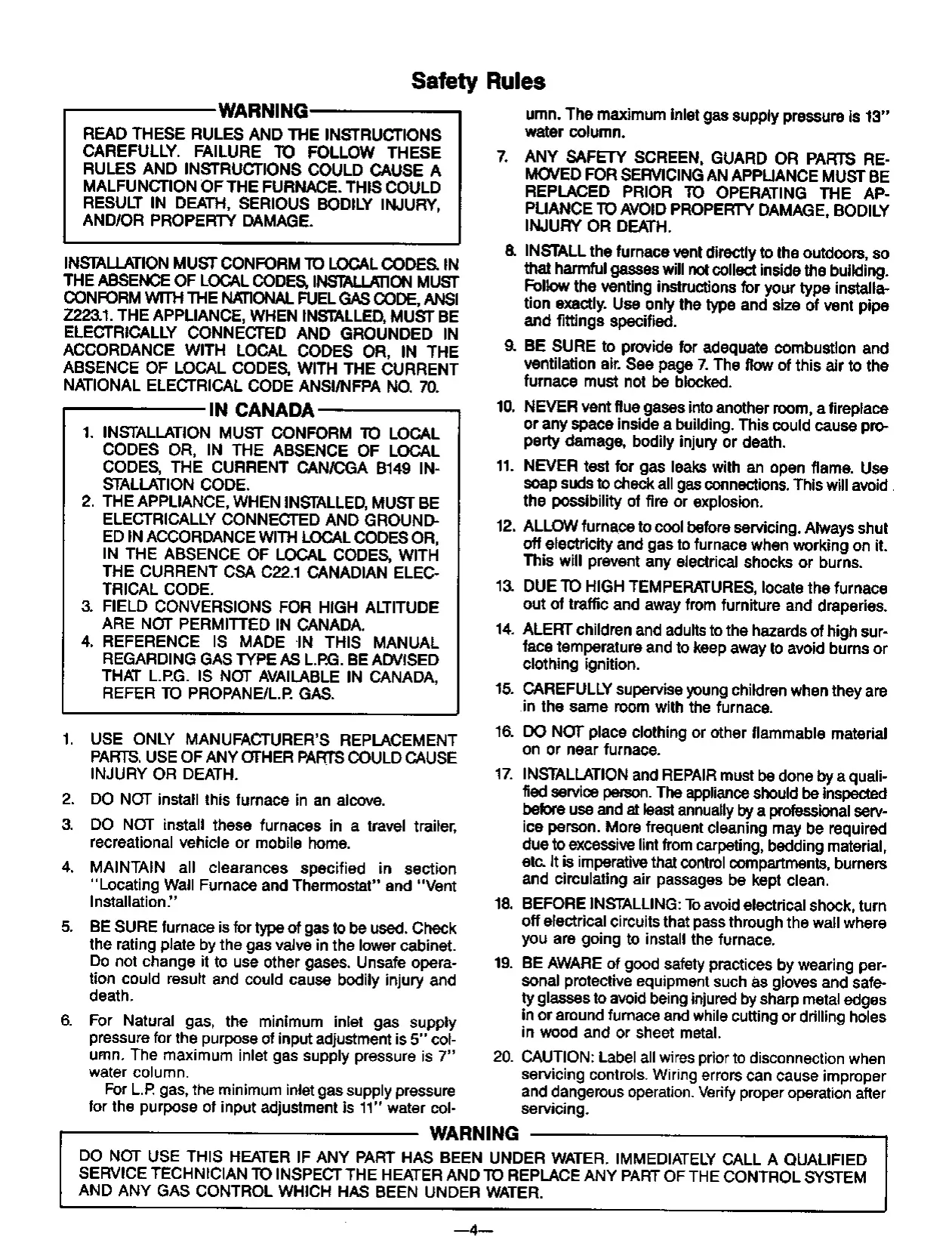
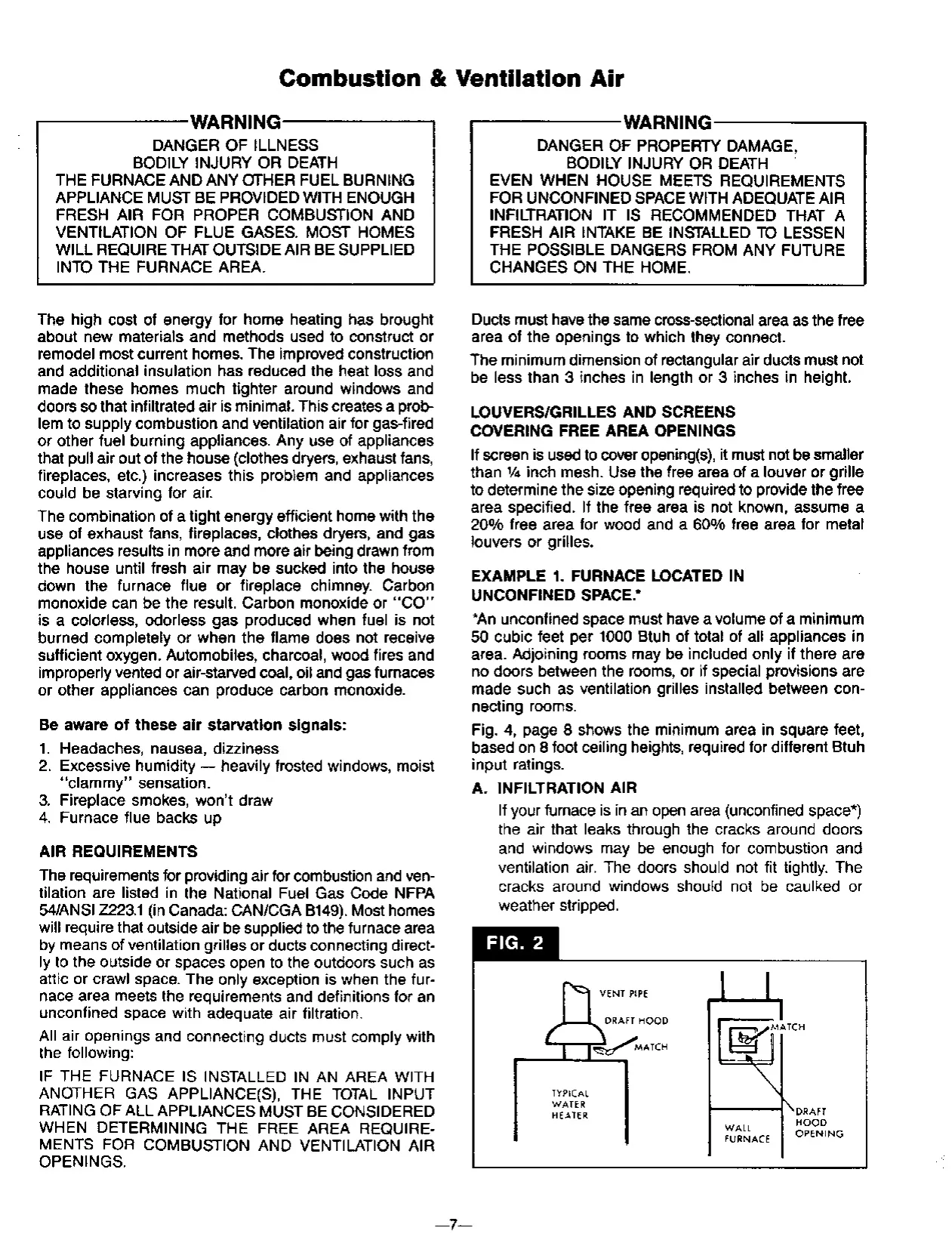
The Williams Wall Furnace Model 25-35-50 is designed to provide efficient heating for various spaces, offering adaptability in both installation and fuel type. These furnaces are available in natural gas and L.P. (liquid propane) gas versions, catering to diverse energy supply options. Users must ensure adherence to all safety rules, including proper combustion and ventilation air requirements, which are detailed in the installation guide to prevent hazards.
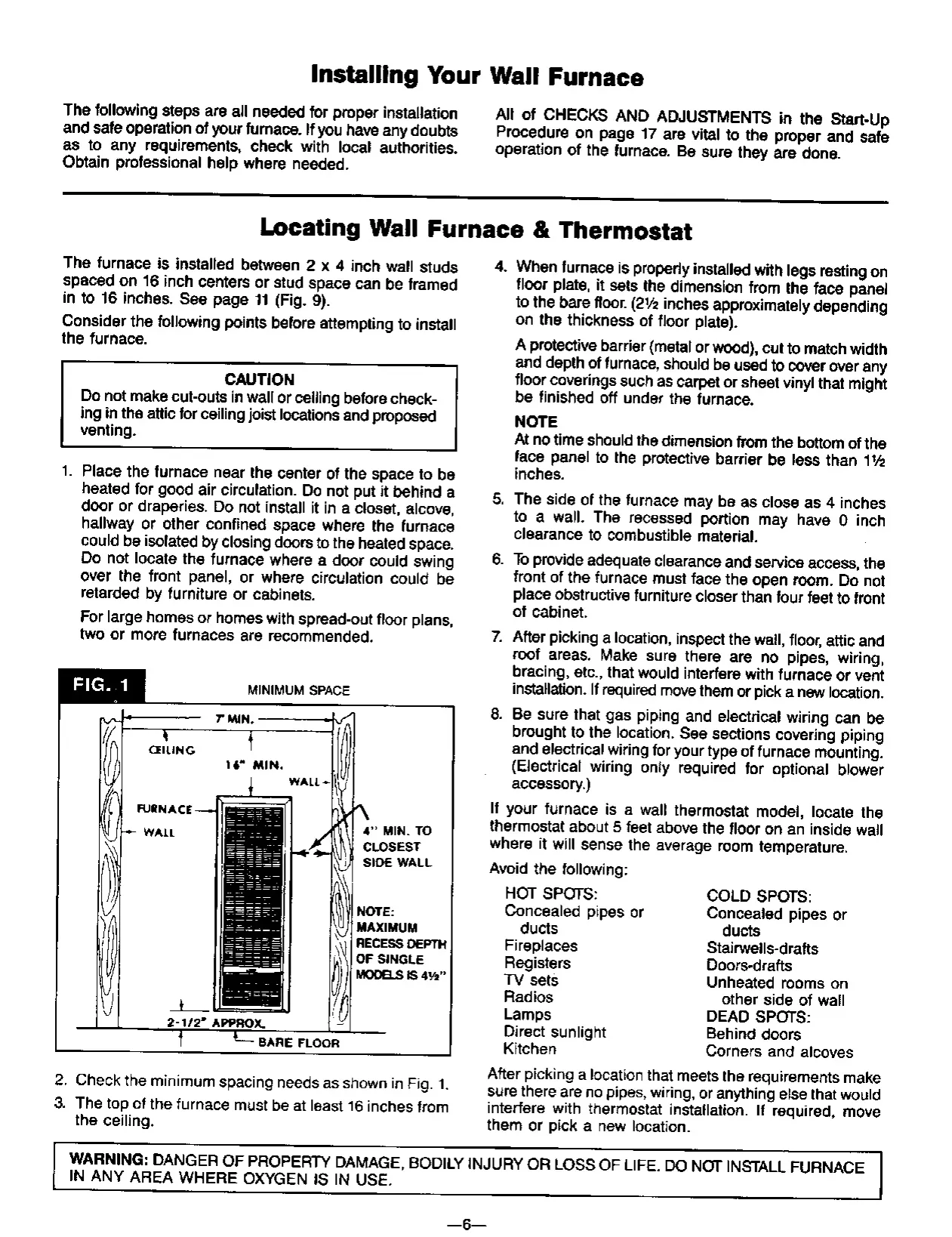
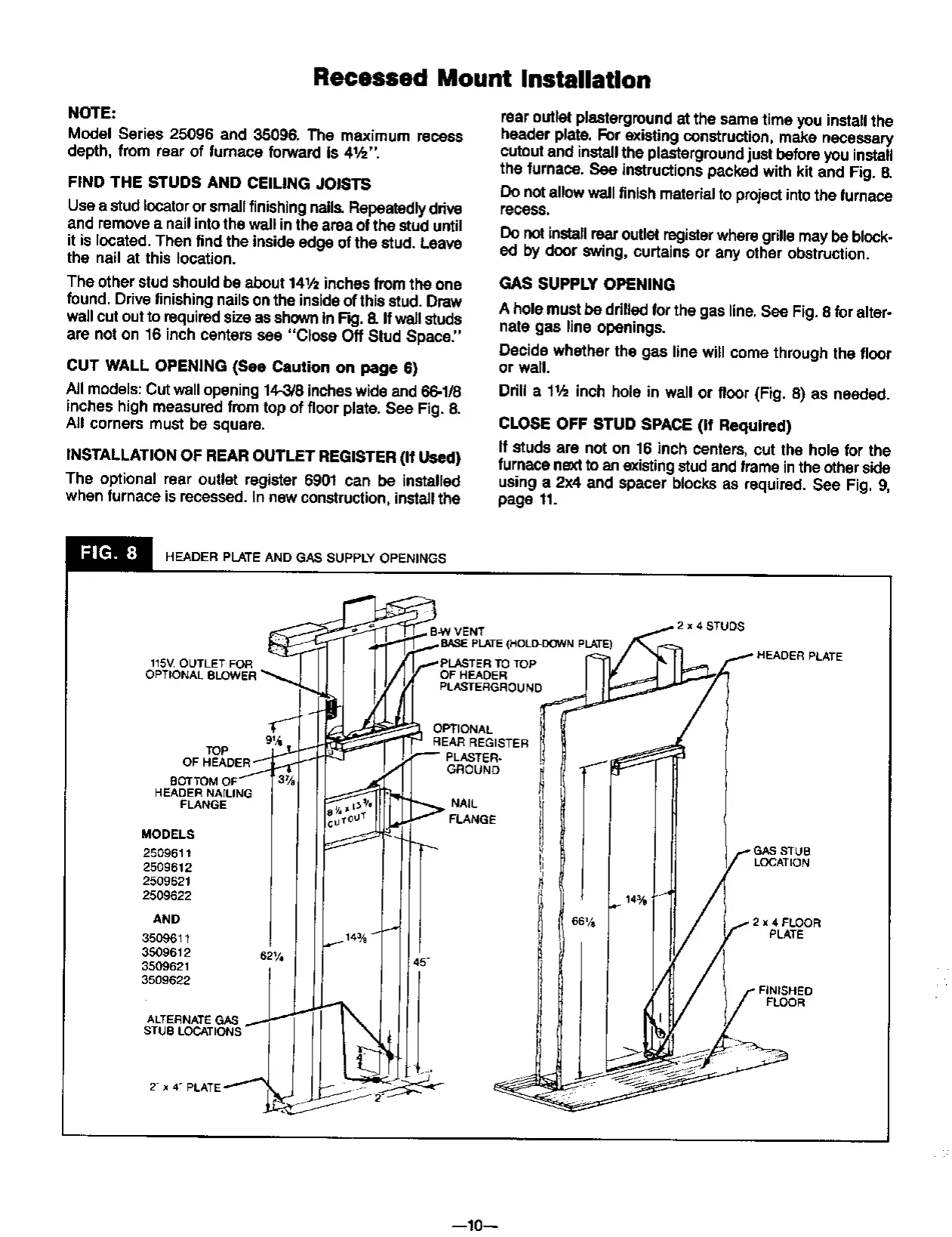
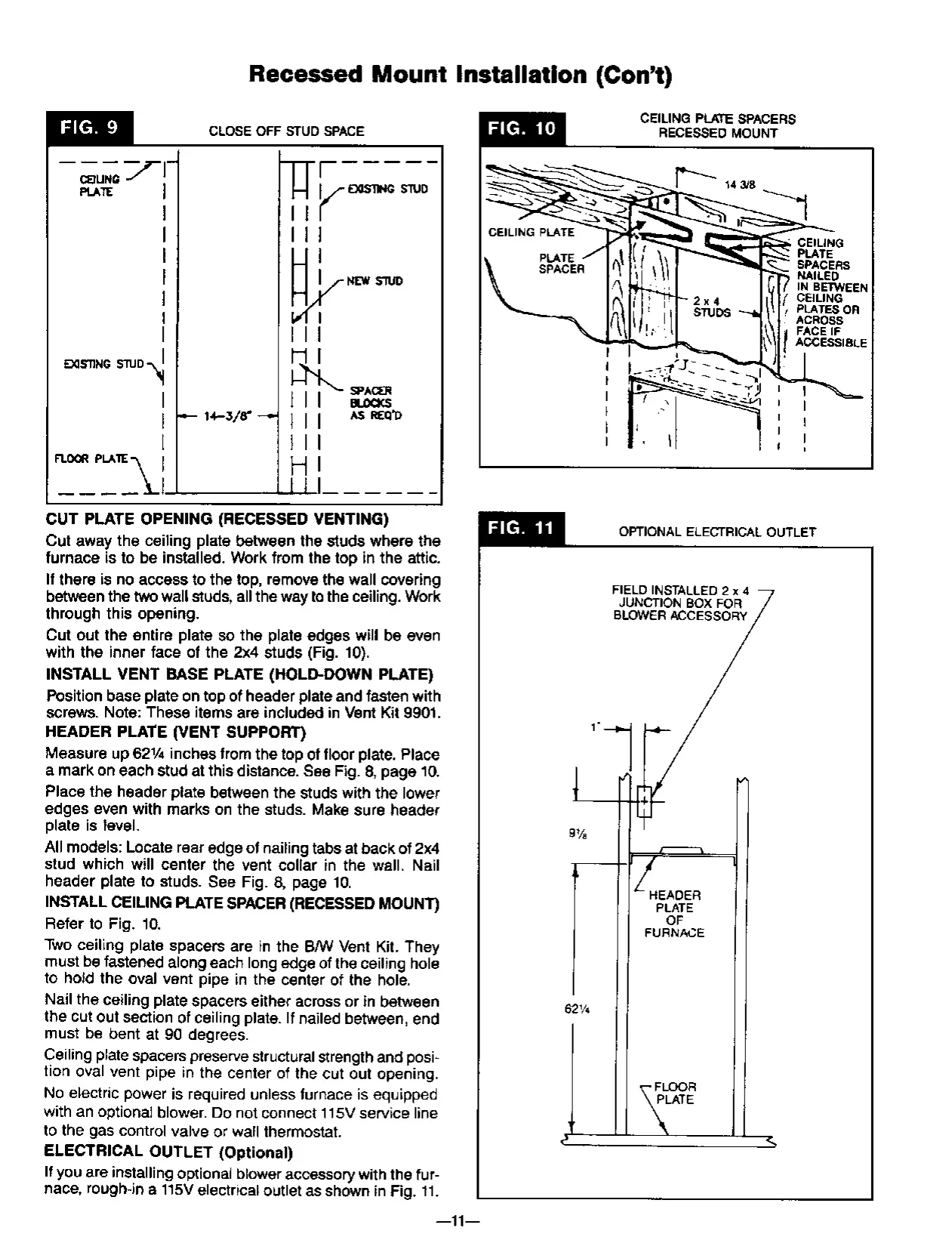
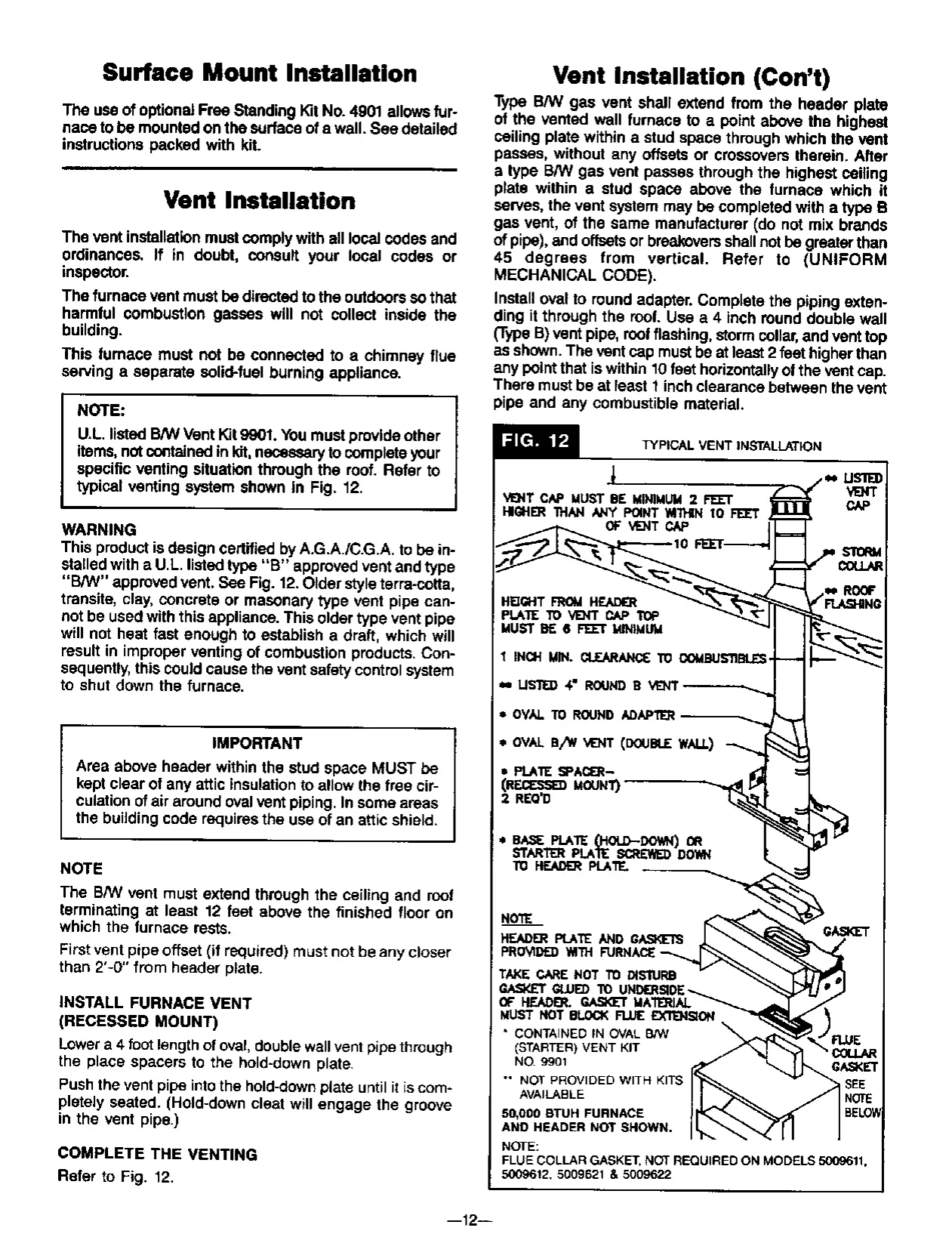
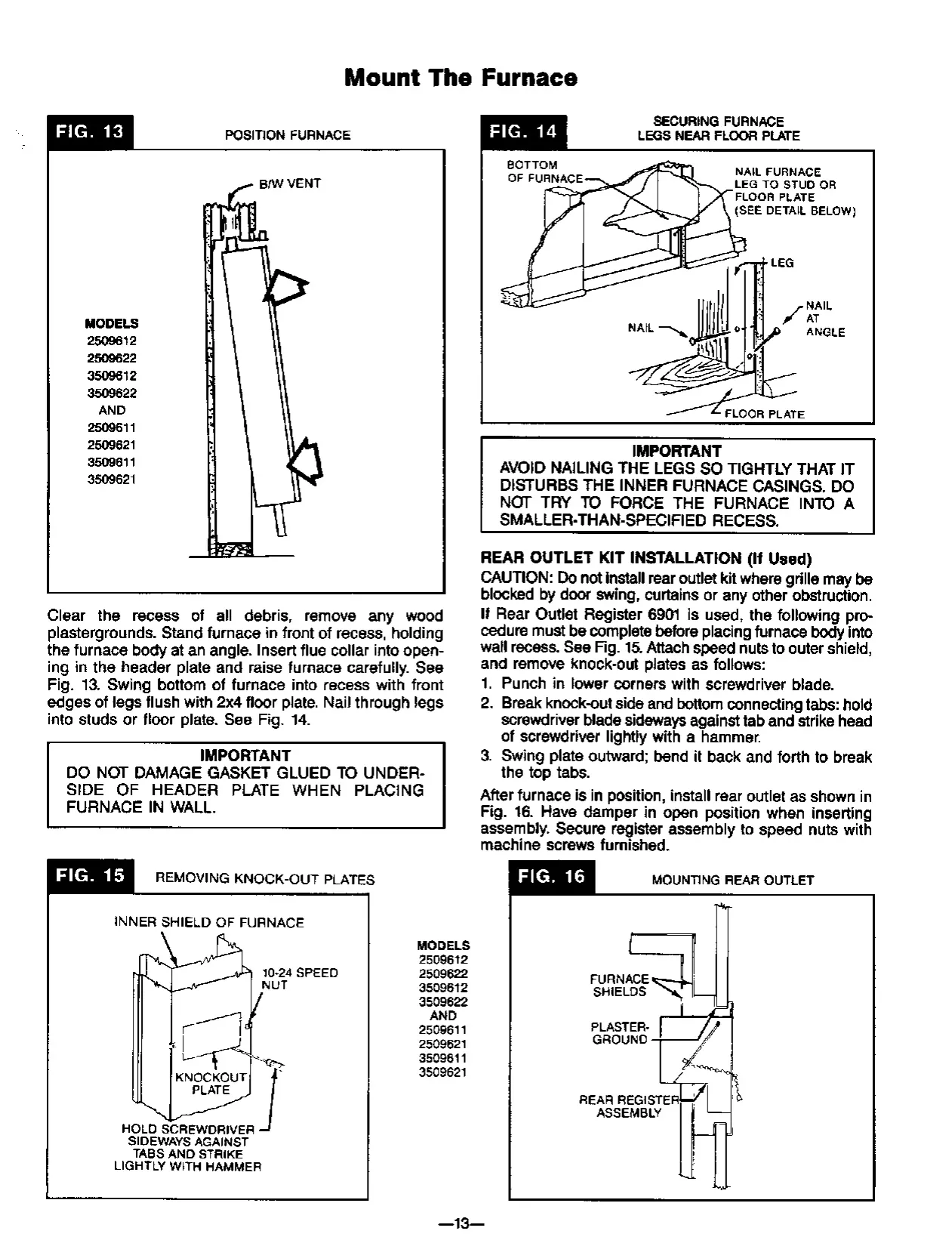
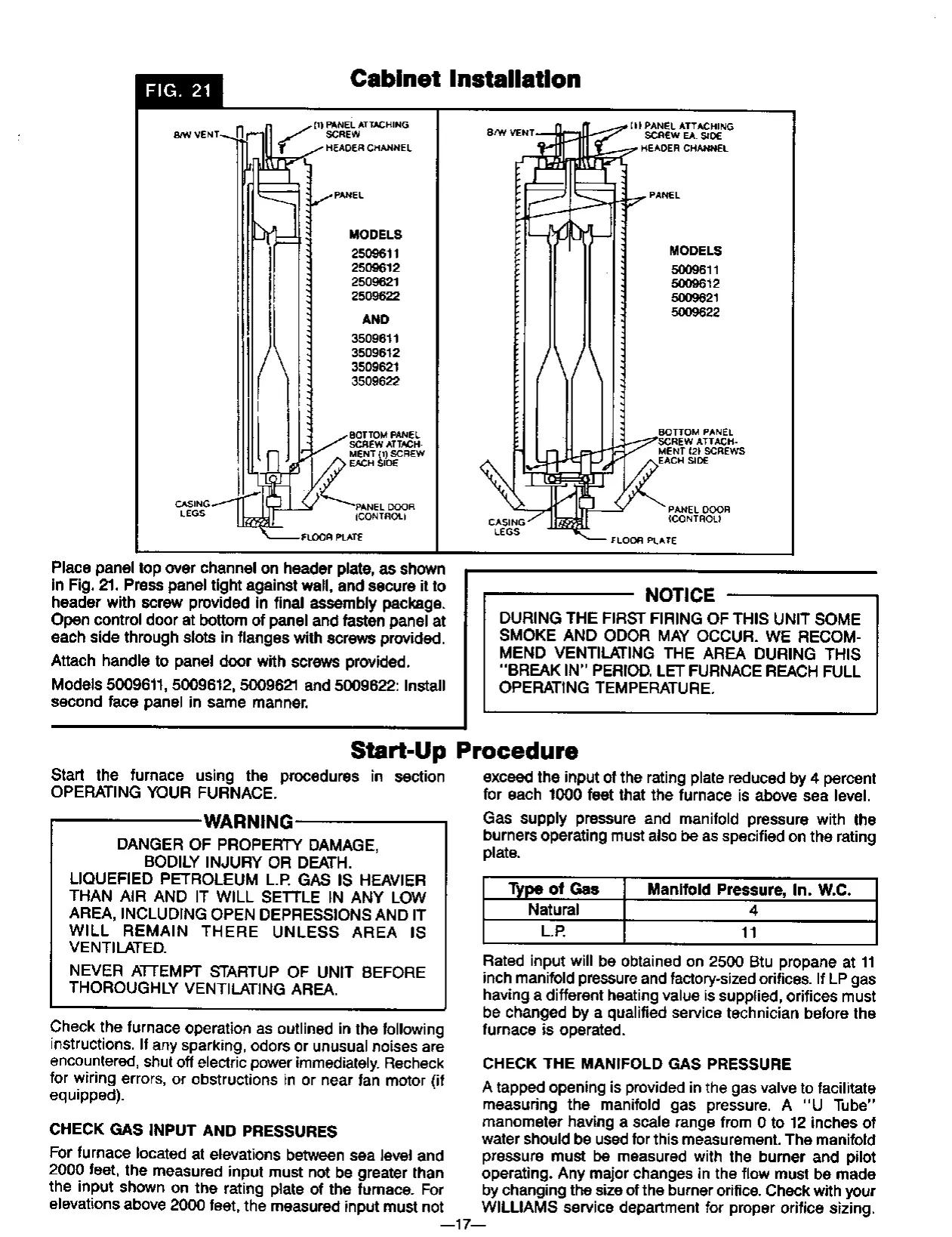
Installation of the Williams Wall Furnace is highly versatile, supporting both recessed mount and surface mount configurations. This flexibility allows the unit to seamlessly integrate into different wall structures, whether flush with the wall or extending slightly from it. Clear instructions are provided for vent installation, which is critical for the safe and efficient operation of the furnace, directing exhaust gases outdoors.
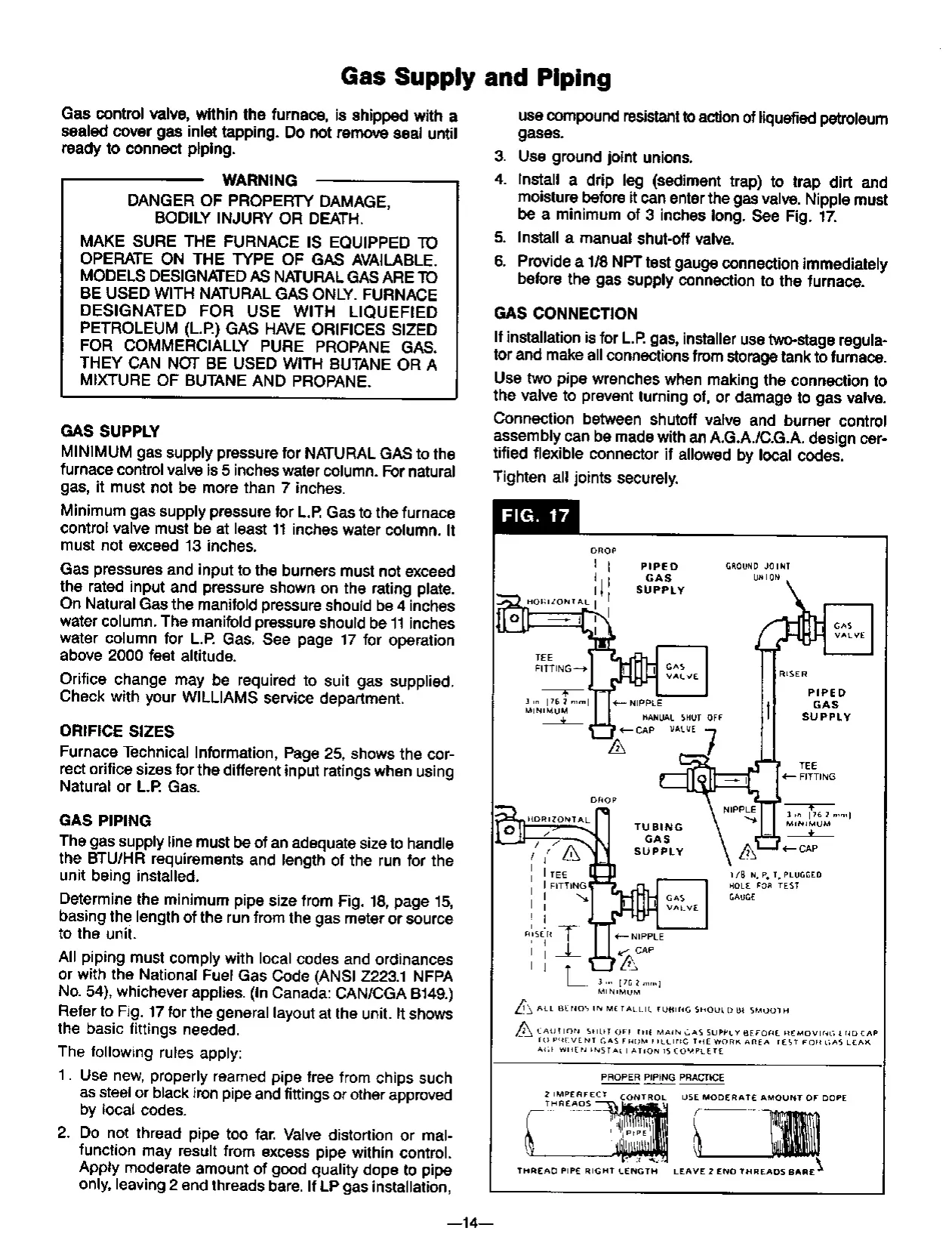
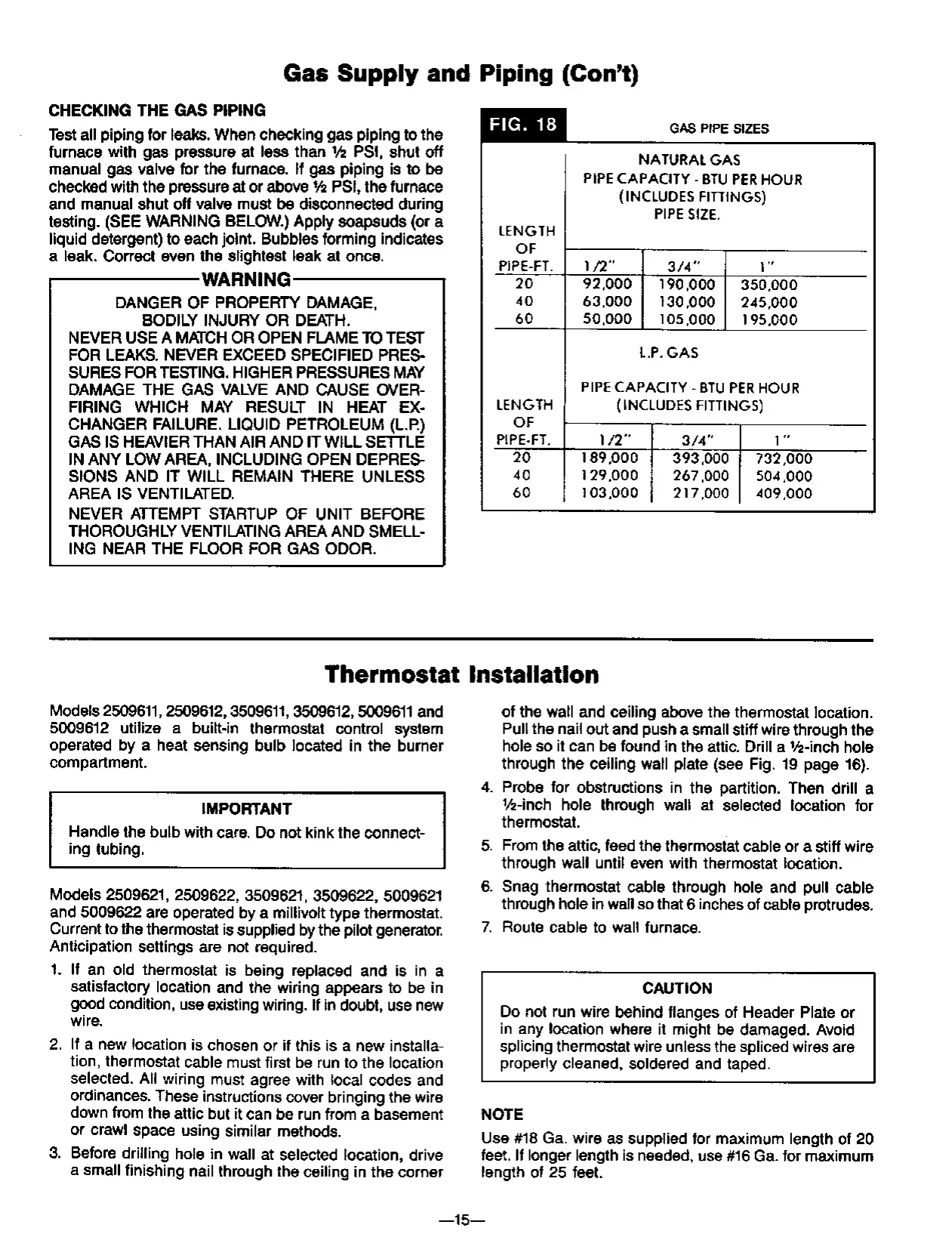
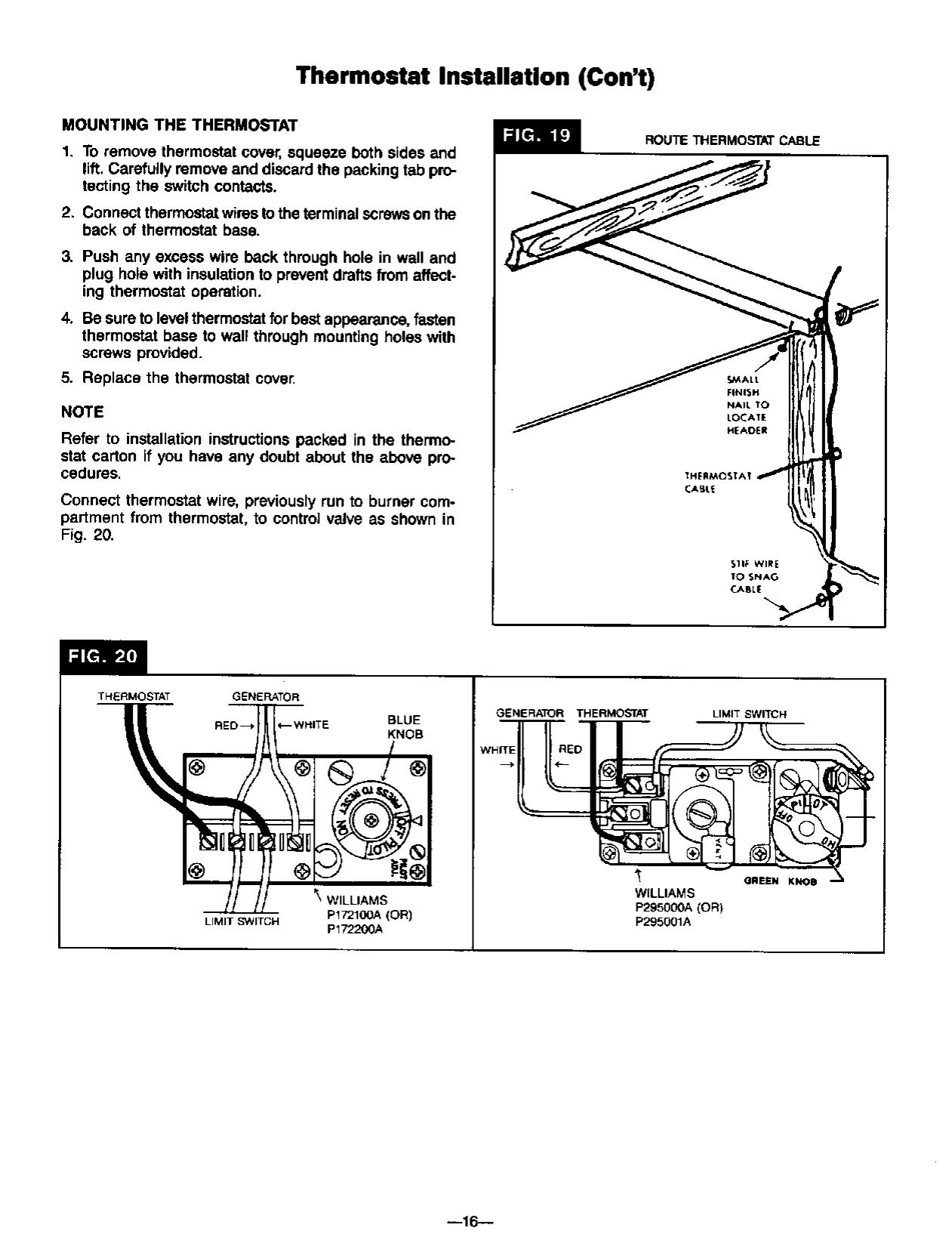
The manual outlines specific requirements for gas supply and piping, including detailed tables for gas pipe sizing based on length and BTU capacity, ensuring adequate fuel delivery to the unit. Furthermore, the product supports various thermostat installation methods, ranging from basic bulb control models to more advanced wall thermostats, offering users precise temperature control over their heated environment.
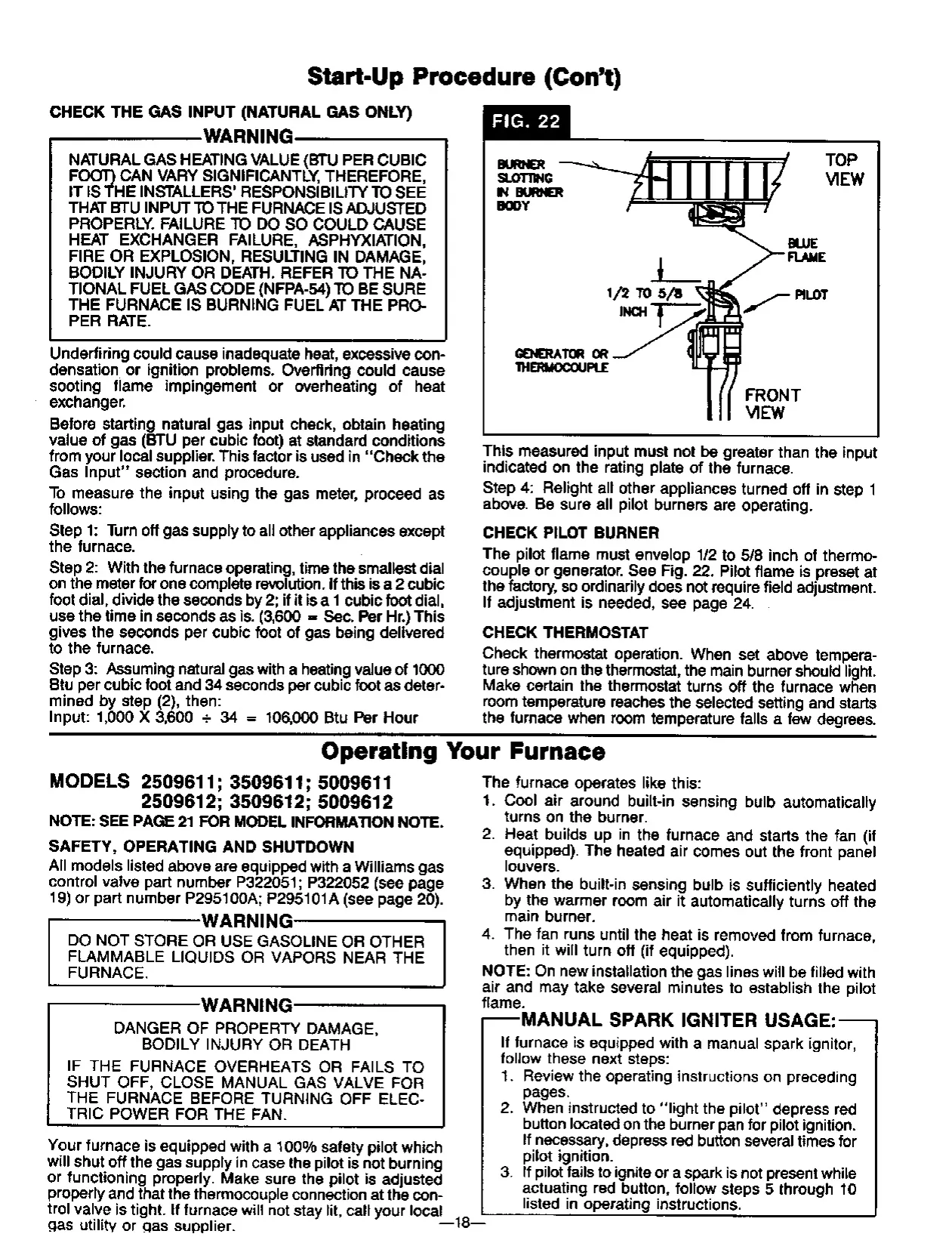
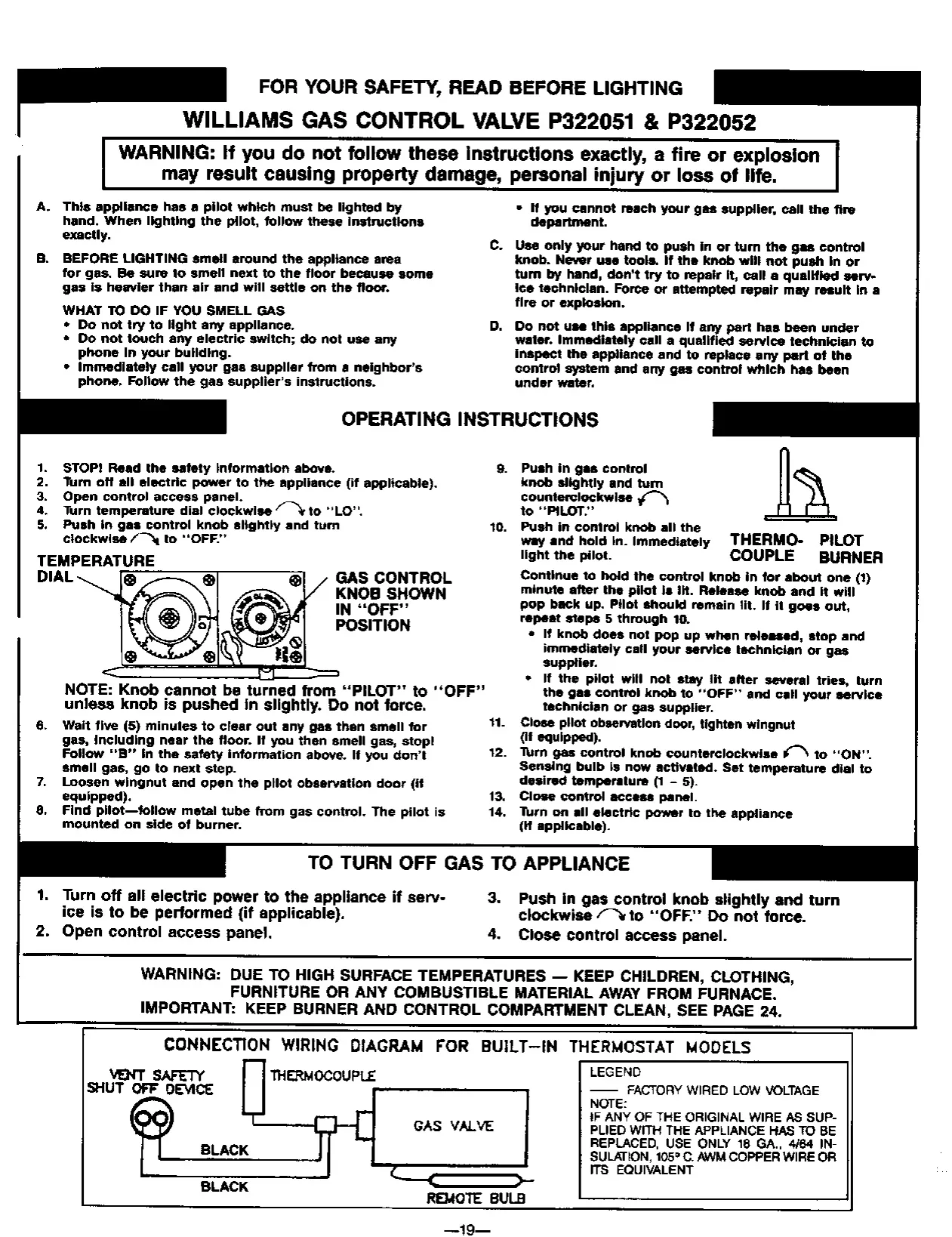
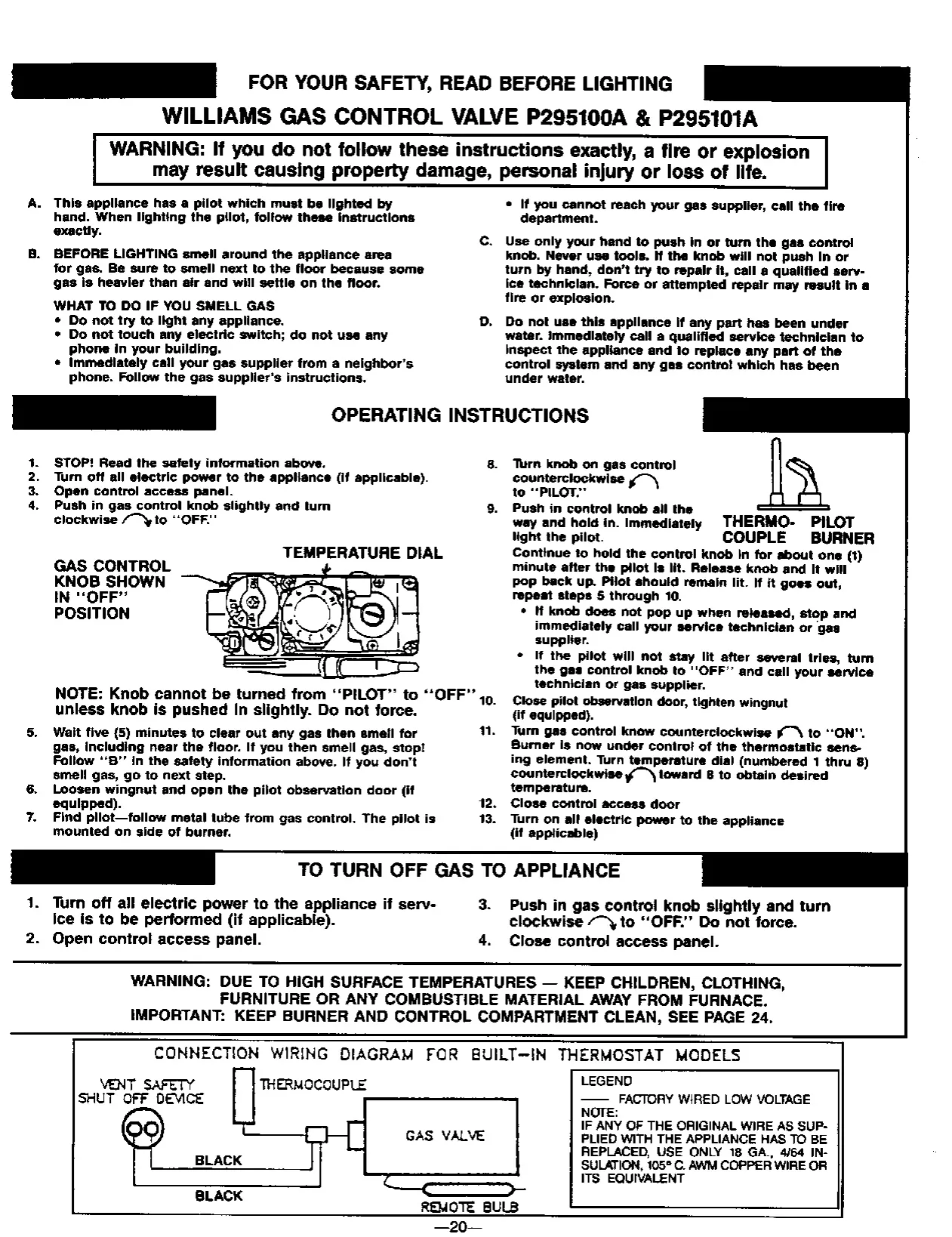
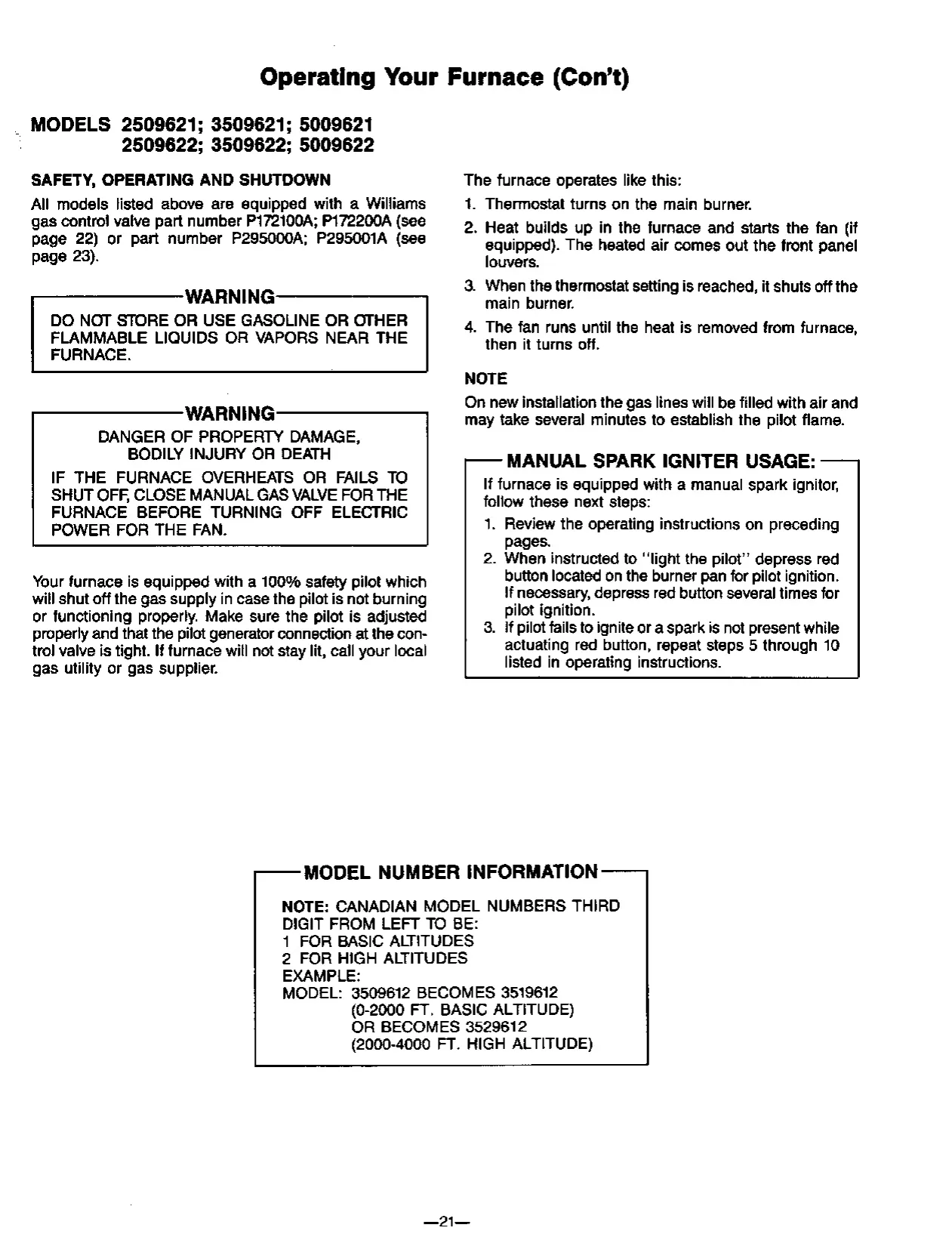
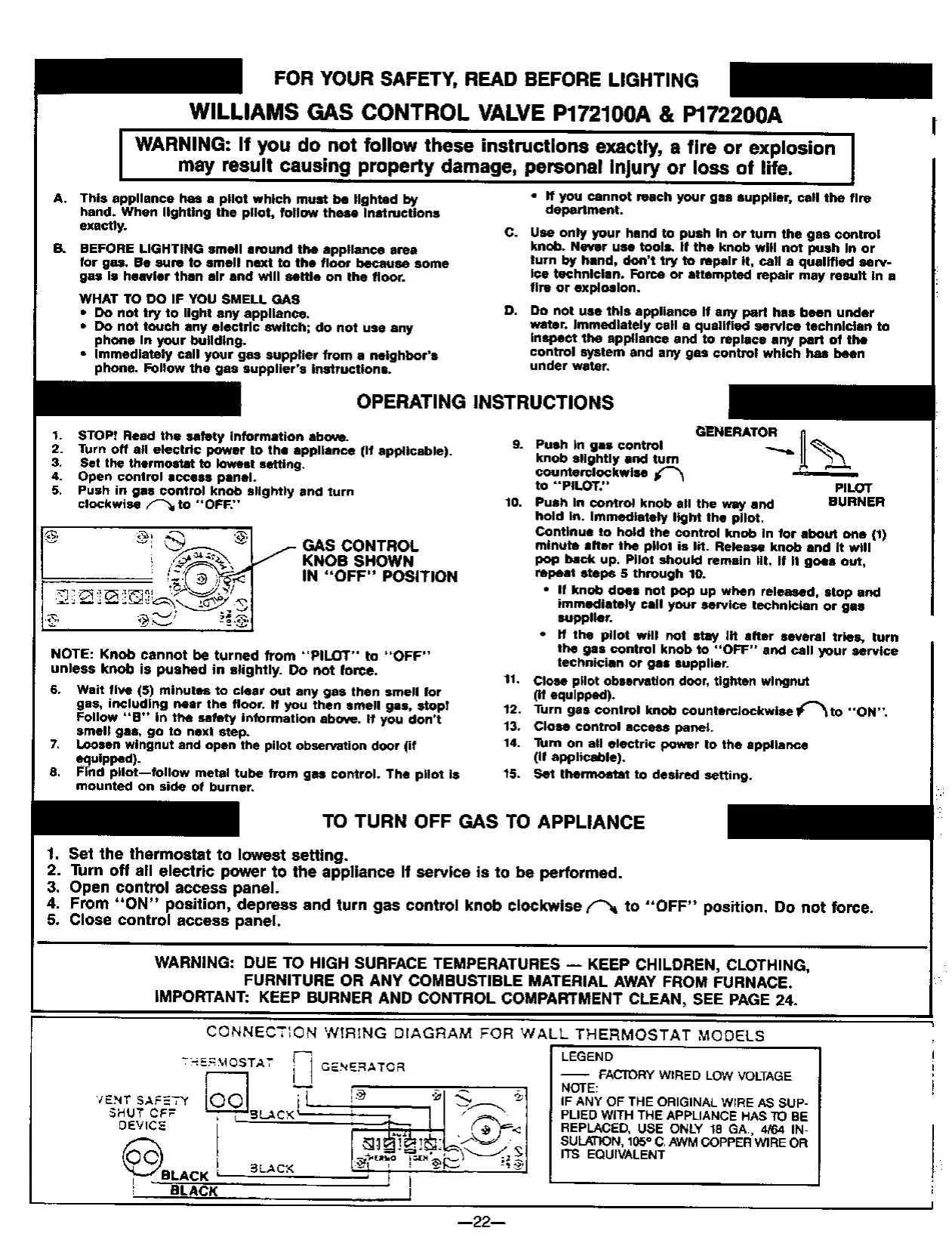
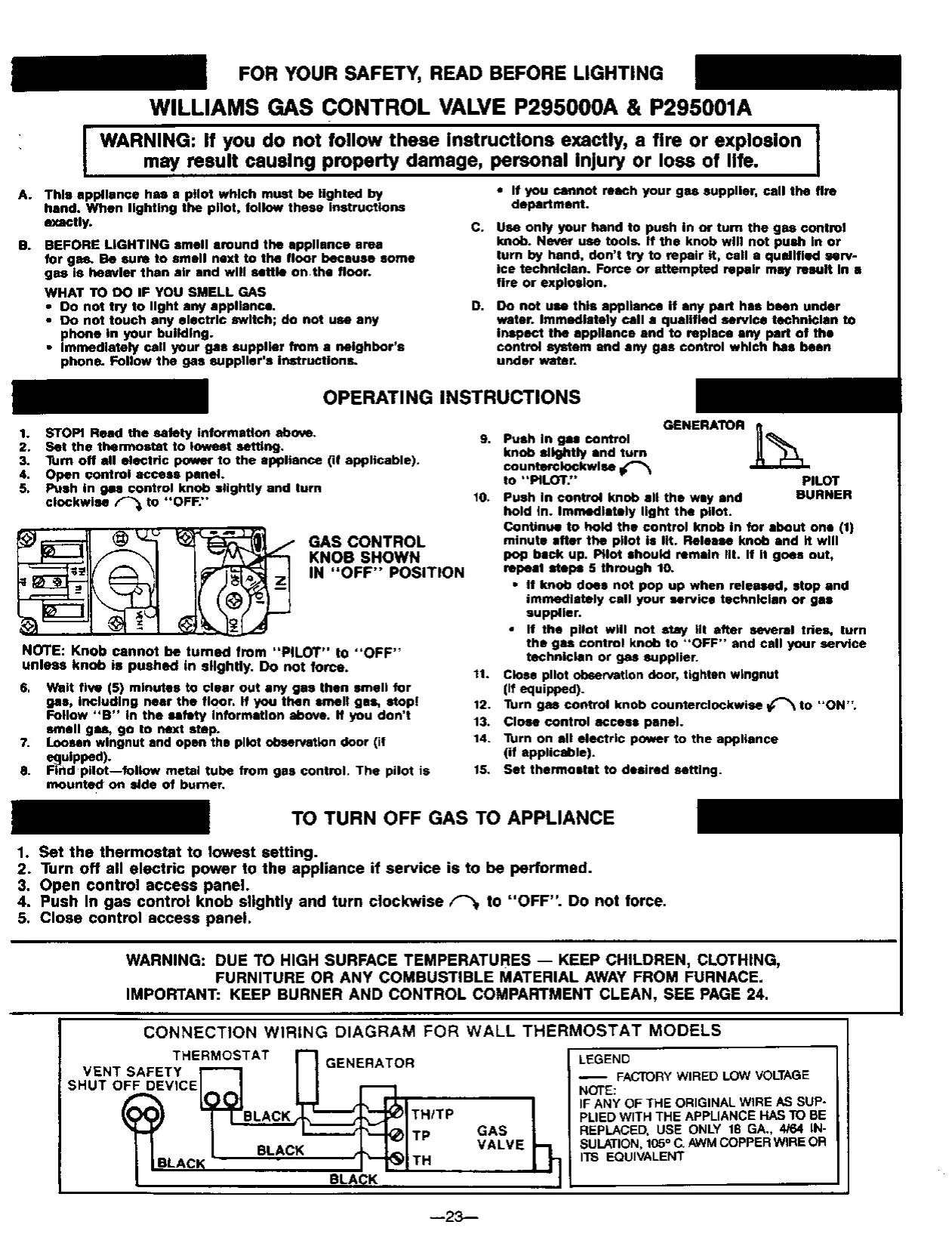
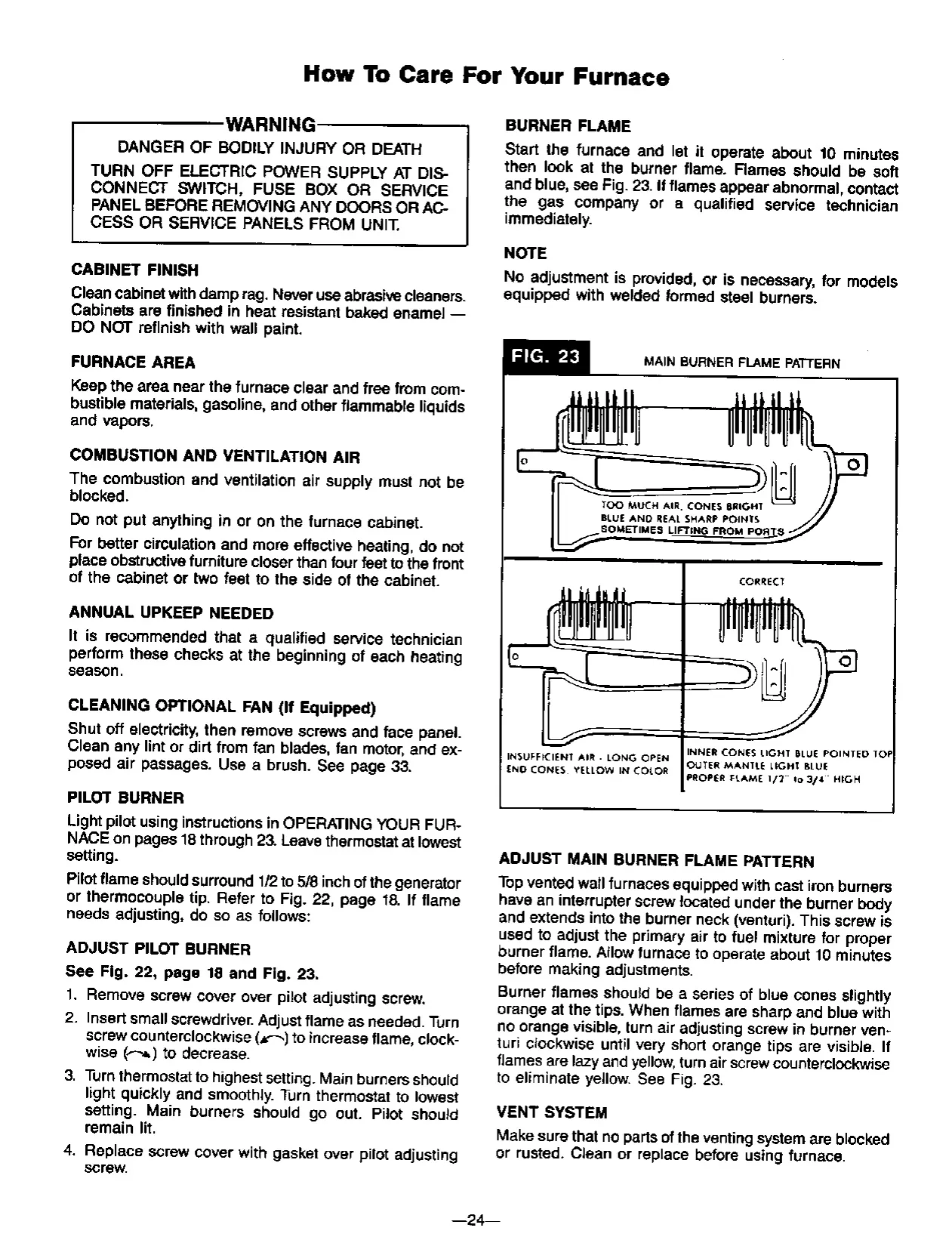
Operating the furnace involves a straightforward start-up procedure, guiding users through the pilot lighting sequence and initial operation. The manual emphasizes the importance of understanding the controls and maintaining proper settings for optimal performance. Regular care for the furnace is also highlighted, including routine cleaning and inspections to ensure longevity and consistent heating output.
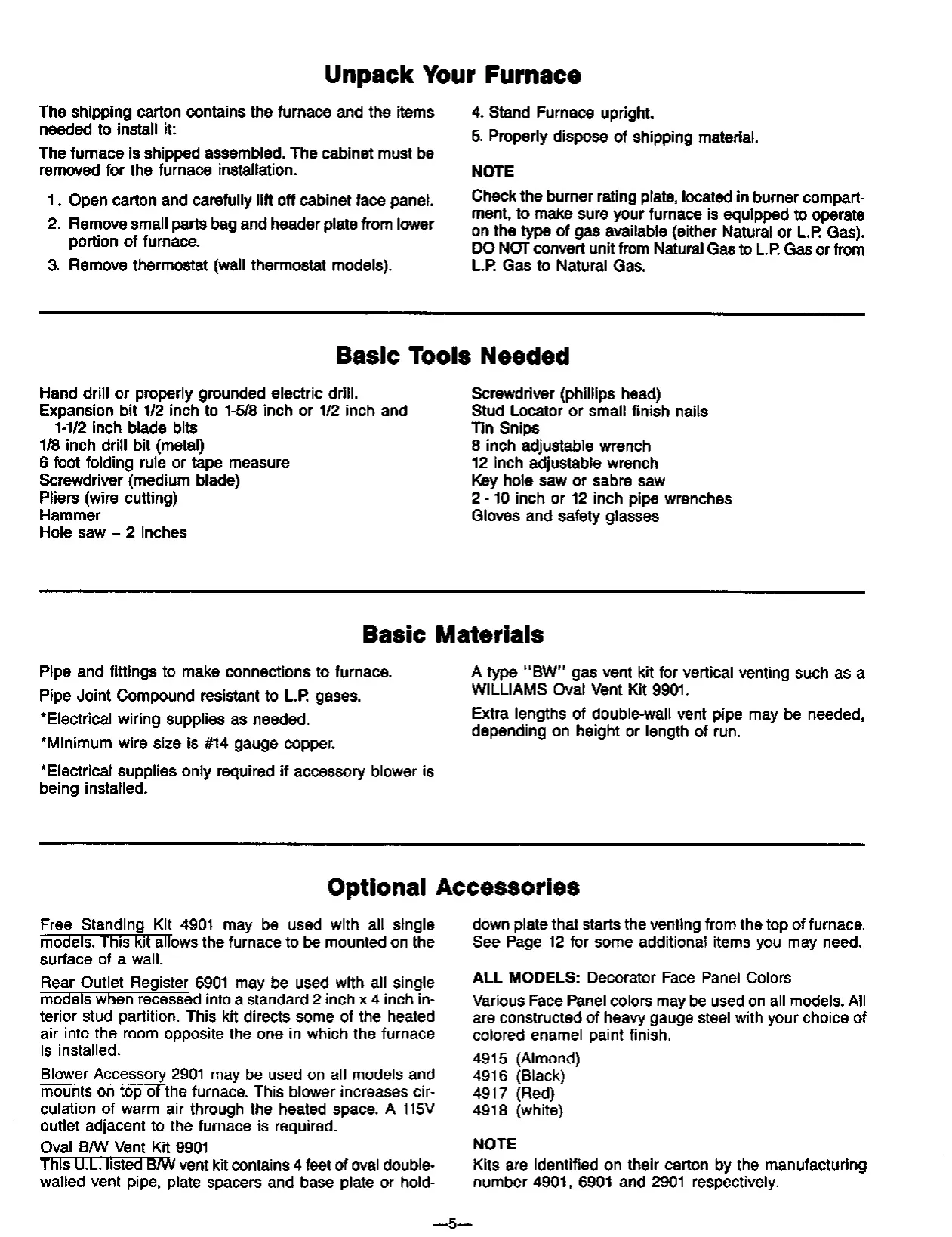
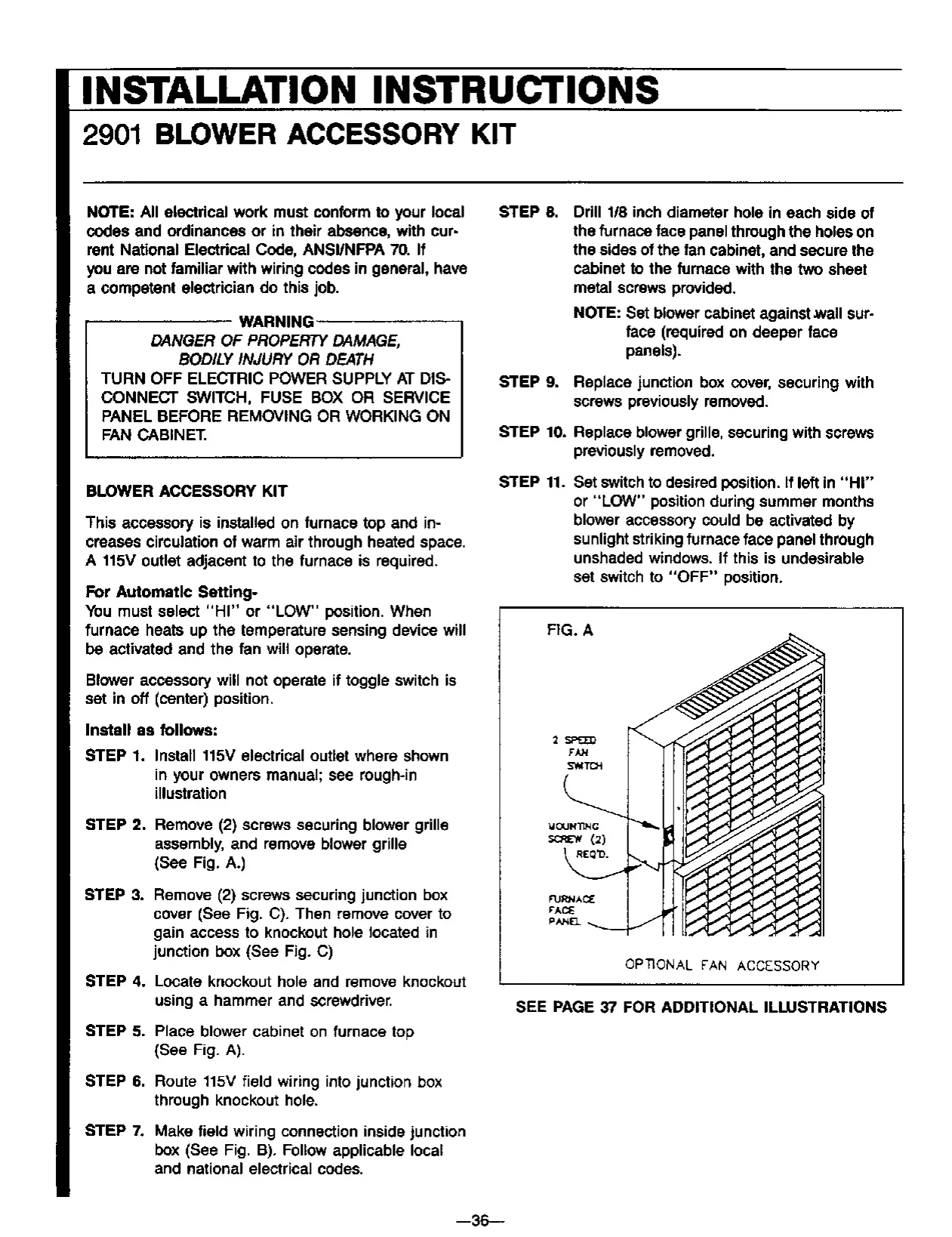
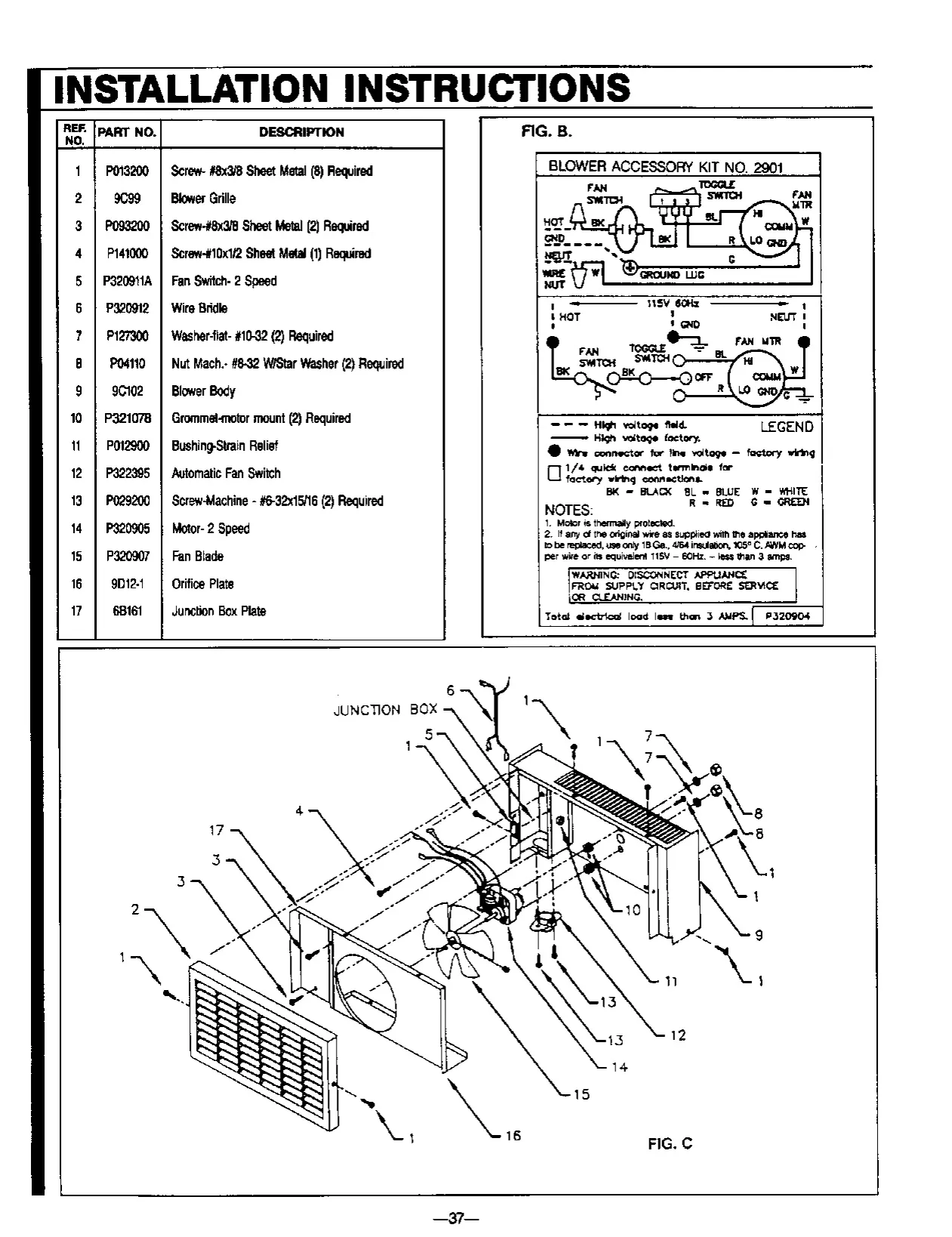
An important optional accessory is the Blower (Model 2901), which can significantly enhance heat distribution throughout a room, providing more uniform heating and improved comfort. The furnaces feature a manual spark ignitor (Piezo), offering a convenient and reliable method for lighting the pilot without the need for external tools or matches.
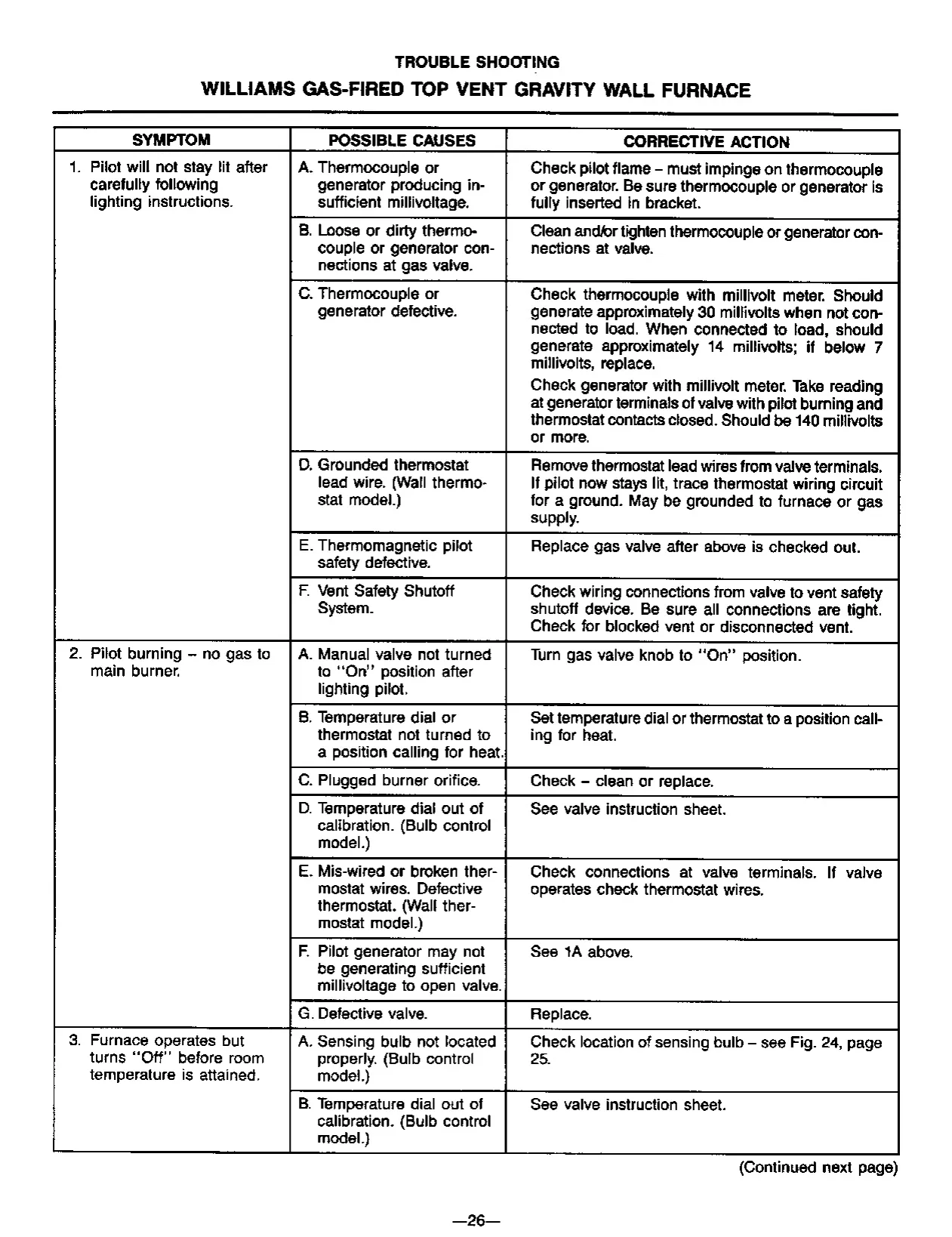
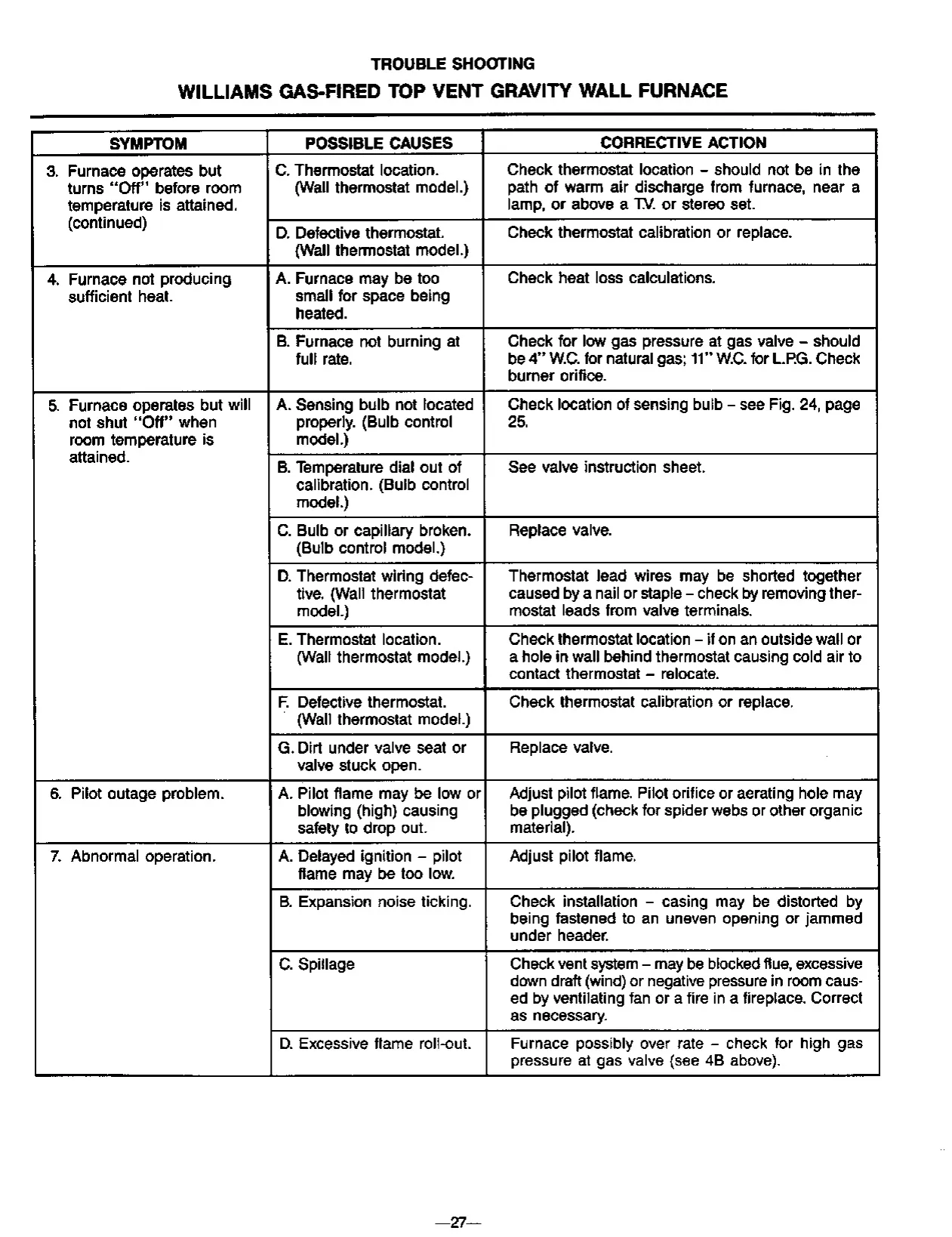
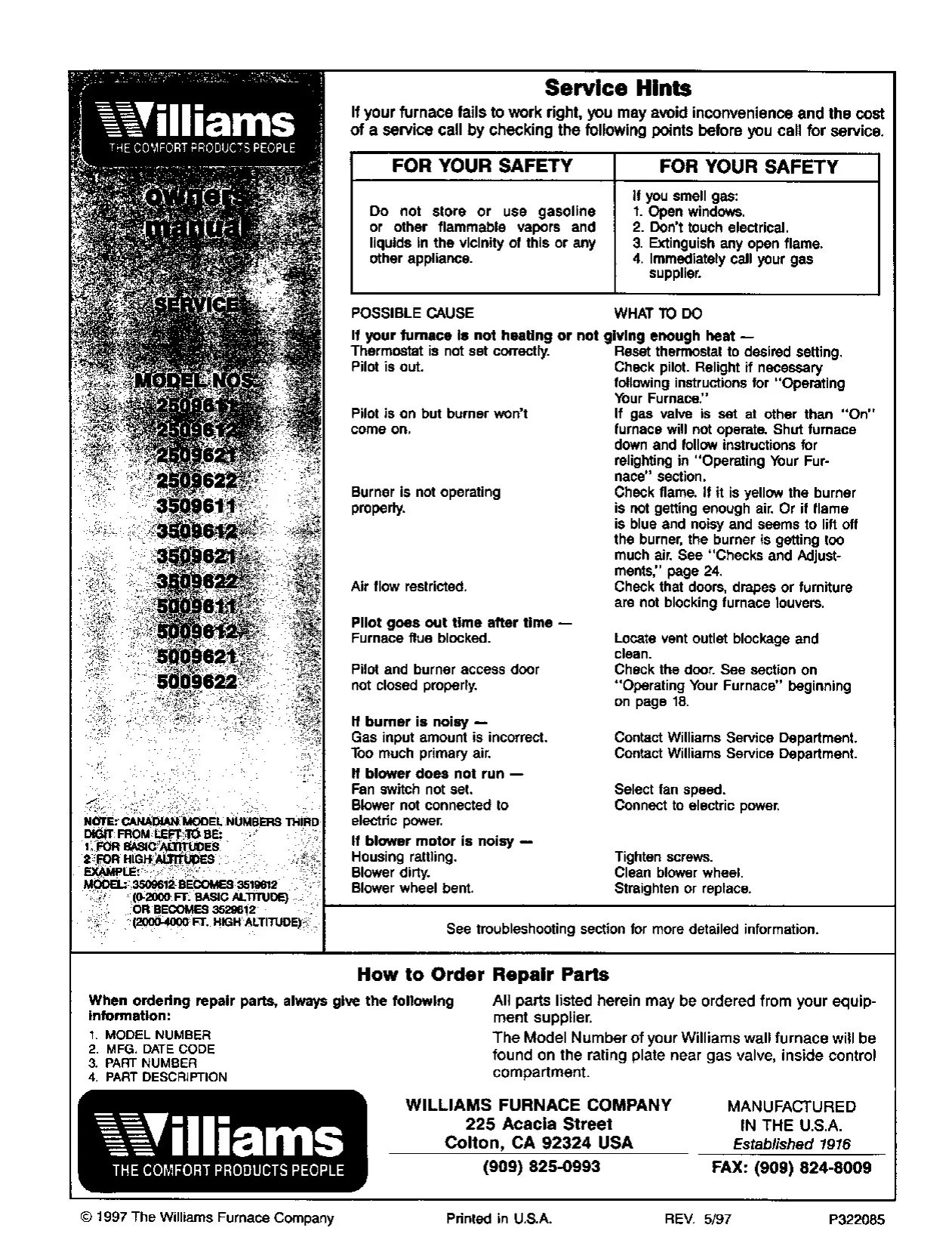
Safety mechanisms such as the thermomagnetic pilot safety and vent safety shutoff system are integrated into the design. These features automatically cease gas flow or operation if unsafe conditions are detected, such as a pilot flame failure or a blocked vent, reinforcing user safety. The comprehensive troubleshooting chart helps users diagnose and resolve common issues, from pilot outages to insufficient heat production.
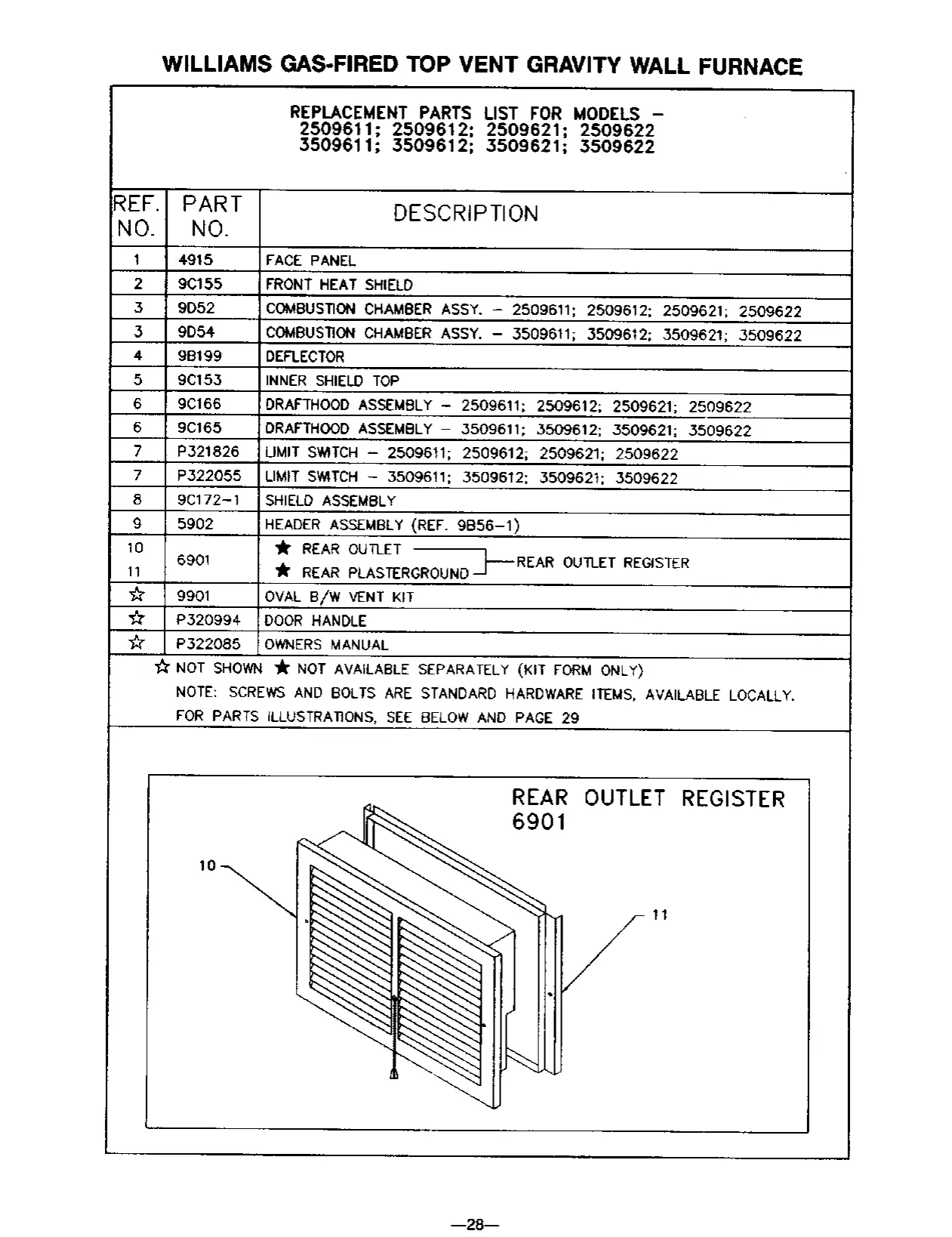
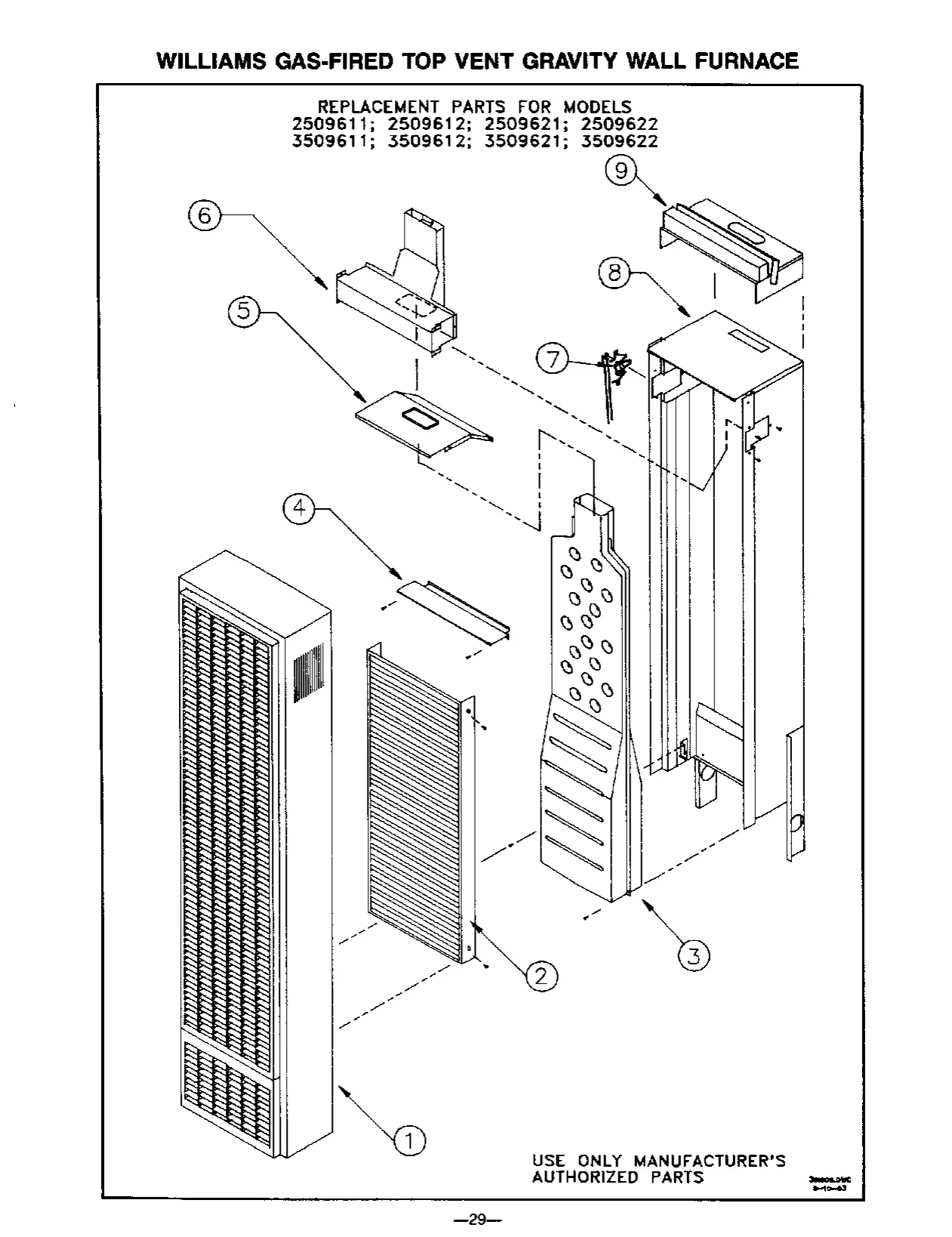
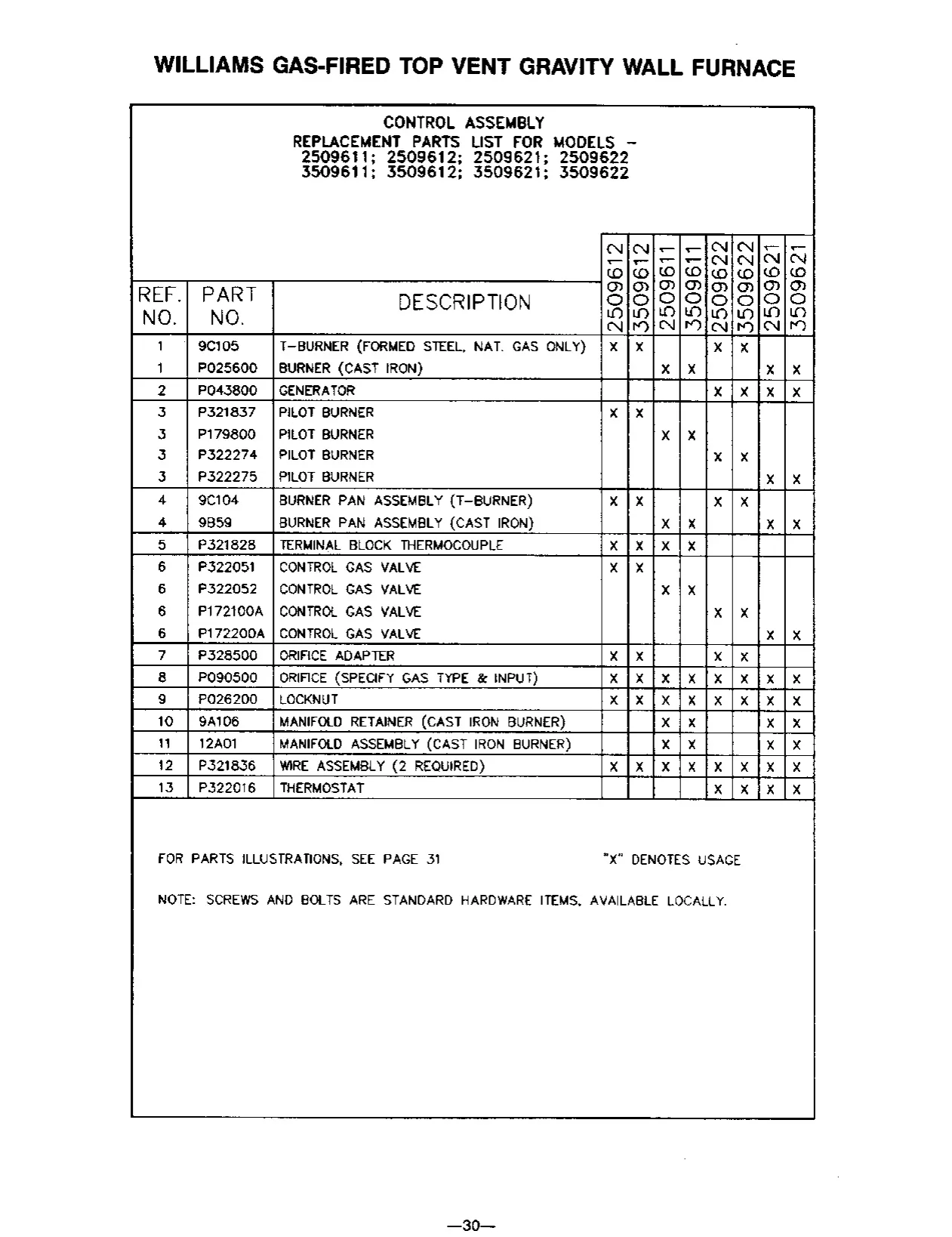
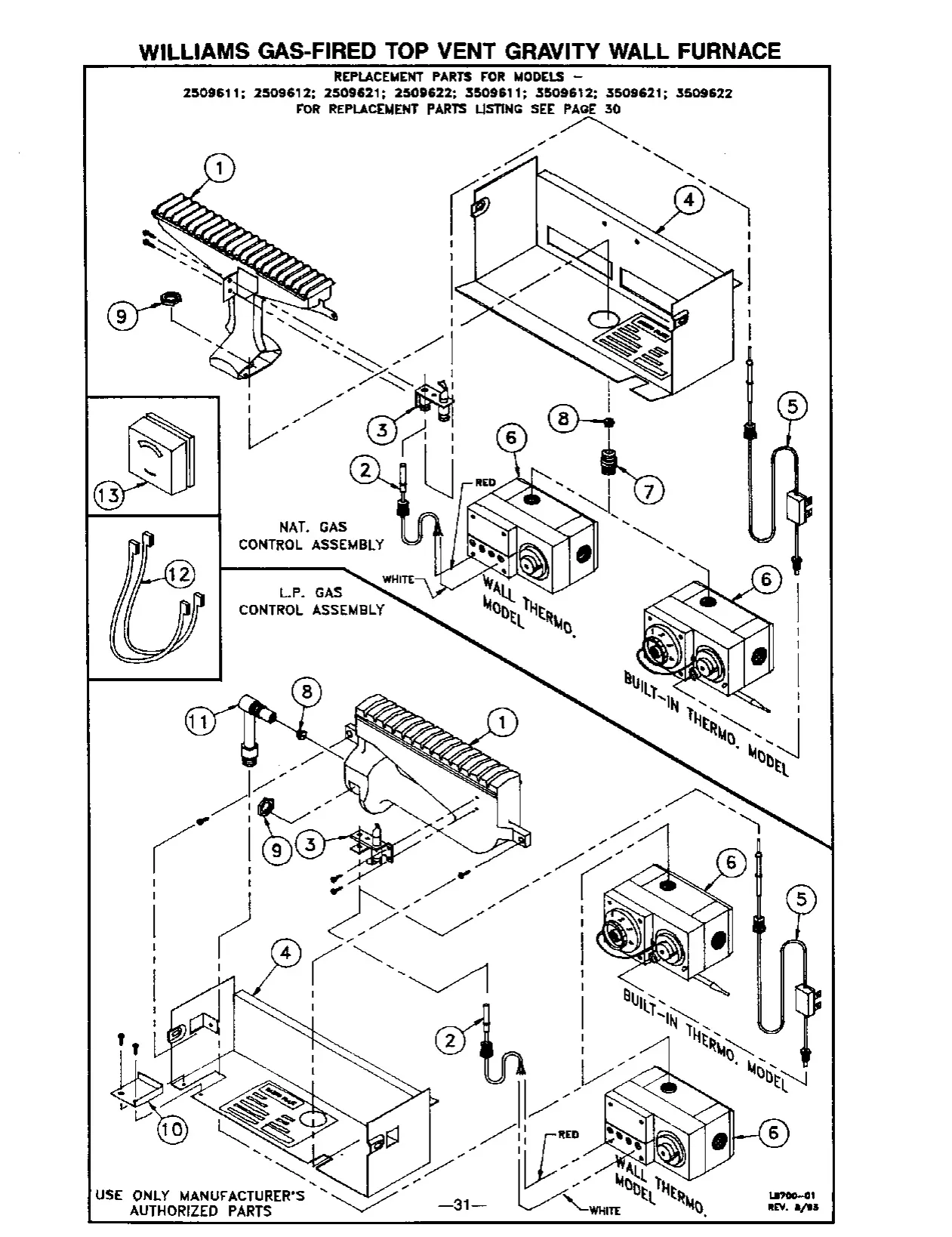
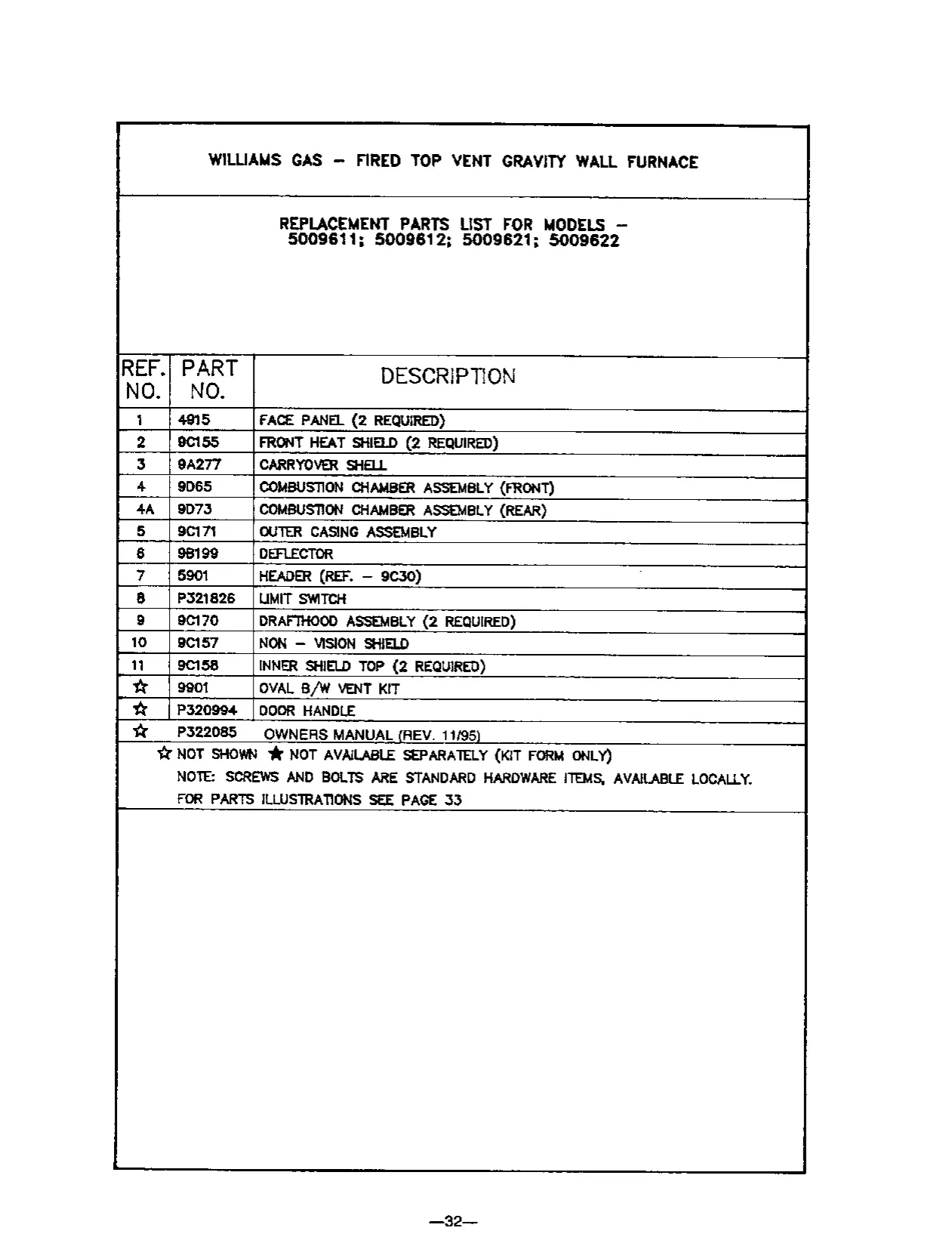
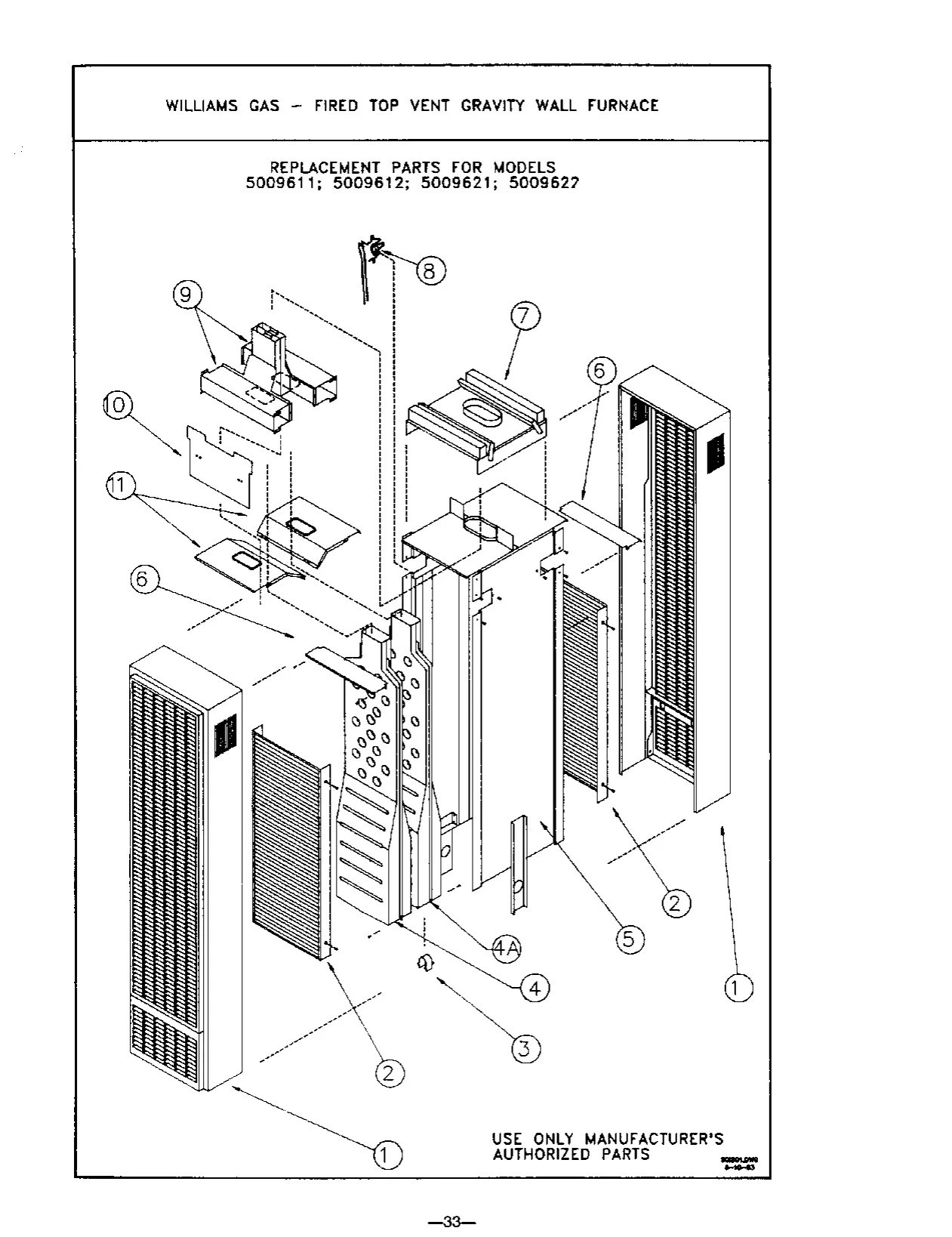
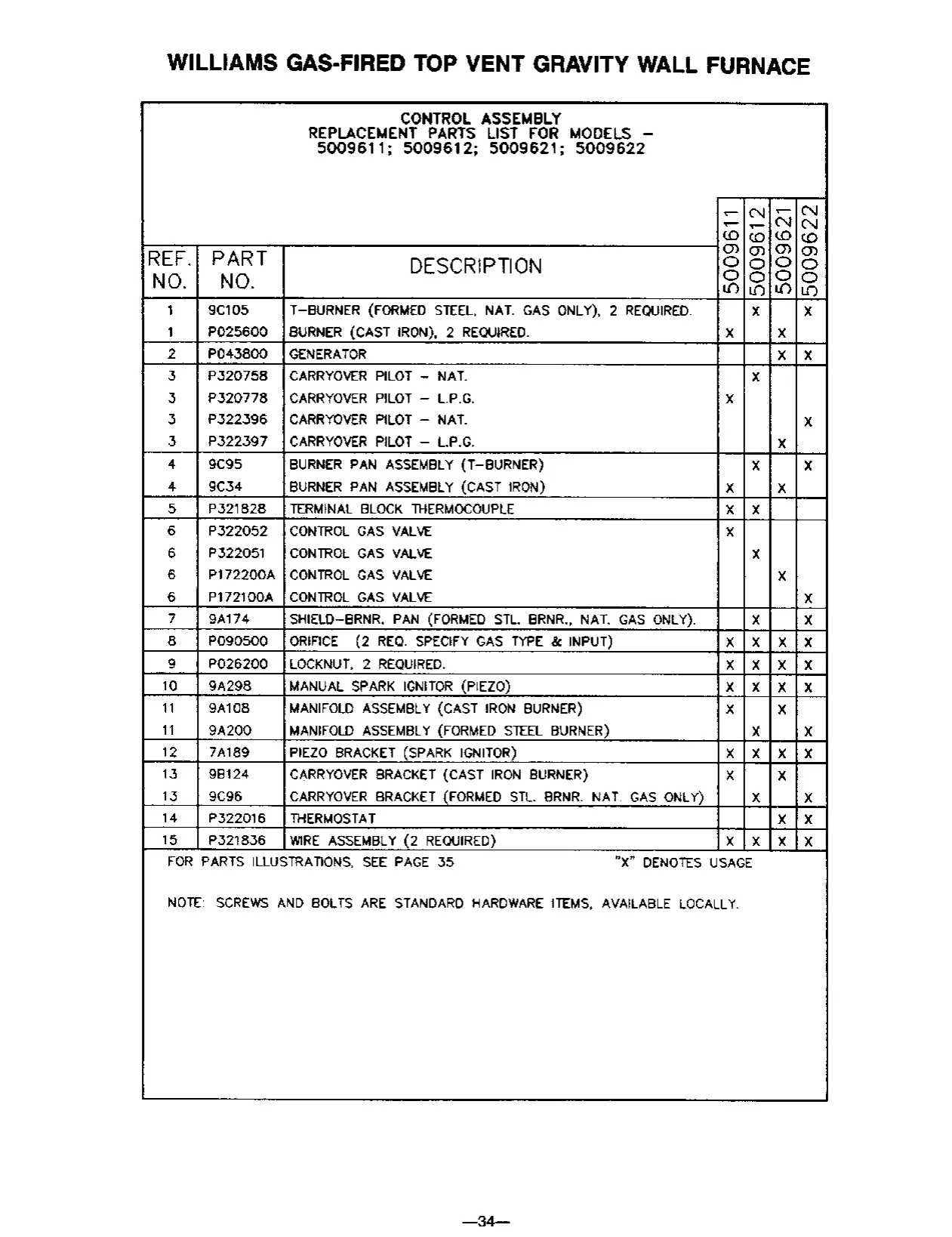
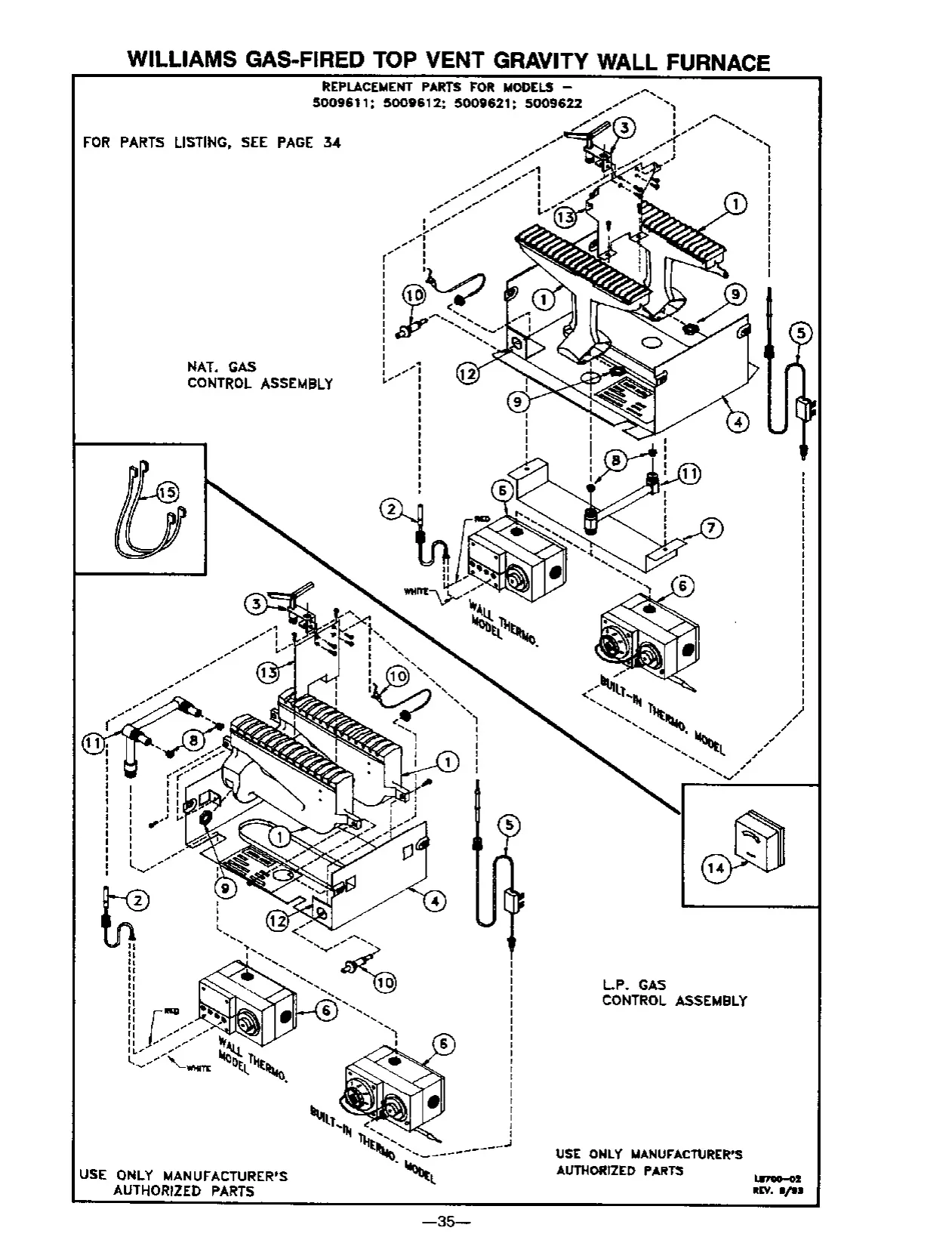
Common operational concerns like delayed ignition, expansion noises, or flame roll-out are addressed with specific corrective actions. This detailed guidance empowers users to maintain their furnace, troubleshoot minor problems, and identify when professional service is required. The inclusion of an extensive replacement parts list further supports long-term maintenance and repair.
Frequently Asked Questions (FAQs)
Can't find the answer you need? Here are some frequently asked questions about the Williams Wall Furnace Model 25-35-50, and we answer them below.