
Altivar 320 Variable Frequency Drive Instruction Manual
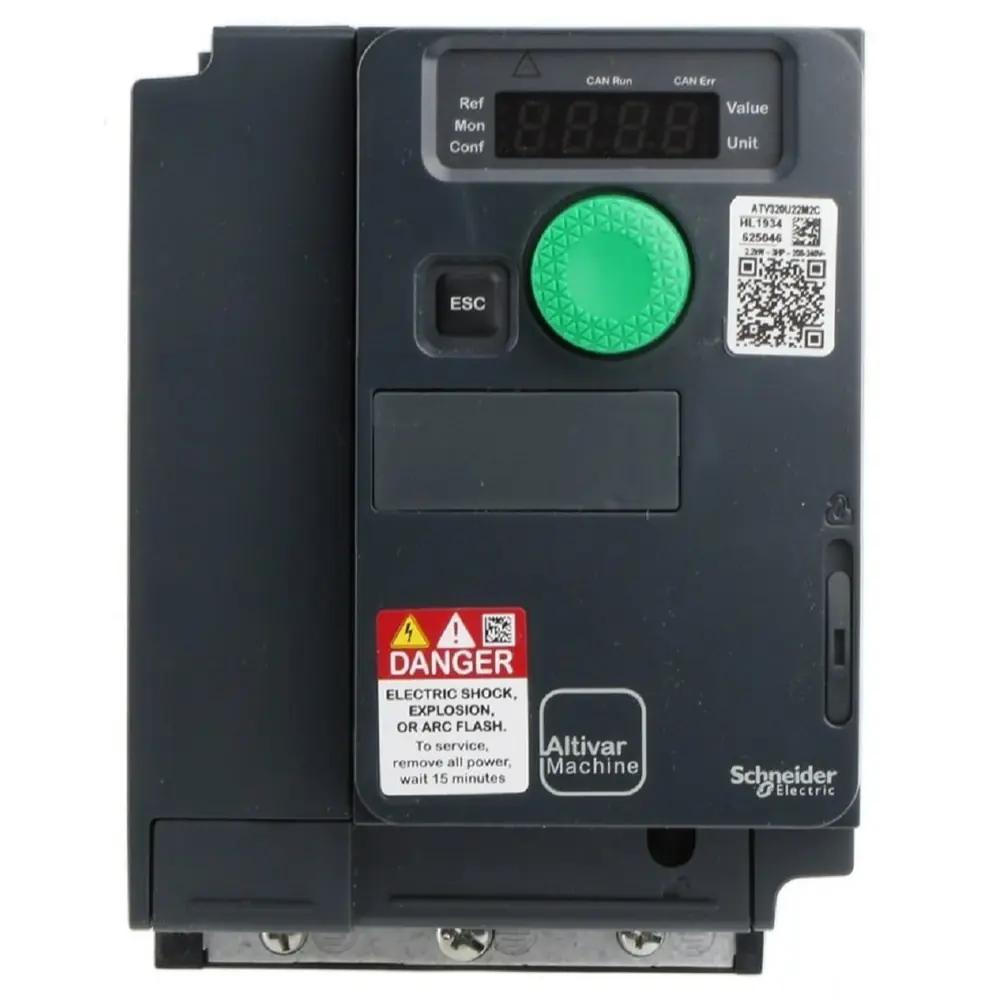
Altivar 320 Variable Frequency Drive
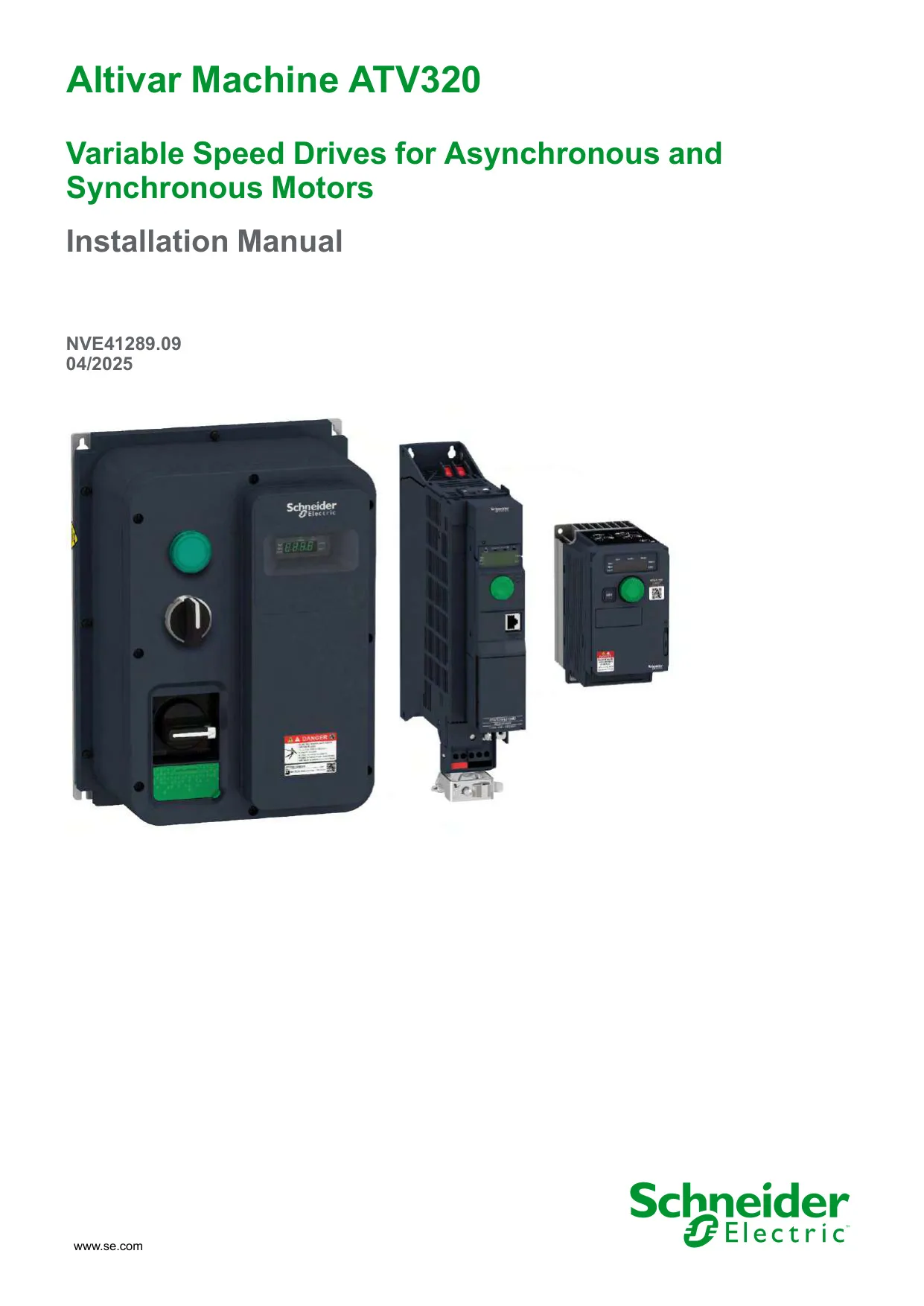
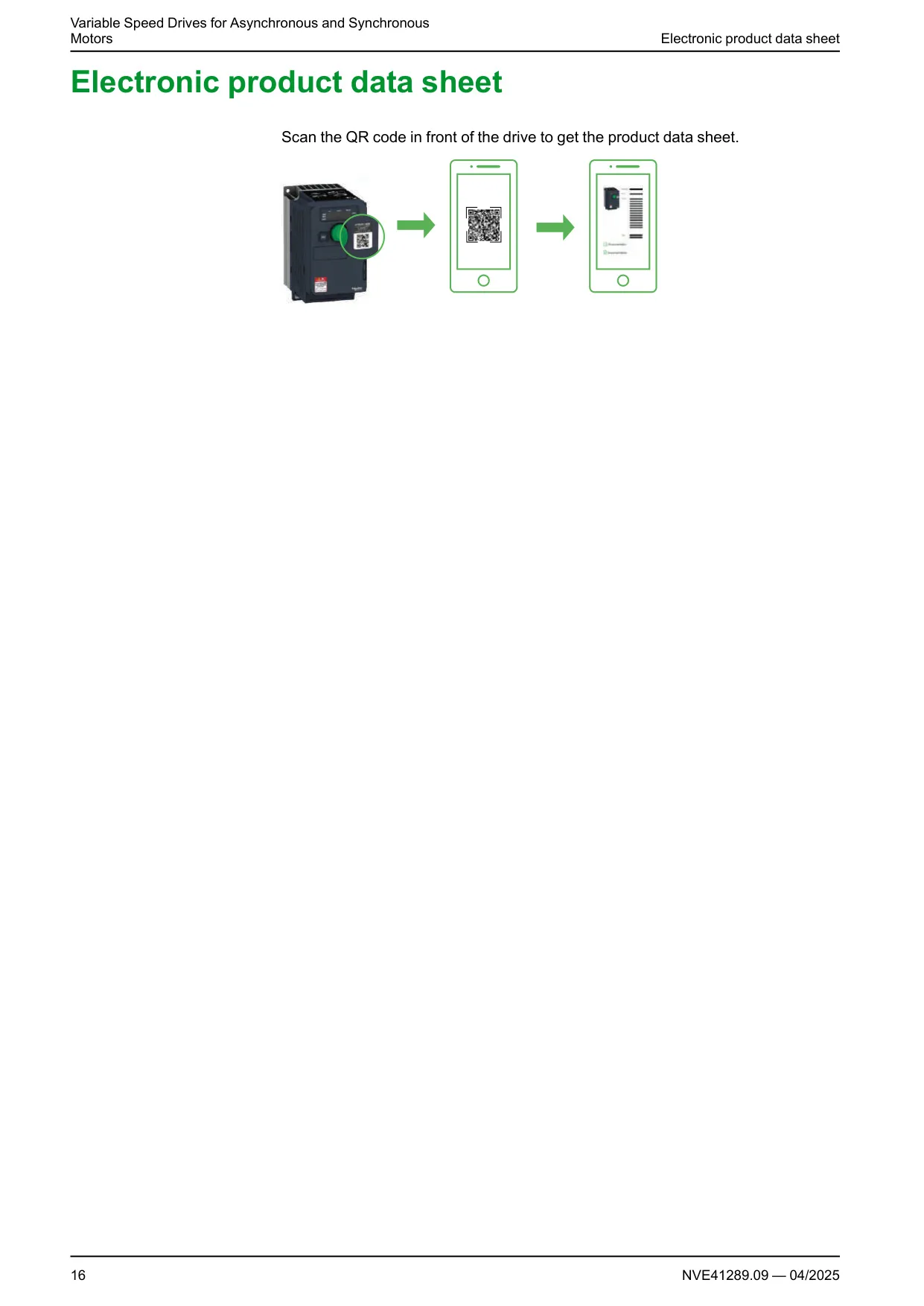
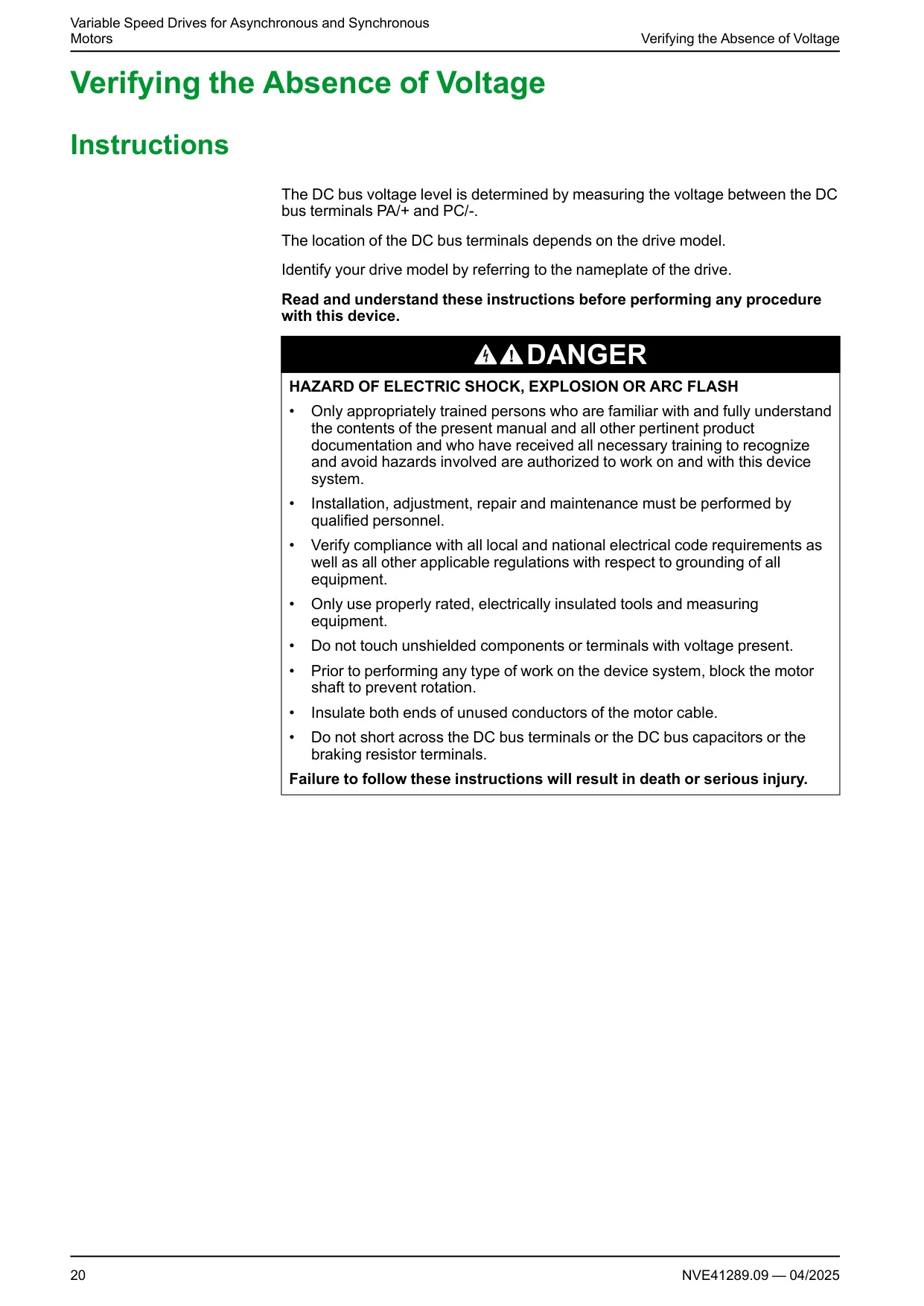
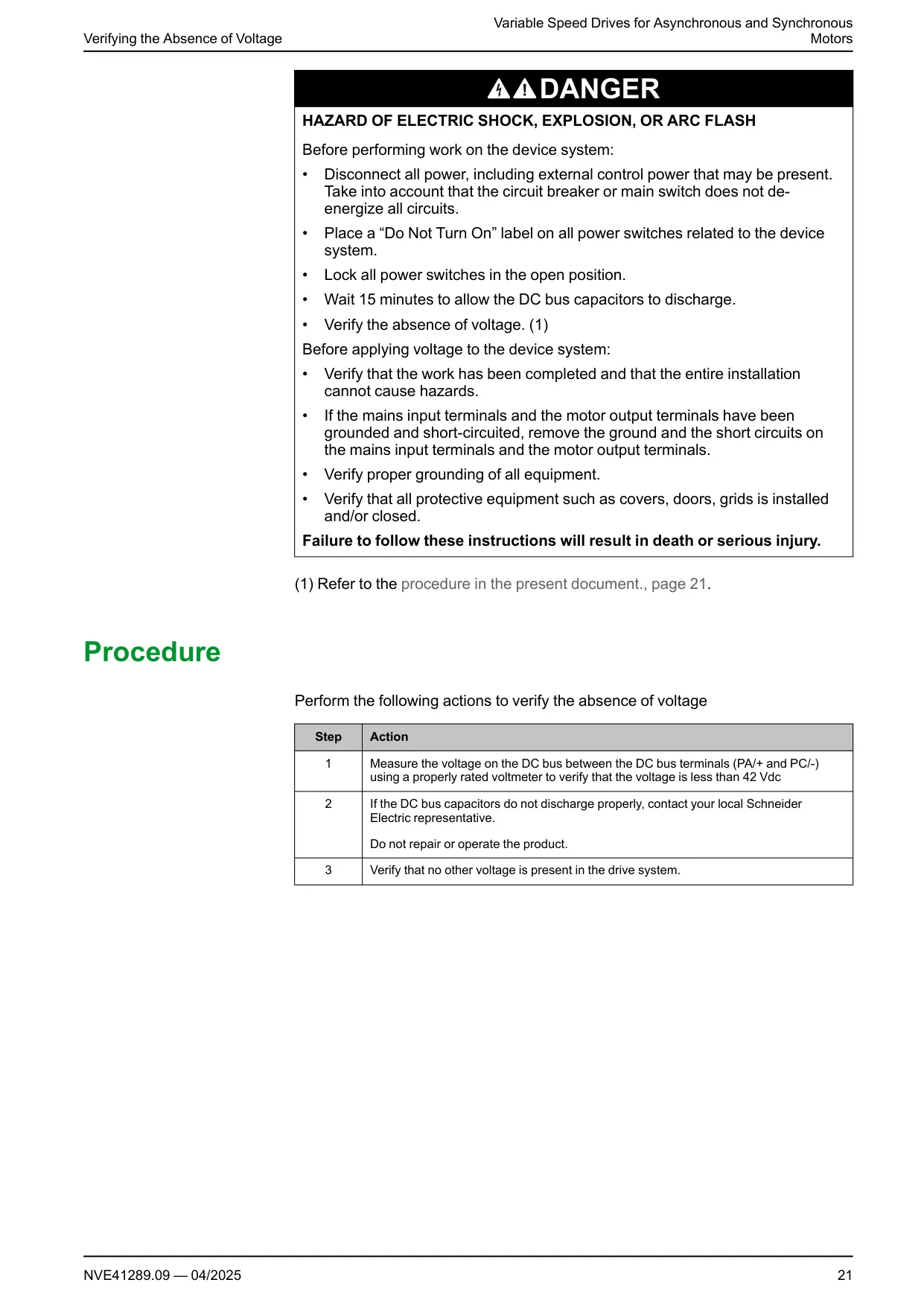
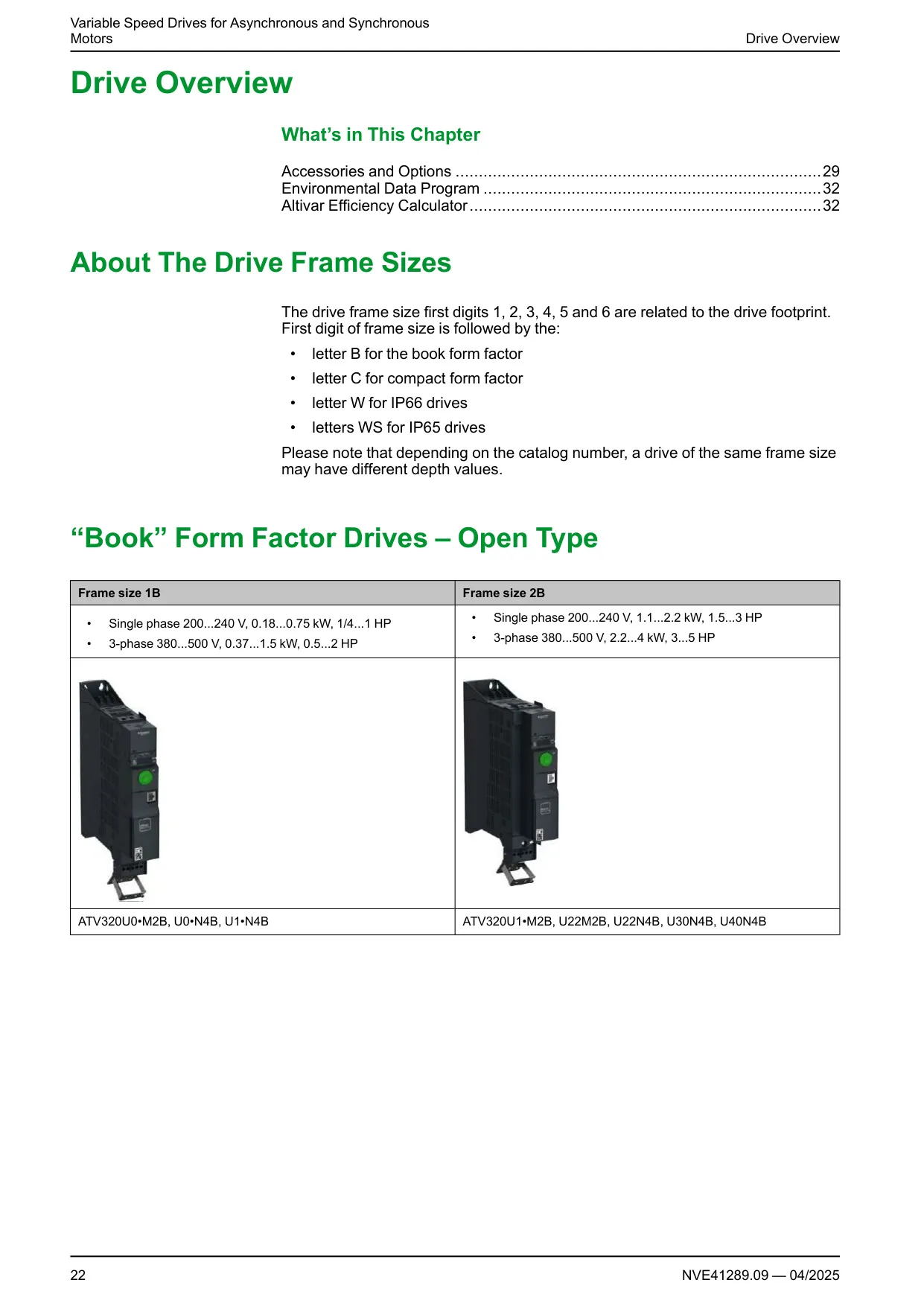
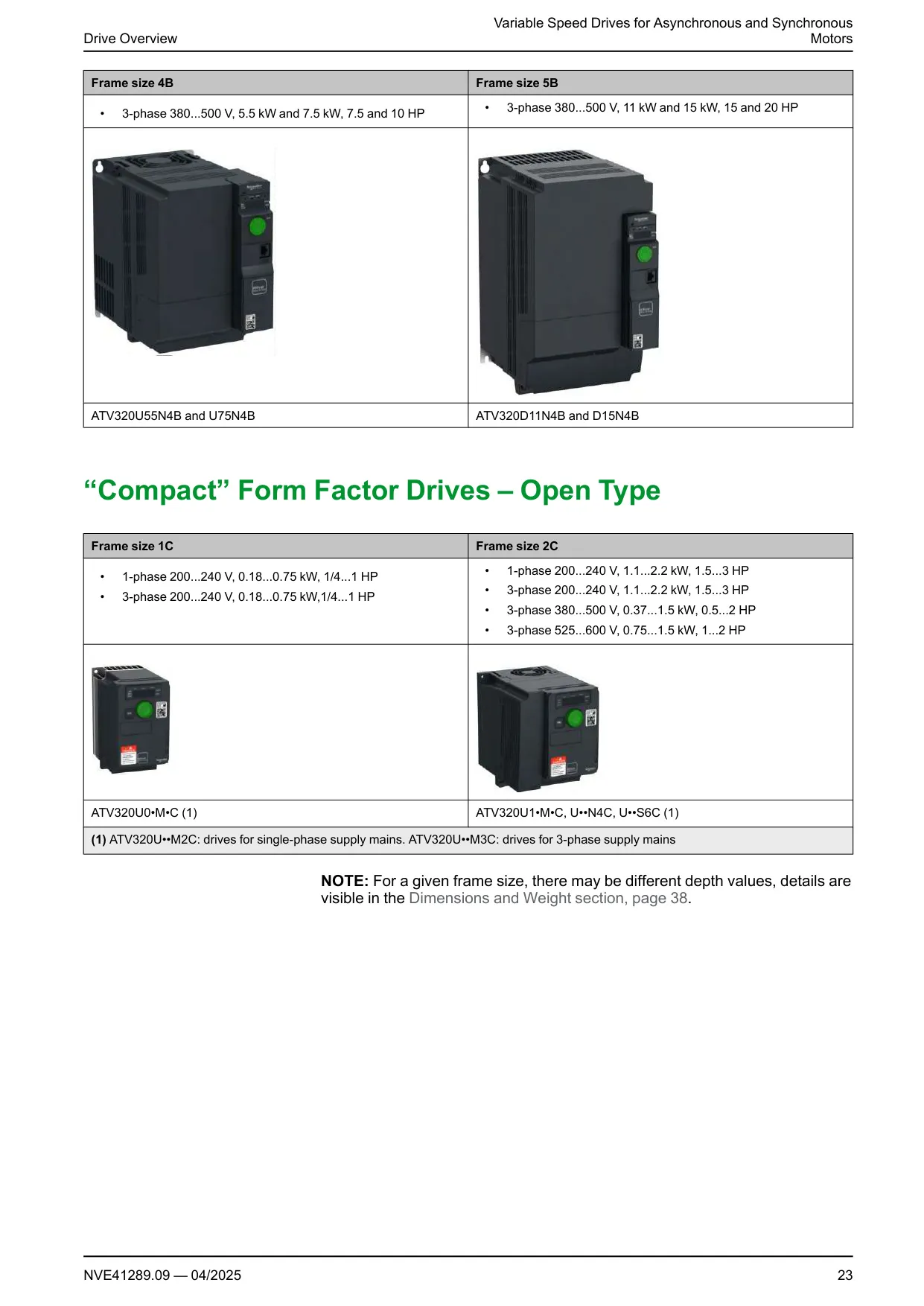
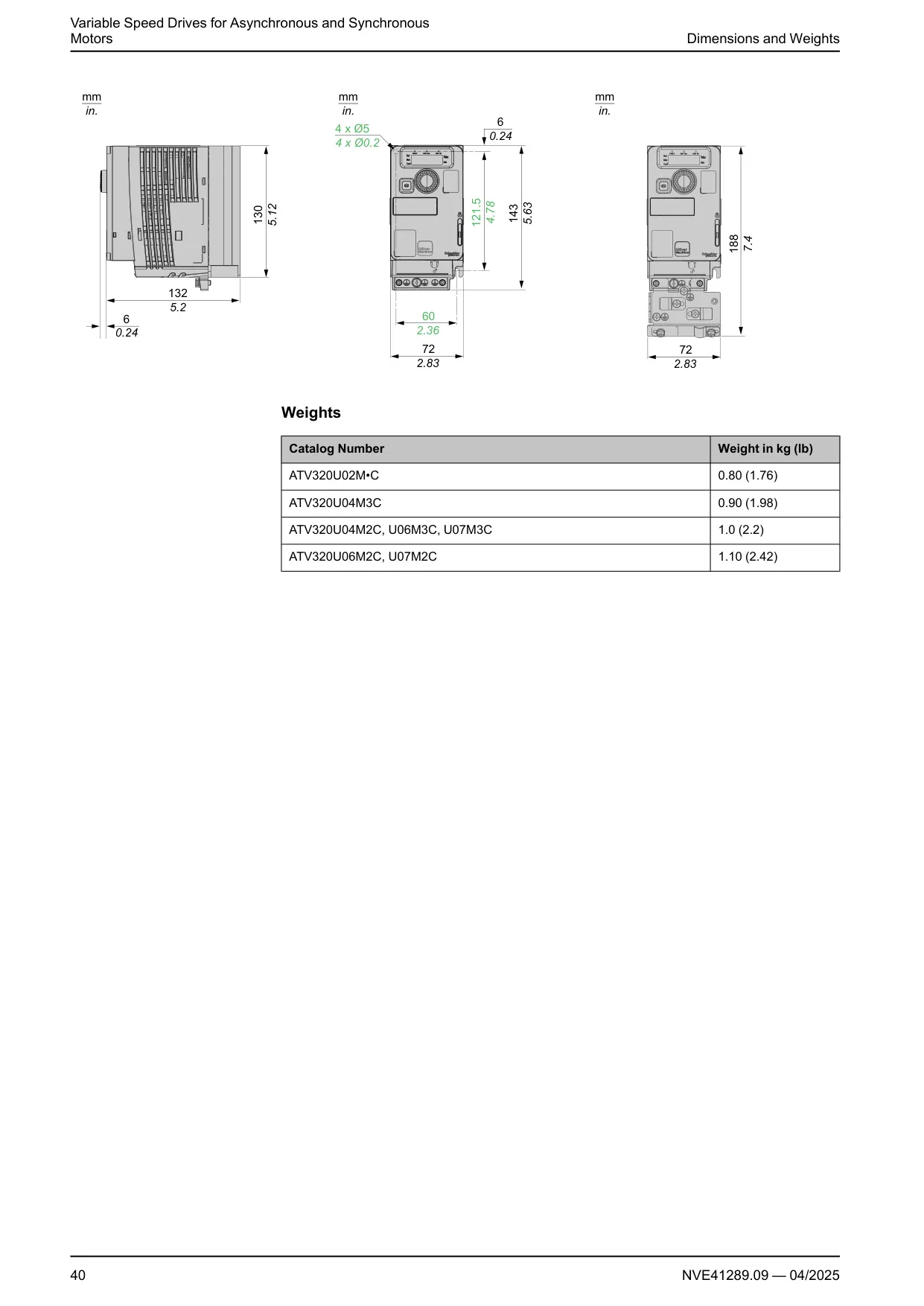
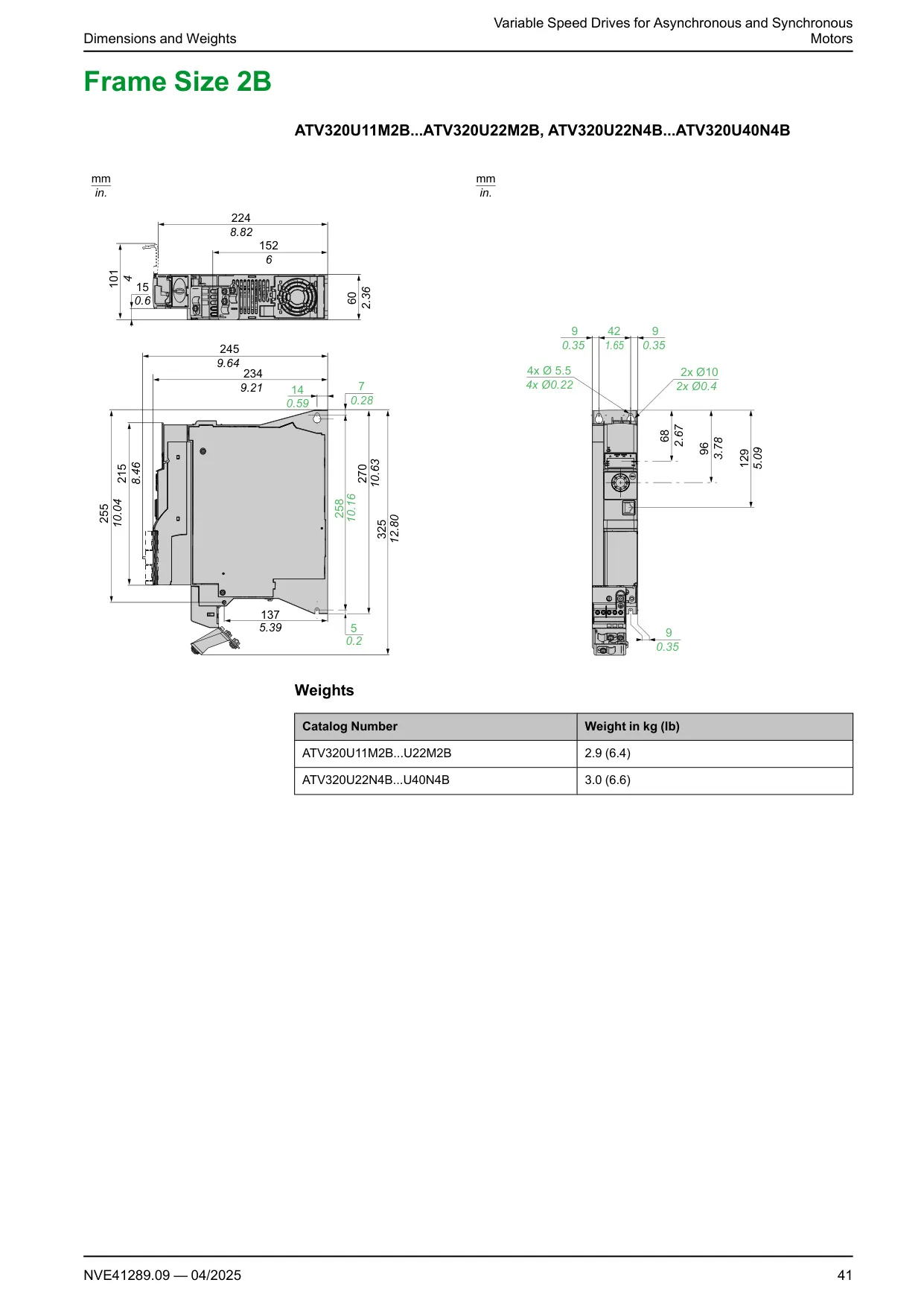
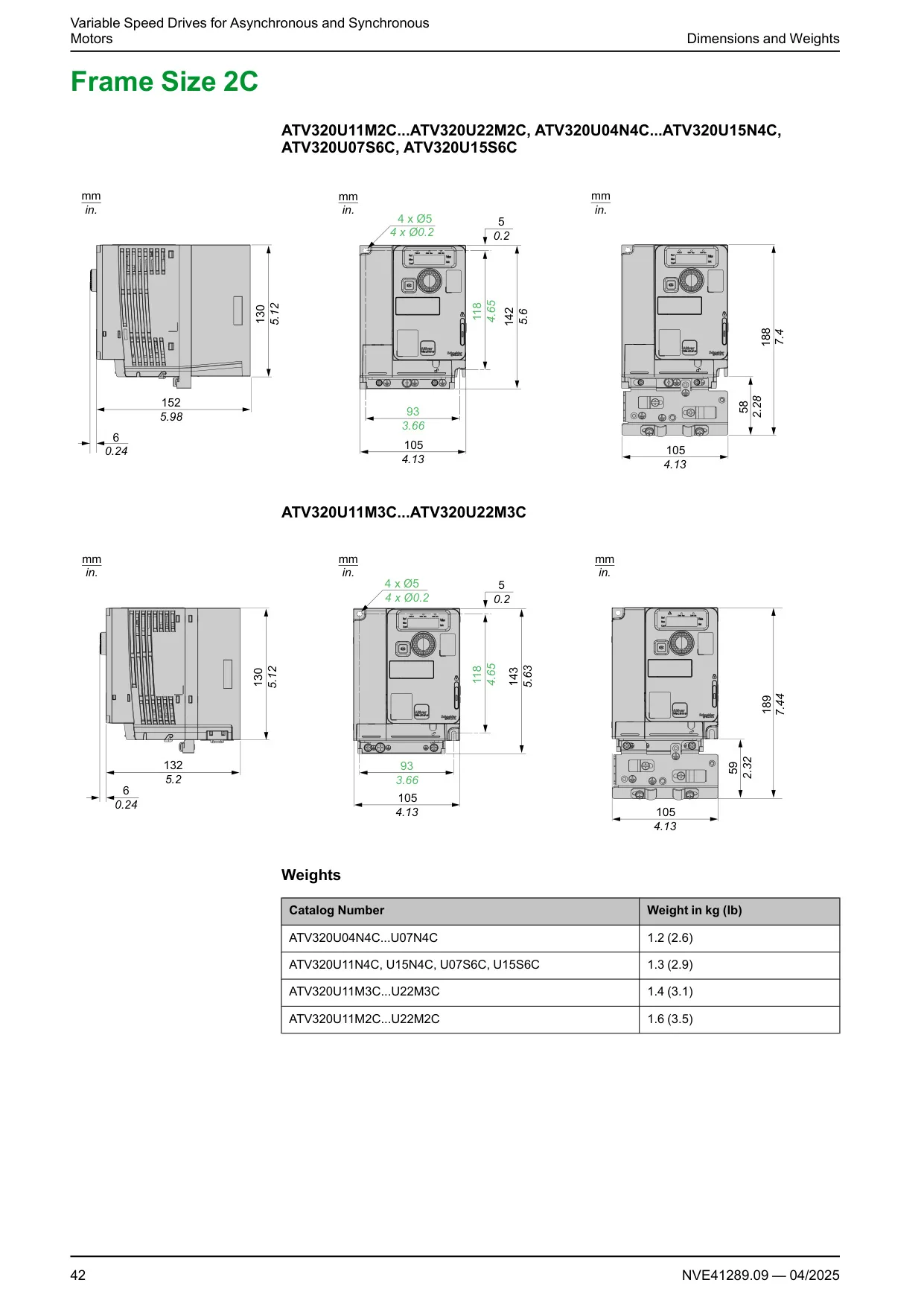
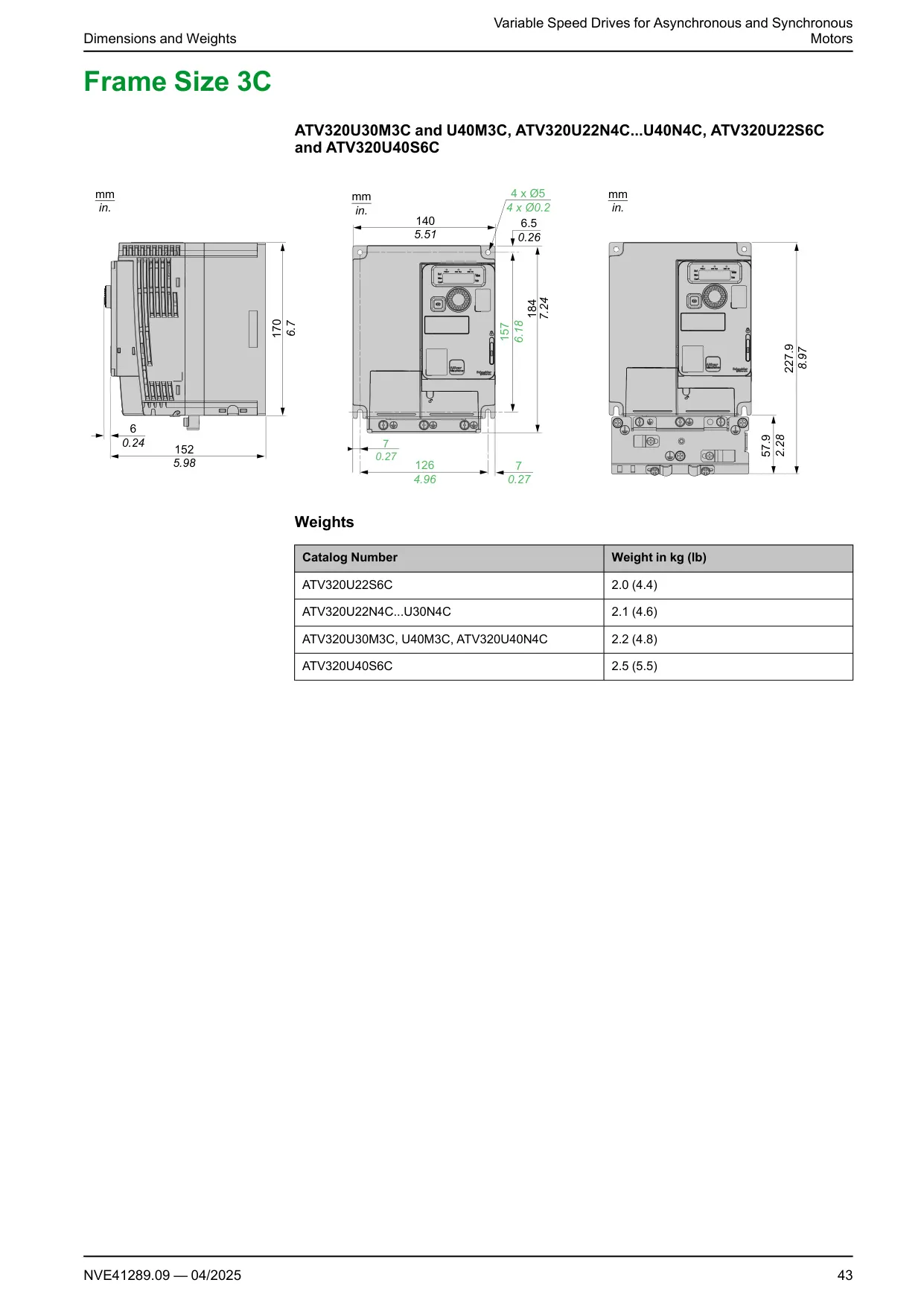
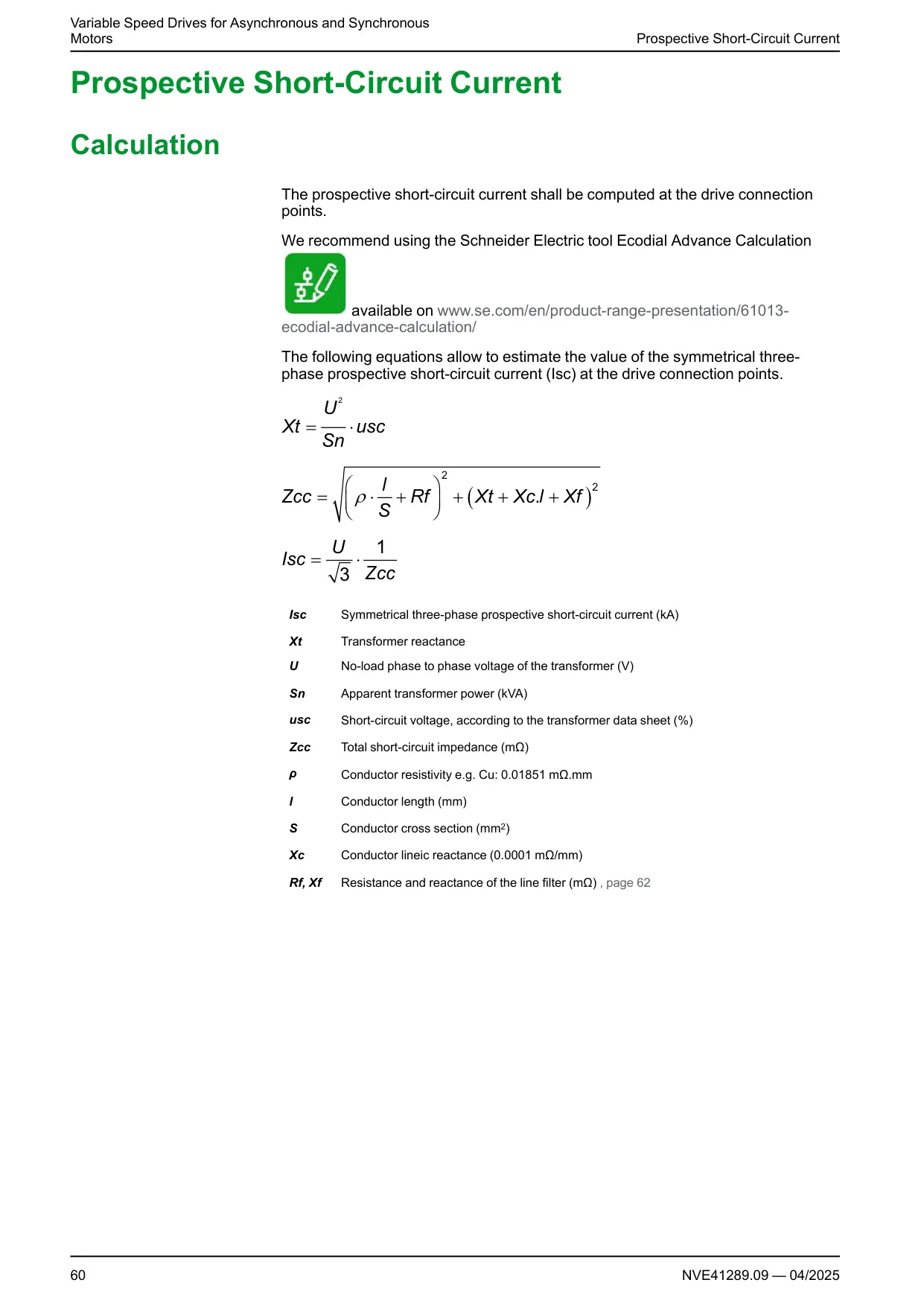
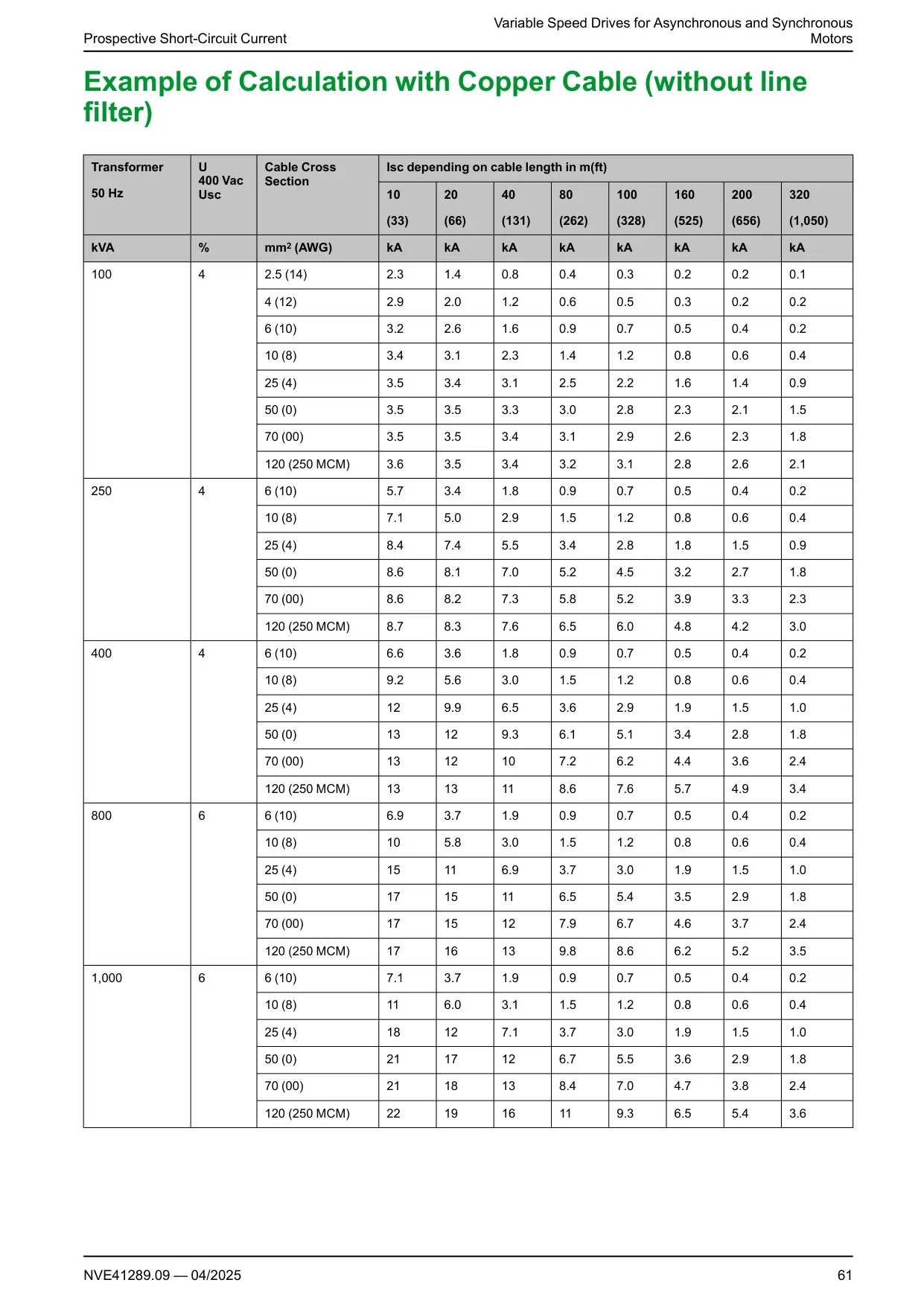
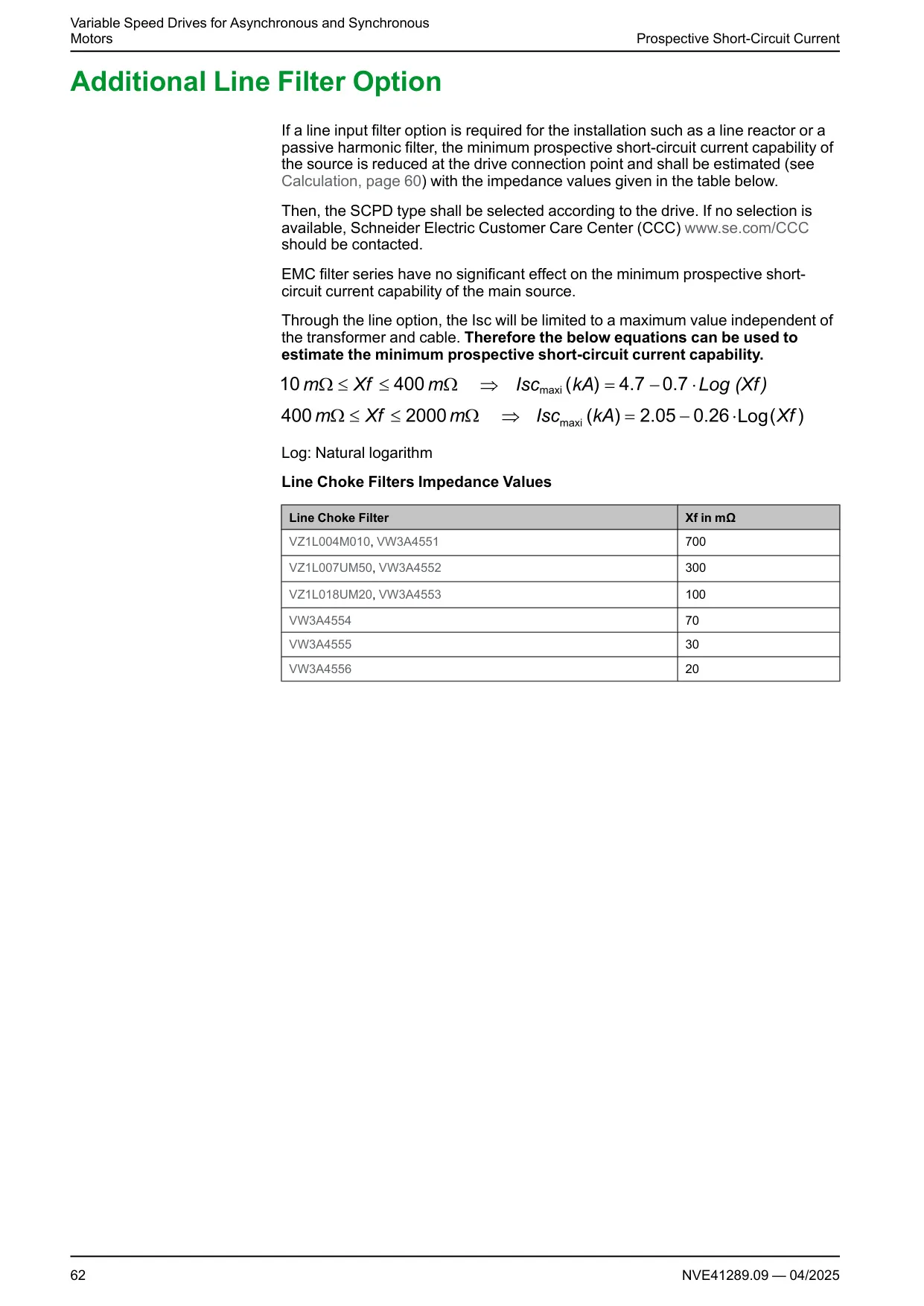
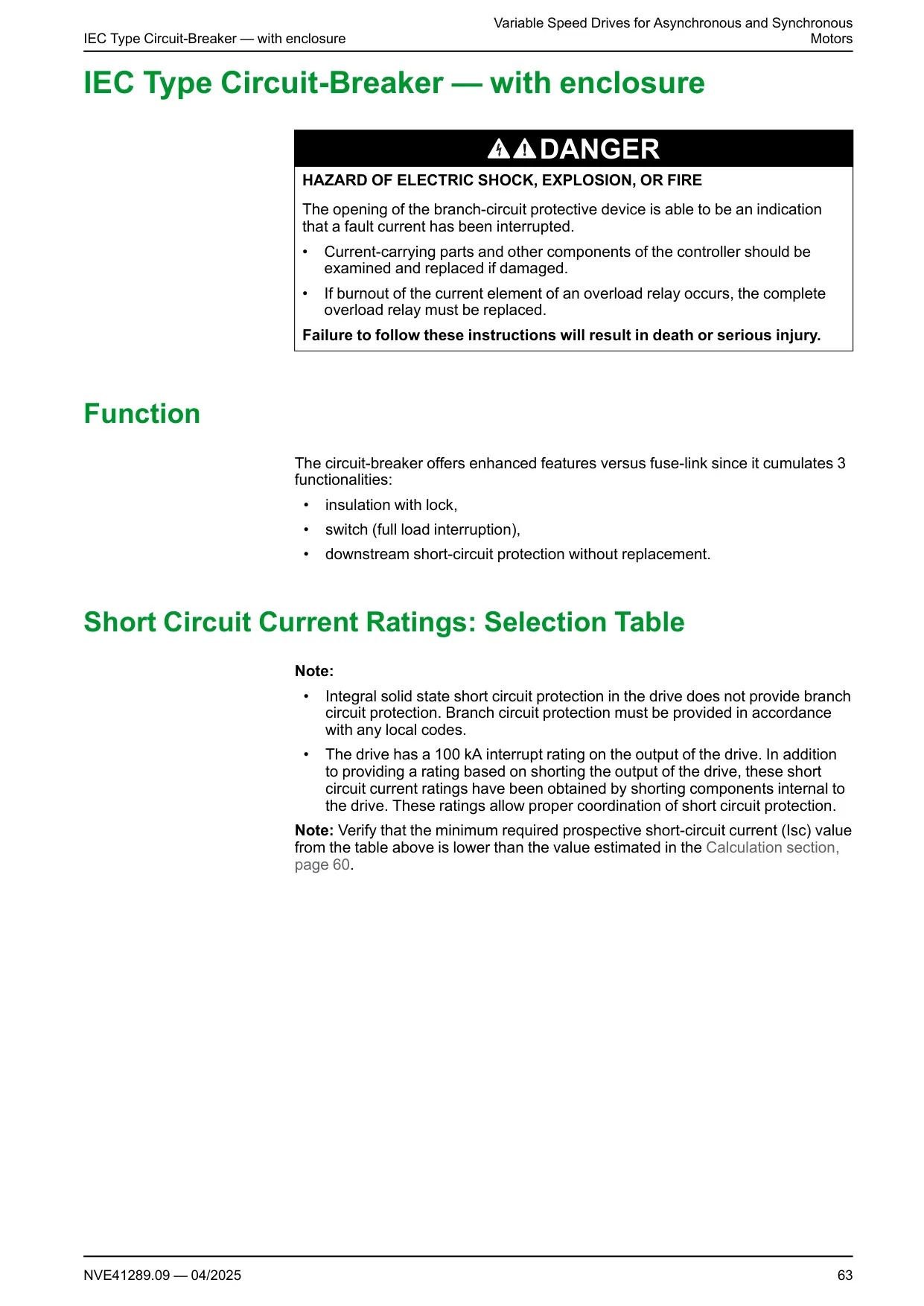
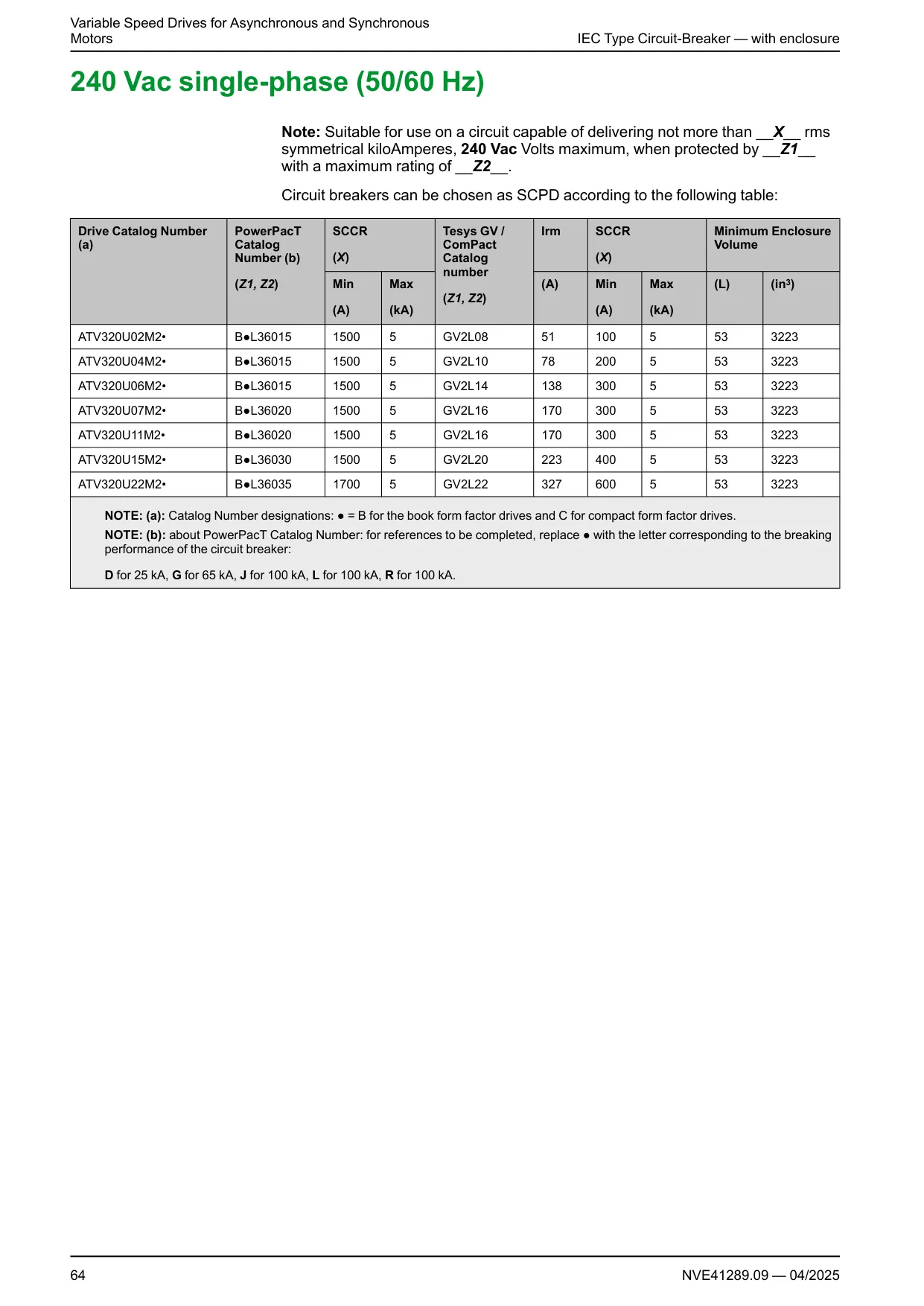
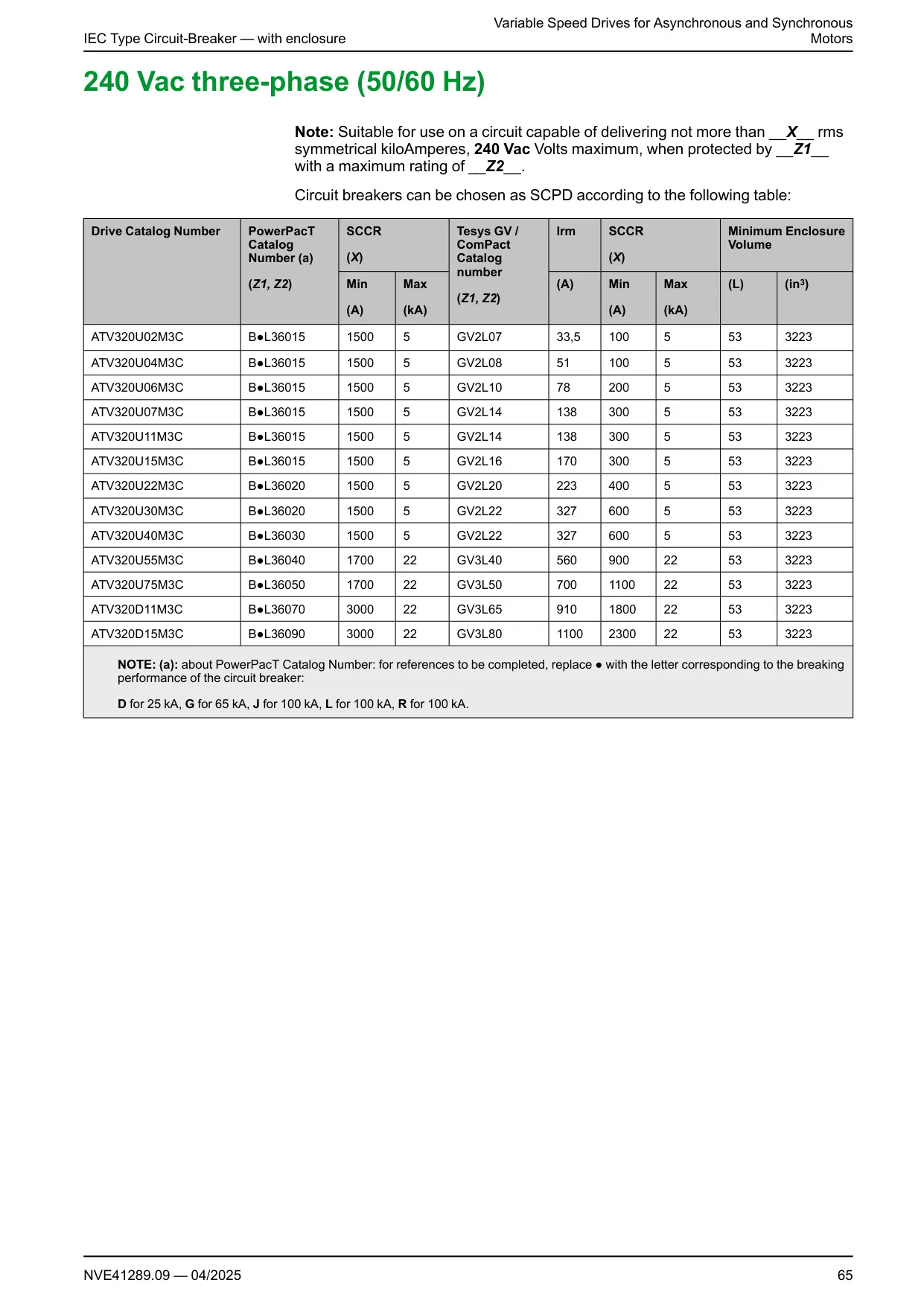
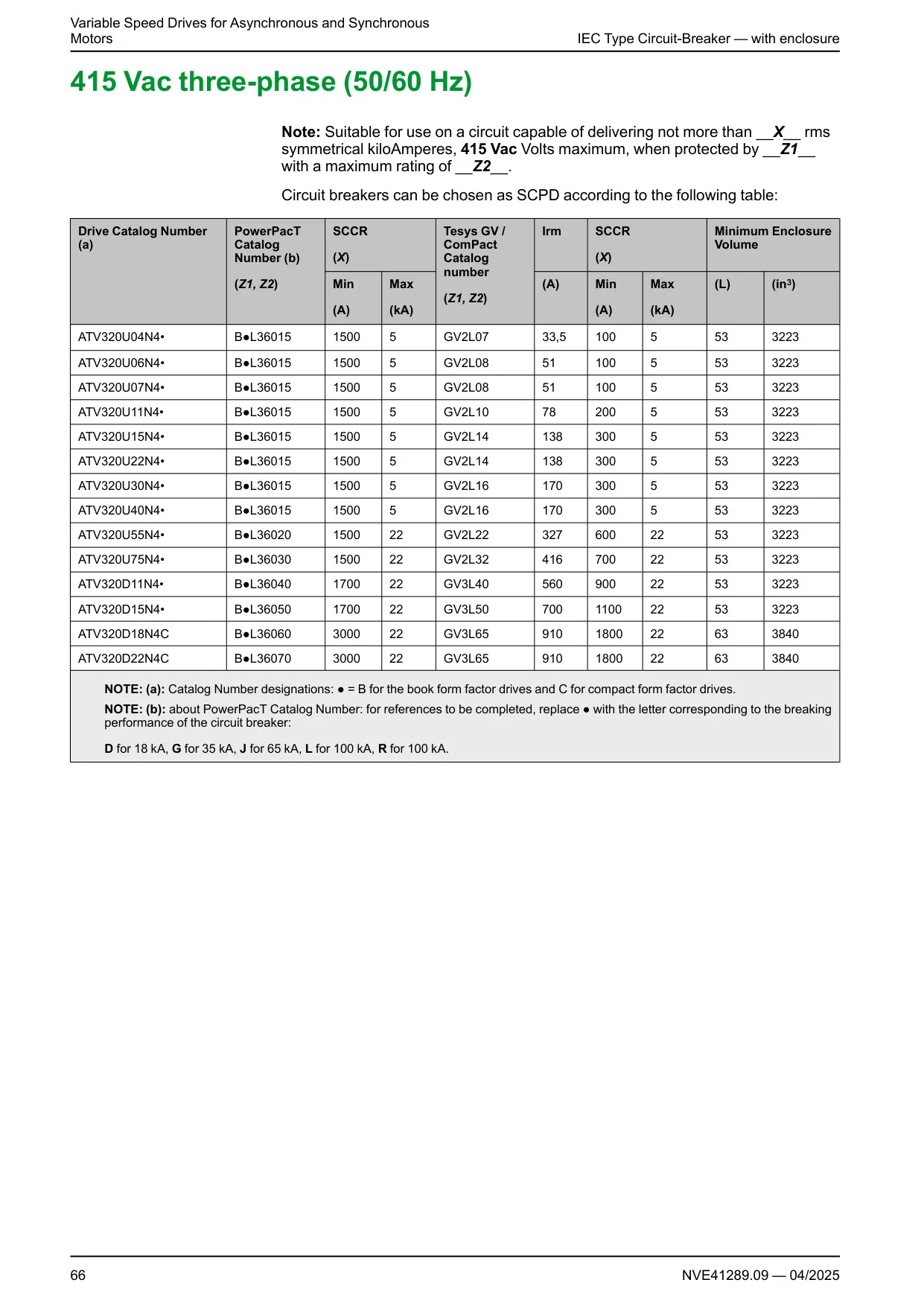
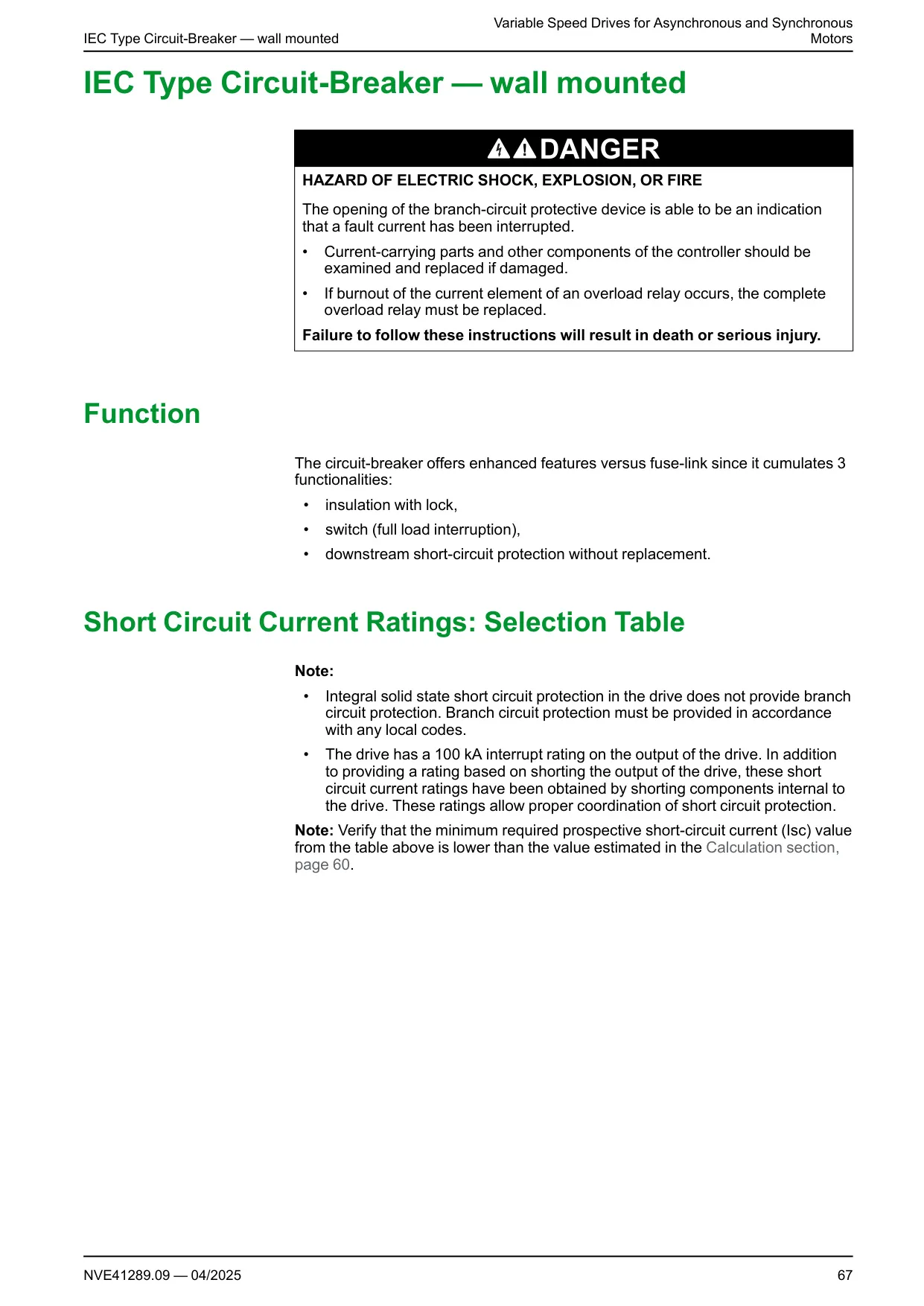
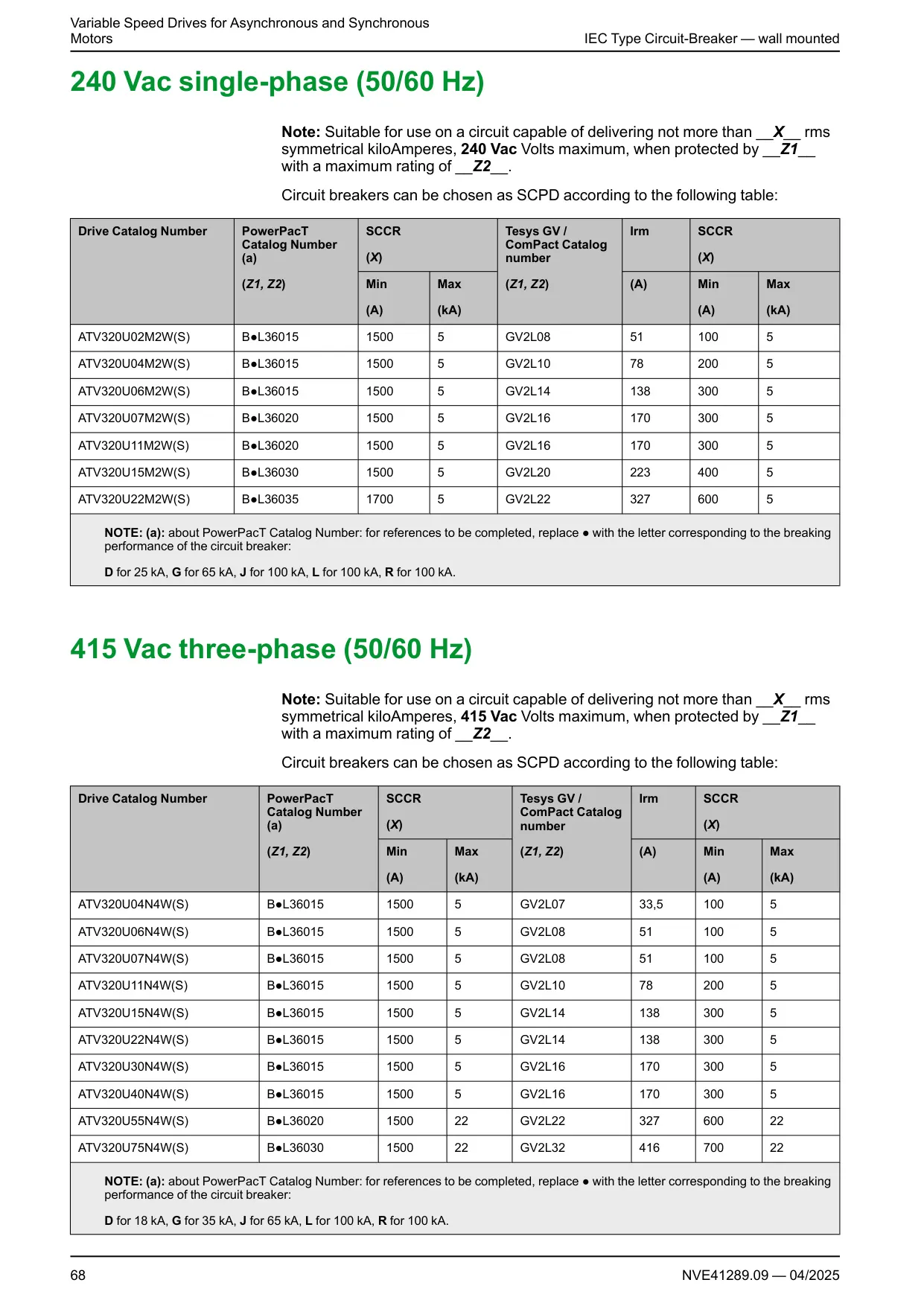
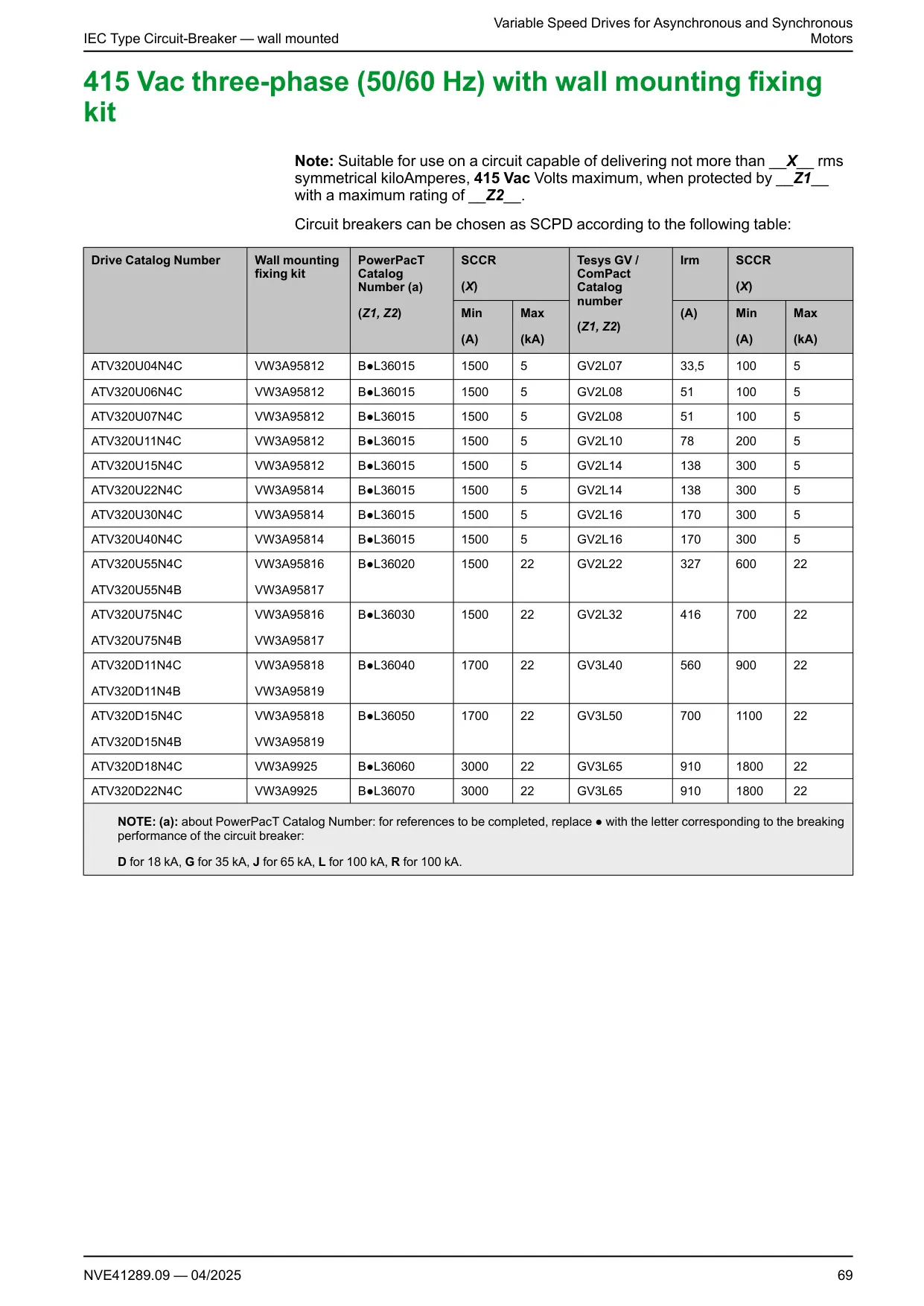
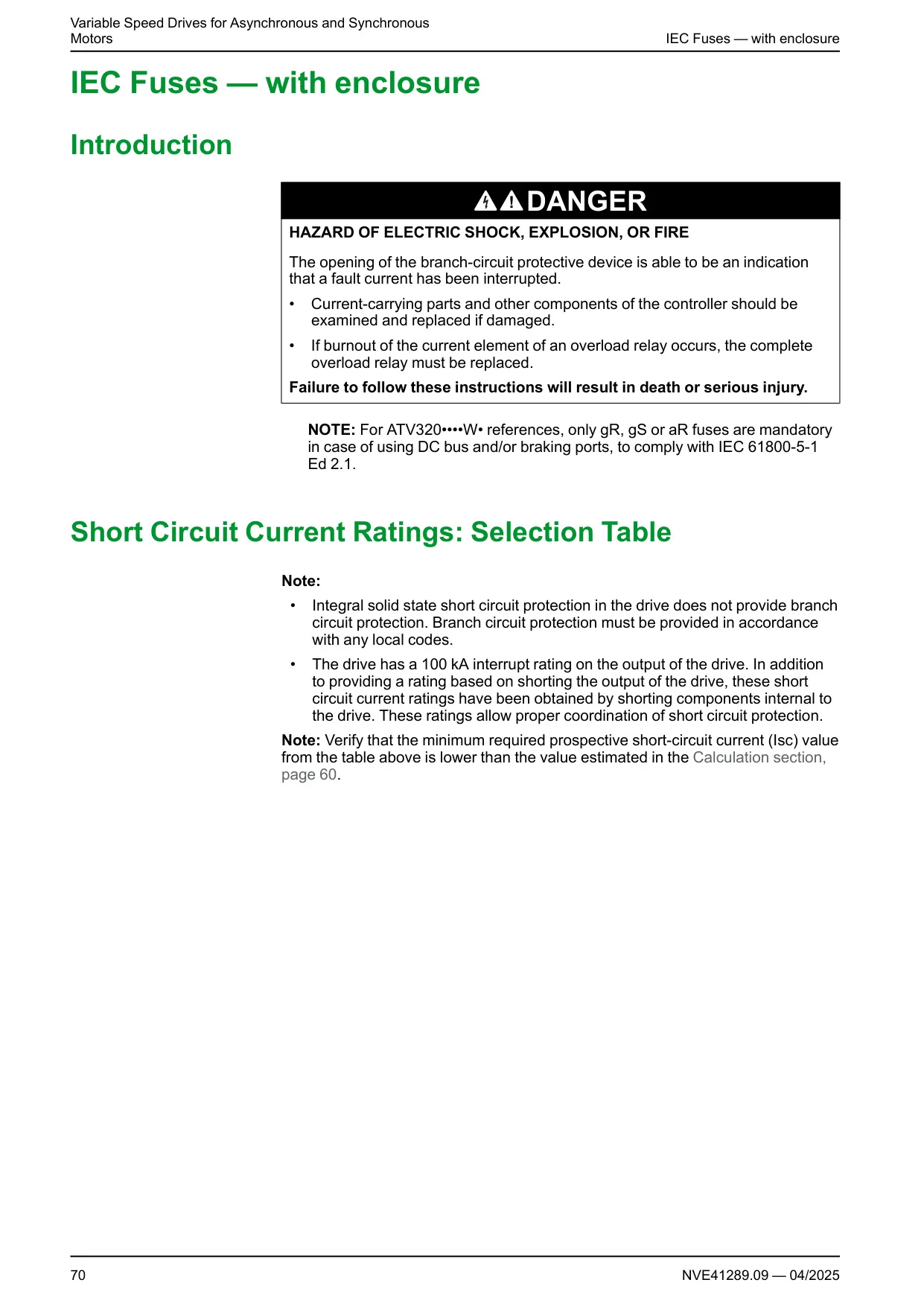
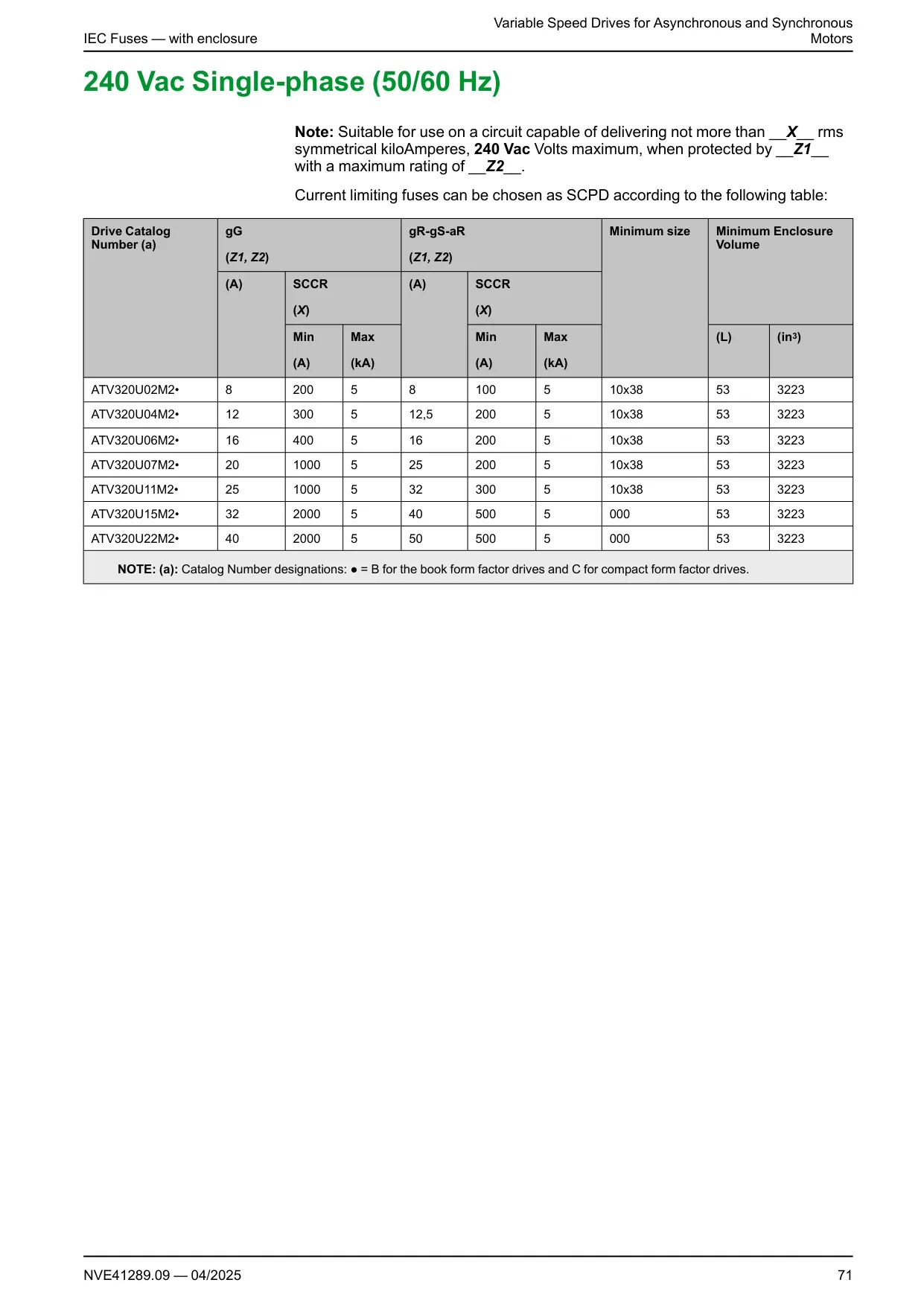
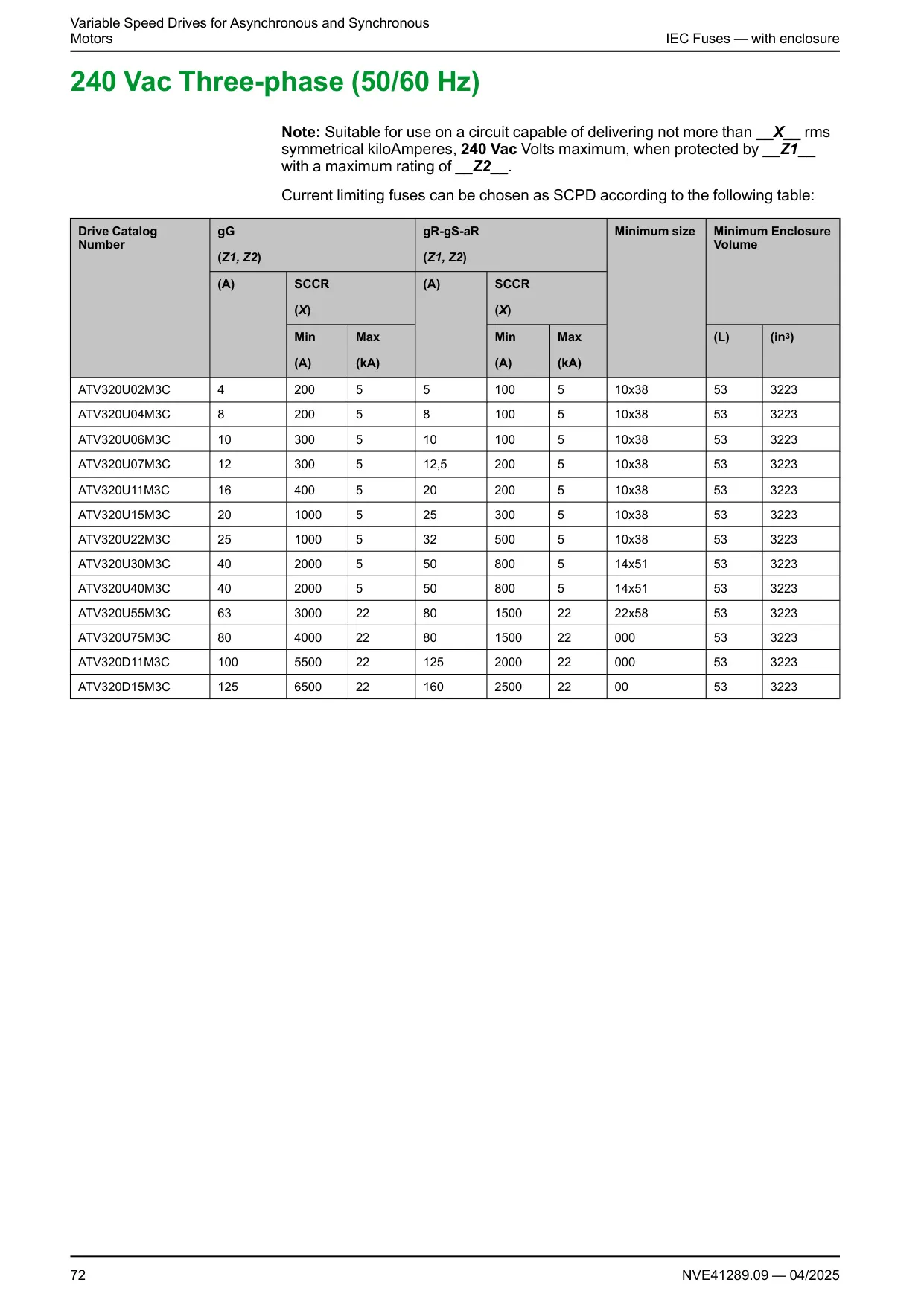
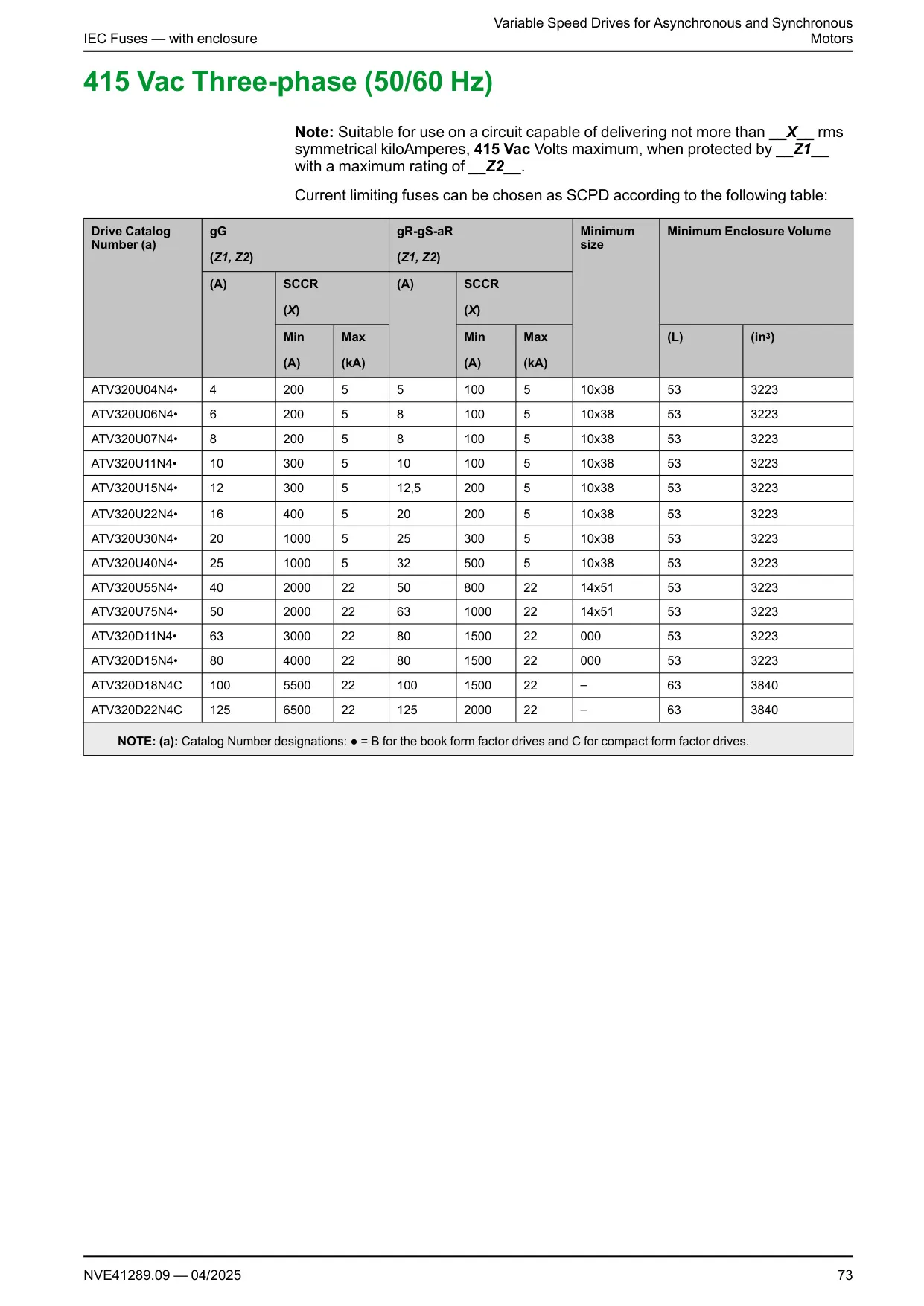
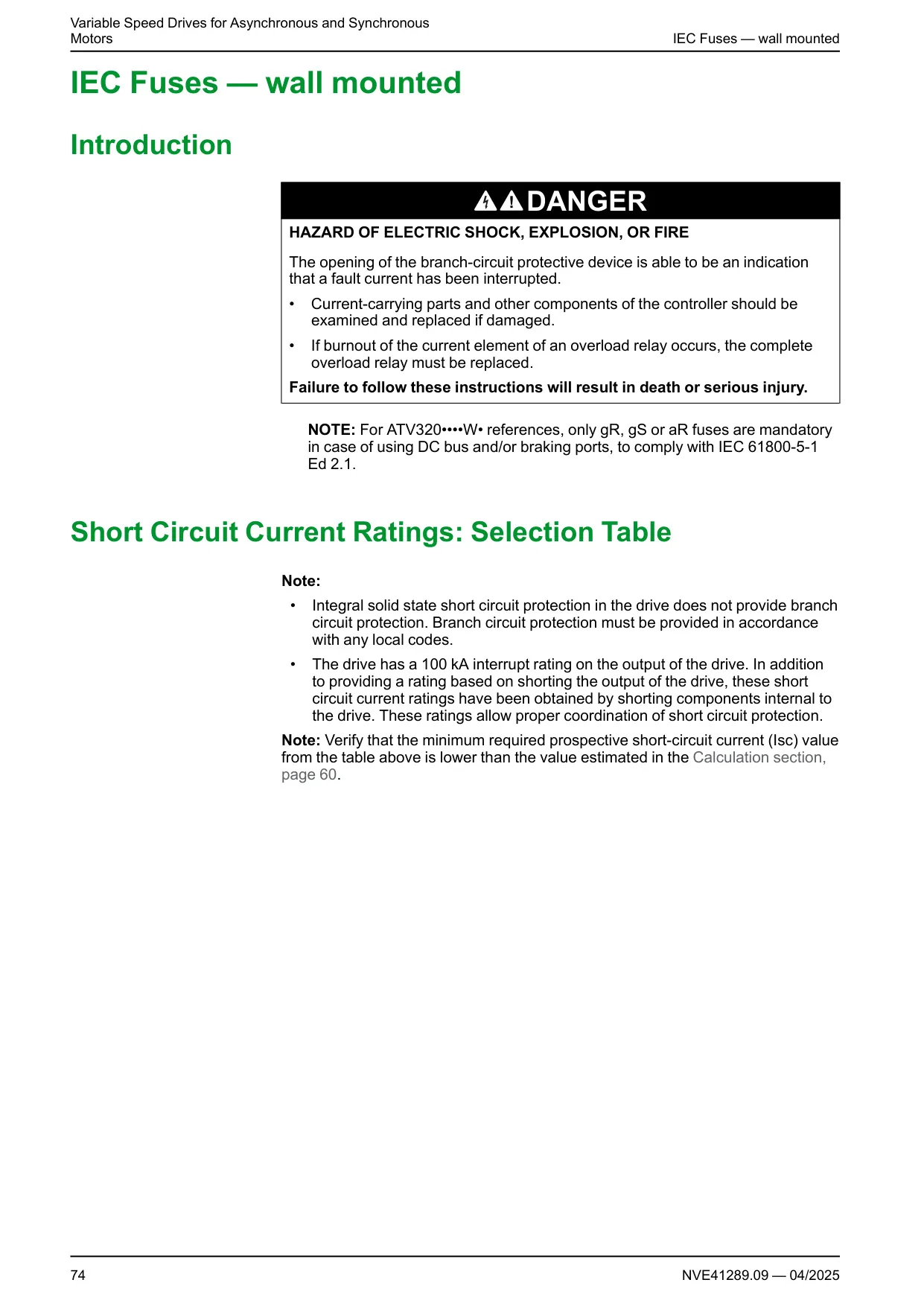
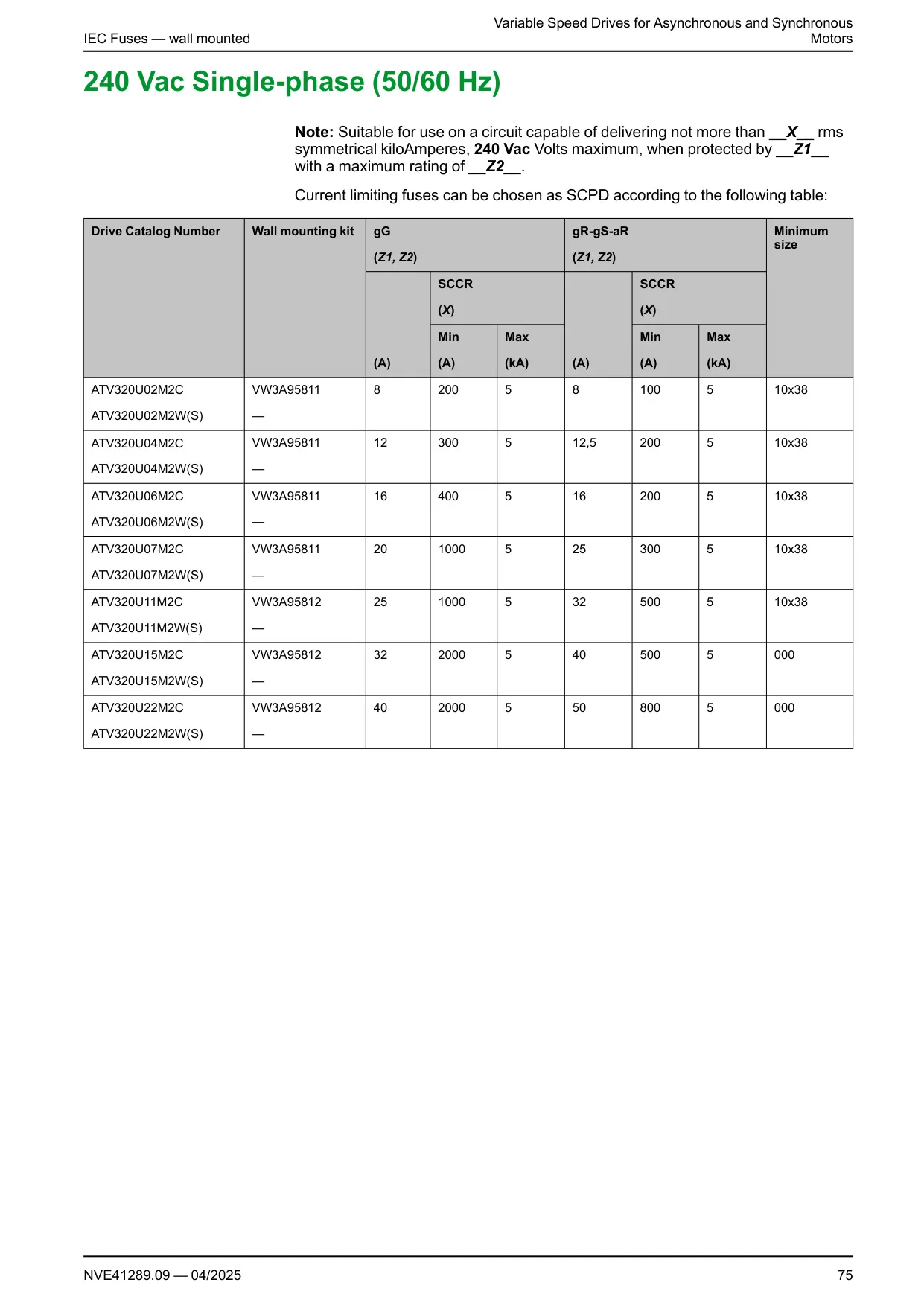
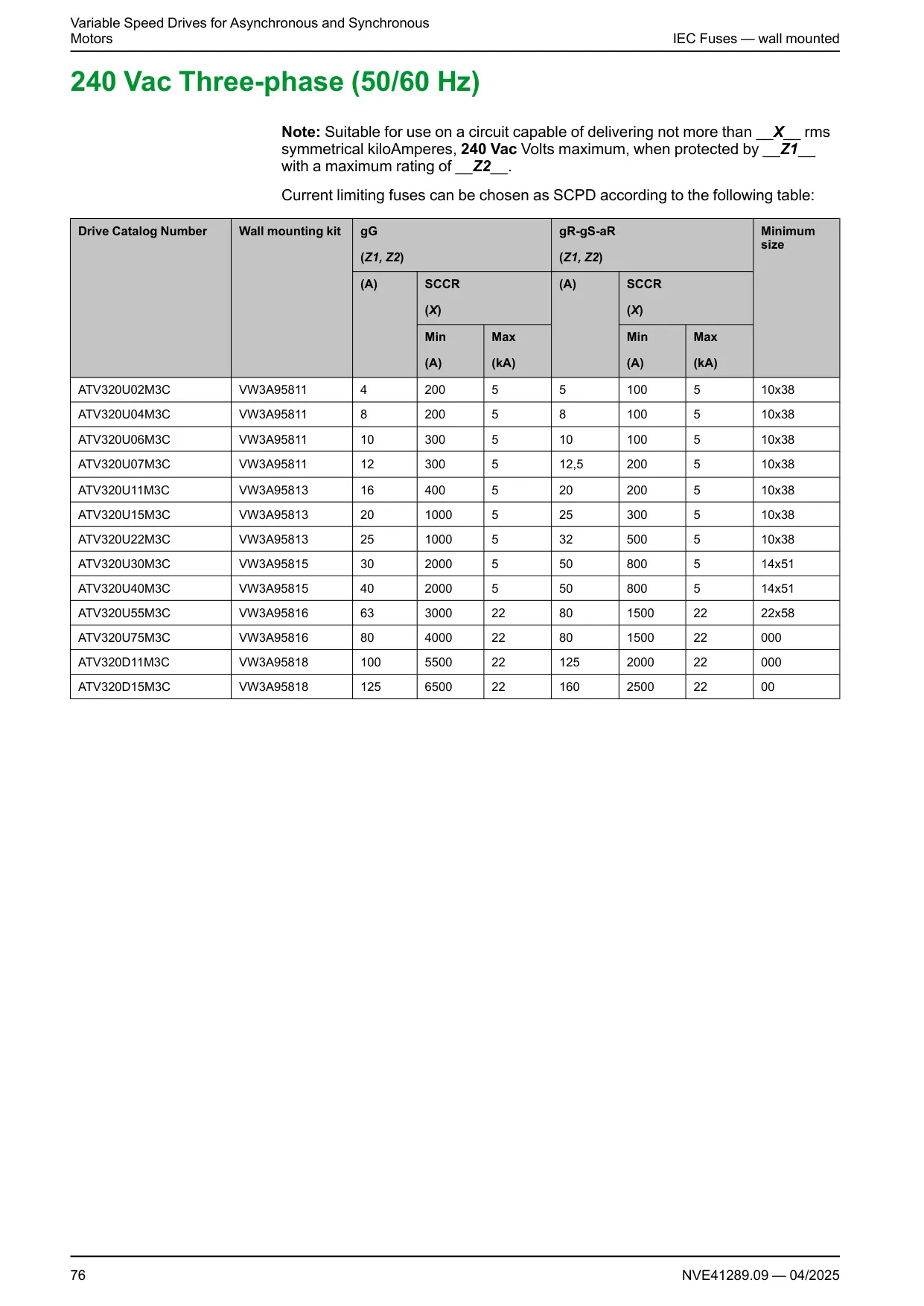
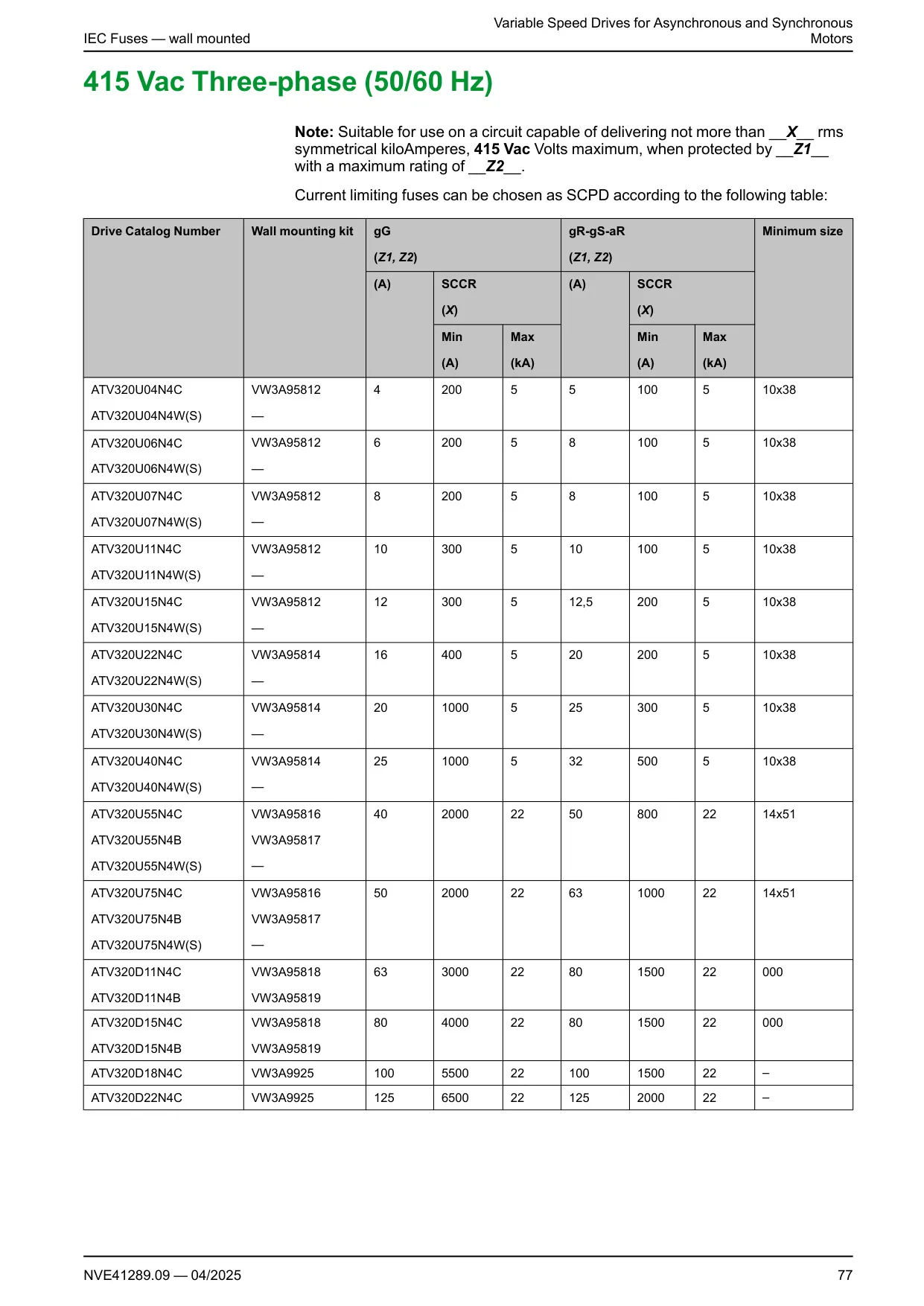
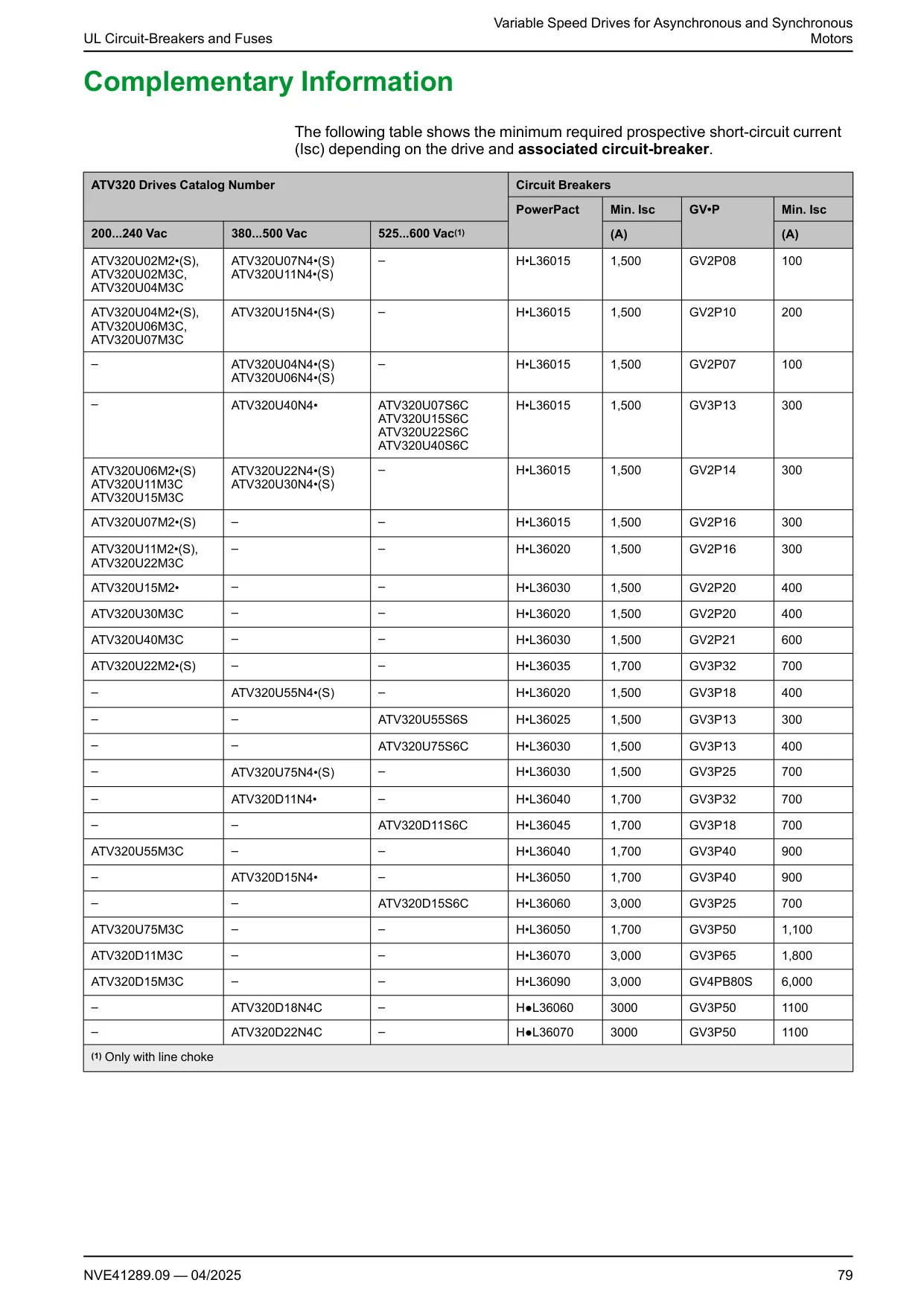
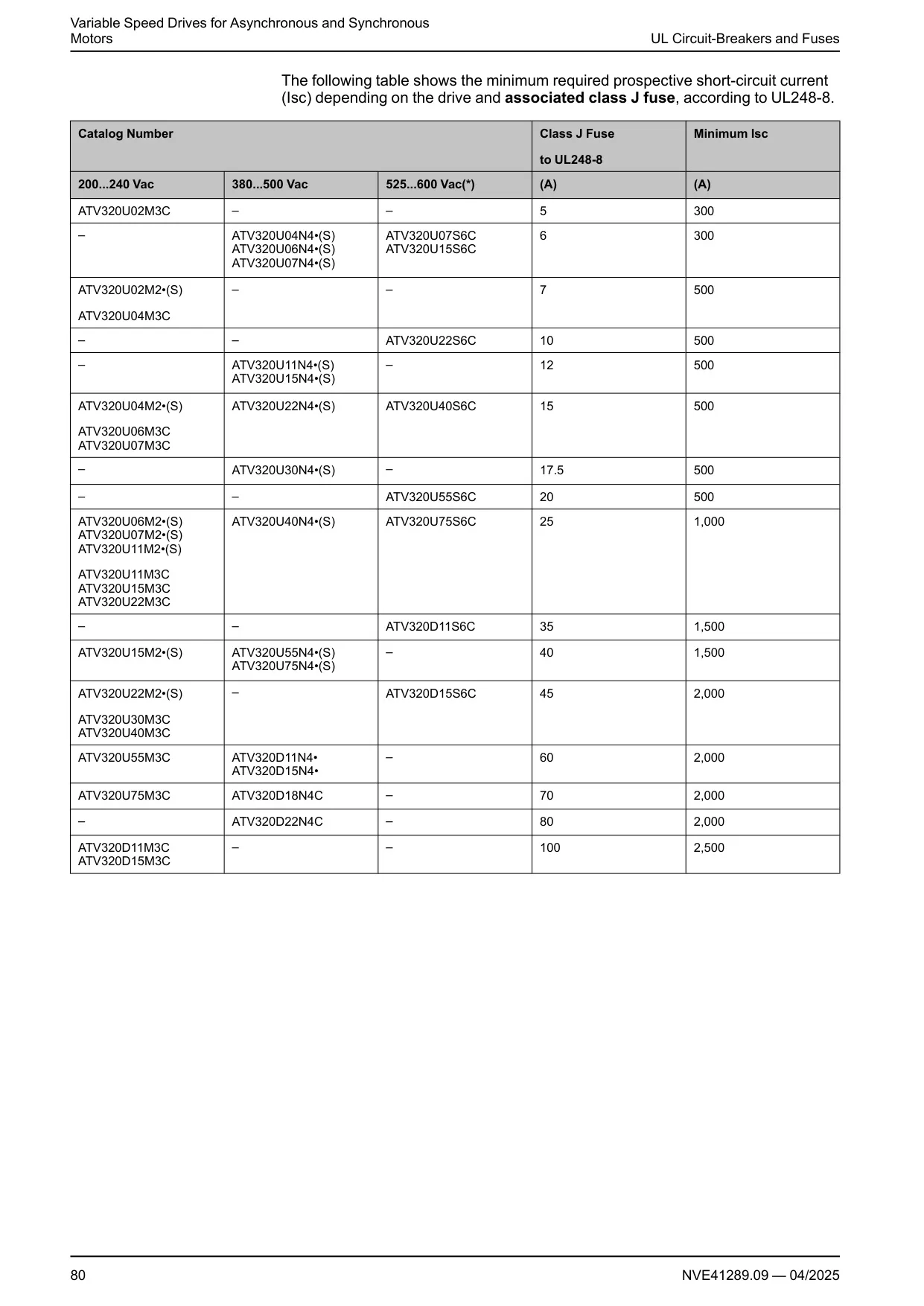
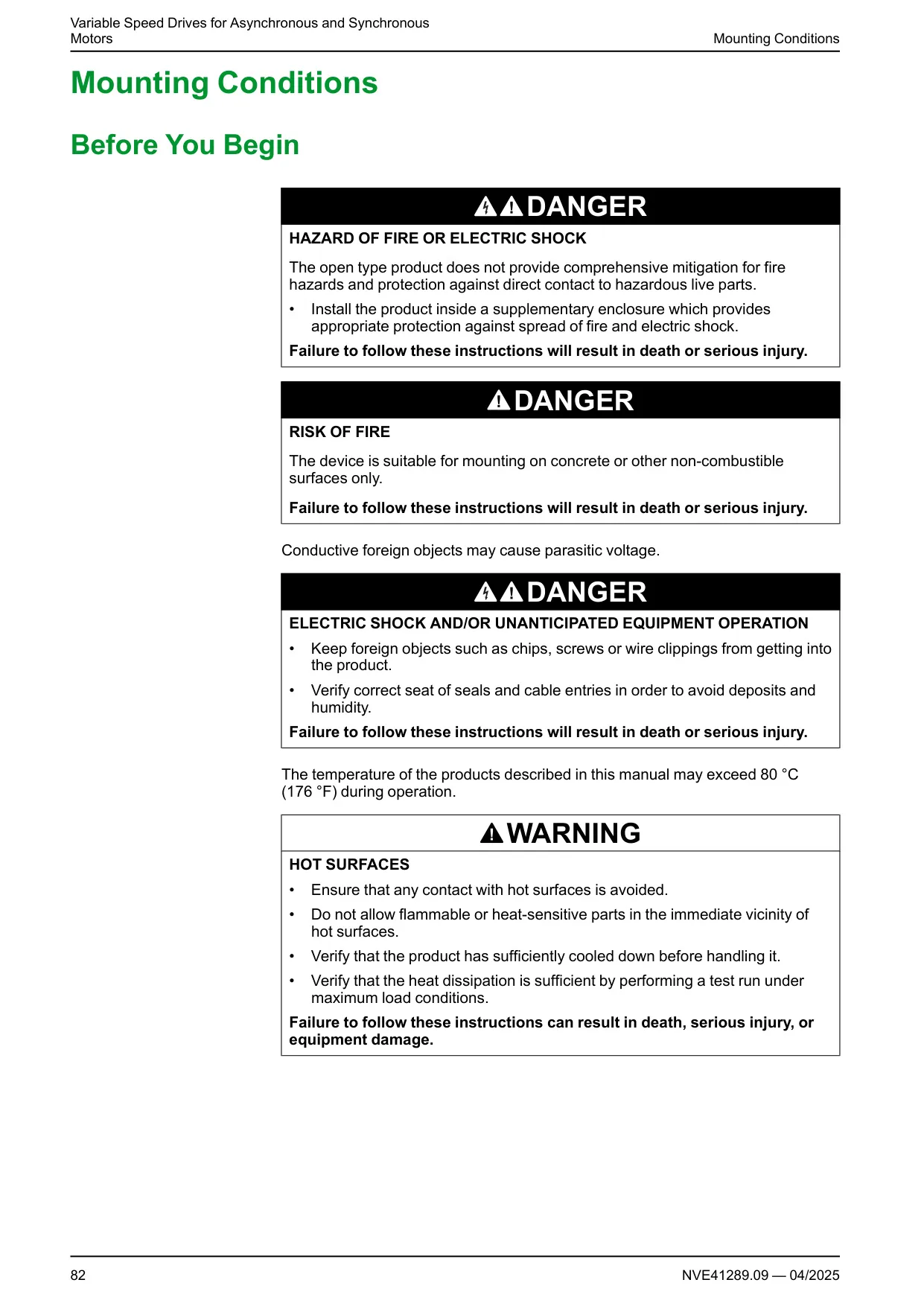
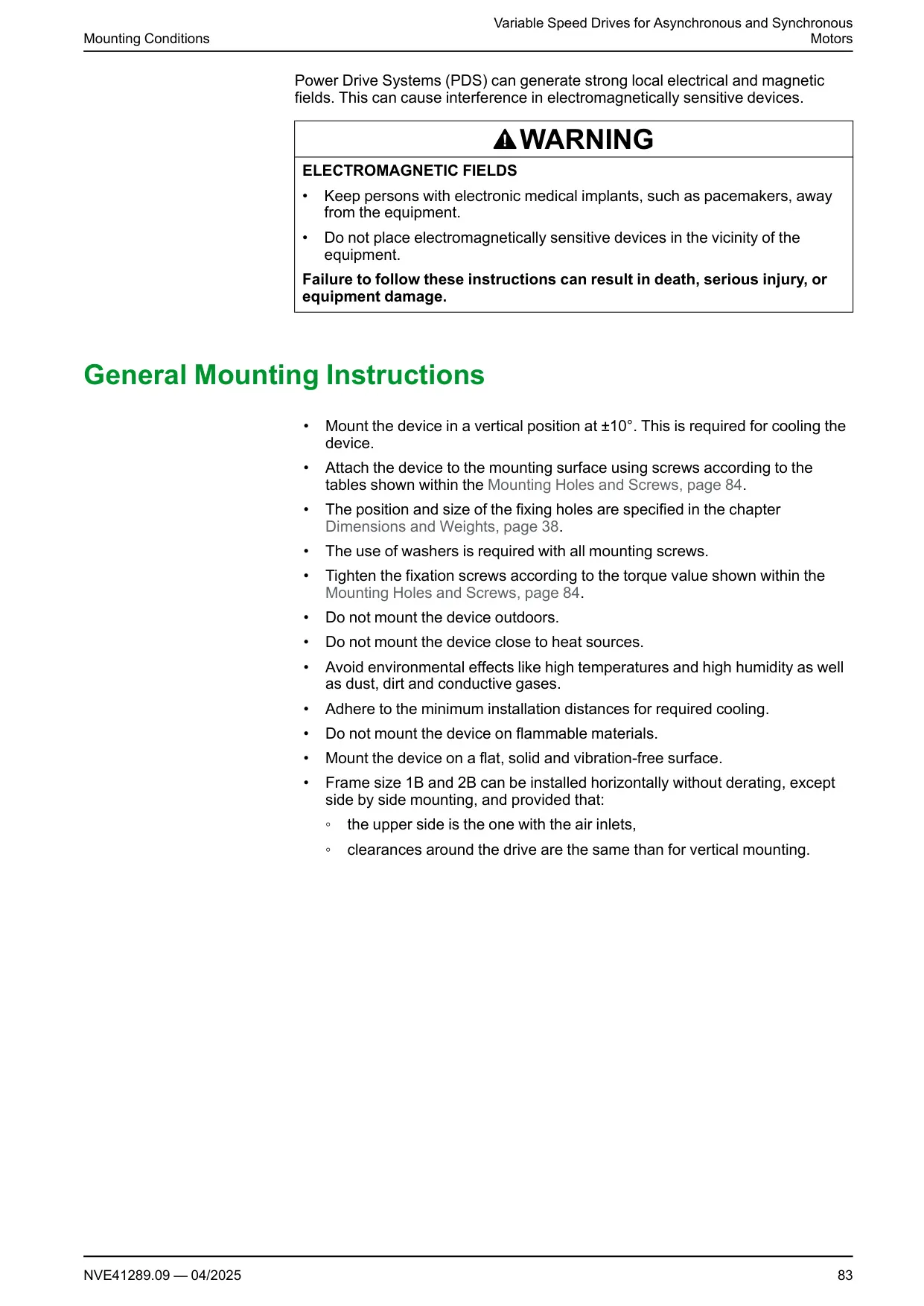
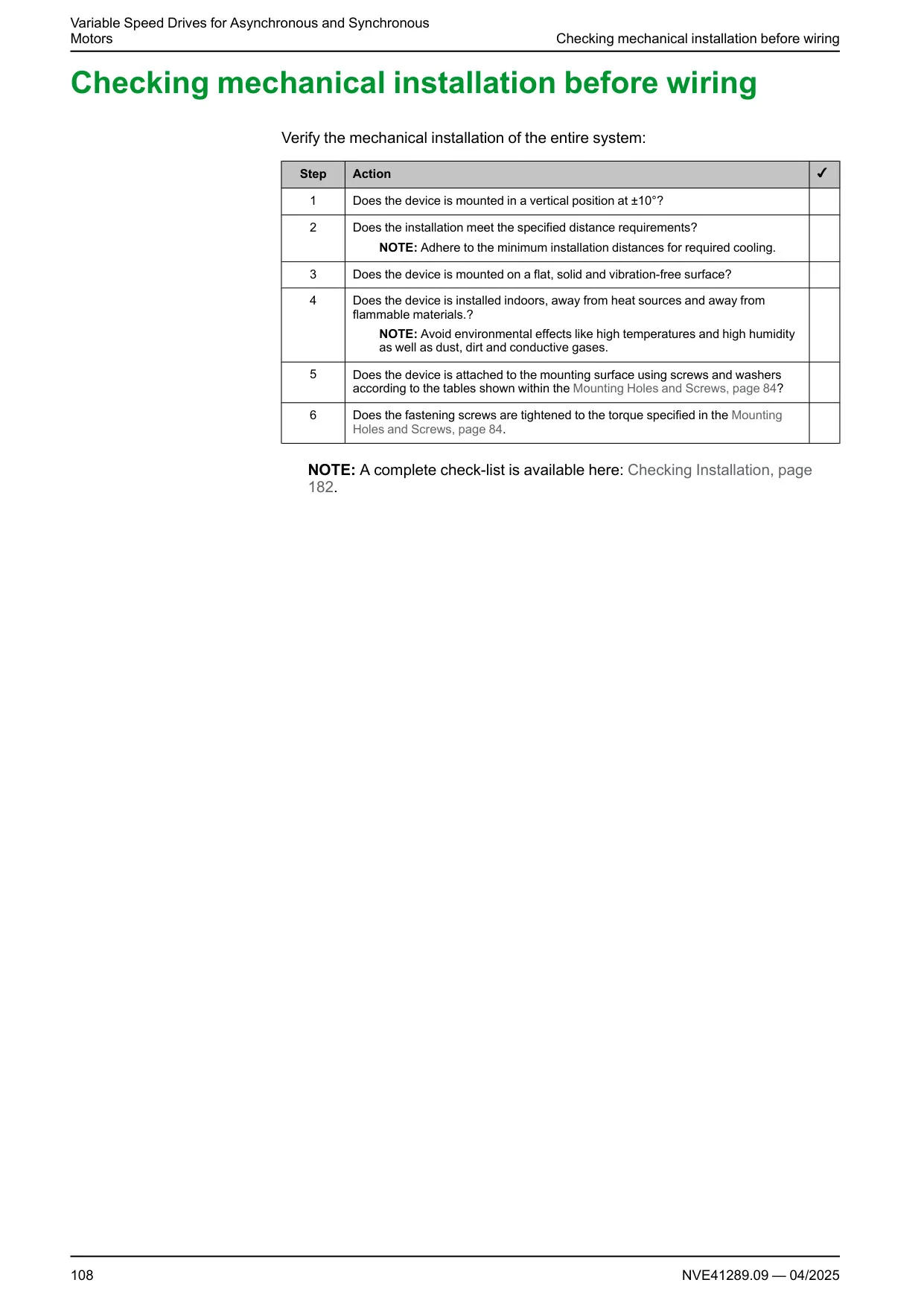
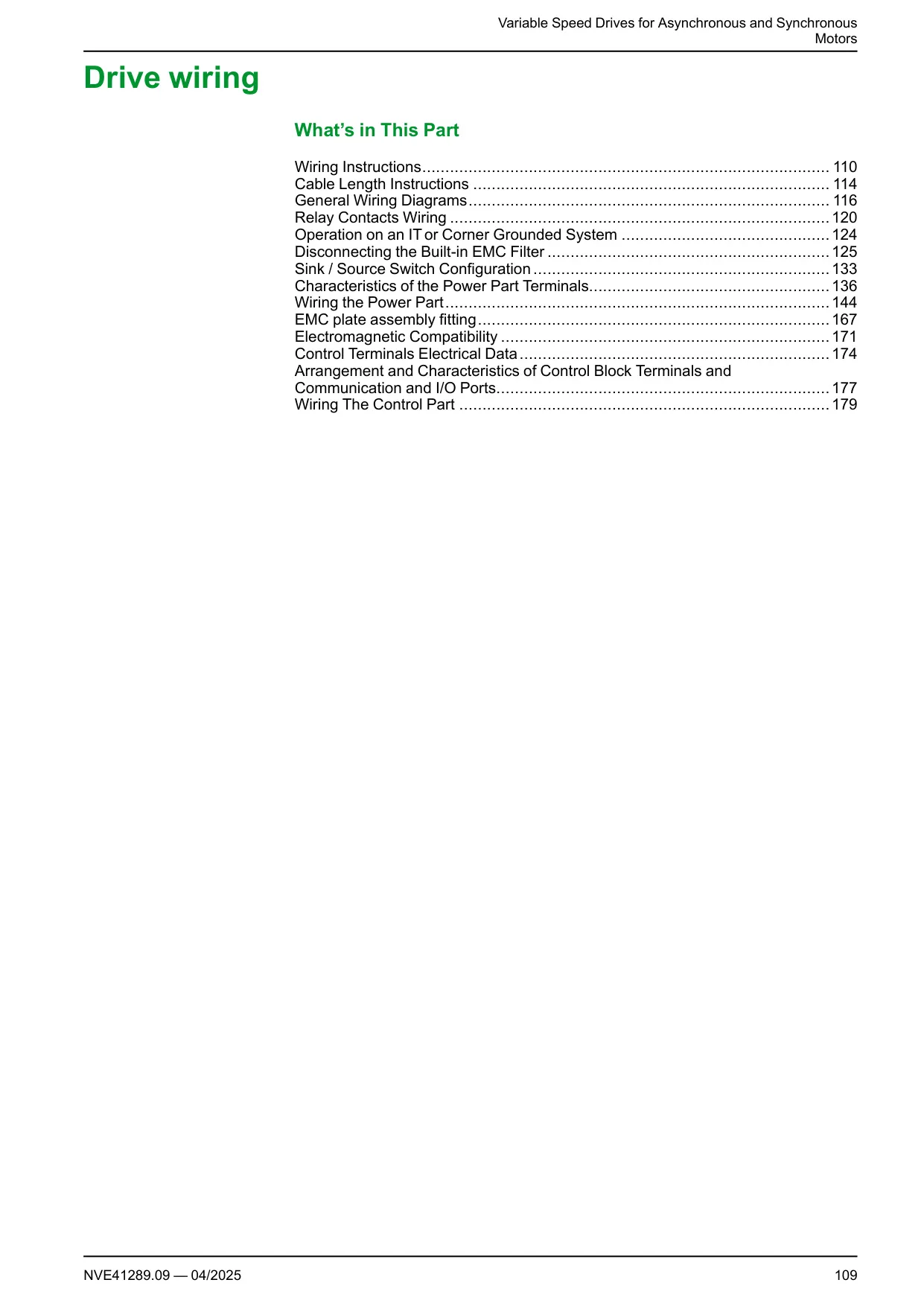
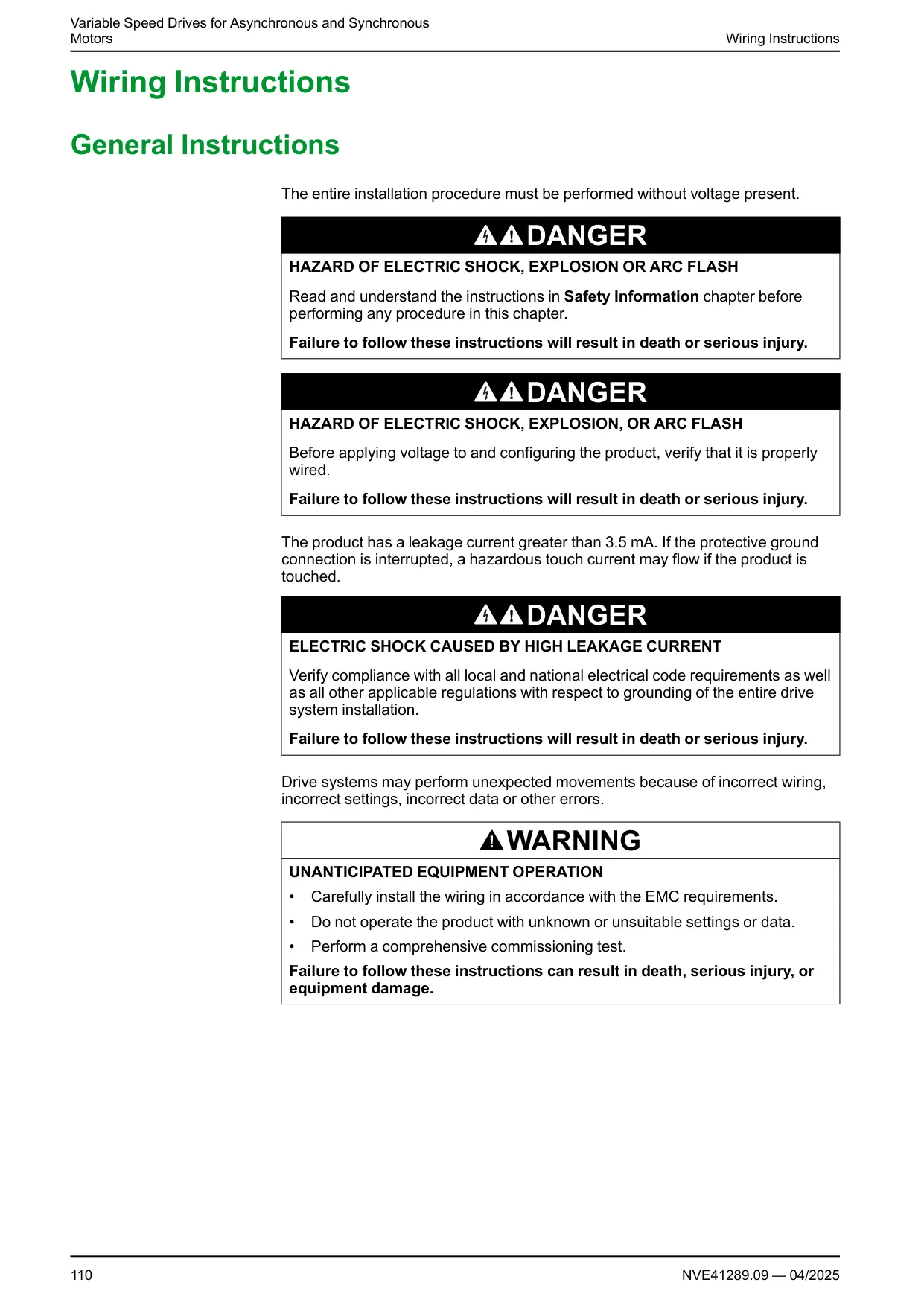
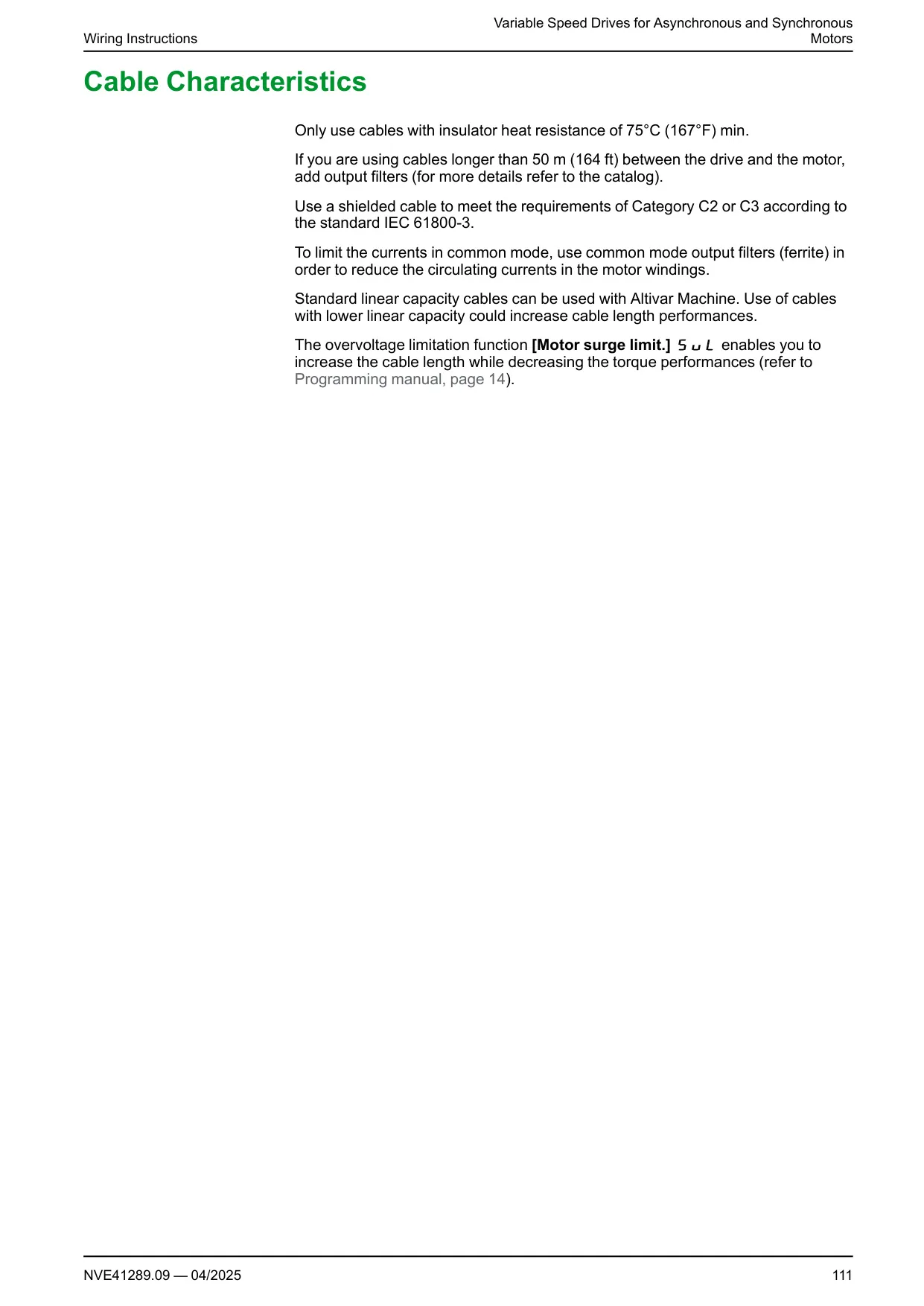
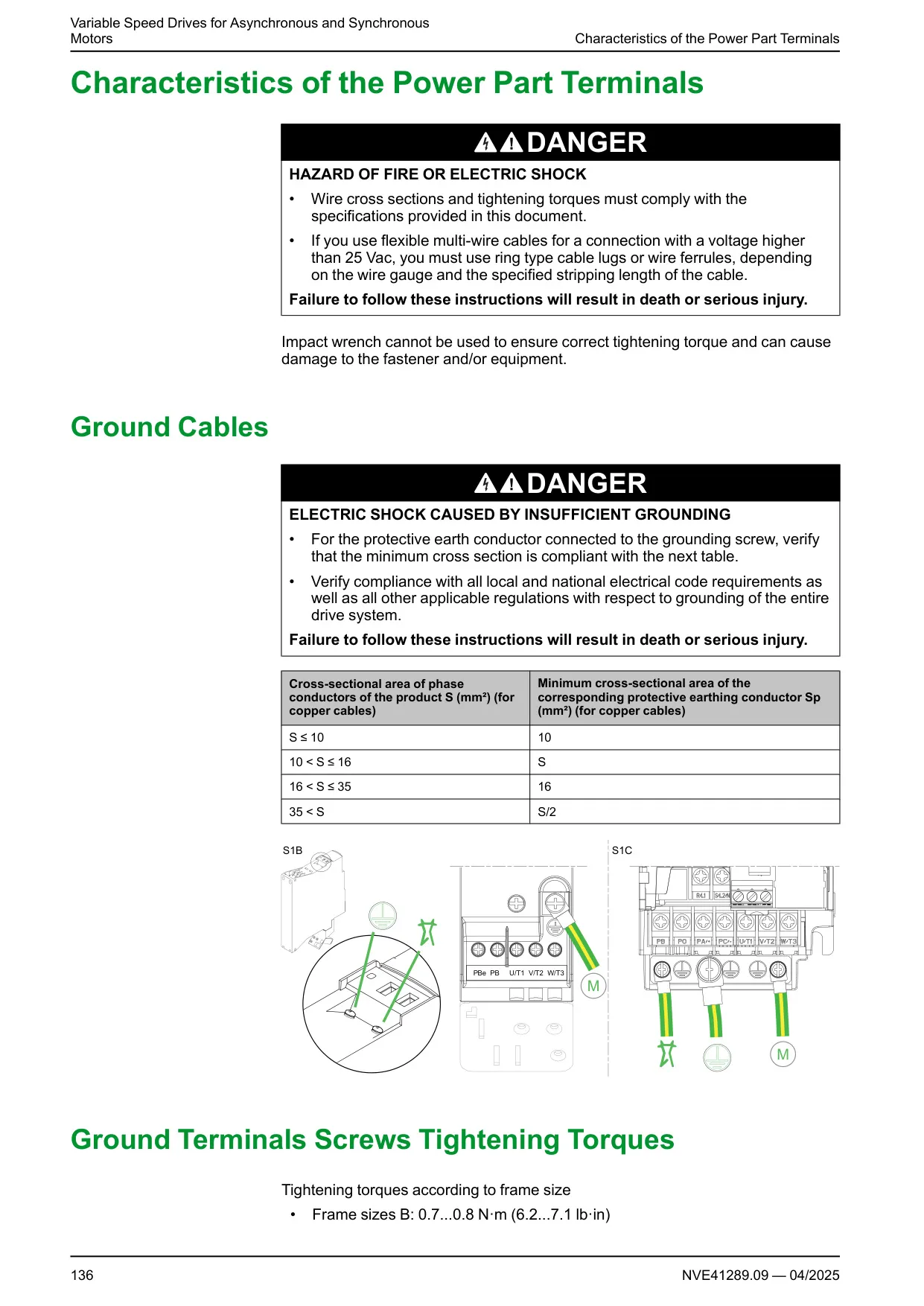
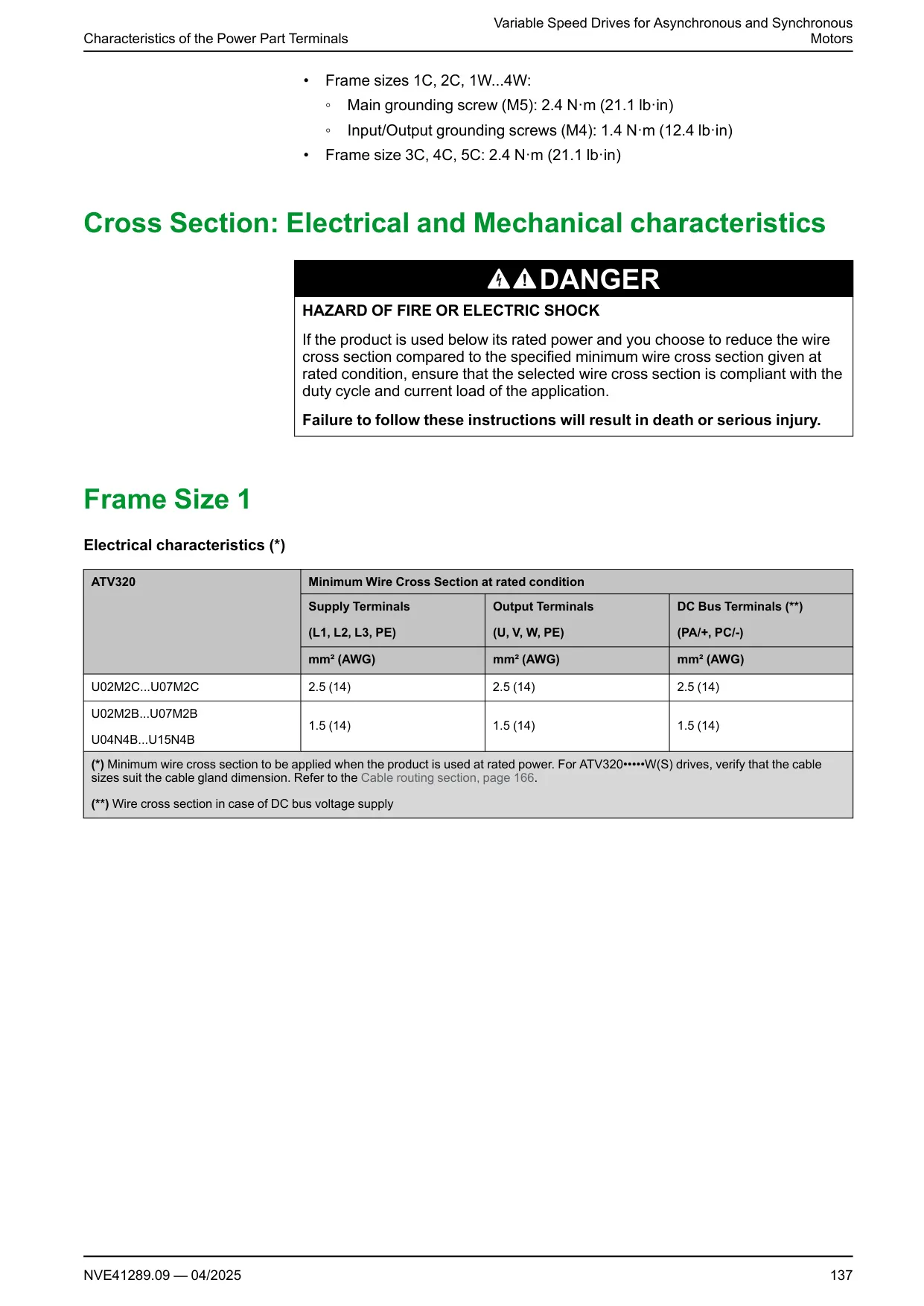
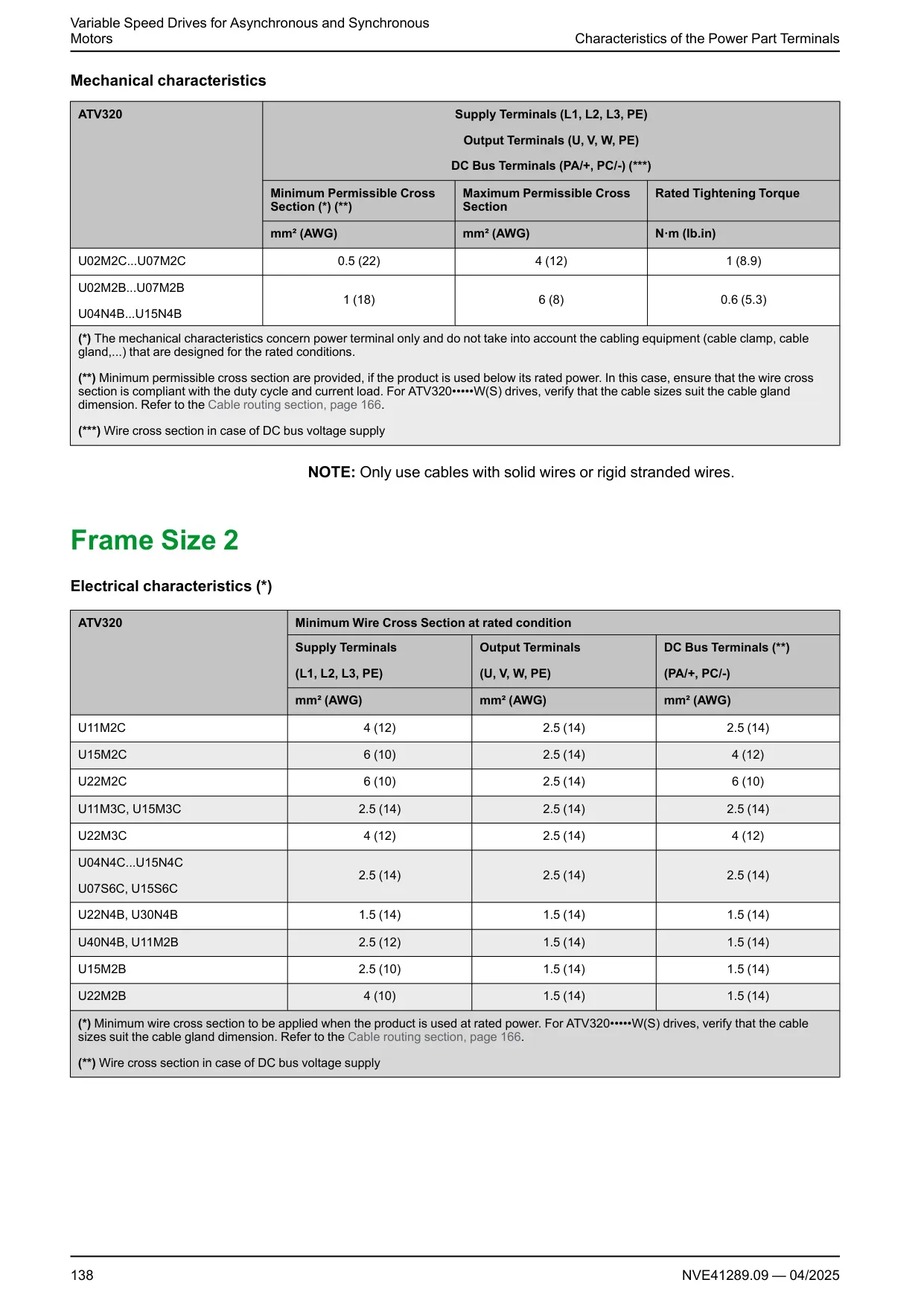
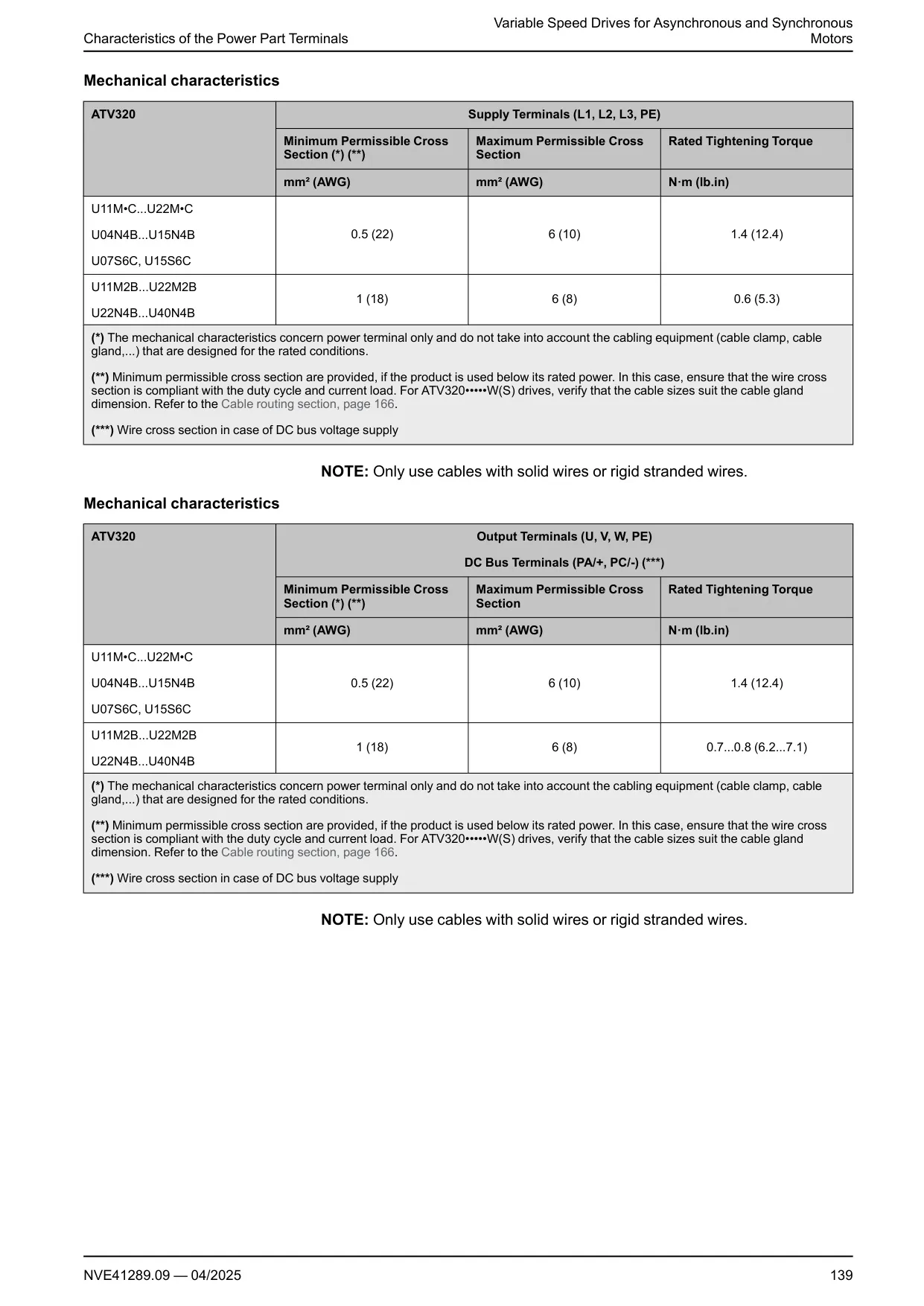
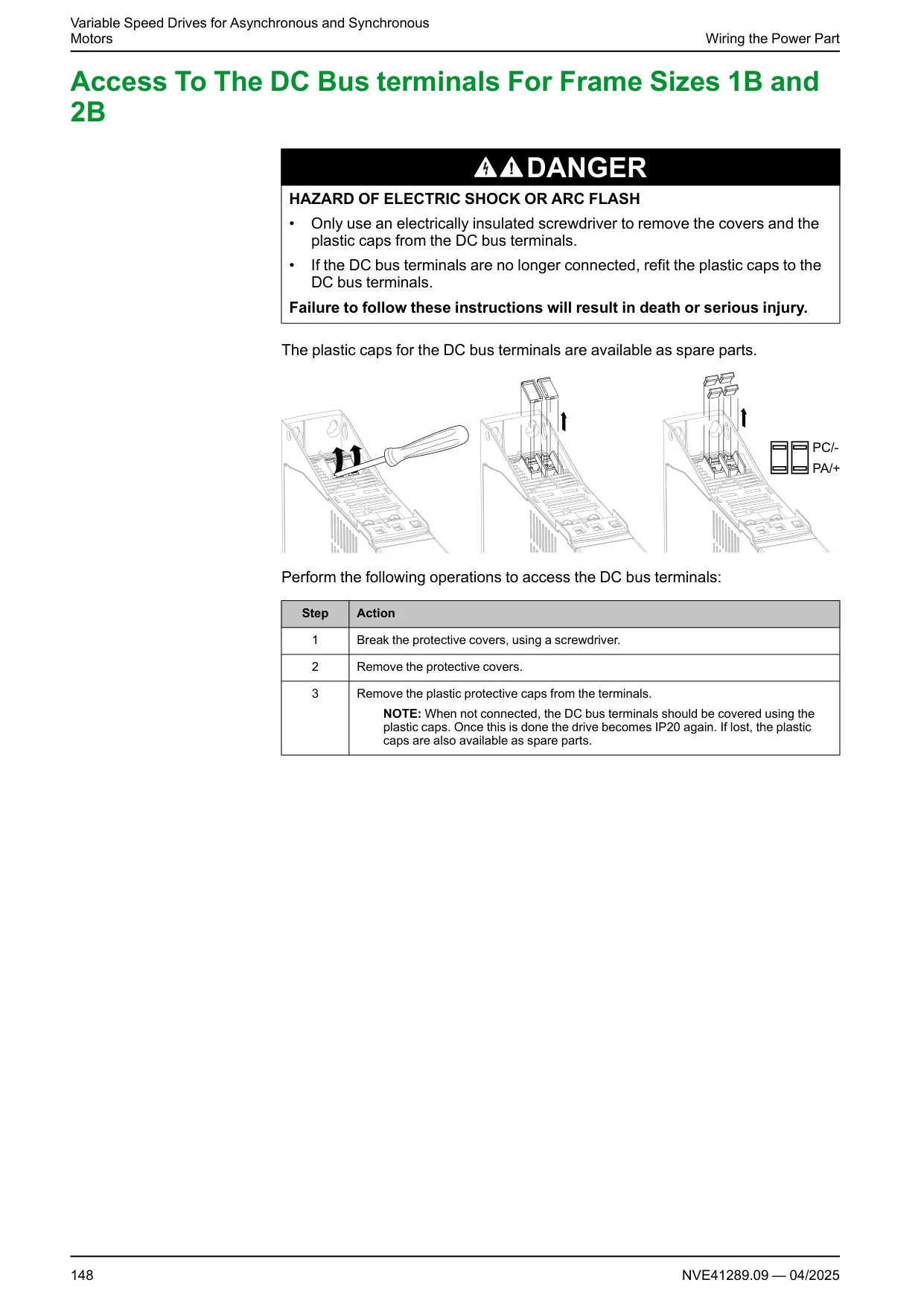
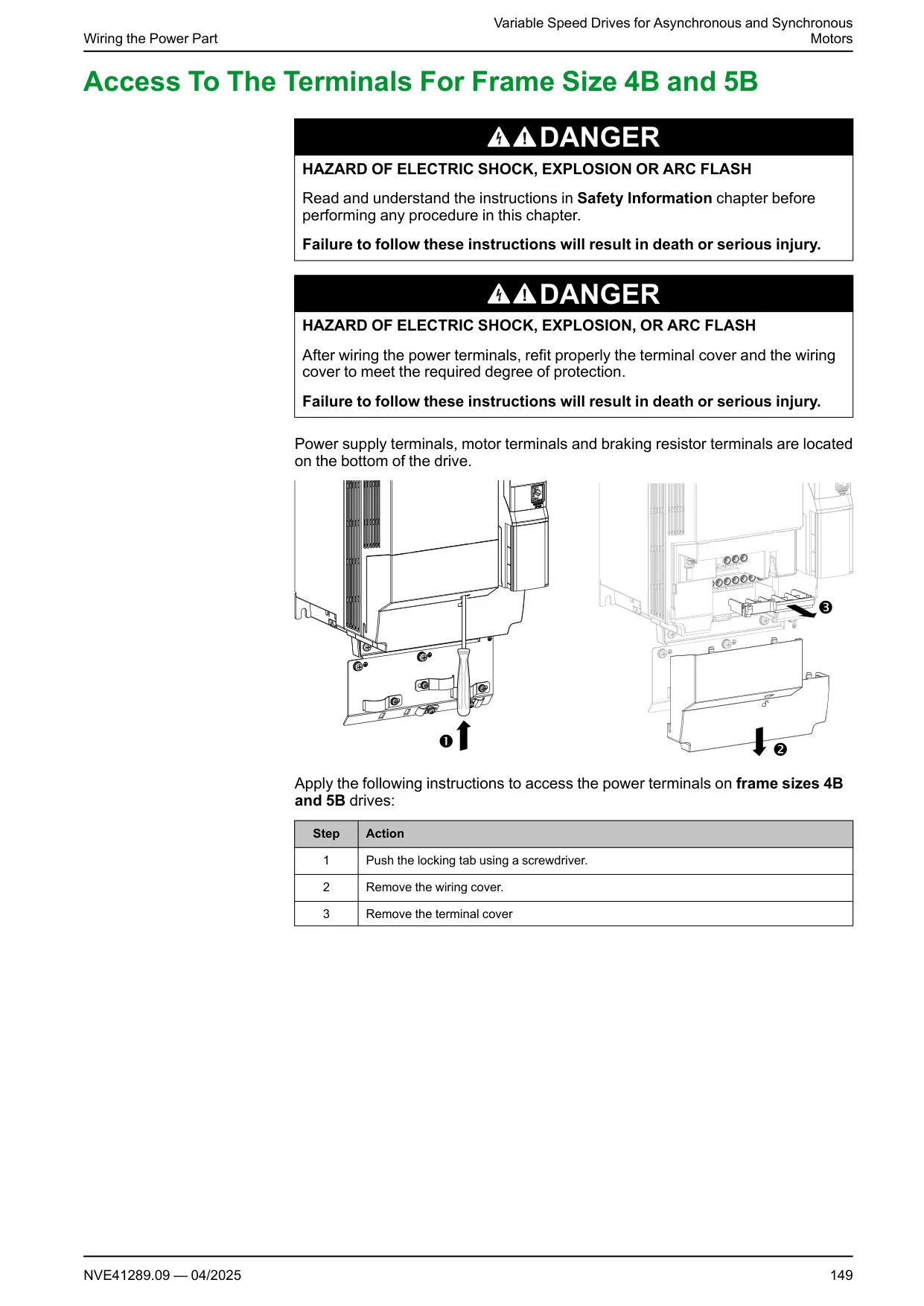
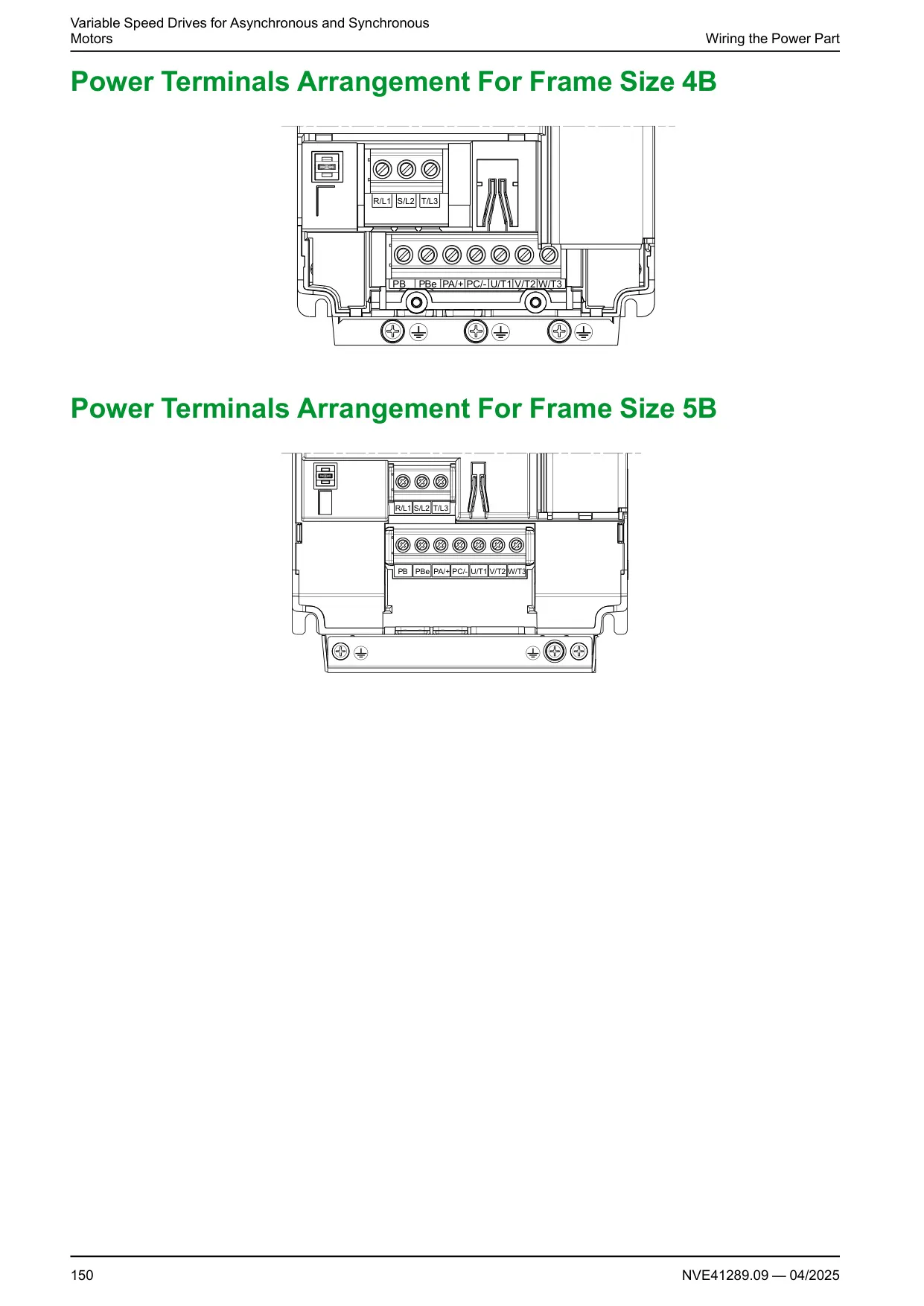
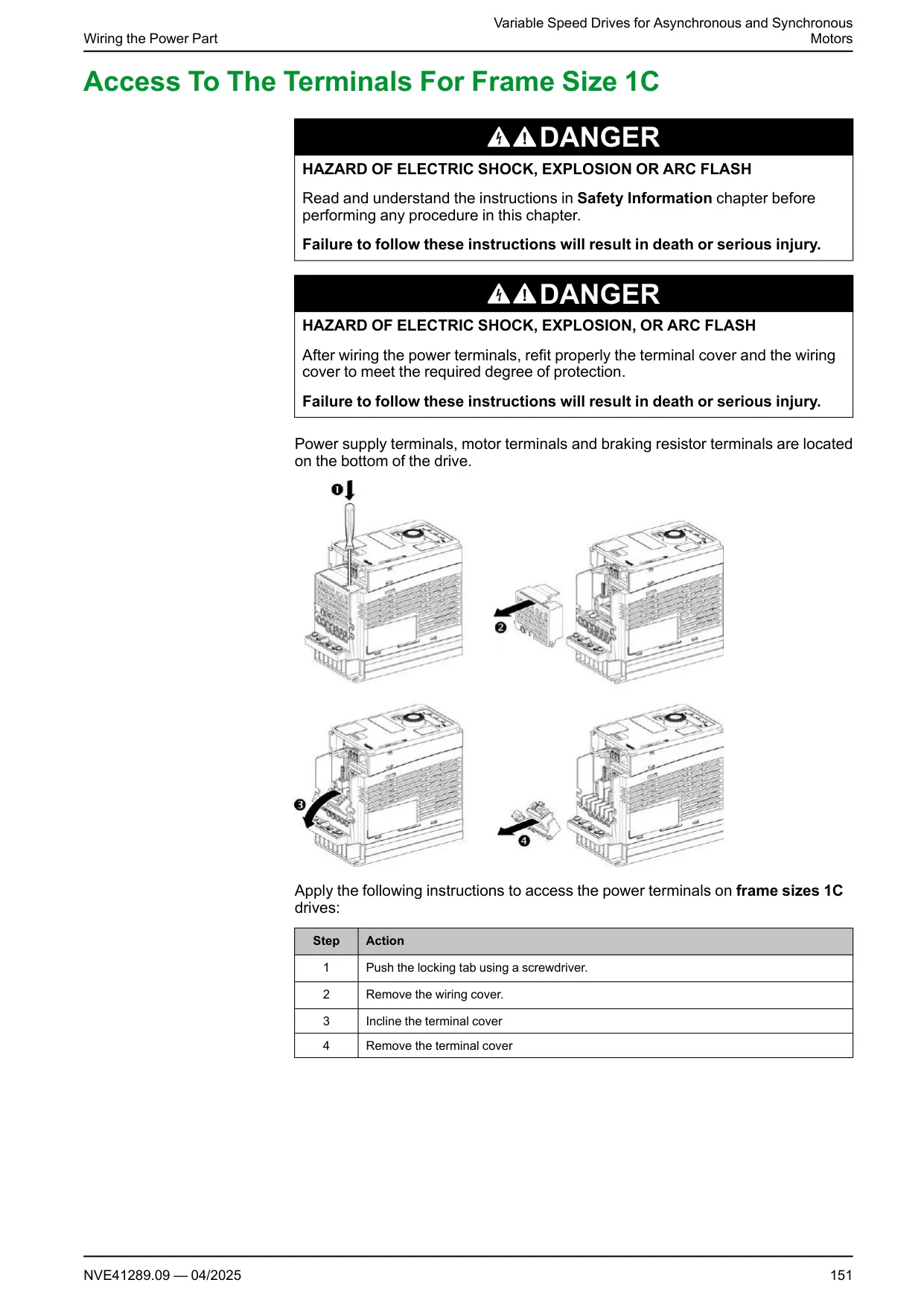
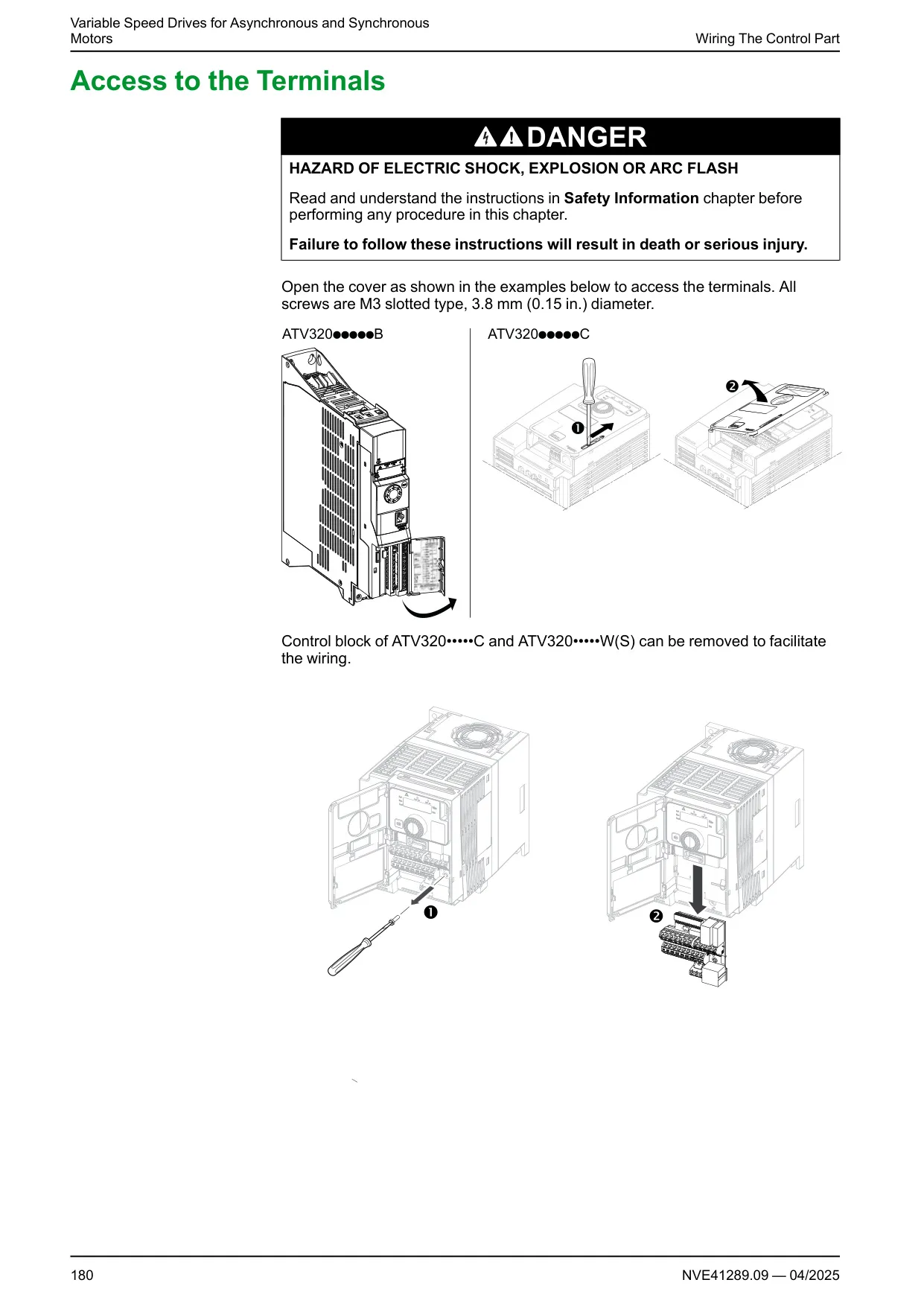
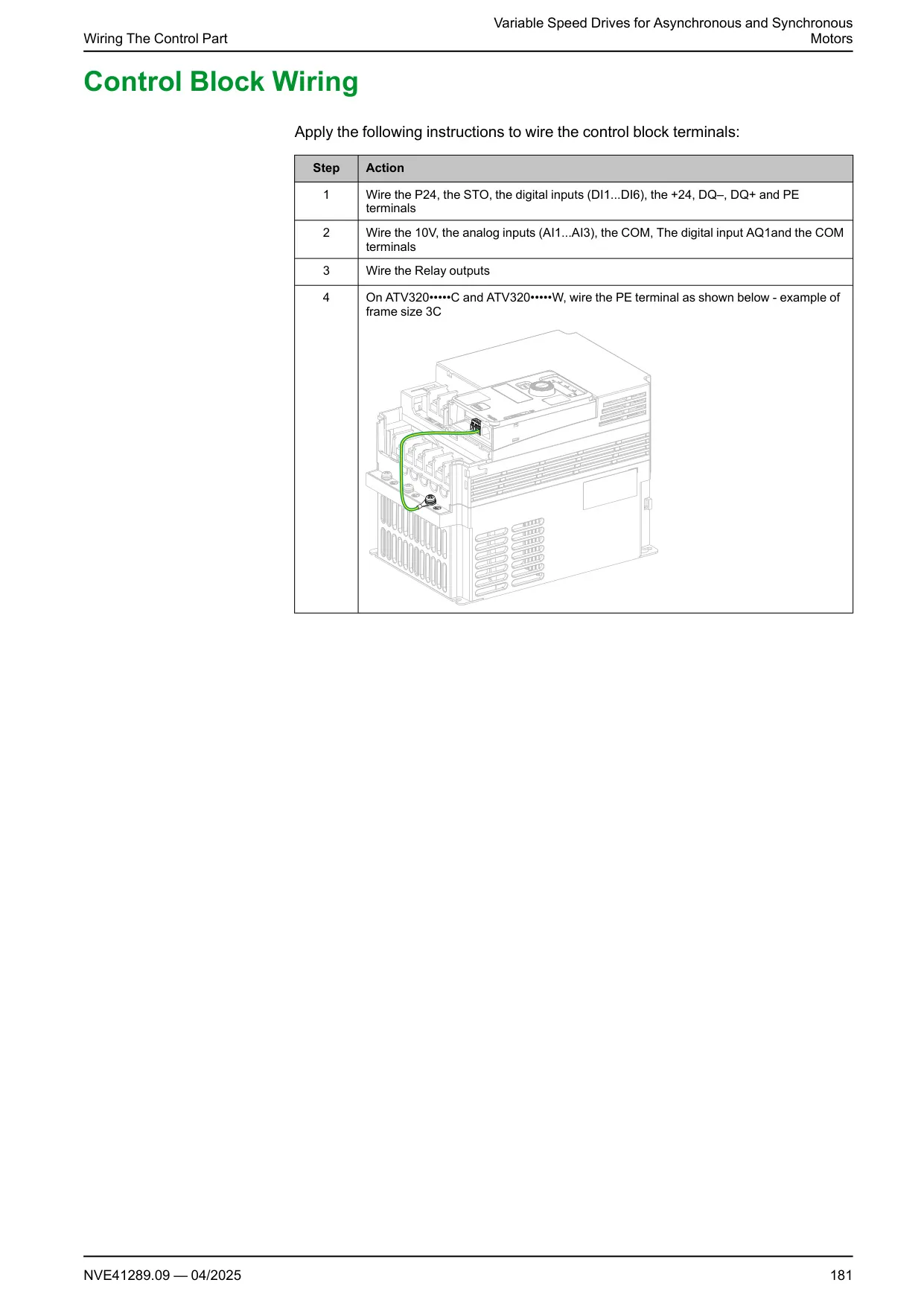




Altivar 320 Variable Frequency Drive

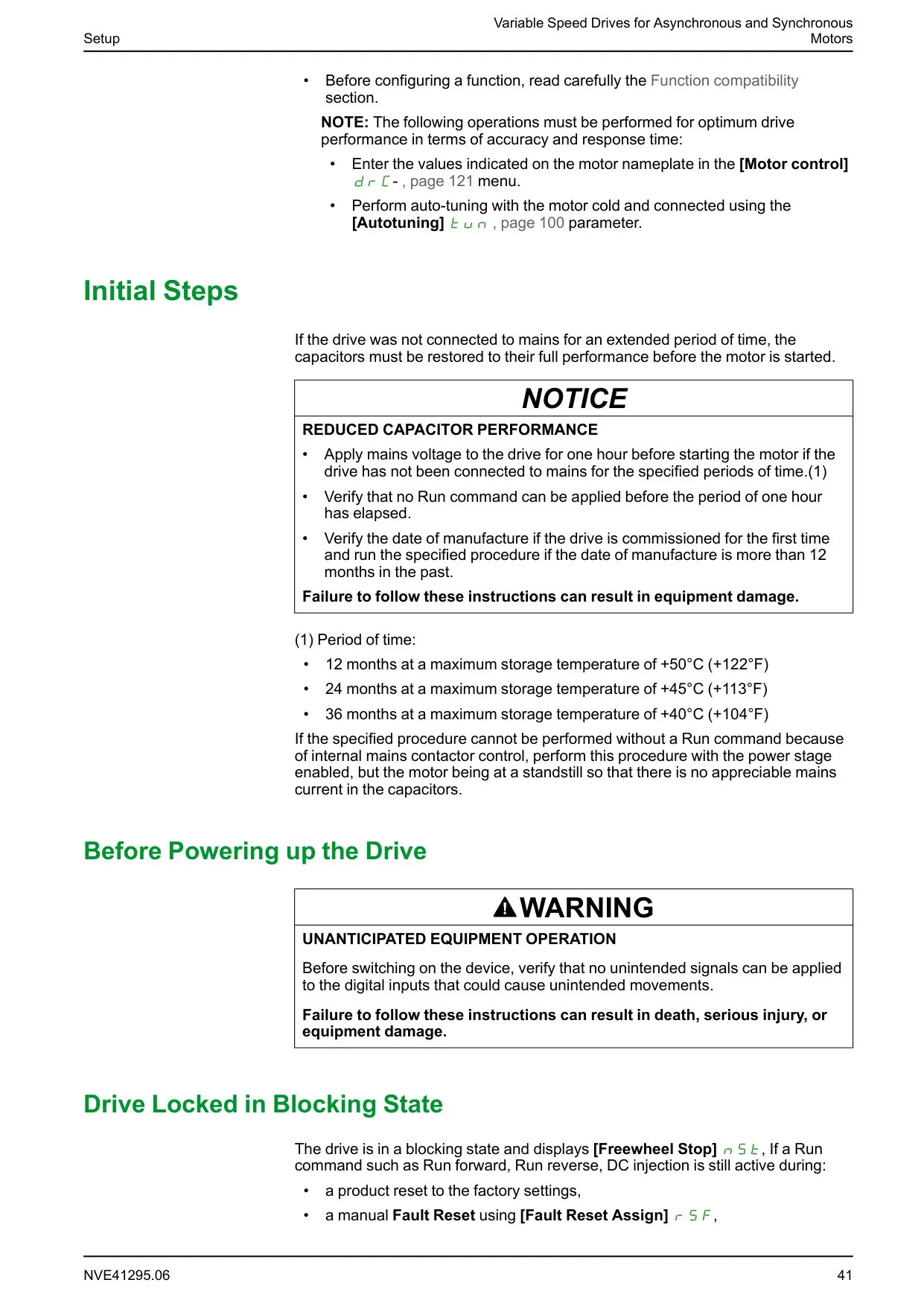
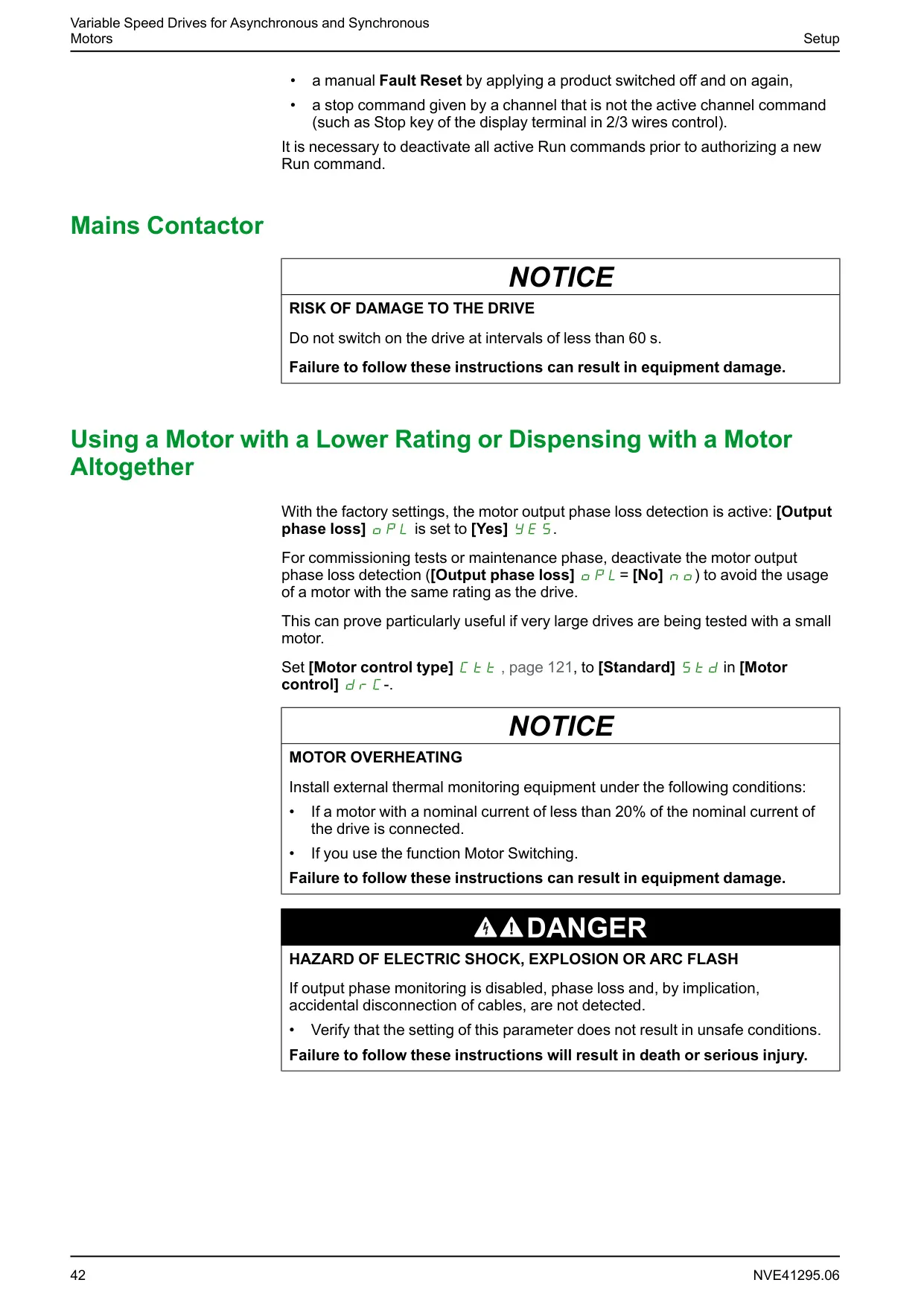
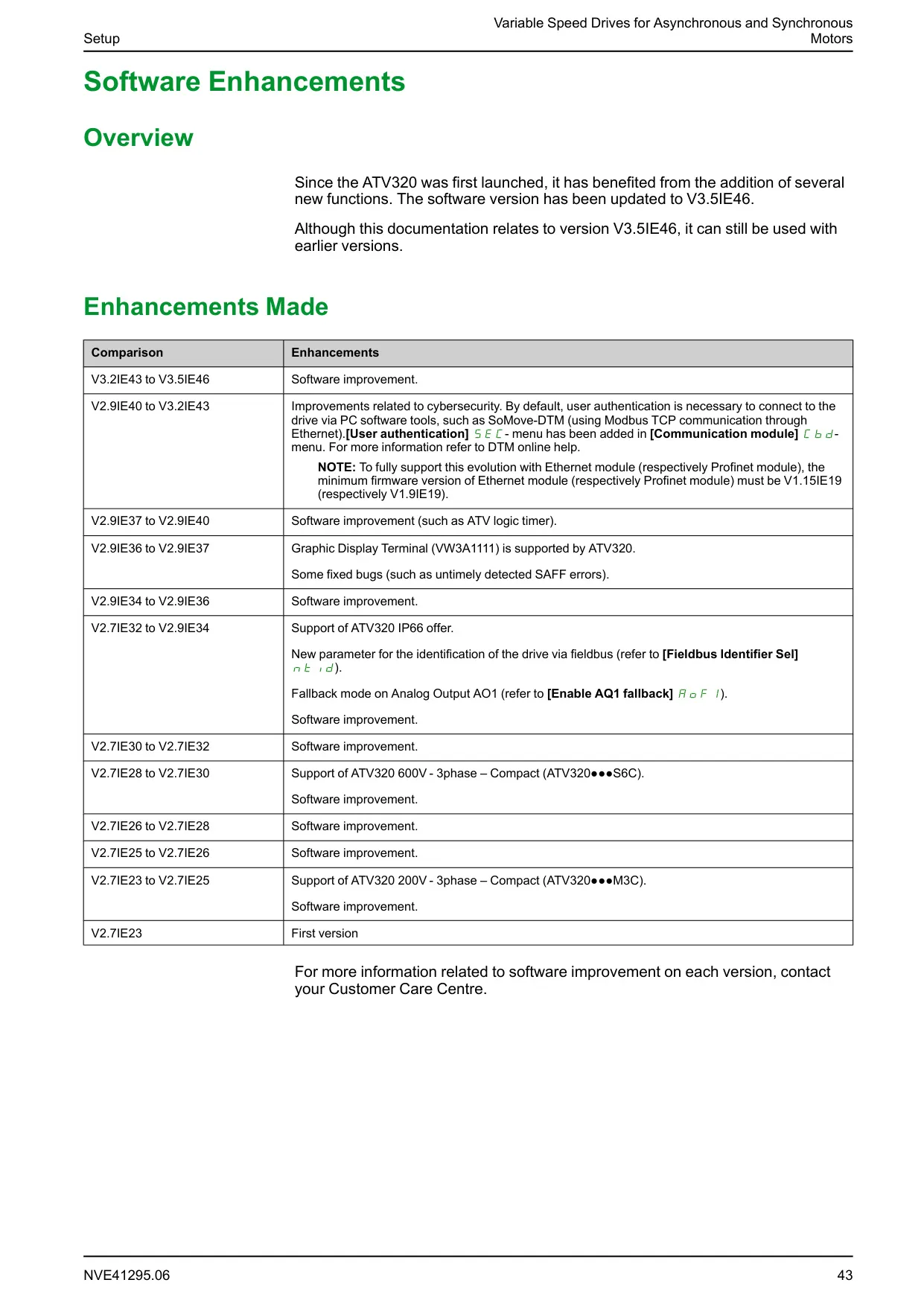
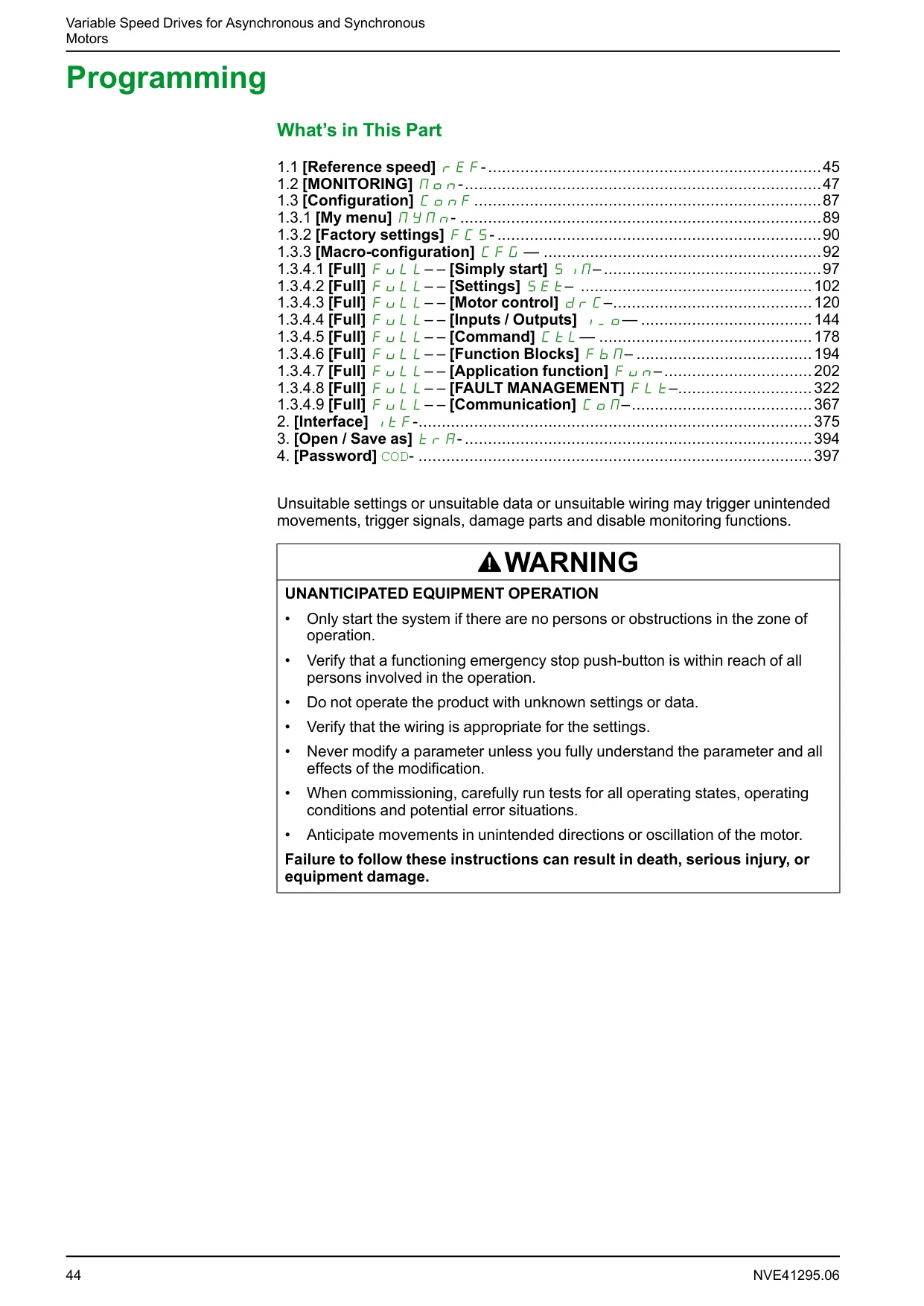
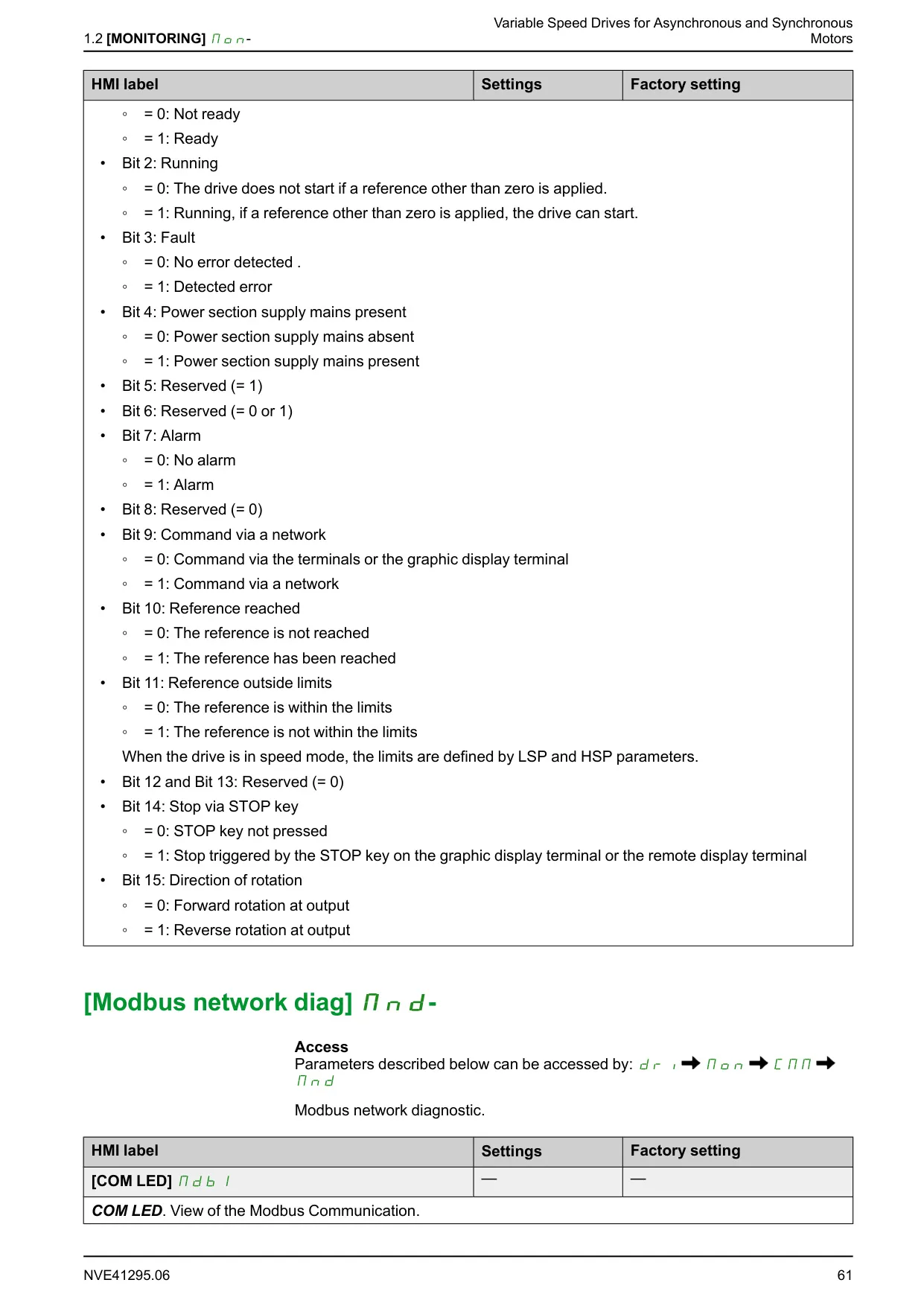
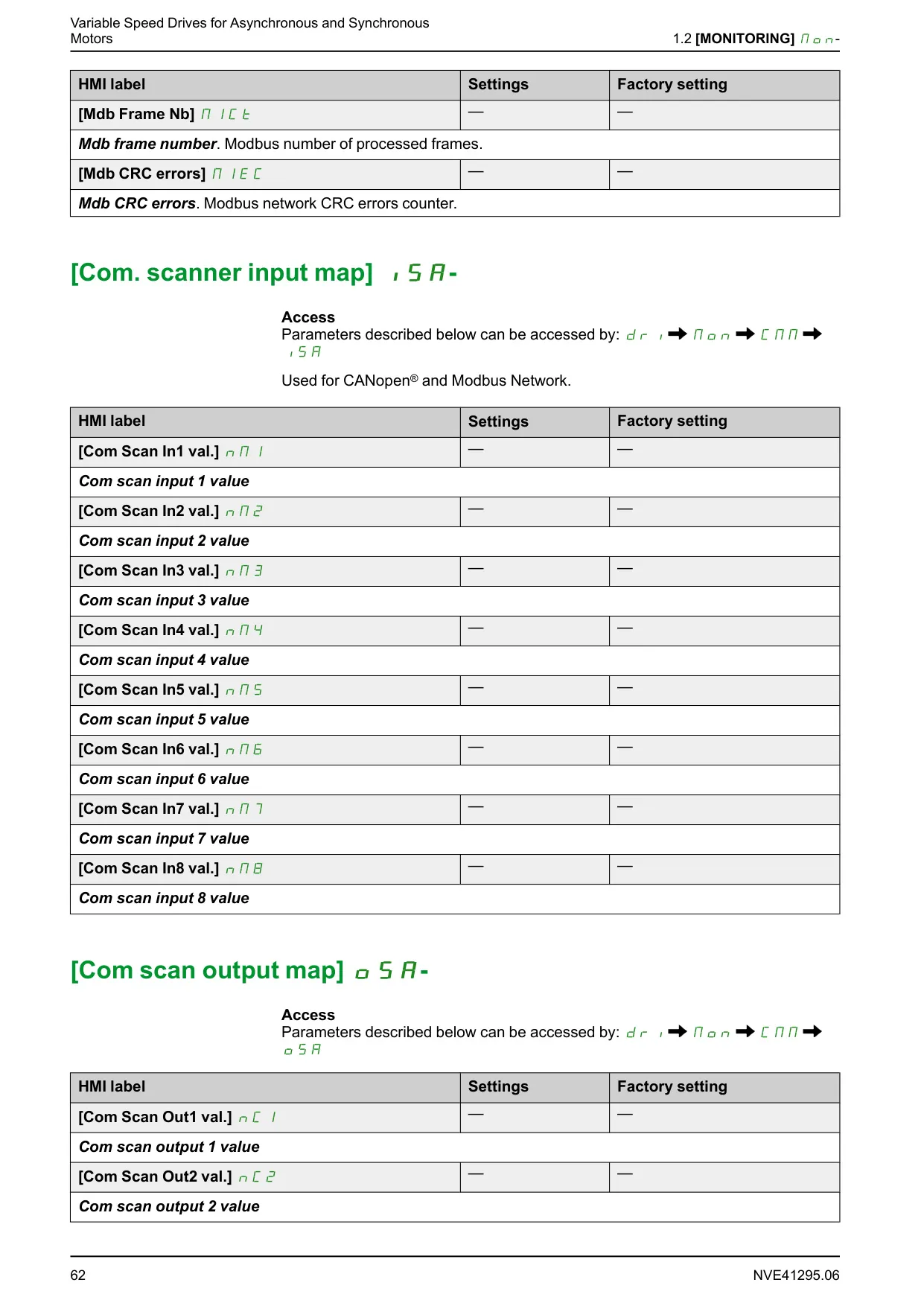
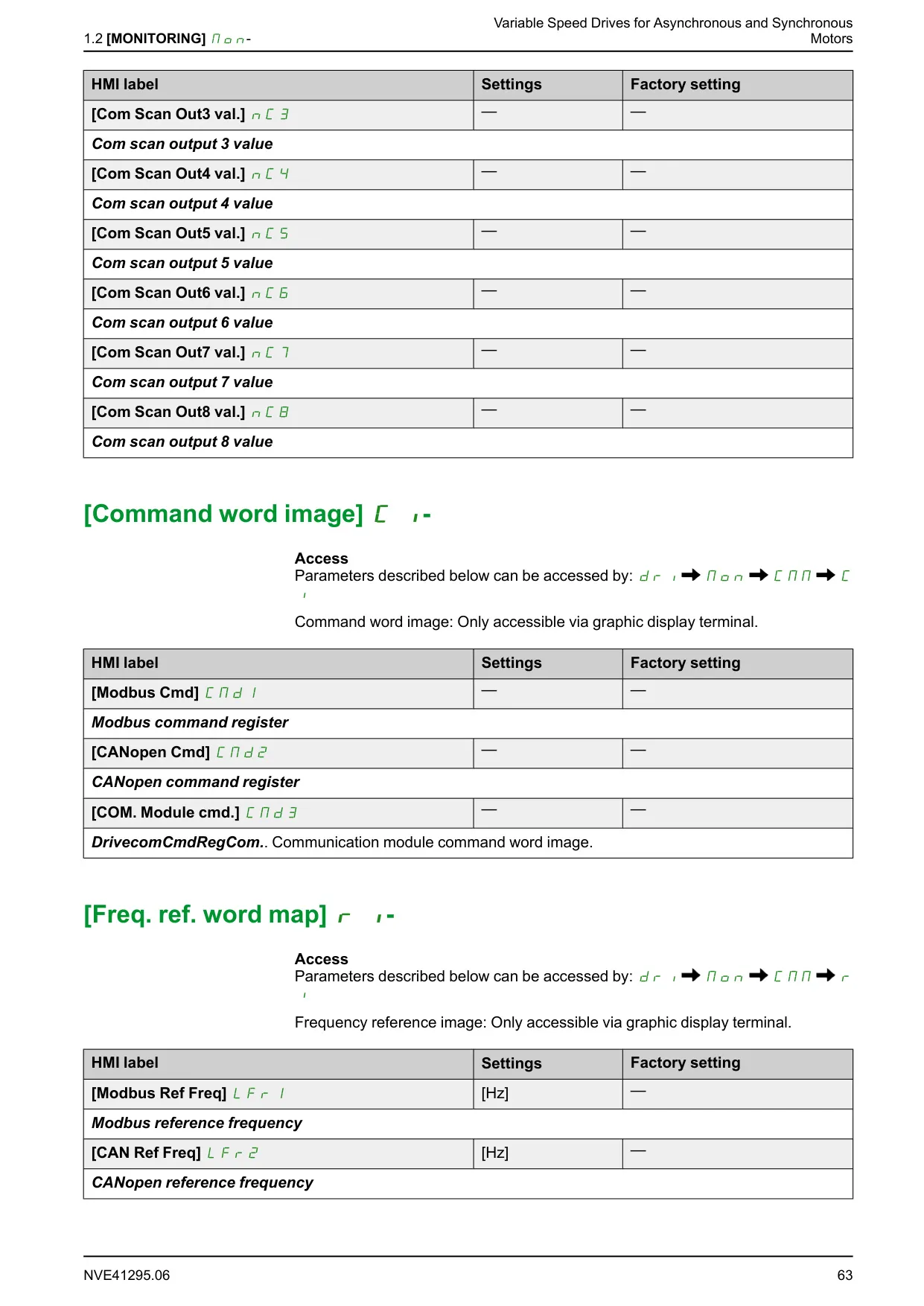
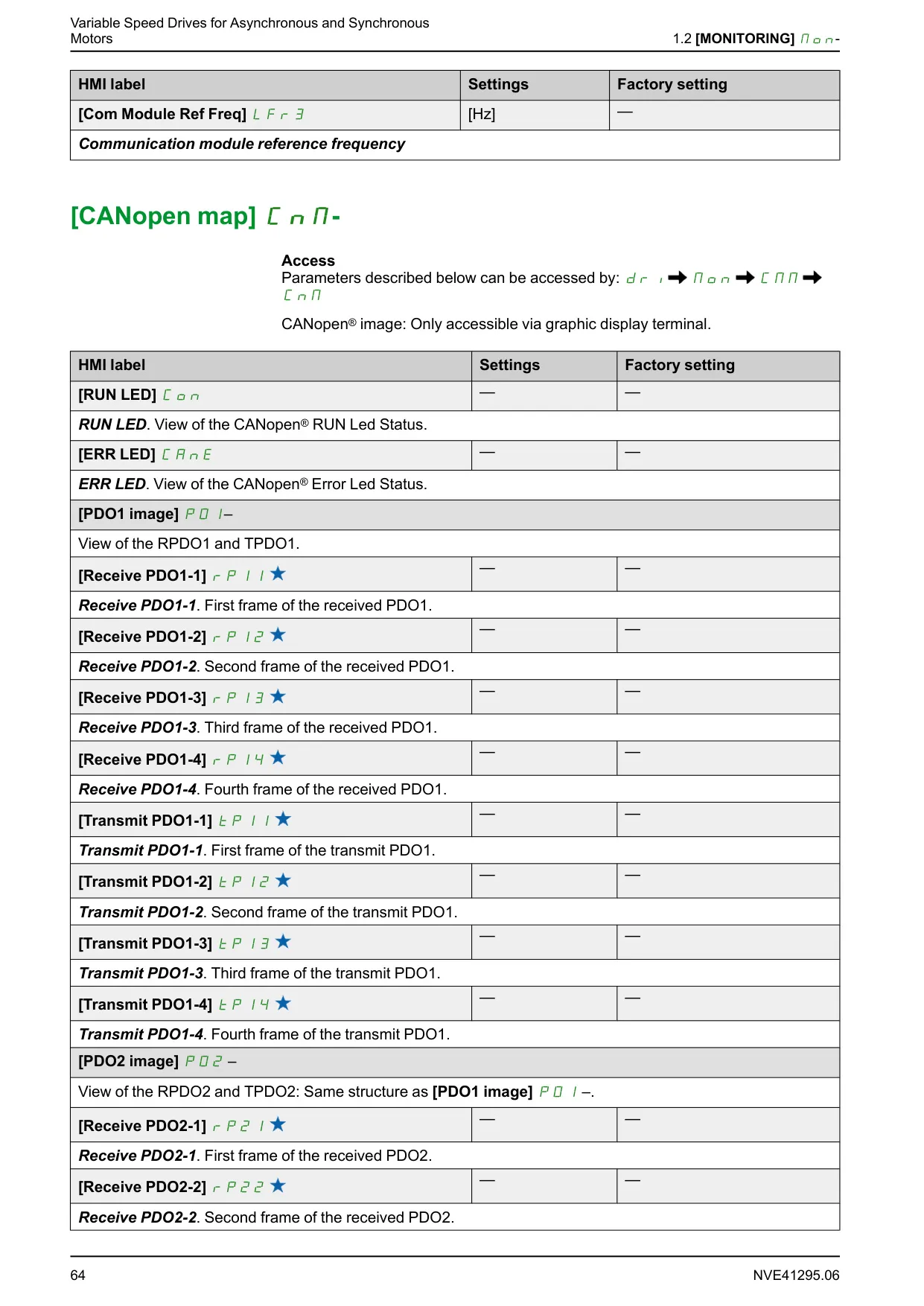
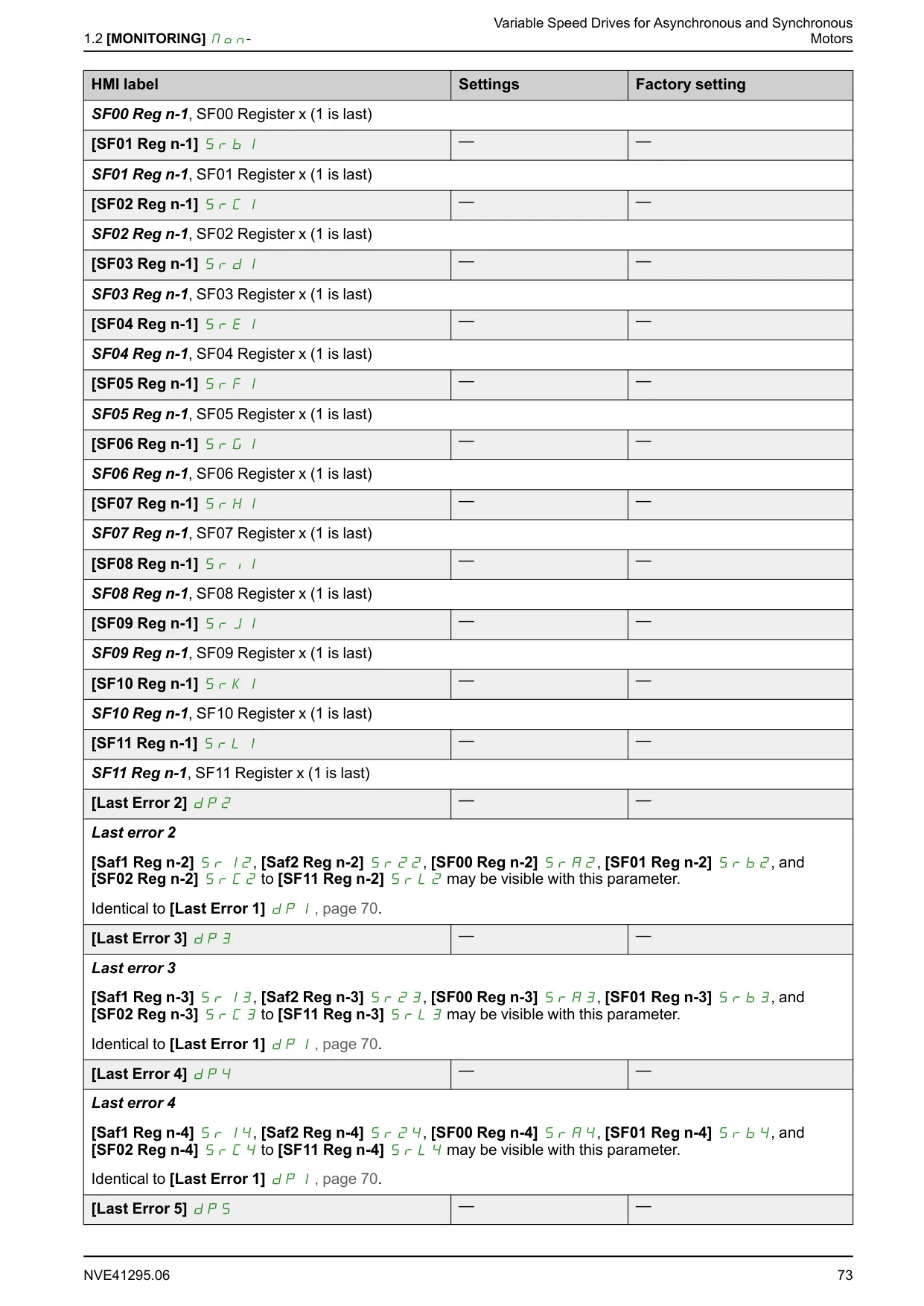
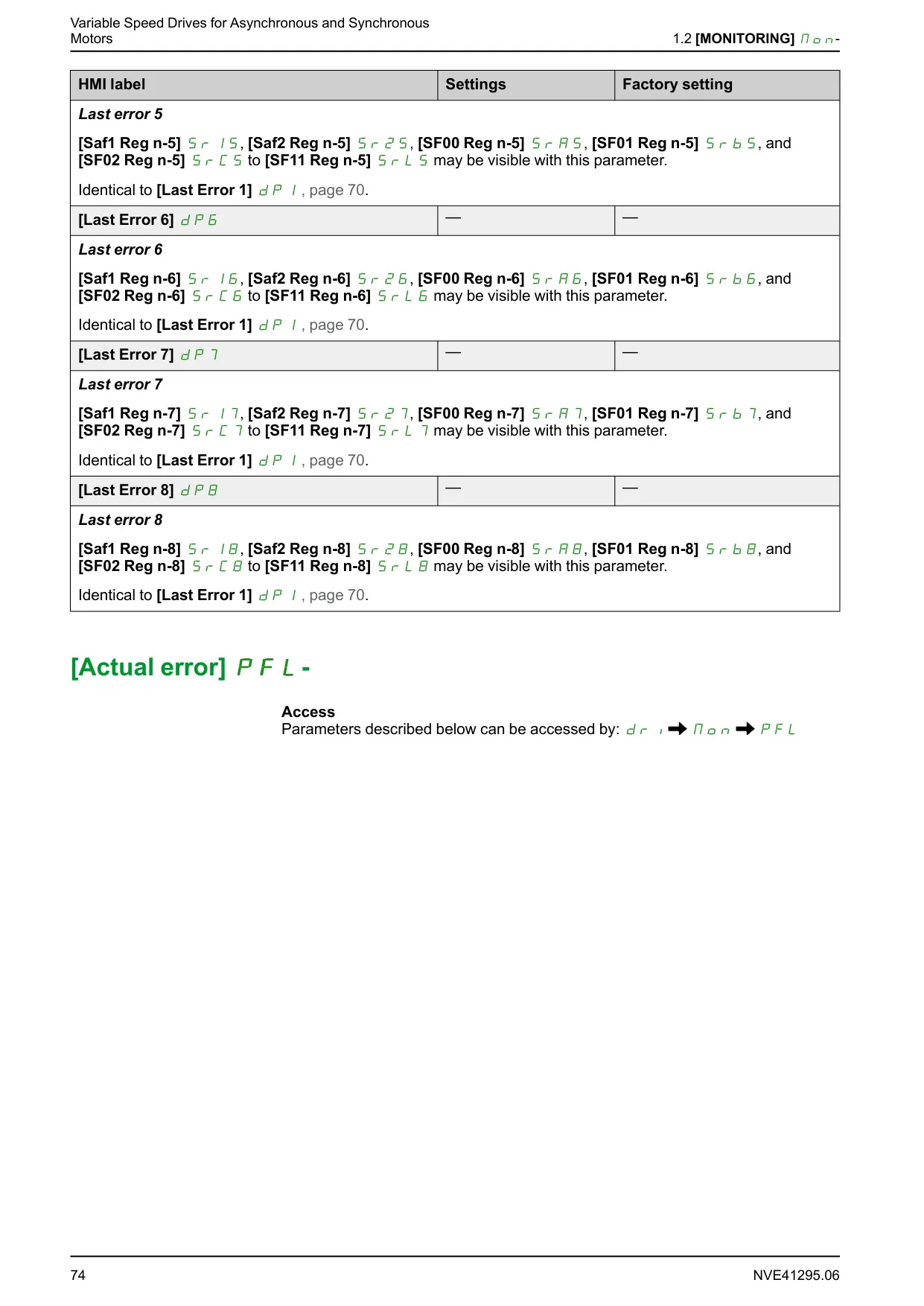
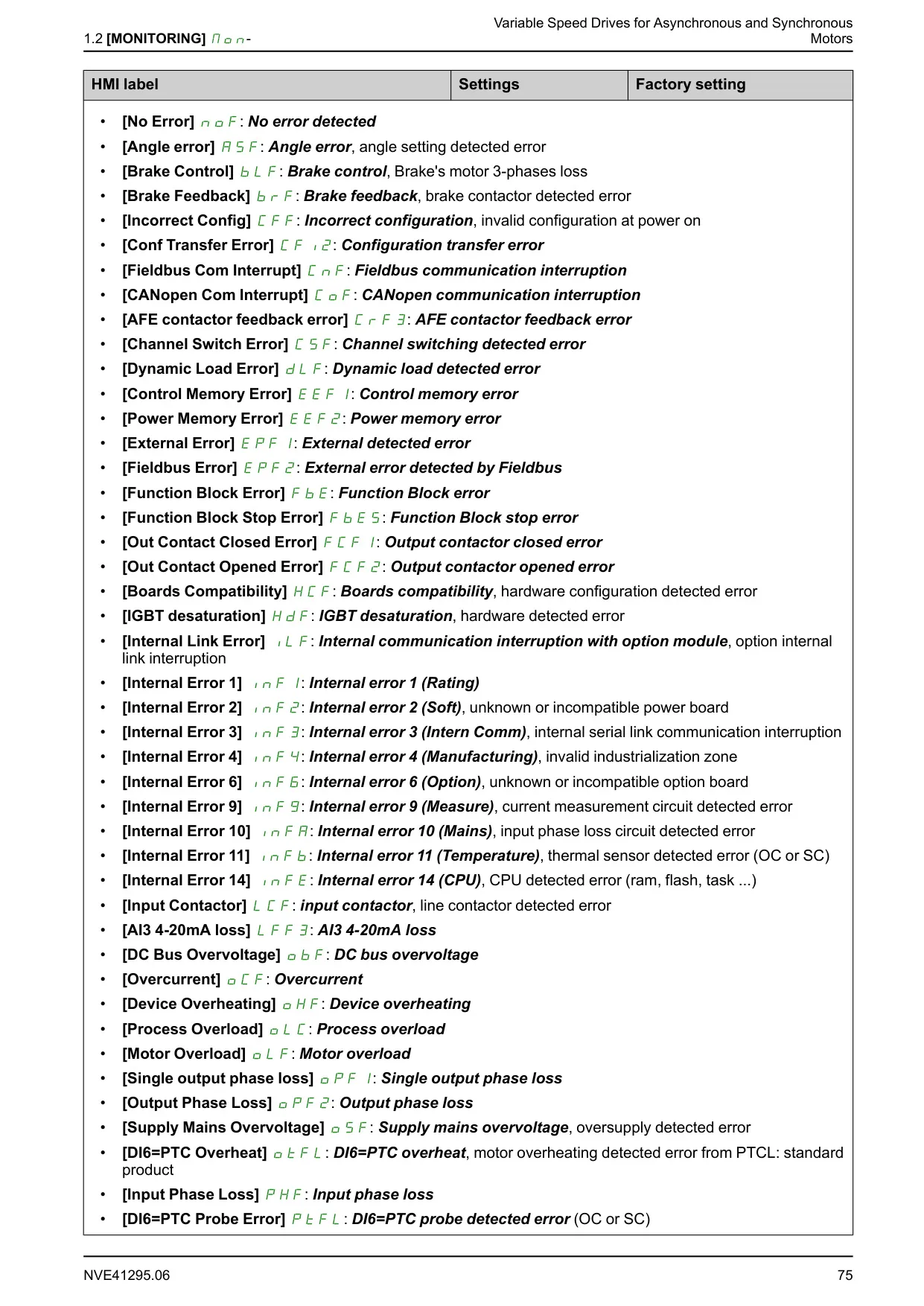
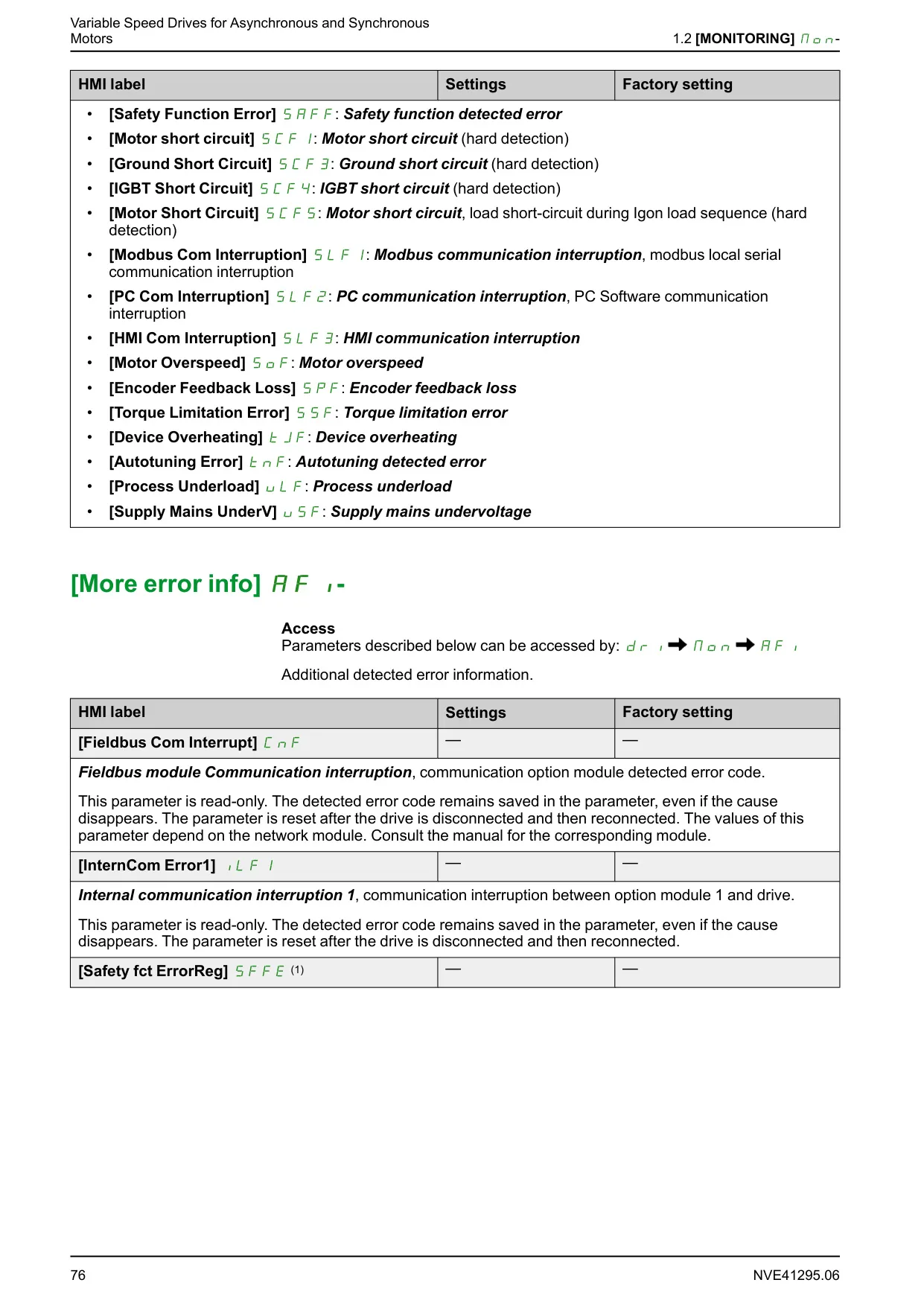
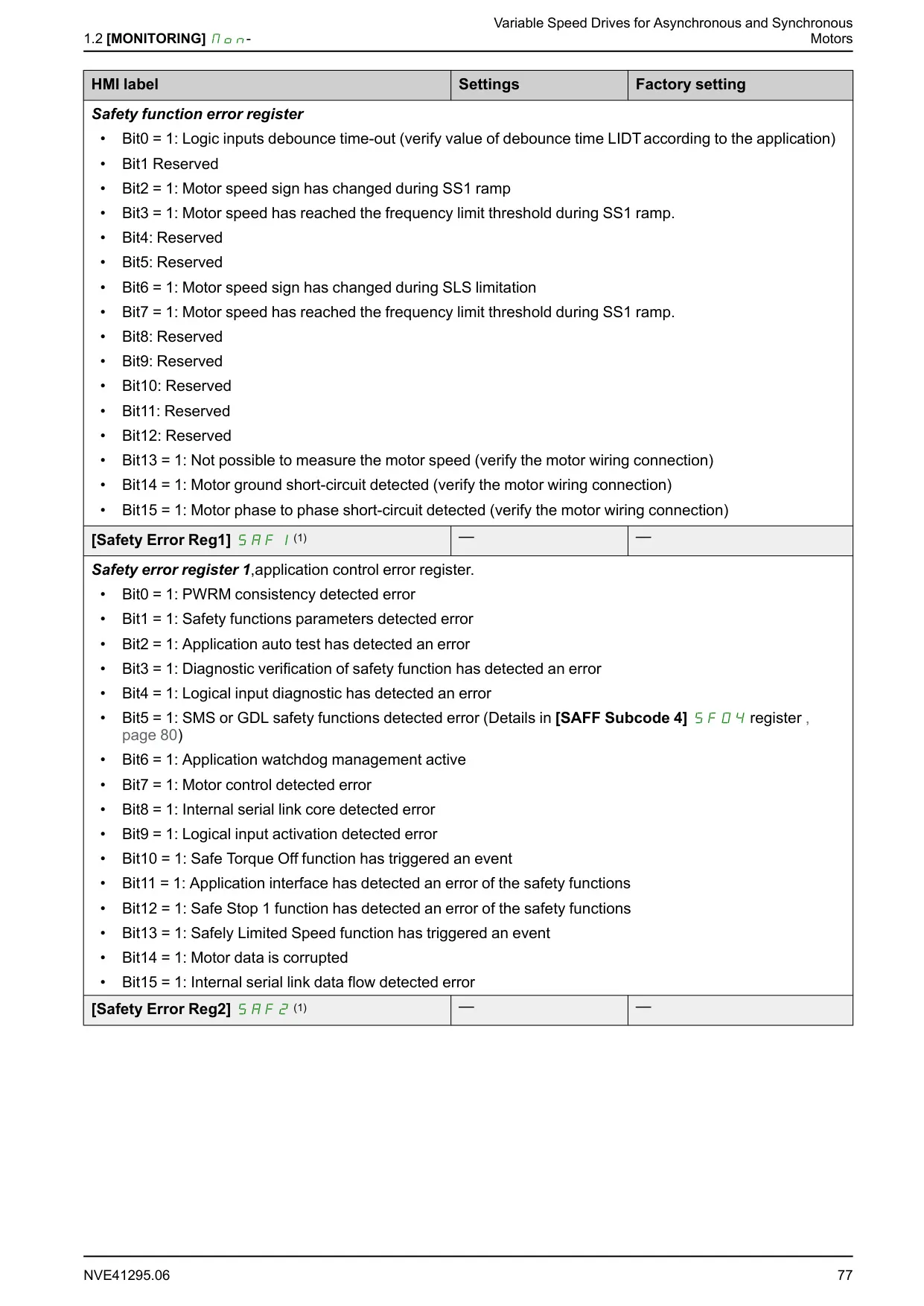
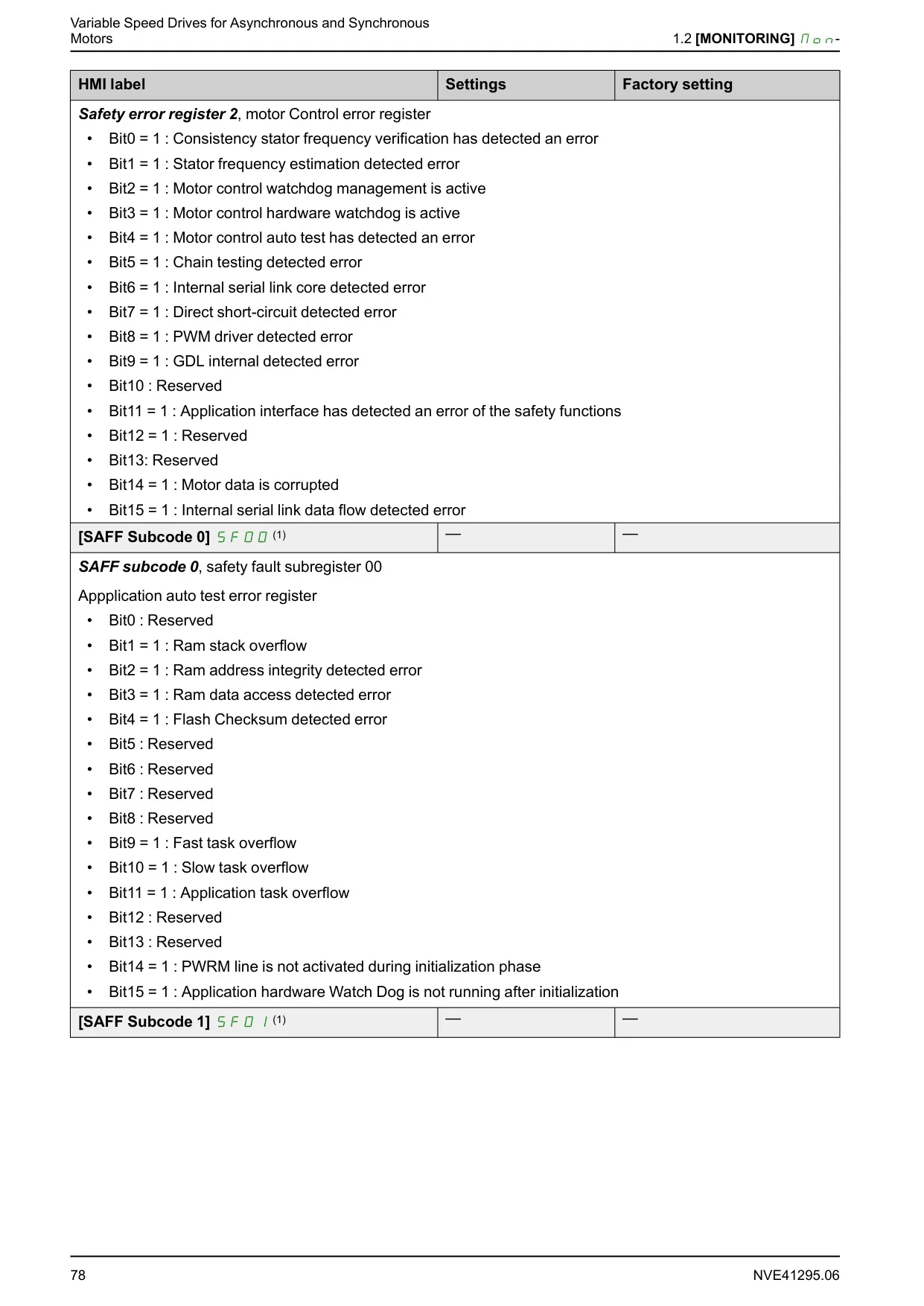
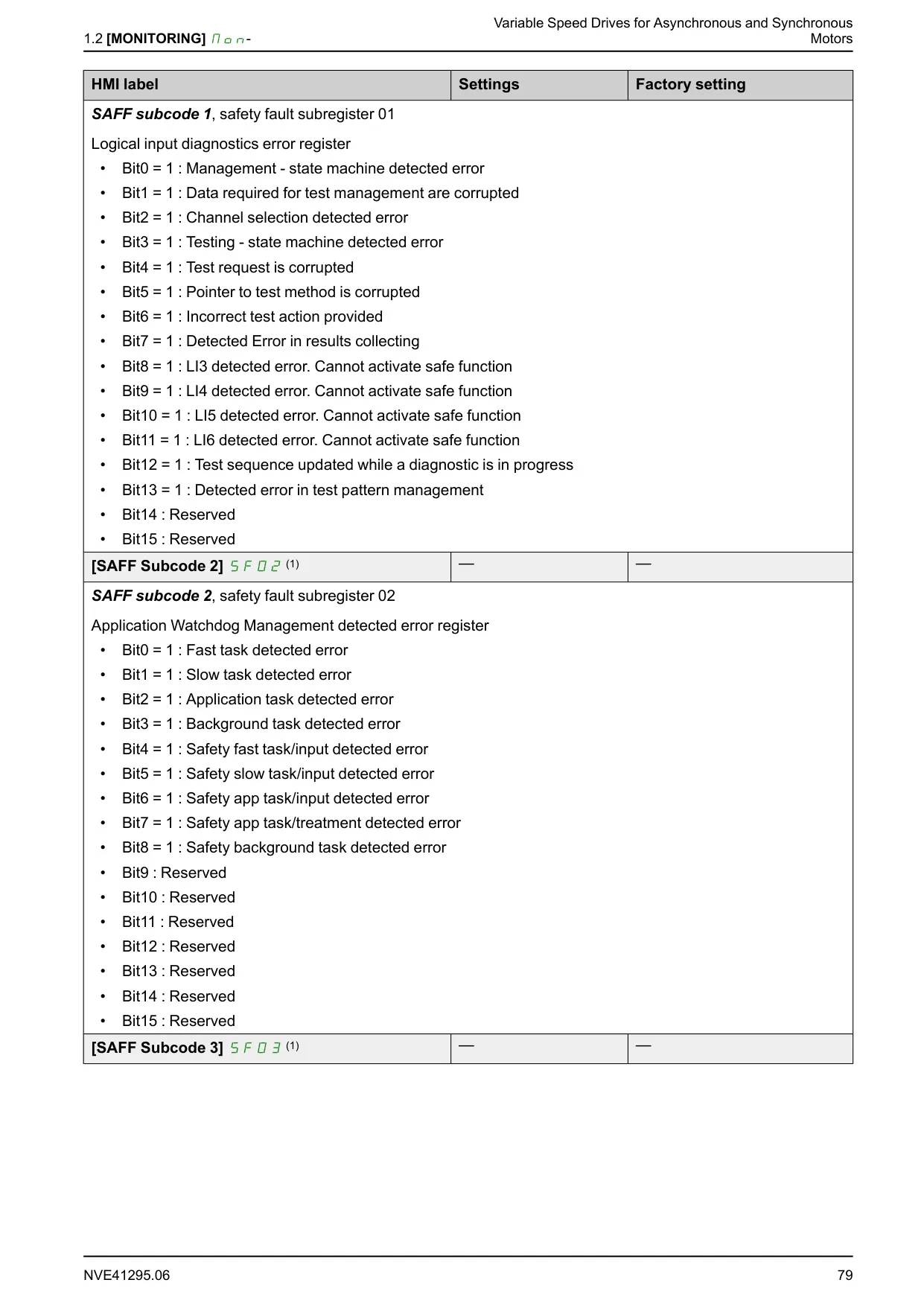
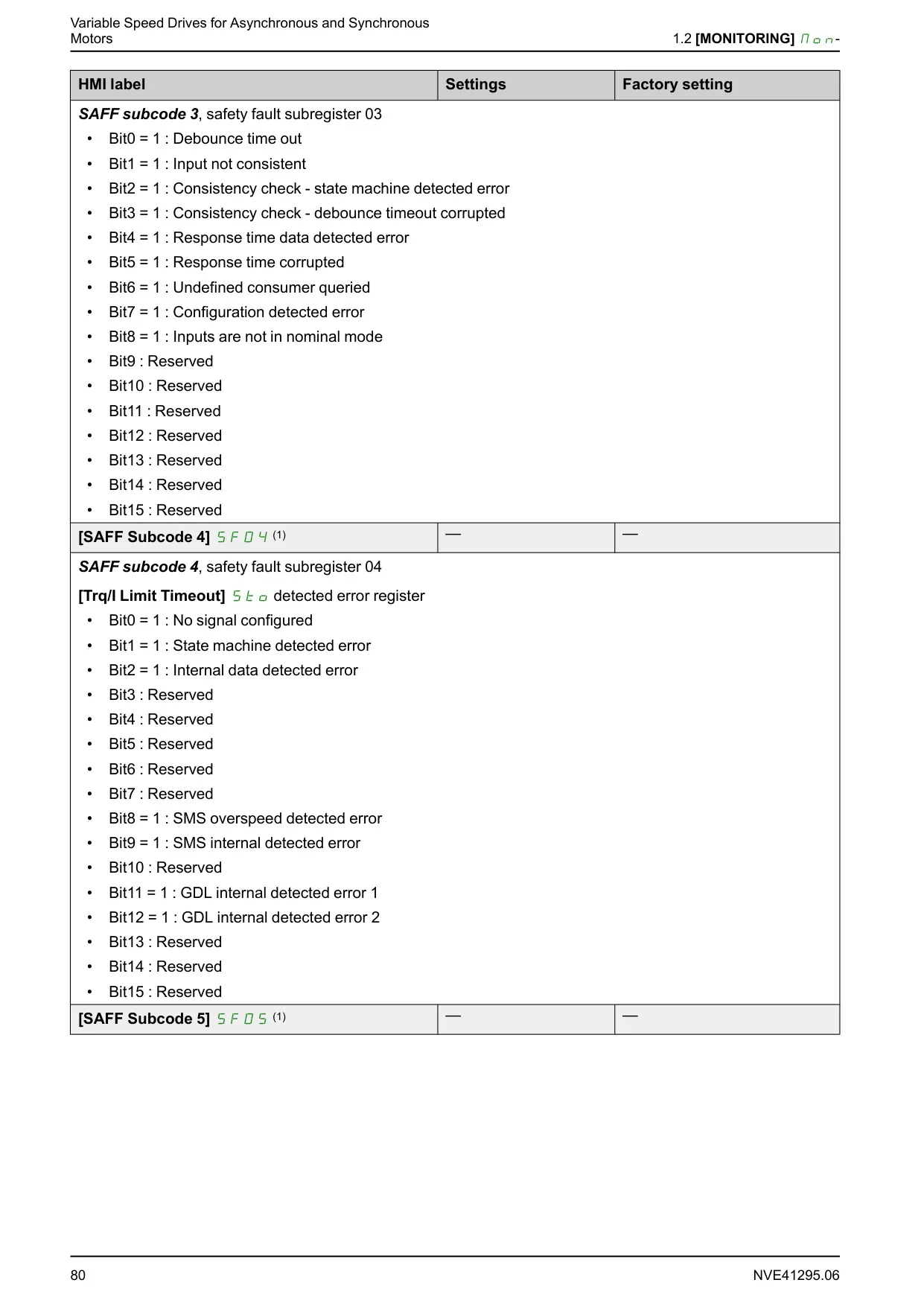
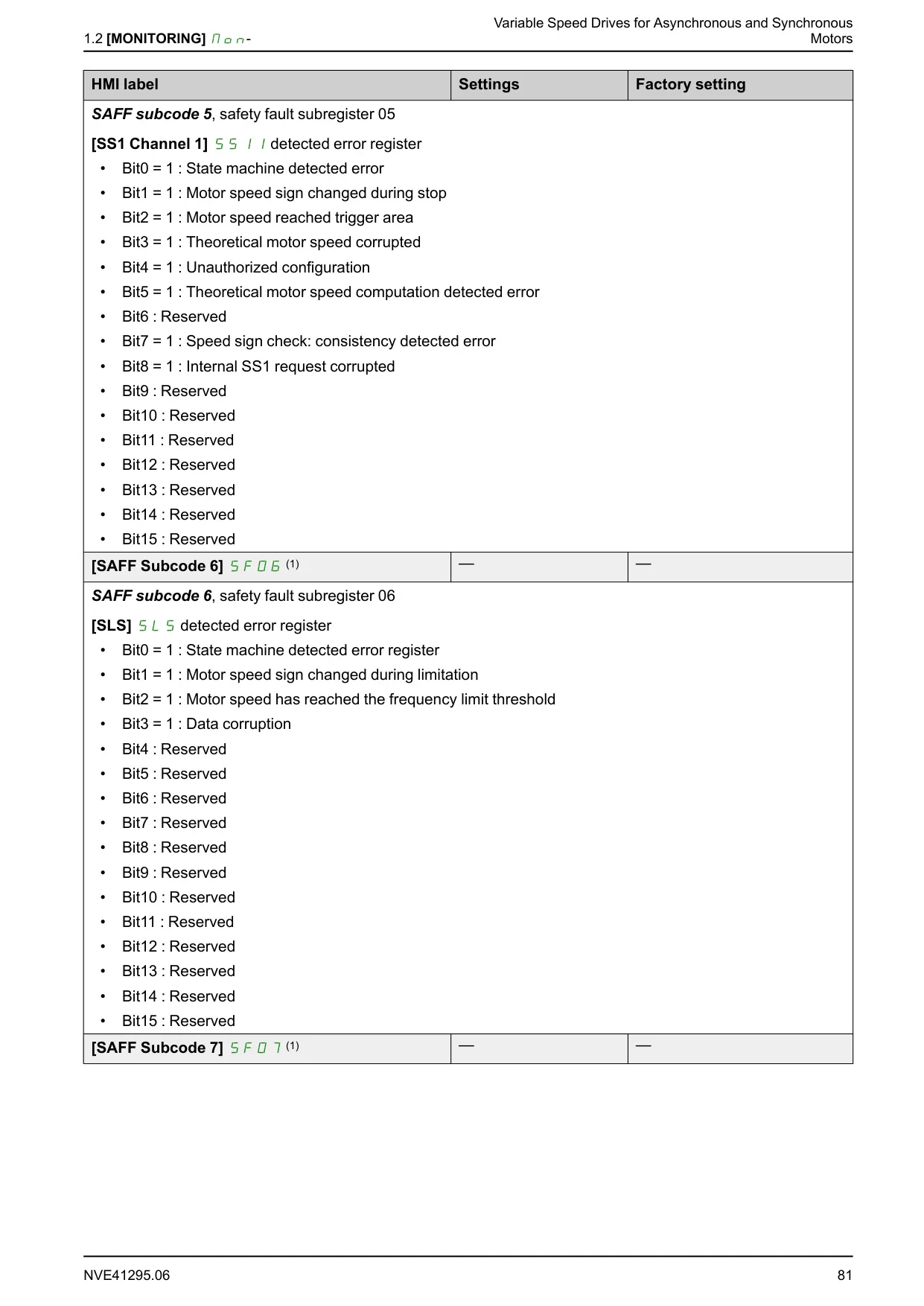
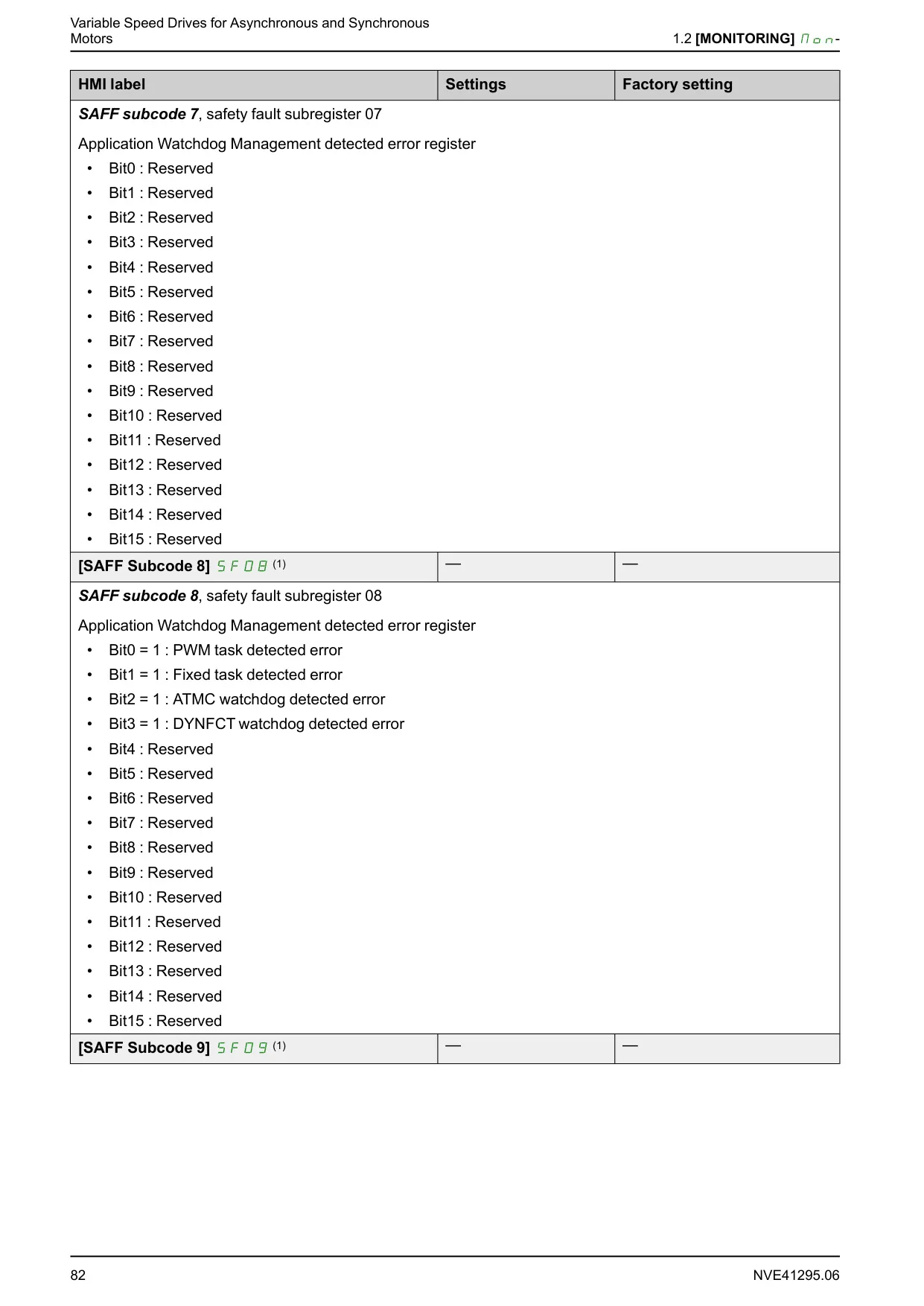
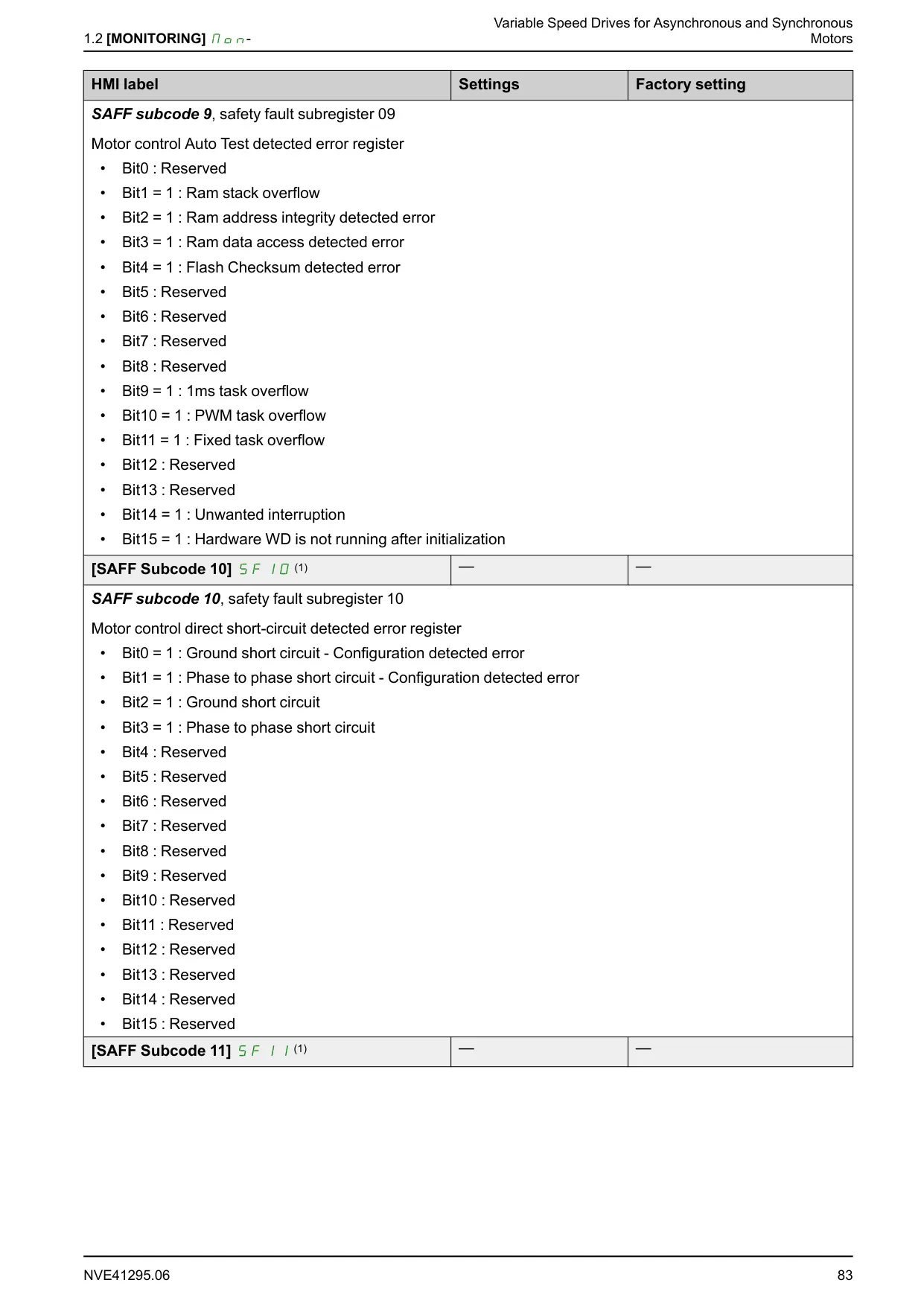
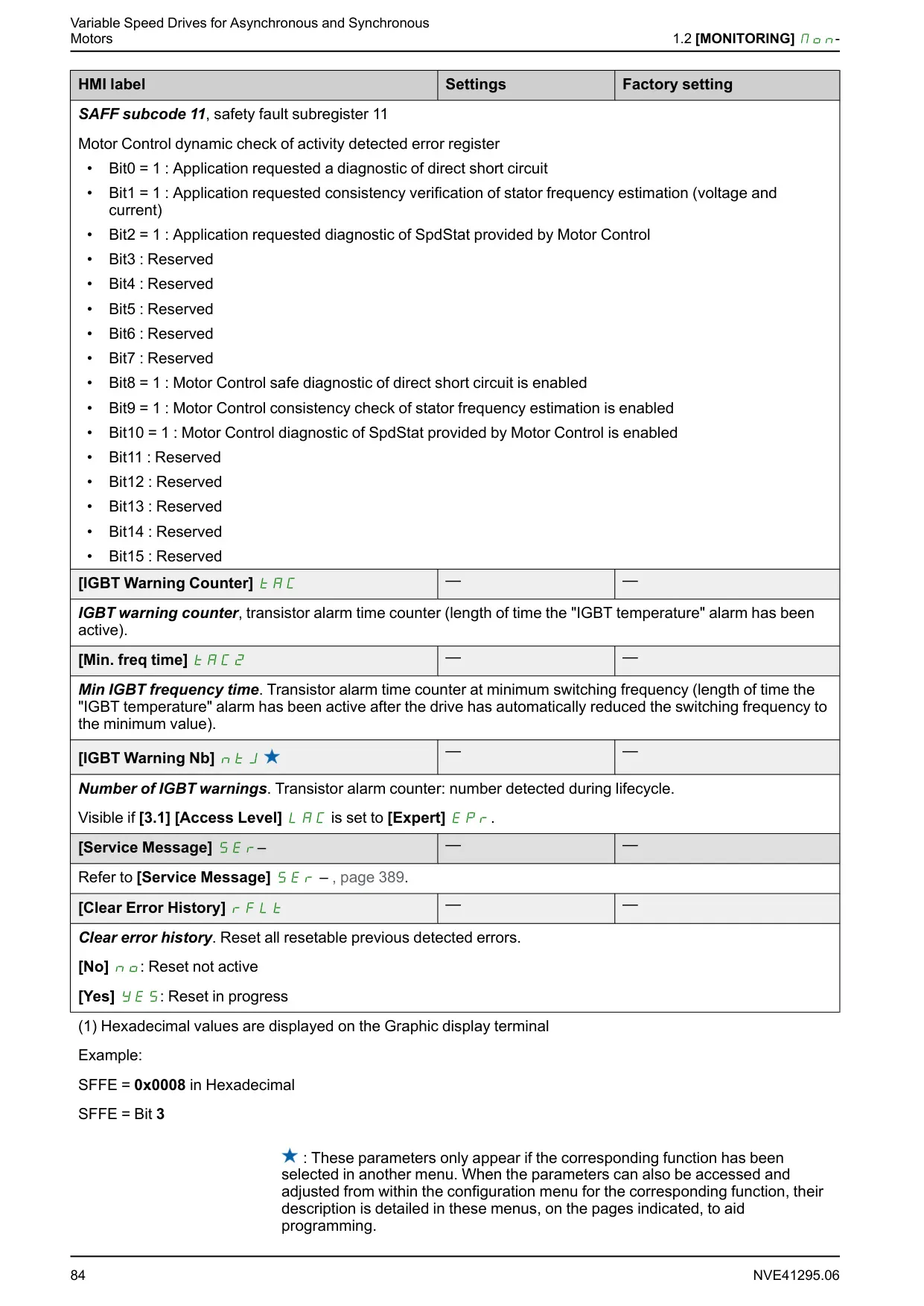
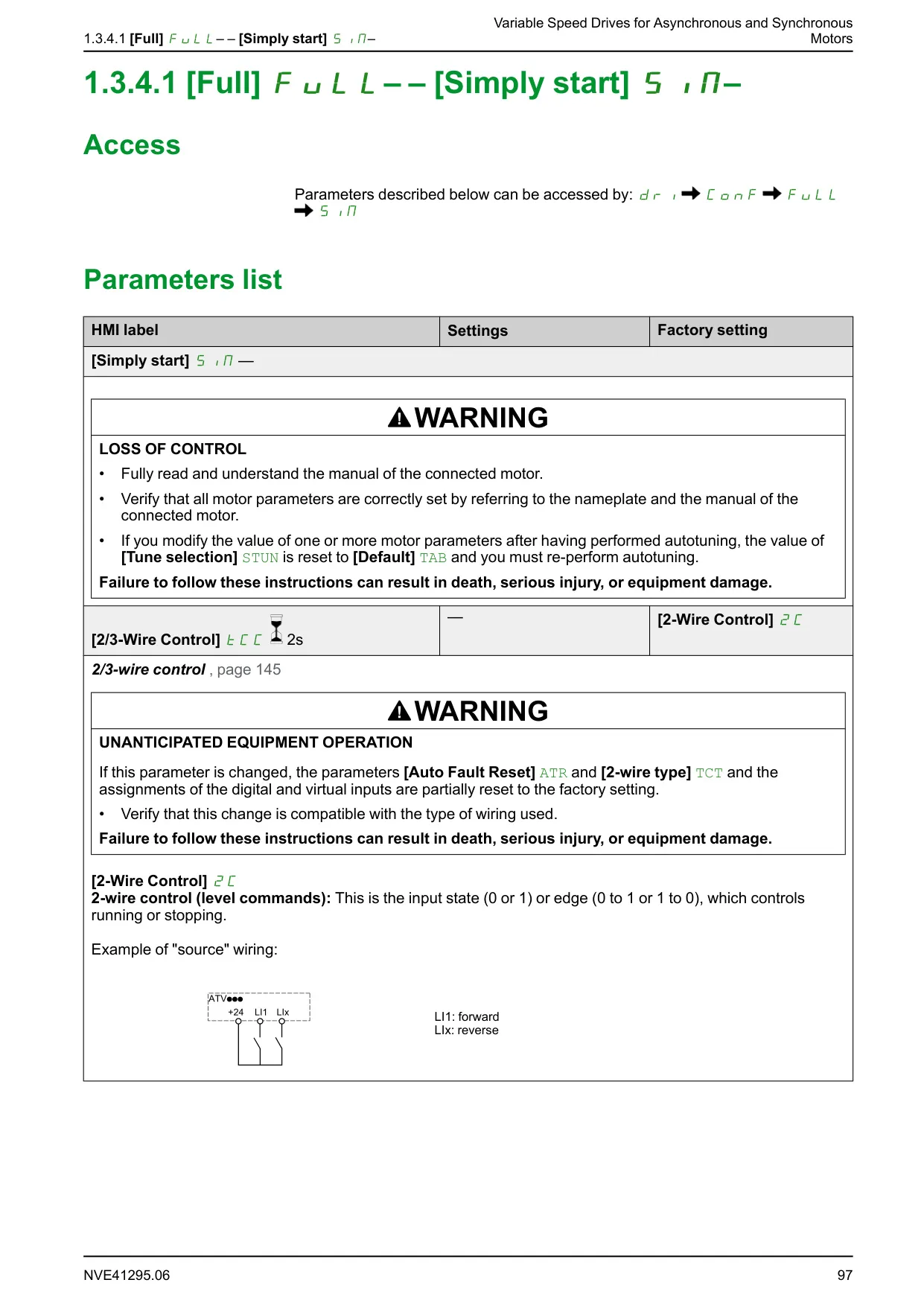
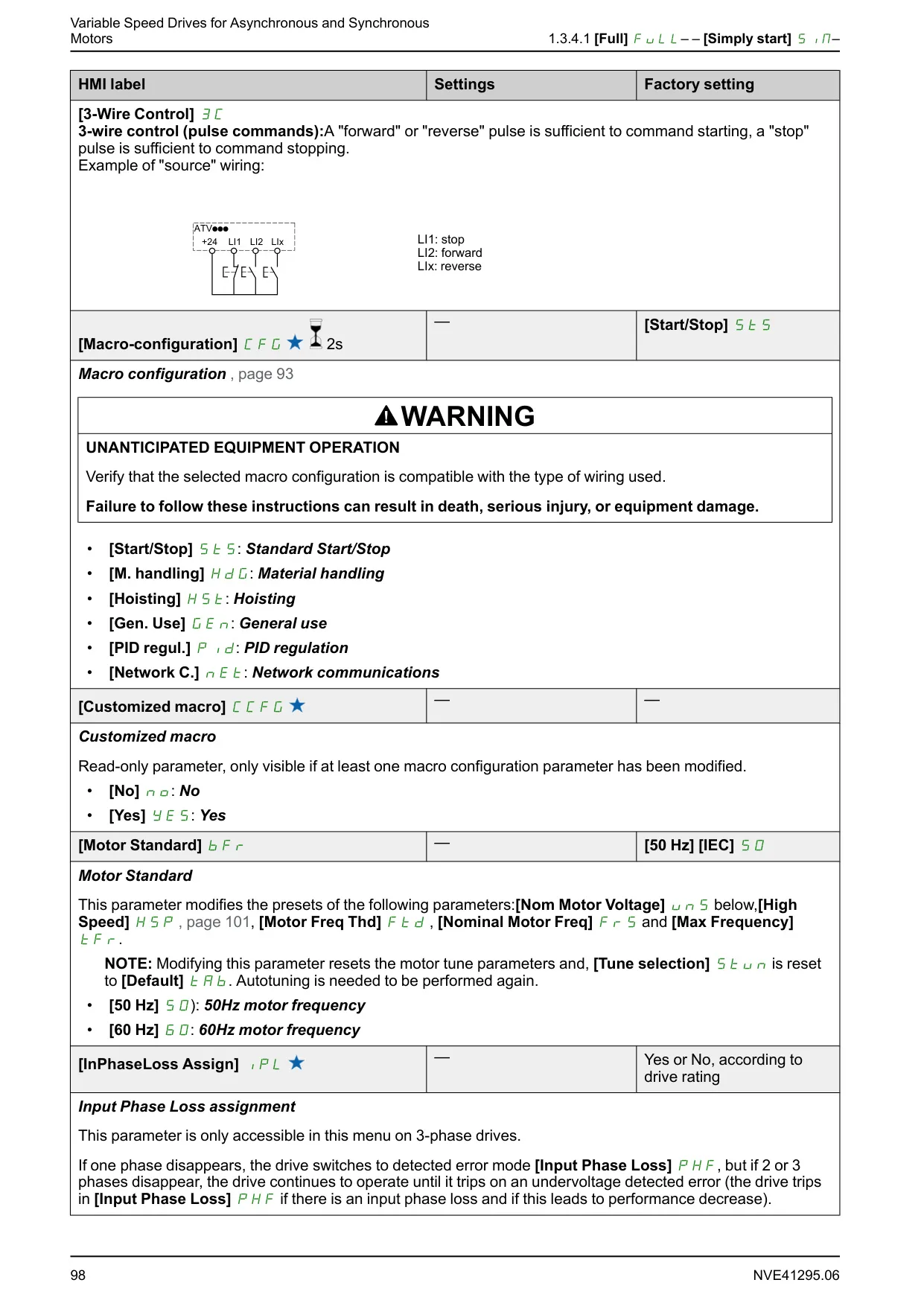
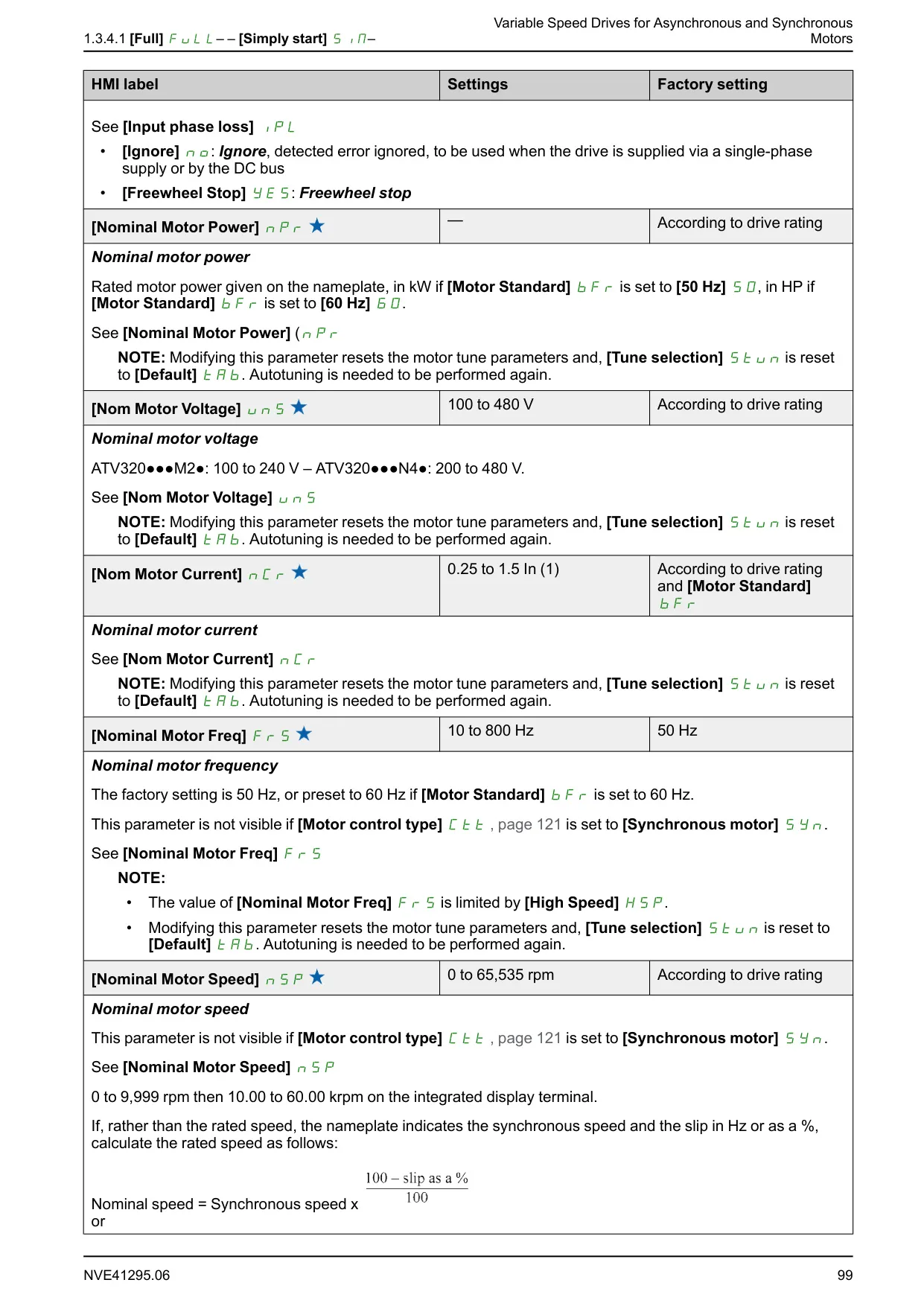
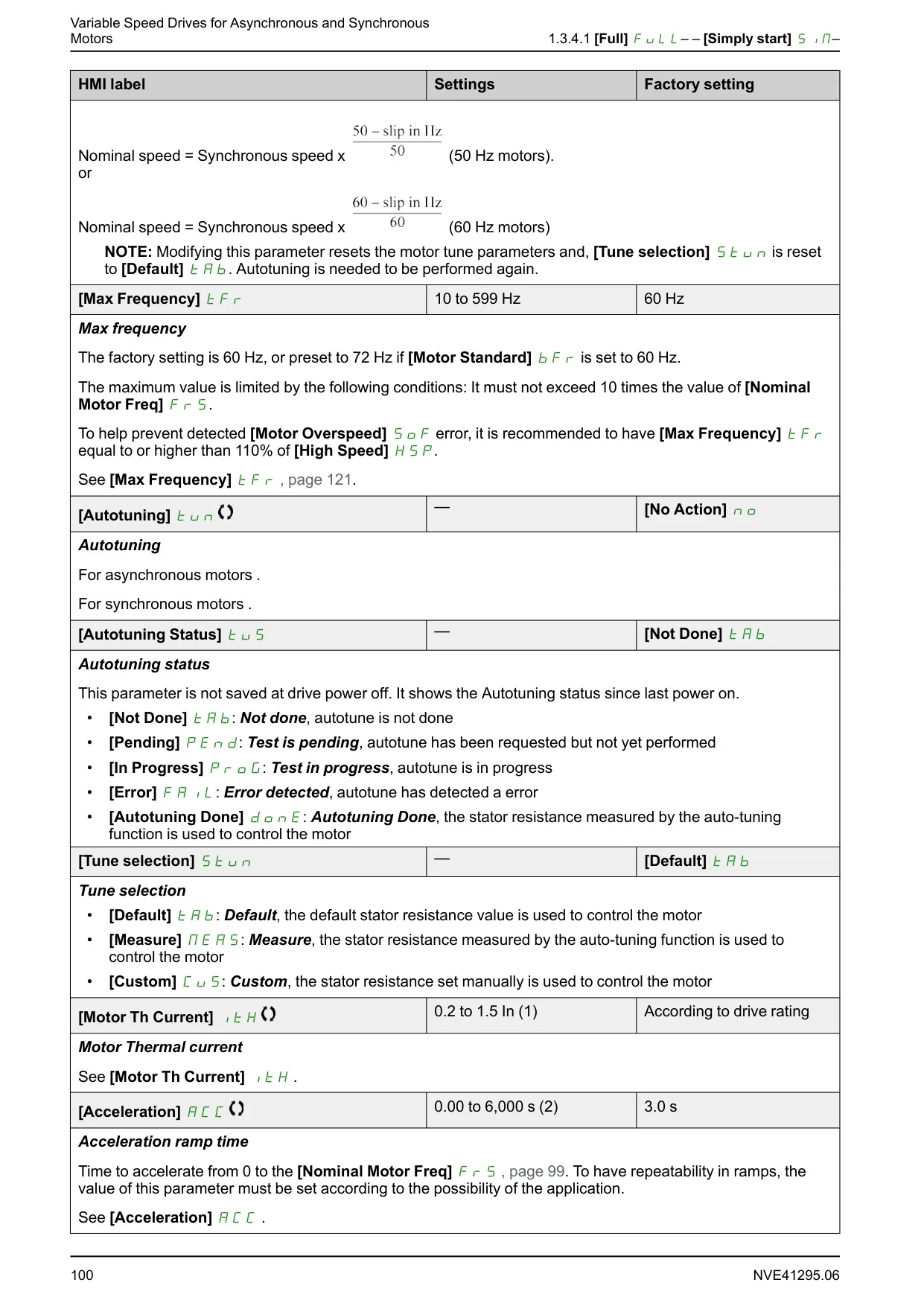
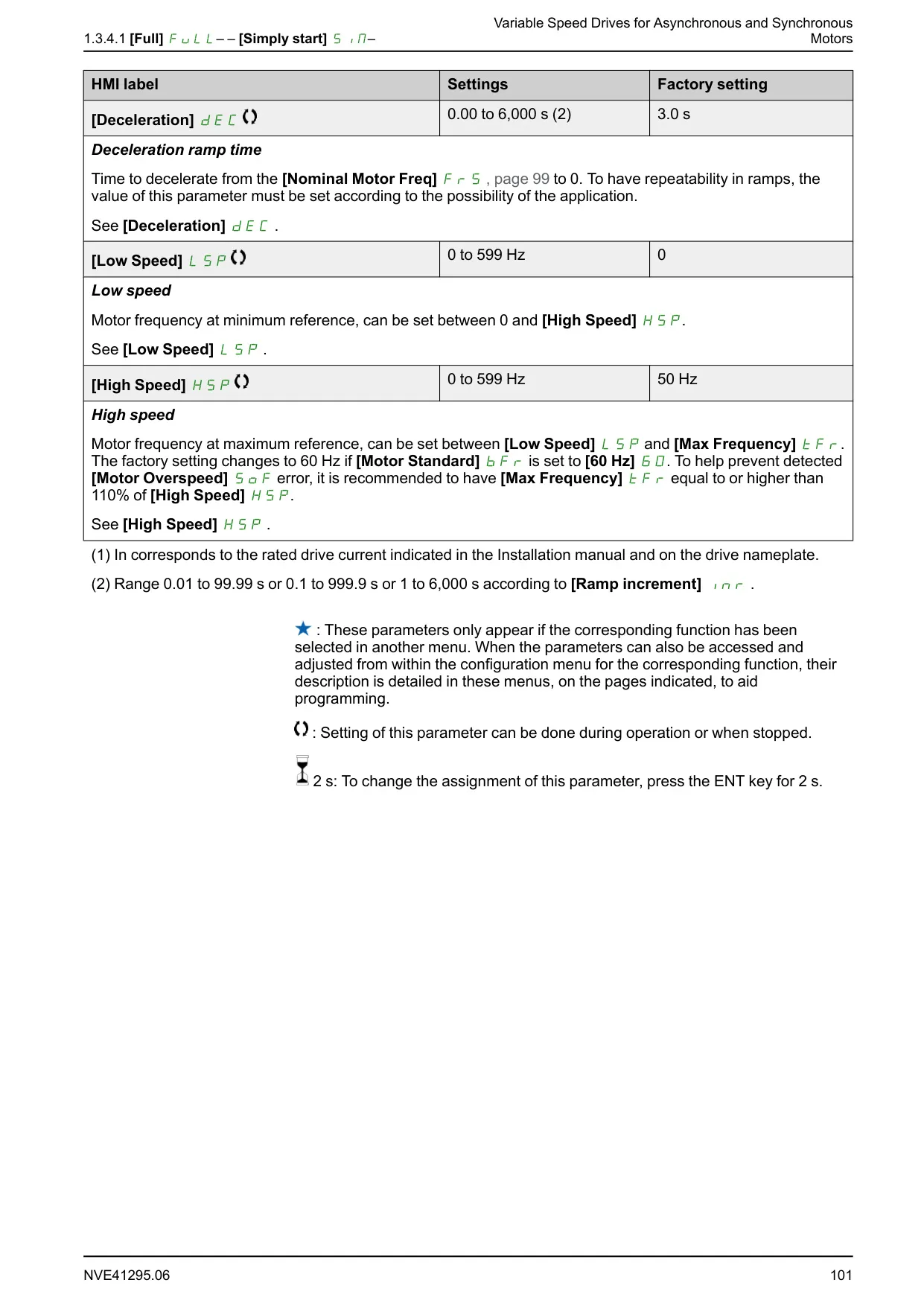
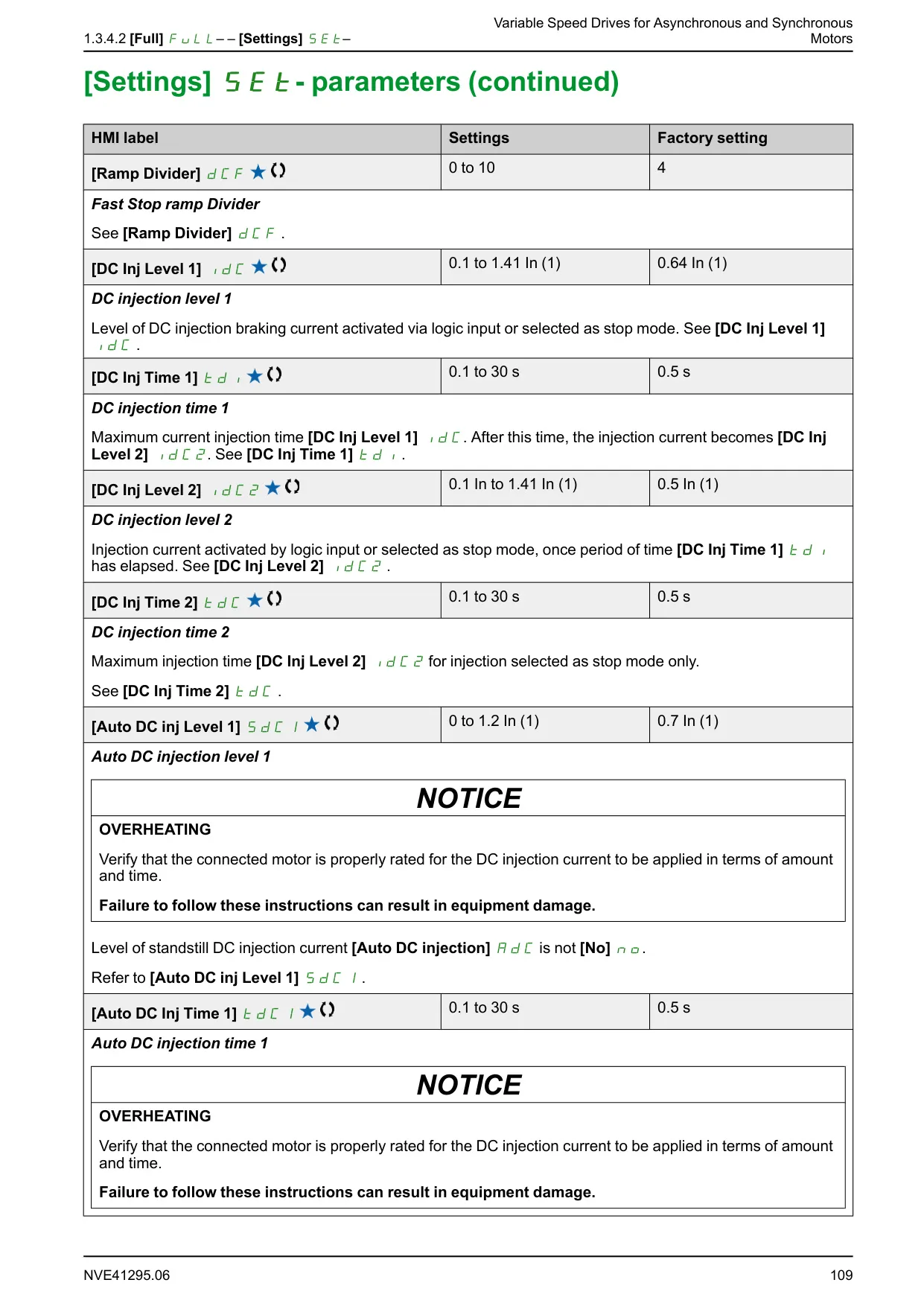
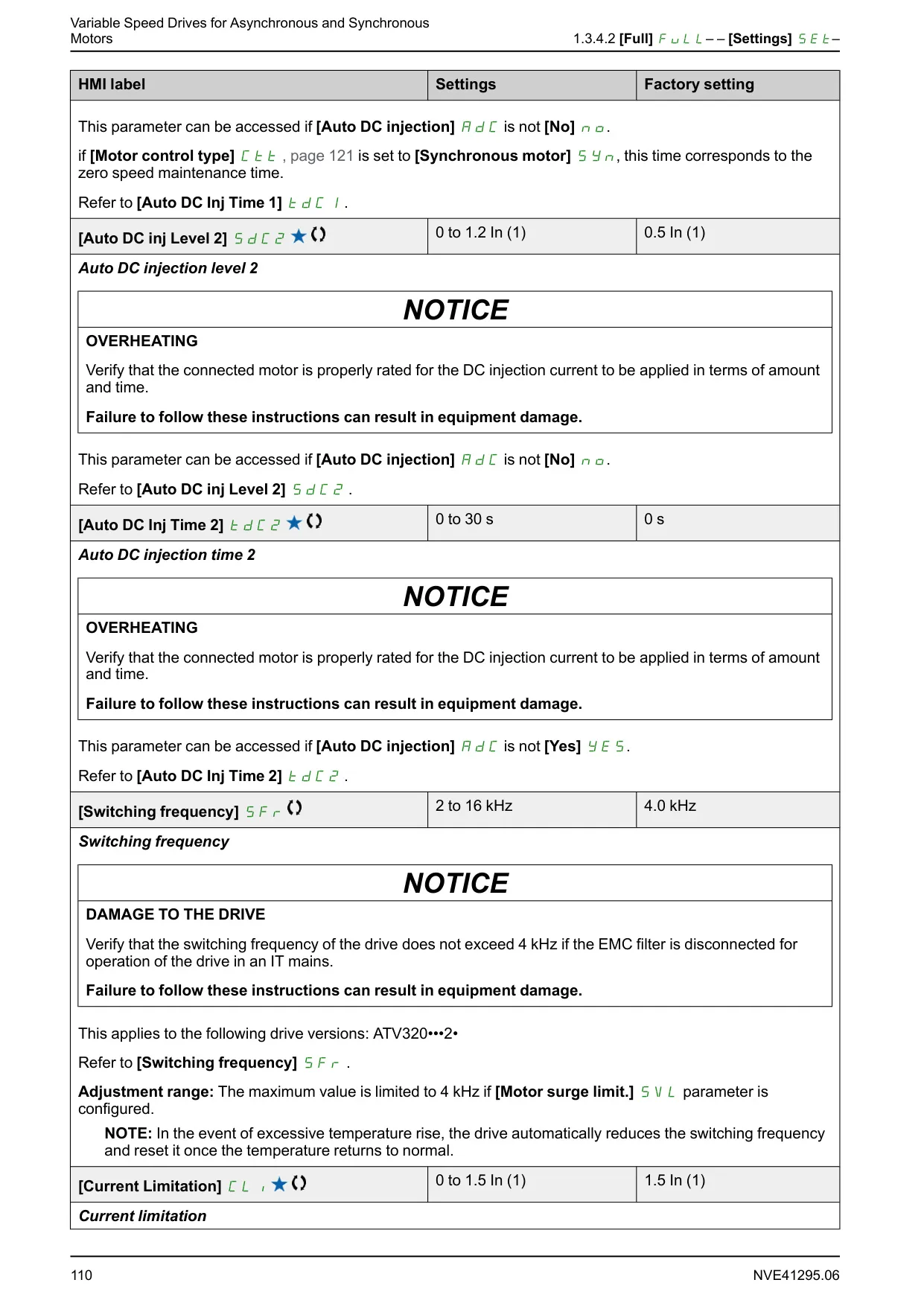
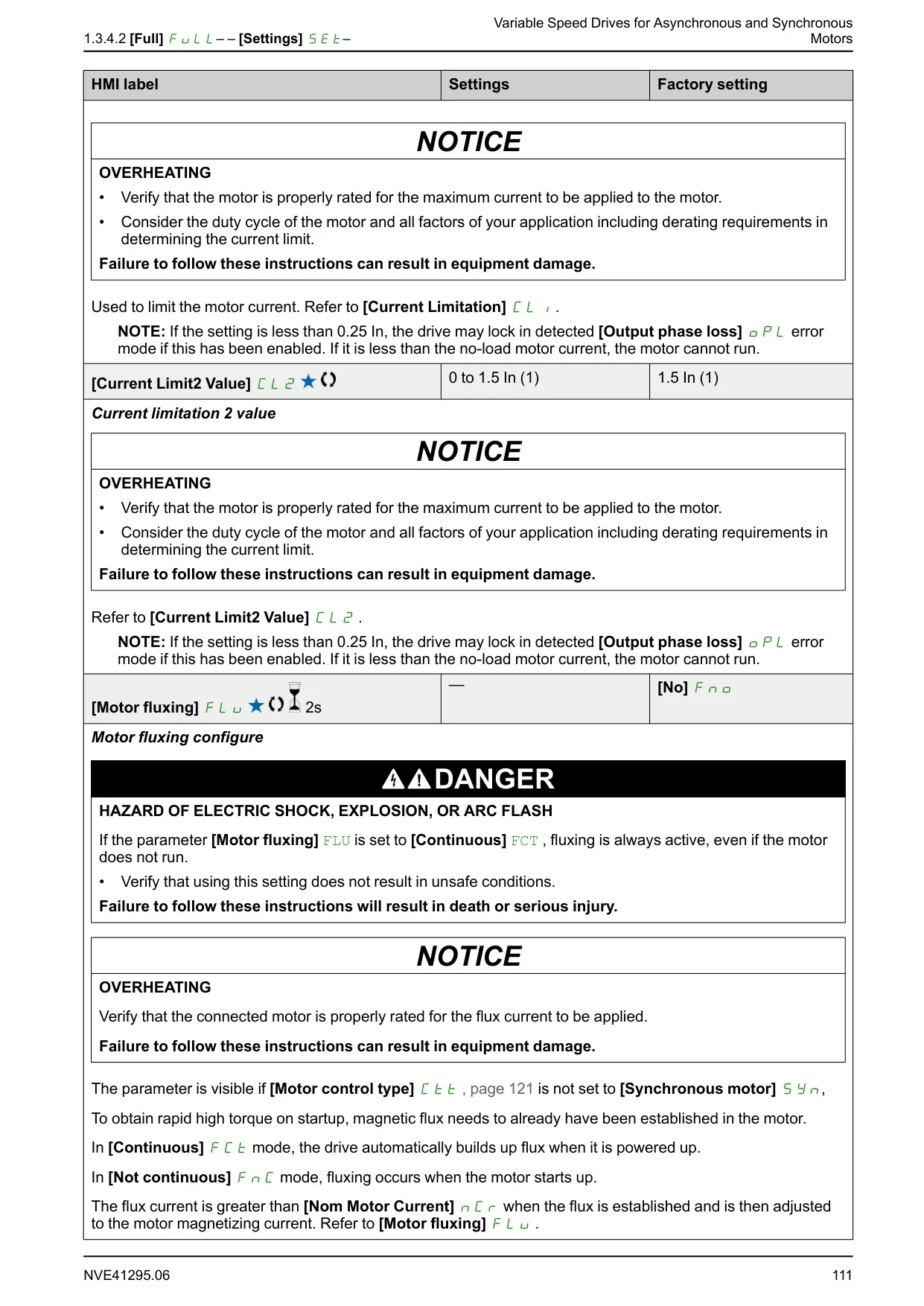
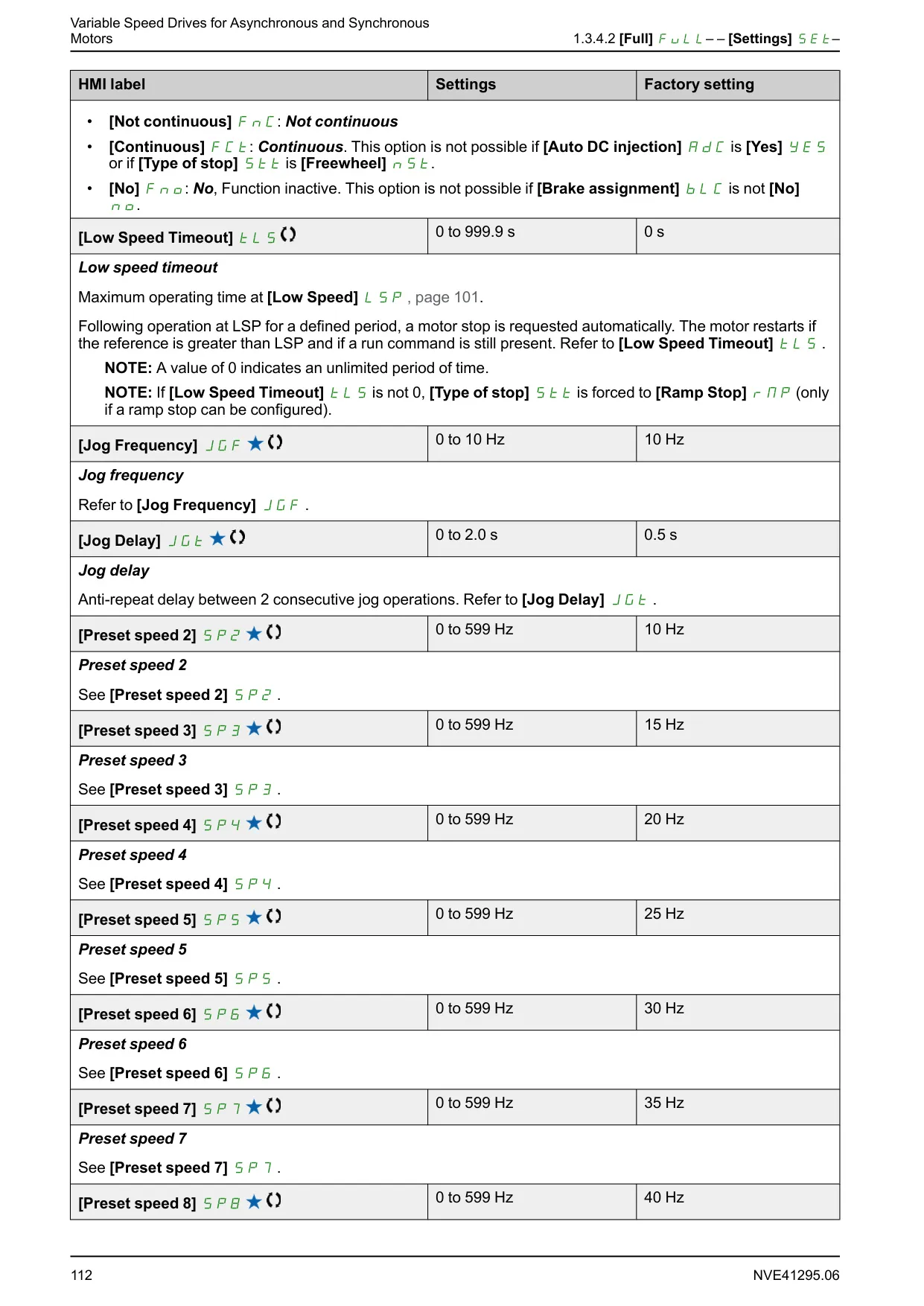
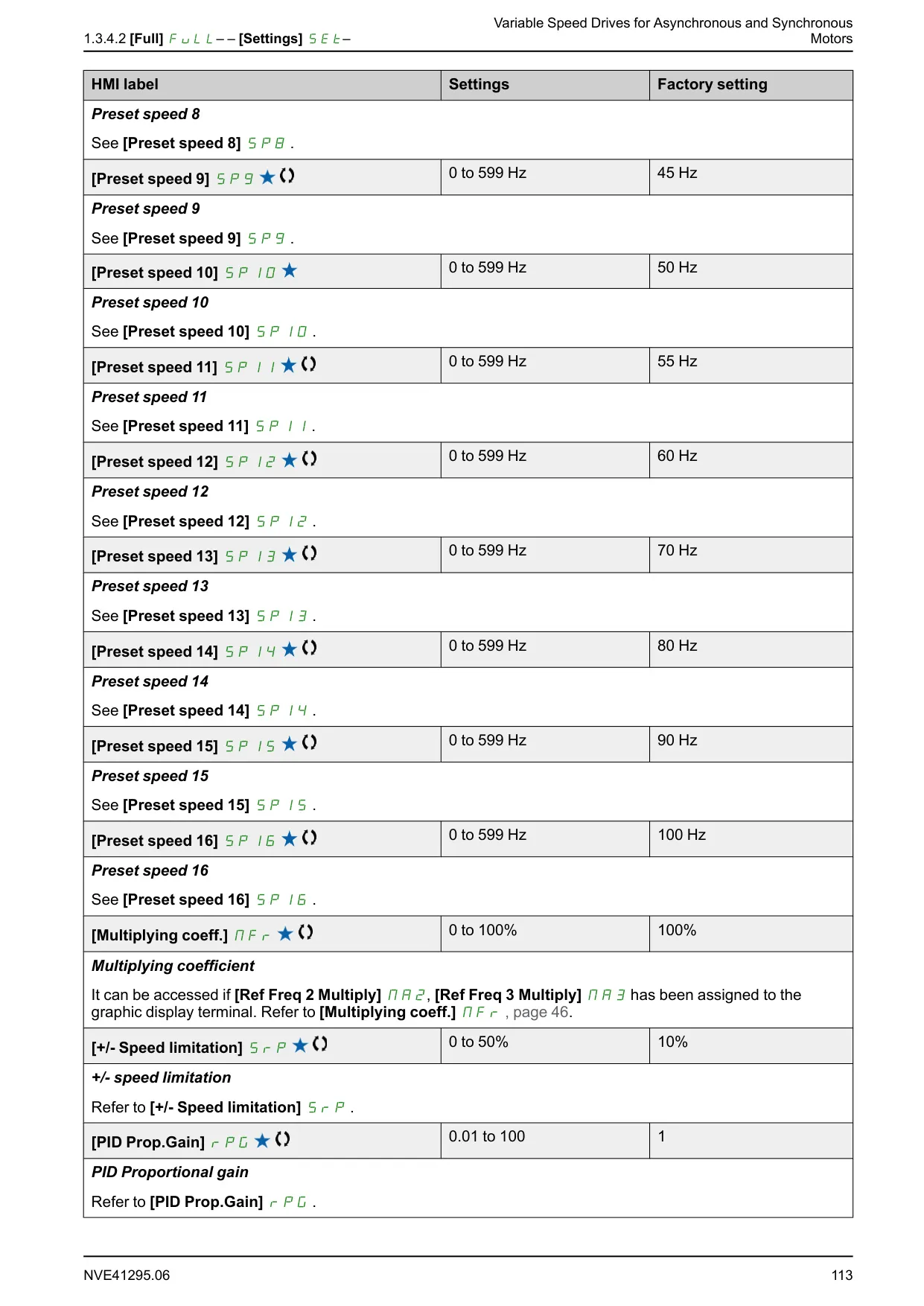
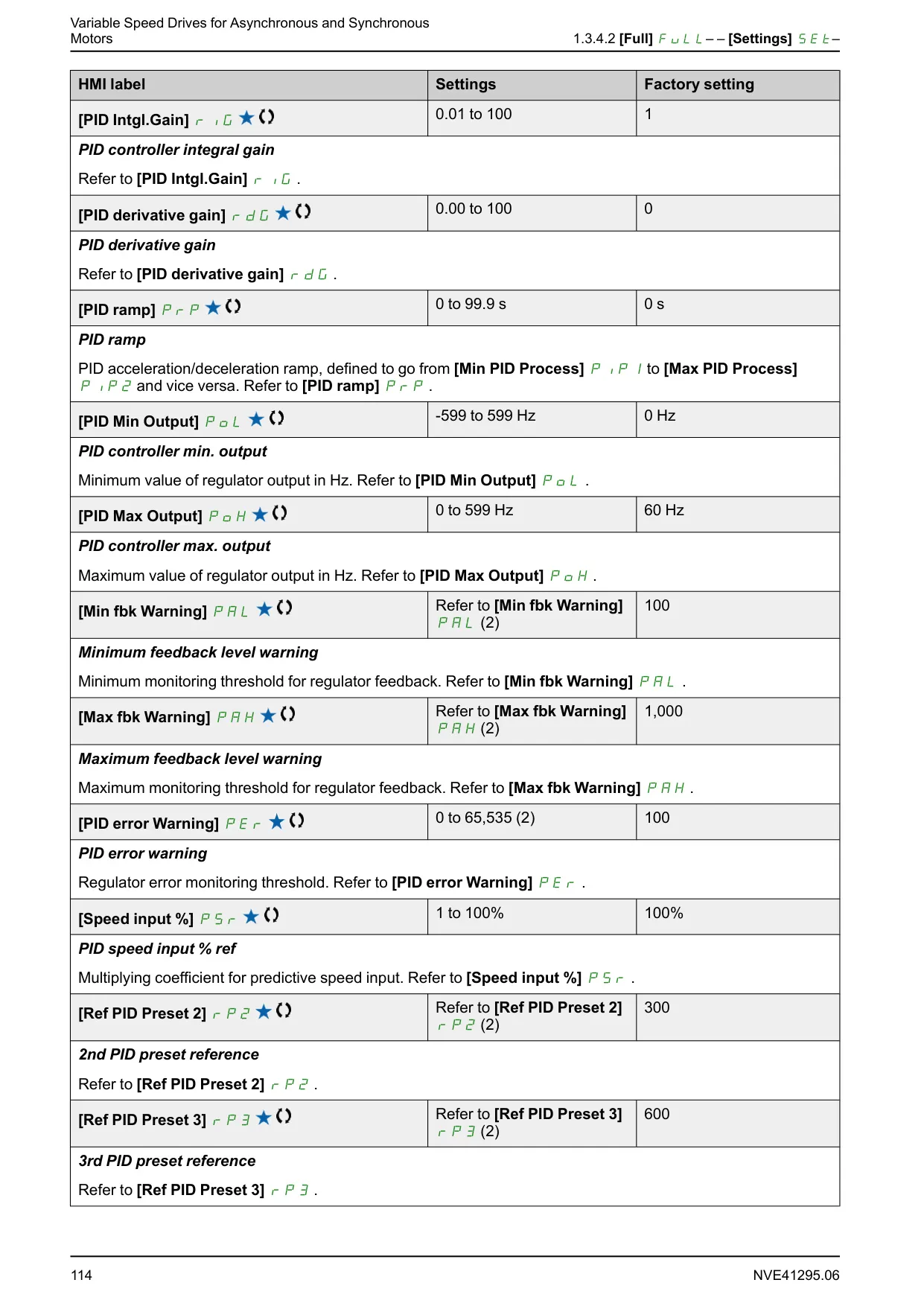
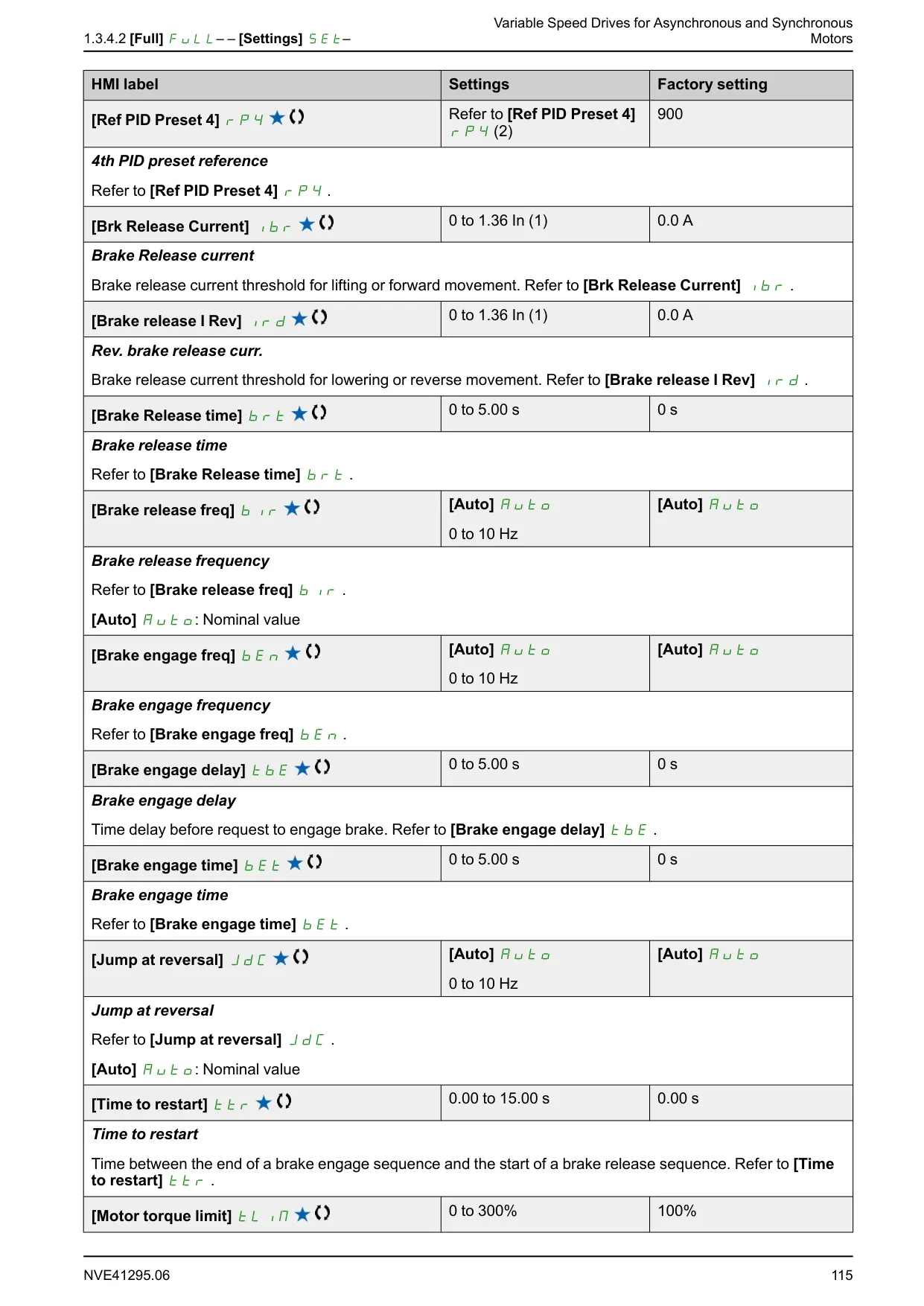
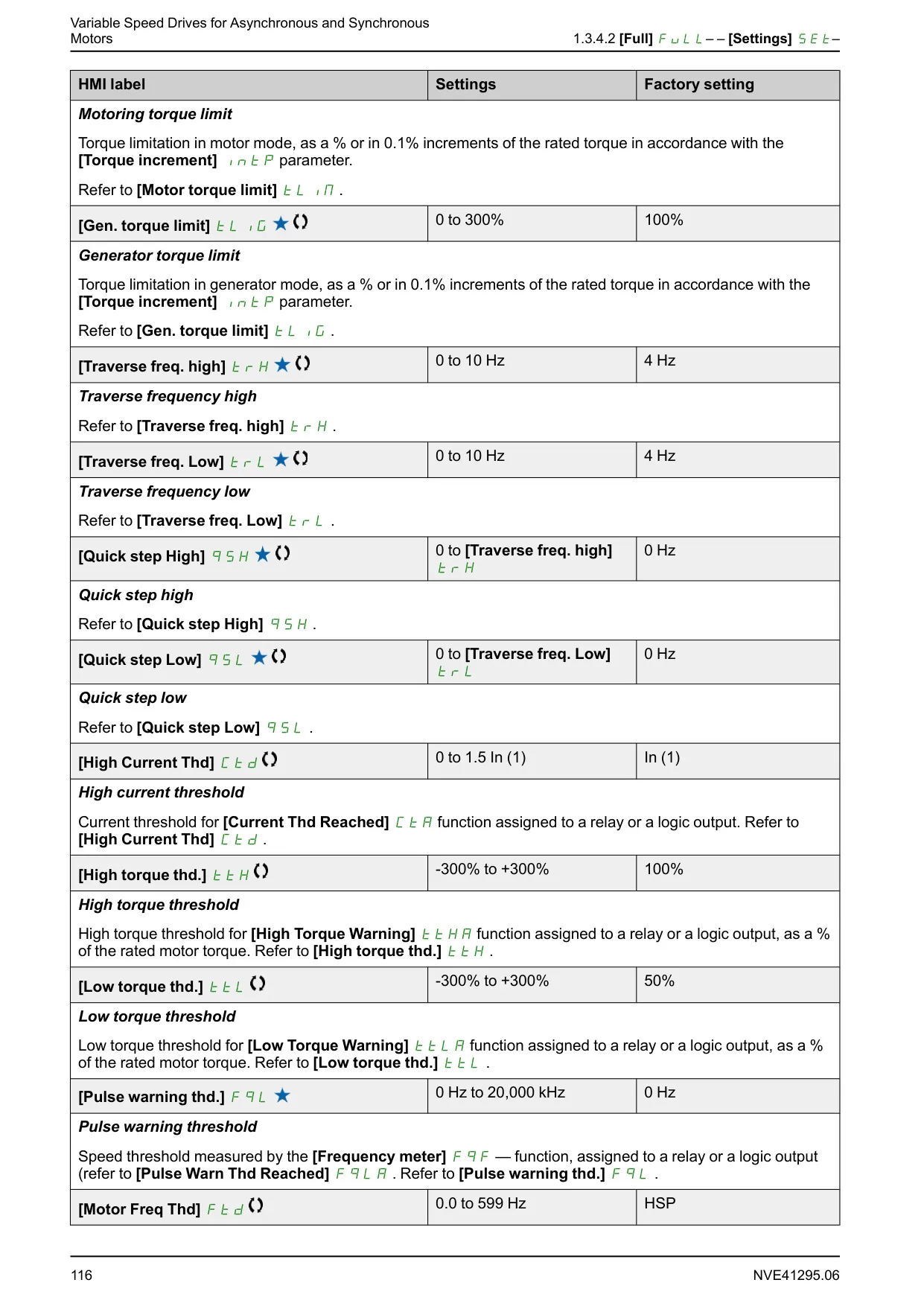
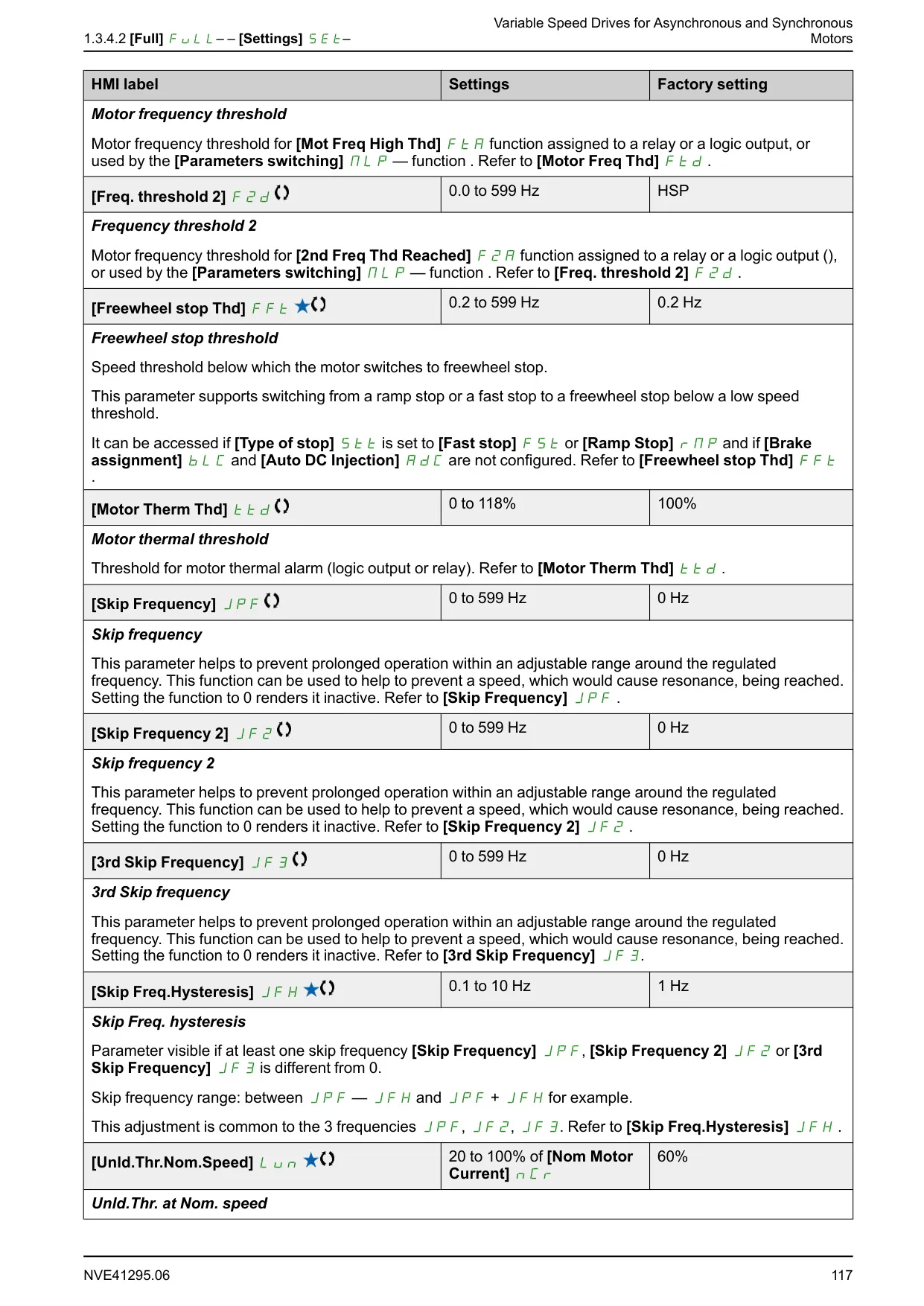
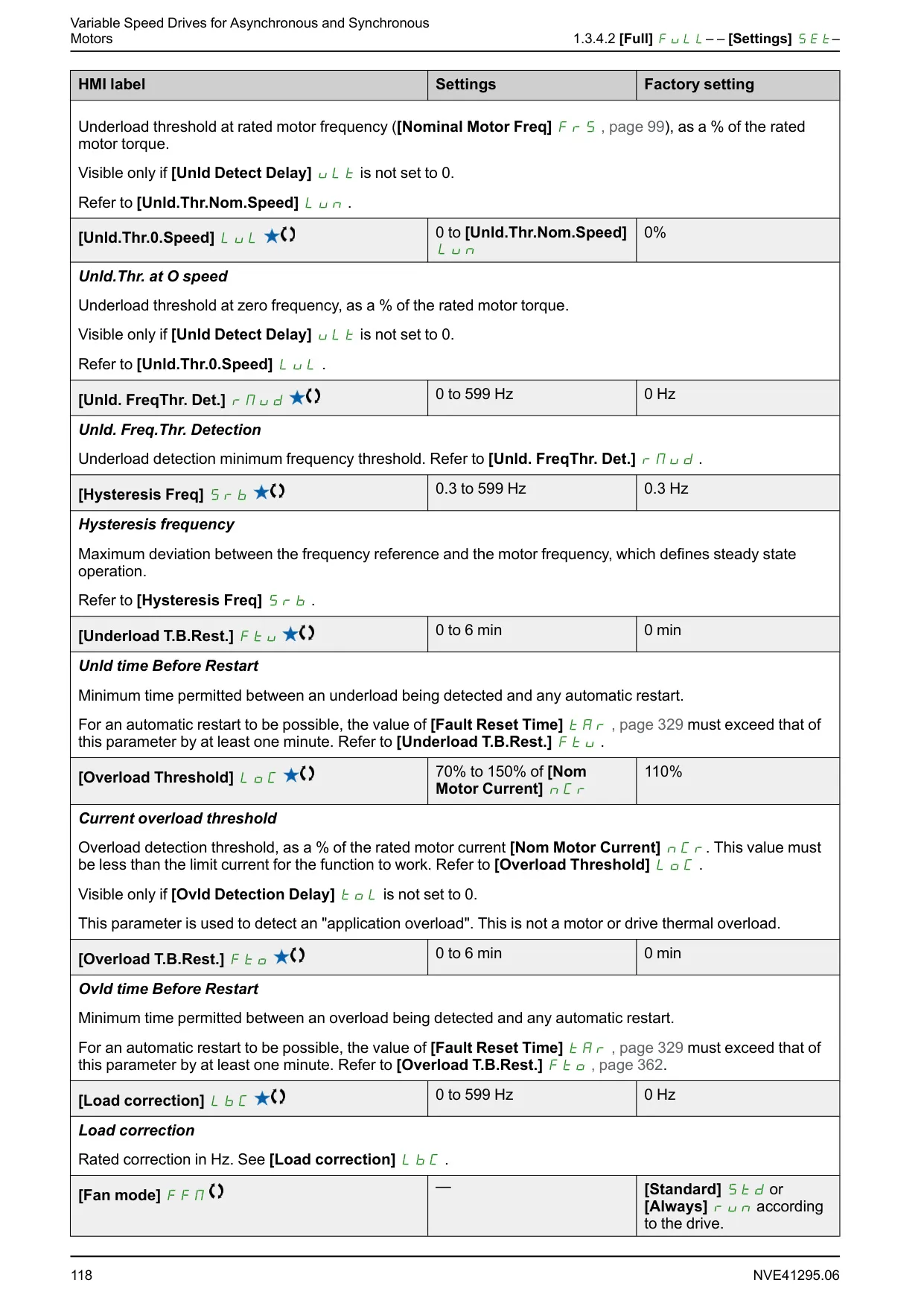
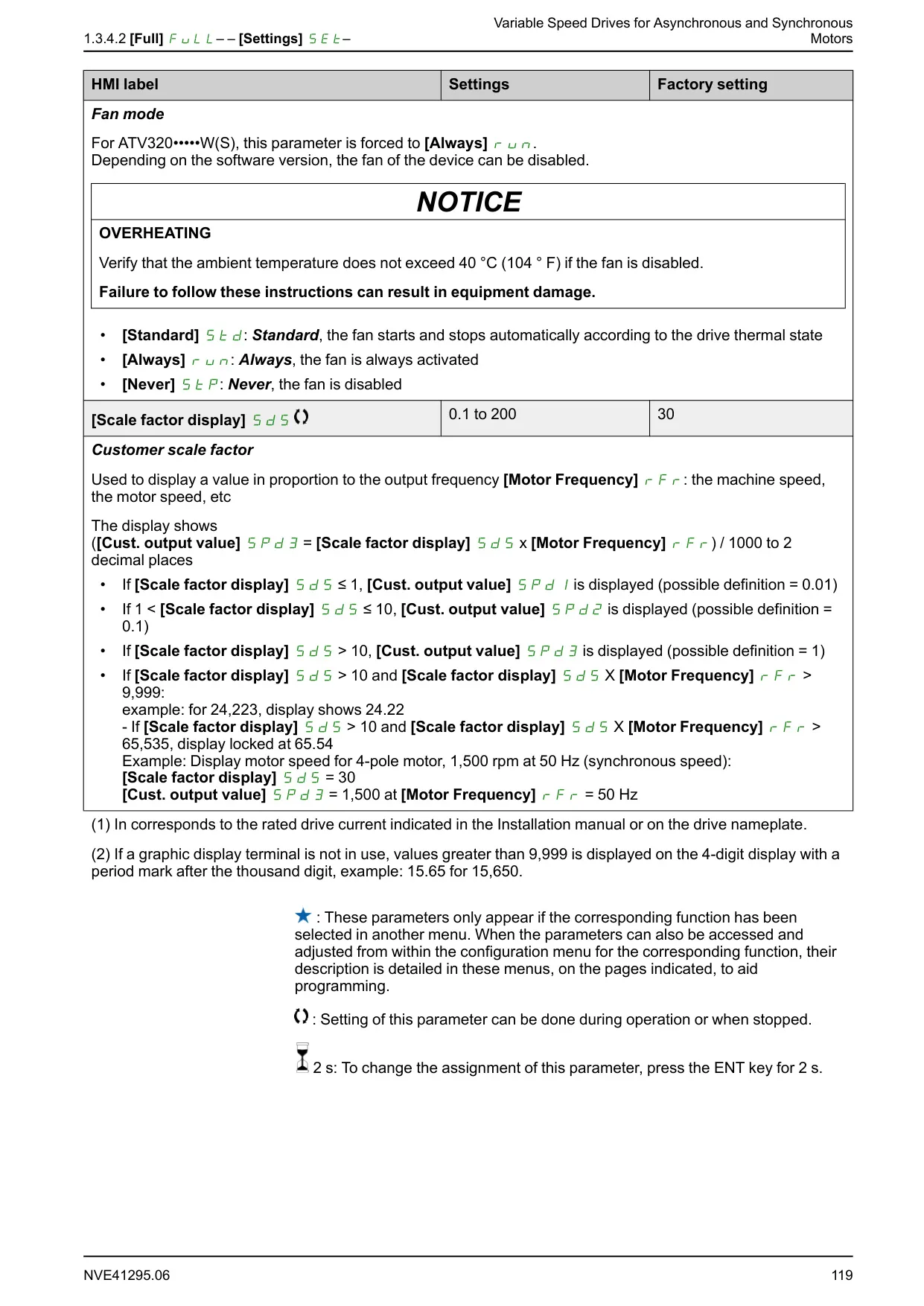
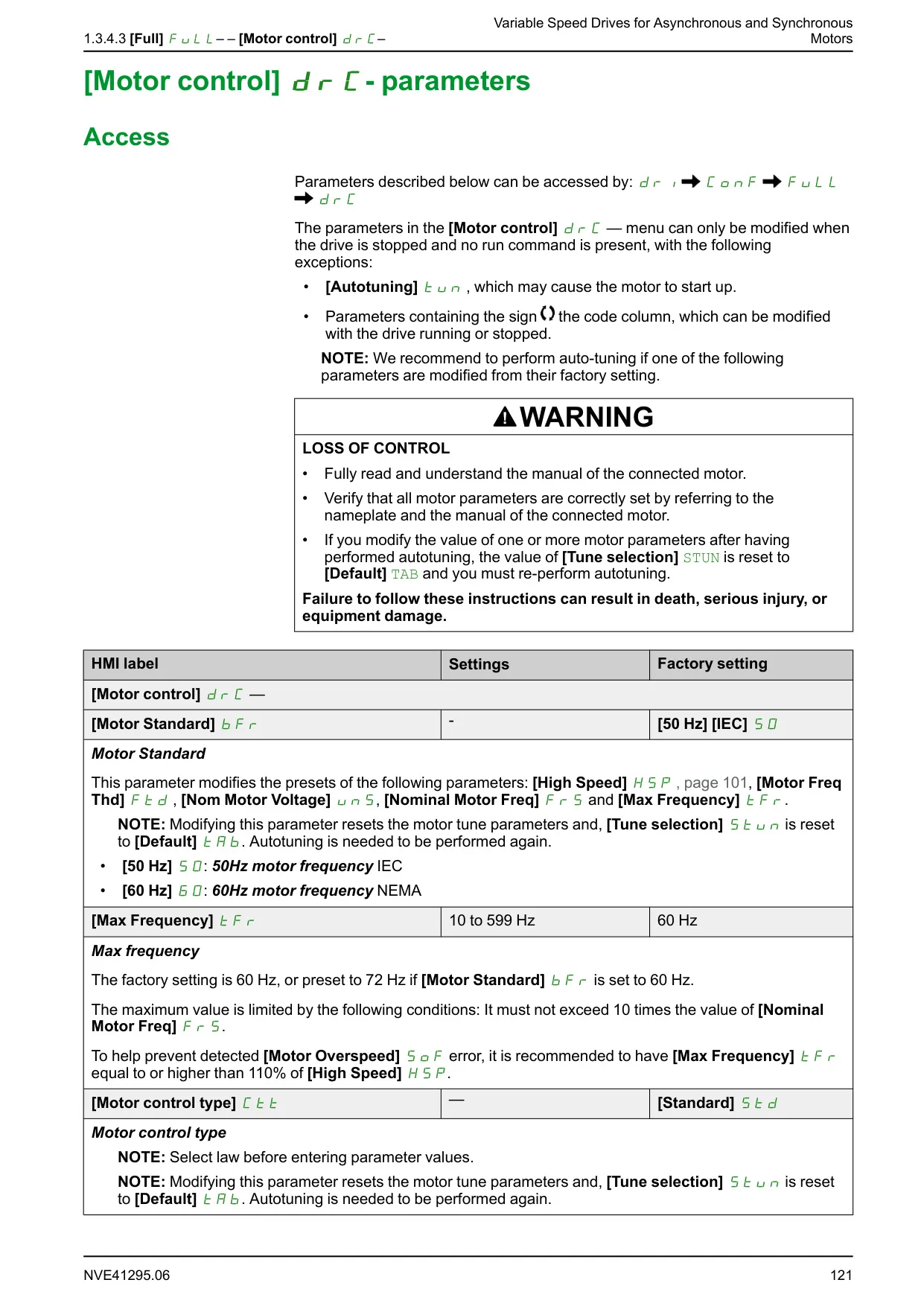
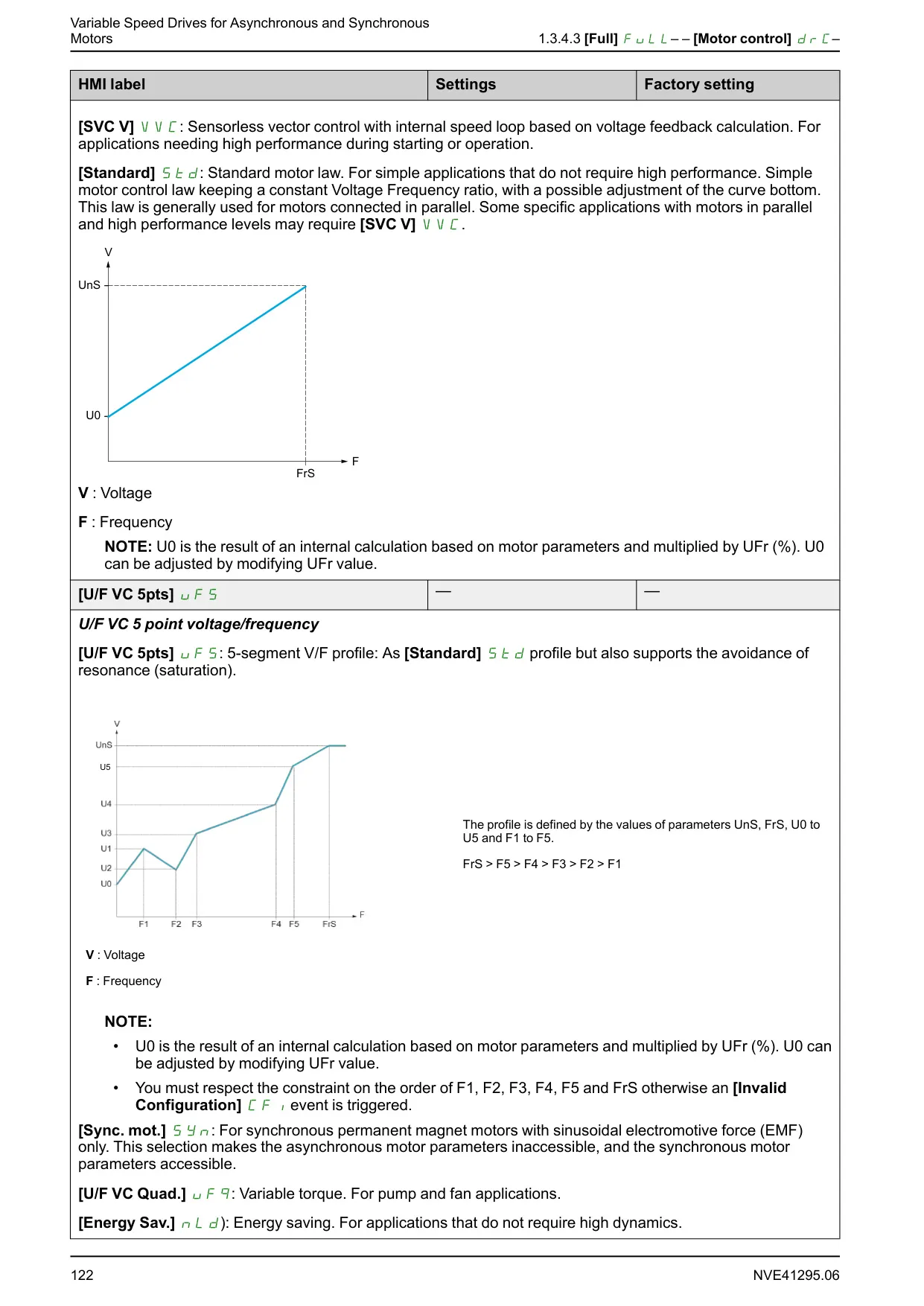
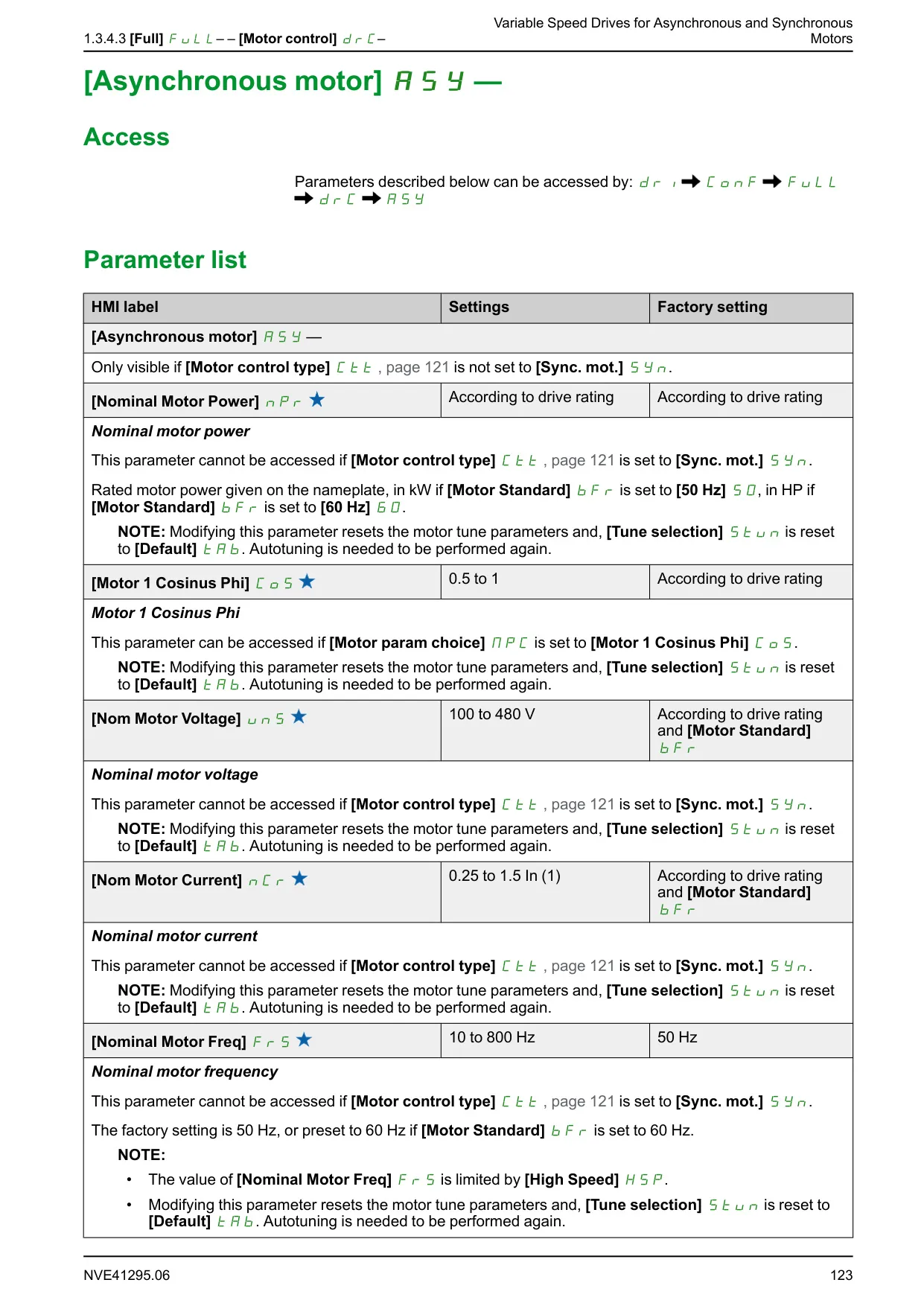
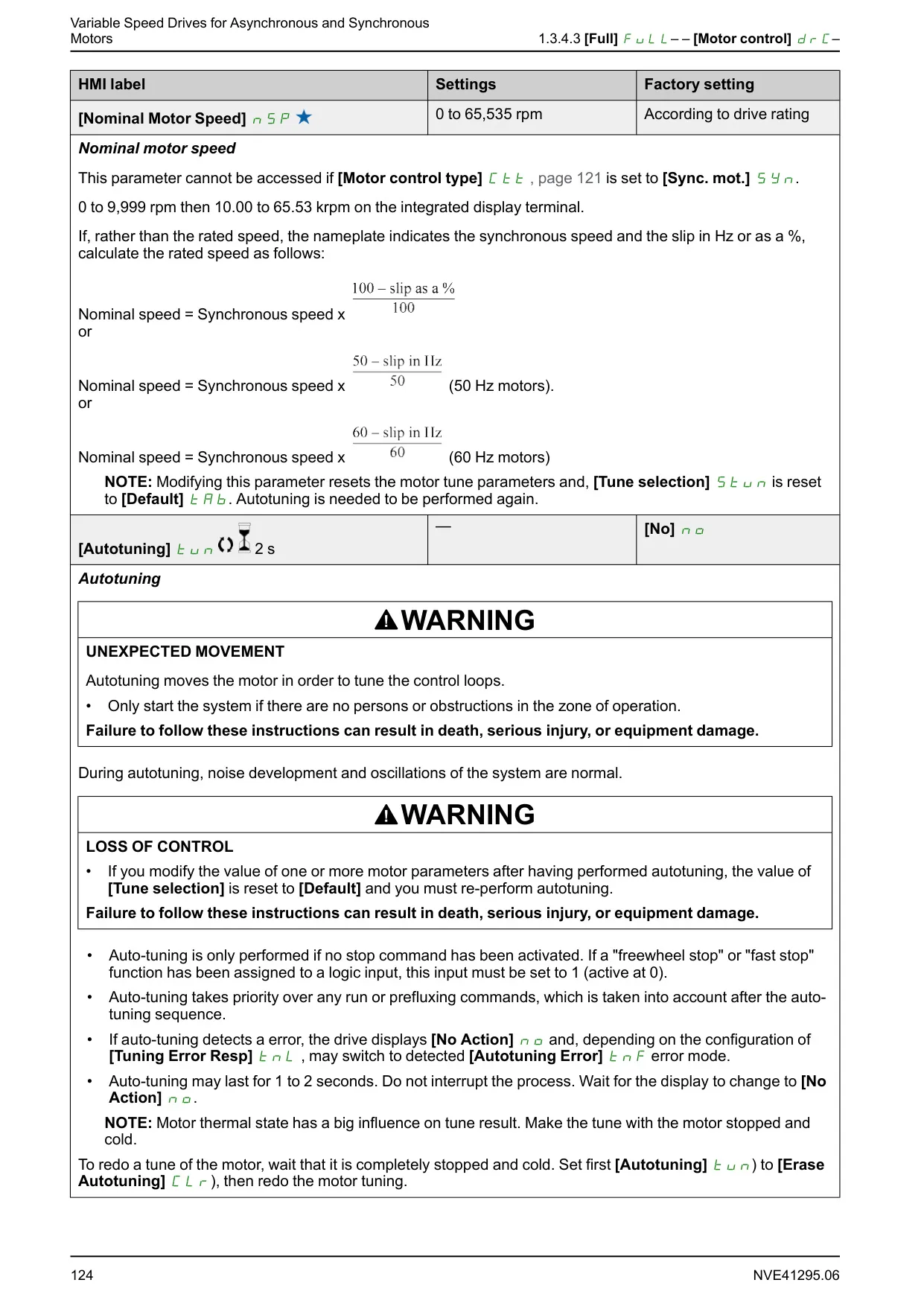
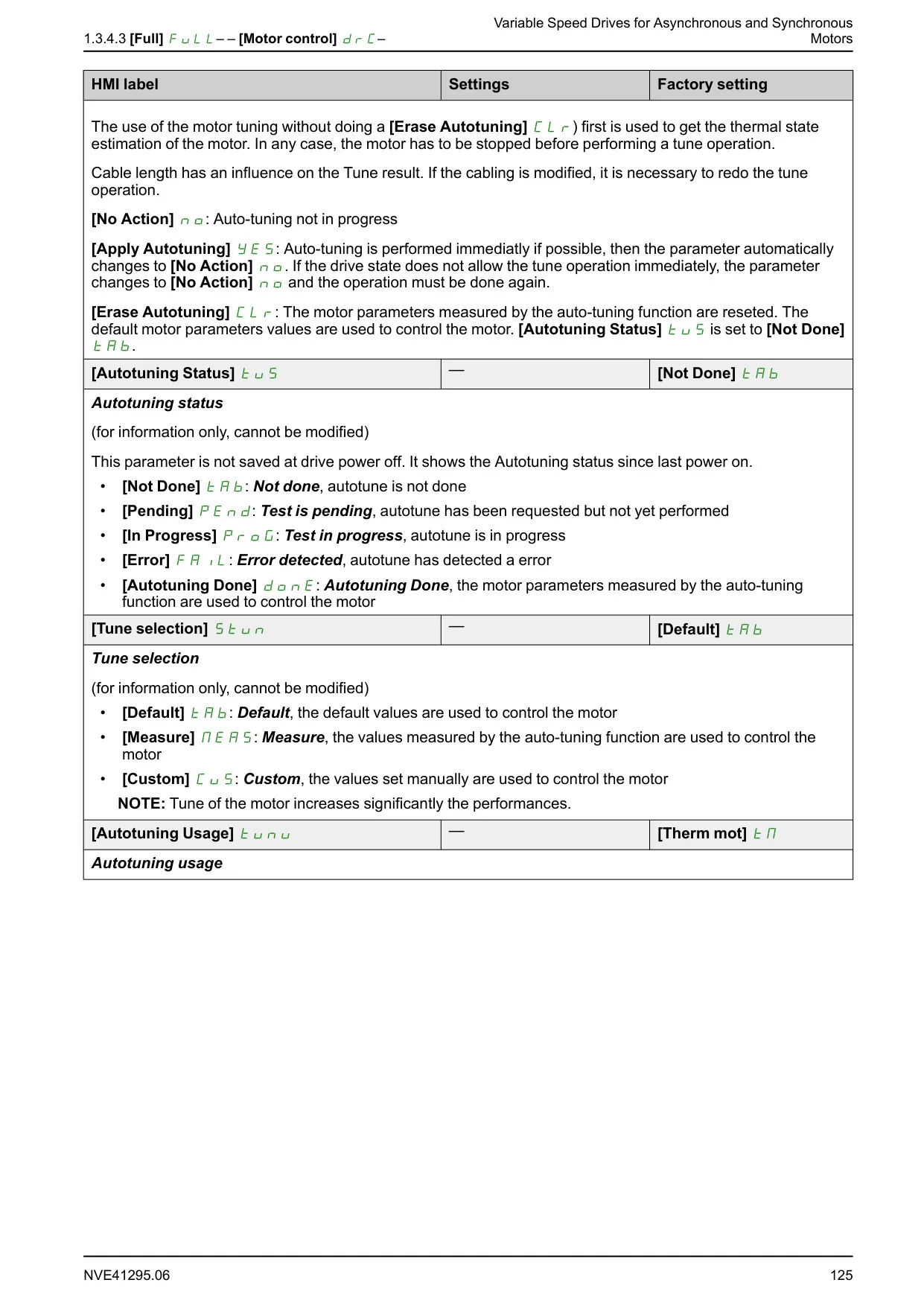
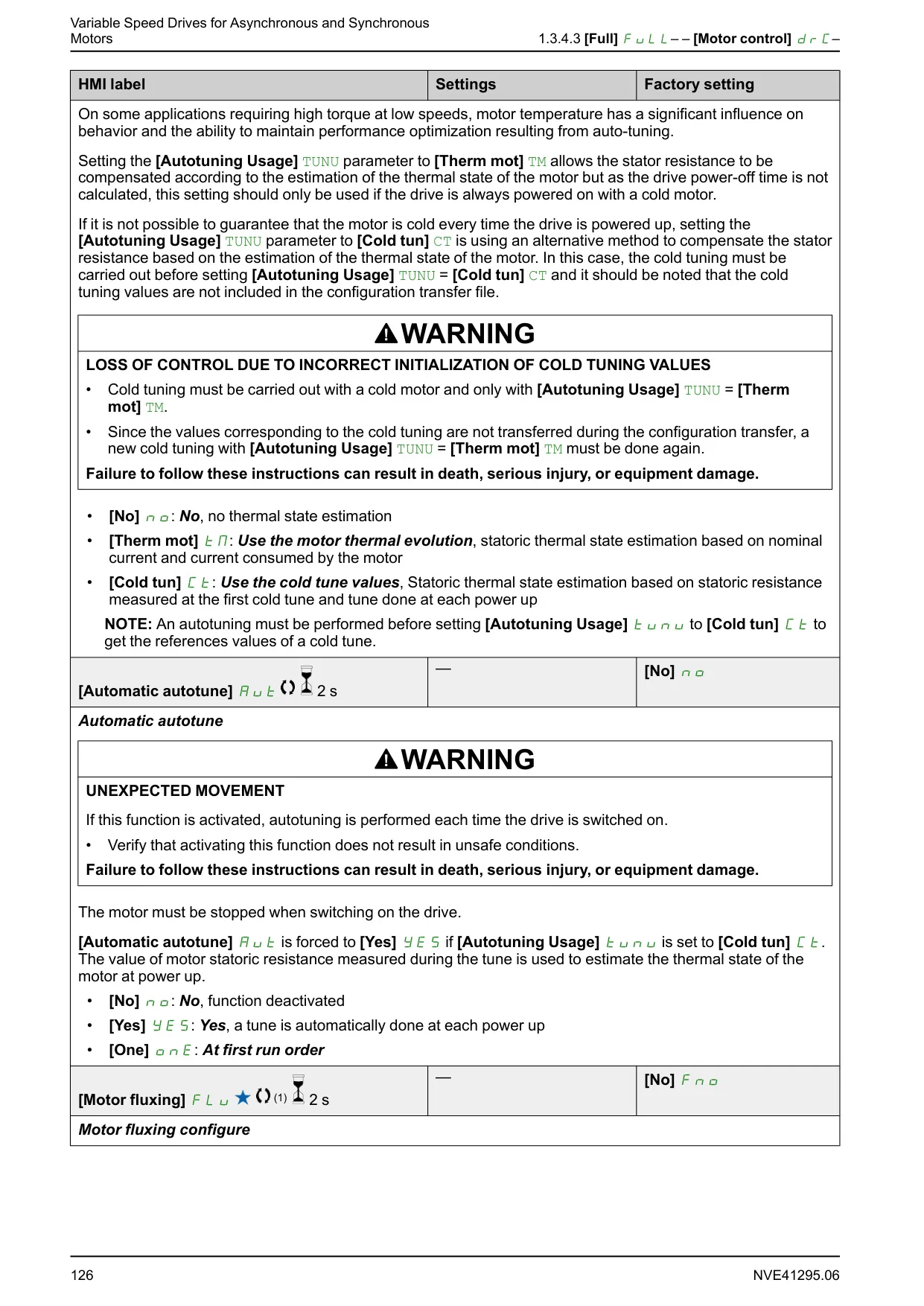
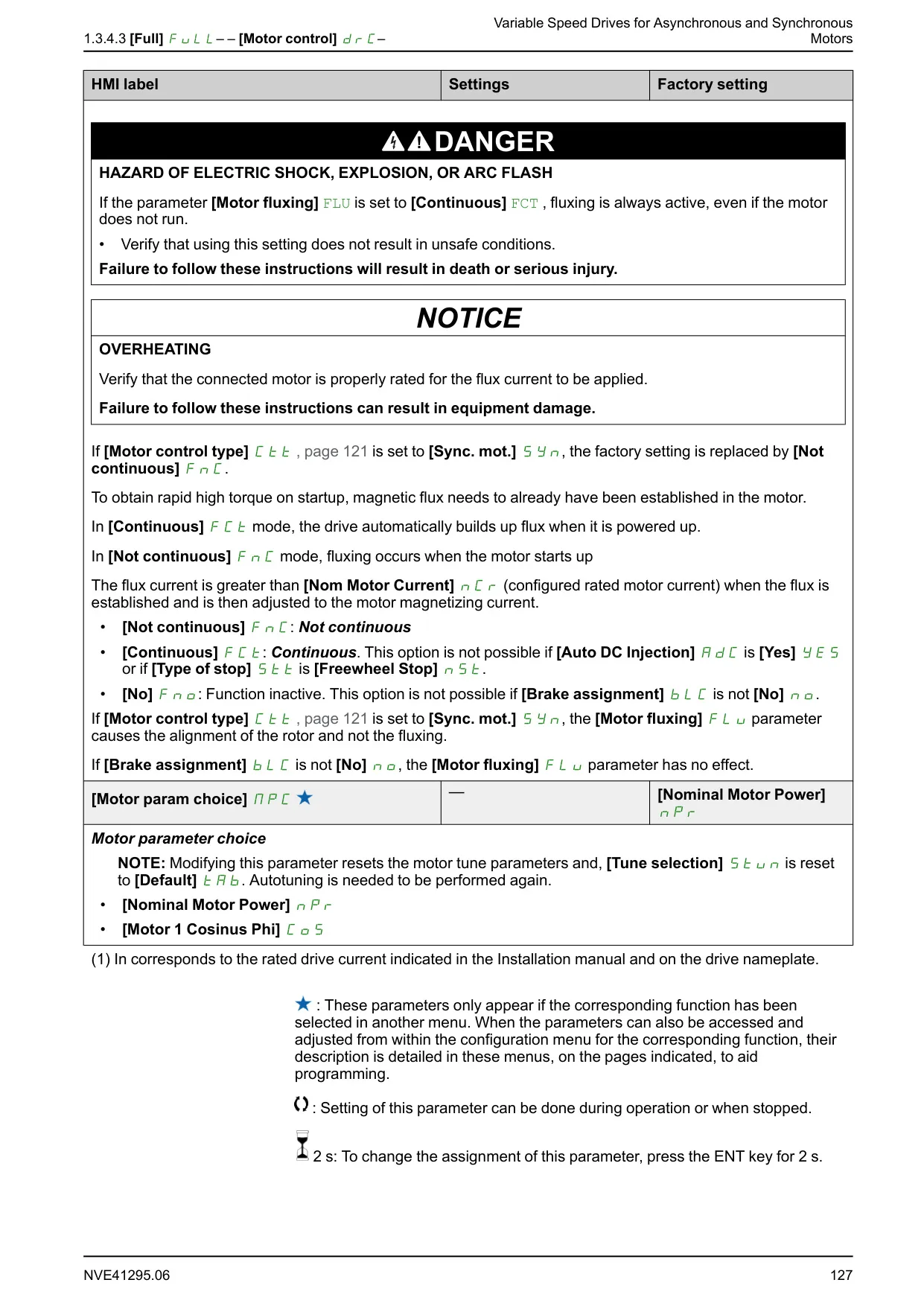
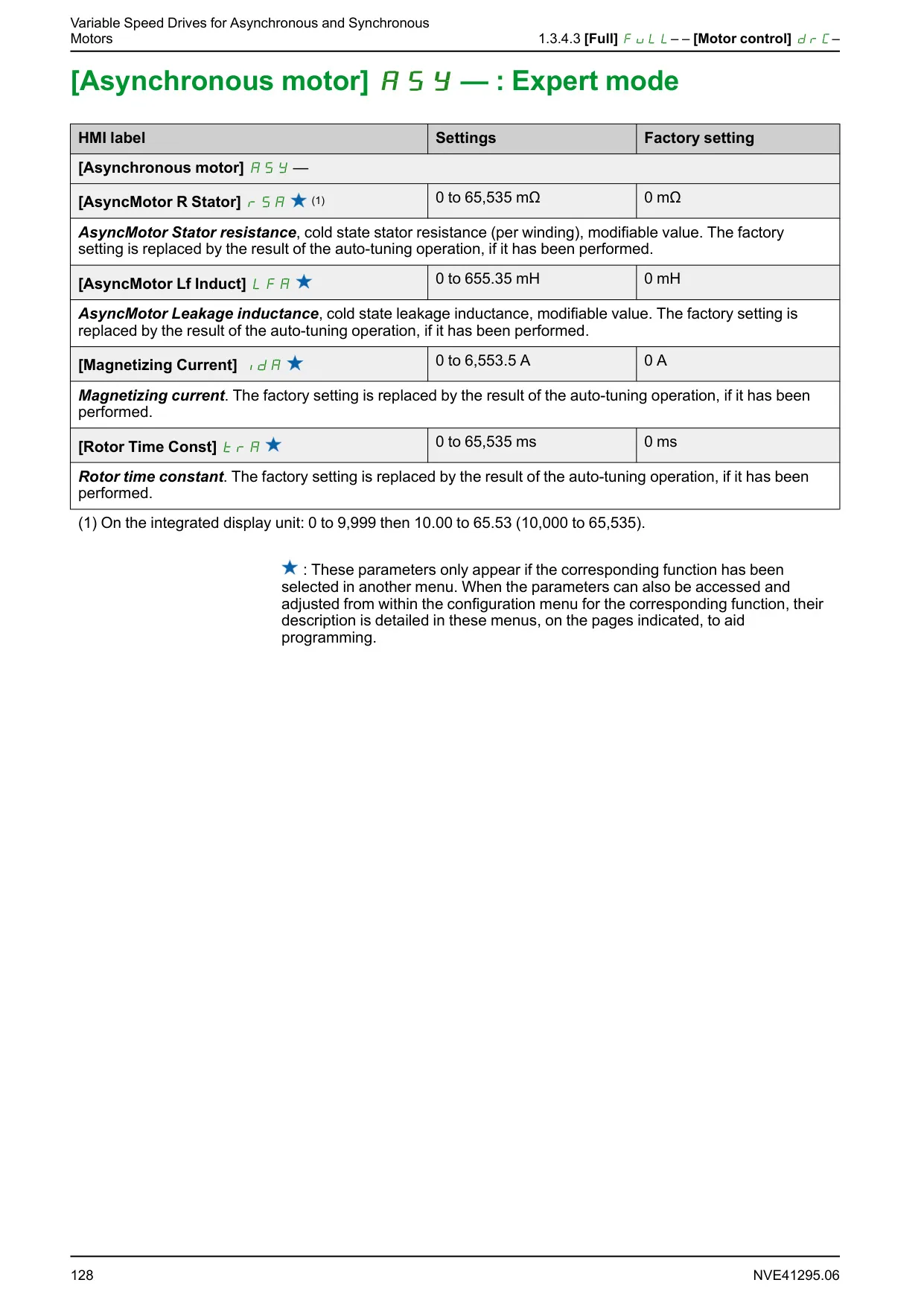
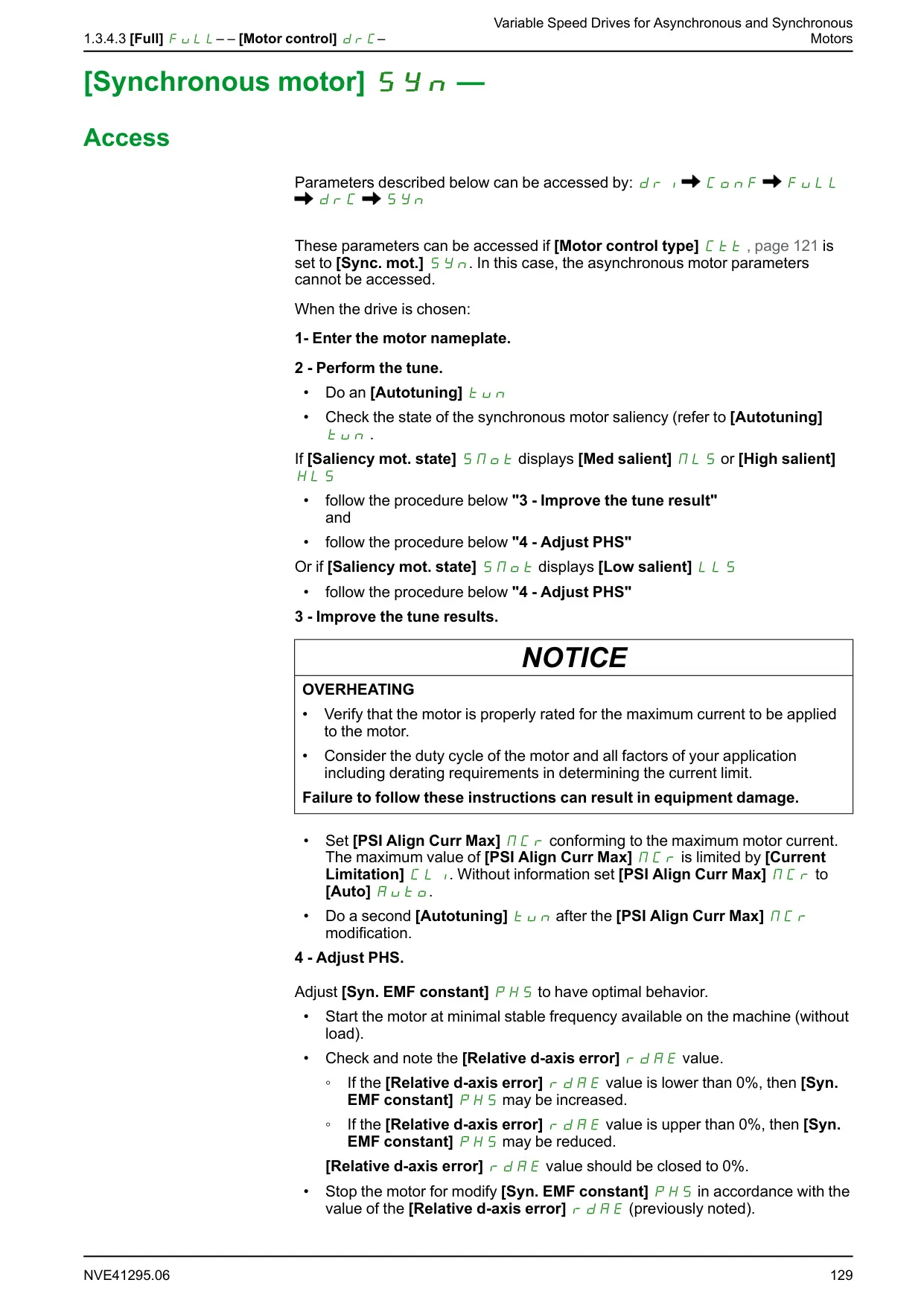
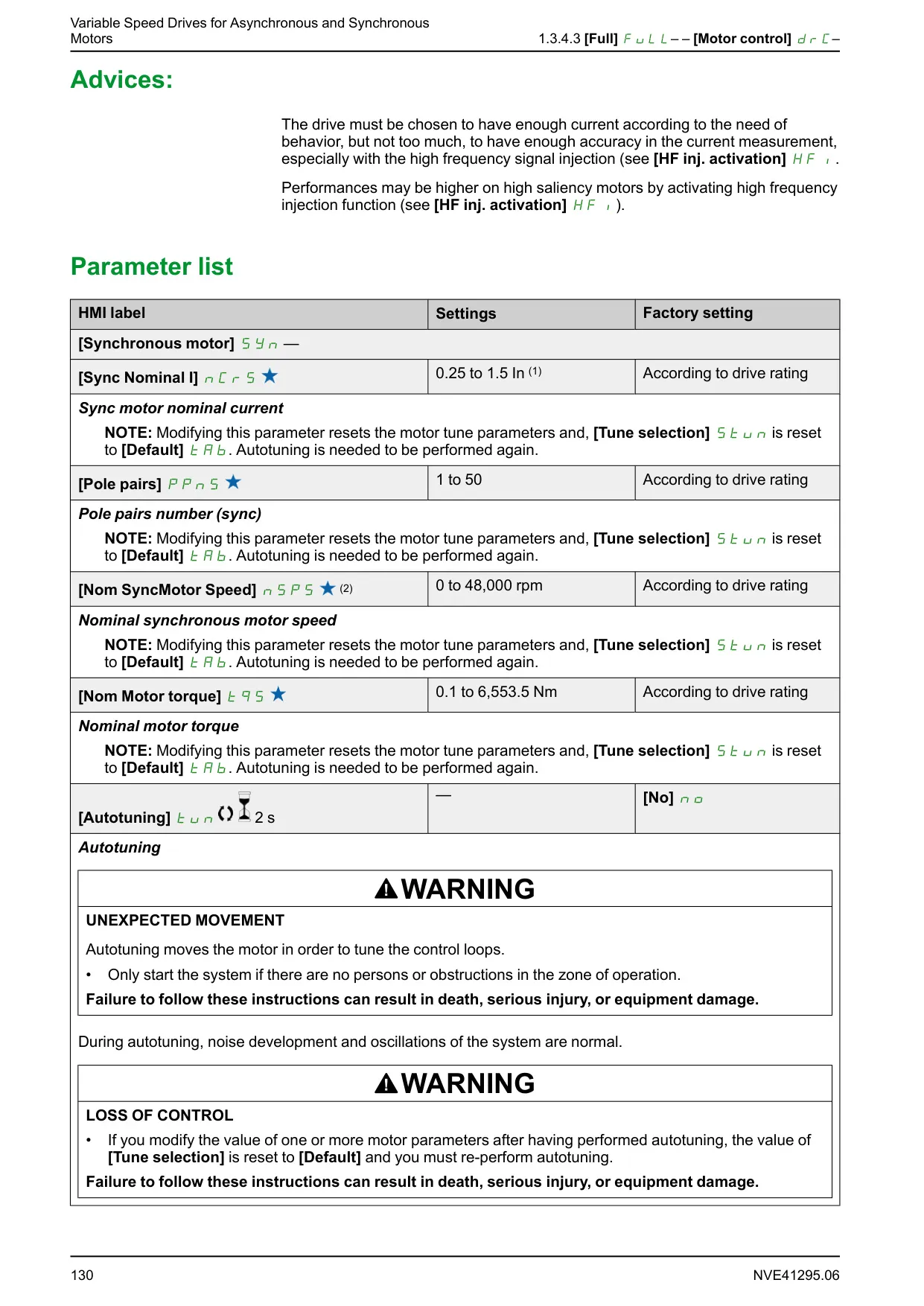
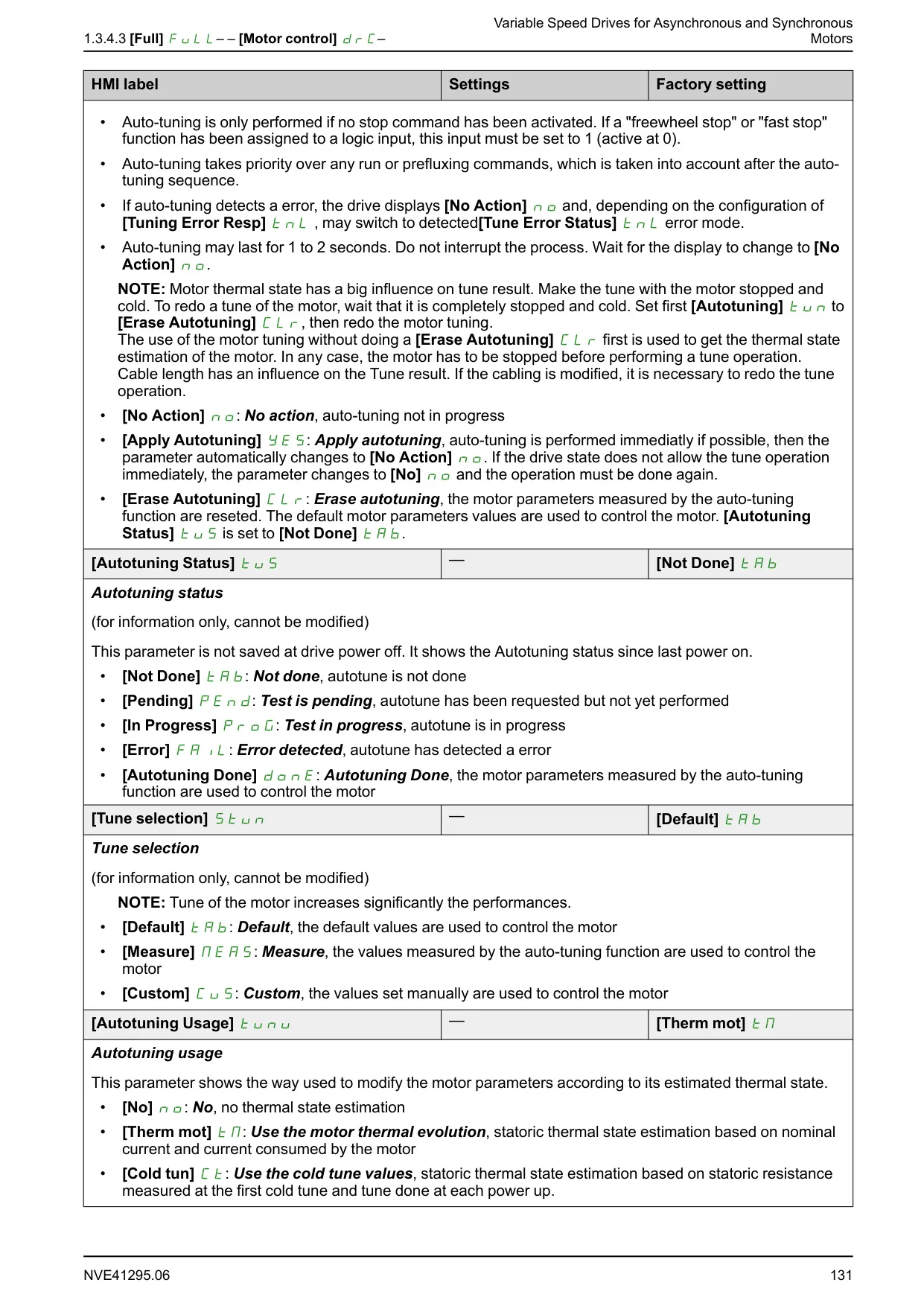
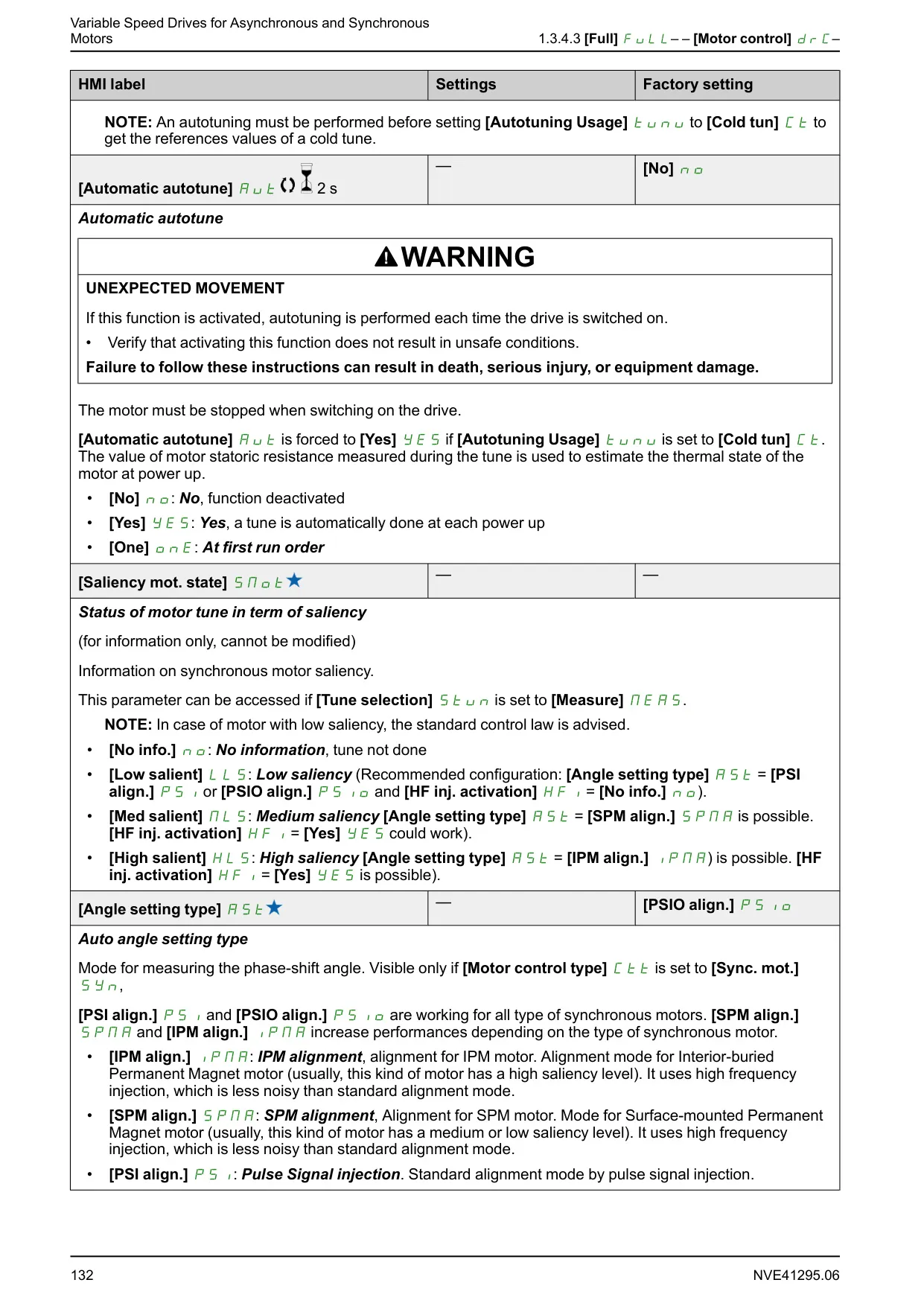
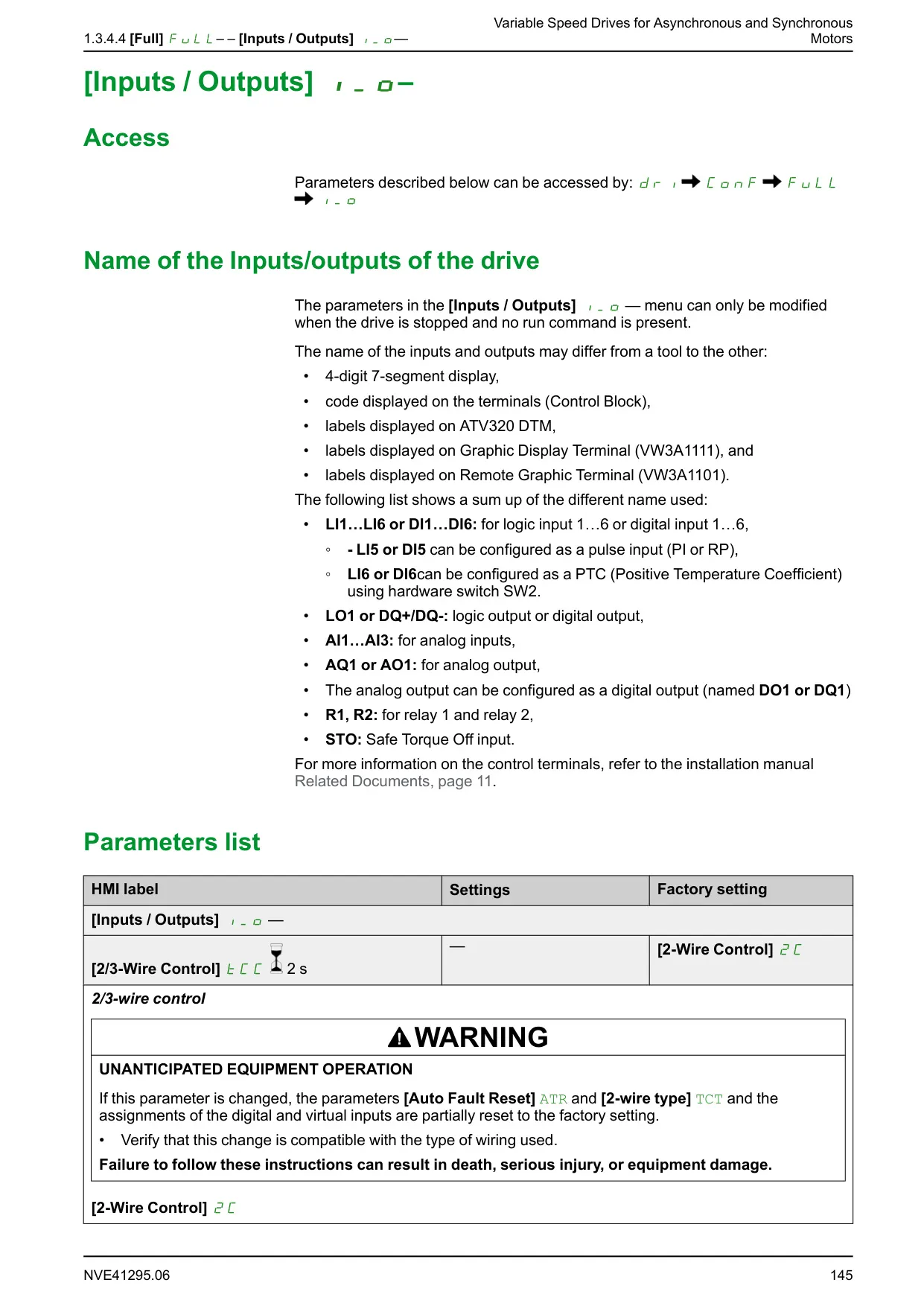
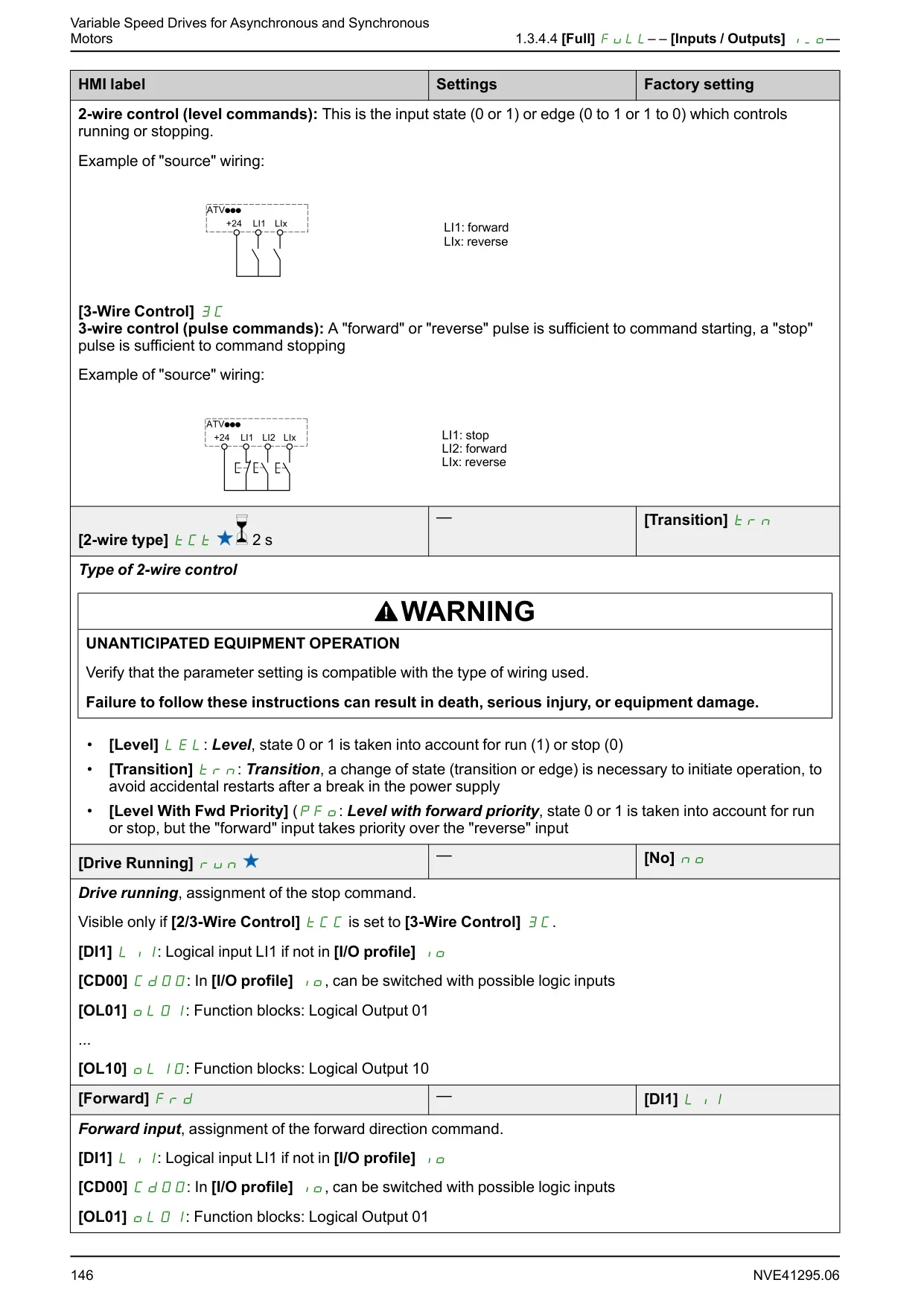
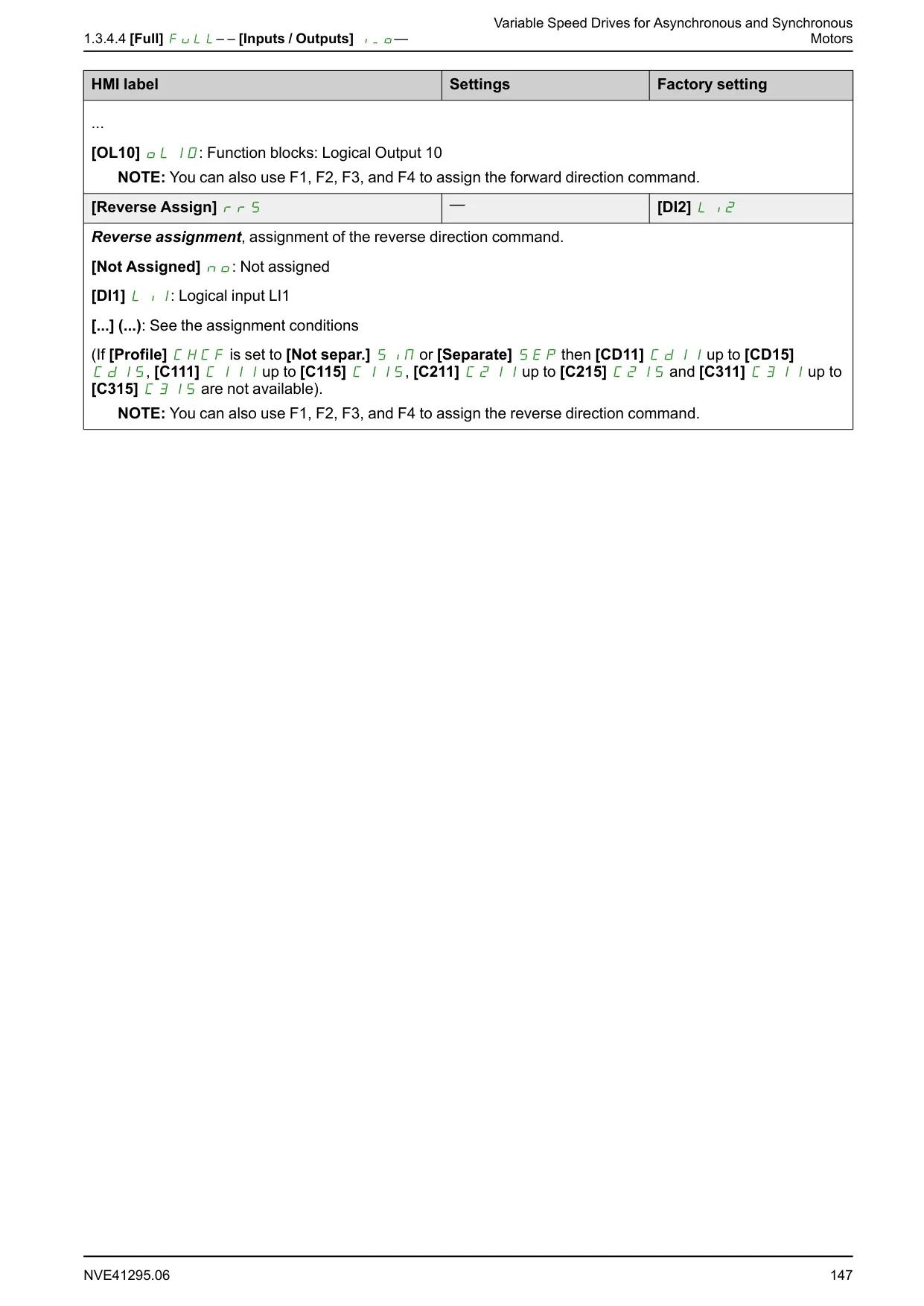
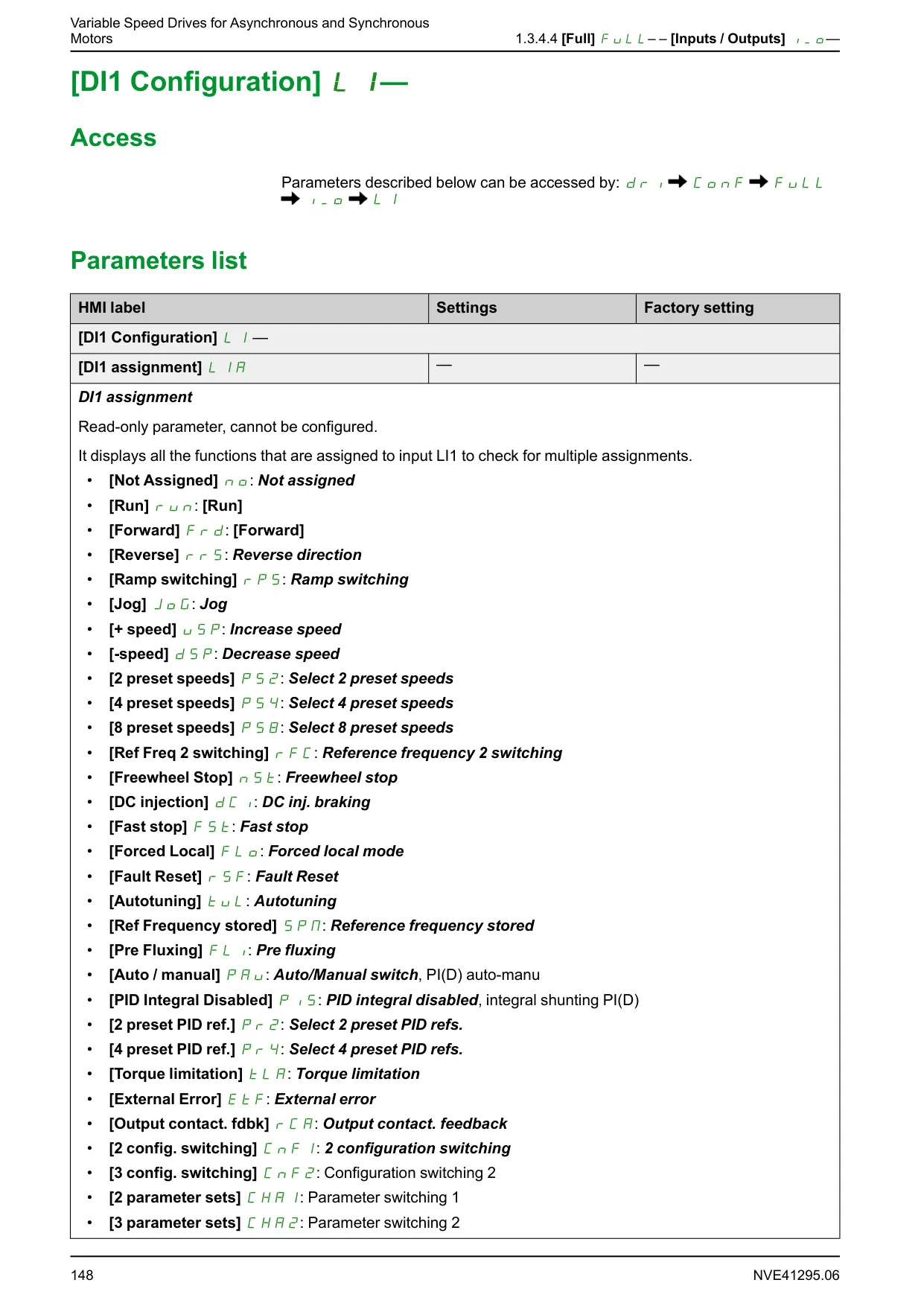
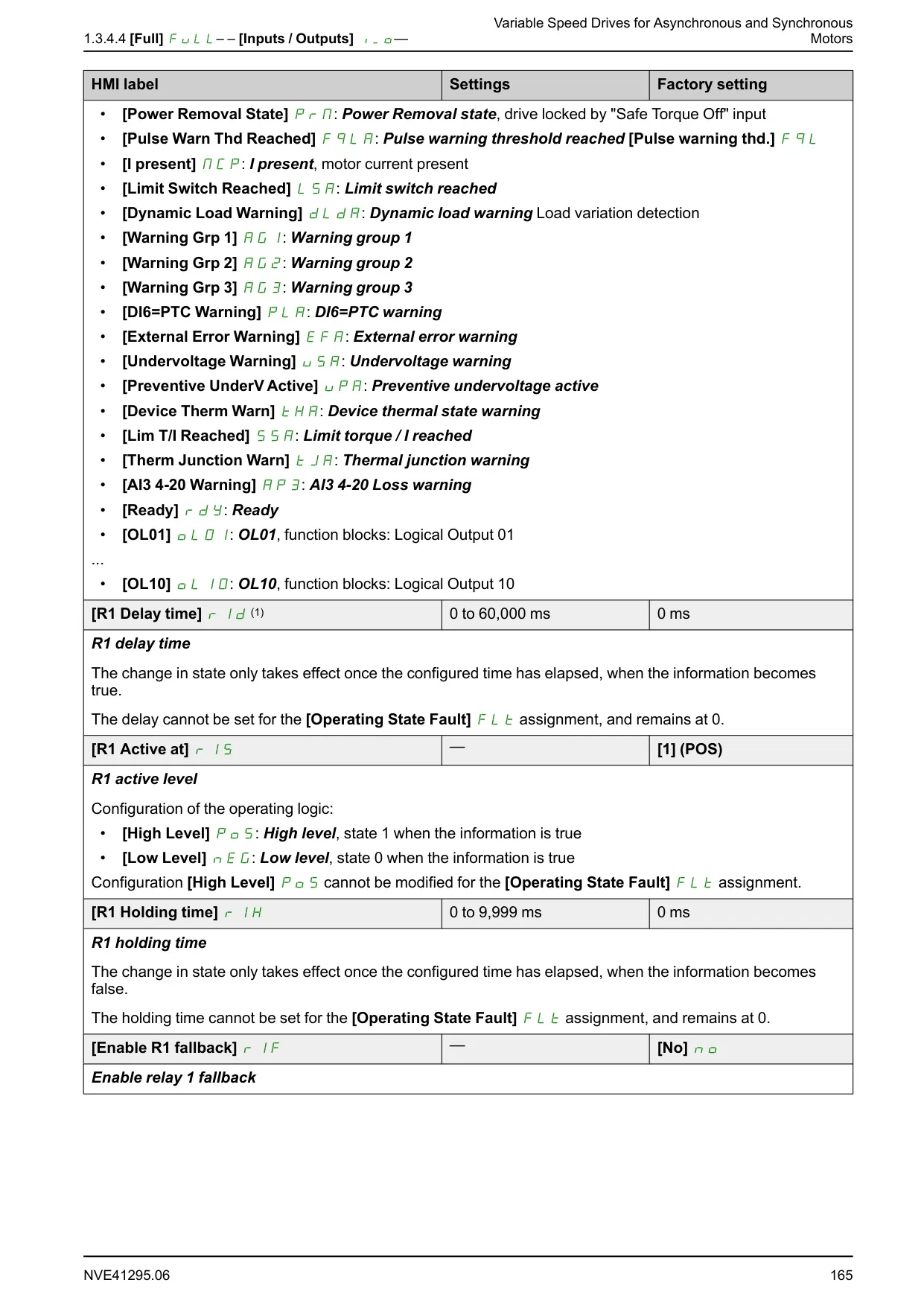
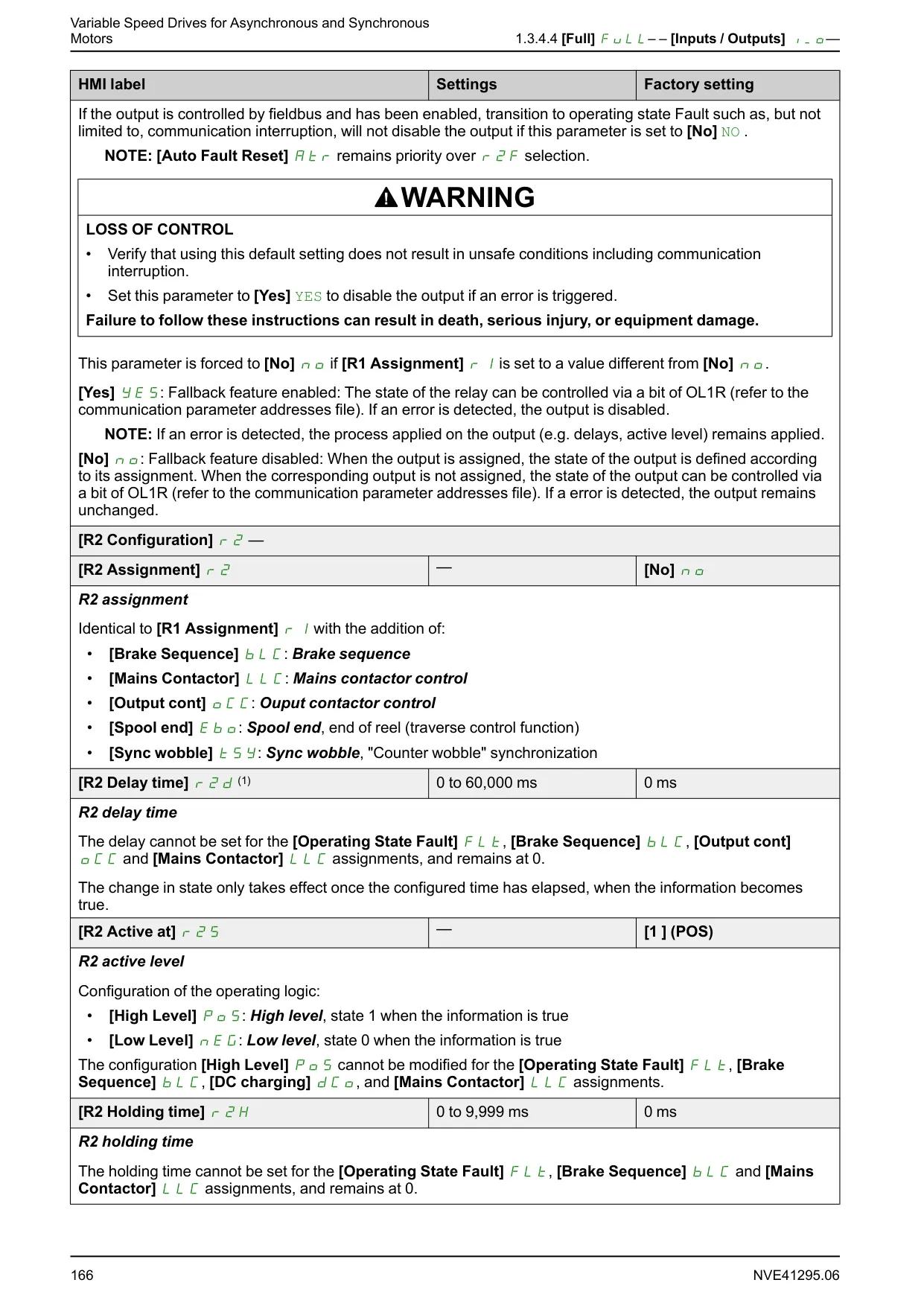
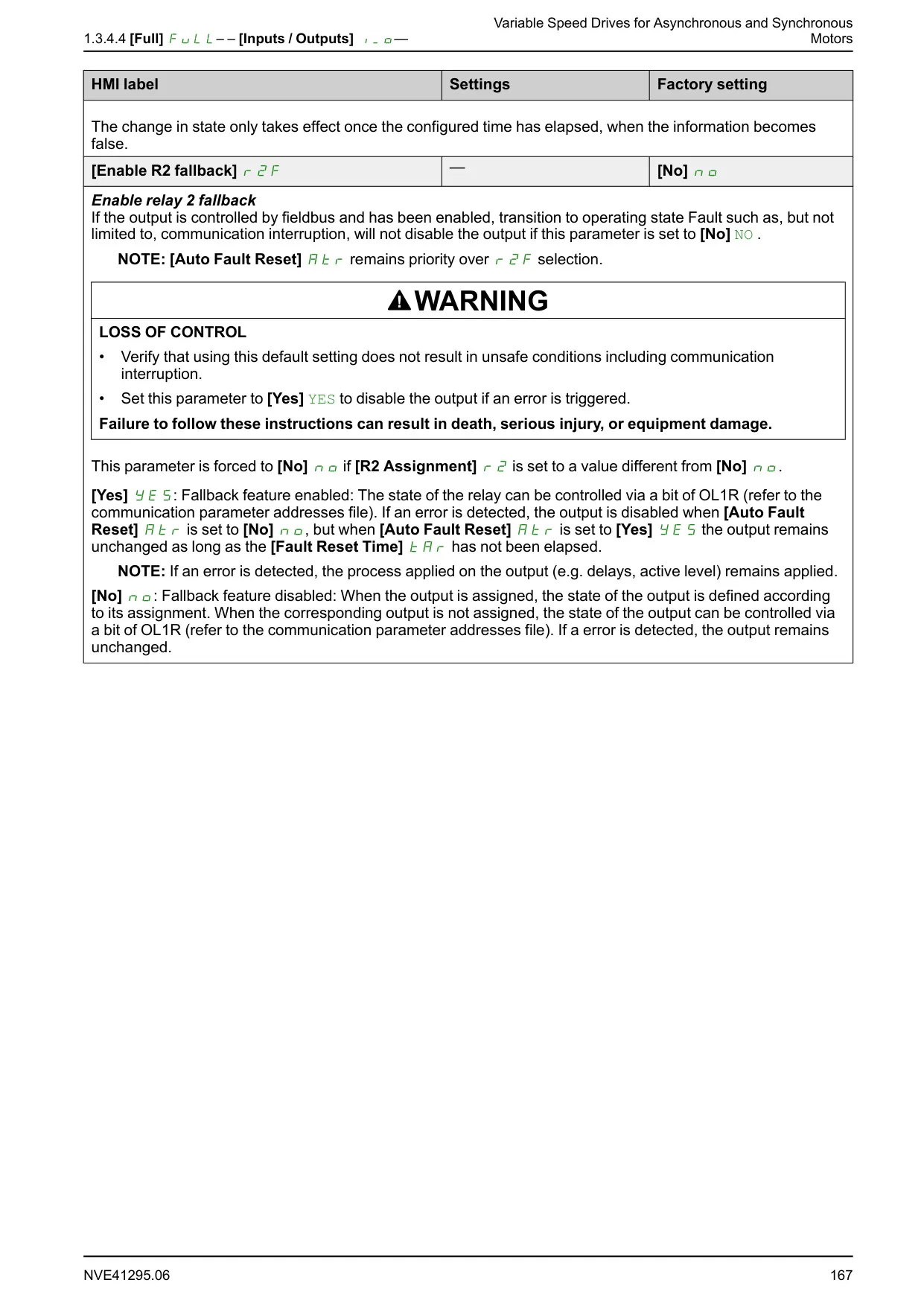
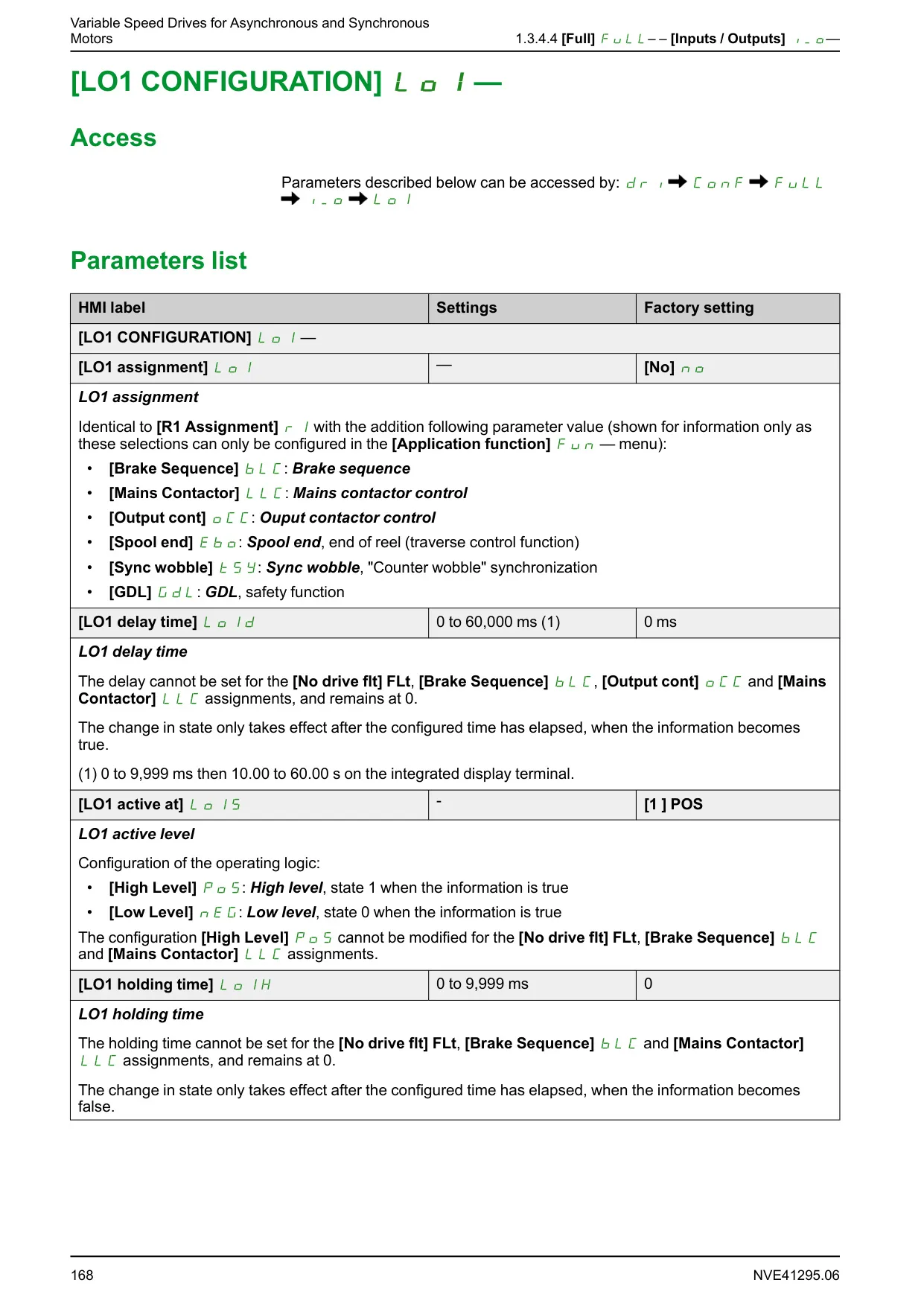
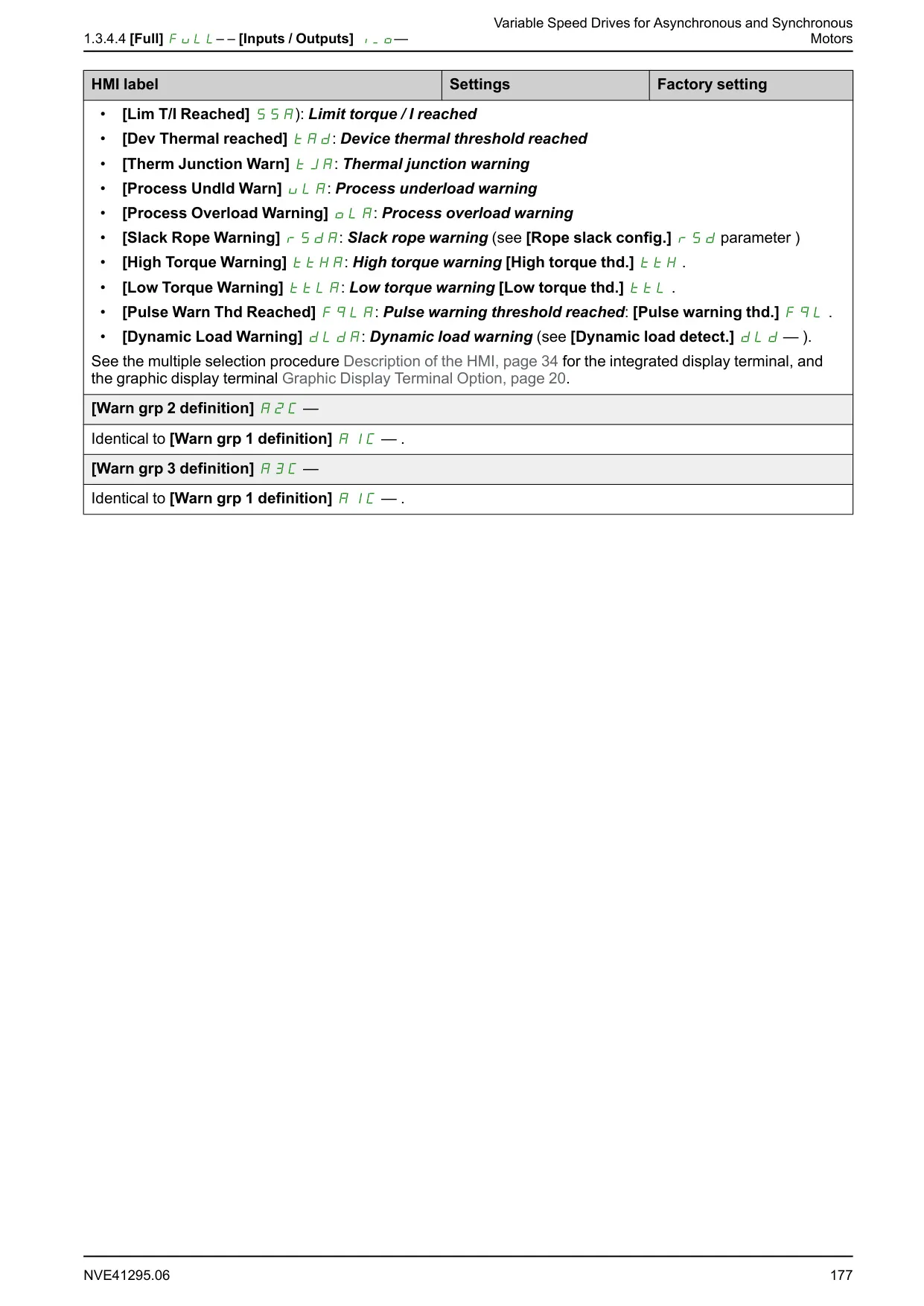
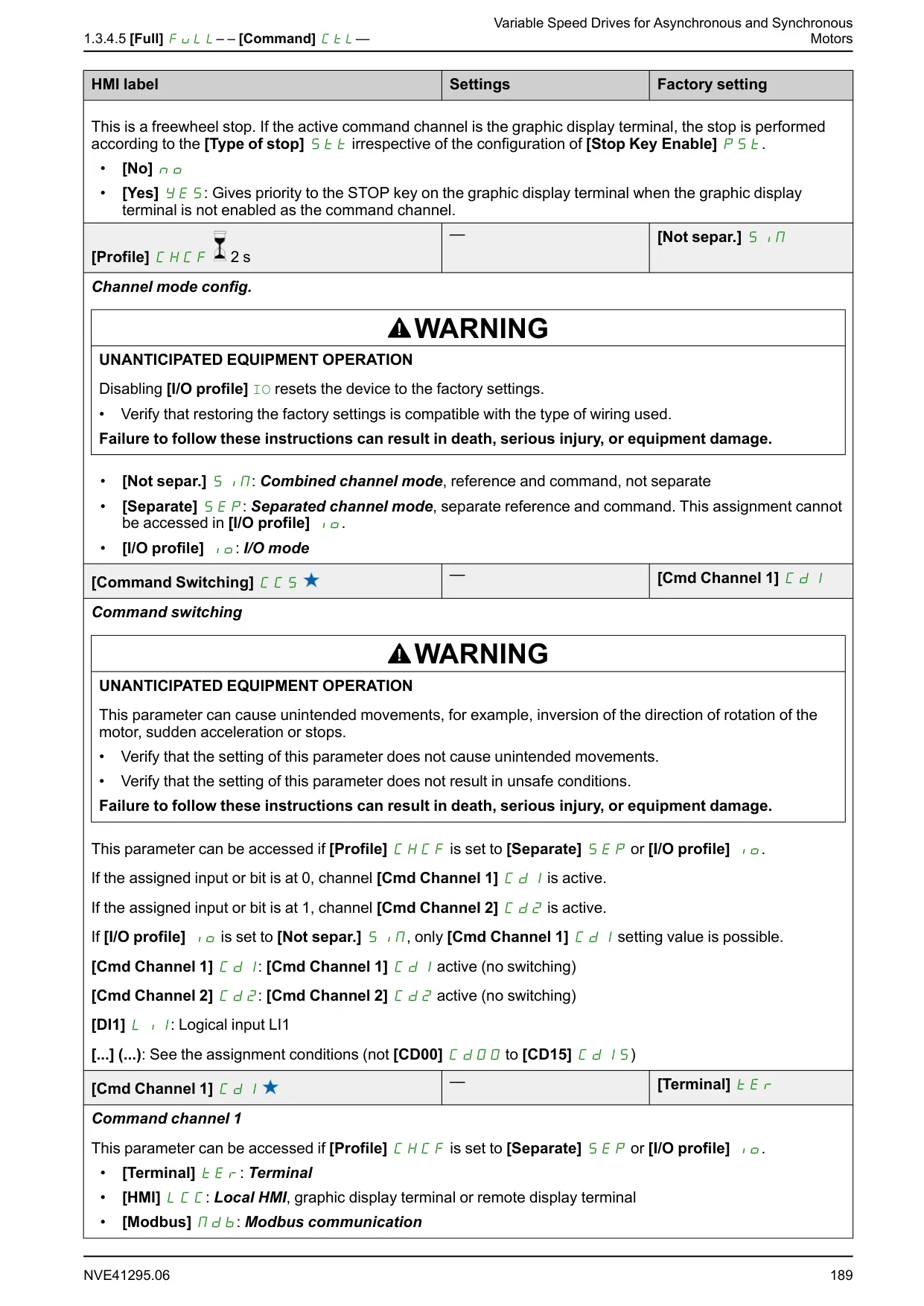
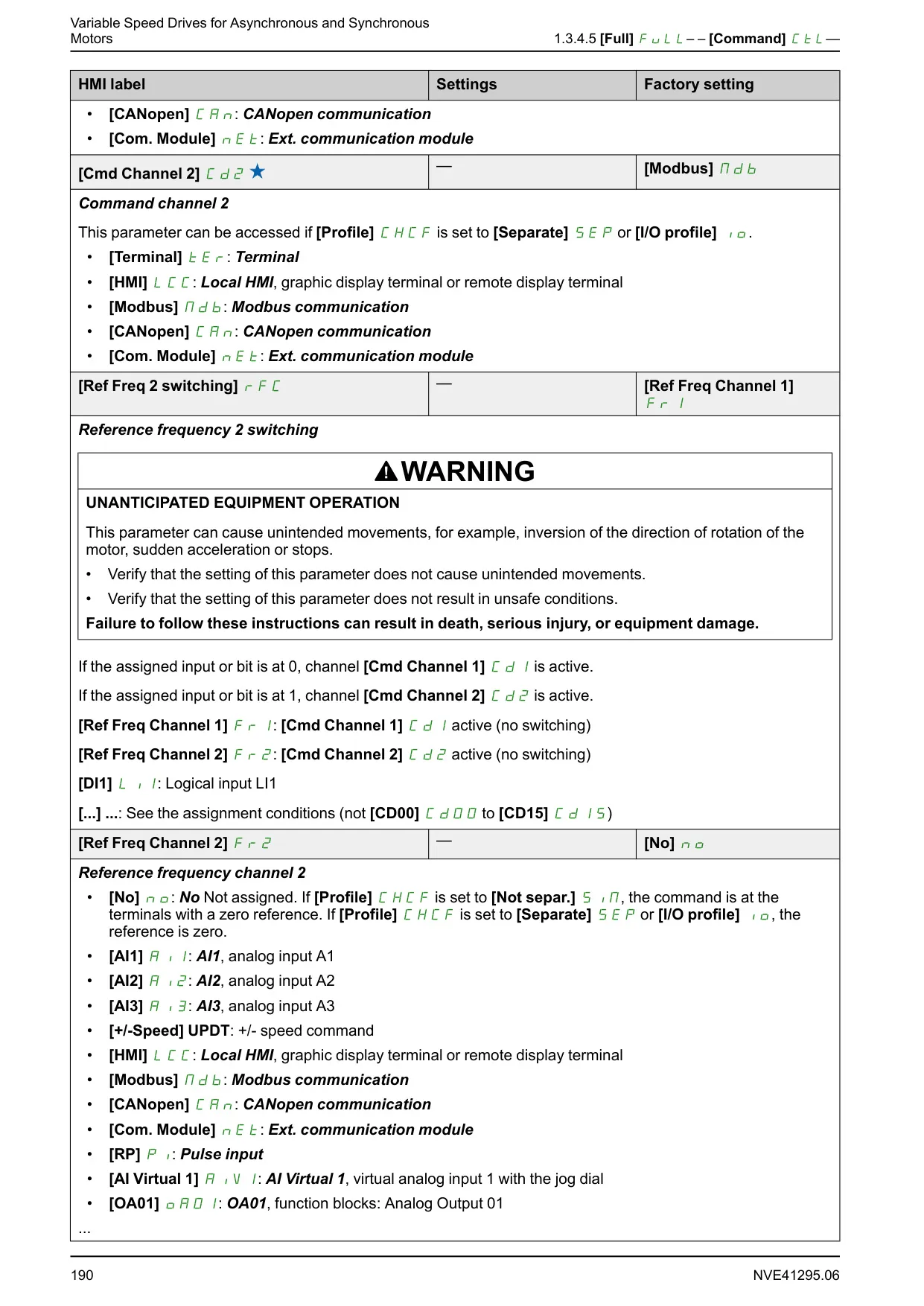
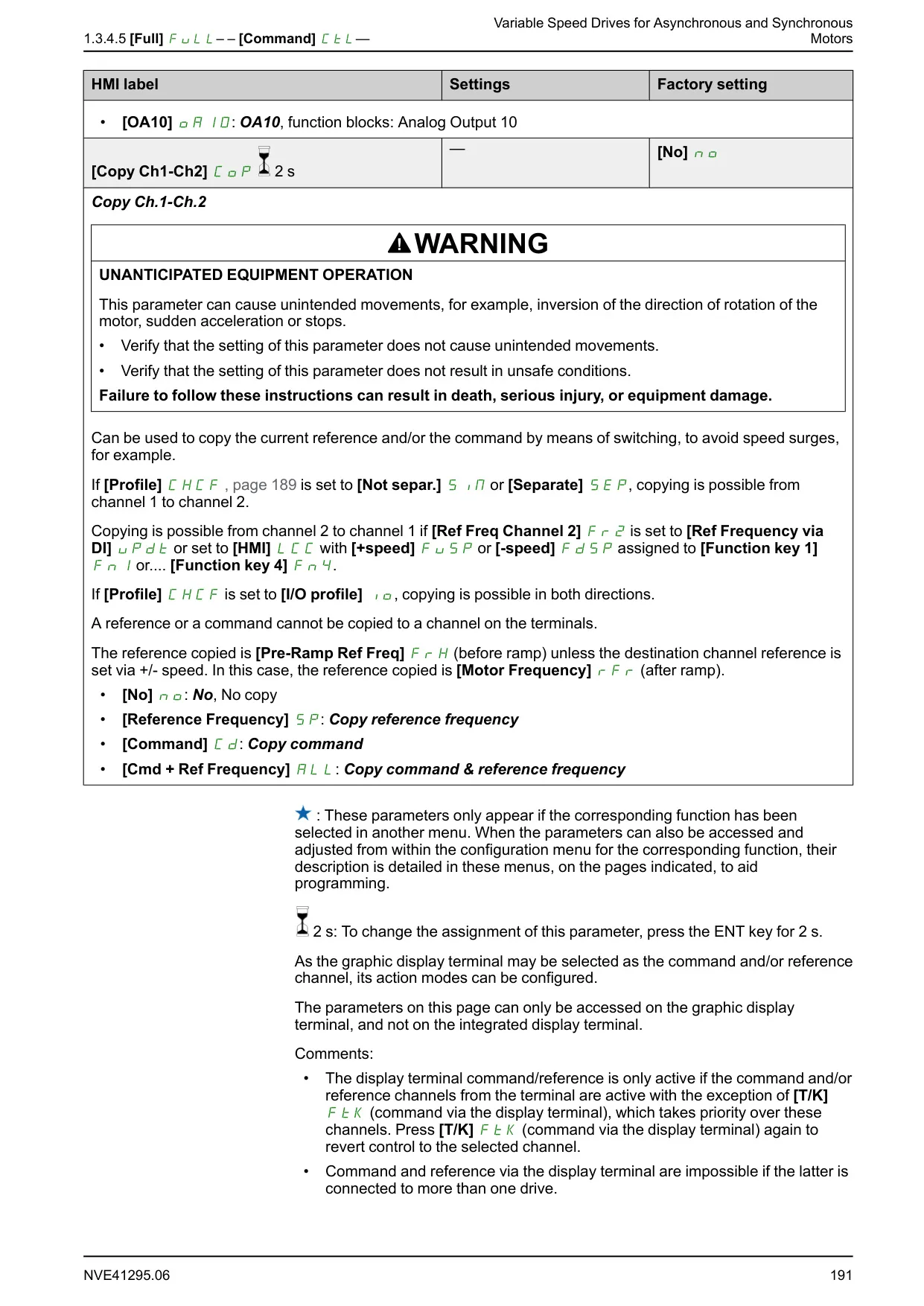
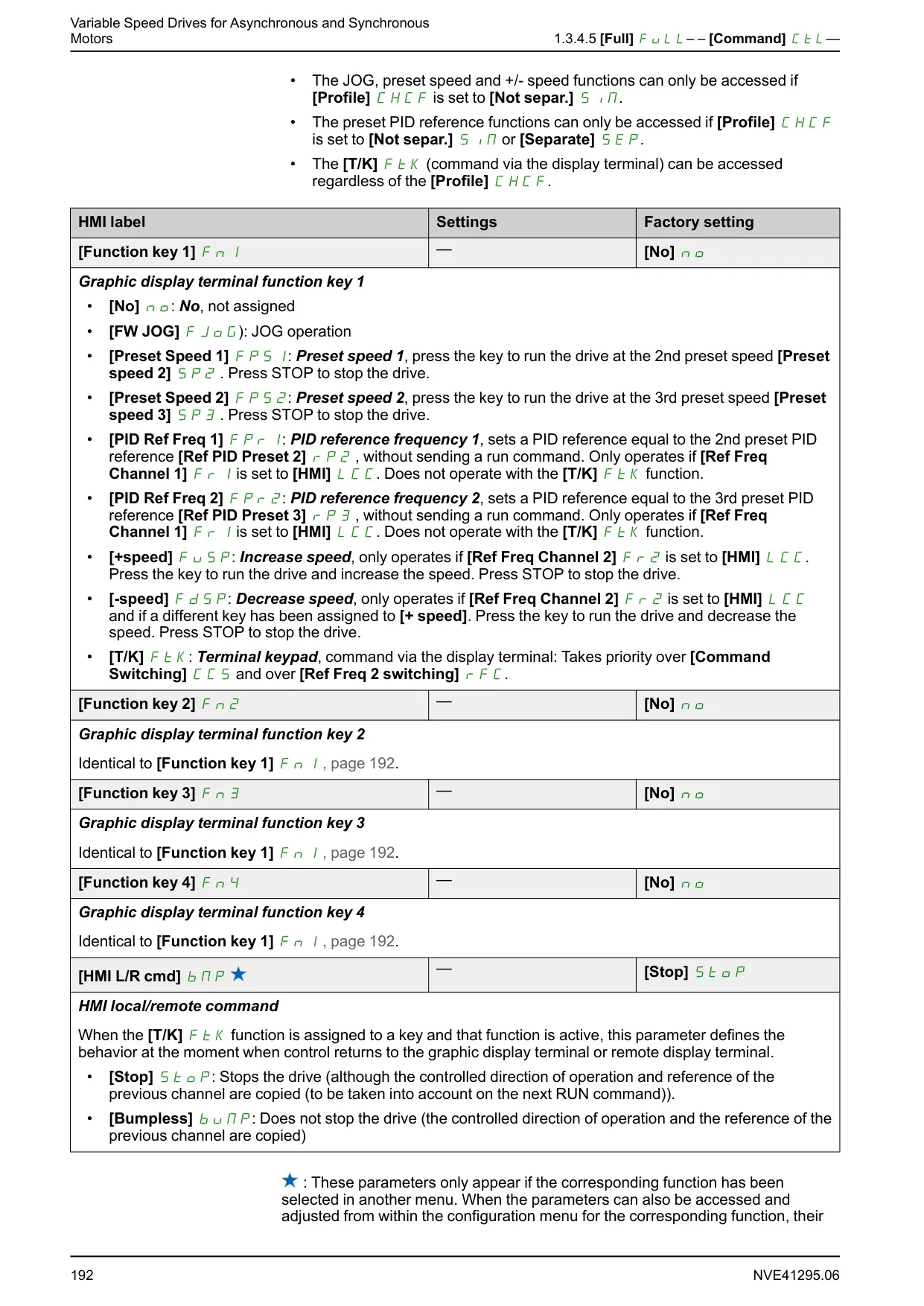
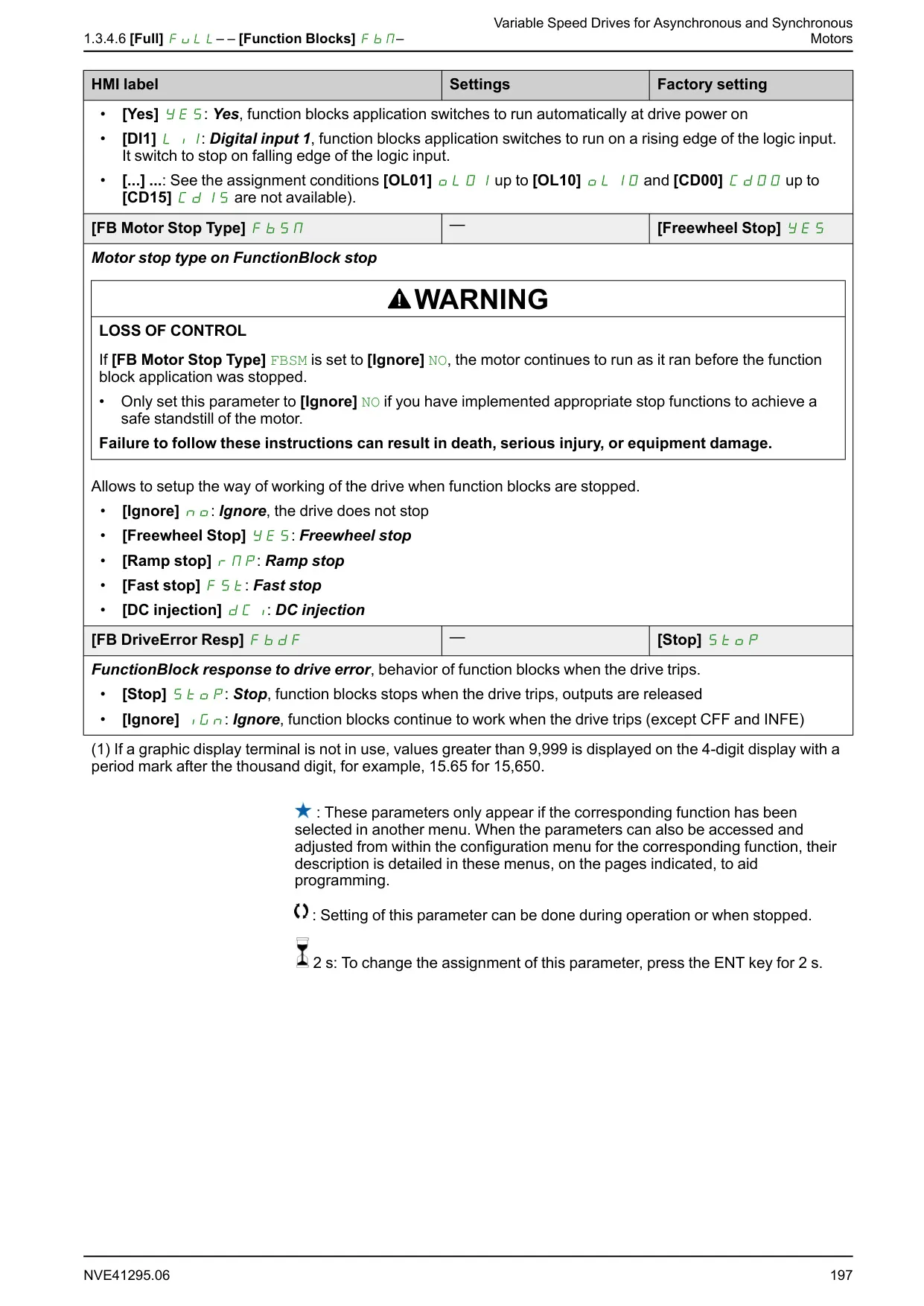
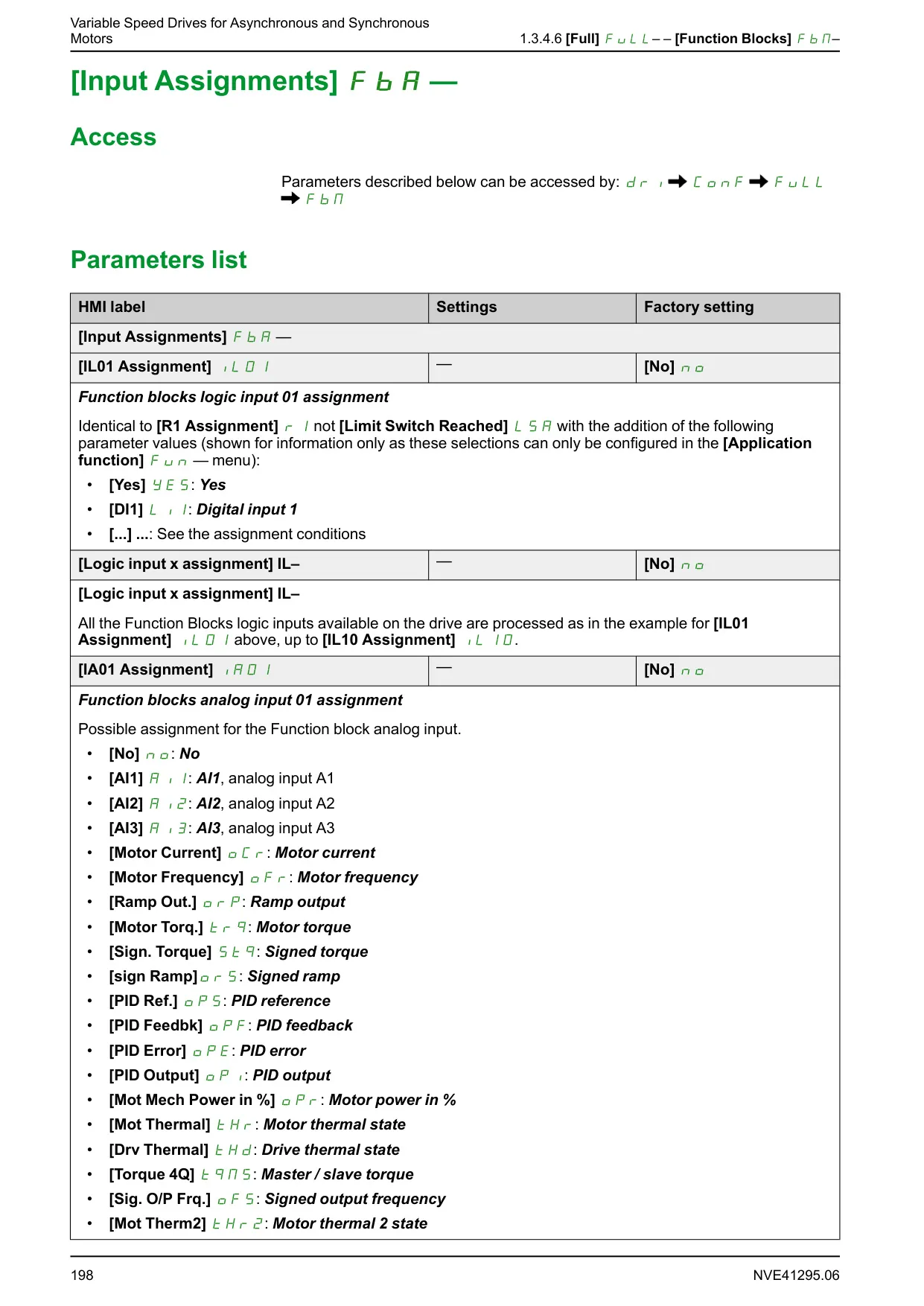
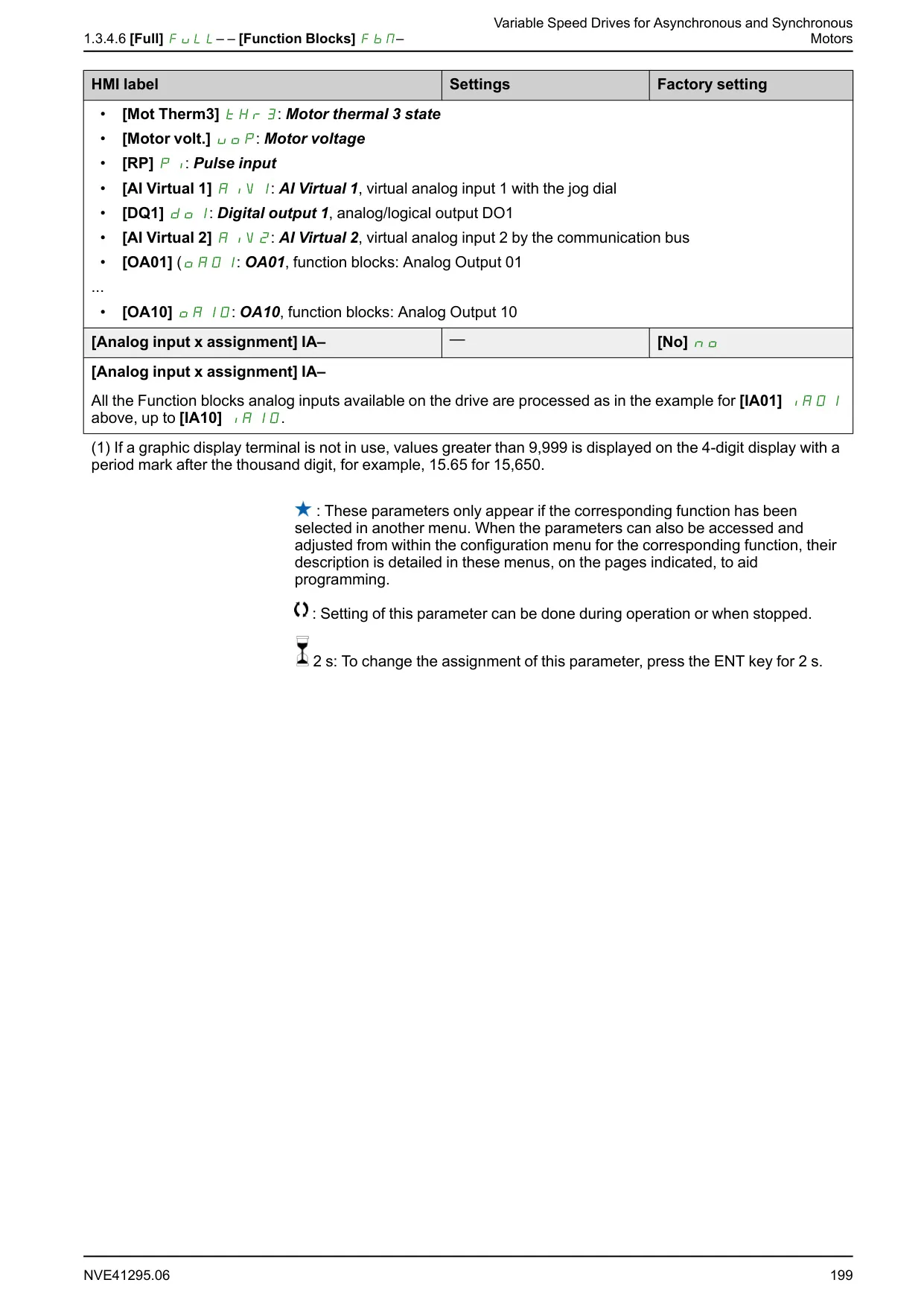
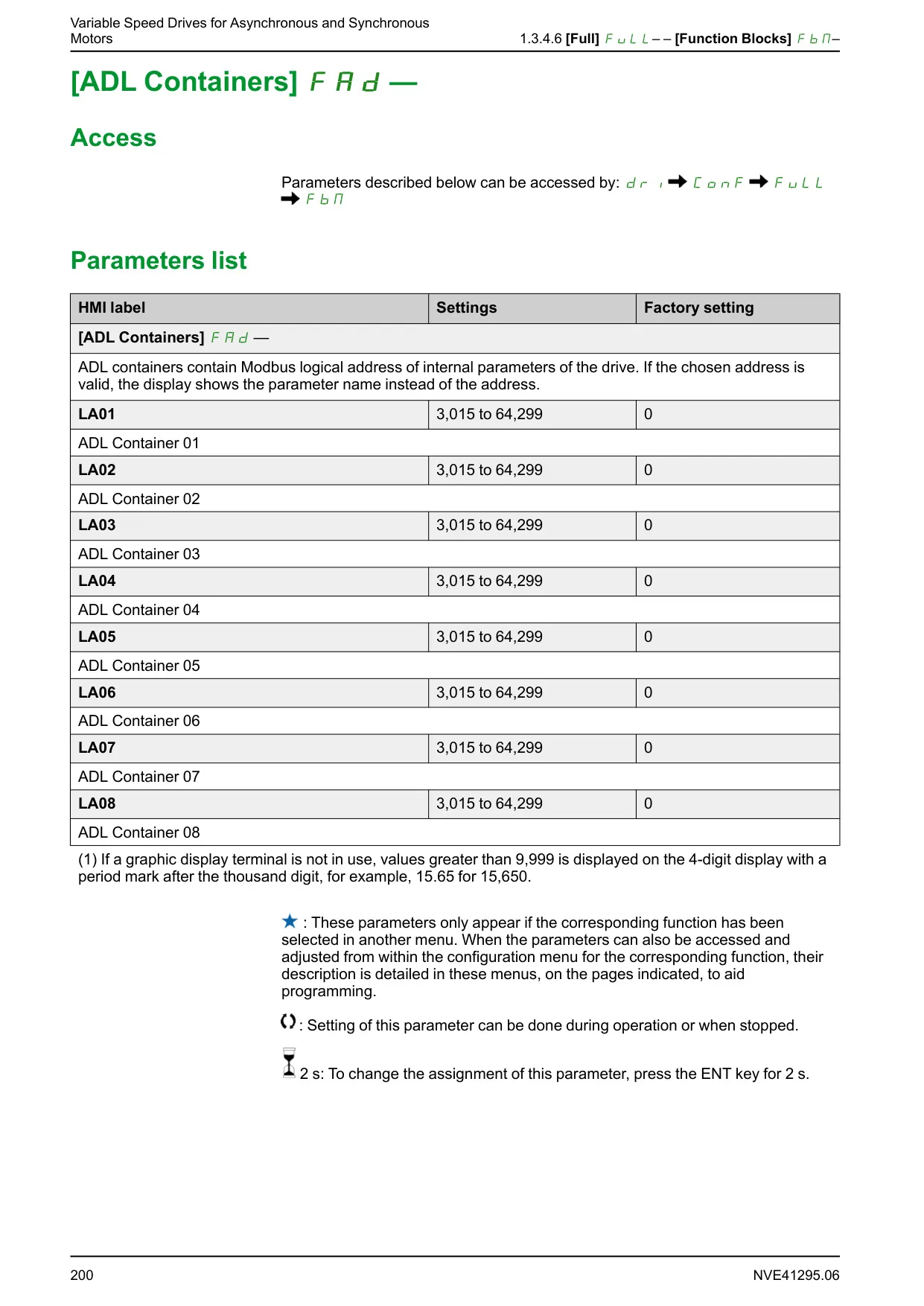
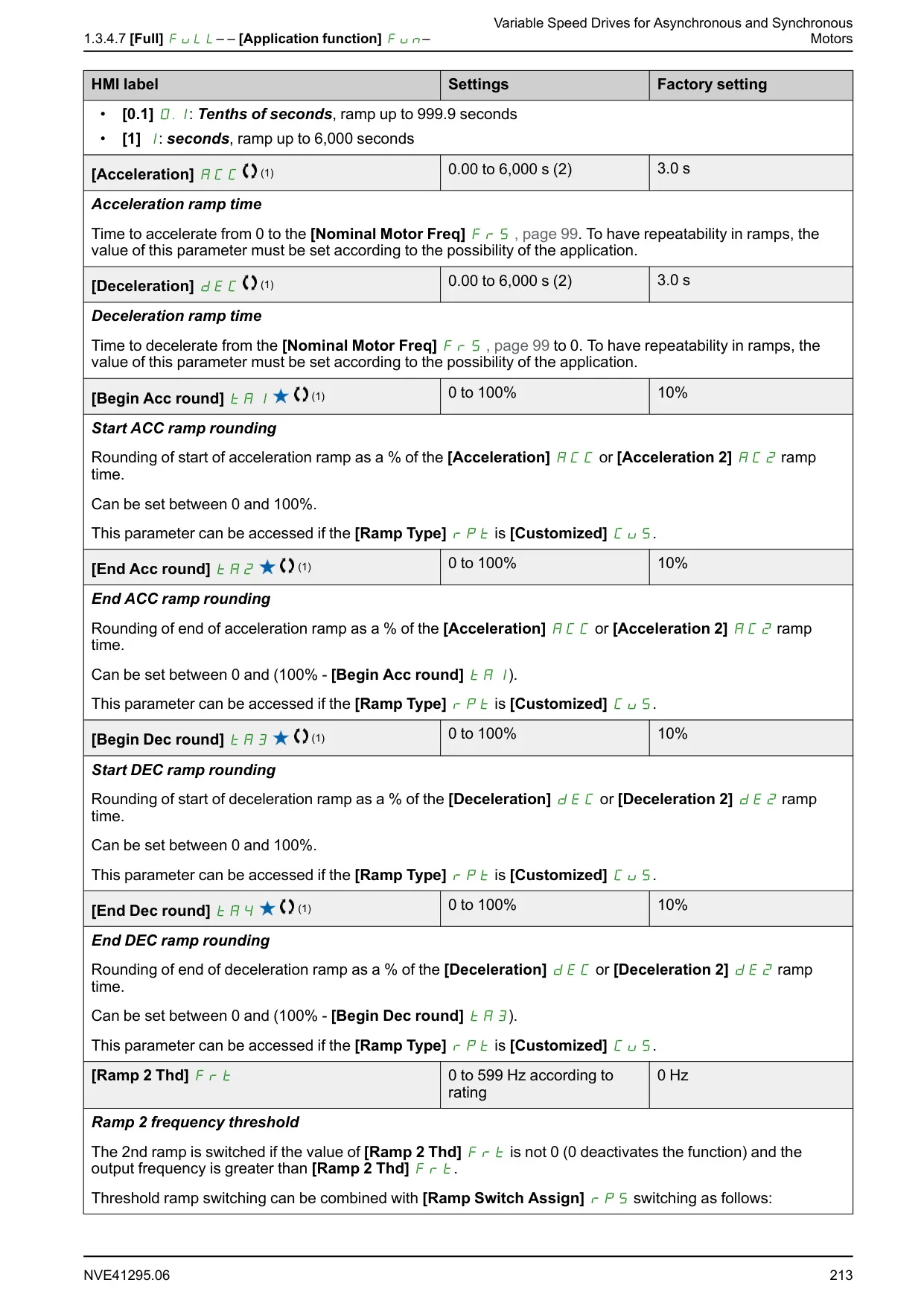
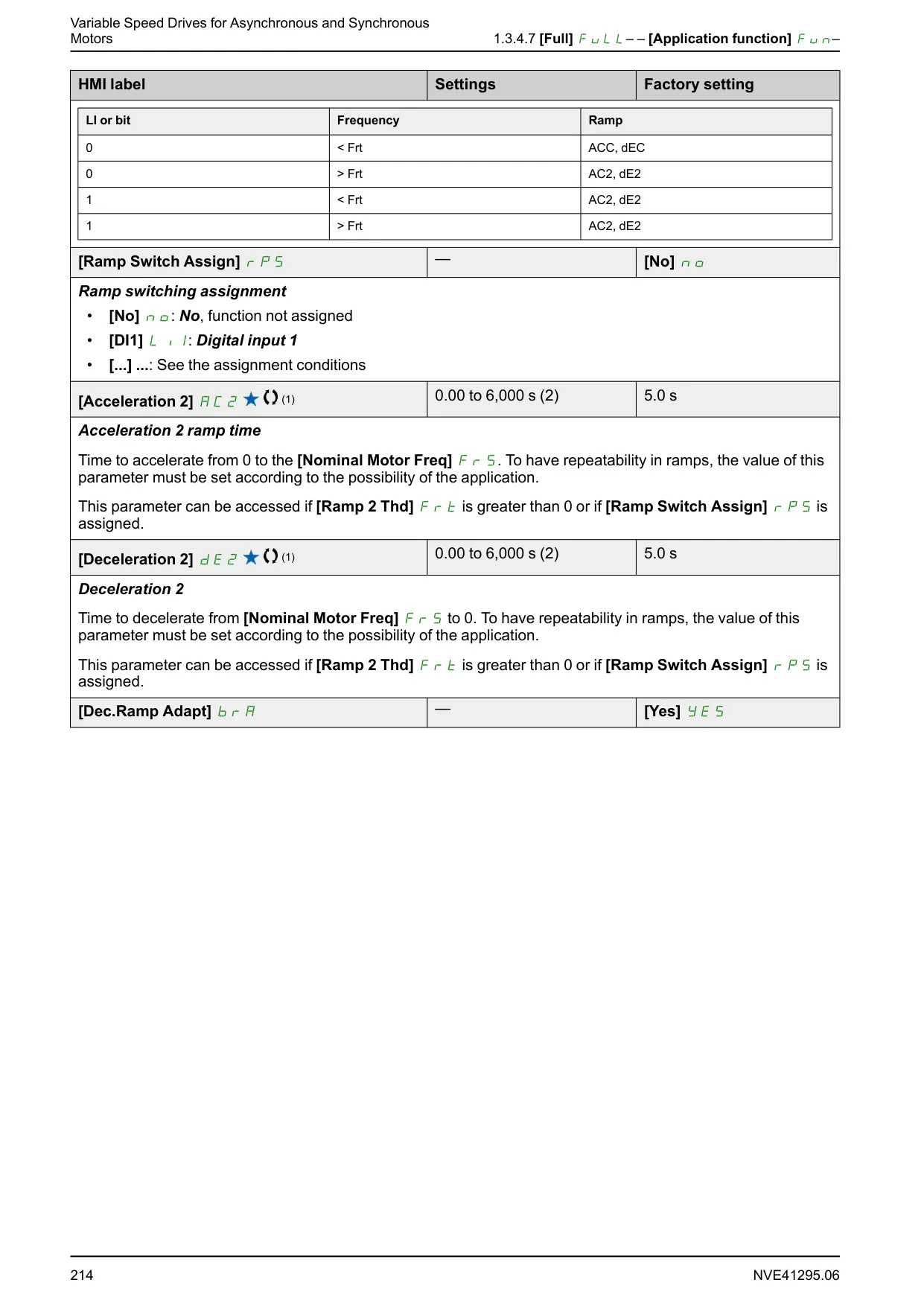
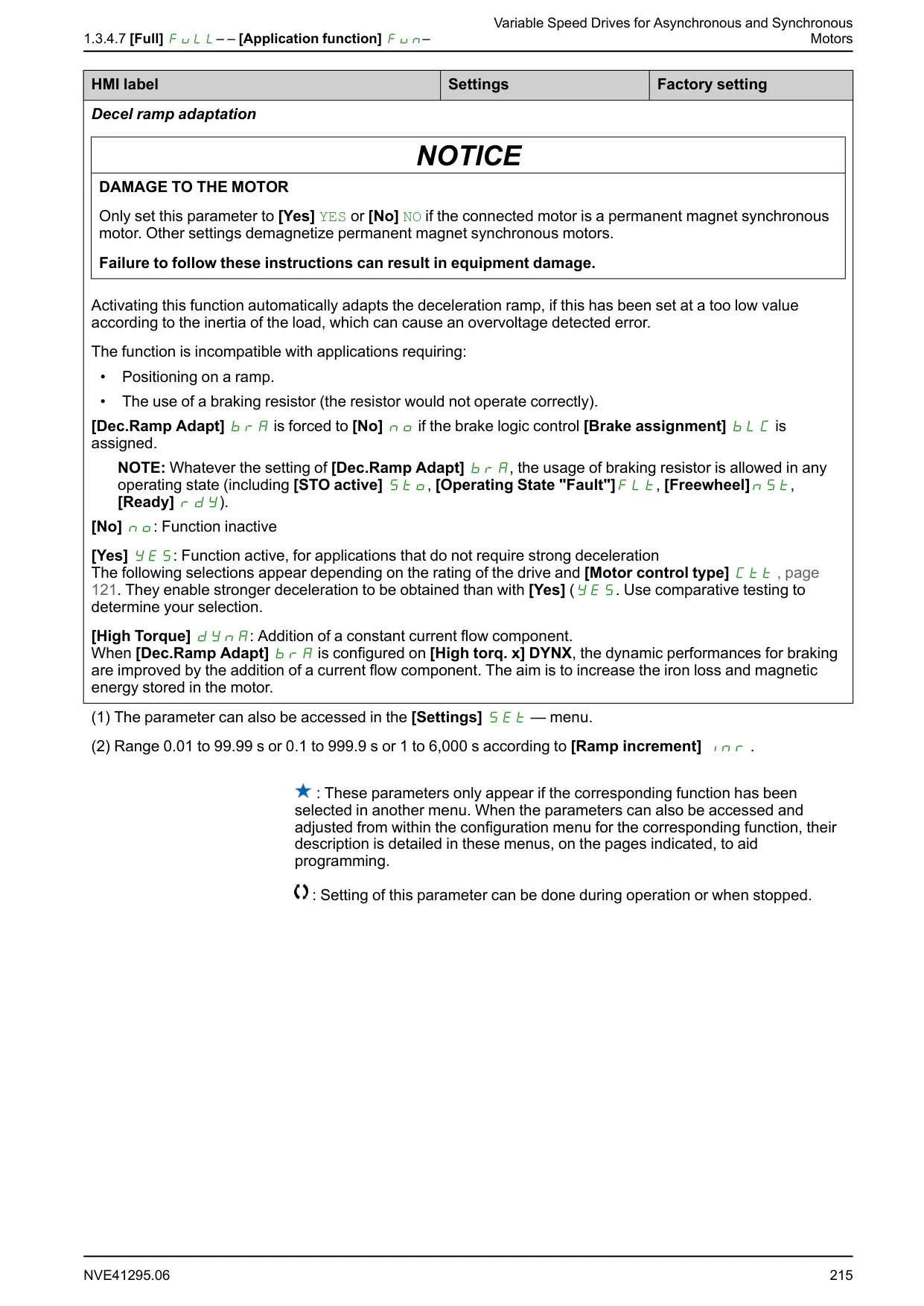
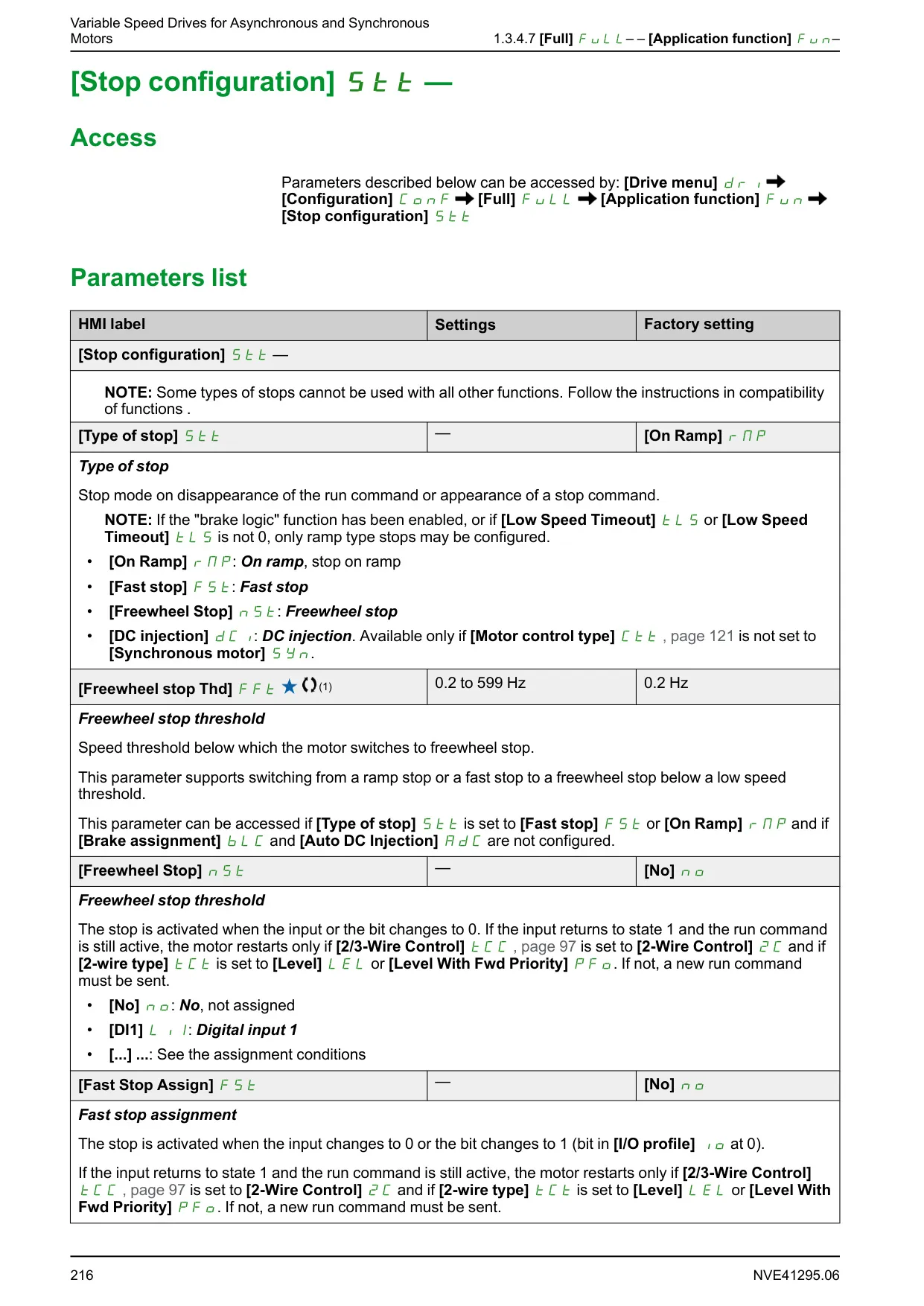
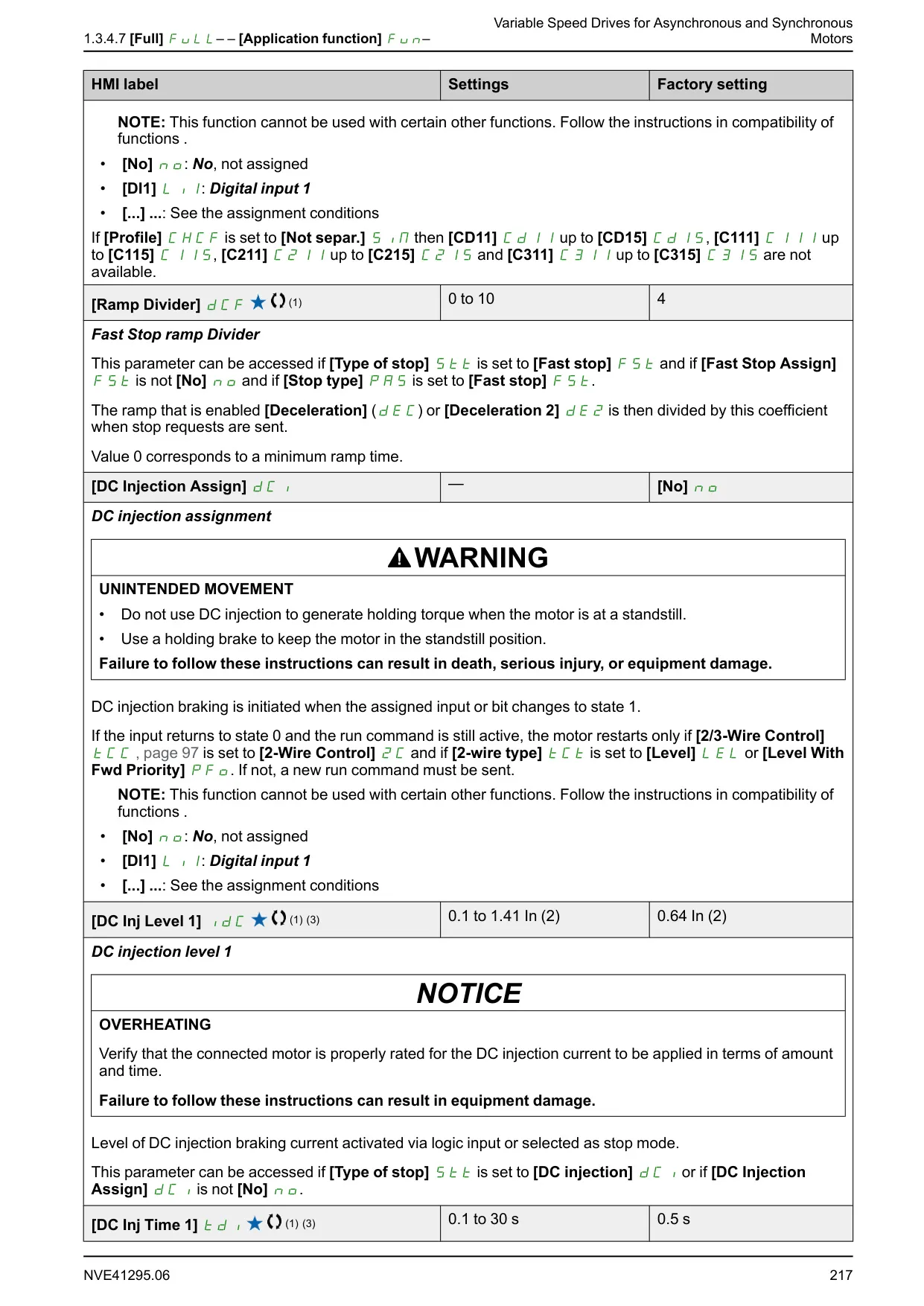
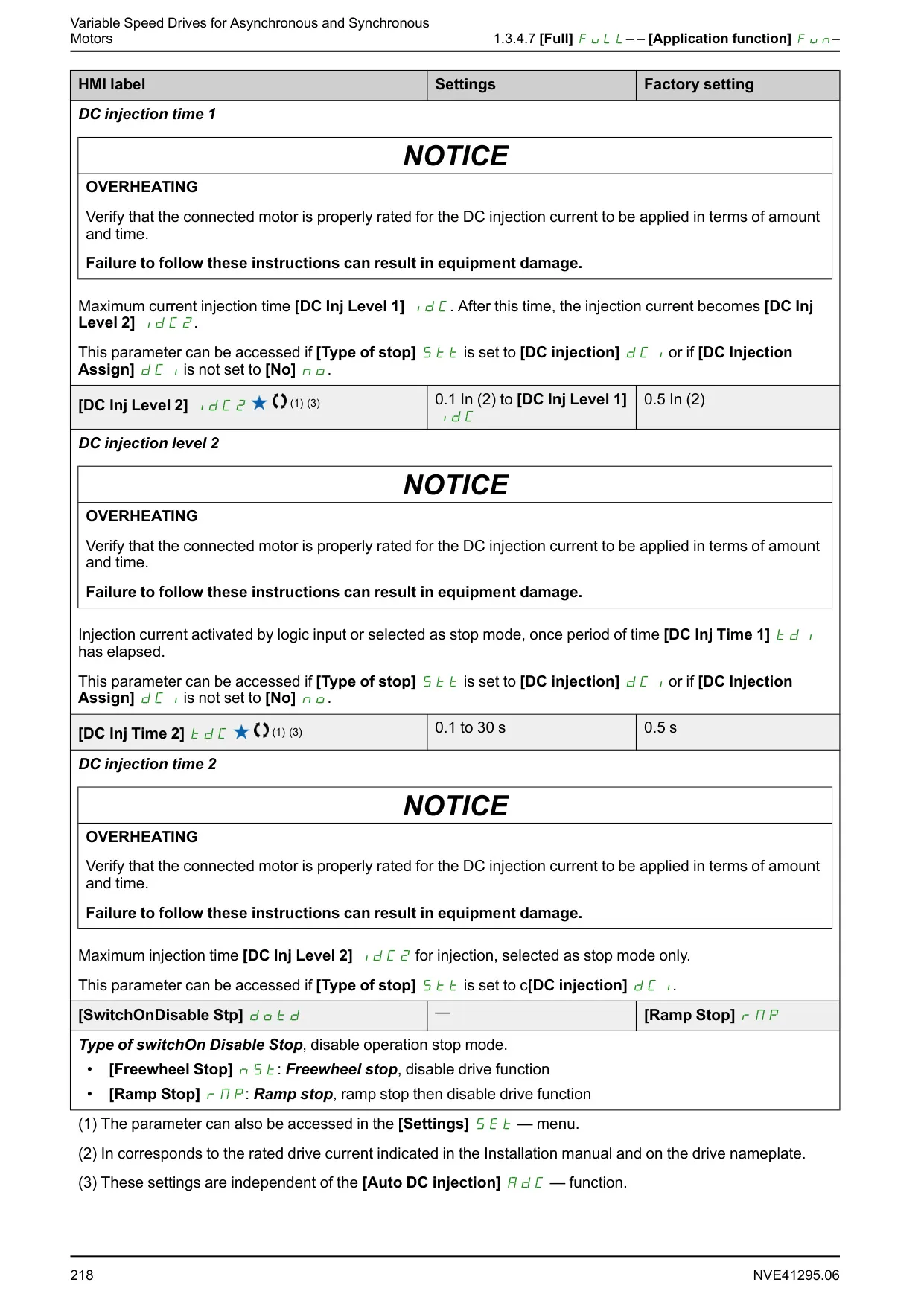
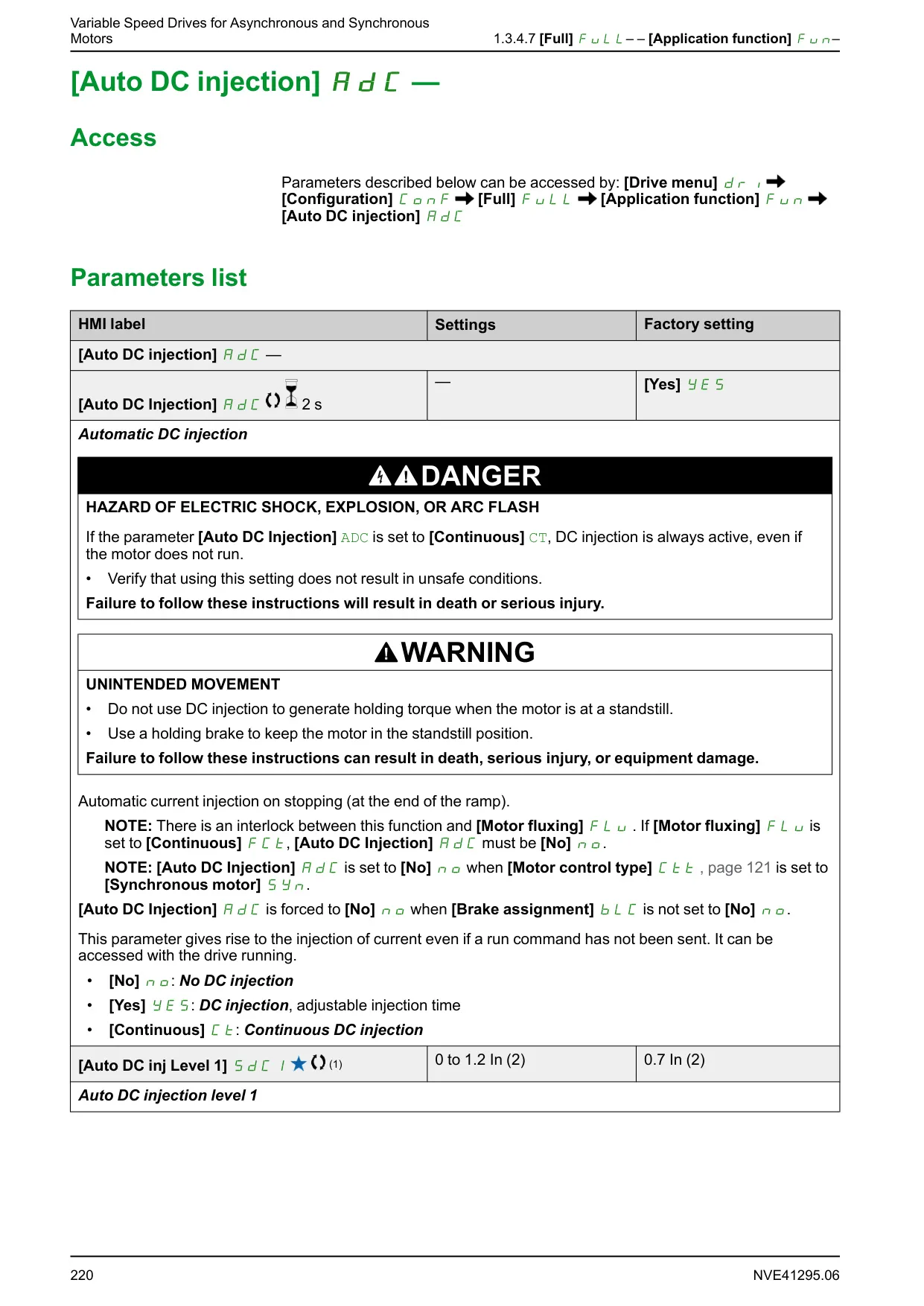
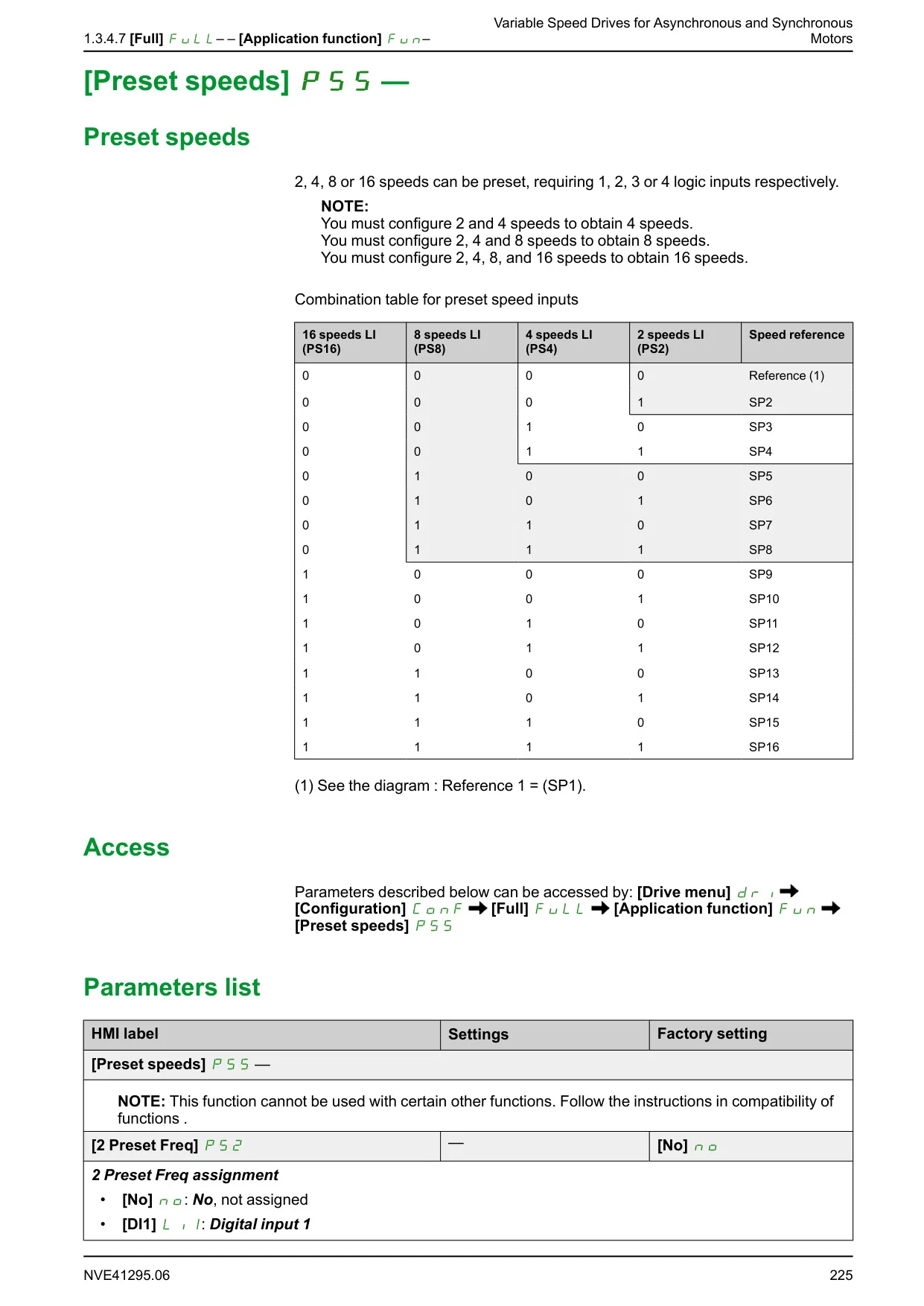
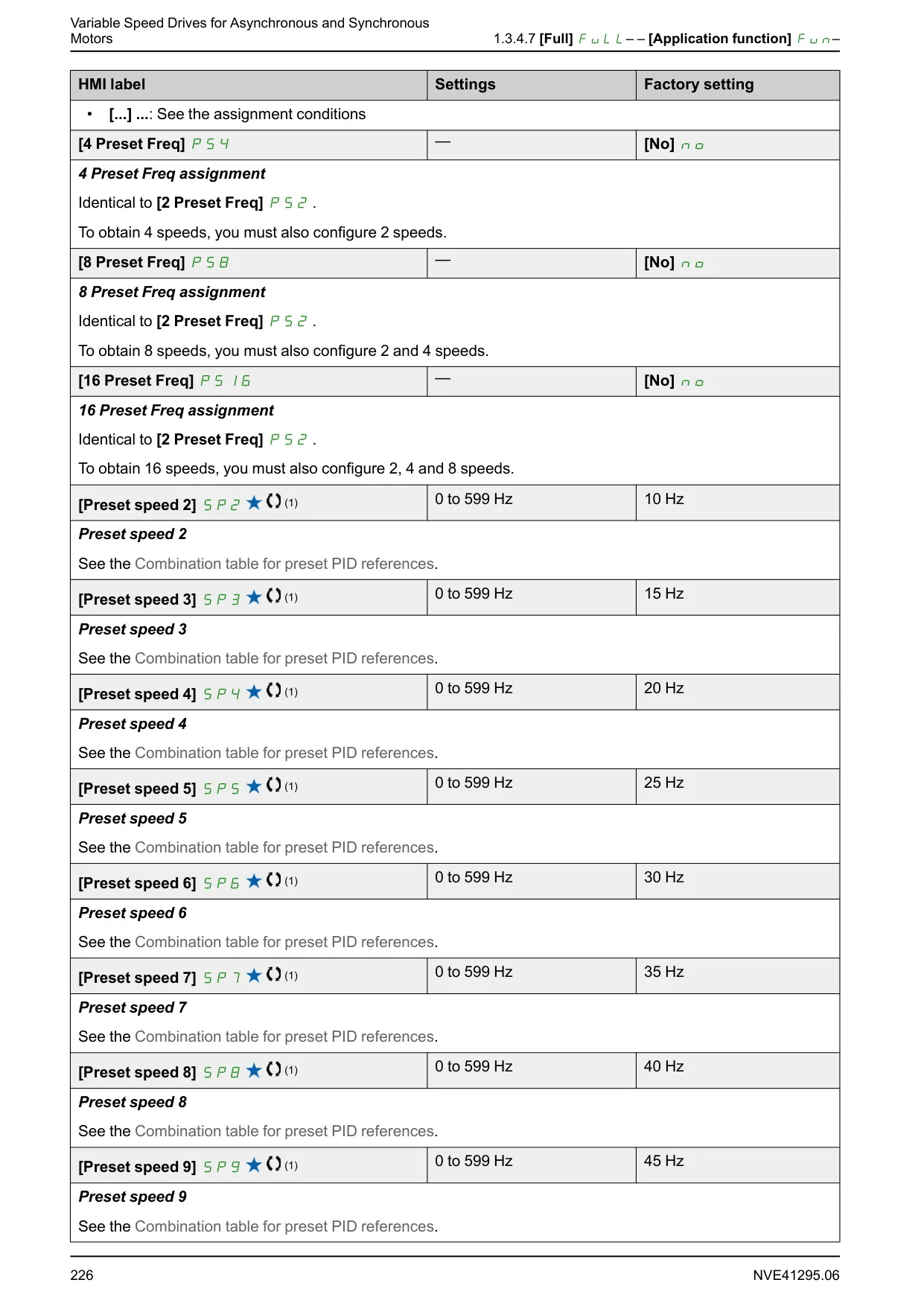
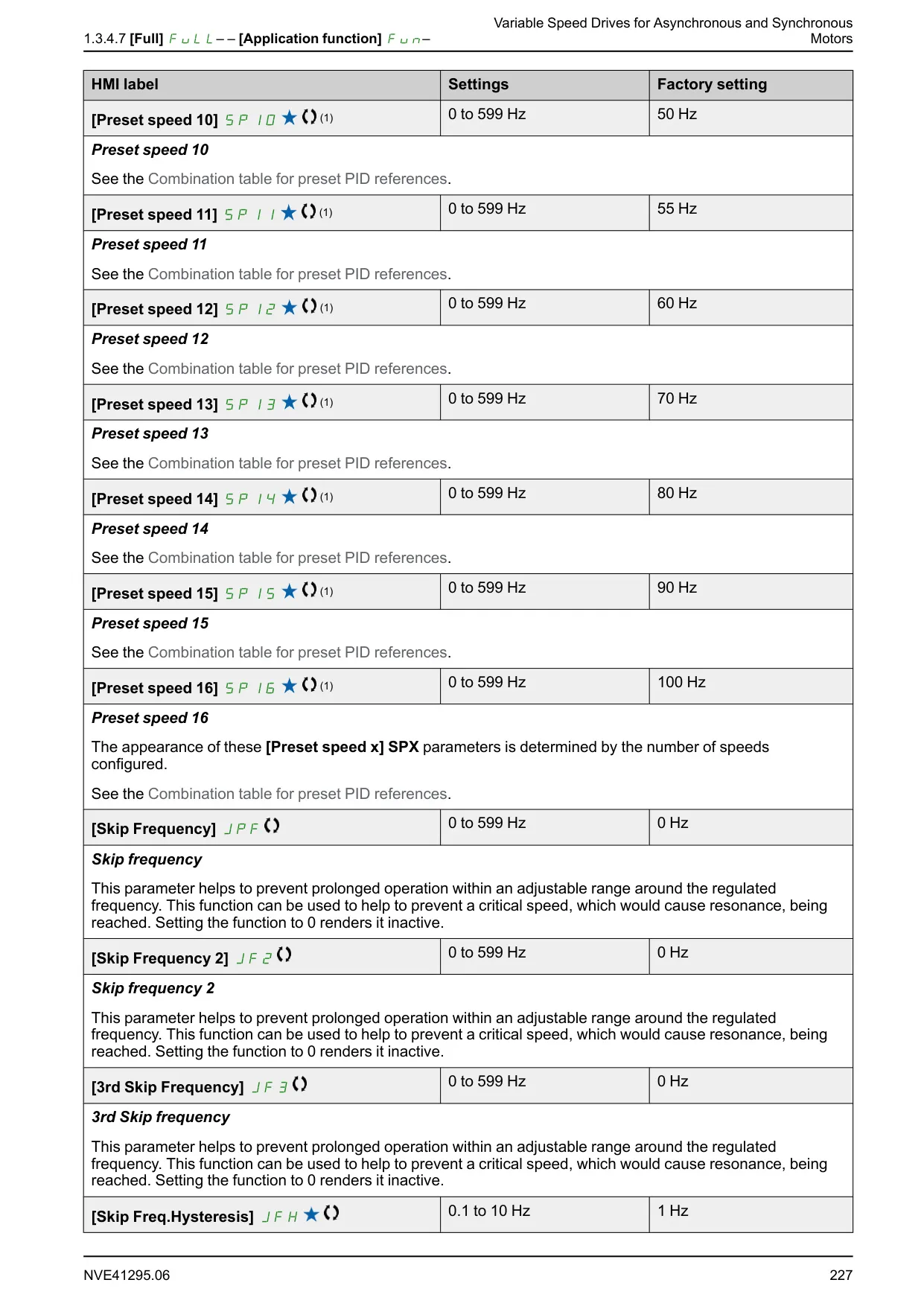
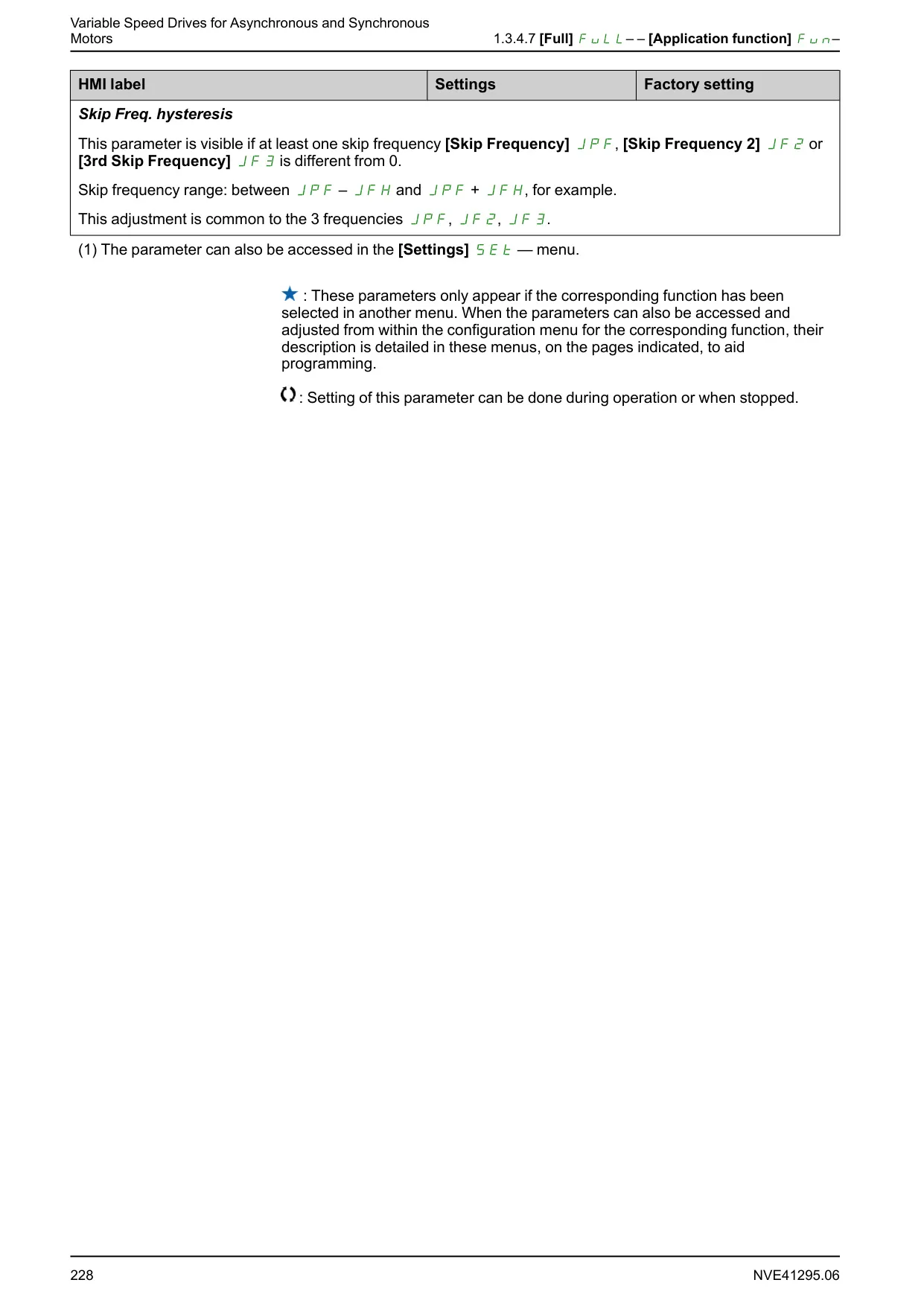
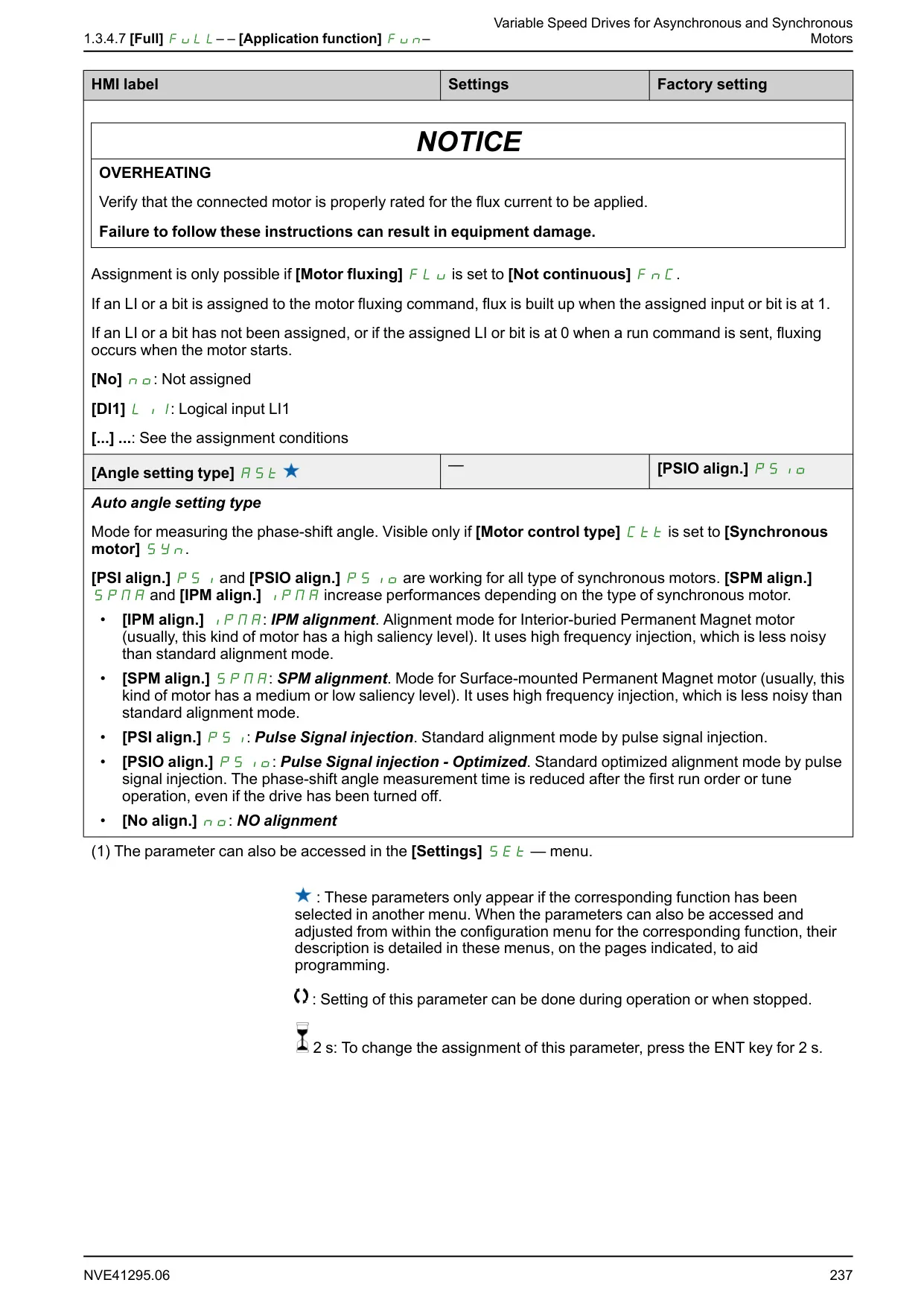
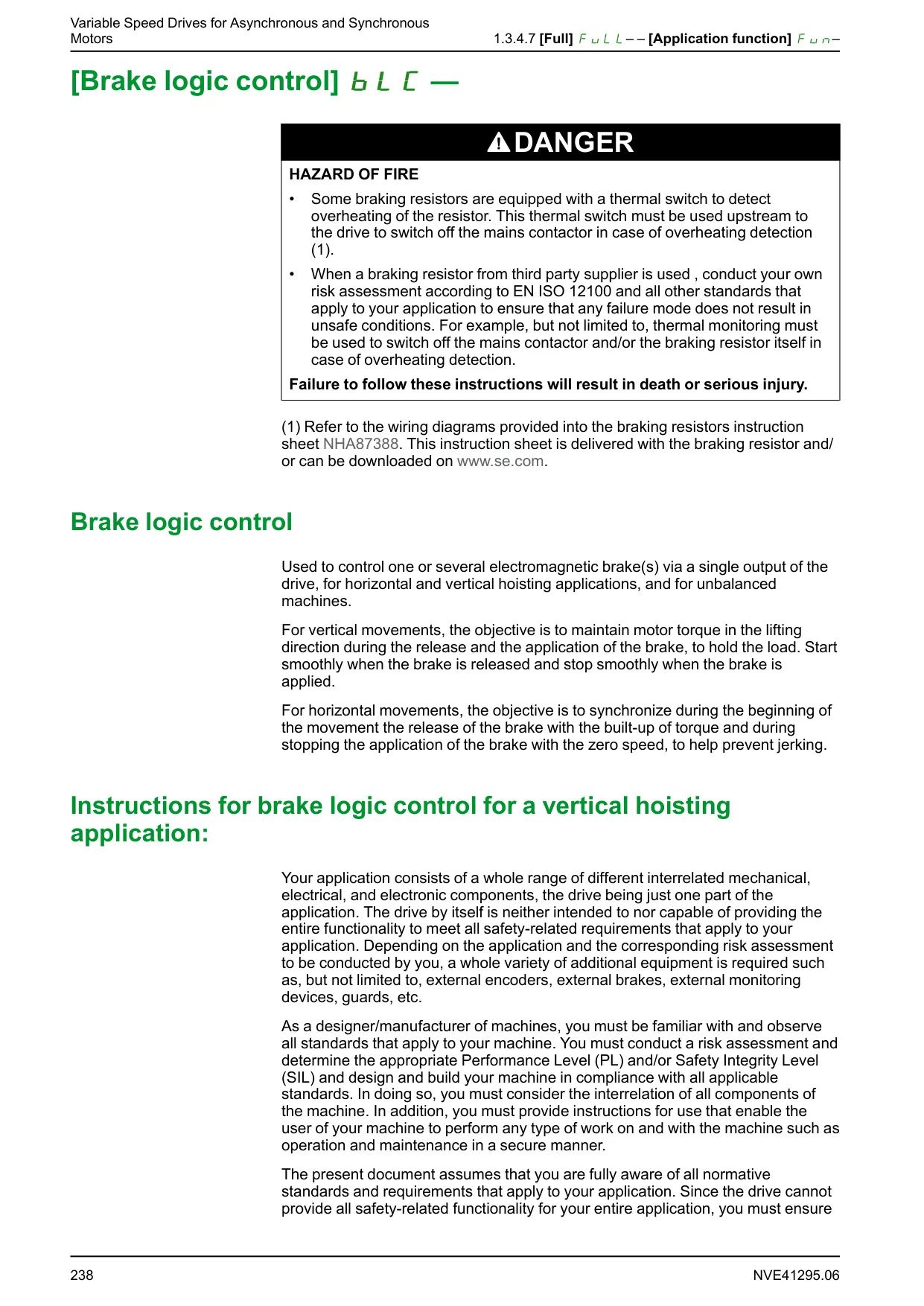
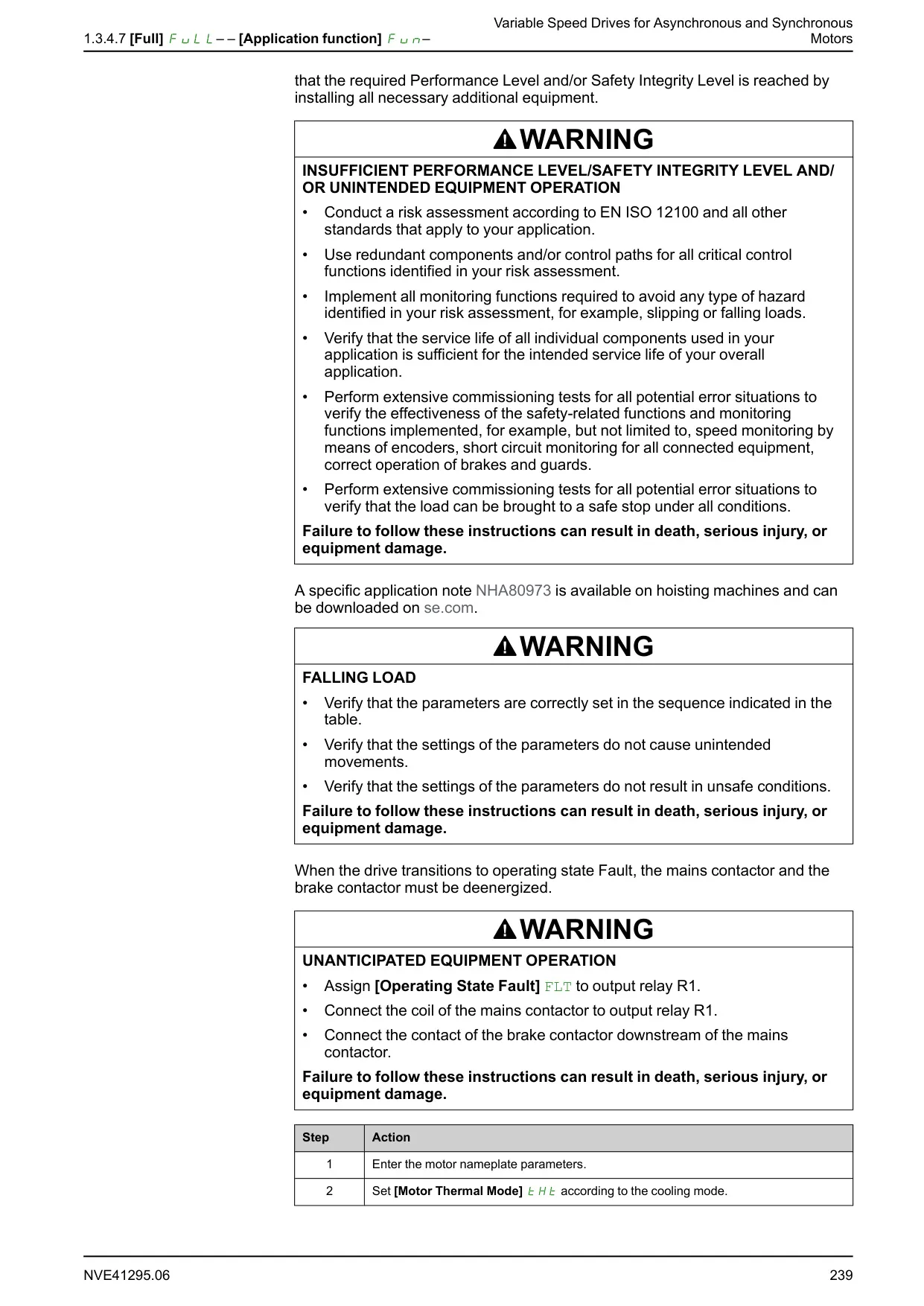
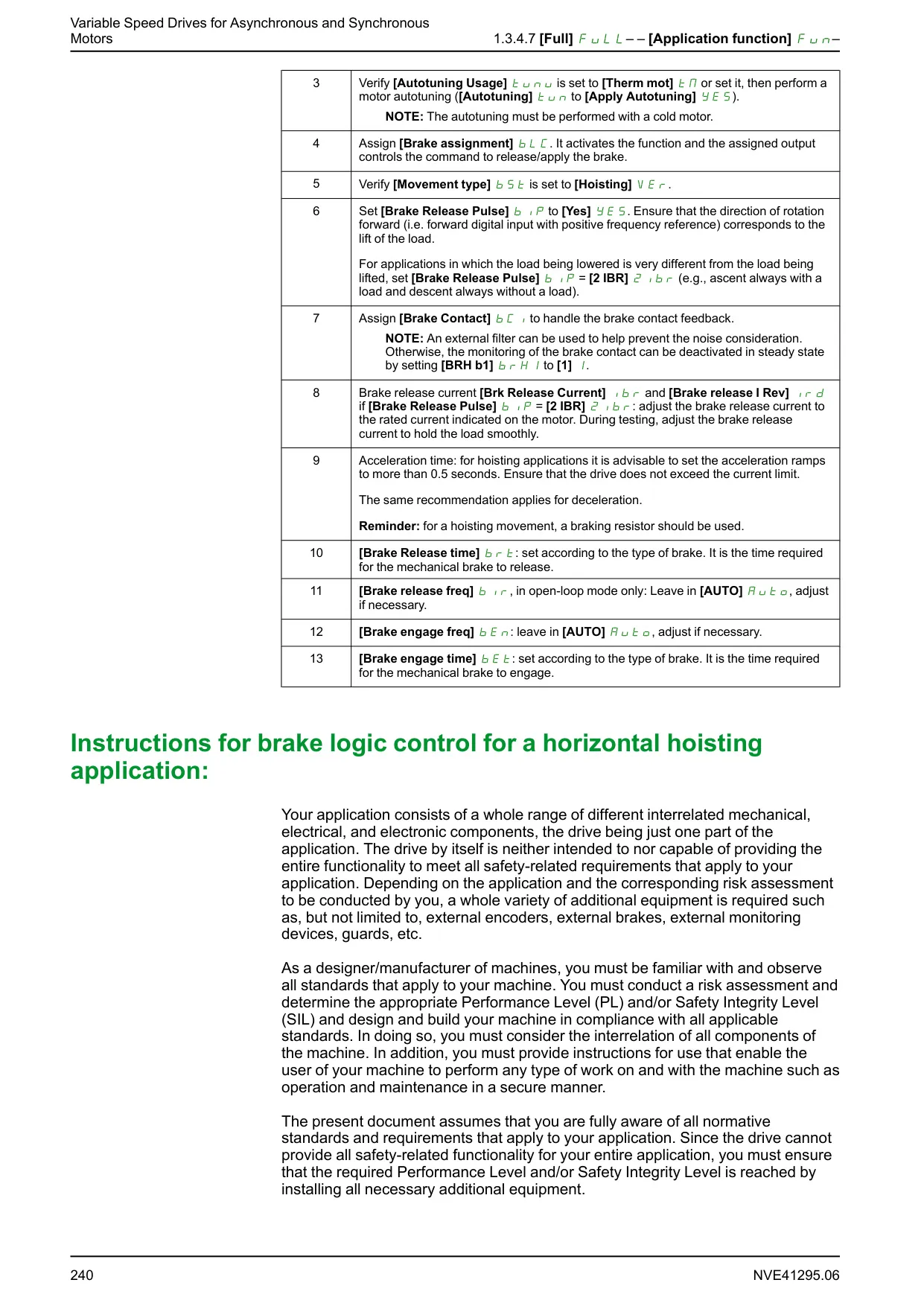
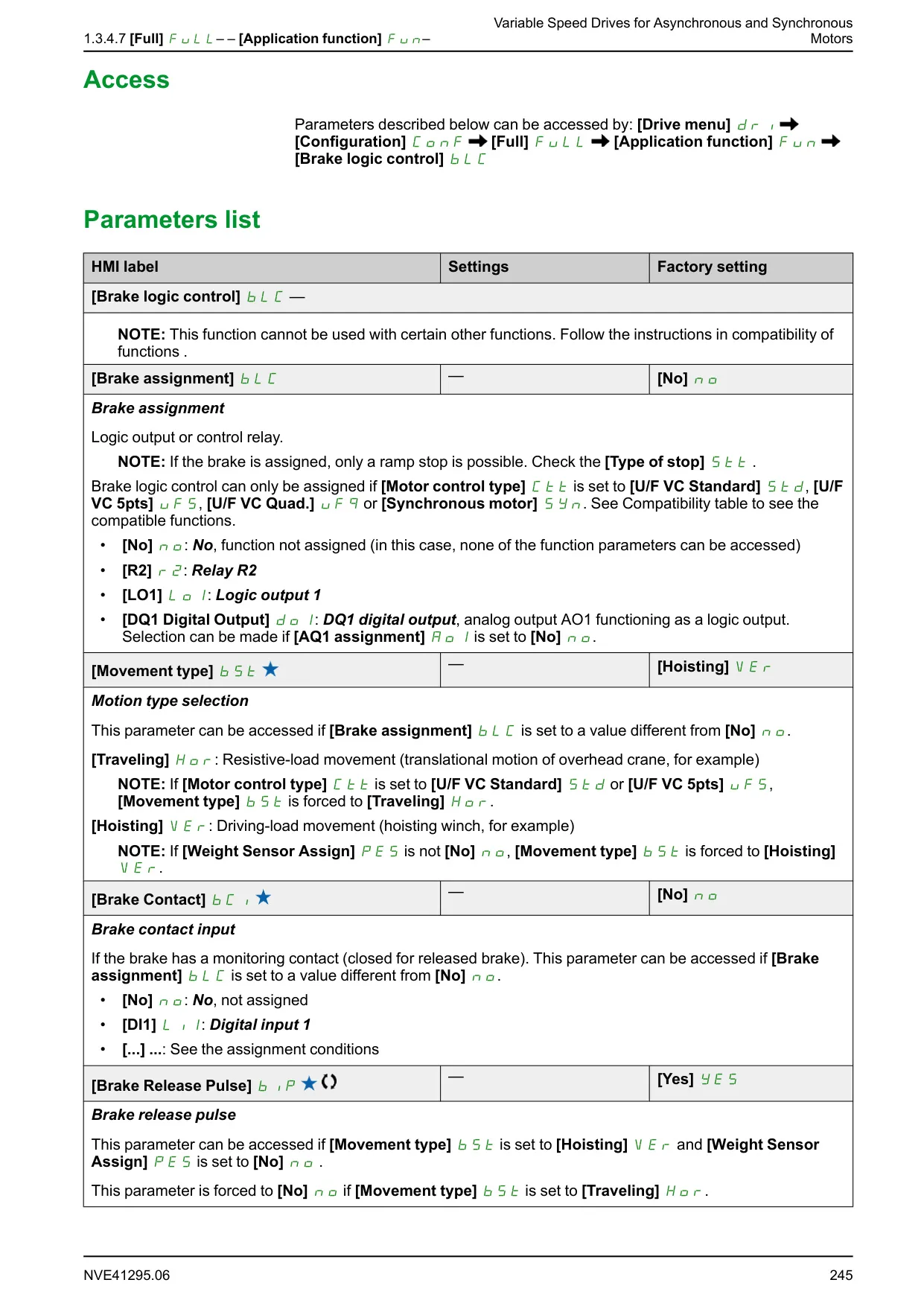
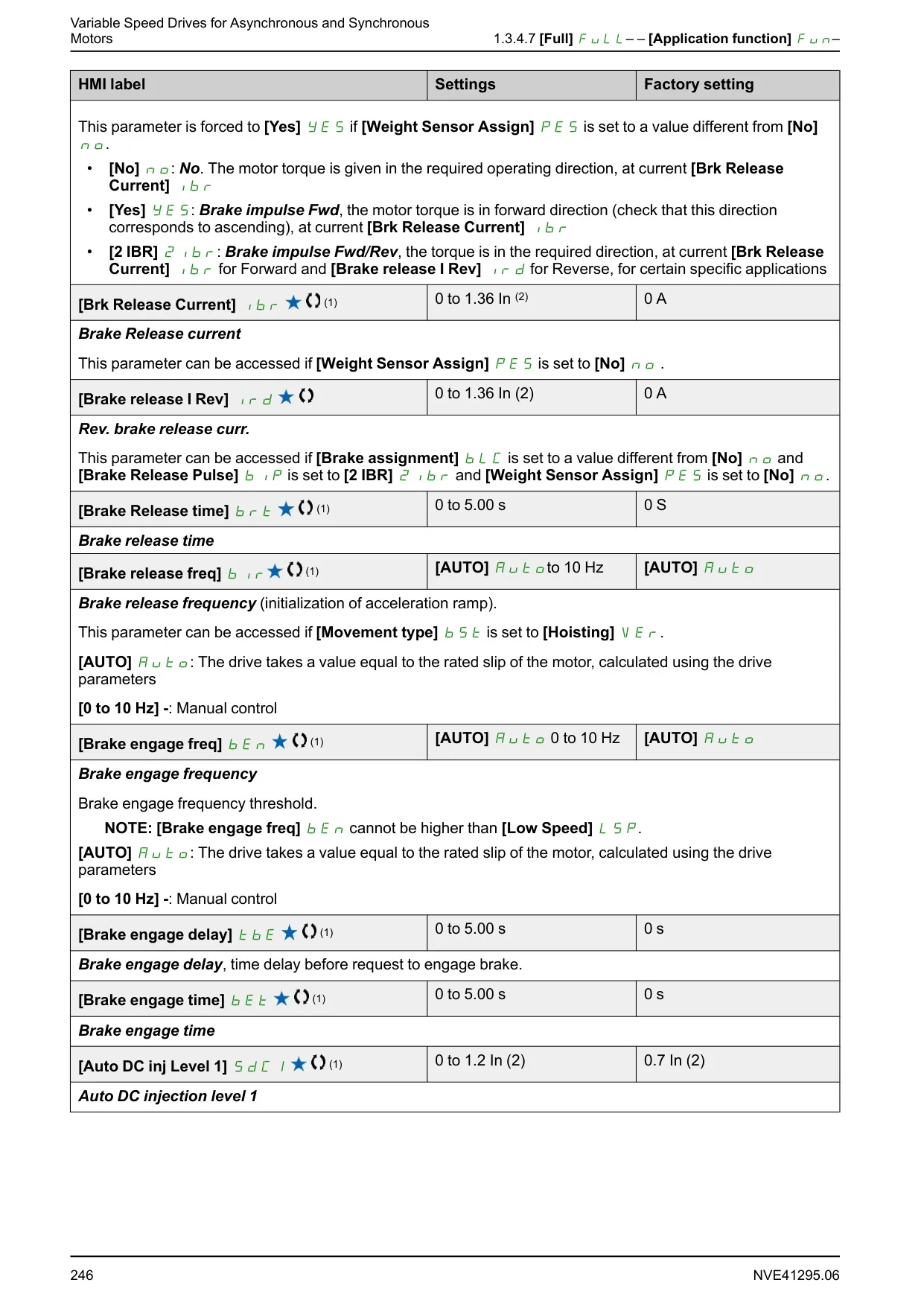
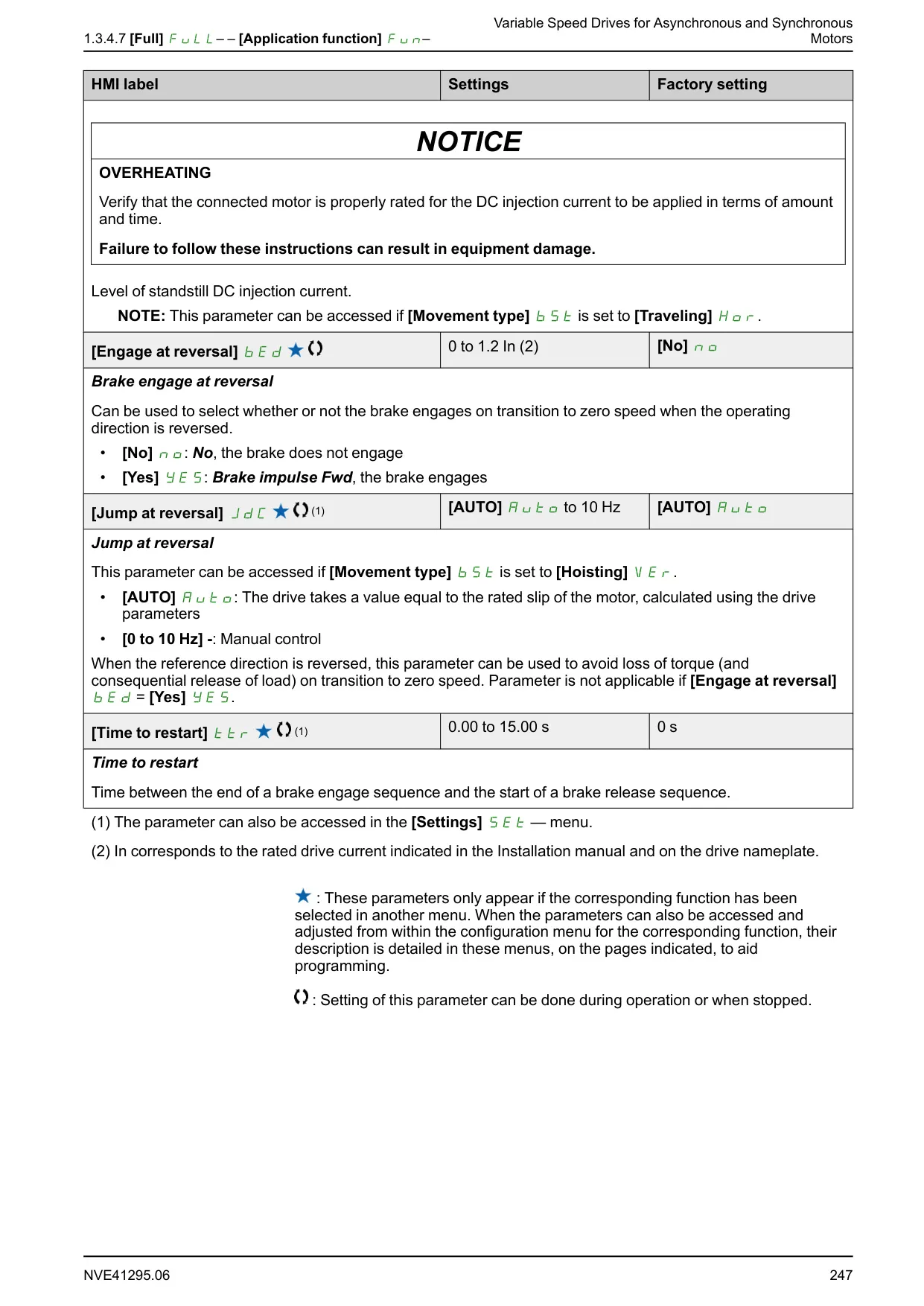
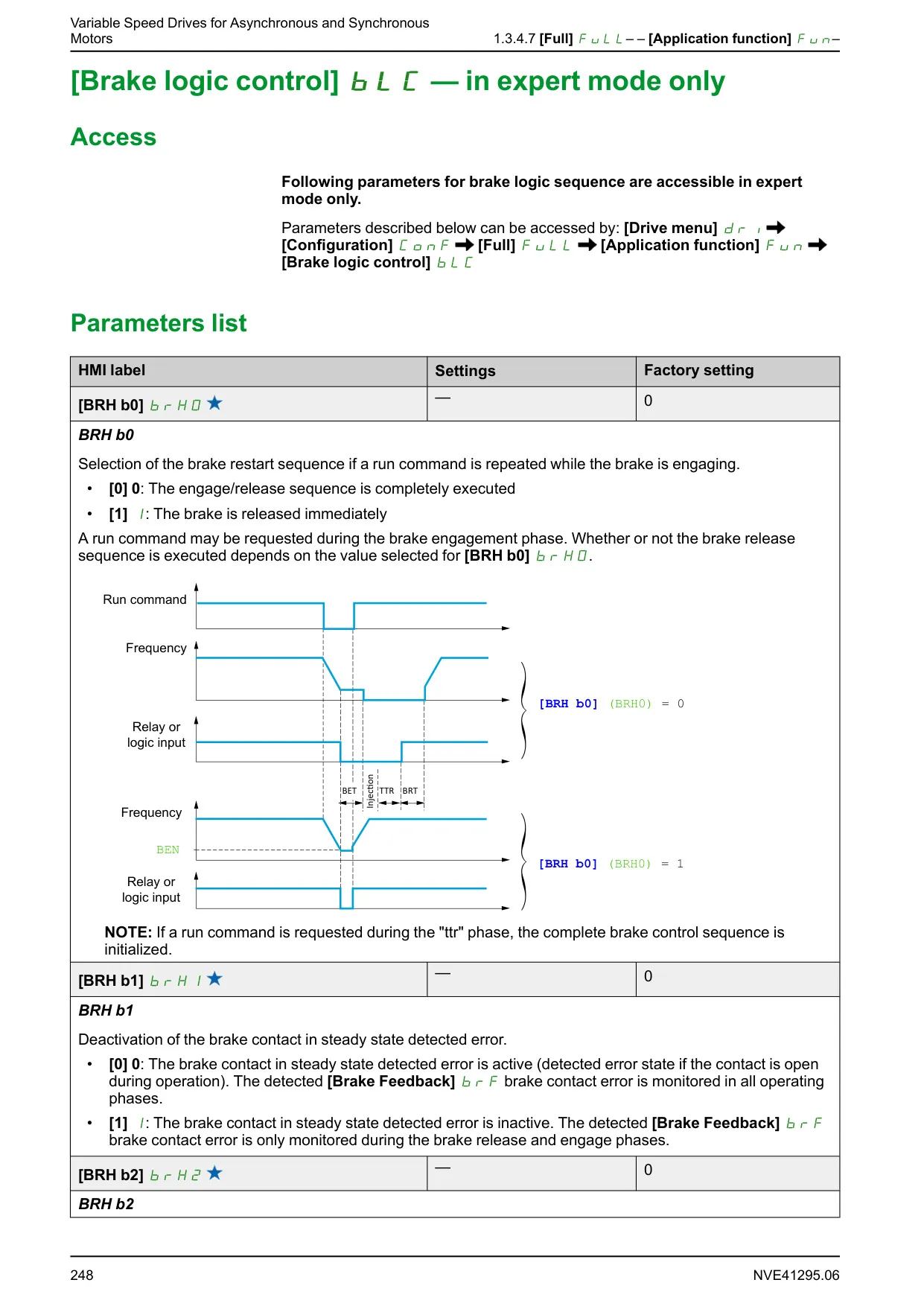
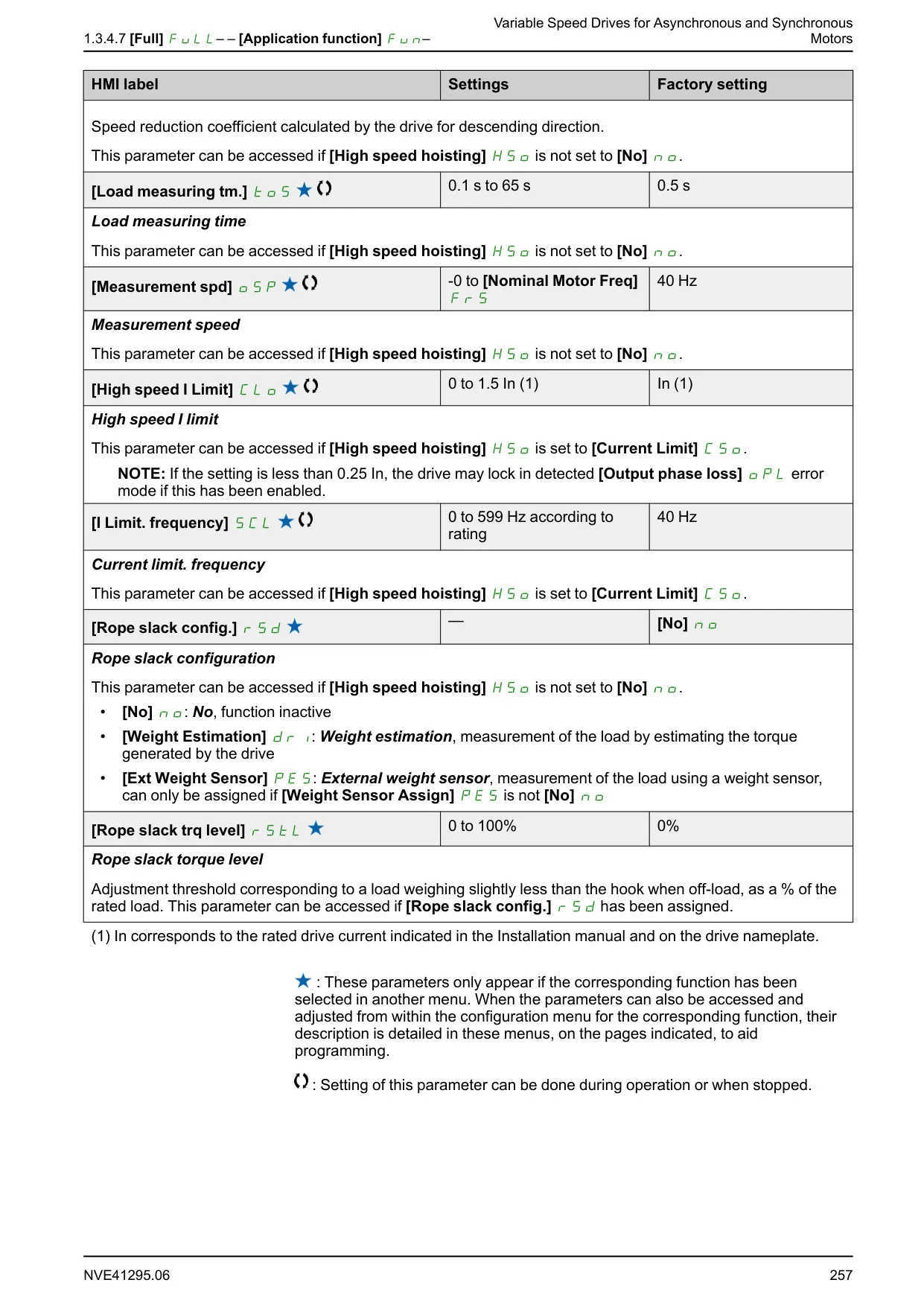
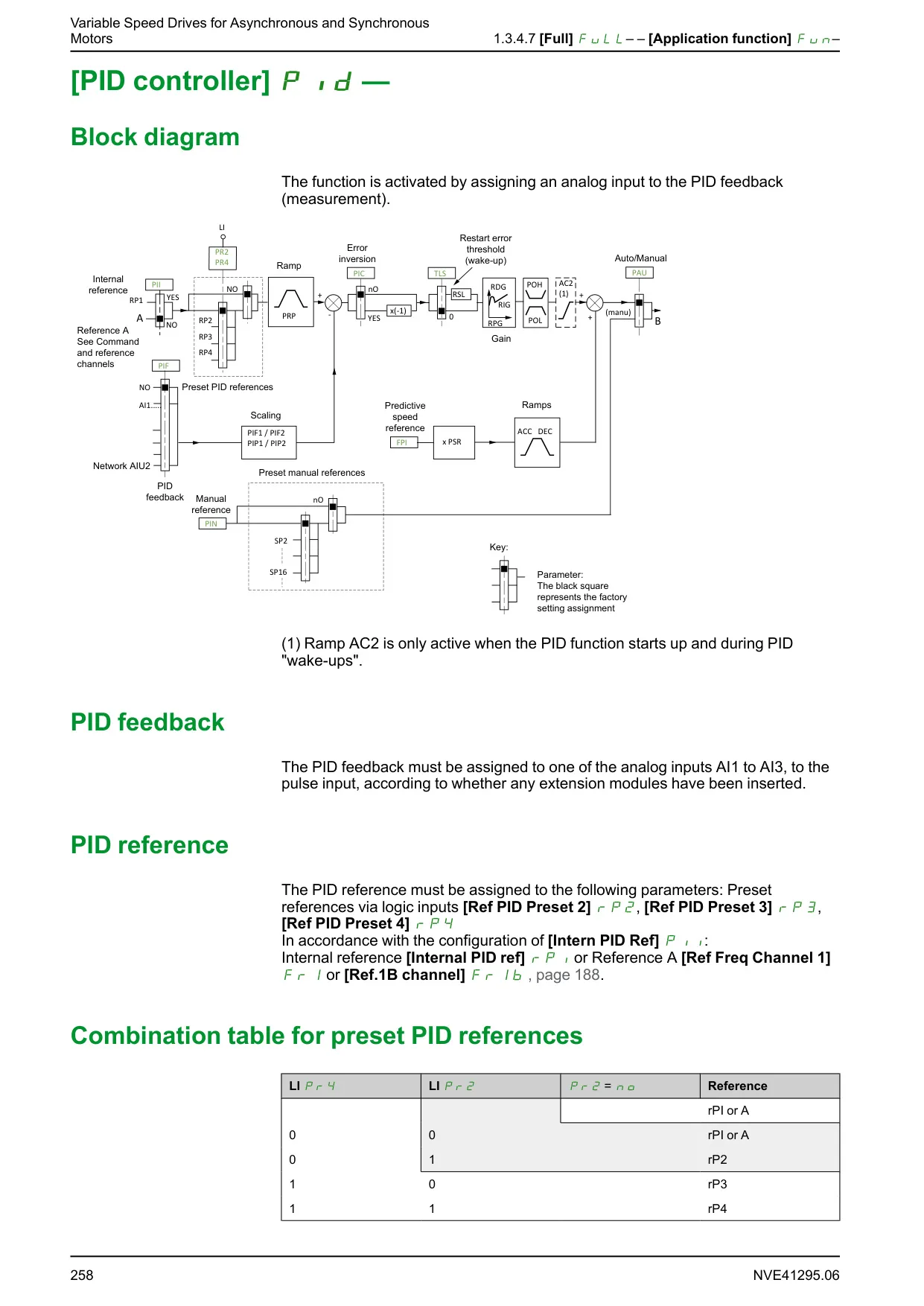
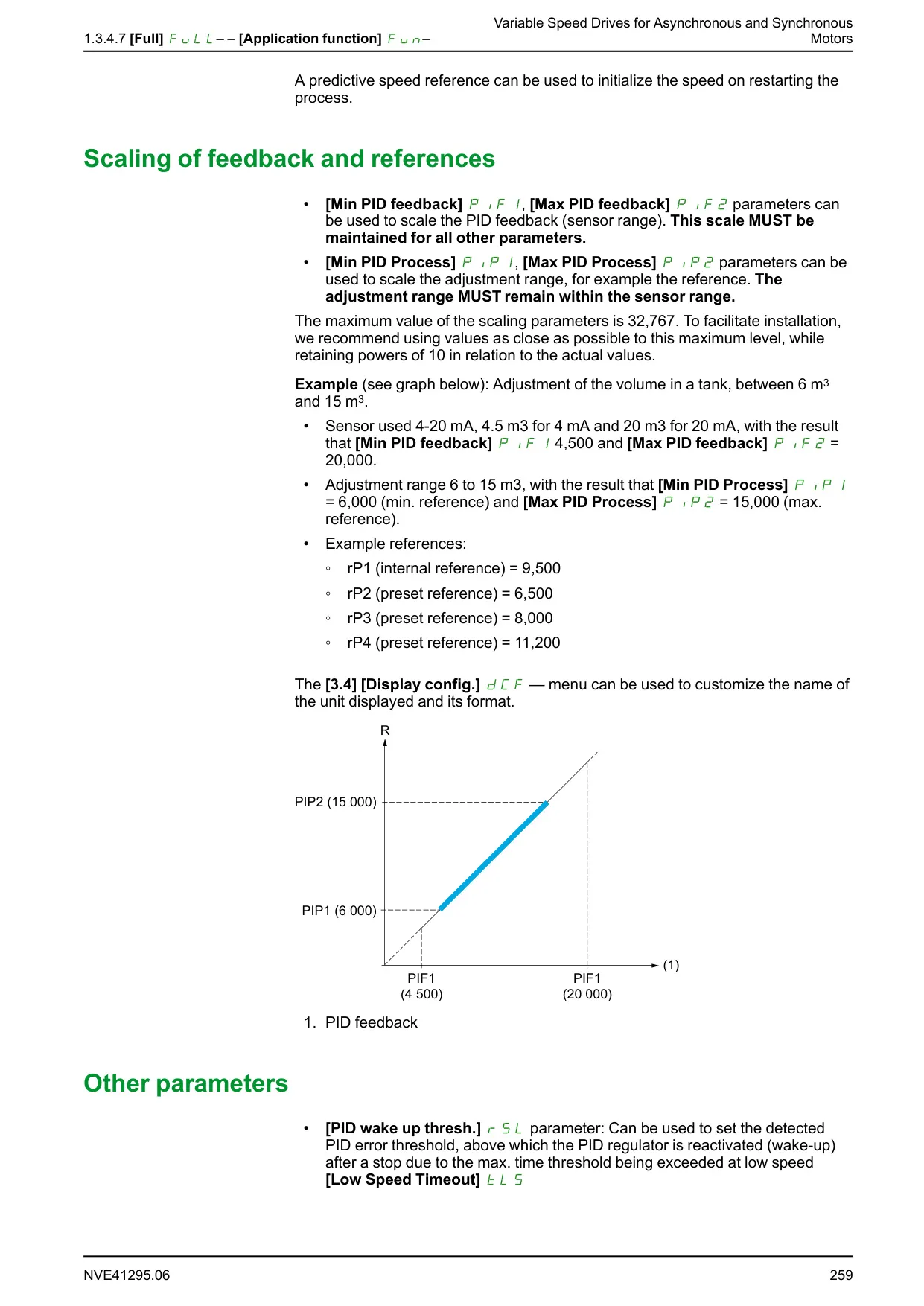
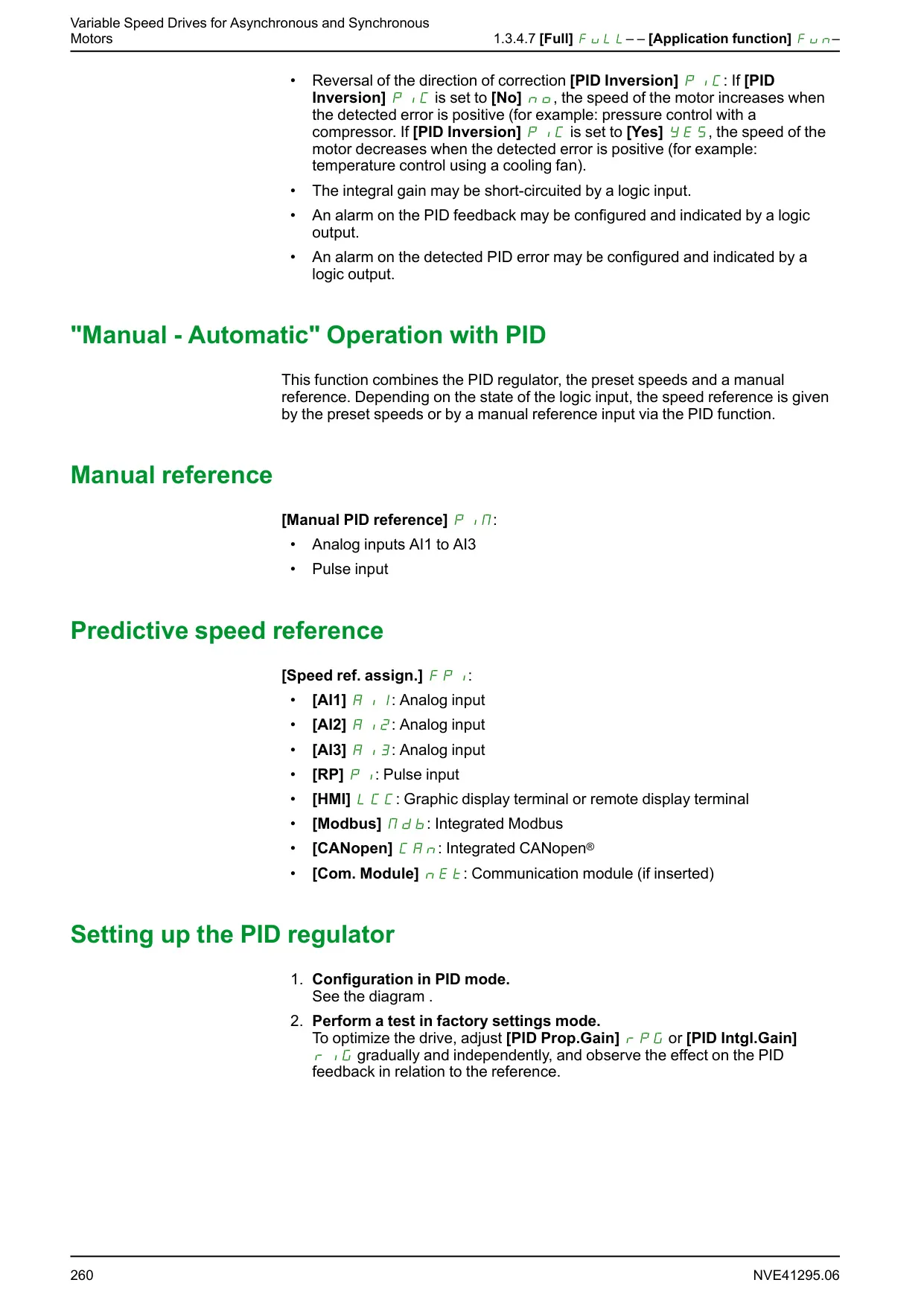
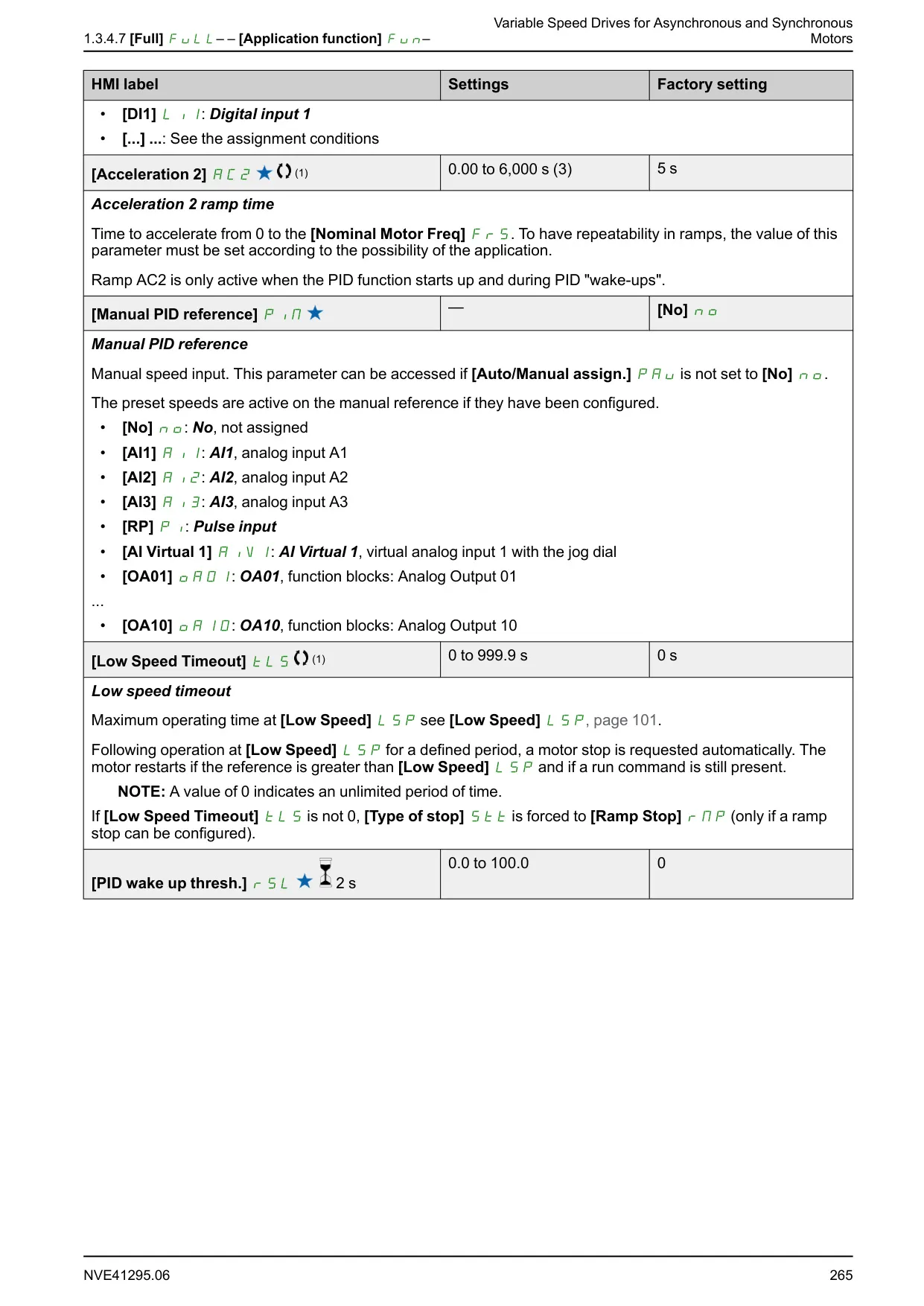
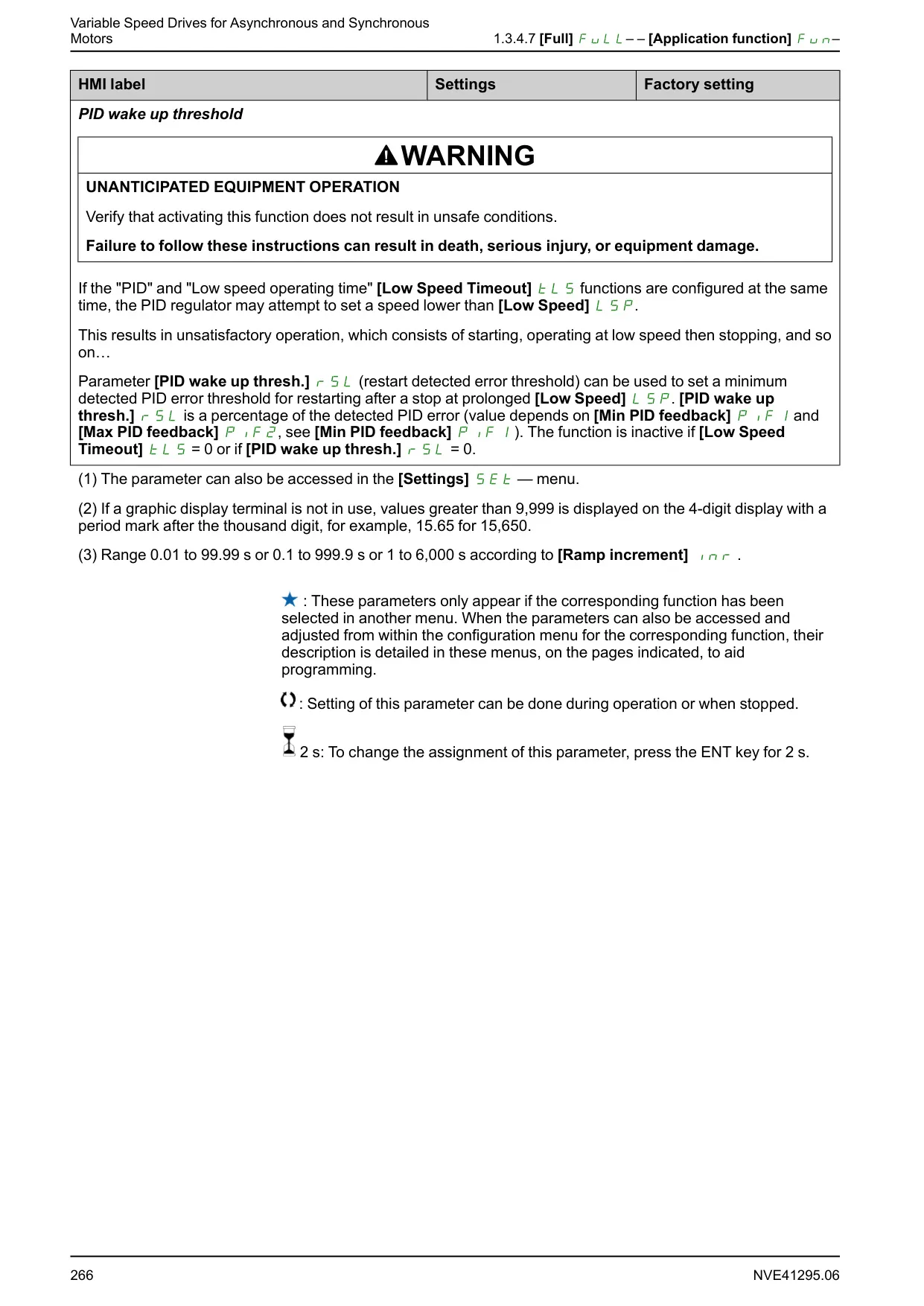
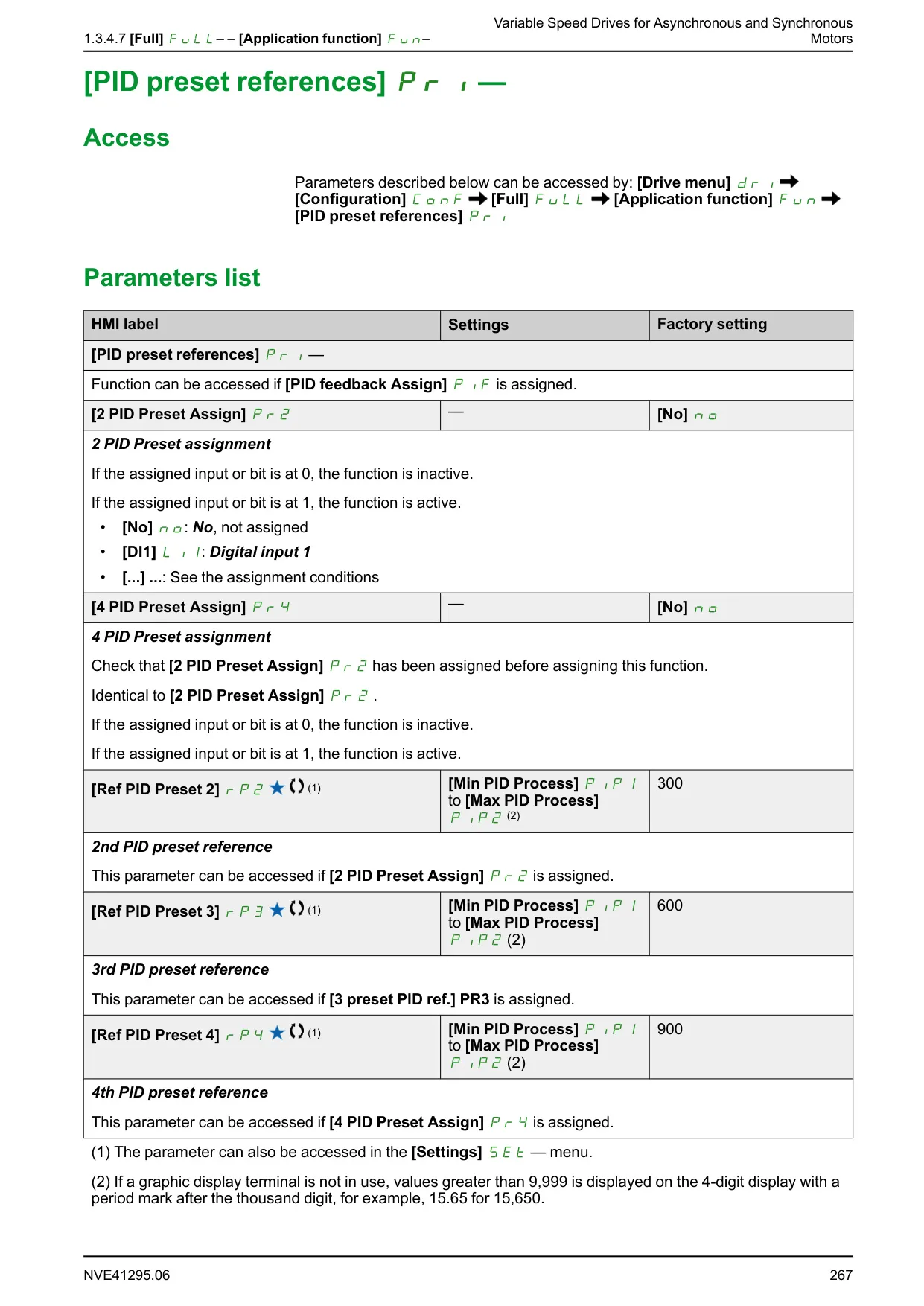
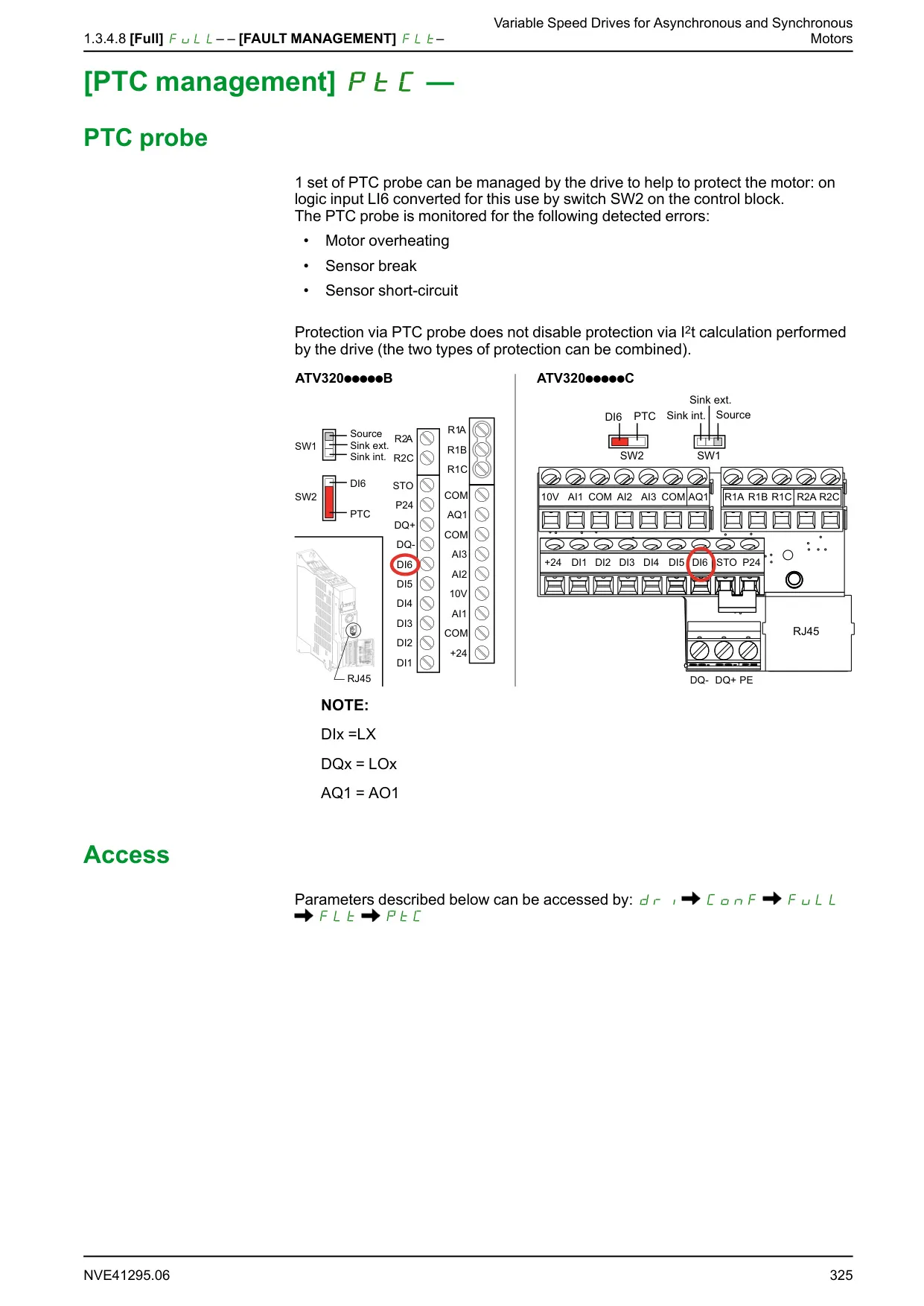
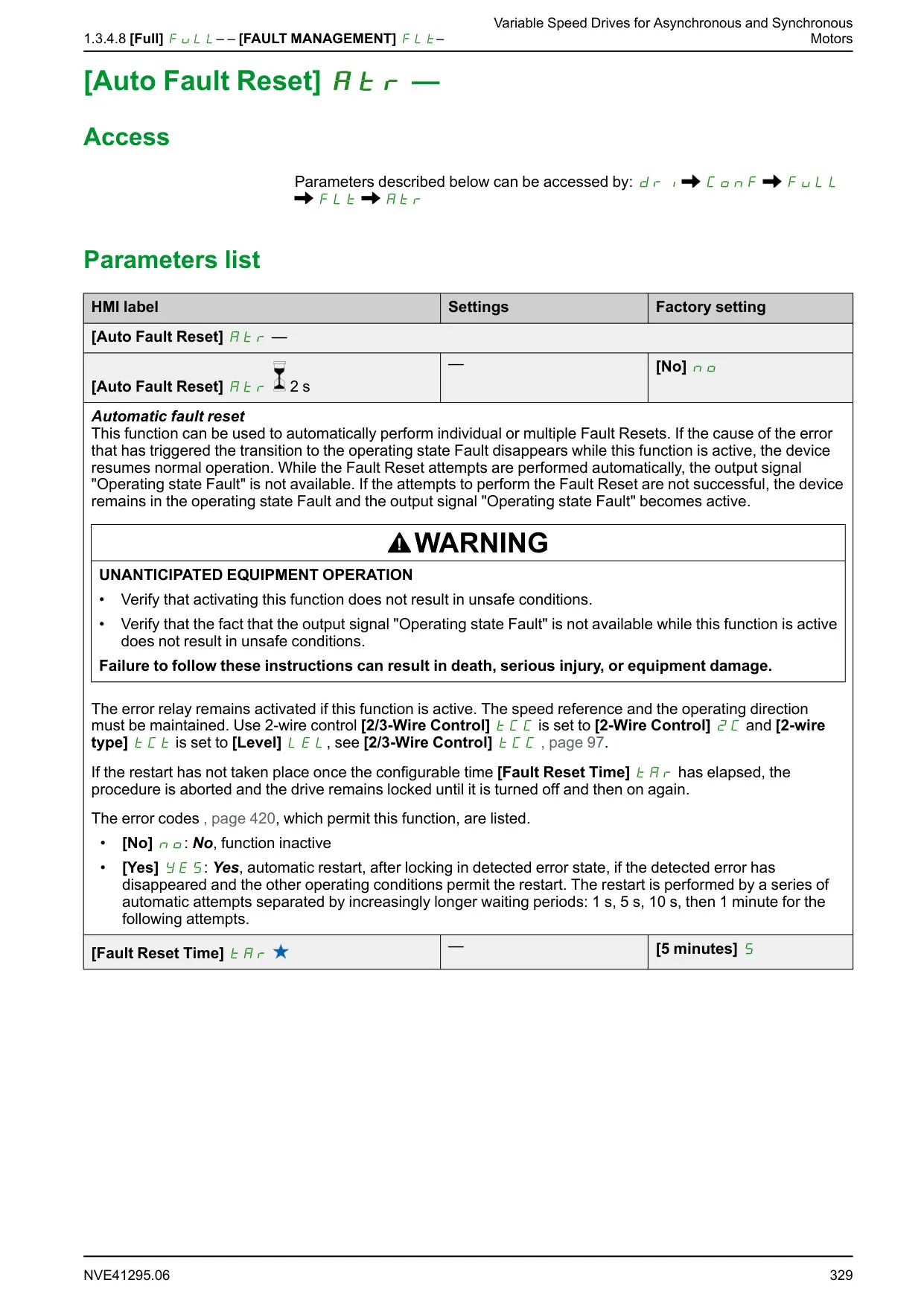
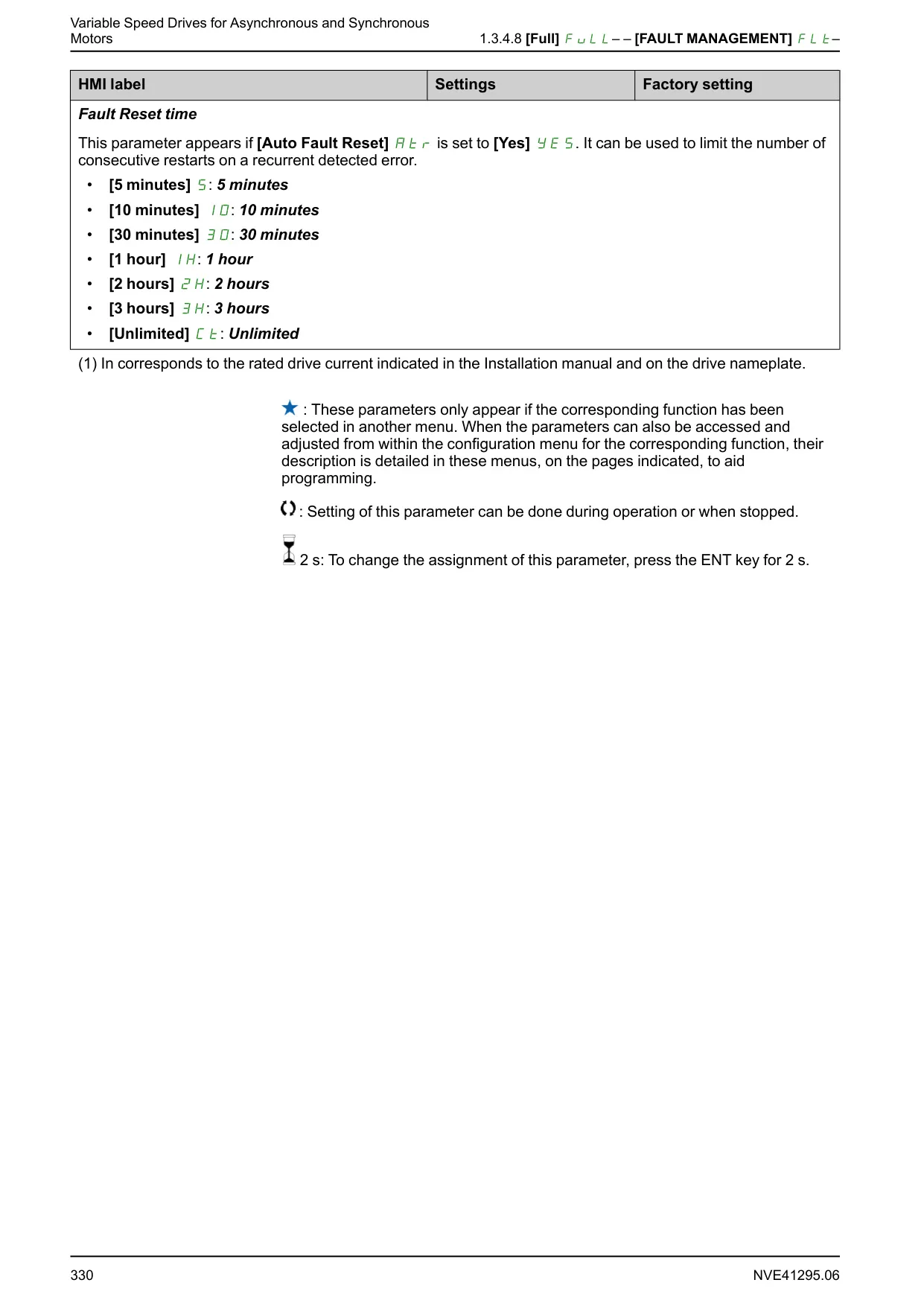
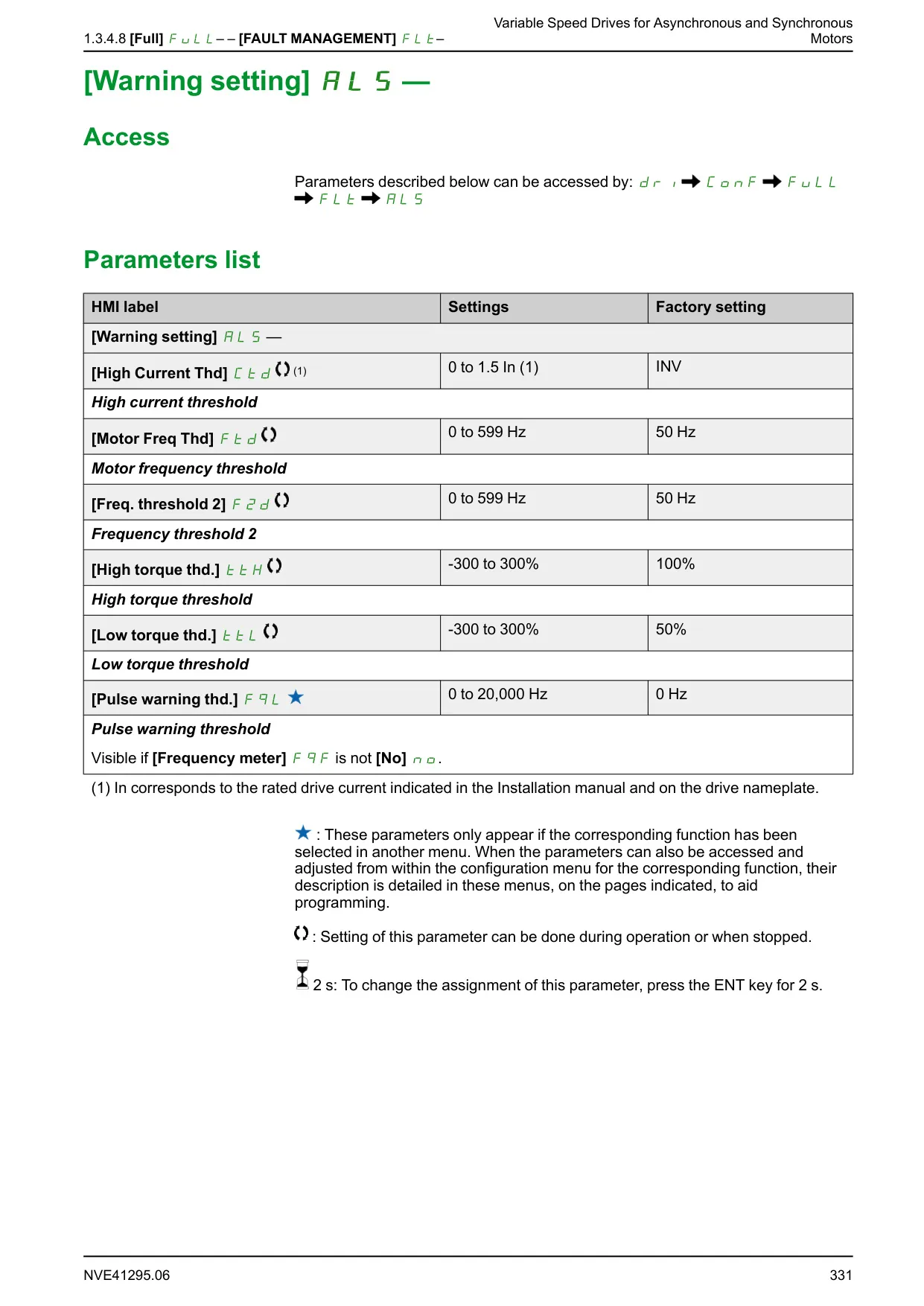
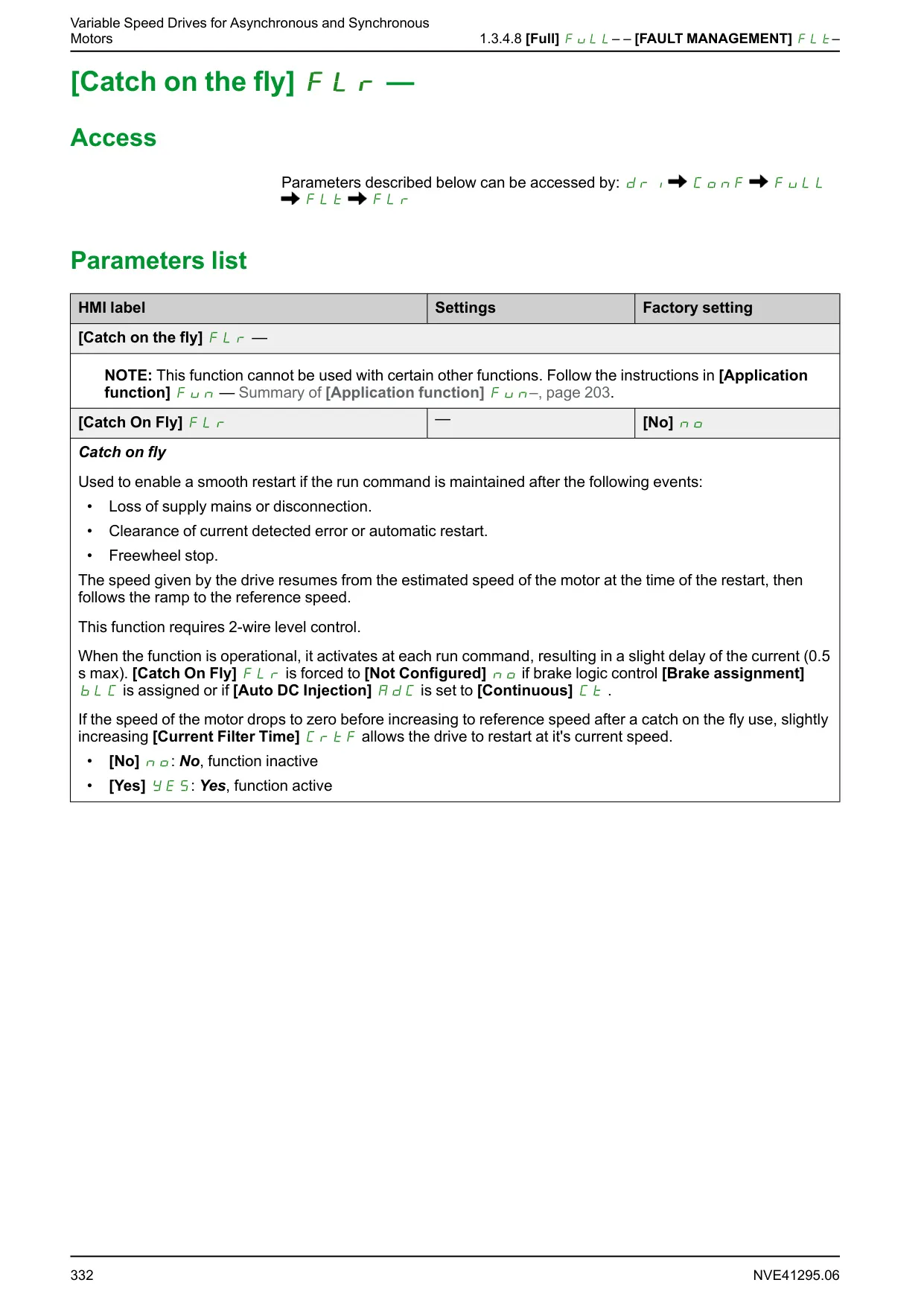
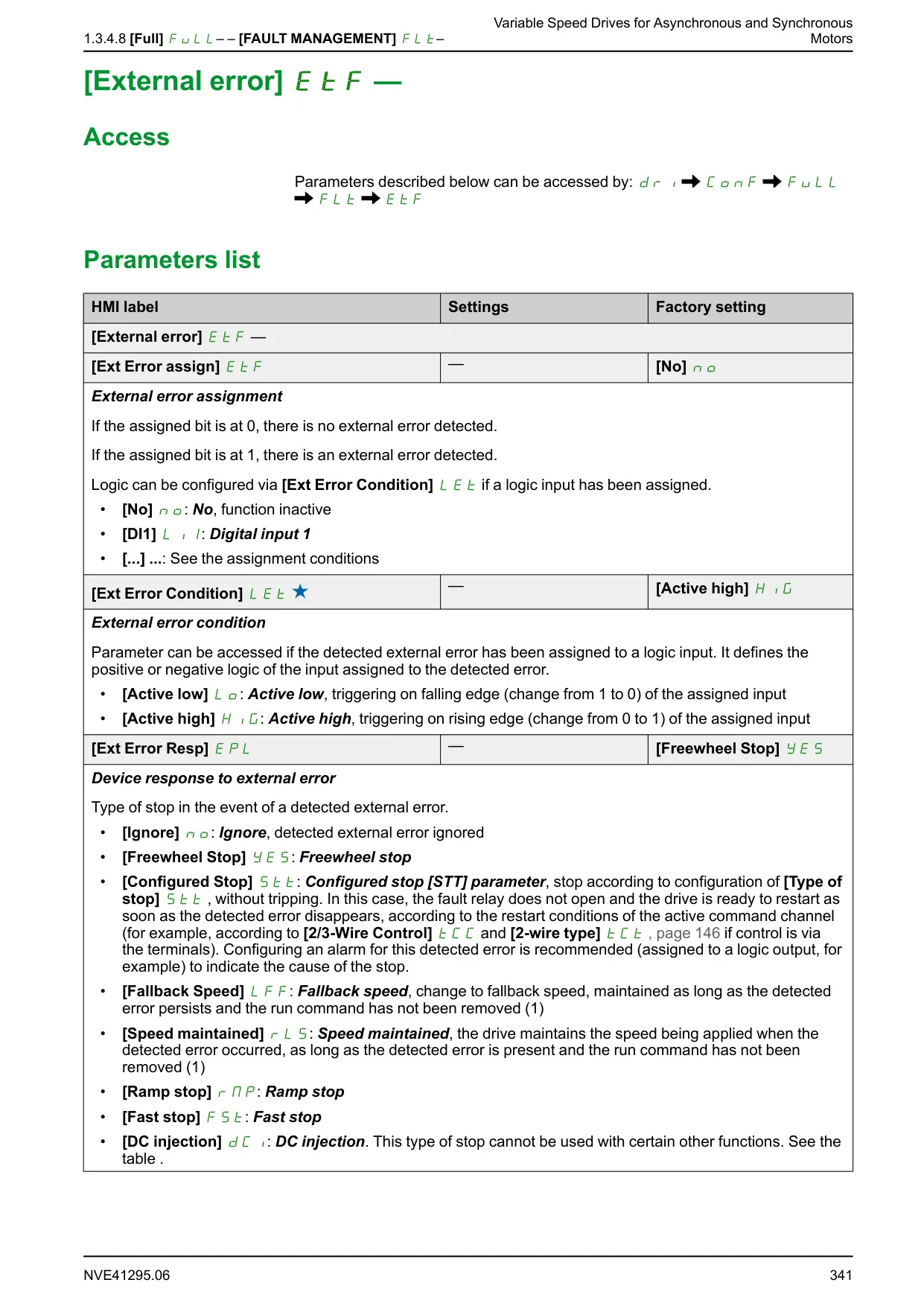
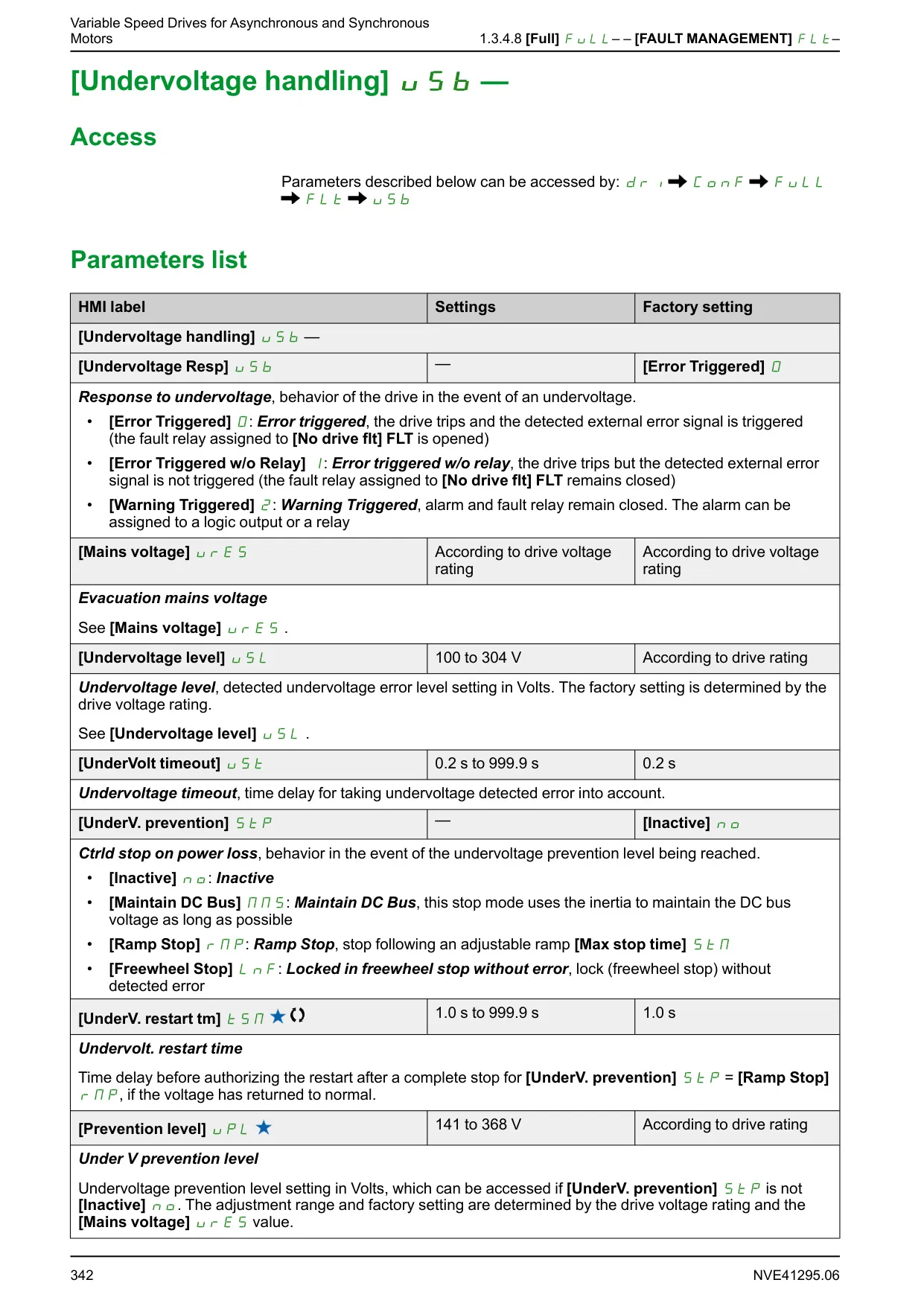
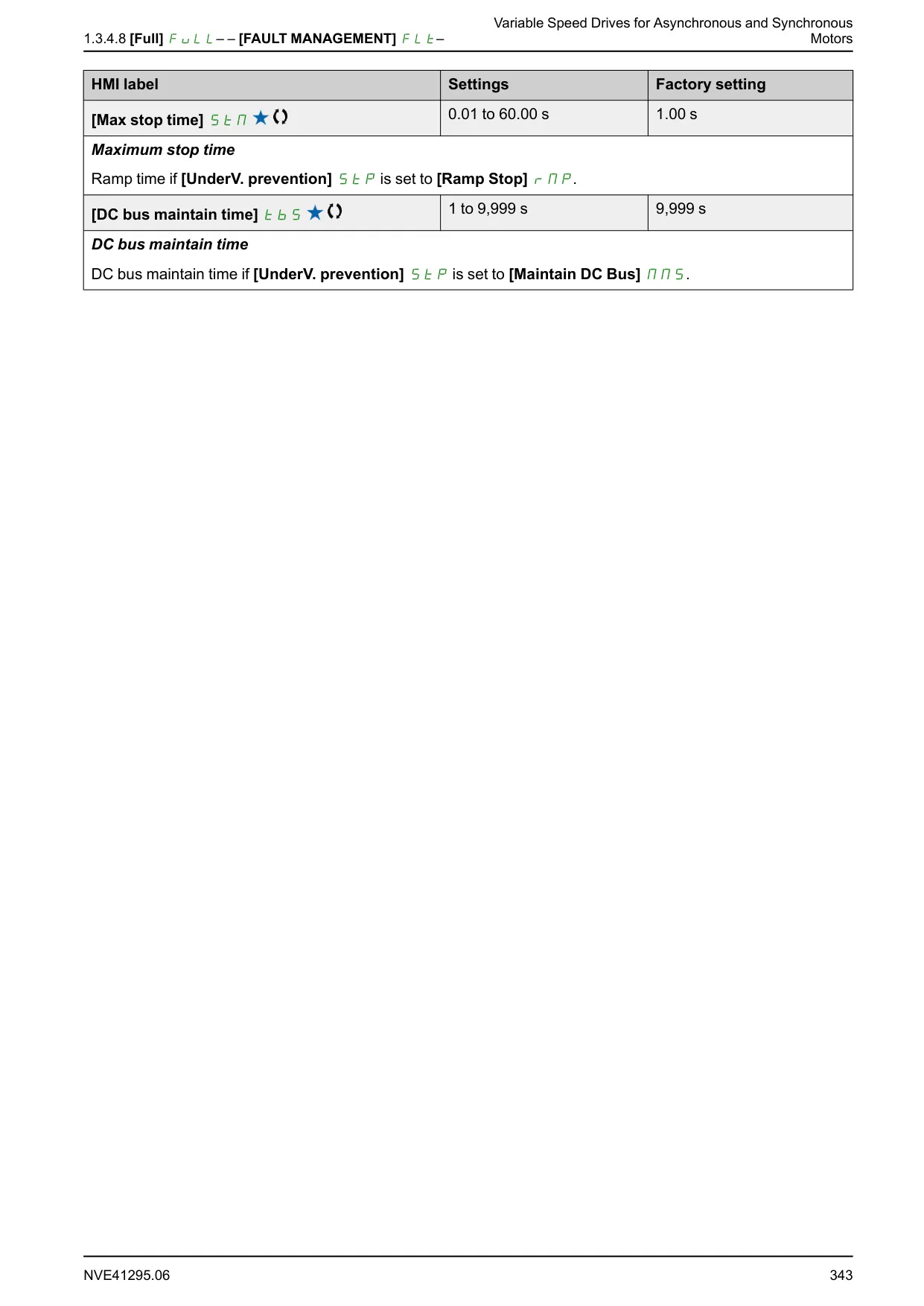
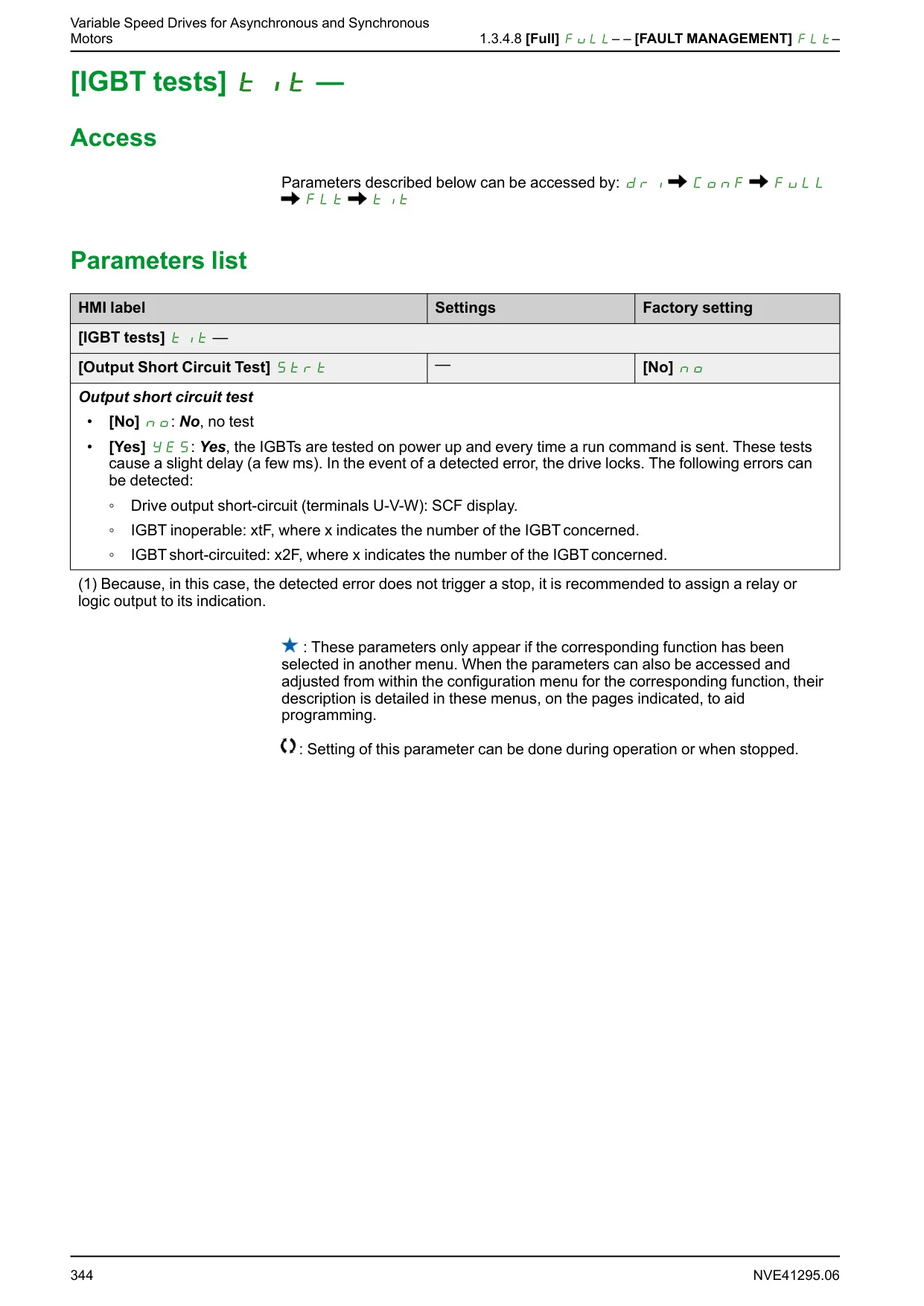
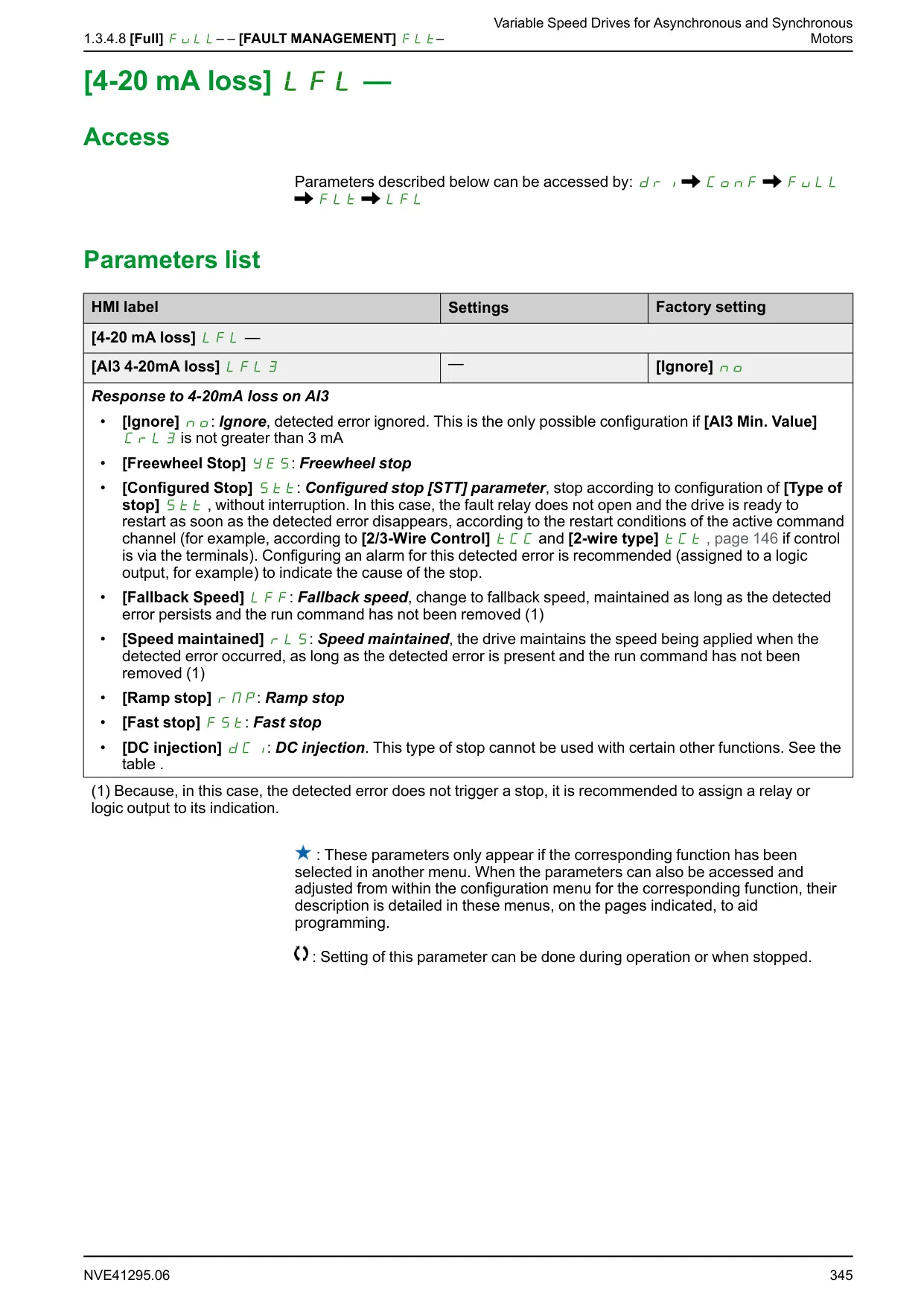
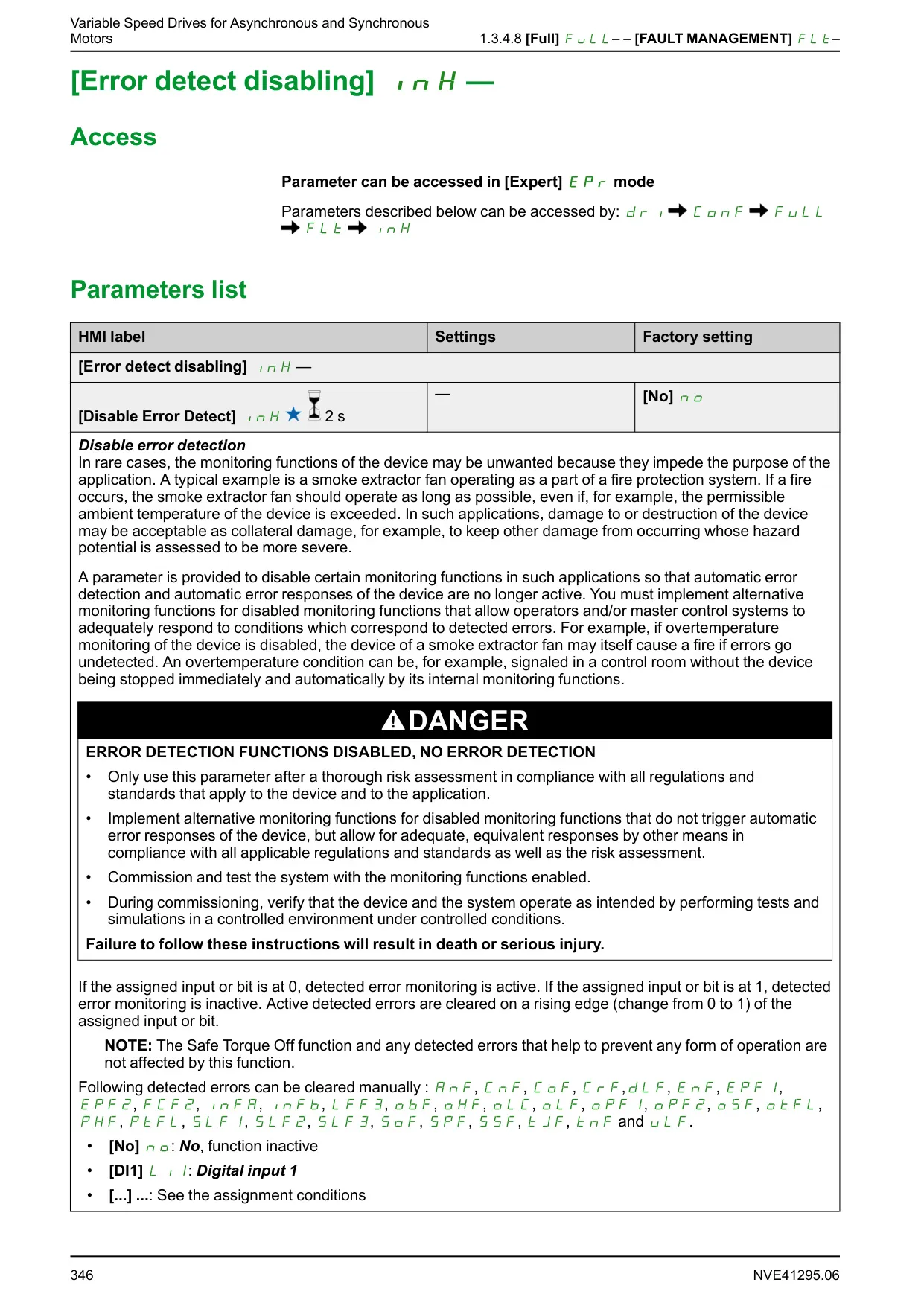
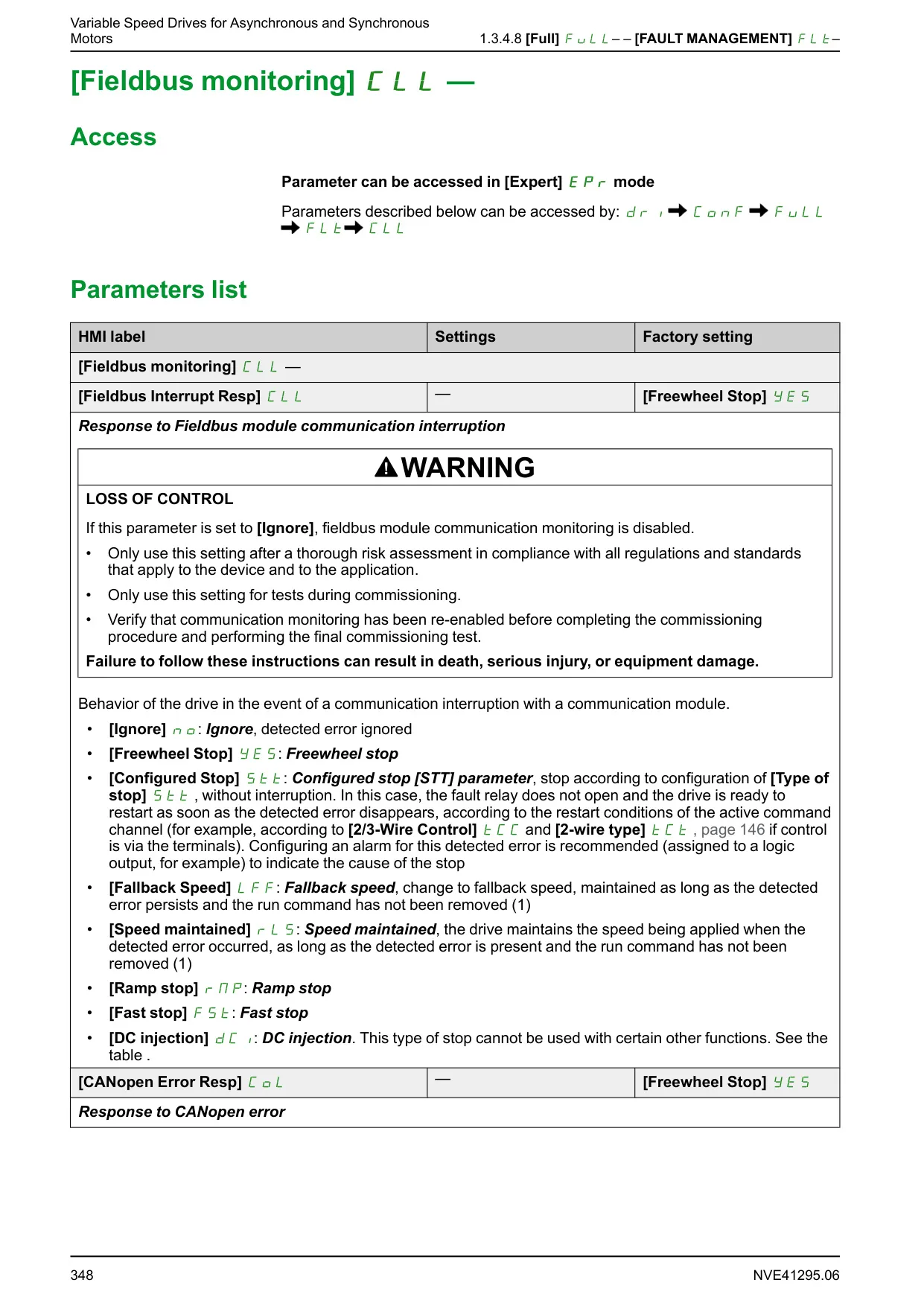
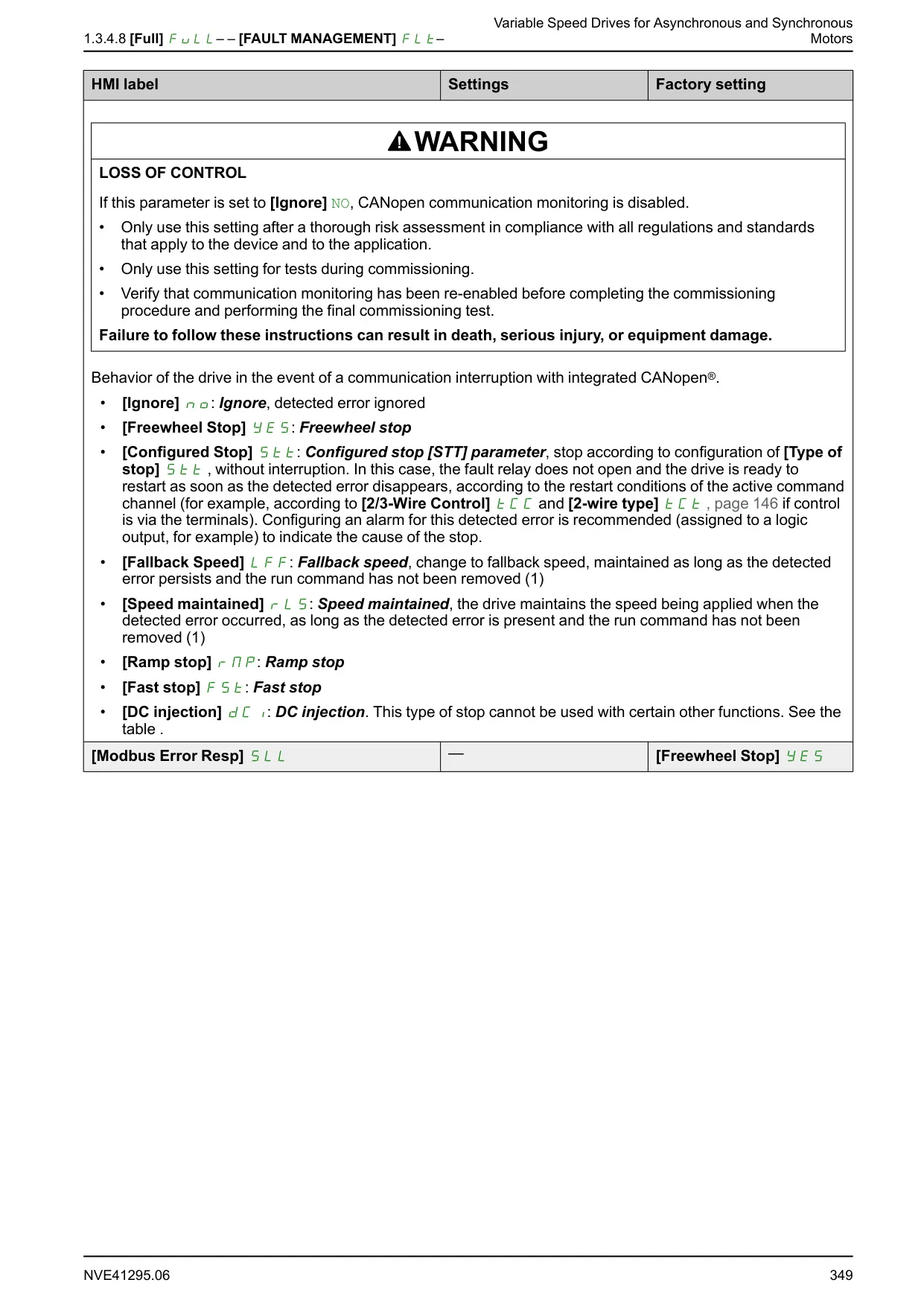
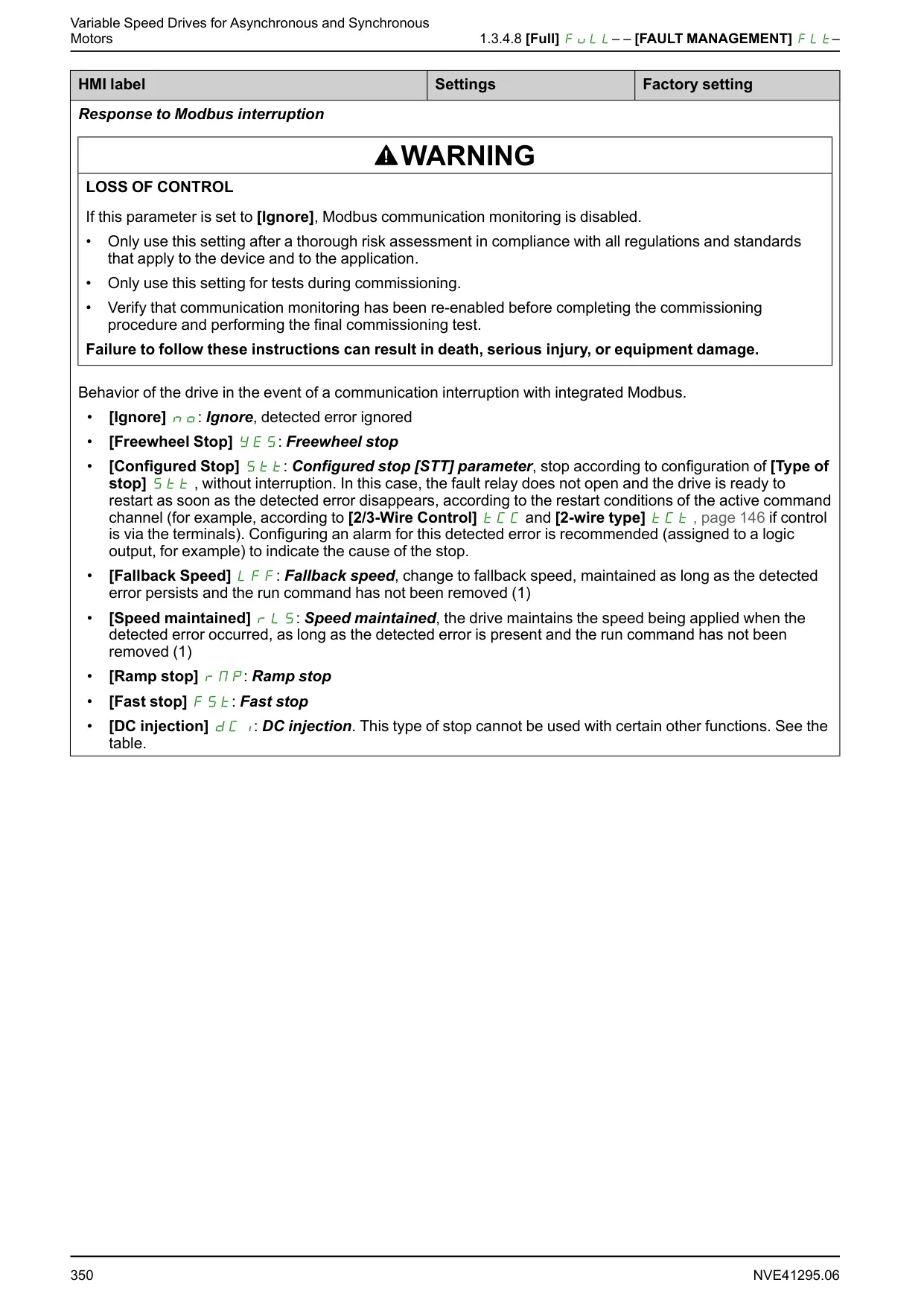
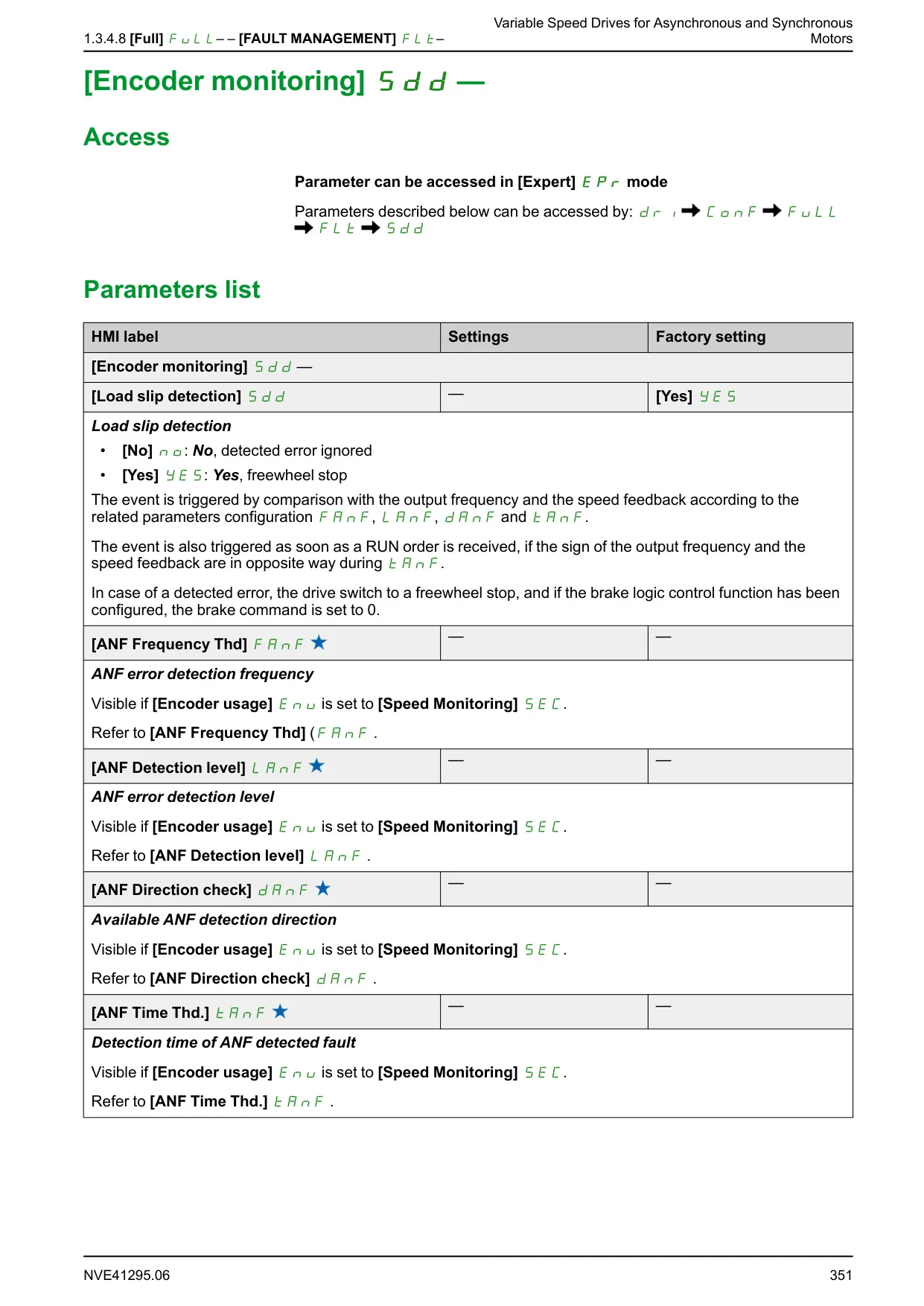
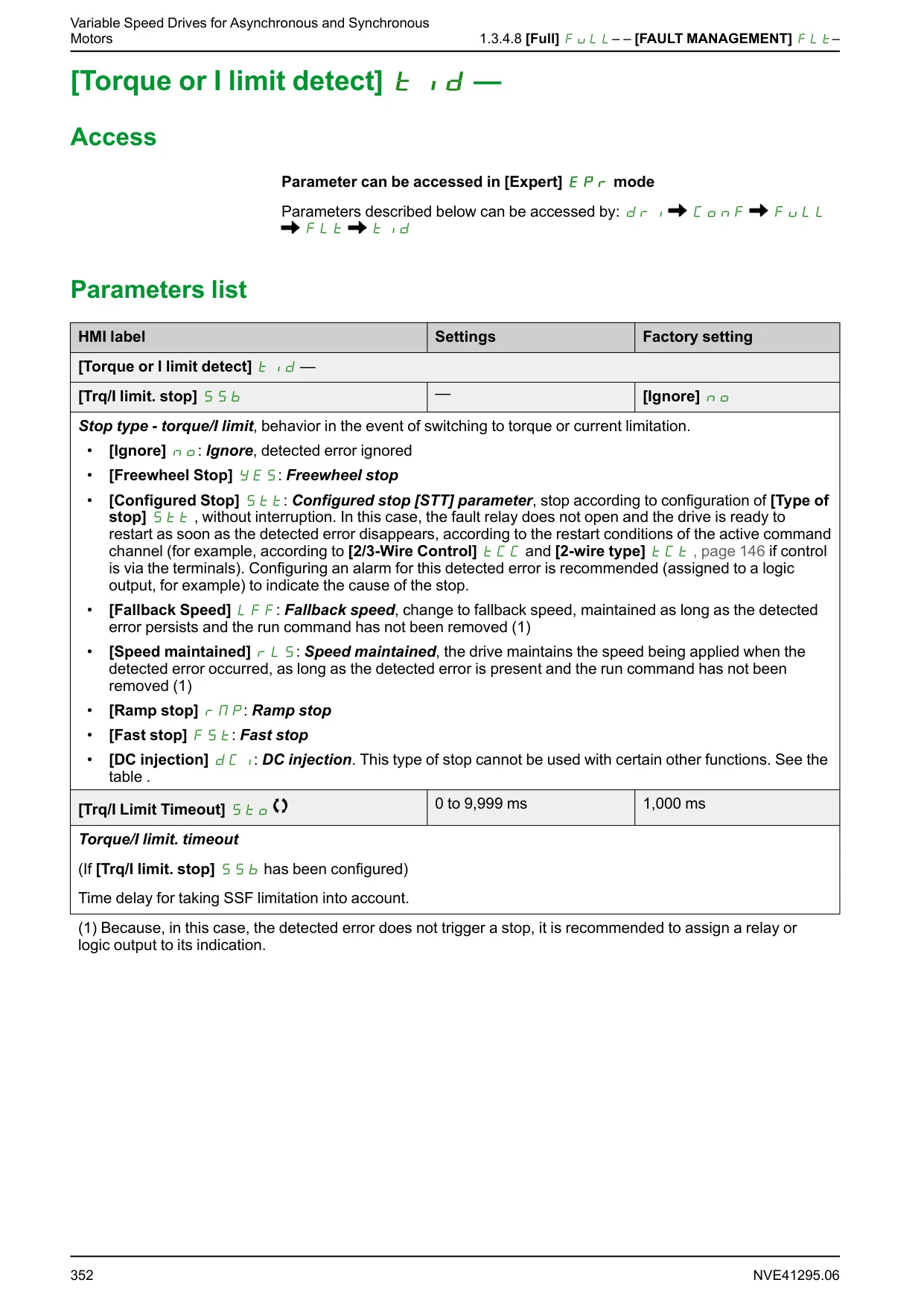
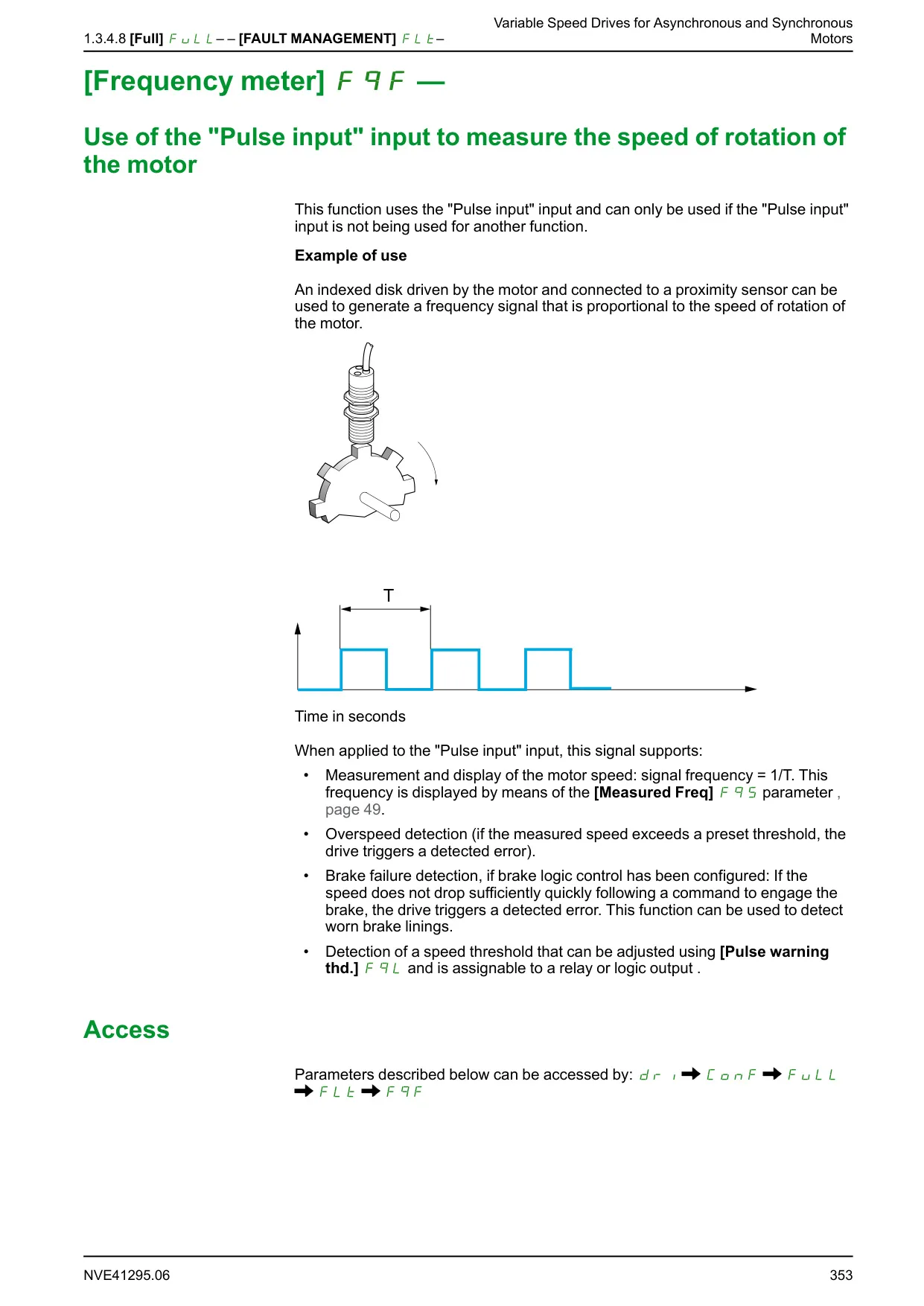
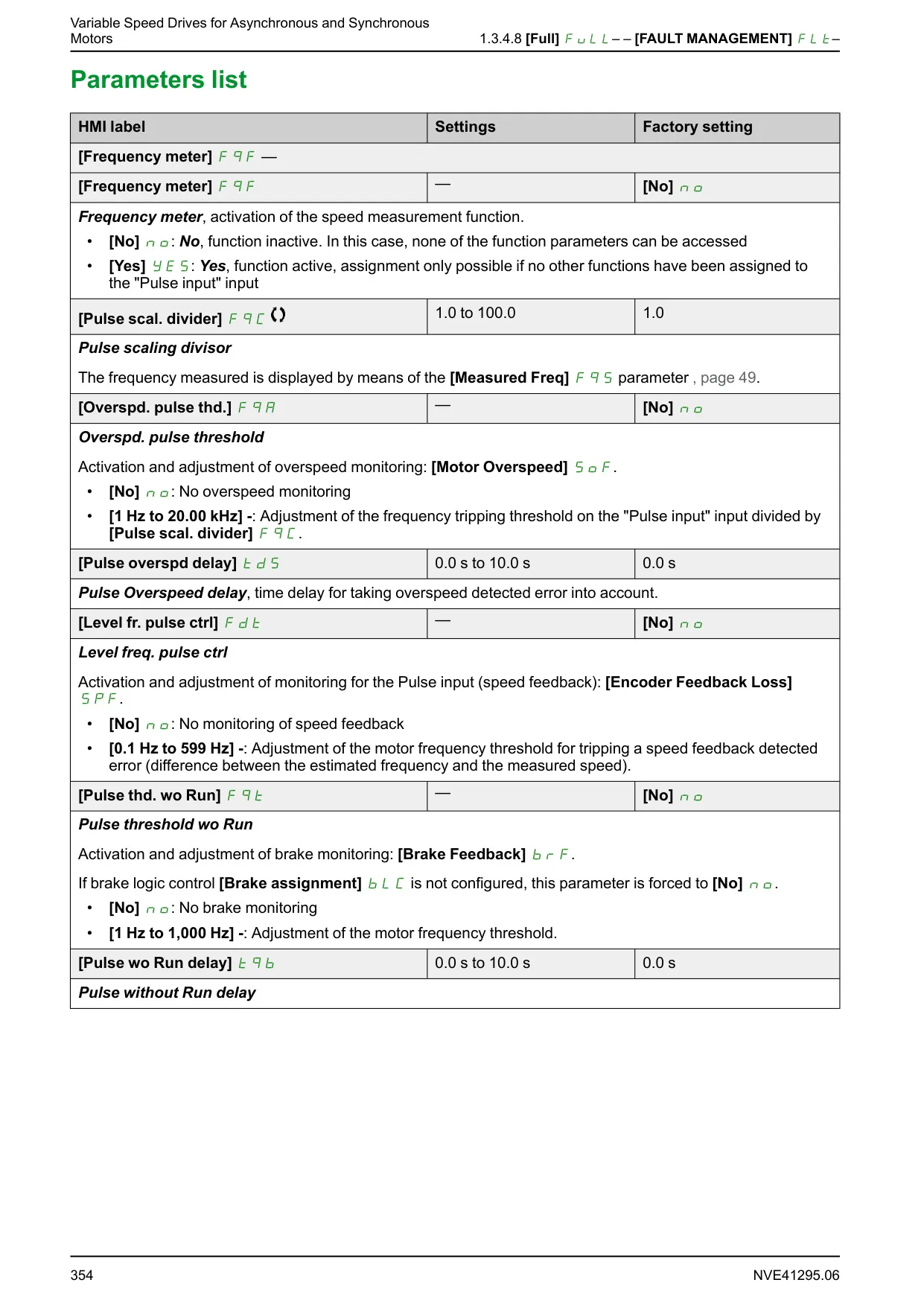
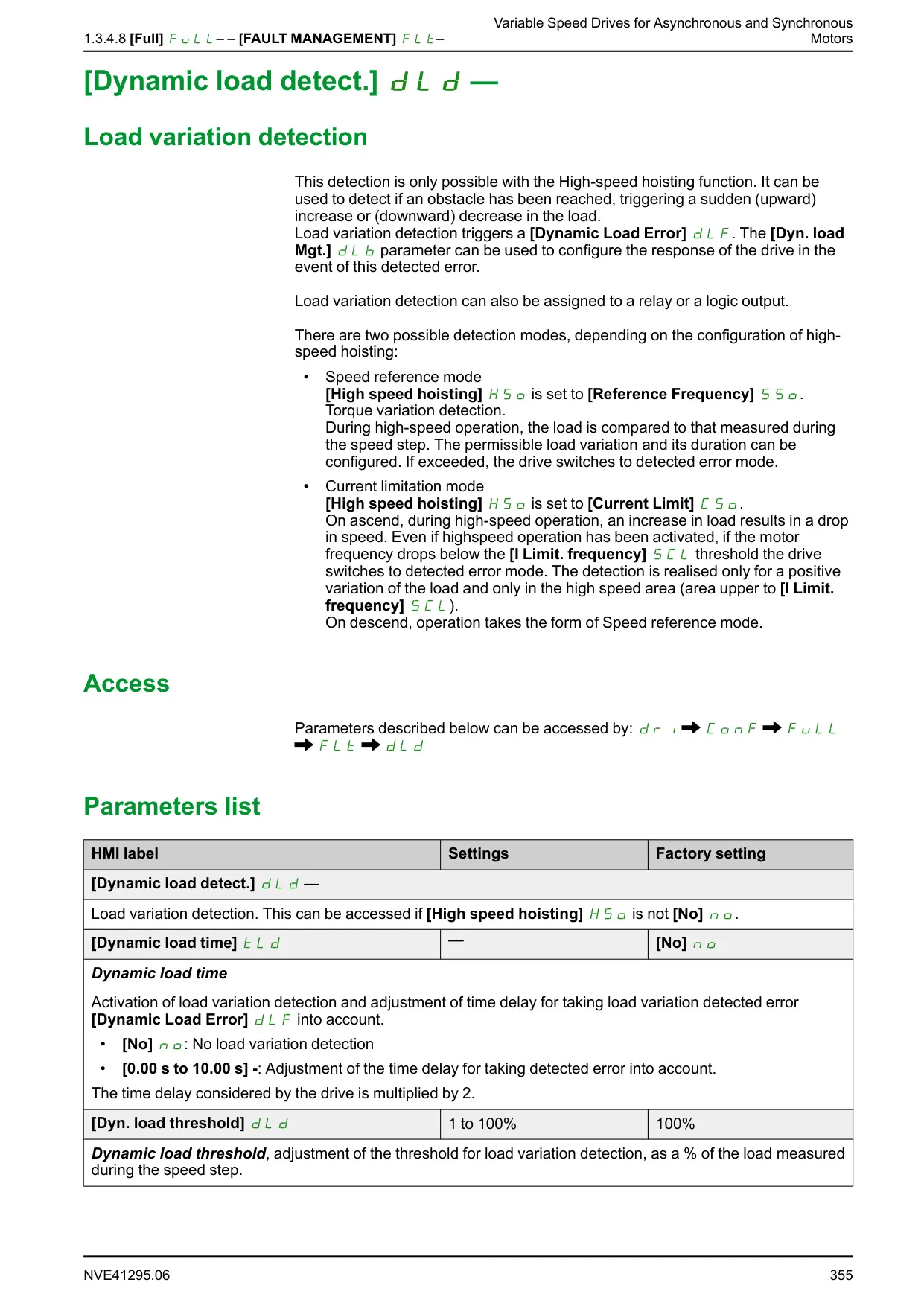
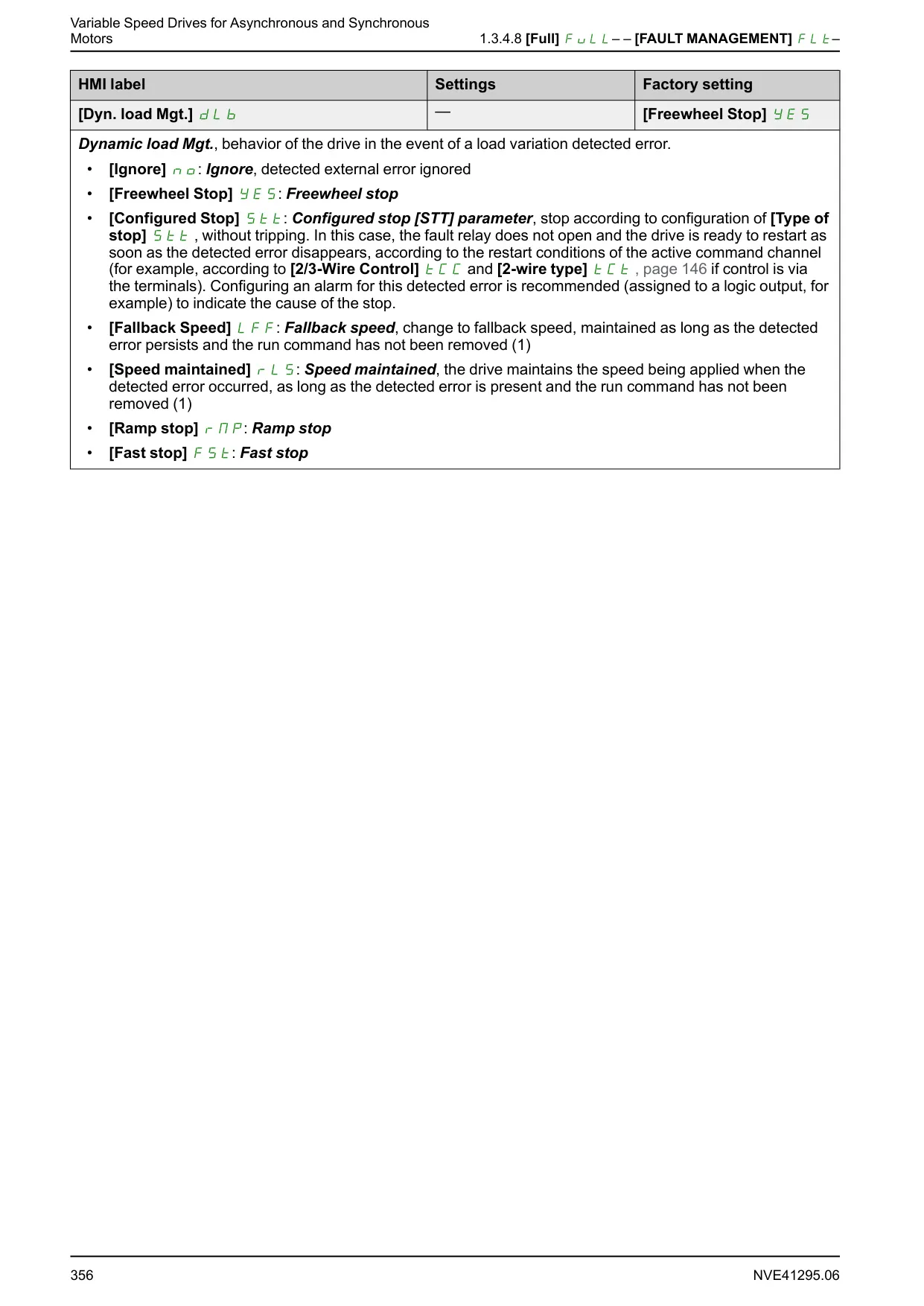
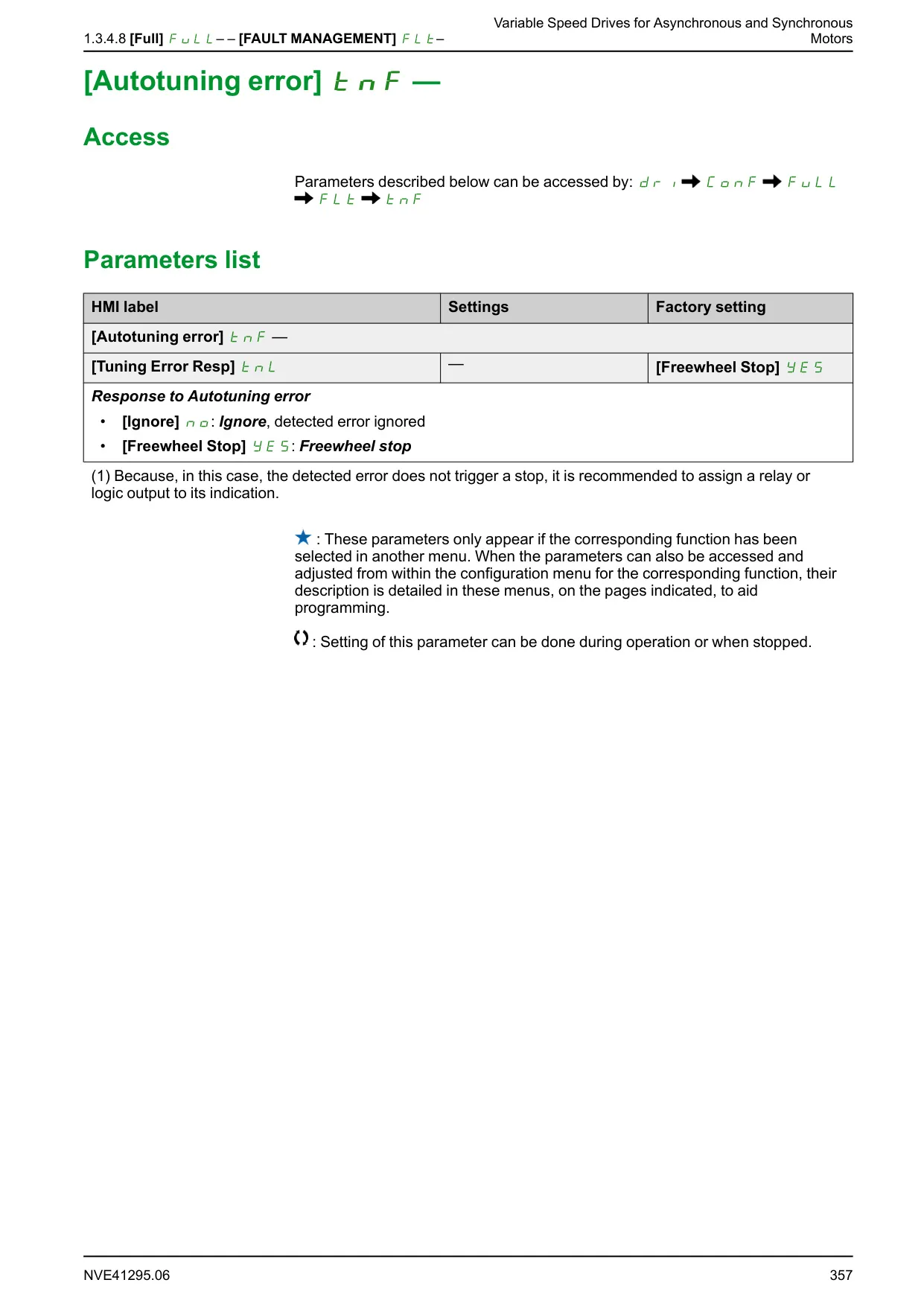
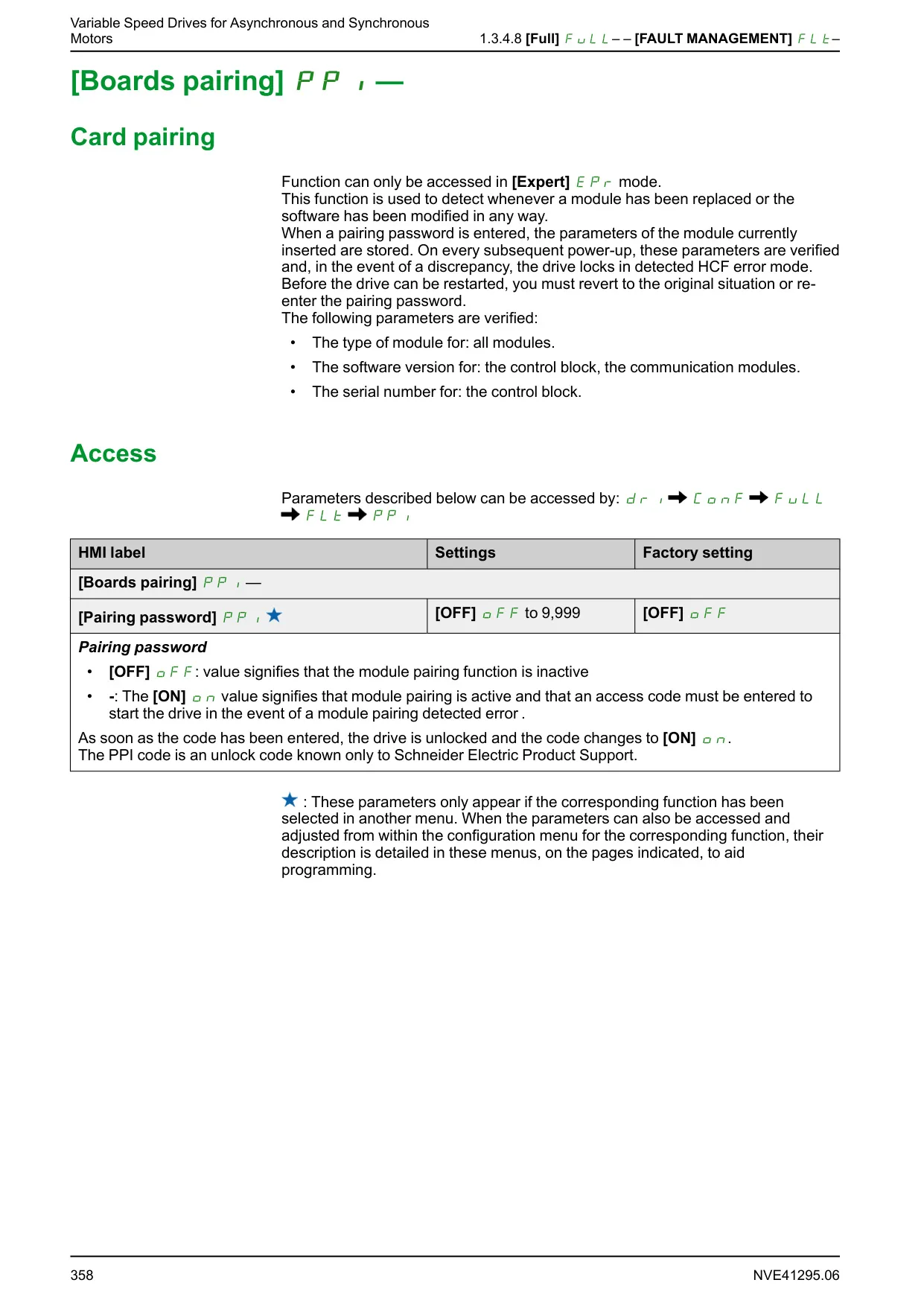
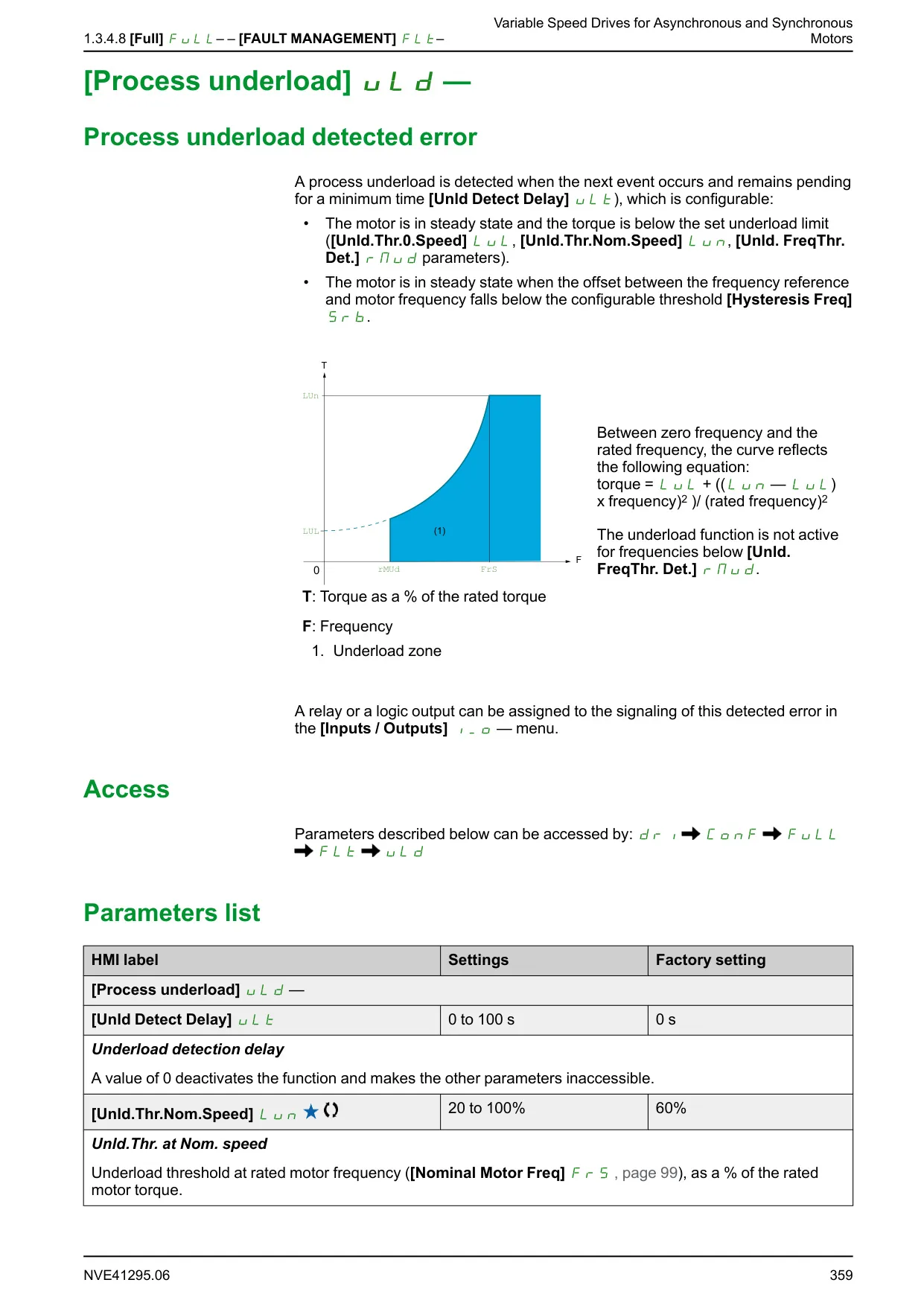
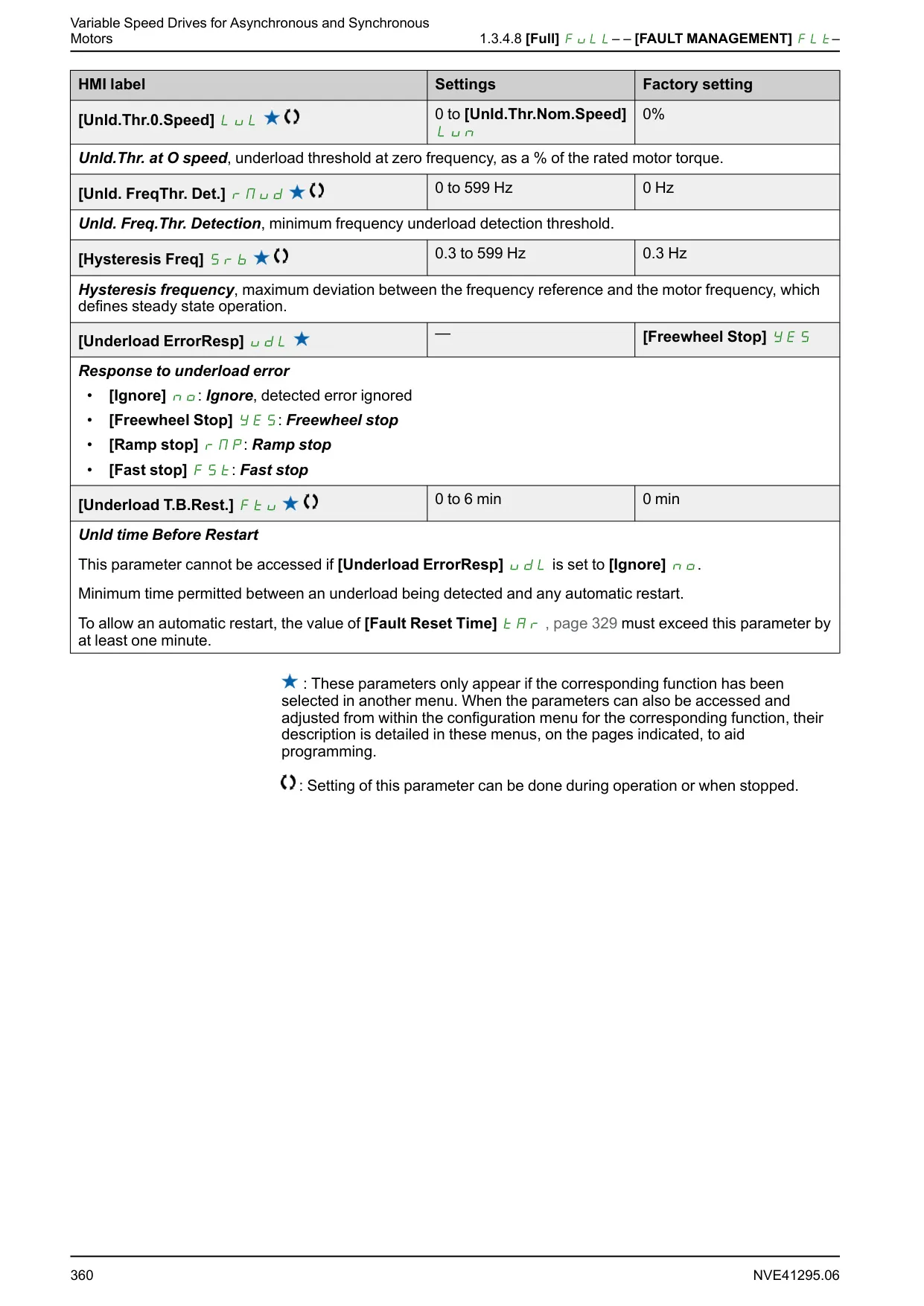
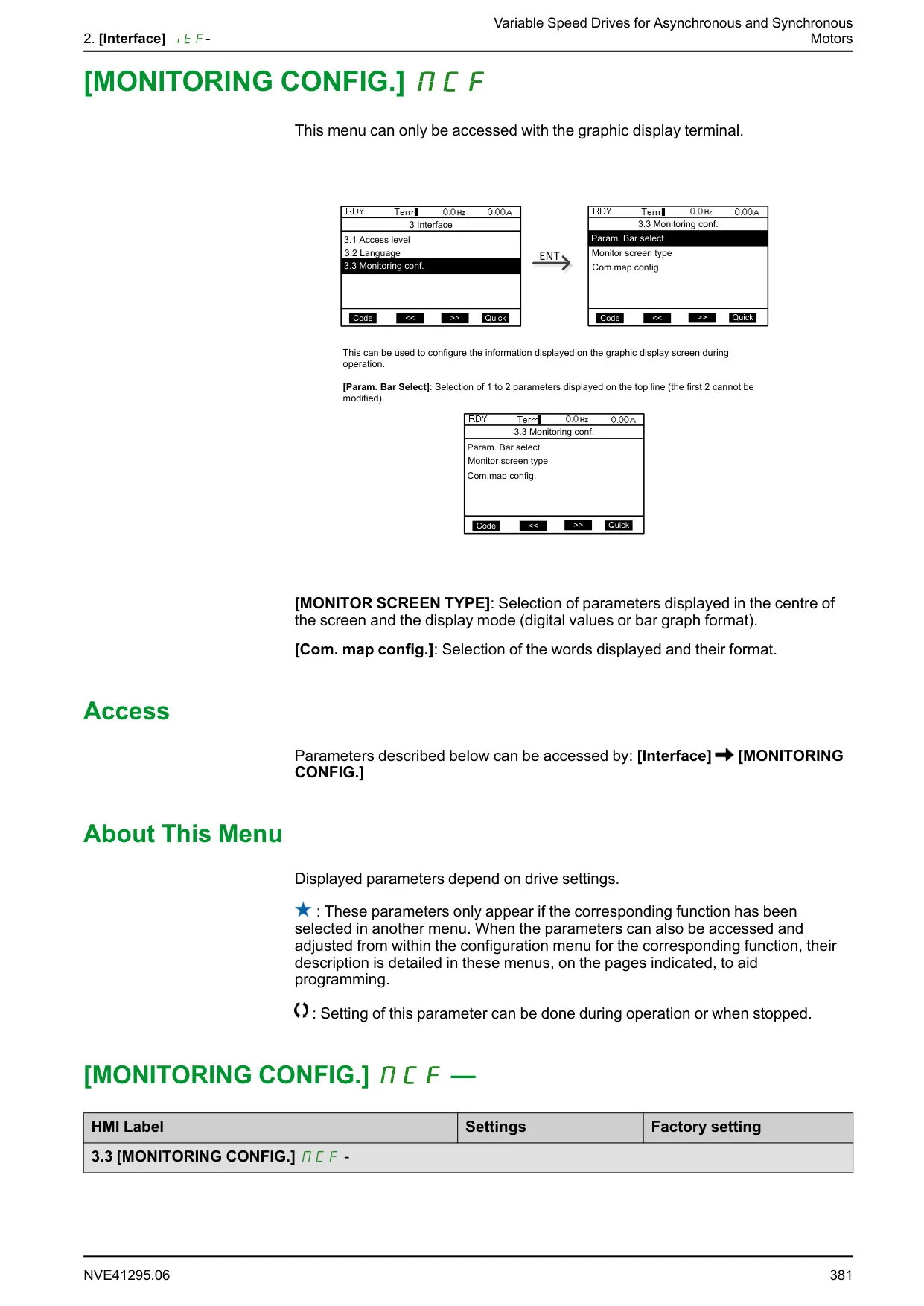
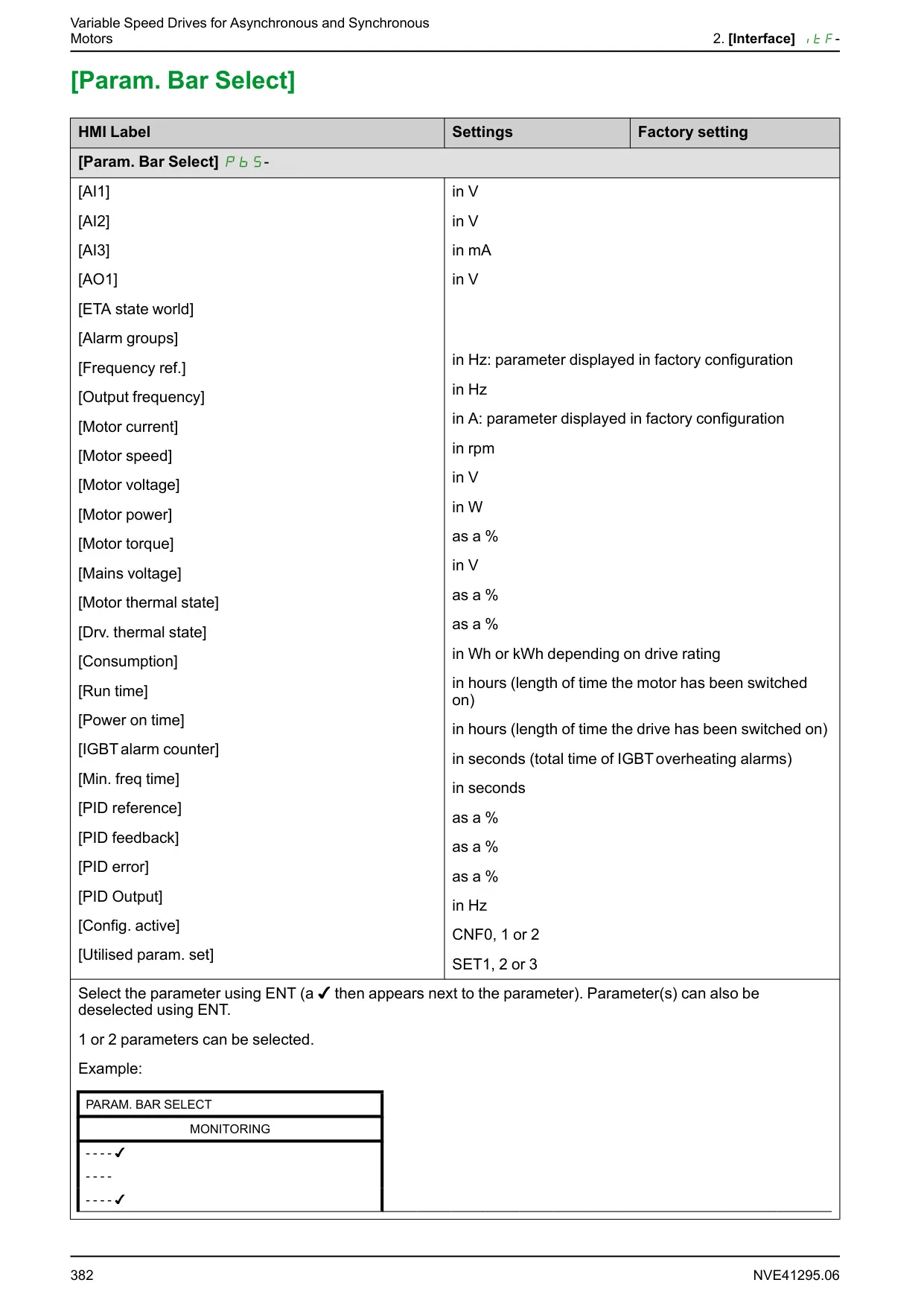
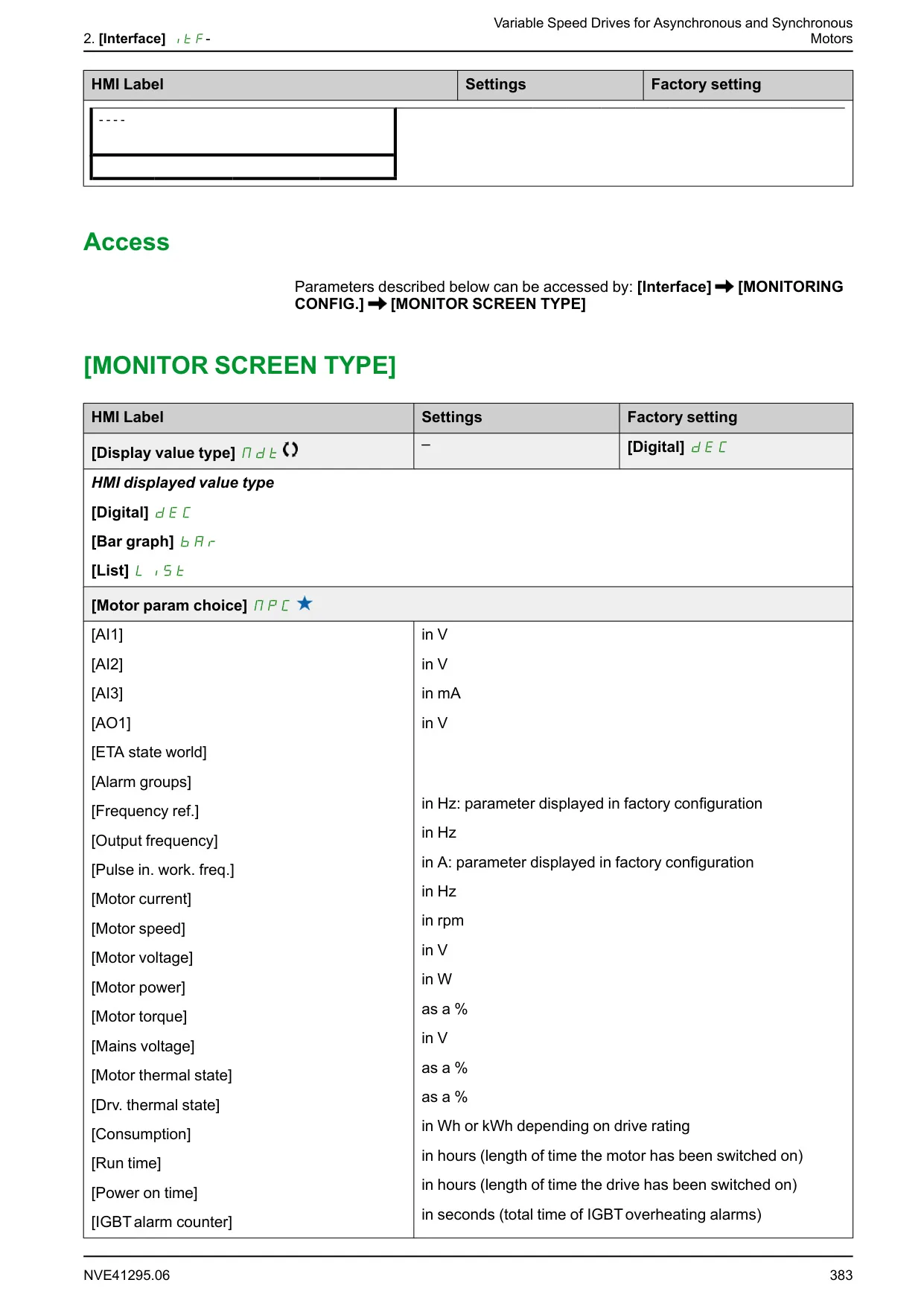
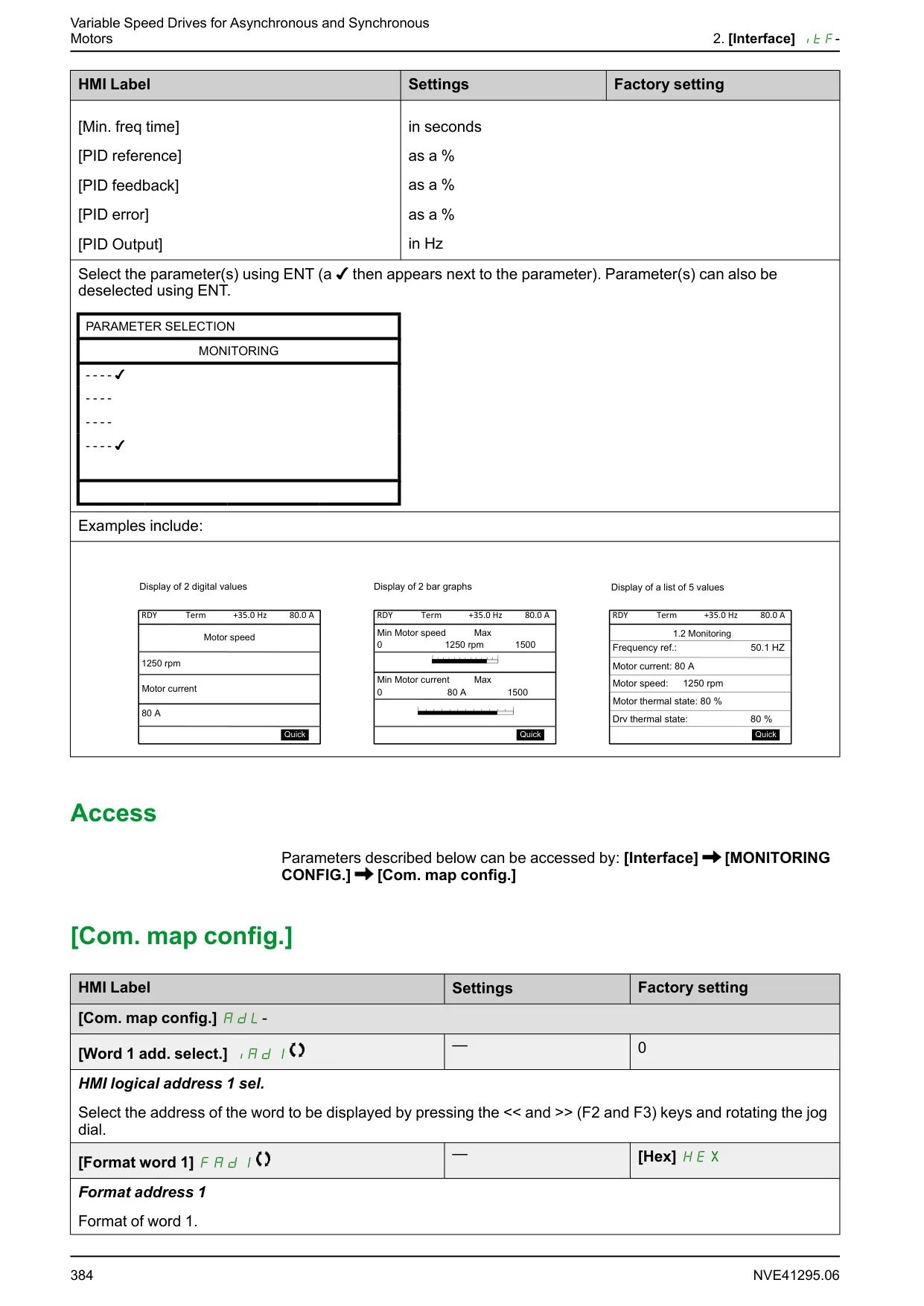
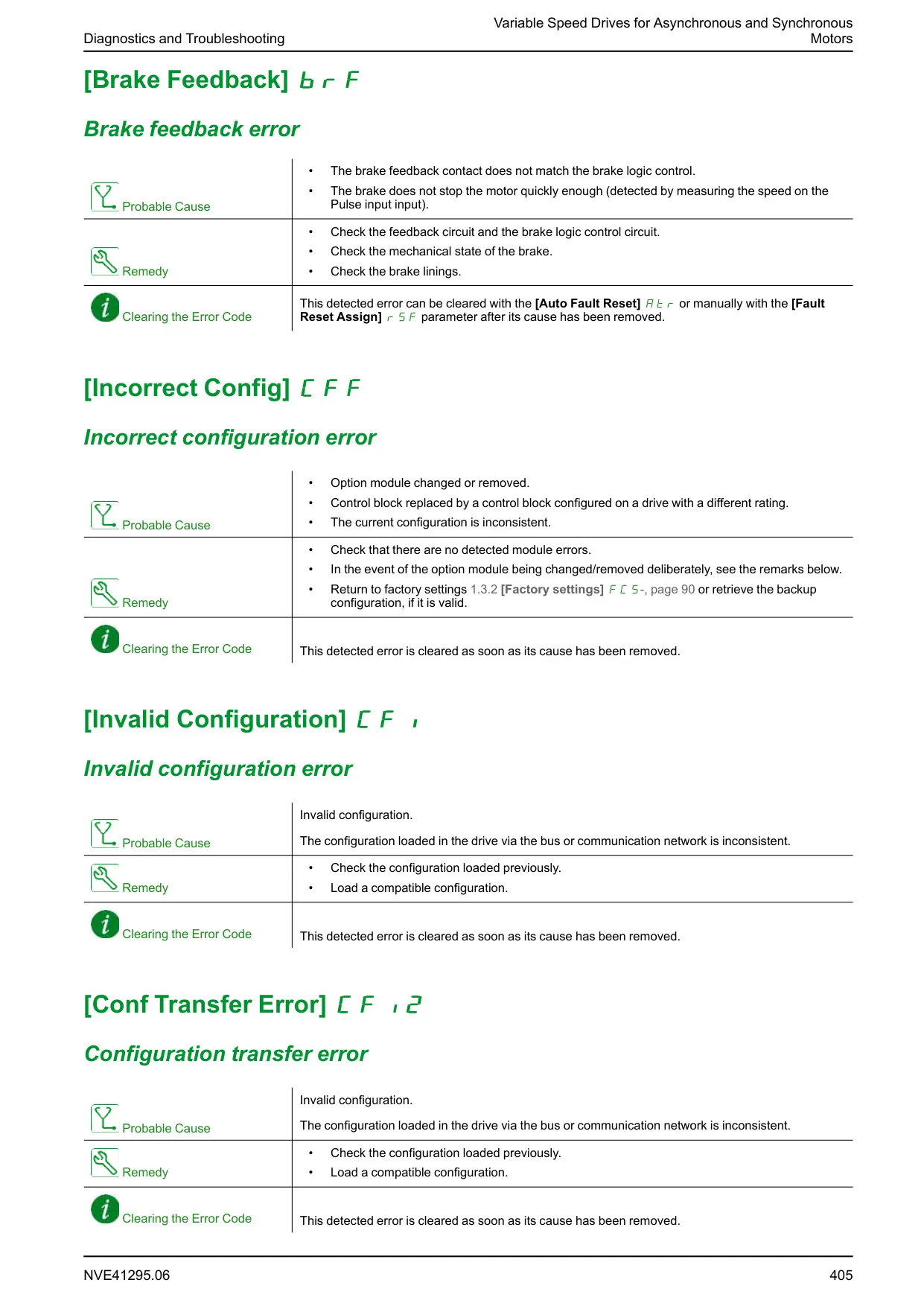
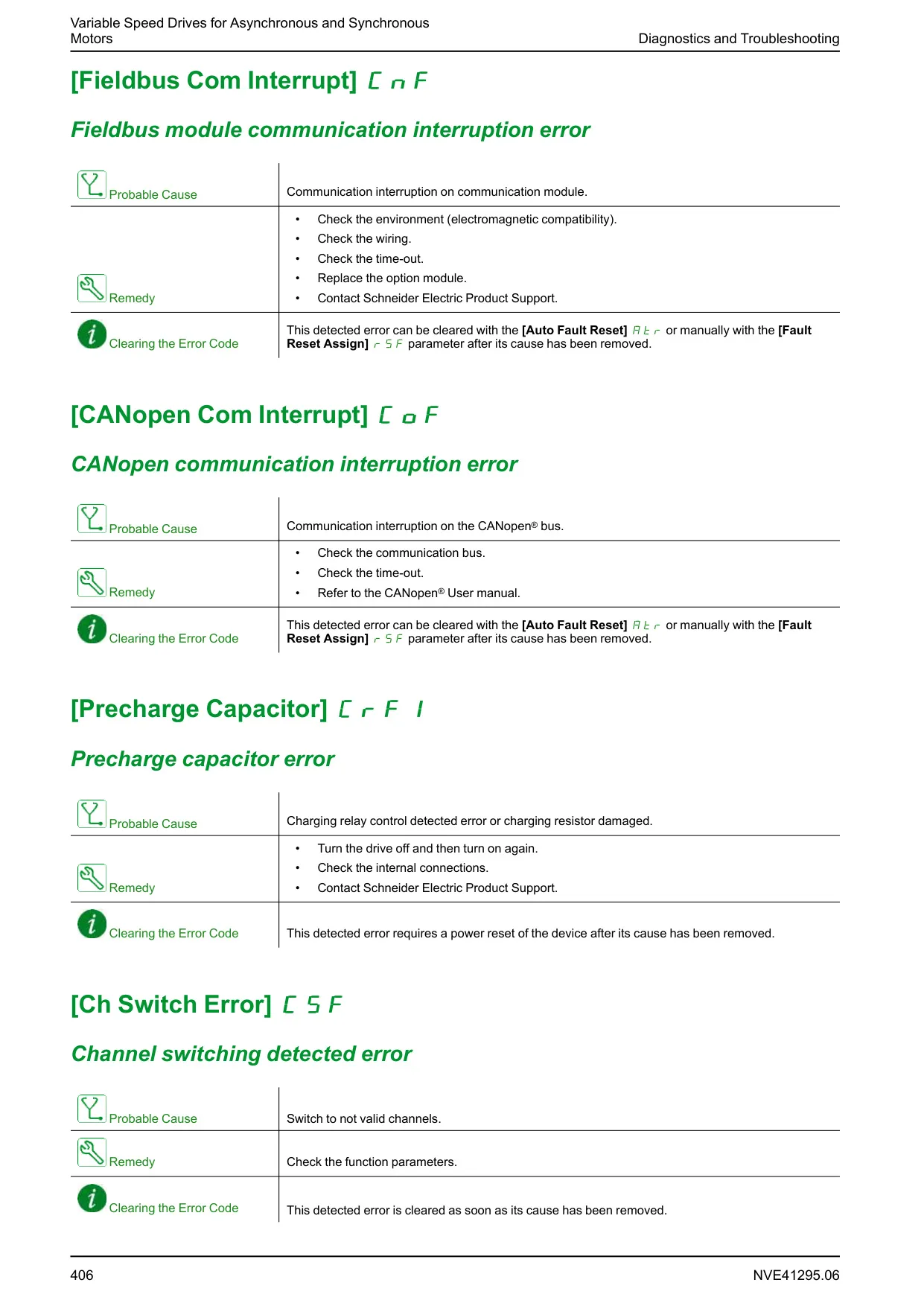
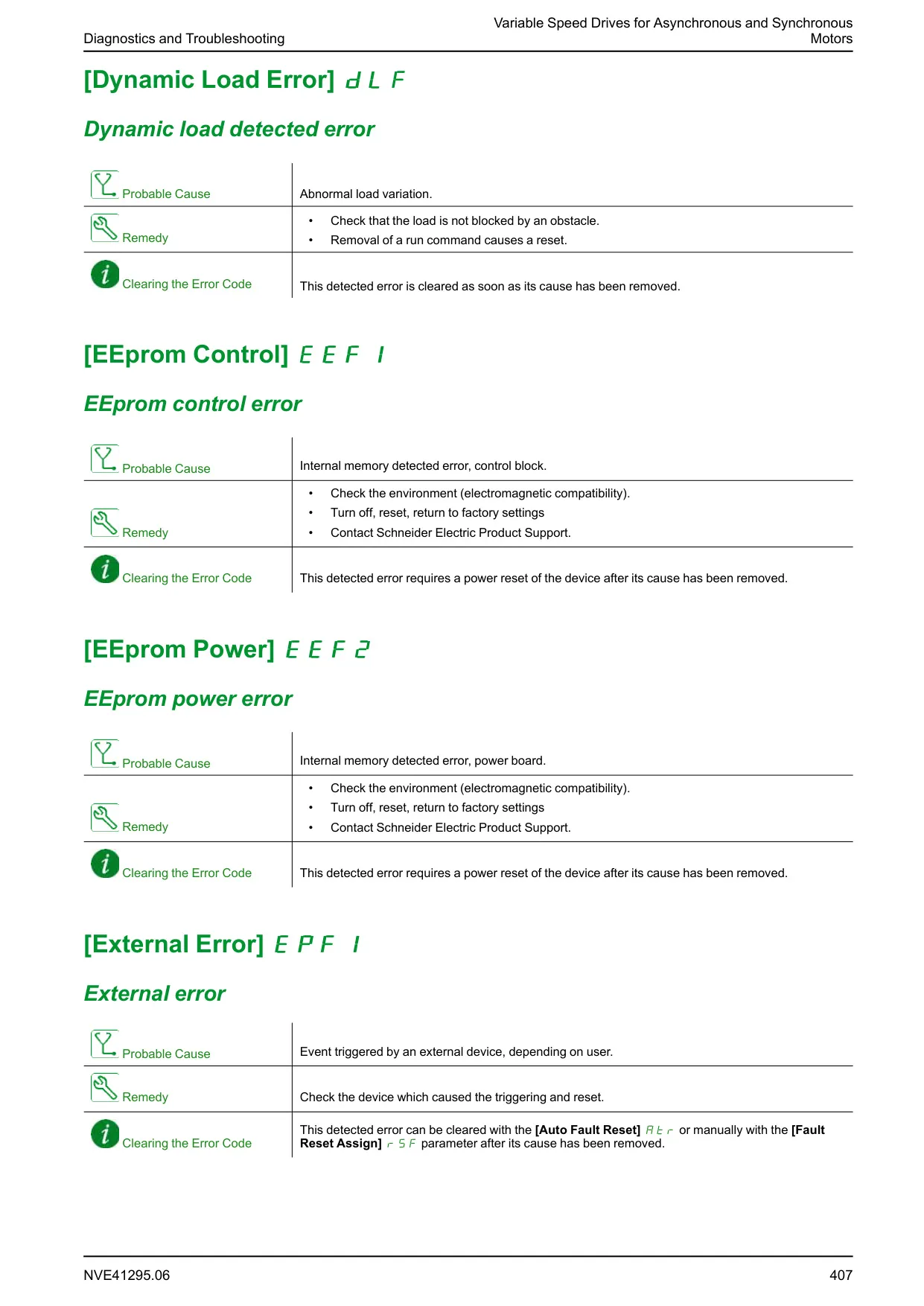
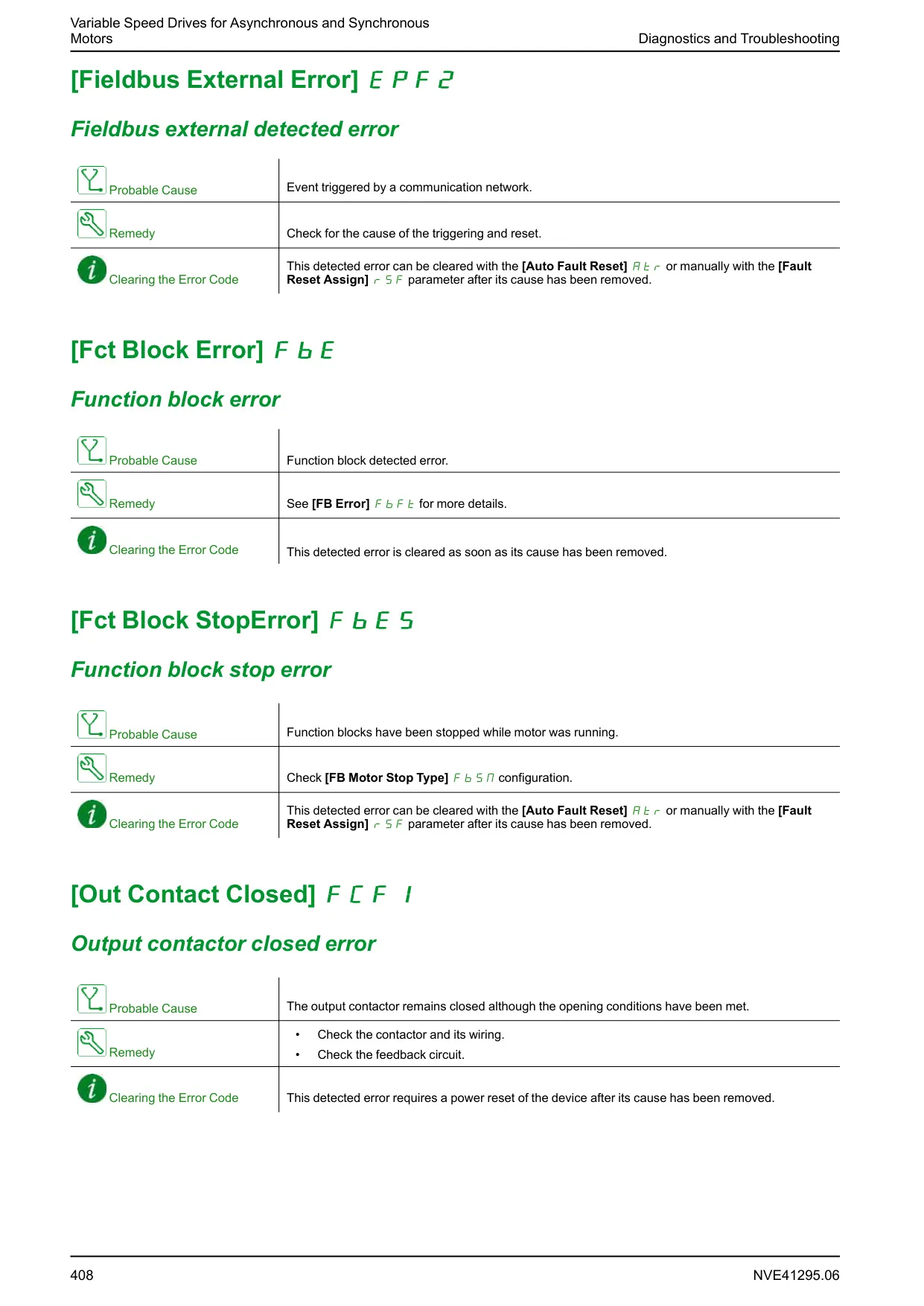
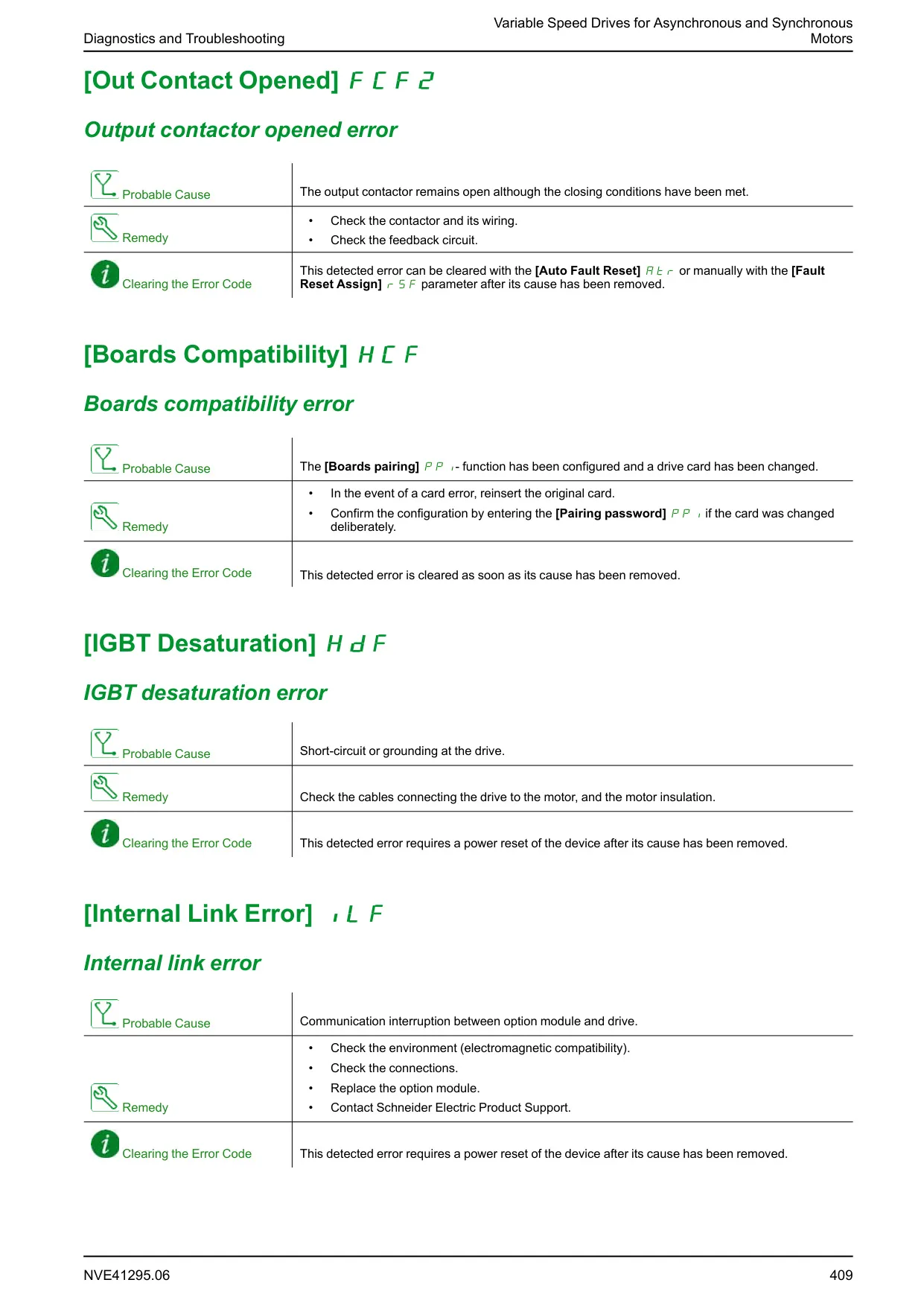
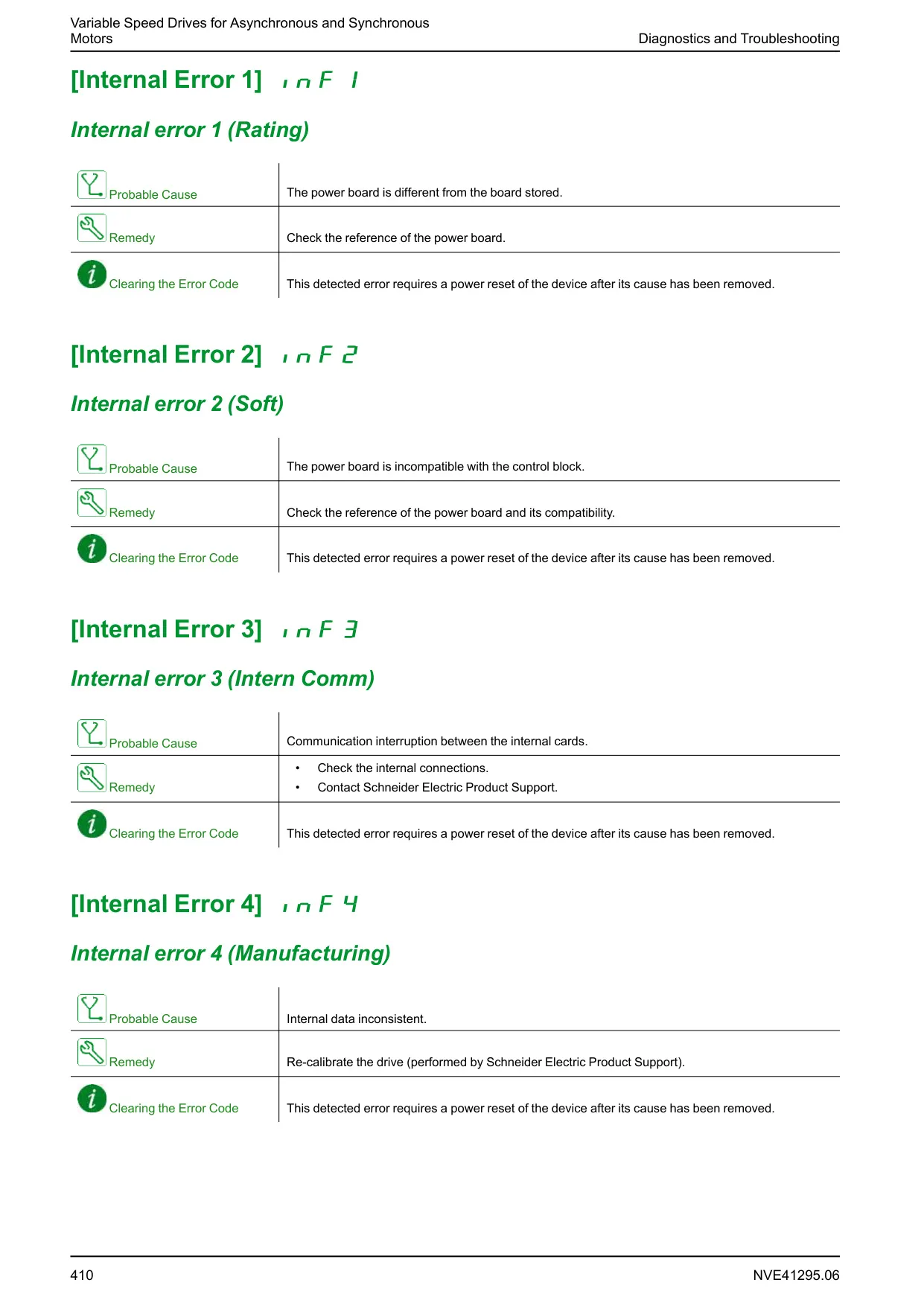
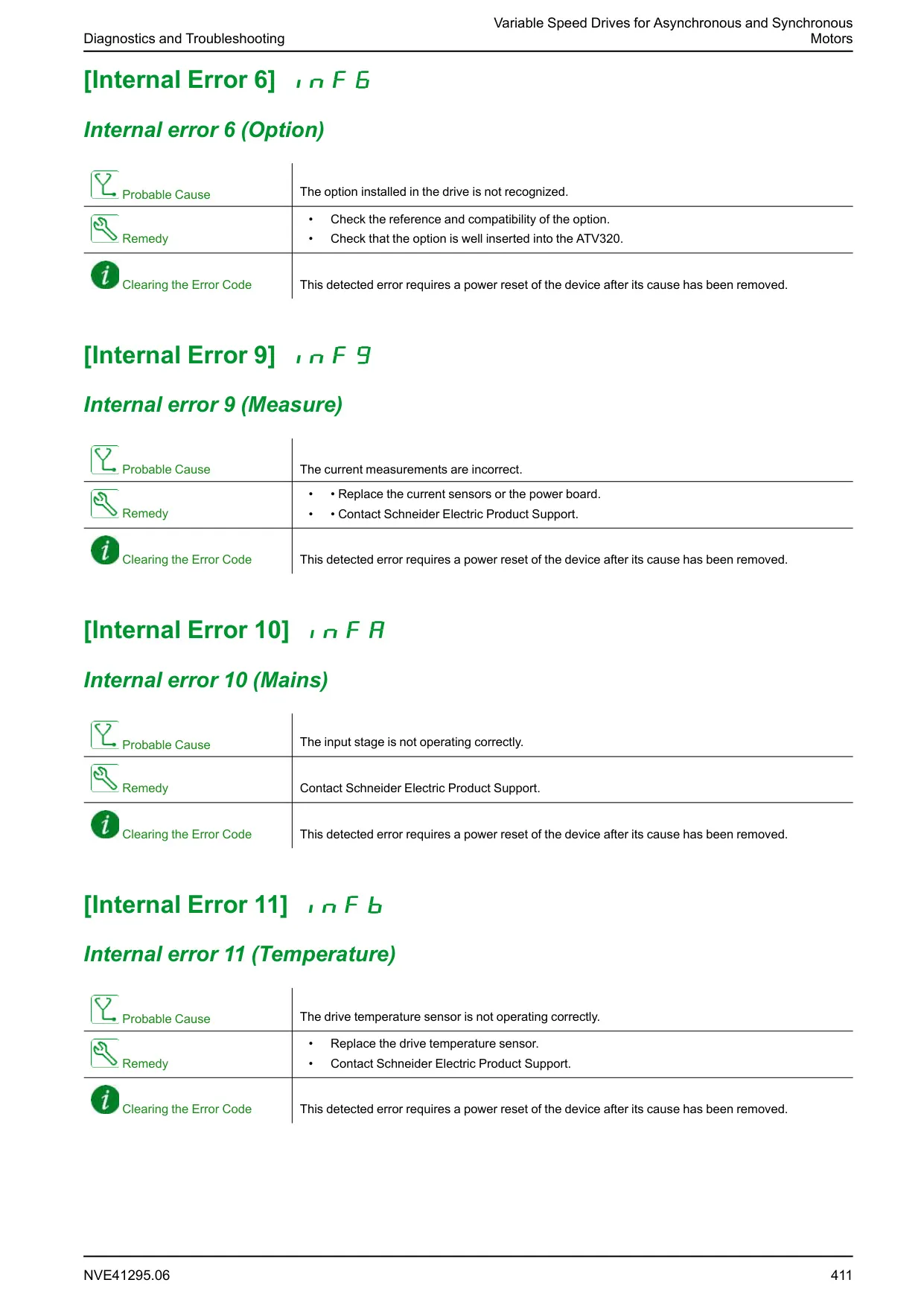
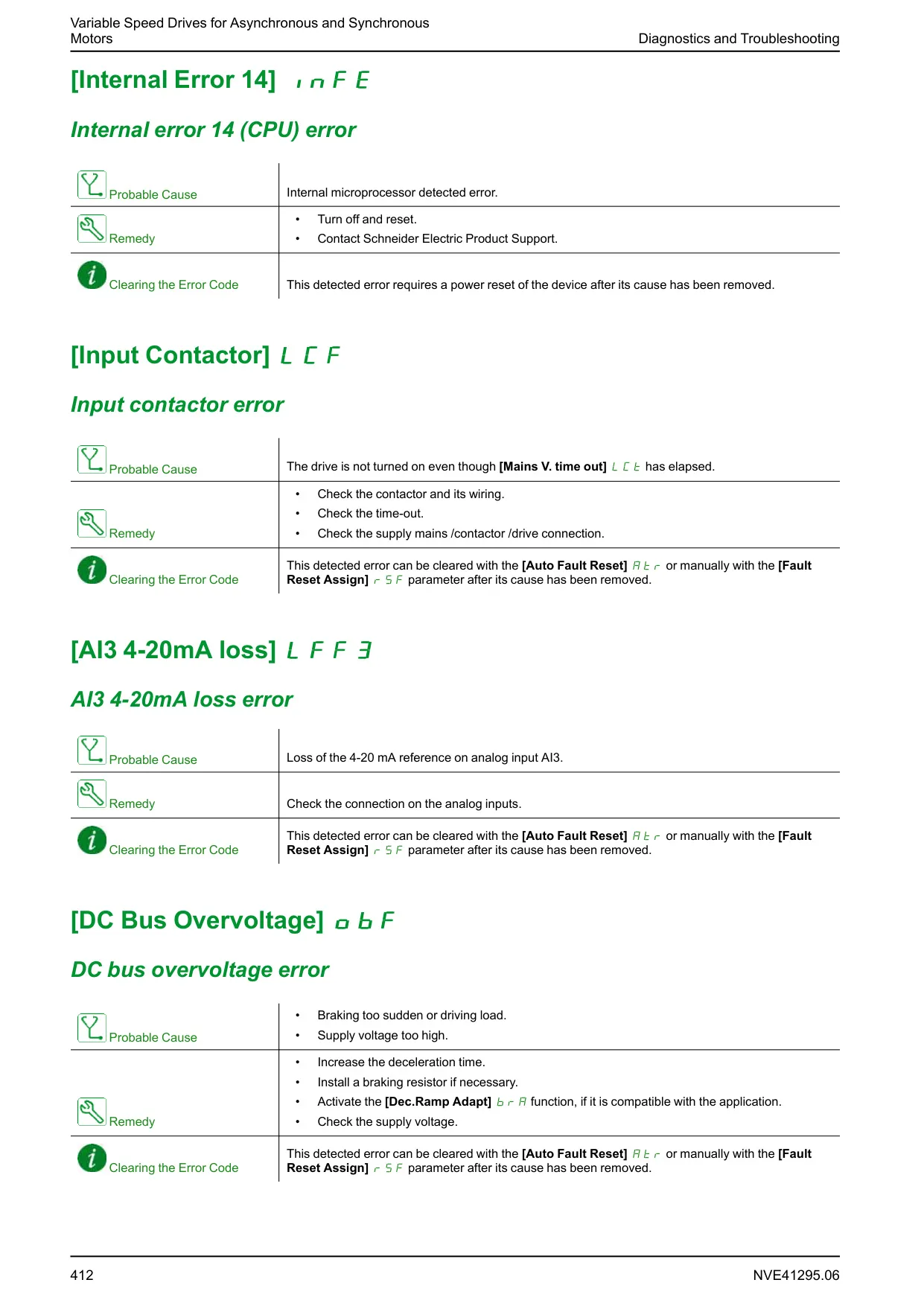
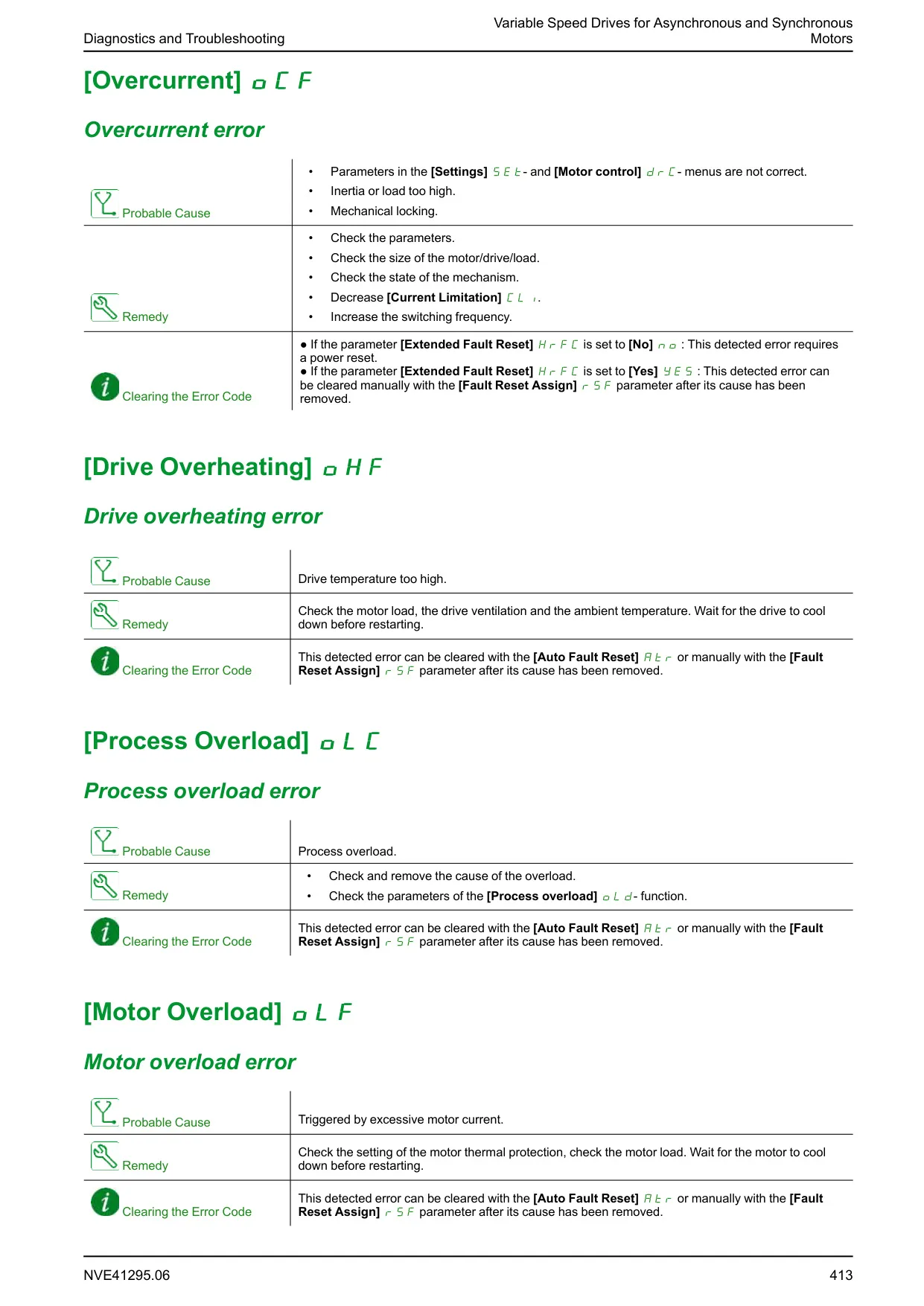
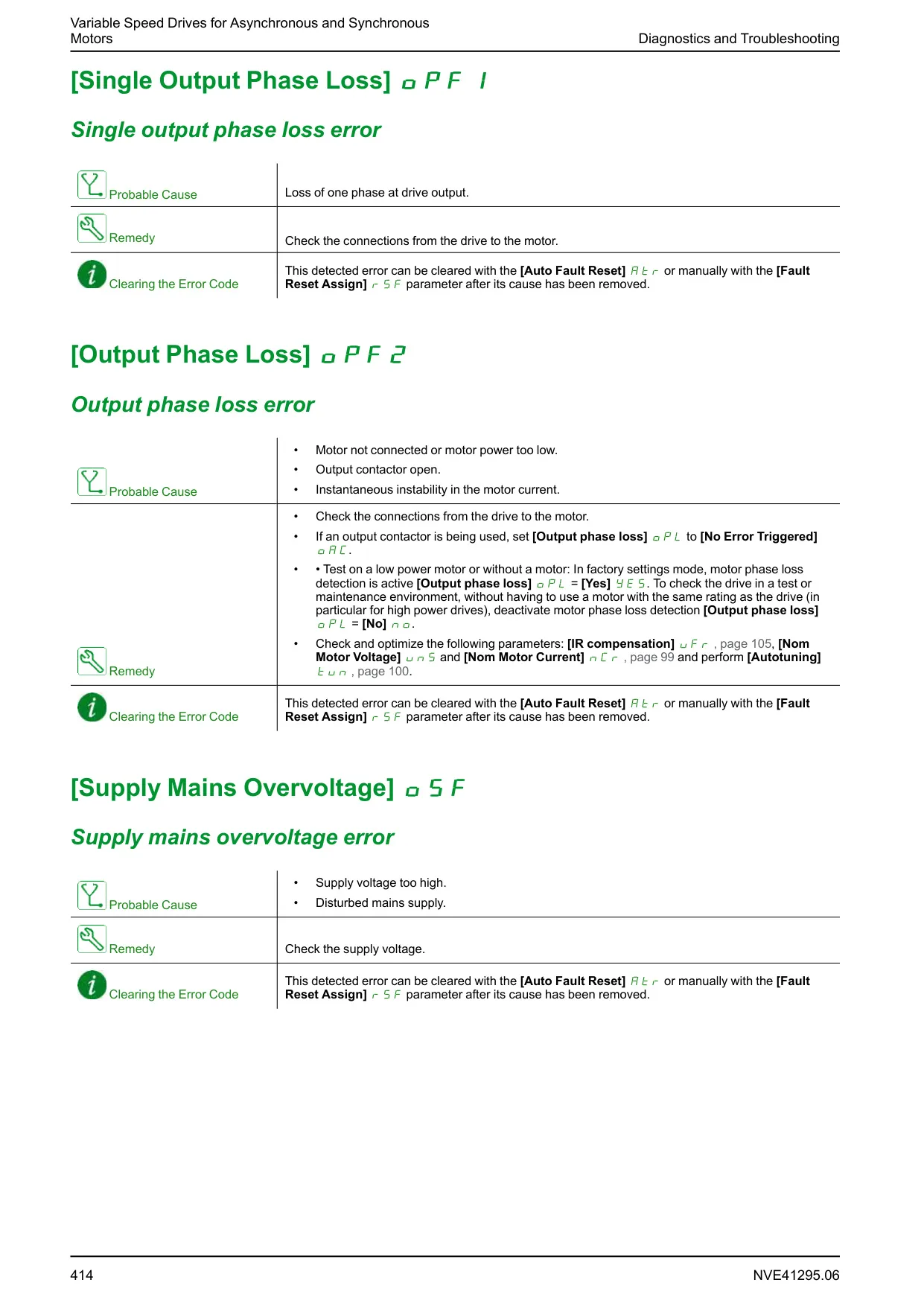
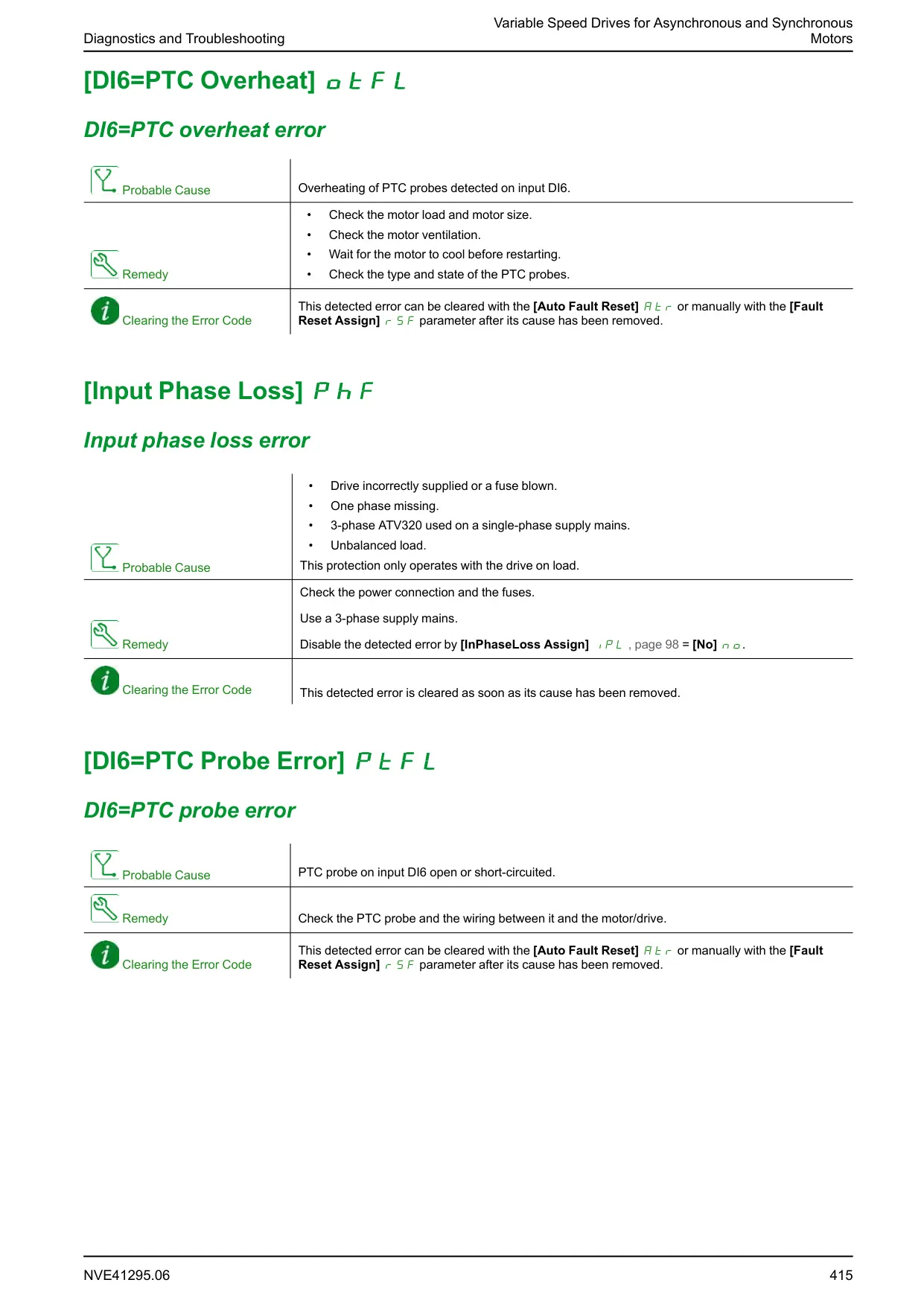
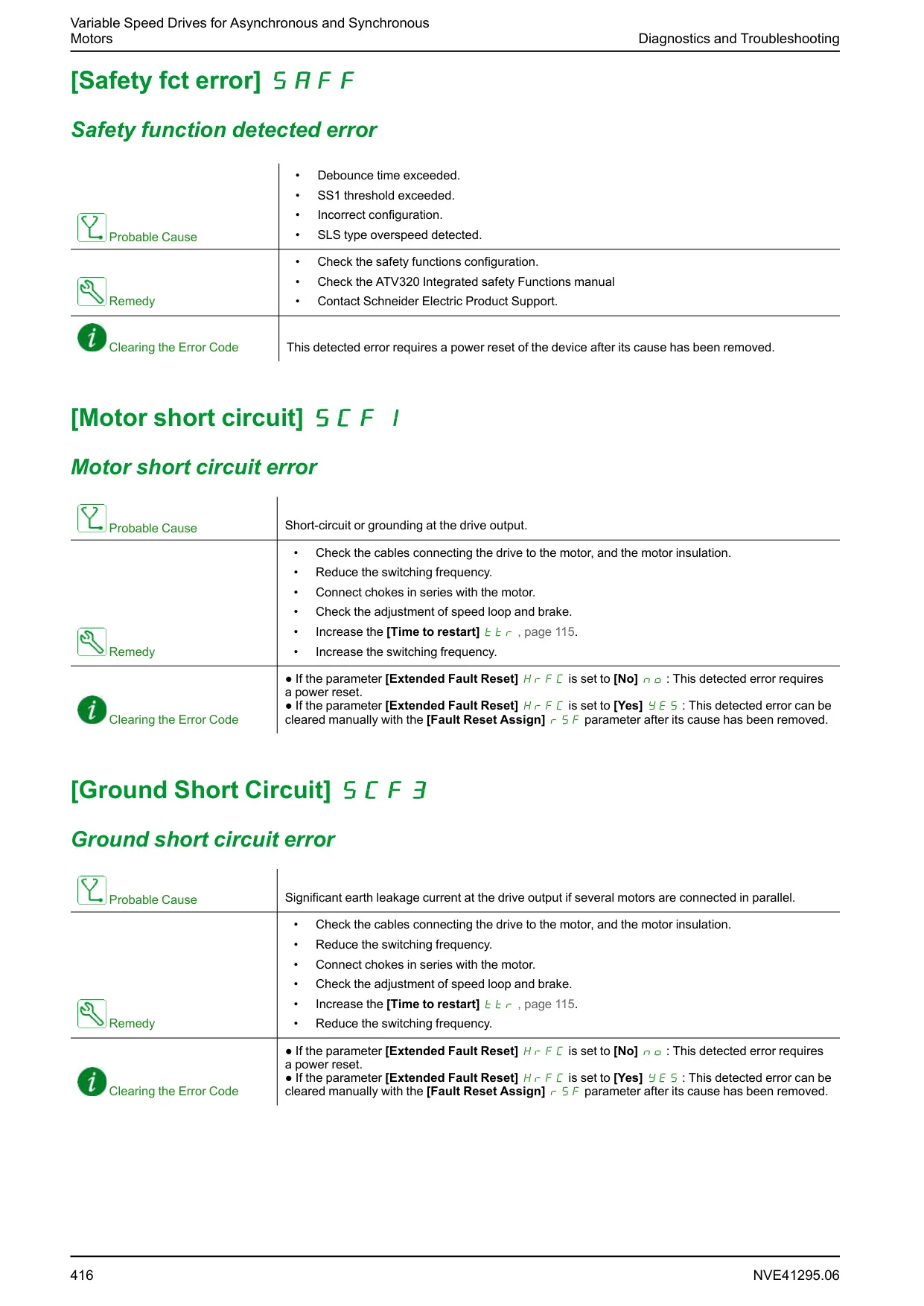
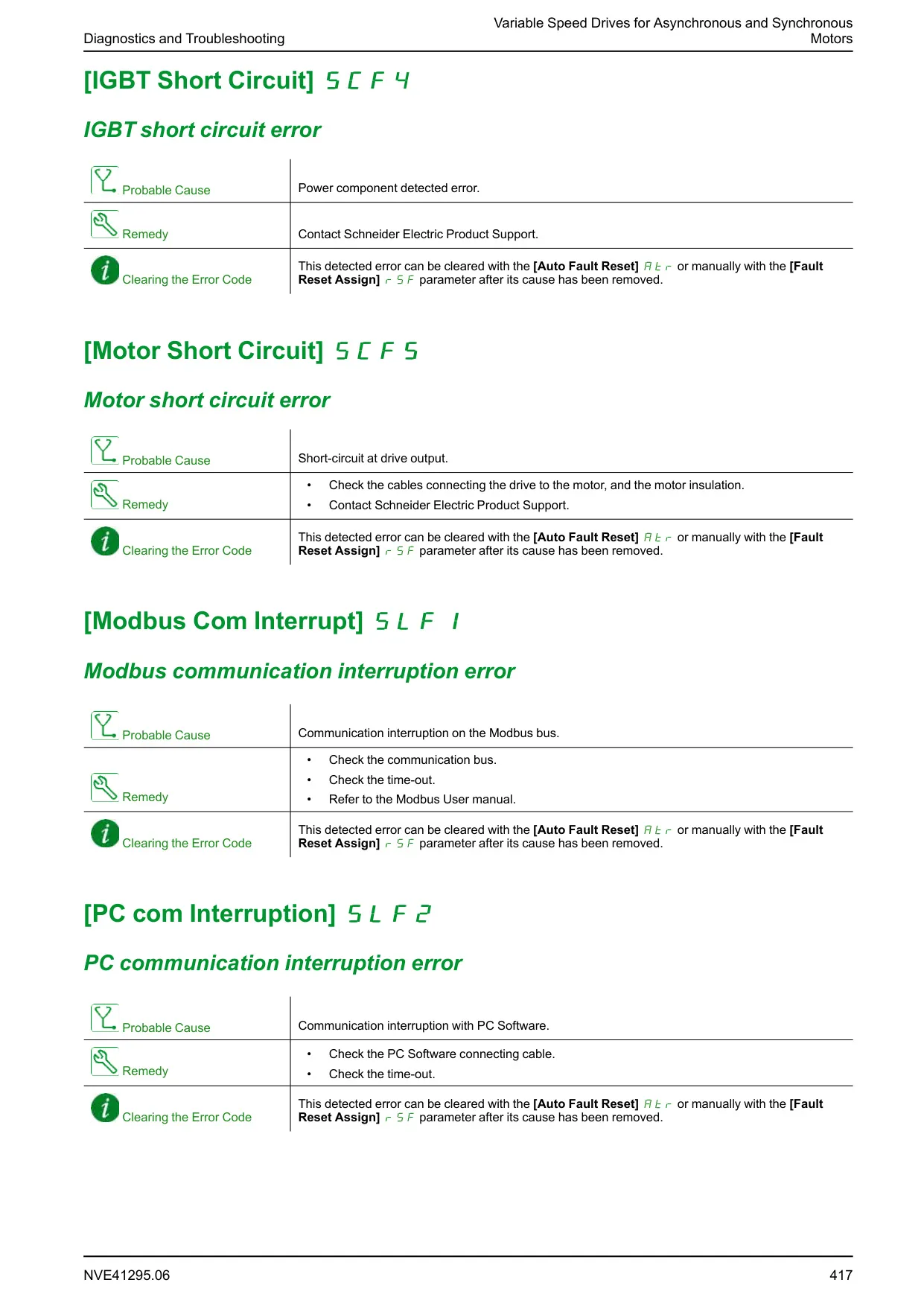
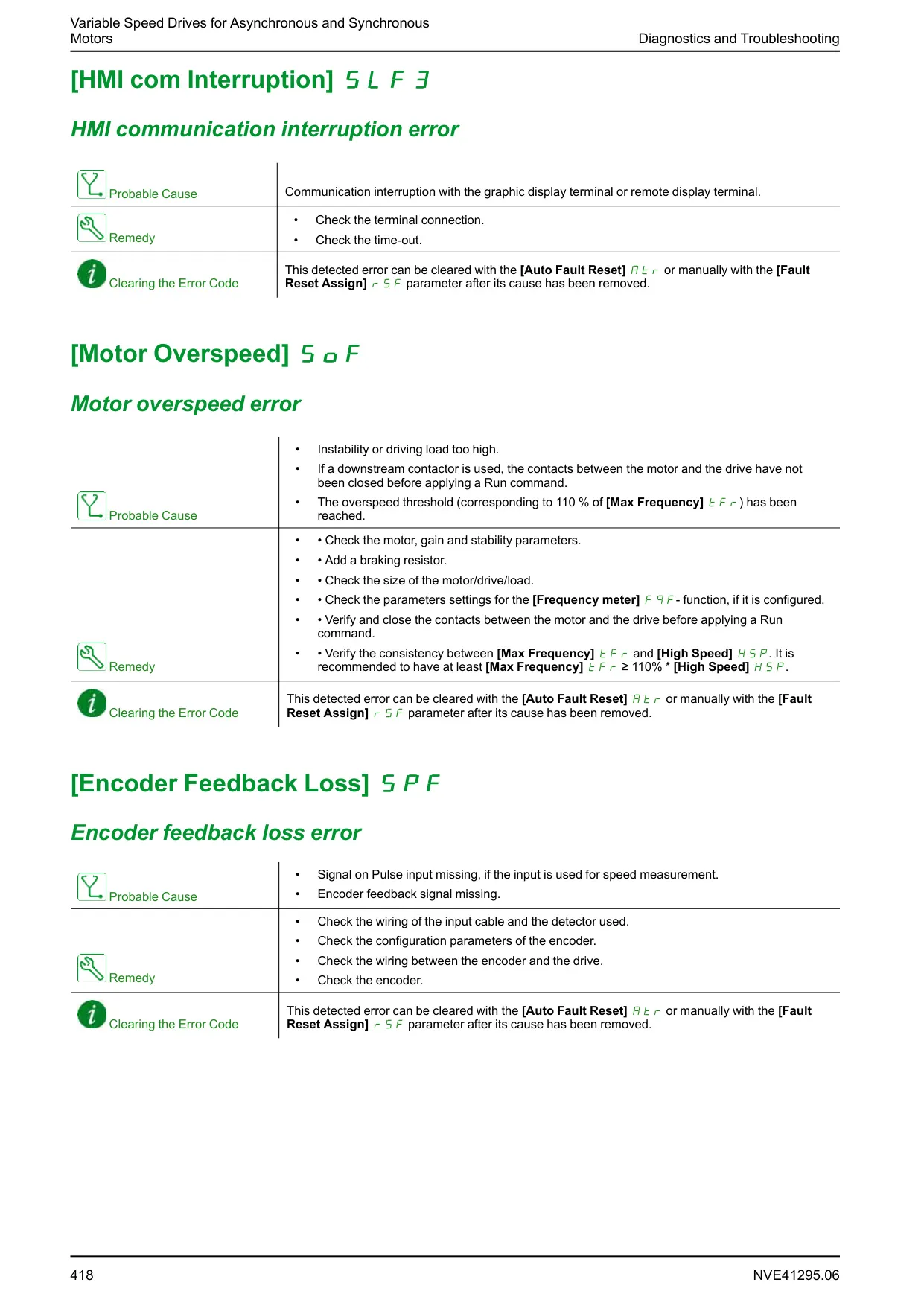
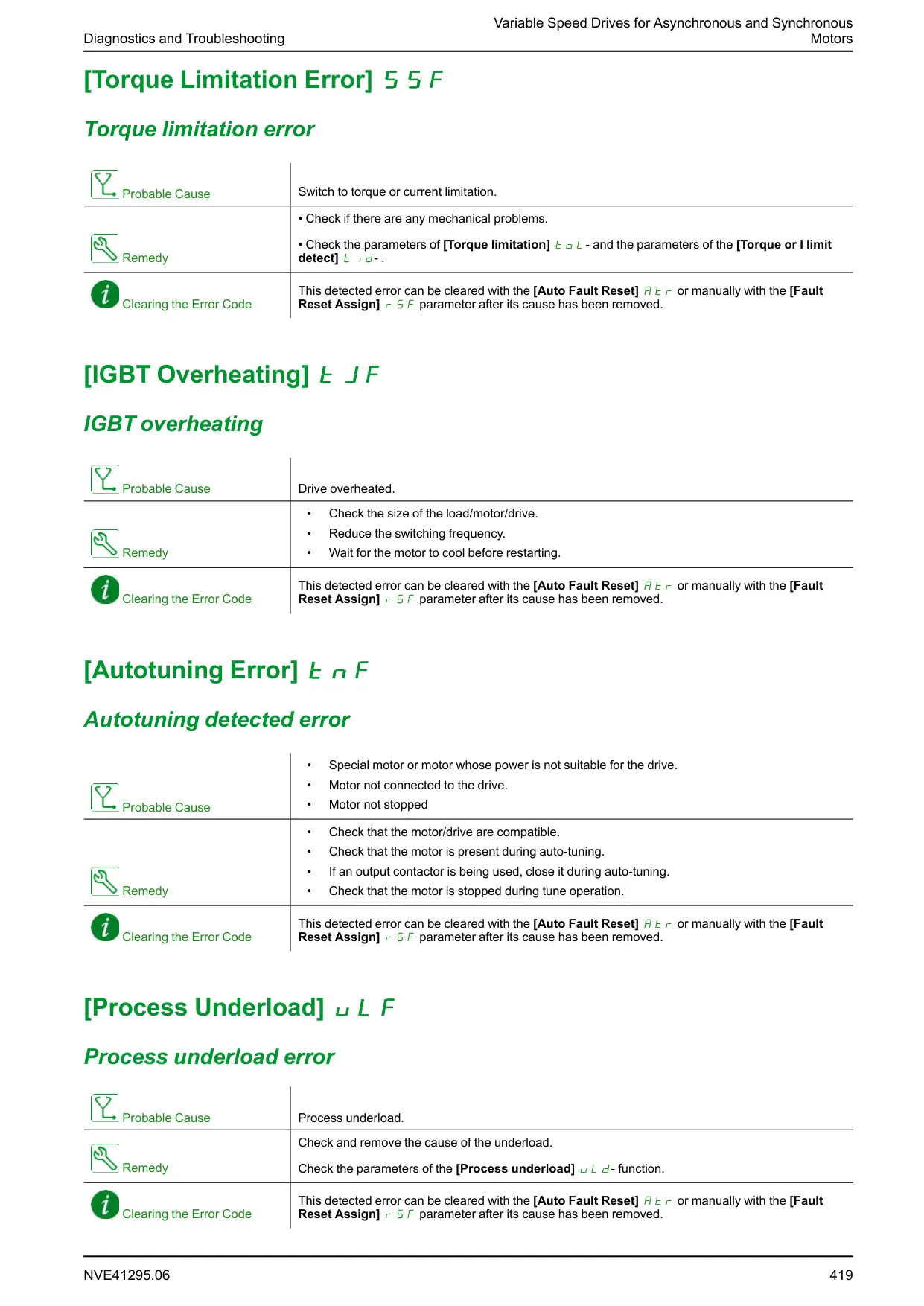
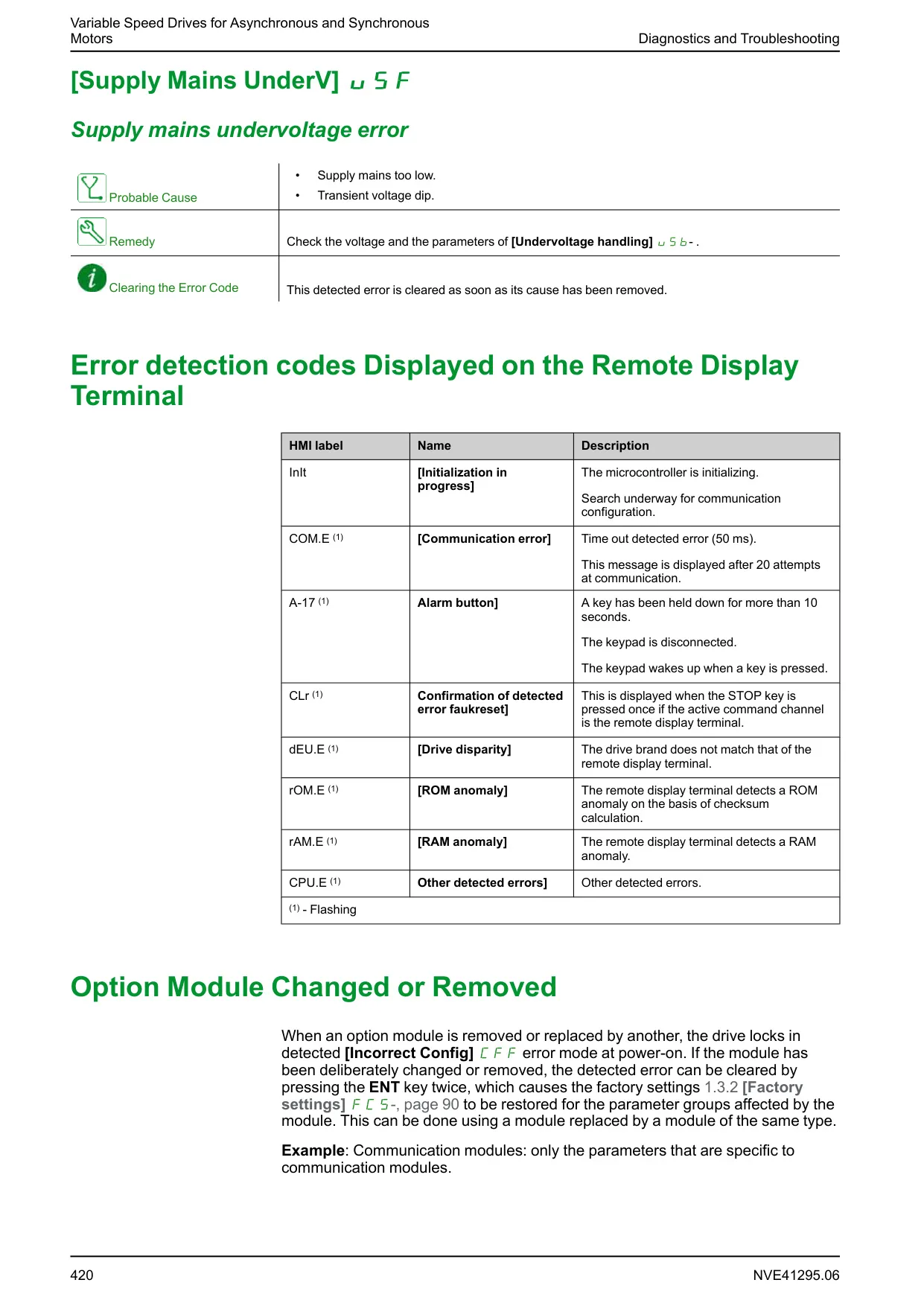
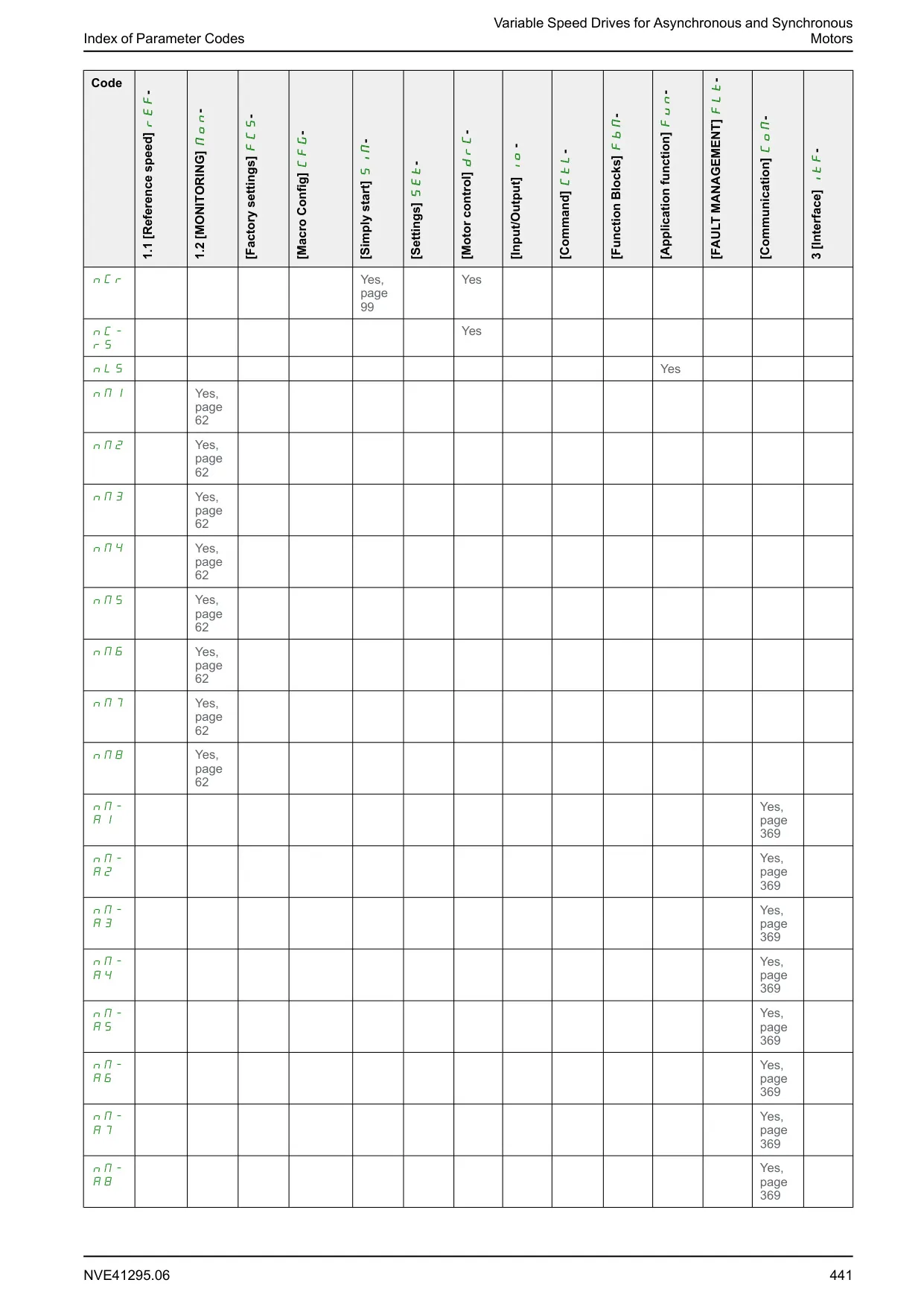
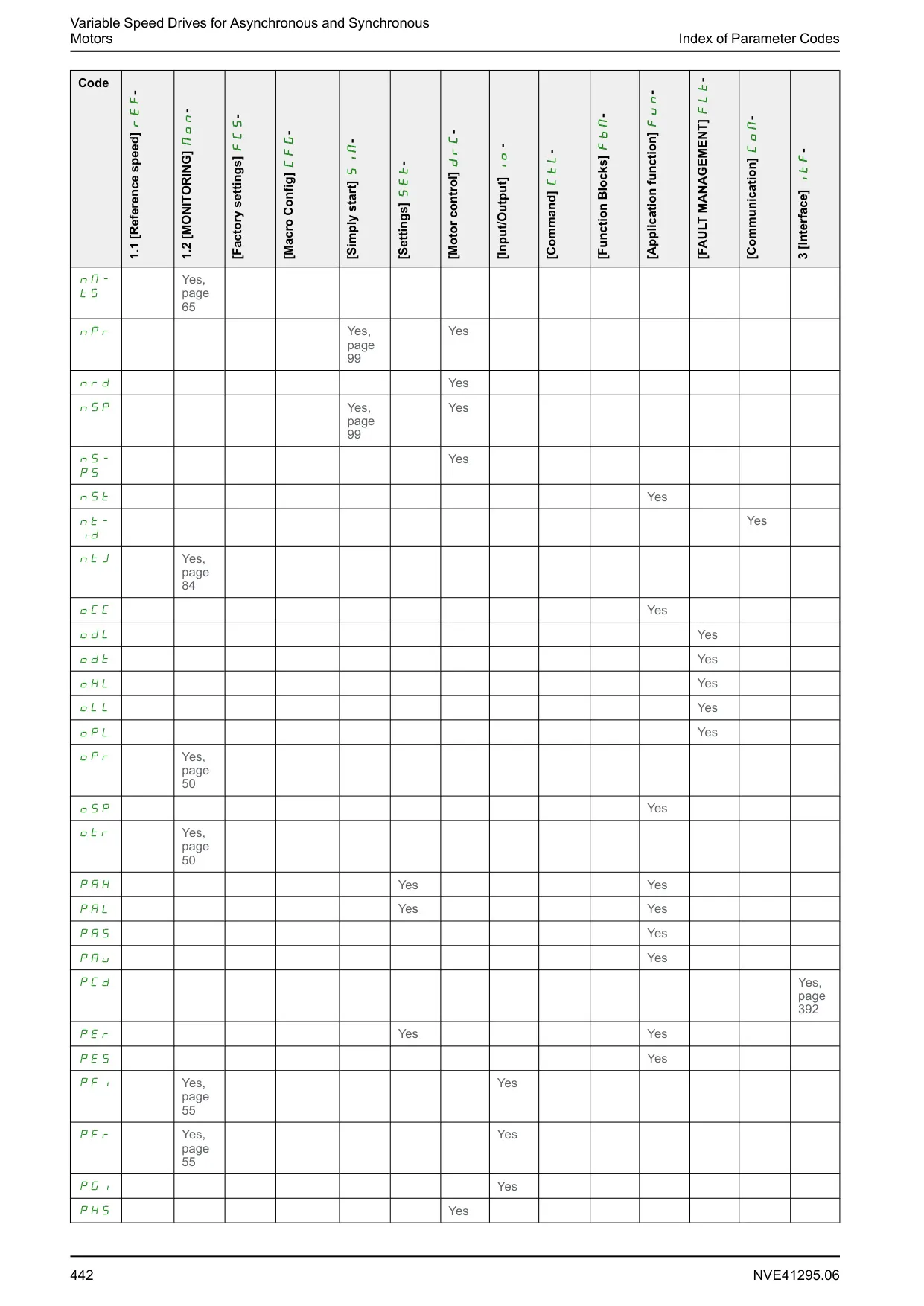
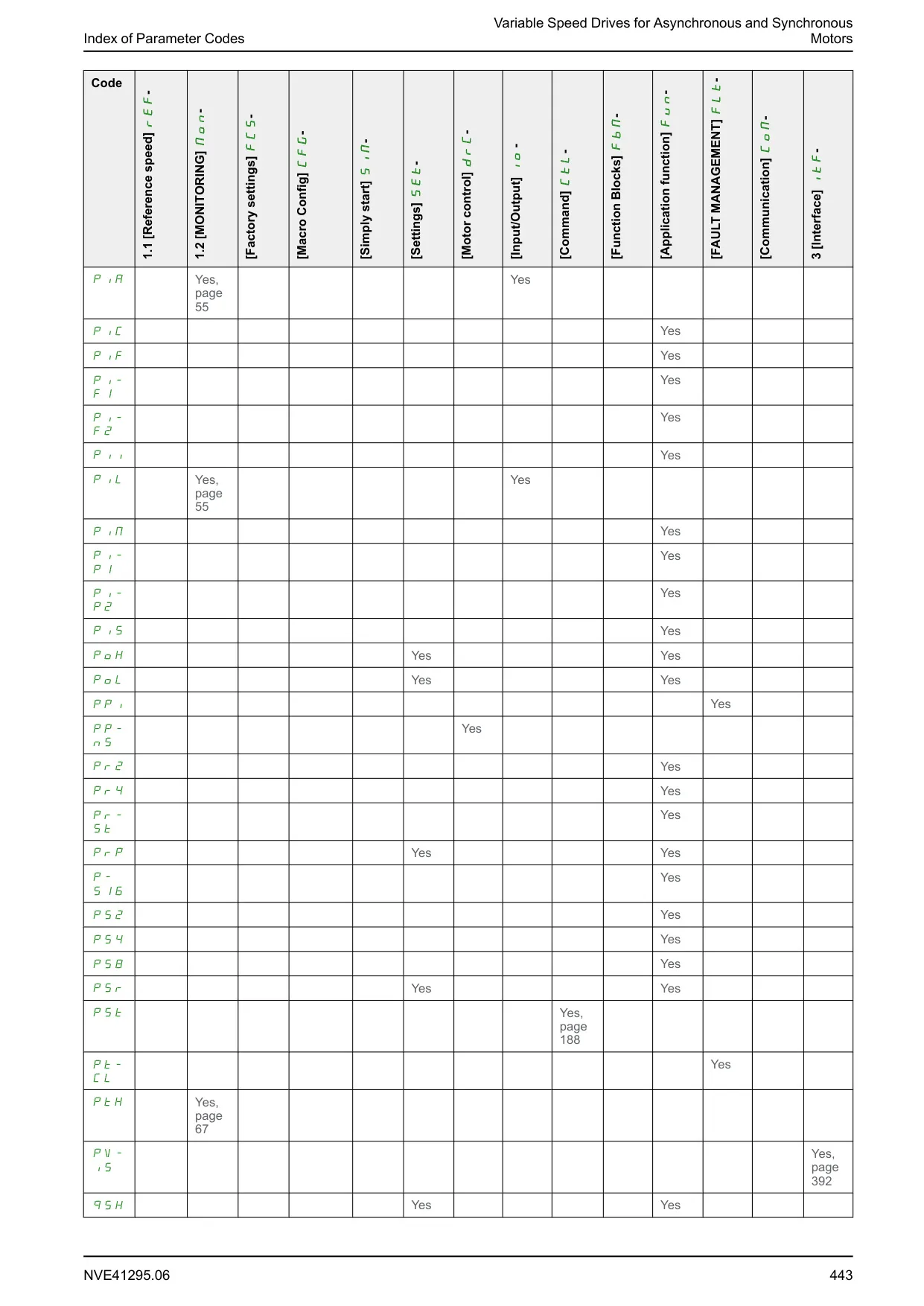
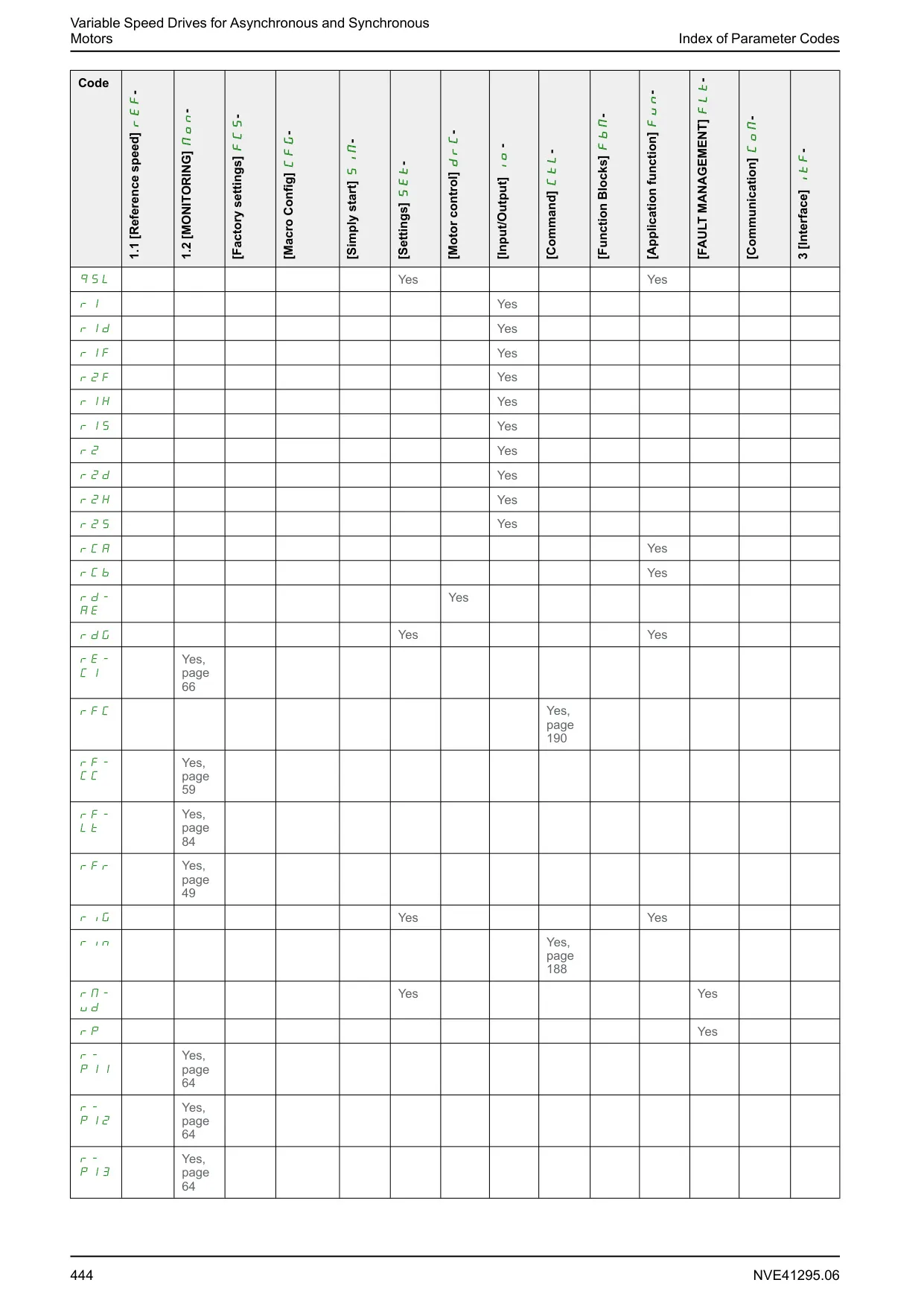
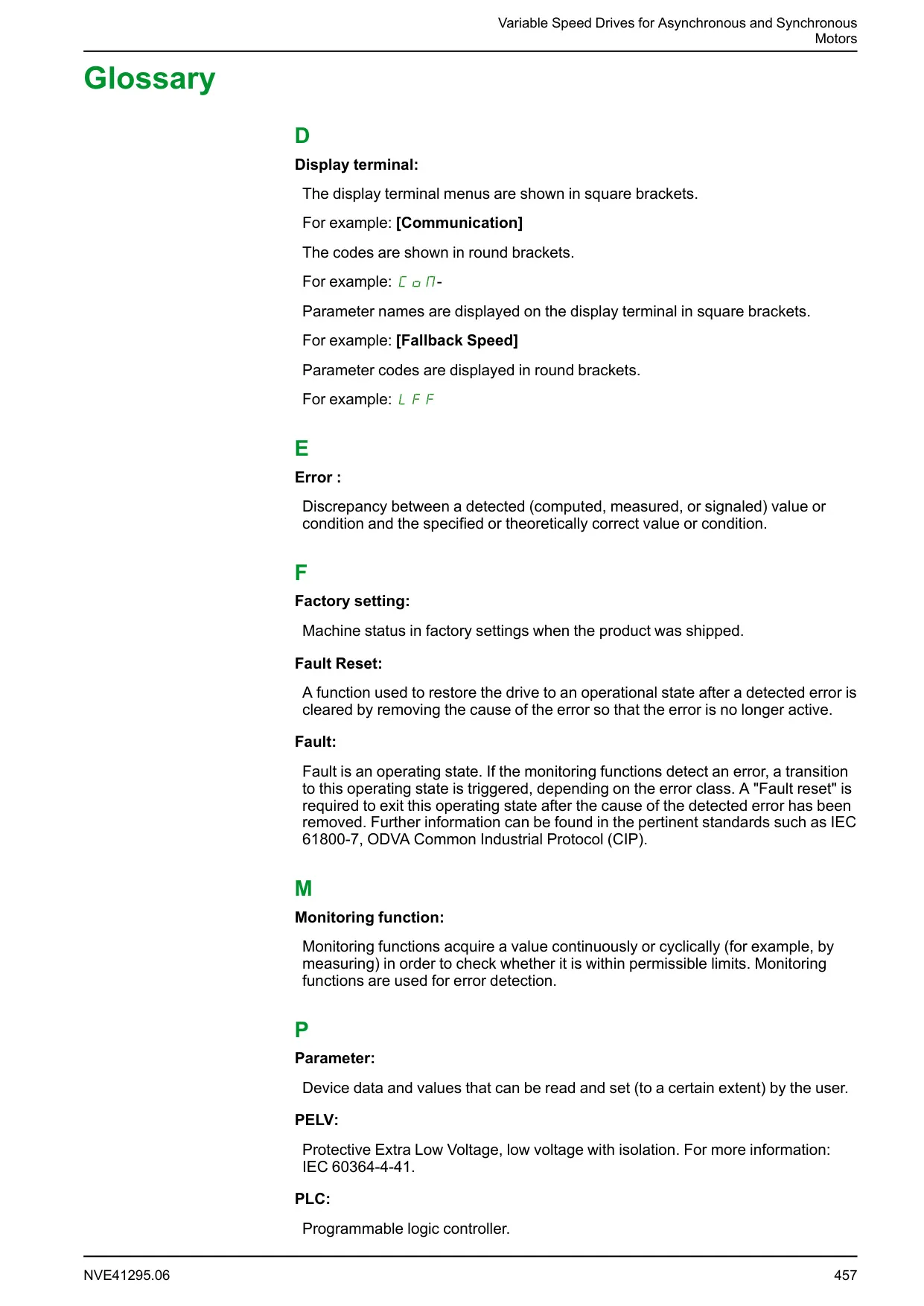


Altivar 320 Variable Frequency Drive
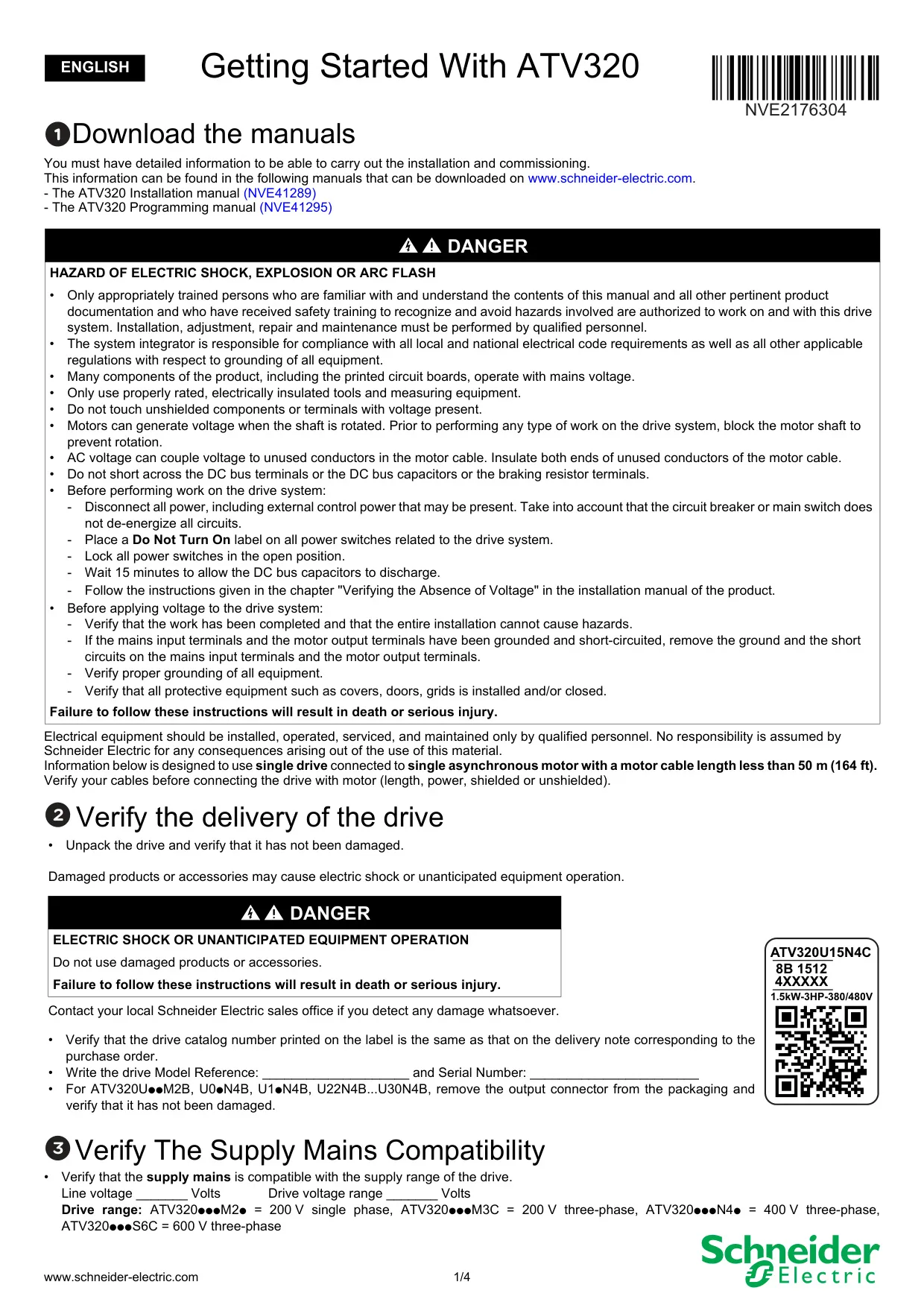
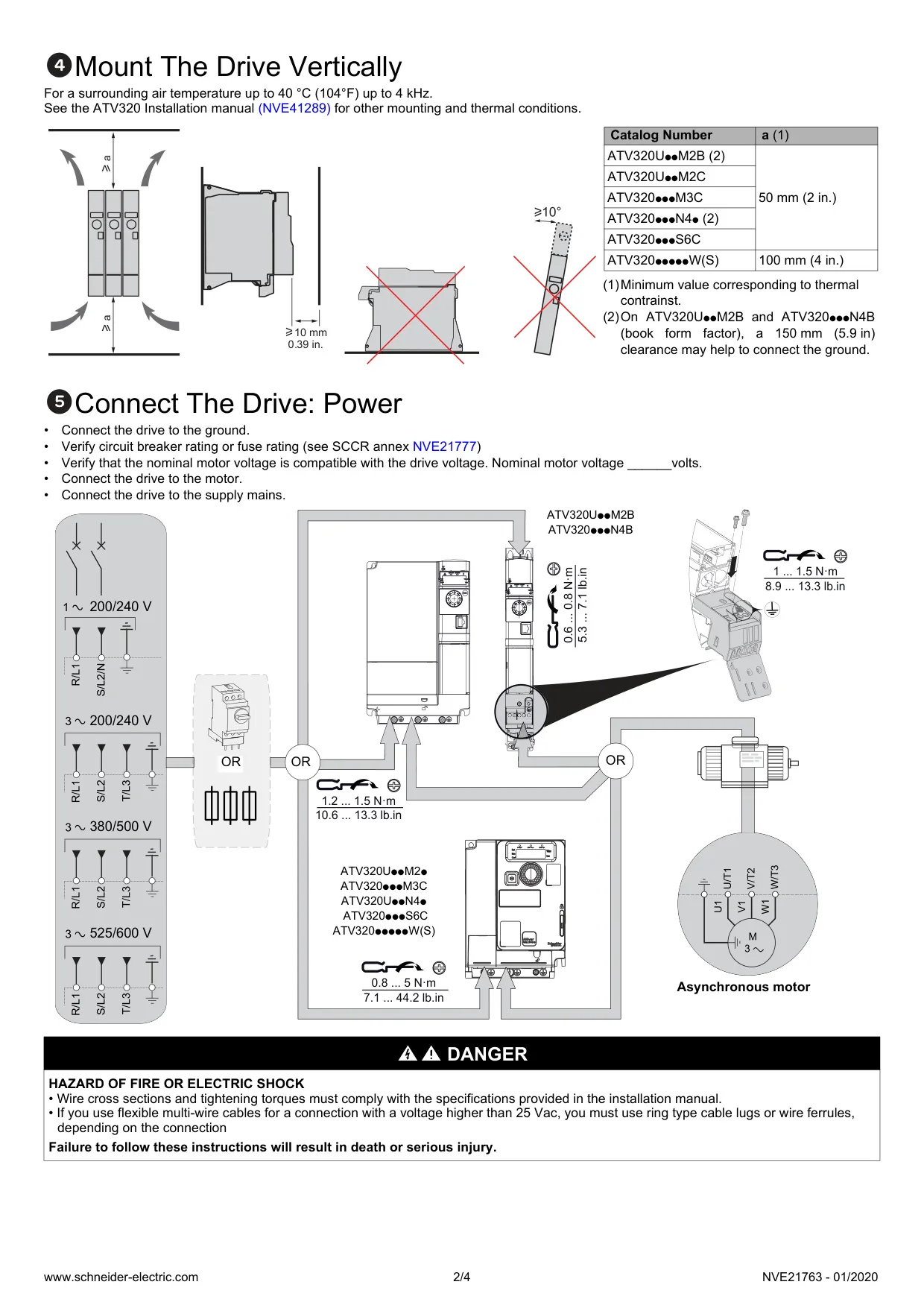
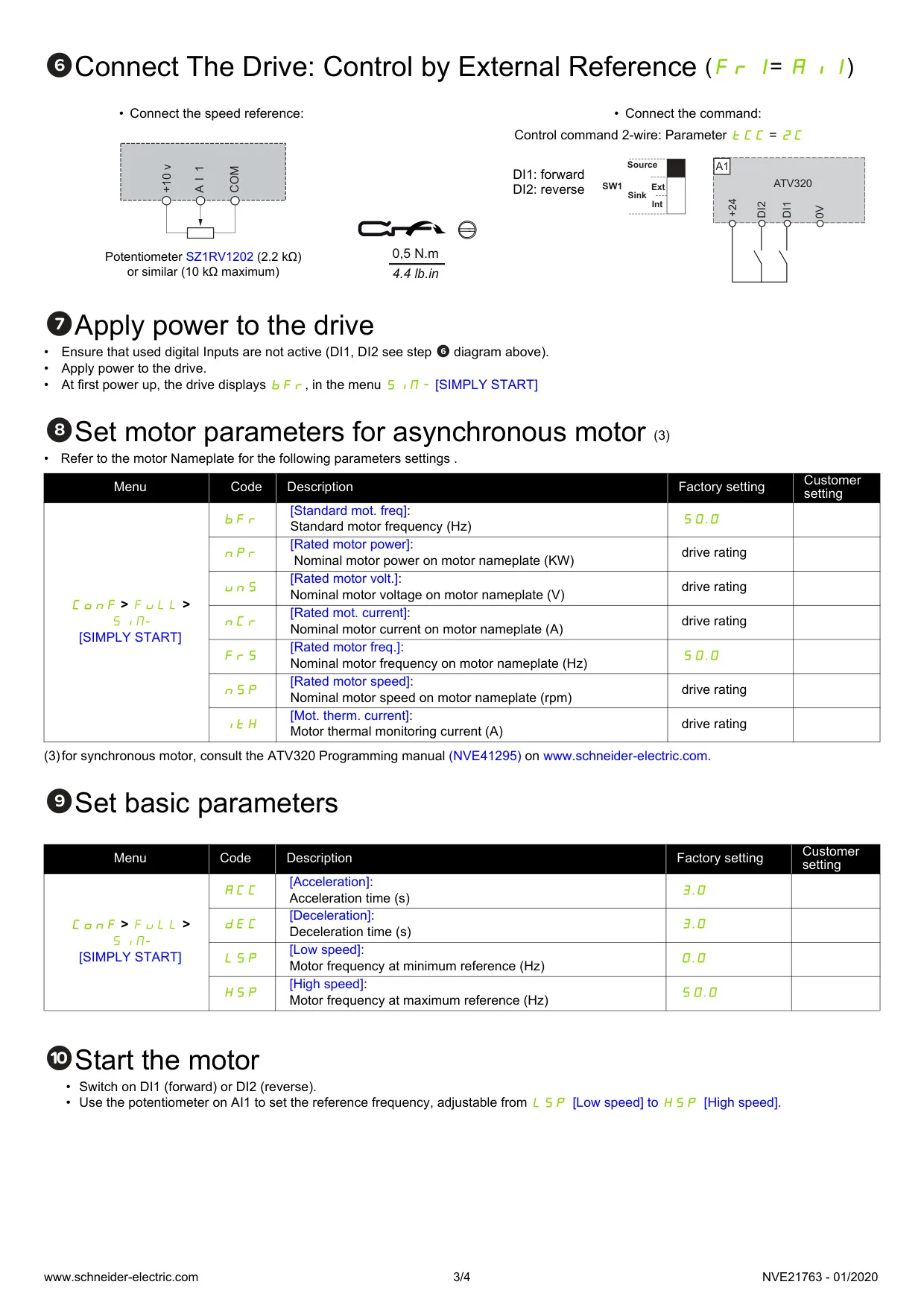
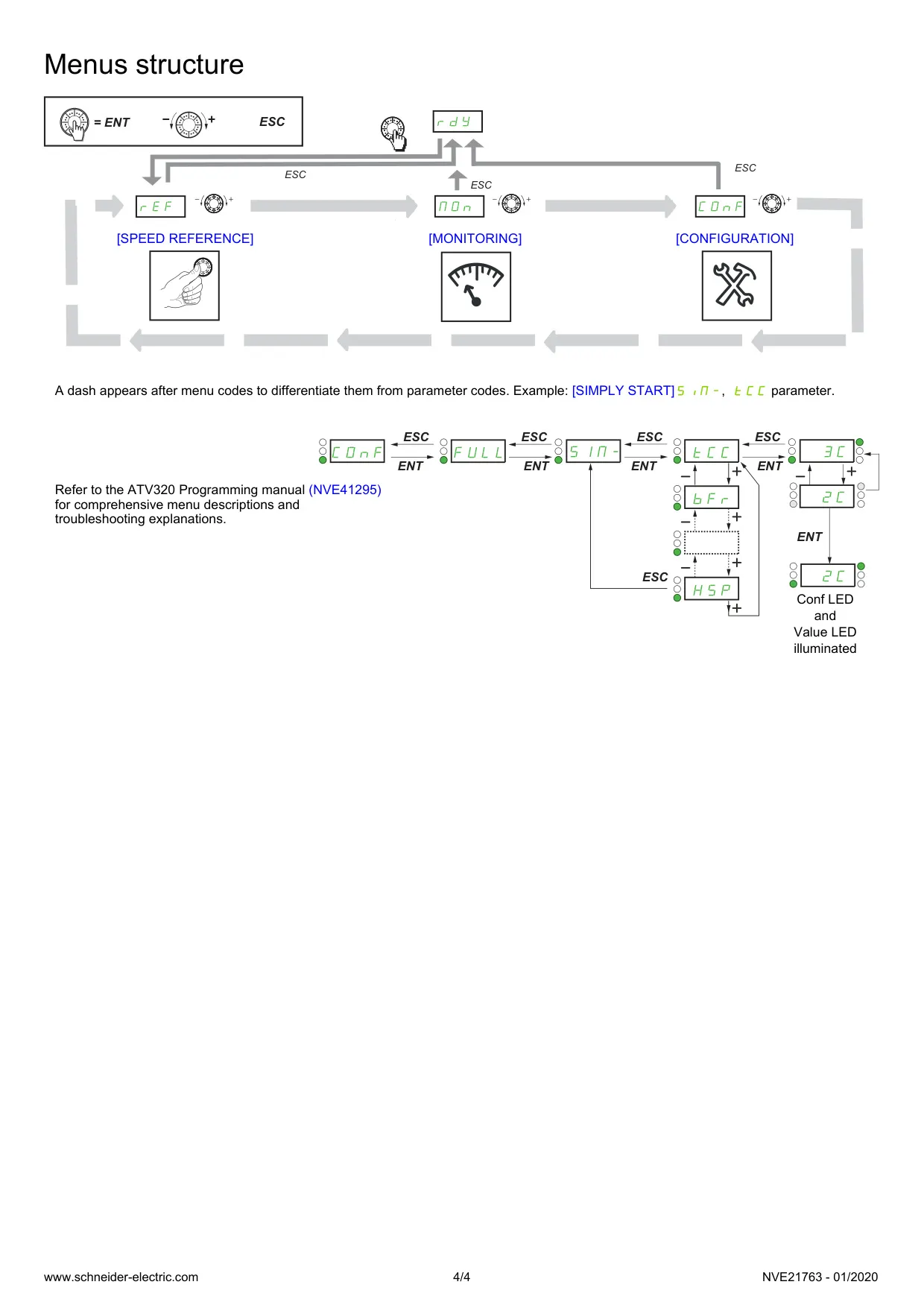
Altivar 320 VFD Instructions
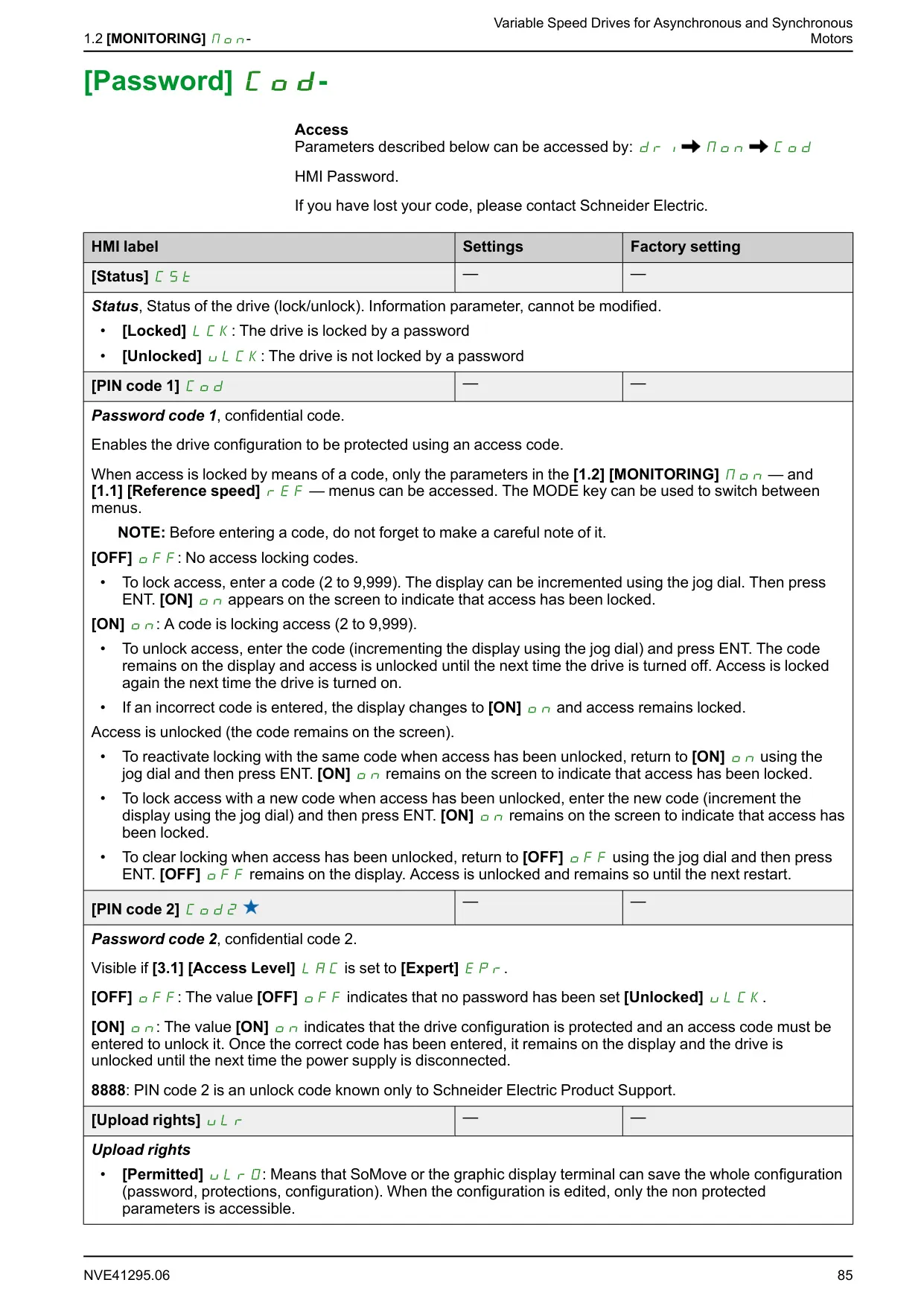
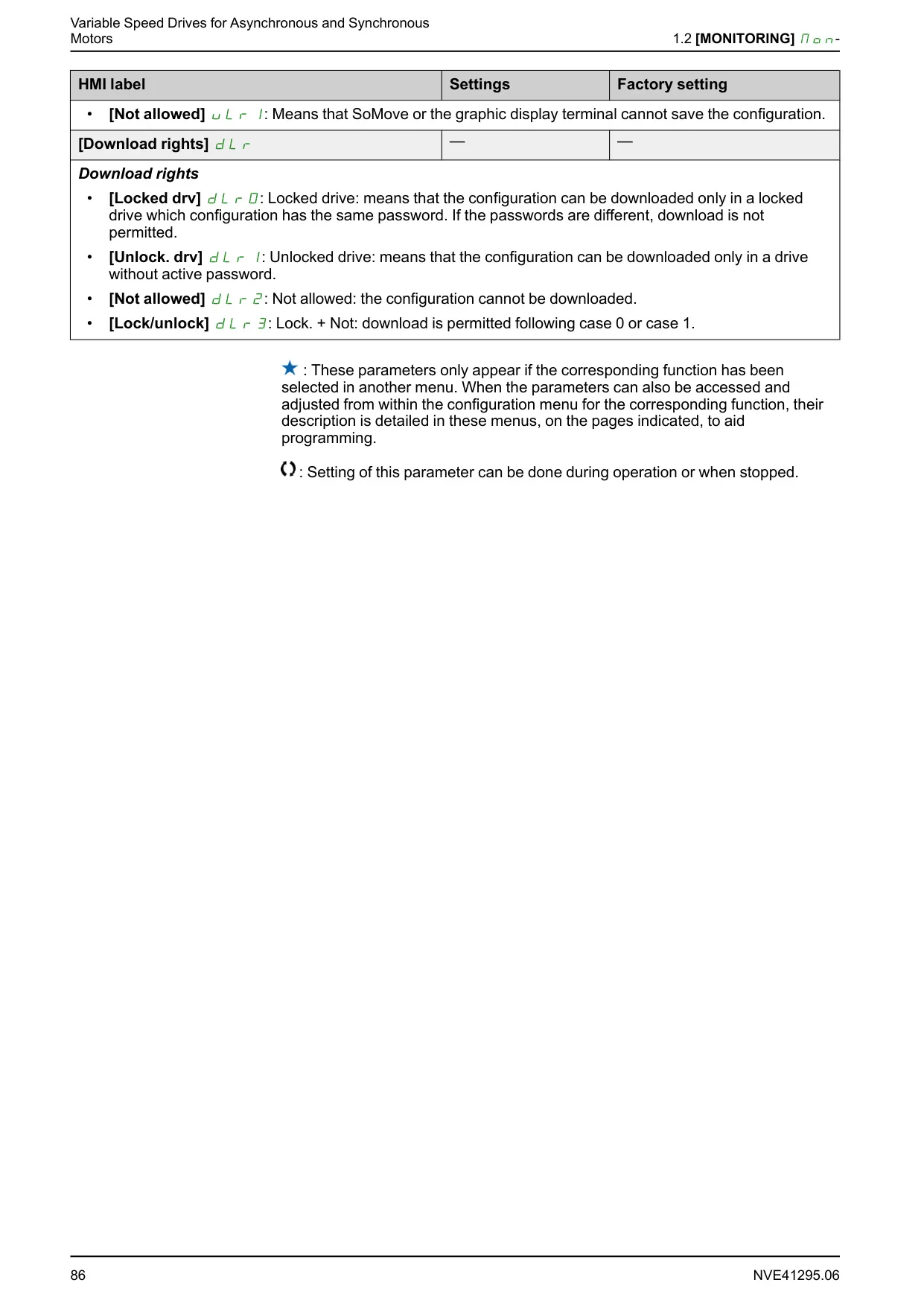
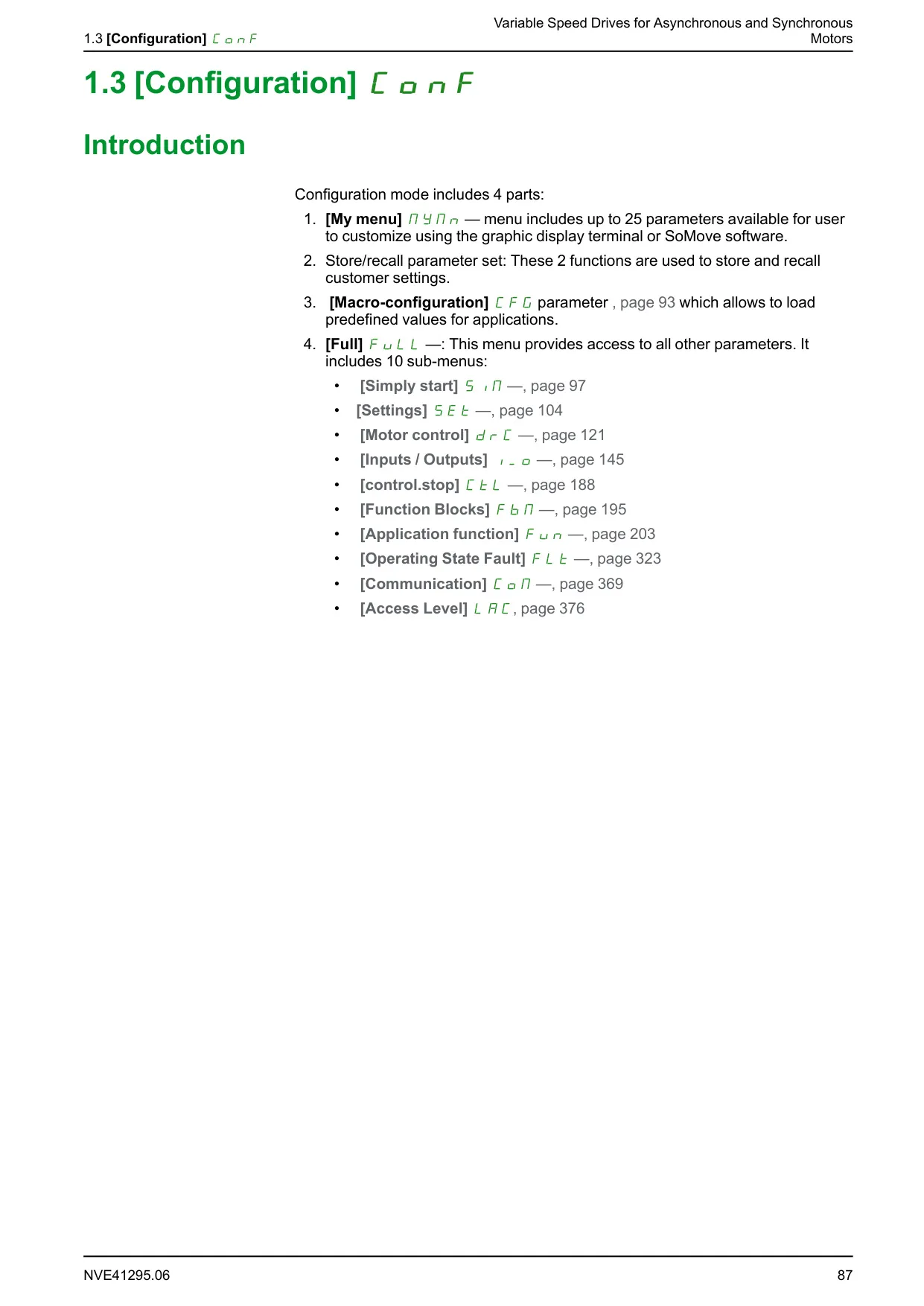
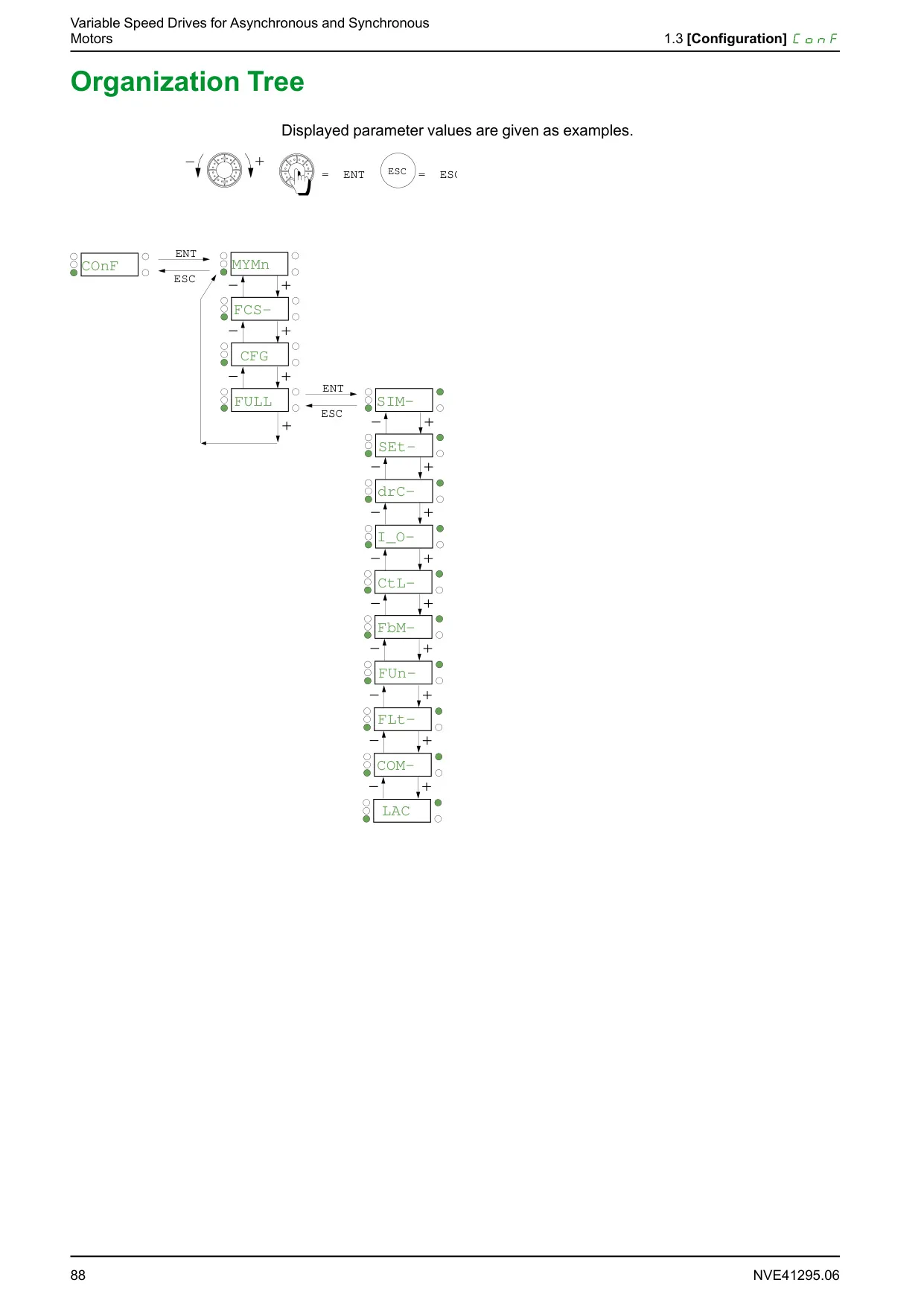
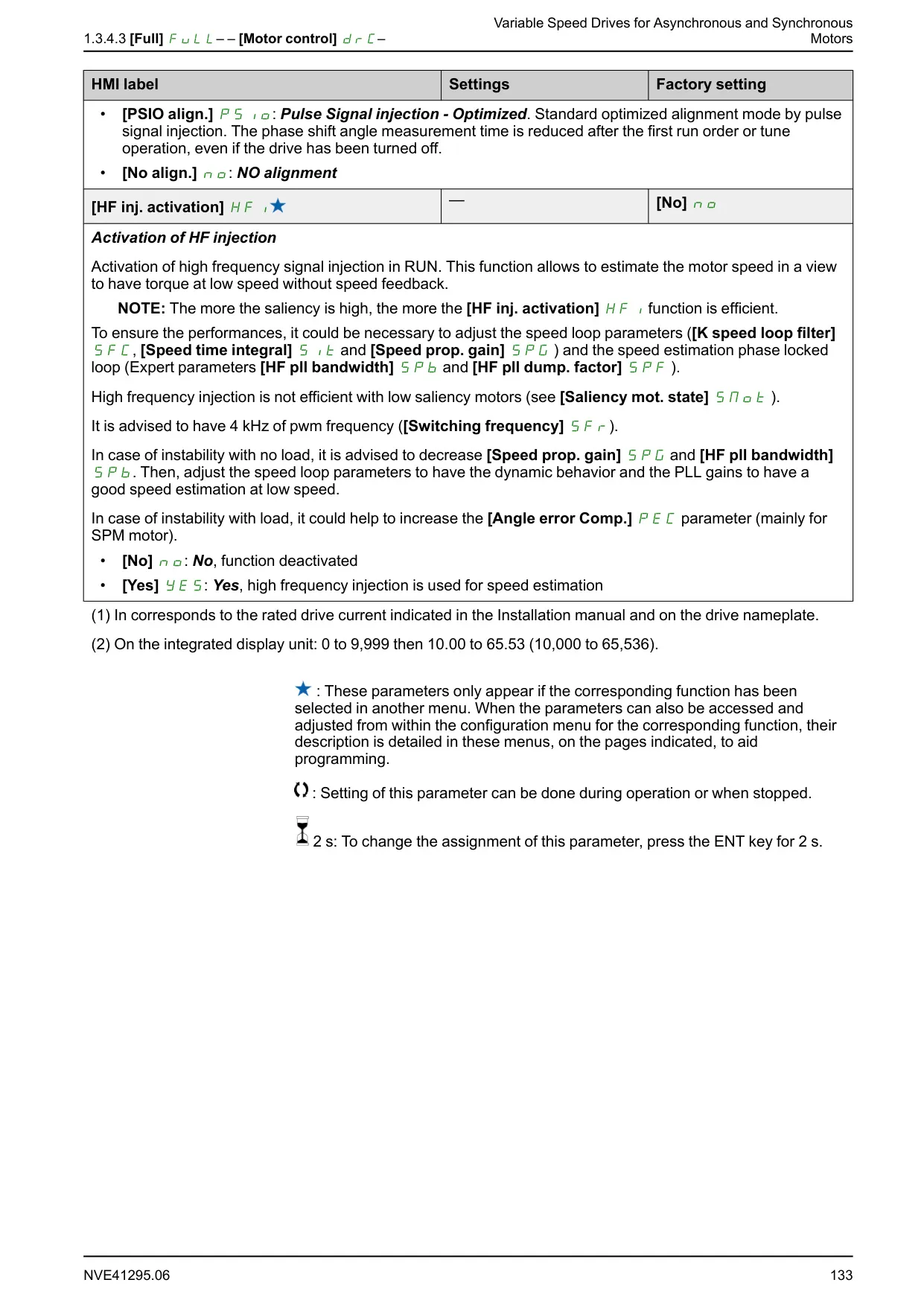
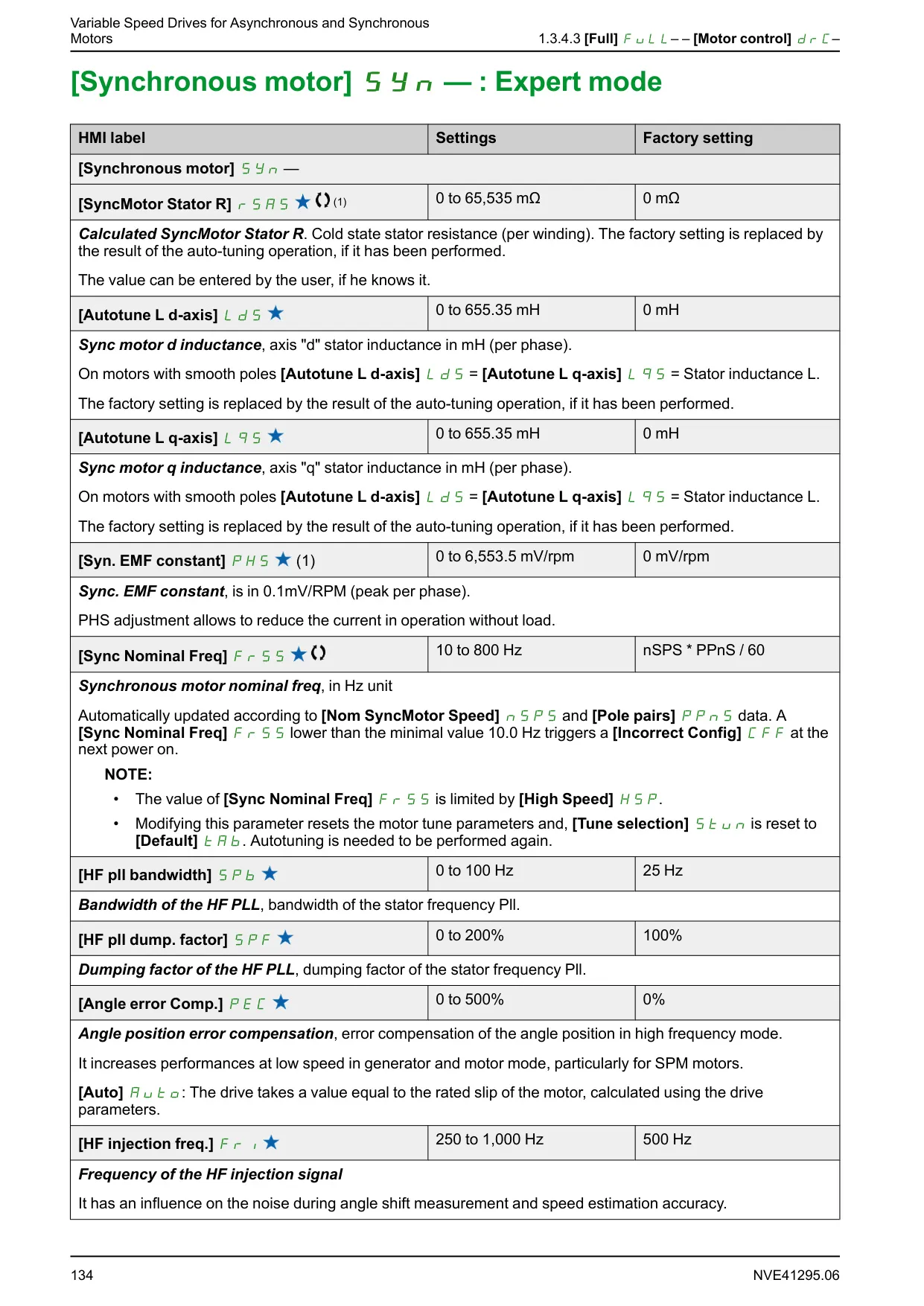
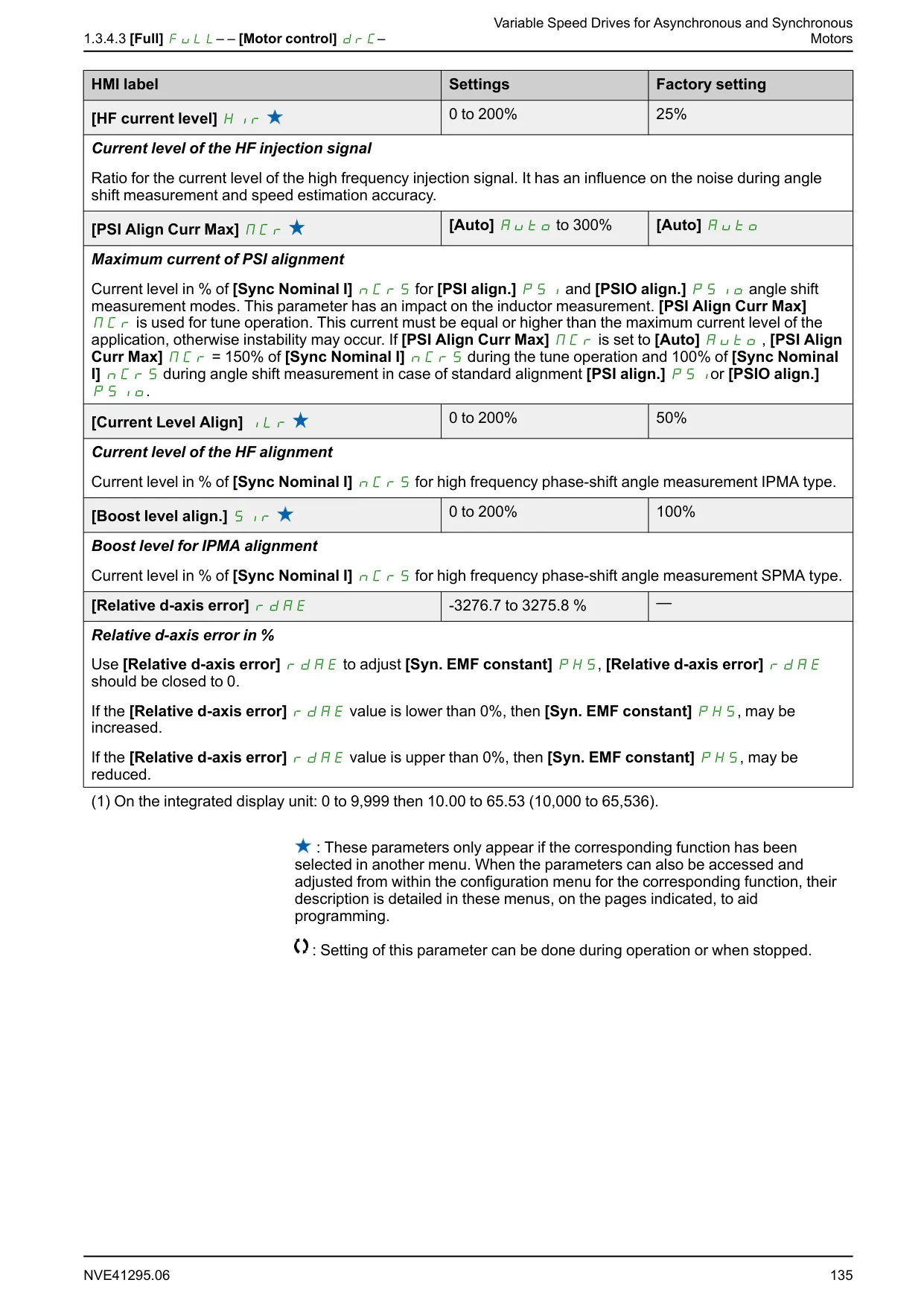
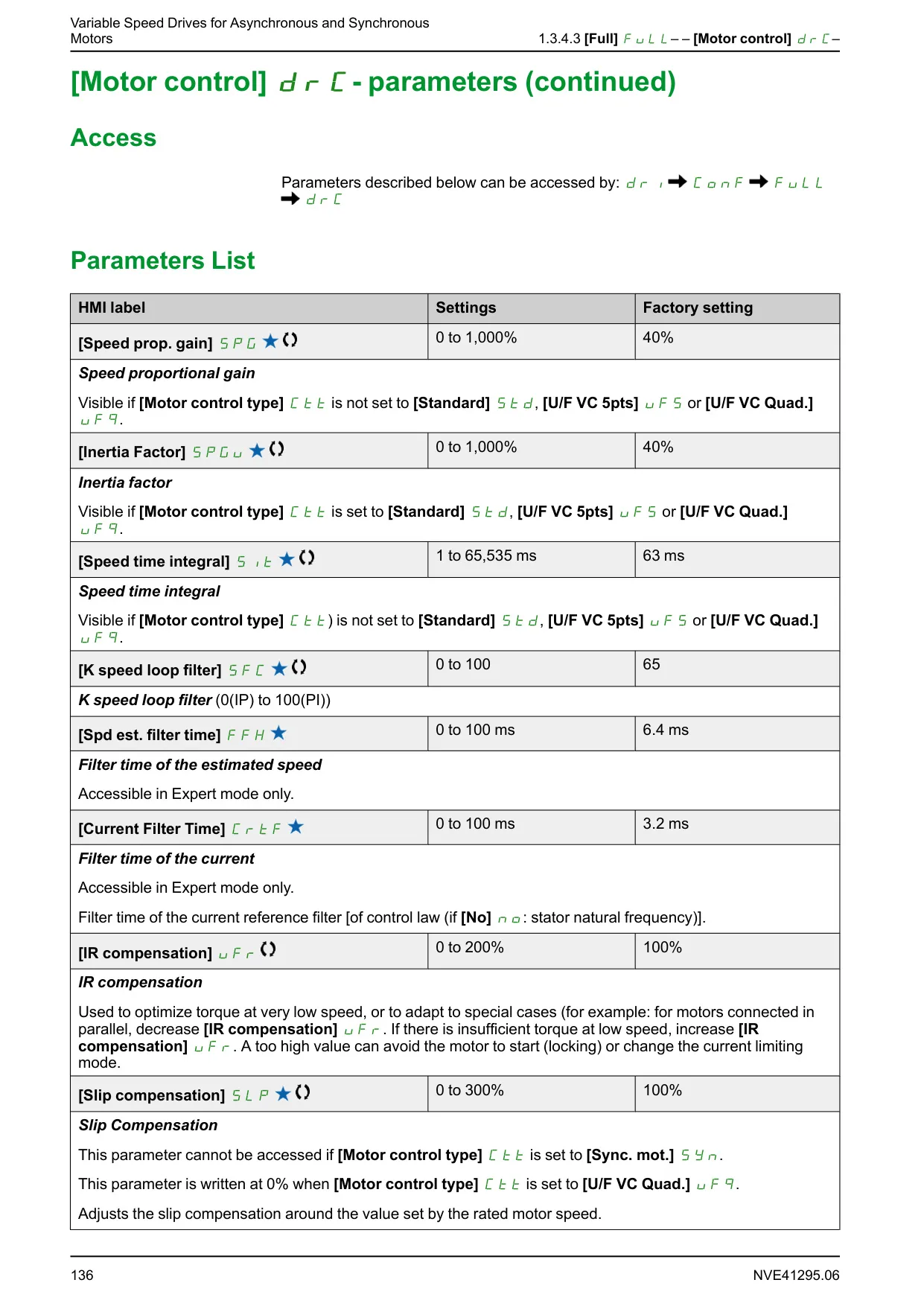
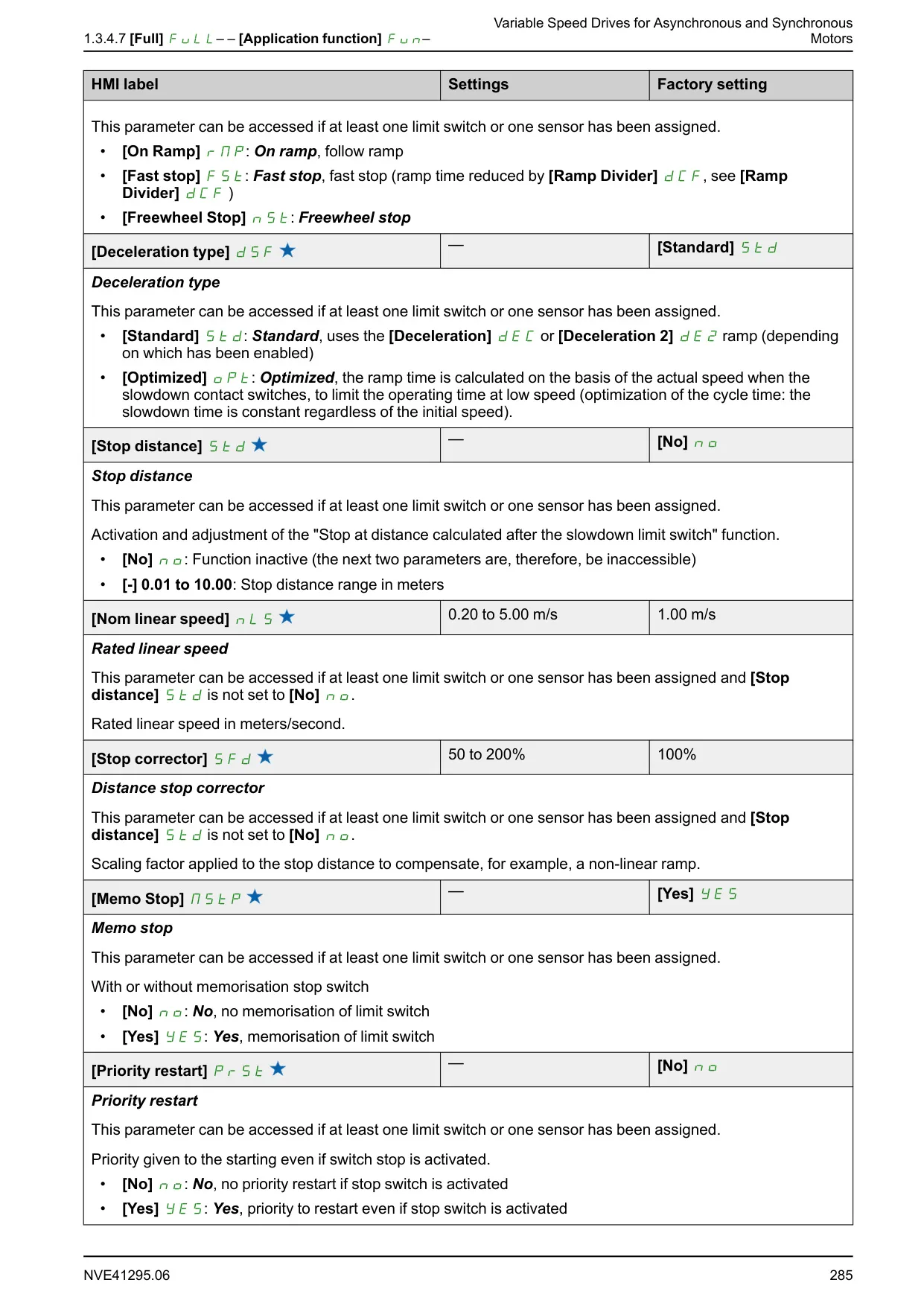
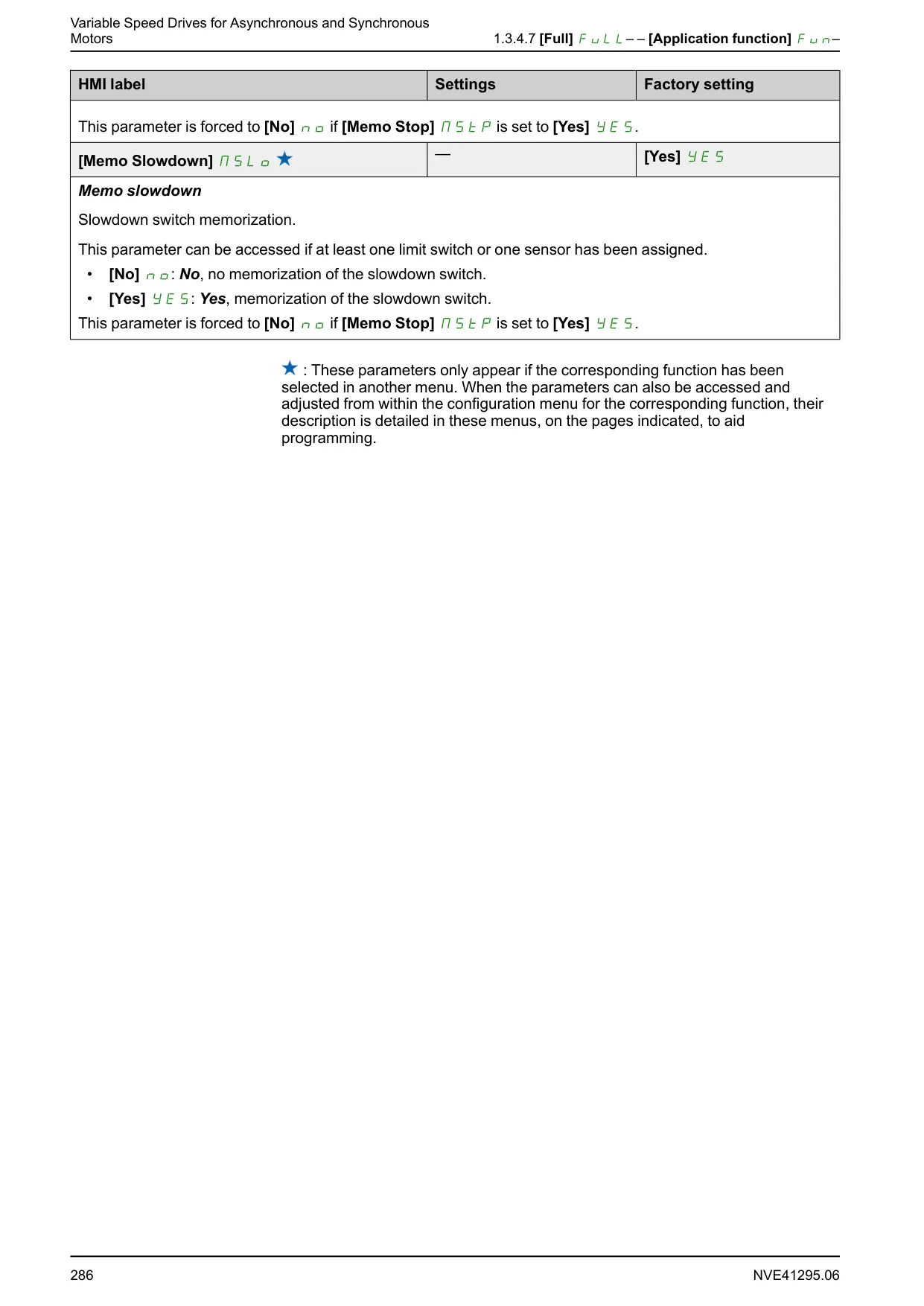
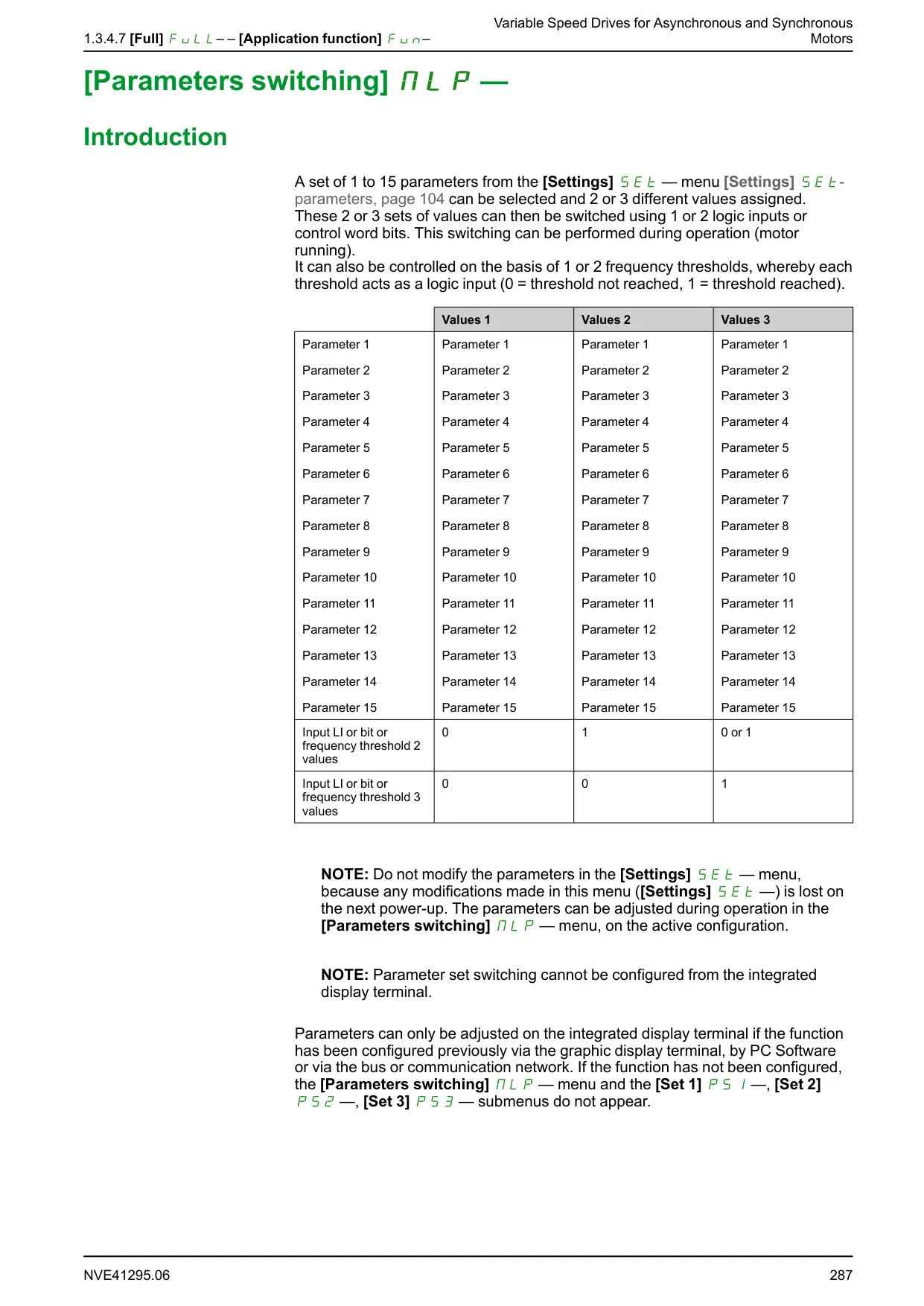
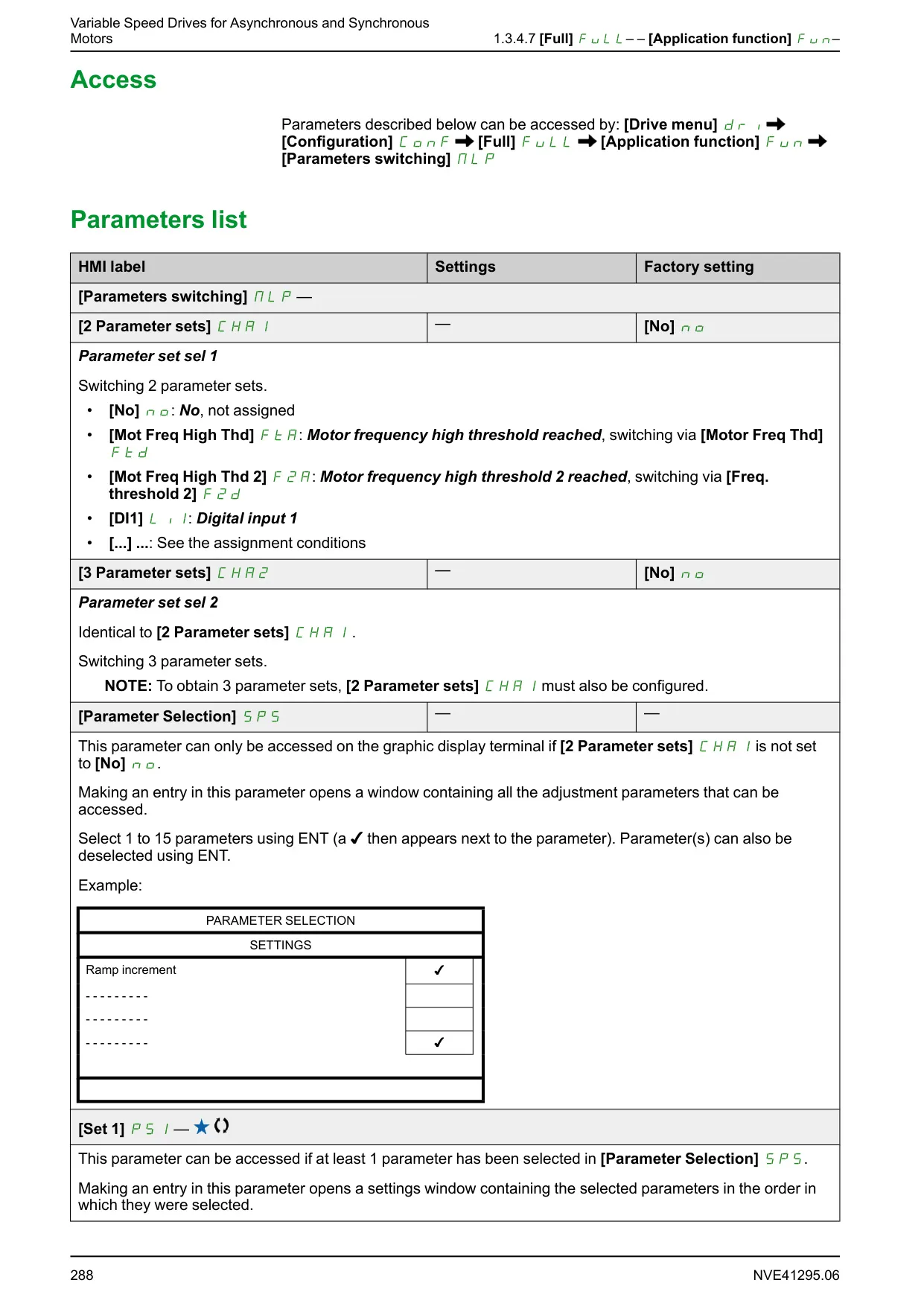
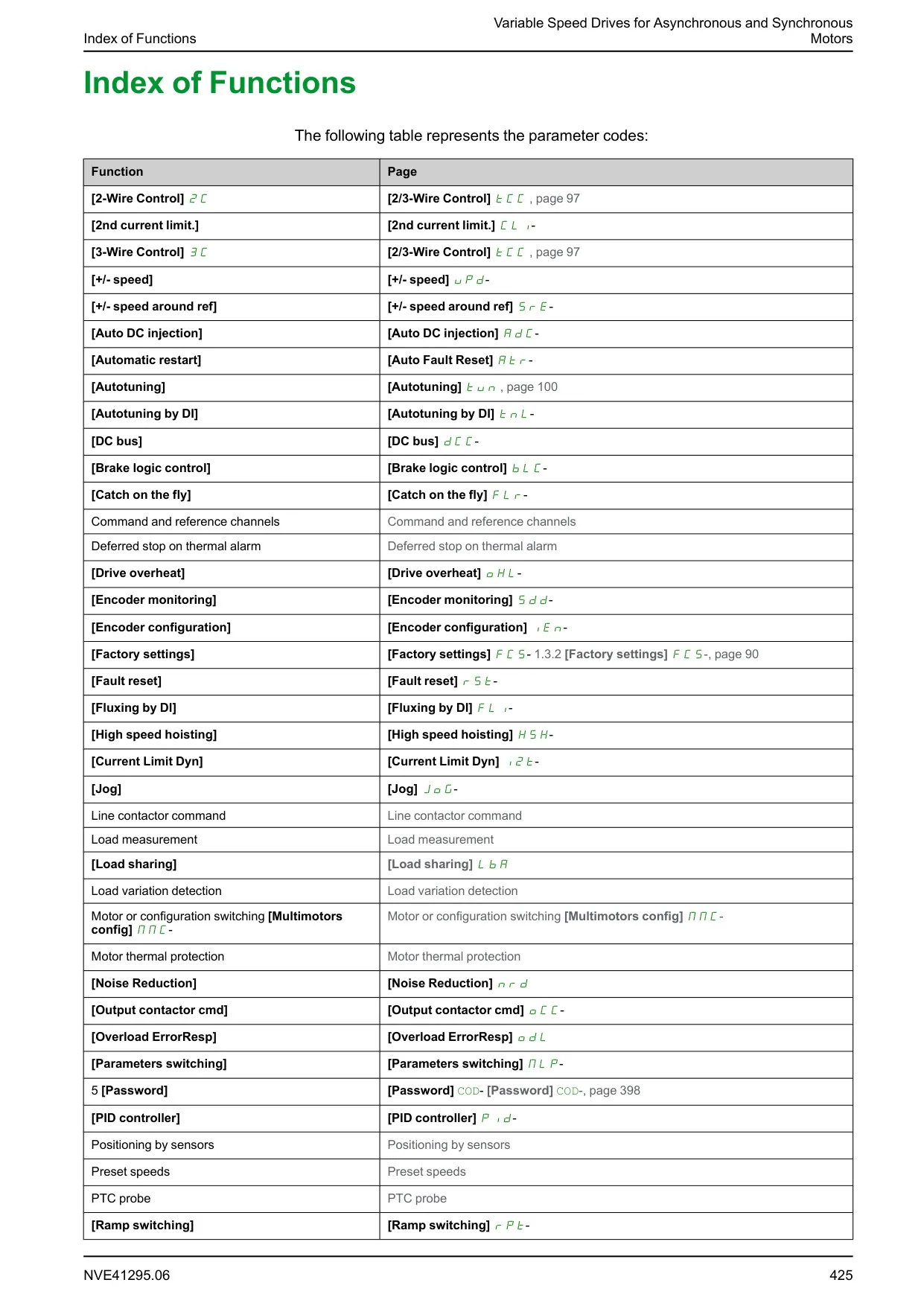
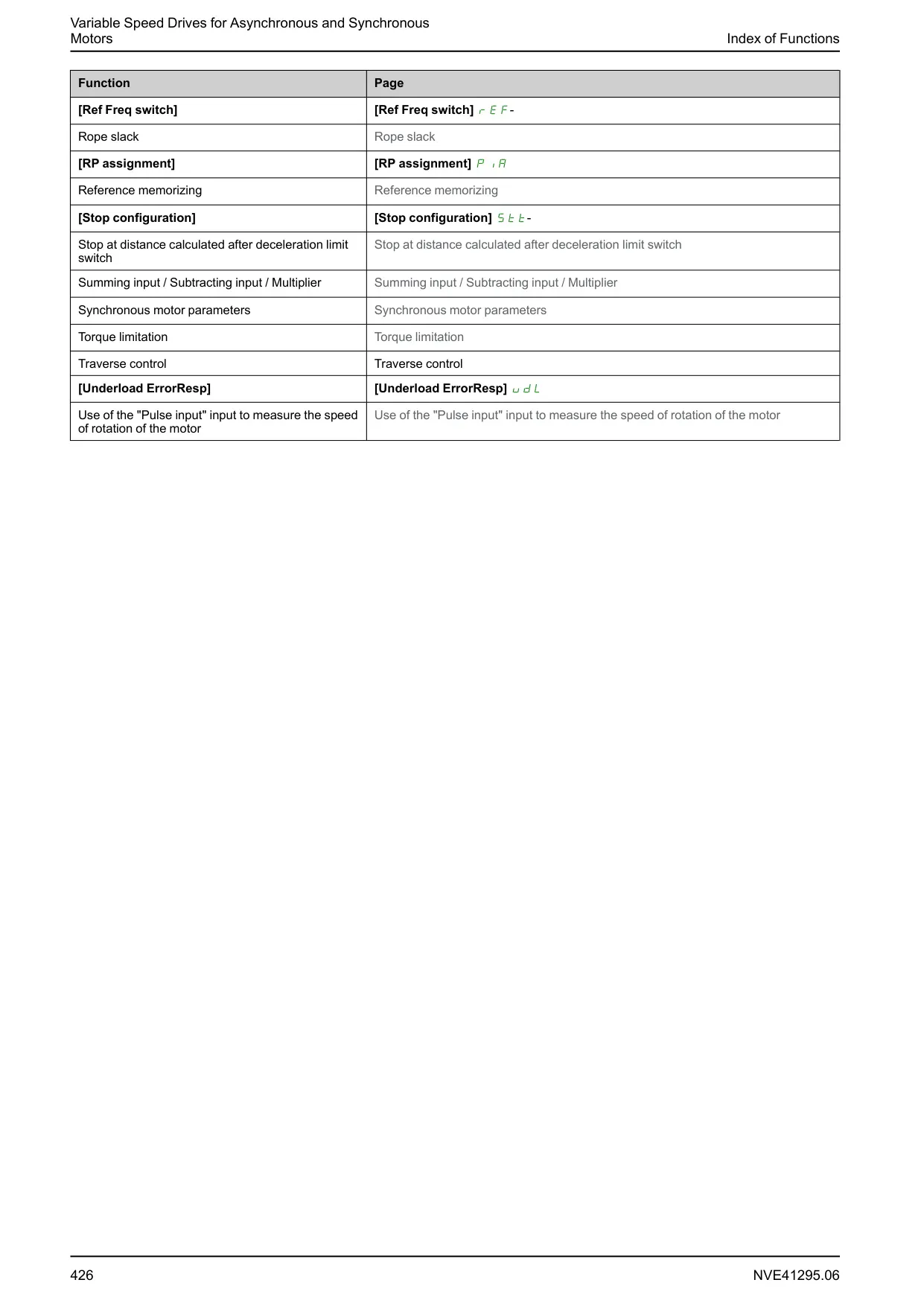
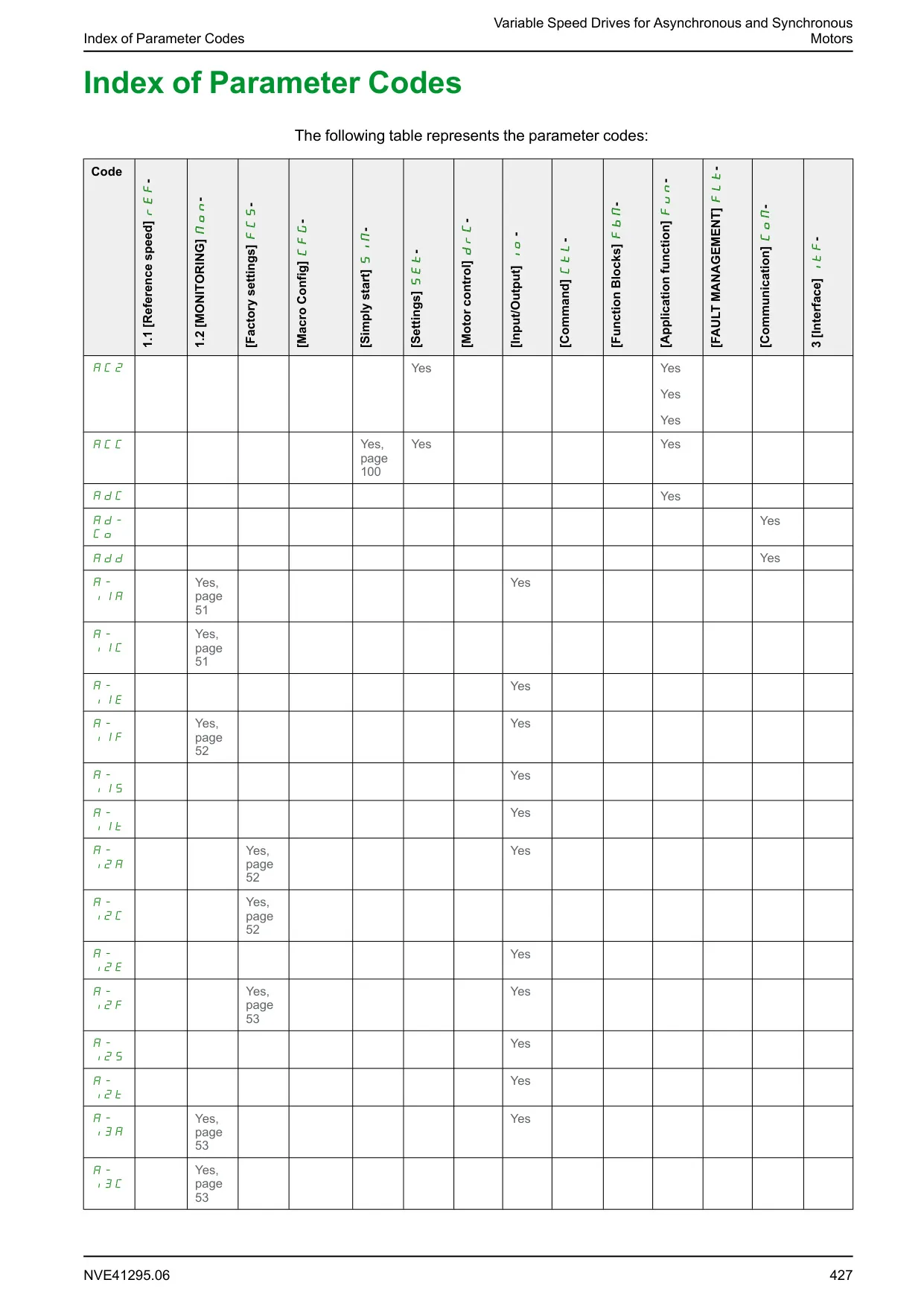
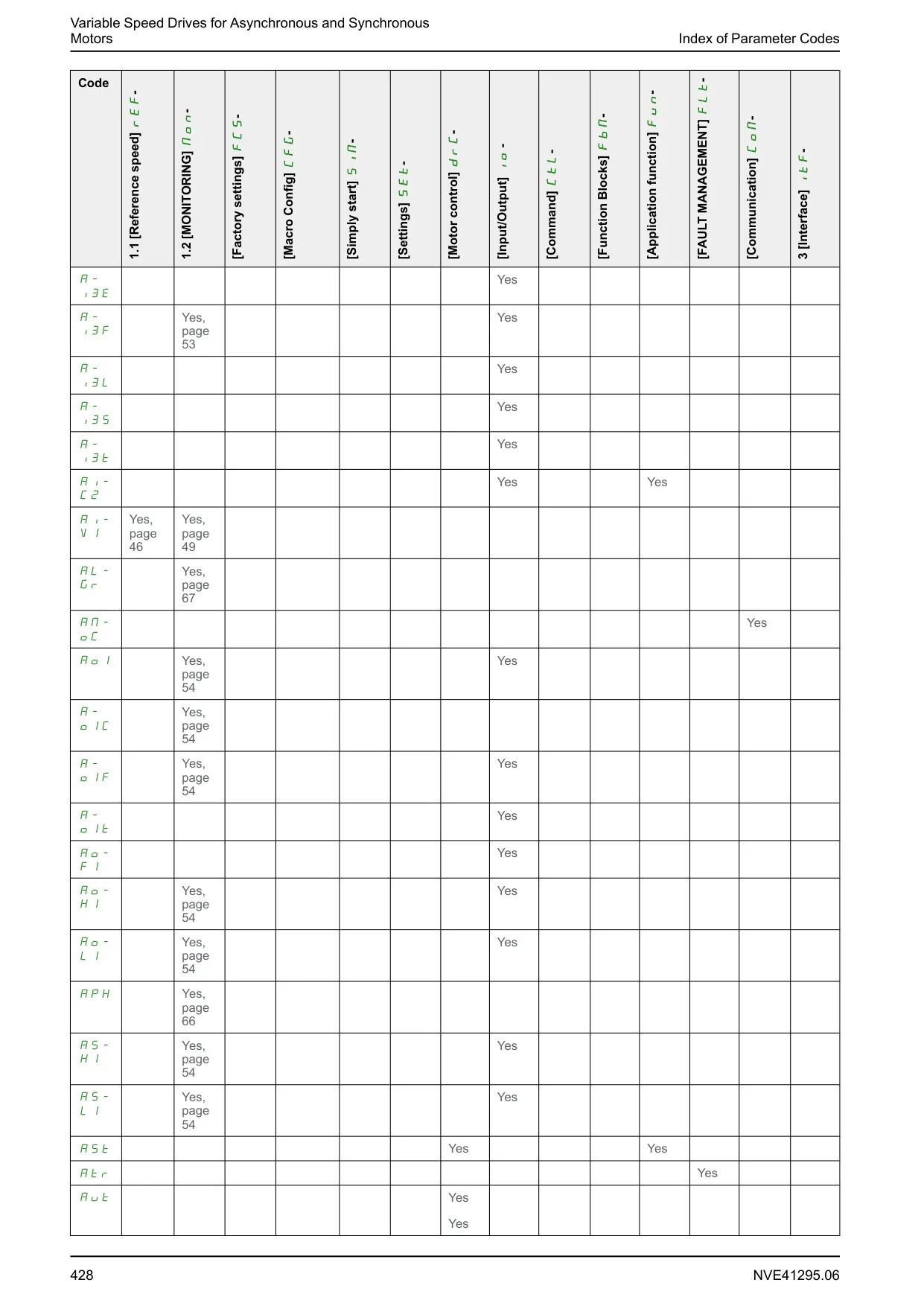
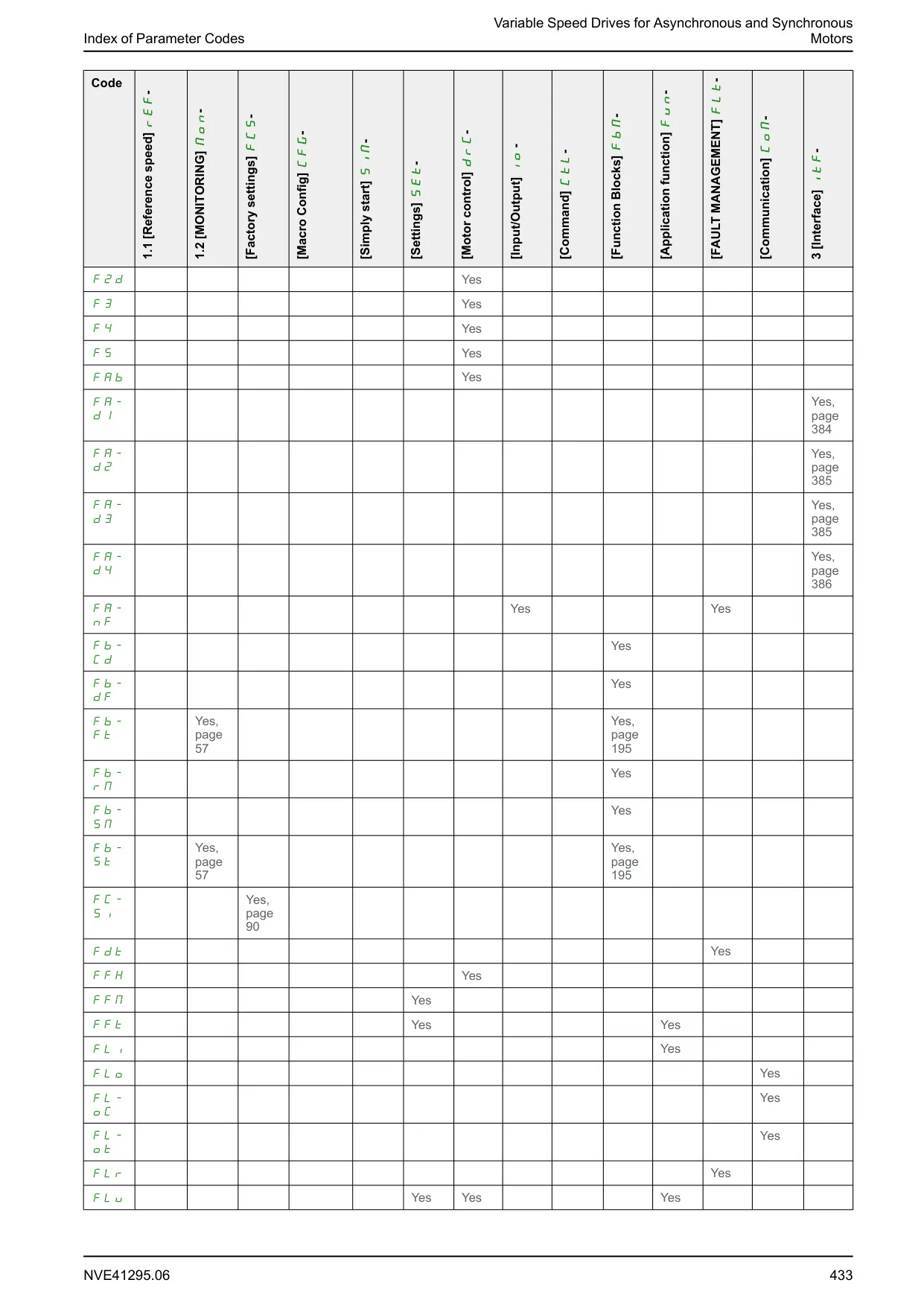
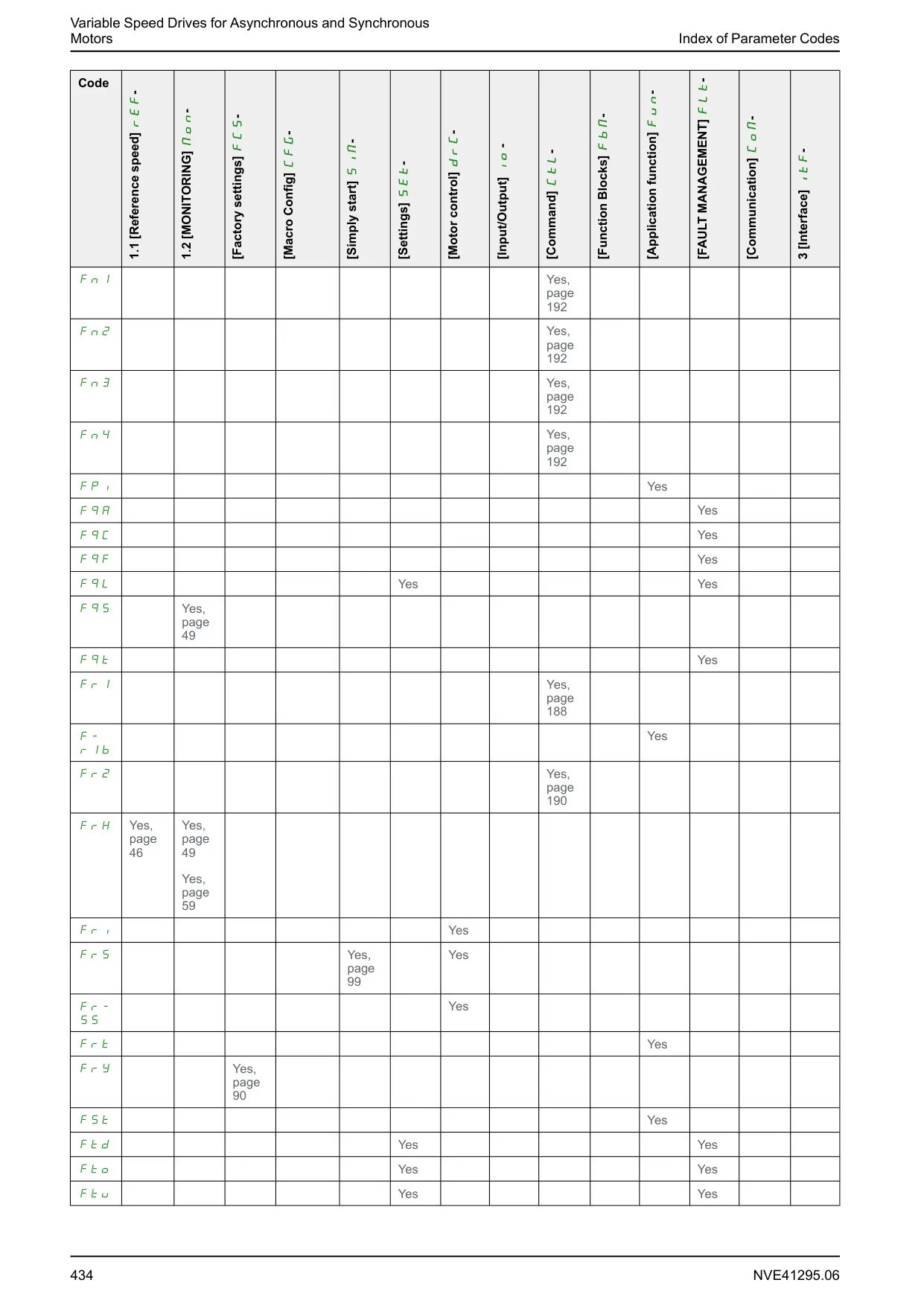
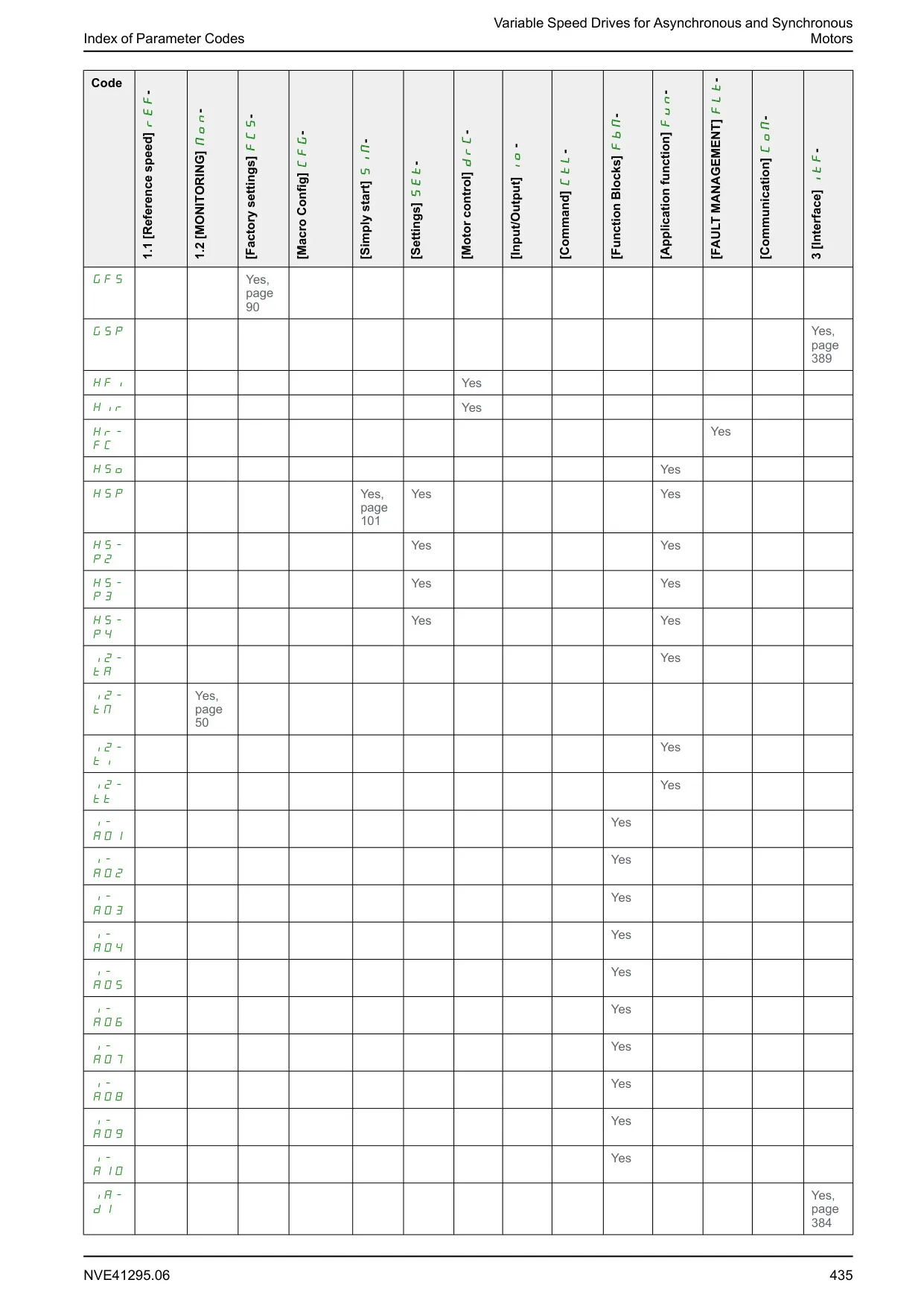
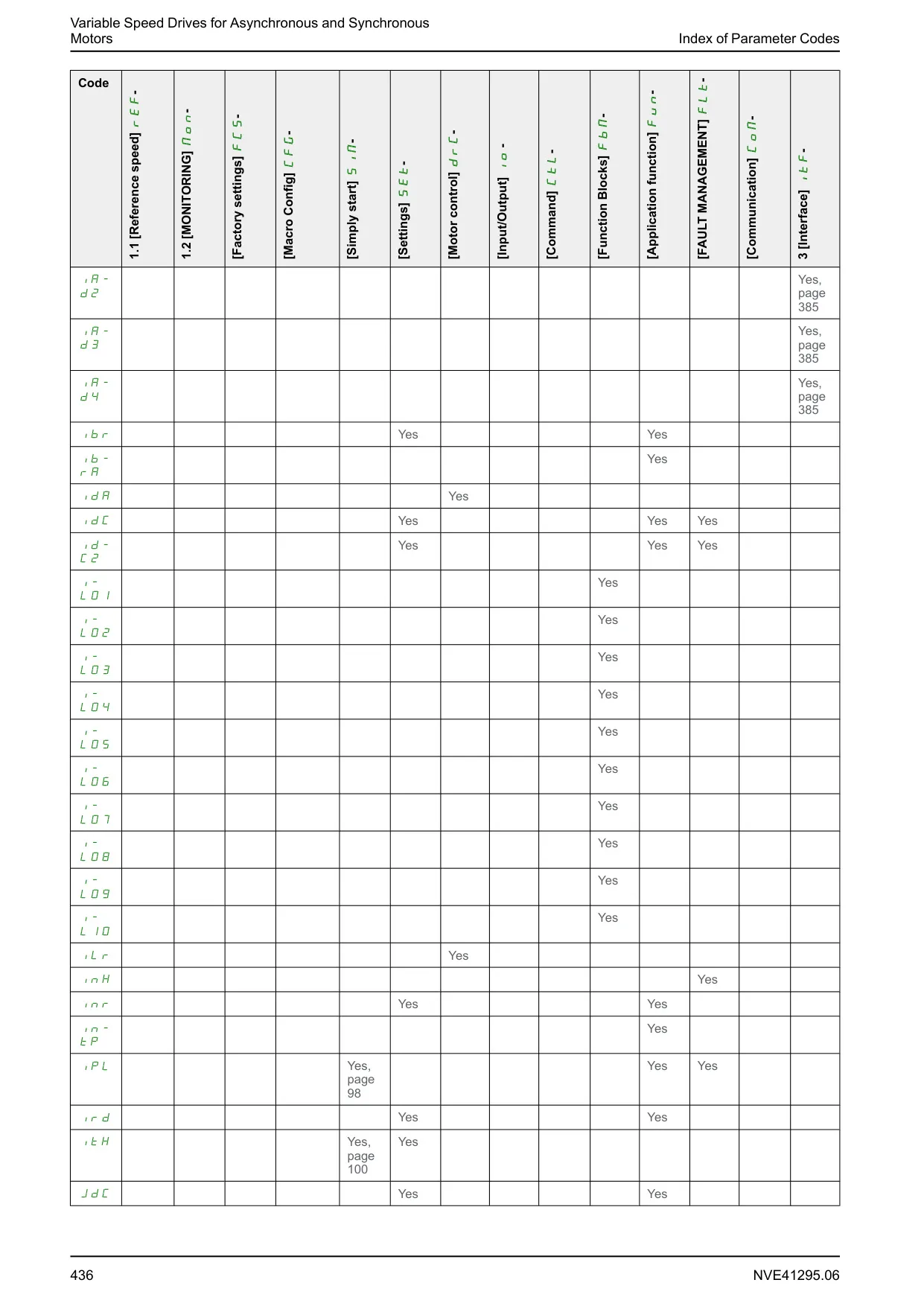
Here we offer the Altivar 320 Variable Frequency Drive manual completely free and in English. We have cataloged this manual in the Variable Frequency Drives section on Manualverse, and it has been rated by 1 users with an average rating of 5. If you have any specific questions about Altivar 320 Variable Frequency Drive, we suggest checking the Frequently Asked Questions (FAQs) section of this manual.
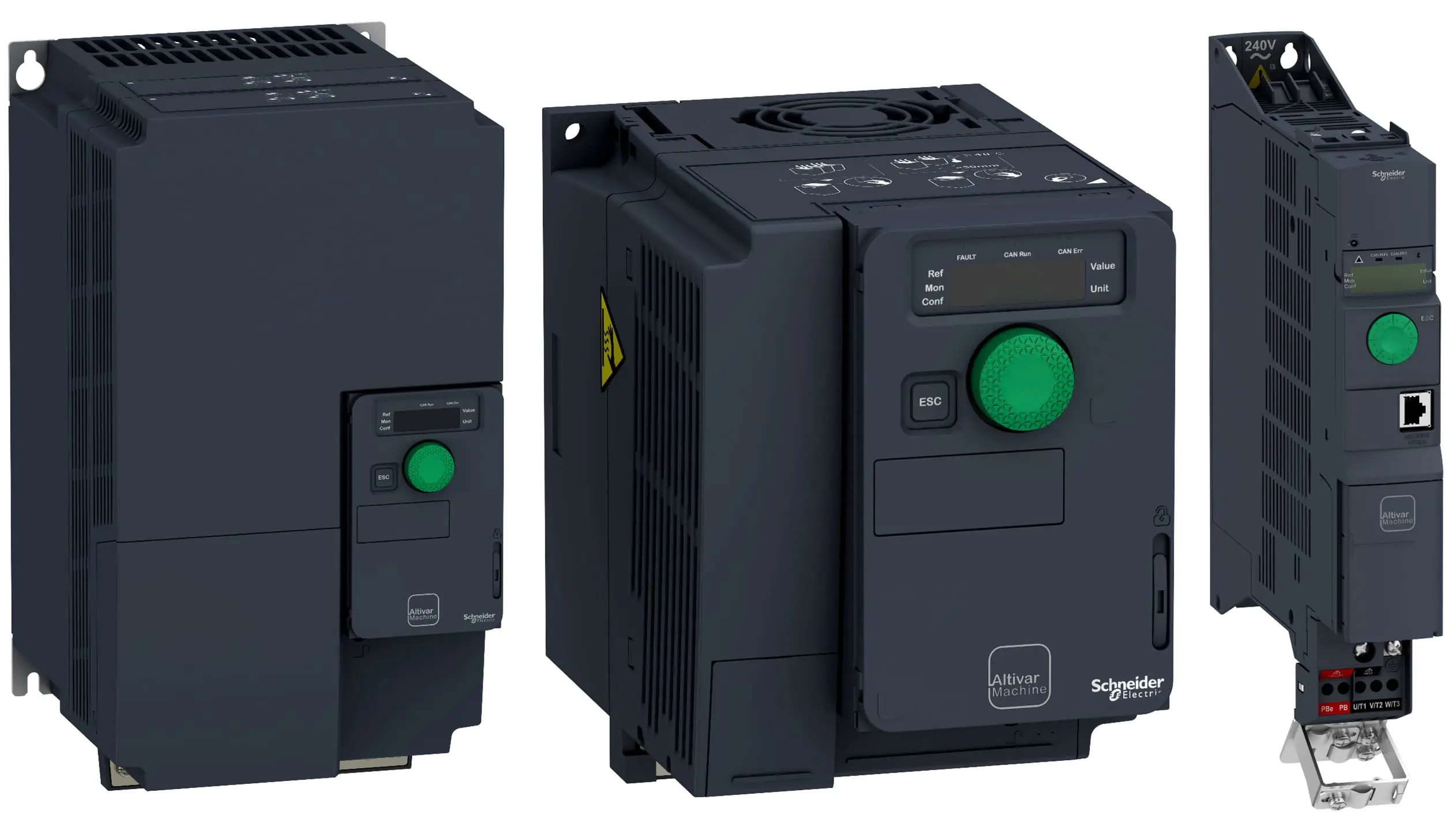
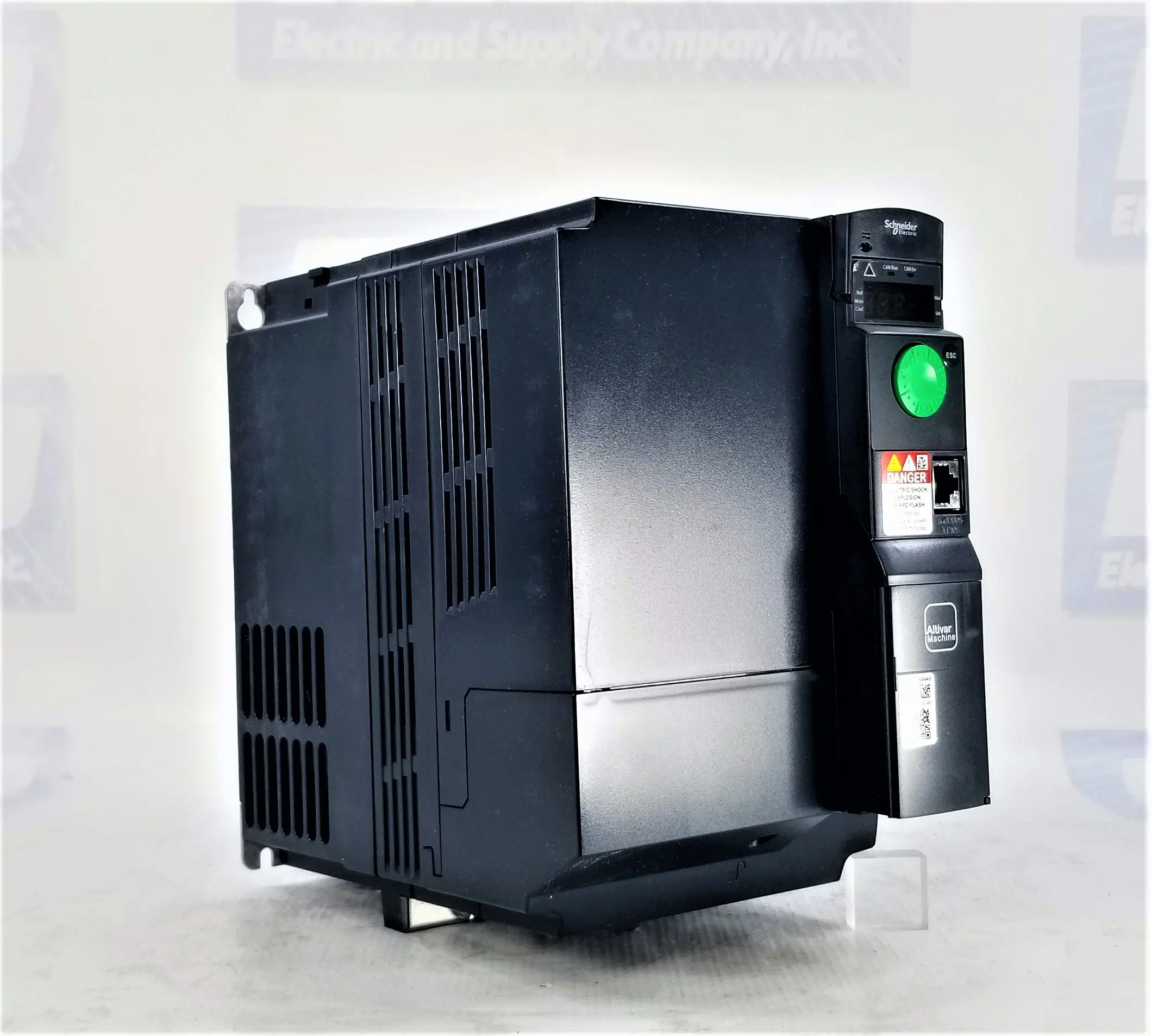
Product Images
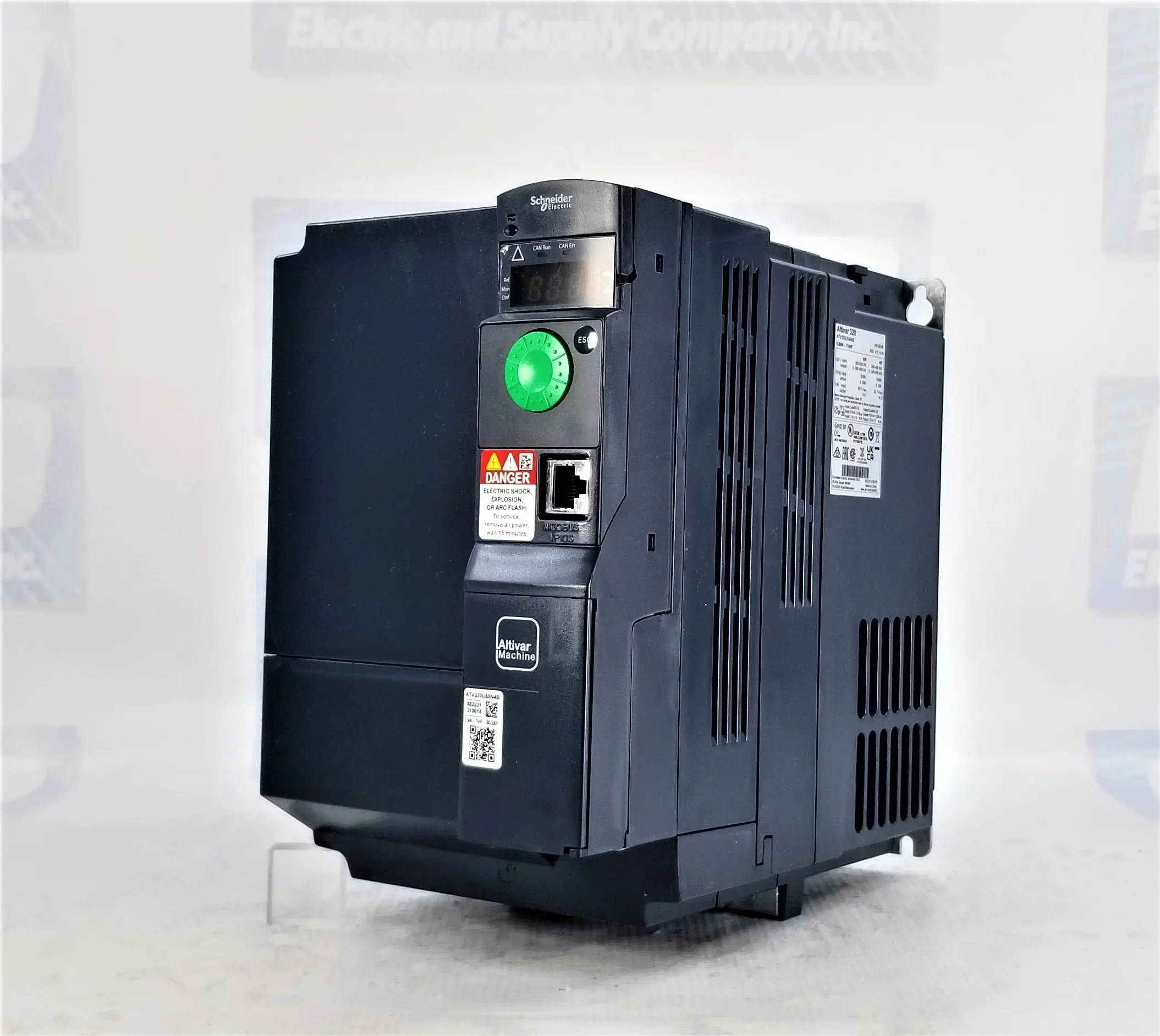
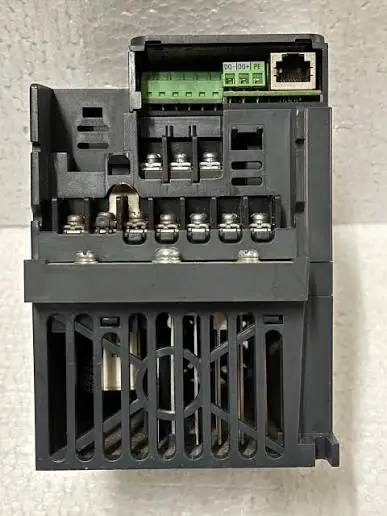
Altivar 320 Variable Frequency Drive Specifications
| Specification | Details |
|---|---|
| Product Series | Altivar Machine ATV320 Variable Speed Drives |
| Supported Motor Types | Asynchronous and Synchronous Motors |
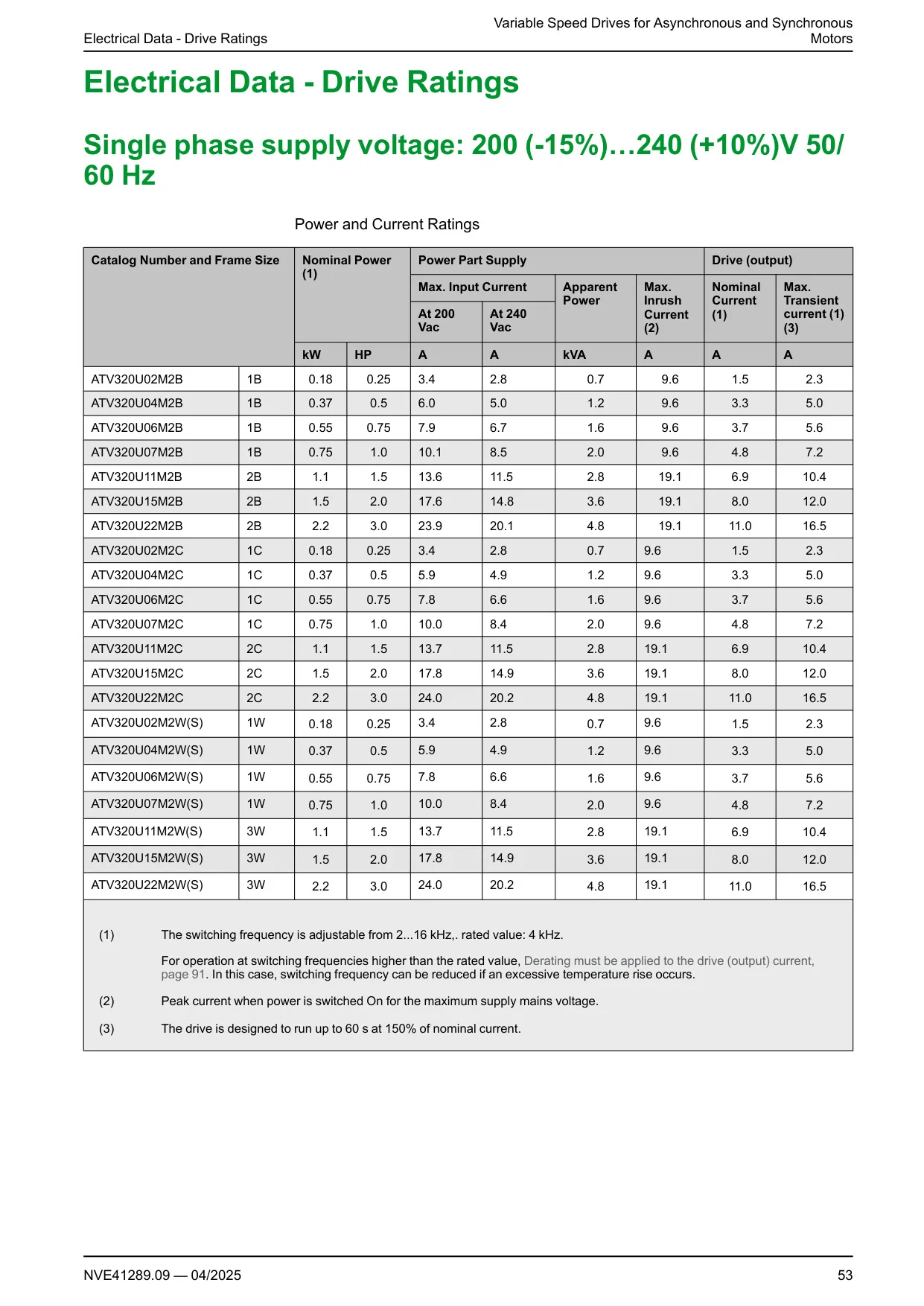
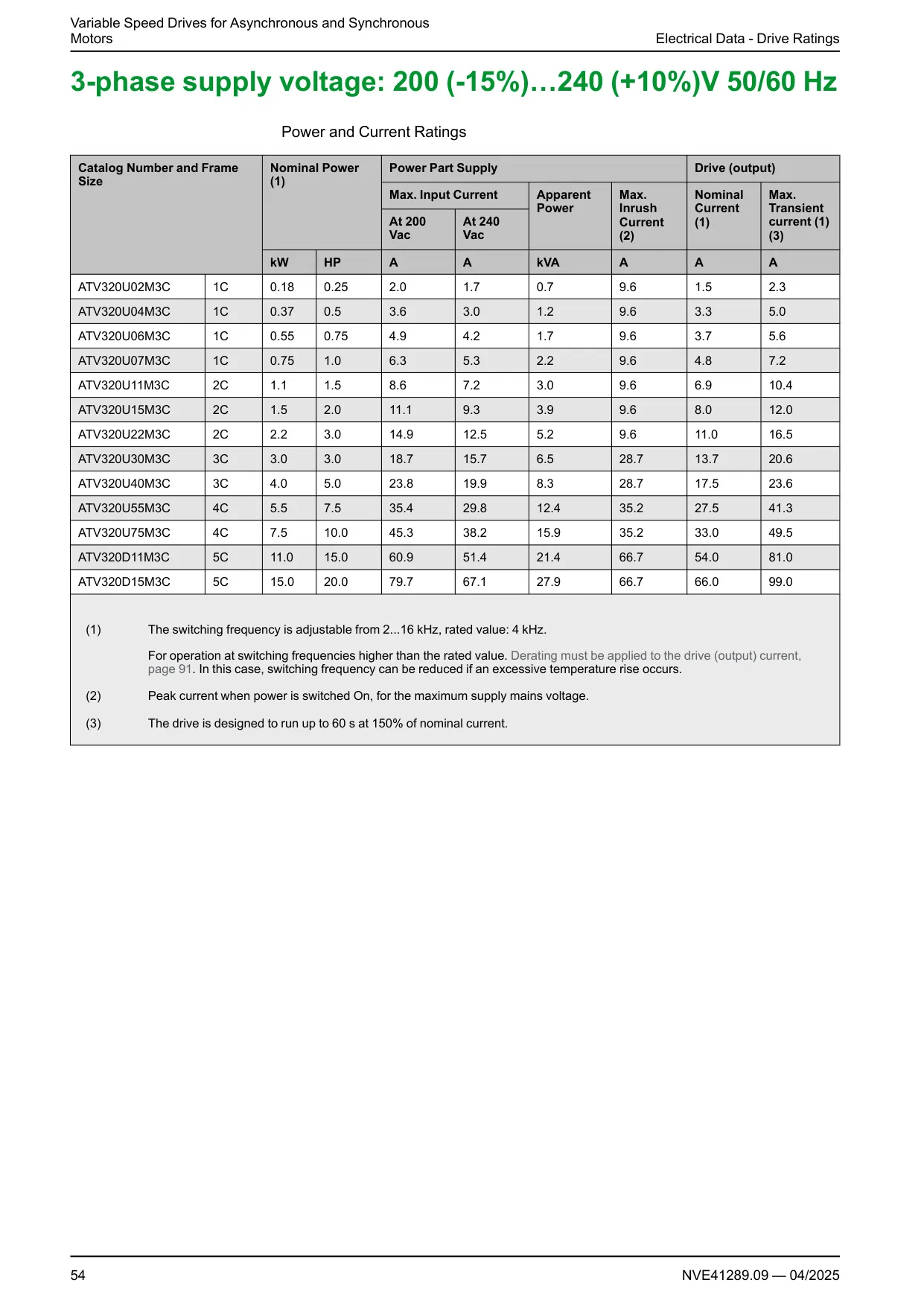
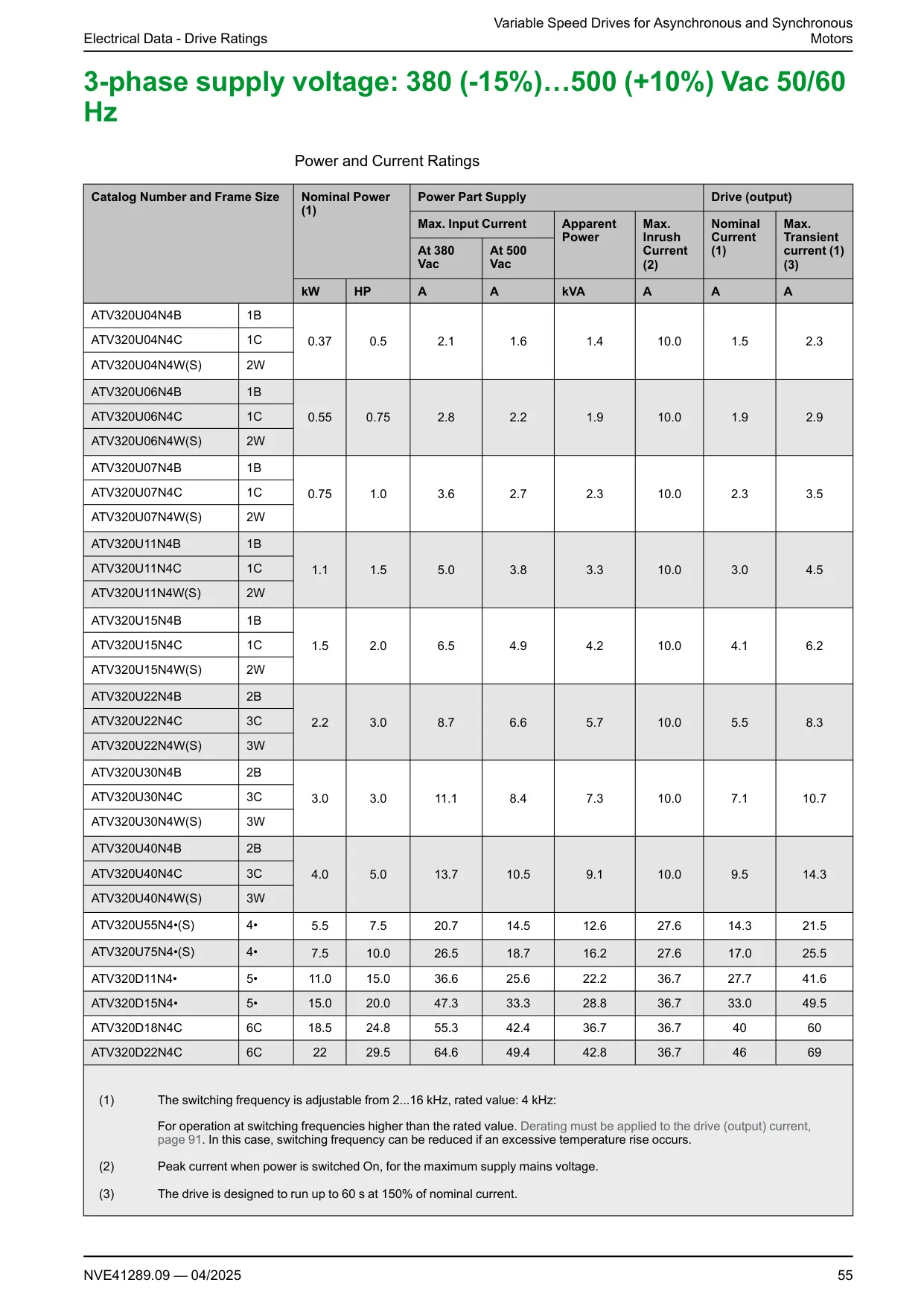
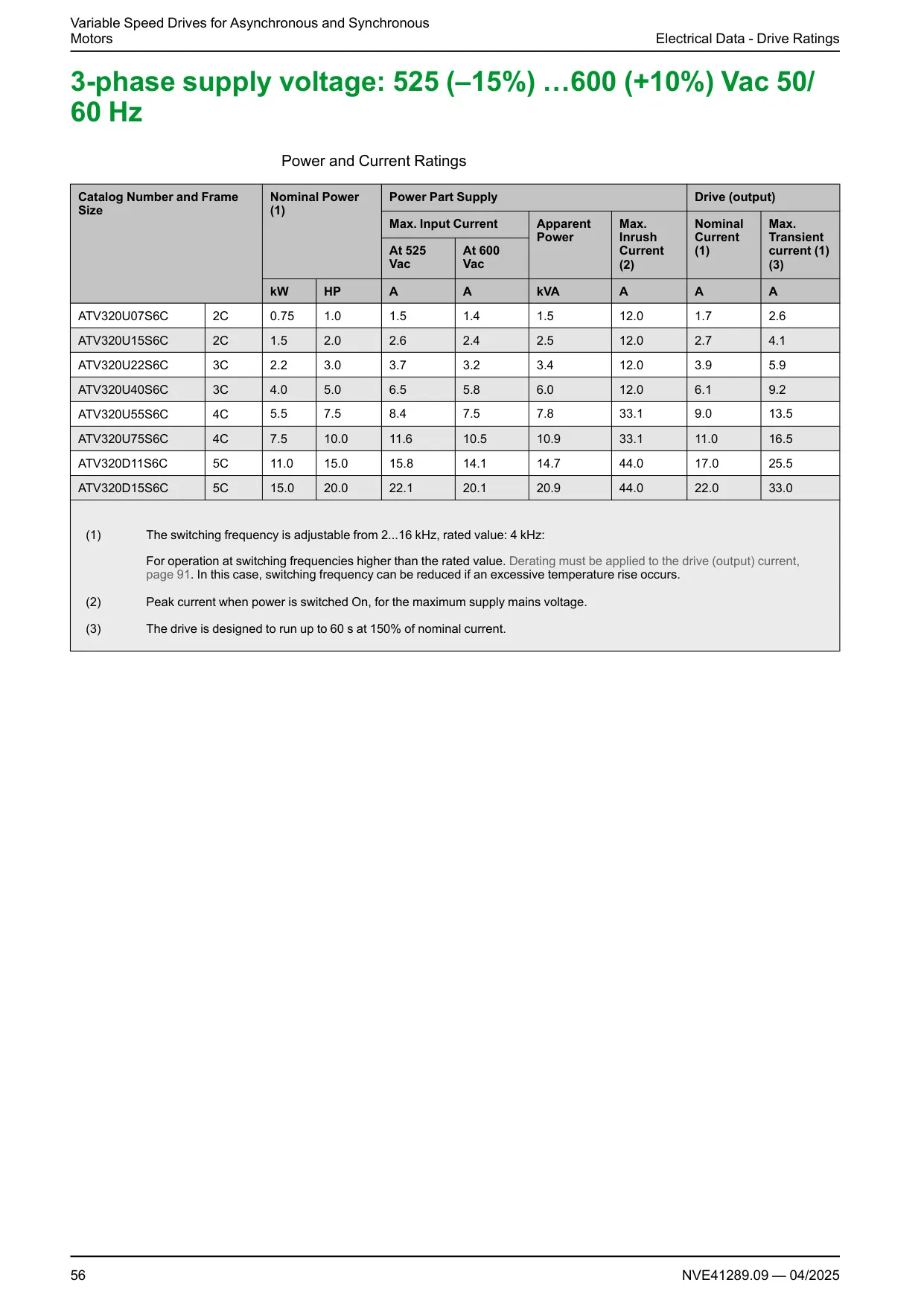
| Input Voltage Range | Single-phase: 200-240 Vac, 50/60 Hz Three-phase: 200-240 Vac, 50/60 Hz; 380-500 Vac, 50/60 Hz; 525-600 Vac, 50/60 Hz |
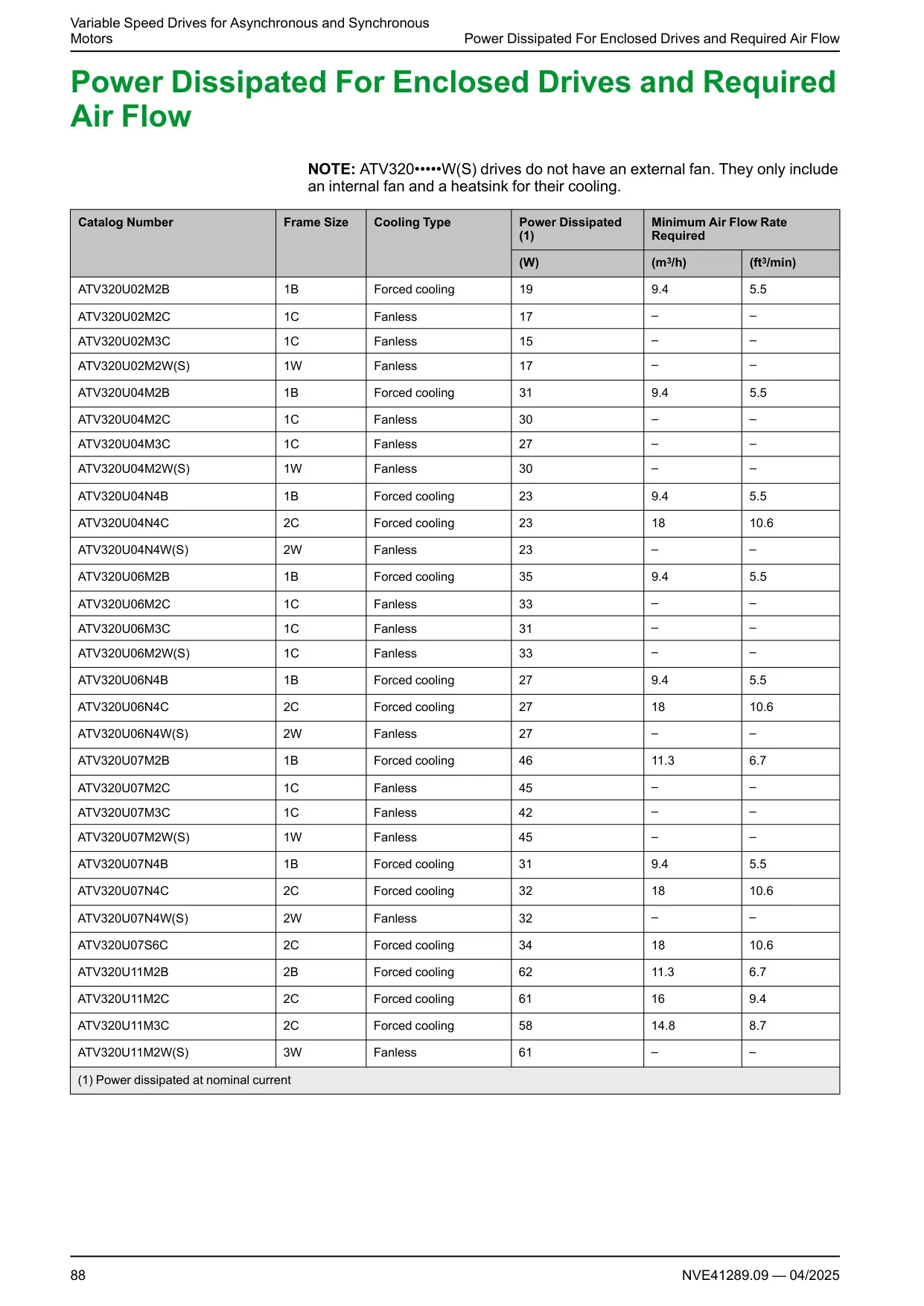
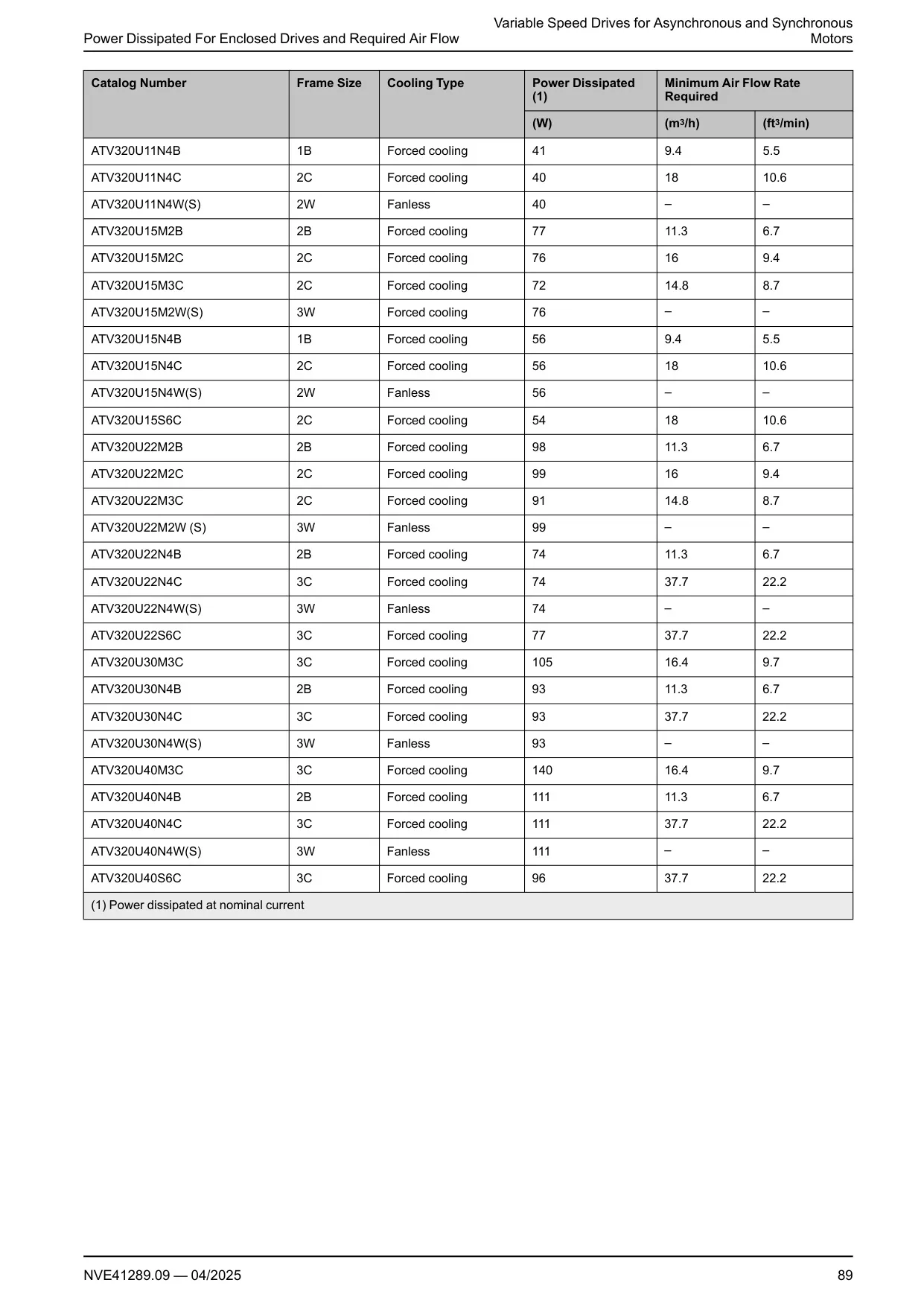
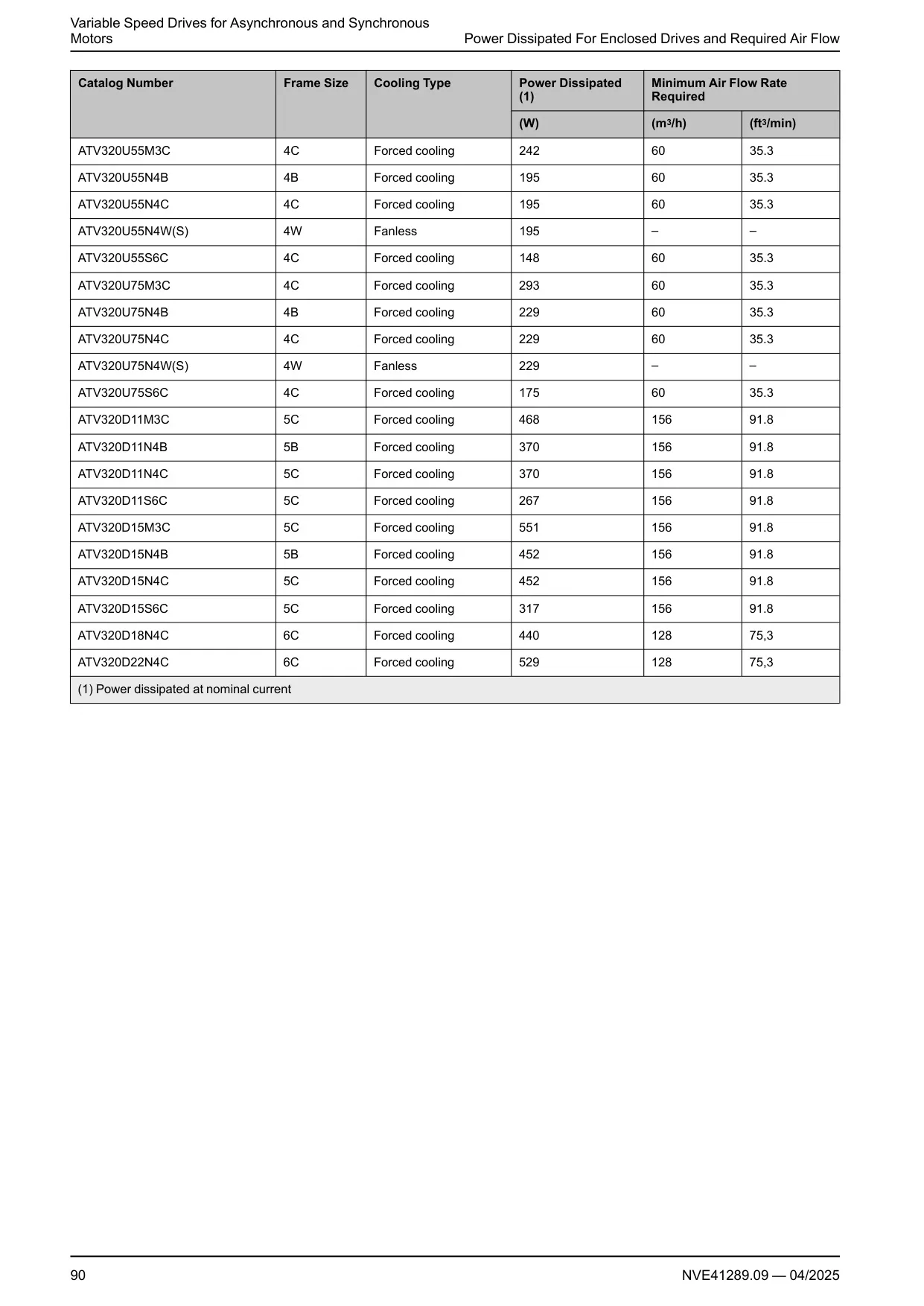
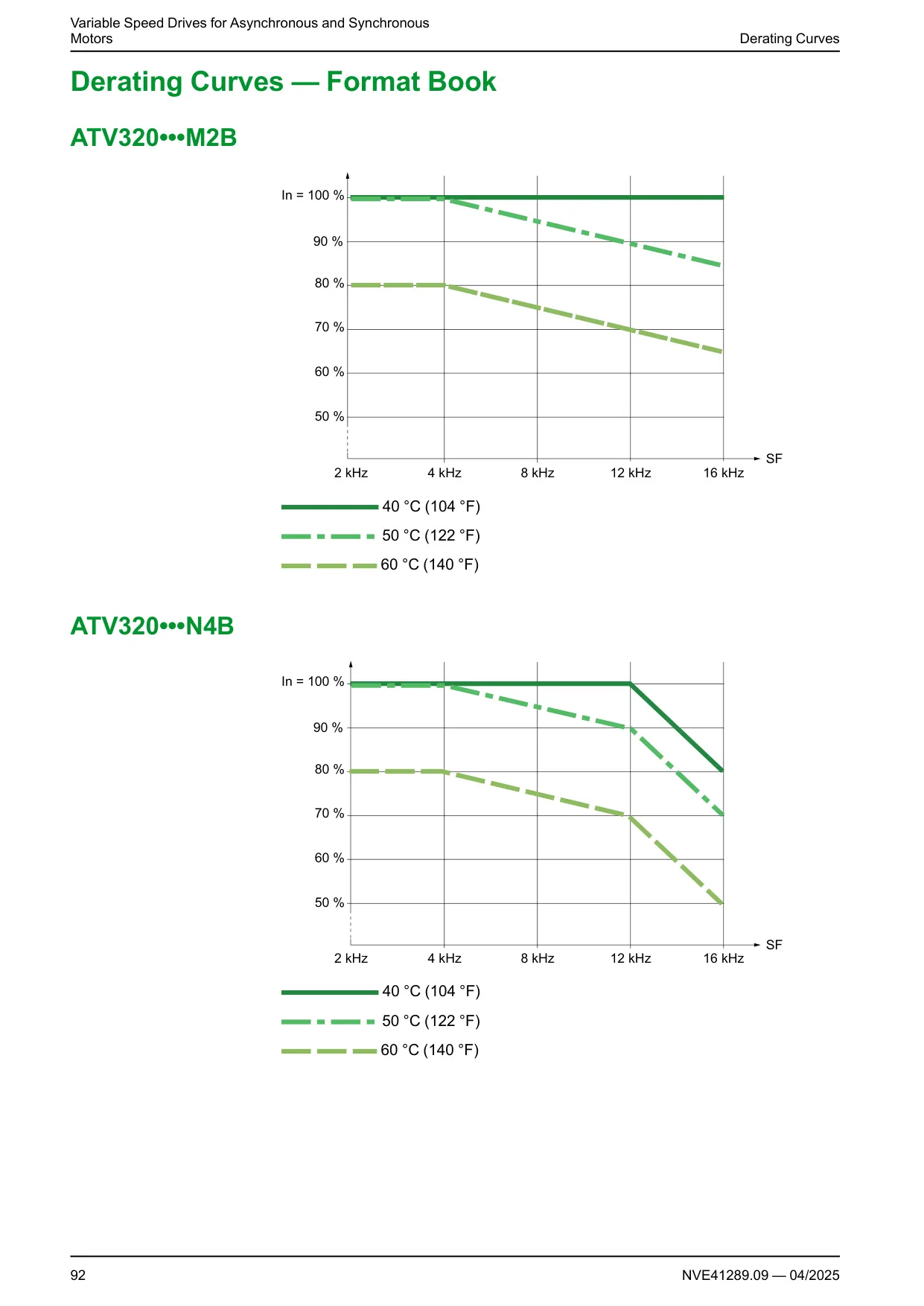
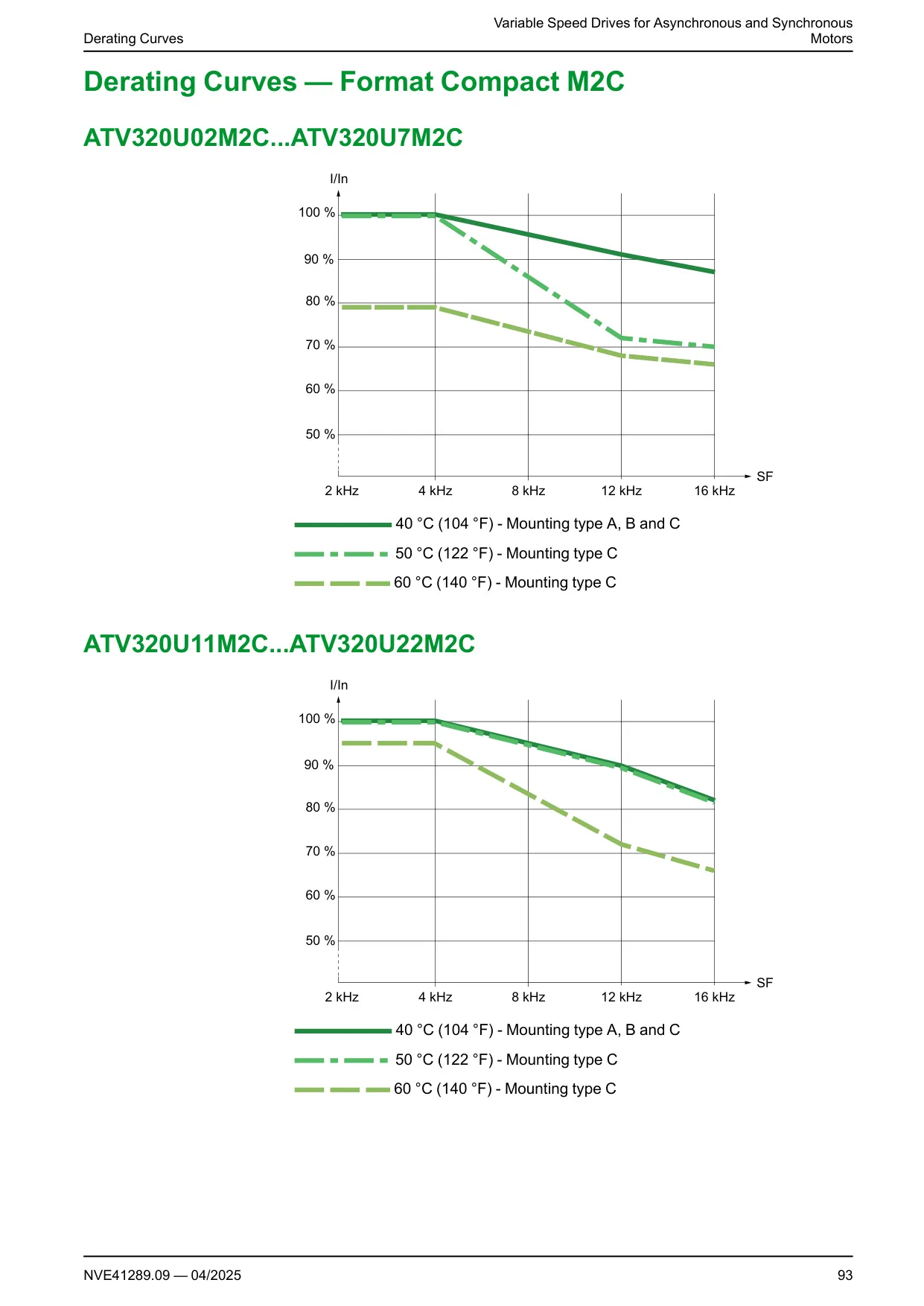
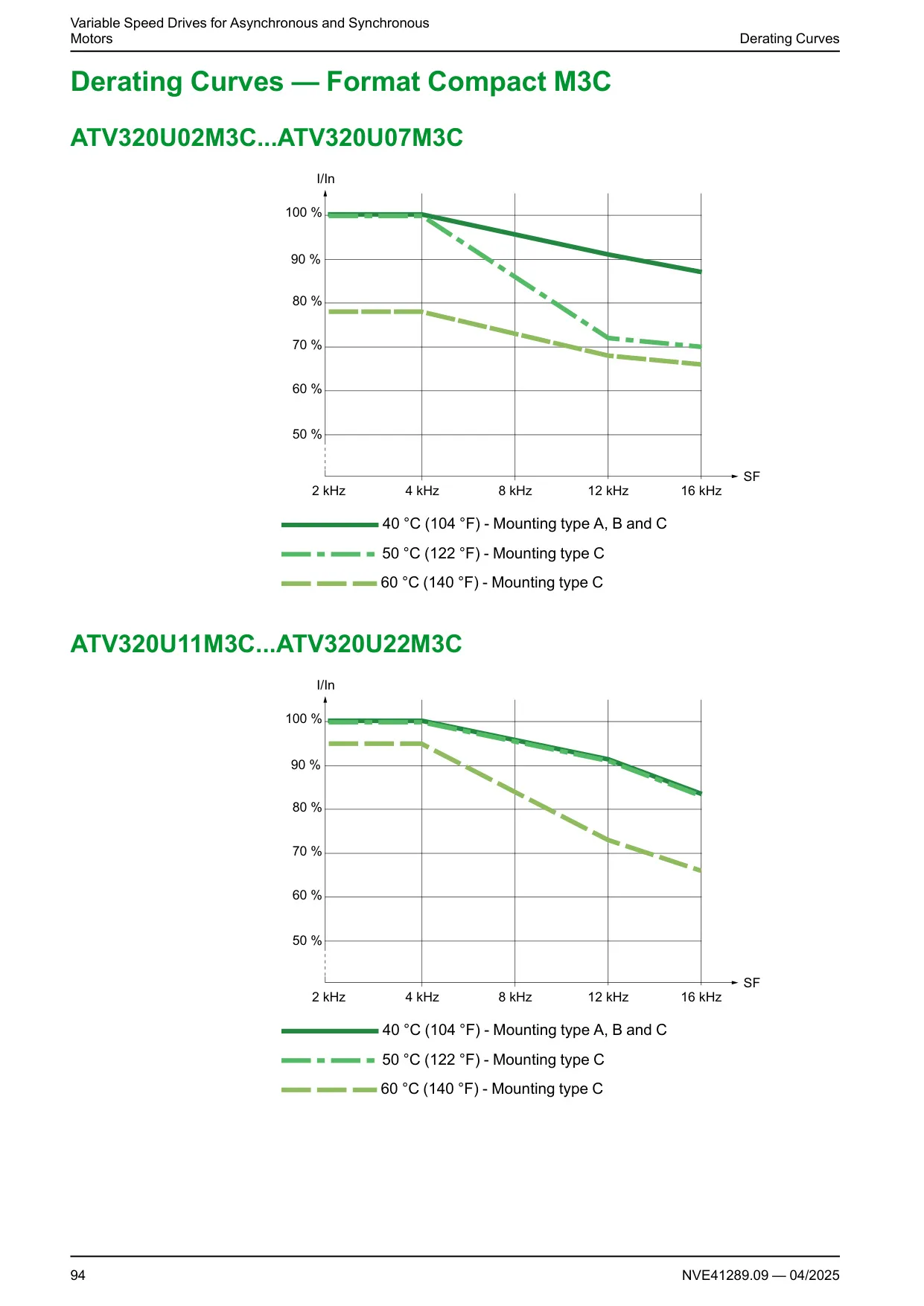
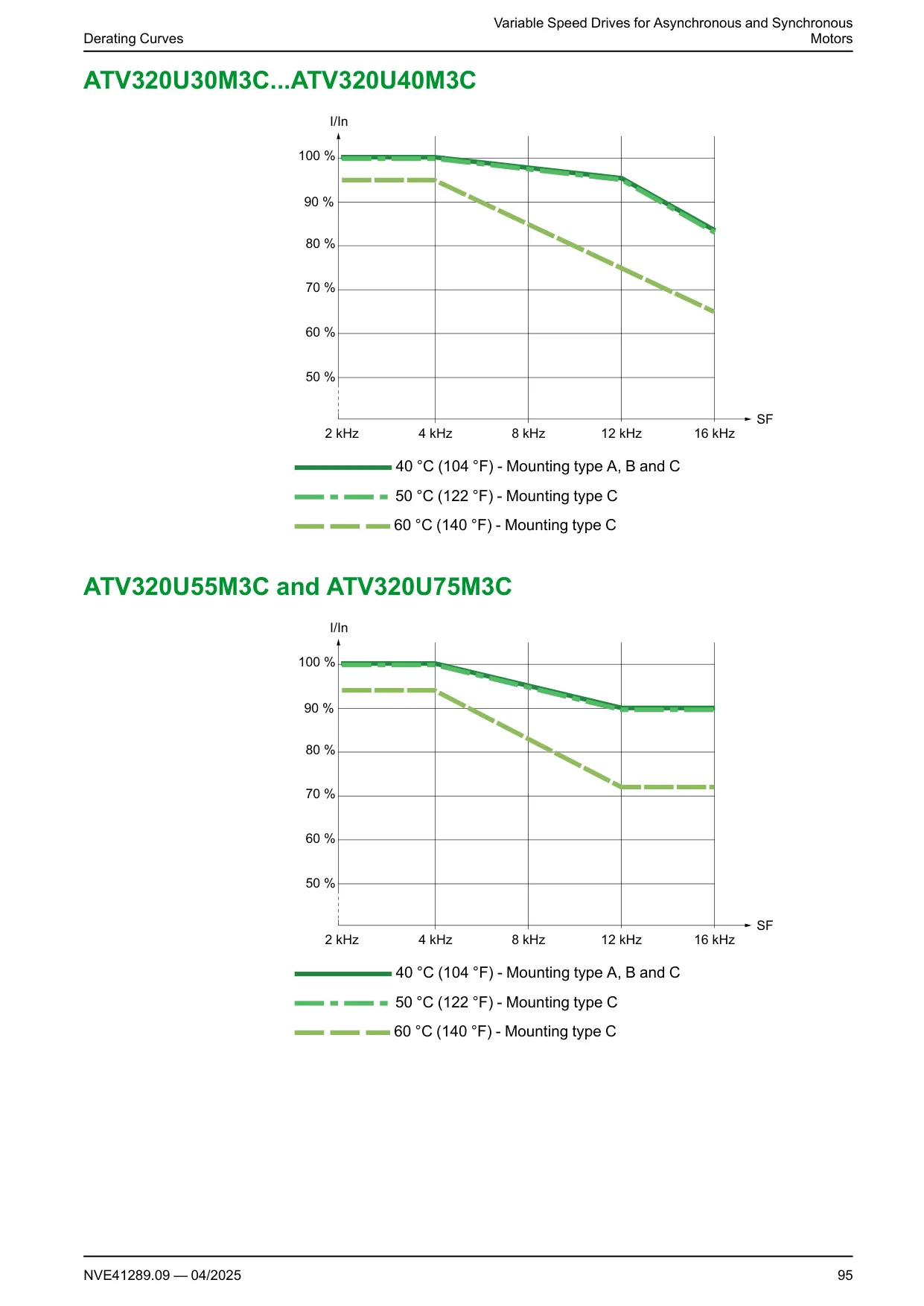
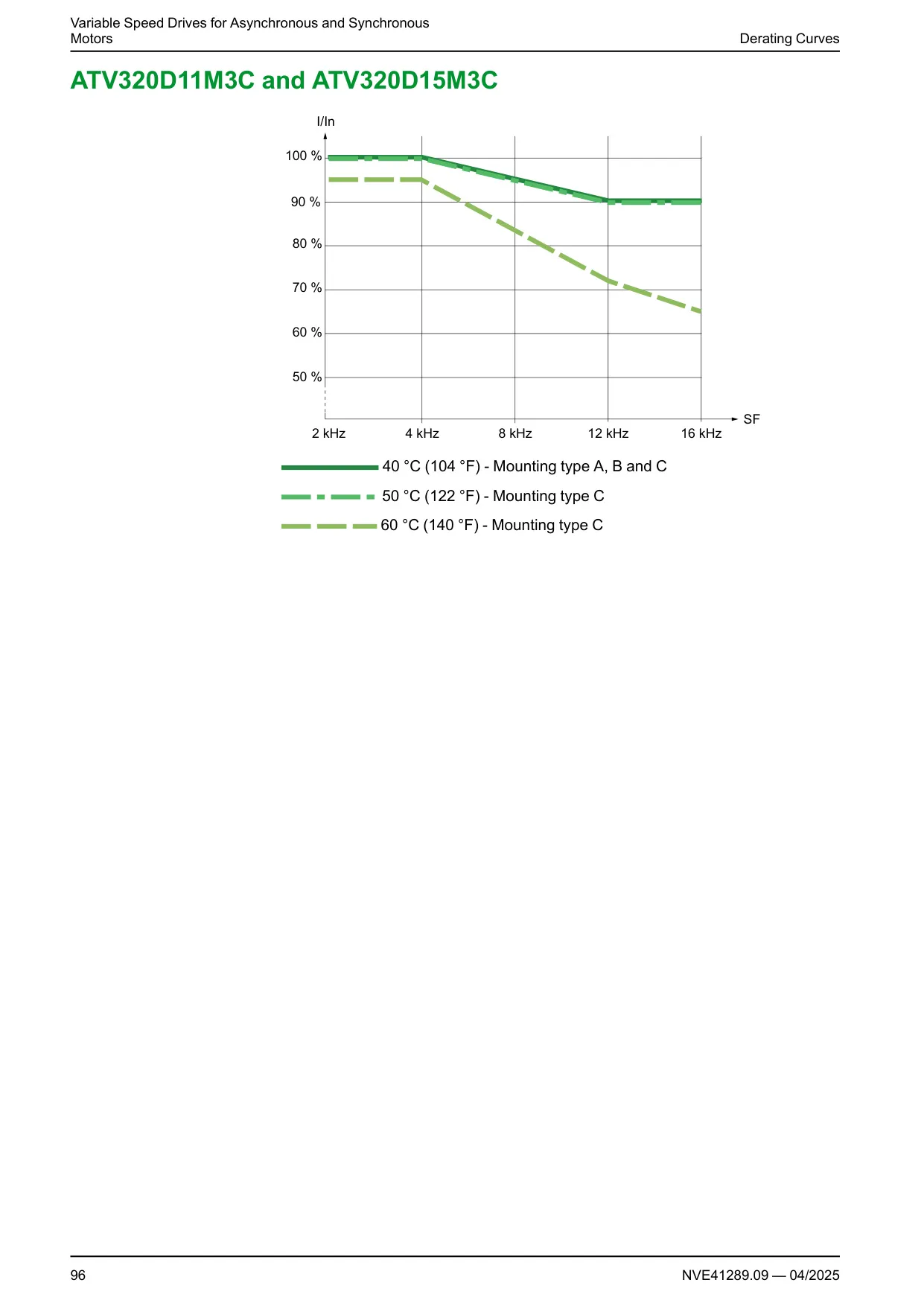
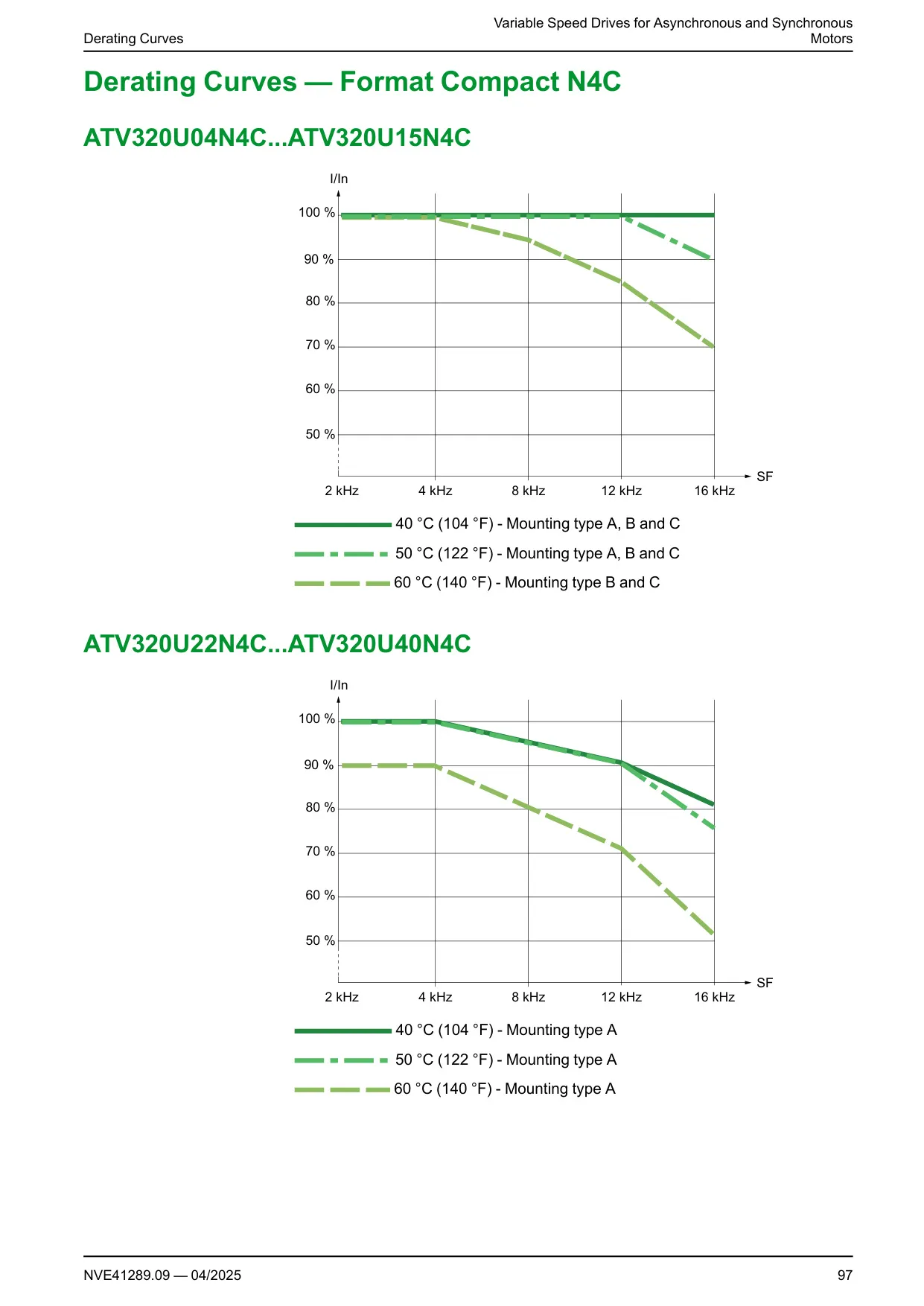
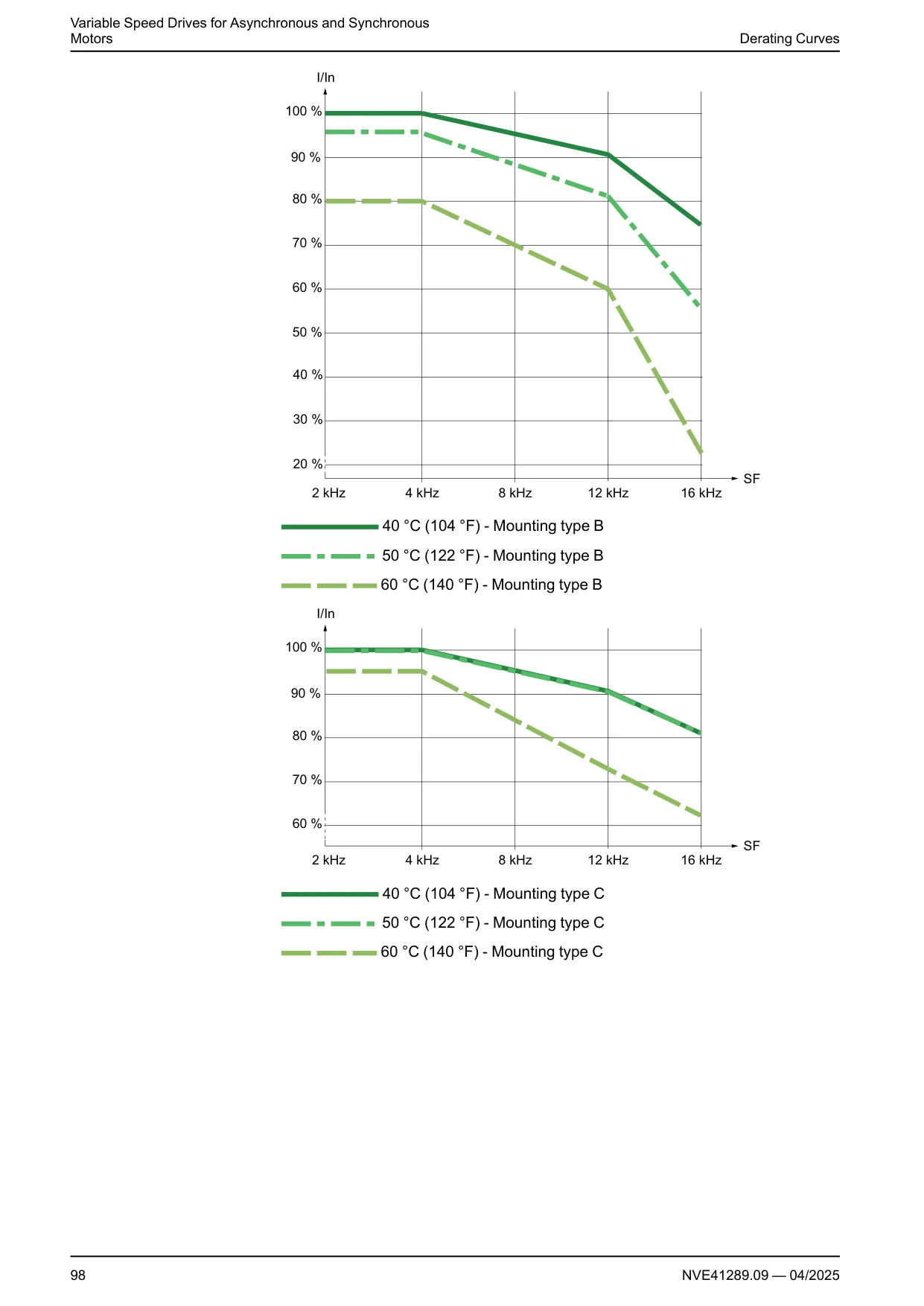
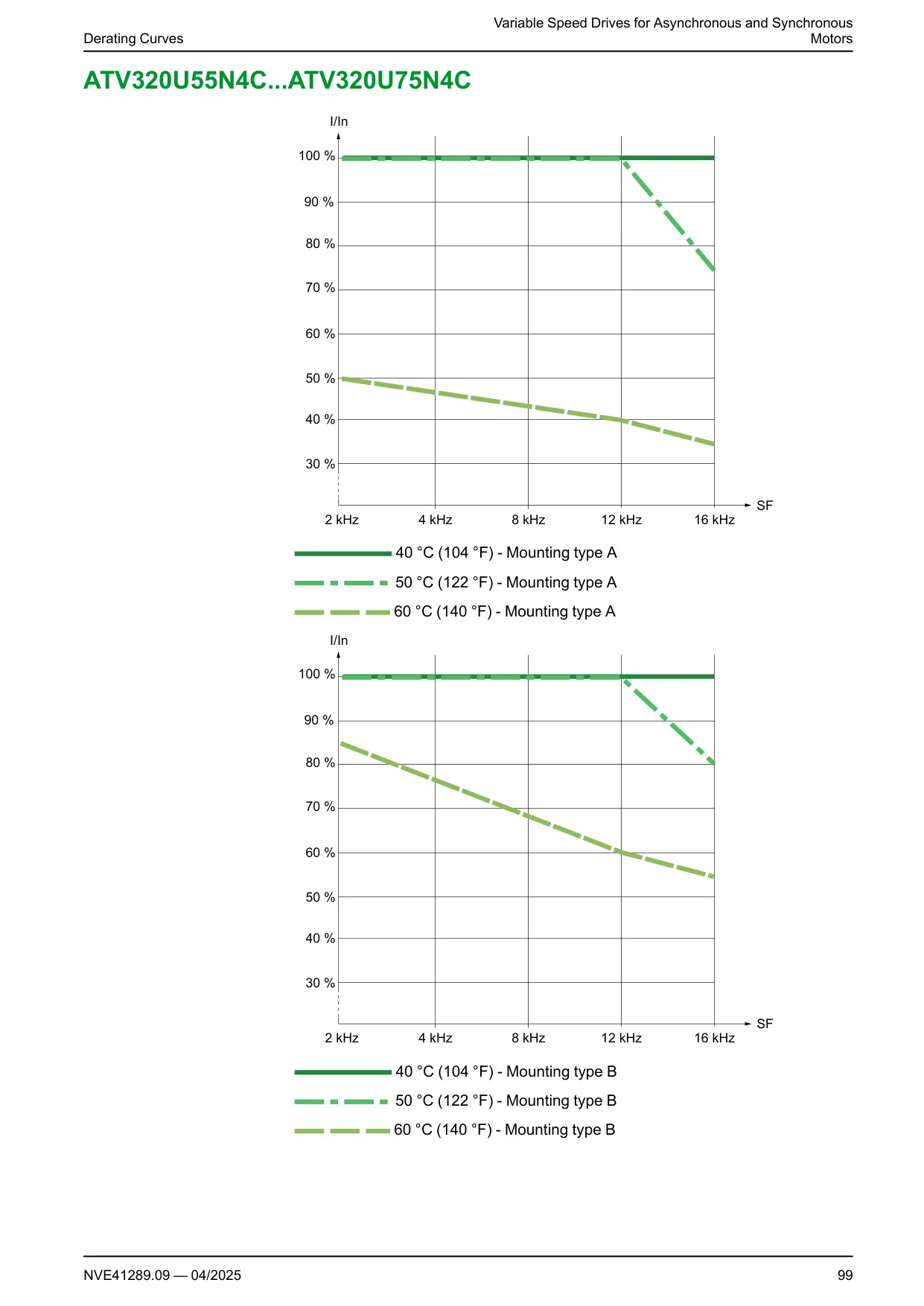
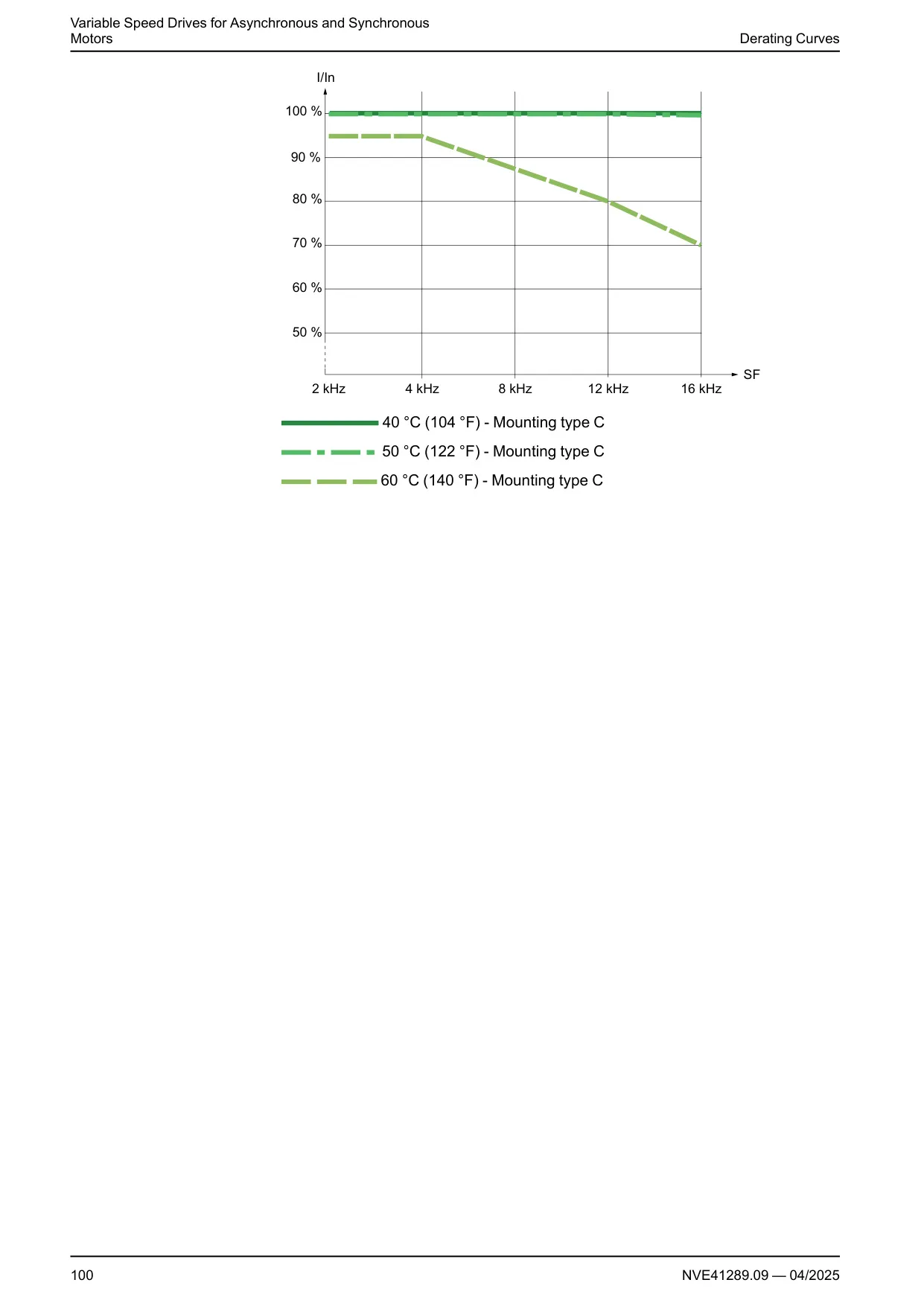
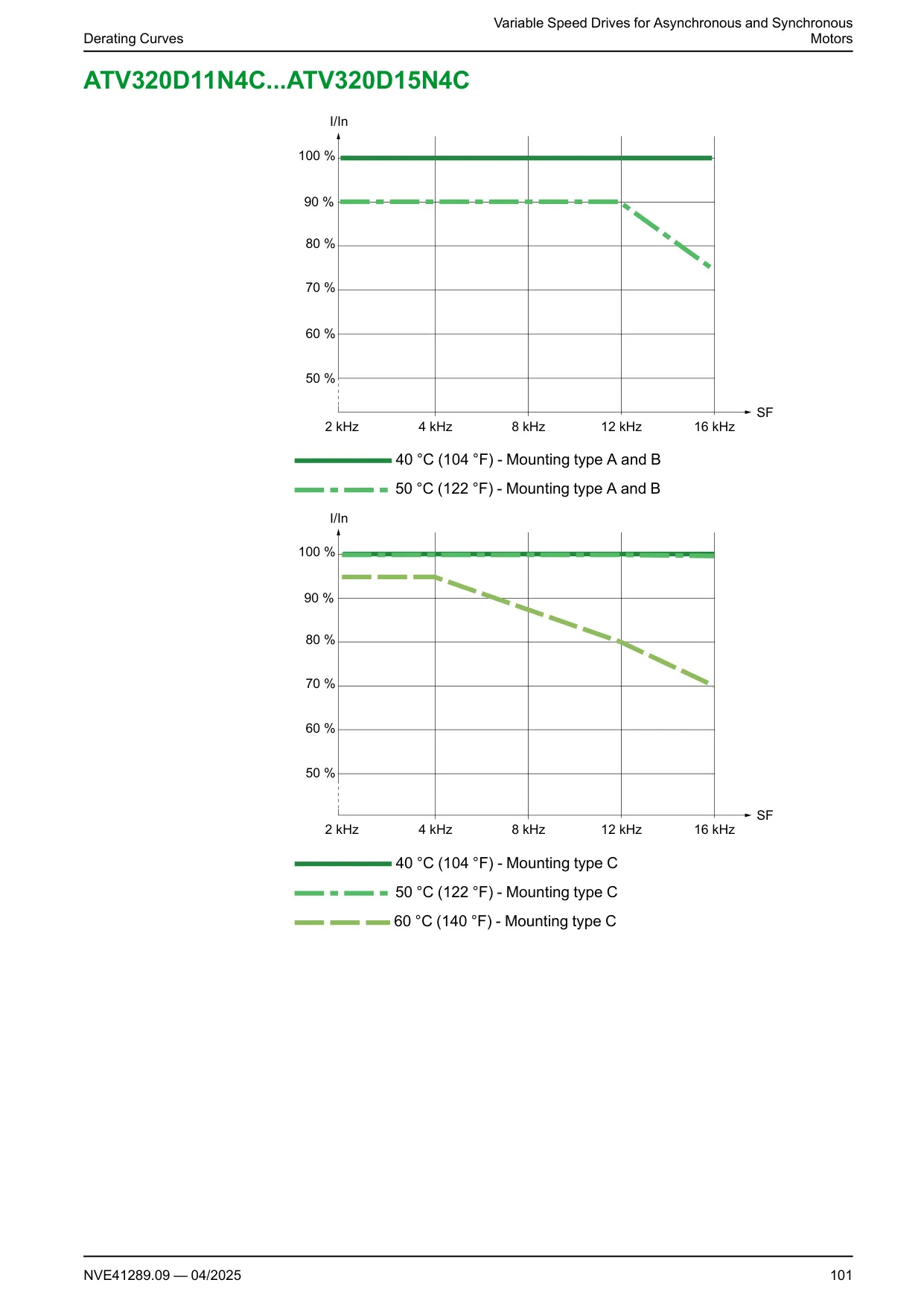
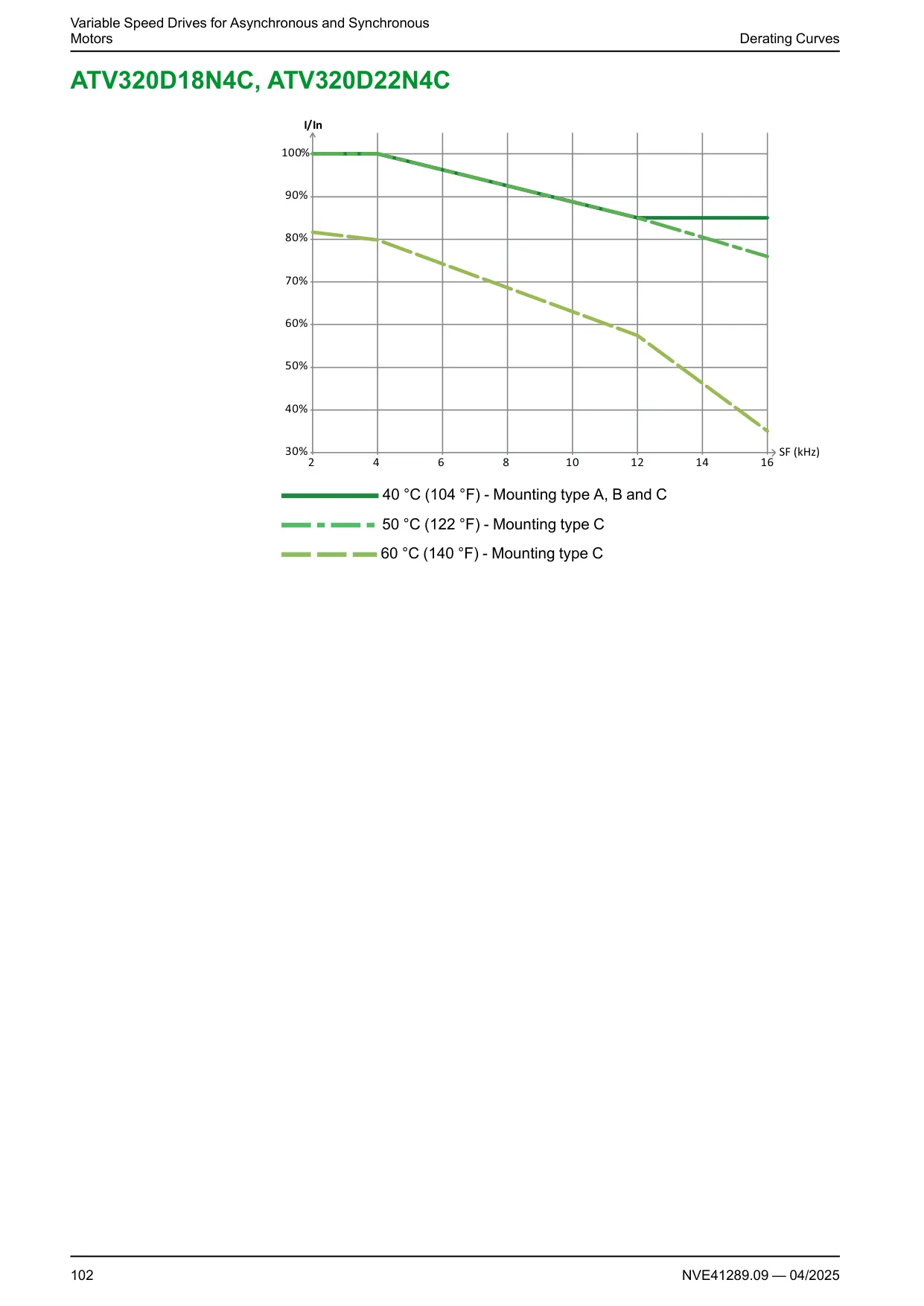
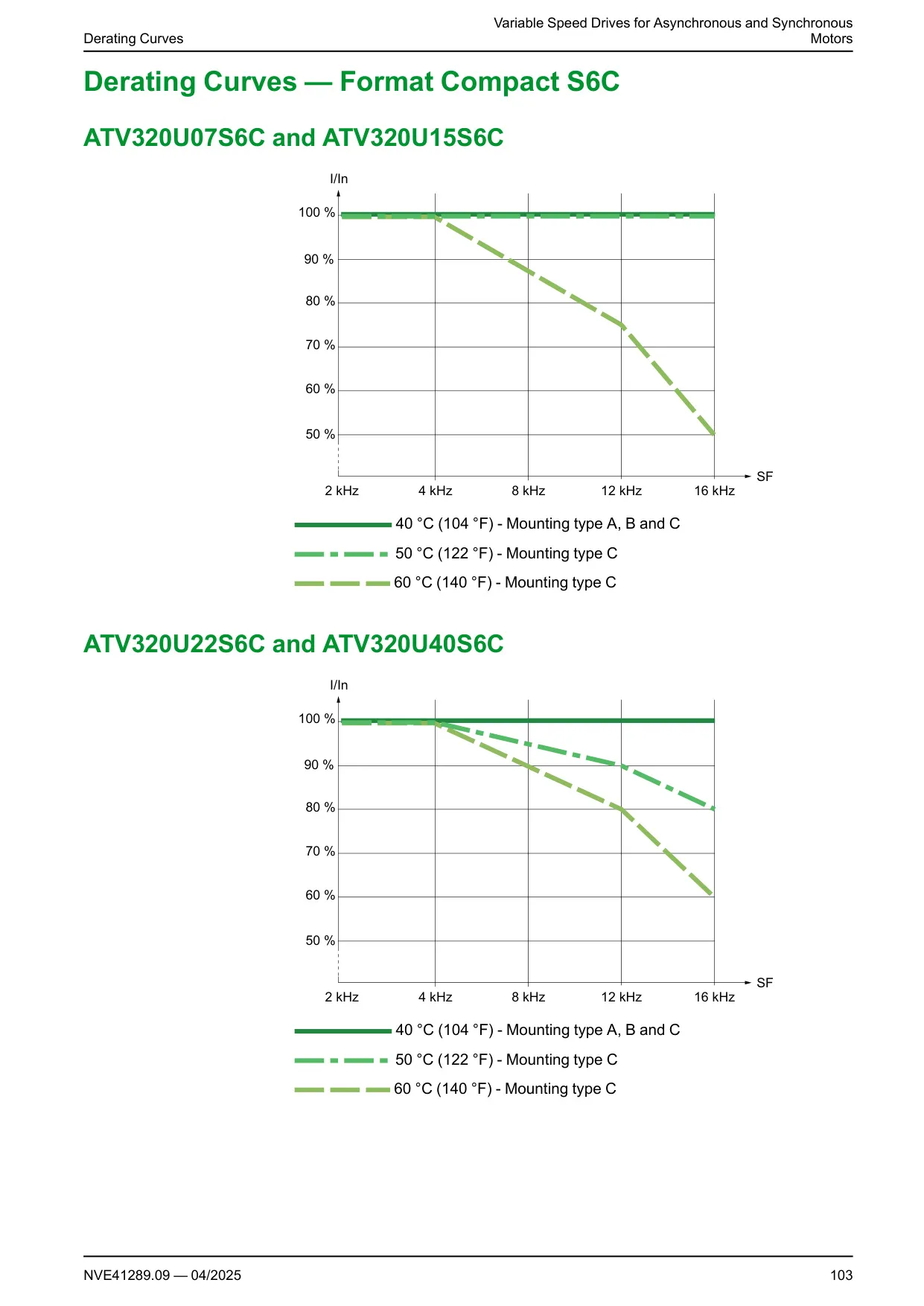
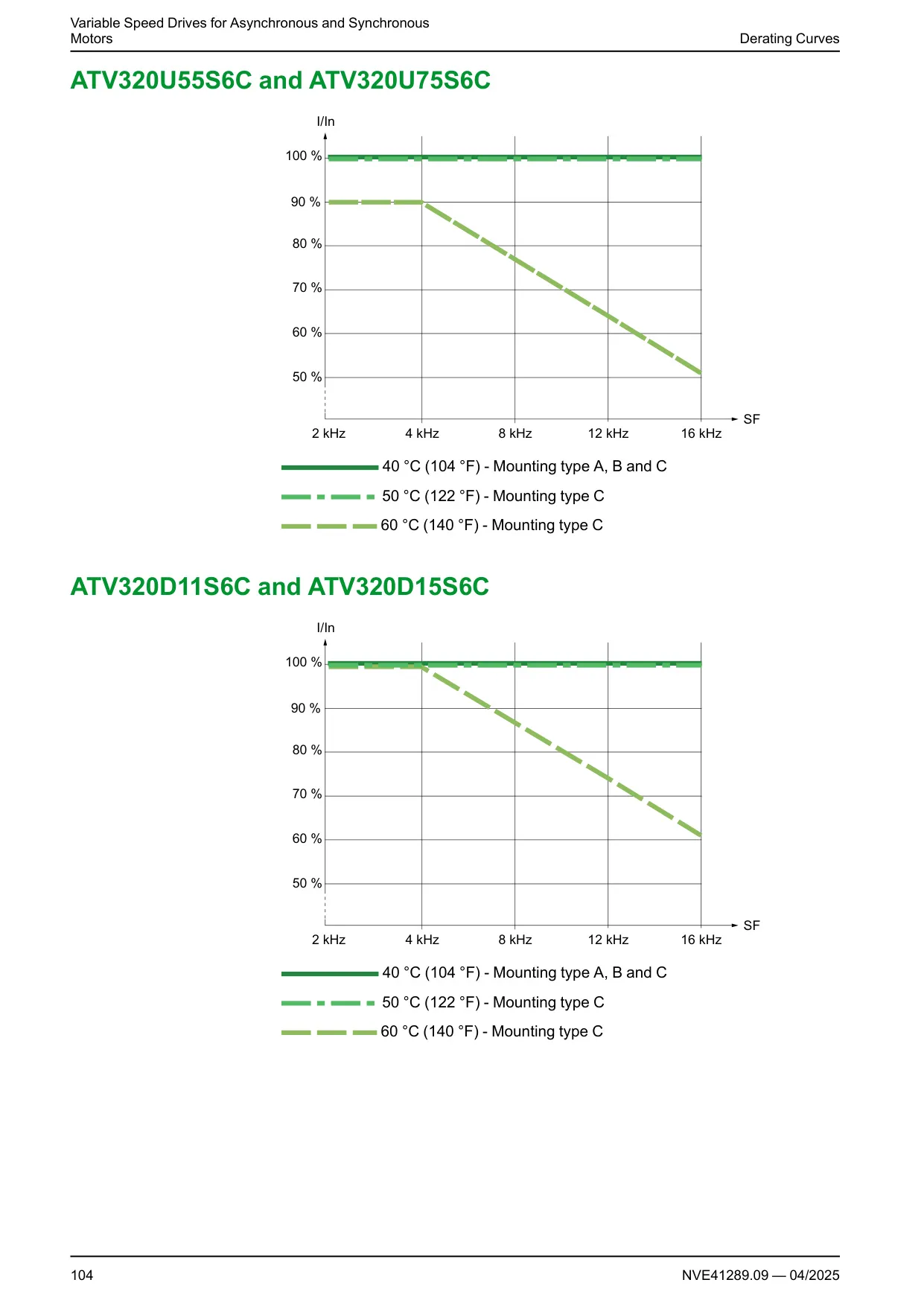
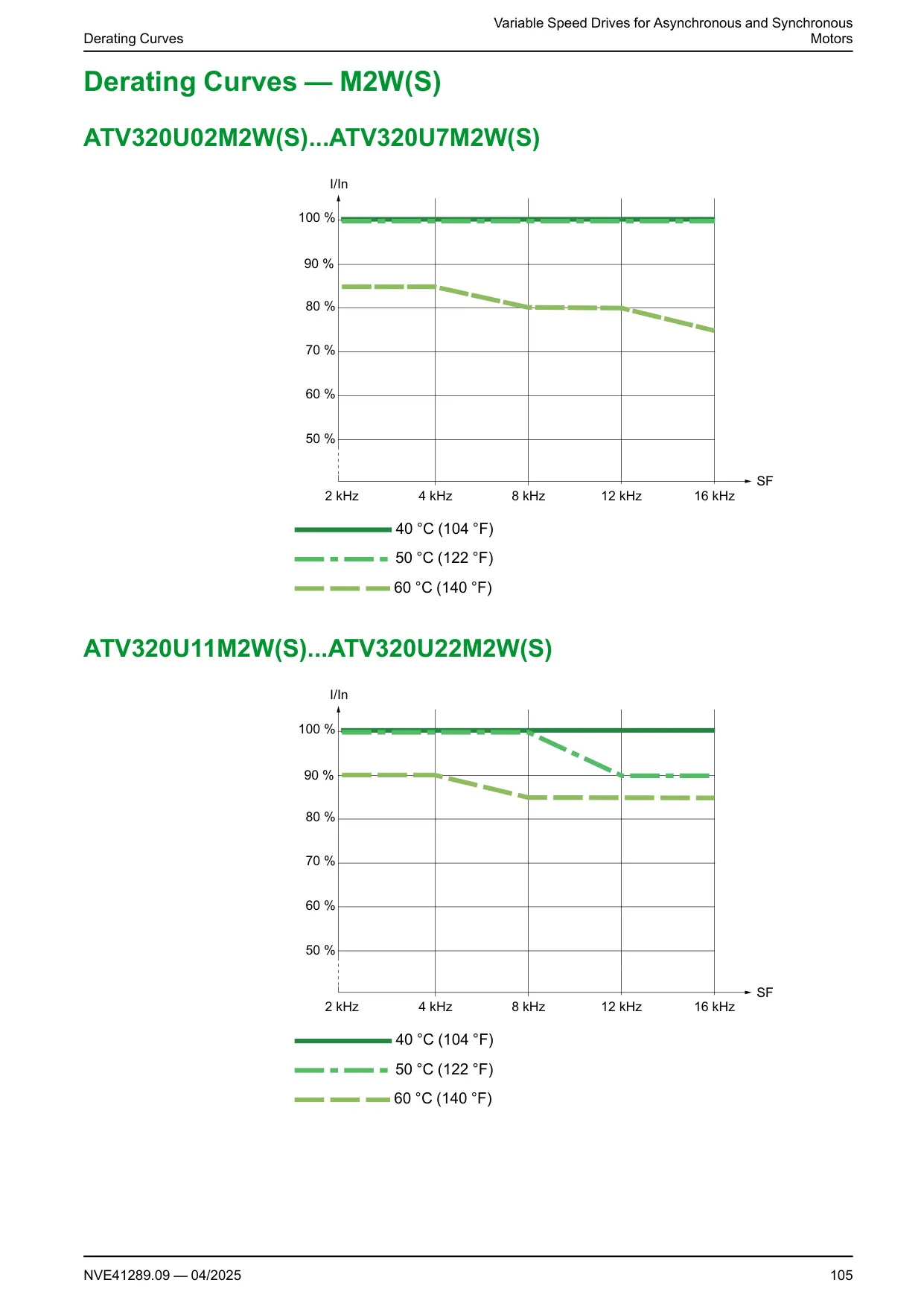
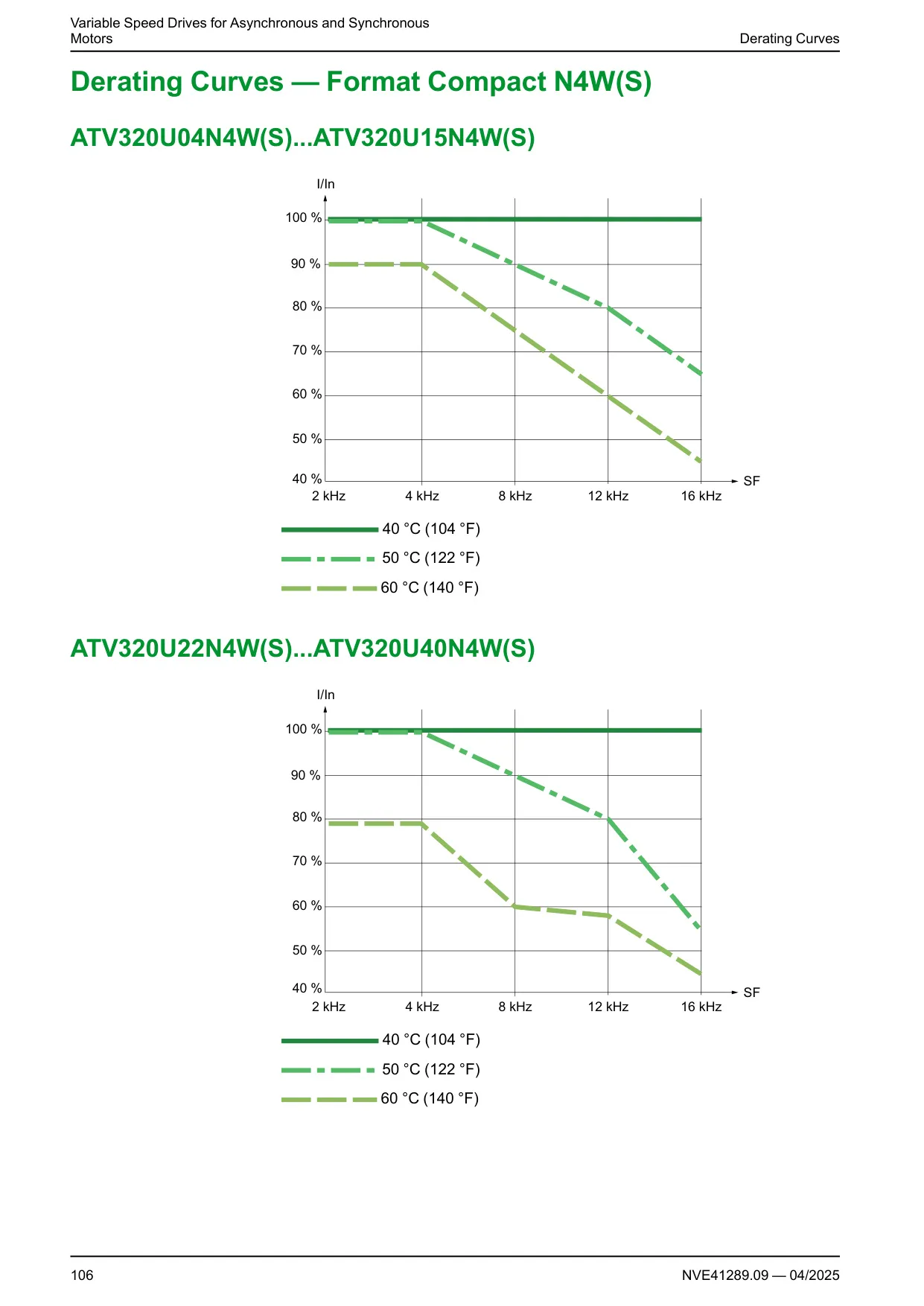
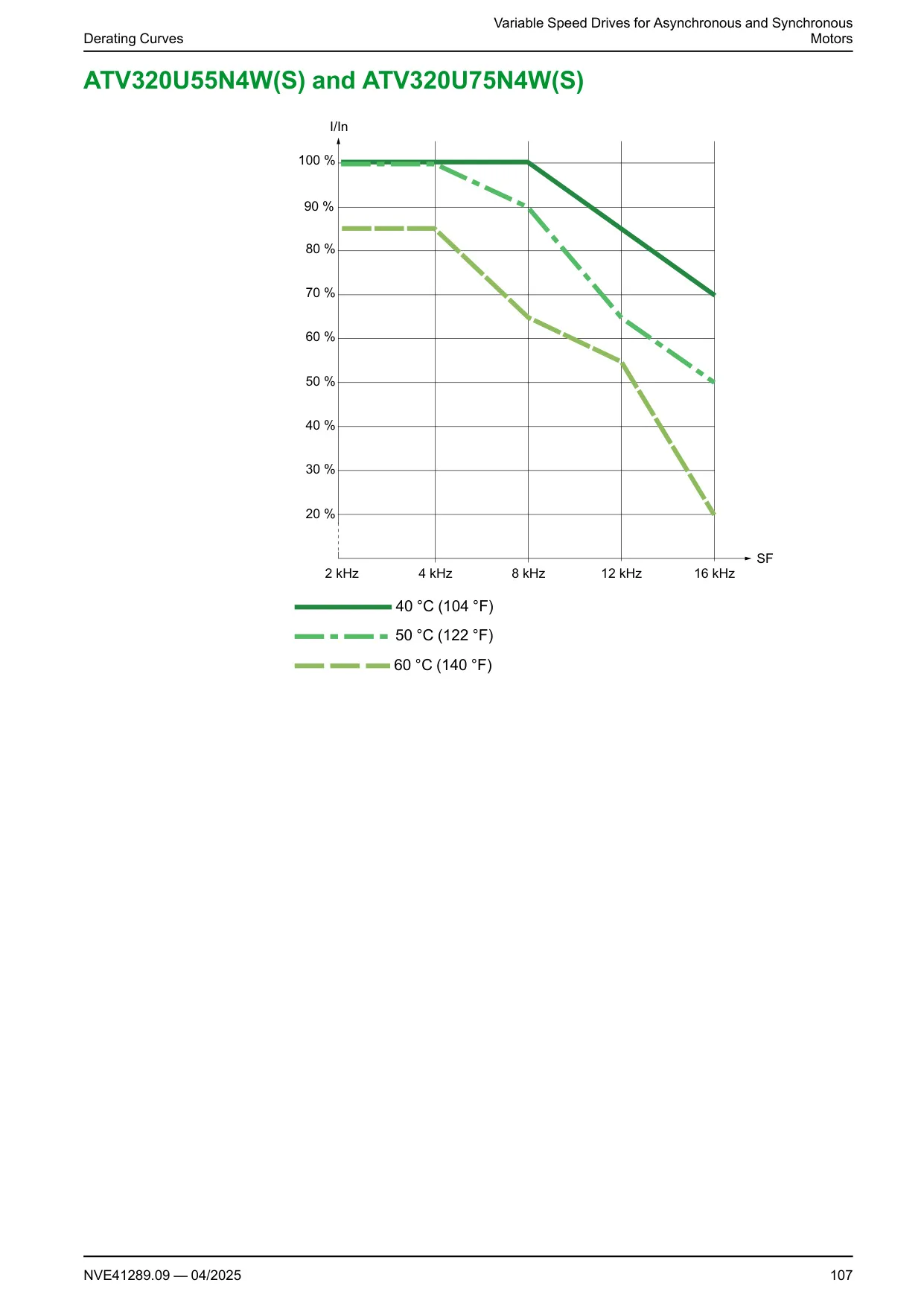
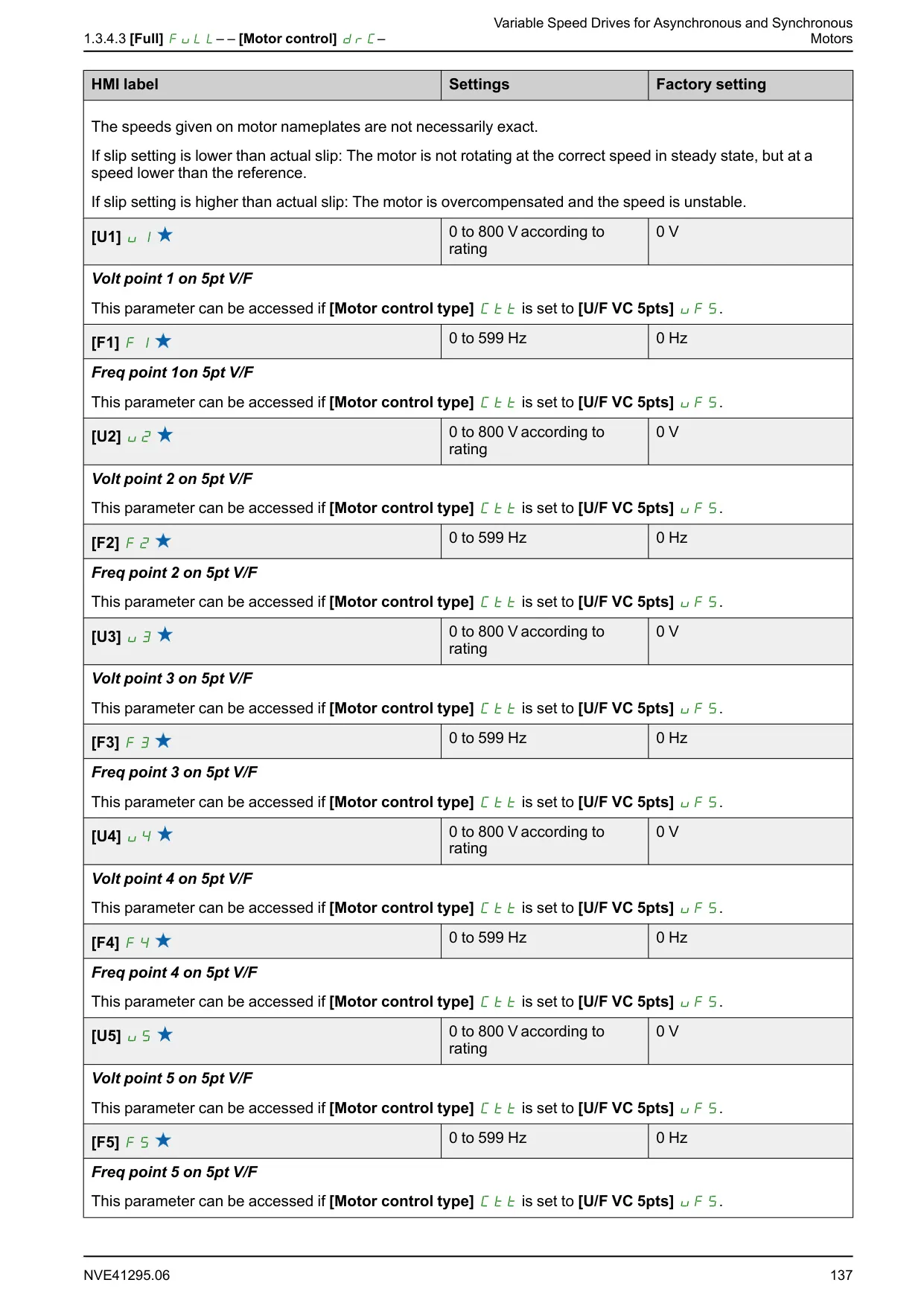
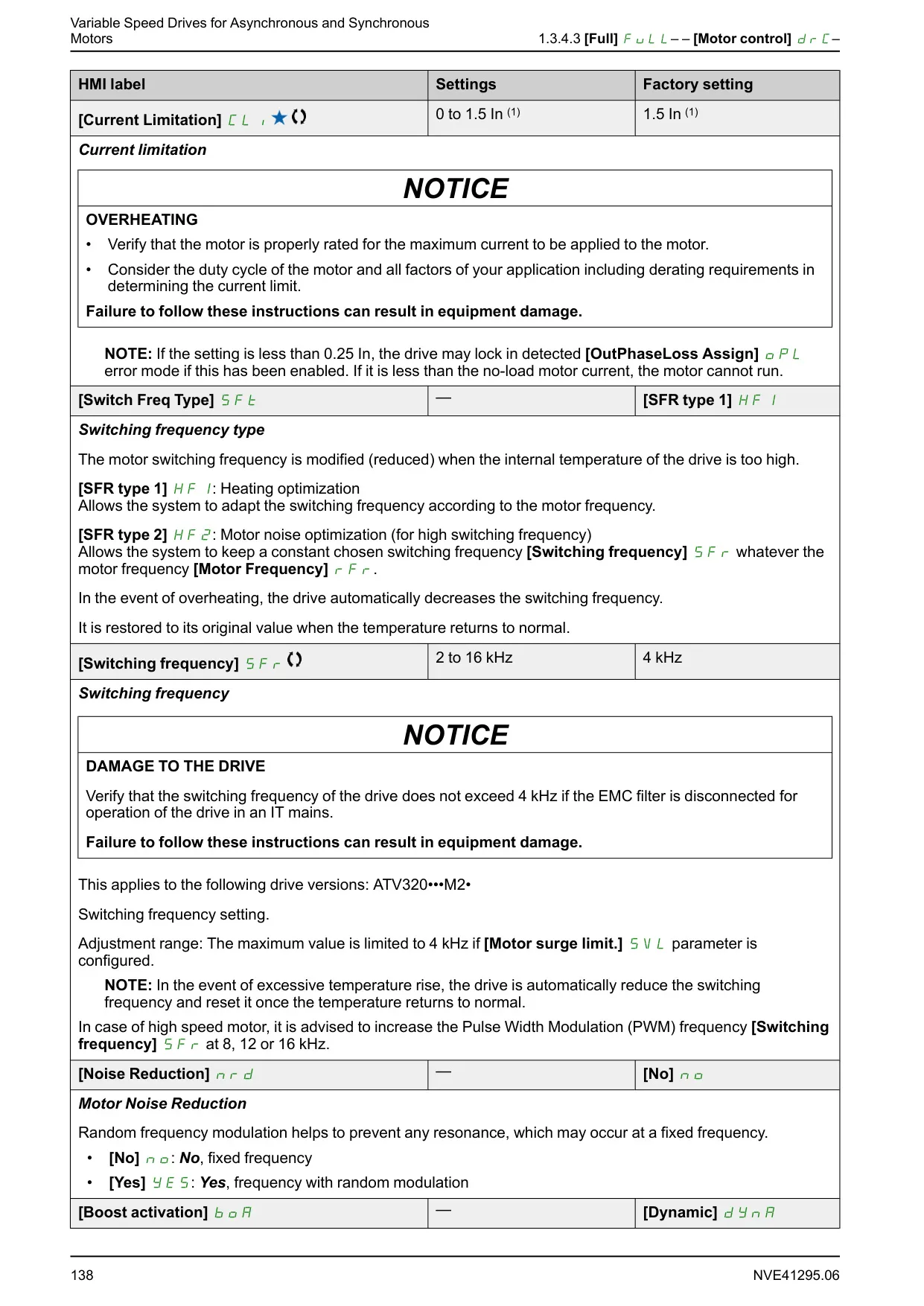
| Output Switching Freq. | Adjustable from 2 kHz to 16 kHz (Rated: 4 kHz). Derating applies for higher frequencies. |
| Transient Overload Cap. | 150% of nominal current for up to 60 seconds. |
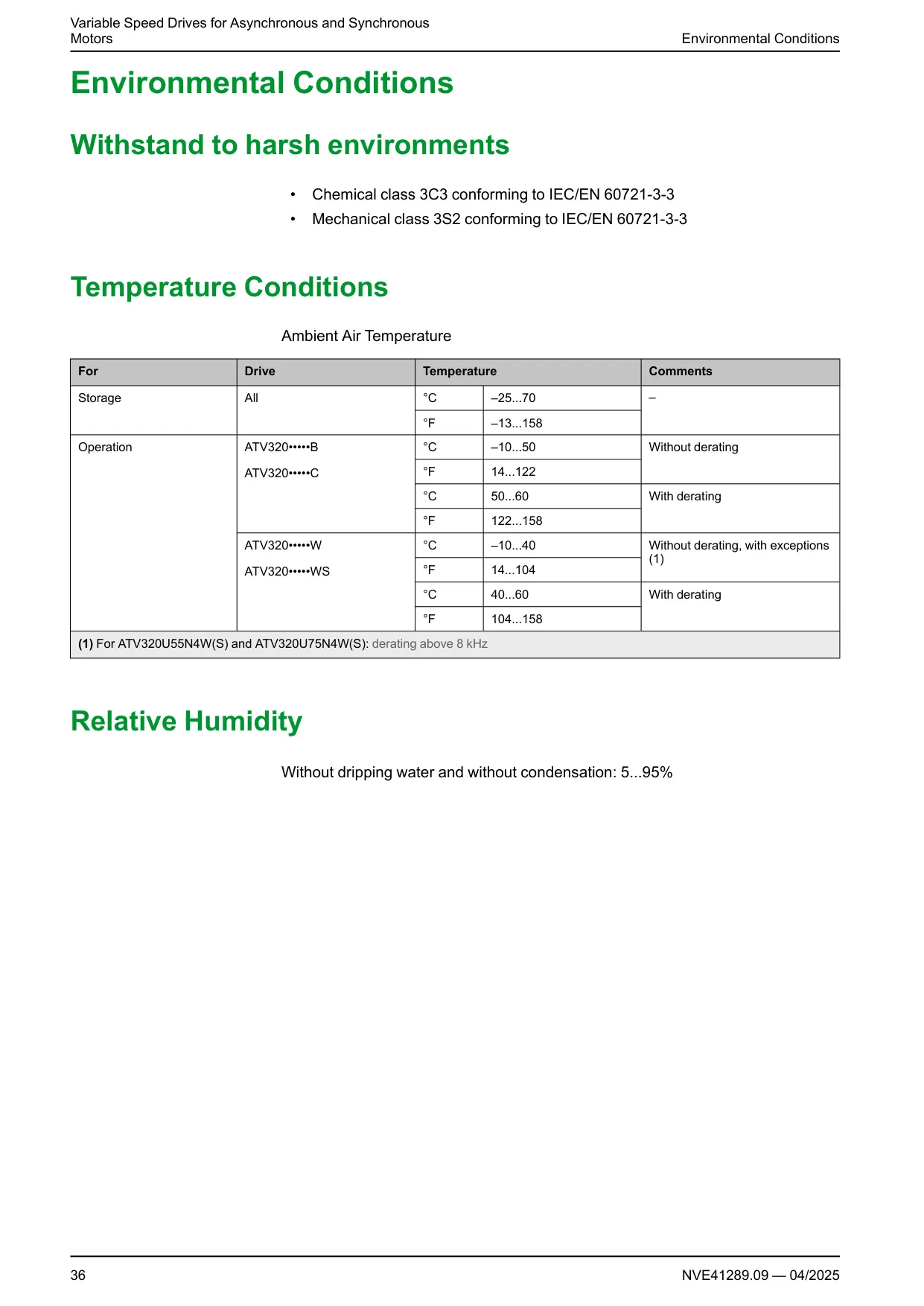
| Environmental Class | Chemical: 3C3 (IEC/EN 60721-3-3) Mechanical: 3S2 (IEC/EN 60721-3-3) |
| Operating Temperature | Without Derating: -10°C to 50°C (14°F to 122°F) for Book/Compact; -10°C to 40°C (14°F to 104°F) for W/WS. With Derating: Up to 60°C (140°F). |
| Storage Temperature | -25°C to 70°C (-13°F to 158°F) |
| Relative Humidity | 5-95% (without condensation or dripping water) |
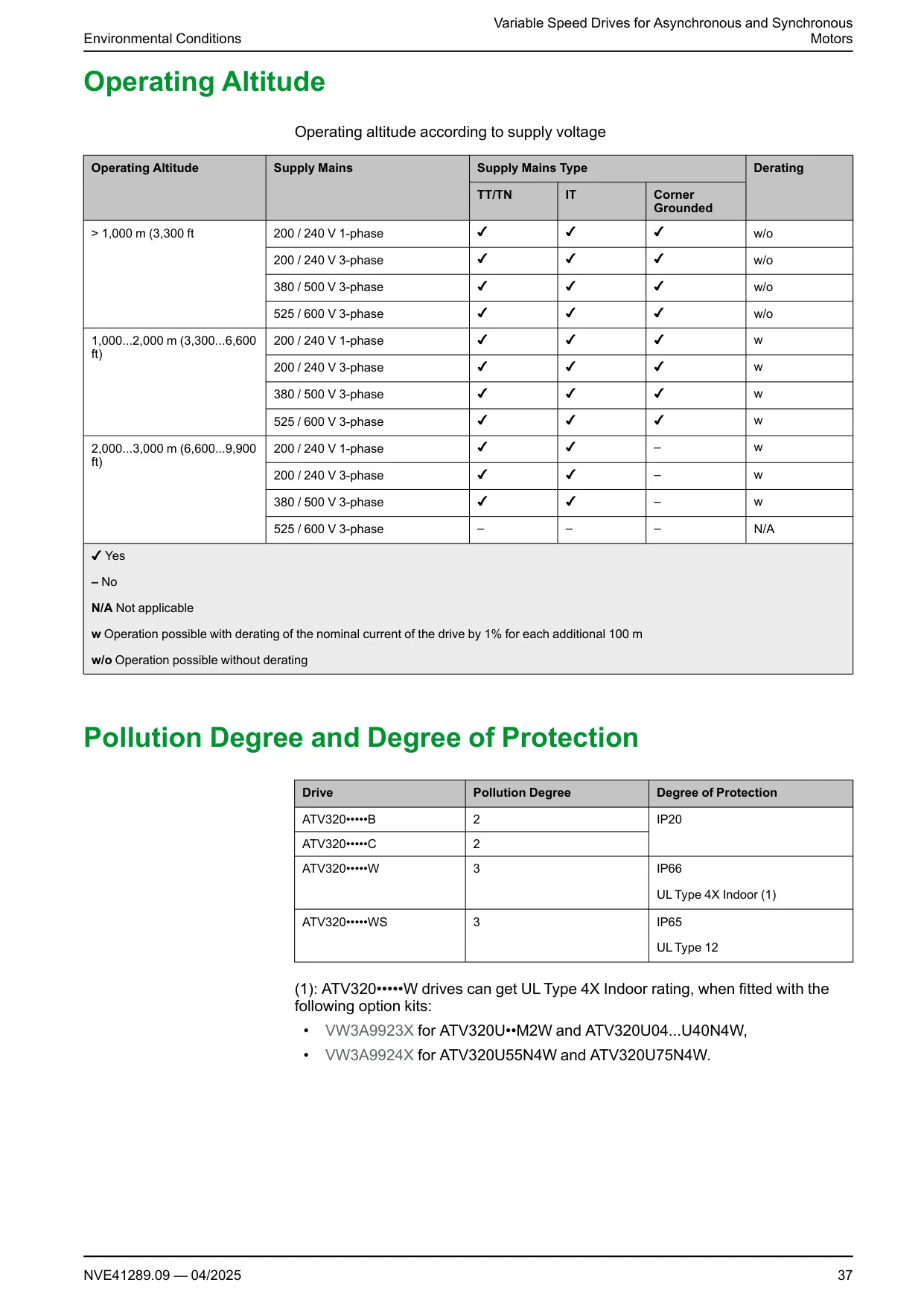
| Operating Altitude | Up to 1,000 m (3,300 ft) without derating; up to 3,000 m (9,900 ft) with derating (voltage dependent). |
| Pollution Degree | 2 (Book, Compact); 3 (W, WS) |
| Degree of Protection | IP20 (Book, Compact); IP66 / UL Type 4X Indoor (W drives); IP65 / UL Type 12 (WS drives) |
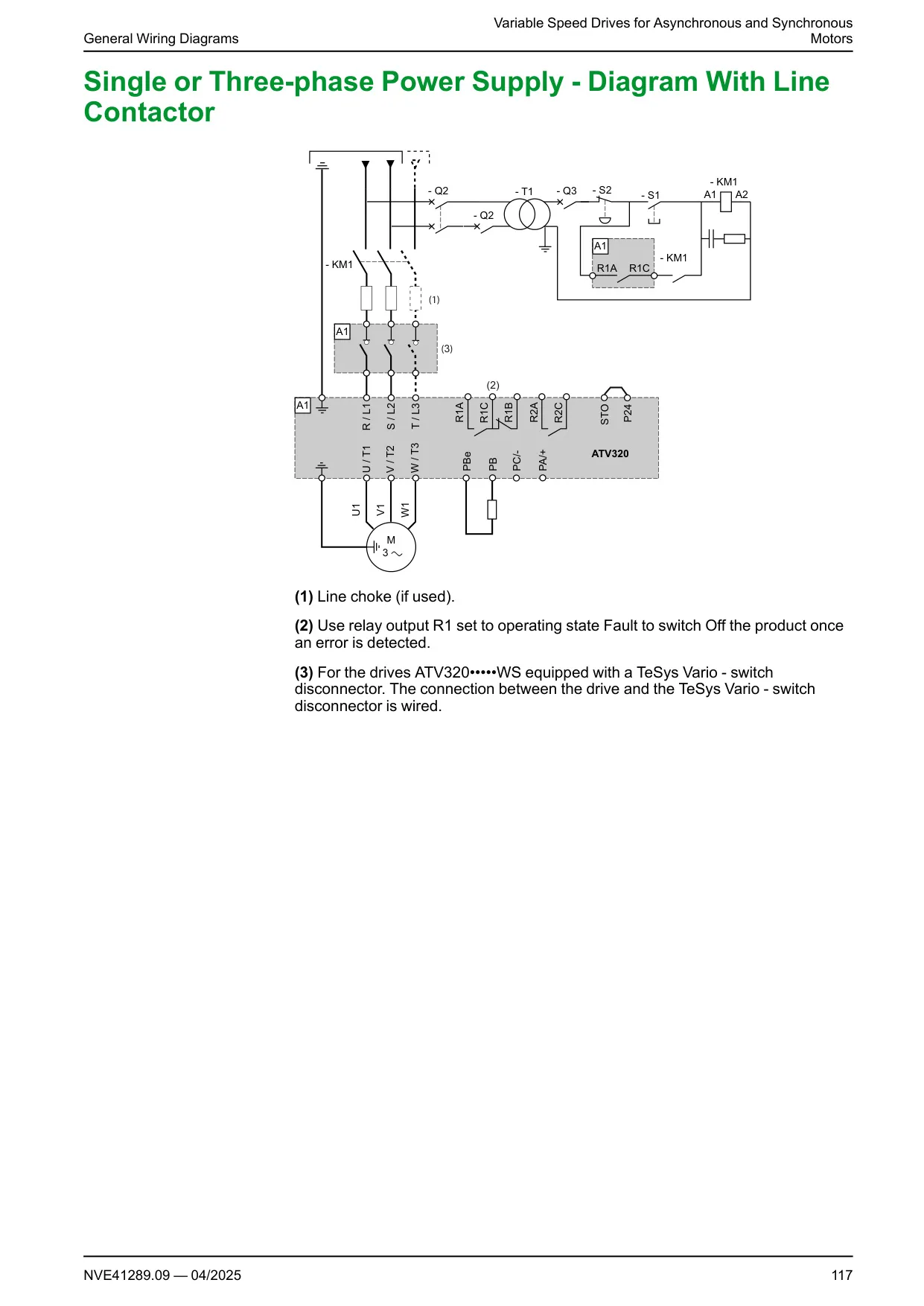
| Integrated Safety | Safe Torque Off (STO) input, conforming to relevant safety standards. |
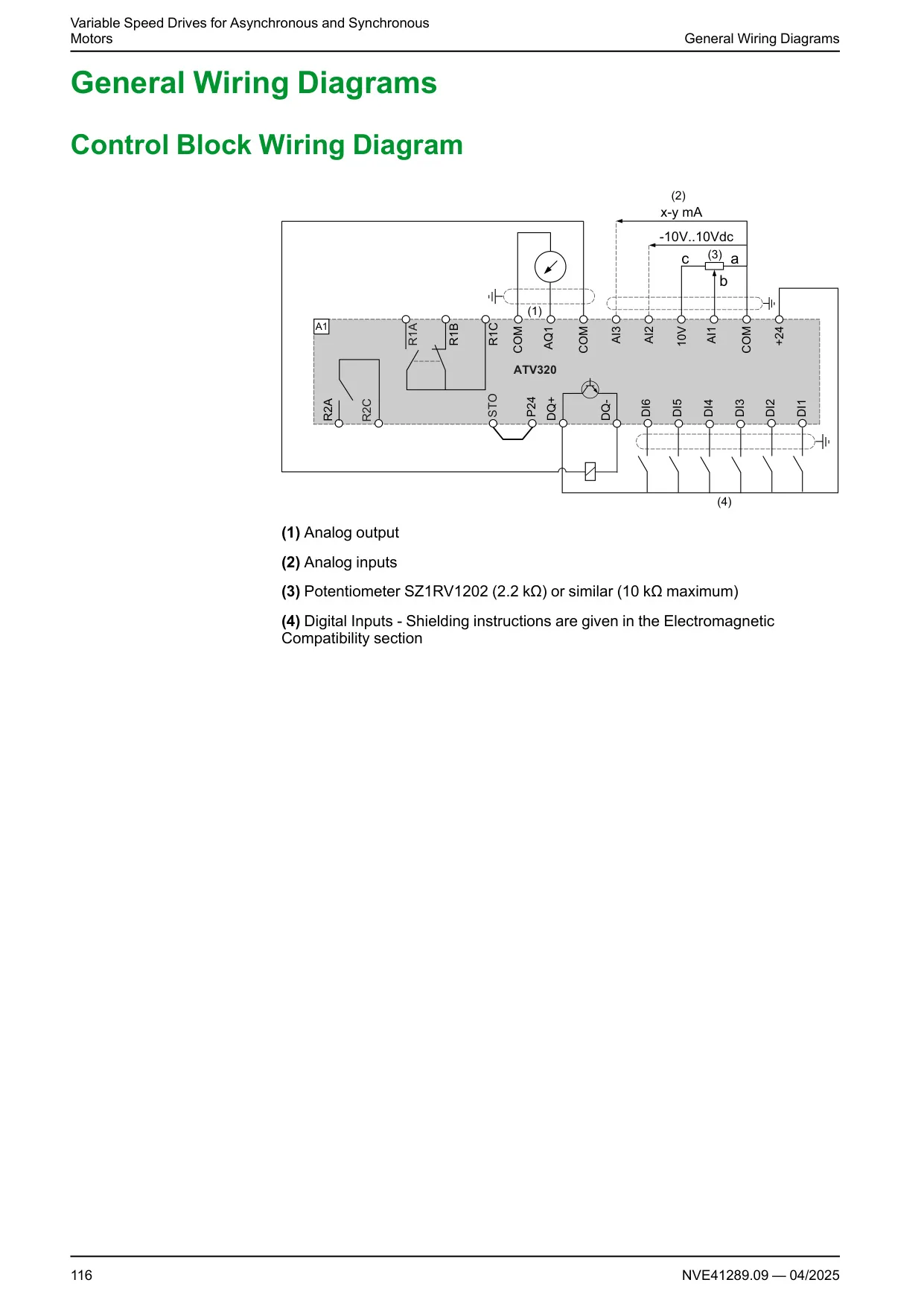
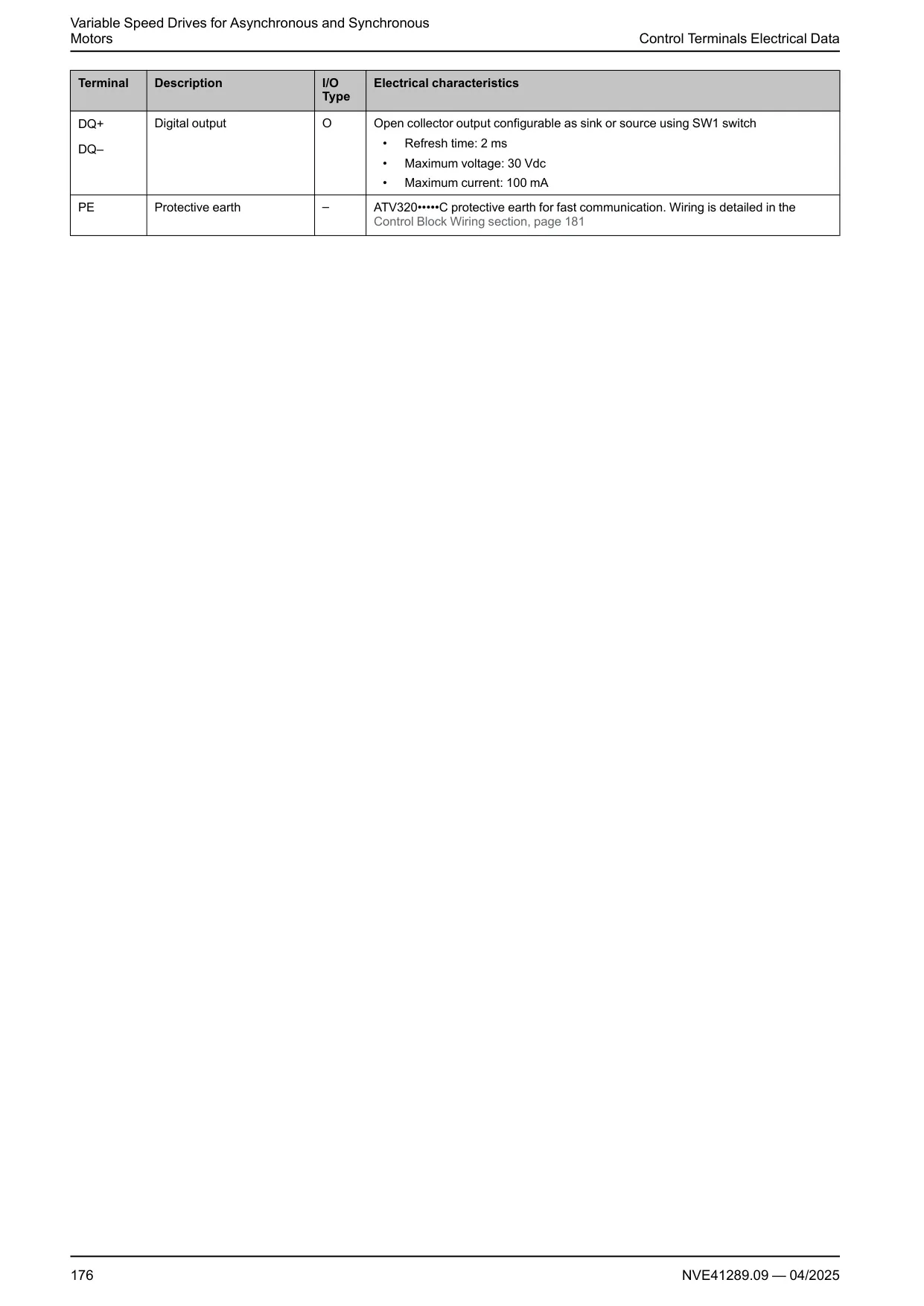
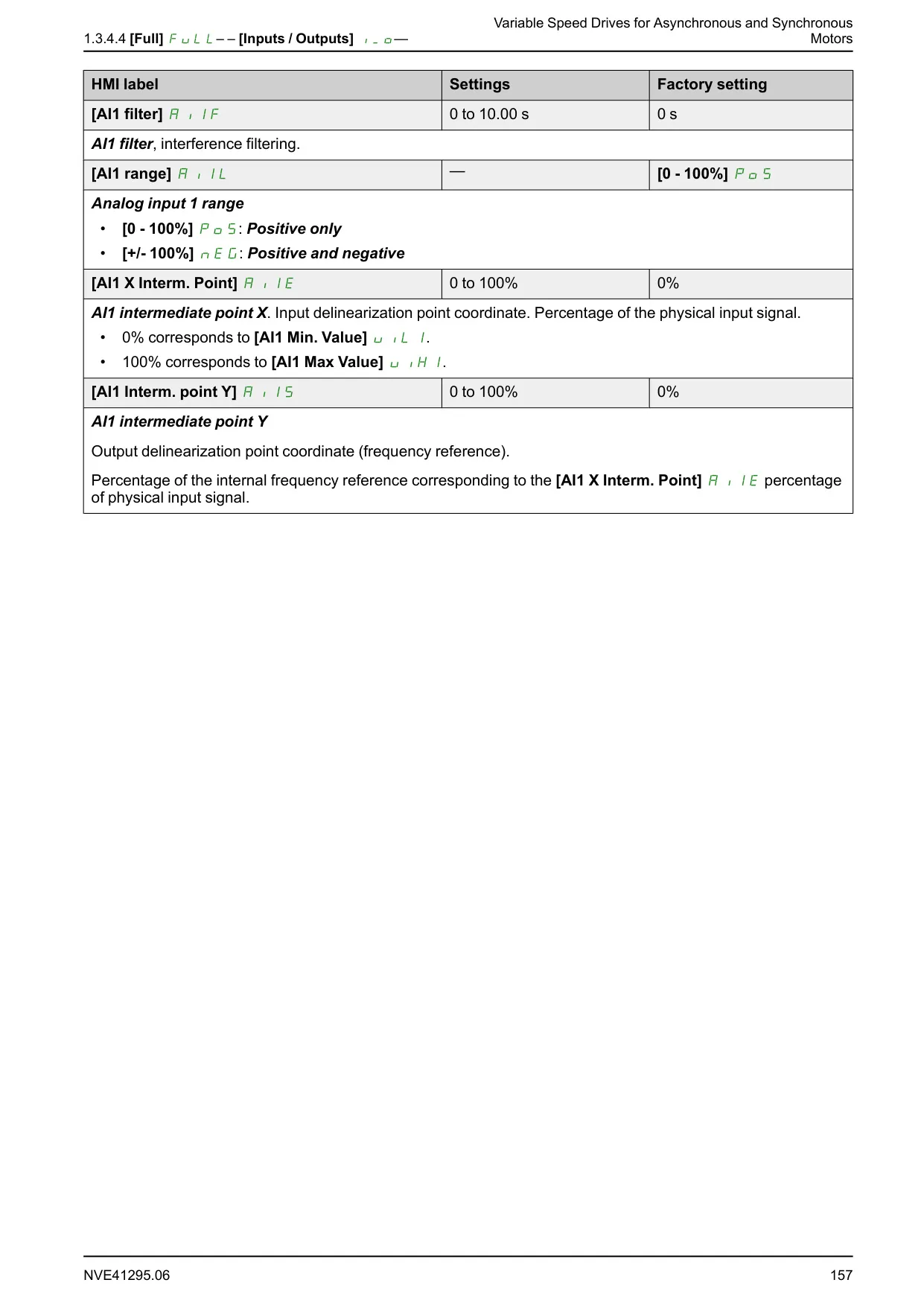
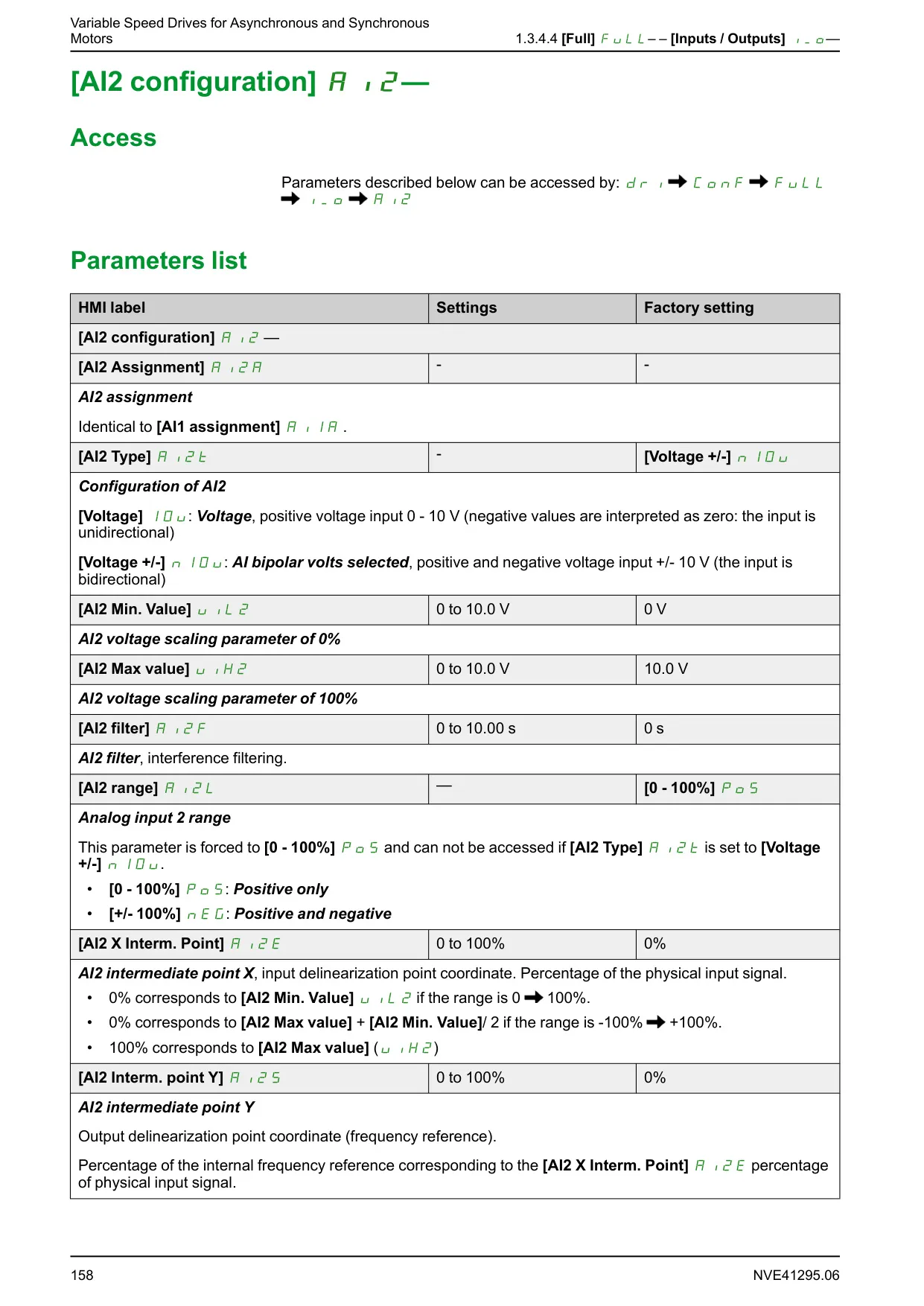
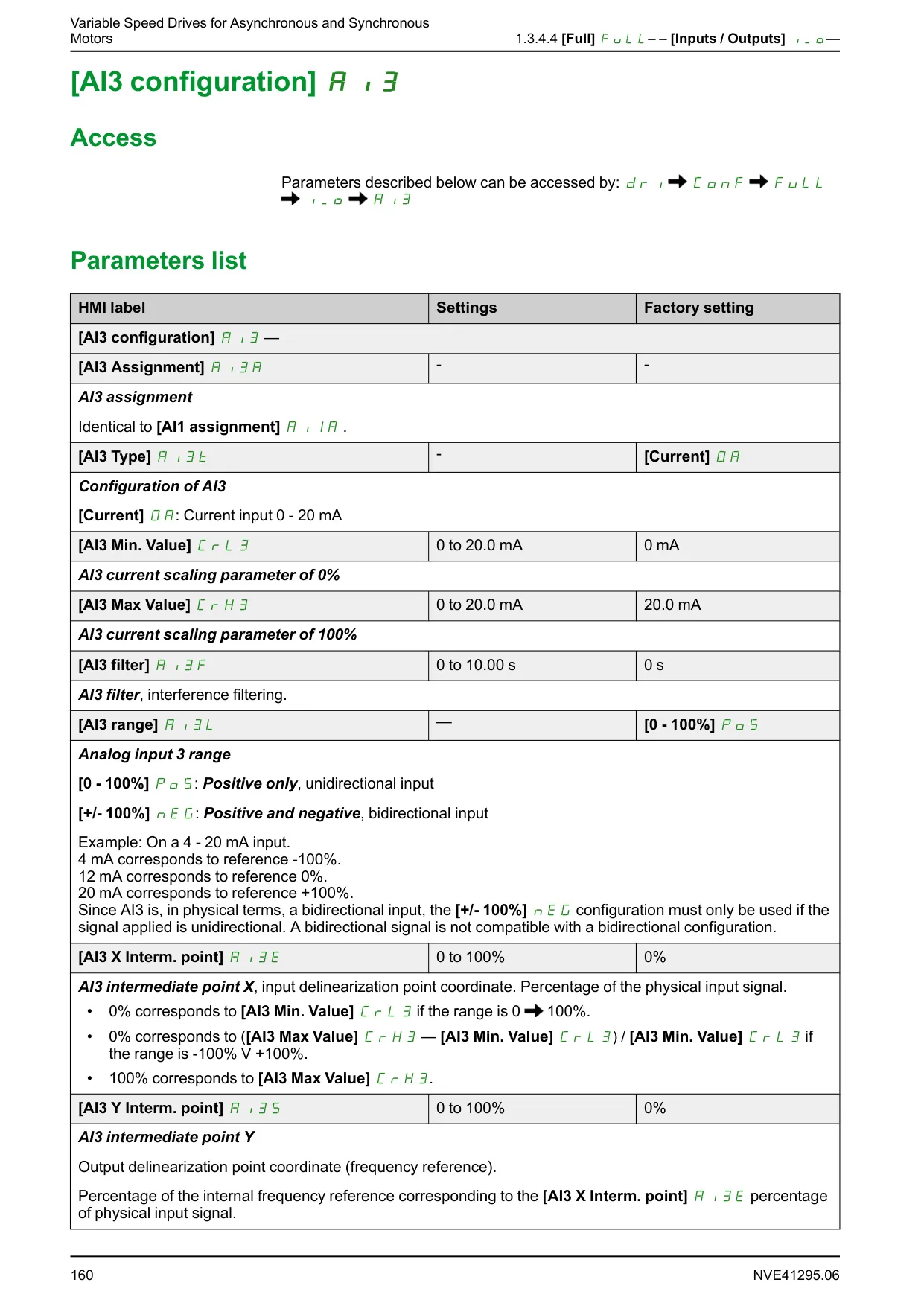
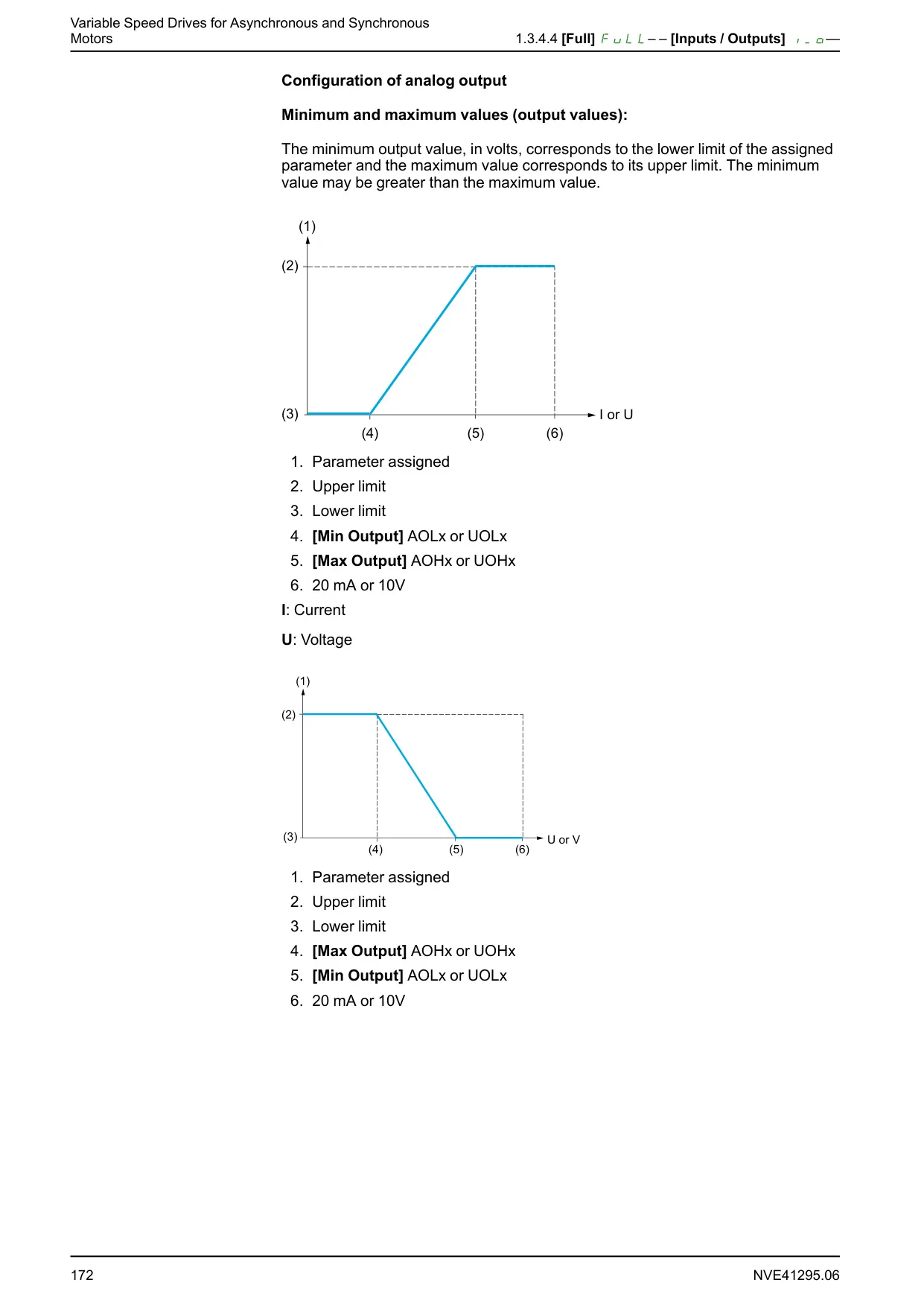
| Control I/O (General) | Relay Outputs: 2 configurable (R1, R2), up to 5A resistive / 2A inductive. Analog Inputs: 3 (AI1: 0-+10V, AI2: 0-±10V, AI3: 0-20mA). Analog Output: 1 (AQ1: 0-10V or 0-20mA configurable). Digital Inputs: 6 programmable (DI1-DI6), including pulse and PTC options. Digital Outputs: 1 configurable open collector (DQ+/DQ-). |
| Leakage Current | >3.5 mA (requires Type B RCD or Type A/F with specific conditions) |
Altivar 320 Variable Frequency Drive Details
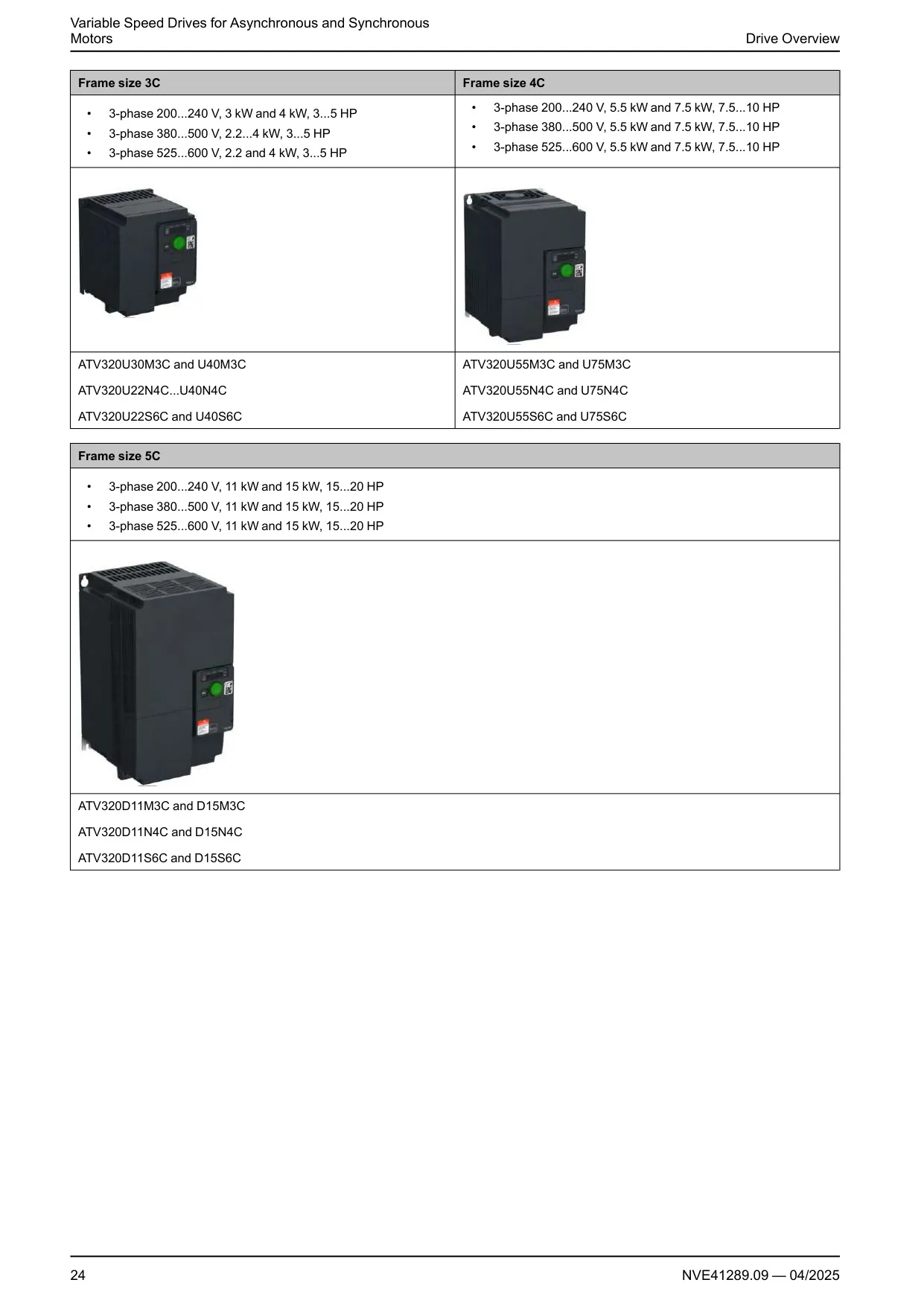
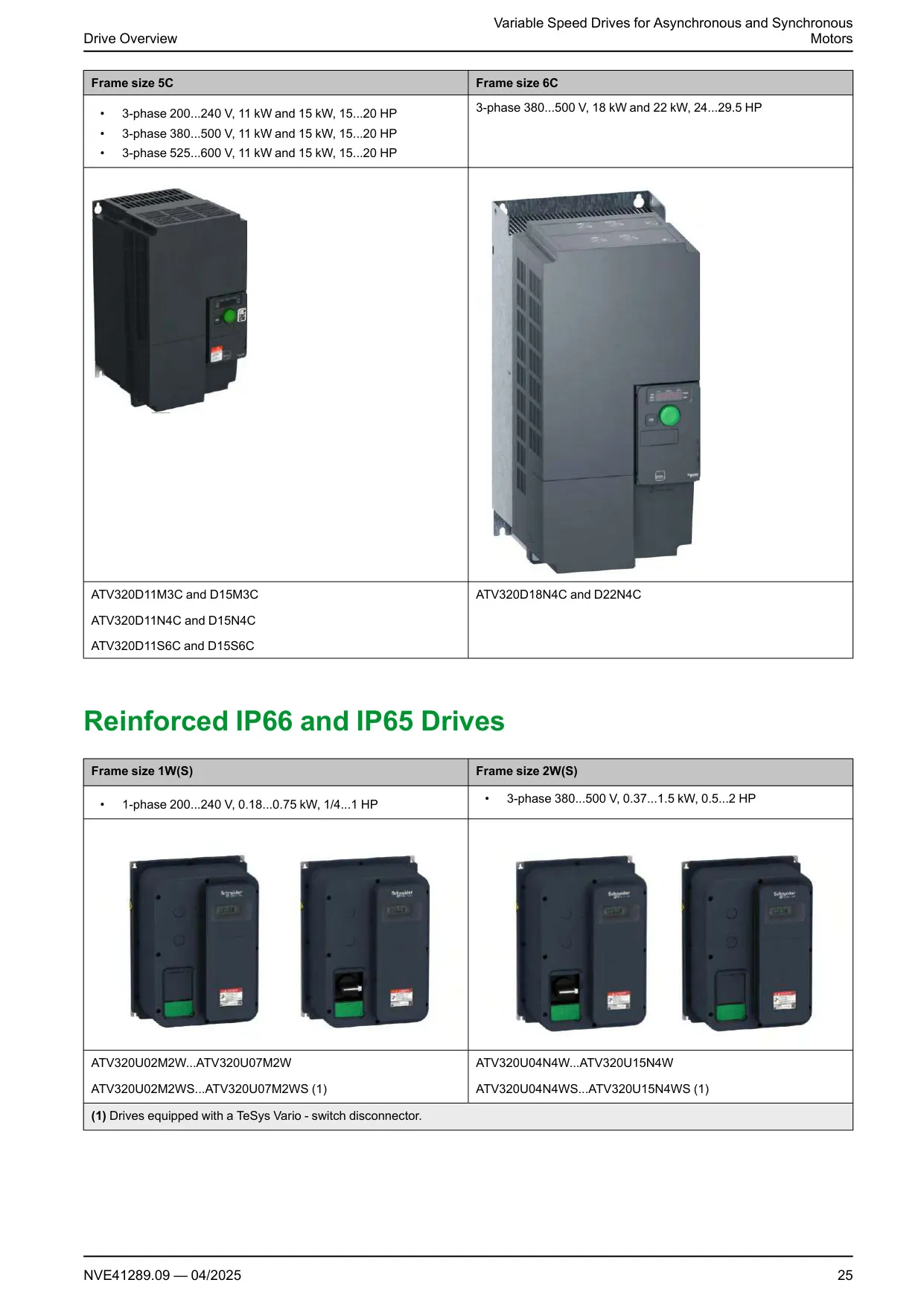
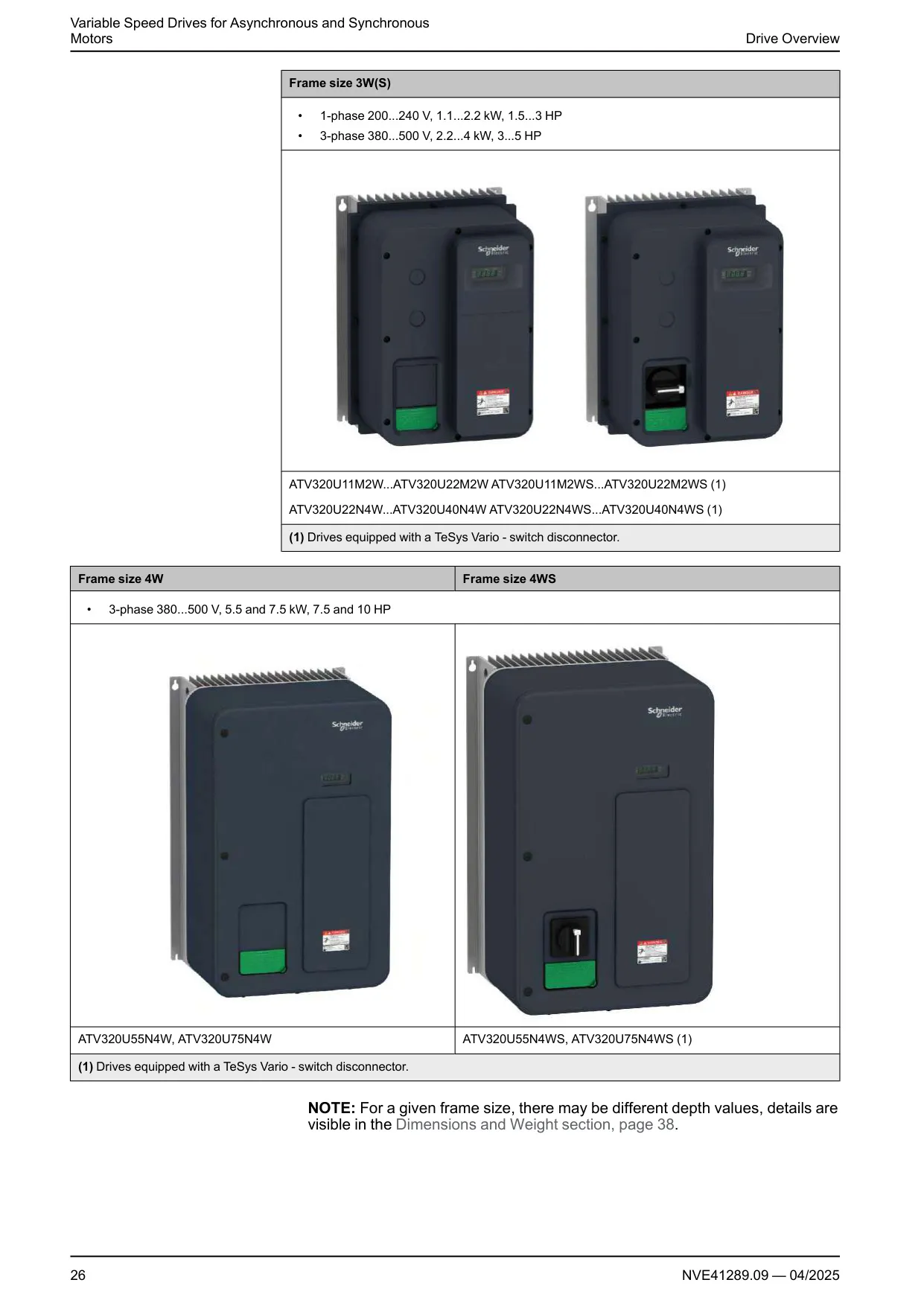
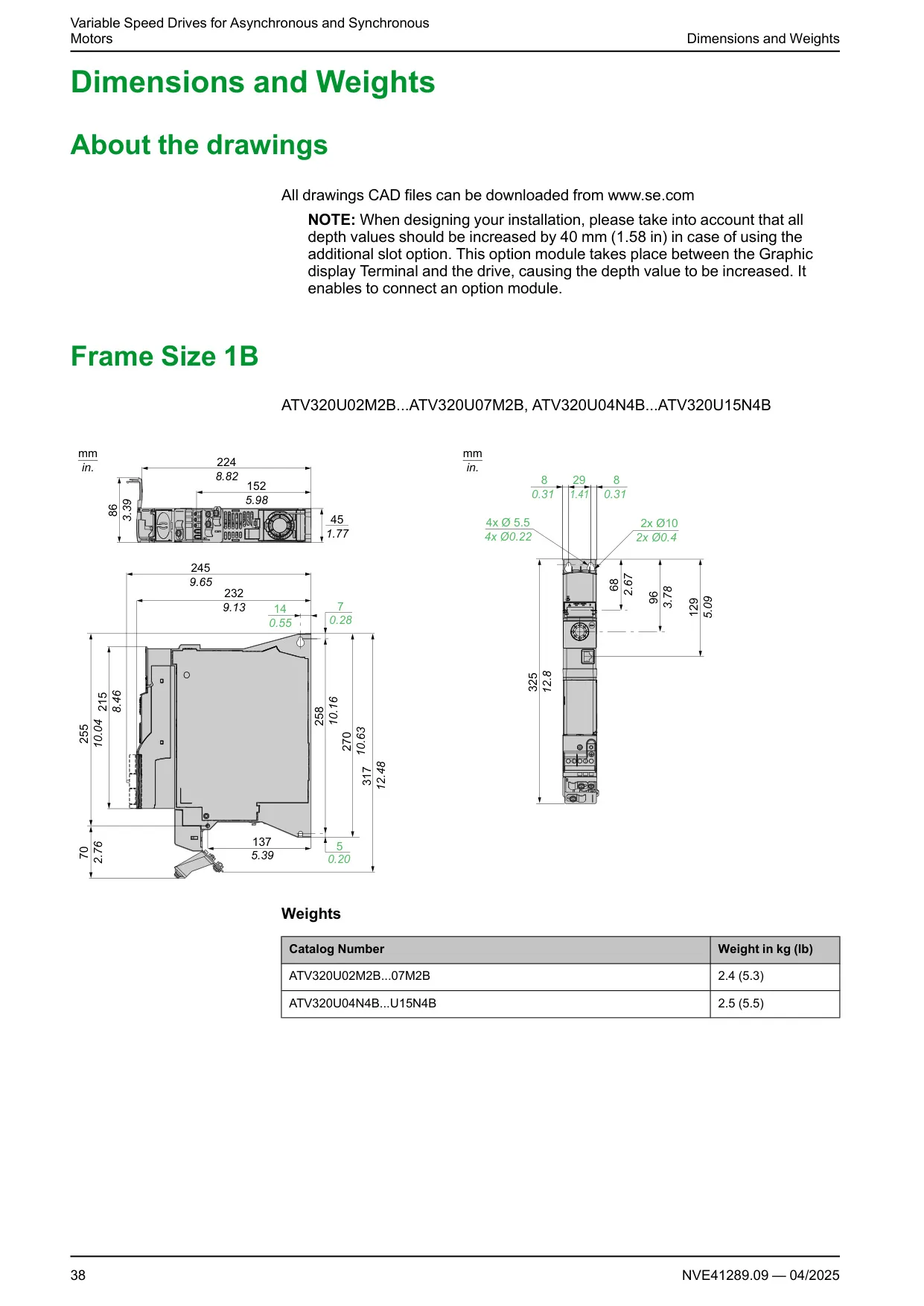
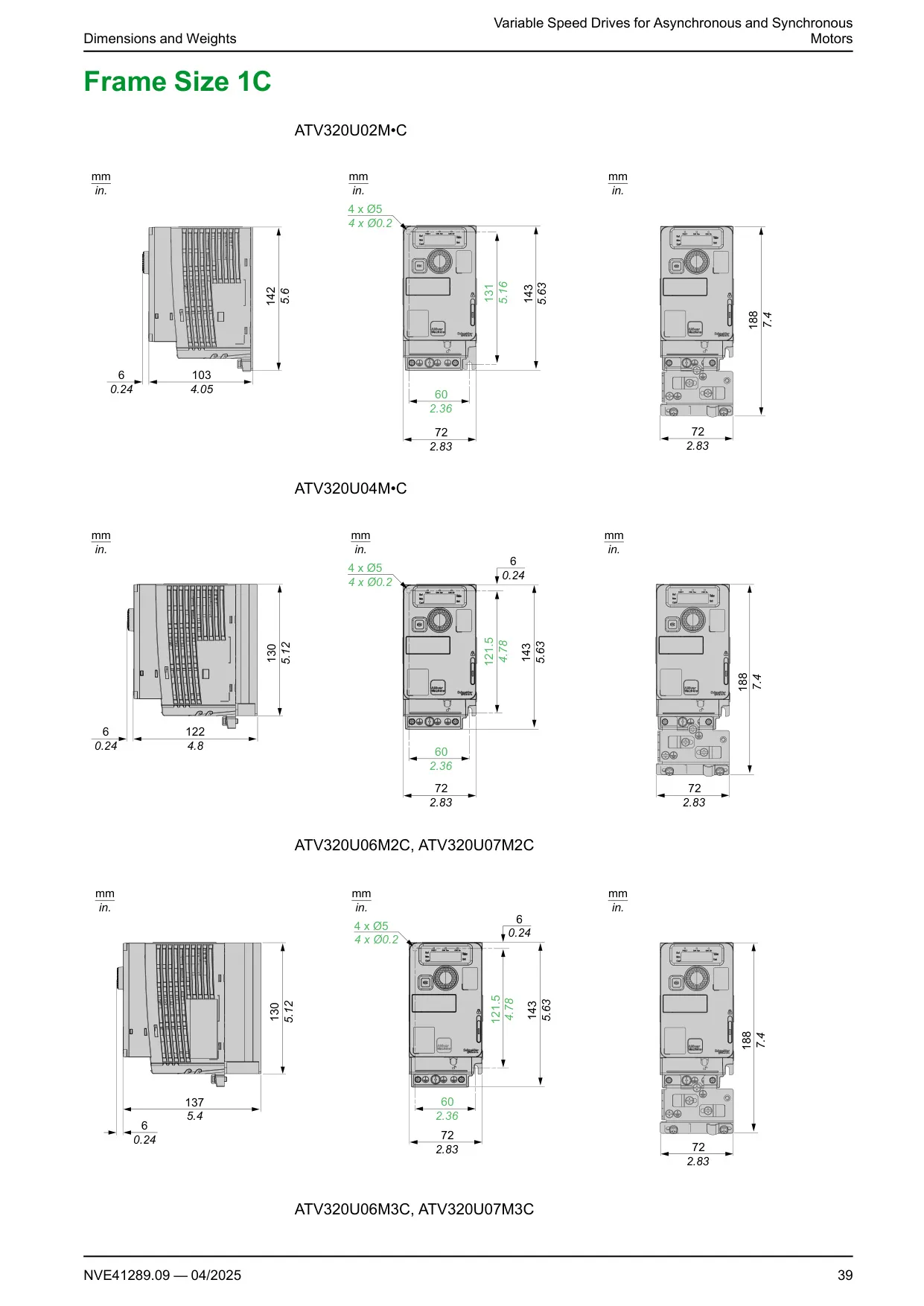
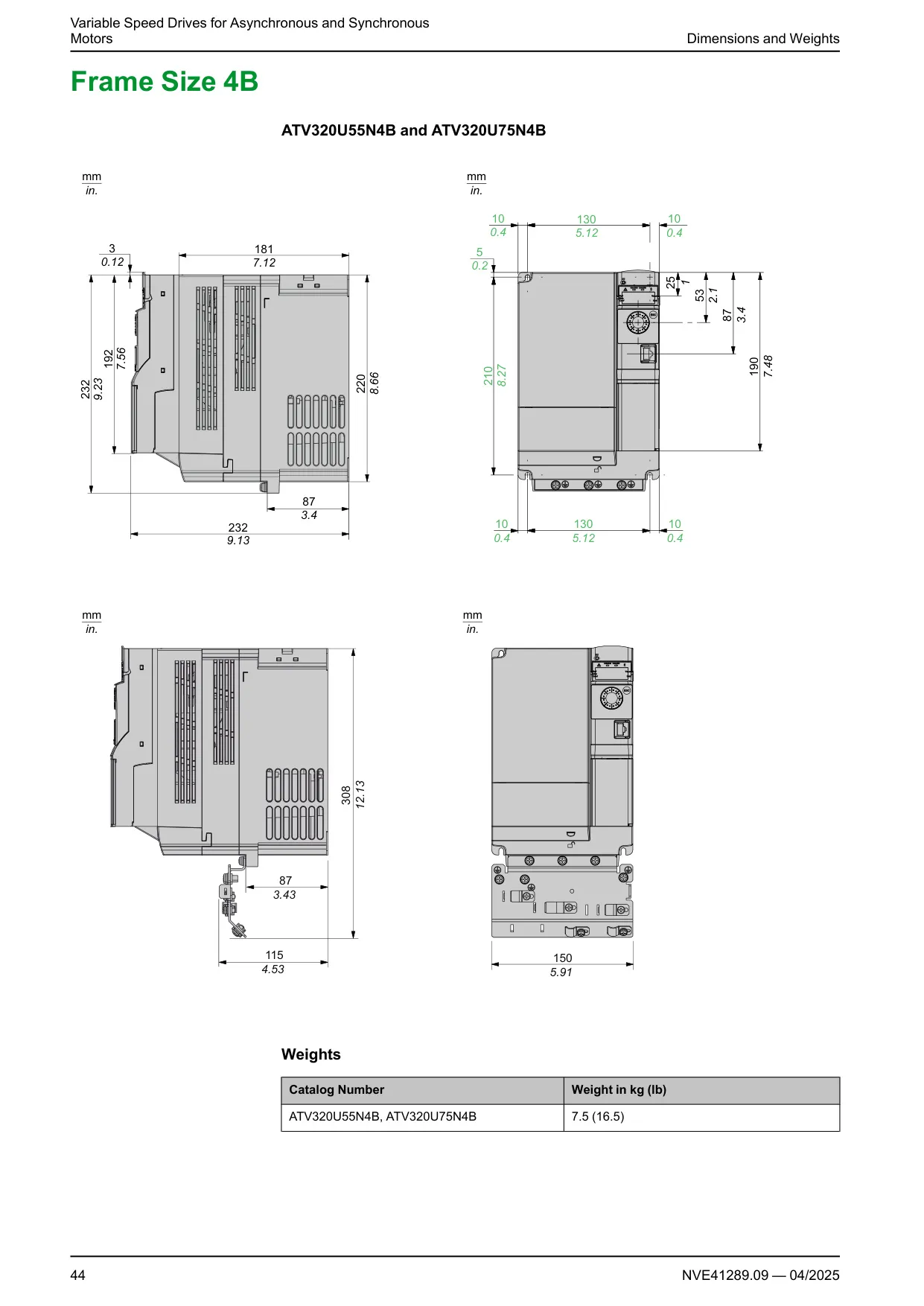
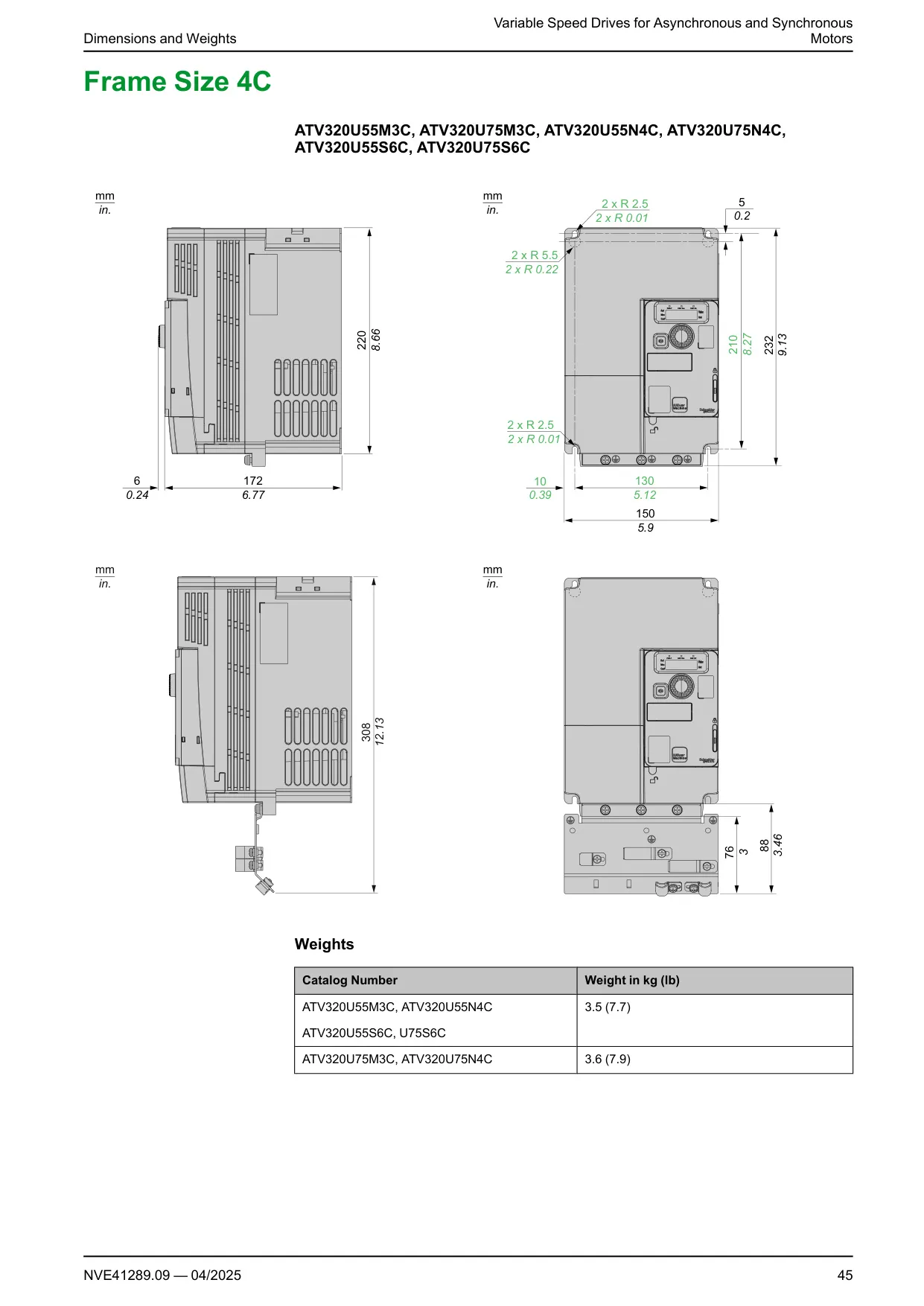
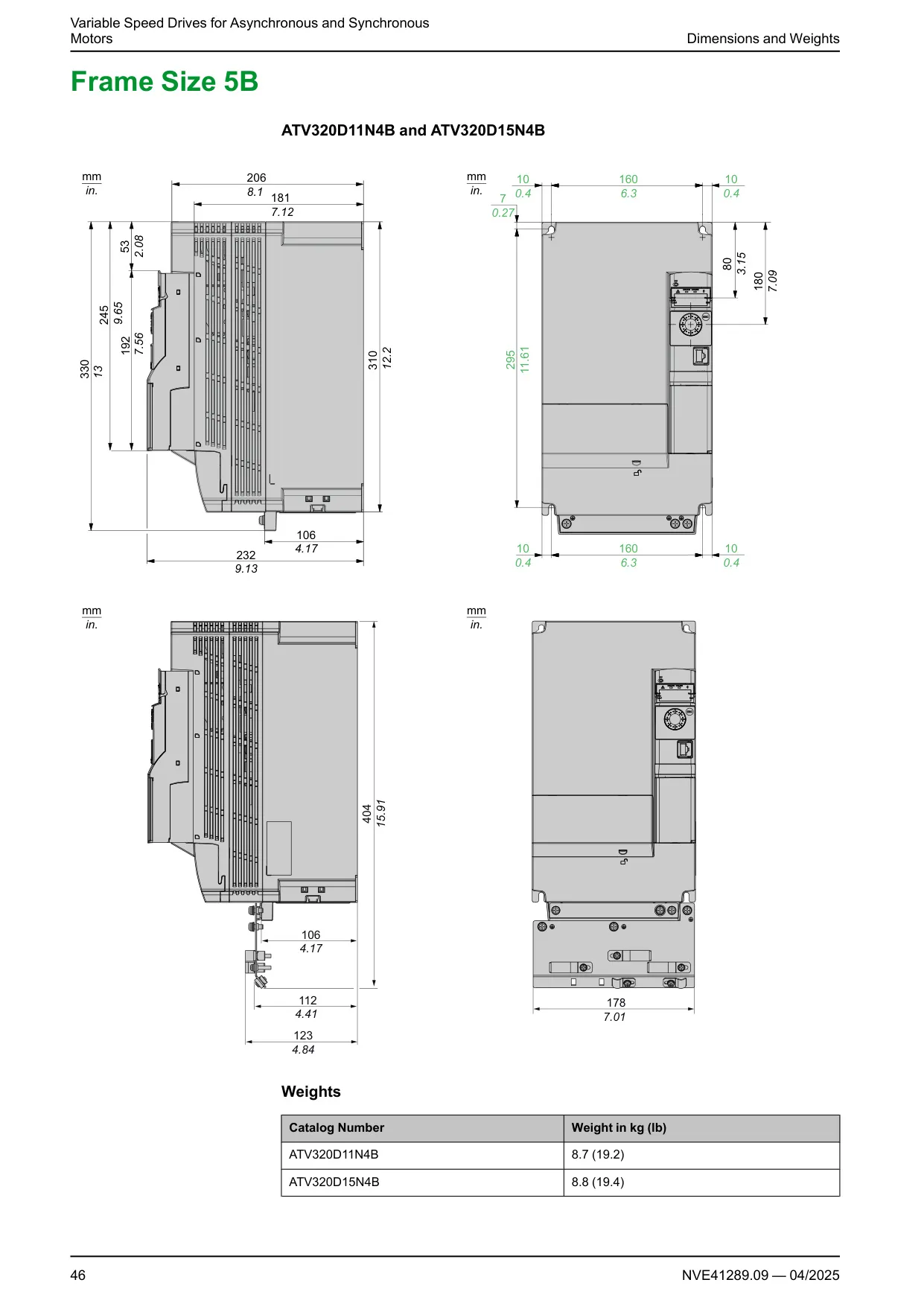
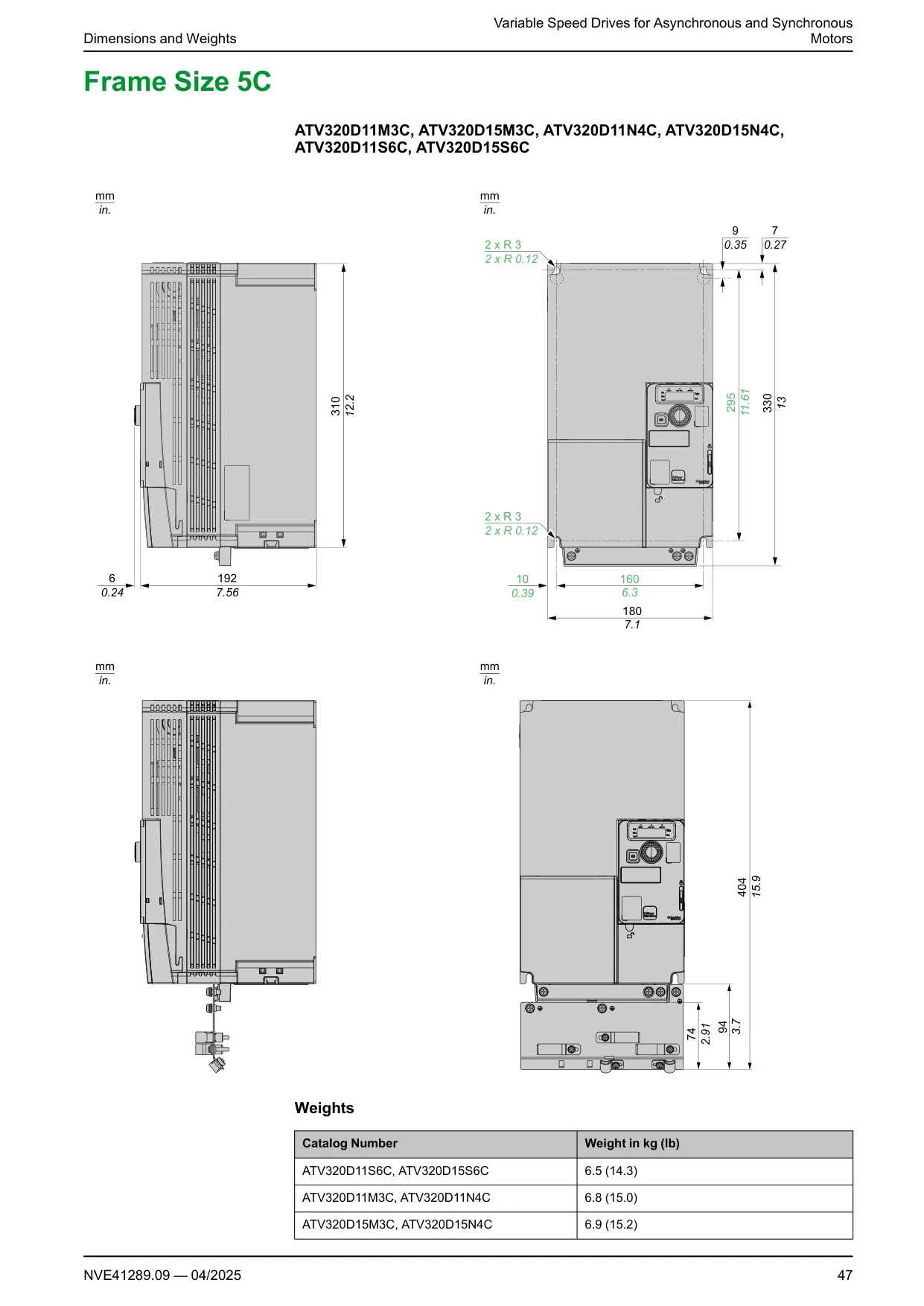
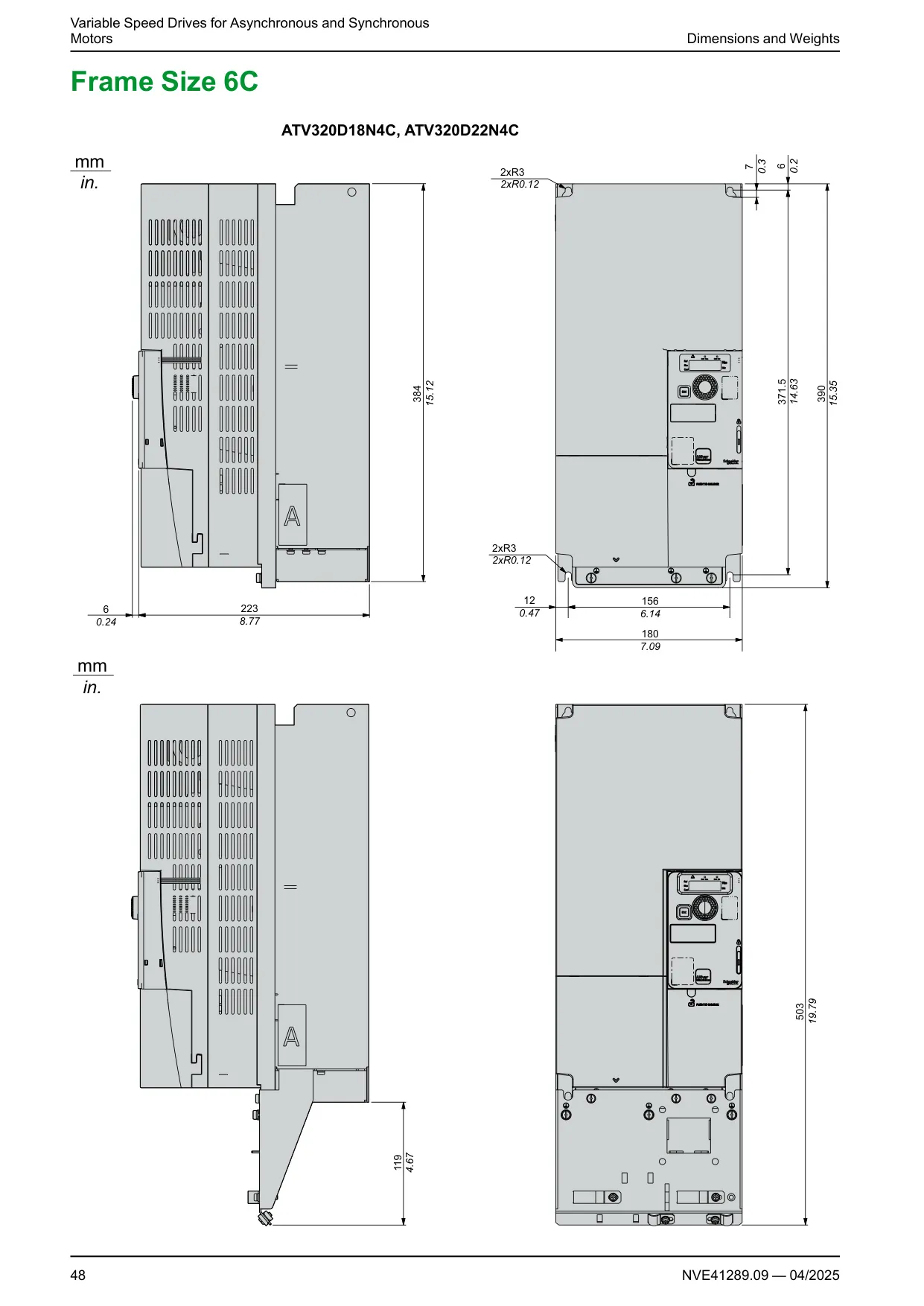
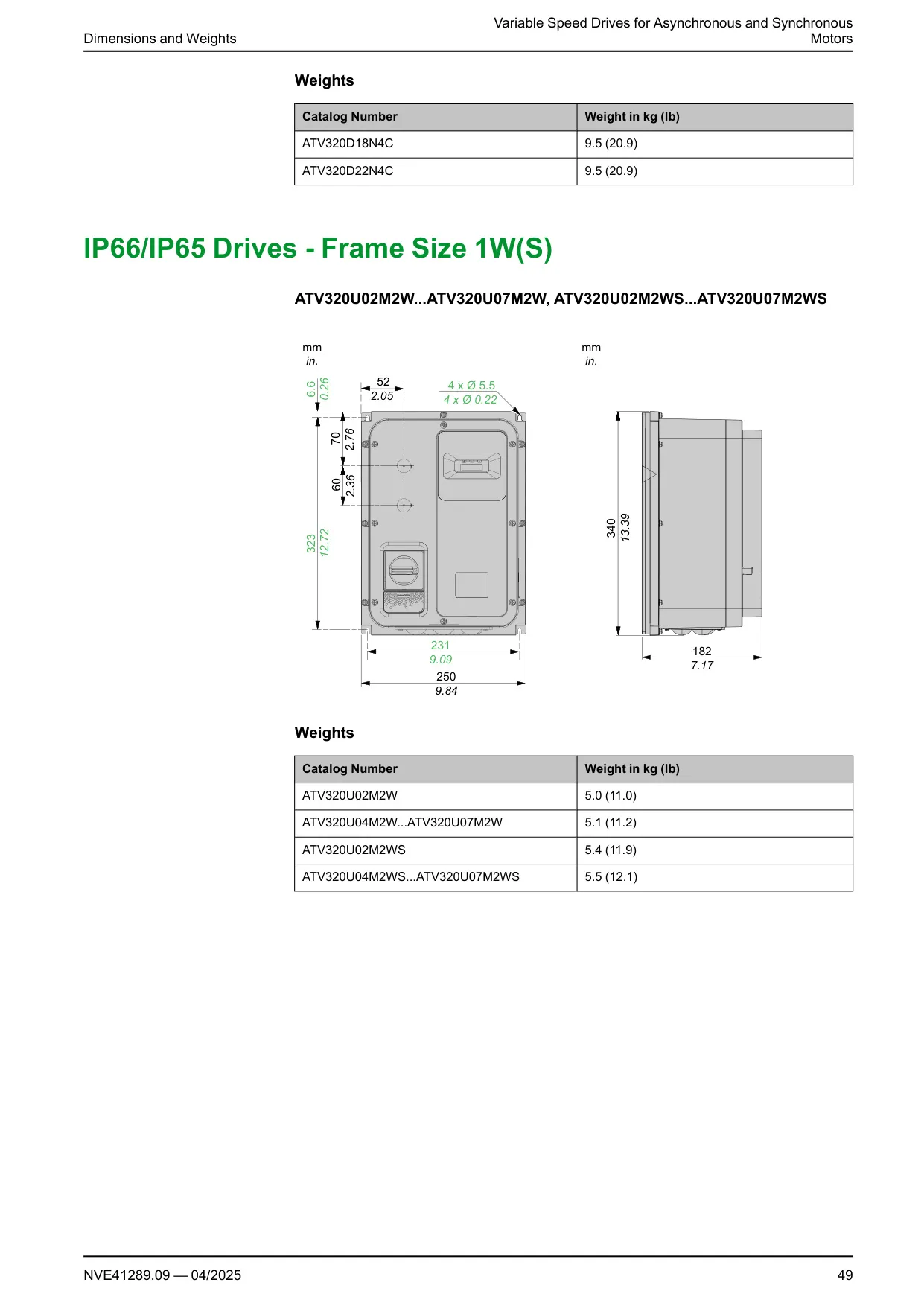
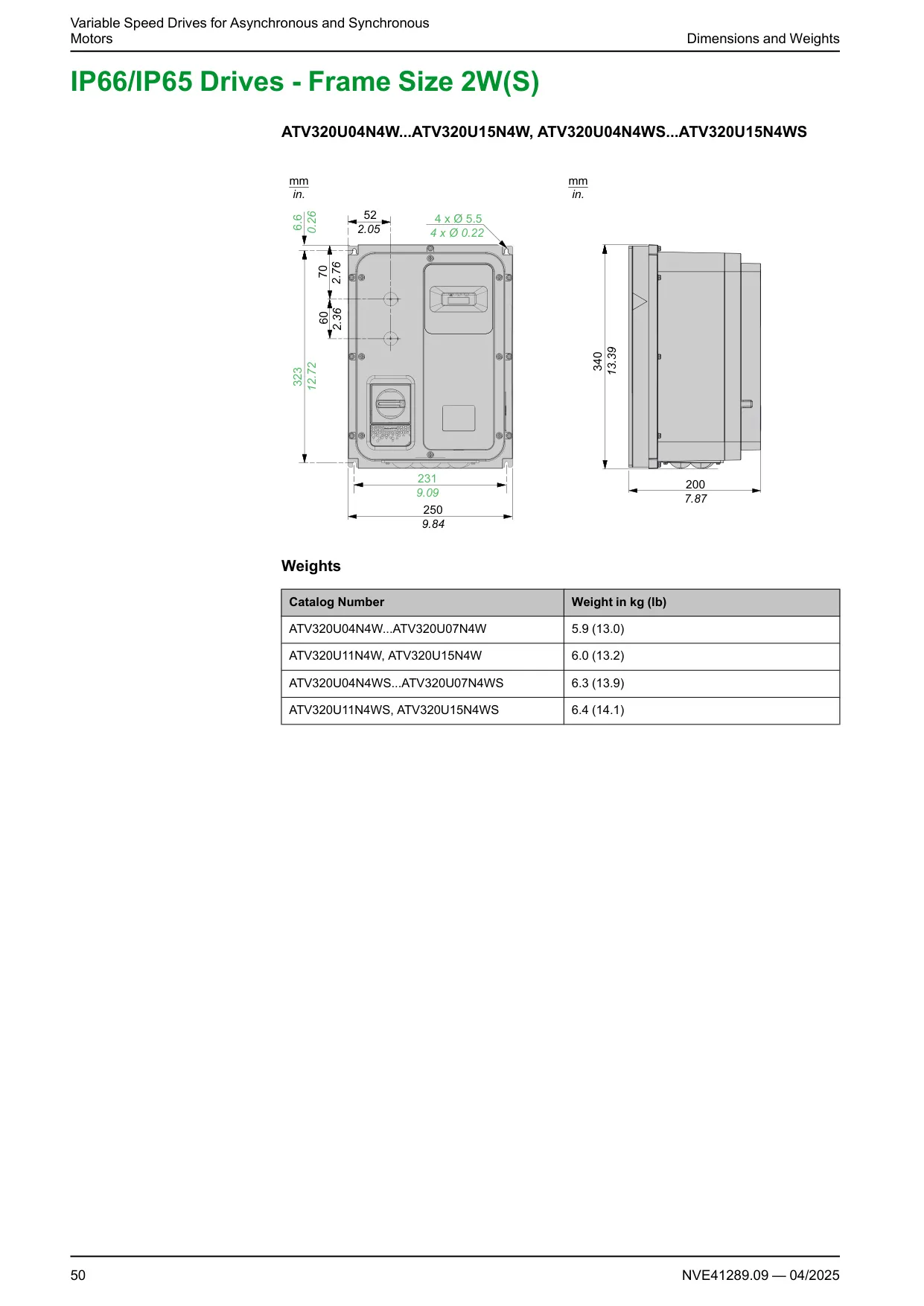
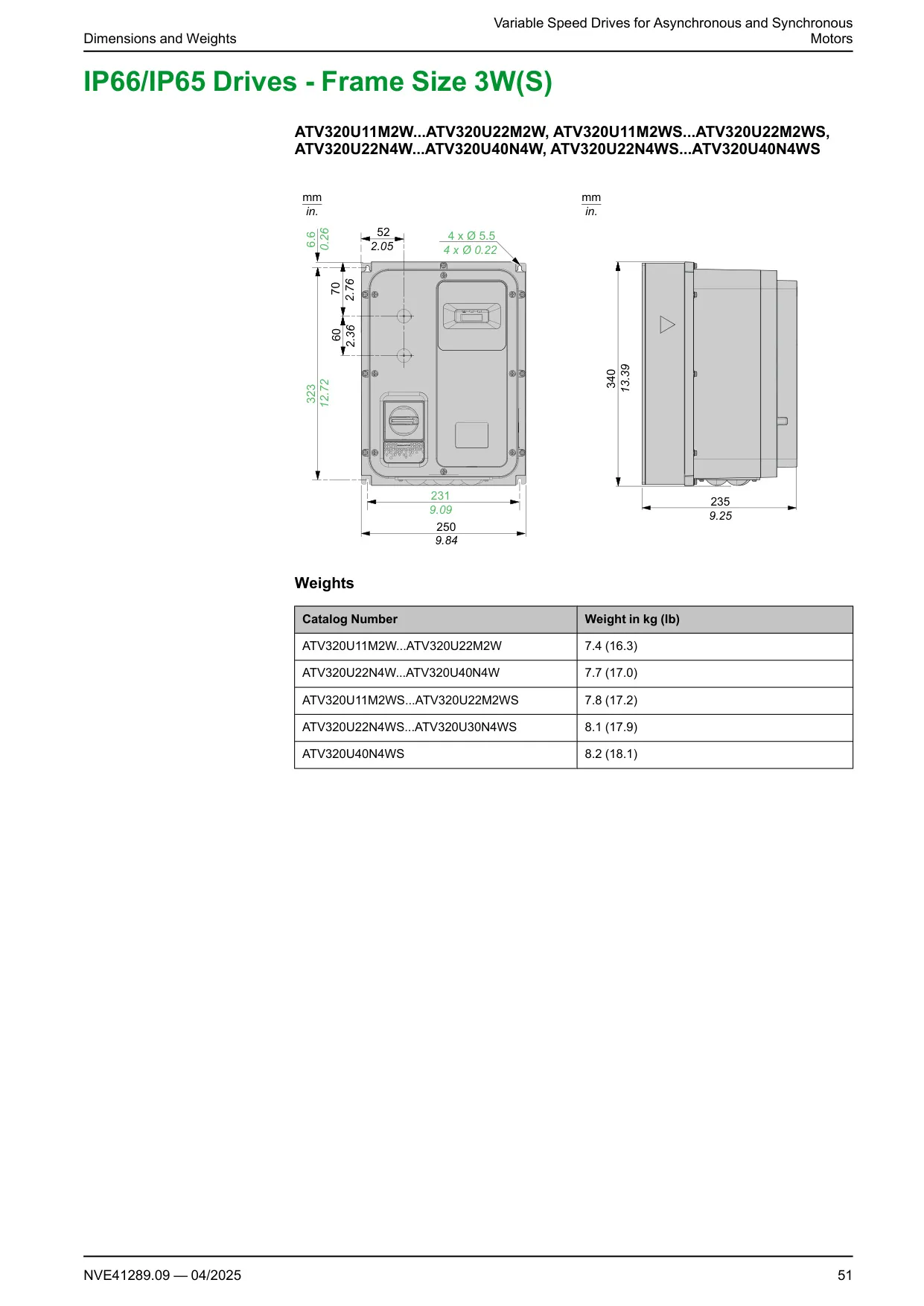
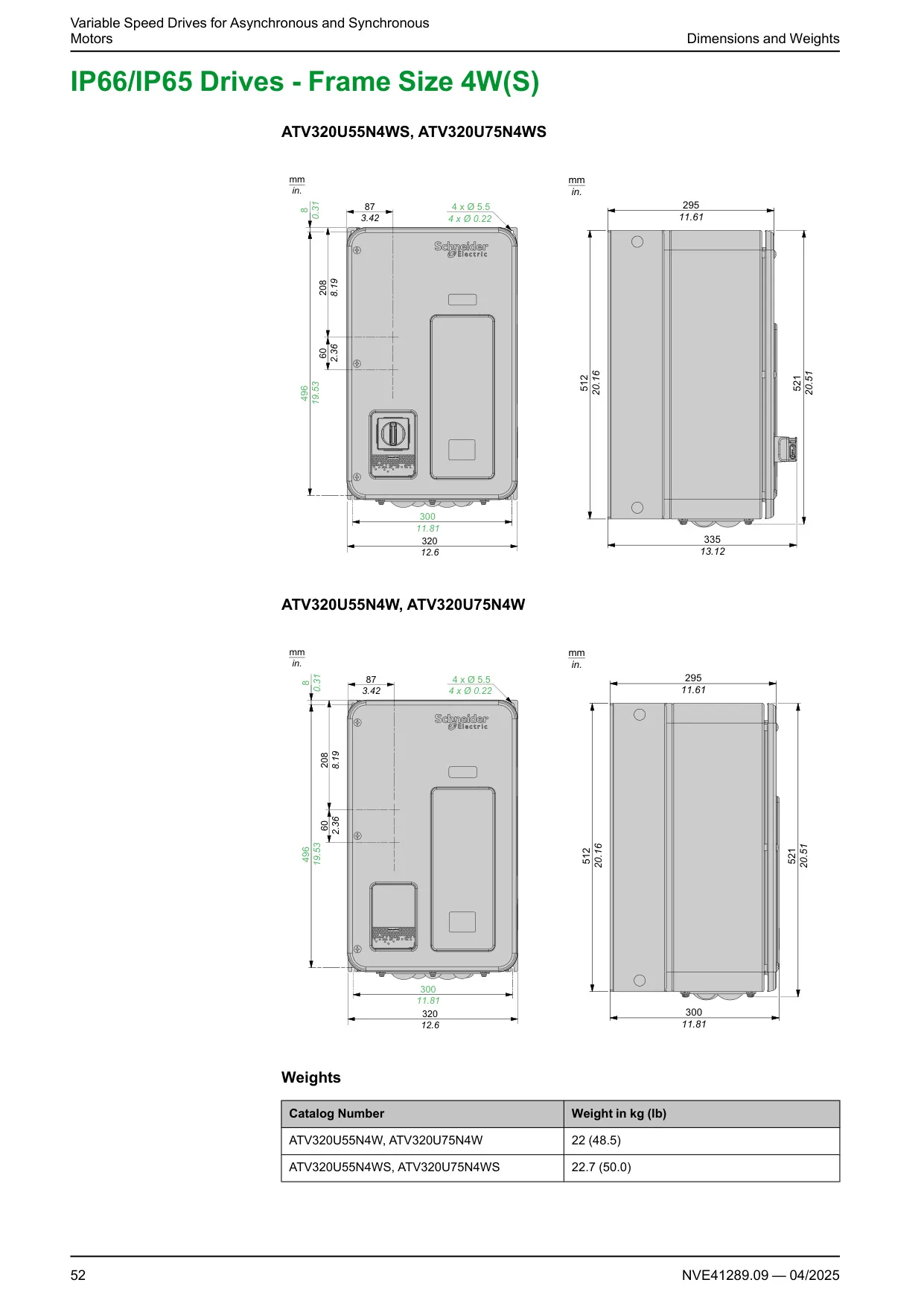
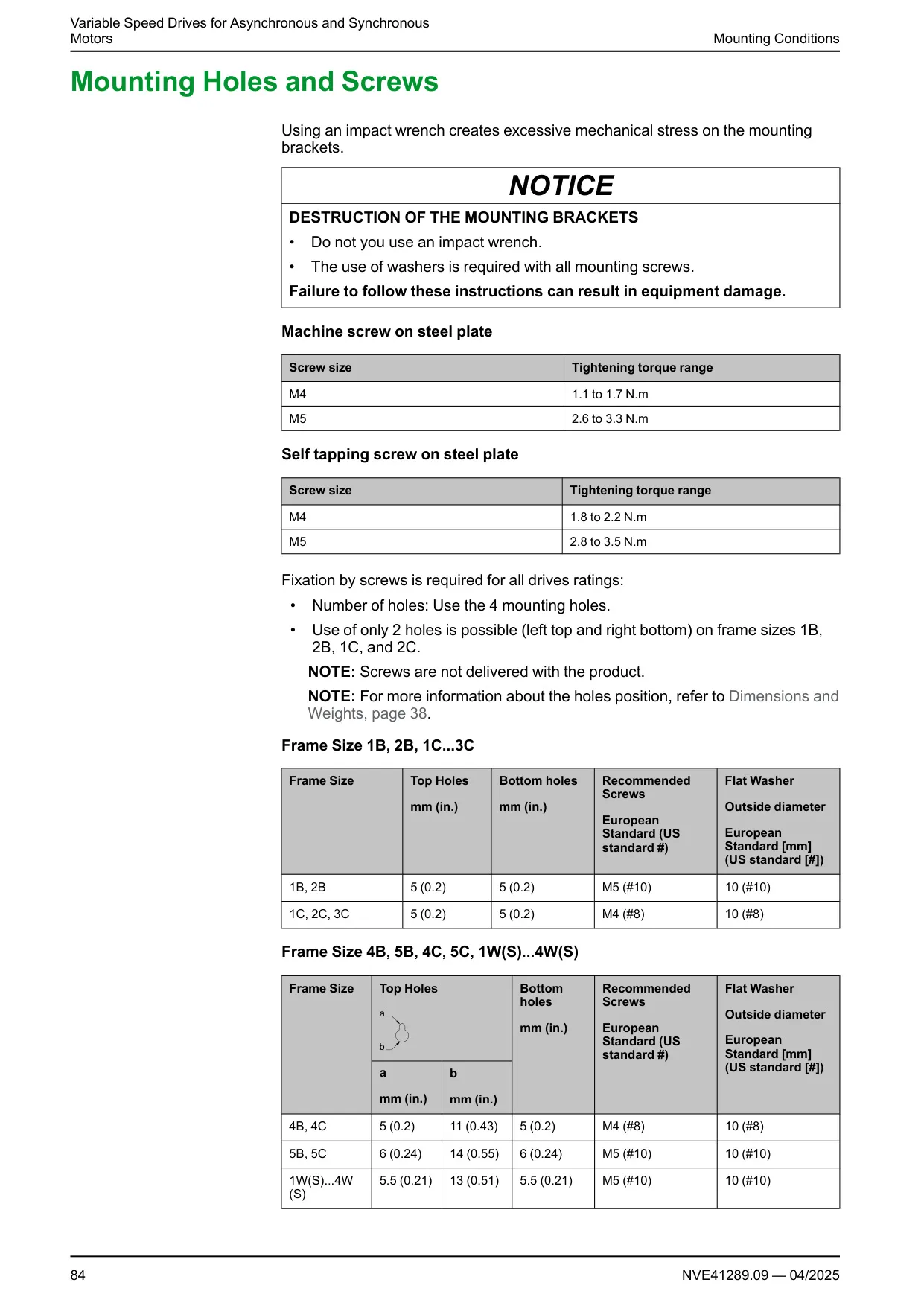
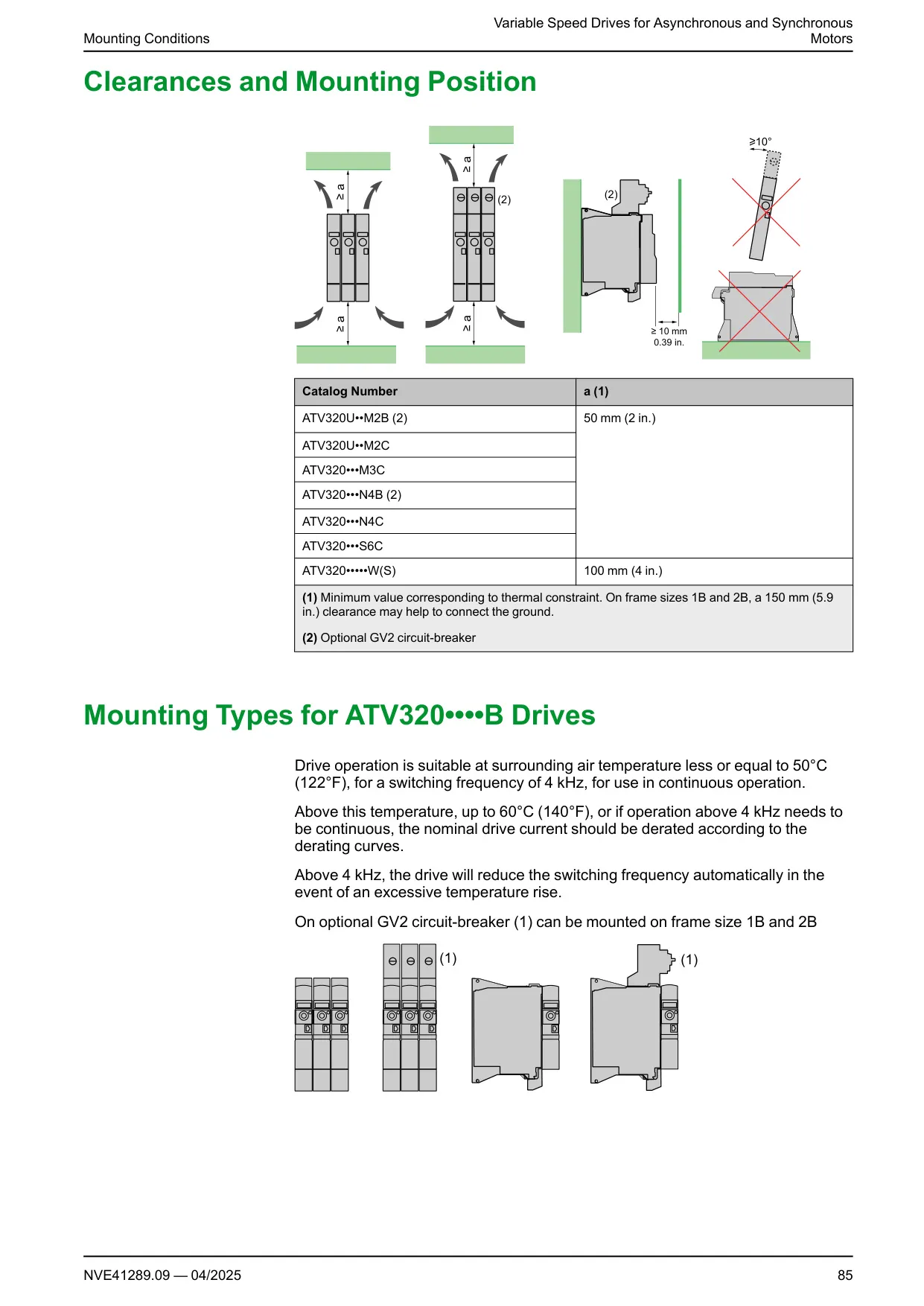
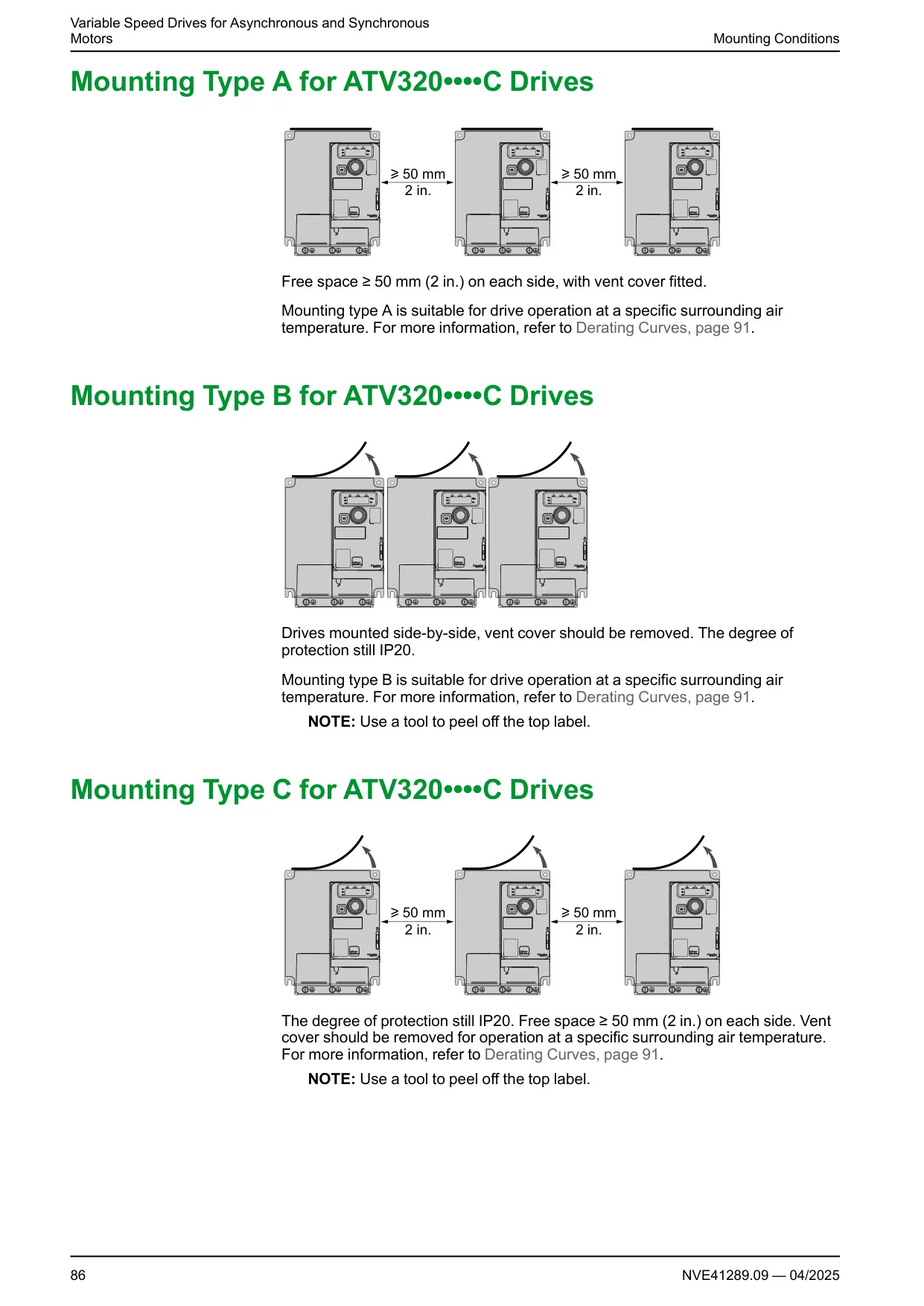
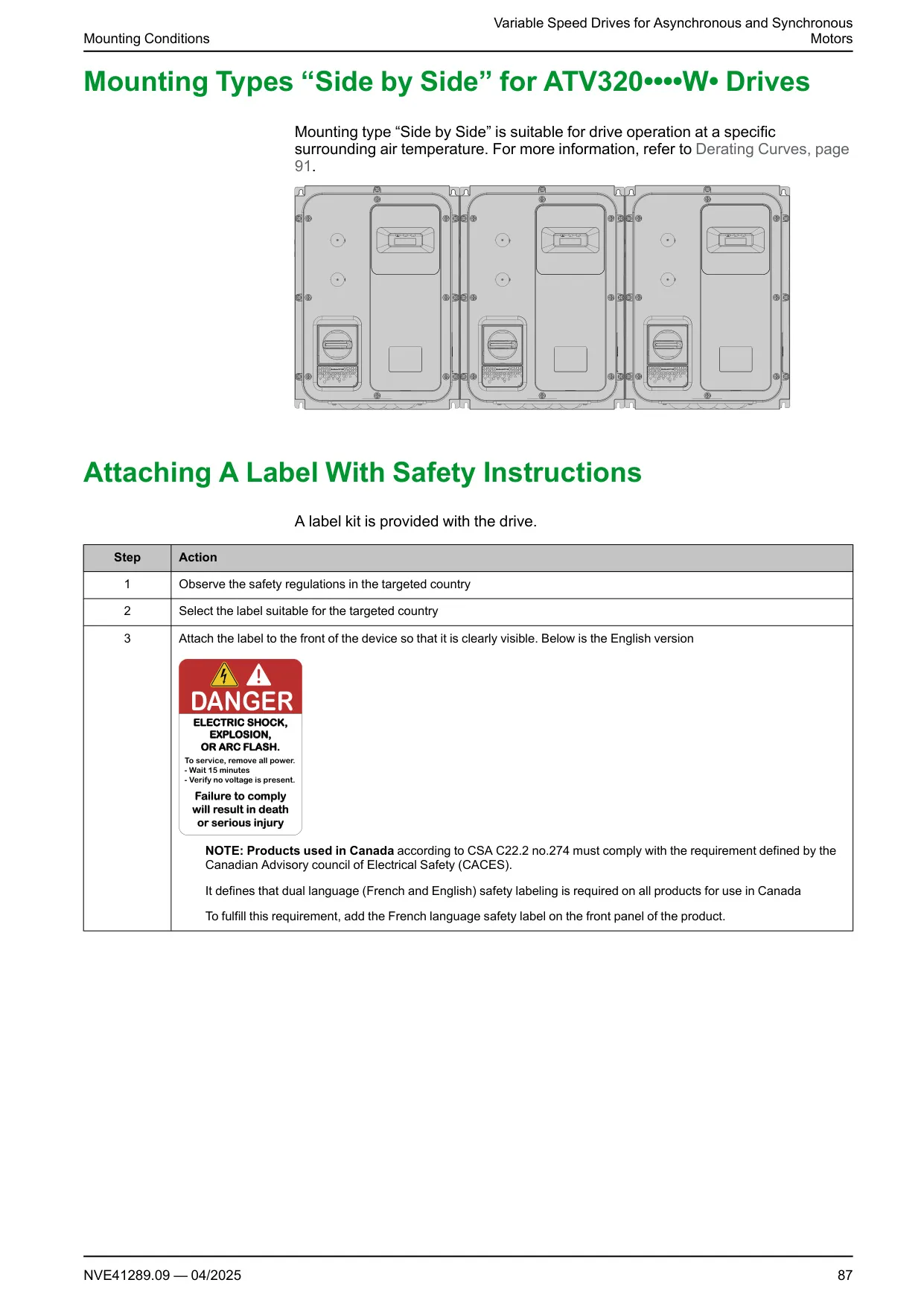
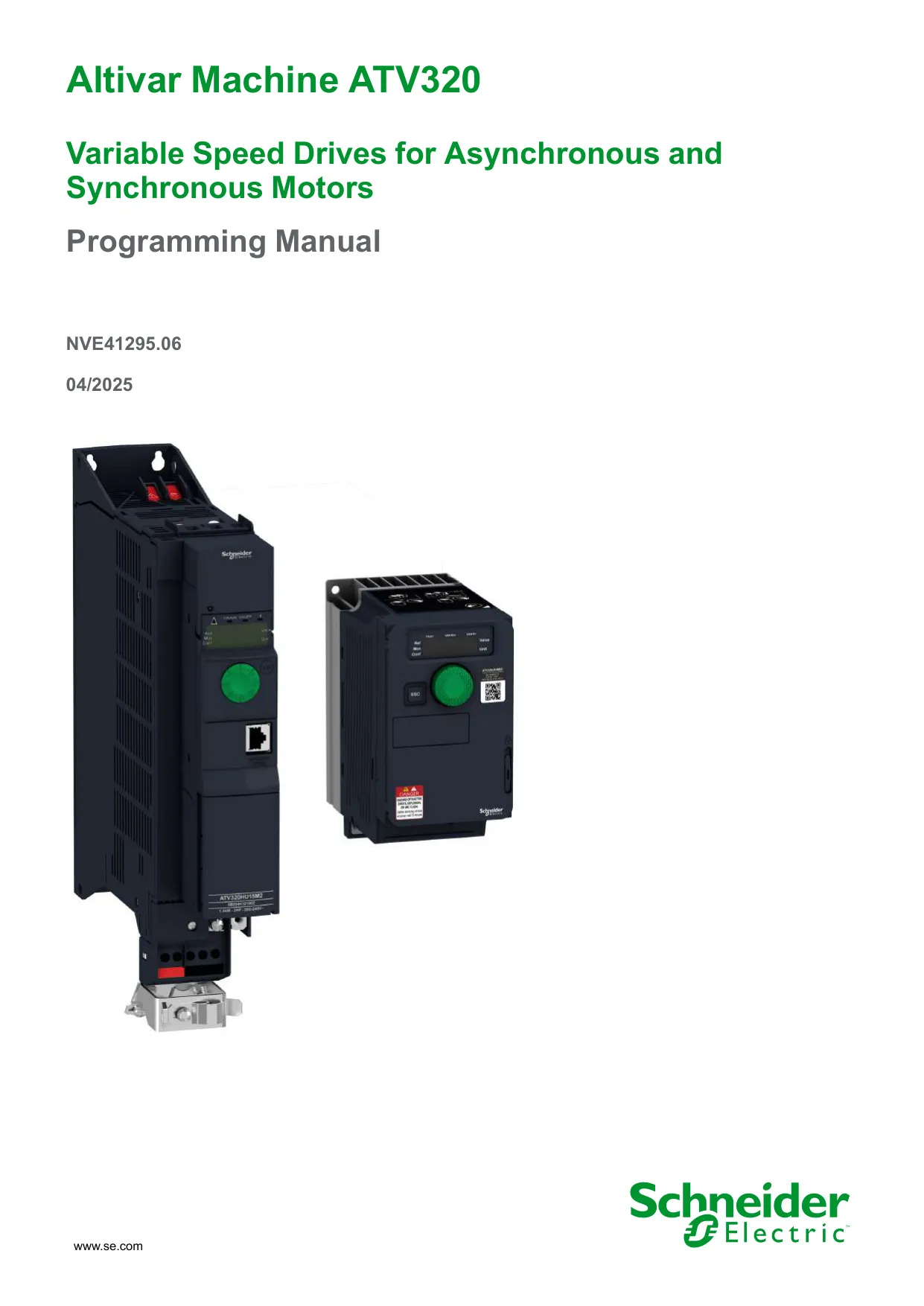
The Altivar 320 series offers remarkable versatility through its diverse form factors, catering to a wide array of installation needs. It comes in a "Book" format (e.g., 1B, 2B) for traditional cabinet mounting, a "Compact" format (e.g., 1C, 2C) for space-constrained applications, and specialized "Reinforced" IP66/IP65 versions (e.g., 1W, 2W) designed for harsh environments or wall-mounting. This variety ensures optimal integration into different machine designs, offering flexibility in both footprint and environmental protection. Each form factor is meticulously designed to provide efficient cooling and easy accessibility for wiring and maintenance.
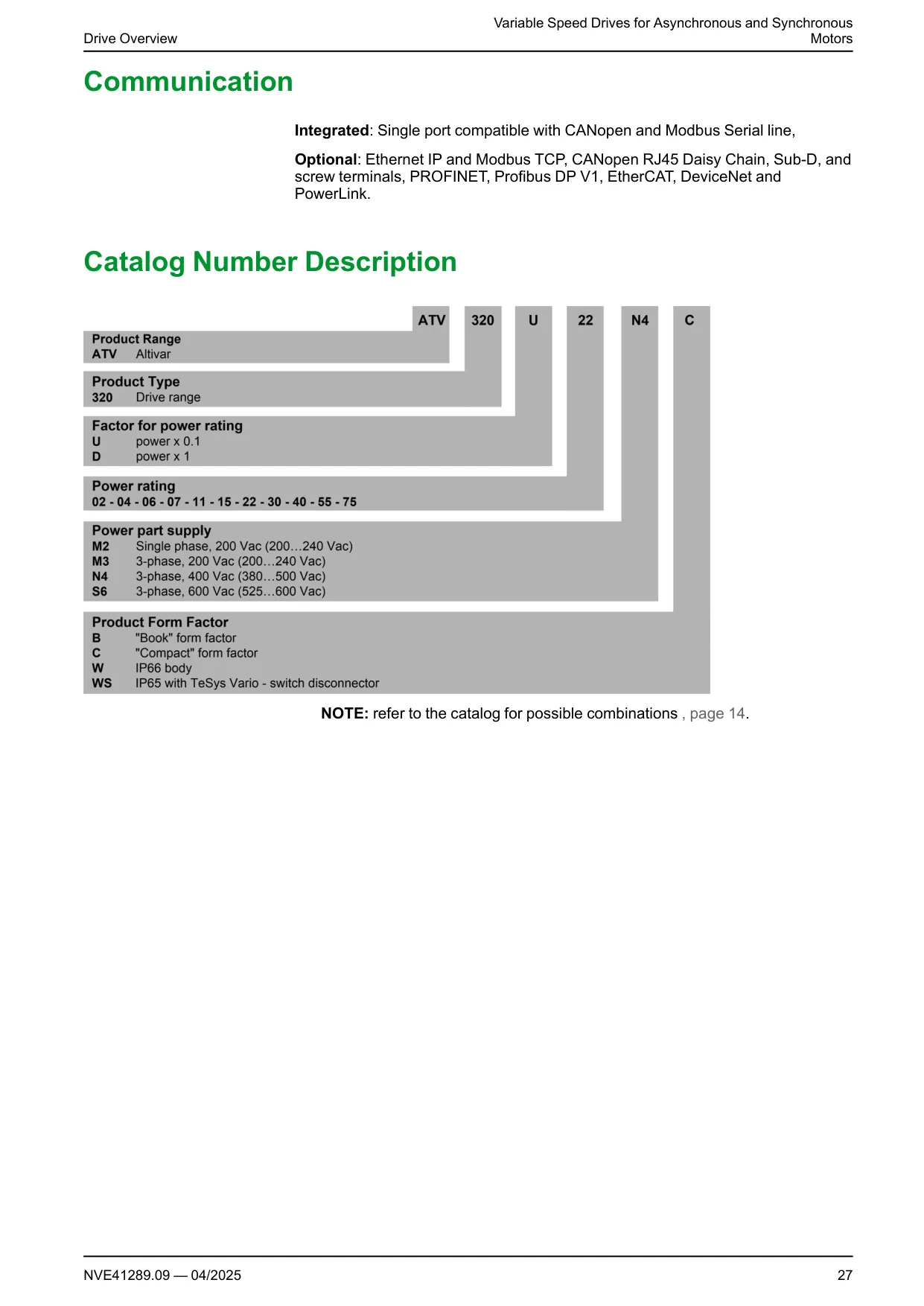
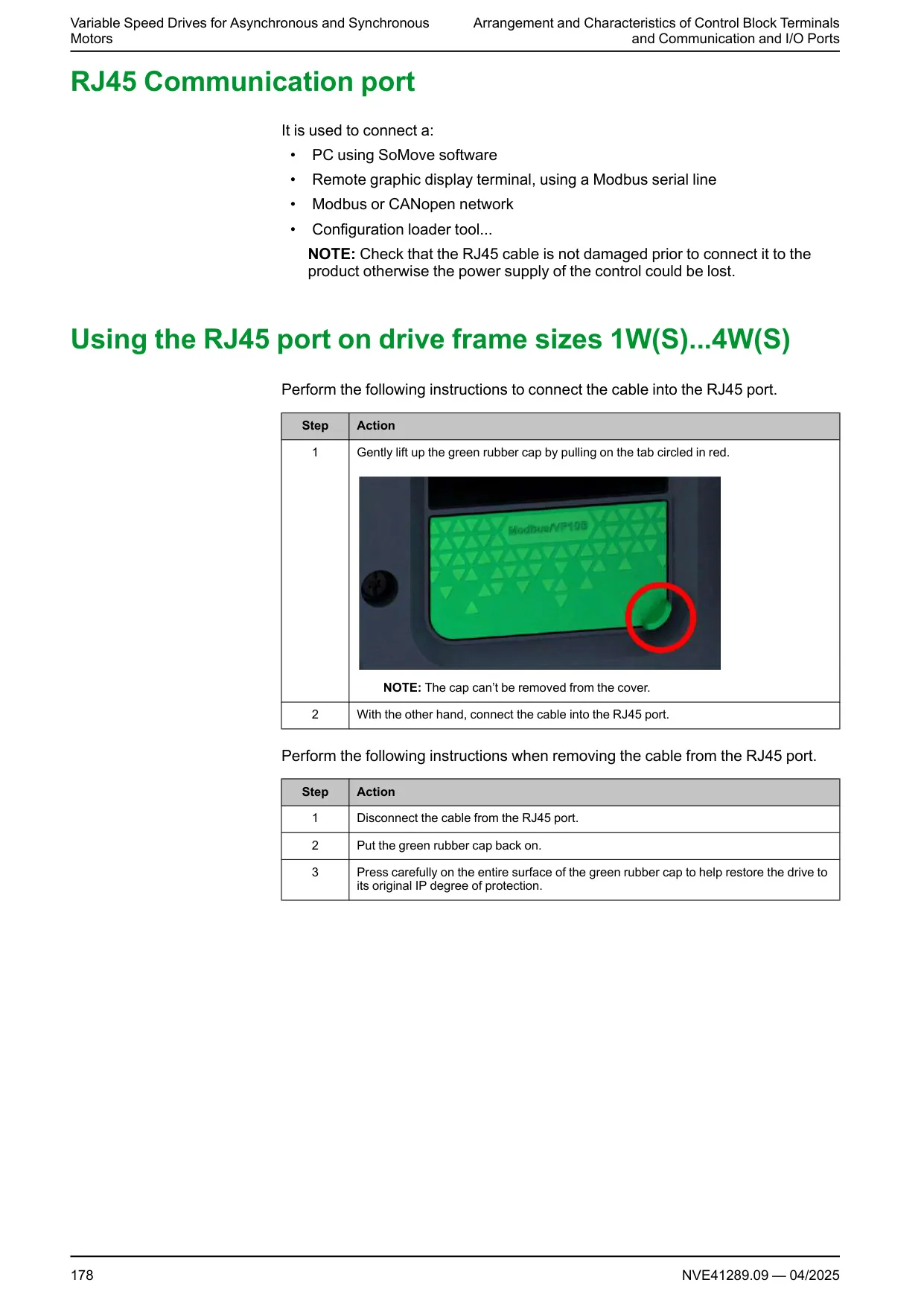
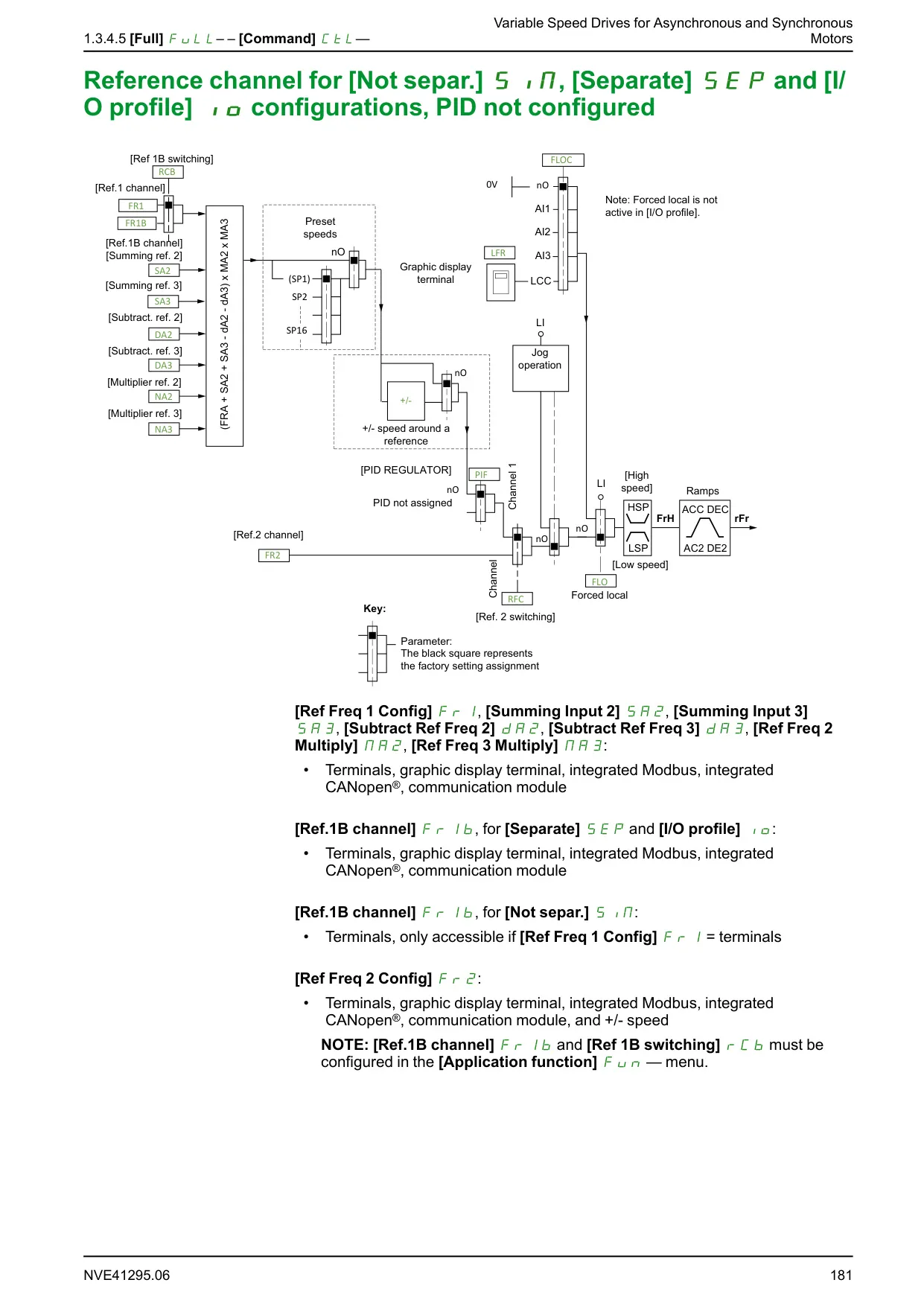
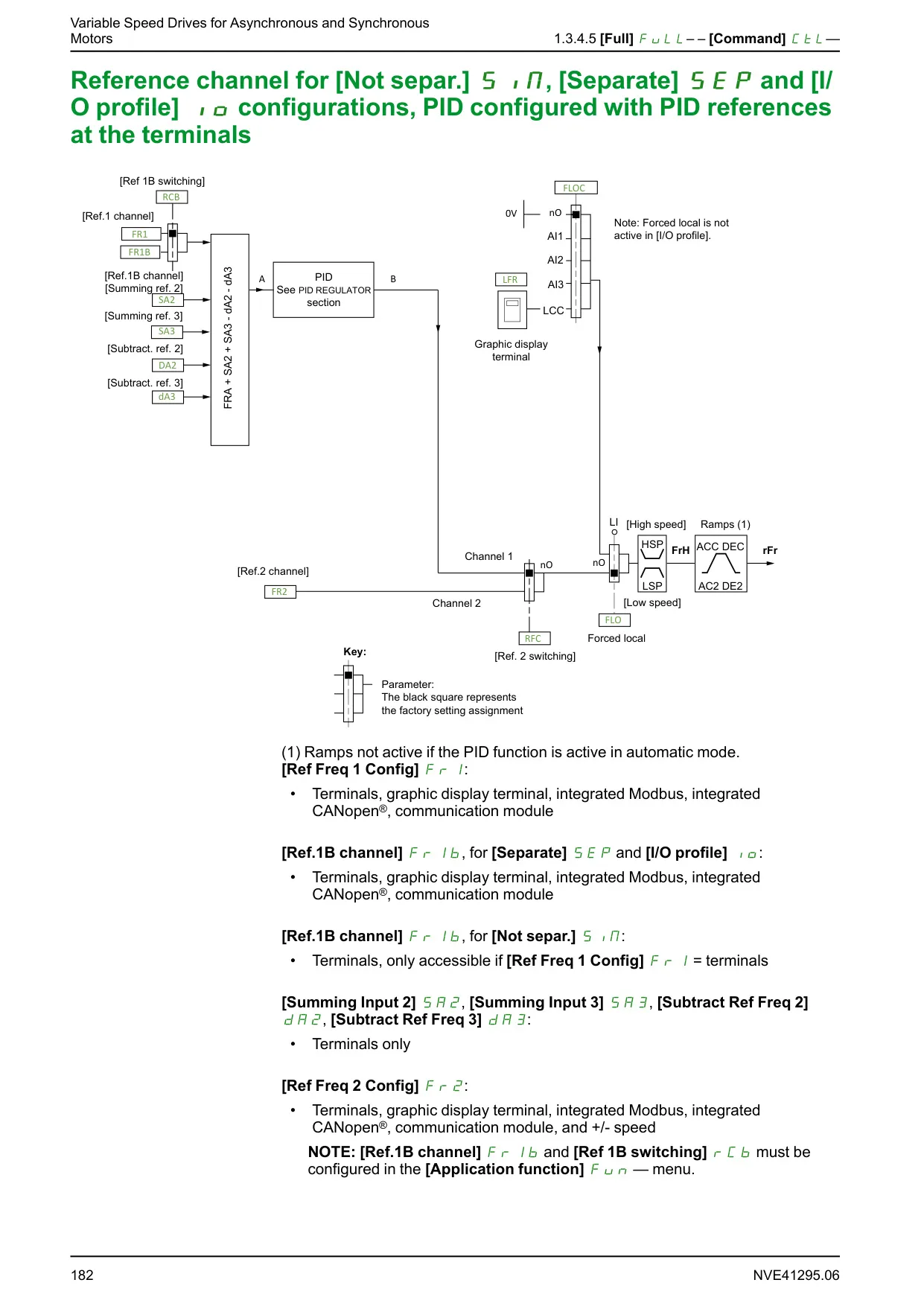
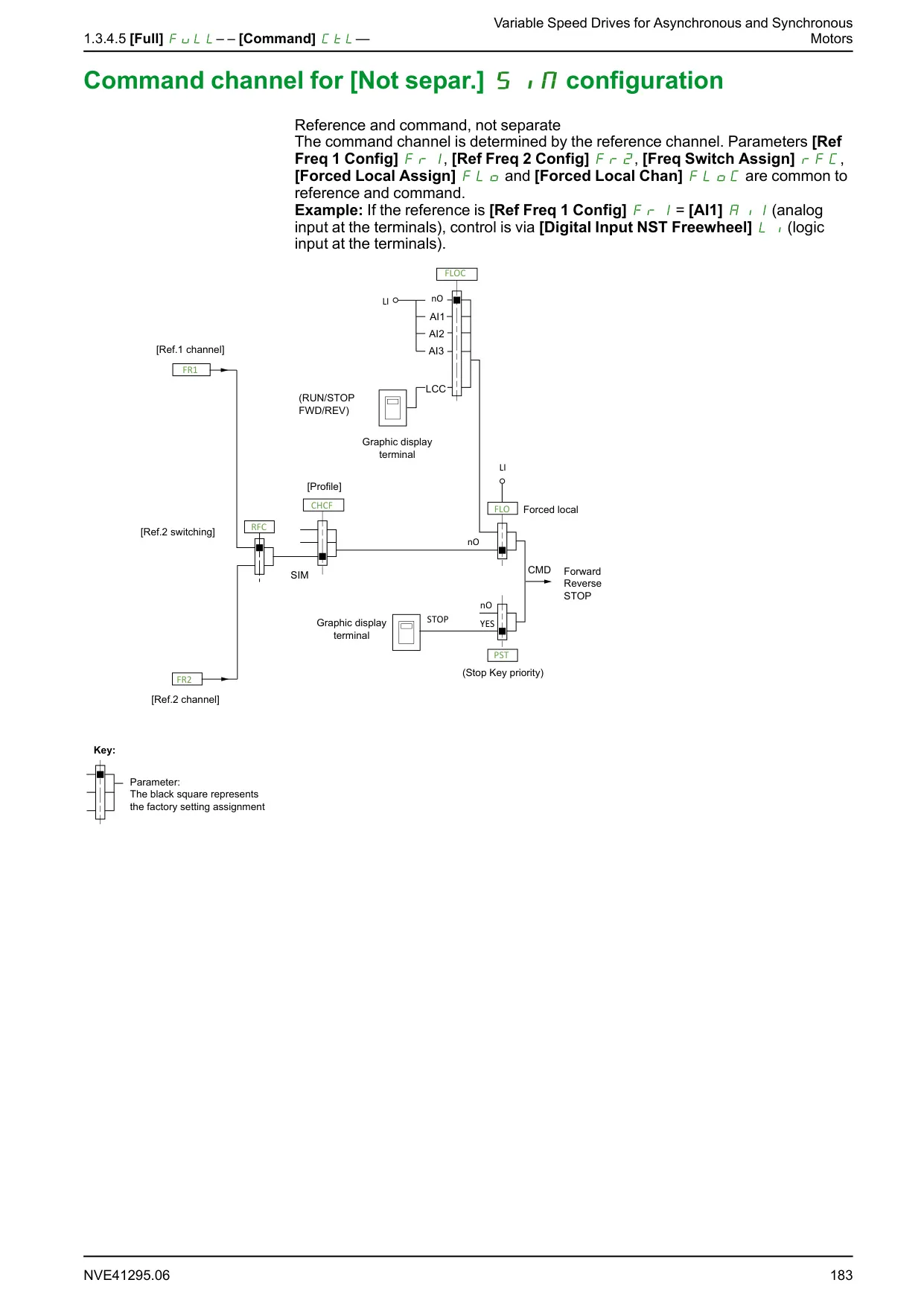
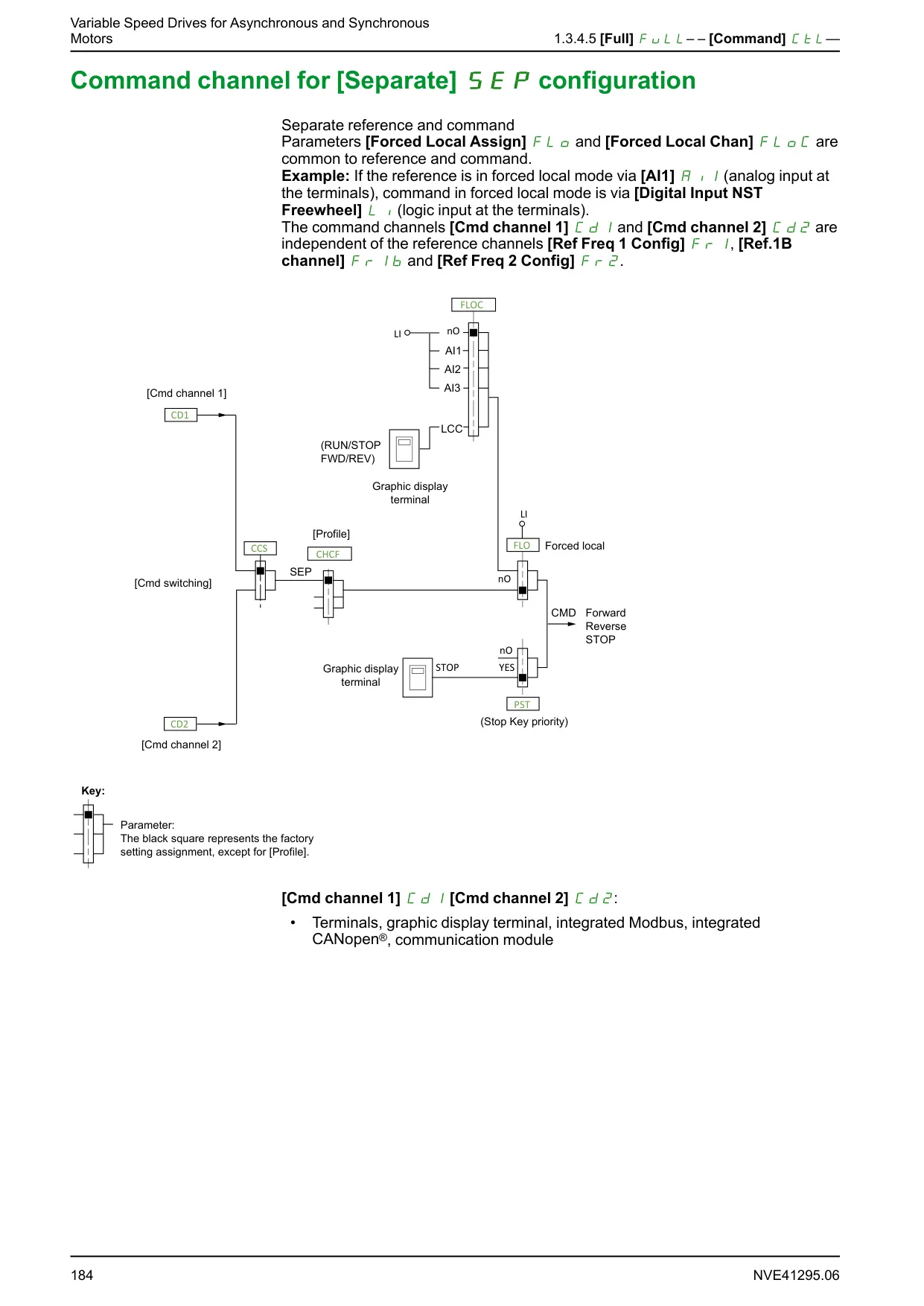
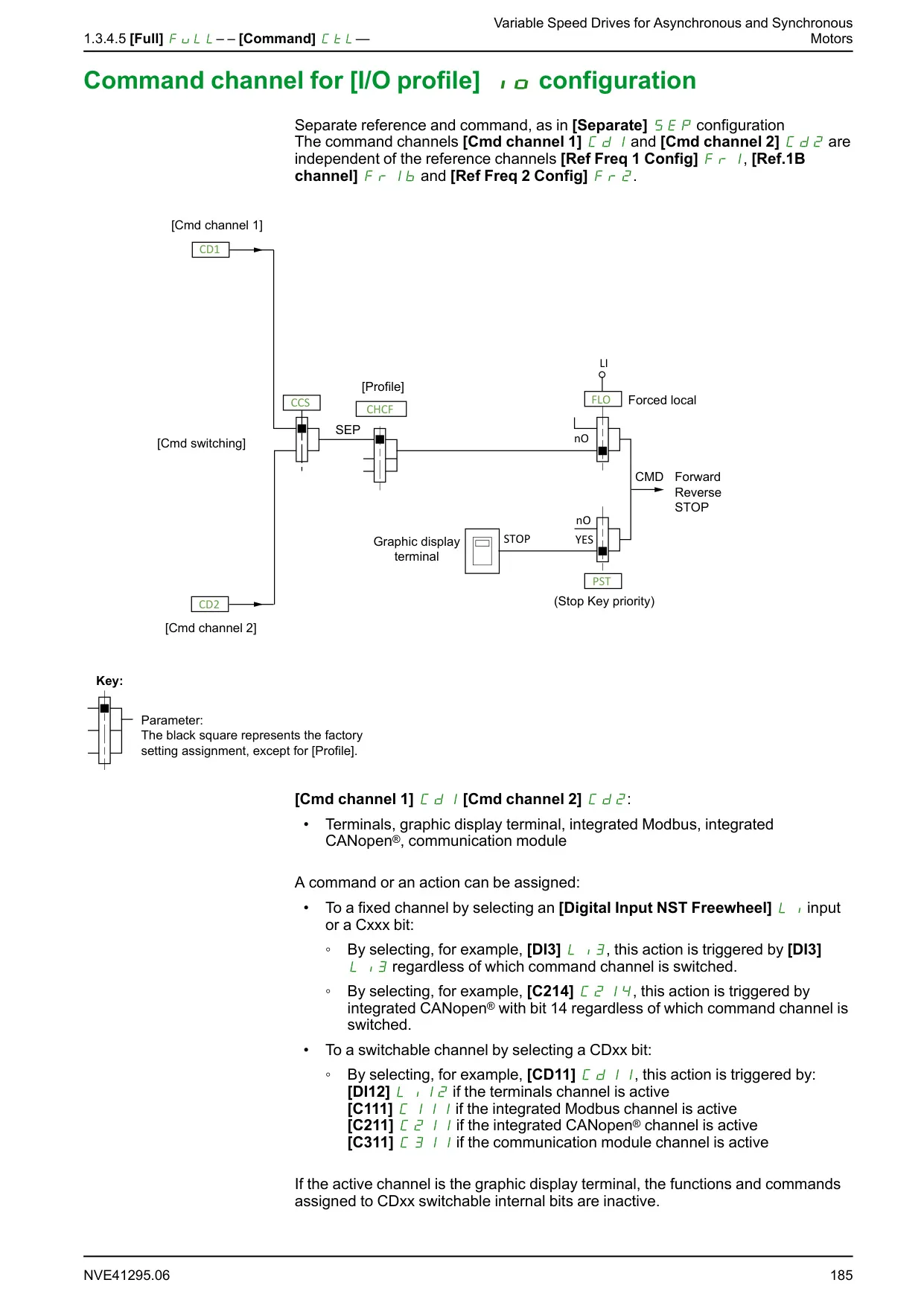
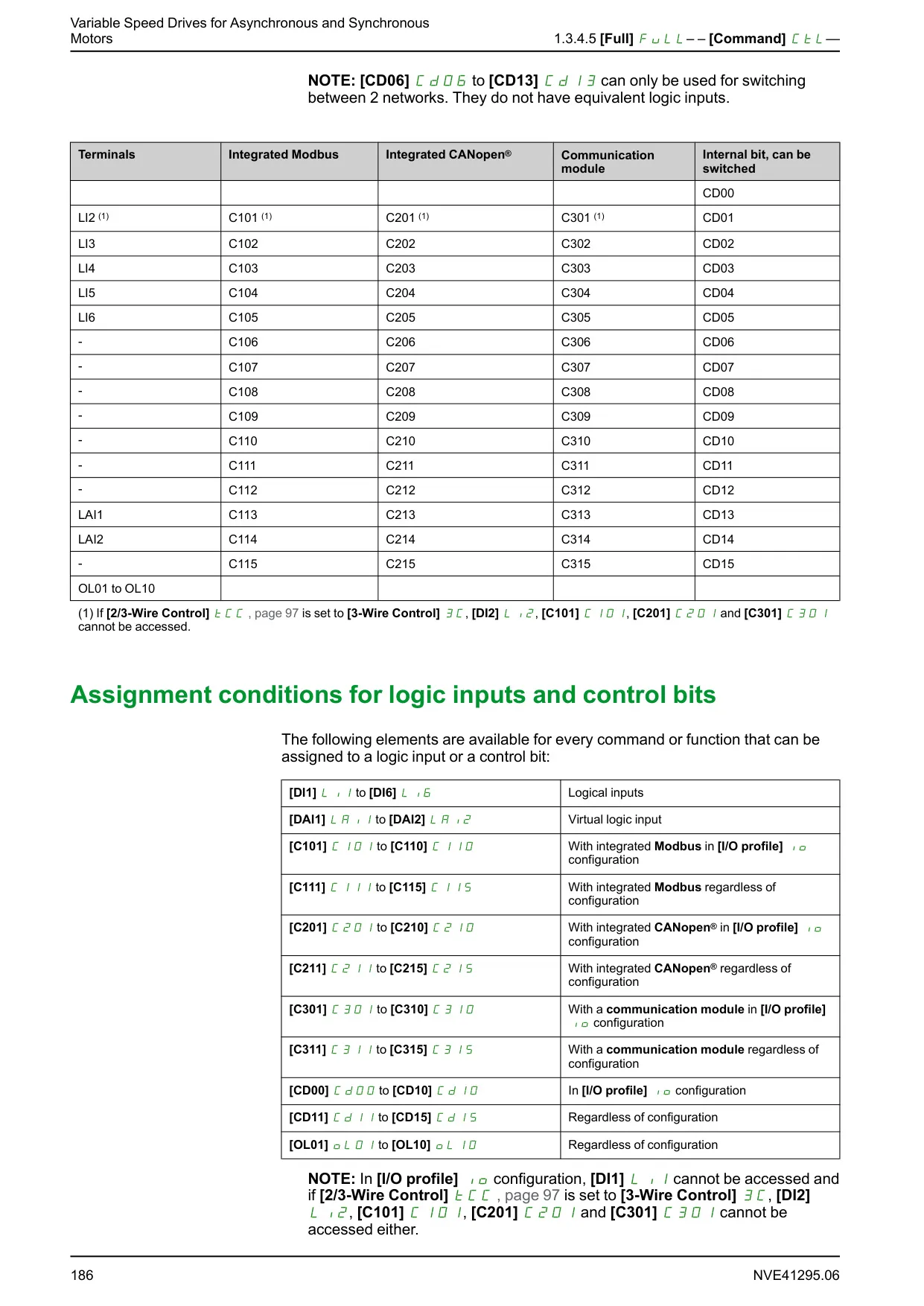
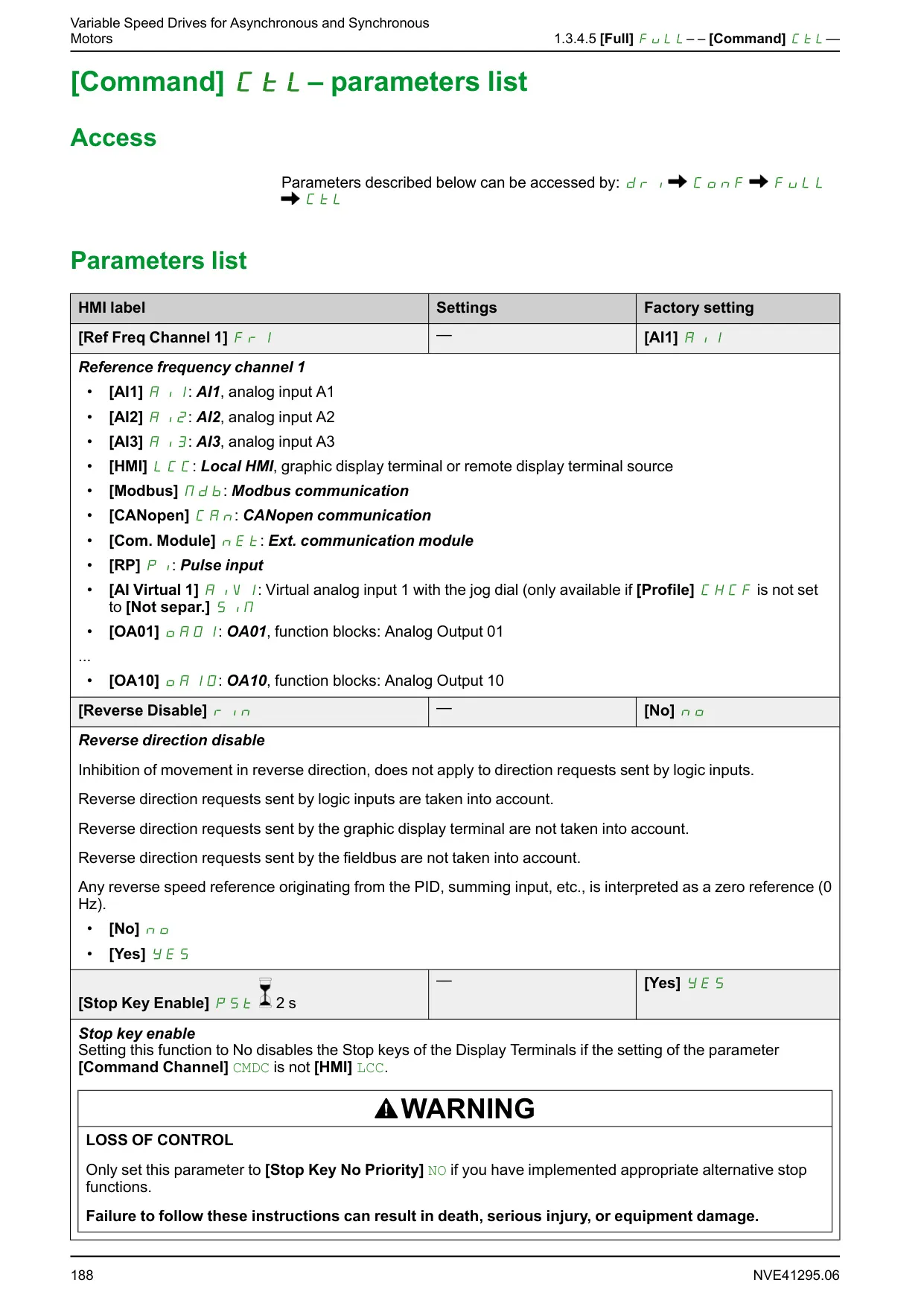
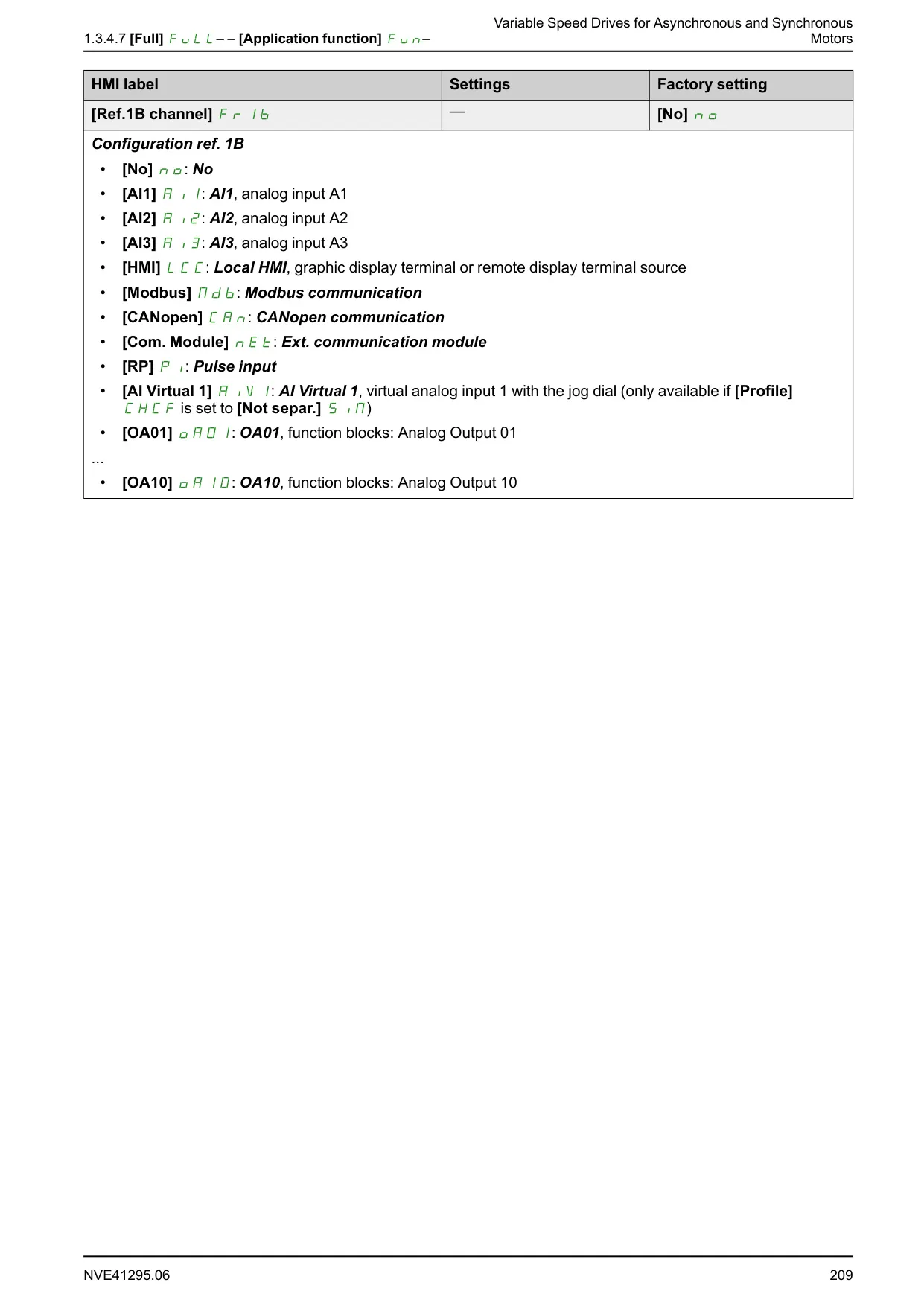
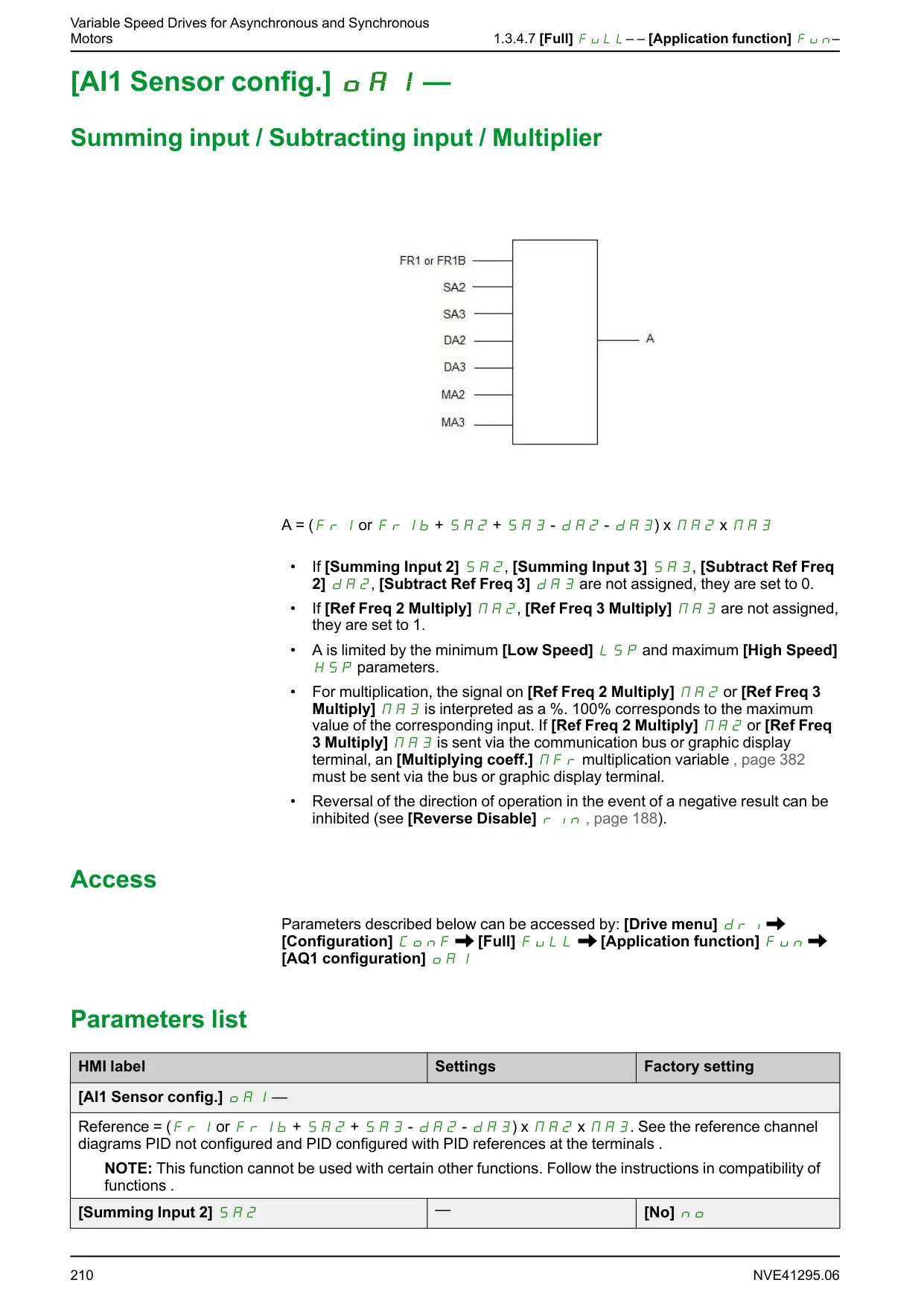
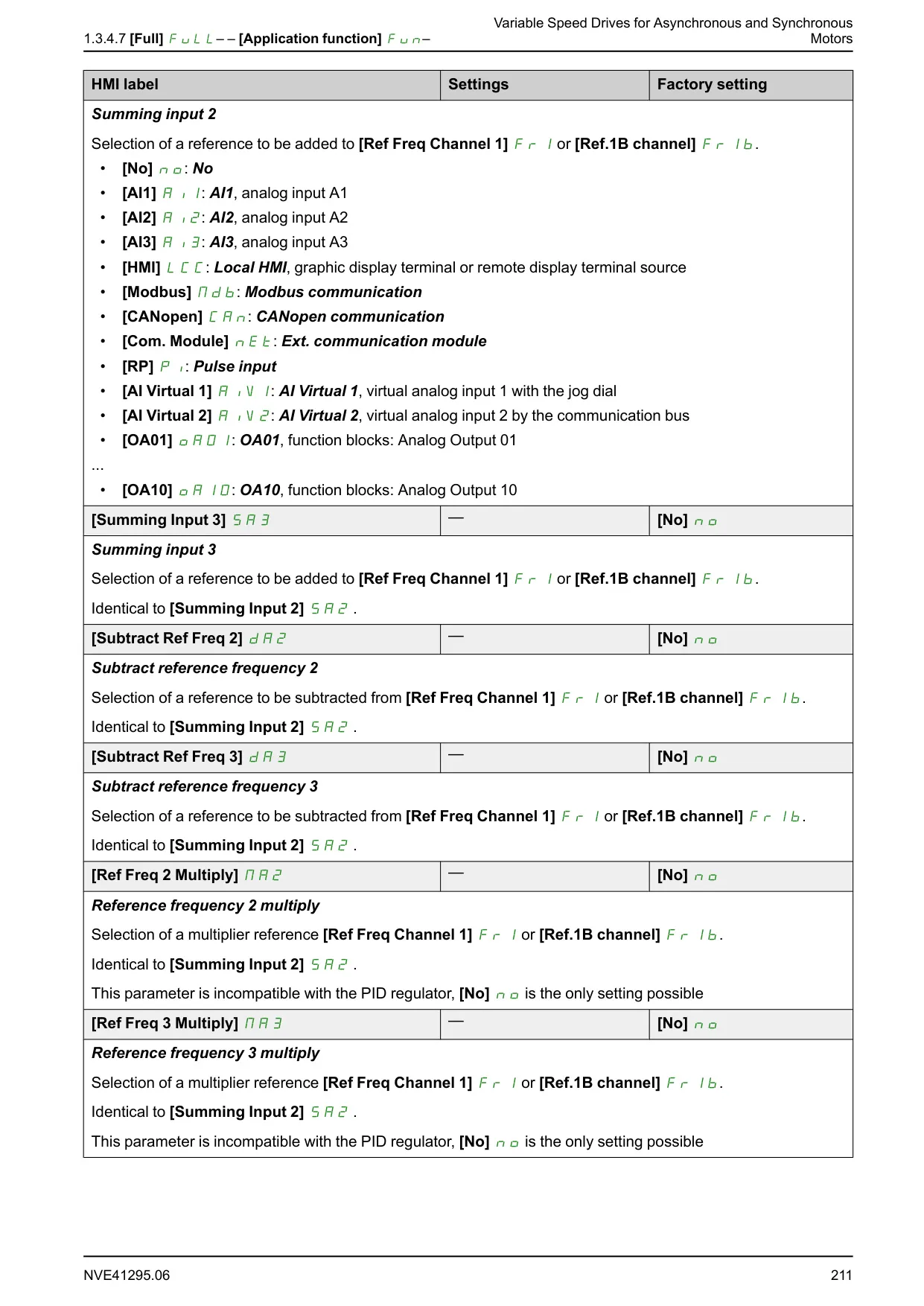
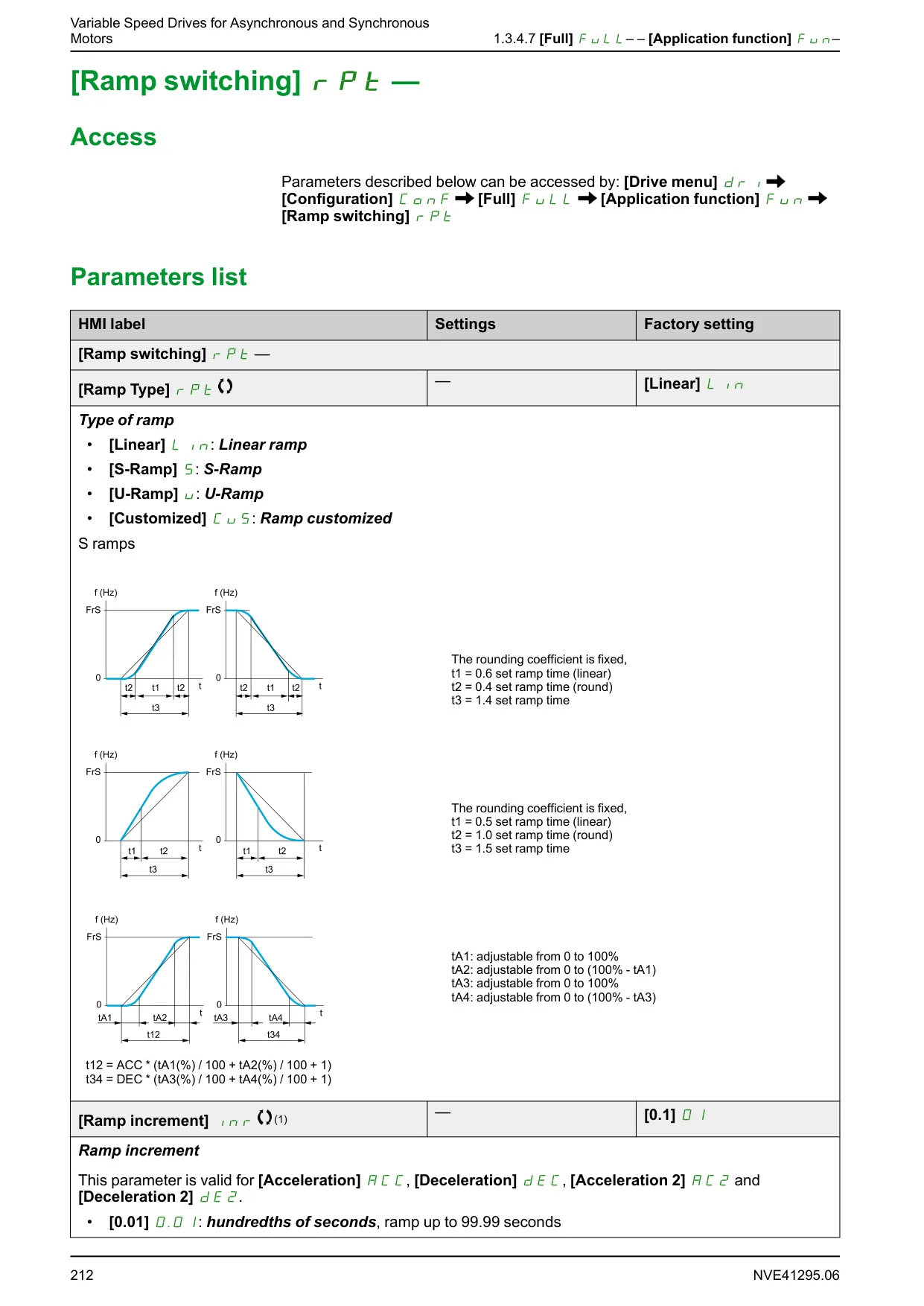
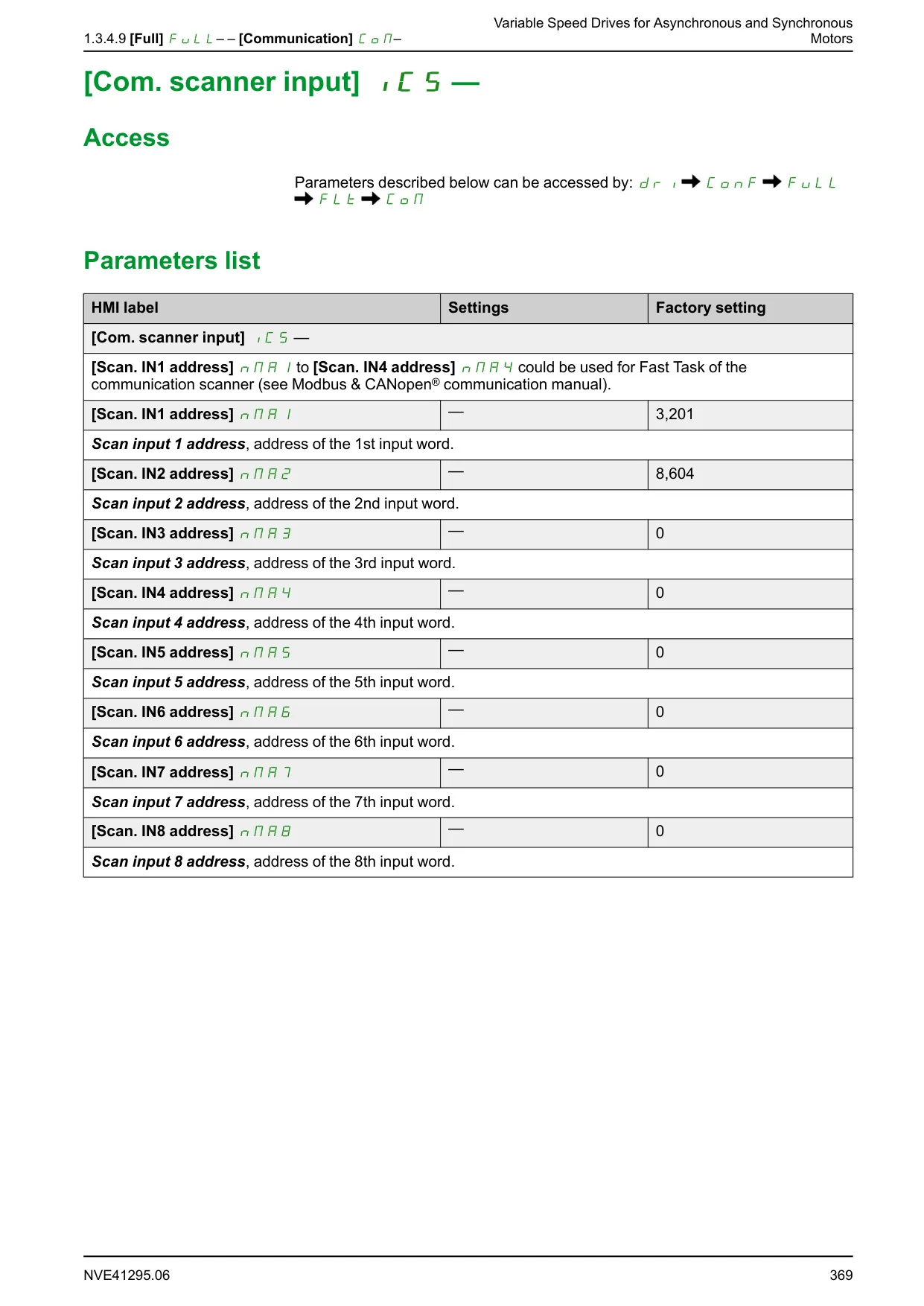
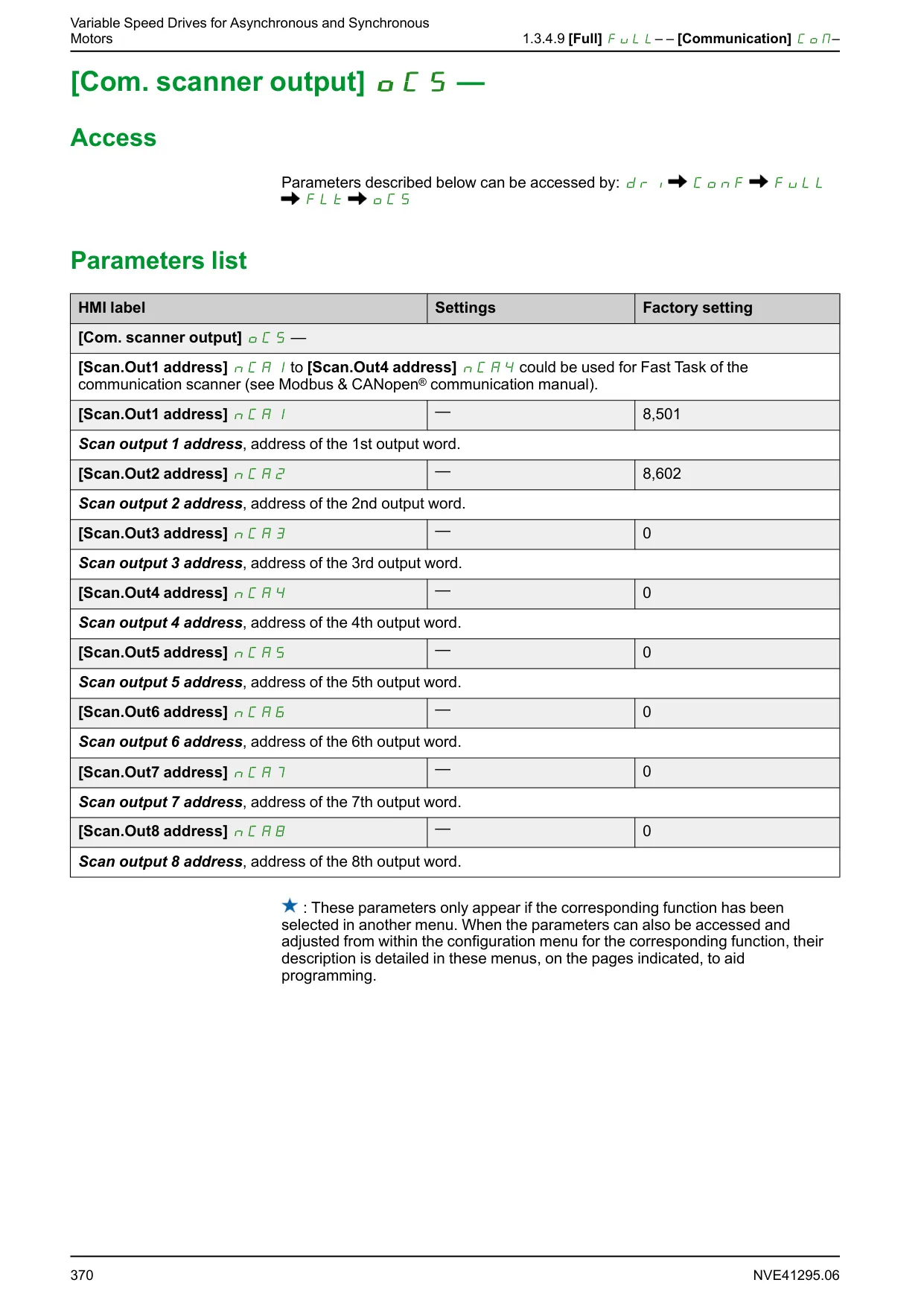
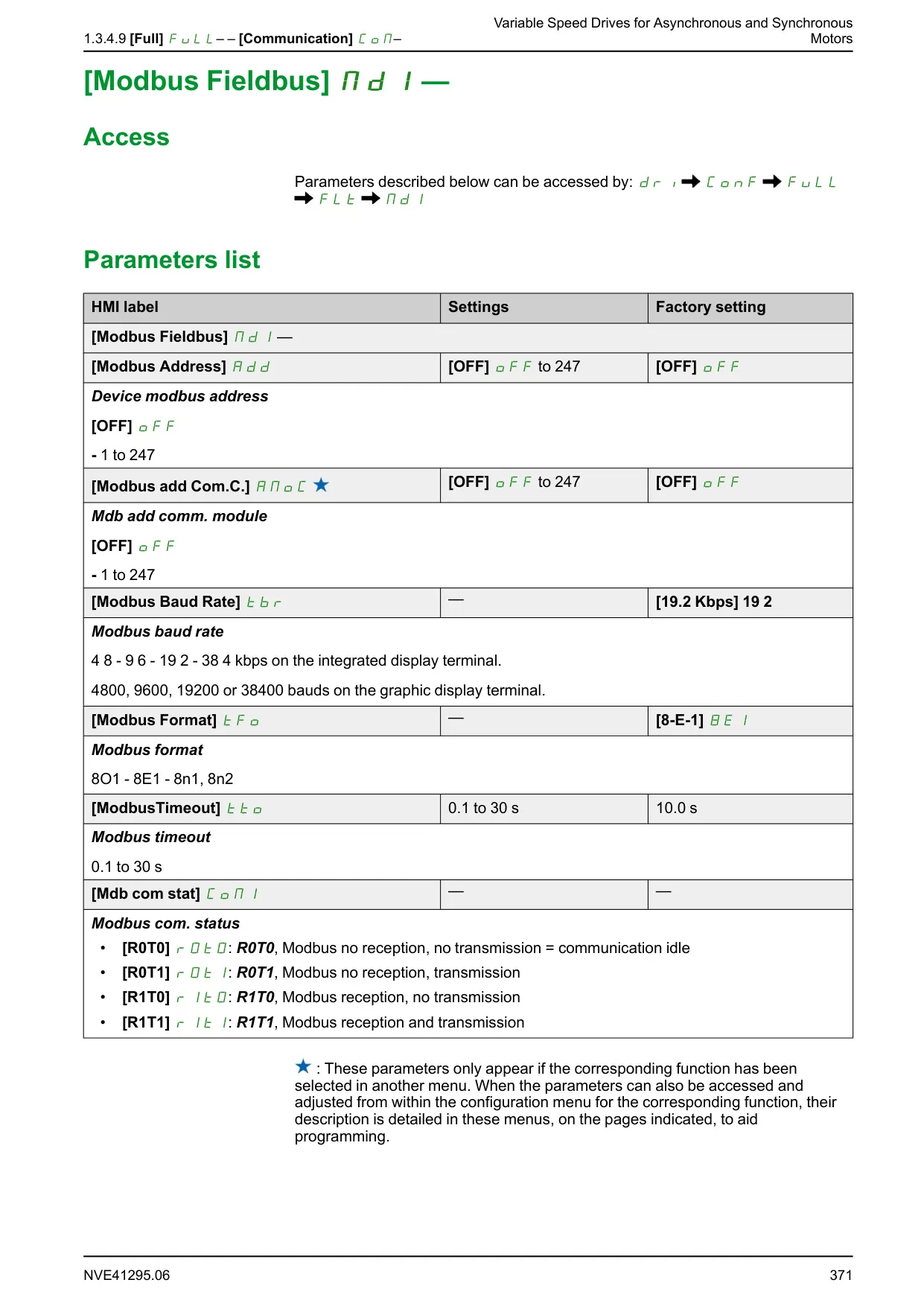
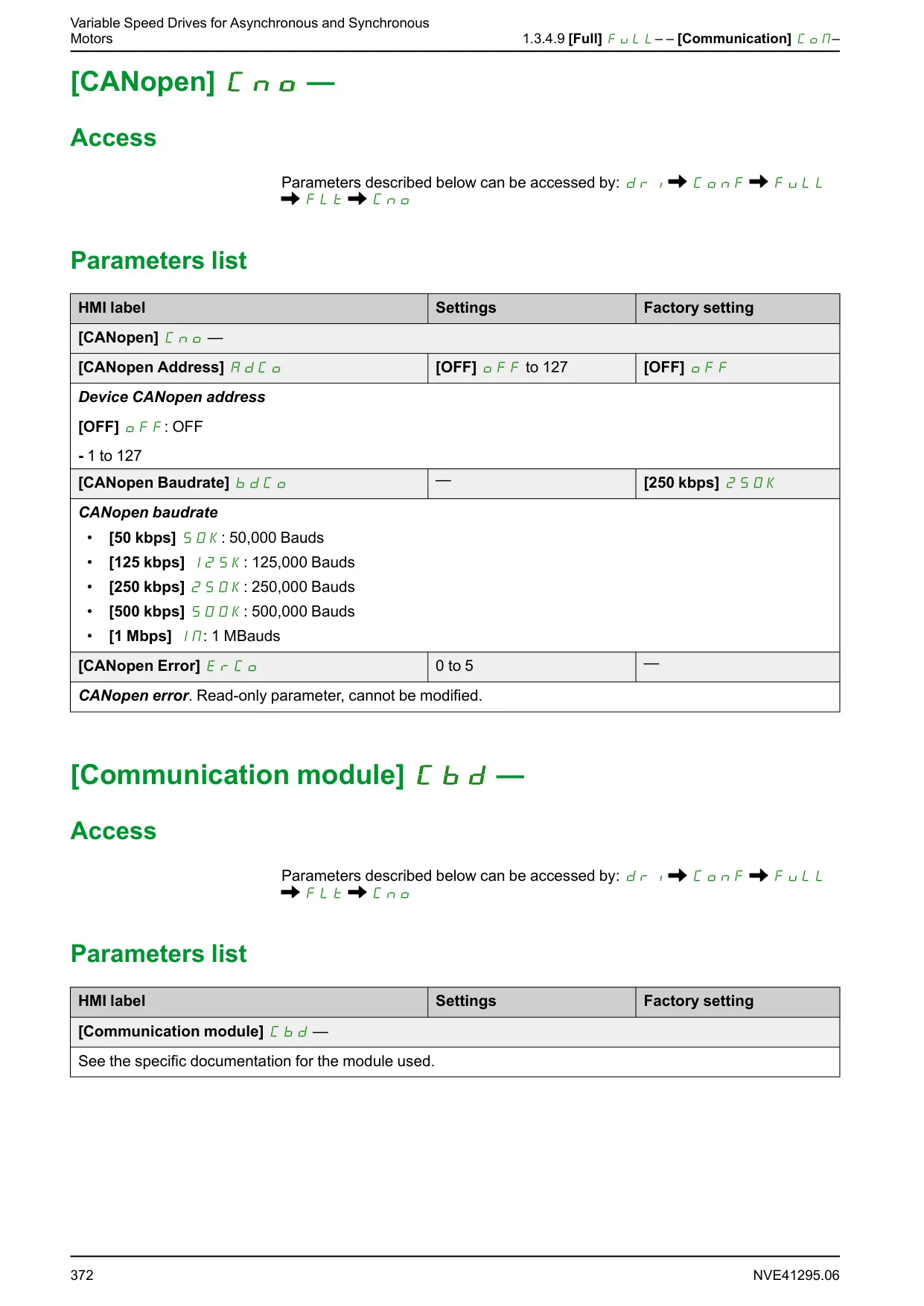
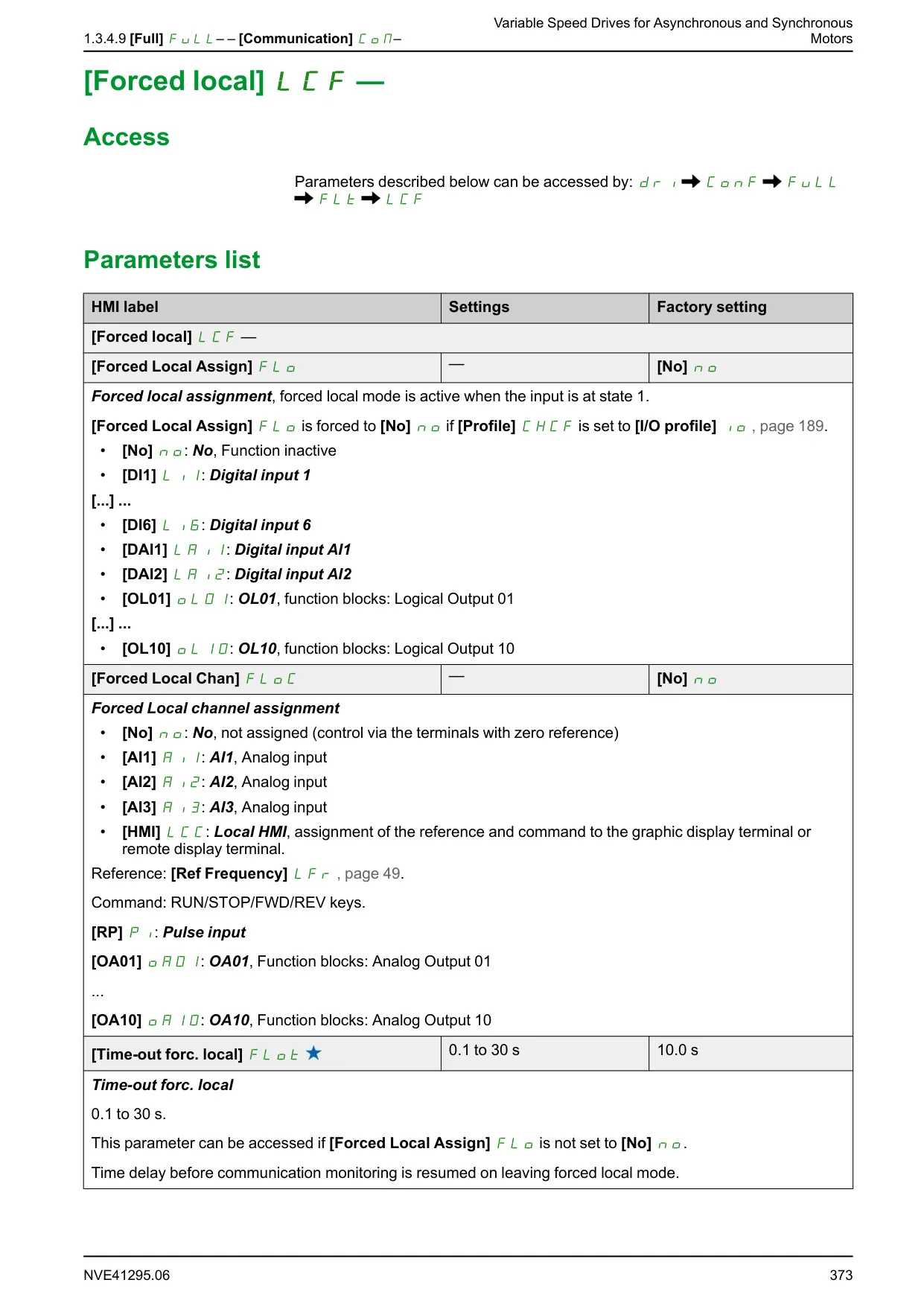
Beyond its core motor control, the Altivar 320 excels in connectivity. It features integrated communication capabilities, including CANopen and Modbus Serial Link, available via a single port. For advanced network integration, a comprehensive range of optional fieldbus modules is supported, such as Ethernet IP, Modbus TCP, PROFINET, Profibus DP V1, EtherCAT, DeviceNet, and PowerLink. This extensive communication suite allows seamless integration into complex automation architectures, facilitating precise control, data exchange, and remote monitoring, thereby enhancing operational efficiency and system diagnostics.
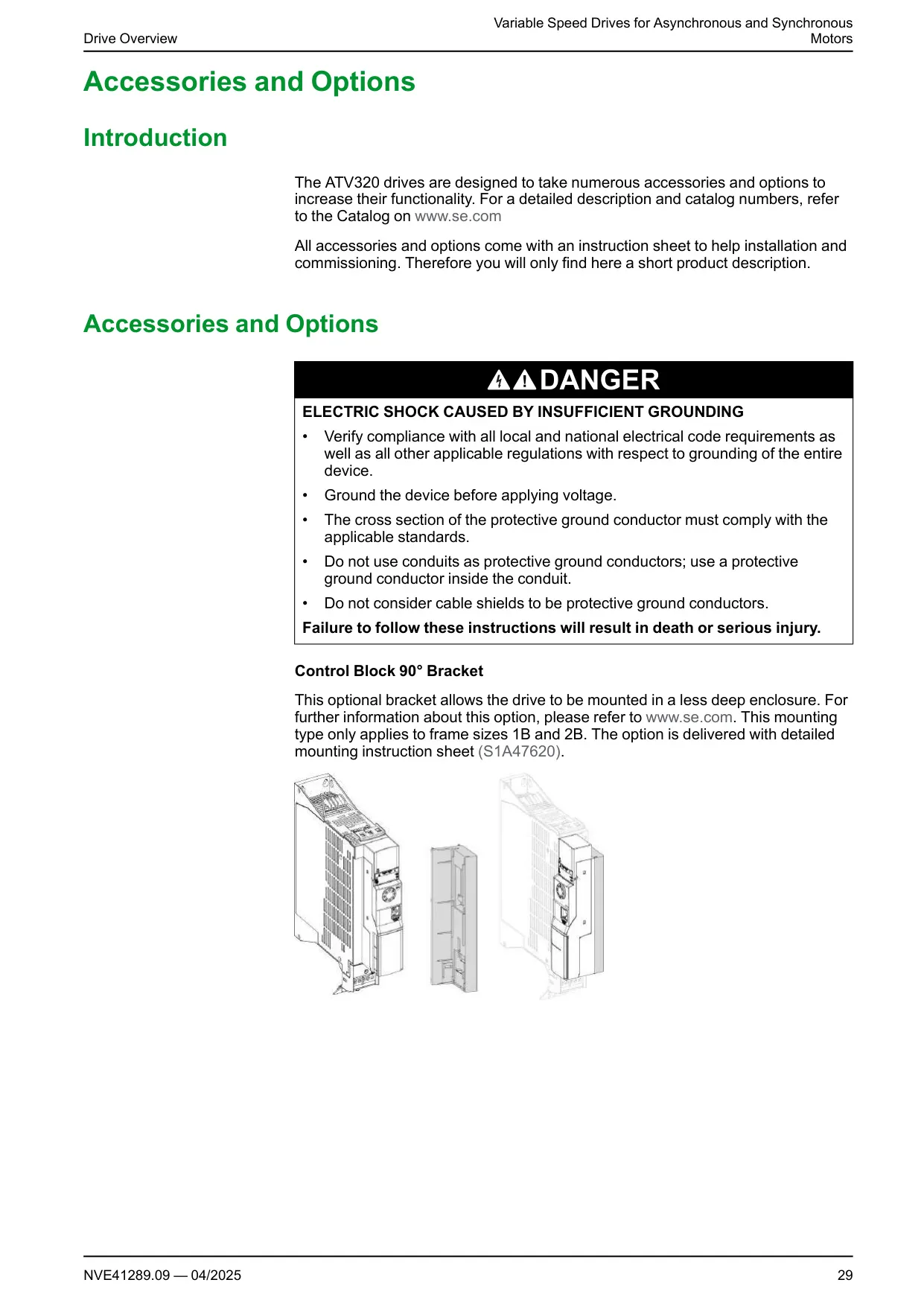
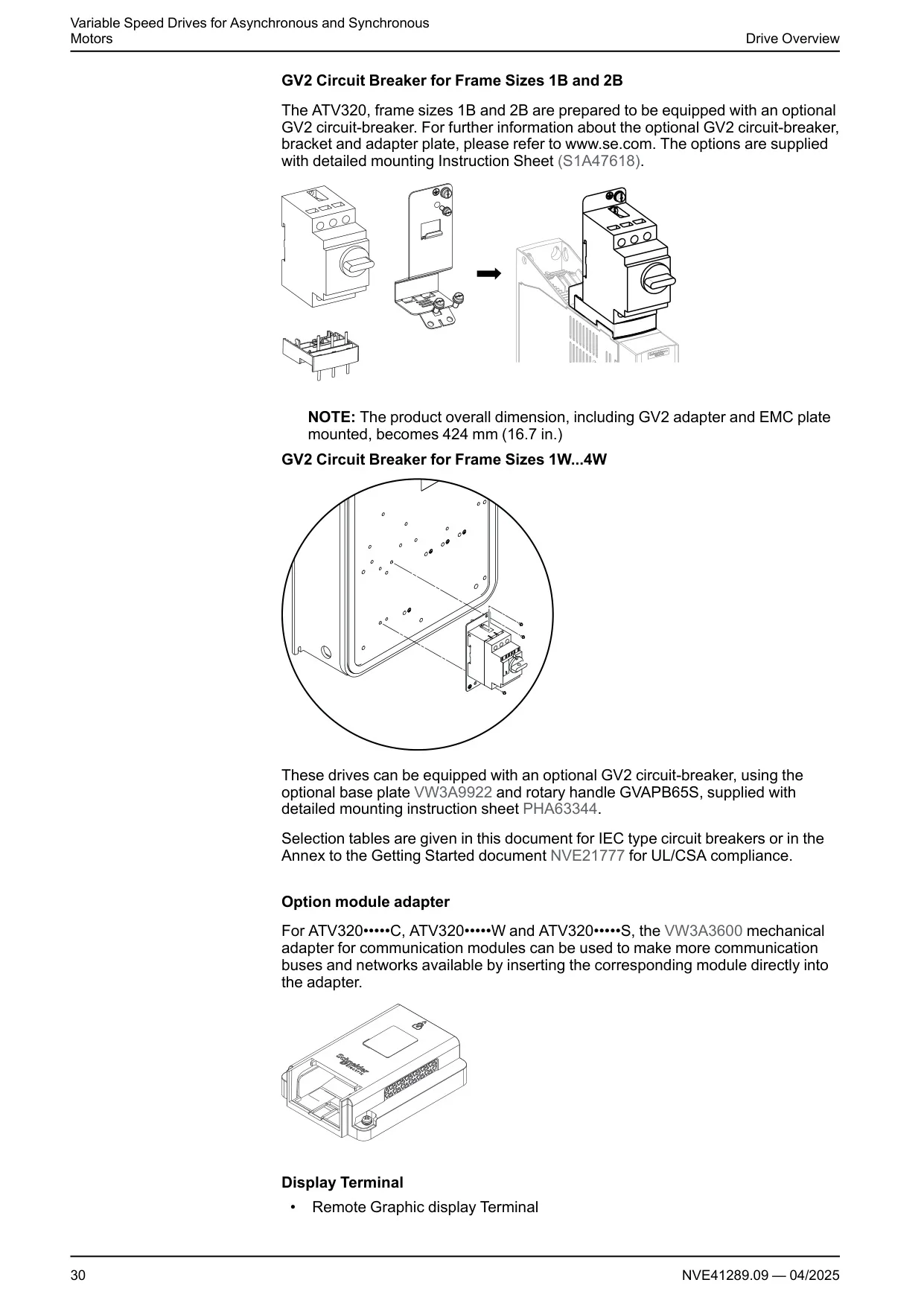
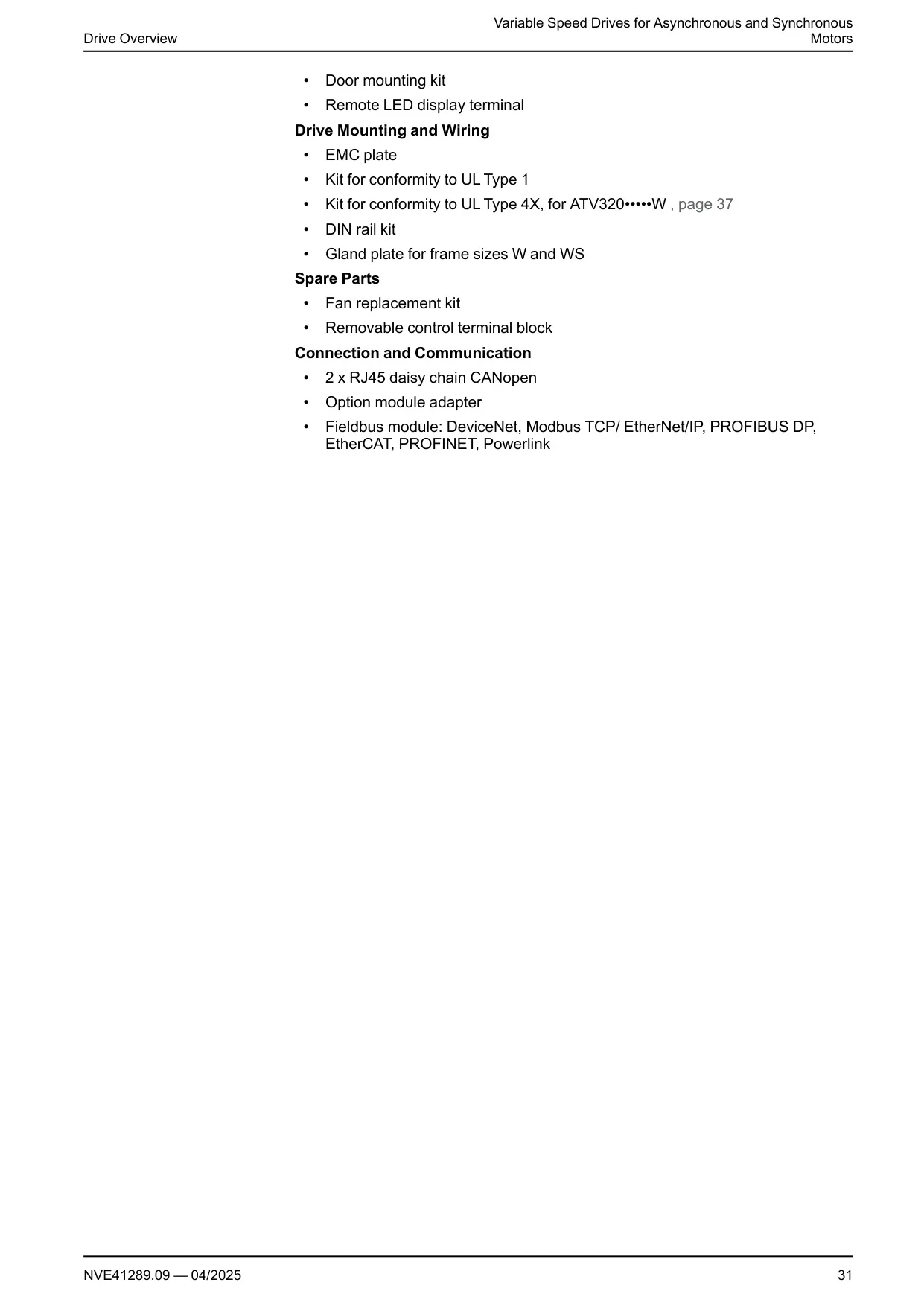
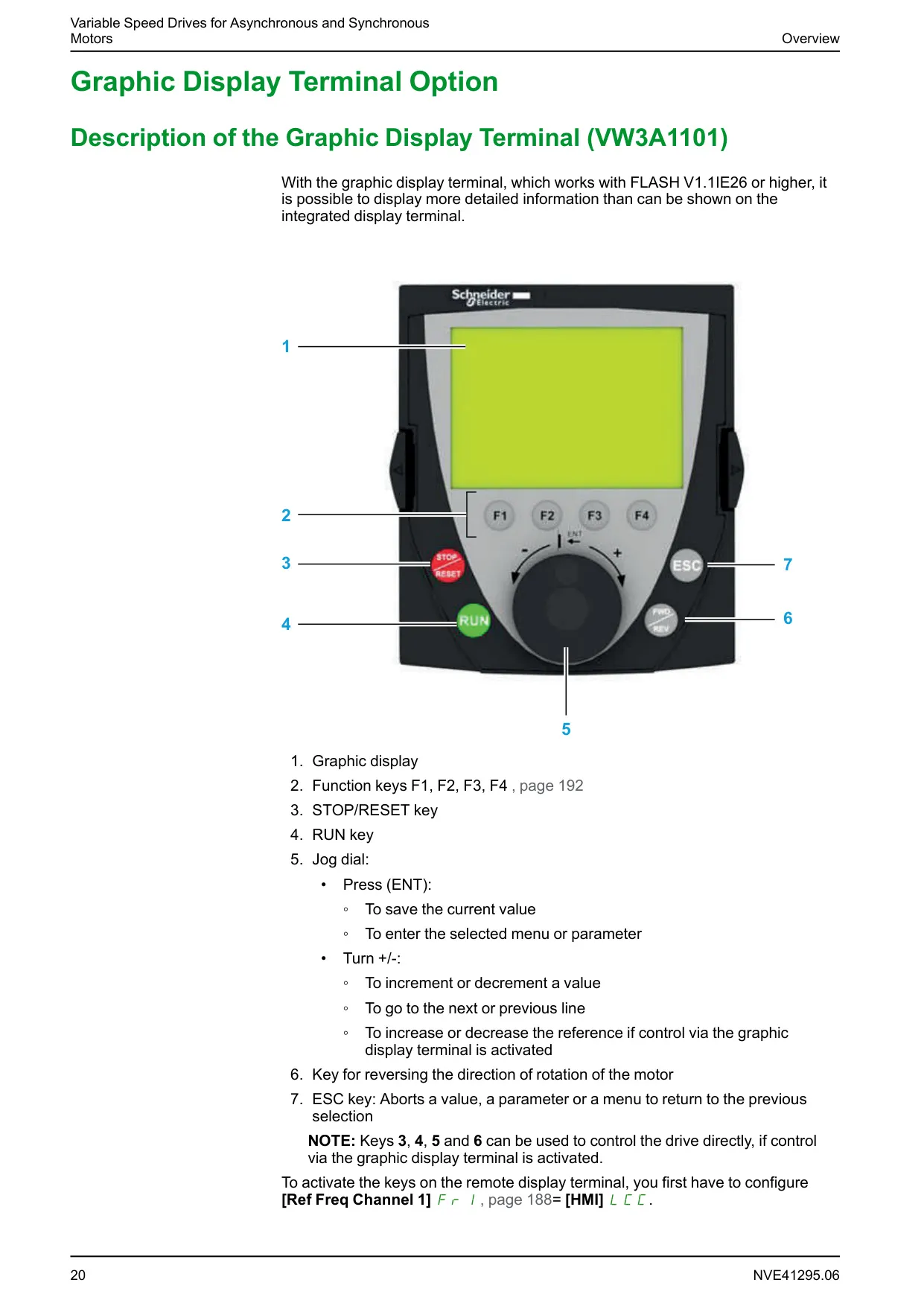
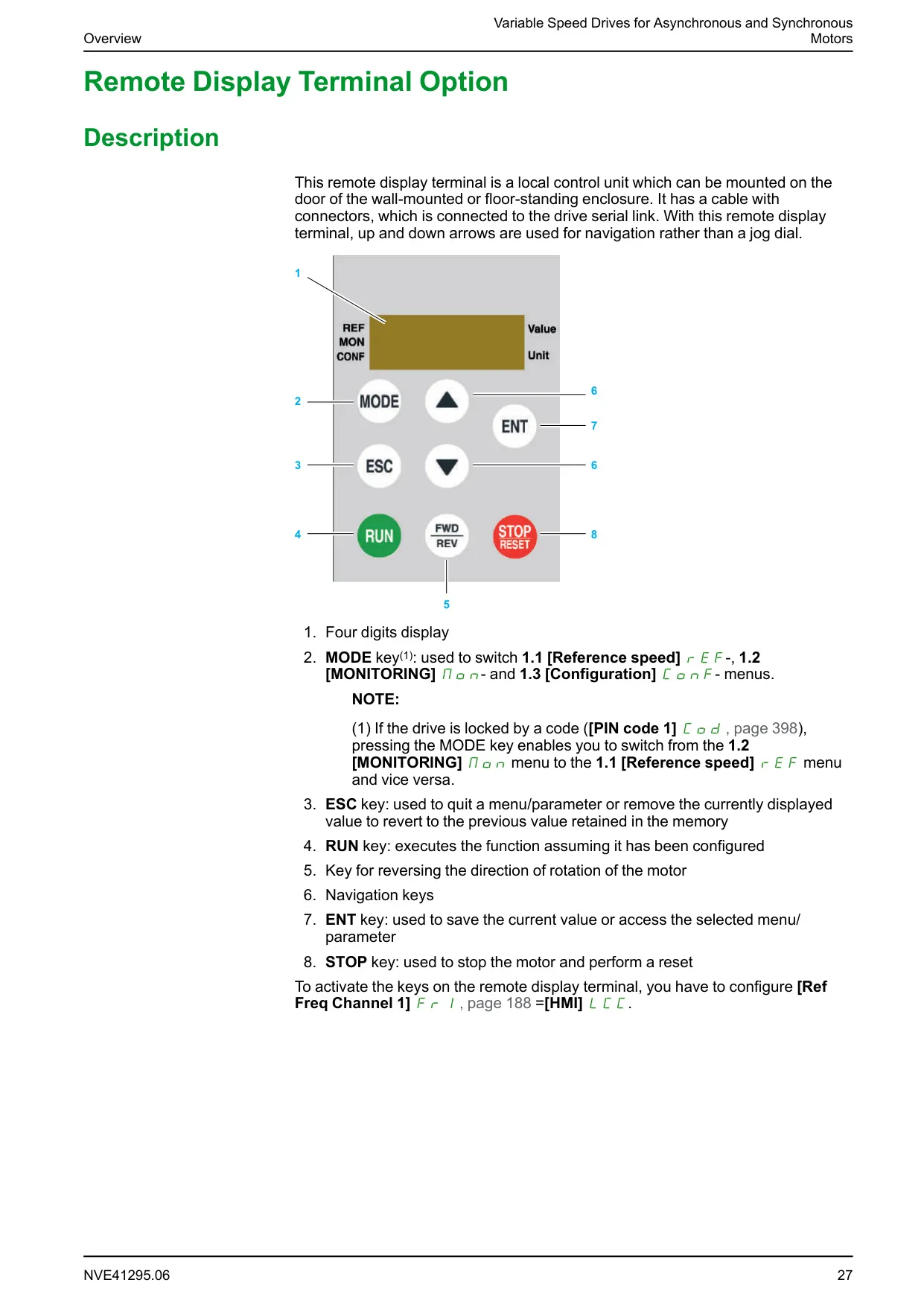
The drive's functionality can be significantly expanded with various accessories. Options include a Control Block 90° Bracket for reduced enclosure depth, and specialized GV2 Circuit Breakers designed for seamless integration and enhanced protection. Users can also add an Option Module Adapter for additional communication modules, or choose between remote graphic and LED display terminals for improved HMI flexibility. These accessories allow for tailored solutions, optimizing installation, operation, and user interface according to specific application demands.
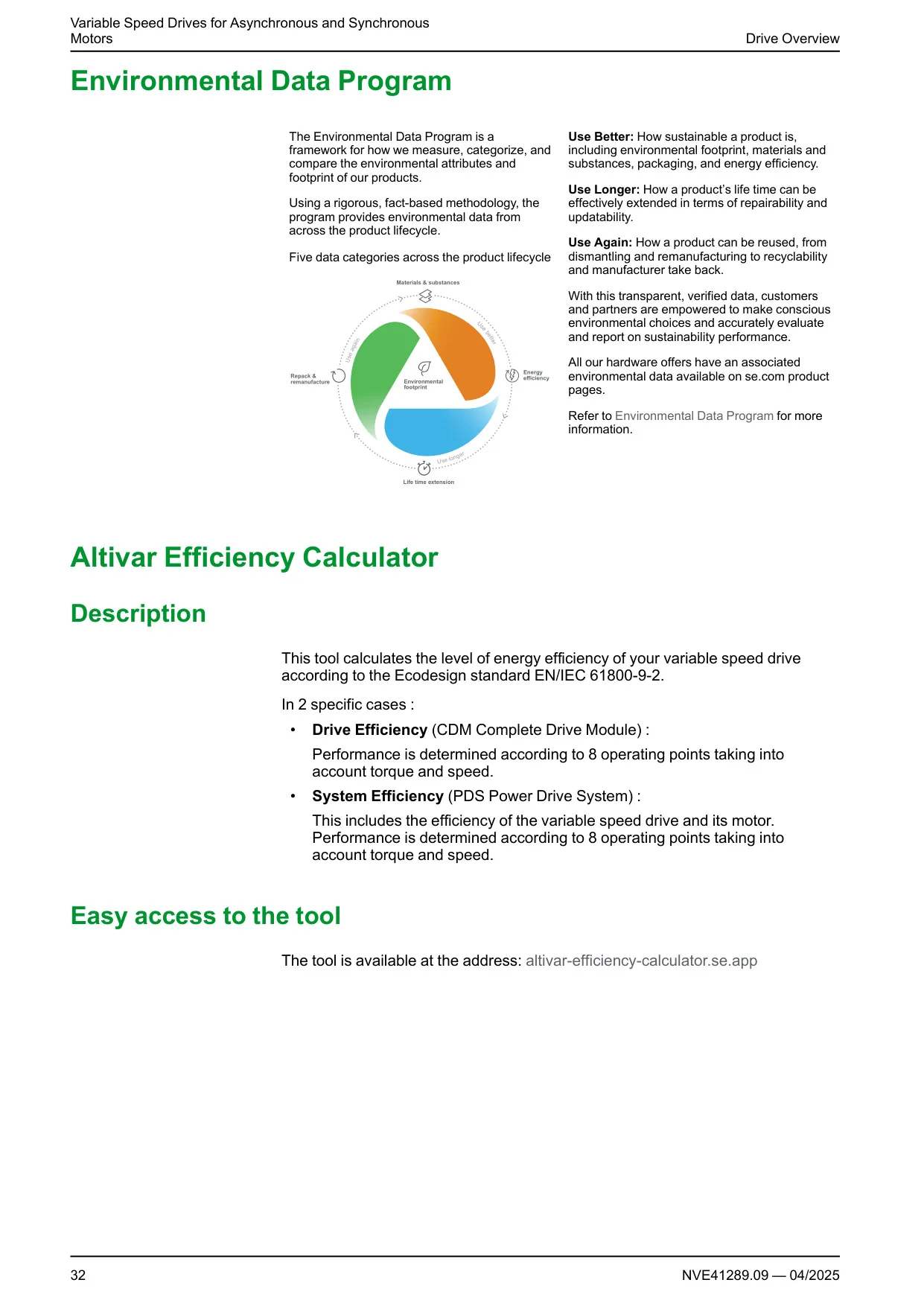
Schneider Electric supports the Altivar 320 with robust software and tools to streamline deployment and optimize performance. The SoMove software simplifies configuration, while the Environmental Data Program provides transparent lifecycle information on sustainability. Crucially, the Altivar Efficiency Calculator assists in assessing the drive's energy efficiency in accordance with the Ecodesign standard EN/IEC 61800-9-2, enabling users to make informed decisions for energy-saving initiatives and ensuring compliance with modern environmental regulations.
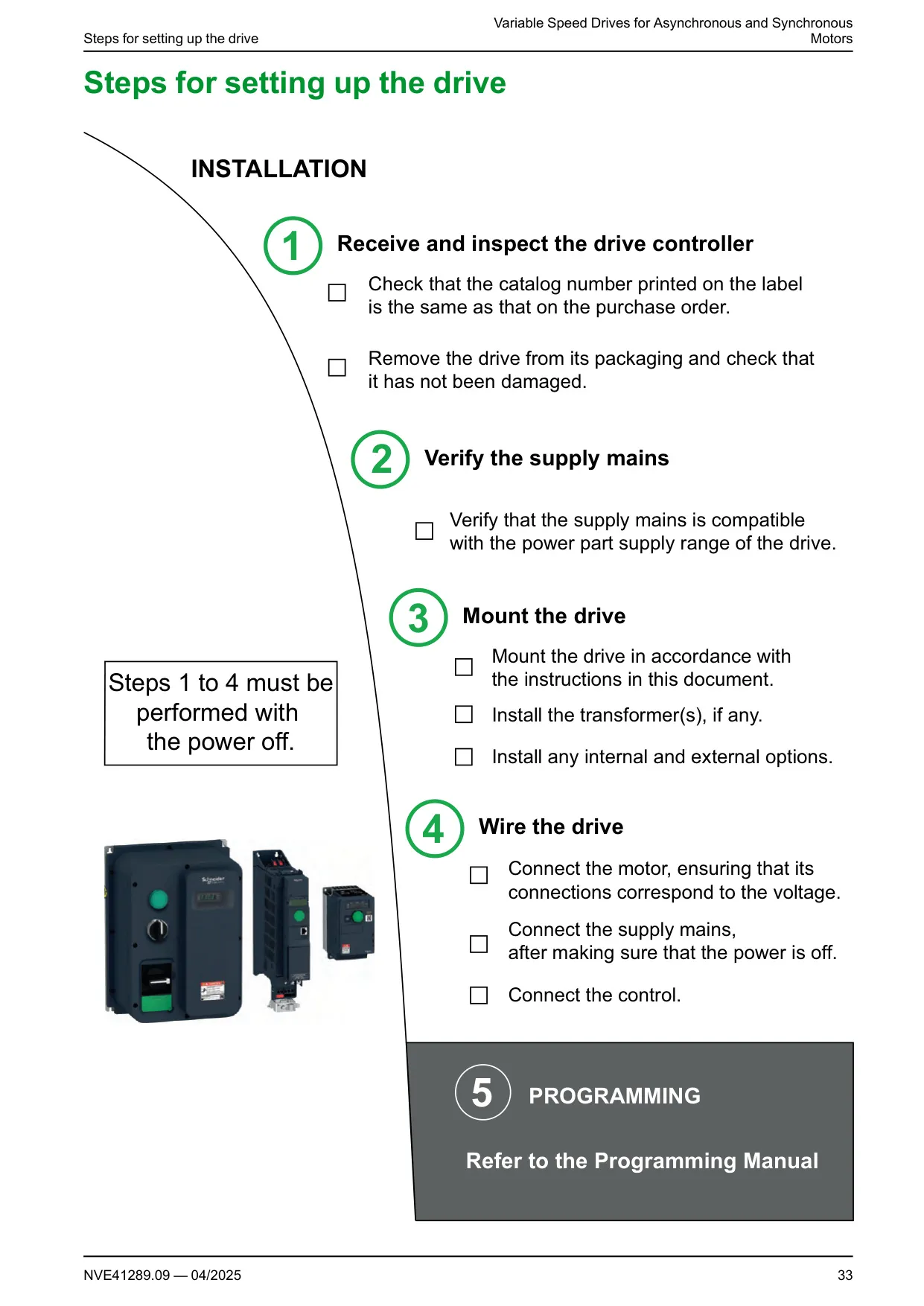
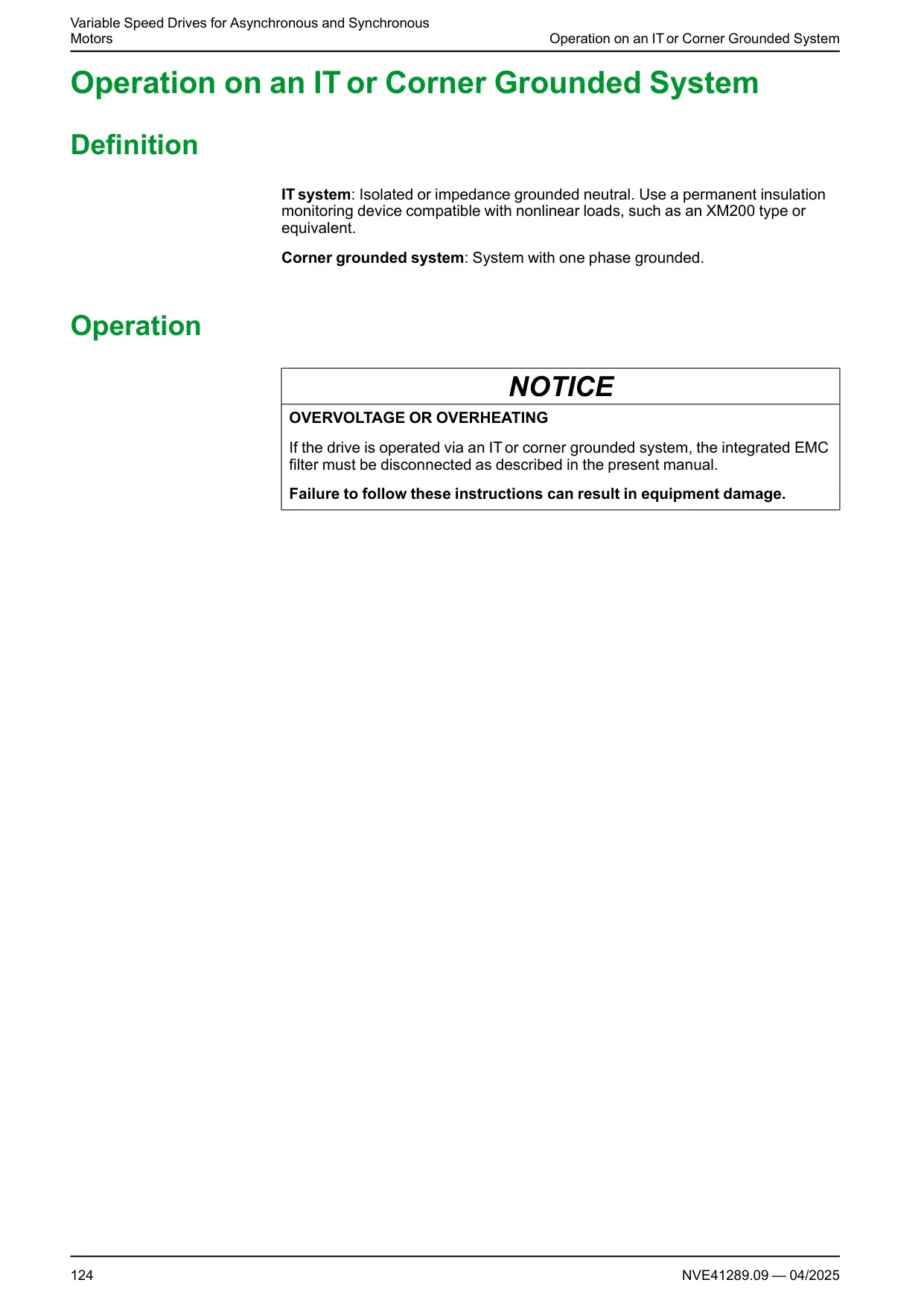
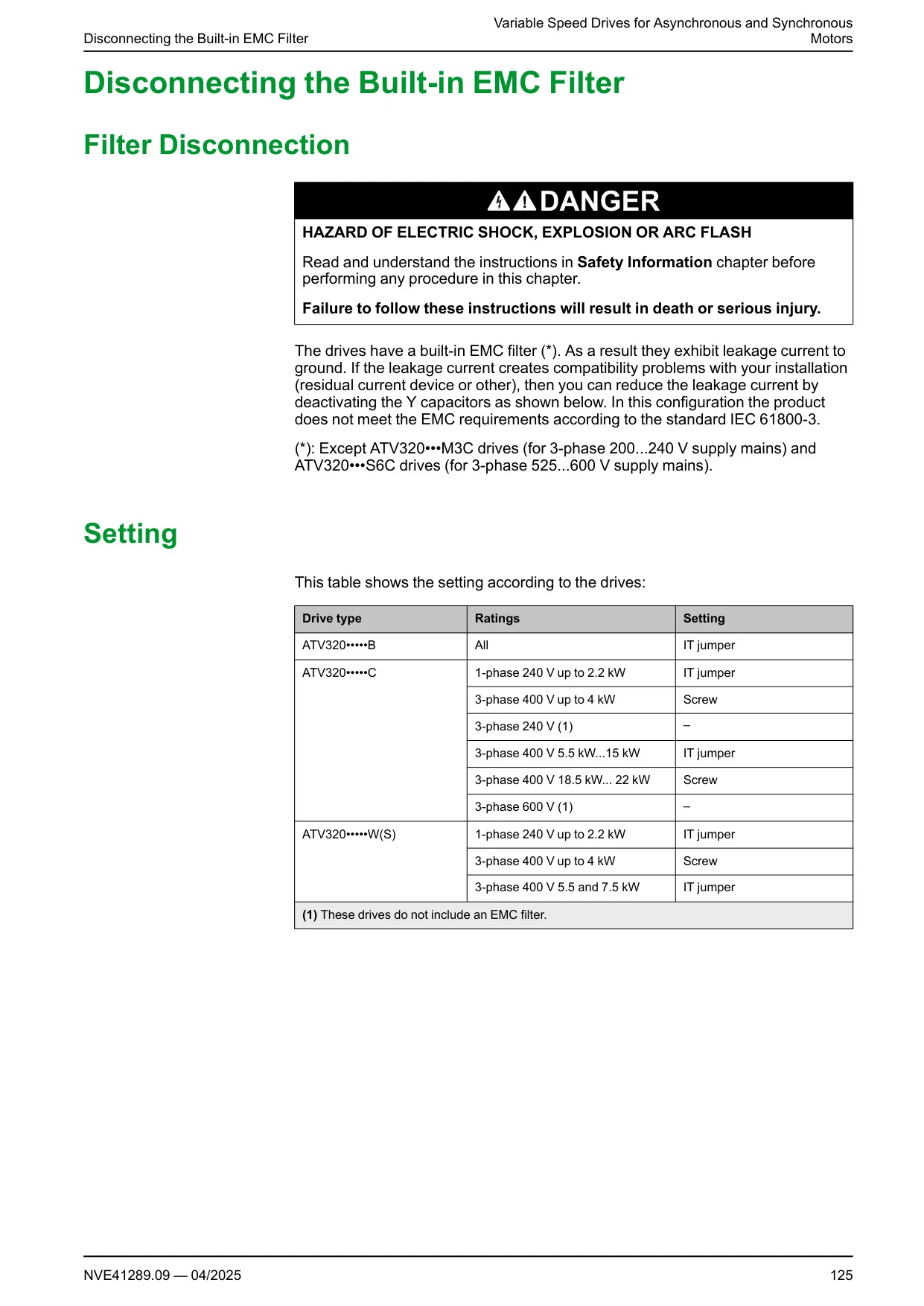
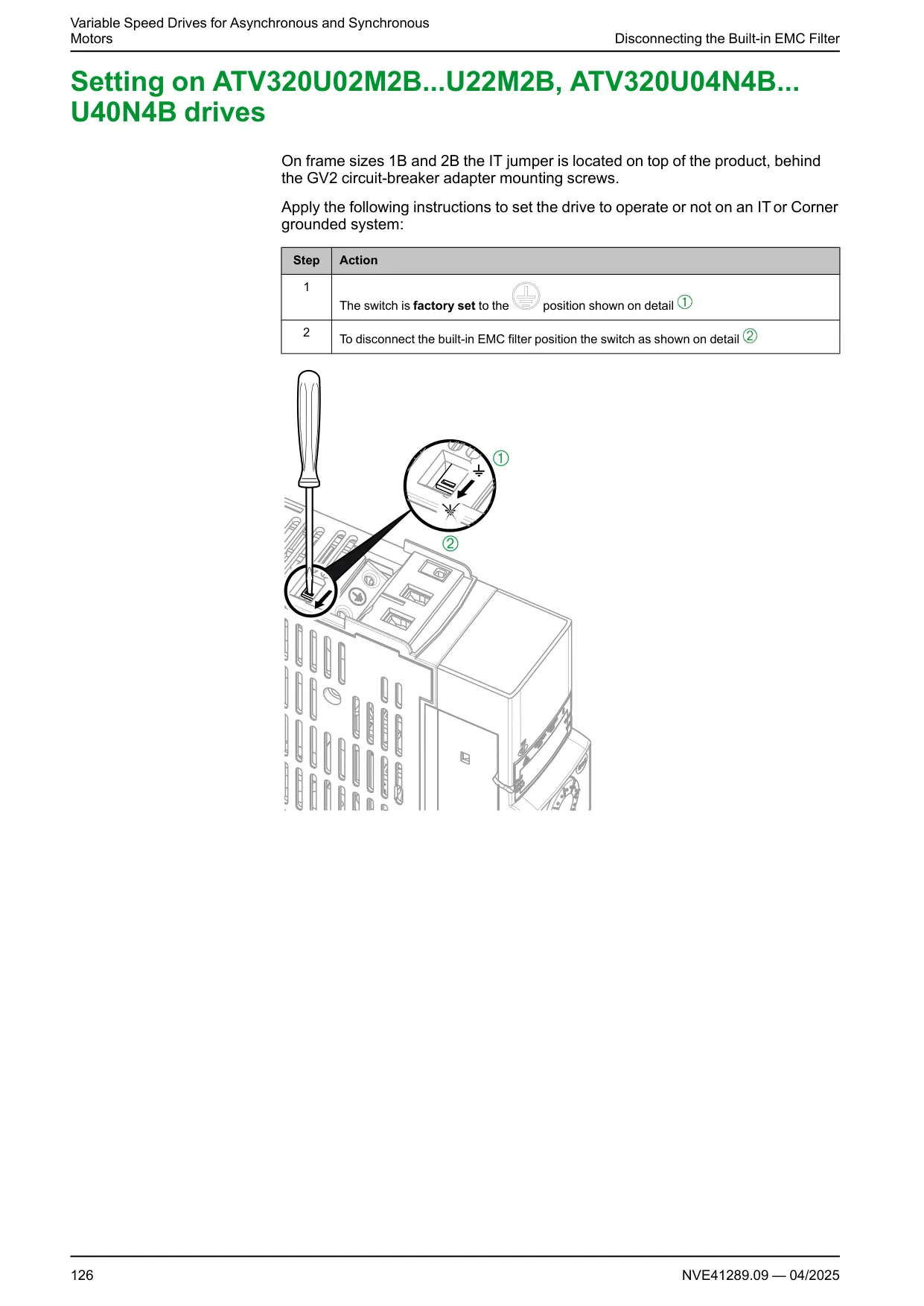
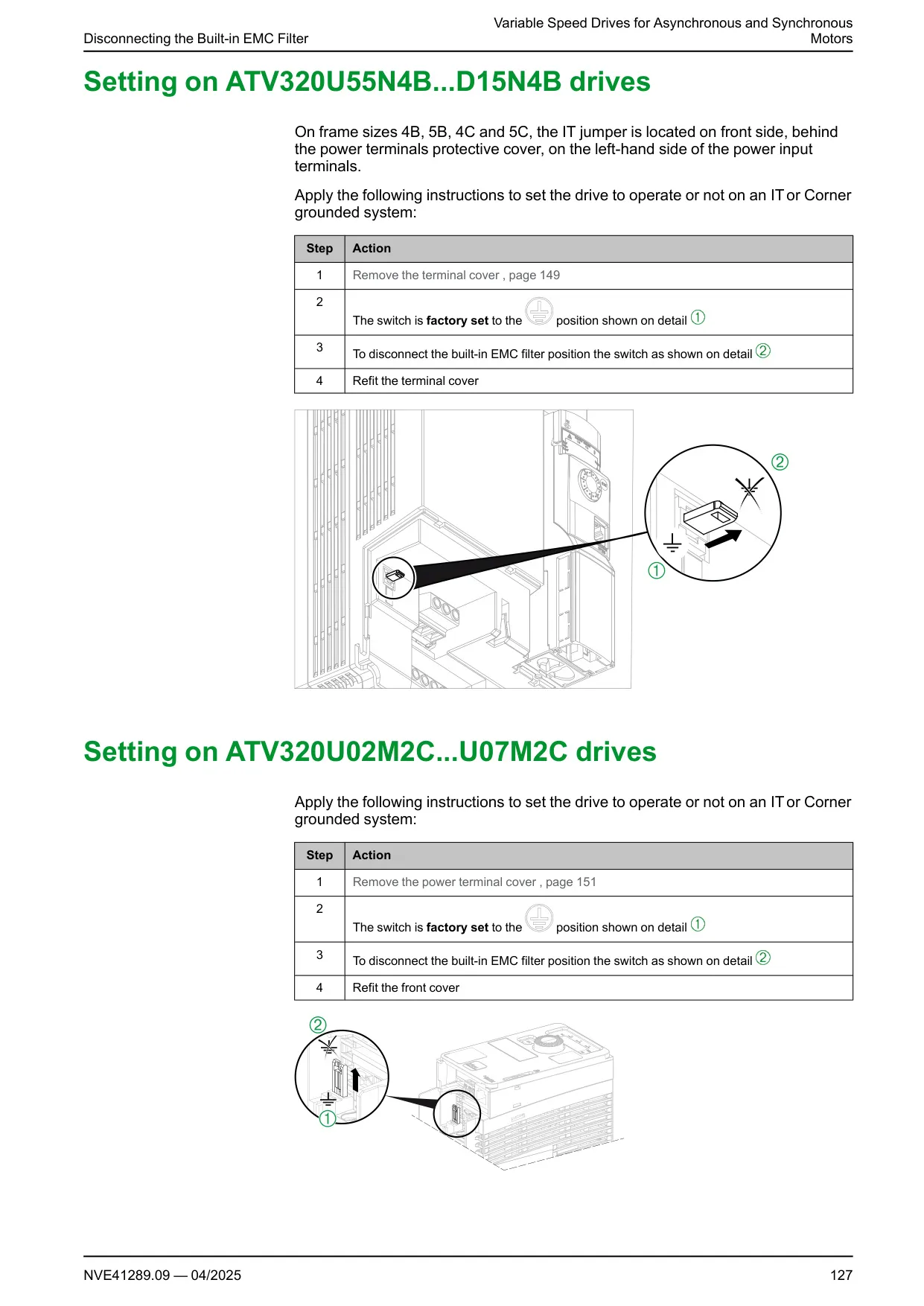
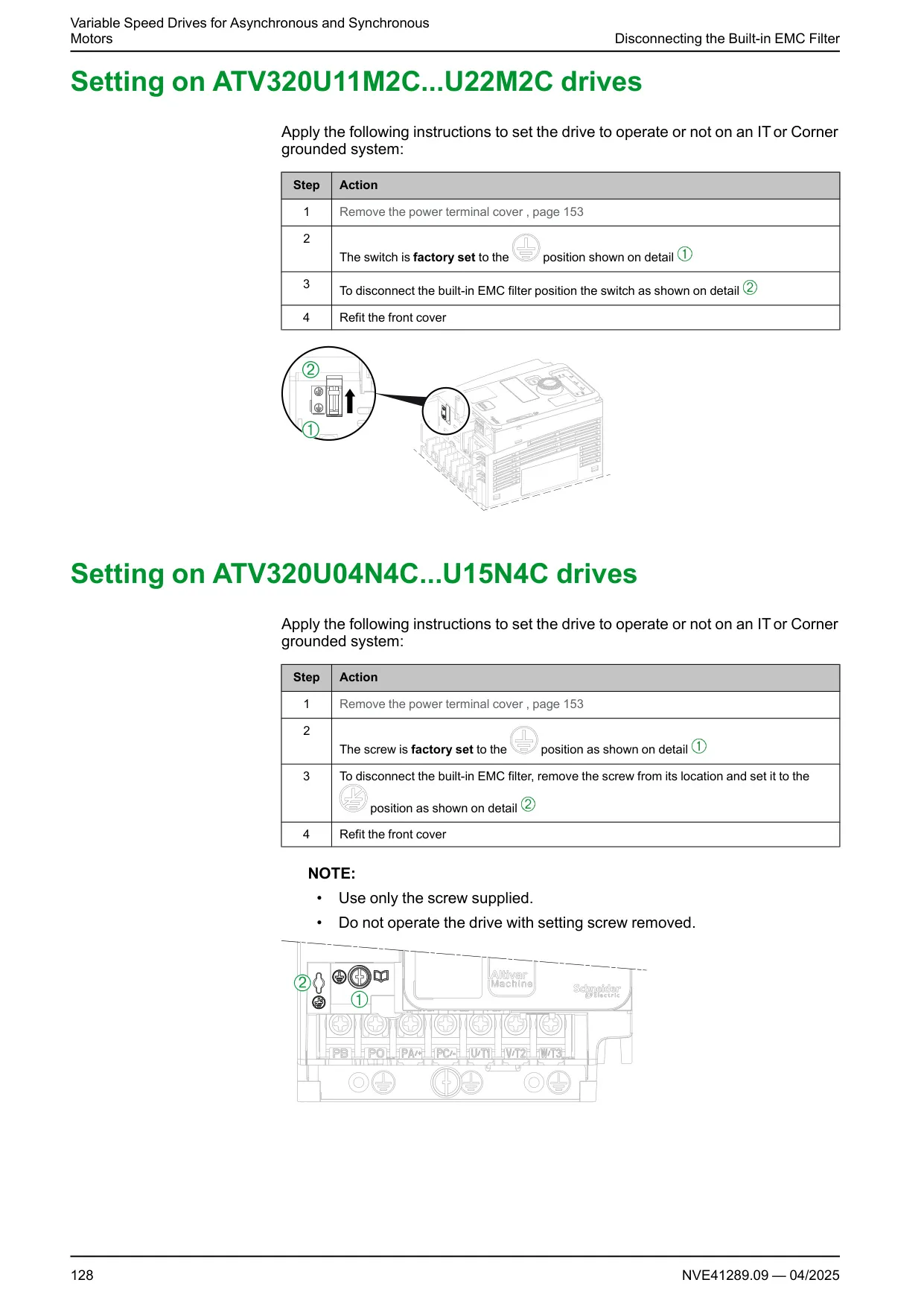
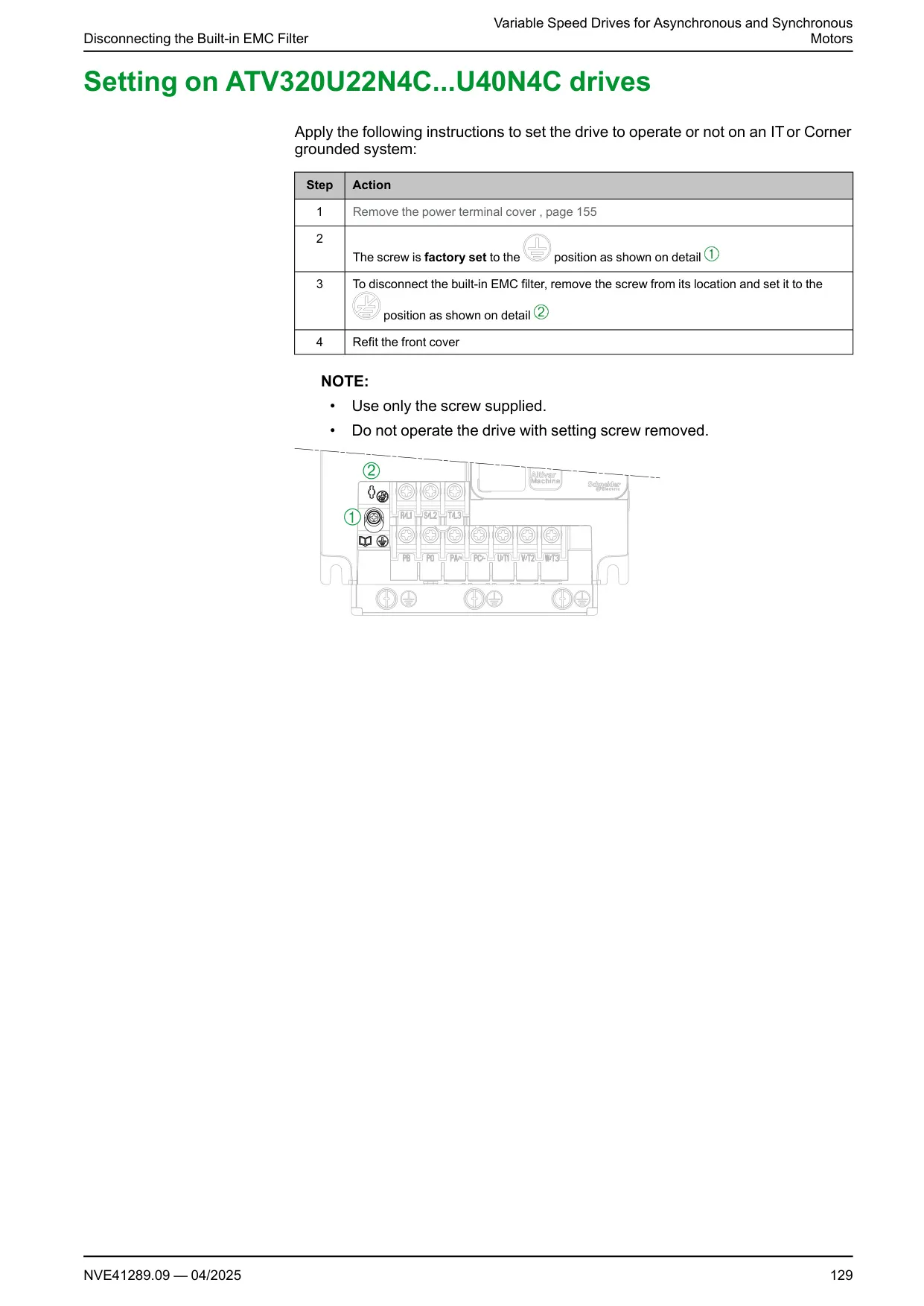
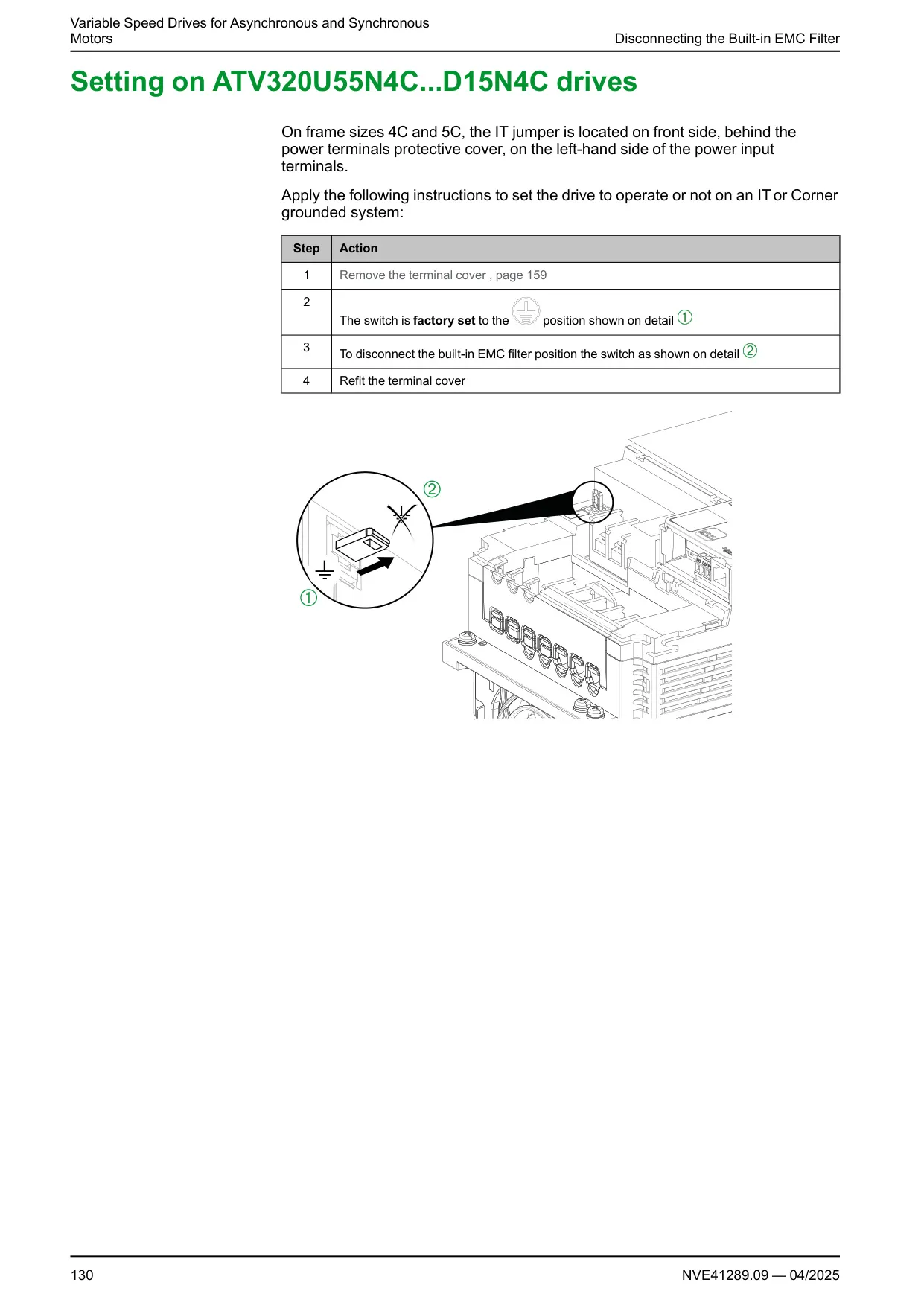
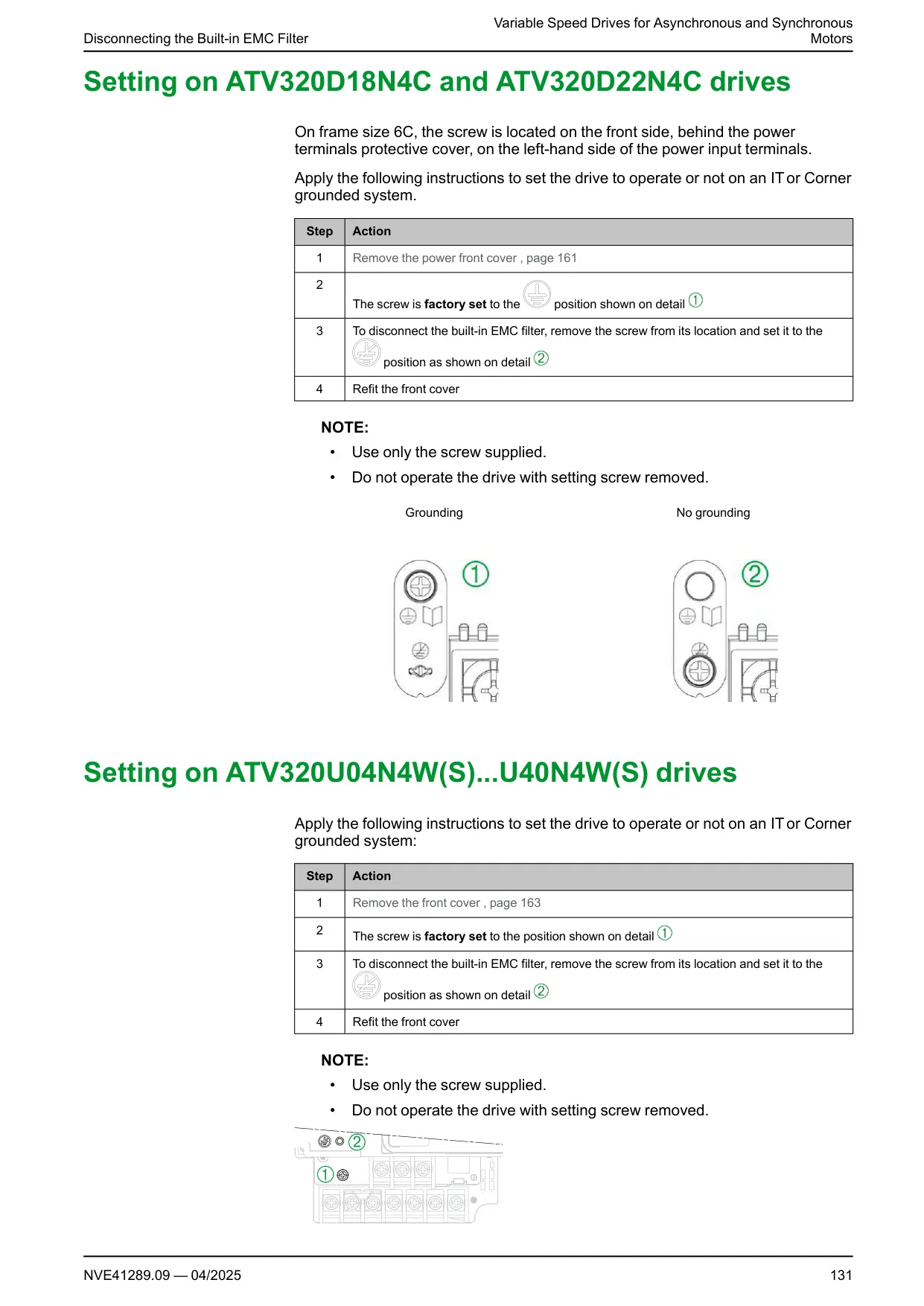
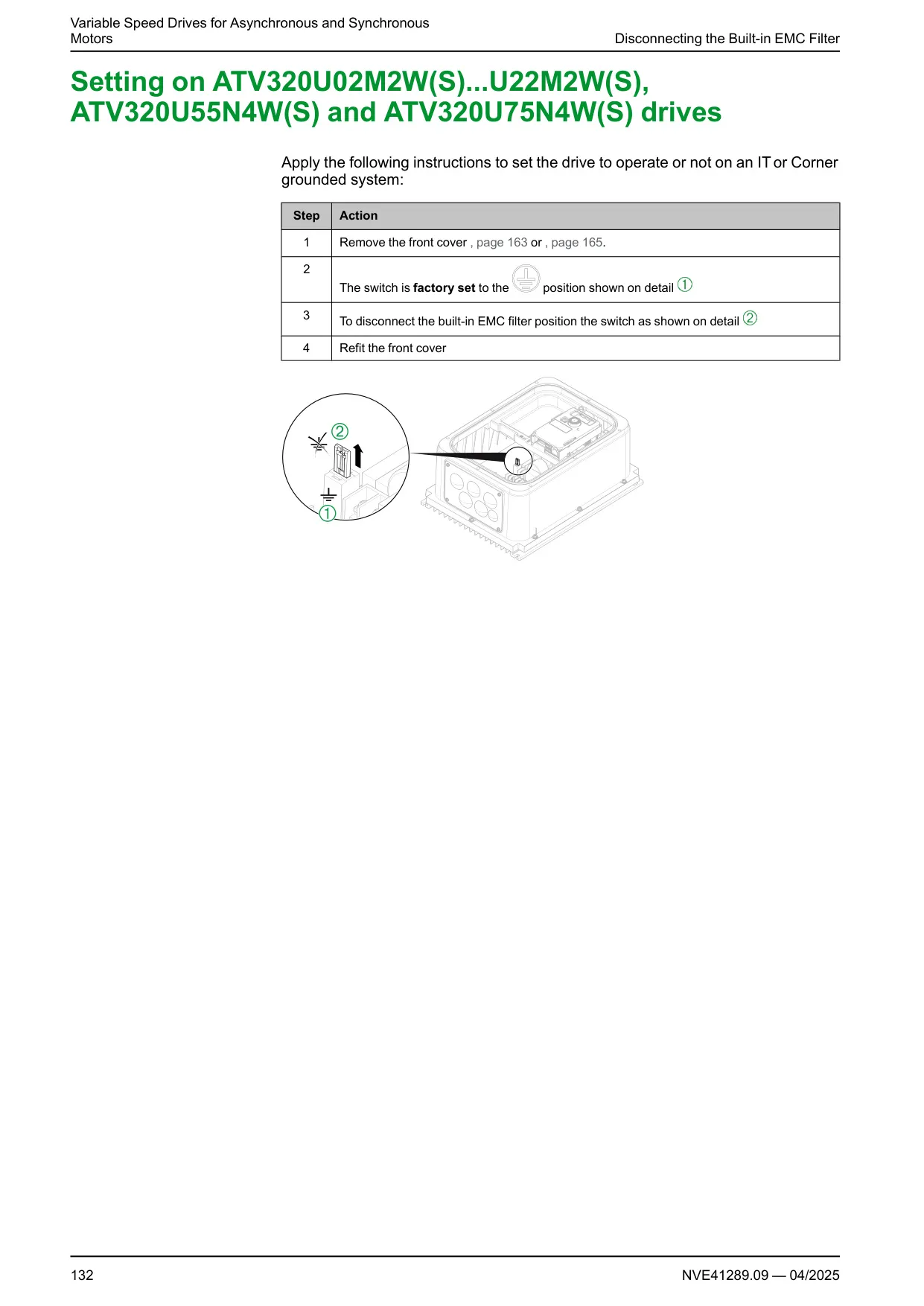
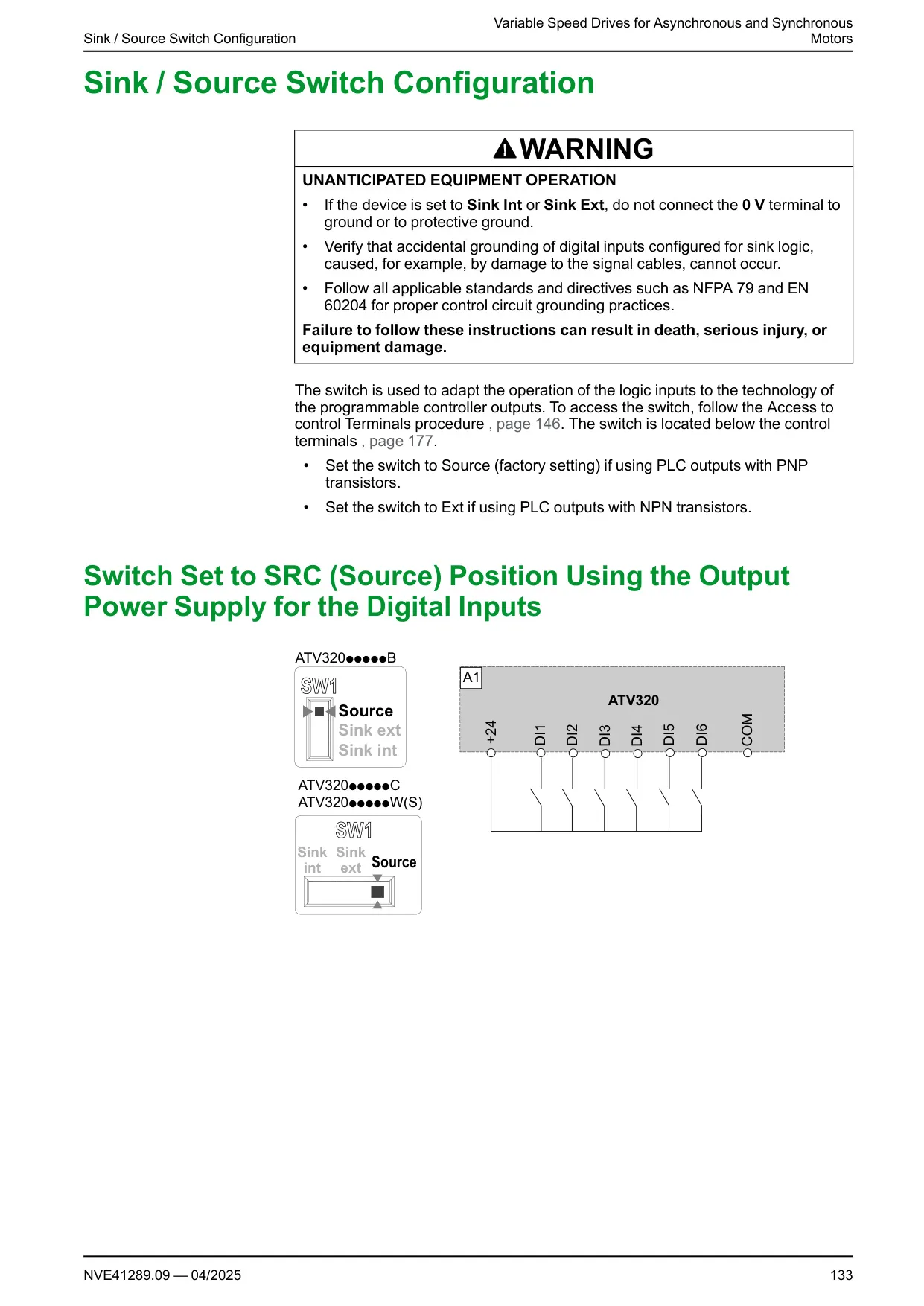
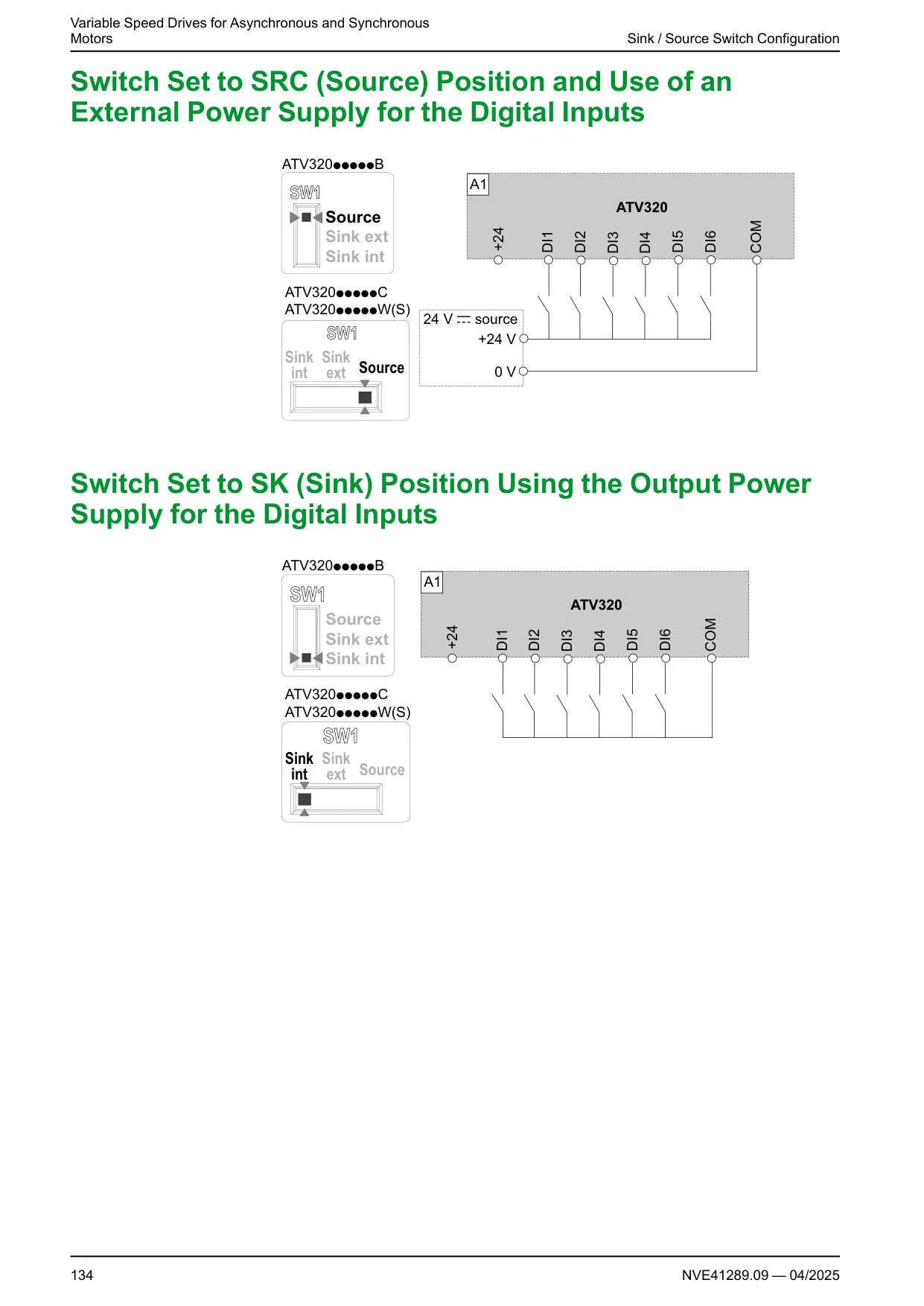
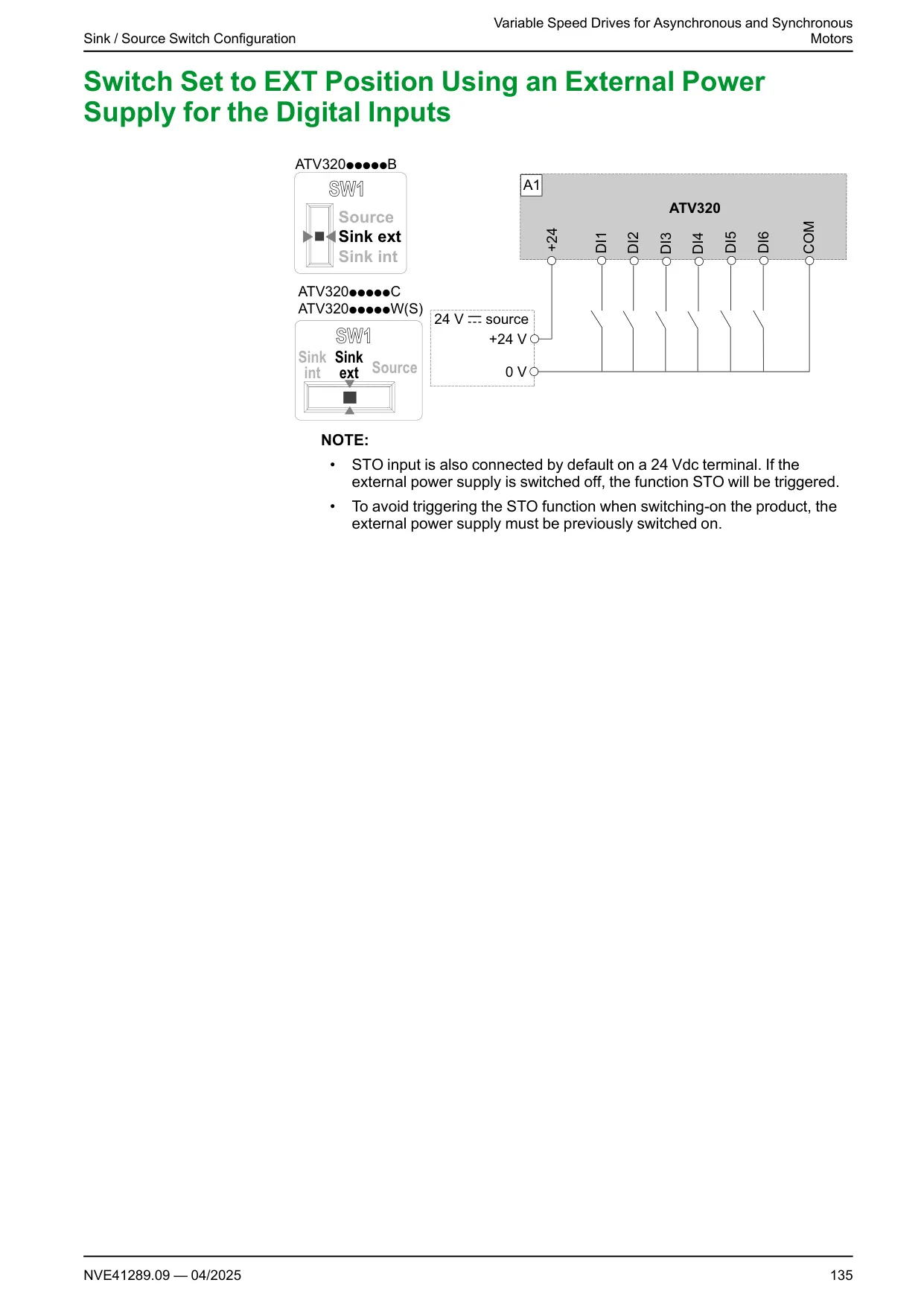
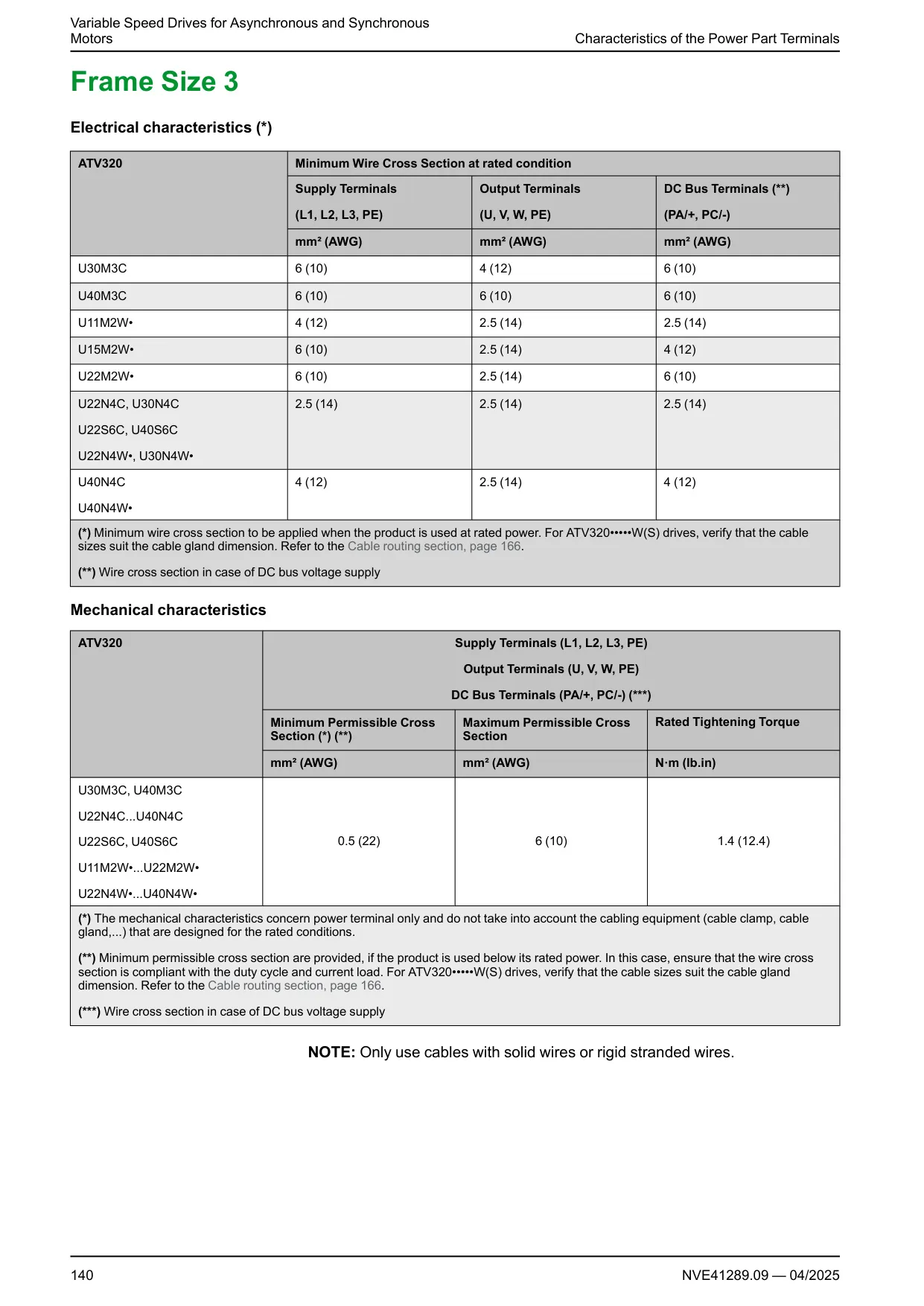
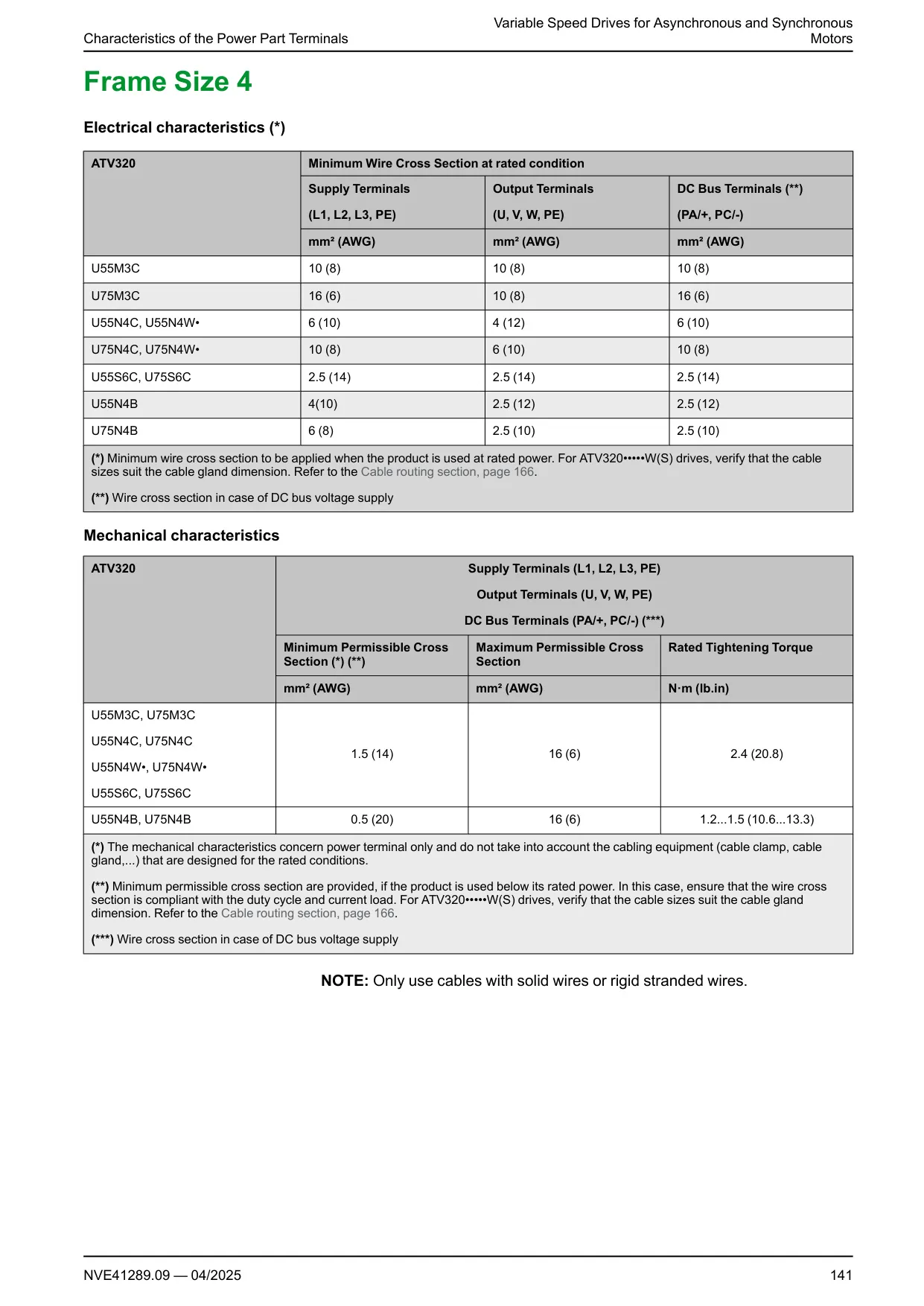
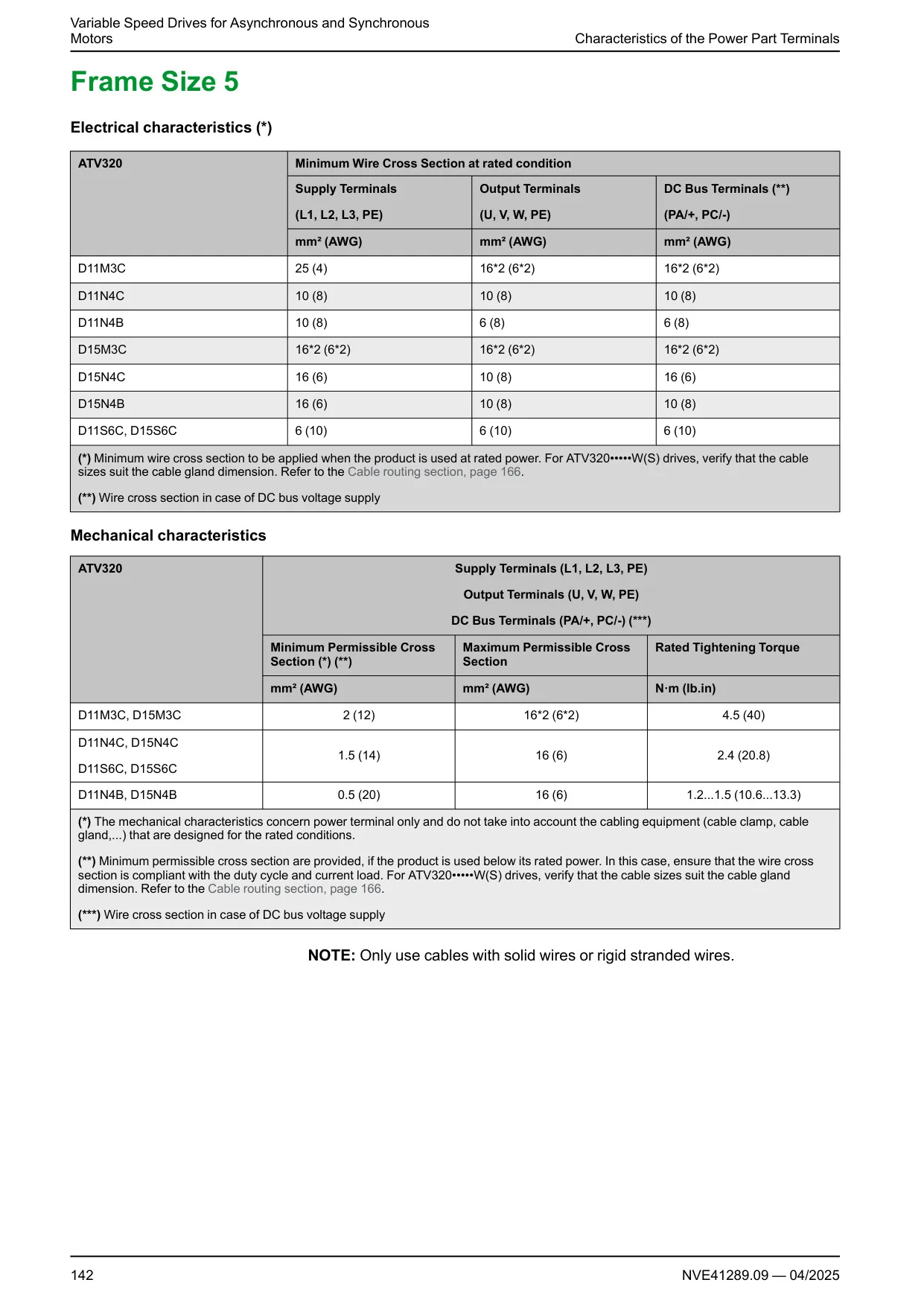
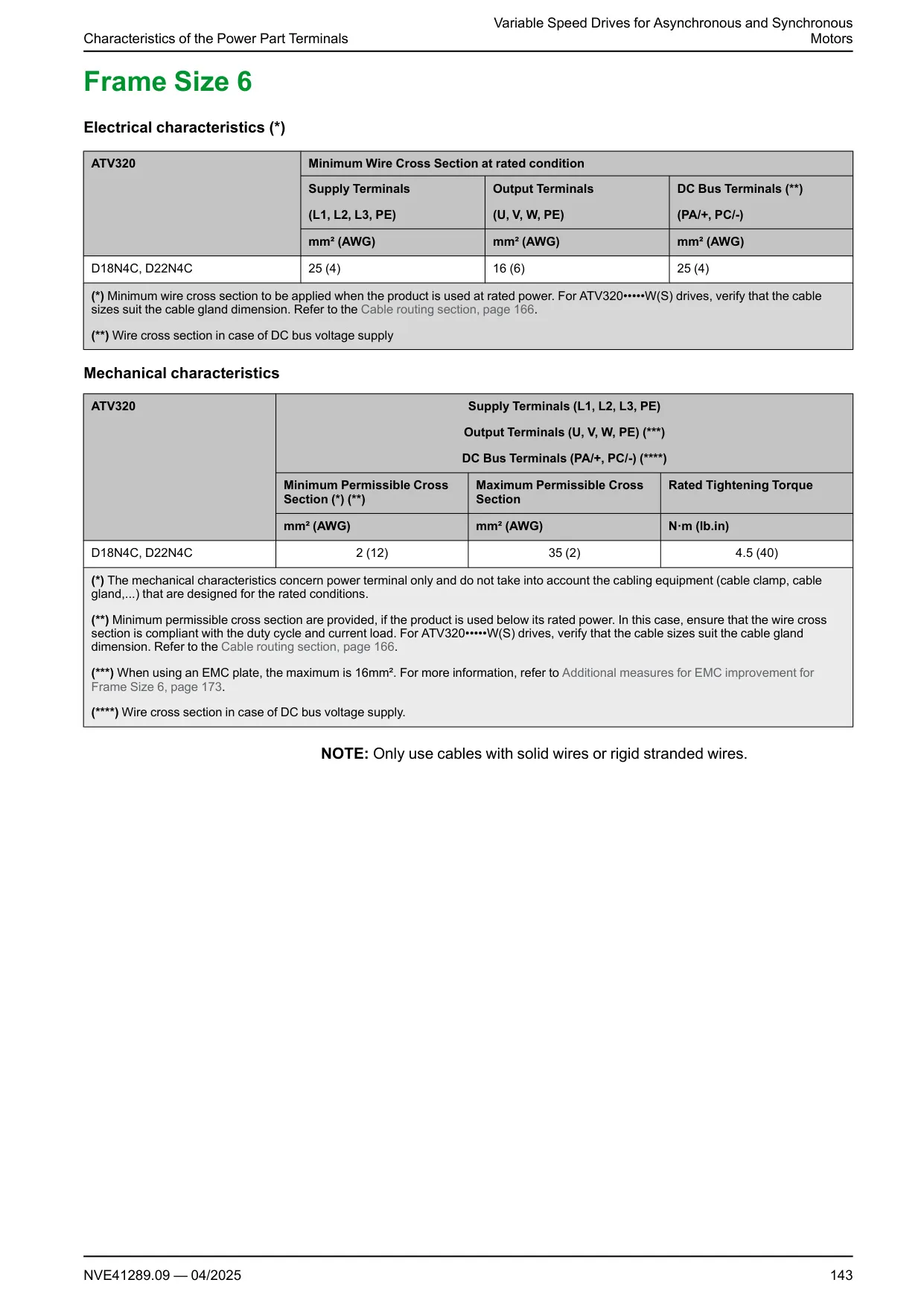
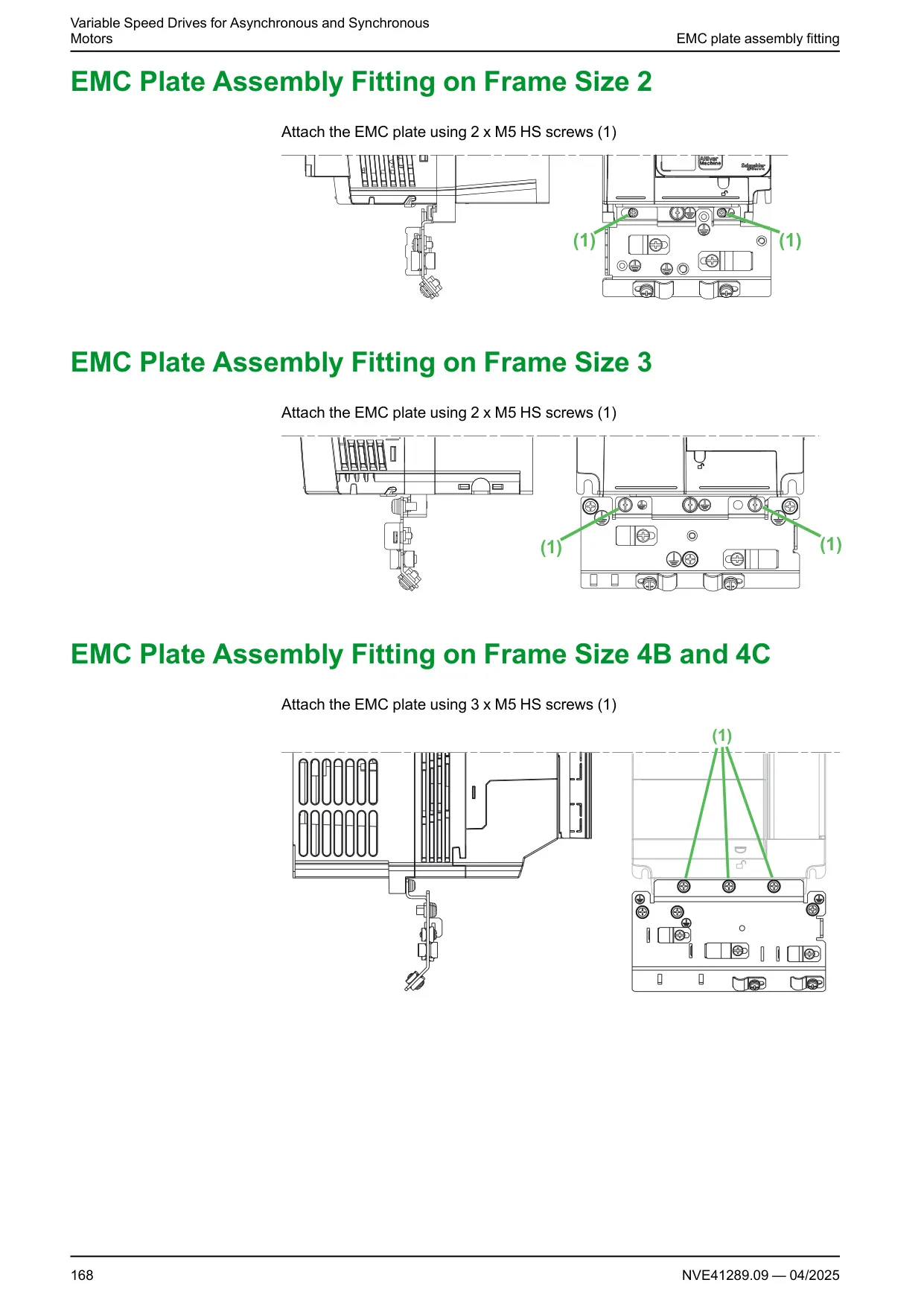
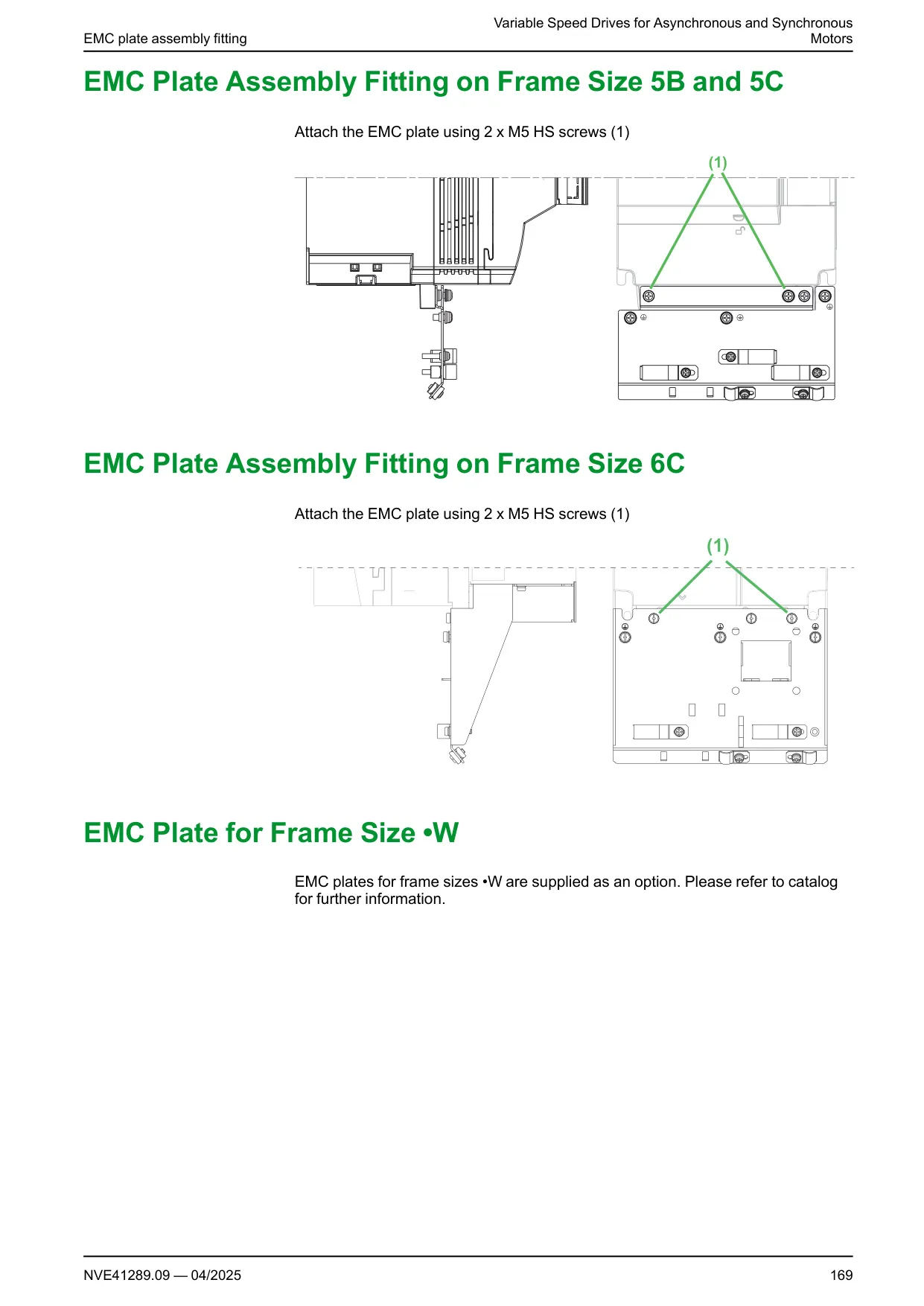
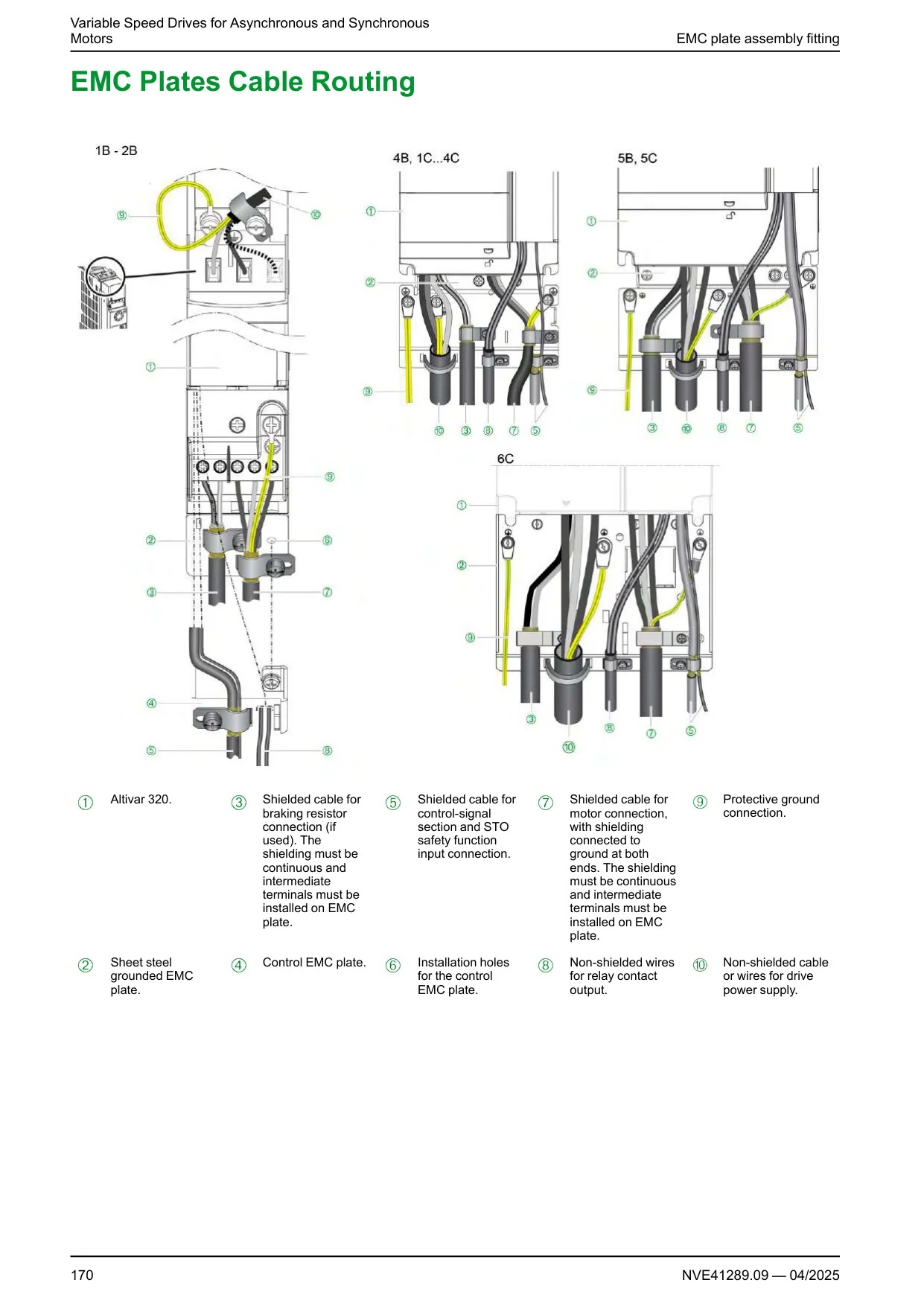
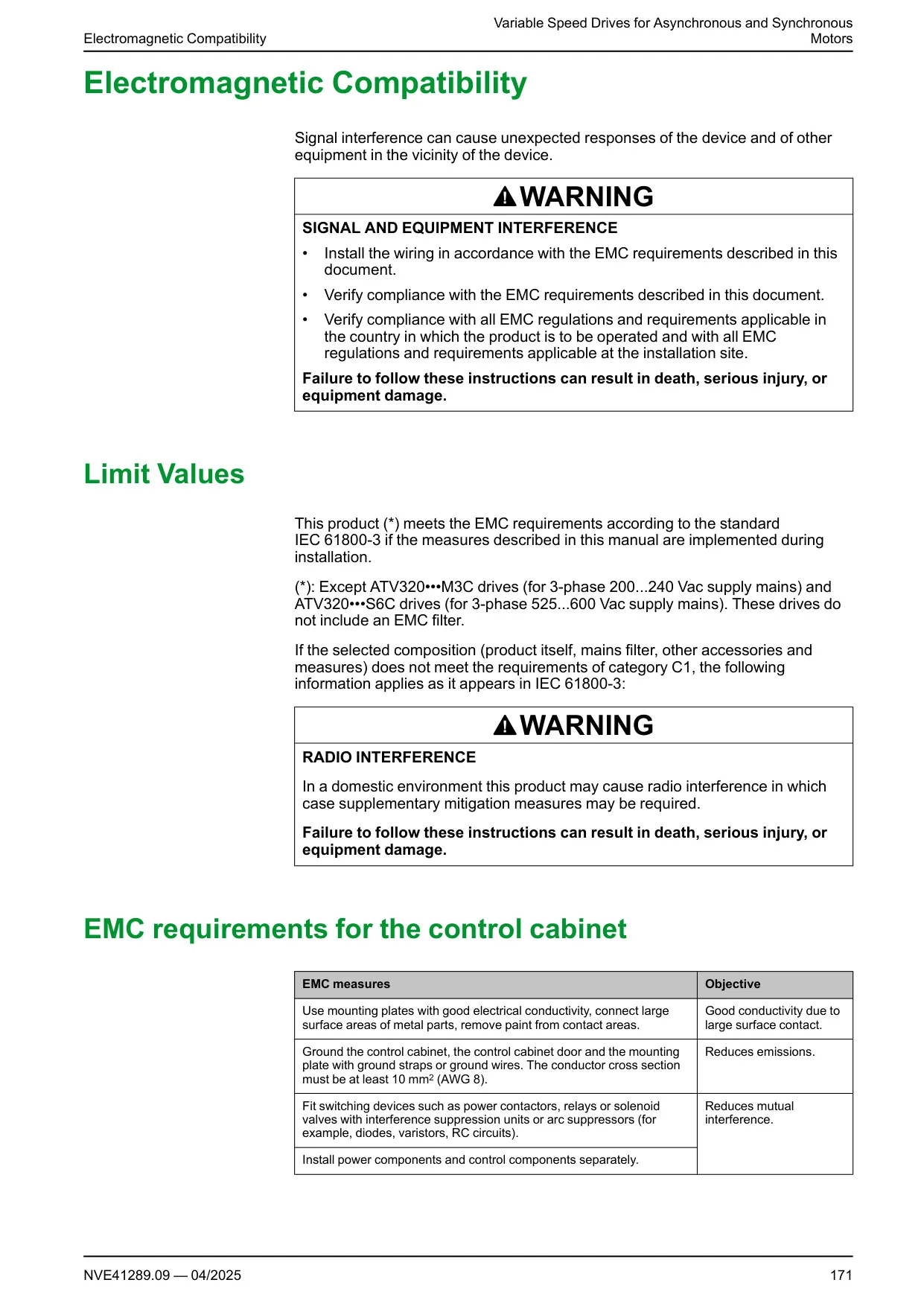
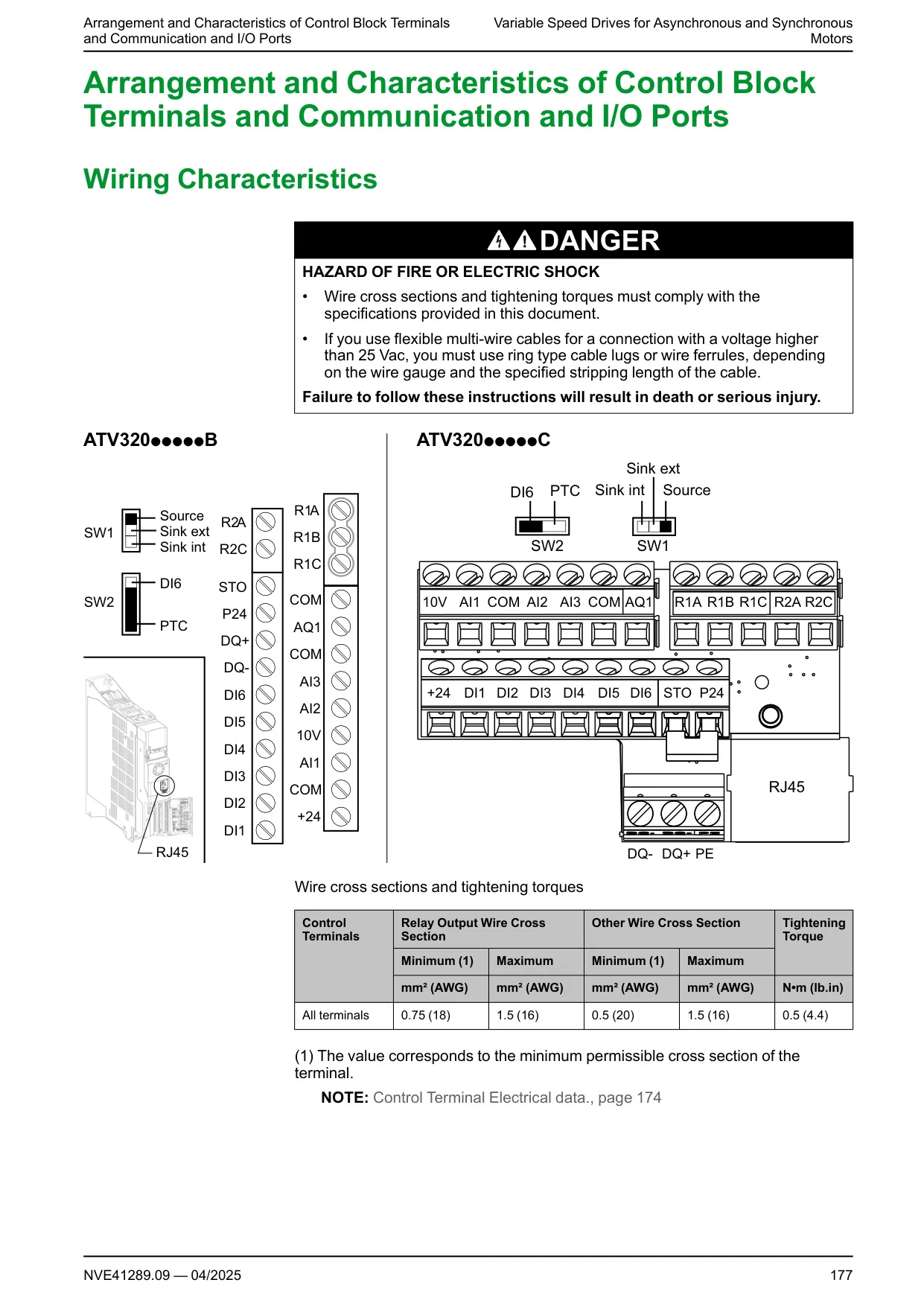
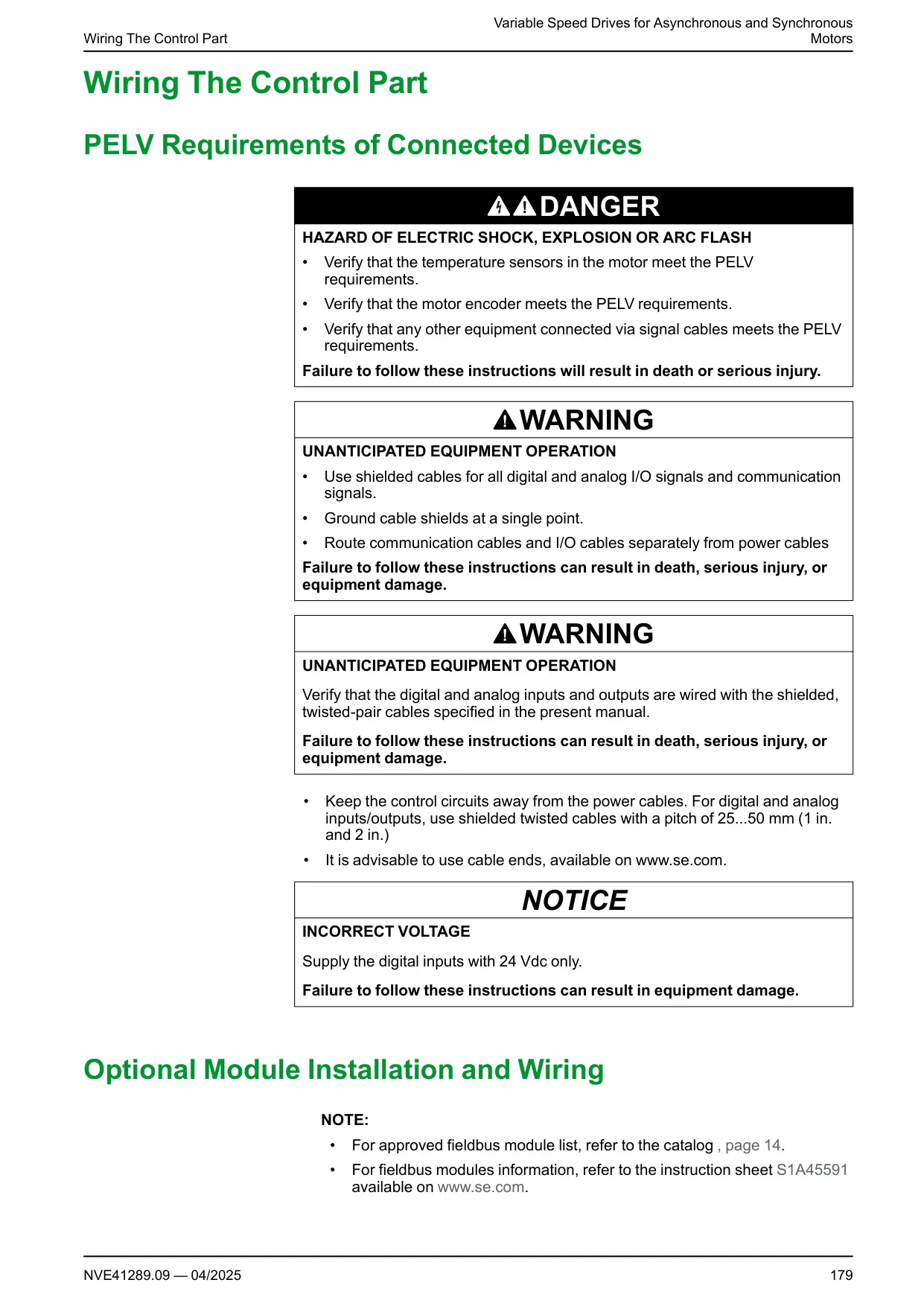
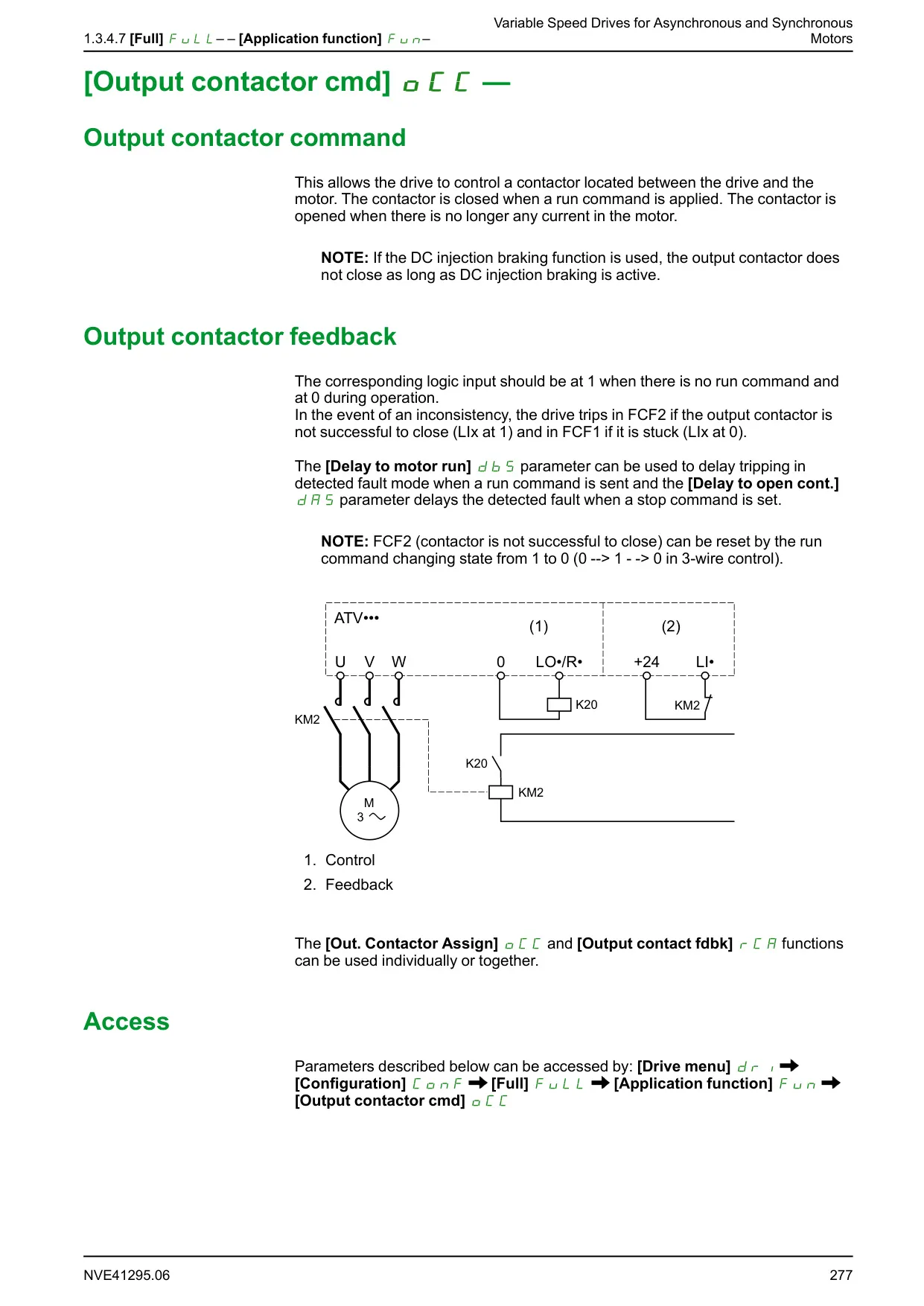
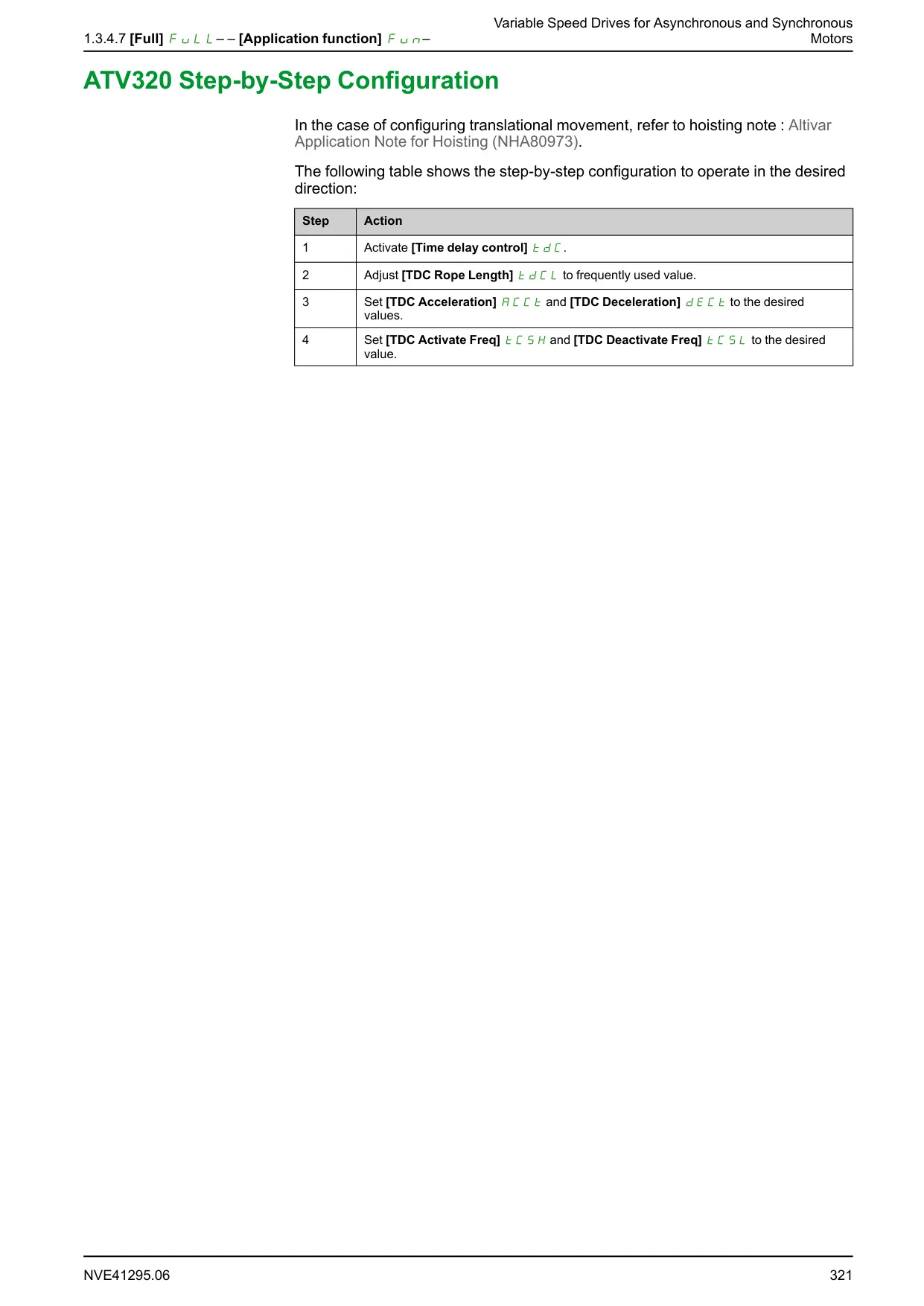
Careful installation is paramount. The drive features a built-in EMC filter (except for certain 3-phase models) which can be selectively disconnected for IT or corner-grounded systems to prevent issues with residual current devices (RCDs). A Sink/Source switch allows flexible configuration of digital inputs to match PLC output technologies. Emphasis is placed on using shielded cables for control and motor connections, proper grounding, and adherence to wire cross-section and tightening torque specifications to ensure optimal electromagnetic compatibility and safe operation.
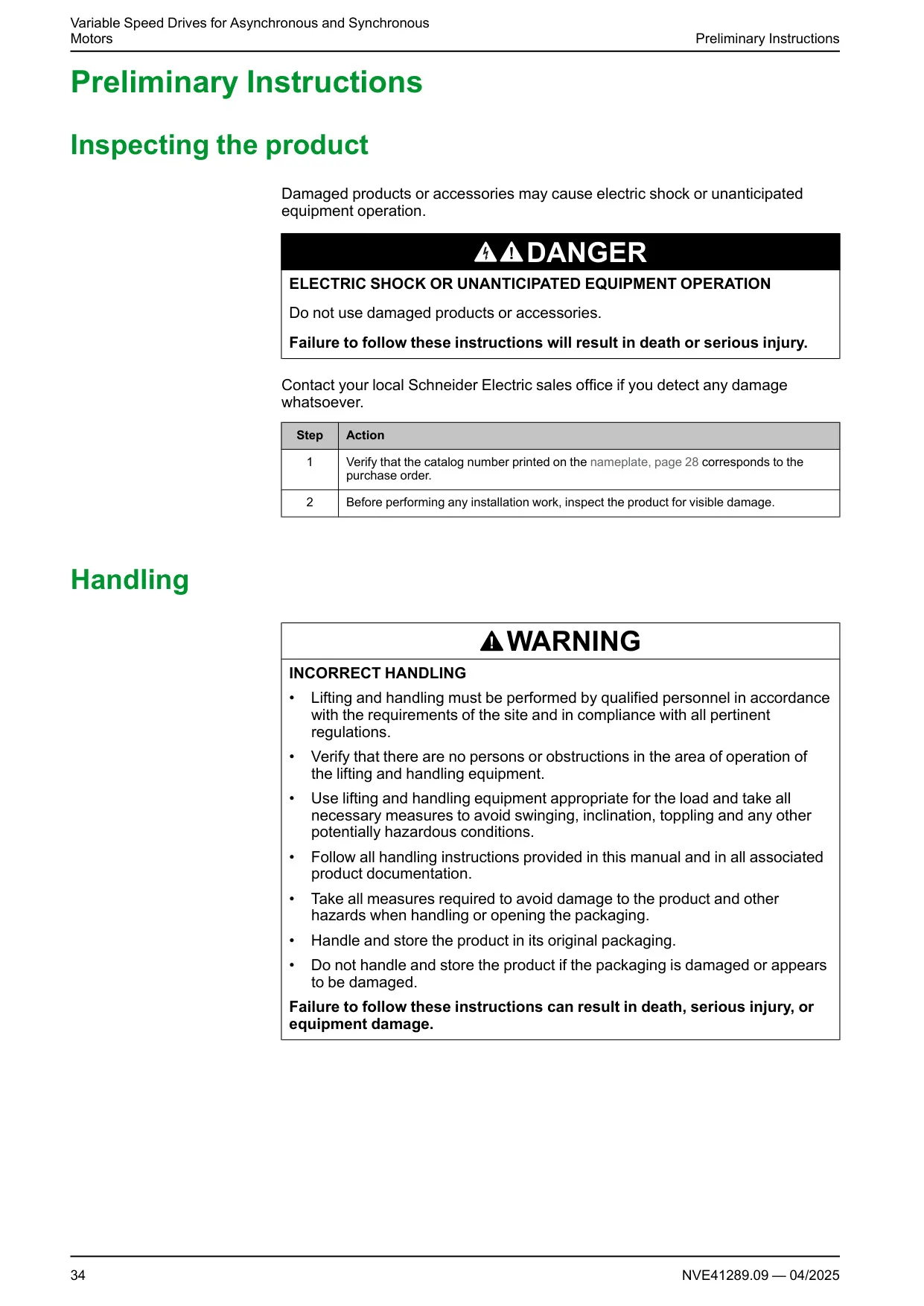
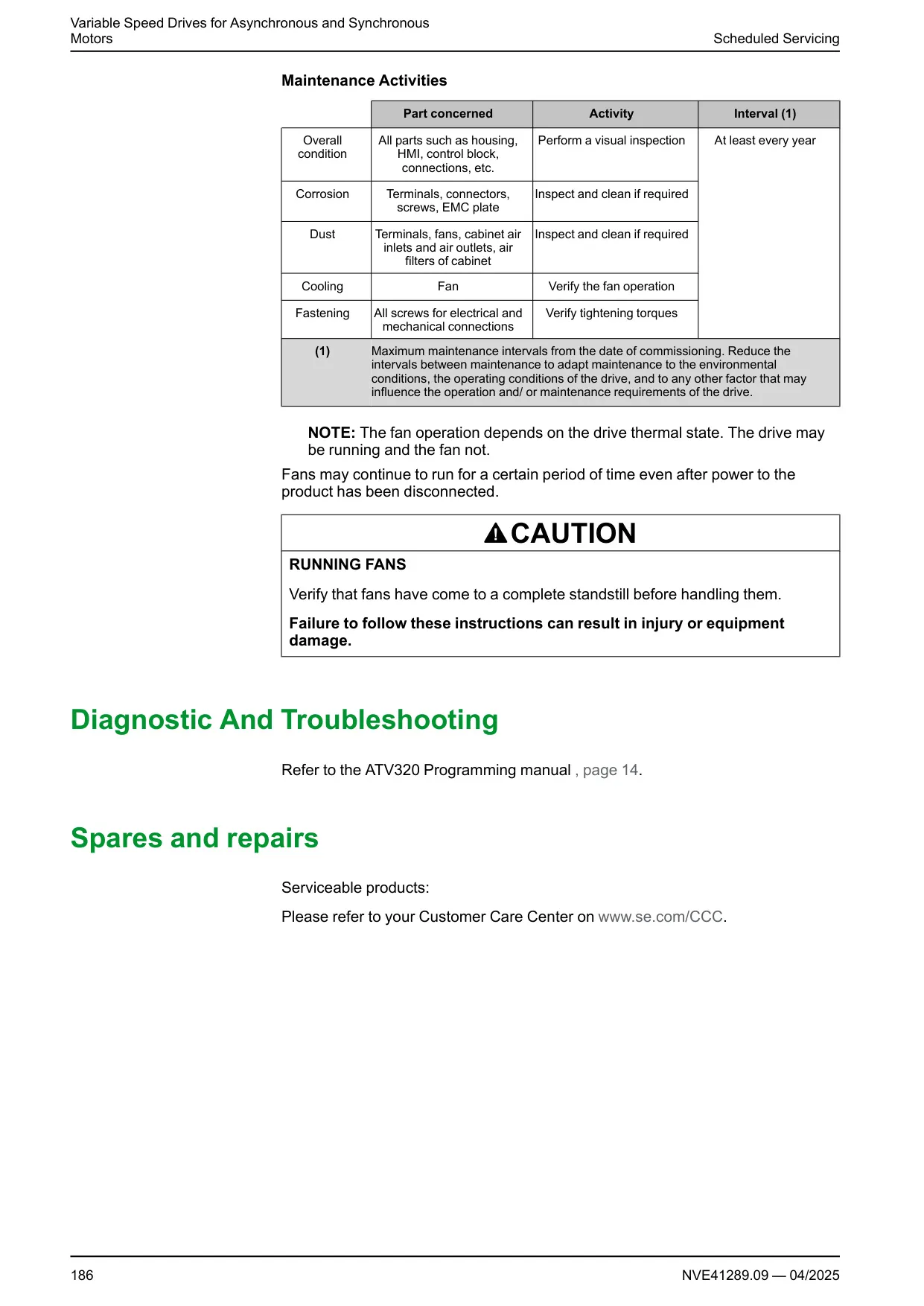
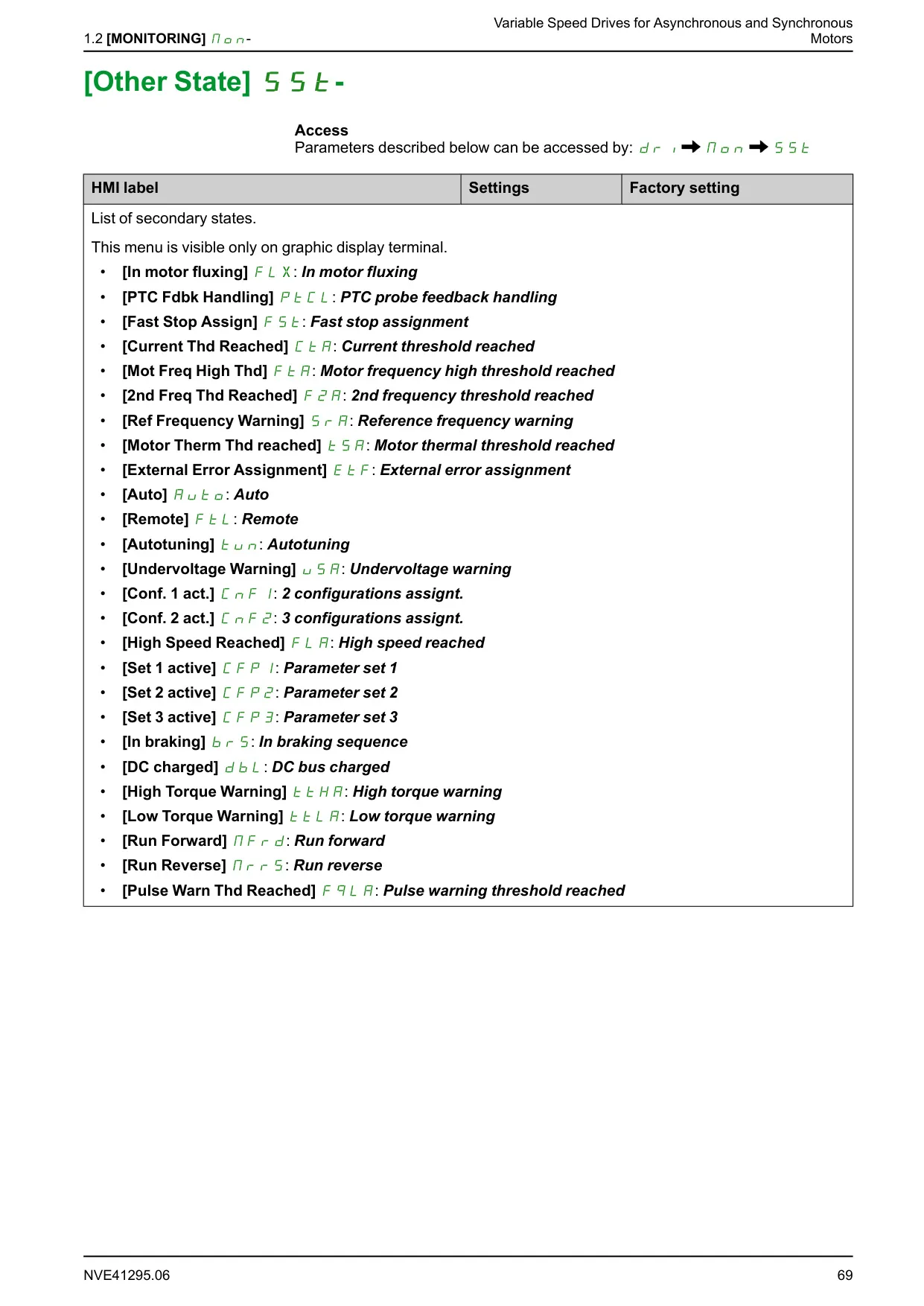
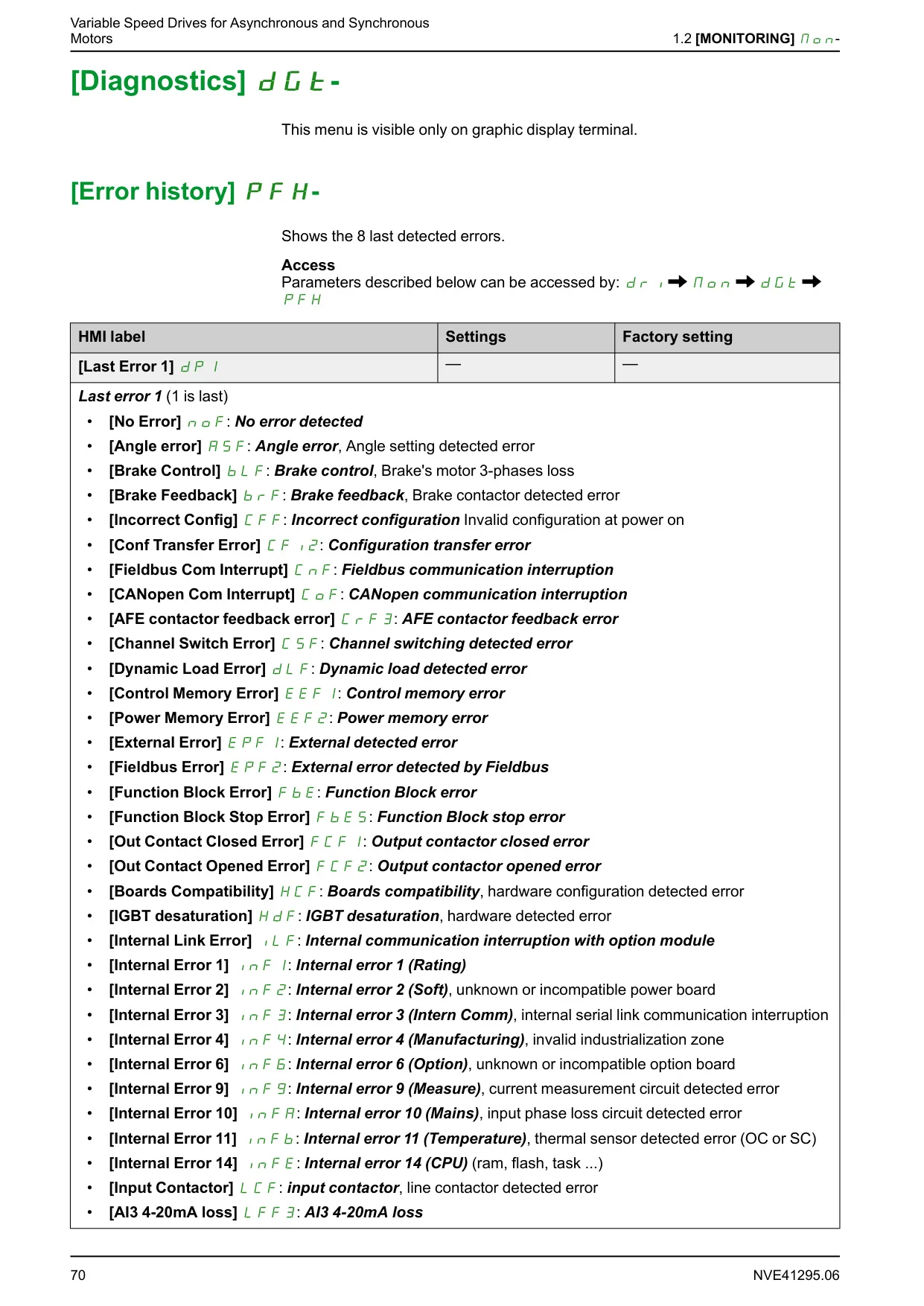
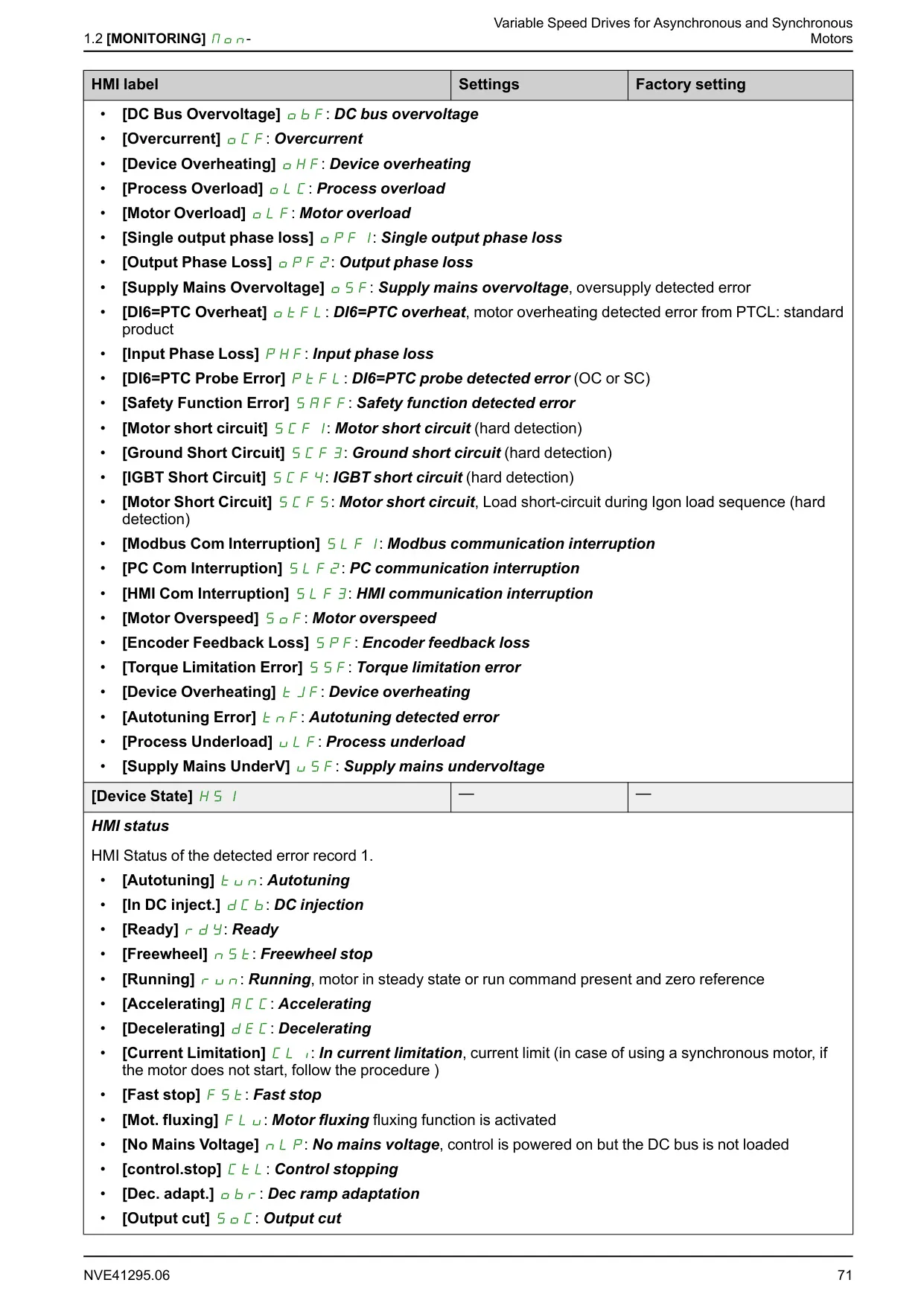
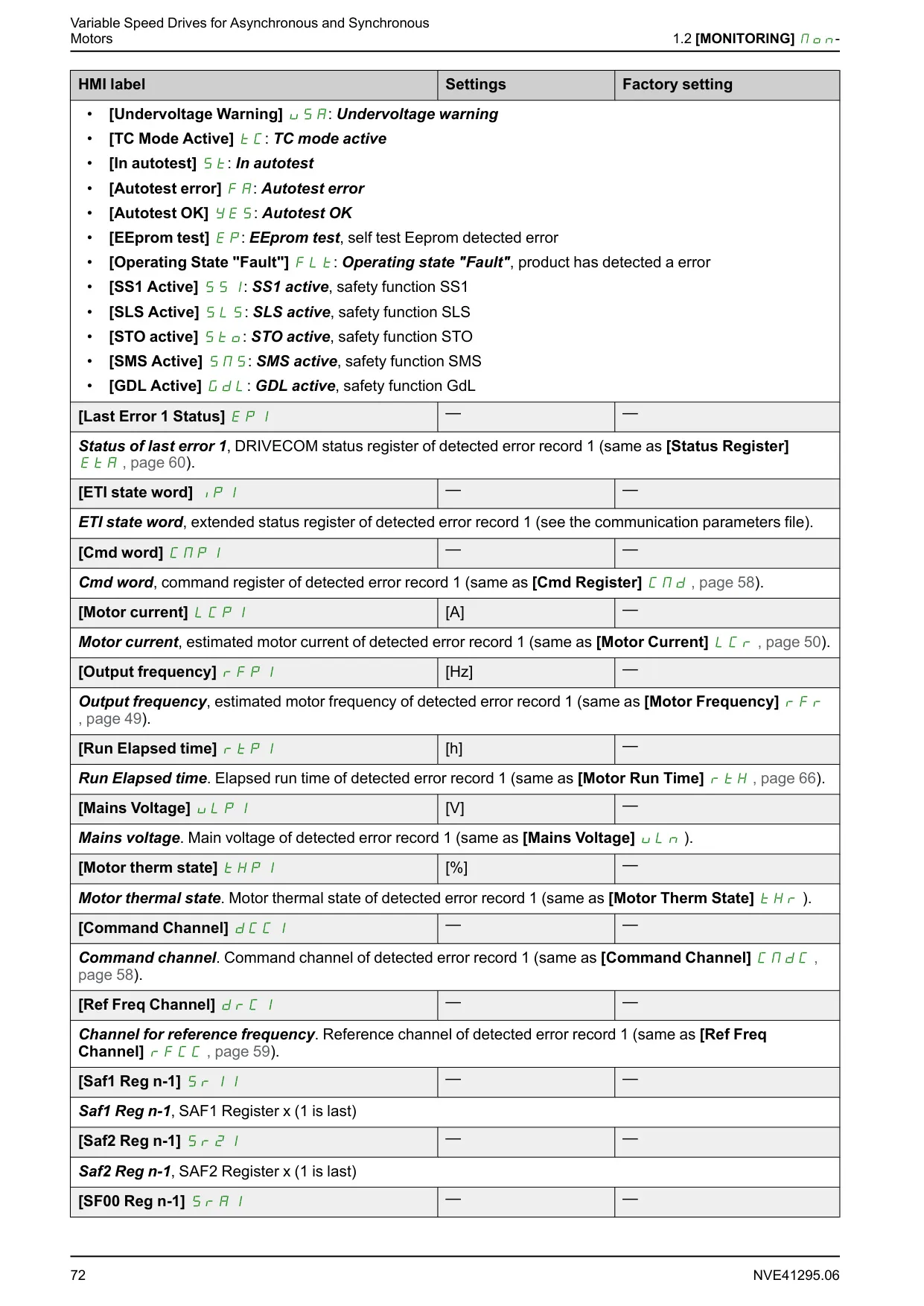
The Altivar 320 manual provides detailed guidelines for scheduled servicing, including visual inspections, cleaning, fan checks, and torque verifications. Critical safety information highlights the necessity of qualified personnel, proper grounding, and understanding potential hazards like hot surfaces and electromagnetic fields. Extensive related documents, including programming manuals and application notes, are readily accessible online, providing comprehensive support throughout the product's lifecycle and ensuring safe and efficient operation.
Frequently Asked Questions (FAQs)
Can't find the answer you need? Here are some frequently asked questions about the Altivar 320 Variable Frequency Drive, and we answer them below.