
Moog Subsequent 37 Audio Synthesizer Instruction Manual

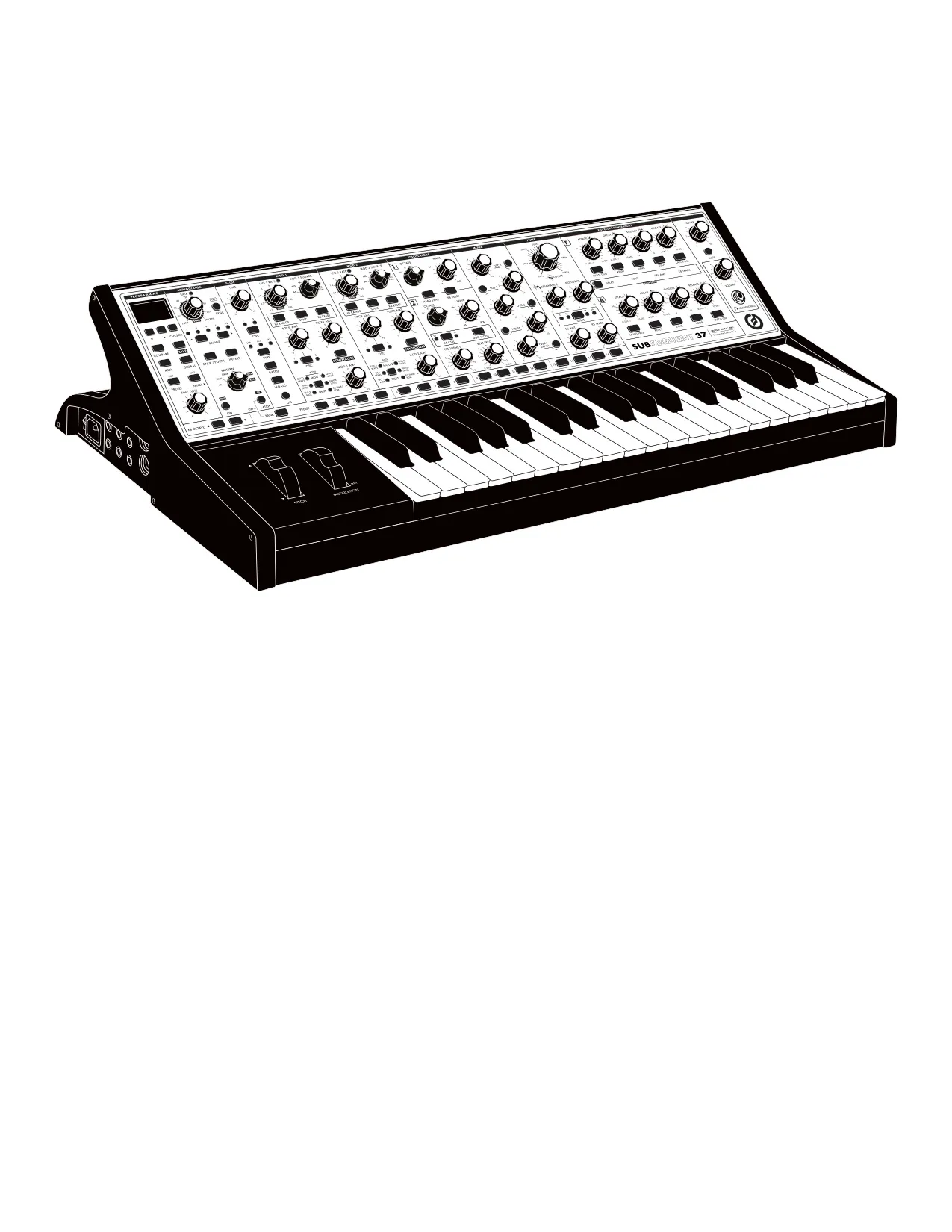
Moog Subsequent 37 Audio Synthesizer





























Moog Subsequent 37 Instructions
Here we offer the Moog Subsequent 37 Audio Synthesizer manual completely free and in English. We have cataloged this manual in the Audio Synthesizers section on Manualverse, and it has been rated by 1 users with an average rating of 5. If you have any specific questions about Moog Subsequent 37 Audio Synthesizer, we suggest checking the Frequently Asked Questions (FAQs) section of this manual.
Product Images


Moog Subsequent 37 Audio Synthesizer Specifications
| TYPE | Programmable Paraphonic Analog Synthesizer |
|---|---|
| SOUND ENGINE | 100% Analog |
| NUMBER OF KEYS | 37 |
| TYPE OF KEYS | Semi-Weighted with After Pressure |
| CONTROLLERS | Pitch Bend, Mod Wheel, After Pressure, Velocity |
| POLYPHONY | Selectable Monophonic or Duophonic |
| SOUND SOURCES | 2 Variable Waveshape Oscillators, 1 Square Wave Sub Oscillator, 1 Analog Noise Generator, 1 External Input/Filter Feedback |
| OSCILLATOR CALIBRATION RANGE | 22Hz-6.8kHz. Guaranteed note range at 8’ of Note 18 to 116 |
| MOD SOURCES | Triangle, Square, Saw, Ramp, Sample & Hold, Filter EG/PGM |
| MOD DESTINATIONS | Osc 1 Pitch, Osc 2, Osc 1 & 2 Pitch, Filter, LFO Rate, VCA Level, Osc 1 Wave, Osc 2 Wave, Osc 1 & 2 Wave, Noise Level, EG Time, and Programmable Destinations |
| FILTER | 20Hz-20kHz Moog Ladder Filter w/ 6/12/18/24 dB/Oct Filter Slopes and MultiDrive |
| AUDIO INPUT | 1xTS |
| AUDIO OUTPUT | 1xTS, 1xTRS Headphone |
| PRESETS | 256 Presets - 16 Banks, 16 Patches per Bank |
| MIDI I/O | DIN In, Out, and MIDI over USB |
| CV/GATE INPUTS | Filter CV, Pitch CV, Volume CV, KB Gate |
| TRANSPOSITION | +/- 2 Octaves |
| LFO | 0.01Hz - 1000Hz |
| WEIGHT | 22LBS / 10KG |
| DIMENSIONS | 6.75” H x 26.375” W x 14.75 D / 17cm H x 68cm W x 37.5cm D |
| NOMINAL OPERATING TEMPERATURE | 10 - 35 C (50 - 95 F) |
| OPERATIONAL TEMPERATURE RANGE | 10 - 50 C (50 - 122 F) |
| INPUT VOLTAGE | 100 VAC - 240 VAC / 50 - 60 HZ / 13W |
Moog Subsequent 37 Synthesizer Details
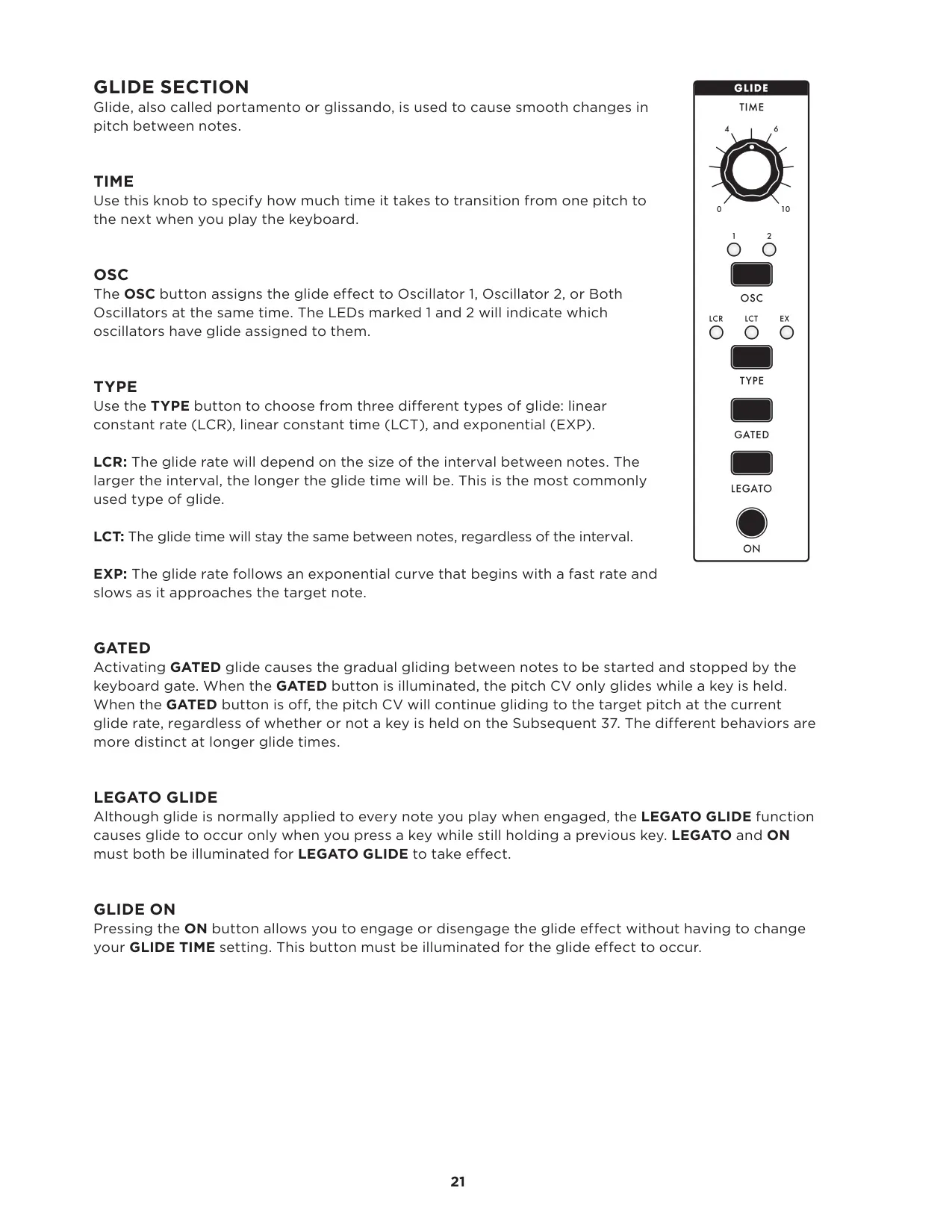
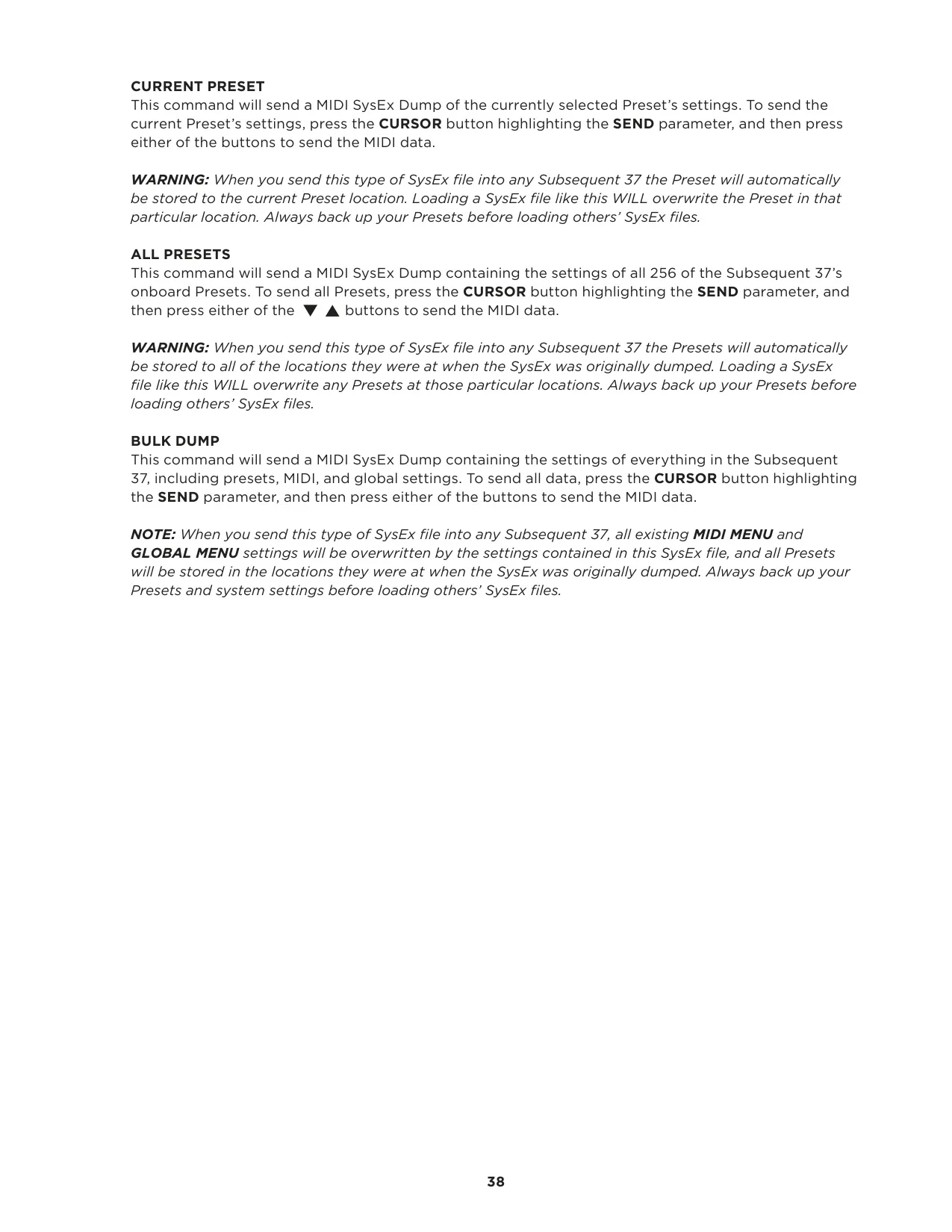
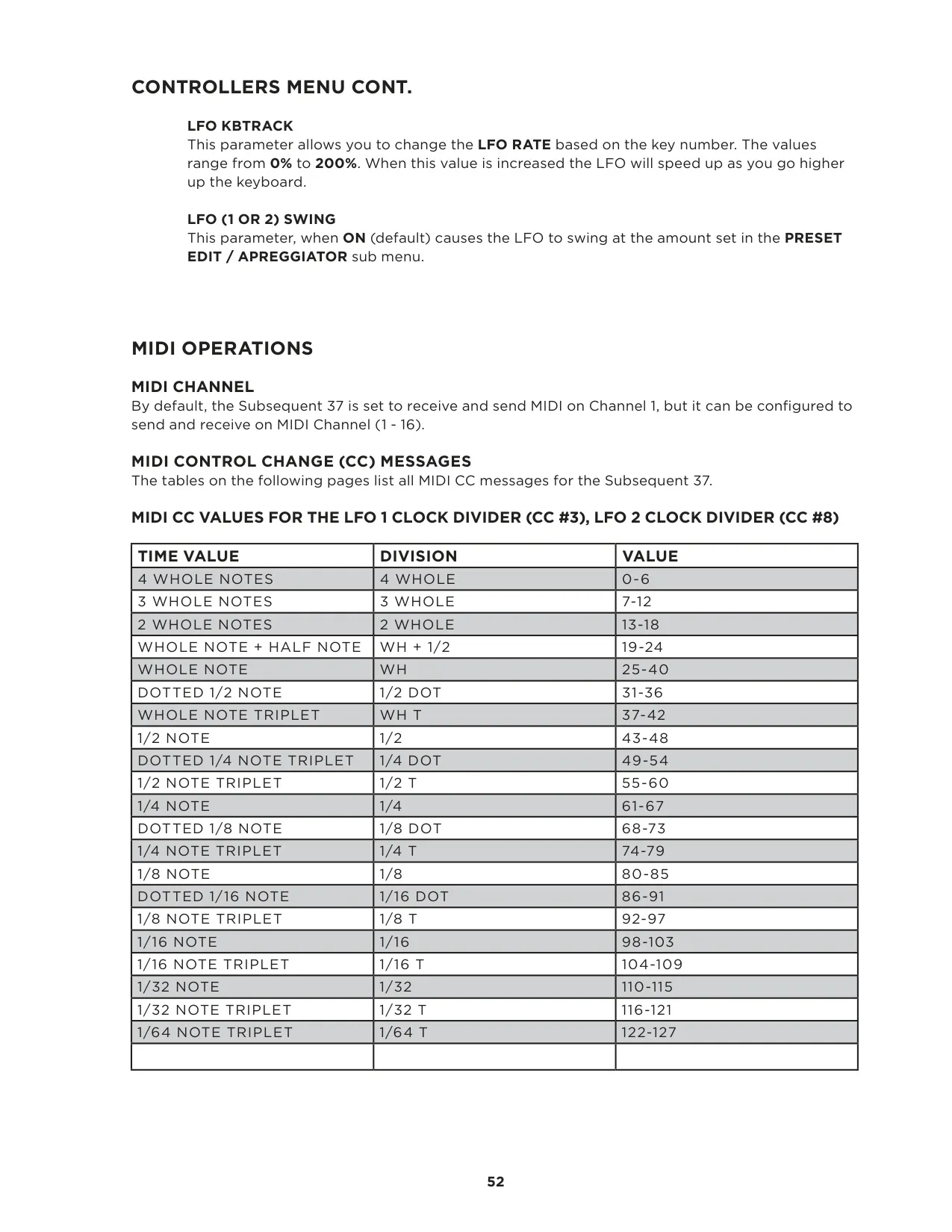
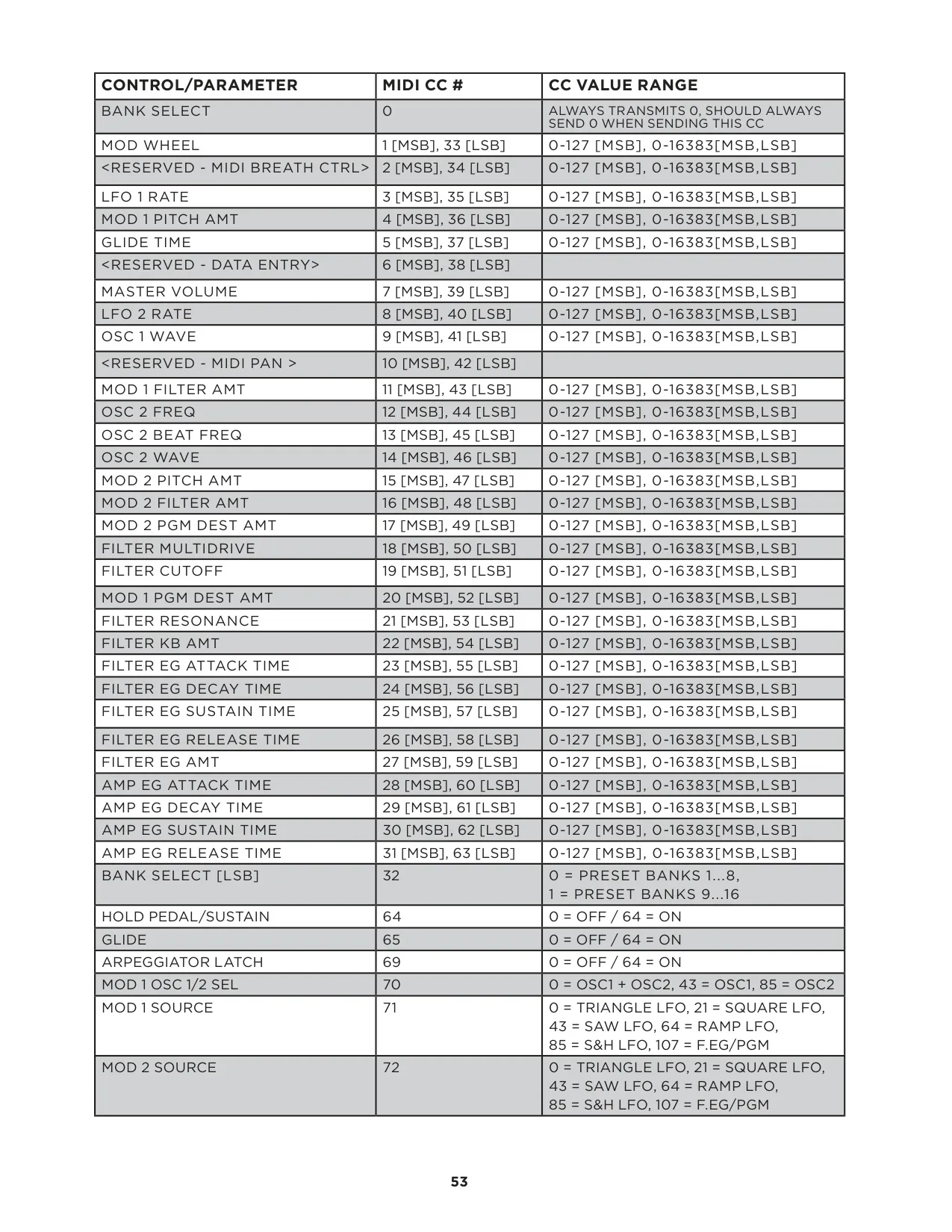
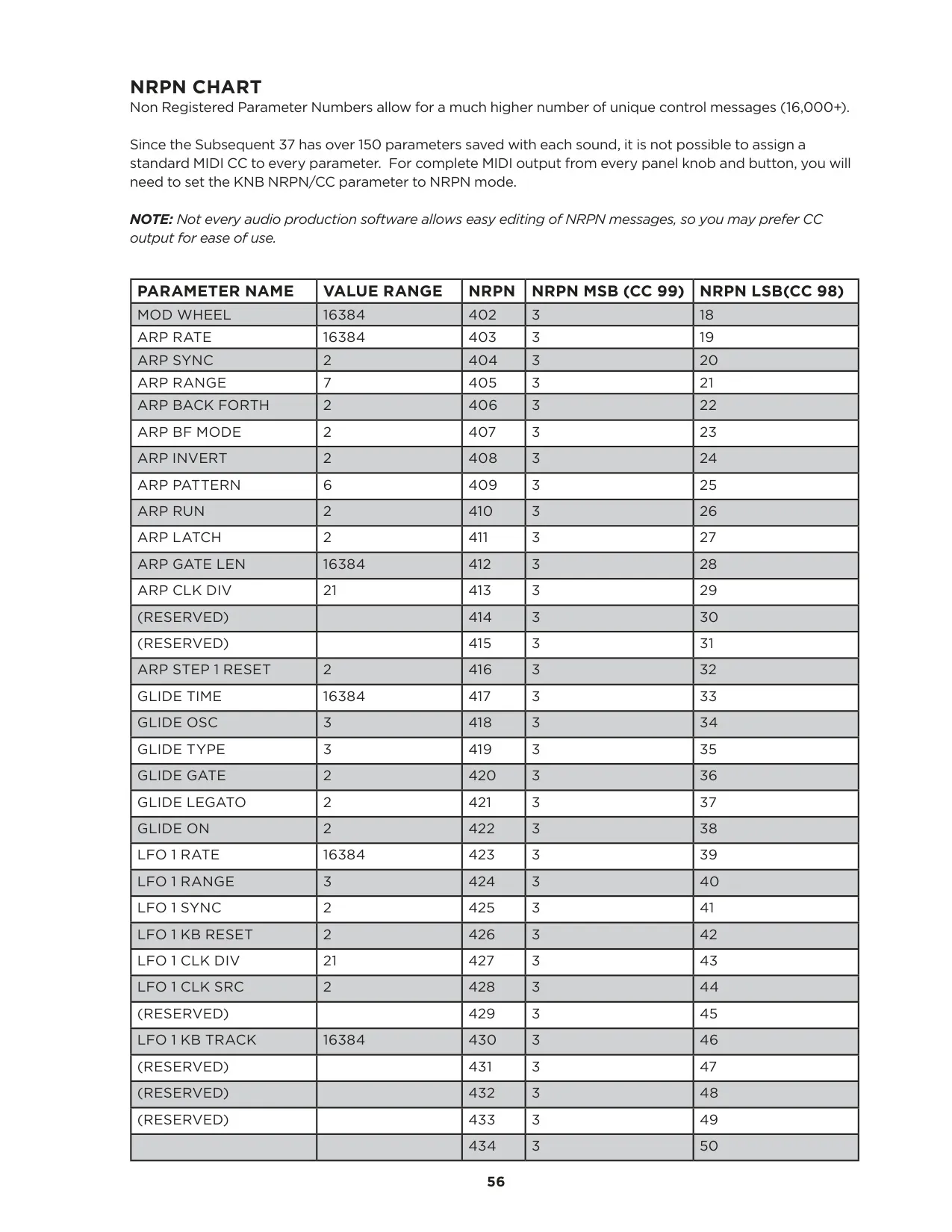
The Moog Subsequent 37 is a 2-note paraphonic analog synthesizer housed in a robust black steel chassis with aluminum extrusion and classic wood sidepieces. Its highly expressive 37-note keyboard features both velocity sensitivity and aftertouch, enabling nuanced performances. With 40 knobs and 74 switches, it offers a hands-on "one-knob-per-function" design, ensuring all critical performance and sound design features are readily accessible on the front panel. Every control also sends and receives MIDI, making the Subsequent 37 a fully automatable analog synthesizer and a potent MIDI controller.
At its core, the synthesizer features two highly stable, variable waveshape oscillators that smoothly transition between triangle, sawtooth, square, and narrow pulse waves, offering dynamic harmonic complexity. Oscillator 2 benefits from a Hard Sync function, locking its phase to Oscillator 1 for rich timbral shifts. Keyboard Reset forces oscillators to start their cycle with each new note, defining the sound's attack. Duo Mode allows independent pitch control for each oscillator, further refined by KB CTRL settings (HI, LO, OFF) and a unique Beat Frequency knob for consistent detuning across the keyboard.
The mixer section uniquely combines five audio sources, each with dedicated level knobs and mute buttons for instant sound sculpting. Significantly, mixer settings above 5 will overdrive the filter input, introducing a gentle distortion. The iconic Moog Ladder Filter is enhanced with MultiDrive, a versatile distortion processor that provides asymmetrical, tube-like warmth to aggressive hard clipping. Its selectable filter slopes (6/12/18/24 dB/Oct) can be changed in real-time, and the EG Amount and KB Track controls offer bipolar and ratio-based filter modulation respectively.
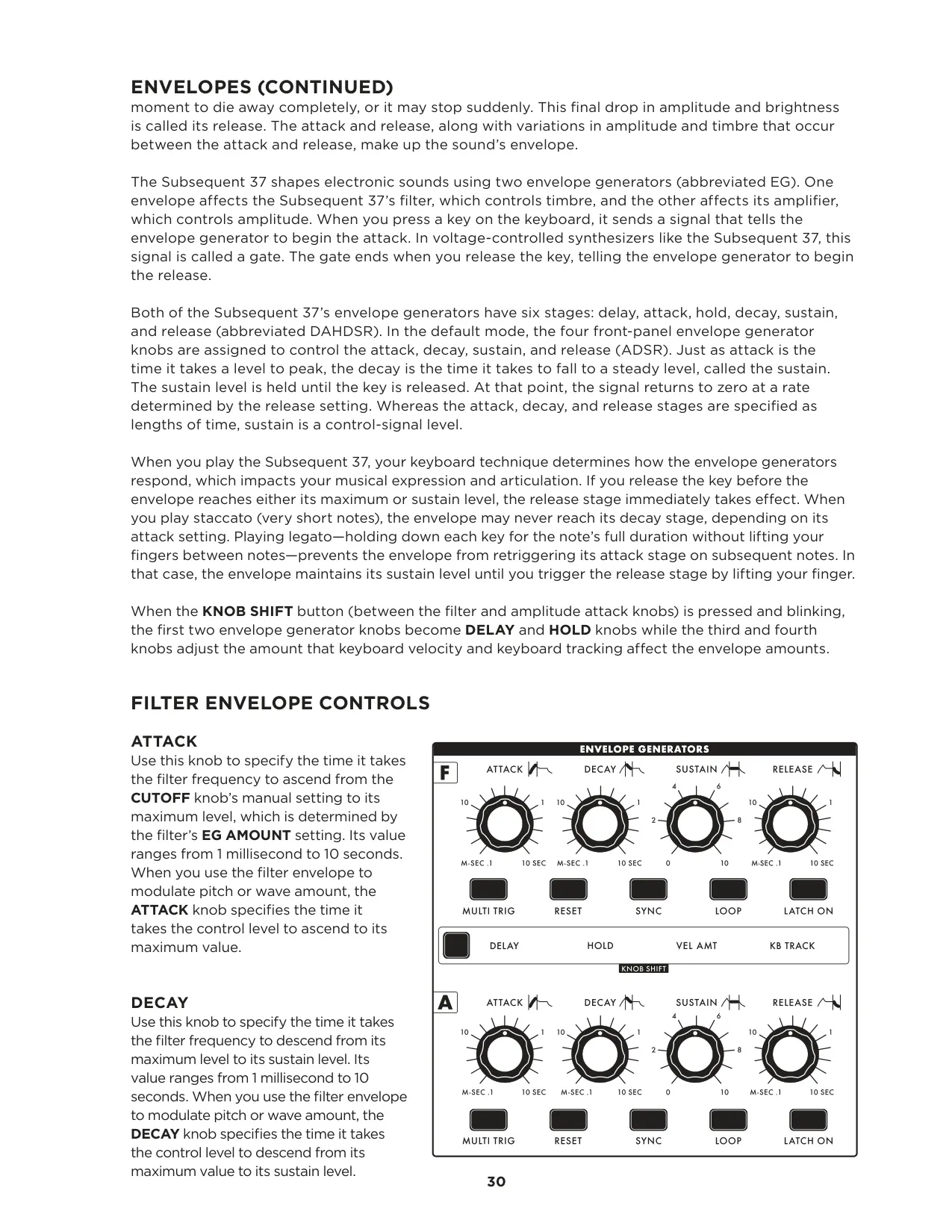
Two full DAHDSR looping envelopes are dedicated to the filter and amplifier, shaping timbre and amplitude. The KNOB SHIFT function reveals hidden Delay and Hold stages, alongside keyboard velocity and tracking amount controls, offering deeper envelope manipulation. Additional envelope features include Multi Trigger for retriggering on successive notes, Reset for consistent attack starts, Sync to internal or MIDI clock divisions, and a Loop function that transforms envelopes into versatile multi-stage LFOs for evolving textures.
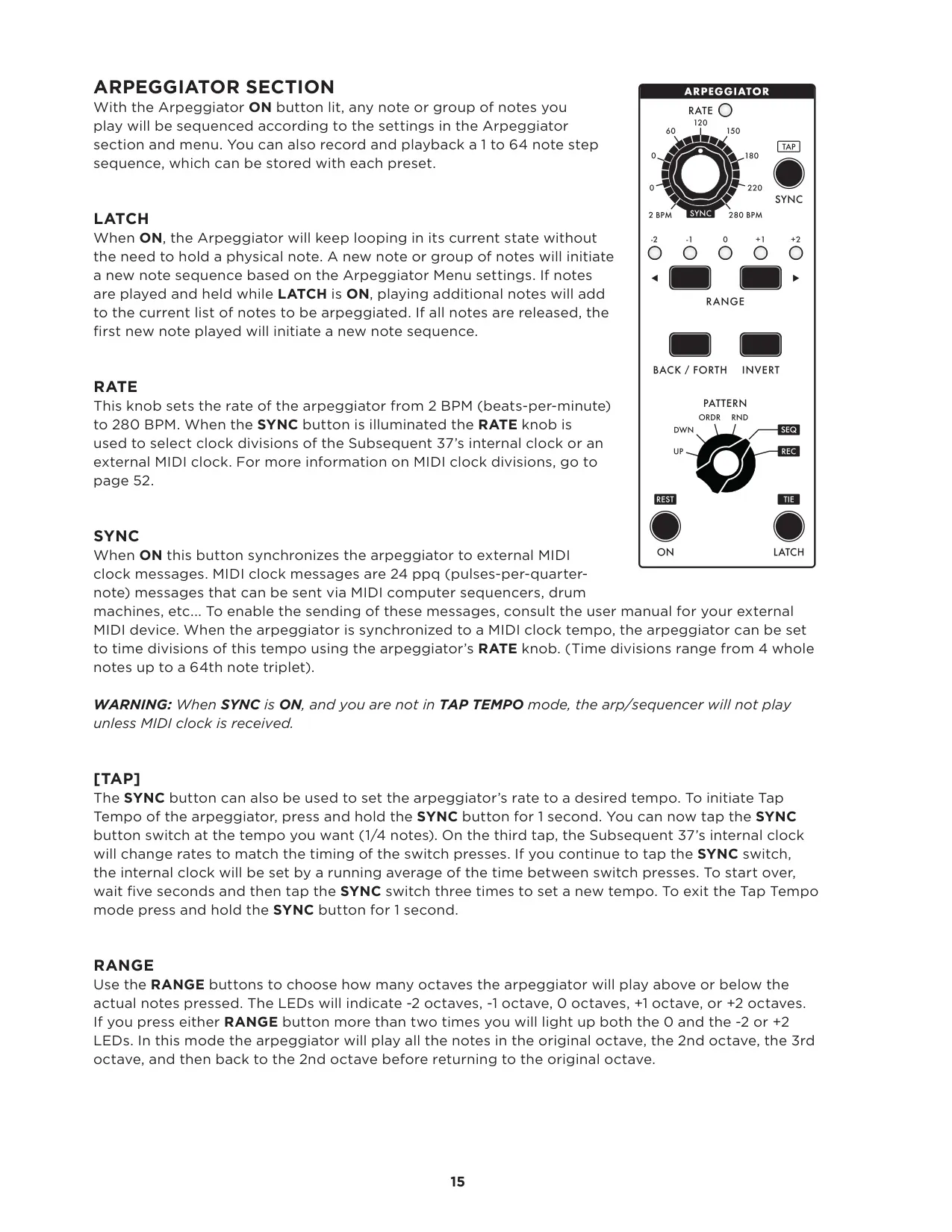
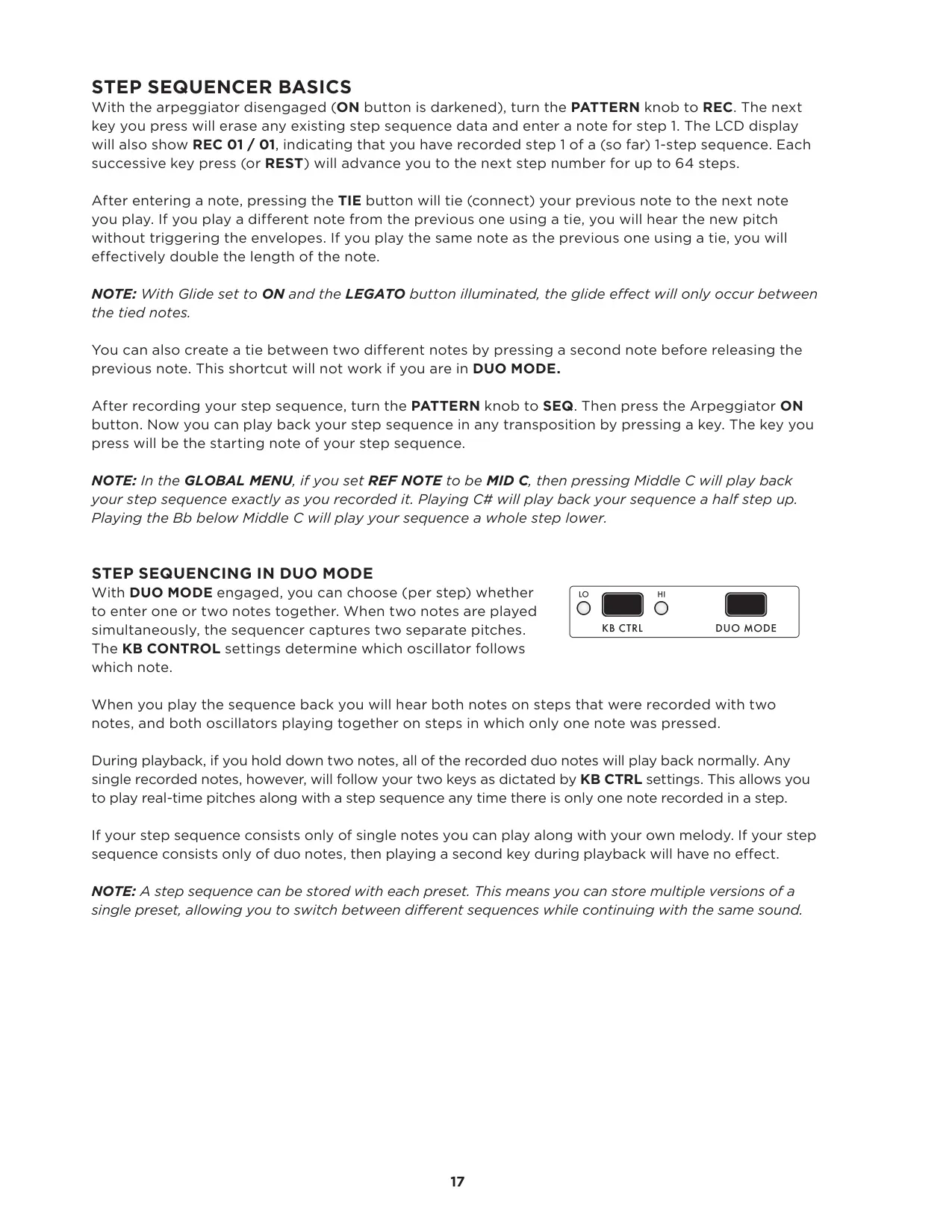
The powerful arpeggiator includes LATCH for continuous playback, Rate control with Tap Tempo and MIDI synchronization, Range for octave transpositions, Back/Forth patterns, and Invert for intricate note sequences. Its integrated 64-note step sequencer supports Duo Mode for recording two notes per step and offers comprehensive Step Edit features. These include adding rests and ties, rotating patterns, skipping steps, Ratchet for note repeats, and per-step SEQ MOD values assignable to a wide array of modulation destinations.
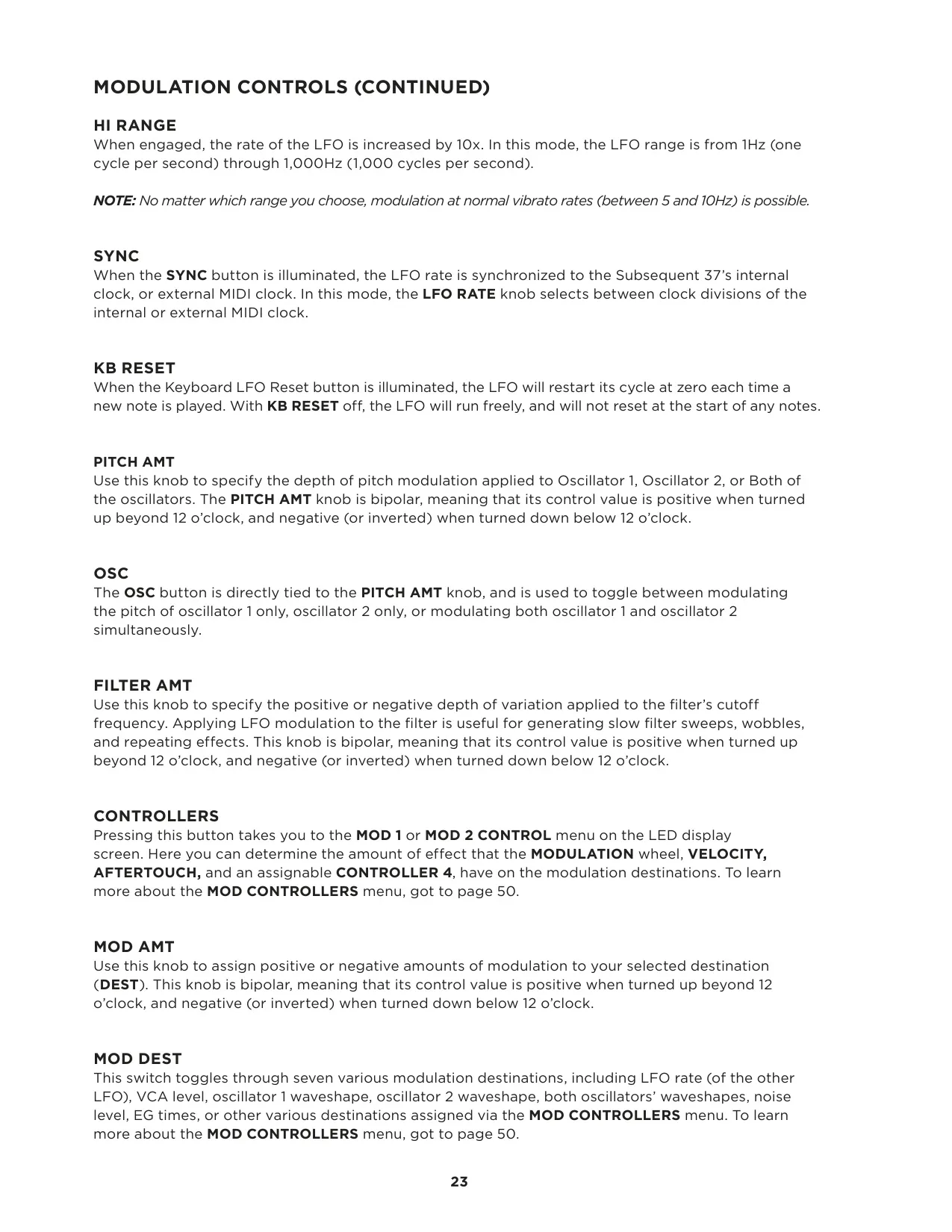
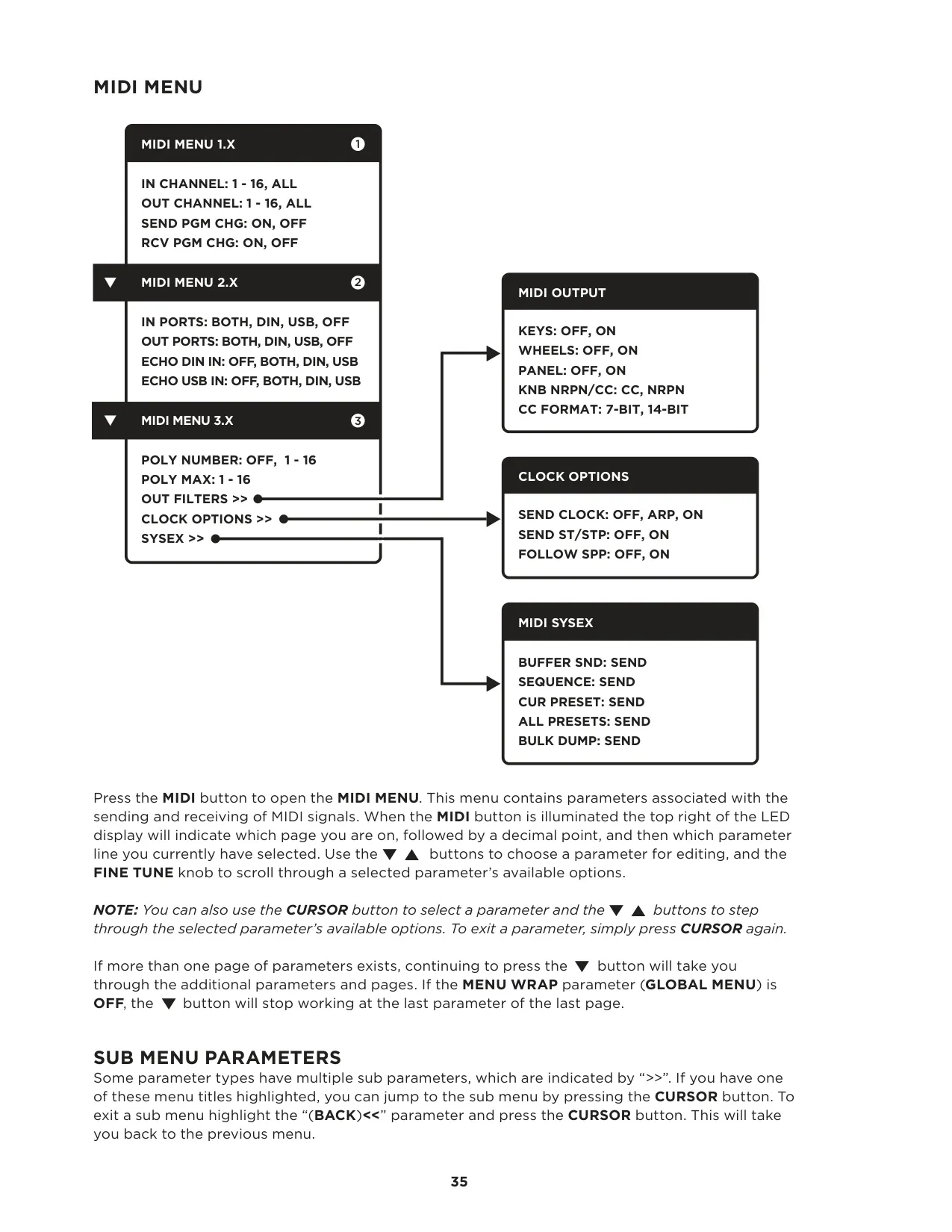
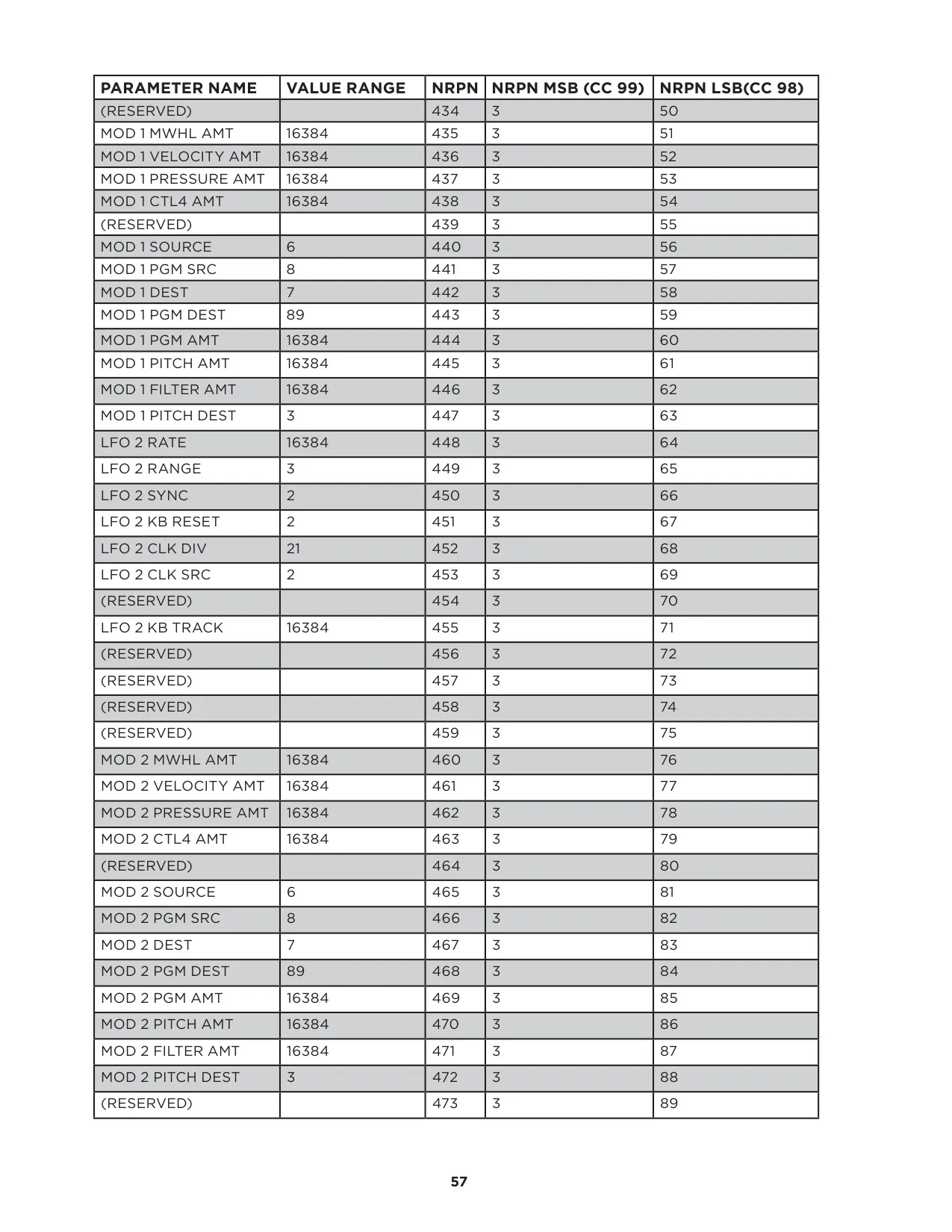
The Subsequent 37's modulation system boasts two fully assignable busses, MOD 1 and MOD 2, offering extensive sound design possibilities. Beyond standard LFO waveforms, programmable sources (PGM SRC) can include the Amp EG, Constant On, Sine/Noise LFOs, and Sequencer data. Programmable destinations (PGM DST) allow modulation of virtually any sound parameter, from filter resonance to envelope times, and even specific on/off controls. Modulation depth is precisely controlled by the Mod Wheel, velocity, aftertouch, and an assignable Controller 4, providing rich expressive control. The synthesizer stores 256 user-editable presets across 16 banks and offers global settings for comprehensive MIDI control, custom tuning scales, and various calibration routines for sustained precision.
Frequently Asked Questions (FAQs)
Can't find the answer you need? Here are some frequently asked questions about the Moog Subsequent 37 Audio Synthesizer, and we answer them below.