
Bushnell Tour V3 Rangefinder Instruction Manual
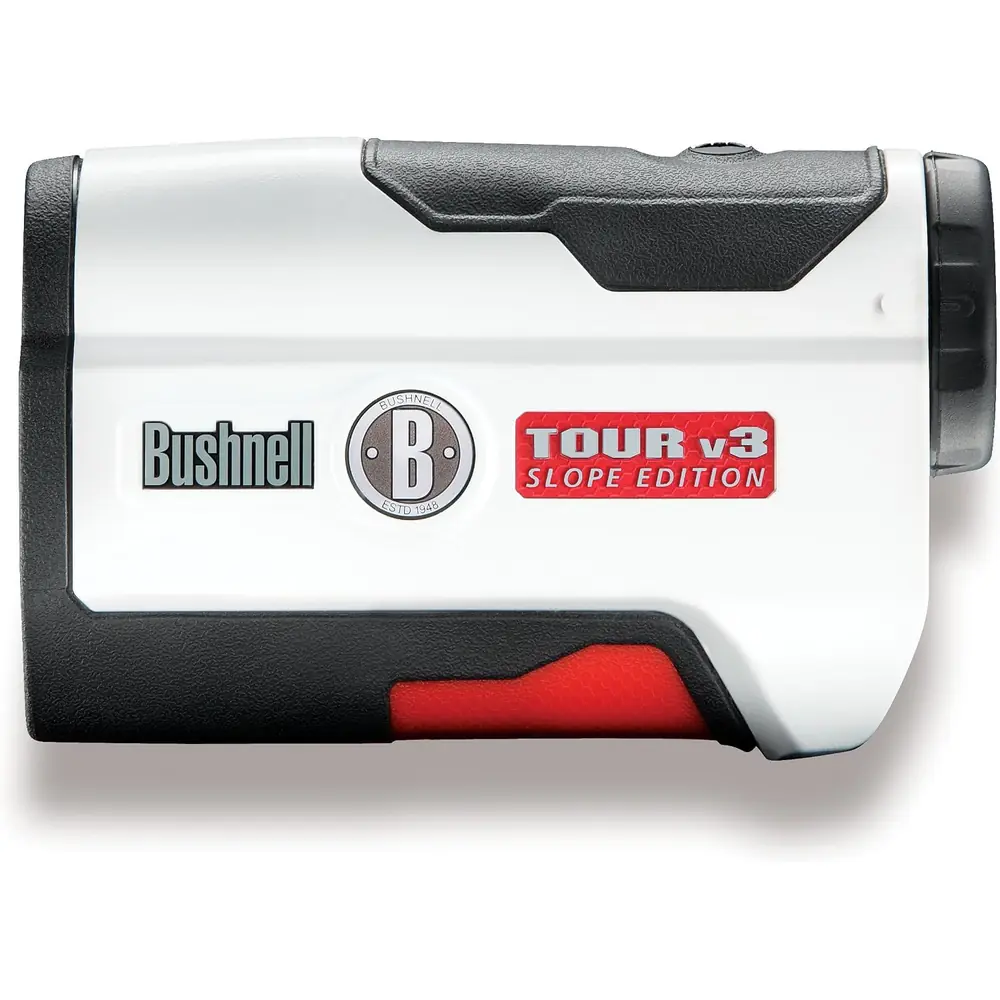
Bushnell Tour V3 Rangefinder


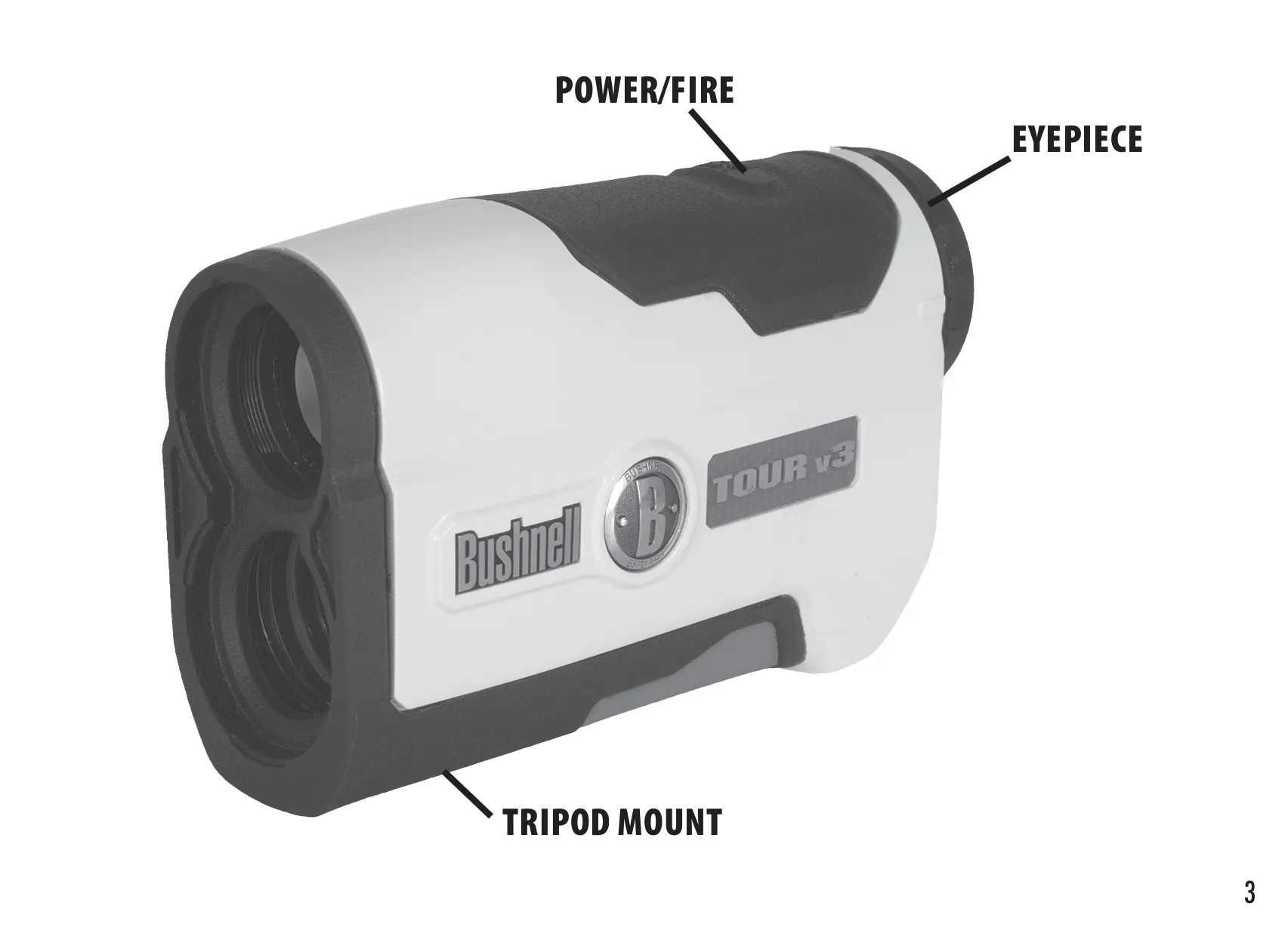





Bushnell Tour V3 Rangefinder Instructions
Here we offer the Bushnell Tour V3 Rangefinder manual completely free and in English. We have cataloged this manual in the Rangefinder section on Manualverse, and it has been rated by 1 users with an average rating of 5. If you have any specific questions about Bushnell Tour V3 Rangefinder, we suggest checking the Frequently Asked Questions (FAQs) section of this manual.
Product Images
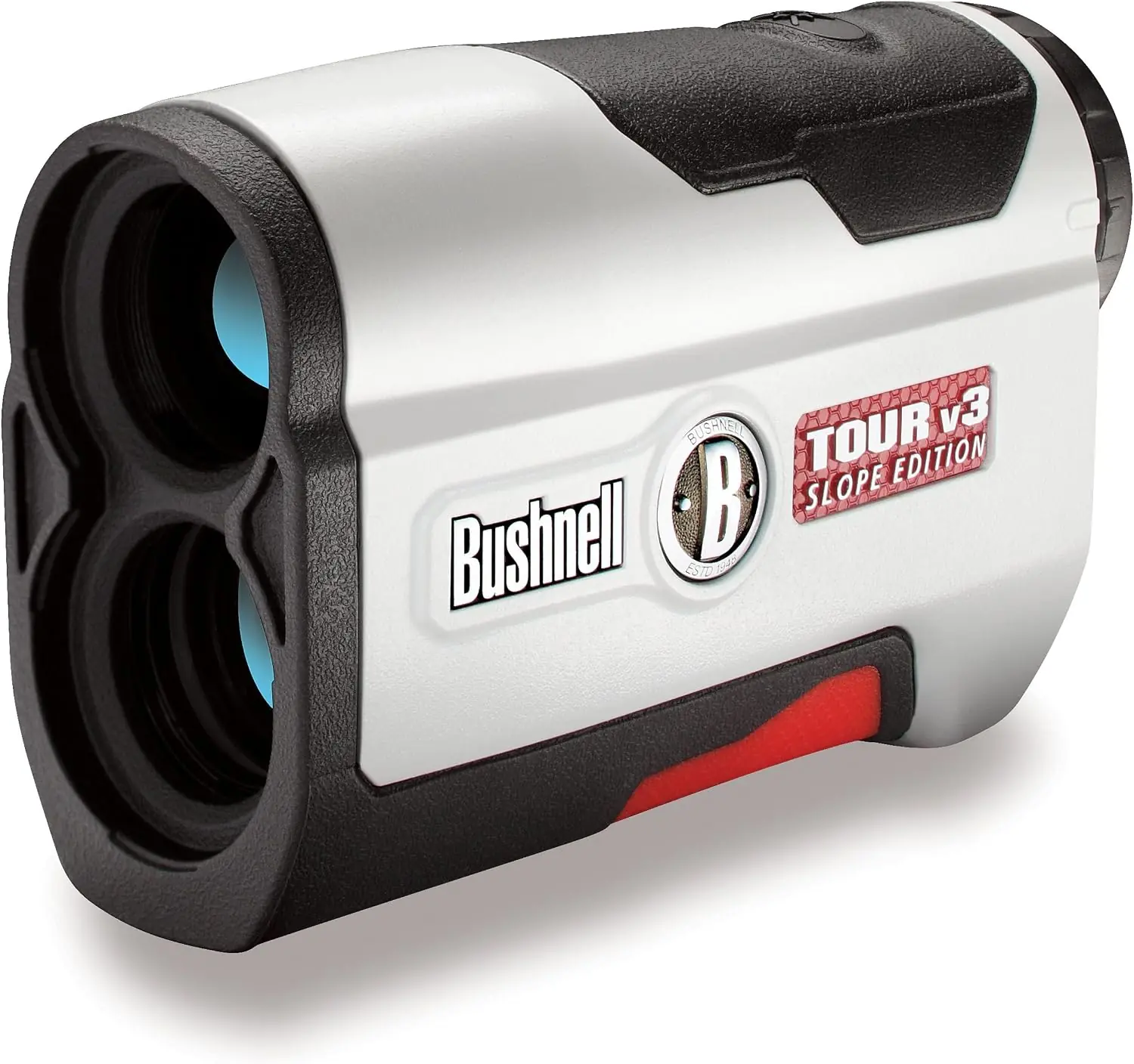
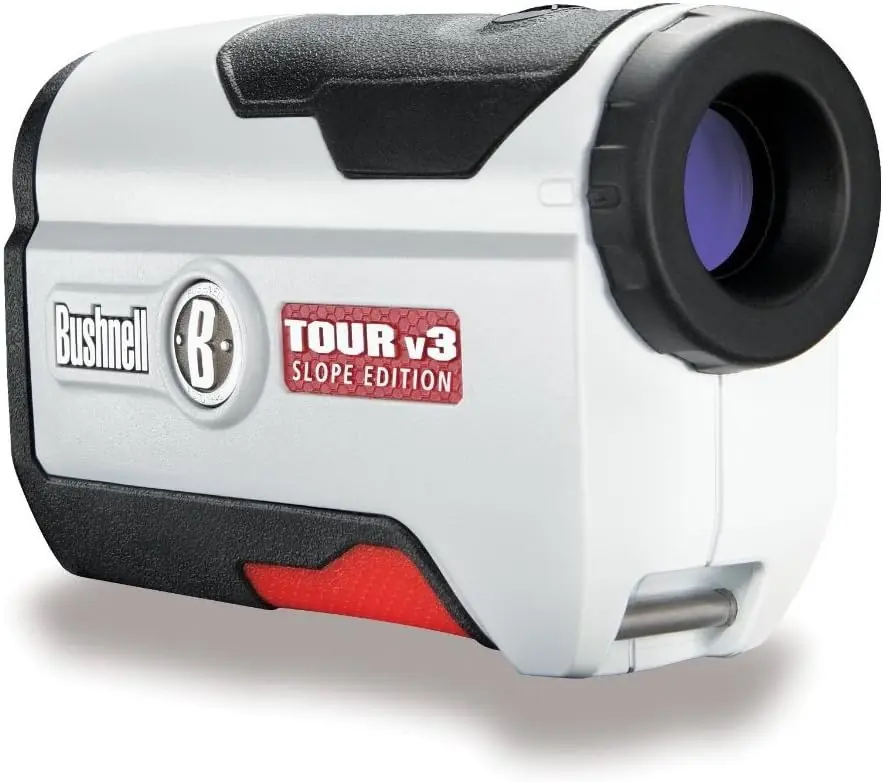
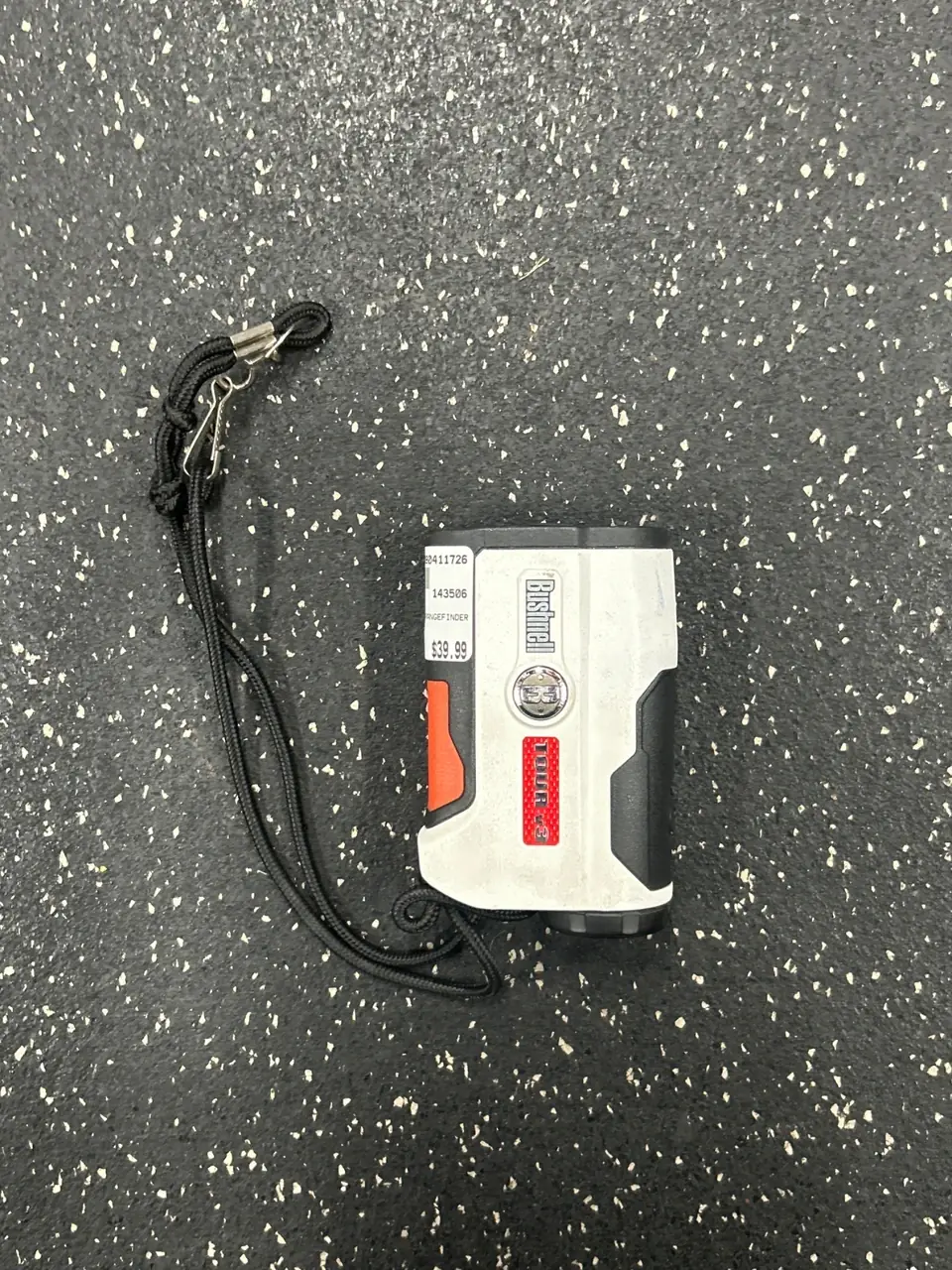
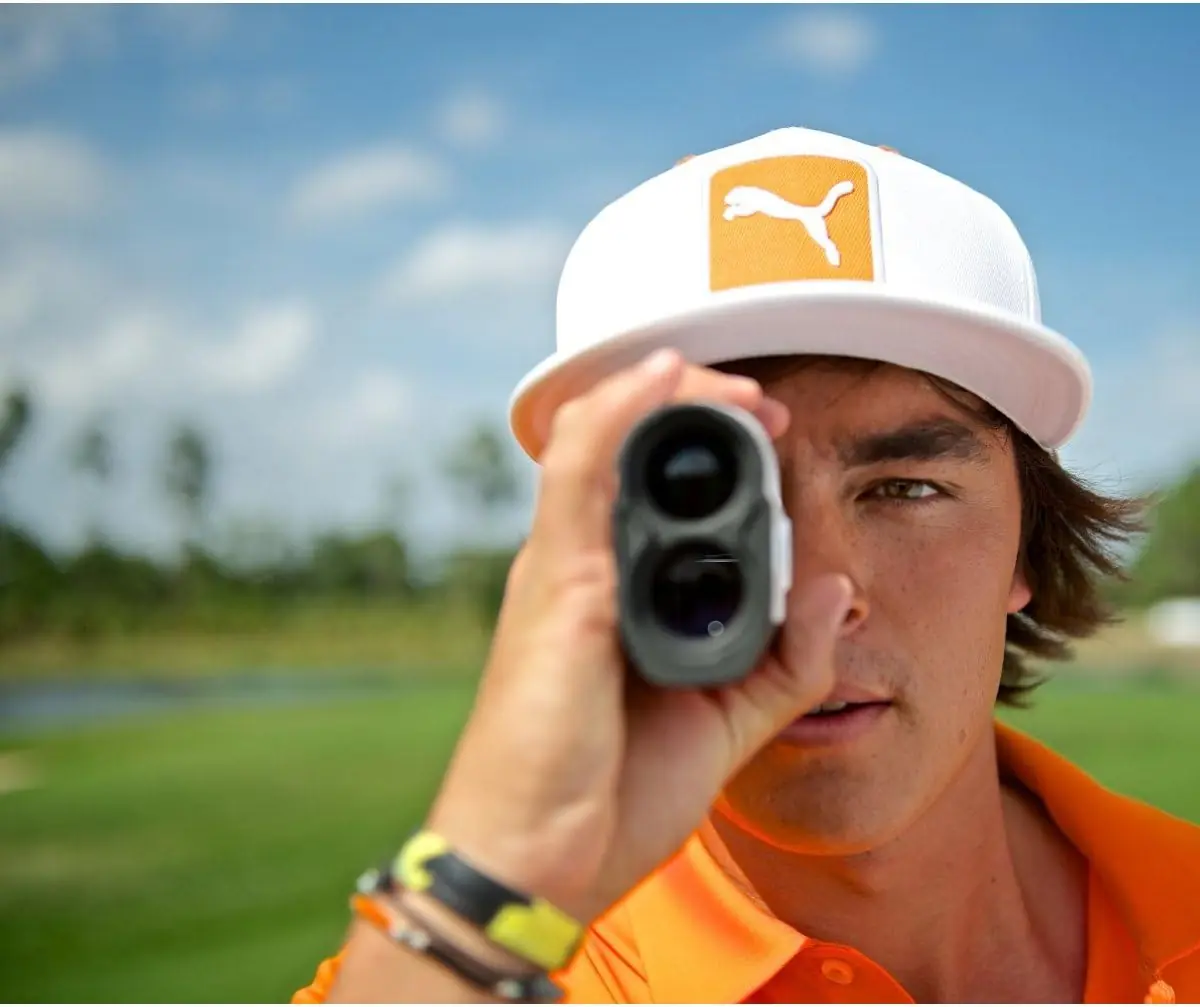
Bushnell Tour V3 Rangefinder Specifications
| Feature | Specification |
|---|---|
| Model Numbers | 201360 / 201361 |
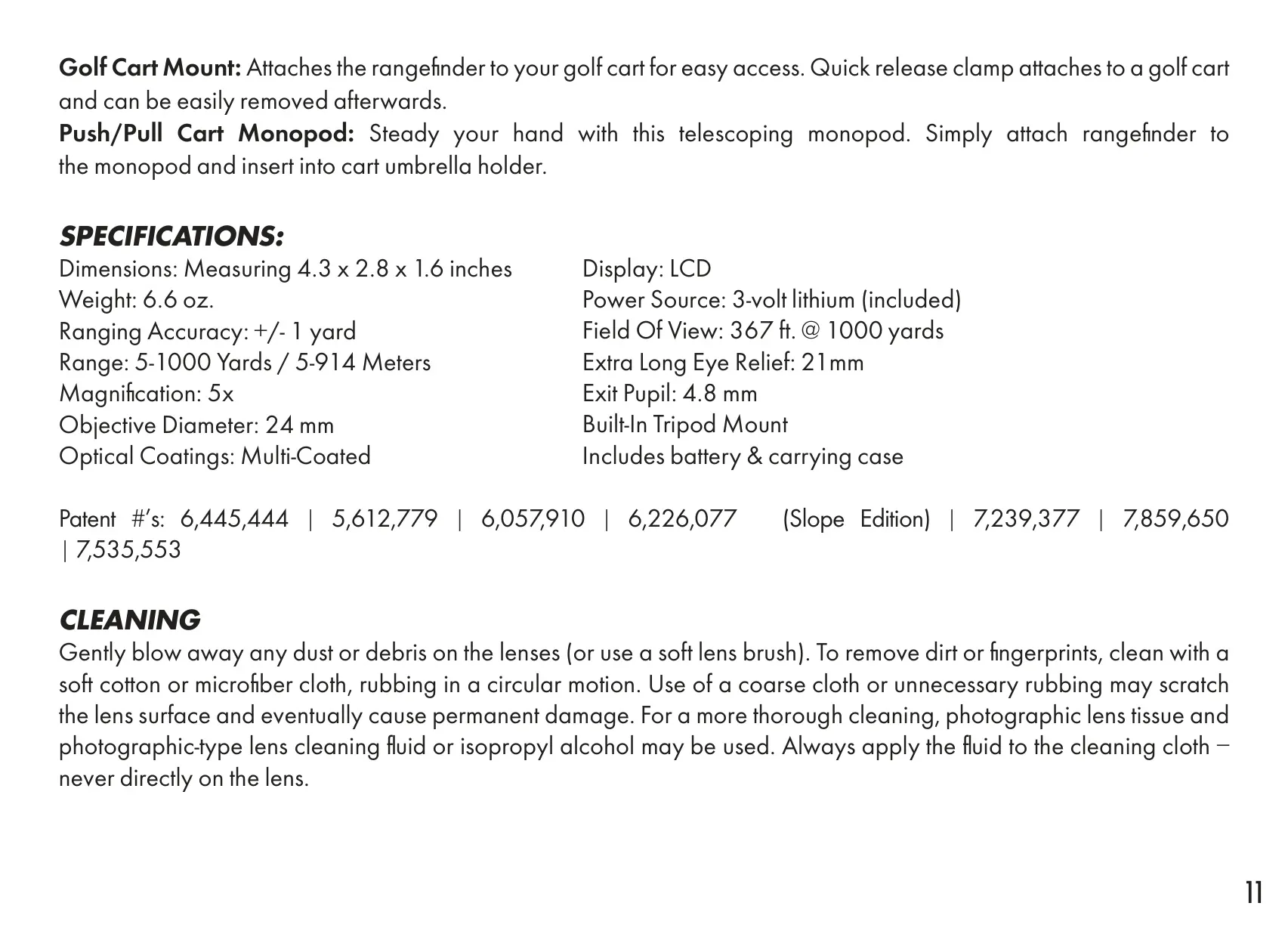
| Dimensions | 4.3 x 2.8 x 1.6 inches |
| Weight | 6.6 oz |
| Display | In-view LCD |
| Magnification | 5x |
| Objective Diameter | 24 mm |
| Exit Pupil | 4.8 mm |
| Eye Relief | 21 mm (extra long) |
| Field of View | 367 ft @ 1000 yards |
| Optical Coatings | Multi-Coated |
| Diopter Adjustment | +/- 2 diopters |
| Ranging Range | 5–1000 yards / 5–914 meters |
| Maximum Range (most objects) | 700 yards / 640 meters |
| Maximum Range (highly reflective objects) | 1000 yards / 914 meters |
| Ranging Accuracy | +/- 1 yard/meter |
| Minimum Target Distance | 5 yards |
| Units of Measure | Yards or meters |
| Targeting Technology | PinSeeker with JOLT (vibration) |
| Maximum Laser Firing Time | 10 seconds |
| LCD Active Time After Reading | 30 seconds |
| Slope Angle Range (Slope Edition) | -20 to +20 degrees |
| Slope Angle Accuracy (Slope Edition) | +/- 1.0 degree |
| Power Source | CR-2 3-volt lithium battery (included) |
| Recommended Battery Replacement | At least once every 12 months |
| Tripod Mount | Built-in, threaded |
| Laser Classification | Class 1 per IEC 60825-1:2007 |
| FDA Compliance | 21 CFR 1040.10 and 1040.11 |
| FCC Compliance | Class B digital device, Part 15 |
| Included Accessories | Battery and carrying case |
| Warranty | Two-year limited |
Bushnell Tour V3 Rangefinder Details
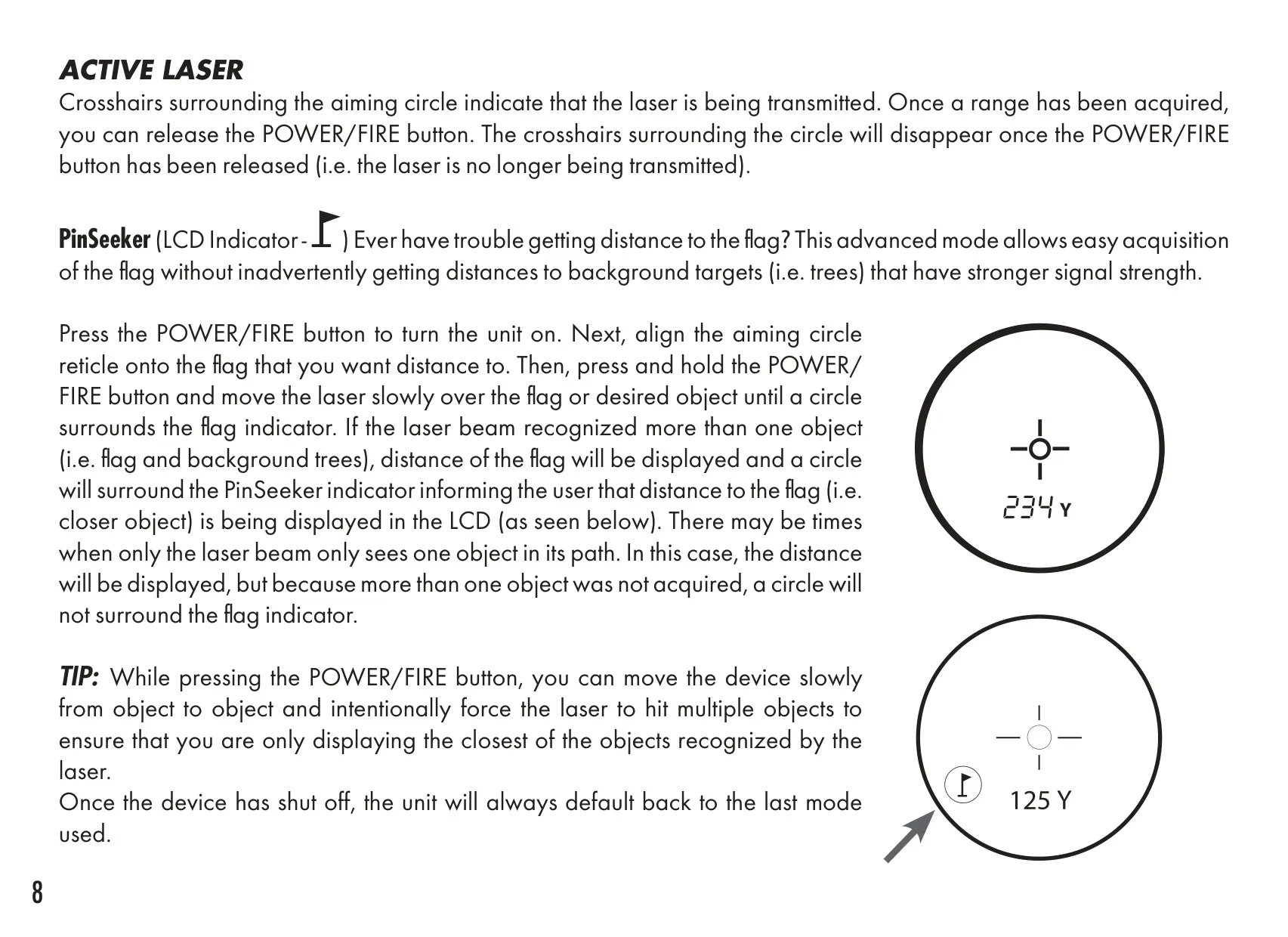
The Tour V3 is built around PinSeeker technology with JOLT. It helps golfers lock onto the flag without picking up background targets, such as trees, that return a stronger signal. When you sweep the laser slowly over the flag and it recognizes more than one object, the unit shows the closer distance and puts a circle around the PinSeeker indicator. If it detects only one object, it still shows the distance, but without the circle.
The JOLT function adds a short vibration, like a phone set to vibrate. It confirms that PinSeeker has detected the flag and that the distance is on the LCD. JOLT is optional. You select it from a setup cycle that runs through Yards w/JOLT, Yards, Meters w/JOLT and Meters while you hold the POWER/FIRE button. Release the button when your preferred option appears. The unit uses the last setting each time it powers on.
A single POWER/FIRE button runs the device. One press turns on the in-view LCD. Place the aiming circle on a target and hold the button until the reading appears near the bottom of the display. Crosshairs around the aiming circle show that the laser is firing, and they disappear when you release the button. You don't need to clear the previous reading; just aim at a new target and press again. Tip: sweep across several objects on purpose so the unit reports only the closest one.
A digital microprocessor and an ASIC chip calculate distance by timing each invisible, eye-safe infrared pulse on its trip to the target and back. Range depends heavily on how reflective the target is. Bright colors such as red reach farther than black, shiny surfaces range better than dull ones, and large targets are easier than small ones. A target facing the beam straight on ranges best, while steep angles limit performance. Overcast skies extend maximum range and bright sunshine reduces it. The unit doesn't need reflectors on the flag.
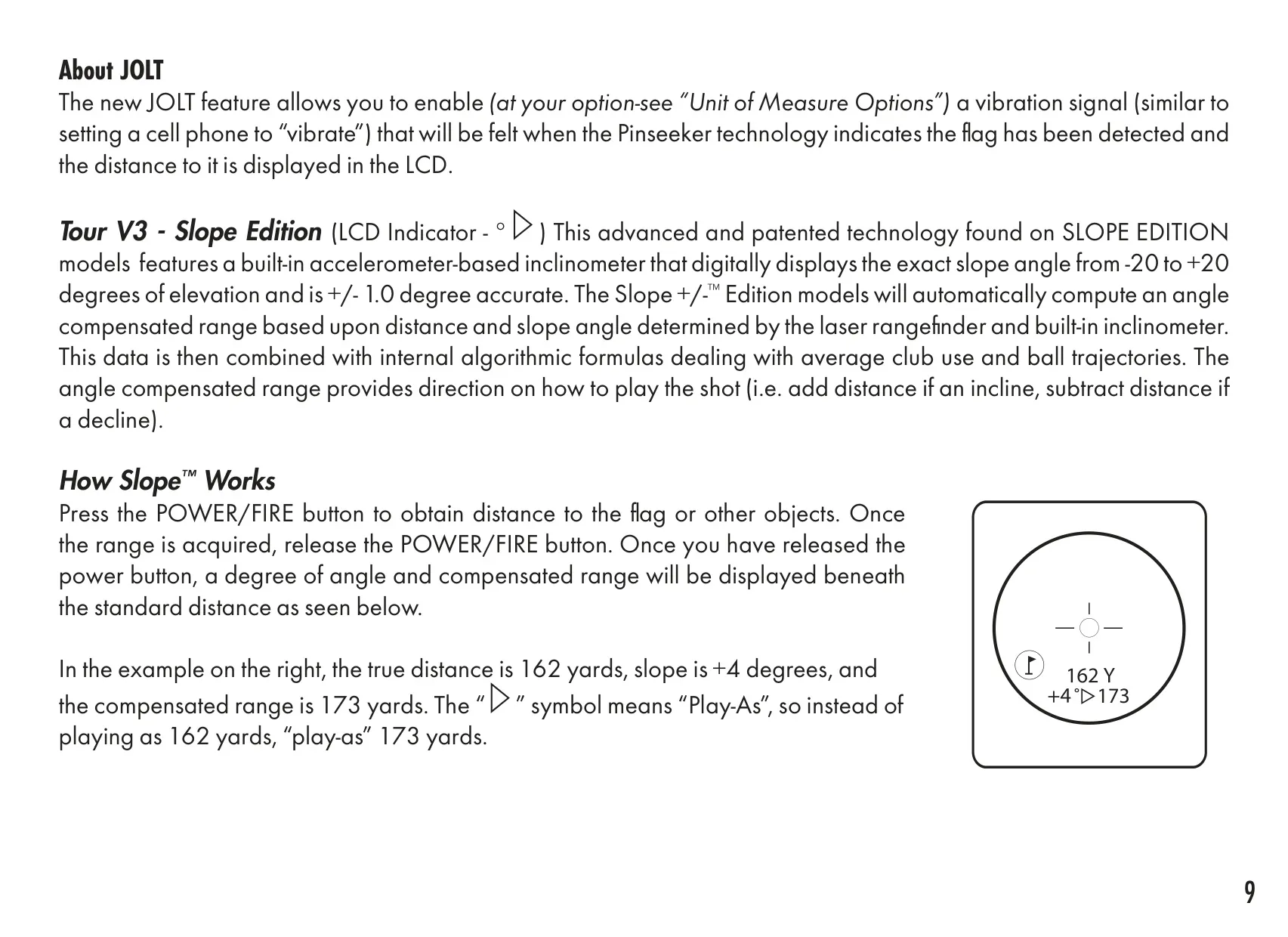
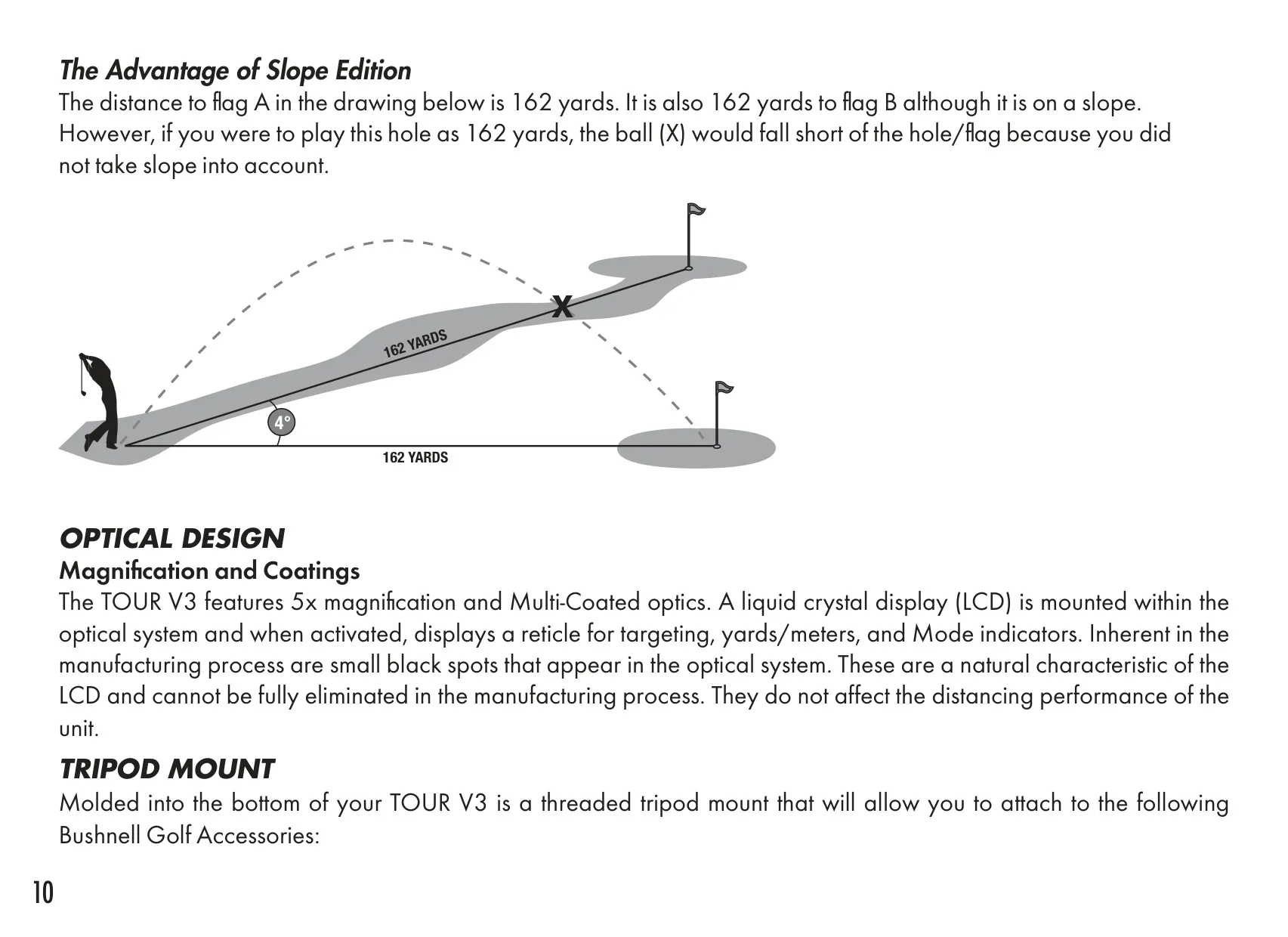
Slope Edition models have a built-in inclinometer based on an accelerometer. They combine the measured distance and slope angle with internal formulas based on average club use and ball trajectories. After you release the button, the angle and a compensated "Play-As" range appear below the standard distance. In the manual's example, a true distance of 162 yards on a +4 degree incline becomes a play-as distance of 173 yards. If you played the raw 162 yards, the ball would land short. The compensated figure tells you to add distance uphill and subtract it downhill.
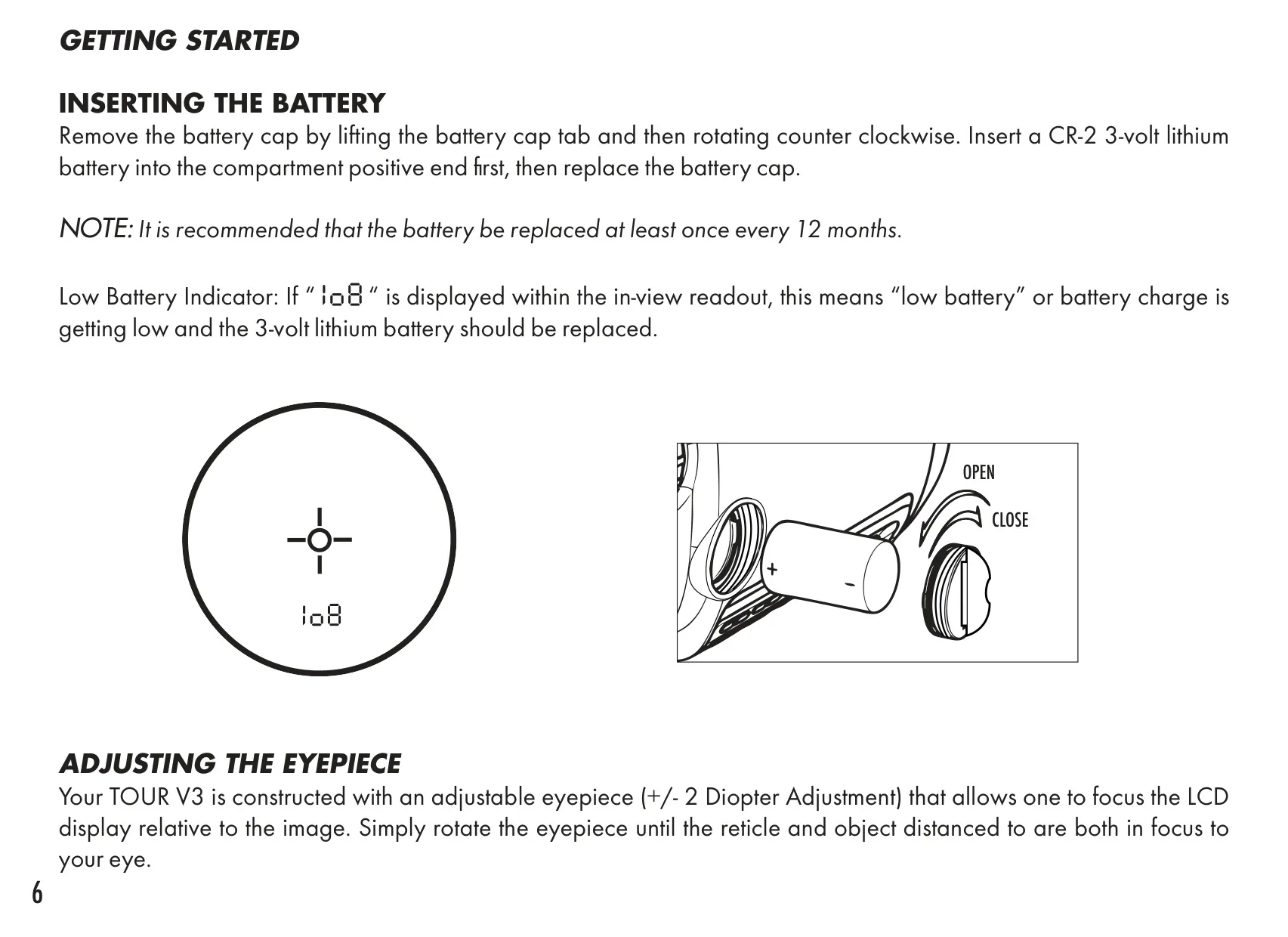
To install the CR-2 battery, lift the cap tab, turn the cap counterclockwise and insert the battery positive end first. A low battery icon warns you when the charge is dropping. Rotate the eyepiece until the reticle and the target are both in focus. Small black spots inside the optics are a normal trait of the LCD and don't affect ranging. The threaded tripod socket fits Bushnell's Golf Cart Mount with its quick release clamp, and the telescoping Push/Pull Cart Monopod, which slots into a cart's umbrella holder.
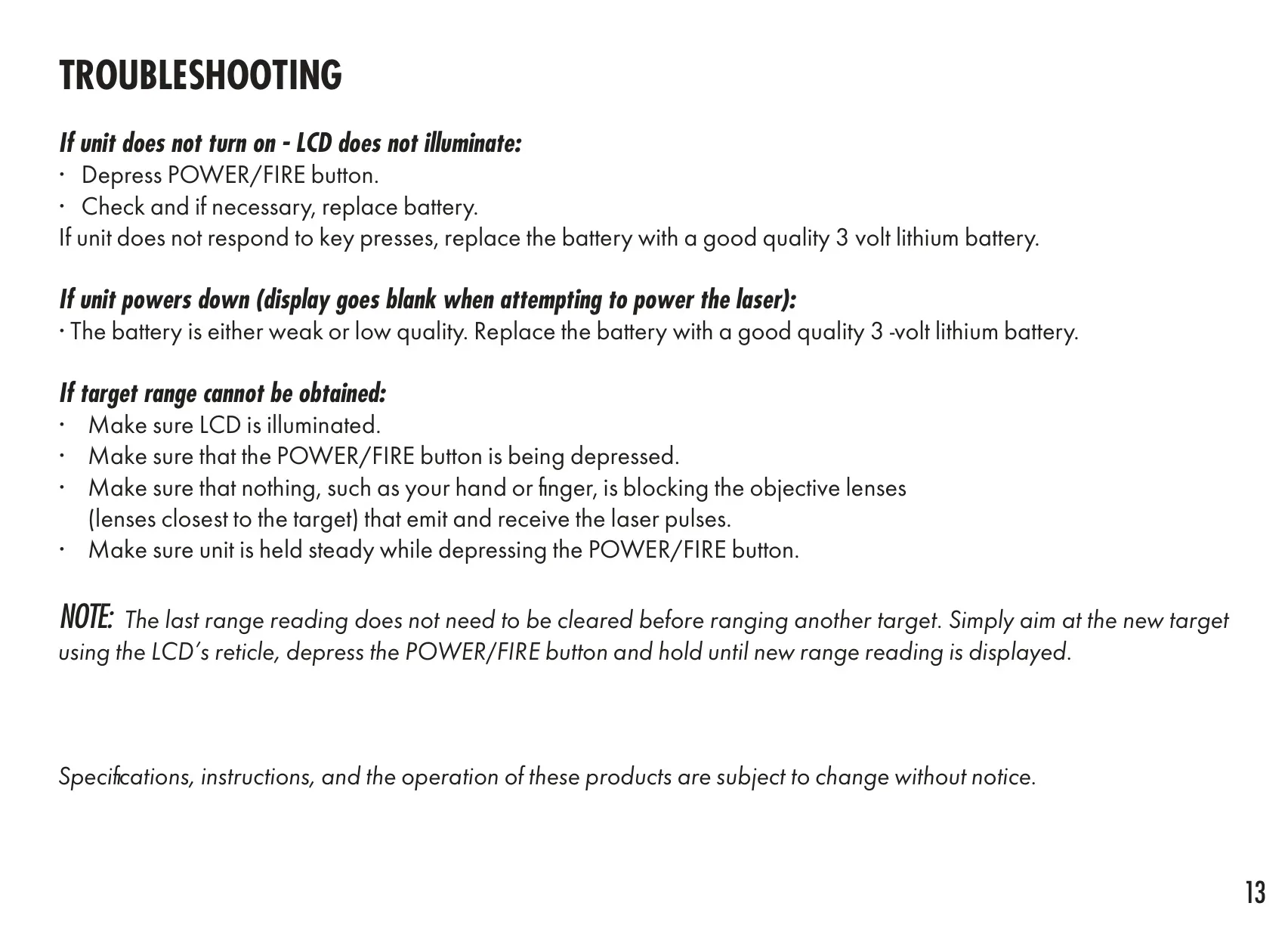
To clean the lenses, blow away dust or use a soft lens brush, then wipe in a circular motion with a soft cotton or microfiber cloth. For deeper cleaning, use photographic lens tissue with lens fluid or isopropyl alcohol, applied to the cloth and never directly to the lens. If the unit won't turn on or shuts off when firing, replace the battery with a good-quality 3-volt lithium battery. If you can't get a reading, check that the LCD is on, the objective lenses are uncovered and you are holding the unit steady.
Frequently Asked Questions (FAQs)
Can't find the answer you need? Here are some frequently asked questions about the Bushnell Tour V3 Rangefinder, and we answer them below.