Brother LS-1217 Sewing Machine Instruction Manual

Brother LS-1217 Sewing Machine
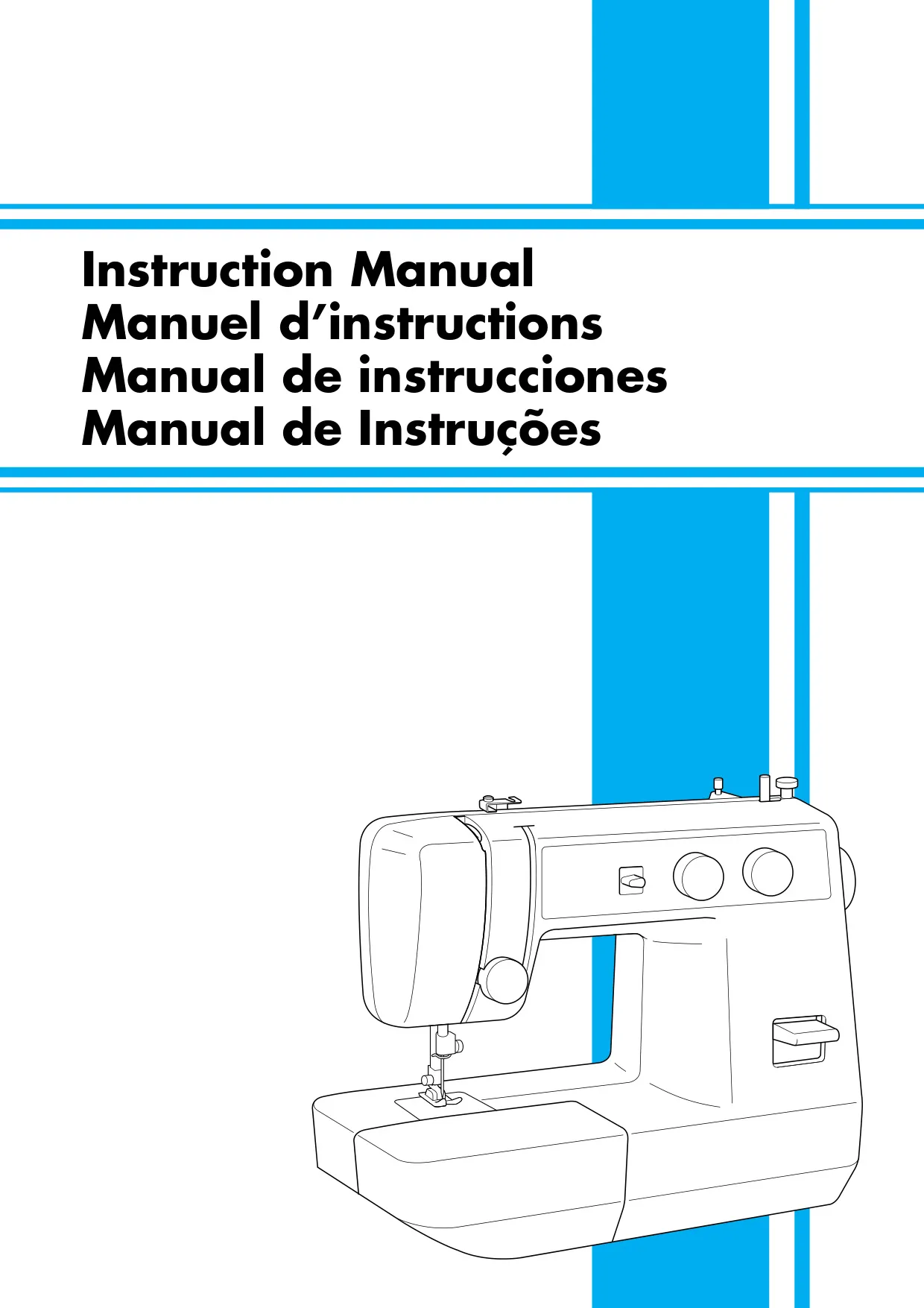


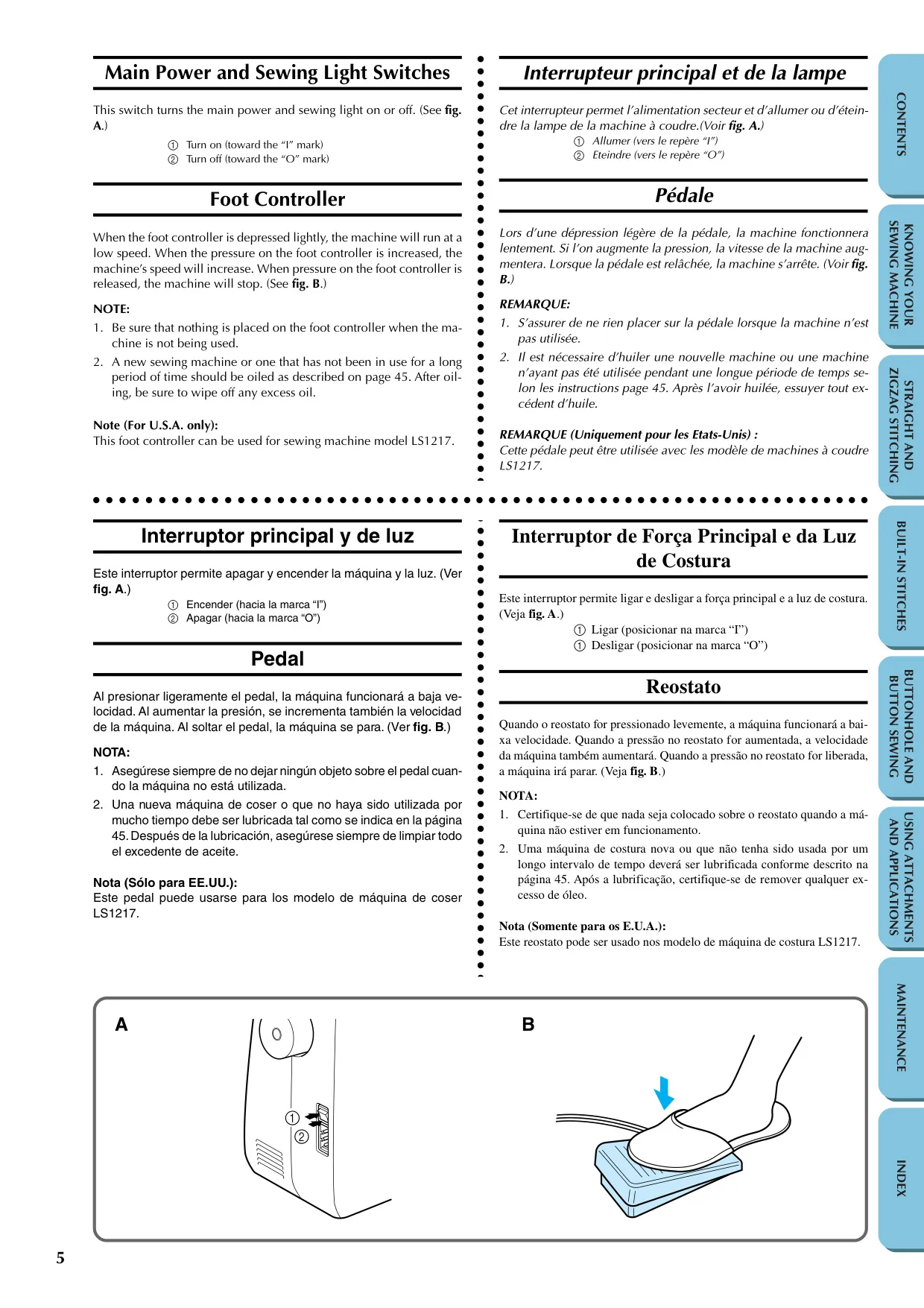
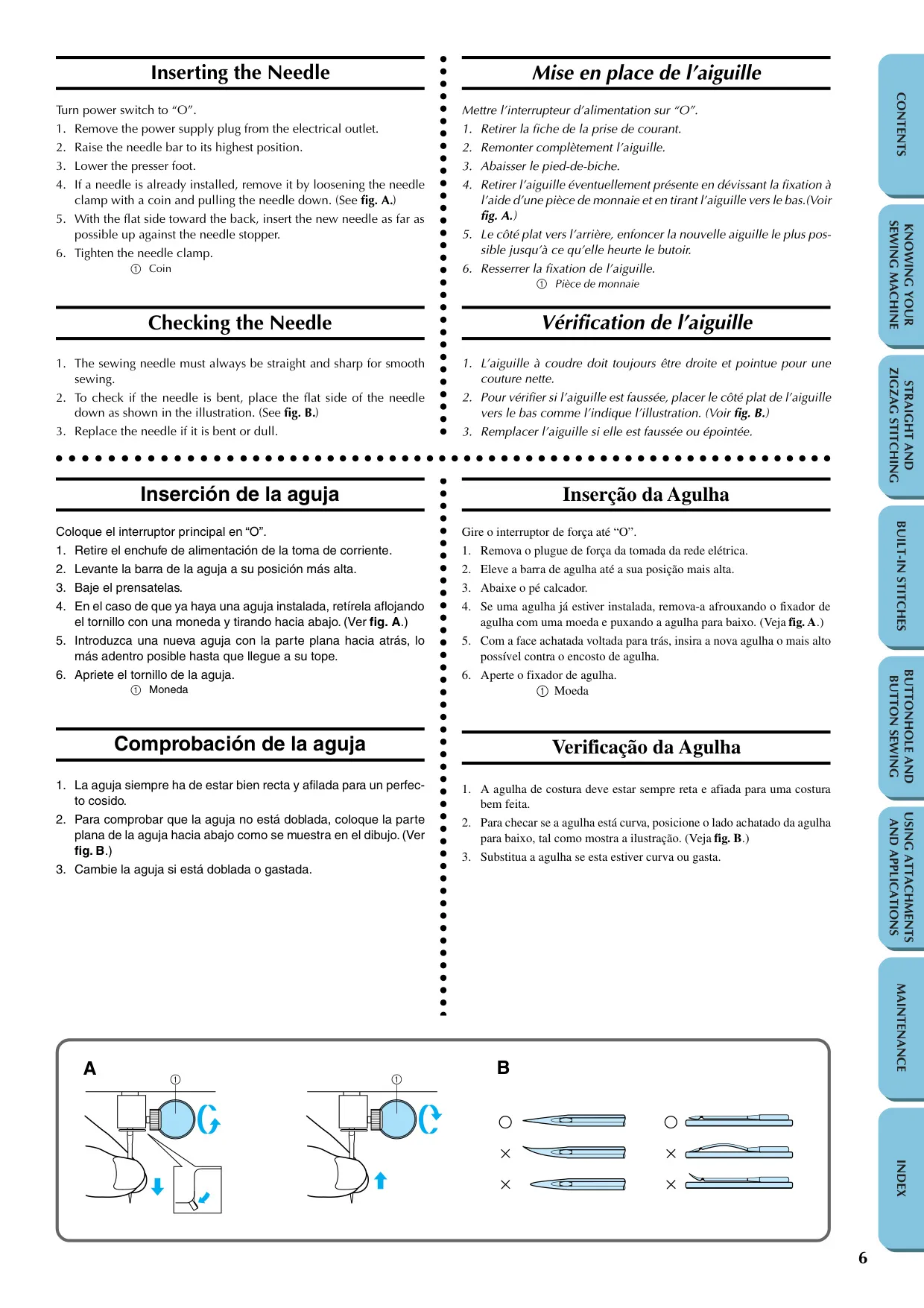

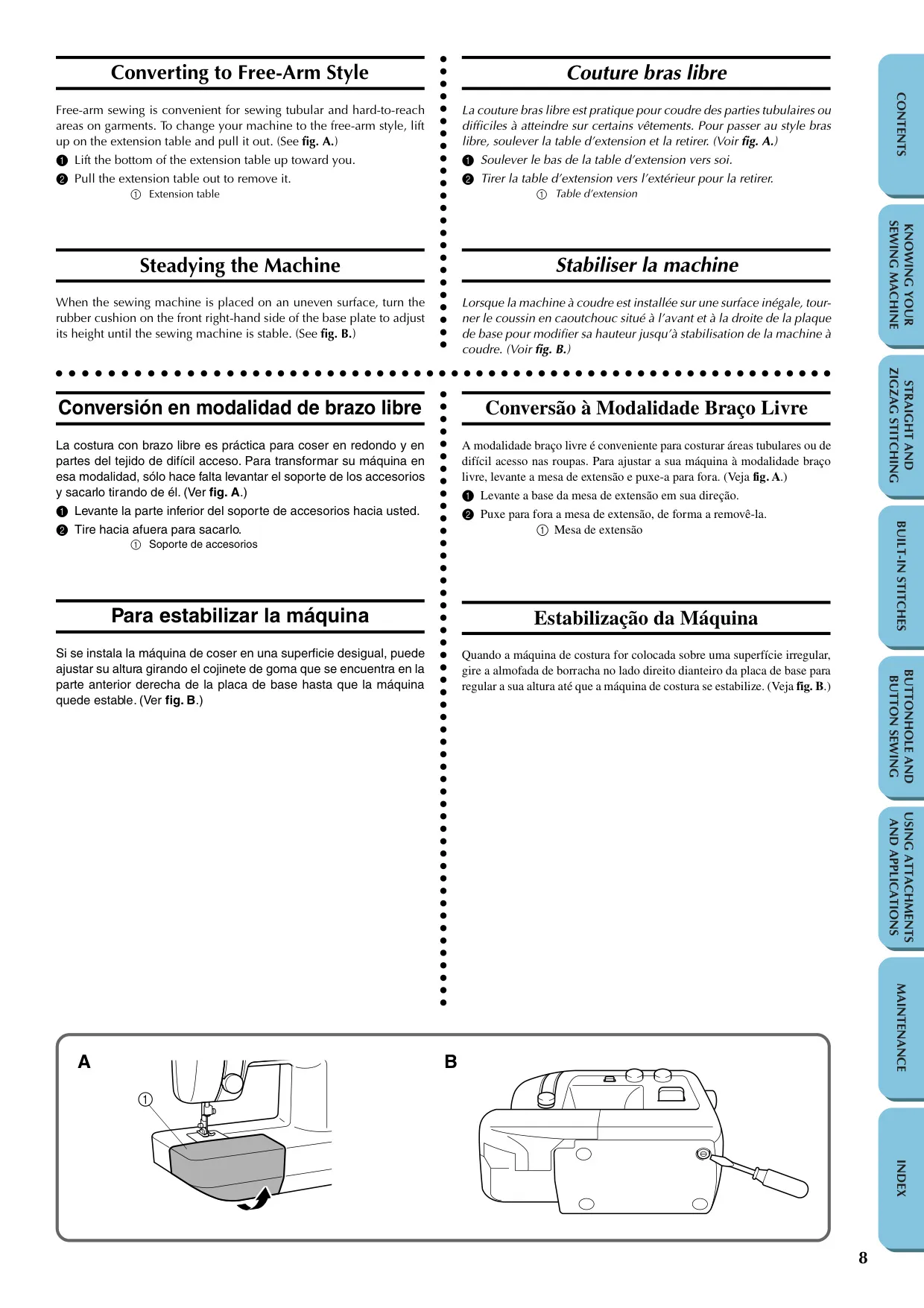
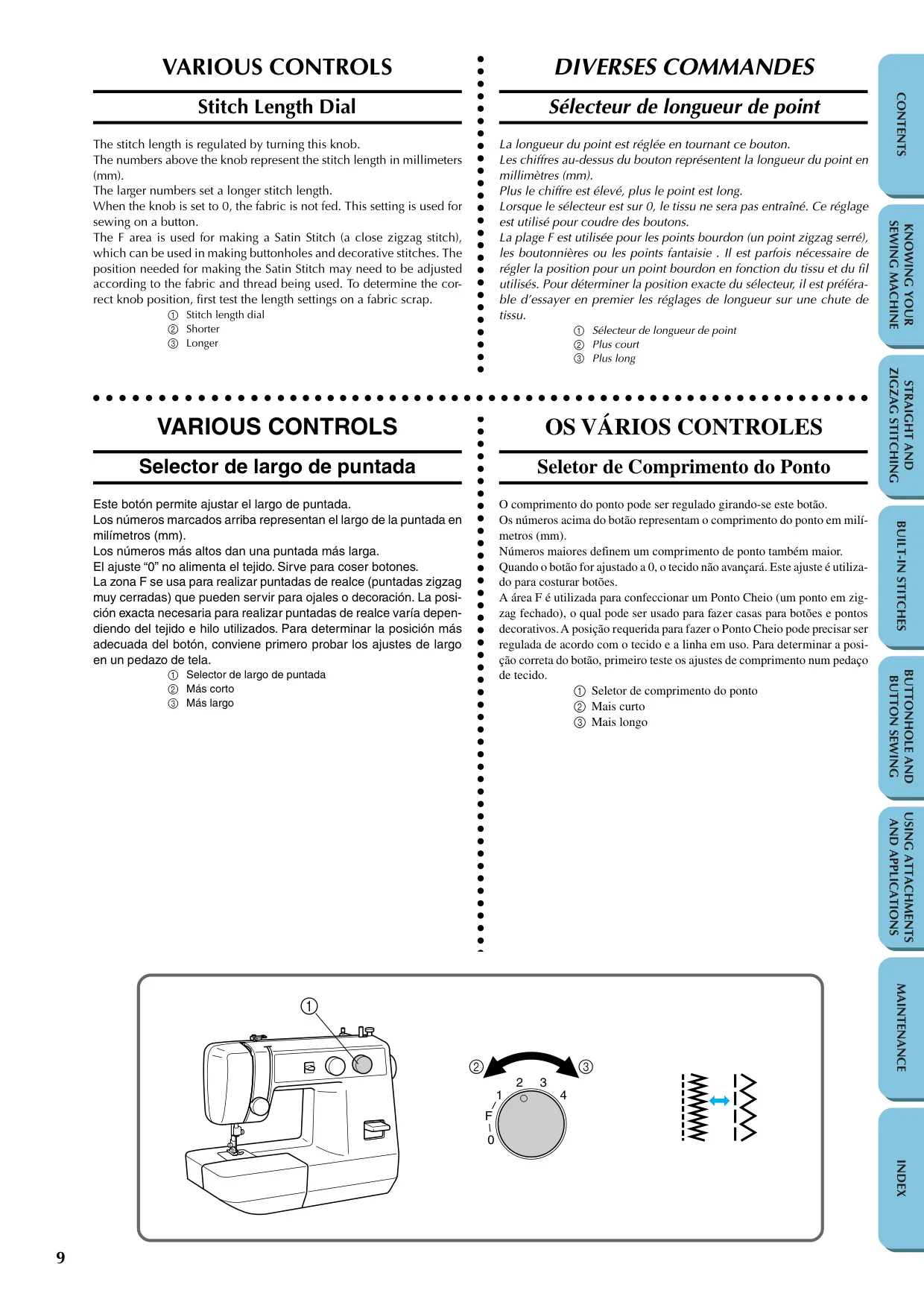



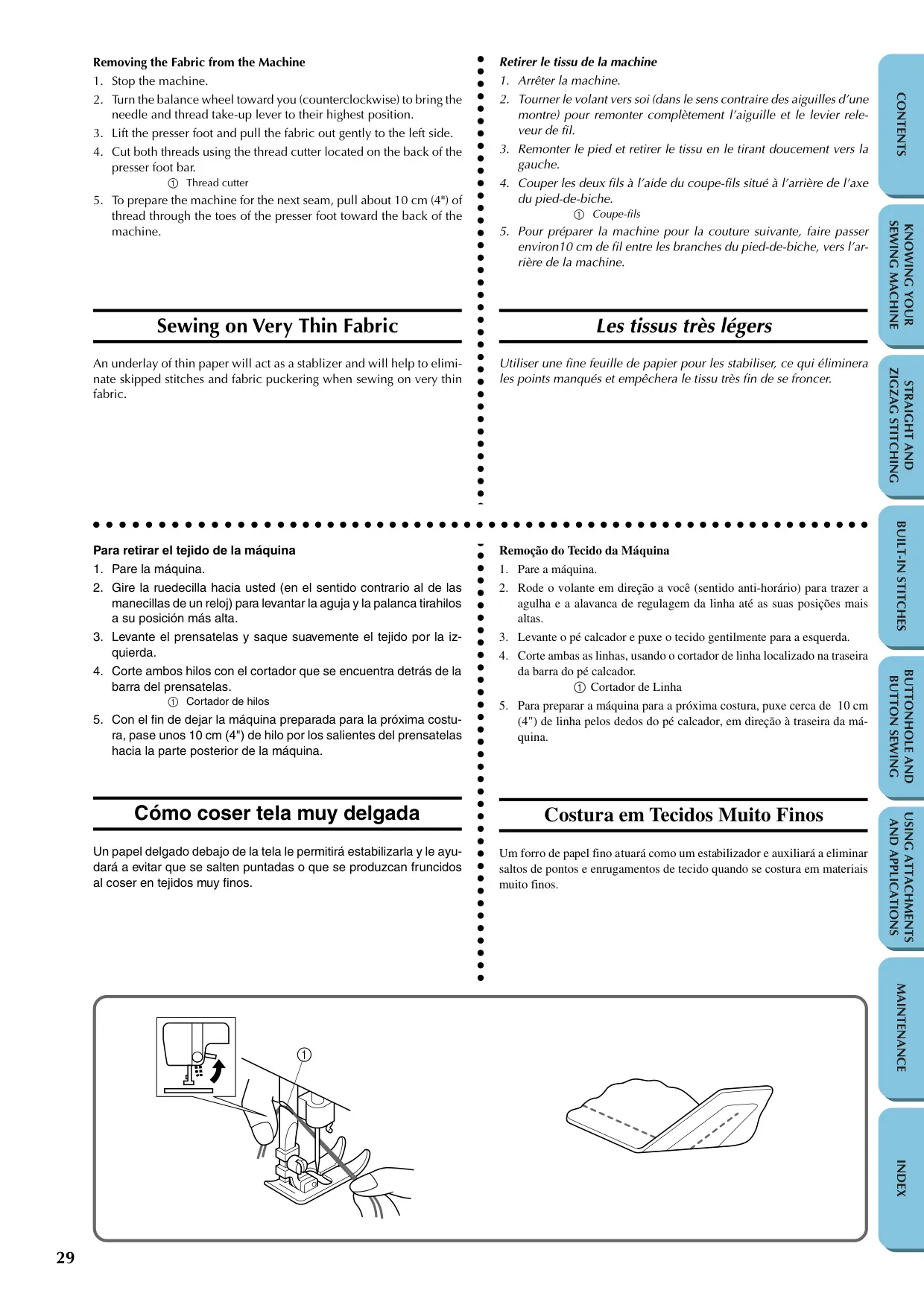
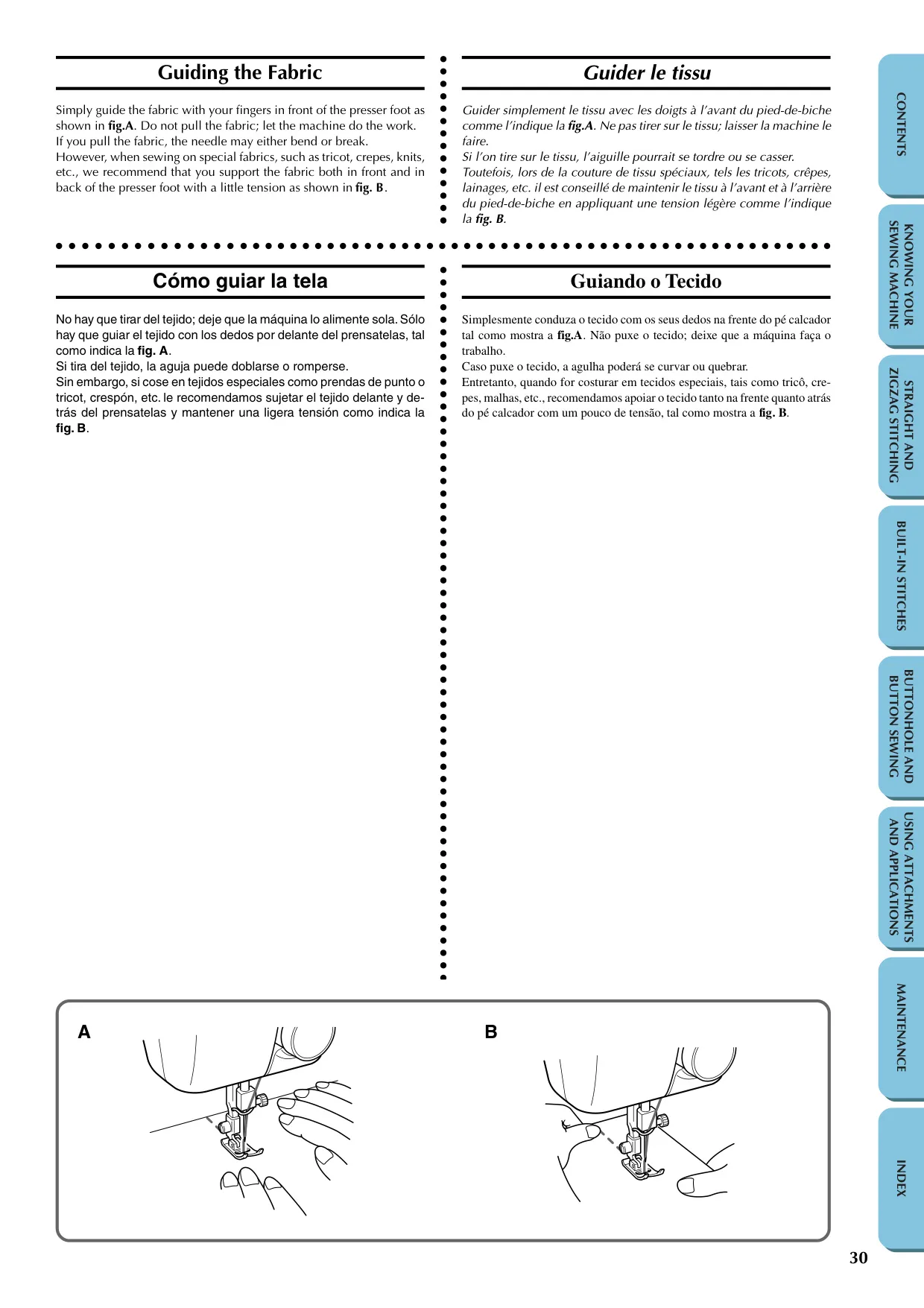
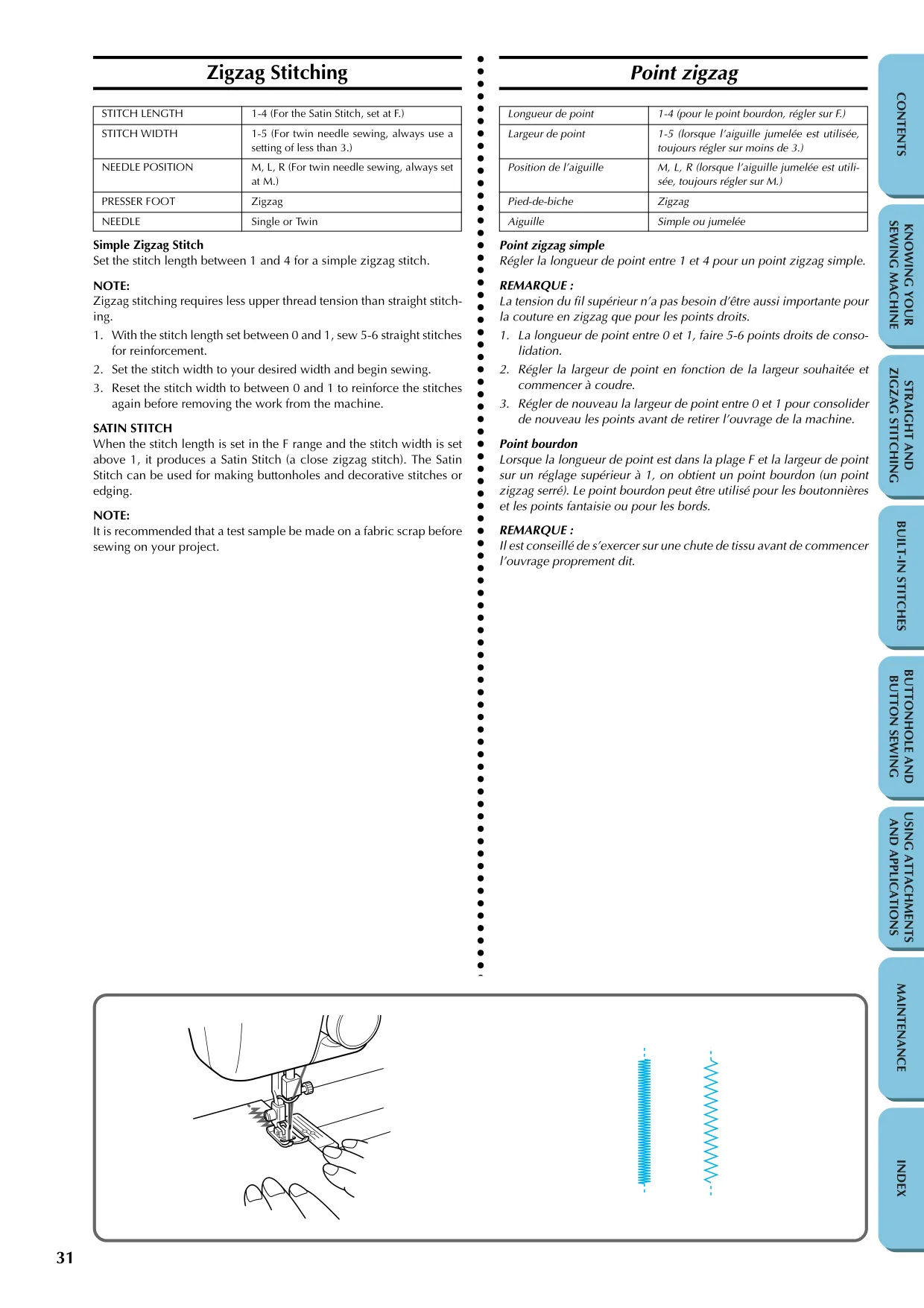
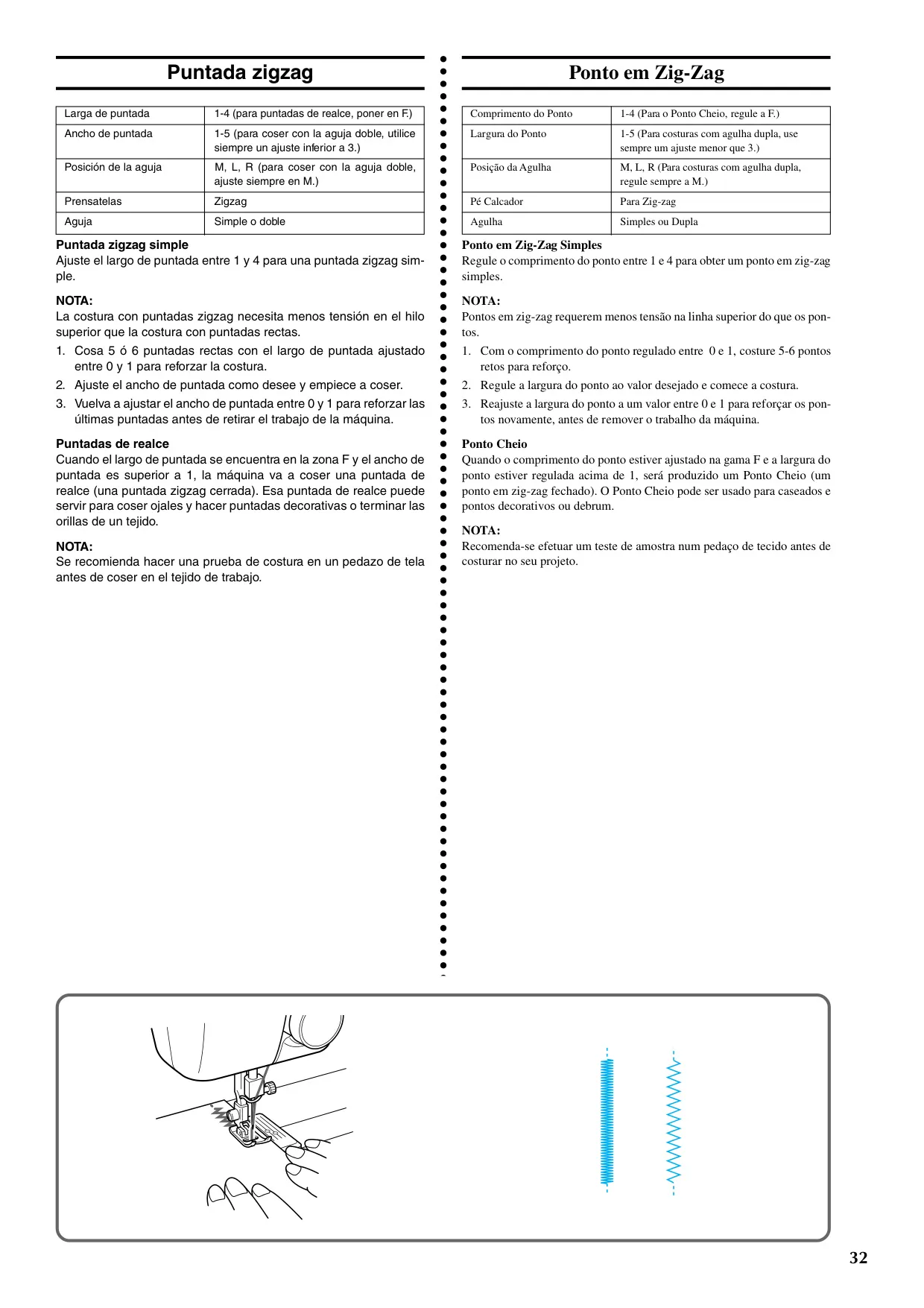




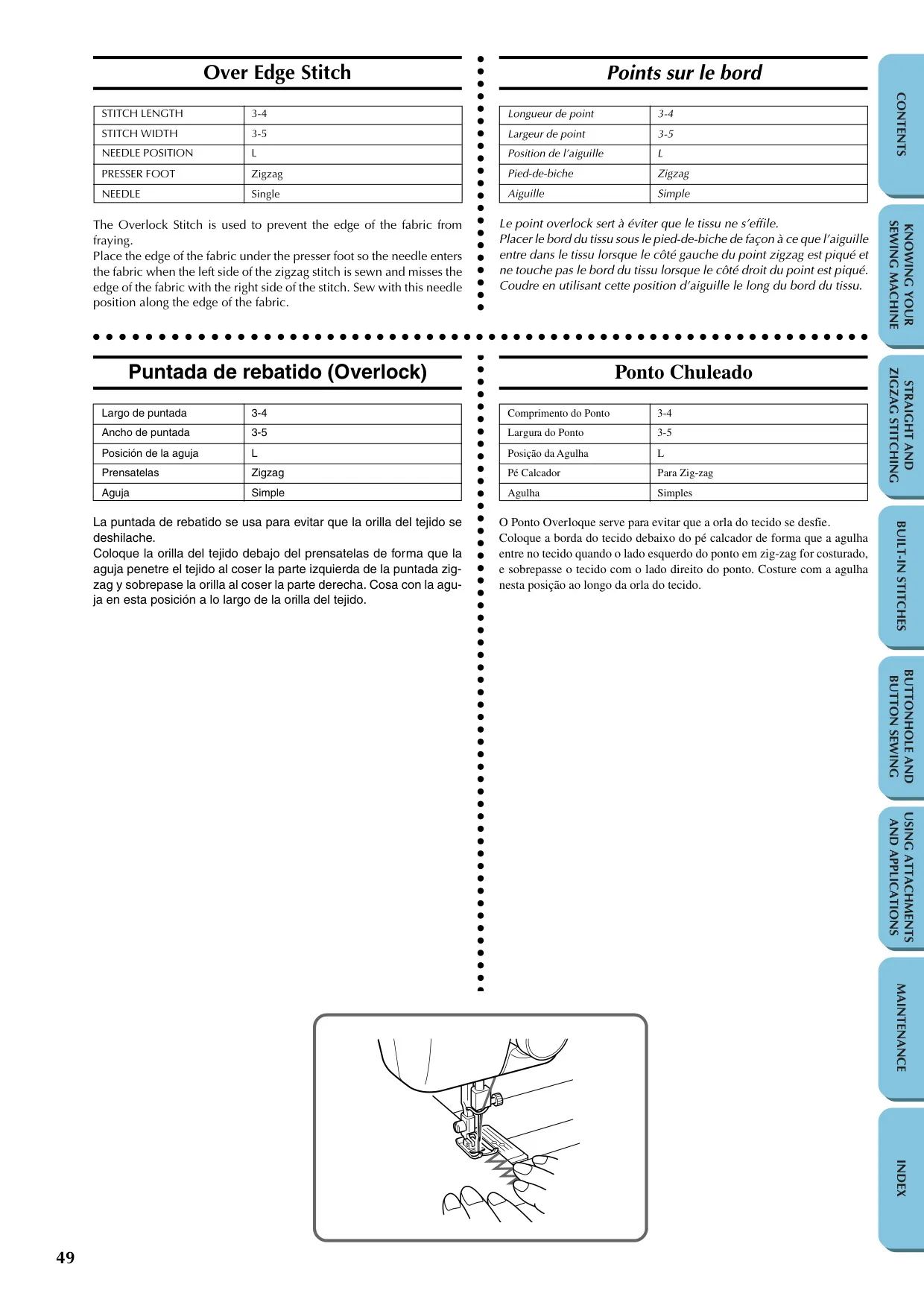
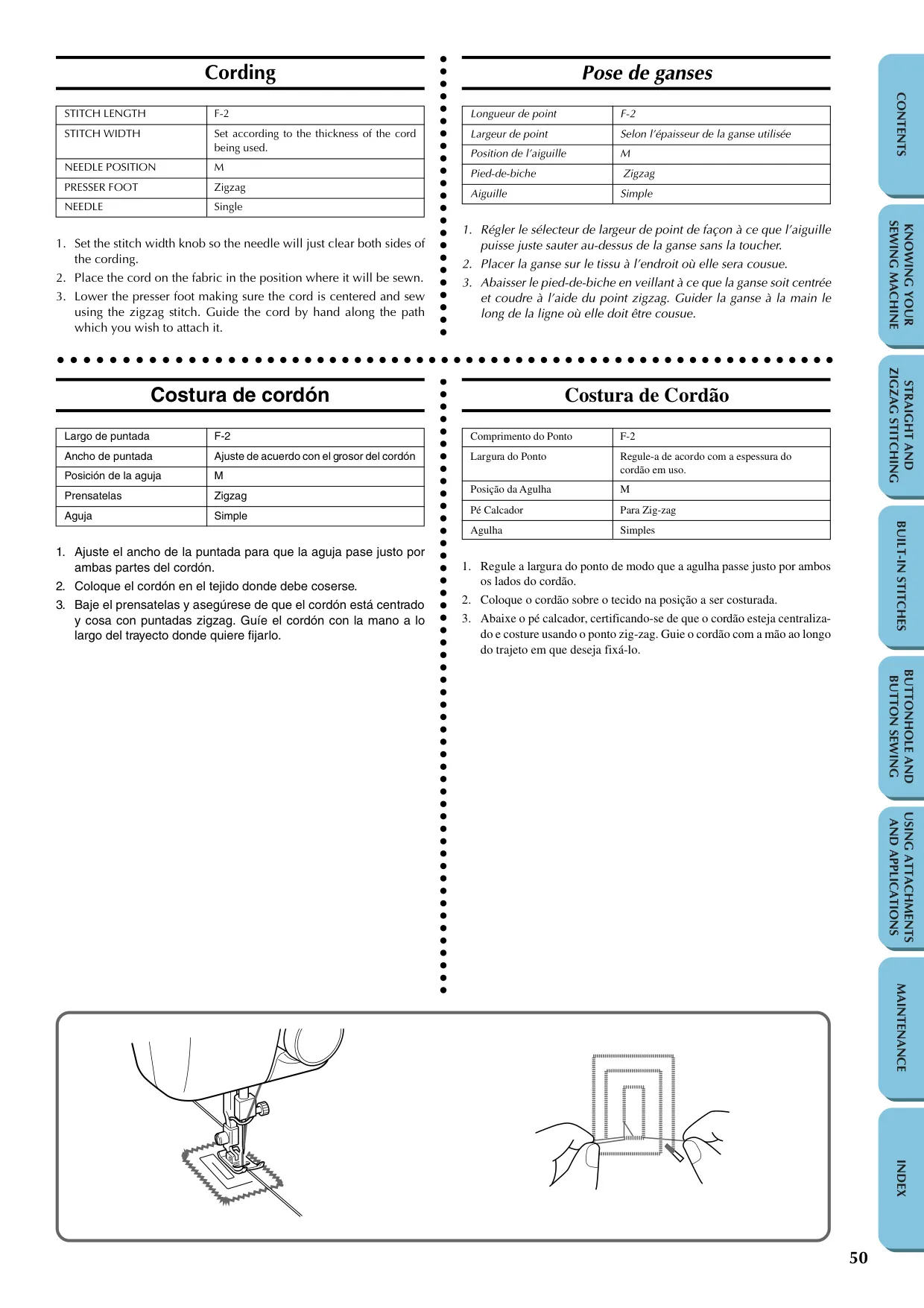
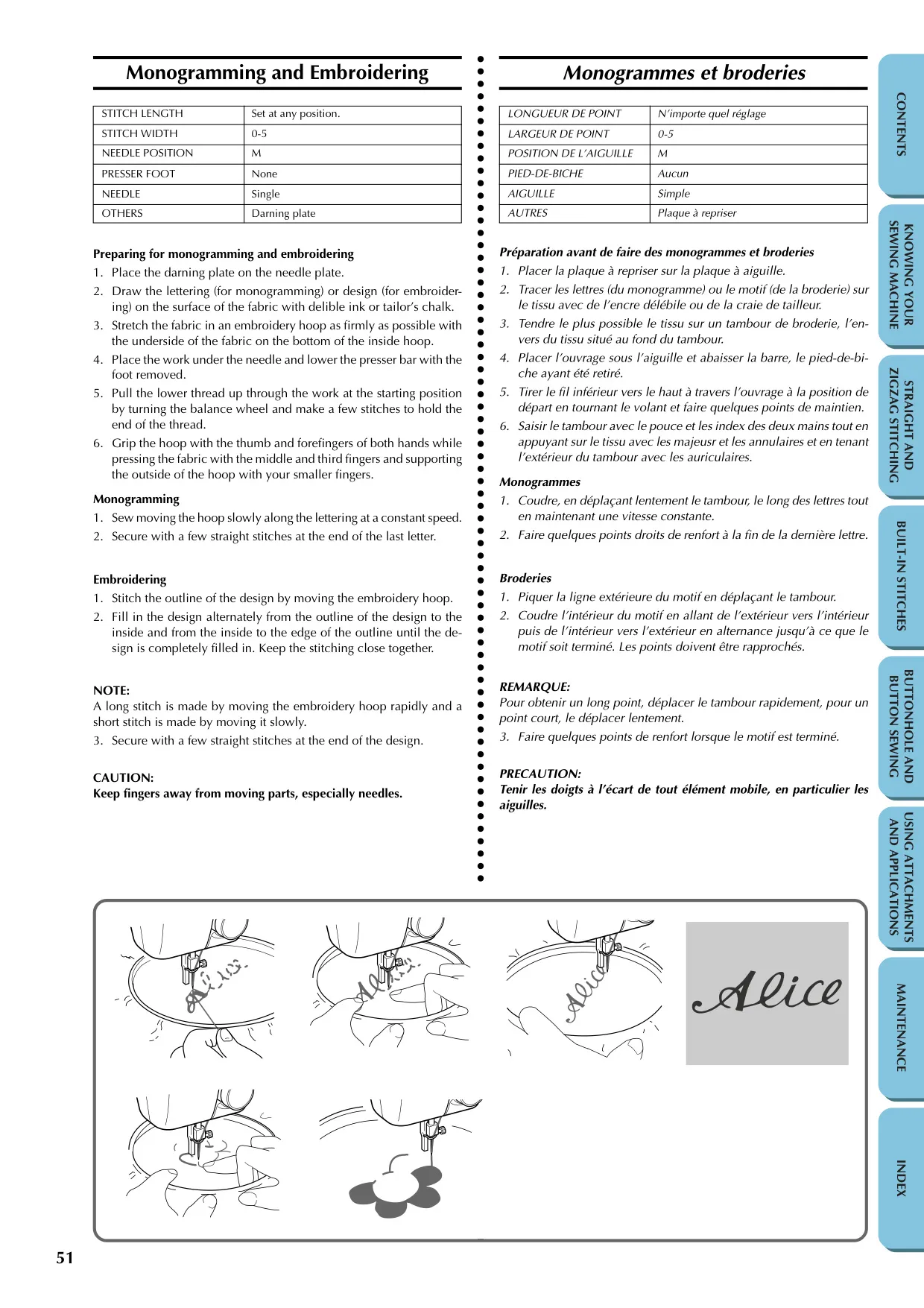
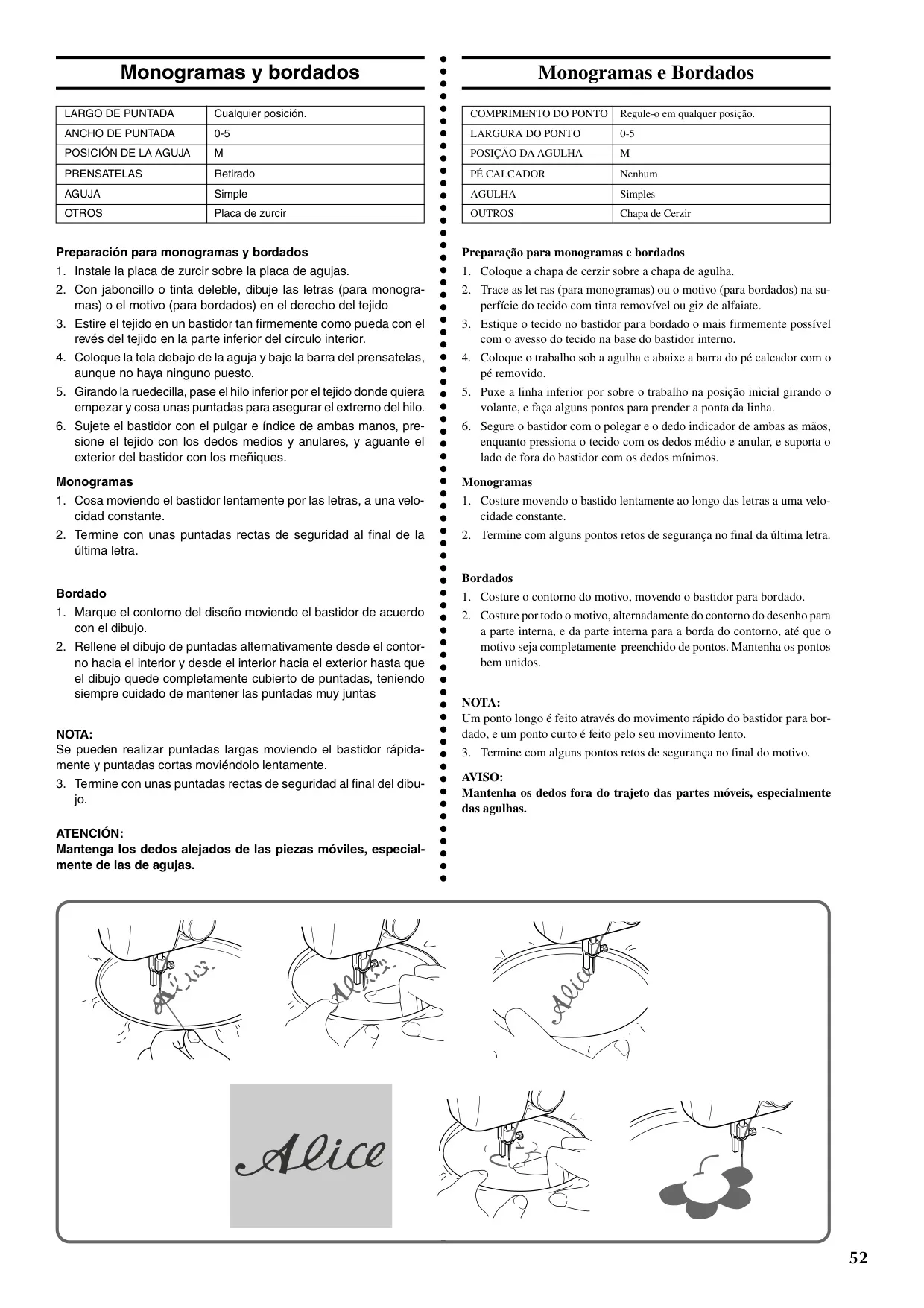






Brother LS-1217 Instructions
Here we offer the Brother LS-1217 Sewing Machine manual completely free and in English. We have cataloged this manual in the Sewing Machines section on Manualverse, and it has been rated by 2 users with an average rating of 5. If you have any specific questions about Brother LS-1217 Sewing Machine, we suggest checking the Frequently Asked Questions (FAQs) section of this manual.
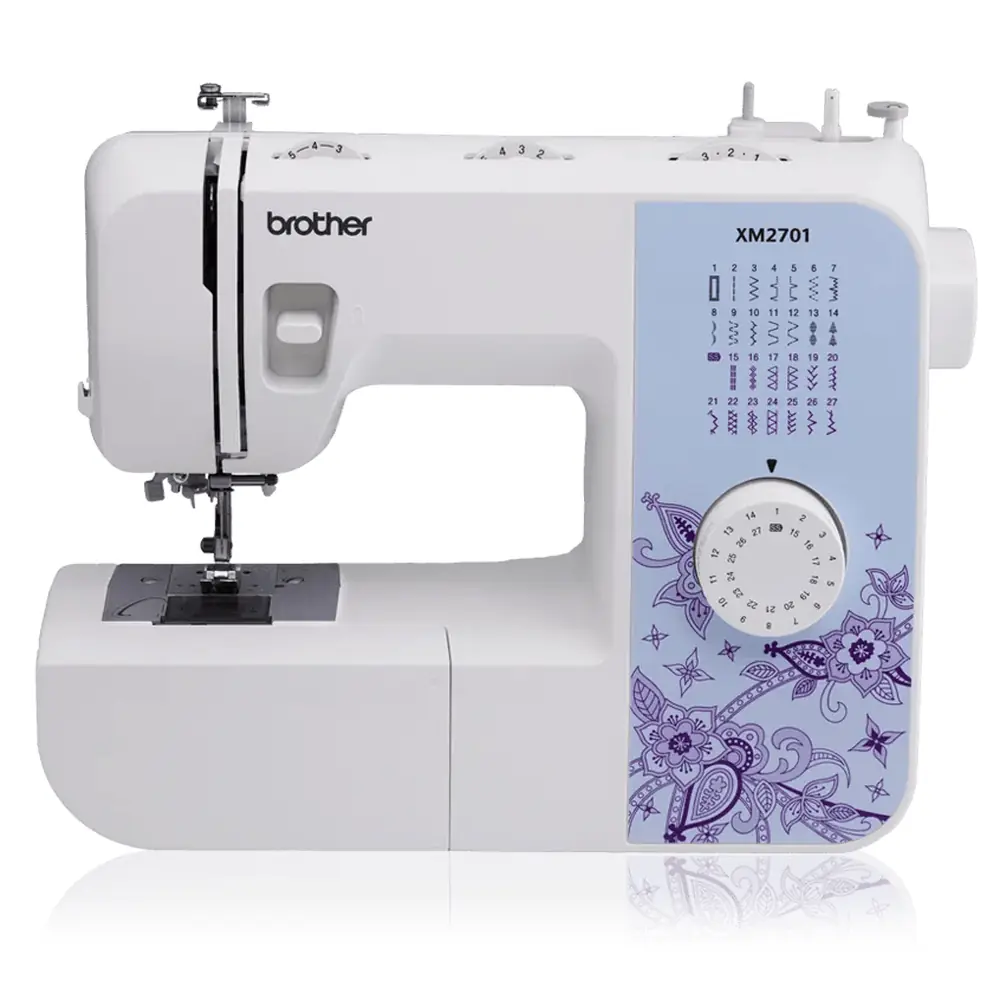
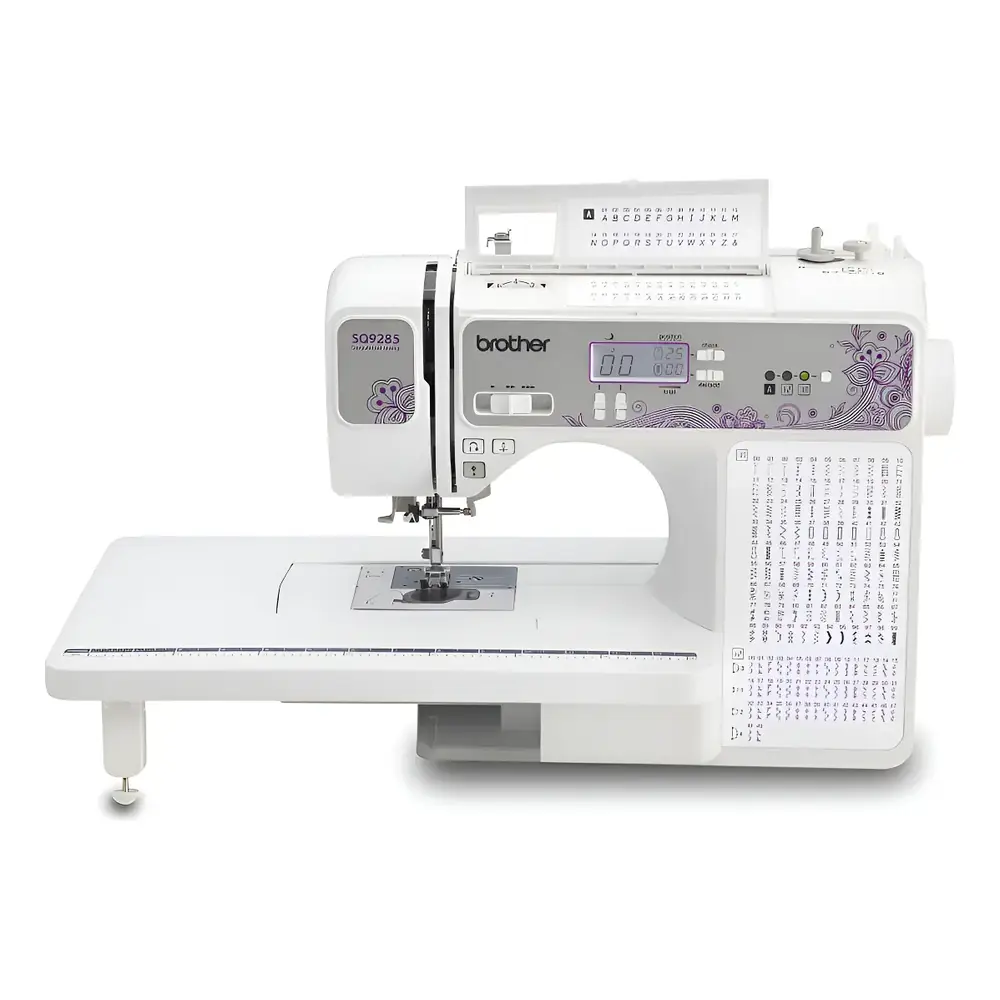
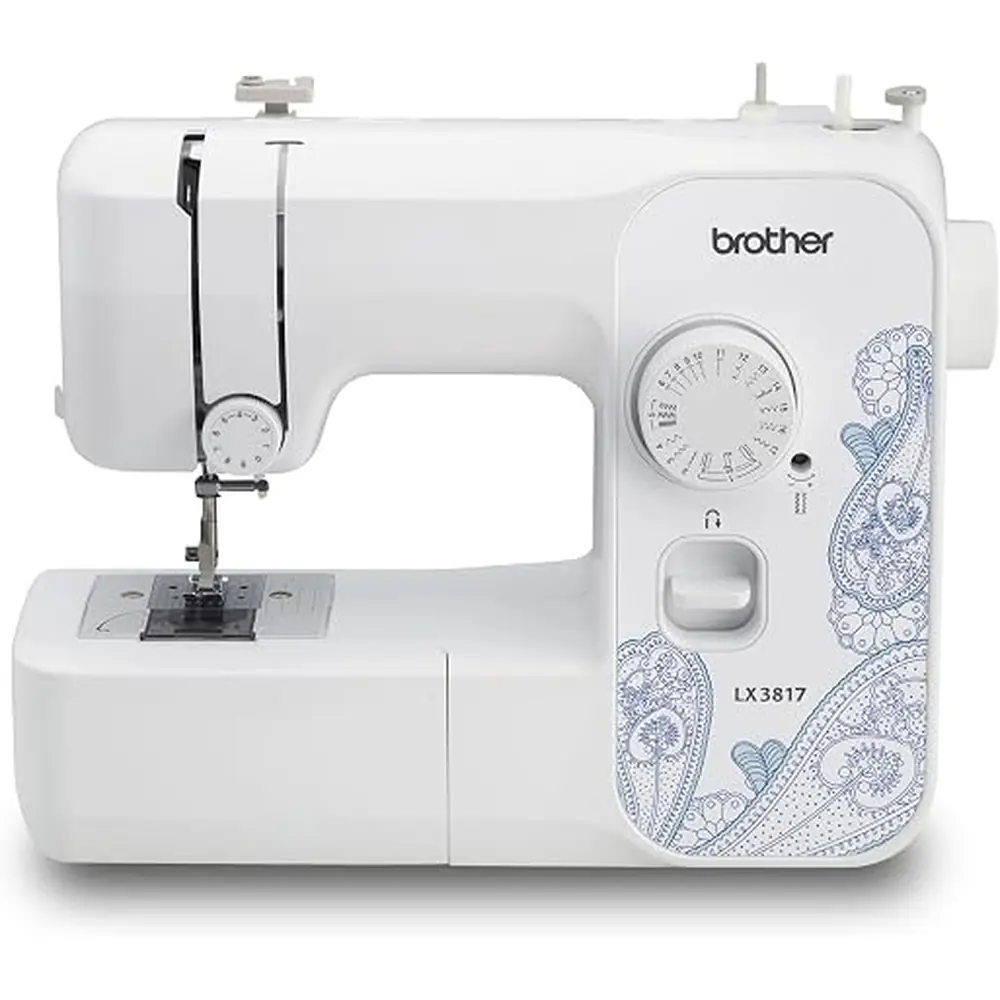
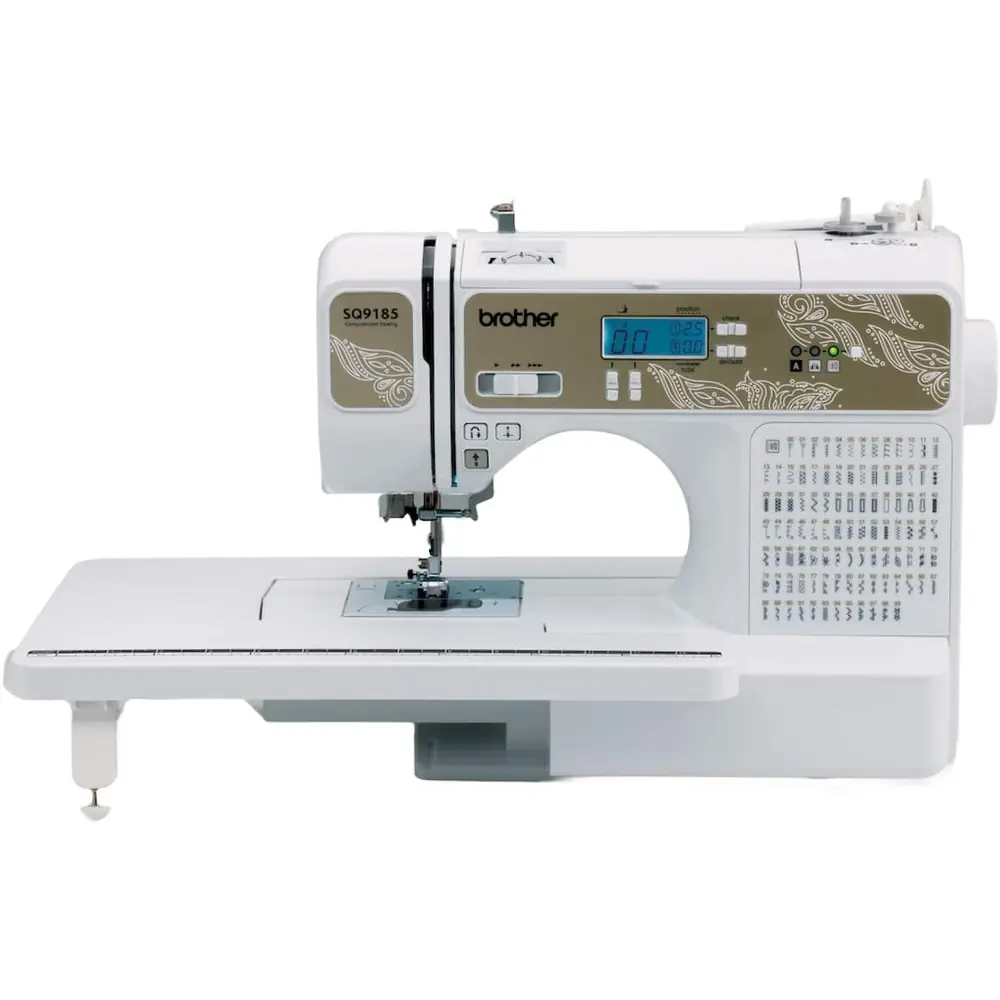
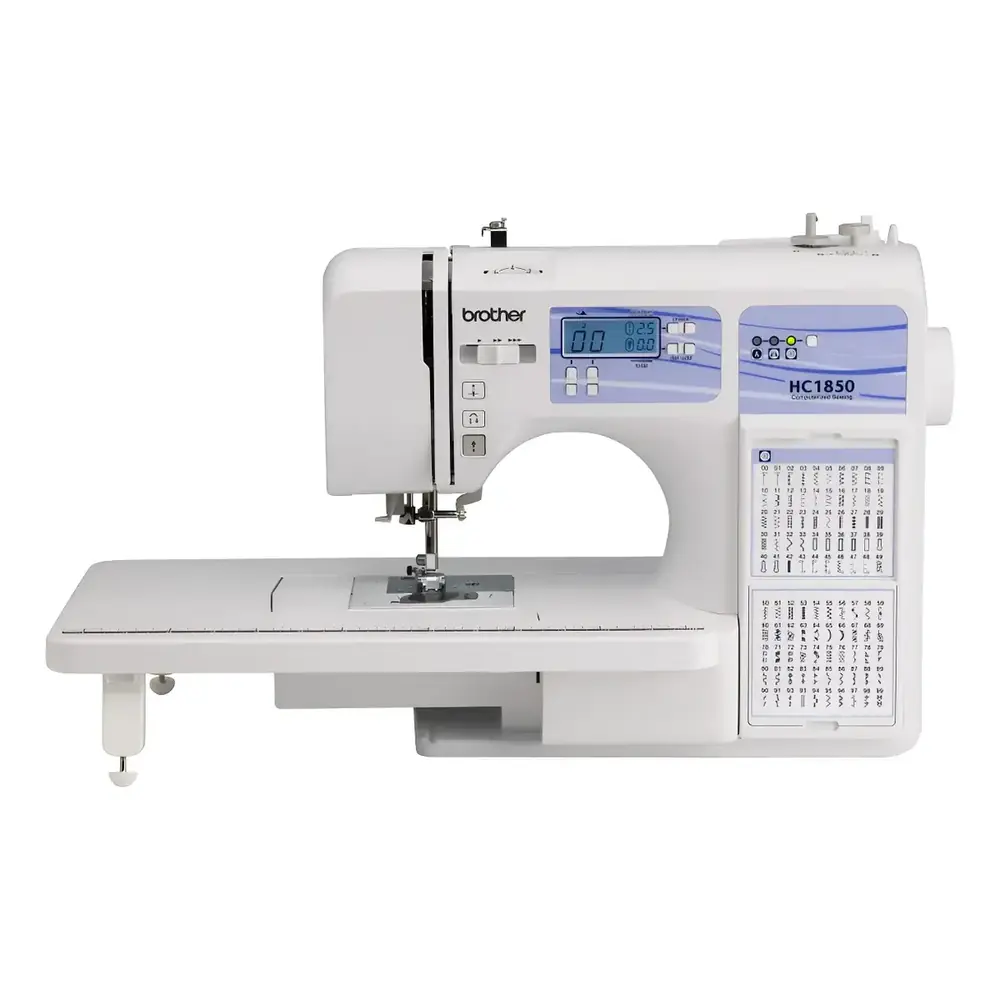
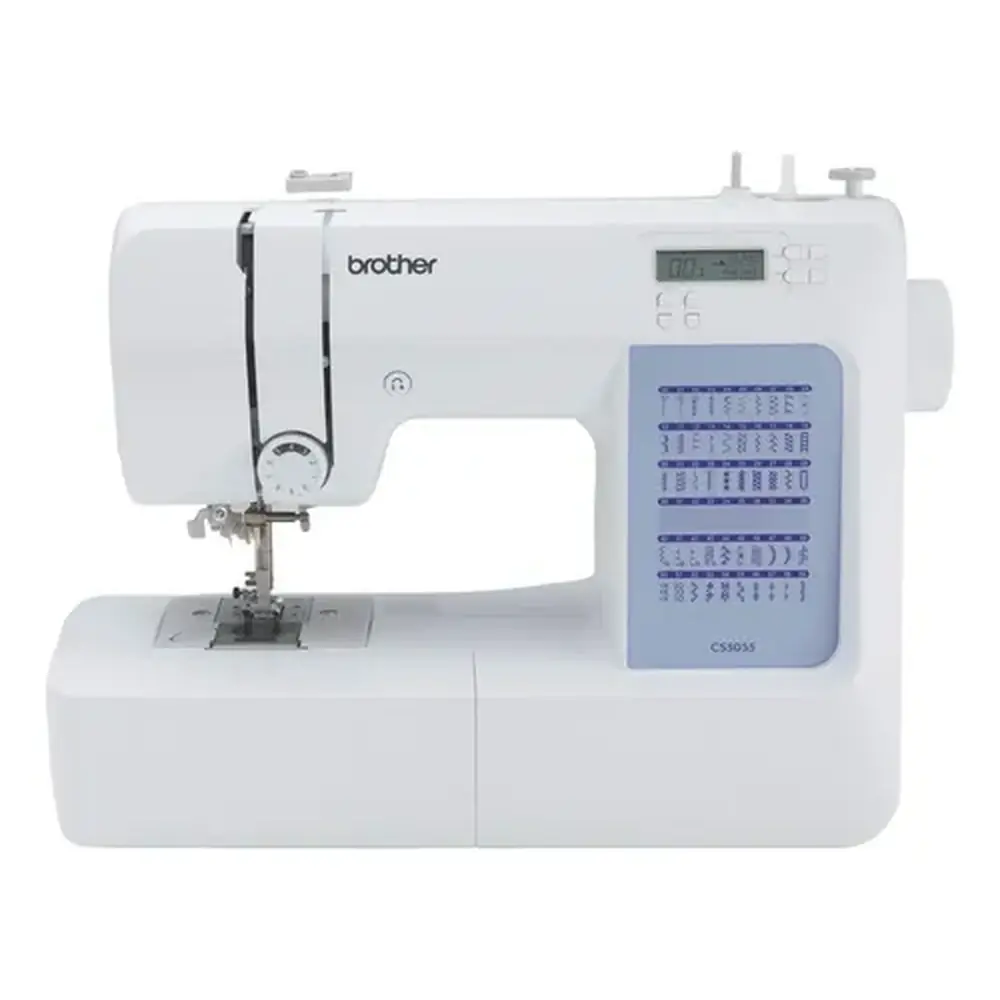
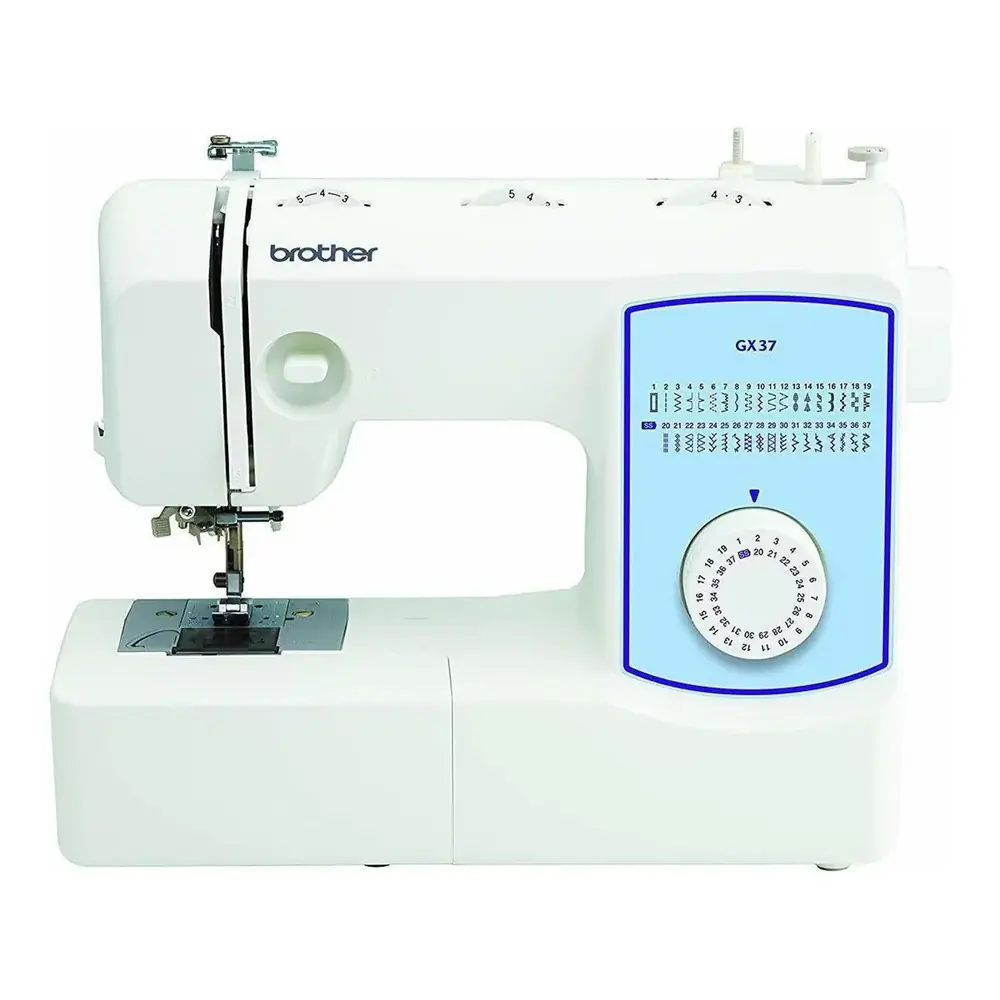
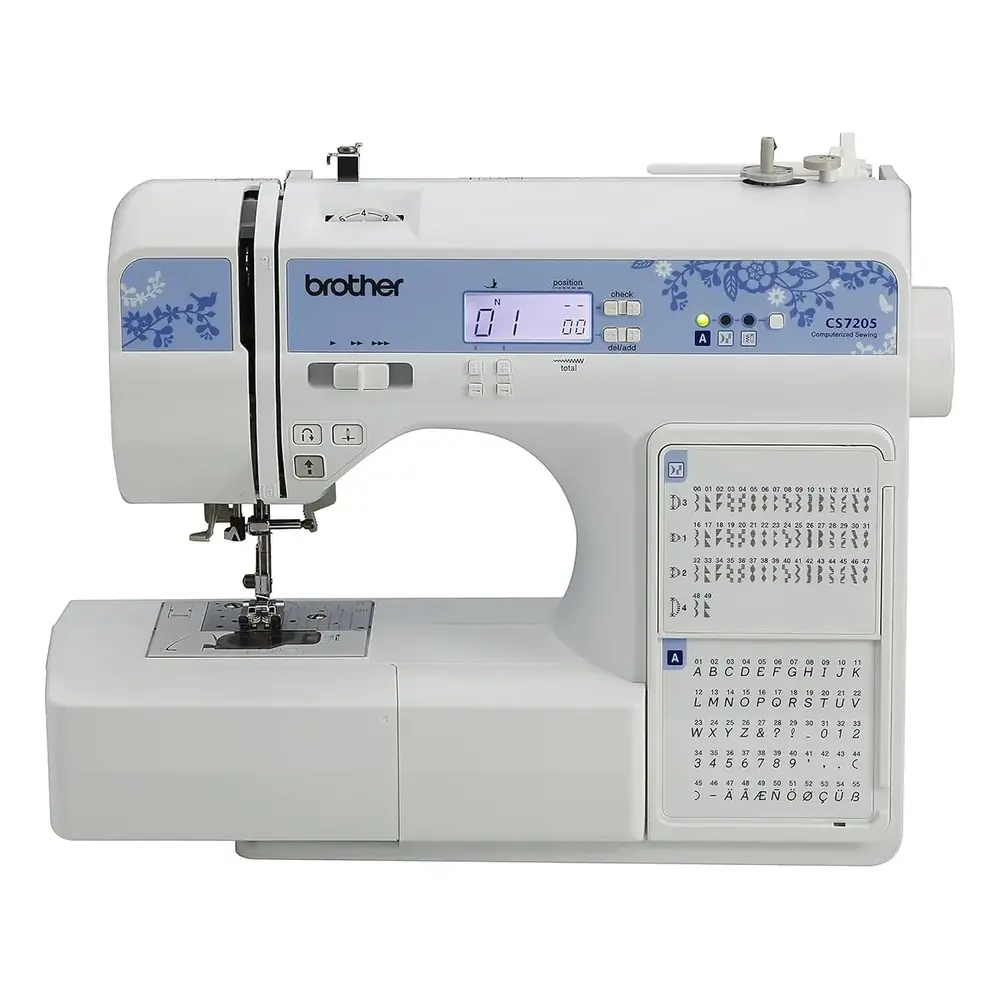
Product Images
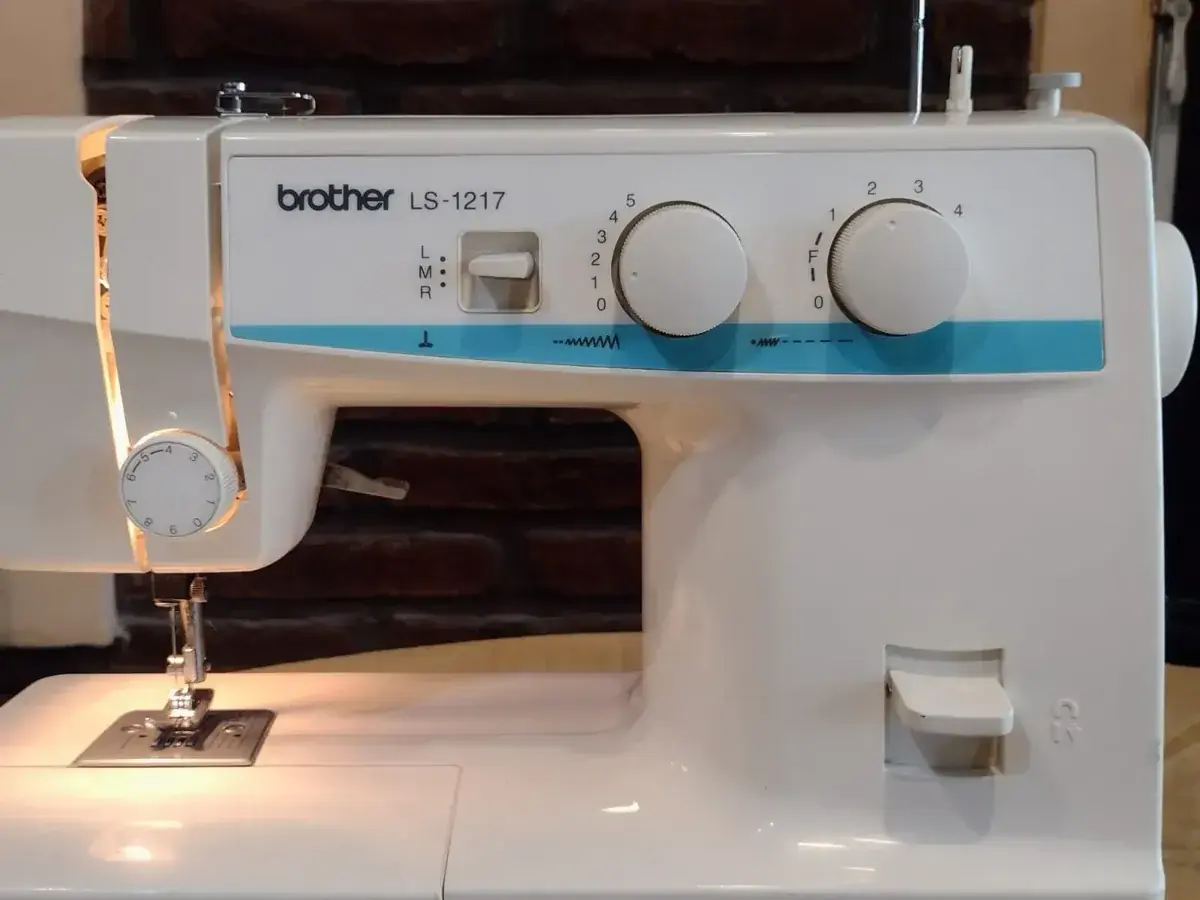
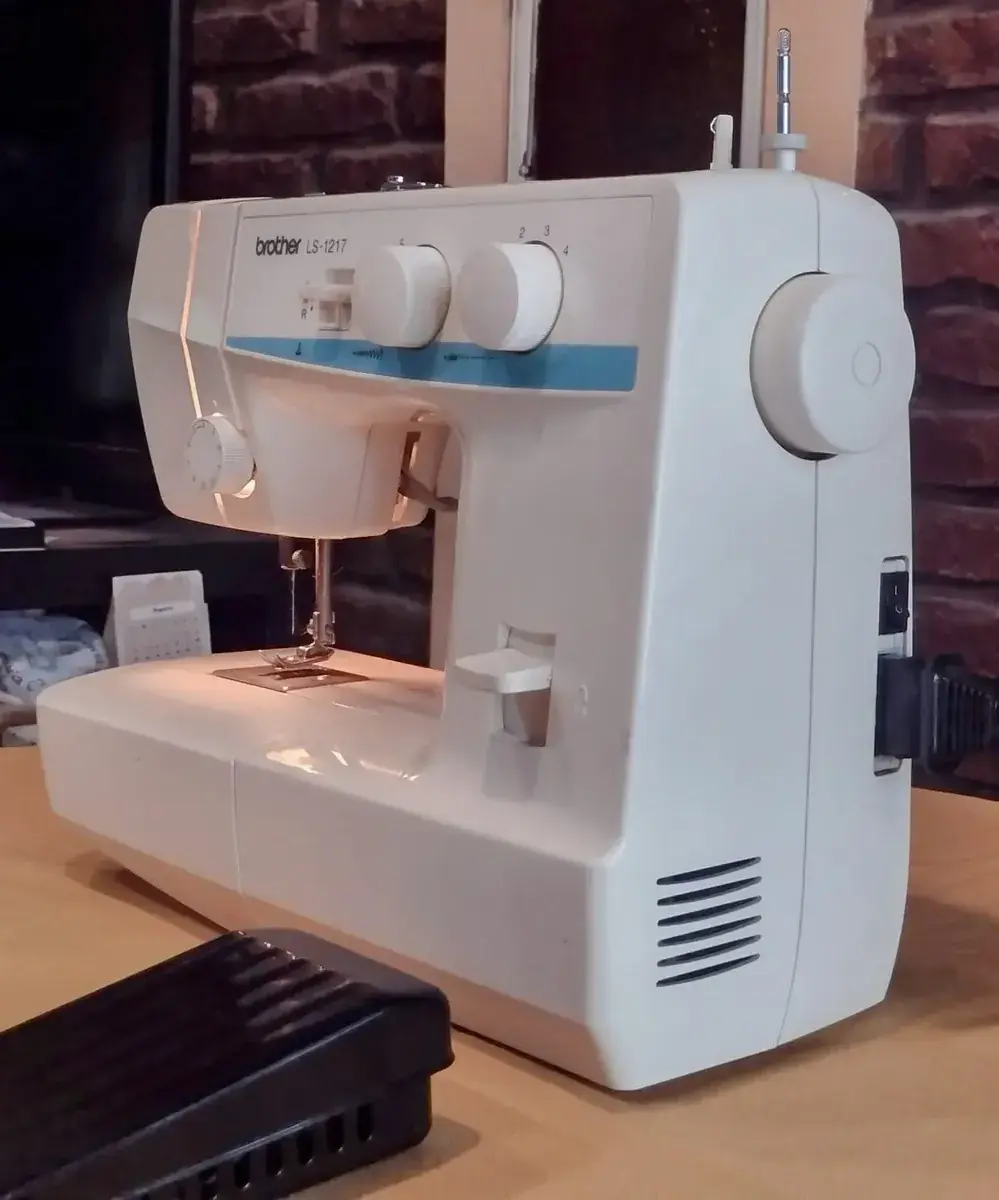
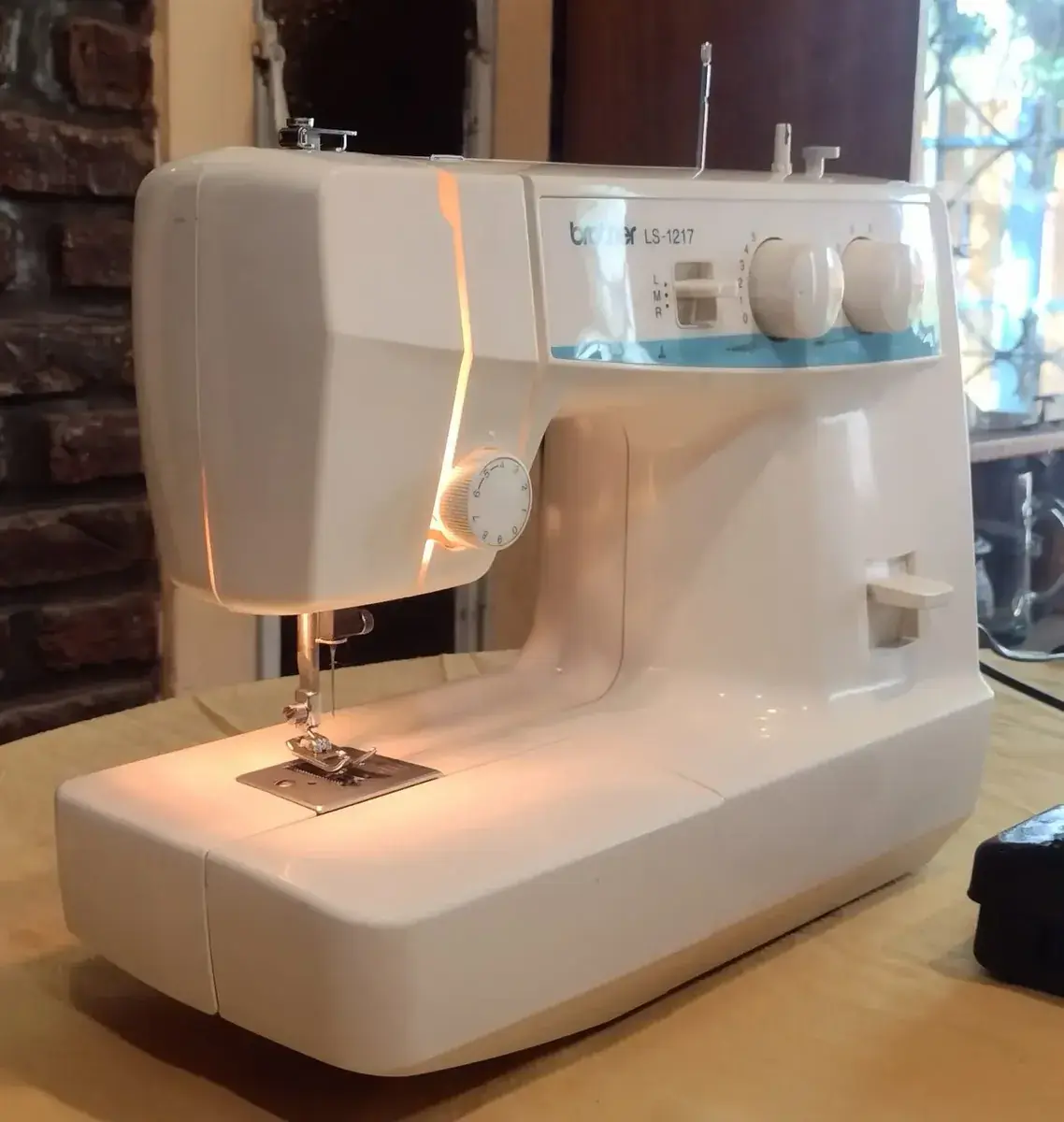
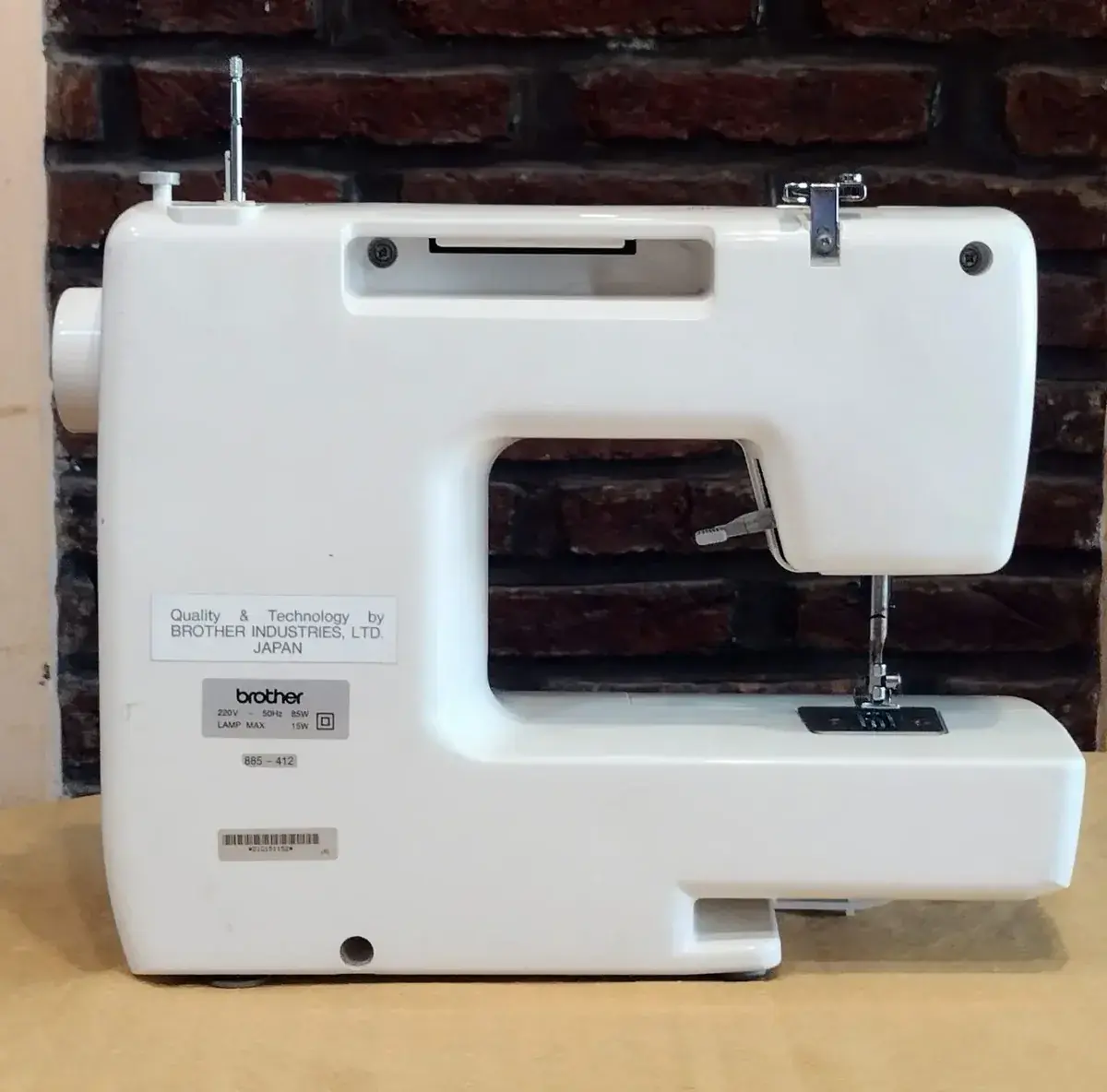
Brother LS-1217 Sewing Machine Specifications
| Feature | Specification |
|---|---|
| Machine Type | Household Sewing Machine |
| Needle System | Regular (e.g., #14 supplied), Twin Needle compatible |
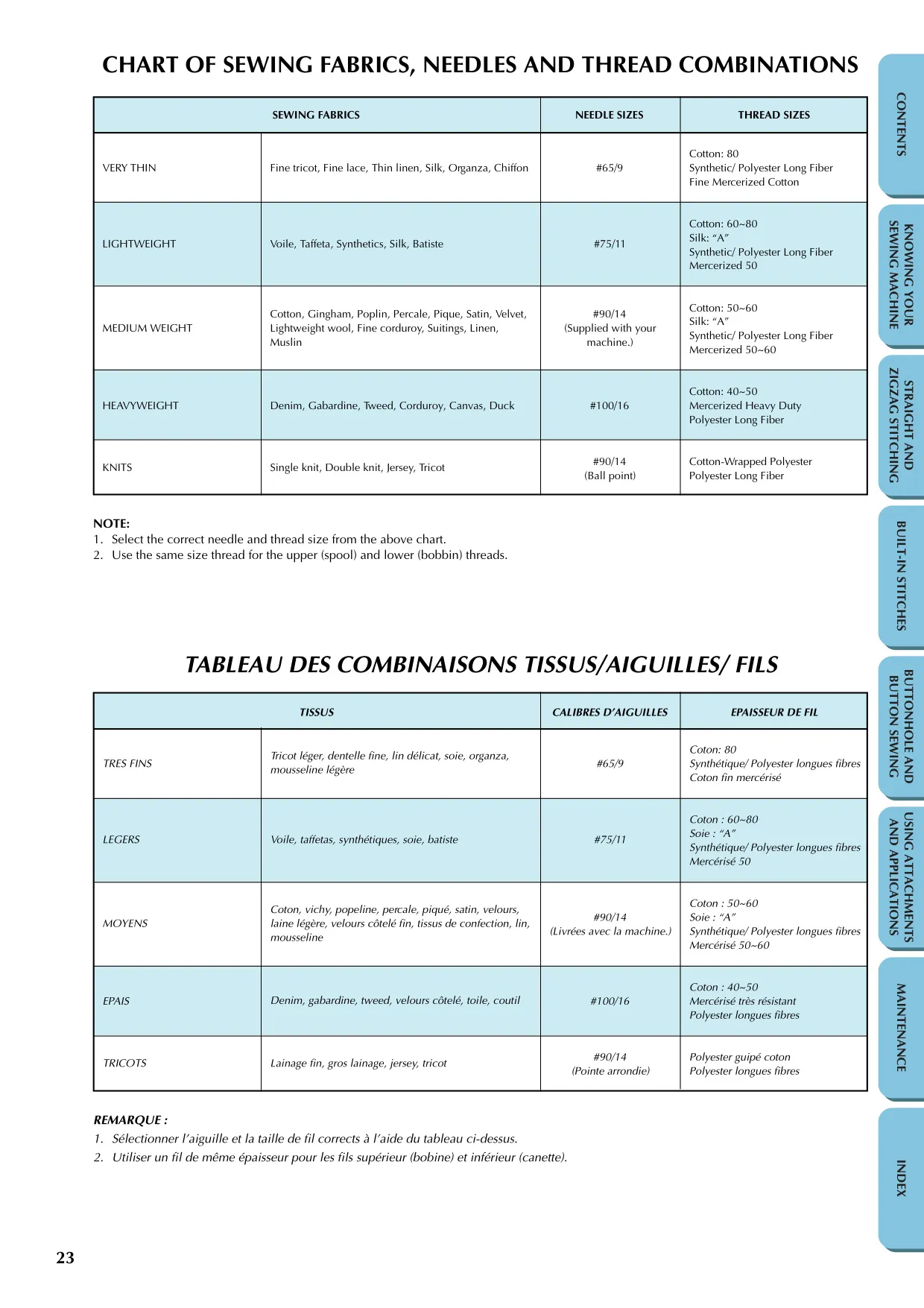
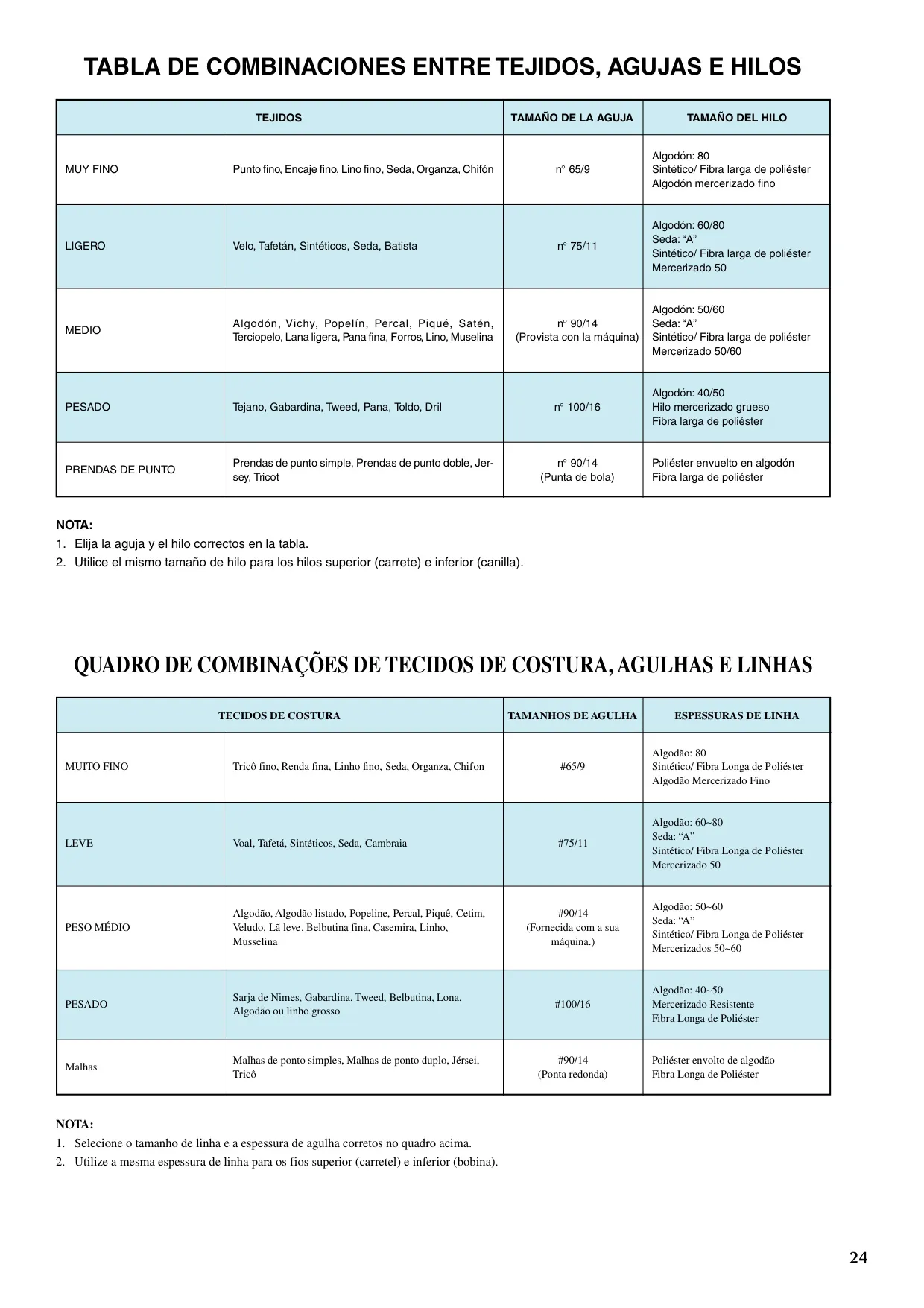
| Compatible Needle Sizes | #65/9 (Very Thin), #75/11 (Lightweight), #90/14 (Medium Weight, Ball Point for Knits, Supplied), #100/16 (Heavyweight) |
| Thread Tension Control | Needle Thread Tension Control Dial (basic setting: "5") |
| Stitch Length Control | Stitch Length Dial (Range: 0, F, 1-4) |
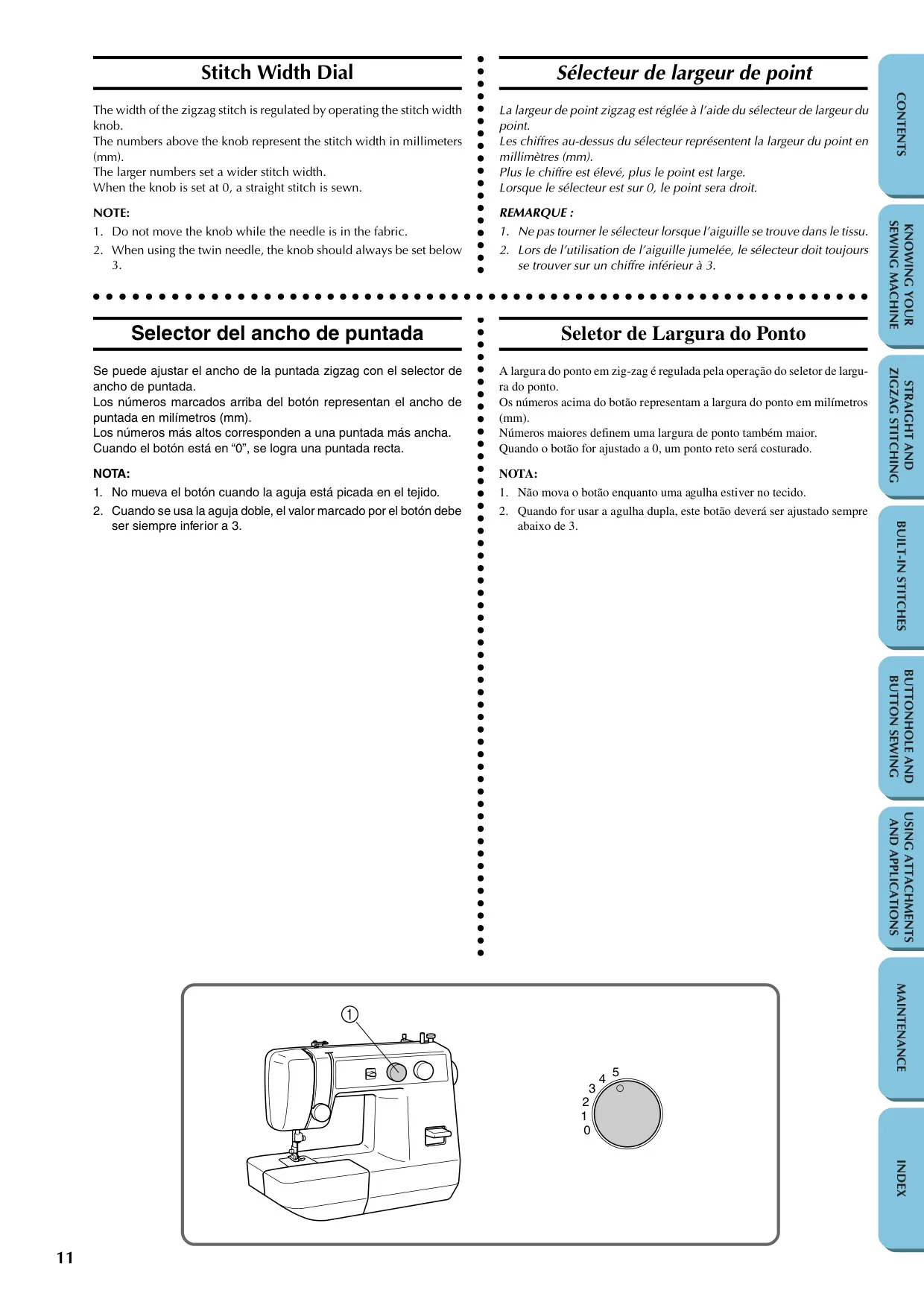
| Stitch Width Control | Stitch Width Dial (Range: 0-5) |
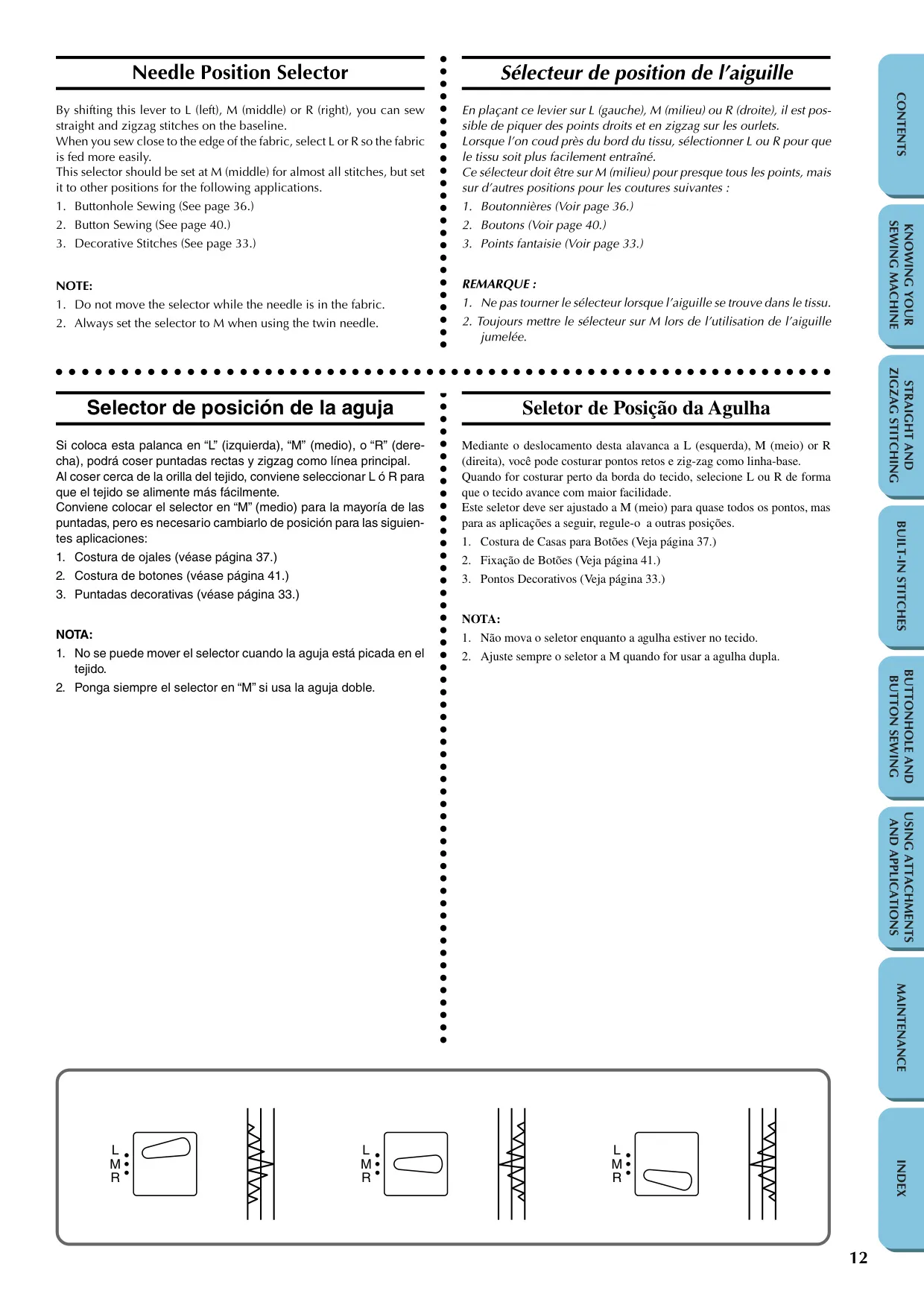
| Needle Positions | Left (L), Middle (M), Right (R) |
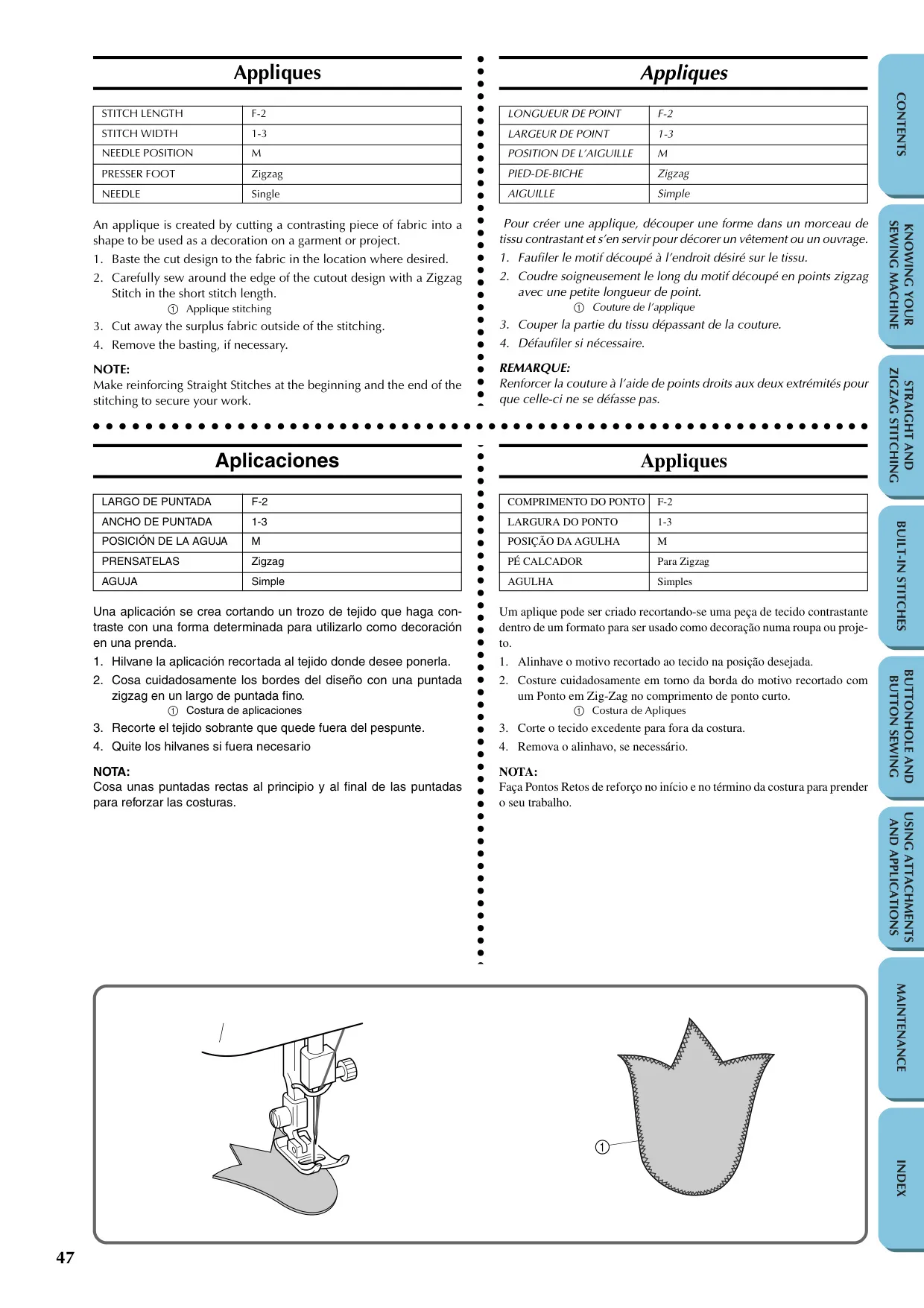
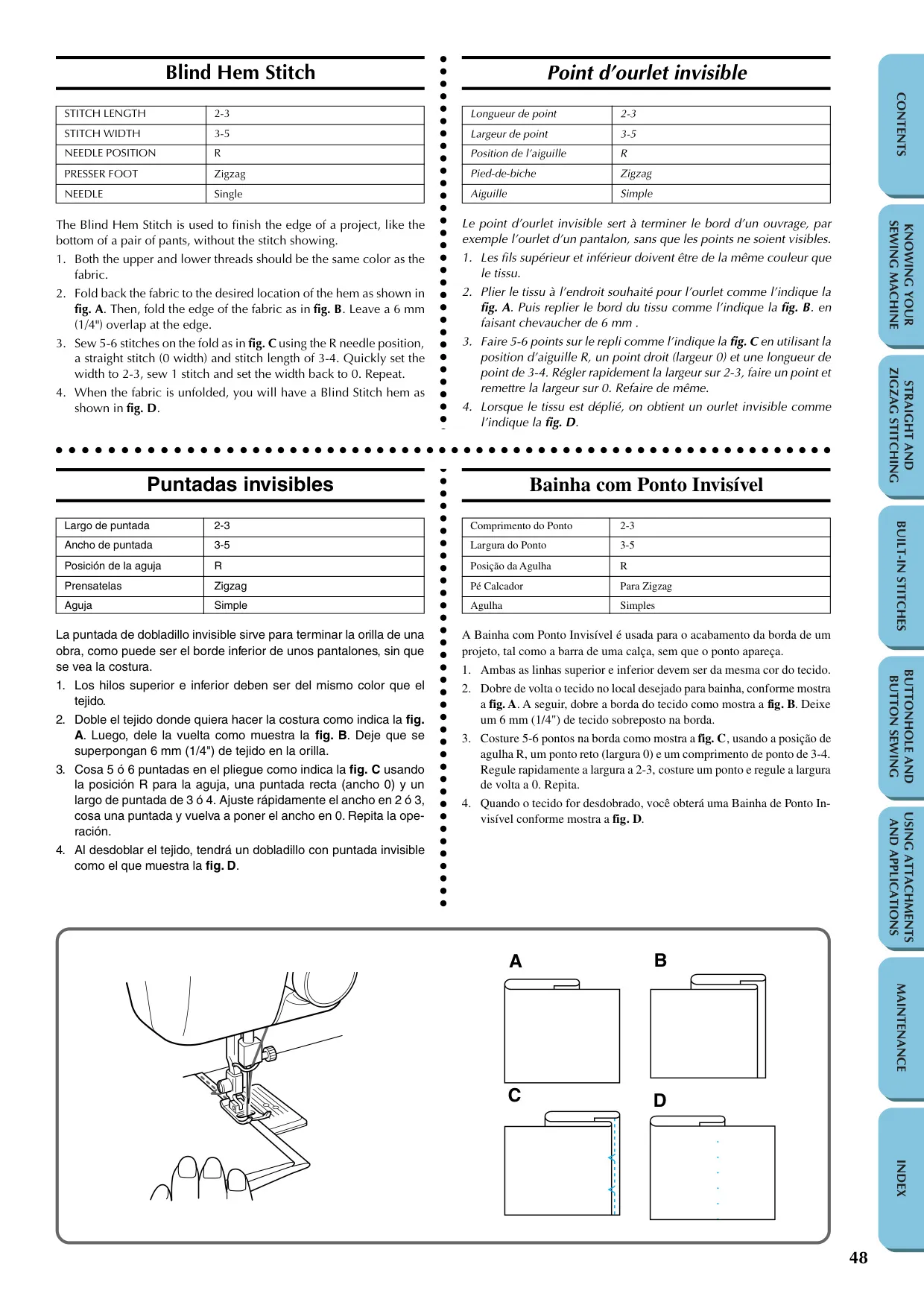
| Built-in Stitches | Straight Stitch, Zigzag Stitch, Satin Stitch (close zigzag), Decorative Stitches, Buttonhole, Over Edge Stitch, Blind Hem Stitch |
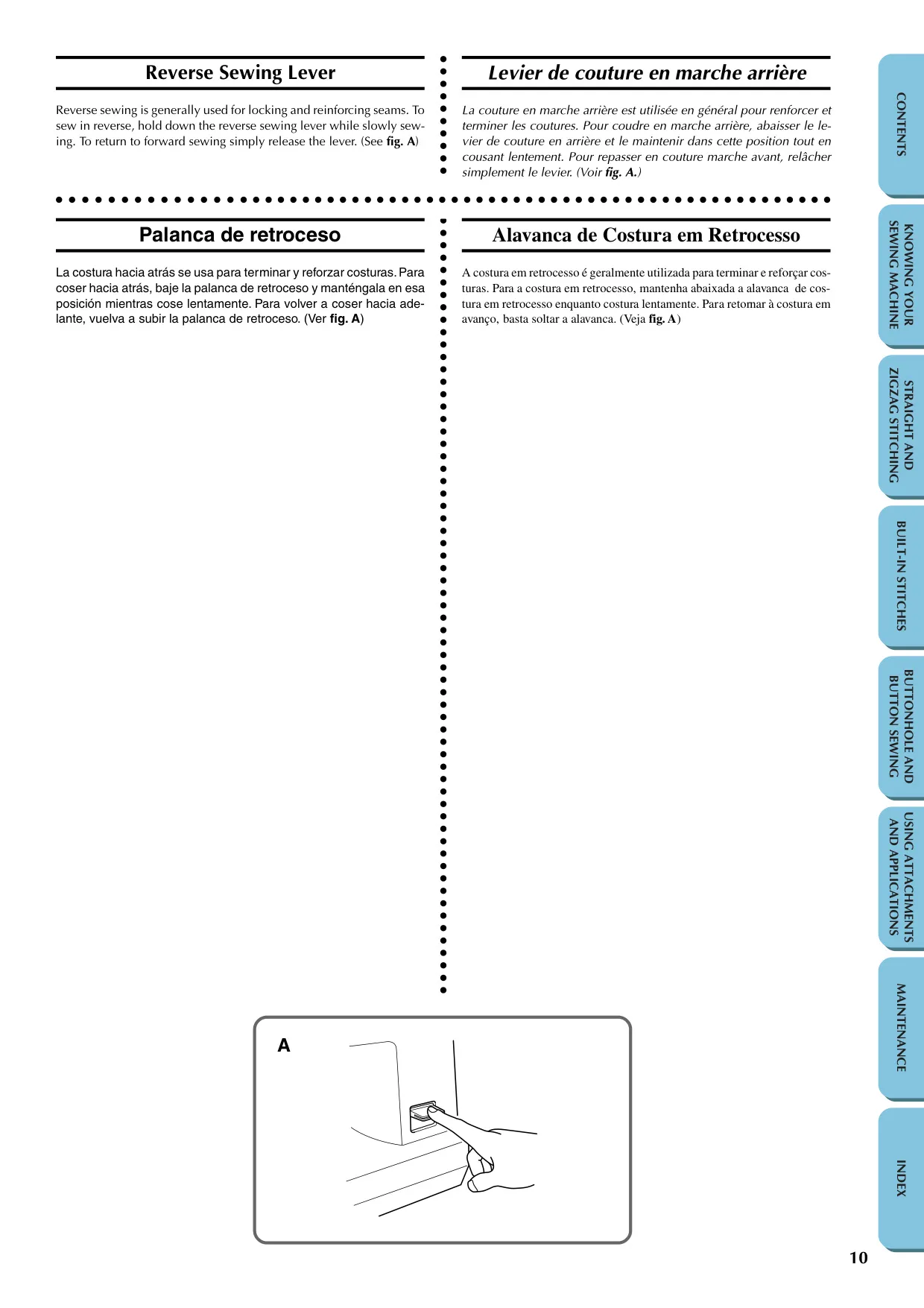
| Reverse Sewing | Yes, via Lever |
| Lighting | Built-in Sewing Light (15-watt bulb) |
| Arm Type | Convertible to Free-Arm Style |
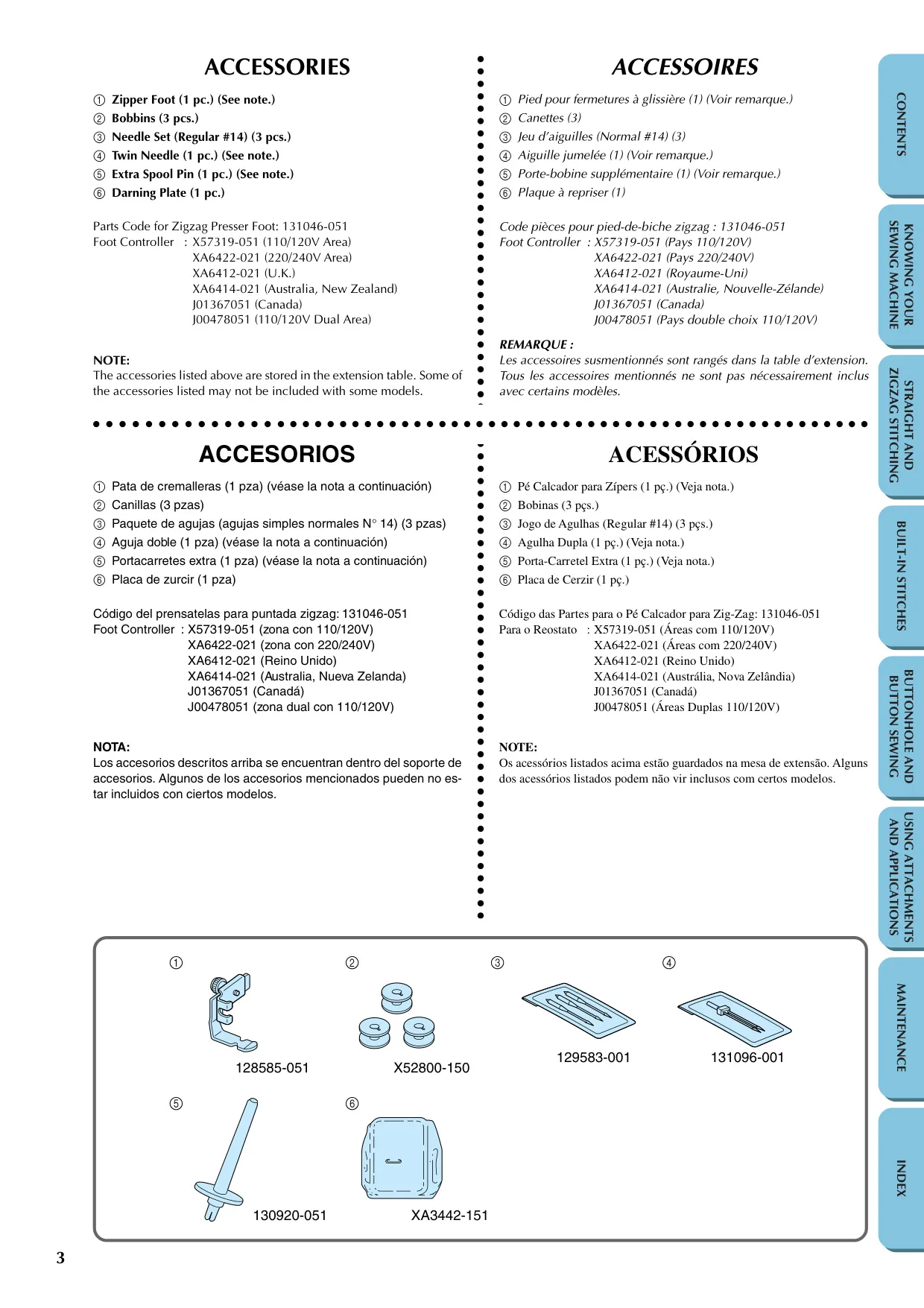
| Accessories Included | Zipper Foot (1), Bobbins (3), Needle Set (Regular #14) (3), Twin Needle (1), Extra Spool Pin (1), Darning Plate (1) |
| Foot Controller | Model dependent on region (e.g., X57319-051 for 110/120V) |
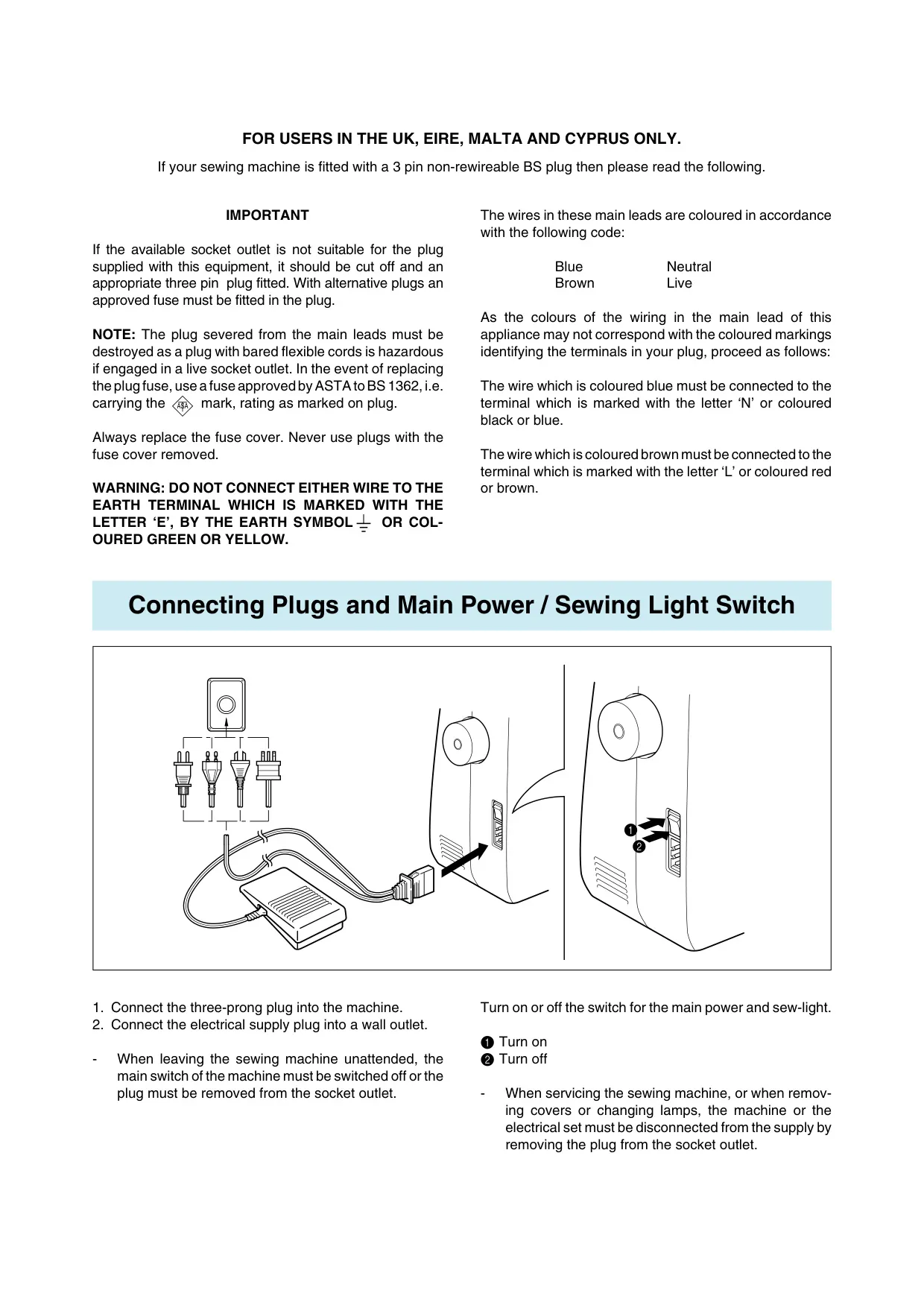
| Power | Main Power/Sewing Light Switch; Polarized Plug (USA only) |
| Fabric Compatibility | Very Thin, Lightweight, Medium Weight, Heavyweight, Knits |
| Safety Features | Unplug before cleaning/maintenance, Needle Guard proximity, Proper Needle Plate use |
Brother LS-1217 Sewing Machine Details
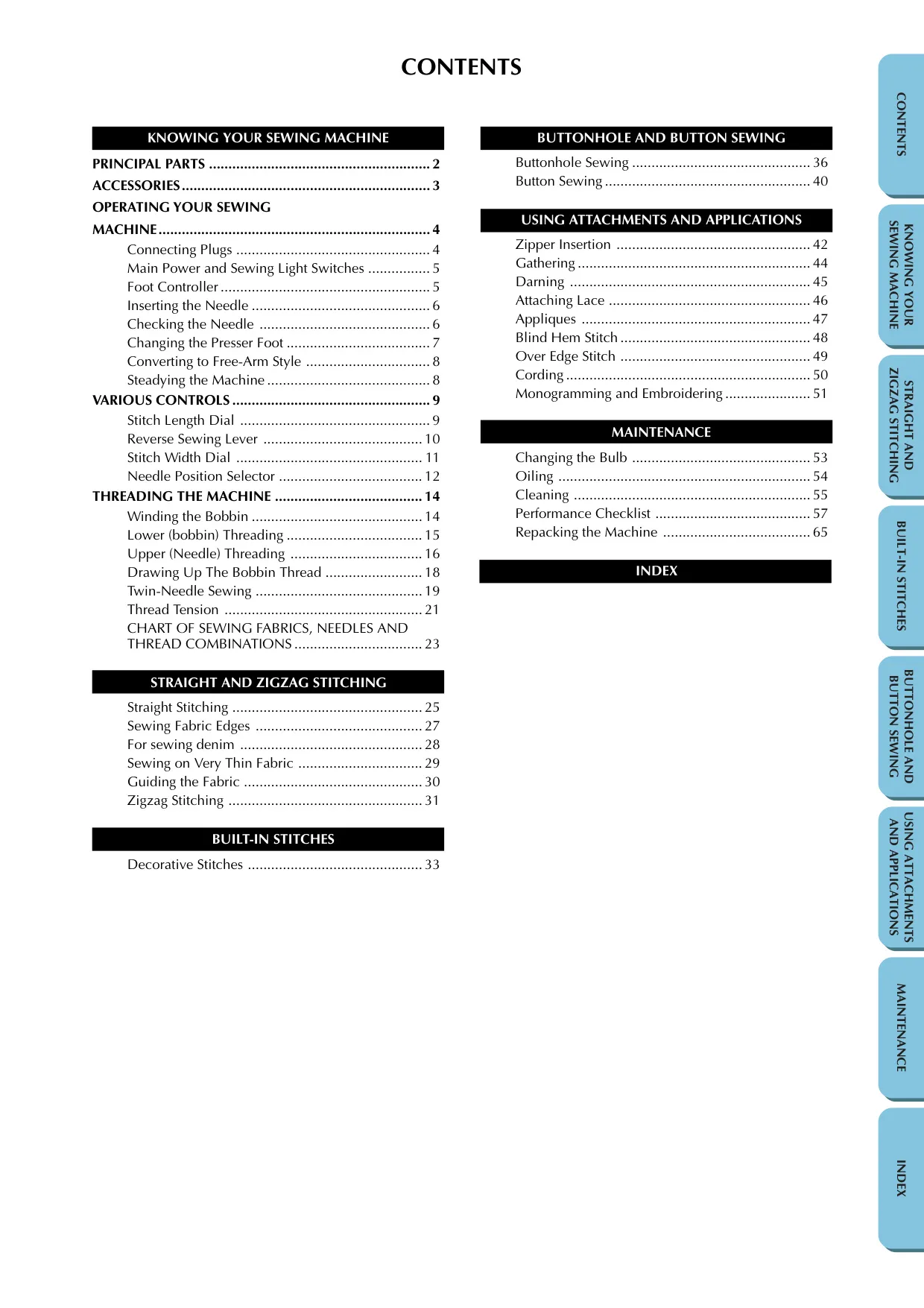
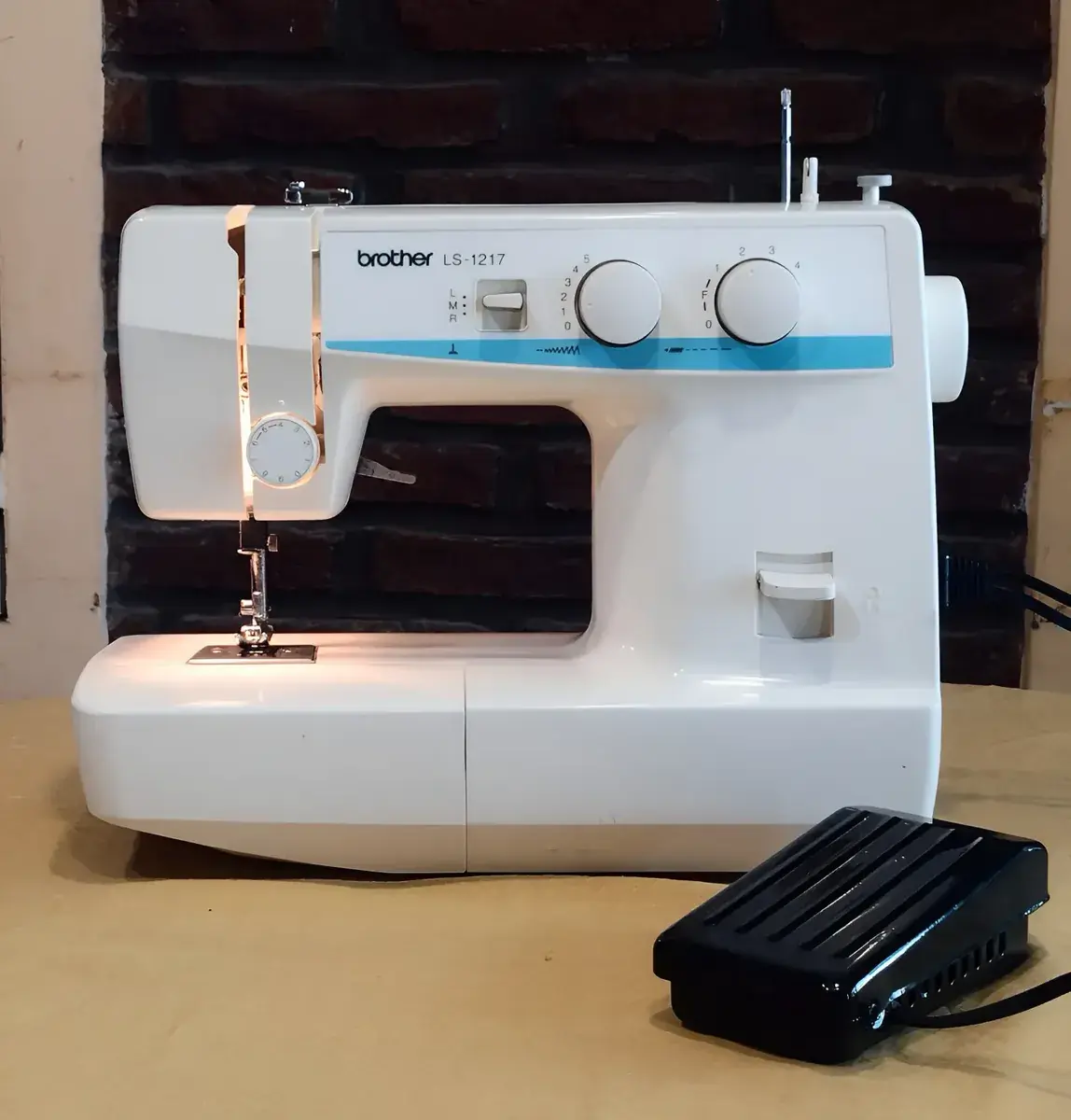
The Brother LS-1217 sewing machine is designed with user-friendliness and versatility in mind, making it suitable for a wide range of household sewing tasks. Its operational simplicity ensures that even beginners can quickly get started, while its robust feature set caters to more experienced users seeking diverse creative options. Safety is paramount, with clear instructions emphasizing immediate unplugging after use or before maintenance, and careful attention around moving parts, particularly the needle area.
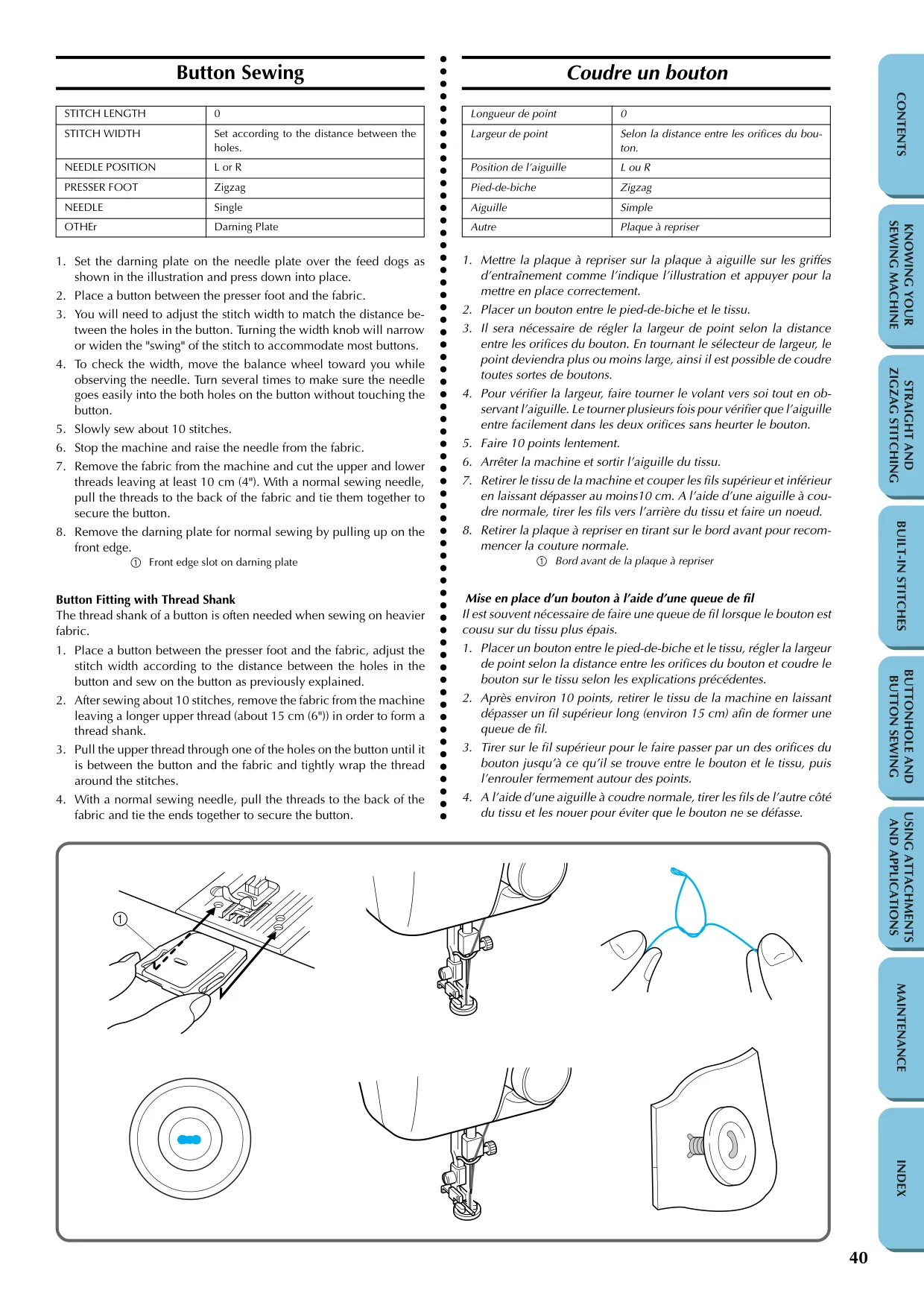
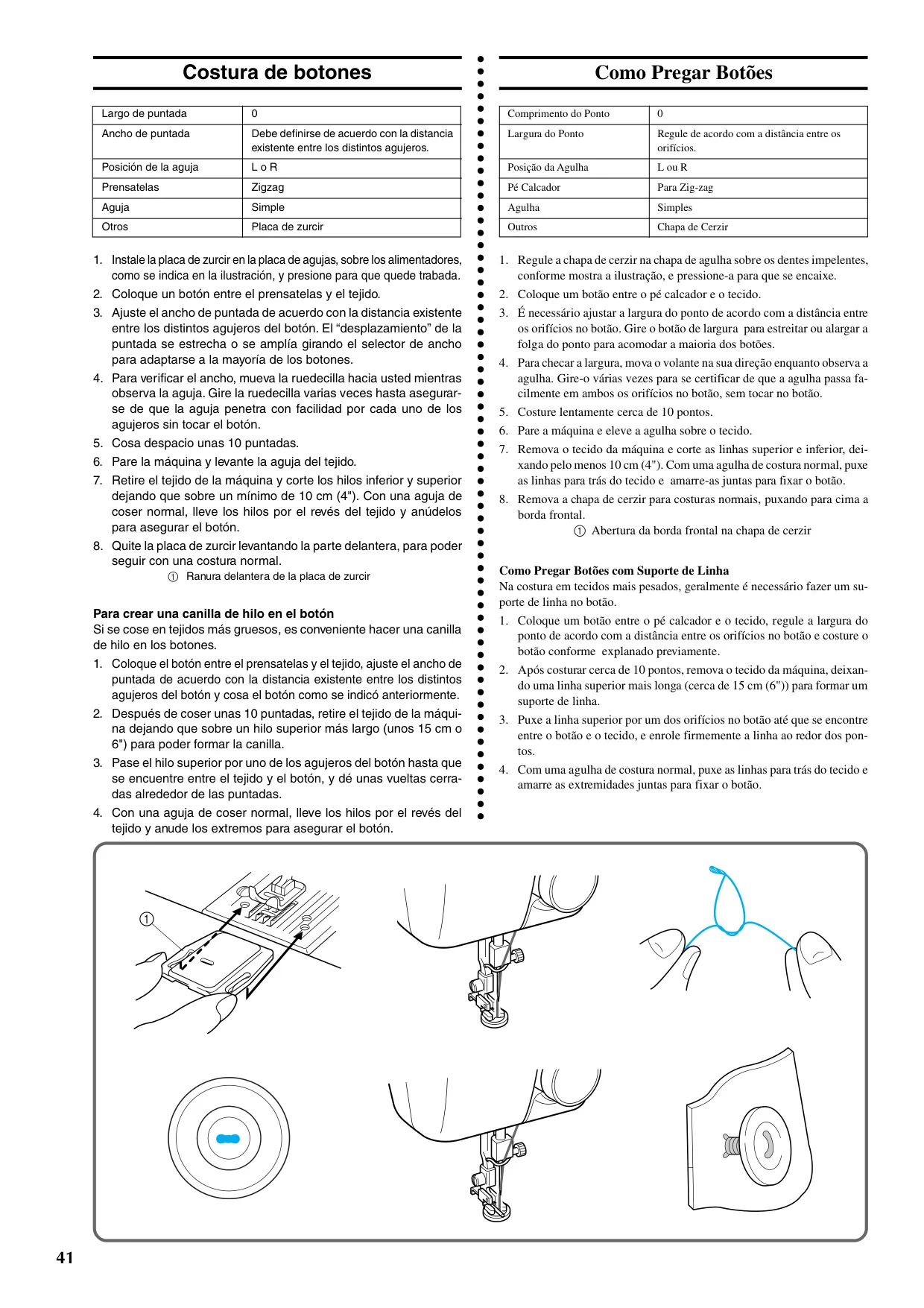
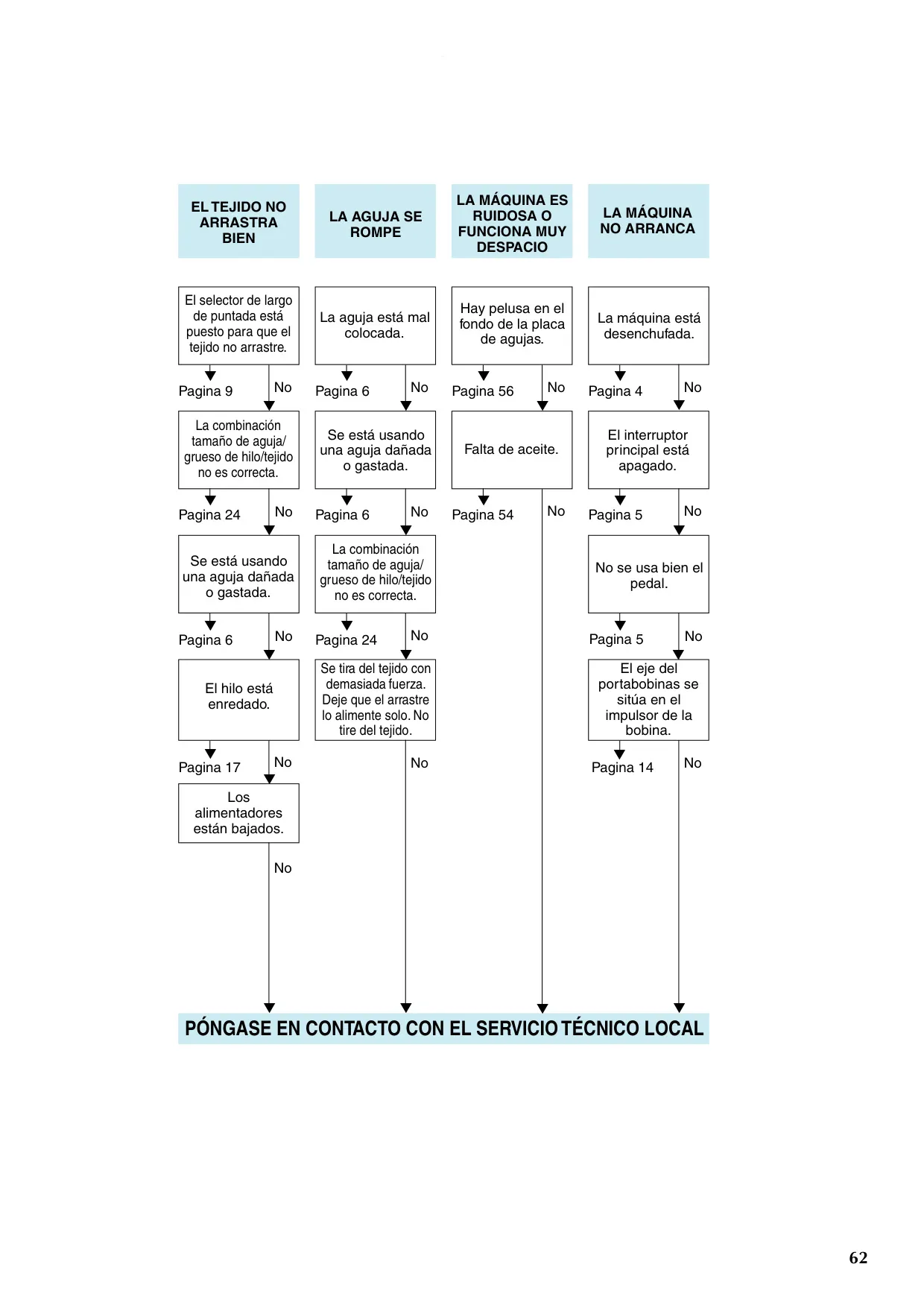
One of the key advantages of the LS-1217 is its intuitive control layout. The Stitch Length Dial, ranging from 0 to 4 (with an 'F' setting for satin stitches), allows for precise adjustment, enabling everything from tight, reinforced seams to long, decorative stitches. Setting the dial to '0' cleverly stops fabric feeding, which is ideal for stationary tasks like sewing on buttons, adding to its practical applications.
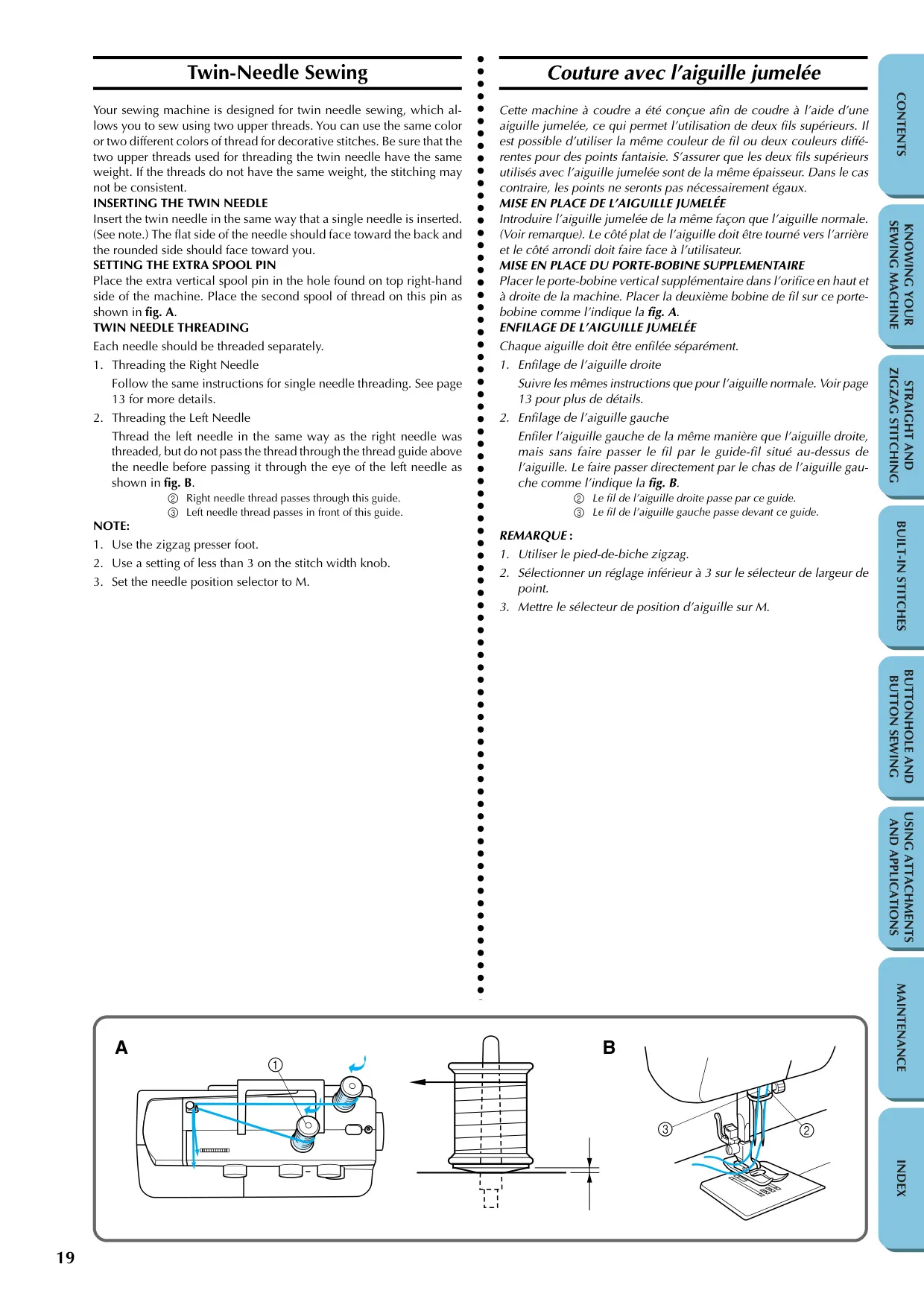
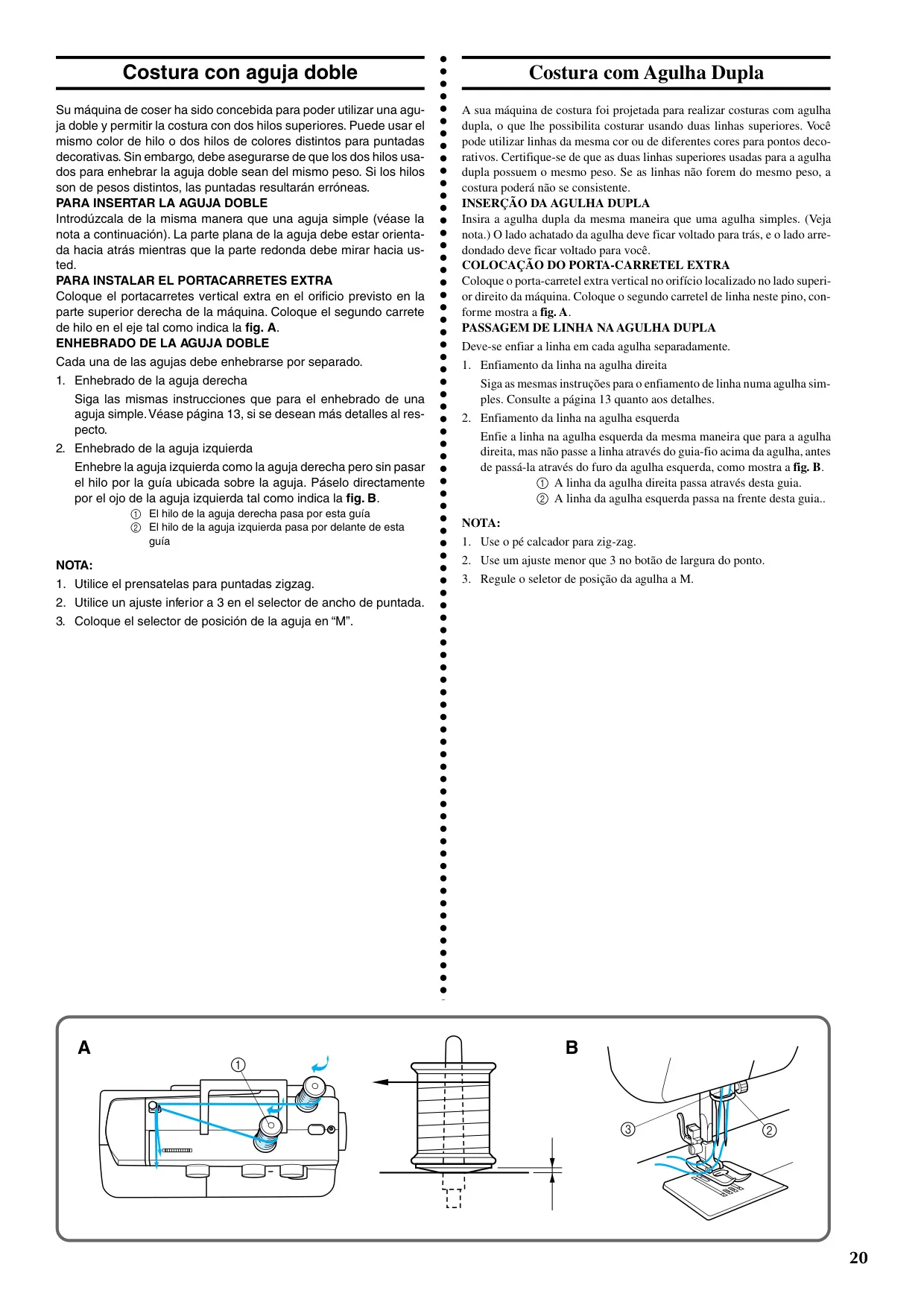
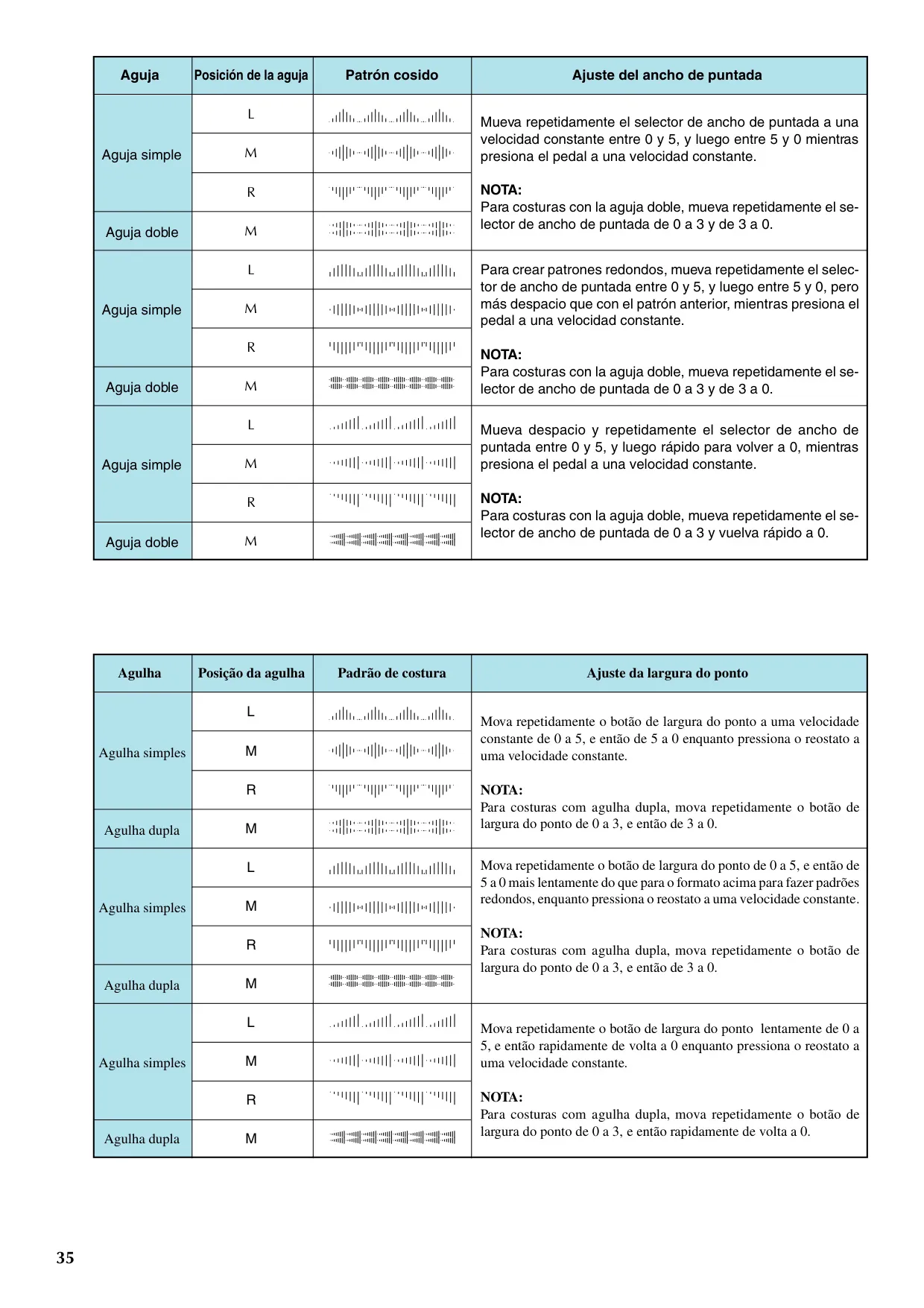
The Stitch Width Dial further enhances creative control, allowing users to select zigzag widths from 0 (for straight stitching) up to 5 millimeters. This flexibility is crucial for customizing zigzag patterns, decorative stitches, and specialized applications. However, when using the twin needle, the width must be carefully set below 3 to ensure proper operation and prevent needle breakage.
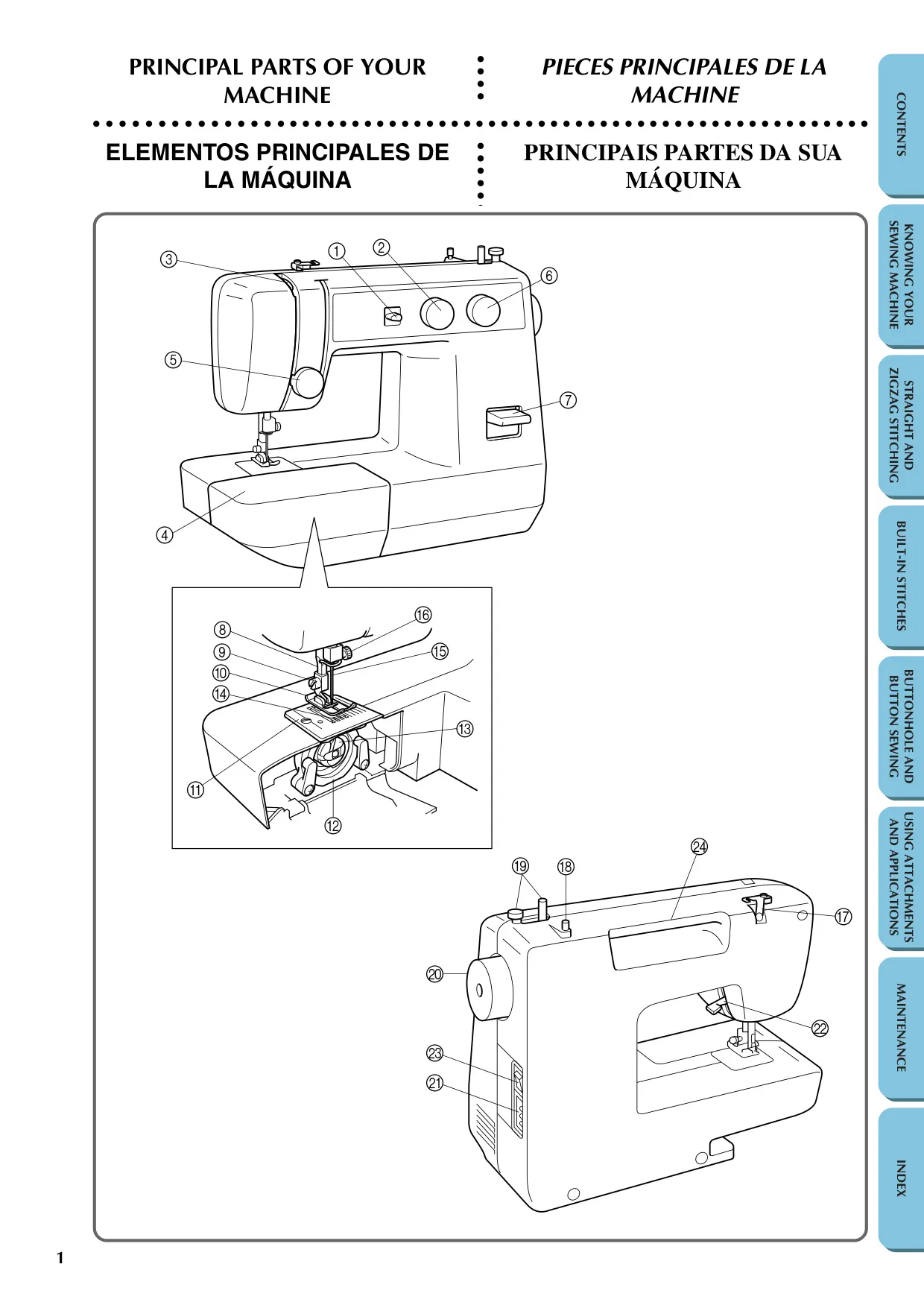
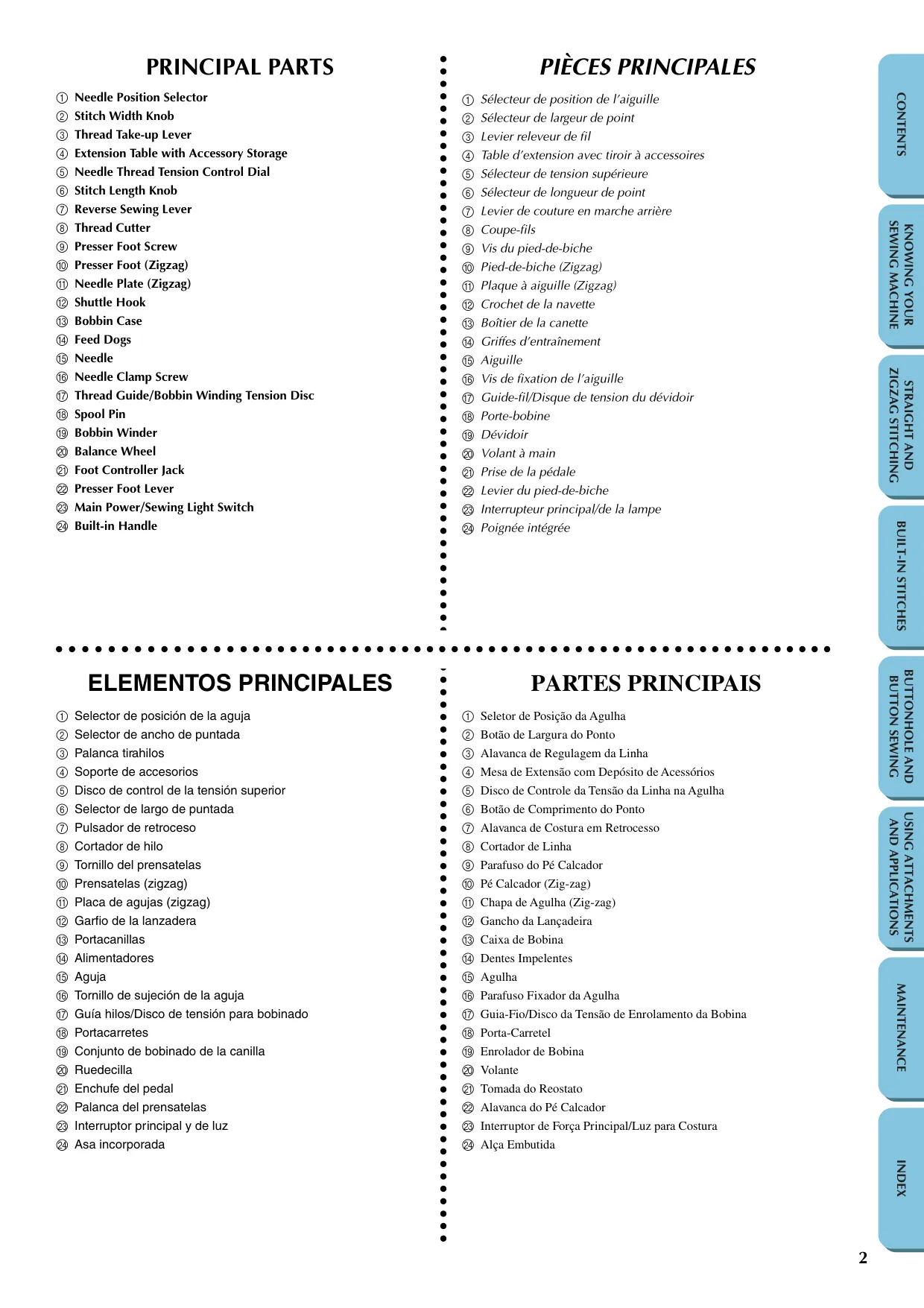
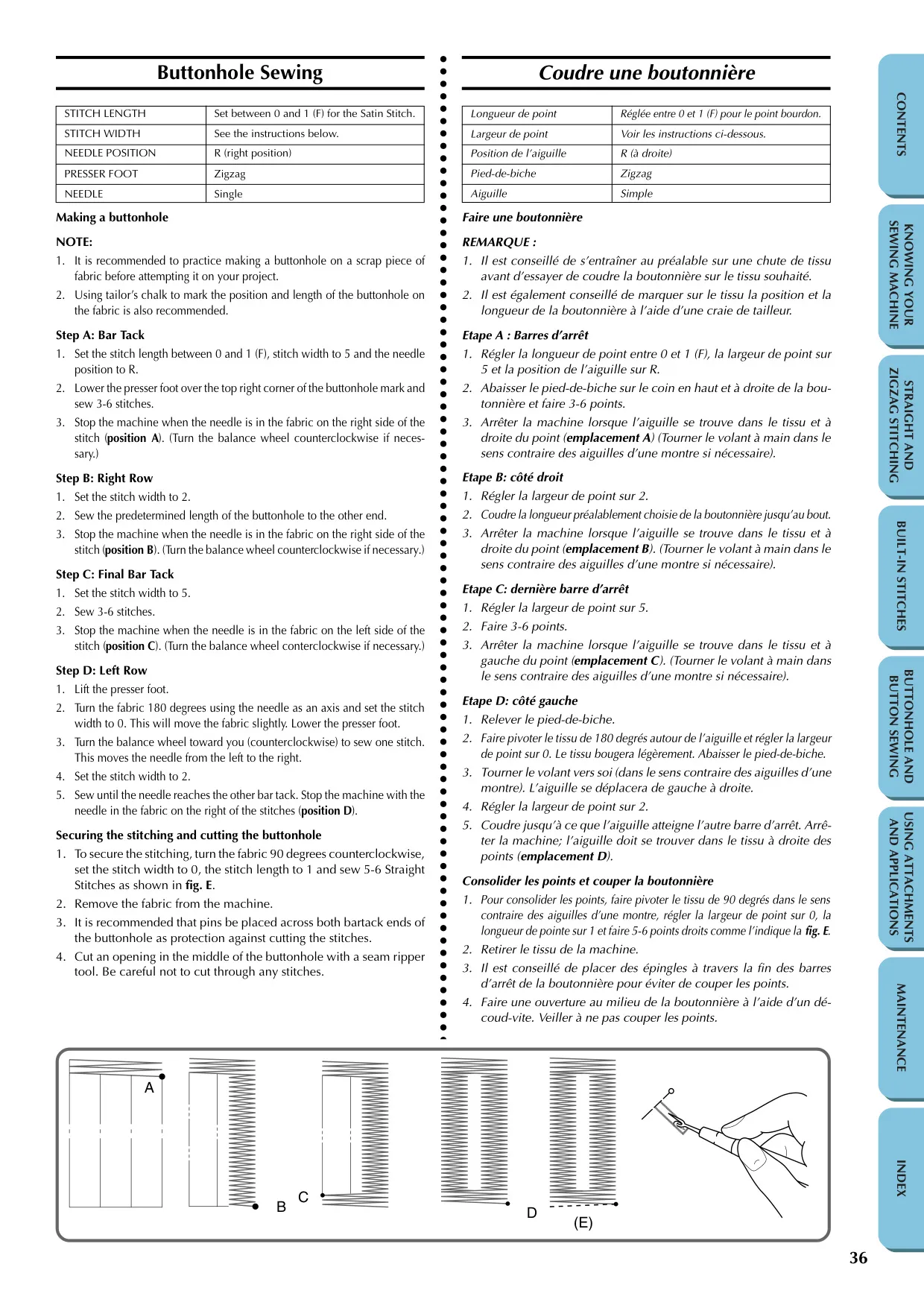
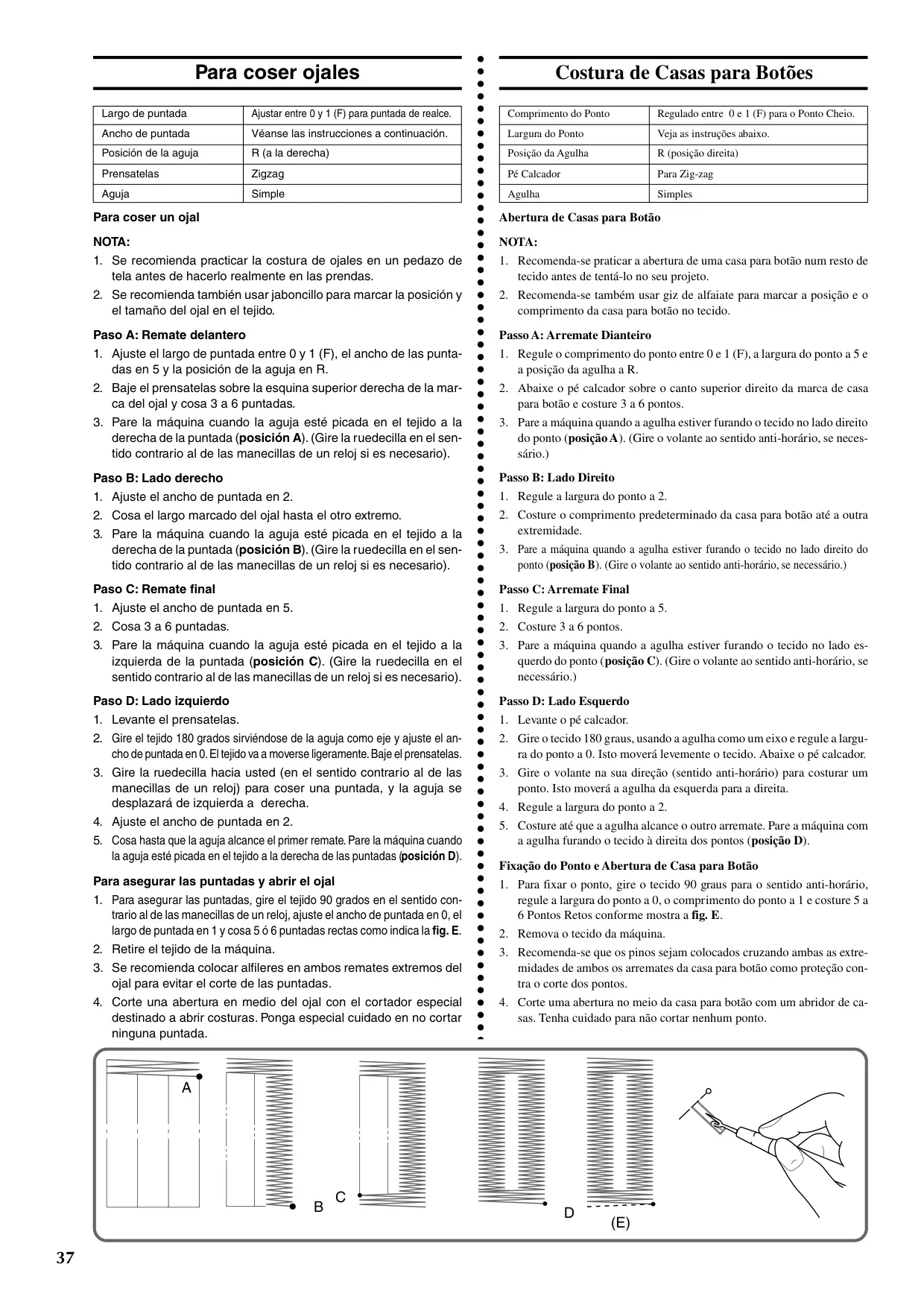
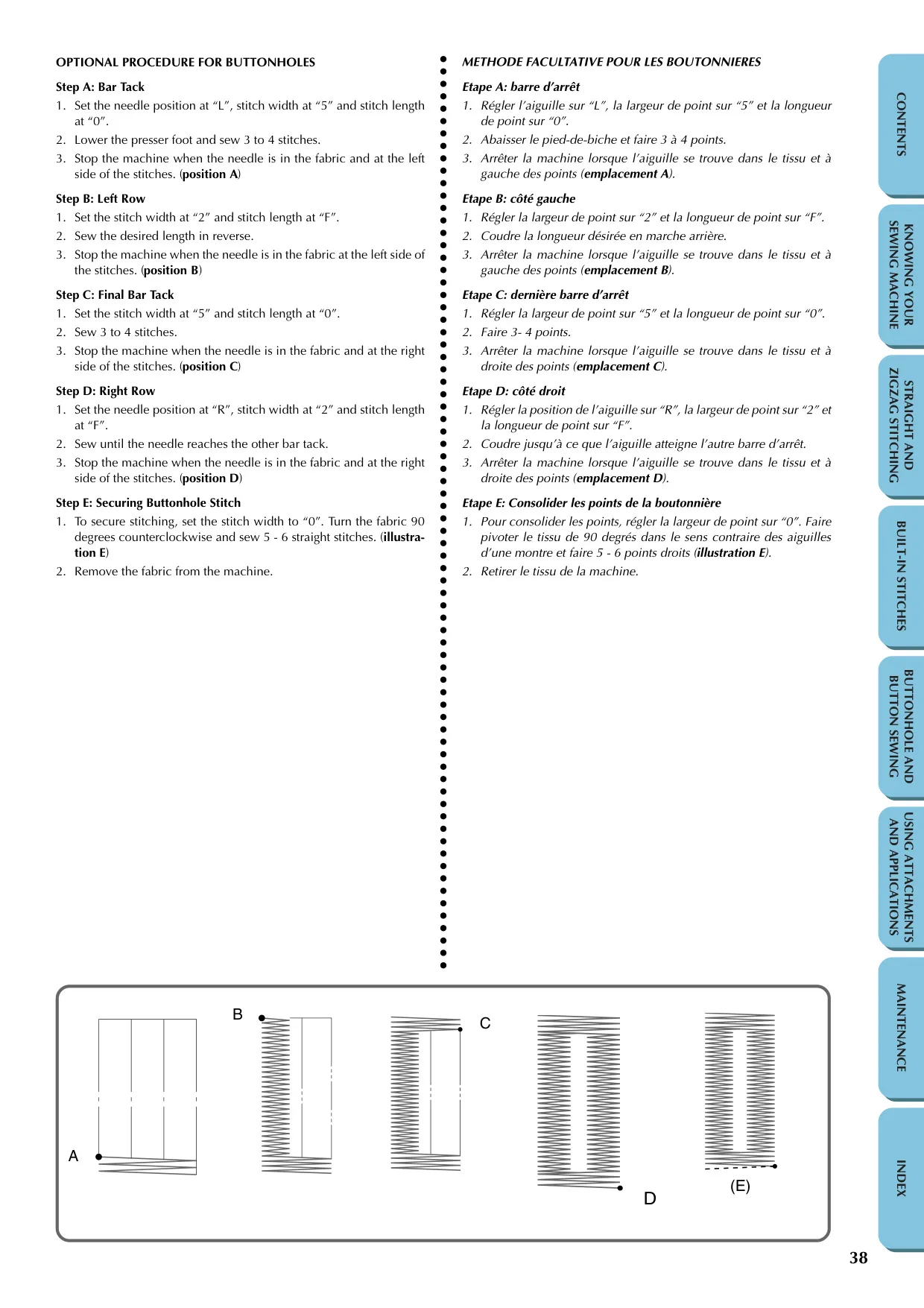
The Needle Position Selector offers three settings: Left (L), Middle (M), and Right (R). This feature provides greater precision when sewing close to fabric edges or executing specific techniques like buttonholes. For most general sewing, the 'M' (middle) position is recommended, ensuring balanced stitching, though twin-needle sewing always requires the 'M' setting for safety and optimal performance.
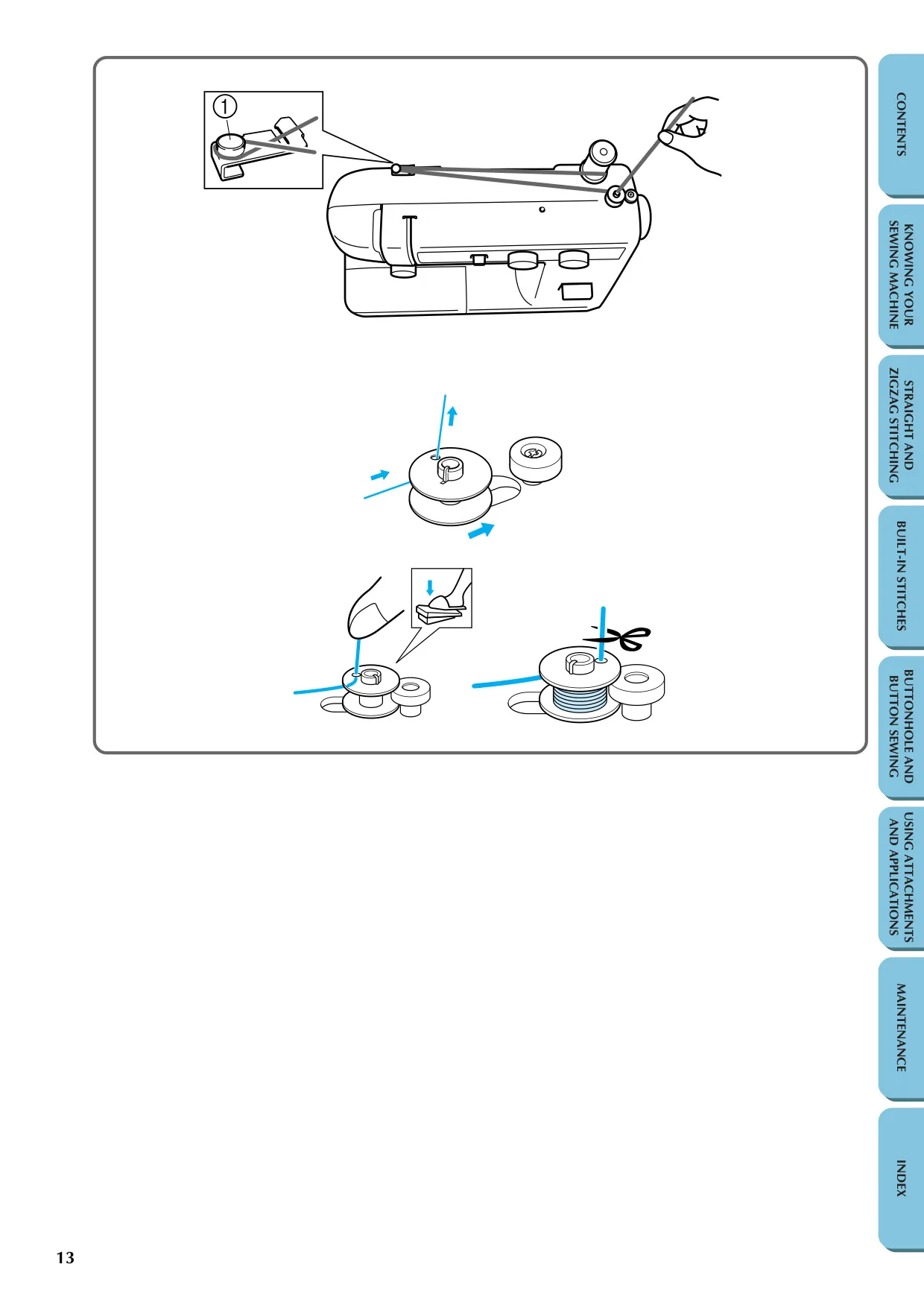
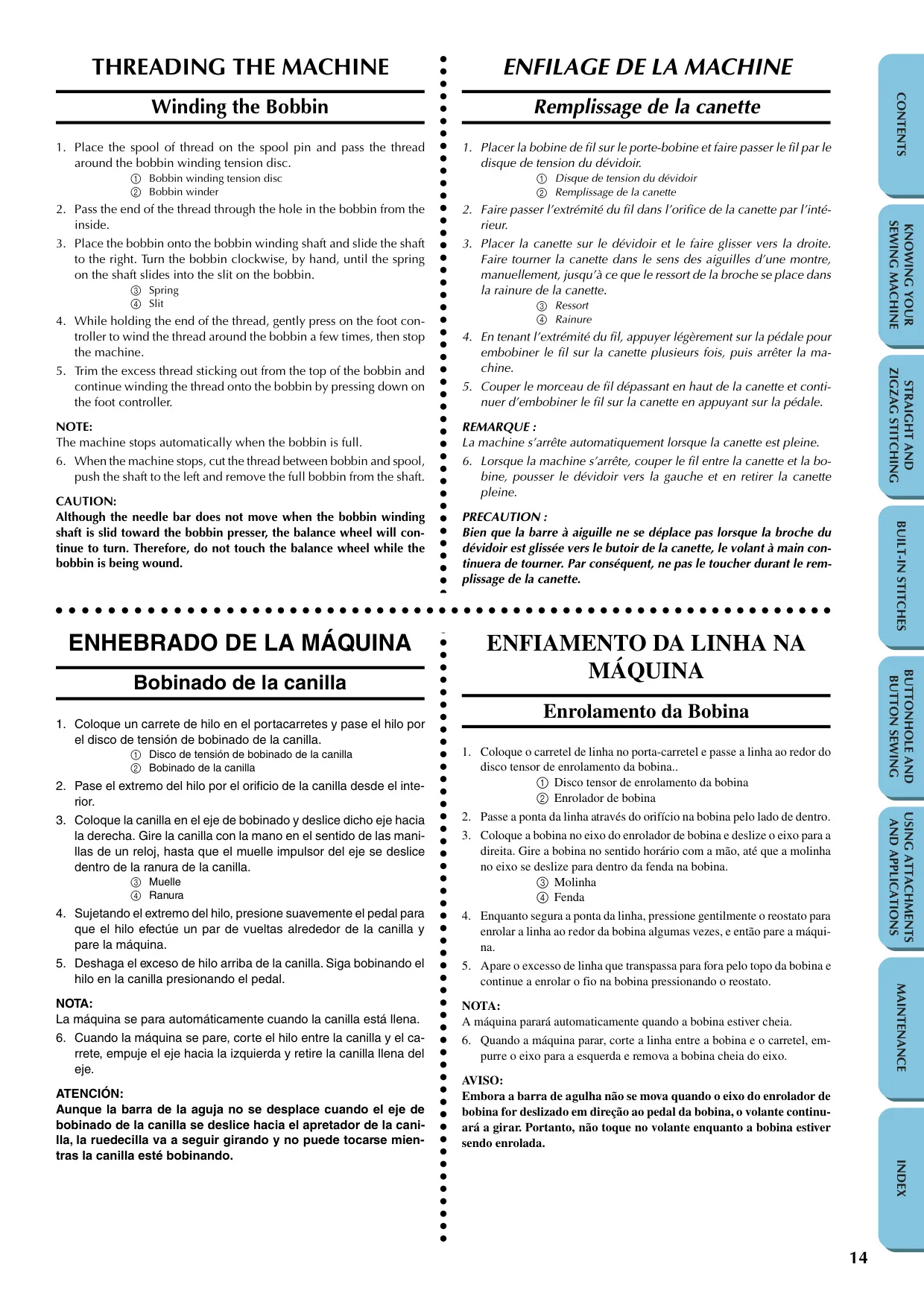
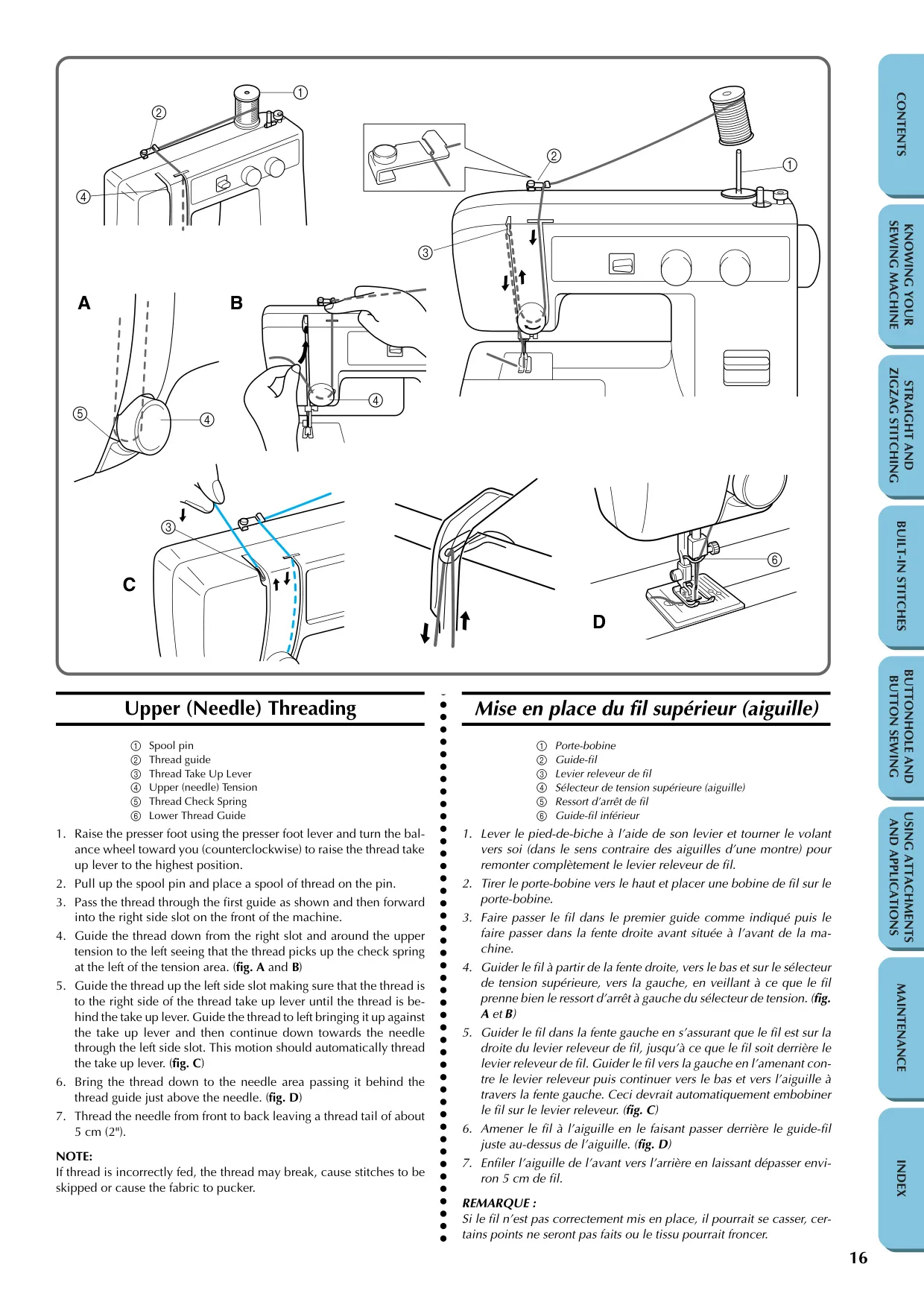
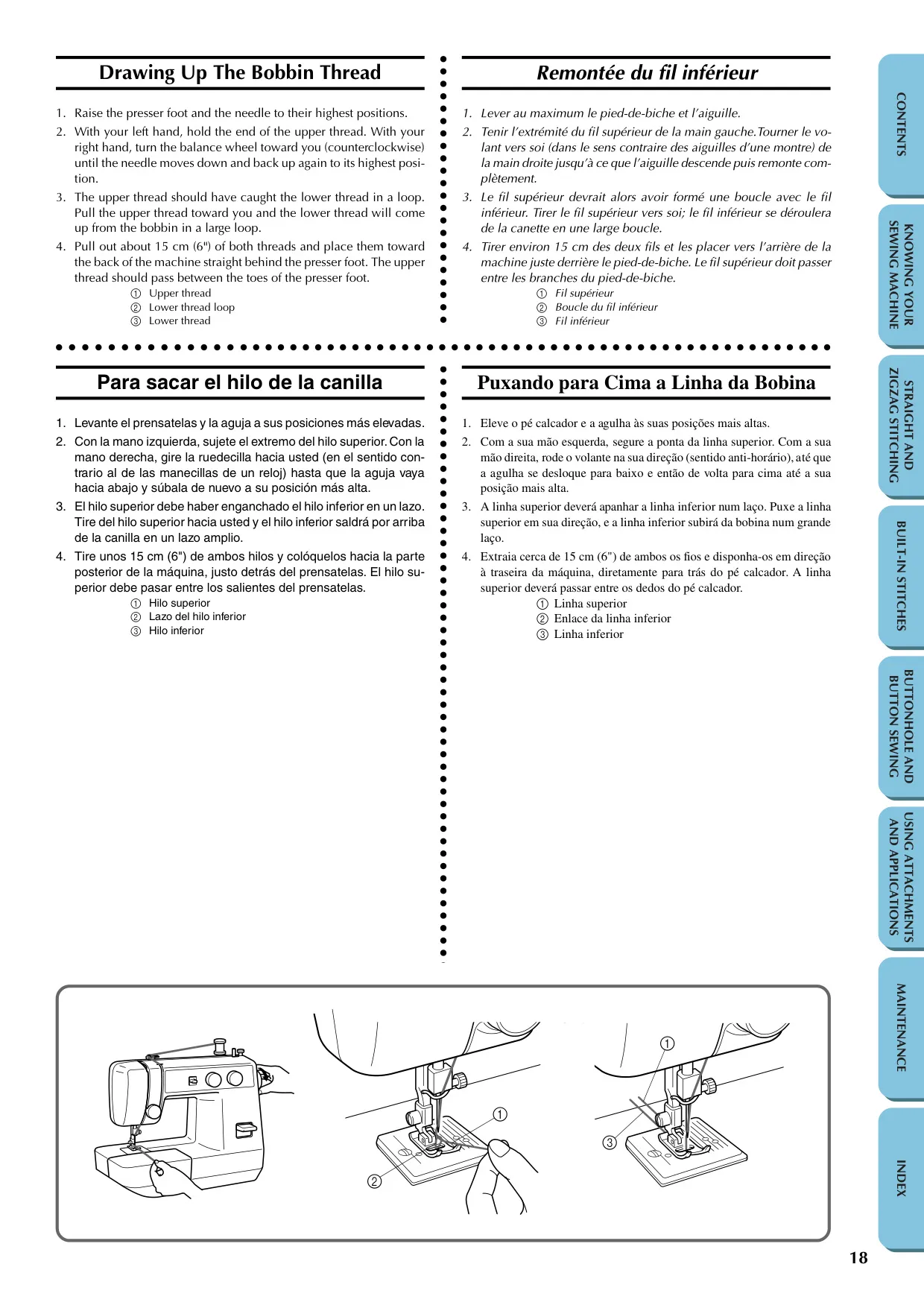
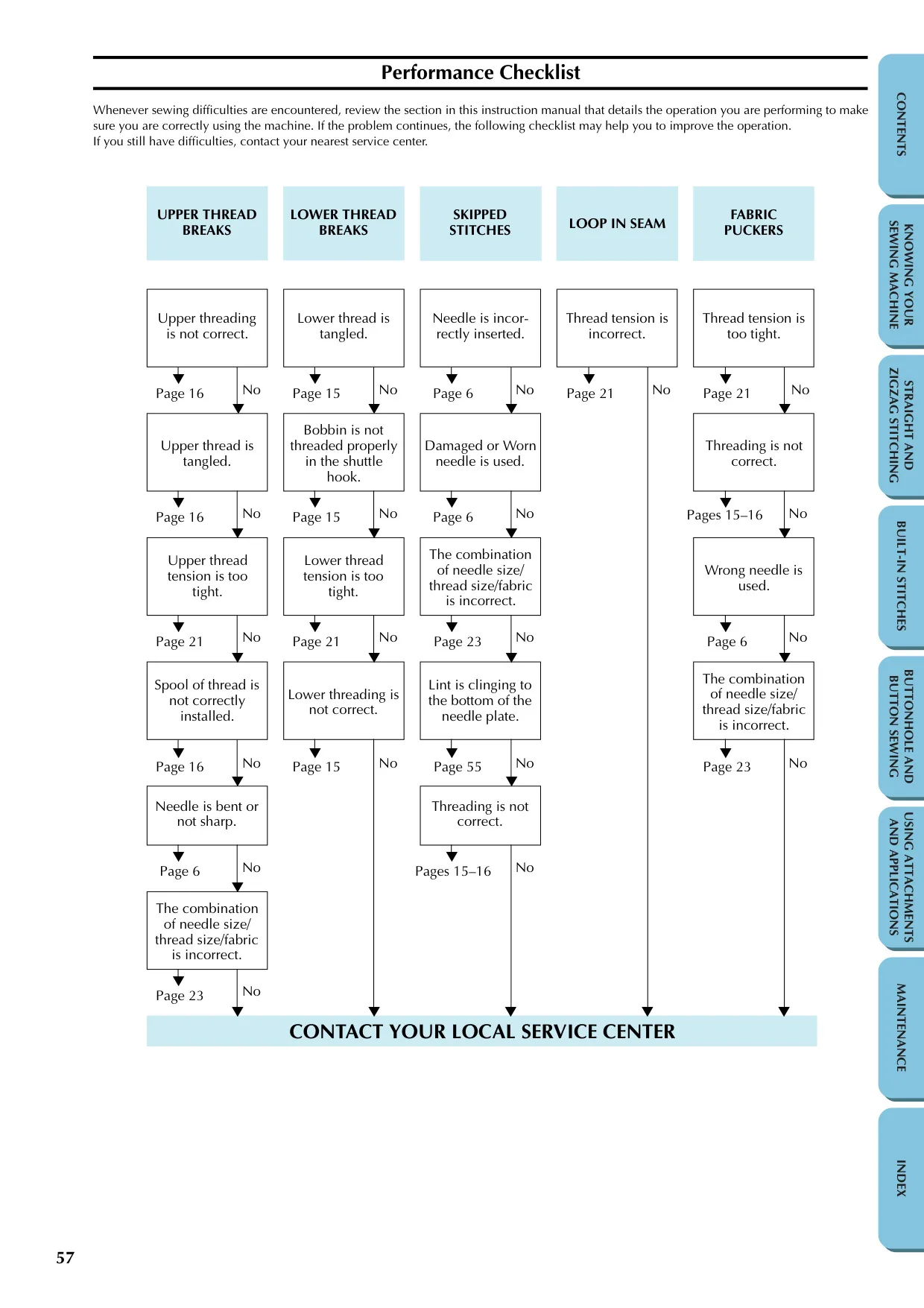
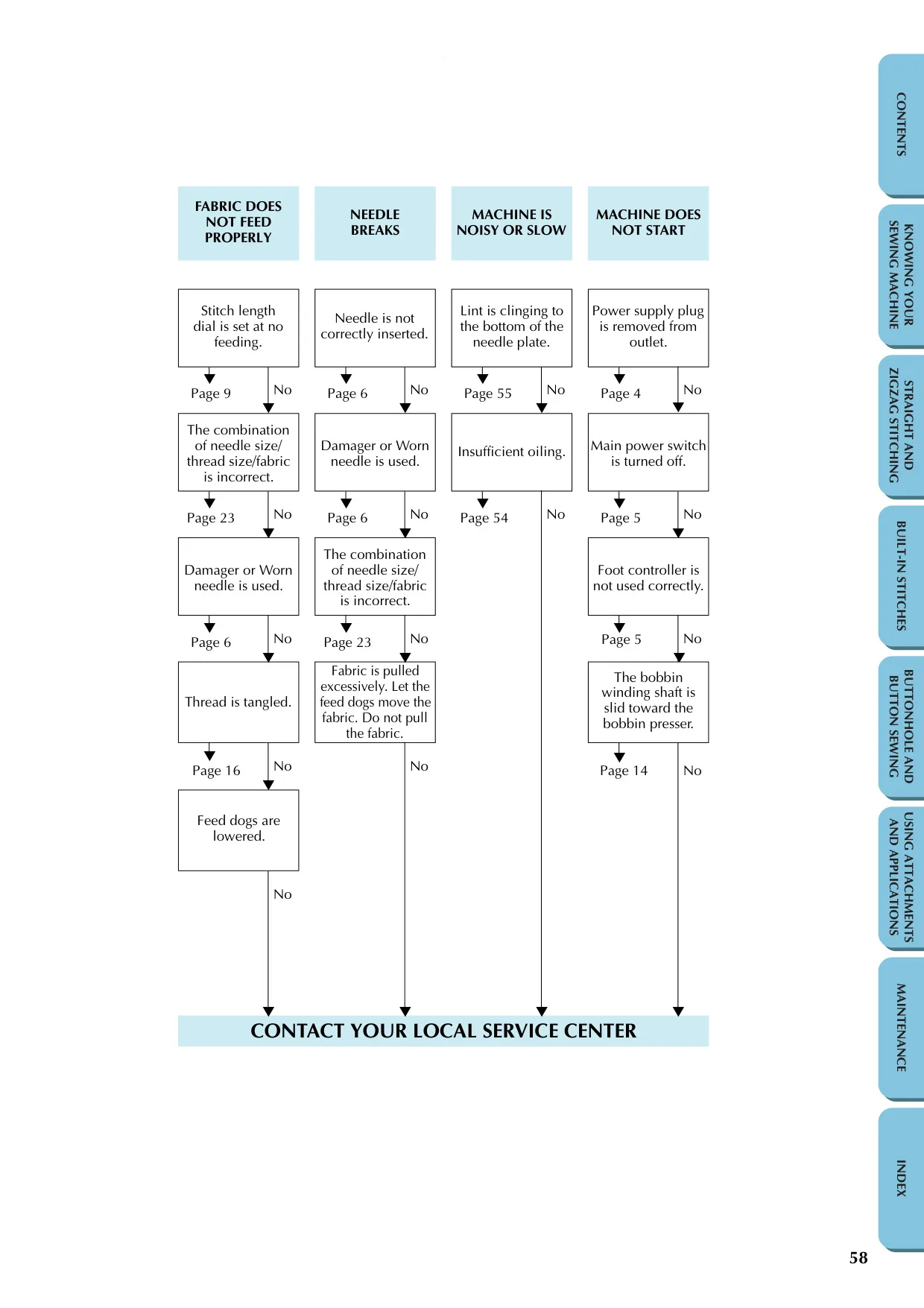
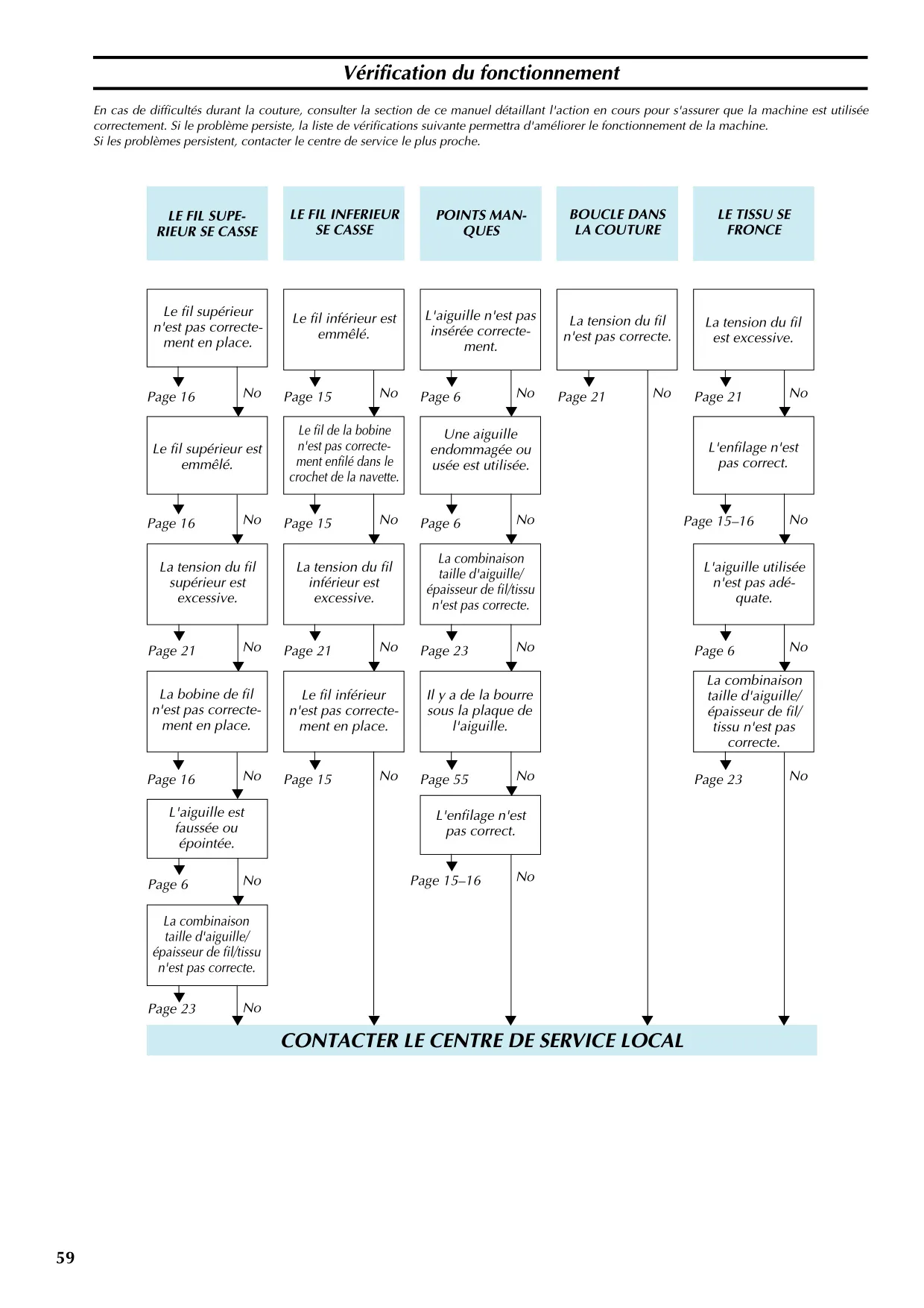
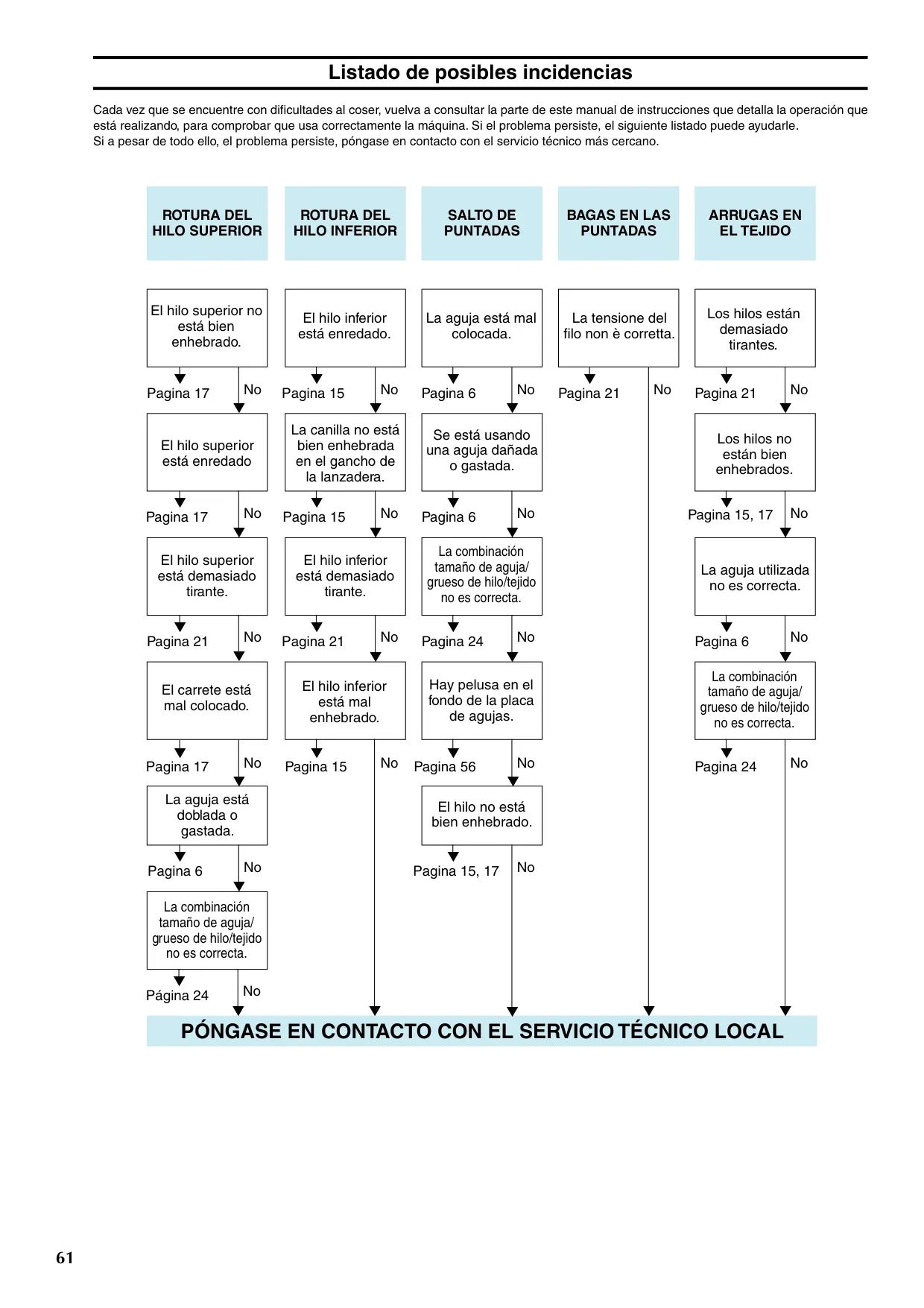
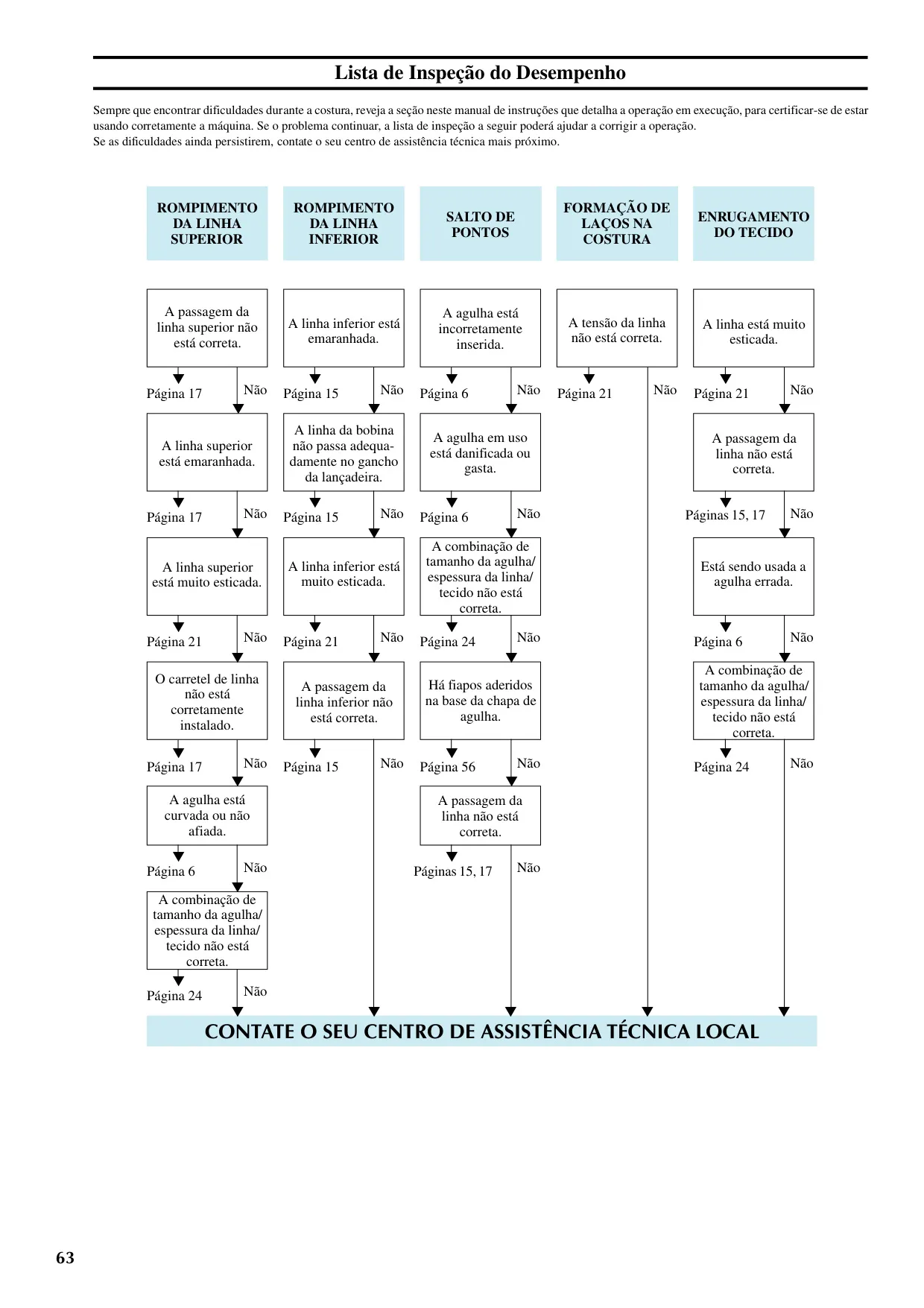
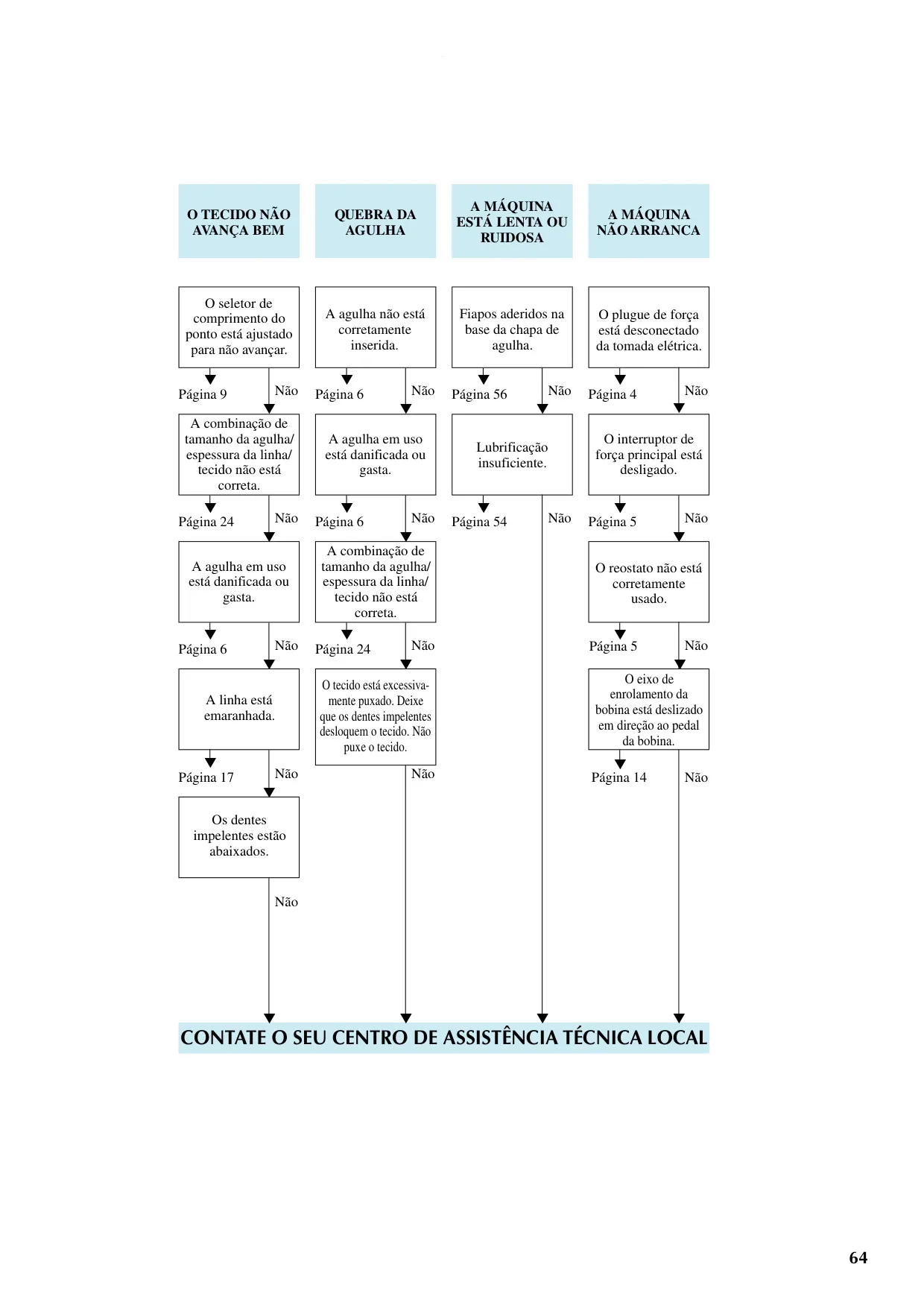
Threading the Brother LS-1217 is a straightforward process, meticulously detailed in the manual for both the bobbin and upper thread. Correct threading is critical to prevent issues such as thread breakage, skipped stitches, and fabric puckering. The machine includes an extra spool pin, a thoughtful addition that facilitates twin-needle sewing by accommodating a second spool of thread.
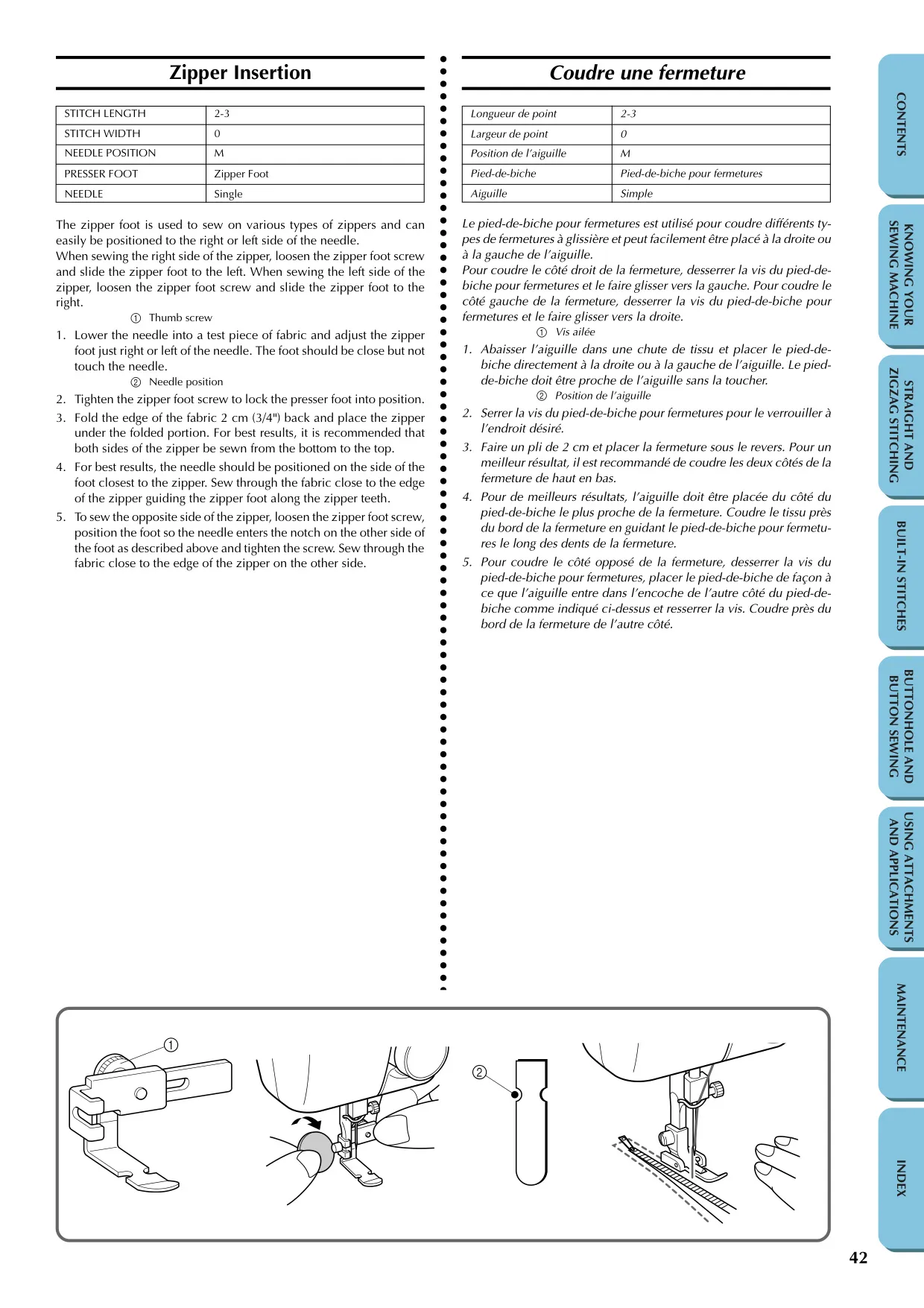
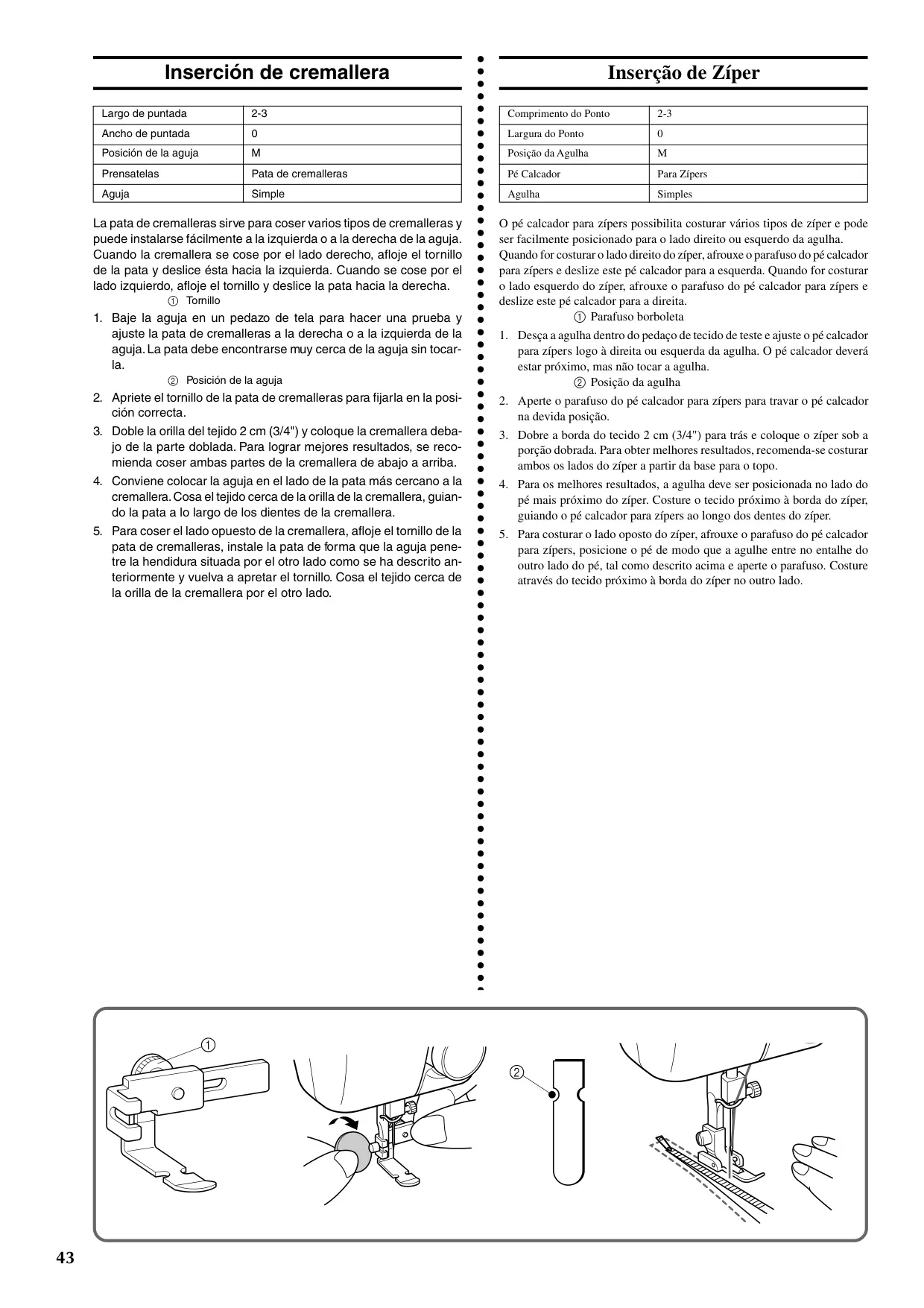
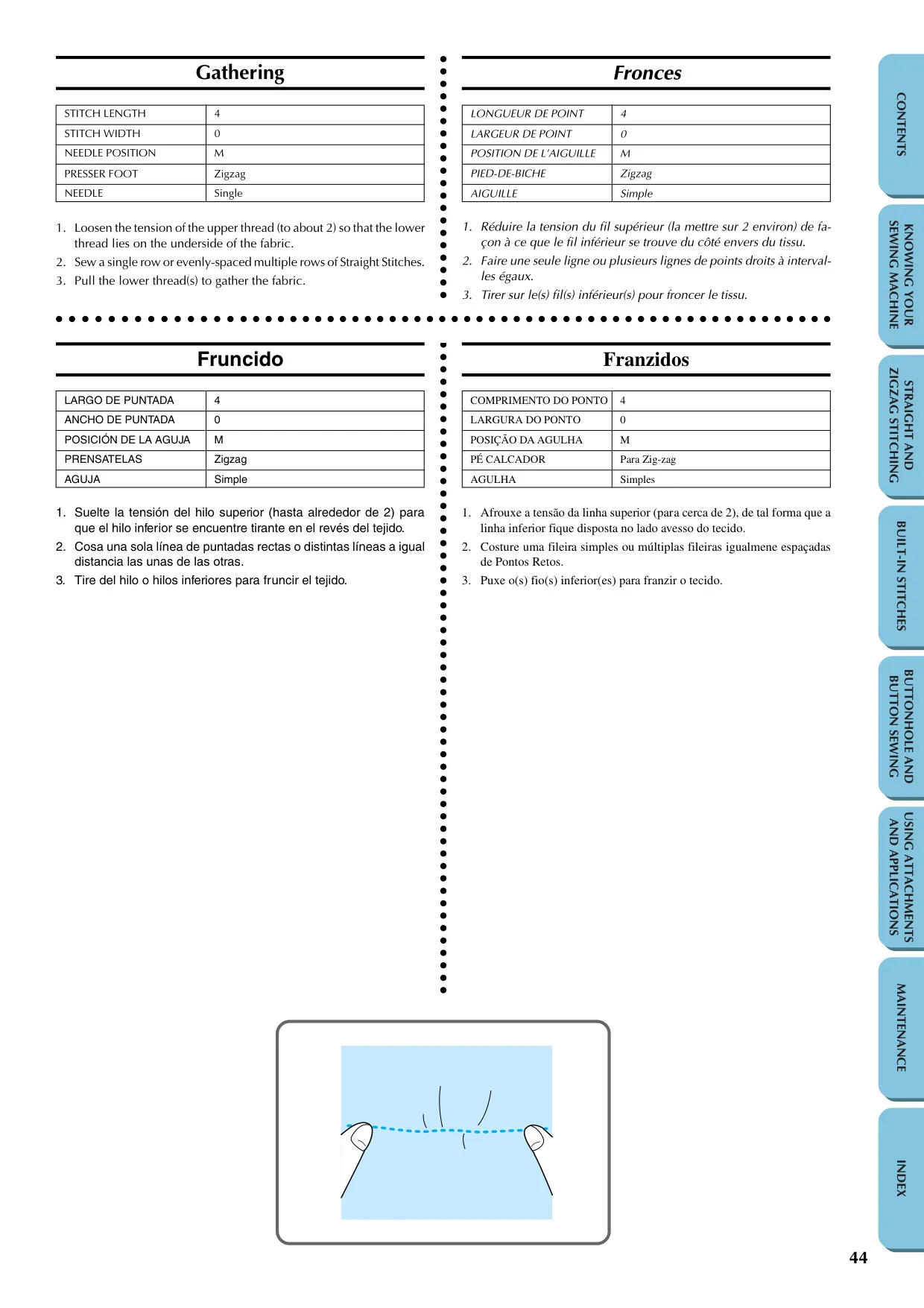
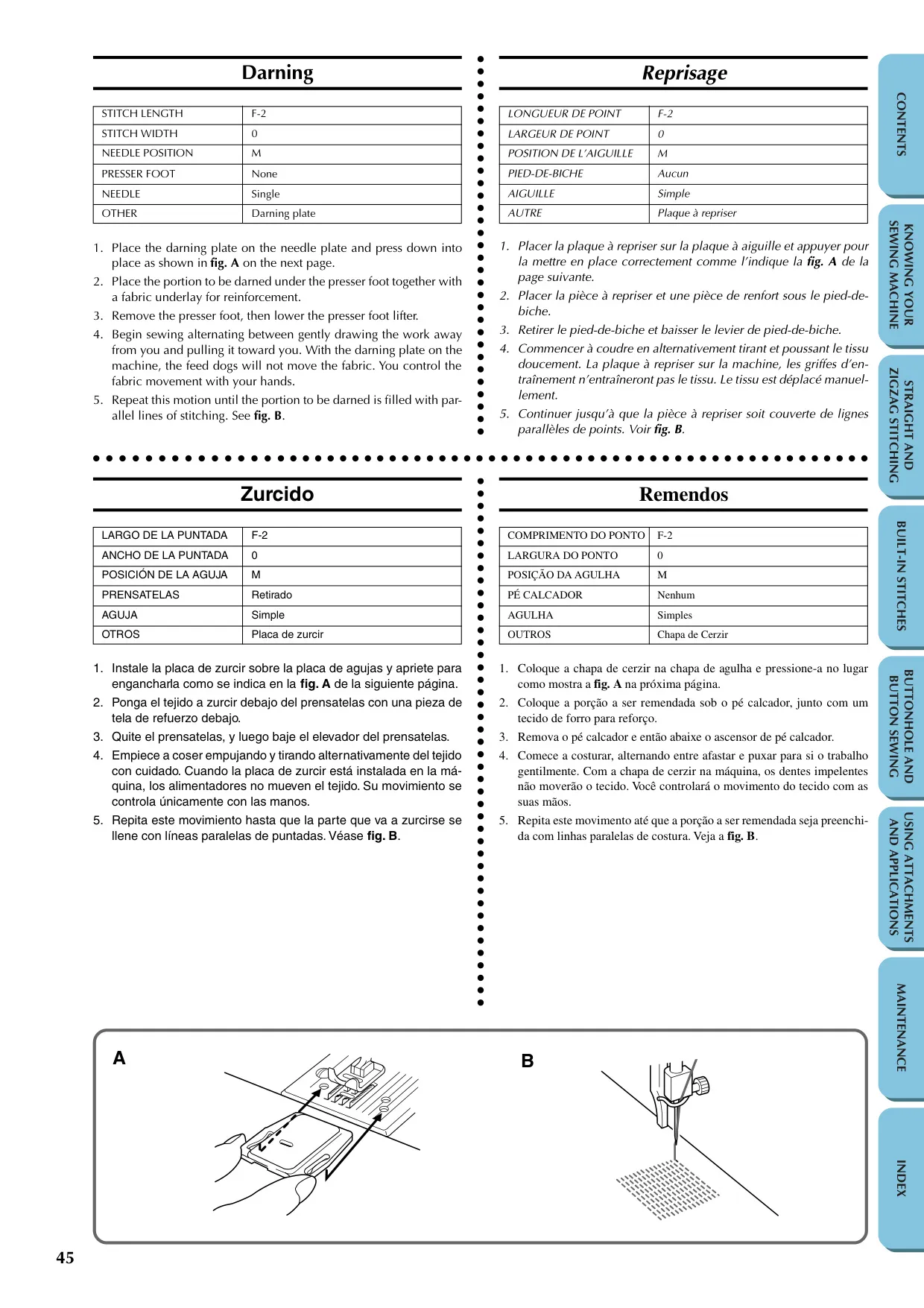
Beyond basic stitching, the LS-1217 supports numerous creative and practical applications. Users can effortlessly perform tasks such as zipper insertion using the specialized zipper foot, which can be adjusted left or right of the needle. Gathering fabric is simplified by adjusting upper thread tension, while the darning plate allows for free-motion darning, monogramming, and embroidering, transforming the machine into a tool for intricate designs.
The machine's design also incorporates ergonomic features like a built-in handle for easy portability and an extension table that doubles as accessory storage. This table can be removed to convert the machine into a free-arm style, perfect for sewing tubular items like sleeves and cuffs. A rubber cushion on the base plate allows for height adjustment, ensuring stability on uneven work surfaces.
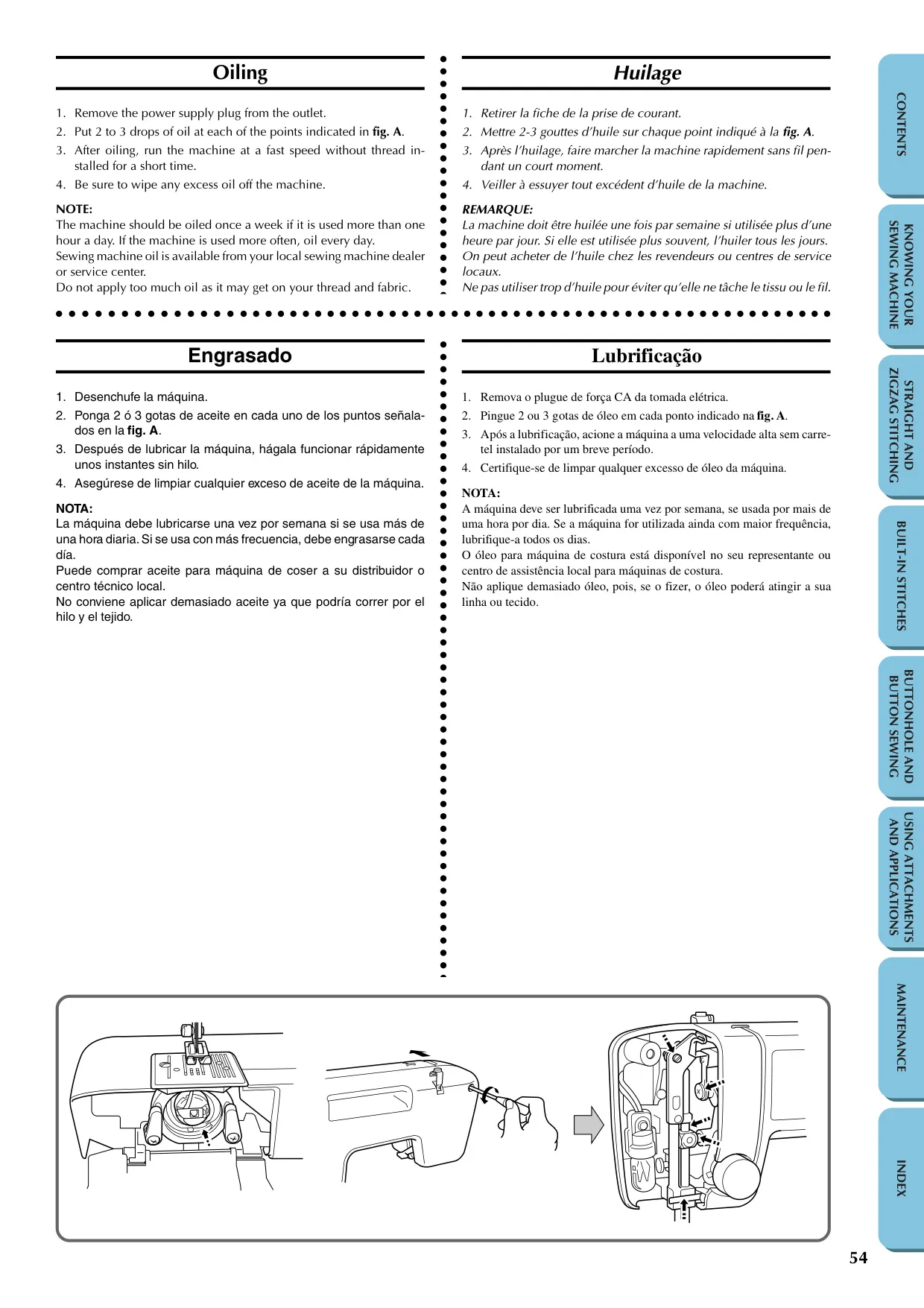
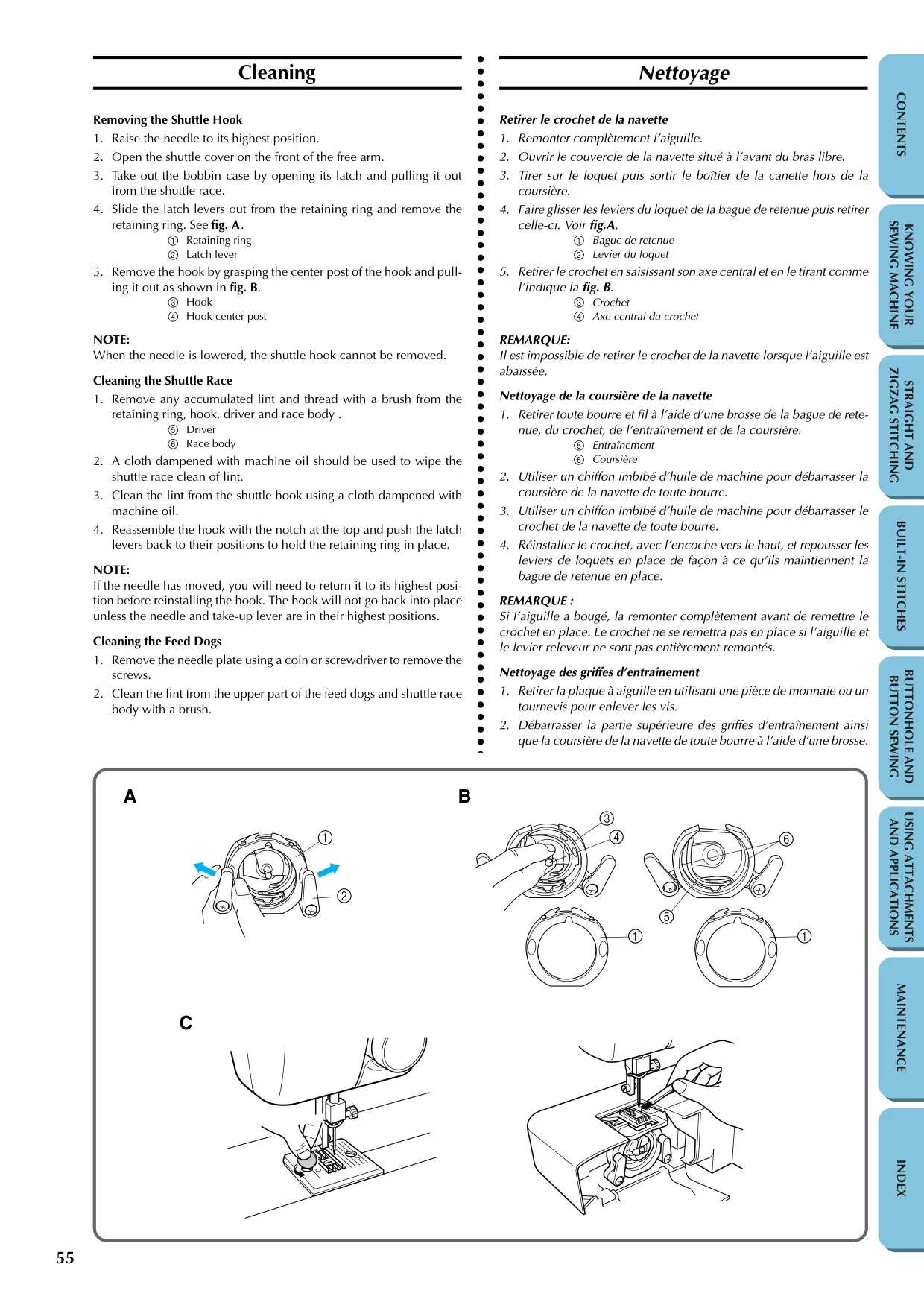
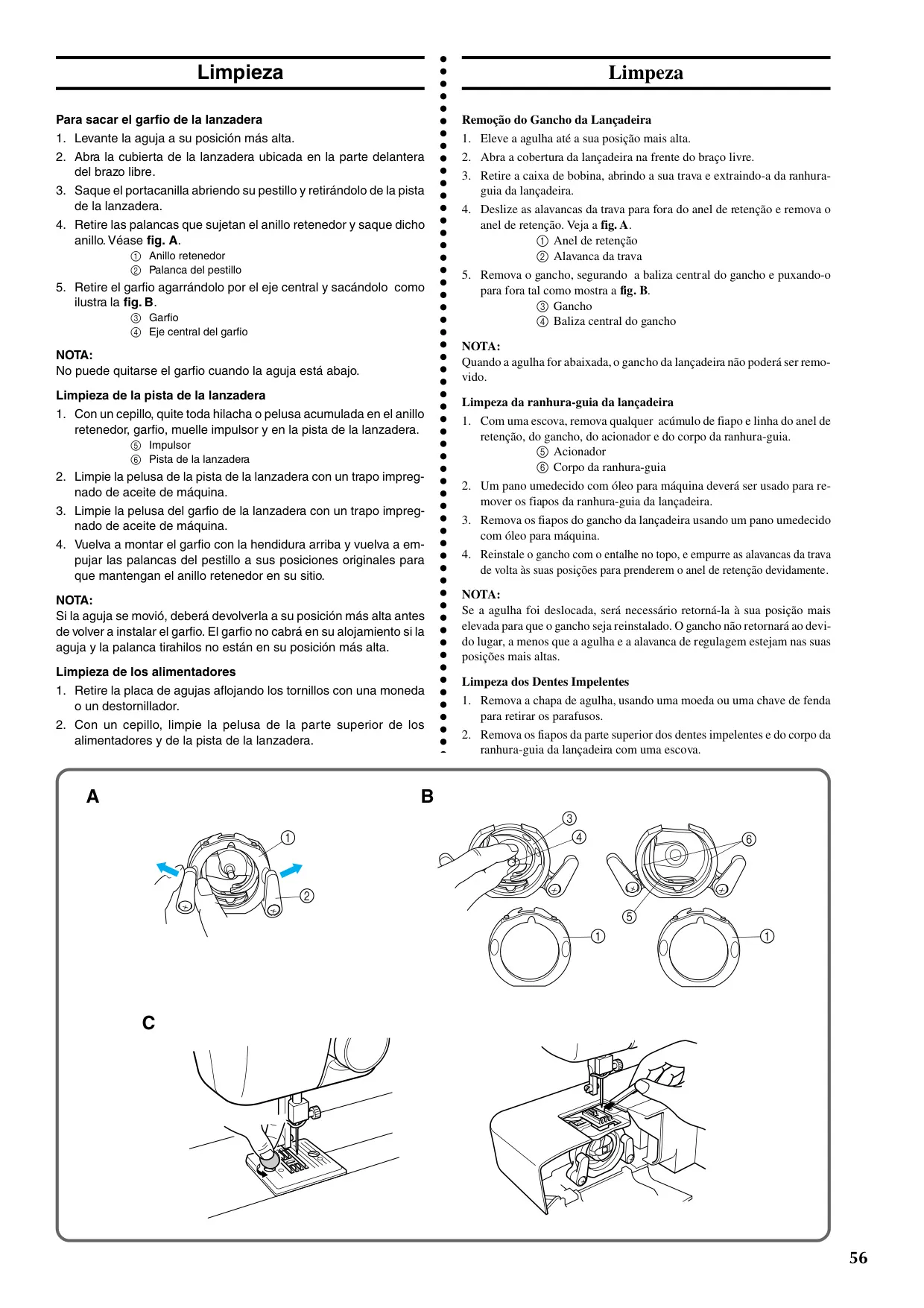
Maintenance is made simple with clear instructions for changing the light bulb, oiling, and cleaning key components like the shuttle hook and feed dogs. Regular oiling is recommended weekly for moderate use and daily for frequent use, ensuring the machine operates smoothly and quietly for years to come. This commitment to easy care underscores the LS-1217's design as a reliable and enduring sewing companion.
Frequently Asked Questions (FAQs)
Can't find the answer you need? Here are some frequently asked questions about the Brother LS-1217 Sewing Machine, and we answer them below.