
ACS880 Variable Frequency Drive Instruction Manual
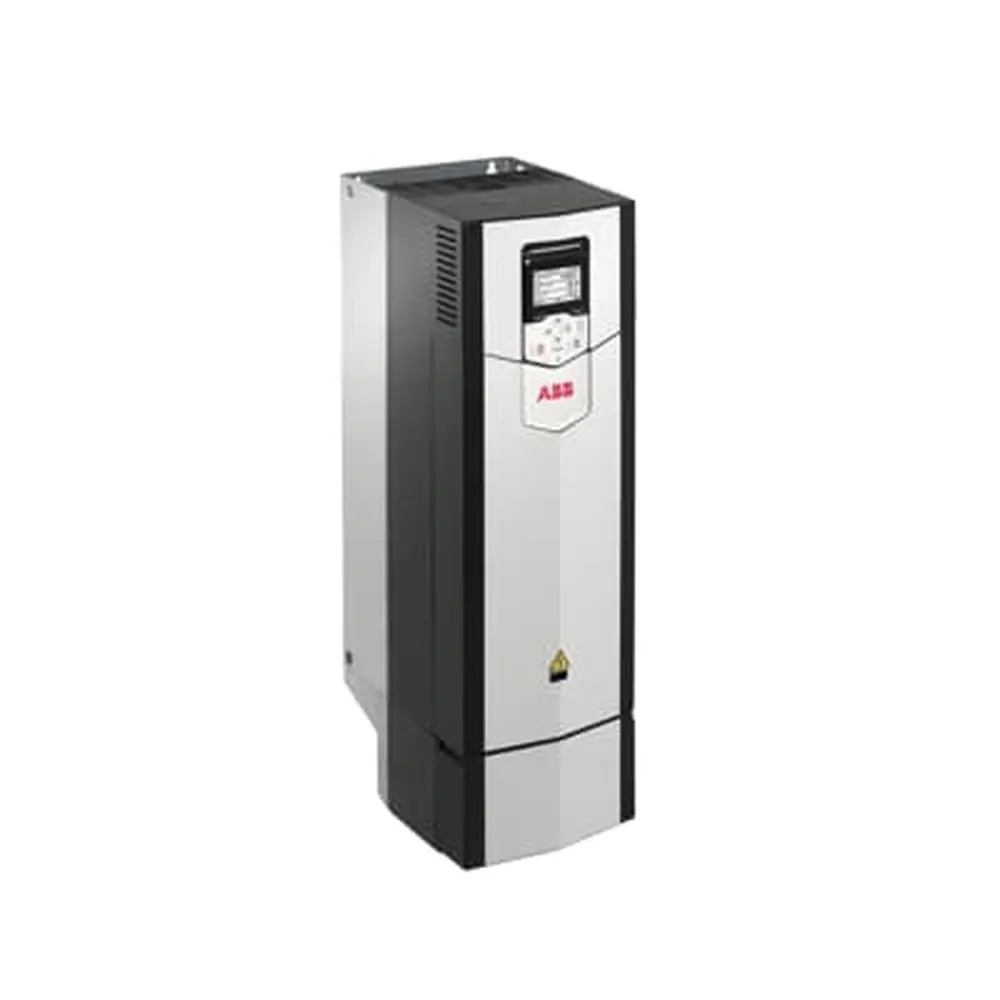
ACS880 Variable Frequency Drive
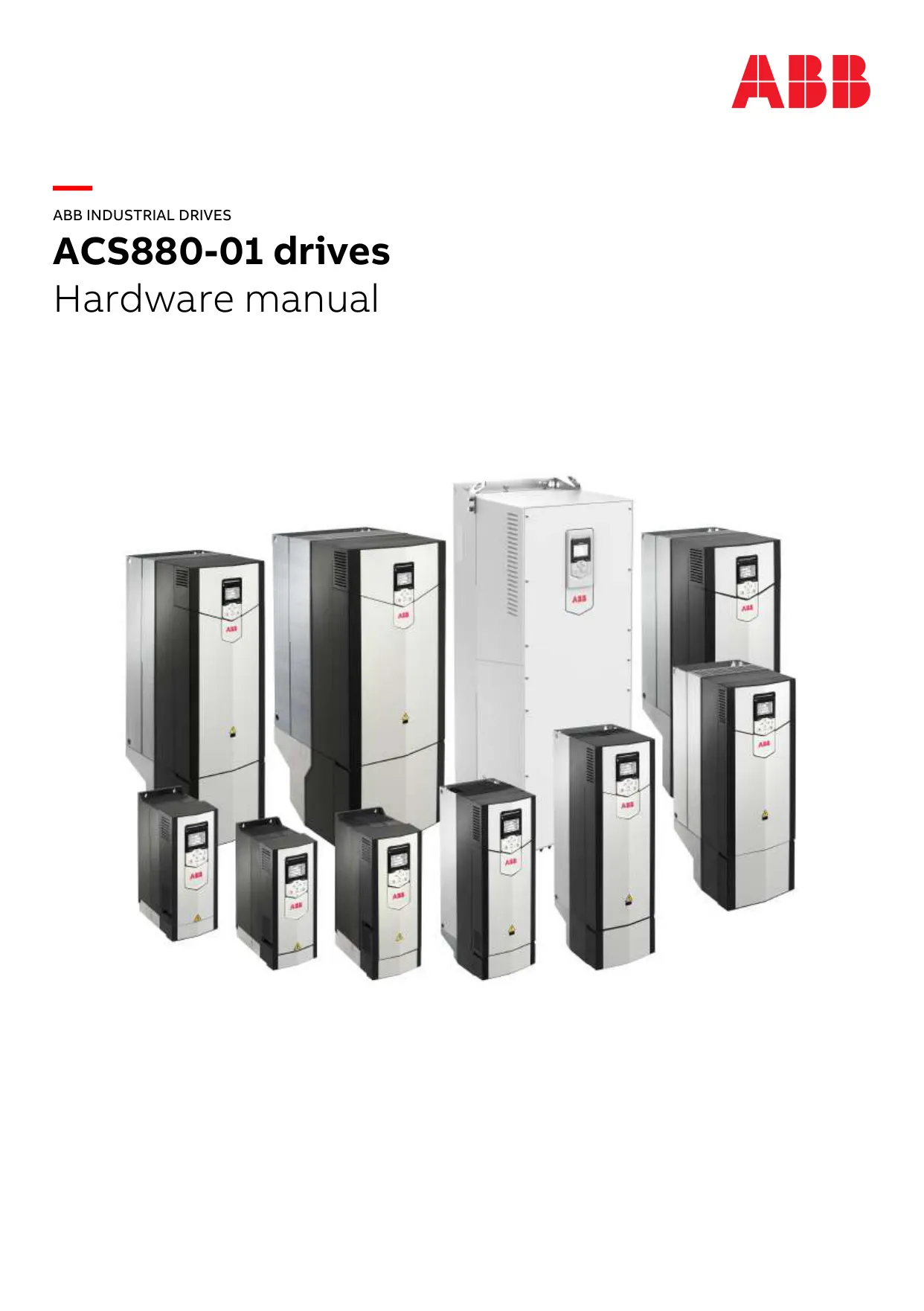

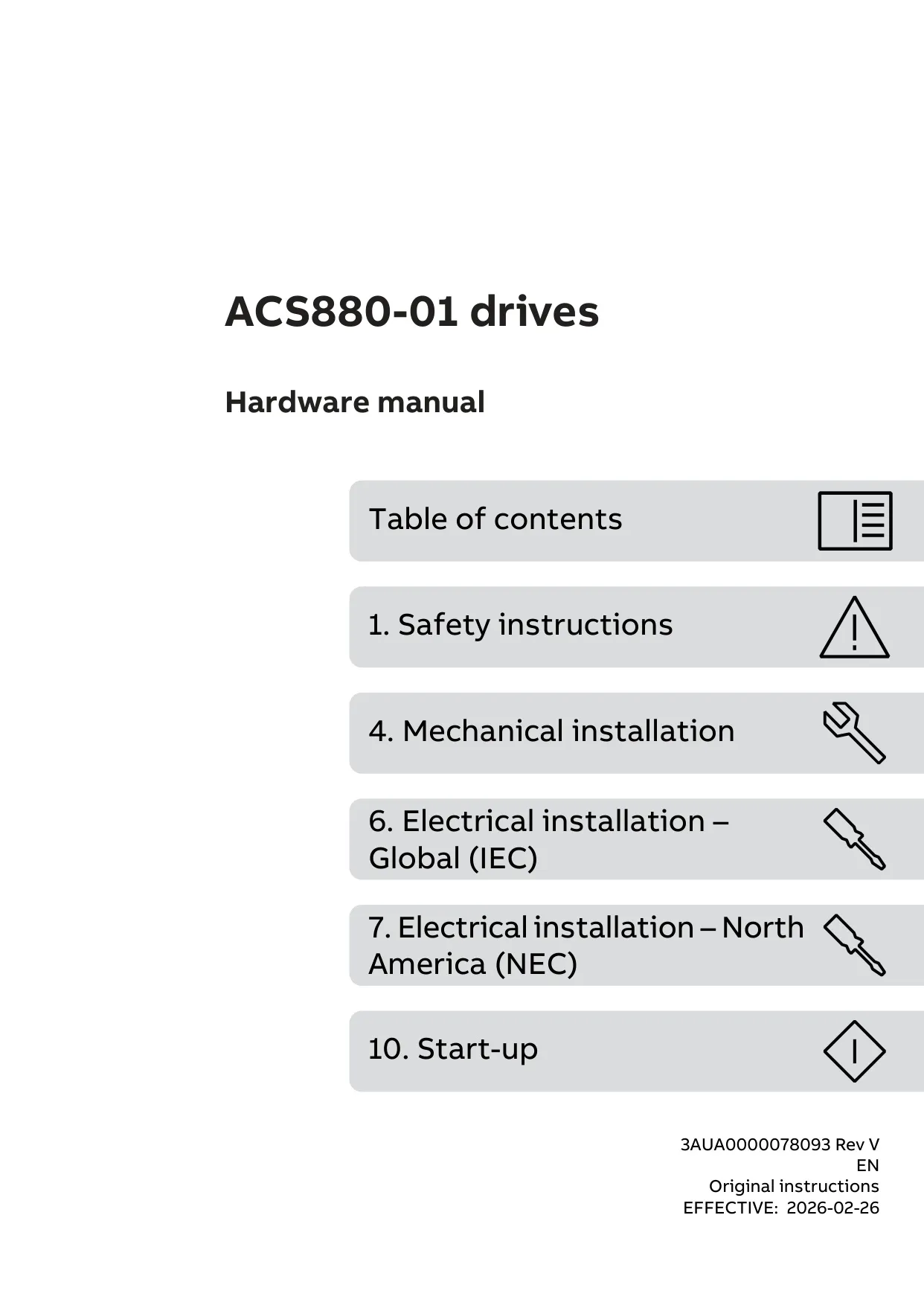

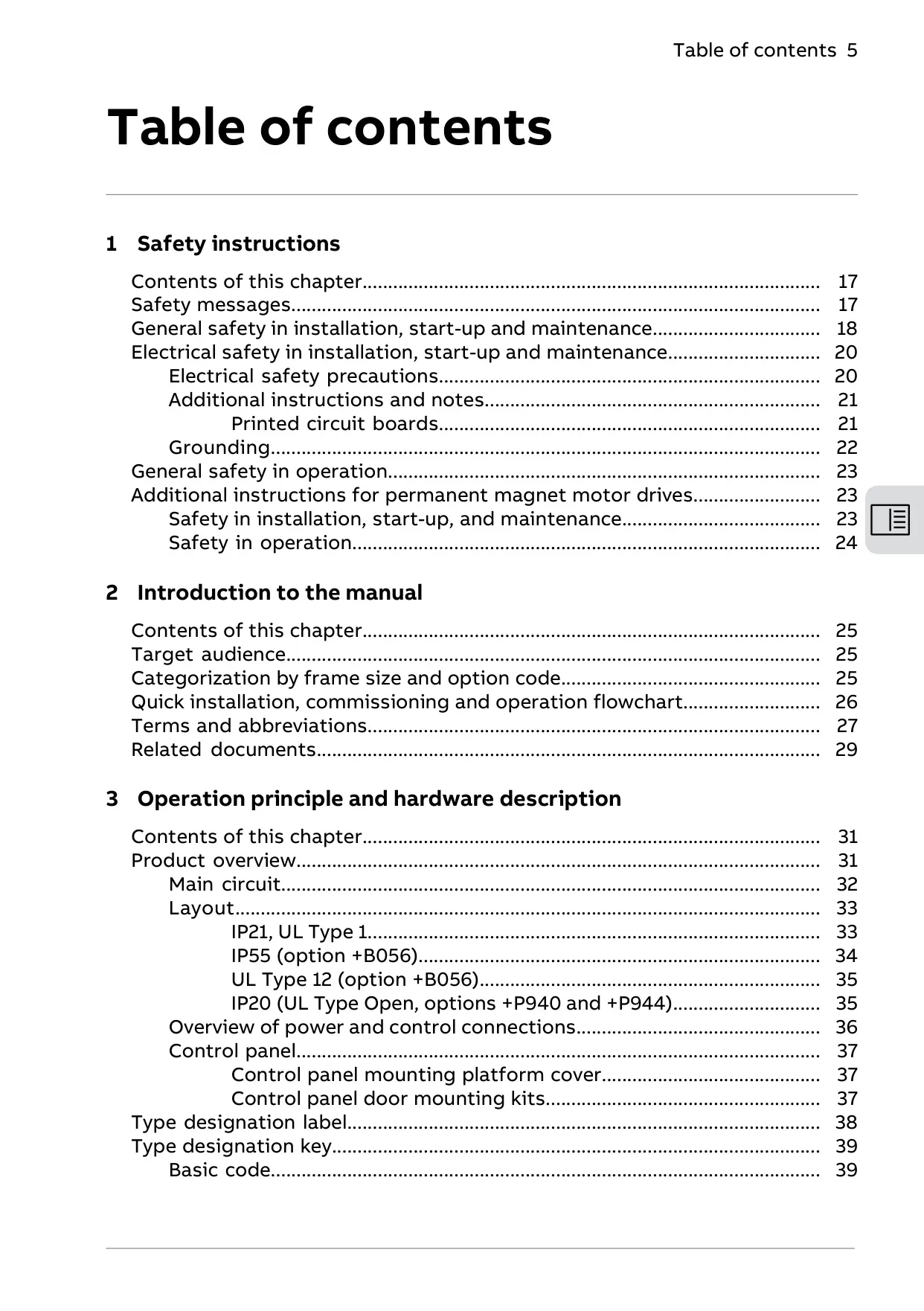






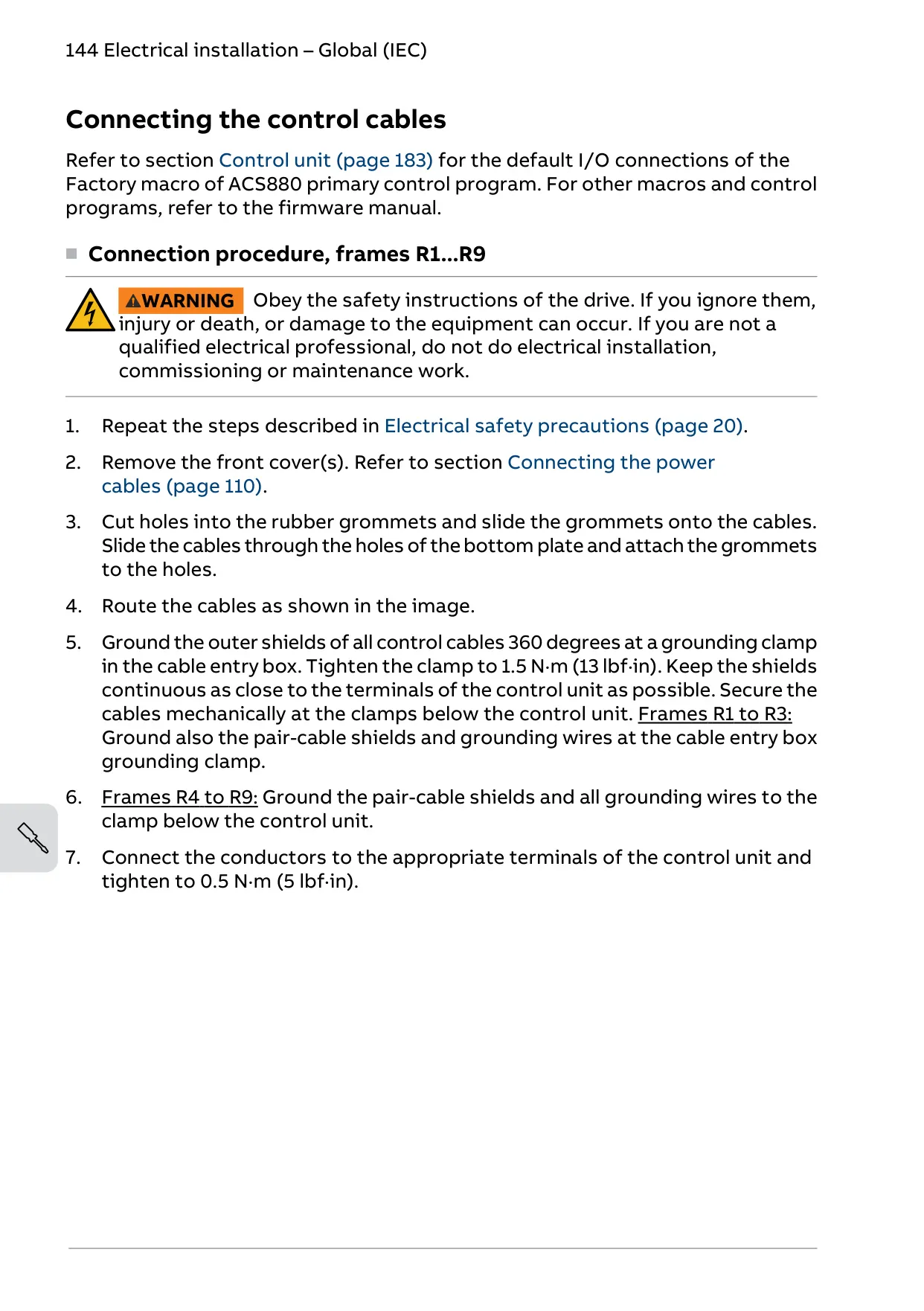
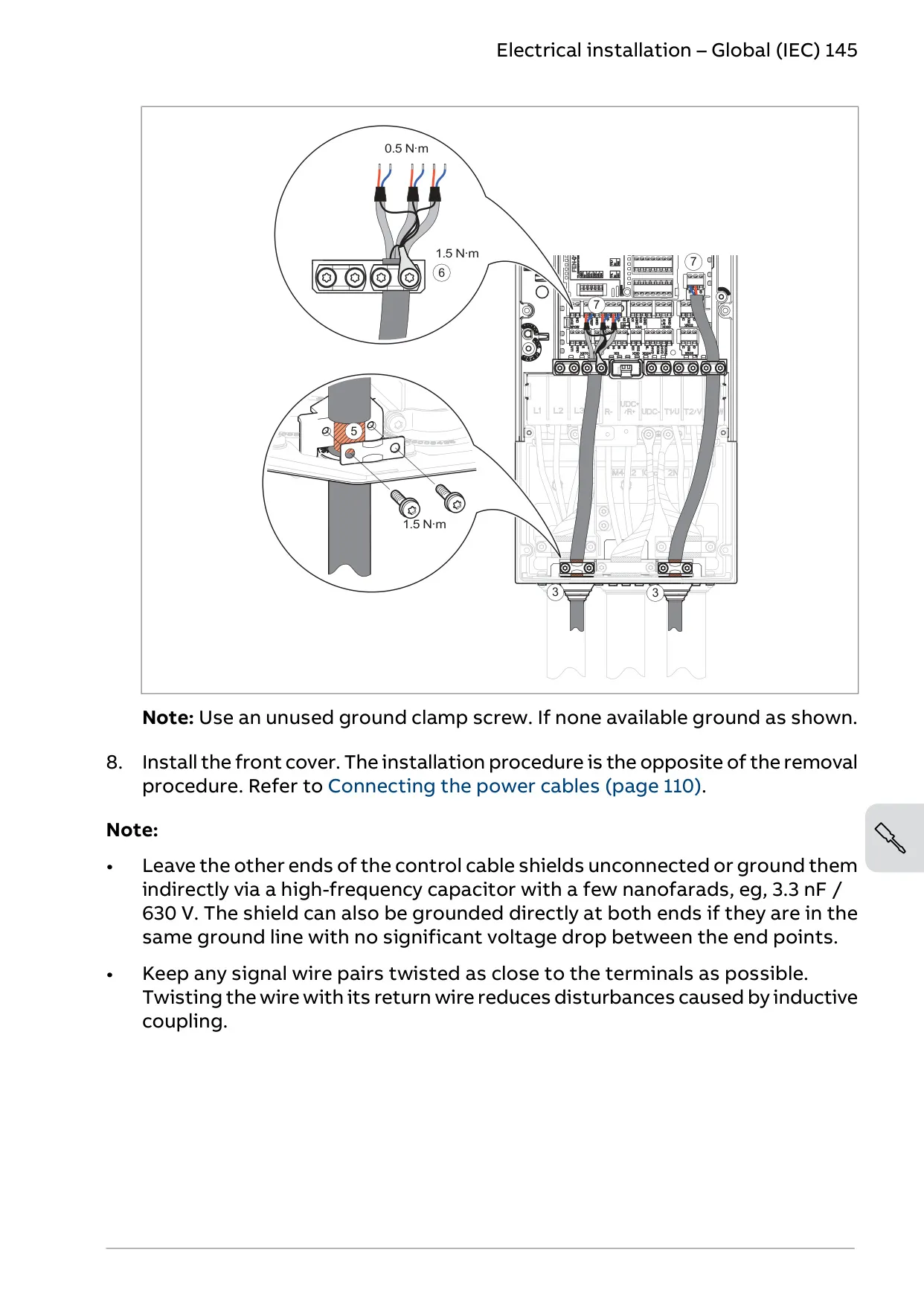
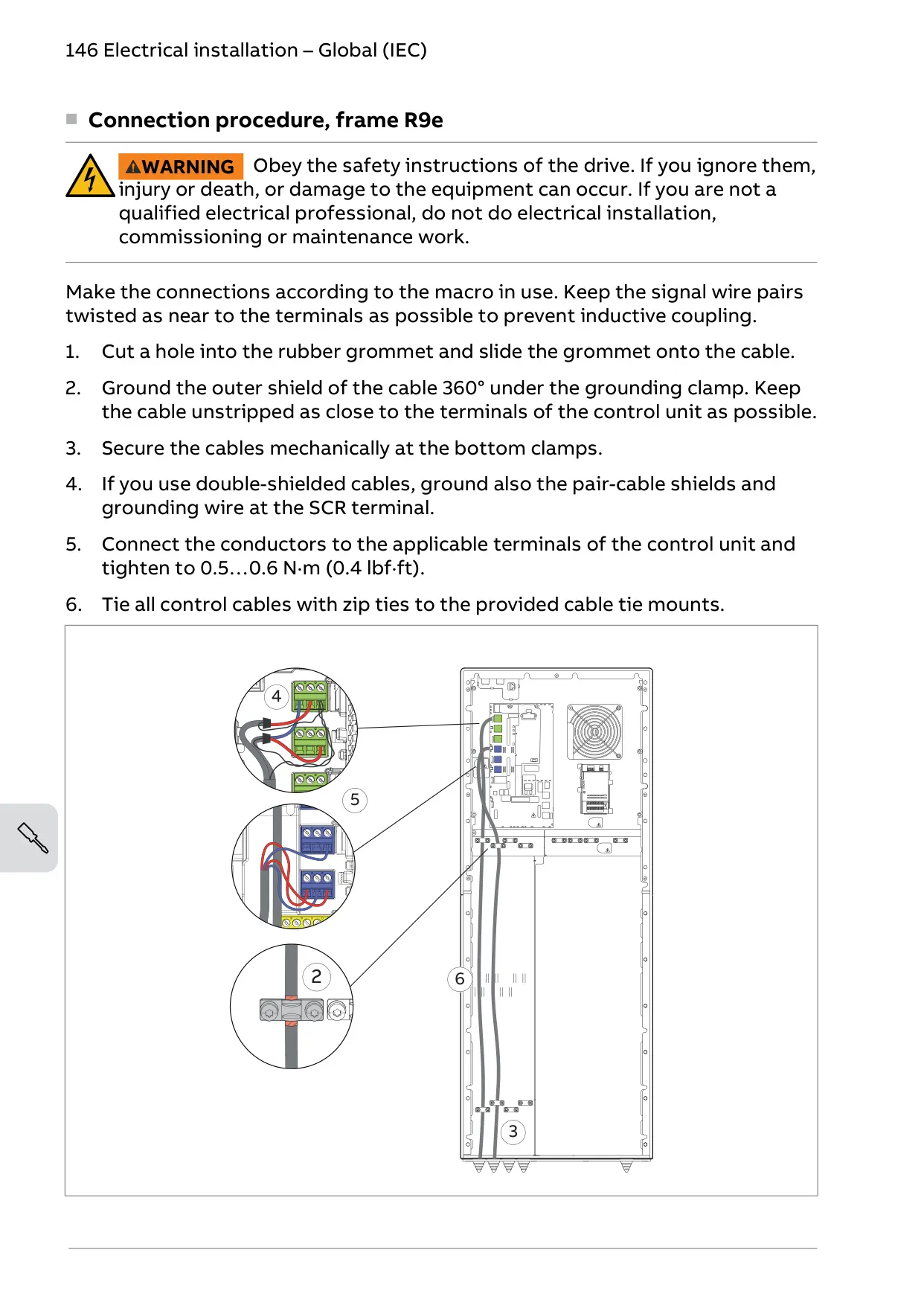
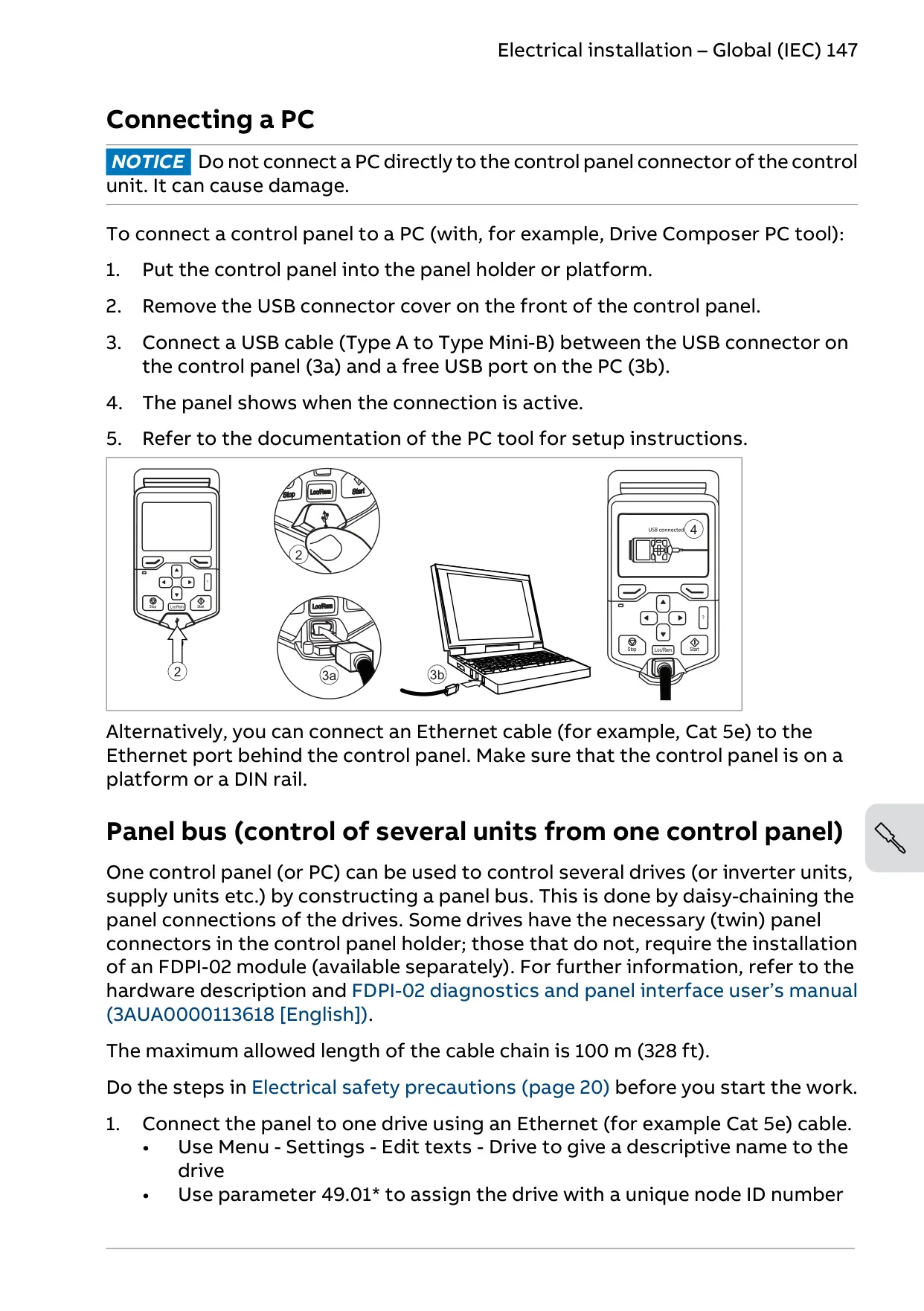
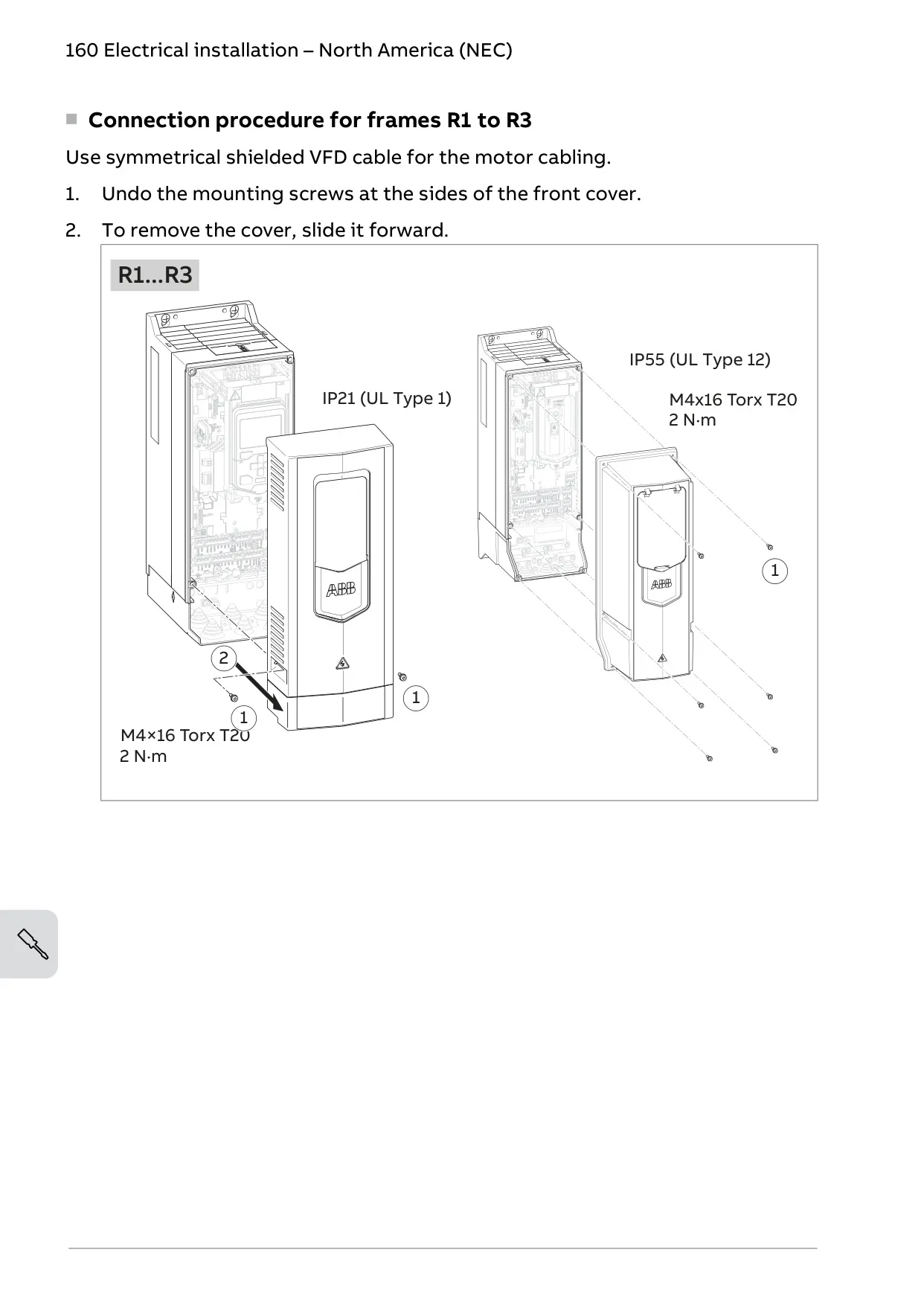
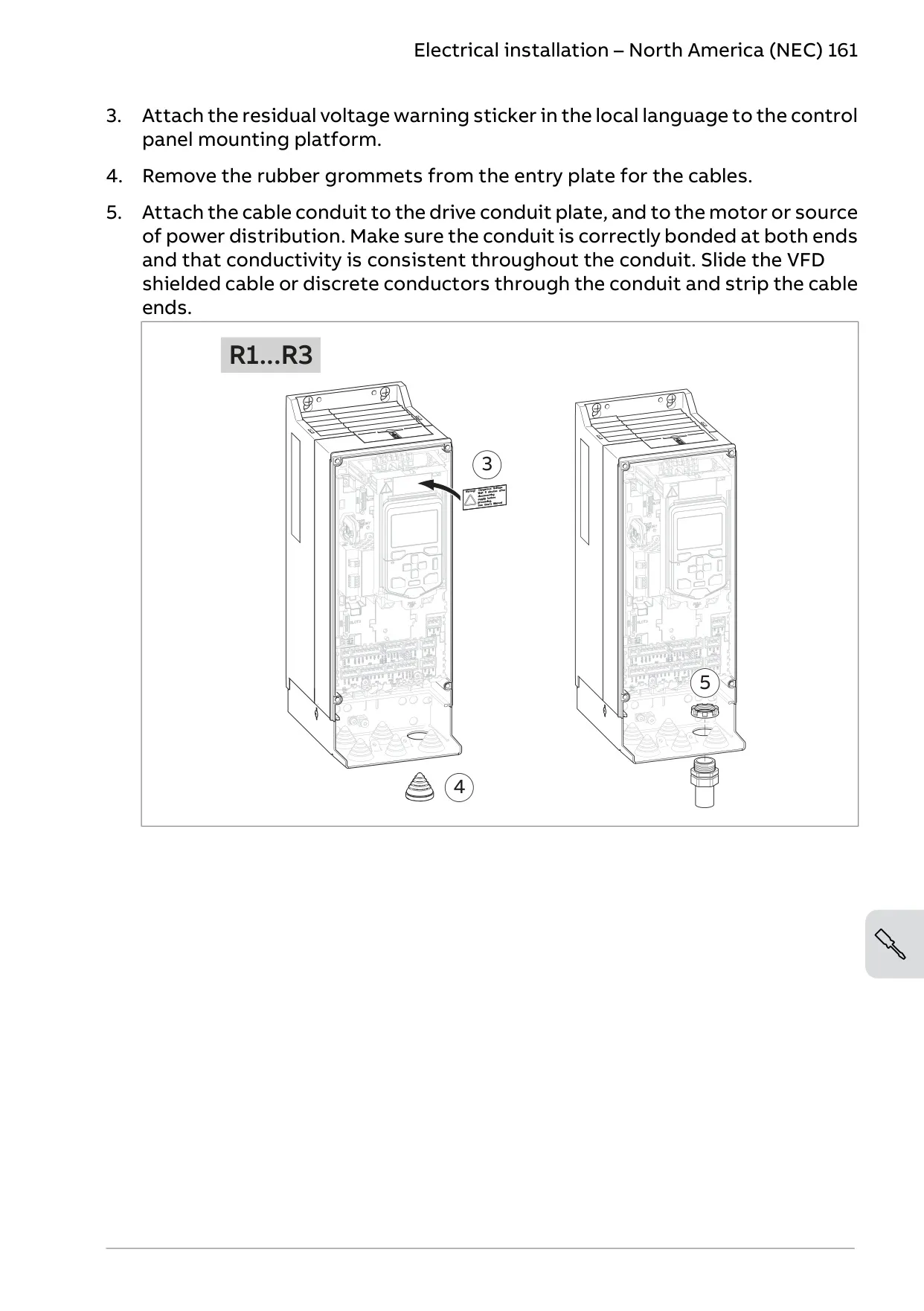
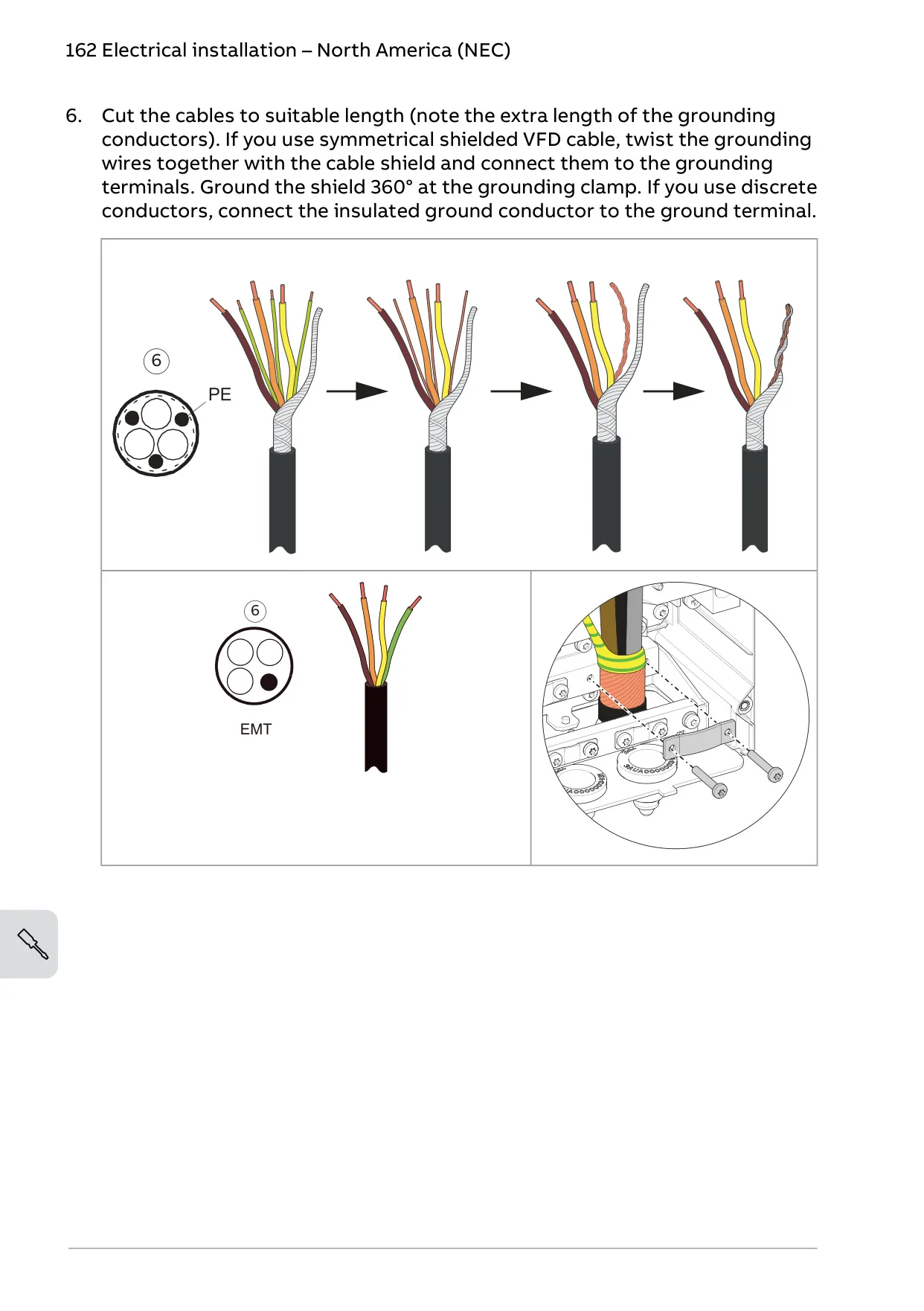
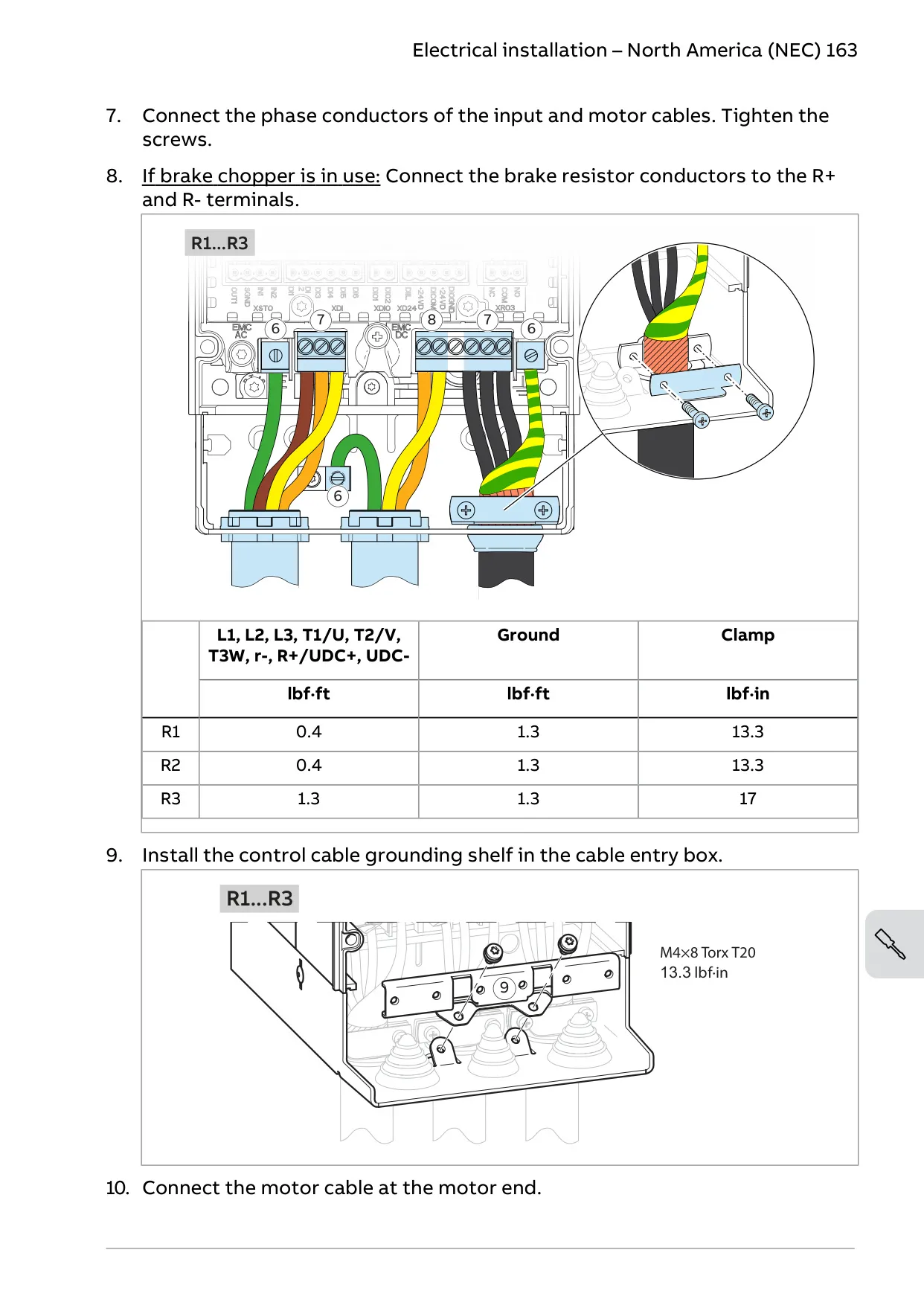



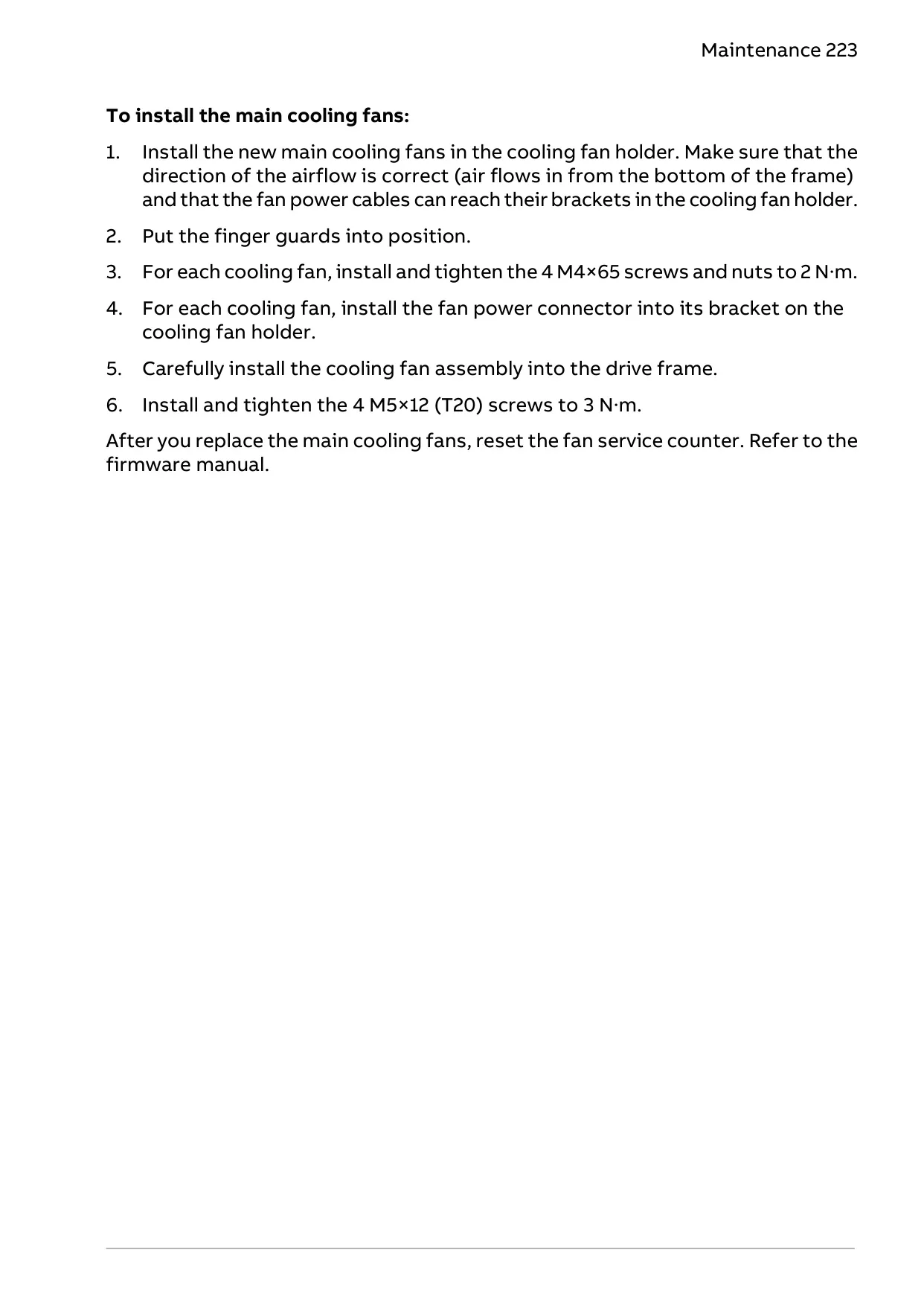
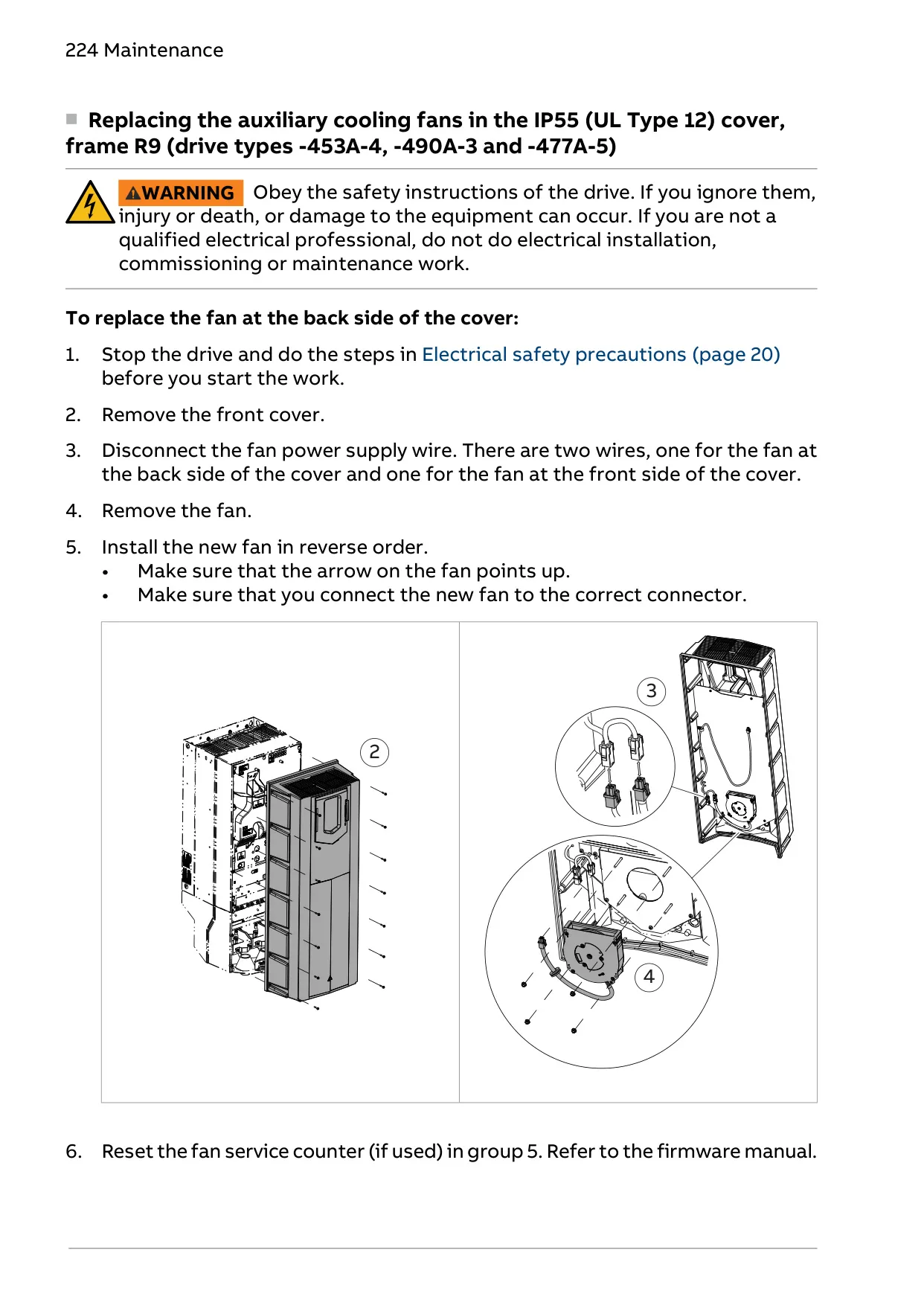
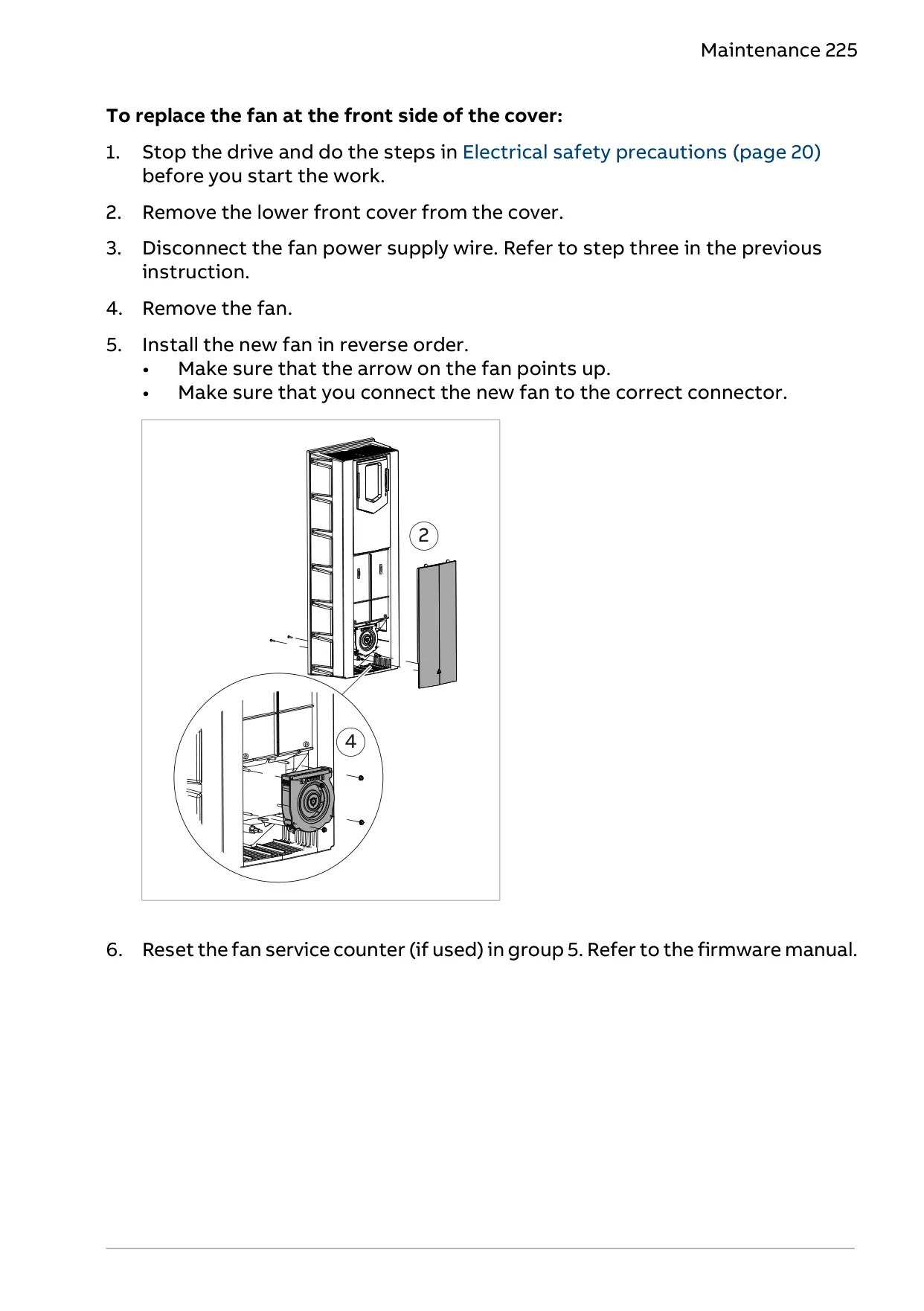
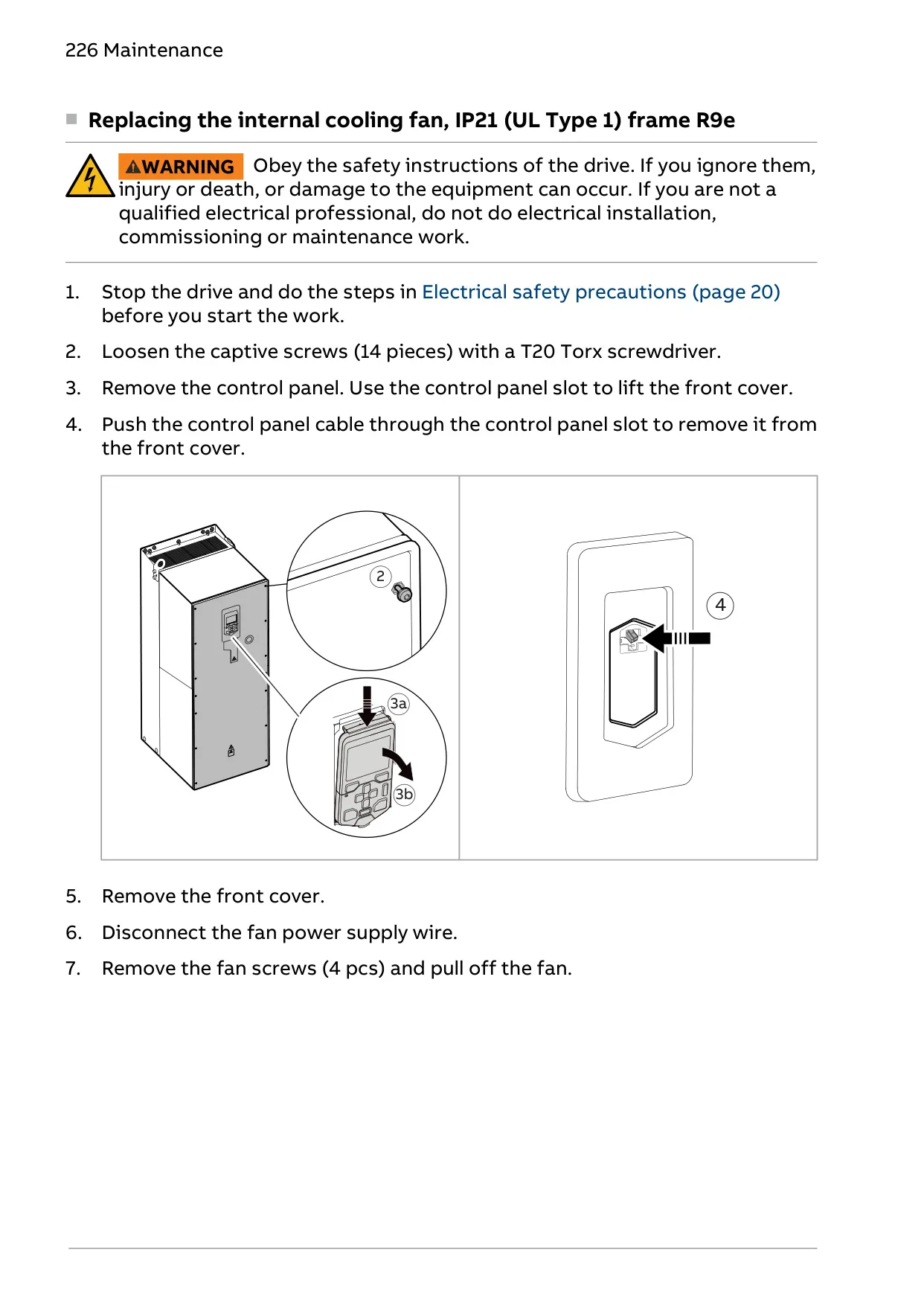





ACS880 Variable Frequency Drive













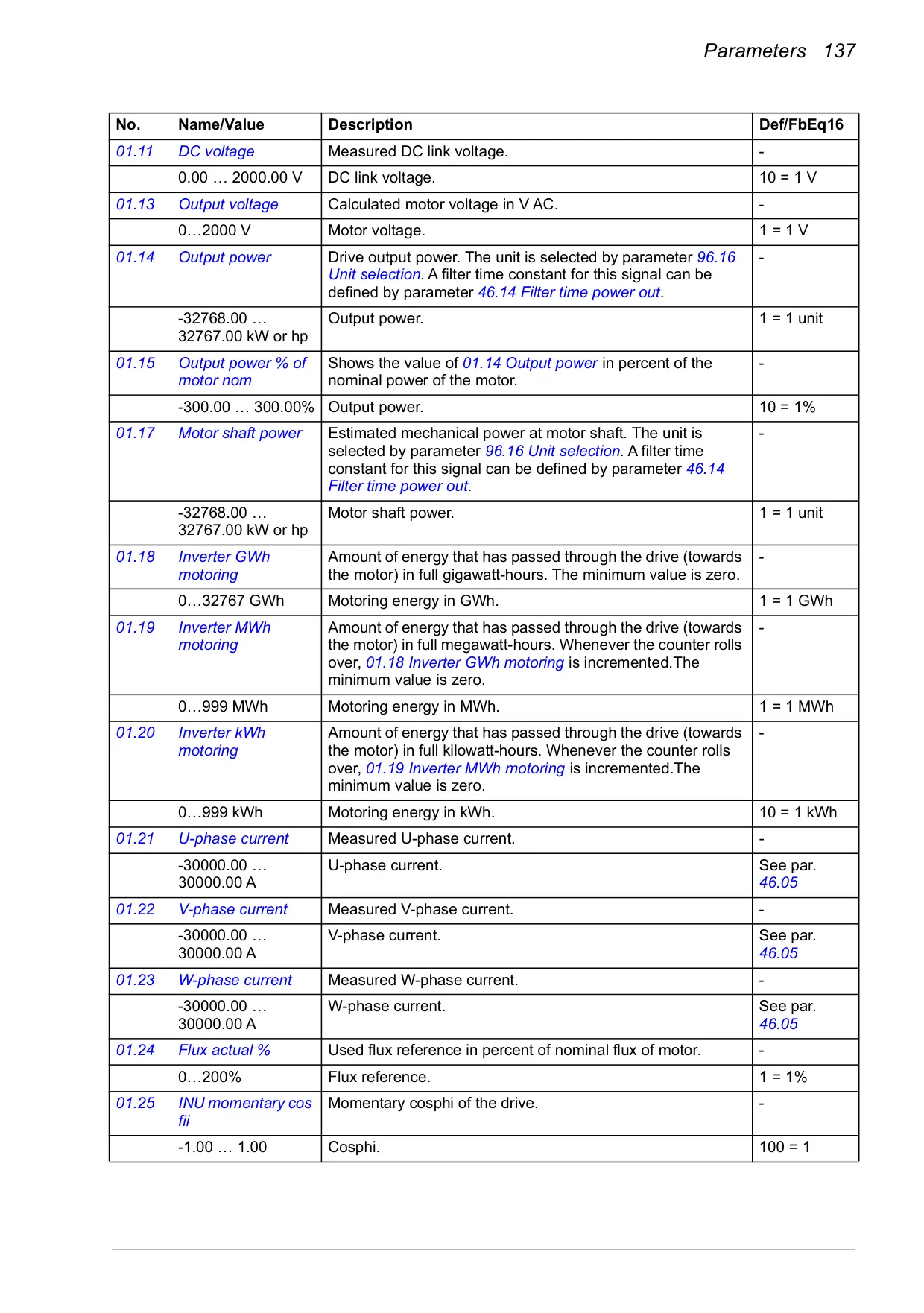
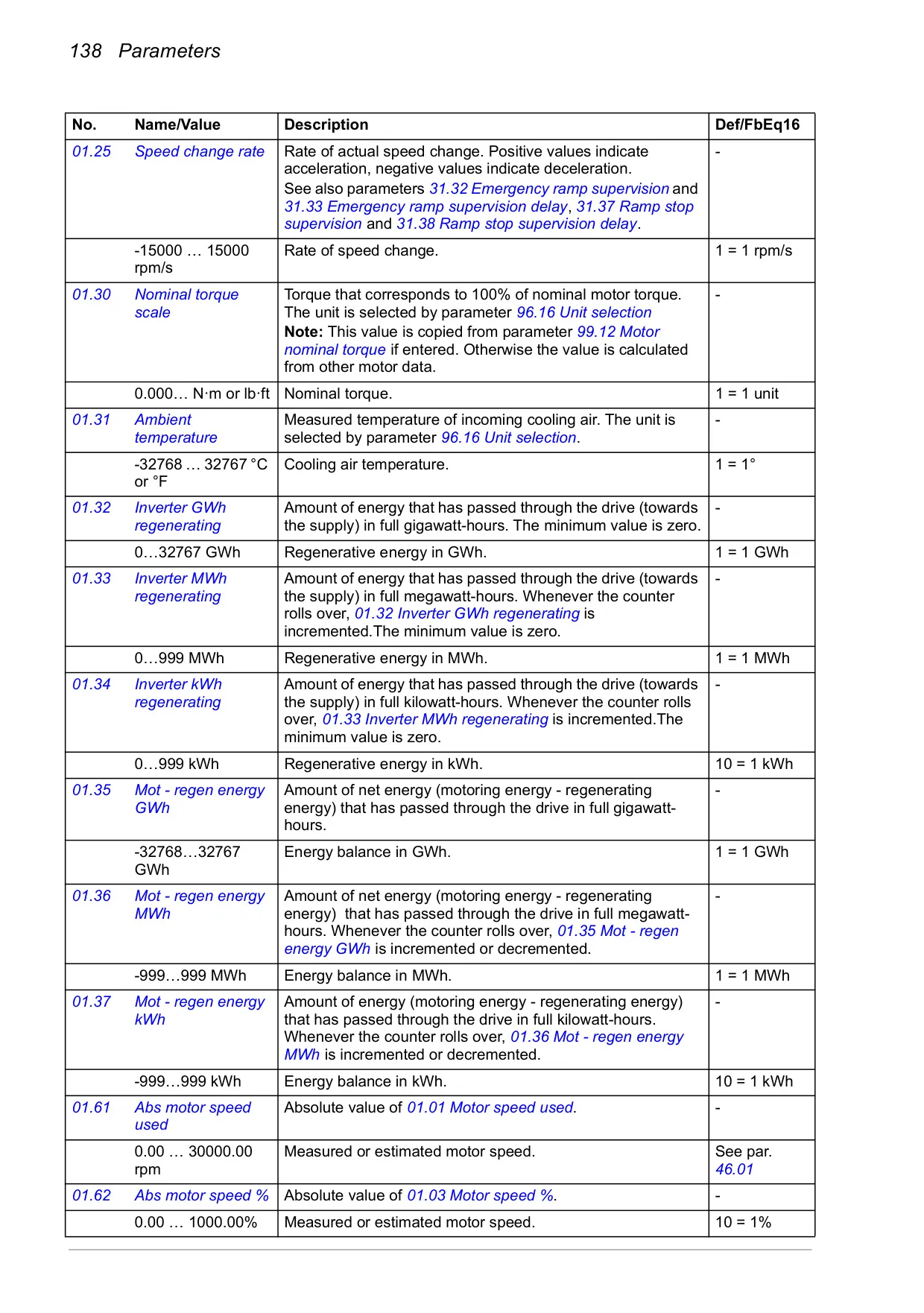
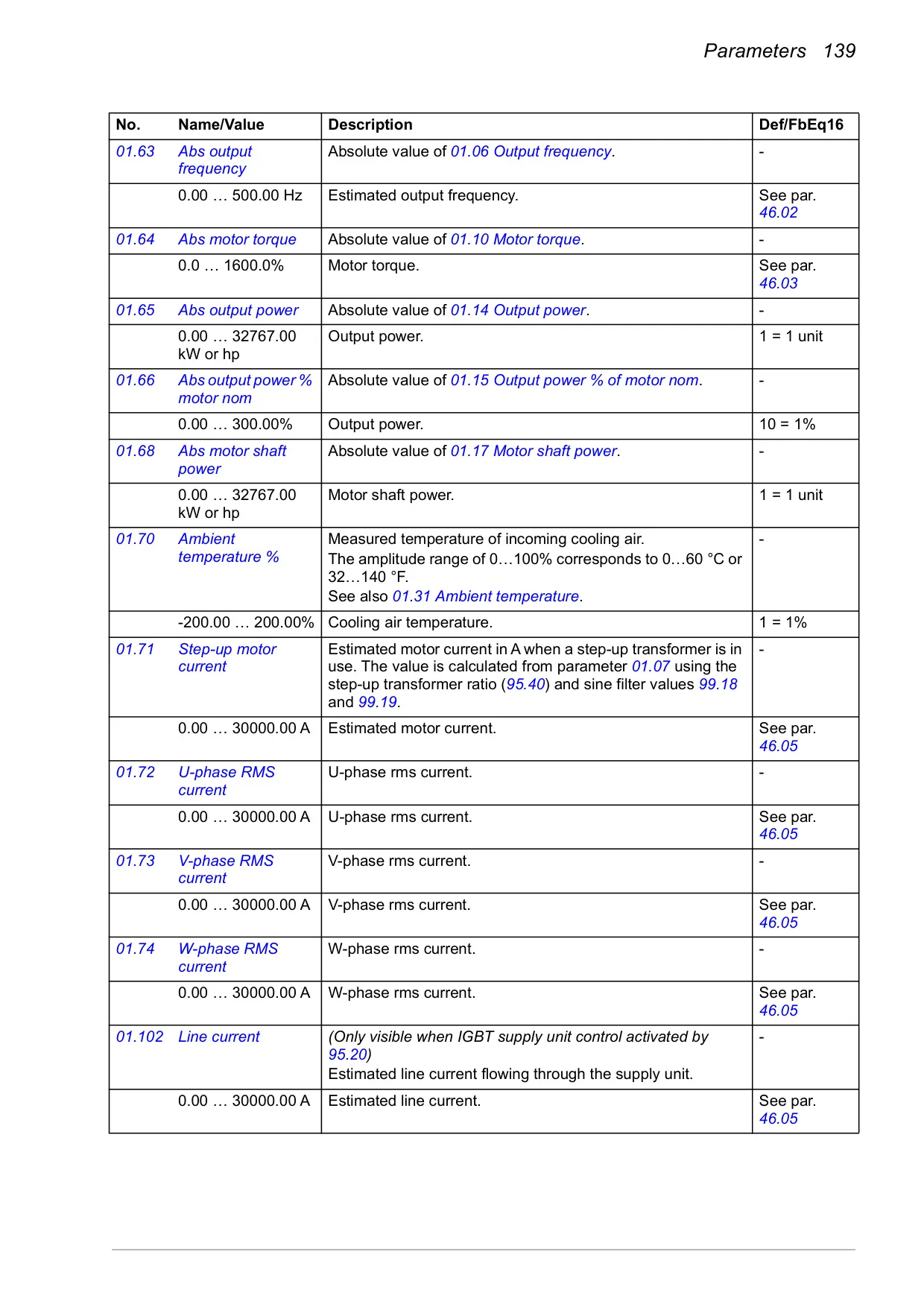
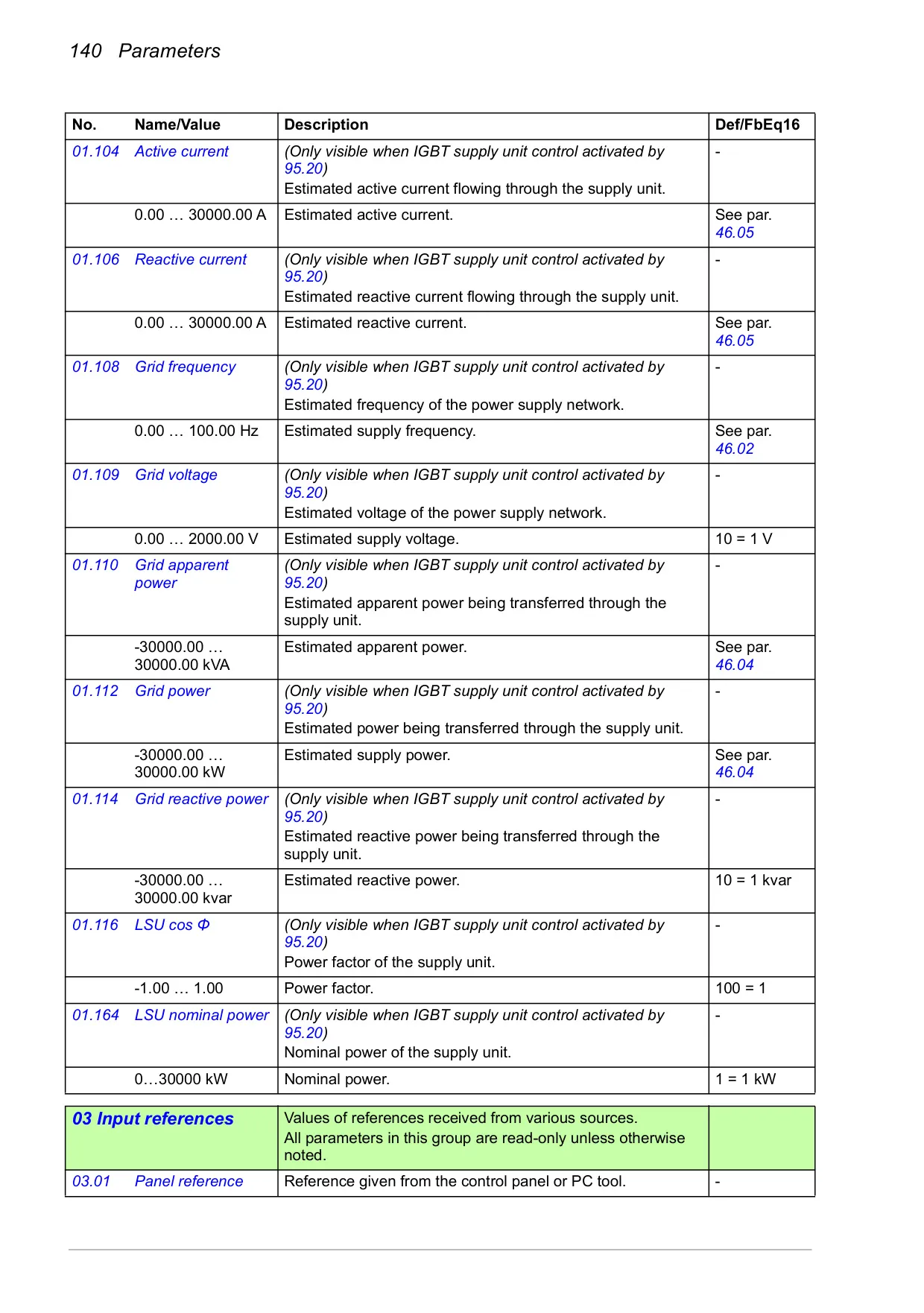






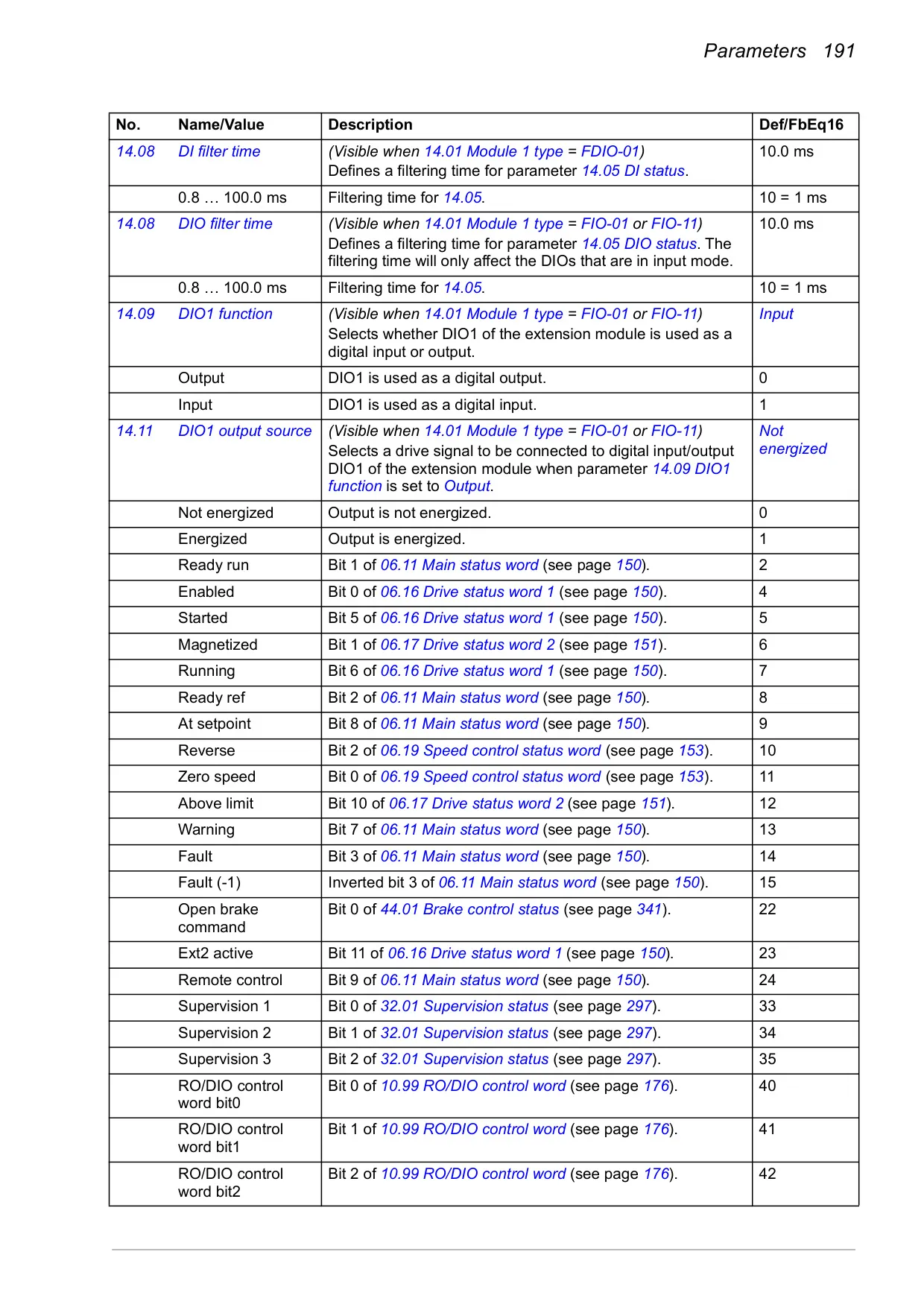
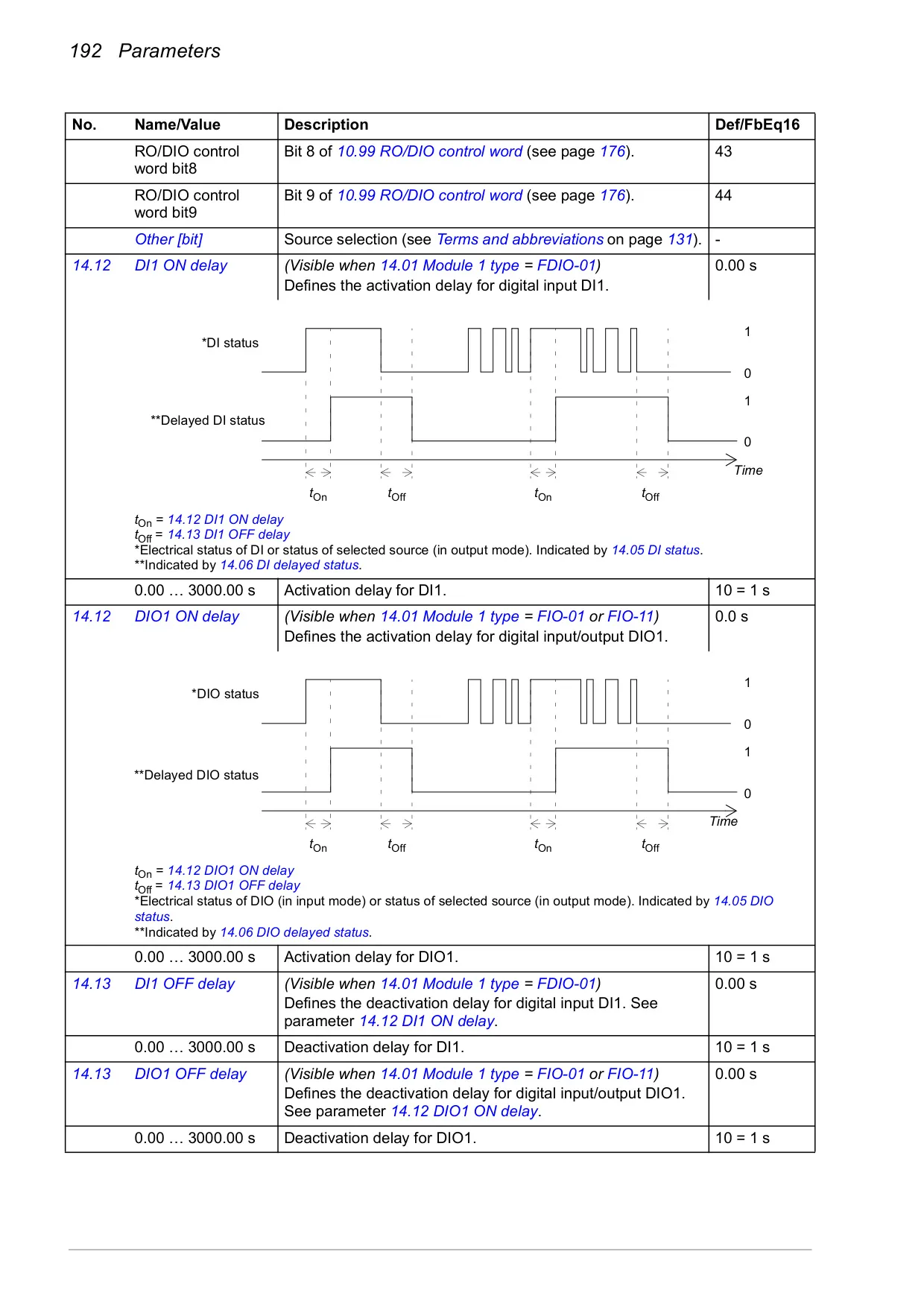
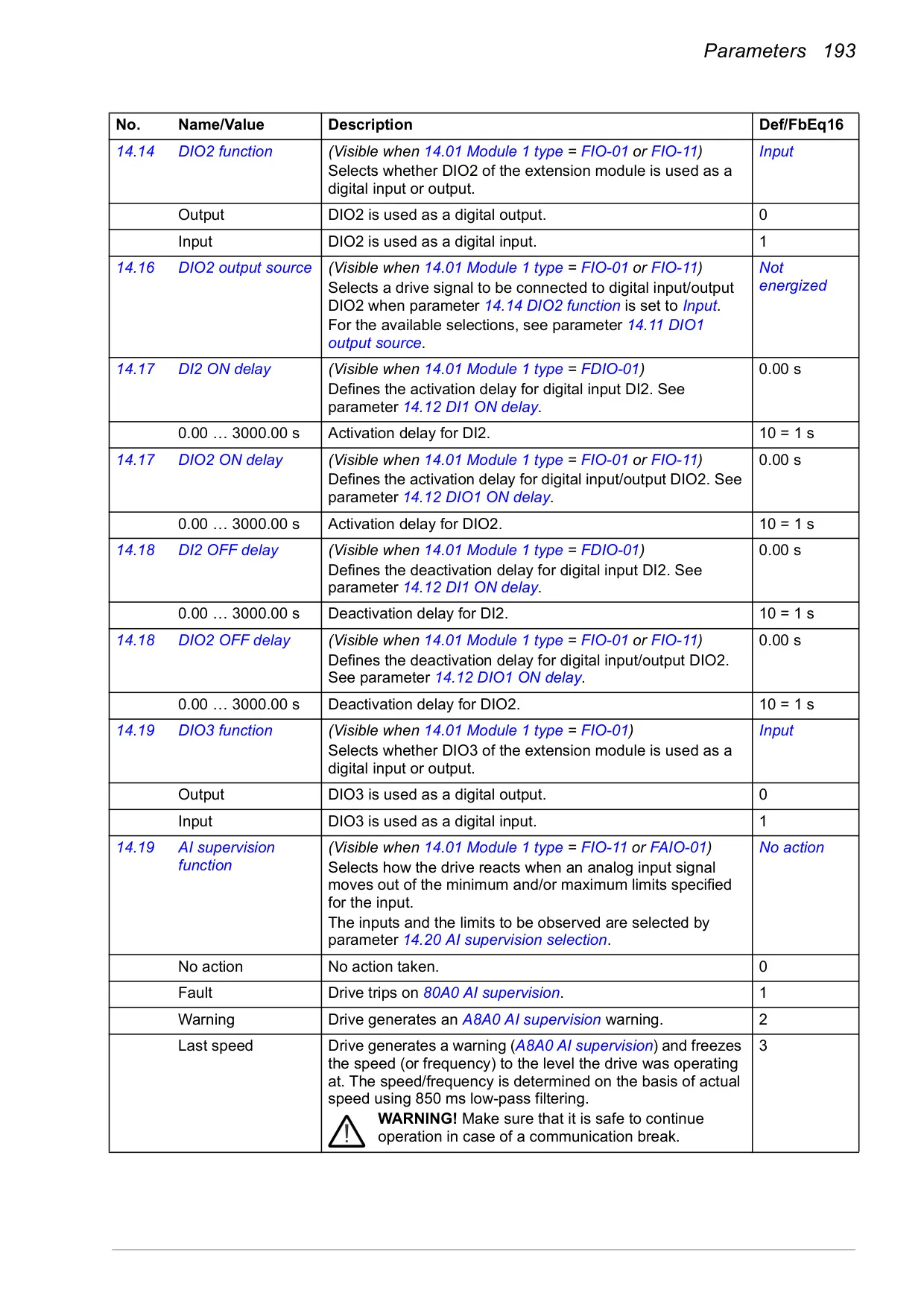
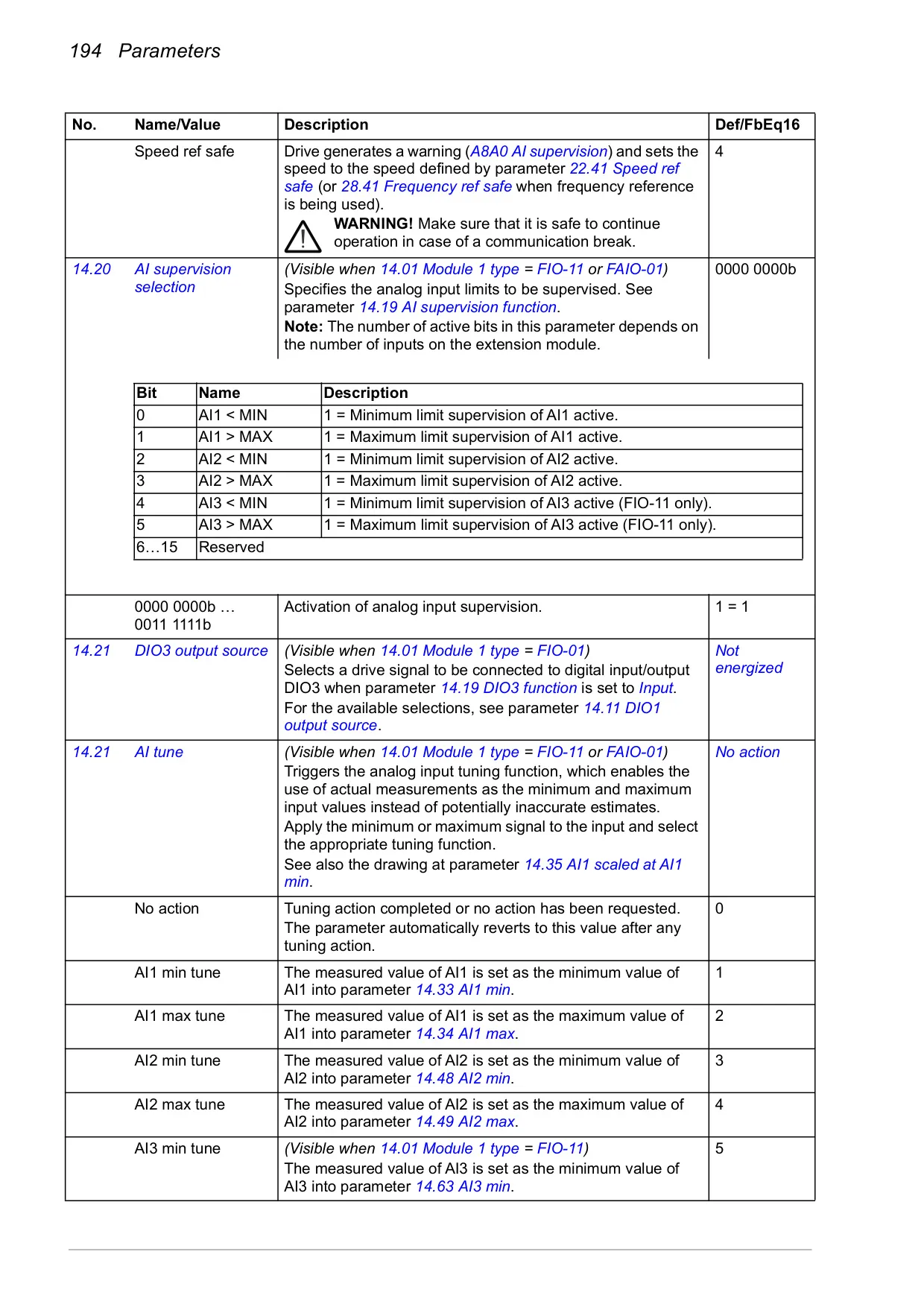





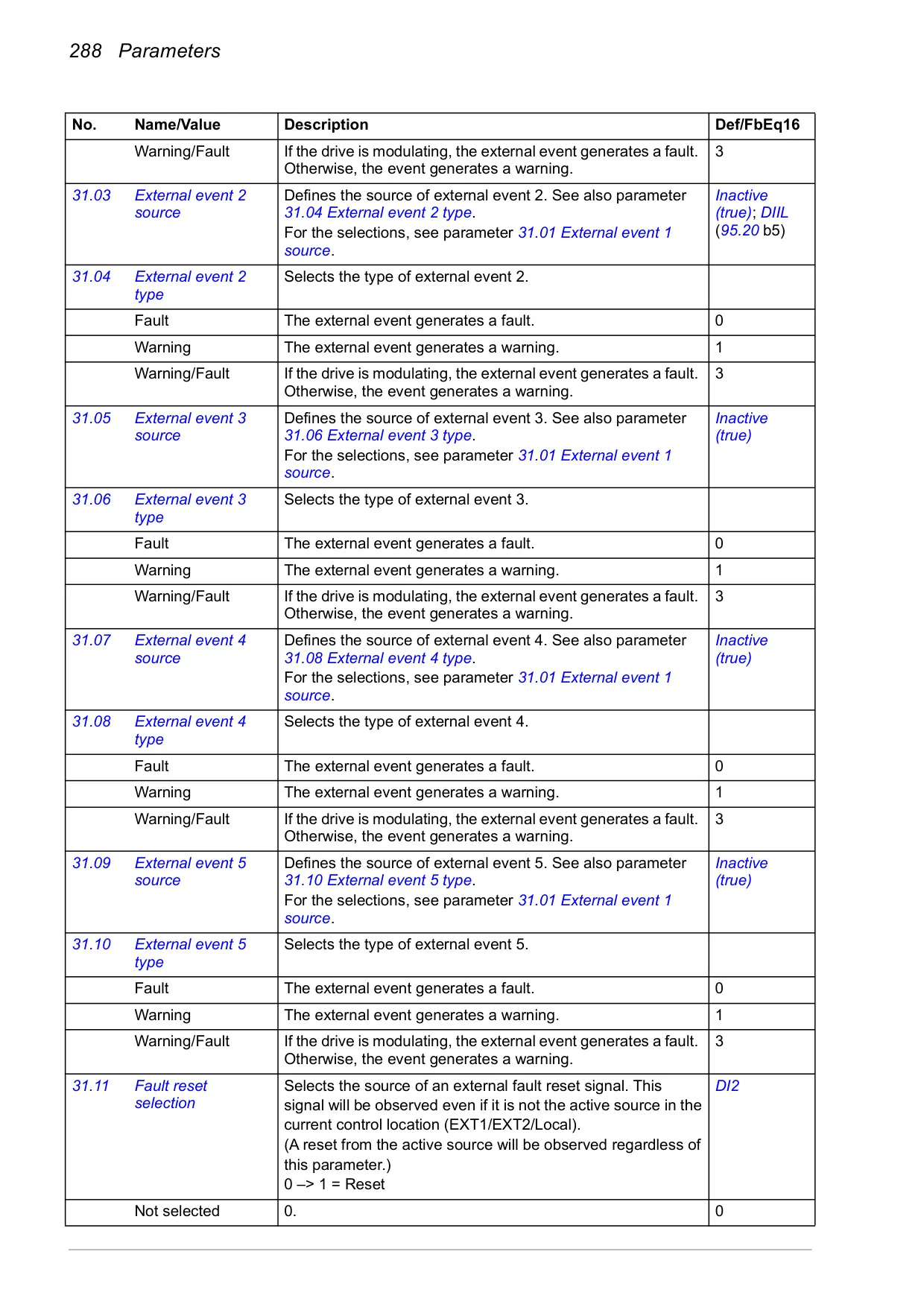
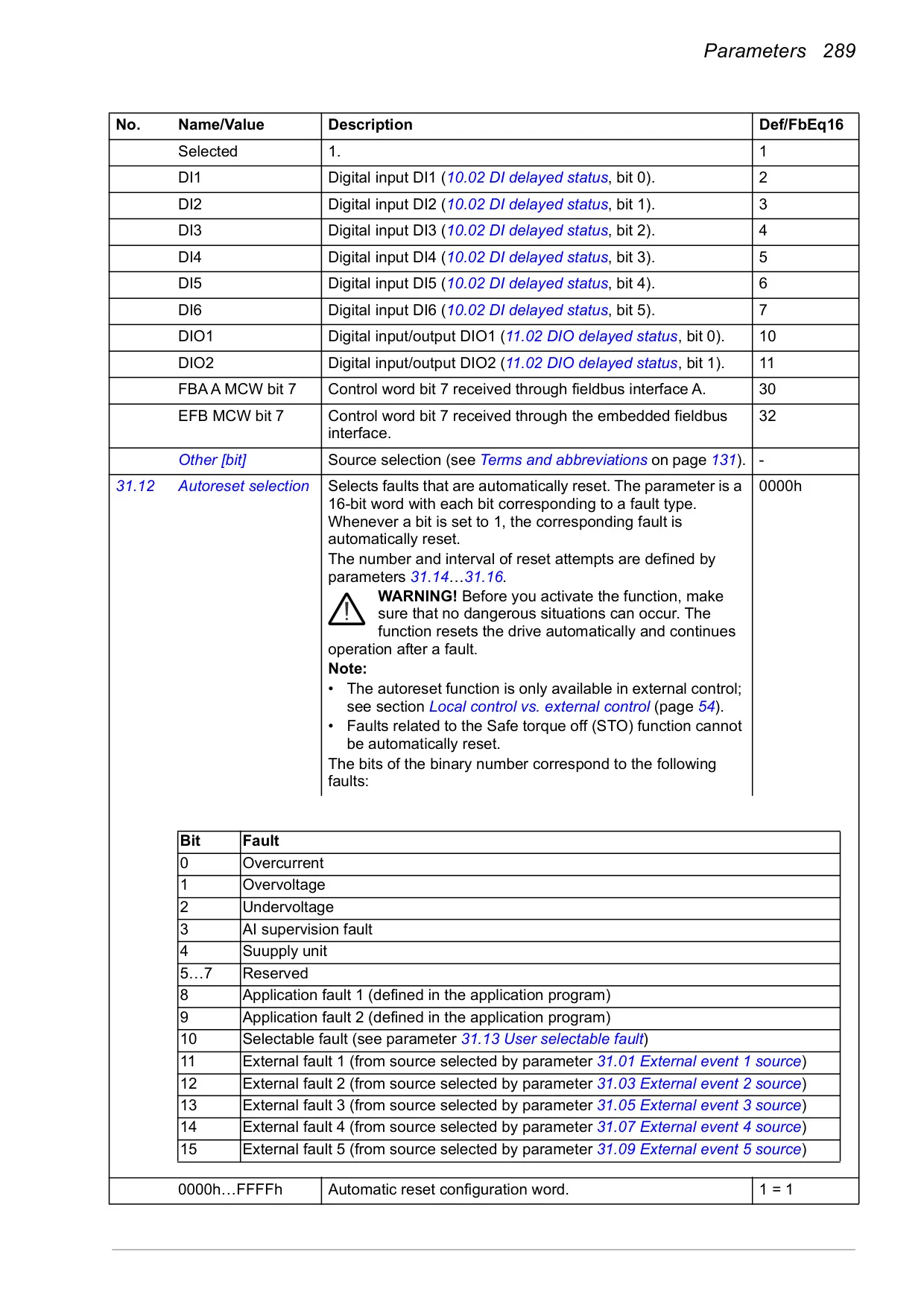
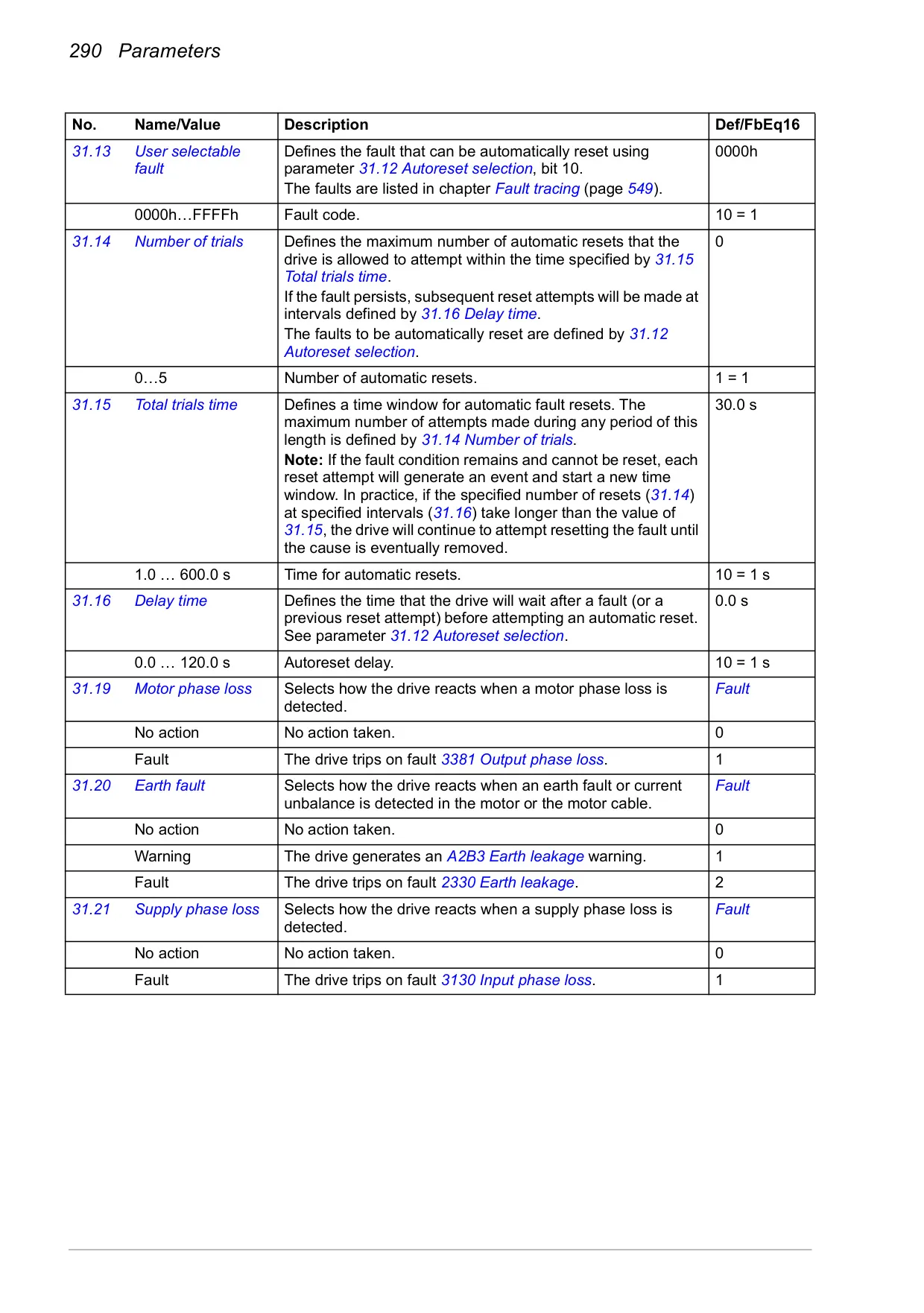
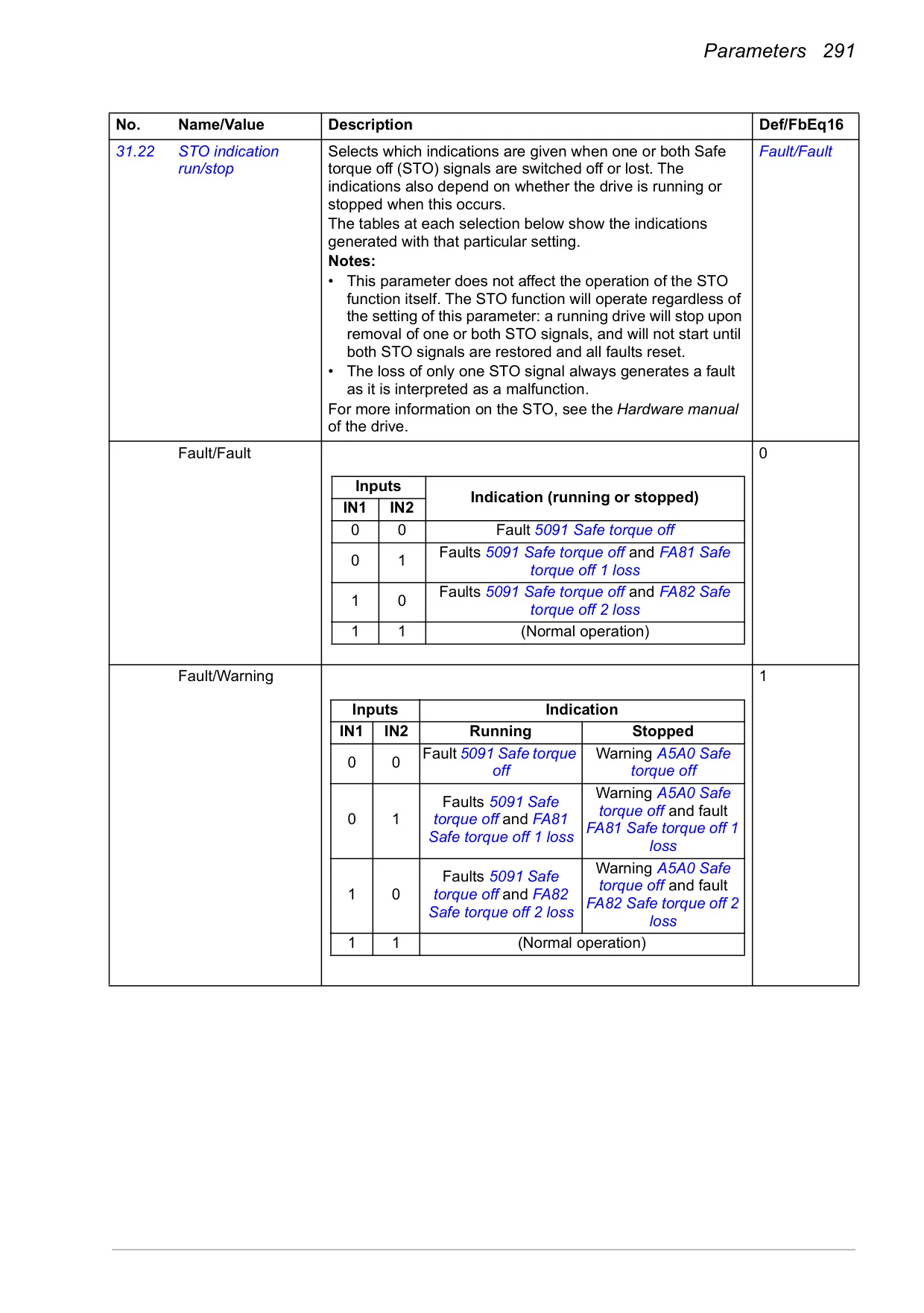
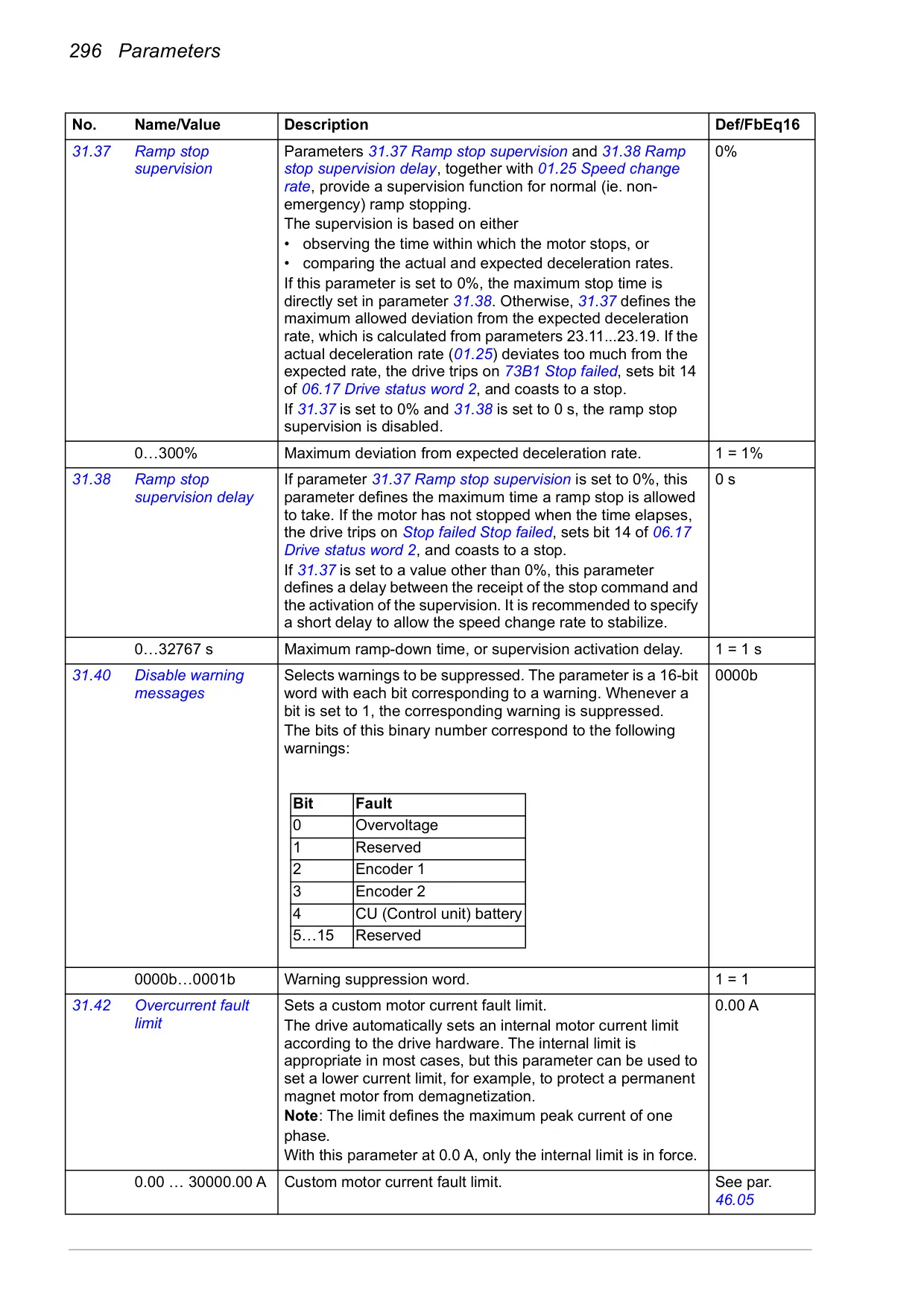
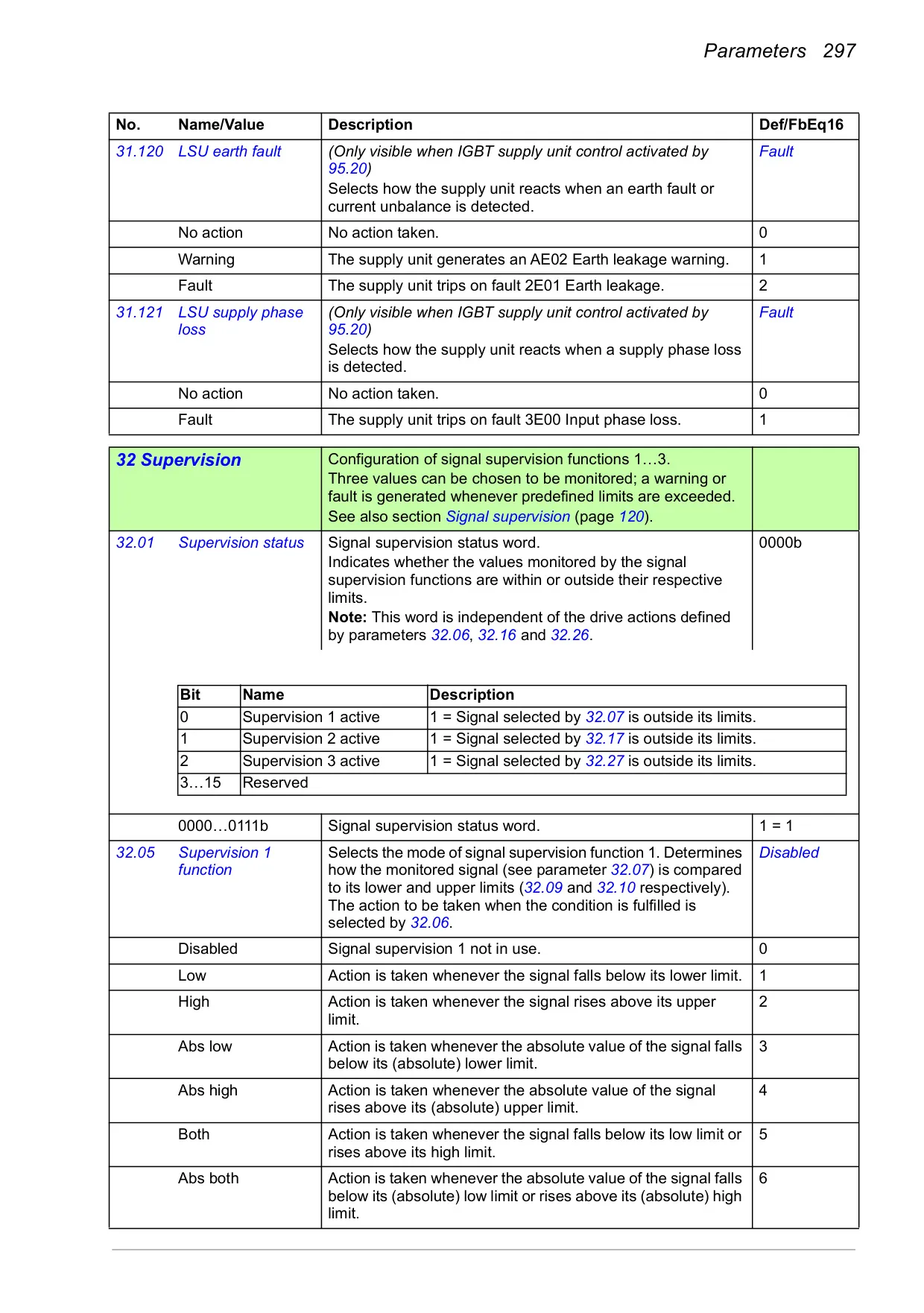
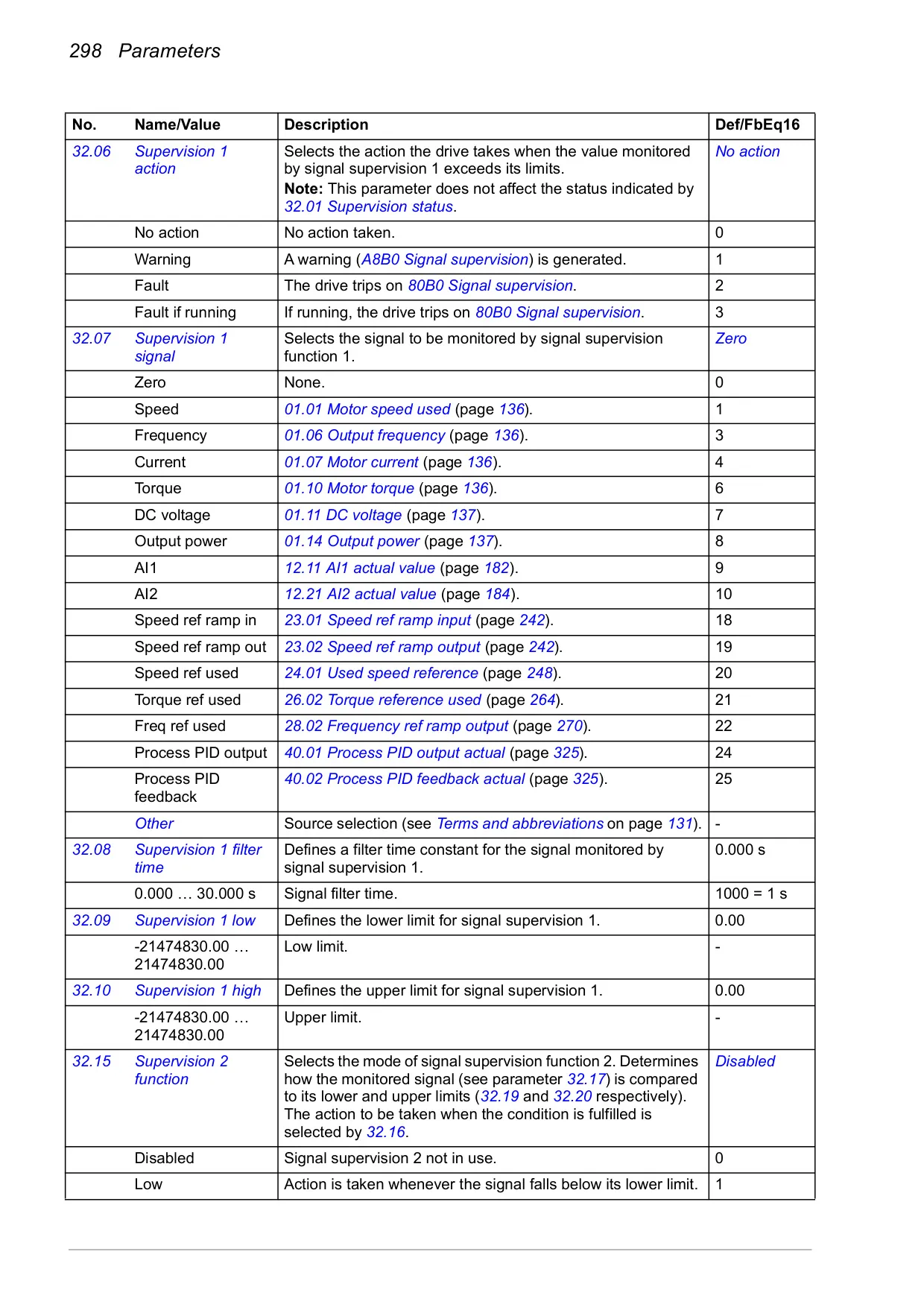
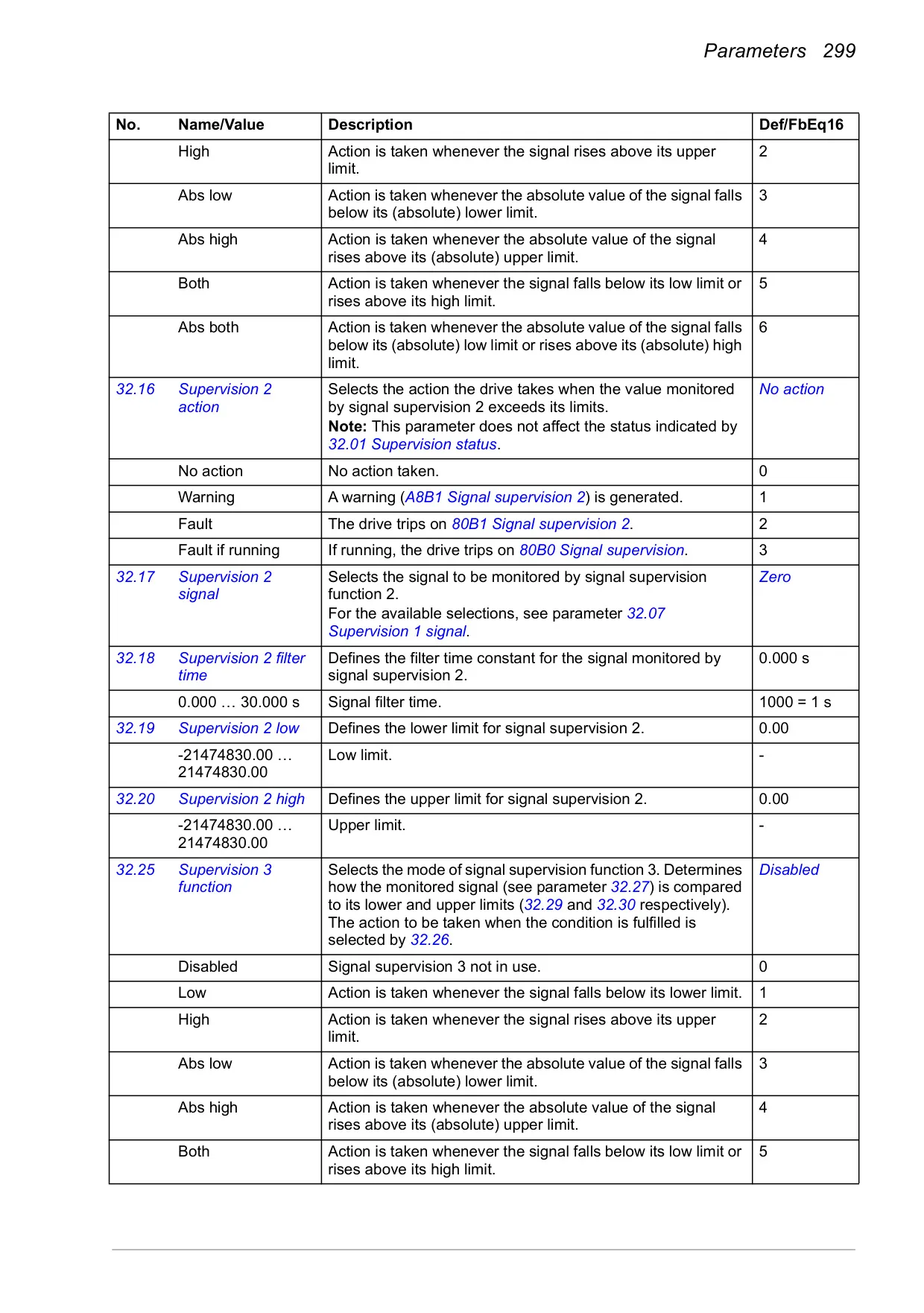


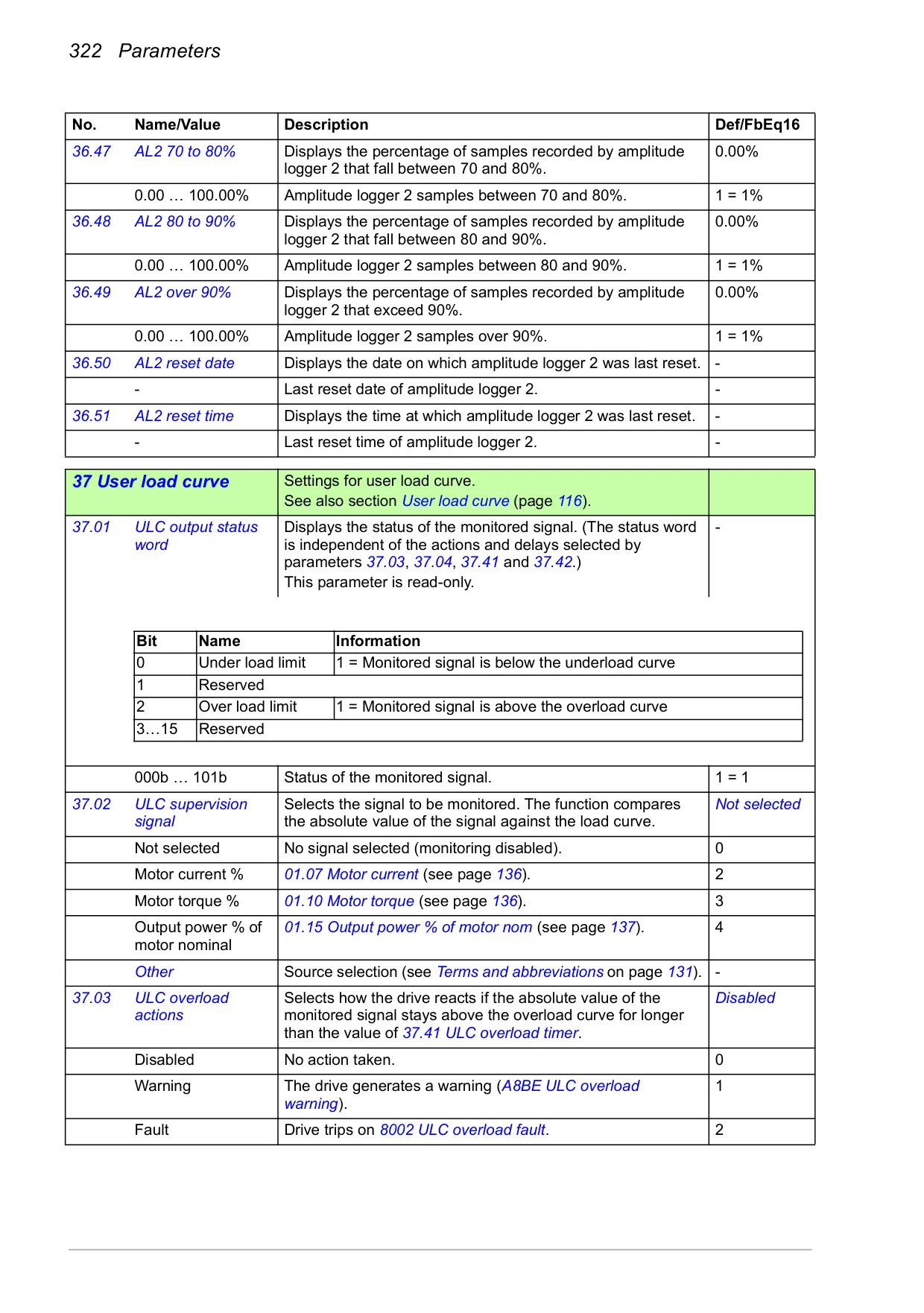
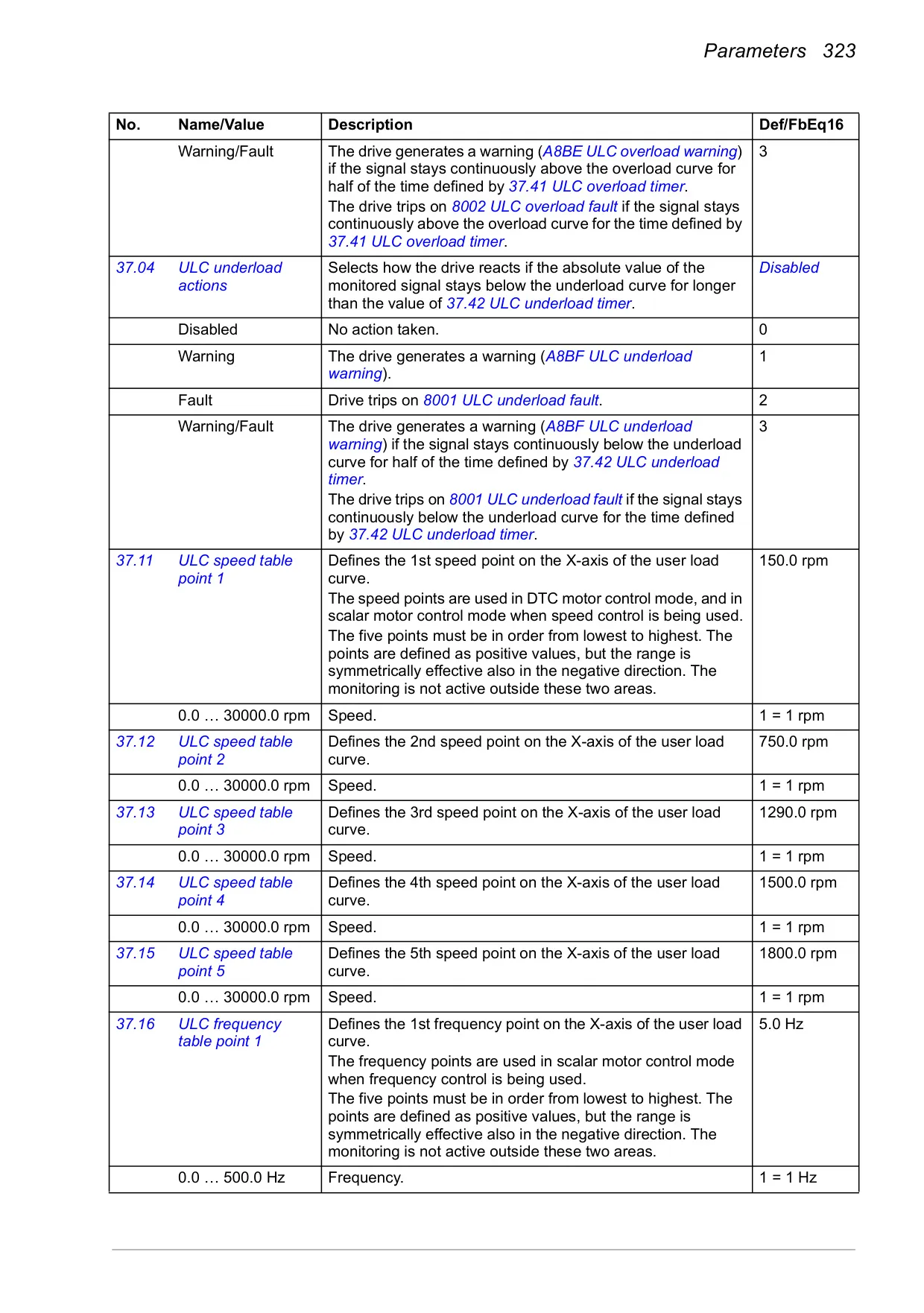
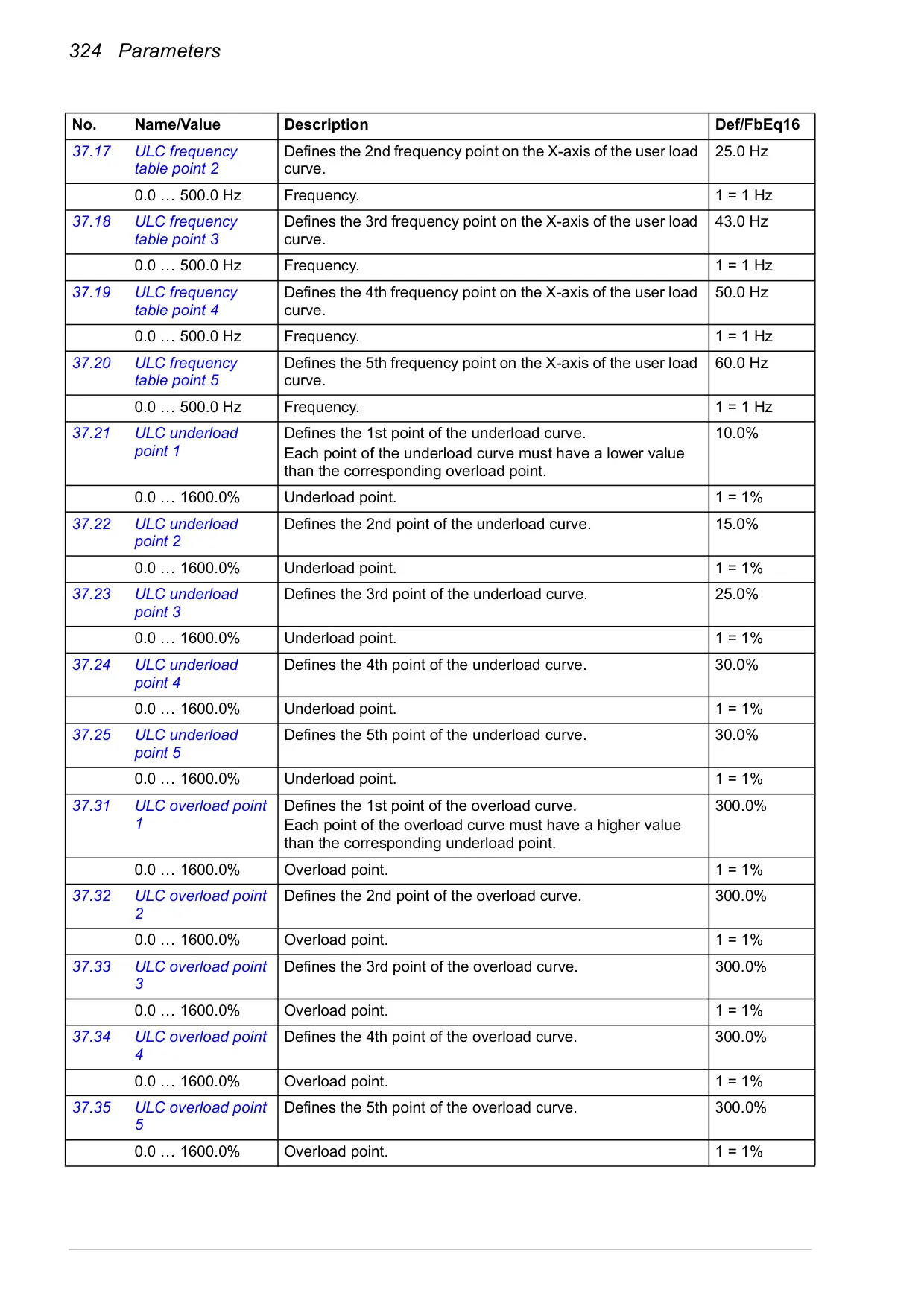
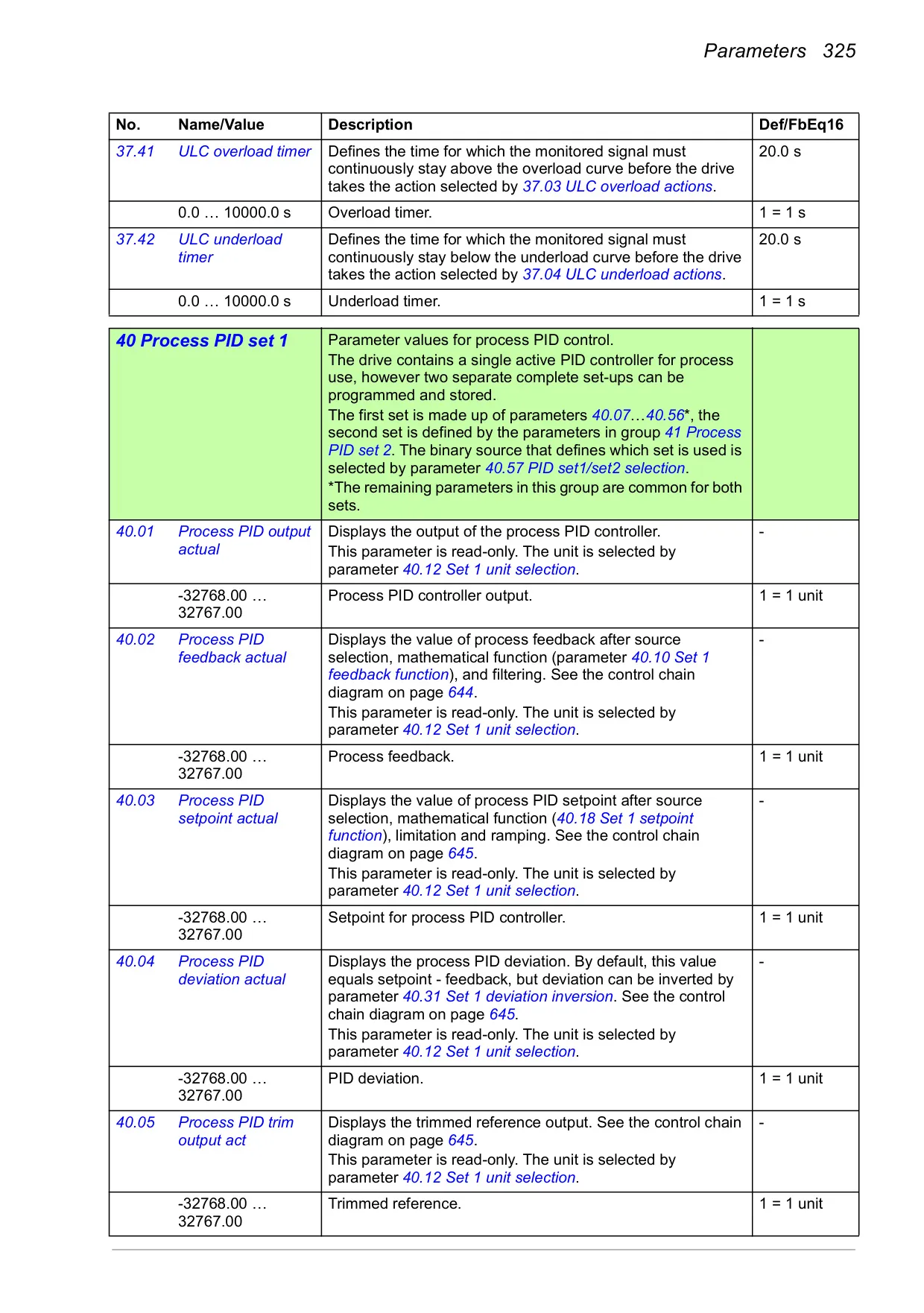


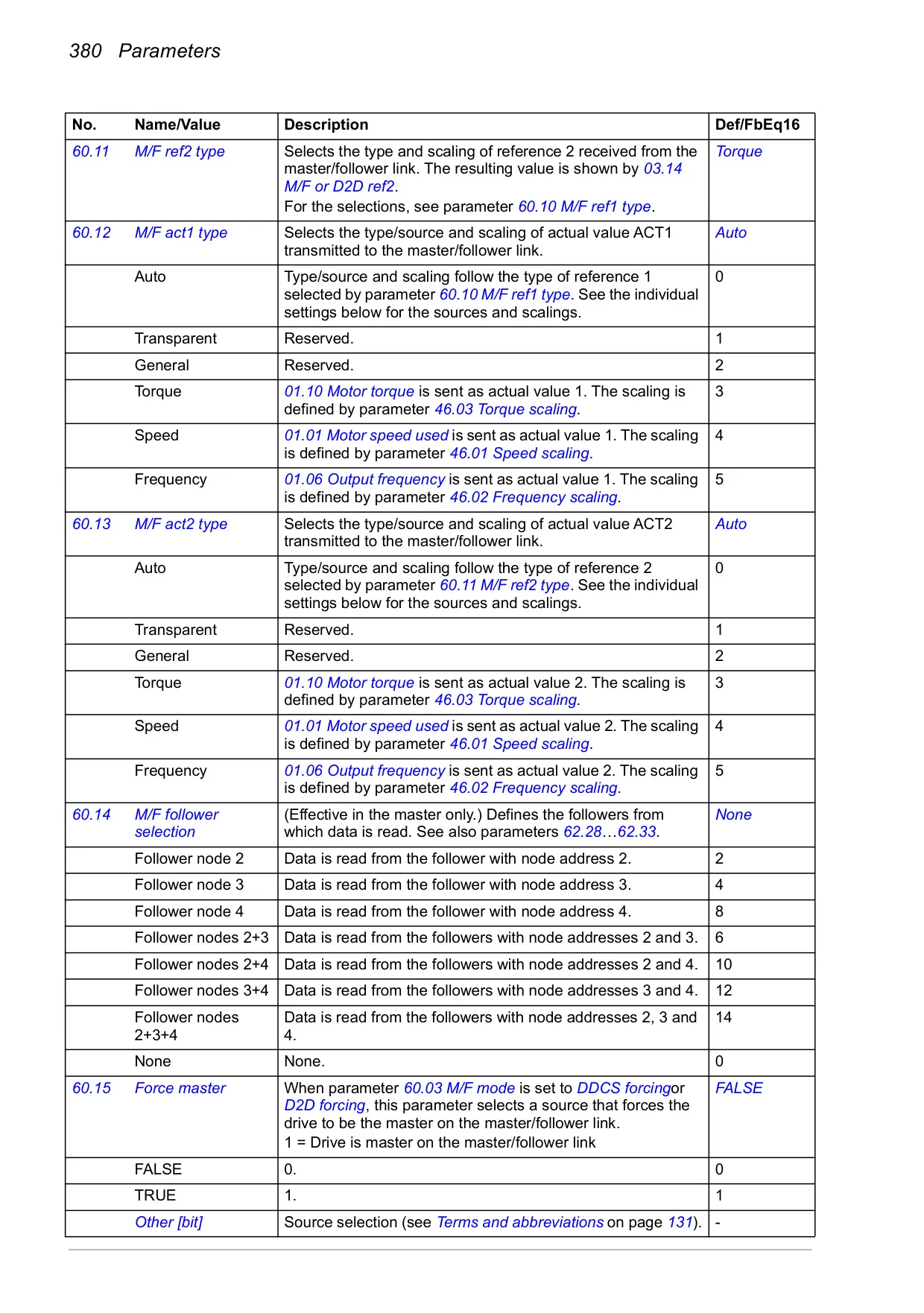
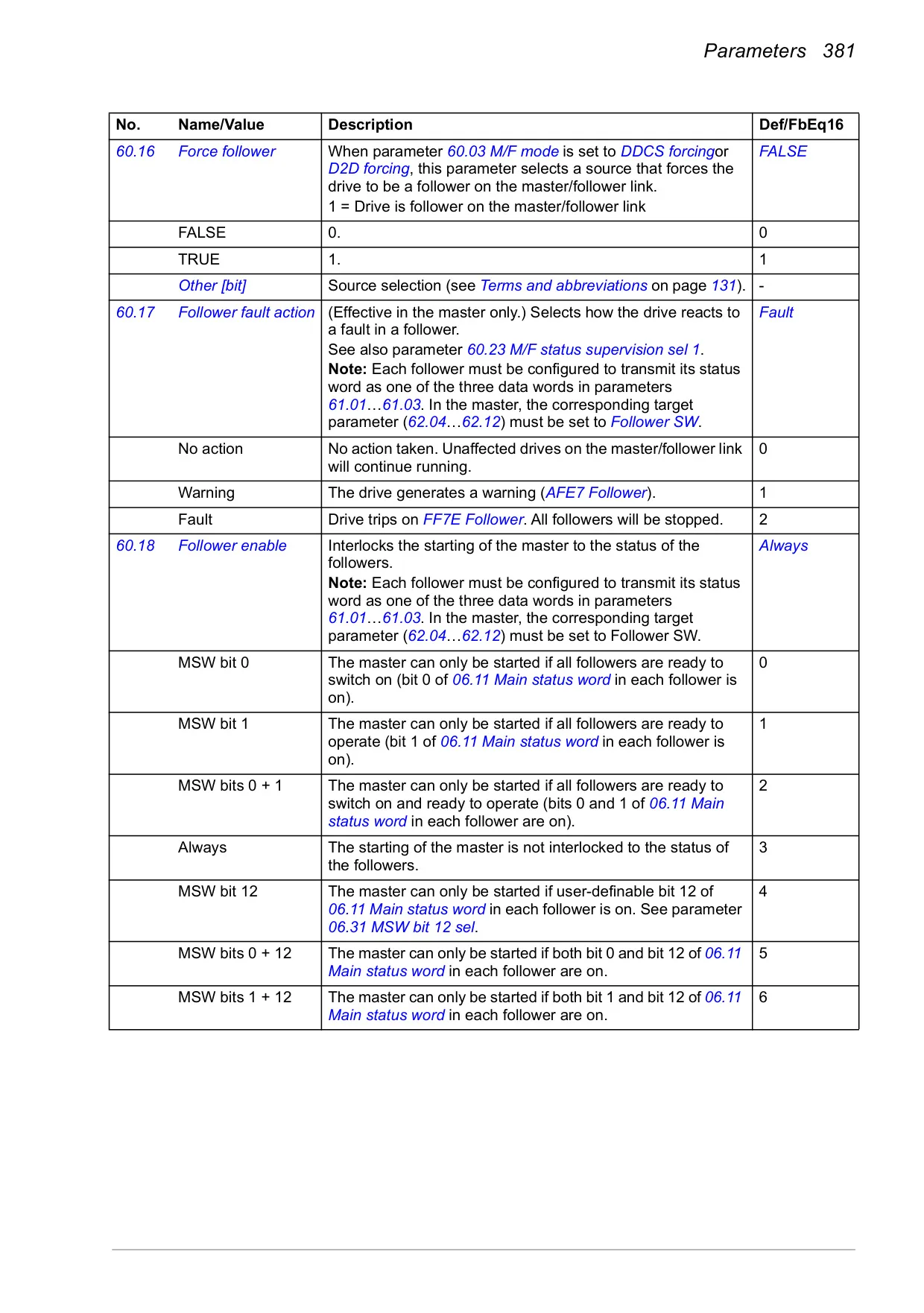
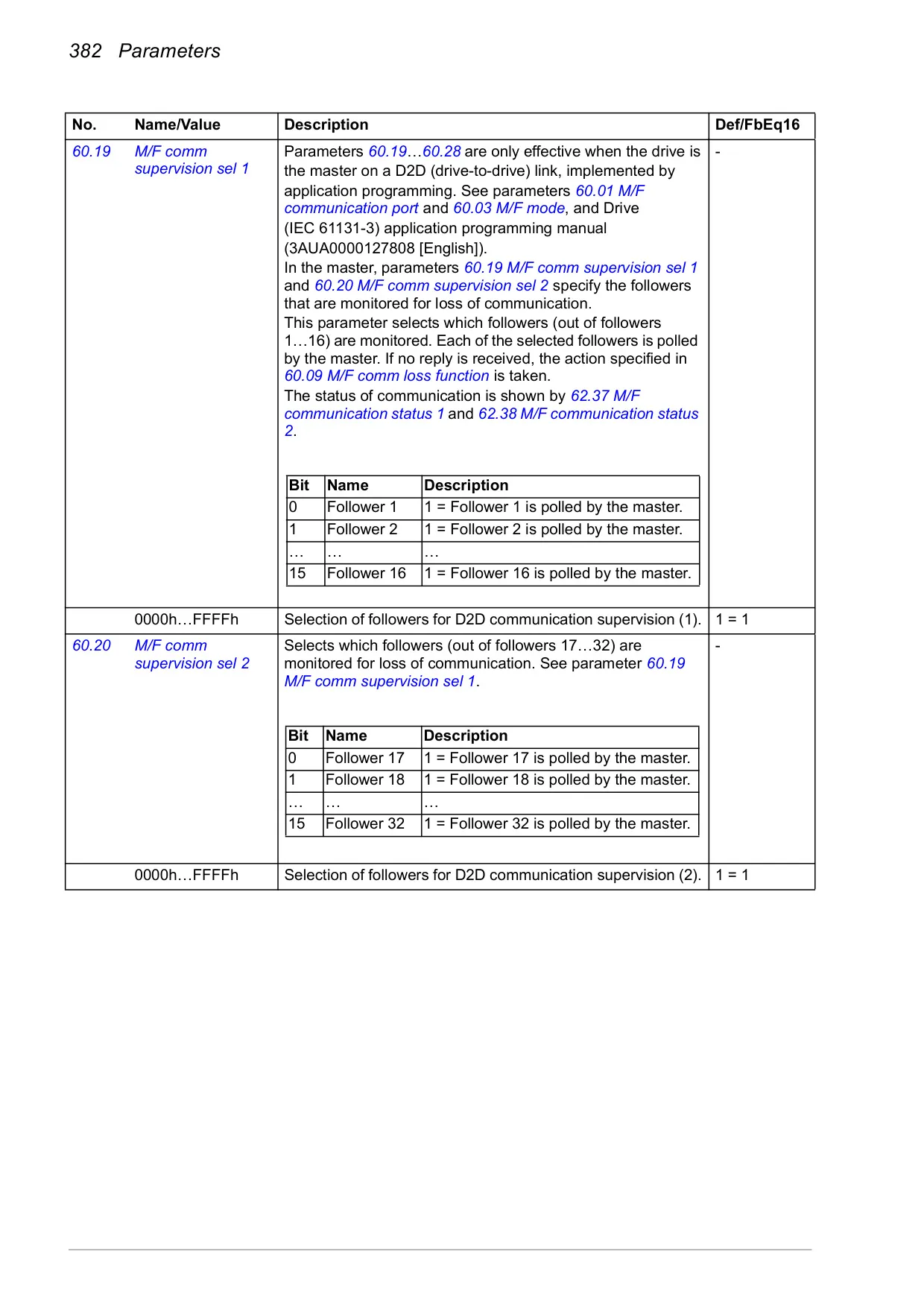
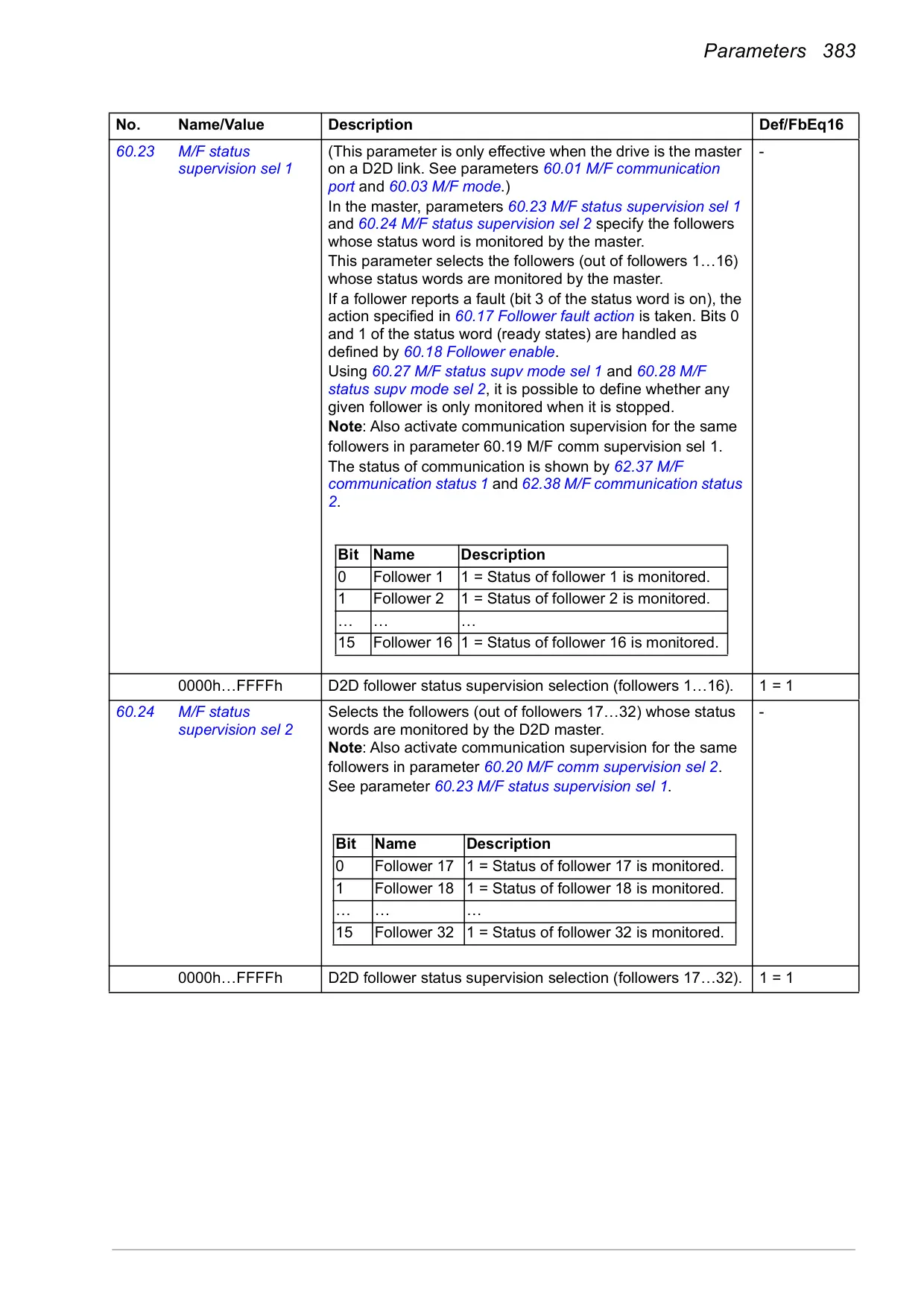
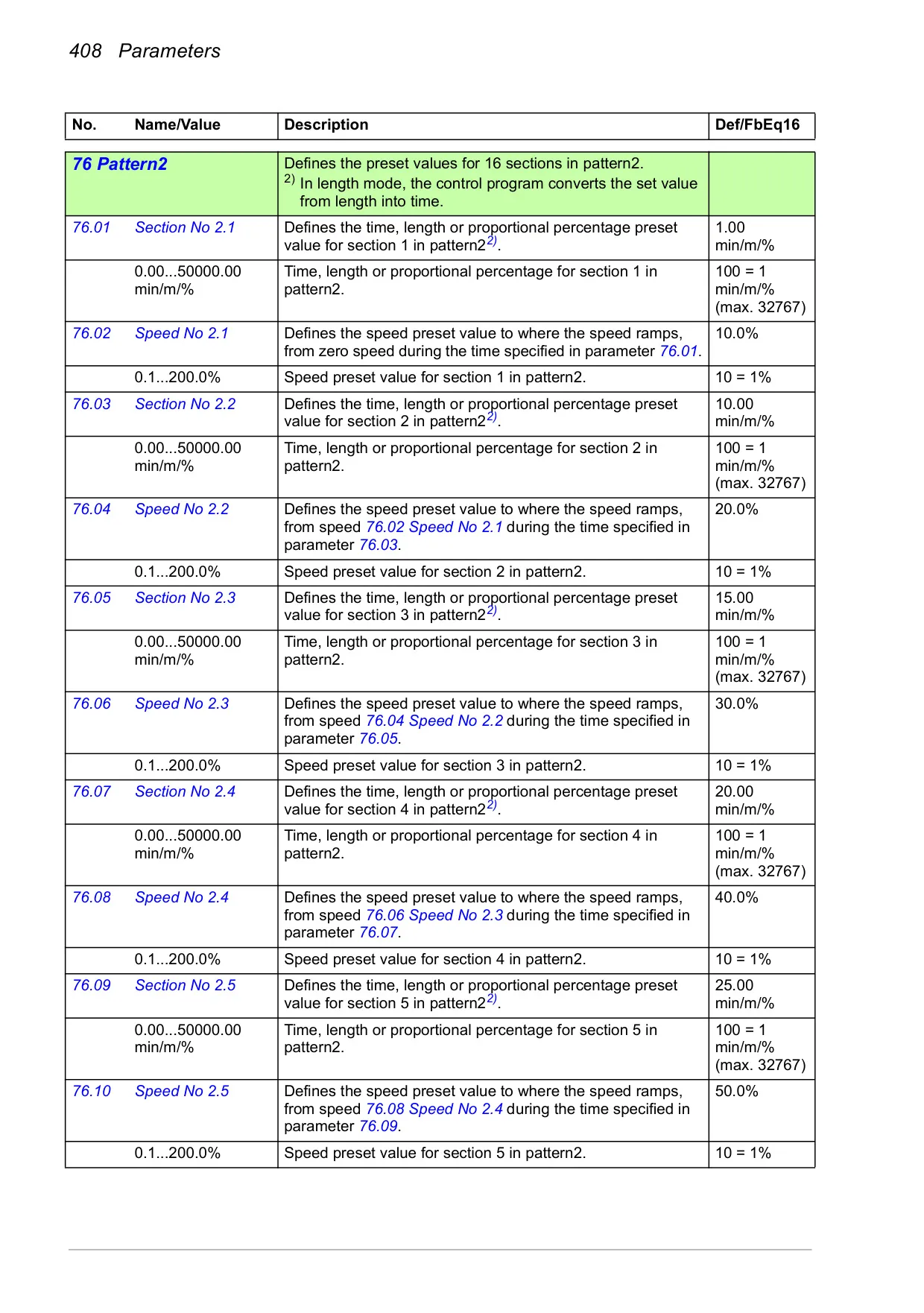
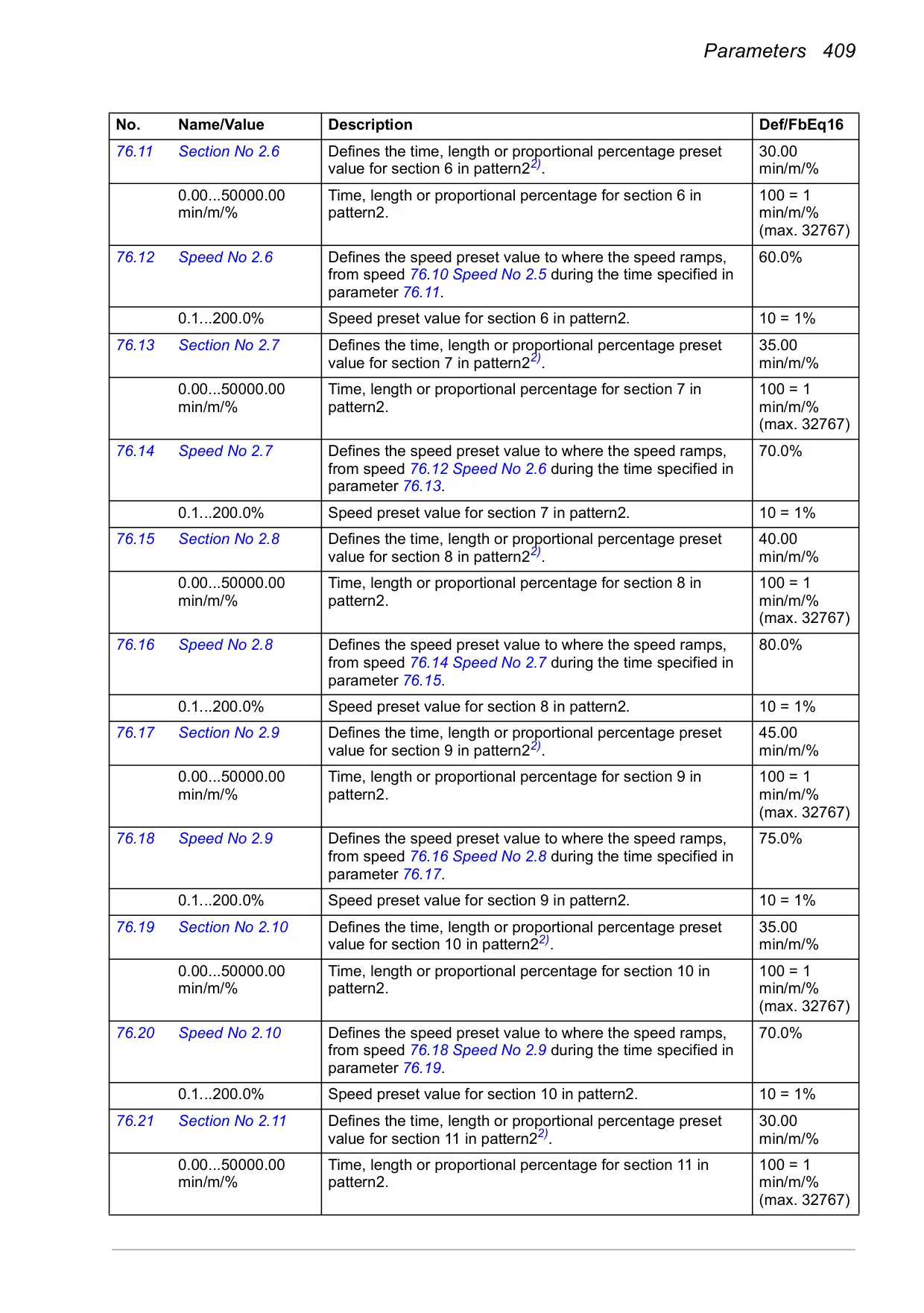
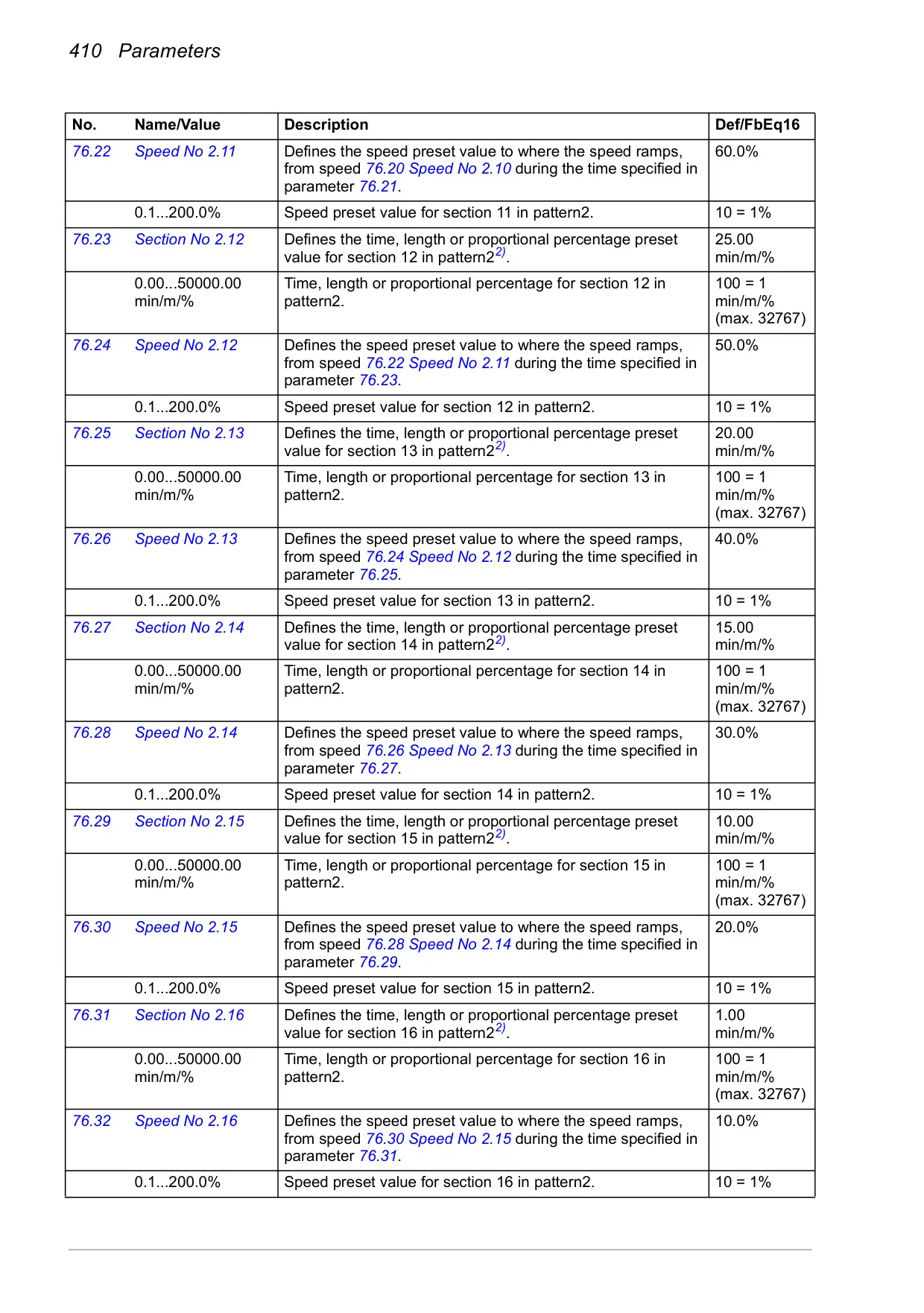

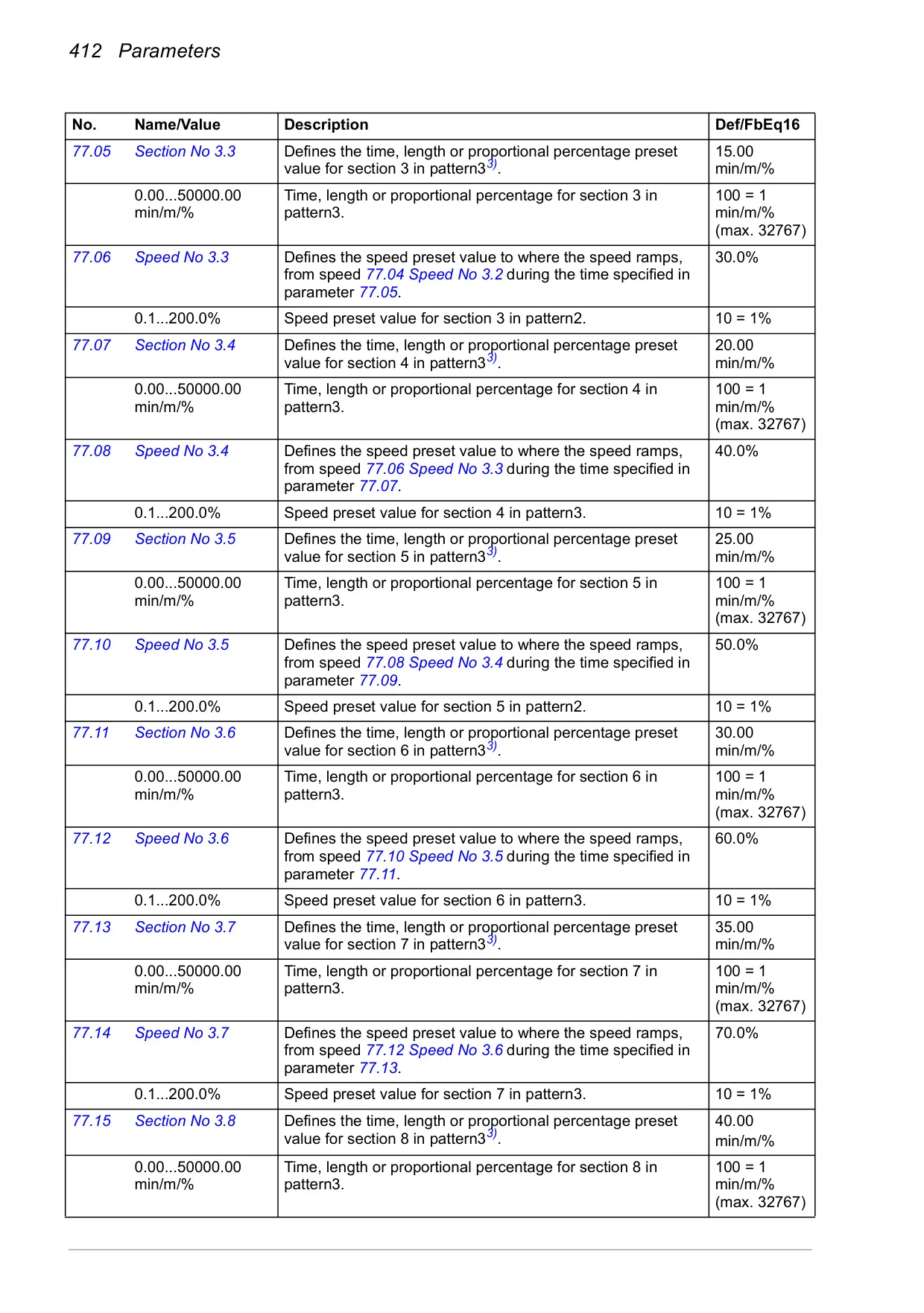



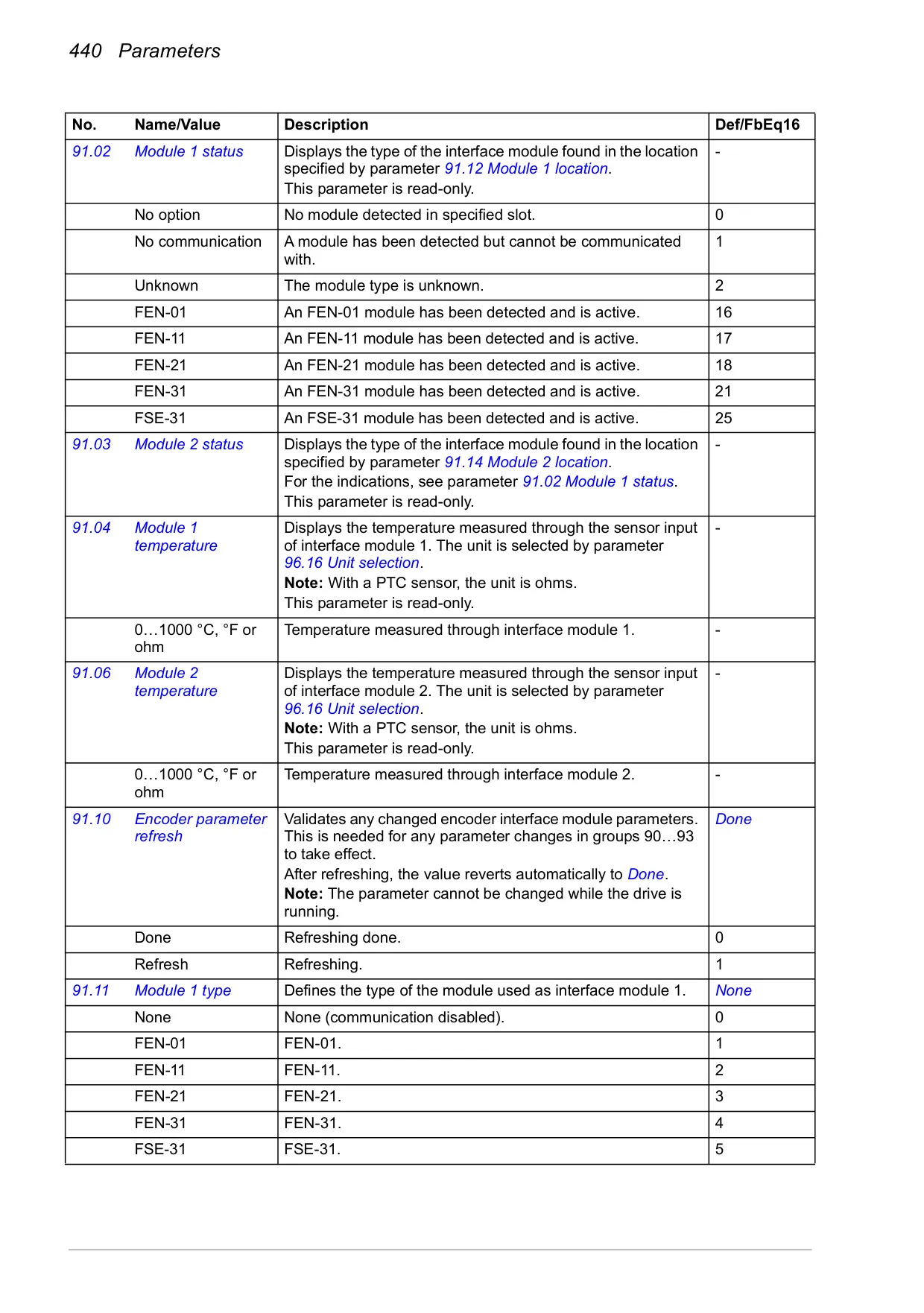
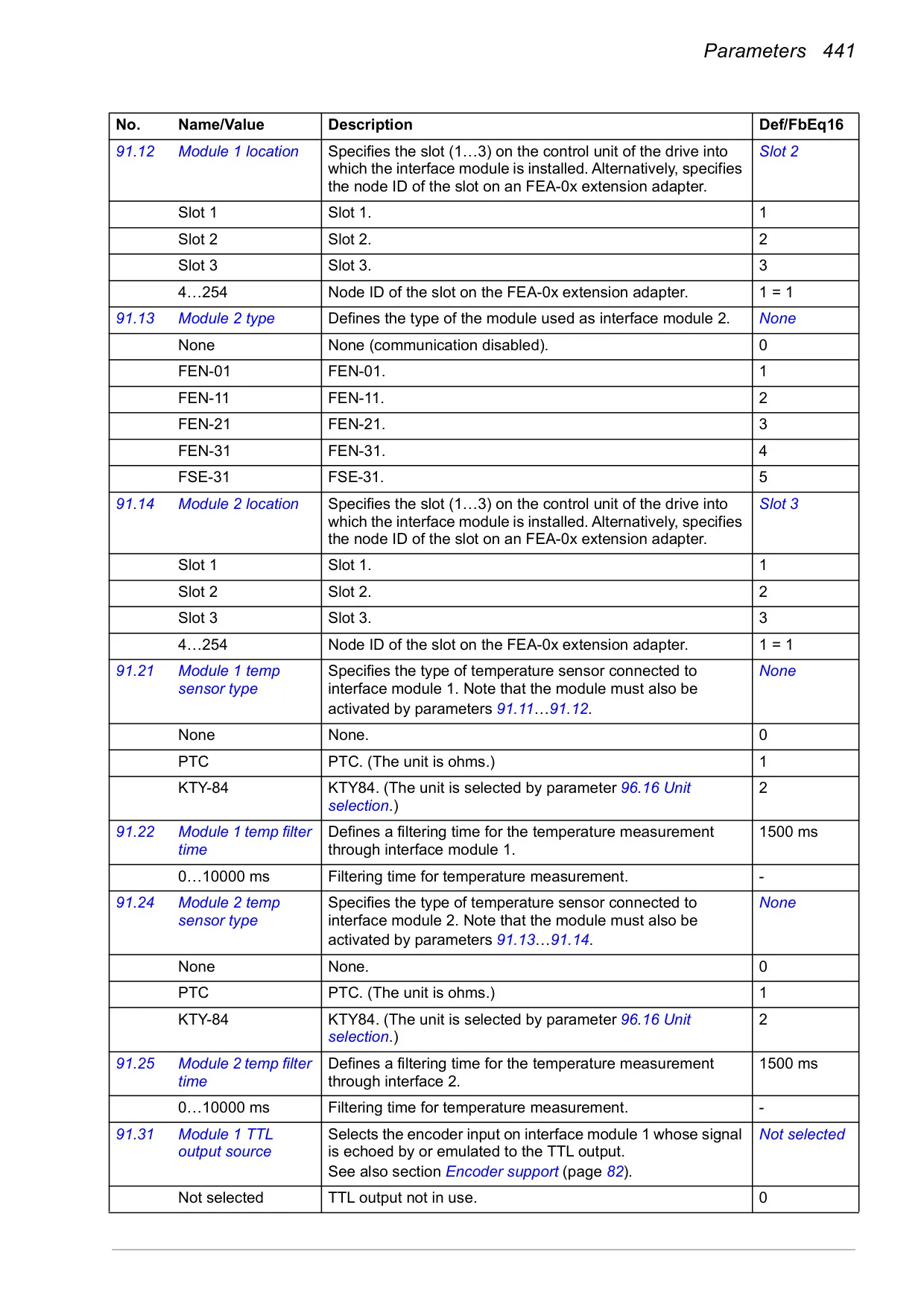
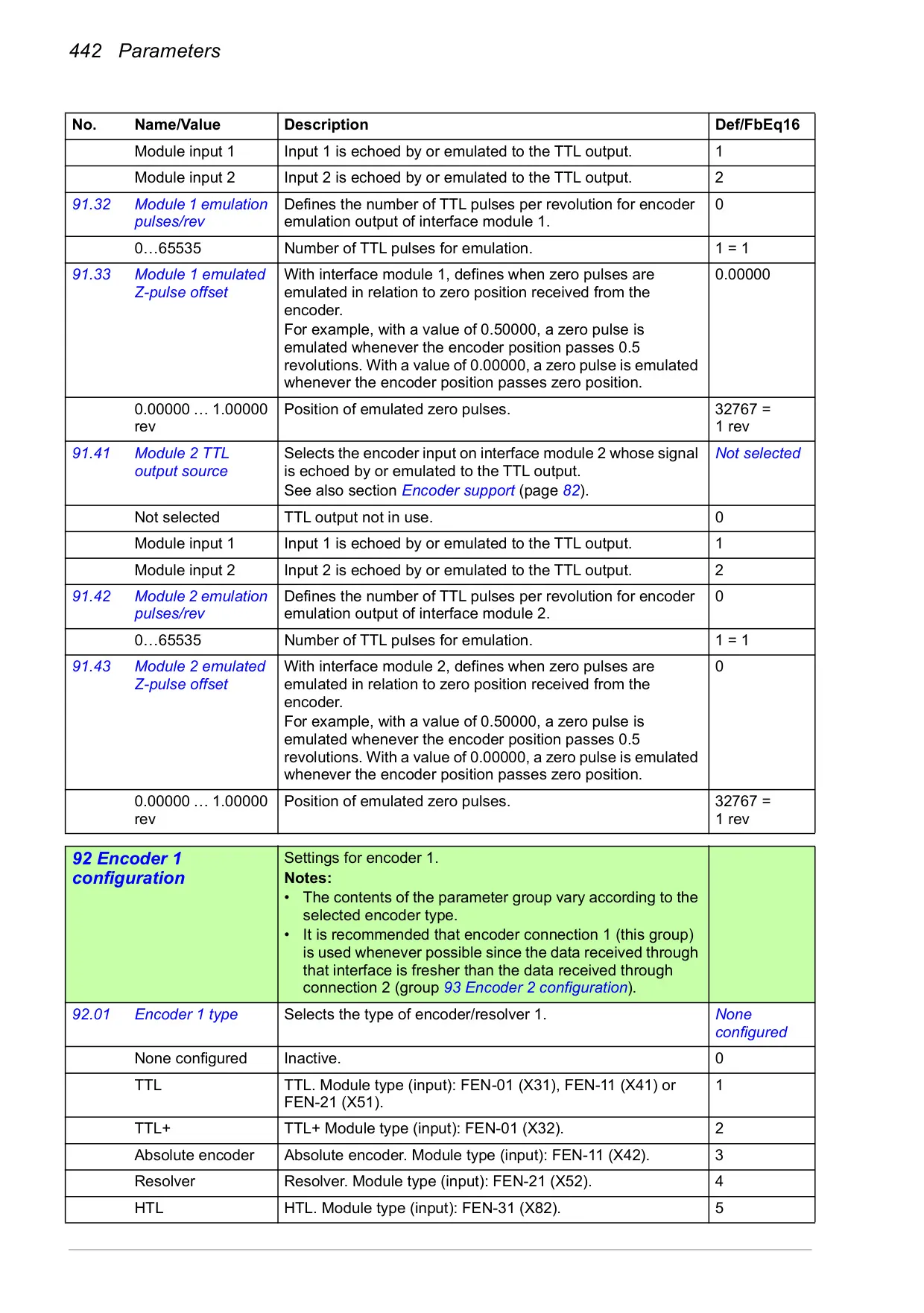
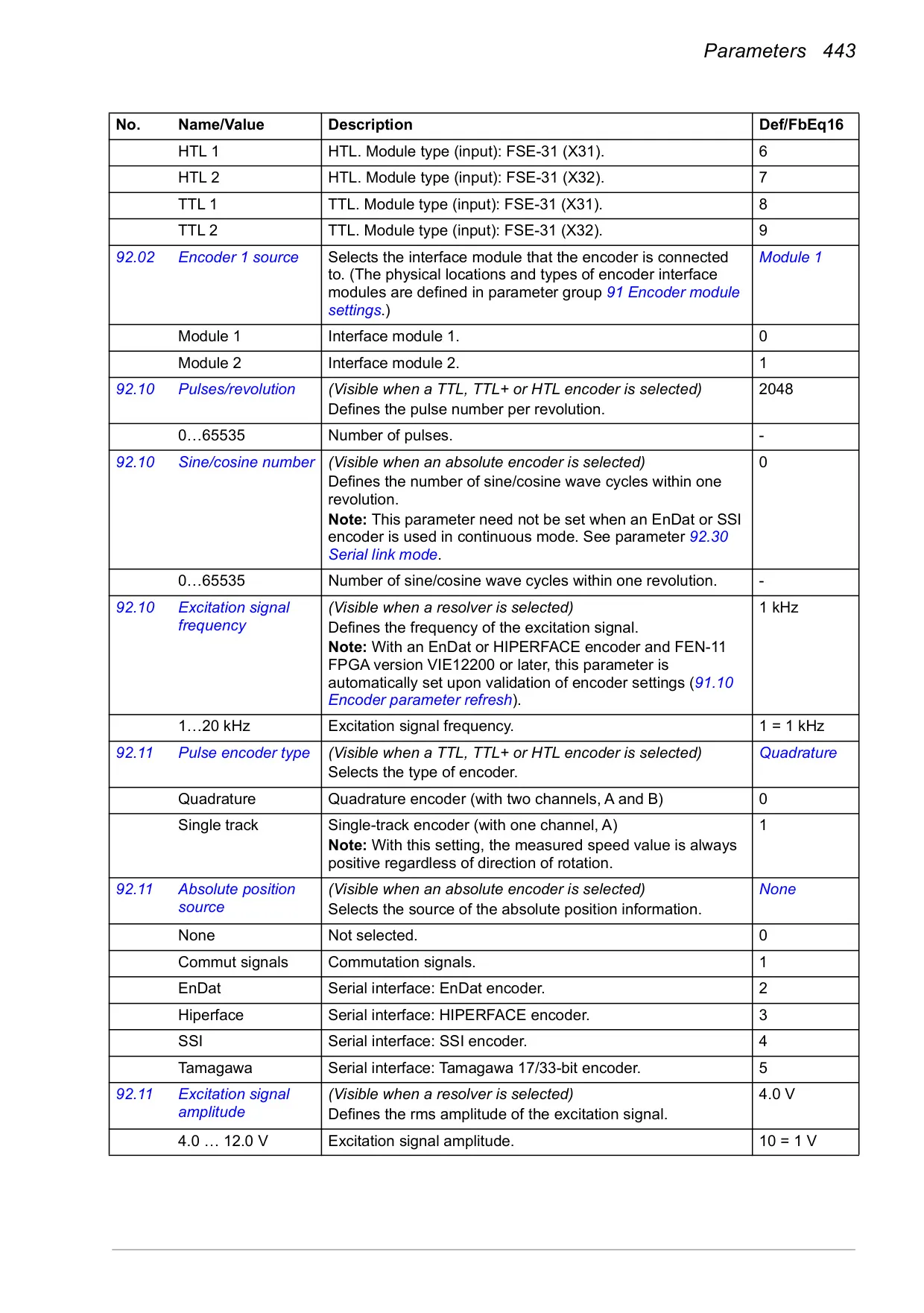
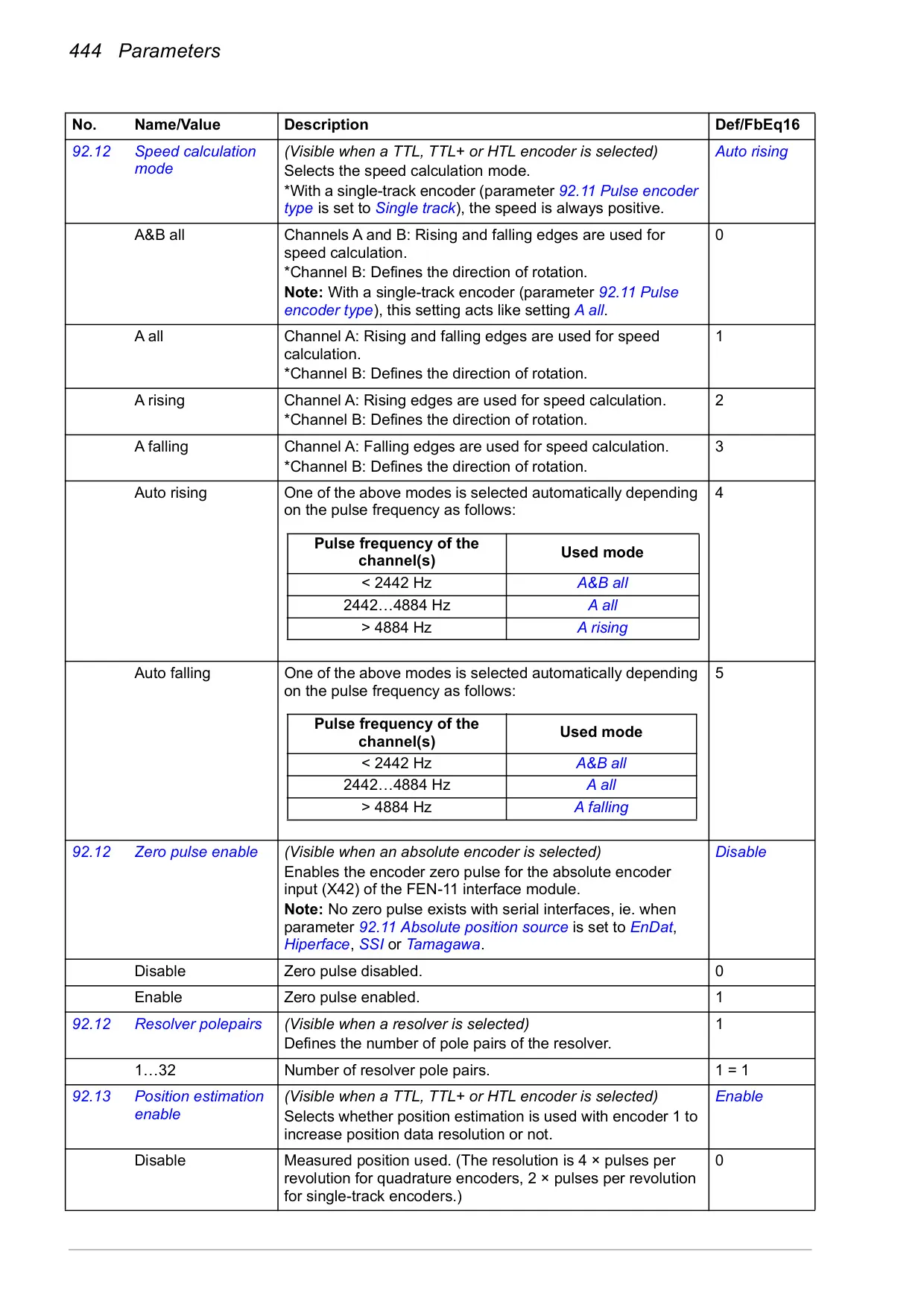
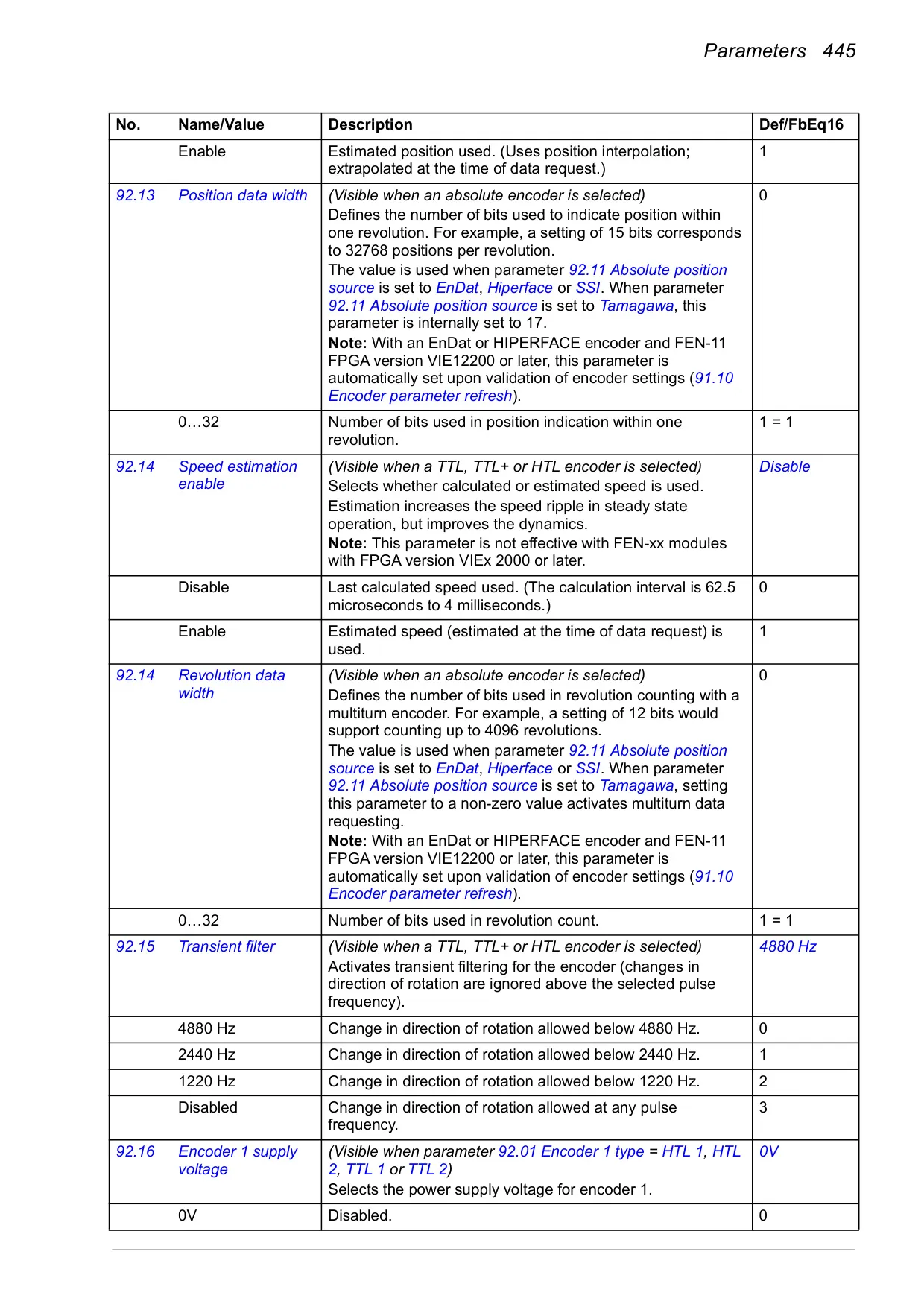
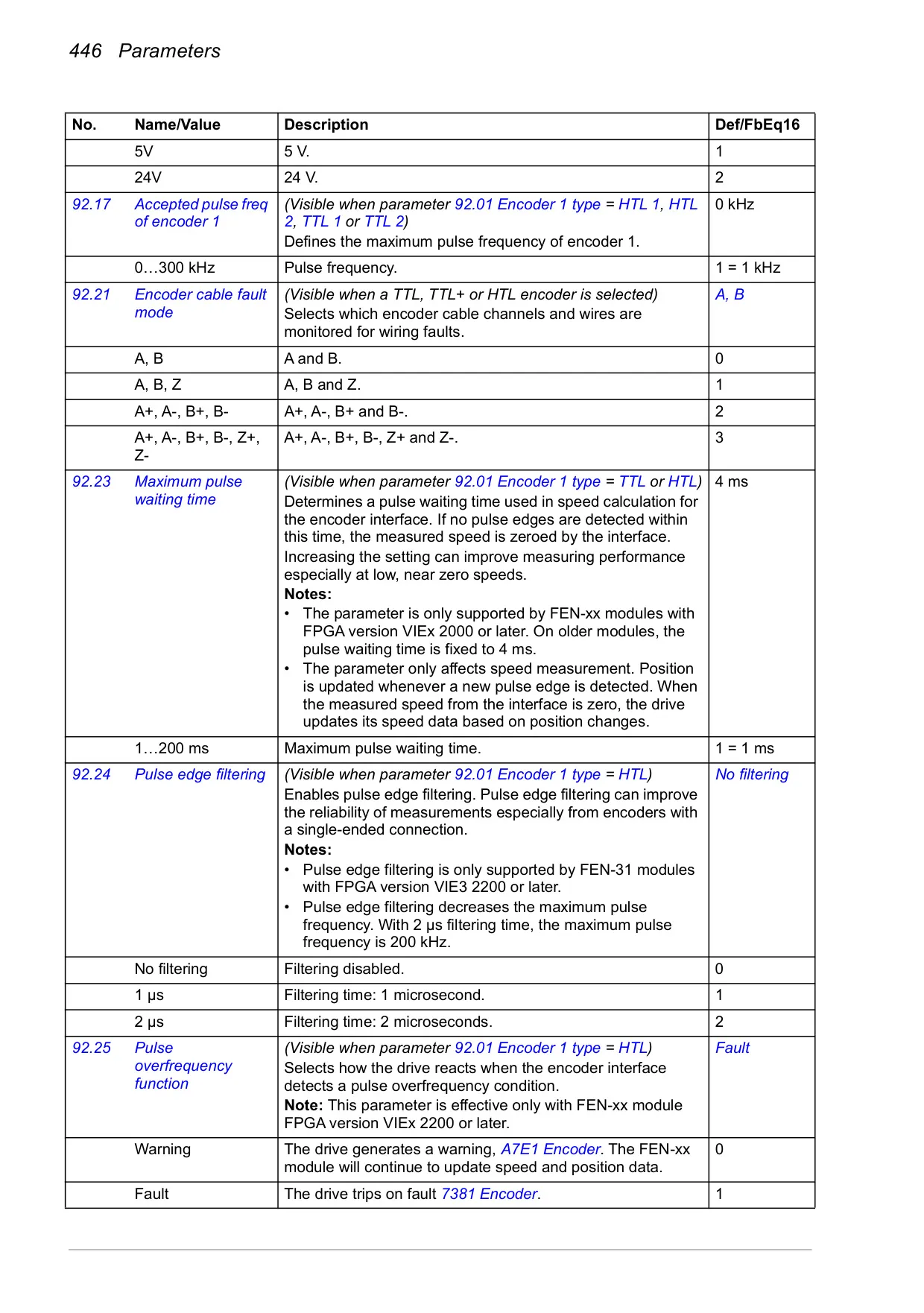
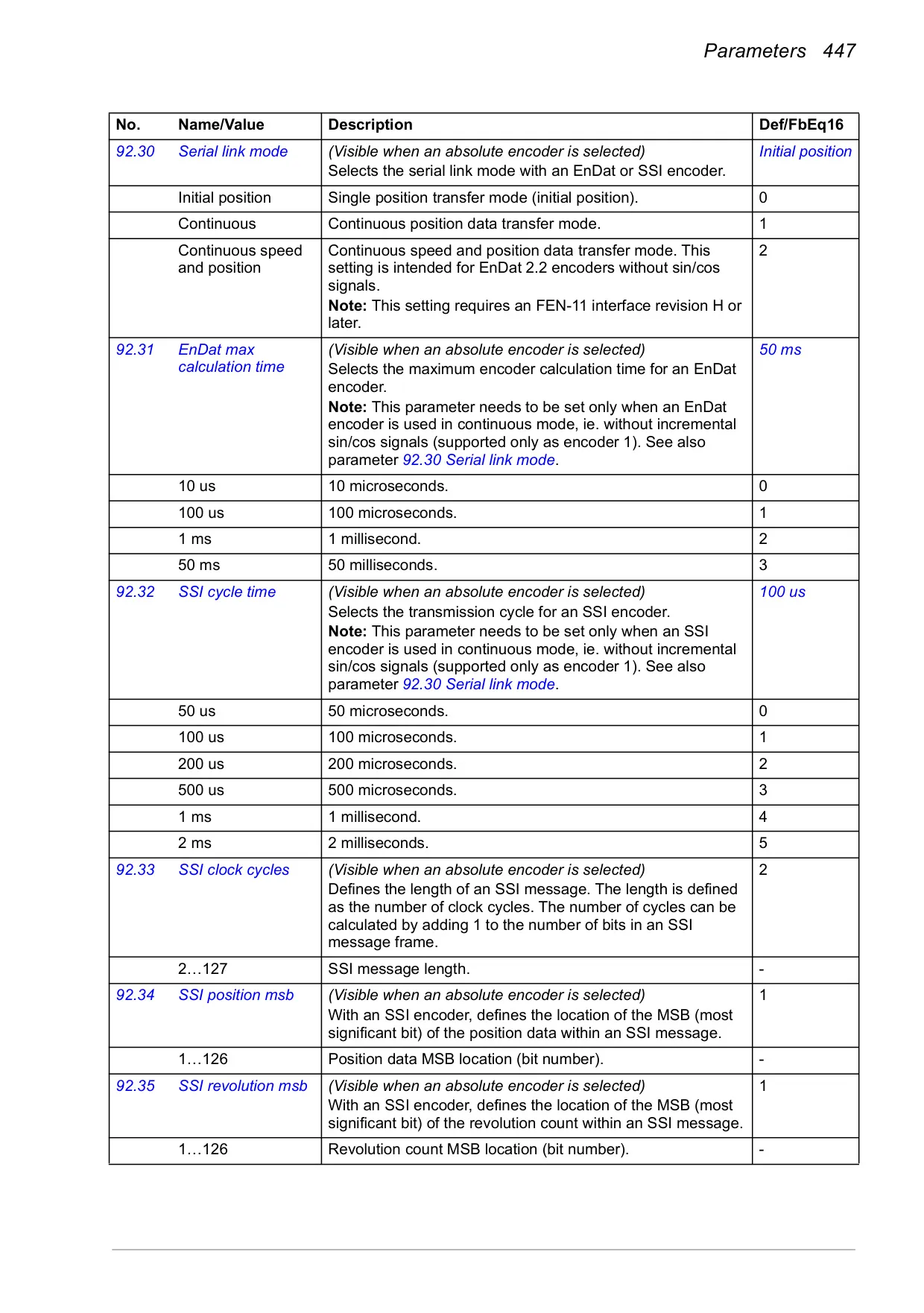



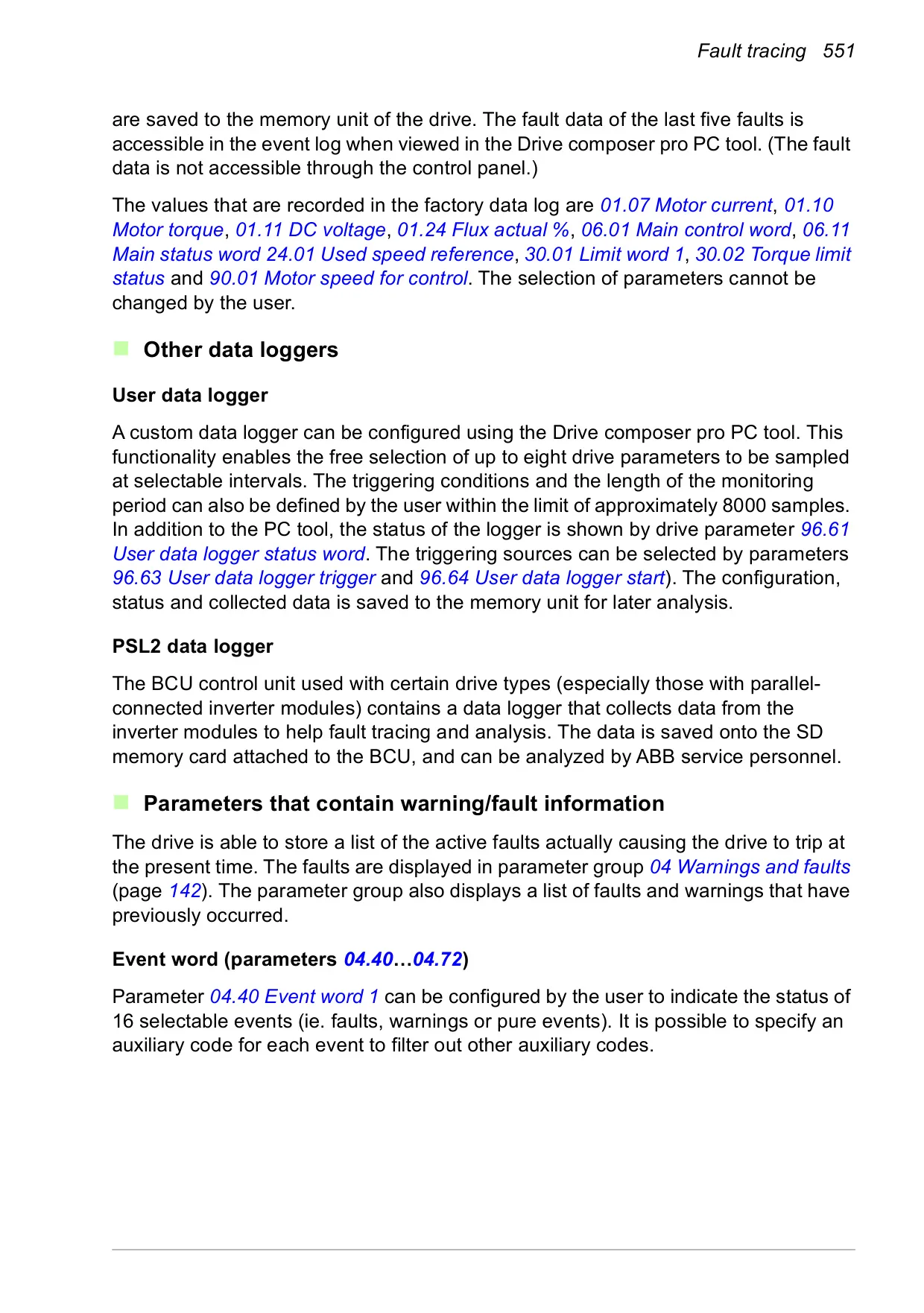
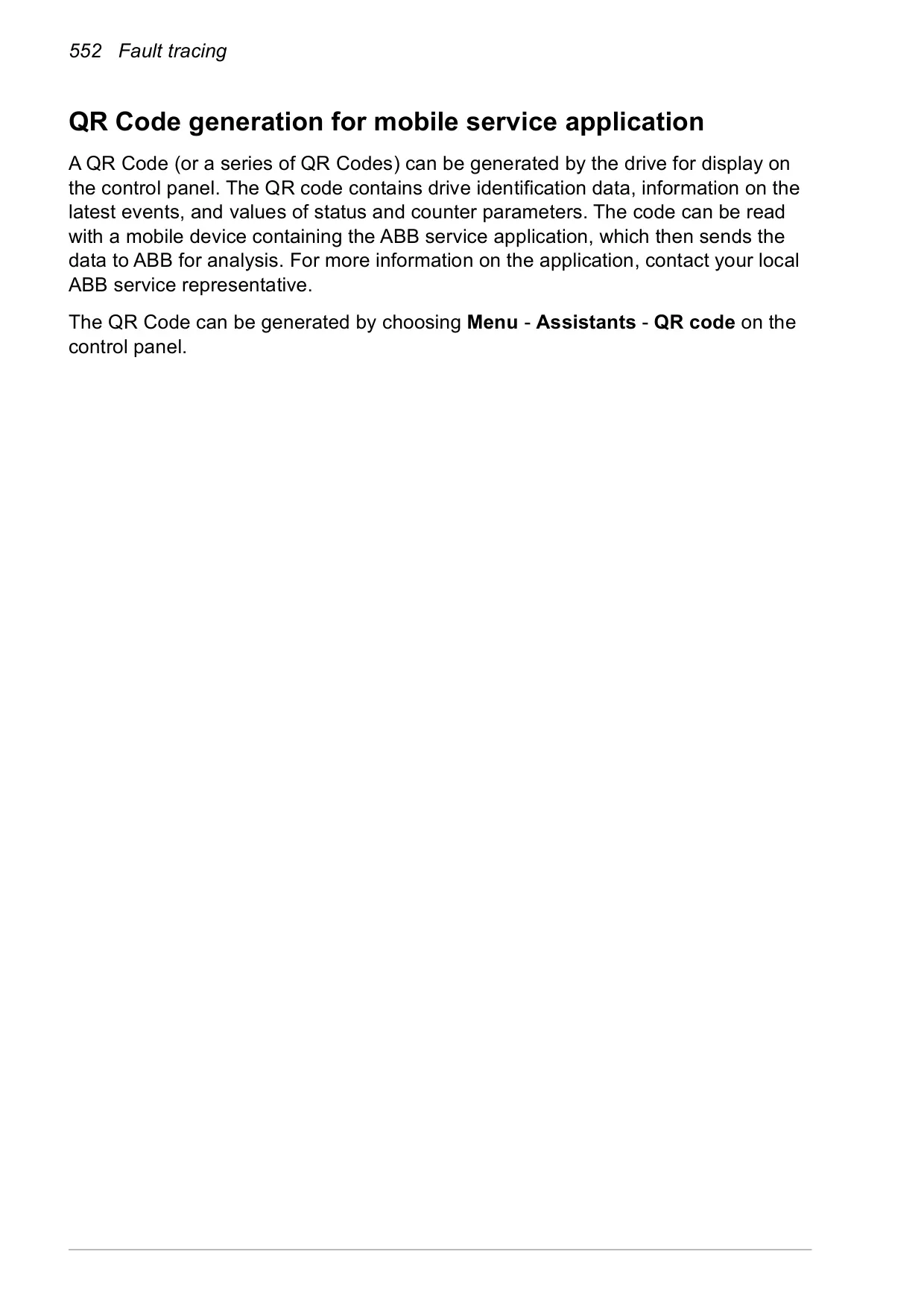
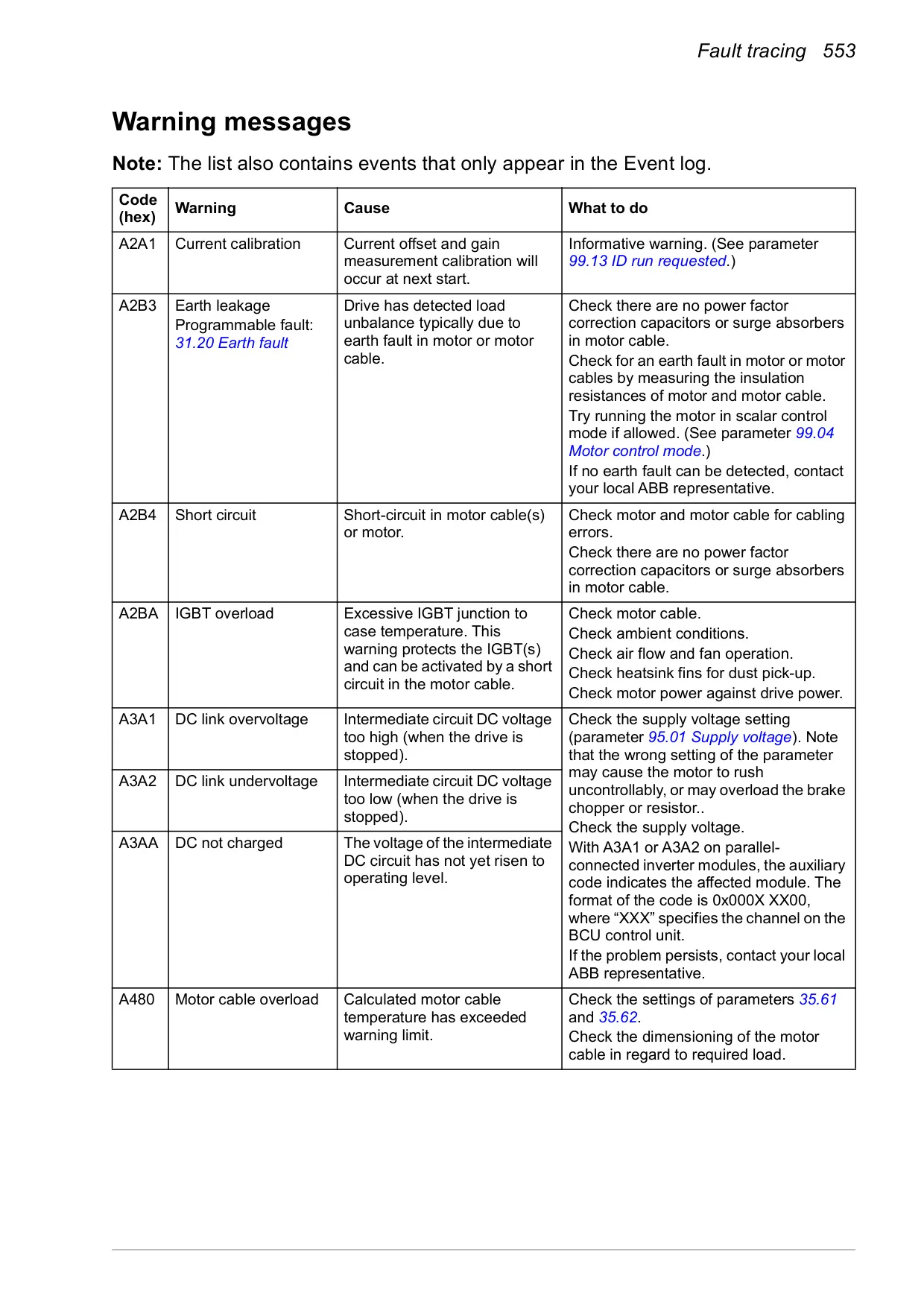
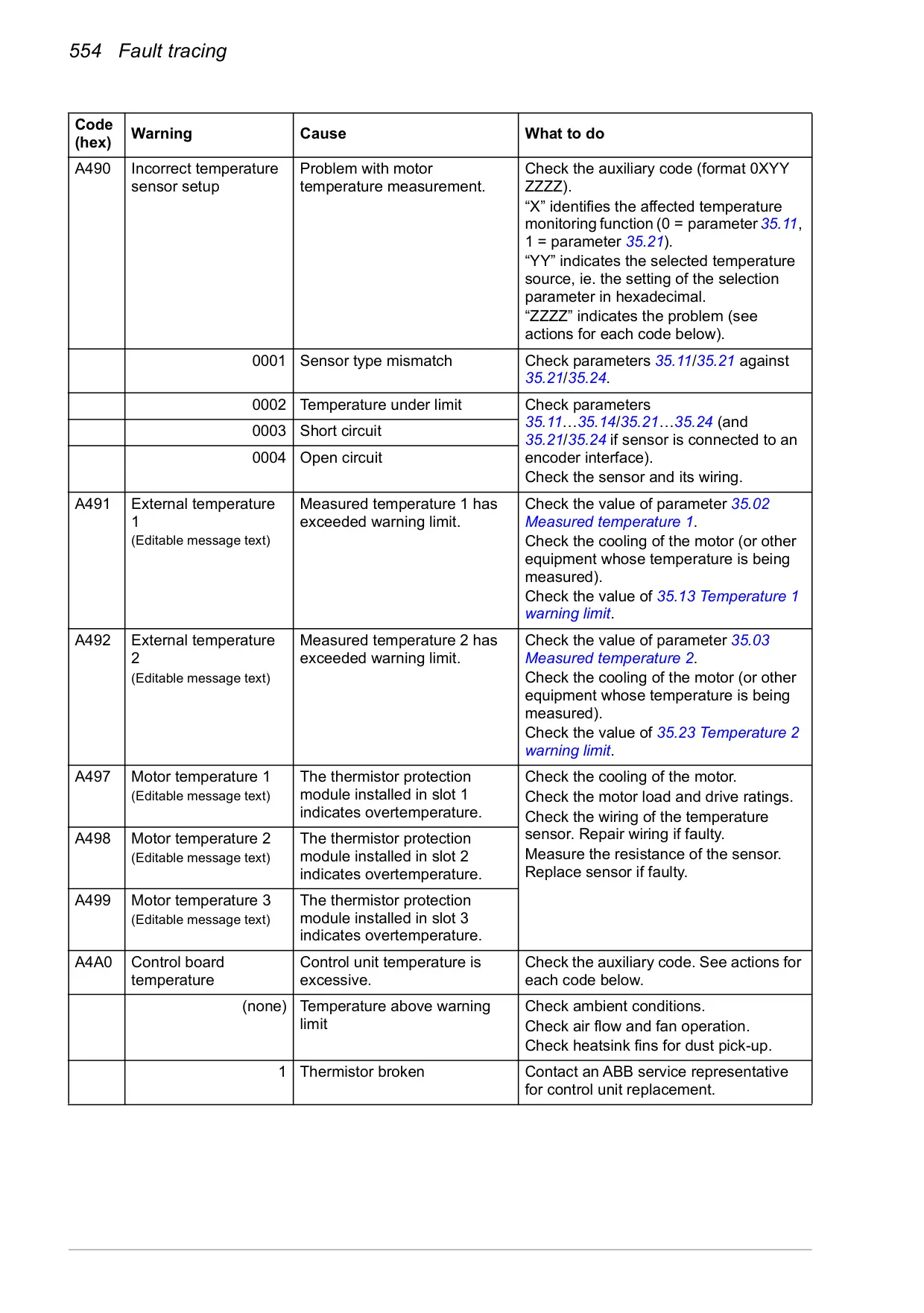
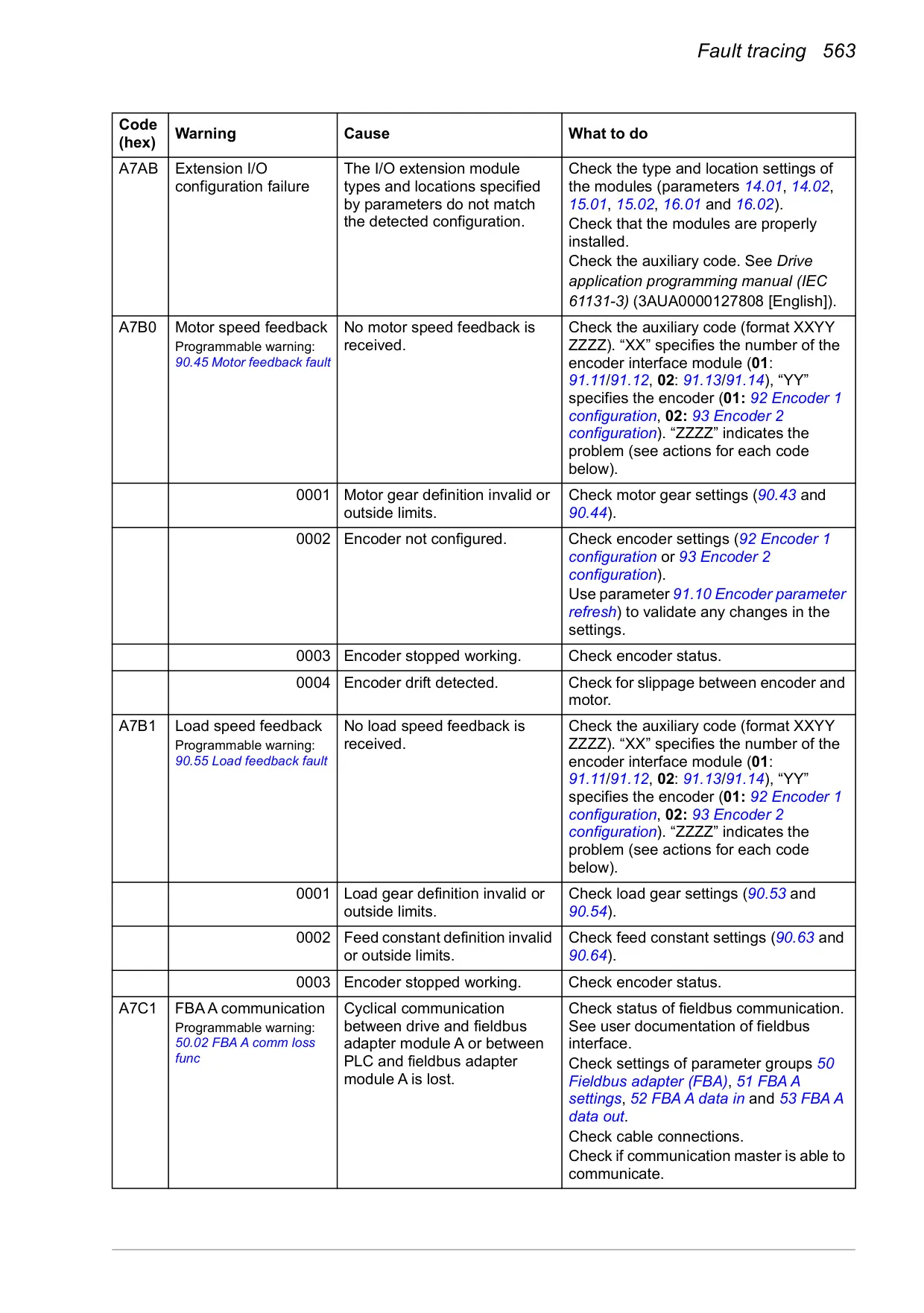
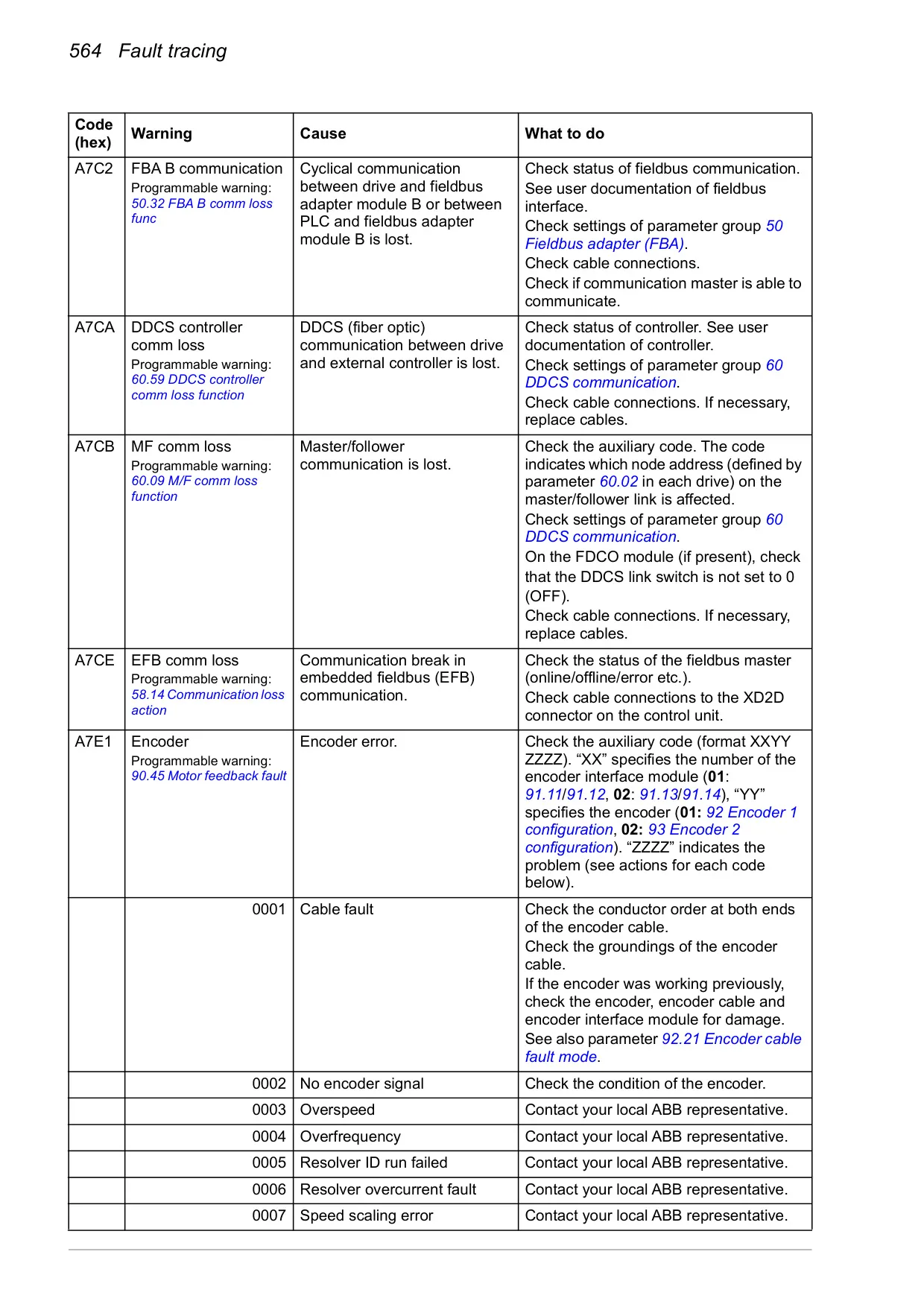
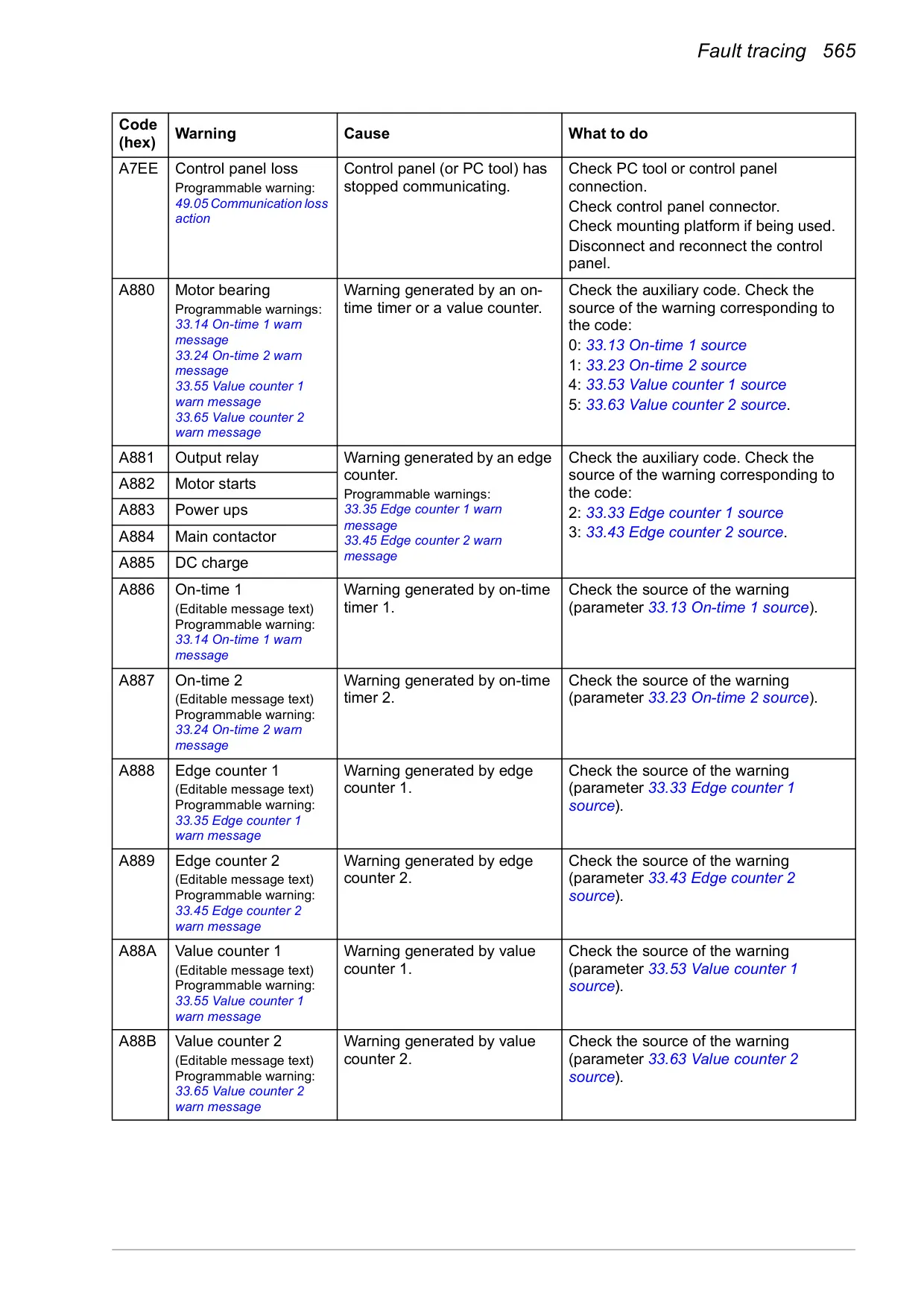
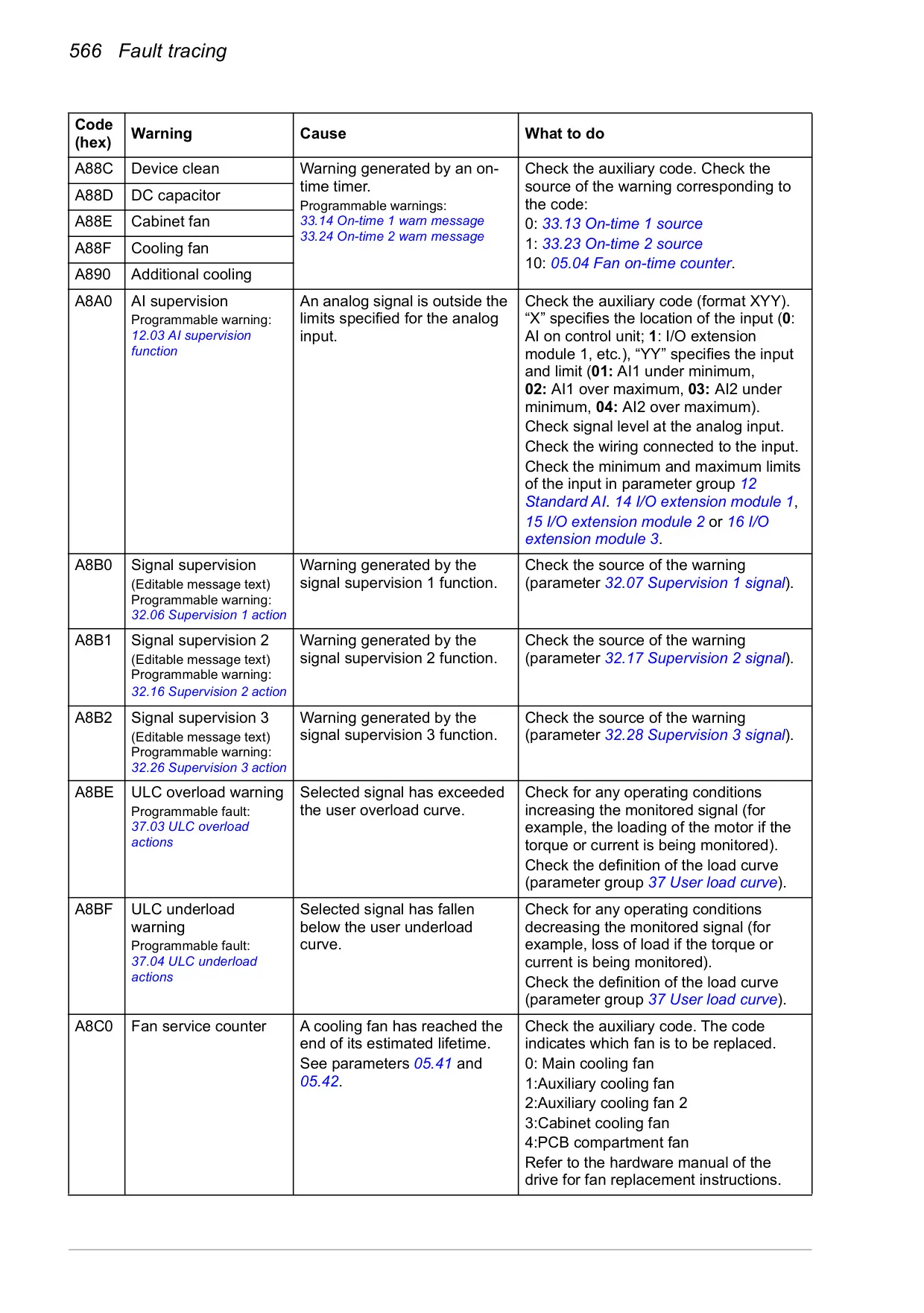





ACS880 Variable Frequency Drive
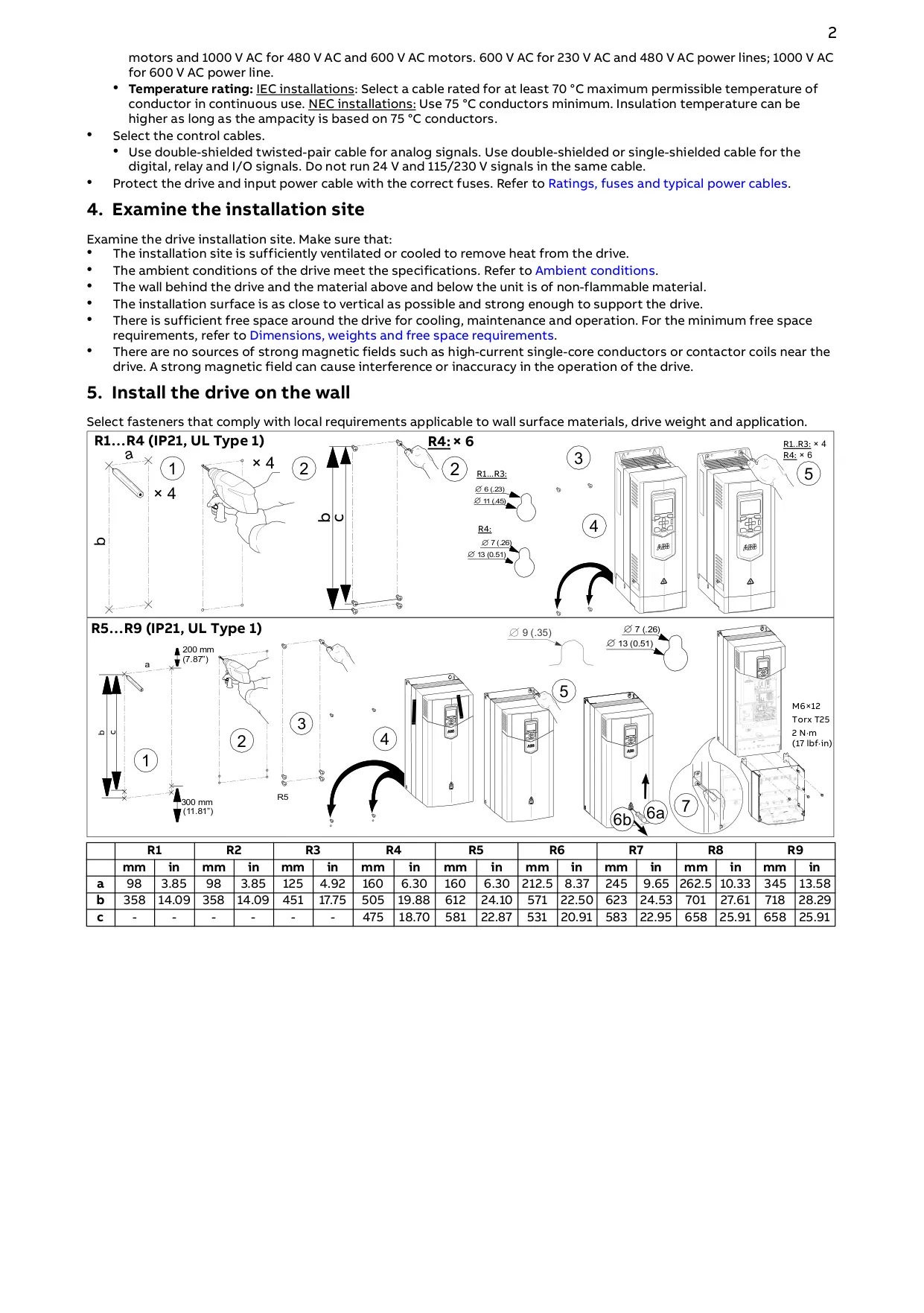
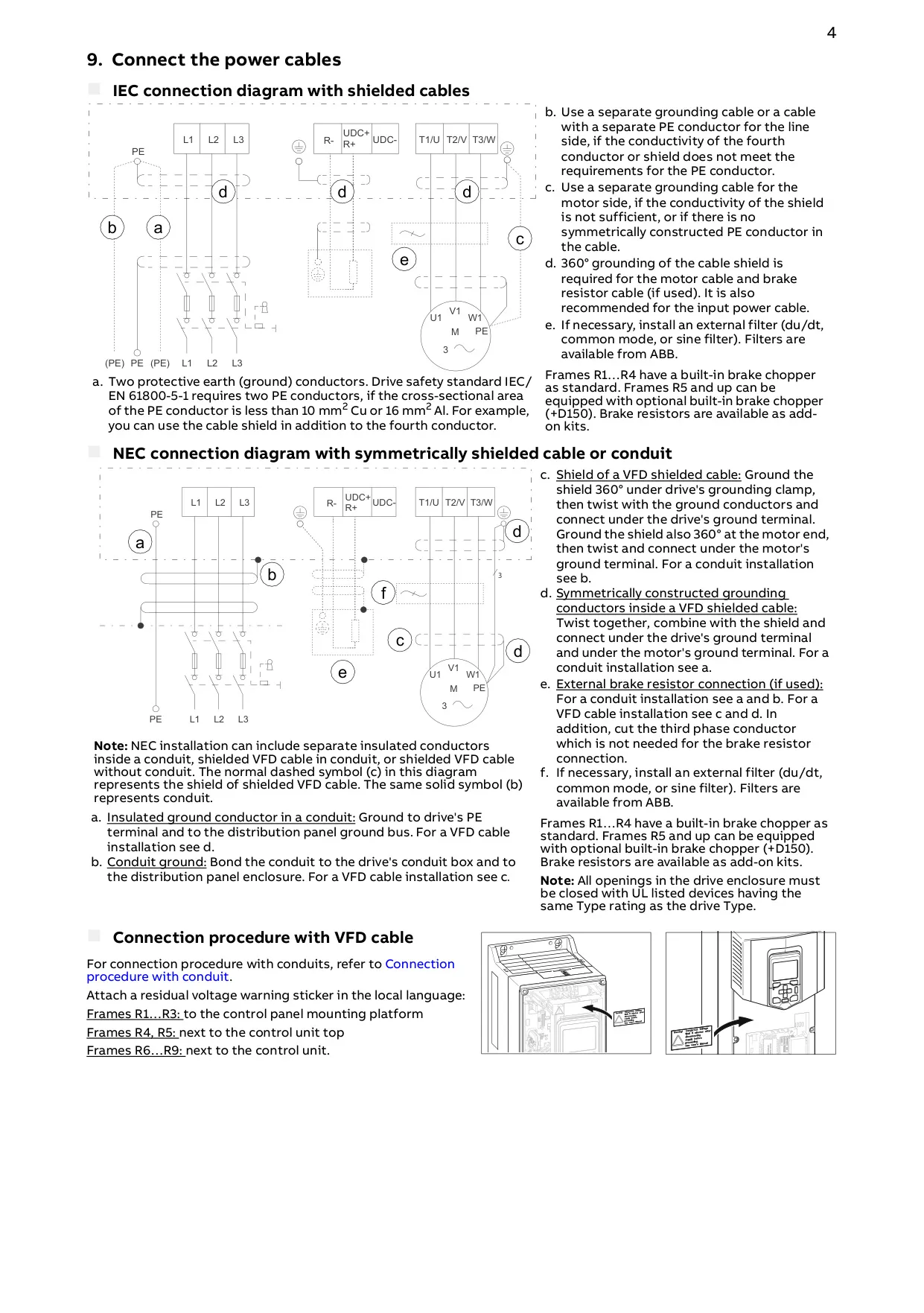
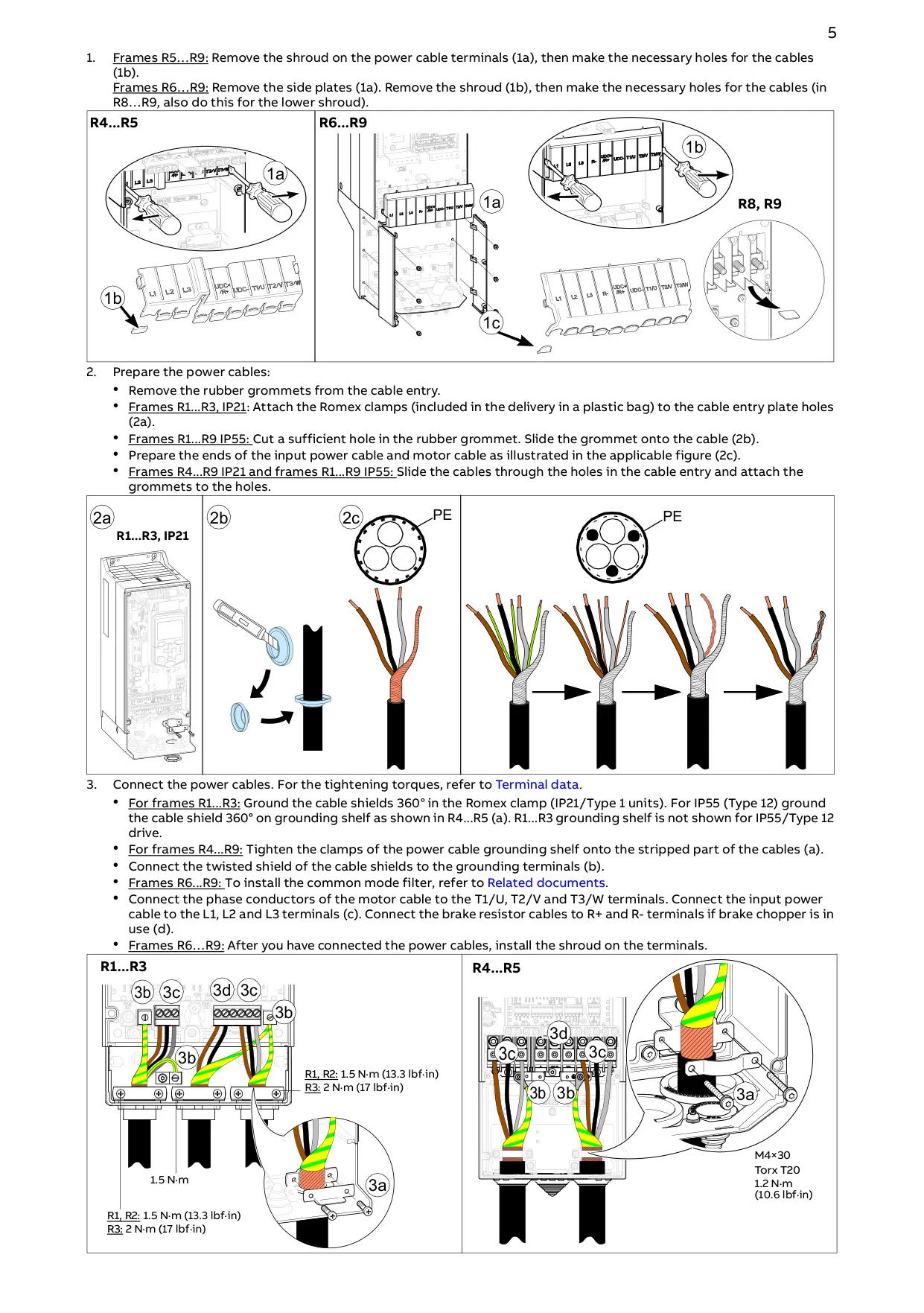
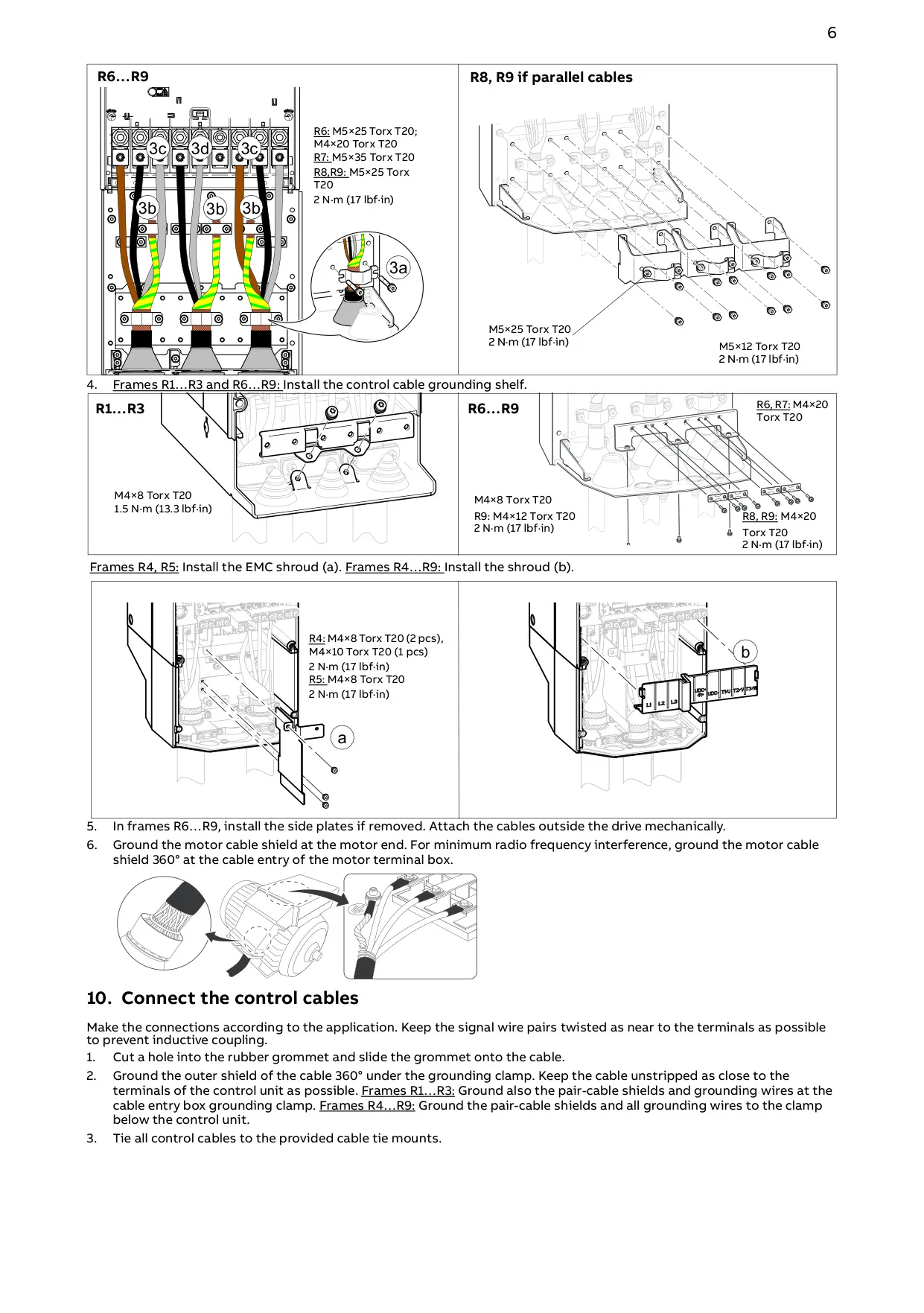
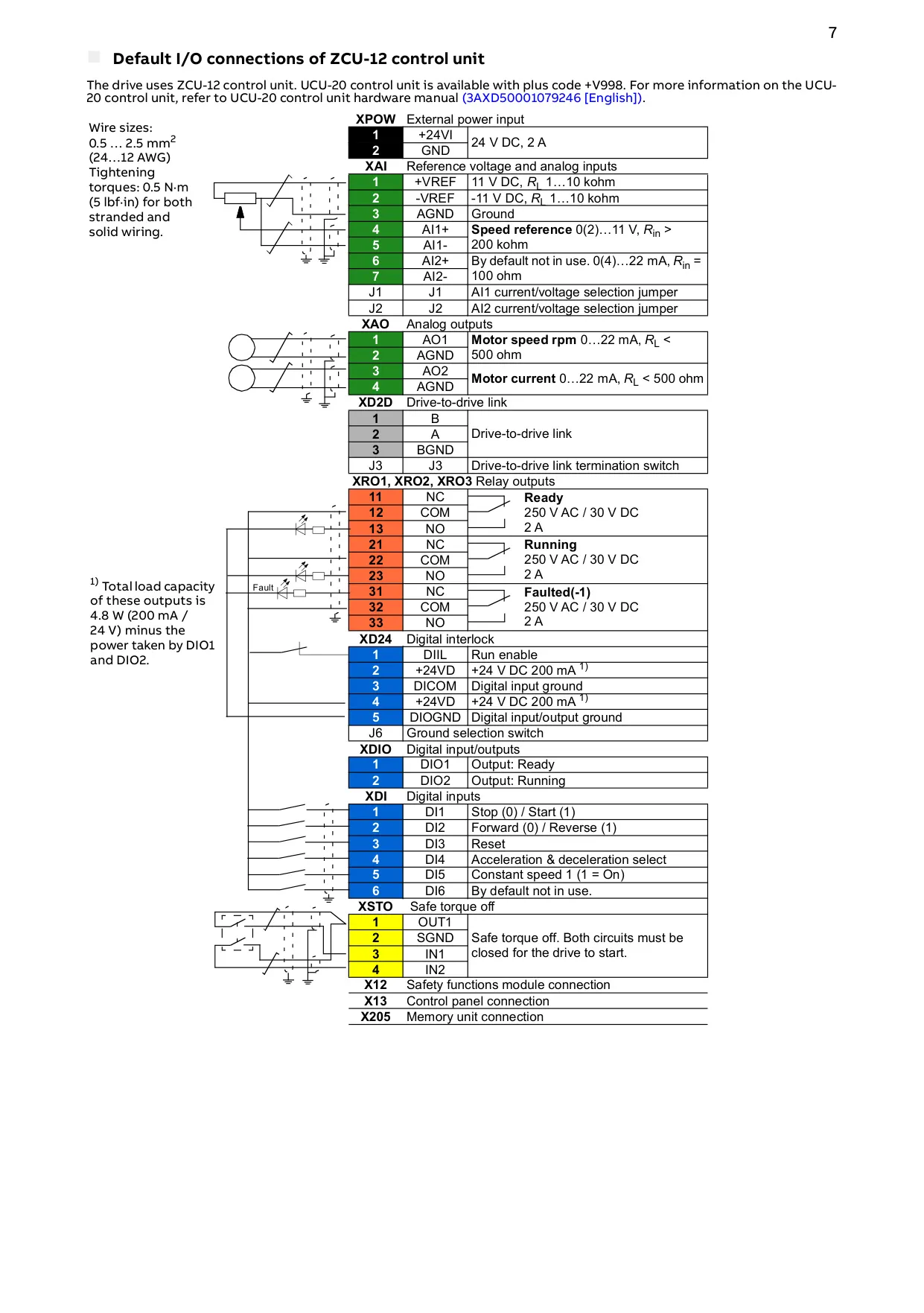
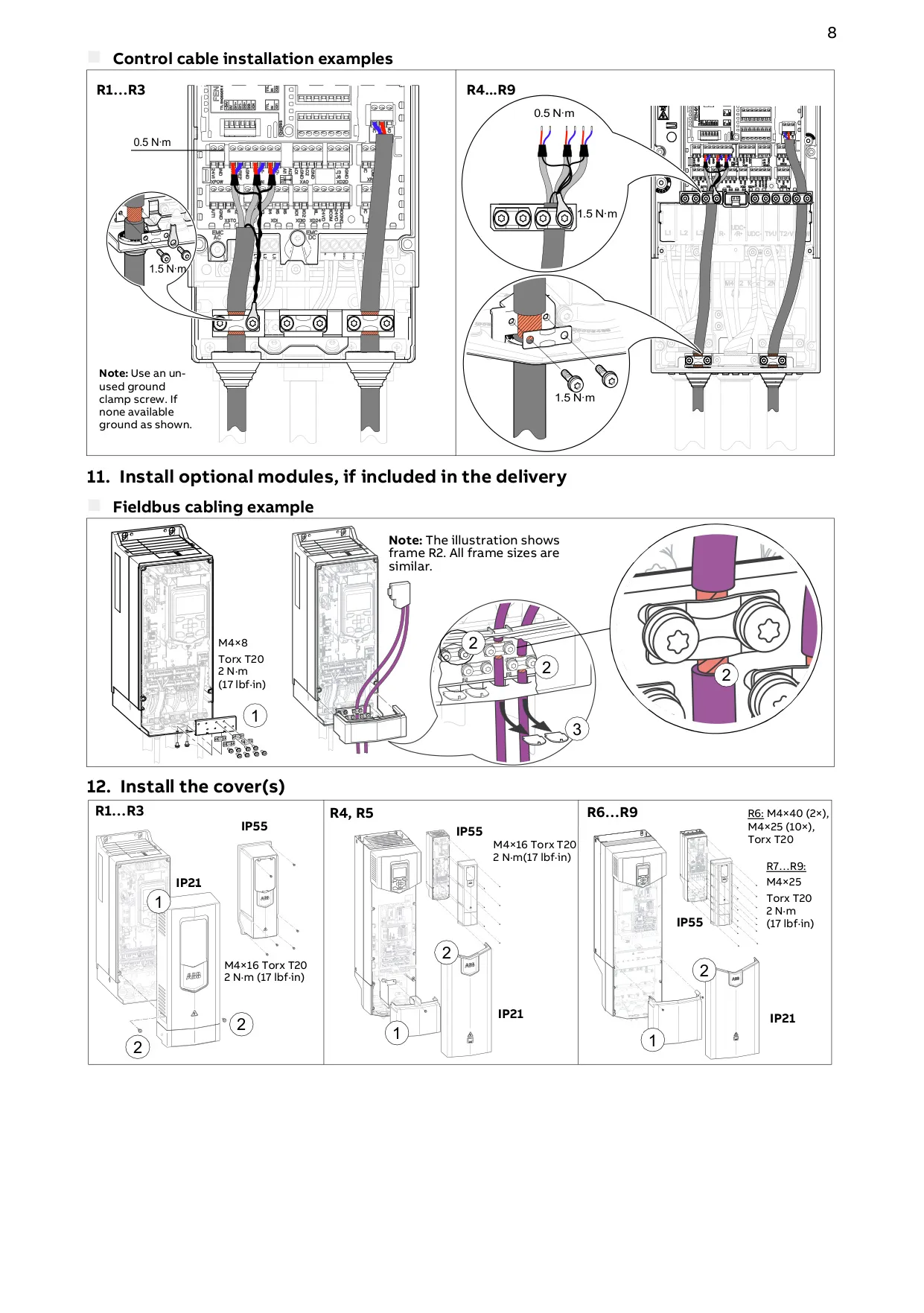
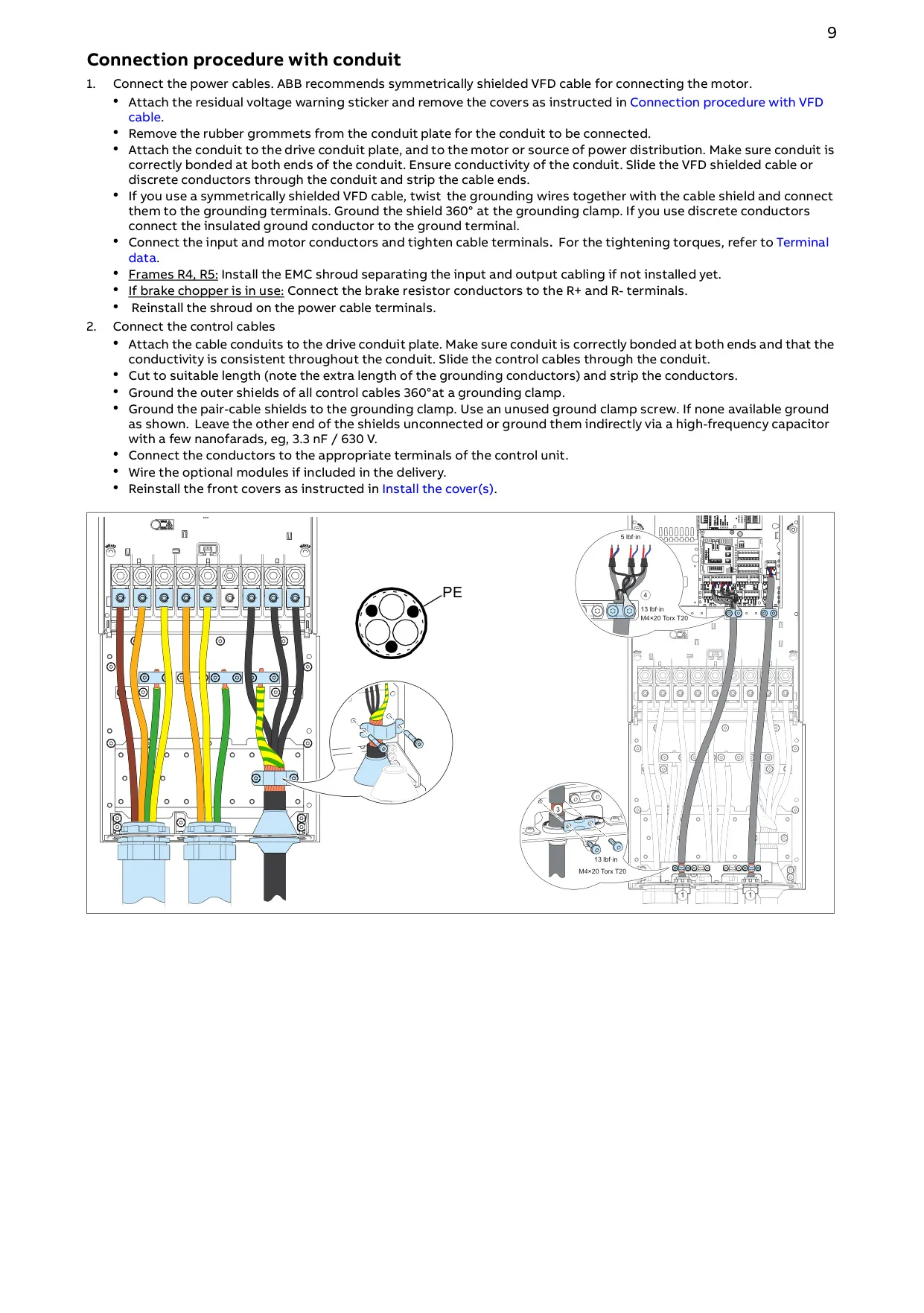
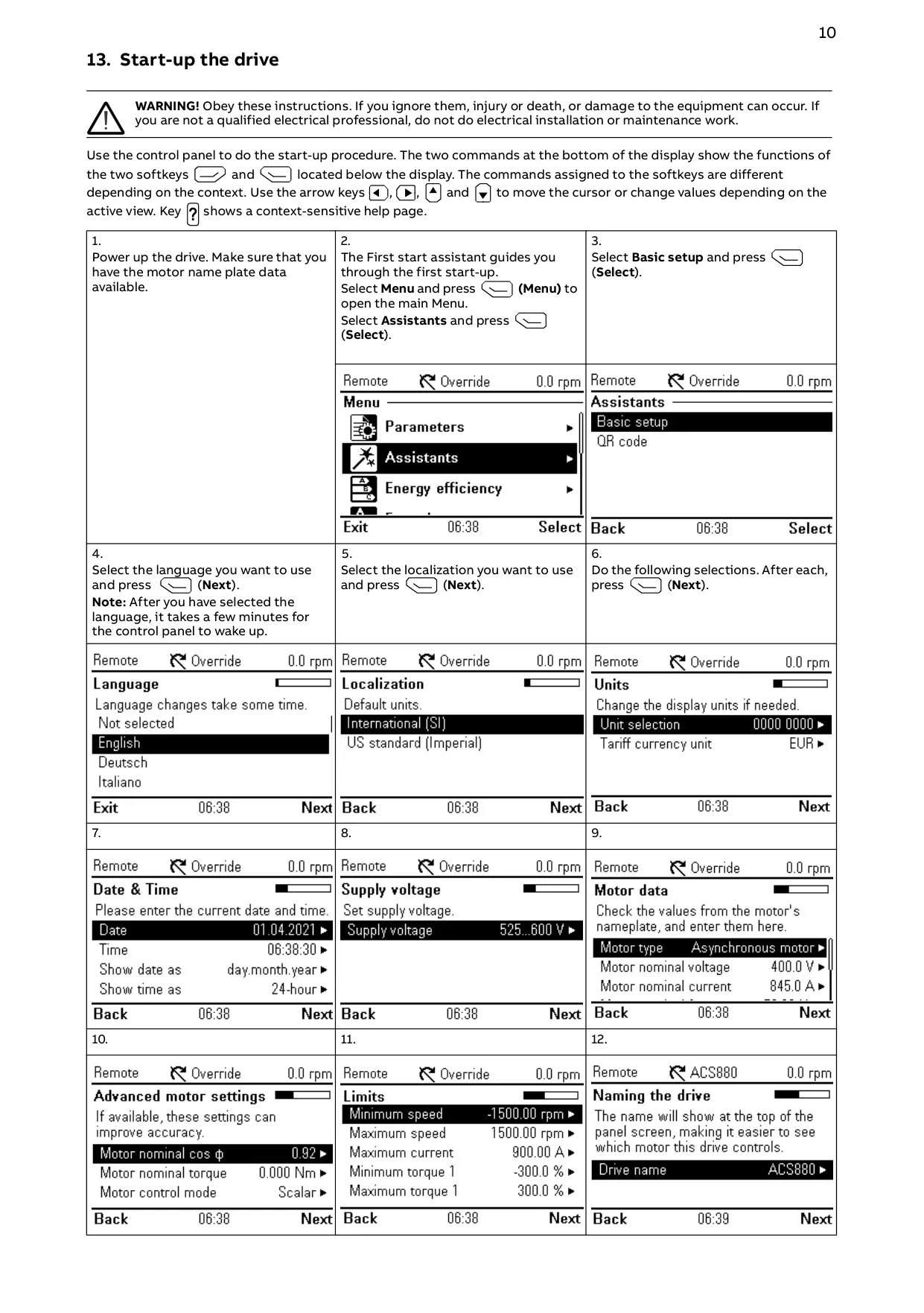
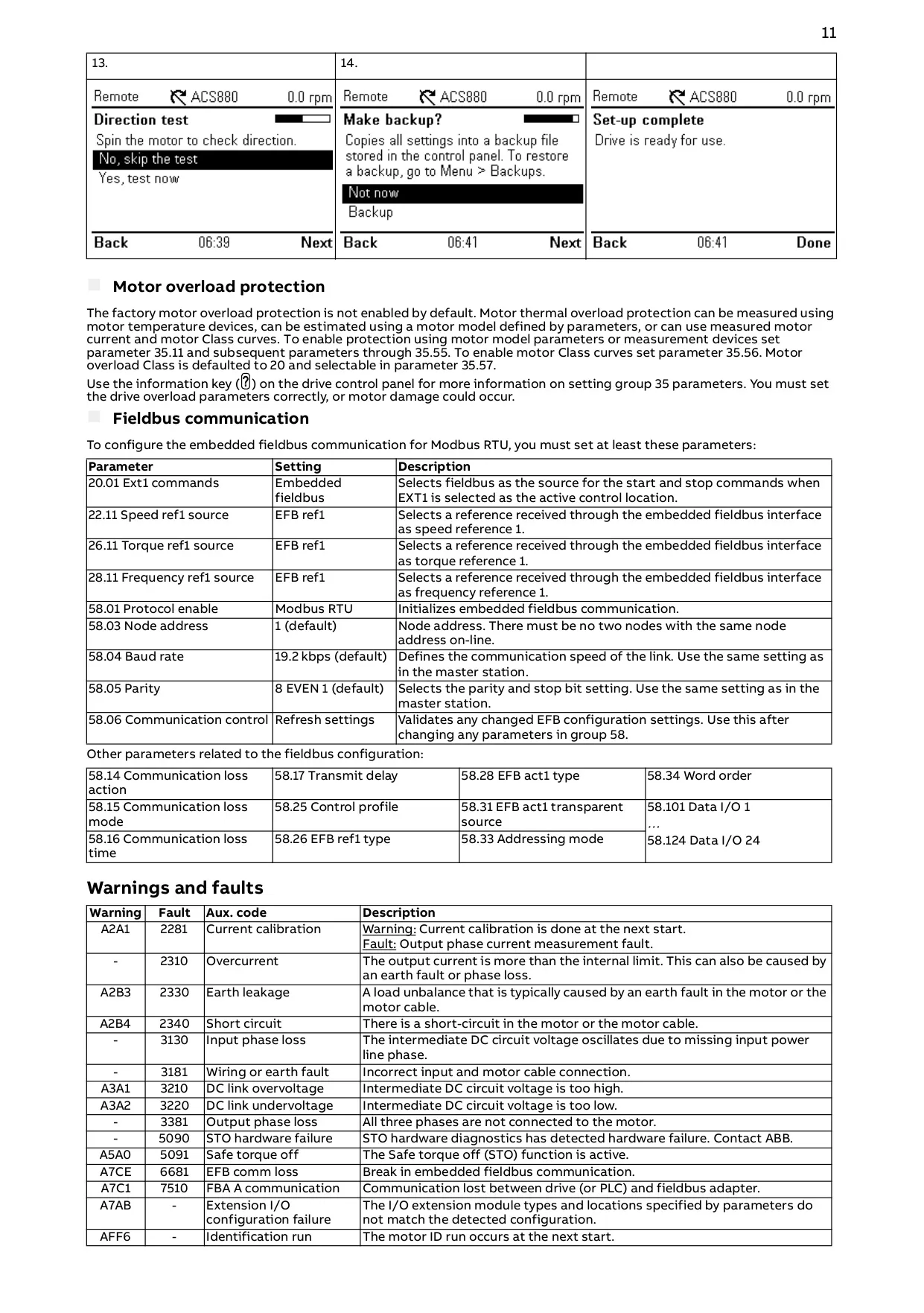
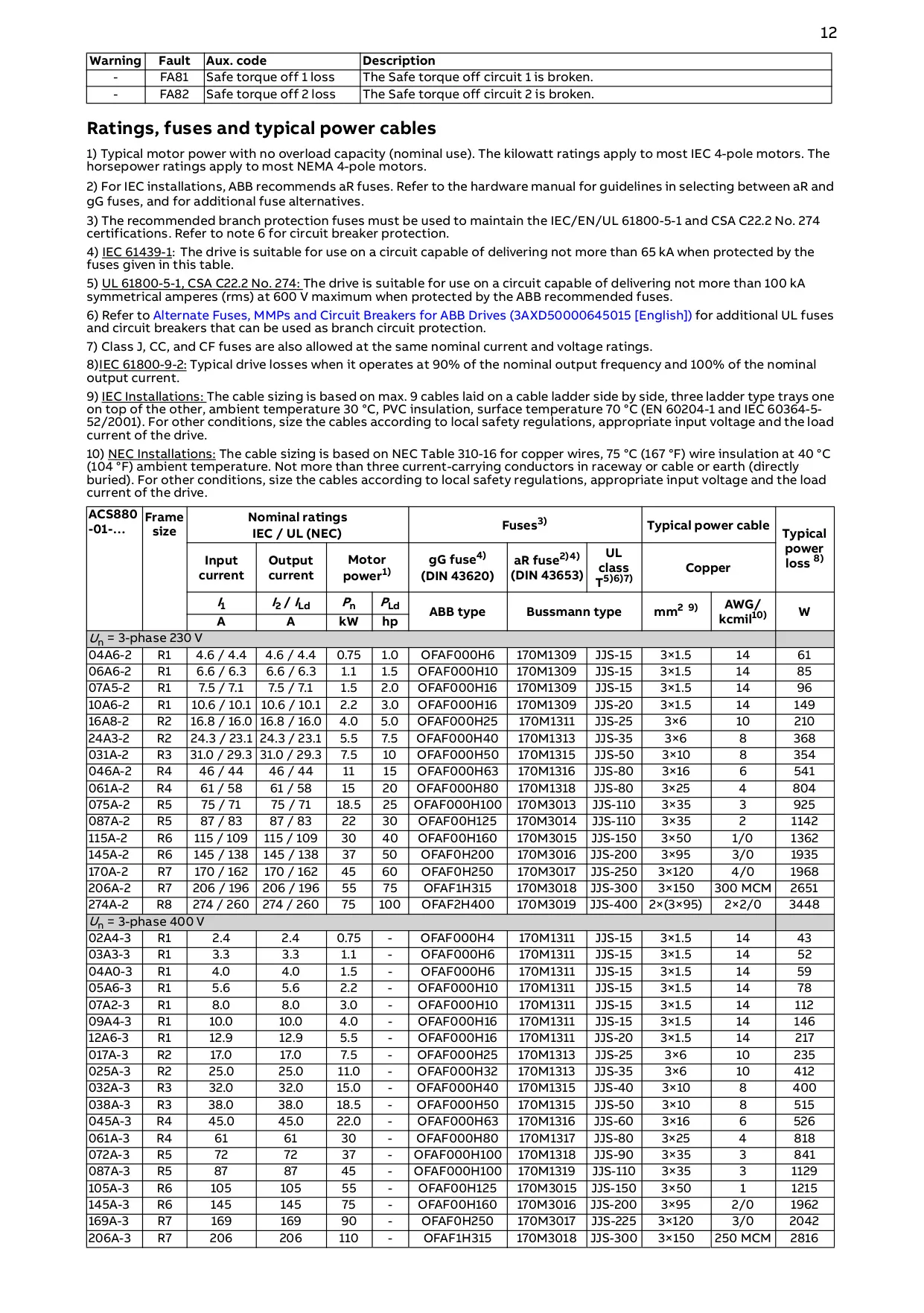
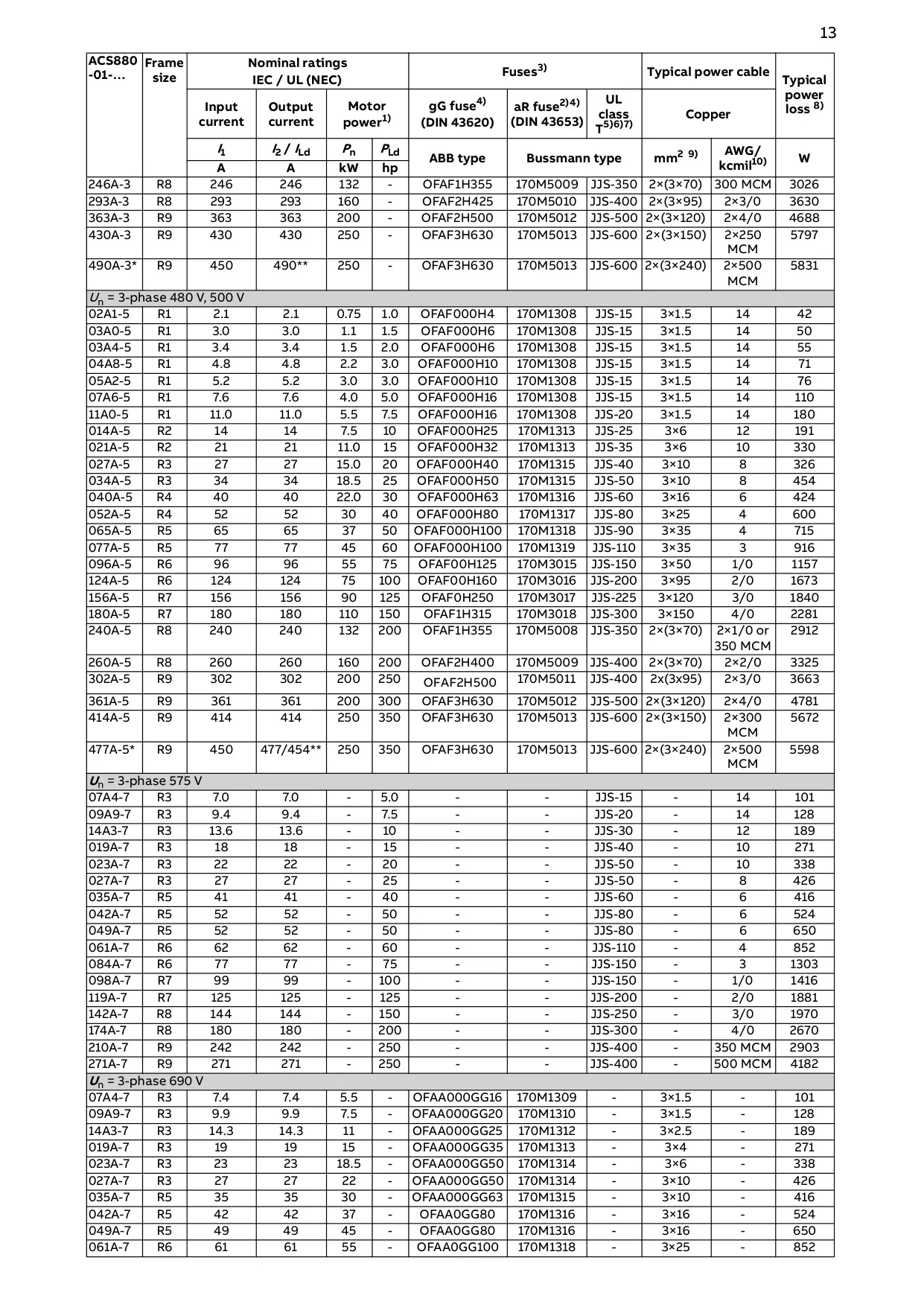
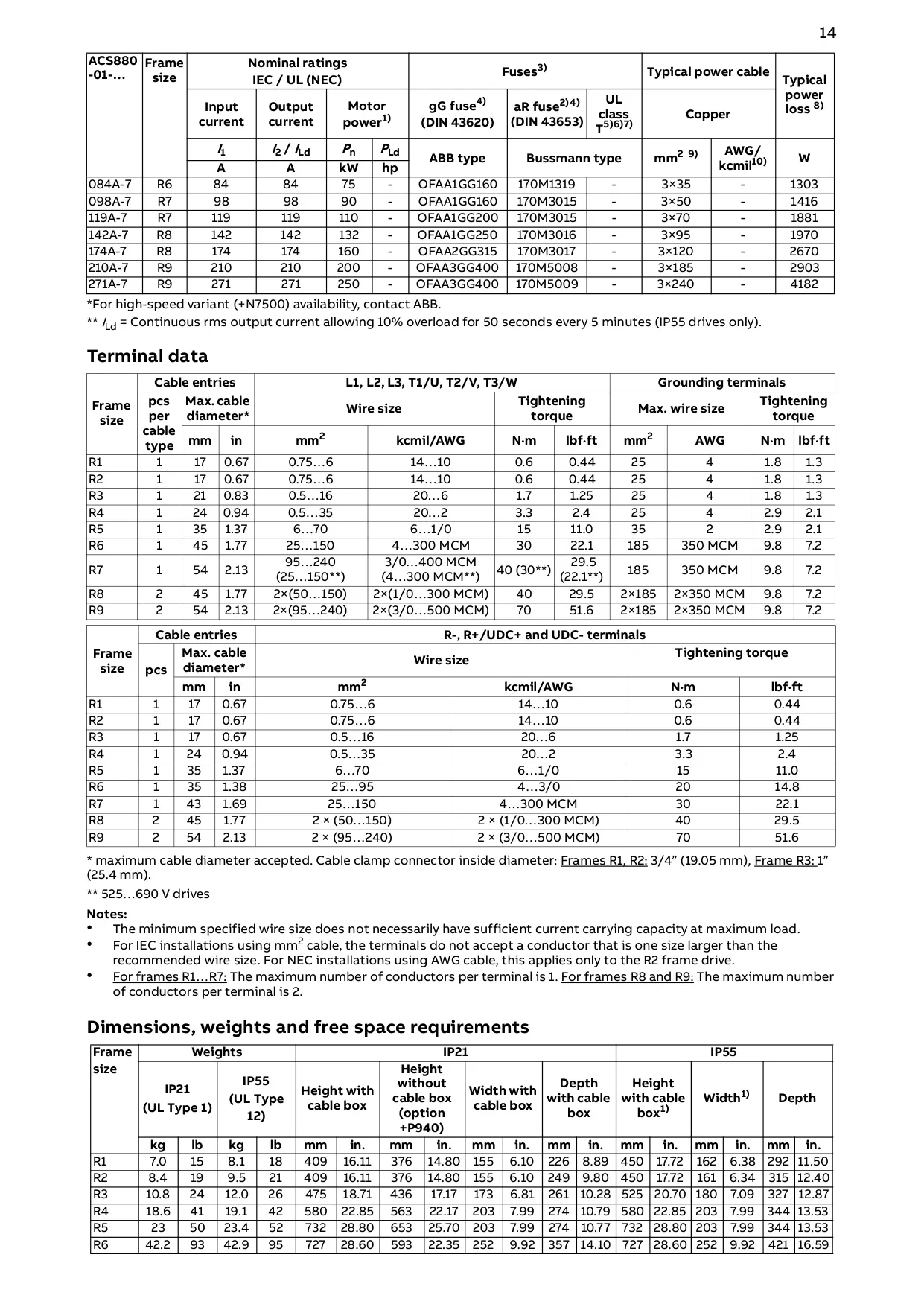
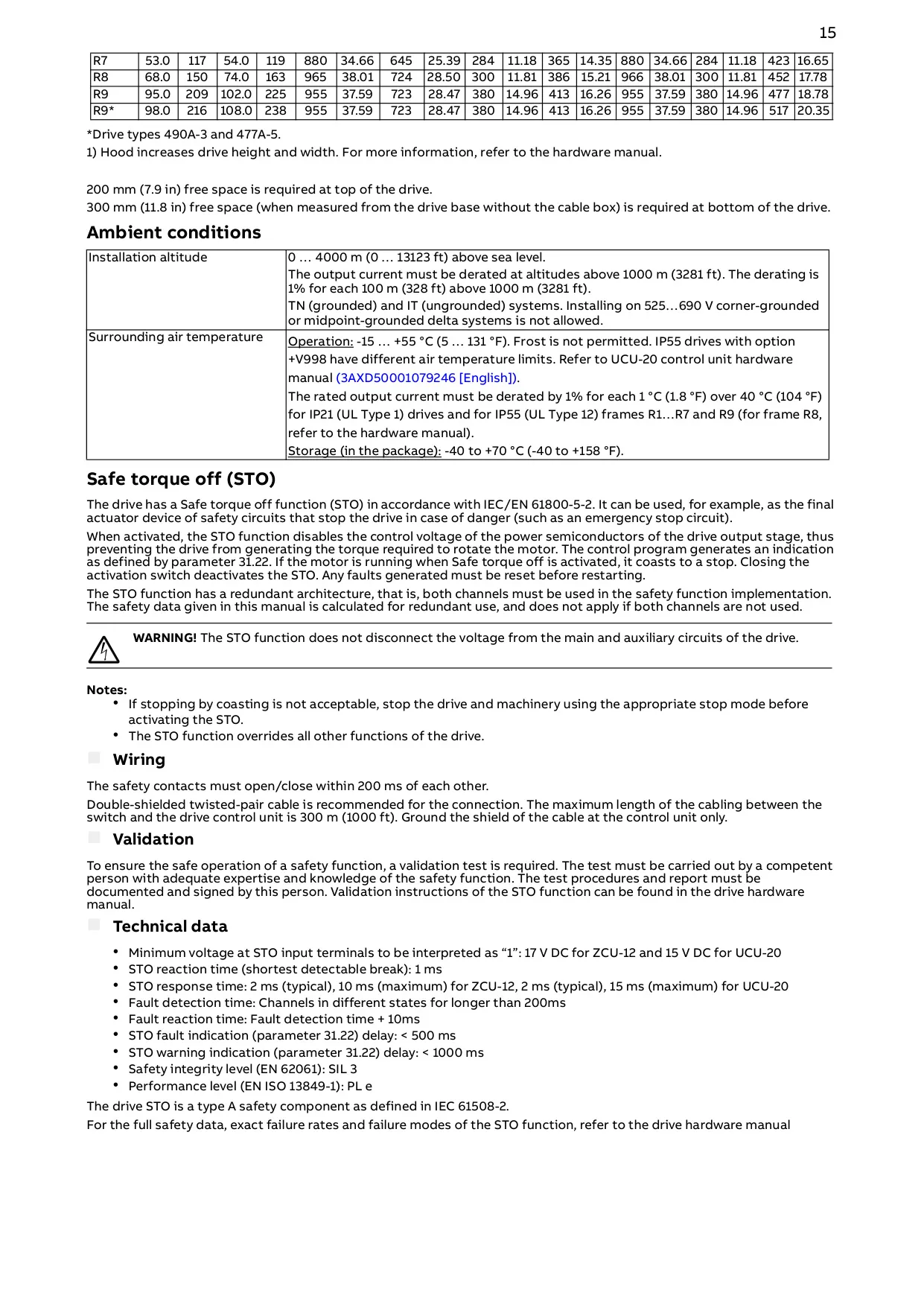
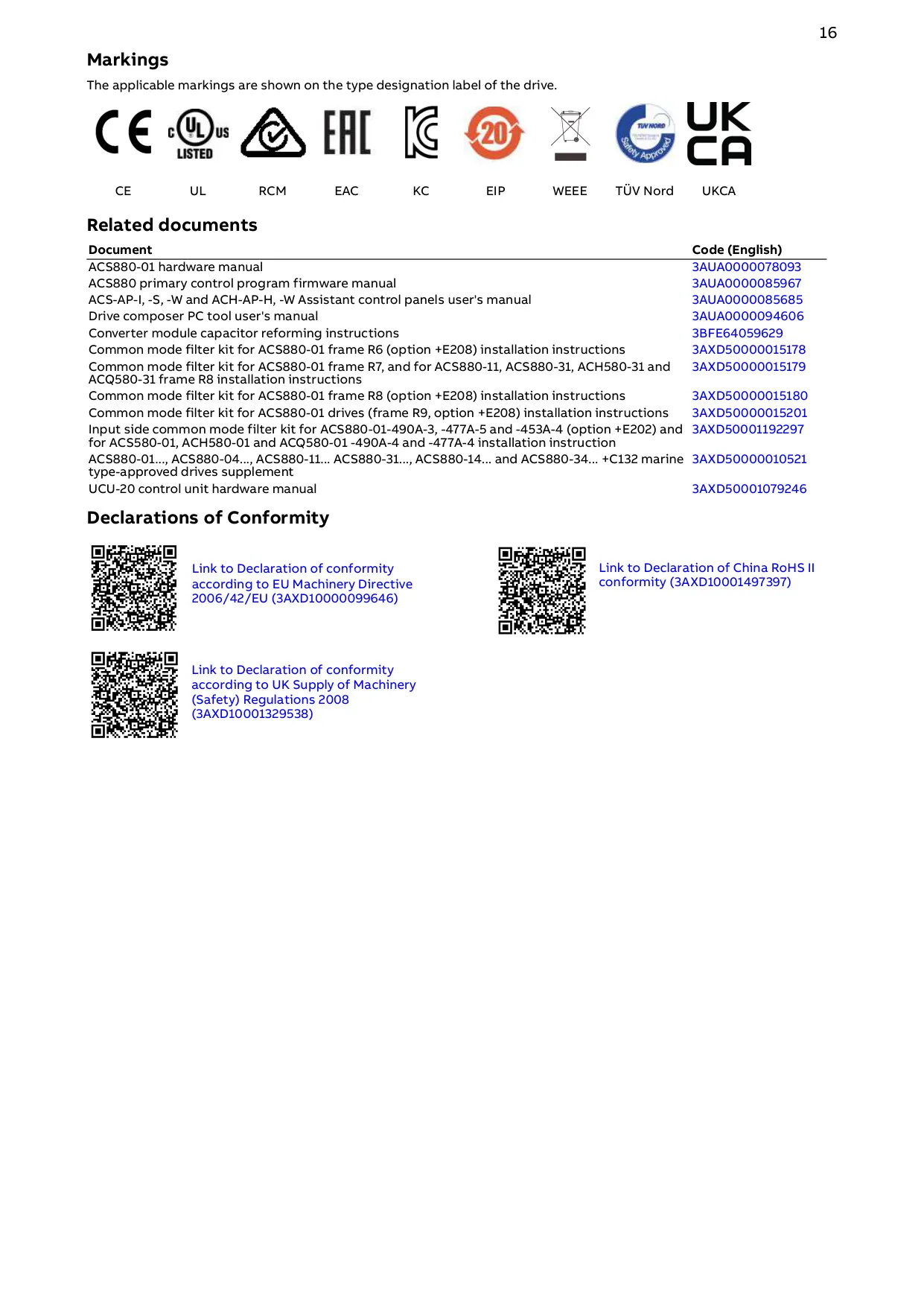
ABB ACS880 Variable Frequency Drive Instructions
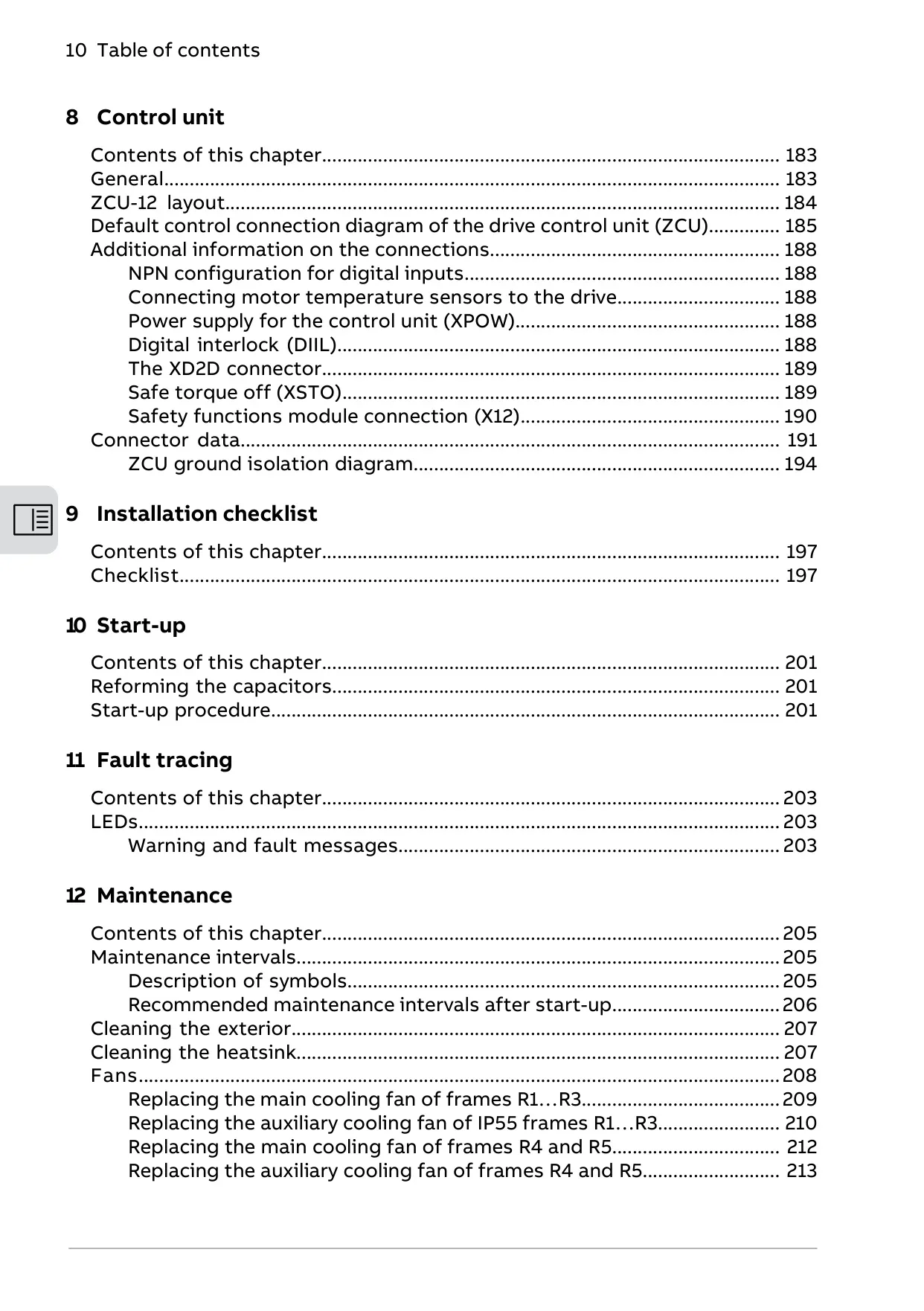
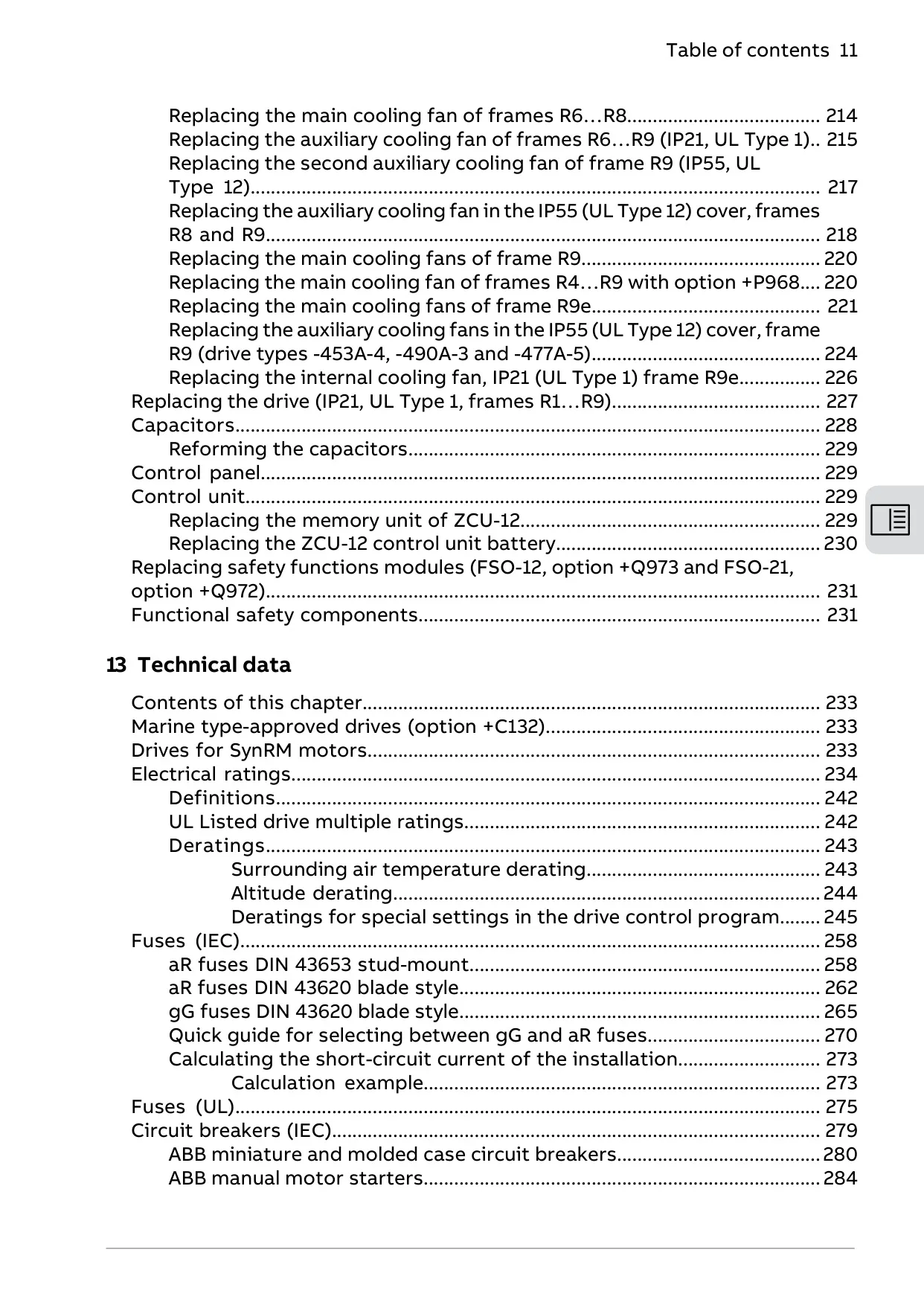
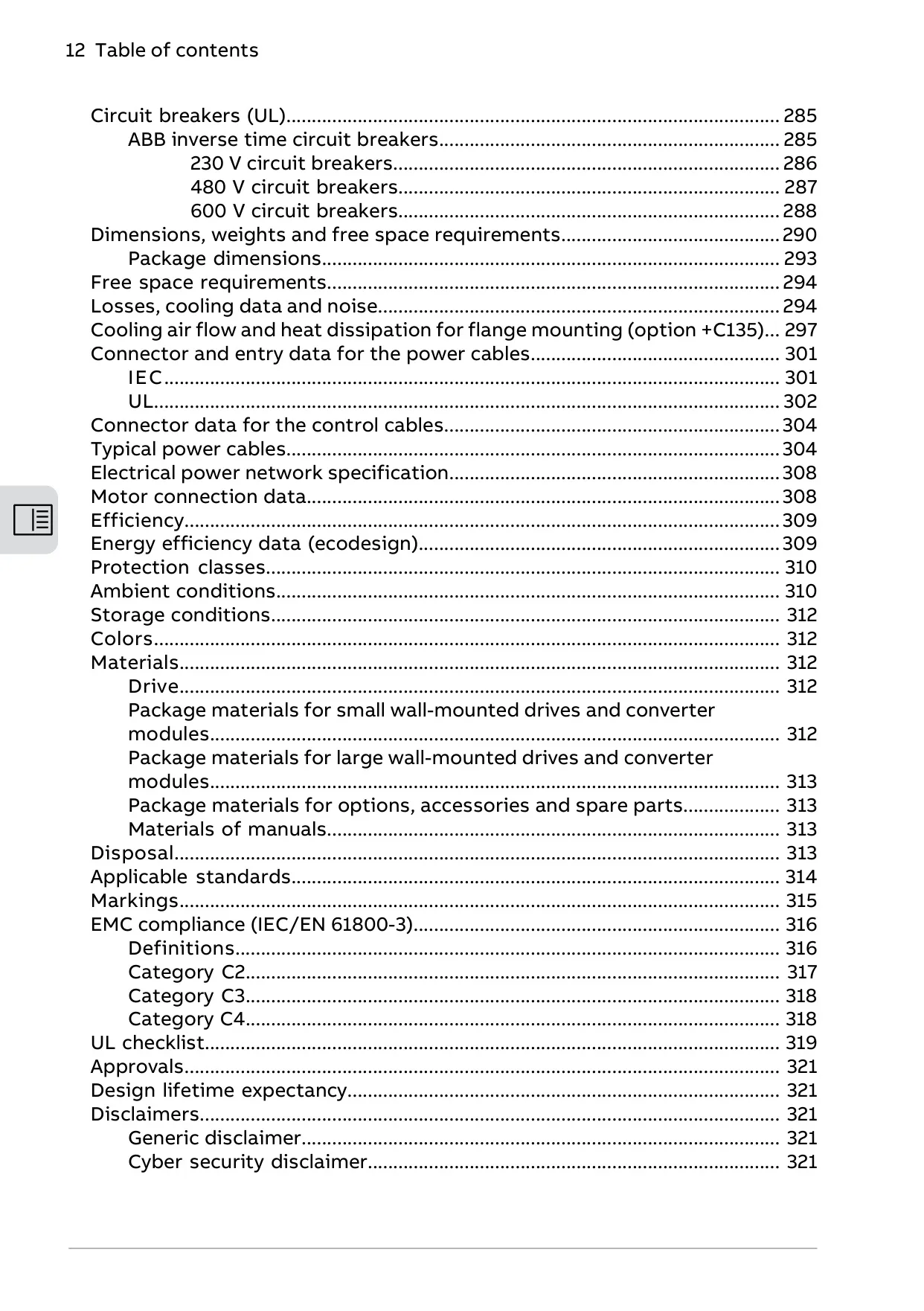
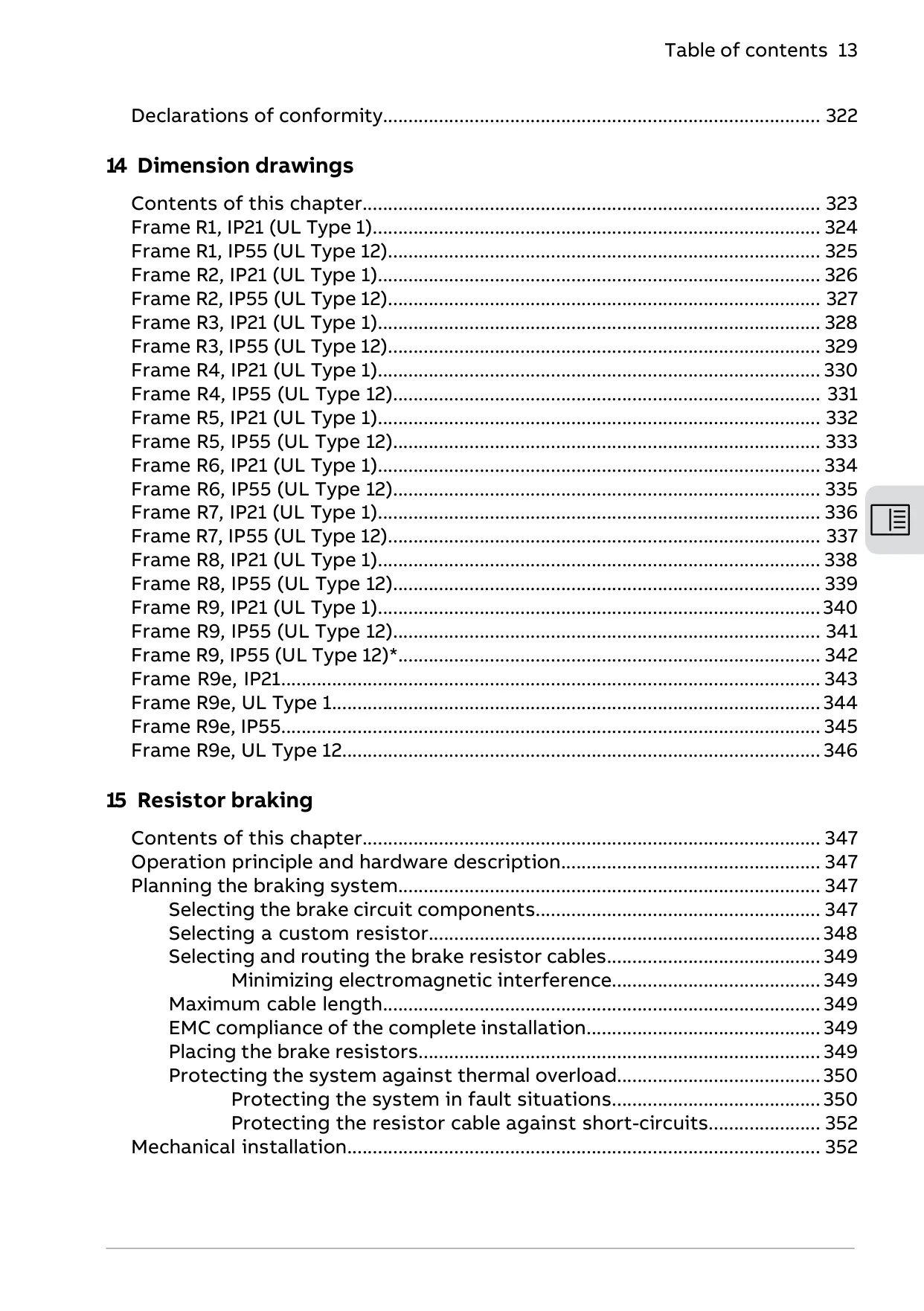
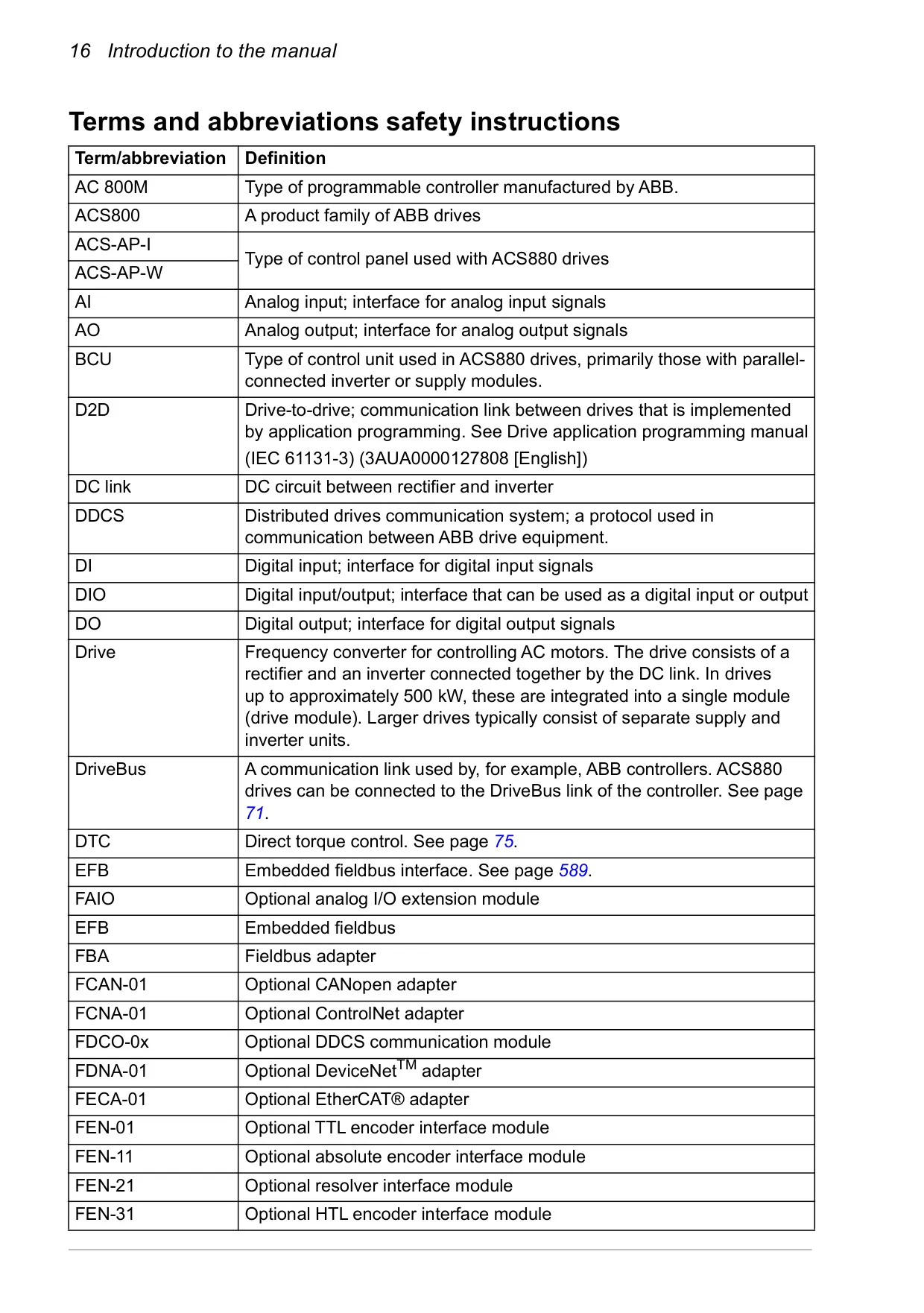
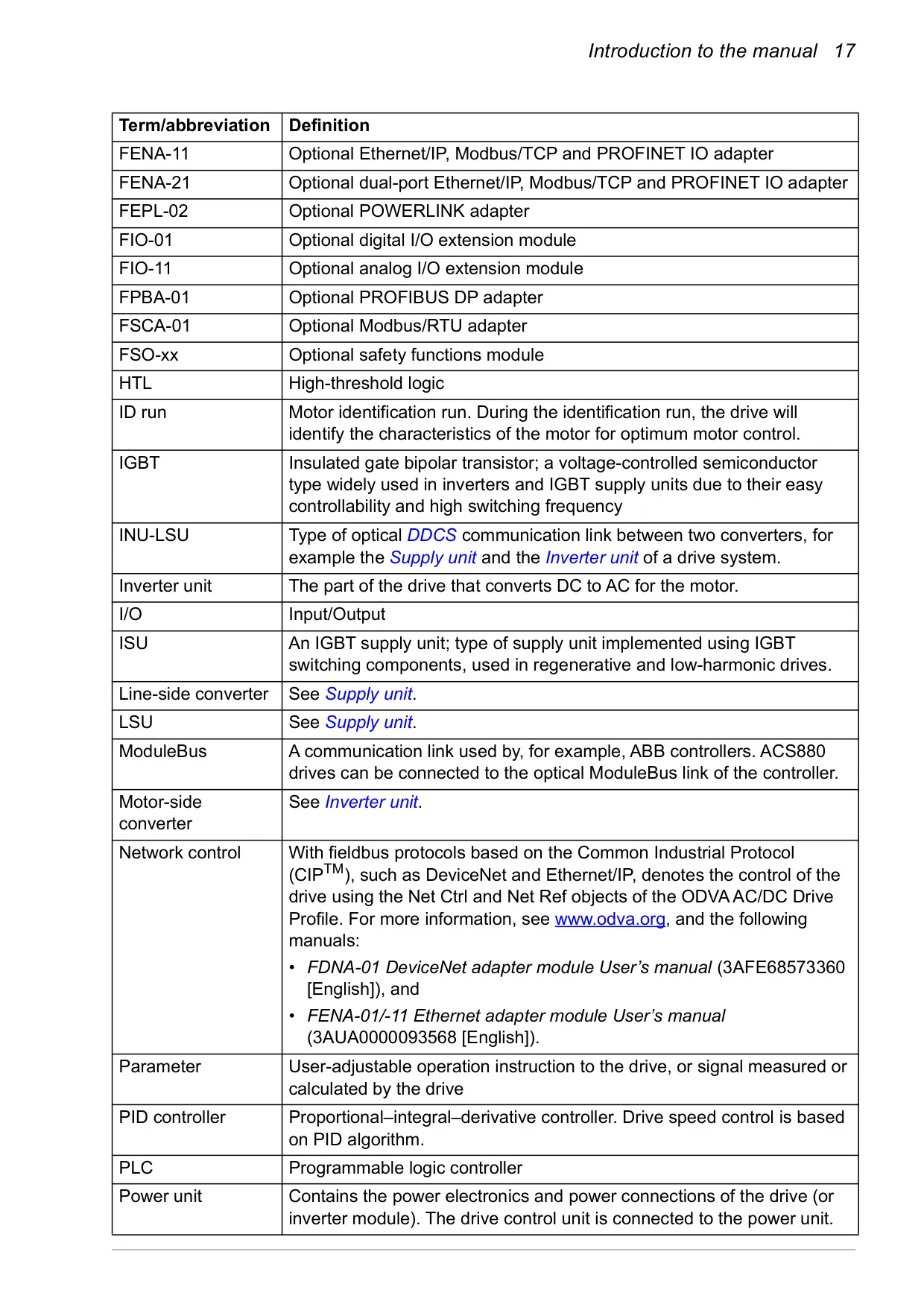
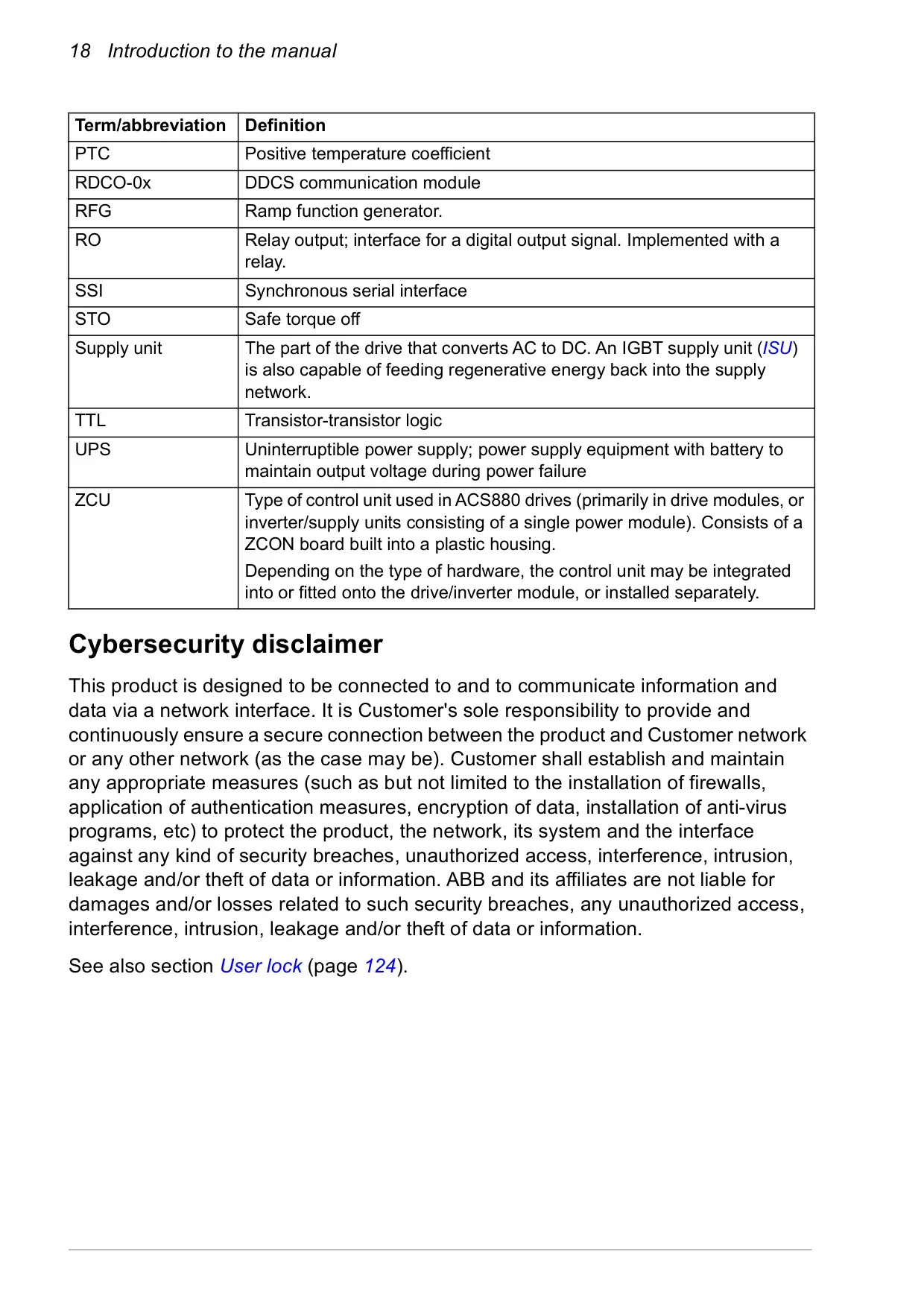
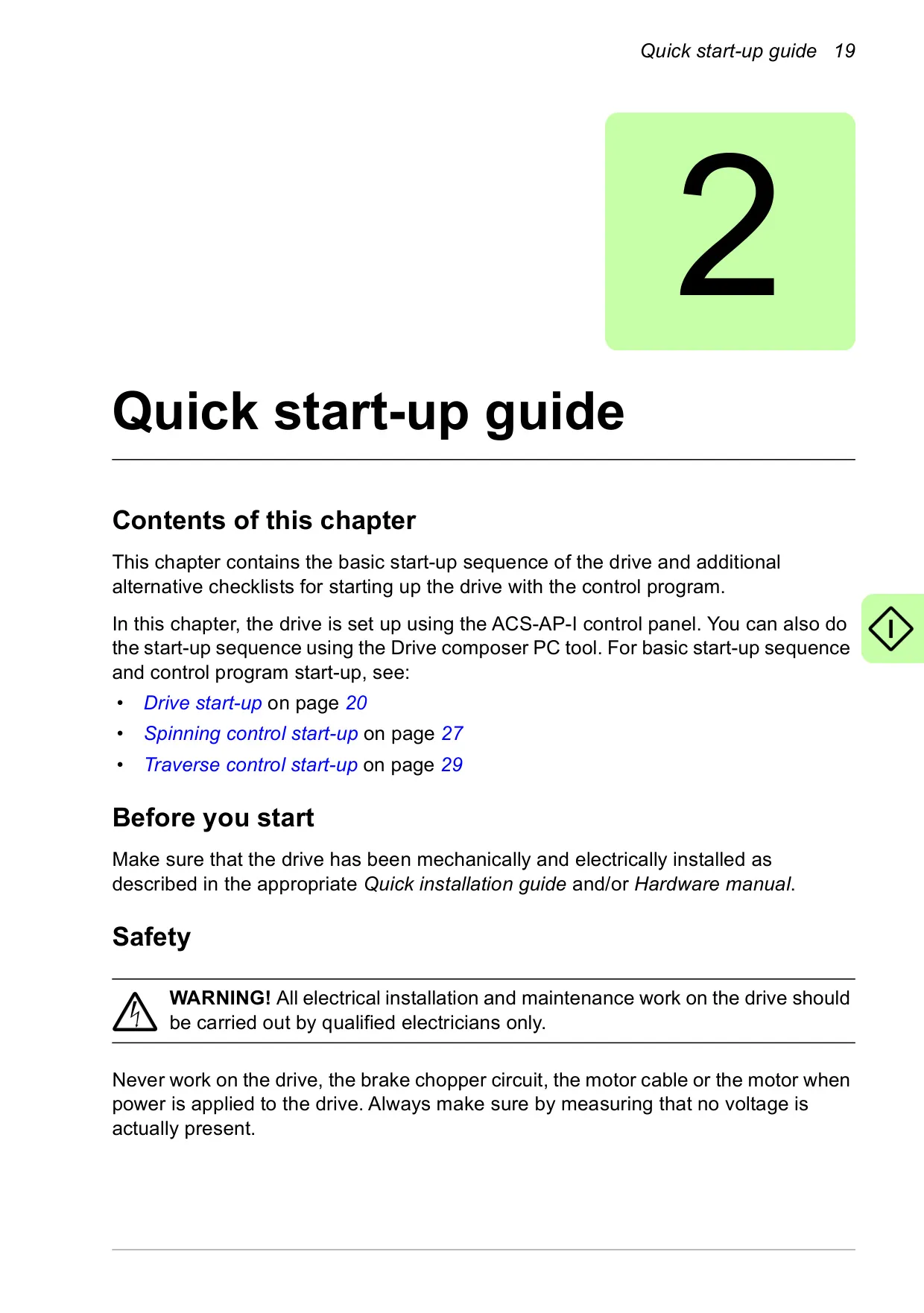
Here we offer the ACS880 Variable Frequency Drive manual completely free and in English. We have cataloged this manual in the Variable Frequency Drives section on Manualverse, and it has been rated by 1 users with an average rating of 5. If you have any specific questions about ACS880 Variable Frequency Drive, we suggest checking the Frequently Asked Questions (FAQs) section of this manual.
Product Images
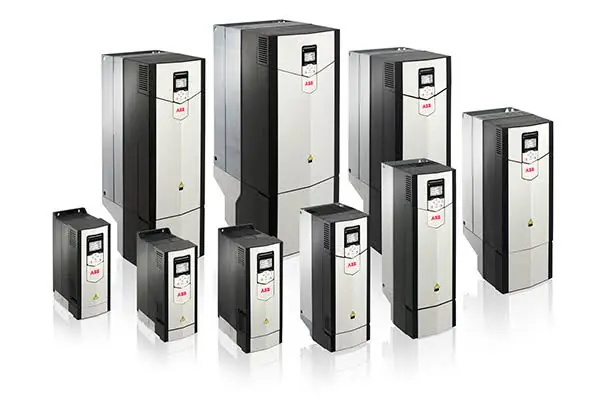
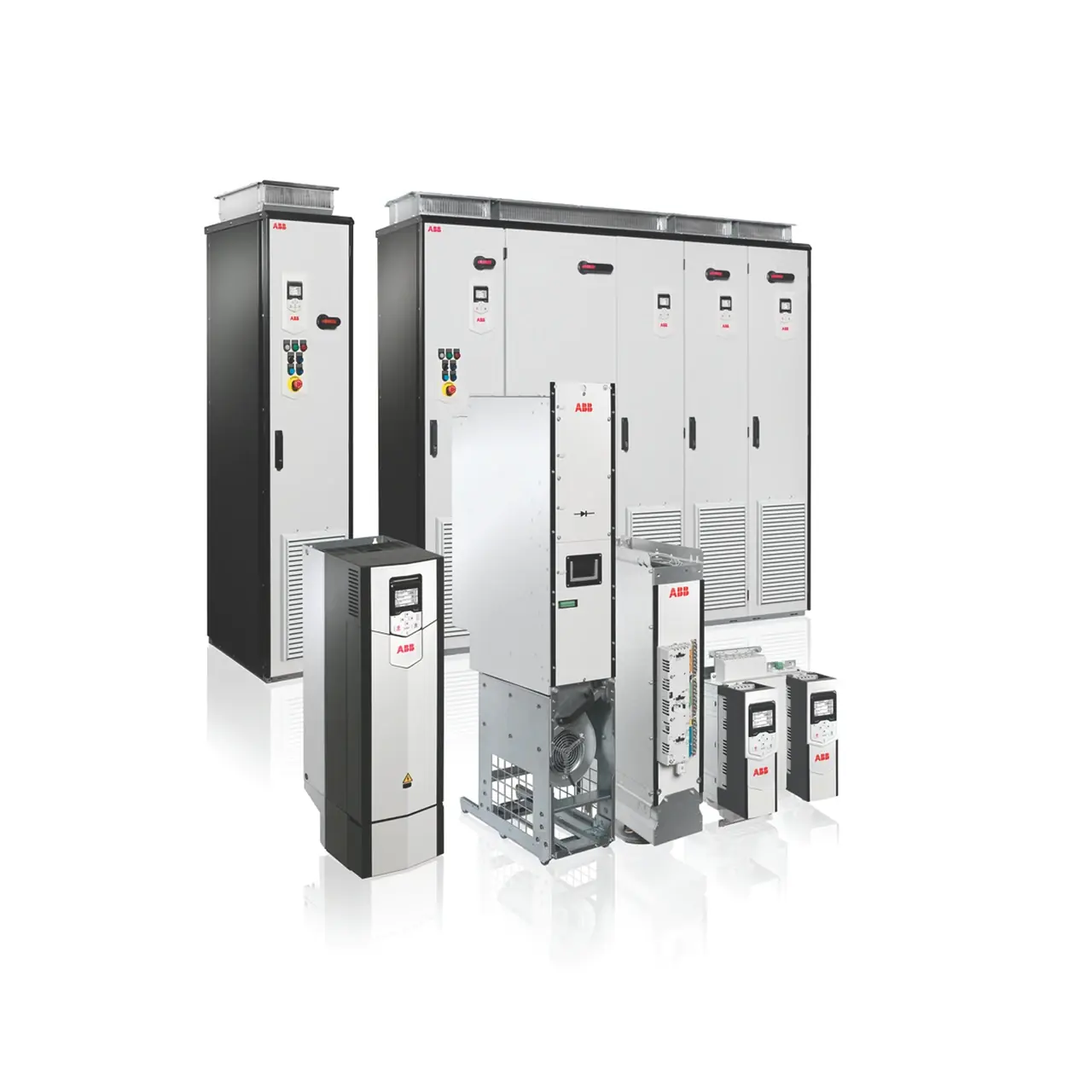
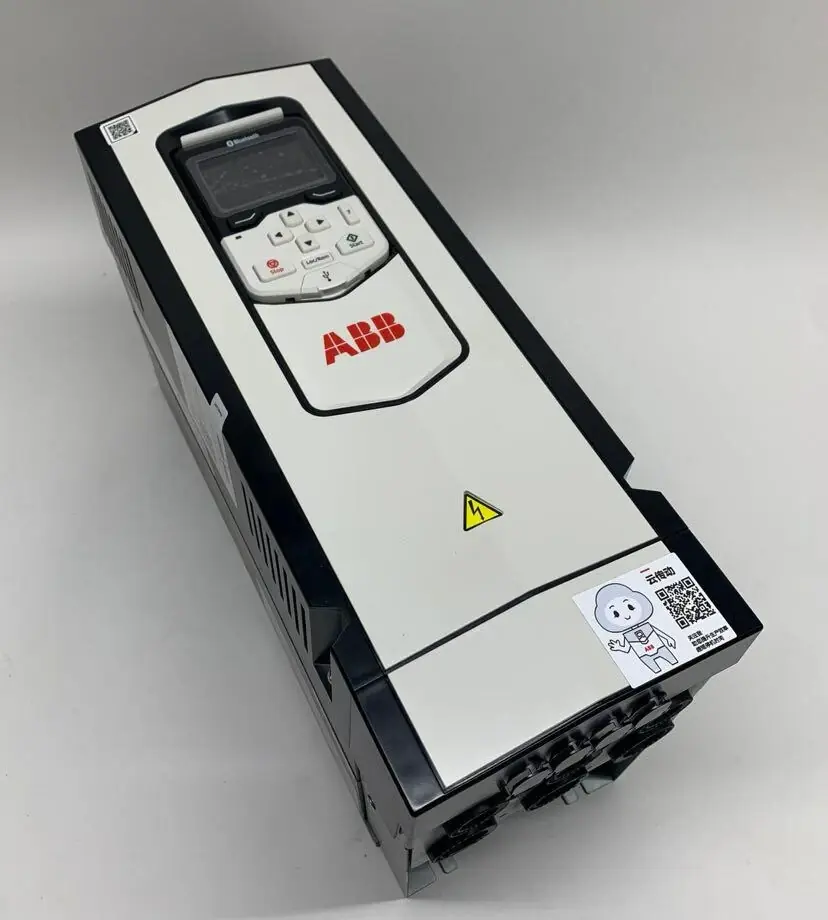
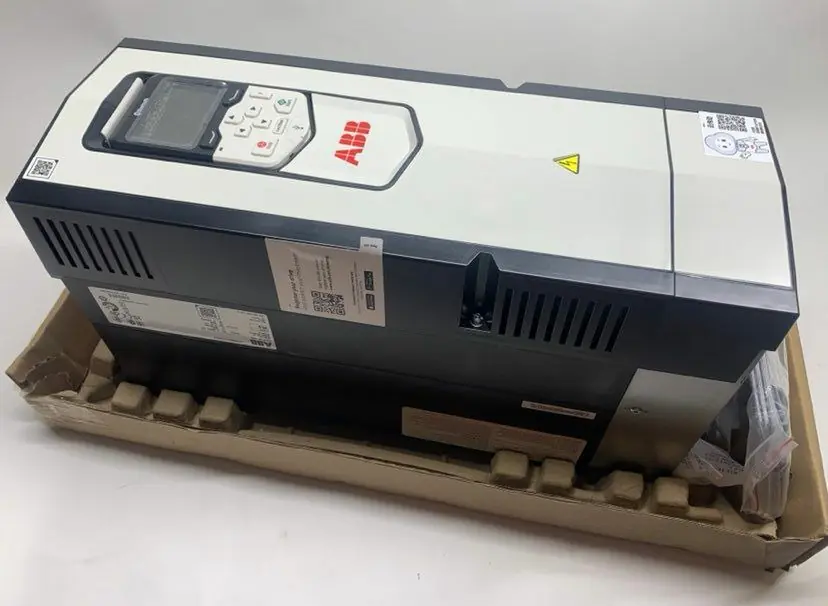
ABB ACS880 Variable Frequency Drive Specifications
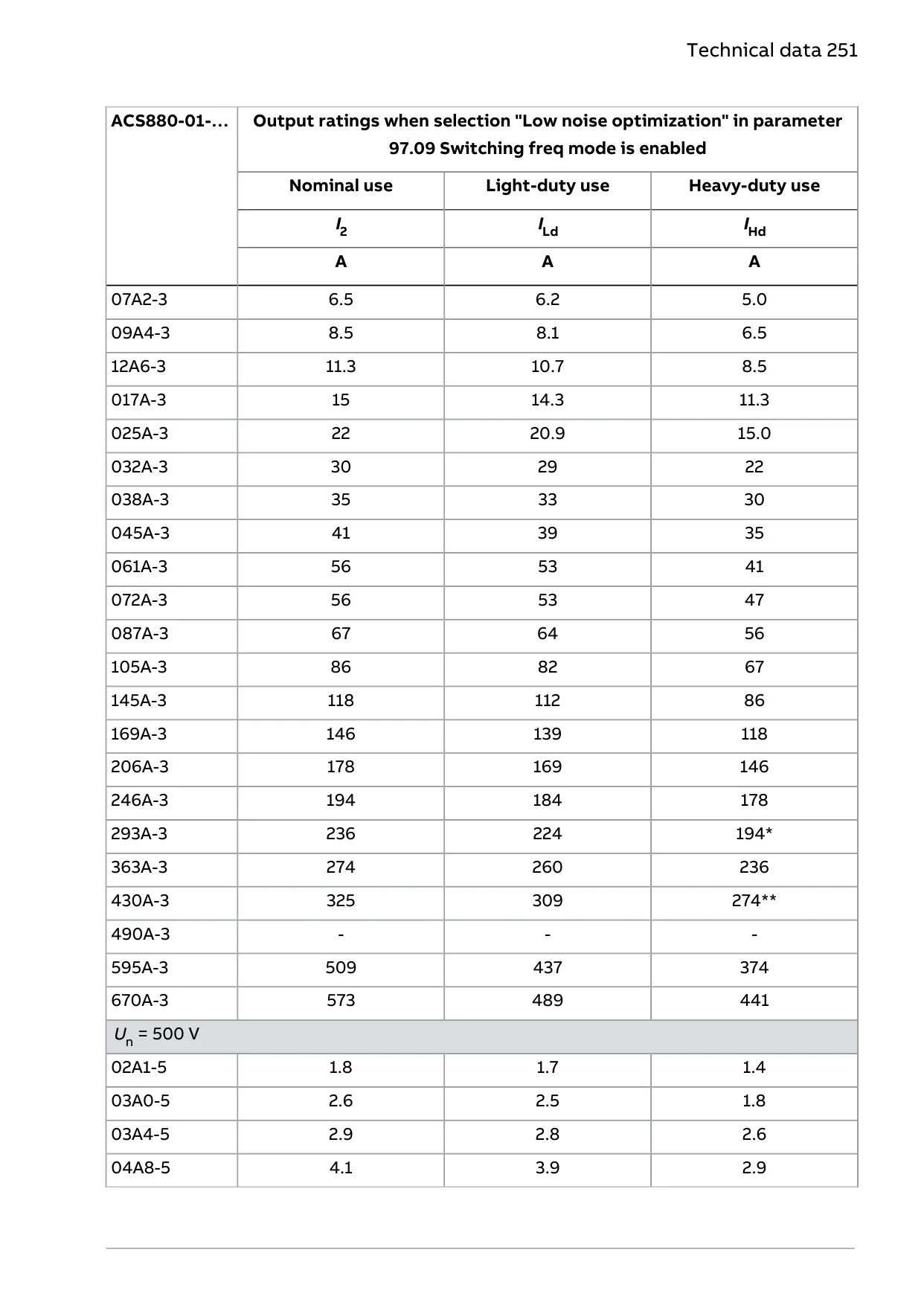
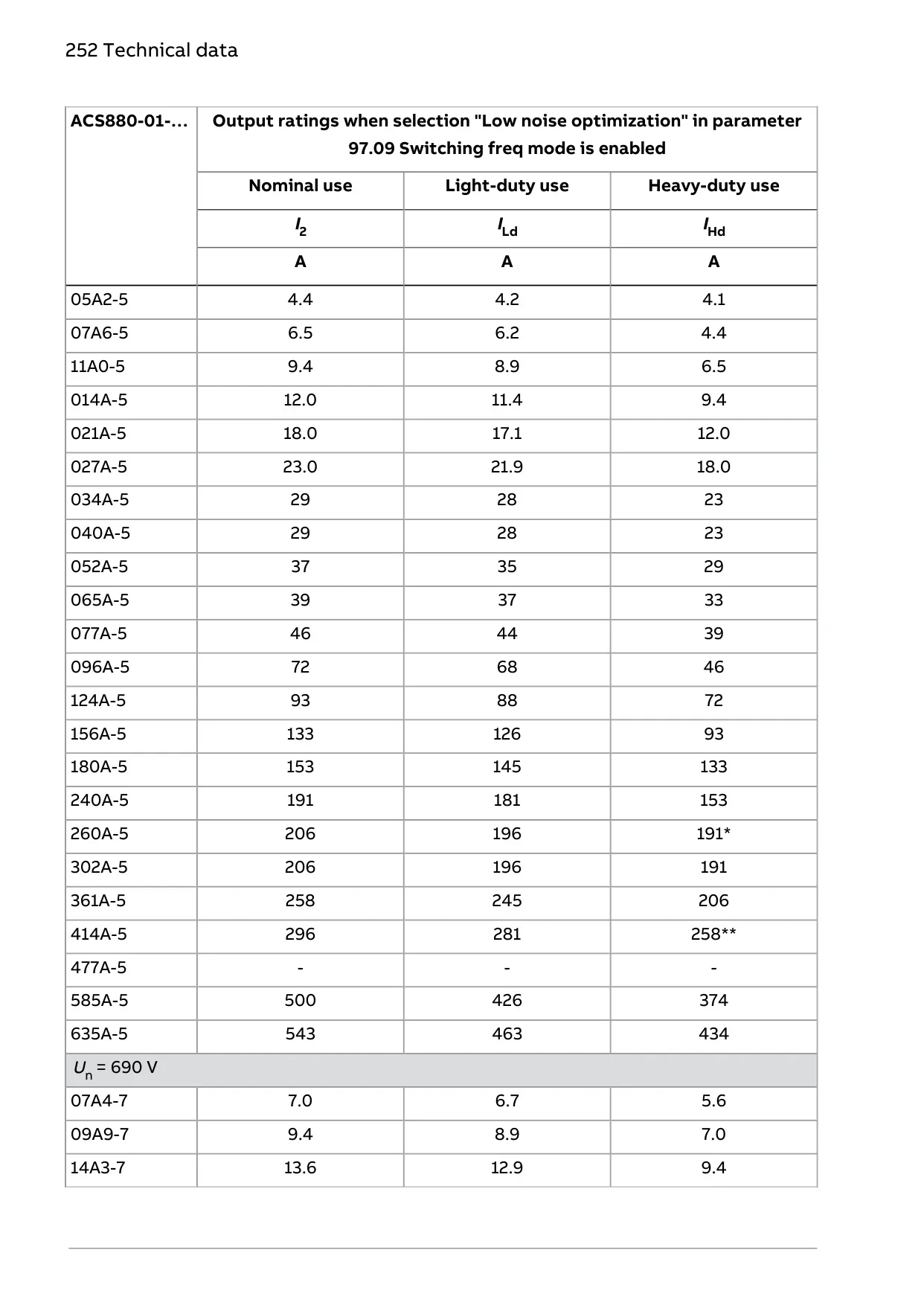
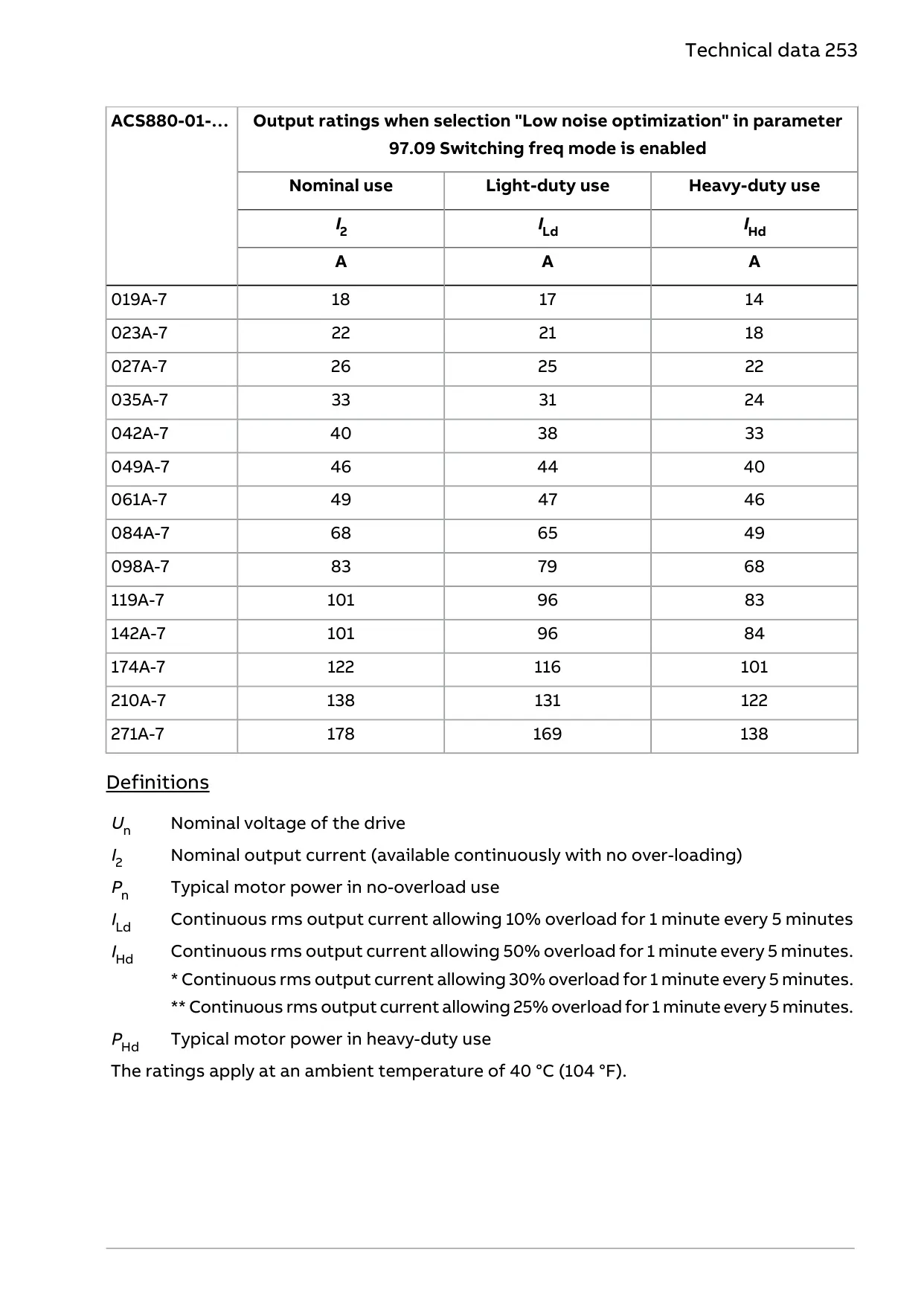
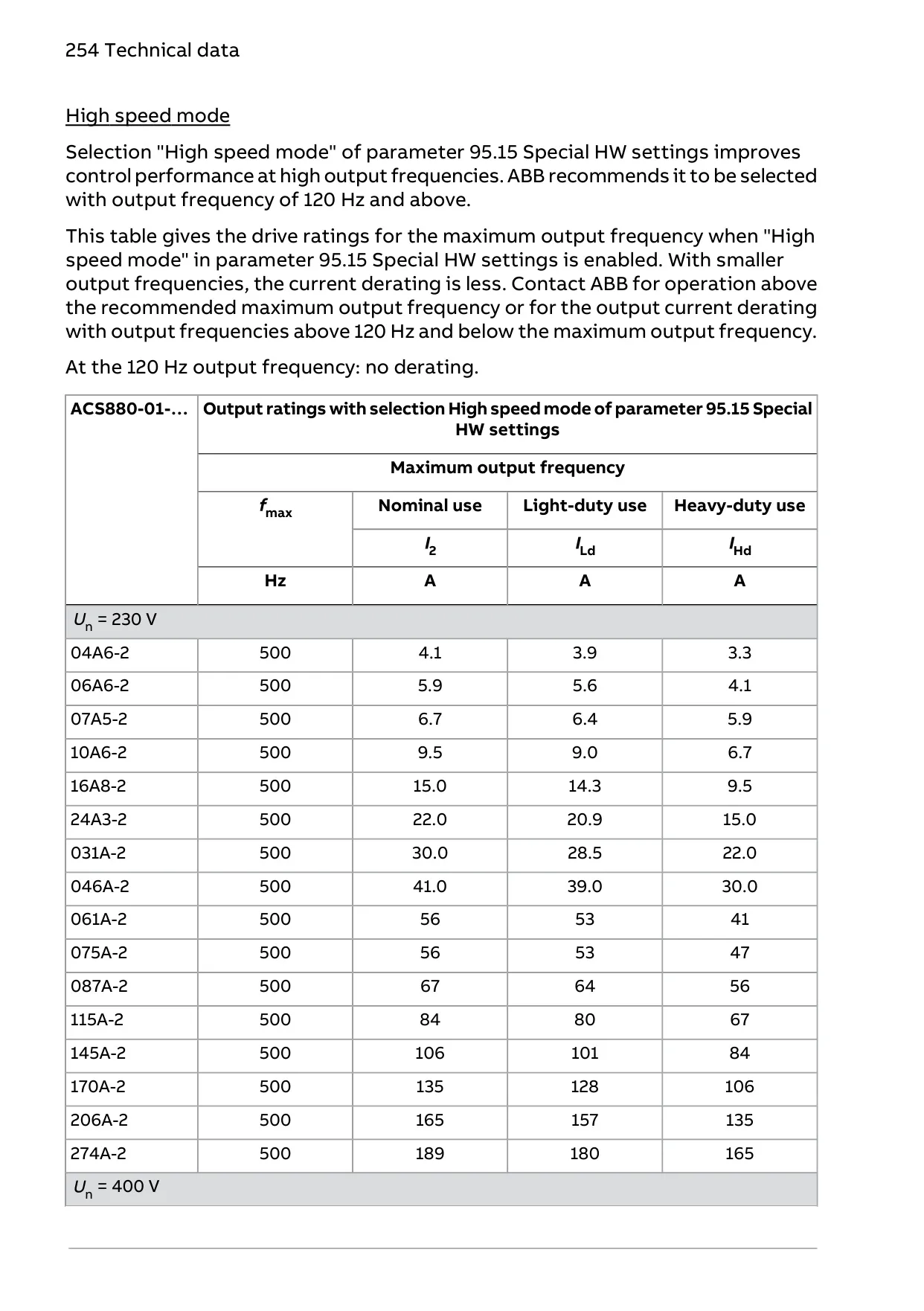
| Specification | Value |
|---|---|
| Product Model Series | ABB ACS880-01 Variable Frequency Drive |
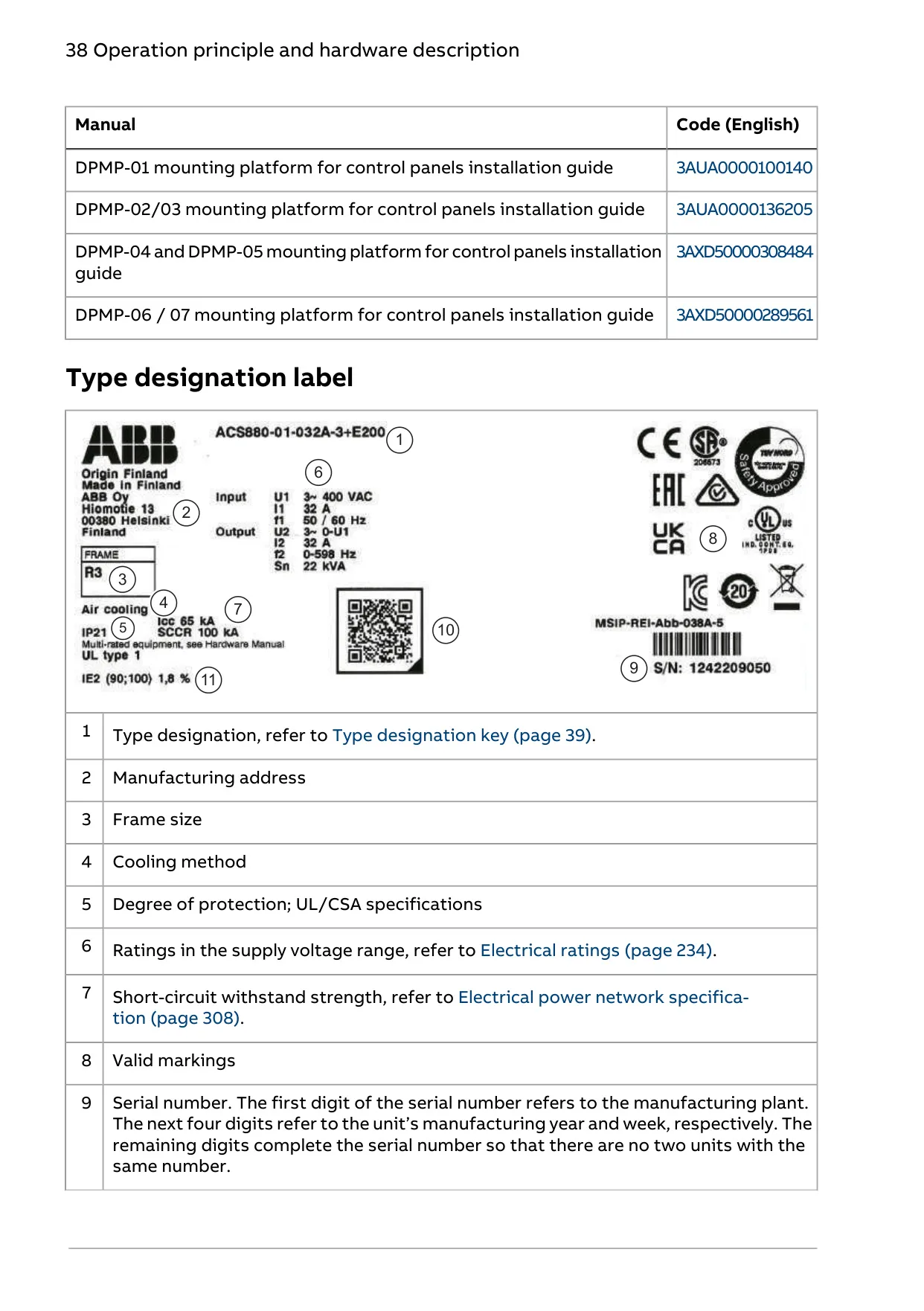
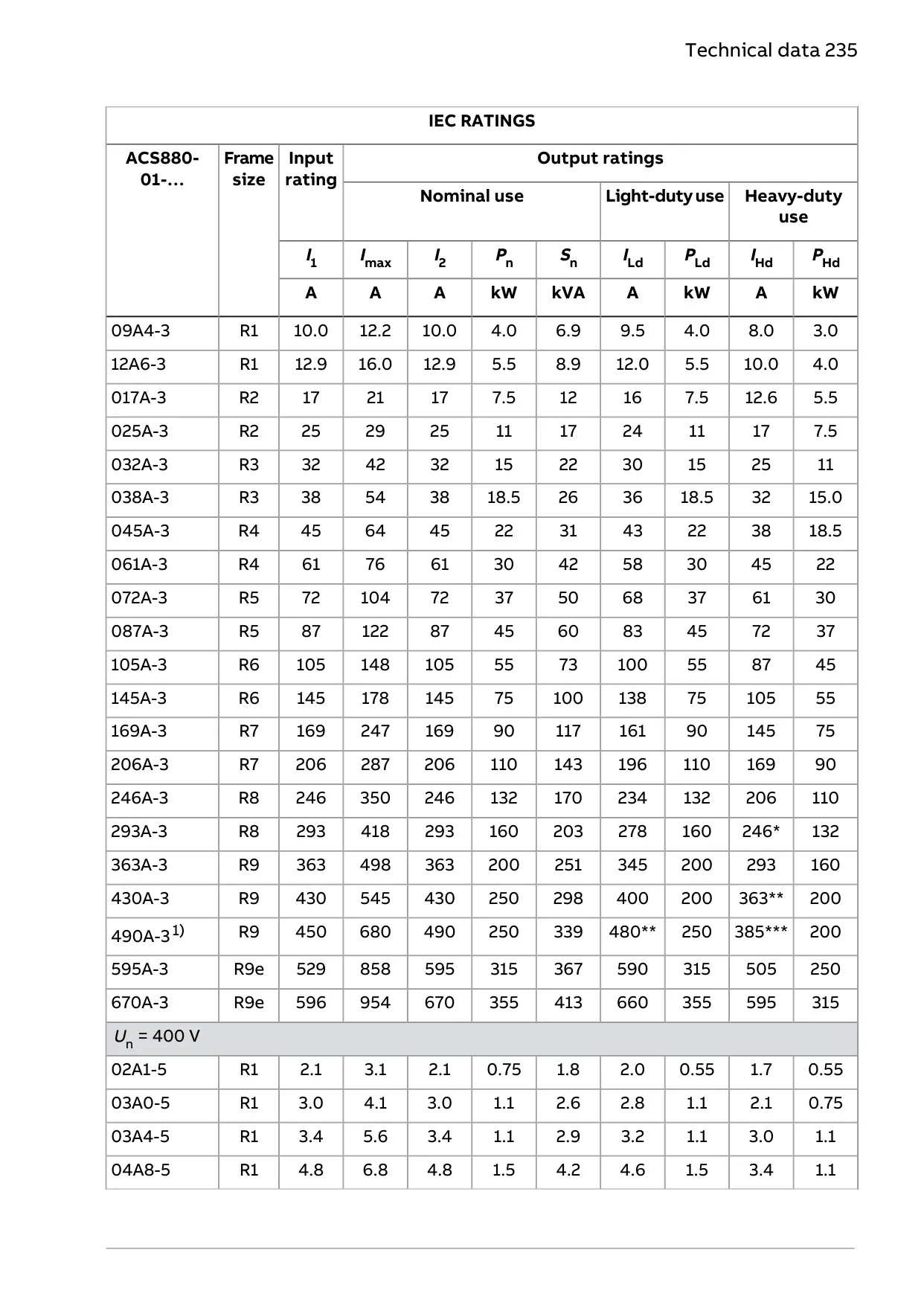
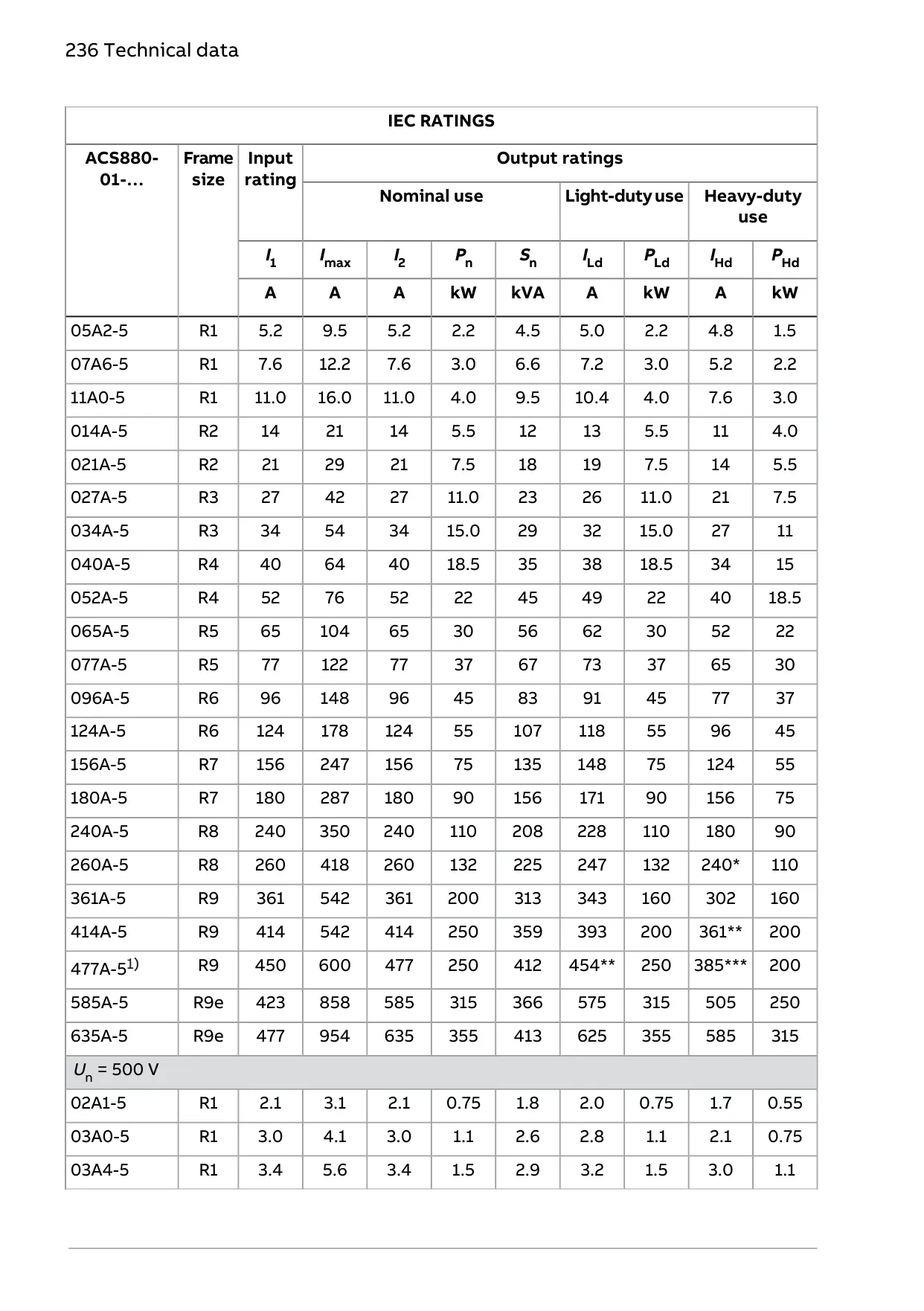
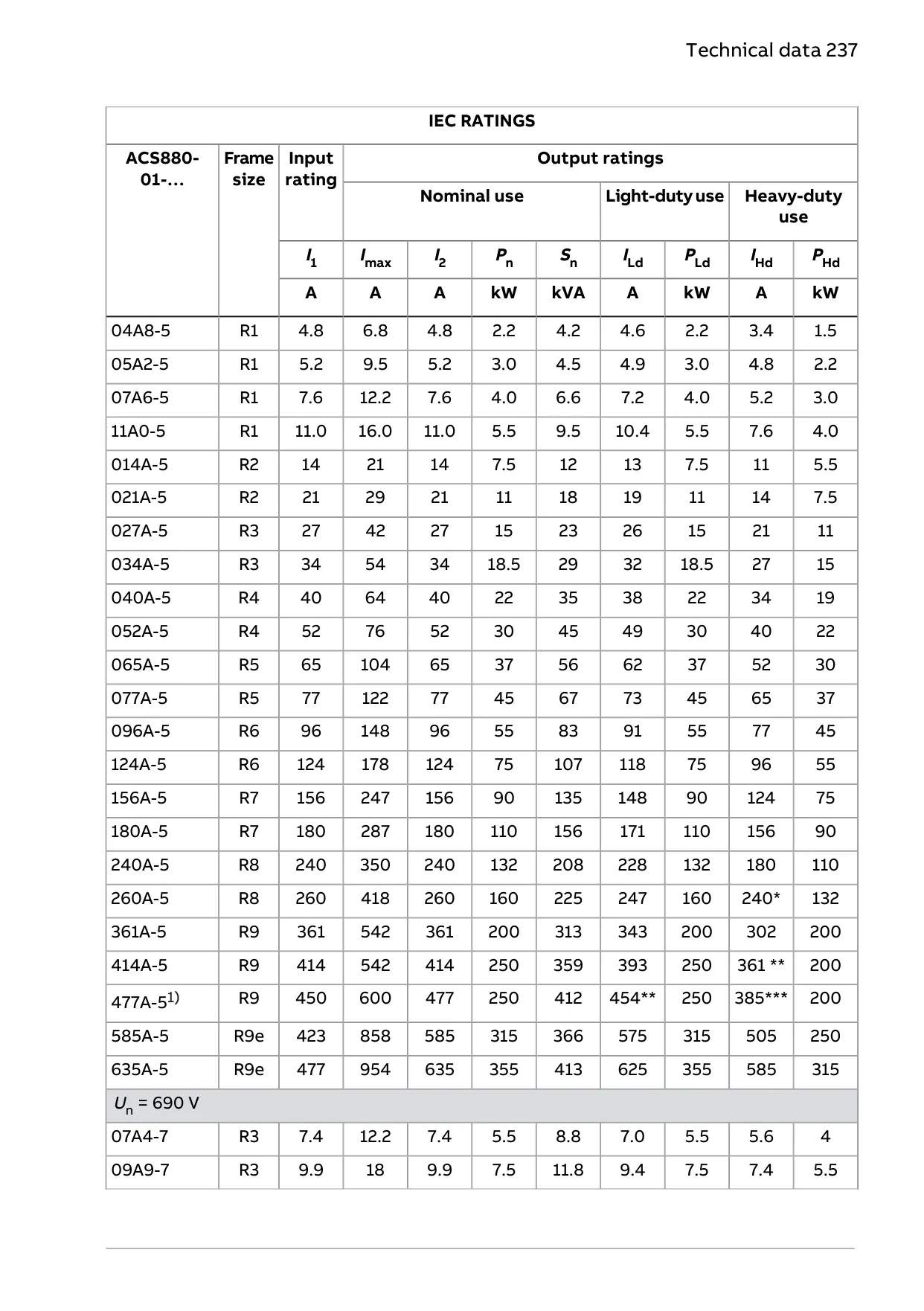
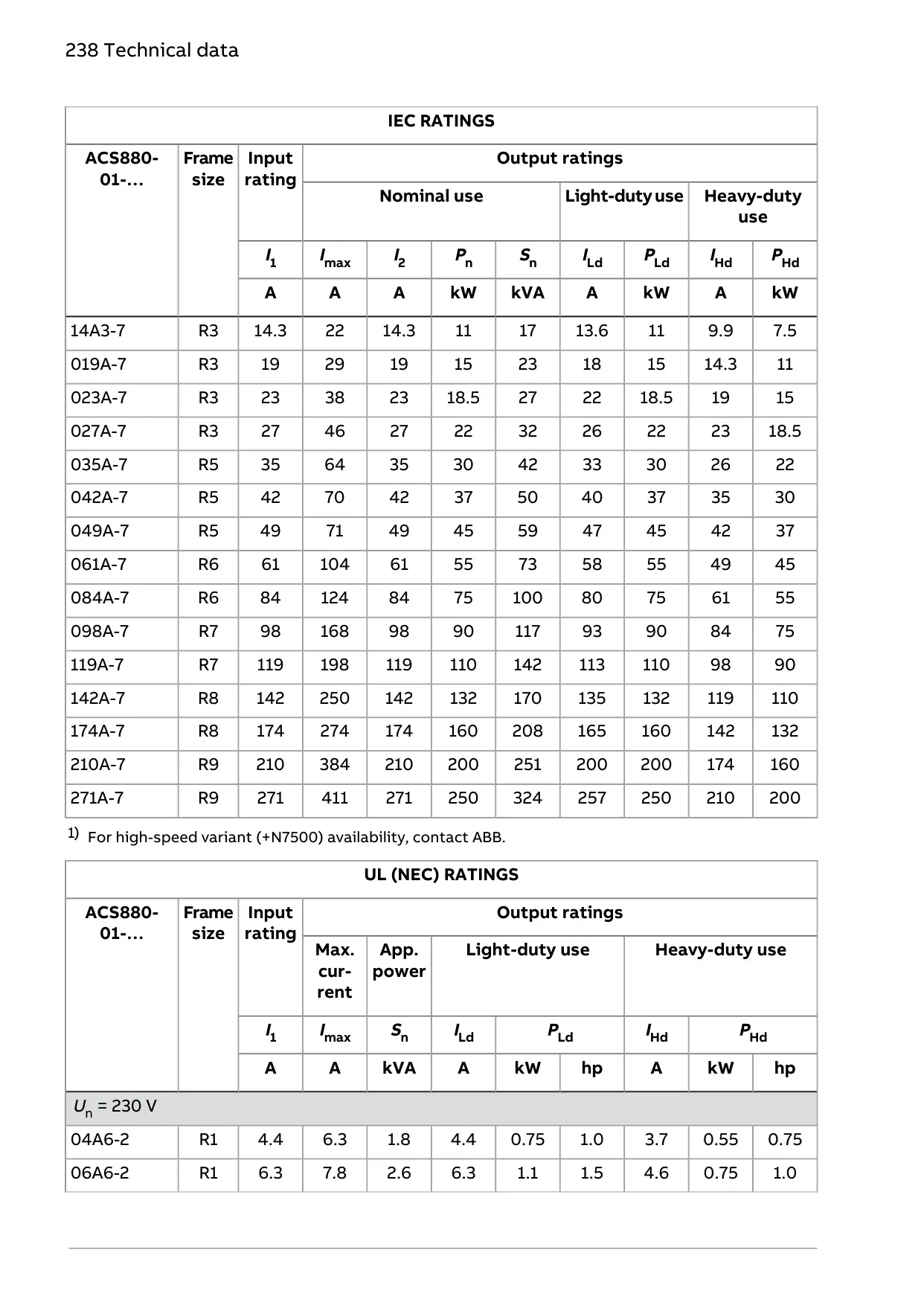
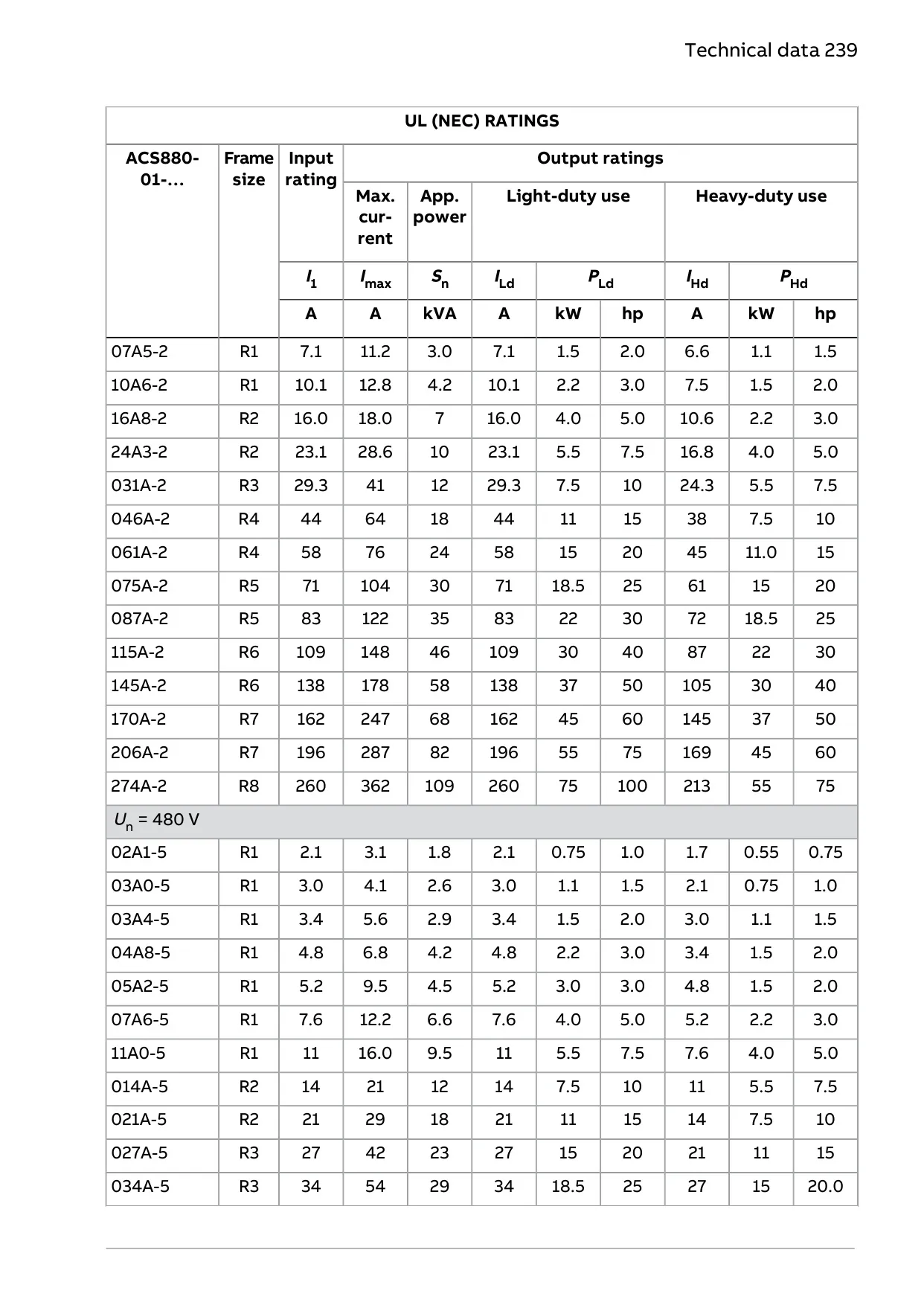
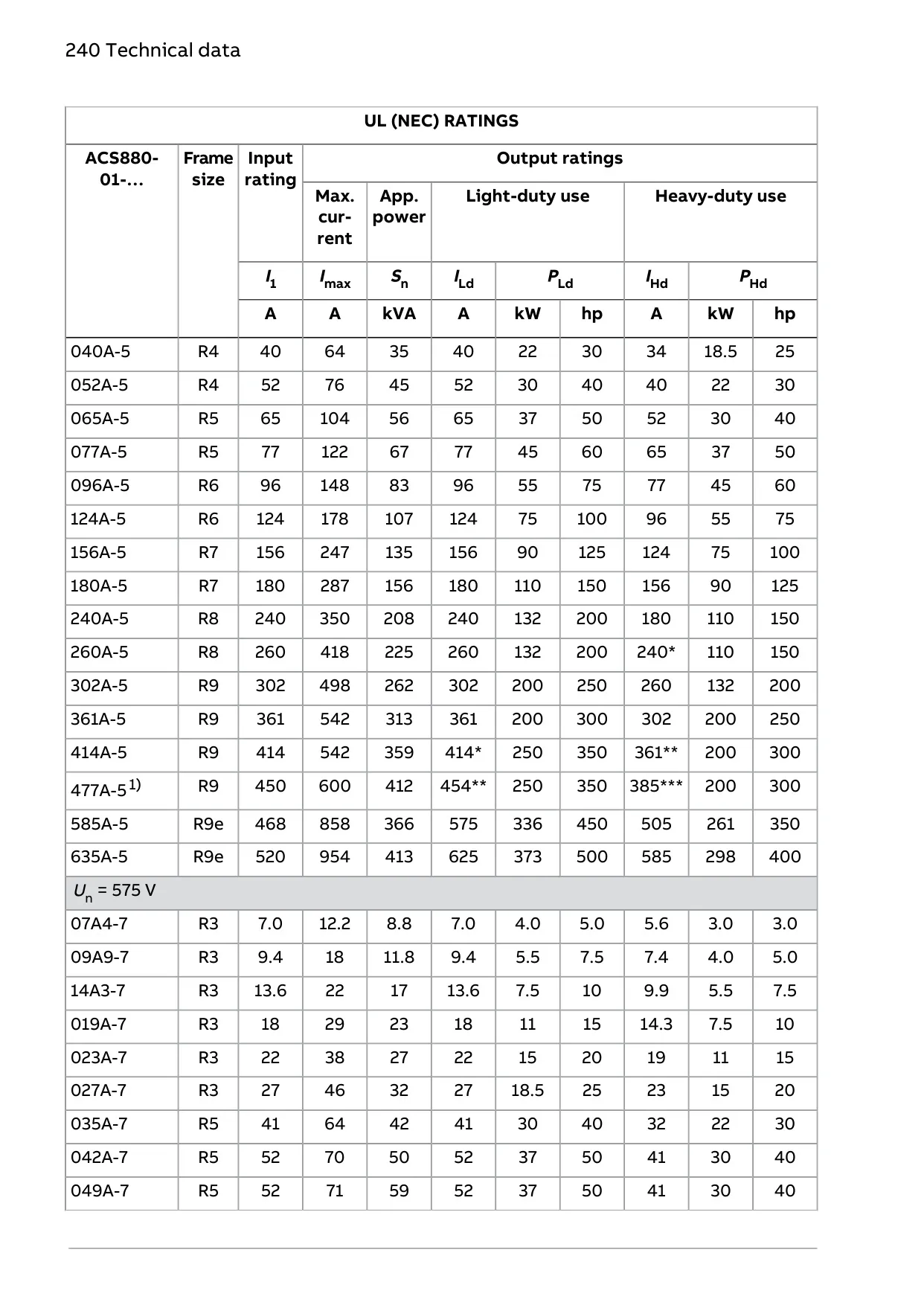
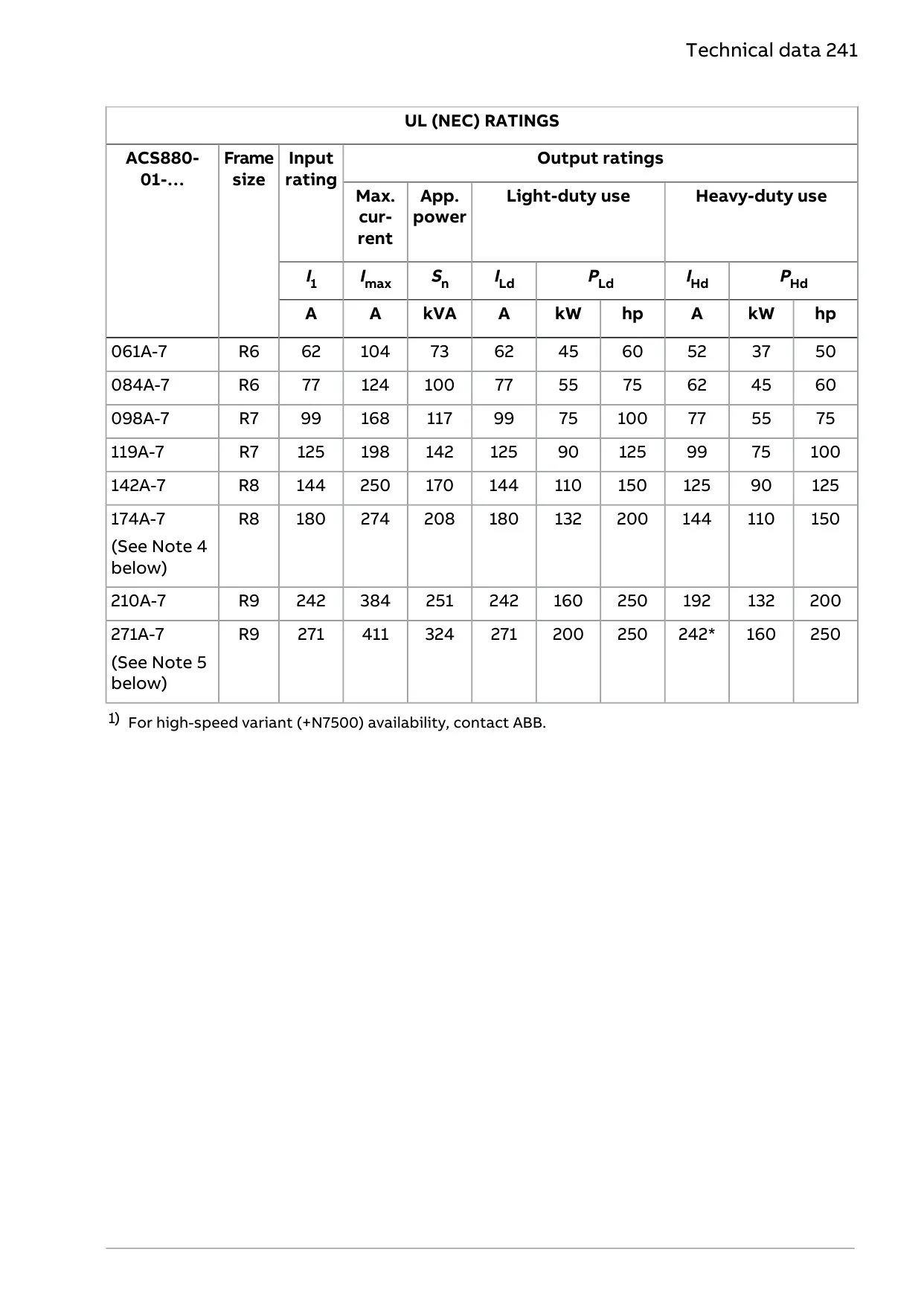
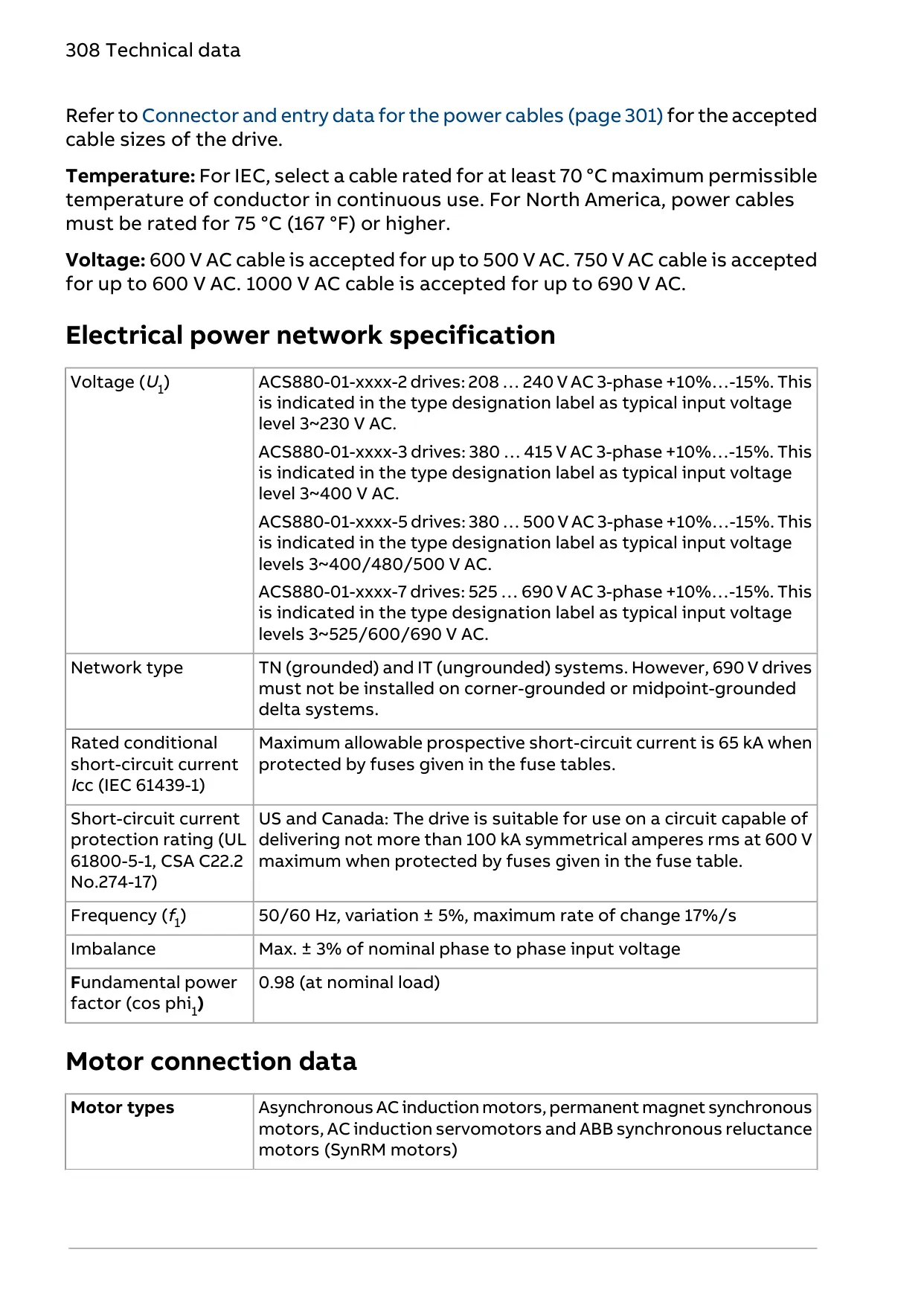
| Input Voltage Range | 208–690 V AC (3-phase); specific ranges: 208–240 V, 380–415 V, 380–500 V, 525–690 V |
| Input Frequency | 50/60 Hz (variation ±5%, max rate of change 17%/s) |
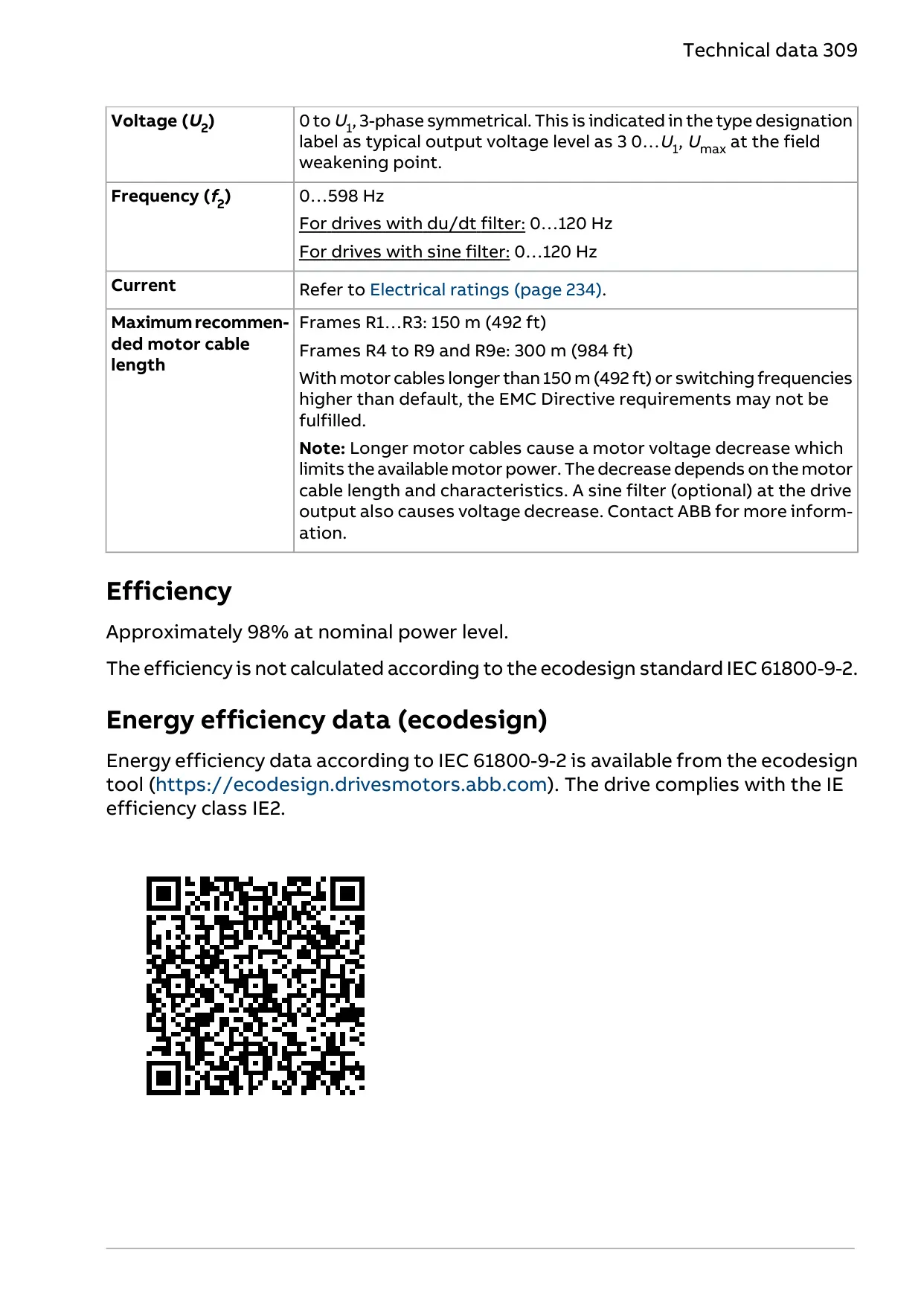
| Output Voltage Range | 0 to U1 (Input Voltage), 3-phase symmetrical |
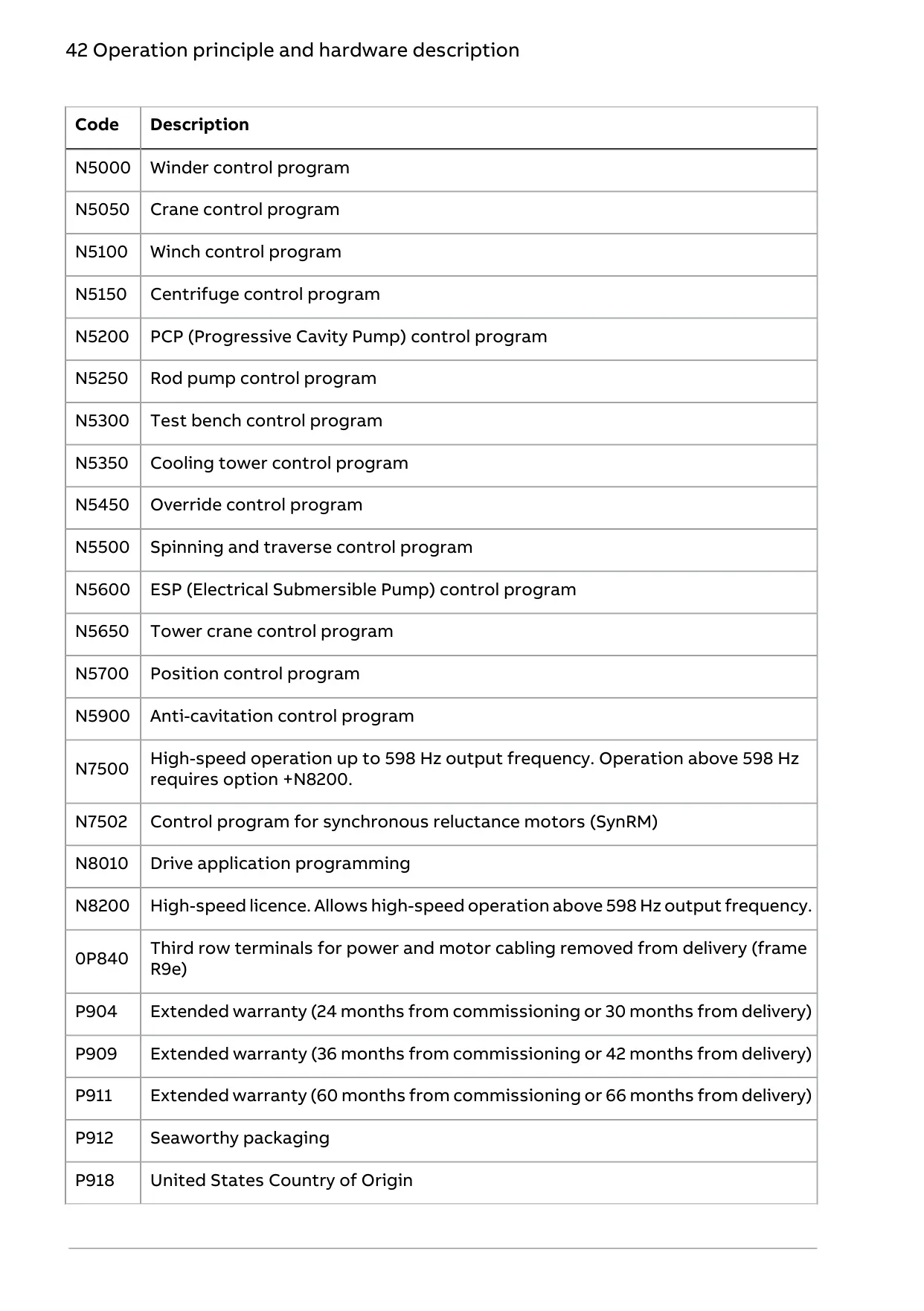
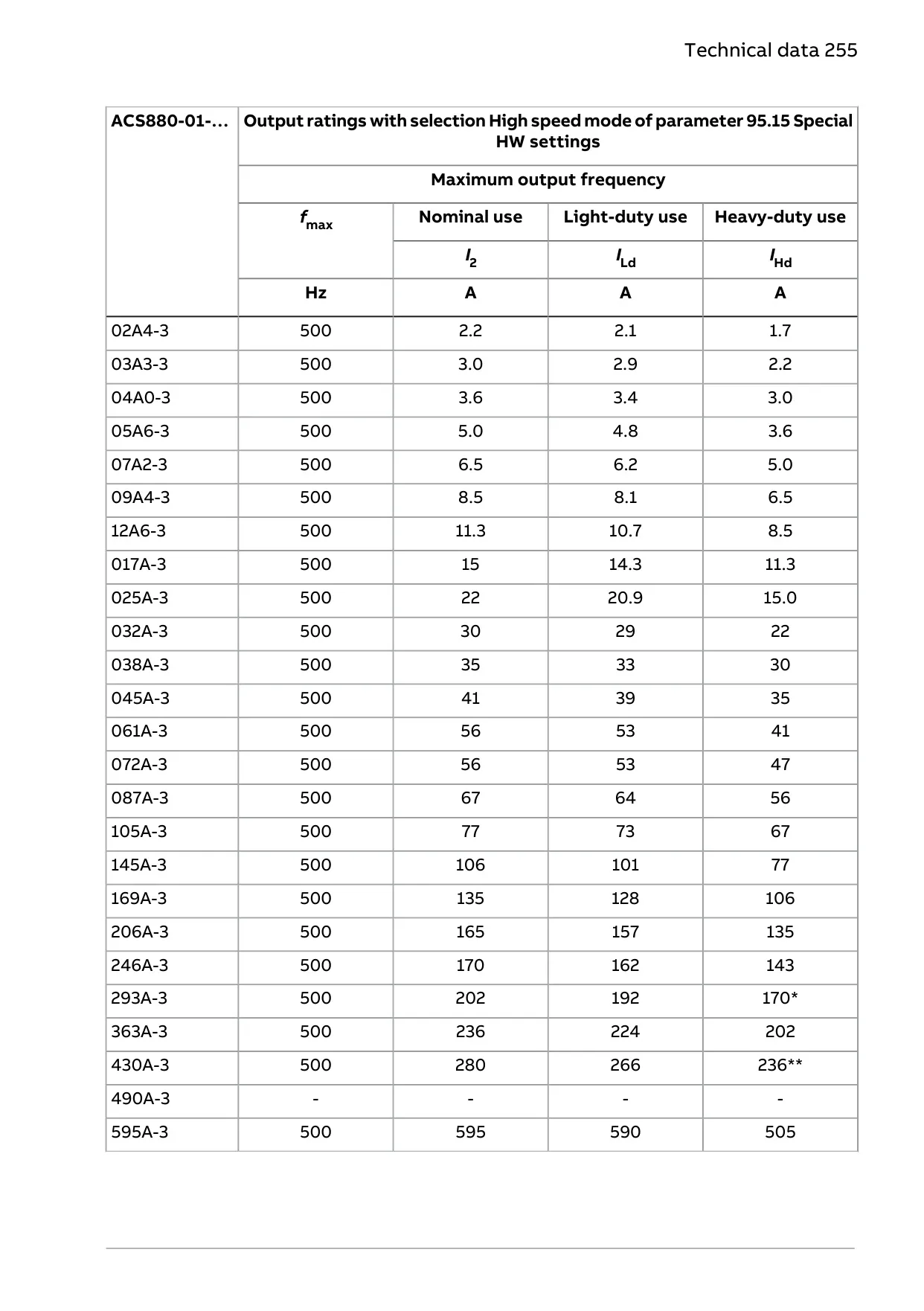
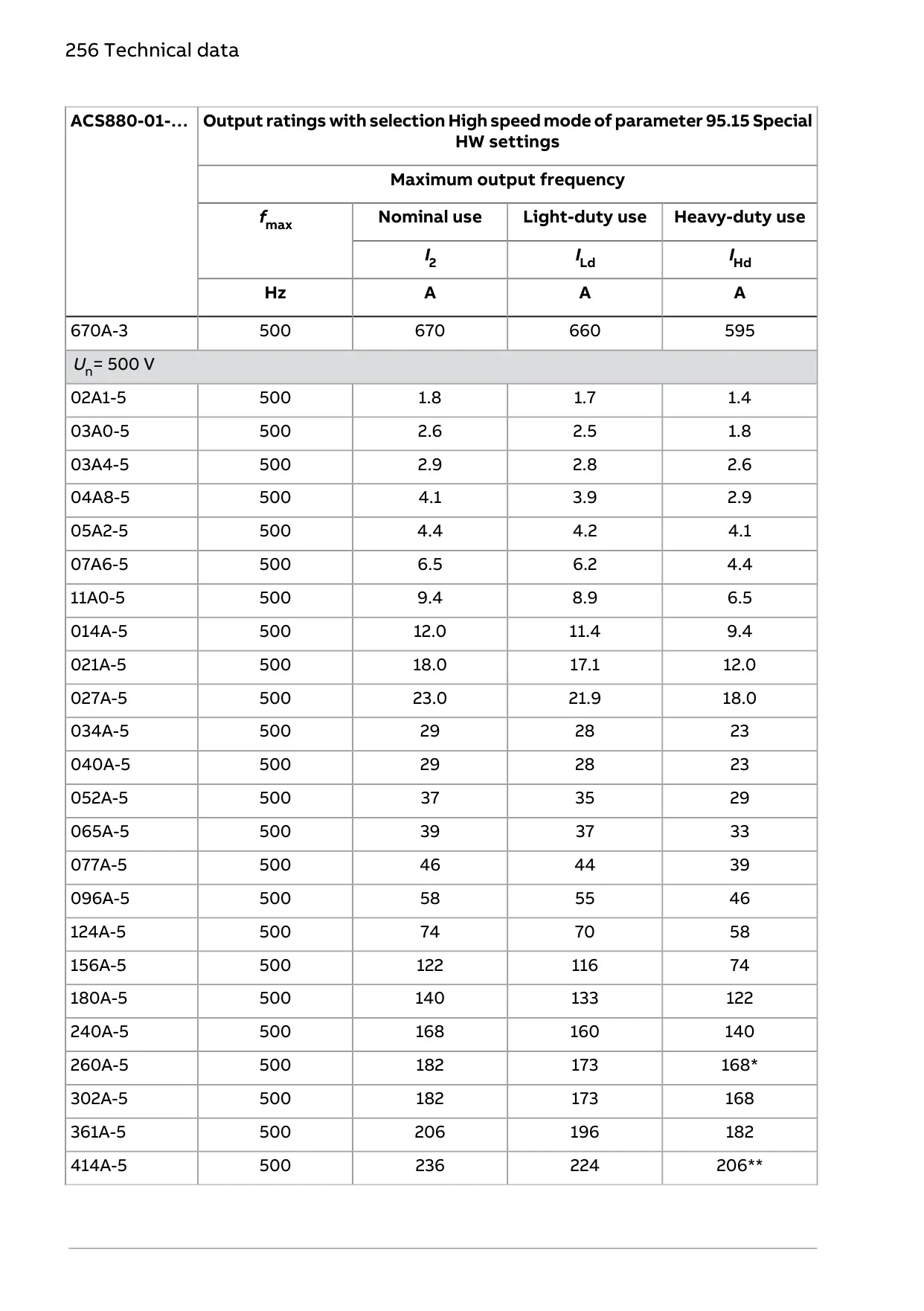
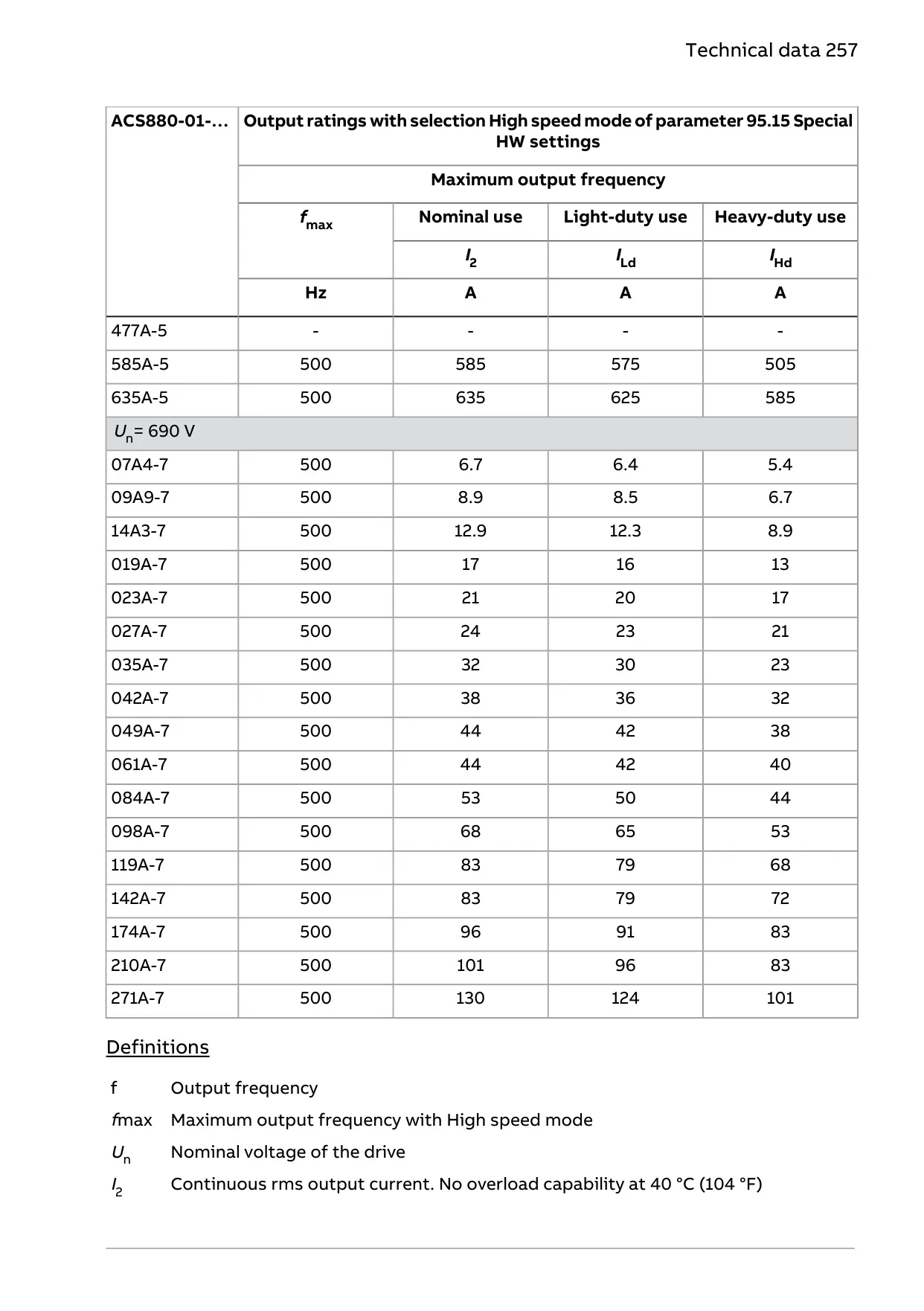
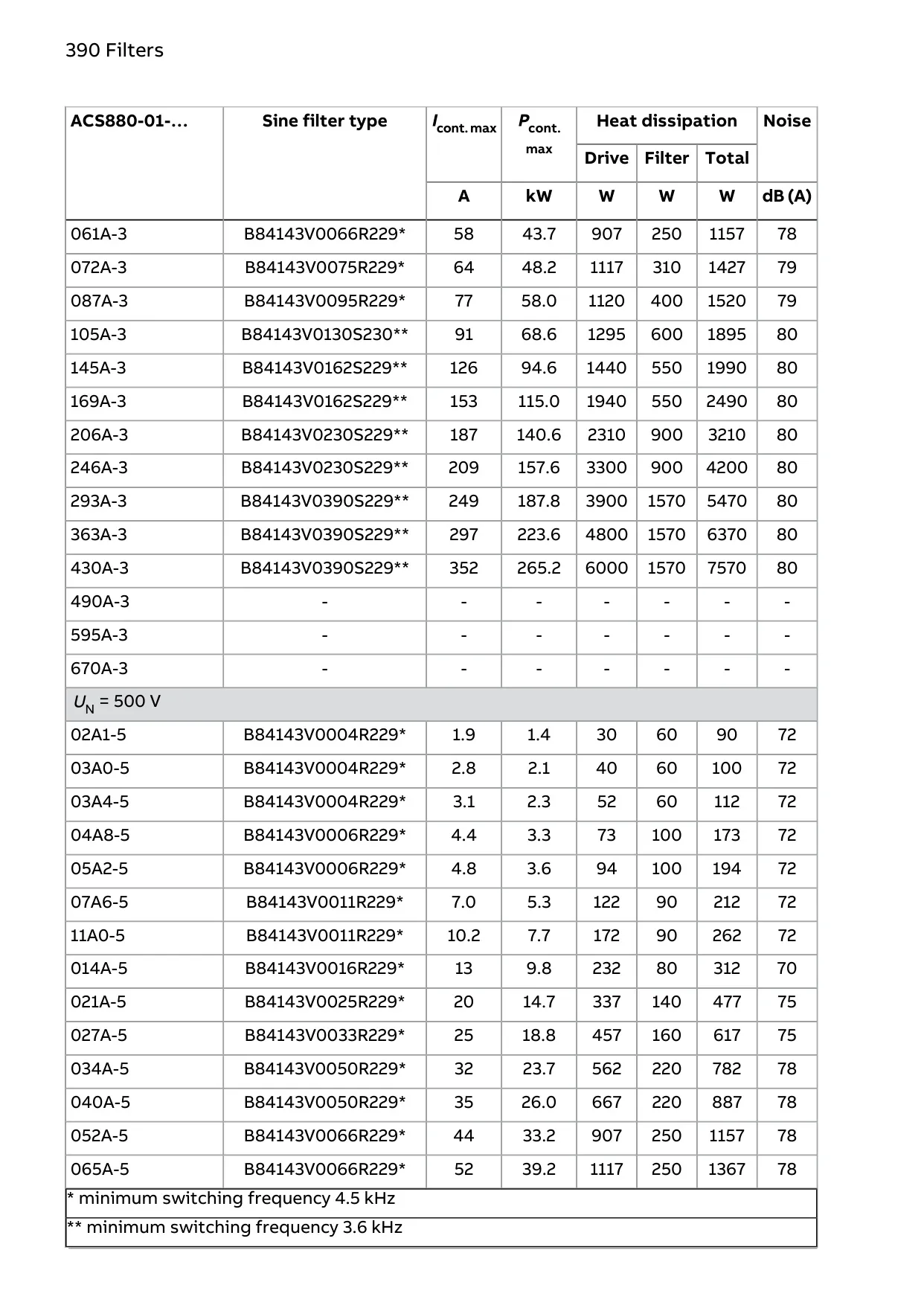
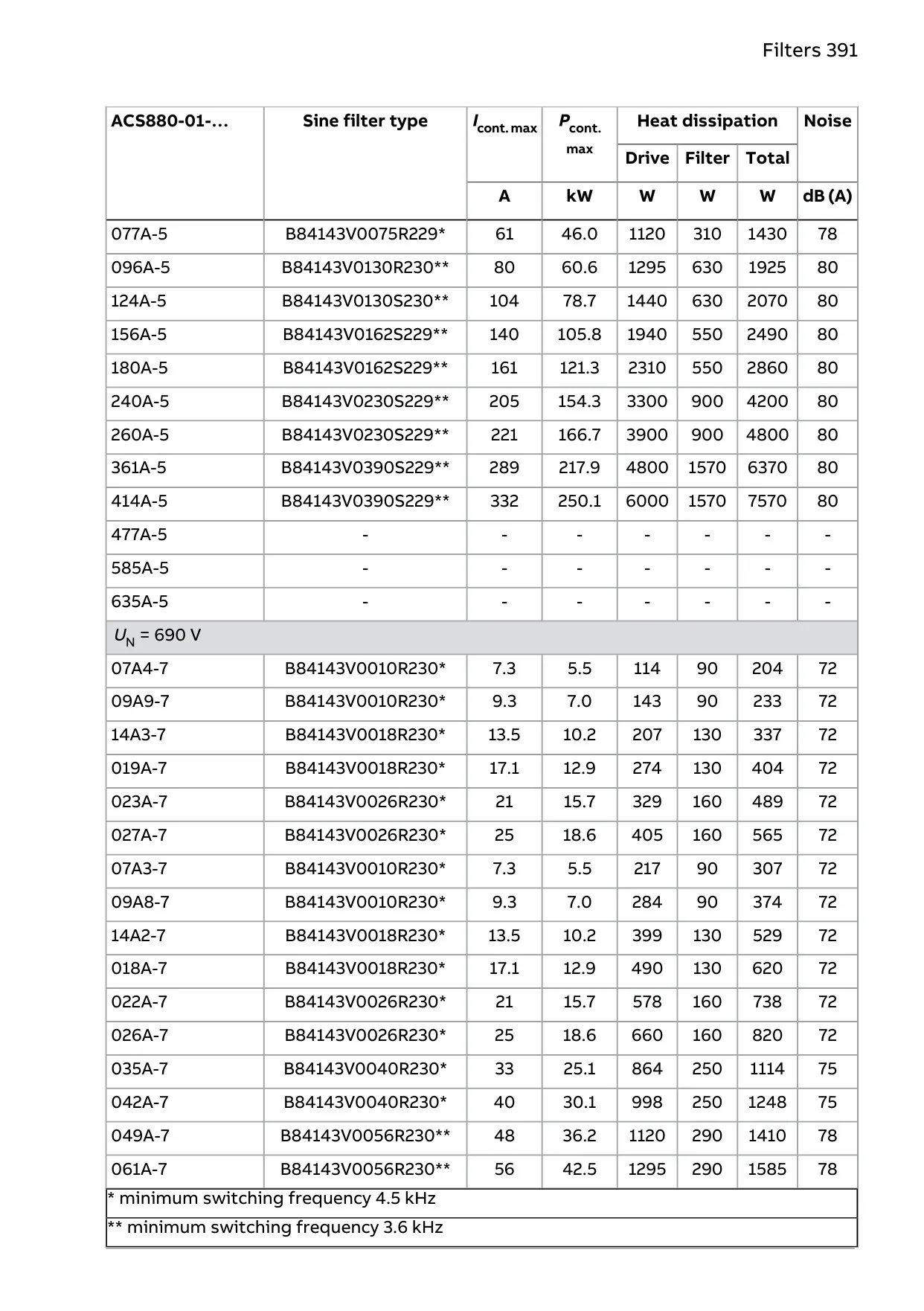
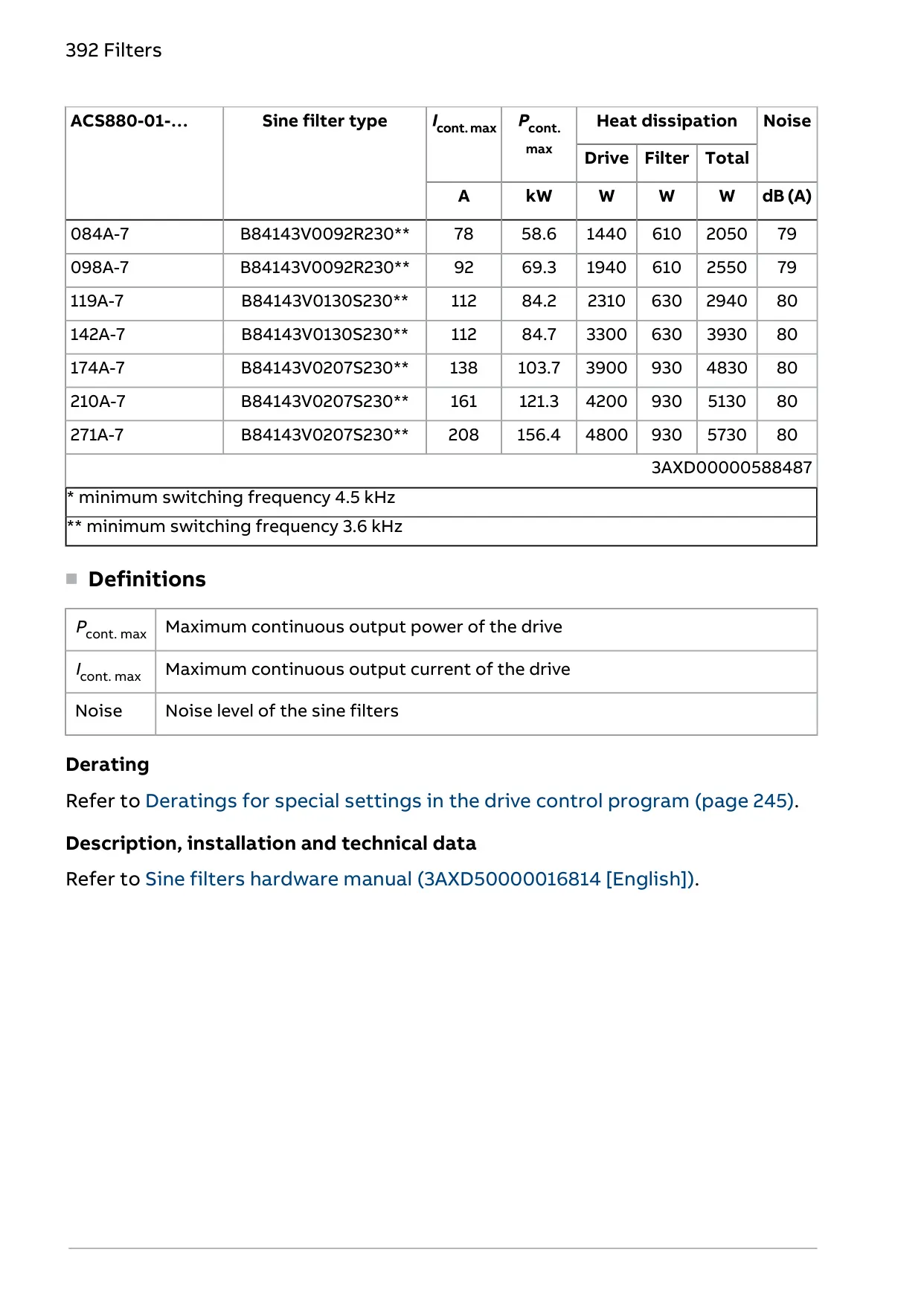
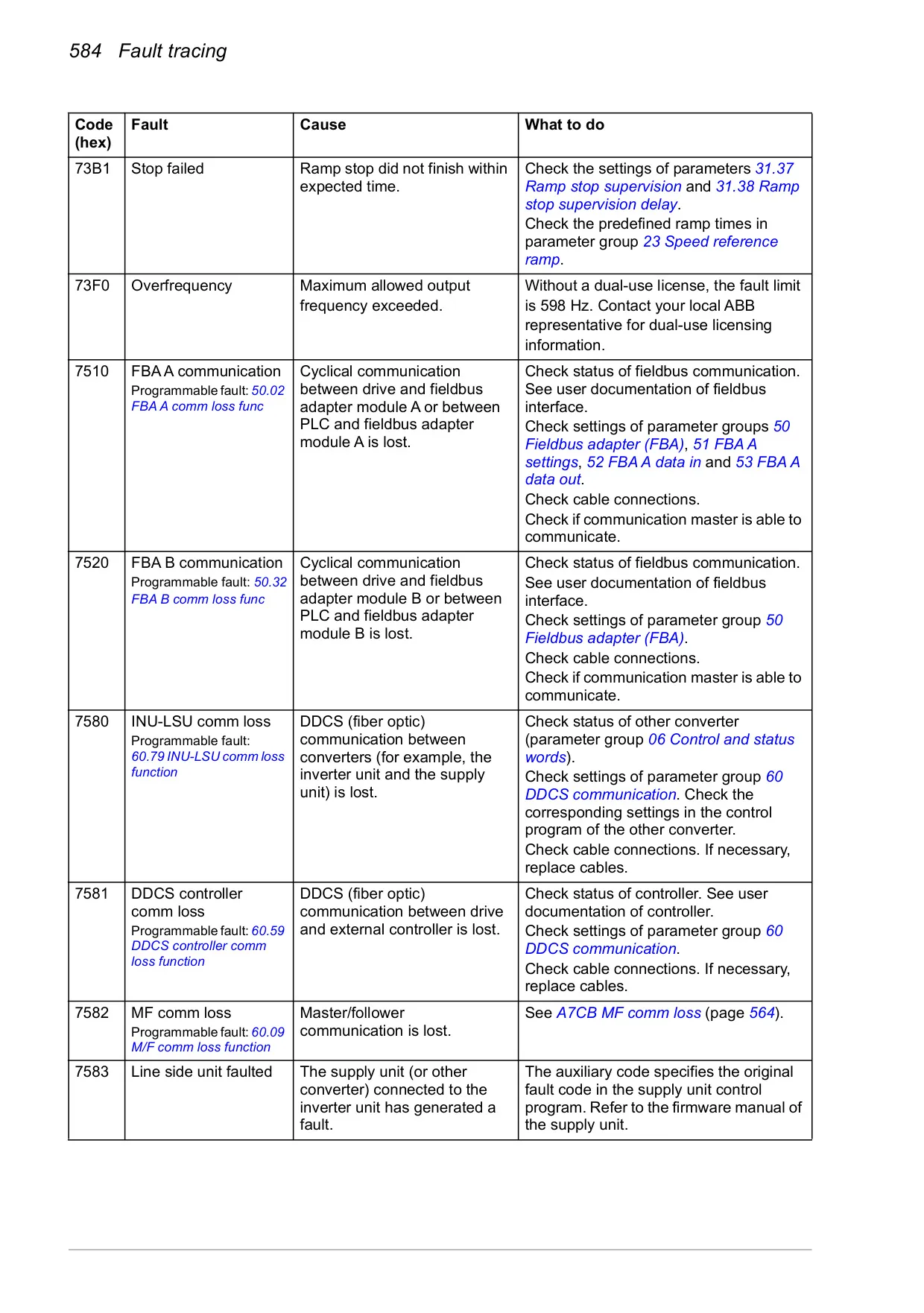
| Output Frequency Range | 0–598 Hz (0–120 Hz with du/dt or sine filters) |
| Efficiency | Approximately 98% (at nominal power level) |
| Ecodesign Efficiency Class | IE2 (according to IEC 61800-9-2) |
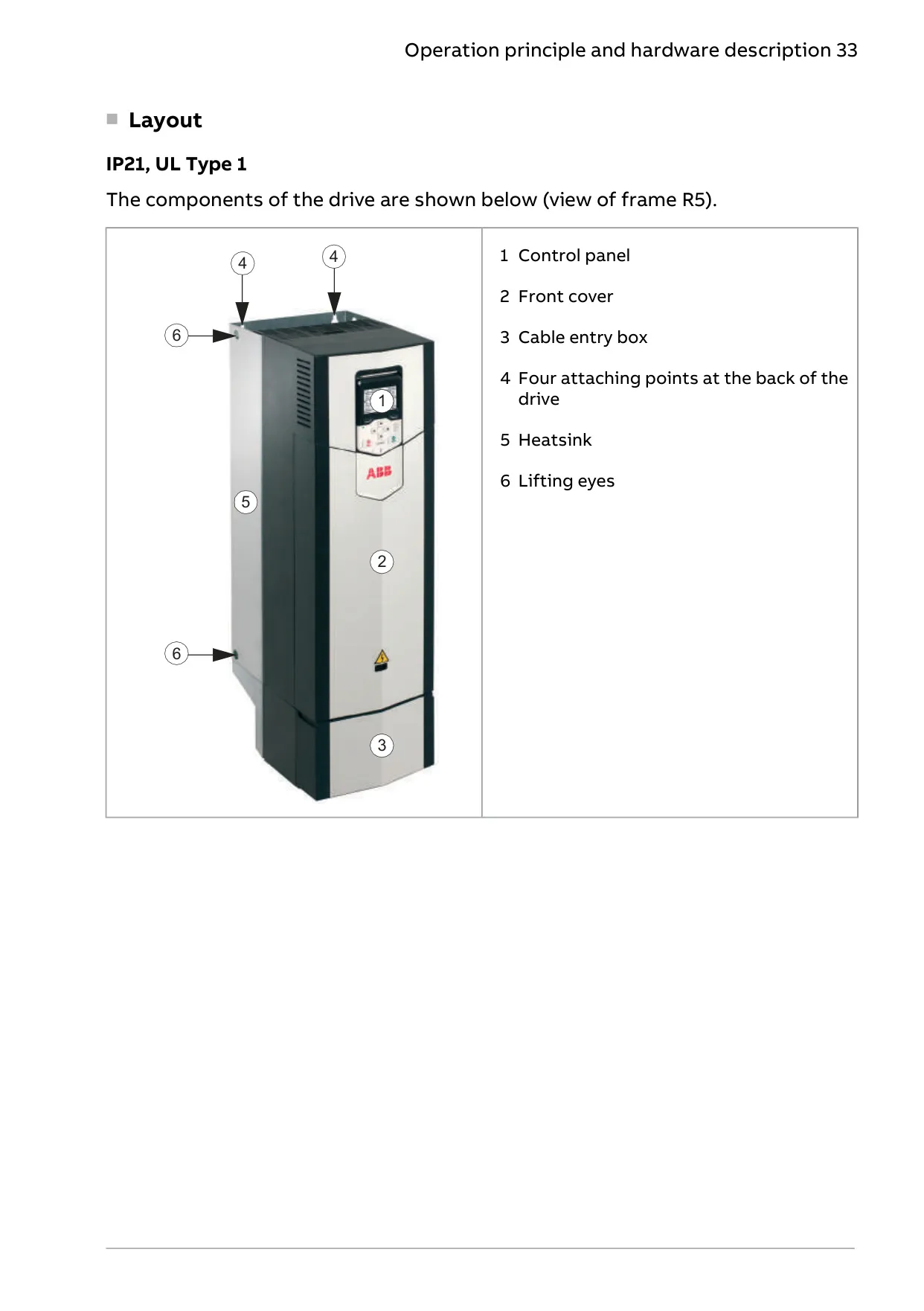
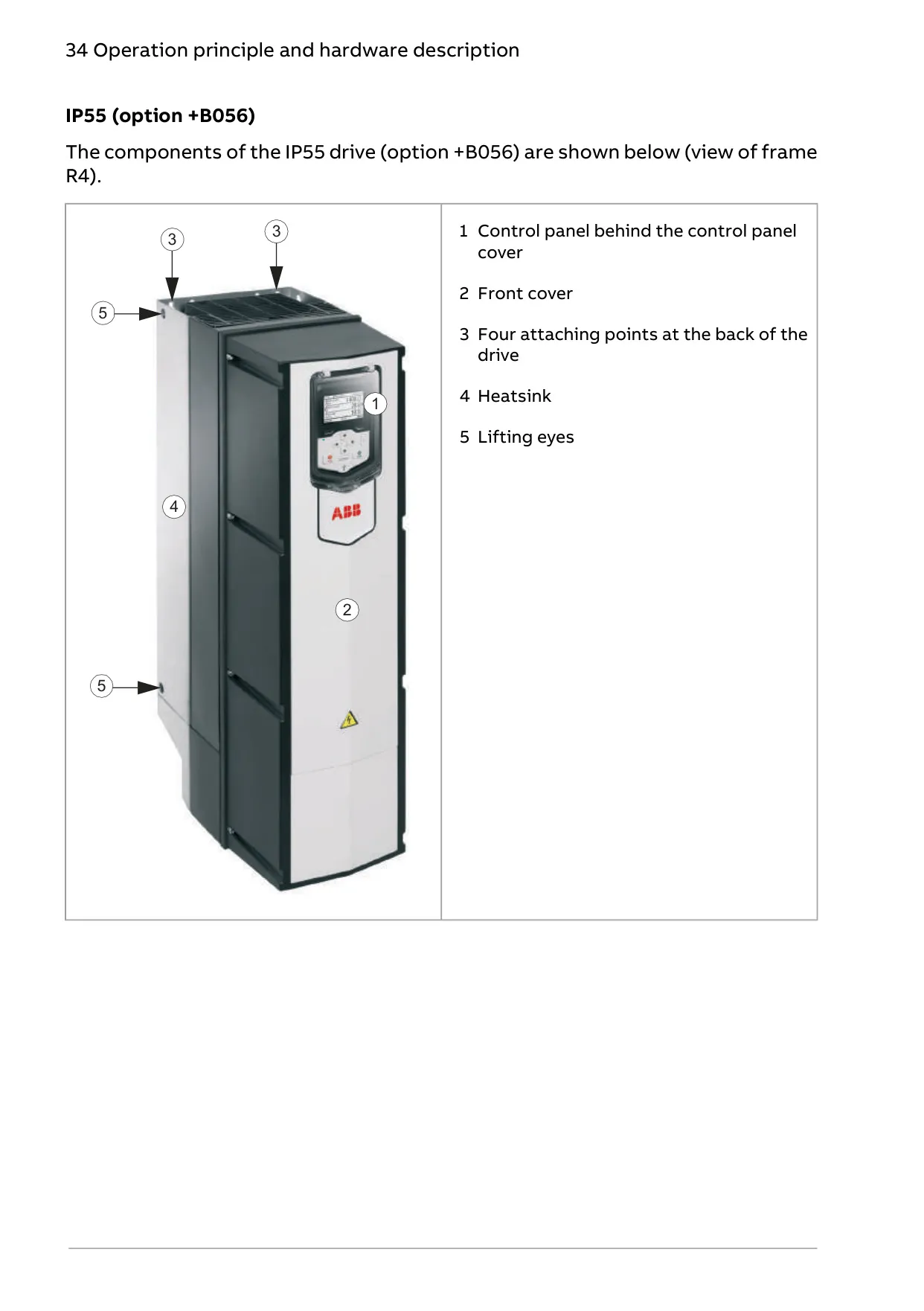
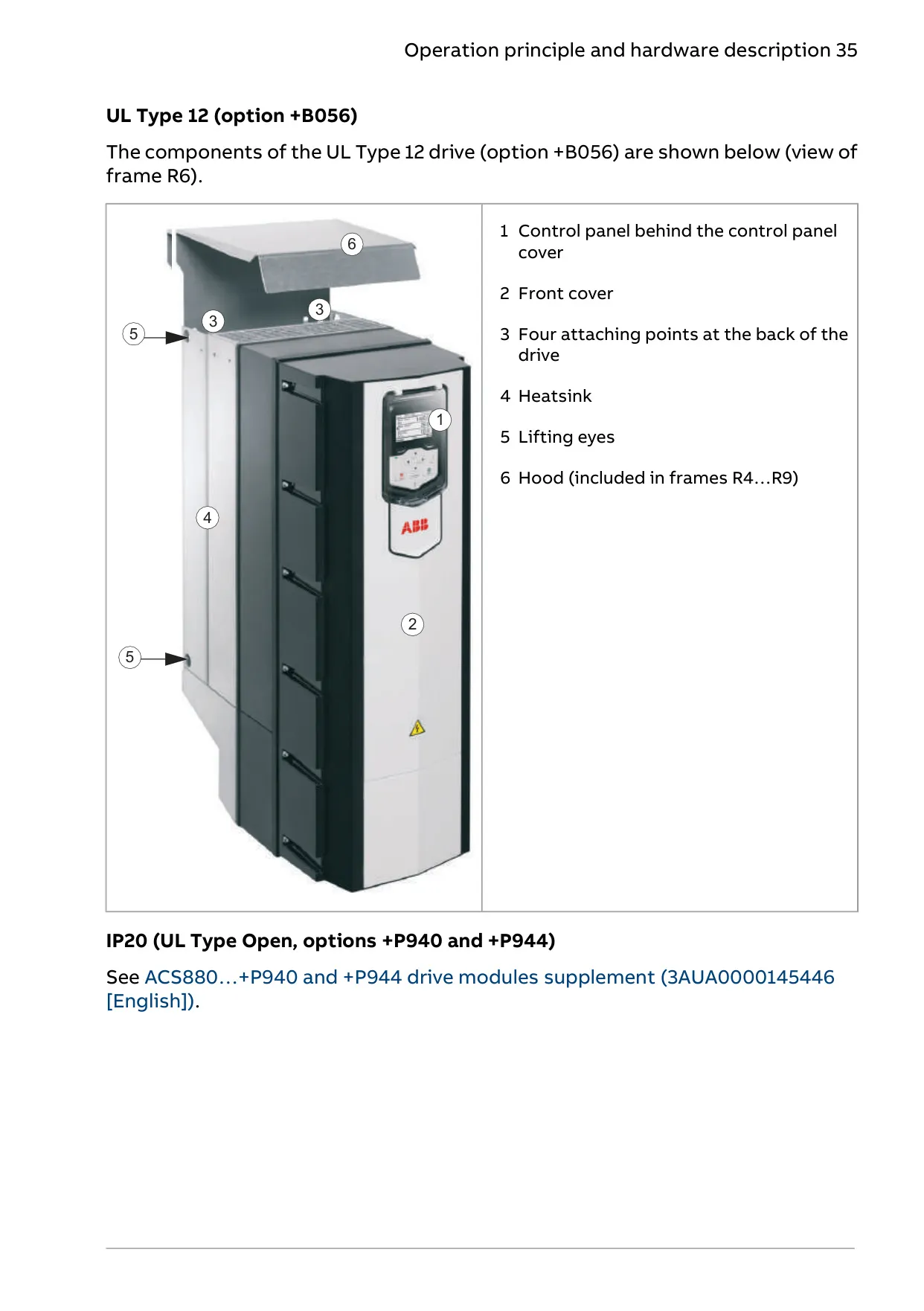
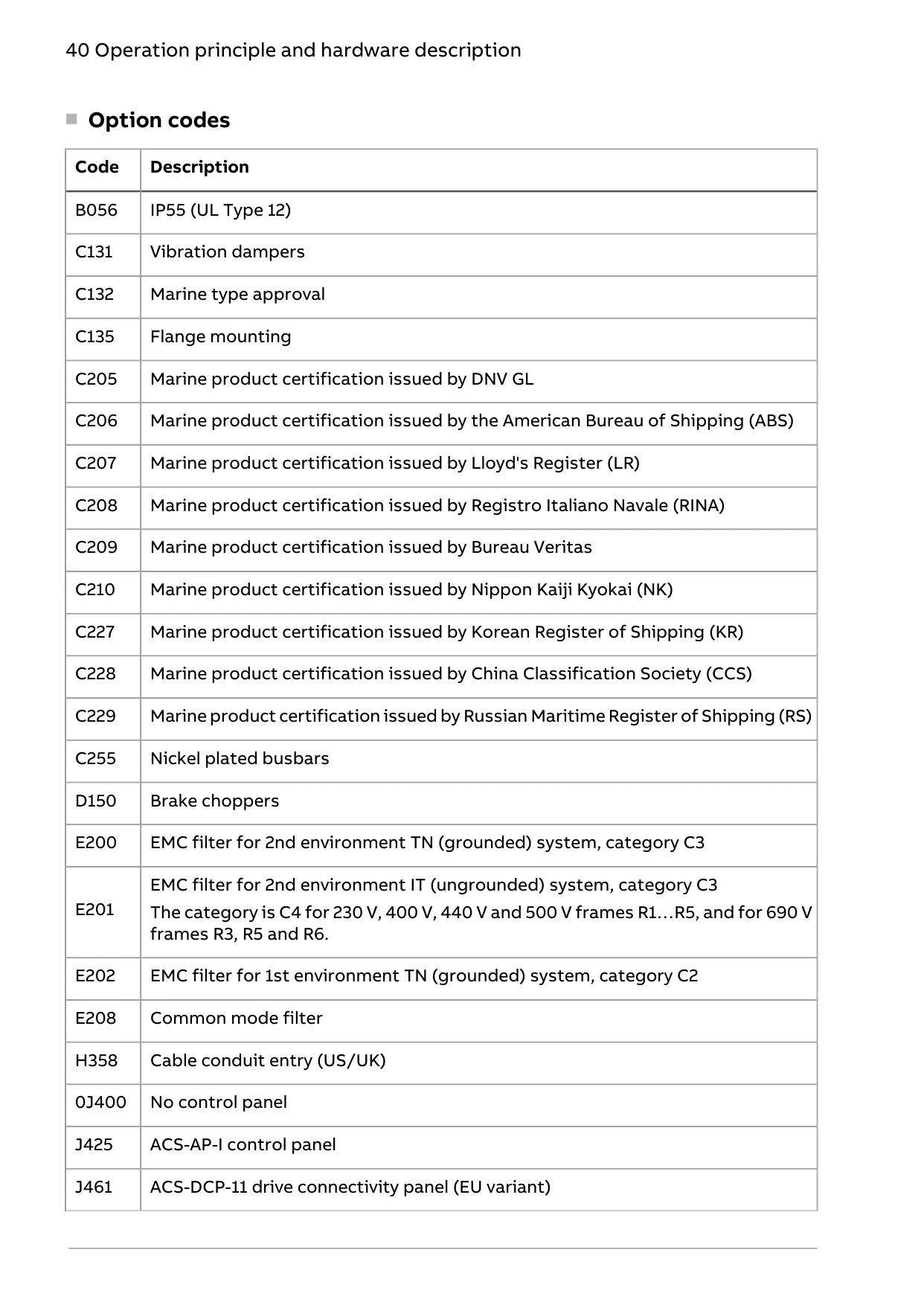
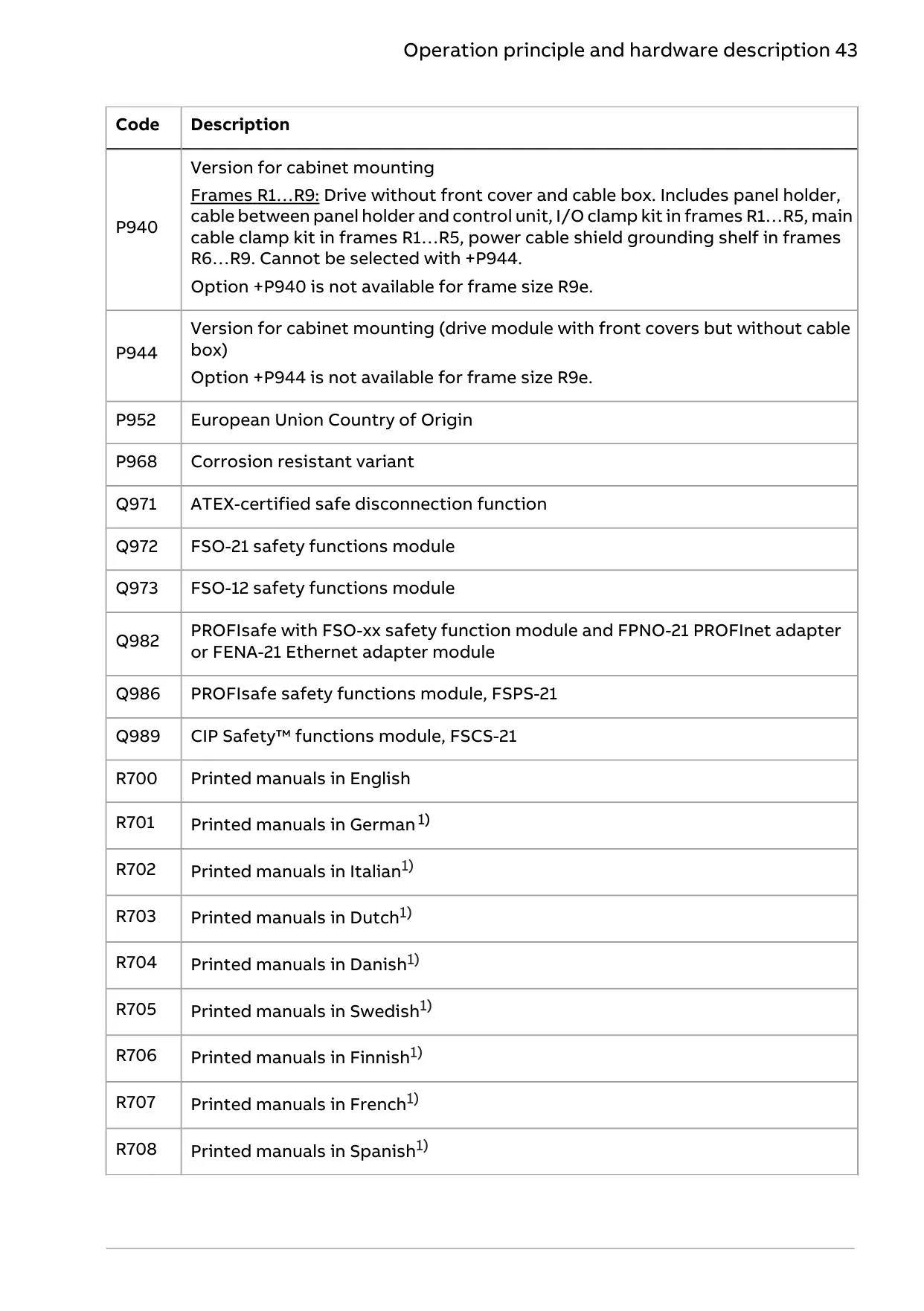
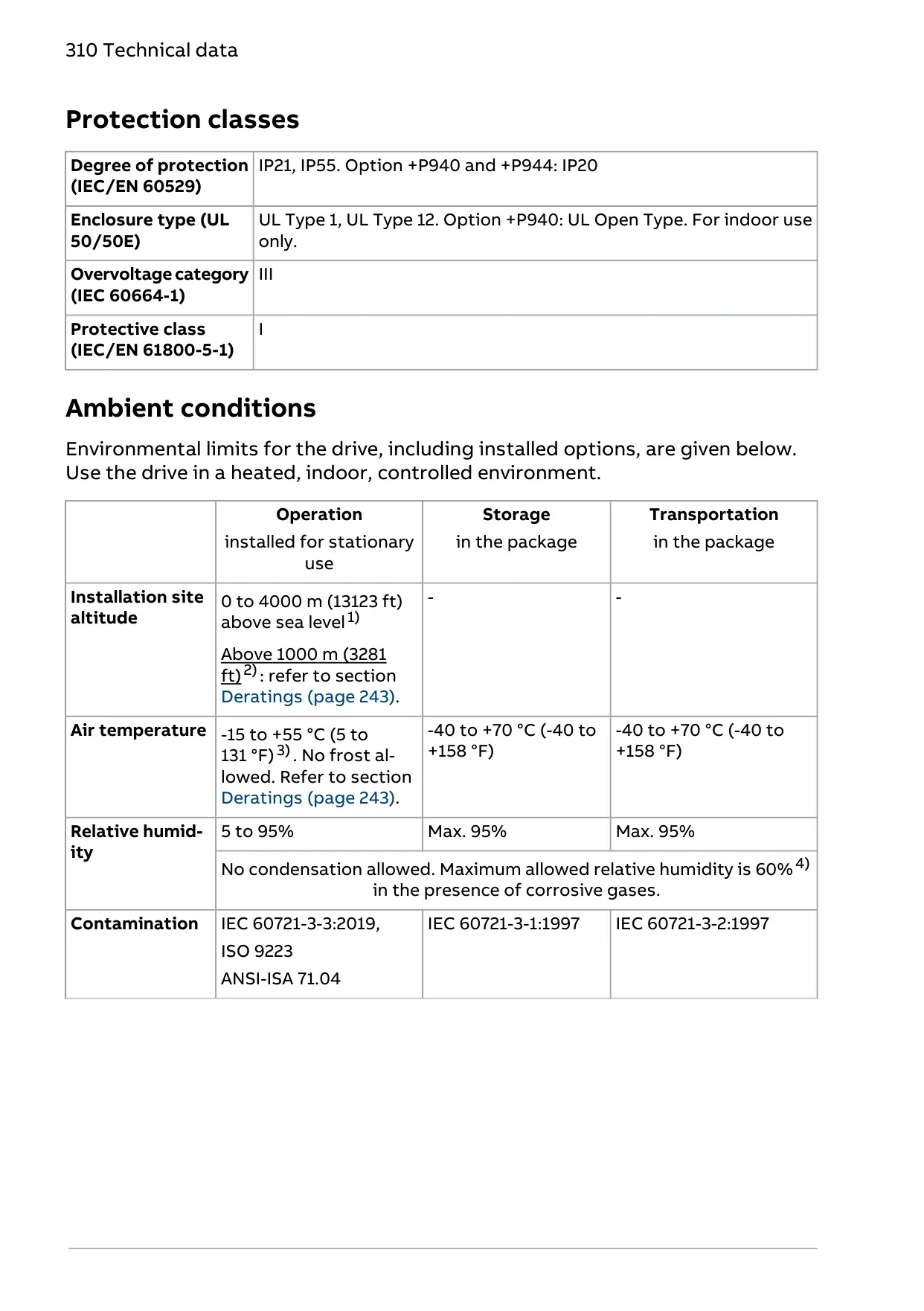
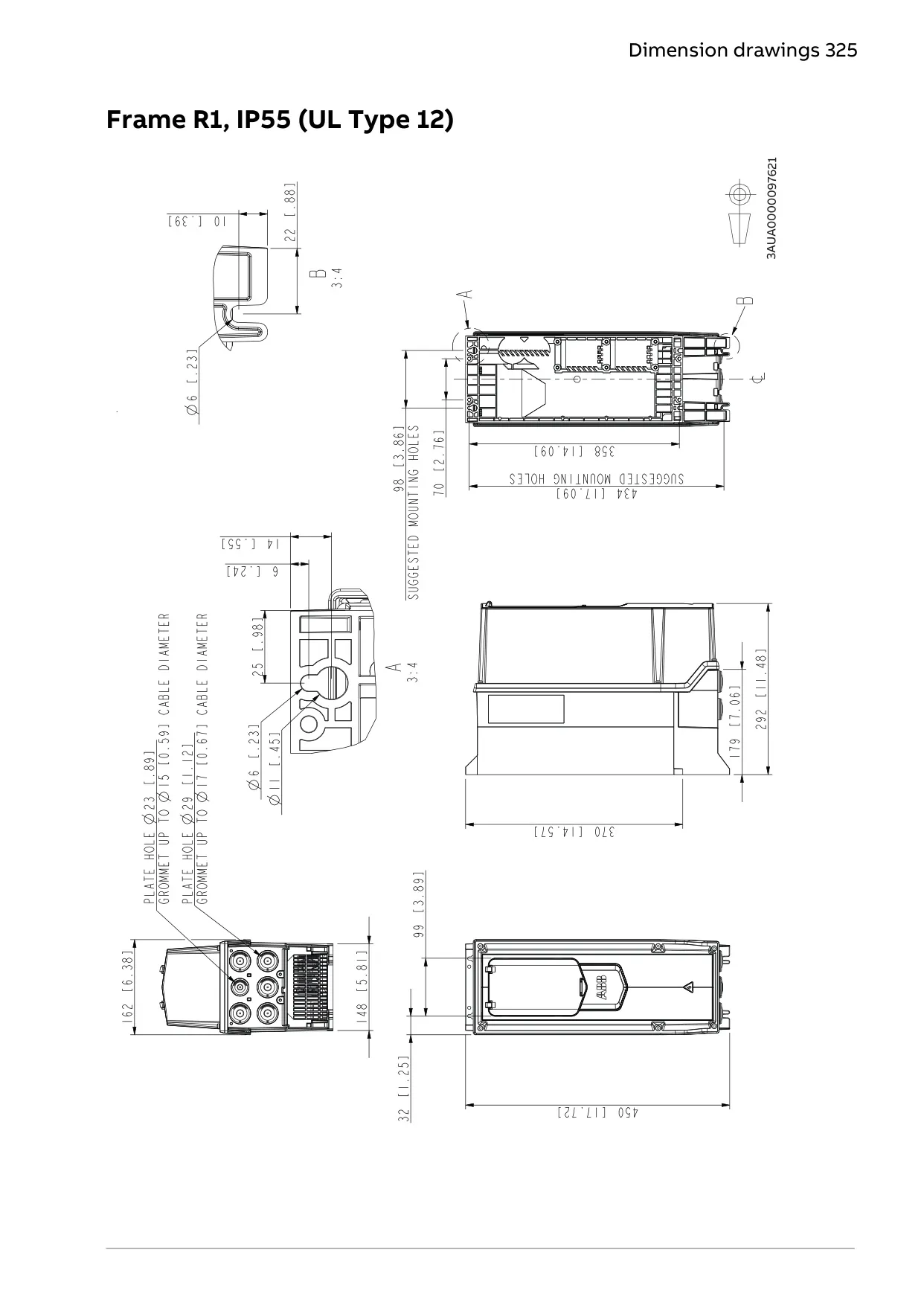
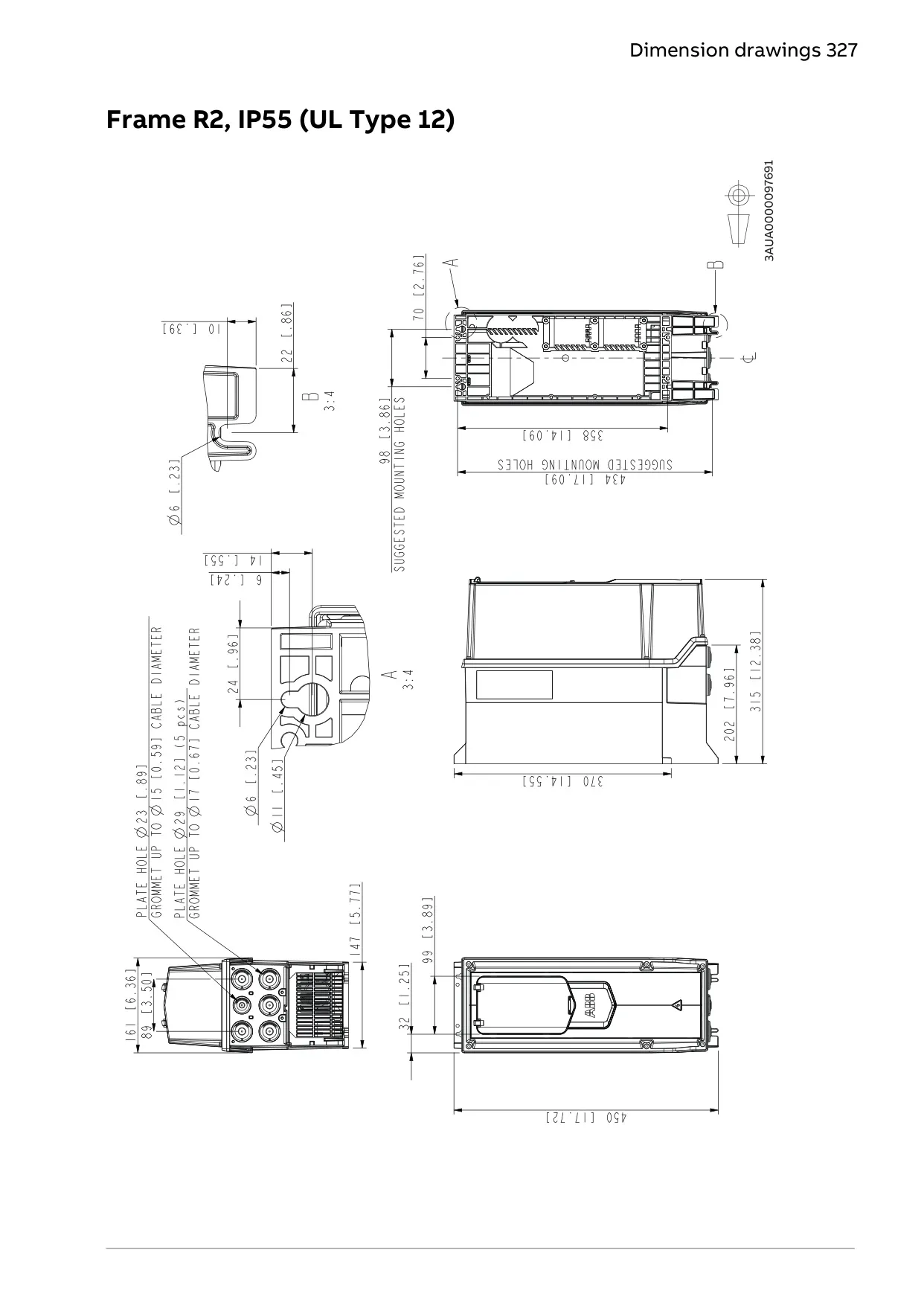
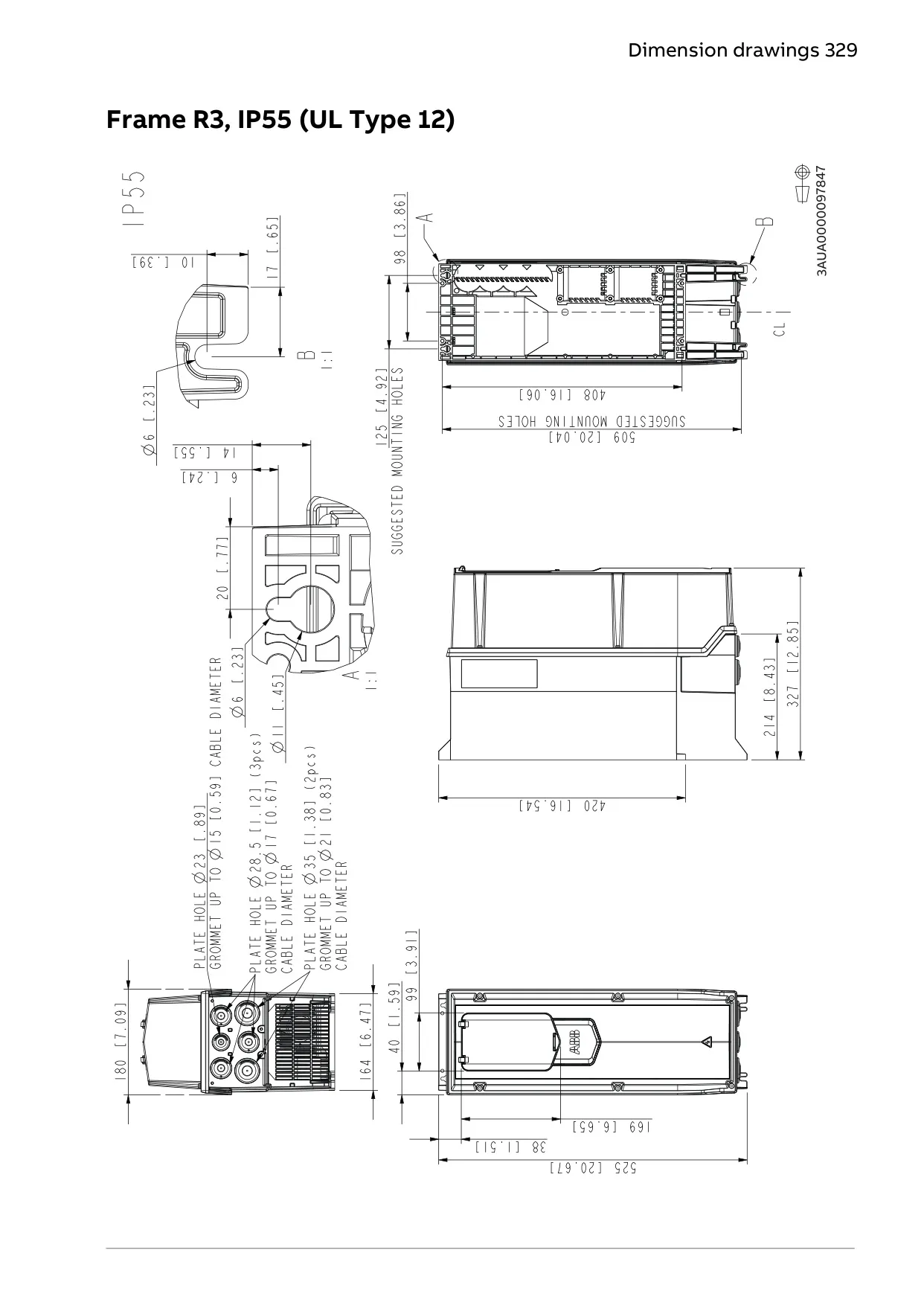
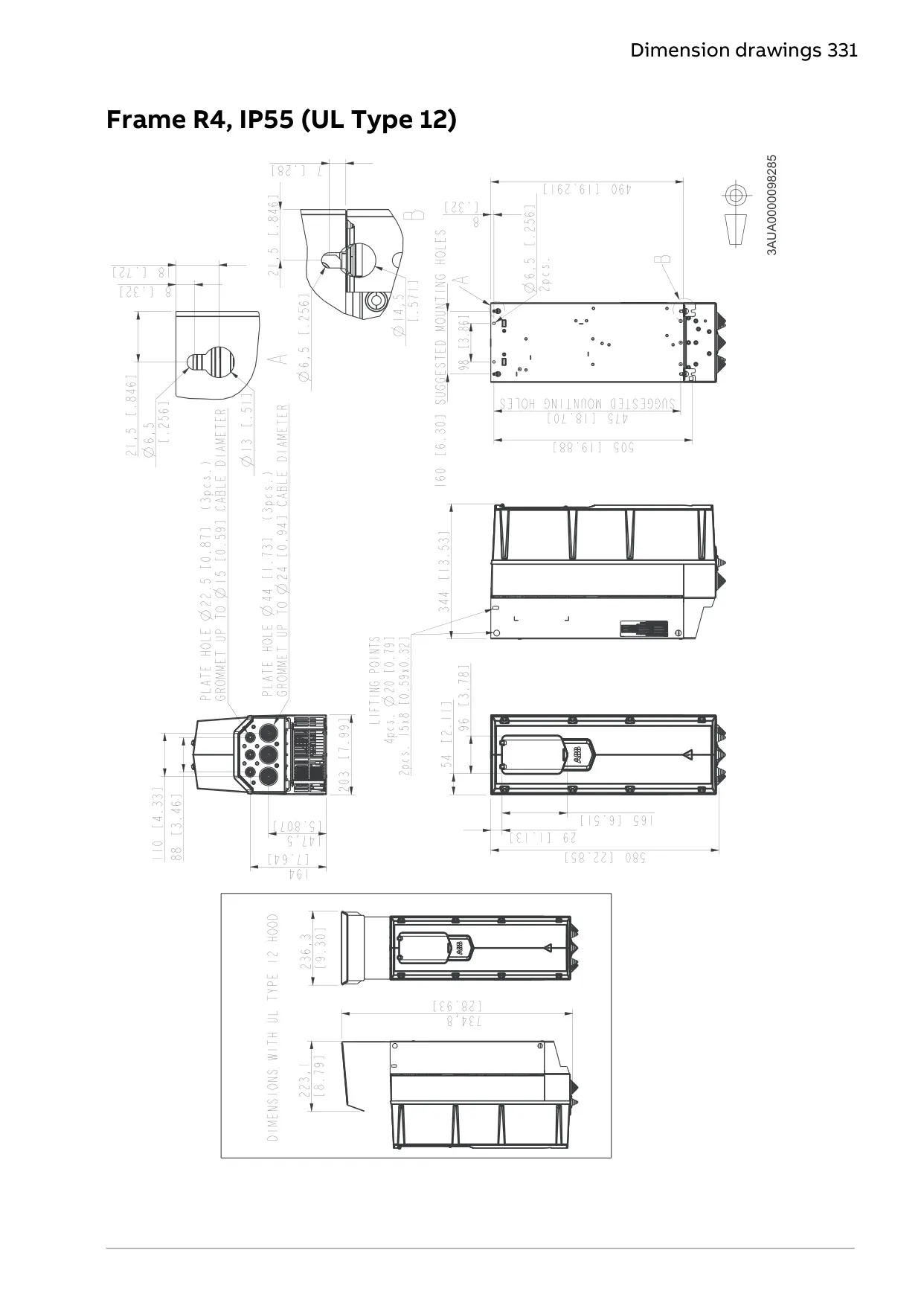
| Protection Degree (IEC/EN 60529) | IP21 (standard), IP55 (option +B056); IP20 (options +P940, +P944) |
| Enclosure Type (UL 50/50E) | UL Type 1 (standard), UL Type 12 (option +B056); UL Open Type (option +P940) |
| Overvoltage Category (IEC 60664-1) | III |
| Protective Class (IEC/EN 61800-5-1) | I |
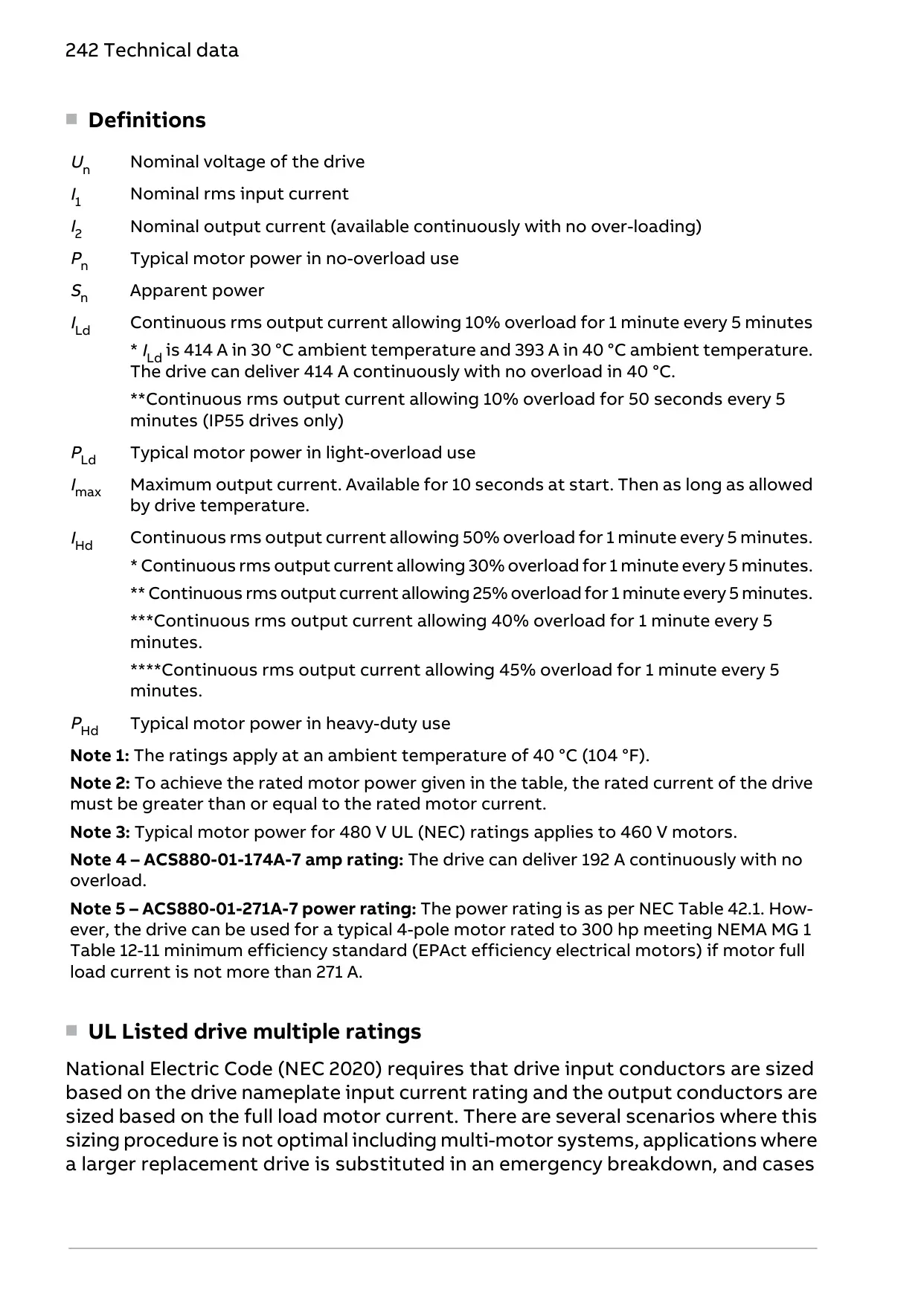
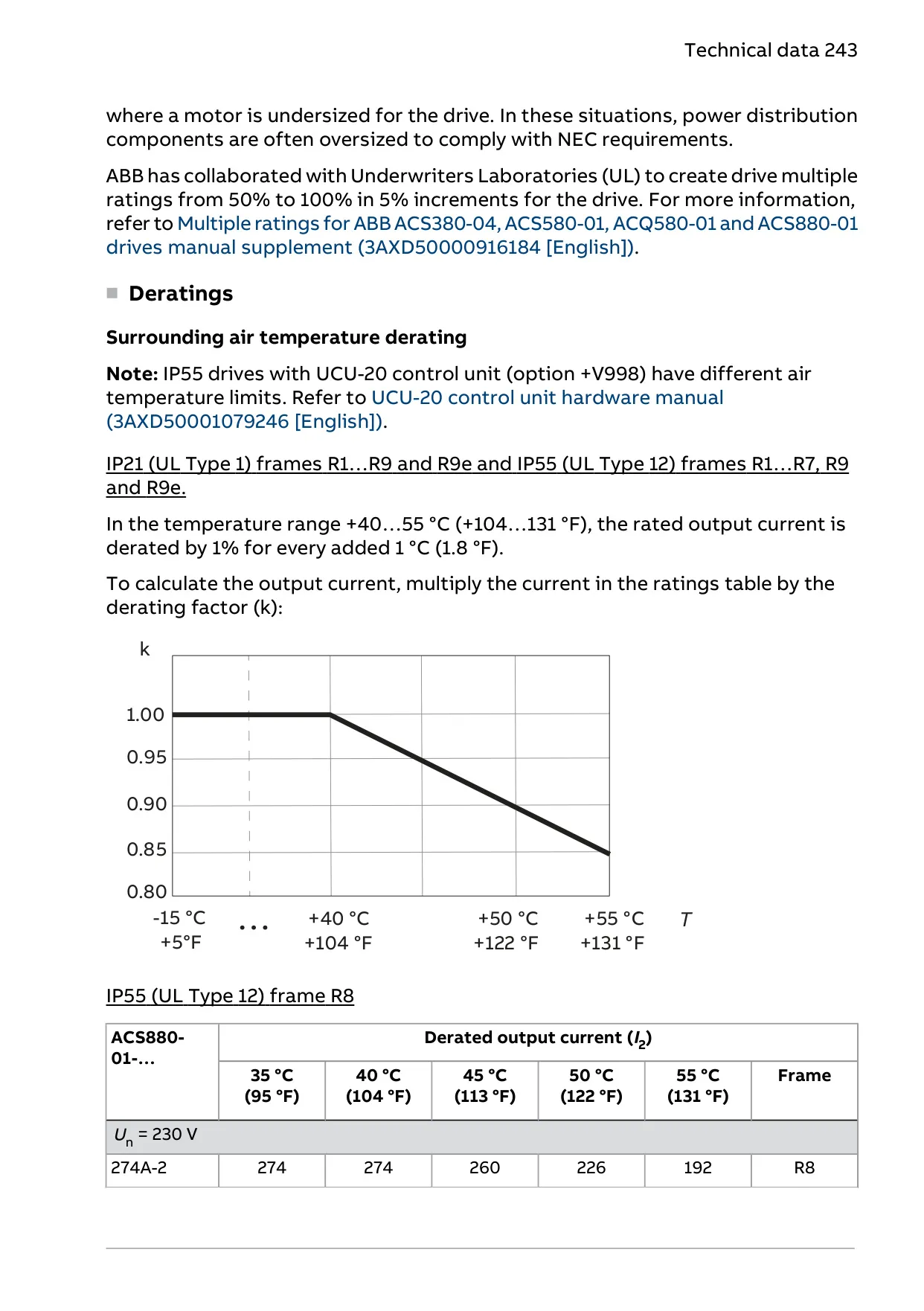
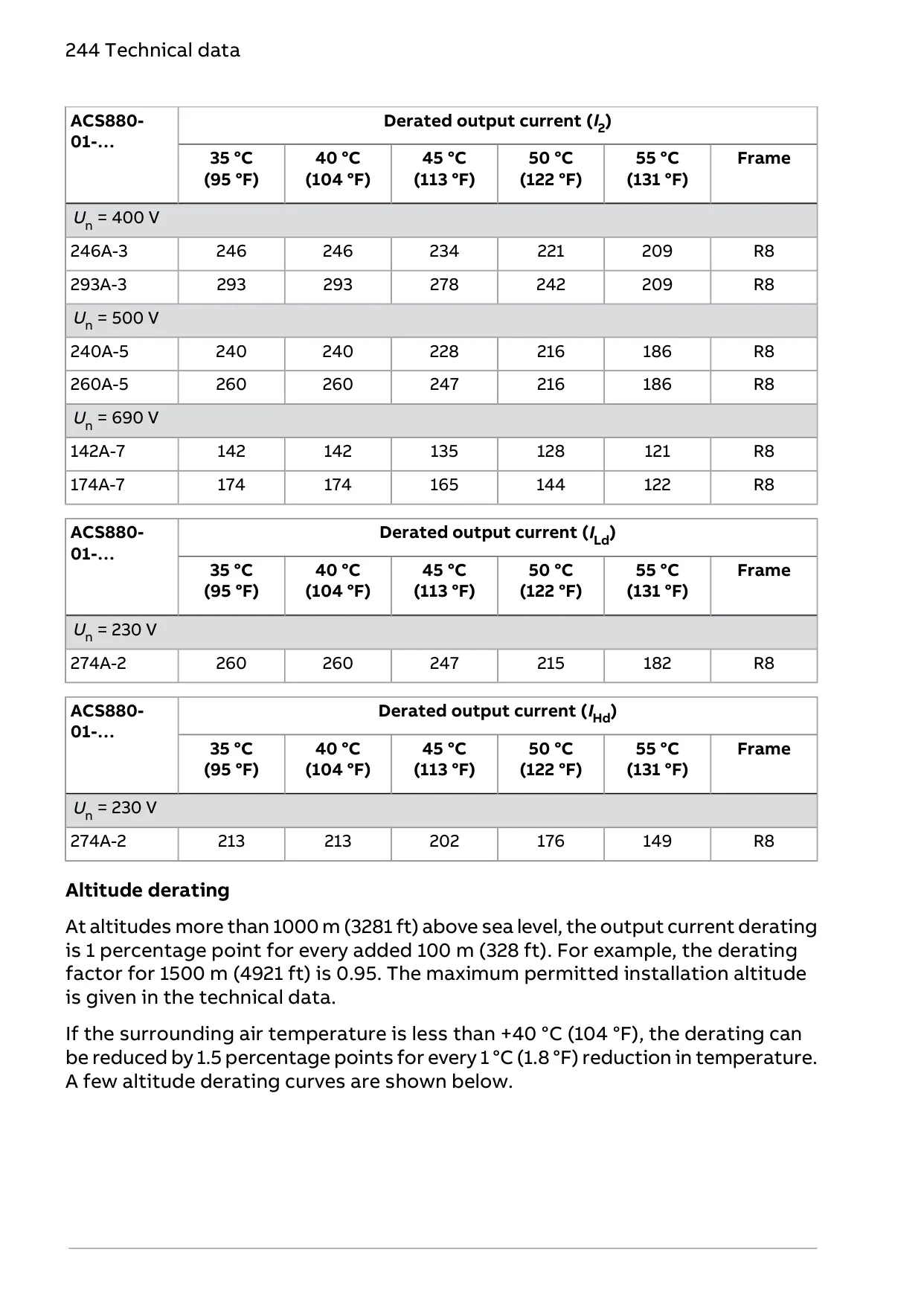
| Operating Air Temperature | -15 to +55 °C (5 to 131 °F); derating 1% per 1 °C above 40 °C |
| Relative Humidity | 5 to 95% (non-condensing); max 60% with corrosive gases |
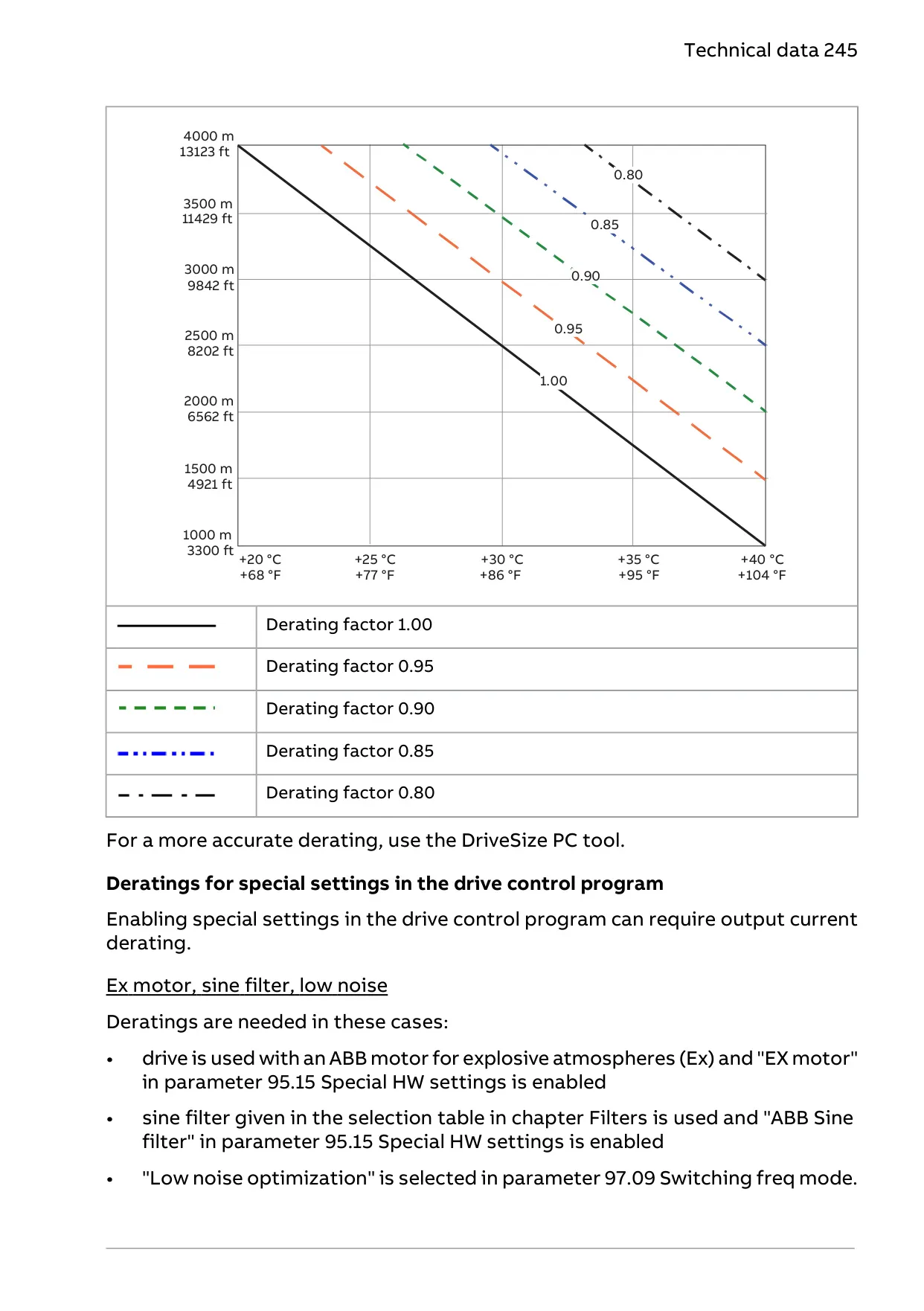
| Altitude Derating | 1% output current derating for every 100 m above 1000 m (3281 ft) |
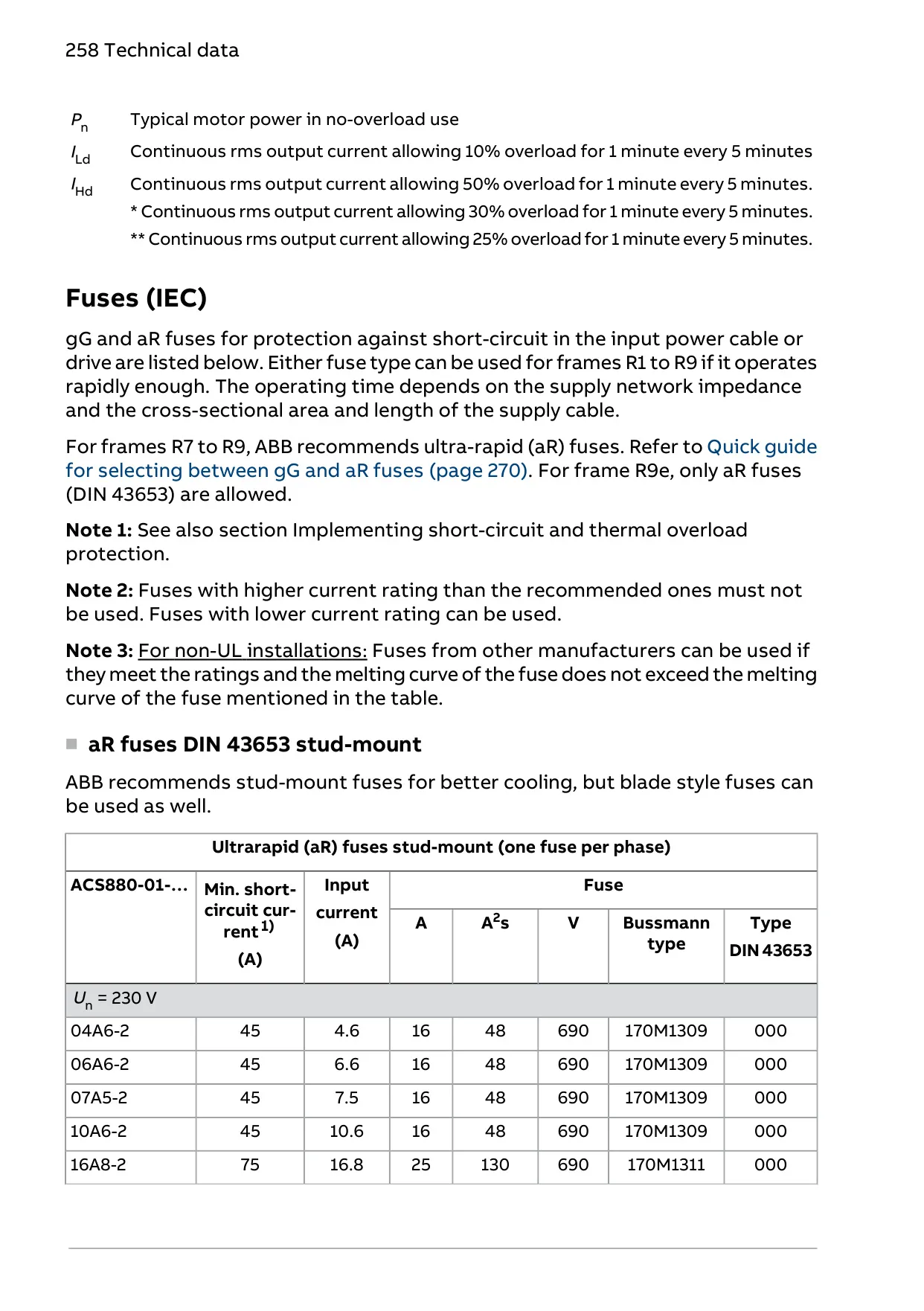
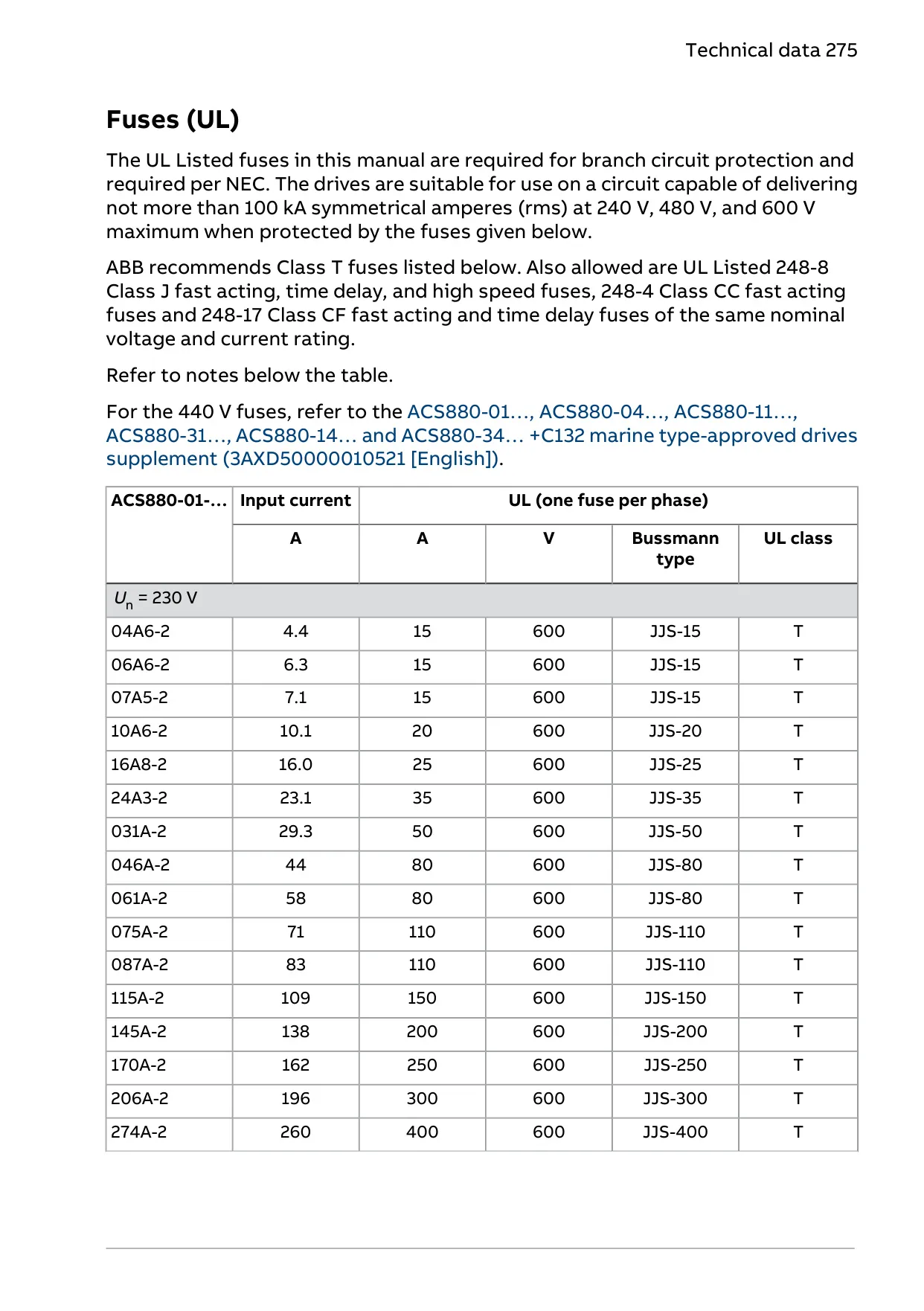
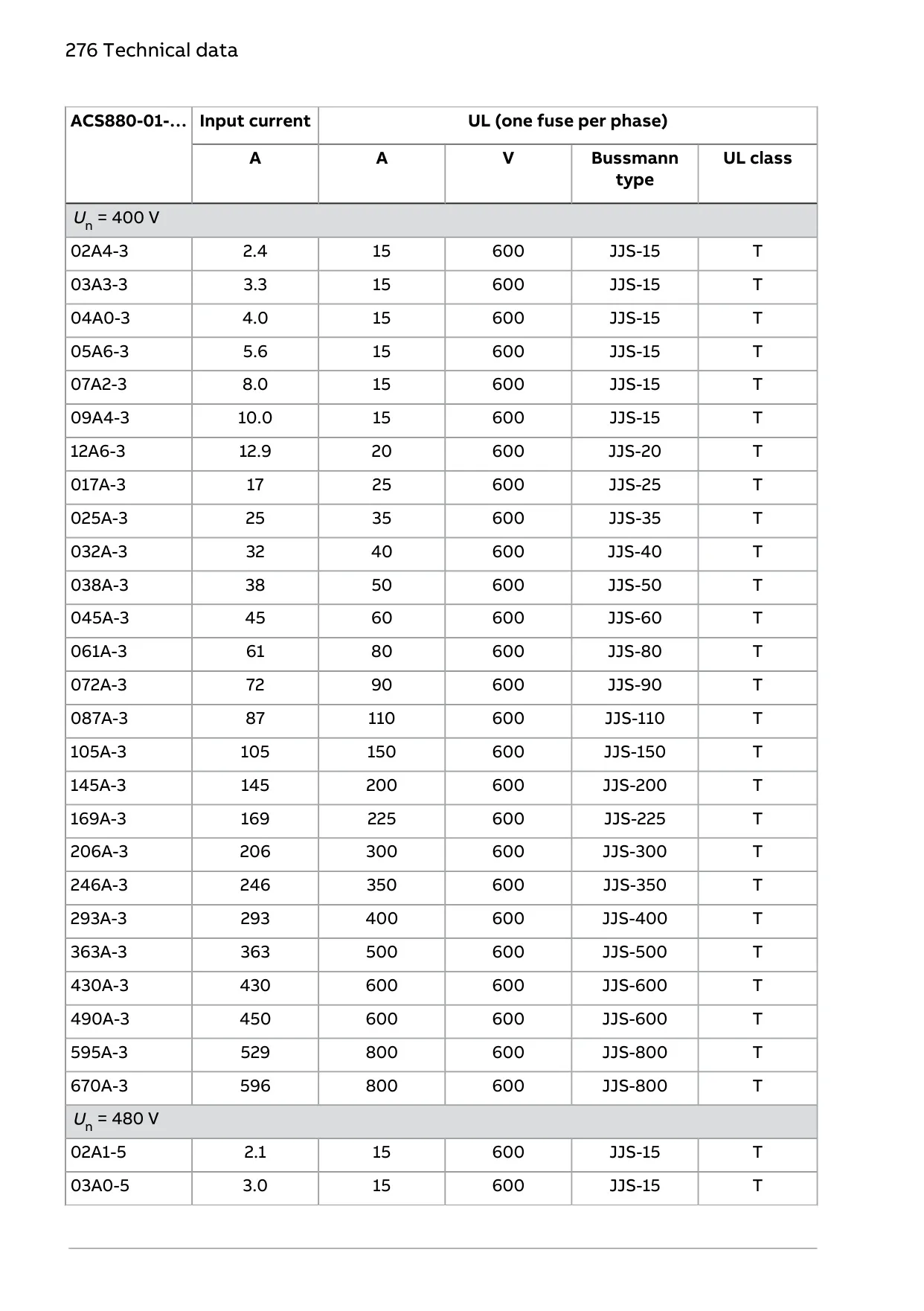
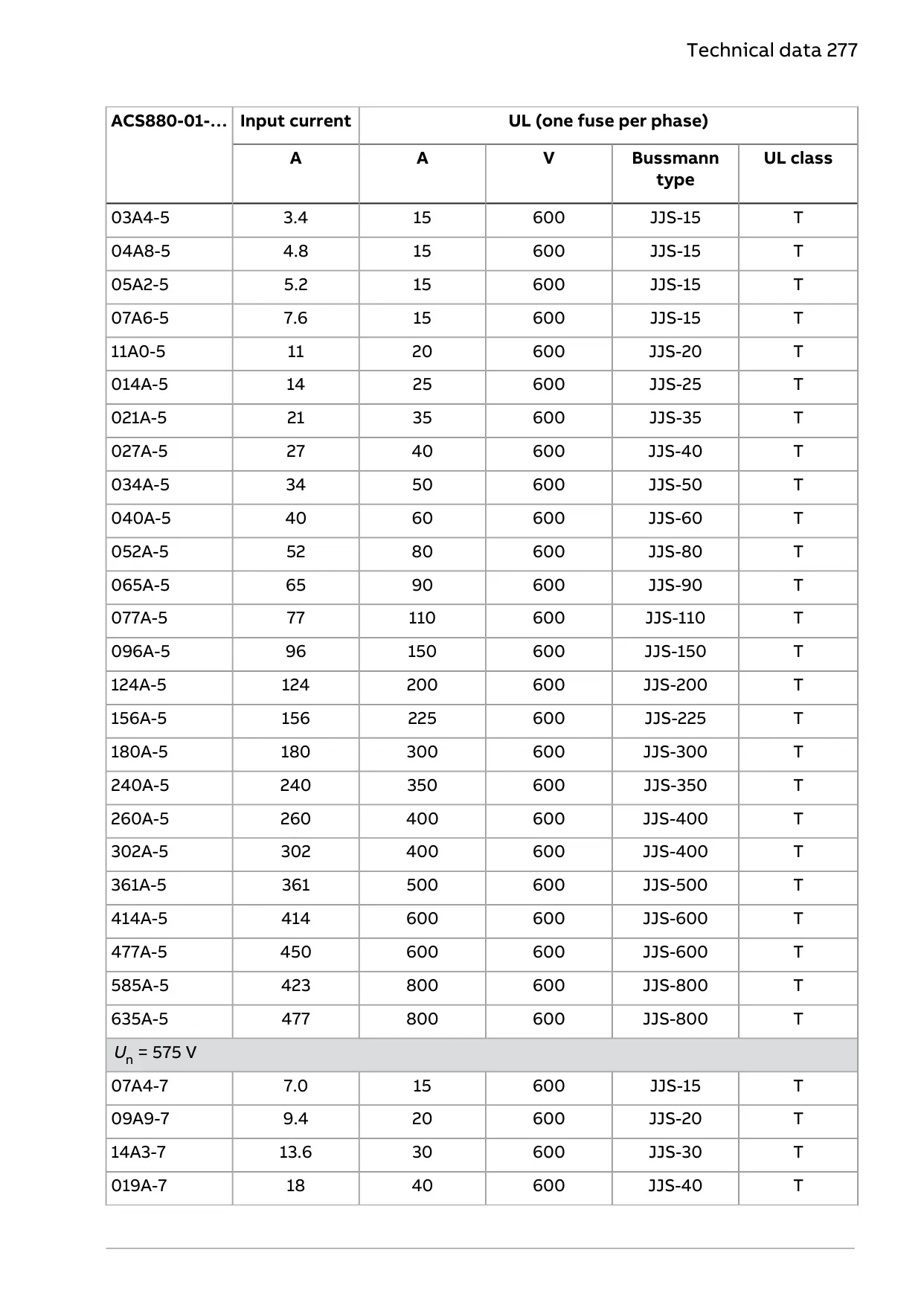
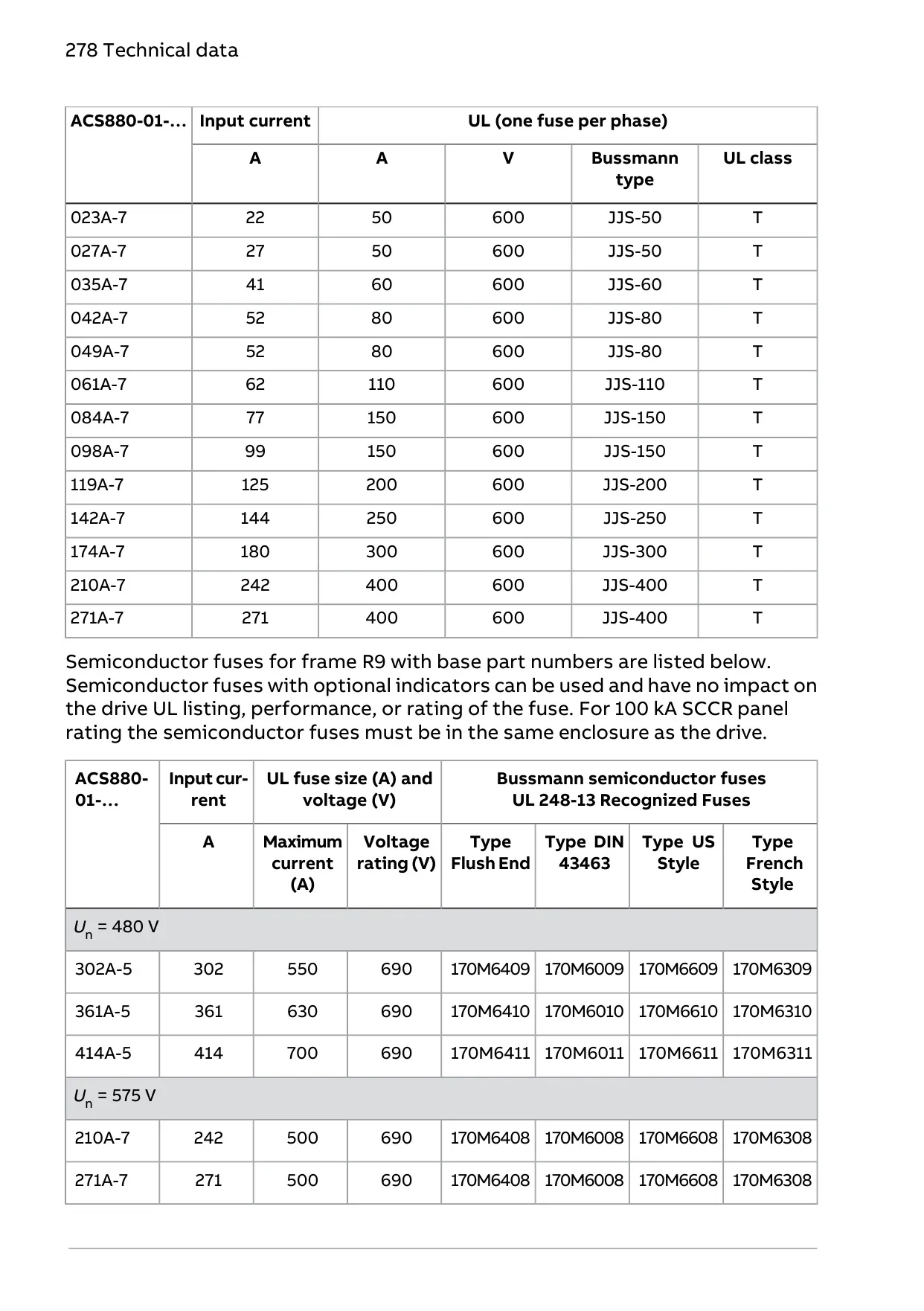
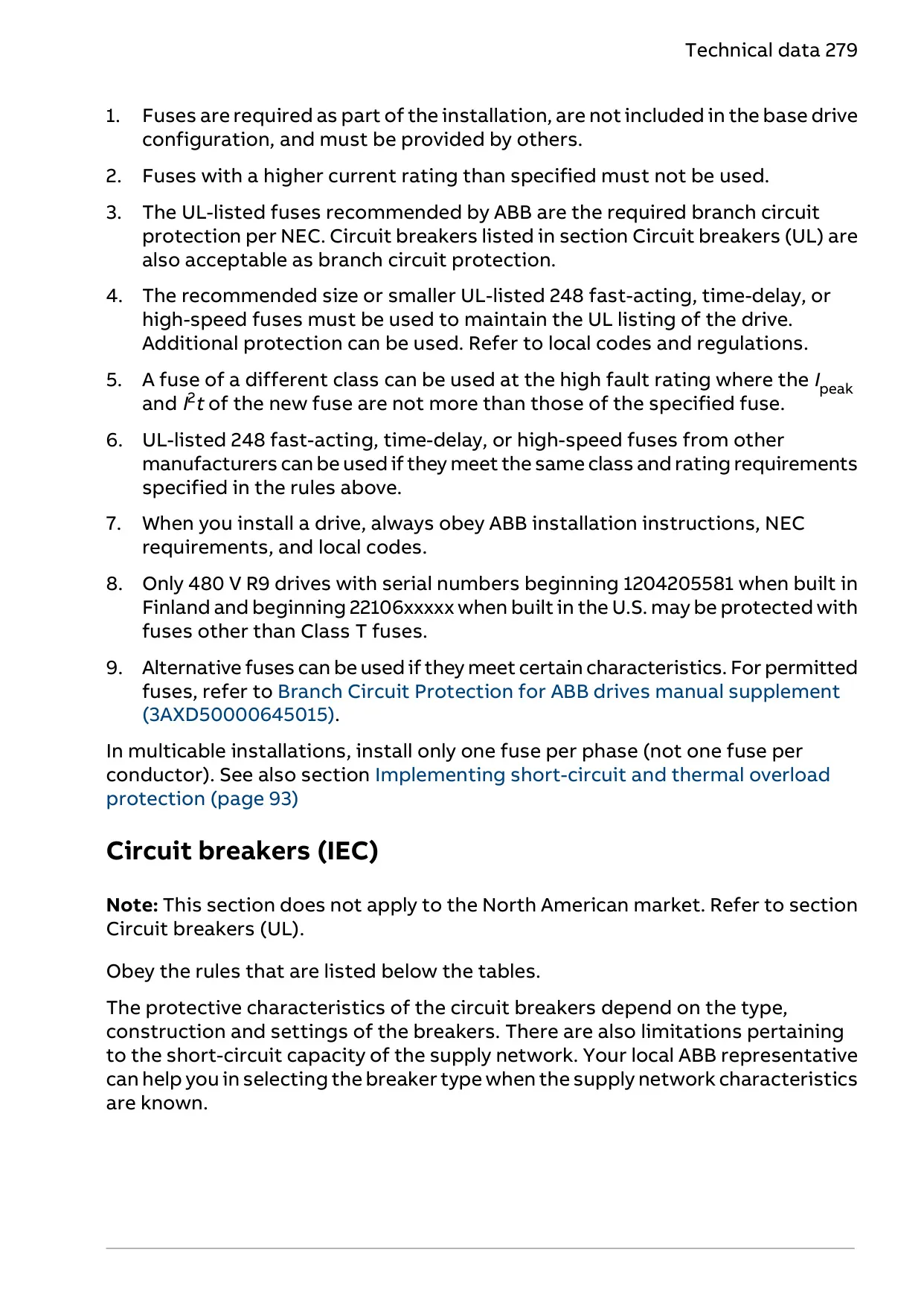
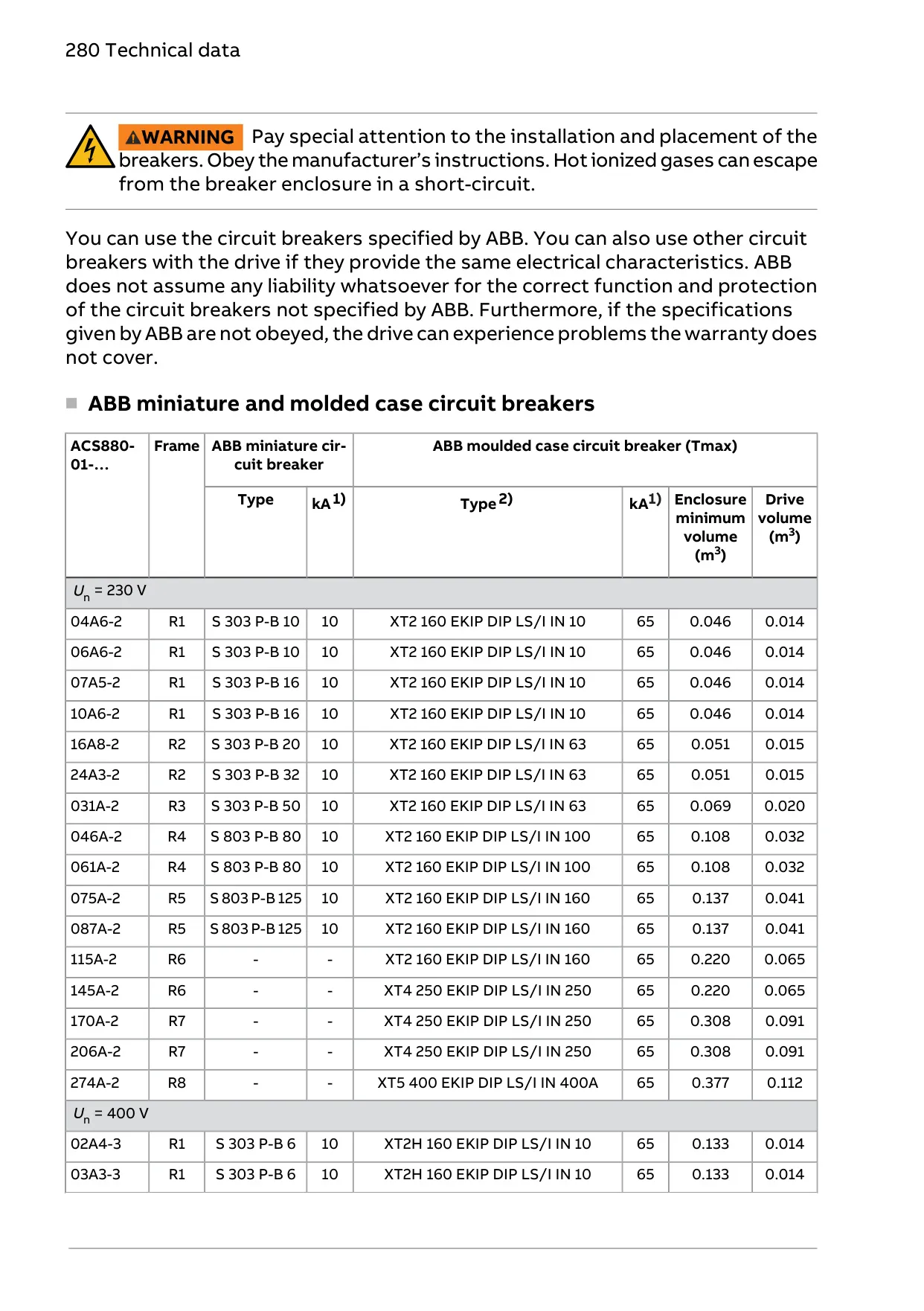
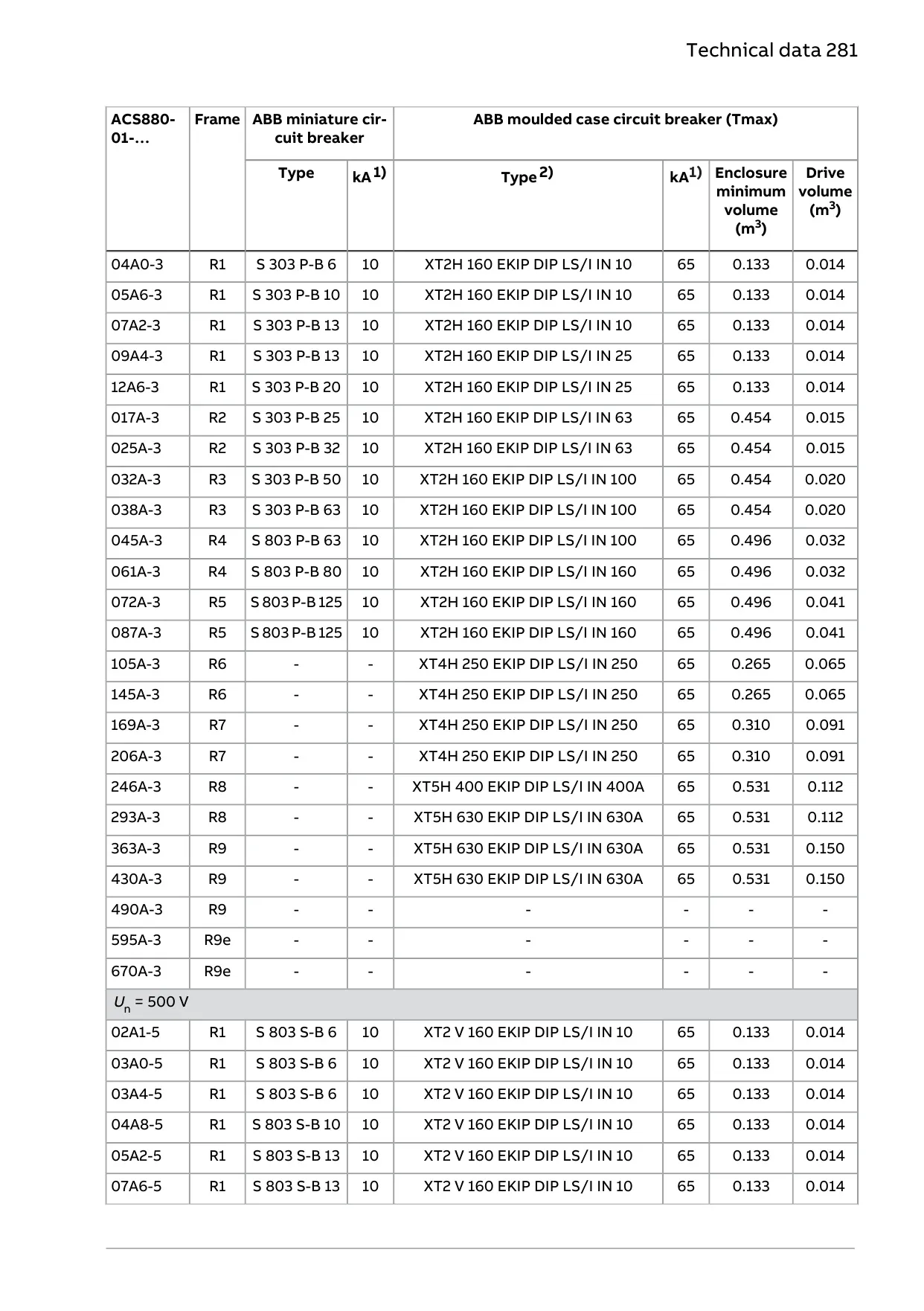
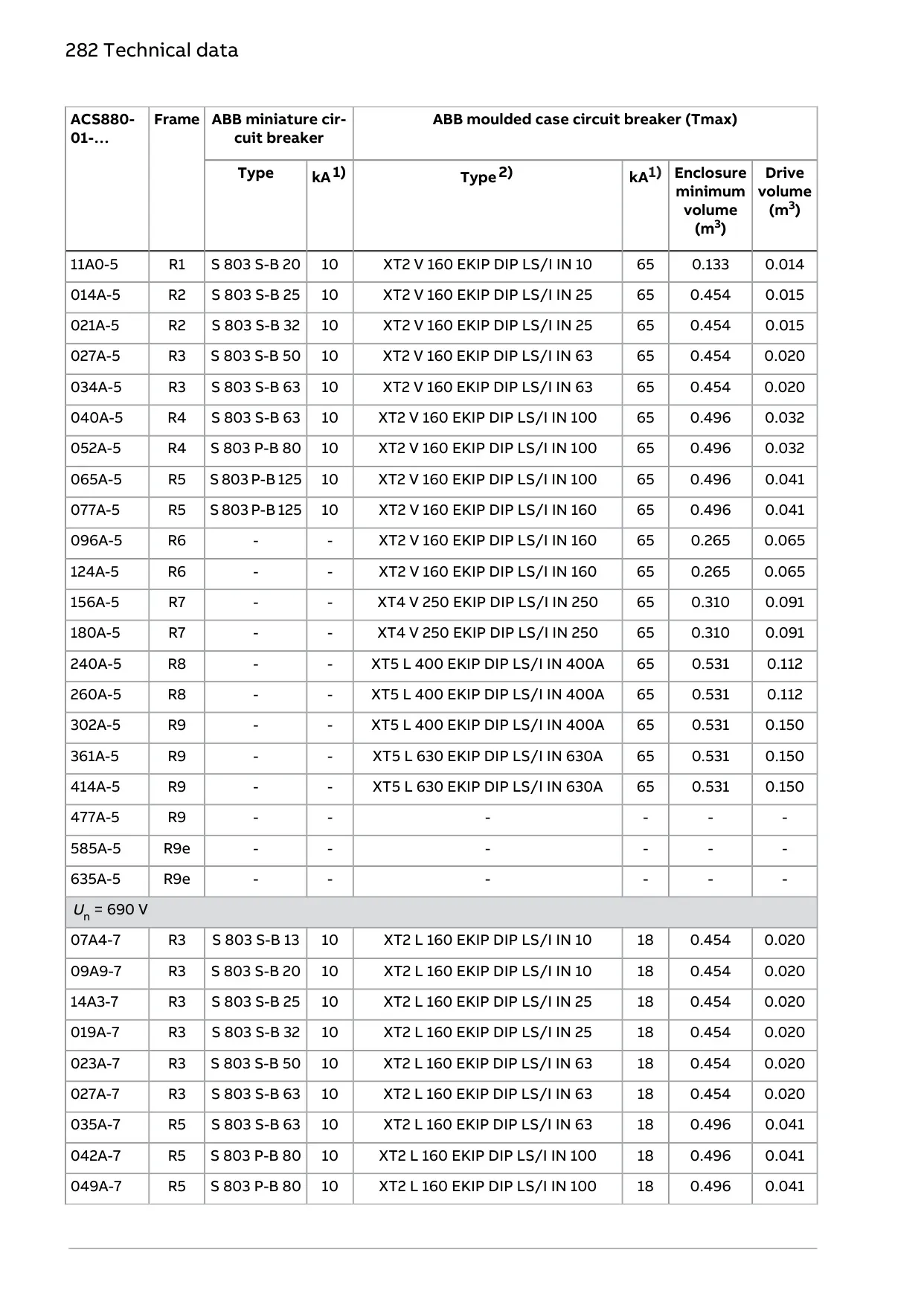
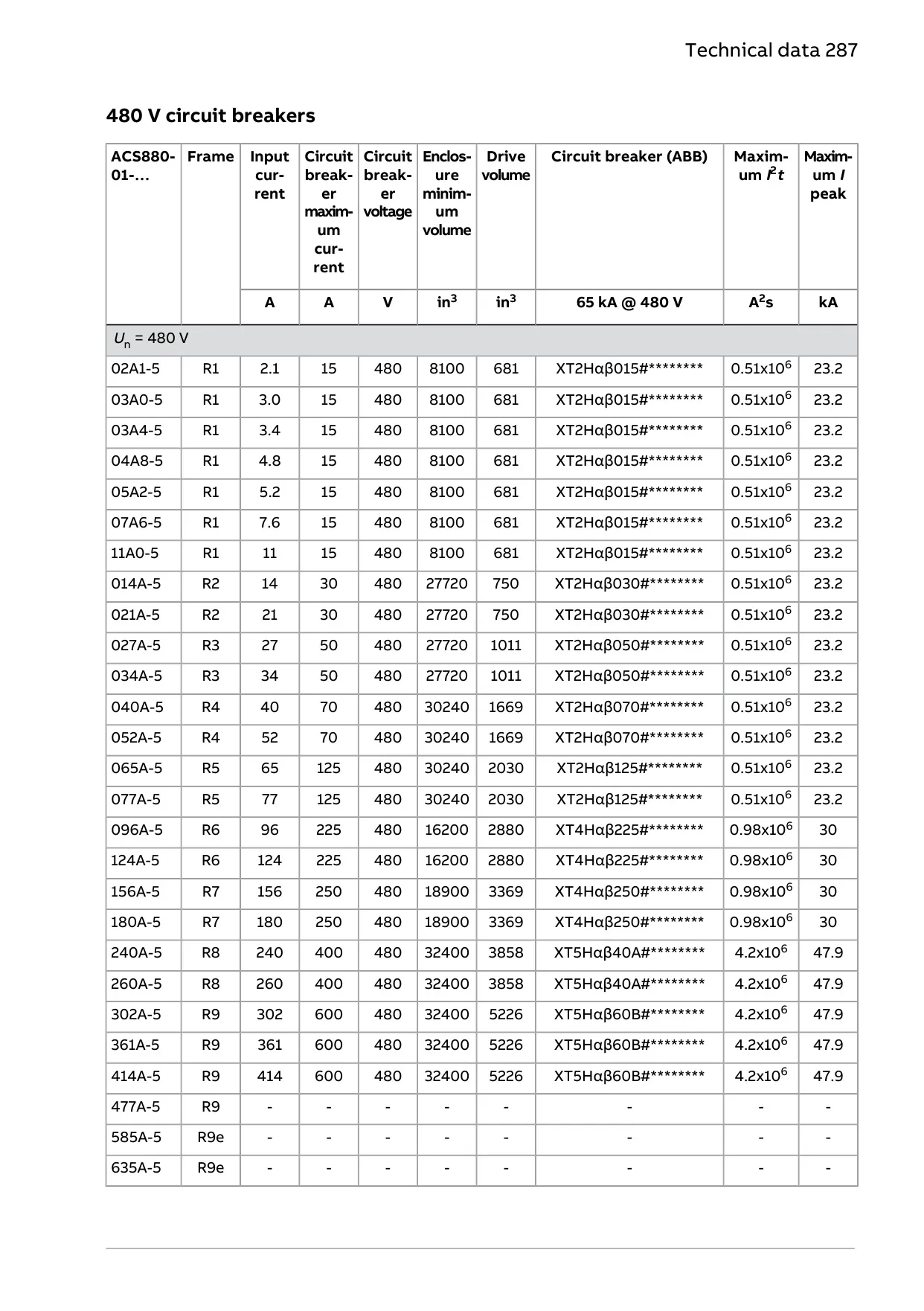
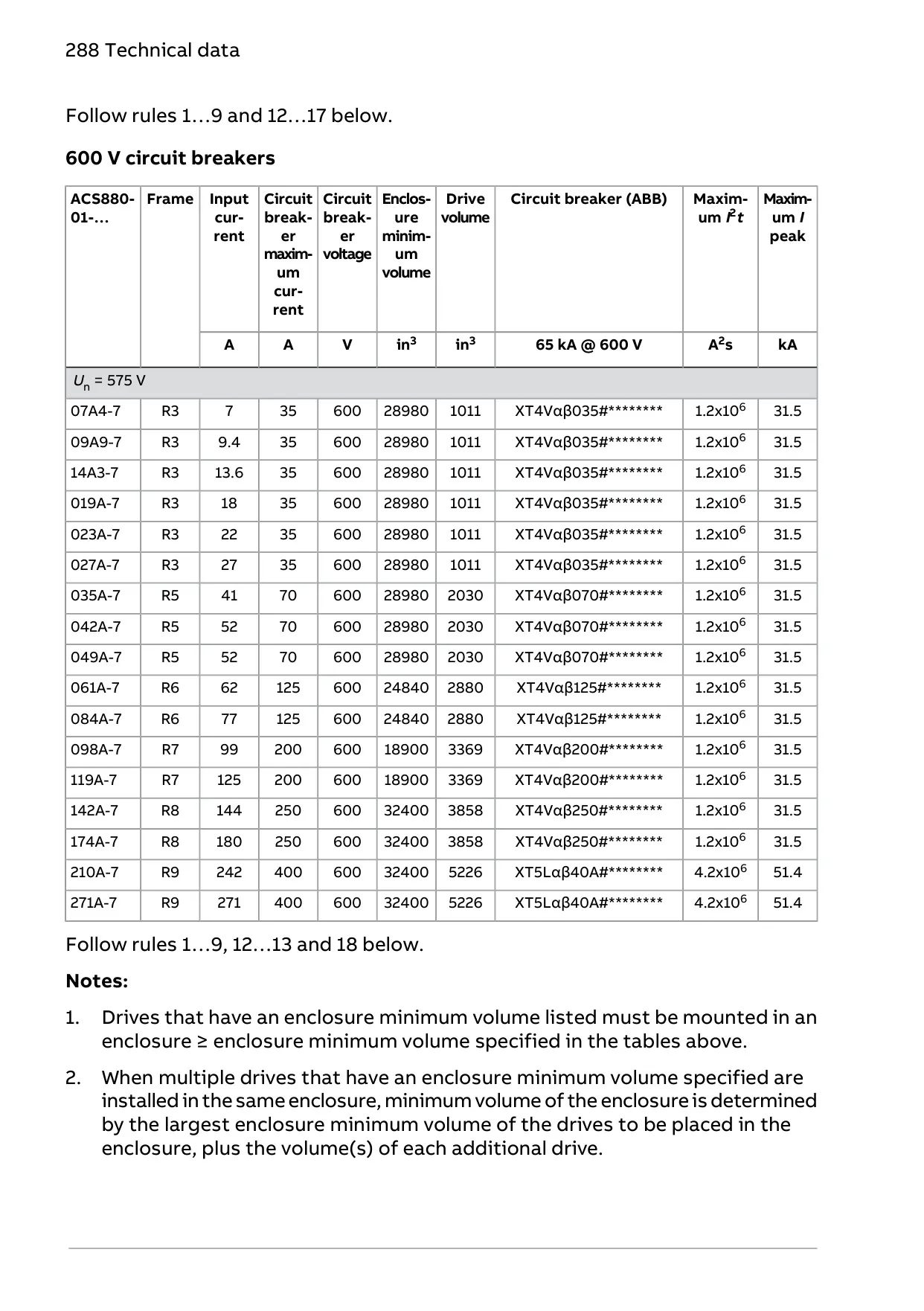
| Max. Short-Circuit Current Rating (UL) | 100 kA symmetrical RMS (with specified fuses); 65 kA symmetrical RMS (with specified circuit breakers) |
| Control Unit | ZCU-12 (standard); UCU-20 (option +V998) |
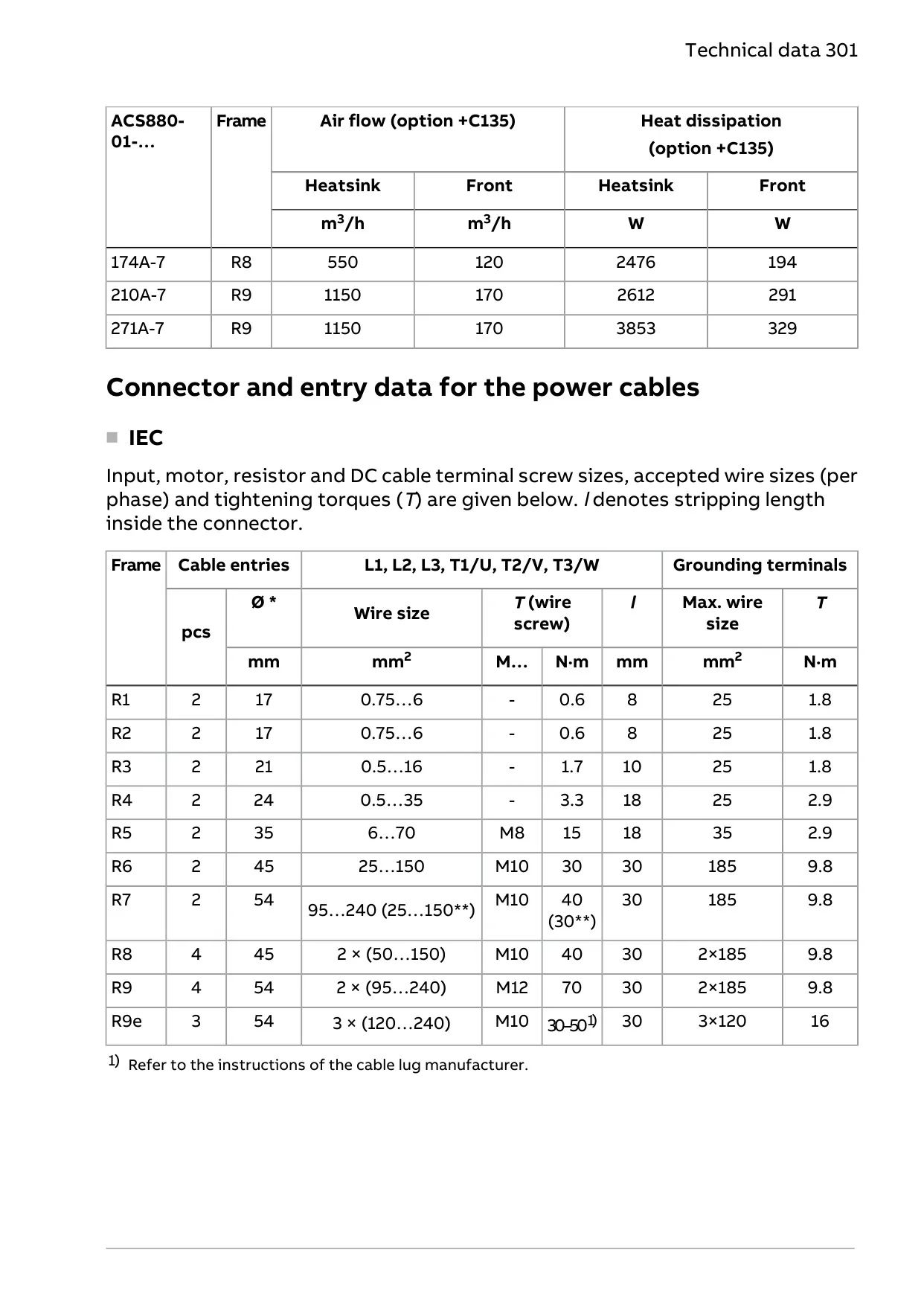
| Max. Recommended Motor Cable Length | 150 m (frames R1–R3), 300 m (frames R4–R9, R9e) without filters |
| Design Lifetime Expectancy | Exceeds 10 years (potentially 20+ years with proper maintenance) |
ACS880 Variable Frequency Drive Details
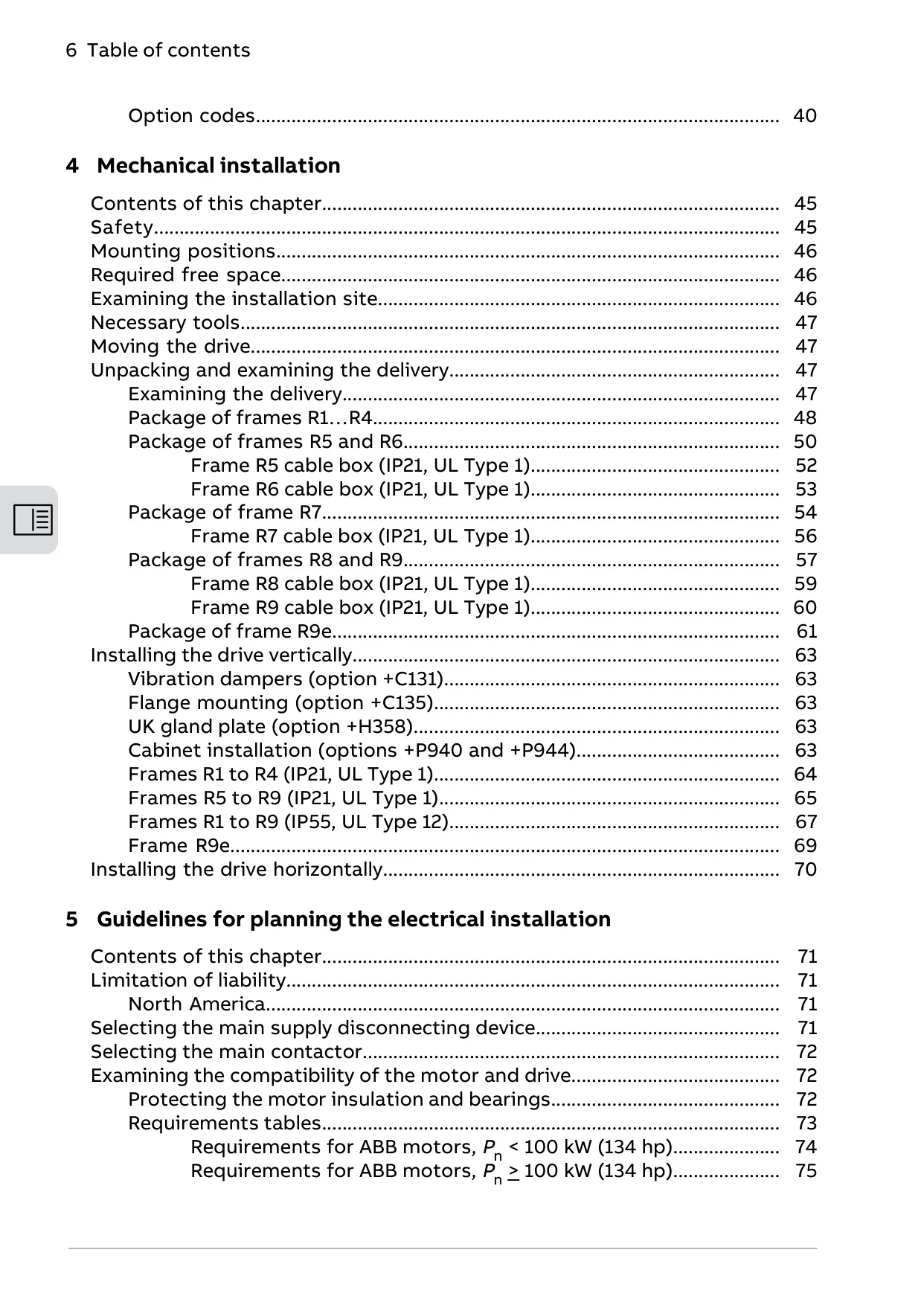
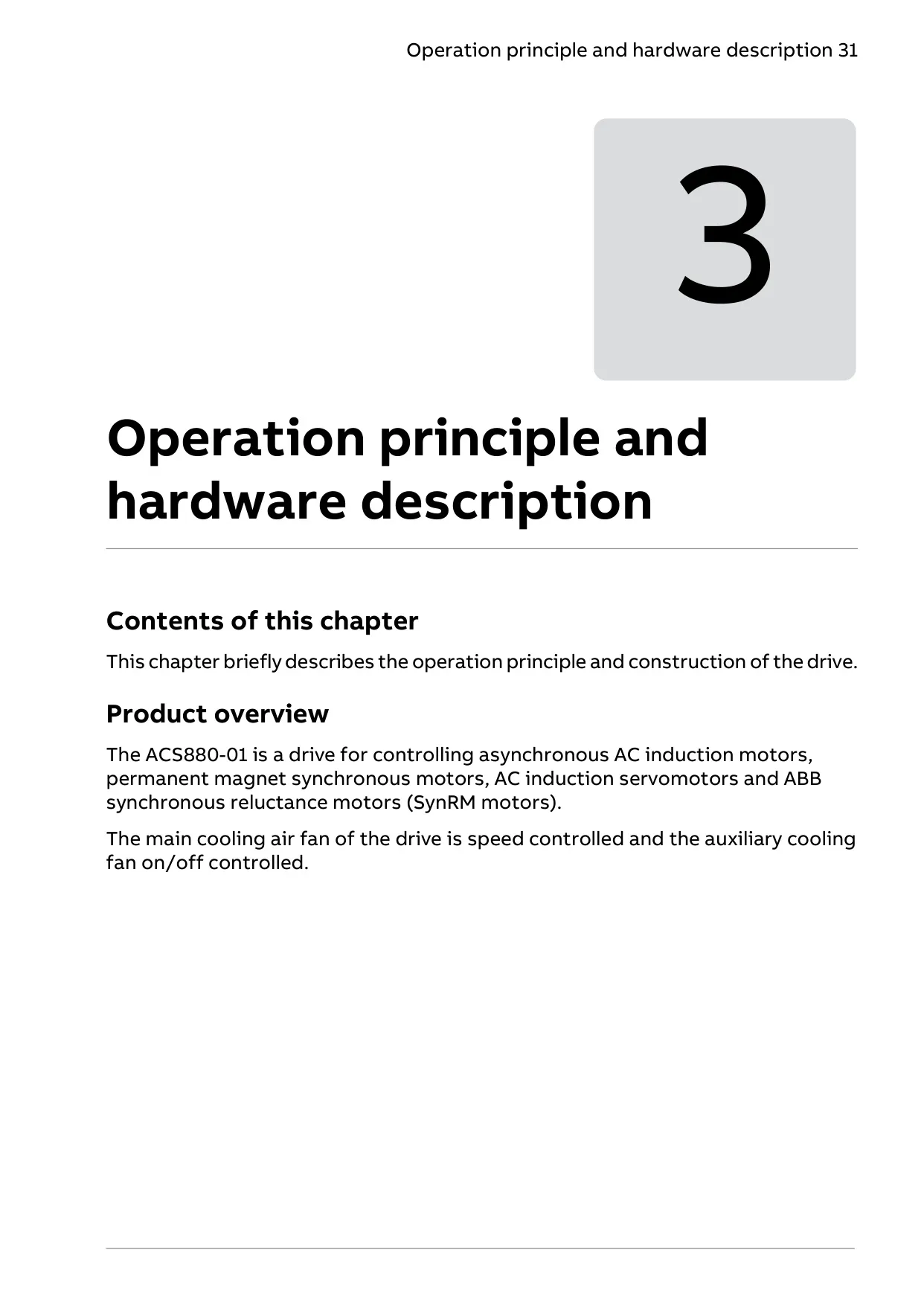
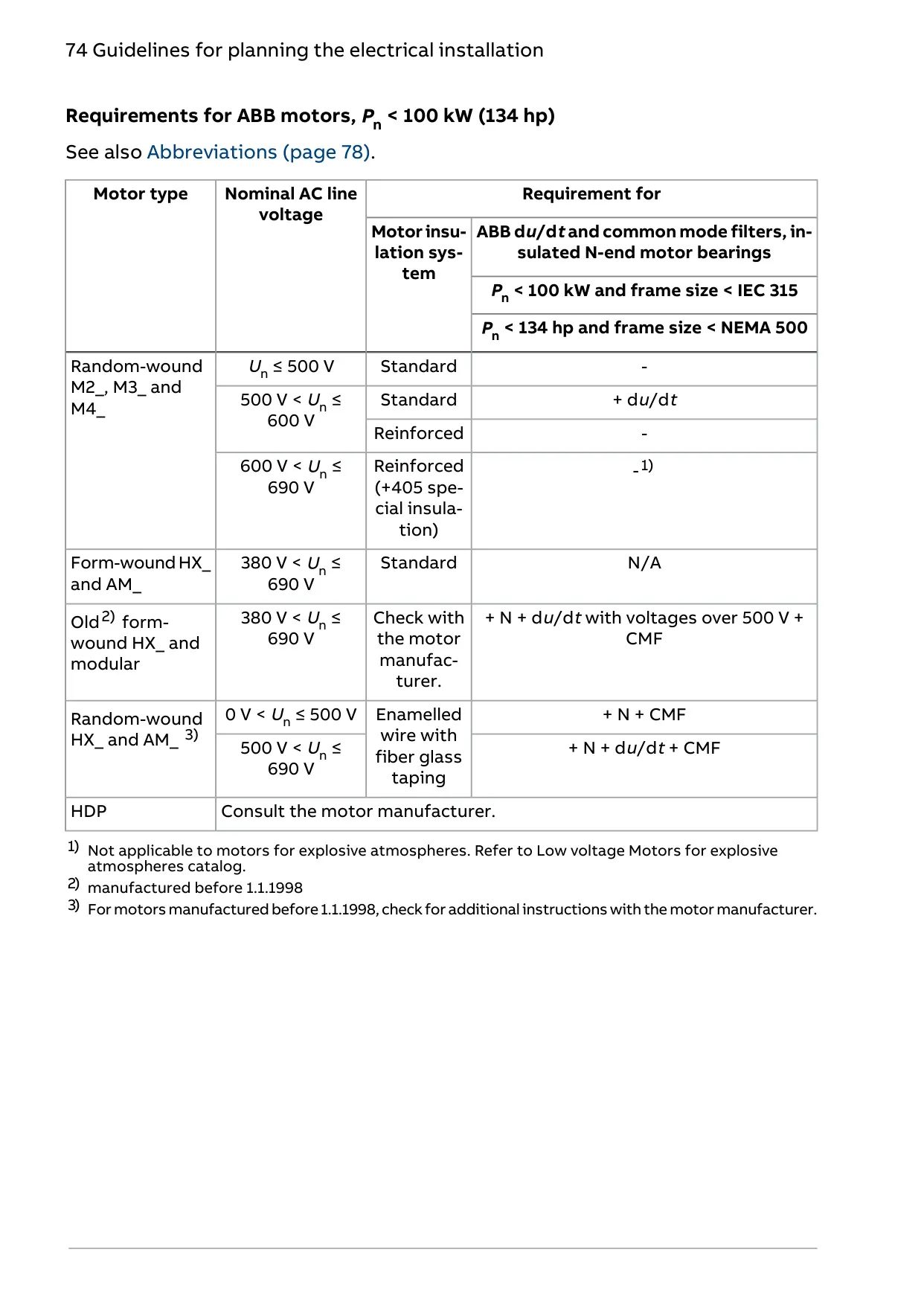
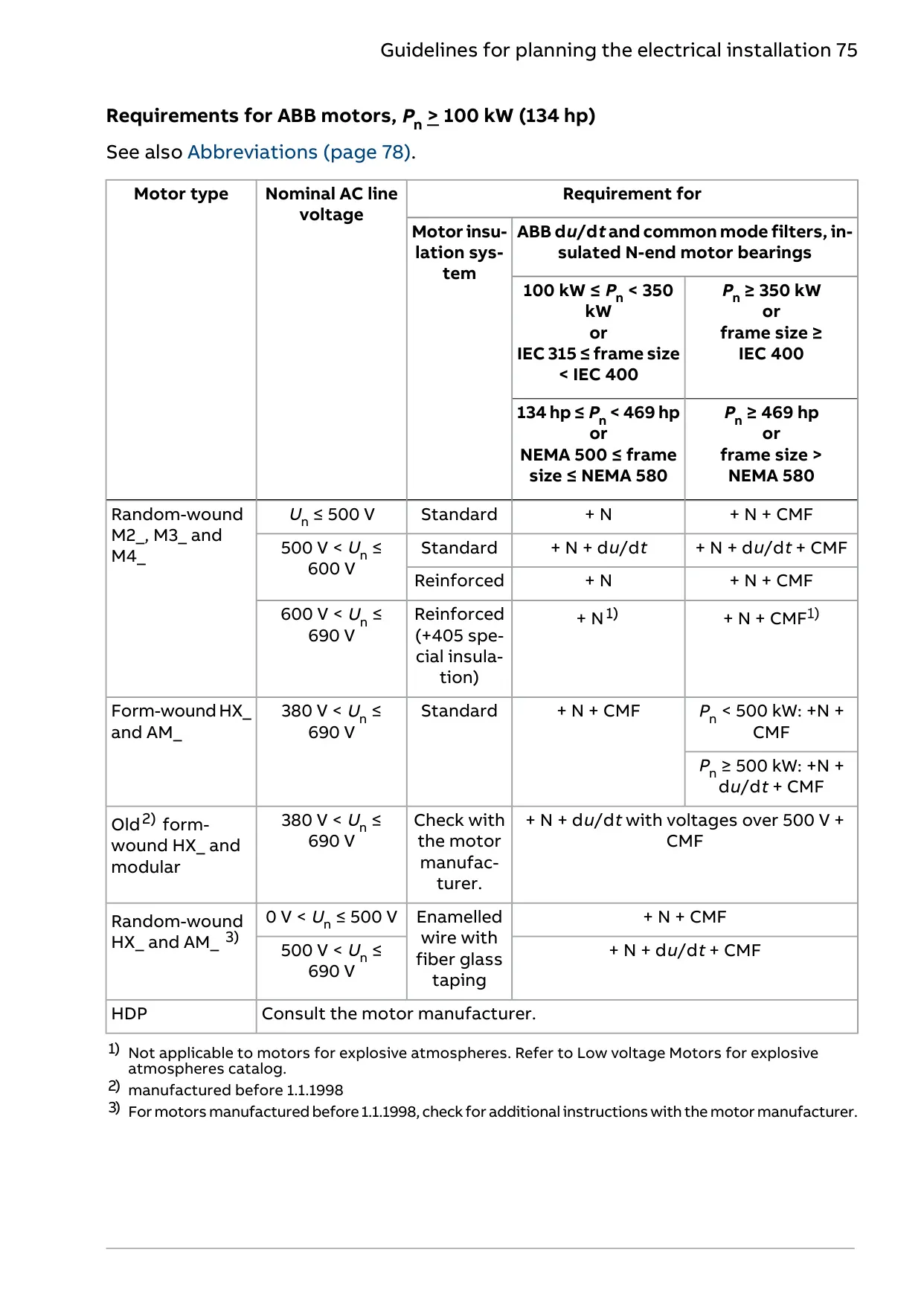
The ABB ACS880-01 Variable Frequency Drive is engineered for versatile motor control, supporting asynchronous AC induction motors, permanent magnet synchronous motors, AC induction servomotors, and ABB synchronous reluctance (SynRM) motors. This broad compatibility ensures its applicability across diverse industrial processes, offering precise and adaptable performance for various motor technologies.
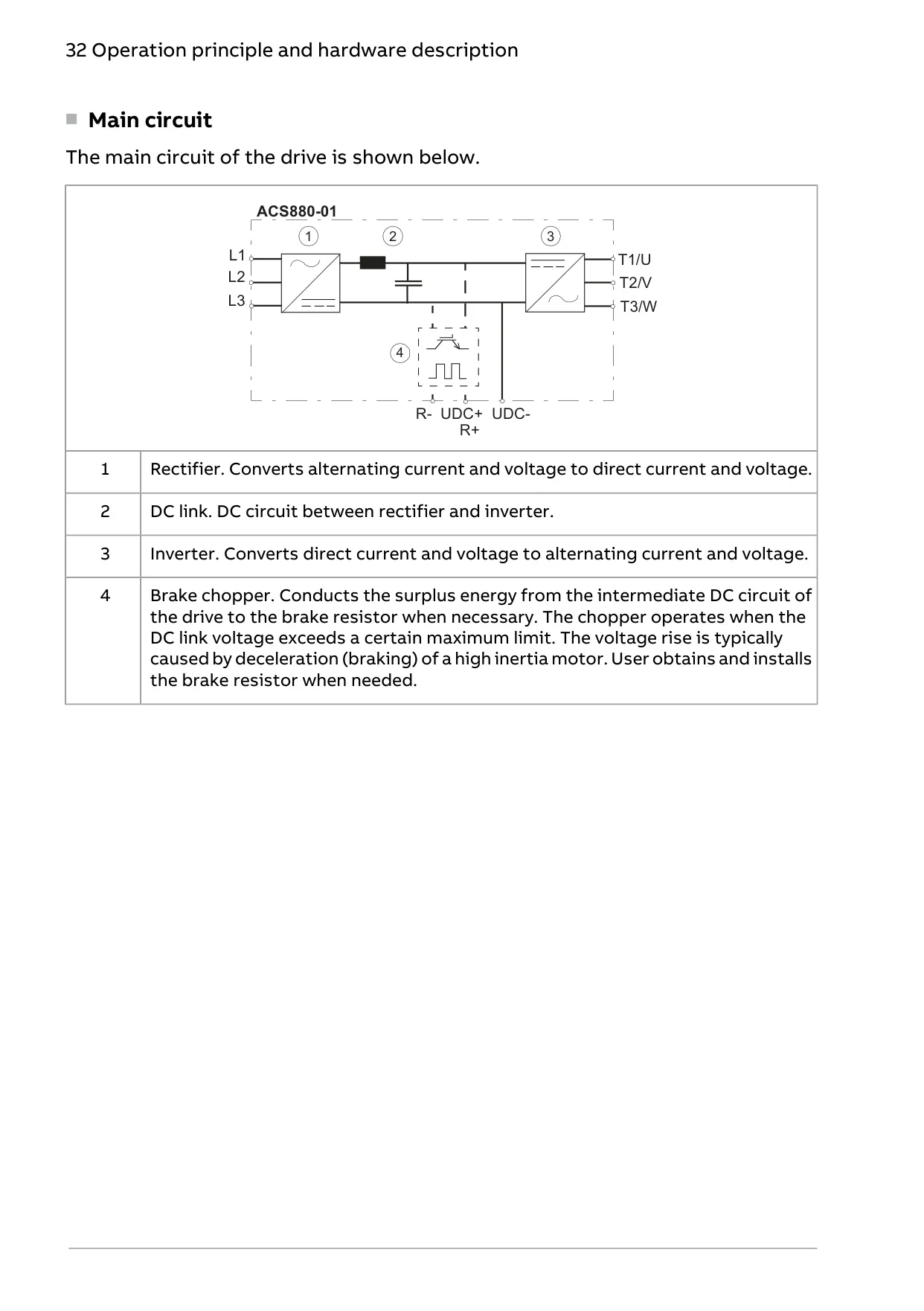
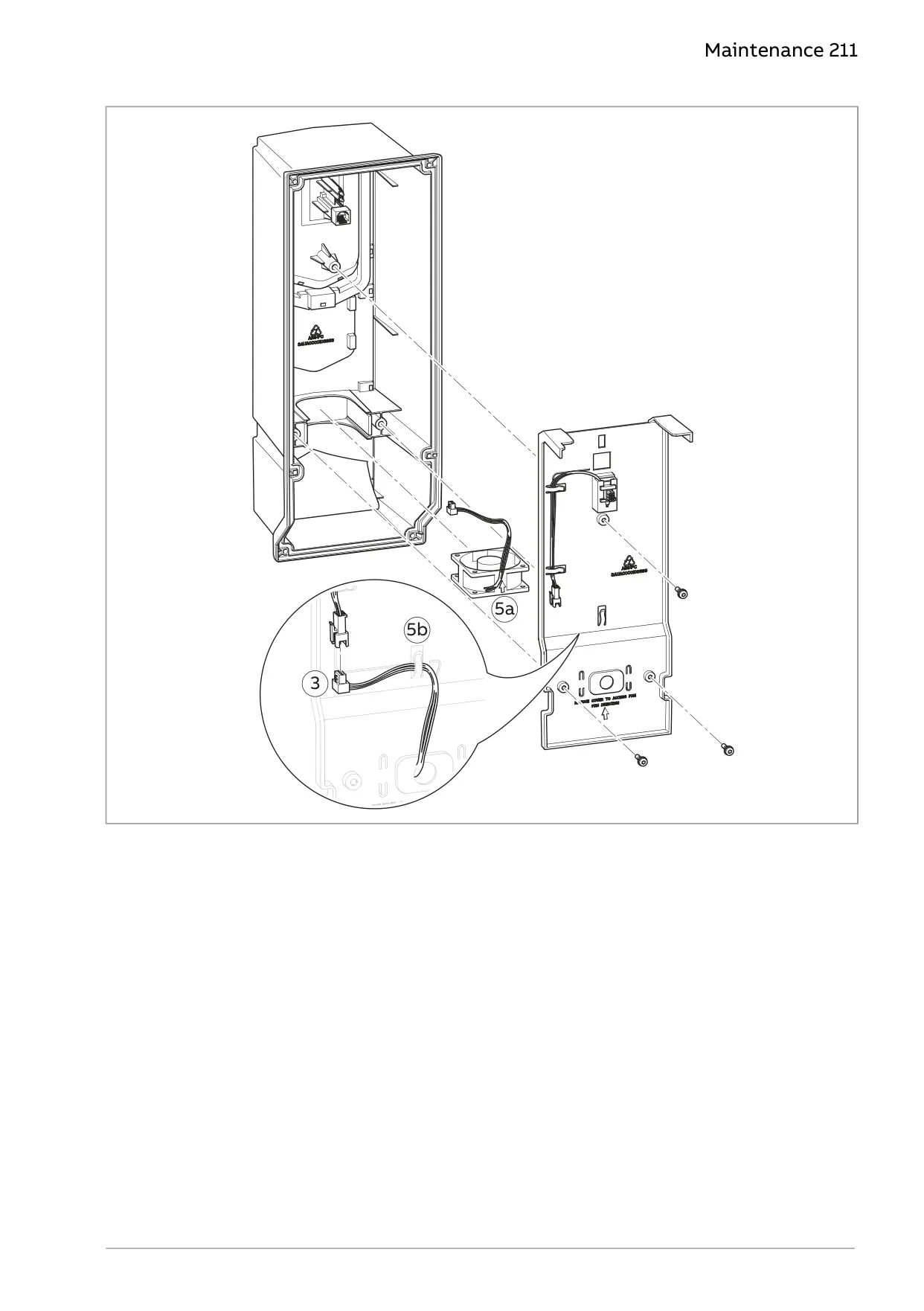
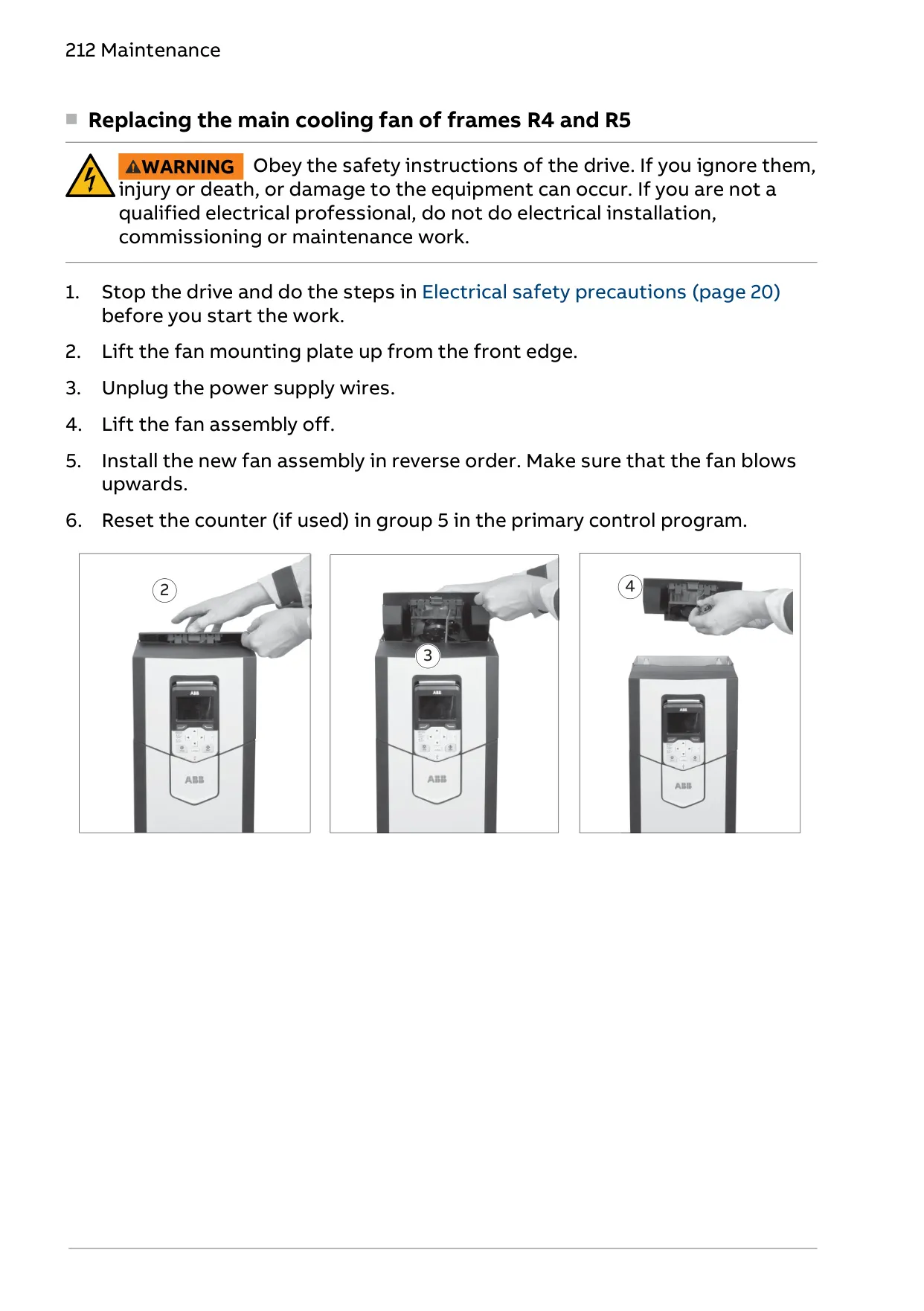
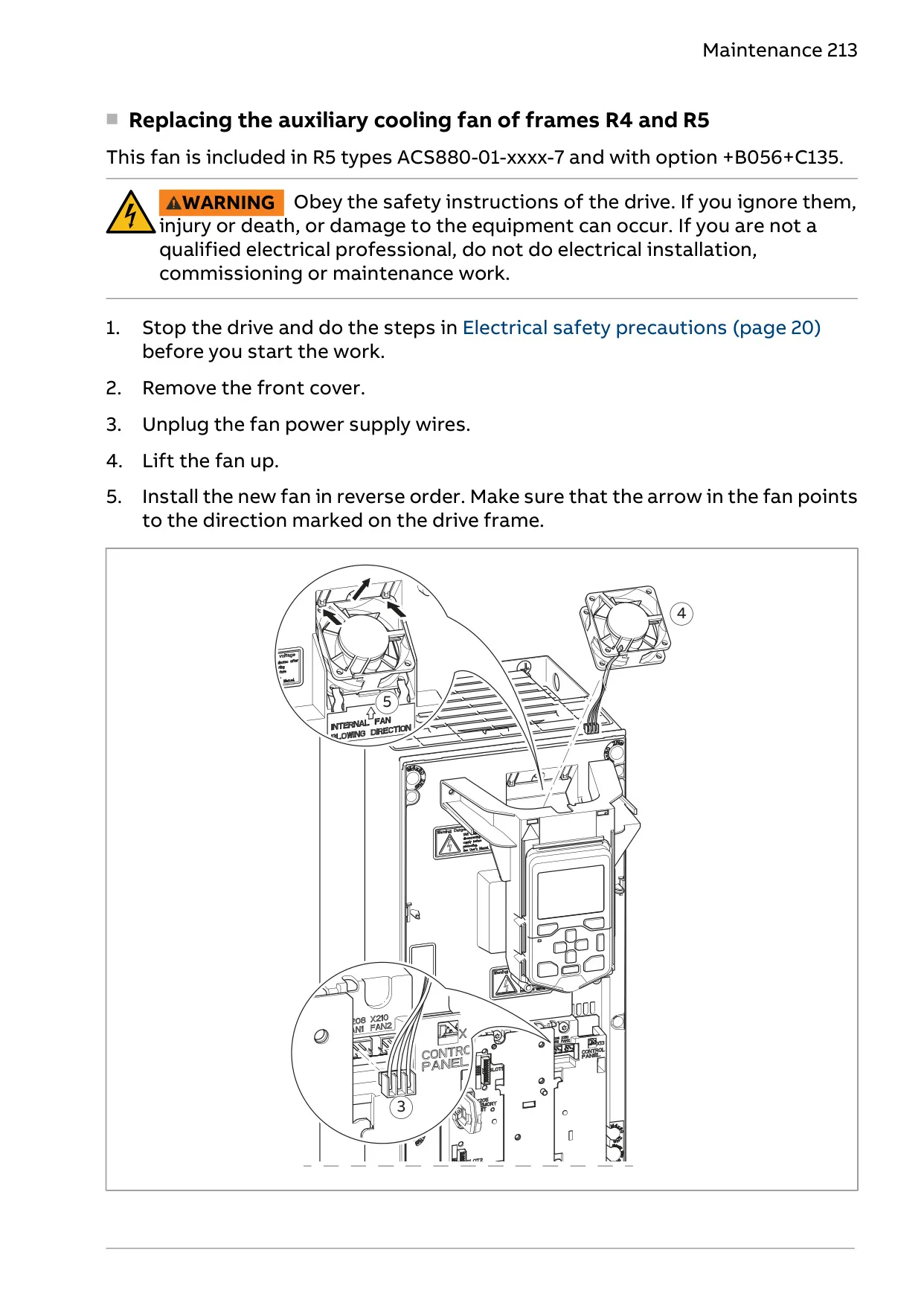
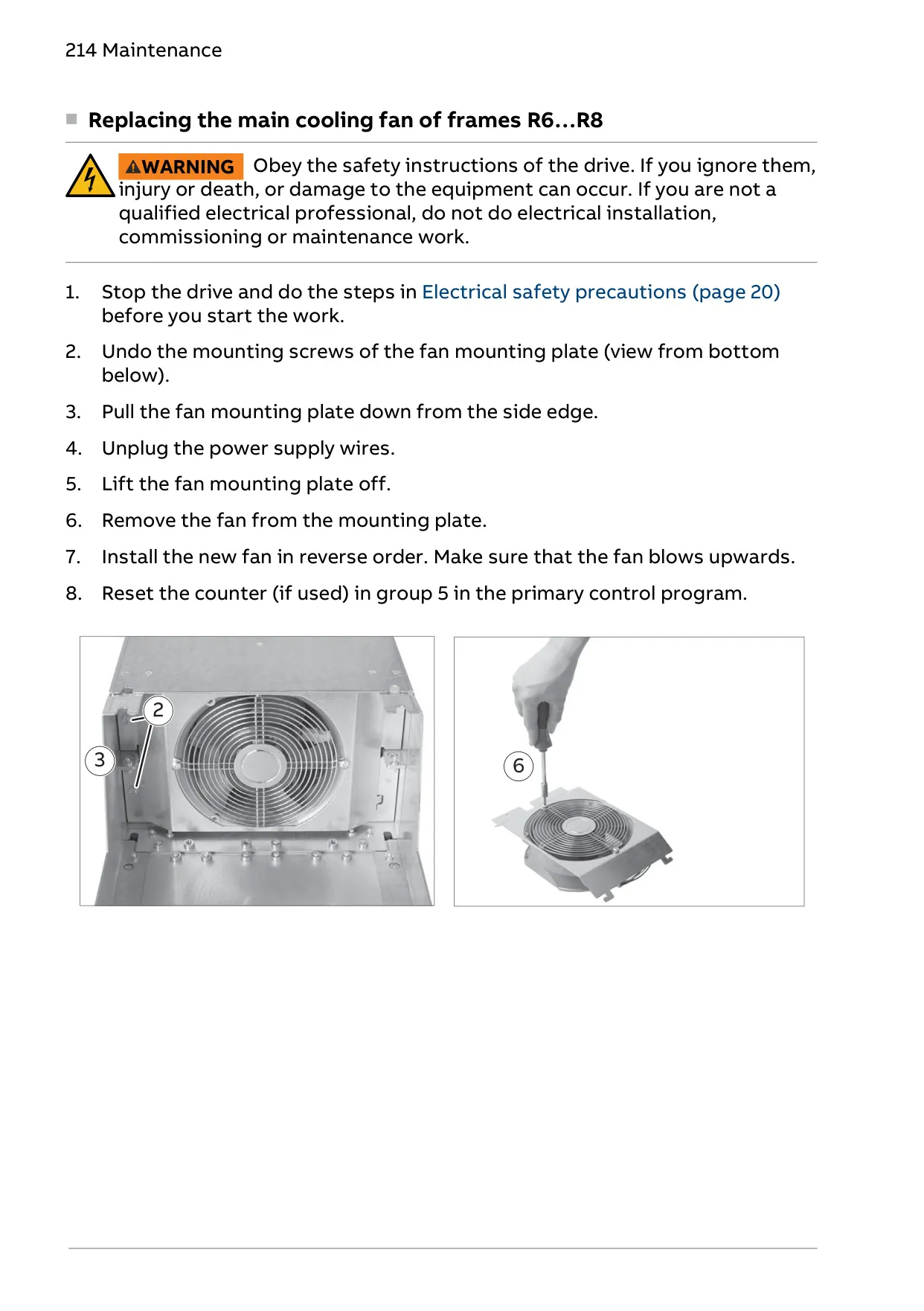
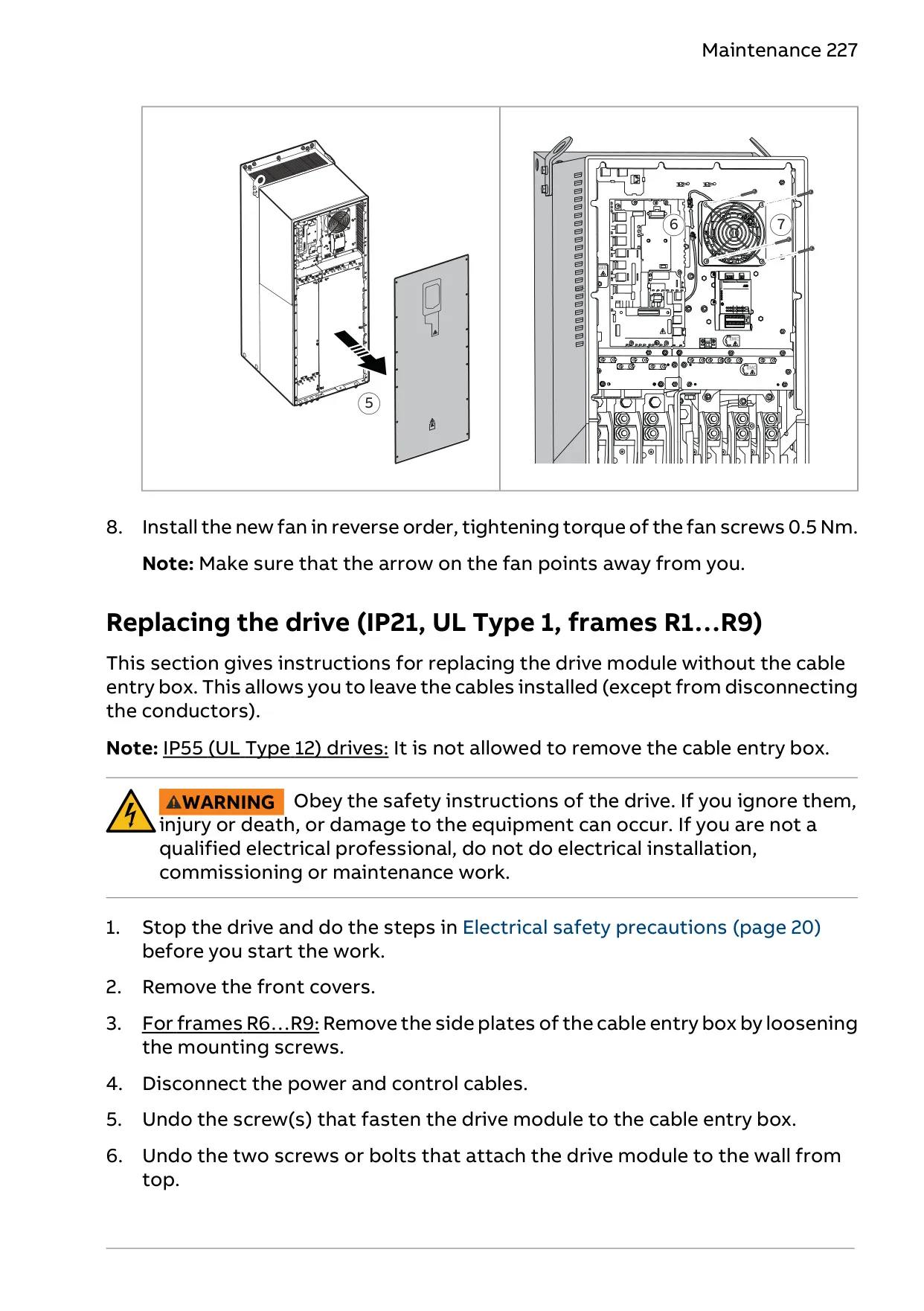
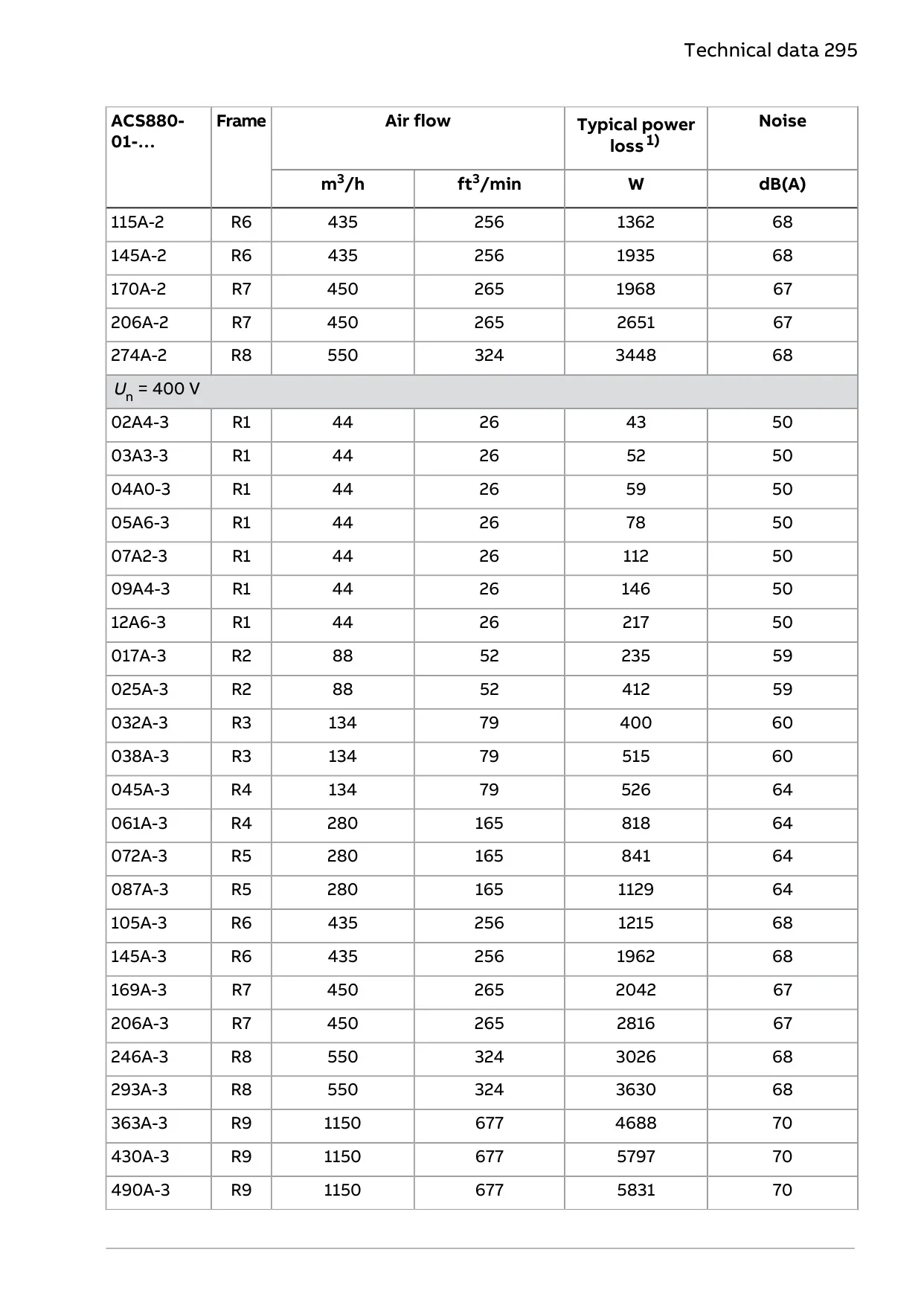
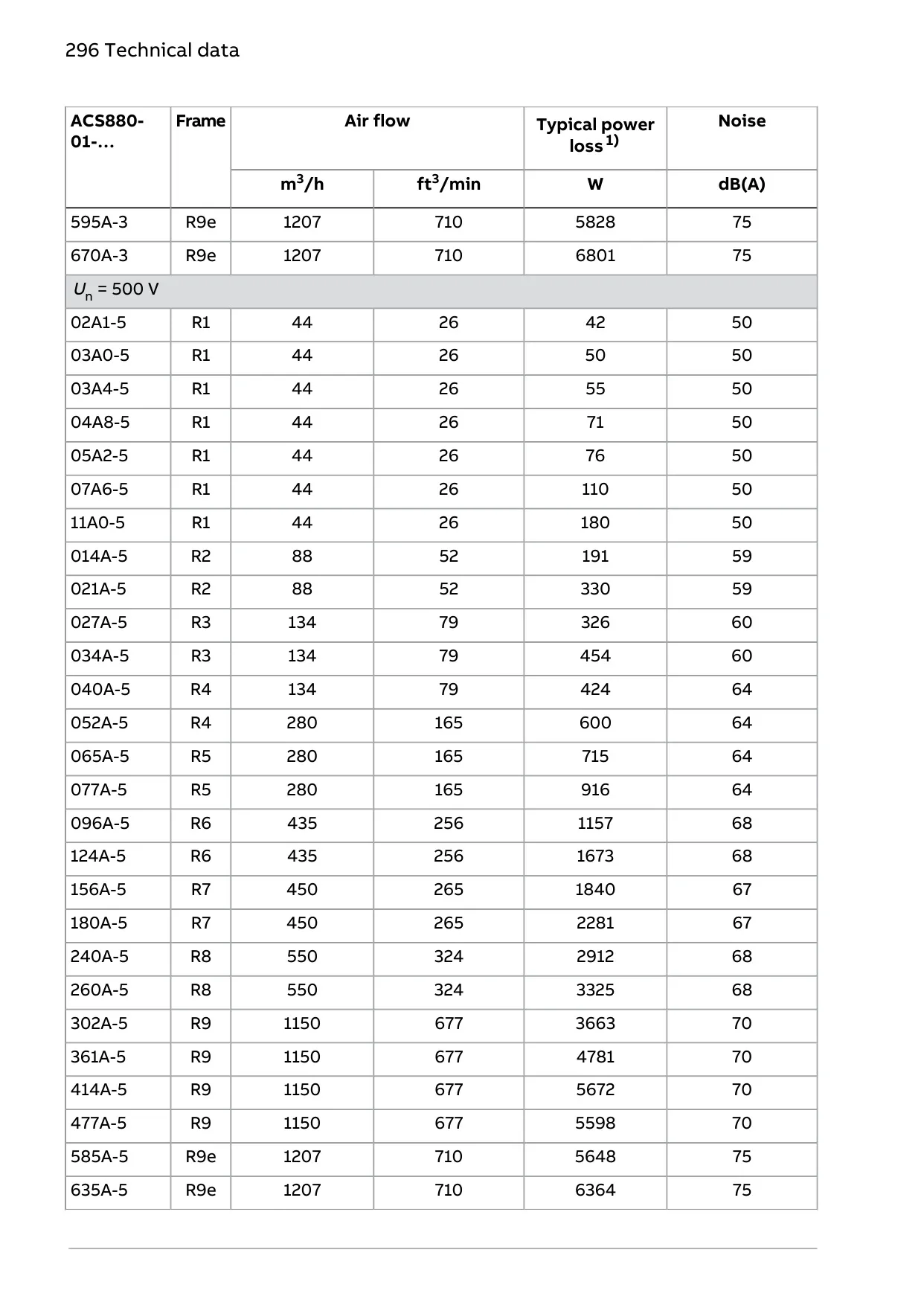
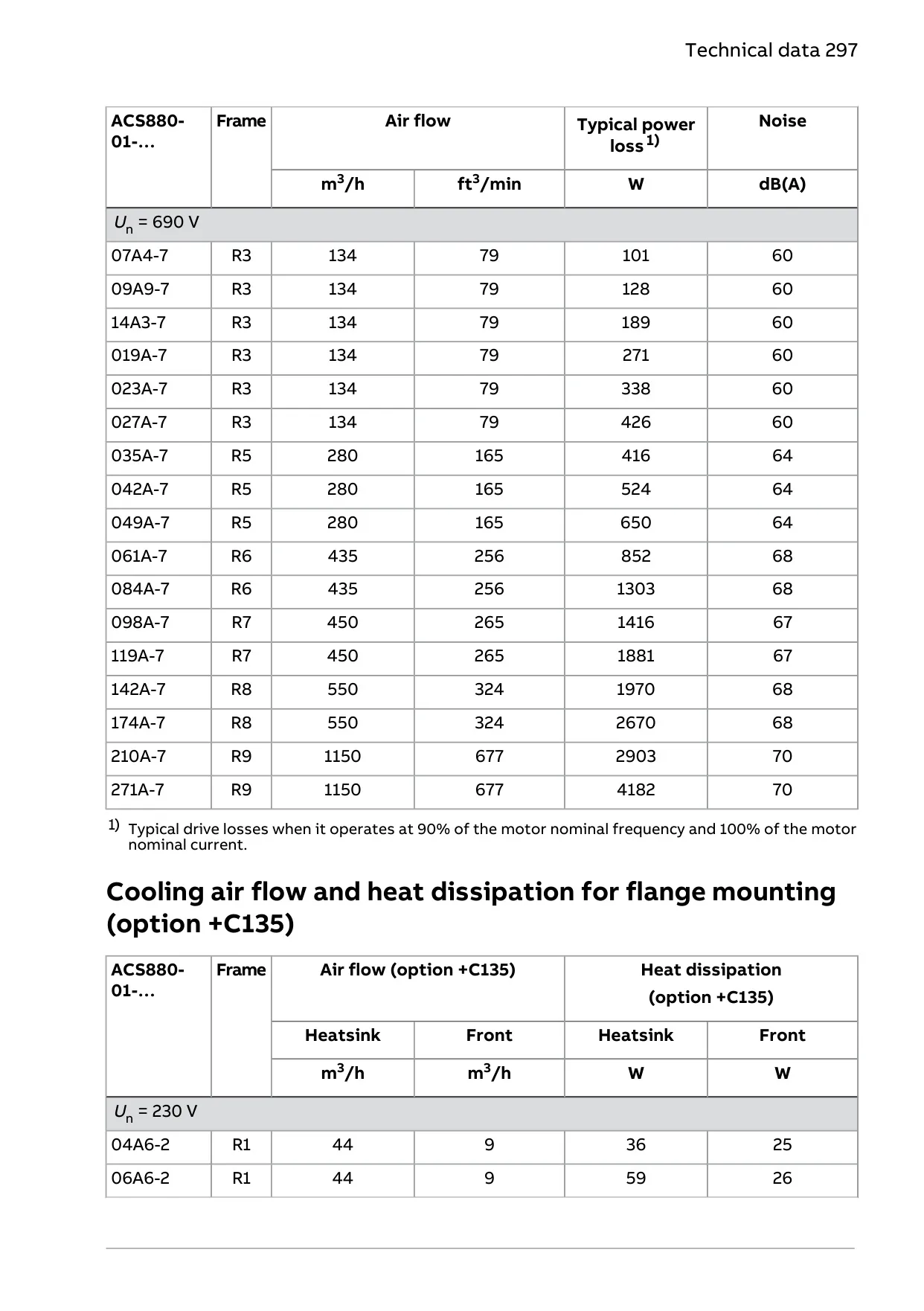
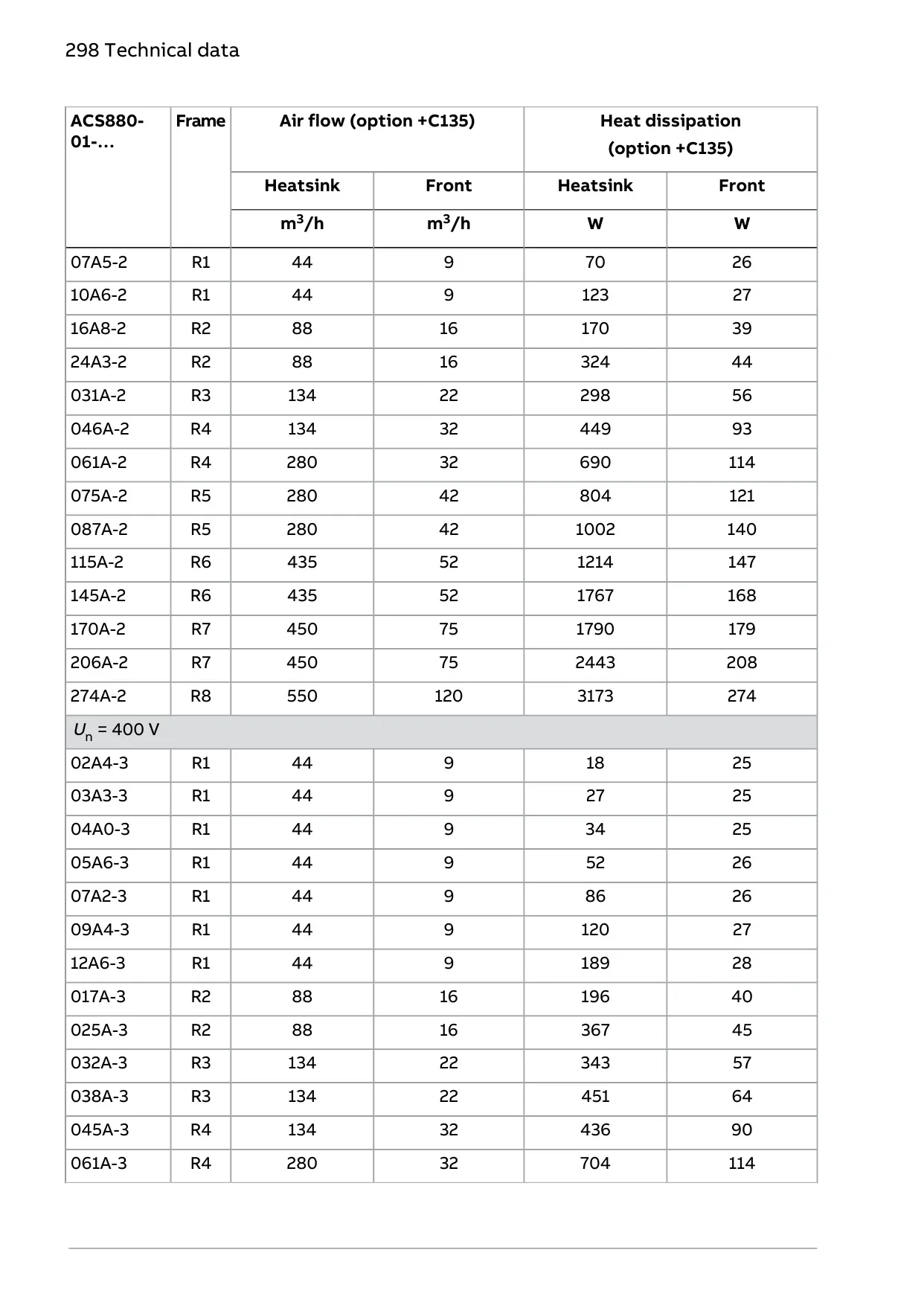
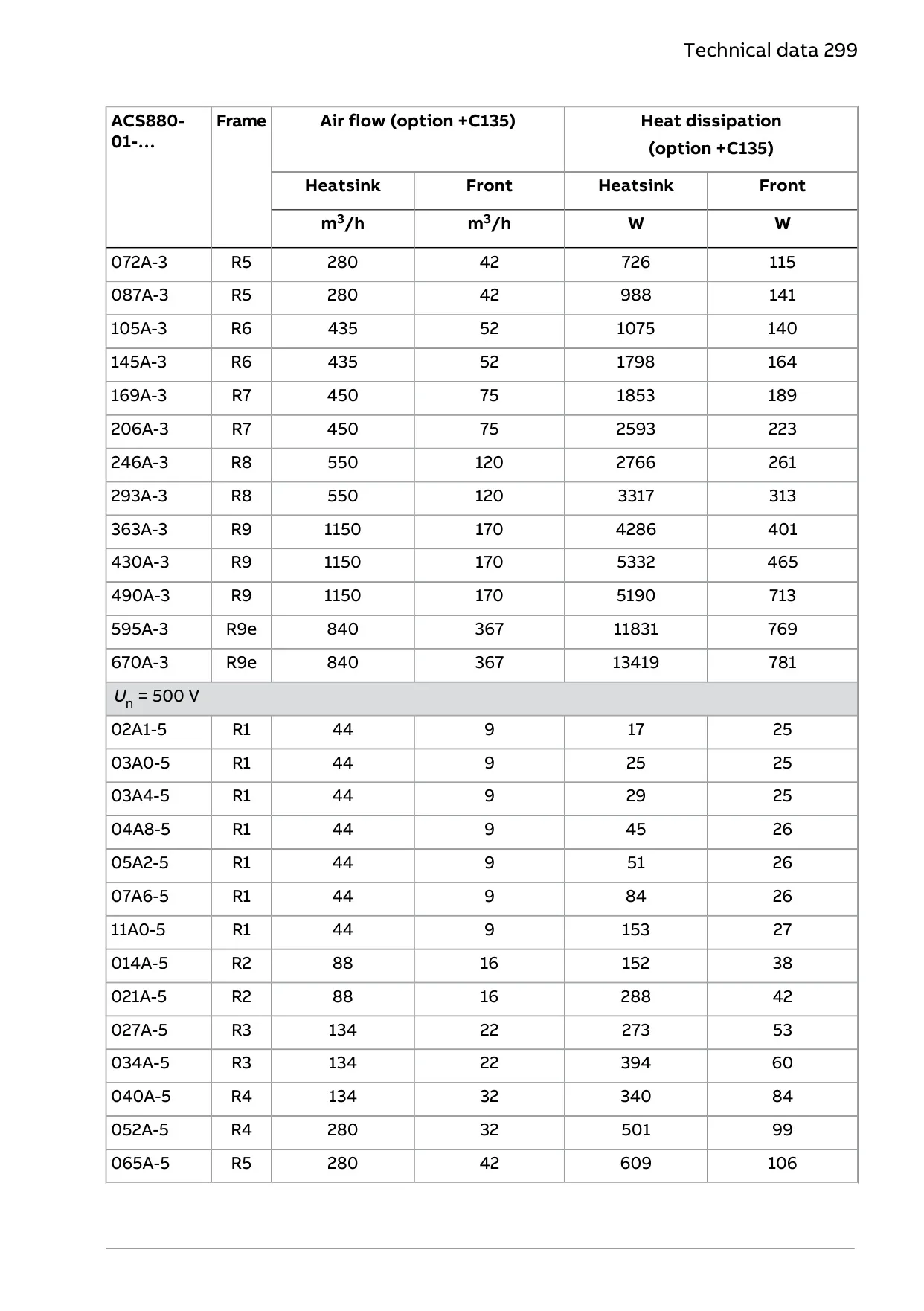
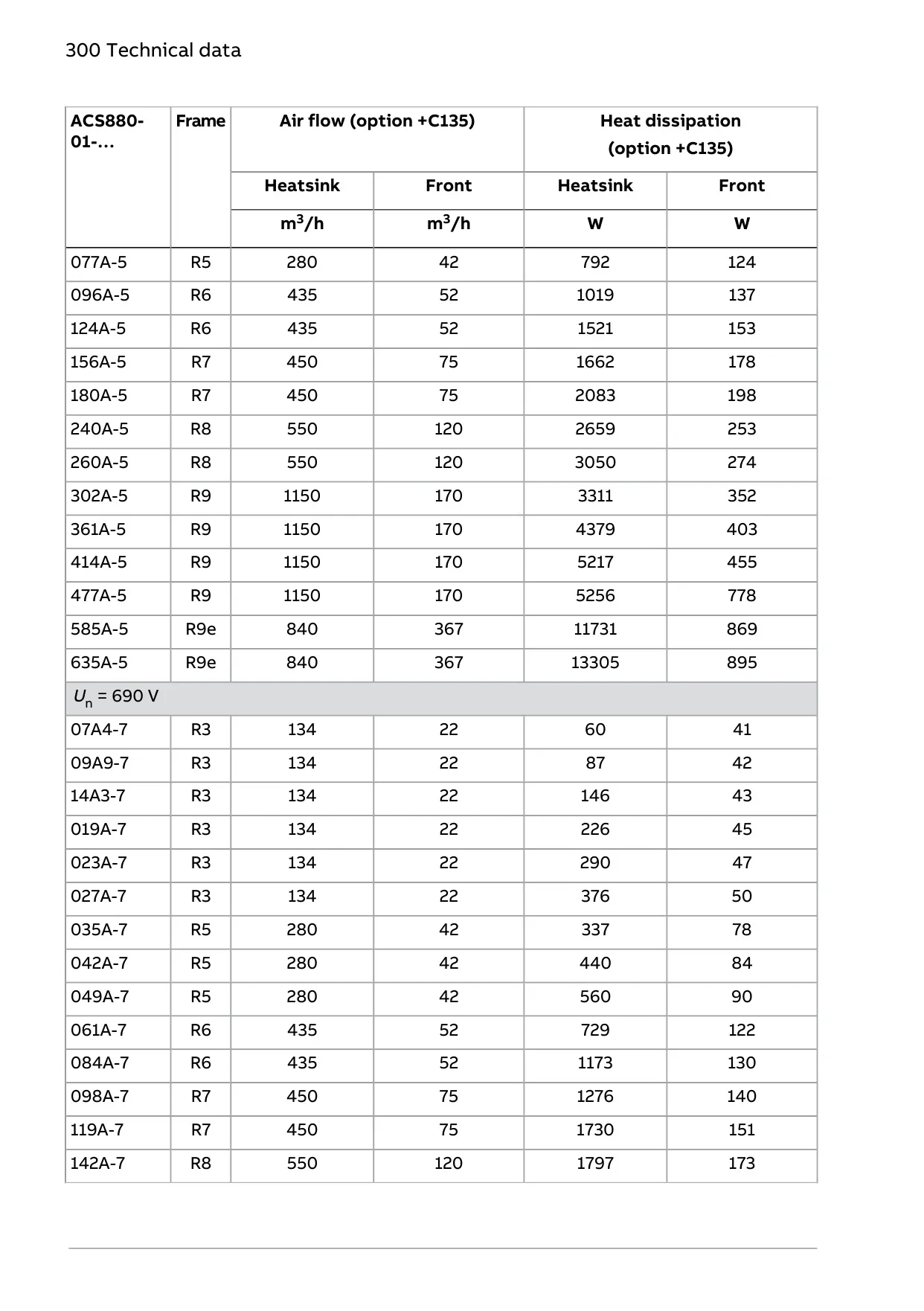
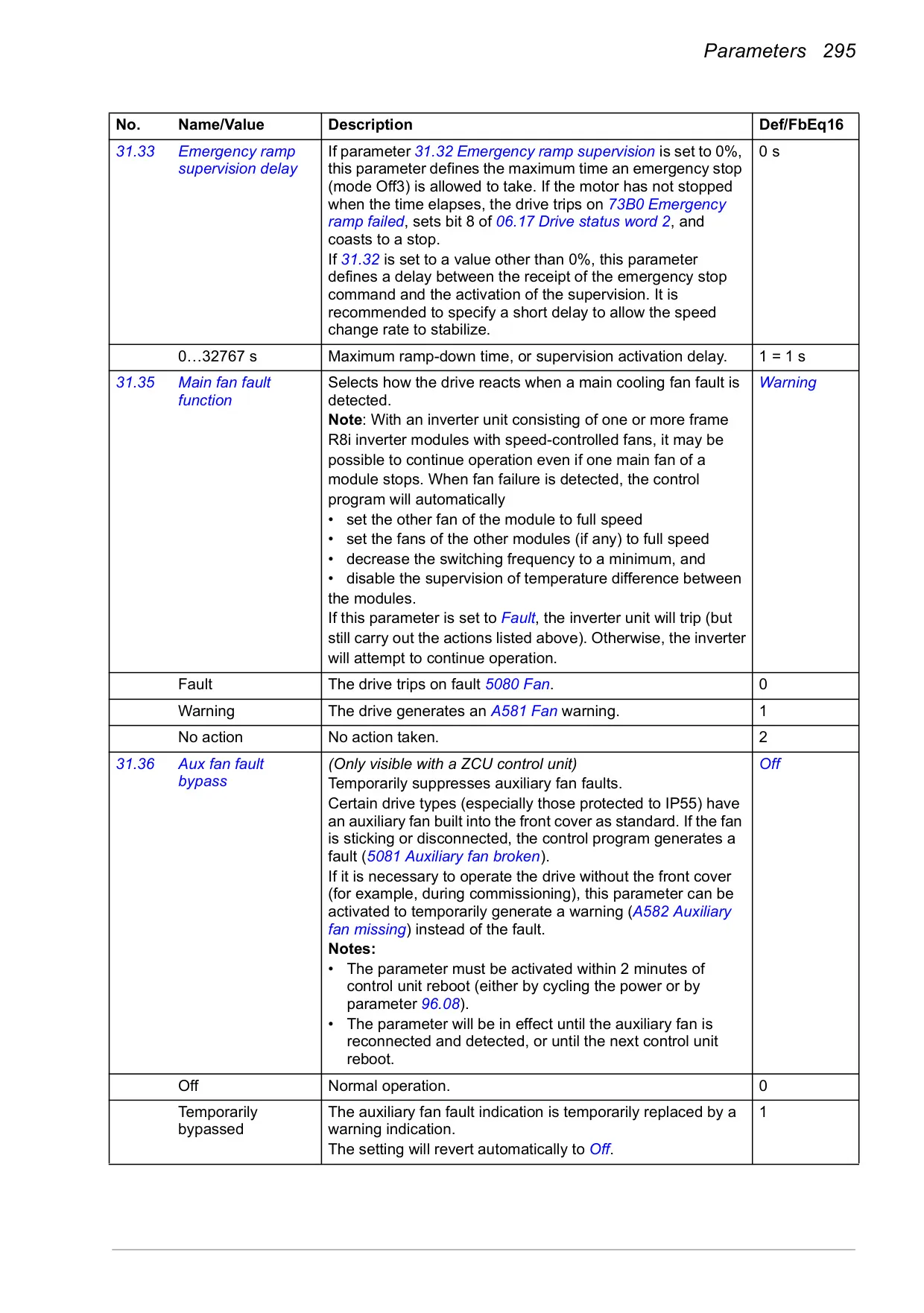
A key aspect of its design is the cooling system, featuring a speed-controlled main cooling fan and an on/off controlled auxiliary cooling fan. This optimized cooling mechanism helps maintain operational stability and prolong component life, even under demanding conditions. Furthermore, the drive incorporates a robust main circuit with essential components like a rectifier, DC link, and inverter, forming the core of its power conversion capabilities.
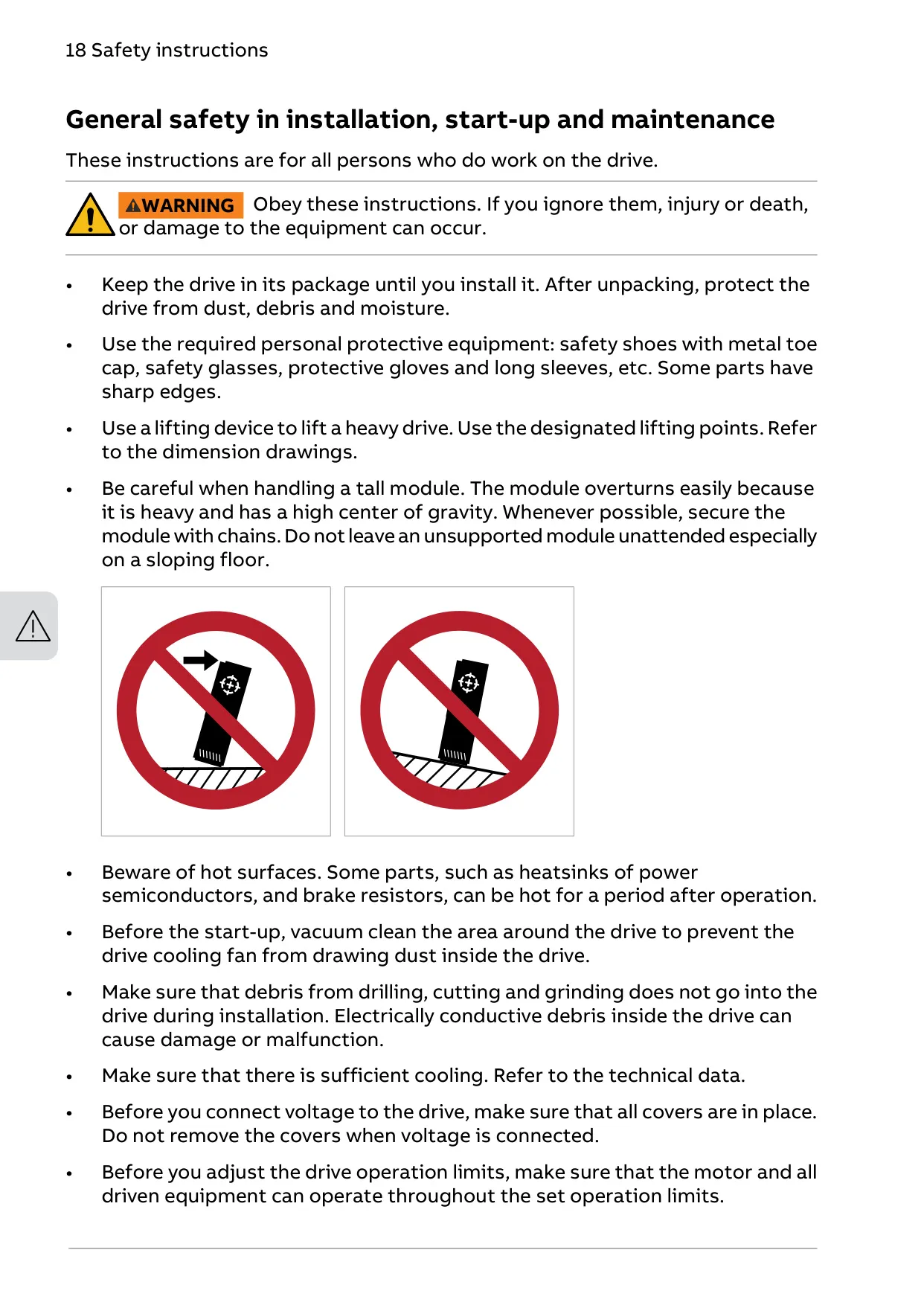
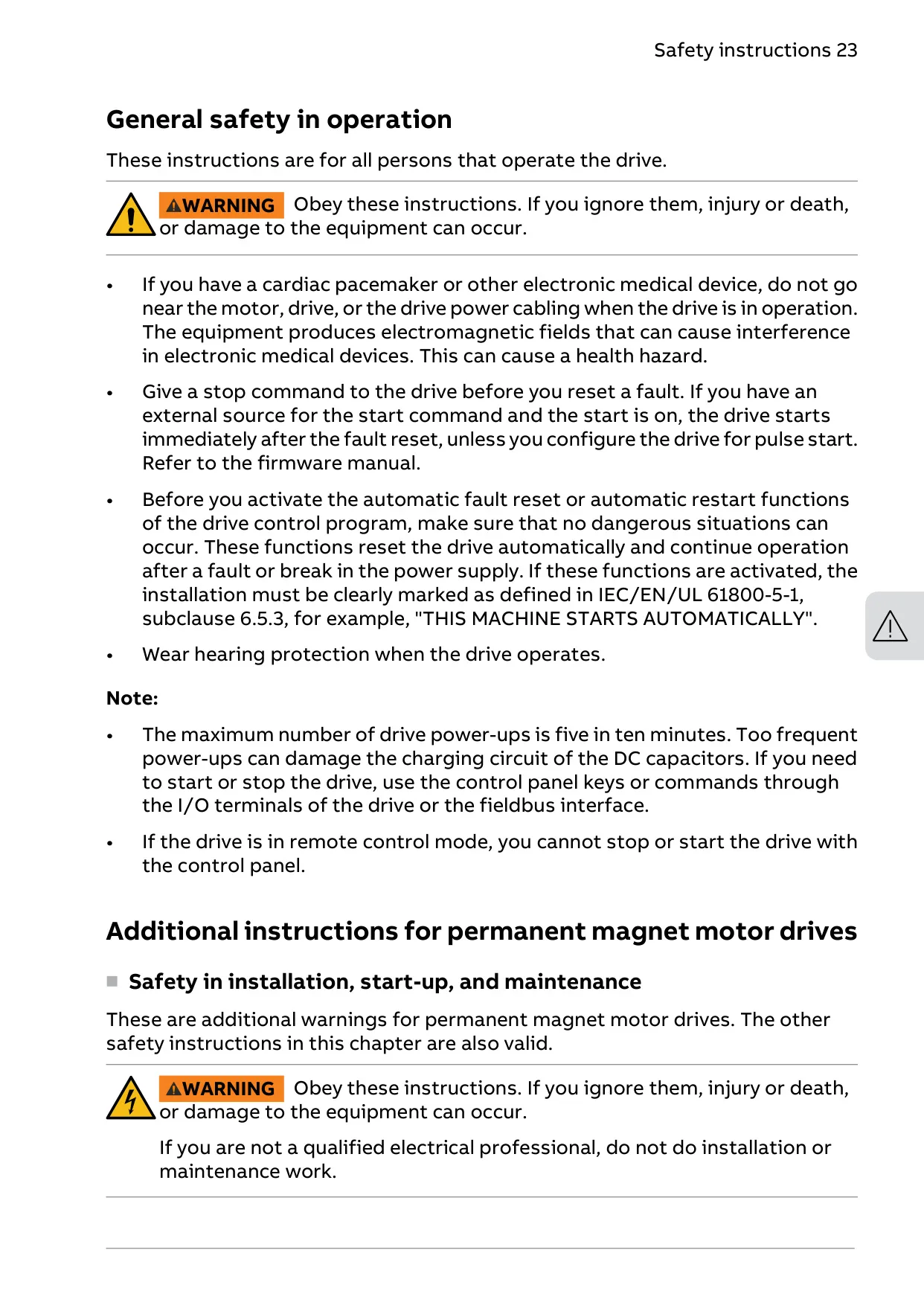
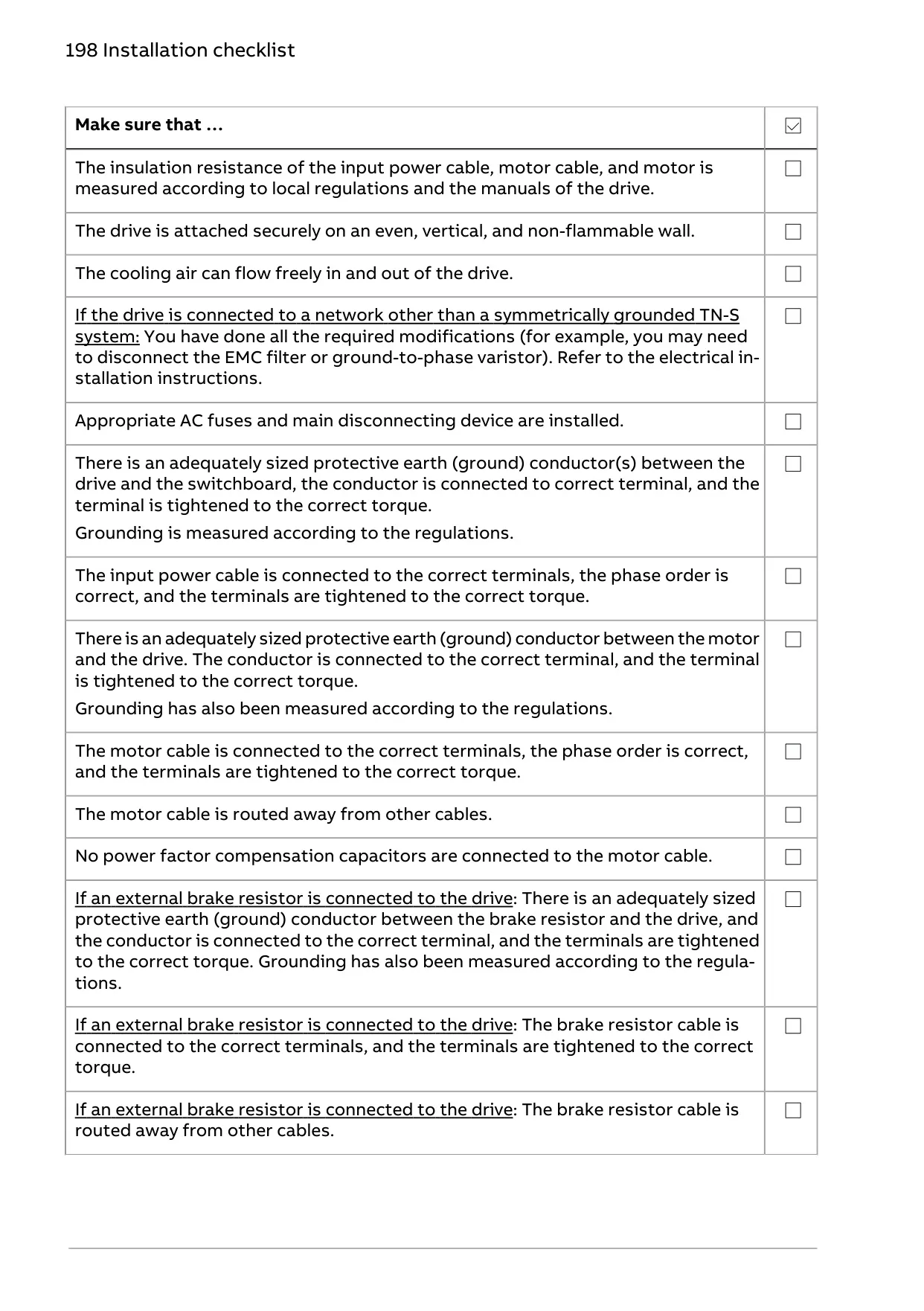
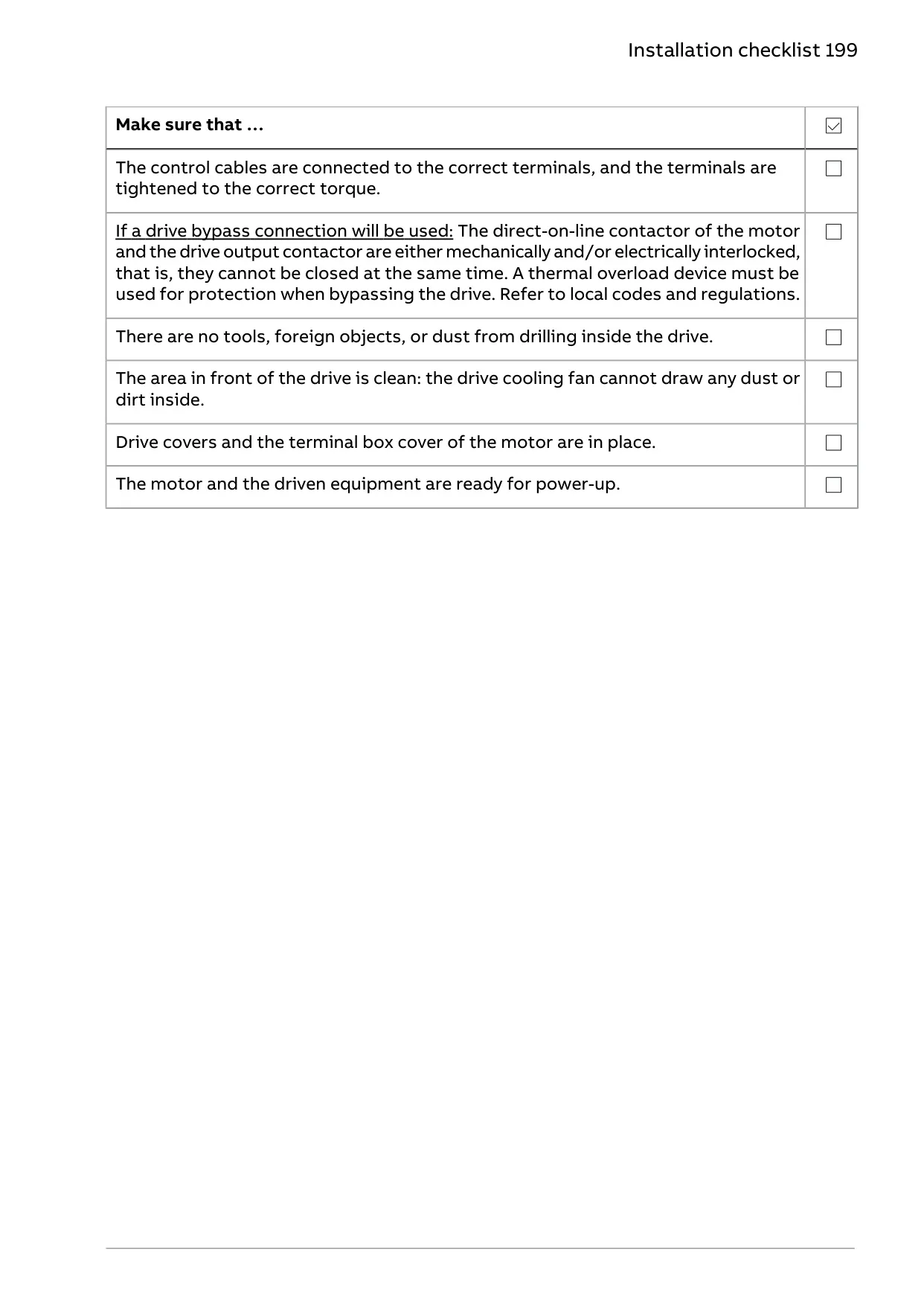
Safety is paramount, with comprehensive instructions covering mechanical and electrical installation, start-up, and maintenance. These guidelines emphasize precautions like personal protective equipment, proper lifting, and awareness of hot surfaces. Crucially, strict electrical safety protocols, such as de-energization procedures and insulation measurements, are detailed to prevent injury or equipment damage.
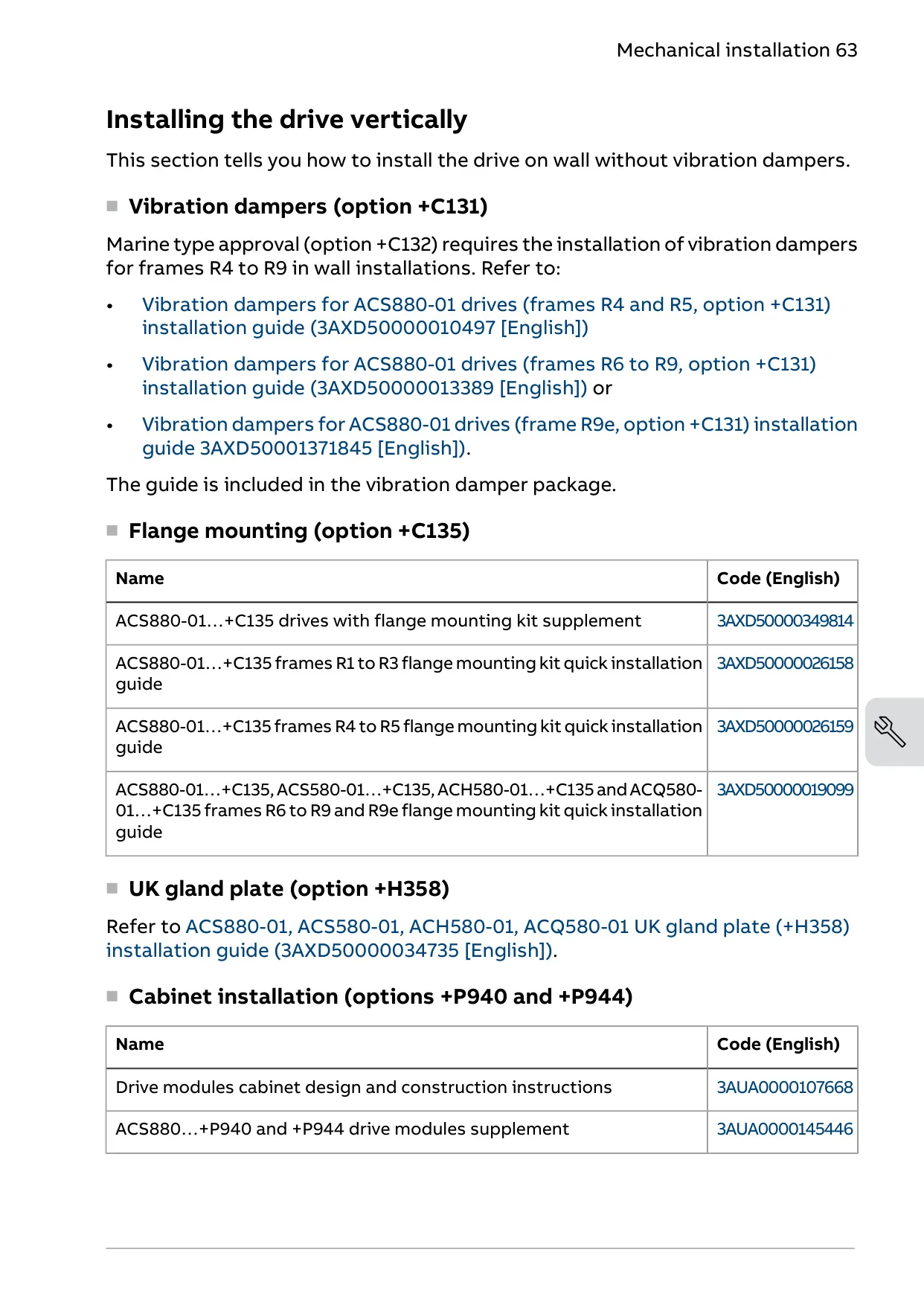
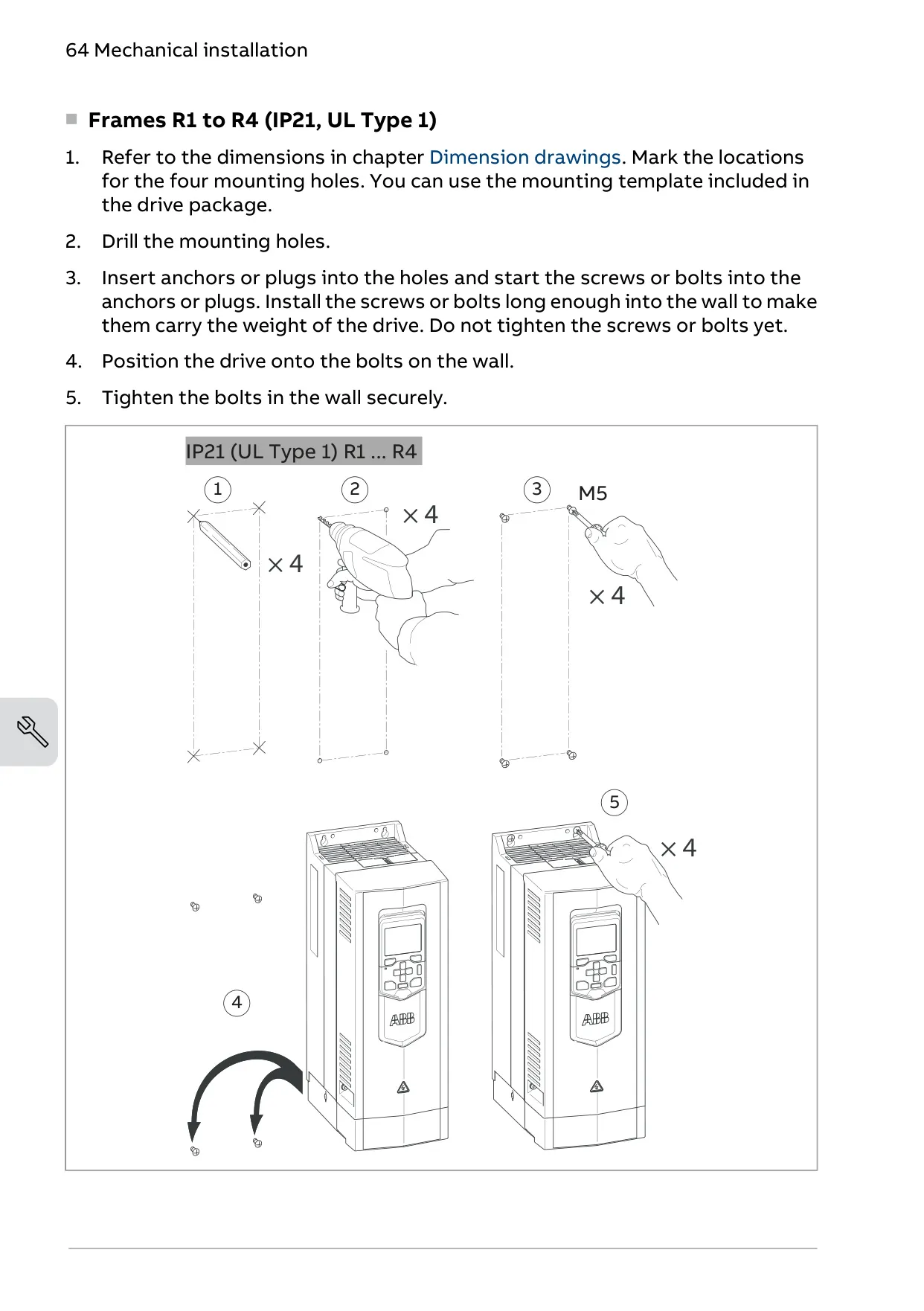
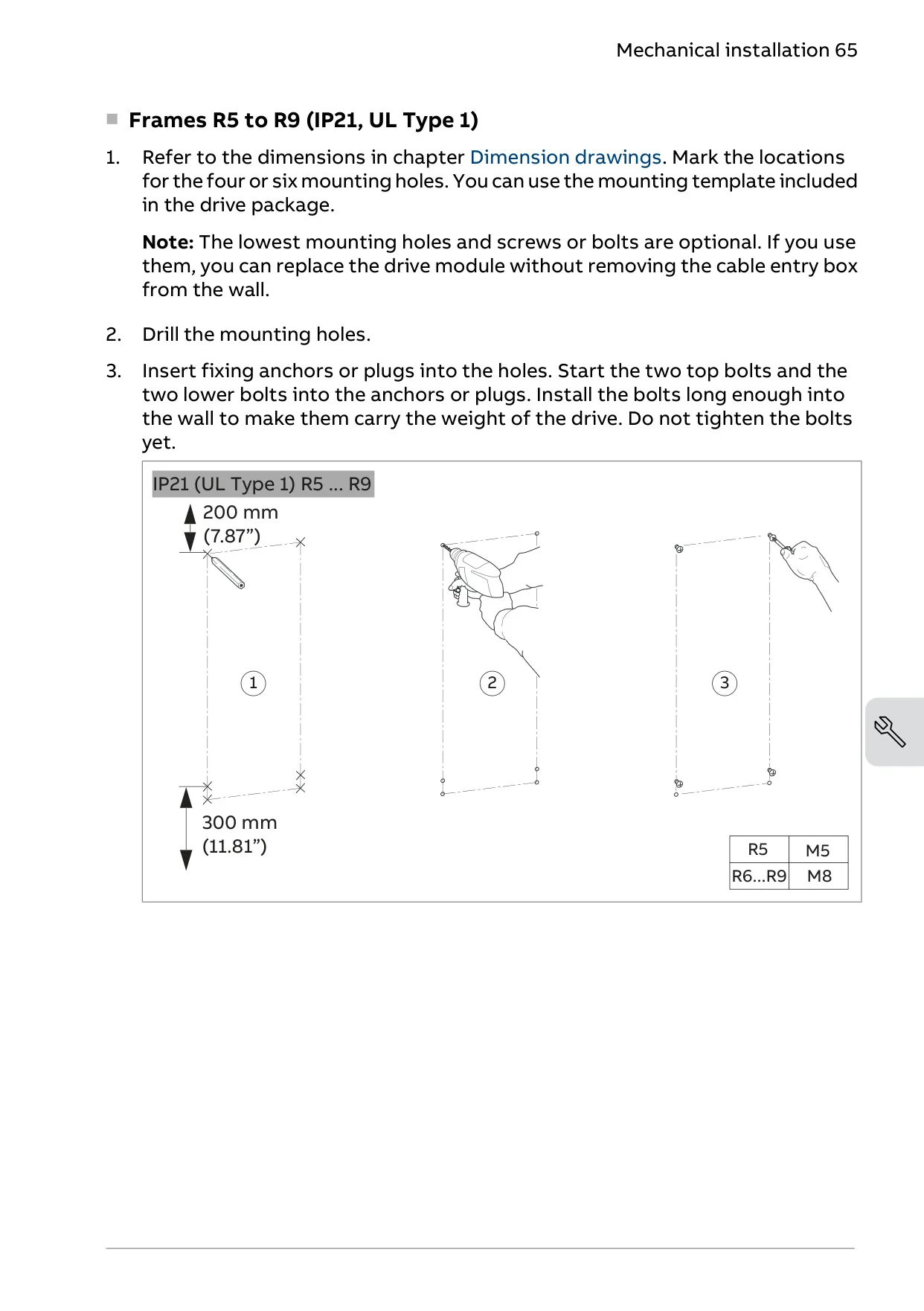
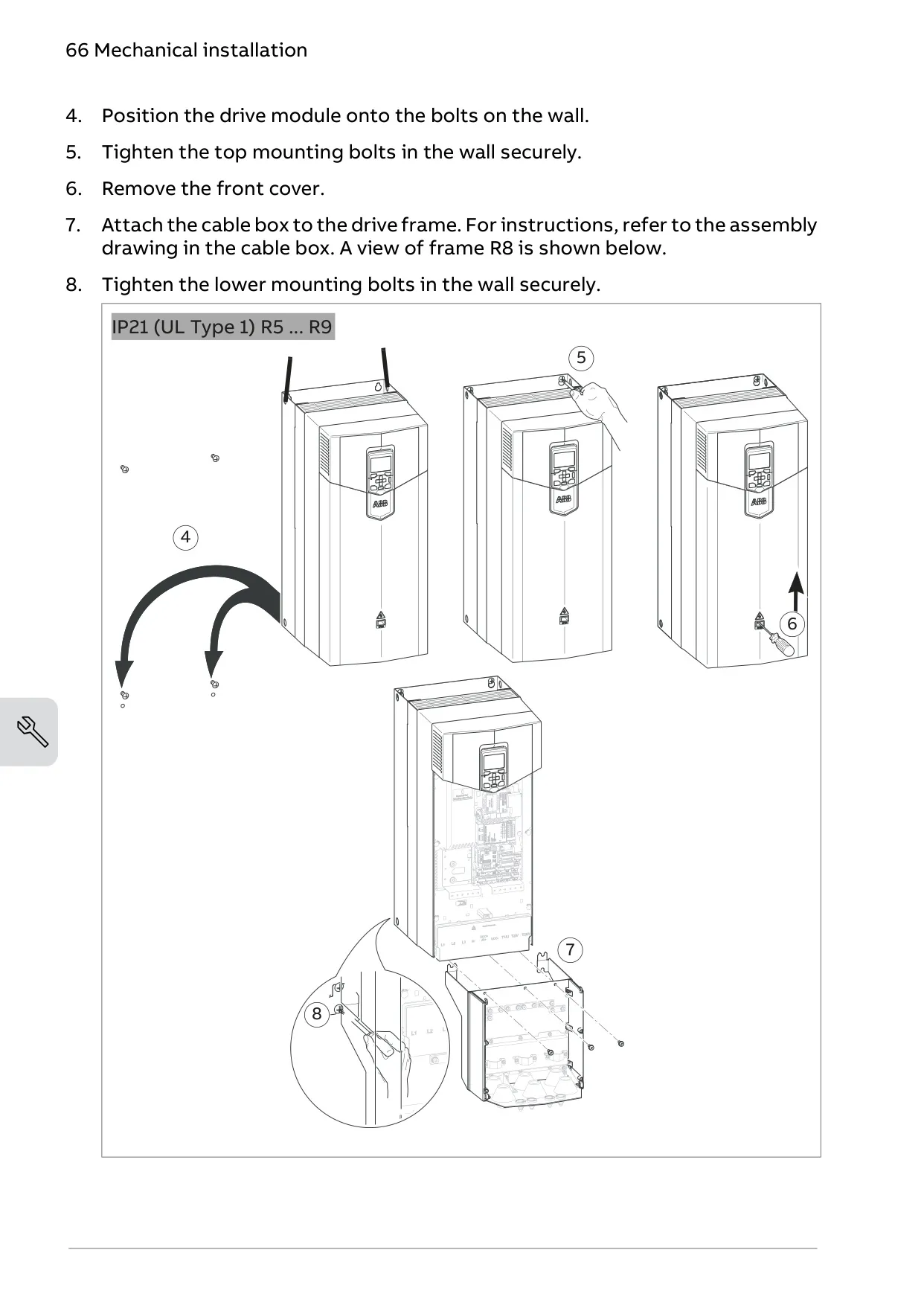
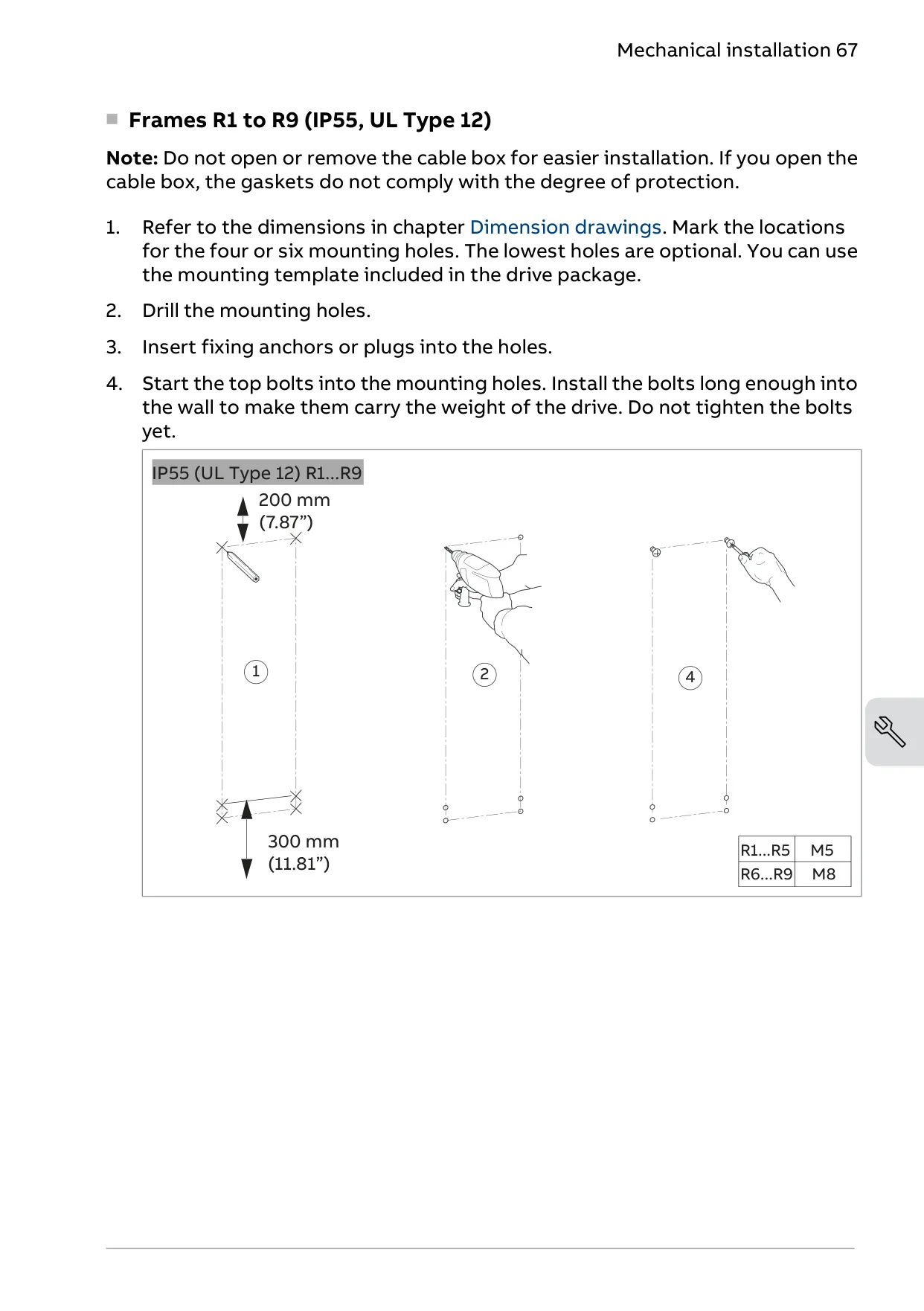
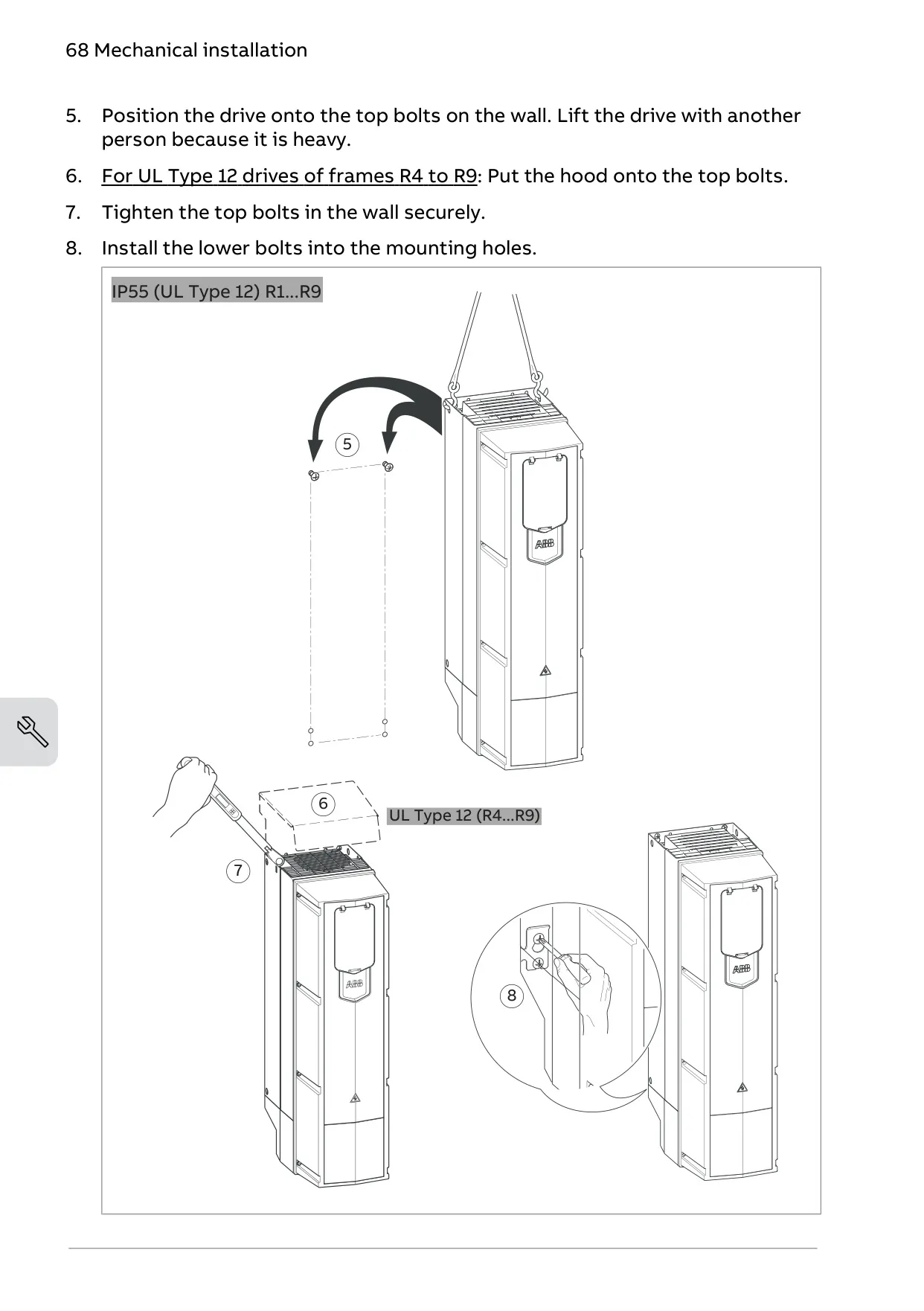
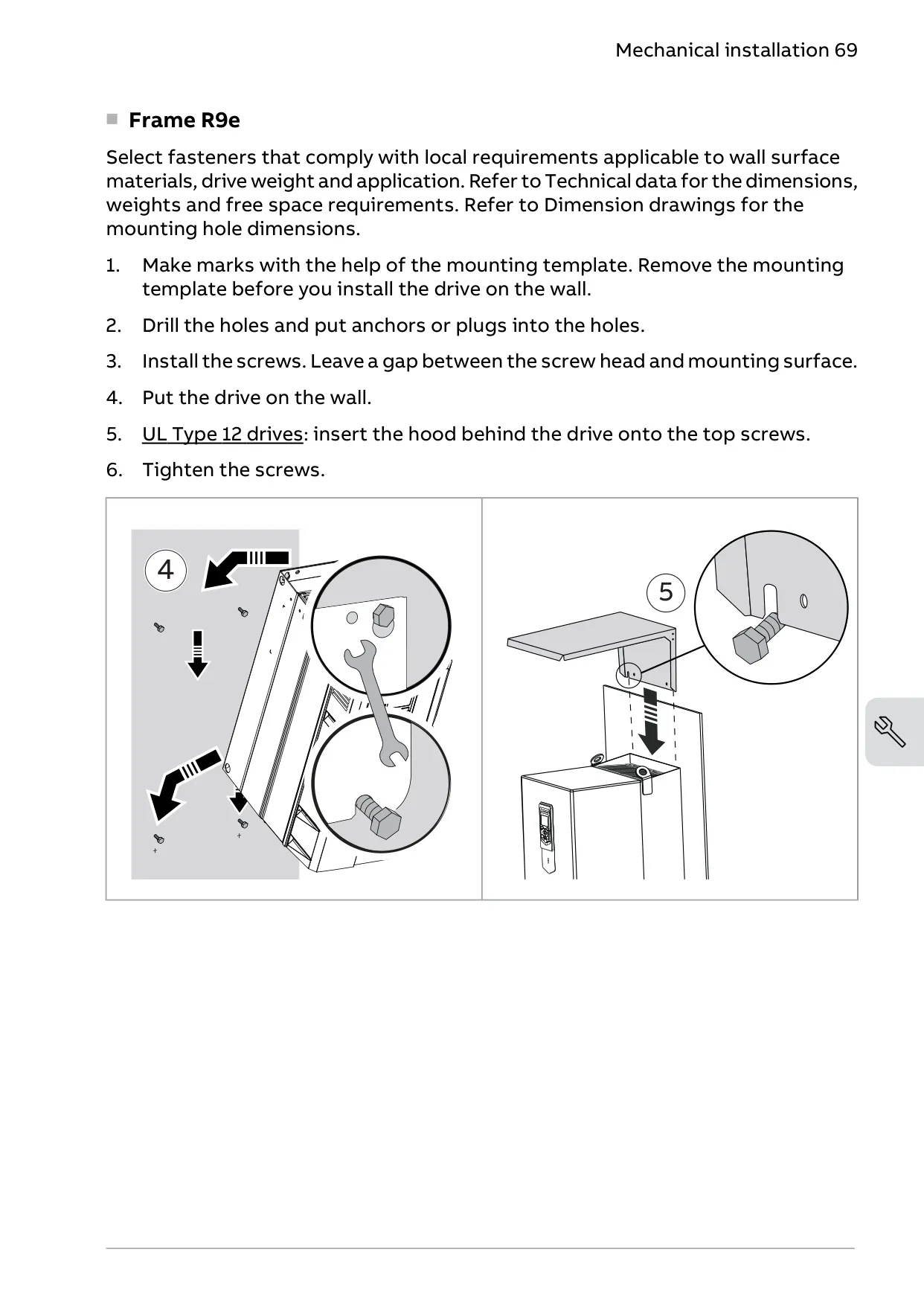
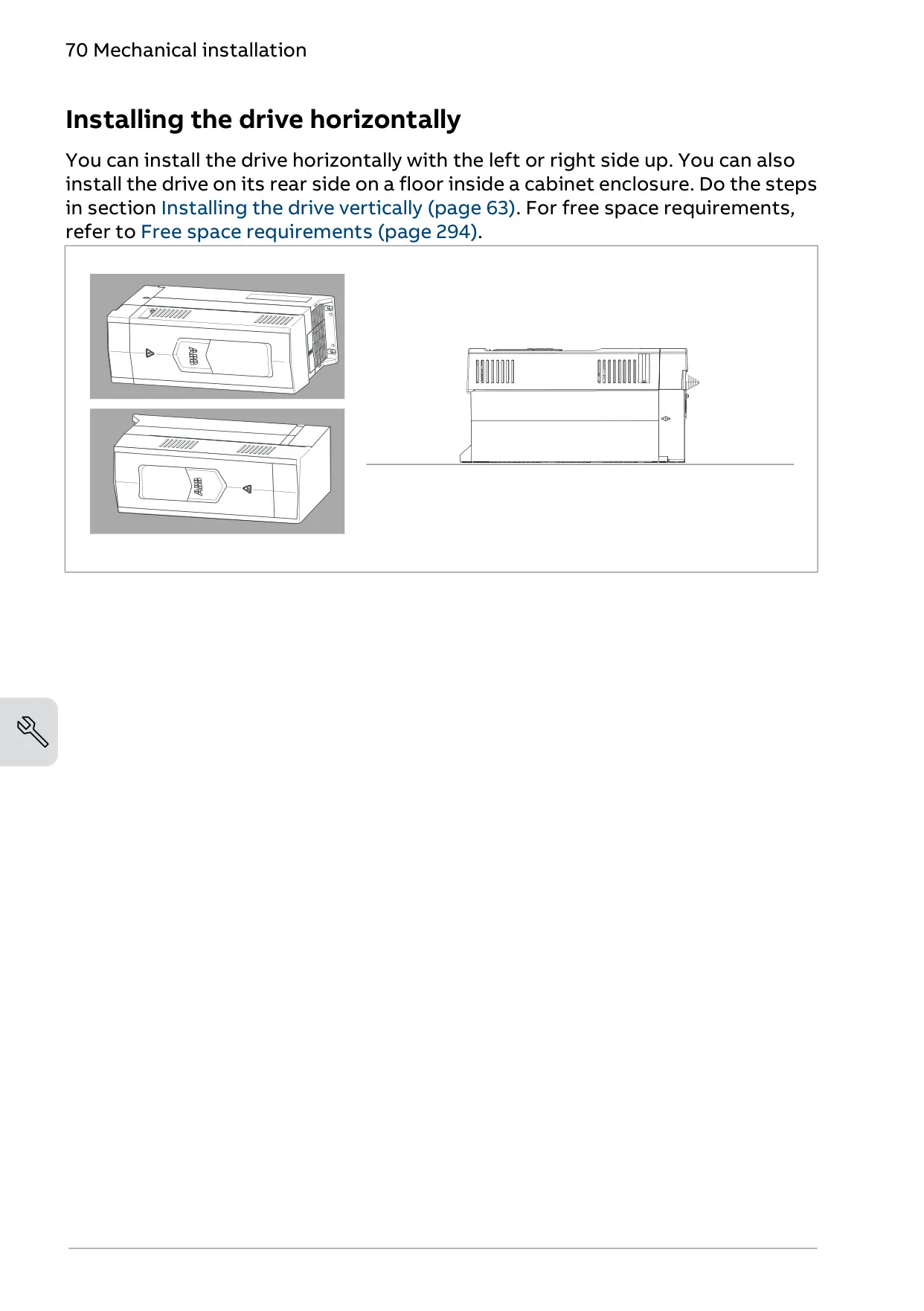
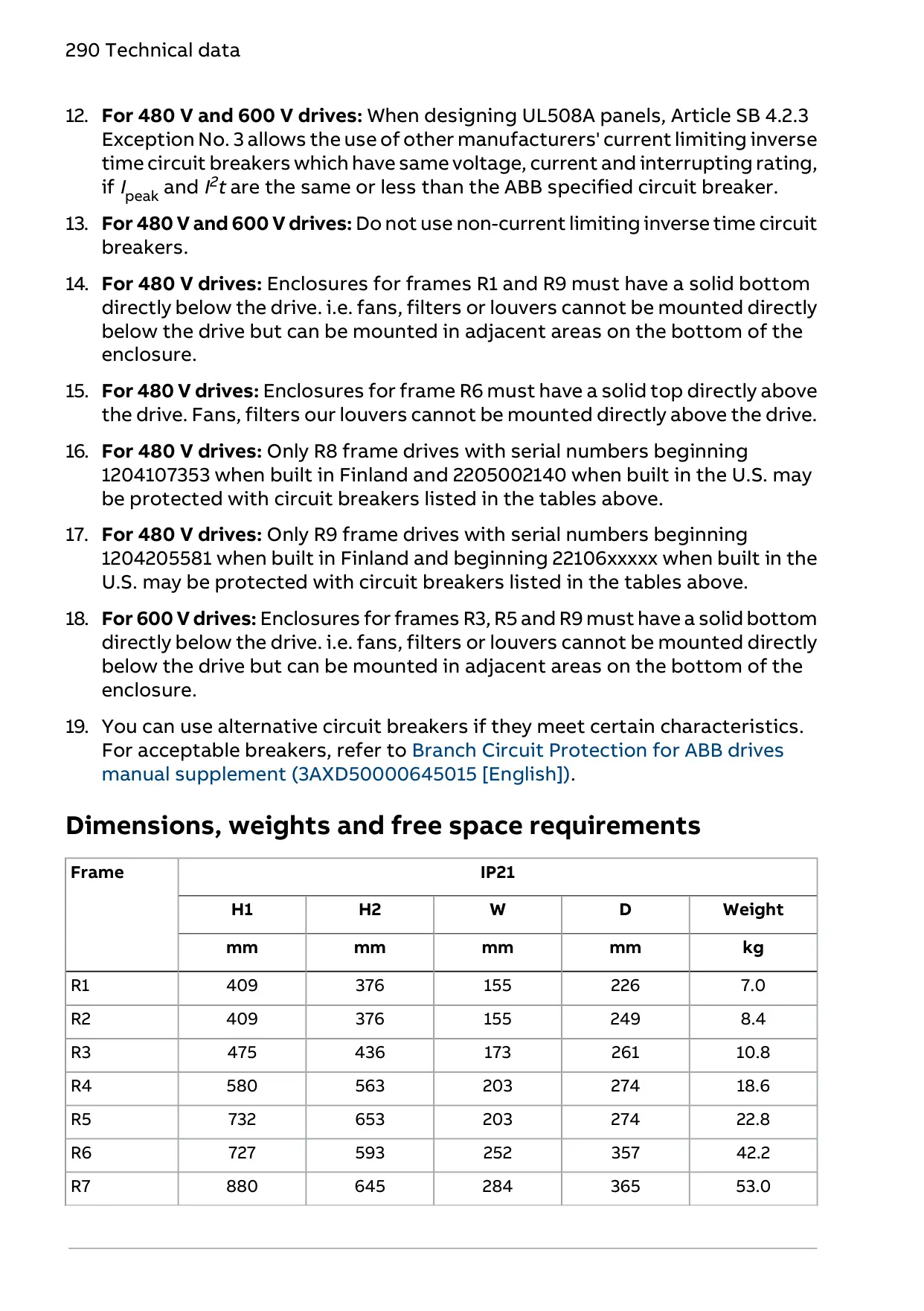
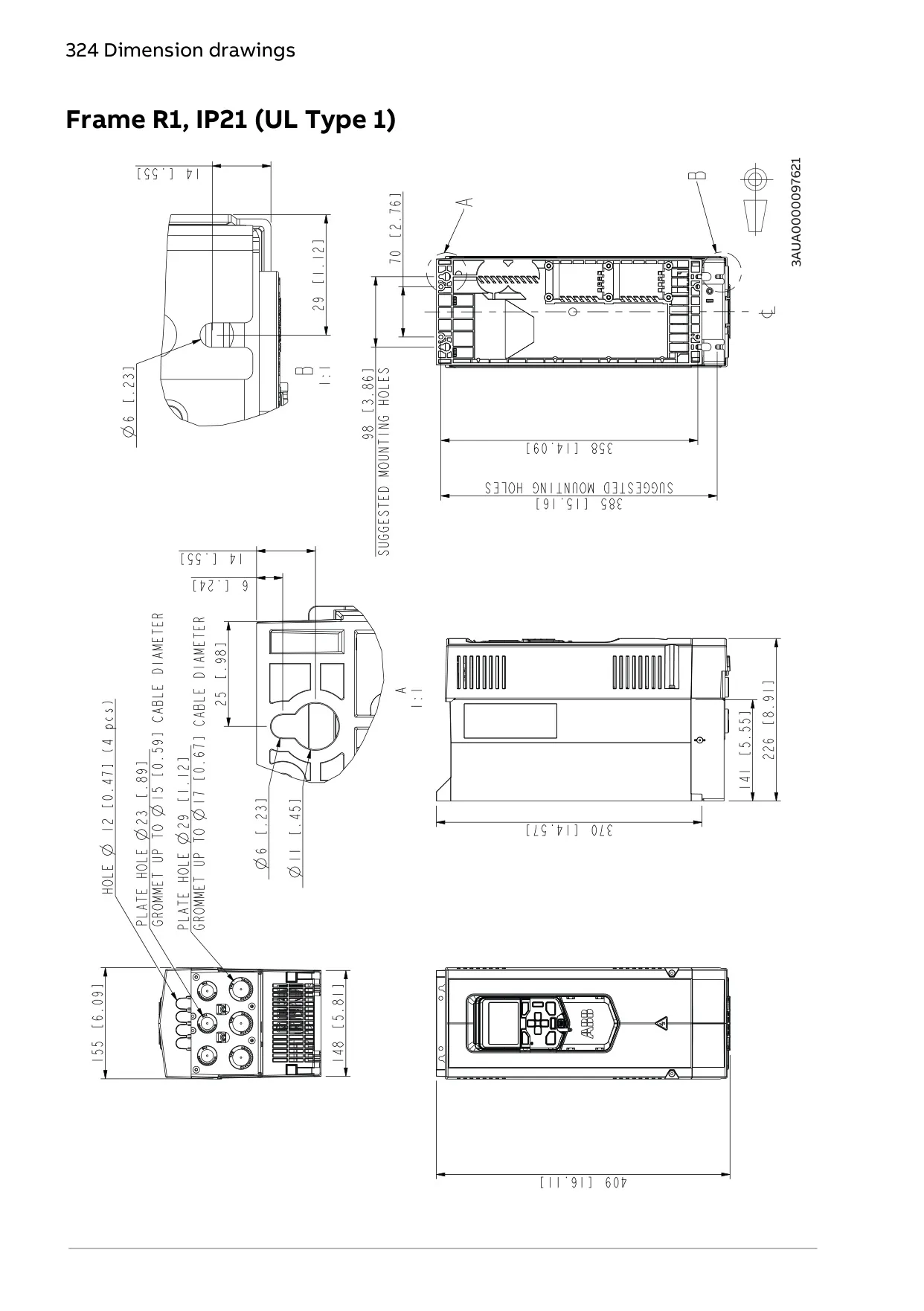
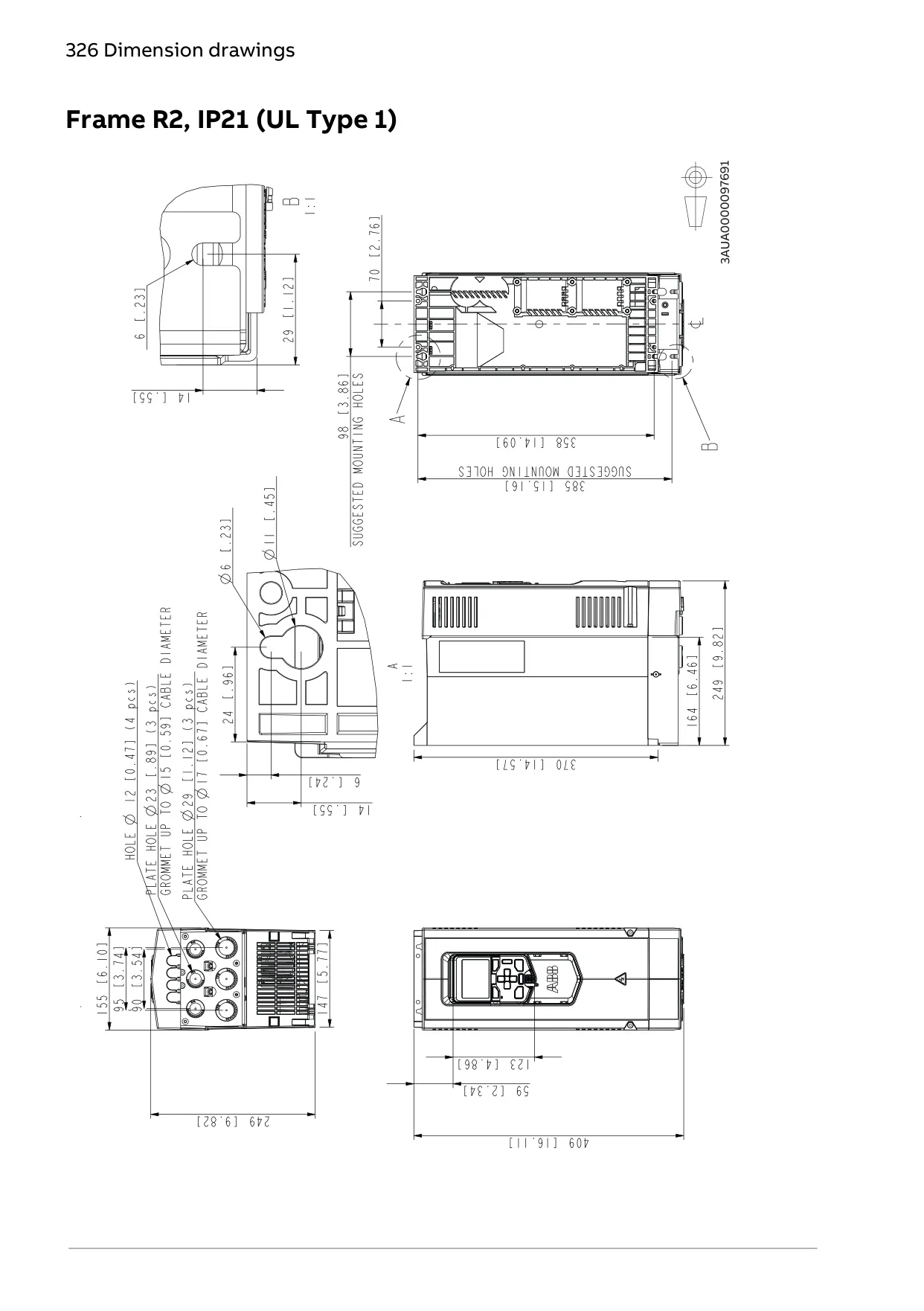
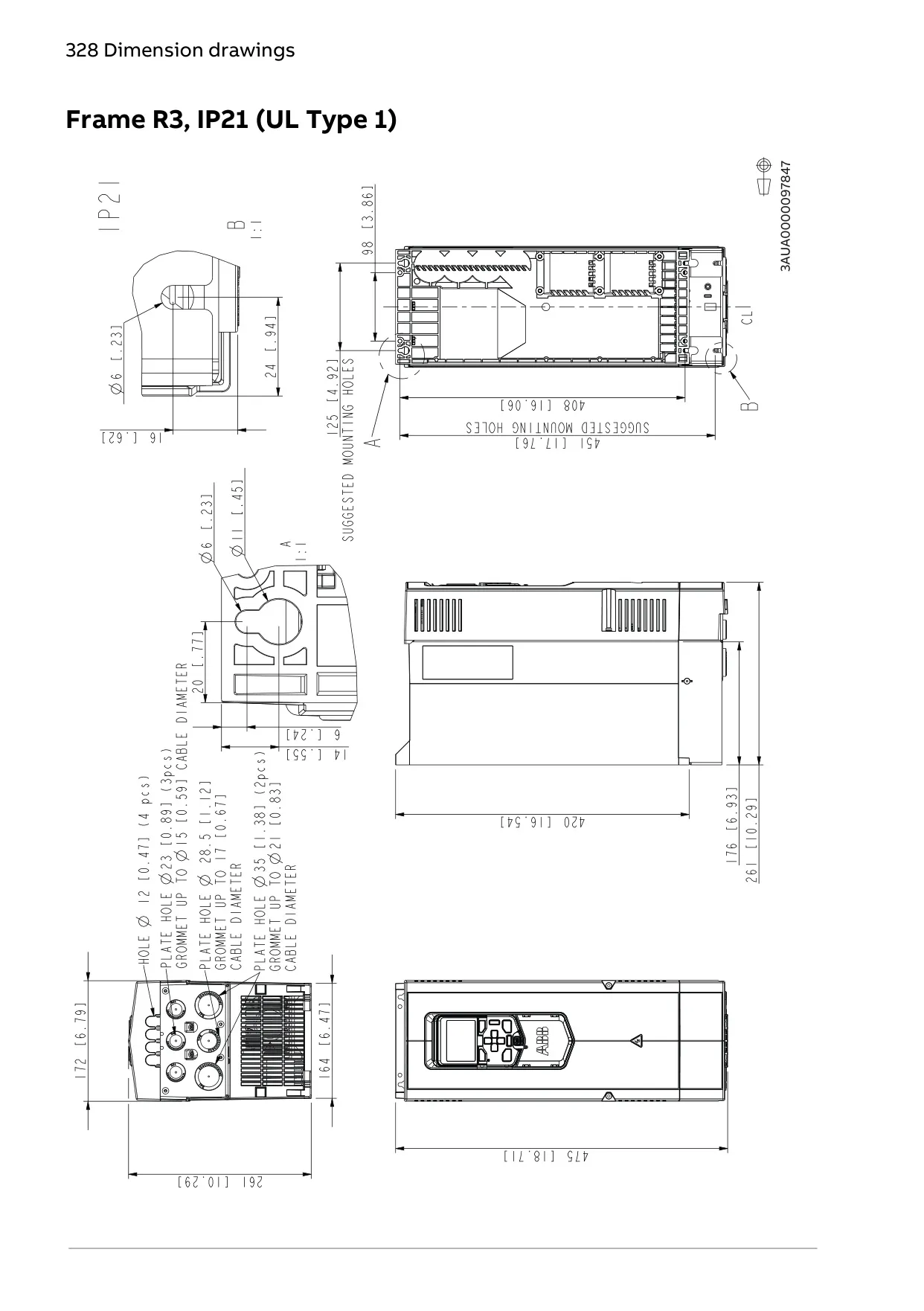
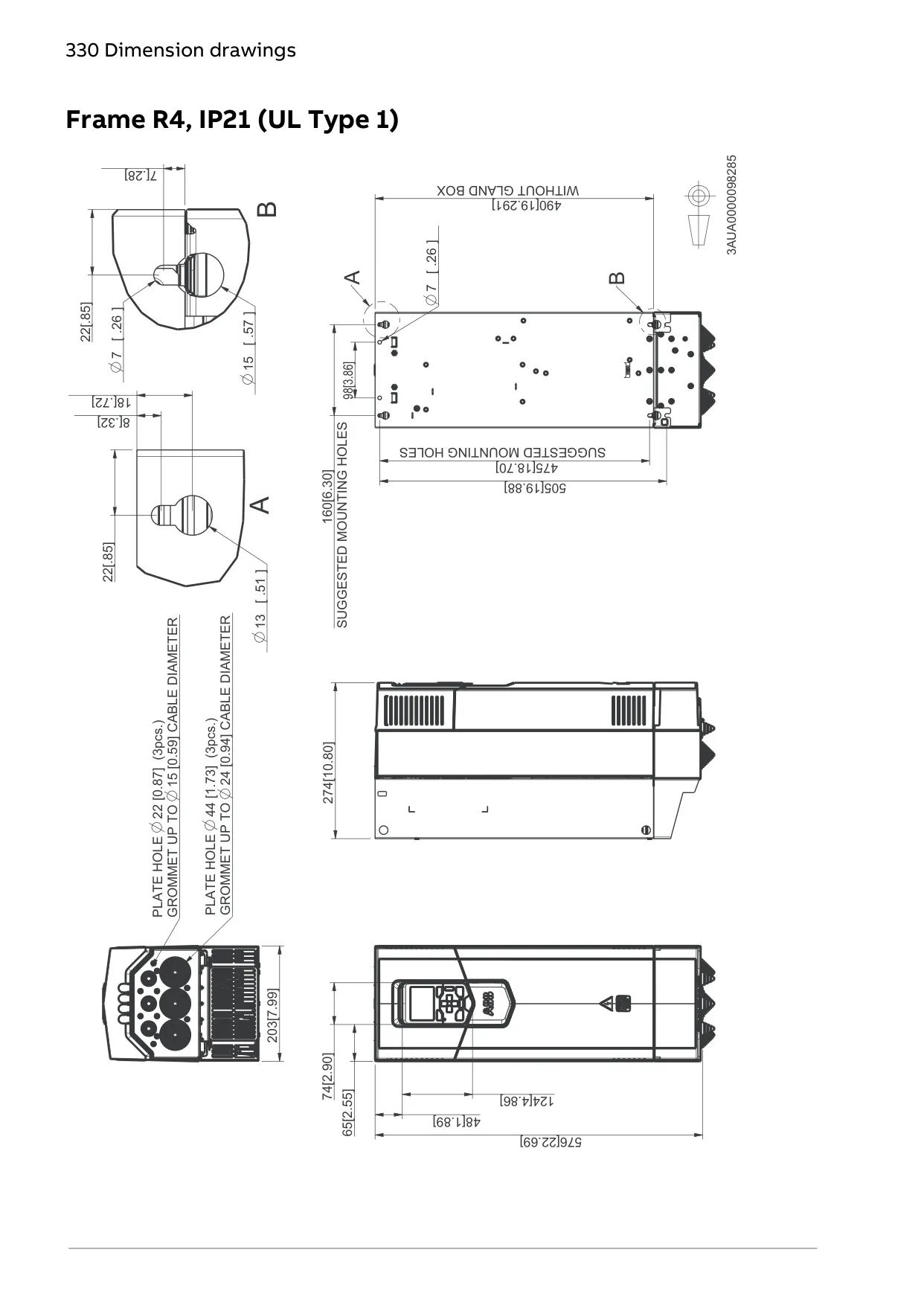
The drive's flexible installation options include vertical (alone or side-by-side) and horizontal mounting for IP21 variants, offering adaptability to different physical constraints. Proper free space is critical for effective cooling and access, with specific clearances recommended for optimal performance and maintenance accessibility.
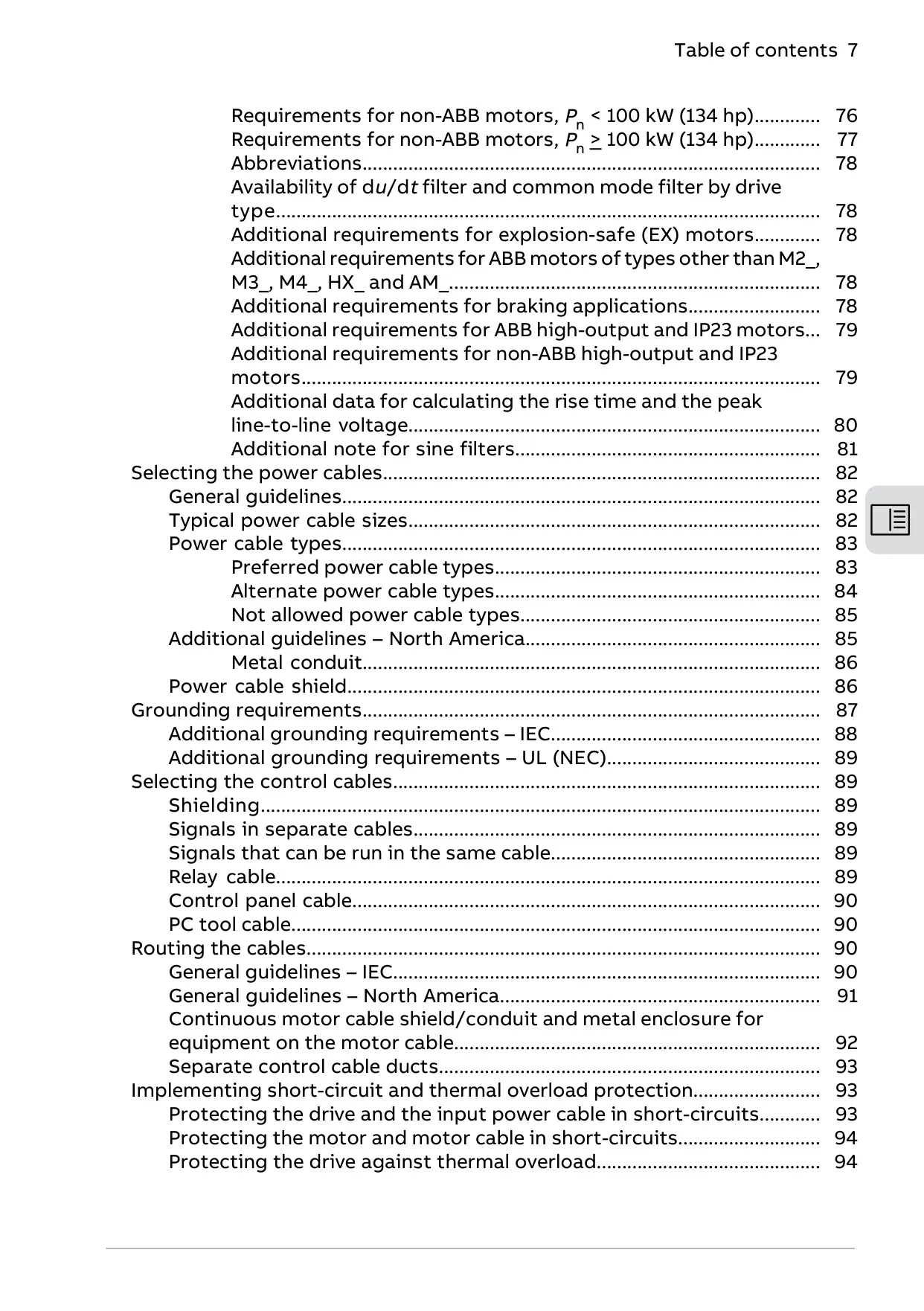
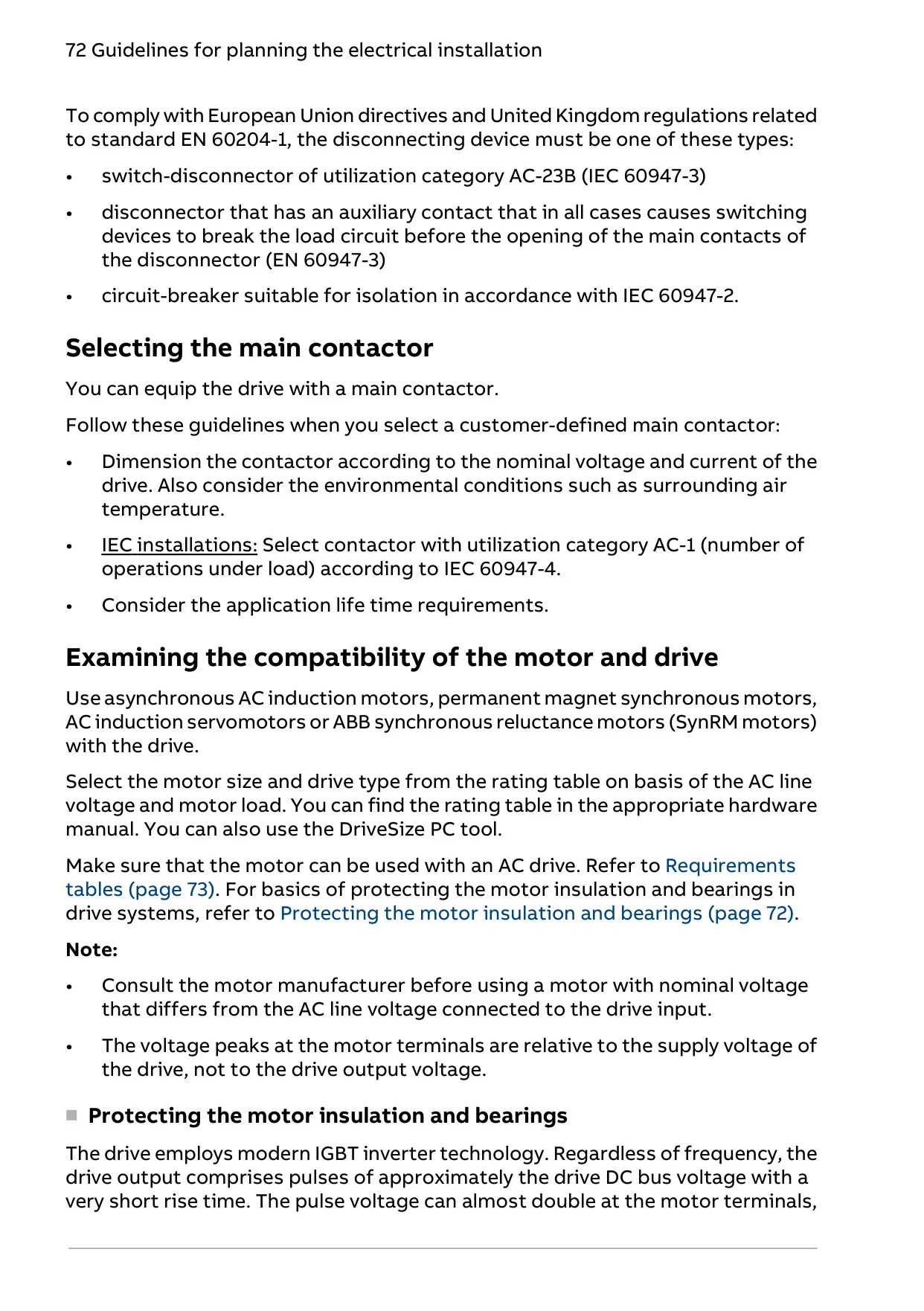
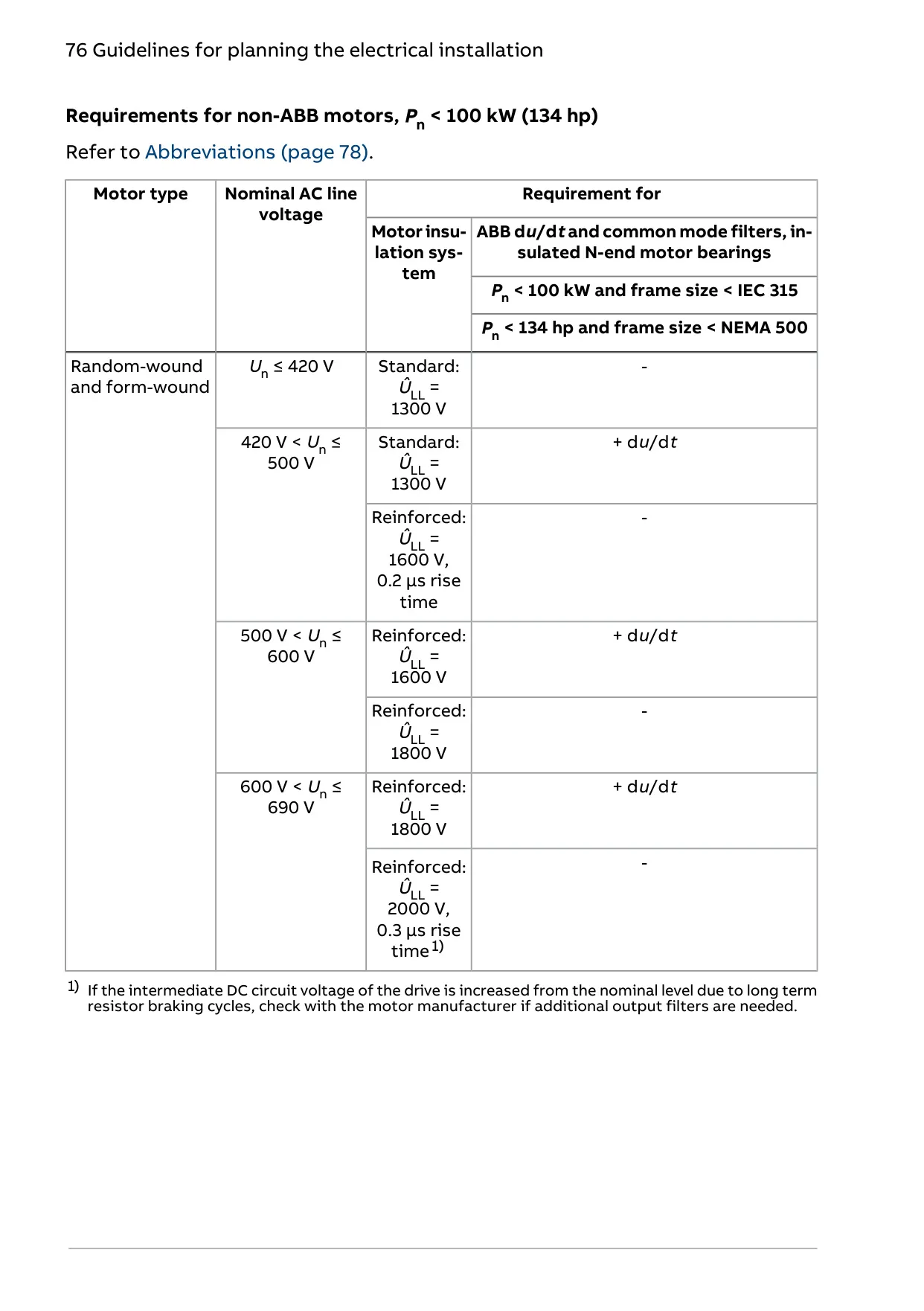
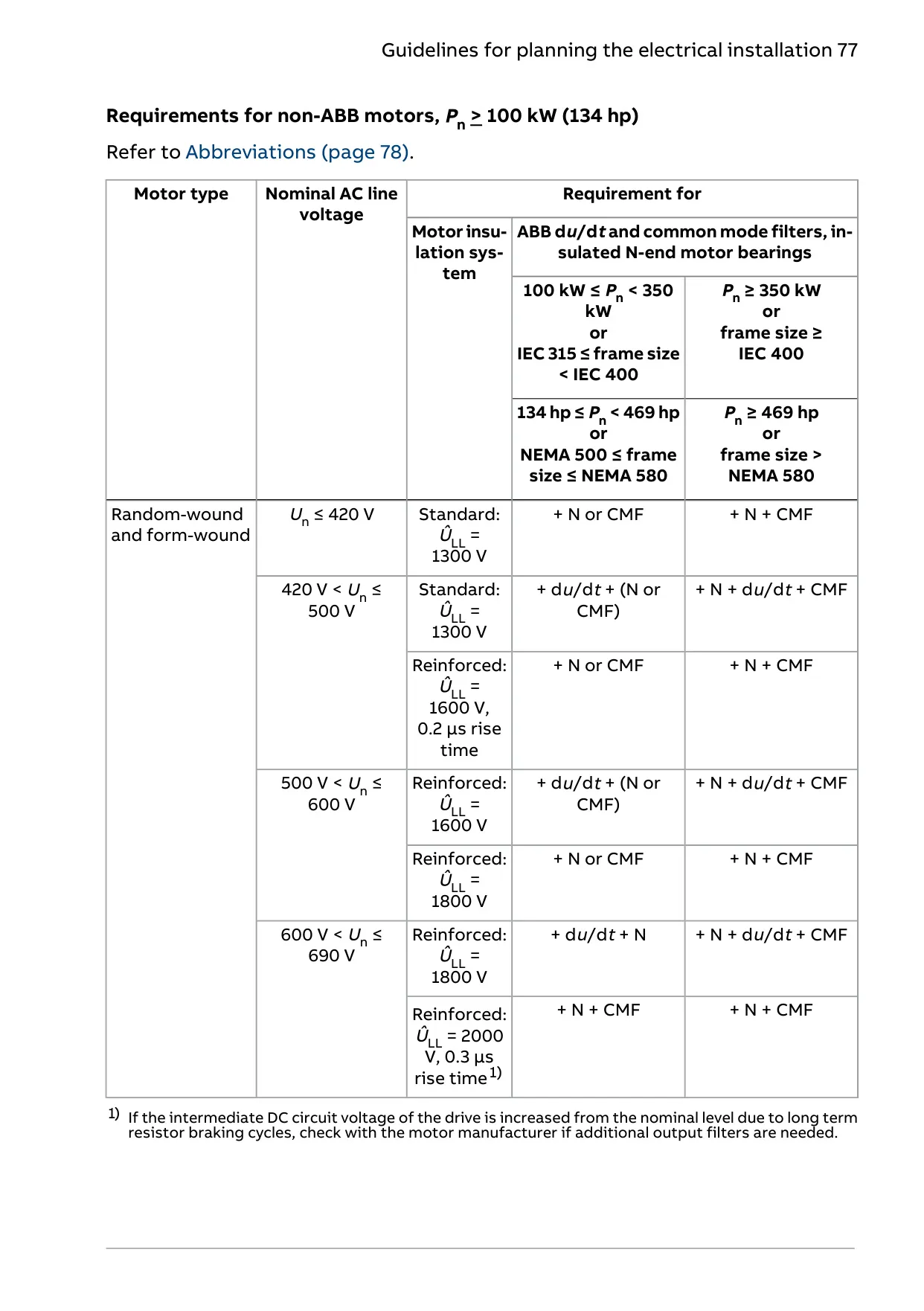
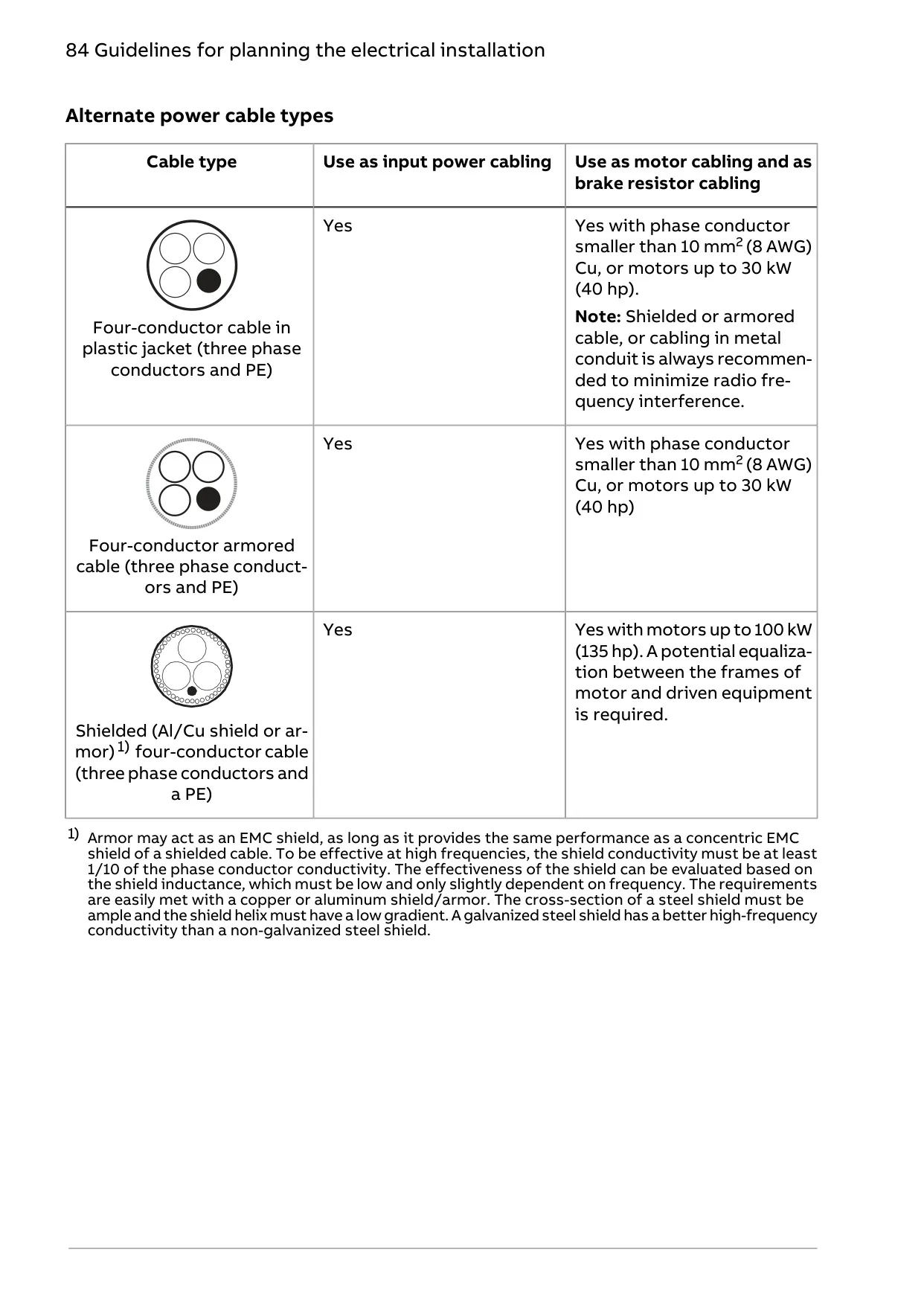
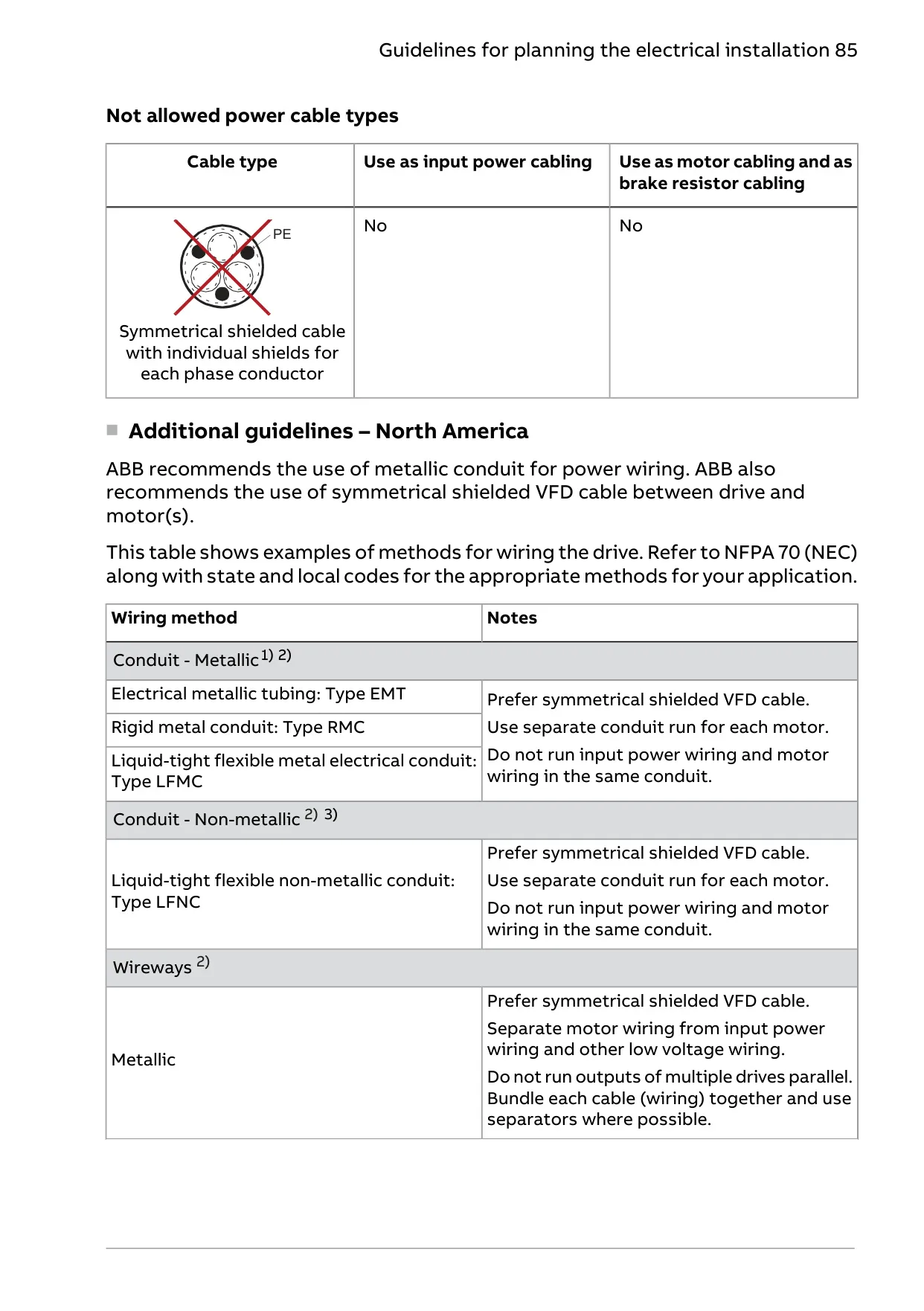
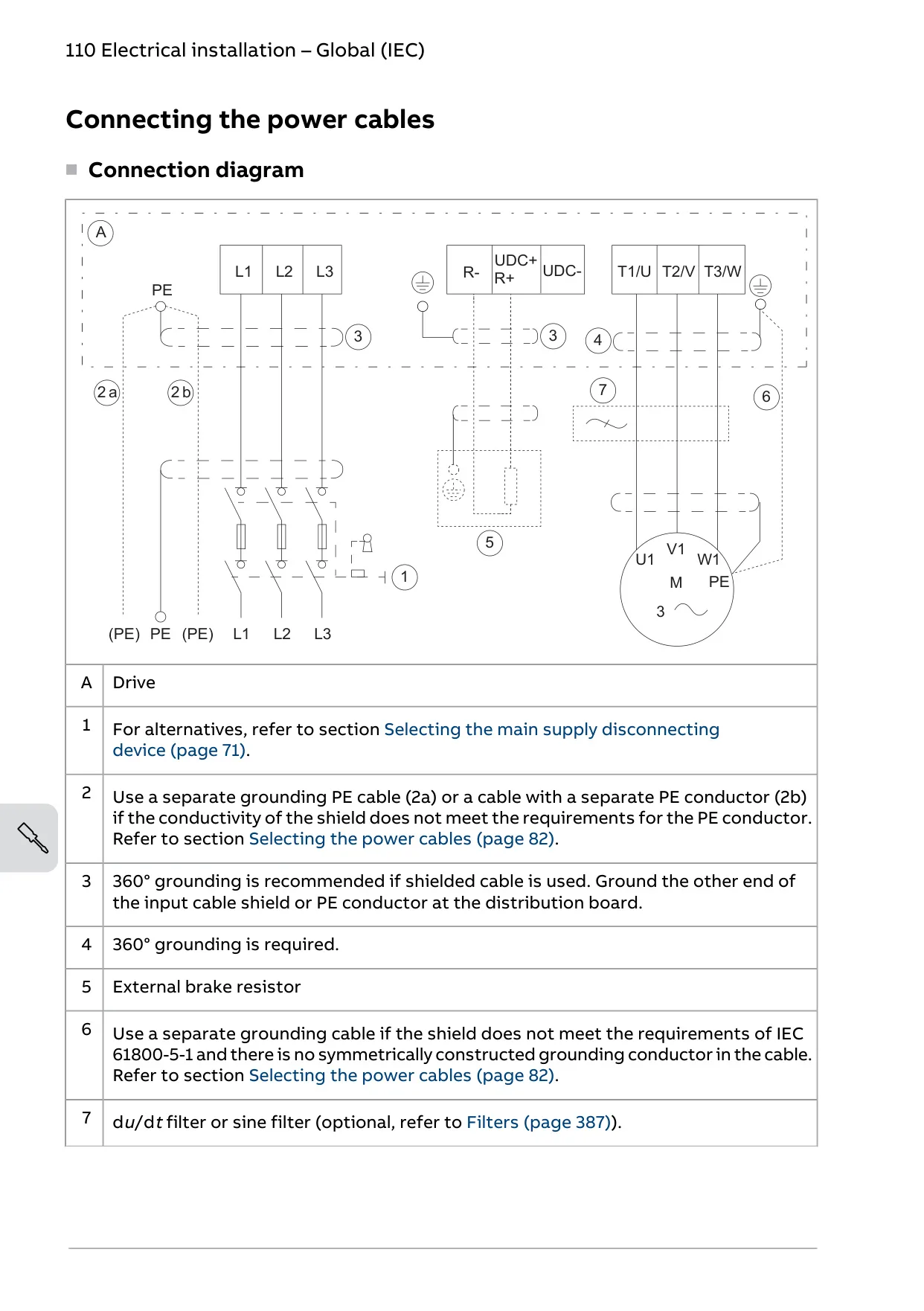
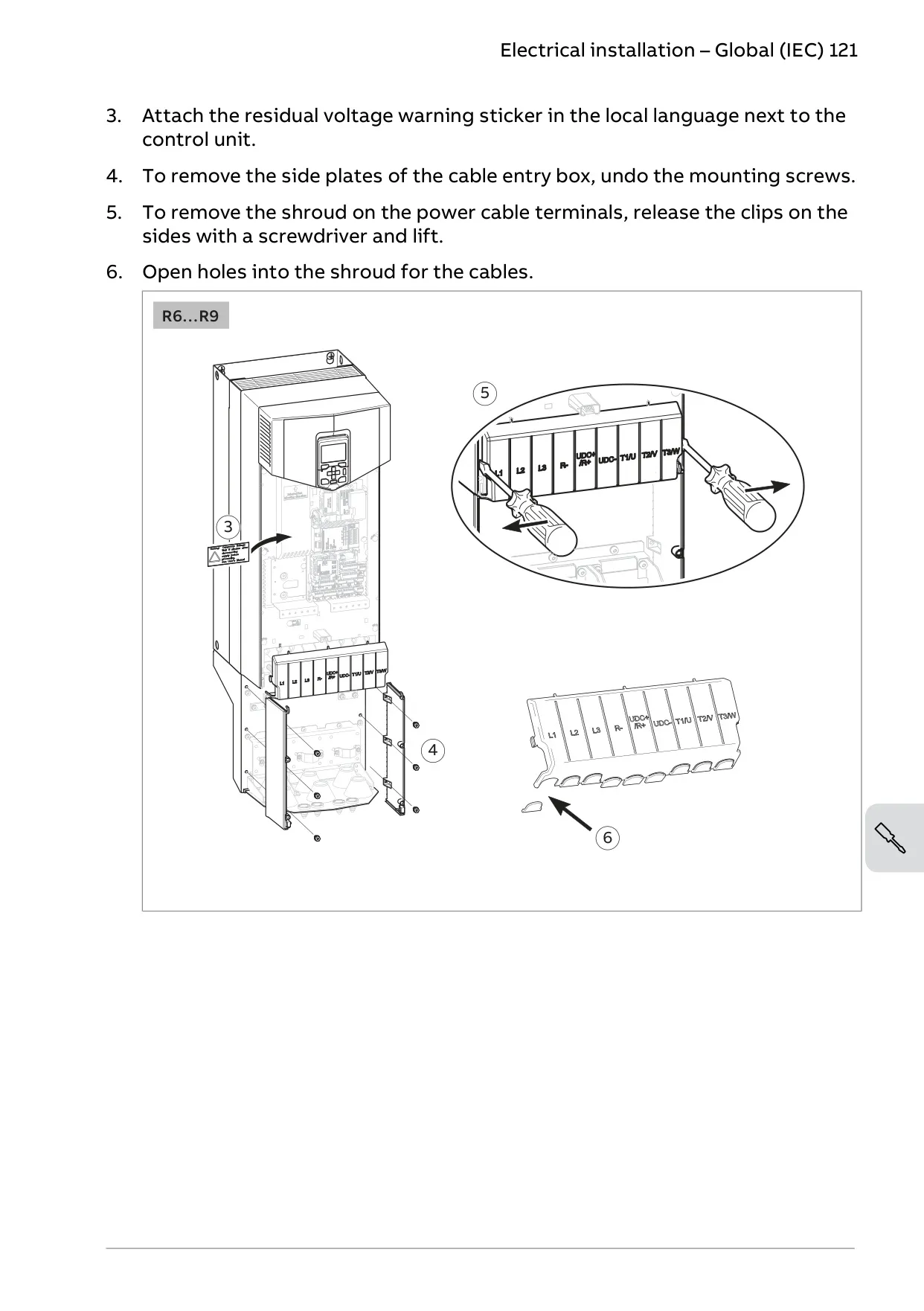
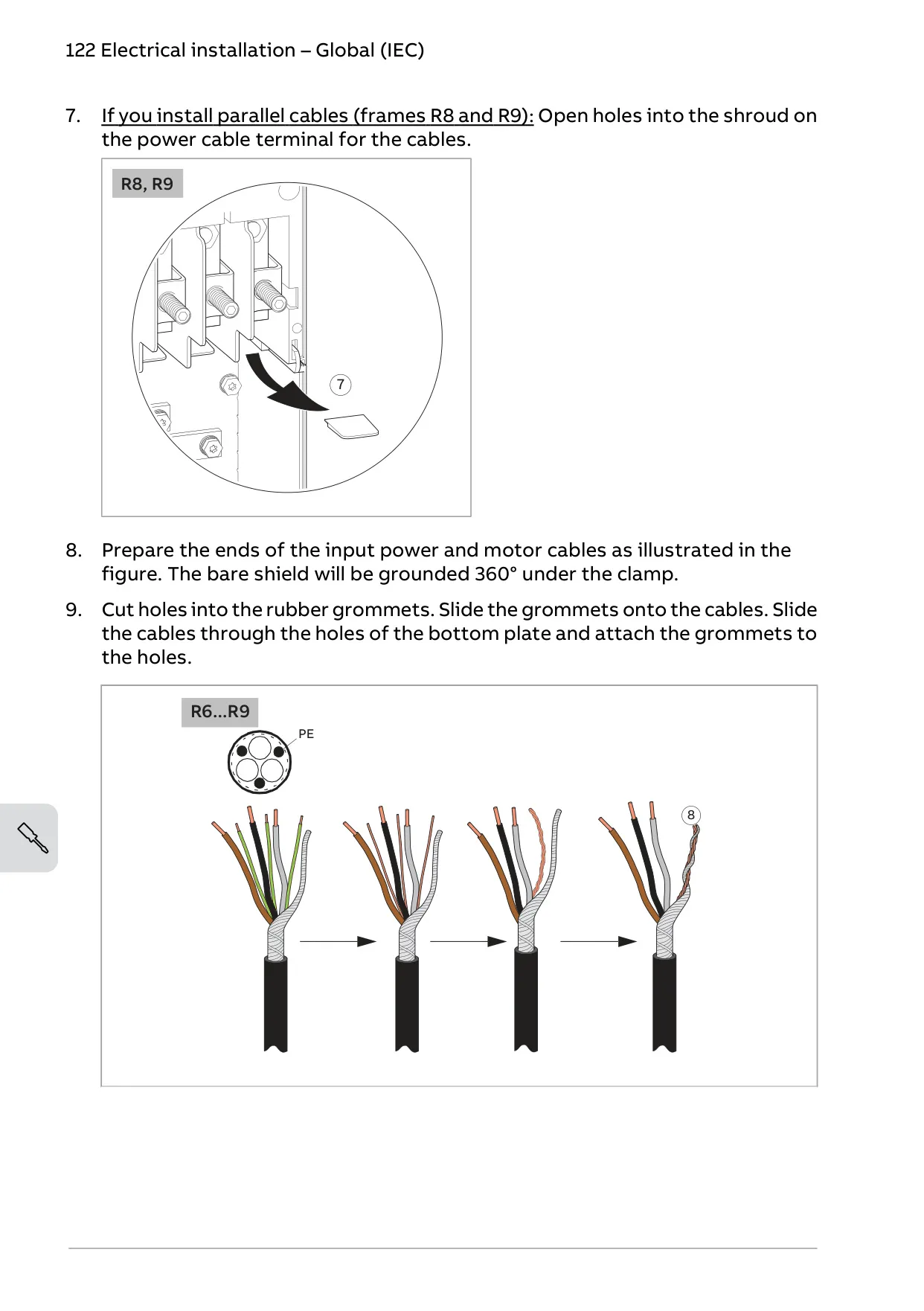
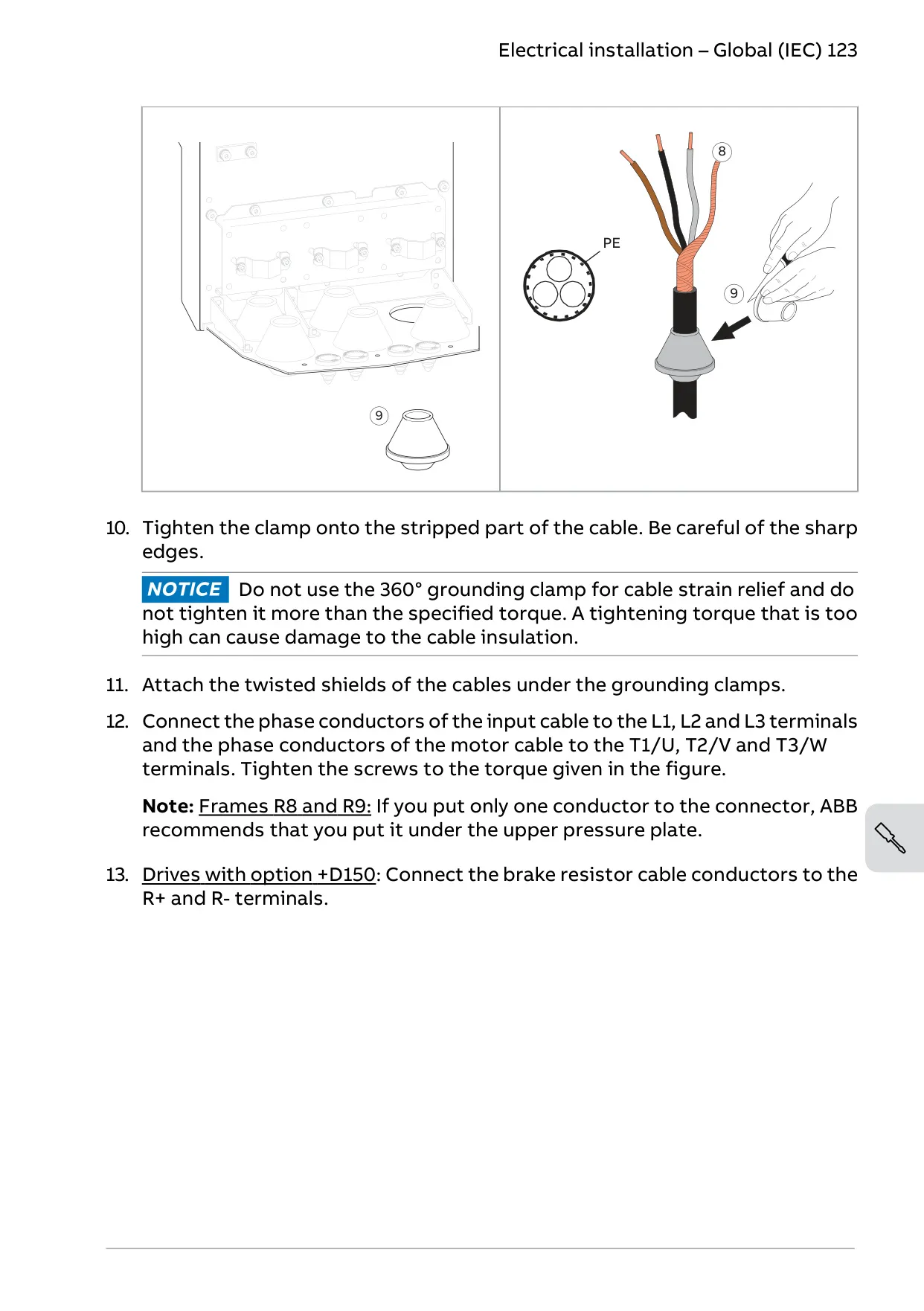
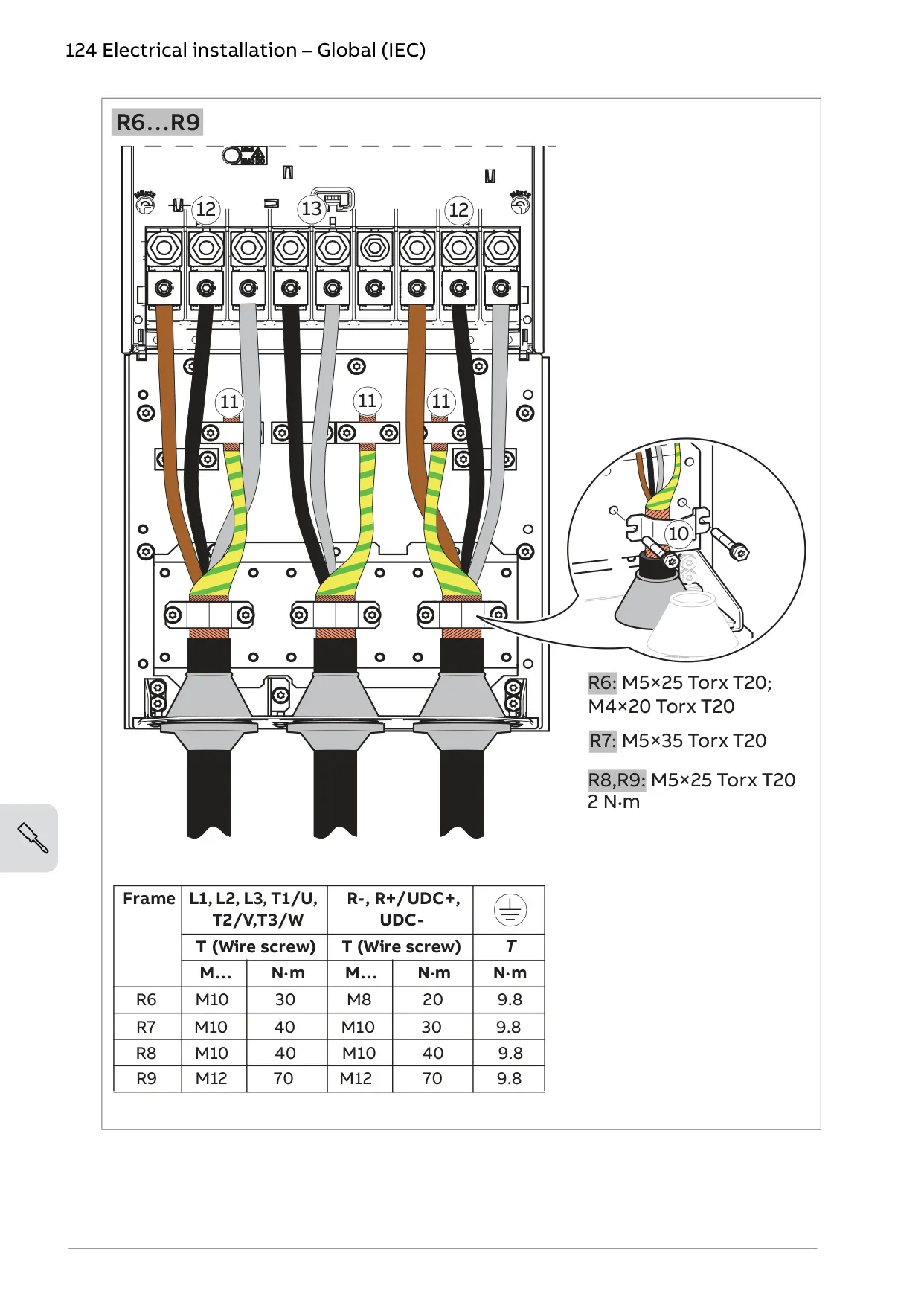
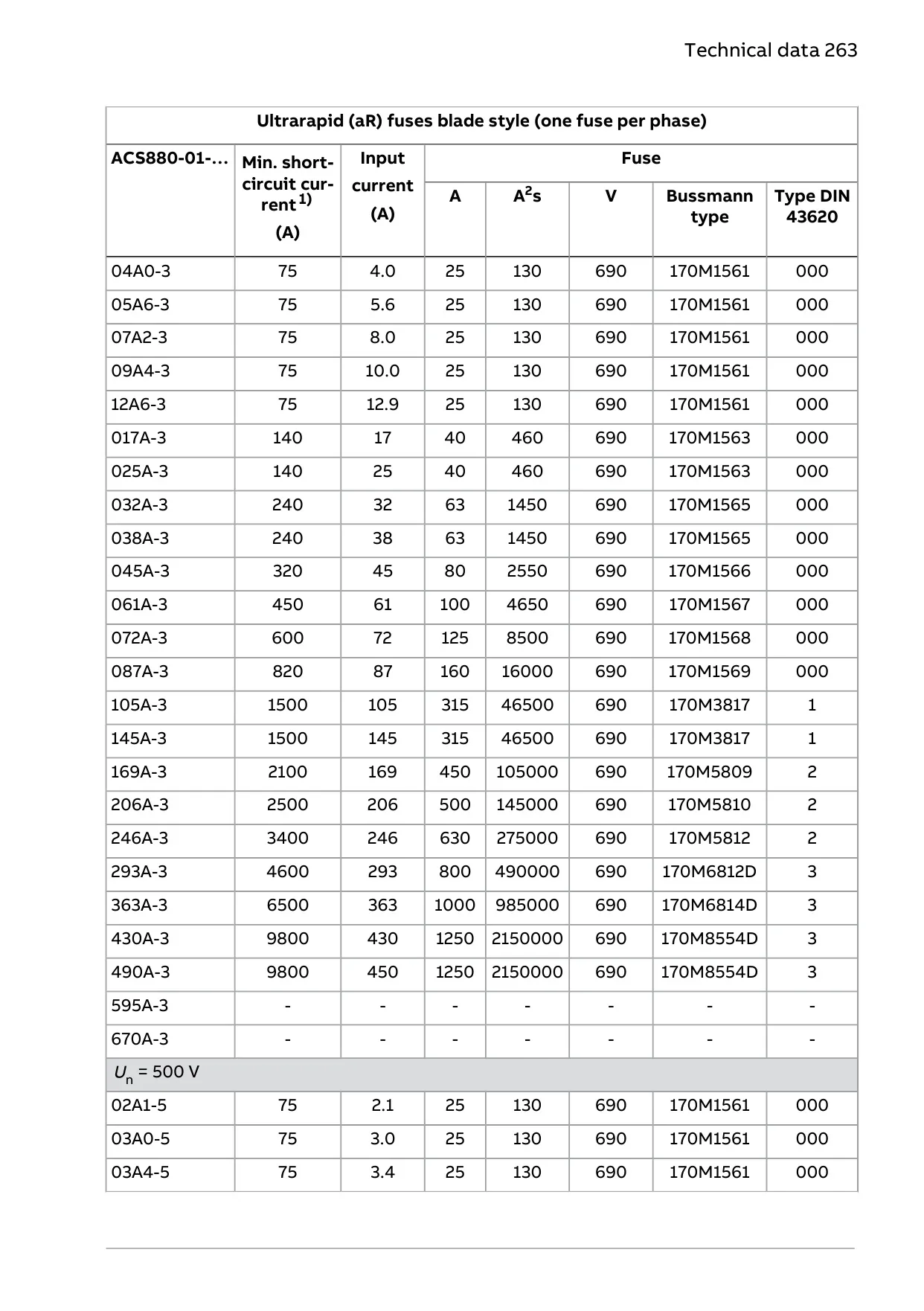
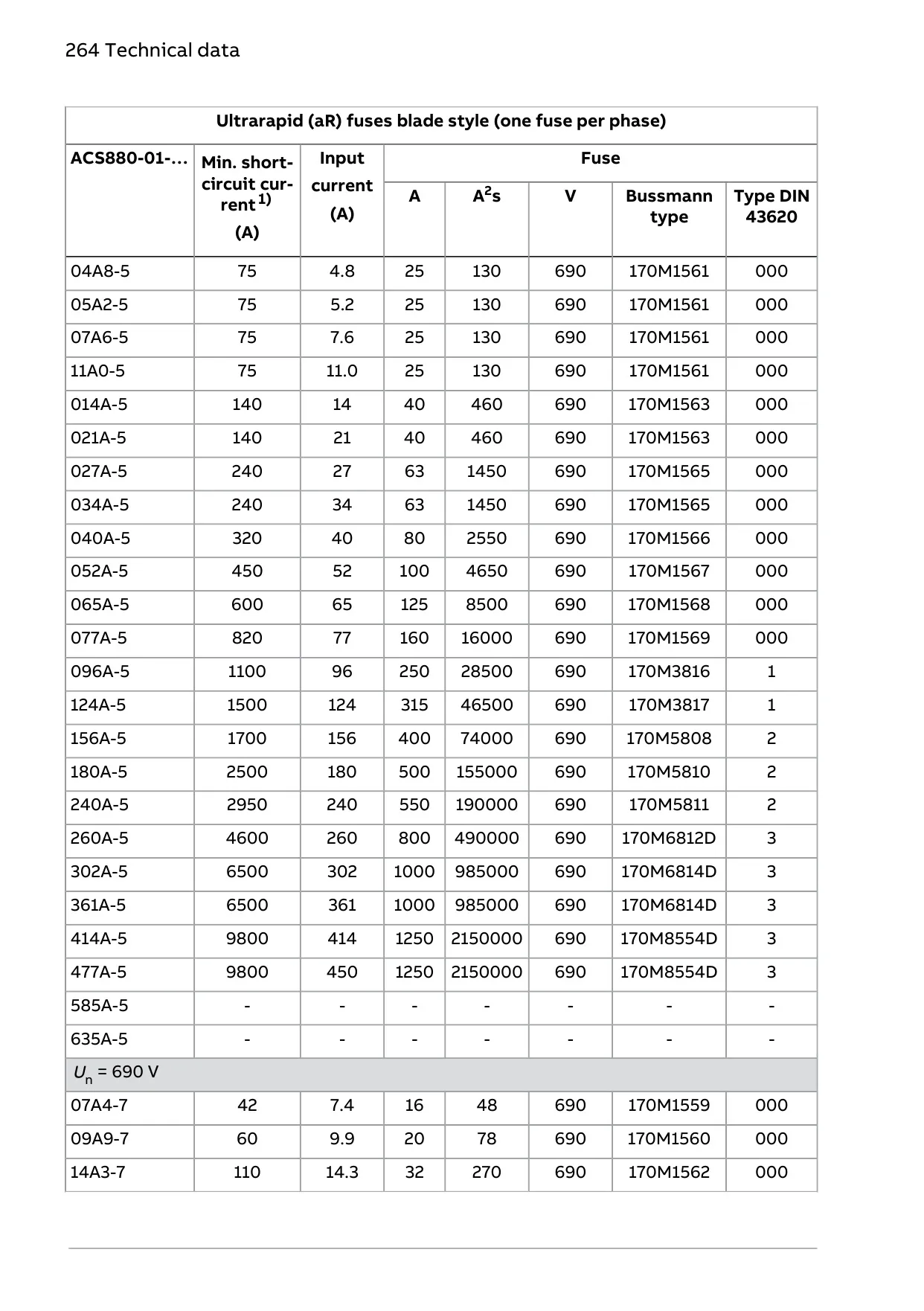
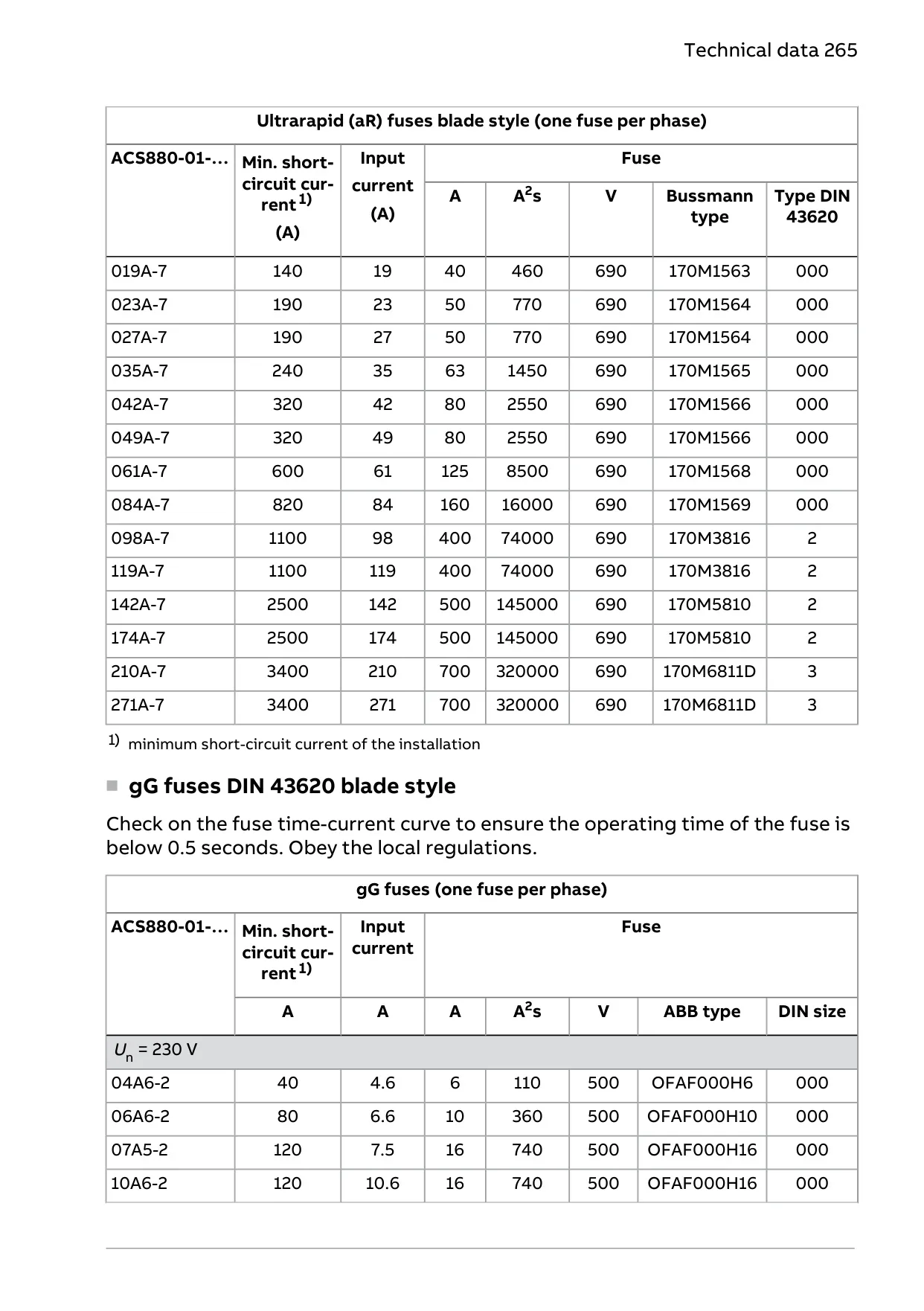
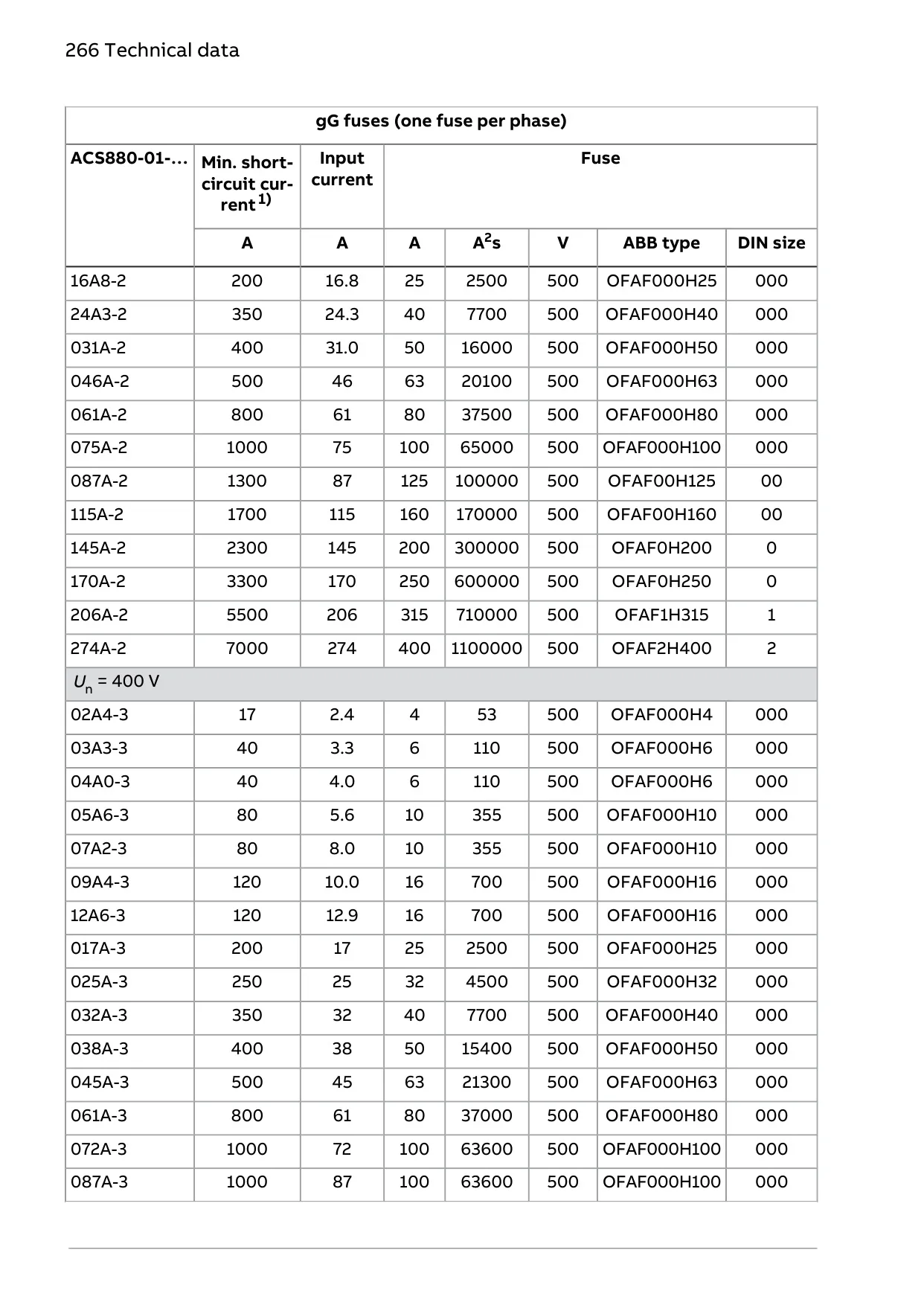
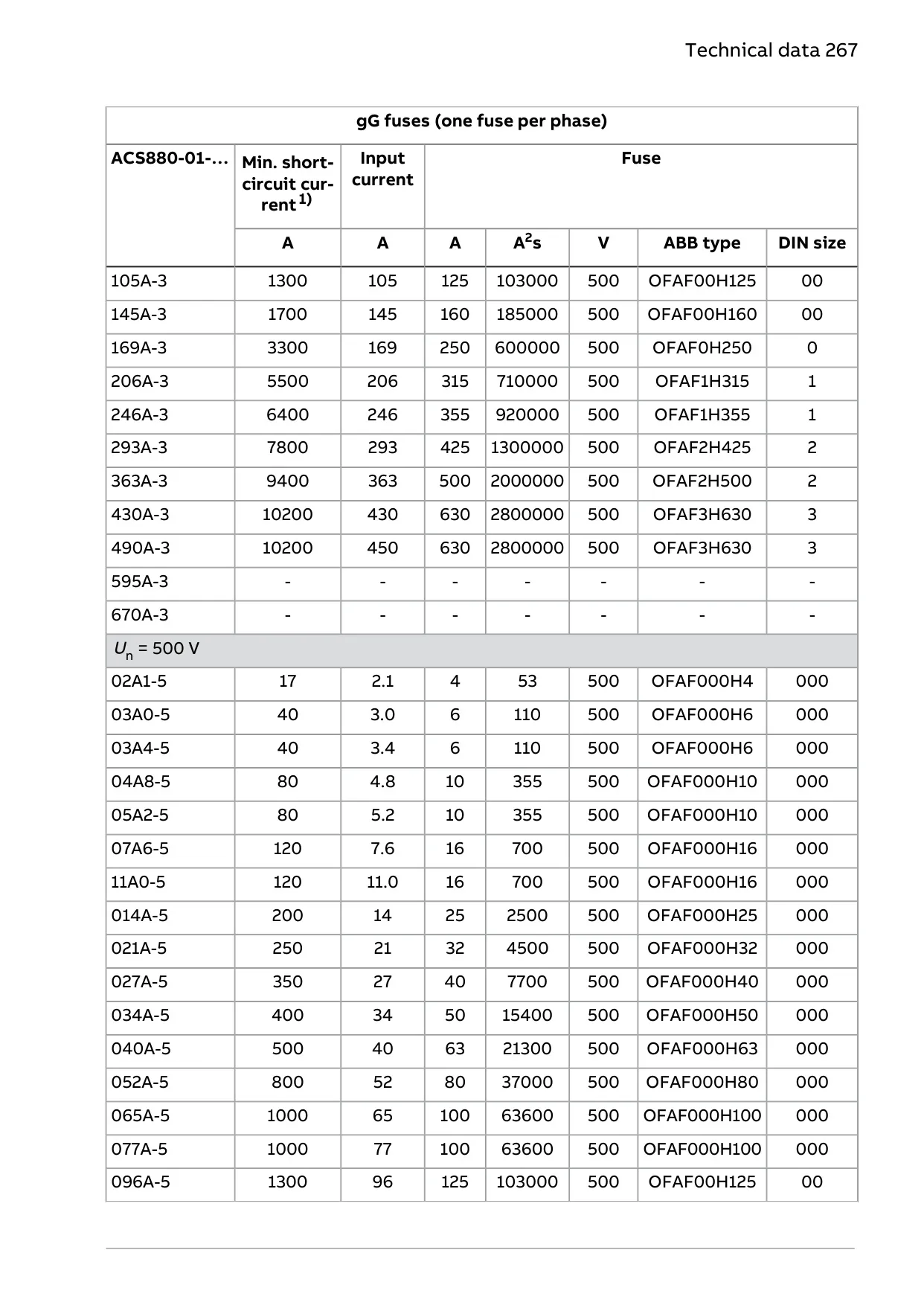
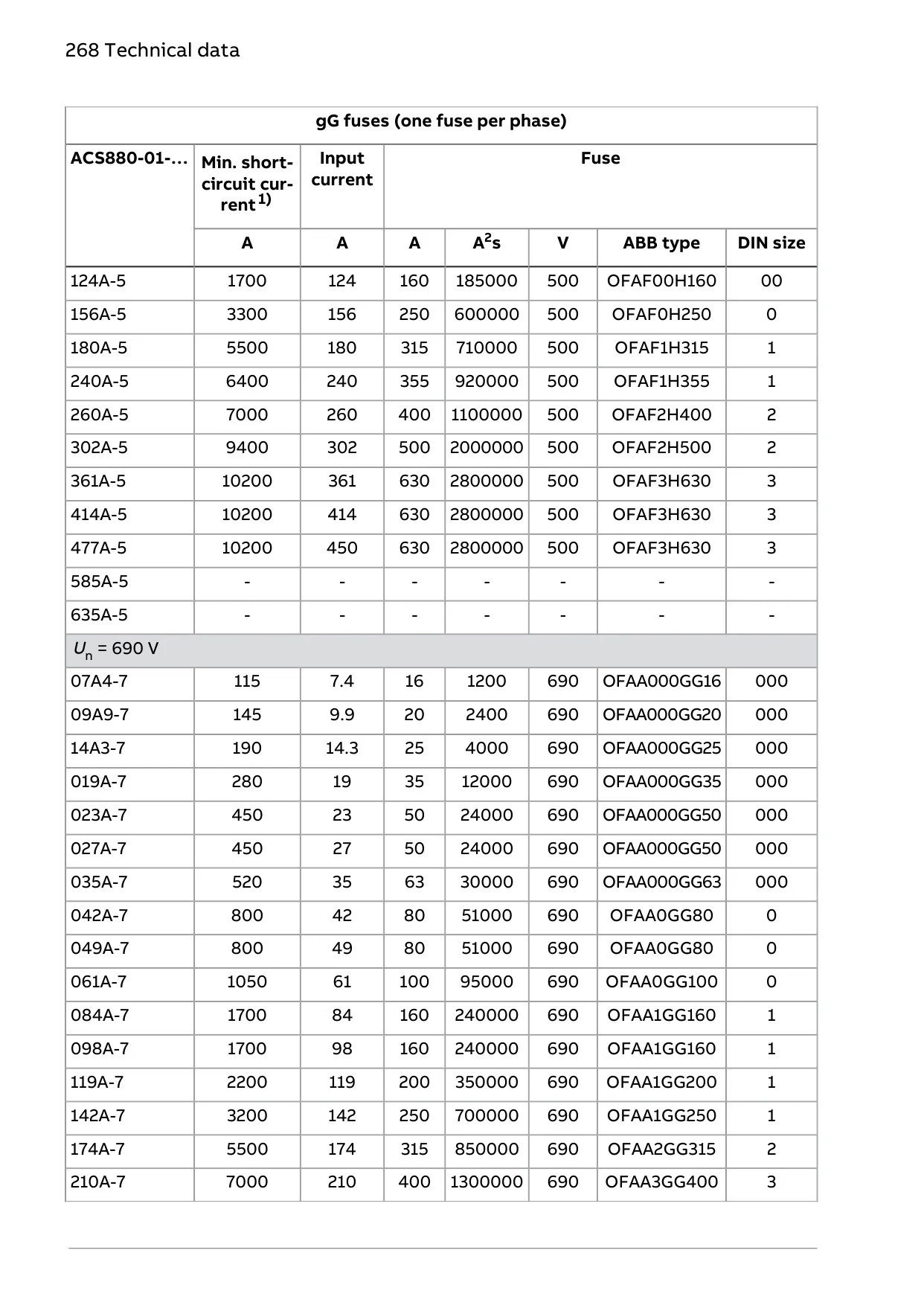
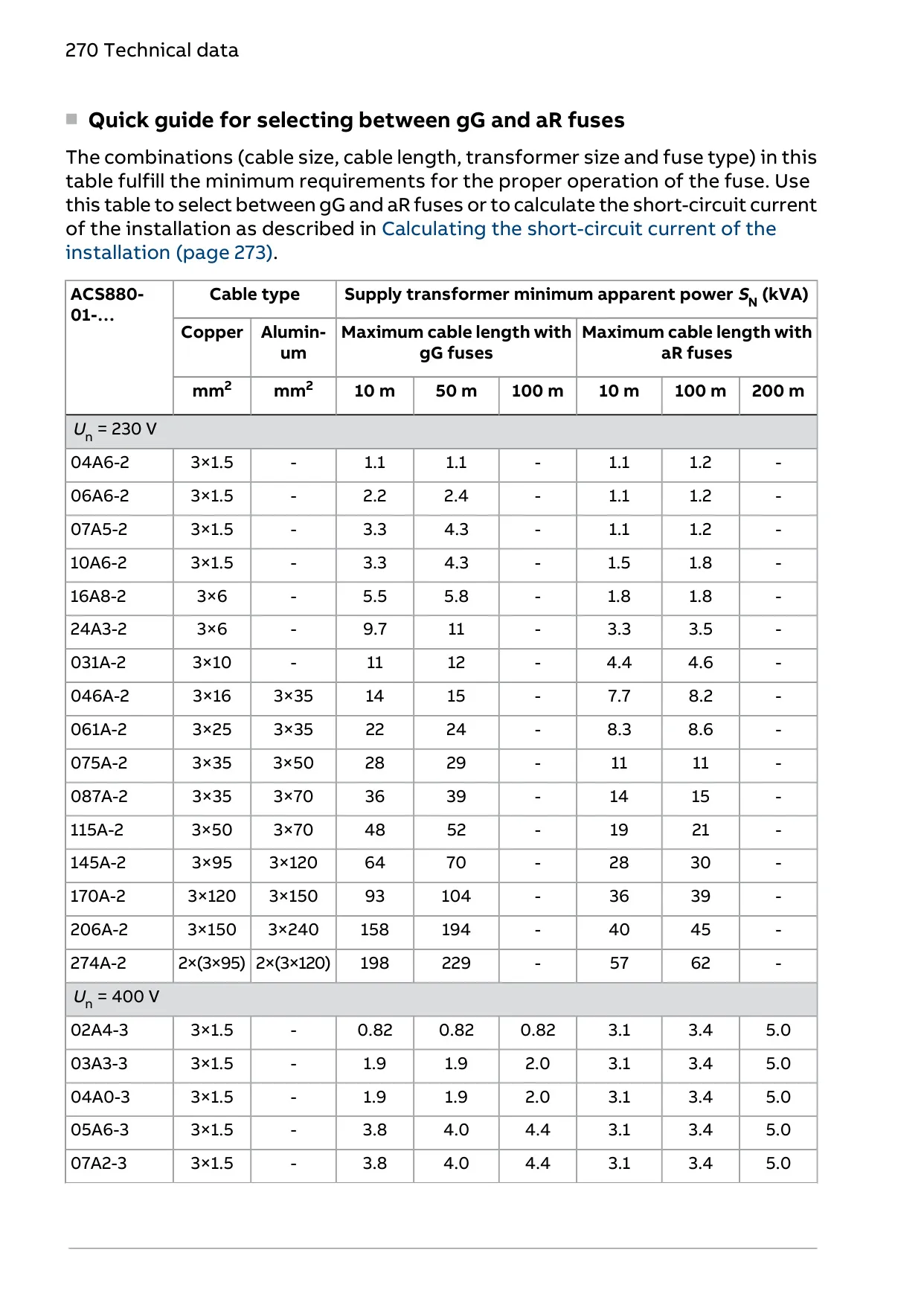
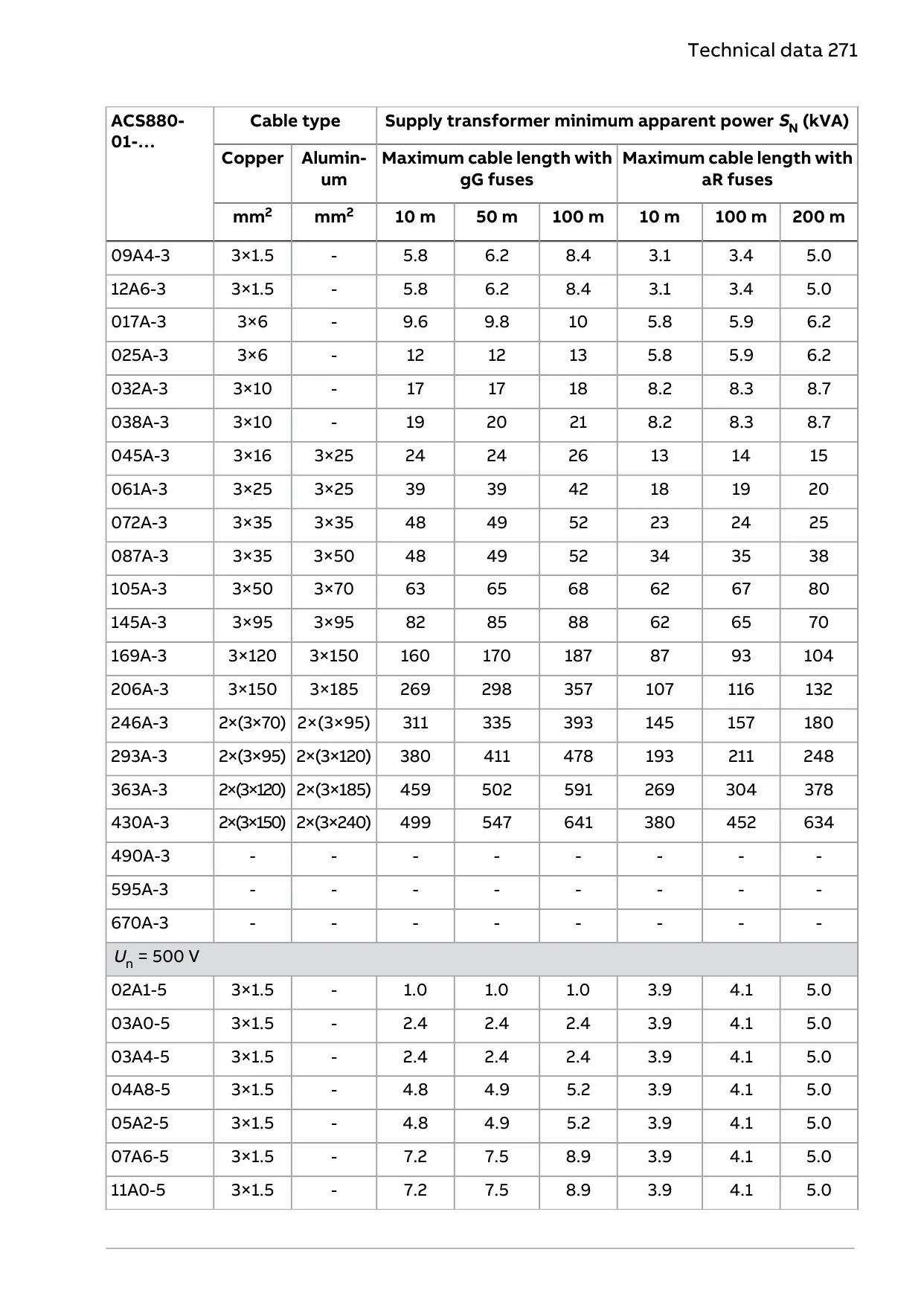
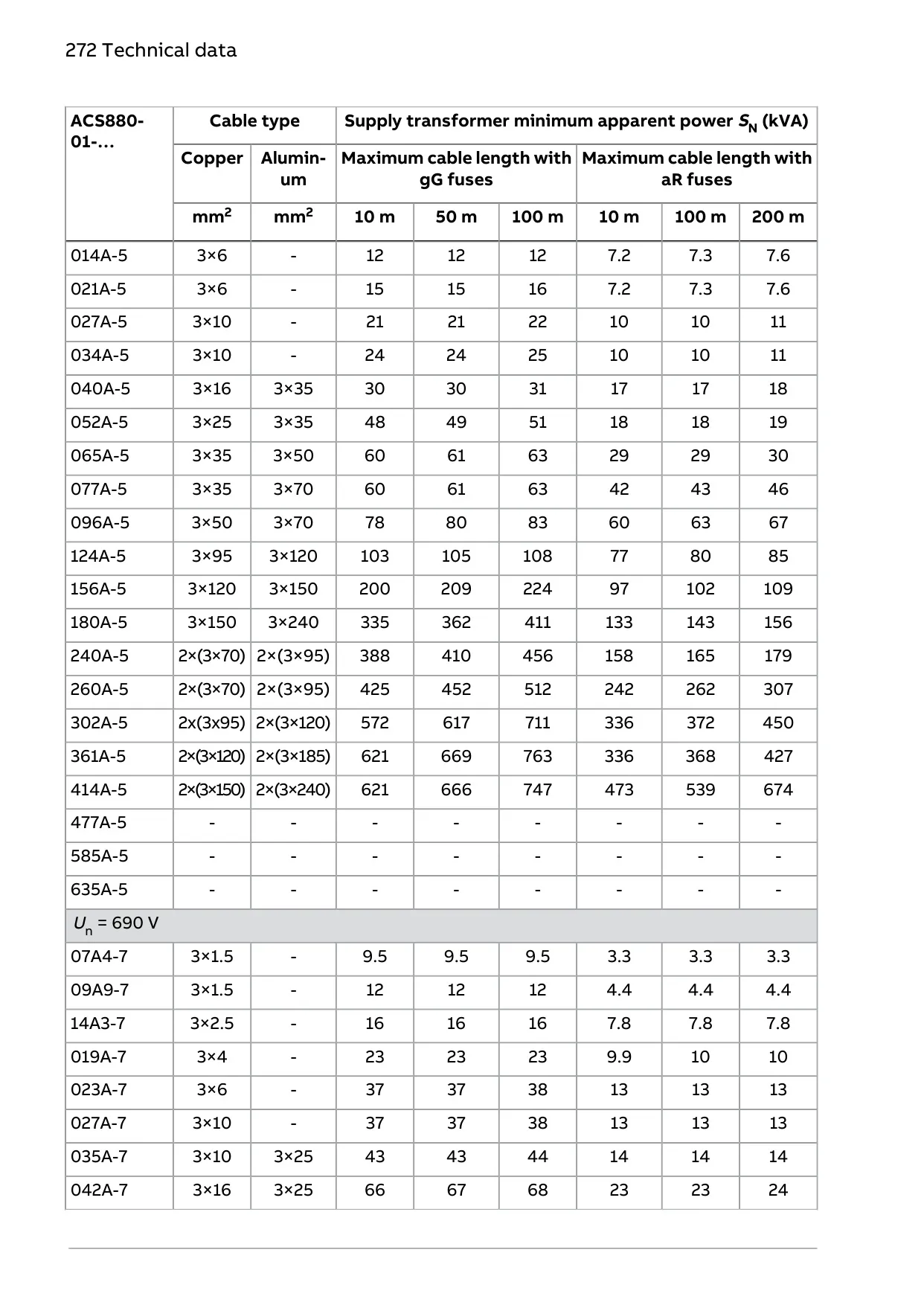
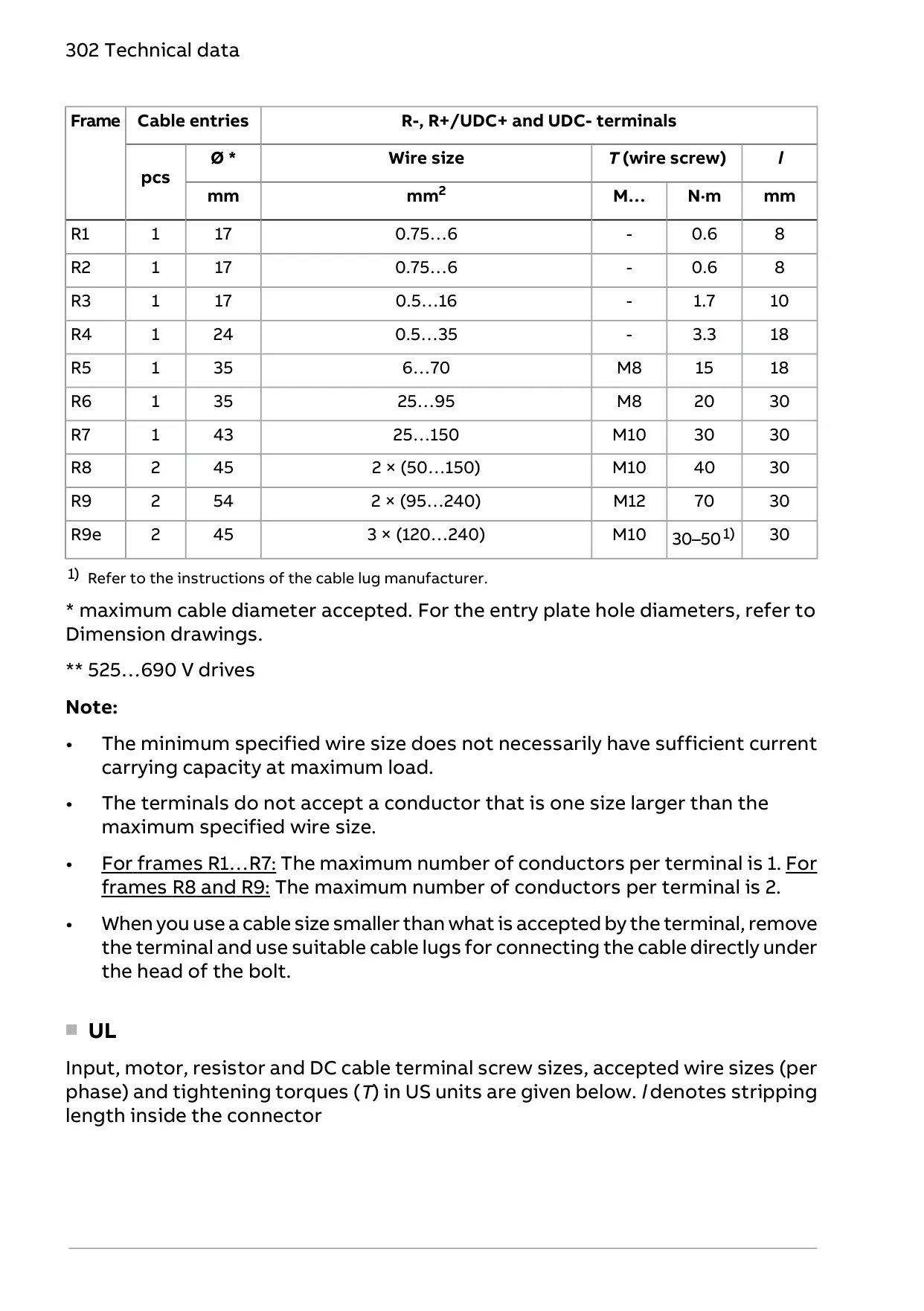
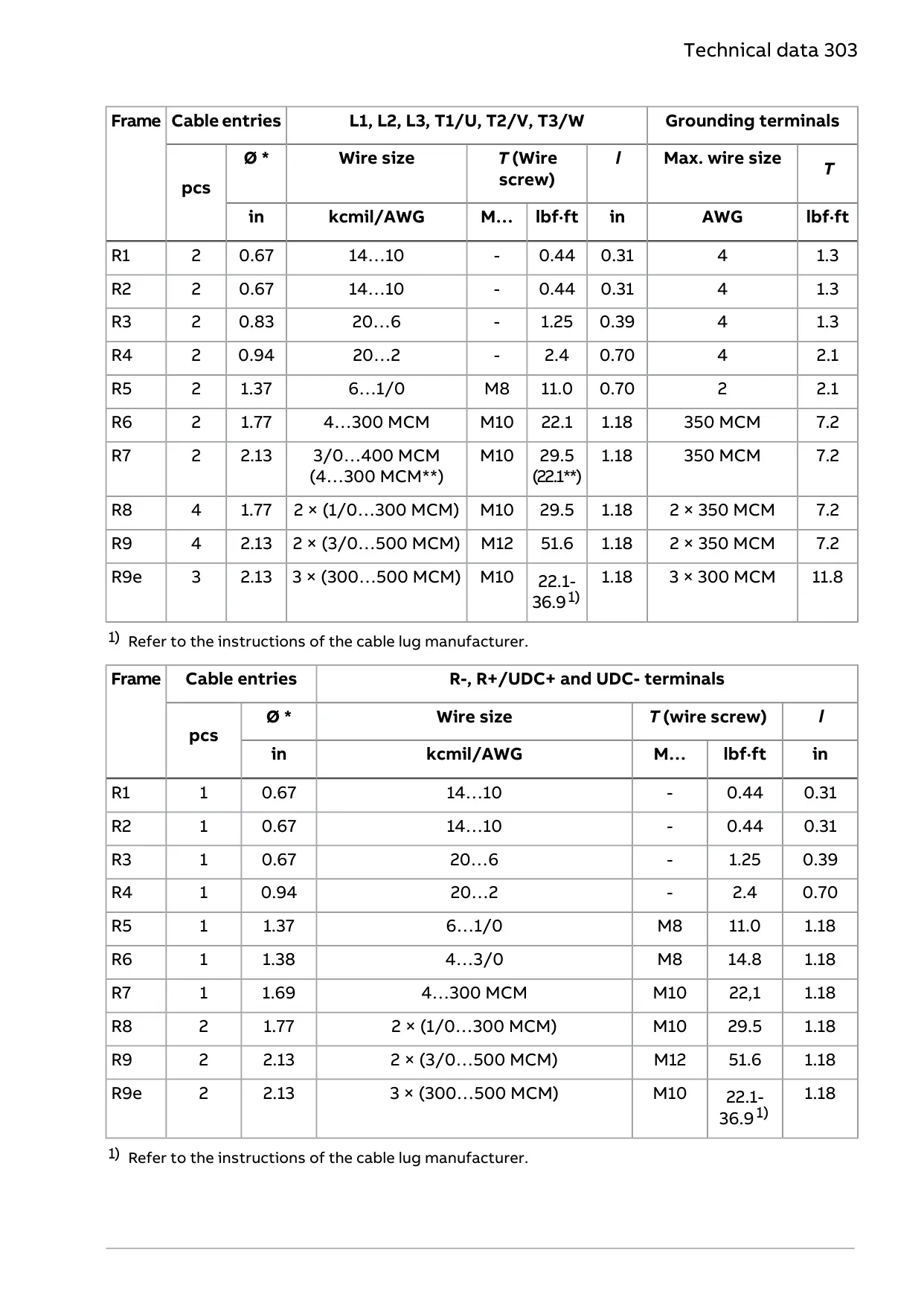
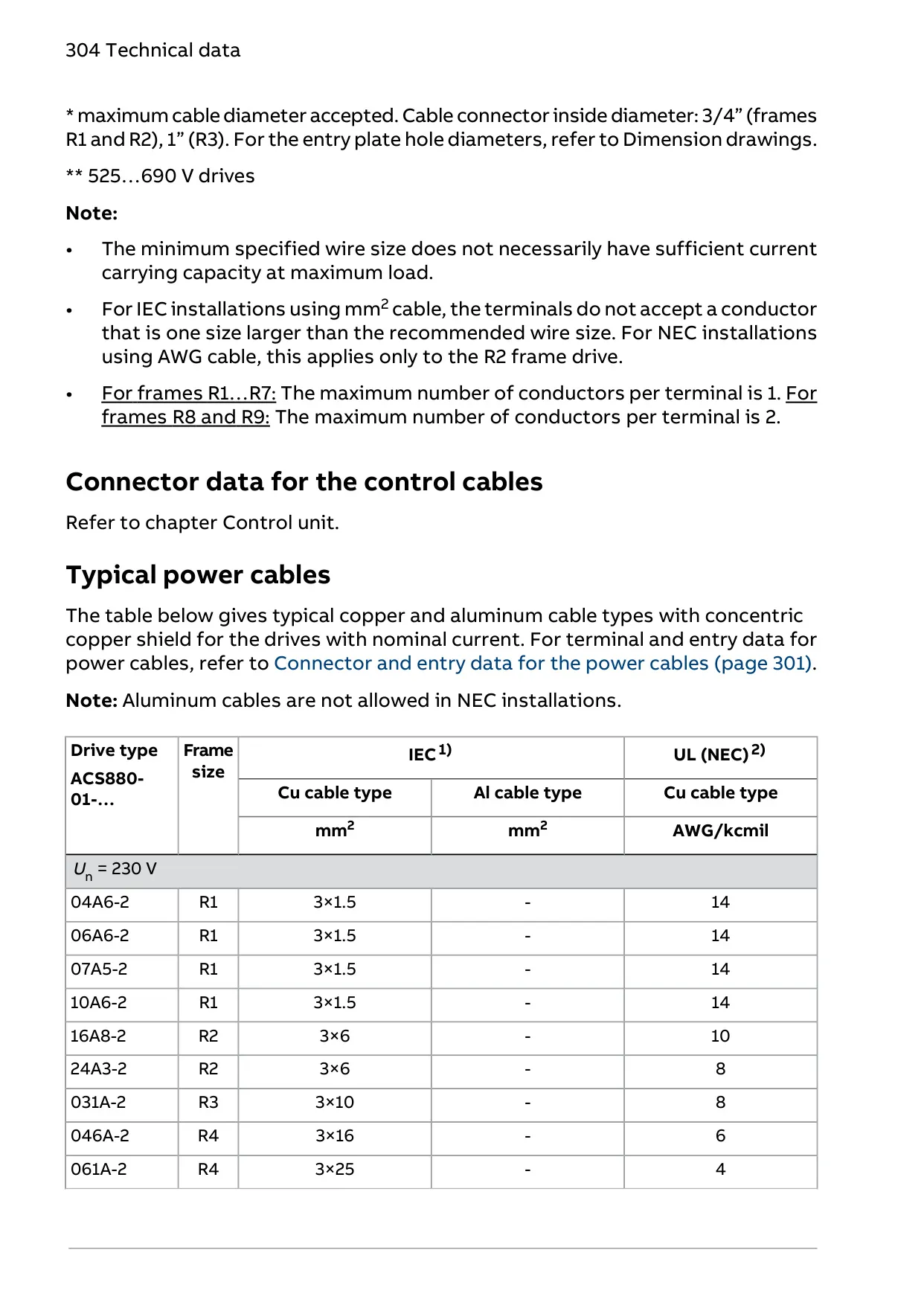
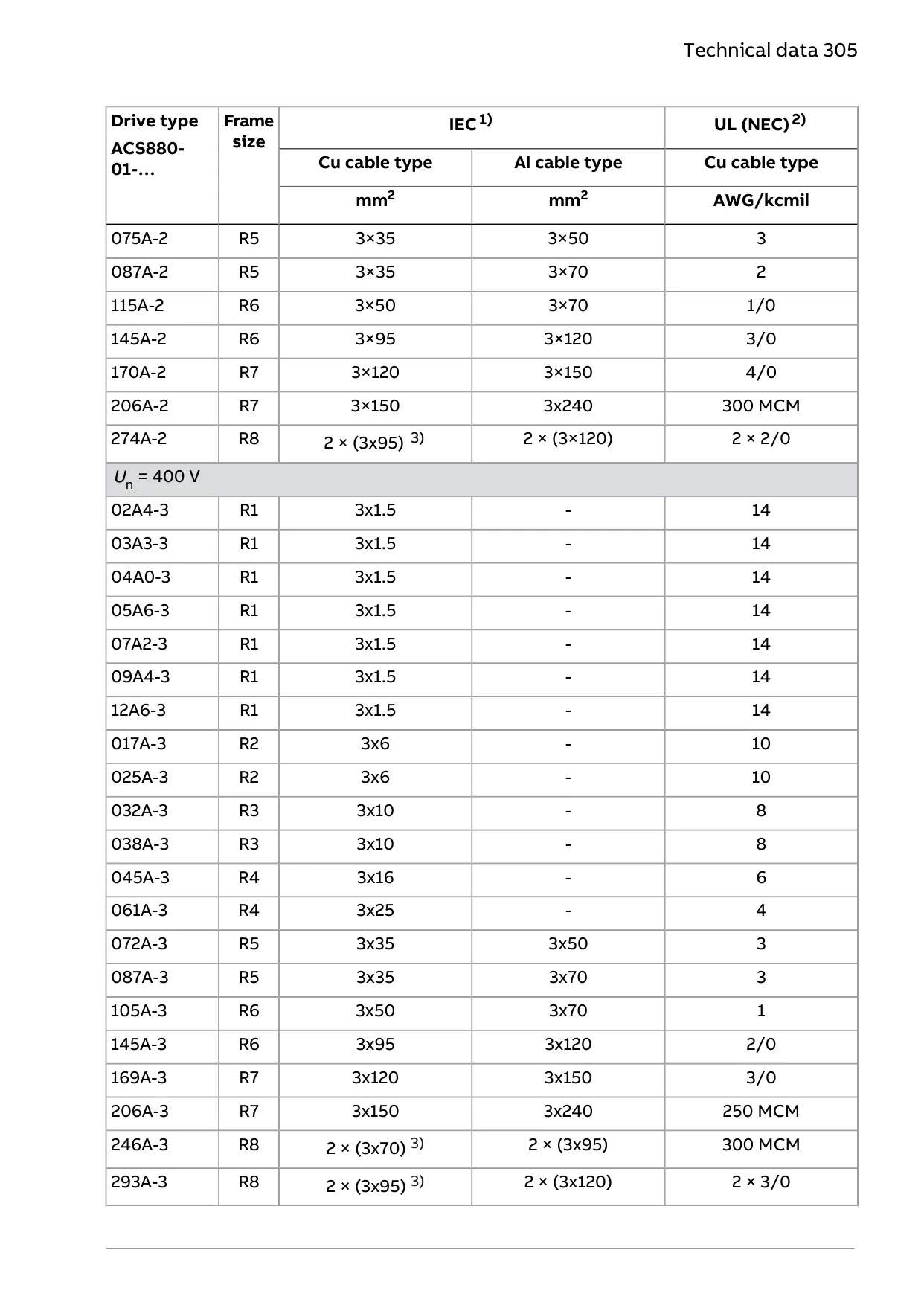
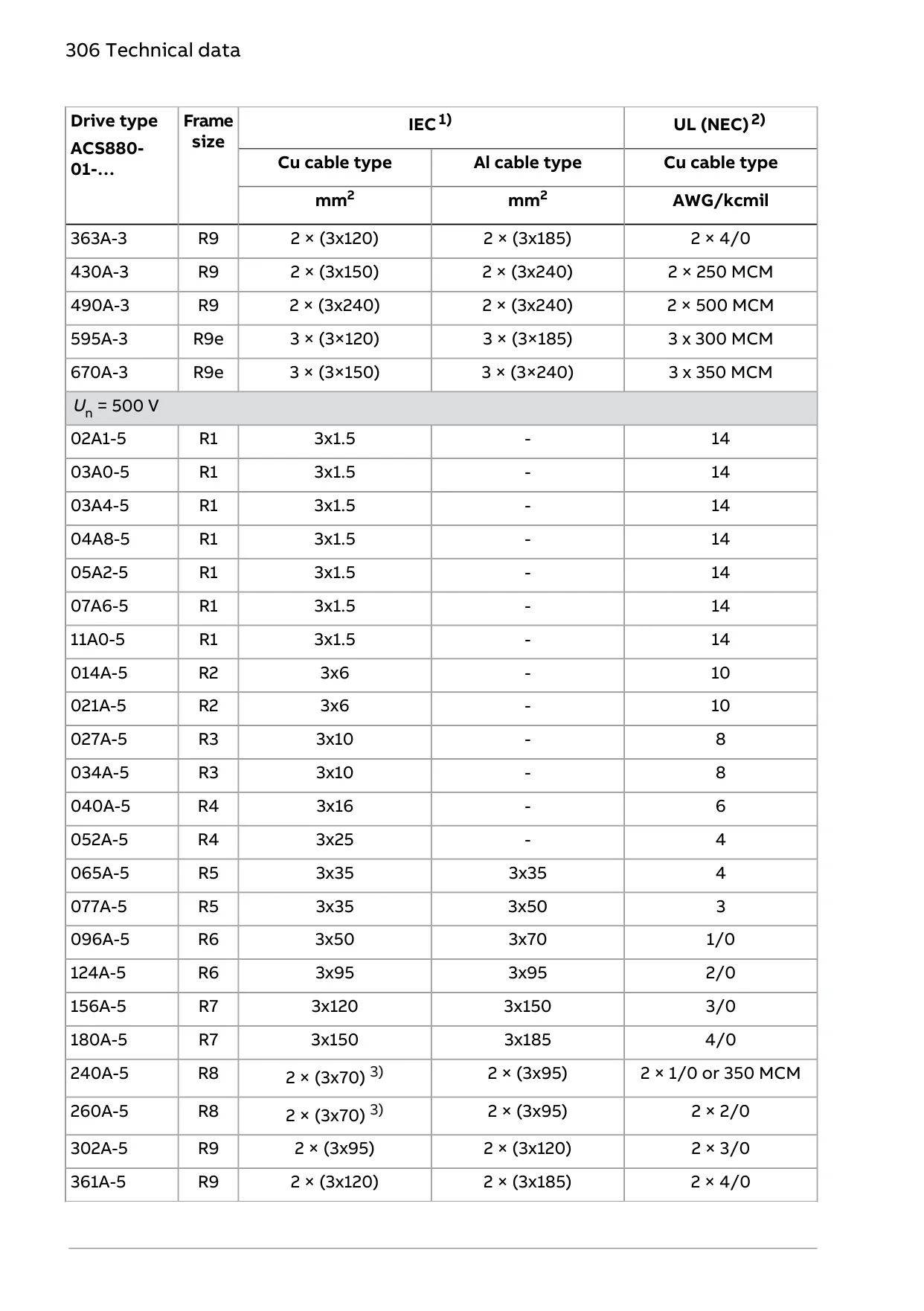
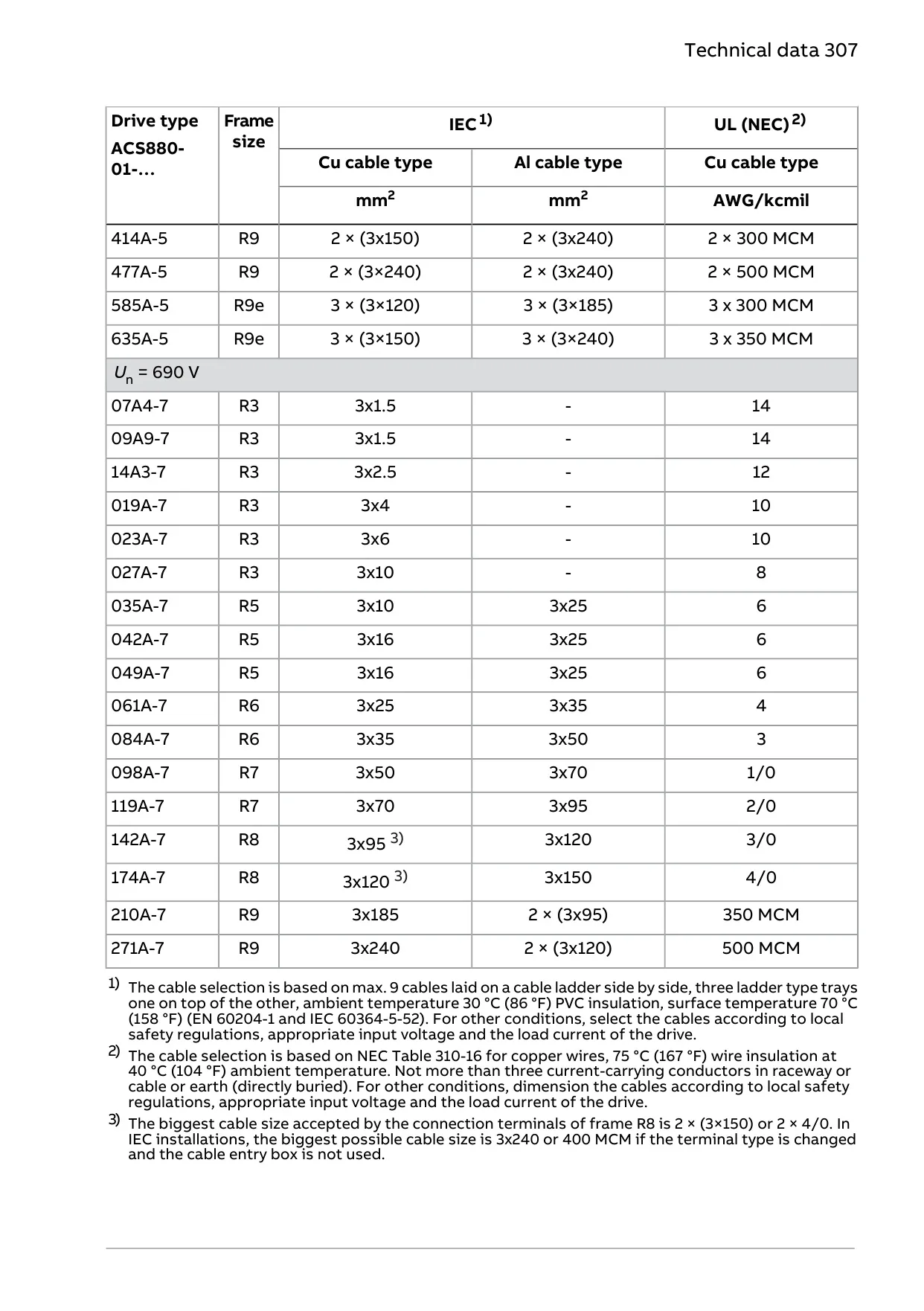
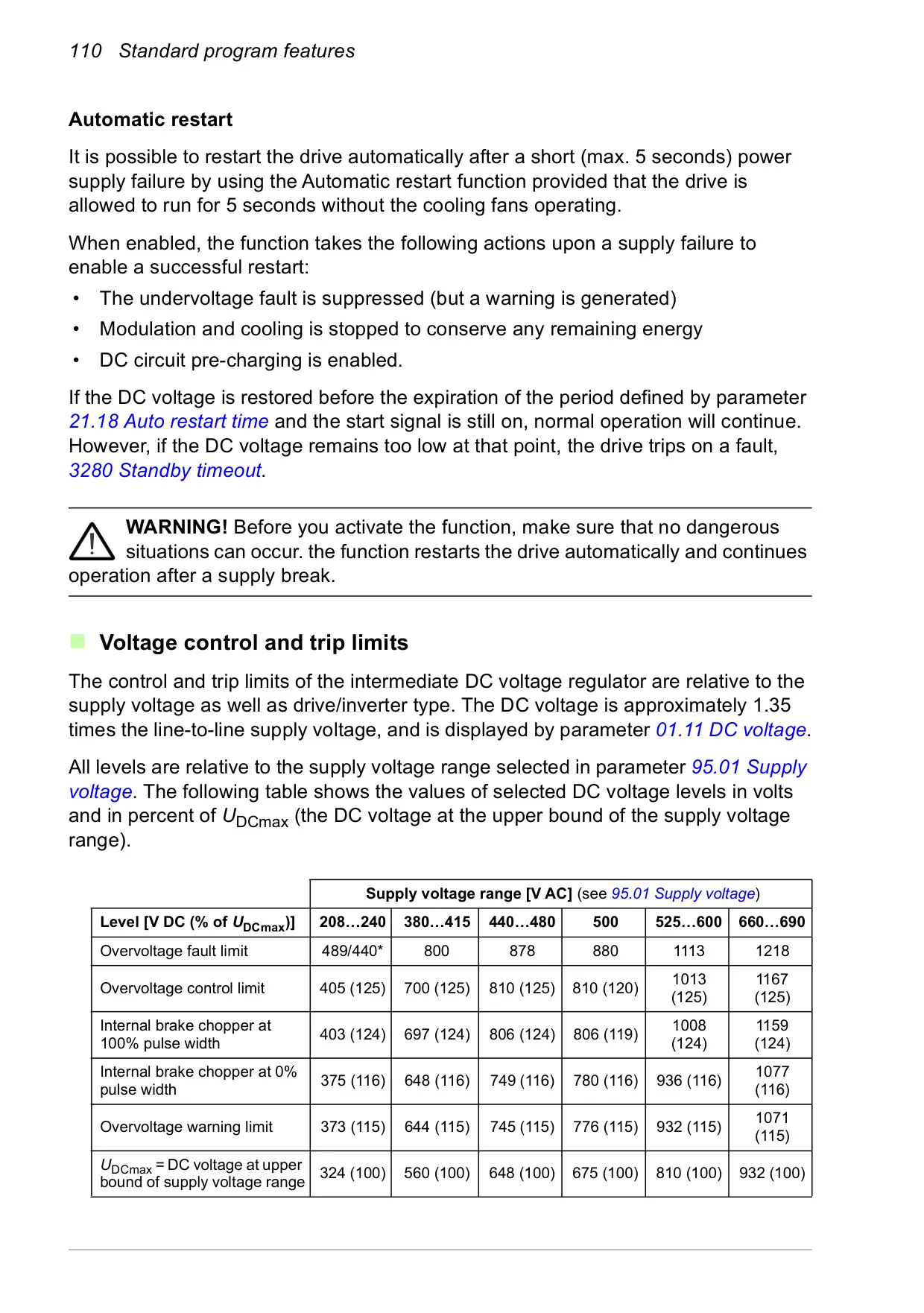
Electrical planning guidelines cover selecting appropriate main supply disconnecting devices, contactors, and power cables. Emphasis is placed on utilizing shielded or armored cables and metal conduits to minimize electromagnetic interference (EMI), which is vital for system integrity and regulatory compliance.
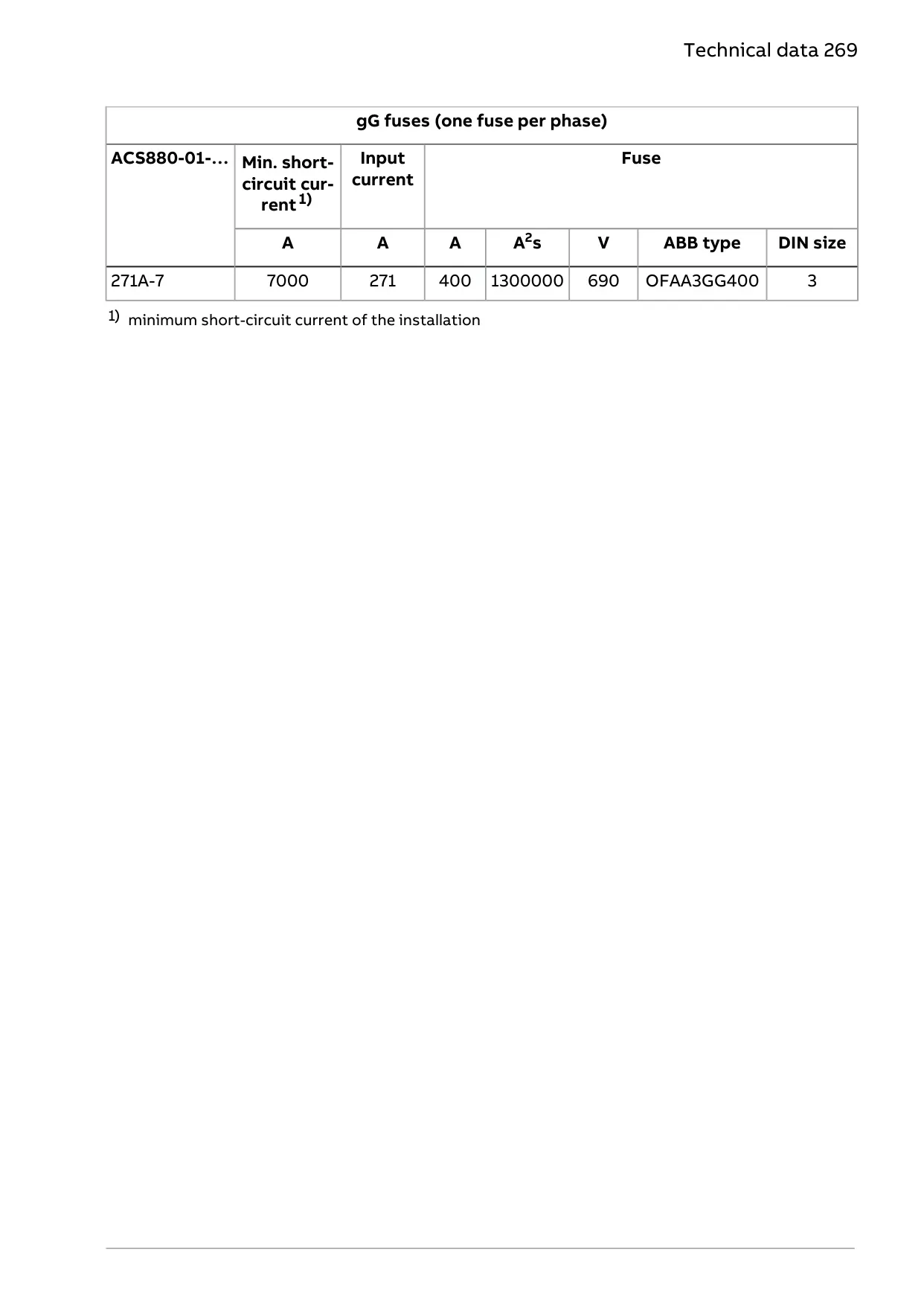
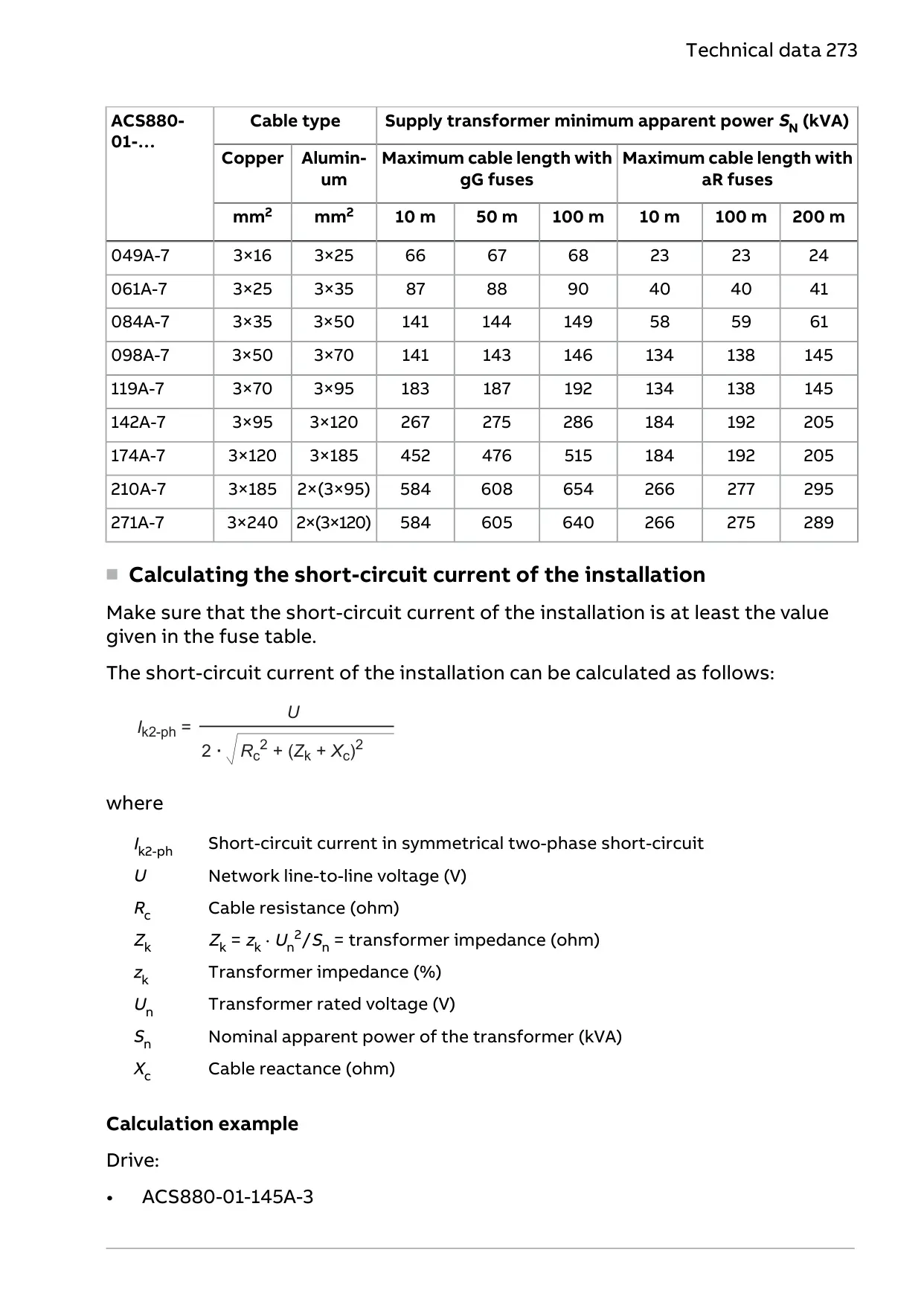
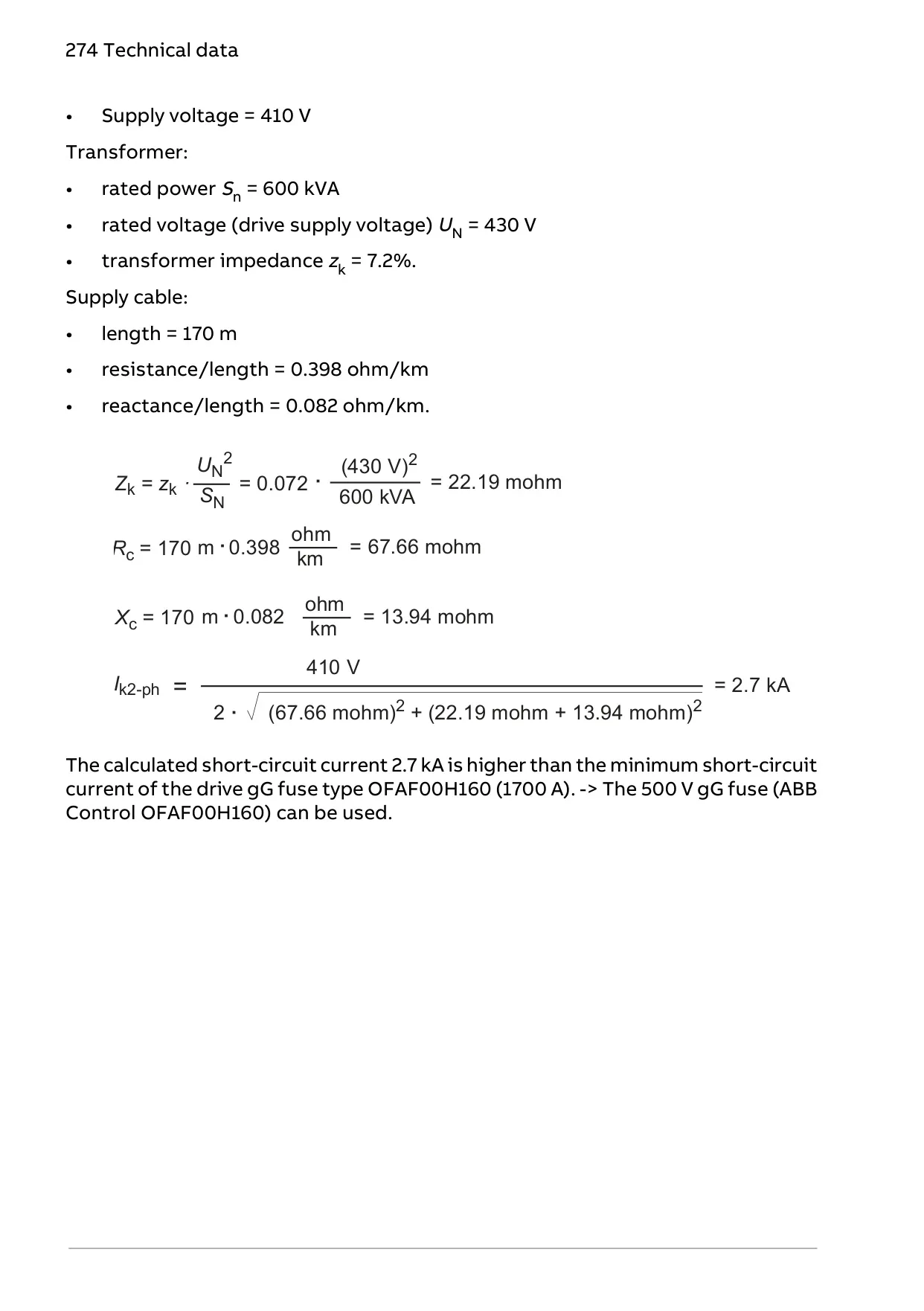
The ACS880-01 ensures comprehensive protection for both the drive and connected motor. It includes internal short-circuit and thermal overload protection for the drive and its input/motor cables. For multi-motor setups, individual overload protection for each motor circuit is specifically required to prevent undetected overloads.
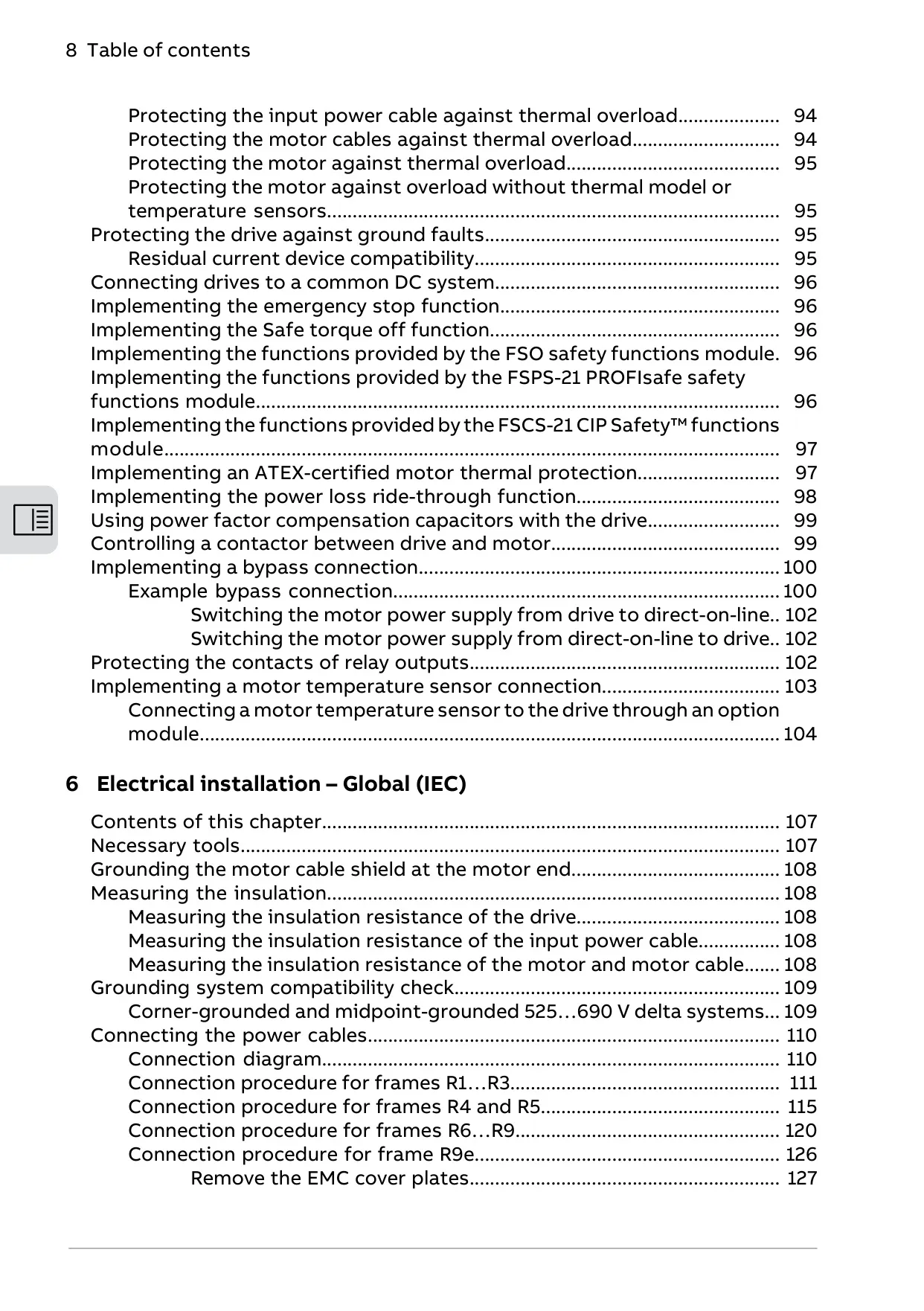
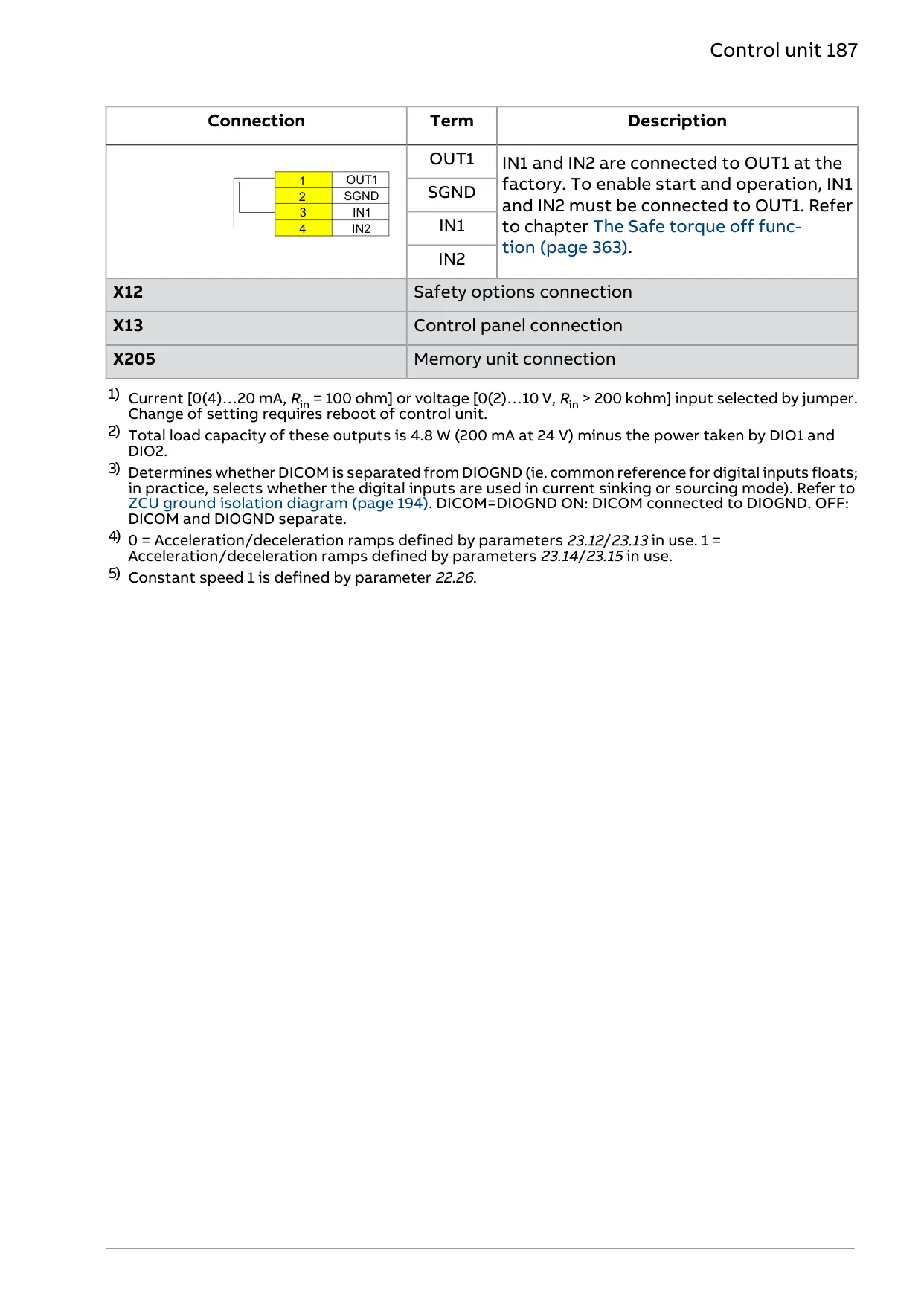
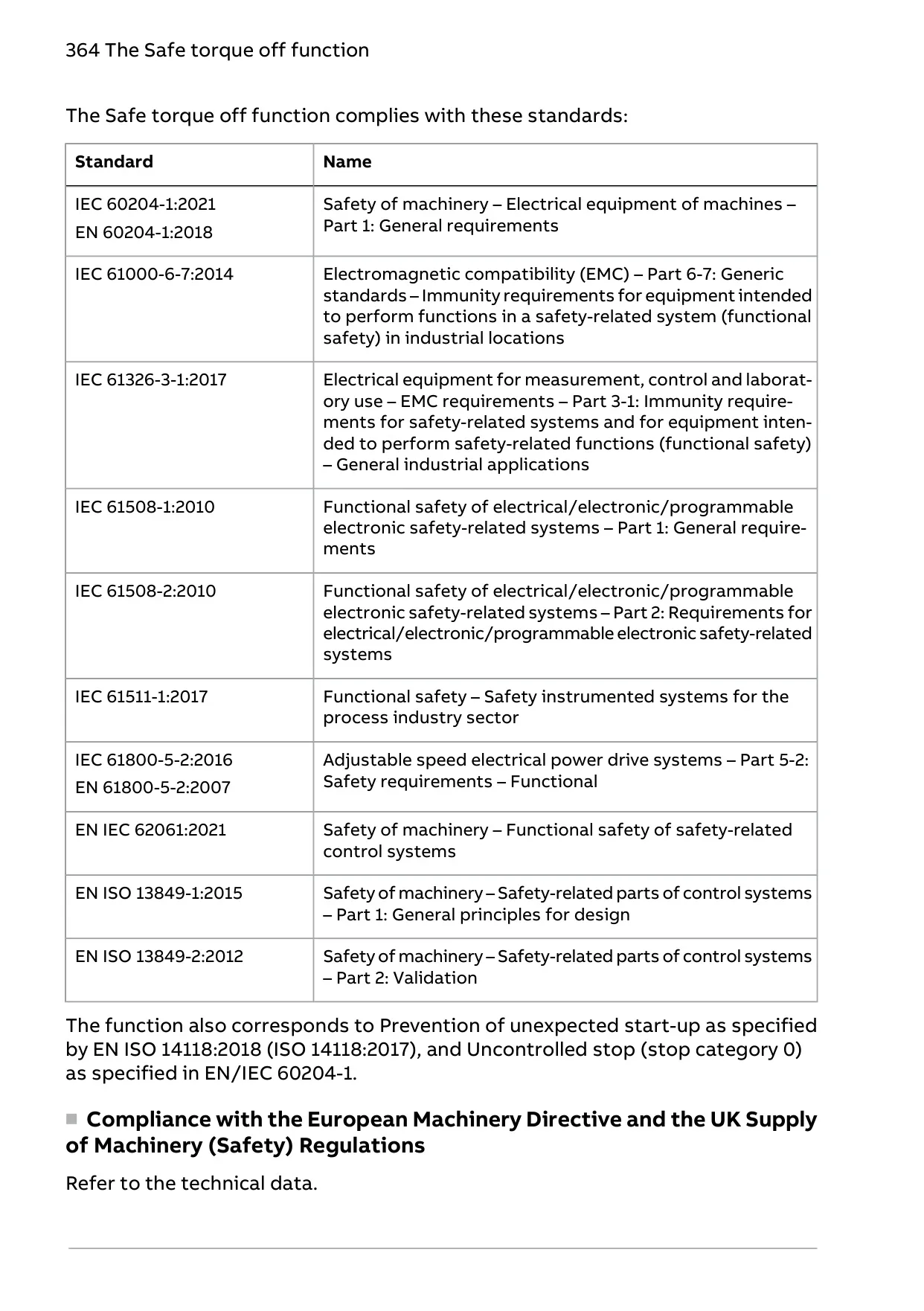
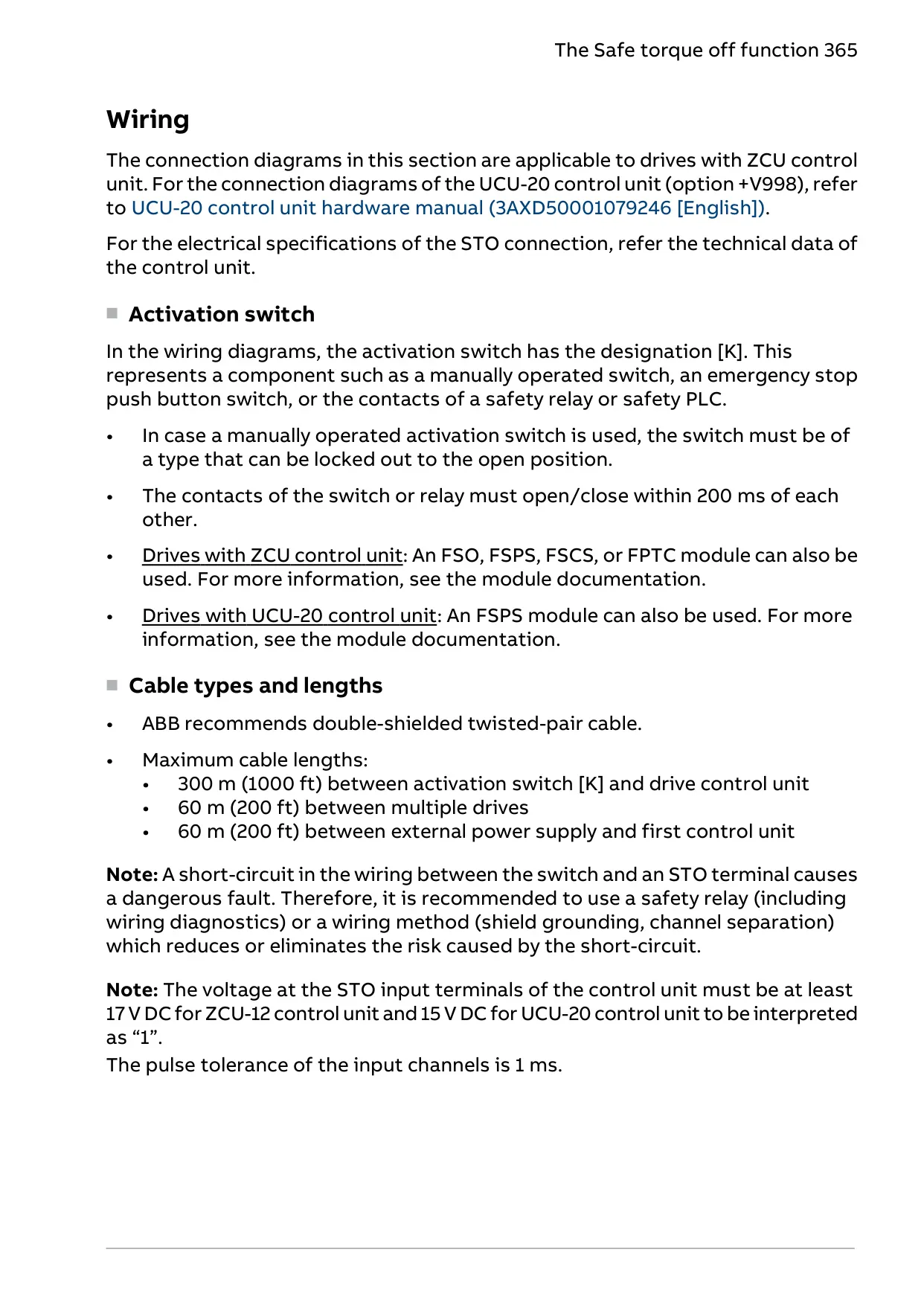
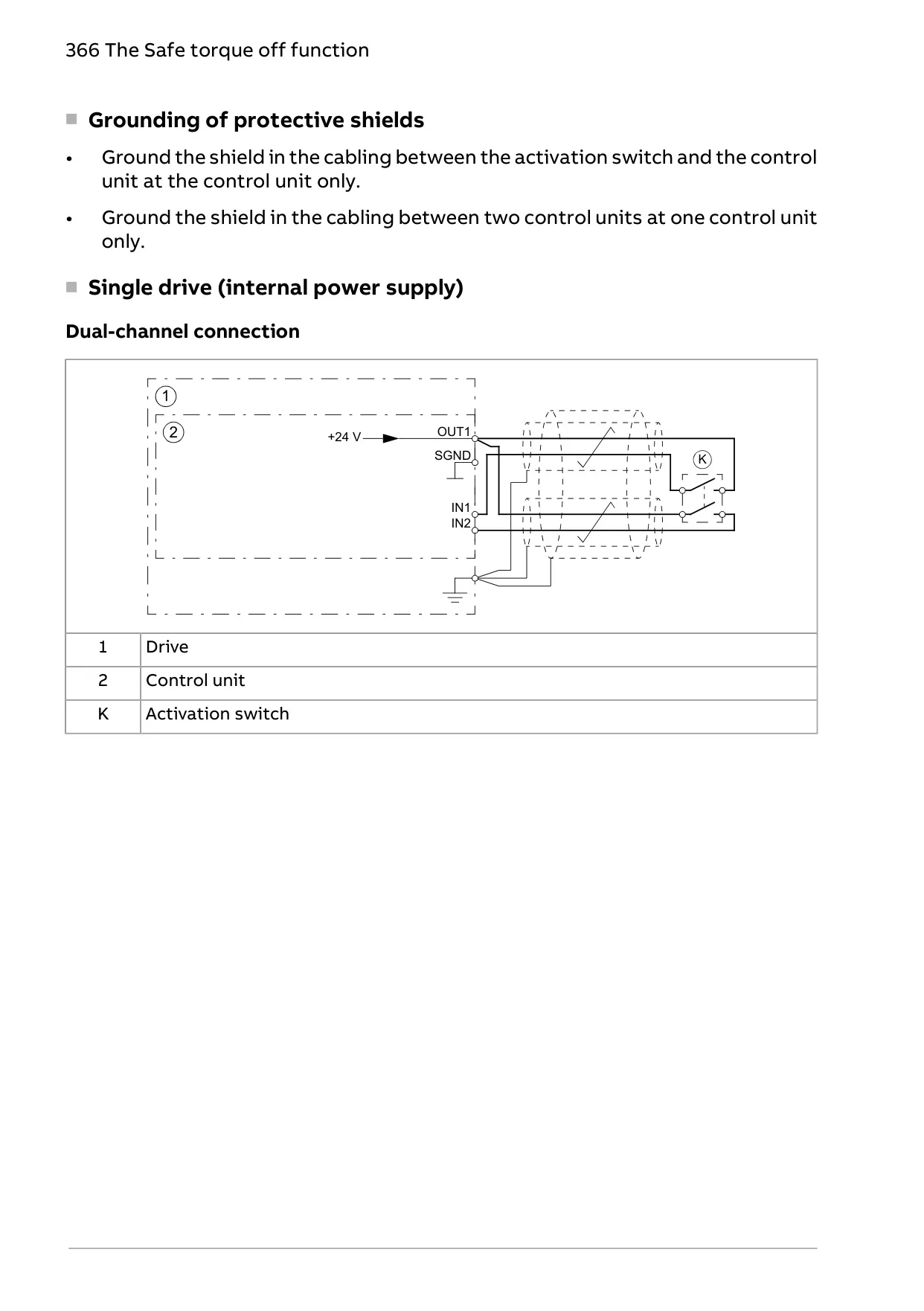
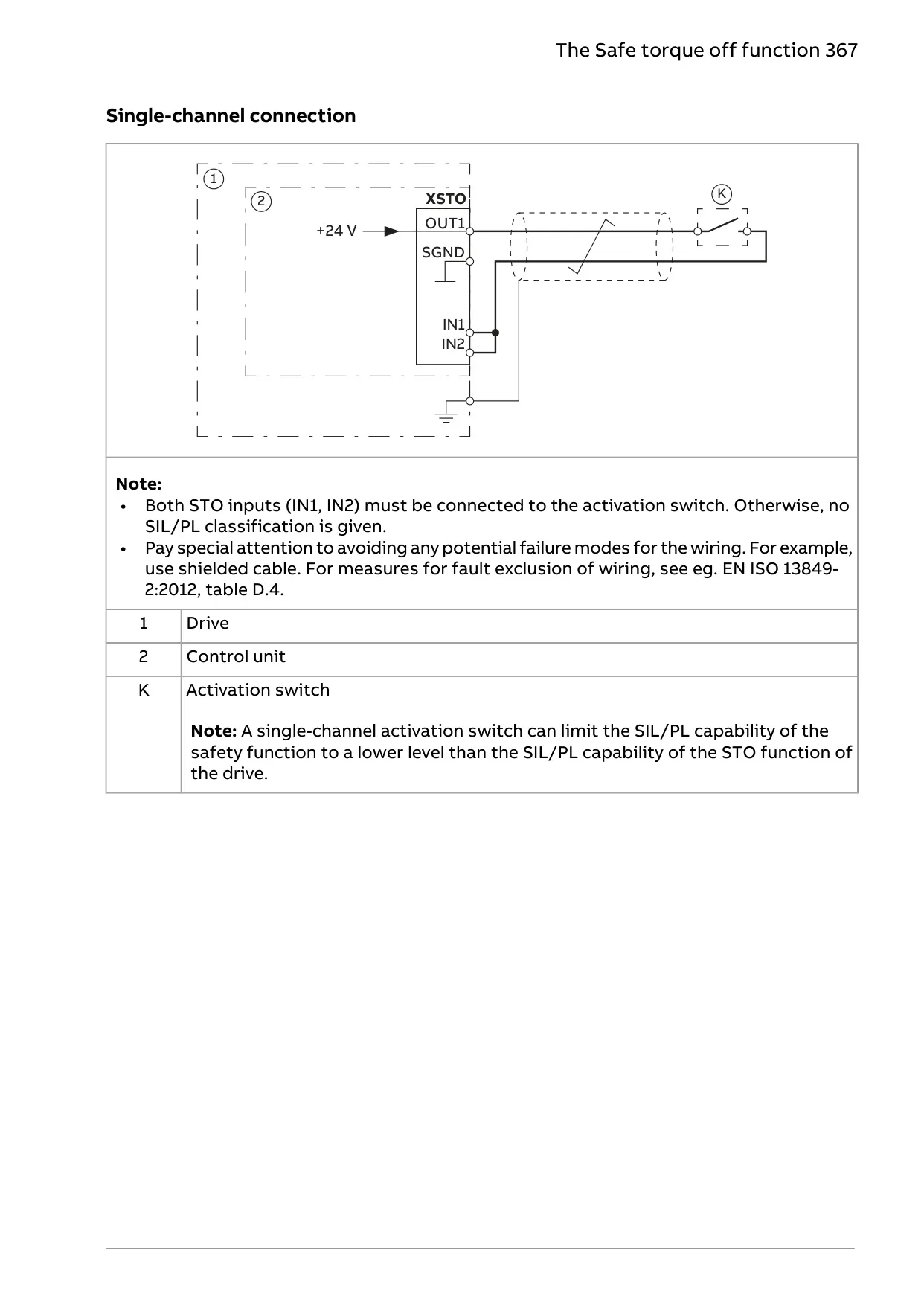
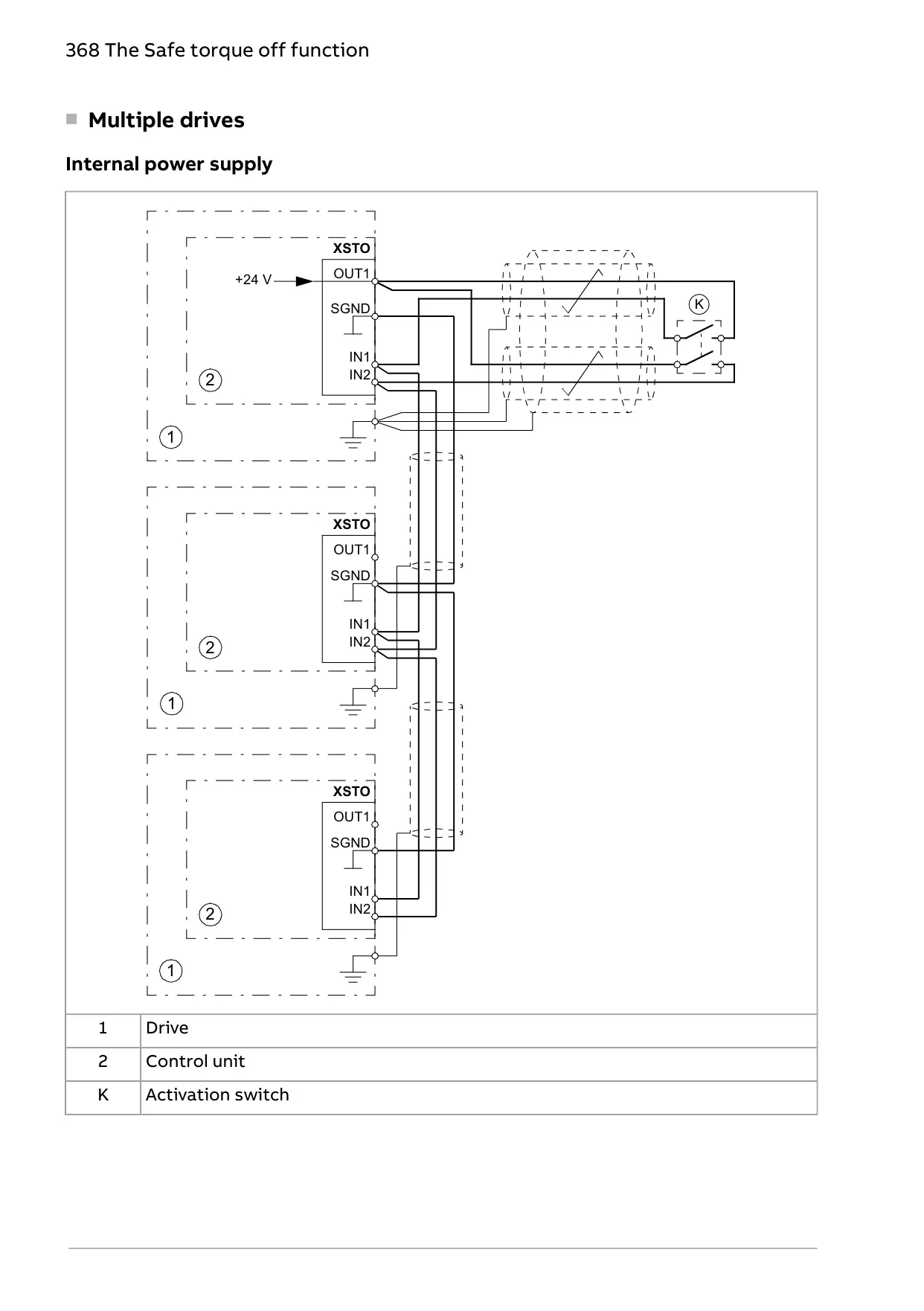
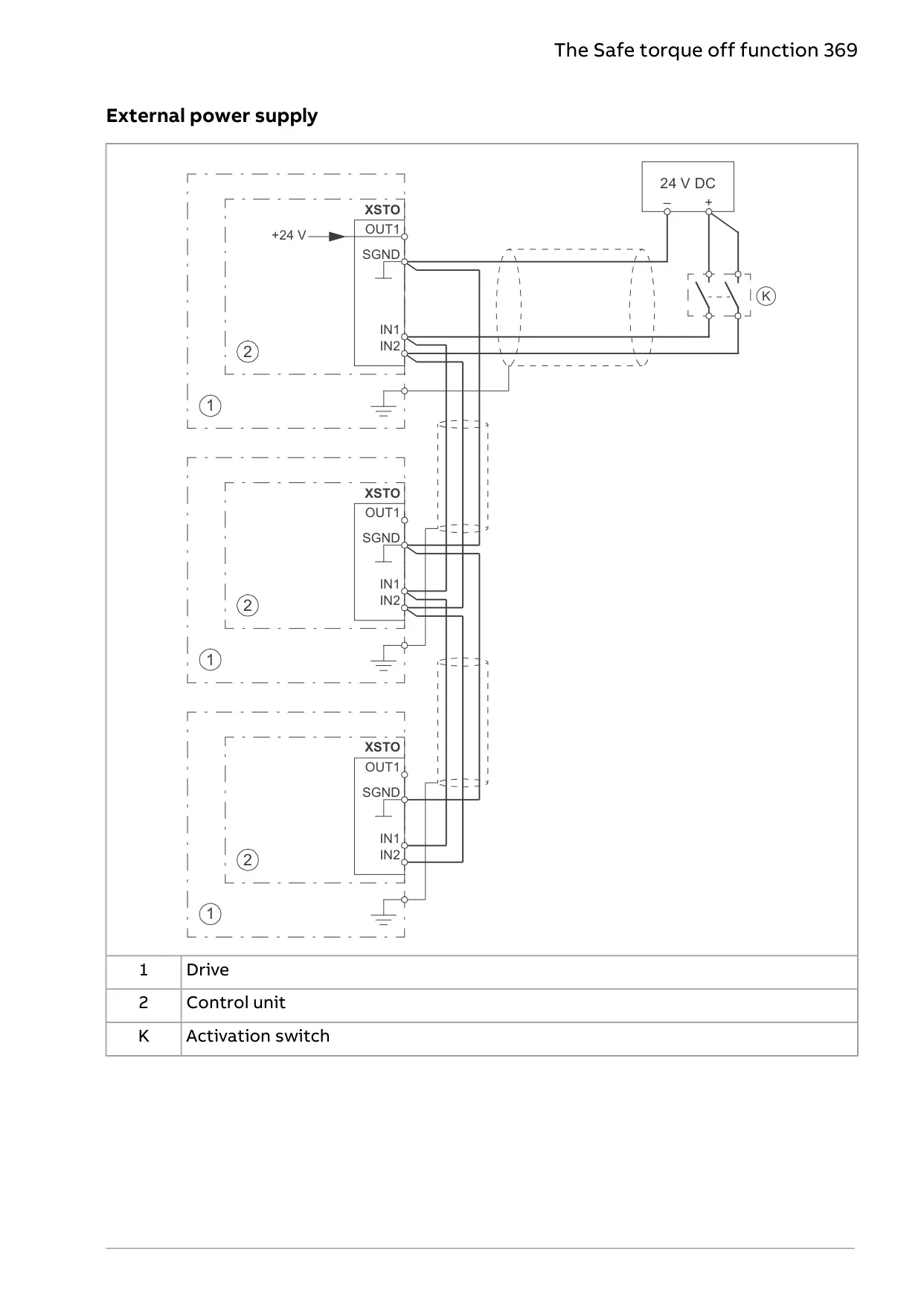
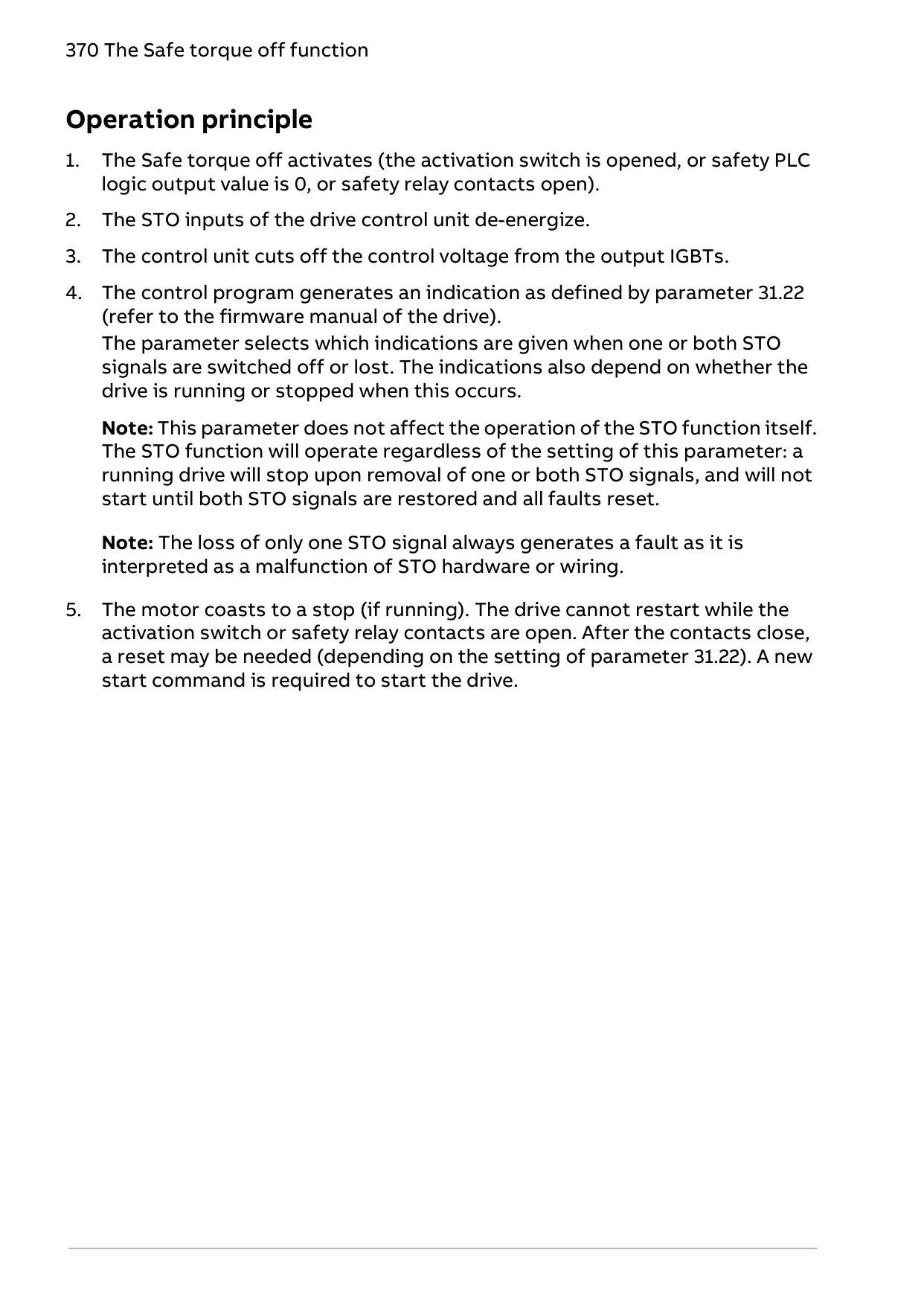
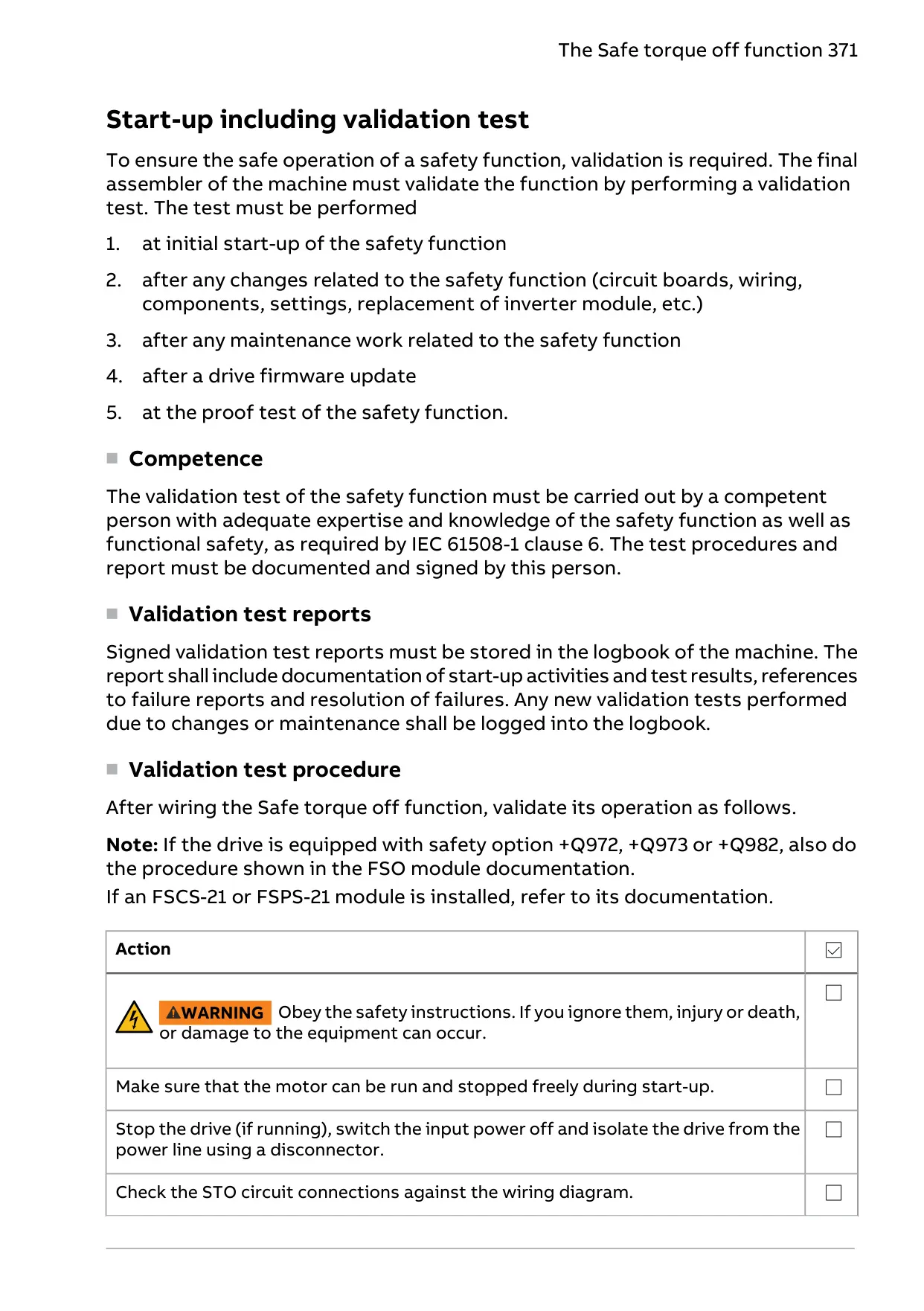
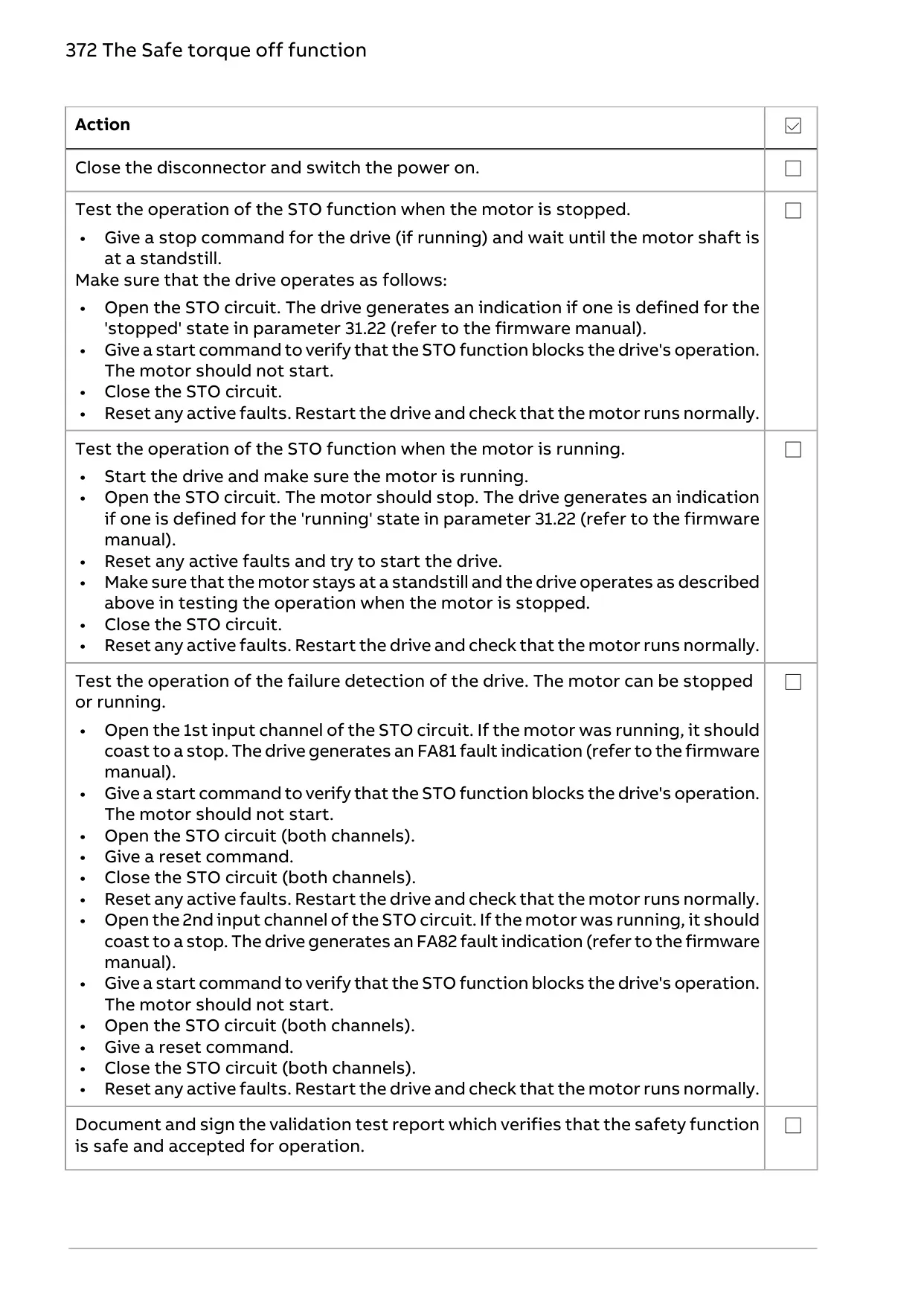
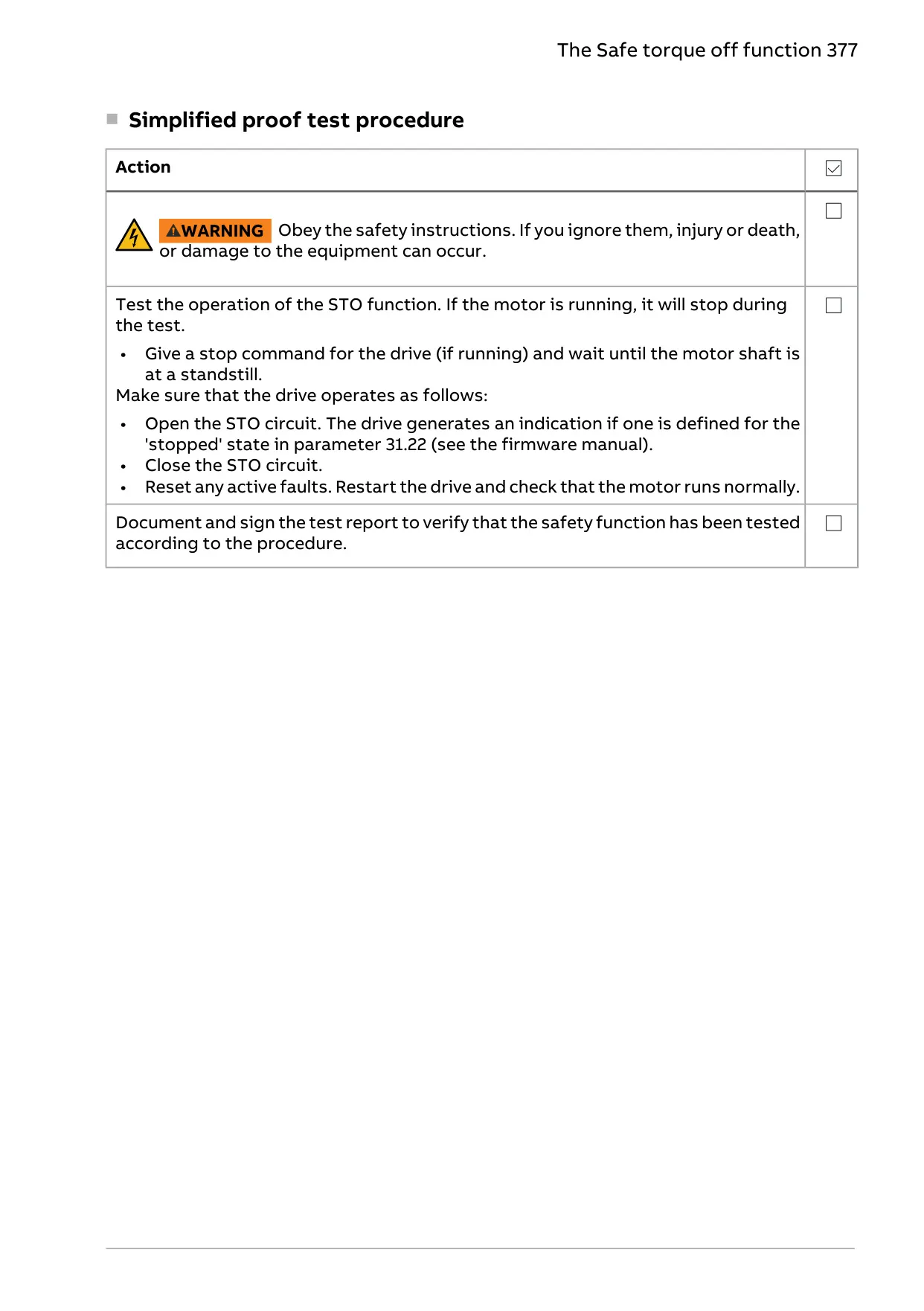
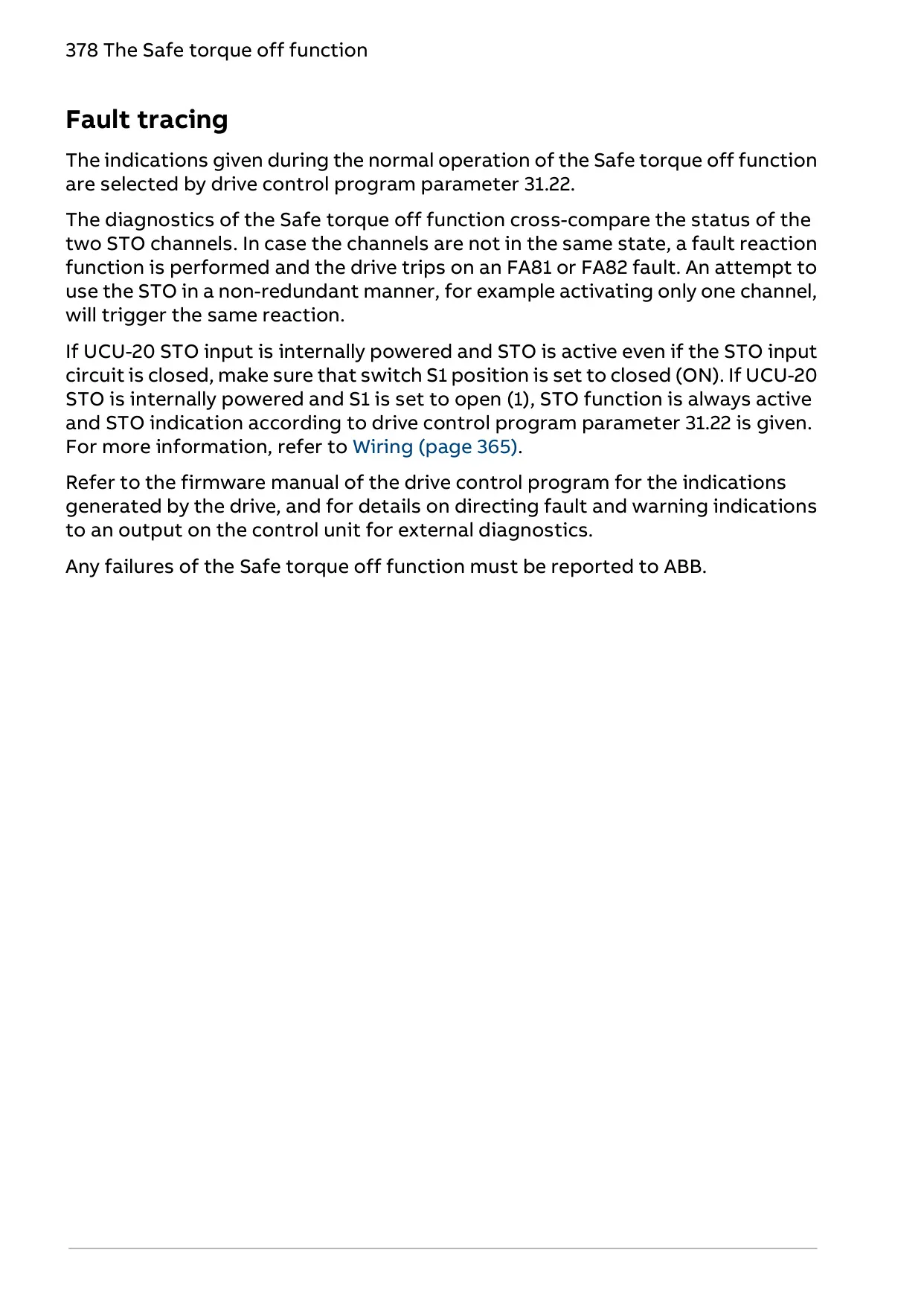
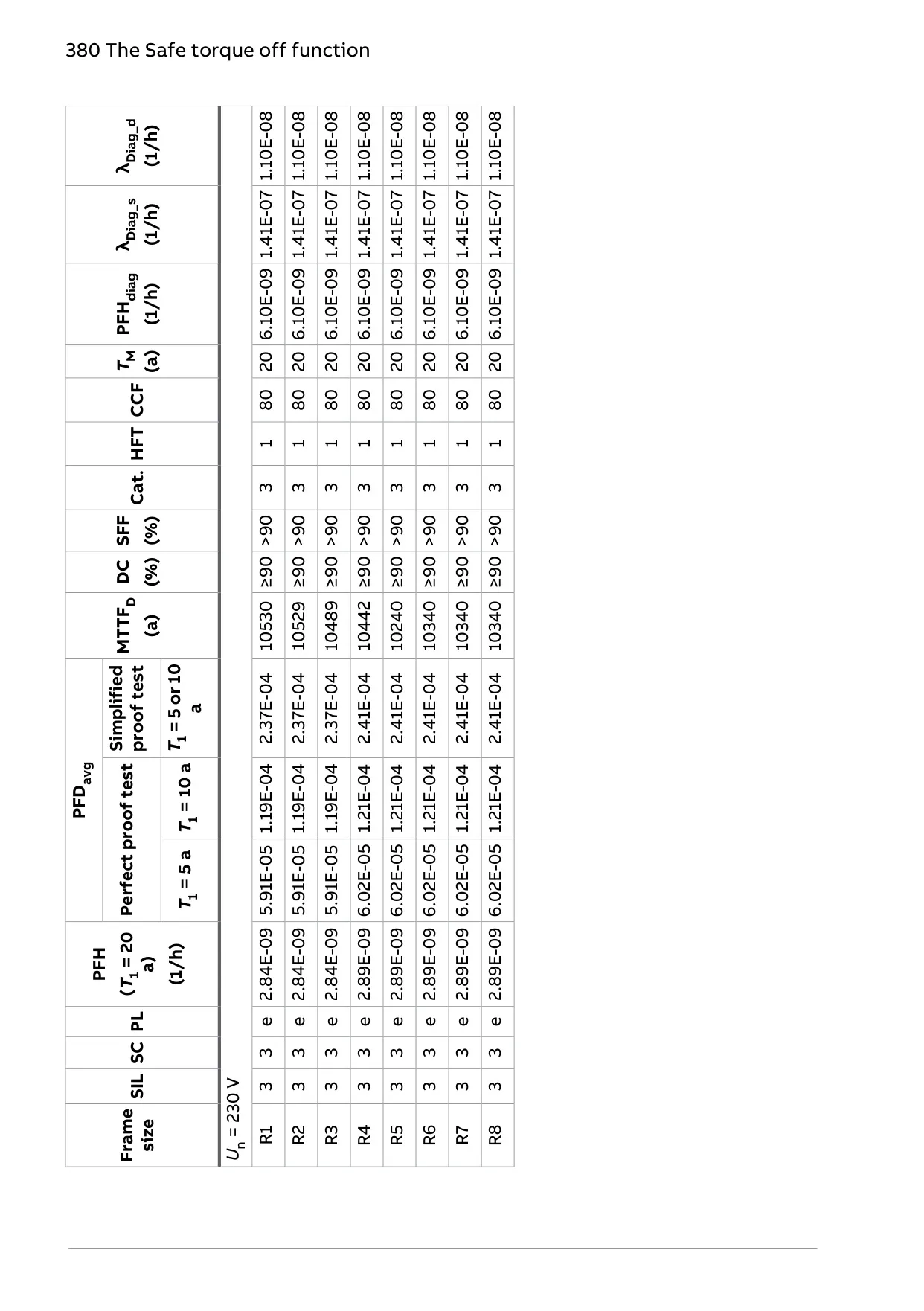
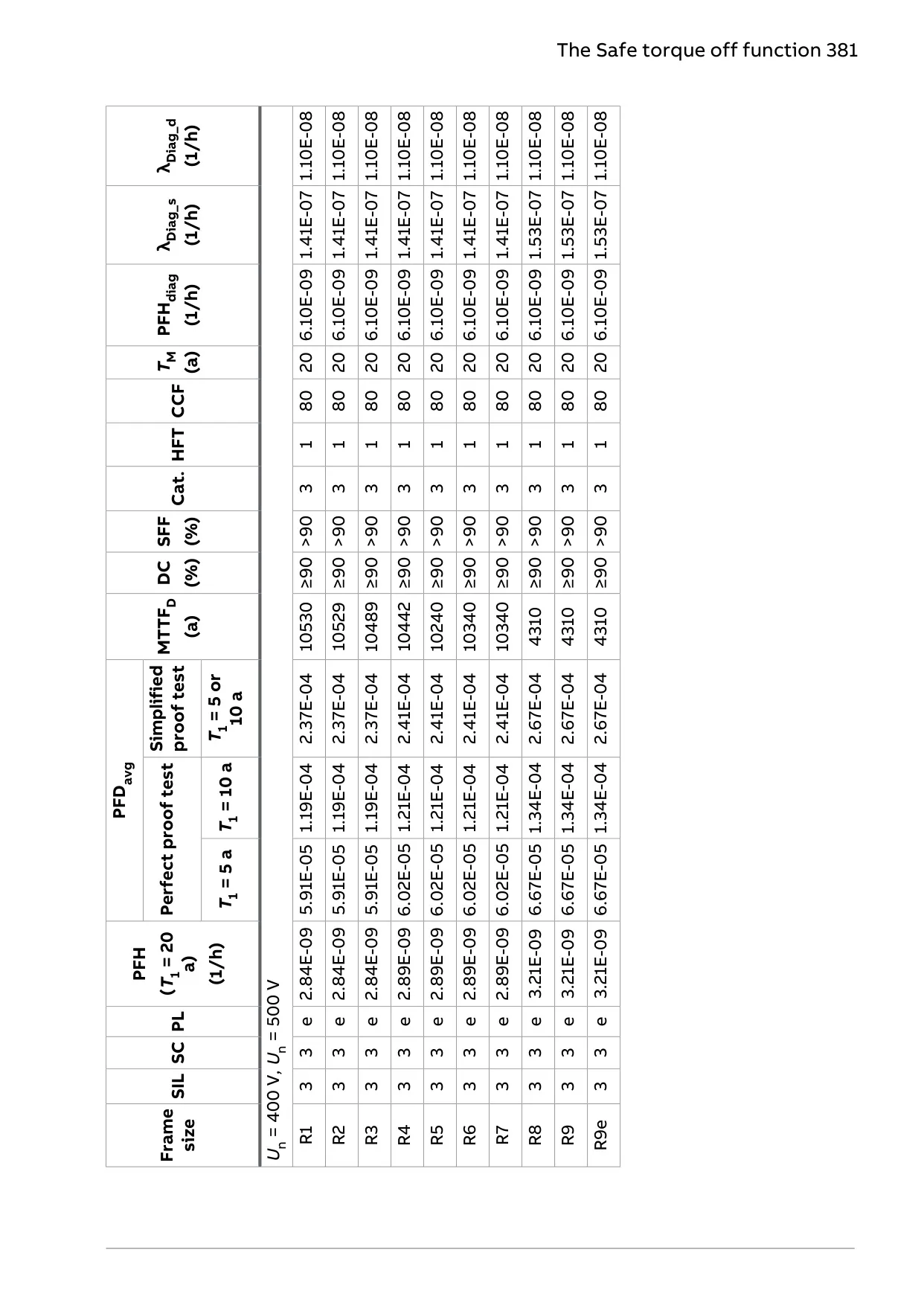
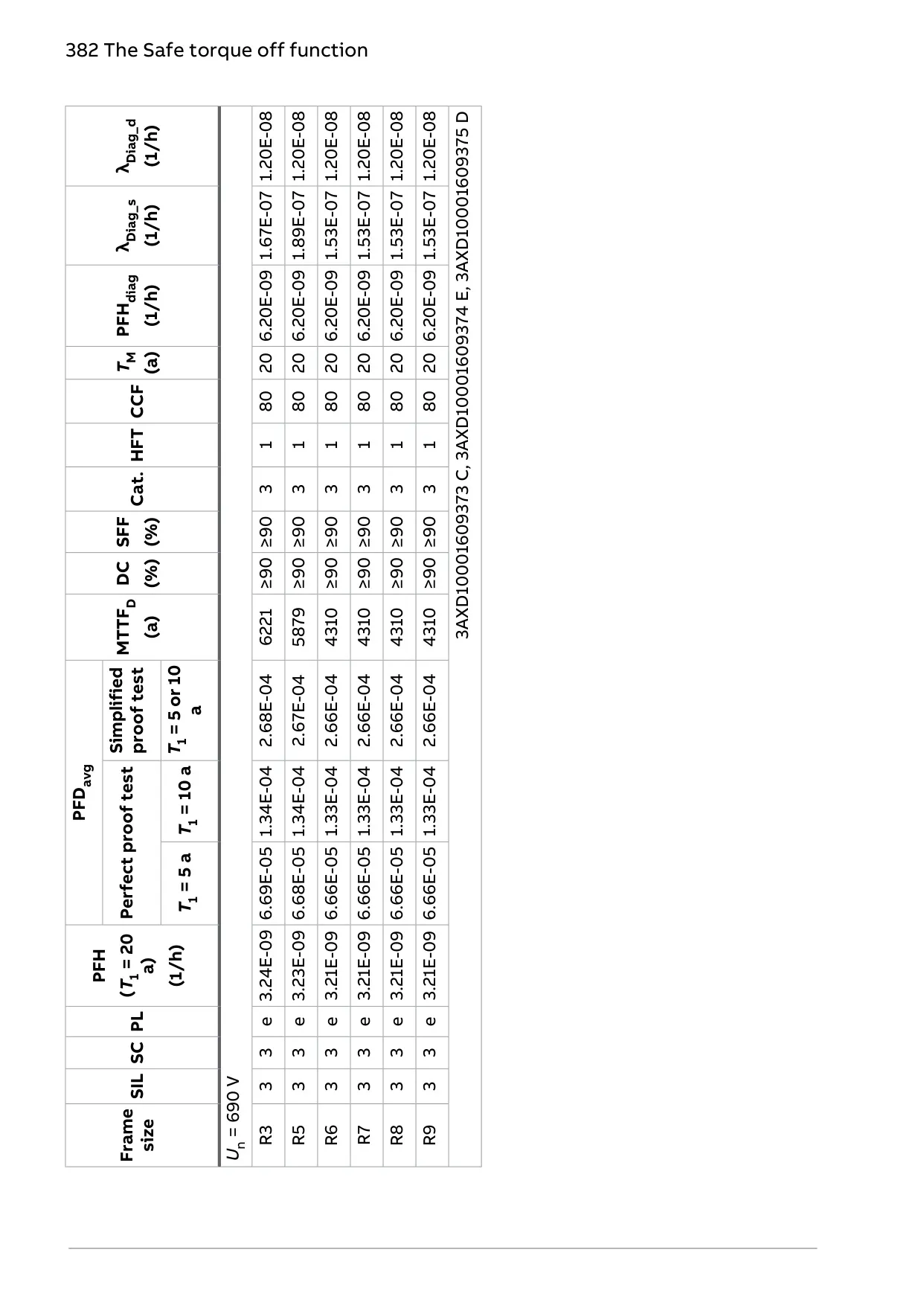
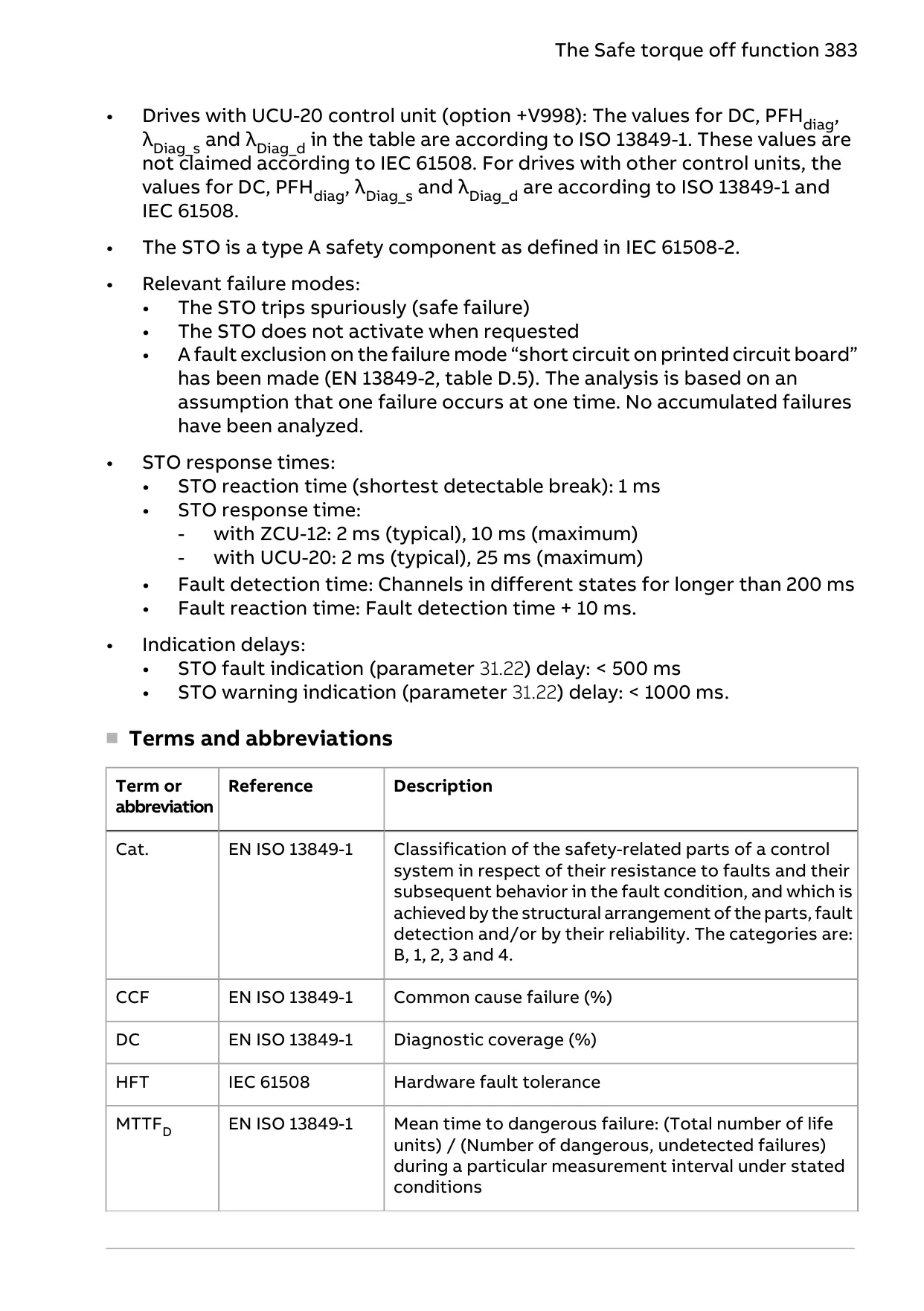
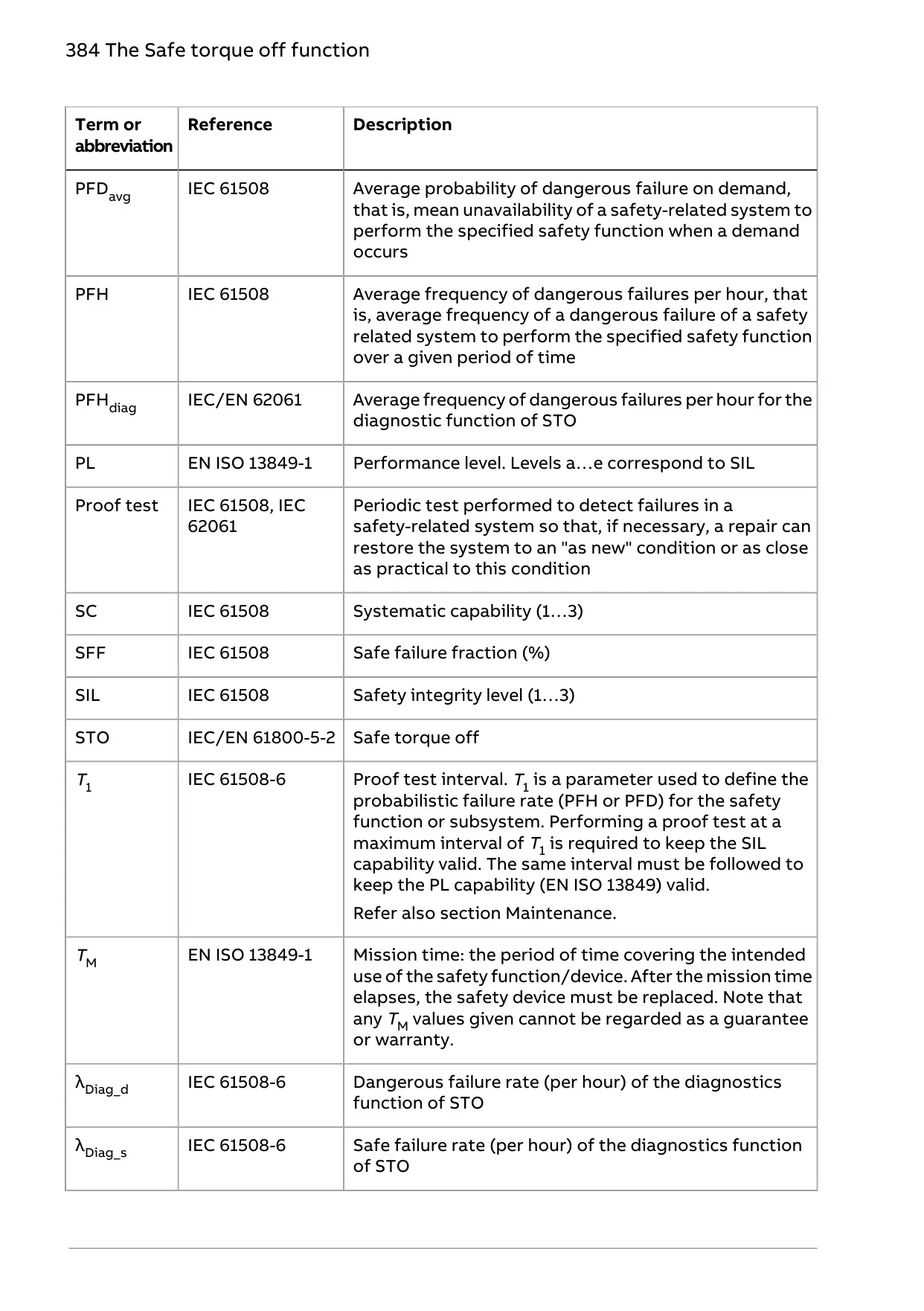
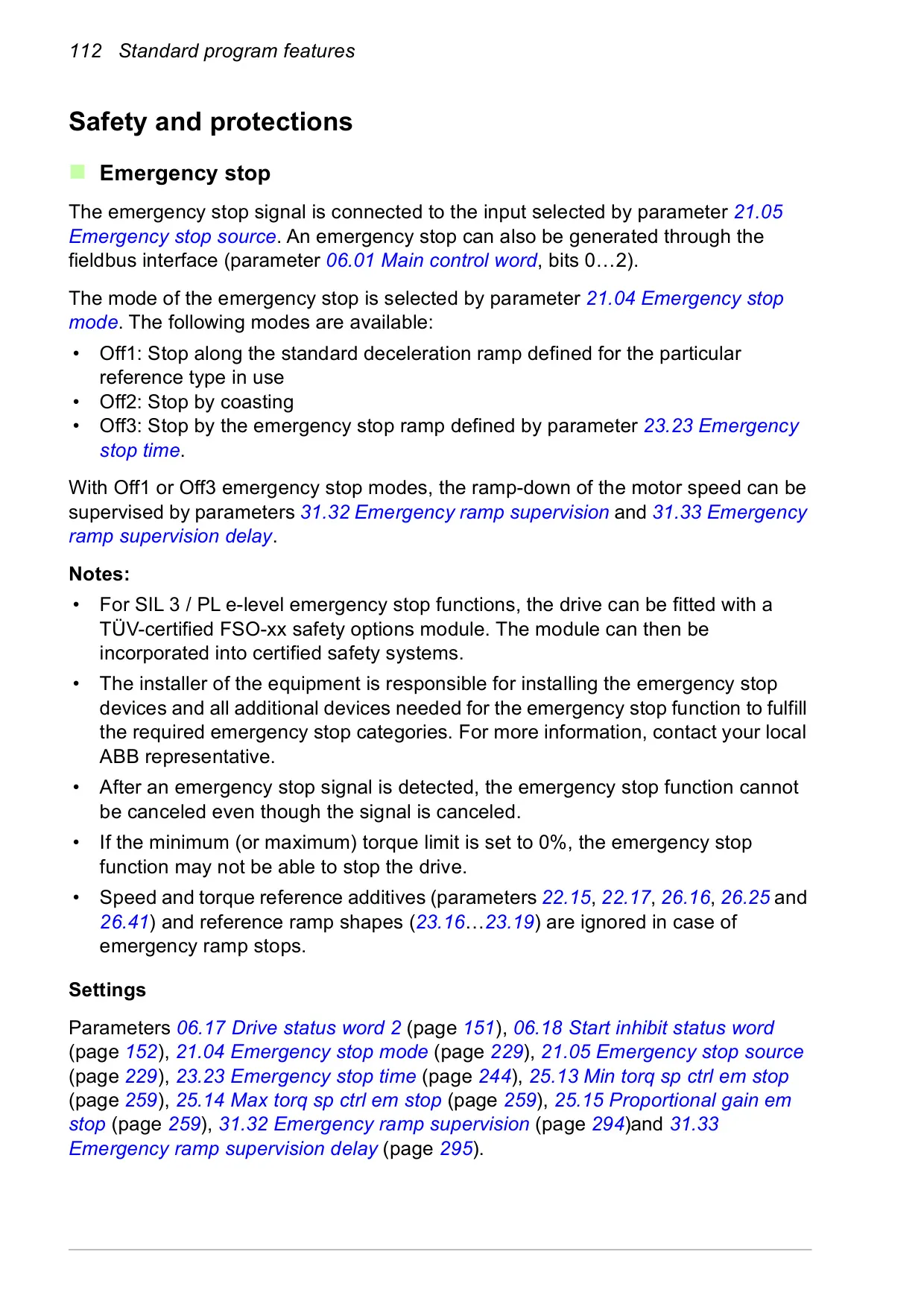
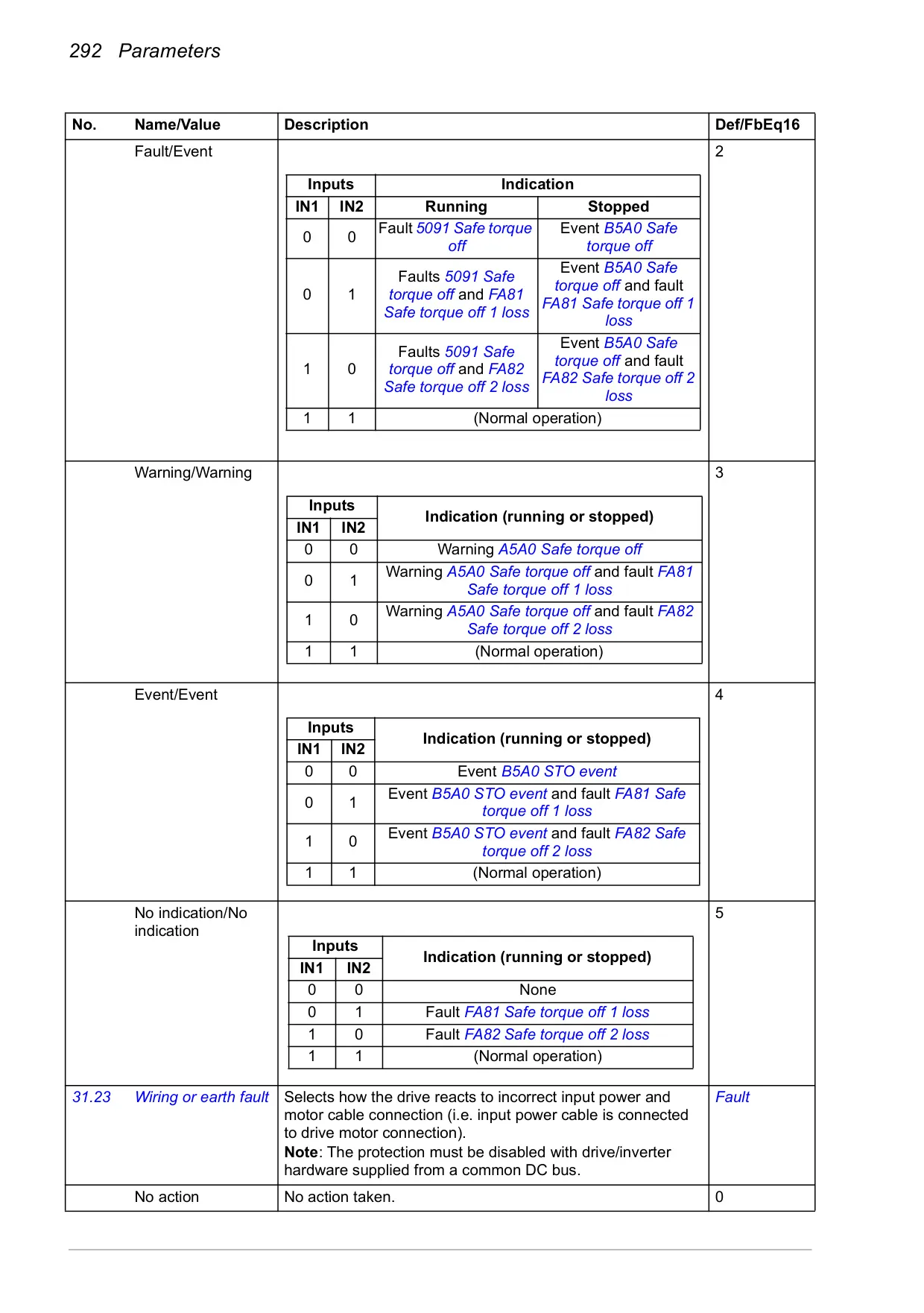
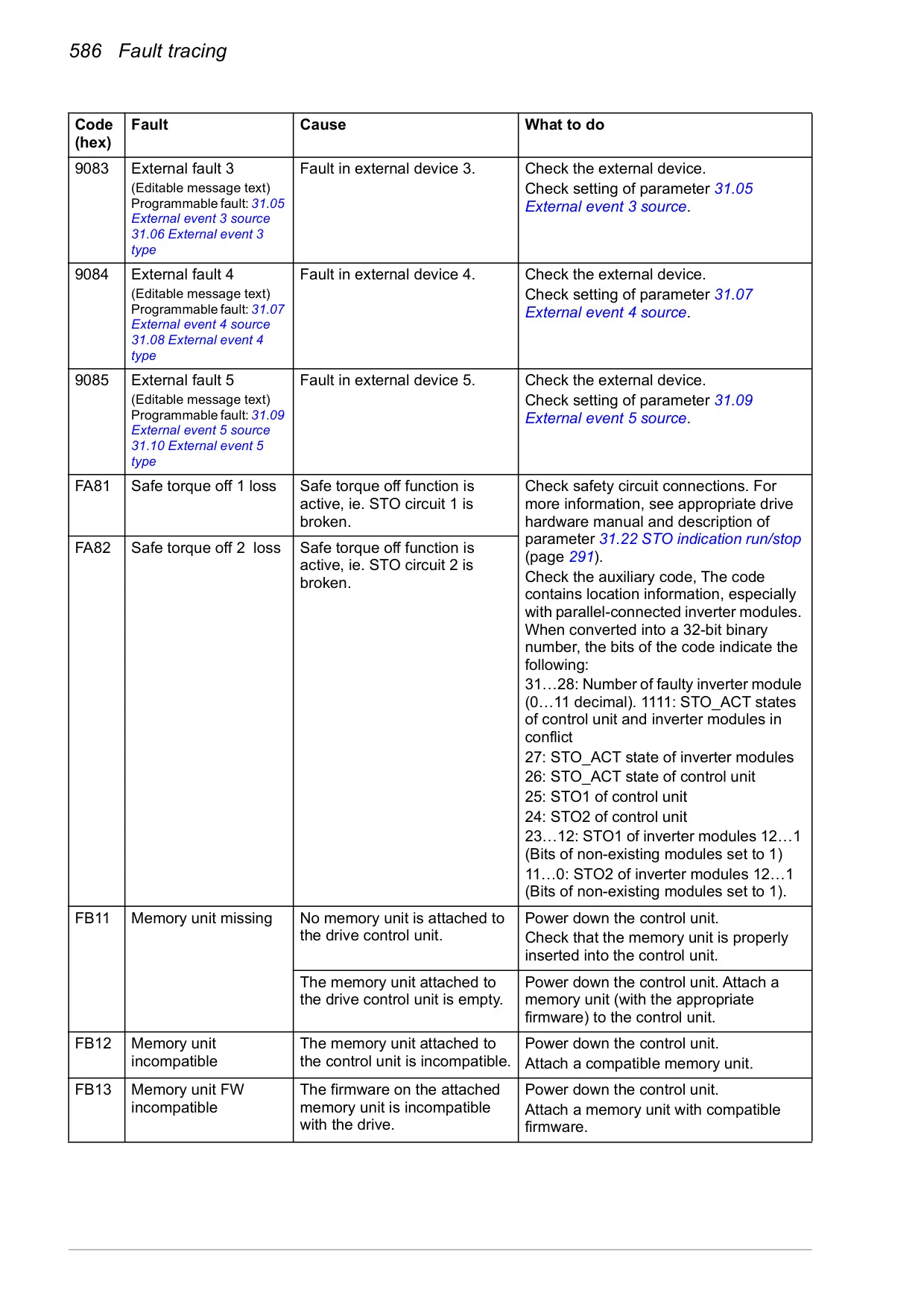
An integrated Safe Torque Off (STO) function provides a crucial safety feature, conforming to multiple international standards. This redundant architecture ensures that when activated, the drive cannot generate torque, allowing for safe interventions like emergency stops or short-time maintenance without fully cutting power to the unit's main and auxiliary circuits.
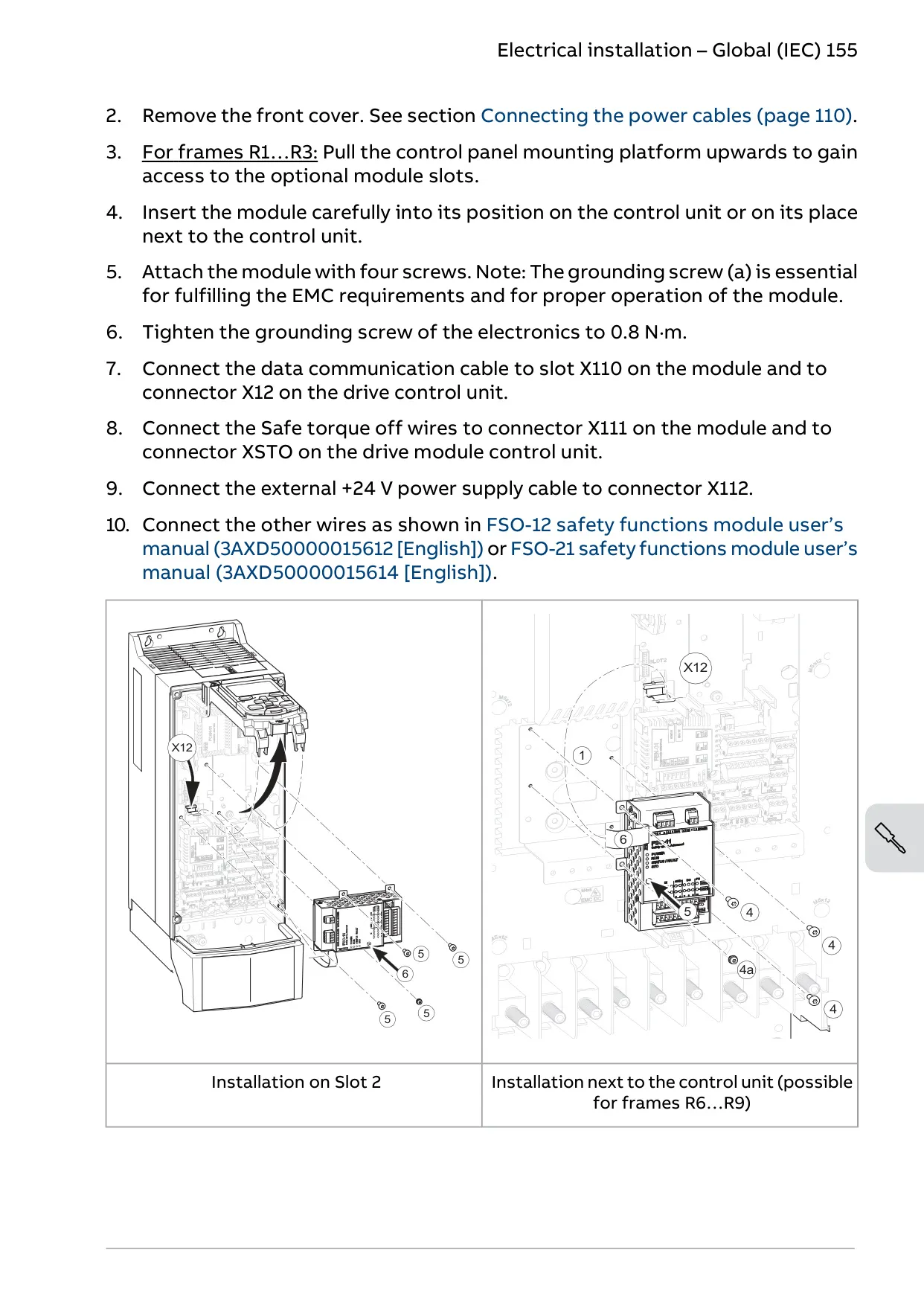
Beyond standard operation, the drive supports advanced safety modules like FSO-12 and FSO-21, enabling functions such as Safe brake control (SBC) and Safely-limited speed (SLS). For specialized environments, ATEX-certified motor thermal protection can be implemented, combining the drive's STO function with external certified modules for explosive atmospheres.
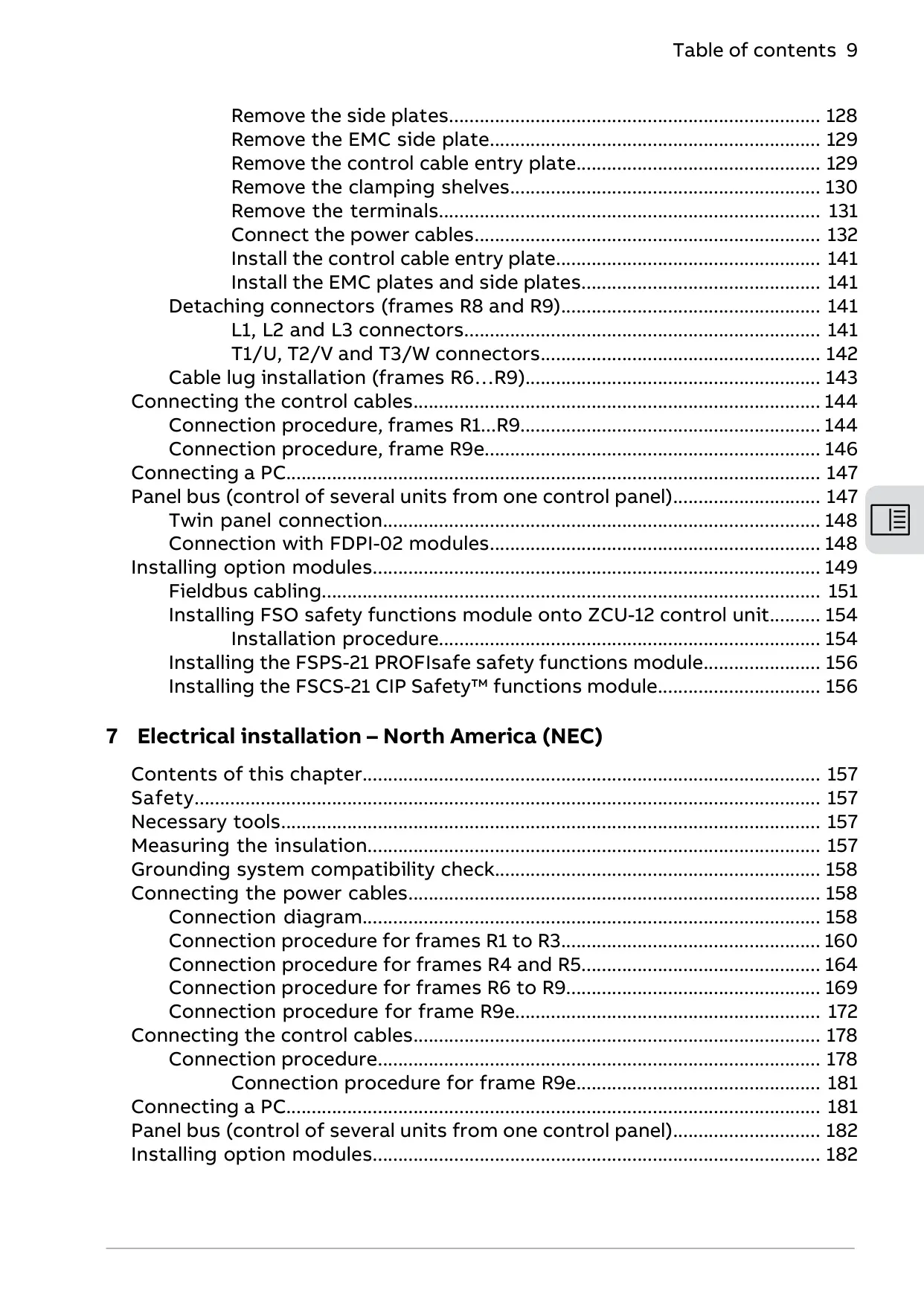
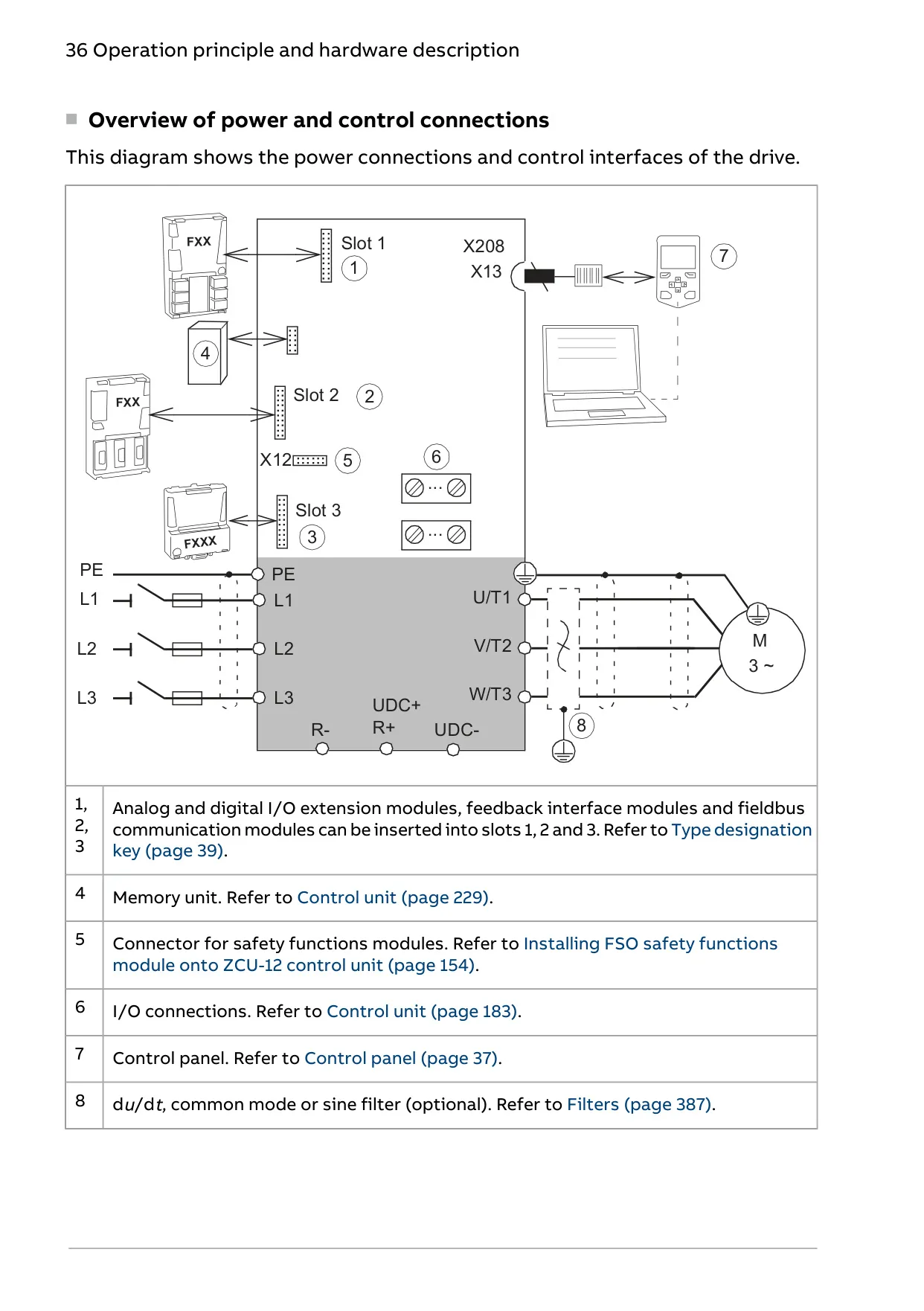
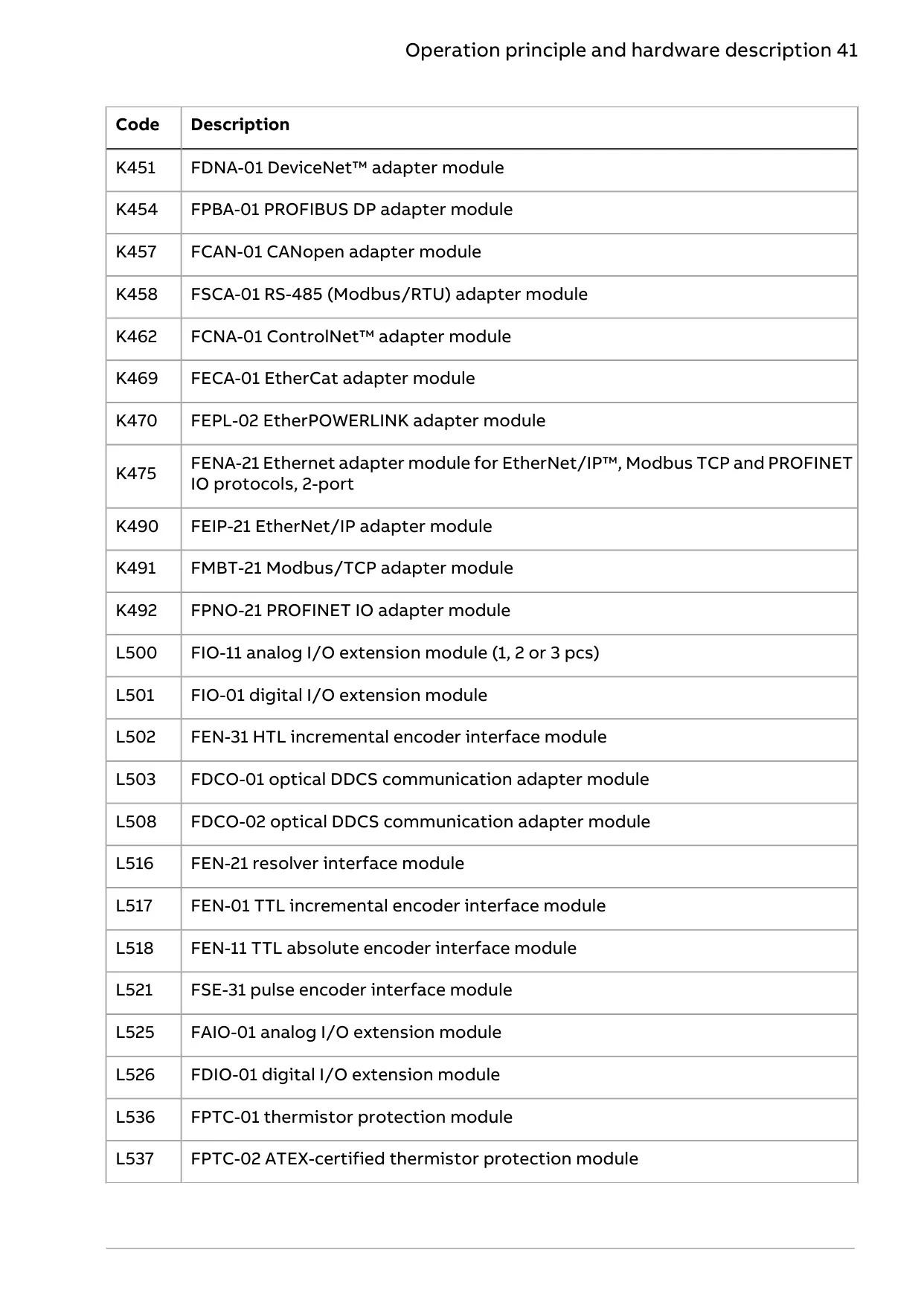
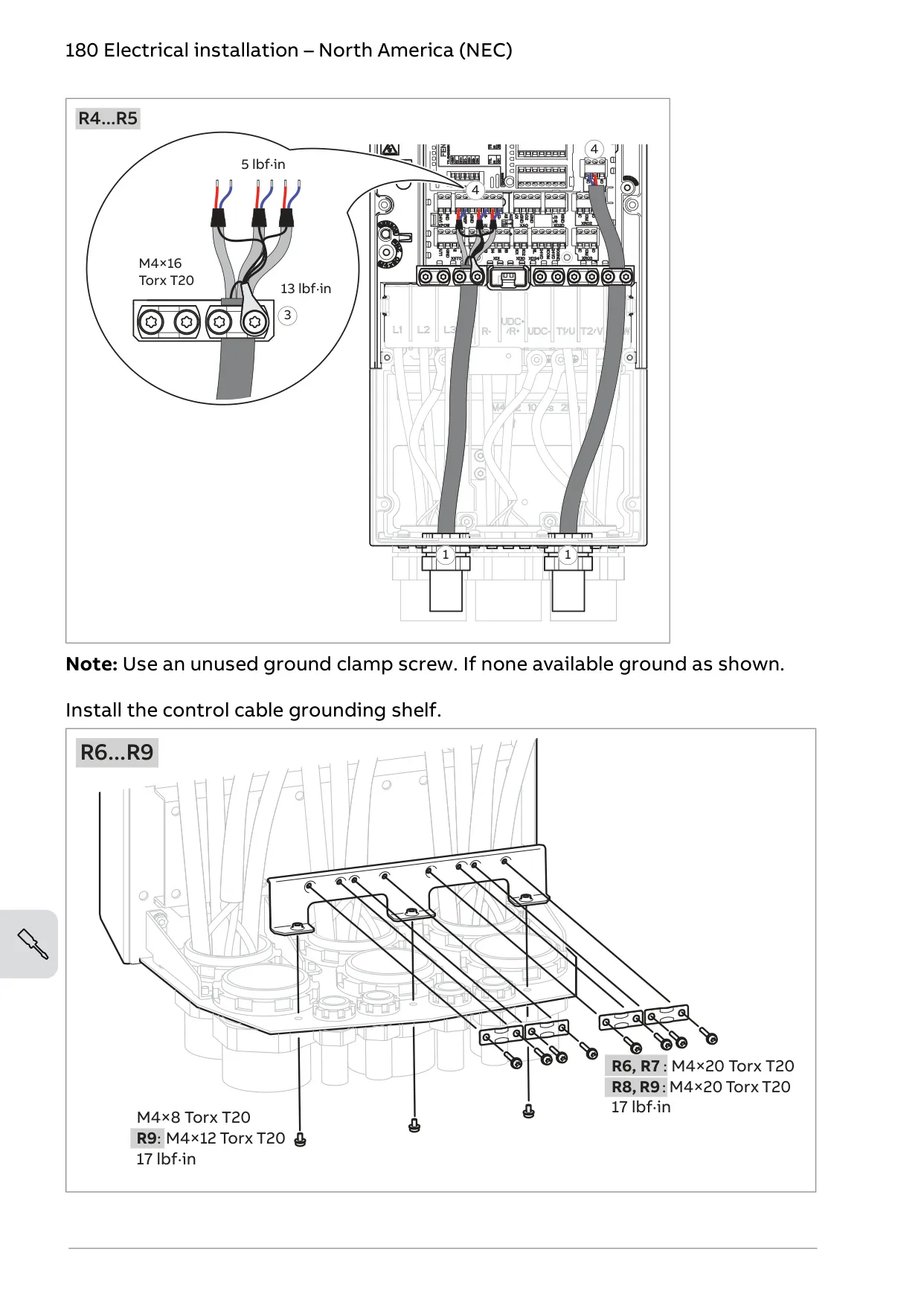
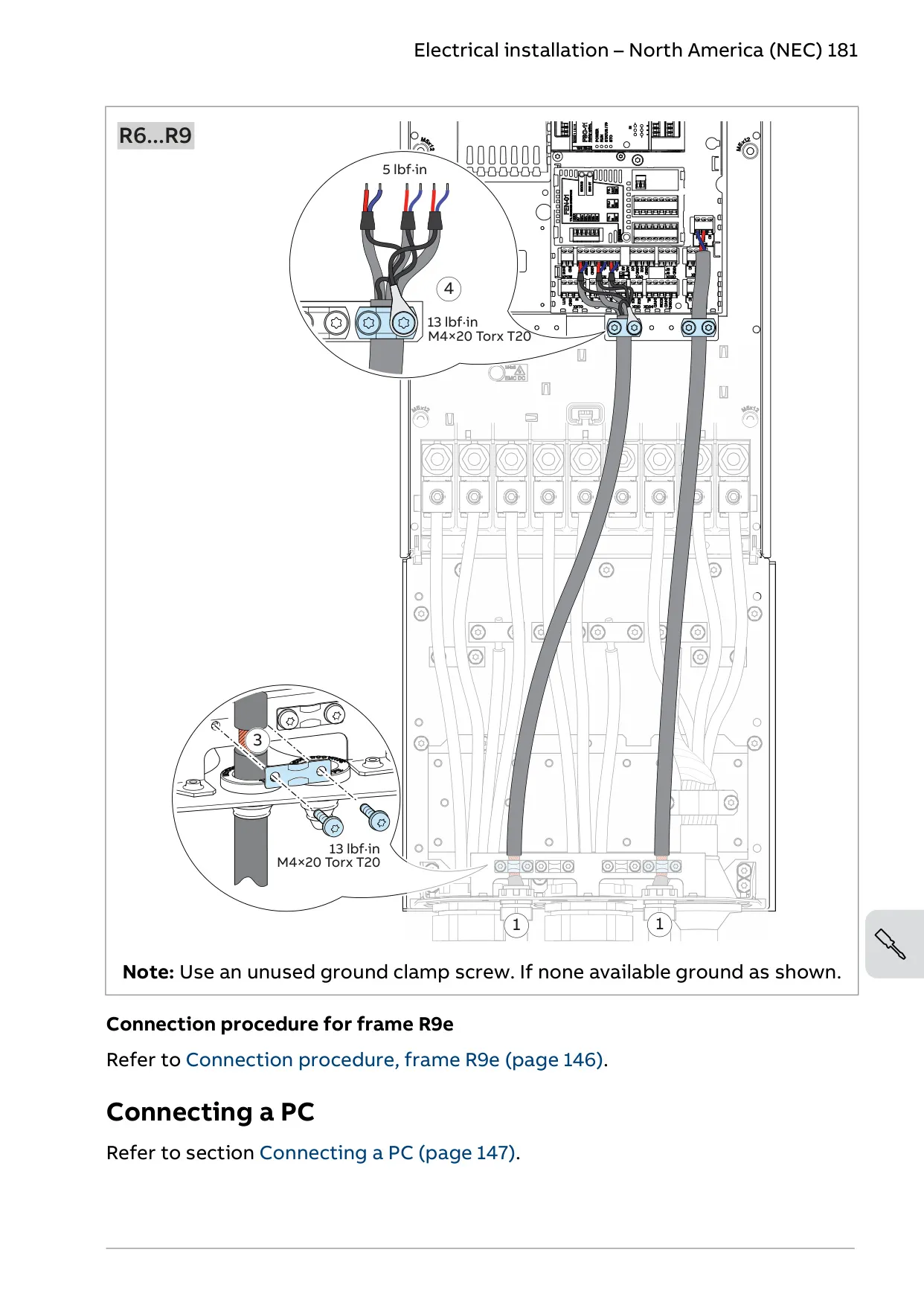
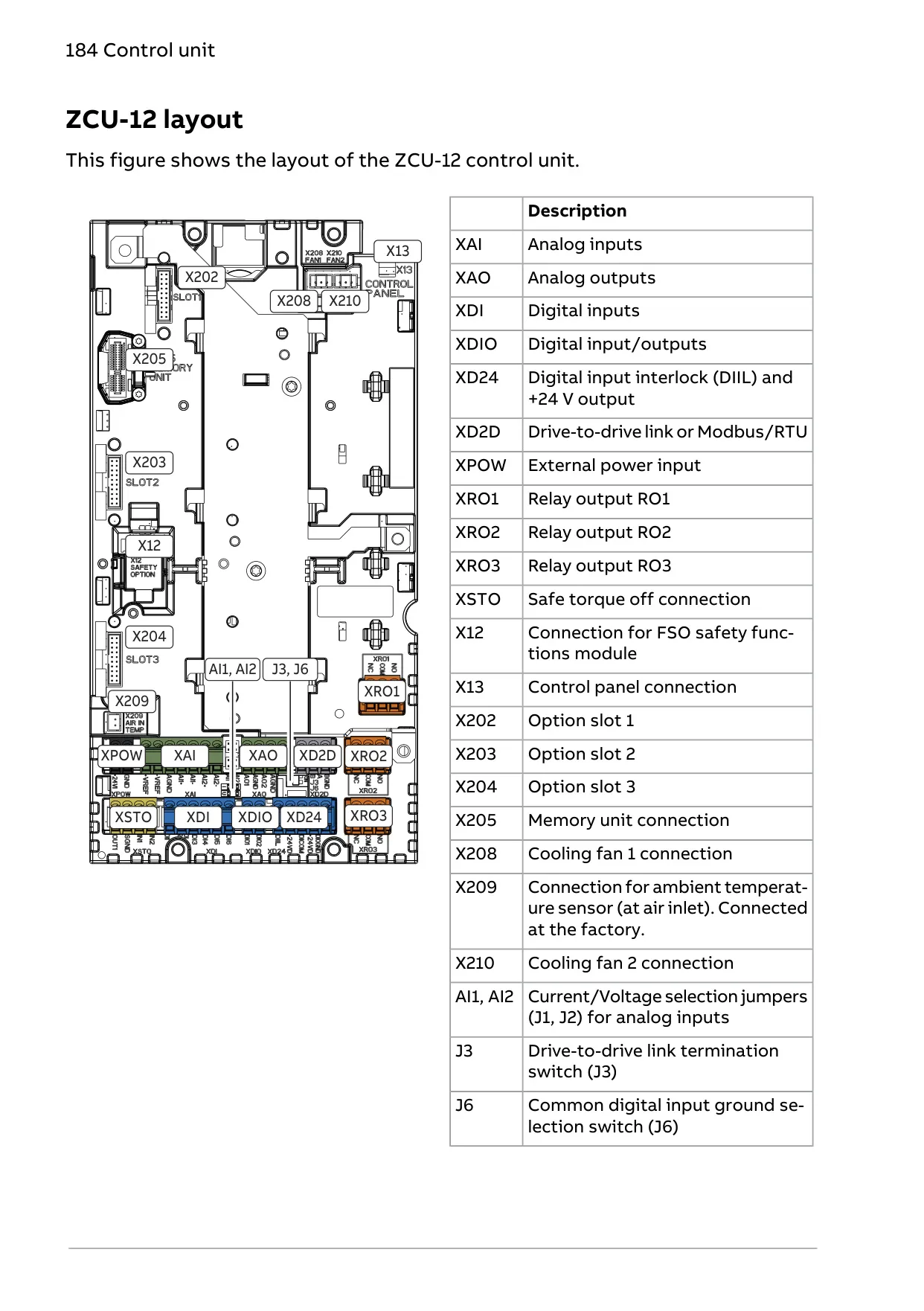
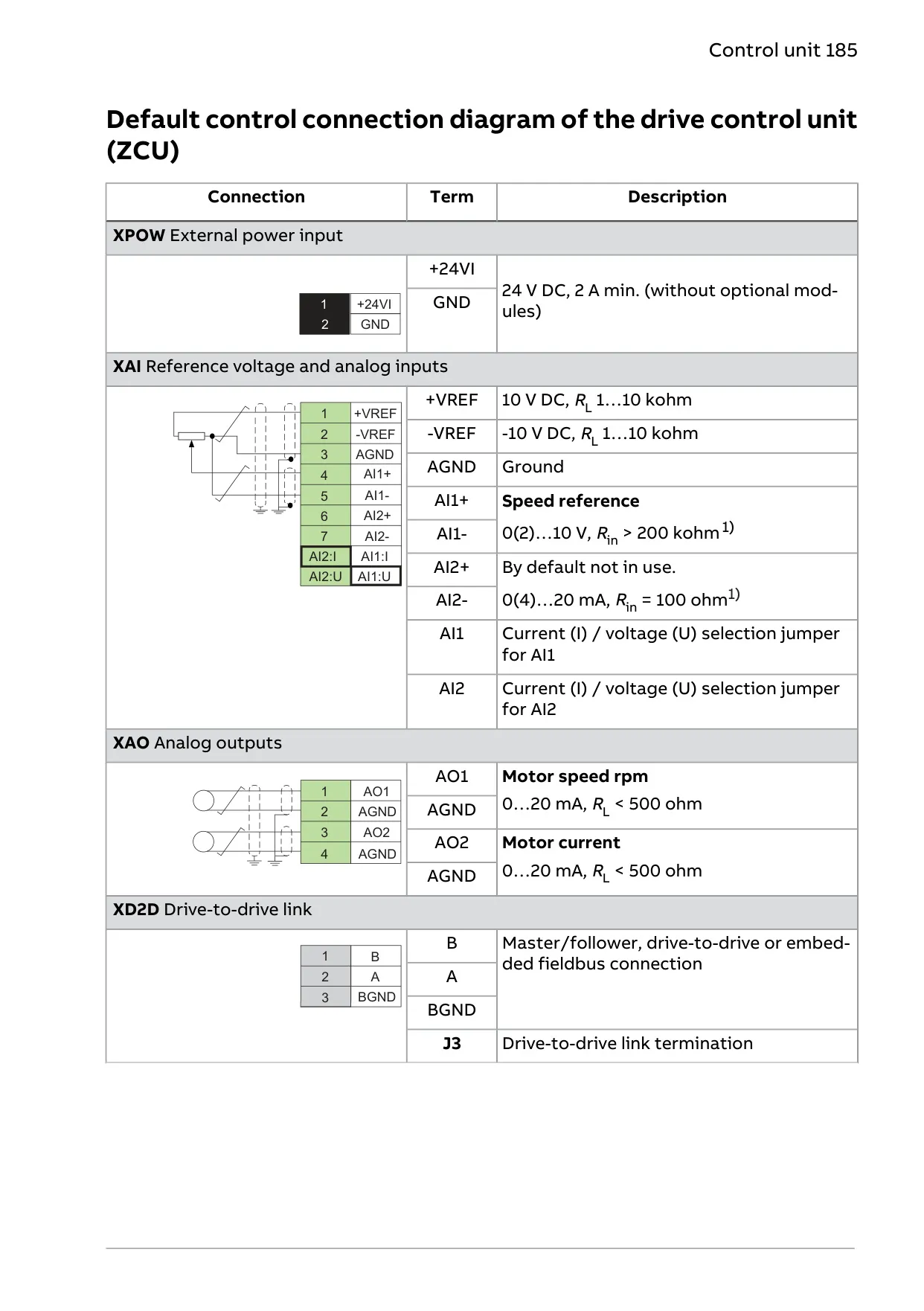
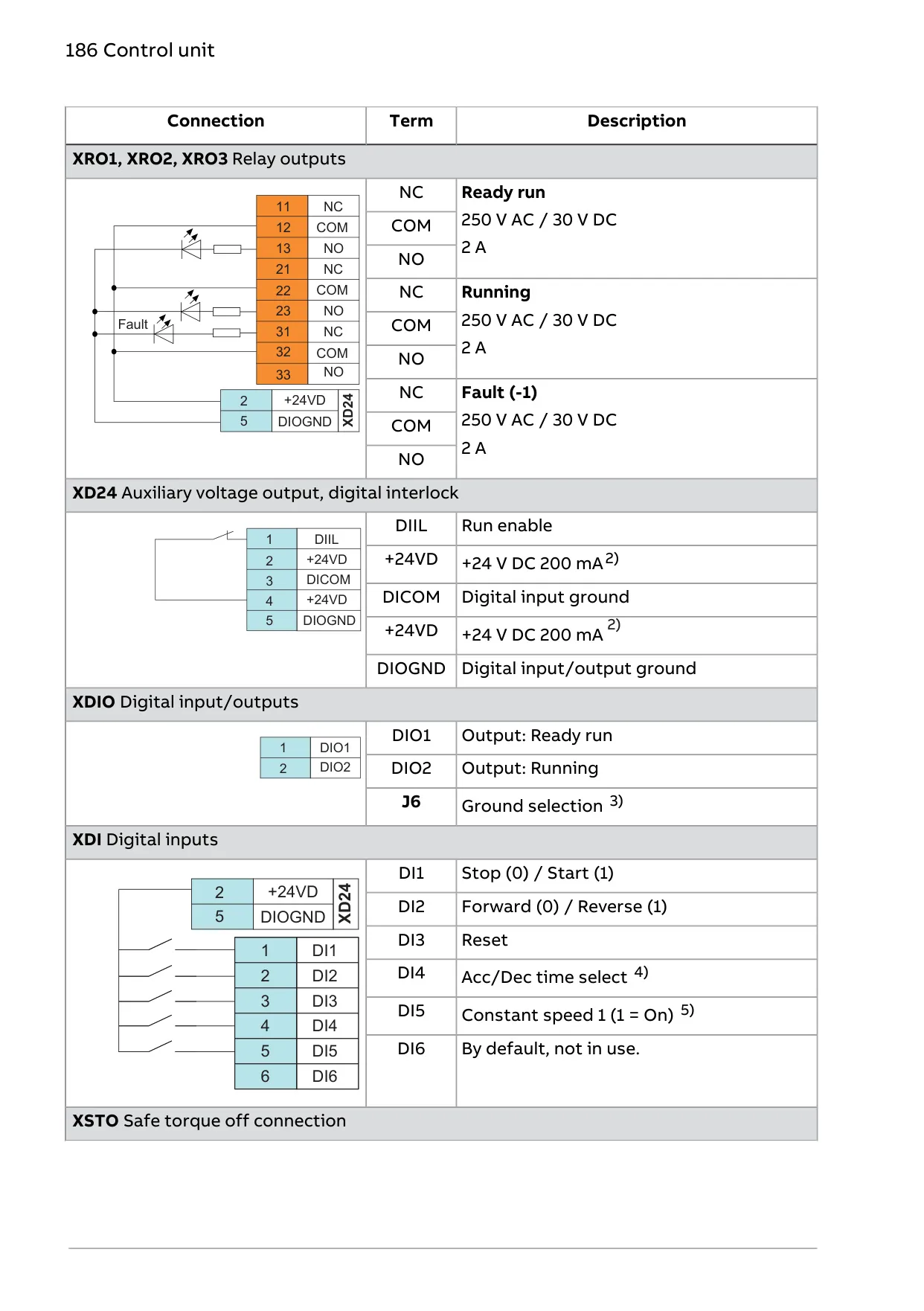
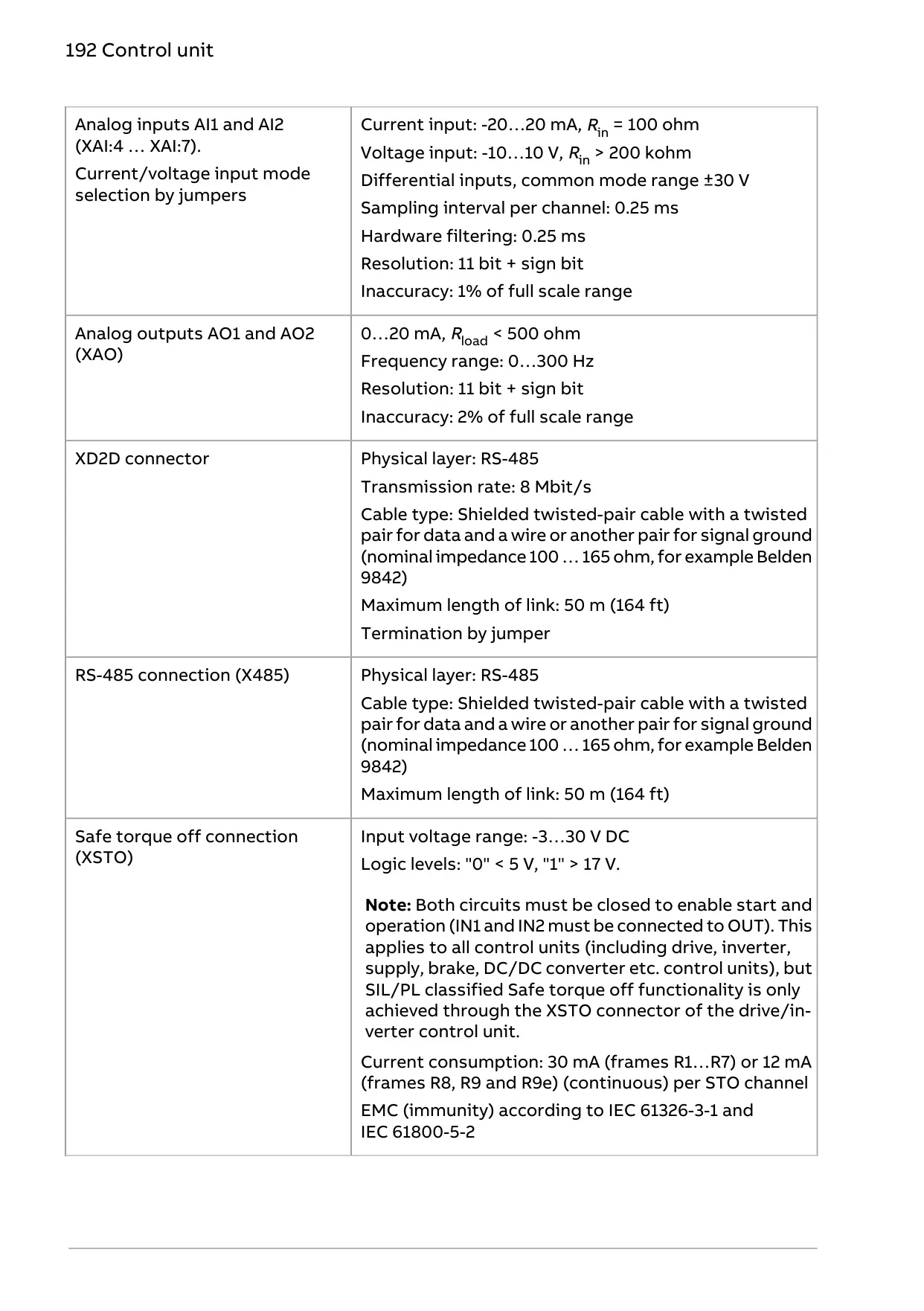
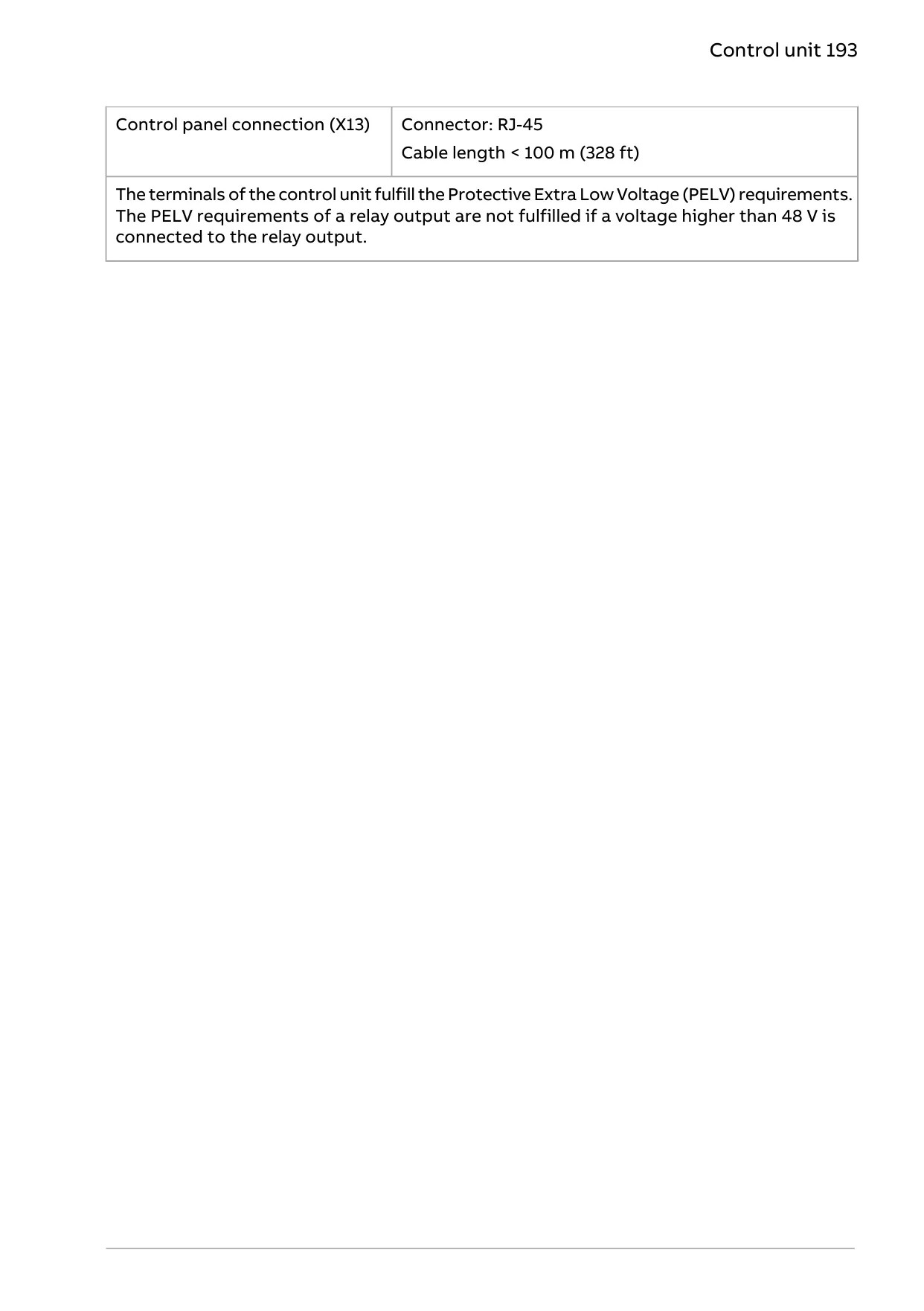
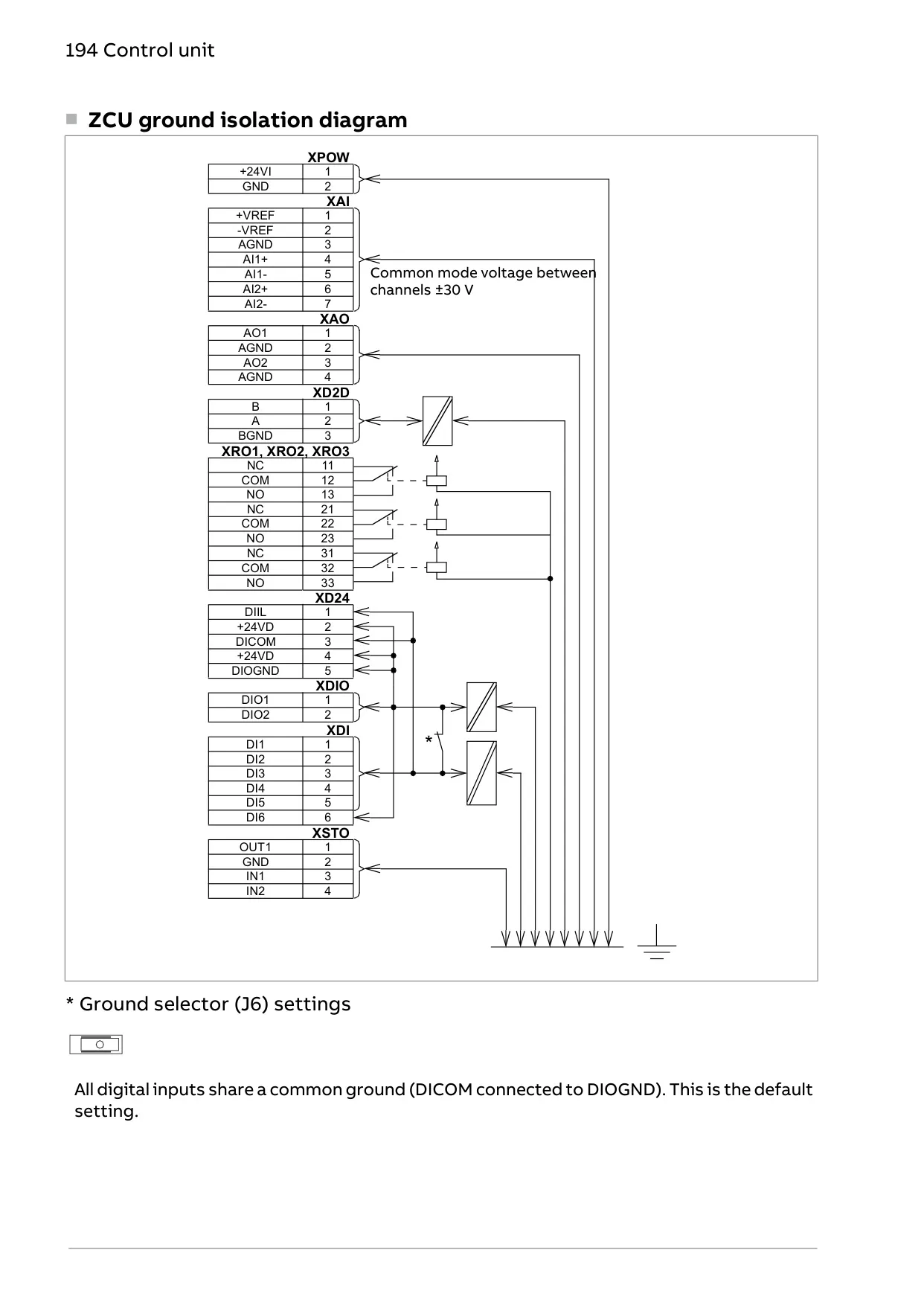
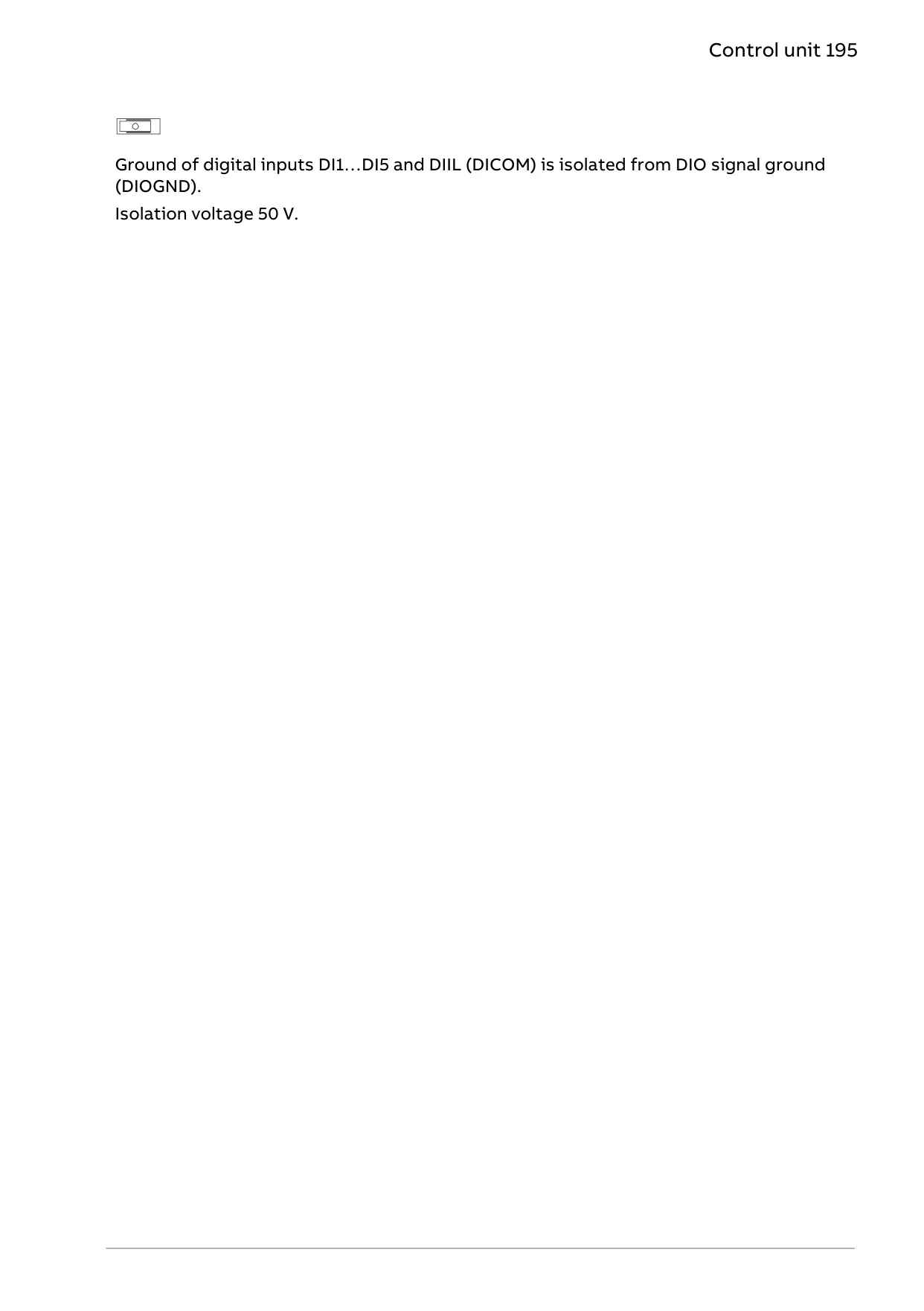
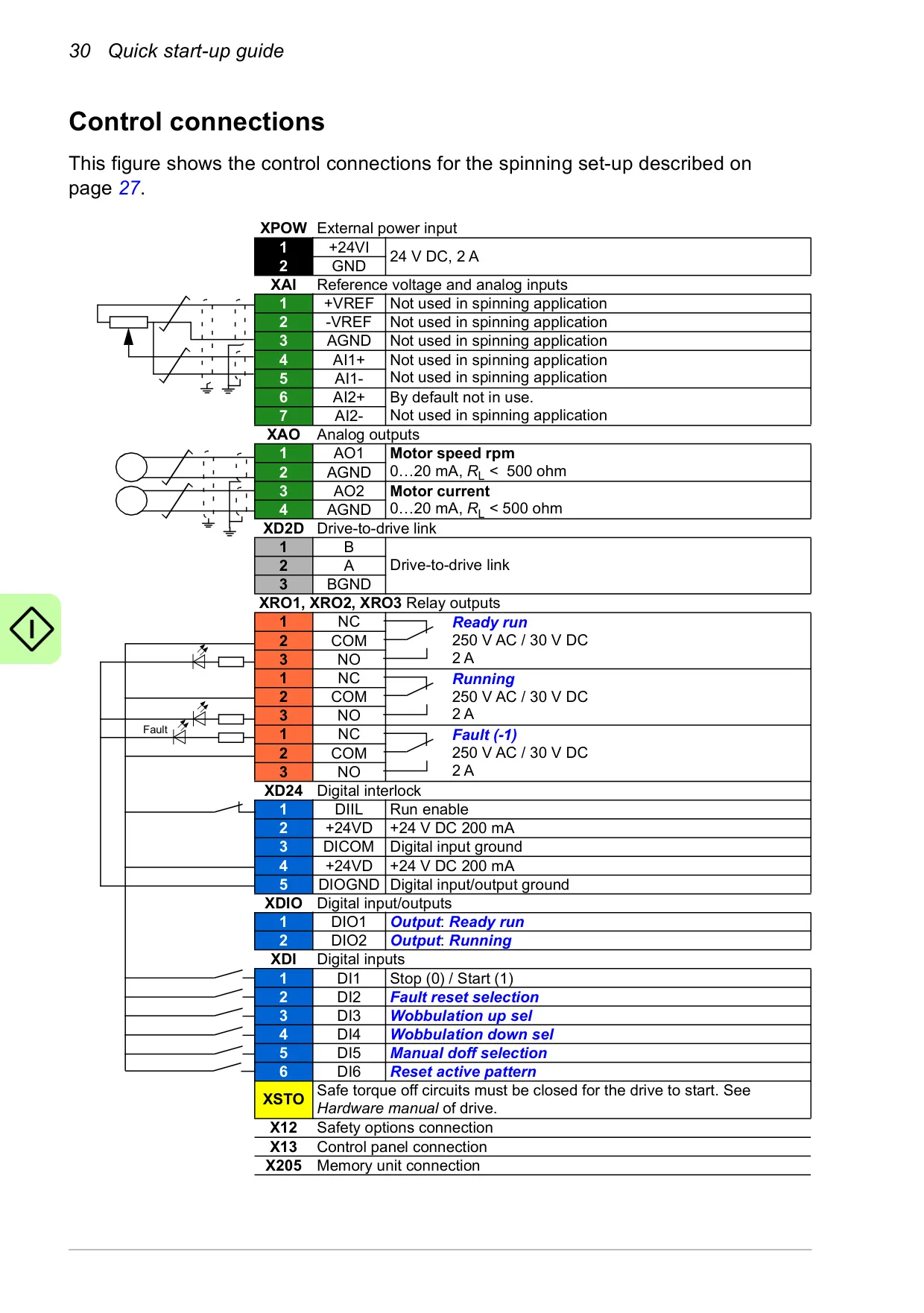
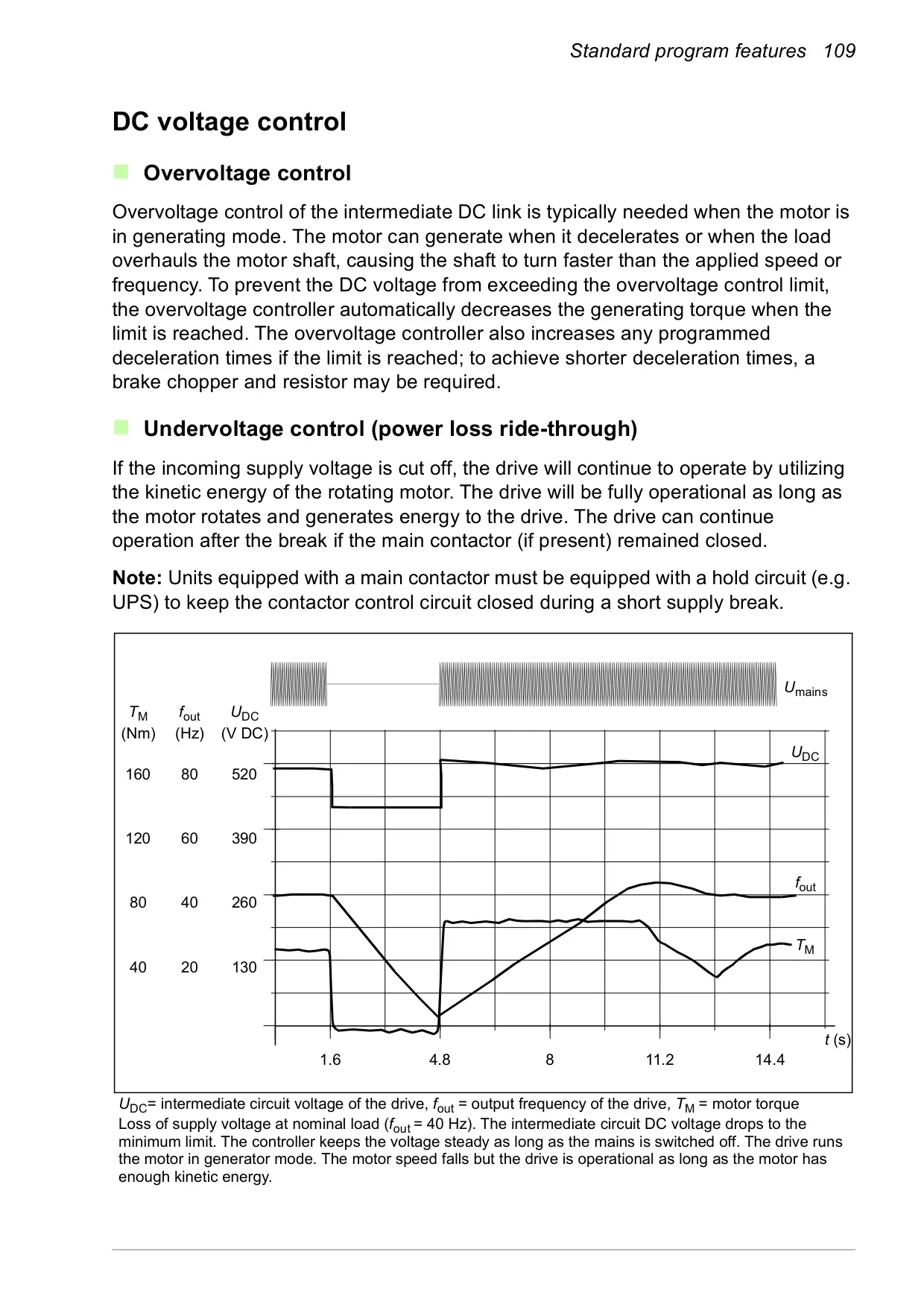
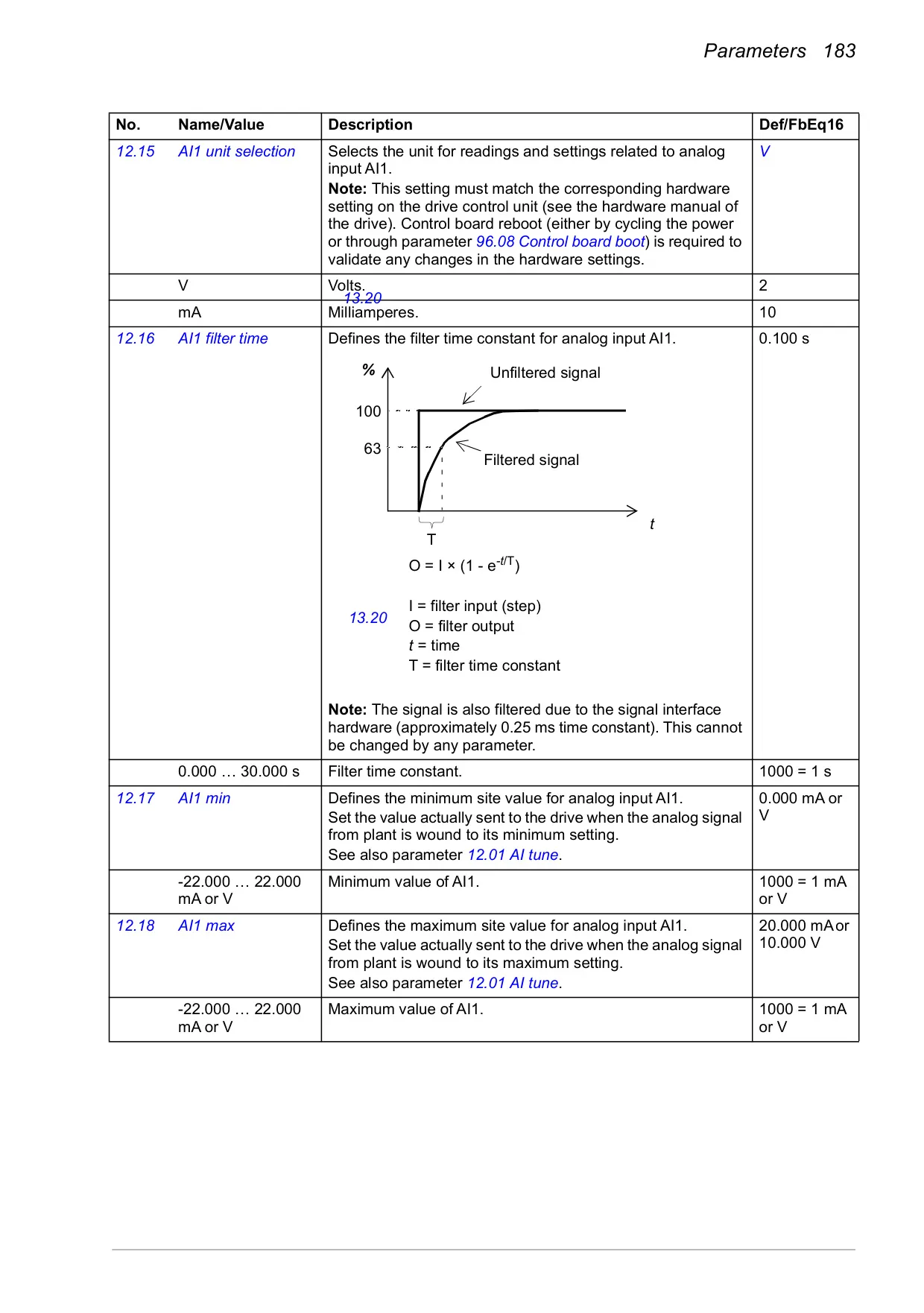
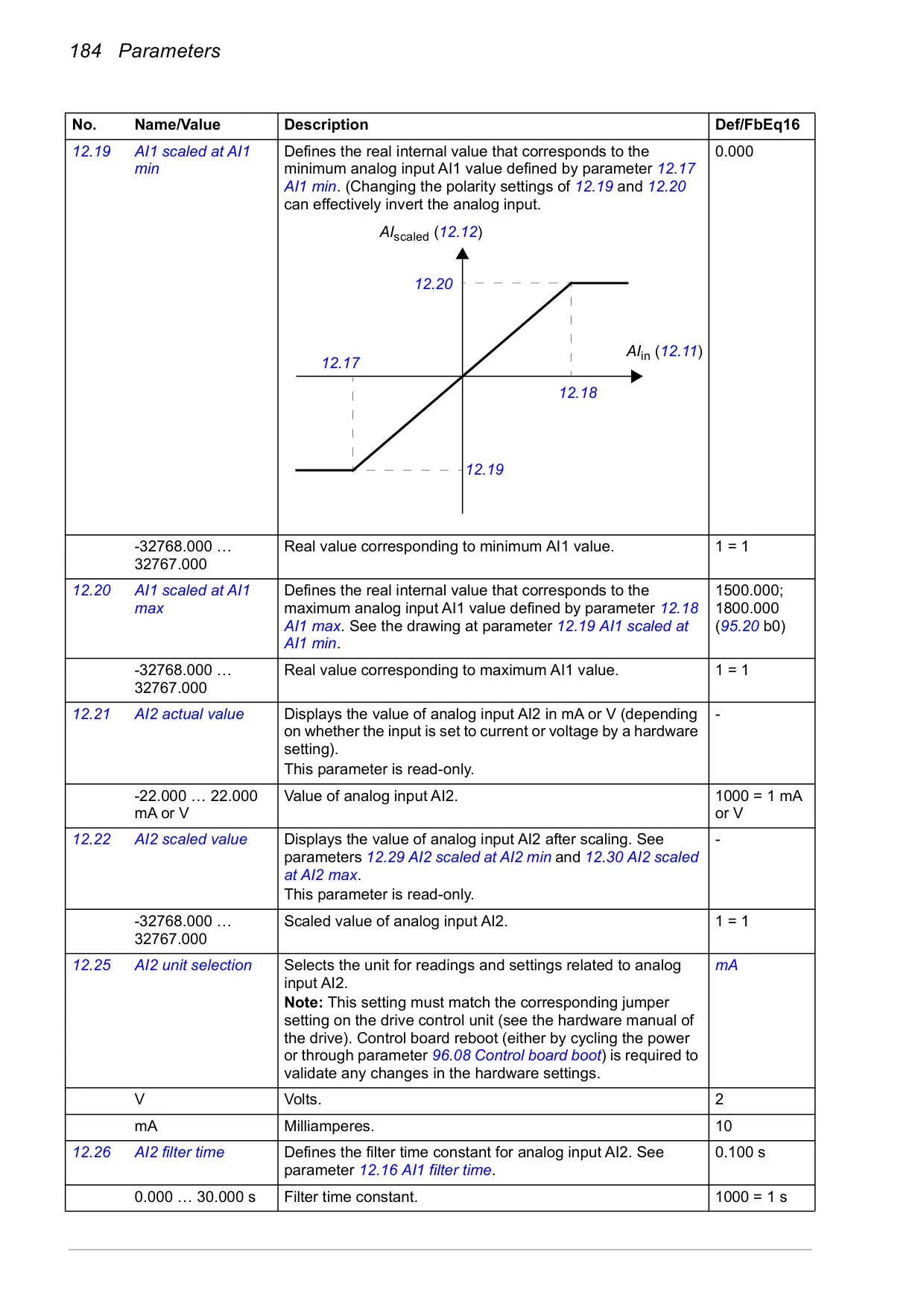
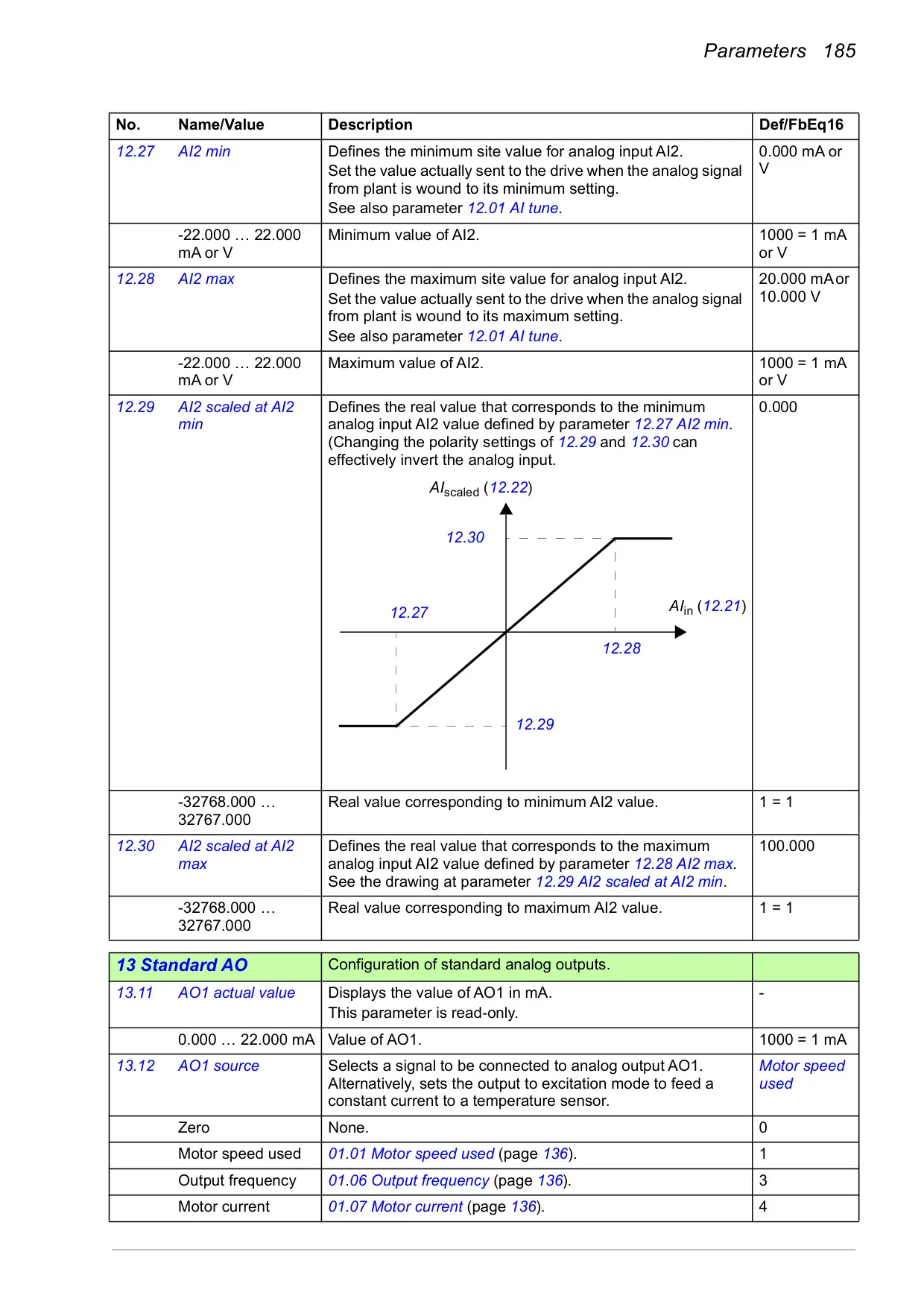
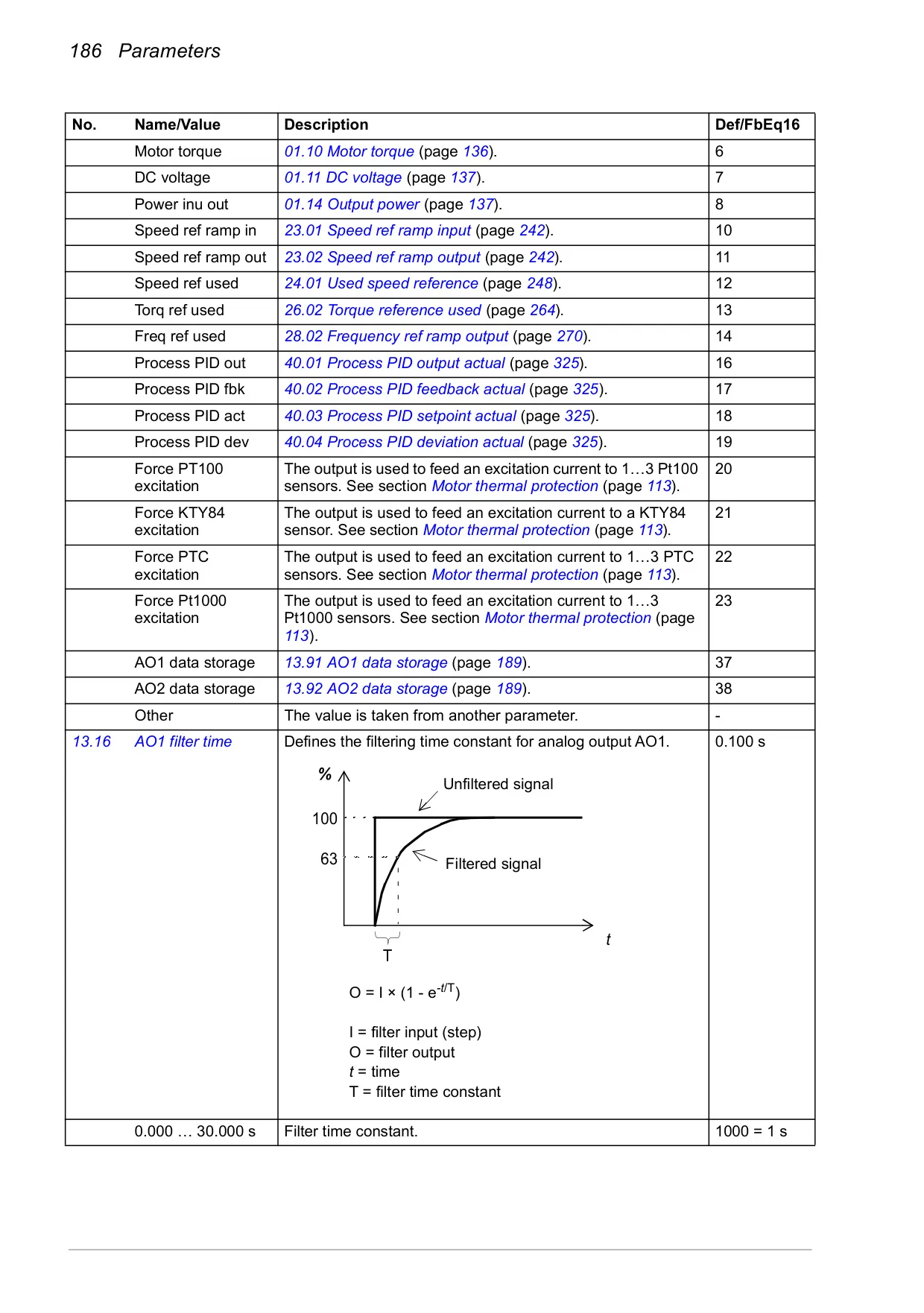
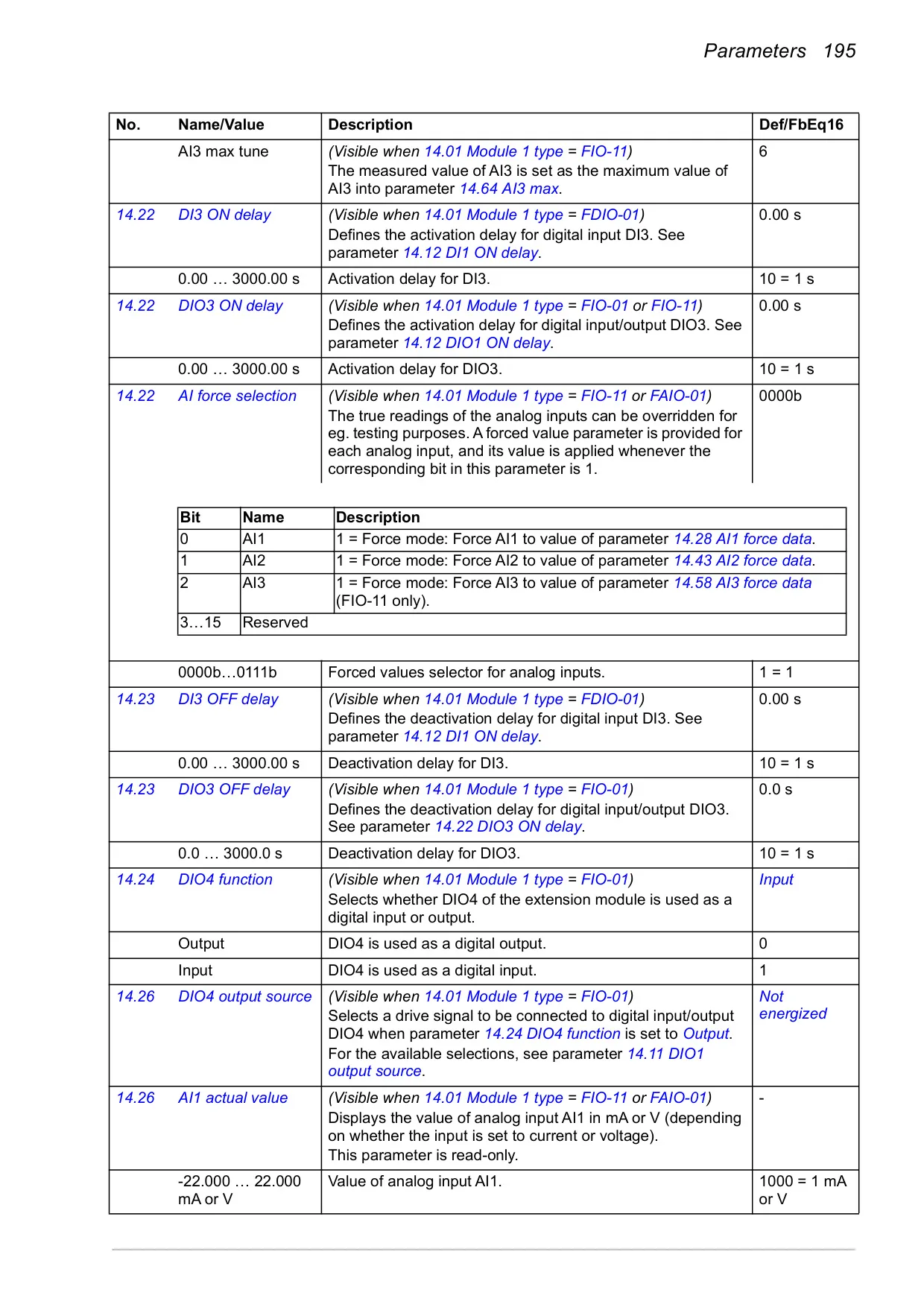
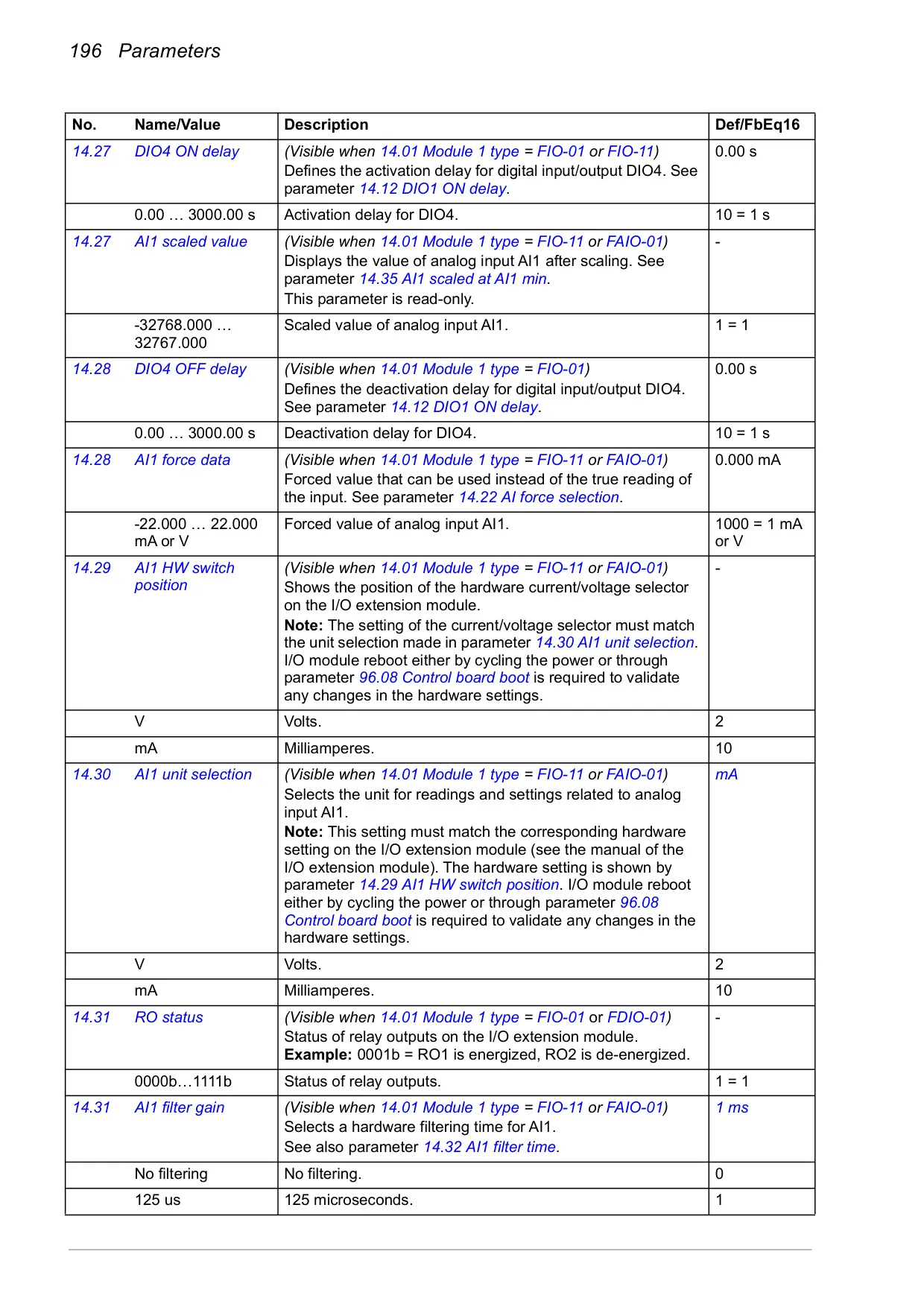
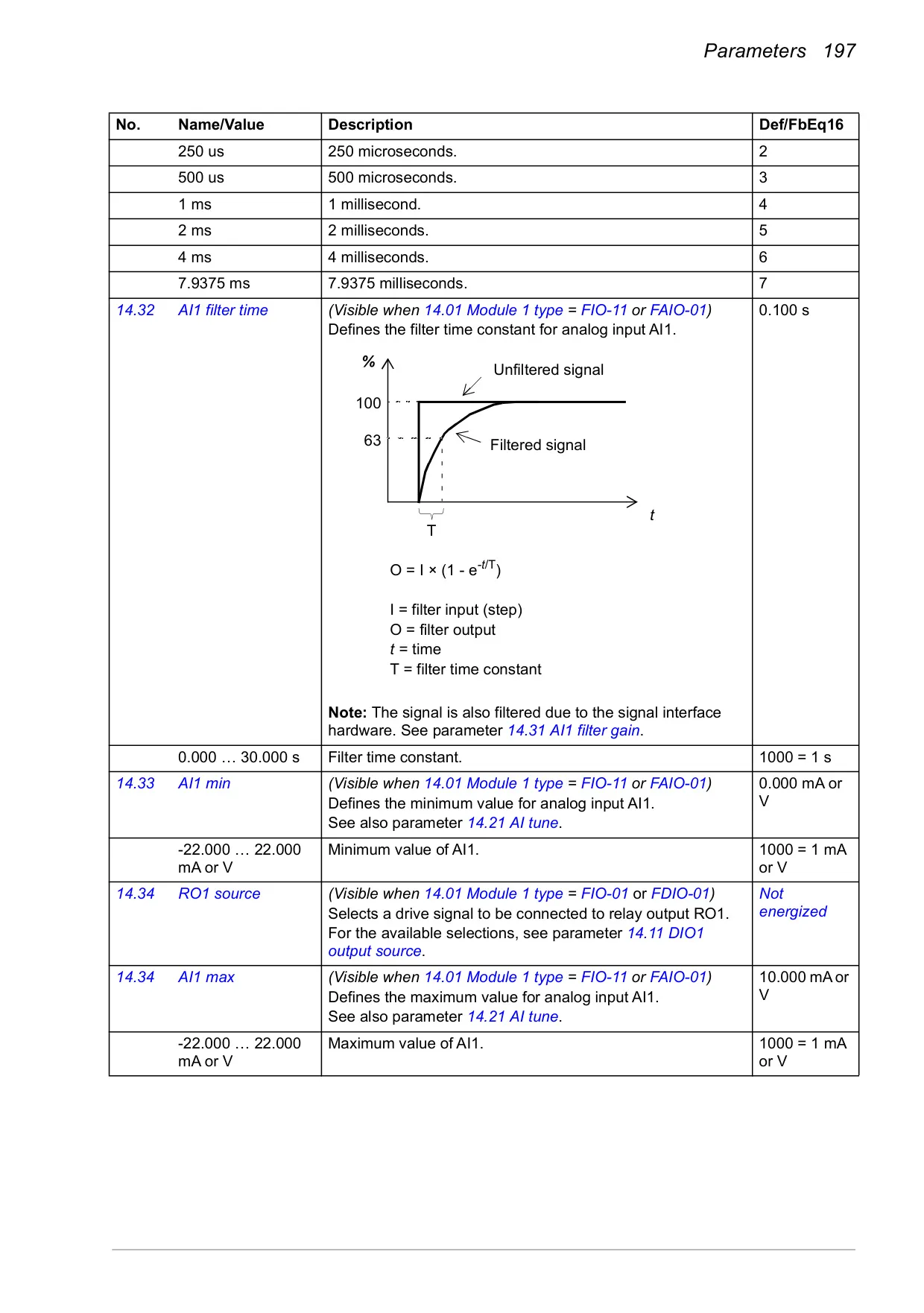
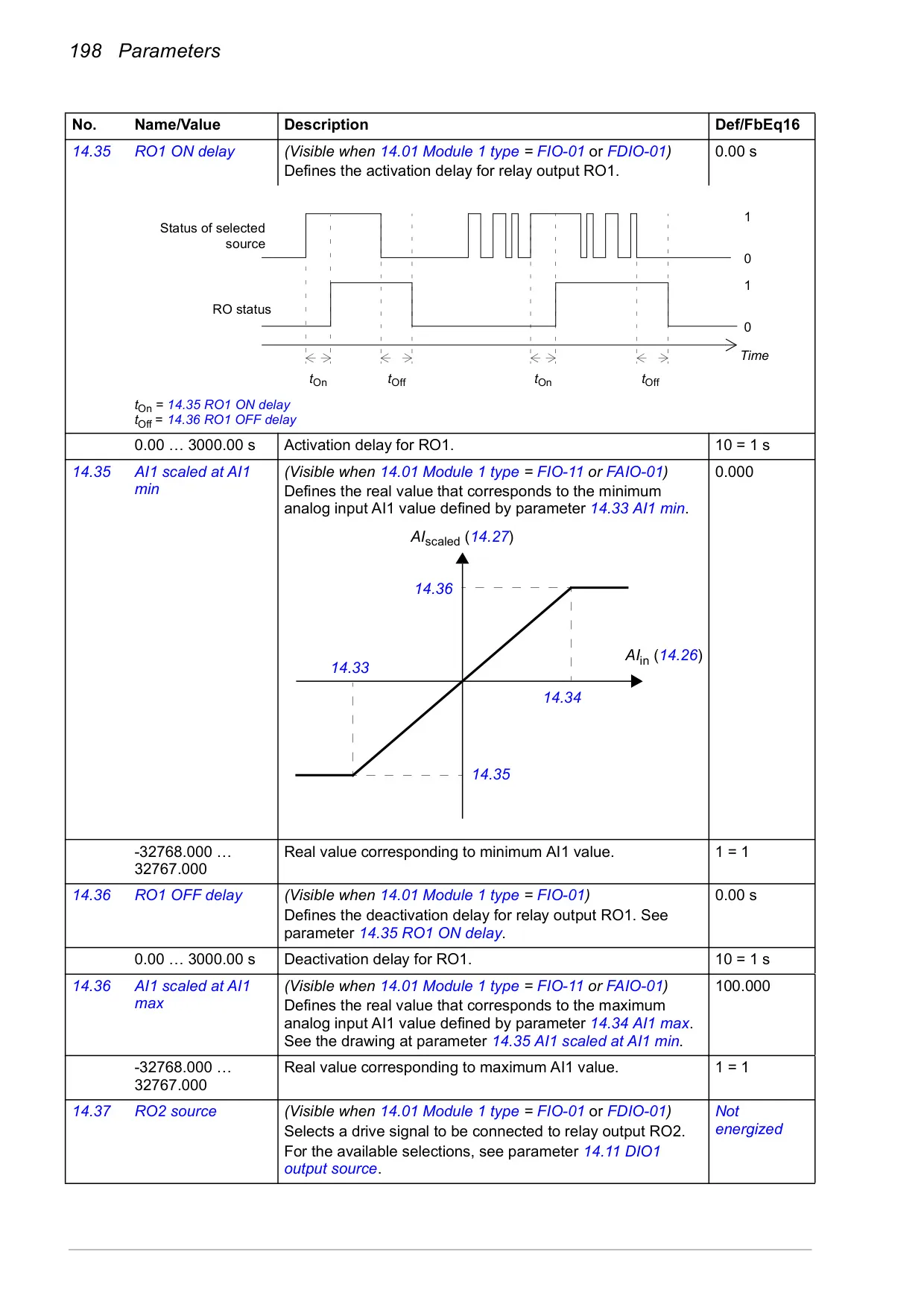
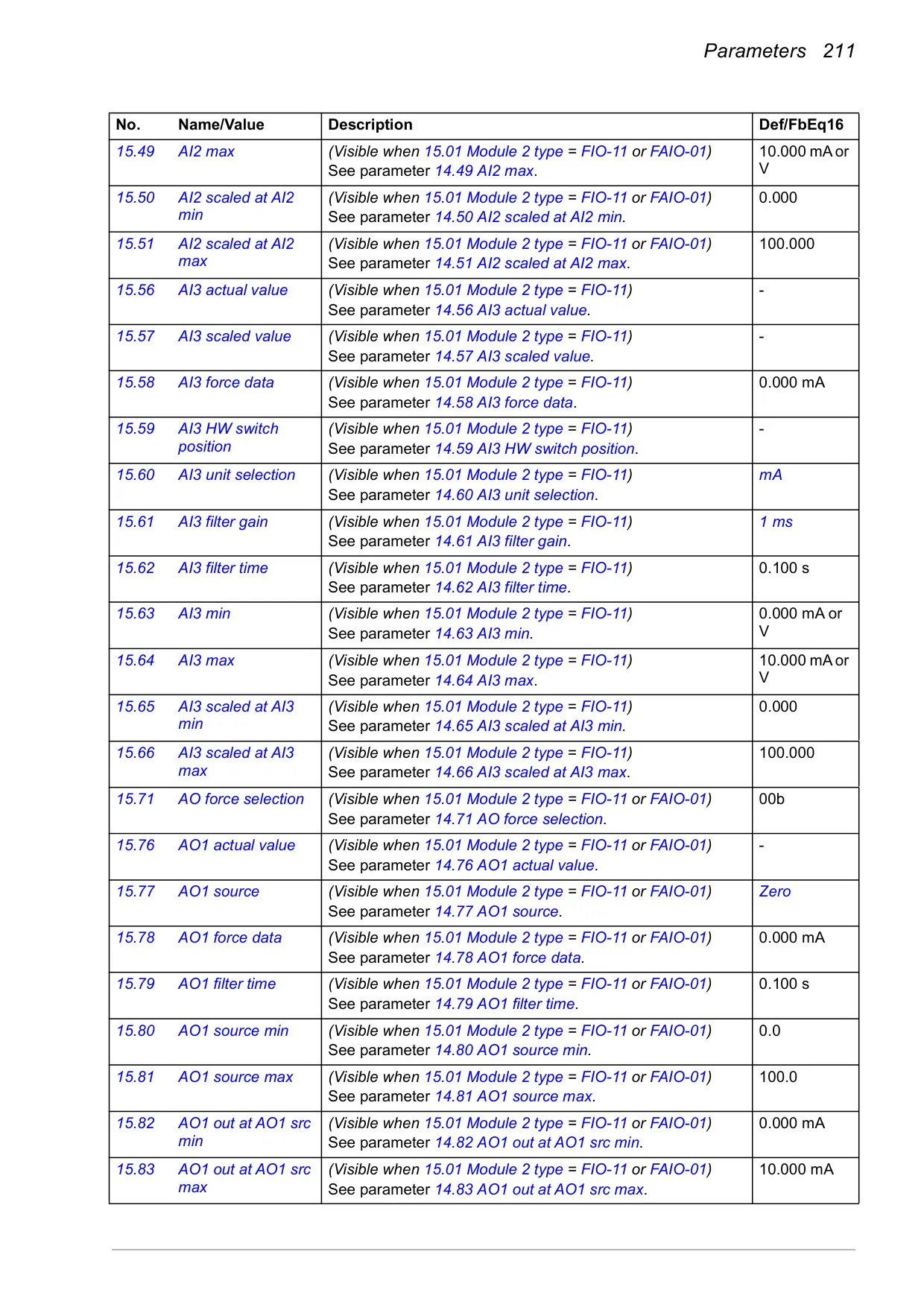
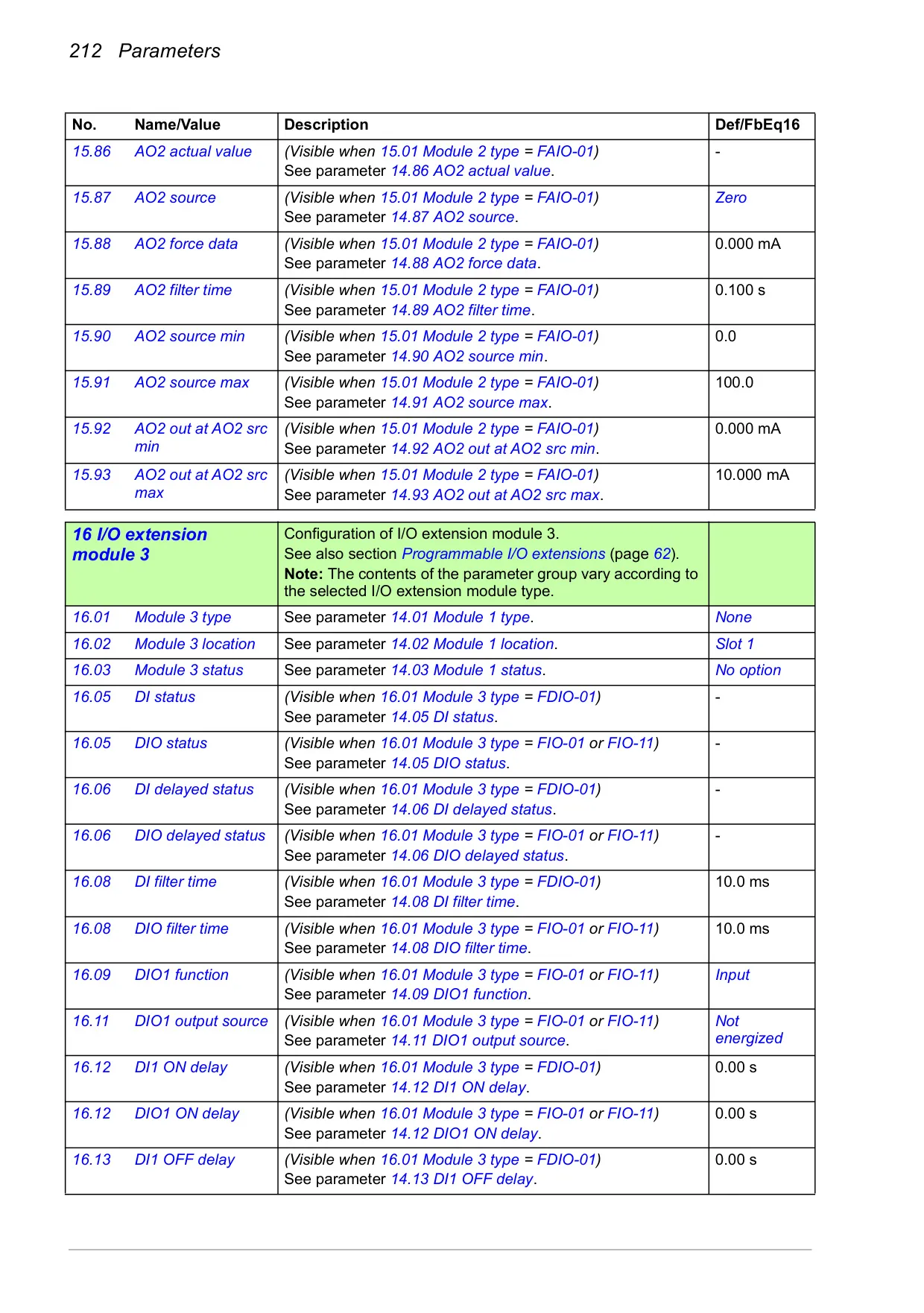
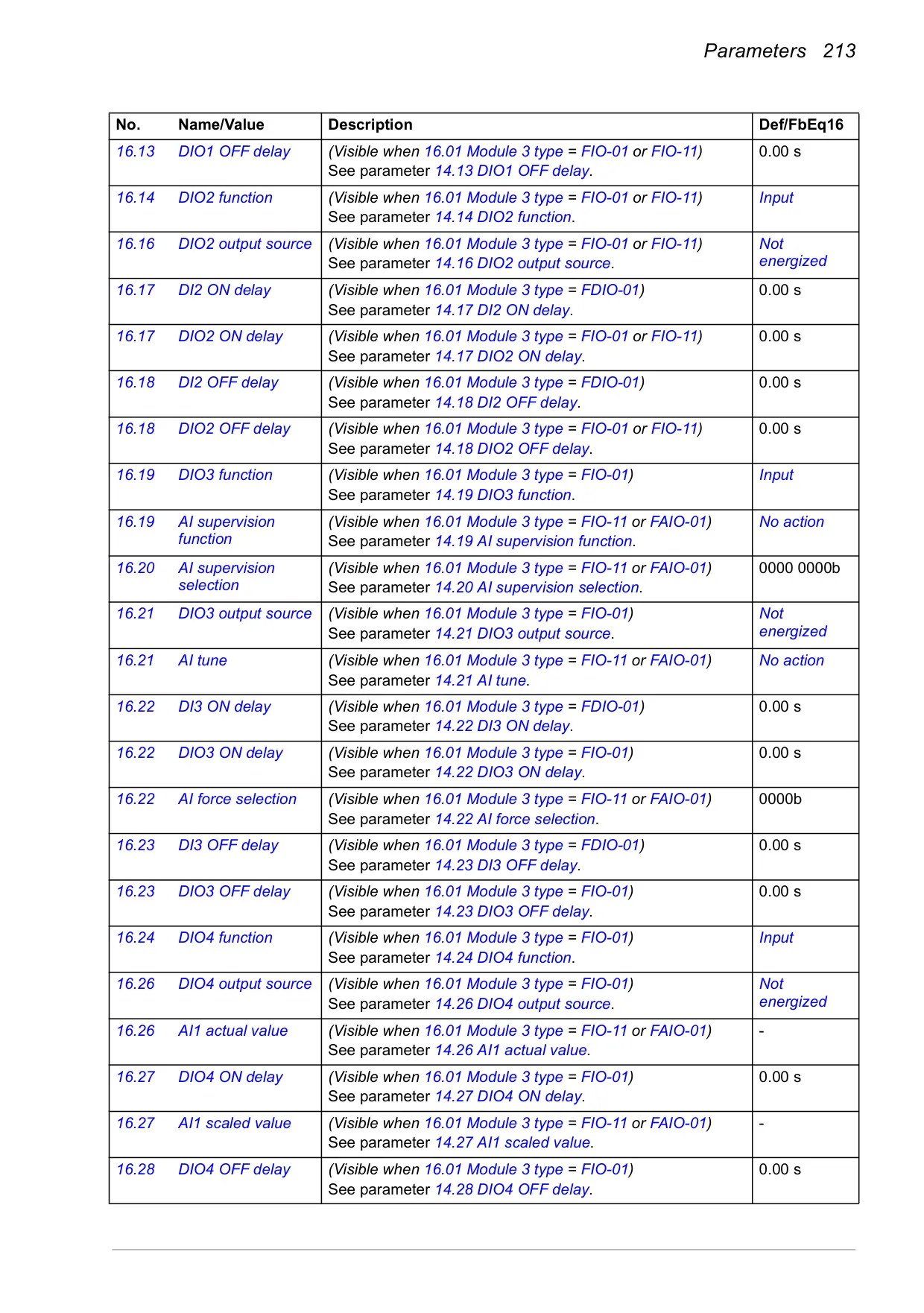
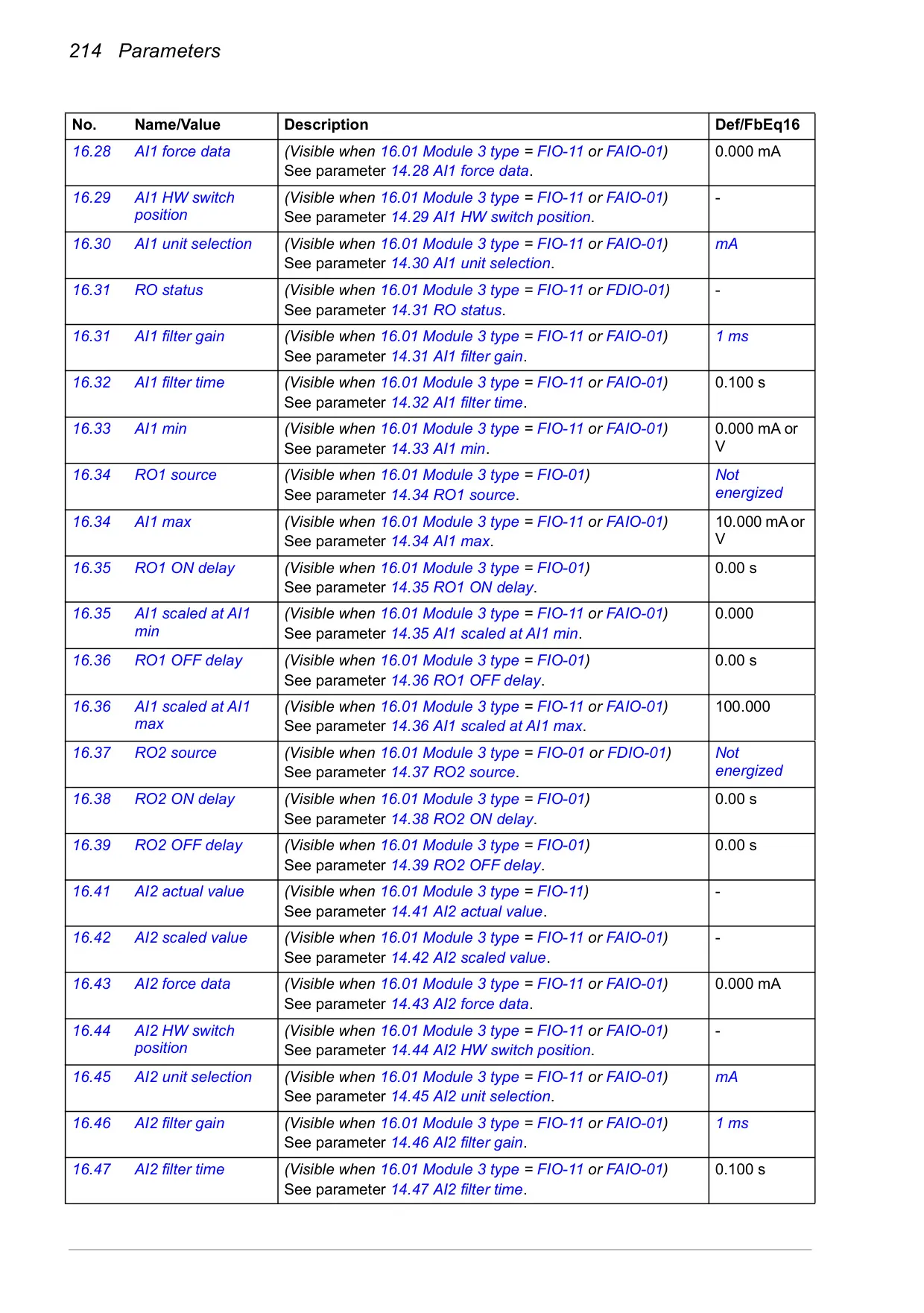
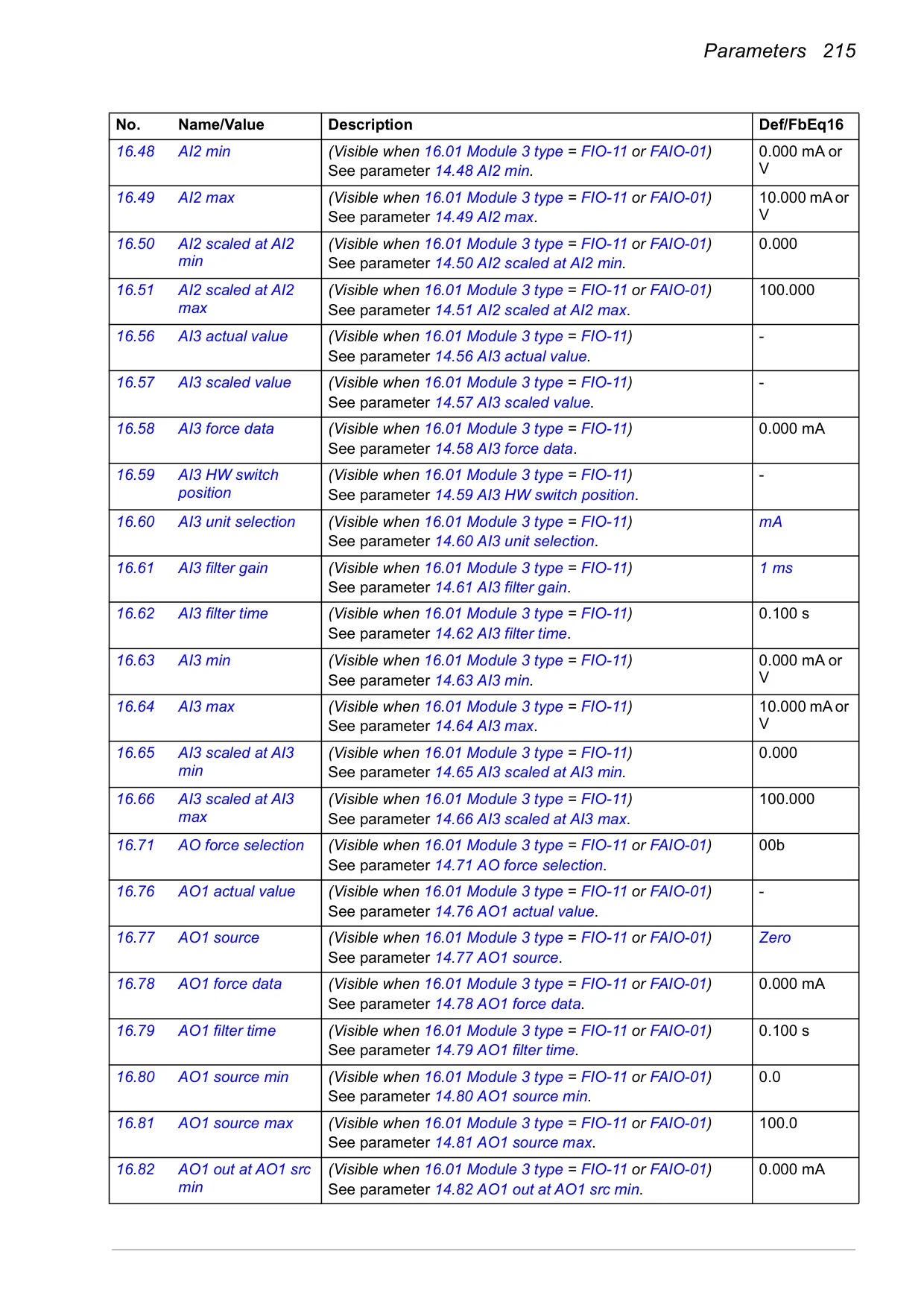
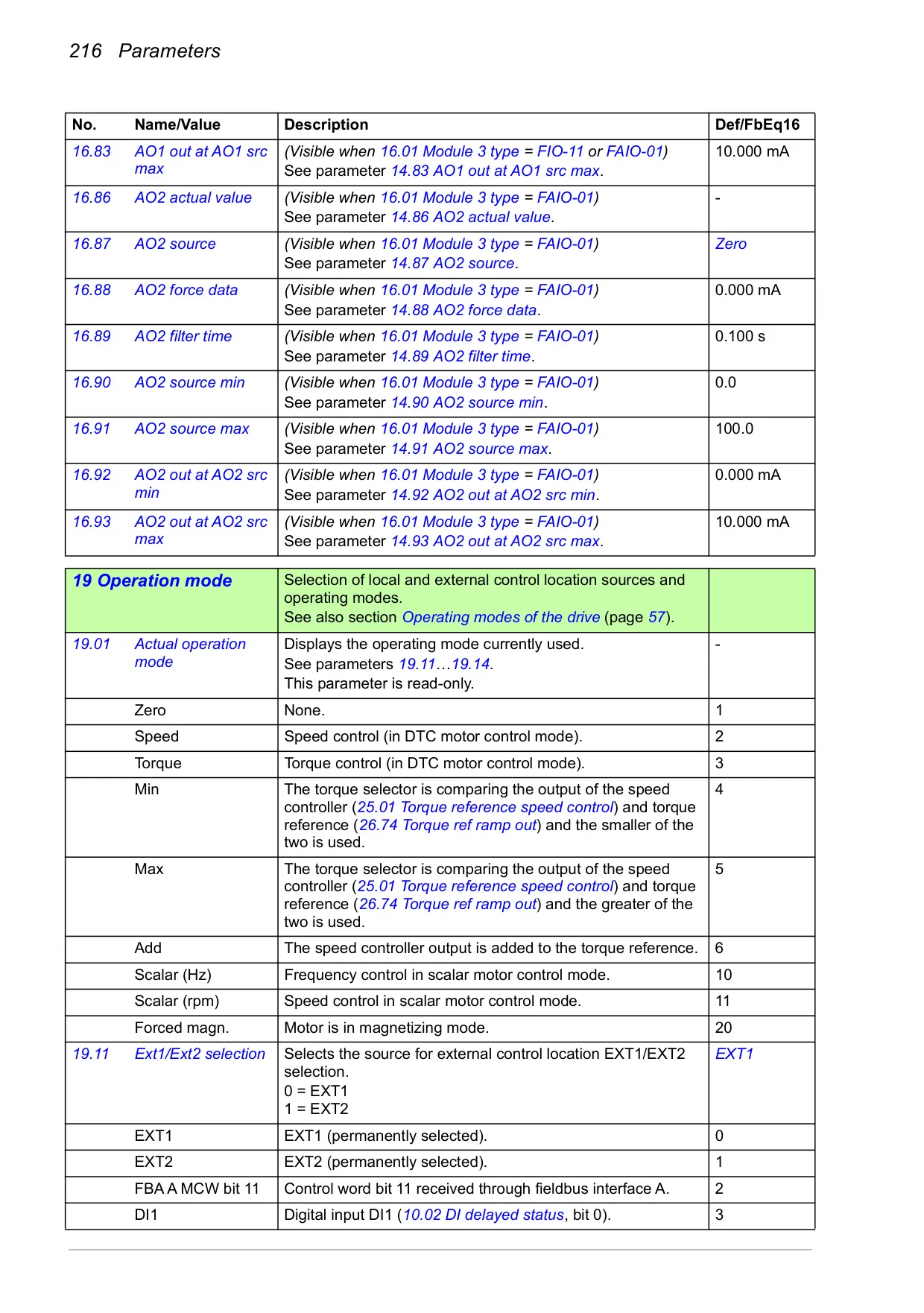
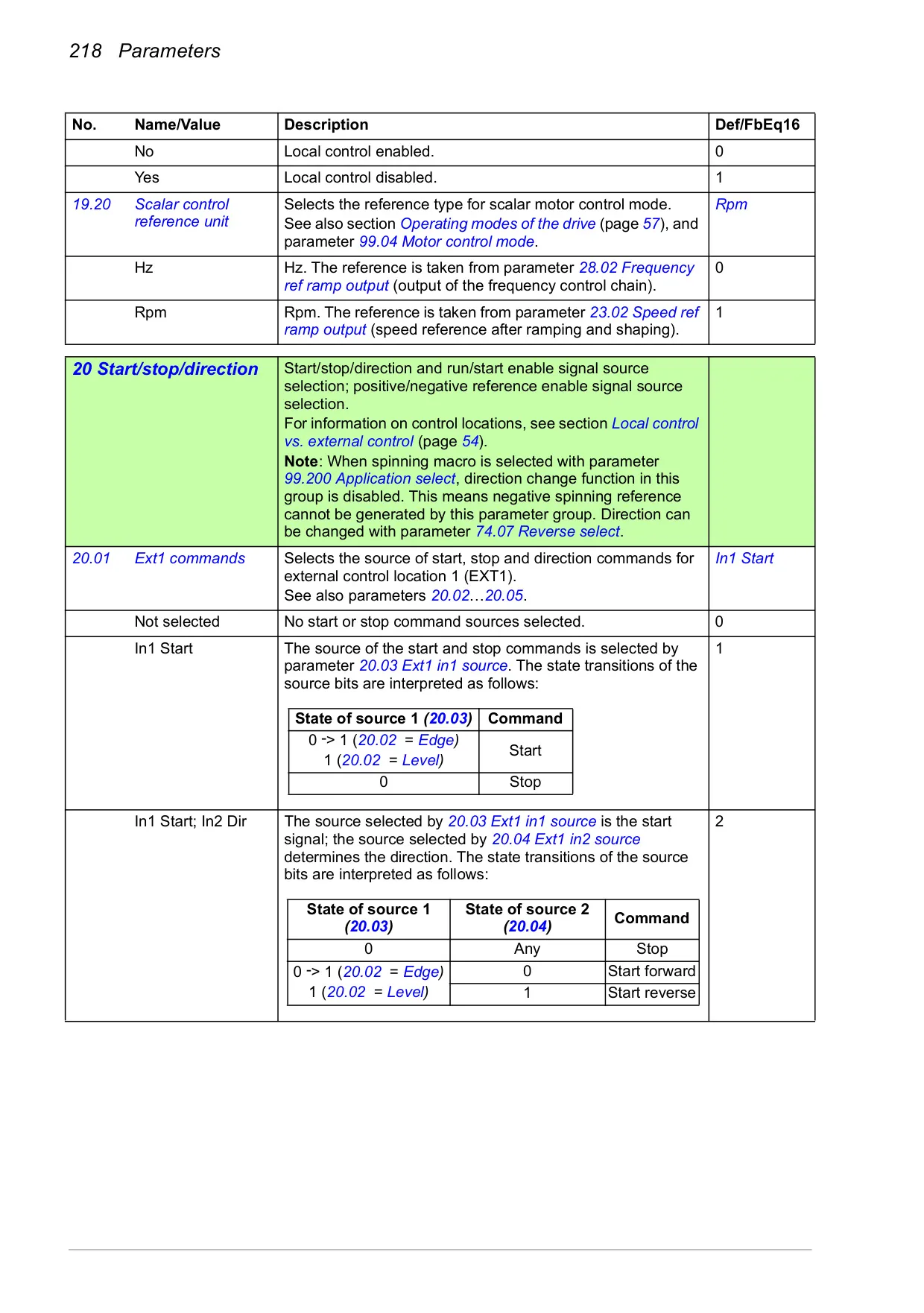
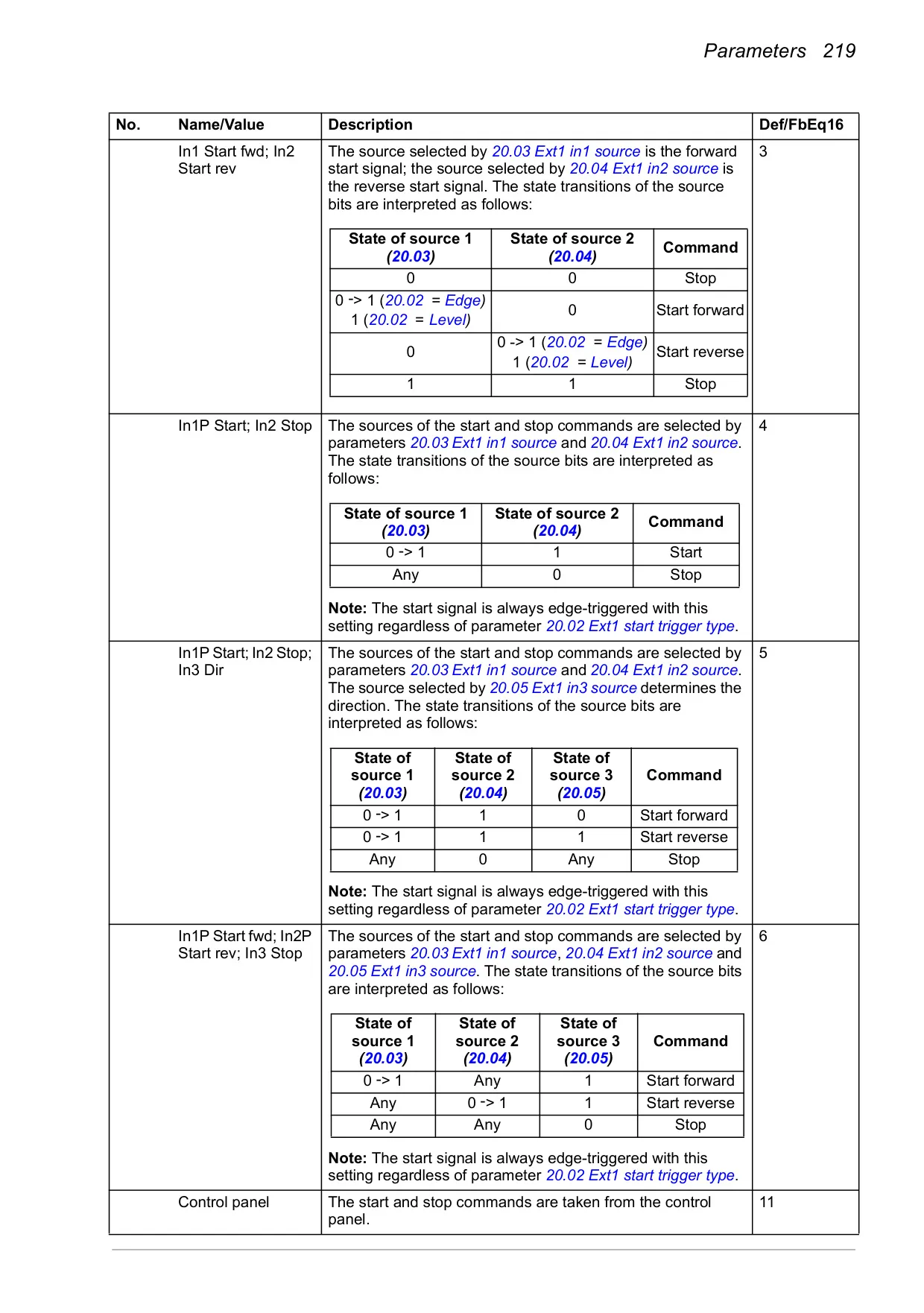
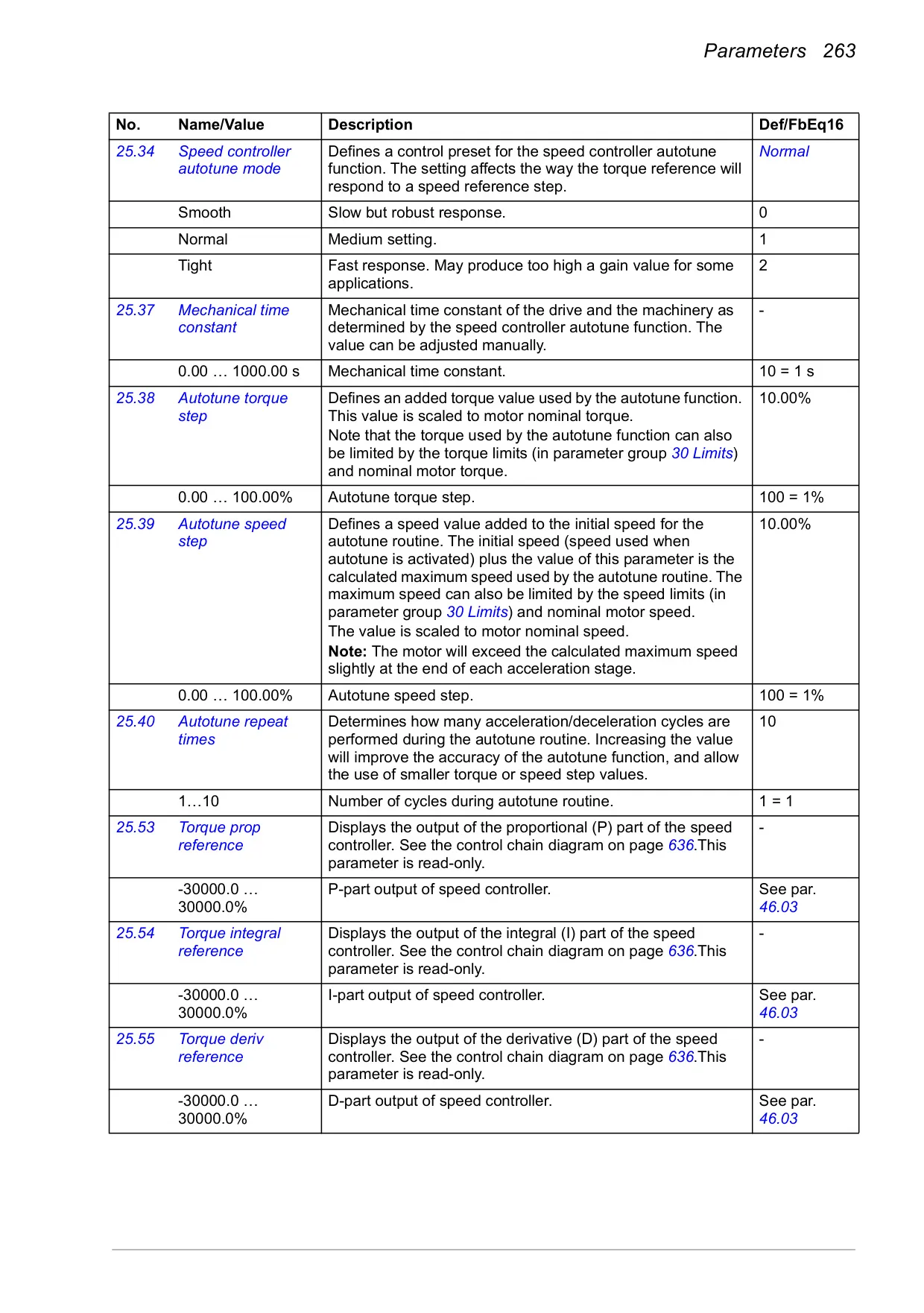
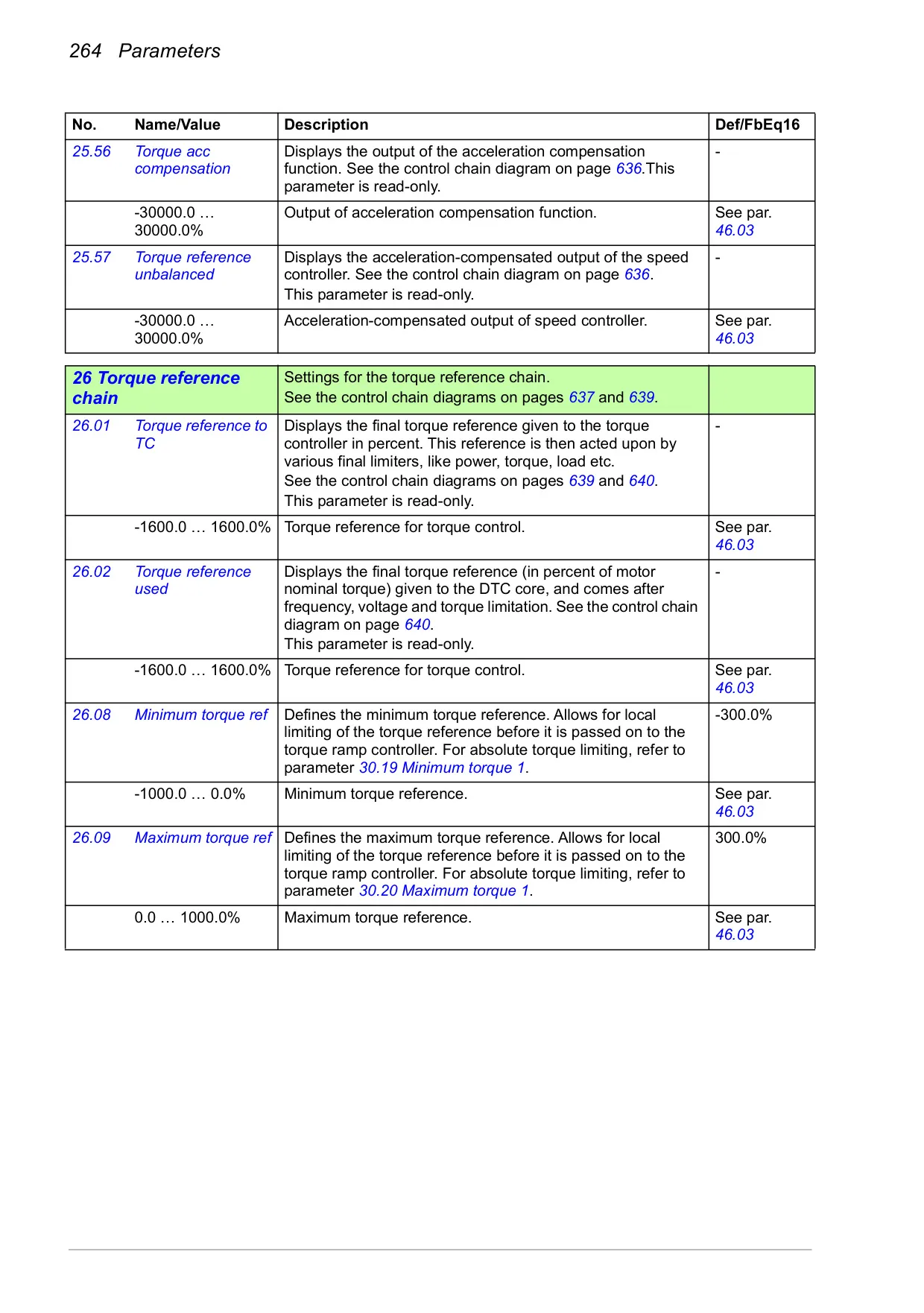
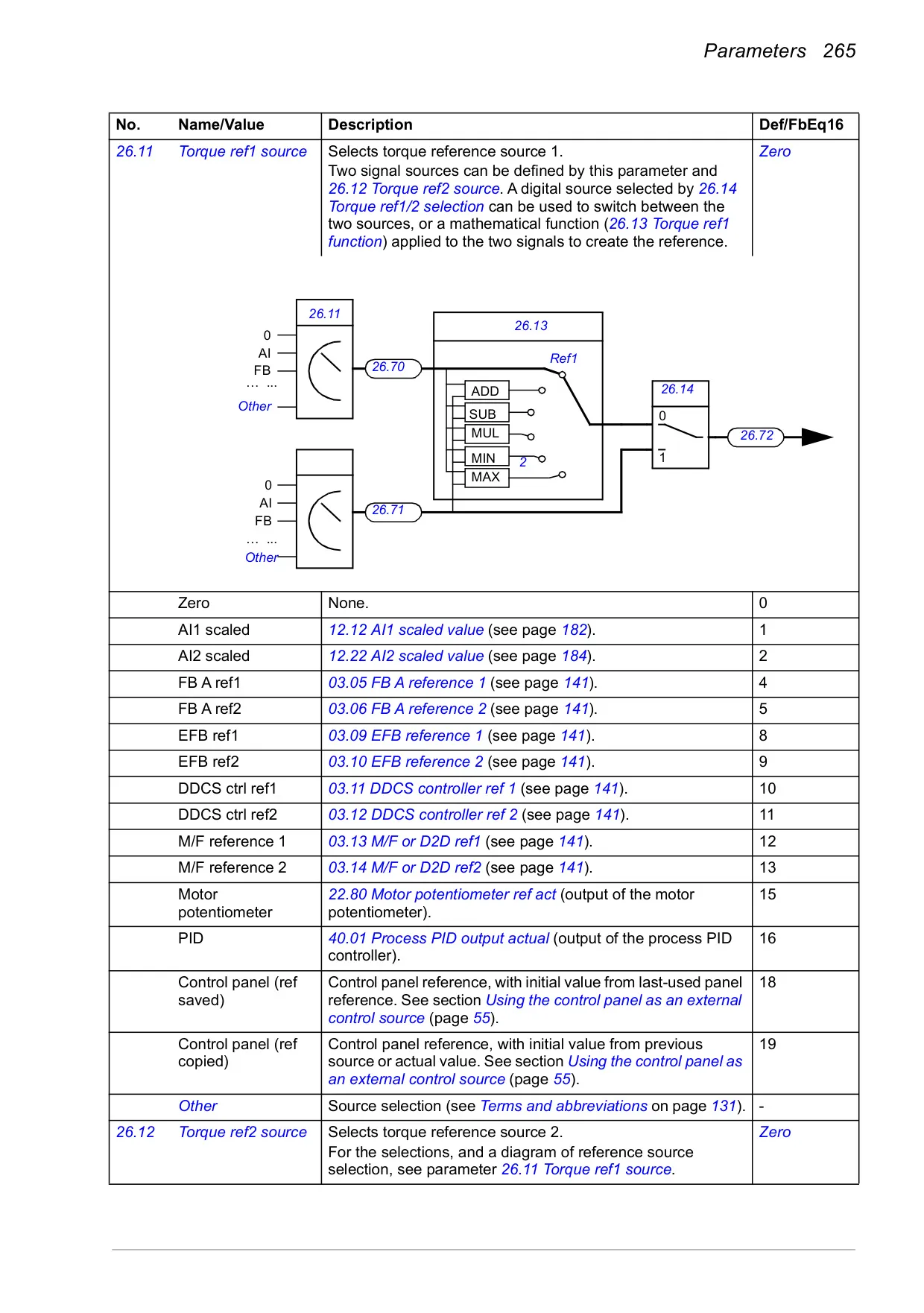
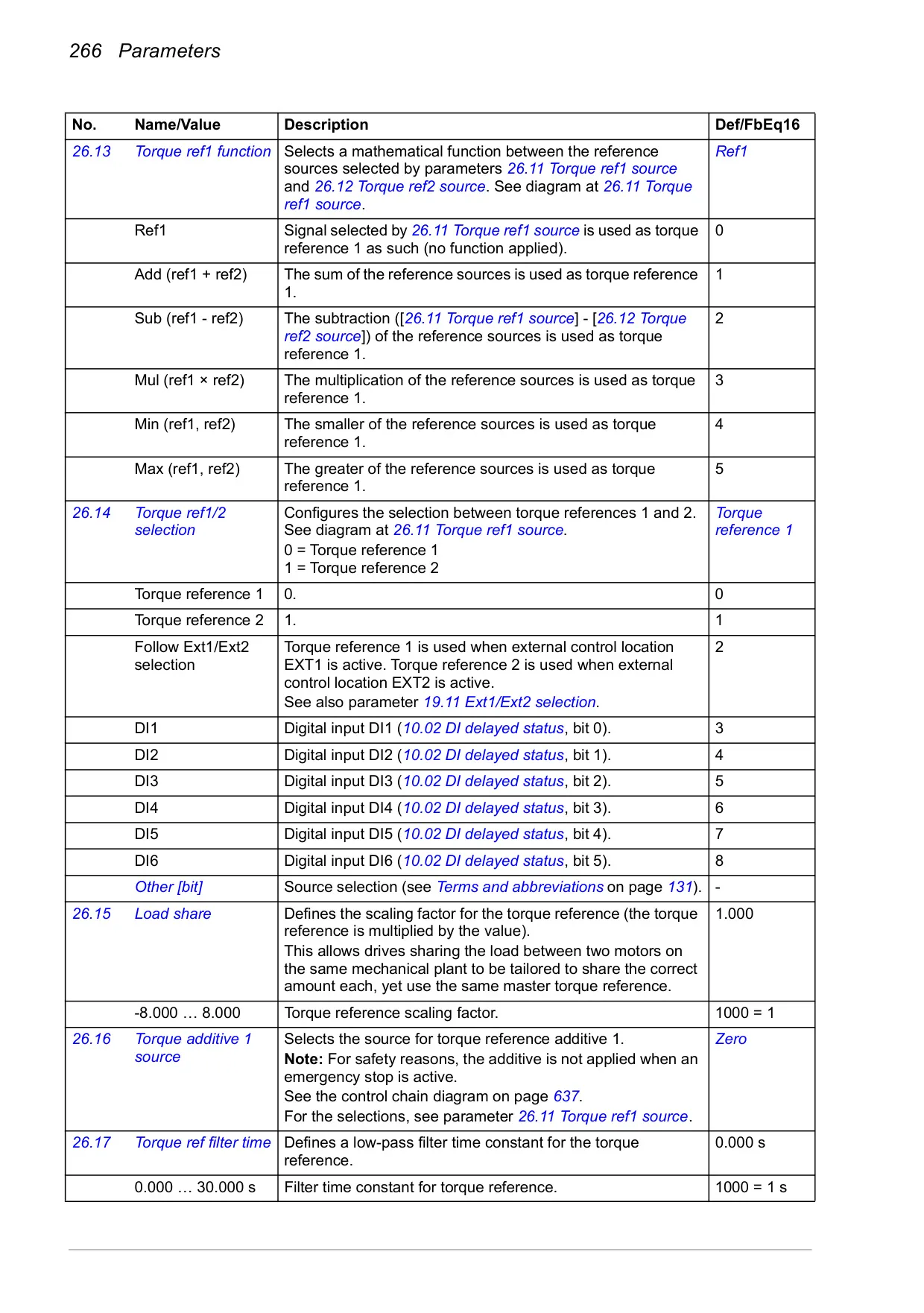
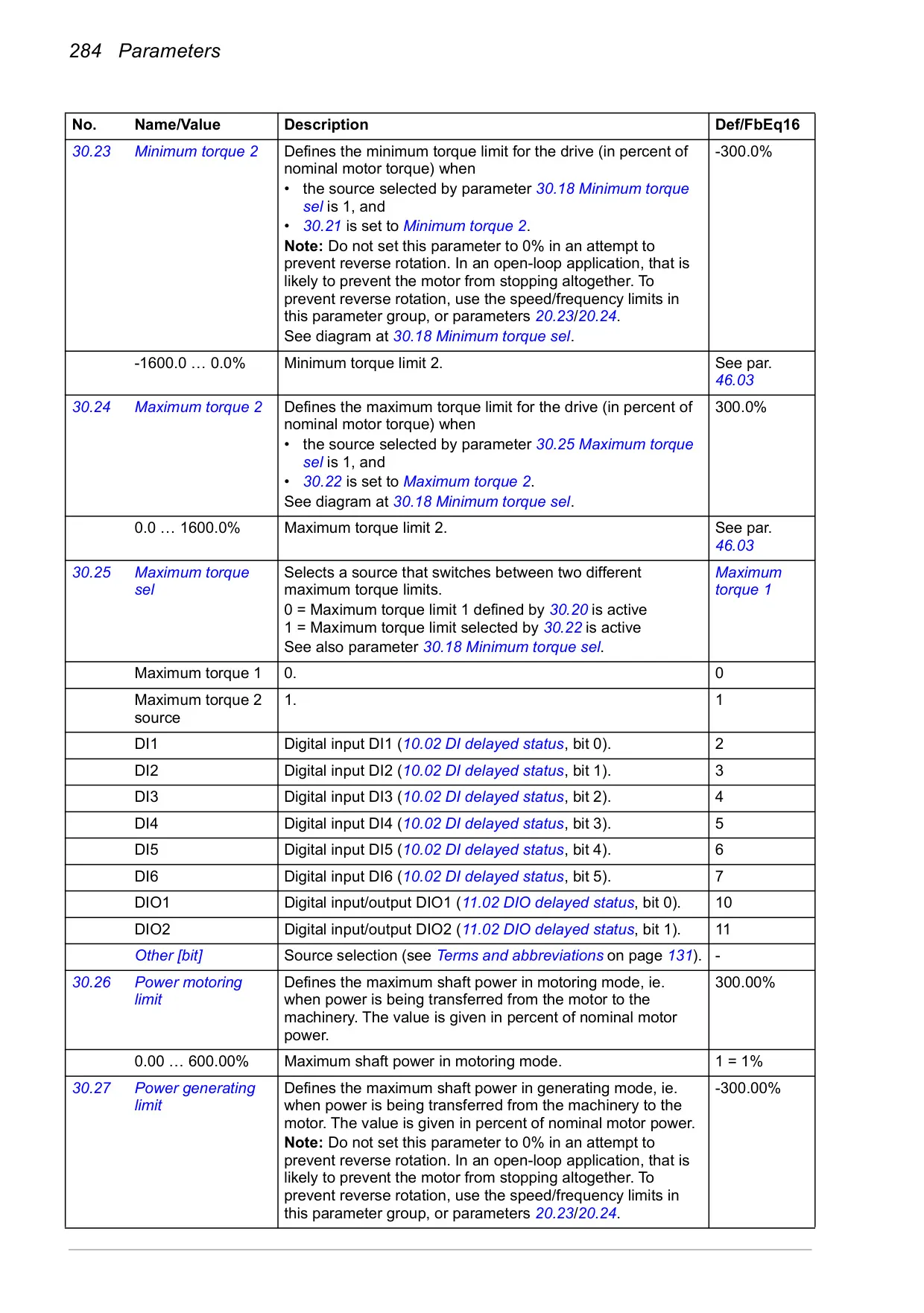
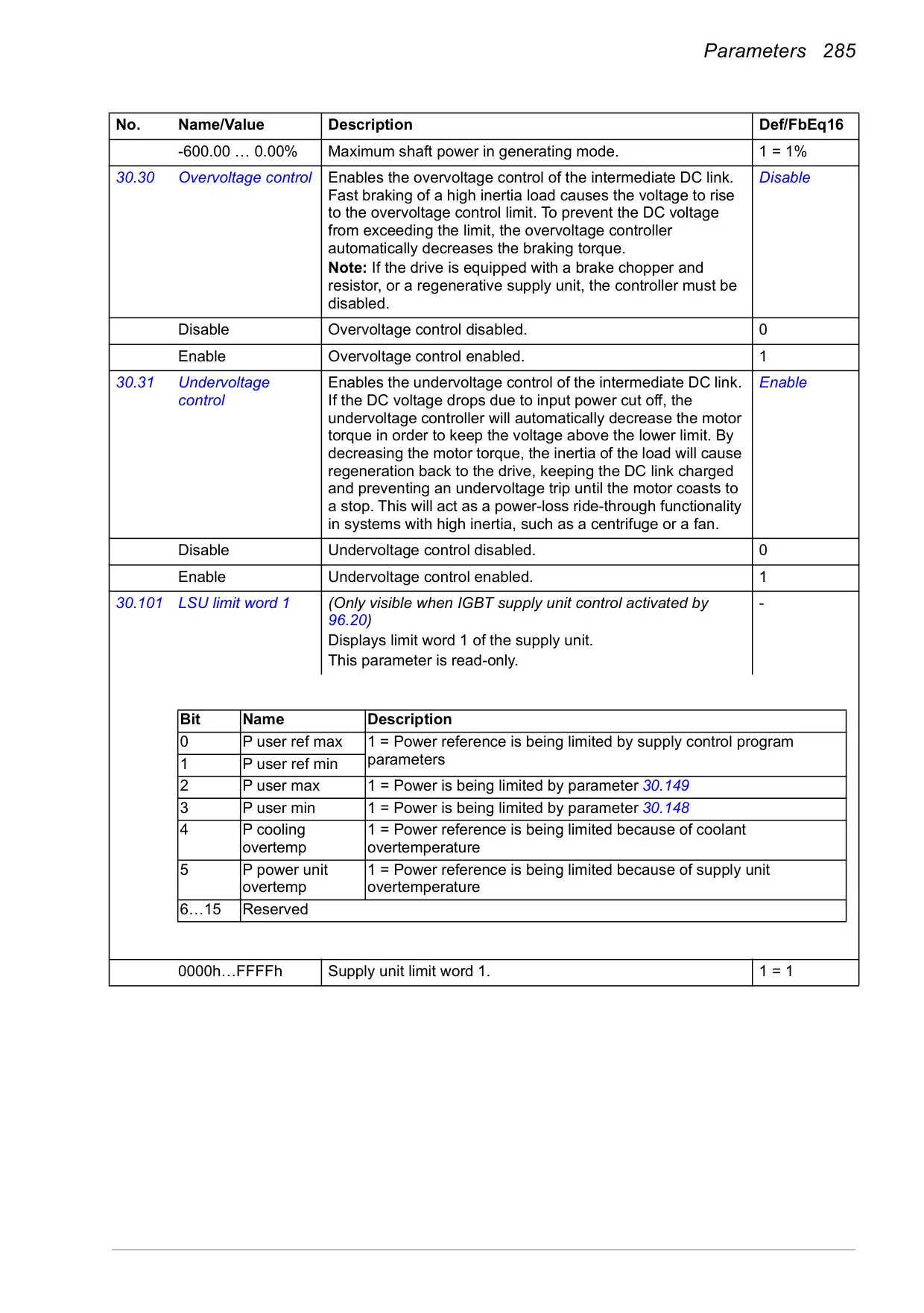
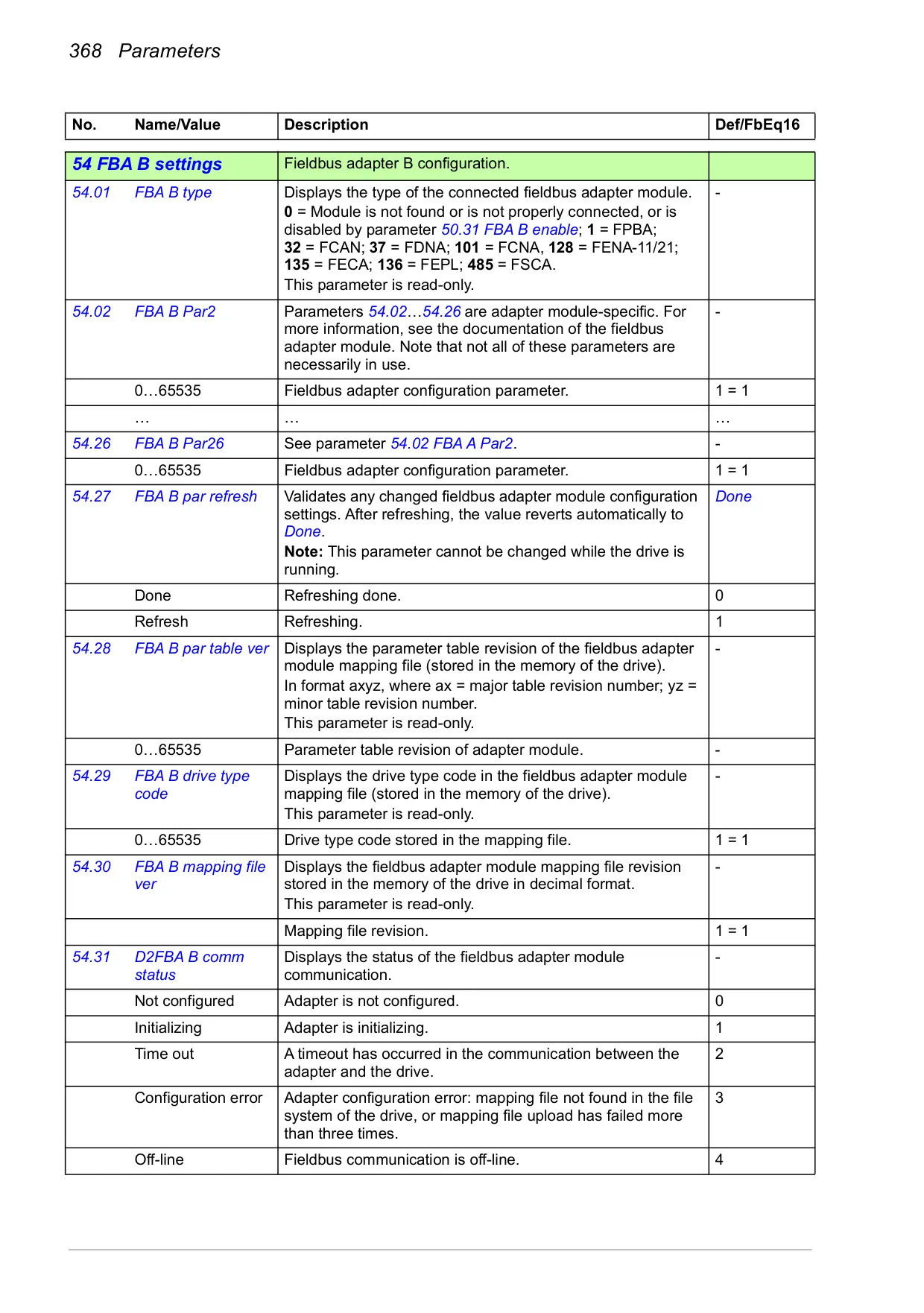
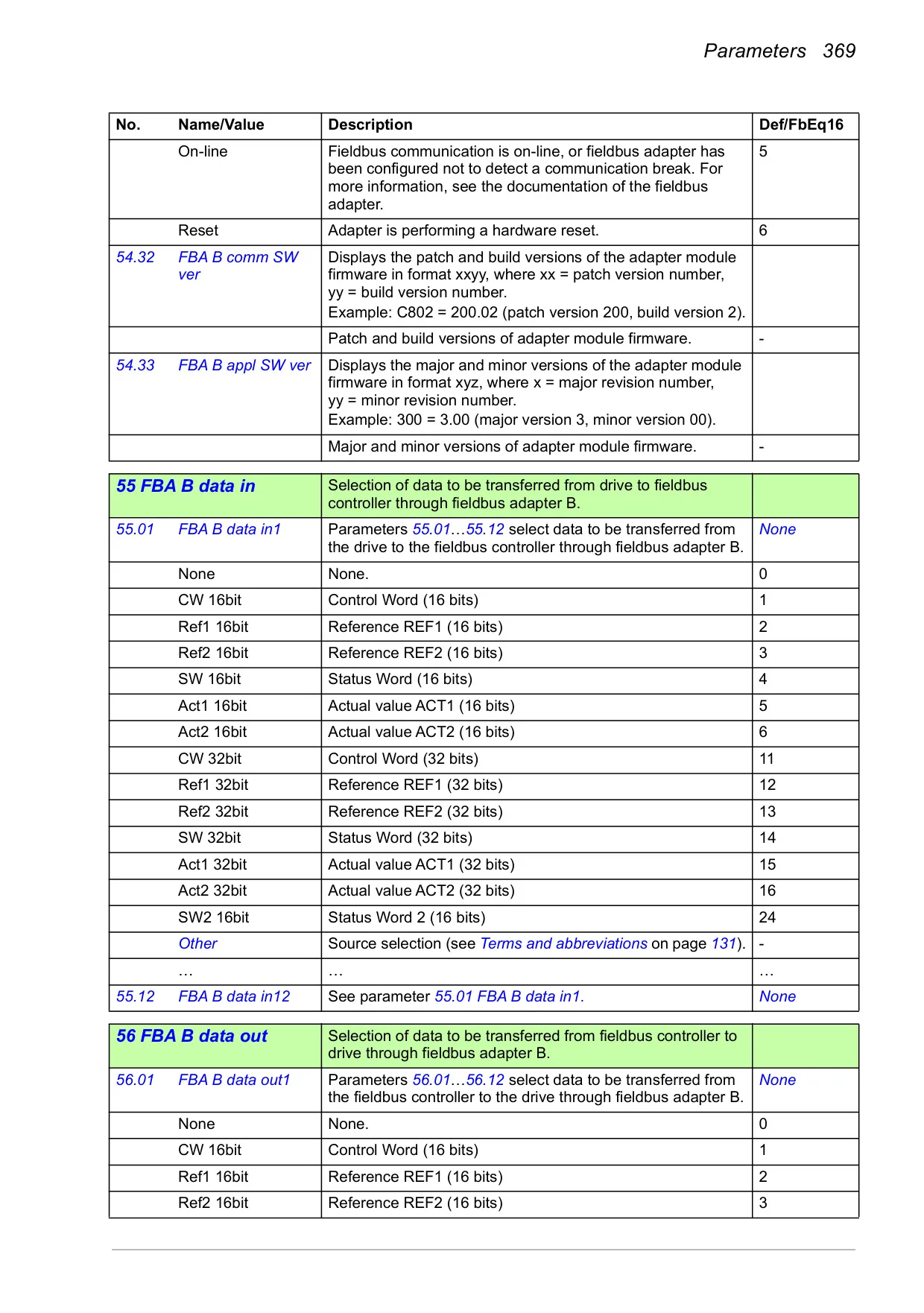
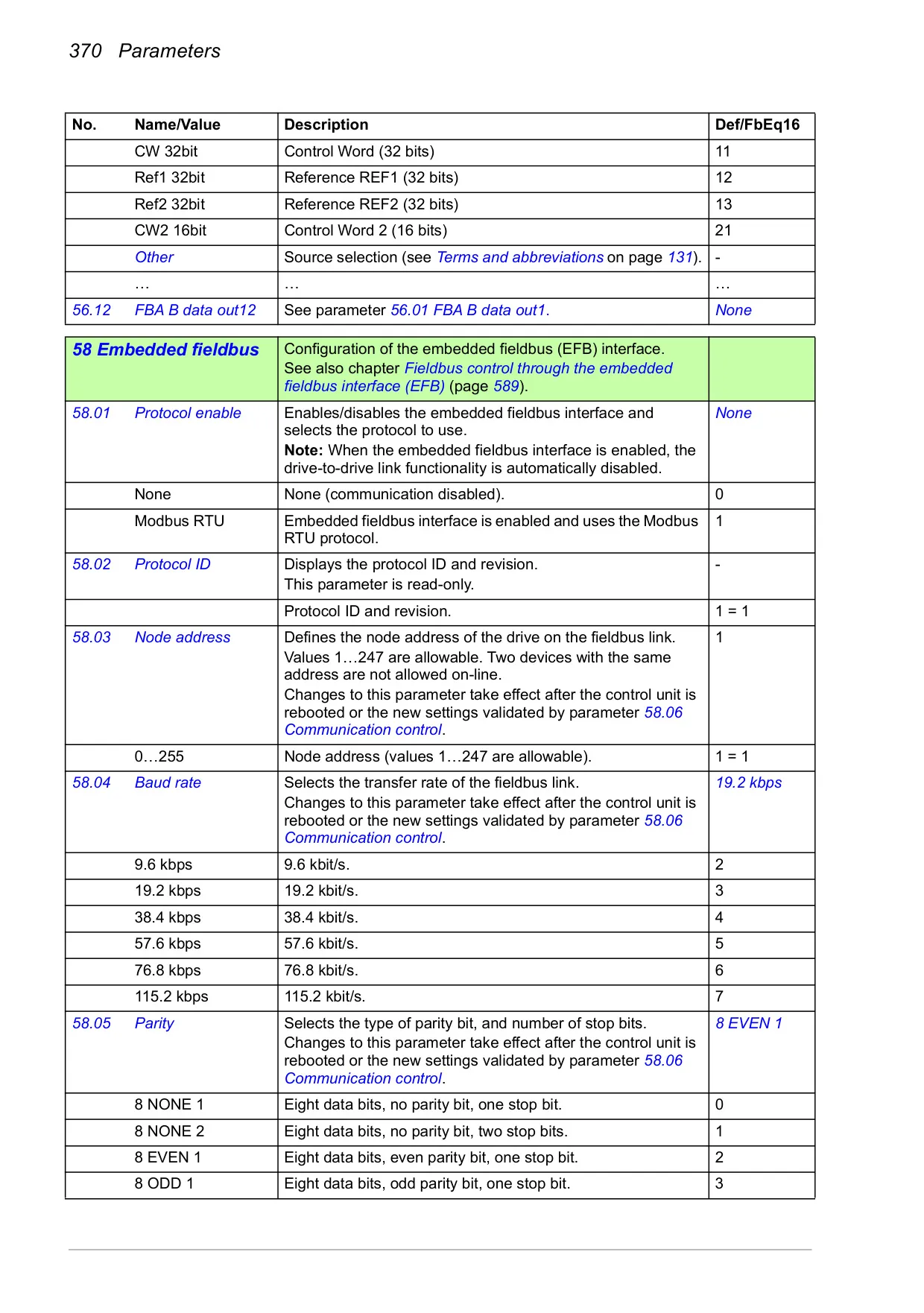
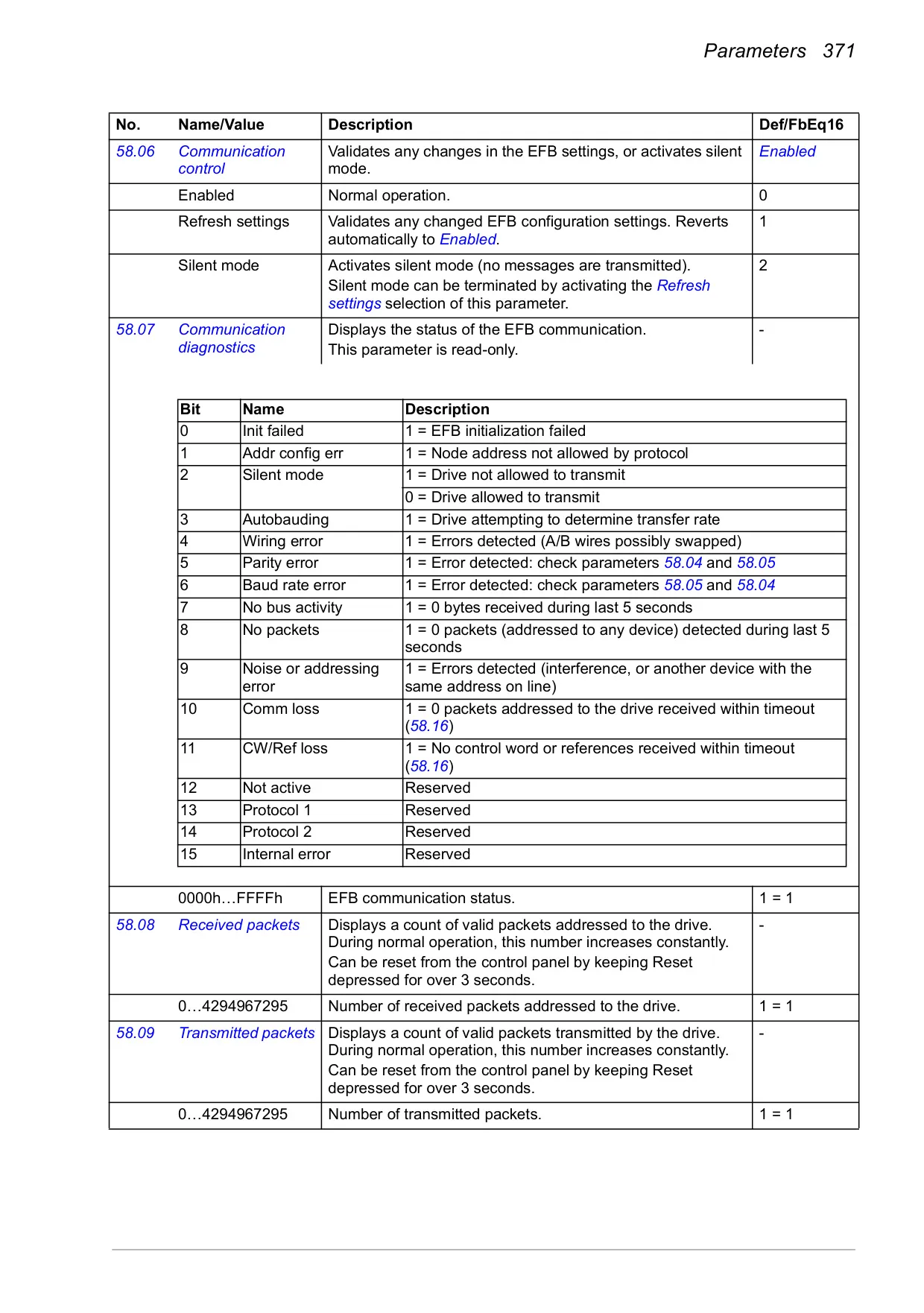
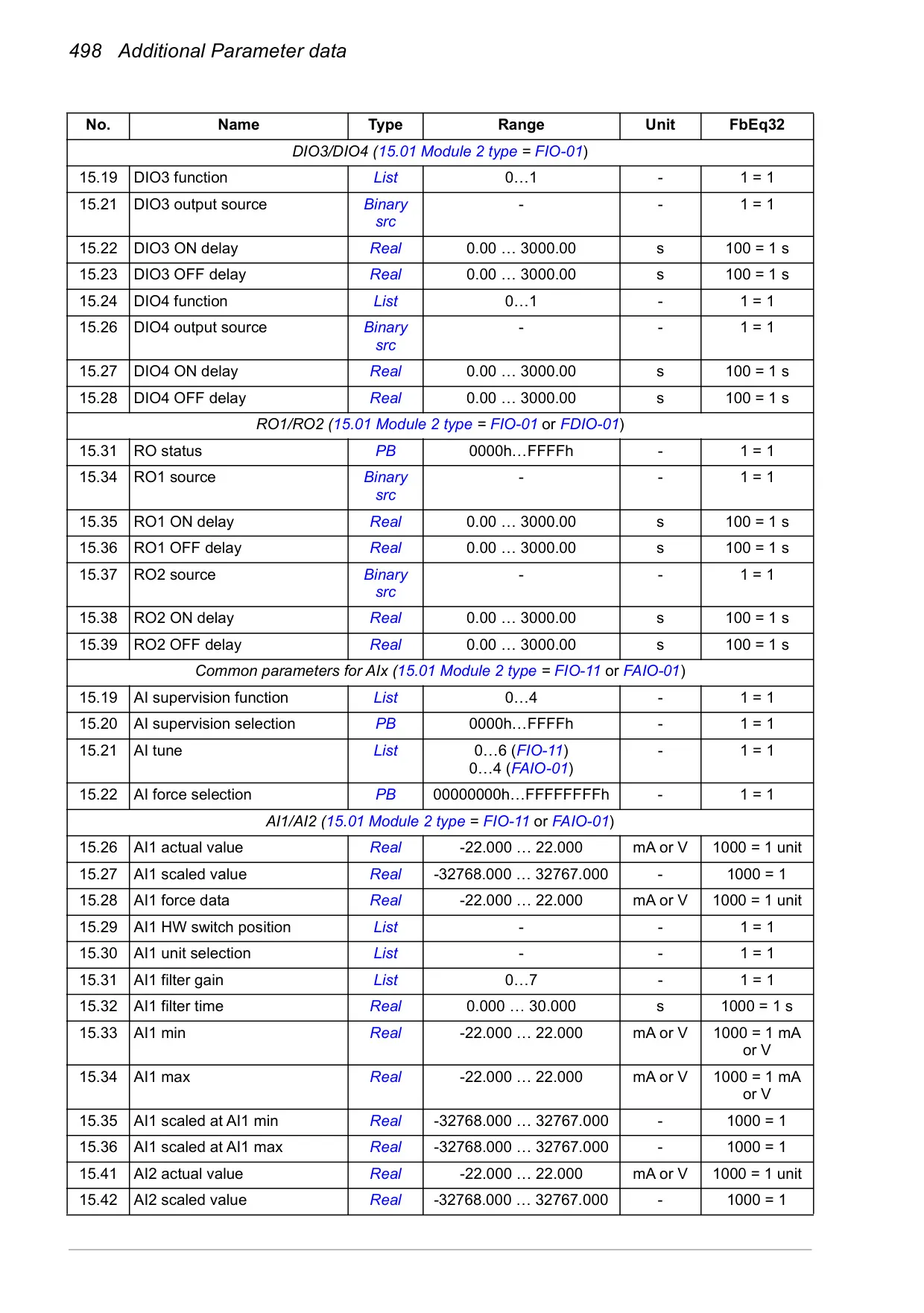
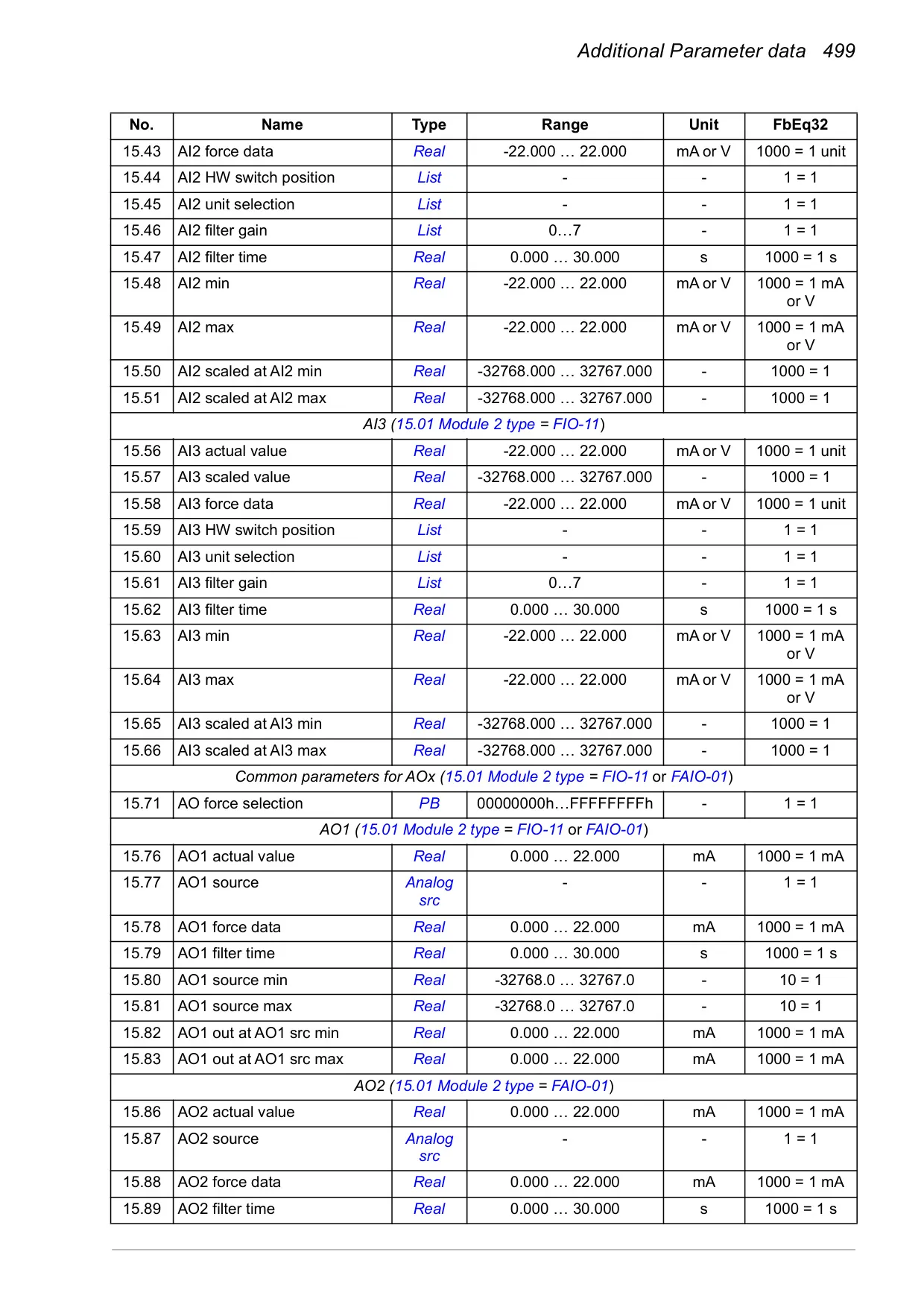
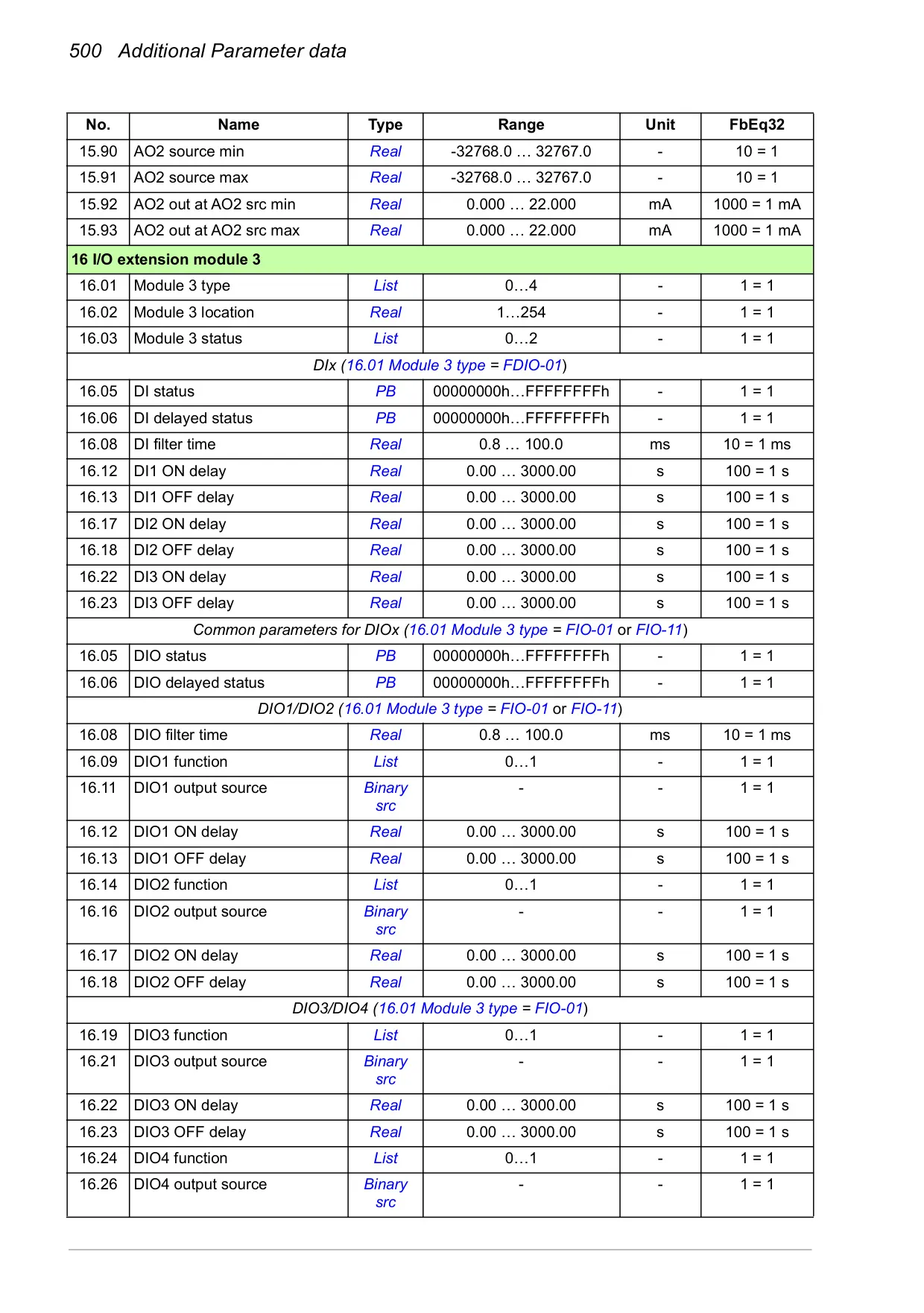
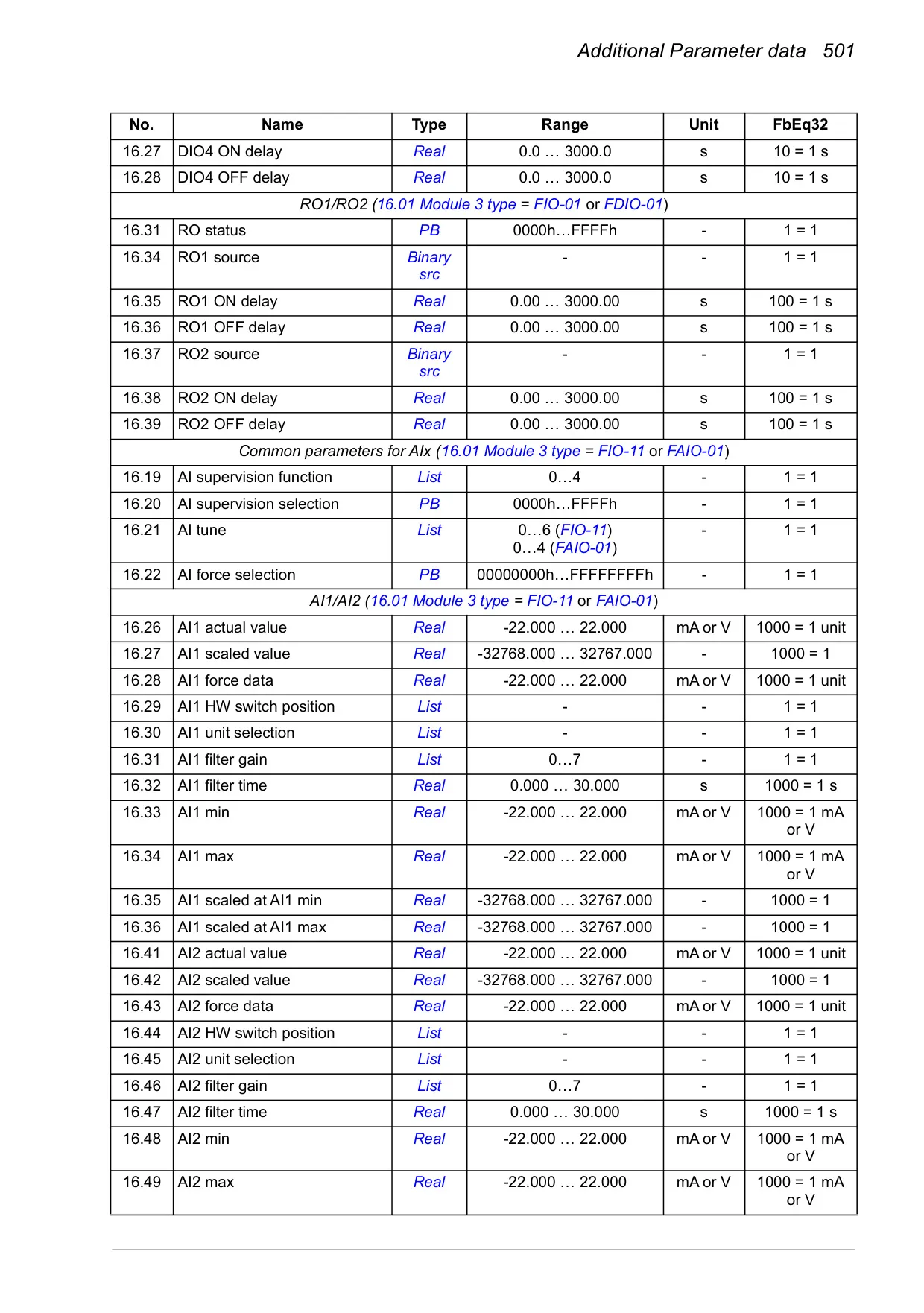
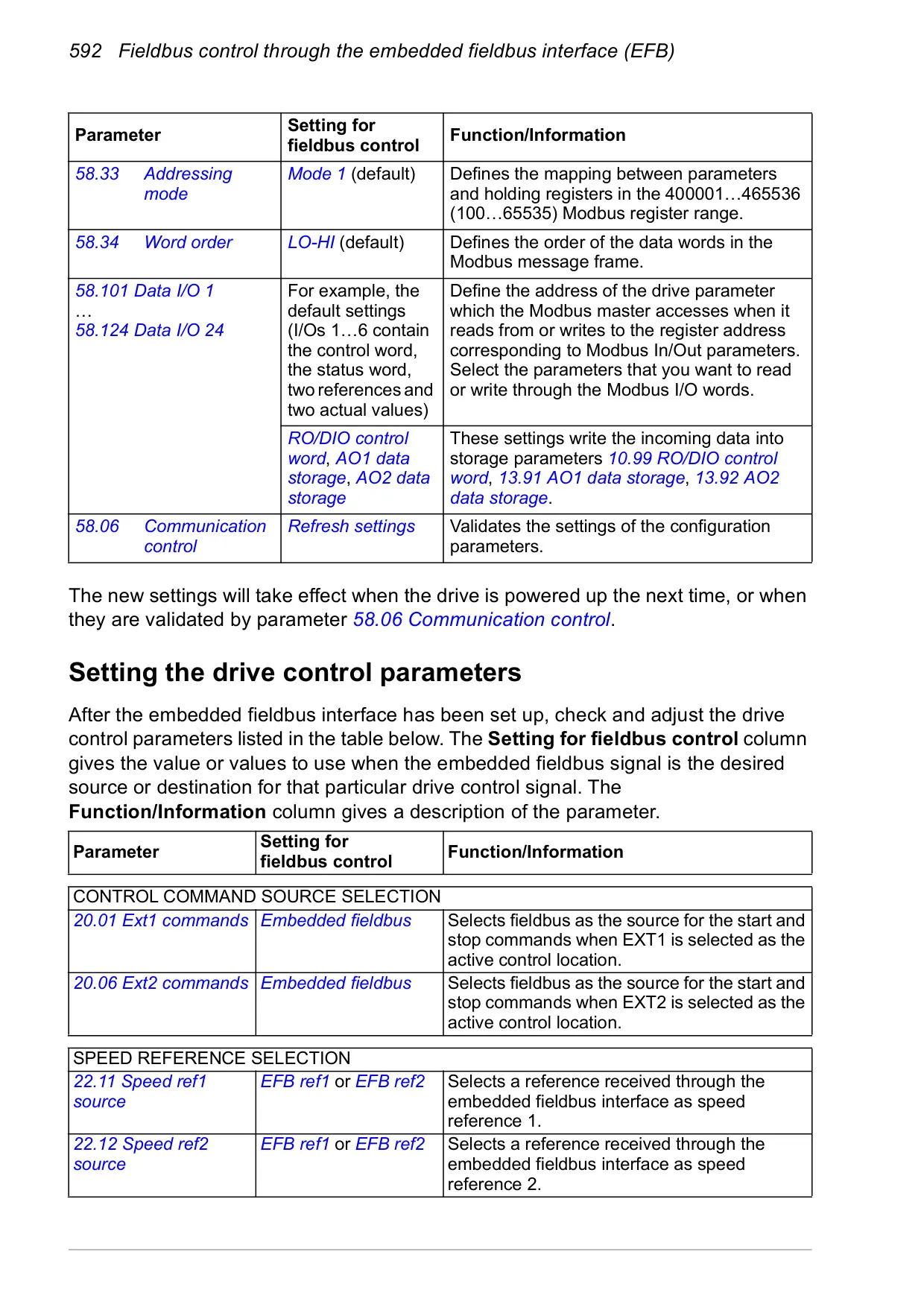
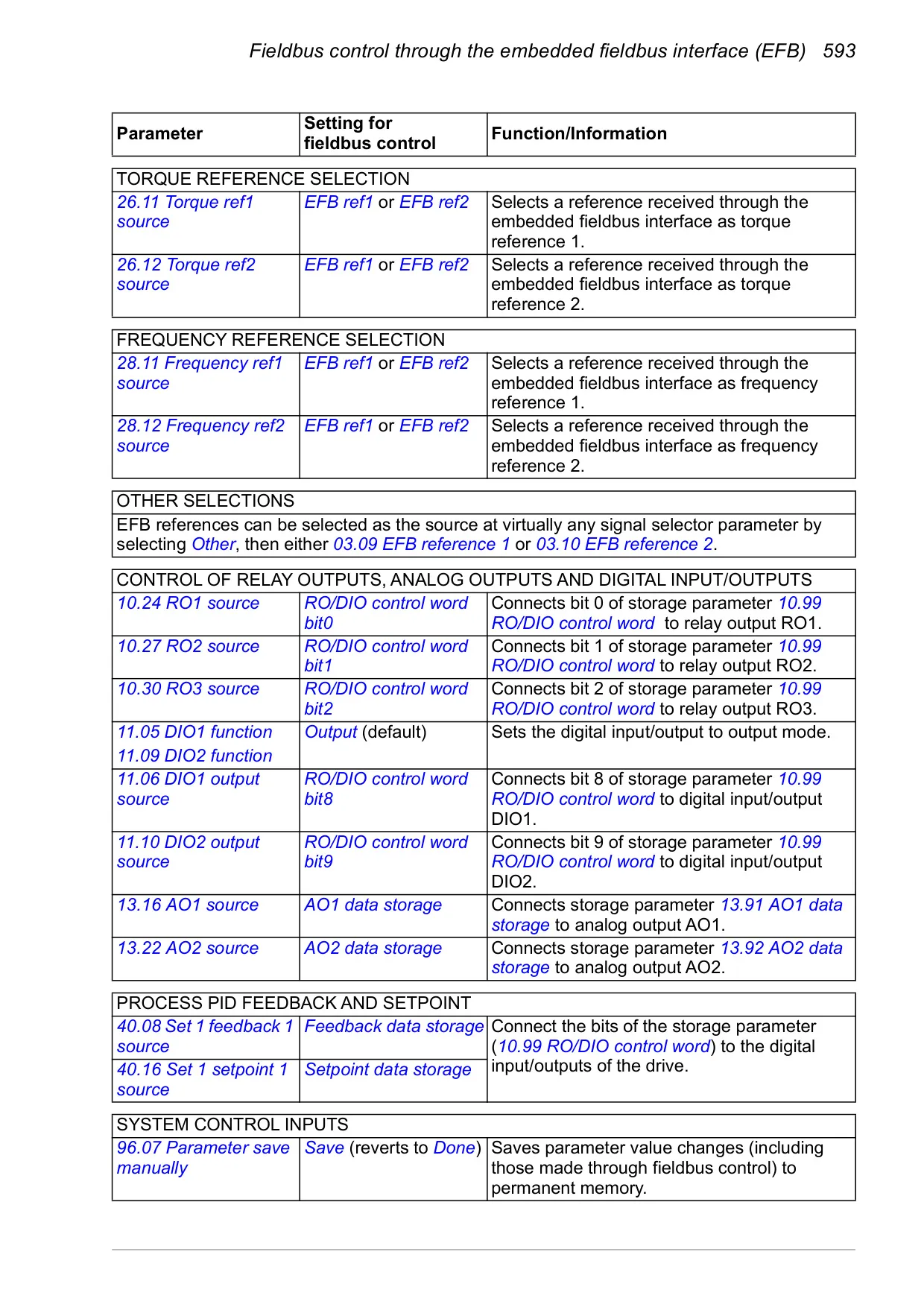
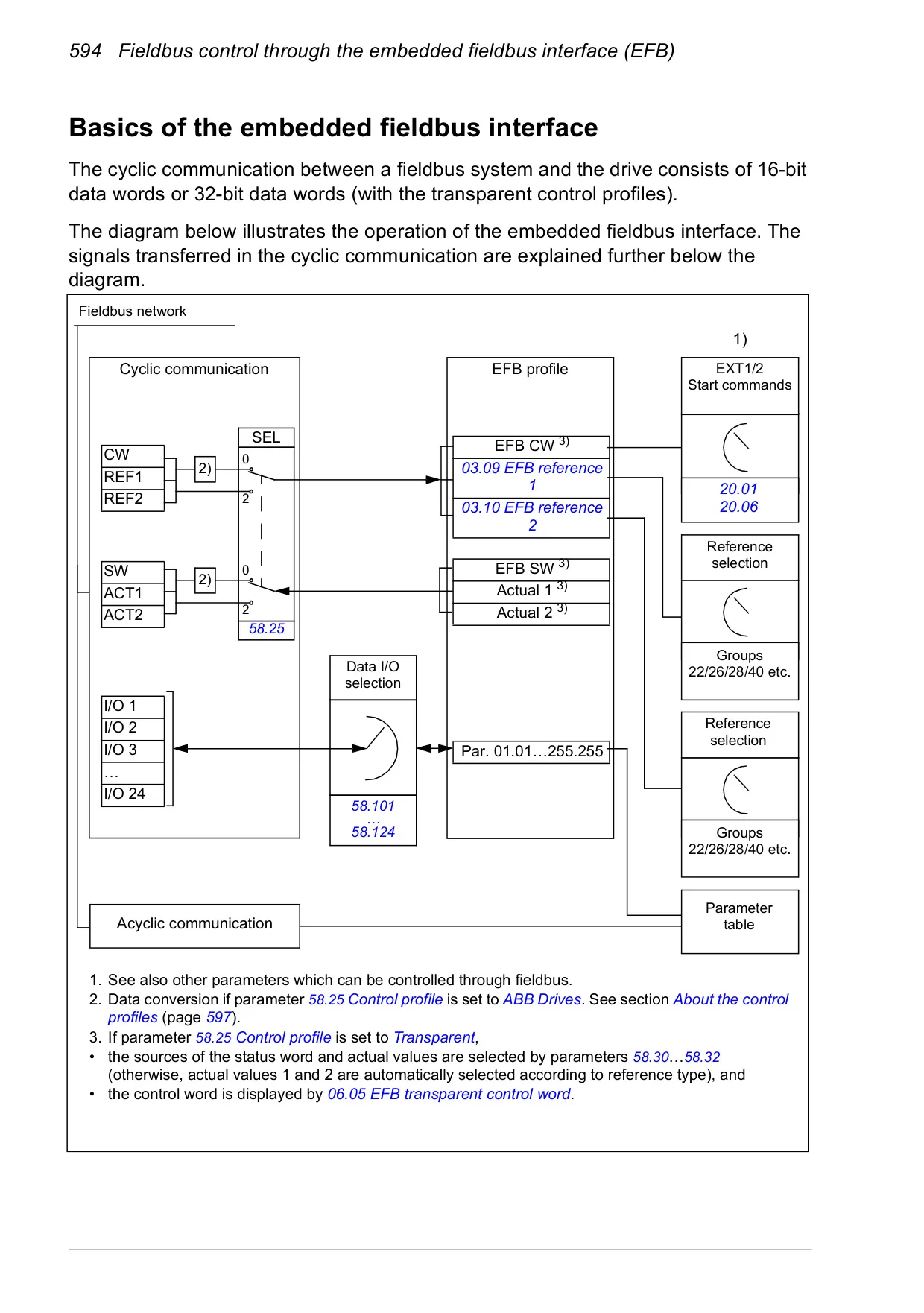
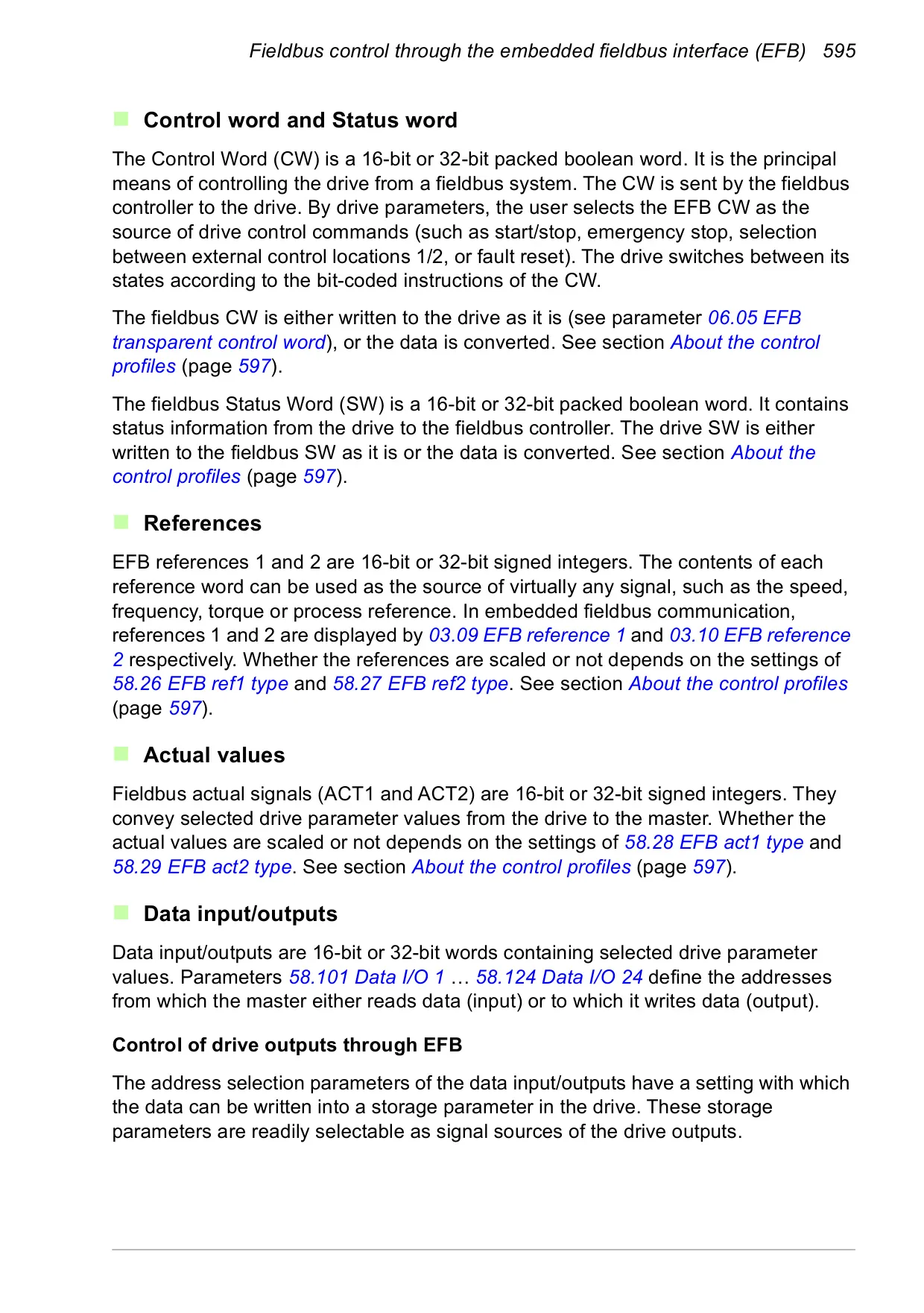
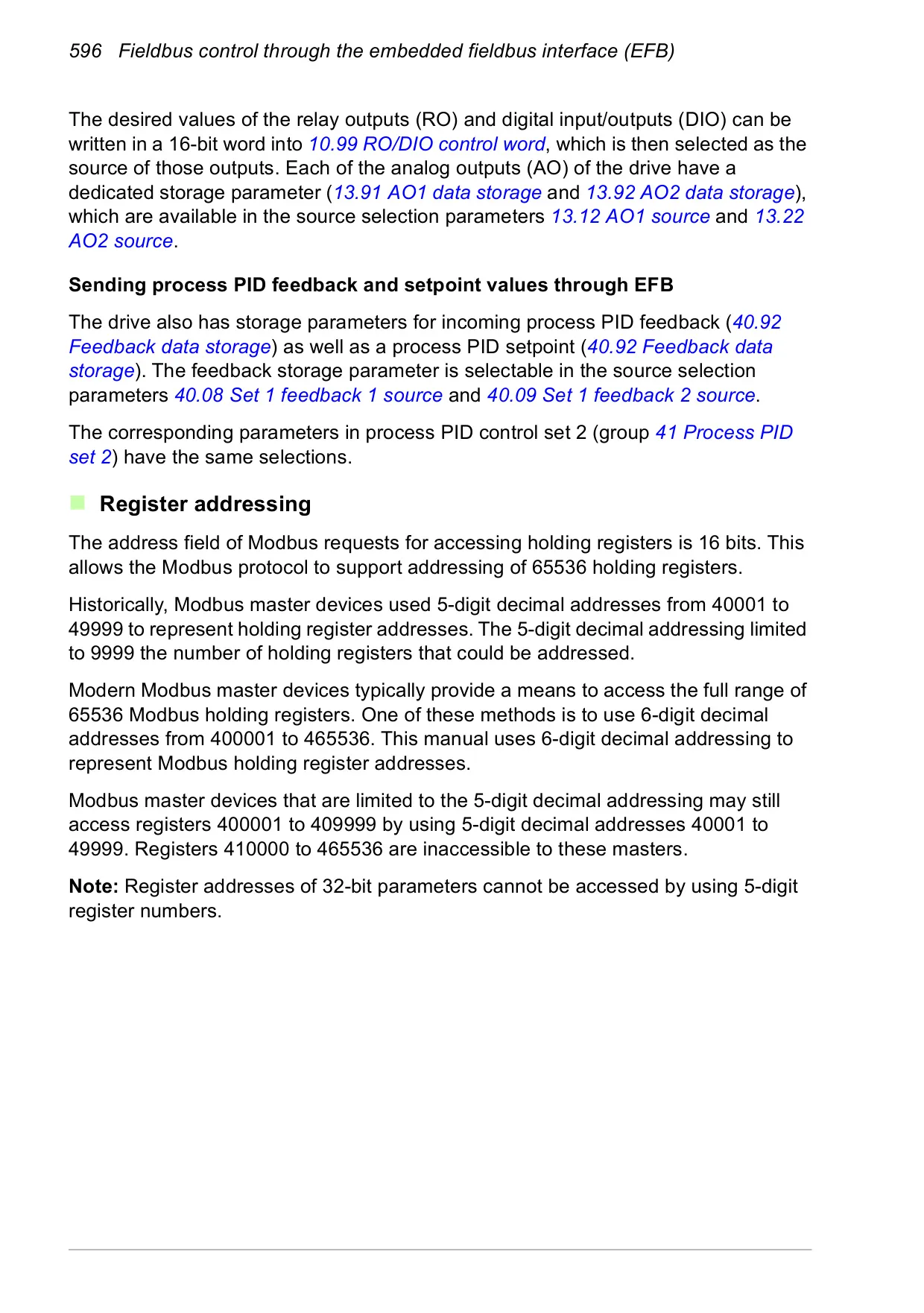
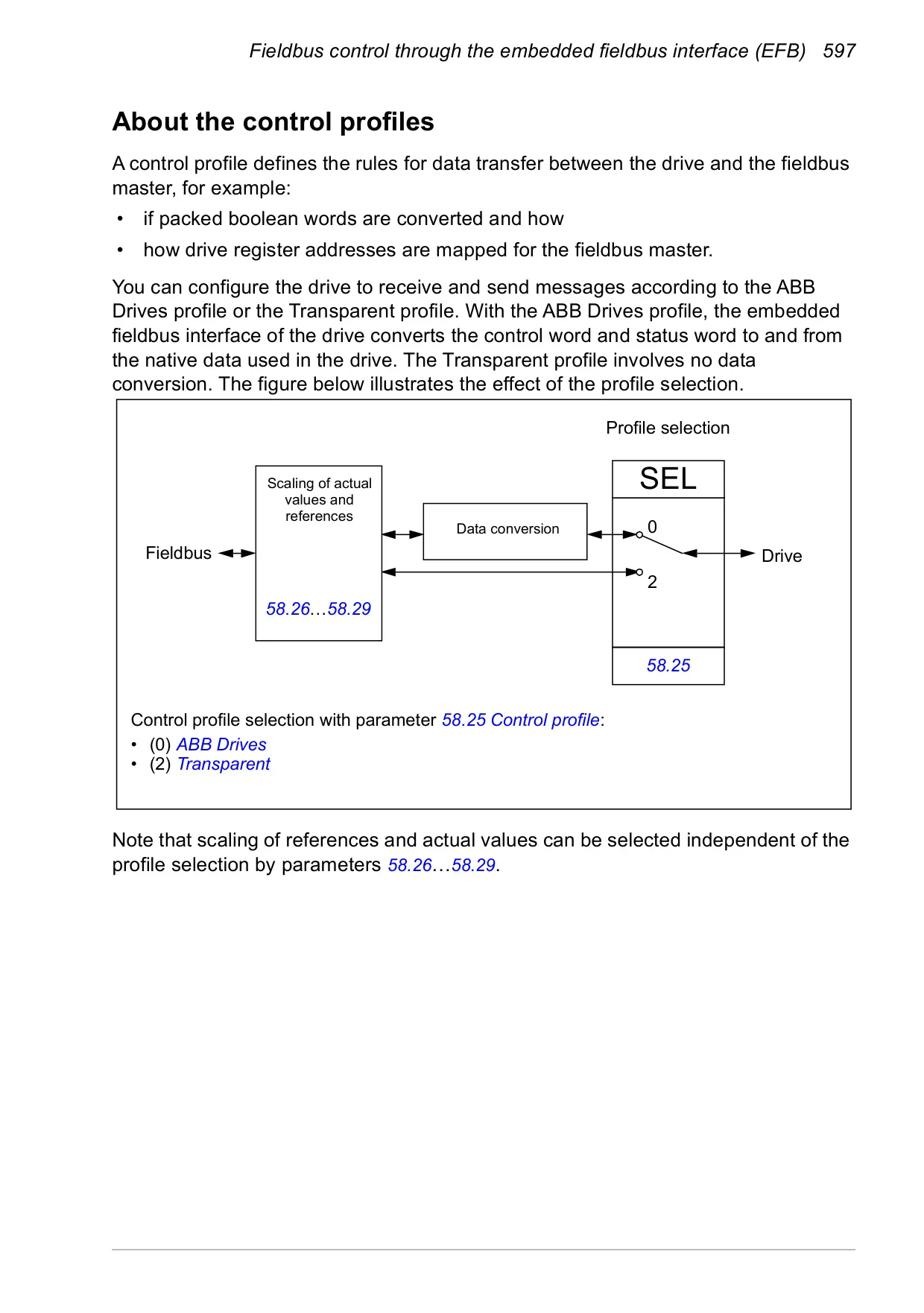
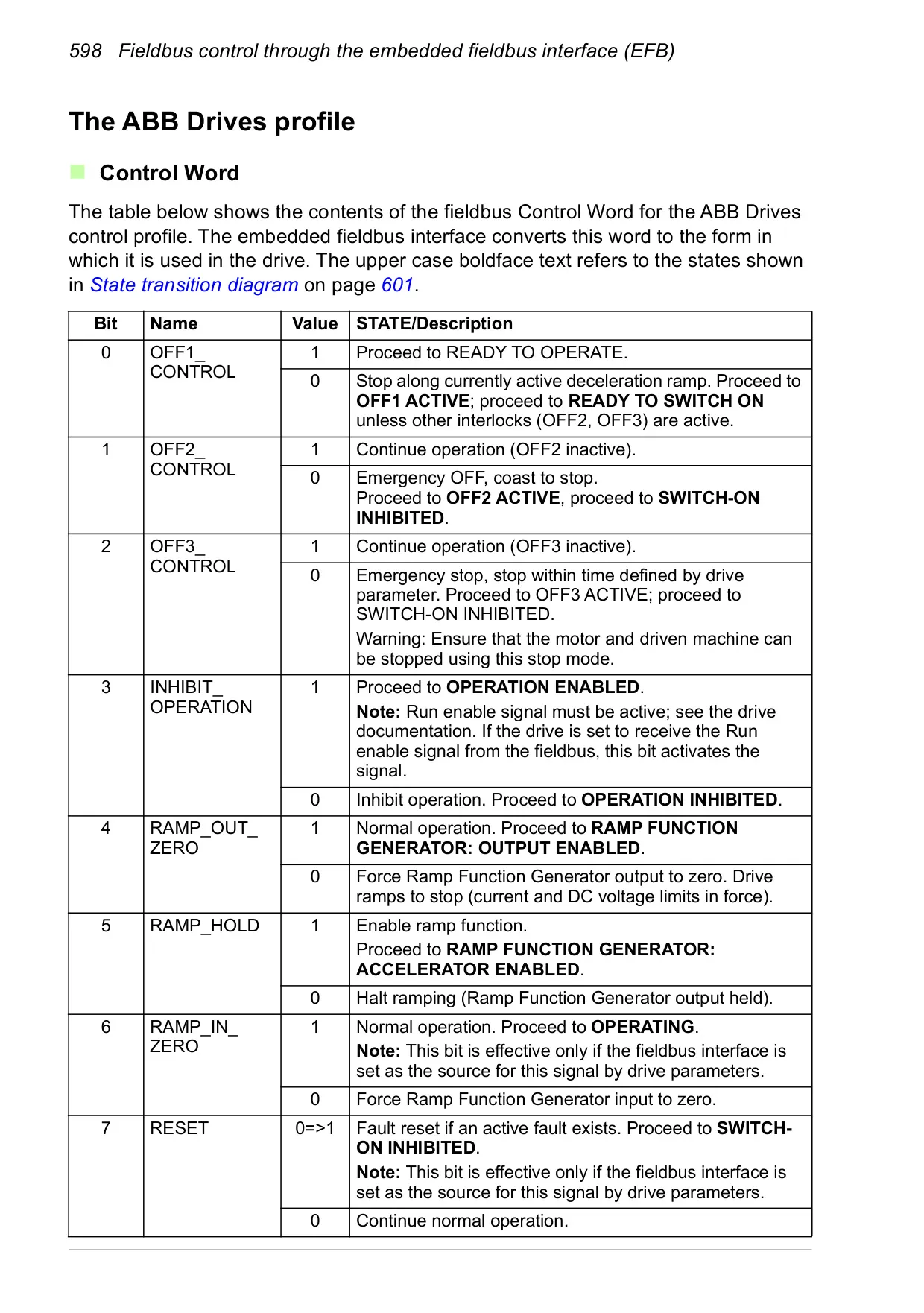
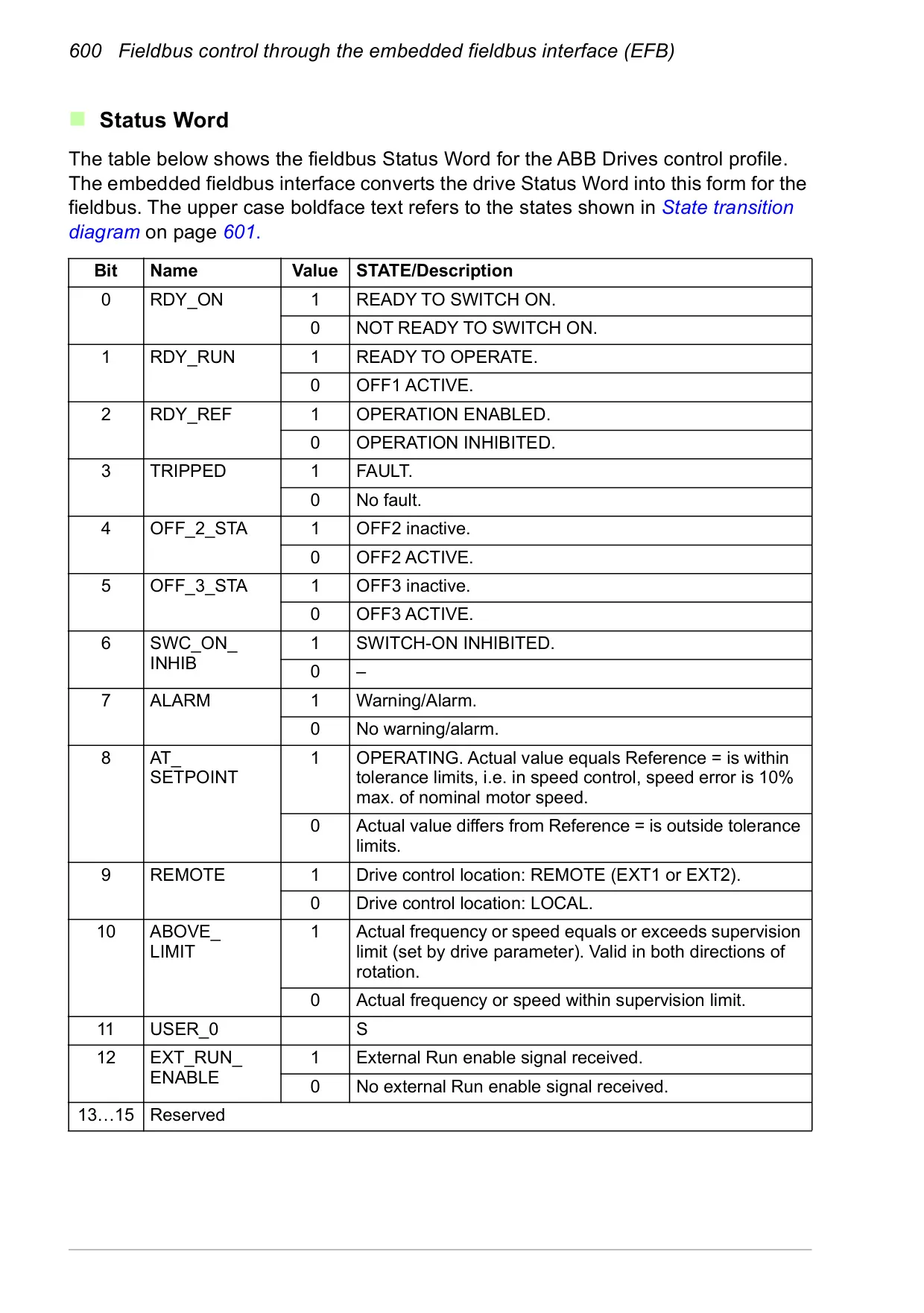
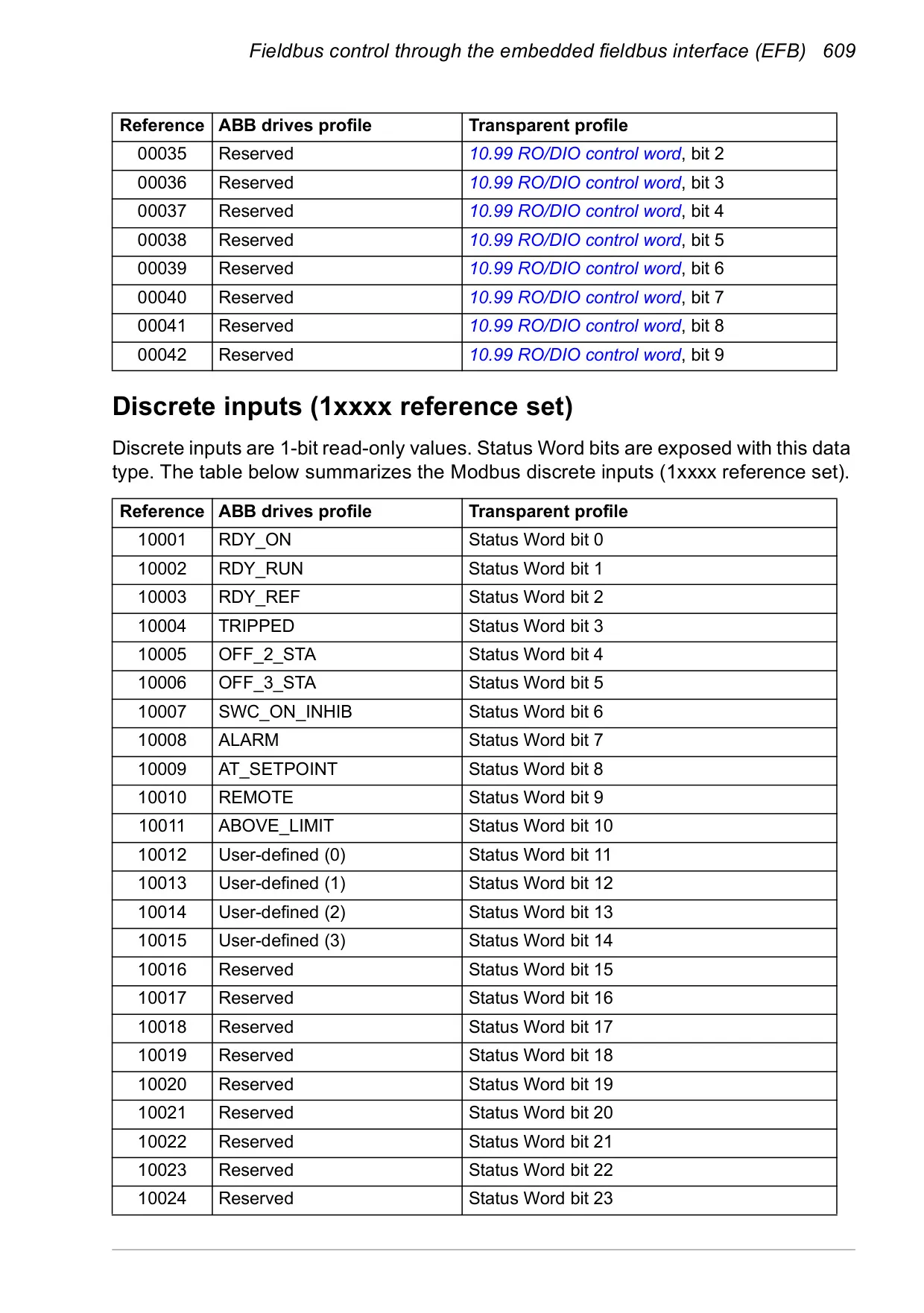
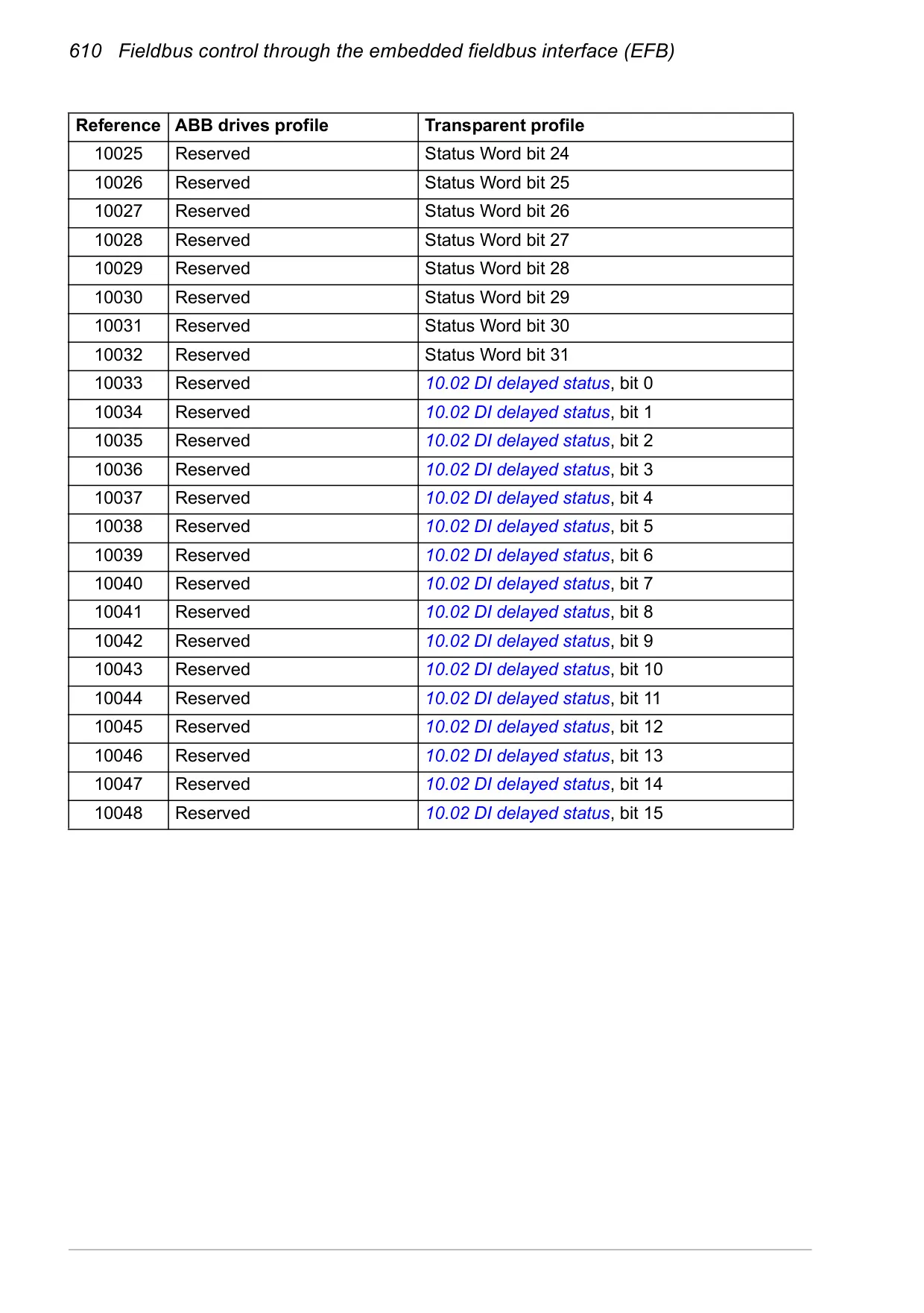
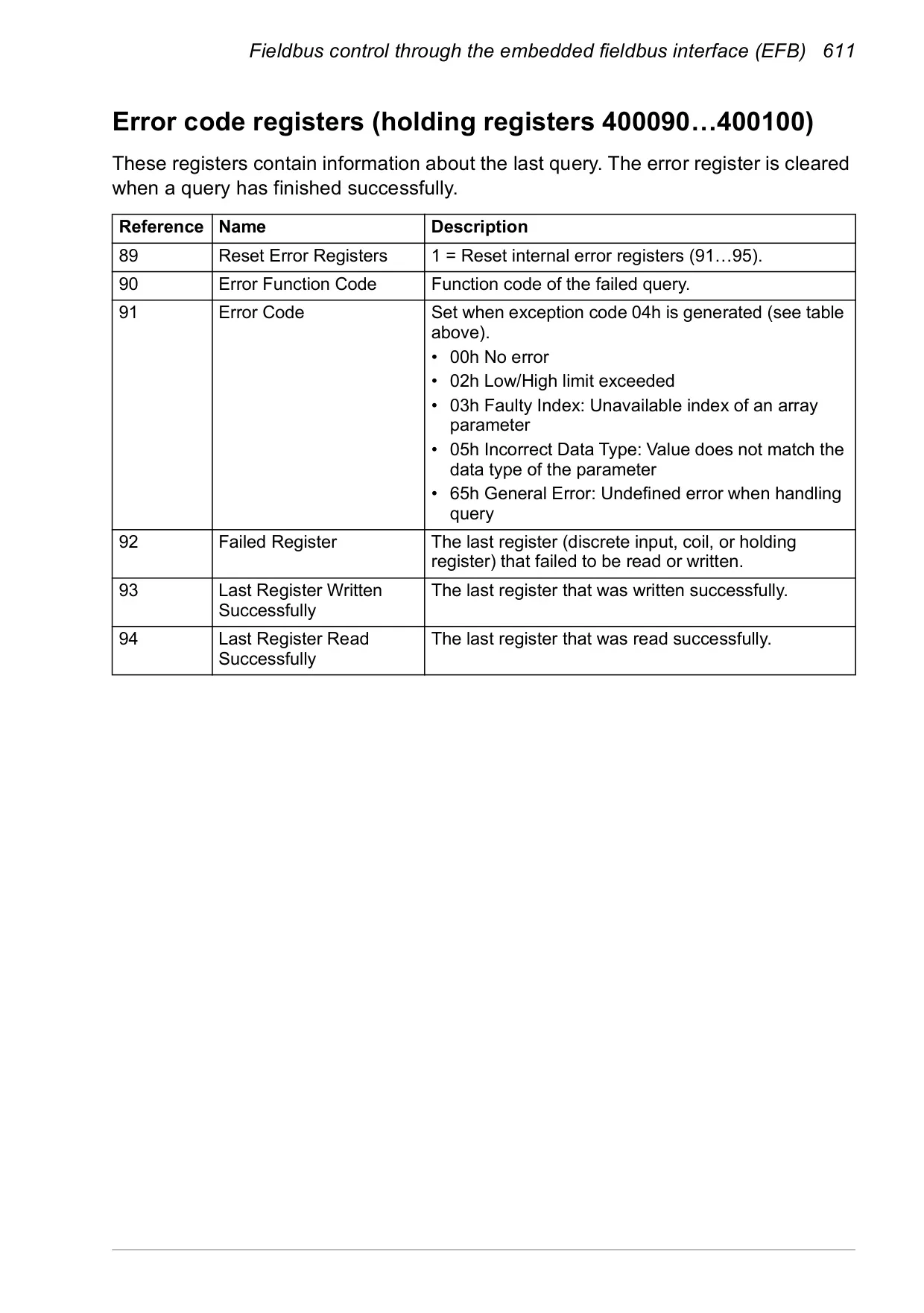
The control unit, primarily the ZCU-12 (with an optional UCU-20), offers a wide array of I/O connections for analog and digital signals, along with fieldbus and PC connectivity. It also supports features like power-loss ride-through, allowing the drive to continue operation during supply voltage interruptions by utilizing the motor's kinetic energy.
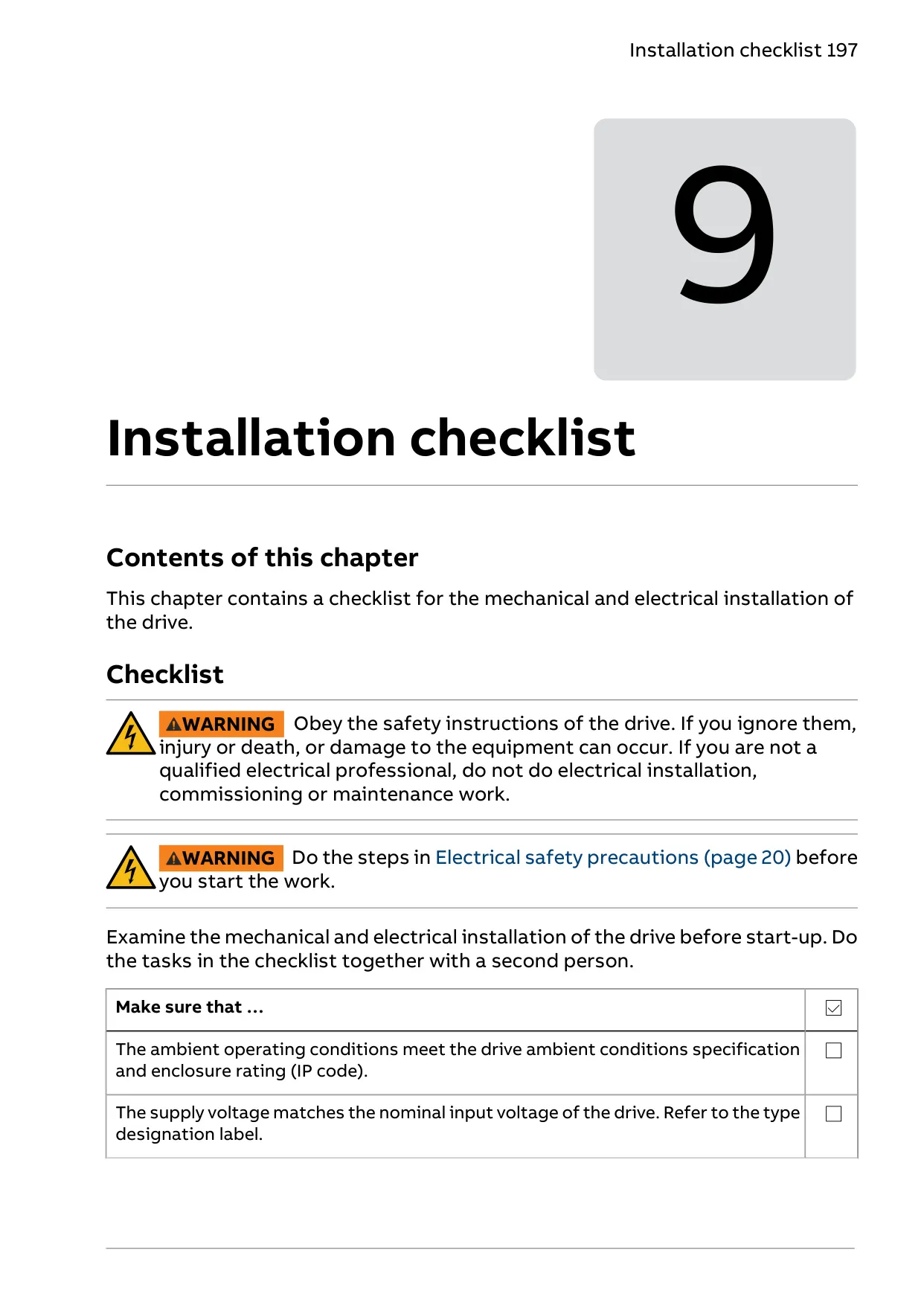
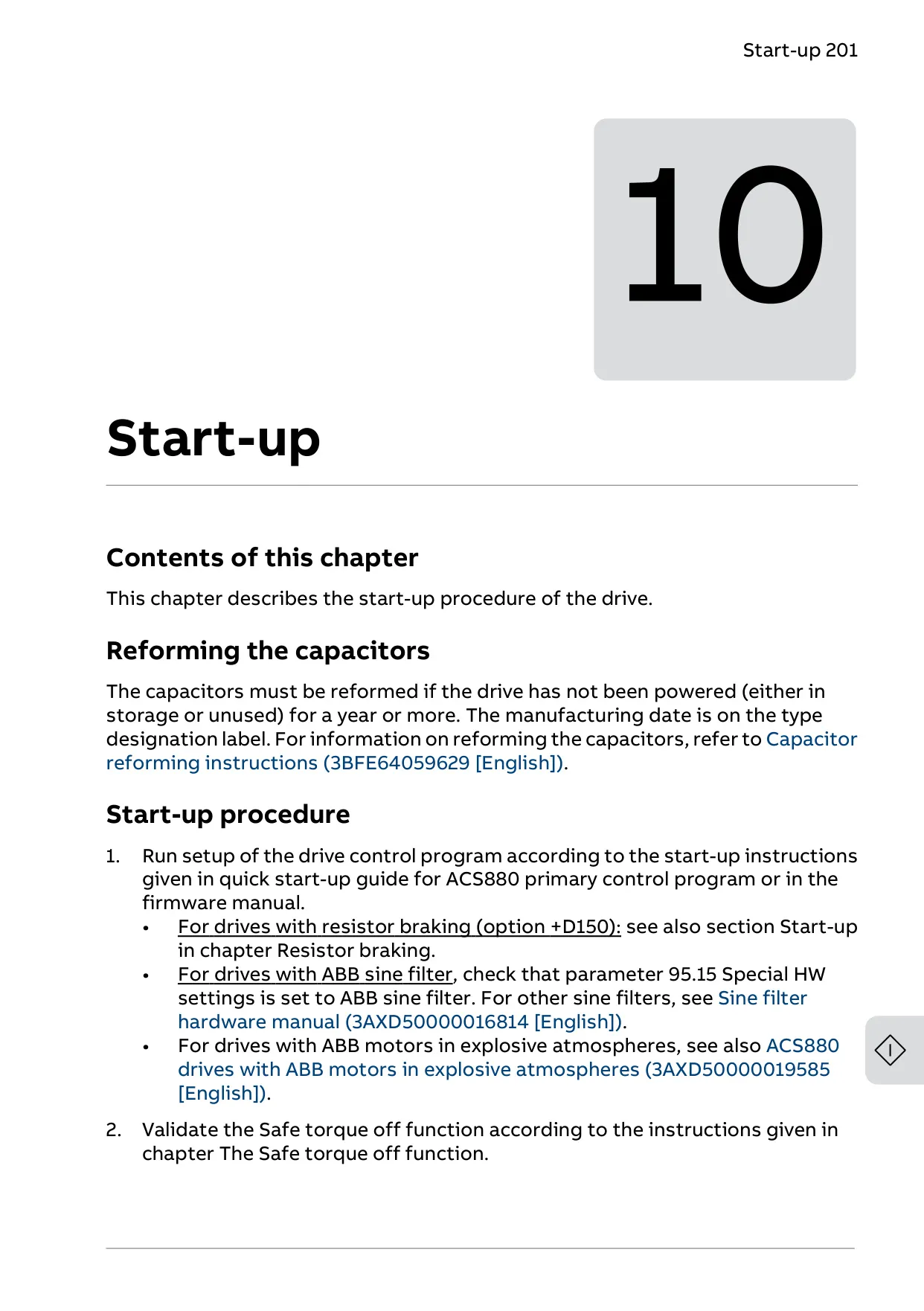
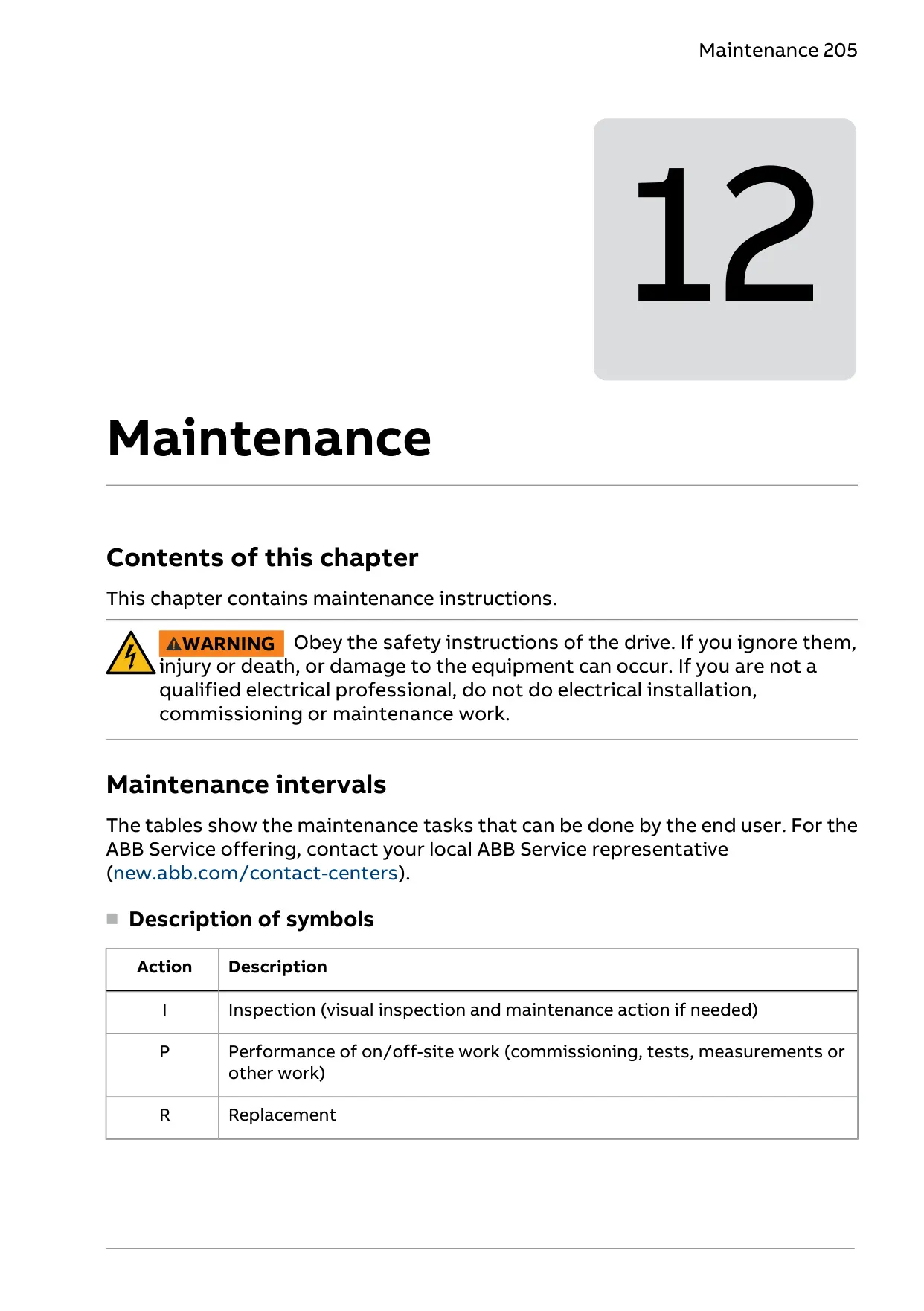
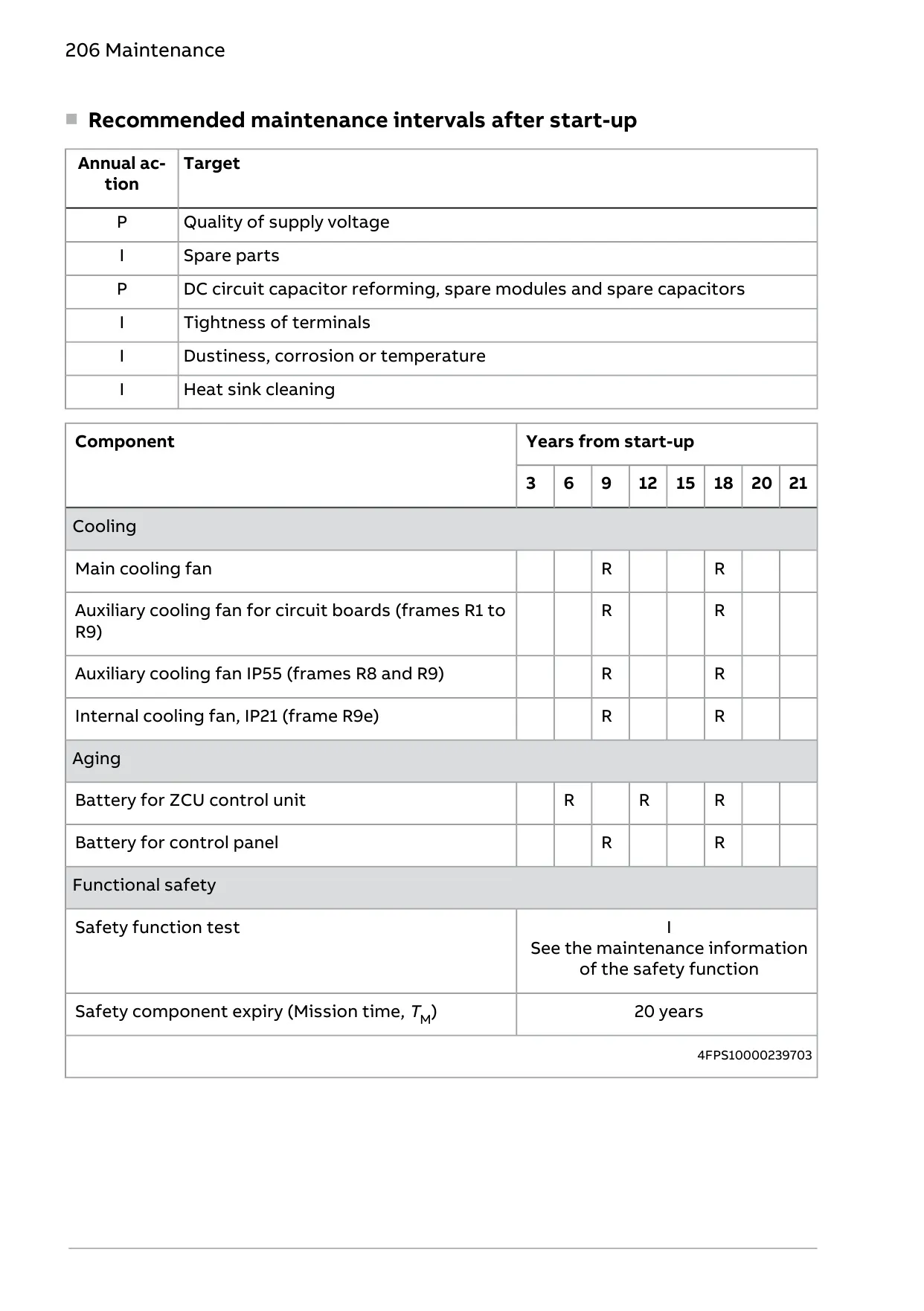
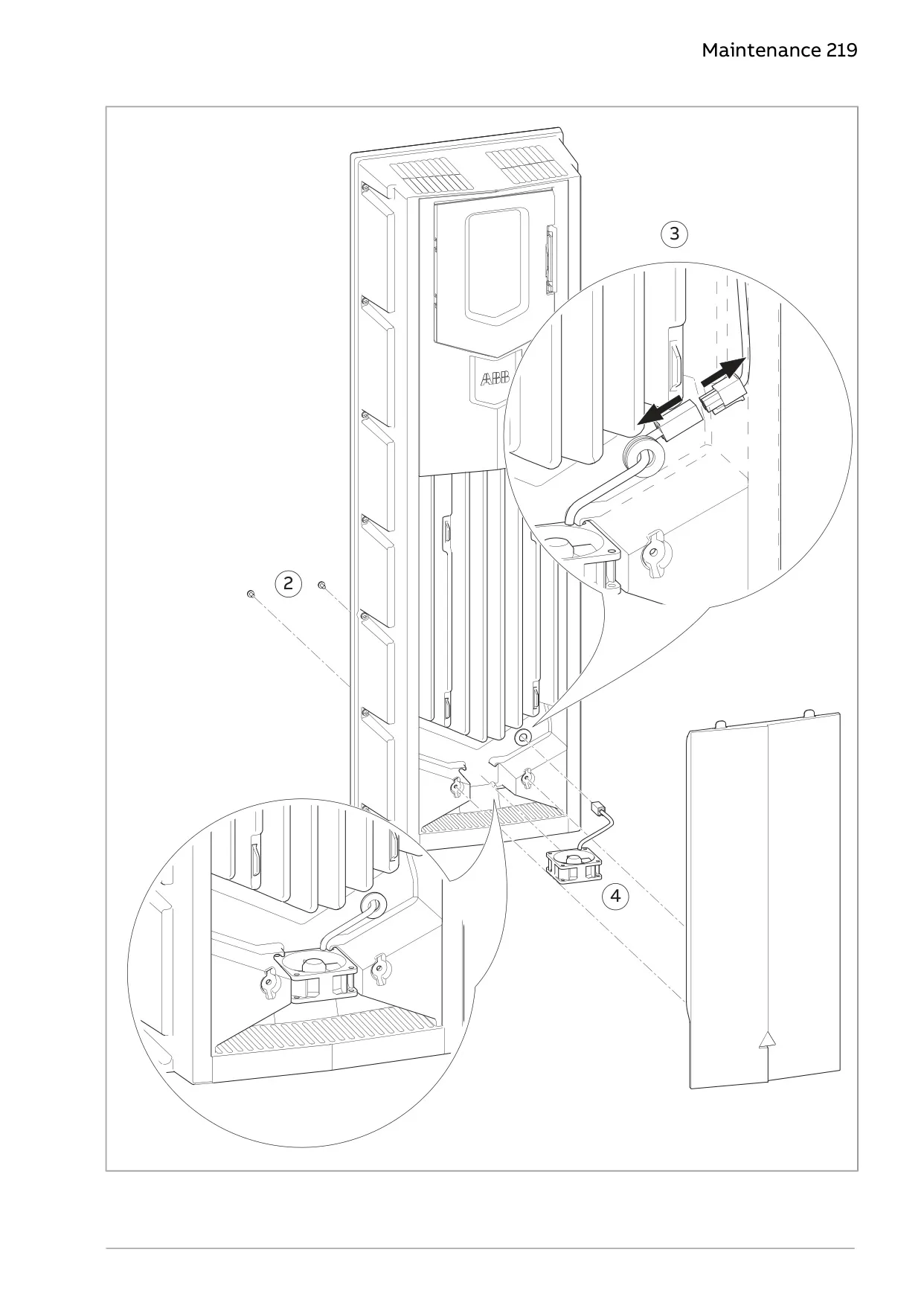
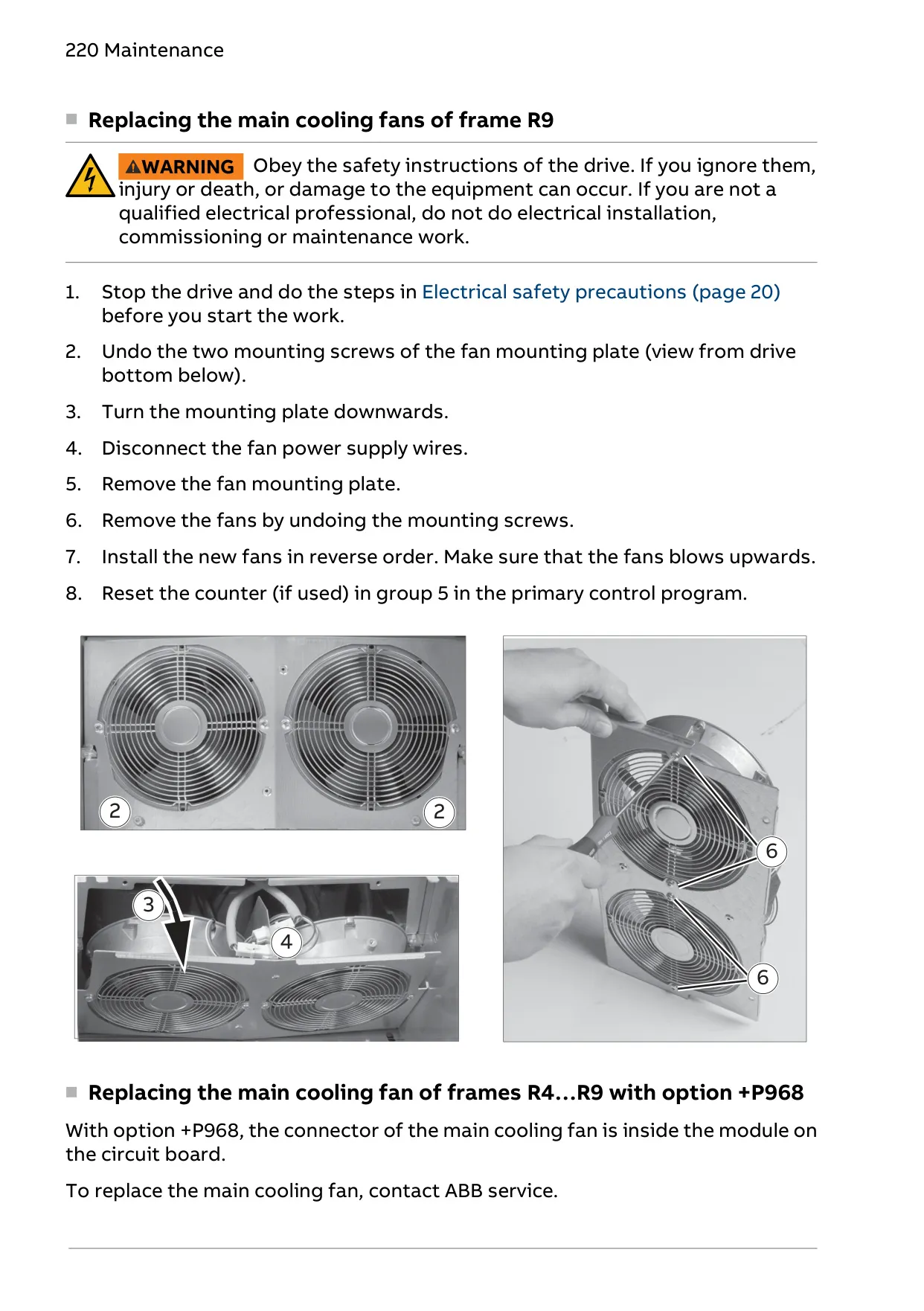
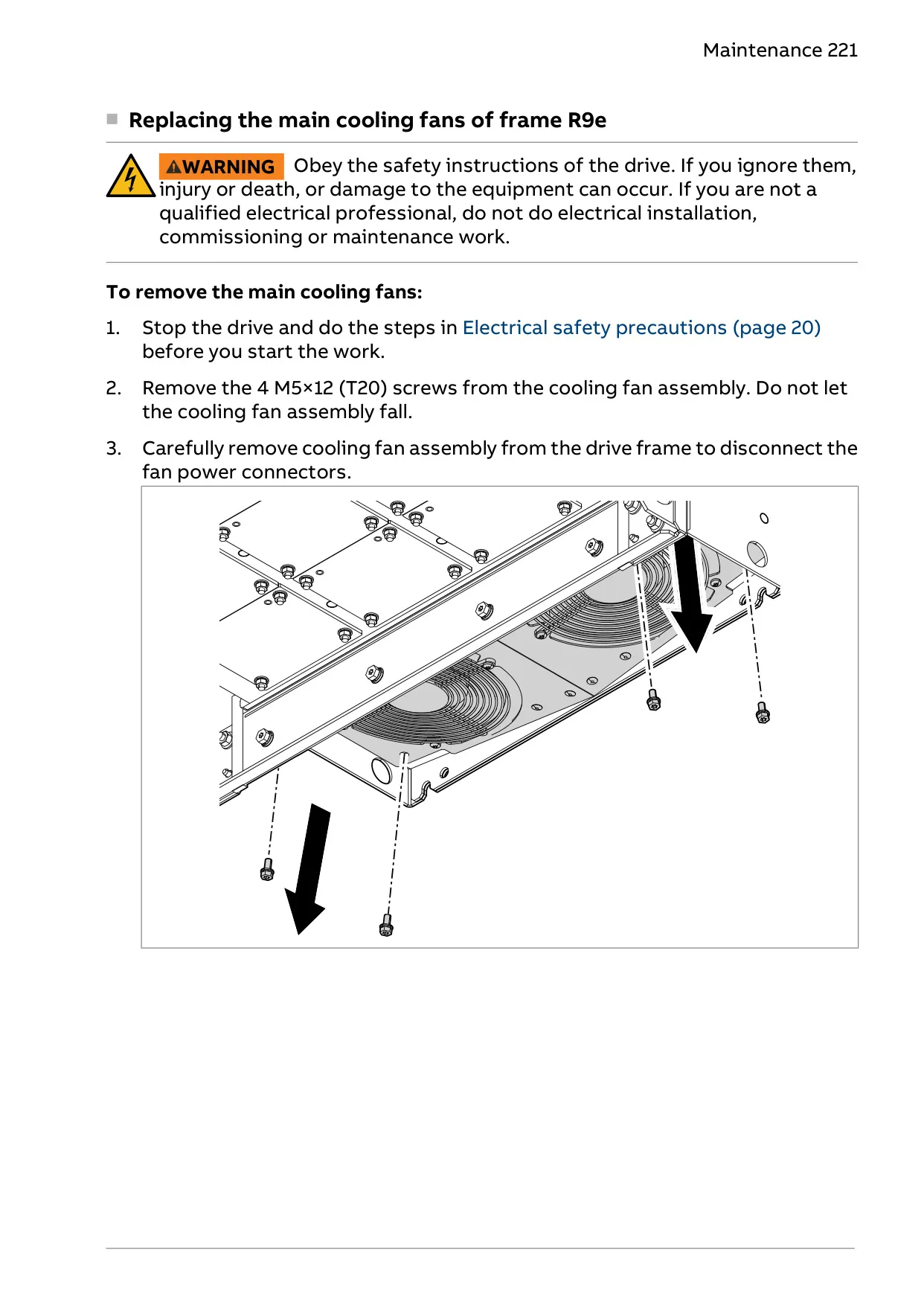
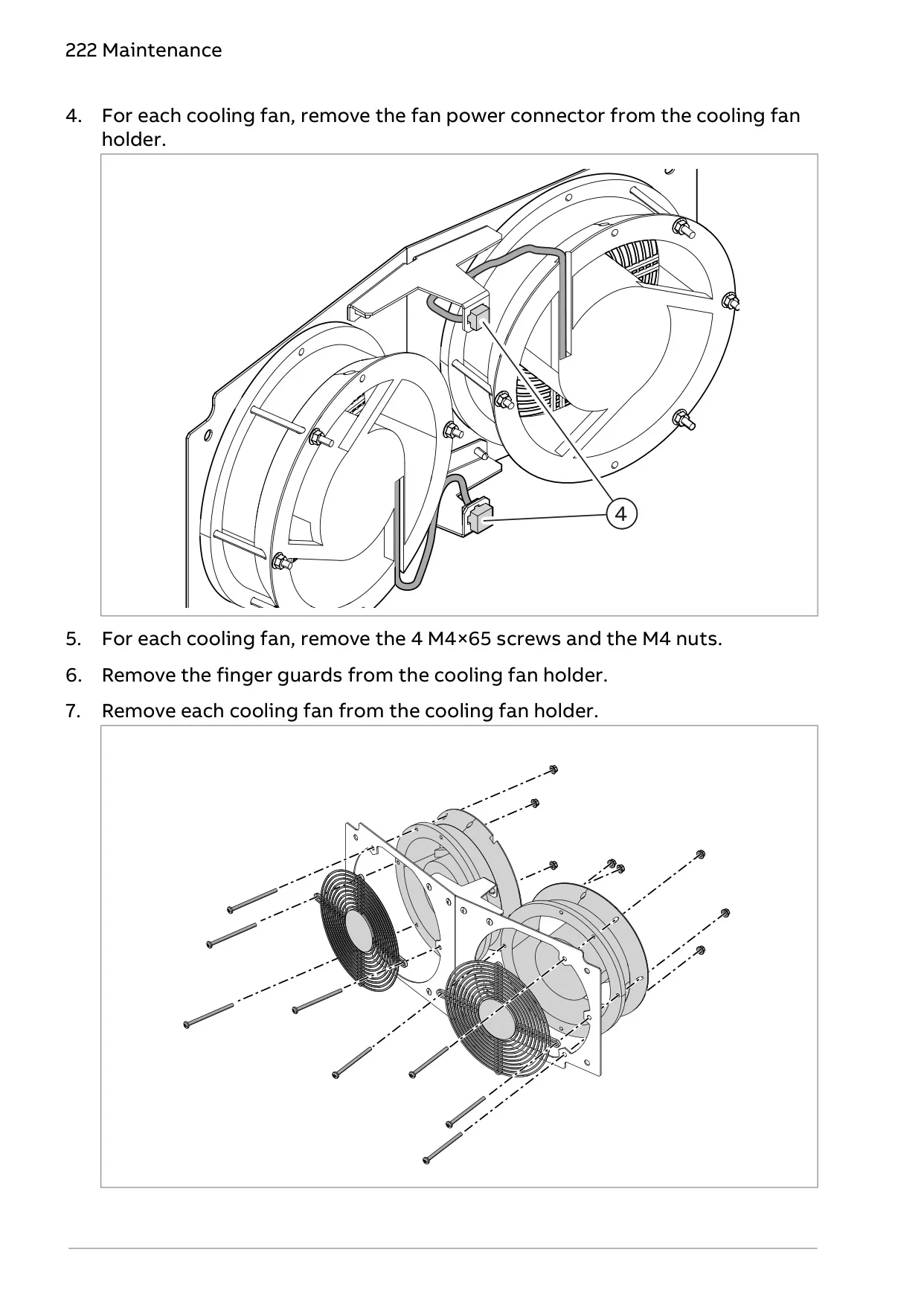
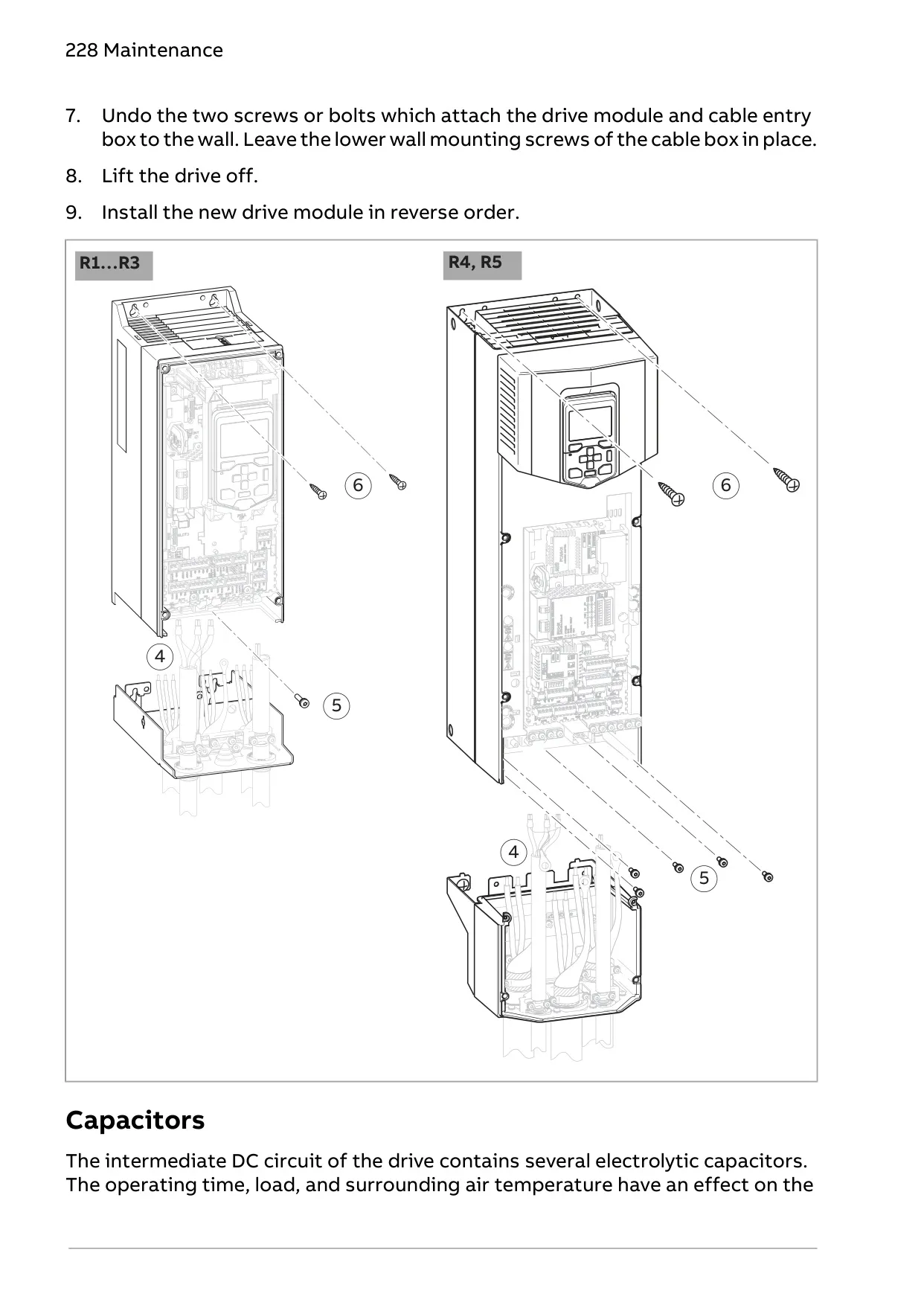
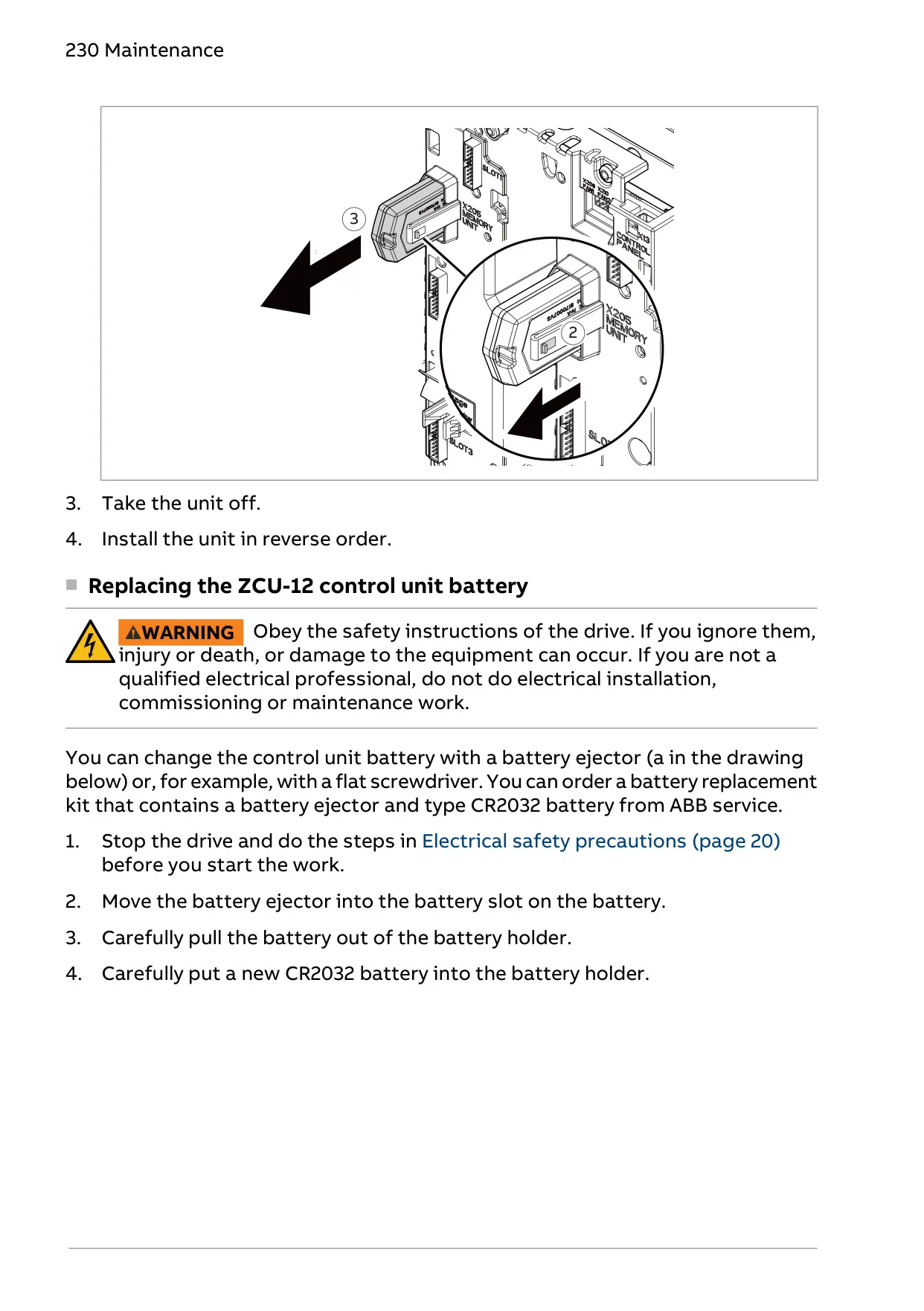
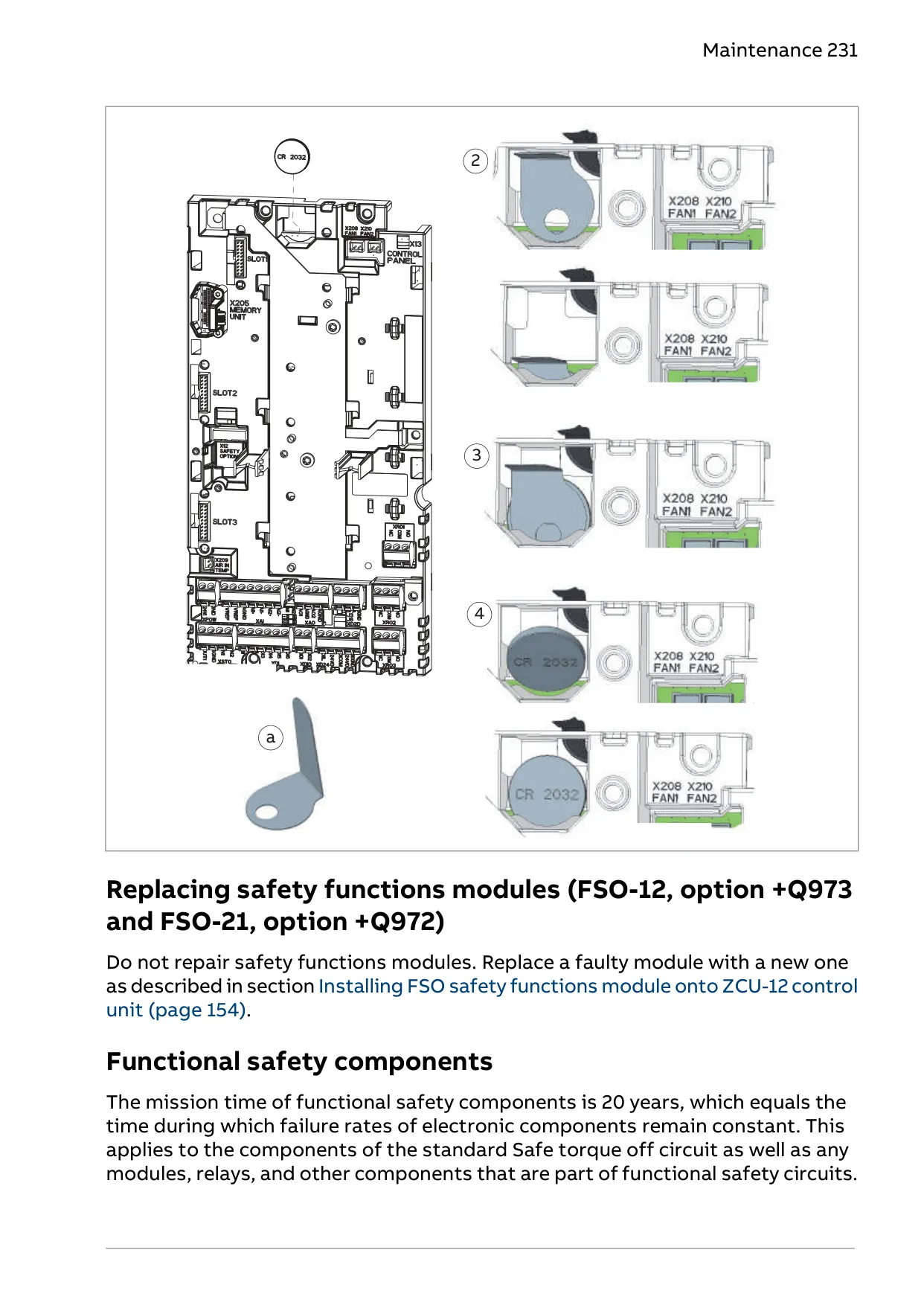
Maintenance schedules include regular inspections, cleaning of exterior and heatsinks, and timely replacement of cooling fans and control unit batteries. The manual also highlights the importance of capacitor reforming for drives that have been in storage or unused for extended periods, crucial for maintaining optimal performance and lifespan.
Frequently Asked Questions (FAQs)
Can't find the answer you need? Here are some frequently asked questions about the ACS880 Variable Frequency Drive, and we answer them below.