
Moog Mother-32 Audio Synthesizer Instruction Manual

Moog Mother-32 Audio Synthesizer

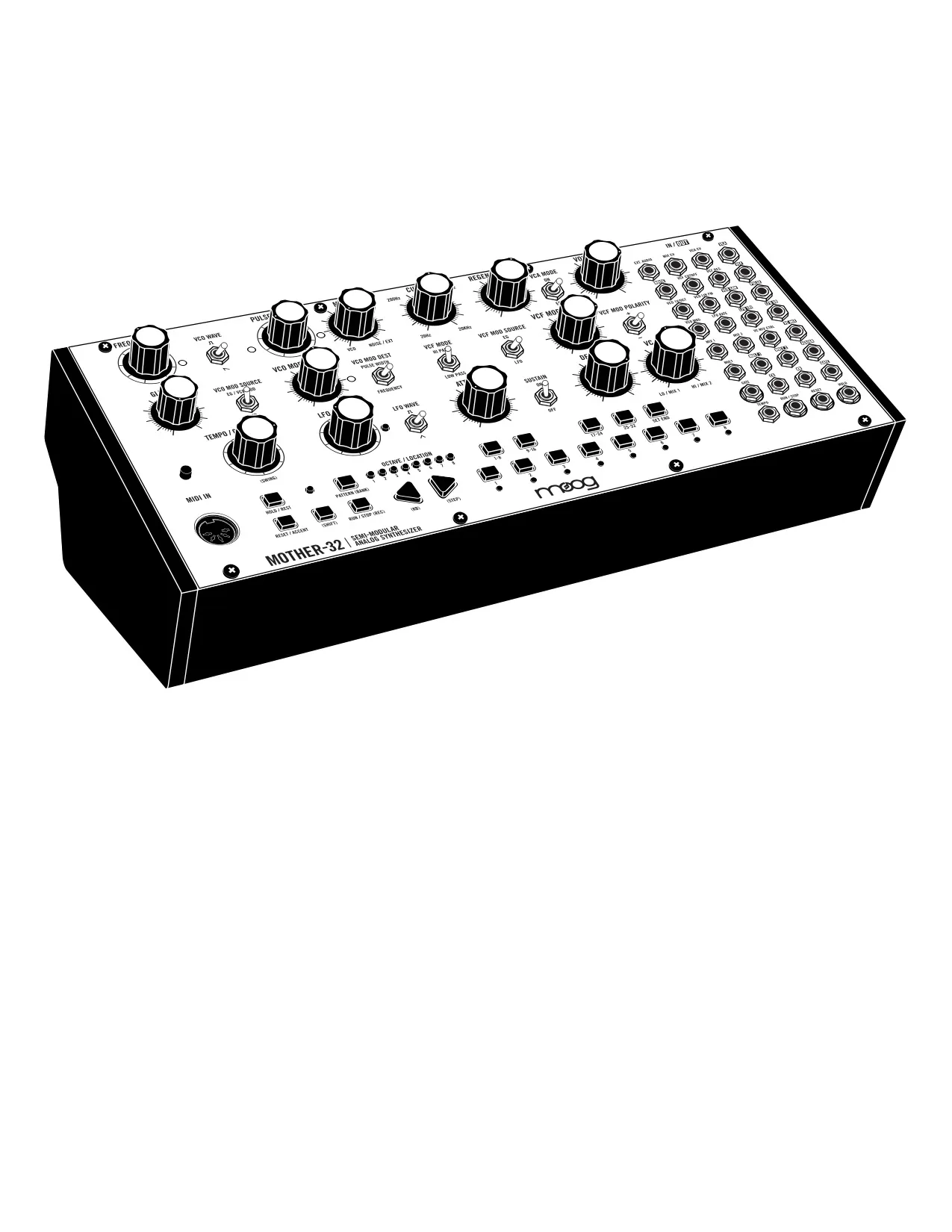


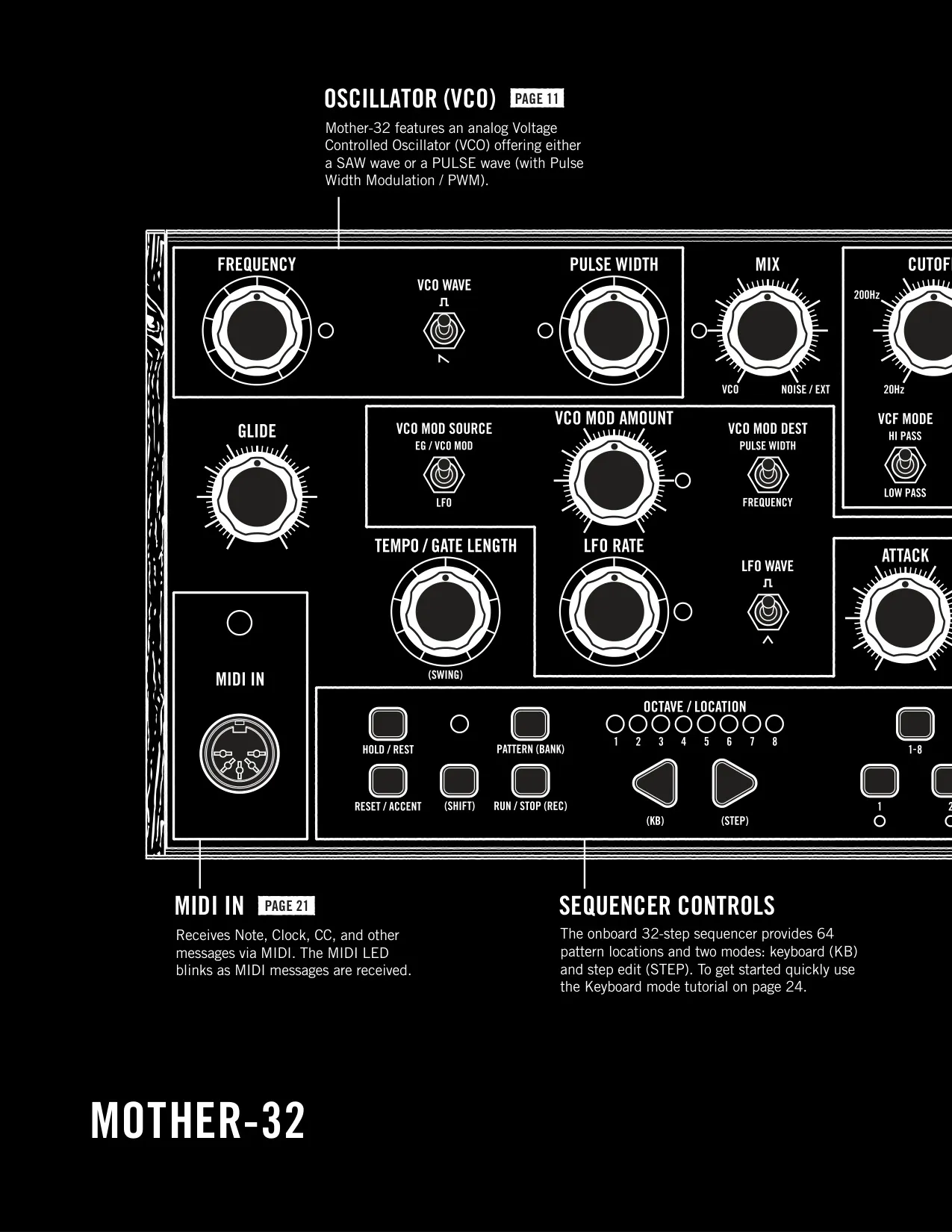


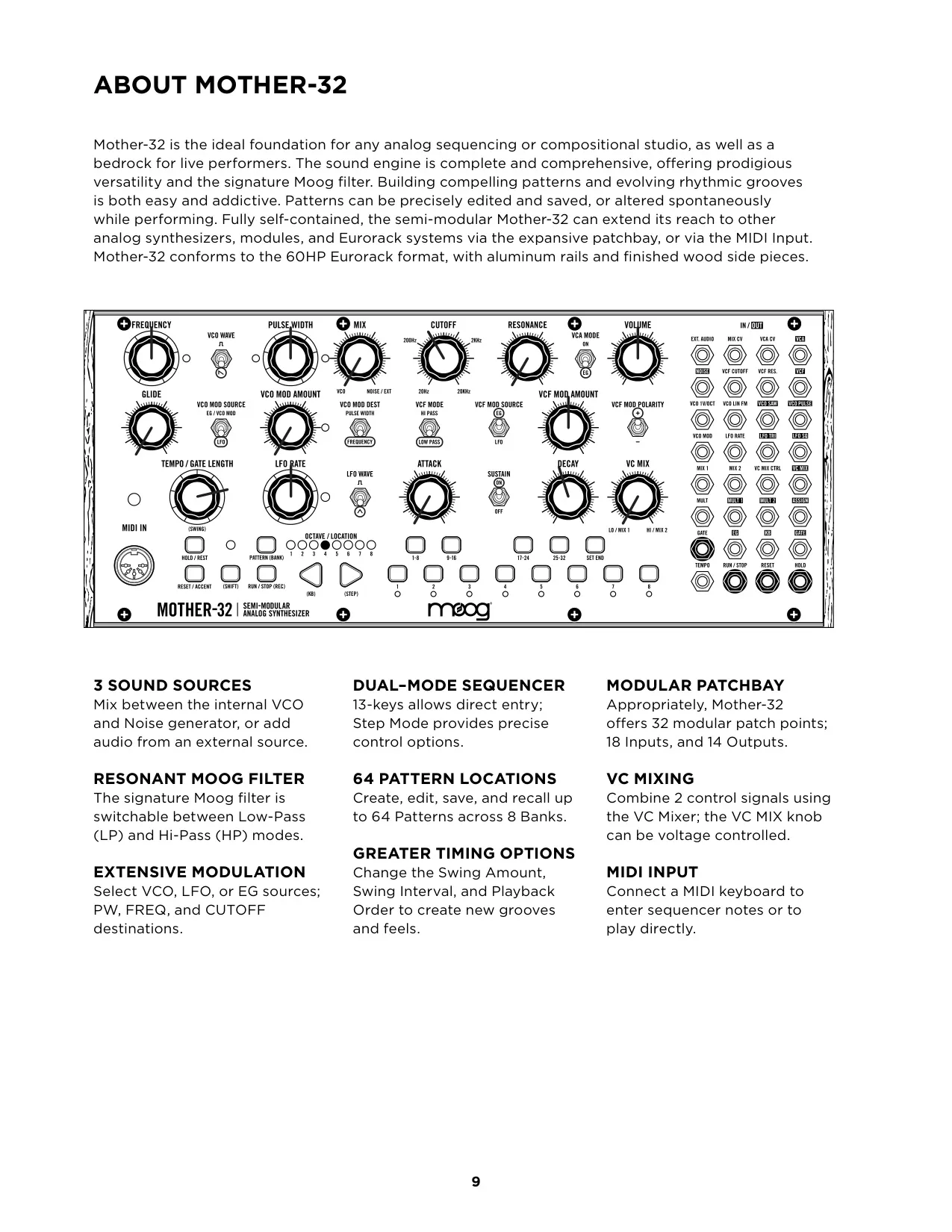






























Moog Mother-32 Synthesizer Instructions
Here we offer the Moog Mother-32 Audio Synthesizer manual completely free and in English. We have cataloged this manual in the Audio Synthesizers section on Manualverse, and it has been rated by 1 users with an average rating of 5. If you have any specific questions about Moog Mother-32 Audio Synthesizer, we suggest checking the Frequently Asked Questions (FAQs) section of this manual.
Product Images

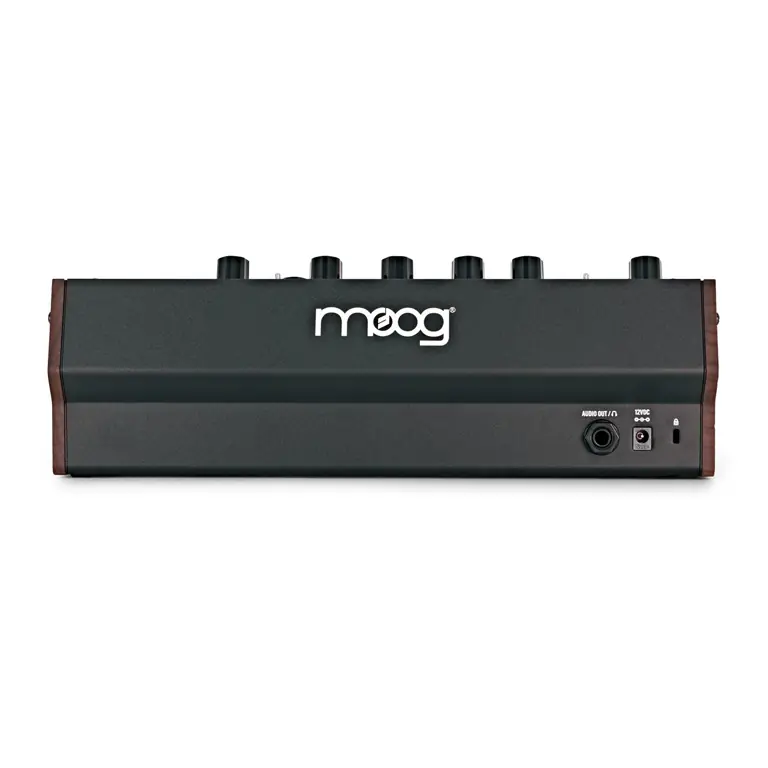


Moog Mother-32 Audio Synthesizer Specifications
| Category | Specification |
|---|---|
| Analog Sound Engine | |
| Polyphony | Monophonic |
| Keys | 13 Momentary Pads |
| Sound Sources | VCO, Noise, External Audio Source |
| Filter | Switchable Lo-Pass / Hi-Pass 4-Pole (-24 dB/Octave) Moog filter |
| Envelope | VCF and / or VCA (Attack, Decay) |
| Modulation Sources | Low Frequency Oscillator (LFO), Envelope Generator (EG), External |
| Analog Sequencer | |
| Patterns | 8 Banks of 8 Patterns (64 total) |
| Steps | 32 Steps per Pattern |
| Clock Source | Internal, External, MIDI |
| Swing | Swing Amount; Swing Interval |
| Playback Order | Forward, Reverse, Pendulum, Random |
| Patchbay | |
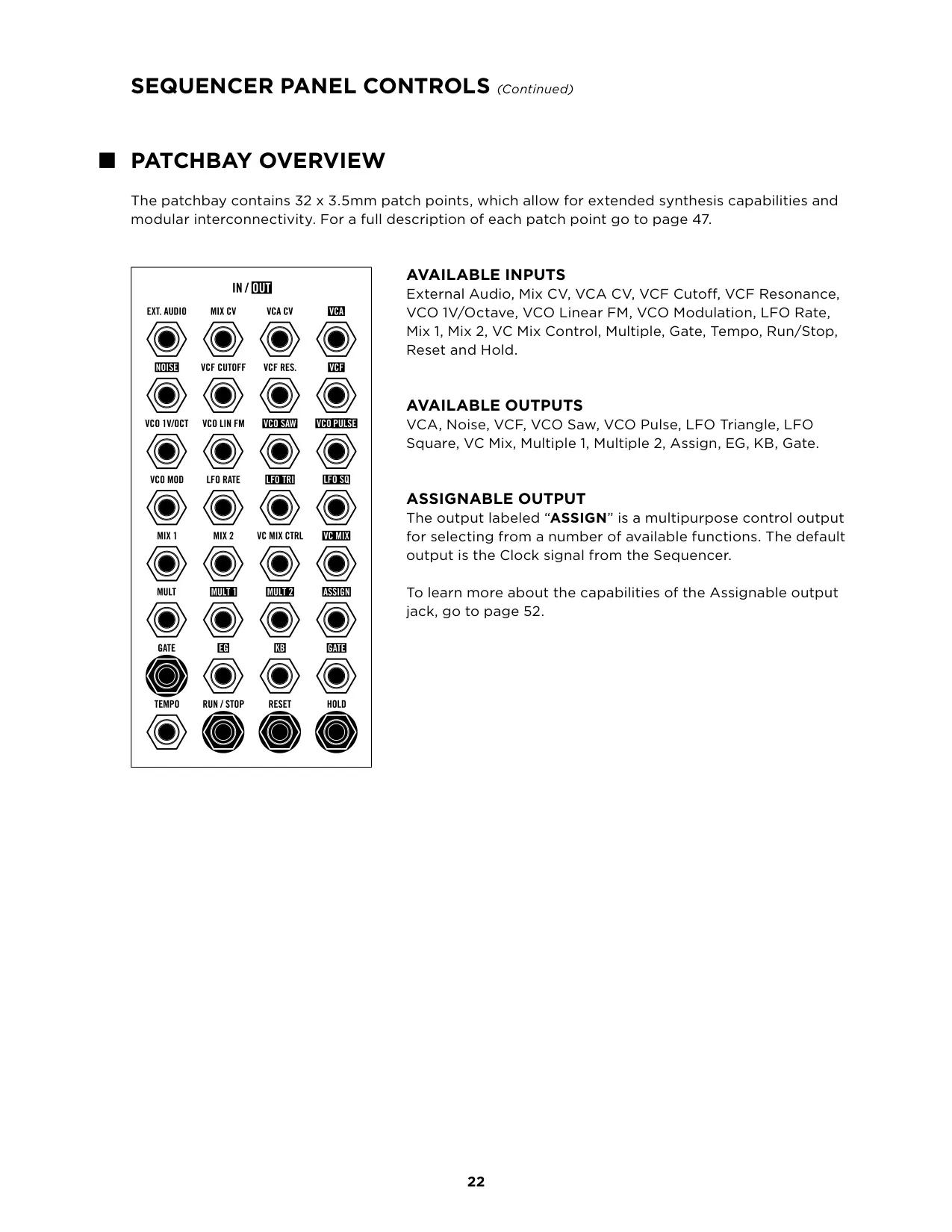
| Jacks | 32 x 3.5mm |
| Inputs | 18 Input Jacks |
| Outputs | 14 Output Jacks |
| Special Features | Mult Jacks, VC Mixing |
| MIDI | |
| Input | Din Jack |
| Data Supported | Note, Clock, CC, etc. |
| Indicator | Data Present LED |
| Rear Panel | |
| Audio Output | 1⁄4” TS Instrument / Headphone Jack |
| Power Connection | Power Supply barrel jack |
| Security | Kensington Lock slot |
| Dimensions | |
| Size (W x D x H) | 12.57” x 4.21” (including knob elevation) x 5.24” (31.93 x 10.69 x 13.3 cm) |
| Weight | 3.5 lbs (1.58 kg) |
| Power Supply (Included) | |
| Style | Wall adapter; barrel connection; center-pin positive |
| Input | 100 – 240VAC; 50 Hz – 60 Hz |
| Output | +12VDC; 1000mA |
| Power Consumption | |
| Typical | 2.8 Watts |
| Eurorack Specifications | |
| Current Draw | 230mA (maximum) from +12VDC (10-pin header) |
| Mounting Dimensions | 60HP (1”/26mm Module Depth) |
Moog Mother-32 Audio Synthesizer Details
The Moog Mother-32 is a comprehensive semi-modular analog synthesizer, meticulously designed for both studio production and live performance. Its sound engine is fully self-contained, capable of generating rich tones independently, yet it boasts an expansive patchbay for extensive modular connectivity. This versatility makes it an ideal foundation for any analog sequencing or compositional setup, seamlessly integrating with other analog synths, modules, and Eurorack systems.
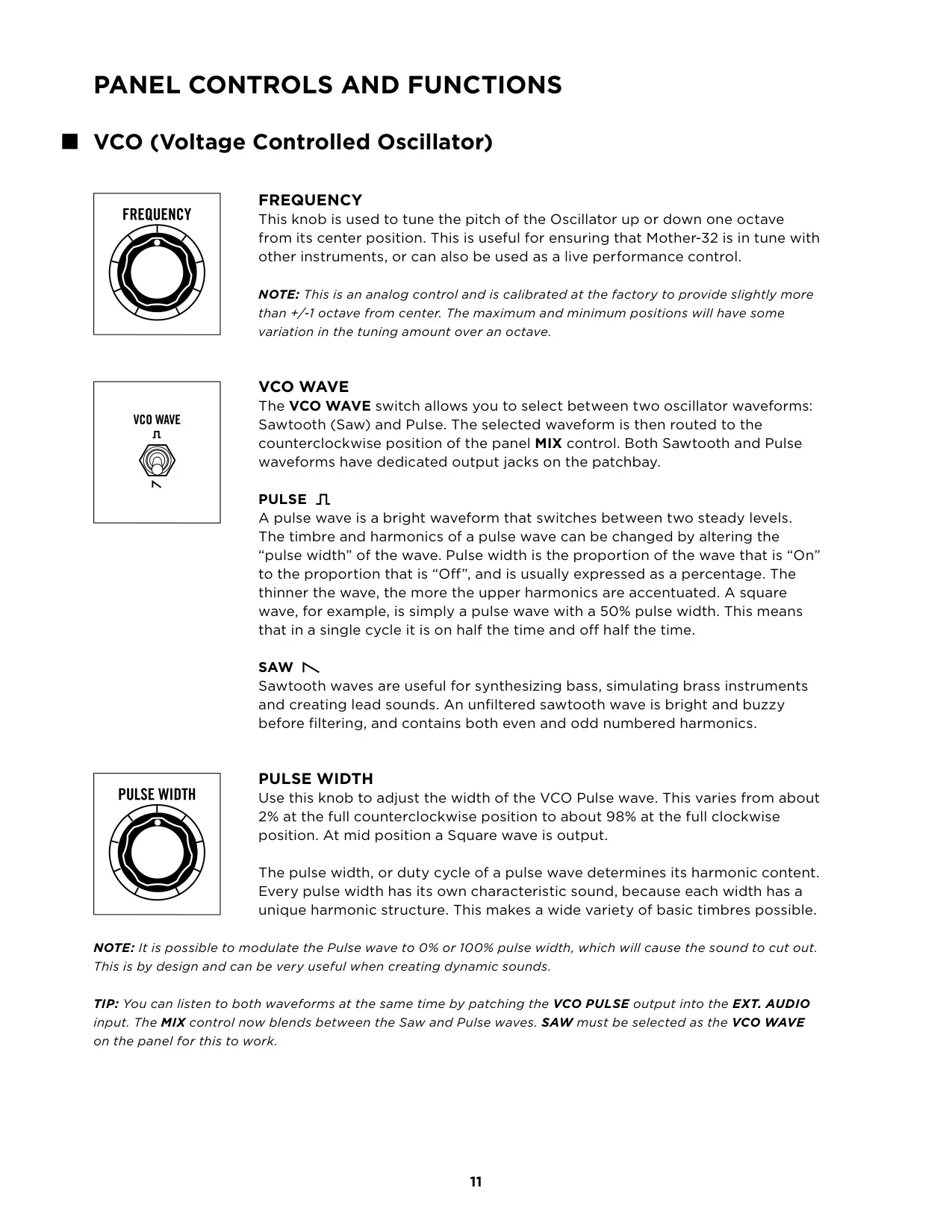
Central to its sonic capabilities is the analog Voltage Controlled Oscillator (VCO), offering a choice between bright Sawtooth and rich Pulse waveforms. The Pulse wave features Pulse Width Modulation (PWM), adjustable via a dedicated knob, allowing for a wide variety of timbres. The VCO also includes a Frequency knob for precise octave tuning, crucial for aligning with other instruments or for dynamic live performance.
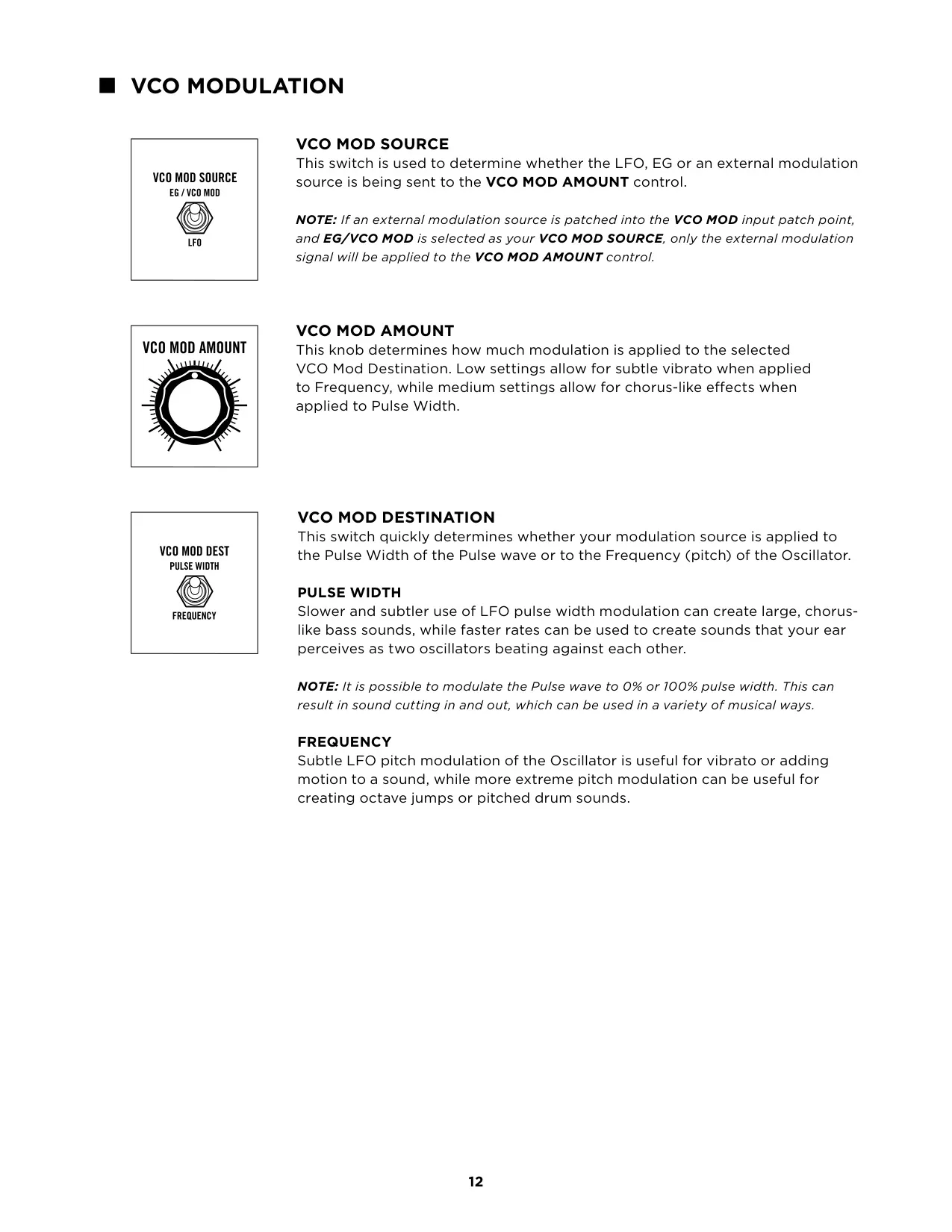
Modulation sources abound, including a flexible Low Frequency Oscillator (LFO) that generates repeating Square and Triangle waveforms. This LFO is capable of operating from sub-audio rates (0.1Hz) up to audio rates (350Hz, or 600Hz with external CV), enabling everything from subtle vibrato and filter sweeps to complex FM sounds and chorus-like effects. Both LFO waveforms have dedicated output jacks on the patchbay for external patching.
The Mother-32 features the iconic Moog Ladder Filter, a 24dB/Octave Voltage Controlled Filter (VCF). This versatile filter can be switched between classic Low-Pass and sharp Hi-Pass modes, shaping sounds from dark and thick to bright and cutting. Its Resonance control can be pushed to self-oscillation, transforming the filter into an additional sine wave sound source, expanding the synthesis possibilities significantly.
Dynamic sound shaping is further provided by the Envelope Generator (EG), an Attack-Decay envelope that adds motion to sounds. The EG features a Sustain switch for controlling note duration: "ON" allows for legato phrasing, while "OFF" retriggers the envelope with each new note. This enables a wide range of expressive capabilities, from punchy staccato notes to slow, evolving swells.
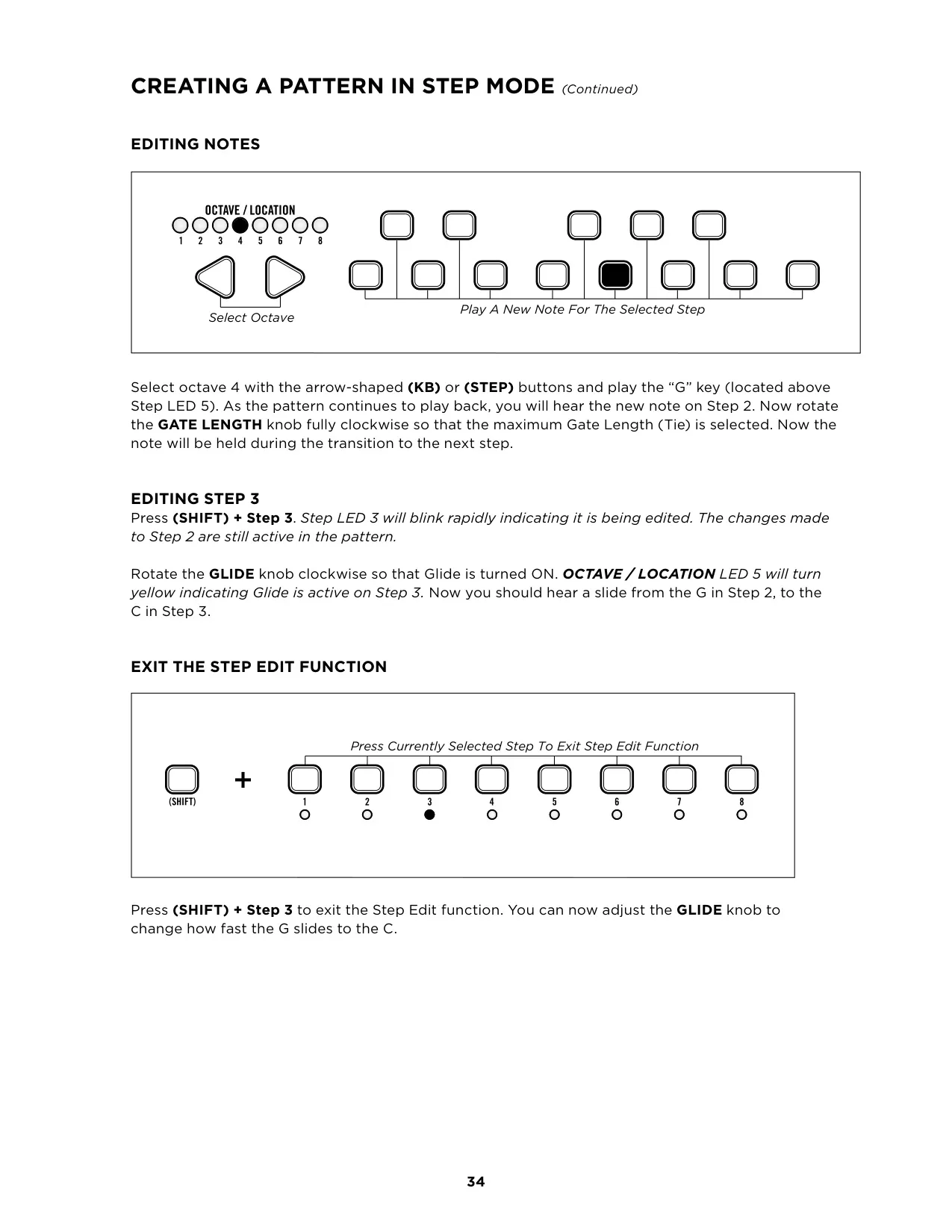
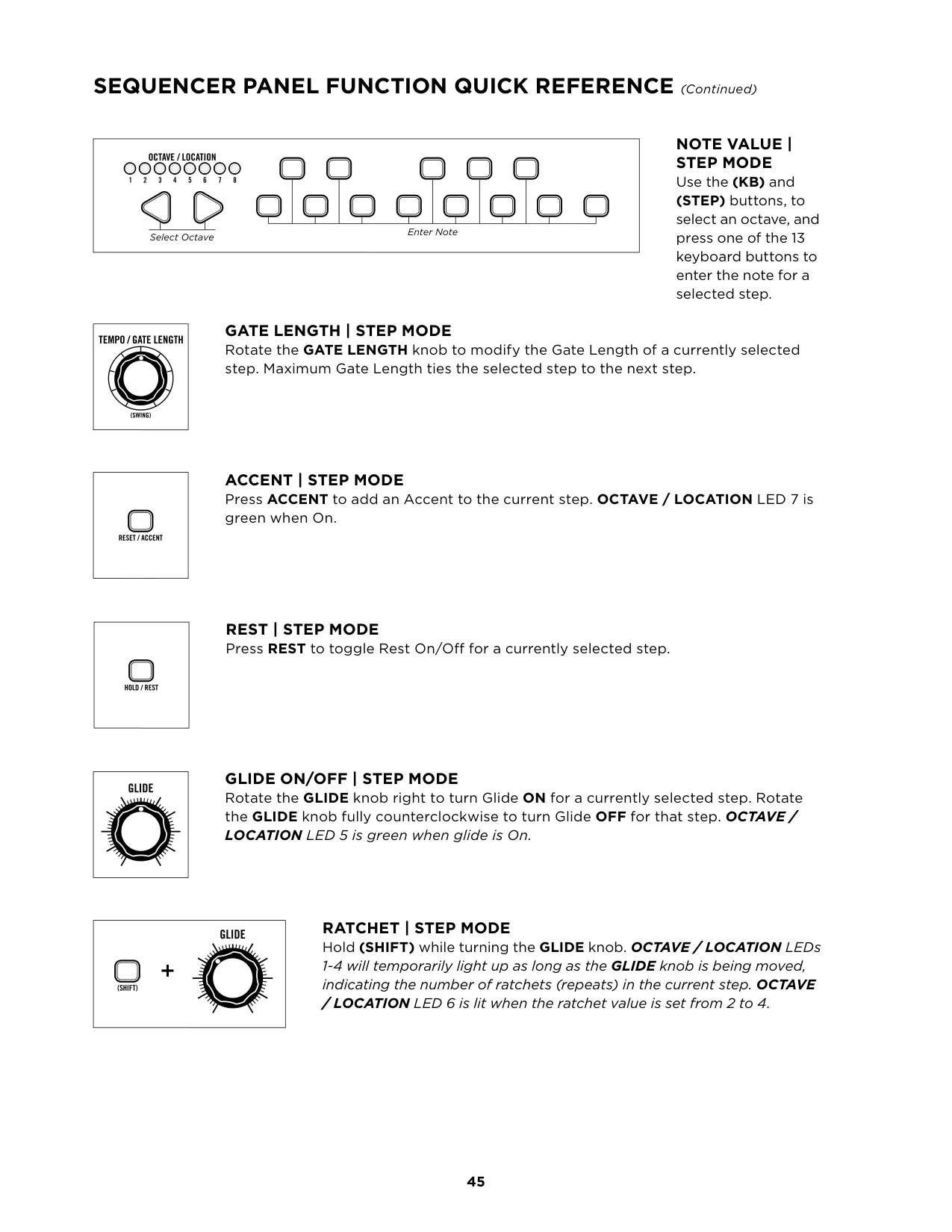
The onboard 13-note keyboard is more than just a musical input; it serves multiple functions including direct play, note entry for the sequencer, and octave selection. It also integrates seamlessly with the Glide (portamento) function, allowing for smooth, transitional pitch changes between notes, enhancing melodic fluidity and expressive playing.
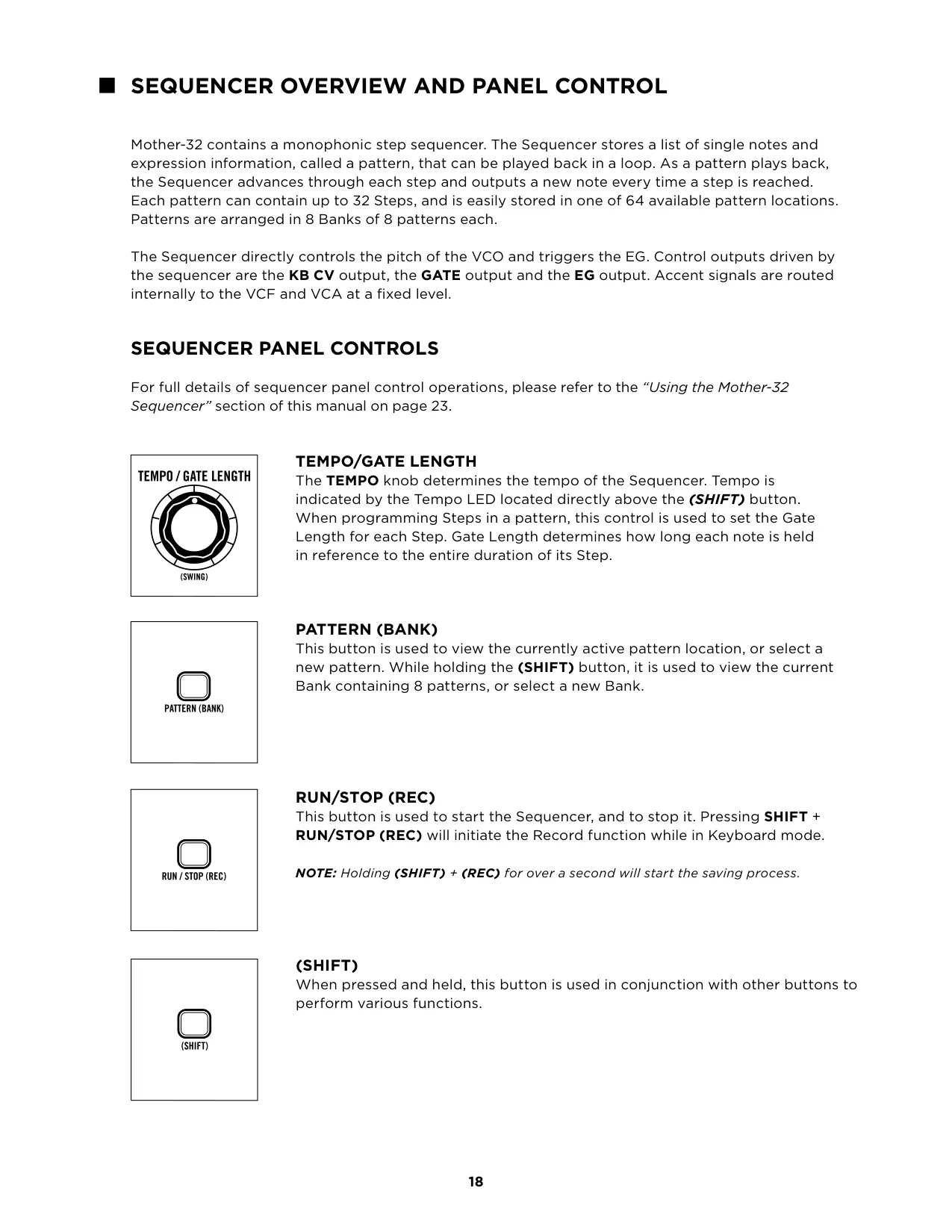
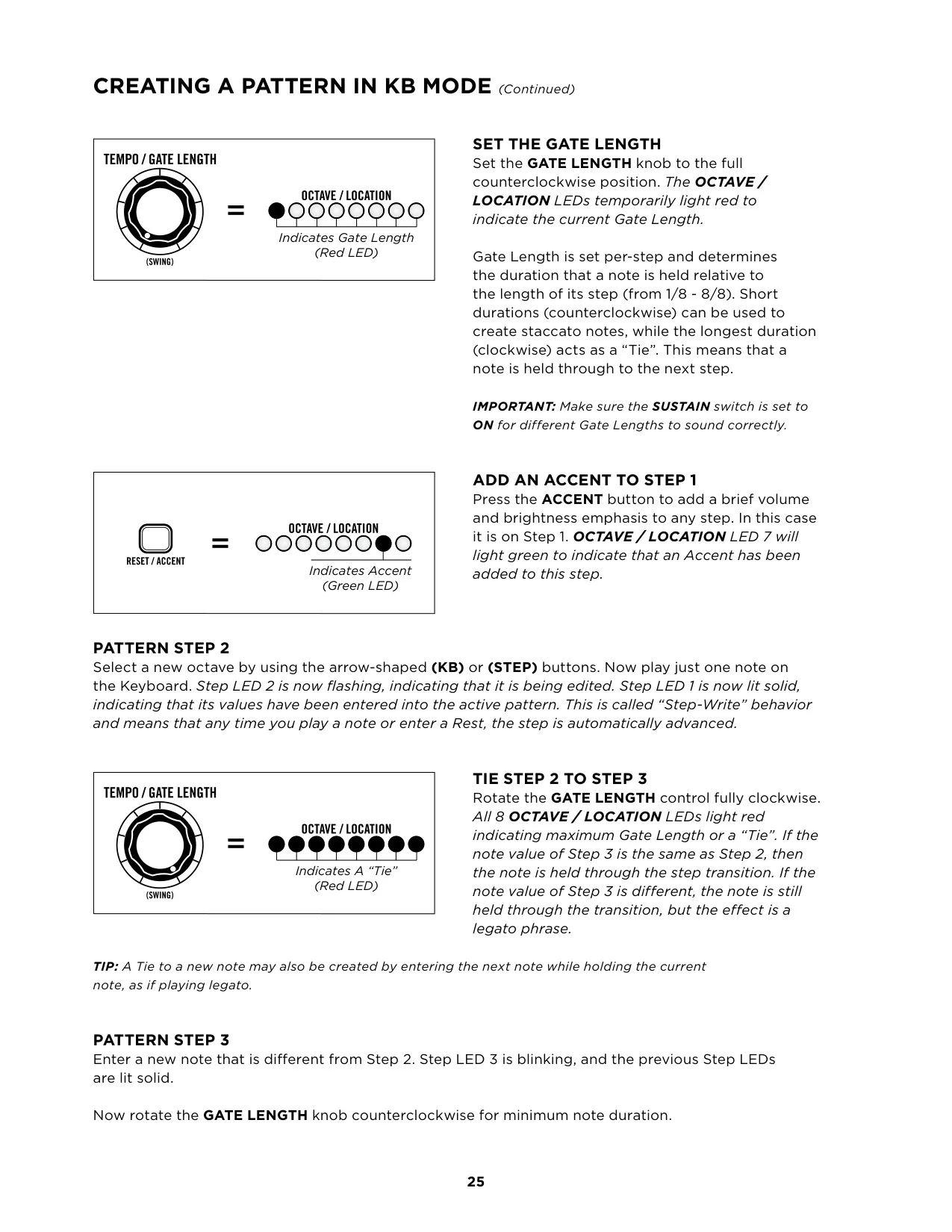
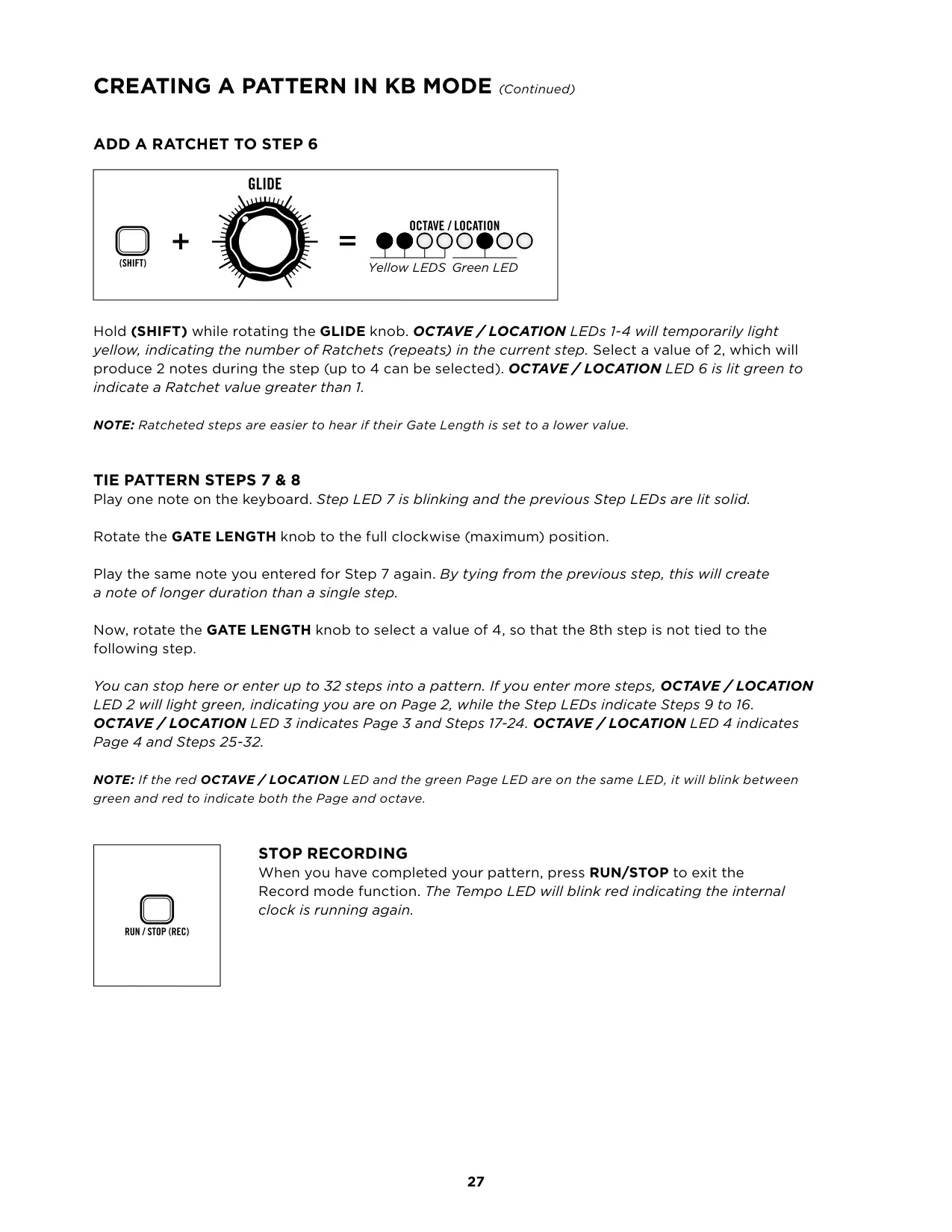
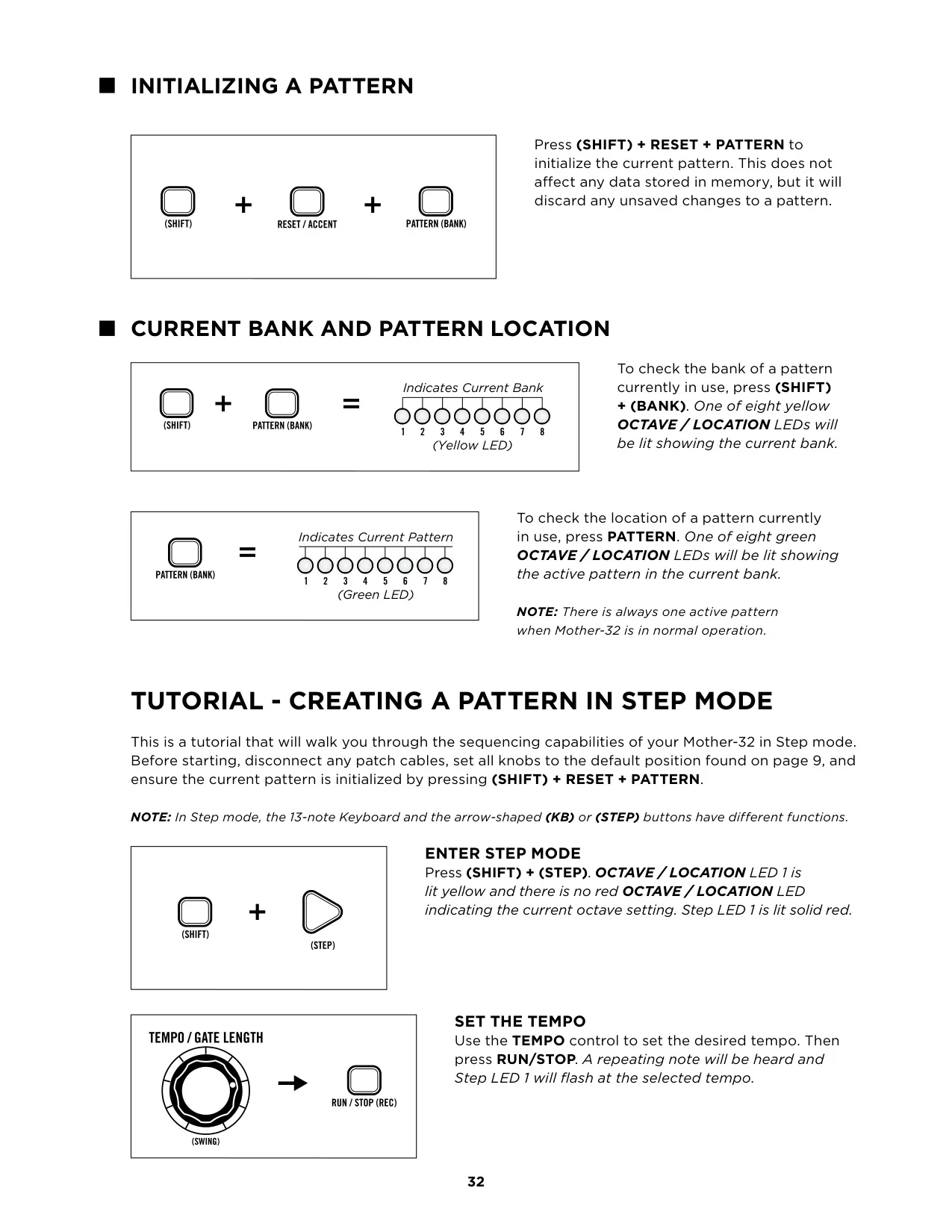
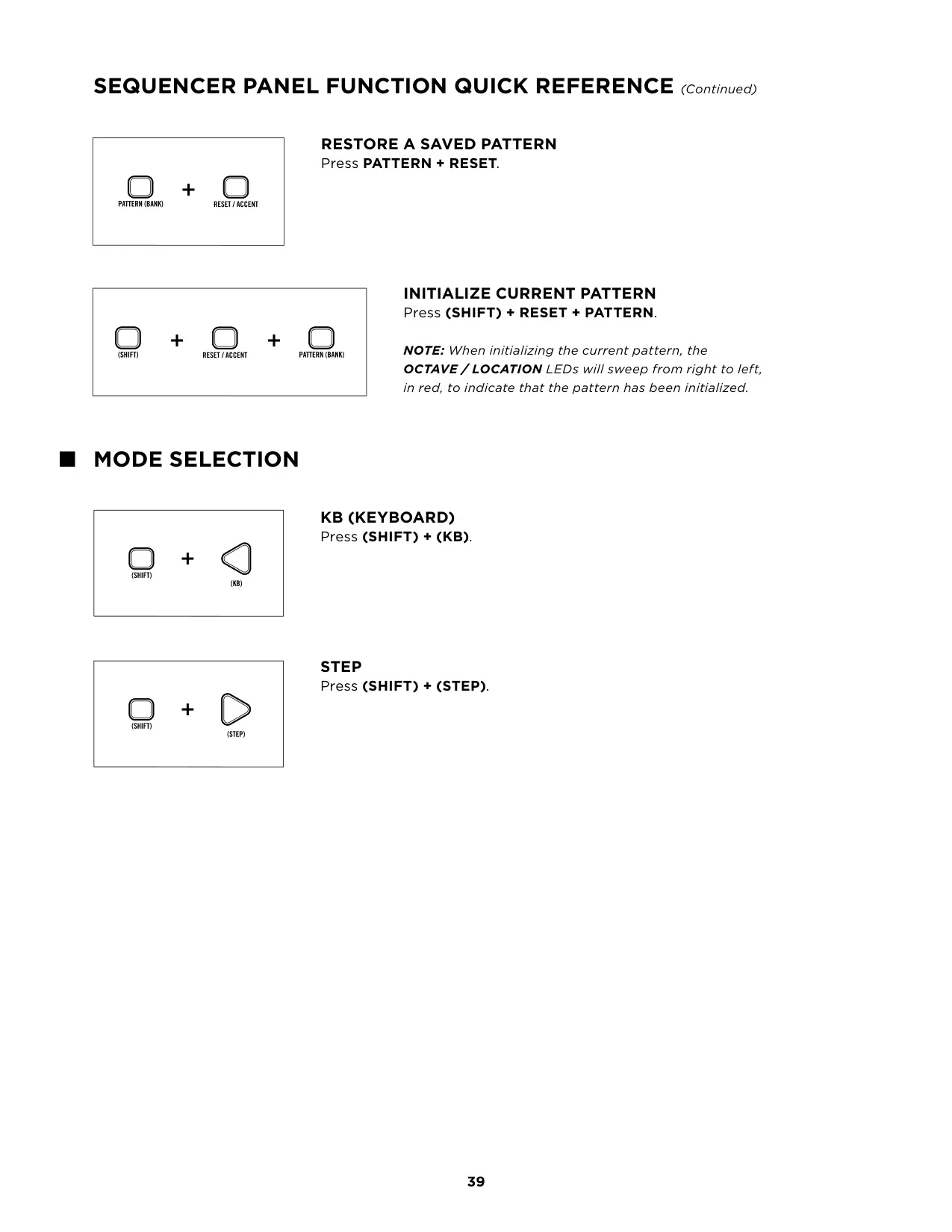
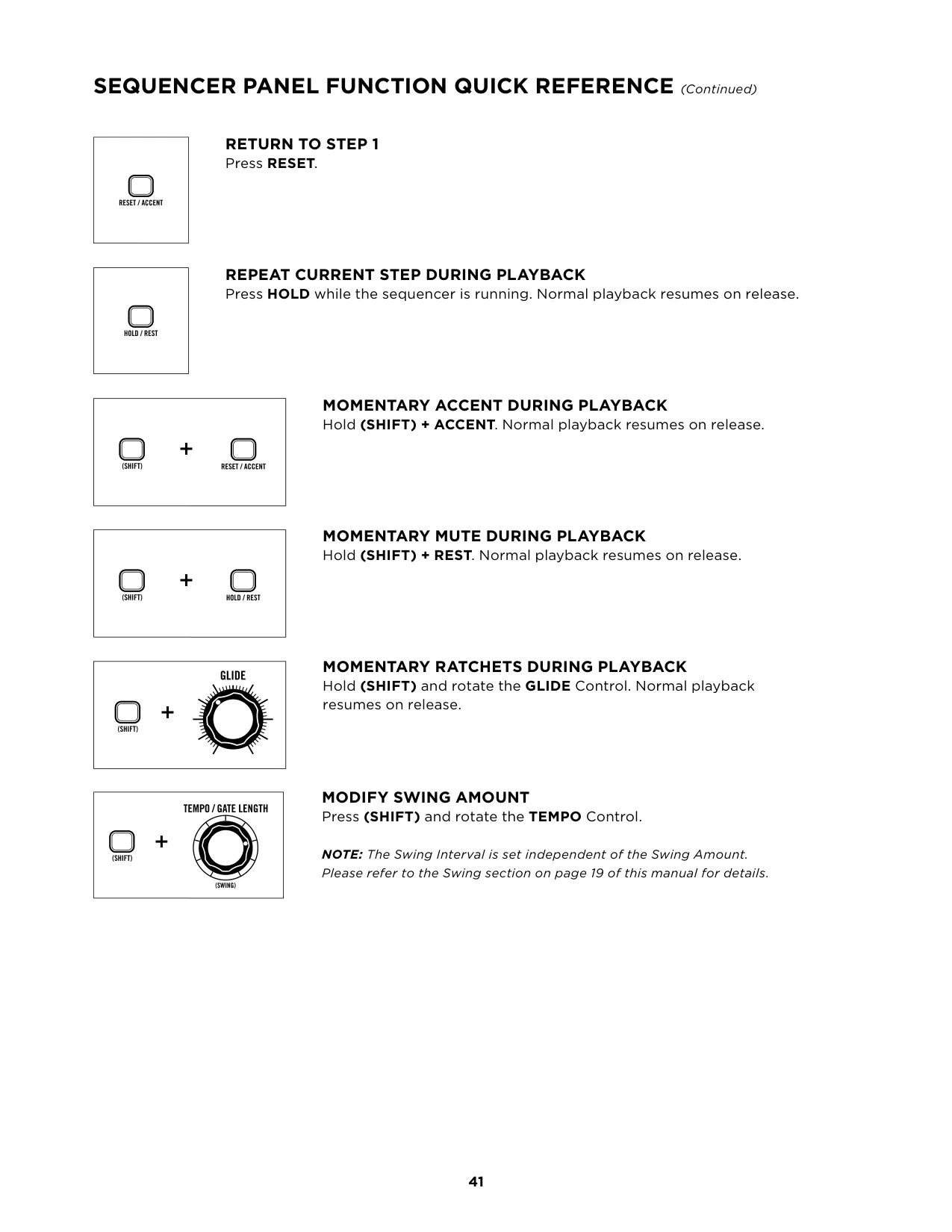
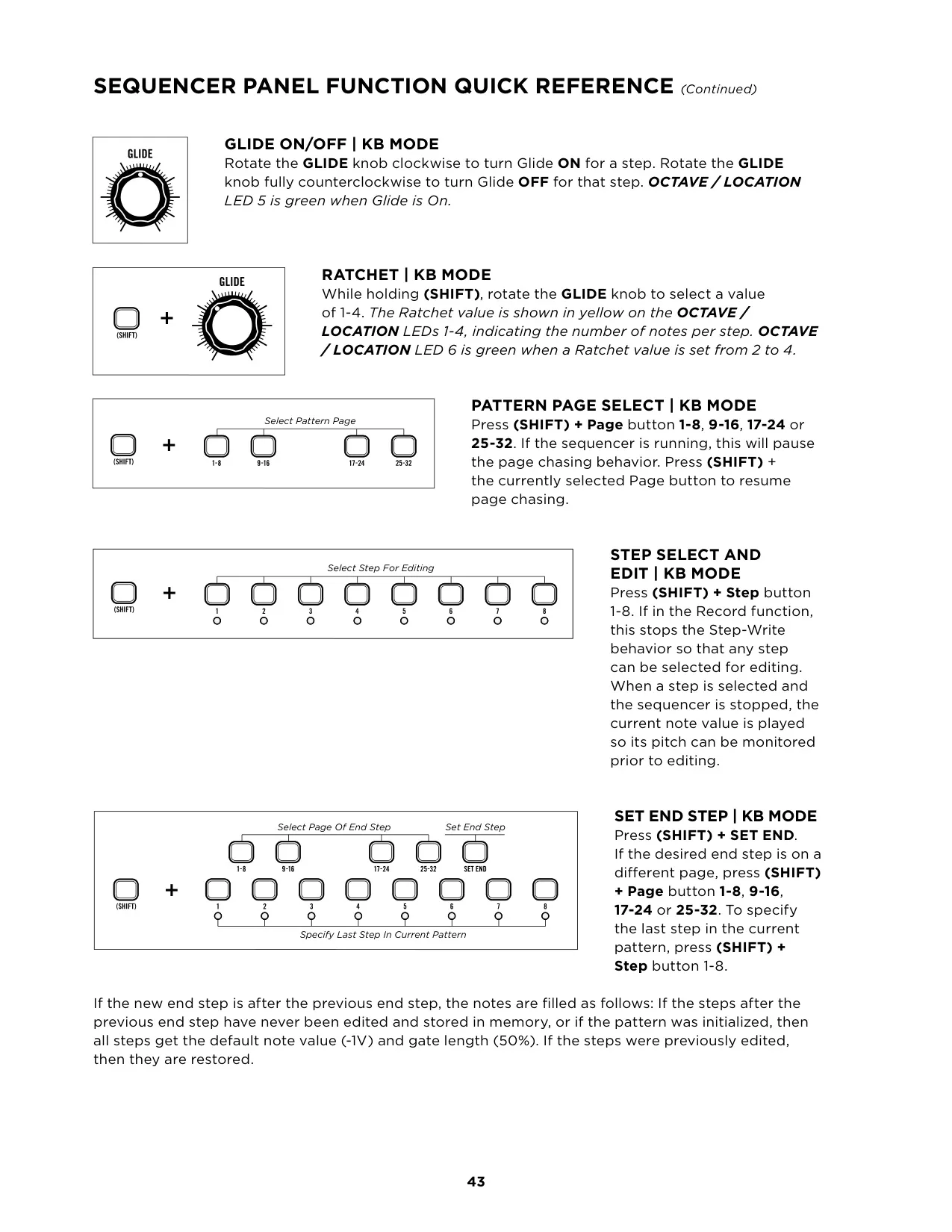
The powerful 32-step sequencer stores 64 patterns across 8 banks, offering dual modes: Keyboard (KB) for real-time recording and Step for precise editing. It includes essential features like Gate Length, Accent, Rest, and Tie. Creative rhythmic variations are possible with Ratchet, allowing 1-4 note repeats per step, and flexible Swing Amount/Interval for unique grooves. Playback order can be set to Forward, Reverse, Pendulum, or Random, providing endless arrangement possibilities.
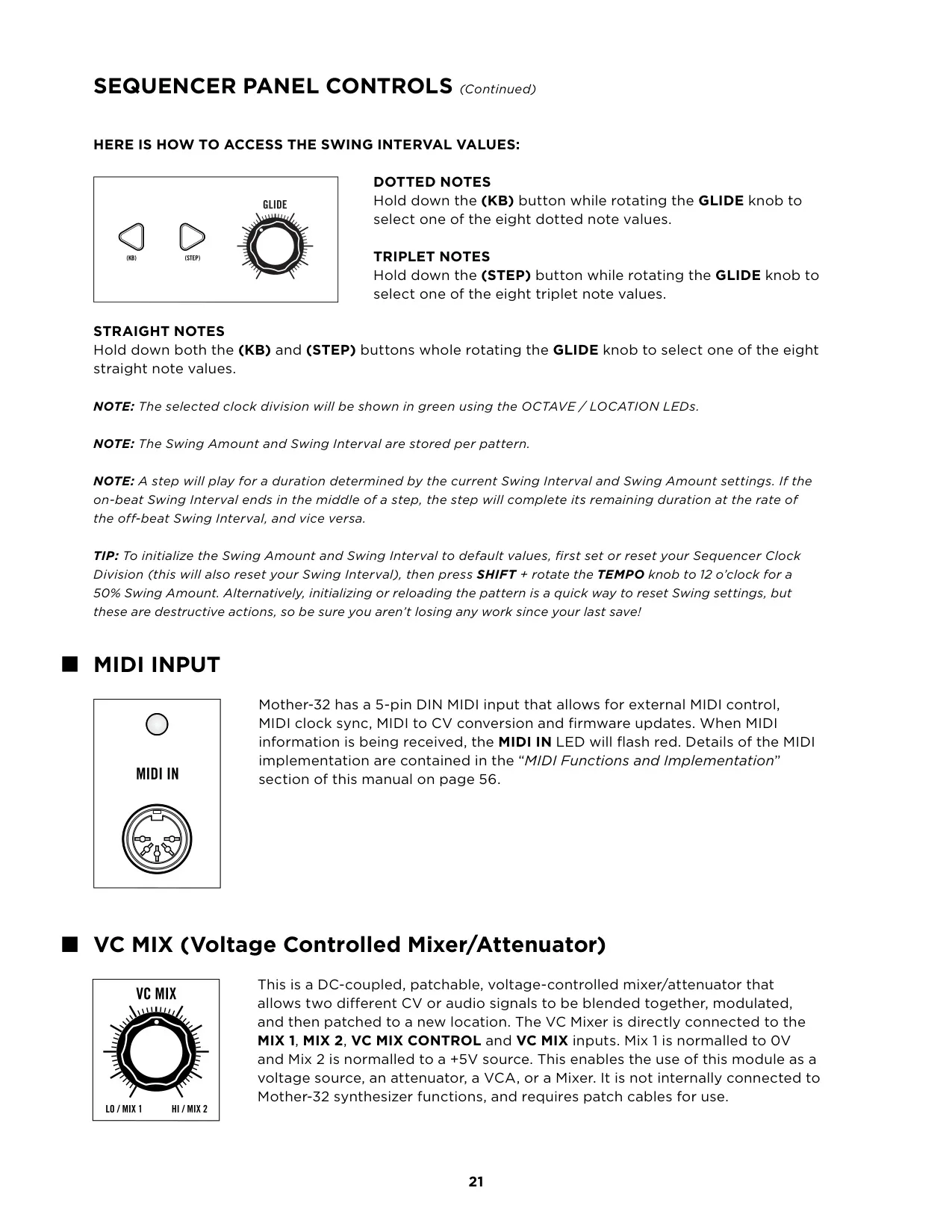
A unique addition is the patchable, DC-coupled Voltage Controlled Mixer (VC Mix). While not internally connected to the main synth, it acts as a flexible utility module, blending two CV or audio signals. It can function as a variable fixed voltage source, an attenuator, or a VCA, significantly expanding the Mother-32's modular utility within a larger system.
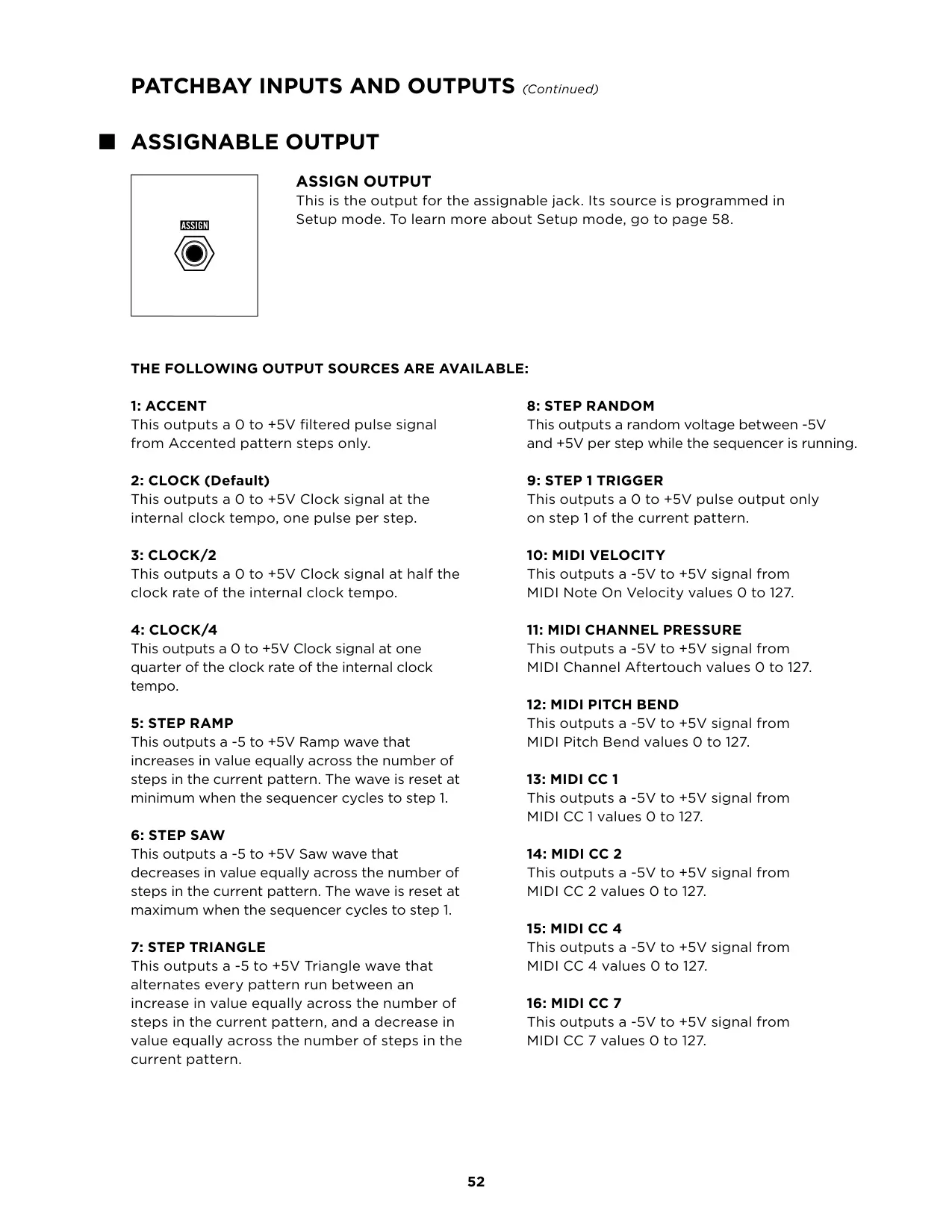
The Assignable Output is a versatile patch point, defaulting to a Clock signal, but user-configurable in Setup mode. It can output various clock divisions, step-based ramps, saws, triangles, random voltages, or even MIDI parameters like Velocity, Channel Pressure, Pitch Bend, and specific Control Change (CC) messages, offering rich modulation for external modules.
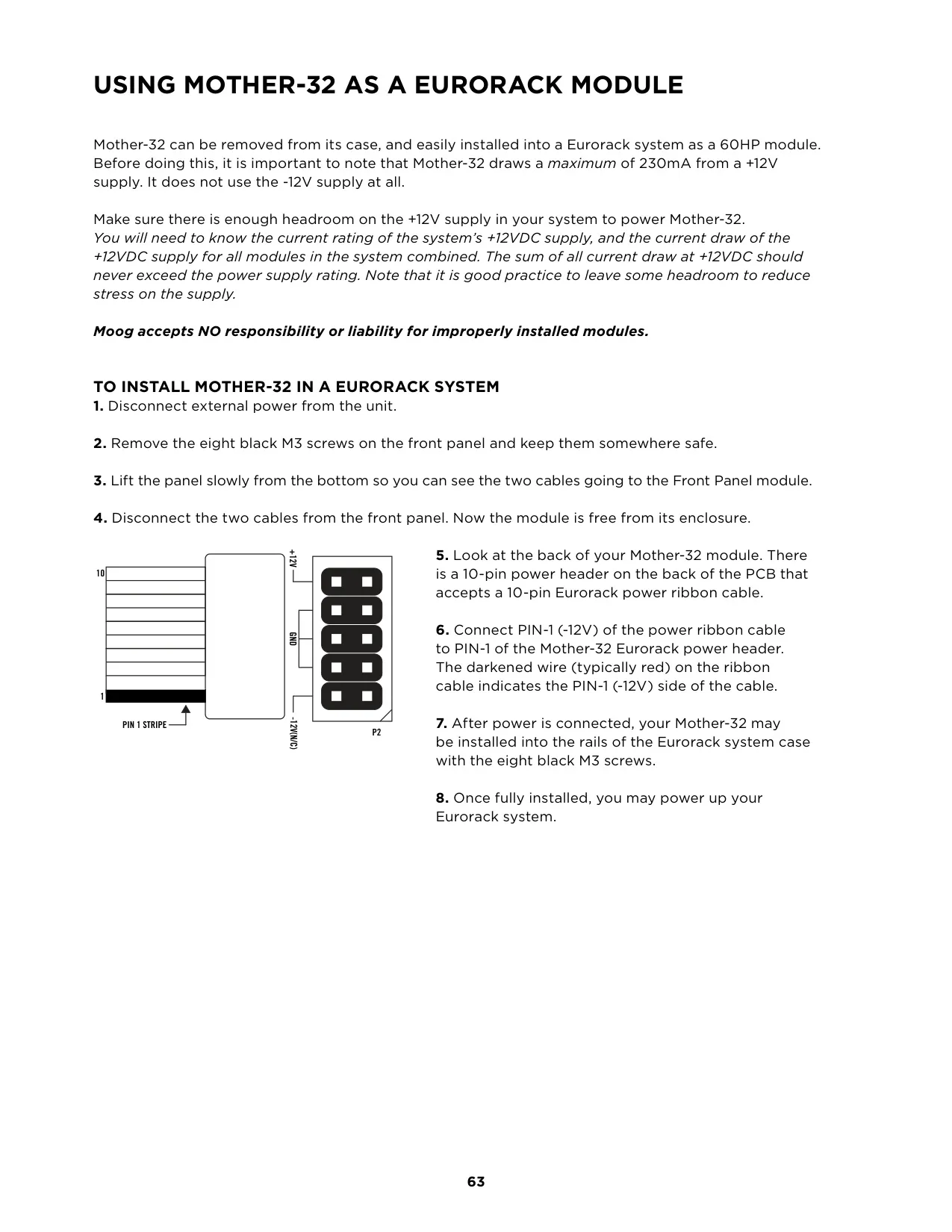
For modular integration, the Mother-32 can be removed from its case and installed into a 60HP Eurorack system. It draws a maximum of 230mA from a +12VDC supply and does not utilize the -12V rail, making it compatible with many existing Eurorack power solutions. This flexibility ensures it can serve as a standalone instrument or a powerful module within a larger setup.
Frequently Asked Questions (FAQs)
Can't find the answer you need? Here are some frequently asked questions about the Moog Mother-32 Audio Synthesizer, and we answer them below.